GROESBECK LTC PARTNERS
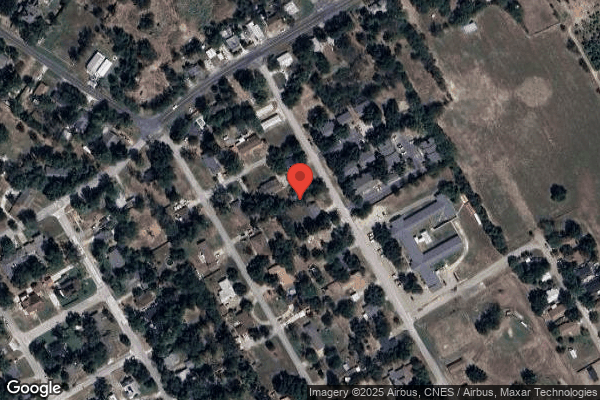
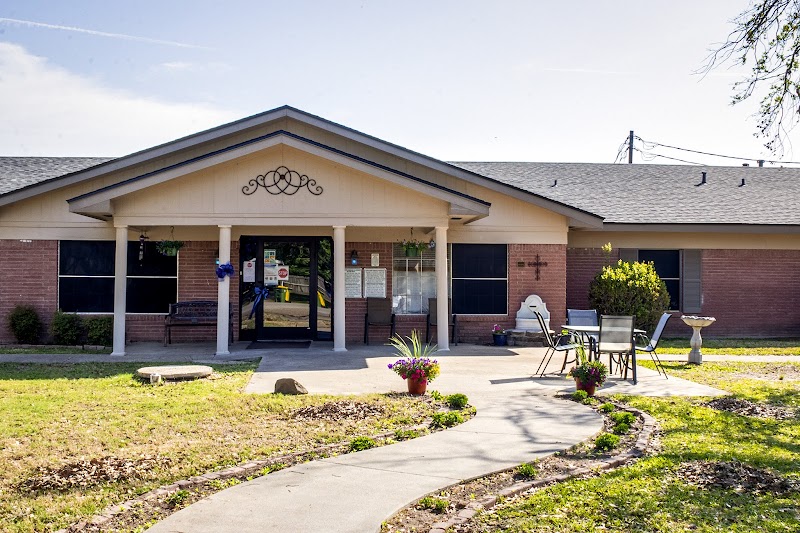
607 PARKSIDE DR, GROESBECK, TX 76642 (254) 729-3245
Government - Hospital district 90 Beds GULF COAST LTC PARTNERS Data: November 2025
Trust Grade
80/100
#245 of 1168 in TX
Last Inspection: March 2024

Within standard 12-15 month inspection cycle. Federal law requires annual inspections.

Overview

Groesbeck LTC Partners has a Trust Grade of B+, which means it is above average and generally recommended for potential residents. It ranks #245 out of 1168 facilities in Texas, placing it in the top half of state facilities, and #3 out of 5 in Limestone County, indicating only one local option is rated higher. The facility is improving, with the number of issues decreasing from 3 in 2024 to 1 in 2025. Staffing is considered average with a rating of 3 out of 5 stars and a turnover rate of 42%, which is below the Texas average of 50%. On a positive note, Groesbeck LTC Partners has not incurred any fines, which suggests compliance with regulations, and they have a good overall health inspection rating of 4 out of 5 stars. However, there are concerns regarding RN coverage, as it is less than 98% of other Texas facilities. Specific incidents noted by inspectors include failure to maintain sanitary conditions in the kitchen, such as mold found in the ice machine and improper food handling practices that could risk residents’ health. These findings highlight both strengths and weaknesses, making it essential for families to weigh the pros and cons when considering this nursing home.

Trust Score
B+
80/100
In Texas
#245/1168
Top 20%
Safety Record
Low Risk
No red flags
Inspections
Getting Better
3 → 1 violations
Staff Stability
○ Average
42% turnover. Near Texas's 48% average. Typical for the industry.
Penalties
✓ Good
No fines on record. Clean compliance history, better than most Texas facilities.
Skilled Nurses
⚠ Watch
Each resident gets only 8 minutes of Registered Nurse (RN) attention daily — below average for Texas. Fewer RN minutes means fewer trained eyes watching for problems.
Violations
○ Average
7 deficiencies on record. Average for a facility this size. Mostly minor or procedural issues.
★★★★☆
4.0
Overall Rating
★★★☆☆
3.0
Staff Levels
★★★★☆
4.0
Care Quality
★★★★☆
4.0
Inspection Score
Stable
2024: 3 issues
2025: 1 issues

The Good

  • 4-Star Quality Measures · Strong clinical quality outcomes
  • Full Sprinkler Coverage · Fire safety systems throughout facility
  • No fines on record
  • Staff turnover below average (42%)

    6 points below Texas average of 48%

Facility shows strength in quality measures, fire safety.

The Bad

Staff Turnover: 42%

Near Texas avg (46%)

Typical for the industry

Chain: GULF COAST LTC PARTNERS

Part of a multi-facility chain

Ask about local staffing decisions and management

The Ugly 7 deficiencies on record

Apr 2025 1 deficiency
CONCERN (D) 📢 Someone Reported This

A family member, employee, or ombudsman was alarmed enough to file a formal complaint

Potential for Harm - no one hurt, but risky conditions existed

Deficiency F0558 (Tag F0558)

Could have caused harm · This affected 1 resident

**NOTE- TERMS IN BRACKETS HAVE BEEN EDITED TO PROTECT CONFIDENTIALITY** Based on observation, interview, and record review the facility failed to ensure the resident had the right to reside and receiv...

Read full inspector narrative →
**NOTE- TERMS IN BRACKETS HAVE BEEN EDITED TO PROTECT CONFIDENTIALITY** Based on observation, interview, and record review the facility failed to ensure the resident had the right to reside and receive services in the facility with reasonable accommodations of resident needs and preferences except when to do so would endanger the health or safety of the resident or other residents for 3 of 7 residents (Residents #1, #2 and #3) reviewed for resident rights. The facility failed to ensure Resident #1, Resident #2, and Resident's #3 call lights were within reach on 04/29/2025. This failure could place residents at risk of their needs not being met. Findings include: 1.Record review of Resident #1's admission record, dated 04/29/2025, reflected a [AGE] year-old male who was admitted to the facility on [DATE]. Resident #1 had diagnoses which included: nontraumatic intracerebral hemorrhage in hemisphere cortical (bleeding within the brain tissue, not caused by injury, specifically in the outer layer of one half of the brain.), cachexia (waste disorder characterized by significant weight loss muscle wasting, and fat loss), muscle weakness (reduce ability of the body to contract muscle properly, resulting in a lower strength in one or more muscle), lack of coordination (having difficulty controlling your movements and making them work together smoothly) and need for assistance with personal care (needing help with basic, everyday activities that are necessary for maintaining hygiene, health, and overall well-being). Record review of Resident #1's admission MDS assessment, dated 04/11/2025, reflected the resident had a BIMS score of 00, which indicated severe cognitive impairment. Resident #1 was dependent in the areas: toileting hygiene, shower/bathe self, upper body dressing, lower body dressing, and putting on/taking off footwear. Resident #1 required substantial/maximal assistance in the areas: eating, oral hygiene, and personal hygiene. Record review of Resident #1's care plan, dated 04/29/2025, reflected Resident #1 was care planned for falls and had an intervention be sure his call light is within reach. During an observation on 04/29/2025 at 9:24 am., Resident #1 was observed in his chair while his call light was observed hanging over his nightstand approximately 3 feet away from Resident #1's chair. Attempted to interview Resident #1 on 04/29/2025 at 9:24 am. but it was not successful due to his severe cognitive impairment. 2.Record review of Resident #2's admission record, dated 04/29/2025, reflected a [AGE] year-old male who was admitted to the facility on [DATE]. Resident #2 had diagnoses which included: paranoid schizophrenia (when someone experiences strong paranoia/they are intensely suspicious and fearful of others), type 2 diabetes mellitus without complications (condition were your body doesn't use insulin properly causing high blood sugar levels), muscle weakness (reduce ability of the body to contract muscle properly, resulting in a lower strength in one or more muscle), and anxiety disorder (mental health condition characterized by excessive and persistent worry and fear). Record review of Resident #2's Annual MDS assessment, dated 02/14/2025, reflected the resident had a BIMS score of 15, which indicated cognitively intact. Resident #2 required supervision or touching assistance in the area of shower/bathe self. Record review of Resident #2's care plan, dated 04/29/2025, reflected Resident #2 was care planned for risk of falls r/t psychotropic med use, and had an intervention for Resident #2's be sure Resident #2 call light is within reach us for assistance as needed. During an observation and interview on 04/29/2025 at 9:24 am., Resident #2's call light was observed hanging between the wall and his bed. Resident #2 stated that he could not reach his call light if he tried to. Resident #2 stated he would have to move his bed to get to his call light. Resident #2 stated he did not know how long his call light was behind his bed. During an observation on 04/29/2025 at 1:40 pm., Resident #2's call light was observed hanging between the wall and his bed. Resident #2 was sleep at the time of this observation. 3.Record review of Resident #3's admission record, dated 04/29/2025, reflected a [AGE] year-old female who was admitted to the facility on [DATE]. Resident #3 had diagnoses which included: systolic heart failure (happens when the heart's main pumping chamber, the left ventricle, doesn't pump blood effectively), cognitive communication deficit (someone had trouble communicating because they're struggling with thinking and problem-solving skills), lack of coordination (having difficulty controlling your movements and making them work together smoothly), and anxiety disorder (mental health condition characterized by excessive and persistent worry and fear). Record review of Resident #3's Quarterly MDS assessment, dated 03/03/2025, reflected the resident had a BIMS score of 12, which indicated moderate cognitive impairment. Resident #3 required partial/moderate assistance in the area of shower/bathe self, lower body dressing, and putting on/taking footwear. Record review of Resident #3's care plan, dated 04/29/2025, reflected Resident #2 was care planned for risk of falls r/t gait/balance problems, psychoactive drug use, and had an intervention of be sure Resident #3's call light is within reach and encourage her to use it for assistance as needed. During an observation and interview on 04/29/2025 at 10:15 am., Resident #3's call light was observed hanging towards the ground on the left side of her bed. Resident #3 stated that she could not reach her call light if she tried to. Resident #3 was not aware of how long her call light had been out of reach. During an interview with the CNA A on 04/29/2025 at 1:30 pm., CNA A stated she and CNA B both were working the 100 hall where Residents #1, #2, and #3 resided. CNA A stated CNAs made rounds every two hours or as needed. CNA A stated it was everyone's responsibility for ensure residents' call lights were within reach. CNA A stated, when making rounds, CNAs checked to see if residents needed assistance and ensured the residents were safe. CNA A stated the purpose of a call light was a resident to call for assistance. CNA A stated she was not aware Residents #1, #2 or #3's call lights were not within reach. CNA A stated if a resident could not reach the call light, the resident would not be able to call for help if they need something. During an interview with CNA B on 04/29/2025 at 1:50 pm., CNA B stated she and CNA A both worked the 100 hall where Residents #1, #2, and #3 resided. CNA B stated CNAs made rounds at least every two hours unless there was a resident who may require more frequent checks. CNA B stated that it was the CNAs and anyone who entered the resident's room to ensure the call lights was in reach. CNA B stated during rounds, CNAs were taught to ensure the resident call lights were in reach. CNA B stated she was not aware Resident #1, #2, or #3's call light was not within reach. CNA B stated if a resident's call light was not in reach the resident would not be able to call for assistance. During an interview with the DON on 04/29/2025 at 2:55 pm., the DON stated all residents' call lights should be always within reach. The DON confirmed that CNA A and CNA B were working the 100 halls where Residents #1, #2, and #3 resided. The DON stated it was everyone's responsibility to ensure residents' call lights were always within reach. The DON stated if a resident's call light was not within reach the resident would not be able to receive assistance if they needed it. During an interview with the ADM on 04/29/2025 at 3:55pm., the ADM stated call lights should always be within reach. The ADM stated it was everyone's responsibility to ensure the call light were within reach. The ADM stated if a resident call light was not within reach, then the resident may not be able to call for assistance. The ADM stated her expectation was for all resident's call lights to always be within reach. A record review of the facility's Answering the Call Light policy, undated, reflected The purpose of this procedure is to ensure timely response to the resident's requests and needs. General Guidelines .5. When the resident is in bed or confined to a chair be sure the call light is within easy reach of the resident
Mar 2024 3 deficiencies
CONCERN (D)

Potential for Harm - no one hurt, but risky conditions existed

PASARR Coordination (Tag F0644)

Could have caused harm · This affected 1 resident

**NOTE- TERMS IN BRACKETS HAVE BEEN EDITED TO PROTECT CONFIDENTIALITY** Based on interviews and record review the facility failed to refer all residents with possible serious mental disorders or a rel...

Read full inspector narrative →
**NOTE- TERMS IN BRACKETS HAVE BEEN EDITED TO PROTECT CONFIDENTIALITY** Based on interviews and record review the facility failed to refer all residents with possible serious mental disorders or a related condition for level II resident review upon a significant change in status assessment for 1 of 5 Residents (Resident #52) whose records were reviewed for mental disorders. The facility failed to refer Resident #52 for a PASRR evaluation based on mental disorder diagnoses including Schizoaffective Disorder, Bipolar type. This deficient practice could affect residents with a mental illness and contribute to a delay in services needed. Findings included: Review of Resident # 52's face sheet dated 3/28/2024 revealed a [AGE] year-old female with admission date of 12/07/2022 and a readmission date of 1/27/2023 with diagnoses that included Type 2 Diabetes Melllitus without complication (consistent elevated blood sugar), Cardiac Arrhythmia (abnormal heart rate), and Diaphragmatic Hernia without obstruction or gangrene (a hole in the diaphragm a muscle that is used in respiration without tissues damage). Diagnosis added on 3/15/2024 included bipolar disorder (episodes of mood swings ranging from depressive lows to manic highs), schizoaffective disorder, bipolar type (a mental illness that affects your mood and thoughts with symptoms of bipolar disorder). Review of Resident # 52's Quarterly MDS assessment dated [DATE], revealed a BIMS score of 12 which indicated a moderate cognitive impairment. Section I revealed diagnoses that include anxiety disorder, bipolar disorder, and Schizophrenia. Review of Resident # 52's PASRR level 1 screening dated 12/12/2022 revealed no mental illness, intellectual disorder, or developmental disability. Facility was unable to provide PASSR screening for readmission date of 1/27/2023 or when new diagnosis was made on 3/15/2024. Review of Resident # 52 's Care Plan revised 5/19/2023 requires antipsychotic medications (Abilify) for diagnosis of behavior management. In an interview with the MDS Coordinator on 3/27/2024 at 1:00 pm, she stated that the Level 1 screening was not sent when the new mental illness was identified, and that it should have been. She continued that she was not sure how it got missed but she would send it in today (3/27/2024). She stated that she was responsible to make sure all PASSR level 1 screenings that were positive were sent to the local authority . She stated the PASSR level 1 screening not being the local authority could cause a delay in the resident receiving needed services. In an interview with DON on 3/27/2024 at 3:30 pm, he stated that his expectations were the MDS coordinator was responsible for making sure the facility meets requirements for PASRR reporting. He stated that a PASRR no submit can put the resident at risk for not receiving recommended services. In an interview with the ADM on 3/28/2024 at 10:30 am, she stated that her expectation was the PASRR level 1 be submitted per facility policy. She stated this was the responsibility of the MDS coordinator. If not done timely the PASSR screening can prevent potential treatment for the resident. Review of Policy titled Policy and Procedure for PASRR Level 1/PASRR compliance 6/27/2014 dated 6/27/2014, 3/28/2024 11:00 am revealed F. If at any time a resident has a significant change or you receive information that might indicate the resident may have a mental illness, intellectual disorder or developmental disability, or condition not contained in the medical record, please submit PASRR level 1 screening for the resident to be evaluated by the local authority.
CONCERN (D)

Potential for Harm - no one hurt, but risky conditions existed

Comprehensive Care Plan (Tag F0656)

Could have caused harm · This affected 1 resident

**NOTE- TERMS IN BRACKETS HAVE BEEN EDITED TO PROTECT CONFIDENTIALITY** Based on interviews and record reviews, the facility failed to develop and implement a comprehensive person-centered care plan f...

Read full inspector narrative →
**NOTE- TERMS IN BRACKETS HAVE BEEN EDITED TO PROTECT CONFIDENTIALITY** Based on interviews and record reviews, the facility failed to develop and implement a comprehensive person-centered care plan for each resident, which included measurable objectives and timeframes to meet a resident's medical, nursing, and mental and psychosocial needs for 1 of 2 residents (Resident #50) reviewed for care plans. The facility failed to follow comprehensive care plan interventions for Residents #50. This failure could place residents at risk for not receiving necessary care and services or having important care needs identified and met. Findings included: Review of Resident #50's face sheet dated 06/14/23 revealed Resident #50 was a [AGE] year-old male admitted on [DATE] with diagnoses including cerebral infarction (a result of disrupted blood flow to the brain due to problems with the blood vessels that supply it), dysphagia (difficulty in swallowing), hypertension (a condition in which the force of the blood against the artery walls is too high), and hyperkalemia (elevated level of potassium in the blood). Review of the MDS dated [DATE] reflected Resident #50 had a BIMS score of 14 indicating Resident #50 was cognitively intact and Resident #50 was independent for bed mobility, transfers, and eating. Resident #50 required extensive assistance for dressing and required limited assistance for toileting and personal hygiene. MDS reflected Resident #50 used tobacco. Review of Resident #52's clinical record revealed comprehensive care plan initiated 09/18/23 revealed: Resident #50 is a smoker. Goal: Resident #50 will not smoke without supervision through the next review date. Interventions: Instruct him about the facility policy on smoking times and safety concerns, and Monthly smoking assessments. Resident #50 requires supervision with smoking apron. Resident #50's smoking supplies are kept at nurse's station. Review of Resident #50's assessments dated from 07/02/22 to 03/25/24 in electronic medical record revealed there were no initial or monthly smoking assessments completed. In an interview on 03/27/24 at 2:55 PM with Resident #50, he stated he was doing fair, and the staff all treated him pretty good. He stated he had a call button to use to call for help and staff got to him in a timely manner when he called them. He stated he felt safe in the facility. He stated he smoked cigarettes during designated smoke times, and he wore an apron to protect his clothing when he smoked. He stated he had no concerns about anything at the facility. In an interview on 03/27/24 at 2:07 PM with the MDS, she stated Resident #50 did not smoke cigarettes when he had first admitted to the facility. She stated Resident #50 had begun smoking sometime last summer but she was not sure of the date. She stated Resident #50 had begun asking other residents for cigarettes and started out with an electronic cigarette. She stated smoking assessments should be done monthly. She stated all smokers were supervised when smoking but if the care plan interventions were not followed, it could put residents at risk for not wearing their safe smoking aprons or may not allow resident to be kept safe by staff. She stated Resident #50's MDS which was done on admission was correct and did not reflect that Resident #50 was a smoker. The MDS assessment which was done in July did reflect Resident #50 was a smoker, so she did not know the exact date, but it was sometime in between April and July of 2023 when Resident #50 began smoking. In an interview on 03/27/24 at 3:30 PM with the ADM, she stated Resident #50 was currently a smoker, but he did not smoke before when he first admitted to the facility. She stated the admitting nurse was responsible for completing the admission smoking assessment but smoking admitting assessments were only done for residents that were smokers. She stated the monthly smoking assessments should have been completed by the charge nurses. She stated staff should follow care plan interventions. She stated staff have been trained on following care plans and completing smoking assessments. She stated if care plan interventions were not followed, it could cause all kinds of problems for residents such as them receiving the wrong care or wrong diet . In an interview on 03/27/24 at 3:38 PM with the DON, he stated Resident #50 was a smoker at that time, but he had not been a smoker when he first admitted to the facility. He stated he was aware that Resident #50 did not have any smoking assessments at that time but that they had corrected those. He stated smoking assessments were done upon admit and then monthly and only for residents that were smokers. He stated that the charge nurses were responsible for the assessments. He stated staff should always follow care plan interventions and staff had been trained on following care plan interventions and completing smoking assessments. He stated if care plan interventions were not followed, the proper care would not be given to the residents and that no staff should have ever hit the floor to work without being trained on how to read the care plans and follow them or how to access the residents records which indicate the care that should be received . Review of facility policy dated 2001 (revised April 2006) titled Care Plans - Goals and Objectives revealed Policy Statement: Care plans shall incorporate goals and objectives that lead to the resident's highest obtainable level of independence. 1. Care plan goals and objectives are defined as the desired outcome for a specific resident problem. 3. Care plan goals and objectives are derived from information contained in the resident's comprehensive assessment and: a. Are resident oriented, b. Are behaviorally stated, c. Are measurable; and d. Contain timetables to meet the resident's needs in accordance with the comprehensive assessment. 4. Goals and objectives are entered on the resident's care plan so that all disciplines have access to such information and are able to report whether or not the desired outcomes are being achieved. 5. Goals and objectives are reviewed and/or revised: a. When there has been a significant change in the resident's condition; b. When the desired outcome has not been achieved, c. When the resident has been readmitted to the facility from a hospital/rehabilitation stay, and d. At least quarterly.
CONCERN (F)

Potential for Harm - no one hurt, but risky conditions existed

Food Safety (Tag F0812)

Could have caused harm · This affected most or all residents

Based on observation, interview, and record review, the facility failed to store, prepare, distribute, and serve food under sanitary conditions in the facility's kitchen for one out of one ice machine...

Read full inspector narrative →
Based on observation, interview, and record review, the facility failed to store, prepare, distribute, and serve food under sanitary conditions in the facility's kitchen for one out of one ice machines. The facility failed to ensure the ice machine was free of mold. This failure placed the residents at risk for foodborne illnesses. Findings included: Observation on 3/26/2024 at 09:02 am of the only ice machine had pink and black residue on the outside of the internal plastic covering over the ice drop, the level of ice was up to the bottom edge of covering. Observation on 3/26/2024 at 12:30 pm of ice machine after cleaning faint pink coloring remains, no black residue present on the internal plastic covering over the ice drop. In an interview with the DM on 3/26/2024 at 09:02am, she stated that she was surprised by the pink and black residue on the ice machine as it was cleaned by maintenance on Thursday. She stated she would have it cleaned again. She stated a potential outcome would be the residents would be at risk of getting sick. In an interview with the DA on 03/26/2024 at 09:51 am, she stated she has been at the facility for 3 months and she was not sure what the policy about cleaning the ice machine stated. In an interview with DON on 3/262024 at 4:00 pm, he stated his expectation was that the ice machine be maintained in a sanitary condition and cleaned as scheduled. He stated he was the infection preventionist and monitored the cleaning schedule weekly. He stated maintenance was responsible for the cleaning and sanitation of the ice machine weekly. He stated failure to maintain the cleaning schedule could put the residents at risk for foodborne illnesses. In an interview with the ADM on 3/26/2024, she stated her expectation was that the ice machine was cleaned as scheduled by maintenance. Maintenance did clean the ice machine this morning. She stated that because residents use the ice machine several times a day, at least during meals, they can be at risk for illness . Record review of Kitchen cleaning schedule dated January 2024 on 3/28/2024 at 10:00 am revealed the ice machine was cleaned on 1/2/2024, 1/3/2024, 1/12/2024, 1/17/2024, and 1/24/2024. Record review of Kitchen cleaning schedule dated February 2024 on 3/28/2024 at 10:00 am revealed the ice machine was cleaned on 2/8/2024, 2/14/2024, 2/21/2024, and 2/28/2024. Record review of Kitchen cleaning schedule of cleaning dated March 2024 on 3/28/2024 at 10:00 am revealed that the ice machine was cleaned on 3/6/2024 and 3/14/2024. Record review of Statement made by MD undated on 3/28/2024 at 10:00 am revealed Ice machine received preventative maintenance cleaning/sanitizing on 3/21/2024. Record review of Policy ice machine and ice storage chests revised January of 2012 on 3/28/2024 at 10:00 am revealed 3. Our Facility has established procedures for cleaning and disinfecting ice machines which adhere to the manufacturer's instructions. The infection preventionist (or designee) maintains a copy of these procedures. The facility failed to ensure the ice machine was free of mold. This failure placed the residents at risk for foodborne illnesses. Findings included: Observation on 3/26/2024 at 09:02 am of the only ice machine had pink and black residue on the outside of the internal plastic covering over the ice drop, the level of ice was up to the bottom edge of covering. Observation on 3/26/2024 at 12:30 pm of ice machine after cleaning faint pink coloring remains, no black residue present on the internal plastic covering over the ice drop. In an interview with the DM on 3/26/2024 at 09:02am, she stated that she was surprised by the pink and black residue on the ice machine as it was cleaned by maintenance on Thursday. She stated she would have it cleaned again. She stated a potential outcome would be the residents would be at risk of getting sick. In an interview with the DA on 03/26/2024 at 09:51 am, she stated she has been at the facility for 3 months and she was not sure what the policy about cleaning the ice machine stated. In an interview with DON on 3/262024 at 4:00 pm, he stated his expectation was that the ice machine be maintained in a sanitary condition and cleaned as scheduled. He stated he was the infection preventionist and monitored the cleaning schedule weekly. He stated maintenance was responsible for the cleaning and sanitation of the ice machine weekly. He stated failure to maintain the cleaning schedule could put the residents at risk for foodborne illnesses. In an interview with the ADM on 3/26/2024, she stated her expectation was that the ice machine was cleaned as scheduled by maintenance. Maintenance did clean the ice machine this morning. She stated that because residents use the ice machine several times a day, at least during meals, they can be at risk for illness . Record review of Kitchen cleaning schedule dated January 2024 on 3/28/2024 at 10:00 am revealed the ice machine was cleaned on 1/2/2024, 1/3/2024, 1/12/2024, 1/17/2024, and 1/24/2024. Record review of Kitchen cleaning schedule dated February 2024 on 3/28/2024 at 10:00 am revealed the ice machine was cleaned on 2/8/2024, 2/14/2024, 2/21/2024, and 2/28/2024. Record review of Kitchen cleaning schedule of cleaning dated March 2024 on 3/28/2024 at 10:00 am revealed that the ice machine was cleaned on 3/6/2024 and 3/14/2024. Record review of Statement made by MD undated on 3/28/2024 at 10:00 am revealed Ice machine received preventative maintenance cleaning/sanitizing on 3/21/2024. Record review of Policy ice machine and ice storage chests revised January of 2012 on 3/28/2024 at 10:00 am revealed 3. Our Facility has established procedures for cleaning and disinfecting ice machines which adhere to the manufacturer's instructions. The infection preventionist (or designee) maintains a copy of these procedures.
Jan 2023 1 deficiency
CONCERN (F)

Potential for Harm - no one hurt, but risky conditions existed

Food Safety (Tag F0812)

Could have caused harm · This affected most or all residents

**NOTE- TERMS IN BRACKETS HAVE BEEN EDITED TO PROTECT CONFIDENTIALITY** Based on observation, interview, and record review, the facility failed to store, prepare, distribute, and serve food in accorda...

Read full inspector narrative →
**NOTE- TERMS IN BRACKETS HAVE BEEN EDITED TO PROTECT CONFIDENTIALITY** Based on observation, interview, and record review, the facility failed to store, prepare, distribute, and serve food in accordance with professional standards for food service safety for one of one kitchen reviewed for kitchen sanitation. A. The facility failed to sanitize the oven, walk-in refrigerator and walk-in freezer located in the kitchen. B. The facility failed to properly store and label food in the facility's walk-in refrigerator and walk-in freezer. C. The facility failed to ensure Dietary Aide B wore a beard net when removing clean plates from the dishwasher and Dietary Aide C properly wore a hair net when placing residents' breakfast plates on the meal tray cart. D. The facility failed to dispose of an expired case of prune juice and expired 8 loaves of Texas toast bread in the dry storage room. E. The facility failed to ensure Dietary [NAME] A properly sanitized hands between tasks. These failures could place the residents, who received food and beverages from the kitchen, at risk for health complications, foodborne illnesses, and decreased quality of life. Findings included: A. Observation of the kitchen equipment on 1/24/2023 at 9:10 AM- 9:45 AM revealed an oven with two doors had yellowish/brownish hard substance inside the glass of both doors. The oven also had dried hard crumbs and a thick hard black substance on the bottom and sides of the oven. In an interview on 1/24/2023 at 9:25 AM the Dietary [NAME] A stated he was responsible for cleaning the oven. He stated the oven was to be cleaned as needed and once a week. He stated the oven had not been cleaned in approximately two or three weeks. He stated he was busy and forgot to clean the oven. He stated he had been working in this kitchen as a cook for approximately 17 years and he was aware of his job duties. He stated if the oven was not clean there could be germs in the oven and possibly spread to the food. He stated he did not know if it could affect a resident. Observation of the walk-in refrigerator on 1/24/2023 at 9:10 AM- 9:45 AM revealed packets of butter on the floor. There were crumbs underneath the shelves and in the middle of the floor. Observation of the walk-in freezer on 1/24/2023 at 9:10 AM - 9:45 AM revealed hard ice on the floor near the door. There were approximately 10 inches of ice on the middle shelf away from the door. Approximately 8-10 inches of ice particles hanging down from the fan located near the ceiling. Observed crumbs on the floor. B. Observation of the walk- in refrigerator and walk-in freezer in the kitchen on 1/24/2023 at 9:10 AM - 9:45 AM revealed the following: - nectar thickened juice in the refrigerator, not in its original package without a label. -box of turkey breast and one gallon of partially opened [NAME] dressing touching the pipe located near the ceiling of the refrigerator. The pipe had black tape wrapped around it. There were approximately 6-8 inches of the tape loose and there was grime inside the loose portion of the tape. - there were 4 boxes of food stacked on top of each other with the top box touching the fan located approximately 8 inches below the ceiling of the refrigerator. The label of the boxes was not in view, unable to determine what food was in each box. When moved to view the label, two of the boxes began to fall from the top shelf of the refrigerator. -approximately 8-10 pounds of pork loin, a plastic bag of chicken in its original package, and boxes of ice cream and french toast stored on the top shelf of the freezer touching the pipe. There were approximately 4 inches of ice on the box of the french toast. The pipe had black tape wrapped around it and the black tape was loose from the pipe. There was grime on the inside of the black tape. - one partially opened pie dough and one sealed pie dough touching the fan on top of the freezer. The pie dough was located where the ice particles were hanging from the fan. - one partially opened left over ½ gallon of ice cream not dated and one partially opened gallon of ice cream not dated. - a bag of ice stored on the floor of the walk-in freezer with a tear on the bottom of the bag. C. Observation on 01/24/2023 at 9:10 AM - 9:45 AM revealed Dietary Aide B was not wearing a beard net. His beard was approximately 8-10 inches long. He was removing clean plates, pans, and silverware from the dishwasher. In an interview on 01/24/2023 at 9:35 AM Dietary Aide B stated he was required to wear a beard net when in the kitchen. He stated the beard nets were in the same bin as the hair nets. He stated before he entered the kitchen, he placed a hair net on his head but there were not any beard nets available. He stated he looked for beard nets and there was not any in the kitchen. He stated when there were not any beard nets he waited until someone had access to the storage and brought more beard nets to the kitchen. In an interview on 01/24/2023 at 9:40 Am the Dietary Manager stated she forgot to get the beard nets from the storage room. She stated she usually kept extra hair nets and beard nets in the kitchen if there was not any in the bin by the kitchen door. She stated it was her responsibility to ensure the staff had beard nets and hair nets. Observation on 01/25/2023 at 7:55 AM Dietary Aide C's hair net was not completely covering her hair when she placed residents' breakfast plates on the meal tray cart. Approximately 8-10 inches of her hair was not covered from her forehead to middle of her head. In an interview on 01/25/2023 at 7:58 AM Dietary Aide C stated all her hair was expected to be covered with the hair net. She stated she did not realize most of her hair was not covered with the hair net. She stated she was in serviced on the proper use of wearing hair nets when in the kitchen many times. D. Observation in the dry storage room on 01/24/2023 at 9:10 AM - 9:45 AM revealed: - There was a case of prune juice with a date of 07/08/2022 on the box. The expired date on the cans of the prune juice was 01/05/2023. - There was a flat tray with eight loaves of Texas toast bread in the original clear bag without a label or date on the bags. On the flat tray was a date 12/20/2022. In an interview on 01/24/2023 at 9:25 AM the Dietary Manager stated all foods on the flat trays had the dates on labels located on the trays. She stated she did not know if the date was accurate. She also stated the staff was expected to place the label with the expiration date on the tray. She stated if the date was not accurate the staff was expected to change the date on the trays. She stated the date on the Texas toast bread was 12/20/2022 from the label on the tray. E. Observation on 01/25/2023 at 10:15 AM the Dietary [NAME] A was not wearing gloves. He picked up small pieces of raw chicken from the prep table and opened the top of the garbage can to dispose the raw chicken. He returned to the food prep table and began wiping the table with a wet small towel. He touched the raw chicken stored in a bowl as he was moving the bowl. Dietary [NAME] A placed oven mitts on his hands to remove the corn bread from the oven. He placed the pan of corn bread on the prep table and removed the oven mitts. When he removed the oven mitts 4 of his fingers on his right hand touched a small portion of the corn bread. After he touched the cornbread, he donned gloves without washing or sanitizing his hands. In an interview on 01/25/2023 at 10:25 AM Dietary [NAME] A stated he did not wash or sanitize his hands prior to placing the gloves on his hands. He stated he did pick up pieces of raw chicken and opened the garbage can and threw the chicken in the garbage. He stated he did not wash or sanitize his hands or put on gloves when he used the oven mitt to remove the cornbread from the oven. He stated he was required to wash his hands when they were dirty. He stated he would consider his hands dirty when he touched the raw chicken, rag and the garbage can. He stated there was a possibility that germs could transfer to residents' food and a resident could become ill if the cook did not properly sanitize hands when cooking meals for the residents. He stated he had been in serviced on hand washing and wearing gloves. In an interview on 01/26/2023 at 8:35 AM, the Dietary Manager stated the oven was expected to be cleaned immediately when staff observed it was dirty. She stated the oven was dirty on 01/24/2023 and it needed to be cleaned. She stated it was her understanding that it had been approximately 2 weeks since the oven had been cleaned. She stated there was a potential that the food being cooked in the oven could get bacteria on the food from the oven not being sanitary. She also stated with the oven not being clean there was a potential for a fire. She stated the floors in the refrigerator and freezer had not been swept for two or three days. She stated if there was any type of food on the floor in either the refrigerator or freezer the staff was expected to sweep it immediately. She stated with ice on the floor in the freezer there was a potential someone could fall. She stated the ice on the shelf and floor in the freezer was from condensation. She stated she did not check or have maintenance to check the fan or pipes to determine if the ice could be frozen from a possible water leak. She stated boxes of food in the refrigerator and freezer were not to be stacked on top of each other. She stated there needed to be space between boxes for air circulation. She stated stacking boxes on top of each other was a hazard especially if the boxes were on the top shelf. She stated all food including left over food was expected to be labeled and dated. She stated all expired food and juices were to be disposed. She stated any food in the refrigerator or freezer was not to be stored next to the fan or pipe. She stated this was not acceptable. She stated all staff entering the kitchen was expected to wear hair nets and beard nets. She stated the hair net was to cover all the staff's hair and if it did not there was a potential hair could fall into the food, plates, or anything the residents would be using for their meals. She stated it was her responsibility to ensure the staff had adequate amount of beard guards and hair nets. She stated hair could fall from a man's beard into resident food or plates. She stated all staff was to follow the hand sanitizing protocol. She also stated she had not reported anything to Maintenance about the ice on the freezer floor or other areas in the freezer. In an interview on 01/26/2023 at 8:20 AM the Maintenance Director stated he asked if there were any maintenance issues during department head morning meetings. He stated he took a small notebook into the morning meeting and if there were any maintenance issues, he would write it in the notebook and take care of any problems. He stated the Dietary Manager was in these meetings. He stated he was not aware of ice on the floor or shelves in the freezer. He stated if there were icicles on the fan and ice on the shelves there was a possibility it was from condensation or it might be from something else. He stated if there were any maintenance issues that needed to be taken care of after the morning meeting the staff would verbally report it to him or text him. He stated he was not aware of any ice issues in the freezer of the kitchen. In an interview on 01/26/2023 at 11:00 AM the Dietary Manager stated all dietary staff was to wash hands before they placed gloves on hands and between tasks especially when touching raw chicken and the garbage can. She stated this was cross contamination and a resident had the potential of becoming ill with some type of stomach problems and possibly a resident may need hospitalization. She stated if residents had anything that was out of date the resident could become ill with food poisoning. She stated it was her responsibility to monitor the kitchen and the dietary staff. In an interview on 1/26/2023 at 11:35 AM the Administrator stated the oven was required to be cleaned whenever it was dirty. She stated if the oven was not clean there was a potential for residents to become ill from the bacteria in the oven. She stated there was also a possibility of an oven fire. She stated all floors needed to be cleaned whenever there was any type of food or dirt on the floors including refrigerator and freezer. She stated if there was ice on the floor in the freezer this could be a hazard for someone to fall. She stated the ice in the freezer was from condensation. She stated there was a possibility there was a leak, however, she did not believe there was any type of leaks, and the ice was from condensation. She stated if residents ate undated left-over foods there was a possibility for the resident to become ill with food poisoning or any type of stomach issues. She stated all dietary staff was required to wear a hair net and for males with beards a beard net. She stated if hair was not completely covered and if males was not wearing a beard net, hair could fall into residents' food. She stated a resident could become ill. She stated boxes or containers of food were not appropriate to store next to the fan or pipes in the refrigerator or freezer. She stated staff was to wash hands in the kitchen after touching anything that was contaminated. She stated it was the Dietary Manager's responsibility for monitoring the kitchen and the dietary staff. Review of Preventing Foodborne Illness- Employee Hygiene and Sanitary Practices Policy dated October 2017 revealed the following: - Employees must wash their hands: after handling raw meat, poultry, or fish and when switching between working with raw food and working with ready-to-eat food. -During food preparation, as often as necessary to remove soil and contamination and to prevent cross contamination when changing tasks; and/or after engaging in other activities that contaminate the hands. -Gloves are considered single-use items and must be discarded after completing the task for which they are used. The use of disposable gloves does not substitute for proper handwashing. -Hair nets or caps and/ or beard restraints must be worn to keep hair from contacting exposed food, clean equipment, utensils, and linens. Review of Food Receiving and Storage Policy dated October 2017 revealed food services, or other designated staff, will maintain clean food storage areas at all times. All foods stored in the refrigerator or freezer will be covered, labeled, and dated. Refrigerated foods will be stored in such a way that promotes adequate air circulation around food storage containers. Refrigerators/walk-ins will not be overcrowded. Partially eaten food may not be kept in the refrigerator. Review of Refrigerators and Freezers Policy dated December 2014 revealed the following - This facility will ensure safe refrigerator and freezer maintenance, temperatures, and sanitation, and will observe food expiration guidelines. -Supervisors will be responsible for ensuring food items in pantry, refrigerators, and freezers are not expired past perish dates. -Supervisors will inspect refrigerators and freezers monthly for gasket condition, fan condition, presence of rust, excess condensation, and any other damage or maintenance needs. Necessary repairs will be initiated immediately. Maintenance schedules per manufacturer guidelines will be scheduled and followed. -Refrigerators and freezers will be kept clean, free of debris, and mopped with sanitizing solution on a scheduled basis and more often as necessary. Review of Sanitation Policy dated October 2008 revealed the following: All kitchens, kitchen areas and dining areas shall be kept clean, free from litter and rubbish. All equipment, food contact surfaces and utensils shall be washed to remove or completely loosen soils by using the manual or mechanical means necessary and sanitized using hot water and/ or chemical sanitizing solution. For fixed equipment or utensils that do not fit in the dishwashing machine, washing shall consist of the following steps: Equipment will be disassembled as necessary to allow access of the detergent/ solution to all parts. Removable components will be scraped to remove food particles accumulation and washed according to manual or dishwashing procedures.
Oct 2021 2 deficiencies
CONCERN (D)

Potential for Harm - no one hurt, but risky conditions existed

Deficiency F0645 (Tag F0645)

Could have caused harm · This affected 1 resident

**NOTE- TERMS IN BRACKETS HAVE BEEN EDITED TO PROTECT CONFIDENTIALITY** Based on record review and interviews the facility failed to ensure residents diagnosed as having a mental illness were properly...

Read full inspector narrative →
**NOTE- TERMS IN BRACKETS HAVE BEEN EDITED TO PROTECT CONFIDENTIALITY** Based on record review and interviews the facility failed to ensure residents diagnosed as having a mental illness were properly screened for 1 of 3 residents reviewed for PASRR Screening (Resident #41). The facility failed to correctly identify Resident #41 who has a diagnosis of mental illnesses (Bi-Polar Disorder and Major Depressive Disorder) as having a mental illness on the Level 1 PASRR Screening before forwarding to the appropriate Local state designated mental health or intellectual Authority for evaluation (LA). This deficient practice placed residents at risk for not being properly assessed by the local authority and not receiving services to prevent decline. Findings included: Record Review of Residents #41's Face Sheet reflected a [AGE] year-old male admitted [DATE] and had an original diagnosis of Bipolar Disorder, Major Depressive Disorder, Chronic Kidney Failure, Type 2 Diabetes Mellitus, Hypertension, and Gout. There was no disqualifying diagnosis. Record review of Resident #41s MDS comprehensive assessment dated [DATE] reflected a BIMS score of 15 (Reflecting No Cognitive Impairment), A 1500 was marked yes for Depression and Bipolar Disorder. Record Review of Resident #41's Care Plan dated 09/07/2021 reflected he had a diagnosis of major depressive disorder, bipolar disorder, and took psychoactive and anti-depressant drugs. Record Review of Resident #41's Level 1 PASSAR screening dated 09/01/2021 reflected there is no evidence or an indicator this is an individual with a mental illness. In an interview on 10/28/2021 at 10:10 AM with MDSN she stated when a resident is PASRR 1 screened by the hospital, she copies that PASRR when conducting her own, but stated she does check their diagnosis to ensure it was done correctly by the hospital. When asked why Resident #41 admitted with a mental illness but the PASRR LEVEL 1 notation for mental illness she completed indicates no, she could not provide the reason. When asked how she checks to insure the PASRR Level 1 is correct she stated she forwards everything to LA to double check that the Level I PASSR is correct and the LA determine if the resident will qualify for services, so there is no concern they will not be identified as PASRR Level 1 positive since the LA checks MDSNs Level I PASRR. She stated if a person has a mental illness, that does not mean they will be PASRR positive and receive services. In an interview on 10/28/2021 at 11:08 AM with ADM she stated thought if a resident is bipolar and has major depressive disorder the PASRR I would indicate yes under mental illness and need a PASRR II, but she does not understand that well. She stated they send their information to LA who checks over the PASRR 1 to see if the resident needs services. She stated Resident #1 had admitted to the facility from home but because he was in the hospital shortly before admitting the hospital PASRR 1 information was sent over to the facility. In an interview on 10/28/2021 at 11:19 AM with LA she stated the facility sends all the Level 1 PASRR forms to her and she checks them to see if the form is correct and determines if the resident will be eligible for services. She stated she reviewed Resident #41's Level 1 PASRR and did not conduct a Level II PASRR because he would not be eligible for services even though he has a mental illness. She stated Resident #1 was negative for PASRR because he had not gone to a mental hospital, he had gone to a regular hospital, and would not qualify for services so a PASRR II was not done. She informs MDSN if a resident will receive services. She stated residents are reviewed every year. Record Review of Facility Policy and Procedure for PL/PASRR/NFSS/1012/PCSP Revised 1/16/2019 reflected a Level I PASRR form must be submitted for every person entering the facility within 72 hours. The facility is only allowed to complete/submit the form for long-term facility to long-term facility transfers. If the resident is admitting from home, the family must complete the form and the facility can assist. If the Level I PASRR is negative, the facility submits the form, if the is resident positive, the LA submits the form. If the resident is coming from the hospital, the referring entity completes the form and sends it to the facility to submit to the LA. The LA determines whether the individual requires specialized services for mental illness.
CONCERN (E)

Potential for Harm - no one hurt, but risky conditions existed

Food Safety (Tag F0812)

Could have caused harm · This affected multiple residents

Based on observation, interview, and record review, the facility failed to store, prepare, distribute and serve food in accordance with professional standards for food service safety for one of one ki...

Read full inspector narrative →
Based on observation, interview, and record review, the facility failed to store, prepare, distribute and serve food in accordance with professional standards for food service safety for one of one kitchen reviewed for professional standards. The facility failed to label, date, and monitor refrigerated food and dispose of food stored in the walk-in-refrigerator after the use-by-date. This deficient practice could affect all residents by placing them at risk for foodborne illnesses. Findings Included: An observation on 10-26-21, at 9:30 a.m. of the facility's walk-in kitchen refrigerator revealed: an opened case of 12 loaves of wheat bread placed directly in the middle of the floor; 6 packages of 1 lb bologna lunch meat not dated or labeled; an opened container of Prune Juice on the shelf with an expiration date of 6-14-21, not discarded ; an opened container of Mustard with an expiration date 10-13-21 located on the shelf ; an opened container of Mayonnaise with an expiration date 10-1-21 placed on the shelf; an opened container of BBQ sauce with an expiration date 9-13-21 located on the shelf; and a opened container of Ranch Dressing with an expiration date of 10-15-21 located on the shelf. Interview on 10-26-21 at 10:00 a.m. with the DT revealed foods are dated and labeled before and after meals. The DT did not know why the kitchen staff were not following the policy for use-by-date procedures. The DT agreed during the interview that all the observed food expiration dates should have been discarded. In an interview on 10-26-21 at 11:00 a.m. with the DM was asked what kind of dating and labeling system was used. The DM confirmed labeling, dating, and monitoring system of refrigerated food should be completed daily by all kitchen staff, and foods should be stored off the floor. The DM also revealed her awareness of the Facility Policy and Kitchen staff in- services regarding safe refrigerated storage. In an interview of 10-27-21 at 1:30 p.m. the ADM stated she was aware of the food items which were observed as past due in the walk-in refrigerator. The ADM revealed the DM is responsible for the kitchen, and she knew the risk to residents of not using safe practices for storing refrigerated food. Review of an in-service dated 7-31-21 revealed the cook and cook aides were all responsible for labeling and dating foods for refrigerated storage. Record review of the facility Food Storage Policy dated 6-1-19 #03.003 titled Food Storage stated: All food will be stored according to the state, federal and US food Codes and guidelines; store all foods on racks or shelves off the floor; date, label and tightly seal all refrigerated food; and discard items that are over 72 hours old.
Understanding Severity Codes (click to expand)
Life-Threatening (Immediate Jeopardy)
J - Isolated K - Pattern L - Widespread
Actual Harm
G - Isolated H - Pattern I - Widespread
Potential for Harm
D - Isolated E - Pattern F - Widespread
No Harm (Minor)
A - Isolated B - Pattern C - Widespread

Questions to Ask on Your Visit

  • "Can I speak with families of current residents?"
  • "What's your RN coverage like on weekends and overnight?"

Our Honest Assessment

Strengths
  • • Grade B+ (80/100). Above average facility, better than most options in Texas.
  • • No major safety red flags. No abuse findings, life-threatening violations, or SFF status.
  • • No fines on record. Clean compliance history, better than most Texas facilities.
  • • 42% turnover. Below Texas's 48% average. Good staff retention means consistent care.
Concerns
  • • No significant concerns identified. This facility shows no red flags across CMS ratings, staff turnover, or federal penalties.
Bottom line: Generally positive indicators. Standard due diligence and a personal visit recommended.

About This Facility

What is Groesbeck Ltc Partners's CMS Rating?

CMS assigns GROESBECK LTC PARTNERS an overall rating of 4 out of 5 stars, which is considered above average nationally. Within Texas, this rating places the facility higher than 99% of the state's 100 nursing homes. This rating reflects solid performance across the metrics CMS uses to evaluate nursing home quality.
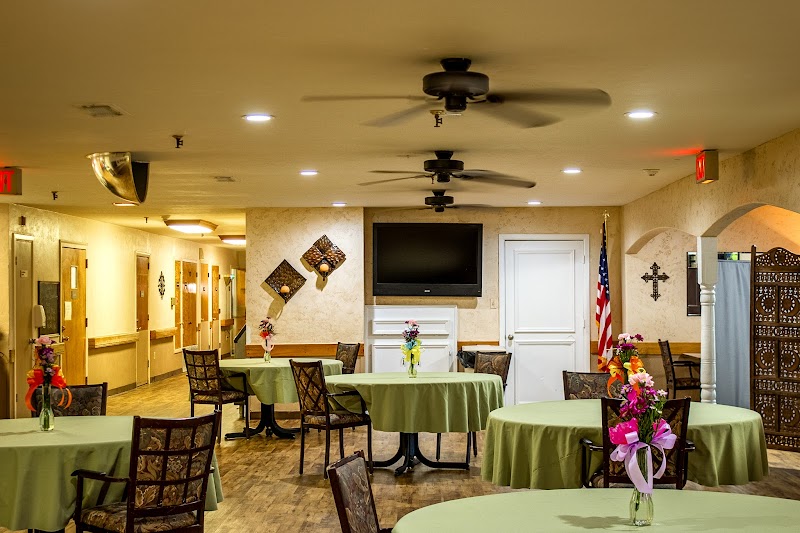
How is Groesbeck Ltc Partners Staffed?

CMS rates GROESBECK LTC PARTNERS's staffing level at 3 out of 5 stars, which is average compared to other nursing homes. Staff turnover is 42%, compared to the Texas average of 46%. This relatively stable workforce can support continuity of care.

What Have Inspectors Found at Groesbeck Ltc Partners?

State health inspectors documented 7 deficiencies at GROESBECK LTC PARTNERS during 2021 to 2025. These included: 7 with potential for harm.
Who Owns and Operates Groesbeck Ltc Partners?

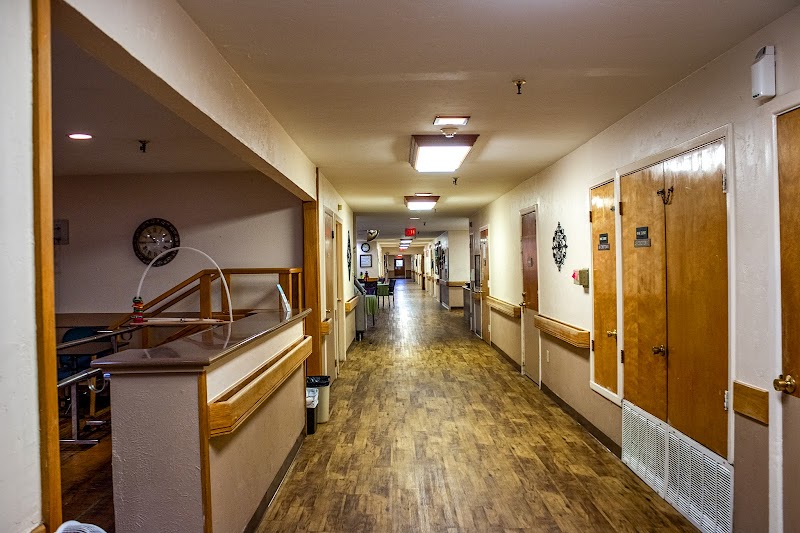
GROESBECK LTC PARTNERS is owned by a government entity. Government-operated facilities are typically run by state, county, or municipal agencies. The facility is operated by GULF COAST LTC PARTNERS, a chain that manages multiple nursing homes. With 90 certified beds and approximately 60 residents (about 67% occupancy), it is a smaller facility located in GROESBECK, Texas.
How Does Groesbeck Ltc Partners Compare to Other Texas Nursing Homes?

Compared to the 100 nursing homes in Texas, GROESBECK LTC PARTNERS's overall rating (4 stars) is above the state average of 2.8, staff turnover (42%) is near the state average of 46%, and health inspection rating (4 stars) is above the national benchmark.

What Should Families Ask When Visiting Groesbeck Ltc Partners?

Based on this facility's data, families visiting should ask: "Can I visit during a mealtime to observe dining assistance and food quality?" "How do you handle medical emergencies, and what is your hospital transfer rate?" "Can I speak with family members of current residents about their experience?"

Is Groesbeck Ltc Partners Safe?

Based on CMS inspection data, GROESBECK LTC PARTNERS has a clean safety record: no substantiated abuse findings (meaning no confirmed cases of resident harm), no Immediate Jeopardy citations (the most serious violation level indicating risk of serious injury or death), and is not on the Special Focus Facility watch list (a federal program monitoring the lowest-performing 1% of nursing homes). The facility has a 4-star overall rating and ranks #1 of 100 nursing homes in Texas. While no facility is perfect, families should still ask about staff-to-resident ratios and recent inspection results during their visit.

Do Nurses at Groesbeck Ltc Partners Stick Around?

GROESBECK LTC PARTNERS has a staff turnover rate of 42%, which is about average for Texas nursing homes (state average: 46%). Moderate turnover is common in nursing homes, but families should still ask about staff tenure and how the facility maintains care continuity when employees leave.

Was Groesbeck Ltc Partners Ever Fined?

GROESBECK LTC PARTNERS has no federal fines on record. CMS issues fines when nursing homes fail to meet care standards or don't correct problems found during inspections. The absence of fines suggests the facility has either maintained compliance or corrected any issues before penalties were assessed. This is a positive indicator, though families should still review recent inspection reports for the full picture.

Is Groesbeck Ltc Partners on Any Federal Watch List?

GROESBECK LTC PARTNERS is not on any federal watch list. The most significant is the Special Focus Facility (SFF) program, which identifies the bottom 1% of nursing homes nationally based on persistent, serious quality problems. Not being on this list means the facility has avoided the pattern of deficiencies that triggers enhanced federal oversight. This is a positive indicator, though families should still review the facility's inspection history directly.