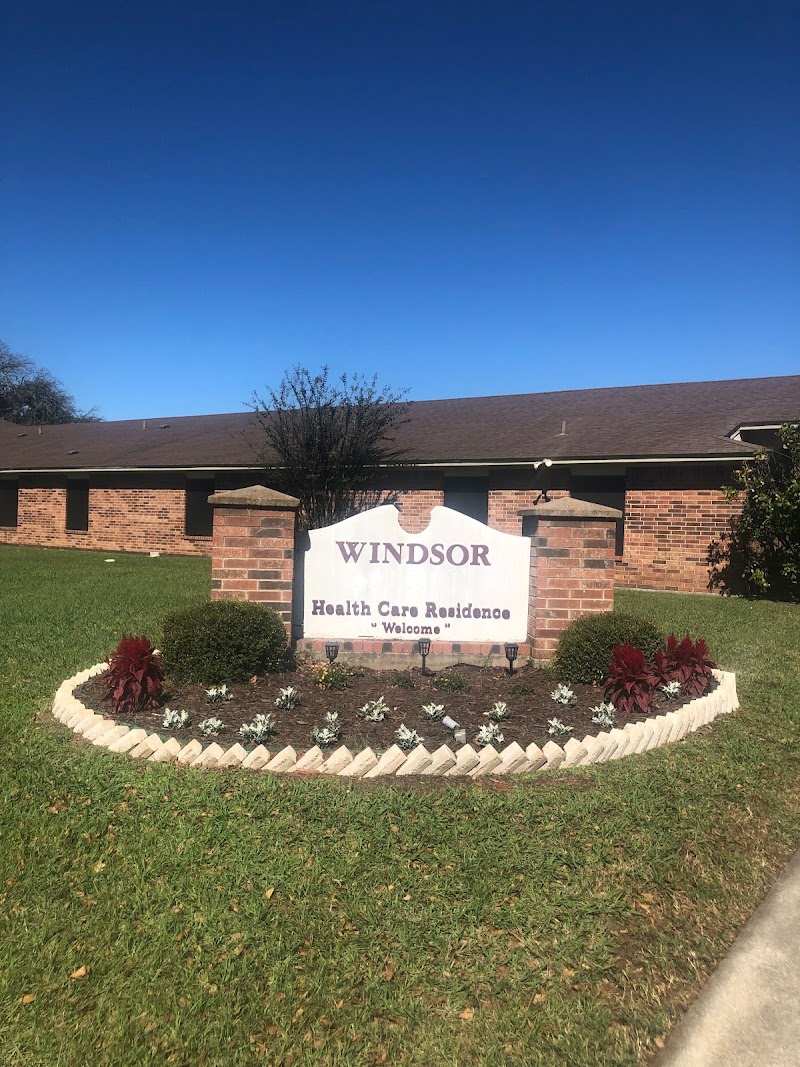
Windsor Healthcare Residence
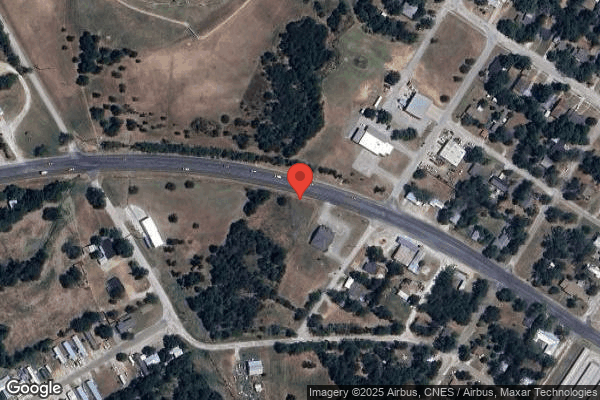
1025 W Yeagua, Groesbeck, TX 76642 (254) 729-3366
For profit - Individual 90 Beds CORYELL COUNTY MEMORIAL HOSPITAL AUTHORITY Data: November 2025 3 Immediate Jeopardy citations
Trust Grade
0/100
#908 of 1168 in TX
Last Inspection: August 2025

Inspected within the last 6 months. Data reflects current conditions.

Overview

Windsor Healthcare Residence in Groesbeck, Texas, has received a Trust Grade of F, indicating significant concerns about the quality of care provided. It ranks #908 out of 1168 facilities in Texas, placing it in the bottom half of all nursing homes statewide, and #5 out of 5 in Limestone County, meaning there are no better local options available. Although the facility is showing improvement, with issues decreasing from 6 in 2024 to 4 in 2025, it still faces serious challenges. Staffing ratings are concerning, with only 2 out of 5 stars and a turnover rate of 58%, which is around the Texas average, indicating that staff may not be consistently familiar with residents' needs. Additionally, the facility has incurred $57,221 in fines, which is higher than 75% of Texas facilities, suggesting ongoing compliance issues. Specific incidents of concern include failures to protect residents from abuse, where multiple residents were involved in physical altercations, and a critical situation where staff did not provide necessary CPR to a resident in a life-threatening situation. While the facility has a good score of 4 out of 5 for quality measures, these alarming deficiencies highlight both strengths and weaknesses that families should consider carefully when researching this nursing home.
Trust Score
F
0/100
In Texas
#908/1168
Bottom 23%
Safety Record
High Risk
Review needed
Inspections
Getting Better
6 → 4 violations
Staff Stability
⚠ Watch
58% turnover. Above average. Higher turnover means staff may not know residents' routines.
Penalties
✓ Good
$57,221 in fines. Lower than most Texas facilities. Relatively clean record.
Skilled Nurses
⚠ Watch
Each resident gets only 14 minutes of Registered Nurse (RN) attention daily — below average for Texas. Fewer RN minutes means fewer trained eyes watching for problems.
Violations
⚠ Watch
14 deficiencies on record. Higher than average. Multiple issues found across inspections.
★★☆☆☆
2.0
Overall Rating
★★☆☆☆
2.0
Staff Levels
★★★★☆
4.0
Care Quality
★★☆☆☆
2.0
Inspection Score
Stable
2024: 6 issues
2025: 4 issues

The Good

  • 4-Star Quality Measures · Strong clinical quality outcomes
  • Full Sprinkler Coverage · Fire safety systems throughout facility
  • No fines on record

Facility shows strength in quality measures, fire safety.

The Bad

2-Star Overall Rating

Below Texas average (2.8)

Below average - review inspection findings carefully

Staff Turnover: 58%

11pts above Texas avg (46%)

Frequent staff changes - ask about care continuity

Federal Fines: $57,221

Above median ($33,413)

Moderate penalties - review what triggered them

Chain: CORYELL COUNTY MEMORIAL HOSPITAL AU

Part of a multi-facility chain

Ask about local staffing decisions and management

Staff turnover is elevated (58%)

10 points above Texas average of 48%

The Ugly 14 deficiencies on record

3 life-threatening 1 actual harm
Aug 2025 3 deficiencies 1 IJ (1 affecting multiple)
CRITICAL (K)

Immediate Jeopardy (IJ) - the most serious Medicare violation

Free from Abuse/Neglect (Tag F0600)

Someone could have died · This affected multiple residents

**NOTE- TERMS IN BRACKETS HAVE BEEN EDITED TO PROTECT CONFIDENTIALITY** Based on observations, interviews and record reviews, the facility failed to ensure the residents right to be free from abuse fo...

Read full inspector narrative →
**NOTE- TERMS IN BRACKETS HAVE BEEN EDITED TO PROTECT CONFIDENTIALITY** Based on observations, interviews and record reviews, the facility failed to ensure the residents right to be free from abuse for three (Residents #10, #52, and #32) of five residents reviewed for abuse, in that:On 7/28/25, Resident #10 was pushed by Resident #62 after the resident attempted to enter Resident #62's room without permission.On 8/07/25, Resident #52 and Resident #62 were engaged in a pushing match. Resident #62 pushed Resident #52. Resident #52 fell to the floor and hit her head. Resident #52 was sent to ER for evaluation and sustained no injuries.On 08/25/25, Resident #32 was pushed Resident #62 after the resident entered Resident #62's room without permission. Resident #32 fell to the floor and hit her head. Resident #32 was sent to ER for evaluation and sustained no injuries.On 8/26/25 at 6:45 PM, an IJ was identified. The facility was notified of the IJ on 8/26/2025. The IJ template was provide to the facility on 8/26/25 at 8:09 PM. While the IJ was removed on 08/28/25 at 5:56 PM, the facility remained out of compliance at a scope of pattern and a severity level of pattern due to the facility not providing interventions for Resident #62. This failure placed residents at risk of being abused and injured by Resident #62.Findings included: A record review of Resident #62's face sheet dated 8/26/2025 revealed a [AGE] year-old female admitted to the facility on [DATE] and re-admitted [DATE]. Diagnoses included Catatonic Schizophrenia (a mental health condition that affects thoughts, feelings and behavior), Major Depressive Disorder recurrent severe Psychotic Features (depression that causes low mood and lack of interest, loss of reality, delusional and irrational thoughts ), Generalized Anxiety Disorder (overwhelming fear and anxiety), Drug Induced Subacute Dyskinesia (uncontrollable movements caused by medication), Insomnia (inability to sleep) and UTI (infection of the urinary tract that may cause confusion).Record review of Resident #62's MDS, dated [DATE] reflected a BIMS score of 10, which indicated moderate cognitive impairment, with disorganized thinking that comes and goes, and changes in severity. Section E- Behavior reflected a score of 0 (zero), which indicated Behavior Not Exhibited, for A. Physical behavioral symptoms directed toward others (e.g., hitting, kicking, pushing, scratching, grabbing, abusing others sexually.A record review of Resident #62's Care Plan dated 7/29/25 and revised on 8/14/25 reflected the following: Focus: The resident has potential to demonstrate physical behaviors related to poor impulse control and paranoia/delusions. Interventions: Assess and address for contributing sensory deficits. Assess and anticipate resident needs: food, thirst, toileting needs, comfort, body positioning, pain, etc. Date initiated: 7/29/2025.Immediately separate residents and assess both residents. Provide 1:1 continuous monitoring. Continue to encourage resident to take medications to control behaviors. Psych visit with NP encouraging resident to take her medications. Refer resident to Behavior Health Hospital per order. Date initiated: 8/7/2025.Modify environment: move resident back to previous room where she resided alone. Date Initiated 7/29/2025, revision on 8/14/2025.Separate residents immediately in the event of resident-to-resident altercation. Encourage resident to accept PRN anxiety medication. Provide close supervision and safety checks every fifteen minutes for 72 hours. Psych tele-visit scheduled and performed. Head to toe assessment for injuries. Medication review. Date initiated 7/29/2025.Tele-visit with psych NP with medication review. New order for Risperdal started. Referral to crisis care team with onsite assessment of resident for placement. Date initiated 8/26/2025.Focus: The resident requires antidepressant medication (Zoloft and Trazodone) for diagnosis of depression.Interventions: Monitor/document/report to MD prn ongoing s/sx of depression unaltered by antidepressant meds: Sad, irritable, anger, never satisfied, crying, shame, worthlessness, guilt, suicidal ideations, neg. mood/comments, slowed movement , agitation, disrupted sleep, fatigue, lethargy, does not enjoy usual activities, changes in cognition, changes in weight/appetite, fear of being alone or with others, unrealistic fears, attention seeking, concern with body functions, anxiety, constant. Date Initiated: 12/6/2024.Focus: The resident uses anti-anxiety medications LORAZEPAM r/t anxiety disorder.Interventions: Give anti-anxiety medications ordered by physician. Monitor/document side effects and effectiveness. ANTIANXIETY SIDE EFFECTS: Drowsiness, lack of energy, Clumsiness, slow reflexes, Slurred speech, Confusion and disorientation, Depression, Dizziness, lightheadedness, Impaired thinking and judgment, Memory loss, forgetfulness, Nausea, stomach upset, Blurred or double vision. PARADOXICAL SIDE EFFECTS: Mania, Hostility, and rage, Aggressive or impulsive behavior, Hallucinations. Monitor/record occurrence of target behavior symptoms: pacing, wandering inappropriate response to verbal communication and document per facility protocol. Date Initiated: 12/11/2024.Focus: The resident is non-compliant with medication administration related to paranoia and delusions.Interventions: Praise resident for a cooperative attitude towards her acceptance of meds. Talk to resident to determine reasons for refusal of care. Date initiated 7/29/2025.A record review of Resident #62's PCC orders initiated 8/20/2025 thru 8/26/2025 did not reflect a current order for anti-psychotic medication. Active prescriptions reflected Trazodone (for major depressive disorder), and Buspirone and Vistaril (for generalized anxiety). There were previous orders dated 5/31/2025 for Risperdal Consta Intramuscular Suspension Reconstituted ER 25mg; inject 25 mg intramuscularly one time a day every 14 days related to Catatonic Schizophrenia and Risperidone Oral Tablet Disintegrating 1 MG, give one tablet by mouth two times a day related to Catatonic Schizophrenia. A record review of Resident #62's discharge instructions dated 8/20/2025 from the behavior health hospital admission from 8/8/2025 thru 8/20/2025, reflected the following: Continue the following medications: Risperdal 2 MG (1 tablet) by mouth, twice a day for schizoaffective disorder. Risperdal 0.5 MG (1 tablet) by mouth, twice a day for schizoaffective disorderA record review of Resident #10's face sheet dated 8/28/2025 revealed a [AGE] year-old female admitted to the facility on [DATE]. Diagnoses included Alzheimer's Disease (process that causes the brain cells to die and the brain to shrink), Schizoaffective Disorder, Bipolar Type (mental disorder that includes delusions, hallucinations, disorganized thinking), anxiety disorder (overwhelming fear and anxiety), and Major Depressive Disorder, severe with psychotic symptoms (persistent depressive episodes).A record review of Resident #10's MDS dated [DATE] reflected a BIMS of 5, which indicated cognition was severely impaired. Section E0200. Behavioral Symptom - reflected a score of 0 (zero) which indicated Behavior Not Exhibited, for A. Physical behavioral symptoms directed toward others (e.g., hitting, kicking, pushing, scratching, grabbing, abusing others sexually.Section E0900. Wandering - reflected a score of 2 (two) which indicated this behavior occurred 4-6 days each week. A record review of Resident #10's Care Plan dated 8/22/2025 reflected the following: Focus: The resident is an elopement risk/wanderer, exit seeking.Intervention: Distract resident from wandering by offering pleasant diversions, structured activities, food, conversation, television, books. Focus: Resident involved in resident-to-resident altercation. Dated 7/28/2025.Interventions: Separate residents immediately in the event of resident-to-resident altercation. Provide increased supervision for the aggressor. Assess resident for injuries and emotional needs. Schedule Psychiatric NP tele-visit to assess for residual emotional trauma.Focus: Resident has a mood problem r/t Disease Process Alzheimer's dementia. Interventions:Monitor/record/report to MD prn risk for harming others: increased anger, labile mood, or agitation, feels threatened by others or thoughts of harming someone, possession of weapons or objects that could be used as weapons. Focus: Resident is an elopement risk/wanderer exit seeking behavior. Interventions: Assess for fall risk. Assess for secure unit.Distract resident from wandering by offering pleasant diversions, structured activities, food, conversation, television, book.Provide structured activities: toileting, walking inside and outside, reorientation strategies including signs, pictures, and memory boxes. Focus: Resident involved in resident-to-resident altercation. Interventions: Separate residents immediately in the event of a resident-to-resident altercation.Provide increased supervision to the aggressor. Assess resident for injuries or emotional needs. Schedule Psychiatric NP tele-visit to assess for residual emotional trauma. A record review of Resident #52's face sheet dated 8/27/2025, reflected an [AGE] year-old female admitted to the facility on [DATE]. Her diagnoses include Senile Degeneration of Brain (progressive deterioration of brain tissue), Dementia (symptoms that affect memory, thinking and social ability) and anxiety disorder (overly fearful or anxious). A record review of Resident #52's MDS dated [DATE] reflected a BIMS score of 3, which indicates cognition was severely impaired. Section E09.00. Wandering - Presence and Frequency. Has the resident wandered? The resident scored 0. Behavior not exhibited. A record review of Resident #52's Care Plan dated 7/11/2025 reflected the following: Focus: Resident has had aggressive behavior towards others. Interventions: 1:1 supervision for 72 hours Administer PRN anxiety medication for agitation. Identify trigger if possible and remove trigger. Medication review by Psychiatric NP - increased Depakote sprinkles to TID Psychiatric NP visit/evaluation Redirect and provide activities.Redirect resident during periods of agitation or aggression. Offer fluids/food in separate location within the secured unit. Assess for physical needs (bathroom privileges, comfort/pain).Provide activities for distraction. Separate residents during agitation. A record review of Resident #32's face sheet dated 8/27/2025 reflected a [AGE] year-old female admitted on [DATE]. Her diagnoses included Alzheimer's (common dementia where the brain shrinks) Major Depressive Disorder (depression, loss of self-esteem or low interest), and Lack of Coordination (unorganized movements and actions). A record review of Resident #32's MDS dated [DATE] reflected a BIMS of 4, indicated cognition is severely impaired. Section E0900. Wandering - Presence & Frequency, Has the resident wandered? Resident #32 scored a 2. Behavior of this type occurred 4-6 days, but less than daily. A record review of Resident #32's Care Plan dated 6/9/2025 reflected the following: Focus: The resident has a Skin Tear to right wrist from striking staff member while being redirected out of others' rooms. Interventions: Identify potential causative factors and eliminate/resolve when possible. Focus: Resident was involved in an altercation with another resident. Interventions: Administer PRN anxiety meds if resident is agitated and/or verbally instigating. Check for any physical needs - toileting, pain. Medication review by Psychiatric NP, initiated Vistaril BID Notify Psychiatric NP for med review r/t agitation/altercation. Nurse to assess for injuries and emotional trauma. Provide activities for distraction. Provide fluids and/or snack activity.Psychiatric NP visit to perform med review and evaluate for emotional adverse effects of altercations. A record review of the facility incident investigation dated 7/28/2025 reflected Resident #62 pushed Resident #10 who was attempted to enter the resident's room without permission. The other resident sustained no injury. Resident #62 was placed on 72 hour 1:1 monitoring, and no behaviors were exhibited during this period. A record review of the facility incident investigation dated 8/7/2025 reflected Resident #62 and Resident #52 were engaged in a pushing match. Resident #52 fell on the floor, hit her head, was sent to ER and CT scan revealed no injury. Resident #62 was placed on 72 hour 1:1 monitoring by the facility, evaluated by the NP, and referred and admitted to psychiatric facility, A record review of the facility incident investigation dated 8/25/2025 reflected Resident #62 and Resident #32. Resident #32 fell on the floor, hit her head, was sent to ER and CT scan revealed no injury. Resident #62 was placed on 1:1 monitoring by the facility. PRN medications were given for anxiety, consideration of readmission to behavioral health hospital (resident refused) and consult with the appointed guardian.An observation and interview on 8/26/2025 at 10:35 AM revealed Resident #62 lying on her bed, in her room. Clothing and hygiene were clean and appropriate. Resident interacted with surveyors by responding to assessment questions without hesitation. She stated she was doing okay. There were no visible marks or bruises.An observation and interview on 8/26/2025 at 10:40 AM revealed Resident #32 sitting in wheelchair, pulled up to a table in the main living area. Clothing and hygiene were clean and appropriate. There were no visible marks or bruises. Resident #32 said she does not remember falling or being shoved.During an interview on 8/26/2025 at 11:10AM the DON said Resident #62 was placed on immediate 1:1 monitoring beginning 8/25/2025 at 6:00 PM and would remain on monitoring until alternate placement could be identified for Resident #62. The DON stated the 1:1 monitoring checklist/form was blank from 8/25/2025 at 6:00 PM thru 8/26/2025 at 6:00 AM because the facility did not have the correct forms at the time the 1:1 monitoring was started. She said until about two weeks ago, Resident #62 (the aggressor) did not have a history of physical aggression, and she went to a behavioral health hospital on 8/8/2025 for delusional behaviors after she started refusing her injectable antipsychotic medication. She said, Regarding the incident last night, staff got them separated. We scheduled and conducted a tele-visit and medication review with NP and the preventions/interventions are for medication reviews and management. We are seeking a re-admission to the behavioral health hospital. A psych tele-visit has been planned.A record review of the facility's policy titled Abuse/Neglect, revision date 10/04/22 reflected the following: 1. Abuse: Abuse is the willful infliction of injury, unreasonable confinement, intimidation, or punishment with resulting physical harm, pain, or mental anguish. Abuse also includes the deprivation by an individual, including a caretaker, of goods or services that are necessary to attain or maintain physical, mental, and psychosocial well-being. Instances of abuse of all residents, irrespective of any mental or physical condition, cause physical harm, pain, or mental anguish. It includes verbal abuse, sexual abuse, physical abuse, and mental abuse including abuse facilitated or enabled through the use of technology. Willful, as used in this definition of abuse, means the individual must have acted deliberately, not that the individual must have intended to inflict injury or harm. Resident-to-resident altercations will be reviewed as potential abuse not assumed as abuse. Resident-to-resident altercations must include any willful action that results in physical injury, mental anguish, or pain. 2. Adverse event: An adverse event in an untoward, undesirable, and usually unanticipated event that causes death or serious injury; or the risk thereof.Procedure: C. Prevention: The facility will provide residents, families, and staff an environment free from abuse and neglect.4. The facility will be responsible to identify, correct, and intervene in situations of possible abuse/neglect. F. Protection: The facility will take necessary measures to protect residents and employees from harm during and following an abuse, neglect, and exploitation, mistreatment of residents or misappropriation of resident property investigation.On 8/26/25 at 6:45 PM, an IJ was identified. The facility was notified of the IJ and provided the IJ Template 8/26/25 at 08:09 PM. Plan of Removal Version 4 was accepted/approved on 8/27/2025 at 5:39 PM and Version 5 was accepted/approved on 8/28/2025 at 5:45 PM. Immediate Jeopardy Plan of Removal The center Leaderships (Administrator and Director of Nursing) were notified on 8/26/2025 @7:45pm that an Immediate Jeopardy had been issued to the center related to F600 Abuse. Resident #32 attempted to go into Resident #62 room and Resident #62 pushed Resident #32 to the floor. Resident #32 was sent to the hospital on 8/25/2025 after being pushed by resident #62. The Hospital Physician/Staff assessed resident #10 on 8/25/2025 with no signs/symptoms of injury. She returned to the center with no new orders and has resumed her usual activities. Resident #62 being on 1:1 offers protection from abuse for Resident #32 and the other residents residing in the secure unit. The Director of Nursing and Assistant Director of Nursing conducted assessments/evaluations on the residents residing in the secure unit on 8/27/2025, no signs/symptoms of abuse were noted, since none of them can be interviewed. The assessments were documented in the resident electronic medical record. The Director of Nursing and Assistant Director of Nursing reviewed incident reports for the last 6 months on 8/27/2025 to validate incidents that occurred have appropriate interventions in place.Resident #62 was assessed by the Director of Nursing on 8/26/2025 with no signs/symptoms of injury/abuse/neglect. Her discharge orders were reviewed by the Director of Nursing on 8/26/2025 as a discrepancy was identified by a surveyor. Resident #62 had discharge orders for an antipsychotic medication from behavioral hospital on 8/20/2025 that were not implemented (Risperdal 2.5mg by mouth twice a day). The discrepancy was corrected by the Director of Nursing on 8/26/2025 and a medication error report was completed on 8/26/2025 by the Director of Nursing. The responsible party, Administrator, and Medical Director were made aware of the medication error. The center attending Nurse Practitioner assessed the resident on 8/26/2025 and made some antipsychotic medication changes that were implemented. Resident #62 remains on 1:1 monitoring, and this will continue until Resident #62 is discharged from the center or the interdisciplinary team determines discontinuation of the 1:1 monitoring is appropriate. The criteria includes discussion/consultation with the Medical Director, Attending Nurse Practitioner, and Psychiatric Nurse Practitioner. Review of resident behaviors for noted decreases in anxiety, agitation as confirmation of current medication effectiveness. The 1:1 monitoring will be provided by various nursing team members (licensed nurses, certified nursing assistants, certified medication aides, or hospitality aides). The center social worker contacted state hospital on 8/26/2025 and their Crises Care Team came to the center on 8/26/2025 and did an assessment on Resident #62. She is now on the waiting list to admit to state hospital and the center must fax requested documents every 3 days until resident #62 is accepted into the state hospital. The Director of Nursing will be responsible for that. The Psychiatric Nurse Practitioner will continue to provide onsite visits with the resident at least every two weeks until she discharges to state hospital. The attending Nurse Practitioner adjusted Resident #62 Risperdal order on 8/27/2025. The Director of Nursing contacted The Medical Director on 8/26/2025 and had no concerns related to this event and indicated that due to the resident's history and co-morbidities the medication error did not contribute to any behaviors.The Director of Nursing re-educated all staff (full-time, PRN) 8/27/2025 on interventions for Resident #62 including her being on 1:1, giving her opportunity to share her needs/wants, give her space as she is protective of her room/space, and to re-direct other residents away from her room. Those not present will receive the re-education prior to the start of their next shift.The Director of Nursing re-educated all staff (full-time, PRN) on addressing and responding to Resident #62 behavioral needs on 8/27/2025. Those not present will receive this re-education prior to the start of their next shift.The Director of Nursing and Assistant Director of Nursing did an audit of new admissions/re-admissions on 8/26/2025 with no negative findings. The audit consisted of new admissions/re-admissions since 8/1/2025. This was conducted to ensure medication orders were implemented.The Director of Nursing re-educated the Assistant Director of Nursing on the admission/readmission audit process on 8/26/2025. The Director of Nursing re-educated the licensed nurses on the admission/re-admission process related to medication orders on 8/26/2025 (full-time and part-time staff). Those not present will receive this re-education prior to the start of their next shift by the Director of Nursing.The Administrator, Director of Nursing, and Medical Director conducted an AD HOC Quality Assurance Meeting on 8/27/2025 to review the Immediate Jeopardy event.The Administrator/Director of Nursing will conduct random chart audits of readmissions weekly for four weeks to validate those returning from the hospital have their correct orders/order changes implemented. The Administrator/Designee will conduct random interviews/interactions with Resident #62 to validate behaviors are being managed. Negative findings will be addressed at the time of discovery and presented to the center Quality Assurance Program. Plan of Removal Monitoring Included:An observation of and interview on 8/28/2025 at 11:45am Resident #62 was in her room with CNA-A, who was providing 1:1 monitoring. Resident #62 stood by pleasantly, while CNA-A made her bed. Resident #62 spoke with the Surveyor and stated she wanted assistance being placed in a different facility. During an interview on 8/28/2025 at 11:15 AM, the DON stated she in-serviced all staff providing 1:1 monitoring for Resident #62. She stated overnight staff were in-serviced via telephone on 8/27/2025 at 2:30 AM, and they signed documents left at the facility. She stated the in-service included resident-to-resident altercation preventions and how to manage residents who required 1:1 monitoring/supervision.During an interview on 8/28/2025 at 11:38 AM, LVN-H stated the most recent in-service on ANE covered 1:1 monitoring and de-escalation. She stated methods of prevention for resident-to-resident altercations included providing personal space to Resident #62. She also stated redirection of other residents away from Resident #62's room. She stated 1:1 monitoring for Resident #62 meant always being with her, everywhere she went.During an interview on 8/28/2025 at 11:43 AM LVN-G stated she was in-serviced on 1:1 monitoring and ANE. She stated de-escalation for Resident #62 included giving her space while redirecting other residents. She stated additional tactics were offering Resident #62 activities and checking on her personal needs, i.e., hunger or thirst. She stated abuse was physical, mental, sexual and/or verbal, and was to be reported immediately to the abuse coordinator.During an interview on 8/28/2025 at 11:45 AM CNA-A stated she was in-serviced on signs of Resident #62's agitation. She stated signs of agitation included Resident #62 walking fast with her head down. She stated staff walked with Resident #62, but did not force anything on her (direction or location). She stated she was in-serviced on ANE, and added it was either physical, mental, or sexual. She denied witnessing it, and added she would make a report to the Administrator or would call HHSC.During an interview on 8/28/2025 at 11:50 AM CNA-B stated she received in-services on how to manage 1:1 resident monitoring. She stated staff were to always stay with Resident #62. She stated withdrawal was a sign of Resident #62's agitation and/or aggression. She stated medication refusal was also a sign of upcoming agitation. She stated actions to keep residents safe from abuse meant paying close attention to and redirecting them. She stated activities helped all residents to remain calm.During an interview on 8/28/2025 at 12:04 PM SC/MA stated she was in-serviced on signs of aggression for Resident #62. She stated signs included facial expressions, movement, isolation, speedy walking. She stated prevention of resident-to-resident altercations included separation, offering activities, providing personal space, and redirection. During an interview on 8/28/2025 at 12:09 PM CNA-C stated she was in-serviced on ANE, 1:1 monitoring and Resident #62's behaviors. She stated when Resident #62, or any resident, became agitated, she has asked them what was needed to calm them. She stated if the resident did not respond, she would leave the resident alone for a few minutes, then return. She stated if the resident escalated, she would back off and get a nurse for assistance. She stated resident-to-resident altercations required resident separation and additional staff assistance. She stated she was also in serviced on ANE and to whom to make a report.During an interview on 8/28/2025 at 12:12 PM CNA-D stated she received an in-service on ANE, proper procedures for resident-to-resident altercations and de-escalation. She stated resident-to-resident altercations were managed by separation, and added she would remove the resident who was less aggressive. She stated she paid close attention to resident behaviors, specifically an agitated resident, and she would move the other residents away from the area ahead of an incident. She stated all aides should know residents, and added if any resident seemed off behaviorally, staff intervened beforehand. During an interview on 8/28/2025 at 12:15 PM CNA-E stated he was in-serviced on Resident #62. He stated in-service training included respecting her space and redirecting other residents away from her room. He stated during resident-to-resident altercations, the residents were separated. He stated he would find an activity to offer the agitated resident, like walking or watching television. He stated Resident #62's trigger was her room; of which she was very territorial. During a phone interview on 8/28/2025 at 1:30 PM the NP stated Resident #62 had a recent change in condition with three behavioral episodes in the last month. She said the medication changes conducted prior to admission to the behavioral health hospital failed, thus requiring an inpatient stay. She said, The inpatient stay was not long enough. They do not make a pill for behavior. She said, According to my assessment of the care provided at the facility, they did everything they could have done to prevent future behavioral occurrences. She said the interdisciplinary team was currently trying to stabilize Resident #62 with additional medication adjustments. During an interview on 8/28/2025 at 12:18pm CNA-F stated she was in-serviced on 8/25/25 on abuse, resident rights, to whom she would make a report, and resident to resident altercations. She stated she would separate the resident, as altercations were resolved by separation. She stated prevention methods were dependent upon each resident as they had unique needs. She stated 1:1 monitoring with Resident #62 was conducted day and night, and if necessary other residents were redirected away from Resident #62's room. Record review of the medication audit sheets for six residents for admission/re-admission orders compliance. The orders were cross-referenced in the EMR to verify accuracy. Record Review of the assessments/evaluations in the EMR conducted on all residents in the secure unit.Record review of the in-service sheet dated 8/27/2025 and verified via interviews with licensed nurses understanding of medication reconciliation. Record review of the ad hoc QAPI Meeting sign-in sheet dated 8/27/25 reflected signatures of the Medical Director, Administrator, and Director of Nursing. Record review of in-service titled, Resident Specific In-Service - Resident #62, conducted by DON on 8/27/2025 reflected: Please remember these things when caring for Resident #62: 1. Please respect her space, she likes to spend time alone in her room. 2. Please redirect other residents from wandering into her room. 3. Allow her to express herself. 4. Offer activities that interest Resident #62. 5. If she appears anxious or agitated, please try to determine if she needs anything (hungry, thirsty, toileting, discomfort) and report this behavior to the charge nurse. 6. Report ALL refusals to the charge nurse immediately. Thirty-nine staff signatures were included on the in-service.Record review of 1:1 Monitoring Log for Resident #62, dated 8/27/25 and 8/28/25 reflected staff initials in 15-minute intervals to indicate continuous monitoring of Resident #62. Record review of Attestations for 1:1 Monitoring for Resident #62, dated 8/28/2025 and signed by two CNA's verifying they both provided 1:1 monitoring/supervision for Resident #62 during the shifts 6:00 PM - 10:00 PM on 8/25/2025 and 10:00 PM - 6:00 AM on 8/26/2025.Record review of Resident #62's orders in PCC reflected an order dated 8/26/25 for Risperdal Oral Tablet 0.5 MG to be administered 1 tablet by mouth, two times daily for preventative related to major depressive disorder, recurrent severe without psychotic features for three days; Risperdal Oral Tablet 1 MG dated 8/30/25 to be administered 1 tablet by mouth two times a day for Preventative related to major depressive disorder, recurrent severe without psychotic features. On 8/28/2025 at 5:39 PM the ADM, DON, and [NAME] President of Clinical Services were notified the IJ was removed.While the IJ was removed on 08/28/25 at 5:56 PM, the facility remained out of compliance at a scope of pattern and a severity level of pattern due to the facility not providing interventions for Resident #62.
CONCERN (D)

Potential for Harm - no one hurt, but risky conditions existed

Pharmacy Services (Tag F0755)

Could have caused harm · This affected 1 resident

**NOTE- TERMS IN BRACKETS HAVE BEEN EDITED TO PROTECT CONFIDENTIALITY** Based on interviews and record review, the facility failed to provide pharmaceutical services including the accurate acquiring, ...

Read full inspector narrative →
**NOTE- TERMS IN BRACKETS HAVE BEEN EDITED TO PROTECT CONFIDENTIALITY** Based on interviews and record review, the facility failed to provide pharmaceutical services including the accurate acquiring, receiving, dispensing, and administering of all drugs and biologicals for 1 (Resident #62) of 4 residents reviewed for pharmacy servicesThe facility failed to ensure Resident #62 received Risperdal 2mg by mouth twice daily and Risperdal 0.5mg by mouth twice daily between 8/20/2025 and 8/26/2025. This omission could place residents at risk for exacerbation of psychotic symptoms.The findings included:Record review of Resident #62's electronic medical record on 08/26/2025 revealed a [AGE] year-old female admitted to the facility on [DATE] and re-admitted [DATE]. Diagnoses included Schizophrenia (a chronic mental health condition characterized by a combination of cognitive symptoms that significantly impair a person's daily functioning), Major Depressive Disorder recurrent severe Psychotic Features (a severe form of depression where a person experiences symptoms of major depression alongside symptoms of psychosis such as delusions or hallucinations that often align with the depressed mood), Generalized Anxiety Disorder (a mental health condition characterized by excessive, persistent, and uncontrollable worry about everyday events or activities, even with there's little or no clear cause.), Drug Induced Subacute Dyskinesia (a type of involuntary, repetitive muscle movements that develop of a period of weeks to months after taking certain medications), Insomnia and UTI. Review of physician's orders did not reflect a current prescription for anti-psychotic medication. Active prescriptions for psychotropic medications reflected Trazodone (for major depressive disorder), and Buspirone and Vistaril (for generalized anxiety). Record review of Resident #62's MDS, dated [DATE] reflected a BIMS score of 10, which indicated moderate cognitive impairment, with disorganized thinking that comes and goes, and changes in severity.Record review of Resident #62's care plan revised 07/29/2025 and last updated 08/26/25 reflected the following:Problem identification: The resident is noncompliant with medication administration related to paranoia and delusions.Initiated 07/29/2025.Revision 08/14/2025.Goal: Resident's needs will be met during the next 90 days.Interventions: Initiated 07/29/2025: Notify family and physician of behavior/refusal of care, Initiated 07/29/2025 and revised 08/07/2025: Praise resident of a cooperative attitude towards acceptance of meds, Initiated 08/07/2025 and revised 08/14/2025: Report refusal to supervisor, Initiated 08/14/2025: talk to resident to determine reasons for refusal of care.Problem identification: The resident has potential to demonstrate physical behaviors r/t Poor impulse control and paranoia/delusions.Initiated 07/29/2025.Revision 08/14/2025.Goal: The resident will seek out staff when agitation occurs through the review dateInterventions: Initiated 07/29/2025: Assess and address for contributing sensory deficits, modify environment: move resident back to previous room where she resided alone, separate resident immediate in the event of resident-to-resident altercation, encourage resident to accept PRN anxiety medication, provide close supervision and safety checks every fifteen minutes for 72 hours, psych tele-visit scheduled and performed, Head to toe assessment for injuries, medication review Initiated 07/29/2025: Assess and anticipate resident's needs: food thirst, toileting needs, comfort level, body positioning, pain etc. Initiated 08/07/2025: Immediately separate resident and assess both residents, provide one on one continuous monitoring, continue to encourage resident to take medications to control behaviors, Psych tele-visit with NP encouraging resident to take her medications, refer to Behavioral Health Hospital. Modify environment: Move resident back to previous room where she resided alone. Initiated 08/26/2025: Tele-visit with psych NP with medication review, Risperdal started, referral to Crisis Care Team with onsite assessment of resident for placement.Record Review of the discharge orders dated 8/20/2025 that listed the psychotropic medications to be continued following discharge from the Behavioral Health Hospital. The list included Risperdal 2mg by mouth twice daily and Risperdal 0.5mg by mouth twice daily and this was not included in the current active orders as of 08/26/2025 or on the MAR for the month of August 2025. Record Review of Resident #62's MAR and active orders for August 2025 and this medication was not included.Record Review of the facility's medication reconciliation policy was requested.During an interview on 8/26/2025 at 10:30 AM the DON stated the facility did not have a medication reconciliation policy. A Record Review of the facility's undated Admissions Checklist reflected the admissions nurses was required to complete Drug Regimen Review ASAP/Medication Reconciliation.On 08/26/2025 at 2:43PM, conducted an interview with the admitting nurse, LVN-G, who described the process of medication reconciliation post discharge from an acute care inpatient setting. She reported that she reviewed the DC orders from the hospital and contacted the NP on call to obtain order the medications as recommended in the DC orders. Upon review of Resident #62's order, LVN-G recognized that she had failed to transcribe an order for Risperdal and, therefore, the resident had not received her antipsychotic medication.On 08/28/25 at 1:30PM conducted a phone interview with the Psychiatric Nurse Practitioner. She stated it is unlikely the lack of this medication caused any untoward effects as Risperdal will stay in the system for approximately 6 days after the last dose. She also stated, they do not make a pill for behavior.On 08/28/2025 at 4:00PM conducted an interview with the DON who stated that an outcome from omitting a medication would depend on the type of medication. It could cause an exacerbation of symptoms.
CONCERN (E)

Potential for Harm - no one hurt, but risky conditions existed

Food Safety (Tag F0812)

Could have caused harm · This affected multiple residents

**NOTE- TERMS IN BRACKETS HAVE BEEN EDITED TO PROTECT CONFIDENTIALITY** Based on observation, interview, and record review, the facility failed to store, prepare, distribute, and serve food in accorda...

Read full inspector narrative →
**NOTE- TERMS IN BRACKETS HAVE BEEN EDITED TO PROTECT CONFIDENTIALITY** Based on observation, interview, and record review, the facility failed to store, prepare, distribute, and serve food in accordance with professional standards for food service safety for 1 of 1 kitchen. The facility failed to ensure the food served was fresh and in an edible condition. The facility failed to ensure food was served in a sanitary manner.This failure could place residents at risk of foodborne illness by serving them expired food and food in unsanitary conditions. Findings included: Observation on 8/26/2025 at 8:33 AM of the cooler revealed the following: - Moldy tomatoes were in a box with no date. - Moldy cucumbers were in a box with no date. - Parmesan Cheese dated 3-23-2025 with a use-by date of 5-29-2025. Observation on 8/26/2025 at 8:47 AM of the pantry revealed the following: - Blueberry Muffin Mix dated 6-18-25 and a use by date of 7-08-2025. - Marshmallows with a use-by date of 8-18-2025. Observation on 8/26/2025 at 11:30 AM revealed CK taking temperatures of the food before serving: - While CK was taking the temperature of the gravy, CK dropped the food thermometer into the brown gravy. CK did not discard the gravy. In an interview on 08/28/2025 at 1:35 PM the DA stated that everyone is responsible for checking for out-of-date items in the kitchen. The DA stated that mainly the CK and the DM are the ones who monitor the dates on the food. The DA stated that if he sees an expired item, he will discard the item and notify the DM. The DA stated that when they receive a delivery, he will place the new food items in the back and the older food items in the front. The DA stated that if expired or moldy food is served to residents, they could get sick. In an interview on 08/28/2025 at 1:43 PM the CK stated that everyone working in the kitchen is responsible for checking for expired and old food items. The CK stated that food should be rotated so that older food is used first. The CK noted that when she sees outdated or moldy food, it is to be thrown away. The CK stated she will let the DM know when she sees expired food. The CK stated that if something is dropped in the food, it should not be used and should be thrown out and remade. The CK stated that residents could get sick if served moldy food. In an interview on 08/28/2025 at 1:58 PM the DM stated that everyone working in the kitchen is responsible for checking for expired and moldy food. The DM stated that staff are to let her know when expired or moldy food is found in the kitchen, then it should be thrown away. The DM stated that old food is to be used before the new food. The DM stated that if a thermometer is dropped in food, then the food should be discarded. The DM stated that residents could get sick if they were served food that was expired, moldy, or if a thermometer was dropped in the food. Record review of the facility's undated policy titled Food Safety and Sanitation, Copyright 2023 [NAME] & Associates, Inc. reflected the following: 4. Food Storage (see Chapter 3: Food Production and Food Safety for Food Storage) a. Stored food is handled to prevent contamination and growth of pathogenic organisms. · Leftovers are used within 72 hours (or discarded). Note: 2022 Federal Food Code guidelines allow 7 days for food safety with the day of preparation counted as day 1 of the 7 days and then food is discarded. Check local and state regulations and if different from the Federal Food Code, determine which regulation should be followed. · Perishable foods with expiration dates should be used prior to the use by date on the package.
Aug 2025 1 deficiency
CONCERN (D) 📢 Someone Reported This

A family member, employee, or ombudsman was alarmed enough to file a formal complaint

Potential for Harm - no one hurt, but risky conditions existed

Quality of Care (Tag F0684)

Could have caused harm · This affected 1 resident

**NOTE- TERMS IN BRACKETS HAVE BEEN EDITED TO PROTECT CONFIDENTIALITY** Based on interviews, and record review, the facility failed to ensure that residents received treatment and care in accordance w...

Read full inspector narrative →
**NOTE- TERMS IN BRACKETS HAVE BEEN EDITED TO PROTECT CONFIDENTIALITY** Based on interviews, and record review, the facility failed to ensure that residents received treatment and care in accordance with professional standards of practice, the comprehensive person-centered care plan, and the residents' choices for 1 of 6 residents (Resident #1) reviewed for quality of care, in that:The facility failed to conduct a weekly skin assessment for Resident #1 on due on 08/13/25 but not completed. These failures placed residents at risk of physical harm, pain, and a decreased quality of life. Findings included: Record review of Resident #1's admission record, dated 08/21/2025, reflected a [AGE] year-old female who was admitted to the facility on [DATE]. Resident #1 had diagnoses which included: type 2 diabetes mellitus with unspecified complications (a condition where your body has trouble using insulin, a hormone that regulates blood sugar), peripheral vascular disease (problems with your blood vessels in your arms, legs, and organs but not in the heart or brain), chronic pain syndrome (when your body's pain signals stay on even after an injury has healed, causing ongoing pain, often in the brain and nerves), essential primary hypertension (high blood pressure with no single identifiable cause), and anxiety disorder (mental health condition where someone experiences intense, excessive, and persistent worry or fear that is difficulty to control and interferes with daily life).Record review of Resident #1's admission MDS assessment, dated 08/07/2025, reflected the resident had a BIMS score of 13, which indicated cognitively intact. Resident #1 required substantial/maximal assistances in the area of putting on/taking off footwear. Resident #1 required to partial/moderate assistance in the area of shower/bathe self and lower body dressing. Record review of Resident #1's care plan, dated 08/21/2025, reflected Resident #1 was care planned for potential for pressure ulcer development R/t Hx of ulcers, immobility with an intervention of follow all facility policies/protocols for the prevention/treatment of skin breakdown. Review of Resident #1's physician orders, dated 08/21/2025, reflected Resident #1 had an order for weekly skin assessment with directions every evening shift every Wednesday. Resident #1's weekly skin assessments had a start date of 08/06/2025. Review of Resident #1's weekly skin assessment in the EMR on 08/21/2025, reflected Resident #1 did not have a weekly skin assessment when an assessment was due on 08/13/2025 but not completed. Resident #1 was not in the facility at the time of the investigation therefore no interview was conducted. During an interview with the ADON on 08/21/2025 at 2:00 PM, the ADON stated the purpose a weekly skin assessment would be to observe any current or potential skin issues/skin breakdown. The ADON stated that LVN A was responsible for completing Resident #1's skin assessment on 08/13/2025. The ADON stated if a resident's weekly skin assessment was not completed then the resident could have a new developed skin issue/breakdown that could be missed. During an interview with the LVN A on 08/21/2025 at 2:15 PM, LVN A stated the purpose a weekly skin assessment would be to find any skin issues or skin breakdown. LVN A stated she was responsible for completing the weekly skin assessment for Resident #1 on 08/13/2025. LVN A stated that she did not remember receiving a notification via the EMR that Resident #1 weekly skin assessment was due on 08/13/2025. LVN A stated if a resident did not receive a weekly skin assessment, that resident could have a skin issue that go untreated. During an interview with the DON on 08/21/2025 at 2:20 PM, the DON stated the purpose of a skin assessment was to identity and address any skin concerns. The DON stated all residents were supposed to receive weekly skin assessments. The DON stated LVN A was responsible for completion of Resident #1's weekly skin assessment. The DON stated she was not aware that LVN A had not completed Resident #1 weekly skin assessment on 08/13/2025. The DON stated that if a resident did not receive weekly skin assessment, then the resident could have a skin condition go untreated. The DON stated she expected for weekly skin assessments to be conducted as scheduled. During an interview with the ADM on 08/21/2025 at 2:50 PM, the ADM stated the purpose of a skin assessment was to ensure residents did not have any adverse skin issues from the previous week. The ADM stated all residents were supposed to receive weekly skin assessments. The ADM stated he was not aware that LVN A had not completed Resident #1's weekly skin assessment on 08/13/2025. The ADM stated that if a resident did not receive weekly skin assessment, then the resident could have skin integrity issues that go untreated. The ADM stated he expected for weekly skin assessments to be conducted as scheduled. The ADM stated the facility did not have a policy for weekly skin assessment but provide the facility's Pressure Ulcers/Skin Breakdown - Clinical Protocol policy. A record review of the facility's Pressure Ulcers/Skin Breakdown - Clinical Protocol policy, revised dated April 2018, reflected, Assessment and Recognition1. The nursing staff and practitioner will assess and document an individual's significant risk factors for developing pressure ulcers; for example, immobility, recent weight loss, and history of pressure ulcer(s).3. The staff and practitioner will examine the skin of newly residents for evidence of existing pressure ulcers and other skin conditions. Monitoring 1. During resident visits, the physician will evaluate and document the progress of wound healing especially for those with complicated, extensive, or poorly healing wounds.
Dec 2024 4 deficiencies
CONCERN (D) 📢 Someone Reported This

A family member, employee, or ombudsman was alarmed enough to file a formal complaint

Potential for Harm - no one hurt, but risky conditions existed

Deficiency F0558 (Tag F0558)

Could have caused harm · This affected 1 resident

**NOTE- TERMS IN BRACKETS HAVE BEEN EDITED TO PROTECT CONFIDENTIALITY** Based on observations, interviews, and record reviews, the facility failed to ensure residents received services in the facility...

Read full inspector narrative →
**NOTE- TERMS IN BRACKETS HAVE BEEN EDITED TO PROTECT CONFIDENTIALITY** Based on observations, interviews, and record reviews, the facility failed to ensure residents received services in the facility with reasonable accommodations of each resident's needs for 1 of 11 residents (Residents #1) reviewed for resident rights in that: The facility failed to ensure Residents #1's call light was within reach on 12/04/24. This failure could affect residents who needed assistance with activities of daily living and could result in needs not being met. Findings included: Record review of Resident #1's admission record dated 12/05/24 documented a [AGE] year-old male admitted on [DATE]. Resident #1 had diagnoses which included: gastro esophageal reflux disease without esophagitis (a digestive disorder that occurs when stomach acid flows back into the esophagus without causing inflammation of the esophagus), muscle wasting and atrophy (decrease in size and wasting muscle tissues). cognitive communication deficit (difficulty paying attention to a conversation, staying on topic or remembering information), essential primary hypertension (abnormally high blood pressure that not caused by a medical condition), lack of coordination (not being able to move your body smoothly and precisely, often resulting in clumsiness, stumbling, or jerky movement), and thoracic root disorder (a condition that occurs when a nerve in the upper back is compressed or irritated). Record review of Resident #1's Quarterly MDS assessment, dated 09/19/24, revealed the resident had a BIMS score of 14 indicating the resident was cognitively intact. The MDS also revealed Resident #1 was dependent in the area of shower/bathe self. Resident #1 required supervision or touching assistance in the areas of putting on /taking off footwear, lower body dressing, upper body dressing and personal hygiene. Record review of Resident #1's care plan, dated 12/05/24, revealed Resident #1 was care planned for falls r/t unaware of safety needs and had an intervention of: Be sure the resident's call light is within reach and encourage the resident to use it. Observation on 12/04/24 at 9:24 a.m., revealed Resident #1's call light was placed on a nightstand out of his reach. During an interview on 12/04/24 at 10:18 a.m., Resident #1 stated that his call light has not been within reach for a few days. Resident #1 stated the call light doesn't work and the MS was working on it but never came back. During an interview on 12/04/24 at 2:25 p.m., CNA A stated that CNAs should make rounds at least every two hours. CNA A stated that CNAs should be looking to see if a resident needs assistance, ensuring call lights were within reach, and making sure all residents were comfortable. CNA A stated if a resident's call light was not within reach, then the resident could fall attempting to reach it or the resident would not receive assistance. During an interview on 12/05/24 at 3:45 p.m., the DON stated that anyone that entered the resident's room was responsible for ensuring the call light was within reach. The DON stated the purpose of a call light was for resident to notify staff when they need assistance. The DON stated if a resident's call light was not in reach, then they would not be able to call for assistance. The DON stated her expectation was that all resident's call lights were always within reach so the resident can notify staff they need assistance. An interview with the ADM on 12/05/24 at 4:00pm, the ADM stated that all resident call lights should be always within reach. The ADM stated that is mainly the CNAs responsibility to ensure call lights are within reach. The ADM stated that anyone who entered the residents' rooms should be ensuring call lights were within reach. The ADM stated that if a call light was not within reach, then a resident would not be able to call for assistance when they need it. Review of the facility's Answering the Call Light policy, revised September 2022, reflected, Purpose: The purpose of this procedure is to ensure timely responses to the resident's requests and needs. General Guidelines 1. Upon admission and periodically as needed, explain and demonstrate use of the call light to the resident. 2. Ask the resident to return the demonstration. 3. Explain to the resident that a call system is also located in his/her bathroom. 4. Be sure that the call light is pulled in and functioning at all times. 5. Ensure that the call light is accessible to the resident when in bed, from the toilet, from the shower or bathing facility, and form the floor.
CONCERN (D) 📢 Someone Reported This

A family member, employee, or ombudsman was alarmed enough to file a formal complaint

Potential for Harm - no one hurt, but risky conditions existed

Safe Environment (Tag F0584)

Could have caused harm · This affected 1 resident

**NOTE- TERMS IN BRACKETS HAVE BEEN EDITED TO PROTECT CONFIDENTIALITY** Based on observation, interview, and record review, the facility failed to provide a safe, clean, comfortable, and homelike envi...

Read full inspector narrative →
**NOTE- TERMS IN BRACKETS HAVE BEEN EDITED TO PROTECT CONFIDENTIALITY** Based on observation, interview, and record review, the facility failed to provide a safe, clean, comfortable, and homelike environment for 1 of 4 residents (Resident #1) reviewed for a clean and homelike environment. The facility failed to ensure Resident #1's urinal was emptied appropriately on 12/04/24. This failure placed residents at risk of decreased feelings of self-worth and a diminished quality of life. Findings included: Record review of Resident #1's admission record dated 12/05/24 documented a [AGE] year-old male admitted on [DATE]. Resident #1 had diagnoses which included: gastro esophageal reflux disease without esophagitis (a digestive disorder that occurs when stomach acid flows back into the esophagus without causing inflammation of the esophagus), muscle wasting and atrophy (decrease in size and wasting muscle tissues). cognitive communication deficit (difficulty paying attention to a conversation, staying on topic or remembering information), essential primary hypertension (abnormally high blood pressure that not caused by a medical condition), lack of coordination (not being able to move your body smoothly and precisely, often resulting in clumsiness, stumbling, or jerky movement), and thoracic root disorder (a condition that occurs when a nerve in the upper back is compressed or irritated). Record review of Resident #1's Quarterly MDS assessment, dated 09/19/24, revealed the resident had a BIMS score of 14 indicating the resident was cognitively intact. The MDS also revealed Resident #1 was dependent in the area of shower/bathe self. Resident #1 required supervision or touching assistance in the areas of putting on /taking off footwear, lower body dressing, upper body dressing and personal hygiene. During an observation on 12/04/24 at 10:15 a.m., Resident #1's urinal had a yellowish liquid in it that appeared to be urine. During an observation on 12/04/24 at 12:50 p.m., Resident #1's urinal had a yellowish liquid in it that appeared to be urine. During an interview on 12/04/24 at 12:50p.m., Resident #1 stated that the urinal has had urine in it since around 8:45 a.m. Resident #1 stated his urinal always has urine in it. Resident #1 stated that there are only a few staff the empty his urinal like they are supposed to. During an interview on 12/04/24 at 2:25 p.m., CNA A stated that CNAs should make rounds at least every two hours. CNA A stated that CNAs should be looking to see if a resident needs assistance, ensuring call lights were within reach, and making sure all residents were comfortable. CNA A stated that it's anyone's responsibility that walked into the resident's room to ensure that the urinal was emptied appropriately. CNA A stated the urinal should be emptied once a resident is finished urinating unless told otherwise. CNA A stated if a urinal is not emptied that could cause the room to have bad odor. During an interview on 12/05/24 at 3:45 p.m., the DON stated that anyone that entered the resident's room was responsible for ensuring the resident's urinal is emptied promptly. The DON the CNAs would be ultimately responsible for emptying urinal due to them making rounds frequently. The DON stated a negative outcome of a resident's urinal not being emptied promptly would be the urinal could overflow, spill, cause an odor, or cause an infection control issue. During an interview on 12/05/24 at 4:00 p.m., the ADM stated that a resident's urinal should be emptied as needed or at least every two hours. The ADM stated that it was the responsibility of the direct care staff to ensure resident urinals were emptied promptly. The ADM stated if a resident urinal was not emptied promptly that would be unsanitary or possible spread diseases. Review of the facility's Bedpan/Urinal, Offering/Removal policy, revised February 2018, reflected, Purpose: The Purpose of this procedure is to provide the resident with bedpan and/or urinal assistance. General Guidelines 3. If the resident prefers to keep a urinal at his bedside, check if frequently. Empty and clean it as necessary. Note on the resident's care plan his request to keep the urinal at his bedside.
CONCERN (D) 📢 Someone Reported This

A family member, employee, or ombudsman was alarmed enough to file a formal complaint

Potential for Harm - no one hurt, but risky conditions existed

Deficiency F0919 (Tag F0919)

Could have caused harm · This affected 1 resident

**NOTE- TERMS IN BRACKETS HAVE BEEN EDITED TO PROTECT CONFIDENTIALITY** Based on observation, interview, and record review, the facility failed to be adequately equipped to allow residents to call for...

Read full inspector narrative →
**NOTE- TERMS IN BRACKETS HAVE BEEN EDITED TO PROTECT CONFIDENTIALITY** Based on observation, interview, and record review, the facility failed to be adequately equipped to allow residents to call for staff assistance through a communication system which relays the call directly to a centralized staff work area, for 1 of 11 residents (Resident #1) reviewed for physical environment. The facility failed to ensure Resident #1 had a working call light in his room on 12/04/24. This failure could place residents at risk of not being able to get assistance when needed. Findings included: Record review of Resident #1's admission record dated 12/05/24 documented a [AGE] year-old male admitted on [DATE]. Resident #1 had diagnosis which included: gastro esophageal reflux disease without esophagitis (a digestive disorder that occurs when stomach acid flows back into the esophagus without causing inflammation of the esophagus), muscle wasting and atrophy (decrease in size and wasting muscle tissues). cognitive communication deficit (difficulty paying attention to a conversation, staying on topic or remembering information), essential primary hypertension (abnormally high blood pressure that not caused by a medical condition), lack of coordination (not being able to move your body smoothly and precisely, often resulting in clumsiness, stumbling, or jerky movement), and thoracic root disorder (a condition that occurs when a nerve in the upper back is compressed or irritated). Record review of Resident #1's Quarterly MDS assessment, dated 09/19/24, revealed the resident had a BIMS score of 14, indicating the resident was cognitively intact. The MDS also revealed Resident #1 was dependent in the area of shower/bathe self. Resident #1 required supervision or touching assistance in the areas of putting on /taking off footwear, lower body dressing, upper body dressing and personal hygiene. Record review of Resident #1's care plan, dated 12/05/24, revealed Resident #1 was care planned for falls r/t unaware of safety needs and had an intervention of: Be sure the resident's call light is within reach and encourage the resident to use it. Observation on 12/04/24 at 10:15 a.m., Resident #1 pushed his call button and the light above his door did not light up. During an interview on 12/04/24 at 10:18 a.m., Resident #1 stated his call light doesn't work and the MS was working on it but never came back. During an interview on 12/05/24 at 3:45 p.m., the DON stated that anyone that entered the resident's room was responsible for ensuring the resident's call light is functioning. The DON stated it was the MS responsibility for replacing and fixing call light that aren't functioning properly. The DON stated she was not aware that Resident #1's call light was not working. The DON stated a negative outcome of a resident's call light not functioning would be they would not be able to call for assistance when needed. During an interview on 12/05/24 at 4:00 p.m., the ADM stated that all resident call lights should be functioning properly. The ADM stated he was not aware Resident #1 call light was not working. The ADM stated it was maintenance responsibility to ensure call lights were working properly. The ADM stated that he and the maintenance director replaced call light that were not working immediately when notified. The ADM stated that if a resident's call light was not working then the resident would not be able to call for assistance and the residents needs would not be met. During an interview on 12/05/24 at 4:15 p.m., the MS stated that call light functionality was checked weekly by himself, and the ADM. The MS stated during department heads angel rounds they also are checking to ensure residents call lights are within reach and functioning. The MS stated that if a resident call light was not functioning properly the resident wouldn't be able to call for assistance. Review of the facility's Call System policy, dated September 2022, reflected: Residents are provided with a means to call staff for assistance through a communication system that directly call a staff member or a centralized work station. Policy Interpretation and Implementation 1. Each resident is provided with a means to call staff directly for assistance form his/her bed, from toileting/bathing facilities and from the floor. 3. The resident call system remains functional at all times. If audible communication is used, the volume is maintained at an audible level that can be easily hard. If visual communication is used, the lights remain functional. 5. The resident call system is routinely maintained and tested by the maintenance department.
CONCERN (E) 📢 Someone Reported This

A family member, employee, or ombudsman was alarmed enough to file a formal complaint

Potential for Harm - no one hurt, but risky conditions existed

Deficiency F0813 (Tag F0813)

Could have caused harm · This affected multiple residents

**NOTE- TERMS IN BRACKETS HAVE BEEN EDITED TO PROTECT CONFIDENTIALITY** Based on observations, interviews and record review, the facility failed to have a policy to ensure safe and sanitary storage of...

Read full inspector narrative →
**NOTE- TERMS IN BRACKETS HAVE BEEN EDITED TO PROTECT CONFIDENTIALITY** Based on observations, interviews and record review, the facility failed to have a policy to ensure safe and sanitary storage of residents' food items for 3 of 7 residents' (Residents #2, #3, and #4) reviewed for food policy, in that: Residents #2, #3, and #4's personal in-room refrigerator was not monitored for safe temperatures. These failures could place residents at risk of food borne illnesses. The findings were: A record review of Resident #2's face sheet dated 12/05/24 reflected a [AGE] year-old male who was admitted to the facility on [DATE]. Resident #2 had diagnosis which included: Schizophrenia (mental illness that affects a person's thoughts, feelings and behavior), Dysphagia (having trouble moving food or liquid down your throat when you try to eat or drink), unspecified dementia (loss of memory language, problem solving and other thinking abilities that are severe enough to interfere with daily living), essential primary hypertension (abnormally high blood pressure that not caused by a medical condition), lack of coordination (not being able to move your body smoothly and precisely, often resulting in clumsiness, stumbling, or jerky. movement), A record review of Resident #2's Quarterly MDS assessment, dated 09/21/24, reflected the resident had a BIMS score of 15, indicating the resident was cognitively intact. During an observation on 12/05/24 at 2:45 p.m., revealed Resident #2's personal room refrigerator had a Refrigerator Temperature Monitor Sheet that was last completed on 07/21/24. There were no items observed in Resident #2's personal refrigerator. During an interview on 12/05/24 at 2:45 p.m., Resident #2 stated no staff has ever checked his personal refrigerator temperature. Resident #2 stated that he usually only keeps sodas in his personal refrigerator. Resident #2 stated there was nothing in his personal refrigerator but stated he was getting some items later to put in it. A record review of Resident #3's face sheet dated 12/05/24 reflected a [AGE] year-old female who was admitted to the facility on [DATE]. Resident #3 had diagnosis which included: Encephalopathy (any brain disorder or damage that affects brain function or structure), Anxiety Disorder (a condition that causes a person to experience excessive and intense feelings of fear, worry, and dread), major depressive disorder (a mental health condition that involves a persistent low mood and a loss of interest in activities that were previously enjoyable) and essential primary hypertension (abnormally high blood pressure that not caused by a medical condition). A record review of Resident #3's Annual MDS assessment, dated 09/24/24, reflected the resident had a BIMS score of 15, indicating the resident was cognitively intact. During an observation on 12/05/24 at 11:35 a.m., revealed Resident #3's personal room refrigerator had a Refrigerator Temperature Monitor Sheet that was last completed on 07/21/24. There were no items observed in Resident #3's personal refrigerator. During an interview on 12/05/24 at 11:35 a.m., Resident #3 stated she doesn't not remember when the last time someone had checked her personal refrigerator temperature. Resident #3 stated she usually keep sodas, fruits, and meat in her personal refrigerator. Resident #3 stated she only had ranch dressing in her personal refrigerator at the moment. A record review of Resident #4's face sheet dated 12/05/24 reflected a [AGE] year-old female who was admitted to the facility on [DATE]. Resident #4 had diagnosis which included: polyneuropathy (damage to many nerves throughout the body at the same time), gastro esophageal reflux disease without esophagitis (a digestive disorder that occurs when stomach acid flows back into the esophagus without causing inflammation of the esophagus), muscle wasting and atrophy (decrease in size and wasting muscle tissues), major depressive disorder (a mental health condition that involves a persistent low mood and a loss of interest in activities that were previously enjoyable) and essential primary hypertension (abnormally high blood pressure that not caused by a medical condition). A record review of Resident #4's Quarterly MDS assessment, dated 10/24/24, reflected the resident had a BIMS score of 15, indicating the resident was cognitively intact. During an observation on 12/05/24 at 3:00 p.m., revealed Resident #4's personal room refrigerator did not have Refrigerator Temperature Monitor Sheet attached to it. Resident #4's personal refrigerator was observed to have what appeared to be grapes and sodas. During an interview on 12/05/24 at 3:00 p.m., Resident #4 stated she has not had a Refrigerator Temperature Monitor Sheet on her refrigerator in a long time. Resident #4 stated that she often keeps sodas, fruits and meats in her personal refrigerator. Resident #4 stated she currently has sodas and grapes in her refrigerator. During an interview on 12/05/24 at 3:45 p.m., the DON stated that in the past that it was the housekeeping supervisor's responsibility to ensure resident's personal refrigerator temp log were completed. The DON stated the facility has had a few housekeeping s supervisors over the last few months. The DON stated a negative outcome of resident refrigerator temps not being completed would be the resident personal food my spoil. The DON stated her expectation for resident's personal refrigerator temperature to be documented on daily by the designee. During an interview on 12/05/24 at 4:00 p.m., the ADM stated that all resident with personal refrigerator should have a Refrigerator Temperature Monitor Sheet attached to it and the temperature should be documented daily. The ADM stated that himself, MS, or designee were responsible for resident's personal refrigerators temperature being checked and documented. The ADM stated that a negative outcome would be that the resident's food could spoil, and the refrigerator may not be working properly. During an interview on 12/05/24 at 4:15 p.m., the MS stated that previously it was the housekeeping supervisor responsibility to ensure the resident's personal refrigerator temperature log was being completed daily. The MS stated that the facility has had some turnover at the housekeeping supervisor position and was not sure if the new housekeeping supervisor was aware of the task of ensuring the resident's personal refrigerator temperature logs were completed daily. The MS stated a negativity outcome of resident's personal refrigerator temperature log was not completed could be the refrigerator may not be cooling properly or the resident's personal food could go bad. A record review of the facility's Storage Refrigerators policy, dated 2012, reflected All storage refrigerators shall be maintained clean and have a proper temperature for food storage and to ensure a proper environment and temperature for food temperature. Procedure 1. Storage refrigerator shall be well lighted, ventilated, temperature controlled, and must have an internal thermometer. 2. Storage refrigerator shall have thermometer frequently monitored throughout the day and recorded in the am and pm shifts. Temps are recorded on the refrigerator/freezer temperature log. The refrigerator should be 41 degrees F or less, and the freezer should be maintained at less than 0 degrees F.
Jul 2024 2 deficiencies
CONCERN (D)

Potential for Harm - no one hurt, but risky conditions existed

Deficiency F0583 (Tag F0583)

Could have caused harm · This affected 1 resident

**NOTE- TERMS IN BRACKETS HAVE BEEN EDITED TO PROTECT CONFIDENTIALITY** Based on observations, interviews, and record review, the facility failed to ensure the residents' right to privacy for 1 of 8 r...

Read full inspector narrative →
**NOTE- TERMS IN BRACKETS HAVE BEEN EDITED TO PROTECT CONFIDENTIALITY** Based on observations, interviews, and record review, the facility failed to ensure the residents' right to privacy for 1 of 8 residents (Resident #8) reviewed for privacy. The facility failed to ensure LVN provided privacy by closing Resident #8's door when performing wound care on Resident 8's right heel on 07/25/24 at 9:16 AM. This failure could place residents at risk of having their bodies exposed to the public, resulting in low self-esteem, and a diminished quality of life. The findings included: Record review of Resident #8's face sheet dated 07/25/24 reflected a [AGE] year-old female with an admission date of 11/09/22. Pertinent diagnoses included Alzheimer's Disease (progressive brain disease that causes a mental decline affecting the quality of daily living), COPD (a type of progressive lung disease characterized by long term respiratory symptoms and airflow limitation), pressure ulcer to the right heel (also known as bed sores, localized damage to the skin, and/or underlying tissue that usually occur over a bony prominence as a result of usually long-term pressure, or pressure in combination with shear or friction), and muscle wasting and atrophy (loss of muscle mass and strength). Record review of Resident #8's MDS dated [DATE] reflected a BIMS score of 99 which reflected Resident #8 was not able to complete the assessment. Section GG of the MDS assessment reflected Resident #8 required substantial/maximal assistance with toileting, bathing, and personal hygiene. Section I of the MDS assessment reflected Resident #8 had an active diagnoses of a stage 3 pressure ulcer to the right heel. Section M of the MDS assessment reflected Resident #8 had a pressure ulcer/injury. Record review of Resident #8's care plan dated 03/20/24 and revised on 07/22/24 reflected Resident #8 had a Stage 3 pressure wound of the right heel r/t disease process anemia, COPD, and immobility. Interventions listed include, but were not limited to, administer treatments as ordered, monitor for effectiveness, and follow facility policies/protocols for the prevention/treatment of skin breakdown. Record review of Resident #8's clinical physician orders dated 07/25/24 revealed an active order for Right Heel: Cleanse with WC, pat dry, apply Medihoney, and calcium alginate dressing, cover with silicone foam bordered dressing daily. In an observation on 07/24/24 at 9:16 AM, wound care was provided to Resident #8 by LVN A. LVN A washed her hands and prepped the resident for wound care. LVN A performed wound care on Resident #8 with the door not closed during the procedure. Other staff and residents were observed going up and down the hallway in the secured unit and could see inside of Resident #8's room during wound care. In an interview on 07/24/24 at 09:30 AM, LVN A stated she typically closed the resident's doors when providing any type of care, including wound care. She stated it was considered resident privacy to close the door. She stated she had been trained on doors being closed and privacy being provided for residents at any time care or assistance was being provided. She stated she had not closed the door to Resident #8's room during wound care and she felt like she was a maybe little off or nervous due to the state inspector watching her. She stated if a resident's door was left open and Resident #8 was left exposed during wound care, or any care being provided, it could cause embarrassment or self-image disturbance for the resident. In an interview on 07/24/24 at 09:33 AM, Resident #8 stated she was fine, and staff took good care of her. She stated she did not know the door was open during the procedure. In an interview on 07/25/24 at 11:35 AM, the DON stated the staff were all trained on providing privacy for residents at all times, which included during wound care and personal care. She stated staff were just trained about 2 weeks ago regarding privacy. She stated privacy was a resident's right and should have been provided to residents at all times. She stated if a resident was not provided with privacy during wound care, it could have caused an issue with dignity and the resident may not have wanted others to know she had a wound. In an interview on 07/25/24 at 12:43 PM, the ADM stated all staff were trained on resident privacy and all residents should have been provided with privacy at all times, including during wound care. He stated if a resident was not provided privacy during wound care, it could be a dignity issue and residents health information could have been exposed. Record review of facility policy titled Resident Rights and dated 2001 revised February 2021 reflected Policy statement: Employees shall treat with kindness respect, and dignity. 1. Federal and state laws guarantee certain basic rights to all residents of this facility. These rights include the resident's right to: a. a dignified existence; b. be treated with respect, kindness, and dignity; t. privacy and confidentiality .
CONCERN (D)

Potential for Harm - no one hurt, but risky conditions existed

Assessment Accuracy (Tag F0641)

Could have caused harm · This affected 1 resident

**NOTE- TERMS IN BRACKETS HAVE BEEN EDITED TO PROTECT CONFIDENTIALITY** Based on interviews and record review, the facility failed to ensure assessments accurately reflected the resident's status for ...

Read full inspector narrative →
**NOTE- TERMS IN BRACKETS HAVE BEEN EDITED TO PROTECT CONFIDENTIALITY** Based on interviews and record review, the facility failed to ensure assessments accurately reflected the resident's status for 1 of 8 residents (Residents #25) reviewed for resident assessments. The facility failed to ensure Resident #25's most recent quarterly MDS dated [DATE] reflected that Resident #25 did not have a urinary catheter. This deficient practice could place residents at-risk for inadequate care due to inaccurate assessments. Findings included: A record review of Resident #25's face sheet dated 07/25/24 reflected an [AGE] year-old female who was admitted to the facility on [DATE]. Resident #25's diagnoses included muscle wasting and atrophy (loss of muscle mass and strength), anxiety (an emotion which is characterized by an unpleasant state of inner turmoil and includes feelings of dread over anticipated events), atrial fibrillation (an abnormal heart rhythm characterized by rapid and irregular beating of the atrial chambers of the heart), and senile degeneration of the brain (mental deterioration associated with aging that can include brain degeneration). A record review of Resident #25's Quarterly MDS assessment, dated 06/25/24, reflected the resident had a BIMS score of 00, which indicated Resident #25's cognition was severely impaired. Resident #25's Quarterly MDS assessment Section GG reflected Resident #25 was dependent for toileting, bathing, and personal hygiene. Resident #25's Quarterly MDS assessment Section H reflected Resident #25 had an indwelling catheter. A record review of Resident #25's care plan dated 05/23/22, reflected Resident #25 had occasional bladder incontinence with interventions that included but were not limited to, ensure Resident #25 has unobstructed path to the bathroom, and check the resident as required for incontinence. Wash, rinse, and dry perineum. Change clothing PRN after incontinence episodes. In an observation on 07/23/24 at 12:50 PM Resident #25 was lying in bed with blankets pulled to her chest area. Resident #25 opened her eyes when her name was called and responded with mumbling words that could not be understood. Resident #25 appeared pleasantly confused. Resident #25 was without signs of pain or distress. No areas of concern were identified with Resident #25. Resident #25 did not have any catheter tubing or an indwelling catheter bag at bedside. In an interview on 07/25/24 at 10:01 AM, the MDS stated she was responsible for completing MDS assessments. She stated Resident #25's MDS assessment should only have reflected an indwelling catheter was in use if Resident #25 had an indwelling catheter. She stated Resident #25 did not have an indwelling catheter. She stated Resident #25's MDS assessment dated [DATE] was coded by error and she was going to modify the assessment. She stated she had been trained on completing MDS assessments correctly and she had a Corporate MDS Case Manager that helped her also. She stated if an MDS assessment was coded incorrectly it would show up and alert her and she would modify the assessment. She stated if a MDS assessment was coded incorrectly, she could get a tag from State, but once it was corrected, there would be no problems. In an interview on 07/25/24 at 11:35 AM, the DON stated the MDS nurse was responsible for completing all of the residents MDS assessments. She stated if a resident did not have an indwelling catheter, it should not be coded on the MDS that the resident had an indwelling catheter. She stated the MDS nurse had been trained on completing MDS assessments accurately and she had received a lot of training. She stated a residents MDS should have reflected the residents care plan, condition of the resident, and what care should be provided to the residents. She stated if a MDS assessment was not completed correctly, something could be missed regarding resident's care. In an interview on 07/25/24 at 12:43 PM, the ADM stated MDS assessments should have been completed accurately and should not have reflected a resident had an indwelling catheter if they did not. He stated the MDS nurse was responsible for completing MDS assessments and she had been trained on completing MDS assessments accurately. He stated it was his expectation that the MDS assessments were completed accurately. He stated if a MDS assessment was completed inaccurately, false information could be provided that may put the resident at jeopardy. A record review of the facility's policy titled Resident Assessments and dated 2001 revised October 2023 reflected: Policy Interpretation and Implementation: 10. Assessments are completed by staff members who have the skills and qualifications to assess relevant care areas and who are knowledgeable about the residents' strengths and areas of decline. 12. Information in the MDS assessments will consistently reflect information in the progress notes, plans of care, and resident observation/interviews. 13. All resident assessments completed within the previous 15 months are maintained in the resident's active clinical record. The results of the assessments are used to develop, review, and revise the resident's comprehensive care plan.
Nov 2023 1 deficiency 1 Harm
SERIOUS (G) 📢 Someone Reported This

A family member, employee, or ombudsman was alarmed enough to file a formal complaint

Actual Harm - a resident was hurt due to facility failures

Accident Prevention (Tag F0689)

A resident was harmed · This affected 1 resident

**NOTE- TERMS IN BRACKETS HAVE BEEN EDITED TO PROTECT CONFIDENTIALITY** Based on observation, interview, and record review the facility failed to provide adequate supervision and assistive devices to ...

Read full inspector narrative →
**NOTE- TERMS IN BRACKETS HAVE BEEN EDITED TO PROTECT CONFIDENTIALITY** Based on observation, interview, and record review the facility failed to provide adequate supervision and assistive devices to prevent accidents for 1 (Resident # 1) of 9 reviewed for falls. The facility failed to provide adequate supervision for Resident # 1 , by ensuring all staff were awake while on duty, which resulted in Resident # 1 falling on 11/14/2023 and sustaining a right superior and inferior pubic rami fracture. This failure could resulted in Resident # 1 with a fracture of the right superior and inferior pubic rami fracture and the other residents at risk from injuries. Findings include: Review of Resident # 1's face sheet dated 11/14/2023 revealed a [AGE] year-old female admitted on [DATE]. Resident # 1's diagnoses include Chronic obstructive pulmonary disease with exacerbation (a group of lung diseases that block airflow and make it difficult to breathe with increasing symptoms), schizoaffective disorder, bipolar type (feelings of euphoria, racing thoughts, and risky behavior), and Other specified disorders of bone density and structure (a bone disease that develops when bone mineral density and bone mass decreases). Review of Resident # 1's hospital discharge paperwork dated 11/14/2023 revealed a CAT scan of the pelvis report revealed acute posttraumatic right superior and inferior pubic rami fracture. Review of Resident # 1's Quarterly MDS dated [DATE] revealed a BIM score of 1 (0-7 severely impaired cognition) and a transfer-coding of one person assist. MDS indicated that Resident # 1 requires supervision with the use of an assistive device for mobility in the room and on the unit. Review of Resident # 1's care plan revealed Focus initiated on 11/28/2022, moderate risk for falls related to deconditioning (the decline in physical function of the body because of physical inactivity). interventions include 11/28/2022 following facility fall protocol. Review of Resident # 1's medical record revealed progress notes dated 11/14/2023 written by LVN C while performing rounds the resident was noted sitting on her bottom, to the right side of her bed. At the time of the fall Resident# 1 was treated for a skin tear Upon follow-up for the fall approximately 15 minutes later revealed right leg and hip pain, and the resident was medicated, Nurse practitioner and Resident representative were notified and then transferred to hospital for evaluation. Review of Resident #1 's Fall Assessment completed 08/15/2023 revealed a Moderate Fall risk. readmission assessment on 11/14/2023 fall assessment remained at Moderate fall risk. Observation on 11/20/2023 at 11:45 am of Resident # 1 revealed she was sitting up in the dining room, well groomed, walker at her chairside. Resident # 1 was oriented to name only; the resident denied any pain and no signs and symptoms of pain. 11/20/2023 at 12:15 pm attempted to contact LVN C, no answer, A voice message was left requesting a phone call. 11/20/2023 at 12:20 pm Attempted to contact CNA A, no answer, A voice message was left requesting a phone call. 11/20/203 at 1:30 pm attempted to contact CAN B, no answer, A voice message was left requesting a phone call. Interview on 11/20/2023 at 12:30 pm with the DON, during the investigation of the incident on 11/15/2023 in a phone interview LVN C reported to the DON she discovered CNA A sleeping on the couch near the nurse's station on 11/14/2023 while attempting to locate her to assist move Resident # 1 from the floor per the eye witness statement the resident was found on the floor at 12:50 am there is no time documented on when the CNA was found sleeping. CNA A was suspended pending the investigation. The DON stated that supervision of the resident while on duty was their job and failure to do that could lead to possible negative incomes. DON stated during the investigation CNA A stated that she completed rounds and laid down on the couch at 12:15 am and LVN C found the resident on the floor at 12:50 am. CNA A usually works days and agreed to pick up the night shift. Staffing at night includes 2 CNAs, one for the secure unit and one on the other halls, and an LVN. Resident # 1 resides in the secure unit and that was CNA A's assignment. CNA A was referred to the Nurse registry by the facility on 11/20/2023. Interview on 11/20/2023 at 1:00 pm with the ADM revealed his expectation were that when staff member reports to work, they perform their job duties which always includes supervision of residents. He stated that the failure of a staff member to supervise a resident can have a potential negative outcome. He stated that sleeping while on duty is unacceptable and against policy and grounds for immediate termination. He stated sleeping on the job can cause potential harm due to lack of supervision. Record review on 11/20/2023 at 130 pm of CNA A employee record revealed employee was terminated per company policy on 11/15/2023. Record Review on 11/20/2023 at 130 pm of Inservice records revealed the following in-services were completed on 11/15/2023 for all staff. Rounding, Staff tips on staying awake at night, Fall Prevention, Abuse, neglect and exploitation, and Company policy regarding sleeping while on the clock. Record review of the Provider investigation report on 11/20/2023 revealed that the Staff assigned to the unit that Resident #1 resided completed an in-service on 11/15/2023 that stated incontinent rounds every 2 hours for the resident. Investigated revealed resident did not utilize the call light, a bed alarm was ordered by the facility with anticipation of delivery on 11/21/2023. MD order and care plan will be updated when equipment is delivered. Plan in place for frequent rounds and offer the resident the restroom every 2 hours until equipment is in place. Record review of Witness statement of LVN C dated 11/15/2023 on 11/20/2023 at 130 pm revealed that LVN C reported she found CNA A was sleeping on the couch when she went to get help after finding Resident#1 on the floor. Record review of witness statement of CNA A dated 11/15/2023 on 11/20/2023 at 1:30 pm revealed that CNA A did admit to laying down on the couch and she does not remember going to sleep , she did remember LVN C waking her up.
Sept 2023 2 deficiencies 2 IJ
CRITICAL (J) 📢 Someone Reported This

A family member, employee, or ombudsman was alarmed enough to file a formal complaint

Immediate Jeopardy (IJ) - the most serious Medicare violation

Free from Abuse/Neglect (Tag F0600)

Someone could have died · This affected 1 resident

Deficiency Text Not Available

Read full inspector narrative →
Deficiency Text Not Available
CRITICAL (J) 📢 Someone Reported This

A family member, employee, or ombudsman was alarmed enough to file a formal complaint

Immediate Jeopardy (IJ) - the most serious Medicare violation

Deficiency F0678 (Tag F0678)

Someone could have died · This affected 1 resident

**NOTE- TERMS IN BRACKETS HAVE BEEN EDITED TO PROTECT CONFIDENTIALITY** Based on observation, interview, and record review, the facility failed to ensure personnel provided basic life support, which i...

Read full inspector narrative →
**NOTE- TERMS IN BRACKETS HAVE BEEN EDITED TO PROTECT CONFIDENTIALITY** Based on observation, interview, and record review, the facility failed to ensure personnel provided basic life support, which included CPR, to a Resident requiring such emergency care prior to the arrival of emergency medical personnel and subject to related physician orders and the Resident's advance directives for 1 of 6 Residents (Resident #1) reviewed for cardio-pulmonary resuscitation. RN A and LVN B failed to continue to perform CPR, until the arrival of emergency medical personnel, to Resident #1 who was a full code status. An Immediate Jeopardy (IJ) situation was identified on [DATE] at 5:05 PM. While the IJ was removed on [DATE], the facility remained out of compliance at a scope identified as isolated with actual harm, due to the facility's need to evaluate the effectiveness of the corrective systems. This failure could place residents at risk of death from not receiving life-saving measures if required. Findings include: Review of the the facility 3613-A revealed that on [DATE] at 2:10 PM Resident #1 was found unresponsive by LVN C, in her bed. Review of Resident #1's admission Record revealed she was admitted to the facility on [DATE] diagnosis of Acute Respiratory Failure with Hypoxia (inadequate oxygen supply), Unspecified A-Fib, HTN (hypertension - high blood pressure), and Unspecified Dementia. Review of Resident #1's MDS dated , [DATE], revealed she was a [AGE] year-old female who admitted to the facility on [DATE]. Section O reflected that she did not receive hospice services. Resident #1 had a BIMS score of 15. Review of Resident #1's consolidated physician orders for the dates of [DATE] through [DATE] reflected the following: CPR Full Code, Start Date of [DATE], End Date was blank Admit to [Hospice Name], Start Date was blank, End Date: [DATE] Review of Resident #1's care plan, dated [DATE], last revised [DATE], reflected: Focus: The resident has a terminal prognosis r/t chronic resp. failure and was on hospice services through [Hospice Name]. Date Initiated: [DATE]. Goal: The resident's comfort will be maintained through the review date Review of Resident #1's care plan, dated [DATE], last revised [DATE], reflected: Focus: Full code CPR order in place. Date Initiated: [DATE] Goal: Request for CPR To be initiated will be followed Intervention/Task: Review medical record to ensure proper documents are signed, consult with nursing staff on changes in health. Review of Nurses Notes for the dates on [DATE] reflected: At aprox 1410 this nurse was notified by [LVN C] that resident was pale, unresponsive, had no respirations and was cold to touch. crash cart was taken to residents room and [RN B] assessed for signs of life, she noted no response, no pulse, no respirations, hands and feet were discolored, and jaw was tight. @ 1412 I instructed [CNA D] to start cpr and [LVN B] to get the ambu bag, while I called 911 and notified hospice nurse who states she is on her way. at approx 1416 ems arrived. ems staff worker {Name] called [Hospital Name] ER doctor who gave him the order to stop aggressive tx and Dr. pronounced resident deceased at 1422. post mortom [sic] care was provided by staff pending arrival of hospice nurse who is calling residents [family member]and funeral home. don notified. will report to oncoming shift. In an interview on [DATE] at 3:34 PM LVN A stated Resident #1 was on Hospice for a short period of time. She stated around 2 PM, the resident was fine, and respirations were present. She stated LVN C alerted her that she was needed to Resident #1, and crash cart was obtained. She stated RN B had the stethoscope and Resident #1 was not breathing or showing signs of life. She stated they agreed to start CPR. LVN A stated she called 911 and Hospice Nurse. She stated they were switching in and out and doing compressions on Resident #1. She stated, it felt gruesome to do compressions on [Resident #1] - she was pale, rigor was present, and they could barely open her jaw to use Ambu bag. She stated she was taught that an RN could call Time of Death (ToD). ToD was called and shortly after, EMS arrived. She stated EMS assessed and called their doctor who called Resident #1's ToD. She stated she was taught that the RN calling ToD while in school. She stated it was important to continue compressions until EMS arrive to ensure they have done everything they can do to save [a resident's] life.? In an interview on [DATE] at 3:13 PM RN B stated Resident #1 was in respiratory distress and had been placed on Hospice care. She stated on [DATE], Hospice had visited her that morning and provided medication. RN B stated LVN C discovered Resident #1 was not breathing. She stated when they discovered her, she was pale - no breaths or pulse were present. She stated they agreed to initiate CPR - the scheduler was present, the other nurse and another aide. She stated she has always been taught that if there was not a DNR, they needed to do CPR. She stated the other nurse on duty (LVN A) kept insisting that she (RN B) needed to go ahead and pronounce Resident #1's Time of Death (ToD). She stated she doubted herself and they agreed to stop CPR. She stated to her understanding, they should have done CPR until EMS arrived to take over, unless specified in a certain directive. She stated they should have continued the CPR because it was the rule. She stated they should have continued CPR to do what they can to restart the heart and get it pumping again. In an interview on [DATE] at 2:37 PM, the DON stated her expectation was for the nurses to continue with CPR until EMS arrived, because Resident #1 was a full code. Review of a report completed by the police department dated [DATE] reflected the police department having received a report of a resident (identified as Resident #1) being found without signs of life. The report reflected that upon EMS arrival, CPR was not underway. The report reflected that LVN A questioned RN B about pronouncing the ToD, which prompted RN B to request the time, calling the ToD at 1416 (2:16 PM). Further, it reflected that EMS staff called the doctor and the doctor pronounced Resident #1 deceased at 1422 (2:22 PM). The report concluded with a statement that Resident #1 was a full code with a signed DNR pending and set up for [DATE]. Review of facility policy, titled Self Determination End of Life Measures, last revised [DATE], reflected .the facility will respect the wishes of the resident as outlined in the advanced directive. Review of resident report Code status dated [DATE], reflected the facility had 31 residents who had a Full Code Status. Review of facility in-services included Residet Rights and Change in Condition, dated [DATE], Abuse & Neglect and Hospice Residents w/ Full Code Status and What to Do In Case of Emergency, dated [DATE], How to Determine When to Use Your AED, undated, Abuse & Neglect, dated [DATE], Emergency Response - Code Blue - Documentation, undated, CPR Drills/Types of Code Scenarios/Using Dummy & Practicing AED, dated [DATE], and Required Daily Checklist for Emergency Response Code Blue, undated. The ADM and DON were notified of the Immediate Jeopardy (IJ) on [DATE] at 5:05PM PM due to the above failures. The ADM and DON were provided with the Immediate Jeopardy (IJ) template on [DATE] at 5:36 PM The following Plan of Removal submitted by the facility was accepted on [DATE] at 11:20 AM and indicated: Action: Audit of ALL Residents Code Status to include accurate orders, Out of Hospital DNR is on file if resident is a DNR, and care plans reflects current orders. Start Date: [DATE] Completion Date: [DATE] Responsible: Director of Nursing Action: Re-Education of Abuse/Neglect Policy to all staff (staff not present, agency, and PRN staff will be re-educated prior to working their next scheduled shift, newly hired staff will be educated within their first 3 days of employment), with special attention to: Abuse is the willful infliction of injury, unreasonable confinement, intimidation, or punishment with resulting physical harm, pain or mental anguish. Abuse also includes the deprivation by an individual, including a caretaker, of goods or services that are necessary to attain or maintain physical, mental, and psychosocial well-being. Instances of abuse of all residents, irrespective of any mental or physical condition, cause physical harm, pain or mental anguish. It includes verbal abuse, sexual abuse, physical abuse, and mental abuse including abuse facilitated or enabled through the use of technology. Willful, as used in this definition of abuse, means the individual must have acted deliberately, not that the individual must have intended to inflict injury or harm. Resident to resident altercations will be reviewed as potential abuse not assumed as abuse. Resident to resident altercations must include any willful action that results in physical injury, mental anguish or pain. Adverse event: An adverse event is an untoward, undesirable, and usually unanticipated event that causes death or serious injury, or the risk thereof. Neglect is the failure of the facility, its employees or service providers to provide goods and services to a resident that are necessary to avoid physical harm, pain, mental anguish, or emotional distress. Mistreatment means inappropriate treatment or exploitation of a resident. Training: the facility will train through orientation and on-going in-services on issues related to abuse/neglect prohibition practices regularly. New Employee orientation will consist of educational resources to identify abuse, neglect, exploitation, and misappropriation of resident property. Ongoing in-services (Staff not present, PRN, agency staff will be re-educated prior to the start of their next shift, this will be tracked by the Administrator/Director of Nursing/Designee beginning [DATE]) will be conducted to educate staff regarding; Activities that constitute abuse, neglect, exploitation, and misappropriation of resident property, recognizing signs of burnout/stress/frustration and how to manage those feelings, how to report suspected abuse, neglect, exploitation, or the misappropriation of resident property without fear of reprisal, interventions for aggressive behavior of residents, and dementia management and resident abuse prevention. Prevention the facility will provide the residents, families, and staff an environment free from abuse and neglect. The facility will post in a public area easily accessible to residents, visitors, and staff members information on how to report concerns, incidents, and grievances without fear of retribution. The facility will post the Abuse Preventionist/Task 5G Coordinator and Co-Coordinator of the facility. All reports of abuse or suspicion of abuse/neglect or potentially criminal behavior will be investigated as per facility protocol. Investigations will be reviewed by the facility administrator and/or Abuse Preventionist within 24 hours of complaint. Appropriate notification to state and home office will be the responsibility of the administrator and per policy. The facility will be responsible to identify, correct, and intervene in situations of possible abuse/neglect. The facility has in place a method to identify events such as suspicious bruising of residents, occurrences, patterns, and trends that may constitute abuse. All occurrences of potential abuse or criminal behavior will be investigated by the Abuse Preventionist and/or designee. The facility will identify and investigate events that may constitute abuse/neglect. The facility will determine the direction of the investigation based on a thorough examination of events. Opportunities to prevent abuse/neglect will be managed accordingly. Any person having reasonable cause to believe an elderly or incapacitated adult is suffering from abuse, neglect or exploitation must report this to the DON, administrator, state and/or adult protective services. State law mandates that citizens report all suspected cases of abuse, neglect or financial exploitation of the elderly and incapacitated persons. When a suspected abused, neglected, exploited, mistreated or potential victim of misappropriation of property comes to the attention of any employee, that employee will make an immediate verbal report to the Abuse Preventionist or designee. If the discovery occurs outside of normal business hours, the Abuse Preventionist and/or designee will be called. Investigation comprehensive investigations will be the responsibility of the administrator and/or Abuse Preventionist. All allegations of abuse, neglect, exploitation, mistreatment of residents or misappropriation of resident property will be investigated. The administrator, in consultation with the Risk Management Department will be responsible for investigating and reporting cases to the HHSC. The administrator in consultation with the Risk Management Department will report any reasonable suspicion of a crime against any individual who is a resident of, or is receiving care form, the facility to local law enforcement. Abuse, neglect, exploitation, mistreatment of residents or misappropriation of resident property of residents by employees of any facility will be grounds for immediate termination. With an allegation of abuse, neglect, exploitation, mistreatment of residents or misappropriation of resident property, the employee(s) will immediately be suspended pending an investigation. The employee will have an opportunity to present a written statement to answer the allegation(s) of abuse, neglect, exploitation, mistreatment of residents or misappropriation of resident property. The employee will have the opportunity to be advised of the outcome of the investigation in the determination of disciplinary action and/or reinstatement. Protection the facility will take necessary measures to protect residents and employees from harm during and following an abuse, neglect, and exploitation, mistreatment of residents or misappropriation of resident property investigation. Allegations of abuse, neglect, exploitation, mistreatment of residents or misappropriation of resident property will remain confidential. If fear of reprisal cannot be relieved, an individual who reports suspected abuse, neglect, exploitation, mistreatment of residents or misappropriation of resident property may not be required to identify himself. All allegations will be investigated regardless of identification of caller. Harassment and interfering with an investigation will result in disciplinary action up to and including termination. Prosecution of civil offenses will be pursued to the fullest extent of the law. Start Date: [DATE] Completion Date: Started [DATE] and all staff (including agency personnel) will receive this education prior to the start of the next shift and all new hires will receive this education upon hire. The Administrator and Director of Nursing were re-educated on the components of abuse and neglect (as indicated above) on [DATE], Corporate Compliance Nurse. Responsible: Corporate Compliance Nurse, Administrator & Director of Nurses Action: Re-education of ALL nursing staff addressing current resident Code Status, in the event of a resident change of condition/unresponsive, to include to never stop CPR until EMS arrives and takes over care of the resident. Start Date: [DATE] Completion Date: Started [DATE] and all nursing staff including agency personnel will receive this education prior to the start of the next shift, and all new hire nursing staff will receive it upon hire. Licensed Vocational Nurse A and Registered Nurse B were re-educated by Director of Nursing on [DATE] regarding residents that are on hospice can be a full code, use of an AED, Education on CPR, when to stop CPR- not until EMS arrives. The Administrator and Director of Nursing were re-educated on the components of addressing resident Code Status (as indicated above) on [DATE] by [NAME], Corporate Compliance Nurse. Responsible Corporate Compliance Nurse, Administrator & Director of Nurses This Plan of Removal will be monitored by the Director of Nursing or designee beginning [DATE] by two code status audits to include accurate orders, accurate care plans weekly x4 weeks any issues will be addressed at time of discovery and reviewed with the QAPI team monthly during the center monthly scheduled QAPI team meeting. This plan of removal will be reviewed with the QAPI team monthly x3 and re-evaluated if needed. Director of Nursing or designee will perform two 1:1 documented coaching conversations with a nursing staff member regarding CPR process weekly x4 weeks and any issues will be addressed at time of discovery and reviewed with the QAPI team. This plan of removal will be reviewed with the QAPI team monthly x3 and re-evaluated if needed. A QAPI meeting was held on [DATE] to discuss Plan of Removal and the incident. A QAPI meeting was held [DATE] with Administrator, Director of Nursing, and the Medical Director to review the incident and to discuss how the plan of removal will be monitored. Monitoring of the facility plan of removal is as follows: During an interview on [DATE] at 12:18 PM, LVN E stated she has been at the facility for 2 years and worked Monday - Friday, from 6 AM - 2 PM. She stated the (2) types of code status are full code and DNR. She stated full code means to initiate life saving measures and DNR means do not start CPR. She stated staff can access code status information in the resident hard charts; she stated a red sheet means DNR and a green sheet means DNR . She stated it can also be found in the computer and in the crash cart binder. She stated she got recent training on this topic in the form of an in-service and a CPR training class. She stated abuse can be physical, verbal, mental or financial and if witnessed, she would report it to the facilities Abuse Coordinator, adding that this is the ADM. She stated if she were responding to an Unresponsive Resident, she would yell out the Code, which she later identified as Code Blue. She stated she would check [the resident's] code status and retrieve the crash cart. If they are full code, she stated she would drop the HOB and begin CPR while waiting for staff to arrive with the crash cart to place a backboard. She stated she would not stop compressions until EMS arrived. She stated she would not provide CPR if the resident were DNR. She stated if hospice resident were to be found unresponsive, she would act in accordance with their code status, adding that hospice doesn't mean DNR. She stated that it is important to honor a resident's wishes regarding code status because this is their Resident Rights and their personal choice which must be respected. During an interview on [DATE] at 12:28 PM, CNA F stated she works Monday through Friday, 6 AM to 2 PM and has been here since [DATE]. She stated the two code statuses are full code and DNR. She stated full code means to attempt to resuscitate [the resident] and retrieve crash cart and defibrillator if necessary, and that DNR is Do Not Resuscitate. She stated this information can be found in the resident charts in the nursing station or in the notebook on the crash cart. She stated she was recently re-educated by the DON on resident code status. She stated abuse can be willful or intentional and that there are several types, adding that if she witnessed abuse, she would report this to her ADM as she is the Abuse Coordinator. She stated she if she found a resident unresponsive, she would inform the DON and Charge Nurse. She stated she would check their code status and if they were full code, she would get the crash cart and defibrillator. She stated she would start CPR and not stop until EMS arrived to take over. She stated if a resident was on hospice and was found unresponsive, she would contact the hospice nurse and take the same steps - she wouldn't assume the resident was DNR. She stated it is important to honor a resident's wished regarding code status because residents have rights, and their code status is one of them. During an interview on [DATE] at 12:41 PM, ADON stated that she has been with the company for 6 years and works the 6 PM - 6 AM shift. She stated the types of code status are DNR and full code, adding that DNR is Do Not Resuscitate, which means do not perform CPR, and full code means to perform CPR and continue until EMS arrives. She stated this information can be found in the binder on the crash cart, the resident charts or on the computer, and that all staff were recently on this topic via written and verbal in-servicing and was completed by her and the DON. She said abuse can be sexual, physical, or mental and should be reported to the ADM, the Abuse Coordinator. She stated when responding to an unresponsive resident, staff should announce Code Blue and respond with a crash cart. She stated they should call 911 and initiate CPR after they have checked resident's code status. She stated if staff provide CPR, they should not stop until EMS arrives; if a resident is DNR, they should not be provided CPR. She stated that just because a resident is on Hospice, they are not automatically a DNR; they can be full code. She stated if a hospice resident is found unresponsive, staff should review their charts to confirm their code status. She stated it is important to honor a resident's wishes regarding code status because you would want to honor anyone's wishes regarding code status. During an interview on [DATE] at 1:00 PM, LVN A stated she has been here since [DATE] and normally works the 6 AM - 6 PM shift. She stated the types of code status are DNR and a full code, adding that DNR is Do Not Resuscitate and full code means to do CPR if they are unresponsive without a pulse. LVN A stated code status information can be found in resident charts or on the crash cart. She stated she has recently received re-education which included online training modules that cover code status and CPR. She stated she was also in-serviced on code status, Abuse and Neglect and the AED and these trainings were conducted by the DON and CCN J. She stated abuse is intentional harm to a resident which can be emotional, sexual, physical or verbal and if witnessed, should be reported to the ADM who she identified as the Abuse Coordinator. She stated when responding to an Unresponsive Resident, she would announce the Code and retrieve the crash cart and AED. She stated she would inform everyone and request help from staff and identified this incident as a Code Blue. She stated if a pulse was absent, she wouldn't provide CPR. She stated if a pulse was present, she would provide CPR until EMS arrives. If a resident was on hospice, she stated she would check their code status and respond accordingly and be sure to call the hospice nurse. She stated it is important to honor a resident wishes regarding code status because it is their right to either be full code or DNR. During an interview on [DATE] at 1:23 PM, CNA G stated she has been at the facility a little over a month and works the 2 PM - 10 PM shift. She recalled that there are (2) different types of code status, DNR and another one, adding that DNR means Do Not Resuscitate and the other one is when you grab the crash cart and AED and take it to the unresponsive residents. She stated then, you would provide CPR until the ambulance. CNA G stated resident code status information can be found behind the desk, in binders; she stated she does not know where else the information can be found. She stated she has not seen the crash cart in years but knows where to find it and when to retrieve it. She stated she was recently provided a walk-through and in-service on code status and the crash cart. She stated abuse can be emotional, verbal, sexual and physical and if witnessed, should be reported to the ADM and the DON. She stated the protocol for responding to an unresponsive resident is to yell for help. She stated she would provide not provide CPR if the resident was DNR but would provide CPR if the resident was not breathing, no pulse was present and if the resident was full code; she wouldn't stop CPR until EMS arrived. CNA G stated that if a resident on hospice was found unresponsive, she would call the hospice nurse to inform them of the resident status, then check their code status prior to providing CPR. She stated it is important to honor a residents wished regarding code status because some residents are ready to go, adding that it is their choice. During an interview on [DATE] at 1:35 PM, CNA H stated she has been here over a year and works the night shift - 10 PM to 6 AM. She stated the types of code status are DNR and full code, adding that DNR is Do Not Resuscitate and full code is running CPR until EMS arrives. CNA H stated resident information on their code status can be found on the crash cart and in the paper charts at the nurse's station, adding that she was recently re-trained on this information verbally and via in-service. She stated she has been trained on abuse, and abuse can be verbal, physical, emotional, or sexual; if witnessed, she stated this should be reported to the ADM or the DON. She stated the protocol for responding to an Unresponsive Resident, which she identified as a Code Blue, includes informing the nurse, beginning compressions. and grabbing the crash cart. She stated if the resident is a DNR, she wouldn't begin CPR compressions. If they were a full code, she would begin CPR and not stop until EMS arrives to take over. She stated if a resident on hospice was found unresponsive, she would check their code status to confirm rather they were full code or DNR, and inform their respective [hospice] nurse. She stated it is important to honor a resident wishes regarding code status because it is important to respect them, and their end of life wishes, and it is their right to choose. During an interview on [DATE] at 1:41 PM, RN B stated she has been working with the facility for 1 year and works the weekend shift from 6 AM - 2 PM. She stated full code status can be either DNR or full code. She stated DNR is Do Not Resuscitate and full code means the patient wants to be resuscitated if their heart stops or they stop breathing, and this information can be found in their charts and on the crash cart in a folder. She stated she her recent re-training for code status was via Healthcare Academy and via in-services provided by the DON. She stated when responding to an Unresponsive Resident, if there is an absence of pulses or breathing, or resident in distress, they would notify the nurse, retrieve the crash cart and call 911. She called this a Code Blue. She stated she would not provide life saving measures if a resident was a DNR. If a resident was full code, they would provide the response mentioned above, including CPR, and wouldn't stop CPR until the emergency team arrived to take over. She stated it is important to honor a resident wishes regarding code status because it is their right to be resuscitated or have life saving measures provided. She stated she has been a nurse for 40 years and takes accountability for the incident involving Resident #1. During an interview on [DATE] at 2:13 PM, CCN J stated she has worked with the company since 2012. She stated considering the IJ there has been 1:1 re-education with LVN A and RN B which included Abuse and Neglect, Code Status, CPR when initiated and not stopping, DNR, and hospice resident code status rights. She stated there was also retraining on licensed nursing staff, unresponsive residents, and CPR. She added that all staff were educated on Abuse and Neglect. The DON and ADM were in-service by her [CCN J]. She stated they did an audit of code status for ALL residents to ensure everyone had a code status on file and that all DNR residents have OOHDNR documentation on file and updated. She stated that her monitoring of the facilities POR includes reporting to the facility to audit the DON's audits of code status. She stated the DON will provide What would you do? scenarios for nursing staff. She stated she will physically be on-site, at the facility, to speak with staff and review information regarding code status and will ensure new hires receive the same information. CCN J stated her monitoring responsibilities will be done at minimum of weekly, and more often as necessary; at least for the next 4 weeks. She added that the components of the POR will be reviewed in their monthly QAPI meetings for the next 2 months. Observation of the facility's crash cart revealed signage alerting staff to retrieve the AED if they are retrieving the crash cart. Observation of the crash cart revealed a binder that included all residents' code status in an emergency. Review of (2) Employee Roster's revealed documentation of the DON's contact to ALL staff (either in-person or via telephone). The documentation reflected that nursing staff were re-trained on Responding to a Code, Code Blue, CPR, Crash Cart/AED, and Abuse and Neglect, and direct care staff were re-trained on Abuse and Neglect. Review of CPR Process 1:1 Conversation with Nursing Staff, completed by the DON, reflected a 1:1 conversation was had with LVN A on [DATE] at 8:40 AM and with LVN E on [DATE] at 8:41 AM. The conversations include scenarios for What do you do? regarding an unresponsive resident who may be DNR or full code. Review of Abuse and Neglect Policy, last revised [DATE] revealed highlighted portions in the areas of Abuse, Neglect and Mistreatment, Training, Prevention, Identification, Investigation and Protection were acknowledged via an in-service dated [DATE]. Record Review of an In-Service for LVN A titled, Code Blue - When to Stop CPR - Never Until EMS Arrives, AED, Hospice Res. Can be Full Code was completed by the DON, and dated [DATE]. Record Review of an In-Service for RN B titled, Code Blue - When to Stop CPR - Never Until EMS Arrives, AED, Hospice Res. Can be Full Code was completed by the DON and dated [DATE]. Review of facility in-service titled Code Status/Resident Change of Condition, Unresponsiveness, responding to a Code, Abuse and Neglect, Code Blue - When to Stop CPR, Never Until EMS Arrives, AED, Hospice Patients can be Full Code, all dated [DATE] - [DATE] reflected these trainings were started and completed by all nursing staff. Review of [facility]Audit of Resident Code Status dated [DATE] at 7:15 PM reflected the facility census to be 37. The record reflected that All residents had either full code or DNR identified in their care plan and has an order for their status All residents who were DNR have appropriate documents in their charts. Review of Code Status audit dated [DATE] noted the DON will audit resident charts for code status order and accuracy; DON will audit resident chart for care plan accuracy related to code status. An audit completed on [DATE] reflected no changes from the previous audit, which was completed on [DATE] and revealed all residents have a red sheet in their charts if they are DNR, and a green sheet if they are Full Code. Review of QAPI Meeting Sign-In Sheet titled Plan of Removal Monitoring, dated [DATE], revealed the attendance to include the ADM, DON, (2) corporate nurses, and the CO[TRUNCATED]
Jul 2023 1 deficiency
CONCERN (D) 📢 Someone Reported This

A family member, employee, or ombudsman was alarmed enough to file a formal complaint

Potential for Harm - no one hurt, but risky conditions existed

Deficiency F0602 (Tag F0602)

Could have caused harm · This affected 1 resident

**NOTE- TERMS IN BRACKETS HAVE BEEN EDITED TO PROTECT CONFIDENTIALITY** Based on interview and record review, the facility failed to ensure the right to be free from misappropriation of property for 1...

Read full inspector narrative →
**NOTE- TERMS IN BRACKETS HAVE BEEN EDITED TO PROTECT CONFIDENTIALITY** Based on interview and record review, the facility failed to ensure the right to be free from misappropriation of property for 1 of 5 residents reviewed for misappropriation (Resident #1). Based on interview and record review, the facility was unable to account for Resident #1's blister pack of physician prescribed Methylphenidate (attention deficit hyperactivity disorder) and the controlled drug record form. This failure could place residents at risk of misappropriation of physician ordered medications. Findings included: Record review of an undated face sheet indicated Resident #1 was a [AGE] year-old male admitted to the facility on [DATE] with diagnoses including diffuse traumatic brain injury, major depressive disorder, anxiety disorder, attention-deficit hyperactivity disorder, and insomnia. Record review of a Physician Order signed 06/14/23 and dated 04/21/23 to 4/22/23 indicated Resident #1 was ordered Methylphenidate HCI Oral Tablet 10 MG 1 tablet at 0700 AM, for preventative related to Attention-Deficit Hyperactivity Disorder. Record review of a Physician Order signed 06/14/23 and dated 04/21/23 to 4/22/23 indicated Resident #1 was ordered Methylphenidate HCI Oral Tablet 10 MG 1 tablet at 1200 PM, for preventative related to Attention-Deficit Hyperactivity Disorder. Record review of the MDS dated [DATE], revealed Resident #1 had a BIMS of 13 meaning he is cognitively intact. Section D, indicated Resident #1 showed symptoms of feeling tired or having little energy. There were no indications Resident #1 demonstrated inappropriate behaviors or rejected care. The MDS, Section I (Active Diagnoses), indicated Resident #1 had diagnoses of non-traumatic brain dysfunction, traumatic brain injury, anxiety disorder, and depression. Record review of the undated Care Plan indicated Resident #1 was PASSR Positive for DD for diagnosis of TBI and he will maintain his highest level of intellectual ability through the review date. There was not a care plan to address Methylphenidate. Record review of a MAR dated 6/1/2023 - 6/30/23, indicated Resident #1 missed both doses of his Methylphenidate 10 mg tablets on 06/27/2023. Record review of a pharmacy shipping manifest dated 6/21/23 at 10:05 a.m. indicated 60 Methylphenidate 10 mg tablets were delivered for Resident #1 and signed in by LVN B. Record review of a Controlled Substance Record (Shift Count Documentation) for 06/27/2023, revealed MA B's signature only, whereas all other dates for June 2023 shows two different signatures. Record review of a handwritten statement dated 06/28/23 by MA A indicated on 06/26/23, she passed medication, and it is her belief that she passed Resident #1's Methylphenidate twice that day. She made a mental note of who's medication needed to be refilled as she was working that day on refilling medications. She did not believe that medication to be out or low at that time. She did not work on 06/27/23. When she returned to work on 06/28/23, she counted with the night shift nurse and took over the cart. While passing medications, she realized that Resident #1's Methylphenidate medication was out. She asked LVN A about it and commented on how she thought it was odd. Later, she checked with medical records and found the last drug record sheet was turned in on 6/22/23. She called the pharmacy and verified that it was signed for and delivered to the facility on 6/22/23 and compared this information to their pharmacy record. She immediately notified the DON. It is her personal judgment that she administered this medication on 6/27/23 and it was here when she left work to the best of her knowledge. Record review of a handwritten statement dated 06/28/23 by LVN B indicated he counted with the shift key nurse and the counts were all accurate and no cards were missing. Once MA B arrived, him and her counted both medication carts and both were accurate. He did not see MA B at the end of her shift, nor did she ask him to count the carts with her before she left for the day. MA B did not at any time during the shift advise him that any residents were out of any medications that needed to be reordered. He was also not made aware of any medications that were not given. Record review of a provider investigation report dated 06/29/2023 indicated MA A was passing medications and discovered that a card of prescribed medication was not available. She knew that it had been prior, and an ample supply was previously available. All nursing and medication aides were asked to submit to drug screens. All except for 3 were available. We allow 3 hours from drug screen request to present for their drug screen. If they pass the 3-hour limit to present for testing, we suspend them from further work assignments. Local Police were notified, and nursing staff were in-serviced on facility pharmacy practice regarding maintaining med-cart keys, counts, and notification of any discrepancies to be reported to include med-error reports and proper notifications. During an interview on 07/19/23 at 11:10 a.m., Resident #1 said he gets his medications each day. One day one of his medications was missing and the doctor re-ordered it. He said it did not make him sick. He said he would be upset if it happened again. During an interview on 07/19/23 at 03:00 p.m., the DON said they looked everywhere for the Methylphenidate 10 mg tablets and the Shift Count Card and found neither. They checked the MAR (7AM and 12PM) on 06/27/23 and noted MA B documented she was unable to administer the medication as it was not available. The DON said that LVN A reported to her that MA B left early and failed to notify LVN A that Resident #1 was out of any medications. The DON said that LVN A also reported to her that MA B did not ask anyone to count with her and MA B left the keys in the Medication Book on top of the Cart behind the nurse's enclosed glass station. The DON said she had the Pharmacist send over the Manifest and it showed the Methylphenidate 10 mg tablets was delivered on 06/21/23. The DON said the doctor re-ordered the medication and the local Police Department was notified. The DON said they completed in-services on Key Handling and Narcotic Counts. During an interview on 07/19/23 at 03:30 p.m., MA C said when he arrived to work on 06/27/23, MA B had already left so he counted with LVN A. Their count was correct. At the end of his shift, he counted with the Charge Nurse on duty. The next day on 06/28/23, he was informed by the DON that medication and the medication card was missing. MA C said he was informed by the DON the medication was for Resident #1, but it was not a medication that he administers. He said their policy was when you start and end your shift, you must complete a narcotic count prior to accepting the keys. MA C stated with the resident missing an entire day of medication, it could cause him to become uneasy and have behavior issues. During an interview on 07/19/23 at 04:00 p.m., the DON stated they added an additional sign-off sheet to be kept in all medication carts with each drug listed to be checked off that the medication and card was accounted for regardless of if the drug was only administered in the morning, afternoon, or evening. During an interview on 07/19/23 at 04:15 p.m., the HRD said she reached out to MA B via phone and text. MA B never called her back, but she sent her a text message informing her she was out of town over 100 miles away and would not be able to come in to submit for a drug test. She informed MA B that their policy required her to submit to a drug test within 3 hours whenever there was a suspected drug diversion, or it would be an automatic positive. The HRD said per their policy, she knows the MAs and Nurses were supposed to count at the end of their shift and pass the keys to the oncoming shift. They did not discover the medication was missing until the next day. During an interview on 07/19/23 at 04:30 p.m., MA D said per policy, you were to inform the Charge Nurse as soon as you discover any drugs missing. MA D said you are to make sure you count prior to your shift and again at the end of your shift with another staff member. MA D said your keys should remain with you at all times and should not be handed over or accepted until a Narcotic Count has been completed. During a phone interview on 07/19/23 at 08:20 p.m., MA B (AP) said Resident #1 was out of his Methylphenidate 10 mg tablets, and she gave LVN A a note that he needed a refill. She stated Charge Nurses were the only ones that can request an order for narcotics. She entered in the MAR that Resident #1's Methylphenidate 10 mg tablets were not available for his morning and afternoon dose. She said at the end of her shift she completed a Count with LVN A and gave LVN A the keys. During an interview on 07/20/23 at 10:30 a.m., LVN A said towards the end of their shift, she did not realize MA B was leaving early. LVN A said she was on the phone, looking up something on the computer and in her peripheral vision she saw MA B and heard MA B say, You better come and visit me in Midland, and she said I sure will. LVN A said she continued to work on the computer and did not realize MA B was leaving at that particular time because her attention was not on MA B. LVN A said MA B never mentioned to her about completing a count or specifically that she was leaving for the day. LVN A said MA B did not verbally, nor give her a note informing her that Resident #1 needed a new order for Methylphenidate. LVN A said MAs know when a resident gets down to a 5-to-7-day supply, you must notify the Charge Nurse. LVN A said unfortunately, they were unable to know how many pills Resident #1 had left due to the Card and the Medication being missing. LVN A said the next morning on 06/28/23, MA A noticed Resident #1 was out of his Methylphenidate medication and that was when she notified the MD that he needed a refill. During an interview on 07/20/23 at 11:00 a.m., the ADM said they reported the concerns to the local Police Department and to the State. The ADM said the alleged perpetrator, MA B did not have any write-ups in her file. MA B only worked one day during the month of June and there were no additional risks to other residents, nor staff. The ADM said due to MA B not returning to the facility to submit to a drug test, MA B was terminated and was no longer allowed to work at the facility. The ADM said the staff were in-serviced on Keeping Keys on Person throughout Shift and Making Sure a Count is completed at the end of each shift. The ADM stated the simple fact that it happened, everyone should know their role in this and if they know something, they should speak up. During an interview on 07/20/23 at 11:30 a.m., the ADON said MA B was all over the place on Tuesday (06/27/2023) and left work a little early. The ADON said she did not witness MA B counting with anyone. The ADON said she knew MA A worked the day prior and needed 06/27/2023 off. The ADON said when MA A returned to work the following morning, MA A remembered Resident #1 still had a lot of Methylphenidate 10 mg tablets two days prior. The ADON said they looked in the cart and all over and could not find the card or the narcotic slip. The ADON said the medication was there on Monday (06/26/2023) and gone on Wednesday (06/28/2023). The ADON said she reported it to the DON. The ADON said she found it strange that MA B would put Unavailable opposed to reporting it to the nurse. The ADON said if a resident with Attention Deficit Disorder misses two doses of their Methylphenidate medication, it messes up their cycle as far as keeping them calm and causes them to have behaviors and act out. During an interview on 07/24/23 at 10:58 a.m., the PC said she was made aware by the ADM that Resident #1's Methylphenidate medication was missing. The PC said that the ADM informed her of her suspicions as far as an entire blister pack being taken and there was no concrete evidence as to who actually took it. The PC said if an entire blister packet along with the card was missing, she was not sure how they would catch that error. The PC said when a Controlled Substance goes missing it was on the facility's end and she has nothing to do with that other than being informed. During an interview on 07/24/23 at 01:50 p.m., the MD said he was informed by the DON that the facility realized Resident #1 had not received his Methylphenidate 10 mg tablets for the day. They noticed his medication was missing and had already reported it to the State and the Police. The MD said the DON informed him that they thought they may know who did it but was not certain. The MD said the DON called him to request a new Order. The MD stated with Resident #1 missing two doses of the medication could cause him to become more tired and not be able to concentrate as normal. During an interview on 07/24/23 at 02:34 p.m., the NP said she and the MD was made aware of the drug diversion by the DON. The DON informed them Resident 1's Card of Methylphenidate was missing along with the Sheet. She informed me this was not a drug that she ordered, so it would have to be ordered by the MD. The NP said she has only been assigned to Resident #1 for 3 weeks. The NP said the medication was short-acting and from missing 2 doses, Resident #1 could suffer from anxiety and agitation. During an interview and record review on 07/24/23 at 11:28 a.m., PO B said the report dated 06/29/2023 was not finalized yet and has not been sent up for approval. PO B emailed surveyor an initial copy of the report listing the Offender as: Relationship Unknown and the Property as: Medication Card w/51 Methylphenidate. An undated Abuse Prevention policy defined misappropriation of resident property as the deliberate misplacement, exploitation, or wrongful, temporary, or permanent use of a resident's belongings or money without the resident's consent. An undated Controlled Drugs Audit and Accountability policy states, The Change of shift audit sheets is where nursing staff will sign to indicate that the controlled drugs were audited and that the responsibility of accountability of the controlled drugs is being changed to a different nursing staff. This form has columns to indicate the total number of controlled drug audit sheets present at each shift change audits. An undated Storage and Documentation of Schedule II Controlled Medications policy states, All Schedule II controlled medications will be stored under double lock and checked for accountability at each change of shift by the nurse going off duty and the nurse coming on duty. Documentation of the audit will be completed on the appropriate form. Evidence of the shift change audit must be maintained by the facility for three years.
Understanding Severity Codes (click to expand)
Life-Threatening (Immediate Jeopardy)
J - Isolated K - Pattern L - Widespread
Actual Harm
G - Isolated H - Pattern I - Widespread
Potential for Harm
D - Isolated E - Pattern F - Widespread
No Harm (Minor)
A - Isolated B - Pattern C - Widespread

Questions to Ask on Your Visit

  • "What changes have you made since the serious inspection findings?"
  • "What safeguards are in place to prevent abuse and neglect?"
  • "Why is there high staff turnover? How do you retain staff?"
  • "Can I speak with families of current residents?"
  • "What's your RN coverage like on weekends and overnight?"

Our Honest Assessment

Strengths
  • • Licensed and certified facility. Meets minimum state requirements.
Concerns
  • • Multiple safety concerns identified: Federal abuse finding, 3 life-threatening violation(s), 1 harm violation(s), $57,221 in fines. Review inspection reports carefully.
  • • 14 deficiencies on record, including 3 critical (life-threatening) violations. These warrant careful review before choosing this facility.
  • • $57,221 in fines. Extremely high, among the most fined facilities in Texas. Major compliance failures.
  • • Grade F (0/100). Below average facility with significant concerns.
Bottom line: This facility has a substantiated abuse finding. Extreme caution advised. Explore alternatives.

About This Facility

What is Windsor Healthcare Residence's CMS Rating?

CMS assigns Windsor Healthcare Residence an overall rating of 2 out of 5 stars, which is considered below average nationally. Within Texas, this rating places the facility higher than 0% of the state's 100 nursing homes. A rating at this level reflects concerns identified through health inspections, staffing assessments, or quality measures that families should carefully consider.
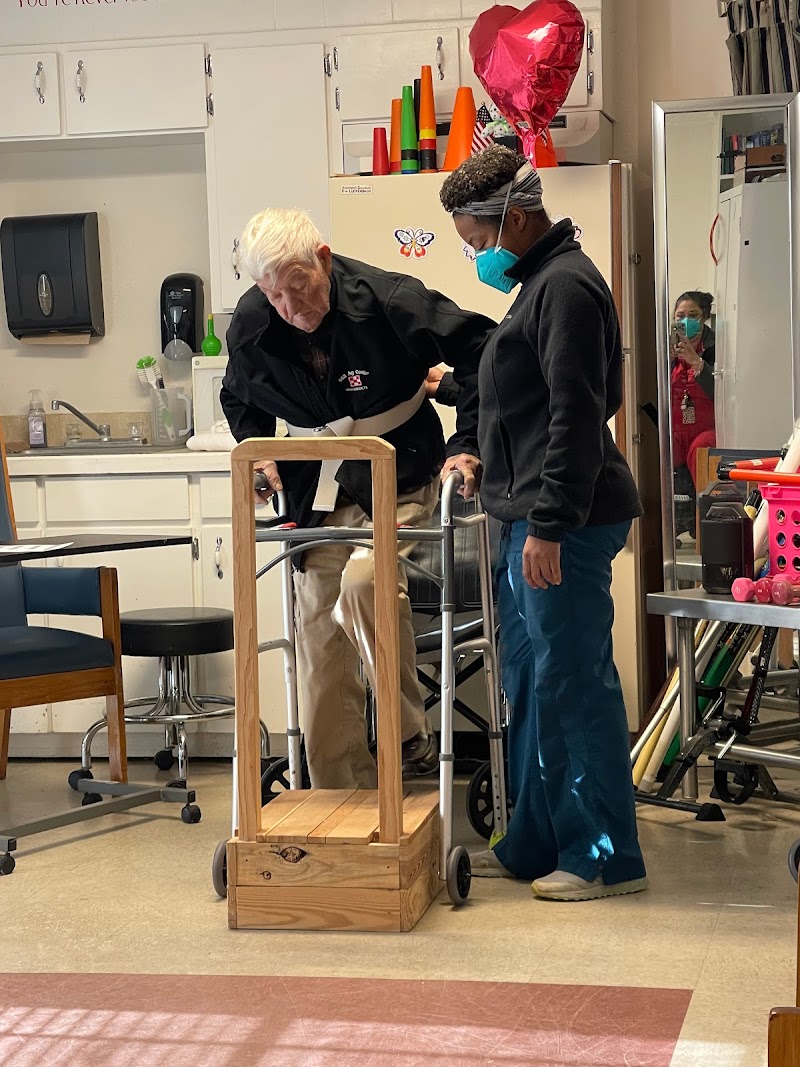
How is Windsor Healthcare Residence Staffed?
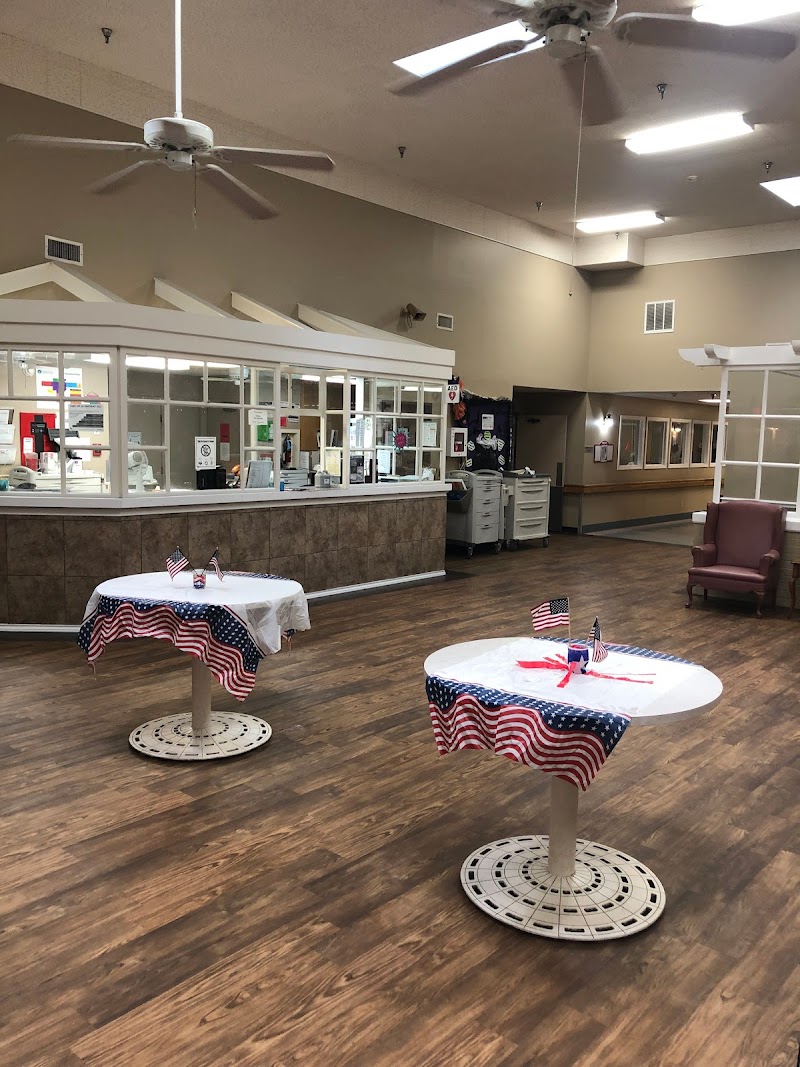
CMS rates Windsor Healthcare Residence's staffing level at 2 out of 5 stars, which is below average compared to other nursing homes. Staff turnover is 58%, which is 11 percentage points above the Texas average of 46%. High turnover can affect care consistency as new staff learn residents' individual needs.

What Have Inspectors Found at Windsor Healthcare Residence?

State health inspectors documented 14 deficiencies at Windsor Healthcare Residence during 2023 to 2025. These included: 3 Immediate Jeopardy (the most serious level, indicating potential for serious harm or death), 1 that caused actual resident harm, and 10 with potential for harm. Immediate Jeopardy findings are rare and represent the most serious regulatory concerns. They require immediate corrective action.

Who Owns and Operates Windsor Healthcare Residence?

Windsor Healthcare Residence is owned by a for-profit company. For-profit facilities operate as businesses with obligations to shareholders or private owners. The facility is operated by CORYELL COUNTY MEMORIAL HOSPITAL AUTHORITY, a chain that manages multiple nursing homes. With 90 certified beds and approximately 52 residents (about 58% occupancy), it is a smaller facility located in Groesbeck, Texas.

How Does Windsor Healthcare Residence Compare to Other Texas Nursing Homes?

Compared to the 100 nursing homes in Texas, Windsor Healthcare Residence's overall rating (2 stars) is below the state average of 2.8, staff turnover (58%) is significantly higher than the state average of 46%, and health inspection rating (2 stars) is below the national benchmark.

What Should Families Ask When Visiting Windsor Healthcare Residence?

Based on this facility's data, families visiting should ask: "What changes have been made since the serious inspection findings, and how are you preventing similar issues?" "What safeguards and monitoring systems are in place to protect residents from abuse or neglect?" "How do you ensure continuity of care given staff turnover, and what is your staff retention strategy?" "Can you walk me through typical staffing levels on day, evening, and night shifts?" These questions are particularly relevant given the facility's Immediate Jeopardy citations, the substantiated abuse finding on record, the facility's high staff turnover rate, and the below-average staffing rating.

Is Windsor Healthcare Residence Safe?

Based on CMS inspection data, Windsor Healthcare Residence has documented safety concerns. The facility has 1 substantiated abuse finding (meaning confirmed case of resident harm by staff or other residents). Inspectors have issued 3 Immediate Jeopardy citations (the most serious violation level indicating risk of serious injury or death). The facility has a 2-star overall rating and ranks #100 of 100 nursing homes in Texas. Families considering this facility should ask detailed questions about what corrective actions have been taken since these incidents.

Do Nurses at Windsor Healthcare Residence Stick Around?

Staff turnover at Windsor Healthcare Residence is high. At 58%, the facility is 11 percentage points above the Texas average of 46%. High turnover means new staff may not know residents' individual needs, medications, or preferences. It can also be disorienting for residents, especially those with dementia who rely on familiar faces. Families should ask: What is causing the turnover? What retention programs are in place? How do you ensure care continuity during staff transitions?

Was Windsor Healthcare Residence Ever Fined?

Windsor Healthcare Residence has been fined $57,221 across 3 penalty actions. This is above the Texas average of $33,651. Fines in this range indicate compliance issues significant enough for CMS to impose meaningful financial consequences. Common causes include delayed correction of deficiencies, repeat violations, or care failures affecting resident safety. Families should ask facility leadership what changes have been made since these penalties.

Is Windsor Healthcare Residence on Any Federal Watch List?

Windsor Healthcare Residence is not on any federal watch list. The most significant is the Special Focus Facility (SFF) program, which identifies the bottom 1% of nursing homes nationally based on persistent, serious quality problems. Not being on this list means the facility has avoided the pattern of deficiencies that triggers enhanced federal oversight. This is a positive indicator, though families should still review the facility's inspection history directly.