GROVETON NURSING HOME
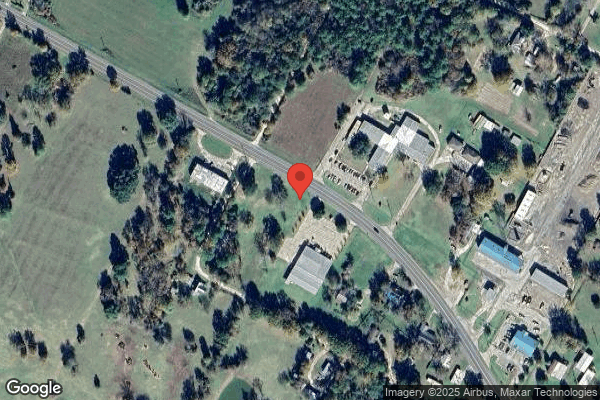
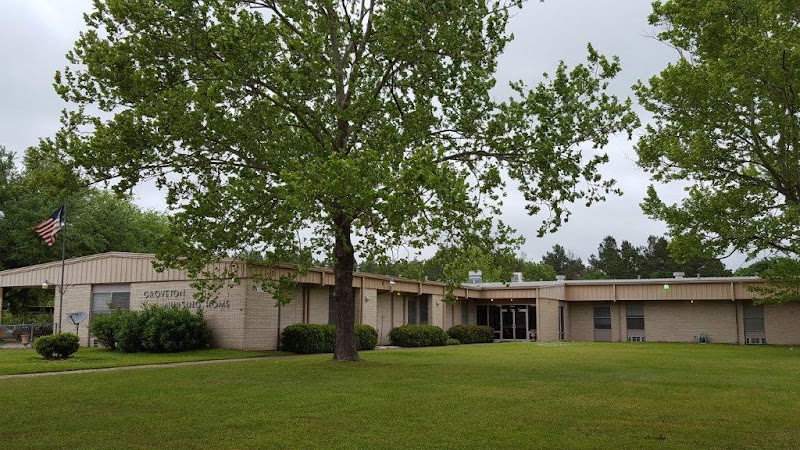
1020 W 1ST ST, GROVETON, TX 75845 (936) 642-1221
For profit - Corporation 47 Beds CREATIVE SOLUTIONS IN HEALTHCARE Data: November 2025
Trust Grade
80/100
#59 of 1168 in TX
Last Inspection: September 2025

Inspected within the last 6 months. Data reflects current conditions.

Overview

Groveton Nursing Home has a Trust Grade of B+, which means it is above average and generally recommended for families considering care options. It ranks #59 out of 1,168 facilities in Texas, placing it in the top half, and is the best option among the three nursing homes in Trinity County. However, the facility is experiencing a worsening trend, with issues increasing from 1 in 2024 to 3 in 2025. Staffing is relatively strong, with a turnover rate of 0%, well below the Texas average, and they provide more RN coverage than 93% of facilities, which helps catch potential problems. On the downside, the facility has incurred $73,260 in fines, indicating compliance issues, and recent inspections revealed failures in infection control practices and maintaining resident dignity, which could affect the quality of life for residents.

Trust Score
B+
80/100
In Texas
#59/1168
Top 5%
Safety Record
Moderate
Needs review
Inspections
Getting Worse
1 → 3 violations
Staff Stability
○ Average
Turnover data not reported for this facility.
Penalties
○ Average
$73,260 in fines. Higher than 74% of Texas facilities. Some compliance issues.
Skilled Nurses
✓ Good
Each resident gets 45 minutes of Registered Nurse (RN) attention daily — more than average for Texas. RNs are trained to catch health problems early.
Violations
✓ Good
Only 2 deficiencies on record. Cleaner than most facilities. Minor issues only.
★★★★★
5.0
Overall Rating
★★★☆☆
3.0
Staff Levels
★★★★☆
4.0
Care Quality
★★★★★
5.0
Inspection Score
Stable
2024: 1 issues
2025: 3 issues

The Good

  • 4-Star Quality Measures · Strong clinical quality outcomes
  • Full Sprinkler Coverage · Fire safety systems throughout facility
  • No fines on record

Facility shows strength in quality measures, fire safety.

The Bad

Federal Fines: $73,260

Well above median ($33,413)

Moderate penalties - review what triggered them

Chain: CREATIVE SOLUTIONS IN HEALTHCARE

Part of a multi-facility chain

Ask about local staffing decisions and management

The Ugly 2 deficiencies on record

Aug 2024 1 deficiency
CONCERN (D)

Potential for Harm - no one hurt, but risky conditions existed

Infection Control (Tag F0880)

Could have caused harm · This affected 1 resident

**NOTE- TERMS IN BRACKETS HAVE BEEN EDITED TO PROTECT CONFIDENTIALITY** Based on observation, interview, and record review, the facility failed to establish and maintain an infection prevention and co...

Read full inspector narrative →
**NOTE- TERMS IN BRACKETS HAVE BEEN EDITED TO PROTECT CONFIDENTIALITY** Based on observation, interview, and record review, the facility failed to establish and maintain an infection prevention and control program designed to provide a safe, sanitary, and comfortable environment and to help prevent the development and transmission of communicable diseases and infections for 1 of 5 residents reviewed for infection control. (Resident #5) The facility failed to ensure CNA A did not leave a trash bag containing a used brief on the floor of Resident #5's room on 8/5/24. The facility failed to implement enhanced barrier precautions for Resident #5 on 8/6/24. These failures could put residents at risk of infections and decreased quality of life. Findings include: Record review of a facility face sheet dated 8/6/24 for Resident #5 indicated that she was a [AGE] year-old female admitted to the facility on [DATE] and subsequently readmitted on [DATE] with diagnoses including: Extended Spectrum Beta Lactamase (ESBL) Resistance and urinary tract infection. Record review of a Quarterly MDS assessment dated [DATE] for Resident #5 indicated that she had a BIMS score of 3, which indicated that she had severe cognitive impairment. She was always incontinent of bowel and bladder. She required moderate to total assistance with toileting and personal hygiene. Section I (Active Diagnoses) indicated that she had a multi-Drug resistant organism (MDRO). Record review of an Order Report Summary dated 8/6/24 for Resident #5 indicated that she did not have an order for enhanced barrier precautions. Record review of a comprehensive care plan dated 4/30/24 for Resident #5 indicated that she had a focus of Resident is on enhanced barrier precautions Interventions included .Gloves and gown should be donned if any of the following activities are to occur: linen change, resident hygiene, transfer, dressing, toileting/incontinent care, bed mobility, wound care, enteral feeding care, catheter care, trach care, bathing, or other high-contact activity ad .Posting at the resident room entrance indicating the resident is on enhanced barrier precautions Comprehensive care plan also indicated that she had a focus f .The resident has Urinary Tract Infection, placed on Macrobid 100mg daily for prophylactic colonized ESBL with interventions includig .Continue enhanced barrier precautions dated 6/15/24. Record review of hospital records for Resident #5 from admission date of 4/16/24 red .Microbiology: UA revealed quite significant pyuria with urine cultures growing out an ESBL producing E. coli. ad .Assessment and Plan of Treatment: UTI with an ESBL producing gram-negative rod Record review of Resident #5's electronic medical record dashboard on 8/6/24 indicated that she had enhanced barrier precautions. Record review of an undated list of residents on enhanced barrier precautions provided by the DON indicated that Resident #5 was not on the list. During an observation on 8/5/24 at 9:23 a.m., a clear plastic trash bag was noted on the floor in Resident #5's room. It contained what appeared to be a used brief. Residents room did not have signage indicating that she was on enhanced barrier precautions. During an interview on 8/5/24 at 9:26 a.m., LVN B said the trash bag should not have been left in Resident #5's room on the floor. She said residents could be at risk of infection if proper infection control measures were not followed. During an interview on 08/06/24 at 02:15 p.m., CNA A said she had taken care of Resident #5 yesterday morning. She said she had changed her and went to get the barrel and got distracted. She said she had left the trash bag in there and she was upset about it. She said she'd been trained on infection control. She said she would do better in the future. She said she was unaware that resident was to be on EBP until today. She said Resident #5 did not have the sign or PPE there until earlier today. She said it was not there during incontinent care this morning. She said residents could be at risk of developing infections if proper infection control measures were not followed. During an observation on 08/06/24 at 10:05 a.m., CNA A and CNA C were both present in Resident #5's room to provide incontinent care. Both washed their hands in the bathroom and applied gloves. Had supplies set up on an overbed table in the room. CNA C pulled the covers down and opened the resident's brief and placed it between her legs. CNA A rolled the resident onto her right side and CNA C removed the brief and placed it in the trash. CNA C removed her gloves and placed them in the trash and washed her hands. CNA C placed gloves on both hands, placed a towel underneath the resident's buttocks. CNA A placed a towel over the resident to cover her. Both CNAs removed their gloves and placed them in the trash, sanitized their hands and applied gloves. CNA C removed a wipe from the plastic bag and wiped across the lower abdomen and placed the wipe in the trash. CNA C removed another wipe and wiped down the middle of the vagina from front to back and placed the wipe in the trash. CNA C removed another wipe from the plastic bag and wiped both inner thighs and placed the wipe in the trash. CNA C removed her gloves and placed them in the trash, washed her hands and applied gloves. CNA A rolled the resident onto her right side and CNA C removed a wipe from the plastic bag and wiped the resident's rectal area from front to back. CNA C removed the towel that was underneath the resident's buttocks and removed her gloves. CNA C sanitized her hands and put on gloves. CNA C placed a brief and secured it in place. Both repositioned the resident in bed, removed their gloves and washed their hands. During an interview on 8/6/24 at 3:40 p.m., CNA C said they had an in-service some months ago by the Administrator on EBP. She said they were told which residents were on EBP and they also had notes on the resident doors along with PPE in drawers outside of their rooms in the hallways. She said when a resident was on EBP that meant the staff had to wear a gown and gloves while providing incontinent care. She said the residents that were on EBP included Resident #5. During an interview on 8/6/24 at 3:45 p.m., LVN B said the residents that were on EBP included Resident #5,who was placed on EBP earlier that day. She said anyone with a history of ESBL colonization, anyone with wounds, foley catheters, have MRSA or any opening to the body that could cause infection would be placed on EBP. During a joint interview on 08/07/24 at 11:47 a.m., the DON said that going forward they would review all hospital records when residents come back from hospital and take appropriate actions with MDROs. DON and Administrator said they would be providing education to all the staff, and they would be doing a PIP and QAPI. DON said they would be reviewing CMS guidelines to ensure they follow the appropriate infection control practices. DON said residents could be at risk of an outbreak of proper procedures were not followed. Record review of a CNA Proficiency Audit for CNA A dated 4/16/24 indicated she had been trained on infection control awareness, including universal precautions, with perineal care. Record review of a facility policy titled Enhanced Barrier Precautions undated read: 1. .EBP are indicated for residents with any of the following: Colonization with a CDC-targeted MDRO when Contact Precautions do not otherwise apply (see MDRO list on page 3) .; 2. .Resident status: Colonized with a CDC-targeted MDRO without a chronic wound, indwelling medical device or secretions that are unable to be covered or contained. Use EBP: Yes .; 3. .Donning PPE for Residents on EBP Based on activity provided / assistance while in resident room: providing hygiene .Don gloves and gown: yes .; 4. (from page 3, referenced above) .List of colonized MDRO to utilize EBP: .ESBL-producing Enterobacterales .; 5. .Communication to staff: The facility will utilize postings outside the room and Point Click Care to communicate to staff if a resident requires EBP . Record review of a facility policy titled Perineal Care Female dated 2003, with a revision date of December 8, 2009, read .Closing steps .discard disposables per facility policy . Record review of CMS Memo titled Center for Clinical Standards and Quality/Quality, Safety & Oversight Group Ref: QSO-24-08-NH read .The recommendations now include the use of EBP during high-contact care activities for residents with chronic wounds or indwelling medical devices, regardless of their MDRO status, in addition to residents who have an infection or colonization with a CDC-targeted or other epidemiologically important MDRO when contact precautions do not apply .
May 2023 1 deficiency
CONCERN (D)

Potential for Harm - no one hurt, but risky conditions existed

Resident Rights (Tag F0550)

Could have caused harm · This affected 1 resident

**NOTE- TERMS IN BRACKETS HAVE BEEN EDITED TO PROTECT CONFIDENTIALITY** Based on observation, interview, and record review the facility failed to promote care for residents in a manner and in an envir...

Read full inspector narrative →
**NOTE- TERMS IN BRACKETS HAVE BEEN EDITED TO PROTECT CONFIDENTIALITY** Based on observation, interview, and record review the facility failed to promote care for residents in a manner and in an environment that maintained or enhanced each resident's dignity for 1 of 4 (Resident #34) residents reviewed for dignity in that: The facility failed to ensure Resident #34's urinary drainage bag had a dignity/privacy cover while out of his room. This deficient practice could place residents in the facility at risk for a diminished quality of life, loss of dignity and self-worth. Findings: Record review of facility face sheet dated 5/23/2023 indicated Resident # 34 was admitted on [DATE] with diagnosis aftercare following digestive system surgery, urinary tract infection, and obstructive uropathy (blockage of urinary tract). Record review of Quarterly MDS dated [DATE] indicated Resident # 34 had a BIMS of 11 indicating moderately impaired cognition and required indwelling urinary catheter. Record review of care plan with review date of 05/01/2023 indicated Resident # 34 had an indwelling foley catheter, and approach was to position catheter bag in a privacy bag. Record review of order summary report dated 5/23/2023 indicated Resident # 34 had an order dated 10/08/2022 to ensure foley catheter bag was in a privacy bag while in bed or wheelchair. During an observation on 05/22/23 at 11:52 AM Resident # 34 was lying in bed with a foley catheter attached to bedframe. The catheter drainage bag was without a privacy cover. During an observation on 05/23/23 at 9:48 AM Resident # 34 was ambulating in the hallway with COTA and rehab director using a walker. His foley catheter drainage bag was attached to the walker with dark yellow urine in the bag without a privacy covering. During an interview on 05/23/23 at 9:59 AM Resident # 34 stated he was not aware his catheter bag had to be covered but could see how that would be important to protect his privacy. He had nothing further to comment regarding his catheter. During an interview on 05/23/23 at 10:25 AM the COTA stated that a residents privacy and dignity was maintained by not discussing their health openly, closing doors, and pulling privacy curtains. She stated foley catheter drainage bags should also be covered to maintain resident privacy and dignity. She stated she had been trained on privacy covering of catheter bags and should have put a cover on the walker before getting Resident # 34 up to walk. She stated that by not covering it could affect a residents dignity. During an interview on 05/23/23 at 2:12 PM the rehab director stated that resident privacy and dignity was maintained by protecting resident information. She stated that Resident # 34's catheter drainage bag should have been covered when he was up walking with therapy in the hallway. She stated she had been trained on dignity and that by not covering the bag it could cause the resident embarrassment. She stated she would make sure there was a privacy cover for future therapy sessions. During an interview on 05/23/23 at 2:20 PM LVN B stated that when a resident has a urinary catheter they are to have a privacy cover over the drainage bag and the nurse was responsible for monitoring that it was there. She stated when she last checked he had a privacy bag on his bed and wheelchair but was not aware Resident #34's drainage bag was exposed during therapy. She stated the drainage bag is covered for dignity and privacy reasons and if it was not covered it could cause resident embarrassment. During an interview on 05/23/23 at 2:22 PM the DON stated she was responsible for all nursing oversight and expects that residents with an indwelling catheter to have a privacy cover in place at all times. She stated all staff had been trained on privacy and dignity. She stated by not covering the drainage bag it could affect the residents dignity. During an interview on 05/24/23 at 8:25 AM the administrator stated that she was responsible for ensuring privacy and dignity for all residents at the facility. She stated all staff are trained on resident rights on hire, annually, and as needed. She stated the risk of not maintaining a residents dignity could be belittlement. She stated here expectation was that all residents rights are honored, and dignity maintained. Record review of the facility's policy titled Resident Rights dated 11/28/2016 indicated, .facility must treat each resident with respect and dignity and care for each resident in a manner and in an environment that promotes maintenance or enhancement of his or her quality of life.
Understanding Severity Codes (click to expand)
Life-Threatening (Immediate Jeopardy)
J - Isolated K - Pattern L - Widespread
Actual Harm
G - Isolated H - Pattern I - Widespread
Potential for Harm
D - Isolated E - Pattern F - Widespread
No Harm (Minor)
A - Isolated B - Pattern C - Widespread

Questions to Ask on Your Visit

  • "Can I speak with families of current residents?"
  • "What's your RN coverage like on weekends and overnight?"

Our Honest Assessment

Strengths
  • • Grade B+ (80/100). Above average facility, better than most options in Texas.
  • • Only 2 deficiencies on record. Cleaner than most facilities. Minor issues only.
Concerns
  • • $73,260 in fines. Extremely high, among the most fined facilities in Texas. Major compliance failures.
Bottom line: Generally positive indicators. Standard due diligence and a personal visit recommended.

About This Facility

What is Groveton's CMS Rating?

CMS assigns GROVETON NURSING HOME an overall rating of 5 out of 5 stars, which is considered much above average nationally. Within Texas, this rating places the facility higher than 99% of the state's 100 nursing homes. This rating reflects solid performance across the metrics CMS uses to evaluate nursing home quality.
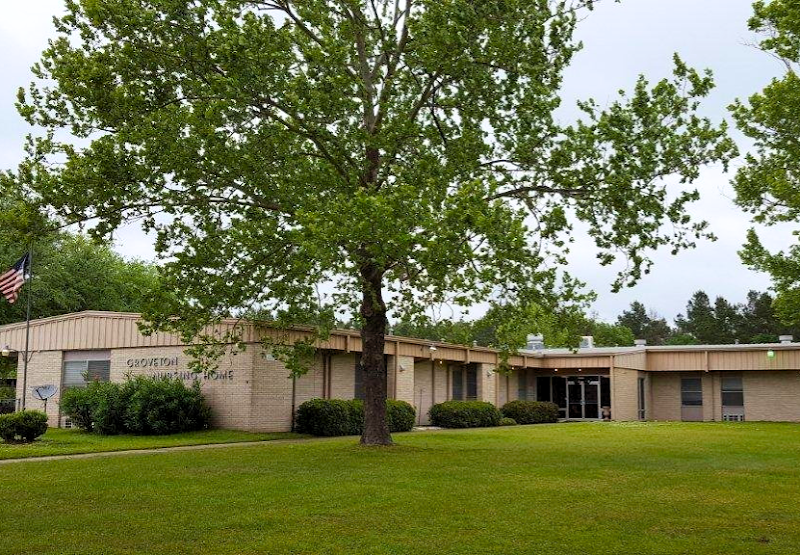
How is Groveton Staffed?

CMS rates GROVETON NURSING HOME's staffing level at 3 out of 5 stars, which is average compared to other nursing homes.

What Have Inspectors Found at Groveton?

State health inspectors documented 2 deficiencies at GROVETON NURSING HOME during 2023 to 2024. These included: 2 with potential for harm.
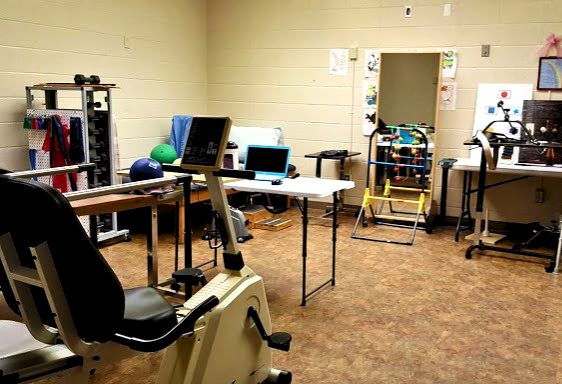
Who Owns and Operates Groveton?

GROVETON NURSING HOME is owned by a for-profit company. For-profit facilities operate as businesses with obligations to shareholders or private owners. The facility is operated by CREATIVE SOLUTIONS IN HEALTHCARE, a chain that manages multiple nursing homes. With 47 certified beds and approximately 28 residents (about 60% occupancy), it is a smaller facility located in GROVETON, Texas.
How Does Groveton Compare to Other Texas Nursing Homes?

Compared to the 100 nursing homes in Texas, GROVETON NURSING HOME's overall rating (5 stars) is above the state average of 2.8 and health inspection rating (5 stars) is much above the national benchmark.

What Should Families Ask When Visiting Groveton?

Based on this facility's data, families visiting should ask: "Can I visit during a mealtime to observe dining assistance and food quality?" "How do you handle medical emergencies, and what is your hospital transfer rate?" "Can I speak with family members of current residents about their experience?"

Is Groveton Safe?

Based on CMS inspection data, GROVETON NURSING HOME has a clean safety record: no substantiated abuse findings (meaning no confirmed cases of resident harm), no Immediate Jeopardy citations (the most serious violation level indicating risk of serious injury or death), and is not on the Special Focus Facility watch list (a federal program monitoring the lowest-performing 1% of nursing homes). The facility has a 5-star overall rating and ranks #1 of 100 nursing homes in Texas. While no facility is perfect, families should still ask about staff-to-resident ratios and recent inspection results during their visit.

Do Nurses at Groveton Stick Around?

GROVETON NURSING HOME has not reported staff turnover data to CMS. Staff turnover matters because consistent caregivers learn residents' individual needs, medications, and preferences. When staff frequently change, this institutional knowledge is lost. Families should ask the facility directly about their staff retention rates and average employee tenure.

Was Groveton Ever Fined?

GROVETON NURSING HOME has been fined $73,260 across 1 penalty action. This is above the Texas average of $33,811. Fines in this range indicate compliance issues significant enough for CMS to impose meaningful financial consequences. Common causes include delayed correction of deficiencies, repeat violations, or care failures affecting resident safety. Families should ask facility leadership what changes have been made since these penalties.

Is Groveton on Any Federal Watch List?

GROVETON NURSING HOME is not on any federal watch list. The most significant is the Special Focus Facility (SFF) program, which identifies the bottom 1% of nursing homes nationally based on persistent, serious quality problems. Not being on this list means the facility has avoided the pattern of deficiencies that triggers enhanced federal oversight. This is a positive indicator, though families should still review the facility's inspection history directly.