HALLETTSVILLE NURSING AND REHABILITATION
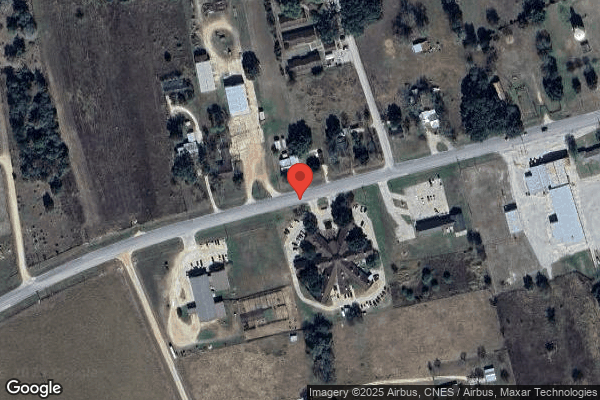
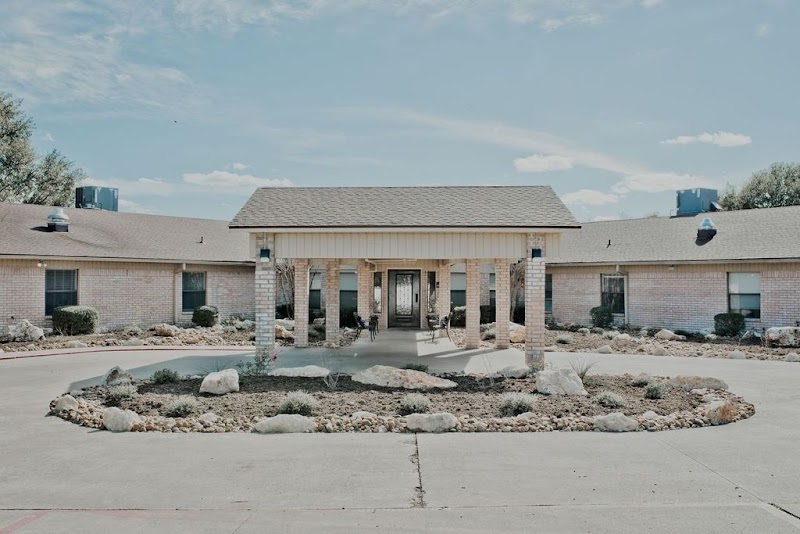
825 W FAIRWINDS, HALLETTSVILLE, TX 77964 (361) 798-3268
Non profit - Corporation 119 Beds WELLSENTIAL HEALTH Data: November 2025
Trust Grade
63/100
#480 of 1168 in TX
Last Inspection: October 2024

Within standard 12-15 month inspection cycle. Federal law requires annual inspections.

Overview

Hallettsville Nursing and Rehabilitation has a Trust Grade of C+, which indicates it is slightly above average but not particularly outstanding. It ranks #480 out of 1168 facilities in Texas, placing it in the top half of the state, and #2 out of 5 in Lavaca County, meaning there is only one better local option. The facility is improving, with issues decreasing from 6 in 2023 to 4 in 2024. Staffing is a concern, with a low rating of 1 out of 5 stars and only 39% turnover, which is better than the state average. However, there have been some serious incidents, such as a resident suffering a fracture due to improper assistance during a transfer, and issues with food safety and infection control practices that could put residents at risk.

Trust Score
C+
63/100
In Texas
#480/1168
Top 41%
Safety Record
Moderate
Needs review
Inspections
Getting Better
6 → 4 violations
Staff Stability
○ Average
39% turnover. Near Texas's 48% average. Typical for the industry.
Penalties
✓ Good
$8,824 in fines. Lower than most Texas facilities. Relatively clean record.
Skilled Nurses
⚠ Watch
Each resident gets only 14 minutes of Registered Nurse (RN) attention daily — below average for Texas. Fewer RN minutes means fewer trained eyes watching for problems.
Violations
⚠ Watch
11 deficiencies on record. Higher than average. Multiple issues found across inspections.
★★★☆☆
3.0
Overall Rating
★☆☆☆☆
1.0
Staff Levels
★★★☆☆
3.0
Care Quality
★★★★☆
4.0
Inspection Score
Stable
2023: 6 issues
2024: 4 issues

The Good

  • Full Sprinkler Coverage · Fire safety systems throughout facility
  • No fines on record
  • Staff turnover below average (39%)

    9 points below Texas average of 48%

Facility shows strength in fire safety.

The Bad

3-Star Overall Rating

Near Texas average (2.8)

Meets federal standards, typical of most facilities

Staff Turnover: 39%

Near Texas avg (46%)

Typical for the industry

Federal Fines: $8,824

Below median ($33,413)

Minor penalties assessed

Chain: WELLSENTIAL HEALTH

Part of a multi-facility chain

Ask about local staffing decisions and management

The Ugly 11 deficiencies on record

1 actual harm
Oct 2024 3 deficiencies
CONCERN (D) 📢 Someone Reported This

A family member, employee, or ombudsman was alarmed enough to file a formal complaint

Potential for Harm - no one hurt, but risky conditions existed

Accident Prevention (Tag F0689)

Could have caused harm · This affected 1 resident

Based on observation, interview, and record review, the facility failed to ensure the resident environment remains as free of accident hazards as is possible, and resident receives adequate supervisio...

Read full inspector narrative →
Based on observation, interview, and record review, the facility failed to ensure the resident environment remains as free of accident hazards as is possible, and resident receives adequate supervision and assistance devices to prevent accidents for 1 (100 hall) of 6 hallways reviewed for accidents and hazards, in that: The shower room on 100 hall was unlocked and contained a disinfectant cleaner with a warning label, Danger, Keep Out of Reach of Children. This deficient practice could result in residents, staff, and or the public exposure to a potentially dangerous substance. The findings were: Observation on 10/01/2024 at 10:42 a.m. revealed the shower room on 100 hall was unlocked. Further observation revealed a supply cabinet was unlocked with both doors open and at the front of the cabinet was located a 16-ounce spray bottle of disinfectant labeled Danger, Keep Out of Reach of Children. During an interview with LVN A on 10/01/2024 at 10:45 a.m., LVN A confirmed the shower room on 100 hall was unlocked and contained an open supply cabinet with a 16-ounce spray bottle of disinfectant labeled Danger, Keep Out of Reach of Children. LVN A confirmed that the disinfectant was potentially accessible to residents and should not have been. During an interview with the Administrator on 10/03/2024 at 5:15 p.m., the Administrator confirmed that disinfectant cleaner should not be accessible to residents. Record review of the facility policy, General Housekeeping Policies, undated, revealed, The facility provides sufficient housekeeping and maintenance personnel, equipment, and supplies to maintain the interior and exterior of the facility in a safe, clean, orderly, and attractive manner.
CONCERN (E) 📢 Someone Reported This

A family member, employee, or ombudsman was alarmed enough to file a formal complaint

Potential for Harm - no one hurt, but risky conditions existed

Infection Control (Tag F0880)

Could have caused harm · This affected multiple residents

**NOTE- TERMS IN BRACKETS HAVE BEEN EDITED TO PROTECT CONFIDENTIALITY** Based on observation, interview, and record review, the facility failed to maintain an infection prevention and control program ...

Read full inspector narrative →
**NOTE- TERMS IN BRACKETS HAVE BEEN EDITED TO PROTECT CONFIDENTIALITY** Based on observation, interview, and record review, the facility failed to maintain an infection prevention and control program designed to provide a safe, sanitary, and comfortable environment to help prevent the development and transmission of communicable diseases and infections for 5 of 7 residents (Residents #22, #26, #42, #61 and #71) reviewed for infection control in that: 1. The facility failed to ensure CNA-B sanitized her hands after blowing her nose, wiping her runny nose with her finger, and coughing into her hand while feeding Resident #26 during the noon meal. 2. The facility failed to ensure CNA-C changed his gloves after going from dirty to clean while providing incontinent care to Resident #71. 3. The facility failed to ensure LVN-D followed Enhanced Barrier Precautions (EBP) by not wearing a gown while administering medications via g-tube for Resident #71. 4. The facility failed to ensure LVN-E sanitize his hands in between medication administration for Residents #42, #22 and #61 and after picking up dropped pills on the floor. These failures could place residents at risk for cross contamination and the spread of infection. Finding include: 1. Record review of Resident #26's face sheet dated 10/04/2024 revealed she was a [AGE] year-old female admitted to the facility initially on 05/05/2019 with re-admission on [DATE]. Diagnoses included dementia (general term for loss of memory, language, and other thinking abilities), Cerebral Infarction (stroke) Type 2 Diabetes Mellitus (a long-term condition where body has trouble controlling blood sugar and using it for energy) and Need for assistance with personal care. Record review of Resident #26's Quarterly MDS assessment dated [DATE] revealed a BIMS score of 00, indicating severe cognitive impairment and an assessment of needing maximal assistance with eating. Record review of Resident #26's Care plan dated 10/01/2024 revealed a problem area of ADL self-care performance ., with interventions which included The resident requires limited to extensive assistance by 1 staff to eat. Observation on 10/01/2024 at 12:26 pm in the main dining room revealed CNA-B sitting in a chair adjacent to Resident #26, feeding Resident #26 her lunch meal. During the course of the meal, CNA-B was observed blowing her nose with a tissue, wiping her runny nose with her finger and coughing into her hand, without sanitizing or washing her hands afterwards, and while continuing to feed Resident #26. During interview with CNA-B on 10/01/2024 at 12:43 pm, CNA-B stated she has been having cold and allergy symptoms for about a week, but no fever, and had tested negative for COVID. When asked about observations of coughing, wiping nose with finger, blowing her nose with tissue and then returning to feed Resident #26 without sanitizing her hands, she made a scrunched up facial expression and stated yeah, I should not have done that. She stated she should have sanitized her hands after touching and blowing her nose and coughing, but that she forgot to put the sanitizer In her fanny pack that morning. CNA-B stated she worked at the facility for about 3 years, and received training in infection control, and that by not sanitizing her hands, she could have passed on any infection she may have had to Resident #26. During an interview with the DON on 10/02/2024 at 09;48 a.m , the DON revealed she was aware of the observations made during the noon meal the day before and stated that CNA-B had frequent allergies and had been tested for COVID, but also confirmed that CNA-B should have used correct hand hygiene and cough etiquette procedures after coughing and touching her nose while feeding Resident #26. The DON stated that all employees received training in hand hygiene and infection control annually and when needed, and that the Infection Preventionist made periodic observations of staff to assess compliance. The DON further stated that not following correct hand hygiene procedures could result in spread of infection. 2. Record review of Resident #71's face sheet dated 10/04/2024 revealed he was a [AGE] year-old male who was admitted on [DATE], with diagnoses that included: Unspecified Dementia (general term for loss of memory, language, and other thinking abilities); Hemiplegia and hemiparesis following Cerebral Infarction (condition that causes stiffness or paralysis on one side of body resulting from a stroke) affecting left non-dominant side. Record review of Resident #71's Optional State MDS assessment dated [DATE] revealed Resident #71 had a BIMS score of 08, indicating moderate cognitive impairment, and was assessed as total dependence in bed mobility and toileting. Record review of Resident #71's Care Plan dated 08/24/2024 revealed a problem area of Mixed bladder incontinence and bowel incontinence r/t [related to] cognitive deficit and decreased mobility, with interventions that include: provide peri care after each incontinent episode. Observation of incontinent care for Resident #71 on 10/01/2024 at 02:38 p.m. revealed that CNA-C cleaned Resident #71's penis and peri area and then without changing gloves touched Resident #71 on his shoulder and legs, to reposition Resident #71 onto his side, and proceeded to clean the buttocks area. Without changing his gloves CNA-C removed the soiled brief, obtained and placed a clean brief on Resident #71, and adjusted his clothing, During an interview with CNA-C on 10/01/2024 at 02:55 p.m., CNA-C stated he had been working at the facility since April 2024, after obtaining his CNA certification, and was not aware he needed to change gloves or sanitize his hands while performing peri-care. CNA-C stated he had received training in incontinent care during his training to become a CNA. During an interview with the DON on 10/02/2024 at 09:48 a.m., the DON was aware of the observation of peri-care performed by CNA-C and noted that CNA-C had informed her immediately after the observation. The DON stated CNA-C had just completed his CNA training a few months ago and wanted to learn. She confirmed that CNA-C should have changed gloves or sanitized hands when going from dirty to clean during peri-care and not doing so could lead to cross-contamination. 3. Record review of Resident #71's face sheet dated 10/04/2024 revealed he was a [AGE] year-old male who was admitted on [DATE], with diagnoses that included: Unspecified Dementia (general term for loss of memory, language, and other thinking abilities); Hemiplegia and hemiparesis following Cerebral Infarction (condition that causes stiffness or paralysis on one side of body resulting from a stroke) affecting left non-dominant side and dysphagia (difficulty swallowing) with gastrostomy status (a G-tube, or artificial opening into the stomach for nutrition). Record review of Resident #71's Optional State MDS assessment dated [DATE] revealed Resident #71 had a BIMS score of 08, indicating moderate cognitive impairment, and was assessed as having a feeding tube. Record review of Resident #71's Care plan dated 08/24/2024 revealed a problem area of need for Enhanced Barrier Precautions due to G-tube with interventions that included Gown and gloves only for high-contact resident care activities. Record review of Resident #71's Order Summary dated 10/04/2024 revealed an order for: a. Enteral Feed Order three times a day and use gown and gloves for high-contact resident care activities for those with . increased risk of MDRO[residents with wounds or indwelling medical devices]. Observation on 10/03/2024 at 08:25 a.m. revealed that there was an Enhanced Barrier Protection (EBP) sign resting on the handrail on the wall to the left of Resident #71's door, and a PPE supply drawer next to the wall on the opposite side of the hall from Resident #71's room. Further observation revealed LVN-D prepared Resident #71's medications on the nursing cart outside his room, then entered his room, sanitized her hands, and put on gloves, but failed to put on and wear a gown while she proceeded to administer medications via G-tube to Resident #71. During an interview with LVN-D on 10/03/2024 at 09:00 am, LVN-D stated she did not see the Enhanced Barrier Protection (EBP) sign to the left of the door, noting EBP signs were normally posted on the door. LVN-D further stated that Enhanced Barrier Protections consisted of wearing gown and gloves when working in close contact with residents who had catheters to help prevent the spread of germs. She stated she had not realized a gown should be used also when working with residents who had g-tubes. 4. Record review of Resident #42's Face Sheet dated 10/04/2024 revealed he was a [AGE] year-old male with an admission date of 09/10/2023 with diagnoses that included Dementia (loss of cognitive functioning that interferes with daily life), Cerebrovascular Accident (CVA) (stroke) and Diabetes Mellitus (a condition that affects blood sugar levels and can cause serious complications). Record review of Resident #42's Quarterly MDS assessment dated [DATE] revealed a BIMS score of 00 indicating severe cognitive impairment. Record review of Resident #22's Face Sheet dated 10//04/2024 revealed he was an 84- year-old male with an admission date of 01/09/2022 with diagnoses that included: Dementia; Coronary Artery Disease (a type of heart disease) and Hypertension (high blood pressure). Record review of Resident #22's Quarterly MDS assessment dated [DATE] revealed a BIMS score of 00, indicating severe cognitive impairment. Record review of Resident #61's Face Sheet dated 10/04?2024 revealed he was a [AGE] year old male with an admission date of 01/02/2024, and diagnoses that included: Alzheimer's Disease (a brain disorder that causes memory loss), Anemia (not having enough healthy red blood cells) and Hypertension (high blood pressure). Record review of Resident #61's Quarterly MDS assessment dated [DATE] revealed a BIMS score of 04 indicating severe cognitive impairment. During an observation on 10/03/2024 at 07:35 a.m., LVN-E was observed to drop 2 pills onto the floor while he prepared medications for Resident #42. Further observation revealed he picked up the pills from the floor with his hand, disposed of the pills in the Sharps container, and without sanitizing his hands, dispensed 2 more pills from blister pack to replace those dropped, crushed the pills, mixed them with applesauce and proceeded with medication administration to Resident #42. Continued observation revealed that after completing medication administration to Resident #42, LVN-E then proceeded to administer medications to Resident #22 and then to Resident #61 without sanitizing his hands in between medication administration for each resident. During an interview with LVN-E on 10/03/2024 at 08:10 a.m. LVN-E stated he did not sanitize his hands in between administering medications to Residents #42, #22 and #61, and did not sanitize his hands after picking up the dropped pills from the floor, stating he had gotten nervous and forgot. LVN-C stated he had worked at the facility since 2012, had received training in hand hygiene and infection control, and stated that not sanitizing his hands in between medication administration for different residents and after touching floor could result in the spread of germs. Record review of facility policy titled Hand Hygiene dated 10/24/2022 which revealed in part: All staff will perform proper hand hygiene procedures to prevent the spread of infection to other personnel, residents, and visitors. This applies to all staff working in all locations within the facility and 1. Staff will perform hand hygiene when indicated, using proper technique consistent with accepted standards of practice. Record review of the CDC Guideline titled Clinical Safety: Hand Hygiene for Healthcare Workers dated 02/27/2024 reflects that Cleaning your hands reduces: The potential spread of deadly germs to patients . and that hands should be cleaned when moving from soiled to clean activities on the same patient or if moving from care on one patient to another patient and After touching a patient or patient's surroundings Record review of the facility's policy titled Enhanced Barrier Precautions dated 04/05/2024 revealed Enhanced barrier precautions (EBP) refers to an infection control intervention designed to reduce transmission of multidrug-resistant organism [MDRO] that employs targeted gown and gloves during high contact resident care activities. Further review revealed An order for enhanced barrier precautions will be obtained for residents with any of the following: indwelling medical devices (e.g., central lines, urinary catheters, feeding tubes, tracheostomy/ventilator tubes even if the resident is not known to be infected or colonized with a MDRO. The policy further notes High-contact resident care activities include: 6. Device care of use: central lines, urinary catheters, feeding tubes tracheostomy/ventilator tubes.
CONCERN (E) 📢 Someone Reported This

A family member, employee, or ombudsman was alarmed enough to file a formal complaint

Potential for Harm - no one hurt, but risky conditions existed

Safe Environment (Tag F0921)

Could have caused harm · This affected multiple residents

Based on observation, interview, and record review, the facility failed to provide a safe, functional, sanitary, and comfortable environment for residents, staff, and the public for 1 of 1 kitchen rev...

Read full inspector narrative →
Based on observation, interview, and record review, the facility failed to provide a safe, functional, sanitary, and comfortable environment for residents, staff, and the public for 1 of 1 kitchen reviewed for physical environment, in that: 1. The 8 double florescent lights in the main kitchen area and the 3 double florescent lights in the dish machine room did not have a lid cover over the light bulbs. 2. One of the 8 double florescent lights in the main kitchen area and 1 of the 3 double florescent lights in the dish machine room had light bulbs that were not operating. 3. One of the 4 panel lights in the main kitchen area did not have a light bulb that was operating. 4. The light strip inside the refrigerator in the kitchen storage room was not attached on one side and the LED bulb was not operating. 5. The overhead ceiling light in the employee bathroom was not operating. This deficient practice could result in residents, staff, and or the public exposure to a potentially dangerous substance. The findings were: Observation on 10/01/24 from 10:10 am to 10:40 am during the kitchen tour with the Dietary Manager revealed the following: a. The 8 double florescent lights (which each measured 3x2 ft) in the main kitchen area and the 3 double florescent lights in the dish machine room did not have a lid cover over the light bulbs. b. One of the 8 double florescent lights in the main kitchen area and 1 of the 3 double florescent lights in the dish machine room had light bulbs that were not operating. c. One of the 4 panel lights (which measured 1.5x 4ft) in the main kitchen area did not have a light bulb that was operating. d. The light strip (which measured 2.5 ft) inside the refrigerator in the kitchen storage room was not attached on one side and the LED bulb was not operating. e. The overhead ceiling light bulb in the kitchen employee staff room was not operating. During an interview with the Dietary Manager on 10/1/24 at 10:45 am, she stated that having functioning light bulbs with covers in the kitchen would increase the overall safety of kitchen operations. The Dietary Manager stated that she had not completed a work order request for the lights to be repaired. During an interview with the Administrator on 10/1/24 at 10:55 am, he stated that having functioning overhead lights in the kitchen would provide additional illumination for kitchen operations. Record review of the facility's policy on General Kitchen Safety Guidelines, policy number 05.001, Section 5-1, dated 2018 stated that the facility will follow basic safety guidelines to reduce the risk of accidents and ensure the safety of employees. The facility will keep all equipment in working order and report any malfunctioning to the Maintenance Dept.
Jun 2024 1 deficiency 1 Harm
SERIOUS (G) 📢 Someone Reported This

A family member, employee, or ombudsman was alarmed enough to file a formal complaint

Actual Harm - a resident was hurt due to facility failures

Accident Prevention (Tag F0689)

A resident was harmed · This affected 1 resident

**NOTE- TERMS IN BRACKETS HAVE BEEN EDITED TO PROTECT CONFIDENTIALITY** Based on observation, interview, and record review, the facility failed to ensure residents received adequate supervision and as...

Read full inspector narrative →
**NOTE- TERMS IN BRACKETS HAVE BEEN EDITED TO PROTECT CONFIDENTIALITY** Based on observation, interview, and record review, the facility failed to ensure residents received adequate supervision and assistance devices to prevent accidents for 1 of 4 residents reviewed for accidents (Resident #1). CNA A failed to use a gait belt while performing a sliding board transfer for Resident #1 resulting in Resident #1 being improperly lowered to the ground and receiving a fracture of the proximal tibia and fibula (a fracture or break in the shinbone just below the knee). This deficient practice could affect residents at the facility who required a gait belt while receiving sliding board transfers by contributing to injury. The findings included: Record review of Resident #1's face sheet revealed Resident #1 was an [AGE] year-old female who admitted to the facility on [DATE] and had diagnoses of anxiety, type 2 diabetes mellitus, depression, chronic kidney disease and paraplegia (paralysis of the legs and lower body, typically caused by spinal injury or disease). Record review of Resident #1's quarterly MDS, dated [DATE], revealed Resident # 1 had a BIMS of 11, indicating mild cognitive impairment. The MDS revealed Resident #1 had impairment on one side of the lower extremity (hip, knee, ankle, foot) and used a wheelchair for mobility. In addition, the MDS revealed Resident #1 required substantial assistance with bed to chair transfers. Record review of Resident #1's care plan, dated 07/20/2023, revised 06/24/2024, revealed Resident #1 was a fall risk and Resident #1 required assistance with ADL self-care performance related to paralysis from the waist down. Record review of Resident #1's fall risk evaluation, dated 05/13/2024, revealed Resident #1 was categorized as low fall risk and revealed Resident #1 had a balance problem while standing/walking. Record review of Resident #1's fall risk evaluation, dated 06/24/2024, revealed Resident #1 was categorized as high fall risk and revealed Resident #1 had 1-2 falls in the past 3 months. Record Review of Resident #1's incident report completed by LVN B, dated 06/24/2024, revealed LVN B was notified of a witnessed fall by CNA A on 06/24/2024 around 2:30p.m. The incident report revealed LVN B entered Resident #1's room and observed the resident lying on her back on the floor with her feet under the bed and the wheelchair brakes locked, room well-lit and uncluttered. The report revealed CNA A stated resident pushed hard against the wheelchair and caused the wheelchair to move away from the sliding board. She started to lean so I lowered her to the floor. The report said Resident #1 was hollering call the EMS and complained of pain to lower back and hips bilaterally. The incident report revealed 911, Resident#1's physician and Resident #1's responsible party were notified. Record review of Resident #1's hospital diagnostic results revealed an x-ray was completed of the right knee, 06/24/2024 at 5:27pm. The results of the x-ray revealed a subtle fracture proximal tibia and fibula. Record review of hospital physician progress note, dated 06/25/2024 at 11:28am, stated patient was evaluated by ortho and it is recommended to remain non weight bearing to her right LE and wear a knee immobilizer for 6 weeks. Xrays are to be repeated at 6 weeks to verify healing. Record review of facility investigation document, undated, provided by the Administrator, revealed under the investigation/conclusion summary, CNA A also mentioned that the resident was beginning to fall forward and turned the resident around so that she could assist her to the floor on her buttocks. The resident's legs were twisted upon her being turned around and this potentially caused the fractures. During an interview with Resident #1's family member, 06/26/2024, the family member stated she was notified on 06/24/2024 that Resident #1 was lowered to the ground during a sliding board transfer, was complaining of pain and was being sent to the hospital. She said she was notified by the hospital on [DATE] that Resident #1 sustained fractures to Resident #1's tibia and fibula. Resident #1's family member stated she was aware that Resident #1 was using a sliding board for transfers and said Resident #1 told her the wheelchair was not locked and it moved away from the sliding board. Record review of a handwritten statement signed by CNA A, dated 06/24/2024, stated while setting up for the slide board transfer, check points were made to ensure the safety of the resident and employee. The wheelchair in use was locked and placed directly next to the bed, and the proper clothing and tennis shoes were being worn by both the employee and resident. After the sliding board was properly placed under the resident, they attempted to place more of their body on the board and grabbed the arm of the wheelchair for assistance and stability. This caused an imbalance leading to the resident pushing the wheelchair away from the bed. Resident started to slide down slowly; employee the lowered resident to the floor; landing them softy on their back. During an interview on 06/27/2024 at 12:10p.m., CNA A stated she received training from another CNA on using the sliding board for transfers for Resident #1 to and from the bed to the wheelchair. CNA A said on 6/24/2024, she set up the sliding board between the wheelchair and the bed and locked the wheelchair brakes. CNA A said Resident #1 was sitting on the board and CNA A bent down to move Resident #1's feet so she could slide down the board onto the wheelchair. CNA A said Resident #1 became anxious and pushed on the wheelchair causing it to move and Resident #1 begun falling forward. CNA A said she was trying to prevent Resident #1 from falling on her face so, in a quick reaction, turned Resident #1's upper torso thinking she would be able to sit her down on her buttocks. CNA A said Resident #1's legs got tangled up under the wheelchair because Resident #1 was unable to move her legs. CNA A said she realized, after the fact, that she should not have tried to turn Resident #1 while lowering her to the floor. CNA A was asked if she was using a gait belt for the transfer and she said, I'm not going to lie, no I didn't. CNA A said she was trained to use a gait belt during orientation and was aware that the facility required all staff to use a gait belt during resident transfers. During an interview on 06/27/2024 at 12:42p.m., LVN B said on 06/26/2024, she was returning from break and CNA A called her and told her Resident #1 had a fall and was on the ground in her room. LVN B said when she entered the room, Resident #1 was lying on the ground on her back, the wheelchair was next to the bed, and she observed the wheelchair wheels in the locked position. LVN B said Resident #1 was complaining of pain in her lower back and hips, so LVN B reported it to the physician and called 911. LVN B said she called and notified Resident #1's family member of the fall and pending transport to the hospital. LVN B said CNA A told her that CNA A was using the sliding board and Resident #1 had her hand on the wheelchair and Resident #1 pushed on it and it caused her to launch forward and fall. During an interview on 06/27/2024 at 1:49p.m., the PT stated Resident #1 was on therapy services in March 2024, April 2024 and again on 06/17/2024. The PT stated Resident #1 was able to safely perform a sliding board transfer with one person assist. The PT stated Resident #1 was taught to use the sliding board transfer with one person when she was on therapy services from 03/16/24 through 05/15/2024. The PT stated therapy provided training to staff on using the sliding board transfer. The PT stated she would not have turned Resident #1 while lowering her to the ground and would have tried to counter the motion of Resident #1 falling forward and would lower her to the ground in the direction Resident #1 was falling. During an interview with the DON, 06/27/2024 at 2:35p.m., the DON stated Resident #1 was a one person transfer with a sliding board. The DON stated CNA A received training on using a gait belt during orientation and completed competency skills check on completing transfers with a gait belt. The DON stated the expectation was all transfers are completed with the use of a gait belt. The DON said residents are at risk for injuries if staff do not use a gait belt and stated, if the CNA was wearing her gait belt, it would have been easier for her to lower Resident #1 to the ground. The DON also stated CNA A should not have twisted Resident #1 around when she was lowering her to the floor. The DON said, the proper way to lower a person to the ground includes a gait belt and lowering the person down in the direction they are falling. The DON stated no other residents in the facility use a sliding board as a device for transfers. During an interview with the Administrator and DON, 06/28/2024 at 9:18a.m., the DON stated the facility-initiated in-services on fall prevention and completed return demonstration with direct care staff regarding the use of gait belts for transfers and how to properly lower residents to the floor during an assisted fall. The Administrator and DON stated no direct care employees would work the floor until they had received the training and performed return demonstration. Record review of facility document titled, One on One Inservice and dated 06/25/2024, revealed sliding board reenactment, sliding board reeducation with return demonstration with therapy. The return demonstration outcome stated, staff member able to properly demonstrate sliding board transfer. The document was signed by CNA A, DON, and PTA. Record review of facility document revealed CNA A completed an online training certificate of completion for a course titled, Falls, Assessment and Prevention, completed on 05/06/2024. Record review of facility document titled, C.N.A. Competency Skills Check List, revealed CNA A received a competency check off on transfer (gait belt use) on 05/08/2024. Record review of a document titled, Inservice Training Report, dated 06/25/2024, revealed staff received education on fall management and abuse and neglect and was signed by 28 employees. Record review of a document titled, Inservice Training Report, dated 06/27/2024, stated the summary of the training was resident safety during transfers and properly lowering a resident to the floor and resident safety during transfers utilizing a gait belt. The undated or titled document attached to the in-service training listed the steps for lowering a patient to the floor as 1. If a patient starts to fall and you are close by, move behind the patient and take one step back. Look and be attentive to cues if a patient is feeling dizzy of weak. 2. Support the patient around the waist or hip area or grab the gait belt. Bend your leg and place it in between the patient's legs. Hand placement allows for a solid grip on the patient to guide the fall. 3. Slowly slide the patient down your leg, lowering yourself at the same time. Always protect the headfirst. Lowering yourself with the patient prevents back injury and allows you to protect the patient's head from hitting the floor or hard objects. 4. Once the patient is on the floor, assess the patient for injuries prior to moving. Assesses patient's ability, or need for additional help, to get off the floor. 5. Provide reassurance and seek assistance if required. If required, stay with the patient, and call out for help. The in-service was signed by 52 employees. Record review of a document labeled, direct care staff and undated, had 53 employee names listed.
Aug 2023 6 deficiencies
CONCERN (D) 📢 Someone Reported This

A family member, employee, or ombudsman was alarmed enough to file a formal complaint

Potential for Harm - no one hurt, but risky conditions existed

Resident Rights (Tag F0550)

Could have caused harm · This affected 1 resident

**NOTE- TERMS IN BRACKETS HAVE BEEN EDITED TO PROTECT CONFIDENTIALITY** Based on observation, interviews and record reviews, the facility failed to treat each resident with respect and dignity and car...

Read full inspector narrative →
**NOTE- TERMS IN BRACKETS HAVE BEEN EDITED TO PROTECT CONFIDENTIALITY** Based on observation, interviews and record reviews, the facility failed to treat each resident with respect and dignity and care for each resident in a manner and in an environment that promotes maintenance or enhancement of his or her quality of life, recognizing each resident's individuality and protecting the rights of each resident for 1 of 24 residents (Resident #5) observed for dignity, in that: LVN A stood while she fed Resident #5 at lunchtime. This deficient practice could affect residents who require feeding and could result in decreased self-esteem. The findings were: Review of Resident #5's electronic face sheet dated 08/22/2023 revealed she was originally admitted to the facility on [DATE] and readmitted on [DATE] with diagnoses of Alzheimer's disease (progressive and irreversible condition that affects the brain and causes dementia), dementia (loss of cognitive functioning, thinking, remembering, and reasoning to such an extent that it interferes with a person's daily life and activities), Parkinson's disease (a chronic disorder of the nervous system that affects movement and other functions), and congestive heart failure (a progressive heart disease that affects pumping action of the heart muscles. This causes fatigue, shortness of breath). Review of Resident #5's quarterly MDS assessment, with an ARD of 07/17/2023, revealed the resident had scored a 00/15 on her BIMS which indicated she was severely cognitively impaired. Further review revealed the resident was totally dependent on staff for eating and required one person assist. Review of Resident #5's comprehensive care plan, with a revised date of 11/03/2022, revealed, Problem .has an ADL self-care performance deficit r/t Alzheimer's, confusion, fatigue, limited mobility and limited ROM .Interventions .Eating: The resident requires extensive assistance by one staff to eat. Review of Resident #5's Active Orders as of: 08/22/2023 revealed, Regular diet, pureed texture, pudding thickened liquids consistency, fortified meal plan all meals related to dysphagia (A condition with difficulty in swallowing food or liquid). Observation on 08/22/23 at 12:40 p.m. of Resident #5 revealed the resident was sitting at a dining table in a tall wheelchair in the dining room and LVN A stood over her and was feeding her. LVN B brought a chair over to LVN A and said to her, This chair is for you to sit down. LVN A looked at LVN B and continued to feed Resident #5 while standing. Interview on 08/24/2023 at 1:39 p.m. with LVN A who fed Resident #5 revealed she did not know she was supposed to sit to feed a residents and that she was upset to think that she might have affected Resident #5's dignity by looking down on her. Interview on 08/24/2023 at 1:50 p.m. with LVN B who brought a chair for LVN A to sit in when she fed Resident #5 revealed when she gave LVN A the chair she stated, the look LVN A gave me told me to not go any further with it. LVN B stated it was important to maintain self- esteem and respect a resident's dignity, and staff were trained to sit when they fed residents. Interview on 08/25/2023 at 11:01 a.m. with the DON revealed LVN A should have sat down in a chair to maintain eye level with Resident #5 when she fed her. The DON stated staff were trained to respect the residents who needed assistance with feeding and to sit next to them, not stand. The DON stated that standing and looking down on a resident could make them feel worthless. Review of the facility policy and procedure titled Promoting/Maintaining Resident Dignity During Mealtimes dated 01/13/2023 revealed It is the practice of this facility to treat each resident with respect and dignity and care for each resident in a manner an in an environment that maintains or enhances his or her quality of life, recognizing each resident's individuality and protecting the rights of each resident .all staff will be seated .while feeding a resident.
CONCERN (D) 📢 Someone Reported This

A family member, employee, or ombudsman was alarmed enough to file a formal complaint

Potential for Harm - no one hurt, but risky conditions existed

Assessment Accuracy (Tag F0641)

Could have caused harm · This affected 1 resident

**NOTE- TERMS IN BRACKETS HAVE BEEN EDITED TO PROTECT CONFIDENTIALITY** Based on observation, interviews and record reviews, the facility failed to ensure the assessment accurately reflected the resid...

Read full inspector narrative →
**NOTE- TERMS IN BRACKETS HAVE BEEN EDITED TO PROTECT CONFIDENTIALITY** Based on observation, interviews and record reviews, the facility failed to ensure the assessment accurately reflected the resident's status for 1 of 8 residents (Resident #12) reviewed for MDS assessments, in that: Resident #12's MDS assessment inaccurately reflected he had a stage 3 pressure ulcer. This deficient practice could affect residents who require assessments and could result in missed or inaccurate care. The findings were: Review of Resident #12's electronic face sheet dated 08/24/2023 revealed he was admitted to the facility on [DATE] and readmitted on [DATE] with diagnoses of cerebral infarction (refers to death of tissue, and a brain lesion in which a cluster of brain cells die when they don't get enough oxygen), peripheral vascular disease (a systemic disorder of narrowed peripheral blood vessels resulting from a buildup of plaque. Characterized by reduced circulation of blood to body part, other than the brain or heart), and chronic osteomyelitis (long-lasting or recurrent infection of the bone and its surrounding tissues). Review of Resident #12's quarterly MDS assessment, with an ARD of 07/31/2023, revealed he had 1 Stage 3 pressure ulcer. Further review revealed the resident had scored a 12/15 on his BIMS which indicated he was moderately cognitively impaired. Review of Resident #12's comprehensive care plan, with a revised date of 06/08/23, revealed, has a stage 3 pressure ulcer of the left lateral leg r/t prosthetic use .Interventions .administer treatments as ordered. Review of Resident #12's Wound Evaluation & Management Summary, dated 06/26/2023, revealed, stage 3 pressure wound to left, distal, lateral knee (Resolved on 06/26/2023). Review of the facility Weekly Pressure Injury Treatment Report, dated 06/29/2023, revealed, Resident #12 .stage 3 left lateral leg .resolved. Observation on 08/24/2023 at 1:30 p.m. of Resident #12 revealed the resident was sitting in his room with his bilateral prosthetic lower legs in place. Interview on 08/24/2023 at 1:35 p.m. with Resident #12, when asked by the surveyor if the resident had a wound still on his left leg, the resident stated no, it healed out a while ago. Interview on 08/25/2023 at 10:00 a.m. with LVN A, LVN A stated Resident #12's pressure sore should have been resolved on the MDS and the comprehensive care plan. LVN A did not know how she missed that it was healed. LVN A stated the MDS triggers areas on the care plan. Interview on 08/25/2023 at 11:01 a.m. with the DON revealed Resident #12's pressure sore healed and she did not know why it was still reflected. The DON stated it was important for both the MDS and the care plan to be accurate to communicate the type of care required for the resident. Review of the Centers for Medicare & Medicaid Services Long-Term Care Facility Resident Assessment Instrument 3.0 User's Manual Version 1.17.1, October 2019 revealed Section M0300C: Stage 3 Pressure Ulcers revealed Enter the number of pressure ulcers that are currently present and whose deepest anatomical stage is Stage 3. Further review revealed The RAI process increases clinical relevancy, data accuracy, clarity, and notably adds more to the resident voice in the assessment process.
CONCERN (D) 📢 Someone Reported This

A family member, employee, or ombudsman was alarmed enough to file a formal complaint

Potential for Harm - no one hurt, but risky conditions existed

Comprehensive Care Plan (Tag F0656)

Could have caused harm · This affected 1 resident

**NOTE- TERMS IN BRACKETS HAVE BEEN EDITED TO PROTECT CONFIDENTIALITY** Based on observation, interviews and record reviews, the facility failed to develop and implement a comprehensive person-centere...

Read full inspector narrative →
**NOTE- TERMS IN BRACKETS HAVE BEEN EDITED TO PROTECT CONFIDENTIALITY** Based on observation, interviews and record reviews, the facility failed to develop and implement a comprehensive person-centered care plan for each resident, consistent with the resident rights, that include measurable objectives and timeframes to meet a resident's medical, nursing, and mental and psychosocial needs that are identified in the comprehensive assessment for 1 of 8 residents (Resident #72) reviewed for comprehensive care plans, in that: Resident #72's wishes for DNR status was not reflected in her comprehensive care plan. This deficient practice could result in residents wishes for advanced directives to not be honored and could result in residents who do not want CPR getting CPR performed on them. The findings were: Review of Resident #72's electronic face sheet dated [DATE] revealed she was admitted to the facility on [DATE] and readmitted on [DATE] with diagnoses of hypothyroidism (condition where the thyroid gland doesn't make enough thyroid hormone affecting the body's metabolism), cerebral infarction (refers to death of tissue, and a brain lesion in which a cluster of brain cells die when they don't get enough blood), and acute pain (pain that begins suddenly and does not last long). Review of Resident #72's quarterly MDS assessment, with an ARD of [DATE], revealed the resident had scored a 12/15 on her BIMS which indicated the residentwas moderately cognitively impaired. Further review revealed the resident could understand others and be understood. Review of Resident #72's comprehensive care plan, with a revised date of [DATE], revealed, Problem .is a full code .Interventions .if resident has a cardiac arrest, initiate CPR. Review of Resident #72's Active Orders As of: [DATE] revealed DNR .Order Date [DATE] .Start Date XXX[DATE]. Further review revealed the DNR order for Resident #72 was entered into the facilty's electronic medical records system by LVN C. Review of Resident #72's Out-of-Hospital DNR paperwork, dated [DATE], revealed it was completed and signed. Observation on [DATE] at 2:00 p.m. of Resident #72 in the resident's room revealed the resient was sitting in a wheelchair reading a book. Interview on [DATE] at 2:05 p.m. with Resident #72, the resident stated she was [AGE] years old and that she did not want anything extra done to her and wished to have DNR status. Interview on [DATE] at 10:00 a.m. with LVN A revealed she was one of the staff who completed the residents' care plans and she also did the MDS assessments. LVN A stated Resident #72's DNR status should have been reflected in the resident's care plan and that she did not know why it was not. LVN A stated it was important because Resident #72 did not want CPR and that needed to be communicated. Interview on [DATE] at 10:09 a.m. with LVN C revealed she put Resident #72's DNR order into the electronic medical record. LVN C stated that when a resident returned from the hospital, the comprehensive care plan needed to be revised to reflect the resident's changes and current preferences. LVN C stated she did not know how the care plan update was missed, but it could result in a resident getting CPR when they did not want to have those measures taken. Interview on [DATE] at 11:01 a.m. with the DON, the DON stated she did not know how Resident #72's DNR order was missed and not placed into a revised comprehensive care plan for the resident. The DON stated that it was important for staff to know what the resident's preferences are for advanced directives and care requirements. Review of the facility policy and procedure titled Comprehensive Care Plans dated [DATE] revealed The comprehensive care plan will be developed within 7 days after the completion of the comprehensive MDS assessment .Other factors identified by the interdisciplinary team, or in accordance with resident's preferences, will also be addressed in the plan of care.
CONCERN (D) 📢 Someone Reported This

A family member, employee, or ombudsman was alarmed enough to file a formal complaint

Potential for Harm - no one hurt, but risky conditions existed

Deficiency F0657 (Tag F0657)

Could have caused harm · This affected 1 resident

**NOTE- TERMS IN BRACKETS HAVE BEEN EDITED TO PROTECT CONFIDENTIALITY** Based on observation, interviews and record reviews, the facility failed to review and revise the comprehensive care plan by the...

Read full inspector narrative →
**NOTE- TERMS IN BRACKETS HAVE BEEN EDITED TO PROTECT CONFIDENTIALITY** Based on observation, interviews and record reviews, the facility failed to review and revise the comprehensive care plan by the multidisciplinary team after each assessment, including both the comprehensive and quarterly review assessments for 1 of 8 residents (Resident #12) reviewed for comprehensive care plans, in that: Resident #12's comprehensive care plan was not revised to reflect he no longer had a Stage III pressure sore. This deficient practice could affect residents with comprehensive care plans and could result in missed or unnecessary care. The findings were: Review of Resident #12's electronic face sheet dated 08/24/2023 revealed he was admitted to the facility on [DATE] and readmitted on [DATE] with diagnoses of cerebral infarction (refers to death of tissue, and a brain lesion in which a cluster of brain cells die when they don't get enough oxygen), peripheral vascular disease (a systemic disorder of narrowed peripheral blood vessels resulting from a buildup of plaque. Characterized by reduced circulation of blood to body part, other than the brain or heart), and chronic osteomyelitis (long-lasting or recurrent infection of the bone and its surrounding tissues). Review of Resident #12's quarterly MDS assessment, with an ARD of 07/31/2023, revealed the resident had 1 Stage 3 pressure ulcer. Further review revealed the resident had a score of 12/15 on his BIMS which indicated he was moderately cognitively impaired. Review of Resident #12's comprehensive care plan with a revised date of 06/08/23 revealed has a stage 3 pressure ulcer of the left lateral leg r/t prosthetic use .Interventions .administer treatments as ordered. Review of Resident #12's Wound Evaluation & Management Summary dated 06/26/2023 revealed stage 3 pressure wound to left, distal, lateral knee (Resolved on 06/26/2023). Review of the facility Weekly Pressure Injury Treatment Report dated 06/29/2023 revealed Resident #12 .stage 3 left lateral leg .resolved. Observation on 08/24/2023 at 1:30 p.m. of Resident #12 revealed he was sitting in his room with his bilateral prosthetic lower legs in place. Interview on 08/24/2023 at 1:35 p.m. with Resident #12, when asked by the surveyor if he had a wound still on his left leg, he stated no, it healed out a while ago. Interview on 08/25/2023 at 10:00 a.m. with LVN A, LVN A stated Resident #12's pressure sore should have been resolved on the comprehensive care plan. LVN A stated she did not know how she missed that it was healed. LVN A stated the MDS triggers areas on the care plan. Interview on 08/25/2023 at 11:01 a.m. with the DON revealed Resident #12's pressure sore healed and she did not know why it was still reflected on his care plan. The DON stated it was important for both the MDS and the care plan to be accurate to communicate the type of care required for the resident. Review of the facility policy and procedure titled Comprehensive Care Plans dated 10/24/2023 revealed The comprehensive care plan will be reviewed after each comprehensive and quarterly MDS assessment.
CONCERN (D) 📢 Someone Reported This

A family member, employee, or ombudsman was alarmed enough to file a formal complaint

Potential for Harm - no one hurt, but risky conditions existed

Infection Control (Tag F0880)

Could have caused harm · This affected 1 resident

Based on observation, interview, and record review, the facility failed to maintain an infection prevention and control program designed to provide a safe, sanitary, and comfortable environment to hel...

Read full inspector narrative →
Based on observation, interview, and record review, the facility failed to maintain an infection prevention and control program designed to provide a safe, sanitary, and comfortable environment to help prevent the development and transmission of communicable diseases and infections, for 2 residents of 7 residents (Residents #34 and #183) observed for infection control, in that: LVN D failed to sanitize the blood pressure cuff between Residents #34 and #183 to prevent cross contamination. This deficient practice had the potential to affect residents in the facility by placing them at risk of contracting, spreading and/or exposing them to pathogens that could lead to the spread of communicable diseases. The findings included: In an observation on 08/23/2023 at 9:17 a.m. LVN D was observed to take Resident #183's blood pressure prior to administering her anti-hypertensive medication and did not sanitize the blood pressure cuff. In an observation on 08/23/2023 at 9:22 a.m. LVN D was observed to take Resident #34's blood pressure prior to administering her anti-hypertensive medication after Resident #183's and did not sanitize the blood pressure cuff. In an interview on 08/23/2023 at 9:22 a.m. with LVN D he stated he was not aware of any of the residents to whom she had administered medications that morning who might have a communicable illness. LVN D stated it was possible that any of the residents might be asymptomatic for a contagious illness such as COVID as it could take several days before symptoms appeared. LVN D stated he knew he was supposed to sanitize the pressure cuff or other equipment between residents to prevent cross contamination. In an interview on 08/25/2023 a.m. with the DON, she stated the facility policy was for multiuse equipment to be sanitized after each use to ensure cross contamination did not occur. The DON stated her expectation was that equipment be cleaned after each resident to prevent the spread of illness. Review of the facility policy and procedure titled Infection Prevention and Control Program dated 05/13/23, revealed Standard Precautions .All staff shall assume that all residents are potentially infected with an organism that could be transmitted during the course of providing resident care services .all reusable items and equipment shall be cleaned in accordance with our current procedures.
CONCERN (F) 📢 Someone Reported This

A family member, employee, or ombudsman was alarmed enough to file a formal complaint

Potential for Harm - no one hurt, but risky conditions existed

Food Safety (Tag F0812)

Could have caused harm · This affected most or all residents

Based on observation, interview, and record review, the facility failed to store, prepare, distribute, and serve food in accordance with professional standards for food service safety for 1 of 1 kitch...

Read full inspector narrative →
Based on observation, interview, and record review, the facility failed to store, prepare, distribute, and serve food in accordance with professional standards for food service safety for 1 of 1 kitchen, in that: 1. There were storage containers of food in the reach in cooler that were not properly sealed. 2. [NAME] E wore jewelry on both hands while engaged in food preparation in the kitchen. 3. [NAME] E portioned food onto plates in an unsanitary manner during the lunch meal service on 08/24/2023. These failures could place residents who received meals and/or snacks from the kitchen at risk for food borne illness. The findings included: 1. Observation on 08/22/2023 at 10:20 a.m. in the reach in cooler revealed a clear, plastic 2-quart container filled with sliced American cheese. One corner of the lid on the container was not sealed, revealing a gap between the container and the lid and exposing the cheese to potential contamination. Further observation in this reach-in cooler revealed a 2-quart container filled with sliced deli ham, a 2-quart container with chicken gravy, and a 2-quart container with chopped beef. All of the containers had lids that were sealed on three sides but had one side that was not sealed onto the container, revealing a gap between the lid and container and exposing the contents of the containers to the ambient air in the cooler and potential contamination by pathogens and bacteria. Interview on 08/22/2023 at 10:22 a.m. with the DM revealed all four plastic containers of food in the reach-in cooler were not tightly sealed. The DM stated she did not know why the containers were not properly sealed and that dietary employees were trained to label, date and completely seal all food stored in the coolers. The DM further stated that the container of chopped beef had to be discarded because, I can't get the lid to stay down. The DM stated it was important to ensure food was completely sealed prior to storage to ensure the food was not subject to cross contamination and also to prevent spoilage which could lead to food borne illness. The DM stated both she and the consultant dietitian trained dietary employees on various food service and sanitation topics monthly. Food service sanitation was also a topic included in the facility's online training program. 2. Observation on 08/24/2023 at 10:32 a.m. in the kitchen revealed [NAME] E was preparing food for the lunch meal. [NAME] E had a wedding band set that included a diamond ring on the ring finger of both her left and right hands. Without donning gloves, [NAME] E placed a pan of ham inside the oven, dropped French fries in a pan of oil on the stove, and poured rice in a pan of water on the stove and stirred it periodically. 3. Observation on 08/24/2023 at 11:53 a.m. revealed [NAME] E portioned food from the steam table onto plates while assembling trays for the lunch meal. [NAME] E did not wear gloves. [NAME] E grasped the plates in a manner whereby the lip of the plate was between her thumb and forefinger and her thumb pressed down on the well of the plate where she placed the food. Interview on 08/24/2023 at 11:56 a.m. with the Consultant Dietitian revealed he observed [NAME] E's jewelry on her hands and her bare thumb on the plates but had been focusing on ensuring the serving sizes were correct. The Consultant Dietitian further stated [NAME] E should not have been wearing more than a solid wedding band on one hand and [NAME] E should have worn gloves while portioning food onto the plates to prevent potential cross contamination of the food. Interview on 08/24/2023 at 12:01 p.m. with the DM revealed she noted [NAME] E was wearing jewelry on her hands and should not have been, and also that [NAME] E was plating food without gloves. The DM stated she trained all her dietary staff they could not wear jewelry on their hands because the food could be contaminated by bacteria and cause food borne illness. The DM further stated [NAME] E always wore gloves and this was not common for her. Interview on 08/24/2023 at 12:01 p.m. with [NAME] E revealed she knew she could not wear bracelets or a watch while preparing food in the kitchen but she was never told she could not wear her rings in the kitchen. [NAME] E further stated she wore gloves on and off during her shift in the kitchen that day and had simply forgot to put them on prior to plating food for the lunch service. Record review of facility policy 03.003 Food Storage revised 06/01/2019 revealed, 2. Refrigerators. d. Date, label and tightly seal all refrigerated foods using clean, nonabsorbent, covered containers that are approved for food storage. Record review of facility policy 04.001 Employee Sanitation dated 10/01/2018 revealed, 3.f. No jewelry can be worn on the arms and hands while preparing food, except for a single plan ring such as a wedding band. 4. Other practices. b. Cups, glasses and bowls must be handled so that fingers or thumbs do not contact inside surfaces or lip-contact outer surfaces. 6. Use of gloves. d. Change gloves: i. Between each food preparation task. Record review of the Food Code, U.S. Public Health Service, U.S. FDA, 2017, U.S. Department of H&HS, 3-305.11, revealed: Preventing Contamination from the Premises - Food Storage. (A) Except as specified in (B) and (C) of this section, FOOD shall be protected from contamination by storing the FOOD: (1) In a clean, dry location; (2) Where it is not exposed to splash, dust, or other contamination; and (3) At least 15 cm (6 inches) above the floor. Record review of the Food Code, U.S. Public Health Service, U.S. FDA, 2017, U.S. Department of H&HS, 2-303.11, revealed, Jewelry Prohibition. Except for a plain ring such as a wedding band, while preparing food, food employees may not wear jewelry including medical information jewelry on their arms and hands. Review of the Food Code, U.S. Public Health Service, U.S. FDA, 2017, U.S. Department of H&HS, 3-301.11, revealed, Preventing Contamination from hands. (B) Except when washing fruits and vegetables as specified under §3-302.15 or as specified in (D) and (E) of this section, FOOD EMPLOYEES may not contact exposed, READY-TO-EAT FOOD with their bare hands and shall use suitable UTENSILS such as deli tissue, spatulas, tongs, single-use gloves, or dispensing EQUIPMENT. Review of the Food Code, U.S. Public Health Service, U.S. FDA, 2017, U.S. Department of H&HS, 4-904.11, revealed: Kitchenware and Tableware. (A) SINGLE-SERVICE and SINGLE-USE ARTICLES and cleaned and SANITIZED UTENSILS shall be handled, displayed, and dispensed so that contamination of FOOD-and lip-contact surfaces is prevented.
Jul 2022 1 deficiency
CONCERN (D)

Potential for Harm - no one hurt, but risky conditions existed

Abuse Prevention Policies (Tag F0607)

Could have caused harm · This affected 1 resident

**NOTE- TERMS IN BRACKETS HAVE BEEN EDITED TO PROTECT CONFIDENTIALITY** Based on record review and interview, the facility failed to develop and implement written policies and procedures which prohibi...

Read full inspector narrative →
**NOTE- TERMS IN BRACKETS HAVE BEEN EDITED TO PROTECT CONFIDENTIALITY** Based on record review and interview, the facility failed to develop and implement written policies and procedures which prohibited and prevented abuse, neglect, and exploitation of residents and misappropriation of resident property for 2 of 2 residents (Residents #10 and #40) reviewed from abuse and neglect, in that: The facility did not allegations of abuse and neglect were reported to the state survey agencies (HHSC) regarding an incident involving a Resident-to-Resident altercation between Residents #10 and #40 in which one of the residents acted in a willful manner to cause an injury to another resident. This failure could place residents at risk of further abuse and neglect due to the lack to state agency reporting requirements being completed by the facility. The findings include: Record review of Resident # 10's face sheet, dated 07/08/22, revealed the resident was admitted to the facility on [DATE] with diagnoses including: dementia, an illness affecting cognitive functioning, residual schizophrenia, a mental illness that affects cognition and behavior, and anxiety disorder. Record review of Resident #10's quarterly MDS, dated [DATE], revealed a BIMS score of 4 which indicated severe cognitive impairment. Record review of Resident #10's care plan, revised 06/30/22, revealed the resident had the potential to be physically aggressive with poor impulse control with a history of Resident-to-Resident altercations. Record review of Resident #40's face sheet, dated 7/7/22 revealed the resident was admitted to the facility on [DATE] with diagnoses including: dementia, an illness affecting cognition, and hemiperesis, a paralyzing condition that is often a result of a stroke. Record review of Resident #40's quarterly MDS, dated [DATE] revealed a BIMS score of 0 which indicated severe cognitive impairment. Record review of Resident #40's care plan, revised on 1/18/22 revealed the resident had verbal aggression due to dementia. During an interview with the LVN A on 07/07/22 at 10:30 a.m., LVN A stated she directly witnessed the Resident-to-Resident interaction between Residents #10 and #40 which occurred on 06/24/22 at 1:00 p.m. in the dining room. LVN A stated Resident #40 was talking to himself and Resident #10 began laughing at Resident #40. LVN A stated Resident #40 shouted at Resident #10 to not laugh and Resident #10 then charged towards Resident #40 knocking him to the floor. LVN A stated the residents were immediately separated. LVN A stated she assessed Resident #40 who sustained a red mark of unknown description on his arm. LVN A stated she felt the red mark on the arm probably occurred whenever Resident #40 hit a chair with his arm while falling down. LVN A stated Resident #40 also had a skin abrasion on his upper back as a result of the altercation. LVN A stated Resident #10 had sustained no injuries. During an interview with the Social Worker on 07/07/22 at 4:15 p.m., the Social Worker stated she had interviewed Residents #10 and #40 about the Resident-to-Resident altercation incident. The Social Worker stated Resident #10 stated that he did,jump on, (physically strike) Resident #40 because he did not like him. The Social Worker stated she felt if Resident #10 was feeling like this again, he would probably take things into his own hands (physically strike a resident). The Social Worker stated she was not aware of any previous record of any physical interaction between Residents #10 and #40. The Social Worker stated facility staff had monitored the two residents' behavior and they stayed on opposite sides of the dining room. The Social Worker stated psychiatric services had worked with both residents. During an interview with the Administrator on 07/07/22 at 4:30 p.m. regarding the altercation incident between Residents #10 and #40, the Administrator stated she had not reported the incident. The Administrator stated it was her understanding, looking at the regulation crosswalk, a Resident-to-Resident incident of two residents with dementia, that was witnessed by staff, and resulted in only a minor injury of an abrasion on the upper back of one of the residents, did not need to be reported. The Administrator stated she did not feel there was a potential risk to the residents by not reporting this incident since the facility continued to monitor their behaviors closely. Record review of the facility's incident report of the altercation between Residents #10 and #40 which occurred on 06/24/22 revealed Resident #40 sustained an abrasion on the left shoulder as a result of the altercation. Resident #10 had sustained no injury. Record review of the facility's abuse/neglect policy included the facility notification requirement to state agency of any abuse/neglect allegations.
Understanding Severity Codes (click to expand)
Life-Threatening (Immediate Jeopardy)
J - Isolated K - Pattern L - Widespread
Actual Harm
G - Isolated H - Pattern I - Widespread
Potential for Harm
D - Isolated E - Pattern F - Widespread
No Harm (Minor)
A - Isolated B - Pattern C - Widespread

Questions to Ask on Your Visit

  • "Can I speak with families of current residents?"
  • "What's your RN coverage like on weekends and overnight?"

Our Honest Assessment

Strengths
  • • 39% turnover. Below Texas's 48% average. Good staff retention means consistent care.
Concerns
  • • 11 deficiencies on record, including 1 serious (caused harm) violation. Ask about corrective actions taken.
Bottom line: Mixed indicators with Trust Score of 63/100. Visit in person and ask pointed questions.

About This Facility

What is Hallettsville Nursing And Rehabilitation's CMS Rating?

CMS assigns HALLETTSVILLE NURSING AND REHABILITATION an overall rating of 3 out of 5 stars, which is considered average nationally. Within Texas, this rating places the facility higher than 99% of the state's 100 nursing homes. This mid-range rating indicates the facility meets federal standards but may have areas for improvement.
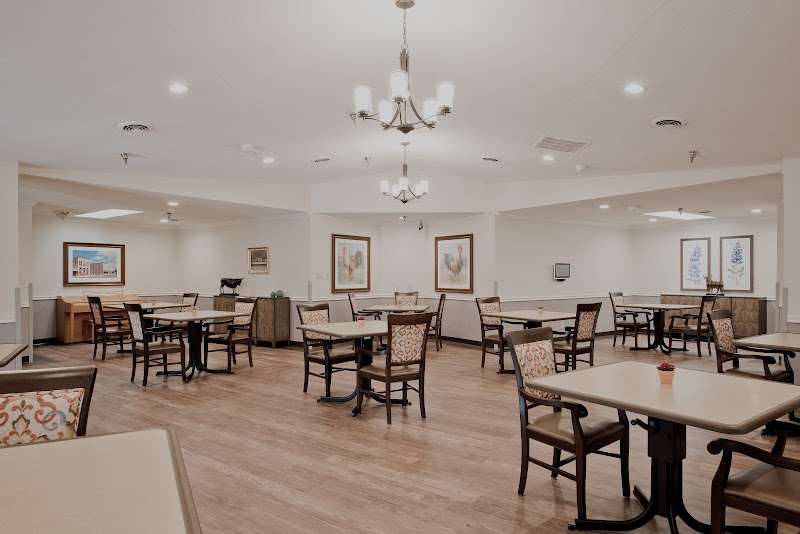
How is Hallettsville Nursing And Rehabilitation Staffed?

CMS rates HALLETTSVILLE NURSING AND REHABILITATION's staffing level at 1 out of 5 stars, which is much below average compared to other nursing homes. Staff turnover is 39%, compared to the Texas average of 46%. This relatively stable workforce can support continuity of care.

What Have Inspectors Found at Hallettsville Nursing And Rehabilitation?

State health inspectors documented 11 deficiencies at HALLETTSVILLE NURSING AND REHABILITATION during 2022 to 2024. These included: 1 that caused actual resident harm and 10 with potential for harm. Deficiencies causing actual harm indicate documented cases where residents experienced negative health consequences.
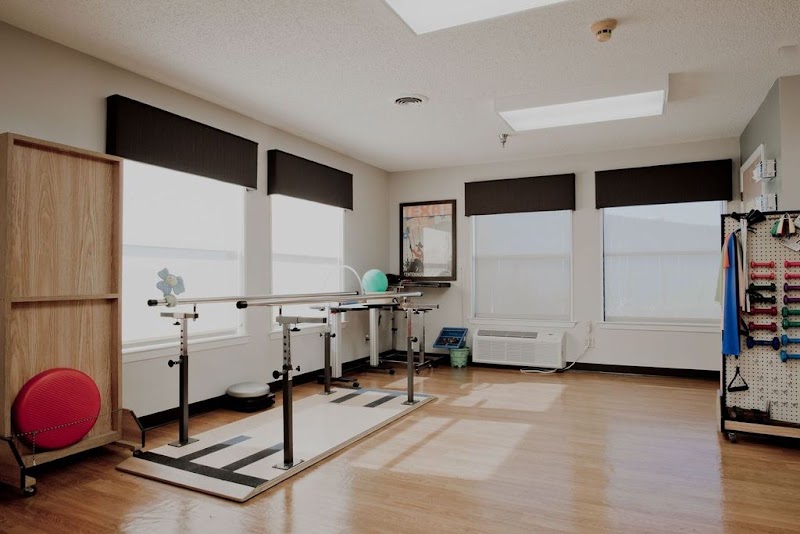
Who Owns and Operates Hallettsville Nursing And Rehabilitation?

HALLETTSVILLE NURSING AND REHABILITATION is owned by a non-profit organization. Non-profit facilities reinvest revenue into operations rather than distributing to shareholders. The facility is operated by WELLSENTIAL HEALTH, a chain that manages multiple nursing homes. With 119 certified beds and approximately 73 residents (about 61% occupancy), it is a mid-sized facility located in HALLETTSVILLE, Texas.
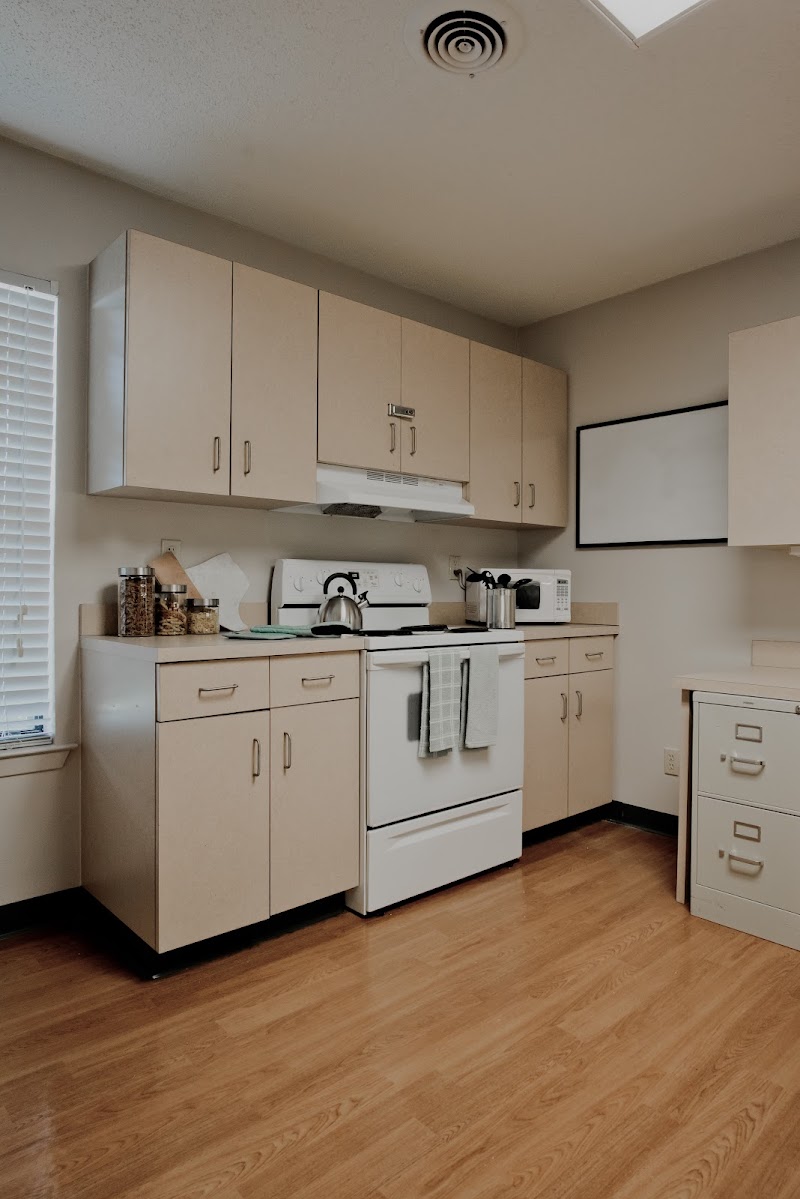
How Does Hallettsville Nursing And Rehabilitation Compare to Other Texas Nursing Homes?

Compared to the 100 nursing homes in Texas, HALLETTSVILLE NURSING AND REHABILITATION's overall rating (3 stars) is above the state average of 2.8, staff turnover (39%) is near the state average of 46%, and health inspection rating (4 stars) is above the national benchmark.

What Should Families Ask When Visiting Hallettsville Nursing And Rehabilitation?

Based on this facility's data, families visiting should ask: "Can you walk me through typical staffing levels on day, evening, and night shifts?" "Can I visit during a mealtime to observe dining assistance and food quality?" "How do you handle medical emergencies, and what is your hospital transfer rate?" "Can I speak with family members of current residents about their experience?" These questions are particularly relevant given the below-average staffing rating.

Is Hallettsville Nursing And Rehabilitation Safe?

Based on CMS inspection data, HALLETTSVILLE NURSING AND REHABILITATION has a clean safety record: no substantiated abuse findings (meaning no confirmed cases of resident harm), no Immediate Jeopardy citations (the most serious violation level indicating risk of serious injury or death), and is not on the Special Focus Facility watch list (a federal program monitoring the lowest-performing 1% of nursing homes). The facility has a 3-star overall rating and ranks #1 of 100 nursing homes in Texas. While no facility is perfect, families should still ask about staff-to-resident ratios and recent inspection results during their visit.

Do Nurses at Hallettsville Nursing And Rehabilitation Stick Around?

HALLETTSVILLE NURSING AND REHABILITATION has a staff turnover rate of 39%, which is about average for Texas nursing homes (state average: 46%). Moderate turnover is common in nursing homes, but families should still ask about staff tenure and how the facility maintains care continuity when employees leave.

Was Hallettsville Nursing And Rehabilitation Ever Fined?

HALLETTSVILLE NURSING AND REHABILITATION has been fined $8,824 across 1 penalty action. This is below the Texas average of $33,167. While any fine indicates a compliance issue, fines under $50,000 are relatively common and typically reflect isolated problems that were subsequently corrected. Families should ask what specific issues led to these fines and confirm they've been resolved.

Is Hallettsville Nursing And Rehabilitation on Any Federal Watch List?

HALLETTSVILLE NURSING AND REHABILITATION is not on any federal watch list. The most significant is the Special Focus Facility (SFF) program, which identifies the bottom 1% of nursing homes nationally based on persistent, serious quality problems. Not being on this list means the facility has avoided the pattern of deficiencies that triggers enhanced federal oversight. This is a positive indicator, though families should still review the facility's inspection history directly.