Harker Heights Nursing & Rehabilitation
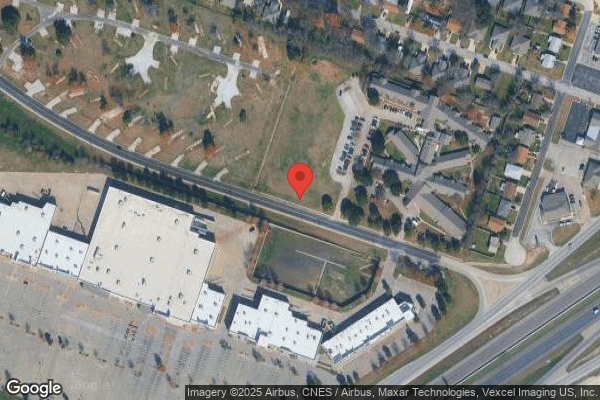
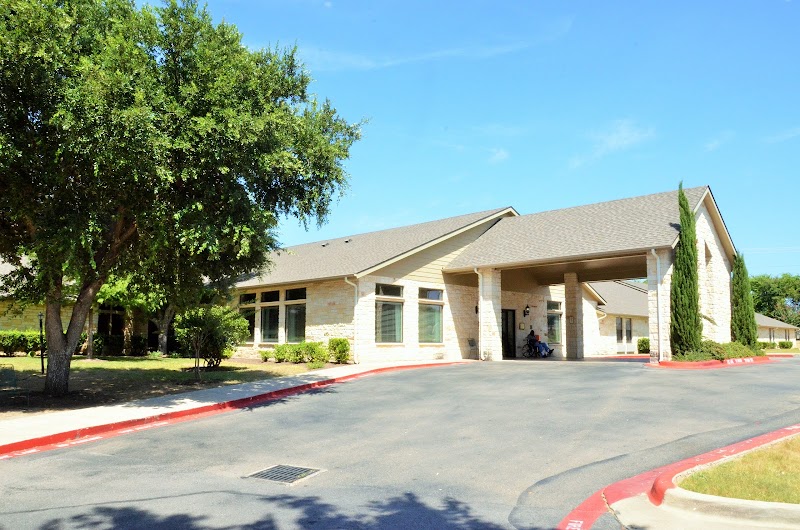
415 Indian Oaks Dr, Harker Heights, TX 76548 (254) 699-5051
For profit - Corporation 199 Beds TOUCHSTONE COMMUNITIES Data: November 2025 5 Immediate Jeopardy citations
Trust Grade
0/100
#737 of 1168 in TX
Last Inspection: February 2025

Within standard 12-15 month inspection cycle. Federal law requires annual inspections.

Overview

Harker Heights Nursing & Rehabilitation has received a Trust Grade of F, indicating significant concerns about the facility's quality of care. They rank #737 out of 1168 nursing homes in Texas, placing them in the bottom half, and #8 out of 16 in Bell County, which means there are better options nearby. The facility's trend is worsening, with issues increasing from 6 in 2024 to 15 in 2025. Staffing is a concern, as they have a turnover rate of 65%, well above the Texas average of 50%, and their overall star rating is only 2 out of 5, reflecting below-average performance. The facility has also faced serious issues, including failing to maintain safe temperature levels in the memory care unit, where temperatures soared to 93 degrees during a heat wave, and making critical medication errors that led to a resident's hospitalization. Although they have some strong quality measures rated 5 out of 5, these serious deficiencies raise red flags for families considering this facility for their loved ones.
Trust Score
F
0/100
In Texas
#737/1168
Bottom 37%
Safety Record
High Risk
Review needed
Inspections
Getting Worse
6 → 15 violations
Staff Stability
⚠ Watch
65% turnover. Above average. Higher turnover means staff may not know residents' routines.
Penalties
○ Average
$83,951 in fines. Higher than 57% of Texas facilities. Some compliance issues.
Skilled Nurses
⚠ Watch
Each resident gets only 25 minutes of Registered Nurse (RN) attention daily — below average for Texas. Fewer RN minutes means fewer trained eyes watching for problems.
Violations
⚠ Watch
45 deficiencies on record. Higher than average. Multiple issues found across inspections.
★★☆☆☆
2.0
Overall Rating
★★☆☆☆
2.0
Staff Levels
★★★★★
5.0
Care Quality
★☆☆☆☆
1.0
Inspection Score
Stable
2024: 6 issues
2025: 15 issues

The Good

  • 5-Star Quality Measures · Strong clinical quality outcomes
  • Full Sprinkler Coverage · Fire safety systems throughout facility
  • No fines on record

Facility shows strength in quality measures, fire safety.

The Bad

2-Star Overall Rating

Below Texas average (2.8)

Below average - review inspection findings carefully

Staff Turnover: 65%

19pts above Texas avg (46%)

Frequent staff changes - ask about care continuity

Federal Fines: $83,951

Well above median ($33,413)

Moderate penalties - review what triggered them

Chain: TOUCHSTONE COMMUNITIES

Part of a multi-facility chain

Ask about local staffing decisions and management

Staff turnover is elevated (65%)

17 points above Texas average of 48%

The Ugly 45 deficiencies on record

5 life-threatening
Sept 2025 1 deficiency
CONCERN (D) 📢 Someone Reported This

A family member, employee, or ombudsman was alarmed enough to file a formal complaint

Potential for Harm - no one hurt, but risky conditions existed

Smoking Policies (Tag F0926)

Could have caused harm · This affected 1 resident

**NOTE- TERMS IN BRACKETS HAVE BEEN EDITED TO PROTECT CONFIDENTIALITY** Based on observation, interview and record review the facility failed to establish policies, in accordance with applicable Feder...

Read full inspector narrative →
**NOTE- TERMS IN BRACKETS HAVE BEEN EDITED TO PROTECT CONFIDENTIALITY** Based on observation, interview and record review the facility failed to establish policies, in accordance with applicable Federal, State, and local laws and regulations, regarding smoking, smoking areas, and smoking safety that also took into account nonsmoking residents for 1 (Resident #1) of 25 residents reviewed for smoking.The facility failed to implement their policy that smoking for team members was permitted only in approved designated areas. This failure could place residents at risk of an unsafe smoking environment, accidents, harm and long-lasting health concerns centered around secondhand smoke. Findings include:Record review of Resident #1's face sheet, dated 01/16/2025, reflected an [AGE] year-old female who was admitted to the facility on [DATE]. Resident #1 had the following diagnoses which included normal pressure hydrocephalus (cerebrospinal fluid builds up in the ventricles), Alzheimer's(a progressive disease that destroys memory and other important mental functions), adult failure to thrive (when a person's dependence declines) , hyperlipidemia ( a condition in which there are high levels of fat particles) , hypertension(condition in which the force of blood against the artery) and depression (a mental health disorder characterized by persistently depressed mood or loss of interest in activities). Record review of Resident's #1's cognitive intact GG functional section of the quarterly MDS, dated [DATE], reflected a BIMS score 03, which indicated cognitive impaired cognition. Record review of Resident #1's care plan, dated 01/21/2025, reflected Resident # 1 had a self-care deficit of generalized weakness & R lower extremity weakness. Resident #1 was a gait belt x2 transfer, toileting x2, and was at risk of falls due to unsteady gait & poor balance. The care plan reflected the following interventions: Keep call light within reach and encourage use for assistance. Respond promptly to all requests for assistance.An observation of an, undated, video recording provided by FM, revealed CNA A and CNA B provided care for Resident #1, CNA B was observed providing care for the resident in the restroom. CNA A stood by the bathroom door, she removed something from her pocket, put it to her mouth and put it back in her pocket.During an interview on 09/16/2025 at 11:15 AM with the Admin, he revealed the FM of Resident #1 told him she saw CNA A on camera smoking what appeared to be a vape while she and another caregiver cared for Resident #1. He informed her he would look into the situation and follow up with her. He reveled he reviewed the camera footage and did in fact see CNA A with what appeared to be a vape to her mouth and then put it in her pocket. The admin stated he and the DON both provided CNA A with in-services as well as a verbal warning. During an interview on 09/16/2025 at 12:37 PM with the DON revealed she was made aware of the situation when the admin made her aware of the incident involving CNA A vaping. She said when she was made aware she interviewed CNA A who admitted she abruptly took her vape pen from her pocket, quickly inhaled it and returned it to her pocket. The DON revealed CNA A was very apologetic and she had only did it one time. She said CNA A was a good worker, and she felt as if this was a one-time mistake. The DON revealed she coached CNA A on her behavior. She said she also reminded CNA A there was a designated smoking area outside of the facility. During an interview on 09/16/2025 at 05:09 PM with Resident #1 revealed she had only been at the facility since January of 2025. She stated she felt safe at the facility and felt the staff treated her with respect. She revealed she was not aware CNA A was smoking a vape while in her presence. She said she was made aware when her FM, came to visit her one day and she told her she saw CNA A on camera bring what appeared to be a vape to her mouth, then put it back in her pocket. Resident #1 revealed she was surprised when her family member told her because she had never seen CNA A do anything like that before. During a phone interview on 09/16/2025 at 5:45 PM with CNA A, she revealed on 09/09/2025 while she was caring for Resident #1, she was told she was seen on camera smoking a vape. She said she was unsure if it was a vape, she said she had several pens that she kept in her pocket that had lights on them. CNA A stated it could have been mistaken for a vape. CNA A revealed she did smoke vapes when she took residents out to smoke in the designated smoking area. CNA A revealed she was coached on her behavior and how it could have a harmful outcome on the residents. A record review of the facility's grievance log reflected CNA A had never had a grievance filed on her before. A record review of CNA A's employee file reflected she only had this one write up. A conduct and workplace expectation notice dated 09/12/2025 was signed by CNA A. A record review of the facilities seniority date/rehire date reflected Team members smoking is permitted only in approved designed areas. Smoking will be prohibited in all other areas including but not limited to any areas where oxygen, flammable liquids, and/or combustible gases are being used or stored, in any area that would create hazardous or unsafe condition. Smoking will also be prohibited in public areas or where groups of people frequently gather. Smoking is permitted only during authorized breaks. Smoking includes both tobacco products as well as electronic devices.
Aug 2025 1 deficiency 1 IJ (1 affecting multiple)
CRITICAL (K) 📢 Someone Reported This

A family member, employee, or ombudsman was alarmed enough to file a formal complaint

Immediate Jeopardy (IJ) - the most serious Medicare violation

Safe Environment (Tag F0584)

Someone could have died · This affected multiple residents

**NOTE- TERMS IN BRACKETS HAVE BEEN EDITED TO PROTECT CONFIDENTIALITY** Based on observation, interviews, and record reviews the facility failed to ensure that the resident environment remained safe, ...

Read full inspector narrative →
**NOTE- TERMS IN BRACKETS HAVE BEEN EDITED TO PROTECT CONFIDENTIALITY** Based on observation, interviews, and record reviews the facility failed to ensure that the resident environment remained safe, clean, comfortable, and homelike including keeping the facility comfortable and safe temperature levels. Facilities initially certified after October 1, 1990, must maintain a temperature range of 71 to 81 F; for 1 of 1 memory care unit.The facility failed to maintain comfortable and safe temperature levels in the memory care unit when the local temperatures were at 97 Degrees Fahrenheit (F) and the temperature inside the memory care unit was 93 degrees (F) on 08/09/2025. An IJ was identified on 08/09/2025. The IJ template was provided to the facility on [DATE] at 8:47pm. While the IJ was removed on 08/11/2025, the facility remained out of compliance at a scope of isolated and a severity level of no actual harm with the potential for more than minimal harm that is not immediate jeopardy because (e.g.) all staff had not been trained on temperatures and hydration.This failure could affect residents result in discomfort, hyperthermia, a decline in health and/or death.Findings Included: Resident #1 Record review of Resident #1's face sheet dated 08/09/2025 revealed a [AGE] year-old male who was admitted to the facility on [DATE]. Resident #1's diagnosis included cerebrovascular disease (a range of conditions that affect the blood flow to the brain), dysphagia oropharyngeal phase (inability to empty from the throat to the esophagus), vascular dementia (lack of blood that carries oxygen and nutrients to a part of the brain), Seizures, hypertension (high blood pressure), and history of falling. Resident #2 Record review of Resident #2's face sheet dated 08/09/2025 revealed a [AGE] year-old male who was admitted to the facility on [DATE]. Resident #2's diagnosis included hyperlipidemia (high cholesterol), dementia (memory, thinking, difficulty), need for assistance with personal care, unsteadiness on feet, muscle weakness and hypertension (high blood pressure). Observation of memory care 600 hall dining room on 08/09/2025 at 4:51pm revealed there were 16 residents sitting in the dining room eating dinner. Some residents appeared to be hot (skin flushed and sweating). The residents were eating their dinner none were complaining at the time of being hot. The temperature in the room was 93 degrees according to the thermostat. Observation of the 700-hall memory care dining room on 08/09/2025 at 4:53pm revealed there were 10 residents sitting in the dining room and Resident #1 was in the hall with no pants on sitting in his wheelchair. The residents appeared to be warm (skin flushed and sweating) staff were providing the residents drinks. Staff said they were not giving residents coffee since it was hot. The temperature in the dining room was 87 degrees according to the thermostat. An interview with the LVN G on 08/09/2025 at 4:50pm revealed the air conditioner had been out since this morning. She said that none of the resident have become sick due to the heat. She said they were giving the residents fluids. She said that she did notify MAIN but was not sure when she notified him. She said MAIN brought fans and was in the process of getting portable AC's. She said it had been hot in the facility since the morning time. An interview with CNA A on 08/09/2025 at 4:54pm revealed that the air conditioner had been out since 5:00 am. He said Resident #2 had said his room was hot and wanted the air conditioner turned on. He said as far as he knows none of the resident have gotten sick. He said MAIN was aware and that the DON also was aware. He said that the residents were complaining that it was hot in the facility. He said it was hot. An interview with the MAIN on 08/09/2025 at 4:56pm revealed that he got the call that the air conditioner was out at 2:17pm. He said that the air conditioner company was on their way. He said he was going to get four more emergency air conditioners. He said he did not have a log of the temperature. An interview with the DON at 08/09/2025 at 5:26pm revealed that the facility has a plan in place, and they were going to move residents. She said the staff moved the resident to the common area in the main building. She said that staff were positioned all around them so they could not leave the facility. She said that the MAIN should be there soon with the other air conditioners.An interview with the On-Call Doctor on 08/09/2025 at 7:58pm revealed that with the temperatures 93 degrees it could cause the residents dehydration if the staff were not monitoring the residents' fluids. She said the most that could happen that would be concerning was the residents getting dehydrated. Record review of the Weather Channel App on 08/09/2025 revealed the local temperature in [NAME] Heights was 97 degrees Fahrenheit. Record Review of the Extreme or Dangerous Temperature Levels Policy dated 11/2021 revealed Federal and Texas state standards for nursing centers require heating systems to be capable of maintain a minimum temperature of 71 F degrees and cooling systems to maintain a maximum temperature of not greater than 81 degrees F. Record Review of form 671 Long Term Care Facility Application for Medicare and Medicaid dated 8/9/2025 revealed a census of 24 residents in memory care area.This was determined to be an Immediate Jeopardy (IJ) on 08/09/2025 at 8:45pm. The DON was notified. The DON was given the IJ template on 08/09/2025 at 8:47pm.The facility's plan of removal was accepted on 8/11/2025 at 08:11am and reflected the following:Date Plan Implemented: 8/9/2025.Issue/Concern: AC unit required repair. Date occurred: 8/9/2025.Date of ADHOC: 8/9/2025 AdHoc Attendees: Administrator, Director of Nursing, and Medical Director Risk: All Residents who reside in the affected area (Memory Care Unit) may be affected. 1.On 8/9/2025 the Maintenance Director checked the HVAC system and found it in need of repair and contacted Oncor to make all necessary repairs. The Maintenance Director is responsible for maintaining the HVAC system.Date initiated: 8/9/2025Date completed: 8/9/20252.On 8/9 2025 the Maintenance Director received an estimate from Oncor for repair of HVAC system within one business day. The Administrator signed the proposal authorizing immediate repair. The Maintenance Director is responsible for maintaining the HVAC system.Date initiated: 8/9/2025.Date completed: 8/9/20253.The Maintenance Director established a direct line of communication with Oncor and requested status updates every two hours.Date initiated: 8/9/2025.Date completed: 8/9/20254.The Maintenance Director/Director of Nursing/Charge Nurses/ Nursing staff began taking the air temperature of resident rooms/resident care areas upon notice of the air conditioner not working properly and every 30 minutes for 2 hours. The Director of Nursing/Charge Nurses/Nursing Staff initiated plan to move residents from the affected area to other units. The Maintenance Director/Director of Nursing/Charge Nurses/ Nursing staff will continue to take air temperatures twice daily for the next 48 hours to ensure that the AC unit is functioning properly post being repaired on 8/9/2025 @ 1731. The Maintenance Director/Director of Nursing/Charge Nurses/ Nursing staff will document air temperatures on monitoring audit tool. The Maintenance Director ensured all wall thermostats were functioning properly on 8/10/2025 and will check wall thermometers twice daily for 2 days, then randomly weekly and ongoing and document compliance using a monitoring audit tool. Any issues will be addressed immediately.Date Initiated: 8/9/2025.Date Completed: 8/9/2025 and ongoing5.The Director of Nursing/Charge Nurses immediately began assessing/evaluating residents in the affected areas for s/s of hyperthermia, signs and symptoms of dehydration, safe, clean, comfortable, homelike environment.Date initiated: 8/9/2025.Date Completed: 8/9/2025 and ongoing6.The Administrator and Director of Nursing was educated on 8/9/2025 on what to do when the AC unit is not functioning properly by the vice president of operations and director of clinical operations. The Director of Nursing/Director of Clinical Education/Designee educated nursing staff on all shifts regarding what to do if the AC unit is not functioning properly, s/s of hyperthermia and how to recognize signs in the older adults.Date Initiated: 8/9/2025.Date Completed: 8/10/2025 and ongoing7.The Director of Nursing/Charge Nurses/designee began providing cold/cool beverages upon care encounters, every two - four hours and more often as needed.Date Initiated: 8/9/2025.Date Completed: 8/9/2025 and ongoing8.The Director of Nursing/Charge Nurses/Nurse Aides evaluated all residents in the affected area to ensure residents were comfortable and offered/assisted with removing bed linens for those who desired less bed linens as needed.Date Initiated: 8/9/2025.Date Completed: 8/9/20259.The Director of Nursing / Charge Nurses /Nurse Aides ensured residents were dressed in appropriate clothing to ensure their comfort.Date Initiated: 8/9/2025.Date Completed: 8/9/2025 and ongoing10.Portable AC units were promptly delivered on-site by maintenance director and placed in resident care area affected in efforts to ensure a safe and comfortable temperature. The Maintenance Director was responsible for delivering the Portable AC Units.Date Initiated: 8/9/2025.Date Completed: 8/9/202512.In an abundance of caution the Administrator purchased portable air conditioning/heating units to have as needed for back up. The Administrator and Maintenance Director is responsible for approving the purchasing and renting equipment and purchasing of equipment. The portable air conditioning units are not in use due to the AC Units are back in service as of 8/9/2025 @1731 and properly functioning as evidenced by monitoring of temperatures using a temperature log audit tool.Date Initiated: 8/9/2025.Date Completed: 8/9/202513.After the HVAC repair was made, the Director of Nursing or designee will monitor resident room temperatures twice per day at random times/shifts for two days to ensure acceptable temperature ranges.Date Initiated: 8/9/2025.Date Completed: 8/9/2025 and ongoingQAPI Monitoring: Director of Nurses/Assistant Director of Nurses will review the 24-hour report, progress notes, SBARS/COCs and risk management reports to identify safety risks / concerns related to direct care staff providing care and/or any care related issues or concerns documented. This will take place daily up to 7 days a week for the next 2 months. Findings will be documented on a monitoring tool and retained in the designated survey binder. The [NAME] President of Operations and Director of Clinical Operations will be responsible for training management team members prior to them training non-management team members. This plan and all education and auditing tools will be placed in binder and kept with the Administrator or Director of Nursing Services. This plan will remain in place for the next 2 months and findings will be reported to the QAPI committee during monthly meeting for the next 2 months. The QAPI committee will then determine compliance or identify a need for additional training or updates to policies. Monitoring included: During an interview with MAIN on 08/09/2025 at 6:48pm revealed that he had come to the facility after getting the call for the AC on memory care. He stated that he checked everything on the AC, and it was working correctly. He said he then called [company name] which was the electric company to come out. He said they came out and checked the main building. He said [company name] did not find an issue. He said he checked all his system again and called [company name] back out and found that the transformer to the memory care had blown. The electric company fixed the transformer and AC started working. Observation of Residents in Memory care on 08/10/2025 at 10:00 am and at 3:15pm revealed that residents were dressed appropriately. Observation of memory care temperatures on 08/10/2025 at 3:15pm revealed that temperatures were 77, 77, 76, 77, 80 and 78 according to the MAIN temperature gun and thermostat. Observation of Residents in memory care on 08/11/2025 at 3:40pm revealed residents were dressed appropriately.Observation of Memory care temperatures on 08/11/2025 at 3:40pm revealed the temperatures in memory care 600 hall were 77, 76, 75, 76. 600 hall dining room was 78. 700 hall dining room temperatures were 75 and 700 hall were 76, 75, and 76 according to the thermostat and the MAIN temperature gun.During an interview with CNA A on 08/11/2025 at 2:48pm revealed she worked the two to ten shift she had been trained on resident rights. She said that the policy for temperatures was that the temperatures needed to be between 71 and 81 degrees. She said that if the temperature were not within the range it was supposed to be reported to the administrator. She said some signs of dehydration were dry/cracked lips, constantly wanting water and white stuff in the corners of their mouths. She said if a resident got dehydrated, they could pass out or end up in the hospital. She said if she noticed the air conditioner not working, she would report it to the administrator and the DON. She said she would also encourage residents to drink water and have fans on the residents. During an interview with CNA B on 08/11/2025 at 2:53pm revealed she had been trained on resident rights and homelike environment. She said that the policy for temperatures was if the AC was not working staff were to let the Administrator and DON know immediately. She said staff were also to check the residents for dehydration, she said some signs of dehydration was extremely thirsty, dry mouth and chapped lips. She said if a resident gets dehydrated the resident could get ill and pass out. She said to prevent dehydration she would offer the resident water throughout the day. She said that the temperatures should be between 71-81 degrees Fahrenheit. During an interview with LVN H on 08/11/2025 at 3:03pm revealed she had been trained on resident rights and homelike environment. She said the policy for temperatures was if the AC was higher than 81 or lower than 71 it needed to be reported to the DON, MAIN and ADM immediately. She said some signs of dehydration was fatigue, dry mouth, light headedness, and decreased urination. She said if a resident became dehydrated the resident could become dizzy, confused, and have a fall. She said if the AC were not functioning correctly, she would provide the resident with fluids and keep them cool. She also said if it became intolerable then she would move the residents. During an interview with CNA C on 08/11/2025 at 3:07pm revealed she had been trained on resident rights and homelike environment. She said the policy for temperatures was if the AC was not working to report it to the ADM and the DON. She said the temperatures should be between 71- 81 degrees Fahrenheit. She said if the AC was not working staff were to watch the residents for signs of dehydration. She said some signs of dehydration were dry mouth and thirsty. She said if a resident got dehydrated, they could get sick or irritated. She also said if the AC was not working staff were to give the residents water. During an interview with CNA D on 08/11/2025 at 3:12pm revealed she had been trained on resident rights and homelike environment. She said the policy for temperatures was the temperature should be 71-81 degrees Fahrenheit, if not at those temperatures staff should immediately report to the admin. She also said if not at the correct temperature staff were to relocate the residents. She said signs of dehydration were dry mouth, waxy skin, and dry lips. She said if a resident did get dehydrated, they could become sick. She said staff should be ensuring the resident was getting enough fluids. During an interview with LVN I on 08/11/2025 at 3:21pm revealed she had been trained on resident rights and homelike environment. She said the policy for temperatures was if the AC was out staff were to report it to the DON and ADM. She said the temperatures should be between 71 degrees and 81 degrees Fahrenheit. She said staff were supposed to make sure the residents did not become dehydrated. She said that staff were to give residents adequate liquid and help residents with drinking. She said signs of dehydration were dry mouth and clammy skin. She said if a resident became dehydrated, they could have a poor health outcome. During an interview with LVN J on 08/11/2025 at 3:29pm revealed she had been trained on resident rights and homelike environment. She said the policy for temperatures was to call MAIN, ADM, and DON if the AC was not working. She said staff were to also watch the residents to ensure the heat was not affecting them. She said signs of dehydration were lethargic, sweating, dry mucus, and dry mouth. She said if a resident became dehydrated, they could get hyperthermia (elevated body temperature). She said if the AC was not working staff were to move the residents to a cool area and provide fluids to them. She also said staff were to monitor the resident's intake and output. She said the temperatures were to be between 71 degrees and 81 degrees Fahrenheit. Record review of the POR Documents revealed that the MAIN Director checked the system, called [company name] for repairs and did status checks every two hours on 08/09/2025. Record review of the Hardware Store Receipt revealed that the portable AC were purchased at 4:18pm on 08/09/2025 from the hardware store. Record review of the receipt from the Hardware Store dated 08/09/2025 revealed the facility purchased 4 portable AC units from the hardware store. Record review of the Temperature Log dated 08/09/2025, 08/10/2025 and 08/11/2025 revealed temperatures have remained within regulation since being fixed. Record review of resident medical records revealed 36/36 Residents in memory care were assessed on 8/9/2025 with no signs or symptoms noted. Record review of In-Services dated 08/09/2025 revealed the DON and Administrator were educated on 08/09/2025 on what to do when the AC unit is not functioning properly by the VP of Operations. Record review of In-services dated 08/09/2025 revealed all staff on all shifts had been educated on what to do when the AC is not functioning correctly, and how to spot and prevent dehydration. Record review of the Temperature monitoring log revealed that the DON had monitored the temperatures and no issues were noted. Record review of the QAPI revealed that QAPI meeting was held on 08/09/2025. The DON was informed the Immediate Jeopardy was removed on 08/11/2025 at 8:45pm. The facility remained out of compliance at a severity level of isolated and a scope of no actual harm with the potential for more than minimal harm due to the facility's need to evaluate the effectiveness of the corrective systems that were put into place.
Jul 2025 2 deficiencies
CONCERN (D) 📢 Someone Reported This

A family member, employee, or ombudsman was alarmed enough to file a formal complaint

Potential for Harm - no one hurt, but risky conditions existed

Food Safety (Tag F0812)

Could have caused harm · This affected 1 resident

Based on observations, interviews, and record reviews, the facility failed to store, prepare, distribute, and serve food in accordance with professional standards for food service safety for one of on...

Read full inspector narrative →
Based on observations, interviews, and record reviews, the facility failed to store, prepare, distribute, and serve food in accordance with professional standards for food service safety for one of one kitchen reviewed for food labeling and storage in that: The facility failed to ensure the foods were labeled and dated in the kitchen refrigerator. This deficient practice could place residents at risk of foodborne illness. An observation on 7/02/2025 at 9:17 AM of the facility's only refrigerator revealed the following: - Salad greens in a metal container covered with clear, plastic wrap did not have a label containing the opened on and discard by dates. - Pasta noodles in a metal container covered with tinfoil did not have a label containing the opened on and discard by dates. - A yellow, non-opaque liquid, with chunks (like creamed corn) in a metal container covered with tinfoil did not have a label containing the opened on and discard by dates. During an interview on 7/02/2025 at 9:18 AM the DM stated, Those containers should have been labeled and dated and everyone was responsible for labeling and storage. During an interview on 7/3/2025 at 12:18 PM interim ADM-B, said his expectation was for staff to follow the policy and everything should have been labeled and dated. He said if items were not labeled the kitchen staff would not have known when food went bad, and they could have served spoiled food to the residents. Review of the U.S. Public Health Service Food Code, dated 2022, revealed:3-501.18 Ready-to-Eat, Time/Temperature Control for Safety Food, Disposition. (A)A FOOD specified in 3-501.17(A) or (B) shall be discarded if it: (2) Is in a container or PACKAGE that does not bear a date or day;
CONCERN (E) 📢 Someone Reported This

A family member, employee, or ombudsman was alarmed enough to file a formal complaint

Potential for Harm - no one hurt, but risky conditions existed

ADL Care (Tag F0677)

Could have caused harm · This affected multiple residents

**NOTE- TERMS IN BRACKETS HAVE BEEN EDITED TO PROTECT CONFIDENTIALITY** Based on observations, interviews, and record review, the facility failed to ensure residents who were unable to carry-out activ...

Read full inspector narrative →
**NOTE- TERMS IN BRACKETS HAVE BEEN EDITED TO PROTECT CONFIDENTIALITY** Based on observations, interviews, and record review, the facility failed to ensure residents who were unable to carry-out activities of daily living received necessary services to maintain personal hygiene for three of four (Resident #1, Resident #2, and Resident #3) residents reviewed for ADL care. 1. The facility failed to shave the underside of Resident #1's chin hair that was approximately 1 cm in length.2. The facility failed to shave the underside of Resident #2's chin hair that was approximately 1 cm in length.3. The facility failed to shave the underside of Resident #3's chin hair that was approximately 1 cm in length.This deficient practice could place residents at risk of a decline in self-confidence, isolation, low self-esteem, general happiness, and satisfaction, and feeling undignified. 1.Review of Resident #1's face sheet dated 7/1/2025, reflected a [AGE] year-old female re-admitted to the facility on [DATE] with diagnoses including cerebrovascular disease (disrupted blood flow to brain), Type 2 Diabetes (body does not produce enough insulin) Bed Confinement Status (unable to leave bed without assistance), Hypertension (high blood pressure), Chronic Obstructive Pulmonary Disease (progressive lung disease making it hard to breathe). Review of Resident #1's quarterly MDS dated [DATE] reflected a BIMS score of ten (10) which indicated cognition was moderately impaired. Section G reflected the resident required total assistance with ADL care. takeReview of Resident #1's care plan reflected she had an ADL Self Care Deficit with goals to maintain or improve her ability to participate in her care with ADLs. An intervention dated 2/7/2025 included, Resident prefers to keep her facial hair at times.Review of Resident #1's Task Profile dated 6/2/2025 thru 7/1/2025 for Personal Daily Hygiene - nail care, oral care, brushing/combing hair, shaving, washing face and hands, reflected the resident had not refused personal hygiene during that period. Observation and interview on 7/1/2025 at 11:31 AM with Resident #1 sitting in her wheelchair in dining room. The resident had facial hair along her chin that was approximately 1cm in length. When asked about her chin hair, the resident stated she wanted it trimmed, but she had not asked staff to assist her, and they had not offered. She was unable to recall the last time she was shaved and unable to explain why she wanted chin hair shaved.2.Review of Resident #2's face sheet dated 7/1/2025, reflected an [AGE] year-old female re-admitted to the facility on [DATE] with diagnoses including Alzheimer's Disease (a progressive neurodegenerative disorder that gradually destroys memory and thinking skills), Dementia (decline in mental ability), and Cerebral Infarction (brain tissue dies from lack of blood supply). Review of Resident #2's quarterly MDS assessment dated [DATE], reflected a BIMS score of three (3) which indicated cognition was severely impaired. Section GG reflected the resident was dependent for assistance with personal hygiene. Review of Resident #2's care plan dated 6/10/2025 reflected she had an ADL Self Care Deficit related to cognitive impairment, weakness, and debility with goals to maintain or improve her ability to participate in her care with ADLs. An intervention dated 6/21/2024 included, Hygiene - 1 (one) person assist. The care plan did not specifically address shaving. Review of Resident #2's Task Profile dated 6/2/2025 thru 7/1/2025 for Personal Daily Hygiene - nail care, oral care, brushing/combing hair, shaving, washing face and hands, reflected the resident had not refused personal hygiene during that period. Observation and interview on 7/1/2025 at 11:42 AM with Resident #2 sitting in her wheelchair in dining room. The resident had facial hair along her chin that was approximately 1cm in length. When asked about her chin hair, she said, I want these whiskers trimmed. They do not do it and I do not ask. She was unable to recall the last time she was shaved.3.Review of Resident #3's face sheet dated 7/1/2025, reflected a [AGE] year-old female re-admitted to the facility on [DATE] with diagnoses including Type 2 Diabetes (body does not produce enough insulin), Vascular Dementia (decline in thinking skills caused by damaged blood vessels and reduced blood flow to the brain), Atherosclerotic Heart Disease of Native Coronary Artery (plaque build-up narrows the coronary arteries). Review of Resident #3's quarterly MDS assessment dated [DATE], reflected a BIMS score of twelve (12) which indicated moderately impaired cognition. Section GG reflected the resident was dependent for assistance with personal hygiene. Review of Resident #3's care plan dated 6/20/2025 reflected she had an ADL Self Care Deficit related to CVA with goals to maintain or improve her ability to participate in her care with ADLs. An intervention dated 6/21/2024 included, Dressing and Grooming - 1 (one) person assist. The care plan did not specifically address shaving. Review of Resident #3's Task Profile dated 6/2/2025 thru 7/1/2025 for Personal Daily Hygiene - nail care, oral care, brushing/combing hair, shaving, washing face and hands, reflected the resident had not refused personal hygiene during that period. Observation and interview on 7/1/2025 at 12:30 PM with Resident #3 sitting at dining table. The resident had facial hair along her chin that was approximately 1cm in length. When asked about her chin hair, she said she could not remember when she was last shaved and These whiskers are driving me crazy and I want them shaved. During an interview on 7/3/2025 at 11:15 AM CNA-C employed by the facility for three-years, said treating residents with dignity meant honoring their wishes, dressing, and grooming them in a way that made them feel like themselves. She said residents were shaved on their assigned shower days or more often if they had noticed hair growth. She said it was important for female residents to have their chin hair shaved because they wanted smooth skin. She said the effects on residents were that they might feel less beautiful, not like themselves and it may bother them.During an interview on 7/3/2025 at 11:27 AM CNA-D employed by the facility for one-month, said treating residents with dignity meant showing respect, treating them as she would want to have been treated, like a person. She said it was not okay for female residents to have whiskers. She said it was important to shave female residents because it was a dignity issue. She said it could have made the residents feel less confident, more depressed, and not wanted to be seen by others.During an interview on 7/3/2025 at 11:39 AM LVN-E employed at the facility for four-years, said if a female resident did not want to be shaved, it should have been on the resident's care plan. She said shaving female residents was a dignity issue and it would have given them their faces back and made them feel more like themselves. She said female residents might have been ashamed if they had whiskers. During an interview on 7/3/2025 at 12:10 PM the DON employed by the facility for four-months, said it was okay for female residents to have whiskers only if they wanted it. She said this could have caused body image issues for female residents with whiskers and her expectation was that staff should have asked the residents if they wanted their facial hair removed during care.During an interview on 7/3/2025 at 12:18 PM interim ADM-B, said his expectation was for staff to follow the ADL policy as it could have led to dignity issues for female residents who had chin whiskers.Record Review of the facility's policy titled, Respect and Dignity, dated February 2017 reflected the following: Compliance Guidelines:The community promotes care for residents in a manner and environment that enhances each residents' dignity and respect in full recognition of his or her individuality.Dignity means that the team members carry-out activities that assist the resident to maintain and enhance self-esteem and self-worth. To achieve this goal, the community strives to achieve the following:Hygiene and appearance:- Residents are groomed as they wish (e.g., hair combed and styled, beards shaved/trimmed, nails clean and clipped).
Feb 2025 1 deficiency
CONCERN (E) 📢 Someone Reported This

A family member, employee, or ombudsman was alarmed enough to file a formal complaint

Potential for Harm - no one hurt, but risky conditions existed

Deficiency F0697 (Tag F0697)

Could have caused harm · This affected multiple residents

**NOTE- TERMS IN BRACKETS HAVE BEEN EDITED TO PROTECT CONFIDENTIALITY** Based on interviews and record reviews, the facility failed to maintain medical records on each resident that are complete, accu...

Read full inspector narrative →
**NOTE- TERMS IN BRACKETS HAVE BEEN EDITED TO PROTECT CONFIDENTIALITY** Based on interviews and record reviews, the facility failed to maintain medical records on each resident that are complete, accurately documented, readily accessible, and systematically organized for 1 (Resident #1) of 5 residents reviewed for pain recognition and management. The facility failed to ensure staff accurately assessed Resident #1's pain levels after falls in January and February 2025. Staff used a numerical pain scale instead of a pain ad assessment on Resident #1, who was unable to verbalize his pain level. This deficient practice could place residents at risk of serious injury, pain, being misdiagnosed, receiving improper care and services, not treated timely, effectively, and consistently. Findings included: Review of Resident #1's admission Record, dated 02/14/25, reflected an [AGE] year-old male who was admitted to the facility on [DATE]. Resident #1 had medical diagnoses that included unspecified cerebral infarction (a medical condition where blood flow to the brain is disrupted, causing brain tissue to die due to a lack of oxygen and nutrients), unspecified epilepsy (a chronic brain disorder that causes seizures, which are sudden bursts of electrical activity in the brain), repeated falls, and unspecified dementia (a decline in thinking, memory, and reasoning that impacts daily life). Review of Resident #1's Significant Change MDS Assessment, dated 10/29/24, reflected he had BIMS score of 00, which indicated he had severe cognitive impairment. Section J (Health Conditions) reflected he did not have pain within the last 5 days of the assessment. Review of Resident #1's BIMS Evaluation, dated 01/27/25, reflected he had a 3 BIMS, which indicated he had severe cognitive impairment. Review of Resident #1's Care Plan, dated 02/06/25, reflected he had memory problems and was at risk for further decline in his cognition that may affect his ability to communicate his needs/wants. His care plan also noted that he was unable to make even simple decisions without assistance due to his dementia and he was unable to safely make important decisions due to his short- and long-term memory problems. His care plan noted that he was also at risk for experiencing discomfort or pain. Review of Resident #1's Pain Level Summary, from 01/01/25 through 02/14/25, reflected 21/23 entries were numerical pain assessments, from 01/01/25 at 6:15 p.m. through 01/29/25 at 12:20 a.m., 10/11 entries were numerical pain assessments, from 01/29/25 at 12:35 a.m. through 01/29/25 at 7:25 a.m., 32/34 numerical pain assessments, from 01/29/25 at 7:34 a.m. through 02/06/25 at 11:00 p.m. and 18/20 entries were numerical pain assessments, from 2/07/25 at 1:00 a.m. through 02/14/25 at 10:21 a.m. All numerical pain assessments that were documented indicated Resident #1's pain level was 0/10. Review of Resident #1's Post-Fall Review, dated 01/29/25 at 4:16 a.m., reflected RN A asked Resident #1 how he felt and if he was hurting anywhere after his unwitnessed fall and his response to both questions was good. Review of Resident #1's Neuro Checks, dated 01/29/25 at 7:10 a.m., reflected 2 pain Ad assessments were used and 19 numerical pain assessments were used to measure Resident #1's pain levels. RN A, LVN B, LVN C and other nurses used the numerical pain assessment on Resident #1 and indicated his pain level was 0/10. Review of Resident #1's Lookback Documentation Support by LVN B, dated 01/29/25 at 9:21 a.m., reflected he was severely impaired in decision making skills, forgetful/confused in his memory, and sometimes could make himself understood. Resident #1 was alert and oriented x2 with periods of confusion. Review of Resident #1's Post-Fall Review by LVN C, dated 02/06/25 at 4:45 p.m., reflected he had an unwitnessed fall. Review of Resident #1's Neuro Checks, dated 02/06/25 at 4:45 p.m., reflected 2 pain Ad assessments were used and 25 numerical pain assessments were used to measure Resident #1's pain levels. LVN B, LVN C, and other nurses used the numerical pain assessment on Resident #1 and indicated his pain level was 0/10. Review of Resident #1's Change in Condition Evaluation by LVN C, dated 02/06/25 at 4:47 p.m., reflected he had a fall on 02/06/25 in the morning and he was confused and forgetful. Review of Resident #1's Change in Condition Evaluation by ADON E, dated 02/11/25 at 4:53 p.m., reflected he had a fall on 02/11/25 at night, he had a large hematoma to his right forehead that did not grow, and he had frequent falls due to his impaired memory and safety awareness. ADON E asked Resident #1 if he was in pain and he said, Yes pain. ADON E indicated Resident #1 was also unable to rate his pain scale. Review of Resident #1's Progress Notes reflected fall incidents from 01/01/25 through 02/11/25 noted that he denied pain. A note by ADON D on 02/11/25 at 5:05 p.m. reflected he denied pain, had a laceration to his left eye and hematoma to the right side of his forehead due to a fall, and was sent to the hospital emergency room . During an interview on 02/14/25 at 11:19 a.m., the Regional Nurse stated nurses were responsible for assessing residents' pain. The Regional Nurse stated nurses used the pain ad assessment on a resident who was cognitively unable to tell them that they were in pain. The Regional Nurse stated nurses used the numerical pain assessment on a resident who was cognitively able to tell them that they were in pain and what their pain level was. During an interview on 02/14/25 at 12:32 p.m., LVN C stated nurses were responsible for assessing residents' pain. LVN C stated she was trained and in-serviced on pain recognition and management every 2-3 months by the Regional Nurse or one of the ADONs. LVN C stated she could not remember when she was most recently in-serviced on pain recognition and management. LVN C stated nurses used the numerical pain assessment on cognitive residents and pain ad assessment on cognitively impaired residents. LVN C explained she knew not all residents could tell nurses what their pain level was, nurses could not use the numerical pain assessment on residents who could not tell them what their pain level was, and to use the pain ad assessment and observe for non-verbal pain signs and symptoms on residents who could not tell her what their pain level was. LVN C stated she worked with Resident #1 and knew he could not tell her what his pain level was due to his dementia. When asked why she used a numerical pain assessment on Resident #1, LVN C said, Because it might have been a mistake. LVN C stated she knew it was important to use the proper pain assessment tool on residents and said, Because something could be wrong with the resident and there could be a serious injury because the nurse used the wrong pain assessment tool. During an interview on 02/14/25 at 12:55 p.m., LVN B stated nurses were responsible for assessing residents' pain. LVN B stated she was trained and in-serviced on pain recognition and management by the Regional Nurse about 3 weeks ago or 1 month ago. LVN B stated nurses used the numerical pain assessment on residents who were alert, oriented, and could verbalize what their pain level was. LVN B stated nurses used the pain ad assessment and observed for nonverbal cues, such as facial grimacing, touching, and moaning, and vitals on residents who could not verbalize what their pain level was. LVN B stated she worked with Resident #1 and knew Resident #1 could tell her if he was in pain. When asked why she used a numerical pain assessment on Resident #1, LVN B stated she did not know and that she believed his electronic health record prompted her to use the numerical pain assessment on him. LVN B stated she knew it was important to use the proper pain assessment tool on residents and said, Because it determined how much pain a resident was in. An attempt to call RN A was made on 02/14/25 at 1:18 p.m. for an interview. A voicemail and call back number were left. RN A did not return the call before exit. During an interview on 02/14/25 at 1:27 p.m., CNA F stated nurses were responsible for assessing residents' pain. CNA F stated she was not trained and in-serviced on pain recognition and management. CNA F stated she knew to report to a nurse whenever a resident expressed they were in pain. CNA F stated she also knew to observe for injuries, tenderness and nonverbal pain signs and symptoms and notify a nurse whenever a resident could not express they were in pain. CNA F stated she worked with Resident #1 and knew he required a pain ad assessment because he could not verbalize what his pain level was. CNA F stated she knew it was important to use the proper pain assessment tool on residents and said, Because some residents could verbalize pain and some residents could not verbalize pain. Residents could receive the wrong care if nurses did not use the proper pain assessment tool. During an interview on 02/14/25 at 1:51 p.m., CNA G stated nurses were responsible for assessing residents' pain. CNA G stated she was not trained and in-serviced on pain recognition and management. CNA G stated she knew to report to a nurse whenever a resident expressed they were in pain. CNA G stated she also knew to observe for facial expressions, grunting, and sounds and notify a nurse whenever a resident could not express they were in pain. CNA G stated she worked with Resident #1 and knew he required a pain ad assessment because he could not verbalize what his pain level was. CNA G stated she knew it was important to use the proper pain assessment tool on residents and said, Because to determine the accurate pain levels and if a resident needed to be sent out to the physician. Residents could still be in pain, misdiagnosed and have further complications if the improper pain assessment tool was used. During an interview on 02/14/25 at 2:00 p.m., ADON E stated floor and charge nurses were responsible for assessing residents' pain. ADON E stated she was trained and in-serviced on pain recognition and management. ADON E stated she could not remember when she was most recently in-serviced on pain recognition and management. ADON E stated floor and charge nurses used the pain ad assessment and observed for grimacing, crying and behaviors on residents who could not verbalize what their pain level was. ADON E stated floor and charge nurses used the numerical pain assessment on residents who could verbalize what their pain level was. ADON E stated she worked with Resident #1 and knew at times he was verbal and could have minor conversations. ADON E stated Resident #1 could tell her if he was in pain, but he could not express or identify where the pain was and what his pain level was. ADON E stated she knew Resident #1 required a pain ad assessment. ADON E stated she knew it was important to use the proper pain assessment tool on residents and said, Because staff needed to advocate for residents' pain because some residents could verbalize pain and some residents could not verbalize pain, and to get the correct diagnoses, administer proper medication and determine if the resident needed to be sent out to the hospital. During an interview on 02/14/25 at 3:54 p.m., the Regional Nurse stated she in-serviced staff on several topics and could not remember when she specifically in-serviced staff on pain recognition and management. The Regional Nurse stated Resident #1 could verbalize if he was in pain, but he could not verbalize the severity of his pain due to his dementia. The Regional Nurse stated she knew it was important to use the proper pain assessment tool on residents and said, Because staff would be able to determine the severity of pain and treatment to provide. The surveyor requested a copy of the facility's Accuracy of Assessments policy and procedure. During an interview on 02/14/25 at 4:28 p.m., the Regional Nurse stated the facility did not have an Accuracy of Assessments policy and procedure. Review of Resident #1's Pain Management policy and procedure, revised February 2023, reflected, Compliance Guidelines: To assess the resident pain control and management needs at admission/readmission, quarterly, annual, and when a change in condition indicates a need for initiating or modifying pain management program for residents. The goal of the community Pain Management Program is that pain is identified and treated timely, effectively, and consistently.
Feb 2025 9 deficiencies 1 IJ
CRITICAL (J)

Immediate Jeopardy (IJ) - the most serious Medicare violation

Accident Prevention (Tag F0689)

Someone could have died · This affected 1 resident

**NOTE- TERMS IN BRACKETS HAVE BEEN EDITED TO PROTECT CONFIDENTIALITY** Based on observation, interviews, and record reviews, the facility failed to ensure a resident's environment remained free of ac...

Read full inspector narrative →
**NOTE- TERMS IN BRACKETS HAVE BEEN EDITED TO PROTECT CONFIDENTIALITY** Based on observation, interviews, and record reviews, the facility failed to ensure a resident's environment remained free of accident hazards and a received adequate supervision and assistance devices to prevent accidents for 1 of 1 resident (Resident #1) reviewed for assistance devices in that: NAIT T did not provide Resident #1 with an assistive device (modified cup with lid) when serving coffee to prevent an avoidable accident from occurring. NAIT T served Resident #1 coffee in a standard mug which resulted in Resident #1 spilling the coffee onto her left hand and the table due to her tremors and spastic movements in both arms. The facility failed to ensure NAIT T was knowledgeable on how to locate the Kardex to determine what assistive devices were required during meal services to prevent accidents. An IJ was identified on 02/04/25. The IJ Template was provided to the facility on [DATE] at 06:09 PM. While the IJ was removed on 02/7/25 , the facility remained out of compliance at a scope of isolated and a severity with no actual harm due to the facility's need to evaluate the effectiveness of the corrective systems. This failure could place residents at risk of harm and/or injury and contribute to avoidable accidents. Findings included: Review of Resident #1's face sheet dated 02/04/25 reflected a [AGE] year-old female admitted to the facility on [DATE] with a diagnosis that included unspecified psychosis not due to a substance or known physiological condition (mental health condition characterized by a disconnection from reality), personal history of traumatic brain injury, seizures (sudden, uncontrolled electrical disturbance in the brain which can cause changes in behavior, movements, feelings, and consciousness), convulsions, epilepsy, muscle weakness, unspecified mental disorder due to known physiological condition, and cognitive communication deficit. Review of Resident #1's quarterly MDS assessment dated [DATE] reflected a BIMS score of 09 indicating moderate cognitive impairment. Review of Resident #1's care plan last revised 01/06/25 revealed a focus on risk for nutritional deficit and/ or dehydration risks related to diagnosis heart disease and dysphagia with intervention that included modified cup with lid and encourage/offer/assist me to drink fluids during care time opportunities, ask my nurse if you have any questions. The care plan also identified the resident as being PASARR positive for IDD (intellectual and developmental disabilities). Interventions included coordinate plan of care with service coordinator as indicated, report any need to reevaluate specialized services and/ or plan of care to service coordinator and responsible party, and specialized services: Durable medical equipment approved mattress, wheelchair, and pad. Review of Resident #1's IDT: care plan conference and advanced care planning review dated 10/16/24 reflected PASARR meeting/ care plan meeting held with notes that included diet regular with cup with lid. Review of Resident #1's Dietary Nutritional Risk assessment dated [DATE] reflected diet/Tube Feed order: regular, cup with lid. Review of Resident #1's physician orders reflected a dietary order with a start date of 12/28/17 regular texture, thin/regular consistency, **NON-SPILL CUP WITH MEALS**. Review of Resident #1's hot liquid evaluation dated 02/04/25 reflected this evaluation identifies if the resident is at risk for injury while handling and drinking hot liquids. Resident #1 was marked for Difficulty holding onto a cup or glass due to weakness or tremors, altered voluntary movement and/or sensation of feeling, such as neuropathy, hemiplegia, or hemiparesis to dominant side. The document showed a focus for I have the potential for injury related to hot liquid spill; may benefit utilizing a lid on hot liquid cup and interventions refer to therapy to screen and/ or eval as indicated and team members will apply/encourage use of a lid to the hot liquid cup when served. In an observation on 02/04/25 at 12:02 PM in the dining room, Resident #1 was observed sitting at a table with 4 other residents. Resident #1 had a plastic reusable cup with a screw on lid filled with cranberry juice, meal trays had not yet been brought out. An observation was made of Resident #1's need for the modified cup with a lid, as Resident #1 was seen to have tremors/ altered movement, she was seen at times shaking her plastic cup around and banging the cup on the table. NAIT T was observed passing out coffee from the coffee cart, Resident #1 saw her and was heard saying coffee. NAIT T was then heard saying oh you want some coffee, I will get you some and then handed Resident #1 hot coffee in a standard mug, no lid. At 12:15 PM Resident #1 was then observed grabbing the coffee mug and due to the altered movements and tremors of her arms and hands she swung the mug around causing the hot coffee to spill on her left hand and all over the table. 2 staff members observed the spill approximately 2-3 minutes later and cleaned the coffee and removed the tablecloth. No assessment was observed completed on Resident #1. In an interview on 02/04/25 at 01:04 PM with NAIT T she stated she will review the meal tickets to determine if a resident requires an assistive device. She stated she had not previously worked with Resident #1 and stated it was only her 3rd day of work and she was still in training. NAIT T stated she has not previously read Resident #1's meal ticket or gotten to know her. She stated she did not know where else to look aside from the meal tickets to determine a residents' needs with assistive devices. She stated she did not know where to look for the Kardex. After discussing Resident #1's requirement for a modified cup with a lid NAIT T stated she should not have given Resident #1 hot coffee in a standard mug and said, she could have burned herself. In an interview on 02/04/25 at 12:57 PM with DCE, she stated Resident #1 does require an assistive device for all fluids. The DCE stated that if Resident #1 wants coffee, she was allowed to have it as long as it is in a sealed container with a lid or modified cup with lid. DCE stated that a negative outcome of not providing Resident #1 with a cup with a lid was the resident could burn herself. Upon discussing the observations, DCE stated that Resident #1 could have burned herself and should not have been provided hot coffee in a regular cup. The DCE stated that the meal tickets will contain information about a residents' assistive device needs, however, she stated it was also her expectation that staff look on the Kardex to determine a residents' needs with assistive devices as well if they do not know. An observation on 02/04/25 at 01:23 PM of Resident #1's meal ticket on her table reflected Diet order regular, thin/regular liquids. Notes: ADAPTIVE CUP WITH COVER/LIDS. An observation on 02/04/25 at 01:25 PM by nurse surveyor observation made of Resident #1's hands, no burns, redness, or blistering noted. No signs of pain indicated. An observation on 02/04/25 at 01:37 PM the temperature of the coffee pulled from the coffee carafe into a mug and checked registered at 128.8 degrees Fahrenheit. In an interview and observation on 02/04/24 at 01:46 PM with the DON, she was observed reviewing Resident #1's EMR and she stated Resident #1 does require a cup with a lid for all fluids. She stated it was her expectation that staff ensured they look on the meal tickets to verify assistive devices needed and to ensure those devices are available. The DON stated a negative outcome of not providing Resident #1 her assistive device (modified cup with lid) was that she would spill it which could result in a burn, and she would not be able to drink her drinks. The DON stated that if staff do not know whether a resident required an assistive device, she expected them to ask questions. She stated her expectation with all staff and with trainees was for them to also be looking at the Kardex if the meal ticket was not yet available. In an interview on 02/05/25 at 08:42 AM with the DOR she stated that based on her knowledge Resident #1 has always required a modified cup with a lid since her admission in 2014. She stated Resident #1's condition has only progressively gotten worse and therapy was provided to her as maintenance. She stated based on her condition she should be provided hot liquids in a cup with a lid due to her tremors. In an interview and observation on 02/05/25 at 03:40 PM the DM was observed taking temperatures of coffee in different containers. The readings were as followed: (followed by interview) *Temperature in the carafe 145.2 degrees Fahrenheit. *Temperature in a cup poured from the carafe 136.8 degrees Fahrenheit. *Cup of coffee from the coffee brewing for residents' dinner registered at 150.6 degrees Fahrenheit. An observation of a coffee log dated 02/2025 on the side of the coffee machine with dates 1-3 for the month of February were blank for AM and PM temperatures and 02/04 for AM was left blank and PM was marked 145 degrees Fahrenheit. The DM stated that she began to log coffee temperatures 02/04/25 beginning with dinner and that there were no temperatures logged prior for the month of February. The DM stated it was her expectation that coffee was served between 125-130 degrees Fahrenheit. In an interview on 02/07/25 at 05:00 PM with the ADM she stated it was her expectation that NAIT's always worked with a certified nurse aide and were supervised by nursing staff during meal services. She stated failure to provide the required assistance to residents or necessary devices could result in injury. Review of the Accident Prevention policy last revised 01/2023 reflected: The community ensures that the resident environment remains as free of accident hazards as possible. Accident hazards are defined as physical features in the environment that can endanger a resident's safety. Adequate supervision and assistance devices to prevent accidents: The community identifies residents who may be at risk for accidents and or falls. An accident is an unexpected, unintended, event that can cause a resident bodily injury. It does not include adverse outcomes associated with consequences of treatment or care. Assessments and care plans are used to develop and implement procedures to prevent accidents. Review of the facility Hot liquid/ Food spills policy last revised 01/2023 reflected: Residents are at risk of having any hot liquid /food spilled on their person. Examples of hot liquids/food are coffee, tea, hot soup, oatmeal, or any other dietary substance that could cause injury. - Should the IDT deem the resident unsafe to handle hot liquids, educate, encourage, assist, and provide lidded cups as resident tolerates or allows and may apply other appropriate interventions necessary to promote safety. - If a staff member observes a resident spill a hot liquid or food on themselves or another resident the staff member may attempt to dissipate the heat of the item spilled with at least a liquid that is at temperature of room or below by pouring the room temperature or cooler liquid directly on the affected area. - The charge nurse/designee should be immediately notified so that the skin assessment of the area can be completed. - The charge nurse should notify the attending physician and responsible party of any injury and initiate any further physician orders. - An incident report and investigation should then be completed and determine if the resident needs further interventions such as screening by therapy department to prevent future occurrences. - Update the plan of care as indicated. Review of the Nurse Aide non-certified position agreement dated 07/01/20 reflected: To support the community by providing premier care to each resident through direct care to residents in accordance with community policies and procedures. - Completes resident feeding training and assists with meal service when directed. - Address concerns immediately and reports them to supervisor. - All issues are reported to a licensed nurse immediately- under the supervision of a licensed nurse. - No violations of community procedures for delivering care and elevation protocol. - No safety infractions of residents under your supervision. The ADM and DON were notified on 02/04/25 at 06:09 PM that an IJ was identified due to the above failures and the IJ template was provided. The Plan of Removal was accepted on 02/05/25 and included: Plan of Removal Problem: F689 Free from Accident Hazards/ Supervision/ Devices The facility failed to provide assistance devices necessary to prevent an avoidable accident from occurring. Immediate Response: Licensed nurse assessed Resident #1 No injury noted at this time. Risk management/Incident Report completed. Date completed: 2/4/2025. Physician notification by licensed nurse Date completed: 2/4/2025. Responsible party notified by licensed nurse. Date completed: 2/4/2025. Occupational Therapist will evaluate Resident #1 for safety on 2/4/2025. Date completed: 2/4/2025. Director of Clinical Operations /Director of Nursing Services/Assistant Director of Nursing Services, and administrative nurses conducted a 100% Audit of all residents who reside in the community to re-evaluate the need for Hot Liquid Assessments. Resident involved in the incident care plan was reviewed and updated. All residents identified had assessments completed.\ Date completed: 2/4/2025. Resident #1 care plan was reviewed and updated by Licensed Nurse Date completed: 2/5/2025. Director of Clinical Operations /Director of Nursing Services, and administrative nurses provided immediate education to the nurse aide in training involved in the incident and all other nurse aides in training and certified nurse assistants on Abuse Neglect, Residents Rights, Kardex Use prior to providing care to the residents. All nurse aide in training and certified nurse aides will be monitored by Director of Clinical Operations/Designee during meal service to ensure they are following appropriate protocol for residents needing assistance devices. Date completed: 2/4/2025 and ongoing. The Director of Clinical Operations/Director of Nursing/Administrative Nursing is responsible for ensuring compliance and oversight of monitoring and education to ensure compliance. All Nursing Team Members to include Agency/Prn/[NAME] Hires were educated on providing care to residents and were re-educated/re-trained by the Director of Clinical Operations /Director of Nursing Services/administrative nurses. o Direct care educated on review of the Kardex before providing care to all residents assigned to them to ensure proper assistance and interventions are utilized according to the resident's need and adherence to the resident's plan of care. Reporting any concerns or inaccuracies to the charge nurse/licensed nurse for additional direction prior to care provided. Nurse aides are not limited. There may be incidents where a resident not assigned to them will need assistance. The expectation for the nurse aide and all direct care staff is the review the Kardex prior to providing care. o Licensed nurse will review tray card accuracy to validate dining information to include diet, adaptive devices and use of a lid for hot liquids as indicated prior to resident receiving a meal or beverage. o Education provided to all Nursing Department including PRN/Agency/New Hires in Preventing Accidents/Hot Liquids/Promoting a Safe Environment: identifying risk, reducing risks, and promoting an accident-free environment indicated in the plan of care by the o All nursing staff will receive the in-service prior to working next shift. o All newly hired nursing staff will receive in-service training prior to assuming shift responsibility during orientation process. o All agency nursing staff will receive in-service training prior to assuming shift responsibility. o Director of Clinical Operations /Director of Nursing Services/administrative nurses conducted 100% skills validation all nurse aides in training and certified nurse assistants of accessing the Kardex by the Director of Clinical Operations /Director of Nursing Services/administrative nurses. Date completed: 2/4/2025. Community will ensure all staff on leave/agency staff /PRN/new hires staff are in serviced prior to working their shift. No licensed nurse, nurse aides in training and certified nurse aide will assume an assignment of patient care until they have passed skills validation of accessing the Kardex. Community will ensure administrative nursing staff in the community to provide in-service/education prior team members working their assigned shift. These trainings will also be conducted with new hires. To include licensed nurses, nurse aide in trainings and certified nurse aides. Risk Response: All residents who currently reside in community potentially can be affected by the deficient practice. Systemic Response: Director of Clinical Operations /Director of Nursing Services/administrative nurses conducted a 100% Audit of all residents who reside in the community to re-evaluate for the need for Hot Liquid Assessments. Date completed: 2/4/2025. Director of Clinical Operations /Director of Nursing Services/administrative nurses provided immediate education was provided to the nurse aide in training on: Abuse Neglect/Residents Rights, Kardex Use prior to providing care to the residents. Date completed: 2/4/2025. o The Director of Clinical Education/Director of Nursing Services/Administrative Nurses is responsible for ensuring compliance and oversight of monitoring and education to ensure compliance of education. All Nursing Team Members including PRN/Agency/New Hires were educated on providing care to residents and were re-educated/re-trained by the Director of Clinical Operations/Director of Nursing/administrative nurses on the following: o Review of the Kardex before providing care to all residents assigned to them to ensure proper assistance and interventions are utilized according to the resident's need and adherence to the resident's plan of care. Reporting any concerns or inaccuracies to the charge nurse/licensed nurse for additional direction prior to care provided. o Licensed nurse will review tray card accuracy to validate dining information to include diet, adaptive devices and use of a lid for hot liquids as indicated prior to resident receiving meal or beverage. o Education provided to all Nursing Department Preventing including PRN/Agency/New Hires on: Accidents/Hot Liquids/Promoting a Safe Environment: identifying risk, reducing risks, and promoting an accident-free environment indicated in the plan of care by Director of Nursing Services/Designee. o Temperature for coffee/hot beverages will be taken twice daily prior to serving residents by dietary/designee. This will be recorded on the document in the kitchen and kept in a monitoring binder to be kept by the Director of Clinical Operations/Administrator. The Administrator/Dietary Manager will review 3 days a week for 2 months to ensure compliance of the temperature checks. o 100% skills validation of accessing the Kardex. Date completed: 2/4/2025 and ongoing. Community will ensure all staff on leave/agency/PRN staff /new hires are in serviced prior to working their shift. No licensed nurse, certified medication aide or certified nurse aide will assume an assignment of patient care until they have passed skills validation of accessing the Kardex. Community will ensure administrative nursing staff in the community to provide in-service/education prior team members working their assigned shift. These trainings will also be conducted with new hires. Monitoring Response: o The ADM/ DON/ designee will conduct weekly rounds to validate interventions related to Hot Liquid/Accident and Supervision are in place 1-7 days a week for 2 months. o The DON/Designee will conduct random skills validations regarding Kardex use 3-7 days a week for 2 months to ensure direct staff is compliant with the use of the Kardex. o Temperature for coffee/hot beverages will be taken twice daily prior to serving residents by dietary/designee. This will be recorded on the document in the kitchen and kept in a monitoring binder to be kept by the Director of Clinical Operations/Administrator. The Administrator/Dietary Manager will review the temperature checks 3 days a week for 2 months to ensure compliance of the temperature checks. o Policies are followed to ensure the safety and wellbeing of our residents. Additional education will take place based on needs observed during this process. All findings will be reported to the QAPI committee during monthly meeting until there is 100% compliance observed during observations. On 02/06/25 and 06/07/25 the surveyor confirmed the facility implemented their plan of removal sufficiently to remove the IJ by the following: 02/06/25: Review of Resident #1's total body skin assessment dated [DATE] reflected good elasticity, normal skin color, warm temperature, normal moisture, normal condition, and no new wounds observed. Review of Resident #1's nursing progress notes reflected a late entry nursing progress note dated 02/04/25 writer notified MD and MDR of incident. Review of Resident #1's Occupational therapy (OT) evaluation 02/05/25 reflected new goals that included assess safety and management of self-feeding adaptive equipment to ensure of self-feeding independence and OT to provide education to caregiver staff in management of self-feeding adaptive equipment to ensure of good carryover/ competence in caregiving skills for patient. OT Evaluation and Plan of Treatment 02/05/25 dx include muscle wasting and atrophy, muscle weakness, lack of coordination, and need for personal assistance with personal care. Review of Resident #1's updated care plan revised 02/04/25 reflected I have the potential for injury related to hot liquid spill, may benefit from lid on hot liquid cup with intervention team members will apply/ encourage use of lid to hot liquid cup when served. Review of QAPI dated 02/04/25 reflected meeting was held, document shows Purpose of the meeting is to discuss the following concerns- F689 the facility must ensure that residents are provided assistive devices necessary to prevent an avoidable accident from occurring. The document stated meeting was attended by ADM, MD, MDR, DON, ADON B, and other key leadership. Review of Adaptive Equipment Tally Report dated 02/05/25 revealed 6 residents who had adaptive equipment updated on their Kardex to include Resident #1 - 1 cup with lid for all liquids. Review of the coffee temperature log reflected coffee temperatures being taken with the following dates and temperatures observed in new process beginning 02/05/25: 02/04/25: 145 PM (no location specification) (in degrees Fahrenheit) 02/05/25: Back Hall 130, Front 125 AM/ Back Hall 130, Front 127 (in degrees Fahrenheit) 02/06/25: Back Hall 130, Front 130 AM/ Back Hall 130, Front 130 (in degrees Fahrenheit) Review of 22 resident hot liquid evaluations reflected each had identified concern related to individual diagnosis, focus to include potential for injury related to hot liquid spill and interventions that included referral to therapy for screening and apply/encourage use of lid to hot liquid cup. Review of in-service dated 02/04/24 titled Kardex contained 6 signatures. Review of in-service dated 02/04/25 titled Feeding- all staff need to have training before feeding anyone including non-clinical management. The document contained 21 staff signatures which included CMAs, CNAs, and Admin staff. Review of in-service dated 02/04/25 titled adaptive tools- any resident who has an adaptive tool for meals (ex. Spoon, fork, plate, cup) must be at every meal. Signed by 25 staff members. Review of in-service dated 02/04/25 titled resident rights contained 16 signatures. ANE, resident rights, Kardex, respect and dignity, accidents, hot liquids, tray card accuracies text status 02/04/25 Review of in-service sheet dated 02/04/25 contained 12 signatures from kitchen/ dietary staff that reviewed tray card accuracy. Review of in-service specific to NAIT on Kardex and adaptive tools signed off on 02/04/25. Review of 34 Kardex locating competency checks completed by facility and signed off by direct care staff dated 02/05/25. Review of 3 additional Kardex locating competency checks completed by facility and signed off by staff dated 02/06/25. An observation on 02/06/25 between 12:00 PM and 01:00 PM of lunch services, 2 nurses were observed in the dining room checking all meal tray tickets and supervising CNA's and NAIT's. Staff that required assistive devices were observed provided with their assistive device. NAIT T observed, and knowledge check completed. In an interview on 02/06/25 at 01:43 PM with RN CC, she stated she works PRN (as needed) and stated she also helps to check meal trays before delivery to the residents' rooms. She stated she has been trained on Kardex and safe environment. She stated she would verify diet is correct and check for allergies on the meal trays and would determine if a resident required an assistive device by looking at the Kardex. She stated that if she found a concern related to an inaccurate meal ticket or question about the assistive device, she would report it to ADON A. She stated it was important to provide an assistive device and failure to do so could result in harm to the resident. In an interview on 02/06/25 at 01:59 PM with CNA S, she stated she received training and inservices that included abuse and neglect, resident rights, locating the Kardex, preventing accidents/ hot liquids, and promoting a safe environment before the start of her shift by ADON A. CNA S was asked to locate the Kardex on a resident and surveyor observed competency. CNA S stated it was important to provide the required assistive devices to resident or it could result in spillage and injury such as burns. 02/07/25: A binder of in-services and training was provided: it contained a log documenting the following training: On 02/04/25 and 02/05/25 training was completed on Resident Rights, Kardex, Respect and Dignity, Accidents and Prevention, Hot Liquids, Tray Card Accuracy, and Abuse and neglect. The trainers involved in completing the training of staff included RDBD, DON, ADM, DCE, CR, and ADON A. Of 131 staff members 105 were marked as educated which accounted for 80 percent of the staff, and the remained is ongoing. In an interview on 02/07/25 at 09:10 AM with VPO She stated a care feed system (a system that communicated with all staff via text) in-services facility wide to all staff related to Resident Rights, Kardex, Respect and Dignity, Accidents and Prevention, Hot Liquids, Tray Card Accuracy, and Abuse and neglect was sent to all staff. She stated the staffing list was then divided and each of the leadership trainees was in charge of educating staff either in person or via phone. Staff was asked questions in regard to the topics listed above and after they successfully verbalized understanding and competence in the subject they were marked as completing the training. Sign in sheets were also provided and reviewed with staff signatures for training that was completed in person. On 02/07/25 from 12:00 PM through 04:00 PM surveyor reached out to care staff with a focus on CNAs and NAITs, to include PRN staff and a mixture of different shifts. Of the 15 staff members contacted, 8 responded and confirmed competency on the trained subjects and knowledge checks were completed over the phone- 2 of which were also observed in person accessing the Kardex and being able to identify and locate assistive devices. During these interviews staff stated they received various inservices which included Kardex and meal tickets, accidents, hot beverages, abuse and neglect, and assistive devices. Staff stated that knowledge was assessed by leadership staff through the employees verbal understanding and competency checks as well as in person verifications with locating the Kardex. Staff provided the surveyor verbal understanding of locating the Kardex, described where to locate information regarding assistive devices, and gave examples of negative outcomes that could occur when assistive devices are not provided. Staff verified for this competency included: - NAIT U (day shift) - CNA V (night shift) - CNA W (night shift and PRN) - CNA X (day shift) - CNA Y (works both day and night shifts) in person competency verification also completed. - CNA Z (PRN) in person competency verification also completed. - CNA AA (new hire) - CNA BB (new hire) **NAIT T was interviewed to confirm understanding during a meal services observation prior to these interviews. In an interview on 02/07/25 at 04:31 PM with DON, she stated the training completed by leadership and knowledge verifications with 80% of staff, stating education began immediately on 02/04/25 after notification of the incident. She stated that staff are required to check meal tray tickets and Kardex for the use of assistive devices and encouraged to ask questions if they do know something to prevent an injury from occurring. She stated retraining was immediately completed for NAIT T on 02/04/25 and said that through this experie[TRUNCATED]
CONCERN (D)

Potential for Harm - no one hurt, but risky conditions existed

ADL Care (Tag F0677)

Could have caused harm · This affected 1 resident

**NOTE- TERMS IN BRACKETS HAVE BEEN EDITED TO PROTECT CONFIDENTIALITY** Based on observations, interview and record review, the facility failed to ensure a resident who was unable to carry out activit...

Read full inspector narrative →
**NOTE- TERMS IN BRACKETS HAVE BEEN EDITED TO PROTECT CONFIDENTIALITY** Based on observations, interview and record review, the facility failed to ensure a resident who was unable to carry out activities of daily living received the necessary services to maintain good nutrition, grooming, and personal and oral hygiene for two of eight residents (Resident # 30, and Resident #80) reviewed ADL care. 1. The facility failed to ensure Resident #30 and Resident #80 nails were cleaned, trimmed, and did not have any rough edges. This failure could place residents at risk for poor hygiene, dignity issues, and decreased quality of life. Findings included: 1.Review of Resident #30's face sheet, dated, 02/05/2025, reflected a [AGE] year-old female who was admitted on [DATE] and readmitted on [DATE]. Resident #30 had diagnoses which included Alzheimer's disease, unspecified (a brain disorder that slowly destroys memory and thinking skills and, eventually, the ability to carry out the simplest tasks), need assistance for personal care (assistance with basic daily activities like bathing, dressing, eating, toileting, and grooming), and unspecified lack of coordination (uncoordinated movement due to a muscle control problem that causes an inability to coordinate movements). Review of Resident #30's Annual MDS Assessment, dated 12/26/2024, reflected the resident had a BIMS score of 0, which indicated her cognition was severely impaired. Resident #30 required supervision or touching assistance with eating and personal hygiene- helper provides verbal cues and/or touching/ steadying and/or contact guard assistance as resident completes activity. Assistance may be provided throughout the activity or intermittently. Review of Resident #30's Comprehensive Care Plan, with a completion date of 01/14/2025, reflected Resident #30 was dependent on staff for meeting emotional, intellectual, physical, and social needs related to cognitive deficits (problems with a person's ability to think, learn, and remember). Resident #30 had a self-care deficit related to cognitive impairment, weakness ( a lack of muscle strength, where you feel like you need extra effort to move your arms, legs, or other muscles), and debility( general weakness that may be result of an outcome of one or more medical conditions that produce symptoms such as pain or tiredness, and physical disability, or deficits in attention, concentration, and/or memory) Intervention: Resident #30 required 1 staff assistance with showers, dressing, grooming, and hygiene. Observation and interview on 02/04/25 at 10:07 AM, revealed Resident #30 were in the dining room sitting with other residents. She had a blackish/ brownish substance underneath the middle ring and fore fingernails on her right hand. Resident #30's ring and middle fingernail on her right hand were uneven around the edges. Resident #30 was not interview able. 2.Record review of Resident #80's face sheet, dated 12/04/2024, reflected an [AGE] year-old female who was admitted to the facility on [DATE] and readmitted on [DATE]. Resident #80 needed assistance with personal care (someone required assistance with basic daily living activities such as: bathing, dressing, eating, toileting, grooming due to physical, mental, or cognitive limitations that prevent them from preforming these tasks independently), and dementia in other diseases classified elsewhere, moderate, with psychotic disturbance (the loss of cognitive functioning such as: thinking, remembering, and reasoning to the extent that it interferes with a person's daily life and activities and a set of symptoms that indicate a person has lost touch with reality. Record review of Resident #80's Quarterly MDS Assessment, dated 09/30/2024, reflected Resident #79 had a BIMS score of 2, which indicated her cognition was severely impaired. Resident #79 required substantial/maximal assistance (helper does more than half the work) with personal hygiene, upper body dressing, showers, oral hygiene, and eating. She was total dependent on staff for transfers, lower body dressing, and toileting hygiene. Record review of Resident #80's Comprehensive Care Plan, with a start date of 10/03/024 and completed on 10/16/2024, reflected Resident #80 had an ADL self-care performance deficit related to dementia. Interventions: Check nail length, trim, and clean on bath day and as needed. Report any changes to the nurse. Observation and interview on 02/04/2025 at 10:37 AM, revealed Resident #80 was sitting in the dining room on 600 hall. Her nails on her right hand were not smooth around the edges. She had a blackish brownish substance underneath her middle and ring fingernails on her right hand. Resident #80 was not interview able. In an interview on 02/04/2024 at 11:14 AM, CNA F stated the CNAs were responsible for cleaning, trimming, and filing all residents' nails except for the residents with a diagnosis of diabetes. She stated the nurses were responsible for all the residents' nails with a diagnosis of diabetes. CNA F stated the residents nails were usually cleaned on their shower days and as needed. She stated if there was a blackish substance on the residents' fingertips or underneath their nails and the resident swallowed the blackish substance there was a possibility a resident may become ill such as vomiting and diarrhea. She stated a resident may cause a skin tear if their fingernails were not smooth. CNA F stated she was in-serviced on cleaning, filing, and trimming residents' nails but she did not recall the date. She stated she had given care to Resident # 30 and Resident #80, and she was not aware of these residents refusing nail care. Interview on 02/06/2024 at 8: 44 AM, CNA G stated she was not aware of Resident #30 or Resident # 80 refusing nail care. She stated she had given care to these two residents numerous times per month. CNA G stated a resident may scratch themselves or someone else if their nails were not even. She stated it was a possibility a resident may develop a skin tear if their nails were not correctly filed such as having rough nails. She stated it was CNAs responsibility to clean and trim all residents' fingernails except resident with diagnosis of diabetes. She stated nurses trimmed and cleaned residents with diabetes fingernails. CNA G stated if a resident had blackish/brownish substance underneath their nails and if they swallowed the substance, it was a possibility the resident may become ill with stomach issues such as nausea and diarrhea. She stated she had been in-serviced on nail care but did not recall the date. Interview on 02/06/25 at 09:25 AM, ADON B stated the nurses, and the CNAs were responsible for nail care. She stated the nurses were responsible to trim and clean all resident's nails with a diagnosis of diabetes. She stated it was the CNAs responsibility to clean and trim all other residents' nails during showers or as needed. She stated if there was a blackish substance underneath the resident's nails, there was a possibility the substance had bacteria. ADON B stated if a resident swallowed the bacteria there was a possibility a resident may become ill with stomach problems and may develop a stomach infection. ADON B stated she was not aware of Resident # 30 or Resident # 80 refusing nail care. ADON B stated she was in-serviced on nail care; however, she did not recall the date. In an interview on 02/05/24 at 08:36 AM, the Director of Nurses stated if a resident ingested the blackish substance on their fingers or underneath their fingernails, there was a possibility the substance may be some type of bacteria. She stated unless she knew what type of bacteria it was difficult to determine if a resident would become physically ill. She stated all residents were expected to receive nail care during showers and as needed. The Director of Nurses stated the CNAs completed nail care on all residents except for the residents with diagnosis of diabetes. She stated all residents with a diagnosis of diabetes, the nurse was responsible for their nail care. The Director of Nurses stated she expected the CNAs to report any changes in all residents' nails to the nurse supervisor. She stated if a resident had rough nails, there was a potential a resident may scratch themselves. She stated it was the nurse supervisor's responsibility to monitor ADL care. Review of Facility Policy on Activities of Daily Living, dated February 2017, reflected each resident's abilities to perform activities of daily living will not diminish unless the individual's clinical condition demonstrates that diminution was unavoidable. Activities of Daily Living include: 1. personal hygiene 2. ambulation and transportation 3.eating and dining 4. toileting 5. use of speech, language, or other functional communication systems.
CONCERN (D) 📢 Someone Reported This

A family member, employee, or ombudsman was alarmed enough to file a formal complaint

Potential for Harm - no one hurt, but risky conditions existed

Quality of Care (Tag F0684)

Could have caused harm · This affected 1 resident

**NOTE- TERMS IN BRACKETS HAVE BEEN EDITED TO PROTECT CONFIDENTIALITY** Based on the comprehensive assessment of a resident, the facility must ensure that residents receive treatment and care in accor...

Read full inspector narrative →
**NOTE- TERMS IN BRACKETS HAVE BEEN EDITED TO PROTECT CONFIDENTIALITY** Based on the comprehensive assessment of a resident, the facility must ensure that residents receive treatment and care in accordance with professional standards of practice, the comprehensive person-centered care plan, and the residents' choices, for 2 of 7 residents (Resident #400 and Resident #188). 1. ADON A observed Resident #400 sliding out of the bed and walked out without aiding the resident with bed mobility. 2. The facility failed to ensure a qualified staff fed Resident #188. These deficient practices could place residents at risk for injury, harm, and low sense of self-worth. The findings included: 1. Review of Resident #400's face sheet dated [DATE] reflected am [AGE] year-old female admitted to the facility on [DATE] with a diagnosis that included cerebral infarction (stroke- occurs when blood supply to part of the brain is blocked or reduced), acute pulmonary edema (condition caused by fluid in the lungs), acute kidney failure, history of falling, muscle weakness, unsteadiness on feet, and epilepsy. The face sheet also reflected Resident #400 was discharged on [DATE]. Review of Resident #400's quarterly MDS assessment dated [DATE] reflected a BIMS score of 5 indicating severe cognitive impairment. Section GG- functional abilities indicated lying to sitting on the side of the bed Resident #400 required supervision or touching assistance while sit to lying and sit to stand required partial/moderate assistance. Review of Resident #400's care plan revealed I have a self-care deficit related to need for assistance with ADL care related to history of CVA with interventions that included bed mobility: x1 person assistance as well as turning and repositioning: on rounds as needed, x1 person assistance. Review of Resident #400's transfer/lift status assessment dated [DATE] reflected transfer/lift screening: no lift needed. Review of Resident #400's nursing progress notes reflected a nursing noted dated [DATE] resident discharging with family member, resident has no skin issues noted at this time and neuros done with resident alert and denies pain at this time. Resident able to stand with family for transport. An observation of surveillance video footage provided on [DATE] at 09:25 AM by Resident #400's family member, surveillance video inside Resident #400's room revealed: * time stamp of [DATE] at 03:47 PM showed Resident #400 in her room lying in bed, an alarm was heard and resident #400 was observed swinging her legs and getting her feet to the floor with her upper body still on the bed lying on her back facing up. ADON A was then observe entering the room saying, they are checking the fire alarm and I am making sure everyone is safe. Currently, as ADON A was communicating with Resident #400, the resident was observed reaching her arm out to ADON A requesting assistance to sit up. ADON A was observed walking completely in the room and looked at Resident #400 before walking back out without providing assistance to Resident #400 to either sit up in bed or get her body completely back in the bed. *time stamped [DATE] at 03:51 PM, Resident #400 was seen with both feet on the floor with her upper body on the bed, her right hand on the bed rail, her walker directly in front of her and she was heard on video calling for assistance. Resident #400 appeared to need assistance sitting up in bed. In an interview on [DATE] at 09:03 AM with Resident #400's family member, he stated that he observed the video surveillance as the events occurred on [DATE] and said he had to call the nurses station to speak to someone that would go in to assist Resident #400. He stated that the total time it took for someone to return to assist Resident #400 back into bed was 10 minutes. Resident #400's family stated that she was ambulatory and can move around but it was difficult for her to go from lying to sitting on her own at times. Resident #400's family stated that he was upset that staff did not assist when going into her room, and that he believed it took too long for them to give her the attention she needed. He stated he had been in the process of moving Resident #400 out of the facility and said no complaint or grievance was given to the facility about the incident he witnessed on the camera until the very last day on discharge when he mentioned it to staff on the way out. In an interview on [DATE] at 04:31 PM with the DON, after seeing the surveillance video she stated the individual in the video was ADON A. The DON stated that it was her expectation that if a resident was observed needing assistance in any manner that assistance if provided to them. She stated that failure to provided assistance to a resident who needs help sitting up or was sliding off the bed could potentially result in the resident having a fall. The DON stated that Resident #400's family member did not immediately file a complaint or make staff aware of ADON A not providing assistance until days later. She stated that he only mentioned it briefly and would not provide details because he already made up his mind about moving the resident. The DON stated the video footage was not provided to them, so they were unaware of the full details. The DON stated she remembered typing a statement during that time to document . In an interview on [DATE] at 05:00 PM with the ADM, after seeing the surveillance video she stated the individual in the video was staff member ADON A. She stated it was her expectation that all staff provided assistance to residents when asked or if they see they need help with repositioning to assist. She stated a potential negative outcome of not assisting would be that there would be the potential for the resident to have a fall. The ADM stated that Resident #400's family member brought up the concern to staff but refused to provide details and did not provide the surveillance video to them at the time. In an interview on [DATE] at 05:23 PM with ADON A she stated it was her expectation that if a resident required assistance that staff assist. She stated a potential negative outcome of not assisting a resident with repositioning would be the resident could slide off the bed and break something. After seeing the surveillance video from Resident #400's room, she stated she does not recall what was happening at the time but believed she may have gone out to get someone else because she believed the resident was a 2 person assist (documentation shows the resident was only x1 assist). She stated that having the resident wait over 10 minutes for assistance was unacceptable. Review of the DON letter documentation dated [DATE] reflected: Family member did not want to tell writer about the situation at first but began to inform writer about a situation that he was concerned about during Resident #400's stay related to a team member that did not provide Resident #400 assistance. He informed writer that he did not want the individual to get in trouble, but that he had enough incidents with Resident #400 at this facility that he decided to discharge her at this time. Writer asked family member to elaborate on any incidents and he did not want to elaborate. He said that he decided to discharge. The letter was electronically signed by the DON. 2. Review of Resident #188's face sheet, dated [DATE], reflected a [AGE] year-old female who was admitted on [DATE] with diagnoses including type 2 diabetes mellitus with diabetic neuropathy, unspecified ( high blood sugar can injure nerves throughout the body), Alzheimer's disease with early onset ( progressive brain disorder that gradually destroys memory, thinking skills, and the ability to carry out daily tasks), and panic disorder ( a sudden wave of fear or discomfort or a sense of losing control even when there is no clear danger). Review of Resident #188's admission MDS, dated [DATE] was in progress. Review of Resident #188's Baseline Care Plan, dated [DATE], reflected Resident #188 had a self-care deficit related to generalized weakness and decreased in cognitive status (decline in a person's mental abilities, including memory, thinking, decision-making, and problem-solving). Intervention: Eating and Drinking- Set up assistance as needed; Resident #188 was able to feed self but may require more physical assistance at times. Resident #188 may need one person assistance with feeding and drinking. Observation on [DATE] at 11:05 AM Activity Assistant was standing in the dining room located on the 600-hall feeding Resident #188. There was not any other staff in the dining room. Interview on [DATE] at 11:50 AM the Activity Assistant stated she had not received any training to feed a resident. She stated she was not a CNA and was not a paid feeding assistant. Activity Assistant stated she was not qualified to feed any resident and she was trying to help Resident #188 eat her cherry dessert that was served during an activity. Activity Assistant stated she was wrong to feed a resident. She stated there was a potential she may not feed a resident correctly and a resident may choke. Activity Assistant stated there was a possibility if a resident choked and she could not find a nurse the resident may die. She stated there was not any other staff in the dining room and if a resident began to choke, she would need to leave the dining room and find a nurse or someone with CPR (Cardiopulmonary resuscitation- an emergency treatment that's done when someone's breathing, or heartbeat has stopped) certification. The Activity Assistant stated anytime resident were eating in the dining room safety precaution needed to be in place such as a nurse in the dining room to help a resident if they choked. The Activity Assistant stated she did not have her CPR certification. She stated she had not been in-service or trained by anyone in the facility on feeding residents. Interview on [DATE] at 1:10 PM the Director of Nurses stated she was not aware of Activity Assistant being qualified to feed residents. She stated if a staff was not qualified to feed a resident there was a potential a resident may not be feed correctly and a resident had a potential for aspiration. She stated she expected all staff to be qualified to feed all residents. The Director of Nurses stated qualification included being a CNA, Nurse, or Speech Therapy. She stated staff had been in serviced on feeding residents but only the staff with the qualifications. The Director of Nurses stated she did not know the qualifications of the Activity Assistant. Interview on [DATE] at 1:45 PM The Administrator stated the Activity Assistant was not qualified to feed a resident. She stated her expectations was only CNA's, Nurse or Speech Therapist was the only qualified staff to feed residents. She stated if someone not qualified to feed a resident there was a possibility a resident may aspirate. She stated anytime a resident was being fed in the dining room the nurse was expected to be present. The Administrator stated the nurse would need to be present to ensure if there were any issues with resident during feeding a nurse could intervene immediately. The Administrator did not elaborate of what type of issues may occur during feeding a resident. Interview on [DATE] at 2:30 PM requested from the Administrator qualifications protocol for feeding residents and it was not provided at time of exit. Review of Activity Assistant Personnel record reflected she was hired on [DATE]. She was not a certified nurses assistant and did not have any training on feeding residents. Review of the facility policy titled Quality of Care last revised on 01/2023 reflected: Quality of care is a fundamental principle that applies to all treatment and care provided to community residents. Based on comprehensive assessment of a resident, the community will ensure residents receive treatment and care in accordance with professional standards of practice, the comprehensive person-centered care plan, and the residents' choices, including but not limited to the following: Mobility: a resident with limited mobility receives appropriate services, equipment, and assistance to maintain or improve mobility with the maximum practicable independence unless a reduction in mobility is demonstrably unavoidable. Review of the facility policy titled Statement of Residents Rights last revised on 10/2022 reflected: The community should educate, encourage, and honor the rights of those we serve. Further the community should assist a resident to fully exercise their rights as applicable. Resident rights include: - To all care necessary for them to have the highest possible level of health. - To be treated with courtesy, consideration, and respect
CONCERN (D)

Potential for Harm - no one hurt, but risky conditions existed

Deficiency F0806 (Tag F0806)

Could have caused harm · This affected 1 resident

**NOTE- TERMS IN BRACKETS HAVE BEEN EDITED TO PROTECT CONFIDENTIALITY** Based on observation, interviews and record reviews, the facility failed to provide food that accommodates residents' allergies,...

Read full inspector narrative →
**NOTE- TERMS IN BRACKETS HAVE BEEN EDITED TO PROTECT CONFIDENTIALITY** Based on observation, interviews and record reviews, the facility failed to provide food that accommodates residents' allergies, intolerances, and preferences for two (2) of ten (10) residents (Resident # 50 and Resident # 241) reviewed for food allergies. The facility failed to honor Resident #50's food preference according to her meal ticket and failed to ensure Resident #50 was not served beef, which her meal ticket reflected she disliked. The facility kitchen failed to honor Resident # 241's food allergies according to her meal ticket and served her products containing gluten (oatmeal, blueberry muffin, dinner roll, and egg noodles) which her meal ticket stated she had an allergy to gluten. This failure placed the resident at risk of consuming a food allergen and of receiving and consuming foods not of their preferred preference which could result in diminished health status. Findings included: 1. Review of Resident #50's face sheet, dated 02/06/2025, reflected a [AGE] year-old female who was admitted to the facility on [DATE] and readmitted on [DATE]. Resident #50 had diagnoses which included Alzheimer's disease (a brain disorder that slowly destroys memory and thinking skills and, eventually, the ability to carry out the simplest tasks), gastro-esophageal reflux disease without esophagitis ( a burning sensation in the chest or throat, a dry cough, and difficulty with swallowing), and neurocognitive disorder with Lewy bodies ( a progressive form of dementia that affects a person's ability to think, reason, and process information). Review of Resident #50's Quarterly MDS Assessment, dated, 01/25/2025, reflected Resident #50 rarely/never understood others. Resident #50 had poor short- and long-term memory recall. Resident #50 decision making ability was severely impaired (she rarely/never made decisions). Resident #50 was dependent on staff for eating, oral hygiene, showers, dressing, personal hygiene, transfers, and bed mobility. Review of Resident #50's Comprehensive Care Plan, with a completion date of 01/14/2025, reflected Resident #50 had a self-care deficit related to cognitive impairment. Interventions: Resident #50 required one staff assistance with bathing, eating, showers, dressing, grooming, hygiene, mobility, toileting, and transfers. Resident #50 was at risk for nutritional deficits and/or dehydration risks related to prescribed therapeutic altered diet. Intervention: Therapeutic diet as ordered. Educate Resident #50 and/or family regarding nutritional needs, recommended diet and offer care choices as indicated. Review of Resident #50's weight records and she did not have a significant weight loss. Observation on 02/04/2025 at 12:16 PM, Resident #50 was sitting at a table being fed by CNA I in the dining room located on the 600 hall. Resident #50's meal ticket reflected she disliked spicy food and beef. Resident #50's meal was pureed taco beef meat. She did not eat very much of the beef. Interview on 02/04/2025 at 1:05 PM, CNA I stated she did not notice Resident # 50's meal ticket. CNA I stated the nurse checked meal ticket prior to meal trays being delivered to Resident # 50. Interview on 02/04/2025 at 1:16 PM, LVN M stated she did compare each resident's meal ticket to their meal. LVN M stated she ensured the residents was receiving the correct diet. LVN M stated she did not notice their likes and dislikes. Interview on 02/04/2025 at 1:30 PM, Resident #50 was not interview able. 2. Review of Resident # 241's face sheet, dated 02/06/25, reflected a [AGE] year-old female admitted to the facility on [DATE]. Resident # 241 had diagnosis of encephalopathy (a brain disease that alters brain function or structure), type 2 diabetes (a long-term condition in which the body has trouble controlling blood sugar levels), cerebral infarction (stroke), muscle weakness, respiratory failure, urinary tract infection, influenza (flu), and difficulty walking. Allergies of Codeine, Phenobarbital, Chocolate, Corn, and Gluten. Review of Resident # 241's Comprehensive Care Plan dated 01/23/25, reflected Resident # 241 had allergy to codeine and phenobarbital. No food allergies listed. Interventions of Ensure a list of my allergies go with me to the physician, pharmacy, and hospital. Post allergies on chart and comprehensive orders. Review of Resident # 241's Clinical Physician Orders dated 1/23/25 reflected a diet order of RCS (Reduced concentrated sweets) Soft and Bite sized texture, thin/regular consistency liquids. Review of Resident # 241's Dietary Manager Nutrition Tool dated 01/24/25 reflected diet information of a therapeutic diet type, regular diet texture, and thin fluid consistency. No documentation of food allergies recorded. Review of Resident # 241's RD Nutrition assessment dated [DATE] reflected a diet ordered of RCS Soft/Bite sized with House Shake TID. No documentation of food allergies recorded. Review of Resident # 241's meal ticket slip dated 02/06/25 reflected a diet order of RCS Soft/Bite Sized Regular Thin Liquids. Allergies of Chocolate, Corn, Gluten. Dislikes of Chocolate, All Cheese, All Creamy items, Corn. Observation on 02/05/2025 at 8:45 AM, Resident # 241 in room eating breakfast of scrambled eggs, blueberry muffin, sausage, oatmeal, orange juice, and milk. Observation of Resident # 241's meal slip stated she has allergies to corn, gluten, and chocolate. Dislikes of chocolate, all cheese, all creamy items, corn. Observation on 02/06/2025 at 1:32 PM, Resident # 241 in room of lunch tray being delivered consisting of beef stroganoff over egg noodles, green beans, dinner roll, spiced apples, iced tea, and iced water. Observation of Resident # 241 meal slip stated she had allergies to corn, gluten, and chocolate. Dislikes of chocolate, all cheese, all creamy items, corn. Observation on 02/06/2025 at 4:15 PM, of facility kitchen pantry revealed container of oatmeal and package of egg noodles not to be gluten free. Further observation of kitchen revealed no gluten free food items in kitchen. Interview on 02/04/2025 at 11:57 AM, with Resident # 241's RP revealed no concerns except with the food. RP stated Resident # 241 had allergies that are not being honored as Resident # 241 is allergic to gluten, corn, chocolate. RP stated he had discussed the Resident 241's food allergies with the nursing staff to remind them of the residents' allergies. RP stated sometimes his wife is more forgetful than others and he was unsure if the Resident 241 would remember not to eat products that contain items, she is allergic to. Interview on 02/05/2025 at 8:45 AM, Resident # 241 revealed she did not normally eat oatmeal or muffins when she was at home. Resident # 241 stated she normally ate gluten free products, so it did not upset her stomach. Resident # 241 stated since being in the nursing home she had been eating products that contain gluten since that is what she is being served and she is hungry. Resident # 241 stated that sometimes she has an upset stomach after eating. Interview on 02/06/2025 at 1:43 PM, RN CC stated this was her first shift she had worked at this facility and the first time she had performed meal pass tray check as she normally works at a different facility and normally works the 10:00 pm-6:00 am shift and there are no meals during that shift. RN CC stated that the meal tray check consists of making sure diet is correct and check for allergies or assistive devices needed. RN CC stated the resident information pertaining to diet is in the Kardex for reference if a staff member is unsure of resident needs. RN CC stated if a resident received an item, they are allergic to it can cause harm or possible hospitalization. RN CC stated she was not sure if the meal items Resident # 241 received contained gluten or not. RN CC stated she did not feel the meal tray Resident # 241 received posed a threat to the resident. Interview on 02/06/2025 at 1:59 PM, CNA S stated after the resident meal trays are checked by the nurse then they are passed to the CNAs to pass to the residents and assist with meal set up. CNA S stated staff can look in the Kardex to identify resident needs. CNA S stated if residents receive food items, they are allergic to they can have an allergic reaction or possible require hospitalization. Interview on 02/06/2025 at 4:00 PM, the DM stated the muffin and the dinner roll that Resident # 241 received were not gluten free products. The DM stated the oatmeal and egg noodles that Resident # 241 received was gluten free products. The DM stated staff receive training or in-services when an incident occurs. The DM stated during meal service for residents with allergies and preferences that when the meal trays are being assembled allergies and preferences are called out for each individual meal ticket as that tray is being prepared to ensure accuracy. Interview on 02/07/2025 at 10:55 AM, the Dietary Manager stated the dietary staff will check the meal ticket and compare it to the resident's meal prior to leaving the kitchen. She stated if a resident received something they did not like and it was documented on the meal ticket, there was a possibility a resident may not eat the food and may not receive the nutrients the resident need for the day. Interview on 02/07/2025 at 3:35 PM, the DON stated the nurse checks the resident meal trays for accuracy before handing off to the CNA to pass to the resident. The DON stated if nurse is unsure of something on a tray such as an allergy or an assistive device then the nurse is supposed to check with the ADON or the DM for clarification before passing the meal tray to the resident. The DON stated if the meal tray has an item the resident is allergic to then the nurse is supposed to request a new meal tray for the resident. The DON stated the IDT team meets to discuss each resident needs in the care plan process. The DON stated after the IDT team meets then the information for each resident is communicated with the direct care staff and ancillary staff as pertaining to their job roles. The DON stated the facility has gluten free food items in stock. The DON stated a resident receiving a food item with gluten when they have a gluten allergy could result in an upset stomach. The DON stated the ADON Clinical management responsible for training the nursing staff on how to effectively perform meal tray check this is training conducted in the nursing floor orientation. Interview on 02/07/2025 at 4:30 PM, the ADM stated if a resident receives a meal tray with food items, they are allergic to then the expectation is for nursing to ask for new meal tray. The ADM stated if a resident received food items, they are allergic to then they could suffer a negative health outcome. The ADM stated it is the responsibility of the IDT team and ultimately DM for dietary staff and the DON for nursing staff to ensure meal tray accuracy before the resident receives the meal tray. The ADM stated prior to 02/07/2025 gluten free products were not in the facility and the ADM was not aware of any accommodations being made for the residents' food allergies. The ADM stated she was not aware of prior residents having a gluten allergy. The ADM stated the DM meets with all new residents to acquire likes and dislikes and records this information on the nutrition tool. The ADM stated she was unsure if the nutrition tool form had anything about allergies. Based on observation, interviews and record reviews, the facility failed to provide food that accommodates residents' allergies, intolerances, and preferences for two (2) of ten (10) residents (Resident # 50 and Resident # 241) reviewed for food allergies. The facility failed to honor Resident #50's food preference according to her meal ticket and failed to ensure Resident #50 was not served beef, which her meal ticket reflected she disliked. The facility kitchen failed to honor Resident # 241's food allergies according to her meal ticket and served her products containing gluten (oatmeal, blueberry muffin, dinner roll, and egg noodles) which her meal ticket stated she had an allergy to gluten. This failure placed the resident at risk of consuming a food allergen and of receiving and consuming foods not of their preferred preference which could result in diminished health status. Findings included: 1. Review of Resident #50's face sheet, dated 02/06/2025, reflected a [AGE] year-old female who was admitted to the facility on [DATE] and readmitted on [DATE]. Resident #50 had diagnoses which included Alzheimer's disease (a brain disorder that slowly destroys memory and thinking skills and, eventually, the ability to carry out the simplest tasks), gastro-esophageal reflux disease without esophagitis ( a burning sensation in the chest or throat, a dry cough, and difficulty with swallowing), and neurocognitive disorder with Lewy bodies ( a progressive form of dementia that affects a person's ability to think, reason, and process information). Review of Resident #50's Quarterly MDS Assessment, dated, 01/25/2025, reflected Resident #50 rarely/never understood others. Resident #50 had poor short- and long-term memory recall. Resident #50 decision making ability was severely impaired (she rarely/never made decisions). Resident #50 was dependent on staff for eating, oral hygiene, showers, dressing, personal hygiene, transfers, and bed mobility. Review of Resident #50's Comprehensive Care Plan, with a completion date of 01/14/2025, reflected Resident #50 had a self-care deficit related to cognitive impairment. Interventions: Resident #50 required one staff assistance with bathing, eating, showers, dressing, grooming, hygiene, mobility, toileting, and transfers. Resident #50 was at risk for nutritional deficits and/or dehydration risks related to prescribed therapeutic altered diet. Intervention: Therapeutic diet as ordered. Educate Resident #50 and/or family regarding nutritional needs, recommended diet and offer care choices as indicated. Review of Resident #50's weight records and she did not have a significant weight loss. Observation on 02/04/2025 at 12:16 PM, Resident #50 was sitting at a table being fed by CNA I in the dining room located on the 600 hall. Resident #50's meal ticket reflected she disliked spicy food and beef. Resident #50's meal was pureed taco beef meat. She did not eat very much of the beef. Interview on 02/04/2025 at 1:05 PM, CNA I stated she did not notice Resident # 50's meal ticket. CNA I stated the nurse checked meal ticket prior to meal trays being delivered to Resident # 50. Interview on 02/04/2025 at 1:16 PM, LVN M stated she did compare each resident's meal ticket to their meal. LVN M stated she ensured the residents was receiving the correct diet. LVN M stated she did not notice their likes and dislikes. Interview on 02/04/2025 at 1:30 PM, Resident #50 was not interview able. 2. Review of Resident # 241's face sheet, dated 02/06/25, reflected a [AGE] year-old female admitted to the facility on [DATE]. Resident # 241 had diagnosis of encephalopathy (a brain disease that alters brain function or structure), type 2 diabetes (a long-term condition in which the body has trouble controlling blood sugar levels), cerebral infarction (stroke), muscle weakness, respiratory failure, urinary tract infection, influenza (flu), and difficulty walking. Allergies of Codeine, Phenobarbital, Chocolate, Corn, and Gluten. Review of Resident # 241's Comprehensive Care Plan dated 01/23/25, reflected Resident # 241 had allergy to codeine and phenobarbital. No food allergies listed. Interventions of Ensure a list of my allergies go with me to the physician, pharmacy, and hospital. Post allergies on chart and comprehensive orders. Review of Resident # 241's Clinical Physician Orders dated 1/23/25 reflected a diet order of RCS (Reduced concentrated sweets) Soft and Bite sized texture, thin/regular consistency liquids. Review of Resident # 241's Dietary Manager Nutrition Tool dated 01/24/25 reflected diet information of a therapeutic diet type, regular diet texture, and thin fluid consistency. No documentation of food allergies recorded. Review of Resident # 241's RD Nutrition assessment dated [DATE] reflected a diet ordered of RCS Soft/Bite sized with House Shake TID. No documentation of food allergies recorded. Review of Resident # 241's meal ticket slip dated 02/06/25 reflected a diet order of RCS Soft/Bite Sized Regular Thin Liquids. Allergies of Chocolate, Corn, Gluten. Dislikes of Chocolate, All Cheese, All Creamy items, Corn. Observation on 02/05/2025 at 8:45 AM, Resident # 241 in room eating breakfast of scrambled eggs, blueberry muffin, sausage, oatmeal, orange juice, and milk. Observation of Resident # 241's meal slip stated she has allergies to corn, gluten, and chocolate. Dislikes of chocolate, all cheese, all creamy items, corn. Observation on 02/06/2025 at 1:32 PM, Resident # 241 in room of lunch tray being delivered consisting of beef stroganoff over egg noodles, green beans, dinner roll, spiced apples, iced tea, and iced water. Observation of Resident # 241 meal slip stated she had allergies to corn, gluten, and chocolate. Dislikes of chocolate, all cheese, all creamy items, corn. Observation on 02/06/2025 at 4:15 PM, of facility kitchen pantry revealed container of oatmeal and package of egg noodles not to be gluten free. Further observation of kitchen revealed no gluten free food items in kitchen. Interview on 02/04/2025 at 11:57 AM, with Resident # 241's RP revealed no concerns except with the food. RP stated Resident # 241 had allergies that are not being honored as Resident # 241 is allergic to gluten, corn, chocolate. RP stated he had discussed the Resident 241's food allergies with the nursing staff to remind them of the residents' allergies. RP stated sometimes his wife is more forgetful than others and he was unsure if the Resident 241 would remember not to eat products that contain items, she is allergic to. Interview on 02/05/2025 at 8:45 AM, Resident # 241 revealed she did not normally eat oatmeal or muffins when she was at home. Resident # 241 stated she normally ate gluten free products, so it did not upset her stomach. Resident # 241 stated since being in the nursing home she had been eating products that contain gluten since that is what she is being served and she is hungry. Resident # 241 stated that sometimes she has an upset stomach after eating. Interview on 02/06/2025 at 1:43 PM, RN CC stated this was her first shift she had worked at this facility and the first time she had performed meal pass tray check as she normally works at a different facility and normally works the 10:00 pm-6:00 am shift and there are no meals during that shift. RN CC stated that the meal tray check consists of making sure diet is correct and check for allergies or assistive devices needed. RN CC stated the resident information pertaining to diet is in the Kardex for reference if a staff member is unsure of resident needs. RN CC stated if a resident received an item, they are allergic to it can cause harm or possible hospitalization. RN CC stated she was not sure if the meal items Resident # 241 received contained gluten or not. RN CC stated she did not feel the meal tray Resident # 241 received posed a threat to the resident. Interview on 02/06/2025 at 1:59 PM, CNA S stated after the resident meal trays are checked by the nurse then they are passed to the CNAs to pass to the residents and assist with meal set up. CNA S stated staff can look in the Kardex to identify resident needs. CNA S stated if residents receive food items, they are allergic to they can have an allergic reaction or possible require hospitalization. Interview on 02/06/2025 at 4:00 PM, the DM stated the muffin and the dinner roll that Resident # 241 received were not gluten free products. The DM stated the oatmeal and egg noodles that Resident # 241 received was gluten free products. The DM stated staff receive training or in-services when an incident occurs. The DM stated during meal service for residents with allergies and preferences that when the meal trays are being assembled allergies and preferences are called out for each individual meal ticket as that tray is being prepared to ensure accuracy. Interview on 02/07/2025 at 10:55 AM, the Dietary Manager stated the dietary staff will check the meal ticket and compare it to the resident's meal prior to leaving the kitchen. She stated if a resident received something they did not like and it was documented on the meal ticket, there was a possibility a resident may not eat the food and may not receive the nutrients the resident need for the day. Interview on 02/07/2025 at 3:35 PM, the DON stated the nurse checks the resident meal trays for accuracy before handing off to the CNA to pass to the resident. The DON stated if nurse is unsure of something on a tray such as an allergy or an assistive device then the nurse is supposed to check with the ADON or the DM for clarification before passing the meal tray to the resident. The DON stated if the meal tray has an item the resident is allergic to then the nurse is supposed to request a new meal tray for the resident. The DON stated the IDT team meets to discuss each resident needs in the care plan process. The DON stated after the IDT team meets then the information for each resident is communicated with the direct care staff and ancillary staff as pertaining to their job roles. The DON stated the facility has gluten free food items in stock. The DON stated a resident receiving a food item with gluten when they have a gluten allergy could result in an upset stomach. The DON stated the ADON Clinical management responsible for training the nursing staff on how to effectively perform meal tray check this is training conducted in the nursing floor orientation. Interview on 02/07/2025 at 4:30 PM, the ADM stated if a resident receives a meal tray with food items, they are allergic to then the expectation is for nursing to ask for new meal tray. The ADM stated if a resident received food items, they are allergic to then they could suffer a negative health outcome. The ADM stated it is the responsibility of the IDT team and ultimately DM for dietary staff and the DON for nursing staff to ensure meal tray accuracy before the resident receives the meal tray. The ADM stated prior to 02/07/2025 gluten free products were not in the facility and the ADM was not aware of any accommodations being made for the residents' food allergies. The ADM stated she was not aware of prior residents having a gluten allergy. The ADM stated the DM meets with all new residents to acquire likes and dislikes and records this information on the nutrition tool. The ADM stated she was unsure if the nutrition tool form had anything about allergies.
CONCERN (D)

Potential for Harm - no one hurt, but risky conditions existed

Infection Control (Tag F0880)

Could have caused harm · This affected 1 resident

**NOTE- TERMS IN BRACKETS HAVE BEEN EDITED TO PROTECT CONFIDENTIALITY** Based on observation, interview, and record review, the facility failed to maintain an infection prevention and control program ...

Read full inspector narrative →
**NOTE- TERMS IN BRACKETS HAVE BEEN EDITED TO PROTECT CONFIDENTIALITY** Based on observation, interview, and record review, the facility failed to maintain an infection prevention and control program designed to provide a safe, sanitary, and comfortable environment and to help prevent the development and transmission of communicable diseases and infections for 1 of 3 residents (Resident #57) observed for infection prevention. The facility failed to ensure Enhanced Barrier Precautions (EBP) were implemented and used when CNA-G and CNA-J provided perineal and catheter care for Resident #57. This deficient practice could place residents at-risk for spread of infection. Findings included: Record review of Resident #57's face sheet dated 12/09/2023 revealed she was a [AGE] year-old woman, with an initial admission date of 10/18/2021, with re-admission on [DATE] and with diagnoses which included: Type 2 Diabetes Mellitus (a chronic condition that affects how the body uses sugar (glucose) for energy), Neuromuscular Dysfunction of Bladder (a condition where the nerves controlling bladder function are damaged, leading to impaired bladder control), Indwelling Urethral Catheter (a thin, flexible tube inserted into the urethra (the tube that carries urine from the bladder to the outside of the body) to collect and drain urine). Record review of Resident #57's Quarterly MDS assessment dated [DATE] revealed a BIMS score of 13, indicating intact cognition. Further review revealed Resident #57 was assessed as having an indwelling catheter. Record review of Resident #57's Active Orders dated 02/07/2025 revealed orders which included: - Enhanced Barrier Precautions start date 02/06/2025. - Foley Catheter care with perineal wipes and/or soap and water q shift and PRN: start date 01/29/2025. - EBP (Enhanced Barrier Precautions); Foley, colostomy, and wound care (until wound healed) Practice EBP as indicated: start date 11/27/2024 and stop date 11/27/2024. Record review of Resident #57's Care Plan dated last reviewed 12/13/2024 revealed a Problem which included I require an Indwelling Catheter, r/t Dx of Neurogenic Bladder, initiated 06/13/2024 and revised 02/06/2025. This problem area included the following interventions: - Catheter Care every shift and as indicated.; initiated 06/13/2024 and - change catheter per my physician's orders; Initiated 06/13/2024 - Check tubing for kinks each shift & during care encounters; Initiated 06/13/2024 - EBP (enhanced Barrier Precautions); Initiated 06/13/2024. Observation on 02/06/2025 at 09:16 a.m., revealed there was a sign indicating Enhanced Barrier Precautions outside the door to Resident #57's room, and there was no supply of PPE available outside the door/room. Further observation revealed CNA-G and CNA-J put on gloves but did not put on or wear a gown while performing peri-care and foley care for Resident #57 . During an interview with CNA-J on 02/06/2025 at 09:17 a.m., CNA-J stated that she did not think Resident #57 was on Enhanced Barrier Precautions (EBP) because Resident #57's sacral wound had probably healed, and she no longer needed to be on EBP. CNA-J was asked to retrieve the [NAME]. CNA-J was able to demonstrate pulling up the [NAME]. Record review of the [NAME] demonstrated there was no indication of Resident #57 being on EBP. During an interview with the DON on 02/06/2025 at 9:53 a.m., the DON stated staff should know the type of precautions a resident is on by consulting the [NAME]. The DON stated a negative outcome of failure to abide by EBPs would be the spread of infection. Record review of facility policy titled Infection Prevention and Control revised 4/1/2024 revealed In addition to isolation practices, Enhanced Barrier Precautions (EBP) may be implemented as an infection control intervention designed to reduce transmission of resistant organisms. The use of PPE, such as gown and glove use during high contact resident care activities. EBP may be indicated as a recommendation by the CDC (when contract Precautions do not otherwise apply) for residents with the following: Wounds or indwelling medical devices, regardless of MDRO colonization status. Infection or colonization with an MDRO. EBP requires the use of gown and gloves during high-contact resident care activities that provide opportunities for transfer o0f MDROs to staff hands and clothing. Residents/Patient with the following clinical indication should be under EBP. Indwelling medical devices (e.g., central line, urinary catheter, feeding tube, tracheostomy/ventilator) regardless of MDRO Colonization status EBP should be utilized during high-contact resident care activities. Device care of use: central line, urinary catheter feeding tube, tracheostomy/ventilator o Urinary catheters-during incontinent/catheter care activities.
CONCERN (E)

Potential for Harm - no one hurt, but risky conditions existed

Resident Rights (Tag F0550)

Could have caused harm · This affected multiple residents

**NOTE- TERMS IN BRACKETS HAVE BEEN EDITED TO PROTECT CONFIDENTIALITY** Based on observations, interviews, and record review, the facility failed to treat each resident with respect and dignity and ca...

Read full inspector narrative →
**NOTE- TERMS IN BRACKETS HAVE BEEN EDITED TO PROTECT CONFIDENTIALITY** Based on observations, interviews, and record review, the facility failed to treat each resident with respect and dignity and care for each resident in a manner and in an environment that promoted maintenance or enhancement of his or her quality of life, recognizing each resident's individuality and failed to protect and promote the rights of the residents for 4 of 10 (Resident # 30, Resident #50, Resident #108, and Resident #190) residents observed for dignity. 1. The facility failed to ensure Resident #30, Resident #50, and Resident #108 were assisted with feeding in a dignified manner. 2. The facility failed to promote Resident #190's dignity while dining when staff did not serve her lunch tray for approximately 45 minutes after tablemate was served. These failures could place residents at risk of experiencing humiliation, degradation, and a decreased quality of life. The findings included: 1. Resident #30 Review of Resident #30's face sheet, dated, 02/05/2025, reflected a [AGE] year-old female who was admitted on [DATE] and readmitted on [DATE]. Resident #30 had diagnoses which included Alzheimer's disease, unspecified (a brain disorder that slowly destroys memory and thinking skills and, eventually, the ability to carry out the simplest tasks), need assistance for personal care (assistance with basic daily activities like bathing, dressing, eating, toileting, and grooming), dysphagia ( swallowing difficulties), dysphagia oral phase ( problems using the mouth, lips, and tongue to control food or liquid), memory deficit following nontraumatic intracerebral hemorrhage (a significant impairment in memory function that occurs after a brain bleed inside the brain tissue), and unspecified lack of coordination (uncoordinated movement due to a muscle control problem that causes an inability to coordinate movements). Review of Resident #30's Annual MDS Assessment, dated 12/26/2024, reflected the resident had a BIMS score of 0, which indicated her cognition was moderately impaired. Resident #30 required supervision or touching assistance with eating - helper provides verbal cues and/or touching/ steadying and/or contact guard assistance as resident completes activity. Assistance may be provided throughout the activity or intermittently. Review of Resident #30's Comprehensive Care Plan, with a completion date of 01/14/2025, reflected Resident #30 was dependent on staff for meeting emotional, intellectual, physical, and social needs related to cognitive deficits (problems with a person's ability to think, learn, and remember). Resident #30 had a self-care deficit related to cognitive impairment, weakness ( a lack of muscle strength, where you feel like you need extra effort to move your arms, legs, or other muscles), and debility( general weakness that may be result of an outcome of one or more medical conditions that produce symptoms such as pain or tiredness, and physical disability, or deficits in attention, concentration, and/or memory) Intervention: may need to prepare my tray, food and drinks. Resident #50 Review of Resident #50's face sheet, dated 02/06/2025, reflected a [AGE] year-old female who was admitted to the facility on [DATE] and readmitted on [DATE]. Resident #50 had diagnoses which included Alzheimer's disease (a brain disorder that slowly destroys memory and thinking skills and, eventually, the ability to carry out the simplest tasks), gastro-esophageal reflux disease without esophagitis ( a burning sensation in the chest or throat, a dry cough, and difficulty with swallowing), and neurocognitive disorder with Lewy bodies ( a progressive form of dementia that affects a person's ability to think, reason, and process information). Review of Resident #50's Quarterly MDS Assessment, dated, 01/25/2025, reflected Resident #50 rarely/never understood others. Resident #50 had poor short- and long-term memory recall. Resident #50 decision making ability was severely impaired (she rarely/never made decisions). Resident #50 was dependent on staff for eating, oral hygiene, showers, dressing, personal hygiene, transfers, and bed mobility. Review of Resident #50's Comprehensive Care Plan, with a completion date of 01/14/2025, reflected Resident #50 had a self-care deficit related to cognitive impairment. Interventions: Resident #50 required one staff assistance with eating. Resident #50 was at risk for nutritional deficits and/or dehydration risks related to prescribed therapeutic altered diet. Intervention: Therapeutic diet as ordered. Educate Resident #50 and/or family regarding nutritional needs, recommended diet and offer care choices as indicated. Resident # 108 Review of Resident # 108's Face Sheet, dated 02/06/2025, reflected Resident #108 a [AGE] year-old female who was admitted to the facility on [DATE]. Resident #108 had diagnoses which included Alzheimer's disease, unspecified (a brain disorder that slowly destroys memory and thinking skills and, eventually, the ability to carry out the simplest tasks), cachexia (a complex syndrome characterized by muscle wasting- loss of strength, and fatigue- feeling extreme tiredness or lack of energy), and anxiety disorder (excessive worry, and fear). Review of Resident #108's Quarterly MDS Assessment, dated 11/19/2024, reflected Resident #108 had a BIMS score of 1, which indicated her cognition was severely impaired. Resident #108 required supervision or touching assistance with eating (helper provides verbal cues and/or touching/ steadying and/or contact guard assistance as resident completes activity. Assistance may be provided throughout the activity or intermittently). Review of Resident #108's Comprehensive Care Plan, with a completion date of 12/5/2024, reflected Resident #108 had a self-care deficit related to cognitive impairment (decline in a person's ability to think, learn, remember and/or make decisions). Intervention: Resident #108 required set up assistance with eating and drinking. Resident #108 was usually able to feed self but may require more physical assistance by one staff. Resident #108 required assistance by one staff with grooming, dressing, hygiene, transfers, bed mobility, and incontinent care. Observation on 02/04/2025 at 12:10 to 12:16 PM, Resident # 30 was sitting at a table with another resident and was staring at her food. She was not attempting to eat her food and did not pick up any silverware. Observation on 02/04/2025 at 12:18 to 12:40 PM, CNA I sat on a rolling chair at a square table to feed Resident #108 and Resident #50. CNA I assisted Resident #30 to the table with Resident #108 and Resident #50. CNA I began to feed Resident #50 and gave her one spoonful of food, CNA I would push herself while sitting on the rolling chair to Resident # 30 (sitting across the table from Resident #50). CNA I would give Resident #30 a spoon full of food and would roll herself to Resident #108. CNA I would pick up spoon from Resident #108's plate and give her a spoonful of food and she sat for a few seconds before rolling to Resident # 50 to feed her some food. This continued throughout the meal service. There were other staff in the dining room and LVN M was standing in the dining room. CNA F was sitting at another table assisting another resident. Interview on 02/04/2025 at 1:05 PM, CNA I stated there was several staff in the dining area and they could have assisted with feeding. She stated it was difficult to feed three residents at the same time. She stated Resident #30, Resident #50, and Resident #108 sometimes could feed themselves but today (02/04/2025) all these residents required assistance and supervision with eating. CNA I stated the residents needed encouragement to eat and when staff not feeding them one on one the residents would lose interest with eating. She stated she did not know what a negative outcome could be if feed 3 residents at the same time. She stated she had been in-service on feeding residents, and it was discussed to feed only one resident. Interview on 02/04/2025 at 1: 16 PM, LVN M stated it was ideally for one CNA to feed one resident instead of three at the same time. She stated there was staff on the 600 hall who could have assisted with feeding. LVN M stated she was not going to make any excuses of why one CNA was feeding three residents at the same time. She stated it was a dignity issue and an issue where the resident may lose interest in eating if they had to wait for the CNA to feed other residents before they received their next bite of food. 2. Review of Resident #190's face sheet, dated 02/06/2025, reflected an [AGE] year-old female who was admitted [DATE] and readmitted on [DATE]. Resident #190 had diagnoses which included unspecified symptoms, and signs involving cognitive functions and awareness (mental processes such as attention, learning, and reasoning), need assistance with personal care (assistance with basic daily activities like bathing, dressing, eating, toileting, and grooming), and cognitive communication deficit (a communication issue caused by difficulties with thinking processes rather than speech issues). Review of Resident #190's admission MDS Assessment, dated 01/11/2025, reflected the resident had a BIMS score of 13, which indicated her cognition was intact. Resident #190 was independent with eating, and upper body dressing. Resident #190 required supervision or touching assistance (helper provides verbal cues and /or touching/steadying and/or contact guard assistance as resident completes activity. Assistance may be provided throughout the activity or as needed) with the following: oral hygiene, showers, and personal hygiene. Review of Resident #190's Care Plan, dated 01/07/2025 and revised on 01/16/2025, reflected Resident #190 had a self-care deficit related to generalized weakness, and decreased cognitive status. Intervention: Resident #190 required set up assistance with dressing, grooming and hygiene. She required one person assistance with toileting, transfers, and bed-mobility. Resident #190 was at risk for psycho-social issues (having to do with the mental, emotional, and social effects of a disease) such as emotional distress or behaviors. Interventions: Calm and re-assure resident is safe. Keep environment calm, quiet, and avoid loud noises as much as possible. Refer to mental health providers as needed. Observation on 02/04/2025 at 12:10 PM, to 12:48 PM Resident #190 was sitting with Resident #44 at a square table. Resident #44 received her meal tray at 12:10 PM. Resident #190 sat and watched other residents in the dining room eating their meal until she received her meal tray at 12:48 PM. Interview on 02/04/2025 at 12:42 PM, Resident #190 stated she was hungry, and she was getting a little nervous. She stated she was afraid she was not going to get her food. Observation on 02/04/2025 at 12:48 PM, LVN M spoke to Resident #190 and looked in the meal cart and did not remove any meal tray. Interview on 02/04/2025 at 12:55 PM, LVN M stated Resident #190 meal tray was not in the meal cart, and someone went to the kitchen and obtained a meal tray for Resident #190. LVN M stated she did not know what happened to Resident #190 meal tray, however, she believed her tray never came to the 600 hall. She stated the staff was expected to ensure all residents received their trays and if the staff was expected to immediately check on a resident's meal tray if the staff observed any resident without any food. She stated it was a dignity issue for a resident to watch other residents eat and they did not have anything to eat. Interview on 02/07/2025 at 1:15 PM, The Director of Nurses stated it depended on the residents if a CNA was capable of feeding more than one resident at the same time. She stated there was a possibility if a resident had a diagnosis of dementia and staff stopped feeding a resident with dementia to feed another resident the resident with dementia may lose interest in eating and will not want to finish their meal. The Director of Nurses stated it was not unusual for one staff to feed more than one resident. She stated there was enough staff to feed residents in the facility, however, sometimes it was easier to feed more than one resident at mealtime in dining room. Interview on 02/07/2025 at 1:45 PM, The Administrator stated the expectation was ensure all residents received meals and assistance with their meals. She stated her expectation was one CNA feed only one resident and not two or more residents at the same time. She stated she could not determine if there was any negative outcome if a CNA fed more than one resident at the same time. The Administrator stated if a resident waited approximately 50 minutes before the resident received their meal that was too long, and the nurses and CNAs was expected to ensure every resident received their meal tray when the dietary staff delivered the meal carts to the dining rooms and on the halls for the residents eating in their rooms. Requested Policy on serving meals in dining room and a policy was not provided at time of exit.
CONCERN (E) 📢 Someone Reported This

A family member, employee, or ombudsman was alarmed enough to file a formal complaint

Potential for Harm - no one hurt, but risky conditions existed

Deficiency F0804 (Tag F0804)

Could have caused harm · This affected multiple residents

**NOTE- TERMS IN BRACKETS HAVE BEEN EDITED TO PROTECT CONFIDENTIALITY** Based on observation, interview, and record review, the facility failed to ensure each resident received and the facility provid...

Read full inspector narrative →
**NOTE- TERMS IN BRACKETS HAVE BEEN EDITED TO PROTECT CONFIDENTIALITY** Based on observation, interview, and record review, the facility failed to ensure each resident received and the facility provided food and drink that was palatable, attractive and at a safe and appetizing temperature for residents who consumed foods orally from the only kitchen in the facility in that: 1. a) The test tray of the lunch meal on 02/06/25 was lukewarm, unappetizing in appearance (no seasoning observed, and soggy roll on the plate), not cooked well (related to beef and pasta noodles) and lacked seasoning and flavor. b) The facility failed to provide palatable food that was attractive or appetizing to residents' who complained the food did not look or taste good. 2. The facility failed to follow the puree diet recipe. The puree scramble eggs recipe required three tablespoons and one teaspoon of food thickener. There was not a recipe for oatmeal. This failure could place residents at risk of decreased food intake, hunger, unwanted weight loss, and diminished quality of life. The findings include: 1. An observation on 02/06/25 at 01:34 PM, a lunch test tray was sampled. The test tray consisted of beef stroganoff pasta noodles, green beans, roll, tea, and water. Initial observation and appearance of the meal, no seasoning was observed on the green beans, the roll appeared soggy as it was placed on the same plate with the beef stroganoff pasta noodles and had soaked up the fluids from the pasta water and gravy. The beef gravy had an oily/fatty appearance. In tasting the meal, the pasta noodles texture was overcooked and felt mushy and dissolved in mouth. The gravy with the beef had very little flavor, felt greasy and watered down in taste; the beef mixed in the gravy was tough. The green beans did not have seasoning observed and did not taste like they had any seasoning. The top of the roll was a good texture, but the bottom was soggy as it has soaked up juices from the pasta noodles and gravy. The overall temperature of the meal was lukewarm. Review of Resident #3's face sheet dated 02/07/25 reflected a [AGE] year-old female admitted to the facility on [DATE] with a diagnosis that included cerebrovascular disease (condition that affects blood flow to brain), chronic obstructive pulmonary disease (ongoing lung condition caused by damage to the lungs), major depressive disorder (mood disorder characterized by persistent feelings of sadness and loss of interest), pneumonia (infection of the air sacs in one or both lungs), and bed confinement status. Review of Resident #3's Quarterly MDS assessment dated [DATE] reflected a BIMS score of 11 indicating moderate cognitive impairment. Review of Resident #3's physicians orders reflected an order with a start date of 05/09/24 for RCS (reduced concentrated sweets) diet, regular texture, thin/regular consistency, divided plate. In an interview and observation on 02/06/25 at 03:32 PM in Resident #3's room, she was observed with a fast-food bag and eating a fried chicken sandwich, waffle fries, and 32 oz drink. Resident #3 stated that she was served and ate the lunch meal consisting of the beef stroganoff noodles. Resident #3 stated she did not like the gravy on the noodles and the meat saying, it had no flavor. She stated the green beans had no seasoning and she could not eat the roll because it was soaked from the fluids coming from the pasta and gravy. She stated she had the meal in her room and when it arrived to her it was cold. Resident #3 stated she was left hungry and that is why she ordered the fast food that she was observed eating. Review of Resident #39's face sheet dated 02/07/25 reflected a [AGE] year-old female admitted to the facility on [DATE] with a diagnosis that included type 2 diabetes without complications (condition resulting from insufficient production of insulin causing high blood sugar), essential (primary) hypertension (high blood pressure), polyneuropathy (damage to peripheral nerves throughout the body), and age-related debility. Review of Resident #39's Quarterly MDS assessment dated [DATE] reflected a BIMS score of 12 indicating moderate cognitive impairment. Review of Resident #39's physicians orders reflected an order dated 05/09/24 for a RCS (reduced concentrated sweets) diet, regular texture, thin/regular consistency. In an interview on 02/06/25 at 03:37 PM with Resident #39, she stated the beef stroganoff was not appealing to her, so she ordered a hamburger from the always available menu. Resident #39 stated she felt the hamburger was undercooked and sent it back and requested a new one. Resident #39 stated the new burger was still not hot enough or appetizing and was only semi-warm she stated she ate only enough to be able to take medications so she wouldn't have to take them on an empty stomach. Review of Resident #19's face sheet dated 02/07/25 reflected a [AGE] year-old male admitted to the facility on [DATE] with a diagnosis that included type 2 diabetes mellitus without complications (condition resulting from insufficient production of insulin causing high blood sugar), generalized muscle weakness, contracture of the right hand (type of scarring or fibrosis that stiffens and tightens tissues reducing range of motion), and personal history of traumatic brain injury. Review of Resident #19's Quarterly MDS assessment dated [DATE] reflected a BIMS score of 15 indicating cognition intact. Review of Resident #19's physicians orders reflected an order dated 05/09/24 for a RCS (reduced concentrated sweets) diet, regular texture, thin/regular consistency, built up utensils. In an interview on 02/06/25 at 03:41 PM with Resident #19, he stated he was served and ate the beef stroganoff for lunch. He stated the food didn't have good flavor. He stated he had to put salt on the green beans because they didn't have any seasoning, and that the food was lukewarm and not very hot. Review of Resident #18's face sheet dated 02/07/25 reflected am [AGE] year-old male admitted to the facility on [DATE] with a diagnosis that included type 2 diabetes mellitus with diabetic peripheral angiopathy with gangrene (condition resulting from insufficient production of insulin causing high blood sugar with complications), adjustment disorders, dementia-without behavioral disturbance-psychotic disturbance-mood disturbance- and anxiety, and hyperlipidemia. Review of Resident #18's comprehensive MDS assessment dated [DATE] reflected a BIMS score of 12 indicating moderate cognitive impairment. Review of Resident #18's physicians orders reflected an order dated 11/23/24 for a RCS (reduced concentrated sweets) diet, regular texture, thin/regular consistency, for diabetes large protein portions with meals, renal precautions. In an interview and observation on 02/06/25 at 03:49 PM with Resident #18 and his family, an observation was made of Resident #18 in his room with family member at bedside. Resident #18 was being fed breakfast cereal in a cup by his family member. Resident #18 stated he was served the beef stroganoff for lunch and said it was not good and had no seasoning. Resident #18's family member stated that he complained to her about the food, and she tasted it and said it was not good and the noodles were not cooked well. Resident #18's family member stated he was still a little hungry after, so she brought him some breakfast cereal to eat. In an interview on 02/07/25 at 10:07 AM with the DM, she stated it was her expectation that all residents received a fine dining experience. She stated she expected for the food to by flavorful and enjoyed, for the presentation to be good, and for residents to have the meal to their liking. She stated a potential negative outcome of residents not enjoying their food could result in the potential for weight loss. In an interview on 02/07/25 at 05:00 PM with the ADM she stated it was her expectation that the food quality and taste be fit for the residents. She stated she expected the food to be restaurant style, have good presentation, and should be palatable. The ADM stated that a potential negative outcome of poor-quality food is the potential for residents to have poor intake which could result in weight loss. 2. Observation and interview on 02/07/2025 at 6:45 AM until 7:15 AM, DC K placed eggs into the puree equipment and proceeded to puree the eggs. When she observed the eggs, she stated she needed to add thickener to the eggs. She reviewed the recipe and it revealed to add 3 tablespoons and 1 teaspoon per 10 servings. DC K was preparing 10 servings. She stated there was not a tablespoon in the kitchen and she had an 8 ounce measuring cup. DC K proceeded to place the thickener in the 8-ounce measuring cup. DC K stated I guessed how much thickener a tablespoon would be when I put the thickener in the 8-ounce measuring cup. The DC K was going to puree the oatmeal and placed the oatmeal into the puree equipment. She walked to the recipe manual and was going to review the recipe to determine how much thickener or if needed milk to put into the oatmeal. When she reviewed the recipe manual, there was not a recipe for oatmeal. The DC K stated I will need to guess if the oatmeal needs milk or thickener. She pureed the oatmeal and placed some thickener and milk into the oatmeal and turned on the puree equipment. She stated she was using her judgement if the oatmeal needed milk or thickener. The DC K also placed 10 blueberry muffins in the puree equipment and proceeded to puree and when she observed the consistency, she reviewed the recipe and she stated she would need to guess how much thickener and milk to place in the puree equipment due to not having the correct measuring cup/spoon to follow the recipe. Observation on 02/07/2025 at 7:00 AM, the Dietary Manager was also attempting to locate the puree oatmeal recipe and she was unable to locate it in her office or in the recipe manual. Interview on 02/07/2025 at 7:25 AM, DC K stated she did not follow the puree recipe for the eggs due to not having the correct measuring cup to measure the milk and the thickener. She stated she needed to review the oatmeal recipe to ensure she was certain exactly how to prepare the oatmeal. She stated if the puree eggs, puree oatmeal and/or puree muffins was not at the correct consistency there was a possibility the residents on puree diet would not receive the correct nutrition they needed. She stated she had been in serviced on how to puree food. She stated she had been a cook over a year. Interview on 02/07/2025 at 7:35 AM, the Dietary Manager stated DC K did not have the proper equipment such as a tablespoon to measure the correct portion of milk and food thickener. She stated DC K did not follow recipe for the eggs and muffin according to the recipe. The Dietary Manager stated the dietary department did not have a recipe for puree oatmeal and it was expected to have all recipes prepared for the residents in the recipe manual. She stated if a resident did not receive the correct consistency with puree food there was a possibility there may be lumps of food. She stated she did observe the puree food and there were no lumps, and it was the correct consistency. Interview on 02/06/2025 at 10:45 AM, the Administrator requested protocol of following recipes and preparing food policy or protocol. This was not provided at time of exit. Interview on 02/07/2025 at 1:45 PM, the Administrator stated the dietary staff was expected to have the correct equipment to measure thickener and milk to ensure the pureed food is prepared correctly. She stated she was not a nurse and could not determine what may happen to a resident if they did not receive the correct consistency of pureed food. Record review of the facility's Diets Offered by the Facility, not dated, reflected: The facility is committed to providing the best nutritional care possible to its residents. All residents will receive diets as ordered by the attending physicians. There are many different names for similar diets. Diet order terminology should be standardized to ensure that the correct diets are served. The facility embraces a high liberalized diet philosophy to support health and quality of life and promote food satisfaction levels with the residents. A policy for food palatability was requested from the ADM 02/07/25 at 01:24 PM, she stated there was not a specific policy related to food palatability.
CONCERN (E)

Potential for Harm - no one hurt, but risky conditions existed

Food Safety (Tag F0812)

Could have caused harm · This affected multiple residents

Based on observation, interview, and record review, the facility failed to store, prepare, distribute food in accordance with professional standards for food service safety for one of one kitchen revi...

Read full inspector narrative →
Based on observation, interview, and record review, the facility failed to store, prepare, distribute food in accordance with professional standards for food service safety for one of one kitchen reviewed for kitchen sanitation. 1. The facility failed to ensure DC K used proper hand hygiene during food preparation. 2. The facility failed to ensure DC L wore a beard guard when standing over food prep table. This failure could place residents who ate food from the kitchen at risk for foodborne illness. Findings included: 1. Observation on 02/07/2025 between 6:40 AM and 7:15 AM, DC K began to prepare puree meal. DC K did not wash her hands prior to preparing puree food. She did not wear gloves or wash hands when she was placing food in the puree equipment. DC K touched the following during the process of preparing puree food: her clothes, menu manual, an empty plastic bag, top of cardboard box, plastic container drawer where utensils were stored, surveyor shirt, and the right side of upper portion of her pants. DC K touched the top of blueberry muffins located on the steam table and the top of blueberry muffins she carried from the steam table to the area where the puree machine was located. DC K's tip of middle finger and forefinger touched the egg pureed food when transferring the eggs from the puree container to the silver container for the steam table. DC K would scoop oatmeal into silver container to puree the oatmeal. When she was scooping the tips of her middle, ring and forefinger touched the oatmeal located inside silver container. DK C did not wash or sanitize her hands between tasks. [NAME] C never washed or sanitized her hands the entire time she was being observed in the kitchen. DC K never washed her hands during the entire process of pureeing eggs, oatmeal, or muffins. In an interview on 02/07/2025 at 7:25 AM, DC K stated she did not wash or sanitize her hands in between tasks and during the entire process of pureeing food. She stated she touched her clothes, recipe manual, plastic bag that was garbage and the top of a cardboard box. DC K stated her clothes, surveyor clothes, cardboard box, plastic bag, and the recipe manual would be considered contaminated. She stated after she touched those items, she did not sanitize or wash her hands and did not wash her hands during the process of puree the muffins, eggs, and oatmeal. DC K stated there was a possibility she contaminated the food. She stated a resident may become ill such as stomach issues such as vomiting if the residents ate food with bacteria. DC K stated she received an in-service on hand hygiene. She stated she did not recall the date or time of in-service. In an interview on 02/07/2025 at 7:35 AM, the Dietary Manager stated all staff was expected to wash hands in between tasks and during preparation of food. She stated the menu binder, a box, clothes, and a plastic bag would be considered contaminated. She stated there was a possibility the food may become contaminated with some type of bacteria. The Dietary Manager stated it would be difficult to determine what type of illness a resident may obtain until knew what type of bacteria was transferred from DK C hands to the food. She stated all dietary staff was in-service on hand hygiene. She did not recall the date of the in-service. The in-service was requested and was not provided at the time of exit. 2. Observation on 02/05/2025 at 1:15 PM, revealed DC L entered the kitchen and his beard guard was located under his chin. He was standing over a food prep table and he did not cover his beard with the beard guard. He had approximately 8 inches of hair growth around his chin and jaw area. Interview on 02/05/2025 at 1:20 PM, DC L stated he was not wearing a beard guard correctly it was located under his chin. He stated there was a potential hair may fall from his face onto the food he was placing on the meal trays. DC L stated if there was hair on the food preparation table there was a potential hair may transfer to a resident plate or food. He stated a resident may become physically ill with stomach issues. DC L stated hair was considered contaminated. DC L stated he was trained to wear beard guards and hair nets when in the kitchen. He did not recall the date or time of the in-service. Interview on 02/07/2025 at 10:55 AM, Dietary Manager stated all male staff with facial hair growth was expected to wear a beard guard. She stated when DC L entered the kitchen, he was not wearing his beard guard correctly. His beard was not covered with the beard guard. She stated there was a possibility hair may fall on food or food preparation table. She stated it depended if there were bacteria on the hair if a resident may become physically ill if a resident had hair on their food and the resident ingested the hair. She stated she was not a nurse and could not determine if a resident may become physically ill from hair being on their food. Dietary Manager stated staff had been in-service on wearing hair nets and beard guards when in the kitchen. She did not recall the date of the hair net and beard guard in-service. Requested copy of the in-service of hair net and beard guard and this was not provided at the time of exit. Interview on 02/07/2025 at 1:45 PM, the Administrator stated anyone who entered the kitchen with a beard was expected to wear a beard net. She stated hair was considered contaminated. She stated the Dietary Manager was responsible to monitor the kitchen and she was over the Dietary Manager. The Administrator also stated she expected the dietary staff to wash their hands in between tasks or when they touched any contaminated item. The Administrator stated if the staff was not washing their hands after touching contaminated items there was a potential the food may become cross contaminated. She stated without knowing the type of bacteria from the hands and from hair it would be difficult to determine if a resident may become physically ill. Review of Facility's Employee Sanitation Policy, not dated, reflected Employee Cleanliness Requirements: Hairnets, headbands, caps, beard coverings or other effective hair restraints must be worn to keep hair from food and food-contact surfaces. Hand Washing: Employees must wash their hands and exposed portions of their arms at the designated hand washing facilities at the following times: 1. After touching bare human body parts other than clean hands and clean, exposed portions of arms. 2. Immediately before engaging in food preparation including working with exposed food, clean equipment and utensils, and unwrapped single-service and single-use articles 3. When switching between working with raw foods and working with ready-to-eat foods 4. During food preparation, as often as necessary to remove soil and contamination and prevent cross contamination when changing tasks. 5. After engaging in other activities that contaminate the hands.
CONCERN (F)

Potential for Harm - no one hurt, but risky conditions existed

Pharmacy Services (Tag F0755)

Could have caused harm · This affected most or all residents

Based on Observation, Interview and Record Review, the facility failed to determine that drug records are in order and that an account of all controlled drugs is maintained and periodically reconciled...

Read full inspector narrative →
Based on Observation, Interview and Record Review, the facility failed to determine that drug records are in order and that an account of all controlled drugs is maintained and periodically reconciled (a system of recordkeeping that ensures an accurate inventory of medication by accounting for controlled medications that have been received, dispensed, administered, and/or, including the process of disposition) for )4 of 6 Narcotic Count Sheets reviewed for Change of Shift Narcotic Counts. The facility failed to ensure all controlled medications were accurately reconciled at the start and end of each shift. This failure could place residents at risk of misappropriation by drug diversion and could result in diminished health and well-being. Record Review of the Change of Shift Narcotic Counts for the 100 Hall on 02/05/2025 at 2:20pm, of the Change of Shift Narcotic Counts for the 100 Hall revealed missing documentation for 02/04/2025 for the night shift. Record Review of the 200/300 Hall count sheet on 02/05/2025 at 2:20PM revealed missing documentation for night shift on 02/03/2025 and the day and night shifts for 02/04/2025. Record Review of the 600 Hall count sheet on 02/05/2025 at 11:52AM revealed missing documentation for night shift on 02/01/2025. Record Review of the 700 Hall count sheet on 02/05/2025 at 11:58AM revealed missing documentation for night shift on 02/01/2025, and night shift on 02/03/2025. During an interview with the DON on 02/06/2025 at 9:52AM, she stated it is was the expectation that the off-going nurse and the on-coming nurse count the narcotics together and both sign on the Narcotic Count sheet in the appropriate column. She further stated the staff are trained via the online training avenue and during their 3 day in-person orientation. The DON stated to ensure compliance for narcotic counts ,that at the end of the month the sheets are gathered and reviewed. The DON stated if there are missing signatures, the individual staff are retrained. The DON stated the Pharmacy consultant also audits the sheets and this helps identify trends. The DON stated that a negative outcome of not consistently following the narcotic count expectations was a possibility of a drug diversion. During an interview with the WFM on 02/07/2025 at 4:00PM, she stated CMAs and nurses are oriented to the change of shift narcotic count expectation during their three-day orientation period. Record Review of Competency check off sheets on 02/07/2025 at 4:00PM demonstrates the narcotic count competency expectation. Record Review of the State Operations Manual at §483.45(b)(3) stated The facility, in coordination with the licensed pharmacist, provides for: o A system of medication records that enables periodic accurate reconciliation and accounting for all controlled medications;
Feb 2025 1 deficiency
CONCERN (D) 📢 Someone Reported This

A family member, employee, or ombudsman was alarmed enough to file a formal complaint

Potential for Harm - no one hurt, but risky conditions existed

Notification of Changes (Tag F0580)

Could have caused harm · This affected 1 resident

**NOTE- TERMS IN BRACKETS HAVE BEEN EDITED TO PROTECT CONFIDENTIALITY** Based on interview and record review, the facility failed to immediately notify the resident's RP when there was a significant c...

Read full inspector narrative →
**NOTE- TERMS IN BRACKETS HAVE BEEN EDITED TO PROTECT CONFIDENTIALITY** Based on interview and record review, the facility failed to immediately notify the resident's RP when there was a significant change in the resident's physical status for 1 of 3 (Resident #1) reviewed for change in condition. The facility failed to ensure Resident #1's RP was notified when he was sent out to the hospital for low blood pressure on 01/27/2025 while at his dialysis treatment. This failure could place residents at risk of their responsible party not being involved in ensuring safety. Findings included: A record review of Resident #1's face sheet dated 02/01/2025 reflected a [AGE] year-old male who was admitted to the facility on [DATE]. Resident #1's diagnosis was end stage renal disease(kidneys lose the ability to remove waste and balance fluids) and unspecified dementia(signs of memory loss but specific underlying cause cannot be identified. A record review of Resident #1's Quarterly MDS assessment, dated 11/13/2024, reflected the resident had a BIMS score of 1, which indicated severe cognitive impairment. A record review of Resident #1's progress note dated 01/27/2025 did not reflect documentation of call made to family. During an interview with Resident #1's RP on 02/01/2025 at 11:03am, she stated that she was not made aware that Resident # 1 was sent to the hospital on [DATE] when he was at dialysis. The RP stated no one at the facility contacted her to let her know and she was made aware by dialysis staff the evening of 01/27/2025 . The RP could not recall the time dialysis staff had notified her that Resident # 1 had been sent out to the hospital for low blood pressure when he was there. During an interview with The Regional Nurse on 02/01/2025 at 12:45pm, The Regional Nurse stated it was expected for LVN A to have contacted Resident # 1's RP to notify that he was sent out to the hospital from dialysis due to low blood pressure. The Regional Nurse stated when there is a change of condition and the resident's family not notified would result in the family not being able to participate in the resident's plan of care. During an interview with LVN A on 02/01/2025 at 2:46 pm, LVN A stated that dialysis had made a call to the facility on [DATE] time not recalled, to advise Resident # 1 did not complete his dialysis treatment and had been sent out to the hospital for not feeling well. LVN A stated she did not make a call to Resident #1's RP because she thought the dialysis center would call. LVNA stated she had dropped the ball and she was responsible for calling the RP to let her know that Resident #1 had a change in condition. LVN A stated it was expected for her to call the RP and without notifying the RP they would not be involved in the care process. During an interview on 02/01/2025 at 3:20pm, the ADM stated it was expected for LVN A to contact Resident #1's RP to let them know Resident #1 had been sent out to the hospital from dialysis. The ADM stated if the RP did not get notified, they would not know the condition of the resident. Review of facility's policy titled Changes in resident condition dated January 2023 reflected The resident, attending physician and resident representative or designated family member should be notified when changes in condition or certain events occur.
Dec 2024 3 deficiencies 2 IJ (1 affecting multiple)
CRITICAL (J) 📢 Someone Reported This

A family member, employee, or ombudsman was alarmed enough to file a formal complaint

Immediate Jeopardy (IJ) - the most serious Medicare violation

Pressure Ulcer Prevention (Tag F0686)

Someone could have died · This affected 1 resident

**NOTE- TERMS IN BRACKETS HAVE BEEN EDITED TO PROTECT CONFIDENTIALITY** Based on observation, interview, and record review, the facility failed to ensure residents received necessary treatment and ser...

Read full inspector narrative →
**NOTE- TERMS IN BRACKETS HAVE BEEN EDITED TO PROTECT CONFIDENTIALITY** Based on observation, interview, and record review, the facility failed to ensure residents received necessary treatment and services, consistent with professional standards of practice to promote wound healing and to prevent new pressure ulcers from developing for one (Resident #1) of five residents reviewed for pressure injuries. The facility failed to instate wound treatment orders for Resident #1 after she was admitted from the hospital after a hip fracture requiring surgery on 10/18/24 until 10/22/24. When she was admitted there was shearing to her sacrum and after not receiving treatment the wound was a stage III. This failure resulted in an identification of an Immediate Jeopardy (IJ) on 12/03/24 at 5:19 PM and an IJ template was given. While the IJ was removed on 12/05/24 at 5:29 PM, the facility remained out of compliance at a level of no actual harm at a scope of pattern that was not immediate jeopardy due to the facility's need to evaluate the effectiveness of the corrective systems. This failure could place residents at risk of improper wound management, the development of new pressure injuries, deterioration in existing pressure injuries, infection, and pain. Findings included: Review of Resident #1's undated face sheet reflected a [AGE] year-old female who was admitted to the facility on [DATE] with diagnoses including stroke, type II diabetes, end-stage renal disease, and need for assistance with personal care after a hip fracture requiring surgery. Review of Resident #1's admission MDS assessment, dated 10/22/24, reflected a BIMS score of 5, indicating a severe cognitive impairment. Section M (Skin Conditions) reflected she had a pressure ulcer/injury, a scar over bony prominence, or a non-removable dressing/device and was at risk of developing pressure ulcers/injuries. Review of Resident #1's admission care plan, dated 10/19/24, reflected she was at risk for skin impairment due to frail and fragile skin and decreased mobility with an intervention of handling fragile skin with caution and reporting to a nurse if any skin concerns were to arise. Review of Resident #1's discharge hospital paperwork, dated 10/18/24 reflected a skin assessment - L hip - ORIF, L fistula, R dialysis cath, R knee scab, and redness to sacrum. Review of Resident #1's Admission/readmission Assessment, dated 10/19/24 and completed by LVN A , reflected an open/significant skin issue with an open area to buttock and shearing, redness to right knee, scab on knee. Review of Resident #1's Skin and Wound Evaluation, dated 10/23/24 and completed by the TN, reflected a stage III pressure injury (full-thickness skin loss) to her left gluteus measuring 9.0 cm x 5.9 cm. Observation of the picture of Resident #1's wound, taken on 10/23/24 by the TN, revealed a large wound with multiple pink areas where the top layer of skin was missing, a yellow area in the center reaching into the tissue under the skin layers, and some black scab-like tissue covering part of the wound. Review of Resident #1's physician order, dated 10/23/24, reflected TX - left buttocks, cleanse w/wc, pat dry, apply Santyl to areas of slough, apply triad to macerated skin, and cover with foam dressing one time a day every Mon, Wed, Fri for wound care and as needed for soiled or dislodged dressing. Review of Resident #1's hospital records, dated 10/24/24, reflected the following: .presented to ED on 10/24/24 presentation concerning for sepsis with subsequent blood cultures showing Gram-positive organisms . However [Resident #1] is unable to have oral intake because of weakness at this point as well as change in mental status and we will reassess. During an interview on 12/03/24 at 10:54 AM, the WCN stated he was at the facility once a week to do wound assessment rounds with the TN. He stated if a resident was admitted with wounds, the TN wound text/call to inform him and the next time he was at the facility he would evaluate wound and write orders. He stated until he assessed the wound, there should be their standing wound treatments put into place. He stated he expected to be notified if a resident was admitted with a wound or developed one at the facility. He stated he did not remember being notified of Resident #1's wound or assessing her. During an interview on 12/03/24 at 12:04 PM, the NP stated if a resident was admitted with a wound or skin issues, the TN needed to assess right away. She stated they did have a few standing orders for skin tears and excoriation but then the TN/WCN would need to assess to see if there was anything else that needed to be implemented. She stated as soon as a skin issue was identified, interventions needed to be put in place immediately. During a telephone interview on 12/03/24 at 1:23 PM, the MD stated typically, if a resident had any skin integrity issues, it would cause nurses to call attention to that. He stated TN would then assess and would contact the WCN if needed. He stated his expectations were that treatment orders be put in place immediately and the WCN to assess the skin issues weekly upon his rounds. During an interview on 12/03/24 at 4:58 PM, the IDON stated all nurses were responsible for wound care orders and to initiate standing treatment orders until assessed by the WCN. She stated this was important to prevent deterioration of a wound. She stated wound care was part of a resident's plan of care and should be addressed upon admission. During an interview on 12/04/24 at 12:43 PM, the TN stated she could not remember how she was informed of Resident #1's wound - if the nurse told her directly (on 10/22/24) or if she was running report. She stated how it usually went was a nurse would tell her about a resident's skin integrity issues or she would run a report based on the nurses' skin assess or admission assessment. She stated she remembered Resident #1 and provided wound care on 10/22/24. She stated Resident #1 was admitted on a Friday after she had had already left for the day and the admitting nurse (LVN A) did not do her follow-through. She stated LVN A should have assessed her skin and put standing wound care orders in place. She stated after the skin assessments, nurses did not feel obligated to take action to care for the resident. She stated she had problems with nurses seeing skin issues on residents and then not following up with resident care. She stated she had conducted multiple in-services about that. She stated the problem with the incident with Resident #1 was the lack of follow-through because LVN A did not obtain orders for wound care. She stated she marked, documented, and described the wound and then did not do anything about it. On 12/04/24 and 12/05/24, multiple attempts were made to contact LVN A. A returned phone call was not received prior to exiting. Review of in-services entitled Skin Assessment and Wound Care at Time of Admission, dated 06/12/24 and 11/05/24 and conducted by the TN, reflected nursing staff were educated on the following: New admissions who arrived with skin impairments have to have treatment orders initiated at time of admissions this cannot be delayed and is the responsibility of the admitting charge nurse. Charge nurses taking new admissions are required to complete the (EMR) admission assessment this requires a head-to-toe assessment to enter accurate information. During this time charge nurses should document any skin impairments in the admission assessment. If the discharge orders the pt arrives with does not include treatment orders, the admitting nurse is responsible for entering the appropriate standing wound care order. A list of standing wound care orders can be found in 24hr nursing binder, pink wound care nurse binder, and in the physician's communication binder. Review of an undated document entitled Standing Wound Care Treatment Orders reflected standing orders for the following: reddened rashes to sacral/buttocks MASD (moisture associated skin damage), skin tears, nonruptured [sic] blisters, DTI and ruptured blisters, and abrasions and superficial trauma injuries. Review of the facility's Skin and Wound Prevention Management Policy, revised January 2023, reflected the following: An individual's skin is the largest organ of the body . Each resident will receive the care and services necessary to retain or regain optimal skin integrity. . Guideline: . 4. The licensed nurse should document the wound presentation or description of skin issue identified within the electronic health record. 5. The licensed nurse should communicate all newly identified wounds or skin concerns as well as the status of current wounds or skin concerns to the attending medical provider (MD/NP/PA) and resident's representative. The licensed nurse should then document the notifications and any orders provided with the electronic health record. The ADM and IDON were notified on 12/03/24 at 5:19 PM that an IJ had been identified and an IJ template was provided. The following POR was approved on 12/05/24 at 10:50 AM: F686 - The facility must ensure residents receives care, consistent with professional standards of practice, to prevent pressure ulcers and does not develop pressure ulcers. Immediate Response: Resident # 1 was discharged to the hospital on [DATE]. Director of Clinical Operations reviewed with the clinical leadership- Assistant Director of Nursing regarding the proper process for: o Licensed nurse should conduct appropriate medication/treatment reconciliation of the hospital discharge orders and should confirm all hospital discharge orders with the accepting attending physician upon admission. o Licensed nurse should conduct a complete skin assessment and validate that any identified skin issue has an appropriate treatment order in place. o Post medication/treatment orders reconciliation, the licensed nurse should validate that the appropriate wound care / treatment order is in place as per the hospital discharge orders or an alternate wound care/treatment order has been provided upon admission and validate that the wound care / treatment order is accurately transcribed into the electronic health record physician orders once confirmed by the assigned medical provider and that the prescribed wound care has been administered as ordered . o Clinical leadership licensed nurse should review all new admission/re-admission wound care / treatment orders, validate that the wound care / treatment orders have been correctly transcribed into the electronic health record (physician orders) in comparison to the hospital discharge order to validate the accuracy and proper transcription of as well as to ensure that the appropriate wound care / treatment order is being administered as prescribed. Should any discrepancies be identified, the licensed nurse should immediately report the discrepancy to the medical provider and clarify with the attending physician/medical provider any new orders and will complete a medication error report as indicated. o Abuse & Neglect and Medication Administration, Accurate transcribing of physician orders and ensuring that any skin issue has an appropriate wound care / treatment order in place and that the wound care is being provided as prescribed. Date Completed: 12/4/2024. Director of Clinical Operations / Assistant Director of Nursing completed 100% of skin sweep was conducted on all residents who currently reside in the community was completed. No newly identified pressure areas. Date Completed on 12/4/2024. Director of Clinical Operations / Assistant Director of Nursing will conduct 100% audit of all current in-patient new admissions / re-admissions wound care/treatment orders reconciliation to validate accuracy of the admission / re-admission orders transcribed into the electronic medical record. Outcome: No negative outcome noted Date Initiated: 12/3/2024. Date Completed: 12/4/2024. Director of Clinical Operations / Administrator removed from schedule the agency nurse who was responsible for the admission in question, nurse was permanently removed and reported to the staffing agency as no longer allowed to work at facility. Date completed: 12/3/2024. Director of Clinical Operations / Assistant Director of Nursing will ensure all licensed nursing staff will be re-educated to include any licensed nurse on leave/agency/PRN staff. All licensed nurses will be in-serviced prior to assuming next shift. Director of Clinical Operations/Administrator will ensure administrative nursing staff is available to provide in-service/education prior the licensed nurses working. Risk: All admissions/readmissions with a potential for skin breakdown are at risk for being affected by the deficient practice. Systemic Response: Director of Clinical Operations / Assistant Director of Nursing initiated in-service training for licensed nurses regarding the process for: o Licensed nurse should conduct appropriate medication/treatment reconciliation of the hospital discharge orders and should confirm all hospital discharge orders with the accepting attending physician upon admission. o Licensed nurse should conduct a complete skin assessment and validate that any identified skin issue has an appropriate treatment order in place. o Post medication/treatment orders reconciliation, the licensed nurse should validate that the appropriate wound care / treatment order is in place as per the hospital discharge orders or an alternate wound care/treatment order has been provided upon admission and validate that the wound care / treatment order is accurately transcribed into the electronic health record physician orders once confirmed by the assigned medical provider and that the prescribed wound care has been administered as ordered . o Clinical leadership licensed nurse should review all new admission/re-admission wound care / treatment orders, validate that the wound care / treatment orders have been correctly transcribed into the electronic health record (physician orders) in comparison to the hospital discharge order to validate the accuracy and proper transcription of as well as to ensure that the appropriate wound care / treatment order is being administered as prescribed. Should any discrepancies be identified, the licensed nurse should immediately report the discrepancy to the medical provider and clarify with the attending physician/medical provider any new orders and will complete a medication error report as indicated. o Abuse & Neglect and Medication Administration, Accurate transcribing of physician orders and ensuring that any skin issue has an appropriate wound care / treatment order in place and that the wound care is being provided as prescribed. Date commenced: 12/3/2024. Date completed: 12/4/24. Licensed nurses will complete a competency test in order to validate competency regarding the process for medication/treatment orders reconciliation, confirming that the resident has appropriate wound care orders upon admission/re-admission and the process for transcribing wound care orders into the electronic health record in order to validate competency of the facility's expected practices. Date Initiated: 12/4/2024 and ongoing. Director of Clinical Operations / Assistant Director of Nursing will conduct 100% audit of all current in-patient new admissions / re-admissions wound care/treatment orders reconciliation to validate accuracy of the admission / re-admission orders transcribed into the electronic medical record. Outcome: No negative outcome noted Date Initiated: 12/3/2024. Date Completed: 12/4/2024. Director of Clinical Operations / Assistant Director of Nursing will ensure all licensed nursing staff will be re-educated to include any licensed nurse on leave/agency/PRN staff. All licensed nurses will be in-serviced prior to assuming next shift. Director of Clinical Operations/Administrator will ensure administrative nursing staff is available to provide in-service/education prior the licensed nurses working. Monitoring: Director of Clinical Operations /Assistant Director of Nursing will conduct random weekly (1-7 days per week for 2 weeks) audit of new admission / re-admission physician orders to include but not limited to validate the accuracy of the wound care / treatment orders reconciliation and accurate transcription of the wound care orders provided by the physician/medical provider upon admission as well as to validate that the wound care orders were properly confirmed and accurately transcribed within the E.H.R. The Director of Clinical Operations / Assistant Director of Nursing will maintain a monitoring log of the audits conducted identifying compliance throughout the monitoring period. Director of Nursing/Assistant Director of Nursing will conduct daily reviews during clinical start-up meeting (1-7days per week for 2 weeks) review of new / re-admission orders, admission assessment, progress notes, and the 24-hour report to ensure that appropriate interventions and/or all needed follow up has been assigned. The Director of Clinical Operations / Assistant Director of Nursing will maintain a monitoring log to validate that the daily (1-7 days per week) monitoring has taken place and the outcome of the review, identifying any related compliance issue. This monitoring plan will remain in place for the next 2-3 months to ensure compliance or to identify additional training needs. All findings will be reported to the QAPI committee during monthly meeting for the next 2-3 months. Administrator, Director of Clinical Operations, and the Medical Director conducted an Ad Hoc QAPI meeting to review the identified alleged deficient practice and plan of removal (corrective action plan) implemented. Date of completion: 12/4/2024. The Surveyor monitored the POR on 12/05/24 as followed: During interviews on 12/05/24 from 2:03 PM - 4:46 PM, six LVNs and eight CNAs from multiple shifts stated they were in-serviced on multiple topics prior to their shifts. They all stated they were in-serviced by the DCO on abuse and neglect and the ADM was their Abuse and Neglect Coordinator. They gave examples of abuse such as physical, sexual, financial, or verbal. The CNAs all stated if they noticed any skin impairments to residents' skin during personal care or showers, they would report it to the nurse immediately. They all stated it was important for their shower sheets to reflect any skin impairments such as a rash, redness, lacerations, or bruising. The LVNs all stated the importance of detailed skin assessments was to reflect exactly what was going on with the residents' skin. They stated if a resident was admitted from the hospital, they would initiate treatment immediately and not wait for the TN. They all stated there were standing wound care orders, but they would also contact the NP and describe the wound to see if they wanted to add anything additional to the order(s). They all stated they would ensure they notified the TN so she could follow up and assess the resident. Review of the facility's Ad Hoc QAPI meeting Agenda, dated 12/03/24, reflected the ADM, the DNS, key nursing leadership, and the MD were in attendance. Review of an audit conducted by the DCO and ADON, on 12/04/24, reflected a 100% skin sweep was conducted on all residents in the facility with no findings of newly identified pressure areas. Review of an audit conducted by the DCO and ADON, from 12/03/24 - 12/04/24, reflected 100% accuracy of all residents' wound care treatment orders. Review of an in-service entitled Abuse and Neglect, from 12/03/24 - 12/04/24 and conducted by the DCO (IDON), reflected nursing staff from all shifts were educated on the facility's Abuse and Neglect policy. Review of an in-serviced entitled Wound Care/Treatment Orders, from 12/03/24 - 12/04/24 and conducted by the DCO, reflected nursing staff from all shifts were educated on ensuring that all skin issues had appropriate wound/treatment orders in place and that wound care was being provided as prescribed. Review of Charge Nurse Admit/Readmit Competency Checks, from 12/03/24 - 12/04/24, reflected all nurses passed the competency checks regarding wound treatment orders. Review of an e-mail sent by the ADM, dated 12/05/24 at 4:11 PM, reflected at that time 81% of their CNAs and 90% of their nurses had been in-serviced and the rest would be in-serviced before working the floor. The ADM and DON were notified on 12/05/24 at 5:29 PM that the IJ had been removed. While the IJ was removed, the facility remained at a level of no actual harm at a scope of pattern that is not immediate jeopardy due to the facility's need to evaluate the effectiveness of the corrective systems.
CRITICAL (K) 📢 Someone Reported This

A family member, employee, or ombudsman was alarmed enough to file a formal complaint

Immediate Jeopardy (IJ) - the most serious Medicare violation

Deficiency F0760 (Tag F0760)

Someone could have died · This affected multiple residents

**NOTE- TERMS IN BRACKETS HAVE BEEN EDITED TO PROTECT CONFIDENTIALITY** Based on interview and record review, the facility failed to ensure residents were free of any significant medication errors for...

Read full inspector narrative →
**NOTE- TERMS IN BRACKETS HAVE BEEN EDITED TO PROTECT CONFIDENTIALITY** Based on interview and record review, the facility failed to ensure residents were free of any significant medication errors for one (Resident #1) of four residents reviewed for medication errors. The facility failed to: -Ensure Resident #1's order for insulin was instated upon admission from the hospital on [DATE]. -Ensure Resident #1's medication orders were accurate as she was being administered two anti-seizure medications in which she did not have a diagnosis for which resulted in a sudden change in consciousness/responsiveness and she had to be sent to the hospital. These failures resulted in an identification of an Immediate Jeopardy (IJ) on 12/03/24 at 5:19 PM and an IJ template was given. While the IJ was removed on 12/05/24 at 5:29 PM, the facility remained out of compliance at a level of no actual harm at a scope of pattern that was not immediate jeopardy due to the facility's need to evaluate the effectiveness of the corrective systems. This deficient practice could place residents at risk of not receiving the intended therapeutic benefit of the medications and supplements, worsening or exacerbation of chronic medical conditions, and hospitalization. Findings included: Review of Resident #1's undated face sheet reflected a [AGE] year-old female who was admitted to the facility on [DATE] with diagnoses including stroke, type II diabetes, and end-stage renal disease. Review of Resident #1's admission MDS assessment, dated 10/22/24, reflected a BIMS score of 5, indicating a severe cognitive impairment. Section I (Active Diagnoses reflected she did not have a seizure disorder, epilepsy, or a psychiatric/mood disorder. Section N (Medications) reflected she was not on insulin or antipsychotics. Section O (Special Treatments, Procedures, and Programs) reflected she required dialysis. Review of Resident #1's admission care plan, dated 10/24/24, reflected she had diabetes and was at risk for complications associated with diabetes with an intervention of administering her medications as recommended by her doctor. It further reflected she ESRD (End Stage Kidney Disease) and required dialysis treatments with an intervention of giving medications as ordered by her physician. Review of Resident #1's Admission/readmission Assessment, dated 10/18/24 and documented by LVN A, reflected she did not have a diagnosis of diabetes. Review of Resident #1's hospital discharge paperwork, dated 10/18/24, reflected an order for Novolin 70/30 FlexPen - 100 Unit/ML injection - Inject 8 units under the skin before breakfast and before evening meal and an order to check blood sugar four times a day. There was not an order for an anti-seizure medication. Review of Resident #1's physician order, dated 10/19/24, reflected Lacosamide Oral Tablet - Give 1 tablet by mouth one time a day for seizures. Review of Resident #1's October MAR, on 12/03/24, reflected she was administered four doses of Lacosamide - on 10/20/24, 10/21/24, 10/23/24, and 10/24/24. Review of Resident #1's physician order, dated 10/19/24, reflected Divalproex Sodium Oral Tablet Delayed Release - 500 MG - Give 1 tablet by mouth one time a day for seizures. Review of Resident #1's October MAR, on 12/03/24, reflected she was administered five doses of Divalproex - from 10/20/24 - 10/24/24. Review of Resident #1's physician order, dated 10/24/24 at 1:50 PM (after Resident #1 had been discharged to the hospital), reflected Novolin 70/30 FlexPen - 100 UNIT/ML - Inject 10 units subcutaneously two times a day for DM. Review of Resident #1's blood sugar readings in her EMR, on 12/03/24, reflected the following: 10/19/24 7:45 AM - 114.0 mg/dL 10/19/24 4:52 PM - 125.0 mg/dL 10/23/24 6:58 AM - 562.0 mg/dL 10/23/24 8:37 PM - 397.0 mg/dL 10/24/24 7:40 AM - 186.0 mg/dL 10/24/24 10:34 AM - 485.0 mg/dL 10/24/24 11:26 AM - 485.0 mg/dL Review of Resident #1's Change in Condition Assessment, dated 10/24/24 and documented by LVN B, reflected the following: [Resident #1] barely talking but verbally responsive with [NP] after this nurse notified [NP] of s/s of lethargy. [NP] came to [Resident #1] and talked to [Resident #1]. N/o to send to (hospital). Mental Status Evaluation: Altered level of consciousness - Sudden change in level of consciousness or responsiveness. Describe functional status changes: Needs more assistance with ADLs, general weakness, decreased mobility, and other. Describe the functional status signs or symptoms: weak and barely eating only sips of fluids and s/s of lethargy. . Specify neurological changes: Weakness or hemiparesis (weakness of one side of entire body). Review of Resident #1's progress note, dated 10/24/24 at 9:15 AM and documented by LVN B, reflected the following: [Resident #1] with bs of 186 called [NP] and this nurse also notified [NP] of all bs since admit at this time r/t high and out of normal range . Review of Resident #1's progress note, dated 10/24/24 at 9:22 AM and documented by LVN B, reflected the following: .[NP] notified that [Resident #1] is not talking and very weak and not as responsive . Review of Resident #1's progress note, dated 10/24/24 at 9:35 AM and documented by LVN B, reflected the following: DON speaking with [NP] about changes. [NP] notified this nurse to send resident to (hospital) with dx of lethargy . Review of Resident #1's progress note, dated 10/24/24 at 4:11 PM and documented by LVN B, reflected the following: Call out to (hospital) for 3rd update on resident and this time this nurse spoke with resident [sic] being admitted with dx of sepsis, ams, and hypotension . Review of Resident #1's hospital records, dated 10/24/24, reflected the following: .presented to ED on 10/24/24 presentation concerning for sepsis with subsequent blood cultures showing Gram-positive organisms . However [Resident #1] is unable to have oral intake because of weakness at this point as well as change in mental status and we will reassess. A1C - 14.7 (Reference Range: 3.0 - 5.6) Received 6 units of Insulin Lispro on 10/24/24 at 9:15 PM. During an interview on 12/03/24 at 10:46 AM, the IDON stated if a resident was prescribed Divalproex and Lacosamide they should have a diagnosis or history of seizures. During an interview on 12/03/24 at 10:54 AM, the WCN stated if a resident was being administered seizure medications with no seizure diagnosis, it could cause a resident to have an anticholinergic effect (symptoms include delirium, confusion, restlessness, it suppressed the central nervous system in different ways for different people) or to become sedated. During an interview on 12/03/24 at 12:04 PM, Resident #1's NP stated she reviewed resident vitals such as blood sugars and blood pressures every month. She stated if a resident was on a sliding scale insulin, there were parameters on how much insulin was to be administered. She stated if a resident's blood sugar was consistently elevated, even if not over 400, then most of the time the nurses would notify her. She stated if a resident was not on insulin and their blood sugar was over 200, she would expect to be notified. She stated if a resident was admitted from the hospital with insulin orders, they would not all the time immediately keep those orders in place. She stated if they had a normal A1c they would just monitor their sugar levels. She stated but if they did come with orders for insulin, they would follow the orders and adjust as needed. She stated it was just a case-by-case basis. She stated Lacosamide was medication utilized strictly for seizure disorders, but Divalproex could be used for behavioral issues. She stated if a resident did not have a history of seizures and was administered seizure medication, they could have an allergic reaction to the medication, but as for other symptoms, it would just depend on the possible side effects of the medication. She stated every body's chemical makeup was different and it just depended. She stated she was the one that gave the orders to send Resident #1 to the hospital on [DATE]. She stated lethargy was her baseline since admission but that morning she could not be aroused and could barely open her eyes. She stated she was aware her blood sugars had been elevated but she (Resident #1) had not been at the facility long and they had not gotten there yet (when it came to prescribing insulin). During a telephone interview on 12/03/24 at 1:23 PM, Resident #1's MD stated it was not uncommon for a resident to not have orders for insulin even after they were on insulin in the hospital because they were going from the hospital to a post-acute world. He stated it was also very difficult with a dialysis patient because there were so many variables such as the dynamic fluid shift due to dialysis. He stated if Resident #1's blood sugars were in the 300 - 500 range, that would be way higher than it should be. He stated he would not have agreed at that at all (to not instate insulin at that point). He stated a resident would not be started on anti-seizure medication in a post-acute setting unless they were on them in the hospital. He stated if a resident was on these medications without a diagnosis of epilepsy/seizures it would typically cause sedation as they alter brain waves. He stated that could have 100% caused Resident #1's hospitalization and he wondered if the orders got transcribed in error. During an interview on 12/03/24 at 4:58 PM, the IDON stated the nurse admitting a resident was responsible for inputting medication orders after reconciling with the NP or MD. She stated the admitting nurse would only add or take away orders if the NP/MD told them to. She stated it depended on what the medication was when asked what a negative outcome of inputting inaccurate orders could be. She stated she would have to ask a doctor what a negative outcome could be for a resident to be administered anti-seizure medication without a diagnosis of seizures. She stated all medications had a potential for side effects. On 12/04/24 and 12/05/24, multiple attempts were made to contact LVN A. A returned phone call was not received prior to exiting. Review of the facility's Medication Administration Policy, revised January 2024, reflected the following: Resident medications are administered in an accurate, safe, timely, and sanitary manner. The ADM and IDON were notified on 12/03/24 at 5:19 PM that an IJ had been identified and an IJ template was provided. The following POR was approved on 12/05/24 at 10:50 AM: F760 - The facility must ensure that residents are free from significant medication errors. Immediate Response: Resident # 1 was discharged to the hospital on [DATE]. Director of Clinical Operations reviewed with the clinical leadership- Assistant Director of Nursing regarding the proper process for: o Licensed nurse should conduct appropriate medication reconciliation as well as blood glucose monitoring orders in relation to the hospital discharge orders and the nurse should ensure that all hospital discharge orders to include medications, treatments and blood glucose monitoring orders are reviewed and confirmed with the accepting attending physician upon admission. o Post reconciliation of the medication/treatment/blood glucose monitoring order the licensed nurse should review each medication and/or treatment and blood glucose monitoring orders as well as insulin orders, to ensure that they are accurately transcribed as per the hospital discharge orders as well as any new orders provided by the attending physician / medical provider are accurately transcribed into the electronic health record. o Clinical leadership/assigned licensed nurse will conduct a post admission review all new admission/re-admission orders to include but not limited to insulin orders, blood glucose monitoring orders, correct medication orders and treatment orders against the hospital discharge order to validate the accuracy of medication reconciliation and proper transcription of physician orders. Should any discrepancies be identified, the licensed nurse should immediately report the discrepancy, clarify with the attending physician/medical provider and complete a medication error report as indicated. o Abuse & Neglect and Medication Administration, Accurate transcribing of physician orders. Date commenced: 12/3/2024. Date completed: 12/4/2024. The Director of Clinical Operations/ Assistant Director of Nursing initiated in-service training for licensed nurses regarding the process for: o Licensed nurse should conduct appropriate medication reconciliation as well as blood glucose monitoring orders in relation to the hospital discharge orders and the nurse should ensure that all hospital discharge orders to include medications, treatments and blood glucose monitoring orders are reviewed and confirmed with the accepting attending physician upon admission. o Post reconciliation of the medication/treatment/blood glucose monitoring order the licensed nurse should review each medication and/or treatment and blood glucose monitoring orders as well as insulin orders, to ensure that they are accurately transcribed as per the hospital discharge orders as well as any new orders provided by the attending physician / medical provider are accurately transcribed into the electronic health record. o Clinical leadership/assigned licensed nurse will conduct a post admission review all new admission/re-admission orders to include but not limited to insulin orders, blood glucose monitoring orders, correct medication orders and treatment orders against the hospital discharge order to validate the accuracy of medication reconciliation and proper transcription of physician orders. Should any discrepancies be identified, the licensed nurse should immediately report the discrepancy, clarify with the attending physician/medical provider and complete a medication error report as indicated. o Abuse & Neglect and Medication Administration, Accurate transcribing of physician orders. Date commenced: 12/3/2024. Date completed: 12/4/2024. Licensed nurses will complete a test to validate the process for proper process for medication reconciliation, confirming orders upon admission/re-admission and transcribing orders into the electronic health record in order to validate competency of the facility's expected practices. Date Commenced: 12/4/2024 and ongoing. Director of Clinical Operations / Assistant Director of Nursing will conduct 100% audit of all current in-patient new admissions / re-admissions' medication and treatment orders reconciliations to validate accuracy of the admission / re-admission orders entered into the electronic medical record. Outcome: Date Completed: 12/4/2024. Director of Clinical Operations / Administrator suspended the licensed nurse pending investigation who was responsible for completing an accurate medication reconciliation and accurately entering the correct hospital discharge orders after confirming the medication and treatment orders with the accepting medical provider upon admission. Date completed: 12/3/2024. Director of Clinical Operations / Assistant Director of Nursing will provide the same in-service trainings with all newly hired licensed nurses going forward as a part of the on-boarding process for nurses. Date commenced: 12/3/2024. Date completed: 12/4/2024 and ongoing. Director of Clinical Operations / Assistant Director of Nursing will ensure all licensed nursing staff will be re-educated to include any licensed nurse on leave/agency/PRN staff. All licensed nurses will be in-serviced prior to assuming next shift. Director of Clinical Operations/Administrator will ensure administrative nursing staff is available to provide in-service/education prior the licensed nurses working their next assigned shift. Risk Response: All residents who are newly admitted or re-admitted have the potential to be affected by the deficient practice. Systemic Response: Director of Clinical Operations / Assistant Director of Nursing initiated in-service training for licensed nurses regarding the process for: o Licensed nurse should conduct appropriate medication reconciliation as well as blood glucose monitoring orders in relation to the hospital discharge orders and the nurse should ensure that all hospital discharge orders to include medications, treatments and blood glucose monitoring orders are reviewed and confirmed with the accepting attending physician upon admission. o Post reconciliation of the medication/treatment/blood glucose monitoring order the licensed nurse should review each medication and/or treatment and blood glucose monitoring orders as well as insulin orders, to ensure that they are accurately transcribed as per the hospital discharge orders as well as any new orders provided by the attending physician / medical provider are accurately transcribed into the electronic health record. o Clinical leadership/assigned licensed nurse will conduct a post admission review all new admission/re-admission orders to include but not limited to insulin orders, blood glucose monitoring orders, correct medication orders and treatment orders against the hospital discharge order to validate the accuracy of medication reconciliation and proper transcription of physician orders. Should any discrepancies be identified, the licensed nurse should immediately report the discrepancy, clarify with the attending physician/medical provider, and complete a medication error report as indicated. o Abuse & Neglect and Medication Administration, Accurate transcribing of physician orders. Date commenced: 12/3/2024. Date completed: 12/4/2024. Director of Clinical Operations / Assistant Director of Nursing will conduct 100% audit of all current in-patient new admissions / re-admissions' medication and treatment orders reconciliations to validate accuracy of the admission / re-admission orders entered into the electronic medical record. Outcome: Date Completed: 12/4/2024. Director of Clinical Operations / Assistant Director of Nursing will provide the same in-service trainings with all newly hired licensed nurses going forward as a part of the on-boarding process for nurses. Date commenced: 12/3/2024. Date completed: 12/4/2024 and ongoing. Director of Clinical Operations / Assistant Director of Nursing will ensure all licensed nursing staff will be re-educated to include any licensed nurse on leave/agency/PRN staff. All licensed nurses will be in-serviced prior to assuming next shift. Director of Clinical Operations/Administrator will ensure administrative nursing staff is available to provide in-service/education prior the licensed nurses working their next assigned shift. Monitoring: Director of Clinical Operations /Assistant Director of Nursing will conduct random weekly (1-7 days per week for 2 weeks) audit of new admission / re-admission physician orders to validate the accuracy of the medication reconciliation and transcription process of the physician/medical provider confirmed orders within the E.H.R against the hospital discharge orders to validate medication, insulin and treatment accuracy. The Director of Clinical Operations / Assistant Director of Nursing will maintain a monitoring log of the audits conducted identifying compliance throughout the monitoring period. Director of Nursing/Assistant Director of Nursing will conduct daily reviews during clinical start-up meeting (1-7 days per week for 2 weeks) review of new / re-admission orders, progress notes, and the 24-hour report to ensure that appropriate interventions and/or all needed follow up has been assigned. The Director of Clinical Operations / Assistant Director of Nursing will maintain a monitoring log to validate that the daily (1-7 days per week) monitoring has taken place and the outcome of the review, identifying any related compliance issue. This monitoring plan will remain in place for the next 2-3 months to ensure compliance or to identify additional training needs. All findings will be reported to the QAPI committee during monthly meeting for the next 2-3 months. Administrator, Director of Clinical Operations, and the Medical Director conducted an Ad Hoc QAPI meeting to review the identified deficient practice and plan of removal (corrective action plan) implemented. Date of completion: 12/4/2024. The Surveyor Monitored the POR on 12/05/24 as followed: During interviews on 12/05/24 from 2:03 PM - 4:46 PM, six LVNs and eight CNAs from multiple shifts stated they were in-serviced on multiple topics prior to their shifts. They all stated they were in-serviced by the DCO on abuse and neglect and the ADM was their Abuse and Neglect Coordinator. They gave examples of abuse such as physical, sexual, financial, or verbal. The LVNs all stated they were in-serviced on medications upon admissions and readmissions. They stated they needed to get the provider to verify all orders that would be sent to the pharmacy. They stated the most important thing was to ensure the residents had the correct orders for medications. They stated now they would have a second nurse look at the orders while verifying/reconciling with the provider. Review of the facility's Ad Hoc QAPI meeting Agenda, dated 12/03/24, reflected the ADM, the DNS, key nursing leadership, and the MD were in attendance. Review of the audit of all current in-patient new admissions/re-admissions' medication and treatment orders to validate accuracy of orders, dated 12/04/24, reflected no concerns. Review of an in-service entitled Abuse and Neglect, from 12/03/24 - 12/04/24 and conducted by the DCO (IDON), reflected nursing staff from all shifts were educated on the facility's Abuse and Neglect policy. Review of an in-service entitled Medication Administration, from 12/03/24 - 12/04/24 and conducted by the DCO, reflected nursing staff from all shifts were educated on the facility's Medication Administration policy. Review of an in-service entitled Medication Administration, from 12/03/24 - 12/04/24 and conducted by the DCO, reflected nursing staff from all shifts were educated on accurately transcribing physician orders upon admissions and readmissions. Review of Charge Nurse Admit/Readmit Competency Checks, from 12/03/24 - 12/04/24, reflected all nurses passed the competency checks regarding physician orders and reconciling medication orders. Review of an e-mail sent by the ADM, dated 12/05/24 at 4:11 PM, reflected at that time 81% of their CNAs and 90% of their nurses had been in-serviced and the rest would be in-serviced before working the floor. The ADM and DON were notified on 12/05/24 at 5:29 PM that the IJ had been removed. While the IJ was removed, the facility remained at a level of no actual harm at a scope of pattern that is not immediate jeopardy due to the facility's need to evaluate the effectiveness of the corrective systems.
CONCERN (E) 📢 Someone Reported This

A family member, employee, or ombudsman was alarmed enough to file a formal complaint

Potential for Harm - no one hurt, but risky conditions existed

Deficiency F0680 (Tag F0680)

Could have caused harm · This affected multiple residents

Based on observation, interviews and record reviews, the facility failed to ensure the activities program was directed by a qualified professional who was a qualified therapeutic recreation specialist...

Read full inspector narrative →
Based on observation, interviews and record reviews, the facility failed to ensure the activities program was directed by a qualified professional who was a qualified therapeutic recreation specialist or an activities professional who was licensed or registered by the state for 2 of 2 Activity Director (AD) reviewed for qualified professionals, in that: The facility failed to have a qualified AD to serve as the director of the activities program. This failure could place residents at risk for reduced quality of life due to lack of activities that were individualized to match the skills, abilities, and interests/preferences of each resident. The findings included: Interview on 12/07/24 at 9:54 am the AD revealed she was just hired as an AD; she was previously a CNA. She stated she was enrolled in the AD certification and training program, but she was not certified. Interview on 12/08/24 at 10:57 am with the ADM revealed the facility currently did not have ADs who were certified qualified therapeutic recreation specialists or certified activity professionals. The ADM revealed the facility had an AD for the secured memory care unit, who was not certified, and an AD for the remainder of the facility residents, who was not certified . The ADM revealed the negative affect of not having certified ADs would be there were not as many activity opportunities for the residents. Review of facility Activities Director job description reflected Current certification as a Certified Activities Director required. Review of facility policy, Activities Program, dated January 2023 reflected the activities program is directed by a qualified professional who is a qualified therapeutic recreation specialized and is licensed or registered, if applicable, by the state, is eligible for certification as a therapeutic recreation specialist or as an activities profession by a recognized accrediting body on or after October 1, 1990. A recognized accrediting body is an organization or association recognized as such by certified therapeutic recreation specialists, certified activity professional, or registered occupational therapist, has completed a training course approved by the state.
Oct 2024 3 deficiencies
CONCERN (D) 📢 Someone Reported This

A family member, employee, or ombudsman was alarmed enough to file a formal complaint

Potential for Harm - no one hurt, but risky conditions existed

Notification of Changes (Tag F0580)

Could have caused harm · This affected 1 resident

**NOTE- TERMS IN BRACKETS HAVE BEEN EDITED TO PROTECT CONFIDENTIALITY** Based on observations, interviews, and record reviews, the facility failed to notify the resident representative(s) when there w...

Read full inspector narrative →
**NOTE- TERMS IN BRACKETS HAVE BEEN EDITED TO PROTECT CONFIDENTIALITY** Based on observations, interviews, and record reviews, the facility failed to notify the resident representative(s) when there was an accident involving the resident which results in injury and had the potential for requiring physician intervention for 1 (Resident #1) of 5 residents RP's reviewed for incidents. The facility failed to notify Resident #1's RP that staff observed Resident #1 had an injury of unknown origin. Staff observed Resident #1 had a black eye on 10/27/24 at 1:30 PM and didn't know how Resident #1 sustained the injury. Resident #1's RP was not notified until 10/27/24 at 7:39 PM. The facility failed to notify Resident #1's RP that an incident happened with Resident #1 on 10/25/24. Resident #1's RP wasn't notified of any incidents on 10/25/24 until 10/27/24 at 7:39 PM This deficient practice could place residents at risk of diminished quality of life, abuse, continuous incidents and accidents, and neglect. Findings included: Review of Resident #1's admission record, dated 10/29/24, reflected a [AGE] year-old female resident who was admitted to the facility on [DATE] with diagnoses including unspecified dementia, conversion disorder with seizures or convulsions, adjustment disorder with mixed anxiety and depressed mood, generalized muscle weakness, and other abnormalities of gait and mobility. Resident #1 also had an RP. Review of Resident #1's quarterly MDS assessment, dated 09/11/24, reflected she had one fall with no injury, no skin issues, and was dependent on staff assistance with her ADLs except eating, in which she was independent. Review of Resident #1's BIMS assessment, dated 10/29/24, reflected she had a BIMS score of 6, which indicated she had severe cognitive impairment. Review of Resident #1's care plan, dated 09/25/24, reflected she didn't use the call light when she needed assistance or help and nursing staff were required to make frequent checks on her. The care plan also noted Resident #1 had a communication problem related to her Dementia/Alzheimer's and language barrier and had difficulty focusing due to her impaired cognition. There were no interventions in which staff were required to notify RP or FAM. Review of Resident #1's progress notes reflected: There were no progress notes from 10/25/24 through 10/26/24. -A note by RN A on 10/27/24 at 3:31 PM, Head to toe assessment: left eye bruising around orbital bone. Some small old scabs to left elbow noted. No other skin concerns such as bruising; cuts or abrasions noted. DON notified. -A note by LVN B on 10/27/24 at 7:49 PM, About 1:45 PM I was told by CNA that residents face was black and blue. Resident was sitting in the Hall with the bed side table in front of her. I assessed resident and noted resident had bruising to the left eye. I notified RN on duty who speaks Spanish, but resident was unable to tell her what had happened. NP was notified and Orbit x-ray of the eye ordered. All parties notified. -A note by LVN C on 10/28/24 at 12:22 AM, Resident has bruising of unknown origin covering the left eye. Resident didn't display any signs of pain or discomfort at this time. At this time, it is very difficult to do neuro checks on the resident because she is being resistant to opening up her eyes. -A note by the ADON on 10/28/24 at 12:51 PM, Contacted the RP to assist with sitting with the patient for the hospital visit. The RP stated that Resident #1's FAM will meet the resident at the hospital and stay with them the whole time. Advised the caregiver to be sure to bring the discharge paperwork with the resident when the resident returns. Review of Resident #1's neurological checks on 10/27/24 reflected LVN B started the checks on 10/27/24 at 1:45 PM. During an observation and interview on 10/29/24 at 10:08 AM, Resident #1 was sitting in her wheelchair outside her room. Resident #1 had a purple-colored bruise around her left eye and a yellow-colored bruise around the purple bruise and on the left side of her forehead. Attempted to interview Resident #1 using a Spanish Interpreter, but Resident #1 was unable to explain what happened to her left eye and answer any additional questions and maintain focus during the interview. During an interview on 10/29/24 at 10:28 AM, the CE stated she worked from 6:00 AM through 2:00 PM. The CE stated on 10/27/24 around 12:00 PM-1:00 PM, she observed Resident #1 had a bruise around her eye. The CE stated she notified LVN V about Resident #1's eye bruise, who assessed Resident #1 and told her that she would file a report. The CE stated she didn't know if Resident #1's family was notified on 10/27/24, but she knew Resident #1's family was notified on 10/28/24 of Resident #1 being sent to the hospital. During an interview on 10/29/24 at 11:48 PM, the RP stated she was notified on 10/27/24 at 7:39 PM about Resident #1's black eye by a female unknown name night shift nurse. The RP stated the female night shift nurse also told him that she didn't know how Resident #1 got the black eye and that the incident happened a few days ago. The RP stated Resident #1's FAM visited Resident #1 on 10/27/24 around 8:00 PM and Resident #1 told them that the incident happened on 10/25/24. The RP stated he visited Resident #1 on 10/25/24 and didn't observe any bruises. The RP stated he was not notified of any incidents on 10/25/24. During an interview on 10/29/24 at 11:50 AM, Resident #1's FAM stated she was not notified of any incidents on 10/25/24. During an interview on 10/29/24 at 1:19 PM, RN A stated she worked every other weekend from 8:00 AM through 4:30 PM. RN A stated LVN B notified her about Resident #1's bruising on 10/27/24 around 2:00 PM. RN A stated when she did her report, she was hoping LVN B called Resident #1's RP, but she couldn't say if LVN B did or didn't notify Resident #1's RP. RN A stated the residents' RP or family was supposed to be notified immediately whenever staff observe an injury of unknown origin. RN A stated residents could have adverse effects, deterioration, and family not aware of any changes in condition if residents' families were not aware immediately. During an interview on 10/29/24 at 1:39 PM, LVN B stated she worked from 6:00 AM through 6:00 PM. LVN B stated CNA E notified her that Resident #1's face was black and blue on 10/27/24 around 1:30 PM. LVN B stated she observed Resident #1's face had bruising that was light purple around her eye. LVN B stated she notified RN A after 2:00 PM and RN A assessed Resident #1. LVN B stated she didn't know how Resident #1 sustained the bruise on her eye. LVN B stated she notified Resident #1's family on 10/27/24 after 6:00 PM. LVN B stated she didn't know why she didn't notify Resident #1's family earlier. LVN B stated she didn't know when residents' families were supposed to be notified. LVN B stated she didn't know what could happen to a resident if their family wasn't notified within the required timeframes. During an interview on 10/29/24 at 3:19 PM, the ADON stated she was notified and observed Resident #1 on 10/28/24. The ADON stated she didn't know what happened to Resident #1 at the time of the interview. The ADON stated she told Resident #1's family on 10/28/24 what information she was provided about Resident #1's incident. The ADON stated she didn't know if staff notified Resident #1's RP and family on 10/27/24. The ADON stated based on the conversation with Resident #1's RP on 10/28/24, she believed he was aware of Resident #1's bruise on 10/27/24. The ADON stated residents' families were supposed to be notified depending on the severity of the residents' injury, how it happened and where it's located. The ADON stated she expected staff to notify the NP, resident's family, and DON. The ADON stated residents' families were called last because the NP orders were priority to be completed. The ADON stated she would like for family to be notified and for the notifications to be documented in progress notes. The ADON stated residents could not be affected if their family was not notified within required timeframes. During an interview on 10/29/24 at 4:22 PM, CNA F stated she worked from 6:00 AM through 6:00 PM. CNA F stated she got Resident #1 up the morning of 10/27/24 and didn't observe anything. CNA F stated she was notified by CNA E around 12:00 PM-1:00 PM about Resident #1's eye bruise. CNA F stated she observed Resident #1 had red and puffiness around her eye. CNA F stated she didn't know how Resident #1 sustained a bruise. CNA F stated she notified LVN B. CNA F stated she didn't know if Resident #1's family was notified. CNA F stated residents' families should be notified immediately by a charge nurse after they notify the DON and ADM when something happens to the residents. CNA F stated resident could be affected and something could happen to the resident if their family was not notified by staff. During an interview on 10/29/24 at 5:07 PM, the DON stated RN A notified him about Resident #1 having discoloration and bruising to her left eye and was already investigating the incident on 10/27/24 at around 1:30 PM-2:00 PM. The DON stated Resident #1's family was notified shortly after he was notified. The DON stated Resident #1's family notification was in her COC within a few hours. The DON reviewed Resident #1's EHR and couldn't locate Resident #1's COC. The DON stated LVN B told him that she notified Resident #1's family, made a progress note, and LVN B didn't tell him when she notified Resident #1's family. The DON stated all parties meant residents' RP, physician, and DON, when staff indicated notified all parties in progress notes. The DON stated LVN B was informed of adjusting the time of notification to Resident #1's family. The DON stated he expected staff to notify Resident #1's family after notifying him. The DON stated residents could not be impacted if their families weren't notified after him. The DON stated charge nurses (LVNs and RNs) were responsible for notifying families of injuries of unknown origin. During an interview on 10/29/24 at 5:37 PM, the ADM stated she was notified by the DON on 10/27/24 around 2:00 PM-2:15 PM about Resident #1's incident and that there was discoloration in Resident #1's left eye area. The ADM stated CNA F found Resident #1's bruises on 10/27/24 around 12:00 PM-12:30 PM. The ADM stated Resident #1's family was notified. The ADM stated staff always completed assessments, took care of the resident, and then called the resident's family. The ADM stated she expected staff to notify residents' families immediately and sometimes after the assessments. The ADM stated residents could not have been impacted if their family was not notified within the required timeframes of the resident's incident. Review of the facility's changes in resident condition policy, reviewed January 2023, reflected, The resident, attending physician and resident representative or designated family member should be notified when changes in condition or certain events occur. Communication with the interdisciplinary team and caregivers is important to facilitate consistency and continuity of care. 1. The resident, attending physician and resident representative or designated family member should be notified when there is: a. an accident involving the resident which results in injury and is treated in the community and/or has the potential for requiring physician c. a significant change in the resident's physical, mental or psychosocial status; d. a need to alter treatment significantly (i.e., a need form of treatment due to adverse consequences, or to commence a new form of treatment); e. a decision to transfer the resident from the community; or g. when laboratory, radiology or other diagnostic results fall outside the clinical reference ranges set by the contracted service provider or per physician orders. Documentation: 1. Nursing Progress Notes: o date, time and who was notified (physician/resident representative) o information communicated o response and/or orders received Review of the facility's statement of resident rights policy, reviewed 10/2022, reflected, Resident who has been deemed incompetent under state law will have his or her rights exercised by the person appointed under state law to act on the resident's behalf. Residents have the right to be fully informed in advance about care and treatment and of any changes in that care or treatment that may affect their well-being. The right to make informed decisions means that the resident or resident's representative is given the information needed to make informed decisions regarding his/her care. Right to Notification of Changes The community will immediately inform the resident, consult with the resident's physician, and, if known, notify the resident's legal representative or an interested family member when there is: o an accident involving the resident that results in injury and has the potential for requiring physician intervention; o a significant change In the resident's physical, mental, or psychosocial status (e.g., a deterioration in health, mental, or psychosocial status in either life-threatening conditions or clinical complications); o a need to alter treatment significantly (e.g., a need to discontinue an existing form of treatment due to adverse consequences or to commence a new form of treatment); o the decision to transfer or discharge the resident from the community. Review of the facility's abuse guidance: preventing, identifying and reporting policy, reviewed 10/2022, reflected, Investigative procedures related to allegations of abuse, neglect or exploitation Investigation should include, but is not limited to: Immediate notification of the alleged victim's practitioner and the family or responsible party.
CONCERN (D) 📢 Someone Reported This

A family member, employee, or ombudsman was alarmed enough to file a formal complaint

Potential for Harm - no one hurt, but risky conditions existed

Safe Environment (Tag F0584)

Could have caused harm · This affected 1 resident

**NOTE- TERMS IN BRACKETS HAVE BEEN EDITED TO PROTECT CONFIDENTIALITY** Based on observations, interviews, and record reviews, the facility failed to provide a safe, clean, comfortable, and homelike e...

Read full inspector narrative →
**NOTE- TERMS IN BRACKETS HAVE BEEN EDITED TO PROTECT CONFIDENTIALITY** Based on observations, interviews, and record reviews, the facility failed to provide a safe, clean, comfortable, and homelike environment for 1 (Resident #1) of 5 residents reviewed for ADL care. The facility failed to ensure Resident #1's wheelchair was clean. This deficient practice could place residents at risk of neglect, infection, and a diminished quality of life. Findings included: Review of Resident #1's admission record, dated 10/29/24, reflected a [AGE] year-old female resident who was admitted to the facility on [DATE] with diagnoses including unspecified dementia, conversion disorder with seizures or convulsions, adjustment disorder with mixed anxiety and depressed mood, generalized muscle weakness, and other abnormalities of gait and mobility. Review of Resident #1's quarterly MDS assessment, dated 09/11/24, reflected she was dependent on staff assistance with her ADLs except eating, in which she was independent. Review of Resident #1's BIMS assessment, dated 10/29/24, reflected she had a BIMS score of 6, which indicated she had severe cognitive impairment. Review of Resident #1's care plan, dated 09/25/24, reflected she didn't use the call light when she needed assistance or help and nursing staff were required to make frequent checks on her. The care plan also noted Resident #1 had a communication problem related to her Dementia/Alzheimer's and language barrier and had difficulty focusing due to her impaired cognition. During an observation and interview on 10/29/24 at 10:08 AM, Resident #1 was sitting outside her room in her wheelchair. The left and right wheelchair arm rests of her wheelchair and wheelchair seat had brown-colored spots, had a foul odor, and were dried up. The right wheel of the wheelchair also had brown-colored dry spots. Attempted to interview Resident #1 using a Spanish Interpreter, but Resident #1 was unable to answer any additional questions and maintain focus during the interview. During an interview on 10/29/24 at 10:28 AM, the CE stated they worked from 6:00 AM through 2:00 PM, CNAs cleaned wheelchairs. The CE stated the night shift CNAs didn't clean the residents' wheelchairs. The CE stated she didn't have enough time to clean residents' wheelchairs during the daytime. The CE stated odors could stain residents bodies and clothes if residents' wheelchairs were not cleaned. The CE stated there was no oversight of residents' wheelchair conditions. During an interview on 10/29/24 at 10:40 AM, the NAT stated she worked from 6:00 AM through 2:00 PM. The NAT stated CNAs cleaned residents' wheelchairs as they saw it. The NAT stated she didn't know how long Resident #1's arm rests and seat were like the condition the surveyor showed her. The NAT stated if residents' wheelchairs were not cleaned, it depended on what the mess was for whether or not it could impact the resident. The NAT stated she didn't know who oversaw to ensure residents' wheelchairs were clean. During an interview on 10/29/24 at 11:07 AM, LVN H stated she worked from 6:00 AM through 6:00 PM. LVN H stated CNAs were responsible for cleaning residents' wheelchairs. LVN H stated Resident #1 usually spit out of nowhere and spilled stuff. During an interview on 10/29/24 at 11:28 AM, WM stated the night shift staff cleaned residents' wheelchairs. WM stated the night shift CNAs previously cleaned residents wheelchairs quarterly. During an interview on 10/29/24 at 11:31 AM, SW stated she didn't receive any concerns from Resident #1's family regarding her wheelchair. During an interview on 10/29/24 at 11:48 AM, RP stated Resident #1's wheelchair was full of mold. RP stated Resident #1's FAM observed Resident #1's wheelchair and stated it was horrible, had mold, smelly, nasty, and had crust all over the handles, wheelchair seat, and wheels on 10/25/24. RP stated he didn't notify the staff about Resident #1's wheelchair condition. During an interview on 10/29/24 at 11:50 AM, Resident #1's FAM stated she observed Resident #1's wheelchair was horrible and had mold, was smelly, and nasty crust all over the handles, wheelchair seat, and wheels on 10/28/24. Resident #1's FAM stated the staff were aware of Resident #1's wheelchair condition because it was noticeable. During an interview on 10/29/24 at 12:59 PM, the WCN stated she didn't observe Resident #1's wheelchair condition. The WCN stated she knew the CNAs were assigned to clean residents' wheelchairs during the night shift because residents were not in their wheelchairs. The WCN stated most staff would stop and tend to residents' wheelchairs if they saw unkempt conditions. The WCN stated no one oversaw to ensure CNAs were cleaning residents' wheelchairs. The WCN stated residents' dignity could be impacted if wheelchairs were dirty and unkempt. During an interview on 10/29/24 at 1:19 PM, RN A stated she worked every other weekend from 8:00 AM through 4:30 PM. RN A stated she didn't observe the condition of Resident #1's wheelchair. RN A stated CNAs were responsible for cleaning residents' wheelchairs. RN A stated she didn't know if anyone oversaw to ensure if residents' wheelchairs were cleaned. RN A stated residents could have adverse effects and infections if their wheelchairs were not cleaned. During an interview on 10/29/24 at 1:39 PM, LVN B stated she worked from 6:00 AM through 6:00 PM. LVN B stated she observed Resident #1's wheelchair on 10/27/24 and couldn't recall the condition of the wheelchair. LVN B stated CNAs cleaned residents' wheelchairs during the night shift. LVN B stated residents' brakes could go bad, seating could be loose, arms could be tattered and torn, get an injury, and wheels could not lock and be damaged if wheelchairs were not cleaned. LVN B stated the nurses on duty were responsible for ensuring night shift CNAs were cleaning residents' wheelchairs. During observations and interviews with four other residents on 10/29/24 from 2:44 PM through 3:06 PM, residents' wheelchairs were clean and didn't have condition similar to Resident #1's wheelchair. Residents stated wheelchairs were cleaned at night by staff. During an interview on 10/29/24 at 3:19 PM, the ADON stated she didn't observe Resident #1's wheelchair condition. The ADON stated she didn't know who was supposed to clean residents' wheelchairs. The ADON stated she expected CNAs to wipe residents' wheelchairs clean with sanitation wipes whenever a resident went down (slept) in bed. The ADON stated she expected the nurses to ensure the CNAs cleaned residents' wheelchairs. The ADON stated residents could be impacted due to their wheelchairs not being cleaned and the impact could depend on the stains, condition, and residents' status. During an interview on 10/29/24 at 4:22 PM, CNA F stated she worked from 6:00 AM through 6:00 PM. CNA F stated she didn't observe Resident #1's wheelchair. CNA F stated the night shift CNAs cleaned residents' wheelchairs. CNA F stated nurses would oversee to ensure residents' wheelchairs were clean. CNA F stated if wheelchairs were dirty, stinky, and not cleaned, residents could get sick. During an interview on 10/29/24 at 5:07 PM, the DON stated staff didn't report anything about Resident #1's wheelchair condition. The DON stated the night shift CNAs were responsible for cleaning residents' wheelchairs. The DON stated the facility didn't have a specific schedule for cleaning residents' wheelchairs at the time of the interview. The DON stated the charge nurses were responsible for ensuring CNAs cleaned residents' wheelchairs. The DON stated the ombudsman mentioned residents' wheelchair conditions as a concern last week. The DON stated residents' could not be impacted if their wheelchairs were not cleaned. During an interview on 10/29/24 at 5:37 PM, the ADM stated she was not notified of Resident #1's physical environment conditions. The ADM stated the facility's policy stated environmental was responsible for cleaning residents' wheelchairs, but the night shift staff cleaned residents' wheelchairs. The ADM stated there was no one in particular from the night shift staff who cleaned residents' wheelchairs. The ADM stated the night shift staff as a whole were responsible for cleaning residents' wheelchairs. The ADM stated there was no oversight that she knew of who ensured residents' wheelchairs were cleaned. The ADM stated residents could not be impacted if their wheelchairs were not cleaned by the night shift staff. The ADM stated she hadn't followed-up with wheelchair cleaning being completed. Review of the CNA position agreement, dated 07/01/20, reflected CNAs were required to perform other duties as assigned, address concerns immediately and report them to the supervisor. Review of the charge nurse position agreement, dated 07/01/20, reflected charge nurses were required to provide supervision to CNAs providing direct resident care, make nursing assignments, identify residents problems, conduct resident rounds daily, report problems to nursing supervisor, and initiate corrective actions. Review of the RN position agreement, dated 07/01/20, reflected RNs were required to direct, evaluate, and supervise all resident care and initiate appropriate actions and make daily resident rounds. Review of the facility's cleaning and disinfection of environmental surfaces policy, revised June 2009, reflected, Environmental surfaces will be cleaned and disinfected. 1. The following categories are used to distinguish the levels of sterilization/disinfection necessary for items used in resident care and those in the resident's environment: c. Non-critical items are those that come in contact with intact skin but not mucous membranes. (I) Non-critical environmental surfaces include bed rails, some food utensils, bedside tables, furniture and floors. (2) Most non-critical items can be decontaminated where they are used (as opposed to being transported to a central processing location). 2. Non-critical surfaces will be disinfected with an EPA-registered intermediate or low-level hospital disinfectant according to the label's safety precautions and use directions. Review of the facility's statement of resident rights policy, reviewed 10/2022, reflected, Resident/Patient Rights include: 1. To all care necessary for them to have the highest possible level of health; 2. To safe, decent and clean conditions.
CONCERN (D) 📢 Someone Reported This

A family member, employee, or ombudsman was alarmed enough to file a formal complaint

Potential for Harm - no one hurt, but risky conditions existed

Report Alleged Abuse (Tag F0609)

Could have caused harm · This affected 1 resident

**NOTE- TERMS IN BRACKETS HAVE BEEN EDITED TO PROTECT CONFIDENTIALITY** Based on observations, interviews and record reviews , the facility failed to ensure that all alleged violations were reported i...

Read full inspector narrative →
**NOTE- TERMS IN BRACKETS HAVE BEEN EDITED TO PROTECT CONFIDENTIALITY** Based on observations, interviews and record reviews , the facility failed to ensure that all alleged violations were reported immediately or not later than 24 hours for 1 (Resident #1) of 5 residents reviewed for incidents. The facility failed to report to the SA an incident where Resident #1 was found with a black eye on 10/27/24. This deficient practice could place residents at risk of abuse and/or neglect. Findings included: Review of Resident #1's admission record, dated 10/29/24, reflected a [AGE] year-old female resident who was admitted to the facility on [DATE] with diagnoses including unspecified dementia, conversion disorder with seizures or convulsions, adjustment disorder with mixed anxiety and depressed mood, generalized muscle weakness, and other abnormalities of gait and mobility. Review of Resident #1's quarterly MDS assessment, dated 09/11/24, reflected she had one fall with no injury, no skin issues, and was dependent on staff assistance with her ADLs except eating, in which she was independent. Review of Resident #1's BIMS assessment, dated 10/29/24, reflected she had a BIMS score of 6, which indicated she had severe cognitive impairment. Review of Resident #1's care plan, dated 09/25/24, reflected she didn't use the call light when she needed assistance or help and nursing staff were required to make frequent checks on her. The care plan also noted Resident #1 had a communication problem related to her Dementia/Alzheimer's and language barrier and had difficulty focusing due to her impaired cognition. Review of Resident #1's progress notes reflected: -A note by RN A on 10/27/24 at 3:31 PM, Head to toe assessment: left eye bruising around orbital bone. Some small old scabs to left elbow noted. No other skin concerns such as bruising; cuts or abrasions noted. DON notified. -A note by LVN B on 10/27/24 at 7:49 PM, About 1:45 PM I was told by CNA that residents face was black and blue. Resident was sitting in the Hall with the bed side table in front of her. I assessed resident and noted resident had bruising to the left eye. I notified RN on duty who speaks Spanish, but resident was unable to tell her what had happened. NP was notified and Orbit x-ray of the eye ordered. All parties notified. -A note by LVN C on 10/28/24 at 12:22 AM, Resident has bruising of unknown origin covering the left eye. Resident didn't display any signs of pain or discomfort at this time. At this time, it is very difficult to do neuro checks on the resident because she is being resistant to opening up her eyes. Review of Resident #1's skin and wound evaluation, dated 10/29/24, reflected new bruise on face. The rest of the evaluation was incomplete and not signed by anyone. During an observation and attempted interview on 10/29/24 at 10:08 AM, Resident #1 was sitting upright in her wheelchair with a bedside table in front of her in the hallway in front of her room. Resident #1 had a purple-colored bruise around her left eye and a yellow-colored bruise around the purple-colored bruise and on the left side of her forehead. Attempted to interview Resident #1 using a Spanish Interpreter, but Resident #1 was unable to explain what happened to her left eye or answer any additional questions and maintain focus during the interview. During an interview on 10/29/24 at 10:24 AM, CNA D stated she worked from 6:00 AM through 6:00 PM. CNA D stated she was not given any in-services from 10/27/24 through 10/29/24 . CNA D stated she knew to report to the charge nurse if she observed an injury of unknown origin. CNA D stated she knew the ADM was the ANE coordinator and to immediately report ANE. CNA D stated if staff didn't immediately report ANE, then residents could continue to get abused or neglected. CNA D stated the ADM was responsible for reporting ANE to the SA. CNA D stated CNA E told her on 10/28/24 that Resident #1 had a black eye and didn't know how Resident #1 got the black eye. CNA D stated she notified a nurse on 10/28/24 about Resident #1's black eye, who told her that they were getting ready to send Resident #1 to the hospital. During an interview on 10/29/24 at 10:28 AM, the CE stated they worked 6:00 AM through 2:00 PM. The CE stated they were not given any in-services from 10/27/24 through 10/29/24 . The CE stated they knew to report to the charge nurse if they observed any injuries of unknown origin. The CE stated they knew the ADM was the ANE coordinator and to immediately report ANE. The CE stated if staff didn't immediately report ANE, then that action was neglecting the resident. The CE stated the ADM was responsible for reporting ANE to the SA. The CE stated on 10/27/24 around 12:00 PM through 1:00 PM, they observed Resident #1 had a bruise. The CE stated they reported to LVN B, who worked from 6:00 AM through 6:00 PM, about Resident #1's bruise. The CE stated LVN B assessed Resident #1 and told them that she would file a report. The CE stated CNA F, who also worked from 6:00 AM through 6:00 PM, was also working on 10/27/24. During an interview on 10/29/24 at 10:40 AM, the NAT stated she worked from 6:00 AM through 2:00 PM. The NAT stated she was not given any in-services from 10/27/24 through 10/29/24 . The NAT stated she knew the ADM was the ANE coordinator and to immediately report ANE. The NAT stated the resident could be neglected if staff didn't immediately report injury of unknown origin. NAT stated if she observed an injury of unknown origin, she would report to the nurse. The NAT stated the ADM was responsible for reporting ANE to the SA. The NAT stated she last worked with Resident #1 two weeks ago and didn't observe any bruises. During an interview on 10/29/24 at 10:50 AM, CNA G stated she worked from 6:00 AM through 10:00 PM. CNA G stated she was not given any in-services from 10/27/24 through 10/29/24 . CNA G stated she knew the ADM was the ANE coordinator and to immediately report ANE. CNA G stated the ADM was responsible for reporting ANE to the SA. CNA G stated she would report ANE to an RN or charge nurse. CNA G stated if she observed an injury of unknown origin, then she would report to the charge nurse. CNA G stated she last worked with Resident #1 last week and didn't observe any bruises. During an interview on 10/29/24 at 11:07 AM, LVN H stated she worked from 6:00 AM through 6:00 PM. LVN H stated she was not given any in-services from 10/27/24 through 10/29/24 . LVN H stated she knew the ADM was the ANE coordinator and to immediately report ANE. LVN H stated the ADM was responsible for reporting ANE to the SA. LVN H stated residents could be neglected and abused if staff didn't immediately report ANE. LVN H stated she last worked with Resident #1 on 10/24/24 and didn't observe any bruise on Resident #1's face. During an interview on 10/29/24 at 11:48 AM, the RP stated he was notified by a female night shift nurse on 10/27/24 at 7:39 PM about Resident #1's black eye. The RP stated the female night shift nurse told him that she didn't know how Resident #1 got the black eye. RP stated the female night shift nurse told him that the incident happened on 10/25/24. The RP stated he last visited Resident #1 on 10/25/24 and he didn't observe any bruises on Resident #1. During an interview on 10/29/24 at 11:50 AM, Resident #1's FAM stated her and the RP were not notified of any incident involving Resident #1 on 10/25/24 . Resident #1's FAM stated Resident #1's bruise on her head was already starting to go away and face was lightening on 10/28/24. During an interview on 10/29/24 at 12:59 PM, the WCN stated she last worked with Resident #1 on 10/18/24 and didn't observe any bruises to Resident #1's eye. The WCN stated she was not given any in-services from 10/27/24 through 10/29/24 . The WCN stated she knew the ADM was the ANE coordinator and to immediately report. The WCN stated the ADM was responsible for reporting ANE to the SA and anyone could report ANE to the SA. WCN stated if a resident had a new bruise that she didn't know how it was acquired, she would report the injury of unknown origin to the ADM. The WCN stated residents could be left in pain or discomfort if staff didn't immediately report injury of unknown origin. Attempted to contact CNA I, who performed personal hygiene on Resident #1 on 10/27/24 at 5:57 AM, on 10/29/24 at 1:17 PM. A voicemail and call back number was left. CNA I didn't return the call before exit. During an interview on 10/29/24 at 1:19 PM, RN A stated she worked every other weekend from 8:00 AM through 4:30 PM. RN A stated LVN B was the one who notified her about Resident #1's bruises on 10/27/24. RN A explained LVN B noticed Resident #1's bruises on 10/27/24 and notified her around 2:00 PM. RN A stated CNAs were responsible for reporting injuries of unknown origin to the charge nurse. RN A stated charge nurses were responsible for notifying the nursing supervisor. RN A stated the nursing supervisor was responsible for notifying the DON and ADM. RN A stated she observed Resident #1's bruise was really dark black and purple to the left eye around 3:31 PM, notified the DON, and the DON instructed her to conduct a head to toe assessment on Resident #1. RN A stated she had not been in-serviced on anything new from 10/27/24 through 10/29/24 . RN A stated she was given orientation training on ANE. RN A stated she knew the ADM was the abuse and neglect coordinator and to immediately report ANE. RN A stated residents could deteriorate, have adverse effects and be in danger if staff didn't immediately report ANE. RN A stated she assumed the ADM was responsible for reporting ANE to the SA. During an interview on 10/29/24 at 1:39 PM, LVN B stated she worked from 6:00 AM through 6:00 PM. LVN B stated on 10/27/24 after lunch, which she believed was around 1:30 PM, CNA E notified her that Resident #1's face was black and blue. LVN B stated she observed Resident #1's face had bruising that was light purple around her eye. LVN B stated she notified RN A at an unknown time, but she believed was possibly after 2:00 PM and RN A assessed Resident #1. LVN B stated she didn't know how Resident #1 sustained the bruise on her eye. LVN B stated she didn't receive any new in-services from 10/27/24 through 10/29/24 . LVN B stated she knew the ADM was the abuse and neglect coordinator and to immediately report ANE. LVN B stated she didn't know who was responsible for reporting ANE to SA. LVN B stated she knew to report injury of unknown origin to SA, but she didn't know when injury of unknown origin must be reported to SA. LVN B stated residents could die and have brain bleed if staff didn't immediately report ANE. During interviews with four residents on 10/29/24 from 2:44 PM through 3:06 PM, the residents stated they felt safe and knew who to report abuse and neglect to. During an interview on 10/29/24 at 3:19 PM, the ADON stated she was not working the weekend of Resident #1's incident, but she was notified on 10/28/24. The ADON stated she observed Resident #1 on 10/28/24. The ADON stated she reviewed the nursing notes to find out what happened to Resident #1 and the notes didn't tell her what happened. The ADON stated Resident #1's face wounds looked like Resident #1 hit her head. The ADON stated she didn't know what happened to Resident #1 as of 10/29/24 and it was hard to tell because the bruise was purple or green and yellow, which indicated to her that it could've happened days ago. The ADON explained Resident #1 may have not gotten bruises immediately, she didn't know the incident that could've caused the bruising to be definite. ADON stated staff received classroom training, electronic training, and training by email. The ADON stated since Sunday (10/27/24), she received four in-services and didn't know what they were regarding. The ADON stated she knew the ADM was the abuse and neglect coordinator and to immediately report ANE. The ADON stated the ADM was responsible for reporting ANE to SA. The ADON stated the resident could get abused and the abuse could continue if staff didn't report ANE to SA. During an interview on 10/29/24 at 3:57 PM, the NP stated she was notified the morning of 10/28/24 about Resident #1's eye. The NP stated she had an on-call NP work on 10/27/24. The NP stated she reviewed the on-call NP's notes, who indicated an unknown name nurse discovered and notified them about Resident #1's eye bruise. The NP reviewed the on-call NP's note from 10/27/24 at 5:31 PM, which indicated, NP On-Call reported, 'Nurse reports that patient had bruising surrounding left eye. Same nurse reported patient able to move eye socket. No redness to sclera (white of the eye). No witnesses to event. No known fall. Also reported unable to verbalize how bruising occurred because of AMS. Neuros at baseline. Pupils equal. Vitals stable. DON request x-ray. New order. Left orbital x-ray. Continue neuros. Vitals signs per facility. Post-fall protocol and call back for any further concerns or patient change in condition.' The NP stated she suspected Resident #1's bruise could've originated from different events, but she didn't have the slightest idea. During an interview on 10/29/24 at 4:22 PM, CNA F stated she worked from 6:00 AM through 6:00 PM. CNA F stated she didn't observe anything when she got Resident #1 up and out of bed on 10/27/24. CNA F stated CNA E notified her around 12:00 PM-1:00 PM about Resident #1's eye bruise. CNA F stated she observed Resident #1 had a red and puffy eye. CNA F stated she didn't know how Resident #1 sustained a bruise. CNA F stated she notified the LVN B. CNA F stated she hasn't received any in-services from 10/27/24 through 10/29/24 . CNA F stated she knew the ADM was the abuse and neglect coordinator and to immediately report ANE. CNA F stated residents could die if staff didn't immediately report ANE. During an interview on 10/29/24 at 5:07 PM, the DON stated he was notified on 10/27/24 around 1:30 PM-2:00 PM by RN A. The DON stated RN A notified him that Resident #1 had discoloration and bruising to her left eye and that she was already investigating the incident. The DON stated RN A also told him that she believed something had happened and suspected Resident #1 might've sustained her bruise by her bedside table because Resident #1 fell asleep and would nod her head down. The DON stated he assumed the bedside table as the injury of origin because of Resident #1's history of nodding her head down at her bedside table. The DON stated according to the facility's provider letter, the facility didn't report injury of unknown origin unless abuse or neglect occurred. The DON stated due to having assumptions that could have likely occurred, the facility didn't report Resident #1's incident to the SA. The DON stated he, the ADON, and the ADM also interviewed Resident #1 on 10/28/24 and Resident #1 told them that she rolled out of bed, fell, and hit her head . The DON also stated he and the ADM interviewed Resident #1 again and she told them that she fell. The DON stated he couldn't believe that Resident #1 fell. The DON stated Resident #1 had a history of falls . The DON stated he didn't have any correlation of the bedside table to Resident #1's injury and didn't know if Resident #1 had a significant injury on 10/27/24. The DON stated he didn't believe not reporting allegations to the SA within the required timeframe could impact the residents. The DON stated staff didn't report to him about any yellow-colored discoloration observed on Resident #1. The DON stated the yellow-discoloration likely could've been caused by Resident #1's bedside table. During an interview on 10/29/24 at 5:37 PM, the ADM stated she was notified by the DON on 10/27/24 around 2:00 PM-2:15 PM about Resident #1's incident. The ADM stated the DON reported to her that there was discoloration in Resident #1's left eye area. The ADM stated she observed there was a ring around Resident #1's eye and more towards the top of the eye . The ADM stated she did a timeline with the night and morning shift staff and involved CNAs, who all indicated they didn't see anything with Resident #1. The ADM stated CNA E found Resident #1's bruises around 12:00 PM-12:30 PM. The ADM stated Resident #1 was in front of her bedside table when discovered by CNA E. The ADM stated the injury wasn't unknown to her because Resident #1 had a history of eating at her bedside table and she couldn't say Resident #1 fell. The ADM stated the unknown source really was what she went by when determining whether she needed to report the incident to the SA or not. The ADM stated she didn't report Resident #1's incident because of the facility's provider letter, she waited for Resident #1's x-rays to see if Resident #1 had any injuries and then determined if Resident #1's incident was reportable due to Resident #1's x-rays. The ADM stated she obtained statements from staff about Resident #1's incident because that was routine to rule out if it was a reportable incident or not. The ADM stated if the injury was unknown, how could the facility speculate the origin source of the injury. The ADM stated there were no in-services were given to staff from what she recalled following Resident #1's incident because staff followed through with investigating the source of the injury and trying to determine if the incident was reportable. Review of the facility's incident logs from 09/01/24 through 10/29/24, reflected Resident #1 had a skin incident on 10/27/24 at 1:30 PM and fall incident on 10/03/24 at 9:00 PM. Review of the facility's abuse and neglect investigations, from 10/01/24 through 10/29/24, reflected there were no self-reports submitted to the SA regarding Resident #1's incident. Review of the facility's accidents and incidents reporting/investigation policy, dated January 2023, reflected, a. An accident or incident will be reported to the department supervisor/administrator/designee as soon as such accident/incident is discovered or when information of such accident/incident is learned. e. An incident involving an allegation of abuse (verbal, physical, emotional) or exploitation should report as soon possible to the community abuse coordinator/DON/RN Supervisor/designee. f. The community abuse coordinator should follow state and federal requirements in regard to what is state reportable and within the required timeframe. Review of the facility's resident abuse policy, revised July 2018, reflected, 4. When an alleged or suspected case of exploitation, mistreatment, neglect, injuries of an unknown source, or abuse is reported, the Community Administrator, or his/her designee, will notify the following persons or agencies per the current state/federal reporting requirements of such incident, if appropriate: a) The State licensing/certification agency responsible for surveying/licensing the Community; All alleged/suspected violations and all substantiated incidents of abuse will be promptly reported to appropriate state agencies and other entities are individuals as may be required by law and per the current state/federal reporting requirements. 1. Should an alleged/suspected violation of mistreatment, neglect, or abuse be reported, the Community Abuse Coordinator Administrator, or his/her designee, will promptly notify the following persons or agencies (verbally and written) of such incident: a) The State licensing/certification agency responsible for surveying/licensing the Community; An investigation of all unexplained injuries (including bruises, operations, and injuries of an unknown source) will be conducted by the Director of Nursing Services, and/or other individuals appointed by the Administrator, to ensure that the safety of our residents has not been jeopardized. Procedures for reporting/investigating incidents of abuse are outlined in separate policies. (See policy entitled Abuse investigations, Reporting Abuse to Community Management, Reporting Abuse to State Agencies and Other Entities/Individuals and the most current TOADS/HHS Reporting Guidelines Provider Letters. Review of the facility's provider letter, issued 08/29/24, reflected, A NF must report to CII the following types of incidents, in accordance with applicable state and federal requirements: Suspicious injuries of unknown source. Events that a NF Does Not Need to Report to CII A NF is not required to report to CII: injury that is not suspicious or of unknown source.
Dec 2023 10 deficiencies
CONCERN (D)

Potential for Harm - no one hurt, but risky conditions existed

Resident Rights (Tag F0550)

Could have caused harm · This affected 1 resident

**NOTE- TERMS IN BRACKETS HAVE BEEN EDITED TO PROTECT CONFIDENTIALITY** Based on observations, interviews, and record reviews, the facility failed to treat residents with respect and dignity in a mann...

Read full inspector narrative →
**NOTE- TERMS IN BRACKETS HAVE BEEN EDITED TO PROTECT CONFIDENTIALITY** Based on observations, interviews, and record reviews, the facility failed to treat residents with respect and dignity in a manner that promotes maintenance of his/her quality of life and recognized their individuality for two (Resident #1 and # 9) of 7 residents reviewed for resident rights in that: 1. The CTA fed Resident #1 while standing next to her. 2. LVN C referred to Resident #9 who requires assistance with feeding, as a feeder. These failures could place residents who needed feeding assistance at risk for lacking a dignified existence and unmet needs. Findings include: Review of Resident #1's admission record, undated, reflected a [AGE] year-old female who was admitted on [DATE] with diagnoses of anxiety, personal history of traumatic brain injury, dysphagia (difficulty swallowing), and other mental disorders due to known physiological condition. Review of Resident #1's MDS assessment, dated 10/21/23, reflected she had a BIMS score of 7, indicating severe cognitive impairment. Review of Resident #1's comprehensive care plan, undated, did not address her feeding needs. Review of Resident #9's admission record, undated, reflected an [AGE] year-old female who was admitted on [DATE] with diagnoses of generalized anxiety disorder, age-related osteoporosis, GERD, high blood pressure, unspecified lack of coordination and need for assistance with personal care. Review of Resident #9's MDS assessment, dated 11/10/23, reflected she had a BIMS score of 2, indicating severe cognitive impairment. Section GG - Functional Abilities and Goals reflected Resident #9 required setup or clean-up assistance (Helper sets up or cleans up; resident completed activity. Helper assists only prior to or following the activity). The MDS did not indicate that Resident #9 was fed by staff. Review of Resident #9's comprehensive care plan, undated, reflected the following: Focus: Resident #9 is at risk for altered nutritional status related to GERD . Interventions: Assist with meal as indicated During a lunch observation on 12/27/23 at 1:10 PM, the CTA was observed cutting chicken into small pieces and feeding Resident #1 a piece, all while standing to the right of Resident #1. During a lunch observation on 12/29/23 at 12:37 PM, Resident #9 was being fed by a staff member. During an interview on 12/29/23 at 12:50 PM, LVN C was asked about Resident #9's level of assistance and stated that she was a feeder. She stated this meant she required assistance with feeding. LVN C was not asked why she referred to Resident 9 as a feeder. During an interview on 12/29/23 at 2:15 PM, the ADON B stated residents who required assistance with feeding should not be called a feeder and could not recall receiving or providing training to staff on how to appropriately identify this population. She stated the word feeder doesn't sound good and it was important to use proper terminology to ensure residents remained dignified in their environment. Further, the ADON B stated when staff feed residents, they should be sitting next to them and not standing. She stated the facility has provided training on this and stated that this was important because it is a respect thing. During an interview on 12/29/23 at 2:21 PM, the ADM stated staff should not refer to residents who need assistance with feeding as a feeder. She stated likely upon hire, staff should have received training on resident rights. She stated it was important for staff to use proper terminology as it emphasized respect and dignity to the residents, as the facility was their home, and all staff have a duty to uphold the highest respect for them. Further, the ADM stated that she expected staff to sit in a chair and feed residents at eye-level; she stated staff should not be standing over residents while feeding them as this could pose risks including choking, inappropriate food intake and abnormal eating/swallowing positioning. She stated staff have been trained on proper feeding etiquette. Review of facility policy, titled Assistance with Meals, last revised March 2022, reflected the following: .2. Resident who cannot feed themselves will be fed with attention to safety, comfort and dignity, for example: a. not standing over residents while assisting them with meals. . b. avoiding the use of labels when referring to residents (e.g., feeders)
CONCERN (D)

Potential for Harm - no one hurt, but risky conditions existed

Deficiency F0655 (Tag F0655)

Could have caused harm · This affected 1 resident

**NOTE- TERMS IN BRACKETS HAVE BEEN EDITED TO PROTECT CONFIDENTIALITY** Based on interview and record review, the facility failed to develop a baseline care plan that provided effective and person-cen...

Read full inspector narrative →
**NOTE- TERMS IN BRACKETS HAVE BEEN EDITED TO PROTECT CONFIDENTIALITY** Based on interview and record review, the facility failed to develop a baseline care plan that provided effective and person-centered care of individualized resident care needs for 1 (Resident # 337) of 6 residents reviewed for person-centered care planning. 1. The care plan was initiated 8 days after Resident #337 was admitted . 2. The care plan only addressed activities; the care plan did not address goals, physician orders, dietary orders, therapy services, or social services. This failure could place newly admitted residents at risk for unmet needs. Findings include: Review of Resident #337's admission record, undated, reflected a [AGE] year-old female who was admitted on [DATE] with diagnoses that included dementia, overactive bladder, chronic pain, rhinitis, GERD, and history of falling. Review of Resident #337's admission MDS assessment, dated 12/27/2023, did not reflect Resident #337's diagnoses, functional status or treatments and services (as applicable). Review of Resident #337's care plan, initiated 12/28/23, reflected only a care plan for activities. During an interview on 12/29/2023 at 11:07 AM, ADON C stated when a resident admitted to the facility, a nurse initiated the care plan, and each discipline was responsible for adding their respective information into the care plan. She stated that information, which could include fall interventions, would come from admission assessments, which were completed 24-48 hours, post-admission. She stated the MDS nurses were responsible for monitoring completion of the care plans, and herself and ADON C checked them periodically to see what was missing from the care plan. She stated it could be assumed that Resident #337's care plan was not completed due to the lack of interventions present. She stated it was important to thoroughly complete care plans and, important to do so within the required timeframe. During an interview on 12/29/2023 at 11:24 AM, the MDS RN stated baseline care plans were done in 48-hours. She stated MDS nurses did not initiate care plans. She stated they were not trained or informed that they were responsible for completion of baseline care plans. She stated as needed, they revised the care plans or removed extraneous information. She stated she was understood that floor nurses were responsible for completing baseline care plans upon admission. During an interview on 12/29/2023 at 11:30 AM, the DON stated that when a resident was admitted to the facility, a baseline care plan should be initiated by the RN on the floor/hall where the resident was admitting. She stated MDS nurses usually revised the care plan by making it resident specific. She added that baseline care plans should be developed within 48-hours following admission. She stated she was currently reviewing all care plans, including baseline care plans for new admits, to ensure they included the required information and were completed within required timeframes. She stated completing the care plan thoroughly and by the required timeline was important because it provided information of past medical history and all risk management interventions. During an interview on 12/29/2023 at 12:50 PM, LVN C stated floor nurses could access information in resident care plans but could only add information regarding incidents or medication into the care plan. She stated LVN's did not put information regarding specific interventions into care plans. During an interview on 12/29/2023 at 2:21 PM, the ADM stated baseline care plans should be initiated within 48-hours after admission, and completion was the responsibility of all disciplines. She stated this task was monitored by discussions in morning meetings regarding new admissions. She stated completing baseline care plans as important because it involved setting up resident-specific plans of care and meeting their individualized clinical needs and outlined a person-centered care for the resident. Review of facility policy titled Care Plans - Baseline, last revised March 2022, reflected the following: A baseline care plan of care to meet the resident's immediate health and safety needs is developed for each resident within forty-eight (48) hours of admission. 1. The baseline care plan includes instructions needed to provide effective, person-centered care of the resident that meet professional standards of quality care and must include the minimum healthcare information necessary to properly care for the resident including, but not limited to the following: a. Initial goals based on admission orders and discussion with the resident/representative; b. Physician orders; c. Dietary orders; d. Therapy services; e. Social services; and f. PASARR recommendation, if applicable. Review of CMS-802 form, dated 12/27/2023, reflected there were 23 new admissions between the dates of 11/13/23 and 12/26/23.
CONCERN (D)

Potential for Harm - no one hurt, but risky conditions existed

Accident Prevention (Tag F0689)

Could have caused harm · This affected 1 resident

**NOTE- TERMS IN BRACKETS HAVE BEEN EDITED TO PROTECT CONFIDENTIALITY** Based on observations, interviews, and record reviews the facility failed to ensure the resident environment remained as free of...

Read full inspector narrative →
**NOTE- TERMS IN BRACKETS HAVE BEEN EDITED TO PROTECT CONFIDENTIALITY** Based on observations, interviews, and record reviews the facility failed to ensure the resident environment remained as free of accident hazards as was possible for one out of three residents (Resident #74) reviewed for hazards in that: Resident #74 was observed to have disinfectant sprays and wipes on the counter of her sink in her room . Findings included: Review of the Face Sheet for Resident #74 reflected she was admitted on [DATE] with diagnoses of: Unspecified Dementia, Hyperlipidemia, HTN, Depression, unsteady gait, and Chronic Kidney disease. Review of the quarterly MDS assessment for Resident #74 dated 10/25/23 reflected a BIMS score of 4 indicating severe cognitive impairment. Her functional assessment reflected she was independent in most ADLs and needed one person assistance for mobilizing and bathing. She was assessed as occasionally incontinent of bowel and bladder. Review of the Care Plan for Resident #74 reflected interventions were in place for: independently ambulating with a cane, Dementia, Psychotropic medication for Dementia, Elopement risk, Fall risk with Safely you monitoring in her room, and regular diet. Observation on Hall 600 on 12/27/23 at 10:40 am revealed Resident #74 had Disinfecting/Cleaning wipes and Disinfecting/cleaning spray in her room, beside her sink. Both containers had warning labels keep out of the reach of children and do not ingest warnings. Observation on 12/28/23 at 8:52 am revealed Resident #74 had Disinfectant wipes and disinfectant spray in room. In an interview on 12/29/23 at 8:37 am LVN K for 600 hall stated Residents were not allowed to keep cleaning products like cleaning spray and disinfecting wipes in their rooms. She stated everyone should have been aware of the policy. In an interview on 12/29/23 at 8:50 am Housekeeper S stated no Residents on Memory Care should have cleaning products like Lysol spray or disinfecting wipes in their rooms because of a risk of accidental ingestion. She stated it was against facility policy. In an interview on 12/29/23 at 9:00 am the DON stated the facility policy was no Residents should have disinfecting spray or wipes in their rooms. She stated Residents and family would have received a copy of the policy on admission, but sometimes family sneak's things in. In an interview on 12/29/23 at 2:00pm the Administrator stated a policy for the facility reflected Residents should not keep chemicals in their rooms, including cleaners and disinfecting wipes. She stated the policy was supplied to residents and their RP on admission. Review of the facility policy Hazardous Areas, Devices and Equipment dated July 2017 reflected access to toxic chemicals was not allowed, including anything with the potential to cause injury or illness. The policy reflected monitoring for hazards should be included as part of safety in the facility.
CONCERN (D)

Potential for Harm - no one hurt, but risky conditions existed

Medication Errors (Tag F0758)

Could have caused harm · This affected 1 resident

**NOTE- TERMS IN BRACKETS HAVE BEEN EDITED TO PROTECT CONFIDENTIALITY** Based on interview and record review the facility failed to ensure residents who used psychotropic drugs received gradual dose r...

Read full inspector narrative →
**NOTE- TERMS IN BRACKETS HAVE BEEN EDITED TO PROTECT CONFIDENTIALITY** Based on interview and record review the facility failed to ensure residents who used psychotropic drugs received gradual dose reductions, unless clinically contraindicated, for 1 of 4 residents (Residents #8) reviewed for unnecessary medications. The facility failed to ensure Resident #8 received gradual dose reductions (GDR) for Buspirone and Zoloft. These failures could affect residents on psychoactive medications, by placing them at risk for possible adverse side effects, adverse consequences, and decreased quality of life. Findings included: Review of Resident #8's undated face sheet reflected a [AGE] year-old female admitted to the facility most recently on 06/14/22. Her diagnoses included chronic respiratory failure with hypoxia (not enough oxygen in the blood), generalized anxiety disorder (intense and excessive worry and fear), major depressive disorder (a mood disorder with persistent feeling of sadness and loss of interest), type 2 diabetes mellitus (a condition that affects the way the body processes blood sugar), Alzheimer's disease (dementia that damages the brain), and essential hypertension (high blood pressure). Review of Resident #8's quarterly MDS dated [DATE] reflected a BIMS of 7 indicating severely impaired cognition. The MDS reflected the resident had delusions and verbal behavioral symptoms directed towards others occurred 1 to 3 days during the 7-day assessment period. According to the MDS, the resident reported feeling down, depressed, or hopeless and having trouble falling or staying asleep 2-6 days during the previous two weeks. Review of Resident #8's comprehensive care plan with a target date of 05/01/24 reflected the use of anti-anxiety medications with interventions of monitoring for adverse reactions such as confusion, depression, aggressive or impulsive behavior. The care plan reflected the use of antidepressant medication with interventions to monitor for adverse reactions including hallucinations/delusions, fatigue, and insomnia. Review of Resident #8's physician orders reflected an order on 11/15/22, Zoloft Tablet 100 mg give 2 tablets by mouth one time a day related to generalized anxiety disorder. An order dated 12/05/23 reflected Buspirone HCL tablet 10mg give 1 tablet by mouth three times a day related to generalized anxiety disorder. The previous order for buspirone written 11/15/22, reflected the same dose and frequency indicating the resident had been on the same dose since 11/15/22. Review of Resident #8's medication administration record (MAR) for December 2023, reflected the Zoloft and Buspirone were administered as ordered. The MAR reflected monitoring for depression each shift, no behaviors or interventions were documented. The MAR reflected monitoring for agitation each shift. There was agitation documented on one night shift which was improved after giving fluids and food. Review of Resident #8's Pharmacy Consultant Report dated 10/17/23 reflected, This resident has been receiving buspirone 10mg TID since 11/2022 for GAD, Zoloft 200mg QD since 12/2020 for GAD/ please evaluate for gradual dose reduction? Suggest 1 medication at a time. Review of Resident #8's Pharmacy Consultant Report dated 11/21/23 reflected, Please follow up on letter to MD sent last month regarding buspirone/Zoloft GDR . In the margins of the report, a hand-written note reflected, Per NP no changes. Review of Resident #8's provider progress note dated 12/08/23 by the NP reflected the list of medications including buspirone and Zoloft. The history of present illness reflected Alzheimer's disease but did not address GAD or MDD. During an interview on 12/29/23 at 11:56 AM, the DON stated the pharmacist conducts the drug regimen review then emails the reports. The facility reviews the findings and communicates with the physician for follow up. She stated they recently split the hall between the ADONs and each ADON is responsible for following up on recommendations for their assigned halls. She stated the facility had recently changed from one psychiatric service to another and they were waiting for someone from the new company to evaluate the medications. When asked about the GDR for Resident #8, she stated she did not write the note in the margin of the pharmacy recommendation and she was unable to locate any documentation from the provider about a dose reduction or keeping the current dose. A policy for drug regimen reviews and gradual dose reduction was requested. During an interview on 12/29/23 at 12:15 PM, the ADM stated drug regimen reviews were completed and the staff should follow up with the provider. She stated medications should not be given if not needed. During an interview on 12/29/23 at 1:37 PM with ADON B, she stated she had not done any GDRs since starting in the position just over three months ago. She stated she was not aware of the pharmacy recommendations for a GDR for Resident #8. She reviewed Resident #8's physician orders and stated she did not see any notation of a GDR for the Buspirone or Zoloft. She stated the facility changed to a different psychiatric service provider at the end of November and they had not yet provided anyone to review the resident medications. She stated a negative outcome of not attempting a GDR could be the medications would not be effective or symptoms may not be managed. A policy for drug regimen reviews and gradual dose reduction was requested. Review of the Clinical Initiatives Psychotropic Management revised 02/22 reflected in part, A psychotropic medication is considered a chemical restraint when it is used as the first intervention to control behavior, mood, or mental status. Psychotropic medications can also be considered chemical restraints when they are the only intervention for the treatment of a psychiatric condition, and when dose reduction is never considered. No specific policy regarding drug regimen reviews or gradual dose reduction was received prior to exit from the survey.
CONCERN (E) 📢 Someone Reported This

A family member, employee, or ombudsman was alarmed enough to file a formal complaint

Potential for Harm - no one hurt, but risky conditions existed

Comprehensive Care Plan (Tag F0656)

Could have caused harm · This affected multiple residents

**NOTE- TERMS IN BRACKETS HAVE BEEN EDITED TO PROTECT CONFIDENTIALITY** Based on observation, interview and record review, the facility must develop and implement a comprehensive person centered care ...

Read full inspector narrative →
**NOTE- TERMS IN BRACKETS HAVE BEEN EDITED TO PROTECT CONFIDENTIALITY** Based on observation, interview and record review, the facility must develop and implement a comprehensive person centered care plan for each resident. 1. The facility failed to ensure Resident #65's interventions encouraging wearing footwear to help prevent falls were in place. 2. The facility failed to ensure Resident #78 was encouraged to wear footwear to prevent falls during her behavior of continuous walking. Progress notes reflected a history of falls on 10/24/22 and 11/07/22 (no interventions listed to limit fall risk) These failures could place residents at risk of falls and of not receiving care according to their needs. These findings were: Review of the Face Sheet for Resident #65 reflected she was admitted on [DATE] with diagnoses of: Alzheimer's disease, HTN, Dementia, Generalized Anxiety disorder, edema, Psychotic disorder with delusions, Unsteady gait. Review of the Quarterly MDS assessment for Resident #65 dated 11/10/23 reflected a BIMS score of 4 indicating severe cognitive impairment. Her functional assessment reflected she supervision or one person assistance for the majority of ADLs. She had no falls recorded in the lookback period, but could not walk unassisted. She was assessed as frequently incontinent of bowel and bladder. Review of the Care Plan for Resident #65 reflected interventions were in place for: falls (including wearing proper footwear at all times), removing her socks and shoes throughout the day (added after surveyor intervention on 12/28/23. Review of the Face Sheet for Resident #78 reflected she was admitted on [DATE] with diagnoses of: Alzheimer's disease, need for assistance with personal care, Generalized Anxiety disorder, Major Depressive Disorder, Dementia, and Insomnia. Review of the quarterly MDS assessment for Resident #78 dated 10/02/23 reflected a BIMS score of 2 indicating severe cognitive impairment. Her functional assessment reflected she was independent in most ADLs but required supervision and reminders. She had no falls recorded in the lookback period. She was assessed as always incontinent of bowel and bladder. Review of the Care Plan for Resident #78 reflected interventions were in place for : ambulation with supervision and assistance as needed, Strolling up and down hallways, History of falls on 10/24/22 and 11/07/22 (no interventions listed to limit fall risk). Resident #78 had unwitnessed falls on 10/24/22 and 11/07/22. The Care Plan did not list any interventions attempted to have resident wear suitable footwear or her behavior of continuous walking. Observation on 12/27/23 at 12:07 pm revealed two Residents (#78 and #28) were wearing only socks on their feet. Observation of Residents on 12/28/23 on 600 Hall revealed they were ambulating without footwear or gripper socks. At 11:28 am Resident #65 was observed seated at the activities table watching another resident playing a game. She had only socks on her feet as she sat watching. At 11:30 am Resident #78 was resting on a sofa in front of the nurses station wearing only socks on her feet. Attempts to interview Resident #78 on 12/27/23 at 9:33 am and on 12/28/23 at 11:40 am were unsuccessful. Resident was oriented to her name but refused to answer questions. Resident #78 had plain white socks on her feet. Attempts to interview and observation Resident #65 on 12/27/23 at 8:30 am were unsuccessful, she was oriented to name, pleasant but would not respond appropriately to questions. Resident #65 was seated in her wheelchair and had gripper socks on. In an interview on 12/29/23 at 8:30 am LVN J stated some residents wore socks because they refused to wear shoes, lost their shoes, or took them off. She stated Resident #65 refused to wear shoes sometimes. In an interview on 12/29/23 at 8:37 am LVN K stated some Residents (#78) refused to wear shoes. She stated Resident #78 would put shoes on but take them off right away. She stated Resident #65 would go to her room and take off her shoes but had also lost some shoes. In an interview on 12/29/23 at 8:45 am CNA F stated Resident #78 preferred to not wear shoe and stated they hurt her feet. She stated some Residents on 600 hall, would just take off their shoes or forget where their shoes were. In an interview on 12/29/23 at 9:00 am the DON stated Residents on Memory Care who were refusing to wear shoes should have this behavior care planned. She stated the facility was looking at care plans and updating currently. She stated some residents will wear proper footwear some days but not others. In an interview on 12/29/23 at 2:00 pm the Administrator stated she expected nursing staff to review and update Care Plans as needed or when orders changed. Review of the facility policy Care Planning-Interdisciplinary Team dated March 2022 reflected comprehensive person-centered care plans are based on resident assessments. The policy reflects refusal of care or participation should be reflected in the documentation. Care Plans were to be amended as needed and updated quarterly in timing with MDS assessments.
CONCERN (E)

Potential for Harm - no one hurt, but risky conditions existed

Quality of Care (Tag F0684)

Could have caused harm · This affected multiple residents

**NOTE- TERMS IN BRACKETS HAVE BEEN EDITED TO PROTECT CONFIDENTIALITY** Based on, interviews, and record reviews the facility failed to ensure that a resident who has a prosthesis is provided care and...

Read full inspector narrative →
**NOTE- TERMS IN BRACKETS HAVE BEEN EDITED TO PROTECT CONFIDENTIALITY** Based on, interviews, and record reviews the facility failed to ensure that a resident who has a prosthesis is provided care and assistance, consistent with professional standards of practice, the residents' goals, and preferences, to wear and be able to use the prosthetic device for one (Resident #119) of seven residents reviewed for orthotic devices, in that: The facility failed to follow a physician's order, written on 8/22/2023 for Resident 119 to schedule an evaluation for a prosthesis. By the time the survey was being conducted the appointment had not been scheduled yet This failure could place residents at risk for health status decline, impaired mobility, without the support and therapeutic effects of prostheses devices. Findings include: Review of Resident #119 admission record, undated, reflected a [AGE] year-old female who was admitted on [DATE] with diagnosis of Peripheral vascular Disease (a disorder limiting blood flow in the arms and legs), Acquired Absence of the left leg below knee, unspecified asthma, depression. Review of Resident #119 Quarterly MDS assessment, dated 10/19/2023, reflected she had a BIMS of 14, indicating she is cognitively intact. The MDS also reflected Resident #119 required extensive assistance with activities of daily living including transfers, personal hygiene, toileting, and bathing. Review of Resident #119 comprehensive care plan dated 06/08/2023 included that she has an amputation of her lower left leg and would participate in therapy and rehabilitation. Record review of Resident #119's physicians order dated 8/22/2023 reflected an order per NP that read Please make appointment for an orthopedic appointment follow up for left amputation site and for prosthetic evaluation. In an interview on 12/27/2023 at 11:34 AM Resident #119 reported she would have liked to receive a prosthetic leg. She reported the staff put her off and make excuses. She stated she would like to walk and look more natural. In an interview on 12/29/2023 at 9:41AM with LVN V (Charge Nurse for resident #119) stated she was not aware of any order for Resident #119 to see orthopedic or get evaluated for prosthetics. She reported that if there was an order for a resident to have a follow up appointment, she would have notified the transportation assistant for the resident to have an appointment scheduled. The risk to the resident for not following physicians' orders could be worsening medical conditions impaired mobility. In an interview on with ADON B on 12/29/2023 at 9:43 AM she reported she was not aware of Resident #119's order, she reported the ADON, and management team are responsible for making sure all follow up appointments are made, and orders are followed. She stated she is unsure how often staff are educated on the policy for physicians' orders but are instructed upon hire how to follow a physician's order. In an interview on 12/29/2023 at 10:46 AM with the DON she stated the risk to the Resident for not following physician orders and providing prosthetic evaluations would be decreased mobility, impaired physical mobility, worsening conditions. She stated the ADON and DON are responsible for educating nursing staff related to following physicians' orders and overseeing the process. Review of facility undated policy titled Quality of Life, reflected the following: Quality of life is a fundamental principle that applies to all care and services provided to the facility residents. Each resident will receive, and the facility will provide the necessary care and services to attain or maintain the highest practicable physical mental and psychosocial wellbeing. Review of facility undated policy titled Physicians Services, reflected the following: Physicians supervision of care also includes writing orders for all necessary care and treatment. The ADM did not provide a specific policy related to following physicians' orders or prosthetics during the survey.
CONCERN (E)

Potential for Harm - no one hurt, but risky conditions existed

Respiratory Care (Tag F0695)

Could have caused harm · This affected multiple residents

**NOTE- TERMS IN BRACKETS HAVE BEEN EDITED TO PROTECT CONFIDENTIALITY** Based on observation, Interview and record review the facility failed to maintain oxygen therapy equipment in accordance with th...

Read full inspector narrative →
**NOTE- TERMS IN BRACKETS HAVE BEEN EDITED TO PROTECT CONFIDENTIALITY** Based on observation, Interview and record review the facility failed to maintain oxygen therapy equipment in accordance with their policy. Residents #69, #2, #28, #195, #197, #12 and #98 had oxygen equipment and tubing in their rooms undated and unserviced . This failure could place residents at risk of exposure to infectious bacteria/viruses in the tubing because of unknown use. Findings include: Review of the Face sheet for Resident #12 reflected she was admitted on [DATE] with diagnosis of: Unspecified Dementia, High Blood Pressure, Hemiplegia following Cerebral Infarction, Unsteady gait, Depression, Metabolic Encephalopathy . Review of the annual MDS assessment for Resident #12 dated 9/28/23 reflected a BIMS score of 3 indicating severe cognitive impairment. Her functional assessment reflected she required extensive assistance of most ADLs except eating and moving in her wheelchair. No use of oxygen therapy was marked. Review of Resident #12's Care Plan reflected interventions were in place for: weight loss r/t Alzheimer's disease, ADL deficiencies, Hemiplegia, Incontinence, exit seeking, Falls, Breast cancer, and Anemia. No mention was made of oxygen therapy. Review of the Physician orders for Resident #12 dated 11/28/23 reflected no mention of hospice care or oxygen therapy. Review of the Face Sheet for Resident #28 reflected she was admitted on [DATE] with diagnoses of: Unspecified Dementia, Metabolic encephalopathy, Acute Kidney Failure, muscle weakness, need for assistance with personal care, difficulty walking, Neurocognitive Disorder with Lewy Bodies, and Anxiety disorder. Review of the significant Change MDS assessment for Resident #28 dated 11/29/23 reflected a BIMS score of 8 indicating severe cognitive impairment. Her functional assessment reflected use of a wheelchair, and supervision or one person assistance for most ADLs. She was assessed as frequently incontinent of bowel and bladder. Review of the Care Plan for Resident #28 reflected interventions were in place for: one person assistance with ADLs, weight loss r/t Alzheimer's disease, repeated falls, Anxiety, Dementia, Tube feedings, Limited mobility, Wandering, Hospice services and Oxygen therapy (to keep saturation levels above 94%). Review of Physician's orders for Resident #28 dated 12/01/23 reflected monitoring for shortness of breath when laying down, Feeding Tube care, continuous oxygen therapy at 2 to 4 liters/minute and aspiration precautions. Review of nurse oxygen monitoring for Resident #28 reflected oxygen was used periodically. Monitoring dated from 7/05/23 to 12/03/23 reflected oxygen therapy was utilized on 9/08/23, 8/26/23 and 8/24/23 when levels were recorded as 94 %. Record review of Resident #195's undated Face Sheet reflected she was a [AGE] year-old admitted to the facility on [DATE] with a diagnosis of acute systolic Congestive Heart Failure (the left ventricle of the heart loses the ability to contract normally and cannot pump with enough force to push enough blood into circulation). Record review of Resident #195's Physician orders stated Change O2 tubing water every week on Sunday and PRN. It was dated to start on 12/31/2023. Observation on 12/27/2023 at 12:58 PM of Resident #195's oxygen tubing which was not dated. Observation on 12/28/2023 at 9:09 AM Resident #195's oxygen tubing which was still not dated. Observation and interview on 12/28/2023 at 9:50 AM with MBA-RRT of Resident #195's oxygen tubing. He stated he did not see a date on her oxygen tubing. Record review of Resident #197's undated Face Sheet reflected she was a [AGE] year-old female admitted to the facility on [DATE] with diagnoses of anoxic brain damage (brain injury caused by a complete lack of oxygen to the brain resulting in death of brain cells), cardiac arrest (a sudden, unexpected loss of heart function, breathing and consciousness), acute respiratory failure (not enough oxygen or too much carbon dioxide in the body) and Pneumonia (infection that inflame the air sacs in one or both lungs which may fill with fluid). Observation on 12/28/2023 at 9:15 AM of Resident #197's filter on the oxygen concentrator which was full of white debris and the oxygen tubing was not dated. Record review of Resident #98's undated Face Sheet reflected he was a [AGE] year-old male admitted to the facility on [DATE] with a diagnosis of Pneumonitis (inflammation of lung tissue) due to inhalation of food and vomit. Record review of Resident #98's Physician Orders dated 06/20/2023 reflected Check O2 filter for placement and cleanliness every week on Sunday and PRN. Change O2 tubing/water every week on Sunday and PRN. Observation on 12/27/2023 at 11:22 AM of Resident #98's O2 tubing which was not dated and his nebulizer tubing was dated 12/17. In an interview on 12/28/2023 9:55 AM MBA-RRT stated he did not see a date on Resident #98's oxygen tubing. He stated it was a cleanliness issue and the potential risk to the resident was medication residue could build up in the tubing and it could become clogged. In an interview on 12/28/2023 at 9:38 AM the RRT stated she had worked at the facility since mid-October 2023. She stated oxygen tubing should be dated and the concentrator filter should not be dirty with dust as it will not filter correctly and bring in enough air. She stated she did not know the facility policy however the RT should be checking them daily. In an interview on 12/28/2023 at 9:45 AM MBA-RRT stated he worked with the company's corporate office. He stated concentrator filters were supposed to be cleaned. He further stated sometimes they come dirty from the rental company and the potential risk to the resident was not enough airflow. Review of the Face Sheet for Resident #69 reflected she was admitted on [DATE] with diagnoses of: Diabetes Type 2, Vascular Dementia, HTN, Muscle Wasting and Atrophy, Difficulty Walking. Review of the quarterly MDS assessment for Resident #69 dated 11/17/23 reflected a BIMS score of 0, indicating the resident did not respond. Physical behaviors directed towards others were assessed as well as behavioral symptoms not directed toward others. She was assessed as incontinent of bowel and bladder. Review of the Care Plan for Resident #69 reflected interventions were in place for: Unintended weight loss, DNR, Hospice Services, Pressure Ulcer to Coccyx, Verbal Aggression, Resistance to Care, Poor balance/Fall Risk, Terminal Prognosis. Review of Physician's orders for Resident #69 dated 12/07/23 reflected orders were in place for: Hospice Care, Medications, Podiatry care, no mention of oxygen therapy was present in the order summary . Progress notes for Resident #69 reflected on 11/21/23 Resident had daily treatment for stage 2 pressure ulcer to her coccyx. On 11/05/23 a dark area was noted by staff to Resident #69's coccyx and assessed by wound care. Hospice nurse and RP were also notified. Physician notes question if dark area was hematoma from fall. Progress notes reflected no need for use of oxygen. Review of the Face sheet for Resident #2 reflected she was admitted on [DATE] with diagnosis of: Anxiety disorder, Atrial Fibrillation, Osteoarthritis, Cerebral Infarction, Major depressive disorder, Alzheimer's Disease. Review of the annual MDS assessment for Resident #2 dated 12/10/23 reflected a BIMS score of 00 indicating she was not willing to answer questions or unable to answer appropriately. Her functional assessment reflected she required supervision and one person assistance for Eating, and personal hygiene, she required extensive assistance for all other ADLs. She was assessed as always incontinent of bowel and bladder. Review of the Care Plan for Resident #2 reflected interventions were in place for: Assistance with ADLs, Actual falls, in room electronic monitoring, Incontinence and moisture associated skin problems, Resistance to care and aggressive behaviors, Alzheimer's disease, wandering risk, Hospice Care,. No mention of Oxygen therapy was noted. Observation on Hall 600 at 10:15 am on 12/27/23 revealed Resident #28 had oxygen concentrator with tubing and no humidifier in her room. The tubing was unlabeled and undated. Observation on Hall 600 on 12/27/23 at 10:30 am revealed Resident #2 had an Oxygen concentrator and tubing in her room which was unlabeled and undated. Observations on 12/28/23 on 600 Hall of Memory Care revealed Oxygen concentrators and tubing were present in Resident rooms undated and unlabeled. At 11:23 am observation in (Resident #2's room) of the concentrator and tubing revealed a bag dated 12/24/23, no label or date was seen on the tubing. At 11:25 am observation of Resident #28's room revealed the concentrator was under a sweater with unlabeled tubing. At 11:29 am observation of Resident #12's room revealed a bunch of tubing and extension tubing unlabeled. In an interview on 12/29/23 at 8:30 am LVN J the charge nurse for 700 hall stated to her knowledge no one on the hall was using oxygen. She then stated Resident #69 had oxygen PRN or as needed ordered. LVN J stated Resident #69 had occasional shortness of breath and was on hospice care. She stated the night shift was responsible to change the tubing.
CONCERN (E)

Potential for Harm - no one hurt, but risky conditions existed

Deficiency F0761 (Tag F0761)

Could have caused harm · This affected multiple residents

Based on observation, interview, and record review the facility failed to ensure that drugs and biologicals used in the facility were labeled in accordance with currently accepted professional princip...

Read full inspector narrative →
Based on observation, interview, and record review the facility failed to ensure that drugs and biologicals used in the facility were labeled in accordance with currently accepted professional principles, and include the appropriate accessory and cautionary instructions, and the expiration date when applicable for 3 of 4 medication carts (300/500 nurse med cart, 200/300 nurse med cart, and 100 treatment/nurse cart) reviewed for medication storage. The facility failed to properly label and date three insulin pens in the 300/500 nurse med cart. The facility failed to properly date one insulin pen in the 200/300 nurse med cart. The facility failed to properly label one insulin pen in 100 treatment/nurse cart. These failures could place residents who receive medications at risk of not receiving the intended therapeutic benefit of the medications, not receiving prescribed drugs or contaminated medication. Findings included: Observation on 12/27/23 at 12:39 PM of the 300/500 nurse med cart revealed three opened insulin pens with no open date and one opened insulin pen with no resident name. Observation on 12/28/23 at 1:25 PM of the 200/300 nurse cart revealed one opened insulin pen with no open date. Observation on 12/28/23 at 1:34 PM of the 100 treatment/nurse cart revealed one opened insulin pen with no resident name. During an interview on 12/28/23 at 1:46 PM with MA Z, she stated, the med aide or the nurse who opened a new bottle, such as pills or eye drops, should have dated the bottle when opened. She stated if she had found an undated bottle, she would have discarded it and gotten a new one. She stated undated bottles may be expired. During an interview on 12/29/23 at 11:25 AM with LVN W, she stated, when they opened a bottle of pills, they dated it and circled the expiration date. She stated insulin pens were dated when opened by the nurse who opened the pen. She stated insulin pens expired after 28 days. She stated expired medications may have lost their potency or may not be effective. She stated if she found an insulin pen in the cart without an open date, she would discard the pen and get a new one. She stated the residents usually had extra pens in the med room refrigerator or she could get a new one out of the emergency kit. She stated pen could only be used for one resident and not shared due to the risk of contamination or infection. During an interview on 11/29/23 at 11:33 AM with LVN X, she stated, the nurse must date the insulin pen when opened and it expired after 28 days. She stated if there was an undated insulin pen in the cart, she would discard it and get a new one. She stated she has had in-service on dating medications and recent in-service on receiving medications from the pharmacy. During an interview on 12/29/23 at 11:56 AM, the DON stated it was her expectation that the medications were properly dated, not expired and old meds were removed from the med carts. She stated insulin pens should be dated when opened. She stated the nurse opening the insulin pen was responsible to label it with the date opened. She stated the med aides and nurses were responsible for keeping the med carts clean with everything properly labeled. She stated the lead med aide and the ADONs had recently started auditing the med carts. She stated the pharmacist also audited the med carts. She stated she believed there was a recent in-service on medications and labeling insulin but was not sure. During an interview on 12/29/23 at 12:15 PM with the ADM, she stated it was not acceptable to have expired or undated meds in the med carts. She stated undated medications could be expired and expired medications could cause harm. Review of the facility policy Administering Medication, revised April 2019, reflected in part, 12. The expiration/beyond use date on the medication label is checked prior to administering. When opening a multi-dose container, the date opened is recorded on the container. 16. Insulin pens containing multiple doses of insulin are for single-resident use only. Changing the needle does not make it safe to use insulin pens for more than one resident. 17. Insulin pens are clearly labeled with the resident's name or other identifying information. Prior to administering insulin with an insulin pen, the nurse verifies that the correct pen is used for that resident. Review of the pharmacy consultant report dated 9/20/23 reflected, Recommended in-service Dating insulins when open, good for 28 days.
CONCERN (E)

Potential for Harm - no one hurt, but risky conditions existed

Food Safety (Tag F0812)

Could have caused harm · This affected multiple residents

Based on observations, interviews, and record reviews, the facility failed to store foods properly and maintain a sanitized food preparation area for the facility's only kitchen, which was reviewed fo...

Read full inspector narrative →
Based on observations, interviews, and record reviews, the facility failed to store foods properly and maintain a sanitized food preparation area for the facility's only kitchen, which was reviewed for dietary services. 1. The facility failed to properly store, seal, and date food in the facility's walk-in refrigerator and freezer. These failures placed residents at risk of exposure to food borne pathogens. Findings include: During an observation of the kitchen on 12/27/2023, starting at 10:36 a.m., accompanied by the Dietary Manager the following observations were made: Refrigerator findings included the following Produce items were stored on the floor in the walk-in refrigerator. *1 Box of Bananas *1 Box of tomatoes *2 boxes of romaine lettuce *2 Boxes of cabbage *1 Box of mixed herbs Freezer findings included 2 boxes of opened, undated, golden potato patties were stored on the floor in a cardboard box, and undated. During an interview on 12/27/23 at 1:39 p.m., the Dietary Manager reported her expectation were when she inspects the walk-in freezer and refrigerator was that everything is off the floor and dated appropriately. The Dietary Manager reported she has not fully trained her new staff. She reported new staff have been employed for 2 weeks. She stated she had put the truck away last week and labeled everything with the two new staff members. The new staff were given verbal instructions but not written instruction on food storage and labeling. The dietary manager stated she is responsible for overseeing all the process of food storage in the kitchen. She stated the risk to residents for improper storage and labeling of food would be food borne illnesses. During an interview on 12/29/23 at 02:22 PM with ADM she reported that it was unacceptable to leave food stored on the floor in the refrigerators or freezer. She reported the dietary manager is responsible for making sure the food is not stored on the floor and training of dietary staff. The ADM stated she is responsible for making sure the dietary manager is overseeing the workers in the dietary department. She states the risk to the pt would be food born illnesses and sickness caused from contaminated foods. Record review of the facility's policy revised date 11/2022, titled, Food and Nutrition Services, reflected All food purchased will be wholesome, manufactured, processed, and prepared in compliance with all state and federal and local laws and regulations. Food will be stored in a safe and sanitary method to prevent contaminated, and food borne illness. Procedure: 2) Foods are to be stored at least 6 inches off the floor. 8) tightly wrap or cover all opened containers and leftovers food in a clean container. Food should be labeled dated with the opened date or use by date.
CONCERN (E)

Potential for Harm - no one hurt, but risky conditions existed

Infection Control (Tag F0880)

Could have caused harm · This affected multiple residents

**NOTE- TERMS IN BRACKETS HAVE BEEN EDITED TO PROTECT CONFIDENTIALITY** Based on observation, interview and record review, the facility failed to maintain an infection prevention and control program d...

Read full inspector narrative →
**NOTE- TERMS IN BRACKETS HAVE BEEN EDITED TO PROTECT CONFIDENTIALITY** Based on observation, interview and record review, the facility failed to maintain an infection prevention and control program designed to provide a safe, sanitary, and comfortable environment and to help prevent the development and transmission of communicable diseases and infections for 3 of 4 residents (Residents #59, Residents #68, and Residents #111) and 1 of 1 staff (MA Y) reviewed for infection control. The facility failed to ensure multi-use equipment was properly cleaned between each resident. This failure could place residents at risk for spread of infection and cross contamination during medication administration. Findings included: Review of Resident #59's undated face sheet reflected an [AGE] year-old female admitted to the facility initially on 08/09/19 and readmitted on [DATE]. Her diagnoses included chronic obstructive pulmonary disease (a lung disease limiting air flow from the lungs), essential hypertension (high blood pressure), type 2 diabetes mellitus (a condition that affects the way the body processes blood sugar) and anxiety disorder (intense and excessive worry and fear). Review of Resident #59's quarterly MDS assessment dated [DATE] reflected a BIMS score of 10 indicating moderately impaired cognition. Review of Resident #59's physician order dated 11/30/23, reflected, Diltiazem HCl ER Coated Beads give one capsule by mouth one time a day related to essential hypertension. Hold for BP less than 100/60. Review of Resident #111's undated face sheet reflected a [AGE] year-old male admitted to the facility 02/14/23. His diagnoses included dysarthria following cerebral infarction (difficulty with speech after a stroke), malignant neoplasm of prostate (cancer of the prostate), diabetes mellitus (a condition that affects the way the body processes blood sugar), and hypertensive heart disease with heart failure (high blood pressure with heart disease that affects pumping action of the heart muscles). Review of Resident #111's quarterly MDS dated [DATE] reflected a BIMS score of 10 indicating moderately impaired cognition. Review of Resident #111's physician order dated 12/01/23 reflected, Metoprolol Tartrate oral tablet 25mg give 0.5 tablet by mouth one time a day for hypertension. Hold for BP less than 110, HR less than 60. Review of Resident #68's undated face sheet reflected a [AGE] year-old female admitted to the facility 01/12/22 and readmitted [DATE]. Her diagnoses included other sequelae of cerebral infarction (results or consequences of a stroke), depression (a mood disorder with persistent feeling of sadness and loss of interest), epilepsy (a neurological disorder causing seizures), diabetes mellitus (a condition that affects the way the body processes blood sugar), and hypertension (high blood pressure). Review of Resident #68's quarterly MDS dated [DATE] reflected a BIMS score of 10 indicating moderately impaired cognition. Review of Resident #68's physician order dated 11/29/23 reflected Coreg tablet 25mg give 1 tablet by mouth two times a day for hypertension. Hold for BP less than 110/60. During an observation of medication pass on 12/28/23 from 8:00 AM until 8:31 AM revealed MA Y took a blood pressure on Resident #59, walked out of the room and placed the blood pressure cuff on top of the med cart. MA Y did not clean or sanitize the blood pressure cuff. MA Y prepared then administered medications to Resident #59 and performed hand hygiene. MA Y picked up the blood pressure cuff, walked into a room, and took the blood pressure on Resident #111. MA Y walked out of the room and placed the blood pressure cuff on top of the med cart. She did not clean or sanitize the blood pressure cuff. MA Y prepared and administered medications to Resident #111 and performed hand hygiene. MA Y picked up the blood pressure cuff, walked into the room, and took the blood pressure on Resident #68. After walking out of the room, she placed the blood pressure cuff on the top of the med cart. She did not clean or sanitize the blood pressure cuff. She then prepared and administered medications to Resident #68. During an interview on 12/28/23 at 8:45 AM with MA Y, she stated immediately that she had forgotten to clean the blood pressure cuff. She stated she always cleaned the cuff between residents but was nervous and just forgot to clean it. She stated not cleaning the blood pressure cuff between resident could spread infection. She opened a drawer on the cart that contained sanitizing wipes that she used to clean the cart and equipment. She stated she had several trainings and in-services regarding infection control, hand hygiene, and PPE. During an interview on 12/28/23 at 9:15 AM with ADON A and the DON, ADON A stated medical equipment was to be cleaned between residents and not cleaning equipment could cause cross contamination. The DON stated it did not meet her expectations that the blood pressure cuff was not cleaned between residents. The DON stated they had multiple in-services on infection control and prevention. During an interview on 12/29/23 at 11:56 AM with the DON, a policy regarding cleaning medical equipment was requested. During an interview on 12/29/23 at 12:15 PM, the ADM stated, medical equipment must be cleaned, follow the policy. She stated multi-use equipment must be sanitized and cleaned. Review of the facility policy Administering Medication, revised April 2019, reflected in part, 25. Staff follows established facility infection control procedures (e.g., handwashing, antiseptic technique, gloves, isolation precautions, etc.) for the administration of medications as applicable. No policy specific to cleaning medical equipment was provided prior to exiting the survey
Dec 2023 3 deficiencies
CONCERN (D) 📢 Someone Reported This

A family member, employee, or ombudsman was alarmed enough to file a formal complaint

Potential for Harm - no one hurt, but risky conditions existed

Investigate Abuse (Tag F0610)

Could have caused harm · This affected 1 resident

**NOTE- TERMS IN BRACKETS HAVE BEEN EDITED TO PROTECT CONFIDENTIALITY** Based on interview and record review, the facility failed to, in response to allegations of abuse, neglect or mistreatment, have...

Read full inspector narrative →
**NOTE- TERMS IN BRACKETS HAVE BEEN EDITED TO PROTECT CONFIDENTIALITY** Based on interview and record review, the facility failed to, in response to allegations of abuse, neglect or mistreatment, have evidence that all alleged violations were investigated, and the results of all investigations were reported to the State Survey Agency, within 5 working days of the incident for One (Resident #2) of six (6) residents reviewed, in that: The facility failed to report, within five days, the results of an investigation of an allegation of Misappropriation of Property by Resident #2 when her debit card was compromised. This failure placed residents at risk for continued abuse or neglect without appropriate corrective actions being taken. Findings included: Review of Resident #2's face sheet dated 12/13/2023 reflected a [AGE] year-old female admitted on [DATE] with diagnoses of Chronic Obstructive Pulmonary Diseases, Fracture Right Femur (broken hip), Fracture of the Left Radius (broken wrist), Anxiety, Major Depressive Disorder and Chronic Kidney Disease. Review of Resident #2's MDS assessment dated [DATE] reflected a BIMs of 12 indicating moderate cognitive impairment . Review of Resident #2's progress notes dated 10/28/2023 at 5:26 pm reflected Resident home caregiver reported to this nurse that residents had some missing credit/bank cards. said it had been over a month and there are multiple different charger. Caregiver stated police and adult protective services has been notified. this nurse contacted Administrator/abuse coordinator. Interview with the FM on 12/12/2023 at 1:06 pm revealed the FM brought Resident #2's mail to her at the NF on 10/25/2023. FM and Resident #2 went through her bank statements and discovered multiple fraudulent CashApp transactions. The FM stated Resident #2 did not have a Cash App account, so they called the bank and reported the activity, and the bank cancelled the resident's debit card. The FM stated they called the police, and the police came up to the facility later that evening to investigate. The FM stated the facility was made aware at that time and started an investigation, but the facility never got back to her to let her know the results of the investigation. Interview with Resident #2 on 12/12/2023 at 10:55 am revealed someone took her debit card information and withdrew money from her account. She stated she contacted the bank with the help of her FM and the bank closed the account. She stated her FM notified the police and the facility on 10/25/2023, and they started investigating. She stated she never heard anything back, so she did not know what happened with the investigation. She stated she was discharging 12/12/2023 , and they would go to her bank tomorrow and try and get things straightened out. Interview with the AD on 12/12/2023 at 3:07 pm revealed she was not able to find a 3613 (5-day report) for the self-report pertaining to Resident #2. AD provided a file folder and went through the contents with the investigator; no 3613 was observed. Interview with the AD on 12/13/2023 at 2:00 pm revealed the facility and corporate were not able to find the 5-day report for the self-report on Resident #2. She stated she went ahead and finished the investigation and report, and signed it as of 12/12/2023. She showed this investigator the report and her signature was on the bottom of the last page dated 12/12/2023. She stated she had not sent it in yet to the state. AD stated she had reached out to the previous AD who stated she had completed the investigation and report, but the current AD was not able to find any evidence of that in faxes, emails, files, or paper records Review of the Texas Unified Licensure Information Portal on 12/12/2023 for facility's self-report for Resident #2 reflected no 3613 form attached to the intake. Record review of facility self-report for Resident #2, reflected a fax cover sheet to the Complaint and Intake Line dated 11/6/2023. No fax confirmation sheet was found in the report. Record review of undated facility policy on Abuse reflected under the Investigation heading An immediate investigation will be instigated and the person responsible for this coordination of the investigation will be the abuse coordinator. The abuse coordinator will ensure that facility completes the appropriate investigated forms and forwards a copy of the investigation to DADS within 5 working days. Under the Reporting/Response heading reflected The facility policy and procedure on reporting is to follow state guidelines as outlined in the TDADS Provider Letter #2017-18 - Abuse, Neglect, Exploitation, Misappropriation of Resident Property, and Other Incidents that Must Be Reported to the Texas Department of Aging and Disability Services and to follow procedures in Attachment 1 of the provider letter. Upon completion of the Investigation the Provider Investigation Report will be faxed or mailed to TDADS within 5 working days.
CONCERN (D) 📢 Someone Reported This

A family member, employee, or ombudsman was alarmed enough to file a formal complaint

Potential for Harm - no one hurt, but risky conditions existed

Pharmacy Services (Tag F0755)

Could have caused harm · This affected 1 resident

**NOTE- TERMS IN BRACKETS HAVE BEEN EDITED TO PROTECT CONFIDENTIALITY** Based on interview and record review, the facility failed to provide pharmaceutical services which includes the accurate acquiri...

Read full inspector narrative →
**NOTE- TERMS IN BRACKETS HAVE BEEN EDITED TO PROTECT CONFIDENTIALITY** Based on interview and record review, the facility failed to provide pharmaceutical services which includes the accurate acquiring and administering of medications to meet the needs for one (Resident #1) of six residents reviewed for pharmacy services, in that: The facility failed to reorder Resident #1's seizure medication three days prior to running out and failed to follow up on the order, causing her to miss one dose in the evening on 12/10/2023. This failure placed residents at risk for medical complications, decreased quality of life and hospitalization Findings included: Review of Resident #1's face sheet dated 12/13/2023 reflected a [AGE] year-old female who was admitted to the facility on [DATE] with diagnoses that included: Seizures, Cerebral Infarction (stroke), Vascular Dementia (memory loss cause be circulation issues), Congestive Heart Failure, Type 2 Diabetes (Blood sugar regulation disorder), Hyperlipidemia (high cholesterol) and Hypertension (high blood pressure). Review of Resident #1's MDS assessment dated [DATE] reflected Resident #1 had a BIMS score of 10 indicating moderate cognitive impairment . Further review of Section I Active Diagnoses reflected resident had a Seizure Disorder or Epilepsy. Review of Resident #1's most recent care plan, dated 12/10/2023, reflected Resident #1 is at risk for seizures with an intervention of Administer anti seizure medications as ordered by MD. Review of Resident #1's Physicians orders dated 12/13/2023 reflected a physician order for Keppra oral solution 100 mg/ml (Levetiracetam) give 7.5 ml by mouth two times a day related to OTHER SEIZURES. The order was listed as active with a start dated of 11/29/2023 and no end date listed. Review of Resident #1's MAR, December 2023, reflected Resident #1 missed a dose of Keppra on 12/10/2023 during the evening shift. The MAR box for 12/10/2023, evening shift reflected the initials DVMA and the code OT. Review of the code legend on the MAR reflected OT = Other/See Nurse Notes. Review of Resident #1's nursing note dated 12/10/2023, at 5:03 PM reflected a MAR note of on order. During an interview on 12/12/2023 at 2:04 pm, the FM stated resident called her and informed her she did not get her seizure medication Sunday night. She stated Resident #1 knew her medications and the Keppra was a liquid, so she would remember if she got it. During an interview on 12/13/2023 at 1:10 pm, Resident #1 stated she did not get her Keppra medication on Sunday night, 12/10/2023. She stated the med aide, MA-A, told her on Sunday morning, 12/10/2023, while passing her morning medications that that he was giving her the last dose of her Keppra medication and that the mediation was on order and would be coming in. She stated later that evening, the Med Aide came by and gave her all her other medications but not her Keppra. She stated he said it was still on order. Resident #1 stated she had a headache later that night and felt funny. During an interview on 12/12/2023 at 3:22 pm, the DON stated if a medication was not available, the staff should try and find an alternative or possibly pull from the E-kit. She stated they had just done in-services with the nursing staff on Friday, 12/8/2023, on medication availability and escalation protocol for pharmacy. During an interview on 12/13/2023 at 12:07 pm, LVN B stated she was the nurse that worked the hall that Resident #1 was on 12/9/2023 and 12/10/2023. MA-A told her Saturday morning, 12/9/2023, the Keppra for Resident #1 was low, so she re-ordered it. She stated their policy states medication re-orders are to be done 3 days ahead of time, but she did not know why they were not ordered three days in advance. She stated the pharmacy order came in very early Sunday morning and the night nurse is responsible for checking to make sure all medications came in. She stated when she came in Sunday morning, the night nurse was checking the meds from the pharmacy and there were 2 slips they could not reconcile. She gave those two slips to MA-A and told him to check his cart and let her know if they did not come in. She stated he never gave her back the reorder slips and never said anything to her about being low or out of medication, so I assumed the meds came in. At the end of the shift, MA-A was at the desk doing med counts with the night nurse and she never heard him say anything to the night nurse about any missed medications. She stated the Keppra was a liquid medication, and they don't have reorder slips from the med cards for liquid medications. She stated if they do not have a resident's medication they can try and pull it from the E-kit or call the NP on call and get a verbal order. She stated they can get a stat order to a local pharmacy and have the medications within an hour or 2. She stated she did not call the provider about the missed dose because she did not know the medication had not come in and did not know MA-A had not given Resident #1 her Keppra Sunday night, 12/10/2023. She stated the medication aide was responsible for letting the nurses know when they are low or out of medications because they were the ones on the med cart. LVN B stated Resident #1 was on seizure medication for seizures and the meds were time sensitive. If she did not get them on time or if Resident #1 missed a dose her levels could drop, and she could have a seizure. During an interview on 12/13/2023 at 2:50 pm, the Medical Director stated she was not notified of Resident #1's missed Keppra dose and she would not be unless there was a bad outcome or concern. She stated the facility had NP's on call and they would handle the problem. She also stated they had an internal messaging system, and the facility NPs would forward any message if they felt it needed follow up. She stated she did not have concerns with Resident #1's one missed dose of Keppra. She stated, overall levels are not likely to go down and Resident #1 had some protection against seizures with Depakote - another seizure medication Resident #1 was also taking. She stated, there is no such thing as 100% prevention and that potential harm could vary from one patient to the next; it just depends on whether there is any effect. During an interview on 12/13/2023 at 3:00 pm, MA-C stated he was the med aide that worked Thursday, 12/7/2023 during the day. He stated he was familiar with the facility's policy to re-order medications three days before they run out but did not notice that Resident #1's Keppra needed to be re-ordered and he was not aware of Resident #1 running out of any meds on Sunday 12/10/2023. During an interview on 12/13/2023 at 3:09 pm, LVN D stated she was the nurse that worked Thursday, 12/7/2023 during the day and that MA-C did talk to her about needing meds re-ordered but it was a narcotic for another resident; nothing for Resident #1. She stated she was also the nurse that worked evenings on Saturday and Sunday 12/9-12/10/2023 and that MA-A did not say anything to her about Resident #1 being out of medications. She stated she was aware of the facility policy to re-order meds 3 days before and she had not reordered Resident #1's medication because she had not known it was low. She stated if they ran out of a medication she would call the doctor, check the E-kit, or call the pharmacy for follow up. She stated they could do stat orders for residents where they use a local pharmacy and when it's ready they have someone go pick it up - it can be ready in an hour or so. She stated she has not had to use the stat order process. She stated if a resident missed a dose of seizure medications could cause them to have a seizure. During an interview on 12/13/2023 at 4:01 pm, MA-A stated he was the med aide that worked Saturday and Sunday 12/9-12/10/23 and he had given Resident #1 her medications. He confirmed his initials on the MAR for 12/10/2023 were his initials. He stated he was PRN staff with the facility and just worked weekends. He stated he had given Resident #1 her dose of Keppra in the morning on 12/10/2023 and he had told her it was her last dose. He stated he had let the nurse, LVN B, know on day shift, and he had let the night nurse, LVN D, know when she had come in at 6:00 pm. He stated if Resident #1 missed a dose of Keppra it's not good; patient can have a seizure. He stated the facility's policy was to go tell the charge nurse if there is no more medication for a resident and that medications should be re-ordered 3 days in advance, so the Keppra should have been ordered before the weekend. He stated he had documented in Resident #1's MAR that the medication was on order. Record review of facility in-service Medication not received by pharmacy dated 12/8/2023 reflected MA-A signature, LVN B's signature and MA-C's signature. LVN D's signature was not seen. The in-service stated Medication aides must notify the charge nurse when a medication is unavailable. It is not acceptable to document medication unavailable, delivery pending or not given. Charge nurse must contact the Pharmacy and inquire why the medication is not available and address the issue. Contacting of the pharmacy must be documented in a progress note including why they were contacted, what was the resolution and who was the pharmacists spoken to. Record review of Facility Policy Medication and Treatment Orders dated revised July 2016 reflected the following policy statement: Orders for medications and treatments will be consistent with principles of safe and effective order writing. Item #11 stated Drugs and biologicals that are required to be refilled must be reordered from the issuing pharmacy not less that three (3) days prior to the last dosage being administered to ensure that refills are readily available.
CONCERN (F) 📢 Someone Reported This

A family member, employee, or ombudsman was alarmed enough to file a formal complaint

Potential for Harm - no one hurt, but risky conditions existed

Food Safety (Tag F0812)

Could have caused harm · This affected most or all residents

Based on observations, interviews, and record reviews, the facility failed to store, prepare, distribute, and serve food in accordance with professional standards for one of one kitchen reviewed for k...

Read full inspector narrative →
Based on observations, interviews, and record reviews, the facility failed to store, prepare, distribute, and serve food in accordance with professional standards for one of one kitchen reviewed for kitchen sanitation The facility failed to ensure food was stored properly in the dry storage area and walk-in refrigerator. The deficient practice placed residents who were served from the kitchen at risk for health complications and foodborne illnesses. Findings included: During an observation of the kitchen dry storage area on 12/12/2023 at 11:04 am, four sealed zip bags container crackers, gelatin product and bottled water sitting on a tray. The zip bags were not labeled or dated, and the tray was not labeled or dated. There were two unsealed zip bags of dry cereal unlabeled and undated, an unsealed zip bag containing an open box of cereal product and an opened bag of flour product, an opened zip bag containing pasta products. Further observation revealed a scoop covered in a white powdered substance sitting on a wire shelf above the flour bin. During an observation of the walk-in refrigerator on 12/12/2023 at 11:16 am, a block of white cheese product loosely covered in plastic wrap, undated and unlabeled, was sitting on the shelf and an unsealed, zip bag of meat product, unlabeled and undated was sitting on a wire shelf. During an interview with DM-A, he stated he was aware there were issues with the kitchen, but he had only been DM-A for four days. He stated he was unsure of the kitchen policies for storing foods as they just sent them to me, and I haven't had time to review them. DM-A stated he was the one responsible for the kitchen and to ensure food is properly labeled and stored. DM stated if food was not properly stored residents could get sick from a food borne illness. During an interview on 12/12/2023 at 1:00 pm, the AD stated the DM-A was responsible for the kitchen and it was her expectation that the DM would make sure food was properly stored. During an interview on 12/12/2023 at 1:00 pm, the DON stated that 130 out of 134 residents received food from the kitchen. She stated potentially all 130 residents could have been at risk of a food borne illness due to improperly stored food. During an interview on 12/12/2023 at 2:56 pm, DM-B stated she was the Dietary Manager at a sister facility, and she had been in this facility 12/6-12/8/23 and had provided training for DM-A and his staff regarding Labeling and Dating, First in First out, Temperature Logs and sanitizing processes. During an interview on 12/13/2023 at 1:24 pm, DM-B stated food scoops are not to be stored outside the bins on a shelf. She stated there was a hook where they can hang them on the inside of the bin, but her practice was single use. Staff was supposed to get a clean scoop each time they needed to scoop food from a storage bin and then put the used scoop in the dishwasher. A record review of a dietary training sign-in sheet provided by DM-B revealed DM-A and his staff had received training on 12/8/2023 regarding Labeling and Dating of Food Items. Review of undated facility policy Kitchen Sanitation and Cleaning Schedule reflected under Food Storage and Sanitation: Do not store scoops in the ice machine or food bins. Clean bins when empty. Store scoops in a sanitary manner to prevent contamination; Food removed from its original packaging must be dated and labeled with name of food; All opened containers or leftover food is to be tightly wrapped or covered in clean containers. It should be labeled, dated with the opened by or use by date. A record review of the USDA's 2022 Food Code reflected the following: 3-501.17 Ready-to-Eat, Time/Temperature Control for Safety Food, Date Marking. (B) Except as specified in (E) -(G) of this section, refrigerated, READY-TO-EAT TIME/TEMPERATURE CONTROL FOR SAFETY FOOD prepared and PACKAGED by a FOOD PROCESSING PLANT shall be clearly marked, at the time the original container is opened in a FOOD ESTABLISHMENT and if the FOOD is held for more than 24 hours, to indicate the date or day by which the FOOD shall be consumed on the PREMISES, sold, or discarded, based on the temperature and time combinations specified in (A) of this section and: (1) The day the original container is opened in the FOOD ESTABLISHMENT shall be counted as Day 1; and (2) The day or date marked by the FOOD ESTABLISHMENT may not exceed a manufacturer's use-by date if the manufacturer determined the use-by date based on FOOD safety.
Oct 2023 1 deficiency
CONCERN (D) 📢 Someone Reported This

A family member, employee, or ombudsman was alarmed enough to file a formal complaint

Potential for Harm - no one hurt, but risky conditions existed

Deficiency F0558 (Tag F0558)

Could have caused harm · This affected 1 resident

**NOTE- TERMS IN BRACKETS HAVE BEEN EDITED TO PROTECT CONFIDENTIALITY** Based on observations, interviews, and record reviews the facility failed to ensure residents received services in the facility ...

Read full inspector narrative →
**NOTE- TERMS IN BRACKETS HAVE BEEN EDITED TO PROTECT CONFIDENTIALITY** Based on observations, interviews, and record reviews the facility failed to ensure residents received services in the facility with reasonable accommodations of each resident's needs for 1 of 7 residents (Resident #3) reviewed for call lights in that: Resident #3 was observed in their room with call lights not within reach. This failure could affect all residents who needed assistance with activities of daily living and could result in injury or needs not being met. Findings included: Review of Resident #3's Face Sheet dated 10/26/2023 reflected a [AGE] year-old female resident admitted on [DATE] with diagnoses that included Dementia, Hypertensions (high blood pressure), Type 2 Diabetes (blood sugar disorder), muscle weakness and other abnormalities of gait and mobility. Review of Resident #3's MDS dated [DATE], reflected resident had a BIMS score of 0 (zero) indicating severe cognitive impairment. Further review of resident's functional status in MDS section G, revealed resident needed extensive assistance with 2 or more staff for transfers, dressing, toilet use and personal hygiene. MDS Section GG revealed resident used a wheelchair for mobility. Review of Resident #3's Care Plan undated, revealed resident had the problem an alteration in musculoskeletal status r/t FX of right hip with interventions Anticipate and meet needs. Be sure call light is within reach and respond promptly to all requests for assistance. The care plan [NAME] revealed Resident # 3 was a 2 person assist for transfers, and a 1 person assist for mobility using a wheelchair. Review of Resident #3's fall assessment dated [DATE] revealed Resident #3 had a score of 21 and was high risk and had a history of a fall on 10/14/2023. Review of fall assessment on 9/16/2023 revealed resident had a score of 19 and was high risk. Review of Resident #3's progress note dated 10/14/2023 at 6:55 pm, revealed Resident was found laying on the floor on her right side with her legs in-between the W/C laying on it's side and the garbage pale was on it's side at the resident's head. Resident was yelling and guarding and rubbing right hip and leg. Further review of progress notes revealed Resident # 3 was sent to the ED for further care and was transported by EMS. Review of Resident #3's progress note dated 1015/2023 at 10:15 am revealed Resident # 3 was admitted to the hospital with a right fractured hip. Review of Resident #3's progress note dated 10/15/2023 at 5:55 pm revealed resident returned to the facility by EMS with a right hip fracture, and no surgery was performed per family's wishes. Observation on 10/26/2023 at 12:17 pm revealed Resident # 3 was lying in bed awake, and her call light was draped across a wheelchair and was not in reach. Resident #3's bed was in the low position. Observation on 10/26/2023 at 3:25 pm revealed Resident # 3 was lying in bed awake, and her call light was draped across a wheelchair and was not in reach. The call light appeared to be in the exact same position as previous observation. The bed was in the low position. During an interview on 10/26/2023 at 12:31 pm CNA B said she had received training on call lights and fall prevention. CNA B stated they were supposed to make sure call lights were in reach of residents when they were in their rooms. CNA B stated if a call light was not in reach, a resident could need help and get up and fall. During an interview on 10/26/2023 at 12:45 pm LVN C stated she has received training on call lights and preventing falls. LVN C stated they use low beds, frequent rounds, and make sure call lights were in reach for residents as fall prevention measures. LVN C stated if a call light was not in reach a resident could need help and have no way to get it. During an interview on 10/26/2023, at 1:30 pm, the AD was shown picture of Resident #3's call light draped in the wheelchair and stated the call light was not in reach. The AD stated Resident #3 had a habit of throwing things in her room including the call light. The AD further stated, it did not appear as if it had been thrown. The AD acknowledged that Resident #3 had a recent fall with injury and stated call lights should be in reach to help prevent injuries to residents. During an interview and observation on 10/26/23 at 3:32 pm, LVN A stated she was working on the hall where Resident #3's room was but was not assigned to that side of the hall. LVN A was brought into Resident #3's room and was shown the placement of the call light. LVN A stated, the call light is not within reach. She stated Resident #3 has a history of throwing things, but she had never seen her throw the call light. She stated the call light did not appear to be thrown into the wheelchair. LVN A stated she didn't know if she would know how to use it or not, but it doesn't matter it should still be in reach She stated the facility rules state the call light has to be in reach for the residents. LVN A stated if it was not in reach a resident could fall and get hurt. LVN A stated Resident #3 was recovering from a broken hip due to a recent fall. LVN A took the call light and placed it in reach of Resident # 3 on the mattress. During an interview on 10/26/2023 at 7:10 pm, the AD was shown the second picture of Resident #3's call light not in reach and stated her expectation was that call lights would be in reach, and they would be in-servicing on call lights. The AD also stated she was not sure Resident # 3 would know how to use the call light when needing help due to cognition difficulty. The AD was informed that Resident #3's care plan listed 'call light in reach' as an intervention. The AD then stated they would be reviewing Resident #3's care plan. Review of Facility policy Answering the Call Light dated 'revised March 2021' reflected The purpose of this procedure is to ensure timely responses to the resident's requests and needs. The General Guidelines section reflected: #5 When the resident is in bed or confined to a chair be sure their call light is within easy reach of the resident.
Sept 2023 1 deficiency
CONCERN (E) 📢 Someone Reported This

A family member, employee, or ombudsman was alarmed enough to file a formal complaint

Potential for Harm - no one hurt, but risky conditions existed

Infection Control (Tag F0880)

Could have caused harm · This affected multiple residents

**NOTE- TERMS IN BRACKETS HAVE BEEN EDITED TO PROTECT CONFIDENTIALITY** Based on observation, interview and record review the facility failed to establish and maintain an infection prevention and cont...

Read full inspector narrative →
**NOTE- TERMS IN BRACKETS HAVE BEEN EDITED TO PROTECT CONFIDENTIALITY** Based on observation, interview and record review the facility failed to establish and maintain an infection prevention and control program designed to provide a safe, sanitary and comfortable environment and to help prevent the development and transmission of communicable diseases and infections for 13 of 18 residents (Residents #1, #2, #3, #4, #5, #6, #7, #8, #9, #10, #11, #12 and #13) reviewed for infection control. 1. The facility failed to isolate or test for COVID-19 for roommates (Residents #2, #4,and #6) of COVID-19 positive residents after the roommates were exposed to COVID-19. 2. The facility failed to ensure signs and symptoms of COVID-19 were documented for Residents #2, #4 and #6 during the period following exposure. 3. LVN C, HK D and CNA E failed to ensure they donned CDC-recommended PPE when they entered rooms of COVID-19 positive residents. These failures contributed to Residents #8, #9, #10, #11, #12 and #13 testing positive for COVID-19 and placed other residents at risk of infection, respiratory distress, hospitalization and death. Findings include: 1. Record review of Resident #1's, undated, face sheet reflected a [AGE] year-old female who was admitted to the facility on [DATE] with diagnoses which included cerebral infarction, type two diabetes mellitus, dysphasia, hypertension, aphasia, chronic kidney disease, vitamin deficiency, hyper lipidemia, atherosclerotic, heart, disease, cerebrovascular, disease, dysarthria, following cerebrovascular, disease, muscle weakness, and unsteadiness on feet. Record review of the 5-day MDS for Resident #1 reflected a BIMS score of 3, which indicated a severe cognitive impairment. Record review of the care plan for Resident #1, dated 09/15/23, reflected the following [Resident #1] has COVID-19 infection. (Specify Resident) is at Risk for infection, s/sx of COVID-19. Educate Staff, Resident, family and visitors of COVID-19 signs and symptoms and precautions. Record review of a COVID-19 Testing assessment for Resident #1 reflected she tested positive on 09/09/23. Record review of physician orders for Resident #1 reflected she was ordered isolation for COVID-19 on 09/15/23 with an indefinite end date. 2. Record review of Resident #2's, undated, face sheet reflected an [AGE] year-old female who was admitted to the facility on [DATE] with diagnoses which included hypertensive heart disease with heart failure, high blood pressure, age related, osteoporosis, dyspnea, non-toxic, multinodular goiter, high cholesterol, repeated, falls, and age-related physical debility. It reflected Resident #2 was Resident #1's roommate on 09/09/23. Record review of the admission MDS for Resident #2, dated 08/20/23, reflected a BIMS score of 14, which indicated intact cognitive response. Record review of the care plan for Resident #2, dated 08/18/23, reflected the following [Resident #2] is at risk for wanderering [sic]/elopement r/t Disoriented to place, Impaired safety awareness, new admission to facility, and resident wants to go home. Record review of a COVID-19 Testing assessment for Resident #2 reflected she tested negative on 09/09/23. Record review of physician orders for Resident #2 reflected no tracking for signs or symptoms of COVID-19. Record review of vital signs for Resident #2 which included temperature, reflected this data was gathered on 09/08/23, 09/14/23 and 09/18/23, no other dates were documented. 3. Record review of Resident #3's, undated, face sheet reflected a [AGE] year-old female who was admitted to the facility on [DATE] with diagnoses which included sequelae of cerebral infarction, diabetes mellitus, acute kidney failure, depression, hypertension, rheumatoid arthritis, knee stiffness, muscle weakness, rhabdomyolysis, muscle wasting and atrophy, generalized anxiety disorder, hypokalemia, constipation, allergic rhinitis, dysphagia, edema, aphasia, need for assistance with personal care, difficulty in walking, and weakness. Record review of Resident #3's significant change MDS, dated [DATE], reflected a BIMS score of 11, which indicated a moderate cognitive impairment. Record review of the care plan for Resident #3, dated 09/20/23, reflected the following [Resident #3] has tested positive for COVID-19 infection. My infection will resolve without complications through next care review. Record review of a COVID-19 Testing assessment for Resident #3 reflected she tested positive on 09/14/23. Record review of physician orders for Resident #3 reflected the following dated 09/14/23: Droplet/contact isolation on COVID Unit every shift for 7 days. 4. Record review of Resident #4's, undated, face sheet reflected a [AGE] year-old female who was admitted to the facility on [DATE] with diagnoses which included sequelae of cerebral infarction, diabetes mellitus, acute kidney failure, depression, hypertension, rheumatoid arthritis, knee stiffness, muscle weakness, rhabdomyolysis, muscle wasting and atrophy, generalized anxiety disorder, hypokalemia, constipation, allergic rhinitis, dysphagia, edema, aphasia, need for assistance with personal care, difficulty in walking, and weakness. It reflected Resident #4 was Resident #3's roommate on 09/14/23. Record review of the quarterly MDS for Resident #4, dated 08/15/23, reflected she could not participate in the BIMS assessment. Record review of the care plan for Resident #4, dated 07/20/23, reflected the following [Resident #4] is at Risk for infection, s/sx of COVID-19 resistant to wearing mask when out of room. Record review of a COVID-19 Testing assessment for Resident #4 reflected she tested negative on 09/14/23. Record review of vital signs for Resident #4 which included temperature, reflected this data was gathered on 07/22/23 but no other dates were documented. Record review of physician orders for Resident #4 reflected no orders for monitoring signs or symptoms of COVID-19. 5. Record review of Resident #5's, undated, face sheet reflected an [AGE] year-old male who was admitted to the facility on [DATE] with diagnoses which included hypertensive heart disease, major depressive disorder, insomnia, vascular dementia, sleep apnea, gastroesophageal reflux disease, and osteoarthritis. Record review of the quarterly MDS for Resident #5, dated 07/03/23, reflected a BIMS score of 3, which indicated severe cognitive impairment. Record review of the care plan for Resident #5, dated 04/10/23, reflected the following Acute Care Plan: Requires transmission-based precautions and/or strict isolation (Specify: Contact, Droplet, Airborne, or Reverse-Neutropenic Precautions, Strict Isolation) Other: (specify). Record review of physician orders for Resident #5 reflected the following, dated 09/18/23: Droplet/contact isolation on COVID Unit every shift for 7 days. Record review of progress notes for Resident #5, dated 09/18/23, reflected the following: Caregiver reported patient with elevated temperature. Upon checking, nurse got reading of 102.1. V.S. 136/58,88, RR 22, O2 98% on room air. Patient coughing intermittently. Binax COVID Test performed and tested positive. Spoke with On-Call, (Nurse Practitioner). Ordered Tylenol 650mg to be administered Q6PRN. Administered Tylenol 650mg suppository and fever eventually dropped to 100.7. (FM) was present and she was informed. Admin. notified. Resident stable and asleep. Will continue to monitor. 6. Record review of Resident #6's, undated, face sheet reflected an [AGE] year-old male who was admitted to the facility on [DATE] with diagnoses which included Alzheimer's disease, restlessness and agitation, major depressive disorder, Parkinson's disease, generalized anxiety disorder, cellulitis, muscle weakness, difficulty in walking, unsteadiness on feet, gastroesophageal reflux disease, hyperlipidemia, insomnia, hypertension, malaise, and cerebral infarction. It reflected Resident #6 was Resident #5's roommate on 09/18/23. Record review of the quarterly MDS for Resident #6, dated 08/02/23, reflected a BIMS score of 3, which indicated severe cognitive impairment. Record review of the care plan for Resident #6 reflected the following [Resident #6] is at Risk for infection, s/sx of COVID-19. Record review of a COVID-19 Testing assessments for Resident #6 reflected no COVID tests in September 2023. Record review of vital signs for Resident #6 which included temperature, reflected this data was gathered on 09/18/23, no other dates were documented. Record review of physician orders for Resident #6 reflected no orders to check for signs or symptoms of COVID-19. 7. Record review of Resident #8's, undated, face sheet reflected an [AGE] year-old female who was admitted to the facility on [DATE] with diagnoses which included dementia and hypertension. Record review of a COVID-19 Testing assessment for Resident #8 reflected she tested positive on 09/20/23 at 07:38 PM. 8. Record review of Resident #9's, undated, face sheet reflected an [AGE] year-old male who was admitted to the facility on [DATE] with diagnoses which included dementia, generalized anxiety disorder, violent behavior, muscle weakness, difficulty in walking, muscle wasting and atrophy, hypertension, insomnia, glaucoma, and schizoaffective disorder. Record review of a COVID-19 Testing assessment for Resident #9 reflected he tested positive on 09/20/23 at 07:39 PM. 9. Record review of Resident #10's, undated, face sheet reflected a [AGE] year-old female who was admitted to the facility on [DATE] with diagnoses which included Alzheimer's disease, muscle weakness, difficulty in walking, unsteadiness on feet, depression, hearing loss, rheumatoid arthritis, chronic kidney disease stage three, hyperparathyroidism, hyperlipidemia, history of transient ischemic attack and cerebral infarction, gastroesophageal reflux disease, vitamin D deficiency anemia, peripheral vascular disease, nonexudative age-related macular degeneration, chronic obstructive pulmonary disease, insomnia, disorder of bone density and structure, and dementia. Record review of a COVID-19 Testing assessment for Resident #10 reflected she tested positive on 09/20/23 at 07:49 PM. 10. Record review of Resident #11's, undated, face sheet reflected a [AGE] year-old female who was admitted to the facility on [DATE] with diagnoses which included displaced intertrochanteric fracture of left femur, pain in left wrist, gastroesophageal reflux disease, metabolic encephalopathy, chronic obstructive pulmonary disease, hypertension, hypothyroidism, anxiety disorder, major depressive disorder, extravasation of urine, brief psychotic disorder, altered mental status, weakness, pressure ulcer of left buttock unstageable, anorexia nervosa, dysphagia, displaced intertrochanteric fracture of right femur, pain in right hip, chronic kidney disease stage three, intraarticular fracture of lower end of left radius, insomnia, depressive episodes, repeated falls, bipolar disorder, need for assistance with personal care, difficulty in walking, muscle weakness, multiple fractures of ribs, and displaced fracture of left radial styloid process. Record review of a COVID-19 Testing assessment for Resident #11 reflected she tested positive on 09/20/23 at 07:34 PM. 11. Record review of Resident #12's, undated, face sheet reflected a [AGE] year-old male who was admitted to the facility on [DATE] with diagnoses which included calculus of bile duct, Parkinson's disease, emphysema, acute kidney failure, benign prostatic hyperplasia, gastroesophageal reflux disease, hyperlipidemia, hypertension, hypomagnesemia, dysphagia, adult failure to thrive, iron deficiency anemia, history of malignant neoplasm of large intestine, vitamin deficiency, sequelae of cerebral infarction, moderate protein-calorie malnutrition, disorders of electrolyte and fluid balance, generalized anxiety disorder, and peripheral vascular disease. Record review of a COVID-19 Testing assessment for Resident #12 reflected he tested positive on 09/20/23 at 07:20 PM. 12. Record review of Resident #13's, undated, face sheet reflected an [AGE] year-old male who was admitted to the facility on [DATE] with diagnoses which included atherosclerotic heart disease, congestive heart failure, vascular dementia, conjunctivitis, major depressive disorder, and arthritis. Review of a COVID-19 Testing assessment for Resident #13 reflected he tested positive on 09/20/23 at 07:35 PM. Observation on 09/20/23 at 10:56 AM on hall 100 revealed signs on Resident #3's and Resident #7's rooms with the words, Hot Room See Nurse for Further Info. There were no gloves on the PPE carts outside either room. Observation revealed two staff persons, which included LVN C, knocked on the door for Resident #72, LVN C opened the door, leaned in, and then walked in wearing only an N95 mask over a surgical mask and no gown, gloves, face shield, or goggles. During an interview on 09/20/23 at 10:59 AM, LVN C stated she had just gone in to ask if the resident was ready to be transported to dialysis and was not providing care. She stated she was wearing a surgical mask then her N95 over the surgical mask because it worked better for her but did not elaborate. LVN stated the PPE was not donned correctly, but she did not feel she actually went into the resident's room. LVN C stated she received a text every day stating there was COVID-19 in the building, all staff working on the 100 hall were required to wear an N95, and staff all needed to wear proper PPE in the isolation rooms. Observation on 09/20/23 at 11:28 AM revealed the room for Resident #1 had a PPE cart outside, a sign on the open door said, See Nurse for Further Info, and Residents #5's and #6's names were on the door. Resident #6 walked out of the room and into the common dining area shortly opposite the door. Resident #6 extended his had to shake hands and spoke in Spanish. He was not wearing a face mask. There were five other residents seated in the dining room when he sat down among them, and seven more residents were observed arriving to the dining area, two of whom sat at the table within arms length of Resident #6. There were no staff visible in the hall during these observations. During an interview on 09/20/23 at 11:37 AM, the MCUD/LVN stated Resident #6 was Resident #5's roommate, and Resident #5 was positive for COVID-19. She stated she did not know if Resident #6 was tested for COVID-19, but she did not think so. She stated she received no direction to test Resident #6 for COVID after his roommate tested positive. She stated he was not on isolation but was moved to a different room on the same hall. She stated he had a tendency to wander around and talk to everyone, and she did not know whether his being Resident #5's roommate constituted an exposure, but he was not receiving routine outbreak testing for COVID, as far as she knew. She stated if he had received any tests for COVID since his roommate tested positive, they would be found in the assessments tab of the EMR under the title of COVID-19 Testing. She looked in the EMR for documentation of such tests, and there were none present. She stated the staff on the hall should have kept Resident #5 from going back into his usual room with his COVID-positive roommate, and when asked if it was realistic for the number of staff available on the hall to provide care and also redirect the residents on the hall, she stated she thought it was realistic, but sometimes they did get busy with other things. Observation on 09/20/23 at 11:42 AM revealed HK D donned a gown outside of Resident #5's room. She had on a surgical mask and placed an N95 over the surgical mask so no seal could be ensured. She did not don gloves or a face shield/goggles. When approached to ask what she was trained to wear in a room for a COVID-positive resident, she stated in Spanish, she did not know but had put on what was there on the cart. When asked if she was trained to put an N95 over her surgical mask, she stated in Spanish she did not remember. Observation and interview on 09/20/23 at 05:15 PM revealed CNA E exited the room for Resident #3 with an N95 around her neck and not covering her nose and mouth. When asked if she was trained to wear the N95 that way, she stated she was trying to breathe and then walked away without any further remark and without performing hand hygiene. She then entered a non-isolation room and assisted the resident therein with a meal tray. During an interview on 09/20/23 at 03:12 PM, the MCUD/LVN stated she started in her position the day prior on 09/19/23. She stated she was the wound treatment nurse prior to that, and she did not have a role in infection prevention prior to taking the new position. The MCUD/LVN stated the DON, who had been terminated two weeks prior, had handled that and delegated infection control tasks as needed. The MCUD/LVN stated she became aware right away when Resident #1 first tested positive for COVID-19 on 09/08/23. She stated the entire staff received a message on their cell phones daily once someone in the building had tested positive for COVID-19. She stated the message reminded staff to always wear a surgical mask in the building, N95s on the 100 hall, and gown/gloves/goggles or face shield in addition to N95s in all COVID-positive rooms. When asked what could happen if staff went into a COVID-positive room without the proper PPE, the MCUD/LVN stated the staff person would have to be tested, because it would have been an exposure. The MCUD/LVN stated staff were not tested at this time unless they had symptoms. When asked again what a possible impact on the residents of staff going into COVID-positive rooms without PPE, she stated they could have exposed other residents which might have led to residents developing symptoms and being infected. During an interview on 09/20/23 at 03:23 PM, the MD stated she was notified of an outbreak of COVID-19 at the facility. She stated she covered several nursing facilities, the rest of which had already been through outbreaks that month, and she was surprised the facility was only just now having an outbreak. The MD stated the protocol at the facility for epidemiological practices was determined by the corporate leadership, and the MD did not work for the corporation. She stated she did not weigh in on the plans to control COVID-19 outbreaks. When asked how she would have directed the facility if she had been consulted, she stated, if at all possible, she would have removed the roommate from the COVID-positive room and recommend the roommate be tested according to CDC guidelines. The MD stated once there was a positive COVID test, there were a lot of potential exposures, and the facility had to be realistic about it. She stated the facility should have also tracked signs and symptoms of COVID-19 in the entire resident population. She stated her primary focus would have been on any residents who were symptomatic, as the number of hospitalizations and deaths had steadily decreased over the pandemic. The MD stated the staff would have needed to wear the CDC-recommended PPE when working with COVID-positive residents, and any staff with exposure to COVID-positive residents needed to have outbreak testing according to CDC guidelines. During an interview on 09/20/23 at 03:46 PM, ADON A stated this was her first full week in the facility as ADON. She stated the DON left two weeks prior. She stated she was training and orienting on the floor when the first resident, Resident #1, tested positive. She stated the facility was doing things differently than she had seen done at other facilities. She stated the other facilities had a warm zone for those residents who were under observation for COVID-19 but had not tested positive yet, and a hot zone for residents who had already tested positive. She stated she had also seen isolation period for positive residents be 14 days, whereas the isolation orders for this facility were written for seven days. ADON A stated PPE worn should be an N95 on the 100 hall all the time, because they had two positive residents on the 100 hall. She stated staff should have worn gowns, gloves, face shield/goggles, and an N95 when going into COVID-positive rooms. ADON A stated she had not received any infection control training since starting at the facility as the ADON. She stated the plan was to get the training at a sister facility, but because so much had gone on in her first week, she had not begun the training. During an interview on 09/20/23 at 04:11 PM, ADON B stated she started in her position at the end of January 2023. ADON B stated she was also the infection preventionist. When asked to describe the COVID-19 outbreak protocol used by the facility, she stated they quarantined the COVID-positive residents and sent staff home. ADON B stated staff and residents would be tested on day seven, and if their tests were negative for Sars-Cov-2, they would be released from quarantine or back to work. ADON B stated the guidance for quarantine duration came from their administrator. ADON B stated she liked to keep them on isolation for ten days, but they removed them from isolation after seven days if they tested negative. ADON B stated residents on isolation had a sign on the door, PPE outside of the door, and the staff were required to wear full PPE when they went in the room. ADON B stated the roommates of COVID-positive residents were tested for COVID-19 on days 1, 3, and 5. She stated she did not know if the tests were documented in the clinical record. When asked how nurses knew which residents needed to be tested, she stated they were told when they needed to test residents. When asked who told the nurses, ADON B stated it depended on the resident. She did not remark further on the subject. She stated they tested staff who were symptomatic. She stated they had one resident positive on the 300 hall (Resident #3), and they tested the entire staff on that hall on days one, three, and five, after the initial exposure. She stated they did not test the staff on hall 100, and that was because that was the direction she got from her administrator. ADON B stated they monitored residents exposed by positive staff for vitals and signs/symptoms of COVID-19. She stated they did the same thing with roommates of positive residents. She stated the procedure when staff entered a positive resident room was, they donned gown, mask, shield, and gloves. She stated they should have doffed all PPE before exiting the room and performed hand hygiene. She stated the resident room doors should have remained closed with signs posted notifying people the residents within were under isolation. She stated the vital signs important for monitoring for COVID were oxygen saturation, temperature, respirations, blood pressure, and pulse. When asked who notified the local health department of the outbreak at the facility, she stated the administrator handled that. During an interview on 09/20/23 at 05:18 PM, the ADM stated the facility initially had the one covid-positive resident on 09/09/23 (Resident #1), and the ADM self-reported. The ADM stated Resident #1 was out with family, and they had a large family picnic. The ADM stated the resident came back and was coughing through the night and when the nurses tested for symptoms, she was positive for COVID-19. The ADM stated they moved Resident #1 out of her room and into an isolation room, and they tested her roommate on 09/09/23, who was negative. She stated they put the PPE thing outside the door for N95s, gowns, shields and goggles. The ADM stated they only tested the roommate at that point and not any staff or anyone else on the hall. She stated the first staff to test positive tested outside the facility and did not receive their positive tests at the facility. She stated the two staff tested because they were symptomatic. She stated Resident #3 began showing symptoms and tested positive, and her roommate was tested that same day and was negative. She stated Resident #3 was moved to hall 100 and placed PPE outside of her room. The ADM stated she reached out to her chief clinical officer and her regional vice president and was given directive to test staff on 300 hall, so they tested that staff. She stated CNA G tested positive during that round of testing, and she had worked on hall 100, as well. The ADM stated they did not test the staff on 100 hall or residents on either 100 or 300 halls. She stated they did not do further testing, because that was the directive her chief clinical officer gave her. The ADM stated on 09/18/23, Resident #5 was showing symptoms and tested positive. The ADM stated they moved his roommate, Resident #6, out to another room, and they did not test or quarantine the roommate. The ADM stated she did not have any concerns the directives given by her corporate leadership might not be compliant with CDC recommendations, and her corporate leadership did not say how they were making the decisions. The ADM stated the corporate policy for discontinuing isolation for a COVID-positive resident was a negative test on day seven, and if they still tested positive, then another on day 10. She stated they had the orders written for seven days of isolation, but they did not just discontinue without having the physician visit the resident. She stated ADON B was responsible for the infection control program at the facility. She stated she was not aware of any potential negative impact on residents, because she felt they were doing the correct thing according to her corporate guidance.
Sept 2023 1 deficiency
CONCERN (D) 📢 Someone Reported This

A family member, employee, or ombudsman was alarmed enough to file a formal complaint

Potential for Harm - no one hurt, but risky conditions existed

Deficiency F0561 (Tag F0561)

Could have caused harm · This affected 1 resident

**NOTE- TERMS IN BRACKETS HAVE BEEN EDITED TO PROTECT CONFIDENTIALITY** Based on interview and record review, the facility failed to promote and facilitate resident self-determination through support ...

Read full inspector narrative →
**NOTE- TERMS IN BRACKETS HAVE BEEN EDITED TO PROTECT CONFIDENTIALITY** Based on interview and record review, the facility failed to promote and facilitate resident self-determination through support of resident choices for 1 of 6 (Resident #3) residents reviewed for self-determination. The facility failed to honor Resident #3's Power of Attorney's request to change to a different Pharmacy. This failure could place residents who want to change pharmacies at risk for financial hardship, lack of self-determination, and unmet needs. Findings include: Review of Resident #3's Face sheet dated 9/1/2023 reflected an [AGE] year-old female admitted to the facility on [DATE] with diagnoses that included: Type 2 Diabetes (blood sugar disorder), End stage renal disease (kidney disease), Hypertension (high blood pressure), Dysphagia (difficulty swallowing), and Cardiac Arrhythmia (Heart Rhythm disorder). The Face sheet reflected that Resident #3 had a Financial POA and reflected the pharmacy listed was the facility pharmacy and not the pharmacy request by the POA in July of 2023. Review of Resident #3's MDS dated [DATE], reflected a BIMS of 10 indicating a moderate cognitive impairment. During an interview on 9/1/2023 at 10:00 AM. Resident #3's POA stated they received a letter from their insurance company that the facility pharmacy would no longer be in network as of 7/14/2023. The POA stated the DON provided her cell phone number and they notified DON of this via text message on 7/24/2023 and texted a copy of the letter from Resident #3's insurance company. The DON confirmed to FM in the building on 7/24/2023 that they had received the information and would take care of it right away. The POA stated they texted the DON again on 8/15/2023 and emailed the DON on 8/15/2023. The POA stated they did not receive a response, so POA emailed someone from corporate on 8/22/2023 and copied the AD, DON, and Ombudsman. The POA stated the facility had still not completed the request to change Resident #3's pharmacy and they had since received a bill for medications for $1900 due to the facility pharmacy no longer being in network. During an interview on 9/1/2023 at 12:14 PM, the DON stated she was aware of the pharmacy change request for Resident #3 and stated, I have been working on it. She stated it has not been resolved. She stated she spoke to the facility pharmacy, and they said it would be covered and now they find out that it is not. She stated she has not heard back from the pharmacy recently. She stated, As of right now, nothing has been changed and Resident #3's pharmacy wasis still listed as the facility pharmacy. She further stated the facility pharmacy had told the facility that it was all a mistake and that it would all be taken care of. She stated she did not ask for any documentation from the facility pharmacy, and the facility pharmcy did not provide any to support that it would all be taken care of. During an interview on 9/1/2023 at 12:27 PM, the AD stated she had been waiting for a response from the corporate office to see if there was a special process for not using the facility pharmacy, because the pharmacy that the POA requested does not use blister pack medications but instead puts medications in bottles. She stated she was waiting to see if there was a special process that would be needed for the bottled medications because they did not currently have a process for handling bottled medications (non-OTC). She stated they just got the go ahead from corporate 2 days ago. When asked why something wasn't done back in July 2023 when the POA first made the request to change pharmacies, she stated I can't give an answer to that. She stated they did not come to her, and she was not aware of the request. AD stated she had received the email from the POA two weeks ago and she reached out to corporate, and they just got back to her a few days ago. During an interview on 9/1/2023 at 1:00 PM, the AD provided a copy of an email dated 7/10/2023 from the facility pharmacy stating the insurance coverage issue had been resolved and that facility pharmacy would still be covered under Resident #3's insurance. The AD stated she never saw the email and it was in her deleted folder. Review of an insurance letter provide by POA dated 7/10/2023 revealed, the facility pharmacy would no longer be in network as of 7/14/2023. Review of a text messages provide by POA dated 7/24/2023 and 8/15/2023, revealed the DON had been contacted about changing pharmacies for Resident #3 Review of an undated facility policy Resident Rights CFR 483.10 reflected the following: The facility protects and promotes the rights of each resident admitted in order to provide a dignified existence, self-determination, and communication with and access to persons and services inside and outside the facility. The facility will protect and promote the rights of each resident.
May 2023 1 deficiency 1 IJ
CRITICAL (J) 📢 Someone Reported This

A family member, employee, or ombudsman was alarmed enough to file a formal complaint

Immediate Jeopardy (IJ) - the most serious Medicare violation

Accident Prevention (Tag F0689)

Someone could have died · This affected 1 resident

**NOTE- TERMS IN BRACKETS HAVE BEEN EDITED TO PROTECT CONFIDENTIALITY** Based on observations, record review and interviews, the facility failed to ensure that each resident was provided an environmen...

Read full inspector narrative →
**NOTE- TERMS IN BRACKETS HAVE BEEN EDITED TO PROTECT CONFIDENTIALITY** Based on observations, record review and interviews, the facility failed to ensure that each resident was provided an environment that was as free of accident hazards as is possible and that each resident received adequate supervision to prevent accidents for one (1) of one (1) residents (Resident #1) reviewed for wandering/elopement leading to fall with major injury. The facility failed to supervise and prevent Resident #1 from exiting the MCU of the building on 04/26/23. As a result, Resident #1 scaled the MCU courtyard fence and fell from a retaining wall to the asphalt parking lot. The resident sustained compression fractures of L1 and L3 vertebra (two bones of the lower spine which protect the nerves allowing sensation, control, and movement to the lower half of the body), requiring surgical repair. This failure could place residents at risk for accidents which could lead to injury, harm, or death; failure led to the injury of one resident and had the potential to harm 35 residents in the MCU that relied on supervision and assistive devices to prevent injury from accidents caused by unsupervised elopement/wandering. An Immediate Jeopardy (IJ) was identified on 05/06/23. The IJ template was provided to the facility on [DATE] at 4:27 pm. While the IJ was removed on 05/10/23, the facility remained out of compliance at a scope of isolated and a severity level of actual harm because the facility continued to monitor to ensure assessments for wandering/elopement were accurate for all residents, that all facility staff working in the MCU were in-serviced on wandering/elopement update procedure to residents' Kardexes (a component of the EMR in which nursing staff can view/update/identify relevant information specific to an individual resident's care needs) identifying changes made to the Kardex, reviewing Kardex of each resident prior to assuming care of a resident at shift change, and seeking alternate placement for resident in MCU of another facility with enclosed courtyard. The findings were: Review of Resident #1's face sheet from facility readmission on [DATE] in the EMR indicated a [AGE] year-old man who was originally admitted to the facility on [DATE] and was readmitted to the facility after hospitalization from 04/26/23 until discharge from hospital on [DATE]. Resident #1 health history included on face sheet reflected Metabolic Disorder (a disorder that alters the body's processing and distribution of nutrients which can result in obesity, coronary heart disease, diabetes, and stroke), type II Diabetes Mellitus (a disorder involving an abnormal response by cells to release of insulin by the pancreas resulting in too much sugar in the blood), Hypothyroidism (a condition in which the thyroid gland doesn't produce enough thyroid hormone, resulting in slow metabolism), Epilepsy (a disorder involving surges of electoral activity in the brain causing seizures), and Hypertension (high blood pressure). Resident #1 face sheet dated 05/03/23 also listed unspecified Dementia (a condition in which a person loses the ability to think, remember, learn, make decisions, and solve problems) with unspecified severity, without behavioral disturbance (not having symptoms of sleep disturbance, aggression, emotional distress, restlessness, or pacing), psychotic disturbance (a mental health term indicating hallucinations and delusions), mood disturbance (feelings of distress), and anxiety (persistent worry). Review of Resident #1's MDS (part of the U.S. federally mandated process for clinical assessment of all residents in facilities who accept Medicare or Medicaid) dated 05/04/23 was reviewed and indicated: -BIMS score (a score which indicates severity of cognitive impairment) of 4 out of possible 15 points (0-7: severe impairment; 8-12: moderate impairment; 13-15 cognitively intact). -Section G0110 relating to Activities of Daily Living Assistance indicated a transfer (how resident moves between surfaces) level for Resident #1 of Supervision, walk in room and corridor at Supervision level, locomotion on unit (how resident moves between locations in his/her room and adjacent corridor on same floor) at Supervision level, locomotion off unit (how resident moves to and from off-unit locations) at Supervision level. Section G0110 Section J1900 relating to Number of Falls Since Admission/Entry or Re-entry or Prior assessment indicated Resident #1 had one fall with major injury since admission or prior assessment. -Section E0900 Wandering - Presence and Frequency indicated that this behavior occurred 4 to 6 days in the 7-day period reviewed. -Section E0100 Potential Indicators of Psychosis indicates that Resident #1 was having delusions. A review of Wandering/Elopement Risk Evaluation dated 03/25/23 in the EMR indicated that Resident #1 mobility status was Independent with no assistance and no aid (assistive device such as cane or walker) and indicated a moderate risk for Wandering/Elopement. readmission Wandering/Elopement Risk with date of 05/03/23 indicated that Resident #1 was high risk for wandering/elopement. Wandering/Elopement Risk Evaluations dated 05/06/23 and 05/07/23 indicated a high risk for wandering/elopement. A review of Fall Risk Evaluation dated 03/25/23 for Resident #1 indicated a low fall risk. Review of Resident #1's Progress Notes/Nurses' Notes in his EMR for the dates of 03/24/23 through 04/26/23 reflected the following: - 03/25/23 at 2:31 PM admission Nurse A noted that Resident #1 stated he would bust out the windows and get out of here if you leave me' and that he would give the facility three days to see if he will like it here to his family member as translated to admission Nurse. - 03/26/23 at 06:31 AM Night Nurse A noted that resident is independent with transfers, ambulating, and toileting. Resident walking on unit. - 04/07/23 at 5:10 AM Night Nurse A noted that Resident #1 was exit seeking throughout night shift; note described Resident #1 as gathering his belongings in to a bag, wandering to exit doors and pushing them/setting off door alarms, and looking for his car so that he could leave. Intervention documented as encouraging resident to return to room. - 04/24/23 at 05:26 AM Night Nurse A noted that resident was wandering and exit seeking. Resident was entering other residents' rooms. Intervention documented was redirecting resident. - 04/26/23 at 00:18 AM Night Nurse noted that resident was lying on floor in another resident room with pillow and blanket. No fall noted. - 04/26/23 at 4:10 PM noted that LVN B noted that resident attempted to jump fence and fell. Noted that resident was brought to nurse's station in a wheelchair, sent to hospital; DON, ADON, Director, NP, and POA were notified. No documentation was found to indicate that medical provider was notified of insomnia or behaviors during the time period of 3/25/23 through 04/26/23 when Resident #1 fell. Record review of Clinical Physician Order in EMR dated 03/27/23 reflected [Psychological Services Provider A] may provide psychological services. [Medication Management Provider] may provide psychiatric services and [Psychological Services Provider A] to eval (evaluate) and treat, may provide Psychological and Psychiatric services. Review of EMR did not reflect that Resident #1 had received evaluation and/or treatment from Provider referenced in order prior to incident. Review of provider investigation file regarding Resident #1 incident reflected the following: Review of Incident Report written by LVN A on 04/26/23 at 4:00 pm and contained within provider investigation file indicated that resident was an Active Exit Seeker, confused, a wanderer, and had impaired memory. Provider investigation file statement from Floor Tech A, witness to incident, indicated that Resident #1 passed Floor Tech A, opened the exit door causing alarm to sound, and exited to courtyard. Witness statement indicated that NA A came out of a resident room and Floor Tech A informed her that a resident had exited. NA A and Floor Tech A ran outside and Resident #1 was on top of the courtyard fence, straddling it. NA A tried to assist Resident #1 off of the fence. Resident #1 resisted assistance and went down the other side of the fence. Resident #1 landed upright on rock and cement retaining wall that supported the rod-iron fence that he had just gotten over. NA A and Floor Tech A held on to Resident #1's arms as he stood on the rock and cement retaining wall. As Resident #1 resisted efforts to hold on to him, he fell from the retaining wall onto his back on the ground. Resident #1 then got up from the ground. At this time NA A went back into the building and outside and around to where Resident #1 was. NA A assisted resident into a wheelchair and took him inside. Review of provider investigation file statement from NA A indicated that she heard the door alarm when she was in another resident room. When NA A entered the hall she could see through the glass in the door that resident was almost completely over the fence. NA A stated that she ran out of the door and could see that the left side of Resident #1's body was over the fence. NA A stated that she grabbed the resident's right foot/ankle area. Resident #1 began kicking at NA A and in the process kicked his right leg over the fence. Resident #1 landed in a standing position on the retaining wall. As NA A held on to Resident #1 through the fence bars to prevent a fall, the resident tried to hit NA A and fell backwards landing on his back. NA A stated that Floor Tech A stayed in enclosed courtyard area where Resident #1 was on the ground below and NA A ran through the building to outside area where Resident #1 was, followed by LVN B. Resident #1 was up and walking and NA A and LVN B assisted Resident #1 to sit down into a wheelchair. NA A statement was typewritten, unsigned, and undated. Review of provider investigation file indicated that LVN A, primary nurse responsible for Resident #1, was taking another resident outside to smoke at the time of incident. She did not hear door alarm sound at time of exit by Resident #1. LVN A was unaware of incident as it evolved and was informed when LVN B went out to resident smoking area to provide the information. LVN A statement indicated that after she received notification of incident she assessed Resident #1, notified the ADM, DON/ADON, and attempted to notify the NP prior to calling 911. After calling 911, LVN A checked Resident #1's vital signs and sent Resident #1 to hospital. LVN A statement is typewritten, unsigned, and undated. Provider investigation file included undated interview of Floor Tech A, by ADM. Statement of interview findings were handwritten and signed by ADM and Floor Tech A and were consistent with statement of NA A. Interview with LVN B was included in provider investigation file and was typewritten, undated, and unsigned. LVN B statement relayed going outside to site of Resident #1, who was up walking, and assisting NA A with getting Resident #1 into wheelchair. Provider Investigation file also included summary of events dated 05/03/23 and signed by ADM. Review of Provider Investigation File included undated and unsigned Timeline of Events. Review of provider investigation file included printed copy of EMR Incident Report documented by LVN A on 04/26/23 at 16:00 (4:00 pm). Incident report written by LVN A from EMR indicated that following the incident, resident #1 had pain level of 7/10, was grimacing, difficult to console, alert and sitting in a wheelchair, oriented to person, place, and situation, and was sent out to hospital by EMT at unknown time. Incident report by LVN A stated that APRN A and Resident #1 wife were notified of incident. Review of provider investigation file indicated that door opening delay mechanism and alarms on MCU doors were working properly at time of incident as maintenance door and alarm check log for day of incident and weeks prior to and after incident were included. Review of provider investigation file did not reflect an intake number or completion of forms to indicate a facility-reported incident intake had been initiated or completed with Texas Health and Human Services. Review of provider investigation file did not include interventions to prevent reoccurrence of incident. In an interview with NA A on 05/05/23 at 11:20 am NA A described incident involving Resident #1. Facts verbalized were consistent with NA A typewritten statement in Provider Investigation file. NA A stated that Resident #1 often wandered and tried to exit; NA A stated that wandering and exit-seeking had occurred both prior to and after Resident #1's fall on 04/26/23. In an interview with the ADON on 05/05/23 at 11:33 am, the ADON stated that she was at the facility on the day of Resident #1 fall. She stated that she did not witness incident of 04/26/23 but she saw Resident #1 after he was brought back into the building. The ADON stated that interventions in place for Resident #1 include keeping him busy and distracting him so that he will not try to exit-seek. The ADON stated that resident continues to actively exit-seek at the current time. In an interview on 05/06/23 at 09:15 am with LVN B, LVN B stated she did not witness incident but assisted NA A in getting Resident #1 back into the building after Resident #1 fell. LVN B stated that she notified Resident #1's primary nurse, LVN A, that Resident #1 had fallen outside. LVN B stated that she had observed Resident #1 ambulating in the hallway that she was working on in the MCU prior to accident. LVN B stated that she warned staff to keep an eye on Resident #1 as he appeared restless and had tried to open the exit door in her hall of the memory care unit. LVN B reported that Resident #1 often wandered and tried to exit. Complainant A who reported incident to State intake line was interviewed and stated that a facility staff member had made her aware of the incident which prompted reporting to State intake. Record review of provider-uploaded hospital records indicate the following: [Hospital Name] History and Physical Report dated 04/27/23 at 04:50 am for Resident #1 and signed by APRN B states a diagnosis of closed compression fracture of L1 and L3 vertebra was made. Review of provider-uploaded hospital record from [Hospital Name] dated 04/27/23 indicated that APRN C used an interpreter service to explain to Resident #1 wife the risks associated with surgery. Review of provider-uploaded hospital record from [Hospital Name] dated 04/27/23 indicated that Resident#1's wife wished to proceed with surgical procedure for Resident #1. Review of provider-uploaded hospital record from [Hospital Name] Operative Report dated 05/01/23 at 11:52 a.m. written by MD A for Resident #1 reflected that a L1 and L3 kyphoplasty (a procedure to restore the vertebra's height and relieve pain) was performed. EMR Progress note dated 05/04/23 at 00:00 by APRN A indicated that resident is seen today for a readmission visit. Pt presented to [Hospital Name] on 04/26/2023 following a mechanical fall (a fall related to extrinsic factors in the environment and not a fall related to fainting) at [facility name]. Review of Resident #1 Care Plan with admission date reflected as 05/03/2023 was reviewed on 05/05/23 and contained the following: - Focus area of Resident Care/Safety, Interventions for Resident #1 Care/Safety column was reviewed and interventions were not documented. - Focus area of Elopement Risk was reviewed and interventions included: assess Resident #1 for risk of elopement, place Resident #1 in secure unit if needed, seek alternate placement (for Resident #1) of a secured memory unit that has an enclosed courtyard within the center of the facility where the courtyard is surrounded by the building. - Focus area of Risk for Fall related to history of Falls was reviewed for Resident #1. Interventions included adequate lighting (in Resident #1's environment), assess for possible contributing factors (in Resident #1 environment), assist (Resident #1) with transfers, encourage (Resident #1) use of call light, evaluate for safety devices (needed for Resident #1), keep call light within reach (of Resident #1) at all times when in room, keep floors clean and free of spills and/or debris (in Resident #1 environment), provide wheelchair (for Resident #1), walker (for Resident #1), geri-chair (large, padded reclinable chair with wheels which helps with limited mobility, most often used with bedridden residents who have difficulty sitting upright in a conventional wheelchair) as indicated (for Resident #1), and reinforce to Resident #1 the need to call for assistance. - Focus area of Resident Social Services needs due to Mood/Behaviors/Cognition Issues reviewed and indicated interventions: if behaviors (non-specified) exist, the root cause will be identified and addressed accordingly; resident mood will be addressed by keeping the resident engaged in activities that the resident likes; resident short and long term memory problems will be identified and addressed through engaging activities. In an interview with the ADM on 05/05/23 at 10:00 a.m., the ADM stated that Resident #1 fell to the ground from a retaining wall that was approximately 9' on 04/26/23. The ADM stated staff witnessed incident. The ADM stated that staff acted appropriately (responded quickly) in addressing the situation. The ADM stated emergency services were called after Resident #1 stated that he had hurt his back. The ADM stated Resident #1 was taken to the hospital and then transferred from there to another hospital for surgery. The ADM stated that Resident #1 was currently in the MCU having returned on 05/03/23 from the hospital. The ADM stated Resident #1 is ambulatory after his surgery. The ADM stated that Resident #1 had been placed in the MCU on his original admission date of 03/24/23 and is in the MCU at this time. The ADM stated that Elopement and Wandering Assessments are documented and are done at time of admission, quarterly, and when there is a change in condition. The ADM stated that the facility had confused residents who may try on occasion to follow a visitor outside. Those residents have been easy to redirect back into the building without incident. The ADM stated they have never had an incident such as the event with Resident #1. The ADM stated that Resident #1 had been wandering and exit seeking in the facility during his stay but Resident #1 had not gotten outside prior to April 26, 2023. The ADM stated events leading up to Resident #1's fall on 04/26/23 progressed very rapidly. The ADM stated that Resident #1 is [AGE] years old and 115 pounds, quick, and strong. The ADM states Resident #1's family made the decision to place him in the facility after he had been wandering frequently from the family home and they could not find him. The ADM stated that Resident #1 was once the subject of a Silver Alert (missing older adult). Resident #1 was observed in the MCU on 05/05/23 at 11:10 am. Resident #1 was observed sitting alone in a day room which was next door to his room. Resident #1 was sitting on a loveseat which has an exit door next to it in the day room. Resident #1's room was noted to be approximately 2/3 distance of the hall away from the nurse's station toward the hallway exit door. Staff were observed sitting at the nurses station. In an interview with the DON on 05/05/23 at 3:00 pm., the DON stated that MCU exit doors to the outside of building had a delay in opening which had always been in place and continue to be. The DON stated an alarm will sound when someone tries to open the door and after 15 seconds the door will open. The DON stated that she did not believe that there were other residents were capable of scaling MCU fence. The DON stated she had been at facility approximately two years and had never seen this type incident before. The DON stated that Resident #1 had been wandering and exit-seeking since he was originally admitted but staff were surprised at the strength of the resident when he scaled the fence and how quickly the event unfolded. The DON was asked about residents eloping and stated that residents have gotten outside by following someone out of the doors. The DON stated that residents who have gotten outside of building have been easy to get back inside with staff assistance. The DON stated that facility does not use wander-guards or other technology (sensor device that a resident could wear or could be put in their shoe which causes an alarm to go off or a door to lock when resident is within 10-15 feet) to assist in preventing elopements. The DON stated that Resident #1 cannot be moved closer to nurse's station as there are currently no available closer rooms to move him to. The DON stated that sleep aides had not been given to Resident #1 for not sleeping well at night. The DON stated that she would notify APRN of Resident #1 not sleeping well/wandering at night and request a sleep aide for Resident #1. The DON stated that Resident #1 had not been seen by psychology and/or psychiatry services but she would put in a referral to have Resident #1 seen on Monday 05/08/23, as the PMHNP visits the facility on Mondays. The DON did not offer reason for the omission of follow-through for physician order to have Resident #1 evaluated and treated by psychology/psychiatry services. The DON stated that Resident #1 is with his family member at current time but when he is not with a family member, he has been supervised one on one. When it was mentioned that Resident #1 had been observed alone in the day room earlier in the day, the DON added that Resident #1 is not directly supervised but is kept within eyesight of an assigned staff member as someone too close to him may increase his behaviors. The DON was asked for a copy of the facility policy for one-on-one monitoring but the DON was unable to find one. The DON stated that staff began observing resident one-one-one, when his family is not in the facility, after Resident #1 returned from the hospital on [DATE]. The DON stated she would like to hire an ADON responsible solely for the MCU. The DON stated that she was going to get MCU nurses enrolled in a dementia training class to increase their knowledge of managing their resident population. In an interview with Resident #1's family member on 05/05/23 at 11:55 a.m., using translator, it was revealed by Resident #1's family member that he had a history of wandering when he was living at home. Resident #1's family member stated that police would recognize him and bring him home because it happened so often. Resident #1's family member stated that Resident #1 had a history at home of leaving during the night and family members did not know where he went. She stated that Resident #1 is safer at facility than he was at home because there is not a busy road right outside the door. Resident #1's family member stated that facility staff had been informed at time of initial admission that Resident #1 had a history of eloping from the family home on multiple occasions and requiring law enforcement intervention; she stated that she informed the facility this was the reason for placing him in the facility. In an interview on 05/05/23 at 12:00 p.m. with Resident #1, using translator, Resident #1 I haven't had any pain for 7 days and now my back hurts. Resident #1 stated he did not remember before he had the fall or after he had the fall, but he remembers the fall itself. Resident #1 was unable to provide additional information. Record review of the facility in-services with nursing staff during the weeks before and after the incident included Incident and Accident Reporting Process and Falls Notifications dated 05/02/23, Nurse Aide Rounding/Incontinent Care dated 05/03/23, Resident Rights dated 04/10/23, Reporting Abuse and Neglect dated 04/04/23. Facility in-services were in written form with a staff sign-in sheet. Facility in-services were reviewed for content. Wandering/Elopement in-service during this time frame was not found. The facility ADM and facility DON were notified on 05/06/23 at 4:27 PM that an Immediate Jeopardy situation had been identified due to the above failures. A Plan of Removal was requested at this time. The following Plan of Removal was accepted on 05/10/23: Plan of Removal Immediate Jeopardy On 05/05/23 an abbreviated survey was initiated at [facility name]. On 05/06/23 the surveyor provided an Immediate Jeopardy (IJ) Template notification that the Regulatory Services has determined that the condition at the facility constitutes an immediate jeopardy to resident health and safety. The notification of Immediate Jeopardy states as follows: The facility failed to ensure residents received adequate supervision and assistance devices to prevent accidents. Resident A and the other 4 high risk residents identified residing in the MCU have the potential to be affected by the deficient practice called on 5/6/23. These patients will remain on the MCU and continue to be monitored by the staff on the MCU. The facility has added resident centered activity interventions to their care plan. Action: Resident A is currently within secured unit has had a new exit seeking/wandering assessment completed by the Director of Nursing on 5/7/23 and remains a score of 16 which is a high risk for wandering/elopement. The DON/designee will monitor and ensure completeness. An exit seeking assessment will be completed on admission, readmission, and at least quarterly on any MCU resident that is attempting to leave the premises of the MCU. Start Date: 5/6/23 Completion Date: 5/6/23 Responsible: Charge Nurse to initiate, the DON/designee to monitor the completeness of each assessment. Action: The DON/designee will complete weekly audits in Point Click Care (electronic medical record software system specifically designed for use in long term care facilities) for 4 weeks as our monitoring component for continued weekly compliance on new admits/re-admits/anyone exhibiting exit seeking behavior which is identified by the completion of the At-Risk Elopement Assessment. Any assessments completed during the 4-week monitoring period of review will be checked by the DON/designee to initiate and Admin/designee to monitor. Weekly checks x 4 weeks and monthly thereafter for continued compliance which is our monitoring aspect. All residents residing on MCU had elopement risk assessments completed by nurses on duty on 5/7/23. 5 residents in total were identified at high risk and care plans were updated to reflect current assessment data. Resident B's care plan was added with calling the [family member] for agitation. Resident C's care plan was updated with snacks and activity mat. Resident D had no changes made. Resident E's care plan was updated that staff and visitors would be mindful to ensure exit doors closed behind them. Changes have been updated on the patient's Kardex (a component of the EMR in which nursing staff can view/update/identify relevant information specific to an individual resident's care needs), that is available to nursing staff. The DON/designee interviewed memory care nursing staff to ensure complete understanding on the process of identifying changes to the Kardex by completing a return demonstration. 28 memory care nursing staff have completed the return Kardex demonstration on 6 a.m.-2 p.m., 2 p.m.-10 p.m., and 10 p.m.-6 a.m. shifts to reflect all residents, not just Resident A. Anytime an update is made to any patient's care plan, the system automatically updates their specific Kardex. Start Date: 5/7/23 Completion Date: 5/7/23 Responsible: The DON/designee to initiate and ADM/designee to monitor weekly completed assessments for continued compliance for 4 weeks. Action: Only Resident A to remain in MCU on 1:1 with assigned staff member for each shift until alternate placement is found. Resident A's care plan has been updated to reflect additional interventions put in to place to include [Psychological Services Provider A] for medication management, psychological and psychiatric needs and continuous 1:1. These interventions are automatically updated into the Kardex found in Point Click Care that is available to the nursing staff. Resident A care plan will be updated within any changes of condition, quarterly, and annually by the IDT (team of healthcare professionals which may include a nurse, physical therapist, occupational therapist, speech therapist, social worker, medical doctor and/or nurse practitioner) to reflect current status. 5 residents identified as high-risk care plans have been reviewed by members of the IDT. No new physician's orders on the medical chart or changes made to the other 4 identified residents' physicians orders; only changes made were to the intervention section of the care plan for wandering/elopement. Resident B's care plan was added with calling the [family member] for agitation. Resident C's care plan was updated with snacks and an activity mat. Resident D had no changes made. Resident E's care plan was updated that staff and visitors would be mindful to ensure exit doors close behind them. All changes are added to the Kardex that is available to all nursing staff. The DON/designee interviewed memory care staff to ensure complete understanding on the process of identifying changes to the Kardex. Start Date: 5/6/23 Completion Date: 5/6/23 Responsible: Care plans will be reviewed by the IDT at a minimum of quarterly and/or significant change which will be ongoing per regulatory requirement. Action: In-service all memory care team members to include agency and PRN staff on elopement procedure prior to their next scheduled shift on the memory care unit. Only new hires and current team members will be educated by the start of their next shift on the memory care unit and any MCU team member not present will be educated on process via phone prior to the start of their next shift on the memory care unit which includes agency and PRN staff [staff who work on an as-needed basis) as well as our policy on wandering and elopement for the facility. Documentation Log for 5-minute documentation of what a resident is doing and signed by staff member that was assigned by the DON/designee to 1:1 for that specified shift. All changes in care plans are reflected on the Kardex located in Point Click Care and available to all memory care nursing staff. The DON/designee interviewed memory care staff to ensure complete understanding on the process of identifying changes to the Kardex. Start Date: 5/6/23 Completion Date: 5/7/23 Responsible: The DON to initiate and ADM/designee to monitor until Resident #1 is discharged to alternate placement. Annual re-education on wandering/elopement will be provided as well as training upon any identified issue or concern of elopement by the DON/ADM/designee. Action: Resident A was referred to [Psychological Services Provider A] for medication management, psychological and psychiatric services. Patient was seen on 5/8/23. Medication changes were made effective 5/9/23 for an anti-depressant and agitation. Start Date: 5/6/23 Completion Date: Referral sent 5/6/23. Patient seen on 5/8/23 Responsible: The SW to initiate and the DON/designee to ensure [Psychological Services Provider A] sees patient on their visit. Action: Meeting with Resident A's family was completed on 5/7/23 to discuss possible alternate placement to another locked facility that has a more centralized courtyard to go outside and enjoy. Family involvement with the placement is occurring. If no acceptance to another facility, Resident A will remain on MCU under 1:1 care until alternate placement can be found. Start Date: 5/7/23 Completion Date: 5/7/23 Responsible: The SW submitted referral to 5 facilities on May 6 and 1 referral on May 7. The DON/designee to monitor placement process. Action: Emergency meeting (Adhoc) held with clinical team on 5/6/23. The MD was notified and the meeting was in reference to Resident A [TRUNCATED]
Apr 2023 1 deficiency
CONCERN (D) 📢 Someone Reported This

A family member, employee, or ombudsman was alarmed enough to file a formal complaint

Potential for Harm - no one hurt, but risky conditions existed

Infection Control (Tag F0880)

Could have caused harm · This affected 1 resident

Based on observation, interview, and record review the facility failed to maintain an infection prevention and control program to help prevent the development and transmission of communicable diseases...

Read full inspector narrative →
Based on observation, interview, and record review the facility failed to maintain an infection prevention and control program to help prevent the development and transmission of communicable diseases and infections when one of five linen storage carts was observed to have a personal item stored in the cart The linen cart on Hall 300 was observed to have an opened/used bottle of water stored in the cart. This deficient practice placed residents at risk for cross contamination and/or spread of infection that could cause severe illness and decreased quality of life. Findings included: During an observation on 4/10/2023 at 9:18 am, the linen cart on Hall 300 was observed to have an opened/used bottle of water laying on the first shelf of the cart, right next to the clean linen. During an interview on 4/10/2023 at 9:18 am, CNA A (Certified Nursing Assistant) stated that was her bottle of water laying in the linen cart. She stated she hadn't had a chance yet to put it where it was supposed to go. She stated she has received training on the linen carts, and they are not supposed to have personal items on clean linen carts due to cross contamination. She further stated that cross contamination could possibly make someone sick. During an interview on 4/10/2034 at 10:20 am, DON (Director of Nursing) stated personal items should not be stored on clean linen cart. She stated staff has received training on clean linen carts and know not to store anything in it. She stated it could possibly be a cross contamination issue and could make a resident sick. She stated depending on the contamination a resident could have to go to the hospital or even cause death from an infection issue. During an interview on 4/10/2023 at 3:15 pm AD (Administrator) stated there is no policy for clean linen carts and nothing in their infection control policy regarding cross contamination of clean linen. She stated staff should not be storing personal items on linen carts. She stated that storing a used water bottle on the clean linen cart does not meet her expectation. She stated the clean linen cart is for clean linen and a used water bottle is not clean - the linen could possibly be contaminated with whatever is on the water bottle and could be an infection control concern. A review of facility policy Infection Control dated: Revised October 2018, revealed This facility's infection control policies and practices are intended to facilitate maintaining a safe, sanitary and comfortable environment and o help prevent and manage transmission of diseases and infections. The policy further revealed in item #2: The objectives of our infection control policies and practices are to: a: prevent, detect, investigate and control infections in the facility, and b: maintain a safe, sanitary and comfortable environment for personnel, residents, visitors and the general public.
Dec 2022 1 deficiency
CONCERN (D) 📢 Someone Reported This

A family member, employee, or ombudsman was alarmed enough to file a formal complaint

Potential for Harm - no one hurt, but risky conditions existed

Food Safety (Tag F0812)

Could have caused harm · This affected 1 resident

Based on observations, interviews, and record reviews the facility failed to store, prepare, distribute, and serve food in accordance with professional standards for one of one kitchen reviewed for ki...

Read full inspector narrative →
Based on observations, interviews, and record reviews the facility failed to store, prepare, distribute, and serve food in accordance with professional standards for one of one kitchen reviewed for kitchen sanitation, in that: The facility failed to ensure food in the walk-in freezer, walk-in refrigerator and dry storage room was properly stored, dated, and labeled. The deficient practice placed residents who were served from the kitchen at risk for health complications and foodborne illnesses. Findings included: Observation of the dry storage area in the kitchen on 12/14/2022 at 11:24 am, revealed five (5) bowls of what appeared to be dry cereal in plastic bowls with lids on a plastic tray. The bowls and the tray were not labeled or dated. Further observations in the dry storage area revealed: one jar of previously opened concord grape jelly with the words refrigerate after opening' on the lid, sitting on a shelf; an opened container of ground cayenne pepper loosely covered (but not sealed) with aluminum foil, one bag of (what appeared to be) dry cereal taped shut with a date but not labeled and one bag of what appeared to be dry cereal in a zip type bag that was dated but not labeled. Observation of the walk-in freezer in the kitchen on 12/14/2022 at 11:35 am, revealed multiple boxes of frozen food items stored directly on the floor of the freezer. Observation of the walk-in refrigerator in the kitchen on 12/14/2022 at 11:36 am, revealed multiple open, zip type bags, with food items in the bag, on a plastic tray on the top shelf, not labeled or dated and 2 bags of what appeared to be shredded cheese, open and not dated. Interview with the RDM on 12/14/2022 at approximately 11:30 am, revealed the facility dietary manager recently walked out/quit and he has been covering dietary services for the facility. The RDM stated all of the food in the kitchen storage areas (dry, refrigerator, freezer) was available for resident consumption. The RDM was shown the opened jar of concord grape jelly in the dry storage area and stated, I think it was just put there because they used it this morning to make sandwiches. The RDM stated he had no way of knowing how long the jar of jelly was sitting there and once opened, the jar should be refrigerated. RDM was shown the boxes of frozen food stored on the floor in the freezer and stated, we are not supposed to store boxes directly on the floor, but I think they just got a shipment in and had not had time to put it away yet. The RDM was shown packages and zip bags of opened, undated, unlabeled food items and stated the facility policy states food items are stored properly and labeled and dated. RDM further stated the previous dietary manager gave 10 minutes notice and walked out, and I am covering and doing the best I can. We know we have to label and date things before we put them away. The RDM was shown multiple opened zip bags in the refrigerator and stated they were bags of food/snacks the facility kitchen put together for their residents that go out to dialysis. RDM was shown the bags and was observed noticing the bags were not labeled or dated and stated without a date, he had no way of knowing when the bags were put together. RDM stated food that was not labeled or dated could make residents sick if they ate it because they wouldn't know how old the food was without this information. Interview with the DON on 12/14/2022 at approximately 1:35 pm, revealed they had two (2) residents that were on tube feedings, but all other residents were served meals out of the facility kitchen. The DON stated some residents had family or friends that brought food in for them occasionally, but almost all residents had meals from the facility kitchen. Interview with the AD on 12/14/2022 at approximately 5:30 pm, revealed the AD was aware of the food storage issues in the kitchen and stated the DON was conducting in-services currently to address the issues. The AD stated food should be stored and labeled properly and it is the dietary manger's responsibility to ensure this is done. Review of facility 672 form Resident census and conditions of residents dated 12/14 2022, revealed two residents were on tube feedings. Review of facility policy Food Storage dated: effective 10/2021, revealed All food purchased will be wholesome, manufactured, processed, and prepared incompliance with all State, Federal and local laws, and regulations. Food will be stored in a safe and sanitary method to prevent contamination and food-borne illness. Further, the policy reflected: Foods are stored at least 6 inches off the floor; food removed from its original packaging will be dated and labeled; all opened containers or leftover food is to be tightly wrapped or covered in containers. It should be labeled, dated with the opened or use by date; do not keep leftover prepared foods in the refrigerator for more than 7 days; and Individual ingredients such as shredded cheese, flour or sugar will be dated, labeled, and re-sealed in a manner to maintain freshness.
Oct 2022 5 deficiencies
CONCERN (D)

Potential for Harm - no one hurt, but risky conditions existed

Resident Rights (Tag F0550)

Could have caused harm · This affected 1 resident

**NOTE- TERMS IN BRACKETS HAVE BEEN EDITED TO PROTECT CONFIDENTIALITY** Based on observation, interview, and record review, the facility failed to treat each resident with respect and dignity and prot...

Read full inspector narrative →
**NOTE- TERMS IN BRACKETS HAVE BEEN EDITED TO PROTECT CONFIDENTIALITY** Based on observation, interview, and record review, the facility failed to treat each resident with respect and dignity and protect and promote the rights of the resident for one (Resident #52) of 9 residents reviewed for respect and dignity. The facility failed to ensure LVN B did not demean Resident #52 by stating she did not request for podiatry service for Resident #52 because he always complained about his toes and he was cognitively impaired. These failures could place residents at risk for diminished quality of life and increased risk for isolation. Findings include: Record review of Resident #52's face sheet dated 10/13/22 revealed Resident#52 was a [AGE] year-old male with a diagnosis of muscle weakness, type II diabetes, abnormalities of gait and mobility, generalized anxiety and major depressive disorder . Record review of Resident #52's MDS dated [DATE] revealed resident with a BIMS of 15. During an interview on 10/11/22 at 9:02 AM, Resident #52 complained about his nails and toenails needing to be trimmed. He stated he had spoken to nurses, aides, and physician and nothing had been done. He said he was unsure how long he had been making this request, but it seemed like over a month. He stated his toenails being so long was embarrassing to him. He stated, Not that I plan to go to the beach but if I did people would run the other way. I see people in the hallway looking at my feet with disgust. During an observation on 10/11/22 at 9:02 AM, Resident #52's toenails were approximately ½ an inch long and were curling at the tips. In an interview on 10/12/22 at 3:25 PM, LVN B stated the nurses were responsible for trimming Resident #52's fingernails and podiatry would come in for his toenails. She said, she had not requested a podiatry visit because he always complained about his toenails. She said [Resident#52] had been talking about needing those toenails trimmed for months. He was not mentally all there anymore. She said he also talked about how his toenails were so long and ugly he couldn't be seen on the beach like that In an interview with ADON on 10/13/22 at 4:45 PM, she said if a nurse was notified by a resident the need for their toenails to be trimmed, they should trim nails if able to do so safely or put the resident on the podiatry list. She said if a resident had a BIMS of 15, it meant they knew what they are doing. In an interview on 10/13/22 at 5:06 PM, the DON said if a nurse was notified by a resident the need for their toenails to be trimmed, they should get podiatry or do it themselves. If a resident had a BIMS of 15 it means they are alert. She said she was aware Resident #52 would be seeing podiatry to have toenails trimmed but was not aware of the need prior to survey starting. In an interview on 10/13/22 at 6:45 PM, the ADM said when a resident reported needing their toenails or nails trimmed, the nurse should take care of trimming them or send to podiatry. She said not providing nail care could be embarrassing for a resident.
CONCERN (D)

Potential for Harm - no one hurt, but risky conditions existed

Deficiency F0583 (Tag F0583)

Could have caused harm · This affected 1 resident

**NOTE- TERMS IN BRACKETS HAVE BEEN EDITED TO PROTECT CONFIDENTIALITY** Based on observation, interview, and record review, the facility failed to ensure the personal privacy for one (Resident #111) o...

Read full inspector narrative →
**NOTE- TERMS IN BRACKETS HAVE BEEN EDITED TO PROTECT CONFIDENTIALITY** Based on observation, interview, and record review, the facility failed to ensure the personal privacy for one (Resident #111) of 9 residents reviewed for respect and dignity. 1. The facility failed to ensure Resident #111 was not left exposed during incontinence care. 2. The facility failed to ensure Resident #111's pants were not labeled in large print with his name. These failures could place residents at risk for diminished quality of life and increased risk for isolation. Findings included: Record review of Resident #111's face sheet dated 10/13/22 revealed Resident#111 was a [AGE] year-old-man with a diagnosis of Type II diabetes, morbid obesity, incontinence of bowel and bladder. In an observation and interview with Resident #111 on 10/11/22 at 9:17AM revealed Resident #111 was in his room with feces visible and odorous on his person. His roommate was in the room and the curtain was open. In an observation on 10/11/22 at 9:22 AM, Resident #111 was still lying in bed covered in feces. His roommate was in the room and the curtain was open. In an observation on 10/11/22 at 9:29 AM, Resident #111 was still lying in bed covered in feces. His roommate was in the room and the curtain was open. In an observation on 10/11/22 at 9:32 AM, Resident #111 was still lying in bed covered in feces. CNA L came into resident's room. She told him he would have to wait until she found another aide to help her. She gathered items in the room then left to find help. His roommate was in the room and the curtain was open. In an observation on 10/11/22 at 10:08 AM, Resident #111 was still lying in bed covered in bowel movement. His roommate was in the room and the curtain was open. In an observation on 10/11/22 at 10:31 AM, CNA L had cleaned up the front side of his body according to Resident #111 but he was still lying in feces. His roommate was in the room and the curtain was still open. In an observation on 10/11/22 at 10:41 AM, CNA L arrived with briefs. The privacy curtain was open in the middle of the room with the roommate sitting on his bed facing Resident #111 during incontinence care. In an observation on 10/11/22 at 10:44 AM, CNA L was at Resident #111's bedside performing pericare when the door to hallway was opened by LVN B with resident exposed to anyone in the hallway. At this time CMA I, CMA J, LVN B, and an unknown visitor can be seen from the doorway standing in the hallway outside of resident's room. Resident's roommate was sitting on his bed facing Resident #111 during peri care on Resident#111. In an observation on 10/12/22 at 3:15 PM, Resident #111 was in the dining room wearing pants that were labeled with his name written in black marker about 2 inches tall and 8 inches wide across his abdomen. In an interview on 10/12/22 at 3:15 PM, Resident #111 said it is embarrassing for him to be left exposed to his roommate and anyone in the hallway during incontinence care. He said his pants with name labeled in large print was embarrassing as he would never do that on his own and was not sure who at facility had done the labeling. In an interview on 10/13/22 at 4:45 PM, the ADON said the door and curtain should remained closed during personal care to keep dignity intact for resident. In an interview on 10 /13/22 at 5:06 PM, the DON said the door and curtain should remained closed during personal care to keep dignity intact for resident. In an interview on 10/13/22 at 6:45 PM the ADM stated the door and curtain must be closed during personal care to keep dignity intact and reduce the risk of embarrassment to a resident.
CONCERN (E)

Potential for Harm - no one hurt, but risky conditions existed

Deficiency F0561 (Tag F0561)

Could have caused harm · This affected multiple residents

**NOTE- TERMS IN BRACKETS HAVE BEEN EDITED TO PROTECT CONFIDENTIALITY** Based on observation, interview and record review, the facility failed to ensure all residents had the right to make choices abo...

Read full inspector narrative →
**NOTE- TERMS IN BRACKETS HAVE BEEN EDITED TO PROTECT CONFIDENTIALITY** Based on observation, interview and record review, the facility failed to ensure all residents had the right to make choices about aspects of their life in the facility that were significant to them for three (Resident #35, Resident #73, and Resident #118) of six residents reviewed for self-determination. 1. The facility failed to allow Resident #35 and Resident #73 to be affectionate and spend time together in private, despite both of their wishes to be physically close to one another. 2. The facility failed to ensure Resident #118 was assisted out of bed, according to her wishes, for three days from 10/11/22 to 10/13/22. These failures placed residents at risk of depression and mental anguish. Findings included: 1. A record review of Resident #35's face sheet reflected a [AGE] year-old female admitted on [DATE] with diagnoses of dementia, hypertension (high blood pressure), glaucoma (nerve damage in the eye), peripheral vascular disease (condition affecting the blood vessels), bipolar disorder (mental illness characterized by extreme mood swings), anxiety disorder, and mood disorder. A record review of Resident #35's MDS assessment, dated 7/20/22, reflected a BIMS score of 10, which indicated moderately impaired cognition. A record review of Resident #35's care plan, with a target date of 10/26/22, reflected a problem of showing inappropriate signs of affection to other residents with an intervention which included staff redirecting Resident #35. Resident #35's care plan reflected she used antidepressant medication related to adjustment disorder with depressed mood. Resident #35's care plan reflected she resided in the secure unit for safety. A record review of Resident #35's progress note, dated 12/31/21, reflected she was observed lying in bed with male resident with her arm around him in his bed. The note reflected Resident #35 was asked several times to get out of bed and return to her room. A record review of Resident #35's progress note, dated 4/10/22, reflected she became upset after she was not allowed to go into male resident's room. A record review of Resident #35's progress note, dated 6/24/22, reflected she needed redirection from 700 hall (where Resident #73 resided) due to her attempt to enter male resident's room. The note reflected Resident #35 enjoyed socializing with others and watching old movies. A record review of Resident #35's progress note, dated 7/20/22, reflected she became combative and verbally aggressive when staff attempted to redirect her from going into male resident's room. A record review of Resident #35's progress note, dated 8/14/22, reflected she was having an episode of agitation and combativeness towards staff while they were attempting to redirect resident from 700 hall (where Resident #73 resided) after she had attempted to follow male resident into his room. A record review of Resident #35's chart reflected no assessment of her ability to consent to a physically intimate relationship. A record review of Resident #73's face sheet reflected a [AGE] year-old male admitted on [DATE] with diagnoses of dysphagia (trouble swallowing), aphasia (communication disorder), anxiety disorder, schizophrenia (mental disorder characterized by delusions), hyperlipidemia (high cholesterol), cerebral vascular disease (damaged blood vessels in the brain), and hypertension (high blood pressure). A record review of Resident #73's MDS assessment, dated 8/15/22, reflected a BIMS score of 11, which indicated moderately impaired cognition. A record review of Resident #73's care plan, with a target date of 11/20/22, reflected he took antidepressant medication for depression. Resident #73's care plan reflected he resided in a room on the memory care unit. A record review of Resident #73's progress note, dated 8/16/21, reflected he was redirected after being observed going into female resident's room. A record review of Resident #73's chart reflected no assessment of his ability to consent to a physically intimate relationship. During an observation and interview on 10/11/22 at 2:09 p.m., Resident #35 was sitting on her bed. Resident #35 stated she was concerned because she was not allowed to kiss or hold hands with Resident #73. Resident #35 stated she liked Resident #73, was not trying to have sex with him, but would like to if that were an option. During an interview on 10/11/22 at 3:55 p.m., WLED stated she tried to separate residents if they were holding hands or kissing. WLED stated she would check with the SW or ADON to see if it were appropriate for residents to be romantic. WLED stated most residents were confused and might think the other resident was their spouse. WLED stated the appropriateness of resident-to-resident (romantic) relationships were discussed during morning meetings. WLED stated Resident #35 and Resident #73 were good friends and Resident #35 liked Resident #73. WLED stated Resident #35 would go down to 700 hall and staff would try to separate them. During an observation and interview on 10/12/22 at 9:20 a.m., Resident #35 was sitting in her room. Resident #35 stated again how staff do not allow her to kiss or hold hands with Resident #73. Resident #35 stated she was not going to have sex with Resident #73; just that she would like to hold hands and kiss. Resident #35 stated she would like to go sit in the dark at a movie with Resident #73. Resident #35 stated Resident #73 would tell her to come to his room. During an interview on 10/12/22 at 3:15 p.m., the SW stated there was a policy that stated how it is determined whether a resident could consent to a sexual relationship or not. The SW stated he knew there was a policy but could not say what that policy was. When asked how it was determined whether a resident-resident (romantic) relationship were appropriate, the SW stated, I'll tell you how I deal with it and stated a lot of residents had friends and staff redirected residents when they were holding hands or touching. The SW stated there should not be affection because residents were not able to consent. The SW stated no one there (in the locked unit) was able to consent. The SW stated hand holding and touching was a no-no because it led to other things. The SW stated he did not think Resident #35 had the capacity to know and that Resident #73's family member told the SW not to call him unless it were an emergency. The SW stated he spoke with Resident #35's family member and the family member did not want Resident #35 to pursue Resident #73. The SW stated Resident #35 wanted to marry Resident #73. The SW stated one time Resident #35 was found in bed, fully clothed, lying next to Resident #73. The SW stated Resident #35 and Resident #73 would sit and watch movies in Resident #73's room with the door open. The SW stated he did not know what Resident #73's family wanted as far as a relationship but stated Resident #73 did not have the capacity to consent to a sexual relationship. The SW stated he did not think Resident #73 was interested in Resident #35 in that way. During an interview on 10/13/22 at 10:29 a.m., the SW stated he could not find the facility's policy on resident-to-resident relationships. During an interview on 10/13/22 at 10:30 a.m., the ADM stated she was not sure if there was a policy on resident-resident relationships, but that the resident's BIMS score was a part of the factoring process to determine whether a relationship was appropriate. The ADM stated she would look and see but she did not think there was a specific policy on resident-resident relationships outside of the facility's resident rights policy. During an interview on 10/13/22 at 10:45 a.m., MCUD stated it was her understanding that residents did not have the right to have a sexual relationship because they were not consenting adults. MCUD stated that included every resident in the locked unit. MCUD stated if residents were holding hands or being affectionate with each other, staff would stop them. MCUD stated if it were emotional hand holding, staff stopped it and tried to redirect residents because it could lead to something else. MCUD stated if it appeared the affection was more than just helping another resident to their room, staff would stop it and redirect residents. When asked what the facility's policy was on resident-resident relationships including consensual sex, MCUD stated she did not know. MCUD stated that right off the bat, they knew that if residents were in the secure unit, they had cognitive impairment. MCUD stated the facility completed assessments that determined whether residents belonged in the secure unit and if residents were in the secure unit, staff would not ask them for written consent because residents in the secure unit could not make that determination. MCUD stated it was her fourth week working in the secure unit and she was still learning. MCUD stated there had to be a policy on resident-resident relationships but she had not seen one. During an interview on 10/13/22 at 11:16 a.m., Resident #35's family member stated the facility had never called her to discuss the relationship between Resident #35 and Resident #73. Resident #35's family member stated Resident #35 talked to her about Resident #73 all the time. Resident #35's family member stated Resident #35 was upset that the facility would not let her go down to be in Resident #73's room. Resident #35's family member stated Resident #35 had asked her if it was okay to have sex with Resident #73 and Resident #35's family members stated it was fine. Resident #35's family member stated it was unlikely anything physical such as sex would happen since Resident #35 and Resident #73 could not get out of their chairs and are physically incapable. Resident #35's family member stated Resident #73 was Resident #35's only source of joy in the facility, Resident #35 loved Resident #73, and Resident #35 wanted to marry him. Resident #35's family member stated this infatuation had been going on for over a year. Resident #35's family member stated she had no problem at all with Resident #35 being physically affectionate with Resident #73 and would not care if they moved into the same room together. Resident #35's family members stated she believed Resident #35 liked Resident #73 more than he like Resident #35 but there was at least friendship there, stating she had seen Resident #73 shuffle down towards Resident #35's room. Resident #35's family member stated Resident #35 wanted to be in the same room as Resident #73 and she believed that during one of her phone calls with the facility, they stated Resident #35 and Resident #73 could not be in the room together. During an interview on 10/13/22 at 11:43 a.m., CNA K stated she knew Resident #35 was in love with Resident #73, but they were not married. CNA K stated she tried to separate Resident #35 and Resident #73 because Resident #35 would try to kiss Resident #73, be close with him, and be touchy feely. CNA K stated if she caught Resident #35 in Resident #73's room, she would redirect Resident #35 and let her know she was not allowed to be with him in his room. CNA K stated she would inform Resident #35 and Resident #73 that they could go out to the nurses' station to talk and remind them they were not allowed to be in Resident #73's room alone. CNA K stated Resident #35 liked Resident #73 and thought they were going to get married. CNA K stated residents who were not married were not allowed to be in the same room together. CNA K stated she had not seen Resident #35 try to touch Resident #73 in his private area and had not heard of any attempts to do so from other staff. CNA K stated she would catch Resident #35 and Resident #73 watching TV in his room together and she would let them know they were not allowed to do that, redirecting them to come out to the nurses station to watch TV. When asked if she was aware of any policy or procedure on resident-to-resident relationships, CNA K stated she knew residents could not engage in any sexual encounter-any resident in the building including those in the secure unit. CNA K then stated she was sure the facility had a consent thing and sex was not banned. CNA K stated she was not sure what the facility's process was for determining consent and whether a relationship was appropriate or note. CNA K stated she had never seen Resident #35 and Resident #73 touching each other inappropriately and she had never heard of that happening. During an observation and interview on 10/13/22 at 1:33 p.m., Resident #73 was observed lying in bed. Resident #73 stated he knew who Resident #35 was, stating she was a good friend of his. Resident #73 stated him and Resident #35 were more than just friends, but she was not his girlfriend. Resident #73 stated he enjoyed Resident #35's company, liked being physically close to her, and would like to hold hands with her. Resident #73 stated he enjoyed hanging out and watching TV with resident #35 in his room. During an interview on 10/13/22 at 1:37 p.m., Resident #73's family member stated the facility had never discussed with him any relationship between Resident #73 and Resident #35. When asked if he was okay with Resident #73 and Resident #35 having a relationship with each other, Resident #73's family member stated, that's up to Resident #73-if he is happy doing that, that is his deal. Resident #73's family member stated that if Resident #73 could have a relationship, he thought it would help Resident #73. Resident #73's family member stated he was okay with Resident #73 having a sexual relationship as well, stating he's a grown man, he just can't take care of himself and that's why he's there at the facility and he can do anything he wants. During an interview on 10/13/22 at 6:28 p.m., the DON stated that based on resident rights, residents had the same rights they did outside the facility, as they did inside, stating residents had the right to be friends with other residents. When asked if residents were allowed to spend time with each other in their rooms, the DON stated she would need to look at what they were doing, whether they were just holding hands, and what residents thought was going on. When asked how she assessed to figure out whether it was appropriate for residents to be physically intimate, the DON stated she had not had a lot of memory care units. The DON stated as far as holding hands, that was something that friends would do with each other. The DON stated she thought about intimacy, she thought about other stuff. The DON stated she would need to look at the overall picture. When asked how she would figure that out, the DON stated she would first look at BIMS score, then have conversations with each resident individually about what each resident meant to one another, and finally get the facility's team on board and ask residents' family what they thought about it. The DON stated this process would be triggered if staff were to report any kind of intimacy and that kind of stuff. When asked if she would expect staff to discourage intimacy and physical contact without an assessment, the DON stated it would have to be on an individual ordeal, stating sometimes staff would redirect residents. The DON stated she would get the involvement of the SW, the physician, and the nurse consultant because she had never had a situation like that in her building. When asked if there was anyone she knew of that exhibited physically intimate behavior, the DON mentioned it was reported to her that someone was holding hands but did not say who. The DON stated she did not see an issue with holding hands and had never told staff that residents were not allowed to do so. The DON stated residents had the right to hold hands and she believed staff were confused when they were being asked about resident relationships. The DON stated she did not see an issue with residents being affectionate with each other. The DON stated she knew that on the secure unit, they tried to keep males on one side and females on the other, but stated residents had the same rights as everyone else. The DON stated the abuse prohibition coordinator, the ADM, was responsible for overseeing the resident-to-resident program that protected residents from sexual abuse but also allowed them to have sexual behavior. The DON stated monitoring for compliance of this matter was completed during interdisciplinary team meetings. When asked if staff were provided training on sexual behavior or physical affection among residents, the DON stated there were some computer-based trainings. When asked if training or in-services had been provided to staff on the subject, the DON stated she told MCUD she would find some trainings for MCUD on dementia residents. When asked what a potential negative outcome could be of denying two residents the opportunity to be physically affectionate, the DON stated it could cause unhappiness or depression. During an interview on 10/13/22 at 6:45 p.m., the ADM stated yes, that residents had the right to make choices about aspects of their life in the facility that were significant to them such as spending time and having intimate relationships with other residents. When asked how appropriateness of resident relationships was assessed, the ADM stated it involved an interdisciplinary team meeting between nursing, the SW, the medical director, and family. The ADM stated herself and the DON ensured this process was being done. When asked if she expected staff to discourage intimacy and physical contact without an assessment, the ADM stated it depended on the situation. When asked if she expected staff to discourage intimacy and physical contact without consulting management and doing an interdisciplinary team meeting, the ADM stated , I would hope that would happen so they can evaluate. When asked who was responsible for overseeing the resident-to-resident program that protected residents from sexual abuse but also allowed them to have sexual behavior, the ADM stated she would work with the DON to determine if the relationship was appropriate. When asked if anyone had discussed Resident #35 and Resident #73, the ADM stated yes, just today the SW brought it up and families were okay with it. The ADM stated herself and the DON ensured compliance of this process. When asked what a potential negative impact could be of denying two residents the opportunity to be physically affectionate, the ADM stated, in the memory care unit, that's what they have-they don't have family members and that's where they are left-it's a comfort measure for them. 2. A record review of the undated face sheet for Resident #118 reflected a [AGE] year-old female admitted to the facility on [DATE] with diagnoses of chronic obstructive pulmonary disease (disease that is characterized by persistent respiratory symptoms like progressive breathlessness and cough), need for assistance with personal care, bed confinement status, cerebrovascular disease (range of conditions that affect the flow of blood through the brain), flaccid hemiplegia affecting left dominant side (severe or complete loss of motor function on one side of the body), localized edema (swelling due to excessive fluid accumulation at a specific anatomic site), muscle weakness, and constipation. A record review of the quarterly MDS assessment for Resident #118, dated 05/31/22, reflected a BIMS score of 10, indicating a moderate cognitive impairment. It reflected she required the extensive assistance of two staff to transfer from one surface to another. It reflected she required the extensive assistance of two staff for locomotion in her room and on her hall. It reflected the activity of locomotion outside of her room/hall occurred only once or twice with the assistance of two staff. The quarterly MDS assessment did not include a review of activity preferences. It did reflect that she felt down, depressed, or hopeless at least one day out of the 14-day lookback period and was tired or had little energy for 7-11 days of the lookback period. A record review of the annual MDS for Resident #118, dated 06/21/22, reflected a BIMS score of 4, indicating a severe cognitive impairment. It reflected she required the extensive assistance of two staff to transfer from one surface to another. It reflected she required the extensive assistance of two staff for locomotion in her room and on her hall. It reflected she was totally dependent on the assistance of two staff to complete the activity. It reflected that it was somewhat important to Resident #118 to do activities with groups of people, somewhat important to go outside for fresh air, and very important to participate in religious services. It reflected that she felt down, depressed, or hopeless at least one day out of the 14-day lookback period. A record review of the quarterly MDS for Resident #118, dated 09/21/22 ,reflected a BIMS score of 4, indicating a severe cognitive impairment. It reflected she required the extensive assistance of two staff to transfer from one surface to another. It reflected she required the extensive assistance of two staff for locomotion in her room and on her hall. It reflected the activity of locomotion outside of her room/hall did not occur at all. The quarterly MDS assessment did not include a review of activity preferences. It did reflect that she was tired or had little energy for 7-11 days of the lookback period. A record review of the care plan for Resident #118,with a target date of 01/03/23, reflected that she required a two-person staff assist with a mechanical transfer lift for transfers and a one-person assist with a wheelchair for ambulation. It also reflected the following goals/interventions: [Resident #118] is independent of staff for meeting emotional, intellectual, physical, and social needs r/t Immobility, Physical Limitations Slow res body but her mind is very active. Refusing to leave bed for activities. Crafts & word search, watches tv-crime tv, old movies, TBN. The resident will attend/participate in activities of choice 3 times weekly by next review date. The resident will maintain involvement in cognitive stimulation, social activities as desired through review date. Assist with arranging community activities. Arrange transportation. The resident needs assistance/escort to activity functions. The resident's preferred activities are: Bingo, wc exercises, arts and crafts, bible study, movies events, music and parties. Res refuses to get out of bed for activities. Crafts, bingo, puzzles and tv from bed. I have had a cerebral vascular accident (CVA/Stroke) and I have Hemiplegia affecting my left dominant side. I will be free from s/sx of complications of CVA (DVT, contractures, aspiration pneumonia, dehydration) through review date. Activity as tolerated. OOB in chair if tolerated. The care plan further reflected a section at the top of each page with the following: TWO PEOPLE AT ALL TIMES/ (FM) wants her up in chair by 9-10 am/ call (FM) if she refuses if she has something to do. IE-Therapy, A record review of physical therapy notes for Resident #118, with an onset date of 09/09/22, reflected the following: Reason for Referral / Current Illness: Pt is a 64 YOF resident of (facility) referred to therapy due to progressing LE weakness, low activity tolerance, and less time in wheelchair for seated tasks. Pt lays in bed 24/7 with less social interaction and total dependence in BADLS. During observation and interview on 10/11/22 at 9:13 a.m., Resident #118 was lying in bed. She stated the CNA on duty would not get her out of bed. When asked if she knew why, she stated the aide thought she was the problem . She did not elaborate on what this meant. During an interview on 10/12/22 at 9:30 a.m., LVN G stated she did not know Resident #118 very well, as this was her first day on the floor after orientation and had only been giving medications and other nursing tasks to residents as needed. She stated the CNAs had done most of the interaction with her, and she could not say whether Resident #118 wanted to get up. Observations on 10/12/22 at 9:07 a.m., 10:22 a.m., 11:50 a.m., and 1:04 p.m. revealed Resident #118 lying in bed in a hospital gown with the television on. Observation and interview on 10/12/22 at 2:47 p.m. revealed Resident #118 lying in bed still wearing a hospital gown. She stated she had not gotten up and liked to get up. She stated the staff person in the morning said she could not get her up because she did not have anybody to help her, but Resident #118 knew there was another staff person working. She stated she did not know who the aide was who told her that. Resident #118 stated the CNAs just did not want to get her up. When asked if she had used her call light and/or asked the staff to get her up, she stated she never bothered to use her call light, because the staff did not help her get up. During an interview on 10/12/22 at 2:50 p.m., CNA M stated she was from a staffing agency and did not know the residents well, but she did know who Resident #118 was, because she had helped to clean her up. She stated she had not gotten Resident #118 out of bed and did not know if she should have gotten the resident out of bed. She stated she did not know how to look at the resident care plans and had not been given any specific training about the needs of specific residents. Observation and interview on 10/12/22 at 3:53 p.m. revealed Resident #118 was still lying in bed. She stated no one had offered to get her up, and she had still not asked them to get her up, because she knew they would say no. During an observation and interview on 10/13/22 at 8:08 a.m., Resident #118 was in bed in a hospital gown and stated she was never assisted out of bed the day before. She stated she wanted to get up today after breakfast. Observations on 10/13/22 at 9:12 a.m., 10:54 a.m., 12:58 p.m., and 2:10 p.m. revealed Resident #118 lying in bed in a hospital gown. An attempt was made to interview the FM of Resident #118 on 10/13/22 at 11:21 a.m., but the number on file for him with the facility was out of service. During observation and interview on 10/13/22 at 3:17 p.m., Resident #118 was still lying in bed in a hospital gown. She stated she was fine with wearing a hospital gown. She stated the staff had changed her brief throughout the day, and she was comfortable and wearing a dry brief. She stated she wanted to get out of bed that day, but the aides would not help her out of bed because she did not like to stay out of bed very long. She stated she wanted to get out of bed for some group activities like BINGO, especially. She stated she did say no to getting up sometimes, but that did not mean she never wanted to get up. She stated that her FM still wanted her to get up and had told the facility to be sure and get her up at least once a day. She stated she stopped asking to get up a long time ago, because they always said they did not have enough help to get her up. She stated she needed a mechanical transfer lift to get out of bed, and that required two staff, so they did not like to do it unless it was for her shower day. When asked if she had ever used the Sit to Stand machine to transfer, she smiled and opened her eyes widely and said, I saw that! I want to try it! During an interview on 10/13/22 at 3:21 p.m., CNA N stated it was her first day on her own at the facility after her orientation period. She stated Resident #118 was a resident on her hall. She stated she had not seen Resident #118 get out of bed and had not seen the resident ask to get out of bed. She stated she did not know enough about the residents yet to know if she should get Resident #118 out of bed. She stated she did not know how to look at resident care plans but did chart in the facility's point of care system. She stated she only documented ADLs when she used the point of care and did not include any notes. During an interview on 10/13/22 at 3:30 p.m., CNA O stated she had not helped to transfer Resident #118 and did not know anything about her , because she worked for a staffing agency and had only been there a couple hours. During an interview on 10/13/22 at 4:04 p.m. CNA M stated they had not gotten Resident #118 up and had not spoken to her about whether she wanted to get up. During an interview on 10/13/22 at 4:10 p.m., LVN H stated she oversaw half of the hallway where Resident #118 lived but did not know if she had that room or not. She stated she could not say anything about Resident #118 one way or another, because she was brand new and had no knowledge of her. During an interview on 10/13/22 at 4:44 p.m., the ADON stated she had worked at the facility since 07/18/22. She stated she was the ADON for the area of the facility where Resident #118 lived. She stated her understanding was the staff were supposed to get her up daily. She stated Resident #118 always wanted to get right back into bed. When asked if she had seen Resident #118 in her wheelchair, the ADON stated the last time she had seen it was a couple of months ago. She stated it did not surprise her to learn that Resident #118 had not been up for all three days the SA was conducting survey. She stated the staff could ask them if they want to get up, but they had the right to say no. She stated the staff had to approach the residents a certain way sometimes to get them to agree to get out of bed. She stated she did not have any conversations with the CNAs who had been working with Resident #118 about how to approach her. She stated the nurses should be aware if the resident was not getting out of bed, because if they refused to get up, then the aide should have told the nurse who should have then gone to the resident and asked her to get up. She stated there was only one regular nurse for Resident #118, and all the others were either new or from the staffing agency. She stated it was the charge nurse's responsibility to make sure residents got out of bed. When asked how she monitored to ensure the charge nurses were doing that, she stated she would have to learn the residents' care plans and had not. She stated there was no other way she was monitoring. She stated, to her knowledge, nobody was calling the FM daily to let them know Resident #118 did not get out of bed. She stated she had been by herself as ADON, so she had to fill in on the floor here and there, and everything she should have been doing to monitor the process, got pushed back. She stated potential negative outcomes to the resident of not getting out of bed were: she might lose muscle function and she may feel alone and more depressed. She stated she has not had much training on how to develop and monitor processes in her role as ADON, but that was scheduled for next week. During an interview on 10/13/22 at 5:07 p.m., the DON stated she attended some care plan meetings but was not familiar with Resident #118's care plan from memory. She stated she had not provided any training for staff related to accessing care plans. She stated Resident #118 was not completely bed bound and did get out of bed. She stated Resident #118 should get up, and if she refused, the staff should have encouraged her to get up. She noted the special instructions are under her profile related to getting her up between 9 and 10 a.m. She stated that should have been added to her orders. She stated they could not force the resident to get out of bed, as it was her right to refuse. She stated they could encourage her to be up between 9-10 a.m. The DON stated she wished Resident #118 would have verbalized to the DON what she wanted, if she wanted to get up, and no one was helping her. She stated a potential negative outcome on the resident was that it set her up for depression. She stated they had a program in place to ensure compliance: the activity director did her assessments, found out what Resident #118 wanted to participate in, and that should have been on the care plan. She stated she did not know why the program did not work, and no one was getting Resident #118 out of bed. During an interview on 10/13/22 at
CONCERN (E)

Potential for Harm - no one hurt, but risky conditions existed

ADL Care (Tag F0677)

Could have caused harm · This affected multiple residents

**NOTE- TERMS IN BRACKETS HAVE BEEN EDITED TO PROTECT CONFIDENTIALITY** Based on observation, interview, and record review, the facility failed to provide the necessary care and services to attain or ...

Read full inspector narrative →
**NOTE- TERMS IN BRACKETS HAVE BEEN EDITED TO PROTECT CONFIDENTIALITY** Based on observation, interview, and record review, the facility failed to provide the necessary care and services to attain or maintain the highest practicable physical, mental, and psychosocial well-being, consistent with the resident's comprehensive assessment and plan of care for three of 32 residents (Residents #118, #52, and #118) reviewed for quality of life, in that 1. The facility failed to ensure Resident #118 was assisted out of bed from 10/11/22 to 10/13/22. 2. The facility failed to ensure Resident #52's finger and toenails were trimmed. 3. The facility failed to provide incontinence care to Resident #111. This failure placed residents at risk of skin breakdown, decreased mobility, social isolation and depression. Findings included: A record review of the undated face sheet for Resident #118 reflected a [AGE] year-old female admitted to the facility on [DATE] with diagnoses of chronic obstructive pulmonary disease (disease that is characterized by persistent respiratory symptoms like progressive breathlessness and cough), need for assistance with personal care, bed confinement status, cerebrovascular disease (range of conditions that affect the flow of blood through the brain), flaccid hemiplegia affecting left dominant side (severe or complete loss of motor function on one side of the body), localized edema (swelling due to excessive fluid accumulation at a specific anatomic site), muscle weakness, and constipation. A record review of the quarterly MDS assessment for Resident #118, dated 05/31/22, reflected a BIMS score of 10, indicating a moderate cognitive impairment. It reflected she required the extensive assistance of two staff to transfer from one surface to another. It reflected she required the extensive assistance of two staff for locomotion in her room and on her hall. It reflected the activity of locomotion outside of her room/hall occurred only once or twice with the assistance of two staff. The quarterly MDS assessment did not include a review of activity preferences. It did reflect that she felt down, depressed, or hopeless at least one day out of the 14-day lookback period and was tired or had little energy for 7-11 days of the lookback period. A record review of the annual MDS for Resident #118, dated 06/21/22, reflected a BIMS score of 4, indicating a severe cognitive impairment. It reflected she required the extensive assistance of two staff to transfer from one surface to another. It reflected she required the extensive assistance of two staff for locomotion in her room and on her hall. It reflected she was totally dependent on the assistance of two staff to complete the activity. It reflected that it was somewhat important to Resident #118 to do activities with groups of people, somewhat important to go outside for fresh air, and very important to participate in religious services. It reflected that she felt down, depressed, or hopeless at least one day out of the 14-day lookback period. A record review of the quarterly MDS for Resident #118, dated 09/21/22 ,reflected a BIMS score of 4, indicating a severe cognitive impairment. It reflected she required the extensive assistance of two staff to transfer from one surface to another. It reflected she required the extensive assistance of two staff for locomotion in her room and on her hall. It reflected the activity of locomotion outside of her room/hall did not occur at all. The quarterly MDS assessment did not include a review of activity preferences. It did reflect that she was tired or had little energy for 7-11 days of the lookback period. A record review of the care plan for Resident #118,with a target date of 01/03/23, reflected that she required a two-person staff assist with a mechanical transfer lift for transfers and a one-person assist with a wheelchair for ambulation. It also reflected the following goals/interventions: [Resident #118] is independent of staff for meeting emotional, intellectual, physical, and social needs r/t Immobility, Physical Limitations Slow res body but her mind is very active. Refusing to leave bed for activities. Crafts & word search, watches tv-crime tv, old movies, TBN. The resident will attend/participate in activities of choice 3 times weekly by next review date. The resident will maintain involvement in cognitive stimulation, social activities as desired through review date. Assist with arranging community activities. Arrange transportation. The resident needs assistance/escort to activity functions. The resident's preferred activities are: Bingo, wc exercises, arts and crafts, bible study, movies events, music and parties. Res refuses to get out of bed for activities. Crafts, bingo, puzzles and tv from bed. I have had a cerebral vascular accident (CVA/Stroke) and I have Hemiplegia affecting my left dominant side. I will be free from s/sx of complications of CVA (DVT, contractures, aspiration pneumonia, dehydration) through review date. Activity as tolerated. OOB in chair if tolerated. The care plan further reflected a section at the top of each page with the following: TWO PEOPLE AT ALL TIMES/ (FM) wants her up in chair by 9-10 am/ call (FM) if she refuses if she has something to do. IE-Therapy, A record review of physical therapy notes for Resident #118, with an onset date of 09/09/22, reflected the following: Reason for Referral / Current Illness: Pt is a 64 YOF resident of (facility) referred to therapy due to progressing LE weakness, low activity tolerance, and less time in wheelchair for seated tasks. Pt lays in bed 24/7 with less social interaction and total dependence in BADLS. During observation and interview on 10/11/22 at 9:13 a.m., Resident #118 was lying in bed. She stated the CNA on duty would not get her out of bed. When asked if she knew why, she stated the aide thought she was the problem . She did not elaborate on what this meant. During an interview on 10/12/22 at 9:30 a.m., LVN G stated she did not know Resident #118 very well, as this was her first day on the floor after orientation and had only been giving medications and other nursing tasks to residents as needed. She stated the CNAs had done most of the interaction with her, and she could not say whether Resident #118 wanted to get up. Observations on 10/12/22 at 9:07 a.m., 10:22 a.m., 11:50 a.m., and 1:04 p.m. revealed Resident #118 lying in bed in a hospital gown with the television on. Observation and interview on 10/12/22 at 2:47 p.m. revealed Resident #118 lying in bed still wearing a hospital gown. She stated she had not gotten up and liked to get up. She stated the staff person in the morning said she could not get her up because she did not have anybody to help her, but Resident #118 knew there was another staff person working. She stated she did not know who the aide was who told her that. Resident #118 stated the CNAs just did not want to get her up. When asked if she had used her call light and/or asked the staff to get her up, she stated she never bothered to use her call light, because the staff did not help her get up. During an interview on 10/12/22 at 2:50 p.m., CNA M stated she was from a staffing agency and did not know the residents well, but she did know who Resident #118 was, because she had helped to clean her up. She stated she had not gotten Resident #118 out of bed and did not know if she should have gotten the resident out of bed. She stated she did not know how to look at the resident care plans and had not been given any specific training about the needs of specific residents. Observation and interview on 10/12/22 at 3:53 p.m. revealed Resident #118 was still lying in bed. She stated no one had offered to get her up, and she had still not asked them to get her up, because she knew they would say no. During an observation and interview on 10/13/22 at 8:08 a.m., Resident #118 was in bed in a hospital gown and stated she was never assisted out of bed the day before. She stated she wanted to get up today after breakfast. Observations on 10/13/22 at 9:12 a.m., 10:54 a.m., 12:58 p.m., and 2:10 p.m. revealed Resident #118 lying in bed in a hospital gown. An attempt was made to interview the FM of Resident #118 on 10/13/22 at 11:21 a.m., but the number on file for him with the facility was out of service. During observation and interview on 10/13/22 at 3:17 p.m., Resident #118 was still lying in bed in a hospital gown. She stated she was fine with wearing a hospital gown. She stated the staff had changed her brief throughout the day, and she was comfortable and wearing a dry brief. She stated she wanted to get out of bed that day, but the aides would not help her out of bed because she did not like to stay out of bed very long. She stated she wanted to get out of bed for some group activities like BINGO, especially. She stated she did say no to getting up sometimes, but that did not mean she never wanted to get up. She stated that her FM still wanted her to get up and had told the facility to be sure and get her up at least once a day. She stated she stopped asking to get up a long time ago, because they always said they did not have enough help to get her up. She stated she needed a mechanical transfer lift to get out of bed, and that required two staff, so they did not like to do it unless it was for her shower day. When asked if she had ever used the Sit to Stand machine to transfer, she smiled and opened her eyes widely and said, I saw that! I want to try it! During an interview on 10/13/22 at 3:21 p.m., CNA N stated it was her first day on her own at the facility after her orientation period. She stated Resident #118 was a resident on her hall. She stated she had not seen Resident #118 get out of bed and had not seen the resident ask to get out of bed. She stated she did not know enough about the residents yet to know if she should get Resident #118 out of bed. She stated she did not know how to look at resident care plans but did chart in the facility's point of care system. She stated she only documented ADLs when she used the point of care and did not include any notes. During an interview on 10/13/22 at 3:30 p.m., CNA O stated she had not helped to transfer Resident #118 and did not know anything about her , because she worked for a staffing agency and had only been there a couple hours. During an interview on 10/13/22 at 4:04 p.m. CNA M stated they had not gotten Resident #118 up and had not spoken to her about whether she wanted to get up. During an interview on 10/13/22 at 4:10 p.m., LVN H stated she oversaw half of the hallway where Resident #118 lived but did not know if she had that room or not. She stated she could not say anything about Resident #118 one way or another, because she was brand new and had no knowledge of her. During an interview on 10/13/22 at 4:44 p.m., the ADON stated she had worked at the facility since 07/18/22. She stated she was the ADON for the area of the facility where Resident #118 lived. She stated her understanding was the staff were supposed to get her up daily. She stated Resident #118 always wanted to get right back into bed. When asked if she had seen Resident #118 in her wheelchair, the ADON stated the last time she had seen it was a couple of months ago. She stated it did not surprise her to learn that Resident #118 had not been up for all three days the SA was conducting survey. She stated the staff could ask them if they want to get up, but they had the right to say no. She stated the staff had to approach the residents a certain way sometimes to get them to agree to get out of bed. She stated she did not have any conversations with the CNAs who had been working with Resident #118 about how to approach her. She stated the nurses should be aware if the resident was not getting out of bed, because if they refused to get up, then the aide should have told the nurse who should have then gone to the resident and asked her to get up. She stated there was only one regular nurse for Resident #118, and all the others were either new or from the staffing agency. She stated it was the charge nurse's responsibility to make sure residents got out of bed. When asked how she monitored to ensure the charge nurses were doing that, she stated she would have to learn the residents' care plans and had not. She stated there was no other way she was monitoring. She stated, to her knowledge, nobody was calling the FM daily to let them know Resident #118 did not get out of bed. She stated she had been by herself as ADON, so she had to fill in on the floor here and there, and everything she should have been doing to monitor the process, got pushed back. She stated potential negative outcomes to the resident of not getting out of bed were: she might lose muscle function and she may feel alone and more depressed. She stated she has not had much training on how to develop and monitor processes in her role as ADON, but that was scheduled for next week. During an interview on 10/13/22 at 5:07 p.m., the DON stated she attended some care plan meetings but was not familiar with Resident #118's care plan from memory. She stated she had not provided any training for staff related to accessing care plans. She stated Resident #118 was not completely bed bound and did get out of bed. She stated Resident #118 should get up, and if she refused, the staff should have encouraged her to get up. She noted the special instructions are under her profile related to getting her up between 9 and 10 a.m. She stated that should have been added to her orders. She stated they could not force the resident to get out of bed, as it was her right to refuse. She stated they could encourage her to be up between 9-10 a.m. The DON stated she wished Resident #118 would have verbalized to the DON what she wanted, if she wanted to get up, and no one was helping her. She stated a potential negative outcome on the resident was that it set her up for depression. She stated they had a program in place to ensure compliance: the activity director did her assessments, found out what Resident #118 wanted to participate in, and that should have been on the care plan. She stated she did not know why the program did not work, and no one was getting Resident #118 out of bed. During an interview on 10/13/22 at 5:37 p.m., the AD stated Resident #118 received one on one visits in her room and liked to color, do word search, massage therapy, and occasionally they did some exercises. She stated the resident liked music. She stated the resident also participated in a hydration cart/snack activity in the afternoons in her room. The AD stated she had never seen Resident #118 get up. She stated she always let the nursing staff know a group activity was about to happen so they could make sure to bring the residents who needed help getting there. She stated she almost never got an actual response. She stated the staff would say they would ask residents, and then the same few residents who always attended would be the only ones attending . She stated quite a few of the residents needed help getting out of bed and to activities. She stated she was a CNA, and she offered to help get up residents if they needed help getting up. She stated she went through all the halls daily, making sure residents knew their options, and all the residents had a current activity calendar in their rooms. She stated the charge nurses and aides were well aware of the process. She stated Resident #118 would probably have liked to participate in BINGO and other group activities. During an interview on 10/13/22 at 6:47 p.m., the ADM stated she never saw Resident #118 out of bed. She stated she had no reason to think Resident #118 could not get out of bed. She stated she had a quality of life program that entailed a member of her management team being assigned as an ambassador to residents, and that staff member should have been making rounds at least twice per week to ensure residents were satisfied. She stated she did not know who the quality of life ambassador was for Resident #118 or her hall. She stated she was not aware of any training or in-servicing done for the staff related to getting residents out of bed or encouraging them to get out of bed if they refused. She stated potential adverse outcomes were skin breakdown and depression. 2. Record review of Resident #52's face sheet dated 10/13/22 revealed Resident#52 was a [AGE] year-old male with a diagnosis of muscle weakness, type II diabetes, abnormalities of gait and mobility, generalized anxiety and major depressive disorder . Record review of Resident #52's MDS dated [DATE] revealed resident with a BIMS of 15. During an interview on 10/11/22 at 9:02 AM, Resident #52 complained about his nails and toenails needing to be trimmed. He stated he had spoken to nurses, aides, and physician and nothing had been done. He said he was unsure how long he had been making this request, but it seemed like over a month. He stated his toenails being so long was embarrassing to him. He stated, Not that I plan to go to the beach but if I did people would run the other way. I see people in the hallway looking at my feet with disgust. During an observation on 10/11/22 at 9:02 AM, Resident #52's toenails were approximately ½ an inch long and were curling at the tips. In an interview on 10/12/22 at 3:25 PM, LVN B stated the nurses were responsible for trimming Resident #52's fingernails and podiatry would come in for his toenails. She said, she had not requested a podiatry visit because he always complained about his toenails. She said [Resident#52] had been talking about needing those toenails trimmed for months. He was not mentally all there anymore. She said he also talked about how his toenails were so long and ugly he couldn't be seen on the beach like that In an interview with ADON on 10/13/22 at 4:45 PM, she said if a nurse was notified by a resident the need for their toenails to be trimmed, they should trim nails if able to do so safely or put the resident on the podiatry list. She said if a resident had a BIMS of 15, it meant they knew what they are doing. In an interview on 10/13/22 at 5:06 PM, the DON said if a nurse was notified by a resident the need for their toenails to be trimmed, they should get podiatry or do it themselves. If a resident had a BIMS of 15 it means they are alert. She said she was aware Resident #52 would be seeing podiatry to have toenails trimmed but was not aware of the need prior to survey starting. In an interview on 10/13/22 at 6:45 PM, the ADM said when a resident reported needing their toenails or nails trimmed, the nurse should take care of trimming them or send to podiatry. She said not providing nail care could be embarrassing for a resident. 3. Record review of Resident #111's face sheet dated 10/13/22 revealed Resident#111 was a [AGE] year-old-man with a diagnosis of Type II diabetes, morbid obesity, incontinence of bowel and bladder. In an observation and interview with Resident #111 on 10/11/22 at 9:17AM revealed Resident #111 was covered from his chest down to his feet in bowel movement. The sheets were visibly soiled and had a ring approximately 2 inches around the edge of dried stool. Odor was smelt from the hallway where 2 employees CNA L, CMA I, and CMA J were standing. Resident #111 asked to get him help. He said he pushed the call light, two aides came, reset the call light, and left. His roommate was in the room and the curtain was open. I stepped outside and spoke to CMA J who stated she would notify aide . In an observation on 10/11/22 at 9:22 AM, Resident #111 was still lying in bed covered in bowel movement. His roommate was in the room and the curtain was open. In an observation on 10/11/22 at 9:29 AM, Resident #111 was still lying in bed covered in bowel movement. His roommate was in the room and the curtain was open. In an observation on 10/11/22 at 9:32 AM, Resident #111 was still lying in bed covered in bowel movement. CNA L came into resident's room. She told him he would have to wait until she found another aide to help her. She gathered items in the room then left to find help. His roommate was in the room and the curtain was open. In an observation on 10/11/22 at 10:08 AM, Resident #111 was still lying in bed covered in bowel movement. His roommate was in the room and the curtain was open. In an observation on 10/11/22 at10:31 AM, CNA L had cleaned up the front side of his body according to Resident #111 but he was still lying in bowel movement. His roommate was in the room and the curtain was still open. In an observation on 10/11/22 at 10:41 AM, CNA L arrived with briefs. The privacy curtain was open in the middle of the room with the roommate sitting on his bed facing Resident #111 during incontinence care. In an observation on 10/11/22 at 10:44 AM, CNA L was at Resident #111's bedside performing pericare when the door to hallway was opened by LVN B with resident exposed to anyone in the hallway. At this time CMA I, CMA J, LVN B, and an unknown visitor can be seen from the doorway standing in the hallway outside of resident's room. Resident's roommate was sitting on his bed facing Resident #111 during peri care on Resident#111. In an observation on 10/12/22 at 3:15 PM, Resident #111 was in the dining room wearing pants that were labeled with his name written in black marker about 2 inches tall and 8 inches wide across his abdomen. In an interview on 10/12/22 at 3:15 PM, Resident #111 said it is embarrassing for him to be left exposed to his roommate and anyone in the hallway during incontinence care. He said his pants with name labeled in large print was embarrassing as he would never do that on his own and was not sure who at facility had done the labeling. A record review of in-services from January 2022 to October reflected no related in-services. A record review of grievances for January 2022 to October 2022 reflected no related grievances. A record review of the facility's policy titled Resident Rights revised February 2021 reflected the following: Policy Statement Employees shall treat all residents with kindness, respect, and dignity. Policy Interpretation and Implementation 1. Federal and state laws guarantee certain basic rights to all residents of this facility. These rights include the resident's right to: e. self-determination h. be supported by the facility in exercising his or her rights j. exercise his or her rights without interference, coercion, discrimination or reprisal from the facility t. privacy and confidentiality
CONCERN (E)

Potential for Harm - no one hurt, but risky conditions existed

Food Safety (Tag F0812)

Could have caused harm · This affected multiple residents

Based on observation, interview, and record review, the facility failed to store, prepare, distribute, and serve food in accordance with professional standards for food service safety for one of one k...

Read full inspector narrative →
Based on observation, interview, and record review, the facility failed to store, prepare, distribute, and serve food in accordance with professional standards for food service safety for one of one kitchen reviewed for sanitation. The facility failed to ensure all items were discarded prior to their expiration date, items were properly labeled and dated, meat was thawed correctly, food was temped correctly, dishes were sanitized before use, and gloves were used properly. These failures placed residents at risk of foodborne illness. Findings included: During observations of the kitchen on 10/11/2022 from 8:44 a.m. to 8:49 a.m., the following were noted: At 8:44 a.m., the walk-in refrigerator contained part of a whole turkey inside a sealed plastic bag with a prep date of 9/26/2022 and a use by date of 9/30/2022. At 8:47 a.m., the walk-in refrigerator contained five bags of a diced, white, unknown substance dated 9/22/2022 with a printed manufacturer's use by date of 10/03/2022. At 8:49 a.m., the walk-in refrigerator contained an opened jug of mayonnaise with no opened date. During an interview on 10/11/2022 at 8:54 a.m., CK P stated whole cooked meats such as turkey or ham, lasted seven days after being opened. CK P then stated ready to eat items such as turkey lasted three days once opened. During an interview on 10/11/2022 at 8:55 a.m., the DM stated the diced, white substances were potatoes. Observed The DM remove the five bags of potatoes from the walk-in refrigerator, stating they were expired already and that he would throw them away. The DM stated whole meats such as turkeys were good for seven days after opening and confirmed the turkey was out of date as he was observed removing it from the walk-in refrigerator. The DM stated condiments, such as mayonnaise, needed an opened date and confirmed the mayonnaise did not have an opened date, stating they forgot to put the open date. During an interview on 10/11/2022 at 9:10 a.m., the DM stated he monitored the kitchen every morning around 7:00 a.m. or 8:00 a.m. to ensure food items were labeled, dated, and that expired items were discarded. The DM stated kitchen staff were also responsible for monitoring food items. When asked if he had completed his daily rounding that morning, he stated no. The DM stated the walk-in refrigerator should be free from expired food items. The DM stated he started three months ago and had not completed any training with kitchen staff on labeling, dating, and discarding expired food items since he started working in the facility. During an observation on 10/12/2022 at 11:29 a.m., CK P prepared pureed cookies and then washed the food processor in the three-compartment sink. CK P used dish soap and running water but did not sanitize the food processor. CK P then proceeded to puree bread. CK P did not change gloves or wash his hands between handling the soiled food processor and pureeing a ready to eat food item. During an observation on 10/12/2022 at 11:40 a.m., CK P pureed bread using the food processor. CK P then washed the processor with dish soap and water but did not sanitize it. CK P then proceeded to puree chicken fried steak. CK P did not remove his gloves or wash his hands after handling the soiled food processor and before beginning a new cooking task. During an observation on 10/12/2022 at 11:44 a.m., two packages of pork were observed thawing in stagnant water. The packages were inside a steam pan placed in the sink and there was no running water. During an observation and interview on 10/12/2022 at 11:54 a.m., CK P pureed chicken fried steak, washed the food processor without sanitizing it, and began to puree vegetables. CK P did not remove his soiled gloves or wash his hands after handing the soiled food processor and before starting a cooking task. Observed the three-compartment sink with instructions posted above it on how to properly wash, rinse, and sanitize dishes. The third compartment of the sink, where sanitizer solution should be, was empty. CK P stated someone had emptied the sanitizer that morning and it had not been refilled. CK P stated usually it was full of sanitizer solution. During an interview on 10/12/2022 at 12:01 p.m., CK P stated the process for manual dishwashing was to wash, rinse, and sanitize dishes. CK P stated he had not sanitized the food processor after washing it during the process of pureeing cookies, bread, and chicken fried steak. CK P stated gloves should be changed after washing dishes and that he had not changed his gloves during the entire process of pureeing cookies, bread, and chicken fried steak. CK P did not provide a reason as to why he did not wash his hands or change his gloves, other than that his mind was elsewhere. During observations on 10/12/2022 from 12:04 p.m. - 12:10 p.m., the DM took the temperature of food items on the service line prior to serving lunch. The DM used one sanitizer wipe to measure the temperature of four food items; mechanical soft chicken fried steak, mashed potatoes, peas and carrots, and puree meat. The DM did not use a new sanitizer wipe between each food item. The DM then measured the temperature of mixed vegetables, potatoes, bread, and hashbrowns using the same sanitizer wipe to sanitize the thermometer probe between each food item. During an observation on 10/12/2022 at 12:25 p.m., the kitchen stink still contained pork thawing in stagnant water in the sink with the faucet turned off. During an observation on 10/12/2022 at 12:26 p.m., the walk-in refrigerator contained one gallon of fat free milk, half full, with a best-by date of 9/26/2022. During an interview on 10/12/2022 at 12:41 p.m., DA Q stated she used the gallon of fat free milk in the walk-in refrigerator that morning when she serviced it to one resident who drank fat free milk every morning. DA Q stated she was not aware the milk was over two weeks past its best-by date. During an interview on 10/12/2022 at 12:42 p.m., the DM stated expired milk should not be served to residents, stating that if kitchen staff had served it that morning, he would need to talk with them about that. The DM stated kitchen staff needed to be checking the milk dates. During an interview on 10/13/2022 at 12:14 p.m., LD stated food items were good up until their use by or best-by date and should not be used after that. LD stated leftovers were discarded after seven days, but 72 hours was best practice. LD stated she believed the facility's policy was to discard leftovers after seven days. LD stated a whole turkey, which had been opened, should have been used within seven days. LD stated milk which was two and a half weeks past its best-by date should not be served to residents. LD stated it was her understanding that when food items were opened, kitchen staff needed to write an opened date on the item. When asked if frozen meat should have been thawed in stagnant water, LD stated no and stated it needed to be thawed under running water. When asked what the facility's policy was on manual dishwashing, LD stated she would not begin to quote it because she did not do that every day but she stated there were guidelines posted above the three-compartment sink in the kitchen. LD stated dishes needed to be sanitized before being used. When asked if a new sanitizer wipe should be used to sanitize the thermometer probe in between food items, LD stated she did not think the facility's policy was that specific but stated it should be okay to use the same one if it were not soiled. LD stated she believed the kitchen's policy stated gloves needed to be changed when changing tasks. When asked if gloves should be changed after washing dishes and before preparing a pureed food item , LD stated yes. LD stated the DM, herself, and the ADM monitored the kitchen to ensure all kitchen policies were followed. LD stated she completed a monthly kitchen audit and she was not sure how often the administrator monitored the kitchen. LD stated she monitored the kitchen using a form she filled out during audits. LD stated that the DM monitored the kitchen via visual observation and that he made sure things were done correctly. LD stated the DM ensured compliance of kitchen policies and that LD could help with that as well as the ADM . LD stated the DM was responsible for training kitchen staff. LD stated she was not sure if kitchen staff had been trained on food storage and sanitation, stating that would be a question for the manager. LD stated she did not know how kitchen staff were trained, but any time she observed something not being done correctly, she would address it at that point and complete a one on one training with the staff member. LD stated she did not complete in-services with kitchen staff. When asked what a potential negative outcome could be of failing to adhere to the kitchen's policies on food storage and sanitation, LD stated, those guidelines are there for a reason and we are trying to keep our residents as safe as possible. When asked if she thought failing to follow the kitchen's policies and federal regulations on food storage and sanitation could lead to foodborne illness, LD stated of course it can, we all know that-it's kind of common knowledge. During an interview on 10/13/2022 at 6:28 p.m., the DON stated the kitchen was supposed to adhere to use by and best-by dates. When asked if milk two and a half weeks past its best-by date should be served, the DON stated no. When asked if items should be labeled with an opened date once opened, the DON stated she did not know all the rules for the kitchen. The DON stated expired food should be thrown away. The DON stated she had no clue what the kitchen's policy was on thawing meat, just that it was probably different than what she did at home. The DON stated she did not know what the kitchen's policy was on manual dishwashing but that dishes should be sanitized prior to use. The DON stated kitchen staff needed to change gloves based on their policy and communicated she did not know what their policy was. The DON stated the DM, LD and the ADM were responsible for monitoring the kitchen to ensure kitchen policies were followed. The DON stated LD completed a sanitation report. The DON stated the DM ensured compliance of kitchen policies and ADM held the DM responsible for this. The DON stated the DM trained kitchen staff on food storage and sanitation policies. When asked if kitchen staff had been trained on those policies, the DON stated no. When asked what a potential negative outcome could be of failing to follow the kitchen's policies on food storage, food safety, and sanitation, the DON stated, GI side effects and there is always a potential for negative outcome if they are not following what they are supposed to be doing. The DON stated it could potentially lead to foodborne illness but she did not know because it was not her department. During an interview on 10/13/2022 at 6:50 p.m., the ADM stated best-by dates indicated when food was best-by, and it did not mean food was expired. The ADM stated she did not think milk would last two and a half weeks past its best-by date and she would probably not serve it. The ADM stated food items needed to be labeled with an opened date. The ADM stated she believed the kitchen's policy on discarding leftovers was six to seven days. The ADM stated meat should be thawed under running water. The ADM stated dishes should be sanitized prior to use. The ADM stated kitchen staff could probably use the same sanitizer wipe to sanitize the thermometer probe between different food items if it were not completely soiled. The ADM stated gloves should be changed after washing dishes and before preparing food items. The ADM stated herself, the DM, LD, and a regional kitchen manager monitored the kitchen for food storage and sanitation. The ADM stated herself, the DM and LD ensured compliance of kitchen policies. The ADM stated she monitored the kitchen weekly. ADM stated the DM and LD were responsible for training kitchen staff. ADM stated the DM trained staff upon hire by placing them with another employee. The ADM stated failing to follow kitchen policies on food storage and sanitation could lead to bacterial sickness and foodborne illness. A record review of the facility's policy titled Food Storage dated October 2021 reflected the following; Policy All food purchased will be wholesome, manufactured, processed, and prepared in compliance with all State, Federal, and local laws and regulations. Food will be stored in a safe and sanitary method to prevent contamination and food-borne illness. Procedure 1. Stock will be rotated first-in, first-out. Foods will be used or discarded prior to the expiration date. 7. All opened containers or leftover food is to be tightly wrapped or covered in clean containers. It should be labeled, dated with the opened or use by date. 9. Do not keep leftover prepared foods in the refrigerator for more than 7 days. A record review of the facility's policy titled Kitchen Sanitation dated October 2021 reflected the following: Policy Maintain clean and sanitary equipment, food surface contact areas and serviceware to prevent cross contamination and food borne illness. 2. All equipment and food contact surfaces must be thoroughly washed and sanitized between uses, in different food preparation tasks and anytime contamination occurs or is suspected. 5. Manual washing, rinsing, and sanitizing will coincide with the manufacturer's recommendation and/or state/local regulations. A record review of the facility's policy titled Food Temperature dated October 2021 reflected the following: 3. Frozen foods are thawed during the cooking process, under refrigeration or by immersion under running water of a temperature of 70 degrees F or lower. Food may also be thawed in the microwave if the food is cooked immediately. A record review of the facility's policy titled Hand Washing and Glove Usage dated October 2021 reflected the following: Policy Use proper hand washing technique to keep hands and exposed portions of the arms clean. Procedure 1. Employees are to wash hands: b. After handling soiled dishware, equipment, or utensils and after handling boxes, cans or crates. c. Before handling any clean dishware. g. During food preparation, as often as necessary to prevent cross contamination when changing tasks. j. Before donning gloves to initiate a task that involves handling ready-to-eat food. k. After engaging in any other activity that may contaminate the hands. 8. Change gloves when an un-sanitized item or surface is touched and when gloves are soiled or torn. 9. The use of gloves or the use of hand sanitizer does not replace handwashing. A record review of the USDA's 2017 Food Code reflected the following: (B) Except as specified in (E) -(G) of this section, refrigerated, READY-TO-EAT TIME/TEMPERATURE CONTROL FOR SAFETY FOOD prepared and PACKAGED by a FOOD PROCESSING PLANT shall be clearly marked, at the time the original container is opened in a FOOD ESTABLISHMENT and if the FOOD is held for more than 24 hours, to indicate the date or day by which the FOOD shall be consumed on the PREMISES, sold, or discarded, based on the temperature and time combinations specified in (A) of this section and: (1) The day the original container is opened in the FOOD ESTABLISHMENT shall be counted as Day 1; Pf and (2) The day or date marked by the FOOD ESTABLISHMENT may not exceed a manufacturer's use-by date if the manufacturer determined the use-by date based on FOOD safety. (i) Thawing must be monitored and controlled to ensure thoroughness and to prevent temperature abuse. Improperly thawed meat could cause insufficient cure penetration. Temperature abuse can cause spoilage or growth of pathogens. Except as specified in (D) of this section, TIME/TEMPERATURE CONTROL FOR SAFETY FOOD shall be thawed: (A) Under refrigeration that maintains the FOOD temperature at 5oC (41oF) or less; or (B) Completely submerged under running water: (1) At a water temperature of 21oC (70oF) or below, (2) With sufficient water velocity to agitate and float off loose particles in an overflow, and (3) For a period of time that does not allow thawed portions of READY-TO-EAT FOOD to rise above 5oC (41oF), or (4) For a period of time that does not allow thawed portions of a raw animal FOOD requiring cooking as specified under 3-401.11(A) or (B) to be above 5oC (41oF), for more than 4 hours including: (a) The time the FOOD is exposed to the running water and the time needed for preparation for cooking, or (b) The time it takes under refrigeration to lower the FOOD temperature to 5oC (41oF) Objective 4-601.11 Equipment, Food-Contact Surfaces, Nonfood-Contact Surfaces, and Utensils. The objective of cleaning focuses on the need to remove organic matter from food-contact surfaces so that sanitization can occur and to remove soil from nonfood contact surfaces so that pathogenic microorganisms will not be allowed to accumulate and insects and rodents will not be attracted. Frequency 4-602.11 Equipment Food-Contact Surfaces and Utensils. Microorganisms may be transmitted from a food to other foods by utensils, cutting boards, thermometers, or other food-contact surfaces. Food-contact surfaces and equipment used for time/temperature control for safety foods should be cleaned as needed throughout the day but must be cleaned no less than every 4 hours to prevent the growth of microorganisms on those surfaces. The PERSON IN CHARGE shall ensure that: (K) EMPLOYEES are properly SANITIZING cleaned multiuse EQUIPMENT and UTENSILS before they are reused, through routine monitoring of solution temperature and exposure time for hot water SANITIZING, and chemical concentration, pH, temperature, and exposure time for chemical SANITIZING
Understanding Severity Codes (click to expand)
Life-Threatening (Immediate Jeopardy)
J - Isolated K - Pattern L - Widespread
Actual Harm
G - Isolated H - Pattern I - Widespread
Potential for Harm
D - Isolated E - Pattern F - Widespread
No Harm (Minor)
A - Isolated B - Pattern C - Widespread

Questions to Ask on Your Visit

  • "What changes have you made since the serious inspection findings?"
  • "Why is there high staff turnover? How do you retain staff?"
  • "Can I speak with families of current residents?"
  • "What's your RN coverage like on weekends and overnight?"

Our Honest Assessment

Strengths
  • • Licensed and certified facility. Meets minimum state requirements.
Concerns
  • • Multiple safety concerns identified: 5 life-threatening violation(s), $83,951 in fines. Review inspection reports carefully.
  • • 45 deficiencies on record, including 5 critical (life-threatening) violations. These warrant careful review before choosing this facility.
  • • $83,951 in fines. Extremely high, among the most fined facilities in Texas. Major compliance failures.
  • • Grade F (0/100). Below average facility with significant concerns.
Bottom line: This facility has 5 Immediate Jeopardy findings. Serious concerns require careful evaluation.

About This Facility

What is Harker Heights Nursing & Rehabilitation's CMS Rating?

CMS assigns Harker Heights Nursing & Rehabilitation an overall rating of 2 out of 5 stars, which is considered below average nationally. Within Texas, this rating places the facility higher than 0% of the state's 100 nursing homes. A rating at this level reflects concerns identified through health inspections, staffing assessments, or quality measures that families should carefully consider.
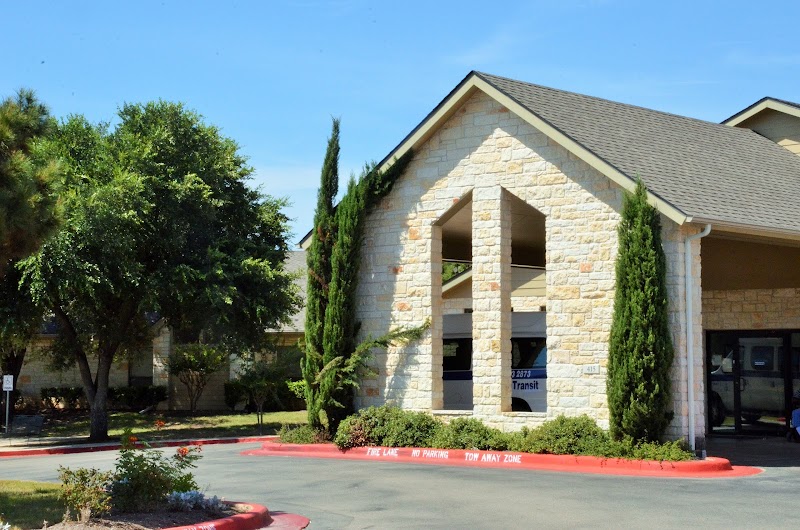
How is Harker Heights Nursing & Rehabilitation Staffed?
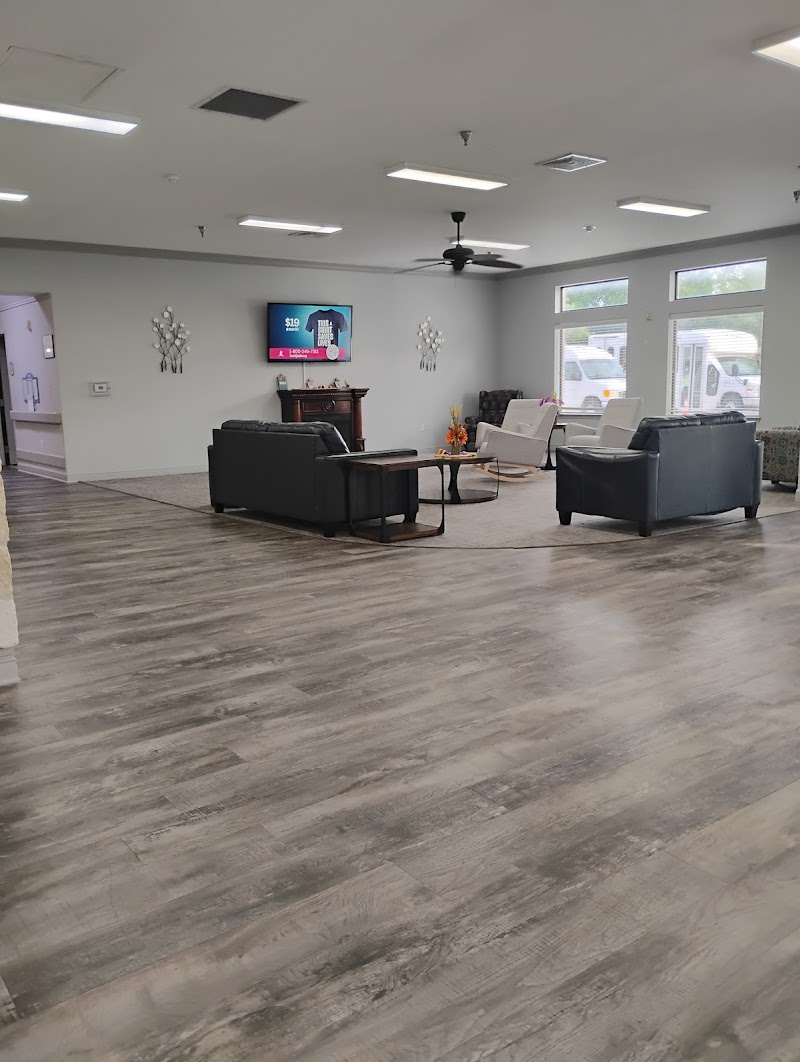
CMS rates Harker Heights Nursing & Rehabilitation's staffing level at 2 out of 5 stars, which is below average compared to other nursing homes. Staff turnover is 65%, which is 19 percentage points above the Texas average of 46%. High turnover can affect care consistency as new staff learn residents' individual needs. RN turnover specifically is 56%, which is notably high. RNs provide skilled clinical oversight, so turnover in this role can affect medical care quality.

What Have Inspectors Found at Harker Heights Nursing & Rehabilitation?

State health inspectors documented 45 deficiencies at Harker Heights Nursing & Rehabilitation during 2022 to 2025. These included: 5 Immediate Jeopardy (the most serious level, indicating potential for serious harm or death) and 40 with potential for harm. Immediate Jeopardy findings are rare and represent the most serious regulatory concerns. They require immediate corrective action.

Who Owns and Operates Harker Heights Nursing & Rehabilitation?

Harker Heights Nursing & Rehabilitation is owned by a for-profit company. For-profit facilities operate as businesses with obligations to shareholders or private owners. The facility is operated by TOUCHSTONE COMMUNITIES, a chain that manages multiple nursing homes. With 199 certified beds and approximately 135 residents (about 68% occupancy), it is a mid-sized facility located in Harker Heights, Texas.

How Does Harker Heights Nursing & Rehabilitation Compare to Other Texas Nursing Homes?

Compared to the 100 nursing homes in Texas, Harker Heights Nursing & Rehabilitation's overall rating (2 stars) is below the state average of 2.8, staff turnover (65%) is significantly higher than the state average of 46%, and health inspection rating (1 stars) is much below the national benchmark.

What Should Families Ask When Visiting Harker Heights Nursing & Rehabilitation?

Based on this facility's data, families visiting should ask: "What changes have been made since the serious inspection findings, and how are you preventing similar issues?" "How do you ensure continuity of care given staff turnover, and what is your staff retention strategy?" "Can you walk me through typical staffing levels on day, evening, and night shifts?" "Can I visit during a mealtime to observe dining assistance and food quality?" These questions are particularly relevant given the facility's Immediate Jeopardy citations, the facility's high staff turnover rate, and the below-average staffing rating.

Is Harker Heights Nursing & Rehabilitation Safe?

Based on CMS inspection data, Harker Heights Nursing & Rehabilitation has documented safety concerns. Inspectors have issued 5 Immediate Jeopardy citations (the most serious violation level indicating risk of serious injury or death). The facility has a 2-star overall rating and ranks #100 of 100 nursing homes in Texas. Families considering this facility should ask detailed questions about what corrective actions have been taken since these incidents.

Do Nurses at Harker Heights Nursing & Rehabilitation Stick Around?

Staff turnover at Harker Heights Nursing & Rehabilitation is high. At 65%, the facility is 19 percentage points above the Texas average of 46%. Registered Nurse turnover is particularly concerning at 56%. RNs handle complex medical decisions and coordinate care — frequent RN changes can directly impact care quality. High turnover means new staff may not know residents' individual needs, medications, or preferences. It can also be disorienting for residents, especially those with dementia who rely on familiar faces. Families should ask: What is causing the turnover? What retention programs are in place? How do you ensure care continuity during staff transitions?

Was Harker Heights Nursing & Rehabilitation Ever Fined?

Harker Heights Nursing & Rehabilitation has been fined $83,951 across 3 penalty actions. This is above the Texas average of $33,918. Fines in this range indicate compliance issues significant enough for CMS to impose meaningful financial consequences. Common causes include delayed correction of deficiencies, repeat violations, or care failures affecting resident safety. Families should ask facility leadership what changes have been made since these penalties.

Is Harker Heights Nursing & Rehabilitation on Any Federal Watch List?

Harker Heights Nursing & Rehabilitation is not on any federal watch list. The most significant is the Special Focus Facility (SFF) program, which identifies the bottom 1% of nursing homes nationally based on persistent, serious quality problems. Not being on this list means the facility has avoided the pattern of deficiencies that triggers enhanced federal oversight. This is a positive indicator, though families should still review the facility's inspection history directly.