HASKELL HEALTHCARE CENTER

1504 NORTH FIRST ST, HASKELL, TX 79521 (940) 864-8537
For profit - Corporation 68 Beds SLP OPERATIONS Data: November 2025
Trust Grade
75/100
#248 of 1168 in TX
Last Inspection: July 2025

Inspected within the last 6 months. Data reflects current conditions.

Overview

Haskell Healthcare Center has a Trust Grade of B, which indicates it is a good choice, falling within a solid range for nursing homes. It ranks #248 out of 1,168 facilities in Texas, placing it in the top half, and is the only option in Haskell County. However, the facility is experiencing a worsening trend, with the number of identified issues increasing from 6 to 7 over the past year. Staffing is a concern, rated at 1 out of 5 stars, but the turnover rate of 36% is below the state average of 50%, suggesting some staff stability. Notably, there have been no fines reported, which is a positive sign. On the downside, the facility faces several specific issues. For instance, medications were found improperly stored, with expired items present, creating risks for residents. Additionally, food safety protocols were not followed, as items were stored without proper sealing and dating, raising concerns about potential contamination. Lastly, there were lapses in infection control practices, with staff failing to maintain proper hand hygiene, which could lead to the spread of infections among residents. Overall, while Haskell Healthcare Center has strengths in its ranking and lack of fines, the staffing concerns and identified health and safety issues need to be carefully considered by families researching this home.

Trust Score
B
75/100
In Texas
#248/1168
Top 21%
Safety Record
Low Risk
No red flags
Inspections
Getting Worse
6 → 7 violations
Staff Stability
○ Average
36% turnover. Near Texas's 48% average. Typical for the industry.
Penalties
✓ Good
No fines on record. Clean compliance history, better than most Texas facilities.
Skilled Nurses
⚠ Watch
Each resident gets only 16 minutes of Registered Nurse (RN) attention daily — below average for Texas. Fewer RN minutes means fewer trained eyes watching for problems.
Violations
⚠ Watch
18 deficiencies on record. Higher than average. Multiple issues found across inspections.
★★★★☆
4.0
Overall Rating
★☆☆☆☆
1.0
Staff Levels
★★★★★
5.0
Care Quality
★★★★☆
4.0
Inspection Score
Stable
2024: 6 issues
2025: 7 issues

The Good

  • 5-Star Quality Measures · Strong clinical quality outcomes
  • Full Sprinkler Coverage · Fire safety systems throughout facility
  • No fines on record
  • Staff turnover below average (36%)

    12 points below Texas average of 48%

Facility shows strength in quality measures, fire safety.

The Bad

Staff Turnover: 36%

10pts below Texas avg (46%)

Typical for the industry

Chain: SLP OPERATIONS

Part of a multi-facility chain

Ask about local staffing decisions and management

The Ugly 18 deficiencies on record

Jul 2025 6 deficiencies
CONCERN (D)

Potential for Harm - no one hurt, but risky conditions existed

Resident Rights (Tag F0550)

Could have caused harm · This affected 1 resident

**NOTE- TERMS IN BRACKETS HAVE BEEN EDITED TO PROTECT CONFIDENTIALITY** Based on observations, interviews, and record reviews, the facility failed to ensure each resident was treated with respect, dig...

Read full inspector narrative →
**NOTE- TERMS IN BRACKETS HAVE BEEN EDITED TO PROTECT CONFIDENTIALITY** Based on observations, interviews, and record reviews, the facility failed to ensure each resident was treated with respect, dignity, and care for each resident in a manner and in an environment that promotes the maintenance or enhancement of their quality of life, recognizing each resident's individuality and the facility failed to protect and promote the rights of the resident for 2 of 18 residents (Resident #5 and Resident #11) reviewed for resident rights in that:-CNA A stood next to Resident #5 while feeding him during lunch services on 07/15/25.-CNA D stood next to Resident #11 while feeding her during lunch services on 07/15/25.These failures could place residents at risk for weight-loss, diminished quality of life and loss of dignity and self-worth. The findings included: Record review of the face sheet for Resident #5, dated 07/15/25, revealed a [AGE] year-old male originally admitted to the facility 10/04/23 and readmitted to the facility on [DATE]. Resident #5 had a medical history of cerebral palsy (a group of disorders that affect movement and posture due to brain damage or abnormal brain development), abnormal involuntary movements, and muscle wasting and atrophy (gradual shrinking).Record review of Resident #5 of annual MDS, dated [DATE], Section C revealed Resident #5 had a BIMS score of 09, indicating moderate cognitive impairment. Section GG revealed Resident #5 required partial/moderate assistance with eating - helper does LESS THAN HALF the effort. Helper lifts, holds, or supports trunk or limbs, but provides less than half the effort.During an observation in the dining room on 07/15/25 at 12:34 PM, CNA A was observed standing next to Resident #5 feeding him lunch. Record review of the face sheet for Resident #11, dated 07/15/25, revealed a [AGE] year-old female originally admitted to the facility on [DATE]. Resident #11 had a medical history of alzheimer's disease (a brain disorder that slowly destroys memory and thinking skills), unspecified dementia (loss of cognitive thinking and skills) and vitamin deficiency. Record review of Resident #11's annual MDS, dated [DATE], Section C revealed Resident #11 had a BIMS score of 03, indicating severe cognitive impairment. Section GG of the MDS revealed Resident #11 required partial/moderate assistance with eating - helper does LESS THAN HALF the effort. Helper lifts, holds, or supports trunk or limbs, but provides less than half the effort.During an observation in the dining room on 07/15/25 at 12:52 PM, CNA D was observed standing next to Resident #11 feeding her lunch. During an interview on 07/15/25 at 3:13 PM, CNA D stated she knew she was supposed to sit while feeding Resident #11 at lunch, but she did not see any seats available for her to use. CNA D stated there were normally extra chairs in the dining room, but not today. CNA D stated a risk to the resident was he could feel like she was hovering above her. During an interview on 07/15/25 at 3:42 PM, CNA A stated she had been trained to sit down while feeding residents. CNA A stated she did not sit down to feed Resident #11 at lunch because she could not find any available seats for her to use. CNA A stated there were usually enough stools and chairs to use to feed the residents and there was an extra stool in the staff break room that could have been used. CNA A stated she did not know why the stool in the break room was not pulled out to be used at lunch. CNA A stated a potential negative outcome to the residents was they could get [NAME] easier with staff not being able to see their mouth as easily. Attempted interview on 07/16/25 at 1:52 PM, Resident #5 refused interview with surveyor. During an interview on 07/17/25 at 8:42 AM, the DON stated he usually expected staff to sit down while feeding residents. The DON stated the CNAs were trained to sit while feeding residents but maybe they did not because Resident #5 and Resident #11 sit a little higher up in their chairs. The DON stated this could cause a dignity issue with the resident and they may feel uncomfortable. During an interview on 07/17/25 at 10:10 AM, the ADM stated she expected staff to be at the resident's level when feeding them and that was how they were trained. The ADM stated she was not sure why the CNAs stood to feed Resident #5 and Resident #11 at lunch on 07/15/25. The ADM stated a risk to the residents was the staff could have a harder time seeing if the resident was struggling while eating if standing above them. Record review of the facility policy titled, Dignity, with a revised date of February 2021, reflected the following: Policy Statement: Each resident shall be cared for in a manner that promotes and enhances his or her sense of well-being, level of satisfaction with life, and feelings of self-worth and self- esteem.Policy Interpretation and Implementation1. Residents are treated with respect and dignity.5. When assisting with care, residents are supported in exercising their rights. For example, residents are:.e. provided with a dignified dining experience.
CONCERN (D)

Potential for Harm - no one hurt, but risky conditions existed

Deficiency F0558 (Tag F0558)

Could have caused harm · This affected 1 resident

**NOTE- TERMS IN BRACKETS HAVE BEEN EDITED TO PROTECT CONFIDENTIALITY** Based on observations, interviews, and record reviews the facility failed to ensure the right to reside and receive services in ...

Read full inspector narrative →
**NOTE- TERMS IN BRACKETS HAVE BEEN EDITED TO PROTECT CONFIDENTIALITY** Based on observations, interviews, and record reviews the facility failed to ensure the right to reside and receive services in the facility with reasonable accommodation of resident needs and preferences for 1 of 18 residents (Resident #45) reviewed for call light placement. The facility failed to ensure the resident call light system was within reach for Resident #45. This failure could place residents at risk of not receiving the necessary assistance they need to maintain their highest level of well-being.Record review of Resident #45's face sheet dated 07/16/2025 revealed an [AGE] year-old-male admitted on [DATE] with the following diagnoses: diabetes (high blood sugar), glaucoma (eye disease), muscle spasm, cervical (neck) fracture, gastro-esophageal reflux disease (digestive disease), and hyperlipidemia (high cholesterol). Record review of Resident #45's comprehensive MDS dated [DATE] revealed the MDS was in progress. Record review of Resident #45's baseline care plan dated 07/15/2025 revealed Resident #45 will receive necessary setup, cueing, support and assistance for daily living. An interview with Resident #45 on 07/17/2025 at 08:50 AM revealed he could not get out of bed on his own and could not transfer himself or use the bathroom without assistance. Resident #45 stated he had a fall at home and had neck fractures. He stated his call light cord was not always given to him. He stated to get assistance from staff he had to push his call light. During an observation on 07/15/2025 at 11:15 AM of Resident #45 revealed Resident #45 lying in his bed with the lift sling under him and his call light cord laying on the floor at the head of the bed. During an interview on 07/15/2025 at 11:20 AM with CNA A she stated she was getting Resident #45 ready to get up out of bed and he had no clothes in his room. She stated she went to look for his clothing in the laundry. She stated he should have had his call light cord within reach. She stated Resident #45 was a new resident and she was not sure what assistance he needed. She stated she had been trained to make sure residents had the call light cord within reach before leaving the room. She stated she forgot to provide him with his call light cord before leaving the room to get clothes. She stated the potential negative outcome would be the resident would not be able to call for help or assistance. During an observation on 07/16/2025 at 02:00 PM Resident #45 was lying in bed with his right shoulder hanging off the bed. The call light cord was hanging on the privacy curtain out of the resident's reach. During an interview on 07/16/2025 at 02:05 PM with LVN C, she stated Resident #45's call light cord should be within reach of the resident and not hanging on the privacy curtain. She stated Resident #45 required assistance with all transfers. She stated all staff have been trained on providing the call light cord for residents to use. She stated the call light cord was used to call for assistance when needed and should always be available to the resident. She stated the potential negative outcome of not having a call light cord could be resident falls and not being able to call for help. During an interview on 07/16/2025 at 02:15 PM with CNA B, she stated she had transferred Resident #45 back to bed from the toilet and forgot to give Resident #45 his call light cord. She stated she was rushing to finish passing out meal trays on the hallway and forgot to give Resident #45 his call light cord. She stated the resident was not able to self-transfer. She stated she had been trained on providing the call light cord to residents before leaving residents' rooms. She stated the potential negative outcome could be resident falls and residents could not call for help. During an interview on 07/16/2025 at 03:00 PM with the DON, he stated all residents should always have the call light cord within reach unless out of their rooms. He stated call light cords were used to alert staff of resident needs or emergency. He stated he was not aware staff were not providing residents with the call light cord. He stated all staff had been trained to provide residents with the call light cords. He stated the potential negative outcome could be resident falls, care could be delayed up to 2 hours and the resident not being able to call staff for help. During an interview on 07/17/2025 at 08:57 AM with the ADM, she stated all residents should always have the call light cord within reach when in their room. She stated all nursing staff was responsible for making sure residents have the call light cord within reach. She stated she was not aware Resident #45 did not have his call light cord within reach. She stated Resident #45 was not able to move around or care for himself independently. She stated all staff have been trained on call light cord placement for residents. She stated the potential negative outcome could be resident falls, could be choking and not able to call for help, and not being able to call for help or assistance. Record review of the facility's policy, titled Resident Call System revised date 6/2025, reflected the following: Policy - The facility is equipped with a functioning communication system from rooms, toilets, and bathing facilities in which resident calls are received and answered by staff.ProcedureResident calls are relayed directly to a staff member or to a centralized staff work area.
CONCERN (D)

Potential for Harm - no one hurt, but risky conditions existed

Deficiency F0813 (Tag F0813)

Could have caused harm · This affected 1 resident

**NOTE- TERMS IN BRACKETS HAVE BEEN EDITED TO PROTECT CONFIDENTIALITY** Based on observation, interview, and record review, the facility failed to follow their policy on personal resident refrigerator...

Read full inspector narrative →
**NOTE- TERMS IN BRACKETS HAVE BEEN EDITED TO PROTECT CONFIDENTIALITY** Based on observation, interview, and record review, the facility failed to follow their policy on personal resident refrigerators for 3 of 16 personal resident refrigerators reviewed for food safety (room [ROOM NUMBER], #28, and #31) in that the refrigerators located in room [ROOM NUMBER], #28, and #31 were not being monitored for internal temperature and expiration/used by dates. The refrigerators located in room [ROOM NUMBER], #28, and #31 were not being monitored for internal temperature and expiration/used by dates. These failures could place residents at risk for food borne illnesses. Findings include: During an observation on 07/15/2025 at 09:30 AM, Resident room [ROOM NUMBER] contained a personal refrigerator. The refrigerator contained perishable food items. The refrigerator was observed to contain a cup of juice dated 06/19/2025, an undated/unlabeled bowl of mixed fruit, an undated/unlabeled bowl of chopped onions, an undated/unlabeled bowl of a pudding-like substance, an unlabeled/undated bowl of pears, an unlabeled/undated bowl containing a pastry, an unlabeled/undated plastic container of white sauce, an undated melted cup of ice cream, an undated/unlabeled plastic container wit an unknow substance, two bags of opened popcorn, one bag of opened chips with an illegible expiration date, one cup of juice with no expiration date, and a tube of sour cream with an illegible expiration date. The refrigerator also contained cans of unopened soda. During an observation on 07/15/2025 at 09:58 AM, Resident room [ROOM NUMBER] contained a personal refrigerator. The refrigerator contained perishable food items such as two unlabeled/undated glasses of milk and three containers of protein shakes. The refrigerator was soiled with melted popsicles in the freezer portion. The refrigerator also contained a build up of ice inside of the refrigerator. During an interview on 07/16/2025 at 3:30 PM, the DON stated the nursing staff were responsible for cleaning the residents' personal refrigerators once a week and ensuring each refrigerator was working properly. The DON stated the facility did have a log at the nurse's station to verify residents' refrigerators were being maintained. The DON stated any spoiled or expired food should have been thrown away by the nursing staff during each check. The DON stated food could have also become expired throughout the week, and it would not have been discarded unless the resident threw it out. The DON stated all food items should have been labeled and dated when they were stored in the resident's refrigerator. The DON stated he was not aware that the personal refrigerator in Resident room [ROOM NUMBER] and #31 contained undated and unlabeled perishable items. The DON stated he was unaware the personal refrigerator in room [ROOM NUMBER] contained expired juice. The DON stated he had not been notified by nursing staff of any residents refusing to discard of expired food in their refrigerator. The DON stated a resident could become ill if they consumed expired food and/or drinks, and it was important for the refrigerators to be cleaned out by nursing staff to prevent illness. Record review of the facility's document titled Personal Resident Refrigerator Weekly Temperature Log revealed the following: Resident room [ROOM NUMBER]July 5, 2025 (highlighted date) - contained no staff signature and the temperature field was blank. July 10, 2025 (highlighted date) - contained no staff signature with a temperature of 38 degrees. July 15, 2025 (highlighted date) - contained no staff signature and the temperature field was blank. There was no log found for Resident room [ROOM NUMBER] or #31. During an interview on 07/16/2025 at 3:55 PM, the DON stated the Personal Resident Refrigerator Weekly Temperature Log for Resident room [ROOM NUMBER] indicated staff did not check the refrigerator on 07/05/2025 or 07/15/2025 since the temperature field was blank. The DON stated the check did not appear to be completed by nursing staff, according to the log. The DON did not know why this was not completed. The DON stated he would have nursing staff check all resident's personal refrigerators as soon as possible to ensure they did not contain any expired food or drinks. During an observation on 07/16/2025 at 3:50 PM, the refrigerator in Resident room [ROOM NUMBER] was observed to contain the same perishable food items observed on 7/15/2025. During an observation on 07/16/2025 at 4:00 PM, the refrigerator in Resident room [ROOM NUMBER] was observed to contain the same perishable food items observed on 7/15/2025. During an observation on 07/16/2025 at 4:15 PM, Resident room [ROOM NUMBER] contained a personal refrigerator. The refrigerator contained perishable food items such as unlabeled/undated glasses of tea, an unlabeled/undated dish of cake, two unlabeled/undated dishes of an unknown food item, and an unlabeled/undated Ziplock bag of an unknown food item. The refrigerator also contained a half gallon container of Silk non-dairy milk. During an interview on 07/17/2025 at 09:30 AM, the ADM stated nursing staff were responsible for cleaning the residents' refrigerators at least weekly. The ADM stated this should have been verified on logs kept at the nursing station. The ADM stated she was not aware there were resident's personal refrigerators that contained unlabeled and undated perishable food items. The ADM stated she was not aware the logs were not completed on 07/05/2025 or 07/15/2025. The ADM stated it was her expectation that all food and drink items were dated and labeled in the resident's personal refrigerators. The ADM stated it was also her expectation that nursing staff discarded any expired or unlabeled/undated food or drink items. The ADM stated some residents would try to hoard food items. The ADM stated some residents required extensive conversations to help them understand why the expired foods should have been discarded. The ADM stated she planned to speak to residents herself to ensure they understood why it was important for expired foods to be discarded. The ADM stated it was her expectation the nursing staff requested her assistance if a resident refused to discard of expired food items. The ADM stated she had not been notified of any recent issues of residents refusing to discard expired food items in their refrigerator. The ADM stated if the resident's refrigerator was not maintained and cleaned out frequently, the resident could consume expired or spoiled food, which could cause food borne illness. The ADM stated she planned to check all resident's personal refrigerators herself as soon as possible. Record review of the facility's policy titled Personal Resident Refrigerators, undated, revealed the following: The facility does not provide a refrigerator in a resident's room. However, it is the policy of this facility to ensure safe and sanitary use of any resident-owned refrigerators.Policy Explanation and Compliance Guidelines:1. Dormitory-sized refrigerators are allowed in a resident's room under the following conditions: a. The refrigerator is inspected by maintenance personnel and deemed safe prior to use and upon routine inspections.b. The refrigerator maintains proper temperatures.e. The resident complies with the facility's policy for use of the refrigerator.2. Maintenance staff/or designee shall record refrigerator temperatures weekly on a temperature log attached to the refrigerator.3. Housekeeping and/or nursing staff as assigned shall clean the refrigerator weekly and discard any foods that are out of compliance.4. Residents and staff will comply with safe food handling and storage principles:a. Perishable foods such as dairy products, meat, and processed foods made with perishable foods or eggs will be stored immediately upon receipt.b. Leftovers shall be dated upon receipt and discarded within three days.c. Foods with use-by dates shall be discarded accordingly.d. Any food with potential concerns (i.e., smell, packaging, appearance, frozen foods are not solid to touch) shall be discarded.e. Food shall be in covered containers or securely wrapped.
CONCERN (E)

Potential for Harm - no one hurt, but risky conditions existed

Deficiency F0761 (Tag F0761)

Could have caused harm · This affected multiple residents

Based on observations, interview, and record review, the facility failed to ensure all drugs and biologicals were stored properly for 1 of 2 medication carts (Medication Cart B) and 1 of 1 medication ...

Read full inspector narrative →
Based on observations, interview, and record review, the facility failed to ensure all drugs and biologicals were stored properly for 1 of 2 medication carts (Medication Cart B) and 1 of 1 medication rooms, reviewed for medication storage.-The facility failed to ensure there were no expired items in the medication room.-LVN C left Medication Cart B unlocked and unattended in Hall 2. These failures could place residents at risk of receiving expired supplies and drug diversion. The findings included:During an observation of the medication room on 07/15/25 at 3:27 PM the following items were available for use by staff: Xeroform Medicated Petrolatum Dressing with an expiration date of 05/25 x 2 dressings. During an interview on 07/15/25 at 3:35 PM, the DON stated he did not know why expired items were found in the medication room. During an observation on 07/16/25 at 2:01 PM, Medication Cart B was observed sitting at the entrance to Hall 2 unlocked and unattended. During an interview on 07/16/25 at 2:03 PM, LVN C stated she had been trained to lock the medication cart when she walked away from it. LVN C stated she left the medication cart opened when she stepped away to get another medication. LVN C stated the risks to the residents was they could get in and take medications that did not belong to them. During an interview on 07/17/25 at 8:42 AM, the DON stated he did not know why the expired supplies were in the medication room. The DON stated the ADON did a good job at looking for expired medications and he did not know they were also supposed to check the wound supplies. The DON stated all staff were trained to look at expiration dates. The DON stated the nurses were trained to keep their medication carts secured. The DON stated a risk to the residents involved resident safety concerns. During an interview on 07/17/25 at 10:10 AM the ADM stated she expected the medication carts to be locked at all times when the nurse walked away from them. The ADM stated staff were trained on locking their medication carts when not in use. The ADM stated a risk to leaving a medication cart unlocked and unattended was someone could get into the medication cart. The ADM stated she expects expired supplies to be removed. The ADM stated the ADON did a good job at checking the medication room so it was most likely an accidental oversight to miss the expired items. The ADM stated expired supplies could not be as effective for the resident. The ADM stated expired supplies could have a negative impact on the resident. Record review of the facility policy titled, Medication Storage in the Facility, with an effective date of 06/01/22 reflected the following: Policy - Medications and biologicals are stored safely, securely, and properly, following manufacturer's recommendations or those of the supplier. The medication supply is accessible only to licensed nursing personnel, pharmacy personnel, or staff members lawfully authorized to administer medications. Procedures:.B. Only licensed nurses, pharmacy personnel, and those lawfully authorized to administer medications (such as medication aides) permitted to access medications. Medication rooms, carts, and medication supplies are locked when not attended by persons with authorized access.G. All expired medications will be removed from the active supply and destroyed in the facility, regardless of amount remaining.
CONCERN (E)

Potential for Harm - no one hurt, but risky conditions existed

Food Safety (Tag F0812)

Could have caused harm · This affected multiple residents

Based on observation, interview, and record review, the facility failed to store, prepare, distribute, and serve food in accordance with professional standards for food service safety in 1 of 1 kitche...

Read full inspector narrative →
Based on observation, interview, and record review, the facility failed to store, prepare, distribute, and serve food in accordance with professional standards for food service safety in 1 of 1 kitchen reviewed for dietary services, in that: The facility failed on 07/15/2025 to seal and date food stored in the refrigerator and dry storage room. These failures could place residents at risk for food contamination and foodborne illness. The following observations were made on 07/15/2025 beginning at 9:29 AM during initial tour of the kitchen: Observation of the following stored in the dry storage room: Bag of powdered milk open.Container of rice with lid open.Container of elbow macaroni with lid open. Observation of the following stored in the refrigerator:Bowl of watermelon with no date.Cheese slices open with no date.Butter sticks open with no date. During an interview on 07/15/2025 at 01:30 PM with the DM, she stated all food placed in the pantry and refrigerator should be sealed and dated. She stated the bowl of watermelon had no date. She stated cheese slices and butter should be placed in a bag and sealed and dated when opened. She stated the bag of powdered milk should be stored sealed. She stated the containers of rice and elbow macaroni should be sealed. During an interview on 07/16/2025 at 01:31 PM with the DM, she stated she was not aware the food in the pantry was not sealed. She stated she was not aware the food in the refrigerator was not dated and sealed. She stated all staff had been trained to seal and date food. She stated all staff were responsible for making sure food was sealed and dated when stored in the refrigerator and pantry. She stated the purpose of sealing and dating food was to make sure it stayed good. She stated the potential negative outcome was food could become contaminated and spoil causing residents to get sick. During an interview on 07/17/2025 at 08:57 AM with the ADM, she stated food stored in the pantry and refrigerator should be sealed and dated. She stated the cook [KS1] and DM were responsible for making sure food was sealed and dated. She stated all staff had been trained on food storage. She stated the potential negative outcome of not dating and sealing food could be the food spoiling and being harmful to residents. Record review of the facility's policy, titled Kitchen Sanitation and Cleaning Schedules undated, reflected the following: Food Storage and Sanitation.Food removed from its original packaging must be dated and labeled with name of food.All opened containers or leftover food is to be tightly wrapped or covered in clean containers. It should be labeled, dated with the opened or use by date.
CONCERN (E)

Potential for Harm - no one hurt, but risky conditions existed

Infection Control (Tag F0880)

Could have caused harm · This affected multiple residents

**NOTE- TERMS IN BRACKETS HAVE BEEN EDITED TO PROTECT CONFIDENTIALITY** Based on observation, interview, and record review, the facility failed to establish and maintain an infection prevention and co...

Read full inspector narrative →
**NOTE- TERMS IN BRACKETS HAVE BEEN EDITED TO PROTECT CONFIDENTIALITY** Based on observation, interview, and record review, the facility failed to establish and maintain an infection prevention and control program designed to provide a safe, sanitary, and comfortable environment and to help prevent the development and transmission of communicable diseases and infections for 3 of 6 residents (Residents #4, #5, and #16) reviewed for infection control.1. CNA B failed to wash hands with soap and water after gloves became visibly soiled when providing incontinence care for Resident #16. 2. CNA E failed to utilize proper hand hygiene between glove changes when providing incontinence care for Resident #5.3. LVN C failed to follow Enhanced Barrier Precautions (EBP) and wear a gown when providing wound care to Resident #4.These failures could place residents at risk for cross contamination and infection. The findings include: Record review of Resident #16's face sheet, dated 07/17/25, revealed a [AGE] year-old female originally admitted to the facility 02/15/24 and readmitted to the facility on [DATE]. Resident #16 had a medical history of atherosclerotic heart disease (plaque builds up and hardens the arteries), urinary tract infection (bladder infection), and acute upper respiratory infection (a common cold). Record review of Resident #16's annual MDS dated [DATE] Section H- Bladder and bowel revealed Resident #16 was always incontinent of bowel and bladder. During an observation on 07/16/25 at 10:37 AM, CNA B washed her hands with soap and water and donned (put on) clean gloves to provide incontinence care for Resident #16. CNA B unfastened the brief and Resident #16's vaginal area and groin were cleansed with wipes with no concerns. CNA B then turned Resident #16 on her side and used a wipe to wipe the anus. CNA B's glove became visibly soiled, and CNA B removed her gloves and used ABHR. CNA B donned clean gloves and continued wiping Resident #16's anal area and buttocks. CNA B did not use soap and water to wash her hands when her gloves became visibly soiled. During an interview on 07/16/25 at 4:36 PM, CNA B stated she had been trained to wash her hands with soap and water when her gloves became visibly soiled. CNA B stated she thought using ABHR was good enough but she should have washed her hands with soap and water when they became visibly soiled during the incontinence care for Resident #16. CNA B stated she was last trained about a month ago regarding incontinence care and hand hygiene. CNA B stated a potential negative outcome to the residents was cross contamination. Record review of Resident #5's face sheet, dated 07/15/25, revealed a [AGE] year-old male originally admitted to the facility 10/04/23 and readmitted to the facility on [DATE]. Resident #5 had a medical history of cerebral palsy (a group of disorders that affect movement and posture due to brain damage or abnormal brain development), abnormal involuntary movements, and muscle wasting and atrophy (gradual shrinking). Record review of Resident #5's annual MDS dated [DATE] Section H- Bladder and bowel revealed Resident #5 was frequently incontinent of bowel and bladder. During an observation on 07/16/25 at 11:25 AM, CNA E washed her hands with soap and water and donned clean gloves to provide incontinence care for Resident #5. CNA E unfastened the brief and cleansed Resident #5's penis and groin area with wipes. CNA E turned Resident #5 on his side and wiped his anus and buttocks with wipes. CNA E removed her gloves and applied ABHR to her hands. CNA E then donned clean gloves and applied protectant cream to Resident #5's buttocks with her right gloved hand. CNA E then removed her Right-hand glove and donned a clean glove to her Right hand. CNA E did not use hand hygiene between all glove changes for her Right hand. During an interview on 07/16/25 at 4:50 PM, CNA E stated she was last trained about a month ago regarding incontinence care and hand hygiene. CNA E stated she should have removed both gloves and washed or sanitized her hands between all glove changes, but she did not think about it. CNA E stated a potential negative outcome to the residents was the lack of hand hygiene could cause sickness. Record review of Resident #4's face sheet, dated 07/17/25, revealed a [AGE] year-old male originally admitted to the facility 04/13/23 and readmitted to the facility on [DATE]. Resident #4 had a medical history of cerebral infarction (stroke), aphasia (language disorder that affects a persons ability to communicate), and open wound of the left foot. Record review of Resident #4's annual MDS dated [DATE] Section M- Skin Conditions revealed Resident #4 had 1 unhealed Stage 3 Pressure Ulcer. Record review of Resident #4's active physician orders, undated, revealed an order: Wound Treatment Order: Location: Left Heel - Clean with Normal Saline/Wound Cleanser. Pat dry with 4x4s. Apply: Collagen Flakes with Hydrogel with Silver. Apply skin prep to area around wound. Cover with silicone foam dressing. With a start date of 07/07/25 and no end date. Record review of Resident #4's care plan, last revised on 06/17/25, revealed a Problem: I have a pressure ulcer to Left heel. Approach: Resident needs Enhanced Barrier Precautions. During an observation on 07/16/25 at 2:22 PM, LVN C provided wound care for Resident #4's Left Heel pressure ulcer. LVN C gathered the supplies outside the room at the wound care cart and entered Resident #4's room for wound care. A hanging organizer was noted on the outside of Resident #4's rooms with a sign that stated, Enhanced Barrier Precautions and PPE supplies including gloves and gowns were resting in the cubbies on the organizer. LVN C did not don a gown for the wound care observation for Resident #4. During an interview on 07/16/25 at 4:23 PM, LVN C stated she was last trained on EBP about 6 months ago. LVN C stated she did not wear a PPE gown when providing wound care to Resident #4 because she forgot. LVN C stated a potential negative outcome to the residents was contamination from the staff to the resident could occur. During an interview with the DON on 07/17/25 at 8:42 AM, the DON stated the staff were trained to wash their hands with soap and water when their gloves became visibly soiled. The DON stated he did not know why CNA B did not wash her hands with soap and water when her hands became visibly soiled while providing incontinent care for Resident #16. The DON stated maybe CNA B was confused since she did use ABHR. The DON stated the CNAs were last trained on incontinence care and hand hygiene about a month ago. The DON stated there was an increased risk to residents for infection when not washing hands with soap and water after gloves became visibly soiled. The DON stated the staff were trained to perform hand hygiene between all glove changes. The DON stated he did not know why CNA E did not remove both gloves and perform hand hygiene after applying the protective cream to Resident #5. The DON stated a potential negative outcome to the residents was an increased risk for infection. The DON stated he did not know when the staff were last trained on EBP. The DON stated the nurses knew to use EBP during wound care for the residents. The DON stated the nurse should know if they were near a wound, they should be wearing a gown. The DON stated he did not know why LVN C did not wear a gown when providing wound care to Resident #4. The DON stated a potential negative outcome to the residents when staff did not follow EBP was an increased risk for infection. During an interview with the ADM on 07/17/25 at 10:10 AM she stated she expected staff to change their gloves when they became visibly soiled and to wash their hands with soap and water. The ADM stated she expected staff to remove both gloves if needed and perform hand hygiene between the glove change. The ADM stated she expected staff to follow EBP and wear PPE gowns when providing wound care. The ADM stated the facility had reminders all over regarding EBP and supplies and signs were on all the resident's doors who were on EBP. The ADM stated the staff were trained on hand hygiene and EBP at the facility. The ADM stated a potential negative outcome to the residents was a risk for infection. Record review of the facility policy titled, Infection Prevention and Control Program, with a revised date of October 2020 reflected the following: Policy Statement: An infection prevention and control program (IPCP) is established and maintained to provide a safe, sanitary, and comfortable environment and to help prevent the development and transmission of communicable diseases and infections.Each Center should refer to and follow CDC guidance and their state guidance for Infection Prevention and Control. Record review of the facility policy title, Handwashing, undated reflected the following: Objective: Use proper handwashing technique to keep hands and exposed portions of the arms clean. Glove Use: Always wash hands before putting on a new pair of gloves.Gloves and hand sanitizers do not replace handwashing with soap and water. Record review of the CDC guidelines titled, Clinical Safety: Hand Hygiene for Healthcare Workers, dated 02/27/24 reflected the following: Recommendations: Know when to clean your hands-.immediately after glove removal.Know when to use ABHR versus soap and water during routine patient care-Unless hands are visibly soiled, ABHR is preferred over soap and water in most clinical situations.When to was with soap and water-When hands are visibly soiled. Record review of the facility policy titled, Enhanced Barrier Precautions, with a revised date of 04/01/24 reflected the following: Policy Statement: It is the policy of this facility to implement enhanced barrier precautions for the prevention of transmission of multidrug-resistance organisms.Definition: Enhanced Barrier Precautions (EBP) refers to an infection control intervention designed to reduce transmission of multidrug-resistant organisms that employs targeted gown and gloves use during high contact resident care activities. Policy Interpretation and Implementation:.3. Implementation of Enhanced Barrier Precautionsb. PPE for enhanced barrier precautions is only necessary when performing high-contact care activities and may not need to be donned prior to entering the resident's room.4. High-contact resident care activities include:.h. Wound care: any skin opening requiring a dressing.
Jan 2025 1 deficiency
CONCERN (D) 📢 Someone Reported This

A family member, employee, or ombudsman was alarmed enough to file a formal complaint

Potential for Harm - no one hurt, but risky conditions existed

Deficiency F0761 (Tag F0761)

Could have caused harm · This affected 1 resident

**NOTE- TERMS IN BRACKETS HAVE BEEN EDITED TO PROTECT CONFIDENTIALITY** Based on interview and record review, the facility failed to ensure that drugs and biologicals used in the facility were secured...

Read full inspector narrative →
**NOTE- TERMS IN BRACKETS HAVE BEEN EDITED TO PROTECT CONFIDENTIALITY** Based on interview and record review, the facility failed to ensure that drugs and biologicals used in the facility were secured properly for 1 of 5 (Resident #1) residents in that: 1. LVN A failed to ensure medications for Resident #1 were secure when she left Resident #1's medications in a cup on the bedside table and walked out of the room. This failure could place residents at risk for harm and result in drug diversion due to medications not being properly secured. Findings included: 1. Record review of Resident #1's undated face sheet revealed a [AGE] year-old female admitted to the facility on [DATE] with the following diagnoses: Atherosclerotic Heart Disease (buildup of plaque in the arteries), Paroxysmal Atrial Fibrillation (rapid, irregular heartbeat that lasts a few hours or days), Hypertension (high blood pressure), Anxiety, Gastro-Esophageal Reflux Disease (digestive condition in which the stomach contents move up into the esophagus), Altered Mental Status (change in mental function), and Age-Related Cognitive Decline (difficulty with thinking, memory and concentration). Record review of Resident #1's annual MDS dated [DATE] revealed a BIMS score of 10, indicating moderate cognitive impairment. Record review of Resident #1's current Physician's orders revealed the following orders: Buspirone tablet; 10 mg; amt: 1 oral. Three times a day 08:00 AM, 12:00 PM, 07:00 AM with a start date 09/17/24. Colace (docusate sodium) [OTC] capsule; 100 mg; amt: 1; oral. Once a day 08:00 AM with a start date of 02/26/24. Diltiazem HCl capsule, extended release; 240 mg; amt: 1 cap; oral; once a day 08:00 AM with a start date of 11/08/24. Lisinopril tablet; 10 mg; amt: 1; oral. Once a day 08:00 AM with a start date of 10/09/24. Omeprazole capsule, delayed release; 20 mg; amt: 1; oral. Once a day 08:00 AM with a start date of 08:00 AM. Prednisone tablet; 5 mg; amt: 1; oral. Once a day 08:00 AM with a start date of 10/09/24. Xarelto (rivaroxaban) tablet; 20 mg; amt: 1 tab; oral. Once a day 08:00 AM. Record review of Resident #1's MAR dated 01/21/25 revealed the resident received medications on 01/18/25, according to Physician's orders to include the following: Buspirone tablet; 10 mg; amt: 1 oral. Three times a day 08:00 AM, 12:00 PM, 07:00 AM with a start date 09/17/24. Colace (docusate sodium) [OTC] capsule; 100 mg; amt: 1; oral. Once a day 08:00 AM with a start date of 02/26/24. Diltiazem HCl capsule, extended release; 240 mg; amt: 1 cap; oral; once a day 08:00 AM with a start date of 11/08/24. Lisinopril tablet; 10 mg; amt: 1; oral. Once a day 08:00 AM with a start date of 10/09/24. Omeprazole capsule, delayed release; 20 mg; amt: 1; oral. Once a day 08:00 AM with a start date of 08:00 AM. Prednisone tablet; 5 mg; amt: 1; oral. Once a day 08:00 AM with a start date of 10/09/24. Xarelto (rivaroxaban) tablet; 20 mg; amt: 1 tab; oral. Once a day 08:00 AM. During a phone interview on 01/21/25 at 4:47 PM, LVN A stated she worked weekends at the facility. She stated she was at work on 01/18/25 and was scheduled to work from 06:00 AM to 06:00 PM that day. LVN A stated she was passing medications on hall 3 between approximately 07:30 AM and 08:30 AM and she parked the medication cart outside Resident #1's room. She stated she dispensed Resident #1's morning medications into a medication cup and took the medications in to Resident #1. She stated Resident #1 did not like to be rushed and preferred to take her medications one at a time while she visited with staff. LVN A stated, while in Resident #1's room, another resident across the hall called for assistance. She stated Resident #1 had not taken any of her medications yet and she left the cup of medications on Resident #1's bedside table, left the door open and walked across the hall to check on the resident who called for assistance. LVN A stated she thought she would be gone from Resident #1's room briefly but the interaction with the other resident took longer than she expected. She stated she was gone from Resident #1's room for approximately five to ten minutes. She stated she re-entered Resident #1's room and observed Resident #1 holding the cup of medications. She stated she observed Resident#1 take each medication in the cup one-by-one. She stated she then made sure the resident was comfortable and exited the room. LVN A stated she should not have left the cup of medications unattended in the room, even briefly. She stated she should have taken the cup of medications with her and locked them in the medication cart when she left the room to check on another resident. During a follow-up phone interview on 01/21/25 at 05:14 PM, LVN A stated she had been trained to witness a resident take all dispensed medications prior to leaving the room and signing the MAR. LVN A stated she had been trained on proper medication storage and administration through quarterly in services and through medication pass observations conducted by the ADON. She stated a potential negative outcome for leaving medications unsupervised and unsecured would be that the resident may drop a medication, which would result in not receiving medications as ordered by the physician. During an interview on 01/21/25 at 05:47 PM, the DON stated he was not aware that medications had been left unsupervised by LVN A on 01/18/25. He stated LVN A should not have left medications unsupervised in a resident room. He stated she should have put the medications back in the cart and locked the cart. He stated all staff had been trained not to leave a resident unattended with medications. The DON stated staff were trained on proper medication storage and administration through annual skills checks and quarterly medication administration observations conducted by the pharmacy consultant. He stated a potential negative outcome for failure to properly secure medications would be the resident could miss a dose or another resident could take medication that was not ordered for them. Record review of a facility training document titled Licensed Nurse Proficiency Audit, dated 05/03/24, revealed LVN A's name and satisfactory was checked for the skill administers medication properly. Record review of the facility-provided policy titled Medication Administration - Orals, dated 2007 revealed: Policy To administer oral medications in an organized, accurate and safe manner. Procedures . 10. administer medication and remain with resident while medication is swallowed. Do not leave a medication in a resident's room without orders to do so along with documentation of self-administration.
Jun 2024 6 deficiencies
CONCERN (D)

Potential for Harm - no one hurt, but risky conditions existed

Deficiency F0578 (Tag F0578)

Could have caused harm · This affected 1 resident

**NOTE- TERMS IN BRACKETS HAVE BEEN EDITED TO PROTECT CONFIDENTIALITY** Based on interviews and record review, the facility failed to ensure all residents had the right to formulate advance directives...

Read full inspector narrative →
**NOTE- TERMS IN BRACKETS HAVE BEEN EDITED TO PROTECT CONFIDENTIALITY** Based on interviews and record review, the facility failed to ensure all residents had the right to formulate advance directives for 3 of 15 residents (Residents #12, #17, and #34) reviewed for advanced directives, in that: The facility failed to ensure Residents #12, #17, and #34, who are listed as DNR (Do Not Resuscitate), had Out-of-Hospital Do Not Resuscitate (OOH-DNR) forms that were correctly filled out and did not have missed required information on the OOH-DNR. These failures could place residents at risk for not having their end of life wishes honored and incomplete records. Findings included: Resident #12 Record review of Resident #12's undated face sheet revealed a [AGE] year-old-female who was admitted to the facility on [DATE] had diagnosis which included Cerebral infarction (lack of blood supply to the brain), muscle weakness (decreased strength in muscles) and Type 2 Diabetes (problem with blood sugar). The face sheet indicated under the advance directive section - DNR-Do Not Resuscitate. Record review of Resident #12's physician order summary dated [DATE] reflected the following order: DNR-Do Not Resuscitate dated [DATE]. Record review of Resident #12's care plan, dated [DATE], reflected care plan for DNR. Record review of Resident #12's OOH-DNR form dated [DATE] reflected there was no physician's license number associated with the physician's signature, no printed name associate with the physician's signature and the physician had not signed the bottom of the OOHDNR. Resident #17 Record review of Resident #17's undated face sheet reflected a [AGE] year-old-male who was admitted to the facility on [DATE] with diagnoses to include myocardial infarction (heart attack), chronic obstructive pulmonary disease (a group of lung diseases that block airflow and make it difficult to breath), acute upper respiratory infection, cellulitis (a common and potentially serious bacterial skin infection), urinary tract infection, dysphagia (difficulty swallowing), unsteadiness on feet, asymptomatic human immunodeficiency virus (HIV), hyperlipidemia (a condition in which there are high levels of fat particles in the blood), muscle weakness, alcoholic cirrhosis of the liver without ascites, portal hypertension (increased pressure within the portal venous system), alcohol induced chronic pancreatitis (viscous secretions that block small pancreatic ducts), emphysema (a type of lung disease that causes breathlessness), heart failure, anemia, type 2 diabetes, thiamine deficiency, vitamin deficiency, hypokalemia (low potassium), schizoaffective disorder bipolar type, anxiety, post traumatic stress disorder(trauma associated with witnessing a terrifying event), insomnia (trouble sleeping), polyneuropathy (when multiple peripheral nerves become damaged). The face sheet also revealed under the advance directive section - DNR-Do Not Resuscitate. Record review of Resident #17's physician order summary dated [DATE] reflected the following order: DNR-Do Not Resuscitate dated [DATE]. Record review of Resident #17's care plan, dated [DATE], reflected a care plan for DNR. Record review of Resident #17's OOH-DNR form date retrieved on [DATE] reflected there was no date or printed name next to Resident #17's signature, physician signature was dated as of [DATE] and notary signature was dated [DATE] on the OOHDNR. Resident #34 Record review of Resident #34's face sheet, dated [DATE], reflected an [AGE] year-old-male who was admitted to the facility on [DATE] with diagnoses to include unspecified fracture of right femur (right broken leg), other specified depressive episodes (mood disorder) and nonexudative age-related macular degeneration (eye disease). The face sheet also revealed under the advance directive section - DNR-Do Not Resuscitate. Record review of Resident #34's physician order summary dated [DATE] reflected the following order: Code Status: DNR-Do Not Resuscitate with a start date of [DATE]. Record review of Resident #34's care plan, last reviewed [DATE], reflected a care plan for DNR. Record review of Resident #34's OOH-DNR form date signed by Resident #34 was [DATE], reflected there was no physician's license number associated with the physician's signature, no printed name associated with the physician's signature, and no date associated with the physician's signature. During an interview on [DATE] at 12:15pm with the DON, he stated OOH DNR was not valid if it's not filled out correctly. He stated he was responsible for ensuring OOH-DNRs were completed correctly. He verified missing information on OOH-DNRs for Residents #12, #17, and #34. He stated there was no system for monitoring OOH-DNRs for accuracy. He stated the reason the DNR's were not complete was human error. He stated there was no potential negative outcome for residents as the staff would review other forms in the Residents' record to determine if a Resident was a DNR or Full Code. During an interview on [DATE] at 12:35PM with the ADM, she stated the OOH DNR was not valid if not filled out correctly. She stated the DON was responsible for making sure the OOH DNR was completed accurately. She stated they did not have a system in place to monitor OOH DNR for accuracy. She stated the DON should be reviewing the OOH DNRs for accuracy. She verified missing information on OOH DNR for Residents #12, #17 and #34. She stated she did not know why the information was missing. She stated the potential negative outcome was nothing as this was only a paper mistake, the nursing staff would look at the care plan, face sheet for direction regarding a resident's end of life wishes. She stated she was trained on how to complete OOH DNR and her expectations were for them to be filled out completely and be correct. Record review of the Social Services Policies and Procedures Advanced Directives (Revised [DATE]) reflected the following: Policy Residents have the right to execute an advance directive specifying how decisions about the resident's care will be made. Advance Directives include written instructions about care and treatment and include such documents as Directive to Physician, Power of Attorney for Health Care, OOH DNR, and instructions for no CPR. The facility will also ensure the Care Plan, Physician's Orders, and Resident Banner. The Social Services Director will maintain a list of Residents with an Advanced Directive on file. A code status audit will be conducted by the DON or designee on a quarterly basis or designee on a quarterly or as needed basis. Record review of the facility's undated policy titled Advance Directives reflected no information regarding the creation of a OOH DNR.
CONCERN (D)

Potential for Harm - no one hurt, but risky conditions existed

Medical Records (Tag F0842)

Could have caused harm · This affected 1 resident

**NOTE- TERMS IN BRACKETS HAVE BEEN EDITED TO PROTECT CONFIDENTIALITY** Based on interview and record review the facility failed to ensure in accordance with accepted professional standards and practi...

Read full inspector narrative →
**NOTE- TERMS IN BRACKETS HAVE BEEN EDITED TO PROTECT CONFIDENTIALITY** Based on interview and record review the facility failed to ensure in accordance with accepted professional standards and practices, medical records maintained on each resident were accurately documented for 3 of 3 residents (Residents #3, #8 and #34) reviewed for accuracy of records. LVN A and LVN B failed to protect Residents #3, #8 and #34 information by leaving the computer screen up or halfway open with the resident's information up on the screen, while administering medications, and leaving the screen unattended. This failure could place residents at risk of having medical information exposed to others. Finding include: 1. Record review of Resident #3's, undated, face sheet reflected an [AGE] year-old male who was admitted to the facility 04/15/2024. Resident #3 had diagnoses which included fracture of right femur, depression, low blood pressure, rheumatoid arthritis, pain in right knew, muscle weakness, chronic kidney disease, difficulty in walking, age related cognitive decline, edema and fracture of one rib (an injury that occurs when one of the bones in the rib cage cracks) . Record review of Resident #3's quarterly MDS, dated [DATE], reflected Resident #3 had a BIMs (Brief Interview of Mental Status) of 13, which indicated the resident was cognitively intact. Observation on 06/12/2024 at 7:58 AM revealed the MAR for Resident #3 was exposed on LVN B's computer during medication administration. LVN B left her computer screen halfway up with Resident #3's information visible on the screen, on her medication cart while she administered medications and left the screen unattended. LVN B walked away and left the screen exposed while she administered medications to Resident #3 in her room. LVN B left her medication cart by the dining room where residents were eating breakfast. The information that could be observed is Resident #3's personal information such as: medications, resident name, physician, date of birth , and room number. 2. Record review of Resident #8's, undated, face sheet reflected an [AGE] year-old male who was admitted to the facility on [DATE]. Resident #8 had diagnoses which included Alzheimer's disease, adult failure to thrive, history of falling, muscle weakness, atherosclerotic heart disease ( a buildup of fats, cholesterol, and other substances in and on the artery wall), reduced mobility, disorientation, edema (inflammation), insomnia, aphasia (difficulty speaking), vitamin D deficiency, contracture of muscle, osteoarthritis (type of arthritis that occurs when flexible tissue at the ends of bones wear down), hypokalemia (low potassium), low back pain, constipation, acid reflux and anemia (a problem of not having enough healthy red blood cells or hemoglobin to carry oxygen to the body's tissues). Record review of Resident #8's Significant change in status MDS, dated [DATE], reflected Resident #8 was listed as a 00, which indicated severe cognitive impairment. Observation on 06/12/2024 at 8:56 AM revealed Resident #8's MAR was exposed, during medication administration on LVN A's computer. LVN A left her computer screens up with Resident #8's information visible on the screen, on her medication cart while she attempted to administer medications to another resident and left the screen unattended. 3. Record review of Resident #34's, undated, face sheet reflected a [AGE] year-old female who was admitted to the facility on [DATE]. Resident #77 had diagnoses which included Alzheimer's disease, Parkinson's disease, dysarthria and anarthria (slurred speech and complete loss of speech), dysphagia (difficulty swallowing), aphasia (a language disorder that affects a person's ability to communicate), muscle wasting and atrophy, muscle weakness, dehydration, polydipsia (excess thirst), altered mental status, contracture of muscle, hematuria (blood in urine), dysuria (discomfort when urinating), need for continuous supervision, reduced mobility, vitamin D deficiency and functional dyspepsia (chronic indigestion). Record review of Resident #34's significant change in status MDS, dated [DATE], reflected Resident #34 had a BIMS (Brief Interview of Mental Status) of a 6, which indicated the resident was moderately impaired. Observation on 06/12/2024 at 8:13 AM revealed Resident #34's MAR was exposed, during medication administration on LVN B computer. LVN B left her computer screen halfway up with Resident #34's information visible on the screen, on her medication cart while she administered medications and left the screen unattended. LVN B left her screen exposed while she took the resident's medication to her in her room on hall A. The medication cart was parked by the dining room. The medication cart was not in LVN B's line of sight. Interview on 06/12/2024 at 4:18 PM with LVN B revealed understood she should not have left her screen half-way up with Resident #3's information on the screen and unattended. LVN B stated she was trained in protecting resident information by in-services every year if not more often. LVN B stated the negative potential outcome of not protecting resident information was it could cause all kinds of problems such as: the resident information being misused or stolen identity. LVN B stated she did not know what the facility policy stated about protecting the resident's information, but she did know the state law stated that violating HIPAA was prohibited. LVN B stated that she it is too hard to have to log in and out to administer medications. Interview on 06/13/2024 at 10:11 AM with the DON revealed expectation of staff was to protect resident information by shutting and locking the screen when they were away from the medication cart. The DON stated he did provide training by means of in-services monthly and quarterly. The DON stated the negative potential outcome of not protecting a resident's information was the information could be mishandled or misused. Interview on 06/13/2024 at 2:13 PM with LVN A revealed she knew staff needed to protect resident's information. LVN A stated policy stated to keep passwords private and don't expose resident information. LVN A stated she was trained in protecting resident information. LVN A stated her training included in services, every quarter. LVN A stated the negative potential outcome of not protecting resident information was someone could misuse their information or others finding out resident information. LVN A stated that she was in a hurry and did not completely close the screen. Record review of the facility's policy titled; Confidentiality of Information and Personal Privacy, date revised October 2017, reflected: Policy Statement: Our facility will protect and safeguard resident confidentiality and personal privacy. Policy Interpretation and Implementation: 1. The facility will safeguard the personal privacy and confidentiality of all resident personal and medical records. 2. The facility will strive to protect the resident's privacy regarding his or her . b). medical treatment . d). personal care
CONCERN (E)

Potential for Harm - no one hurt, but risky conditions existed

Resident Rights (Tag F0550)

Could have caused harm · This affected multiple residents

**NOTE- TERMS IN BRACKETS HAVE BEEN EDITED TO PROTECT CONFIDENTIALITY** Based on observations, interviews, and record reviews, the facility failed to ensure each resident was treated with respect, dig...

Read full inspector narrative →
**NOTE- TERMS IN BRACKETS HAVE BEEN EDITED TO PROTECT CONFIDENTIALITY** Based on observations, interviews, and record reviews, the facility failed to ensure each resident was treated with respect, dignity, and care for each resident in a manner and in an environment that promotes the maintenance or enhancement of their quality of life, recognizing each resident's individuality and the facility failed to protect and promote the rights of the resident for 3 of 15 residents (Resident #7, Resident #17, and Resident #23) reviewed for resident rights in that: 1. The facility failed to have a privacy cover over the catheter drainage bag for Residents #7 and #17. 2. CNA B failed to provide complete privacy for Resident #7 during catheter care. 3. CNA C failed to provide complete privacy for Resident #23 during incontinence care. These failures could place residents at risk for diminished quality of life and loss of dignity and self-worth. The findings included: Resident #7: Record Review of Resident #7's face sheet, dated 06/12/24, revealed a [AGE] year-old male, who was admitted to the facility on [DATE] with a primary diagnosis of a stroke, anxiety, upper respiratory infection, difficulty in walking, muscle weakness, hypokalemia (low-potassium), insomnia, constipation, dementia, psychotic disturbance, mood disturbance, hypo-osmolality (a condition where the levels of electrolytes, proteins, and nutrients in the blood are lower than normal) and hyponatremia (a condition that occurs when the level of sodium in the blood is too low), high blood pressure, atherosclerotic heart disease (the build-up of fats, cholesterol, and other substances in and on the artery wall), hyperlipidemia (a condition in which there are high levels of fat particles in the blood), fatty liver, muscle wasting and atrophy, lack of coordination. Record Review of Resident #7's admission MDS dated [DATE] revealed Resident #7 had a BIMS of 4 which indicated Resident #7 was severely cognitively impaired. The MDS indicated that Resident #7 used extensive assistance for toilet use with substantial and max assistance. The MDS listed Resident #7 as urinary not rated due to catheter and bowel incontinent frequently. Record review of Resident #7's active physician orders revealed an order for: Foley catheter: size (30ml) 18 French, Diagnosis: Obstructive uropathy with a start date of 04/09/24. Record review of Resident #7's comprehensive care plan, last reviewed on 05/08/24 revealed a problem area: Category: Indwelling catheter .Approach: Provide catheter care per shift and as needed Observation on 06/11/24 at 2:23 PM revealed Resident #7 was sitting up in wheelchair with the catheter drainage bag hanging on bottom side of the wheelchair. There was no privacy cover noted over the catheter drainage bag. Clear, yellow urine was noted in the catheter drainage bag. Observation on 06/12/24 at 3:12 PM revealed CNA B provide incontinent care for Resident #7. CNA B closed Resident #7's door to perform catheter care. CNA B put on clean disposable gloves. CNA B removed Resident #7's clothing from the waist down. CNA B placed a towel underneath Resident #7. CNA B removed Resident #7's brief. CNA B did not have a curtain to close at the end of the resident's bed just the curtain in between to divide the residents. CNA B left the blinds open to the back parking lot exposing Resident #7. CNA B did not cover Resident #7 during catheter care. It was observed that Resident #7 did not have a bag to cover the catheter. Interview on 06/12/24 at 4:37 PM with CNA B revealed she knew she failed to provide privacy for the resident during incontinent care. CNA B stated she did intentionally not provide privacy for Resident #7, but she was tired due to not getting any sleep the night before and just overlooked that step. CNA B stated she had been trained in providing privacy for the residents by in-services every month. CNA B stated the negative potential outcome for not providing privacy was someone could walk in and see the resident naked. Resident #17: Record Review of Resident #17's face sheet, dated 06/13/24, revealed a [AGE] year-old male, who was admitted to the facility on [DATE] with diagnoses to include non-ST elevation (NSTEMI) myocardial infarction (heart attack), chronic obstructive pulmonary disease (lung disease), and obstructive and reflux uropathy (difficulty urinating). Record Review of Resident #17's comprehensive MDS dated [DATE] revealed Resident #17 had a BIMS of 15 which indicated Resident #17's cognition was intact. The MDS indicated that Resident #17 used extensive assistance for toilet use with substantial and max assistance. The MDS listed Resident #17 as having an indwelling catheter for urination. Record review of Resident #17's active physician orders revealed an order for: Foley catheter: size (30ml) 18 French, Diagnosis: Urinary outlet obstruction with a start date of 04/09/24. Record review of Resident #17's comprehensive care plan, last reviewed on 06/09/24 revealed a problem area: Category: Indwelling catheter .Approach: Provide catheter care per shift and as needed Observation on 06/11/24 at 2:55 PM revealed Resident #17 was sitting up in bed with catheter drainage bag hanging on side of bed. No privacy cover noted over urine drainage bag. Yellow urine noted in catheter drainage bag. Interview on 06/13/24 at 9:23 AM, Resident #17 stated he was bothered by his catheter drainage bag being uncovered and others being able to see his urine. Resident #17 stated he had not told anyone at the facility and did not remember who last changed it. Resident #23: Record Review of Resident #23 face sheet revealed a [AGE] year-old female, who was admitted to the facility on [DATE] with a primary diagnosis of Alzheimer's disease, edema (inflammation), depression, weakness, muscle wasting and atrophy, difficulty in walking, unsteadiness on feet, heartburn, stress fracture in pelvis, chronic pain syndrome, high blood pressure, hypokalemia (low potassium), hyperlipidemia (a condition in which there are high levels of fat particles in the blood), chronic atrial fibrillation (an irregular, often rapid heart rate that commonly causes poor blood flow). Record Review of Resident #23's Annual MDS dated [DATE] revealed Resident #23 had a BIMS of 3 which indicated the resident was severely cognitively impaired. The MDS indicated that Resident #23 as urinary and bowel always incontinent. Observation on 06/12/24 at 11:10 AM revealed CNA C provided incontinent care for Resident #23. CNA C closed Resident #23's door. CNA A performed hand hygiene and put on pair of disposable gloves. CNA C laid resident in the bed and removed her clothing from the waist down. CNA C removed the wet brief. CNA C left Resident #23 uncovered from the waist down. Resident #23 did not have a front curtain to close just one in the middle to divide residents. CNA C used the blanket to cover Resident #23's top half of her body and she had a shirt on and left the exposed bottom half uncovered. CNA C proceeded in providing and completing incontinent care and did not provide privacy for the resident. Interview on 06/12/24 at 1:15 PM with CNA C revealed she knew she should have provided privacy for Resident #23. CNA C stated she had been trained in privacy by in-services approximately monthly. CNA C stated if she were to run into the issue of a resident not having a curtain again, she would make sure to contact the maintenance guy to correct the issue. CNA C stated they may have taken the curtain down because it was dirty. CNA C stated the negative potential outcome of not providing privacy for the resident could make the resident feel embarrassed if someone were to walk in or expose the resident's private areas. Interview on 06/13/24 at 9:18 AM, LVN D stated they were trained to keep privacy covers over the catheter drainage bags. LVN D stated she only worked PRN and was unsure why Resident #7 and Resident #17 did not have privacy covers over their catheter drainage bags. LVN D stated the potential negative outcomes to the residents were dignity issues. Interview on 06/13/24 at 10:11 AM with the DON revealed the DON expected staff to protect resident privacy by closing curtains, doors, and blinds. The DON stated that he did provide in-services weekly for training. The DON stated the negative potential outcome of not providing privacy was exposing residents. Interview on 06/13/24 at 10:32 AM, the ADM and DON both stated that the catheter drainage bags should be covered. The DON stated the facility only ordered catheter bags with a cover already in place, so he was unsure why Resident's #7 and #17 had catheter drainage bags without a cover. The DON stated both residents received Hospice services and maybe they changed their bags during a visit and forgot to tell the facility staff about it. The DON stated all staff were trained to look at the catheter drainage bags and make sure they had a cover. The DON stated a potential negative outcome to the residents was it could embarrass them. Record review of the facility's policy titled; Dignity date revised February 2021 revealed: Policy Statement: Each resident shall be cared for in a manner that promotes and enhances his or her sense of well-being, level of satisfaction with life, and feelings of self-worth and self-esteem. Policy Interpretation and Implementation: 1. Residents are always treated with dignity and respect. 5. When assisting with care, residents are supported in exercising their rights. For example, residents are: A). groomed as they wish to be groomed. 11. Staff promote, maintain, and protect resident privacy, including bodily privacy during assistance with personal care and during treatment procedures. 12. Demeaning practices and standards of care that compromise dignity is prohibited. Staff are expected to promote dignity and assist residents, for example: a). helping the resident keep the catheter bags covered. b). promptly responding to a resident's request for toileting assistance
CONCERN (E)

Potential for Harm - no one hurt, but risky conditions existed

Deficiency F0761 (Tag F0761)

Could have caused harm · This affected multiple residents

**NOTE- TERMS IN BRACKETS HAVE BEEN EDITED TO PROTECT CONFIDENTIALITY** Based on observation, interview and record review the facility failed to ensure drugs and biologicals used in the facility were ...

Read full inspector narrative →
**NOTE- TERMS IN BRACKETS HAVE BEEN EDITED TO PROTECT CONFIDENTIALITY** Based on observation, interview and record review the facility failed to ensure drugs and biologicals used in the facility were labeled in accordance with currently accepted professional principles and included the appropriate accessory and cautionary instructions, and the expiration date when applicable and the facility failed to ensure, in accordance with State and Federal laws, all drugs and biologicals were stored in locked compartments under proper temperature controls, and permitted only authorized personnel to have access to the keys for 2 of 2 medication carts for 5 of 8 residents (Residents #3, #4, #8, #26, and #34) reviewed for medication administration. 1. LVN B failed to ensure Resident #34's medications were properly labeled as the medications were stored in an open medication cup in the medication cart top drawer. 2. LVN A failed to ensure Resident #26's medications were properly labeled as the medications were stored an in open medication cup in the medication cart. 3. LVN B failed to properly store medications for Resident #3 by leaving medications in an open medication cup on the medication cart, while administering a medication to Resident #34. 4. LVN A failed to properly transport medication by carrying medications in an open medication cup down the hall to Resident #4. The medication was identified by LVN A as tramadol. 5. LVN A failed to properly transport medication by carrying medications in an open medication cup down the hall to Resident #4. These failures could place residents at risk of not receiving prescribed medications as ordered and drug diversions. The findings include: 1. Record review of Resident #3's, undated, face sheet reflected an [AGE] year-old male who was admitted to the facility on [DATE]. Resident #3 had diagnoses which included fracture of right femur, depression, low blood pressure, rheumatoid arthritis, pain in right knew, muscle weakness, chronic kidney disease, difficulty in walking, age related cognitive decline, edema and fracture of one rib (an injury that occurs when one of the bones in the rib cage cracks). Record review of Resident #3's quarterly MDS, dated [DATE], reflected Resident #3 had a BIMs of 13, which indicated the resident was cognitively intact. Record review of Resident #3's physician orders, dated 7/24/2013, reflected: daily multivitamin with minerals OTC tablet, 1 tablet orally once a day, 8:00 AM. Record review of Resident #3's physician orders, dated 12/29/2018, reflected: Colace (docusate sodium) OTC capsule, 1 capsule orally twice a day, 8:00 AM, 8:00 PM Record review of Resident #3's physician orders, dated 2/16/2022, reflected: baclofen tablet, 10 mg, ½ tablet orally three times a day, 8:00 am, 12:00 PM, 8:00 PM. Record review of Resident #3's physician orders, dated 02/16/2022, reflected: Sinemet (carbidopa levodopa) tablet 25-100 mg, 2 tablets orally, three times a day, 8:00 AM, 12:00 PM, 8:00 PM. Record review of Resident #3's physician orders, dated 10/16/2023, reflected: buspirone tablet, 5 mg, 1 tablet orally, once a day, 8:00 AM. Record review of Resident #3's physician orders, dated 10/30/2023, reflected: metformin tablet extended release 500 mg, 1 tablet orally, once a day, 8:00 AM Record review of Resident #3's physician orders, dated 03/21/2024, reflected: sertraline tablet 50 mg orally, once a day, 8:00 AM. 2. Record review of Resident #4's, undated, face sheet reflected a [AGE] year-old male who was admitted to the facility on [DATE]. Resident #4 had diagnoses which included cerebral palsy (a congenital disorder of movement muscle tone or posture), viral pneumonia (an infection of your lungs caused by a virus), dysphagia (difficulty swallowing), psychotic disorder with hallucinations (seeing or hearing things that others do not such as hearing voices telling them to do something), convulsions (a condition in which the body muscles contract and relax rapidly and repeatedly resulting in uncontrolled shaking), acid reflux (a digestive disease in which stomach acid or bile irritates the food pipe lining), difficulty in walking, alcohol abuse with intoxication, depression, anxiety, high blood pressure, neuropathy (weakness, numbness, and pain from nerve damage, usually in the hands and feet), alcoholic cirrhosis (is severe scarring of the liver), gout (a disease in which defective metabolism of uric acid causes arthritis), muscle weakness, vitamin deficiency (a deficiency of one or more essential vitamins) and asthma (a chronic disease in which the bronchial airway in the lungs become narrowed and swollen making it difficult to breathe). Record review of Resident #4's admission MDS, dated [DATE], reflected Resident #4 had a BIMs of 15, which indicated the resident was cognitively intact. Record review of Resident #4's physician orders, dated 11/24/2023, reflected: clonazepam, Schedule IV tablet, 0.5 mg, 1 tablet orally, three times a day, 8:00 AM, 12:00 PM, 7:00 PM. Record review of Resident #4's physician orders, dated 05/09/2024, reflected: gabapentin capsule, 100 mg, 2 capsules orally, special instructions: take 2 capsules 200 mg three times a day, 8:00 AM, 12:00 PM, 7:00 PM 3. Record review of Resident #8's, undated, face sheet reflected an [AGE] year-old male who was admitted to the facility on [DATE]. Resident #8 had diagnoses which included Alzheimer's disease, adult failure to thrive, history of falling, muscle weakness, atherosclerotic heart disease ( a buildup of fats, cholesterol, and other substances in and on the artery wall), reduced mobility, disorientation, edema (inflammation), insomnia, aphasia (difficulty speaking), vitamin D deficiency, contracture of muscle, osteoarthritis (type of arthritis that occurs when flexible tissue at the ends of bones wear down), hypokalemia (low potassium), low back pain, constipation, acid reflux and anemia (a problem of not having enough healthy red blood cells or hemoglobin to carry oxygen to the body's tissues). Record review of Resident #8's Significant change in status MDS, dated [DATE], reflected Resident #8 was listed as a 00, which indicated severe cognitive impairment. 4. Record review of Resident #26's, undated, face sheet reflected an [AGE] year-old male who was admitted to the facility on [DATE]. Resident #26 had diagnoses which included Alzheimer's disease, dehydration, bipolar disorder, acute upper respiratory infection, nocturia (frequent night time urination), urinary tract infection, vitamin deficiency, type 2 diabetes, neuropathy, muscle wasting and atrophy, chronic obstructive pulmonary disease (a group of lung diseases that block airflow and make it difficult to breathe), high blood pressure and hyperlipidemia (a condition in which there are high levels of fat particles in the blood). Record review of Resident #26's Quarterly MDS, dated [DATE], reflected Resident #26 had a BIMS (Brief Interview of Mental Status) of 11, which indicated the resident was cognitively moderately impaired. Record review of Resident #26's physician orders, dated 10/07/2022, reflected: carvedilol tablet, 3.125 mg, 1 tablet orally, special instructions: hold if systolic blood pressure is <100 and diastolic blood pressure is <50, once a day 8:00 AM. Record review of Resident #26's physician orders, dated 10/07/2022, reflected: fenofibrate nano crystalized tablet, 145 mg one tablet orally, once a day 8:00 AM. Record review of Resident #26's physician orders, dated 10/07/2022, reflected: fish oil capsule 1,000 mg (120 mg-180 mg) one capsule orally, once a day 8:00 AM. Record review of Resident #26's physician orders, dated 11/14/2022, reflected: lisinopril tablet 40 mg one tablet orally, once a day 8:00 AM. Record review of Resident #26's physician orders, dated 1/1/2023, reflected: gabapentin capsule 100 mg one capsule orally, three times a day 8:00 AM, 12:00 PM, 7:00 PM. Record review of Resident #26's physician orders, dated 8/17/2023, reflected: memantine tablet, 10 mg one tablet orally, twice a day, 8:00 AM, 7:00 PM. Record review of Resident #26's physician orders, dated 10/16/2023, reflected: aspirin OTC tablet, delayed release, 325 mg, one tablet orally, special instructions: cardiovascular risk reduction, once a day 8:00 AM. Record review of Resident #26's physician orders, dated 2/14/2024, reflected: escitalopram oxalate tablet, 5 mg, tablet orally, once a day, 8:00 AM. Record review of Resident #26's physician orders, dated 6/03/2024, reflected: Zyrtec 10 mg by mouth once a day, 8:00 AM. 5. Record review of Resident #34's, undated, face sheet reflected a [AGE] year-old female who was admitted to the facility on [DATE]. Resident #34 had diagnoses which included Alzheimer's disease, Parkinson's disease, dysarthria and anarthria (slurred speech and complete loss of speech), dysphagia (difficulty swallowing), aphasia (a language disorder that affects a person's ability to communicate), muscle wasting and atrophy, muscle weakness, dehydration, polydipsia (excess thirst), altered mental status, contracture of muscle, hematuria (blood in urine), dysuria (discomfort when urinating), need for continuous supervision, reduced mobility, vitamin D deficiency and functional dyspepsia, chronic indigestion. Record review of Resident #34's significant change in status MDS, dated [DATE], reflected Resident #34 had a BIMS (Brief Interview of Mental Status) of a 6, which indicated the resident was moderately impaired. Record review of Resident #34's physician orders, dated 4/15/2024, reflected: doxazosin tablet, 1 mg, one tablet orally, twice a day, 8:00 AM, 7:00 PM. Record review of Resident #34's physician orders, dated 4/15/2024, reflected: gabapentin capsule, 400 mg, 2 capsules orally, twice a day, 8:00 AM, 7:00 PM. Record review of Resident #34's physician orders, dated 4/15/2024, reflected: midodrine tablet, 5 mg, 1 tablet orally, twice a day, 8:00 AM, 7:00 PM. Record review of Resident #34's physician orders, dated 4/23/2024, reflected: furosemide tablet, 40 mg, 1 tablet orally, once a day, 8:00 AM. Record review of Resident #34's physician orders, dated 4/23/2024, reflected: hydrocodone-acetaminophen Schedule II tablet, 10-325 mg, 1 tablet orally, every 4 hours 8:00 AM, 12:00 PM, 4:00 PM, 8:00 PM, 12:00 AM, 4:00 PM. Observation on 06/12/2024 at 8:12 AM revealed LVN B had left medications in a medication cup on top of the medication cart, for Resident #3 while administering a medication to Resident #34. After LVN B attempted administering medication to Resident #34, LVN B carried an open cup of medications to administer to Resident #3 in the room. Resident #3 took the medications. The medications that were carried in an open medication cup from the medication cup to the dining room for Resident #3 were identified by LVN B as: baclofen tablet 10 mg (1 tablet), buspirone tablet 5 mg (1 tablet), Colace docusate sodium OTC capsule 100 mg (1 capsule), daily multivitamin OTC tablet (1 tablet), metformin tablet extended release 500 mg. (1 tablet), Sinemet (carbidopa-levodopa) tablet 25-100 mg (2 tablets) and sertraline tablet 50 mg (1 tablet). Observation on 06/12/2024 at 8:15 AM revealed LVN B stored medications in an open medication cup in the medication cart, in the top drawer for Resident #34LVN B identified the medications that were placed in an open medication cup as: doxazosin tablet 1 mg (1 tablet), furosemide tablet 40 mg (1 tablet), gabapentin capsule 400 mg (2 capsules), midodrine tablet 5 mg (1 tablet), sertraline tablet 50 mg (1 tablet), midodrine tablet 5 mg (1 tablet) and hydrocodone/acetaminophen Schedule II tablet 10-325 mg (1 tablet). Observation on 06/12/2024 at 8:23 AM revealed LVN A carry medication in an open medication cup down the hall to Resident #8's room. The medication was identified as tramadol by LVN A. Observation on 06/12/2024 at 8:56 AM revealed LVN A stored medications in open medication cup in the medication cart for Resident #26. LVN A administered the open cup of medications to Resident #26 by carrying the open cup of medications into the dining room. The medications that were observed in the medication cup and stored in the medication cart were identified by LVN A as: aspirin OTC tablet 325 mg (1 tablet), carvedilol tablet 3.125 mg (1 tablet), fenofibrate nano crystalized tablet 145 mg (1 tablet), fish oil capsule 1,000 mg (1 capsule), gabapentin capsule 100 mg (1 capsule), lisinopril tablet 40 mg (1 tablet), memantine tablet 10 mg (1 tablet), Zyrtec 10 mg (1 tablet), escitalopram oxalate tablet 5 mg (1 tablet). LVN A stored the medications in her medication cart for 2 hours before administering them to Resident #26. Observation on 06/12/2024 at 11:05 AM revealed LVN A carried medications in an open medication cup down the hall to Resident #4. The medications were identified by LVN A as: clonazepam Schedule IV tablet 0.5 mg (1 tablet), gabapentin capsule 100 mg (1 capsule). Resident #4 took the medications. Interview on 06/12/2024 at 4:18 PM with LVN B revealed, she understood she was not supposed to store the medications in the medication cart in an open medication cup. LVN B stated that she had stored the medications in the medication cart because the resident had refused, and she was going to reattempt administration. LVN B stated she was trained in medication storage by in-services yearly. LVN B stated the policy stated not to store medications in the medication cart in open containers. LVN B stated it could accidentally be forgotten causing a missed dose or administered to the wrong resident. LVN B stated that the negative potential outcome was missed medications for the residents, or the wrong medication could be given to the wrong resident. Interview on 06/13/2024 at 2:13 PM with LVN A revealed medications should not be stored in an open medication cup in the medication cart. Medications should not be stored in this manner because it could cause the medication to be forgotten and cause a missed dose or could be accidentally given to the wrong resident. LVN A stated she knew Resident #26 would take the medications eventually and would refuse medications sometimes. LVN A stated the policy stated medications should be destroyed and not stored in the cart. LVN A stated she was trained in medication administration and medication errors by in-services monthly. LVN A stated the negative potential outcome would be missed medications. LVN A stated that she had stored the medications because the residents had refused, and she knows that they will take them eventually. Interview on 06/13/2024 at 2:36 PM with the DON and the Administrator revealed the Administrator expected nurses to give medications as soon as they were prepared. The Administrator and the DON expected medications to be kept in pill bottles or blister packs in the medication cart. The DON expected medications to be given as soon as they were prepared, or they should be destroyed if a resident refused. The DON stated , Nurses are trained to give the medications right away and it is unknown why they didn't. The DON stated the negative potential outcome was medication errors. Record review of the facility's provided policy, labeled, Storage of Medications,, date revised November 2020, reflected: .The facility stores all drugs and biologicals in a safe, secure, and orderly manner . 1. Drugs and biologicals used in the facility are stored in locked compartments under proper temperature, light, and humidity controls. Only persons authorized to prepare and administer medications have access to locked medications. 2. Drugs and biologicals are stored in the packaging, containers or other dispensing systems in which they are received. Only the issuing pharmacy is authorized to otr4ansfer medications between containers. 3. The nursing staff is responsible for maintaining medication storage and preparation areas in a clean, safe, and sanitary manner. 4. Drug contains that have missing, incomplete, improper, or incorrect labels are returned to the pharmacy for proper labeling before storing. Discontinued, outdated, or deteriorated drugs or biologicals are returned to the dispensing pharmacy or destroyed. 6. Compartments (including, but not limited to, drawers, cabinets, rooms, refrigerators, carts, and boxes), containing drugs and biologicals are locked when not in use.
CONCERN (E)

Potential for Harm - no one hurt, but risky conditions existed

Food Safety (Tag F0812)

Could have caused harm · This affected multiple residents

Based on observation, interview, and record review, the facility failed to store, prepare, distribute, and serve food in accordance with professional standards for food service safety in 1 of 1 kitche...

Read full inspector narrative →
Based on observation, interview, and record review, the facility failed to store, prepare, distribute, and serve food in accordance with professional standards for food service safety in 1 of 1 kitchen reviewed for dietary services. 1) The facility failed to keep freezer handles and microwave handles clean. These failures could place residents at risk for food contamination and foodborne illness. The findings included: Observation during a kitchen tour on 06/11/24 at 12:40 PM revealed 5 freezer door handles that were sticky with hard substances stuck to the inside and outside of the handle. Observation during a return visit to the kitchen on 06/13/24 at 8:46 AM revealed 1 microwave handle with several spots of hard substances stuck to the inside and outside of the handle. Interview on 06/13/24 at 10:17 AM, the DM stated all the dietary staff were responsible for kitchen cleanliness. The DM stated the night kitchen crew had a checklist to follow when closing up the kitchen and the day staff were responsible to keep up with the cleanliness throughout the day. The DM stated she was unsure why the freezer handles and the microwave handle was dirty. The DM stated most of the staff were new to the kitchen, including her, but all dietary staff received training on kitchen cleanliness upon hire. The DM stated a potential negative outcome to the residents was it could make them sick. Interview on 06/13/24 at 10:38 AM, the ADM stated she expected the dietary staff to keep up with kitchen cleanliness. The ADM stated the kitchen staff had a cleaning schedule to follow and was unsure why the freezer and microwave handles were dirty. The ADM stated the DM was responsible for monitoring the kitchen staff and keeping up with the cleanliness. The ADM stated she was unsure on training for the kitchen staff as she had not worked at the facility for more than 2 weeks. The ADM stated a potential negative outcome was it could cause problems with food and infection control concerns. Record review of the facility's policy and procedure titled, Kitchen Sanitation and Schedules, undated, reflected the following: All surfaces, including floors, walls, storage shelves, prep[preparation] tables, trash cans, and all food contact surfaces must be routinely cleaned and sanitized. Ceilings, vents, light fixtures, pipes, and any other potentially contaminated surface will be cleaned as needed. All equipment must be thoroughly washed and sanitized between uses, in different food preparation tasks and anytime contamination occurs or is suspected
CONCERN (E)

Potential for Harm - no one hurt, but risky conditions existed

Infection Control (Tag F0880)

Could have caused harm · This affected multiple residents

**NOTE- TERMS IN BRACKETS HAVE BEEN EDITED TO PROTECT CONFIDENTIALITY** Based on observation, interview and record review the facility failed to establish and maintain an infection prevention and cont...

Read full inspector narrative →
**NOTE- TERMS IN BRACKETS HAVE BEEN EDITED TO PROTECT CONFIDENTIALITY** Based on observation, interview and record review the facility failed to establish and maintain an infection prevention and control program designed to provide a safe, sanitary, and comfortable environment and to help prevent the development and transmission of communicable diseases and infections for 7 of 7 residents (Residents #4, #7, #10, #18, #20, #26, and #34) reviewed for infection control 1. The facility failed to ensure LVN B washed her hands or used hand sanitizer prior to medication preparation or administration for Residents #4 during medication administration. 2. CNA B failed to wash her hands prior to gathering supplies for incontinent care for Resident 7. CNA B failed to wash her hands properly before providing incontinent care for Resident 7. 3. The facility failed to ensure LVN A washed her hands or used hand sanitizer prior to medication preparation or administration for Residents #4 and #26. 3. The facility failed to ensure CNA A washed her hands properly before and after providing incontinent care for Resident #10. CNA A washed her hands for 7 seconds before incontinent care and 5 seconds afterwards. The policy stated to wash hands for 20 seconds. 4. The facility failed to ensure LVN B washed her hands or used hand sanitizer before medication preparation for Resident #18 for medication administration. 5. The facility failed to ensure LVN B washed her hands or used hand sanitizer before medication preparation and administration for Resident #20. 6. The facility failed to ensure LVN A washed her hands or used hand sanitizer before medication preparation for Resident #26 during medication administration. 7. The facility failed to ensure LVN B washed her hands or used hand sanitizer before medication preparation for Resident #34. 8. The facility failed to ensure LVN B washed her hands or use hand sanitizer before medication preparation or administration for Resident #3. These failures could place residents at risk for the transmission of communicable diseases and infections. Findings include: 1, Record review of Resident #3's, undated, face sheet reflected an [AGE] year-old male who was admitted to the facility 04/15/2024. Resident #3 had diagnoses which included fracture of right femur, depression, low blood pressure, rheumatoid arthritis, pain in right knew, muscle weakness, chronic kidney disease, difficulty in walking, age related cognitive decline, edema and fracture of one rib (an injury that occurs when one of the bones in the rib cage cracks) . Record review of Resident #3's quarterly MDS, dated [DATE], reflected Resident #3 had a BIMs (Brief Interview of Mental Status) of 13, which indicated the resident was cognitively intact. 2. Record review of Resident #4's, undated, face sheet reflected a [AGE] year-old male who was admitted to the facility on [DATE]. Resident #4 had diagnoses which included cerebral palsy, viral pneumonia, dysphagia, psychotic disorder with hallucinations, convulsions, acid reflux, difficulty in walking, alcohol abuse with intoxication, depression, anxiety, high blood pressure, neuropathy, alcoholic cirrhosis, gout, muscle weakness, vitamin deficiency and asthma. Record review of Resident #4's admission MDS, dated [DATE], reflected Resident #4 had a BIMs of 15, which indicated the resident was cognitively intact. Record review of Resident #4's physician orders, dated 11/24/2023, reflected: clonazepam, Schedule IV tablet, 0.5 mg, 1 tablet orally, three times a day, 8:00 AM, 12:00 PM, 7:00 PM. Record review of Resident #4's physician orders, dated 05/09/2024, reflected: gabapentin capsule, 100 mg, 2 capsules orally, special instructions: take 2 capsules 200 mg three times a day, 8:00 AM, 12:00 PM, 7:00 PM Observation on 06/12/2024 at 11:05 AM revealed LVN A did not wash her hands or use hand sanitizer before medication preparation for Resident #4 during medication administration. LVN A did not wear gloves. 3. Record review of Resident #7's face sheet reflected a [AGE] year-old male who was admitted to the facility on [DATE]. Resident #7 had diagnoses which included stroke, anxiety, upper respiratory infection, difficulty in walking, muscle weakness, hypokalemia (low-potassium), insomnia, constipation, dementia, psychotic disturbance, mood disturbance, hypo-osmolality (a condition where the levels of electrolytes, proteins, and nutrients in the blood are lower than normal) and hyponatremia (a condition that occurs when the level of sodium in the blood is too low), high blood pressure, atherosclerotic heart disease (the build-up of fats, cholesterol, and other substances in and on the artery wall), hyperlipidemia (a condition in which there are high levels of fat particles in the blood), fatty liver, muscle wasting and atrophy and lack of coordination. Record review of Resident #7's admission MDS, dated [DATE], reflected Resident #7 had a BIMS of 4, which indicated Resident #7 was severely cognitively impaired. Observation on 06/12/2024 at 1:43 PM revealed CNA B provided incontinent care for Resident #7. CNA B did not wash hands or use hand sanitizer before gathering supplies for incontinent care. CNA B did wash hands prior to providing incontinent care for Resident #7 but did not wash for the time specified in policy of 20 seconds. CNA B turned on the faucet, used 3 squirts of soap, used friction by rubbing hands together for 5 seconds and then rinsed hands under water. CNA B used 2 paper towels to dry hands. CNA B put on clean disposable gloves and a yellow gown due to barrier precautions. CNA B removed Resident #7's clothing from the waist down. CNA B unfastened Resident #7's brief. CNA B provided catheter care and then completed incontinent care to the front side of Resident #7. CNA B assisted resident to turn to the right side to complete incontinent care of the backside of Resident #7. CNA B removed gloves and washed hands. CNA B turned on the water, put 2 squirts of soap, used friction by rubbing hands together for 4 seconds, rinsed hands under water, used 2 paper towels to dry hands. CNA B put on clean disposable gloves. CNA B placed a clean brief underneath Resident #7 and fastened the brief and pulled up Resident #7's pants. CNA B put the call light in place and gave Resident #7 a blanket. CNA B removed and disposed of the gloves. CNA B washed hands by turning on water, using 2 squirts of soap, used friction by rubbing hands together for 9 seconds, rinsed hands, using 2 paper towels to dry hands, turned off faucet. CNA B grabbed the trash and exited Resident #7's room. 4. Record review of Resident #10's face sheet reflected a [AGE] year-old female who was admitted to the facility on [DATE]. Resident #10 had diagnoses which included atherosclerotic heart disease (the buildup of fats, cholesterol, and other substances in and on the artery walls), acid reflux, anxiety, rheumatoid arthritis (a chronic inflammatory disorder usually affecting small joints in the hands and feet), muscle weakness, urinary tract infection, unsteadiness on feet, atrial fibrillation (an irregular, often rapid heart rate that commonly causes poor blood flow), high blood pressure, anemia and vitamin D deficiency. Record review of Resident #18's Assessment MDS, dated [DATE], reflected Resident #10 had a BIMS (Brief Interview of Mental Status) of a 09, which indicated the resident was cognitively moderately impaired. Observation on 06/12/2024 at 1:43 PM revealed CNA A provided incontinent care for Resident #10. CNA A proceeded to wash her hands by turning on the water and wetting her hands. CNA A put two squirts of soap in her hands. CNA A proceeded in rubbing her soapy hands together with friction and washed for 7 seconds. CNA A rinsed her hands with water. CNA A used two clean paper towels to dry both left and right hands. CNA A used a separate clean paper towel to turn off the faucet. CNA A gathered supplies for incontinent care. CNA A put on clean disposable gloves. CNA A set up supplies on the bedside table with a barrier. CNA A disposed of gloves and used hand sanitizer. CNA A put on clean disposable gloves. CNA A removed Resident #10's clothing from the waist down, unfastened the wet brief and rolled the brief to where it was not exposed. CNA A provided incontinent care. CNA A disposed of the dirty gloves. CNA A used hand sanitizer and put on clean disposable gloves. CNA A assisted Resident #10 in turning to the left side to clean the buttocks area. CNA A completed incontinent care. CNA A placed a clean brief underneath the resident and assisted the resident to lay back. CNA A fastened the clean brief and put clothing back on. CNA A removed the disposable gloves and used hand sanitizer. CNA A gathered trash and set by the door to carry out. CNA A washed hands by turning on the water, putting one squirt of soap, using soap/friction by rubbing together for 3 seconds, rinsing hands under water, using 2 paper towels to dry hands. 5. Record review of Resident #18's face sheet reflected a [AGE] year-old female who was admitted to the facility on [DATE]. Resident #18 had diagnoses which included Alzheimer's disease, heart failure, chronic obstructive pulmonary disease (a group of lung diseases that block airflow and make it difficult to breathe), muscle wasting and atrophy, edema (inflammation), depression, candidiasis of skin and nail (yeast infection of skin and nail), gout (a disease in which defective metabolism of uric acid causes arthritis especially in the smaller bones of the feet), aphasia (a language disorder that affects a person's ability to communicate), weakness and high blood pressure. Record review of Resident #18's Annual MDS, dated [DATE], reflected Resident #18 had a BIMS of an 08, which indicated the resident was cognitively moderately impaired. Record review of Resident #18's physician orders, dated 04/27/2022, reflected: allopurinol tablet, 100 mg, one tablet orally, once a day, 8:00 AM. Record review of Resident #18's physician orders, dated 04/27/2022, reflected: Celexa (citalopram) tablet, 20 mg, one tablet orally, once a day, 8:00 AM. Observation on 06/12/2024 at 8:09 AM revealed LVN B did not wash her hands or use hand sanitizer before medication preparation for Resident #18 for medication administration. LVN B administered medications to Resident #18 without washing her hands or using hand sanitizer for preparation or administration. 6. Record review of Resident #20's face sheet reflected a [AGE] year-old male who was admitted to the facility on [DATE]. Resident #20 had diagnoses which included Alzheimer's disease, hemiplegia and hemiparesis following stroke (affecting right side), depression, folate deficiency (a condition in which there is not enough folic acid in the body), dysphagia (difficulty swallowing), type 2 diabetes, hyperlipidemia (a condition in which there is high levels of fat particles in the blood) and acid reflux (heartburn). Record review of Resident #20's Annual MDS, dated [DATE], reflected Resident #20 had a BIMS of a 09, which indicated the resident was cognitively moderately impaired. Record review of Resident #20's physician orders, dated 04/14/2022, reflected: senna OTC tablet 8.6 mg 2 tablets orally, twice a day 8:00 AM, 8:00 PM. Record review of Resident #20's physician orders, dated 04/14/2022, reflected: folic acid OTC tablet, 1 mg, 1 tablet orally, once a morning 8:00 AM. Record review of Resident #20's physician orders, dated 04/14/2022, reflected: lisinopril tablet, 10 mg, 1 tablet orally, special instructions, hold if systolic is <100 or diastolic is <60, once a morning 8:00 AM. Record review of Resident #20's physician orders, dated 10/03/2023, reflected: MiraLAX (polyethylene glycol) OTC powder, 17 gram/dose orally, special instructions: give in 8 ounces of water, once a morning 8:00 AM. Record review of Resident #20's physician orders, dated 10/03/2023, reflected: acetaminophen tablet 325 mg 2 tablets oral, every 6 hours PRN. Record review of Resident #20's physician orders, dated 10/16/2023, reflected: Januvia (sitagliptin) tablet, 50 mg, 1 tablet orally, Special instructions: to improve glycemic control, once a morning 8:00 AM. Record review of Resident #20's physician orders, dated 02/15/2024, reflected: Depakote (divalproex) tablet, delayed release 125 mg, 1 tablet orally, twice a day 8:00 AM, 7:00 PM. Record review of Resident #20's physician orders, dated 03/11/2024, reflected: citalopram tablet, 10 mg 1 tablet orally, once a day 8:00 AM. Observation on 06/12/2024 at 7:56 AM revealed LVN B did not wash her hands or use hand sanitizer before medication preparation and administration for Resident #20. 7. Record review of Resident #26's face sheet reflected an [AGE] year-old male who was admitted to the facility on [DATE]. Resident #26 had diagnoses which included Alzheimer's disease, dehydration, bipolar disorder,( a disorder associated with episodes of mood swings ranging from depressive lows to manic highs) acute upper respiratory infection, nocturia (frequent night time urination), urinary tract infection, vitamin deficiency, type 2 diabetes, neuropathy (weakness, numbness, and pain from nerve damage), muscle wasting and atrophy, chronic obstructive pulmonary disease (a group of lung diseases that block airflow and make it difficult to breathe), high blood pressure and hyperlipidemia (a condition in which there are high levels of fat particles in the blood). Record review of Resident #26's Quarterly MDS, dated [DATE], reflected Resident #26 had a BIMS of 11, which indicated the resident was cognitively moderately impaired. Record review of Resident #26's physician orders, dated 10/07/2022, reflected: carvedilol tablet, 3.125 mg, 1 tablet orally, special instructions: hold if systolic blood pressure is <100 and diastolic blood pressure is <50, once a day 8:00 AM. Record review of Resident #26's physician orders, dated 10/07/2022, reflected: fenofibrate nano crystalized tablet, 145 mg one tablet orally, once a day 8:00 AM. Record review of Resident #26's physician orders, dated 10/07/2022, reflected: fish oil capsule 1,000 mg (120 mg-180 mg) one capsule orally, once a day 8:00 AM. Record review of Resident #26's physician orders, dated 11/14/2022, reflected: lisinopril tablet 40 mg one tablet orally, once a day 8:00 AM. Record review of Resident #26's physician orders, dated 1/1/2023, reflected: gabapentin capsule 100 mg one capsule orally, three times a day 8:00 AM, 12:00 PM, 7:00 PM. Record review of Resident #26's physician orders, dated 8/17/2023, reflected: memantine tablet, 10 mg one tablet orally, twice a day, 8:00 AM, 7:00 PM. Record review of Resident #26's physician orders, dated 10/16/2023, reflected: aspirin OTC tablet, delayed release, 325 mg, one tablet orally, special instructions: cardiovascular risk reduction, once a day 8:00 AM. Record review of Resident #26's physician orders, dated 2/14/2024, reflected: escitalopram oxalate tablet, 5 mg, tablet orally, once a day, 8:00 AM. Record review of Resident #26's physician orders, dated 6/03/2024, reflected: Zyrtec 10 mg by mouth once a day, 8:00 AM. Observation on 06/12/2024 at 8:58 AM revealed LVN A did not wash her hands or use hand sanitizer before medication preparation for Resident #26 during medication administration. No gloves were worn. 8. Record review of Resident #34's, undated, face sheet reflected a [AGE] year-old female who was admitted to the facility on [DATE]. Resident #34 had diagnoses which included Alzheimer's disease, Parkinson's disease, dysarthria and anarthria (slurred speech and complete loss of speech), dysphagia (difficulty swallowing), aphasia (a language disorder that affects a person's ability to communicate), muscle wasting and atrophy, muscle weakness, dehydration, polydipsia (excess thirst), altered mental status, contracture of muscle, hematuria (blood in urine), dysuria (discomfort when urinating), need for continuous supervision, reduced mobility, vitamin D deficiency and functional dyspepsia (chronic indigestion). Record review of Resident #34's significant change in status MDS, dated [DATE], reflected Resident #34 had a BIMS of 6, which indicated the resident was moderately impaired. Record review of Resident #34's physician orders, dated 4/15/2024, reflected: doxazosin tablet, 1 mg, one tablet orally, twice a day, 8:00 AM, 7:00 PM. Record review of Resident #34's physician orders, dated 4/15/2024, reflected: gabapentin capsule, 400 mg, 2 capsules orally, twice a day, 8:00 AM, 7:00 PM. Record review of Resident #34's physician orders, dated 4/15/2024, reflected: midodrine tablet, 5 mg, 1 tablet orally, twice a day, 8:00 AM, 7:00 PM. Record review of Resident #34's physician orders, dated 4/23/2024, reflected: furosemide tablet, 40 mg, 1 tablet orally, once a day, 8:00 AM. Record review of Resident #34's physician orders, dated 4/23/2024, reflected: hydrocodone-acetaminophen Schedule II tablet, 10-325 mg, 1 tablet orally, every 4 hours 8:00 AM, 12:00 PM, 4:00 PM, 8:00 PM, 12:00 AM, 4:00 PM. Observation on 06/12/2024 at 8:12 AM revealed LVN B did not wash her hands or use hand sanitizer before medication preparation for Resident #34. Observation on 06/12/2024 at 8:15 AM revealed LVN B did not wash her hands or use hand sanitizer before medication preparation or administration for Resident #3. After LVN B attempted administering medication to Resident #34, LVN B carried an open cup of medications to administer to Resident #3 in the room. LVN B prepared medications for Resident #3 and did not wash hands or use hand sanitizer. LVN B administered medications to Resident #3 without using hand sanitizer or washing hands with soap and water. Interview on 06/12/2024 at 4:18 PM with LVN B revealed policy stated she should wash her hands prior to medication preparation and administration. LVN B stated she was trained in handwashing by competency checks and in-services quarterly. LVN B stated the negative potential outcome for not washing her hands prior to medication preparation or administration would be the spread of infection. Interview on 06/12/2024 at 4:18 PM, LVN B stated she was aware of when she should wash her hands. LVN B stated that the policy stated she should wash her hands before, during, and after providing care and services to a resident. LVN B stated she was trained in handwashing and was trained at least twice a year with competency checks. LVN B stated the facility did provide in-services for handwashing every couple of weeks. LVN B stated the negative potential outcome of not washing her hands was that it could spread infections from one resident to another. Interview on 06/12/2024 at 4:37 PM, CNA A stated she was very nervous and could not focus on the steps. CNA A stated she was trained in infection control practices/handwashing by in-services monthly. CNA A stated she was not sure what the policy stated about how long to wash hands, but she though it was approximately 30 seconds. CNA A stated the negative potential outcome of not properly washing hands would be the spread of infection and germs. Interview on 06/12/2024 at 4:48 PM, CNA B stated she was really tired because she had stayed up all night the night before and she wasn't able to think correctly. CNA B stated she was trained in handwashing practices by competency checks monthly and in-services every six months. CNA B stated policy stated she should wash hands before, during, and after resident care. CNA B stated the negative potential outcome for not washing hands would be the spread of germs. Interview on 06/13/2024 at 10:11 AM with DON revealed the DON expected staff to wash their hands. The DON stated he provided in-services weekly for training. The DON stated the negative potential outcome of not washing hands would be the spread of germs. Record Review of the facility provided policy, labeled, Handwashing/Hand Hygiene, date Revised on 1/20/2023, reflected: This facility considers hand hygiene the primary means to prevent the spread of infection . 1. All personnel shall follow the handwashing, hand hygiene procedures to help prevent the spread of infection to other personnel, residents, and visitors. 3. Wash hands with soap and water, when hands are visibly soiled and after contact with resident with an infectious diagnosis. 4. Use an alcohol-based hand rub containing at least 60% to 95% ethanol alcohol or isopropyl alcohol. 5. Hand hygiene must be performed prior to donning and after doffing gloves. 6. Hand Hygiene is the final step after removing and disposing of personal protective equipment. Washing Hands: 1. Wet hands first with water, then apply soap. 2. Lather your hands by rubbing them together with the soap. Lather the back of your hands between your fingers and under the nails. 3. Scrub your hands for at least 20 seconds. 4. Rinse your hands well under clean, running water. 5. Dry your hands using a clean towel and use a towel to turn off the faucet. Use Alcohol-Based Hand Rubs: 1. Apply generous amount of product to palm of hand and rub hands together. 2. Cover all surfaces of hands and fingers until hands are dry.
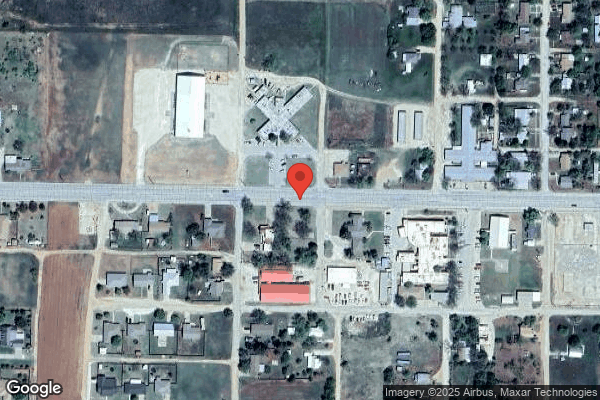
Apr 2023 5 deficiencies
CONCERN (D)

Potential for Harm - no one hurt, but risky conditions existed

Incontinence Care (Tag F0690)

Could have caused harm · This affected 1 resident

**NOTE- TERMS IN BRACKETS HAVE BEEN EDITED TO PROTECT CONFIDENTIALITY** Based on observation, interview and record review, the facility failed to ensure residents who were incontinent of bladder or ha...

Read full inspector narrative →
**NOTE- TERMS IN BRACKETS HAVE BEEN EDITED TO PROTECT CONFIDENTIALITY** Based on observation, interview and record review, the facility failed to ensure residents who were incontinent of bladder or had a urinary catheter received appropriate treatment and services to prevent urinary tract infections and to restore continence to the extent possible for 1 of 2 Residents (Resident #17) reviewed for incontinent care. - CNA A failed to maintain appropriate technique and wiped Resident #17's buttocks from back to front. This failure had the potential to affect residents by placing them at an increased risk of exposure to communicable diseases and infections. Findings include: Record review of face sheet for Resident #17, dated 04/27/23, revealed a [AGE] year-old female admitted to the facility on [DATE] with the following diagnoses: weakness, generalized anxiety disorder and constipation. Observation of incontinent care on 04/27/23 at 10:21 AM, CNA A performed incontinent care for Resident #17 and wiped the buttocks area from back to front. Interview on 04/27/23 at 10:30 AM, CNA A stated she knew to wipe the buttocks from front to back instead of back to front. CNA A stated that she had been trained a couple weeks ago on incontinent care. CNA A stated she thinks she messed up due to being left-handed and her being on the wrong side of the resident. CNA A stated the residents had a risk for infection. Interview on 04/27/23 at 10:35, the DON stated the CNA's were trained about every three months regarding incontinence care. The DON stated the ADON is responsible for checking up on the CNA's and training them regarding incontinence care. The DON stated he did not know why the CNA failed to wipe the buttocks area from front to back. The DON stated he expected the buttocks to be wiped from front to back. The DON stated the residents were at risk for infections. Interview on 04/27/23 at 10:40 AM, the ADON stated she expected the CNAs to wipe the buttocks from front to back. The ADON stated she had not worked at facility as ADON for long and has not had the chance to personally train all the CNA's regarding incontinence care. The ADON stated CNA A was probably nervous and that is why she wiped the buttocks the wrong way. The ADON stated the residents were at risk for urinary tract infections. Record review of facility policy and procedure titled, Perineal Care with a revised date of 01/20/23 reflected the following: Policy Statement: Perineal Care is providing cleanliness and comfort to the resident, to prevent infections, skin irritation, and to observe the resident's skin condition. Steps in Procedure: A. For a Female Resident: 1. Using the cleansing wipe, clean perineal area, wiping from front to back
CONCERN (D)

Potential for Harm - no one hurt, but risky conditions existed

Infection Control (Tag F0880)

Could have caused harm · This affected 1 resident

**NOTE- TERMS IN BRACKETS HAVE BEEN EDITED TO PROTECT CONFIDENTIALITY** Based on observation, interview, and record review, the facility failed to establish and maintain an Infection Control Program d...

Read full inspector narrative →
**NOTE- TERMS IN BRACKETS HAVE BEEN EDITED TO PROTECT CONFIDENTIALITY** Based on observation, interview, and record review, the facility failed to establish and maintain an Infection Control Program designed to provide a safe, sanitary, and comfortable environment and to help prevent the development and transmission of disease and infection for 1 of 3 residents (Resident #88) and in 1 of 2 common baths (#1) reviewed for infection control, in that: 1)The facility failed to use proper infection control precautions when providing care for Resident #88 who was COVID positive, and 2)The facility failed to ensure clean linens were stored in a sanitary manner. These failures could place residents at risk for infections. Findings include: 1)Resident #88 Record review of the face sheet for Resident #88 dated 4/25/23 revealed that the resident was admitted to the facility on [DATE] and was [AGE] years old. Resident had diagnoses of metabolic encephalopathy (chemical brain disorder), cellulitis of right lower limb (leg infection), and obesity (overweight). Record review of the current care plan for Resident #88 revealed the following problem, Problems start date: 4/25/23. Category: General. Resident is (COVID-19 positive). Resident is at risk for related complications due to associated comorbidities. Resident is at increased risk of social isolation due to social distancing precautions. Edited: 4/25/23. Edited by: DON. Approaches listed included the following, . Approach start date: 4/25/23. Follow principles of infection control, and universal/standard precautions. Created: 4/25/23. Created by: DON. Approach start date: 4/25/23. Minimize resident to resident and unnecessary staff contacts. Created: 4/25/23. Created by: DON . Record review of the physician orders for Resident #88 dated 4/25/23 revealed the following, . COVID-19 monitoring once a day. 6 AM to 6 PM. Start date 4/17/23. End date - open ended. Record review of the Progress Notes for Resident #88 dated 4/24/23 at 3:19 PM revealed the following . Additional note: COVID-19 positive 4/25/23 at 8:52 AM. Day 2/10 COVID positive. No signs or symptoms at this time, no concerns by resident or staff. On 4/25/23 at 1:00 PM, an interview was conducted with the Director of Nurses. He stated Resident #88 was interviewable, a new admit and had cellulitis, bilateral. He added the resident was a new admit of only 10 days and had tested positive for COVID yesterday (4/24/23). On 4/26/23 at 8:40 AM, an observation was made of Resident #88's room. His call light was on above the door and the door was closed. There was a red bag/unit hanging on the front of the door that contained PPE (gloves, gowns, masks). There was signage at the door stating the resident was on droplet precautions and there was signage for donning and doffing PPE. CNA C entered the room to answer the call and had only a regular face mask on. The CNA had on no other PPE - (N95 mask, gown, shield or gloves). While in the room, the CNA touched the resident's computer, moved the over bed tray table, which had his breakfast meal on it, and touched the knee of the resident. The CNA then left the room and LVN C stated to her, What are you doing? The CNA responded regarding COVID precautions for Resident #88, I didn't notice it; meaning she did not notice the postings that stated the resident was on droplet precautions. Observation, at this time (on 4/26/23 at 8:40 AM) of the three signs posted on the wall outside of Resident #88's room revealed the following: Check in at nurses station before entering room. Stop droplet precautions stop. Everyone must: clean their hands, including before entering, and when leaving the room. Make sure their eyes, nose, and mouth or fully covered before room entry. Or remove face protection before room exit. US Department of Health and Human Services Centers for Disease, Control and Prevention. Use personal protective equipment (PPE) when caring for patients with confirmed or suspected COVID - 19. Before caring for patients with confirmed or suspected COVID-19, healthcare personnel (HCP) must: receive comprehensive training on when and what PPE is necessary, how to don (put on) and doff (take off) PPE, limitations of PPE, and proper care, maintenance, and disposal of PPE. Demonstrate competency in performing appropriate infection control, practices and procedures. Remember: PPE must be donned correctly before entering the patient area (e.g., Isolation room, unit if cohorting). PPE must remain in place and be worn correctly for the duration of work in potentially contaminated areas. PPE should not be adjusted. (e.g., re-tying gown, adjusting respirator/facemask) during patient care. PPE must be removed slowly and deliberately in a sequence that prevents self-contamination. A step-by-step process should be developed and used during training and patient care. Preferred PPE - Use N 95 or higher respirator. Face shield or goggles. N95 or higher respirator when respirators are not available, use the best available alternative, like a facemask. One pair of clean, non-sterile, gloves. Isolation gown. Acceptable alternative PPE - use face mask. Face shield or goggles. Facemasks, N95 or higher. Respirator are preferred but facemasks are an acceptable alternative. One pair of clean, non-sterile, gloves. Isolation gown . CDC. 6/03/2020. www.cdc.gov/coronavirus. On 4/26/23 at 8:57 AM, LVN C stated CNA C was sent home to shower and change her clothes. On 4/26/23 at 9:38 AM, an interview was conducted with CNA C regarding not wearing proper PPE when entering Resident #88's room. Regarding why she had done that, she stated, she had just happened to see the (call) light and blanked out. She added it was a quick reaction and no one told her Resident #88 was COVID positive. She further stated her first instinct was to answer the call light and noticed the biohazard boxes once she was in the room. She added that day was her first day back to work after being off. Regarding how long she had worked in the facility, she stated she had worked in the facility almost 3 years. She stated she had been trained related to COVID and was told to completely gown up and use proper PPE when entering a COVID room. She added that she knew her PPE and sometimes fell under pressure. Regarding what could result from her entering a COVID positive room without donning the proper PPE. She stated, she could transmit COVID to another resident. 2) On 4/25/23 at 3:19 PM on hall 3 common Bath #1 was observed. There were 2 clean linen carts stored in this bath, which included bed sheets, pillowcases and towels. On 4/26/23 at 8:59 AM an observation was made of common Bath #1. Two of 2 clean linen carts were stored inside the shower room, which included bed sheets, pillowcases and towels. On 4/26/23 at 9:27 AM an interview was conducted with CNA D in Bath #1 regarding issues in the shower. Regarding why the linen carts were stored in the baths, she stated, the carts were either stored in spare rooms or in a bath during meals and staff took them out when they were conducting rounds. After the rounds, the carts were stored in a spare room or the showers. She stated, she did not know that a shower was considered a soiled area and large amounts of linens such as sheets and pillowcases, should not be stored in a soiled area. Regarding what could result from storing clean linens in a soiled area, such as a bath, she stated, cross-contamination. On 4/26/23 at 4:40 PM an interview was conducted with the Director of Nurses regarding linen infection control. He stated, regarding storing linen carts in the baths, staff had been doing that for years. He told staff to place the clean linen carts in the shower but not letting them touch the soiled linen barrels. He added if there was no vacant room, staff stored the carts in the shower. Regarding infection control, and the CNA, who did not wear proper PPE in Resident #88's room he stated, he did not understand why she had done that. He added every three months, the facility conducted handwashing and PPE audits. He stated he did not know what was in the CNA's brain and that she screwed up pretty good. Regarding what CNA C should have done, he stated, she should have knocked; donned PPE per procedure on the wall and doffed per procedure posted. Regarding what could result from staff not wearing the appropriate PPE in a COVID positive room, he stated, she could have exposed herself to COVID. Regarding whom was responsible for ensuring staff wear appropriate PPE. He stated, the Infection Control Preventionist/DON, the ADON; all things in nursing were under his head. On 4/27/23 at 10:05 AM, an interview was conducted with the Administrator about observations made in the facility. Regarding infection control, and linen infection control, he stated that the issue of linens being stored in the shower was new to him. Regarding what he expected staff to have done regarding not wearing appropriate PPE, he stated they should have donned PPE before entering the room. Regarding the result of this issue, he stated that the residents could be exposed to COVID; no one was symptomatic. Regarding whom was responsible for ensuring that staff don proper PPE, he stated, Administrator, Infection Control Preventionist, DON and everyone. Record review of the facility policy title, Personal Protective Equipment, Revised October 2018, revealed the following documentation, Policy Statement. Personal protective equipment appropriate to specific task requirements is available at all times. Policy Interpretation, and Implementation. 1. Personnel who perform tasks that may involve exposure to blood/body fluids are provided appropriate personal protective equipment (PPE) at no charge. 3. Not all tasks involve the same risk of exposure, or the same kind or extent of protection. The type of PPE required for a task is based on: a. the type of transmission based precaution; b. The fluid or tissue to which there is a potential exposure; c. The likelihood of exposure; d. The potential volume of material; e. The probable route of exposure; and f. The overall working conditions in job requirements. Record review at the facility' policy, titled Infection, Prevention and Control Program, Revised January 2022 revealed the following documentation, Policy Statement. An infection prevention and control program (IPCP) is established and maintain to provide a safe, sanitary, and comfortable environment, and to help prevent the development and transmission of communicable diseases and infections. Each Center shall refer to and follow CDC guidance and their State guidance for infection prevention and control. Policy Interpretation and Implementation. 11. Prevention of Infection. a. Important Facets of Infection Prevention include. 3. Educating staff and ensuring that they adhere to proper techniques and procedures . 7. Implementing appropriate isolation precautions when necessary; and 8. Following established general and disease specific guidelines, such as those of the Centers for Disease Control (CDC) . 13. Monitoring employee health and safety. c. Those with potential direct exposure to blood and body fluids are trained in and required to use appropriate precautions and personal protective equipment. 1. The facility provides personal protective equipment, checks for its proper use.
CONCERN (E)

Potential for Harm - no one hurt, but risky conditions existed

Deficiency F0692 (Tag F0692)

Could have caused harm · This affected multiple residents

**NOTE- TERMS IN BRACKETS HAVE BEEN EDITED TO PROTECT CONFIDENTIALITY** Based on observation, interview, and record review, the facility failed to offer, based on a resident's comprehensive assessment...

Read full inspector narrative →
**NOTE- TERMS IN BRACKETS HAVE BEEN EDITED TO PROTECT CONFIDENTIALITY** Based on observation, interview, and record review, the facility failed to offer, based on a resident's comprehensive assessment, a therapeutic diet when there was a nutritional problem, and the health care provider ordered a therapeutic diet for 6 of 6 residents (Residents #1, 2, 10, 14, 20 and 28), in that: The facility failed to provide Residents #1, 2, 10, 14, 20 and 28 with their physician ordered therapeutic diets that included fortified foods, a renal diet, and/or large portions for the noon meal on 04/26/23. This failure could place residents at risk for hunger, weight loss, and chemical imbalances. The findings include: Resident #14: Record review of the face sheet for female Resident #14 dated 4/26/23 revealed the resident was admitted to the facility on [DATE] and readmitted on [DATE]. The resident was [AGE] years old, and had diagnoses of, acute respiratory failure with hypoxia (insufficient oxygen), muscle wasting and atrophy, not elsewhere, classified (loss of muscle tissue), hyperkalemia (high potassium), age related cognitive decline, bipolar current episode (mental disorder), hypomanic and hypokalemia (low potassium). Record review of the quarterly MDS for Resident #14 dated 2/2/23 revealed that the resident had a BIMS score of 15 (cognitively intact). Active diagnosis listed were hyperkalemia, stroke, hemiplegia or hemiparesis and manic depression. There was no documentation of weight loss or weight gain. Record review of Resident #14 care plan revealed a problem documented as, Problem start date: 4/6/23. Category: nutritional status. Nutritional status diet. Edited: 4/6/23. Edited by: DON. Approaches listed included, . Approach start date: 4/6/23. Diet as ordered: renal diet, no fish, peaches, or strawberries. Edited: 4/6/23. Edited by: DON. Record review of the physician orders for Resident #14 dated 4/26/23 revealed that the resident had an order documented as, Diet: renal diet with thin liquids. No fish, peaches, or strawberries. Start date 12/16/21. End date - open ended. Record review of the chemistry lab report for Resident #14 dated 1/3/23 revealed that the resident had a potassium level of 3.29 mmol/L on a normal range of 3.5-6.1. This indicated the resident's potassium was low. Additional record review of the lab report revealed that the resident had an albumin level of 3.2 g/dL on a normal range of 3.5 to 5.0 indicating the resident's albumin was low. Record review of the Weight Variance Report dated 10/1/22-4/26/23 revealed Resident #14 had a 4.6% weight loss between 3/6/23 and 4/5/23. The resident went from 154.3 pounds to 147.2 pounds. Record review of the Dietician A Progress Notes for Resident #14 between 10/27/22 and 4/26/23 revealed no documentation of any dietary or dietitian notes. Record review of the Nutrition Recommendation form by Dietitian A dated 2/8/23 revealed the following documentation regarding Resident #14, Add diet texture to orders. Daily activities tracking form. Annual assessment. No diet changes, other than texture were mentioned. Record review of the Lunch: Wednesday, 4/26/23 diet card for Resident #14 revealed that her diet was documented as regular with a special note: no fish, peaches, strawberries. There was no documentation that the resident was on a renal diet. On 4/26/23 at 12:40 PM, Resident #14 received 1 slice cheesecake, 1 slice toast, 4 ounce spaghetti, 4 ounce squash, 6 ounce meat sauce, and tea. None were identified as foods for a renal diet. On 4/26/23 at 4:01 PM an interview was conducted with the Director of Nurses regarding resident diets. Regarding Resident #14's therapeutic diet, he stated, he was not sure why the resident was on this diet. Resident #10: Record review of the face sheet for male Resident #10 dated 4/26/23 revealed that the resident was admitted to the facility on [DATE] and readmitted on [DATE]. The resident was [AGE] years old and had diagnoses of Alzheimer's disease with a late onset, adult failure to thrive and vitamin D deficiency. Record review of the annual MDS for Resident #10 dated 2/8/23 revealed that the resident had no BIMS score. The resident was documented as having long-term and short-term memory problems and was severely impaired cognitively. Active diagnosis listed for the resident was Alzheimer's disease. Further record review revealed that the resident had experienced a weight loss of 5% or more in the last month or loss of 10% or more in the last six months. Record review of the current care plan for Resident #10 revealed a problem as Problem start date: 3/6/23. Category: nutritional status. My diet order is a mechanical soft. Edited: 3/16/23. Edited by: DON. The Goal listed was as follows, Long-term goal target date: 6/1/23. I will be offered an appetizing meal and an alternative meal to help me keep my weight at an acceptable range and help me avoid choking on food that I cannot eat over the next 90 days. Edited: 3/6/23 . Record review of the physician orders for Resident #10 dated 4/26/23 revealed the following order, . Diet: regular texture: mechanical soft. Fluid consistency: thin. Large portions. Special instructions: fortified foods. Order start date 2/8/23. End date - open ended. Record review of the chemistry lab report for a Resident #10 dated 2/20/23 documented that the resident had an albumin level of 3.5 g/dL on a normal scale of 3.5 - 5.0. Record review of the Weight Variance Report dated 10/1/22-4/26/23 revealed Resident #10 had a 2.6% weight loss between 1/6/23 and 4/13/23. The resident went from 175.2 pounds to 170.6 pounds. Record review of the Progress Notes by Dietitian A dated 11/10/22 for Resident #10 revealed the following documentation, . 8.4% weight loss in 60 days. Diet: regular, mechanical soft, thin liquids, (fortified foods). At risk for dehydration, related to dementia and diarrhea . Record review of the Lunch: Wednesday, 4/23/26/23 diet tray card for Resident #10 revealed that the resident was on a regular/mechanical soft diet. Special notes: fortified food. On 4/26/23 at 12:08 PM, Resident #10, tray received 1 slice cheesecake, 1 slice toast, 4 ounce spaghetti, 4 ounce squash, 6 ounce meat sauce, and tea on his prepared tray. The resident received the same serving sizes as all other residents. None were identified as fortified foods. On 4/26/23 at 4:01 PM an interview was conducted with the Director of Nurses regarding resident diets. Regarding Resident #10's therapeutic diet (fortified), he stated the resident had some weight loss a while back and had a decline. Resident #1: Record review of the face sheet for female Resident #1 dated 4/25/22 revealed that the resident was admitted to the facility on [DATE] and readmitted on [DATE]. The resident was [AGE] years old and had diagnoses of, Alzheimer's disease, with late onset, anxiety disorder, unspecified (mental disorder), pneumonia, unspecified organism (respiratory infection), unspecified protein calorie malnutrition (poor nutrition), and vitamin D deficiency unspecified. Record review of the significant change MDS for Resident #1 dated 3/10/23 revealed that the resident had a BIMS score of three ( severe cognitive impairment). Active diagnoses listed revealed the resident had pneumonia, Alzheimer's disease, and malnutrition or at risk for malnutrition. Further record review of the MDS revealed the resident had not experience a weight loss or weight gain. Record review of the care plan for a Resident #1 revealed the following problem, Problem start date: 3/3/23. Category: nutritional status. My diet order is: mechanical, soft, but I request puree at times. Edited: 4/14/23. Edited by: DON. The Goal documented was as follows, Long-term goal target date: 5/31/23. I will be offered an appetizing meal and an alternative meal to help me keep my weight at an acceptable range and help me avoid choking on food that I cannot eat over the next 90 days. Edited: 3/3/23. Edited by: DON. Record review of the physician orders for Resident #1 dated 4/25/23 revealed an order that stated, . Diet: regular texture: mechanical soft. Fluid consistency: thin. Special instructions: fortified foods. Start date 2/11/22. End date - open ended. Record review of the chemistry Lab report for Resident #1 dated 3/10/23 revealed that the resident had an albumin level of 2.7 g/dL on a normal scale of 3.4 to 5.0. Indicating the resident had a low albumin level. Record review of the Weight Variance Report dated 10/1/22-4/26/23 revealed Resident #1 had a 5.3 % weight loss between 3/6/23 and 4/12/23. the resident went from 103.5 pounds to 98. Record review of the Dietitian A Progress Note dated 4/18/23 for Resident #1 revealed the following documentation, . Weight change: 5.3% weight loss in 30 days. Diet: regular, mechanical soft, thin liquids. Fortified foods. Note: At risk for dehydration related to diuretic use and Alzheimer's disease. Future weight loss is likely expected related to hospice. Record review of the Lunch: Wednesday, 4/26/23 diet card for Resident #1 documented that the resident was on a regular/mechanical, soft diet. It further documented, Supplement - one serving fortified food. Special notes: fortified foods, health shakes lunch. On 4/26/23 at 12:07 PM, the tray for Resident #1 was prepared and the resident received 1 slice cheesecake, 1 slice toast, 4 ounce spaghetti, 4 ounce squash, 6 ounce meat sauce, and tea. None were identified as fortified foods. On 4/26/23 at 4:01 PM an interview was conducted with the Director of Nurses regarding resident diets. Regarding Resident #1's therapeutic diet, he stated, the resident was on hospice. He added the facility tried to get extra calories into the resident. Resident #20: Record review of the current face sheet for male Resident #20, dated 4/26/23 revealed that the resident was admitted to the facility on [DATE] and was [AGE] years old. The resident had documented diagnoses of non-displaced fracture of base of neck of left femur, subsequent encounter for close fracture with delayed healing (leg fracture), cognitive communication deficit, muscle wasting and atrophy, not elsewhere classified, age related cognitive decline, other schizophrenia (mental disorder), and Cachexia (wasting). Record review of the admission MDS for Resident #20, dated 1/17/23 revealed that the resident had a BIMS score of 12 (cognitively intact with some confusion). Active diagnosis listed were schizophrenia and hypertension. Further record review revealed that the resident had not experienced any weight loss or weight gain. Record review of the current care plan for Resident #20 revealed a problem that stated, Problem start date: 4/19/23. Category: nutritional status. Nutritional status diet. Edited: 4/25/23. Edited by:, DON. Approaches included the following . Approach start date: 4/19/23. Diet as ordered: regular diet. No added salt. Thin liquids. Edited: 4/25/23. Edited by: DON. Record review of the current physician orders for Resident #20, dated 4/26/23 revealed the following documentation, . Diet: regular diet: regular fluid consistency: thin liquids. Large portions/fortified foods. Start date 3/27/23. End date - open ended. Record review of the Weight Variance Report dated 10/1/22-4/26/23 revealed Resident #20 had a 13.4% weight loss between 3/6/23 to 4/5/23. The resident went from 143.3 pounds to 124.1 pounds. Record review of the Progress Notes from Dietitian A dated 4/18/23 revealed the following documentation for Resident #20, . Weight change: 13.4% loss in 30 days, 22.7% loss 90 days. Diet: regular, regular texture, thin fluids. Large portions, fortified foods. Noted diagnosis of Cachexia - metabolic syndrome, involuntary, decreased muscle mass/weight loss. Record review of the Lunch: Wednesday, 4/26/23 diet tray card for Resident #20 revealed that he was on a regular NSOT/regular diet, (no salt on tray). There was no documentation that the resident was ordered large portions and fortified foods. On 4/26/23 at 12:11 PM, Resident #20 received 1 slice cheesecake, 1 slice toast, 4 ounce spaghetti, 4 ounce squash, 6 ounce meat sauce, and tea. The resident received the same serving sizes as all other residents. None were identified as fortified foods. On 4/26/23 at 4:01 PM an interview was conducted with the Director of Nurses regarding resident diets. Regarding Resident #20's large portion therapeutic diet, he stated, the resident had lost some weight. Resident #28: Record review of the current face sheet for female Resident #28, dated 4/26/23 revealed that the resident was admitted to the facility on [DATE] and was [AGE] years old. Diagnoses listed for the resident were other Alzheimer's disease, Muscle wasting and atrophy, not elsewhere classified, hypokalemia (low potassium level), and acute kidney failure unspecified. Record review of the quarterly MDS for Resident #28 dated 2/8/23 revealed that the resident had a BIMS score of six (severe cognitive impairment) and active diagnoses of renal insufficiency, Alzheimer's disease and depression. Further record review of the MDS revealed no known weight loss of weight gain. Record review of the current care plan for Resident #28 revealed a problem documented as, Problem start date: 2/28/23. Category: nutritional status. Nutritional status diet. Edited: 3/16/23. Edited by: DON. Approaches included, Approach, start date: 2/28/23. Diet as ordered: regular. Edited: 2/28/23 . Record review of the Order Report by Category: 4/25/23-4/25/23 revealed Resident #28 had the following diet, General. Start date - 4/18/23. End date - open ended. Flowsheet - Dietary. Order description - Diet: regular diet. Texture: regular. Fluid consistency: thin liquids. Fortified foods. Record review of the chemistry lab report for Resident #28 dated 12/1/22 revealed that the resident had an albumin level of 4.1 g/dL on a normal scale of 3.5 - 5.0. Record review of the Weight Variance Report dated 10/1/22-4/26/23 revealed Resident #28 had a 7.6% weight loss between 1/6/23 through 4/17/23. The resident went from 140.2 pounds to 129.5 pounds. Record review of the progress note by the Dietitian A, dated 4/18/23 for Resident #28 revealed the following documentation, . 8.3% weight change loss in 90 days. Note: At risk for dehydration related to Alzheimer's disease. Recent decline in dementia. Recommend fortified foods at all meals for weight support. Record review of the tray card for Resident #28 for Lunch: Wednesday, 4/26/23 revealed the resident was on a regular diet, and there was no documentation that the resident was ordered fortified foods. On 4/26/23 at 12:18 PM Resident #28 received 1 slice cheesecake, 1 slice toast, 4 ounce spaghetti, 4 ounce squash, 6 ounce meat sauce, and tea. None were identified as fortified foods. On 4/26/23 at 4:01 PM an interview was conducted with the Director of Nurses regarding resident diets. Regarding Resident #28's therapeutic diet, he stated, the resident had a recent weight loss and decline. Resident #2: Record review of the face sheet for female Resident #2, dated 4/25/23 revealed that the resident was admitted to the facility on [DATE] and was readmitted on [DATE]. The resident was [AGE] years old, and had diagnoses of Alzheimer's disease with late onset, and muscle wasting and atrophy, heart disease, unspecified, chronic kidney disease, unspecified, and personal history of other malignant neoplasm of large intestine (cancer). Record review of the annual MDS for Resident #2 dated 2/3/23 revealed the resident had a BIMS score of five (severe cognitive impairment). Active diagnoses listed were Alzheimer's disease, malnutrition, or at risk for malnutrition and depression. Further record review of the MDS revealed the resident had not experienced a weight loss or a weight gain. Record review of the current care plan for Resident #2 revealed the following documentation, Problem, start date: 9/21/22. Category: nutritional status. Nutritional status diet: regular mechanical, soft. Edited: 3/16/23. Edited by: DON. Approaches included, .Approach start date: 9/21/22. Diet as ordered: regular mechanical, soft, FMP (fortified meal plan). Edited: 9/23/22. Edited by: DON. Record review of the physician orders for Resident #2, dated 4/25/23 revealed the following order, . Diet: regular texture: mechanical soft. Fluid consistency: thin. Special instructions: fortified foods. Start date 9/14/20. End date - open ended. Record review of the Weight Variance Report dated 10/1/22-4/26/23 revealed Resident #2 had a 4.1% weight loss between 3/6/23, and 4/13/23. The resident was 118.1 pounds and declined to 113.2 pounds. Record review of the Progress Notes from Dietitian A dated 7/7/22 revealed the following documentation for Resident #2, . weight change: . Period 4.4% loss at 90 days. Diet: regular, mechanical, soft, thin fluids with fortified foods. Record review of the diet tray card for Resident #2 for Lunch: Wednesday, 4/26/23 revealed that the resident was on a regular/mechanical soft diet. It further documented entrée . One serving fortified foods. On 4/26/23 at 12:19 PM, Resident #2 received 1 slice cheesecake, 1 slice toast, 4 ounce spaghetti, 4 ounce squash, 6 ounce meat sauce, and tea. None were identified as fortified foods. On 4/26/23 at 4:01 PM an interview was conducted with the Director of Nurses regarding resident diets. Regarding Resident #2's therapeutic diet, he stated around COVID, she lost weight. - The following observations were made, and interviews conducted during a kitchen tour on 4/26/23 that began at 11:20 AM and concluded at 12:26 PM: On 4/26/23 at 11:25 AM temperatures were taken on the service line by the Dietary Manager. The foods served were as follows: Meat sauce served with a 6 ounce ladle. Spaghetti served with a 4 ounce ladle. Yellow squash served with a 4 ounce ladle. Puréed meat sauce served with the #6 scoop. Puréed squash served with a #12 scoop. Mashed potatoes served with a #8 scoop. Puréed spaghetti served with a #8 scoop. Puréed cheesecake at room temperature Puréed bread no temperature taken. Regular cheesecake at room temperature No foods were identified as foods for a fortified or renal diet. Meal service started at 11:46 AM Record review of the menu spreadsheet for Wednesday SLP FW 2022 5 week - week 2, revealed that there was no menu guidance listed for a renal diet, large portion diet or fortified diet. These menus were signed by a Dietitian B. The spread sheet documented that residents on Regular, Regular/Mechanical Soft, Regular No Salt on tray diet should have received 3/4 cup (6 ounce) meat sauce, 1/2 cup (4 ounce) spaghetti noodles, 1/2 cup slice zucchini/squash, one each garlic toast half, one slice cheesecake. The only difference from the Regular diet for the High Cal/High Pro/regular diet was that the resident would receive 1 cup meat sauce. The Low Concentrated Sweets/Regular diet only difference from the regular diet was the resident received a half a slice of cheesecake. Record review of the menu spreadsheet for Tuesday SLP FW 2022 5 week - week 2, Wednesday SLP FW 2022 5 week - week 2, Thursday SLP FW 2022 5 week - week 2, Friday SLP FW 2022 5 week - week 2 revealed that there was no menu guidance listed for a renal diet, large portion diet or fortified diet. These menus were signed by a Dietitian B. On 4/26/23 at 12:58 PM, an interview was conducted Dietary staff A regarding how the noon meal foods were made and other issues in the kitchen. Regarding what ingredients she used to make the squash, she stated she used chicken broth, squash, and butter. Regarding how she made the meat sauce, she stated, that the meat sauce was canned and nothing additional was added. Regarding how she made the spaghetti; she stated she used chicken broth and spaghetti. Regarding how she made the mashed potatoes, she stated she used butter, chicken broth and instant potatoes. Regarding fortified foods, Dietary staff A stated that the only fortified food the facility used was mashed potatoes. She stated there were six or seven residents on fortified foods. Regarding how the facility defined a large portion, she stated she could not remember. Regarding a Renal diet she stated there were no residents on a renal diet. She stated Resident #14 was served a regular diet. She further stated that she had worked in the facility 4 years, and they trained her for two months. On 4/26/23 at 1:20 PM, an interview was conducted with the Dietary Manager regarding issues found in the dietary department. Regarding fortified diets he stated that the diets contained mashed potatoes and evaporated milk. He added he had the recipe on a paper in the kitchen. He further stated that specific ingredients were added to foods to make them fortified. Regarding what food was fortified food for the noon meal, he stated residents on fortified diets should have received potatoes. Regarding why residents did not receive fortified foods as he described, since the mashed potatoes did not contain evaporated milk, he stated, Dietary staff A was nervous. He stated he asked Dietary staff A if she served fortified foods on the trays. He added that staff usually serve fortified foods, and these foods should have been made with butter, evaporated milk, and regular milk. Regarding how they defined large portions, he stated, they should get bigger portions. Regarding renal diet, he stated the facility had no one on a renal diet, the Dietary Manager was shown the diet order for Resident #14 on the Diet Order List that stated the resident was on a renal diet. He stated he was not aware the resident was on a renal diet. Also, at that time, the Dietary Manager looked through the resident tray cards, and there was no renal diet found. Regarding the menu diet spreadsheet not having a renal diet listed, he stated, this was the only spreadsheet he was given. Regarding what could result from residents not receiving their physician order diet/therapeutic diet, he stated residents could die or get sick. Regarding whom was responsible for residents receiving their prescribed physician diet, he stated that the Dietary Manager was responsible. Regarding what he expected staff to have done, he stated staff should have followed the physician's order. Regarding how long the dietary staff were oriented or trained, he stated three days. On 4/26/23 at 2:40 PM an interview was conducted with the Dietary Manager. He stated, he could not find a tray card for Resident #14. He added that he had been told by nurses that a renal diet would be a diet with low salt. On 4/27/23 at 10:05 AM, an interview was conducted with the Administrator about observations made in the facility. Regarding therapeutic diets not being served as ordered, he stated he expected staff to have followed the diet orders. He added that the errors may have been caused by a software system problem. Regarding what could result from these issues, he stated there could be a resident decline. He was then asked who was responsible to ensure that staff serve the therapeutic diet as ordered by the physician. He stated the Administrator and Dietary Manager were responsible to ensure that staff served therapeutic diets as ordered by the physician. Record review of the facility's, Diet Manual dated 2021 revealed the following documentation, Diet and Textures. Diet Descriptions. Regular. Large portion - Increase portions to 1 1/2 that of the regular diet. Fortified foods - Regular diet with one or more menu items replaced with a super foods recipe. Renal 60 g pro - Low sodium (2 gm), low potassium (2 gm), 60 g proteins. Record review of the facility policy labeled Nutrition & Food Service Policies & Procedures Manual, 2018, Section 3-12, revealed the following documentation, Policy: Tray Service. Policy Number: 03.006 . Policy: The facility believes that accurate tray service and adequate portion sizes are essential to the resident's, well-being and safety. The facility will ensure that diets are served accurately, and in the correct portions and that preferences are met. Procedures. 3. For tray line service, Nutrition and Food Service Staff will check each resident's tray cards prior to service to ensure their preferences and dislikes are honored, the correct diet is served, portion sizes are accurate, and appropriate substitutions provided. 4. For non-tray line service methods, staff will obtain food preferences for the meal from each resident. Serving staff will check each tray against the extensions to ensure that the diet is served accurately and the portion sizes of each item is correct. 5. The Nutrition & Food Service Manager or designee may conduct a tray audit once each week during each meal to ensure that diets are served correctly and to identify any training needs. 6. The Nutrition & Food Service Manager, or consultant or RDN/NDTR will conduct in-services with the nutrition, foodservice and nursing staff once per quarter or twice each year to ensure all serving staff are familiar with portion sizes and therapeutic and mechanically altered diets. Record review of the National Institutes of Health website, National Library of Medicine .Medline Plus (https://medlineplus.gov/lab-tests/albumin-blood-test/) revealed the following documentation, . Albumin Blood Test. What is an Albumin Blood Test? An albumin blood test measures the amount of albumin in your blood. Low albumin levels can be a sign of liver or kidney disease or another medical condition . Albumin is a protein made by your liver. Albumin enters your bloodstream and helps keep fluid from leaking out of your blood vessels into other tissues. It is also carries hormones, vitamins, and enzymes throughout your body. Without enough albumin, fluid can leak out of your blood and build up in your lungs, abdomen (belly), or other parts of your body . Lower than normal albumin levels may be a sign of: Liver disease, including severe cirrhosis, hepatitis, and fatty liver disease Kidney disease Malnutrition Infection Digestive diseases that involve problems using protein from food, such as Crohn's disease and malabsorption disorders .
CONCERN (E)

Potential for Harm - no one hurt, but risky conditions existed

Food Safety (Tag F0812)

Could have caused harm · This affected multiple residents

Based on observation, interview, and record review, the facility failed to store, prepare, distribute and serve food in accordance with professional standards for food service safety for 2 of 2 staff ...

Read full inspector narrative →
Based on observation, interview, and record review, the facility failed to store, prepare, distribute and serve food in accordance with professional standards for food service safety for 2 of 2 staff (Dietary Manager and Dietary staff A) and 1 of 1 kitchen, in that: 1) The facility failed to store, serve or process foods in a manner to prevent contamination, 2) The facility failed to handle food contact equipment in a manner to prevent contamination, 3) The facility failed to ensure food contact surfaces were clean, 4) The facility failed to perform sanitary handwashing between the handling of soiled and clean food equipment during dishwashing, 5) The facility failed to use good hygienic practices, including incorrect handwashing techniques, 6) The facility failed to ensure wiping cloth quaternary sanitizer solutions were not at required levels, 7) The facility failed to ensure food contact equipment storage areas were not maintained in a clean and sanitary manner 8) The facility failed to ensure food preparation area nonfood contact surfaces were not clean, and These failures could place residents at risk for food contamination and foodborne illness. The findings include: - The following observations were made, and interviews conducted during a kitchen tour on 4/25/23 that began at 10:49 AM and concluded at 12:23 PM: The underside of the upper shelf of the stove had an accumulation of dried spills. The drink gun was stored in the hand sink and the drink gun had a buildup of dirt/syrup. The wiping cloth solution was stored on a lower shelf of the kitchen prep table and it was next to a box that contained coffee. On 4/25/23 at 10:57 AM, an interview and observation was conducted with the Dietary Manager. He stated the wiping cloth solution was a (quaternary) sanitizer and that staff had set the solution up that morning. He added staff changed the solution two times a day and looked for a sanitizer level of 200 ppm as correct. At that time the Dietary Manager checked the wiping cloth solution which was dirty and contained cloths and it was tested with a quaternary sanitizer test strip and the level was 0 to 100. The exterior of the utensil storage bin, that was placed on the rack, was dirty. The pantry area food bins exteriors were dirty with smears and buildup. The stainless steel racks had a personal drink container stored on the shelf with clean pitchers. The wall in the food processing area was soiled with dried spatter and spills. The sides of the fryer and stove had a buildup of gummy grease between the two. The wooden cutting board connected to the steam table had a buildup of dried food, dirt and gummy grease. Between the steam table and the wood cutting board, there was a buildup of dried food. The ceiling return air vent in the kitchen had a buildup of dirt and grease. The Dietary Manager rinsed his hands with water only in the two compartment sink and dried them. He then handled clean dishes and put them away. On 4/25/23 at 11:48 AM, the Dietary Manager stated that they had a sign above the sink that tells them the correct order to wash their hands. Dietary staff A washed the processor in the dishwasher. She removed it from the dishwasher and then placed tomatoes in the wet processor and puréed them. On 4/25/23 at 11:35 AM, an interview was conducted with the Dietary Manager regarding why the drink gun was being stored in the hand sink (soiled area). He stated, he guessed staff were nervous. Dietary staff A washed the processor in the dishwasher. She removed it from the dishwasher, and it was wet on the interior. She placed slices of bread in the wet processor with broth and then puréed the mixture. Record review of the Auto Chlor Sanitizing Solution CL (dishwasher sanitizer) label revealed the following. Directions for use . Sanitizing food contact surfaces. 5. Allow equipment or utensils to air dry. The two freezers in the entry area had unshielded lightbulbs. - The following observations were made during a kitchen tour on 4/25/23 that began at 1:20 PM and concluded at 1:40 PM: Dietary staff A was pre-washing soiled dishes and placing them in the dishwasher and then went directly and handle clean dishes without washing her hands. Dietary staff A was again observed handling, and pre-rinsing soiled dishes and then going to clean dishes/trays and drying them off with a disposable towel, and not allowing them to air dry. She also failed to wash her hands between soiled and clean duties. - The following observations were made, and interviews conducted during a kitchen tour on 4/26/23 that began at 11:20 AM and concluded at 12:26 PM: Dietary staff A placed squash in a wet processor and puréed it. The ceiling return air vents in the kitchen and exhaust vent were heavily soiled with dust and dirty grease. There was an accumulation of dust on the ceilings. Dietary staff A took a wet processor from the dish machine and placed pasta and chicken bouillon in it. Dietary staff A was about to place the lid on the processor and the surveyor intervened and told her that the lid was dirty with food. She took the lid and washed it, replace the lid on the processor and puréed the pasta/spaghetti. There was a personal drink in an uncovered cup on the stainless steel rack next to Styrofoam plates, food container lids, and an open box of gloves. On 4/26/23 at 12:58 PM an interview was conducted Dietary staff A regarding other issues in the kitchen. Regarding how long she had worked in the facility she stated, 4 years and she was trained two months. She stated that she had not been told to allow the processor to air dry prior to placing food in it. Regarding cleaning in the kitchen, she stated the walls were cleaned daily, and staff mopped the floors. She added there was no cleaning of the ceilings. Regarding cleaning of the wooden board attached to the steam table, she stated it was cleaned daily. Regarding going from soiled to clean dishes and not washing her hands, she stated staff had been told to wash their hands between handling soiled and clean dishes. Regarding the result of the dietary sanitation issues mentioned, she stated, cross-contamination. On 4/26/23 at 1:20 PM, an interview was conducted with the Dietary Manager regarding issues found in the dietary department. Regarding the processor, he stated, he told staff to air dry. Regarding when his last in-service was conducted with the dietary staff, he stated he conducted in-services at the first of the year. Regarding cleaning in the kitchen, he stated, he did most of it. Regarding cleaning of the walls and ceilings. He stated, they were not cleaned too often. He added that he cleans them when he can. Regarding the last time that the ceiling vents were cleaned, he stated it happened about a month and a half ago. Regarding personal drinks stored in food areas he stated, he told staff they should place personal drinks in the pantry area. Regarding dishwashing and going from soiled to clean items without washing their hands, he stated, staff had been told to wash their hands between soiled and clean duties. Regarding the drink gun being dirty, he stated, staff cleaned it daily. He added staff cleaned between the fryer and the stove approximately once a month. Regarding the wooden cutting board that was attached to the steam table, he stated, it should be cleaned every day. He stated that the board was clean. Regarding what could result from the dietary sanitation issues mentioned, he stated, residents could get sick. Regarding whom was responsible to ensure that the dietary sanitation actions were correct, he stated, the Dietitian, Administrator; it's really the Dietary Manager. Regarding why he thought these dietary issues occurred, he stated, staff were getting in a hurry. Regarding what he expected staff to have done, he stated, he expected them to do the right thing. Regarding how long the dietary staff were oriented or trained, he stated staff were trained three days. On 4/27/23 at 8:55 AM an observation was made in the kitchen, and it was found that the lights in the entry area freezers were not shielded. On 4/27/23 at 10:05 AM, an interview was conducted with the Administrator about observations made in the facility. Regarding dietary sanitation issues that were found, he stated he expected staff to conduct proper handwashing, and dish cleaning. Regarding what could result be from these issues, he stated, the possibility of illness; a far possibility. Regarding whom was responsible to ensure that dietary staff actions were appropriate, he stated the Dietary Manager and Administrator. Record review of the label on the quaternary sanitizer, Auto Chlor Solution QA, revealed the following documentation, .Directions for Use. Sanitizing Food Contact Surfaces: Use half ounce per 1 gallon water - 200 ppm active of this product for sanitizing and cleaning of equipment and utensils in . institutional kitchens Record review of the In-Service Sign In sheets for the dietary department since January 2023 revealed that there were two in-services conducted on 2/8/22 that covered dish washing, recording temps, weekly handwashing, and mask from chin to nose. An additional in-service was conducted on 1/31/22 on dishwashing and recording temperatures. The Dietary Manager and Dietary staff A attended these in services. Record review of the Hand Hygiene Competency Criteria Checklist for the Dietary Manager, dated 3/22/23, revealed no documentation as to if he correctly demonstrated competency or missed a step or was incorrect. The two signatures at the bottom of the page were, ADON, and the Dietary Manager. Record review of the Hand Hygiene Competency Criteria Checklist, dated 4/11/23, revealed it only had the signature of the employee Dietary staff A and there was no documentation if she correctly demonstrated competency or missed steps or was incorrect. Record review of the facility policy, titled Nutrition & Food, Service Policies & Procedures. Manual, 2018, Section 4-1, revealed the following documentation, policy: employee sanitation. Policy number: 04.001 . Policy: The Nutrition & Food Service Employees of the facility will practice good sanitation practices in accordance with the state and US Food Codes in order to minimize the risk of infection and foodborne illness. Procedure . 3. Employee cleanliness requirements . e. Employees will not eat or drink in food storage and preparation areas, or in areas containing exposed food or unwrapped, utensils, or where utensils are clean or stored. 5. Handwashing. a. Employees must wash their hands and exposed portions of their arms at designated handwashing facilities at the following times. iv. Immediately before engaging in food preparation including working with exposed food, cleaning equipment, and utensils, and unwrapped single service and single use articles. vii. After engaging in other activities that contaminate the hands.
CONCERN (E)

Potential for Harm - no one hurt, but risky conditions existed

Safe Environment (Tag F0921)

Could have caused harm · This affected multiple residents

**NOTE- TERMS IN BRACKETS HAVE BEEN EDITED TO PROTECT CONFIDENTIALITY** Based on observation, interview, and record review, the facility failed to provide a safe, functional, sanitary, and comfortable...

Read full inspector narrative →
**NOTE- TERMS IN BRACKETS HAVE BEEN EDITED TO PROTECT CONFIDENTIALITY** Based on observation, interview, and record review, the facility failed to provide a safe, functional, sanitary, and comfortable environment for residents, staff and the public, in 2 of 2 common resident baths (#1 and #2), 3 of 4 halls (1, 2 and 3) in that: 1)The facility failed to ensure resident rooms, resident use equipment and common areas were clean and maintained in good repair 2) The facility failed to ensure chemicals were not accessible to residents. These failures could lead to resident injuries, spread of infections, and cause the facility to have an unsightly appearance. The findings include: On 4/25/23 at 2:39 PM, an observation was made of common Bath #2. The bariatric shower chair had a buildup of residue and dirt on the mesh back. There was a soiled unlabeled cordless shaver on the toilet tank top. On 4/25/23 at 2:43 PM, an observation was made of room [ROOM NUMBER]. There were loose toilet tissue holder brackets pulling from wall. There was approximately a 3 foot section of window trim that was5 missing and it had an exposed nail head and crumbling sheet rock. The entrance door was swollen and hard to open and close. There was chipping paint on the doors in the room. On 4/25/23 at 2:57 PM, an observation of room [ROOM NUMBER]. Both bedside tables had scarred finish. The A bed bedside cabinet had one of three drawer pulls missing. The chest of drawers had two or four drawer pulls that were damaged or missing. One drawer pull was partially attached by one screw, and one had a missing draw pull. The finish was scarred on the chest of drawers. The windowsill at the B bed had a buildup of dirt and trash in the track which included a Band-Aid. The window blinds had a broken loose louver that was protruding out from the blinds and askew. There was peeling paint around the top portion of the hand sink. On 4/25/23 at 3:19 PM, the hall 3 common Bath #1 was observed. Two cordless shavers were stored in a cabinet and were dirty and unlabeled. The shower stall outer grab bar was loose on the wall. The shower stall ceiling vent cover was stick with dust. On 4/26/23 at 8:59 AM, an observation was made of common Bath #1. There was heavy dust accumulation on 2 of 2 ceiling vents in the room. The outer grab bar for the shower was loose on the wall. A wall heater was not operational, one of two. Two electric shavers were unlabeled and dirty. On 4/26/23 at 9:27 AM, an interview and observation was conducted with CNA D in Bath #1 regarding issues in the shower. At that time the surveyor pointed out that the bariatric shower chair from shower #2 was there and had a buildup of residue and dirt on the mesh back. She stated shower chairs were cleaned after each and every shower. Regarding how it happened that this shower chair was still dirty. She stated it was time and wear. Regarding if there was any deep cleaning of shower chairs. She stated, Wheelchairs and shower chairs were cleaned every other night. Regarding what could be the result of residents using dirty shower chairs, she stated cross-contamination. Regarding how long the wall heater had not been working. She stated, this was the first time she had noticed it. Regarding the electric shavers that were soiled and unlabeled, she stated that the green one was used for a specific resident but did not know the resident's name; the larger black shaver she stated belonged to Resident #10. Regarding what staff were told to do after using a shaver, she stated staff were told to clean them and sanitize them. Regarding what could result from not cleaning the shavers after use, she stated cross-contamination. Observation at this time revealed there was a three drawer plastic cabinet in the shower and one of three drawers was cracked and broken. On 4/26/23 at 2:05 PM, an observation was made of common Bath #2. There was a soiled unlabeled cordless shaver present. At that time an interview was conducted with CNA E regarding the cordless shaver. She stated, everybody (staff) used it. Regarding what could result from using the shaver on the residents, and it was soil, she stated, residents could get a rash or something. She added, staff were told to store them in the cabinet. She further stated the facility had a shower aide that took care of that. She stated that when she gave showers, she usually cleaned the shavers and placed them in the cabinet. She added the facility had a new shower aide. An observation at the time in the common Bath #2 revealed that one of two shower chairs had a buildup of dried residue and dirt on the mesh back and along the frame on the underside. At that time CNA E stated the shower chair should have been cleaned every day after each shower. Regarding whom was responsible for ensuring that the shower chairs were clean, she stated usually the shower aide. On 4/26/23 at 3:29 PM, an observation was made of room [ROOM NUMBER]. The windowsill had trash and food and squash from her lunch in it. The drawer pulls, the Maintenance Supervisor stated, It was an ongoing battle. When missing and scarred paint areas were pointed out, he stated, the facility had just received 8 gallons of paint in. He stated he was not sure how long the pieces been missing; meaning drawer pulls. On 4/26/23 at 3:35 PM, an observation was made of hall three near Bath #2 revealed there was a section of wood missing on the wall in the corridor that exposed to nail heads. On 4/26/23 at 3:42 PM, an observation and interview was made of common Bath #1 with the Maintenance Supervisor. Regarding the wall heater that was not operational he stated, it had worked. Regarding the loose Grab bar at the shower, he stated that he had not been told about it. Observation of the door frame revealed the inside entrance door frame of common Bath #1 had an approximately 1 foot section of splintered wood. He stated he was not aware of the situation. Regarding what could result from residents residing in areas where repairs were needed, he stated, a resident could catch a leg on the splintered areas. Regarding whom was responsible for ensuring that the facility was maintained in good repair, he said the Maintenance Supervisor. He added that if he knew about the issues, he would try to get it repaired/resolved. Regarding what he expected of facility staff regarding needed repairs, he stated, he expected staff to report needed repairs. On 4/26/23 at 10:02 AM, an interview was conducted with the Housekeeping Supervisor. Regarding the dirty ceiling vents observed in the facility, she stated, housekeeping was responsible to dust them. She added the painting, and the filters were the responsibility of maintenance. It was observed at that time that the ceiling vent near room [ROOM NUMBER] on hall two was heavily soiled. She stated it needed scrubbing. -Kitchen Observations: - The following observations were made, and interviews conducted during a kitchen tour on 4/25/23 that began at 10:49 AM and concluded at 12:23 PM: On 4/25/23 at 10:51 AM an interview was conducted with Dietary staff A. She stated there were leaks in the kitchen that had not been repaired. The steam table was leaking and pooling water on the floor. On 4/25/23 at 11:54 AM an interview was conducted with the Dietary Manager. Regarding the leaking steam table, he stated, it had been that way a couple of days. The hand sink in the kitchen was leaking and pooling water on the floor. - The following observations were made, and interviews conducted during a kitchen tour on 4/26/23 that began at 11:20 AM and concluded at 12:26 PM: There was an approximately 6 foot section of baseboard, pulling away from the wall behind the two compartment sink area. The wall board was pulling away from the wall behind the stainless steel racks in the kitchen. On 4/26/23 at 1:20 PM an interview was conducted with the Dietary Manager regarding issues found in the dietary department. Regarding maintenance responsibilities in the kitchen, he stated he reported maintenance issues, such as the baseboard and wall board damage, to the maintenance department. He added that he had not noticed the damaged baseboards. 2) On 4/26/23 at 9:10 AM Housekeeper A was observed in the dining room cleaning with her back turned. Her housekeeping cart was unlocked and unattended in hall three. The unlocked cabinet contained chemicals that included: Room Sense Disinfectant Cleaner labeled, . Causes moderate eye irritation. Harmful if absorbed through skin., AutoChlor Bathroom Cleaner labeled . Do not drink., AutoChlor Common Sense Odor Neutralizer labeled . Do not drink. and Diversey Shine Up Lemon Furniture Polish labeled . Danger. Flammable liquid and vapors. Caution gas under pressure. May explode if heated. May cause an allergic skin reaction. It was also observed that there was a key ring on top of the housekeeping cart with keys, and a small sprayer/aerosol tube attached to it. On 4/26/23 at 9:14 AM an interview was conducted with Housekeeper A regarding the container on the key ring. She stated that it was [NAME], and she usually hid it. She then covered it with a cloth on top of that cart. Regarding why the chemical cabinet was unlocked on her cart, she stated, she placed the cart next to the wall so residents would not bother it. She added she was trained to make sure to lock cart. Regarding her training as a housekeeper, she stated, she worked in the kitchen two years and two years as a housekeeper. She added the Housekeeping Supervisor trained her and the training was about three days. Regarding what could result from leaving her chemical cabinet unlocked and unattended on her housekeeping cart, she stated, residents could be blinded; chemicals could make them sick or have seizures. On 4/26/23 at 9:45 AM there was a housekeeping cart observed in the hall one corridor at a slant from the wall and unattended. The cabinet was unlocked and the cart itself was in the corridor near room four. Housekeeper B was inside room six mopping the floor and talking to the resident. The cabinet contains chemicals that included: Medline Digester. Warning causes serious irritation. There was also Room Sense Disinfectant Cleaner, Bathroom Cleaner, and Shine Up Furniture Polish. The housekeeper came out of room six and was ringing out the mop head with his bare hands. He had taken the mop head/mat from an uncovered container on the housekeeping cart. On 4/26/23 at 9:48 AM an interview was conducted with Housekeeper B. Regarding how long he had worked in the facility, he stated that he had worked in the facility approximately a year and six months. Regarding why he had left the cabinet unlocked on his housekeeping cart, he stated, he just left it (short period). He added it was unlocked but the key was not working at first, but it was at that time. Regarding what type of training he had received regarding housekeeping and chemicals storage, he stated, staff were told to keep it locked, but not constantly. He stated the Housekeeping Supervisor trained him and the training was two days. Regarding what could result from not securing his chemicals in his housekeeping cart cabinet, he stated, residents could drink something; it was for resident safety to keep it closed. He added it would be his fault. Regarding what chemical was in the mop head/mat bin. He stated it was just what staff used, disinfectant. On 4/26/23 at 10:02 AM an interview was conducted with the Housekeeping Supervisor. Regarding whom was responsible for cleaning the shower chairs. She stated the night CNAs were responsible and housekeepers help at times. Regarding what housekeeping staff were supposed to do regarding the chemical cabinets on their housekeeping carts, she stated, usually staff were supposed to keep it locked. She added, if staff were using it, they should have placed it against the wall. She further stated she had told staff to try to keep the cabinets locked at all times and make sure their cart is in their sight. Regarding why the staff left their housekeeping cart chemical cabinets unlocked, she stated, staff had been in a hurry; they were two new employees. Regarding what could result from leaving the chemical cabinets unlocked on the housekeeping carts, she stated, residents could get a hold of the chemicals and could spray it on themselves. She added, the chemicals could be hazardous. Regarding what she had expected the staff to have done, she stated, staff should have an in-service. Regarding when was the last in-services she had given staff about chemical storage, she stated the in-service was several months back. Regarding whom was responsible to ensure that chemicals were secured and not accessible residents on the housekeeping carts, she stated, it was usually the Housekeeping Supervisor. She stated, she had been employed at the facility for 10 years. On 4/26/23 at 10:17 AM Resident #22 was observed confused and wandering hall three and walking. On 4/26/23 at 11:19 AM Resident #32 and Resident #22 were observed wandering hall three. Both residents had confusion. On 4/27/23 at 10:39 AM Resident #22 was observed confused and wandering the corridors. On 4/26/23 at 3:18 PM, an interview was conducted, and tour observations were made with the Maintenance Supervisor. Regarding whom was responsible for kitchen repairs he stated, he was if he knew about it. He stated he did not know about the damaged baseboard and added, problems in the kitchen did not make it to him. Regarding his system of knowing when repairs are needed, he stated, He had a weekly and monthly TELS list (online maintenance monitoring system). He stated some staff placed work orders in TELS and some placed them on the whiteboard in the Administrators office. Regarding if he was aware of the issue with room [ROOM NUMBER]'s door, he stated he had not been aware or told. Regarding if he was aware of the nails exposed in the windowsill and missing trim, he stated that he had not been aware. He added, the old windowsills were concreted in the windows and were new windows. He also stated he had not been aware that the toilet tissue holder brackets were loose on the wall in the restroom. He added, he did try to make random rounds, but probably not as much as he should have. On 4/26/23 at 4:01 PM an interview was conducted with the Director of Nurses regarding the unlabeled, soiled cordless shavers found in the showers. He stated, staff broke the head on one shaver and the facility bought another one. Both were used by the same person. The black one was, Resident #18's. He added, shower aides needed to have rinsed them off afterwards. He added, shower aides were responsible for cleaning the shower chairs between residents. He added, they were to spray down the walls and chairs at the end of the day. Regarding what could result from residents using soiled shower chairs, he stated, it was an infection control issue. On 4/27/23 at 10:05 AM, an interview was conducted with the Administrator about maintenance issues, cleaning issues and chemical storage issues found in the facility. Regarding what he expected staff to have done, he stated, the facility had the TELS system and the board in the Administrator's office for reporting maintenance issues; staff need to report. He added, staff were not reporting enough; they need to report to someone. Regarding what could result from repairs not made, chemicals not stored appropriately, he stated, injury and illness. Regarding whom was responsible to ensure that repairs were completed, and chemicals were stored appropriately, he stated, everyone, Housekeeping Supervisor, Maintenance and Administrator. Record review of a facility list of independently ambulatory and confuse residents, provided to the surveyor on 4/26/20 by the DON, revealed 10 residents fit this description. Residents #22 and #32 were on the list. Record review of the facility policy, titled Maintenance Service, Revised November 2021, revealed the following documentation, Policy Statement. Maintenance service shall be provided to all areas of the building, grounds, and equipment. Policy Interpretation, and Implementation. 1. The maintenance department is responsible for maintaining the buildings, grounds, and equipment in a safe and operable manner at all times. 2. Functions of the maintenance personnel include, but are not limited to: a. Maintaining the building in compliance with current federal, state, and local laws, regulations, and guidelines. b. Maintaining the building in good repair and free from hazards. h. Maintaining the grounds, sidewalks, parking lots, etc., in good order. i. Providing routinely scheduled maintenance service to all areas. j. Others that may become necessary or appropriate. 3. The Maintenance Director is responsible for development and maintaining a schedule of maintenance service to assure that the buildings, grounds, and equipment are maintained in a safe and operable manner. 10. Maintenance personnel shall follow establish safety regulations to ensure the safety and well-being of all concerned.
Understanding Severity Codes (click to expand)
Life-Threatening (Immediate Jeopardy)
J - Isolated K - Pattern L - Widespread
Actual Harm
G - Isolated H - Pattern I - Widespread
Potential for Harm
D - Isolated E - Pattern F - Widespread
No Harm (Minor)
A - Isolated B - Pattern C - Widespread

Questions to Ask on Your Visit

  • "Can I speak with families of current residents?"
  • "What's your RN coverage like on weekends and overnight?"

Our Honest Assessment

Strengths
  • • No major safety red flags. No abuse findings, life-threatening violations, or SFF status.
  • • No fines on record. Clean compliance history, better than most Texas facilities.
  • • 36% turnover. Below Texas's 48% average. Good staff retention means consistent care.
Concerns
  • • 18 deficiencies on record. Higher than average. Multiple issues found across inspections.
Bottom line: Generally positive indicators. Standard due diligence and a personal visit recommended.

About This Facility

What is Haskell Healthcare Center's CMS Rating?

CMS assigns HASKELL HEALTHCARE CENTER an overall rating of 4 out of 5 stars, which is considered above average nationally. Within Texas, this rating places the facility higher than 99% of the state's 100 nursing homes. This rating reflects solid performance across the metrics CMS uses to evaluate nursing home quality.

How is Haskell Healthcare Center Staffed?

CMS rates HASKELL HEALTHCARE CENTER's staffing level at 1 out of 5 stars, which is much below average compared to other nursing homes. Staff turnover is 36%, compared to the Texas average of 46%. This relatively stable workforce can support continuity of care.

What Have Inspectors Found at Haskell Healthcare Center?

State health inspectors documented 18 deficiencies at HASKELL HEALTHCARE CENTER during 2023 to 2025. These included: 18 with potential for harm.

Who Owns and Operates Haskell Healthcare Center?

HASKELL HEALTHCARE CENTER is owned by a for-profit company. For-profit facilities operate as businesses with obligations to shareholders or private owners. The facility is operated by SLP OPERATIONS, a chain that manages multiple nursing homes. With 68 certified beds and approximately 37 residents (about 54% occupancy), it is a smaller facility located in HASKELL, Texas.

How Does Haskell Healthcare Center Compare to Other Texas Nursing Homes?

Compared to the 100 nursing homes in Texas, HASKELL HEALTHCARE CENTER's overall rating (4 stars) is above the state average of 2.8, staff turnover (36%) is significantly lower than the state average of 46%, and health inspection rating (4 stars) is above the national benchmark.

What Should Families Ask When Visiting Haskell Healthcare Center?

Based on this facility's data, families visiting should ask: "Can you walk me through typical staffing levels on day, evening, and night shifts?" "Can I visit during a mealtime to observe dining assistance and food quality?" "How do you handle medical emergencies, and what is your hospital transfer rate?" "Can I speak with family members of current residents about their experience?" These questions are particularly relevant given the below-average staffing rating.

Is Haskell Healthcare Center Safe?

Based on CMS inspection data, HASKELL HEALTHCARE CENTER has a clean safety record: no substantiated abuse findings (meaning no confirmed cases of resident harm), no Immediate Jeopardy citations (the most serious violation level indicating risk of serious injury or death), and is not on the Special Focus Facility watch list (a federal program monitoring the lowest-performing 1% of nursing homes). The facility has a 4-star overall rating and ranks #1 of 100 nursing homes in Texas. While no facility is perfect, families should still ask about staff-to-resident ratios and recent inspection results during their visit.

Do Nurses at Haskell Healthcare Center Stick Around?

HASKELL HEALTHCARE CENTER has a staff turnover rate of 36%, which is about average for Texas nursing homes (state average: 46%). Moderate turnover is common in nursing homes, but families should still ask about staff tenure and how the facility maintains care continuity when employees leave.

Was Haskell Healthcare Center Ever Fined?

HASKELL HEALTHCARE CENTER has no federal fines on record. CMS issues fines when nursing homes fail to meet care standards or don't correct problems found during inspections. The absence of fines suggests the facility has either maintained compliance or corrected any issues before penalties were assessed. This is a positive indicator, though families should still review recent inspection reports for the full picture.

Is Haskell Healthcare Center on Any Federal Watch List?

HASKELL HEALTHCARE CENTER is not on any federal watch list. The most significant is the Special Focus Facility (SFF) program, which identifies the bottom 1% of nursing homes nationally based on persistent, serious quality problems. Not being on this list means the facility has avoided the pattern of deficiencies that triggers enhanced federal oversight. This is a positive indicator, though families should still review the facility's inspection history directly.