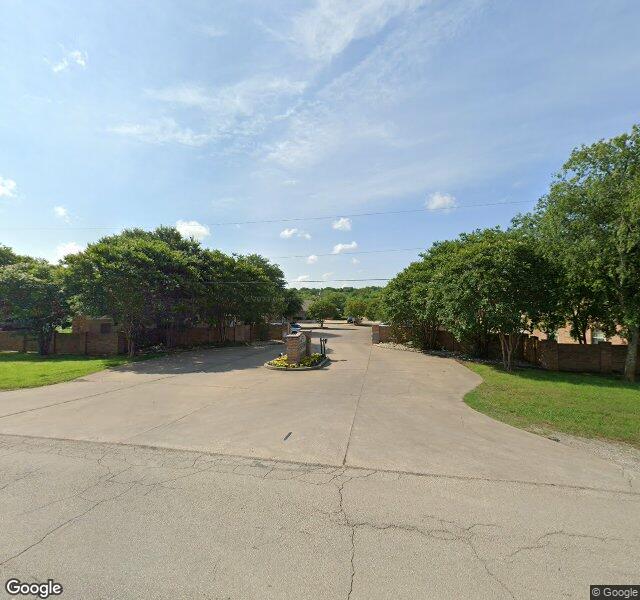
Avir at Hillsboro

411 OLD BRANDON RD, HILLSBORO, TX 76645 (254) 582-8416
For profit - Limited Liability company 105 Beds AVIR HEALTH GROUP Data: November 2025 3 Immediate Jeopardy citations
Trust Grade
0/100
#932 of 1168 in TX
Last Inspection: September 2024

Within standard 12-15 month inspection cycle. Federal law requires annual inspections.

Overview

Avir at Hillsboro has received a Trust Grade of F, indicating significant concerns about its operations and care quality. With a state ranking of #932 out of 1168 facilities in Texas, this places it in the bottom half, and while it ranks #2 out of 4 in Hill County, there is only one other local option available that is better. The facility is experiencing an improving trend, with issues decreasing from 14 in 2024 to 4 in 2025, but the overall situation remains concerning. Staffing is a major weakness, with a low rating of 1 out of 5 and a troubling 68% turnover rate, which is significantly higher than the state average. Notable incidents include a critical failure to supervise a resident who fell and sustained serious injuries, indicating potential risks to resident safety. While there have been efforts to improve, families should weigh these serious concerns against any progress made.

Trust Score
F
0/100
In Texas
#932/1168
Bottom 21%
Safety Record
High Risk
Review needed
Inspections
Getting Better
14 → 4 violations
Staff Stability
⚠ Watch
68% turnover. Above average. Higher turnover means staff may not know residents' routines.
Penalties
✓ Good
$157,751 in fines. Lower than most Texas facilities. Relatively clean record.
Skilled Nurses
⚠ Watch
Each resident gets only 9 minutes of Registered Nurse (RN) attention daily — below average for Texas. Fewer RN minutes means fewer trained eyes watching for problems.
Violations
⚠ Watch
30 deficiencies on record. Higher than average. Multiple issues found across inspections.
★☆☆☆☆
1.0
Overall Rating
★☆☆☆☆
1.0
Staff Levels
★★★☆☆
3.0
Care Quality
★☆☆☆☆
1.0
Inspection Score
Stable
2024: 14 issues
2025: 4 issues

The Good

  • Full Sprinkler Coverage · Fire safety systems throughout facility
  • No fines on record

Facility shows strength in fire safety.

The Bad

1-Star Overall Rating

Below Texas average (2.8)

Significant quality concerns identified by CMS

Staff Turnover: 68%

22pts above Texas avg (46%)

Frequent staff changes - ask about care continuity

Federal Fines: $157,751

Well above median ($33,413)

Significant penalties indicating serious issues

Chain: AVIR HEALTH GROUP

Part of a multi-facility chain

Ask about local staffing decisions and management

Staff turnover is elevated (68%)

20 points above Texas average of 48%

The Ugly 30 deficiencies on record

3 life-threatening 1 actual harm
May 2025 2 deficiencies
CONCERN (D) 📢 Someone Reported This

A family member, employee, or ombudsman was alarmed enough to file a formal complaint

Potential for Harm - no one hurt, but risky conditions existed

Deficiency F0657 (Tag F0657)

Could have caused harm · This affected 1 resident

**NOTE- TERMS IN BRACKETS HAVE BEEN EDITED TO PROTECT CONFIDENTIALITY** Acronyms: HTN COPD MDS DON ADM LVN BIMS Based on interview, and record review the facility failed to develop and implement a c...

Read full inspector narrative →
**NOTE- TERMS IN BRACKETS HAVE BEEN EDITED TO PROTECT CONFIDENTIALITY** Acronyms: HTN COPD MDS DON ADM LVN BIMS Based on interview, and record review the facility failed to develop and implement a comprehensive person-centered care plan within 7 days after comprehensive assessment and within 21 days from admission for 1 of 1 resident (Resident #1) reviewed for care plans. The facility failed to ensure Resident #1 had a Comprehensive Care Plan that was due within 21 days of admission to reflect the person-centered needs of Resident #1. Resident #1 received only a Baseline Care plan at the time of admission. This failure could place residents at risk of getting insufficient care and having personal needs not met. This could result in diminishing physical and psychosocial well-being. Findings include: Review of Resident #1's undated face sheet reflected that she was a [AGE] year-old female admitted [DATE] with diagnoses of COPD (lung disease), Dementia, Diabetes Type 2, HTN, and Hypothyroidism. Review of Resident #1's 4/17/25 Quarterly MDS reflected her BIMS score was 05, which indicated severe cognitive impairment. Review of Resident #1's care plans reflected only one (1) Baseline Care Plan on 4/8/25, initiated at admission, with a care area initiated for Risk for COPD Complications and a goal to remain free of secondary complications. Review of the facility care plan records reflected that the Comprehensive Care Plan was due on 4/18/25, which was 7 days after the comprehensive assessment and within the 21-day window from admission. In an interview on 5/15/25 at 4:49 PM MDS stated, the 4/8/25 care plan for Resident #1 was a baseline care plan and it was not updated since there were no changes. She stated that she was responsible for maintaining the care plans on residents. She stated the purpose of the care plan is to tell staff how to care for the resident and a negative outcome to the resident if care plans are not done was that the staff would not know what the resident needs or likes. MDS stated that she was unaware that a comprehensive care plan was due within 21 days of admission. In an interview on 5/15/25 at 5:19 PM LVN-A stated that use of oxygen for a resident should be reflected on the care plan. She stated the policy and purpose of care plans is to make sure all staff are on the same page and working towards the same goal for residents. LVN-A stated the negative outcome to residents if care plans are not kept current could be staff confusion or failure to meet the needs of the resident. In an interview on 5/15/25 at 5:35 PM CNA stated the negative outcome to residents if the care plan is not current could be a drop in the health of the resident and the main purpose of the care plan is to make sure they are getting up and living their best life. In an interview on 5/15/25 at 5:47 with the DON who stated the purpose of care plans was to ensure all staff are working on the same goal with residents and to know where they are headed. She stated care plans should be done on admission, a comprehensive care plan within 21 days of admission, quarterly and when a change of condition occurs. She said the negative outcome to residents if the care plan was not kept current was that staff would have no guidance on care for the residents. In an interview on 5/15/25 at 6:05 PM with ADM, who stated the policy and purpose of care plans was to provide individual plans of care to tell staff how to care for and what should be done for residents. She said care plans should be revised as needed and it was a living document-always changing. She said care plans should be done Initial Base Line on admission, then Comprehensive care plan and thereafter Quarterly. She stated the negative outcome to residents if the care plan was not current was the resident would not receive the appropriate care. Record Review of the facility policy titled, Care Plans, Comprehensive Person-Centered and dated March 2022, reflected: The comprehensive, person-centered care plan is developed within seven (7) days of the completion of the required MDS assessment (Admission, Annual or Significant Change in Status), and no more than 21 days after admission. The care plan interventions are derived from a thorough analysis of the information gathered as part of the comprehensive assessment.
CONCERN (D) 📢 Someone Reported This

A family member, employee, or ombudsman was alarmed enough to file a formal complaint

Potential for Harm - no one hurt, but risky conditions existed

Respiratory Care (Tag F0695)

Could have caused harm · This affected 1 resident

**NOTE- TERMS IN BRACKETS HAVE BEEN EDITED TO PROTECT CONFIDENTIALITY** Acronyms: HTN COPD MDS DON ADM LVN BIMS Based on observations, interviews, and record review the facility failed to ensure tha...

Read full inspector narrative →
**NOTE- TERMS IN BRACKETS HAVE BEEN EDITED TO PROTECT CONFIDENTIALITY** Acronyms: HTN COPD MDS DON ADM LVN BIMS Based on observations, interviews, and record review the facility failed to ensure that the resident's record reflected an ongoing assessment of the resident's respiratory status, a practitioner's order, and indications for use of oxygen for 1 of 1 resident (Resident #1) reviewed for oxygen therapy. The facility failed to ensure Resident #1's chart reflected a practitioner's order for oxygen indicating the amount and flow type for Resident #1's use of oxygen. There was no oxygen assessments in the chart for Resident #1's diagnosis of COPD. This failure placed residents at risk of developing respiratory distress by receiving too much or too little oxygen . Findings included: Review of Resident #1's undated face sheet reflected that she was a [AGE] year-old female admitted [DATE] with diagnoses of COPD (lung disease), Dementia, Diabetes Type 2, HTN, and Hypothyroidism. Review of Resident #1's Quarterly MDS dated [DATE] reflected her BIMS score was 05, which indicated severe cognitive impairment. Review of Resident #1's Care Plan dated 4/18/25 reflected a care area initiated for Risk for COPD Complications with a goal to remain free of secondary complications. There was not a care area shown for oxygen therapy. Review of all of Resident #1's orders from admission on [DATE] to 5/15/25 did not reflect any orders for oxygen therapy. Review of Resident #1's vital signs flow sheet from 4/7/25 to 5/15/25 reflected her oxygen saturation level was charted on 4/8/25, 4/12/25, 4/13/25, 5/5/25, and 5/6/25 with the indicator that she was using oxygen via a nasal canula when the saturation level was checked. All saturation levels were between 90% -100%. Observation on 5/15/25 at 10:49 AM of Resident #1's room revealed an oxygen concentrator machine in the room by the resident's bed with clear, clean nasal canula tubing attached to it. In an interview on 5/15/25 at 4:43 PM Resident #1 stated that she does not know how to use the oxygen concentrator machine and that she does not remember using but she also stated that she has trouble recalling some things. In an interview on 5/15/25 at 4:49 PM MDS-LVN stated she was unaware of the oxygen machine in Resident #1's room and unsure if the resident uses the machine. She stated she was responsible for updating the care plans for residents and the oxygen was not indicated on the care plan. In an interview on 5/15/25 at 5:19 PM the LVN stated that use of oxygen for a resident should be reflected on the care plan and oxygen requires a physician's order. She stated Resident #1 does not keep oxygen on now, but she was wearing oxygen when she was first admitted . She knew there was not a current order for her oxygen. She stated the negative outcome to residents if oxygen was given without an order was that the resident's oxygen could be set too high for a COPD patient. She said the limit was 4 liters per minute for a COPD diagnosis and if it was too high the resident could have trouble breathing. In an interview with the CNA on 5/15/25 at 5:35 PM who stated oxygen should be reflected on the care plan. She stated Resident #1 wore oxygen on her first day here, but not since. She stated the negative outcome if oxygen was not ordered could be death to a resident. In an interview on 5/15/25 at 5:47 PM with the DON who stated, oxygen requires an order and should be indicated on the care plan also. She stated the negative outcome to residents if oxygen was not ordered was that it may not be given when needed or a resident with COPD could get too much oxygen, which could cause harm. In an interview on 5/15/25 at 6:05 PM with ADM who stated that oxygen should have a physician's order and should be indicated on the care plan. She said the negative outcome to residents if there was not an order could be incorrect treatment. She stated oxygen therapy was driven by the physician's order to determine what we are allowed to do with it. She stated determining oxygen therapy was beyond her scope of practice. Record Review of the facility policy titled, Oxygen Administration and dated 2001 with last revision date of October 2010, reflected: Verify that there is a physician's order for this procedure (Oxygen). Before administering oxygen, and while the resident is receiving oxygen therapy, assess for cyanosis (blue skin), hypoxia (low oxygen), or oxygen toxicity (difficulty breathing/shallow rate of breathing). After setting up oxygen, document date, time, name, rate of flow, route, frequency .
Mar 2025 2 deficiencies 1 Harm
SERIOUS (H) 📢 Someone Reported This

A family member, employee, or ombudsman was alarmed enough to file a formal complaint

Actual Harm - a resident was hurt due to facility failures

Quality of Care (Tag F0684)

A resident was harmed · This affected multiple residents

**NOTE- TERMS IN BRACKETS HAVE BEEN EDITED TO PROTECT CONFIDENTIALITY** Based on observation, interviews and record review, the facility failed to ensure based on the comprehensive assessment of a res...

Read full inspector narrative →
**NOTE- TERMS IN BRACKETS HAVE BEEN EDITED TO PROTECT CONFIDENTIALITY** Based on observation, interviews and record review, the facility failed to ensure based on the comprehensive assessment of a resident, that residents received treatment and care in accordance with professional standards of practice, the comprehensive person-centered care plan, and the residents' choices for one (Resident #1) of six residents reviewed for quality of care. The facility failed to administer triamcinolone acetonide (a medication utilized for pain/itch relief) when Resident #1 was experiencing increased itching from 12/16/24 through 03/17/25. This failure could place residents at risk of not receiving medical care for conditions that cause stress and irritation, and significantly impact quality of life. Findings included: Review of Resident #1's undated face sheet reflected an [AGE] year-old female who was admitted to the facility on [DATE] with diagnoses including rash and other skin eruption (a general term for any change in the skin's appearance or texture, including redness, bumps, blisters, or dryness, and can be caused by various factors like allergies, irritants, infections, or underlying medical conditions), pruritus (an unpleasant sensation that causes an urge to scratch), acute kidney failure (a sudden and significant decline in kidney function that leads to an accumulation of waste products in the blood), and major depressive disorder (persistent feelings of sadness, hopelessness, and loss of interest or pleasure in activities that were once enjoyable). Review of Resident #1's quarterly MDS assessment, dated 03/05/25, reflected a BIMS score of 10 suggesting moderate cognitive impairment. Skin and ulcer/treatments reflected applications of ointments/medications other than to feet. Review of Resident #1's care plan, undated, reflected no goal, problem, or approach related to resident's diagnoses of rash and other skin eruption or pruritus. Review of Resident #1's orders revealed an order for triamcinolone acetonide cream 0.1% (used to help relieve redness, itching, swelling, or other discomfort caused by skin conditions. This medicine is a corticosteroid (cortisone-like medicine or steroid) topical (medication or skincare products applied directly to the skin to treat various conditions, including itching and inflammation) every 12 hours apply to areas of itching q12hr prn for DX Pruritus, unspecified start dated 12/16/24 - open ended (prescription that allow for refills or continuation of the medication without a specific end date or number of refills). Review of Resident #1's progress note by LVN A dated 02/10/25 reflected, New order for itching to increase hydroxyzine to 20 mg q6hr prn. Review of Resident #1 progress note by LVN A dated 02/19/25 reflected, Resident states that she is still itching and in pain. PRN tramadol given for the pain and hydroxyzine (used to treat itching caused by allergies) for the itching. hydroxyzine is not helping, PCP notified awaiting response. Review of Resident #1's MD note dated 02/25/25 revealed Resident #1 presented with generalized pruritus. She reported itching in various areas including her throat, tummy, and legs and mentioned having sores on her head which she describes as full of sores and so bad. Review of Resident #1's progress note by AN C dated 03/03/25 reflected, patient is requesting medication for itching, told her she had it ordered 4 times a day. She wanted something between that. Will ask MD in the morning (have AM nurse call MD). Review of Resident #1's progress notes from 3/04/25 through 3/15/25 revealed no progress notes concerning any contact made to the MD regarding additional medication for Resident #1's itching. Attempted to reach AN C on 03/17/25 at 1:16 pm regarding Resident #1's progress note made by AN C dated 03/03/25 by leaving a voice mail and sending a text message, no response was received from AN C. Observation and interview on 03/15/25 of Resident #1's pillowcase at 11:45 am revealed many areas of varying sizes of dried brown spots that appeared to be blood. Resident #1 revealed she said she itched all the time, and it was horrifying. She said she itched on her head, neck, and back and the doctor told her it was her kidneys that caused the itching issues, and he could not do anything else for her. She said she had sores on her head and neck. She said, oh yea, she had told the staff she was uncomfortable, but she did not remember the names of anyone she told. She revealed the dried brown spots on her pillow were from blood from her scratching her head. Interview on 03/16/25 with CNA B at 10:12 am revealed Resident #1 had asked to go to the hospital for itching and had sores from where she was scratching. CNA B revealed there were sores on Resident #1's shoulders and her head where Resident #1 had scratched. CNA B said the nurses were aware of the areas where Resident #1 had scratched. CNA B said Resident #1 was always complaining of itching and it worried CNA B that Resident #1 was always telling them she was, itching and itching and itching. CNA B said they have, done above and beyond for the itching. CNA B said Resident #1 was itching because she had kidney failure. Review of Resident #1's hospital records dated 03/16/25 reflected Resident #1's chief compliant was skin rash and itching. Records reflect that, it started several months and is still present. It is described as itchy. Not painful or burning and has been located on the right and left back. It has been located on the right and left shoulder and neck. No cause has been identified. Observation on 03/17/25 at 1:20 pm with LVN A present revealed Resident #1 left thigh had some red marks, total size about 2 inches in length ¾ inch width. A couple pin-point areas where skin was broken. No drainage or odor. Wound looked very new. Bilateral trapezius/shoulder area with multiple 0.5cm or less scabs. Surrounding skin not red/inflamed or otherwise irritated. Resident rolled on side, no other skin impairment to back side. Resident complained of whole head itching, no wound visible. Observation and interview on 03/17/25 at 2:45 pm Resident #1 was scratching her head and neck. Resident #1 said she itched a lot all the time and they never put any medicated lotion on her. Interview on 03/17/25 at 12:21 pm LVN A revealed she gave the prn triamcinolone lotion to Resident #1 3-4 times, but did not chart the medication administration and said my bad. Observation and interview on 03/17/25 at 12:30 pm LVN A checked Resident #1's nurse cart, treatment cart, and medication room for Resident #1's triamcinolone prescription. LVN A revealed she could not find Resident #1's prn triamcinolone prescription medication. Interview on 03/16/24 with the ADON at 1:43 pm revealed Resident #1's itching had been an ongoing thing and they have tried different creams, but they could not cure it. She said Resident #1 had a kidney problem and that was the cause of the itching. Resident #1 had complained a lot about the itching, and she scratched herself a lot. She had a scratching tool at one time. The ADON stated her pillowcase had blood on it from areas where she was scratching, and the blood might be from scratching her shoulders. When shown the pictures of Resident #1's pillowcase with the brown areas the ADON said, oh wow she would have to go down there to look and see where it was coming from. She said Resident #1 got little nicks from scratching and Resident #1 did scratch on her shoulders and neck a lot. The ADON said sometimes Resident #1 was smiling and sitting up eating and then sometimes she was itching. The itching had been a problem for a long time. She asked sometimes to go to the hospital because she wanted it to be cured so badly because it was miserable. Interview on 03/17/25 with the ADON at 4:45 pm stated when you are nurse you are going to give residents the ordered medication and then offer them anything prn. She said Resident #1's itching could not be cured but you wanted to give her some relief if possible. She said it does not meet her expectations that Resident #1's prn triamcinolone prescription medication could not be located and was not ever administered to Resident #1. She said it was not good practice that it had not ever been tried as a relief for Resident #1's itching. Interview on 03/17/25 with the DON at 3:12 pm revealed Resident #1 had a complaint of itching, and whether to administer a prn medication was based on the nurse's assessment at that time. She said that because the prn medication had been ordered by the MD on 12/16/24 the nurses should have been applying the prescribed prn triamcinolone acetonide topical medication. The DON said the negative effect of not trying the prn medication was, if you did not apply the medication, you did not know if it worked. The DON stated she did not know that Resident #1's triamcinolone acetonide topical medication could not be located by LVN A and that was a problem because the medication was not available to administer to Resident #1. Interview on 03/17/25 with the Administrator at 4:04 pm revealed Resident #1's itching had been a problem since she has been admitted to the facility. The Administrator felt that someone should have tried to use the ordered prn triamcinolone acetonide topical medication to see if it could have given her some relief from the itching. She stated she did not know if the nurses educated Resident #1 about the prn medication and did not know how, because of Resident #1's itching issues, this medication was never offered to Resident #1. The Administrator said she did not know that the prn triamcinolone acetonide topical medication could not be located when the nurse surveyor asked to see the medication. The negative effect of them not offering her the prn medication was that if given the medication, Resident #1 might have had some relief from the itching. The Administrator stated that not offering medication that could have potentially provide relief from her itching is not good quality of care. Interview on 03/17/25 with Resident #1's MD at 3:47 pm revealed it was ridiculous that Resident #1 was never given her prn prescription for triamcinolone. The MD said the medication had a steroid that helped decrease inflammation and it could have potentially given Resident #1 some relief from the itching. He said Resident #1 had the prescription for several months, it should be available and at the facility for use, and he would not have prescribed it if he did not think it could have given her some relief. Facility Medication Administration policy dated April 2019 reflected medications are to be administered in a safe and timely manner and as prescribed. Medications are administered in accordance with prescriber orders, including any required time frame. Medication administration times are determined by resident need and benefit, not staff convenience. Factors that are considered include enhancing optimal therapeutic effect of the medication and honoring resident choices and preferences, consistent with his or her care plan. If a drug is refused, the individual administering the medication shall initial and circle the MAR space provided for that drug and dose. Topical medications used in treatments are recorded on the resident's treatment administration record. Facility Medication Labeling and Storage policy dated 2001 reflected medications are stored in an orderly manner in cabinets, drawers, carts, or automatic dispensing systems. Each resident's medications are assigned to an individual cubicle, drawer, or other holding area to prevent the possibility of mixing medications for several residents.
CONCERN (D) 📢 Someone Reported This

A family member, employee, or ombudsman was alarmed enough to file a formal complaint

Potential for Harm - no one hurt, but risky conditions existed

Accident Prevention (Tag F0689)

Could have caused harm · This affected 1 resident

**NOTE- TERMS IN BRACKETS HAVE BEEN EDITED TO PROTECT CONFIDENTIALITY** Based on observation, interview, and record review, the facility failed to ensure that the resident environment remained as free...

Read full inspector narrative →
**NOTE- TERMS IN BRACKETS HAVE BEEN EDITED TO PROTECT CONFIDENTIALITY** Based on observation, interview, and record review, the facility failed to ensure that the resident environment remained as free of accident hazards as possible for one (Resident #1) of four residents reviewed for accidents hazards, in that: The facility failed to ensure Resident #1 was transferred by mechanical device from her shower chair to her bed without receiving a cut and a bruise on her right toe. This failure could place residents at risk of pain, bruising, or skin tears. The findings included: Review of Resident #1's undated face sheet reflected an [AGE] year-old female who was admitted to the facility on [DATE] with diagnoses including dementia (a decline in mental ability severe enough to interfere with daily life, diastolic (congestive heart failure - a condition where the heart muscle is unable to relax properly between heartbeats, leading to reduced filling of the heart chambers and decreased cardiac output),). Review of Resident #1's care plan reflected no goal, problem, or approach related to resident's ADLs or transfers. Review of Resident #1's quarterly MDS assessment, dated 03/05/25, reflected a BIMS score of 10 suggesting moderate cognitive impairment. Section GG - Functional Abilities of Resident #1's MDS reflected lower extremity (hip, knee, ankle, foot) impairment on both sides, Resident #1 used a wheelchair as a mobility device, Resident #1 was dependent with toileting hygiene, shower/bathing, lower body dressing, and putting on/taking off footwear. Resident #1 requires substantial/maximal assistance with sit to lying, lying to sitting on the side of bed, sit to stand, and chair/bed-to-chair transfer. Review of facility Event Report dated 03/15/25 reflected, Per [CNA B] spoke with [family member] about skin tear to the end of right great toe. The incident occurred when transferring from shower chair to bed via [mechanical lift]. She grabbed chair as they were raising her with [mechanical lift]and it came up and hit the end of her toe. Observation on 03/15/25 at 11:45 am of Resident #1's right toe revealed a closed dark purple colored cut approximately 1 inch in length surrounded by bruising on the top of Resident #1's right toe. Wound surrounded by dry skin and left open to the air. Interview on 03/15/25 with Resident #1 at 11:45 am revealed, that staff (Resident #1 did not know the names of the staff) were giving her a shower and they hit her into something when she was in the mechanical lifting device and she was, screaming blood murder. She said it happened when they took her off the chair and the chair fell over. Interview on 03/16/25 with CNA B at 10:12 am revealed on 03/12/25, between 2:00 pm and 4:00 pm, CNA B and CNA E were transferring Resident #1 from the shower chair to the bed using a mechanical lifting device. The shower chair did not stay on the ground when Resident #1 was being raised by the mechanical lift. The shower chair, which was snug against Resident #1's sides, came up with Resident #1 when she was lifted by the mechanical lifting device. Resident #1 grabbed the arms of the shower chair and the shower chair fell to the floor, bounced and a wheel on the shower chair hit Resident #1's right toe and made a cut to Resident #1's right toe. Resident said, my toe my toe. CNA B said Resident #1's toe was bleeding and CNA B put a wipe around the base of Resident #1's toe away from the tip of the toe which was bleeding to catch the blood. CNA B stated the remainder of the transfer of Resident #1 to her bed was uneventful. CNA B stated she notified AN D. Attempted to reach CNA E on 03/17/25 at 11:51 am no response was received from CNA E. Attempted to reach AN D on 03/17/25 at 9:36 am and 10:10 am no response was received from CNA E. Interview on 03/17/25 with the Administrator at 1:21 pm reflected she was aware of the shower chair incident with Resident #1 and said Resident #1 was injured and the facility needed to check out the chair and talk to the staff and find out if it was an isolated accident. Review of Safety and Supervision of Residents policy dated July 2017 reflected the facility strives to make the environment as free from accident hazards as possible. Resident safety and supervision and assistance to prevent accidents are facility-wide priorities. Resident Risks and Environmental Hazards 1. Due to their complexity and scope, certain resident risk and environments hazards are addressed in dedicated policies and procedures. These risk factors and environments hazards include the following: Safe lifting and movement of residents.
Nov 2024 1 deficiency
CONCERN (D) 📢 Someone Reported This

A family member, employee, or ombudsman was alarmed enough to file a formal complaint

Potential for Harm - no one hurt, but risky conditions existed

Quality of Care (Tag F0684)

Could have caused harm · This affected 1 resident

**NOTE- TERMS IN BRACKETS HAVE BEEN EDITED TO PROTECT CONFIDENTIALITY** Based on observation, interviews, and record review, the facility failed to ensure that residents received treatment and care in...

Read full inspector narrative →
**NOTE- TERMS IN BRACKETS HAVE BEEN EDITED TO PROTECT CONFIDENTIALITY** Based on observation, interviews, and record review, the facility failed to ensure that residents received treatment and care in accordance with professional standards of practice, the comprehensive person-centered care plan, and the residents' choices for 1 (Resident #1) of 6 residents reviewed for incidents. The facility failed to identify a purple bruise observed on Resident #1's forearm on 11/19/24. This deficient practice could place residents at risk of abuse, neglect, and untreated and unassessed injuries. Findings included: Review of Resident #1's face sheet, dated 11/19/24, reflected she was a [AGE] year-old female who was admitted to the facility on [DATE] and had diagnoses including type 2 diabetes mellitus, unsteadiness on feet, muscle wasting and atrophy, generalized muscle weakness, other lack of coordination, unspecified protein-calorie malnutrition, mild cognitive impairment, and weakness. Review of Resident #1's quarterly MDS assessment, dated 10/10/24, reflected she had a BIMS score of 8, which indicated moderate cognitive impairment. Review of Resident #1's care plan, dated 10/04/24, reflected no notes related to Resident #1's bruise on her forearm. Review of Resident #1's orders, from 10/01/24 through 11/19/24, reflected there were no orders related to Resident #1's bruise on her forearm. Review of Resident #1's Treatment Administration Record, from 09/19/24 through 11/19/24, reflected no treatment orders related to Resident #1's bruise on her forearm. Review of Resident #1's clinical documents, from 11/16/24 through 11/19/24, reflected there were no notes related to Resident #1's bruise on her forearm. Review of Resident #1's event history, from 10/01/24 through 11/19/24, reflected there were no skin assessments and events related to Resident #1's bruise on her forearm. Review of Resident #1's wound management reports, from 10/01/24 through 11/19/24, reflected no reports related to Resident #1's bruise on her forearm. Review of Resident #1's progress notes, from 10/01/24 through 11/19/24, reflected no notes related to Resident #1's bruise on her forearm. During an observation and interview of Resident #1 on 11/19/24 at 11:13 AM, Resident #1 was sitting in the dining area. Resident #1 had a baseball sized purple-colored bruise on her right forearm. Resident #1 stated she didn't know how and when she got the bruise on her forearm at the time of the interview. Resident #1 stated she didn't know if staff knew she had a bruise on her forearm. During an observation and interview on 11/19/24 at 11:21 AM, the DON stated she didn't know Resident #1 had a bruise at the time of the interview. The DON stated she didn't know how and when Resident #1 got the bruise on her forearm. The DON stated her staff didn't report to her that Resident #1 had a bruise on her forearm at the time of the interview. During an interview on 11/19/24 at 11:42 AM, LVN A stated she didn't know if she was in-serviced on injury of unknown origin. LVN A stated she was trained on change in condition. LVN A stated CNAs and LVNs were responsible for rounding (checking on) on residents every two hours. LVN A stated CNAs were responsible for reporting bruises to nurses. LVN A stated she worked on Resident #1's hall at the time of the interview. LVN A stated she didn't know Resident #1 had a bruise at the time of the interview. LVN A stated Resident #1 didn't have her weekly skin round yet on 11/19/24. LVN A stated CNA B worked on Resident #1's hallway on 11/19/24. LVN A stated no CNAs reported any bruises observed on Resident #1 at the time of the interview. LVN A stated she didn't receive any information from the prior shift about Resident #1 having a bruise on her forearm. LVN A stated she knew it was important to report bruises observed on residents to ensure residents were not being abused and condition was not worsening. During an interview on 11/19/24 at 11:50 AM, CNA B stated she was trained on change in condition. CNA B stated she was last in-serviced on injury of unknown origin the month of November 2024. CNA B stated CNAs were responsible for checking on residents every two hours unless they were responding to a call light. CNA B stated if she observed a bruise on a resident, she would notify her nurse. CNA B stated she worked on Resident #1's hall at the time of the interview. CNA B stated she last rounded on Resident #1 before lunchtime on 11/19/24. CNA B stated she didn't observe any bruises on Resident #1 at the time of the interview. CNA B stated she didn't see that Resident #1 had a bruise the morning of 11/19/24. CNA B stated Resident #1 didn't complain of any bruises or pain on 11/19/24. CNA B stated she didn't know if Resident #1 had a bruise before because she didn't work at the facility from 11/15/24 through 11/18/24. CNA B stated LVN A and LVN C were Resident #1's nurses on 11/19/24. CNA B stated she didn't have to report any new skin issues to LVN A and LVN C on 11/19/24. CNA B stated she knew it was important to residents' health and safety to report injuries of unknown origin. CNA B stated residents could be abused if staff didn't observe and report injury of unknown origin. During an interview on 11/19/24 at 12:37 PM, MA D stated she was trained on change in condition and injury of unknown origin. MA D stated she was trained to notify a nurse if she observed a change in condition. MA stated if a resident had a bruise, she would notify the nurse. MA stated she would also report it to the ADM if the nurse didn't know the resident had a bruise. MA stated if a resident's bruise was purple, it would be documented in the residents' chart because purple-colored bruises were older. MA D stated LVNs and wound care were responsible for checking residents' skin. MA D stated CNAs, Nurses and MAs were responsible for rounding on residents every two hours. MA D stated she didn't work on Resident #1's hall at the time of the interview. MA D stated she knew it was important to report injury of unknown origin because staff need to know where the injury came from. MA D stated residents could go downhill if their injury of unknown origin went unreported and unobserved. During an interview on 11/19/24 at 3:23 PM, the DON stated she couldn't recall when she last reviewed injury of unknown origin with her staff. The DON stated she expected her nurses to notify her whenever they observed an injury of unknown origin. The DON stated she expected her CNAs to report to the nurse whenever they observed an injury of unknown origin. The DON stated she in-serviced staff on abuse and neglect and reporting on 11/18/24. The DON stated all staff were responsible for rounding on residents. The DON stated residents' skin assessments were completed every seven days. The DON stated weekly skin assessments were due to be completed on 11/19/24. The DON stated that staff didn't report any skin issues to her on 11/19/24. The DON stated Resident #1 was scheduled to have her skin assessed every Tuesday. The DON stated she observed a purple-colored bruise on Resident #1, which meant that Resident #1's bruise was new. The DON described Resident #1's bruise was purple and blotchy. The DON stated she didn't believe Resident #1's bruise was a handprint. The DON stated the incident that could have resulted in Resident #1's bruise could have occurred within the last couple of days. The DON stated she asked the CNA who cared for Resident #1 last week and the CNA told her that she didn't see anything on Resident #1's forearm. The DON stated she spoke with Resident #1 and asked her if someone did something to her that resulted in her sustaining a bruise and Resident #1 told her no. The DON stated Resident #1 was on aspirin, which she explained was an anticoagulant that could thin blood and cause a bruise. The DON stated she went to check if Resident #1 had any bed rails that could've resulted in her sustaining a bruise and Resident #1 didn't have any bed rails. The DON stated Resident #1 does move around the building a lot and could've bumped her forearm on something. The DON stated she notified the MD about Resident #1's bruise on 11/19/24. The DON stated the ADM was responsible for reporting injury of unknown origin to the SA. The DON stated the ADM was required to report within 24 hours of an injury of unknown origin. The DON stated she knew it was important to report injury of unknown origin to ensure abuse to residents didn't occur. The DON stated anything could happen to the residents if injury of unknown origin was left unreported and unobserved. During an interview on 11/19/24 at 4:17 PM, the MD stated he received a couple text messages on 11/19/24 at 12:02 PM that Resident #1 had a small bruise on her right forearm and staff were unable to say how she got it. The MD stated a purple-colored bruise meant the incident happened within the first few days. The MD stated bruises were reported all the time and there was nothing particular about Resident #1's bruise. The MD stated he last visited the facility on 11/13/24 and didn't observe any bruises on Resident #1. The MD stated he guessed Resident #1's bruise was an injury of unknown origin, but he assumed Resident #1 bumped into something. During an interview on 11/19/24 at 4:30 PM, the ADM stated she wasn't notified of any bruises observed on Resident #1 on 11/19/24. The ADM stated Resident #1 had good memory and said no one hurt or abused her and she believed she hit her arm on something. The ADM stated Resident #1 had an intellectual disability. The ADM stated she went over injury of unknown origin with her staff on 11/18/24 and sometime in September 2024. The ADM stated she expected staff to assess a resident, ensure resident's safety, determine what happened, report to the charge nurse, and the charge nurse was to report to the DON and her if they observed an injury of unknown origin. The ADM stated her and the DON report injuries of unknown origin to the SA. The ADM stated she reported to the SA within 24 hours if there were no serious bodily injuries and within 2 hours if there were serious bodily injuries. The ADM stated she knew it was important to report injuries of unknown origin because the staff needed to conduct a full investigation. The ADM stated residents could be in pain, be scared and hurt themselves again if injury of unknown origin was left unreported and unobserved. Review of the facility's event summary report, from 10/01/24 through 11/19/24, reflected there were no incidents related to Resident #1's bruise listed. Review of the facility's in-services, from 10/01/24 through 11/19/24, reflected no in-services related to quality of care, change in condition, and injury of unknown origin .
Sept 2024 9 deficiencies
CONCERN (D)

Potential for Harm - no one hurt, but risky conditions existed

Resident Rights (Tag F0550)

Could have caused harm · This affected 1 resident

**NOTE- TERMS IN BRACKETS HAVE BEEN EDITED TO PROTECT CONFIDENTIALITY** Based on observation, interview, and record review the facility failed to promote care for residents in a manner and in an envir...

Read full inspector narrative →
**NOTE- TERMS IN BRACKETS HAVE BEEN EDITED TO PROTECT CONFIDENTIALITY** Based on observation, interview, and record review the facility failed to promote care for residents in a manner and in an environment that maintained or enhanced dignity and respect for 1 (Resident #38) of 21 residents in memory care dining rooms in that: 1. The facility failed when on 09/24/2024 LVN H was standing while feeding (Resident #38) in the memory care unit dining room at lunch meal. 2. The facility failed when on 09/24/2024 CNA I was standing while feeding (Resident #38) in the memory care unit dining room at lunch meal. This deficient practice could affect residents who were dependent on eating and could contribute to feelings of poor self-esteem and decreased self-worth. The findings included: Record review of Resident #38's face sheet dated 09/26/2024 reflected she was admitted to the facility on [DATE] and readmitted on [DATE] with a diagnosis of Unspecified dementia, mild, without behavioral disturbance, psychotic disturbance, mood disturbance, and anxiety (a person with memory loss, difficulty with daily tasks, poor judgement, difficulty communicating, loss of independence) , Depression, unspecified (a person exhibits a persistent feelings of sadness, hopelessness, or emptiness) , Anorexia (an eating disorder causing people to obsess about weight and what they eat). Review of Resident #38's Quarterly MDS dated [DATE] reflected severe memory loss with difficulty focusing attention and disorganized thinking. Further review of the MDS reflected (Resident #38) required set-up and assistance with eating. Observation on 09/24/2024 at 11:30 AM, in the memory care unit dining room during lunch time, revealed LVN H standing while feeding Resident #38. Observation on 09/24/2024 at 11:45 AM, in memory care unit dining room during lunch time, revealed CNA I was standing on Resident #38's right side while feeding Resident #38. In an interview with CNA I on 09/24/2024 at 12:01 PM, who stated LVN H asked her to take over assisting Resident #38 eat. She stated she forgot to sit down while assisting Resident #38 eat which she had been trained to do through her staffing agency stating it was best practice to be at eye level with the residents while helping them eat. She started sitting down at eye level, which helped her to communicate with the resident and she could make sure that the resident was swallowing her food correctly. She stated she remembered her training and that was why she stopped feeding Resident #38 and went and got a chair so that she could sit down next to Resident #38. She stated the residents had the rights to dignity during assistant with meals. In an interview with LVN H on 09/24/2024 at 12:31 PM, who stated she was really embarrassed that she forgot to be at eye level with Resident #38 during assistance with her meal. She stated it was hard to find space to sit due to another resident's family member having taken the space next to Resident #38. She stated she would not have anyone to stand over her while she was eating. She stated Resident #38 had the right to dignity and a dignified dining experience. She stated the risk to the resident could be that she could choke, or she couldn't communicate with her. In an interview with the DON on 09/26/2024 at 04:52 PM, who stated staff were trained to sit next to residents when they assisted them with feeding. She stated direct staff were supposed to sit and not stand while assisting the residents with feeding, so residents felt comfortable and did not feel rushed. She stated she expected the nursing staff to sit down while assisting the residents to eat. She stated unless a staff was opening or setting up for a resident it was best practice to be at eye level and to communicate with the resident. She stated upon hire, residents right was part of the training and standing over the resident while assisting them eat was a big no no. In an interview with the Administrator on 09/26/2024 at 05:46 PM, who stated she expected all staff and all direct care staff to follow the facility policy for Residents Rights. Review of the facility's Resident Rights policy revised February 2021 reflected, Employees shall treat all residents with kindness, respect, and dignity.
CONCERN (D)

Potential for Harm - no one hurt, but risky conditions existed

Deficiency F0700 (Tag F0700)

Could have caused harm · This affected 1 resident

**NOTE- TERMS IN BRACKETS HAVE BEEN EDITED TO PROTECT CONFIDENTIALITY** Based on observations, interviews, and record reviews the facility failed to review the risks and benefits of bed rails and enab...

Read full inspector narrative →
**NOTE- TERMS IN BRACKETS HAVE BEEN EDITED TO PROTECT CONFIDENTIALITY** Based on observations, interviews, and record reviews the facility failed to review the risks and benefits of bed rails and enabler/grab bars (smaller bars used by the person in bed to reposition themselves), with the resident or resident representative, have physician orders, conduct a safety assessment, and obtain informed consent prior to installation for one (Resident #224) of three residents beds observed and reviewed for quarter bed rails/enabler bars. The facility failed to have evidence on 09/25/2024 of informed consent, assessment of the resident for risk of entrapment, care planning or a physician's order for the quarter bed rails/enabler bars for Resident #224. This failure could affect residents who used quarter bed rails/enabler bars at risk of the resident/responsible party not being aware of the risks, informed consent not being obtained from the resident or responsible party, physician not being aware of use of the enabler/grab bars, and care plan not being properly documented. Findings included: Observations on 9/24/2024 at 8:48 AM and at 10:40 AM, and on 9/25/2024 at 9:10 AM revealed Resident #224's room had the resident's bed with quarter bed rails/enabler bars installed and raised on both sides of the bed with the call light wrapped around the enabler bars. Resident #224 was observed in the bed on each occasion. Record review on 09/25/2024 of Resident #224's face sheet reflected a [AGE] year-old male admitted to the facility on [DATE]. Resident #224 was noted to have diagnoses that included Transient cerebral ischemic attack, unspecified (brief episode where blood flow to the brain is temporarily reduced), Essential (primary) hypertension (high blood pressure that is multifactorial and does not have one distinct cause), Localization-related (focal) (partial) symptomatic epilepsy and epileptic syndromes with simple partial seizures, intractable, without status epilepticus (a nervous system disease characterized by recurrent seizures), Muscle wasting and atrophy, Other lack of coordination, Dependence on other enabling machines and devices, Cellulitis of right lower limb (bacterial infection that affects the skin's deep layers, including the dermis and subcutaneous fat), Other abnormalities of gait and mobility, Acute embolism and thrombosis of unspecified deep veins of unspecified lower extremity (condition where a blood clot forms in a in a deep vein and a foreign body or blood clot enters the blood stream), pulmonary embolism without acute cor pulmonale ( a blockage of the pulmonary arteries that occurs when prior clots in these vessels don't dissolve over time despite treatment of an acute pulmonary embolism, or the result of an undetected or untreated acute pulmonary embolism), Other reduced mobility Record review on 09/25/2024 of Resident #224's Care Plan updated 9/20/2024 reflected resident was a risk for falls and at risk for alteration in comfort or pain. The Care Plan had not included use of bed rails/grab bars as a way of repositioning for pain reduction. Review of medical records on 09/25/2024 for Resident #224 reflected no written Physician Order for quarter bed rails/enabler bars for mobility and positioning. No assessment for safe use of enabler bars or quarter bed rails was in the medical record for Resident #224. Review of medical records on 09/25/2024 for Resident #224 reflected no Bed Rail Consent form (quarter bed rail/enabler bar consent) for the quarter bed rails/enabler bars signed by the resident or resident's responsible party or noted to have verbal permission for the enabler bars. In an interview on 9/26/2024 at 11:53 AM with MA B who stated that a bed rail/grab bar could be considered a restraint at lengths of full and half. MA B was not sure if a grab bar/quarter bed rail would be considered a restraint or not. When asked if a grab bar/quarter bed rail could have negative potential outcomes when installed on a resident bed, MA B replied yes and gave examples such as a resident may hit their head on the bar or get their hand or arm stuck in the bar. When asked if a resident and their responsible party should be educated on the benefits and risks of grab bars/quarter bed rails, MA B stated yes, they should be educated on all aspects of the grab bars. In an interview on 9/26/2024 at 12:12 PM with CNA C, who stated that bed rails/grab bars were something that can protect a resident from falling out of bed, help the resident sit up and move around in the bed. When asked to describe what a bed rail/grab bar looked like, CNA C stated that bed rails can be different lengths and that grab bars are also considered bed rails. When asked if bed rails/grab bars of any length could have potential negative outcomes for resident, CNA C replied yes, a resident could have an arm or hand become tangled up, even legs could have become tangled, a resident could have their head stuck between the rail and mattress, get bruised or even feel restrained. When asked if the resident and responsible party should be educated on the benefits and risks of bed rails/grab bars, CNA C responded yes, most definitely. In an interview on 9/26/2024 at 1:11 PM with CNA D, who when asked what a bed rail/grab bar was CNA D stated that a bed rail/grab bar was something that could be protection from a resident falling out of bed, assist resident to sit up or lay down in bed, or give something to hang on to receiving care or transferring. CNA D was asked to describe what a bed rail/grab bar might look like, and the response was any rail attached to the bed and can be different lengths depending on what the doctor or physical therapist ordered. CNA D stated the potential negative outcomes of bed rails/grab bars could range from a resident receiving skin tears and bruises to broken limbs or getting tangled in cords. CNA D stated of course when asked if a resident or their responsible party should be educated on bed rails/grab bars and when asked why the response was since the resident could get hurt. In an interview on 9/26/2024 at 1:29 PM with LVN E who stated that bed rails/grab bars were a device attached to the bed for repositioning purposes or transferring if therapy sees necessary or recommends for the resident. When asked to describe what bed rails/grab bars may look like, LVN E stated they could be metal or hard plastic, usually a tube design, and different lengths depending on need like grab bars. LVN E responded that there were potential negative outcomes from using bed rails/grab bars such as skin tears, a resident could get hung up, or even feel entrapped or restrained. When asked if the resident or responsible party should be educated about the bed rails, LVN E stated yes, 100% and added that consent for the bed rails/grab bars was also needed. In an interview on 9/24/2024 at 2:00 PM with ADM, who stated that all bed rails/grab bars were checked by maintenance monthly for any needed repairs or adjustments and the modifications made. The ADM stated that when a request for the facility bed rail/grab bar policy was made, the nursing staff were asked to review each resident bed and EHR to make sure the required safety assessment, consent form, order from physician, and care plan was documented. When asked why these items were important, the ADM responded that residents and families needed to know what the facility could place on the beds and could not, and the risks/benefits to the resident. Record review of the facility's provided Bed Safety and Bed Rails policy from Nursing Services Policy and Procedures Manual for Long-term Care ©2001 from MED-PASS, Inc., Revised August 2022, reflected a Policy Statement of Resident beds meet the safety specifications established by the Hospital Bed Safety Workgroup. The use of bed rails is prohibited unless the criteria for use of bed rails have been met. Further review of the Policy Interpretation and Implementation reflected applicable sections of: 1. The resident's sleeping environment is evaluated by the interdisciplinary team. 2. Consideration is given to the resident's safety, medical conditions, comfort, and freedom of movement, as well as input from the resident and family regarding previous sleeping habits and bed environment. 10. Additional safety measures are implemented for residents who have been identified as having a higher than usual risk for injury including bed entrapment (e.g., altered mental status, restlessness, etc.). 11. The facility's education and training activities will include instruction about risk factors for resident injury due to beds, and strategies for reducing risk factors for injury, including entrapment. The Use of Bed Rails section included pertinent sections: Bed rails are adjustable metal or rigid plastic bars that attach to the bed. They are available in a variety of types, shapes, and sizes ranging from full to one-half, one- quarter, or one-eighth lengths. Some bed rails are not designed as part of the bed by the manufacturer and may be installed on or used along the side of a bed. For the purpose of this policy bed rails include: a. side rails; b. safety rails; and c. grab/assist bars. 3. The use of bed rails or side rails (including temporarily raising the side rails for episodic use during care) is prohibited unless the criteria for use of bed rails have been met, including attempts to use alternatives, interdisciplinary evaluation, resident assessment, and informed consent.
CONCERN (D)

Potential for Harm - no one hurt, but risky conditions existed

Deficiency F0806 (Tag F0806)

Could have caused harm · This affected 1 resident

**NOTE- TERMS IN BRACKETS HAVE BEEN EDITED TO PROTECT CONFIDENTIALITY** Based on observation, interview, and record review, the facility failed to provide food that accommodated resident's preferences...

Read full inspector narrative →
**NOTE- TERMS IN BRACKETS HAVE BEEN EDITED TO PROTECT CONFIDENTIALITY** Based on observation, interview, and record review, the facility failed to provide food that accommodated resident's preferences for one (Resident #40) of five residents reviewed for food and nutrition services. The facility failed to provide Resident #40 with his preferred food when they failed to provide toast for his breakfast, and provided pancakes instead. This failure could affect the residents who are provided daily meals by the facility, by placing them at risk for not enjoying meals, and weight loss. Findings included: Resident #40: Review of Resident #40's admission record, dated 09/25/24, reflected a [AGE] year-old male with an initial admission to the facility on [DATE], and readmitted on [DATE]. Resident #40 had diagnoses of Quadriplegia (paralysis that affects all four limbs due to spinal cord injury), kidney injury due to long term drug therapy, abdominal distention, urinary catheter, cramps and muscle spasm, Myocardial infraction (heart attack), high blood pressure, congestive heart failure, irritable bowel syndrome. Seizures, type 2 diabetic, heartburn, high blood pressure, vitamin D deficiency, anorexia (severe calorie restriction), unspecified dementia, and dysphagia (trouble swallowing). Review of Resident #40's quarterly MDS assessment, dated 09/06/24, reflected he was understood by others, and usually able to understand others. He had a BIMS score of 11, indicating moderate cognitive impairment. He had verbal behavioral symptoms directed toward others (e.g., threatening others, screaming at others, cursing at others) on one to three days of a seven-day lookback period. He required partial to moderate assistance (helper does less than half the effort) with eating and oral hygiene, but was fully dependent on staff for dressing, personal hygiene, and transfers. Resident #40 received 26-50% of his total calories through parenteral or tube feeding. He did not have significant weight loss or gain. Review of Resident #40's care plans reflected: - A care plan dated 08/19/24, related to Resident #40 exercising his right to refuse to be weighed. - A care plan dated 04/13/24 related to Resident #40 liking to eat a lot of snacks provided by his family. - A care plan dated 04/03/24 related to Resident #40 being at risk for nutritional impairment, and having a 15.1% weight loss in 30 days, 26.6% in 90 days, and 24.2% in 120 days. The goal Resident wishes and desires for nutritional needs will be honored daily without documented weight loss. The interventions included encourage resident to notify dietary staff of any changes in dietary desires/ needs and Ensure likes and dislikes are recorded and reviewed at least quarterly and prn,, and Regular LCS, CCHO, thin liquids. - A care plan dated 08/17/23 related to Resident #40's non-compliance with weights, with an intervention of encouraging him to weigh monthly. An interview and observation on 09/24/24 at 11:06 AM revealed Resident #40 in his bed, awake and alert. He said he hated the food at the facility, and sometimes he was OK, but most of the time he did not like it. He said he was unable to eat much, and when he did not like the food, he just did not eat. He said that the kitchen didn't pay attention to the meal tickets, and they just brought whatever they wanted. He said he would ask for half a baked potato, and they would bring him broccoli and cauliflower, which he hated. An interview and observation on 09/25/24 at 7:47 AM revealed Resident #40 lying in bed, with his food tray in front of him. He had two over-easy eggs, 2 sausage patties, and 2 pancakes. Resident #40 stated he had been in the facility for 4 years and still nobody had fixed that he did not like pancakes. Review of Resident #40s tray ticket at this time reflected Notes: 2 fried eggs, 2 sausage, 2 toast, large portion eggs only, picante sauce pkg daily~~ slice of bread with meals. Dislikes: Cinnamon Roll; Cinnamon Roll; Oatmeal. An interview and observation on 09/25/24 at 7:53 AM revealed the Dietary Manager delivered toast to the resident's room. He stated that was the first time he had heard Resident #40 did not like pancakes, and moving forward they would not put pancakes on his plate. He stated that the cook was responsible for looking at tickets to make sure the right food was on the plates, and he was responsible for making sure that all the meals ordered were correct. In an anonymous group interview on 09/25/24 at 10:30 AM, two residents complained about the meal tickets not matching their meals. One resident said they had an intolerance for a food, and their ticket said they were not to receive it, and they recently brought that food on their tray. They said they were able to identify it and avoid it, but some of the people who lived there would not be able to, and might have eaten something that could make them sick. Another resident said there was a food they hated, and it was on their breakfast plate all the time, even though the meal ticket said they were not supposed to get it. Another resident said they thought maybe the cook could not read very well, and said the tickets often did not match the meals. An interview on 09/26/24 at 4:26 PM with the ADON revealed when residents expressed a food preference after their admission, the nurses had access to a dietary communication form, which they filled out and gave to dietary staff, so the Dietary Manager could add it to the resident's dietary preferences. She said the Dietary Manager met with residents when they admitted and talked to them about their preferences, and they were also reviewed during the care planning process. She said it was important for the resident food preferences to be honored, because it was their right. She said the facility was their home, and they should not be served food they did not like. She said the staff wanted them to eat, and not lose weight. An interview on 09/26/24 at 4:48 PM with the DON revealed the importance of honoring food preferences was that if they did not like the food, they may not eat as much. She said the Dietary Manager had been working on a lot of things since he started recently, and he was good about going to talk with the residents about food when they were admitted , to find out what they liked and did not like. She said they also did a food preference observation when the residents were admitted , and had a meeting about the residents every Thursday, when they talked about weight loss. After that meeting, the Dietary Manager would go talk with the resident to see if there was something they could get them that they were not already giving them, and she felt they went out of their way to get things for residents, within reason. She said Resident #40 was challenging, and the Dietary Manager in the past had been going to his room every day to ask what he wanted to eat that day. An interview on 09/26/24 at 5:56 PM with the Dietary Manager revealed he had been in his position for about three months, and had been working on changes to accommodate the resident food preferences. He said he watched to see what came back on the plates, and made changes so they could find things people liked. He said he knew Resident #40 wanted toast, and he might have said he told someone 100 times he did not want pancakes, but this was the first he heard about it. He said they did not serve pancakes often, and when they did, they typically did not provide toast and pancakes, but he would make sure Resident #40 got toast with every meal, and had already changed his ticket to reflect that. He said they wanted happy residents, and when he started, there were a lot of complaints, but they had slowed down a lot. He said it was important to meet their preferences, and not serve foods they were allergic to. He said he was working with the staff on paying close attention to the tickets, and was planning to institute a new way of serving that would have them double-checking what was put on the trays. He said that being in a nursing facility meant a loss of control for a lot of people, and sometimes their food was the only thing they could control and one of the only things they had to look forward to, so it was important to him to facilitate the residents having as much control over it as he could. An interview on 09/26/24 at 5:56 PM with the Administrator revealed her expectation was that the cook would serve food they would eat themselves. She said the risk of not honoring resident preferences was ultimately that of weight loss. She said their weight variance had gotten smaller each week, so she felt they were headed in the right direction. Review of the facility policy for Food and Nutrition Services, revised, October 2017, reflected: Policy Statement: Each resident is provided with a nourishing, palatable, well-balanced diet that meets his or her daily nutritional and special dietary needs, taking into consideration the preferences of each resident.; Policy Interpretation and Implementation: 1. The multidisciplinary staff, including nursing staff, the attending physician and the dietitian will assess each resident's nutritional needs, food likes, dislikes and eating habits, as well as physical, functional, and psychosocial factors that affect eating and nutritional intake and utilization. 2. A resident-centered diet and nutrition plan will be based on this assessment.4. Reasonable efforts will be made to accommodate resident choices and preferences.[ .] 7. Food and nutrition services staff will inspect food trays to ensure that the correct meal is provided to each resident .a. If an incorrect meal is provided to a resident, ., nursing staff will report it to the food service manager so that a new food tray can be issued.
CONCERN (E)

Potential for Harm - no one hurt, but risky conditions existed

Accident Prevention (Tag F0689)

Could have caused harm · This affected multiple residents

Based on observations, interviews, and record review the facility failed to ensure the resident environment remained free of accident hazards as was possible for 1 of 1 doorway in the 100-hallway revi...

Read full inspector narrative →
Based on observations, interviews, and record review the facility failed to ensure the resident environment remained free of accident hazards as was possible for 1 of 1 doorway in the 100-hallway reviewed for accidents and hazards. The facility failed to ensure the storage room on the 100-hallway remained closed and locked while a staff member was not actively retrieving or stocking hazardous items in the storage room when the door to the storage room was observed open on 9/24/2024. This failure could place residents who accessed the 100- hallway at risk of injury or illness from access and exposure to hazardous items. Findings included: Observation on 9/24/2024 at 8:40 AM of the 100-hallway revealed the door with punch number keypad open approximately 6 inches. No staff member was visible on the hallway for more than five minutes while the door was open. Items observed in the storage room were Medline mouthwash rinse, Medline fluoride toothpaste, Medline premium adult toothbrushes, denture cleanser tablets, Medline twin blade disposable razors, aerosol can of shave cream, Remedy Essentials spray cleanser, vinyl synthetic powder free exam gloves, disposable medical masks, a gate belt, green container with 2 clear drawers the bottom drawer having wooden toothpicks Interview on 9/26/2024 at 11:53 AM with MA B who stated that all storage room doors should be kept closed unless an employee was right there. When asked why, MA B responded that there could be hazards to residents in the storage room like nail clippers, razors, and other sharp items. MA B went on to state that residents with diagnosis like dementia may get into things that might not be good for them in large doses like toothpaste or heavy things or the shelves may fall on them. When asked what should be done by an employee who sees a storage room door open, MA B stated the employee should close it. When asked if an employee sees the same storage room door open consistently what should be done, MA B stated the employee should shut the door and then report to the nurse which door was open and other times it has been seen open. In an interview on 9/26/2024 at 12:12 PM, CNA C stated that storage room doors with punch keypad locks should be kept shut and locked at all times with no exceptions. CNA C stated that no patient should have access to a storage closet as hazardous items are usually kept there. CNA C stated hazardous items may include chemicals, sharp objects, items on high shelves that could fall on them, or that a resident could get ahold of something toxic and drink it. When asked what they should do when encountering an open door with a punch keypad lock on it, CNA C responded shut it after making sure no one was in there. When asked what they would do if coming across the same door open regularly, CNA C stated they would tell the nurse what they had seen and when and ask they help spread the word to other employees to keep the doors closed. During an interview on 9/26/2024 at 1:11 PM with CNA D, who stated that storage room doors with punch keypad locks should be kept closed and locked with no exceptions. When asked why, CNA D stated there are items in the closets hazardous to residents like nail care supplies, denture adhesives, mouthwash, denture cleanser, and more that could cause harm if used wrong. When asked what they would do if they came across an open storage room door, CNA D stated would close it and make sure it was locked after ensuring no one was inside. When asked what they would do if encountering the same storage room door open regularly, CNA D stated they would let maintenance know so the keypad code could be changed and also inform the nurse. Interview on 9/26/2024 at 1:29 PM with LVN E who stated that storage room doors should be kept closed and locked with no exceptions. LVN E stated that storage rooms may contain hazards to residents such as soiled linens or trash and a resident with cognitive impairment could get into the items and be exposed to contaminated fluids or feces or ingest things that could hurt them. When asked what they should do when encountering an open storage room door, LVN E stated they should shut the door and inform the aides to keep the doors closed and locked. LVN E stated that if they come across the same storage room door open regularly, they should shut it and try to find out who was leaving it open, remind staff to keep the storage room doors shut, alert the ADON and discuss what next steps to take. In an interview on 9/26/2024 at 2:00 PM with the ADM, who stated that storage room doors should be closed and locked. The facility had recently upgraded to the punch keypad locks on storage rooms doors and linen room doors as added safety for residents. The ADM stated the staff had been informed of this and that any issues with the doors or locks should be reported to immediately, and that codes are to be kept confidential from residents. The ADM said they were not aware of storage or linen room doors being left open and had not noticed any on her rounds. The ADM stated she will readdress with all staff and remind of the importance of keeping residents safe from hazards. Record review of the facility's Environmental Services Safety Procedures from The Compliance Store, LLC. ©2022 reflected a policy of It is the policy of this facility to ensure general safety procedures are followed in the course of performing housekeeping and/or laundry duties. The Policy Explanation and Compliance Guidelines further states 3. Staff will ensure equipment (e.g., cords, ladders, or chemicals) is properly stored and not left unattended in areas that are accessible to residents. When not in use, equipment will be stored in a locking closet, cabinet, laundry carts, or storage area for safety.
CONCERN (E)

Potential for Harm - no one hurt, but risky conditions existed

Pharmacy Services (Tag F0755)

Could have caused harm · This affected multiple residents

**NOTE- TERMS IN BRACKETS HAVE BEEN EDITED TO PROTECT CONFIDENTIALITY** Based on observation, interview, and record review, facility failed to provide pharmaceutical services (including procedures tha...

Read full inspector narrative →
**NOTE- TERMS IN BRACKETS HAVE BEEN EDITED TO PROTECT CONFIDENTIALITY** Based on observation, interview, and record review, facility failed to provide pharmaceutical services (including procedures that assure the accurate acquiring, receiving, dispensing, and administering of all drugs and biologicals) to meet the needs of each resident for 18 (Resident #1, #4, #5, #12, #14, #19, #20, #26, #33, #34, #40, #42, #53, #57 #58, #65, #72, and #122) of 24 residents reviewed for late medications. Facility failed to ensure Resident #1, #4, #5, #12, #14, #19, #20, #26, #33, #34, #40, #42, #53, #57 #58, #65, #72, and #122 were given medications at 9:00 AM in the morning and not administered after 11:00 AM on 09/25/24. These failures could place residents at risk for medication errors and jeopardize the resident health and safety. Finding included: Review of Resident #1's face sheet dated 09/25/2024 reflected a [AGE] year-old female who was admitted to the facility on [DATE]. She had allergy to Lisinopril. Her diagnoses included cerebral palsy (a congenital disorder of movement, muscle tone and posture), dental cavity, generalized idiopathic epilepsy and epileptic syndrome (this is a seizure disorder unknown what the triggers or causes are), major depressive disorder (a mental health disorder characterized by persistently depressed mood and loss of interest in activities), unspecified psychosis not due to substance abuse (this is a mental disorder characterized by a disconnection from reality), Heart failure, type 2 diabetes mellitus (uncontrolled blood sugar), high blood pressure, intellectual disability, cognitive communication difficulty, localized swelling mass and lump in upper limb, and diseases of the stomach and large intestine. Resident #1 was a DNR. Review of Resident #1's physician orders from 08/25/24 to 09/25/2024 reflected the resident received the following in the morning by 9:00 AM: - Cephalexin capsule; 500 mg; 1 tablet twice a day at 9:00 AM and 8:00 PM [Antibiotic] - Clonidine patch weekly; 0.2 mg/24 hr; 1 patch once a day on Wednesday at 9:00 AM - Januvia (sitagliptin phosphate) tablet; 50 mg; 1 tablet once a day at 9:00 AM [diabetes medication] - Lactulose solution; 10 gram/15 mL; once a day at 9:00 AM [used for constipation and/ or to remove ammonia from body] - Valproic acid (as sodium salt) solution; 500 mg/10 mL; once a day at 9:00 AM [psychosis medicine] Review of Resident #1's MAR for September 2024 reflected the following morning medications were given late (to be given at 9:00 AM in the morning and was administered after 11:00 AM per observation) on 09/25/2024: - Cephalexin capsule; 500 mg; 1 tablet twice a day - Clonidine patch weekly; 0.2 mg/24 hr; 1 patch once a day on Wednesday - Januvia (sitagliptin phosphate) tablet; 50 mg; 1 tablet once a day - Lactulose solution; 10 gram/15 mL; once a day - Multivitamin with minerals OTC once a day - Tylenol ES 500mg; 1 tablet twice a day - Valproic acid (as sodium salt) solution; 500 mg/10 mL; once a day Review of Resident #1 progress note dated 09/25/2024 at 01:38 PM, reflected entry by DON Med pass late today. [physician name] was notified. Stated OK. Attempted to call [name]. Review of Resident #4's face sheet dated 09/25/2024, reflected an [AGE] year-old female with an initial admission to the facility on [DATE] and readmitted on [DATE] after hospitalization. Resident #4 was a full code. Her diagnoses included Parkinson's disease (a progressive nervous system disorder, which affects the ability to move muscles), abdominal distention (gaseous), mental disorder, anxiety disorder (this is a mental condition characterized by feeling worried, anxiety, or fear that is strong enough to interfere with one's daily activities), asthma (a group lung disease that block airflow and make it difficult to breath), nasal congestion, acute respiratory diseases, severe sepsis with septic shock (this is a life-threatening complication of an infection), uncontrolled blood sugar with ulcer, heart failure, urinary tract infection, cellulitis of right leg (a skin infection that causes inflammation, redness, and burning of skin), muscle loss and muscle wasting, diabetic neuropathy (nerve pain), cerebral infraction (stroke), constipation, restless leg syndrome (pain in legs that cause urge to leg movement), and gout (inflammation in joints caused by uric acid accumulation) Review of Resident #4's physician orders from 08/25/24 to 09/25/2024 reflected the resident received the following in the morning by 9:00 AM: - Allopurinol tablet; 100 mg; 1 tablet once a day at 9:00 AM [used to reduce inflammation due to uric acid] - Carbidopa-levodopa tablet; 25-100 mg; 1 tablet 3 times a day at 7:00 AM, 11:00 AM, and 3:00 PM [used for Parkinson's diseases] - Clopidogrel tablet; 75 mg; 1 tablet once a day at 9:00 AM [blood thinner/antiplatelet] - Januvia (sitagliptin) tablet; 100 mg; 1 tablet once a day at 9:00 AM Review of Resident #4's MAR for September 2024 reflected the following morning medications were given late (to be given at 9:00 AM in the morning and was administered after 11:00 AM per observation) on 09/25/2024: - Allopurinol tablet; 100 mg; 1 tablet once a day - Carbidopa-levodopa tablet; 25-100 mg; 1 tablet 3 times a day (to be administered at 7:00 AM) - Clopidogrel tablet; 75 mg; 1 tablet once a day - Januvia (sitagliptin) tablet; 100 mg; 1 tablet once a day Review of Resident #4's progress note dated 09/25/2024 at 12:46 PM, reflected entry by DON Med pass late today. [physician name] was notified. Stated OK. [name] was made aware. Review of Resident #5's face sheet dated 09/25/2024, reflected a [AGE] year-old female that was admitted to the facility on [DATE]. Resident#5 was admitted to skilled nursing facility with diagnoses that included type 2 diabetic mellitus with specified complication, depression, bilateral eye swelling with mild proliferative diabetic retinopathy (this is a diabetes complication involving abnormal growth of blood vessels in the eye/retina), contracture of muscles, pain, kidney failure, sepsis (this is a life-threatening complication of an infection), hyperlipidemia (high cholesterol), high blood pressure, and mild cognitive impairment. Resident #4 had allergies to penicillin and iopamisol [media contrast]. Review of Resident #5's physician orders from 08/25/24 to 09/25/2024 reflected the resident received the following in the morning by 9:00 AM: - Amlodipine 1 tablet; 10 mg; once a day at 9:00 AM [antianginal/BP medicine] - Carvedilol 1 tablet; 3.125 mg; twice a day, hold if SBP <110, DBP <70 or HR <60 at 9:00 AM and 8:00 PM [betablocker/blood pressure medication] - Sertraline 1 tablet; 50 mg; once a day at 9:00 AM [treats depression] Review of Resident #5's MAR for September 2024 reflected the following morning medications were given late (to be given at 9:00 AM in the morning and was administered after 11:00 AM per observation) on 09/25/2024: - Amlodipine 1 tablet; 10 mg; once a day - Carvedilol 1 tablet; 3.125 mg; twice a day - Sertraline 1 tablet; 50 mg; once a day Review of Resident #5's progress note dated 09/25/2024 at 12:27 PM, reflected entry by DON Med pass late today. [physician name] was notified. Stated OK. Attempted to call [name] no voicemail available. Review of Resident #12's face sheet dated 09/2520/24, reflected a [AGE] year old female admitted to the facility on [DATE]. Resident #12 was readmitted to the facility on [DATE]. Resident #12 was a full code with allergies to Angiotensin Converting Enzyme inhibitors and linezolid. Resident #12's diagnoses included chronic obstructive pulmonary disease with acute respiratory infection as her primary admission diagnoses (a group lung disease that block airflow and make it difficult to breath), shortness of breath, urinary tract infection, painful urination, candidiasis pneumonia (fungal infection), asthma, major depression disorder, high blood pressure, hypertensive chronic kidney diseases with stage 1 through stage 4 chronic kidney diseases (this is a condition in which high blood pressure damages the kidneys), Acquired absence of right leg above knee, dehydration, gastro-esophageal reflux disease without esophagitis (reflux without heart burn), atrial fibrillation (an irregular heart rhythm), and Vitamin D deficiency. Review of Resident #12's physician orders from 08/25/24 to 09/25/2024 reflected the resident received the following in the morning by 9:00 AM: - Amlodipine tablet: 10 mg, 1 tablet once a day at 9:00 AM - Azelastine aerosol, spray; 137 mcg (0.1 %); two sprays twice a day at 9:00 AM and 8:00 PM [upper respiratory medicine] - Cefdinir capsule 300 mg; 1 tablet twice a day at 8:00 AM and 8:00 PM [antibiotic] - Isosorbide mononitrate tablet extended release 24 hr; 30 mg; 1 tablet once a day at 9:00 AM [relaxes blood vessels and increase blood supply to the heart] - Pacerone (amiodarone) tablet; 200 mg; 1 tablet once a day - call [physician] if <55 - at 9:00 AM [treats heart rhythm problems] - Wellbutrin XL (bupropion hcl) tablet extended release 24 hr; 300 mg; 1 tablet once a day at 9:00 AM [treats depression] Review of Resident #12's MAR for September 2024 reflected the following morning medications were given late (to be given at 9:00 AM in the morning and was administered after 11:00 AM per observation) on 09/25/2024: - Amlodipine tablet; 10 mg, 1 tablet once a day - Azelastine aerosol, spray; 137 mcg (0.1 %); two sprays twice a day - Cefdinir capsule 300 mg; 1 tablet twice a day (to be administered at 8:00 AM) - Isosorbide mononitrate tablet extended release 24 hr; 30 mg; 1 tablet once a day - Pacerone (amiodarone) tablet; 200 mg; 1 tablet once a day - Wellbutrin XL (bupropion hcl) tablet extended release 24 hr; 300 mg; 1 tablet once a day Review of Resident #12's progress note dated 09/25/2024 at 12:33 PM, reflected entry by DON Med pass late today. [physician name] was notified. Stated OK. Review of Resident #14's face sheet dated 09/25/2024, reflected a [AGE] year-old female who was readmitted to the facility on [DATE] with an in initial admission of 02/16/16. Her diagnoses included Diffuse traumatic brain injury with loss of consciousness of unspecified duration (this is a type of brain injury with unconsciousness and no oxygen), Basal cell carcinoma of skin of nose (skin cancer on the nose), cerebral infarction (stroke), fracture of humerus, dementia mild behaviors (this is a brain disease that alters brain function causes cognitive decline), Encephalopathy (this is a brain disease that alters brain function or structure), dysphagia difficulty swallowing, oropharyngeal phase difficulty speaking), Tachycardia (elevated/fast heart beat), chest pain, Cerebral infarction due to thrombosis of unspecified middle cerebral artery (stroke cause by blockage in the artery), anxiety disorder, restlessness and agitation. Lack of coordination and Psychotic disorder with delusions due to known physiological condition. Review of Resident #14's physician orders from 08/25/2024 to 09/25/2024 reflected the resident received the following in the morning by 9:00 AM: - Acetaminophen [OTC] tablet; 500 mg; 2 tablets 3 times a day but not to exceed 3000 mg in 24 hours at 8:00 AM, 2:00 PM, and 8:00 PM - Aricept (donepezil) tablet; 10 mg; 1 tablet once a day at 8:00 AM [dementia medicine] - Depakene liquid 250mg liquid; 250mg; 10 cc once a day at 8:00 AM [treats seizures and bipolar] - Furosemide tablet; 20 mg; 1 tablet once a day at 8:00 AM [treats fluid overload] - Metoprolol tartrate tablet; 50 mg; 1 tablet once a day - hold if SBP is less than 110 or DBP is less than 60. Meds to be crushed - at 8:00 AM [treats heart rate and blood pressure] Review of Resident #14's MAR for September 2024 reflected the following morning medications were given late on 09/25/24: - Acetaminophen [OTC] tablet; 500 mg; 2 tablets 3 times a day but not to exceed 3000 mg in 24 hours (to be administered at 7:00 AM or 8:00 AM) - Aricept (donepezil) tablet; 10 mg; 1 tablet once a day (to be administered at 8:00 AM) - Depakene liquid 250mg liquid; 250mg; 10 cc once a day (to be administered at 7:00 AM) - Furosemide tablet; 20 mg; 1 tablet once a day (to be administered at 8:00 AM) - Metoprolol tartrate tablet; 50 mg; 1 tablet once a day (to be administered at 7:00 AM or 8:00 AM) Review of Resident #14's progress note dated 09/25/2024 at 12:25 PM, reflected entry by DON Med pass late today. [physician name] was notified. Stated OK. Left message for [name]. Review of Resident #19's face sheet dated 09/25/2024, reflected a [AGE] year-old male that was admitted to the facility on [DATE]. Resident #19's initial admission to the facility was 10/30/19. His diagnoses included a primary admission of Alzheimer's disease with late onset (this is a brain condition that progressively destroys memory and other important mental functions), Major depressive disorder, dementia with severity behavioral disturbance, Abnormal coagulation, diverticulitis of intestine(pus filled polyps in intestine), open wound on right knee, Unspecified infectious disease, Rheumatoid arthritis (joint pain and bone deformation), Pain in unspecified joint, Sexual dysfunction, Alcohol abuse with alcohol-induced mood disorder and Hepatic failure (liver failure). Review of Resident #19's physician orders from 08/25/24 to 09/25/2024 reflected the resident received the following in the morning by 9:00 AM: - Amlodipine tablet; 5 mg; 1 tablet once a day at 9:00 AM - Fluoxetine capsule; 20 mg; 1 tablet once a day at 9:00 AM [depression medicine] - Medroxyprogesterone tablet; 5 mg; 1 tablet once a day at 9:00 AM [treats hormone imbalance] - Memantine tablet; 10 mg; 1 tablet twice a day at 9:00 AM and 8:00 PM [Alzheimer's medicine] Review of Resident #19's MAR for September 2024 reflected the following morning medications were given late (to be given at 9:00 AM in the morning and was administered after 11:00 AM per observation) on 09/25/2024: - Amlodipine tablet; 5 mg; 1 tablet once a day - Fluoxetine capsule; 20 mg; 1 tablet once a day - Medroxyprogesterone tablet; 5 mg; 1 tablet once a day - Memantine tablet; 10 mg; 1 tablet twice a day - Review of Resident #19's progress note dated 09/25/2024 at 12:24 PM, reflected entry by DON Med pass late today. [physician name] was notified. Stated OK. Left message for [name of family]. Review of Resident #20's face sheet dated 09/25/2024, reflected a [AGE] year-old male with an initial admission to the facility on [DATE] and he was readmitted to the facility on [DATE]. Resident was a full code and no allergies. His primary admission diagnosis of Bipolar and schizoaffective disorder (this is a disorder associated with episodes of mood swings ranging from depressive lows to manic highs and out of touch with reality). Other diagnoses included lack of coordination, high blood pressure, dry eyes in both eyes and cataract, altered mental status, urgency incontinent and prostate disorder (is a condition of an enlarged prostate gland that can cause urination difficulty). , lumber region disc degeneration (back pain), intermittent explosive disorder (behavior disorder with outbursts), depressive episodes, disorder of the autonomic nervous system (disfunction of nervous system that can affect heart rate, blood pressure, digestion and breathing), and idiopathic peripheral autonomic neuropathy (nerve damage with unknown cause). Review of Resident #20's physician orders from 08/25/24 to 09/25/2024 reflected the resident received the following in the morning by 9:00 AM: - Acular (ketorolac) drops; 0.5 %; 1 drop twice a day at 9:00 AM and 8:00 PM [eye drops/eye pain] - Depakote (divalproex) tablet, delayed release (DR/EC); 500 mg; 1 tablet twice a day - Keppra (levetiracetam) tablet; 500 mg; 1 tablet once a day at 9:00 AM [anticonvulsant] - Tamsulosin capsule; 0.4 mg; 1 tablet twice a day - do not crush/do not open capsule, give 30 minutes after same meal each evening at 9:00 AM and 8:00 PM [prostate medicine] Review of Resident #20's MAR for September 2024 reflected the following morning medications were given late (to be given at 9:00 AM in the morning and was administered after 11:00 AM per observation) on 09/25/2024: - Acular (ketorolac) drops; 0.5 %; 1 drop twice a day - Depakote (divalproex) tablet, delayed release (DR/EC); 500 mg; 1 tablet twice a day - Keppra (levetiracetam) tablet; 500 mg; 1 tablet once a day - Tamsulosin capsule; 0.4 mg; 1 tablet twice a day Review of Resident #20's progress note dated 09/25/2024 at 12:48 PM, reflected entry by DON Med pass late today. [physician name] was notified. Stated OK. [name], sister notified. Review of Resident #26's face sheet dated 09/25/2024, reflected a [AGE] year-old male with an initial admission date of 09/20/2016 and readmission date of 01/15/2021. Resident #26 was allergic to shellfish and iodine. His diagnosis included bipolar with schizoaffective disorder, Aftercare following joint replacement surgery, Unspecified dementia, mild, without behavioral disturbance, chronic pain syndrome, lower back pain, pain in right hip, pain in the left thigh Gastro-esophageal reflux disease with esophagitis (reflux with heart burn), and Auditory hallucinations (hearing things), ocular hypertension (elevated fluid pressure in the eyes), hypertension (high blood pressure, Corona virus, allergies, nasal congestion, and presence of neurostimulator (this is a device implanted in the body to generate electoral impulses to the nerves for pain relief). Review of Resident #26's physician orders from 08/25/24 to 09/25/2024 reflected the resident received the following in the morning by 9:00 AM: - Baclofen tablet; 5 mg; 1 tablet twice a day at 9:00 AM and 8:00 PM - Benztropine tablet; 1 mg; 1 tablet once a day at 9:00 AM - Lisinopril tablet; 5 mg; 1 tablet once a day - hold for SBP <100 or DBP <50 at 9:00 AM - Meloxicam tablet; 15 mg; 1 tablet once a day - take with snacks - at 9:00 AM - Metoprolol succinate tablet extended release 24 hr; 25 mg; 1 tablet once a day - do not crush. Hold if SBP <100, DBP <100, or HR <55 - at 9:00 AM - Pantoprazole tablet, delayed release (DR/EC); 40 mg;1 tablet once a day - do not crush - at 9:00 AM [proton pump inhibitor/coats stomach] - Prozac (fluoxetine) capsule; 10 mg; 1 tablet once a day at 9:00 AM - Simethicone [OTC] tablet, chewable; 80 mg; 2 tablets 4 times a day at 9:00 AM, 3:00 PM, 5:00 PM, and 8:00 PM [settles stomach/gas relief] Review of Resident #26's MAR for September 2024 reflected the following morning medications were given late (to be given at 9:00 AM in the morning and was administered after 11:00 AM per observation) on 09/25/2024: - Baclofen tablet; 5 mg; 1 tablet twice a day - Benztropine tablet; 1 mg; 1 tablet once a day - Lisinopril tablet; 5 mg; 1 tablet once a day - Meloxicam tablet; 15 mg; 1 tablet once a day - Metoprolol succinate tablet extended release 24 hr; 25 mg; 1 tablet once a day - Pantoprazole tablet, delayed release (DR/EC); 40 mg;1 tablet once a day - Prozac (fluoxetine) capsule; 10 mg; 1 tablet once a day - Simethicone [OTC] tablet, chewable; 80 mg; 2 tablets 4 times a day Review of Resident #26 progress notes on 09/25/2024 did not reflect a medication note and it did not reflect notification to Resident#26 or his RP and to the physician that his medications were administered late on 09/25/2024. Review of Resident #33 face sheet dated 09/25/2024, revealed a [AGE] year-old male with an initial admission date of 02/15/2022 and readmission date of 01/01/2024. Resident #33 was a full code and had no allergies. His diagnoses were unspecified dementia, anemia (low red blood cells), high blood pressure, major depressive disorder, cognitive communication deficit (difficulty communicating), cerebral infraction (Stroke), right arm muscle wasting and muscle dying and constipation. Review of Resident #33's physician orders from 08/25/24 to 09/25/2024 revealed the resident received the following in the morning by 9:00 AM: - Amlodipine tablet; 5 mg; 1 tablet once a day - hold if systolic blood pressure is less than 100, diastolic blood pressure is less than 60, pulse is less than 60 - at 9:00 AM - Benazepril tablet; 20 mg; 1 tablet once a day - hold if systolic blood pressure is less than 100, diastolic blood pressure is less than 60, pulse is less than 60 - at 9:00 AM - Escitalopram oxalate tablet; 10 mg; 1 tablet once a day at 9:00 AM - Ferrous sulfate tablet; 325 mg (65 mg iron); 1 tablet 3 times a day - with meals, do not crush- at 9:00 AM, 2:00 PM, and 8:00 PM - Hydrochlorothiazide tablet; 25 mg; 1 tablet once a day at 9:00 AM Review of Resident #33's MAR for September 2024 reflected the following morning medications were given late (to be given at 9:00 AM in the morning and was administered after 11:00 AM per observation) on 09/25/2024: - Amlodipine tablet; 5 mg; 1 tablet once a day - Benazepril tablet; 20 mg; 1 tablet once a day - Escitalopram oxalate tablet; 10 mg; 1 tablet once a day - Ferrous sulfate tablet; 325 mg (65 mg iron); 1 tablet 3 times a day - Hydrochlorothiazide tablet; 25 mg; 1 tablet once a day Review of Resident #34's progress notes on 09/25/2024 did not reflect a medication note and it did not reflect notification to Resident#34's, or his RP, and the physician that his medications were administered late on 09/25/2024. Review of Resident #34's face sheet dated 09/25/2024, reflected an [AGE] year-old admitted to the facility on [DATE]. Resident #34 was a full Code and had no known allergies. Her diagnoses included dementia, high blood pressure, unspecified anxiety disorder, cataract chronic blindness, left hip fracture, aftercare following joint replacement surgery, constipations, moderate protein calorie malnutrition, and acute ischemic heart diseases (a condition in which there is insufficient blood flow to the heart) Review of Resident #34's physician orders from 08/25/24 to 09/25/2024 revealed the resident received the following in the morning by 9:00 AM: - Lactulose solution; 10 gram/15 mL; once a day at 9:00 AM - Lisinopril tablet; 10 mg; 1 tablet once a day - hold if systolic is less than 100 and diastolic less than 50 - at 9:00 AM - Lorazepam oral tablet; 0.5 mg; 1 tablet twice a day - may give 2 0.25 mg tabs equal to 0.5 mg until 0.5 mg tabs arrive - at 9:00 AM and 8:00 PM - Sertraline tablet; 50 mg; 1 tablet once a day at 9:00 AM Review of Resident #34's MAR for September 2024 reflected the following morning medications were given late (to be given at 9:00 AM in the morning and was administered after 11:00 AM per observation) on 09/25/2024: - Lactulose solution; 10 gram/15 mL; once a day - Lisinopril tablet; 10 mg; 1 tablet once a day - Lorazepam oral tablet; 0.5 mg; 1 tablet twice a day - Sertraline tablet; 50 mg; 1 tablet once a day Review of Resident #34's progress note dated 09/25/2024 at 1:37 PM, reflected entry by DON Med pass late today. [physician name] was notified. Stated OK. Left message on voicemail. Review of Resident #40 face sheet dated 09/25/2024, reflected a [AGE] year-old male with an initial admission to the facility on [DATE], and readmitted on [DATE]. Resident #40 was a full code and had no known drug allergies. His diagnose included Quadriplegia (this is paralysis that affects all four limbs due to spinal cord injury), kidney injury due to long term drug therapy, abdominal distention, urinary catheter, cramps and muscle spasm, Myocardial infraction (heart attack), high blood pressure, congestive heart failure, irritable bowel syndrome. Seizures, type 2 diabetic, heart burn, high blood pressure, vitamin D deficiency, and Cutaneous abscess of back (this is a pus-filled bump that develops in or below the skin). Review of Resident #40's physician orders from 08/25/24 to 09/25/2024 reflected the resident received the following in the morning by 9:00 AM: - Clopidogrel tablet; 75 mg; 1 tablet once a day at 9:00 AM [blood thinner] - Farxiga (dapagliflozin propanediol) tablet; 10 mg; 1 tablet once a day at 9:00 AM [treats type 2 diabetes] - Metoprolol succinate tablet extended release 24 hr; 50 mg; 1 tablet once a day at 9:00 AM Review of Resident #40's MAR for September 2024 reflected the following morning medications were given late (to be given at 9:00 AM in the morning and was administered after 11:00 AM per observation) on 09/25/2024: - Clopidogrel tablet; 75 mg; 1 tablet once a day - Farxiga (dapagliflozin propanediol) tablet; 10 mg; 1 tablet once a day - Metoprolol succinate tablet extended release 24 hr; 50 mg; 1 tablet once a day Review of Resident #40's progress note dated 09/25/2024 at 12:46 PM, reflected entry by DON Med pass late today. [physician name] was notified. Stated OK. Resident is aware. Review of Resident #42's face sheet dated 09/25/2024, reflected an [AGE] year-old female who was admitted to the facility on [DATE]. Resident #42 was a Full Code. Her primary admission diagnosis was dementia. Other diagnoses were stroke, abnormal finding diagnostic imaging of liver and biliary tract, Vision problem and spatial (eye control) neglect following cerebral infarction, Muscle wasting and atrophy, pain in right knee, Dyskinesia of esophagus (a condition that causes abnormal involuntary movement in the esophagus) nausea with vomiting , Insomnia (trouble sleeping), high blood pressure, diastolic heart failure (bottom heart failure), high heart rate, overactive bladder, depression, and abnormalities with mobility and walking. Review of Resident #42's physician orders from 08/25/2024 to 09/25/24 reflected the resident received the following in the morning by 9:00 AM: - Amlodipine tablet; 10 mg; half a tablet once a day - hold if SBP is less than 110 or DBP is less than 60 at 9:00 AM - Duloxetine capsule, delayed release (DR/EC); 30 mg; 2 tablets once a day at 9:00 AM - Furosemide tablet; 40 mg; 1 tablet once a day at 8:00 AM [for fluid retention] - Omeprazole capsule, delayed release (DR/EC); 40 mg; 1 capsule once a day at 7:00 AM - do not crush - [treats nausea/heart burn/stomach] - Potassium chloride capsule, extended release; 10 mEq; 1 capsule once a day - give with 4-8 oz water, do not crush - at 9:00 AM Review of Resident #42's MAR for September 2024 reflected the following morning medications were given late (to be given at 9:00 AM in the morning and was administered after 11:00 AM per observation) on 09/25/2024: - Amlodipine tablet; 10 mg; half a tablet once a day - Apply Lidocaine Patch to lower back once a day (to be administered at 7:00 AM) - Duloxetine capsule, delayed release (DR/EC); 30 mg; 2 tablets once a day - Furosemide tablet; 40 mg; 1 tablet once a day (to be administered at 8:00 AM) - Omeprazole capsule, delayed release (DR/EC); 40 mg;
CONCERN (E)

Potential for Harm - no one hurt, but risky conditions existed

Unnecessary Medications (Tag F0759)

Could have caused harm · This affected multiple residents

**NOTE- TERMS IN BRACKETS HAVE BEEN EDITED TO PROTECT CONFIDENTIALITY** Based on observation, interview, and record review, facility failed to ensure the medication error rate was not 5 percent (5%) o...

Read full inspector narrative →
**NOTE- TERMS IN BRACKETS HAVE BEEN EDITED TO PROTECT CONFIDENTIALITY** Based on observation, interview, and record review, facility failed to ensure the medication error rate was not 5 percent (5%) or greater for total number of errors, 27 of 177 opportunities for errors, resulting in an 15% medication error rate for 16 of 24 residents observed for medication pass (Resident #1, #4, #5, #14, #19, #20, #22, #26, #34, #40, #42, #53, #57 #58, #65, and #122) per observation on 09/25/2024. Facility failed to ensure Resident #1, #4, #5, #14, #19, #20, #22, #26, #34, #40, #42, #53, #57 #58, #65, and #122 were given medications at 9:00 AM in the morning and not administered after 11:00 AM on 09/25/24, which resulted in medication errors. These failures could place residents at risk for significant medication errors and jeopardize the resident health and safety. Finding included: Review of Resident #1's face sheet dated 09/25/2024 reflected a [AGE] year-old female who was admitted to the facility on [DATE]. She had allergy to Lisinopril. Her diagnoses included cerebral palsy (a congenital disorder of movement, muscle tone and posture), dental cavity, generalized idiopathic epilepsy and epileptic syndrome (this is a seizure disorder unknown what the triggers or causes are), major depressive disorder (a mental health disorder characterized by persistently depressed mood and loss of interest in activities), unspecified psychosis not due to substance abuse (this is a mental disorder characterized by a disconnection from reality), Heart failure, type 2 diabetes mellitus (uncontrolled blood sugar), high blood pressure, intellectual disability, cognitive communication difficulty, localized swelling mass and lump in upper limb, and diseases of the stomach and large intestine. Resident #1 was a DNR. Review of Resident #1's physician orders from 08/25/24 to 09/25/2024 reflected the resident received the following in the morning by 9:00 AM: - Keppra (levetiracetam) solution; 100 mg/mL; 1 tablet twice a day at 9:00 AM and 8:00 PM [Seizure/epilepsy medicine] - Phenobarbital - Schedule IV elixir; 20 mg/5 mL (4 mg/mL); twice a day at 9:00 AM and 8:00 PM [Anti-seizure medicine] Review of Resident #1's MAR for September 2024 reflected the following morning medications were given late (to be given at 9:00 AM in the morning and was administered after 11:00 AM per observation) on 09/25/2024: - Keppra (levetiracetam) solution; 100 mg/mL; 1 tablet twice a day - Phenobarbital - Schedule IV elixir; 20 mg/5 mL (4 mg/mL); twice a day Review of Resident #1 progress note dated 09/25/2024 at 01:38 PM, reflected entry by DON Med pass late today. [physician name] was notified. Stated OK. Attempted to call [name]. Review of Resident #4's face sheet dated 09/25/2024, reflected an [AGE] year-old female with an initial admission to the facility on [DATE] and readmitted on [DATE] after hospitalization. Resident #4 was a full code. Her diagnoses included Parkinson's disease (a progressive nervous system disorder, which affects the ability to move muscles), abdominal distention (gaseous), mental disorder, anxiety disorder (this is a mental condition characterized by feeling worried, anxiety, or fear that is strong enough to interfere with one's daily activities), asthma (a group lung disease that block airflow and make it difficult to breath), nasal congestion, acute respiratory diseases, severe sepsis with septic shock (this is a life-threatening complication of an infection), uncontrolled blood sugar with ulcer, heart failure, urinary tract infection, cellulitis of right leg (a skin infection that causes inflammation, redness, and burning of skin), muscle loss and muscle wasting, diabetic neuropathy (nerve pain), cerebral infraction (stroke), constipation, restless leg syndrome (pain in legs that cause urge to leg movement), and gout (inflammation in joints caused by uric acid accumulation) Review of Resident #4's physician orders from 08/25/24 to 09/25/2024 reflected the resident received the following in the morning by 9:00 AM: - Gabapentin tablet; 600 mg; 1 tablet 4 times a day at 9:00 AM, 1:00 PM, 5:00 PM, and 8:00 PM - Ropinirole tablet; 0.25 mg; 2 tablets twice a day at 9:00 AM and 8:00 PM [antiparkinsonian agent] Review of Resident #4's MAR for September 2024 reflected the following morning medications were given late (to be given at 9:00 AM in the morning and was administered after 11:00 AM per observation) on 09/25/2024: - Gabapentin tablet; 600 mg; 1 tablet 4 times a day - Ropinirole tablet; 0.25 mg; 2 tablets twice a day Review of Resident #4's progress note dated 09/25/2024 at 12:46 PM, reflected entry by DON Med pass late today. [physician name] was notified. Stated OK. [name] was made aware. Review of Resident #5's face sheet dated 09/25/2024, reflected a [AGE] year-old female that was admitted to the facility on [DATE]. Resident#5 was admitted to skilled nursing facility with diagnoses that included type 2 diabetic mellitus with specified complication, depression, bilateral eye swelling with mild proliferative diabetic retinopathy (this is a diabetes complication involving abnormal growth of blood vessels in the eye/retina), contracture of muscles, pain, kidney failure, sepsis (this is a life-threatening complication of an infection), hyperlipidemia (high cholesterol), high blood pressure, and mild cognitive impairment. Resident #4 had allergies to penicillin and iopamisol [media contrast]. Review of Resident #5's physician orders from 08/25/24 to 09/25/2024 reflected the resident received the following in the morning by 9:00 AM: - Oxcarbazepine 1 tablet; 150 mg; twice a day at 9:00 AM and 8:00 PM [for controlling partial seizures] Review of Resident #5's MAR for September 2024 reflected the following morning medications were given late (to be given at 9:00 AM in the morning and was administered after 11:00 AM per observation) on 09/25/2024: - Oxcarbazepine 1 tablet; 150 mg; twice a day Review of Resident #5's progress note dated 09/25/2024 at 12:27 PM, reflected entry by DON Med pass late today. [physician name] was notified. Stated OK. Attempted to call [name] no voicemail available. Review of Resident #14's face sheet dated 09/25/2024, reflected a [AGE] year-old female who was readmitted to the facility on [DATE] with an in initial admission of 02/16/16. Her diagnoses included Diffuse traumatic brain injury with loss of consciousness of unspecified duration (this is a type of brain injury with unconsciousness and no oxygen), Basal cell carcinoma of skin of nose (skin cancer on the nose), cerebral infarction (stroke), fracture of humerus, dementia mild behaviors (this is a brain disease that alters brain function causes cognitive decline), Encephalopathy (this is a brain disease that alters brain function or structure), dysphagia difficulty swallowing, oropharyngeal phase difficulty speaking), Tachycardia (elevated/fast heart beat), chest pain, Cerebral infarction due to thrombosis of unspecified middle cerebral artery (stroke cause by blockage in the artery), anxiety disorder, restlessness and agitation. Lack of coordination and Psychotic disorder with delusions due to known physiological condition. Review of Resident #14's physician orders from 08/25/2024 to 09/25/2024 reflected the resident received the following in the morning by 9:00 AM: - Pramipexole tablet; 0.25 mg; 1 tablet twice a day at 8:00 AM and 8:00 PM [treats stiffness, tremors, muscle spasms, poor muscle control] - Xanax (alprazolam) - Schedule IV tablet; 0.5 mg; 1 tablet at 8:00 AM and 8:00 PM [treats anxiety and panic disorder] Review of Resident #14's MAR for September 2024 reflected the following morning medications were given late on 09/25/24: - Pramipexole tablet; 0.25 mg; 1 tablet twice a day (to be administered at 7:00 AM or 8:00 AM) - Xanax (alprazolam) - Schedule IV tablet; 0.5 mg; 1 tablet (to be administered at 8:00 AM) Review of Resident #14's progress note dated 09/25/2024 at 12:25 PM, reflected entry by DON Med pass late today. [physician name] was notified. Stated OK. Left message for [name]. Review of Resident #19's face sheet dated 09/25/2024, reflected a [AGE] year-old male that was admitted to the facility on [DATE]. Resident #19's initial admission to the facility was 10/30/19. His diagnoses included a primary admission of Alzheimer's disease with late onset (this is a brain condition that progressively destroys memory and other important mental functions), Major depressive disorder, dementia with severity behavioral disturbance, Abnormal coagulation, diverticulitis of intestine(pus filled polyps in intestine), open wound on right knee, Unspecified infectious disease, Rheumatoid arthritis (joint pain and bone deformation), Pain in unspecified joint, Sexual dysfunction, Alcohol abuse with alcohol-induced mood disorder and Hepatic failure (liver failure). Review of Resident #19's physician orders from 08/25/24 to 09/25/2024 reflected the resident received the following in the morning by 9:00 AM: - Divalproex tablet, delayed release (DR/EC); 250 mg; 1 tablet twice a day at 9:00 AM and 8:00 PM [treats seizures, bipolar and migraines] - Tramadol - Schedule IV tablet; 50 mg; 1 tablet 3 times a day at 9:00 AM, 3:00 PM, and 7:00 PM [pain medicine] Review of Resident #19's MAR for September 2024 reflected the following morning medications were given late (to be given at 9:00 AM in the morning and was administered after 11:00 AM per observation) on 09/25/2024: - Divalproex tablet, delayed release (DR/EC); 250 mg; 1 tablet twice a day - Tramadol - Schedule IV tablet; 50 mg; 1 tablet 3 times a day - Review of Resident #19's progress note dated 09/25/2024 at 12:24 PM, reflected entry by DON Med pass late today. [physician name] was notified. Stated OK. Left message for [name of family]. Review of Resident #20's face sheet dated 09/25/2024, reflected a [AGE] year-old male with an initial admission to the facility on [DATE] and he was readmitted to the facility on [DATE]. Resident was a full code and no allergies. His primary admission diagnosis of Bipolar and schizoaffective disorder (this is a disorder associated with episodes of mood swings ranging from depressive lows to manic highs and out of touch with reality). Other diagnoses included lack of coordination, high blood pressure, dry eyes in both eyes and cataract, altered mental status, urgency incontinent and prostate disorder (is a condition of an enlarged prostate gland that can cause urination difficulty). , lumber region disc degeneration (back pain), intermittent explosive disorder (behavior disorder with outbursts), depressive episodes, disorder of the autonomic nervous system (disfunction of nervous system that can affect heart rate, blood pressure, digestion and breathing), and idiopathic peripheral autonomic neuropathy (nerve damage with unknown cause). Review of Resident #20's physician orders from 08/25/24 to 09/25/2024 reflected the resident received the following in the morning by 9:00 AM: - Gabapentin tablet; 600 mg; 1 tablet twice a day at 9:00 AM and 8:00 PM - Tramadol - Schedule IV tablet; 50 mg; 1 tablet twice a day at 9:00 AM and 8:00 PM Review of Resident #20's MAR for September 2024 reflected the following morning medications were given late (to be given at 9:00 AM in the morning and was administered after 11:00 AM per observation) on 09/25/2024: - Gabapentin tablet; 600 mg; 1 tablet twice a day - Tramadol - Schedule IV tablet; 50 mg; 1 tablet twice a day Review of Resident #20's progress note dated 09/25/2024 at 12:48 PM, reflected entry by DON Med pass late today. [physician name] was notified. Stated OK. [name], sister notified. Review of Resident #22 face sheet dated 09/25/2024, reflected a [AGE] year-old male who was admitted to the facility on [DATE] and readmitted on with palliative care 09/17/2024. His diagnoses included Aspiration pneumonia due to inhalation of food and vomit, chronic obstructive pulmonary disease, multiple fractures of the ribs, muscle weakness and wasting, weight loss and Atherosclerotic heart disease of native coronary artery with unstable angina pectoris (heart blockages with chest pain). Review of Resident #22's physician orders from 08/25/24 to 09/25/2024 reflected the resident received the following in the morning by 9:00 AM: - Stiolto Respimat (tiotropium-olodaterol) mist; 2.5-2.5 mcg/actuation; 2 puffs once a day at 9:00 AM [treats COPD] Review of Resident #22's MAR for September 2024 revealed the following morning medications were given late (to be given at 9:00 AM in the morning and was administered after 11:00 AM per observation) on 09/25/2024: - Stiolto Respimat (tiotropium-olodaterol) mist; 2.5-2.5 mcg/actuation; 2 puffs once a day Review of Resident #22's progress note dated 09/25/2024 at 12:53 PM, reflected entry by DON Med pass late today. [physician name] was notified. Stated OK. [name of company] made aware. Review of Resident #26's face sheet dated 09/25/2024, reflected a [AGE] year-old male with an initial admission date of 09/20/2016 and readmission date of 01/15/2021. Resident #26 was allergic to shellfish and iodine. His diagnosis included bipolar with schizoaffective disorder, Aftercare following joint replacement surgery, Unspecified dementia, mild, without behavioral disturbance, chronic pain syndrome, lower back pain, pain in right hip, pain in the left thigh Gastro-esophageal reflux disease with esophagitis (reflux with heart burn), and Auditory hallucinations (hearing things), ocular hypertension (elevated fluid pressure in the eyes), hypertension (high blood pressure, Corona virus, allergies, nasal congestion, and presence of neurostimulator (this is a device implanted in the body to generate electoral impulses to the nerves for pain relief). Review of Resident #26's physician orders from 08/25/24 to 09/25/2024 reflected the resident received the following in the morning by 9:00 AM: - Famotidine tablet; 20 mg; 1 tablet twice a day at 9:00 AM and 8:00 PM - Gabapentin capsule; 300 mg; 1 capsule 3 times a day for 9:00 AM, 2:00 PM, and 8:00 PM - Hydrocodone-acetaminophen - Schedule II tablet; 10-325 mg; 1 tablet twice a day at 9:00 AM and 2:00 PM Review of Resident #26's MAR for September 2024 reflected the following morning medications were given late (to be given at 9:00 AM in the morning and was administered after 11:00 AM per observation) on 09/25/2024: - Famotidine tablet; 20 mg; 1 tablet twice a day - Gabapentin capsule; 300 mg; 1 capsule 3 times a day - Hydrocodone-acetaminophen - Schedule II tablet; 10-325 mg; 1 tablet twice a day Review of Resident #26 progress notes on 09/25/2024 did not reflect a medication note and it did not reflect notification to Resident#26 or his RP and to the physician that his medications were administered late on 09/25/2024. Review of Resident #34's face sheet dated 09/25/2024, reflected an [AGE] year-old admitted to the facility on [DATE]. Resident #34 was a full Code and had no known allergies. Her diagnoses included dementia, high blood pressure, unspecified anxiety disorder, cataract chronic blindness, left hip fracture, aftercare following joint replacement surgery, constipations, moderate protein calorie malnutrition, and acute ischemic heart diseases (a condition in which there is insufficient blood flow to the heart) Review of Resident #34's physician orders from 08/25/24 to 09/25/2024 revealed the resident received the following in the morning by 9:00 AM: - Valproic acid (as sodium salt) solution; 250 mg/5 mL; twice a day at 9:00 AM and 8:00 PM Review of Resident #34's MAR for September 2024 reflected the following morning medications were given late (to be given at 9:00 AM in the morning and was administered after 11:00 AM per observation) on 09/25/2024: - Valproic acid (as sodium salt) solution; 250 mg/5 mL; twice a day Review of Resident #34's progress note dated 09/25/2024 at 1:37 PM, reflected entry by DON Med pass late today. [physician name] was notified. Stated OK. Left message on voicemail. Review of Resident #40 face sheet dated 09/25/2024, reflected a [AGE] year-old male with an initial admission to the facility on [DATE], and readmitted on [DATE]. Resident #40 was a full code and had no known drug allergies. His diagnose included Quadriplegia (this is paralysis that affects all four limbs due to spinal cord injury), kidney injury due to long term drug therapy, abdominal distention, urinary catheter, cramps and muscle spasm, Myocardial infraction (heart attack), high blood pressure, congestive heart failure, irritable bowel syndrome. Seizures, type 2 diabetic, heart burn, high blood pressure, vitamin D deficiency, and Cutaneous abscess of back (this is a pus-filled bump that develops in or below the skin). Review of Resident #40's physician orders from 08/25/24 to 09/25/2024 reflected the resident received the following in the morning by 9:00 AM: - Glipizide tablet; 5 mg; half a tablet twice a day - give at least 30 minutes before meal - at 9:00 AM and 5:30 PM [treats type 2 diabetes] Review of Resident #40's MAR for September 2024 reflected the following morning medications were given late (to be given at 9:00 AM in the morning and was administered after 11:00 AM per observation) on 09/25/2024: - Glipizide tablet; 5 mg; half a tablet twice a day Review of Resident #40's progress note dated 09/25/2024 at 12:46 PM, reflected entry by DON Med pass late today. [physician name] was notified. Stated OK. Resident is aware. Review of Resident #42's face sheet dated 09/25/2024, reflected an [AGE] year-old female who was admitted to the facility on [DATE]. Resident #42 was a Full Code. Her primary admission diagnosis was dementia. Other diagnoses were stroke, abnormal finding diagnostic imaging of liver and biliary tract, Vision problem and spatial (eye control) neglect following cerebral infarction, Muscle wasting and atrophy, pain in right knee, Dyskinesia of esophagus (a condition that causes abnormal involuntary movement in the esophagus) nausea with vomiting , Insomnia (trouble sleeping), high blood pressure, diastolic heart failure (bottom heart failure), high heart rate, overactive bladder, depression, and abnormalities with mobility and walking. Review of Resident #42's physician orders from 08/25/2024 to 09/25/24 reflected the resident received the following in the morning by 9:00 AM: - Carvedilol tablet; 3.125 mg; 2 tablets twice a day at 9:00 AM and 8:00 PM [treats heart failure] - Hydrocodone-acetaminophen - Schedule II 1 tablet; 10-325 mg; 3 times a day at 9:00 AM, 5:00 PM, and 1:00 AM [pain medicine] - Pregabalin - Schedule V capsule; 50 mg; 1 capsule 3 times a day at 9:00 AM, 2:00 PM, and 8:00 PM [treats nerve pain/pain] Review of Resident #42's MAR for September 2024 reflected the following morning medications were given late (to be given at 9:00 AM in the morning and was administered after 11:00 AM per observation) on 09/25/2024: - Carvedilol tablet; 3.125 mg; 2 tablets twice a day - Hydrocodone-acetaminophen - Schedule II 1 tablet; 10-325 mg; 3 times a day - Pregabalin - Schedule V capsule; 50 mg; 1 capsule 3 times a day Review of Resident #42's progress note dated 09/25/2024 at 1:42 PM, reflected entry by DON Med pass late today. [physician name] was notified. Stated OK. Resident is aware that her meds were going to be late. Resident#42's progress notes for 09/06/2024 at 04:13 AM, by LVN G reflected, Resident experienced a 7.8% weight gain in 2 months. BIM 42.1. Resident did not consume any solids during 10 to 6 shifts. Review of Resident #53 face sheet dated 09/25/2024, revealed a 75-year female admitted to the facility on [DATE]. Resident #53 was a full code with allergies to Penicillin. Her diagnoses included Vascular Dementia (this is brain damage that is caused by multiple strokes causes memory loss), anxiety, unspecified nausea and vomiting, thrombocytopenia (low platelet level), high blood pressure, pain in right hand, muscle wasting in right hand, trouble sleeping, altered mental status (confused), Ophthalmic Zoster with other complications (this is also known as shingles a virial that affects the eye causing eye ache. Redness, light sensitivity and eyelid swelling) and a history of breast cancer. Review of Resident #53's physician orders from 08/25/24 to 09/25/24 revealed the resident received the following in the morning by 9:00 AM: - Atenolol tablet; 50 mg; amt: 1; oral Special Instructions: Hold for SBP less than 110. DBP less than 60 or HR less than 60. 9:00 AM and 8:00 PM - Xanax (alprazolam) Schedule IV tablet; 0.5 mg; amount 1; oral Three Times A Day 9:00 AM, 3:00 PM, and 8:00 PM Review of Resident #53's MAR for September 2024 reflected the following morning medications were given late (to be given at 9:00 AM in the morning and was administered after 11:00 AM per observation) on 09/25/24: - Atenolol tablet; 50 mg; 1 tablet twice a day - Xanax (alprazolam) - Schedule IV tablet; 0.5 mg; 1 tablet 3 times a day Review of Resident #53's progress notes on 09/25/2024 did not reflect a medication note and it did not reflect notification to Resident#53 or her RP, and to the physician that her medications were administered late on 09/25/2024. Review of Resident #57's face sheet dated 09/25/2024, reflected a [AGE] year-old male admitted to the facility on [DATE]. His diagnose included Parkinson's diseases, dementia, limited mobility, high cholesterol, constipation, shortness of breath pneumonia, and sepsis. Review of Resident #57's physician orders from 08/25/24 to 09/25/24 reflected the resident received the following in the morning by 9:00 AM: - Sinemet (carbidopa-levodopa) tablet; 25-100 mg; 1 capsule 3 times a day at 9:00 AM, 2:00 PM, and 8:00 PM Review of Resident #57's MAR for September 2024 reflected the following morning medications were given late (to be given at 9:00 AM in the morning and was administered after 11:00 AM per observation) on 09/25/24: - Sinemet (carbidopa-levodopa) tablet; 25-100 mg; 1 capsule 3 times a day Review of Resident #57's progress note dated 09/25/2024 at 12:54 PM, reflected entry by DON Med pass late today. [physician name] was notified. Stated OK. Attempted to call his son no voice mail available. Review of Resident #58's face sheet dated 09/25/2024, reflected a [AGE] year-old male who was admitted to the facility on [DATE]. He was a Full Code with no known drug allergies. Primary diagnoses were Alzheimer's disease with early on set, migraine, shortness of breath, seizures, metabolic encephalopathy, stomach ulcers, drug induced shakiness and tremors, alcohol abuse, Delusional disorders, bipolar disorder, current episode manic without psychotic features, Anxiety disorder, Retention of urine, urinary tract infection and unsteady on his feet. Review of Resident #58's physician orders from 08/25/24 to 09/25/2024 reflected the resident received the following in the morning by 9:00 AM: - Memantine tablet 10 mg, 1 tablet twice a day at 9:00 AM and 10:00 PM [Alzheimer's disease/cognitive medicine] Review of Resident #58's MAR for September 2024 reflected the following morning medications were given late (to be given at 9:00 AM in the morning and was administered after 11:00 AM per observation) on 09/25/2024: - Memantine tablet 10 mg, 1 tablet twice a day Review of Resident #58's progress notes on 09/25/2024 did not reflect a medication note and it did not reflect notification to Resident#58 or his RP and to the physician that his medications were administered late on 09/25/2024. Review of Resident #65's face sheet dated 09/25/2024, reflected a [AGE] year-old male who was admitted to the facility on [DATE]. Resident #65 was a Full Code with drug allergies to atorvastatin. His diagnoses included traumatic brain injury, nicotine dependance, reduced mobility, major depressive disorder, high cholesterol, unspecified pain, reflux, adjustment disorder with anxiety and depression, high blood pressure, and vision problems. Review of Resident #65's physician orders from 08/25/24 to 09/25/2024 reflected the resident received the following in the morning by 9:00 AM: - Eliquis (apixaban) tablet; 5 mg; 1 tablet twice a day at 9:00 AM and 8:00 PM [blood thinner] - Propranolol tablet; 20 mg; 1 tablet 3 times a day HOLD if SBP <100. DBP <60 HR <55 at 9:00 AM, 2:00 PM, and 8:00 PM Review of Resident #65's MAR for September 2024 reflected the following morning medications were given late (to be given at 9:00 AM in the morning and was administered after 11:00 AM per observation) on 09/25/24: - Eliquis (apixaban) tablet; 5 mg; 1 tablet twice a day - Propranolol tablet; 20 mg; 1 tablet 3 times a day Review of Resident #65's progress notes on 09/25/2024 did not reflect a medication note and it did not reflect notification to Resident#65's or his RP and to the physician that his medications were administered late on 09/25/2024. Review of Resident #122's face sheet dated 09/25/2024, reflected a [AGE] year-old male who was admitted to the facility on [DATE]. Resident #122 was admitted to hospice care on 09/21/24. His diagnosis were Huntington's diseases (this is an inherited condition in which nerve cells in the brain break down over time), pressure ulcer to sacral region, contracture of muscles, muscle wasting and atrophy, hydrocephalus (this brain condition of fluid build-up in the brain), allergic rhinitis, constipation, seizure disorder and calorie malnutrition. Review of Resident #122's physician orders from 08/25/24 to 09/25/2024 reflected the resident received the following by 9:00 AM: - Baclofen tablet; 10 mg; 1 tablet 3 times a day at 9:00 AM, 3:00 PM, and 9:00 PM Review of Resident #122's MAR for September 2024 reflected the following morning medications were given late (to be given at 9:00 AM in the morning and was administered after 11:00 AM per observation) on 09/25/2024: - Baclofen tablet; 10 mg; 1 tablet 3 times a day Review of Resident #122 progress note dated 09/25/2024 at 12:48 PM, reflected entry by DON Med pass late today. [physician name] was notified. Stated OK. Called [ name of RP] for notification. In an interview with CMA B on 09/25/2024 at 7:14 AM during medication administration observation, she stated she was the only medication aide on shift that day. She stated the nurses would have to help her to complete the other hallways until a replacement med aide came in. She stated the med aide that was scheduled to work did not come in to work on the 300 and 400 hallways. Observation and interview with Resident #20 on 09/25/2024 at 11:04 AM, Resident #20 appeared upset and he stated he had not had his morning medication, and he had been waiting for a while. He stated he had asked the ADON, and she informed him they would get his medication as soon as possible. He stated he had even played Bingo and still no morning medicine. Resident #20 stated he was not hurting just concerned and not happy that it was almost lunch time and he had not gotten his morning medications. Observation and interview with Resident #5 on 09/25/2024 at 11:08 AM, in the dining room, Resident #5 appeared unhappy and she stated she had only gotten one pill of Tylenol this morning and was waiting for her other Tylenol pill for her wrist. Resident #5 stated she reported to CNA F. Observation and interview with CNA F on 09/25/2024 at 11:27 AM, revealed CNA F was in the main dining room getting blood pressure on residents. CNA F stated she had been given a list by the ADON for residents that required blood pressure to be checked. On the list were Resident#1, #4, #5, #12, #14, #19, #26, #33, #34, #40, #42 #53, and #65, CNA F was observed with a cast on her left hand which she stated was difficult to work with one hand. CNA F took Resident #12's blood pressure. Resident #12's reading was 220/105 with a pulse of 73. CNA F then moves on to Resident #20 and placed the BP cuff on him, The BP cuff stopped working so CNA F removed it and got another one. BP reading for Resident 20 was 148/81 with pulse 65. CNA F then checked Resident #5 her BP, her reading was 133/68, pulse 74. CNA F checked placed BP cuff on Resident #34. BP cuff stopped working and DON asked CNA F to get another BP cuff in her office. Resident #34's BP reading was 127/63, pulse 64. CNA F stated she had no training on obtaining blood pressure, she stated she had training for infection control. She stated she had been working at the facility for 3 weeks as a transport aide. She stated the last training she got for obtaining vitals was 14 years ago while she was in CNA school. She stated it was not in her current job description to check residents BP's. She stated if she said anything they would say am complaining and not doing my job. Observation and interview with ADON on 09/25/2024 at 11:44 AM, the ADON was observed passing medications in the area between dining room and 400 hallways. ADON stated the medication Aide who was scheduled to work hallway 300 and hallway 400 called in. She stated she was passing the morning medications for the residents in hallway 400, and she asked CNA F to assist her with vitals so that she could finish the morning med pass. She stated she rechecked Resident #12's blood pressure and it was within normal range. She stated she checks her own BPs before medication administration. She stated the expectation was that CNA's would report issues to nurses and nurses would
CONCERN (E)

Potential for Harm - no one hurt, but risky conditions existed

Deficiency F0804 (Tag F0804)

Could have caused harm · This affected multiple residents

Based on observation, interview, and record review, the facility failed to provide food that was palatable for one of one regular diet test trays reviewed for food and nutrition services. The facility...

Read full inspector narrative →
Based on observation, interview, and record review, the facility failed to provide food that was palatable for one of one regular diet test trays reviewed for food and nutrition services. The facility failed to properly cook rice, serving rice which had hard, uncooked bits. This failure could affect the residents who are provided daily meals by the facility, by placing them at risk for not enjoying meals, and weight loss. Findings included: In an anonymous group interview on 09/25/24 at 10:30 AM, residents complained that the food at the facility was not good. They said there had been some improvement under the new dietary manager and the facility had to buy the food in bulk from a company. The acknowledged it was not ever going to be the same as home cooking, but they felt the food was not cooked properly. They said they really wished there was something that could be done about the quality of the food. One resident said that the vegetables were so overcooked they were just mush and they were sick of being served that repeatedly. Another resident said the food often just isn't cooked right and they had to ask for sandwiches and things or just not eat that meal. An observation on 09/25/24 at 12:06 PM revealed the regular diet test tray, which was sampled by two surveyors, included rice that was not cooked fully, and had hard bits throughout. An interview and observation on 09/25/24 at 12:24 PM with the Dietary Manager revealed he tasted the rice from the test tray, and said it was undercooked. He said the cook tasted things before serving them, and he had not tasted this rice. He said he did not know why it was undercooked. An interview and observation on 09/25/24 at 12:27 PM with [NAME] A revealed she tasted the rice from the test tray, and said the rice needed to be cooked more. She said it was one of the first things she put in the steamer, and the last she pulled out, three minutes before serving, hoping it was done. She said she tried it in the kitchen, and the top layer seemed too done and she did not try the middle layer. An interview on 09/26/24 at 8:31 AM with Residents #12 and #72 revealed that they had not eaten much of the rice served at lunch on 09/25/24. Resident #12 said she was not a big fan of rice unless it was in other foods, but that rice was kind of hard so she just tasted it, but did not eat it. Resident #72 said she liked rice, but she tried that rice, and did not think it was cooked all the way, so she also just tried it, and did not eat it. An interview on 09/26/24 at 4:48 PM with the DON revealed the food needed to be palatable, so people would eat, and not lose weight. An interview on 09/26/24 at 5:56 PM with the Dietary Manager revealed his expectations were that if the food was not cooked properly, they would have to tell the residents the meal would be a little late, so they could correct it. He said he expected the residents to have good, hot, palatable food. He said they wanted happy residents, and when he started, there were a lot of complaints, but they had slowed down a lot. The Dietary Manager said he had been working hard at training and re-training staff, some of whom were left with bad habits from the previous Dietary Manager not being as actively involved in the food preparation process as he was. He said it was important to meet resident preferences and serve them good food that they liked to eat. He said that being in a nursing facility meant a loss of control for a lot of people, and sometimes their food was the only thing they could control, and one of the only things they had to look forward to, so it was important to him to facilitate the residents having as much control over it as he could. He said [NAME] A had been very nervous and preoccupied with some other things. An interview on 09/26/24 at 5:56 PM with the Administrator revealed her expectation was that the cook would serve food they would eat themselves. She said the risk of the food not being cooked properly was ultimately that of weight loss. She said their weight variance had gotten smaller each week, so she felt they were headed in the right direction. Review of the facility policy for Food and Nutrition Services, revised, October 2017, reflected: Policy Statement: Each resident is provided with a nourishing, palatable, well-balanced diet that meets his or her daily nutritional and special dietary needs, taking into consideration the preferences of each resident .7. Food and nutrition services staff will inspect food trays to ensure . the food appears palatable and attractive . a. If an incorrect meal is provided to a resident, or a meal does not appear palatable, nursing staff will report it to the food service manager so that a new food tray can be issued.
CONCERN (E)

Potential for Harm - no one hurt, but risky conditions existed

Infection Control (Tag F0880)

Could have caused harm · This affected multiple residents

**NOTE- TERMS IN BRACKETS HAVE BEEN EDITED TO PROTECT CONFIDENTIALITY** Based on observation, interview, and record review, the facility failed to maintain an infection prevention and control program ...

Read full inspector narrative →
**NOTE- TERMS IN BRACKETS HAVE BEEN EDITED TO PROTECT CONFIDENTIALITY** Based on observation, interview, and record review, the facility failed to maintain an infection prevention and control program designed to provide a safe, sanitary, and comfortable environment and to help prevent the development and transmission of communicable disease and infections for all residents in the memory care unit and for 4 residents on the 300 hallways (Residents #5, #12, #20, #34 and #38) reviewed for infection control. 1. The facility failed to ensure LVN H, CNA I, and CNA J performed hand hygiene while passing trays and setting up meals for all residents in the memory care unit on 09/24/2024. 2. The facility failed to ensure LVN H and CNA I performed hand hygiene before and after helping Resident #38 eat her lunch in the dining room on 09/24/2024. 3.The facility failed to ensure CNA F performed hand hygiene and sanitized the blood pressure cuff in between resident use on Residents #5, #12, #20, and #34 on 09/25/2024. These failures could place residents at risk of infectious diseases and cross contamination. Findings included: Record review of Resident #38's face sheet dated 09/26/2024 revealed she was admitted to the facility on [DATE] and readmitted on [DATE] with a diagnosis of Unspecified dementia, mild, without behavioral disturbance, psychotic disturbance, mood disturbance, and anxiety (a person with memory loss, difficulty with daily tasks, poor judgement, difficulty communicating, loss of independence) , Depression, unspecified (a person exhibits a persistent feelings of sadness, hopelessness, or emptiness) , Anorexia (an eating disorder causing people to obsess about weight and what they eat). Observation in the memory care unit 09/24/2024 from 11:13 AM to 11:45 AM, revealed three direct care staff pushed residents from their rooms and from different areas of the unit into the dining room. CNA J was observed, after pushing residents into dining area, not performing hand hygiene before starting to serve trays, and she did not sanitize her hands before or after setting up different residents' trays. CNA J did not wash or sanitize her hands after picking up trash off the floor before serving residents' trays. LVN H was observed washing her hands after medication administration. She started serving trays but did not sanitize her hands before and after feeding Resident #38 and before assisting other residents with meal set up and opening their drinks. CNA I did not perform hand hygiene before starting to serve residents' trays and in between different residents food set ups. CNA I was observed putting both her hands inside the back of her scrub pants to adjust herself. CNA I did not wash her hands and did not perform hand hygiene before touching the food cart containing residents' lunch trays that were being served. CNA I was about to touch a resident's tray to serve when surveyor intervened. CNA I was observed feeding Resident #38, and she did not perform hand hygiene after carrying a chair with her bare hands before restarting to feed Resident #38. In an interview with CNA J on 09/24/2024 at 11:45 AM, she stated she forgot to perform hand hygiene before serving residents' trays and in between residents' tray set up. She stated she picked up the plastic wrap off the floor and did not think to sanitize her hands before resuming to serve the trays. She stated not performing hand hygiene could contaminate residents' trays and food and was a risk for infection. In an interview with CNA I on 09/24/2024 at 12:01 PM, she stated LVN H asked her to take over assisting Resident #38 eat. She stated she remembered her training to sit down while feeding the resident and she went and got a chair so that she could sit down next to Resident #38. She stated she did not think to sanitize her hands before resuming to help Resident #38 eat. CNA I stated she was so ashamed of herself that she would forget that she was in the dining room to adjust her clothing in such a manner. She stated she should have thought and gone to wash her hands without being told. She stated she was nervous. She stated the risk to the residents for not washing her hands was contamination and not following hand hygiene practice was a risk for infection. In an interview with LVN H on 09/24/2024 at 12:31 PM, she stated she was responsible to oversee that the CNAs were performing hand hygiene while in the memory care. She stated she forgot to perform hand hygiene as well. She stated the ADON did an in service with the nursing staff last month. She stated not performing hand hygiene was a risk for spreading infection and contamination. Review of Resident #5's face sheet dated 09/25/2024, revealed a [AGE] year-old female that was admitted to the facility on [DATE]. Resident#5 was admitted to skilled nursing facility with diagnoses that included type 2 diabetic mellitus with specified complication, depression, bilateral eye swelling with mild proliferative diabetic retinopathy (this is a diabetes complication involving abnormal growth of blood vessels in the eye/retina), contracture of muscles, pain, kidney failure, sepsis (this is a life-threatening complication of an infection), hyperlipidemia (high cholesterol), high blood pressure, and mild cognitive impairment. Resident #4 had allergies to penicillin and media contrast. Review of Resident #12's face sheet dated 09/25/2024, revealed an [AGE] year-old female admitted to the facility on [DATE]. Resident #12 was readmitted to the facility on [DATE]. Resident #12 was a full code with allergies to medications Angiotensin Converting Enzyme inhibitors and linezolid. Resident #12's diagnoses included chronic obstructive pulmonary disease with acute respiratory infection as her primary admission diagnoses (a group lung disease that block airflow and make it difficult to breath), shortness of breath, urinary tract infection, painful urination, candidiasis pneumonia (fungal infection), asthma, major depression disorder, high blood pressure, hypertensive chronic kidney diseases with stage 1 through stage 4 chronic kidney diseases (this is a condition in which high blood pressure damages the kidneys), Acquired absence of right leg above knee, dehydration, gastro-esophageal reflux disease without esophagitis (reflux without heart burn), atrial fibrillation (an irregular heart rhythm), and Vitamin D deficiency. Review of Resident #20's face sheet dated 09/25/2024, revealed a [AGE] year-old male with an initial admission to the facility on [DATE] and he was readmitted to the facility on [DATE]. Resident was a full code and had no allergies. His primary admission diagnosis of Bipolar and schizoaffective disorder (this is a disorder associated with episodes of mood swings ranging from depressive lows to manic highs and out of touch with reality). Other diagnoses included lack of coordination, high blood pressure, dry eyes in both eyes and cataract, altered mental status, urgency incontinent and prostate disorder (is a condition of an enlarged prostate gland that can cause urination difficulty). , lumber region disc degeneration (back pain), intermittent explosive disorder (behavior disorder with outbursts), depressive episodes, disorder of the autonomic nervous system (disfunction of nervous system that can affect heart rate, blood pressure, digestion and breathing), and idiopathic peripheral autonomic neuropathy (nerve damage with unknown cause). Review of Resident #34's face sheet dated 09/25/2024, revealed an [AGE] year-old admitted to the facility on [DATE]. Resident #34 was a full code and had no known allergies. Her diagnoses included dementia, high blood pressure, unspecified anxiety disorder, cataract chronic blindness, left hip fracture, aftercare following joint replacement surgery, constipations, moderate protein calorie malnutrition, and acute ischemic heart diseases (a condition in which there is insufficient blood flow to the heart) Observation and interview with CNA F on 09/25/2024 at 11:27 AM, CNA F was in the main dining room getting blood pressures (BP) on residents with a wrist BP cuff. CNA F did not sanitize her hands prior to starting vitals on Resident #12. She picked up the BP off the table and placed it on Resident #12's wrist to check her blood pressure. Resident #12's reading was 220/105 with a pulse of 73. CNA F asked surveyor for a pen and recorded Resident#12's reading on a piece of paper. CNA F did not sanitize the BP cuff, and she did not perform hand hygiene before placing the soiled BP cuff on Resident #20. The BP cuff stopped working so CNA F removed it and got another one that was sitting on the medication cart. CNA F did not sanitize the BP cuff before placing it on Resident #20. The BP reading for Resident 20 was 148/81 with pulse 65. CNA F recorded the reading on a piece of paper. No hand hygiene was performed. CNA F then removed the BP cuff and placed the soiled BP cuff on Resident #5. Resident #5 her BP, her reading was 133/68, pulse 74. CNA F recorded the reading on a piece of paper. CNA F did not perform hand hygiene, and she did not sanitize the BP cuff before placing the soiled BP cuff on Resident #34. The soiled BP cuff stopped working while checking Resident #34's BP. The DON came into the dining area and asked CNA F to get another BP cuff in her office. Resident #34's BP reading on the new BP machine was 127/63, pulse 64. CNA F stated she had no training on obtaining blood pressure. She stated the last training she got for obtaining vitals was 14 years ago while she was in CNA school. She stated it was not in her current job description to check residents' BPs. She stated it was difficult to wash her hands or to perform hand hygiene due to the large cast band aide on her left hand for her broken finger. She stated she could see how not sanitizing the BP cuff and not performing hand hygiene can cause a risk for spreading infection. In an interview with the ADON on 09/25/2024 at 4:08 PM, she stated she was the infection control preventionist since July and she did in-services for new hires and periodically, or when they had something going on in the facility. She stated CNA F completed her skills check off for obtaining vitals and for hand hygiene. She stated obtaining vitals was in her scope of practice as a CNA. The ADON stated the expectation was that all equipment was cleaned in between resident-use because it was contaminated from use on another person. The ADON stated all staff should perform hand hygiene before passing residents' trays and in-between passing residents' trays. She stated hand hygiene practices were required for all staff. She stated she was responsible for infection control in-services, and nurses were responsible for overseeing that CNAs were following infection control practices such as hand hygiene. She stated all staff had completed hand hygiene and infection control. The ADON stated CNA I should have washed her hands with soap and water immediately after putting her hands inside her pants. She stated that it was unacceptable behavior and could spread contagious germs. She stated CNA I's hands were dirty and nasty. She stated not following standard hand hygiene practices and not cleaning equipment in between resident-use was a risk for spreading infection. In an interview with the DON on 09/26/2024 at 05:19 PM, she stated she expected all staff members to perform hand hygiene while passing trays and to perform hand hygiene before, in-between, and after resident's care. She stated she expected all staff to follow facility policy for infection control. She stated the risk to the residents was spread of infection and contamination. In an interview with the Administrator on 09/26/2024 at 05:25 PM, she stated she expected all staff to follow the facility's policy for infection control. The risk for not following infection control practices was spread of infection. Review of facility in-service training used for all new hires and as needed, titled Standard Precautions Hand Washing and Glove use reflected all employees were expected to practice standard precautions to reduce the risk of transmitting infections and the likelihood of exposure and contamination of self from bacteria while in the facility .Employees must wash their hands intermittently after gloves are removed, between residents contact, and when indicated to avoid transfer of microorganisms to other residents and environment . In-service completed by LVN H 03/18/2024. In-service completed by CNA J on 08/08/2024. In-service completed by CNA I on 08/29/2024. In-service completed by CNA F on 08/30/2024. Review of the facility's policy revision date September, 2022, titled Standard Precautions revealed .Standard precautions are used in the care of all residents regardless of their diagnoses, or suspected or confirmed infection status .hand hygiene is performed with soap (anti-microbial or non-antimicrobial) or alcohol-based hand rub before and after contact with the resident .Resident-Care Equipment: reusable equipment is not used for the care of more than one resident until it has been appropriately cleaned and reprocessed .
CONCERN (E)

Potential for Harm - no one hurt, but risky conditions existed

Deficiency F0925 (Tag F0925)

Could have caused harm · This affected multiple residents

Based on observation, interview, and record review, the facility failed to maintain an effective pest control program to keep the facility free of pests for two of four halls and the food preparation ...

Read full inspector narrative →
Based on observation, interview, and record review, the facility failed to maintain an effective pest control program to keep the facility free of pests for two of four halls and the food preparation area in the facility's only kitchen reviewed for physical environment. 1) The facility failed to effectively treat for the flies on hall 200 and hall 300. 2) The facility failed to implement preventative measures in the kitchen to prevent flies. These failures could place residents at risk for the potential spread of infection, cross-contamination, food-borne illness, and decreased quality of life. Findings included: Observation and interview with Resident #10 on 09/24/2024 at 09:25 AM, revealed upon entry to Resident #10's room, flies are observed flying around in her room. Resident #10 stated she was sick and tired of the flies in her room. Resident #10 stated she had a family member to buy a fly swatter. She stated the flies were just a pest and all over her drink. 4 large flies are observed in her room with one on her pink hydration cup. She stated they drive me nuts as she moved her hand to chase the fly off her hydration cup to take a sip of her water. Interview with Resident #2 on 09/24/2024 at 09:36 AM, (who was roommates with Resident #10), revealed 4 flies in her room. Resident #2 stated the flies were bad and she was constantly (made a hand motion of back and forth) trying to chase them off her food. She stated the flies were especially annoying during mealtime. Resident #2 stated the flies were bad yesterday. She stated she could not remember who she reported to, but she and her roommate had complained to everybody about the flies in their room. She stated anyone can see them when they enter their room. She stated, they drive us crazy. Observation and interview with Resident #6 on 09/24/2024 at 03:08 PM, revealed upon entry to Resident #6's room, she had 3 flies seated on her white bedsheet on top of her legs. Resident #6 stated she had a lot of flies in her room and that was why she always asked the staff to cover her legs. She stated the flies are a nonsense to her. She stated she complained to the staff all the time. Interviews on 09/24/2024 at 9:51 AM, during rounds on Hall 200, revealed Resident #24 and Resident #50 both complained of flies in the room daily. Both expressed their frustrations with having to fight off the flies. Resident #24 and Resident #50 have informed the Maintenance Director about the flies. No flies were observed at that time. Observations on Hall 3 on 09/24/2024 at 10:47 AM, revealed a fly around Resident #23 and her walker as she was ambulating in the hallway. The fly kept touching down on Resident #3's walker. Resident #23 did not notice the fly. No flies observed in other areas on Hall 3. Hall 3 is the facility's secured memory care unit. Observation in the kitchen on 09/25/2024 at 11:15 AM revealed 7 flies on a table near the stove, meal prep, and tray service. Observed the kitchen door to hallway open with a large fan on blowing into the kitchen that could provide an entrance for the flies. The Dietary Manager stated he did not realize that the door should not be open to the kitchen. Interview with the Housekeeping Supervisor on 09/24/2024 at 03:29 PM, revealed she had been employed at the facility for one week. She stated that she was not aware of the flies in the rooms, and she would get housekeeping to deep clean the rooms on 200 hallways. She stated flies could spread germs. In an interview with the Dietary Manager on 09/24/2024 at 03:32PM, he stated he was also acting as the Maintenance Director for the facility while he was training the new maintenance director employee. He stated he was not aware of the flies in the rooms and that he would contact the pest control company. He stated the nursing staff were responsible for reporting any pests in the residents' rooms so that he can be made aware of any pest problems. He stated there was a maintenance logbook that was used to notify him there after her can treat accordingly. He stated flies can carry germs. Interview with the Dietary Manager on 09/26/2024 at 5:56 PM revealed the Dietary Manager was made aware that the open door to the hallway and the fan blowing into the kitchen, could be the cause of the flies in the kitchen. The Dietary Manager agreed that the door would not be opened. Pest Control made a visit to the facility on this day and completed treatments to the building. Pest Control makes monthly visits and as needed. The Dietary Manager stated his expectations are to make sure the kitchen is free of any flies. His goals are to complete a deep cleaning of the kitchen to aid in keeping pest out of the kitchen. Interview with the Administrator on 09/26/2024 at 6:28 PM was to inform her that the kitchen door was open with a fan blowing into the kitchen that could provide an entrance for the flies. The Administrator stated her expectations were any problems with flies to be reported immediately to the Maintenance Director, documented in the Maintenance Log, and Pest Control contacted. Pest Control comes to the facility monthly and as needed. The Administrator expected the kitchen door to be shut. Pest control came to facility that day and treated facility. Review of the facility's Pest Control policy revised May 2008 reflected, Policy Statement: Our facility shall maintain an effective pest control program. This facility maintains an on-going pest control program to ensure that the building is kept free of insects and rodents; Pest control services are provided by Perfect Pest Control; Windows are screened at all times; Only approved FDA and EPA insecticides and rodenticides are permitted in the facility and all such supplies are stored in areas away from food storage areas; Garbage and trash are not permitted to accumulate and are removed from the facility daily; Maintenance services assist, when appropriate and necessary, in providing pest control services.
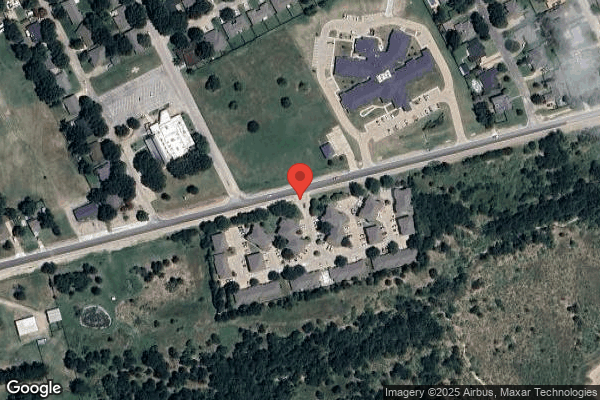
Apr 2024 4 deficiencies 3 IJ
CRITICAL (J) 📢 Someone Reported This

A family member, employee, or ombudsman was alarmed enough to file a formal complaint

Immediate Jeopardy (IJ) - the most serious Medicare violation

Abuse Prevention Policies (Tag F0607)

Someone could have died · This affected 1 resident

**NOTE- TERMS IN BRACKETS HAVE BEEN EDITED TO PROTECT CONFIDENTIALITY** Based on interview, and record review the facility failed to develop and implement written policies and procedures that prohibit...

Read full inspector narrative →
**NOTE- TERMS IN BRACKETS HAVE BEEN EDITED TO PROTECT CONFIDENTIALITY** Based on interview, and record review the facility failed to develop and implement written policies and procedures that prohibit and prevent abuse/neglect and investigate such allegations for 1 (Resident # 1) of 6, residents reviewed for accidents and supervision. The facility failed to investigate a serious injury that occurred when Resident # 1 sustained a wrist fracture and other injuries CNA A left her unsupervised and she fell out the bed on 4/14/2024. This failure resulted in an identification of an (IJ) Immediate Jeopardy on 4/18/2024 at 6:07pm. The IJ Immediate Jeopardy template was provided to the ADM on 4/18/2024 at 6:07pm. While the (IJ) Immediate Jeopardy was removed on 4/19/2024 at 1:26pm, the facility remained out of compliance at a scope of isolated and severity level of actual harm because all staff had not been trained on abuse/neglect, incident/accidents, and reporting. The failure could place residents at risk of accidents and harm. Findings included: Record review of Resident #1's face sheet dated 1/9/2024 reflected, Resident #1 is a [AGE] year-old female who was admitted to the facility on [DATE]. The face sheet reflected Resident #1 had the following diagnoses Other acute osteomyelitis ( bone inflammation that can result in pelvis trauma), left femur, Muscle wasting and atrophy (wasting, thinning or loss of muscle tissue), not elsewhere classified, right upper arm, Muscle wasting and atrophy (muscle that lose their nerve supply), not elsewhere classified, left upper arm, Chronic pain syndrome (other symptoms beyond pain alone), Multiple sclerosis ( a disease in which the immune system eats away at the protective covering of nerves), Functional quadriplegia(Complete Immobility due to sever disability or frailty from another medical condition without injury to the spinal cord). Record review of Resident's #1 admission MDS dated [DATE] BIMS score 15 cognitive intact GG functional section of MDS reflect the resident required substantial /maximal assistance with roll to left or right side. Record review of Resident #1 care plan dated 1/18/2024 reflected Resident # 1 required total staff performs /provides total assistance for all ADL's. The care plan reflected the following interventions: Keep call light within reach and encourage use for assistance. Respond promptly to all request for assistance. Resident # 1 required a bed with side rails on both sides. Record review of physician order dated 3/24/2024 for Resident # 1 reflected Resident #1 required a 2x person assist and hoyer for transfers, mobility, bathing, and a 2x person assist with toileting. During an interview on 4/18/2024 at 11:17 a.m. a FM revealed Resident #1 called her last night 4/17/2024 and stated she fell out the bed on Sunday night 4/14/2024. The FM stated they did not make sure that she was in the center of the bed, she was on the edge and fell out the bed. The FM stated Resident #1 sustained a hairline fracture to her right wrist, she stated she also had a scar on her leg from where she fell and that he was swollen on the right side. The FM stated Resident # 1 was in a lot of pain because usually she did not cry but stated she was crying because of the pain from her injuries. During an interview on 4/18/2024 at 11:46 a.m. Resident #1 revealed on Sunday 4/14/2024 CNA A repositioned her on her left side and pulled her all the way to the edge of the bed and left the room. Resident # 1 stated when she realized she was falling she yelled out help- help. Resident # 1 stated there was another bedside table in the room and when she fell her face hit the table and then the floor, stated her leg also hit the table. Resident #1 stated she tried to brace her fall by putting her hand out and fractured her wrist. Resident #1 stated she was still in pain today and the facility were giving her medication to help with the pain. During an interview on 4/18/2024 at 4:00 p.m. the DON, revealed she was advised of the fall the next day on 4/15/2024. The DON stated nursing staff reported Resident # 1 was turned on left side to have a bowel movement and stated she fell out the bed. She stated Resident # 1 liked to be turned on her side when having a bowel movement. The DON stated the staff were able to look at the resident physician order report to see what their care needs are and to see if they are a one person or two persons assist. During an interview on 4/18/2024 at 4:20 p.m. the Admin. revealed she spoke with Resident #1 after the incident and stated Resident #1 stated the staff positioned her differently in the bed and she fell. She stated this was not reported to HHSC because she did not believe that it was intentional. The Admin. stated after she spoke with Resident # 1 that was the extent of her investigation. The Admin. stated she expected staff to position Resident #1 in the center of the bed while on her side and ensure that she was in a safe position before leaving the room. Record review of facility abuse prevention program dated November 2010 which reflected the following: Our residents have the right to be free from abuse and neglect. Our facility is committed to protecting our residents from abuse by anyone included but not necessarily limited to facility staff. Timely and thorough investigation of all reports and allegations of abuse. An (IJ) Immediate Jeopardy was identified on 4/18/2024 at 6:07pm., due to the above failures. The ADM was notified on 4/18/2023. The ADM was provided with the (IJ) Immediate Jeopardy template on 4/18/2023 at 6:07pm, and a Plan of Removal (POR) was requested. The Plan of removal accepted on 4/19/2024 at 1:26 p.m. and indicated the following: Plan of Removal Date Initiated: 4/18/2024 and accepted on 4/19/2024. Residents #1 was assessed by DON and support was provided as accepted. Resident was informed that she would not be left alone during care. Resident was reminded that call light is available if she is concerned about safety. The physician was notified of the deficiencies cited on 4/18/2024. There were no new orders obtained. The affected resident's responsible party was notified by DON of the cited deficiencies and the plan of removal. CNA A was immediately suspended by DON and Administrator on 4/18/2024. CNA A will be terminated due to not following policy and procedures. On 4/18/2024 the DON (director of nursing) and Administrator interviewed all residents in the facility to determine if any other residents needed any assistive devices or had any concerns regarding staff not supervising during care. There were no concerns identified. The interviews were completed before midnight on 4/18/2024. Ad-Hoc (for this situation) QAPI meeting was held on 4/18/2024, with the Medical Director, NHA (Nursing Home Administrator), COO (Chief Operating Officer) and DON to review the cited deficiencies, policy and procedure, and the plan for removal of immediacy. On 4/18/2024 the COO completed 1:1 in-service on Abuse, Neglect and Incident and Accident Reporting with Administrator, DON, and ADON. The in-service also reviewed the importance of providing adequate supervision to residents during care. Starting on 4/18/24, the facility leadership (Administrator, DON, and ADON) will complete education with nursing staff on incidents and accidents and supervision. The leadership team also in serviced on reporting any incidents and accidents immediately to ensure that each resident receives the services consistent with the professional standards of practice. DON/designee reviewed the resident profiles to include the resident care plan. In servicing from DON and/or designee with direct care staff on how to access profiles in the Point of Care system. The in-services were consistent with nursing staff to be able to identify the type of care each resident needs for ADLs. The training was initiated on 4/18/24 and will be completed on 4/18/24. Nursing staff will give a return demonstration on how to pull profiles in the EMR and Point of Care system. All staff to include PRN, new employees and agency staff will receive training prior to working the floor and giving direct care. All staff to include PRN, new employees and agency staff will receive training prior to working the floor and giving direct care. Staff will not be allowed to work until they receive training. The policy pertaining to Incident, Accidents and supervision were reviewed on 4/18/24 by the DON, NHA (Nursing Home Administrator) and Medical Director. Current policy was reviewed with staff to ensure compliance. Starting on 4/18/24, IDT (Interdisciplinary team), including Administrator, DON, ADON, Activity Director, MDS Coordinator, HR, BOM) will meet with all residents daily Monday to Friday, and Manager on Duty Saturday and Sunday to determine if any residents have any concerns on supervision during care or if any resident had an incident or accident that was not reported. Any concerns identified will be immediately brought to Administrator for further action, if necessary. All incidents and accidents will be documented in the electronic medical record. On 4/18/24 the COO will start reviewing any incidents or accidents to ensure complete investigation/reporting weekly for four (4) weeks followed by monthly reviews after. The DON/designee will monitor compliance by completing an audit of ten (10) residents per week for four (4) weeks. This was initiated on 4/18/24. Any identified concern will be addressed immediately and if trends and patterns are identified, the facility will conduct an Ad-Hoc QAPI meeting to discuss if additional interventions are needed to ensure compliance. The Administrator will be responsible for ensuring this plan is completed on 4/18/24. The COO will provide oversight of DON and Administrators to ensure that the items on the plan of removal are reviewed and completed. Monitoring of POR on 4/19/2024 included the following: During an observation and interview on 4/19/2024 at 11:20 a.m. Resident #1 was in her room. She stated her mother had just left from visiting with her. She stated she still had pain in her back and wrist. She stated her doctor changed her PRN pain medications to every 12 hours. She stated it does not take staff a long time to answer her call light. She stated CNA J is especially fast. She stated she is not complaining, just mad that the Aide walked out and left her on her side without returning. During an interview on 4/19/2024 at 11:45 a.m. LVN C revealed they were in-serviced over the following at the Nursing Station: Abuse Prevention Program, Incident and Accident Reporting If you suspect or witness anything, inform the ADM and DON. She understands the protocol as she has been a nurse for over 12 years. You must make sure the safety of the resident is the main thing and you do whatever is necessary to protect them and keep them safe. If she needed further guidance, she would refer to her DON. During an interview on 4/19/2024 at 12:05 p.m. CNA D provided the following information: Abuse Prevention Program, Incident and Accident Reporting She had been a CNA for 14 years and she knows every time someone says they fell, she sees them on the floor, or if report they have been neglected, you are supposed to report it immediately to the Nurse, the DON, and the ADM (ANE Coordinator). She said she had never had to report any abuse or neglect other than a fall. She did not learn anything new, it was more of a refresher. During an interview on 4/19/2024 at 12: 25 p.m. CNA F. She provided the following information: Abuse Prevention Program, Incident and Accident Reporting They were told the signs of abuse and neglect, what to look for and who to report it to. They were told how to protect the resident until it is reported, and they are assessed. She did not learn anything new. It was more of a re-education as she had been in this field since 1999. It was the same information that she remembers. She stated she took away that abuse can also be between two residents, and you must remember what may seem minor to you, the resident can be affected negatively. During an interview on 4/19/2024 at 12:40 p.m. CNA E indicated he was in-serviced on the following information: Abuse Prevention Program, Incident and Accident Reporting He stated they gave everyone their own copy of each in-service. He stated they went over who to contact and what to do if it was an actual incident. He stated he knows any form of abuse and neglect needs to be reported. They have the signs of abuse and neglect posted on the wall by the time clocks and at the beginning of the 200 halls. He stated he did not learn anything new; it was more of a re-education. He stated he oversees the CNAs and conduct in-services with them. During an interview on 4/19/2024 at 12:55 p.m. LVN T. indicated she was in-serviced on the following information: Abuse Prevention Program, Incident and Accident Reporting She stated if you see anything, you must report it to the ADM. You must chart it and fill out an event report. If you see any signs of abuse or neglect you should intervene if you witness it. She learned that locking a resident's wheelchair could be a form of abuse if they are mobile and they cannot unlock the wheelchair themselves. During an interview on 4/19/2024 at 1:20 p.m. CNA K. indicated she was in-serviced on the following information: Abuse Prevention Program, Incident and Accident Reporting She stated if there is a sign of abuse or neglect you must contact the ADM. If you cannot get a hold of her in 10-15 minutes, you must contact the DON because they must report within 2 hours. She stated if you see something you must say something. She stated she has been working in facilities for over 5 years and did not learn anything new. She stated it was more of a reminder. During an interview on 4/19/2024 at 1:40 p.m. the DON provided the following information: Ad Hoc QAPI Meeting She stated they discussed the two Tags and discussed the resident of concern with the PCP. She stated they asked if he wanted anything changed to the policy, and he stated there was nothing at this time. She stated they informed him the CNA was suspended, pending termination. Safe Surveys She stated herself, the MDS Coordinator and the ADON completed the Safe Surveys with each resident. She stated there were no concerns regarding abuse or neglect. She stated one female resident mentioned the Aides talk a lot. She stated one male resident said the Aide of Concern is a little gruff in speaking. She stated to eradicate this, the Aide is being terminated. She stated she will be doing more monitoring over the weekends on the halls and asking random residents about their care. Abuse Prevention Program, Incident and Accident Reporting She stated they went over all parts of the policy and the protection of residents. She stated they went over who to report it to and although they tell the nurse, they must still report it to the DON and the ADM themselves. She provided them a list of signs and symptoms and how the resident may react to being abused. She gave them examples of depression to know what to watch for with a resident. She stated it is not always verbal or physical, but it could be mental abuse, misappropriation, etc. During an interview on 4/19/2024 at 2:00 p.m. the Admin. provided the following information: Ad Hoc QAPI Meeting She stated they went over interviewing all residents for supervision related to incidents and accidents. She stated they discussed in-servicing all staff on Abuse and Neglect, Reporting, Incidents and Accidents. She stated staff not present would be called to provide education over the phone. She stated the IDT team reviewed all residents for abuse, and neglect to include supervision. She stated they discussed policy of ANE, Reporting, Incidents and Accidents. She stated no changes have been made and no new policies were created. She stated they reviewed the Plan of Removal with all attendees. She stated the COO in-serviced her, the DON and the ADON. She stated this morning, the Resident of Concern wanted to be left alone during her bowel movement and they had to re-educate her that it was not safe to do so. She stated the Resident was fine with the decision due to her safety. She stated due to taking a lot of pain medications, it causes the Resident to become constipated. She stated laying on her side, helps it to release. Safe Surveys She stated they completed Safe Survey Audits and spoke with every Resident at the facility. She stated only 2 mentioned that they did not care for the Aide Resident # 3 and Resident #4 stated due to the way she talks. She stated they were never harmed; they just did not care for her demeanor. She stated due to their feedback along with the incident with Resident # 1, they are moving forward with termination. She stated she is currently suspended, and her termination has been approved and will occur this afternoon via phone. Record review of in-service dated 4/18/2024 on Resident Rights completed by 38 staff. Record review of in-service dated 4/18/2024 on Positioning and Re-positioning residents in bed completed by 12 CNA and nursing staff. Record review of progress note dated 4/15/2024 regarding assessment of Resident # 1's hand/wrist, right leg and ankle. On 4/19/2023 at 1:29 p.m., the ADM was informed the (IJ) Immediate Jeopardy was removed. While the (IJ) Immediate Jeopardy was removed on 4/19/2024 at 1:29 p.m., the facility remained out of compliance at a scope of isolated and severity level of no actual harm because all staff had not been trained on abuse/neglect, incident/accidents, and reporting.
CRITICAL (J) 📢 Someone Reported This

A family member, employee, or ombudsman was alarmed enough to file a formal complaint

Immediate Jeopardy (IJ) - the most serious Medicare violation

Investigate Abuse (Tag F0610)

Someone could have died · This affected 1 resident

**NOTE- TERMS IN BRACKETS HAVE BEEN EDITED TO PROTECT CONFIDENTIALITY** Based on interview, and record review the facility failed to thoroughly investigate the incident of how Resident #1 was left uns...

Read full inspector narrative →
**NOTE- TERMS IN BRACKETS HAVE BEEN EDITED TO PROTECT CONFIDENTIALITY** Based on interview, and record review the facility failed to thoroughly investigate the incident of how Resident #1 was left unsupervised and fell from the bed. There was no evidence to show the incident had been investigated at all. The facility failed to investigate a serious injury that occurred when Resident # 1 sustained a wrist fracture and other injuries CNA A left her unsupervised and she fell out the bed on 4/14/2024. This failure resulted in an identification of an (IJ) Immediate Jeopardy on 4/18/2024 at 6:07pm. The IJ Immediate Jeopardy template was provided to the ADM on 4/18/2024 at 6:07pm. While the (IJ) Immediate Jeopardy was removed on 4/19/2024 at 1:26pm, the facility remained out of compliance at a scope of isolated and severity level of actual harm because all staff had not been trained on abuse/neglect, incident/accidents, and reporting. The failure could place residents at risk of accidents and harm. Findings included: Record review of Resident #1's face sheet dated 1/9/2024 reflected, Resident #1 is a [AGE] year-old female who was admitted to the facility on [DATE]. The face sheet reflected Resident #1 had the following diagnoses Other acute osteomyelitis ( bone inflammation that can result in pelvis trauma), left femur, Muscle wasting and atrophy (wasting, thinning or loss of muscle tissue), not elsewhere classified, right upper arm, Muscle wasting and atrophy (muscle that lose their nerve supply), not elsewhere classified, left upper arm, Chronic pain syndrome (other symptoms beyond pain alone), Multiple sclerosis ( a disease in which the immune system eats away at the protective covering of nerves), Functional quadriplegia(Complete Immobility due to sever disability or frailty from another medical condition without injury to the spinal cord). Record review of Resident's #1 admission MDS dated [DATE] BIMS score 15 cognitive intact GG functional section of MDS reflect the resident required substantial /maximal assistance with roll to left or right side. Record review of Resident #1 care plan dated 1/18/2024 reflected Resident # 1 required total staff performs /provides total assistance for all ADL's. The care plan reflected the following interventions: Keep call light within reach and encourage use for assistance. Respond promptly to all request for assistance. Resident # 1 required a bed with side rails on both sides. Record review of physician order dated 3/24/2024 for Resident # 1 reflected Resident #1 required a 2x person assist and hoyer for transfers, mobility, bathing, and a 2x person assist with toileting. During an interview on 4/18/2024 at 11:17 a.m. a FM revealed Resident #1 called her last night 4/17/2024 and stated she fell out the bed on Sunday night 4/14/2024. The FM stated they did not make sure that she was in the center of the bed, she was on the edge and fell out the bed. The FM stated Resident #1 sustained a hairline fracture to her right wrist, she stated she also had a scar on her leg from where she fell and that he was swollen on the right side. The FM stated Resident # 1 was in a lot of pain because usually she did not cry but stated she was crying because of the pain from her injuries. During an interview on 4/18/2024 at 11:46 a.m. Resident #1 revealed on Sunday 4/14/2024 CNA A repositioned her on her left side and pulled her all the way to the edge of the bed and left the room. Resident # 1 stated when she realized she was falling she yelled out help- help. Resident # 1 stated there was another bedside table in the room and when she fell her face hit the table and then the floor, stated her leg also hit the table. Resident #1 stated she tried to brace her fall by putting her hand out and fractured her wrist. Resident #1 stated she was still in pain today and the facility were giving her medication to help with the pain. During an interview on 4/18/2024 at 4:00 p.m. the DON, revealed she was advised of the fall the next day on 4/15/2024. The DON stated nursing staff reported Resident # 1 was turned on left side to have a bowel movement and stated she fell out the bed. She stated Resident # 1 liked to be turned on her side when having a bowel movement. The DON stated the staff were able to look at the resident physician order report to see what their care needs are and to see if they are a one person or two persons assist. During an interview on 4/18/2024 at 4:20 p.m. the Admin. revealed she spoke with Resident #1 after the incident and stated Resident #1 stated the staff positioned her differently in the bed and she fell. She stated this was not reported to HHSC because she did not believe that it was intentional. The Admin. stated after she spoke with Resident # 1 that was the extent of her investigation. The Admin. stated she expected staff to position Resident #1 in the center of the bed while on her side and ensure that she was in a safe position before leaving the room. Record review of facility abuse prevention program dated November 2010 which reflected the following: Our residents have the right to be free from abuse and neglect. Our facility is committed to protecting our residents from abuse by anyone included but not necessarily limited to facility staff. Timely and thorough investigation of all reports and allegations of abuse. An (IJ) Immediate Jeopardy was identified on 4/18/2024 at 6:07pm., due to the above failures. The ADM was notified on 4/18/2023. The ADM was provided with the (IJ) Immediate Jeopardy template on 4/18/2023 at 6:07pm, and a Plan of Removal (POR) was requested. The Plan of removal accepted on 4/19/2024 at 1:26 p.m. and indicated the following: Plan of Removal Date Initiated: 4/18/2024 and accepted on 4/19/2024. Residents #1 was assessed by DON and support was provided as accepted. Resident was informed that she would not be left alone during care. Resident was reminded that call light is available if she is concerned about safety. The physician was notified of the deficiencies cited on 4/18/2024. There were no new orders obtained. The affected resident's responsible party was notified by DON of the cited deficiencies and the plan of removal. CNA A was immediately suspended by DON and Administrator on 4/18/2024. CNA A will be terminated due to not following policy and procedures. On 4/18/2024 the DON (director of nursing) and Administrator interviewed all residents in the facility to determine if any other residents needed any assistive devices or had any concerns regarding staff not supervising during care. There were no concerns identified. The interviews were completed before midnight on 4/18/2024. Ad-Hoc (for this situation) QAPI meeting was held on 4/18/2024, with the Medical Director, NHA (Nursing Home Administrator), COO (Chief Operating Officer) and DON to review the cited deficiencies, policy and procedure, and the plan for removal of immediacy. On 4/18/2024 the COO completed 1:1 in-service on Abuse, Neglect and Incident and Accident Reporting with Administrator, DON, and ADON. The in-service also reviewed the importance of providing adequate supervision to residents during care. Starting on 4/18/24, the facility leadership (Administrator, DON, and ADON) will complete education with nursing staff on incidents and accidents and supervision. The leadership team also in serviced on reporting any incidents and accidents immediately to ensure that each resident receives the services consistent with the professional standards of practice. DON/designee reviewed the resident profiles to include the resident care plan. In servicing from DON and/or designee with direct care staff on how to access profiles in the Point of Care system. The in-services were consistent with nursing staff to be able to identify the type of care each resident needs for ADLs. The training was initiated on 4/18/24 and will be completed on 4/18/24. Nursing staff will give a return demonstration on how to pull profiles in the EMR and Point of Care system. All staff to include PRN, new employees and agency staff will receive training prior to working the floor and giving direct care. All staff to include PRN, new employees and agency staff will receive training prior to working the floor and giving direct care. Staff will not be allowed to work until they receive training. The policy pertaining to Incident, Accidents and supervision were reviewed on 4/18/24 by the DON, NHA (Nursing Home Administrator) and Medical Director. Current policy was reviewed with staff to ensure compliance. Starting on 4/18/24, IDT (Interdisciplinary team), including Administrator, DON, ADON, Activity Director, MDS Coordinator, HR, BOM) will meet with all residents daily Monday to Friday, and Manager on Duty Saturday and Sunday to determine if any residents have any concerns on supervision during care or if any resident had an incident or accident that was not reported. Any concerns identified will be immediately brought to Administrator for further action, if necessary. All incidents and accidents will be documented in the electronic medical record. On 4/18/24 the COO will start reviewing any incidents or accidents to ensure complete investigation/reporting weekly for four (4) weeks followed by monthly reviews after. The DON/designee will monitor compliance by completing an audit of ten (10) residents per week for four (4) weeks. This was initiated on 4/18/24. Any identified concern will be addressed immediately and if trends and patterns are identified, the facility will conduct an Ad-Hoc QAPI meeting to discuss if additional interventions are needed to ensure compliance. The Administrator will be responsible for ensuring this plan is completed on 4/18/24. The COO will provide oversight of DON and Administrators to ensure that the items on the plan of removal are reviewed and completed. Monitoring of POR on 4/19/2024 included the following: During an observation and interview on 4/19/2024 at 11:20 a.m. Resident #1 was in her room. She stated her mother had just left from visiting with her. She stated she still had pain in her back and wrist. She stated her doctor changed her PRN pain medications to every 12 hours. She stated it does not take staff a long time to answer her call light. She stated CNA J is especially fast. She stated she is not complaining, just mad that the Aide walked out and left her on her side without returning. During an interview on 4/19/2024 at 11:45 a.m. LVN C revealed they were in-serviced over the following at the Nursing Station: Abuse Prevention Program, Incident and Accident Reporting If you suspect or witness anything, inform the ADM and DON. She understands the protocol as she has been a nurse for over 12 years. You must make sure the safety of the resident is the main thing and you do whatever is necessary to protect them and keep them safe. If she needed further guidance, she would refer to her DON. During an interview on 4/19/2024 at 12:05 p.m. CNA D provided the following information: Abuse Prevention Program, Incident and Accident Reporting She had been a CNA for 14 years and she knows every time someone says they fell, she sees them on the floor, or if report they have been neglected, you are supposed to report it immediately to the Nurse, the DON, and the ADM (ANE Coordinator). She said she had never had to report any abuse or neglect other than a fall. She did not learn anything new, it was more of a refresher. During an interview on 4/19/2024 at 12: 25 p.m. CNA F. She provided the following information: Abuse Prevention Program, Incident and Accident Reporting They were told the signs of abuse and neglect, what to look for and who to report it to. They were told how to protect the resident until it is reported, and they are assessed. She did not learn anything new. It was more of a re-education as she had been in this field since 1999. It was the same information that she remembers. She stated she took away that abuse can also be between two residents, and you must remember what may seem minor to you, the resident can be affected negatively. During an interview on 4/19/2024 at 12:40 p.m. CNA E indicated he was in-serviced on the following information: Abuse Prevention Program, Incident and Accident Reporting He stated they gave everyone their own copy of each in-service. He stated they went over who to contact and what to do if it was an actual incident. He stated he knows any form of abuse and neglect needs to be reported. They have the signs of abuse and neglect posted on the wall by the time clocks and at the beginning of the 200 halls. He stated he did not learn anything new; it was more of a re-education. He stated he oversees the CNAs and conduct in-services with them. During an interview on 4/19/2024 at 12:55 p.m. LVN T. indicated she was in-serviced on the following information: Abuse Prevention Program, Incident and Accident Reporting She stated if you see anything, you must report it to the ADM. You must chart it and fill out an event report. If you see any signs of abuse or neglect you should intervene if you witness it. She learned that locking a resident's wheelchair could be a form of abuse if they are mobile and they cannot unlock the wheelchair themselves. During an interview on 4/19/2024 at 1:20 p.m. CNA K. indicated she was in-serviced on the following information: Abuse Prevention Program, Incident and Accident Reporting She stated if there is a sign of abuse or neglect you must contact the ADM. If you cannot get a hold of her in 10-15 minutes, you must contact the DON because they must report within 2 hours. She stated if you see something you must say something. She stated she has been working in facilities for over 5 years and did not learn anything new. She stated it was more of a reminder. During an interview on 4/19/2024 at 1:40 p.m. the DON provided the following information: Ad Hoc QAPI Meeting She stated they discussed the two Tags and discussed the resident of concern with the PCP. She stated they asked if he wanted anything changed to the policy, and he stated there was nothing at this time. She stated they informed him the CNA was suspended, pending termination. Safe Surveys She stated herself, the MDS Coordinator and the ADON completed the Safe Surveys with each resident. She stated there were no concerns regarding abuse or neglect. She stated one female resident mentioned the Aides talk a lot. She stated one male resident said the Aide of Concern is a little gruff in speaking. She stated to eradicate this, the Aide is being terminated. She stated she will be doing more monitoring over the weekends on the halls and asking random residents about their care. Abuse Prevention Program, Incident and Accident Reporting She stated they went over all parts of the policy and the protection of residents. She stated they went over who to report it to and although they tell the nurse, they must still report it to the DON and the ADM themselves. She provided them a list of signs and symptoms and how the resident may react to being abused. She gave them examples of depression to know what to watch for with a resident. She stated it is not always verbal or physical, but it could be mental abuse, misappropriation, etc. During an interview on 4/19/2024 at 2:00 p.m. the Admin. provided the following information: Ad Hoc QAPI Meeting She stated they went over interviewing all residents for supervision related to incidents and accidents. She stated they discussed in-servicing all staff on Abuse and Neglect, Reporting, Incidents and Accidents. She stated staff not present would be called to provide education over the phone. She stated the IDT team reviewed all residents for abuse, and neglect to include supervision. She stated they discussed policy of ANE, Reporting, Incidents and Accidents. She stated no changes have been made and no new policies were created. She stated they reviewed the Plan of Removal with all attendees. She stated the COO in-serviced her, the DON and the ADON. She stated this morning, the Resident of Concern wanted to be left alone during her bowel movement and they had to re-educate her that it was not safe to do so. She stated the Resident was fine with the decision due to her safety. She stated due to taking a lot of pain medications, it causes the Resident to become constipated. She stated laying on her side, helps it to release. Safe Surveys She stated they completed Safe Survey Audits and spoke with every Resident at the facility. She stated only 2 mentioned that they did not care for the Aide Resident # 3 and Resident #4 stated due to the way she talks. She stated they were never harmed; they just did not care for her demeanor. She stated due to their feedback along with the incident with Resident # 1, they are moving forward with termination. She stated she is currently suspended, and her termination has been approved and will occur this afternoon via phone. Record review of in-service dated 4/18/2024 on Resident Rights completed by 38 staff. Record review of in-service dated 4/18/2024 on Positioning and Re-positioning residents in bed completed by 12 CNA and nursing staff. Record review of progress note dated 4/15/2024 regarding assessment of Resident # 1's hand/wrist, right leg and ankle. On 4/19/2023 at 1:29 p.m., the ADM was informed the (IJ) Immediate Jeopardy was removed. While the (IJ) Immediate Jeopardy was removed on 4/19/2024 at 1:29 p.m., the facility remained out of compliance at a scope of isolated and severity level of no actual harm because all staff had not been trained on abuse/neglect, incident/accidents, and reporting.
CRITICAL (J) 📢 Someone Reported This

A family member, employee, or ombudsman was alarmed enough to file a formal complaint

Immediate Jeopardy (IJ) - the most serious Medicare violation

Accident Prevention (Tag F0689)

Someone could have died · This affected 1 resident

**NOTE- TERMS IN BRACKETS HAVE BEEN EDITED TO PROTECT CONFIDENTIALITY** Based on observation, interview, and record review the facility failed to ensure adequate supervision and assistive devices to p...

Read full inspector narrative →
**NOTE- TERMS IN BRACKETS HAVE BEEN EDITED TO PROTECT CONFIDENTIALITY** Based on observation, interview, and record review the facility failed to ensure adequate supervision and assistive devices to prevent accidents for 1(Resident #1) of 6 residents reviewed for accidents and supervision. The facility failed to ensure on 4/14/2024 that Resident # 1 was repositioned in her bed by CNA A, who placed her too close to the edge of the bed. The lack of supervision resulted in that Resident # 1 fell out her bed and sustained a fractured right wrist, swollen right side of her face, and other scratches to her legs from the fall. Resident # 1's right wrist was placed in a brace, and she was prescribed pain medication as needed. This failure resulted in an identification of an (IJ) Immediate Jeopardy on 4/18/2024 at 6:07 p.m. The IJ Immediate Jeopardy template was provided to the ADM on 4/18/2024 at 6:07 p.m. While the (IJ) Immediate Jeopardy was removed on 4/19/2024 at 1:26 p.m., the facility remained out of compliance at a scope of isolated and severity level of actual harm because all staff had not been trained on abuse/neglect, incident/accidents, and reporting. This failure could place residents at risk for accidents and harm. Findings included: Record review of Resident #1's face sheet dated 1/9/2024 reflected, Resident #1 is a [AGE] year-old female who was admitted to the facility on [DATE]. The face sheet reflected Resident #1 had the following diagnoses Other acute osteomyelitis ( bone inflammation that can result in pelvis trauma), left femur, Muscle wasting and atrophy (wasting, thinning or loss of muscle tissue), not elsewhere classified, right upper arm, Muscle wasting and atrophy (muscle that lose their nerve supply), not elsewhere classified, left upper arm, Chronic pain syndrome (other symptoms beyond pain alone), Multiple sclerosis ( a disease in which the immune system eats away at the protective covering of nerves), Functional quadriplegia(Complete Immobility due to sever disability or frailty from another medical condition without injury to the spinal cord). Record review of Resident's #1 admission MDS dated [DATE] BIMS score 15 cognitive intact GG functional section of MDS reflect the resident required substantial /maximal assistance with roll to left or right side. Record review of Resident #1 care plan dated 1/18/2024 reflected Resident # 1 required total staff performs /provides total assistance for all ADL's. The care plan reflected the following interventions: Keep call light within reach and encourage use for assistance. Respond promptly to all request for assistance. Resident # 1 required a bed with side rails on both sides. Record review of physician order dated 3/24/2024 for Resident # 1 reflected Resident #1 required a 2 x person assist and hoyer for transfers, mobility, bathing, and a 2 x person assist with toileting. During an interview on 4/18/2024 at 11:17 a.m. a FM revealed Resident #1 called her last night 4/17/2024 and stated she fell out the bed on Sunday night 4/14/2024. The FM stated they did not make sure that she was in the center of the bed, she was on the edge and fell out the bed. The FM stated Resident #1 sustained a hairline fracture to her right wrist, she stated she also had a scar on her leg from where she fell and that he was swollen on the right side. The FM stated Resident # 1 was in a lot of pain because usually she did not cry but stated she was crying because of the pain from her injuries. During an interview on 4/18/2024 at 11:46 a.m. Resident #1 revealed on Sunday 4/14/2024 CNA A repositioned her on her left side and pulled her all the way to the edge of the bed and left the room. Resident # 1 stated when she realized she was falling she yelled out help- help. Resident # 1 stated there was another bedside table in the room and when she fell her face hit the table and then the floor, stated her leg also hit the table. Resident #1 stated she tried to brace her fall by putting her hand out and fractured her wrist. Resident #1 stated she was still in pain today and the facility was giving her medication to help with the pain. During an interview on 4/18/2024 at 3:45 p.m. CNA B revealed she did work the night of the incident. She stated Resident # 1 told her that CNA A turned her and pulled her too close to edge of the bed and she fell. She stated they do turn Resident #1 to her side when having a bowel movement but stated there is someone in the front and on the other side of the bed and they stay with the resident. During an interview on 4/18/2024 at 4:00 p.m. the DON, revealed she was advised of the fall the next day on 4/15/2024. The DON stated nursing staff reported Resident # 1 was turned on left side to have a bowel movement and stated she fell out the bed. She stated Resident # 1 liked to be turned on her side when having a bowel movement. The DON stated the staff were able to look at the resident physician order report to see what their care needs are and to see if they are a one person or two persons assist. During an interview on 4/18/2024 at 4:20 p.m. with the Admin. revealed she spoke with Resident #1 after the incident and Resident #1 stated the staff positioned her differently in the bed and she fell. She stated this was not reported to HHSC because she did not believe that it was intentional. The Admin. stated that was the extent of their investigation. Record Review of medical record dated 4/15/2024 of X-ray of the right wrist reflected Resident # 1 sustained a Complex intra-articular fracture of the meta-diaphyseal segment of the radius (common orthopedic injuries) Physicians order dated 4/15/2024 reflect portable R wrist XR D/T C/O pain. Physicians order dated 4/16/2024 reflected a brace to right hand /wrist at all times , floor mat to right side of the bed while in bed , check placement q shift Physicians order dated 4/18/2024 reflected hydrocodone -acetaminophen 1 tab every 8 hours. Review of nurse's progress note dated 4/15/2024 reflected the following: 2pm-10pm CNA yelled from hall for a nurse. CNA stated she heard a loud thud from the hall, then upon entering resident's room, found her on the floor. Noted resident lying in a fetal position on right side between bed and wall. Resident moaning in pain, stated I think I broke my wrist. Also states she hit the right side of face on floor as well. Took vitals upon assessment and had her placed back into bed. B/P: 113/80; HR: 106bpm; T: 97.4F; O2 Sat: 98%. States she was placed on left edge of bed to have a BM, then was just left there. States she felt herself falling began to call for help, then fell out of bed, hit right side of face on bedside table, then landed on right wrist as it was hyperextended backwards. Upon assessment, noted redness to right side of face over the cheek bone area without swelling. Resident able to symmetrically move facial muscles. C/o tenderness upon palpation. Denies any dizziness or HA. Noted redness accompanied by swelling to right wrist with limited ROM. Applied ice to injured wrist and administered 1 tablet of Norco 10-325mg PO PRN as ordered for pain. No other injuries noted. States I do not want to go to any hospital. Record review of facility abuse prevention program dated November 2010 which reflected the following: Our residents have the right to be free from abuse and neglect. Our facility is committed to protecting our residents from abuse by anyone included but not necessarily limited to facility staff. Timely and thorough investigation of all reports and allegations of abuse. The Admin. was notified on 4/18/2024 at 6:07 p.m., An (IJ) Immediate Jeopardy was identified due to the above failures. The ADM was provided with the (IJ) Immediate Jeopardy template on 4/18/2023 at 6:07pm, and a Plan of Removal (POR) was requested. The Plan of removal accepted on 4/19/2024 at 1:26 p.m. and indicated the following: Plan of Removal Date Initiated: 4/18/2024 and accepted on 4/19/2024. Residents #1 was assessed by DON and support was provided as accepted. Resident was informed that she would not be left alone during care. Resident was reminded that call light is available if she is concerned about safety. The physician was notified of the deficiencies cited on 4/18/2024. There were no new orders obtained. The affected resident's responsible party was notified by DON of the cited deficiencies and the plan of removal. CNA A was immediately suspended by DON and Administrator on 4/18/2024. CNA A will be terminated due to not following policy and procedures. On 4/18/2024 the DON (director of nursing) and Administrator interviewed all residents in the facility to determine if any other residents needed any assistive devices or had any concerns regarding staff not supervising during care. There were no concerns identified. The interviews were completed before midnight on 4/18/2024. Ad-Hoc (for this situation) QAPI meeting was held on 4/18/2024, with the Medical Director, NHA (Nursing Home Administrator), COO (Chief Operating Officer) and DON to review the cited deficiencies, policy and procedure, and the plan for removal of immediacy. On 4/18/2024 the COO completed 1:1 in-service on Abuse, Neglect and Incident and Accident Reporting with Administrator, DON, and ADON. The in-service also reviewed the importance of providing adequate supervision to residents during care. Starting on 4/18/24, the facility leadership (Administrator, DON, and ADON) will complete education with nursing staff on incidents and accidents and supervision. The leadership team also in serviced on reporting any incidents and accidents immediately to ensure that each resident receives the services consistent with the professional standards of practice. DON/designee reviewed the resident profiles to include the resident care plan. In servicing from DON and/or designee with direct care staff on how to access profiles in the Point of Care system. The in-services were consistent with nursing staff to be able to identify the type of care each resident needs for ADLs. The training was initiated on 4/18/24 and will be completed on 4/18/24. Nursing staff will give a return demonstration on how to pull profiles in the EMR and Point of Care system. All staff to include PRN, new employees and agency staff will receive training prior to working the floor and giving direct care. All staff to include PRN, new employees and agency staff will receive training prior to working the floor and giving direct care. Staff will not be allowed to work until they receive training. The policy pertaining to Incident, Accidents and supervision were reviewed on 4/18/24 by the DON, NHA (Nursing Home Administrator) and Medical Director. Current policy was reviewed with staff to ensure compliance. Starting on 4/18/24, IDT (Interdisciplinary team), including Administrator, DON, ADON, Activity Director, MDS Coordinator, HR, BOM) will meet with all residents daily Monday to Friday, and Manager on Duty Saturday and Sunday to determine if any residents have any concerns on supervision during care or if any resident had an incident or accident that was not reported. Any concerns identified will be immediately brought to Administrator for further action, if necessary. All incidents and accidents will be documented in the electronic medical record. On 4/18/24 the COO will start reviewing any incidents or accidents to ensure complete investigation/reporting weekly for four (4) weeks followed by monthly reviews after. The DON/designee will monitor compliance by completing an audit of ten (10) residents per week for four (4) weeks. This was initiated on 4/18/24. Any identified concern will be addressed immediately and if trends and patterns are identified, the facility will conduct an Ad-Hoc QAPI meeting to discuss if additional interventions are needed to ensure compliance. The Administrator will be responsible for ensuring this plan is completed on 4/18/24. The COO will provide oversight of DON and Administrators to ensure that the items on the plan of removal are reviewed and completed. Monitoring of POR on 4/19/2024 included the following: During an observation and interview on 4/19/2024 at 11:20 a.m. Resident #1 was in her room. She stated her mother had just left from visiting with her. She stated she still had pain in her back and wrist. She stated her doctor changed her PRN pain medications to every 12 hours. She stated it does not take staff a long time to answer her call light. She stated CNA J is especially fast. She stated she is not complaining, just mad that the Aide walked out and left her on her side without returning. During an interview on 4/19/2024 at 11:45 a.m. LVN C revealed they were in-serviced over the following at the Nursing Station: Abuse Prevention Program, Incident and Accident Reporting If you suspect or witness anything, inform the ADM and DON. She understands the protocol as she has been a nurse for over 12 years. You must make sure the safety of the resident is the main thing and you do whatever is necessary to protect them and keep them safe. If she needed further guidance, she would refer to her DON. Residents Rights She stated residents have the right to refuse any services and they cannot force them. She stated it was a re-education for her. She stated they can refuse to eat, not comply with therapy. If they refuse something dealing with a safety concern, she will chart it and inform the DON. She learned today that they can refuse to allow you to go through their personal belongings and if you do so anyway, you would be infringing upon their rights. Residents Profile and Care Plans She stated they went over the POC in Matrix. You go under the resident's name and click on their Care Plan. The Care Plan has everything pertaining to their care. If you have any questions about their care, this is where you would go. She stated the Aides also had access to POC and the Care Plan. She stated she was already aware, and it was more of a re-education. Positioning and Repositioning Residents in Bed She stated you can also find this information in the Care Plan. They should always be positioned in the center of the bed. Some residents reposition themselves even though they are educated on the correct form for safety. She stated if they are not compliant, she would chart the non-compliance in Matrix and inform the DON. During an interview on 4/19/2024 at 12:05 p.m. CNA D provided the following information: Abuse Prevention Program, Incident and Accident Reporting She had been a CNA for 14 years and she knows every time someone says they fell, she sees them on the floor, or if report they have been neglected, you are supposed to report it immediately to the Nurse, the DON, and the ADM (ANE Coordinator). She said she had never had to report any abuse or neglect other than a fall. She did not learn anything new, it was more of a refresher. Residents Rights She stated residents have the right to refuse anything. If they refuse care, you are supposed to report it to the nurse. Again, she did not learn anything new, it was more of a re-education. She was in-serviced by the DON. Residents Profile and Care Plans They wanted to make sure they knew how to look up the resident's care. You go under resident task and under their information there is a button for their profile and their Care Plan. She stated it gives you a long list about their daily care, baths, ADLs, how they transfer, their diet, assistance with feeding, etc. She did not learn anything new. Positioning and Repositioning Residents in Bed She stated residents are to be turned every 2 hours. You always make sure the resident is in the center of the bed and not left on their side. You never leave a resident sitting up or laying too close to the edge of the bed, especially if they are not independent. Before leaving the room, you should make sure they have access to their call light. During an interview on 4/19/2024 at 12: 25 p.m. CNA F. She provided the following information: Abuse Prevention Program, Incident and Accident Reporting They were told the signs of abuse and neglect, what to look for and who to report it to. They were told how to protect the resident until it is reported, and they are assessed. She did not learn anything new. It was more of a re-education as she had been in this field since 1999. It was the same information that she remembers. She stated she took away that abuse can also be between two residents, and you must remember what may seem minor to you, the resident can be affected negatively. Residents Rights You must be careful with the resident and treat them with respect and dignity. They have the right to privacy. They can choose what they want to eat. You must respect their decisions. You cannot force them to take their medications or take a shower. You can only document and inform the nurse. Residents Profile and Care Plans She was shown how to go into their Care Plans. She stated she does not have to pull it up often. It is necessary because all their information is listed (ADLs, mobility, showers, etc.). She stated she knew it was there and it was a refresher for her only. Positioning and Repositioning Residents in Bed If a resident is not mobile, you must reposition them every 2 hours. You cannot leave them in one position because they can develop a bedsore. You must always make sure they are comfortable and not just leave them. You should never leave them too close to the side of the bed. She took away that when you are in a hurry, you may not have them in the center of the bed, and you need to be mindful and slow down. During an interview on 4/19/2024 at 12:40 p.m. CNA E indicated he was in-serviced on the following information: Abuse Prevention Program, Incident and Accident Reporting He stated they gave everyone their own copy of each in-service. He stated they went over who to contact and what to do if it was an actual incident. He stated he knows any form of abuse and neglect needs to be reported. They have the signs of abuse and neglect posted on the wall by the time clocks and at the beginning of the 200 halls. He stated he did not learn anything new; it was more of a re-education. He stated he oversees the CNAs and conduct in-services with them. Residents Rights He stated they laid the residents rights out for the staff. They have them posted throughout the facility. They went over the Federal and State laws. If they feel if a resident's rights are not being honored, they would contact the DON and the ADM. Residents Profile and Care Plans He assisted with showing the CNAs how to look in POC. He showed them how to pull up the resident's profile and click on the Care Plan. The Aides enter information under the general comments for any refusals or concerns and inform the Nurse. It is the Nurse's jobs to inform the CNAs when there is anything new or changes made to the Care Plan. Positioning and Repositioning Residents in Bed He stated they went over how to move and reposition residents to keep them from rolling and/or falling out of the bed. He stated you must make sure the resident is secure and positioned in the center of the bed. They were also shown how to keep the sheets pulled over the residents. He stated they had already gone over it 2 weeks ago and again starting yesterday, 4/18. During an interview on 4/19/2024 at 12:55 p.m. LVN T. indicated she was in-serviced on the following information: Abuse Prevention Program, Incident and Accident Reporting She stated if you see anything, you must report it to the ADM. You must chart it and fill out an event report. If you see any signs of abuse or neglect you should intervene if you witness it. She learned that locking a resident's wheelchair could be a form of abuse if they are mobile and they cannot unlock the wheelchair themselves. Residents Rights She stated residents are allowed to deny medications, food, showers, etc. If the resident wants to stay in their rooms, they can. The resident has the right to refuse any treatments, but they can encourage them. When residents refuse, you must chart it and inform the DON and the ADM. Residents Profile and Care Plans She stated she can look in Matrix to see the care required for the Resident. She stated it shows how they transfer, the type of diet, etc. The Care Plan shows it they are full code or DNR status. It also has their observations listed. She stated everything is new to her because she has only been a nurse for a few weeks. Positioning and Repositioning Residents in Bed She stated if a resident is immobile, they must be repositioned every 2 hours. Even if they are not immobile but remains in bed a lot they must still reposition them. She stated you can use pillows to elevevate them and always check for any redness. If a resident slides in bed, you must pull them back up in the bed. She stated she was a CNA before becoming a Nurse and already knew the information. During an interview on 4/19/2024 at 1:20 p.m. CNA K. indicated she was in-serviced on the following information: Abuse Prevention Program, Incident and Accident Reporting She stated if there is a sign of abuse or neglect you must contact the ADM. If you cannot get a hold of her in 10-15 minutes, you must contact the DON because they must report within 2 hours. She stated if you see something you must say something. She stated she has been working in facilities for over 5 years and did not learn anything new. She stated it was more of a reminder. Residents Rights She stated residents have the right to refuse. She stated this has always been the most important to her. She stated you cannot force residents to do anything. She stated residents have the right to refuse showers, food, care, medication, etc. She stated they also have the same rights as they did prior to admitting to the facility. She stated if a resident refuses any care or treatment, she will leave and reattempt 2 more times and then report it to the nurse. Residents Profile and Care Plans She stated she was showed how to pull up residents' Care Plans. She stated she did not know prior to today. She stated the Care Plan tells you about the ADLs, their likes, and dislikes, and what they were accustomed to prior to admitting. She stated you can see their shower days and times, diagnosis, etc. She stated the Care Plan enables her to learn more about her residents and how to care for them properly. Positioning and Repositioning Residents in Bed She stated she was told to make sure the resident is centered in the bed and there is nothing to restrict their movement so they can do whatever they need to do. She stated you must reposition them every 2 hours. She stated she did not know they were supposed to be centered in the bed, she used to just reposition them in whatever spot they would be laying or sitting. During an interview on 4/19/2024 at 1:40 p.m. the DON provided the following information: Ad Hoc QAPI Meeting She stated they discussed the two Tags and discussed the resident of concern with the PCP. She stated they asked if he wanted anything changed to the policy, and he stated there was nothing at this time. She stated they informed him the CNA was suspended, pending termination. Safe Surveys She stated herself, the MDS Coordinator and the ADON completed the Safe Surveys with each resident. She stated there were no concerns regarding abuse or neglect. She stated one female resident mentioned the Aides talk a lot. She stated one male resident said the Aide of Concern is a little gruff in speaking. She stated to eradicate this, the Aide is being terminated. She stated she will be doing more monitoring over the weekends on the halls and asking random residents about their care. Abuse Prevention Program, Incident and Accident Reporting She stated they went over all parts of the policy and the protection of residents. She stated they went over who to report it to and although they tell the nurse, they must still report it to the DON and the ADM themselves. She provided them a list of signs and symptoms and how the resident may react to being abused. She gave them examples of depression to know what to watch for with a resident. She stated it is not always verbal or physical, but it could be mental abuse, misappropriation, etc. Residents Rights She stated they went through the entire list of residents' rights. She stated they explained them all and asked if they had questions. She stated they also posted a list of the rights at the entrance of the hall. Residents Profile and Care Plans She stated she pulled it up and showed them how to access it. She stated she then had them demonstrate it. She stated she showed the Aides how to access the POC, go to the photo area and the second tab shows the profile (ADLS, showers, dietary, etc.). She stated if a resident has a change, she needs to know so that she can update it in Matrix. She stated she also told them to make sure they inform her of any changes they notice right away. Positioning and Repositioning Residents in Bed She stated they are educating both Aids and Nurses when they put a resident on their side to make sure they are centered and not too close to the edge of the bed. She stated if they have a draw sheet, they must still make sure they are still centered in the bed. She stated there was nothing new added to the policy, just more of a re-education for all direct care staff. During an interview on 4/19/2024 at 2:00 p.m. the Admin. provided the following information: Ad Hoc QAPI Meeting She stated they went over interviewing all residents for supervision related to incidents and accidents. She stated they discussed in-servicing all staff on Abuse and Neglect, Reporting, Incidents and Accidents. She stated staff not present would be called to provide education over the phone. She stated the IDT team reviewed all residents for abuse, and neglect to include supervision. She stated they discussed policy of ANE, Reporting, Incidents and Accidents. She stated no changes have been made and no new policies were created. She stated they reviewed the Plan of Removal with all attendees. She stated the COO in-serviced her, the DON and the ADON. She stated this morning, the Resident of Concern wanted to be left alone during her bowel movement and they had to re-educate her that it was not safe to do so. She stated the Resident was fine with the decision due to her safety. She stated due to taking a lot of pain medications, it causes the Resident to become constipated. She stated laying on her side, helps it to release. Safe Surveys She stated they completed Safe Survey Audits and spoke with every Resident at the facility. She stated only 2 mentioned that they did not care for the Aide Resident # 3 and Resident #4 stated due to the way she talks. She stated they were never harmed; they just did not care for her demeanor. She stated due to their feedback along with the incident with Resident # 1, they are moving forward with termination. She stated she is currently suspended, and her termination has been approved and will occur this afternoon via phone. Record review of in-service dated 4/18/2024 on Resident Rights completed by 38 staff. Record review of in-service dated 4/18/2024 on Positioning and Re-positioning residents in bed completed by 12 CNA and nursing staff. Record review of progress note dated 4/15/2024 regarding assessment of Resident # 1's hand/wrist, right leg and ankle. On 4/19/2023 at 1:29 p.m., the ADM was informed the (IJ) Immediate Jeopardy was removed. While the (IJ) Immediate Jeopardy was removed on 4/19/2024 at 1:29 p.m., the facility remained out of compliance at a scope of isolated and severity level of no actual harm because all staff had not been trained on abuse/neglect, incident/accidents, and reporting.
CONCERN (D) 📢 Someone Reported This

A family member, employee, or ombudsman was alarmed enough to file a formal complaint

Potential for Harm - no one hurt, but risky conditions existed

Report Alleged Abuse (Tag F0609)

Could have caused harm · This affected 1 resident

**NOTE- TERMS IN BRACKETS HAVE BEEN EDITED TO PROTECT CONFIDENTIALITY** Based on interview, and record review the facility failed to ensure all alleged violations were reported to HHSC for 1 (Resident...

Read full inspector narrative →
**NOTE- TERMS IN BRACKETS HAVE BEEN EDITED TO PROTECT CONFIDENTIALITY** Based on interview, and record review the facility failed to ensure all alleged violations were reported to HHSC for 1 (Resident # 1) of 6, residents reviewed for accidents and supervision. The facility failed to report to HHSC a serious injury that occurred. The facility failed to investigate a serious injury that occurred when Resident # 1 sustained a wrist fracture and other injuries CNA A left her unsupervised and she fell out the bed on 4/14/2024. The failure could place residents at risk of accidents and harm. Findings included: Record review of Resident #1's face sheet dated 1/9/2024 reflected, Resident #1 is a [AGE] year-old female who was admitted to the facility on [DATE]. The face sheet reflected Resident #1 had the following diagnoses Other acute osteomyelitis ( bone inflammation that can result in pelvis trauma), left femur, Muscle wasting and atrophy (wasting, thinning or loss of muscle tissue), not elsewhere classified, right upper arm, Muscle wasting and atrophy (muscle that lose their nerve supply), not elsewhere classified, left upper arm, Chronic pain syndrome (other symptoms beyond pain alone), Multiple sclerosis ( a disease in which the immune system eats away at the protective covering of nerves), Functional quadriplegia(Complete Immobility due to sever disability or frailty from another medical condition without injury to the spinal cord). Record review of Resident's #1 admission MDS dated [DATE] BIMS score 15 cognitive intact GG functional section of MDS reflect the resident required substantial /maximal assistance with roll to left or right side. Record review of Resident #1 care plan dated 1/18/2024 reflected Resident # 1 required total staff performs /provides total assistance for all ADL's. The care plan reflected the following interventions: Keep call light within reach and encourage use for assistance. Respond promptly to all request for assistance. Resident # 1 required a bed with side rails on both sides. Record review of physician order dated 3/24/2024 for Resident # 1 reflected Resident #1 required a 2x person assist and hoyer for transfers, mobility, bathing, and a 2x person assist with toileting. During an interview on 4/18/2024 at 11:17 a.m. a FM revealed Resident #1 called her last night 4/17/2024 and stated she fell out the bed on Sunday night 4/14/2024. The FM stated they did not make sure that she was in the center of the bed, she was on the edge and fell out the bed. The FM stated Resident #1 sustained a hairline fracture to her right wrist, she stated she also had a scar on her leg from where she fell and that he was swollen on the right side. The FM stated Resident # 1 was in a lot of pain because usually she did not cry but stated she was crying because of the pain from her injuries. During an interview on 4/18/2024 at 11:46 a.m. Resident #1 revealed on Sunday 4/14/2024 CNA A repositioned her on her left side and pulled her all the way to the edge of the bed and left the room. Resident # 1 stated when she realized she was falling she yelled out help- help. Resident # 1 stated there was another bedside table in the room and when she fell her face hit the table and then the floor, stated her leg also hit the table. Resident #1 stated she tried to brace her fall by putting her hand out and fractured her wrist. Resident #1 stated she was still in pain today and the facility were giving her medication to help with the pain. During an interview on 4/18/2024 at 4:00 p.m. the DON, revealed she was advised of the fall the next day on 4/15/2024. The DON stated nursing staff reported Resident # 1 was turned on left side to have a bowel movement and stated she fell out the bed. She stated Resident # 1 liked to be turned on her side when having a bowel movement. The DON stated the staff were able to look at the resident physician order report to see what their care needs are and to see if they are a one person or two persons assist. During an interview on 4/18/2024 at 4:20 p.m. the Admin. revealed she spoke with Resident #1 after the incident and stated Resident #1 stated the staff positioned her differently in the bed and she fell. She stated this was not reported to HHSC because she did not believe that it was intentional. The Admin. stated after she spoke with Resident # 1 that was the extent of her investigation. The Admin. stated she expected staff to position Resident #1 in the center of the bed while on her side and ensure that she was in a safe position before leaving the room. Record review of facility abuse prevention program dated November 2010 which reflected the following: Our residents have the right to be free from abuse and neglect. Our facility is committed to protecting our residents from abuse by anyone included but not necessarily limited to facility staff. Timely and thorough investigation of all reports and allegations of abuse.
Oct 2023 1 deficiency
CONCERN (E) 📢 Someone Reported This

A family member, employee, or ombudsman was alarmed enough to file a formal complaint

Potential for Harm - no one hurt, but risky conditions existed

Deficiency F0558 (Tag F0558)

Could have caused harm · This affected multiple residents

**NOTE- TERMS IN BRACKETS HAVE BEEN EDITED TO PROTECT CONFIDENTIALITY** Based on observations, interviews, and record reviews the facility failed to ensure residents received services in the facility ...

Read full inspector narrative →
**NOTE- TERMS IN BRACKETS HAVE BEEN EDITED TO PROTECT CONFIDENTIALITY** Based on observations, interviews, and record reviews the facility failed to ensure residents received services in the facility with reasonable accommodations of each resident's needs for 4 of 5 residents (Residents #1, #2, #3 & #4) reviewed for call lights in that: Residents #1, #2, #3, & #4's call lights were not within reach. This failure could affect all residents who needed assistance with activities of daily living and could result in needs not being met. Findings included: Resident #1 Record review of Resident #1's admission record dated 10/17/23 documented a [AGE] year-old female admitted on [DATE]. Resident #1's documented diagnoses included: Unspecified Dementia (loss of thinking abilities), Disorder of bone density (thin fragile bones), Weakness, Essential hypertension (elevated blood pressure), Fracture of the third cervical vertebra (broken vertebra in the neck region) Record review of Resident #1's Significant change MDS assessment dated [DATE] revealed the resident had a BIMS score of 99 indicating severe cognitive impairment. The MDS also revealed the resident required extensive assistance in various areas of activities of daily living such as bed mobility, dressing, and personal hygiene. Record review of Resident #1's care plan dated 08/25/22 revealed Resident #1 was care planned for falls and requires monitoring for safety. The MDS also revealed the resident required extensive assistance in various areas of activities of daily living such as bed mobility, dressing, and personal hygiene. Observation of Resident #1 on 10/17/23 at 10:20am revealed Resident #1's call light is lying on the floor around bedside table leg out of reach of resident. Resident #1 was not interviewer able. Resident #2 Record review of Resident #2's admission record dated 10/17/23 documented a [AGE] year-old male admitted on [DATE]. Resident #2's documented diagnoses included: Unspecified Dementia (loss of thinking abilities), Type 2 Diabetes Mellitus (elevated blood sugar), Repeated falls, Essential Hypertension (elevated blood pressure) Record review of Resident #2's annual MDS assessment dated [DATE] revealed the resident had a BIMS score of 08 indicating Resident #2 is moderately cognitive impaired. The MDS also revealed the resident required limited assistance in various areas of activities of daily living such as bed mobility, transfer, dressing, eating and toilet use. Record review of Resident #2's care plan dated 07/25/23 revealed Resident #2 was care planned for falls, uses a wheelchair for mobility, and had an intervention of Keep call light in reach at all times. Observation of Resident #2 on 10/17/23 at 10:28 A.M. revealed Resident #2's call light was behind his wheelchair and bedside table on the floor out of reach. In an Interview with Resident #2 on 10/17/23 at 10:28 A.M. Resident #2 stated he uses the call light to call for assistance from staff when help is needed. He stated if he were to fall, he would not be able to reach his call light. Resident #3 Record review of Resident #3's admission record dated 10/17/23 documented a [AGE] year-old male admitted on [DATE]. Resident #3's documented diagnoses included: Alzheimer's Disease (a brain disease that slowly destroys memory and thinking), Essential Hypertension (elevated blood pressure), Muscle weakness, Difficulty walking. Record review of Resident #3's quarterly MDS assessment dated [DATE] revealed the resident had a BIMS score of 05 indicating Severe cognitive impairment. The MDS also revealed the resident required limited assistance in various areas of activities of daily living such as bed mobility, transfer, dressing, eating and toilet use. Record review of Resident #3's care plan dated 09/18/23 revealed Resident #3 was care planned for self-care deficit. Resident #3 had an intervention of Keep call light within reach and encourage to use it for assistance. Respond promptly to all requests for assistance. Observation of Resident #3 on 10/17/23 at 10:42 A.M. revealed Resident #3's call light was clipped together hanging on the wall in the middle of the room out of reach from the resident. In an Interview with Resident #3 on 10/17/23 at 10:42 A.M. Resident #3 stated he would just yell if he needed assistance from staff. Resident #4 Record review of Resident #4's admission record dated 10/17/23 documented an [AGE] year-old female admitted on [DATE]. Resident #4's documented diagnoses included: Type 2 Diabetes Miletus (elevated blood sugar), Dysphagia (difficulty swallowing), Paroxysmal atrial fibrillation (abnormal heartbeat), Major depressive disorder. Record review of Resident #4's Quarterly MDS assessment dated [DATE] revealed the resident had a BIMS score of 07 indicating severe cognitive impairment. The MDS also revealed the resident required extensive assistance in various areas of activities of daily living such as bed mobility, dressing, and personal hygiene. Record review of Resident #4's care plan dated 08/25/22 revealed Resident #4 was care planned for self-care deficit. Resident #4 had an intervention of Keep call light within reach and encourage to use it for assistance. Respond promptly to all requests for assistance. Observation of Resident #4's call light on 10/17/23 at 10:58 A.M. revealed the call light was wrapped over back of bed hanging down with red button between headboard and wall out of reach from Resident #4. In an Interview with Resident #4 on 10/17/23 at 10:58 A.M. Resident #4 stated she was not sure how to call for help she would start yelling until someone comes in the room. In an Interview with LVN #A on 10/17/23 at 11:10 A.M. LVN #A stated it was her expectation that all call lights should be in place within the residents reach. All staff are responsible for ensuring the call lights are within the residents reach. The risk to the resident of not having their call light within reach would be a fall if they are not able to get assistance when needed. In an Interview with LVN #B on 10/17/23 at 11:20 A.M. LVN #B stated It was the Expectation that all residents have their call light in reach even if the resident has dementia. Everyone should make sure all residents have their call light. In an Interview with CNA #C on 10/17/23 at 1:33 P.M. CNA #C stated Call lights should be in reach. Everyone is responsible for call lights being within the residents reach. CNA #C stated the risk to the residents for not having their call lights would be getting up by themselves and falling. In an Interview with CNA #D on 10/17/23 at 1:45 P.M. CNA #D stated call lights should be in residents reach; everyone is responsible for call lights being within residents reach. The risk to the residents for the call light not being in reach include falls and residents not being able to obtain help if needed. An interview with ADM on 10/17/23 at 3:24P.M. ADM stated that the purpose of the call light for the residents to ask for assistance. ADM stated that call lights should always be in reach of residents. ADM stated if a call light is not in reach, then a resident would not be able to call for assistance. The ADM states it is all staff's responsibility to ensure the call light is within reach. Record review of the facility's Policy Answering call Light dated October 2010 General guidelines #5 is written When resident is in bed or confined to a chair be sure the call light is within easy reach of the resident.
Sept 2023 1 deficiency
CONCERN (D) 📢 Someone Reported This

A family member, employee, or ombudsman was alarmed enough to file a formal complaint

Potential for Harm - no one hurt, but risky conditions existed

Notification of Changes (Tag F0580)

Could have caused harm · This affected 1 resident

**NOTE- TERMS IN BRACKETS HAVE BEEN EDITED TO PROTECT CONFIDENTIALITY** Based on interview and record review, the facility failed to immediately notify the resident's representative(s) when there was ...

Read full inspector narrative →
**NOTE- TERMS IN BRACKETS HAVE BEEN EDITED TO PROTECT CONFIDENTIALITY** Based on interview and record review, the facility failed to immediately notify the resident's representative(s) when there was a significant change in the resident's physical status for one (Resident #1) of four residents reviewed for changes in condition. The facility failed to ensure Resident #1's POA was notified that he had a fall and was sent out to the local hospital for further evaluation. This failure placed residents at risk of a decreased quality of life and increased psychosocial harm by depriving residents of the right to have representative(s) notified of significant changes in resident condition. Findings included: Record review of Resident #1's undated face sheet printed 09/16/23 reflected a 90 -year-old male who was admitted to the facility on [DATE] with diagnoses including dementia(loss of memory), hypothyroidism(thyroid gland doesn't produce enough thyroid hormone), lymphedema(blockage in the lymphatic system), congestive heart failure(heart does not pump blood as well )((hypertension(high blood pressure) Record review of Resident's #1's undated face sheet printed 09/16/23 reflected the POA was Resident #1's emergency contact, representative family member contact, financial responsible, and authorized representative. Record review of Resident #1's undated care plan reflected that Resident #1 had a fall on 9/15/23 in his room. Resident #1 hit his head and was sent out to Emergency Room. Goal-short term goal target date 10/15/23 for injury to heal without complications. Record review of Resident #1's MDS dated [DATE] revealed in Section G Functional Status that he was marked as limited assistance of locomotion on the unit. Section C was blank for his BIMS score. In an interview on 09/16//23 at 12:45 PM the POA stated that the facility did not notify her that Resident #1 had a fall and was sent out to the local hospital for further evaluation. The POA stated unnamed hospital staff contacted her on 09/15/23 around lunchtime (exact time unknown) to let her know that Resident # 1 was in the emergency room being treated. The POA stated she then contacted the nursing facility after speaking with unnamed hospital staff and spoke with LVN A and was told Resident # 1 had a fall and was sent out for further evaluation. The POA stated she was told by LVN A that Resident #1 had taken a fall in his room around breakfast (exact time unknown). The POA stated that Resident #1 had a history of falls due to dementia. The POA stated Resident #1 used his walker independently and did not rely upon facility staff for walking assistance The POA stated her only concern was the nursing facility not contacting her immediately to let her know Resident #1 had taken a fall and was sent out to the hospital for further evaluation. Record review of Resident #1's progress notes revealed LVN A created a late entry progress note on 09/15/23 at 2:02 PM with an effective date of 09/15/23 at 9:15 AM which stated this nurse entered room resident lying on floor by bed on back. Bleeding noted to small abrasion to back of head. Resident complained of pain all over. Resident repeating several times Please help me Instructed staff to call 911. Head-to-toe assessment abrasions to BUE noted. This nurse at resident's side when EMS arrived. Left facility via stretcher per ambulance to local hospital for evaluation. Administrator, In house staff aware, and contacted family nurse practitioner. In an interview on 09/18/23 at 11:00 AM the Administrator she stated that on 09/15/23 time not recalled LVN A advised her that she did not contact the POA when Resident #1 had a fall and was sent out to the hospital for evaluation The Administrator stated the POA was notified by the local hospital that Resident #1 was being evaluated and that is when the POA called the facility and spoke with LVN A on what had occurred. The Administrator stated LVN A stated that she knew to call the POA but was so busy with other nursing duties that it had slipped her mind. The Administrator stated it was LVN A responsibility to call the POA to notify her of Resident # 1 being sent out to the hospital for further evaluation due to a fall. The administrator stated facility staff are trained to call the POA when Residents are sent out to local hospital for further treatment. In an interview on 09/18/23 at 2:21 PM LVN A stated she was responsible for contacting the POA on 09/15/23 when Resident #1 took a fall and was sent out to the local hospital. LVN A stated she knew to contact the POA immediately after the incident and it was her responsibility to notify the POA. LVN A stated after Resident # 1 was sent to the local hospital for further evaluation; she was attending to other nursing duties that caused her not to contact the POA. The LVN A stated the POA had contacted her once she had received notification from the local hospital to find out what had happened. LVN A stated she was happy that the local hospital notified the POA that Resident # 1 was there being treated. LVN A stated she had been in nursing for several years and she had never missed calling families when incidents occur. LVN A expressed how important it is to notify families in the event incidents occur. Review of the facility's steps in the procedure after a fall revised on October 2010, revealed: The purpose of this procedure is to provide guidelines and steps in the procedure. Procedure: Nursing staff will notify the resident's attending physician and family in an appropriate time frame. When a fall results in a significant injury or condition change, nursing staff will notify the practitioner immediately by phone. Reporting: Notify the following individuals when a resident falls: A. The resident's family B. The attending physician (timing of notification may vary, depending on whether injury was involved) C. The Director Of Nursing Services D. The Nursing Supervisor on duty
Aug 2023 4 deficiencies
CONCERN (D)

Potential for Harm - no one hurt, but risky conditions existed

Comprehensive Care Plan (Tag F0656)

Could have caused harm · This affected 1 resident

**NOTE- TERMS IN BRACKETS HAVE BEEN EDITED TO PROTECT CONFIDENTIALITY** Based on observation, interview and record review, the facility failed to develop and implement a comprehensive person-centered ...

Read full inspector narrative →
**NOTE- TERMS IN BRACKETS HAVE BEEN EDITED TO PROTECT CONFIDENTIALITY** Based on observation, interview and record review, the facility failed to develop and implement a comprehensive person-centered care plan for each resident, consistent with the residents' rights, that included measurable objectives and timeframes to meet a resident's medical, nursing, and mental, and psychosocial needs for 1 of 15 residents (Residents #20) reviewed for care plans. The facility failed to ensure Resident #20's care plan included his use of an O2 concentrator and a C-PAP machine. This failure could place residents at risk of receiving inadequate interventions that were not individualized to their care needs. Findings included: Record review of an undated Face Sheet for Resident #20 reflected he was a [AGE] year-old male admitted to the facility on [DATE] and readmitted on [DATE] with diagnoses of Unspecified Dementia (loss of thinking, remembering and reasoning skills) that are severe enough to interfere with daily life, Congestive Heart Failure (a chronic condition in which the heart doesn't pump blood as well as it should, symptoms include shortness of breath, fatigue, swollen legs and rapid heartbeat), Sleep Apnea (sleep disorder in which breathing repeatedly stops and starts), and shortness of breath. Record review of a quarterly MDS for Resident #20 dated 05/13/2023 reflected he had a BIMS score of 4 indicating severe cognitive impairment. Observation on 08/14/2023 at 10:18 AM in Resident #20's room revealed his C-PAP mask was on the unclean floor and his O2 tubing was under his bed and not bagged. His humidifier water bottle was empty, and his concentrator filter was dusty. Record review of a Care Plan dated for Resident #20 reflected his use of oxygen and a C-PAP machine were not addressed. In an interview on 08/16/2023 at 1:44 PM the DON stated oxygen therapy should be care planned. She stated she did not see it in the care plan for Resident #20. She further stated she and the MDS nurse were responsible for ensuring the care plans were completed. In an interview on 08/16/2023 at 1:50 PM LVN D stated she had worked at the facility for 17 years, including three years as an MDS nurse. She stated to complete a care plan she looks at the residents' diagnoses, their ADLS, cognition, psychotropics, and continence. She stated she did not have a list to look at and just knew the areas to care plan. She looked up Resident #20's care plan and stated she did not see anything regarding his respiratory care in there. She stated the purpose of the care plan was for the nurses and other staff to know how to take care of the residents. In an interview on 08/16/2023 at 1:56 PM the RN Regional Quality Consultant stated respiratory equipment should be care planned and that care plans are for communication staff regarding a resident. She further stated the MDS nurse writes the care plans. In an interview on 08/16/23 01:19 PM the DON stated she had been in her position since May 1, 2023. She stated she was not sure if oxygen therapy and equipment should be included in the resident's care plan. In an interview on 08/16/2023 at 3:27 PM the ADON stated the purpose of a care plan was for the staff to know how to take care of the residents. She stated it could adversely affect their care if not care planned. In an interview on 08/16/2023 at 4:54 PM the ADM stated respiratory care should be included in the care plan as it helps the staff know how to care for the residents. Record review of a facility Policy and Procedure titled Departmental (Respiratory Therapy) - Prevention of Infection dated 2001 and revised November 2011 reflected The purpose of this procedure is to guide prevention of infection associated with respiratory tasks and equipment, including ventilators, among residents and staff. Preparation 1. Review the resident's care plan to assess for any special circumstances or precautions related to the resident. Record review of a facility Policy and Procedure titled Goals and Objectives, Care Plans dated 2001 and revised April 2011 reflected Care plans shall incorporate goals and objectives that lead to the residents' highest obtainable level of independence. Care plan goals and objectives are defined as the desired outcome for a specific resident problem. Goals and objectives are entered on the residents' care plan so that all disciplines have access to such information and are able to report whether or not the desired outcomes are being achieved.
CONCERN (D)

Potential for Harm - no one hurt, but risky conditions existed

Respiratory Care (Tag F0695)

Could have caused harm · This affected 1 resident

**NOTE- TERMS IN BRACKETS HAVE BEEN EDITED TO PROTECT CONFIDENTIALITY** Based on observation, interview, and record review, the facility failed to provide respiratory care consistent with professional...

Read full inspector narrative →
**NOTE- TERMS IN BRACKETS HAVE BEEN EDITED TO PROTECT CONFIDENTIALITY** Based on observation, interview, and record review, the facility failed to provide respiratory care consistent with professional standards of practice for 2 of 2 residents (Resident #20 and Resident #42) reviewed for oxygen therapy. A) The facility failed to ensure Resident #20's C-PAP mask and tubing, O2 tubing, and oxygen concentrator filter were kept clean for his use. The humidifier bottle was empty. B) The facility failed to ensure Resident #42's O2 tubing was bagged and kept clean for her use. These failures could place all residents who use respiratory equipment at risk for respiratory infections. Findings included: A) Record review of an undated Face Sheet for Resident #20 reflected he was a [AGE] year-old male admitted to the facility on [DATE] and readmitted on [DATE] with diagnoses of Unspecified Dementia (loss of thinking, remembering and reasoning skills) that are severe enough to interfere with daily life, Congestive Heart Failure (a chronic condition in which the heart doesn't pump blood as well as it should, symptoms include shortness of breath, fatigue, swollen legs and rapid heartbeat), Sleep Apnea (sleep disorder in which breathing repeatedly stops and starts), and shortness of breath. Record review of a quarterly MDS for Resident #20 dated 05/13/2023 reflected he had a BIMS score of 4 indicating severe cognitive impairment. Record review of a Care Plan dated 06/22/2023 for Resident #20 reflected his use of oxygen and a C-PAP machine were not addressed. Observation on 08/14/2023 at 10:18 AM in Resident #20's room revealed his C-PAP mask was on the uncleaned floor and his O2 tubing was under his bed and not bagged. His humidifier water bottle was empty. In an observation and interview on 08/14/2023 LVN A stated the humidifier bottle for Resident # 20 was empty, and his nose could dry out. She removed the filter on the concentrator which was dusty and stated it should be cleaned every weekend. She further stated the O2 tubing should be changed and dated on the weekends by the nursing staff. In an interview on 08/14/2023 at 10:20 AM LVN B stated she was the medication nurse until 2 PM and that it was her first day on the job. She stated Resident #20's C-PAP mask and his O2 tubing should be bagged. She stated he could get a respiratory infection by using the unclean equipment and the floor was dirty. B) Record review of an undated Face Sheet for Resident #42 reflected she was an [AGE] year-old female admitted to the facility on [DATE] and readmitted on [DATE] with diagnoses of Chronic Obstructive Pulmonary Disease (a group of lung disease that blow airflow and make it difficult to breathe), Congestive Heart Failure (a chronic condition in which the heart doesn't pump blood as well as it should, symptoms include shortness of breath, fatigue, swollen legs and rapid heartbeat), and Respiratory Failure (serious condition that makes it difficult to breathe without supplemental oxygen) unspecified with Hypoxia (absence of enough oxygen in the tissues to sustain bodily functions), and Dyspnea (difficulty breathing). Record review of a physician's order for Resident #42 dated 05/29/2023 and signed by the PCP reflected change humidifier, Nasal Cannula/mask and oxygen tubing every week on Saturday from 11:00 PM - 6:00 AM. Record review of a care plan for Resident #42 dated 09/01/2020 reflected Problem: Oxygen therapy: Resident requires oxygen therapy related to hypoxemia (absence of enough oxygen in the tissues to sustain bodily functions). Approach start date: 09/01/2020. Change cannula or mask and tubing as per facility protocol and prn. Observation on 08/14/2023 at 10:35 AM in Resident #42's room revealed her O2 tubing was sitting on top of the concentrator unbagged and was not dated. In an interview on 08/14/23 11:16 AM LVN A stated there was no date on the O2 tubing for Resident #42 and the tubing should be kept in a bag by nursing when not in use to keep it clean. She stated the resident used her oxygen as needed. Observation on 08/16/2023 at 12:58 PM in Resident #42's room her O2 tubing was still out of a plastic bag and sitting on top of her O2 concentrator. In an interview on 08/16/2023 at 1:02 PM LVN A stated the O2 tubing shouldn't be sitting on top of Resident #42's concentrator and should be thrown away. In an interview on 08/16/2023 at 3:27 PM the ADON stated O2 equipment should be bagged and then changed out every 7 days. She stated if it was not placed into a bag or replaced every 7 days it could cause an upper respiratory infection. In an interview on 08/16/2023 at 1:19 PM the DON stated she had been in that position since May 1st, 2023. She stated O2 tubing, and a C-PAP mask should be bagged by the nurses and if not placed in a clean bag it could be an infection control issue. She stated the equipment could get contaminated if it was on the floor and could cause a respiratory issue for the resident. In an interview on 08/16/2023 at 1:56 PM the RN Regional Quality Consultant stated respiratory equipment should be bagged when not in use to keep it clean and if it was left open to air it could potentially lead to a resident having a respiratory infection. In an interview on 08/16/23 04:54 PM the ADM stated residents who used oxygen and respiratory equipment should have it in a clean area and placed in a bag. She stated if a resident took it off themselves it should not be on the floor. She stated the contaminated equipment could potentially cause an infection. Record review of a facility Policy and Procedure titled Departmental (Respiratory Therapy) - Prevention of Infection dated 2001 and revised November 2011 reflected The purpose of this procedure is to guide prevention of infection associated with respiratory tasks and equipment, including ventilators, among residents and staff. Preparation: Review the resident's care plan to assess for any special circumstances or precautions related to the resident. Infection control considerations related to oxygen administration. 1. Obtain equipment (i.e., oxygen tubing, reservoir, and distilled water) 2. Use distilled water for humidification per facility protocol 3. Mark bottle with date and initials upon opening and discard after 24 hours. 4. Check water levels of refillable humidifier units daily. If the water level falls below the fill line: A. Discard residual. B. Pour a small amount of distilled water into the reservoir and swish around to rinse all surfaces. C. Discard water. D. Refill with distilled water to fill line. E. Change the reservoir every 48 hours. 5. Check water level of any pre-filled reservoir every forty-eight hours. 6. Change pre-filled humidifier when the water level becomes low. 7. Change the oxygen cannulae and tubing every seven (7) days, or as needed. 8. Keep the oxygen cannulae and tubing used prn in a plastic bag when not in use. 9. Wash filters from oxygen concentrators every seven days with soap and water. Rinse and squeeze dry.
CONCERN (E)

Potential for Harm - no one hurt, but risky conditions existed

Safe Environment (Tag F0584)

Could have caused harm · This affected multiple residents

Based on observation, interview, and record review, the facility failed to ensure the residents' right to a safe, clean, comfortable, and homelike environment for one of four (secured unit) halls revi...

Read full inspector narrative →
Based on observation, interview, and record review, the facility failed to ensure the residents' right to a safe, clean, comfortable, and homelike environment for one of four (secured unit) halls reviewed for environment. The secure unit of the facility possessed a strong foul odor. This failure placed residents at risk of discomfort and diminished quality of life. Findings included: Observation on 08/14/23 at 10:56 AM revealed a strong foul odor immediately upon entering the secure unit of the facility. During observation and an interview on 08/14/23 at 12:48 PM the strong foul odor was still present in the secure unit of the facility, and CNA E stated she noticed the odor and that it was urine. She stated she worked in the unit regularly and had noticed the odor for weeks. When asked what she thought caused the odor, she stated she thought it might be the mattresses. A walk through the hall and into the resident rooms revealed no clear source of the odor. No resident in the secure unit had an obvious foul odor emanating from their person. Observation on 08/14/23 at 04:05 PM revealed the foul odor was still present on the secure unit of the facility. Observation on 08/15/23 at 08:07 AM revealed the foul odor was still present on the secure unit of the facility. Observation on 08/15/23 at 01:58 PM revealed the foul odor was still present on the secure unit of the facility. During observation and interview on 08/16/23 at 10:30 AM, the foul odor was still present in the secure unit and the DON walked down the hall and stated she also smelled the odor. She stated she thought it had something to do with a duct that was not ventilating properly. During an interview on 08/16/23 at 01:42 PM, the HKS stated he was aware of the odor in the secure unit. He stated one of the ducts on that hall that ventilated the air out, had collapsed. The HKS stated he had noticed the smell for a few weeks, and the smell was urine, and he did not like it at all. He stated they cleaned the mattresses with disinfectant every time they washed the sheets, which was almost every day. The HKS stated he thought a repair person would be coming out to fix it. The HKS stated the residents did not like the odor. He stated they did not want to be in the facility secure unit in the first place, and for it to have an unpleasant odor was not homelike. During an interview on 08/16/23 at 01:57 PM, MAINT stated the facility had a duct that collapsed in the attic that created negative air pressure like a shower vent. MAINT stated they received a citation for the collapsed duct during a life safety code survey recently, had received a bid for the part and gotten approval from corporate to fix it. MAINT stated the odor he mainly smelled was urine and sometimes feces. He stated normally that was sucked out but right now, someone could fart in there, and it would not go anywhere. When asked what a potential negative impact on the residents could be, he stated nobody wanted to smell that odor, and it was not comfortable. During an interview on 08/16/23 04:14 PM, the DON stated she had noticed the odor in the secure unit at times. She stated there were a few residents who urinated on the floor or the walls sometimes, and the HKS focused on keeping the unit clean. She stated she noticed the odor when she first started three months prior, but it got worse a couple weeks ago. She thought if there was an odor coming from the residents or their mattresses, she had not been notified about it. During an interview on 08/16/23 at 04:50 PM, the ADM stated she had noticed the urine odor in the secure unit. The ADM stated the problem was their exhaust ductwork, and it would be repaired on Friday 08/18/23. She stated they also had residents with dementia who urinated in different spots including sometimes into the air conditioning units. She stated a potential negative impact on the residents might be nausea. Review of facility policy dated April 2014 and titled Quality of Life- Homelike Environment reflected the following: Residents are provided with a safe, clean, comfortable and homelike environment and encouraged to use their personal belongings to the extent possible. The facility staff and management shall maximize, to the extent possible, the characteristics of the facility that reflect a personalized, homelike setting. These characteristics include: cleanliness and order; pleasant, neutral scents.
CONCERN (E)

Potential for Harm - no one hurt, but risky conditions existed

Deficiency F0725 (Tag F0725)

Could have caused harm · This affected multiple residents

**NOTE- TERMS IN BRACKETS HAVE BEEN EDITED TO PROTECT CONFIDENTIALITY** Based on observation, interview, and record review, the facility failed to have sufficient nursing staff to provide nursing and ...

Read full inspector narrative →
**NOTE- TERMS IN BRACKETS HAVE BEEN EDITED TO PROTECT CONFIDENTIALITY** Based on observation, interview, and record review, the facility failed to have sufficient nursing staff to provide nursing and related services to assure resident safety and attain or maintain the highest practicable physical, mental, and psychosocial well-being of each resident for one of four halls (hall 300/secure unit) reviewed for sufficient staff. The facility regularly had only one staff person working with the 20 residents in the 300 hall/secure unit. This failure placed residents at risk of falls, escalating aggressive behaviors, and diminished quality of life. Findings included: Review of the resident roster for 08/14/23 reflected 20 residents lived on the 300 hall/secure unit of the facility. Review of nurse staffing schedules for 08/14/23 to 08/16/14 reflected one CNA and one were nurse assigned to the 300 hall/secure unit. Review of the undated face sheet for Resident #41 reflected a [AGE] year-old female admitted to the facility on [DATE] with diagnoses of severe dementia, Alzheimer's disease, age-related physical debility, abnormalities of gait and mobility, repeated falls, and muscle wasting and atrophy. Review of the quarterly MDS for Resident #41 dated 07/21/23 reflected she could not participate in the BIMS assessment due to poor cognition. Review of the section for health conditions reflected she had falls. Review of the section for functional status reflected Resident # required the following assistance: Transfers- Extensive assistance of two people Ambulation- Extensive assistance of two people Toileting- Extensive assistance of two people Dressing- Extensive assistance of two people Review of the undated face sheet for Resident #34 reflected a [AGE] year-old male admitted to the facility on [DATE] with diagnoses of dementia and anxiety disorder. Review of the quarterly MDS for Resident #34 dated 06/23/23 reflected he could not participate in the BIMS assessment due to poor cognition. Review of the section for functional status reflected Resident #34 required the following assistance: Transfers- Limited assistance of one person Ambulation- Limited assistance of one person Toileting- Extensive assistance of two people Dressing- Extensive assistance of two people Review of the undated face sheet for Resident #60 reflected a [AGE] year-old female admitted to the facility on [DATE] with diagnoses of dementia and malnutrition. Review of the MDS for Resident #60 dated 07/04/23 reflected a BIMS score of 04, indicating severe cognitive impairment. Review of the section for functional status reflected Resident # required the following assistance Transfers- Supervision by one person Ambulation- Supervision by one person Toileting- Supervision by one person Dressing- Supervision by one person Review of the undated face sheet for Resident #23 reflected a [AGE] year-old female admitted to the facility on [DATE] with diagnoses of dementia, anxiety disorder, and depression. Review of the MDS for Resident #23 05/14/23 reflected she could not participate in the BIMS assessment due to poor cognition. Review of the section for functional status reflected Resident # required the following assistance Transfers- Supervision with set up help Ambulation- Supervision with one person assistance Toileting- Extensive assistance of one person Dressing- Extensive assistance of one person Review of the undated face sheet for Resident #65 dated reflected an [AGE] year-old female admitted to the facility on [DATE] with diagnoses of dementia and bipolar disorder. Review of the quarterly MDS for Resident #65 dated 08/04/23 reflected a BIMS score of 7, indicating severe cognitive impairment. Review of the section for functional status reflected Resident # required the following assistance Transfers- Supervision and set up help Ambulation- Supervision and set up help Toileting- Supervision and set up help Dressing- Supervision and one person assist Review of the undated face sheet for Resident #48 reflected a [AGE] year-old male admitted to the facility on [DATE] with diagnoses of dementia, Alzheimer's disease, anxiety disorder, bipolar disorder, and schizophrenia. Review of the MDS for Resident #48 dated 06/21/23 reflected a BIMS score of 6, indicating severe cognitive impairment. Review of the section for behaviors reflected Resident #48 has had the following behaviors during the assessment period: physical and verbal aggression. Review of the section for functional status reflected Resident # required the following assistance Transfers- Limited assistance of two people Ambulation- Limited assistance of one person Toileting- Extensive assistance of two people Dressing- Extensive assistance of two people Review of the undated face sheet for Resident #52 reflected an [AGE] year-old male admitted to the facility on [DATE] with diagnoses of dementia, Parkinson's disease, epilepsy, anxiety disorder, depression, and psychotic disorder. Review of the quarterly MDS for Resident #52 dated 05/14/23 reflected he could not participate in the BIMS assessment due to poor cognition. Review of the section for health conditions reflected Resident #52 has had falls since admission. Review of the section for functional status reflected Resident # required the following assistance Transfers- Extensive assistance of two people Ambulation- Extensive assistance of one person Toileting- Extensive assistance of two people Dressing- Extensive assistance of two people Review of the undated face sheet for Resident #69 reflected an [AGE] year-old male admitted to the facility on [DATE] with diagnoses of dementia, malnutrition, anxiety disorder, and schizophrenia. Review of the MDS for Resident #69 dated 08/02/23 reflected a BIMS score of 3, indicating severe cognitive impairment. Review of the section for health conditions reflected Resident #69 has had falls since admitting to the facility. Review of the section for functional status reflected Resident # required the following assistance Transfers- Extensive assistance of one person Ambulation- Limited assistance of one person Toileting- Extensive assistance of one person Dressing- Limited assistance of one person Review of the undated face sheet for Resident #36 reflected a [AGE] year-old female admitted to the facility on [DATE] with diagnoses of dementia, malnutrition, anxiety disorder, and schizophrenia. Review of the annual MDS for Resident #36 dated 07/12/23 reflected she could not participate in the BIMS assessment due to poor cognition. Review of the section for health conditions reflected she has had falls since admission to the facility. Review of the section for functional status reflected Resident #36 required the following assistance Transfers- Extensive assistance of two people Ambulation- Total dependence Toileting- Total dependence Dressing- Total dependence Review of the undated face sheet for Resident #50 reflected an [AGE] year-old male admitted to the facility on [DATE] with diagnoses of dementia, anxiety disorder, depression, and schizophrenia. Review of the significant change MDS for Resident #50 dated 07/01/23 reflected a BIMS score of 3, indicating severe cognitive impairment. Review of the section for behaviors reflected Resident #50 has had the following behaviors during the assessment period: physical aggression, verbal aggression, and wandering. Review of the section for health conditions reflected he had falls since admission. Review of the section for functional status reflected Resident #50 required the following assistance Transfers- Limited assistance of one person Ambulation- Limited assistance of one person Toileting- Limited assistance of one person Dressing- Limited assistance of one person Review of the undated face sheet for Resident #15 reflected a [AGE] year-old female admitted to the facility on [DATE] with diagnoses of dementia, traumatic brain injury, and anxiety disorder. Review of the MDS for Resident #15 dated 08/03/23 reflected she could not participate in the BIMS assessment due to poor cognition. Review of the section for functional status reflected Resident #15 required the following assistance Transfers- Total dependence Ambulation- Total dependence Toileting- Total dependence Dressing- Total dependence Review of the undated face sheet for Resident #47 reflected a [AGE] year-old female admitted to the facility on [DATE] with diagnoses of dementia, Alzheimer's disease, anxiety disorder, depression, and bipolar disorder. Review of the MDS for Resident #47 dated 08/02/23 reflected a BIMS score of 2, indicating severe cognitive impairment. Review of the section for functional status reflected Resident #47 required the following assistance Transfers- Limited assistance of one person Ambulation- Limited assistance of one person Toileting- Extensive assistance of two people Dressing- Limited assistance of two people Observation on 08/14/23 at 11:10 AM revealed Residents #41, #34, #60, #23, #65, #48, #52, #69, #36, #50, and #47 were in the common area or the hallway of the 300-hall secure unit. Resident #41 was in another resident's room going through the drawers. Resident #47 was walking up and down the hall and going into other residents' rooms. Resident #41 went into another resident's room and began going through the wardrobe. There was no other staff present in these areas. At 11:15 AM, CNA A emerged from Resident #15's room and went into the common area. Resident #41 went into Resident #15's room, and Resident #15 screamed loudly. CNA A came running and redirected Resident #41. Observation on 08/14/23 at 12:48 PM revealed CNA A was the only staff in the secure unit. Residents #47, #60, #23, #48, #50, and #52 were in the common area with no supervision while CNA A provided care to the residents in their rooms. The MRP came into the secure unit twice for a few minutes each time but did not stay. CNA A was the only staff consistently in the secure unit until 02:00 PM when the shift changed. Observation on 08/14/23 at 04:05 PM revealed Resident #52 with the crotch and legs of his blue jeans wet and a foul odor about his person. Residents #47, #60, #23, #48, and #50 were also in the common area. An unidentified staff person walked by Resident #52 without stopping and exited the secure unit. A visitor was in the unit with another resident. No other staff was seen in the secure unit at that time. At 04:18 PM, the visitor left, and CNA F emerged from a resident room. During an interview on 08/14/23 at 04:18 PM, CNA F stated she was working alone on the unit that afternoon and usually worked by herself on the unit. She stated she had notified the DON that she was by herself most of the time, and the DON had told her the DON was working on it. Observation on 08/14/23 at 04:19 PM revealed CNA F went back into another resident room, and the other residents were sitting in the common area with no supervision and no stimulation. The AD entered the secure unit at 04:29 PM with some snacks and noticed Resident #52's wet pants. During an interview on 08/15/23 at 11:20 AM, the AA stated the CNA for the 6 am-2 pm shift always worked by herself, and the charge nurse assigned was never in the secure unit. The AA stated she was in the secure unit for a half an hour two or three times a day to conduct activities, but she was not a CNA and did not help with resident care. During five confidential interviews with anonymous staff persons, each staff person stated there was nearly always only one CNA working in the secure unit. They each stated they had worked many shifts during the morning and evening shifts by themselves. They each asked that they not be quoted as they were worried they would get in trouble. During an interview on 08/16/23 at 10:28 AM, the MRP stated he officially took care of medical records, but he was training to be the business office manager and also did a lot of the transportation scheduling for resident appointments. The MRP stated the CNA in the secure unit sometimes came and asked him if he could help or asked if he could sit in while she went on break. The MRP stated he was a CNA, as well, so he could help. The MRP stated there was one CNA scheduled in the secure unit during the day shift, but according to census they should have had two consistently back there. The MRP stated the nurse was not back in the secure unit very much, and that was obvious to everyone who worked in the facility. The MRP stated there needed to be two people in the secure unit at all times, because many of the residents back there had impulsive behaviors that led to falling and aggression. During an interview on 08/16/23 at 11:55 AM, the ADON stated she started in her position on 08/02/23 and had seen only one staff person working in the secure unit a couple of times. She stated she was not sure which days or shifts. The ADON stated she usually saw someone else back there with the aide, and she thought it was the charge nurse. The ADON stated she thought LVN A was the nurse assigned in the secure unit during the day shift. When asked how she monitored to ensure the nurse was present on the secure unit, she stated she did rounds when she arrived to make sure all the staff were present. She stated she had been working the floor the last few days, so she had not done her rounds. The ADON stated there needed to be two staff people in the secure unit at all times to prevent falls or aggressive behaviors. She stated there were several residents in the unit who had concerns with their safety. She stated she was not sure if any falls or aggressive episodes had occurred while the residents in the common area were not supervised. During an interview on 08/16/23 at 01:28 PM, LVN A stated she had worked at the facility for one month. She stated she was the charge nurse on 300 and 400. When asked, she stated her assignment had changed over the past few days and she had been assigned to the 300 hall. LVN A stated there were usually two CNAs in the secure unit or a CNA and a med aide. LVN A stated she did not think there had been a time when the residents were unsupervised in the common area. She stated she did not think any residents had fallen during her shift before, but she did have residents with combative behaviors. She stated she had been assigned to the 300 hall on Monday 08/14/23, but it did not happen that way, because the agency staff assigned to the 400 hall was late that day. She did not explain further. She stated one CNA in the secure unit was not enough staff, because if that person was caring for a resident in a room, the rest of the residents would not be supervised. LVN A stated the residents in the secure unit needed a lot of supervision. Observation on 08/16/23 from 02:00 PM to 02:29 PM reflected LVN C was seated at a small table in the secure unit common area charting on a tablet. There was no other staff present in the secure unit. Resident #60 was walking in the secure unit hall without her walker. Resident #69 was walking in the hall without his wheelchair. LVN C noticed them both but did not respond or intervene until asked if the two residents were safe to walk without their assistive devices. Two CNAs arrived in the secure unit at 02:30 PM and began working with residents. During an interview on 08/16/23 at 2:07 PM, LVN C stated she was an agency nurse, and today was her first day working in the facility. She stated she did not know the resident names or characteristics and did not know that Resident #60 needed a walker or Resident #69 a wheelchair. She stated she was the only person working in the secure unit at that time. During an interview on 08/16/23 04:14 PM, the DON stated she sometimes staffed the secure unit with two CNAs the whole time and a med aide and a nurse who split the hall with another hall in the building. The DON stated during the day shift, they had a dedicated nurse and a CNA. The DON stated now that the nurse was there the whole time, she could help with monitoring, feeding, and watching the residents. When asked if she believed one staff person could meet the needs of the residents in the secure unit, she stated it depended on the time of day. She stated if the second person in the unit went on break, they should have made sure it was not during a meal or a heavy time for changing incontinence briefs. She stated she scheduled one CNA and one nurse for the day shift, and she did not know the nurse had not been on the unit all day on 08/14/23. During an interview on 08/16/23 at 04:50 PM, the ADM stated the required staffing for the secure unit was always two staff members. She stated the residents with severe dementia might have gone in and out of other residents' rooms or been combative with each other. She stated falls were also a risk for the secure unit population and they needed to be supervised to prevent falls. She stated a potential impact of not enough staff in the secure unit was increased risk of falls and behaviors. Review of facility policy dated April 2007 and titled Staffing reflected the following: Policy Statement- Our facility provides adequate staffing to meet, needed care and services for a resident population. Policy Interpretation and Implementation- Our facility maintains adequate staffing on each shift to ensure that our resident's needs and services are met. Licensed registered nursing and licensed nursing staff are available to provide and monitor the delivery of resident care services. Certified nursing assistance are available on each shift to provide the needed care and services of each resident as outlined on the resident's comprehensive care plan.
Dec 2022 2 deficiencies
CONCERN (D) 📢 Someone Reported This

A family member, employee, or ombudsman was alarmed enough to file a formal complaint

Potential for Harm - no one hurt, but risky conditions existed

Pressure Ulcer Prevention (Tag F0686)

Could have caused harm · This affected 1 resident

**NOTE- TERMS IN BRACKETS HAVE BEEN EDITED TO PROTECT CONFIDENTIALITY** Based on observation, interview and record review the facility failed to ensure a resident with pressure ulcers received necessa...

Read full inspector narrative →
**NOTE- TERMS IN BRACKETS HAVE BEEN EDITED TO PROTECT CONFIDENTIALITY** Based on observation, interview and record review the facility failed to ensure a resident with pressure ulcers received necessary treatment and services to promote healing, prevent infection and prevent new ulcers from developing for one of three residents (Resident #7) reviewed for pressure ulcers. Facility staff failed to date and initial the dressing on Resident #7's pressure ulcer. This failure could place residents at risk for developing infection and deterioration of wounds. Findings included: Record review of Resident #7's face sheet dated 12/03/22, revealed he was an [AGE] year-old male with diagnosis of Alzheimer's disease, HTN, and cerebral infarction (stroke). Record review of the MDS dated [DATE] for Resident #7 in the section for Functional Status reflected he required Extensive assistance for bed mobility in how the resident moves to and from lying position, turns side to side, and positions body while in bed. The MDS also reflected Resident #7 has BIMS score of 6 which indicates severe cognitive impairment. Record review of care plan dated 09/26/22 reflected Resident #7 has an actual pressure ulcer or altered skin integrity unstageable (full thickness tissue loss in which the stage is not clear) pressure ulcer to his heel. Observation on 12/03/22 at 3:15pm, revealed Resident #7's pressure ulcer to the sacrum (lower back) was covered with a dressing that did not have a date or initial marked on it. A second dressing that looked like it was supposed to be on the right heel had come off, had no date or initial, and the side of the dressing was crumbling inward and did not look clean. Interview on 12/03/22 at 3:16pm, LVN B stated the dressing should be dated and initialed so that it can be identified when the dressing was applied. Interview on 12/05/22 at 12:47pm, the DON stated she knew the dressing placed on residents should have dates and initials from nursing school information, but she was not sure what the facility policy was on that. Interview on 12/05/22 at 3:29pm, the ADM stated her expectation for her staff is to follow the facility policy on wound care. The ADM stated the dressing is dated and initialed, so they know when it was last changed. Record review of facility's policy titled Wound care dated October 2010, reflected 13. Dress wound. Pick up sponge with paper and apply directly to area. [NAME] tape with initials, time, and date and apply to dressing.
CONCERN (E) 📢 Someone Reported This

A family member, employee, or ombudsman was alarmed enough to file a formal complaint

Potential for Harm - no one hurt, but risky conditions existed

Deficiency F0761 (Tag F0761)

Could have caused harm · This affected multiple residents

Based on observations, interview, and record reviews the facility failed to store all drugs and biologicals in locked compartments, and permit only authorized personnel to have access for 1 of 2 medic...

Read full inspector narrative →
Based on observations, interview, and record reviews the facility failed to store all drugs and biologicals in locked compartments, and permit only authorized personnel to have access for 1 of 2 medication carts (100 hall medication cart) and 1 of 1 treatment carts, reviewed for medication storage. Facility staff failed to: 1. Lock the 100-hall medication cart. 2. Lock the treatment cart by the nurse's station. This deficient practice could place residents at risk for unauthorized access, drug diversion, or ingestion of medication leading to harm. Findings included: Observation on 12/03/22 from 12:30pm to 12:33pm, revealed the treatment cart near the nurse's station was kept unlocked and unattended by staff. Observation on 12/05/22 from 2:15pm to 2:20pm, revealed the 100-hall medication cart near the entrance of the hallway was unlocked and unattended by staff. Interview on 12/03/22 at 12:33pm, LVN Y stated the treatment cart should have been locked and she was not sure who had kept it open. The items inside the cart upon observation were normal saline, antimicrobial skin and would gel, and a dermal wound cleanser bottle. LVN Y stated the adverse effect of having the treatment cart open can lead to residents getting ahold of things should not be getting. Interview on 12/05/22 at 2:21pm, LVN C stated she had stepped away from the cart to help a family member to the reception area. LVN C was not aware 100-hall medication cart was kept unlocked while assisting the family member. LVN C stated the medication cart is to be locked when unattended so that no one gets access to medications that are inside the cart. Interview on 12/05/22 at 12:47pm, the DON stated medication carts when unattended should always be locked and the treatment cart should be always locked when it has medications in it otherwise it does not need to be locked. Interview on 12/05/22 at 3:29pm, the ADM stated both medication and treatment carts must be locked when unattended. The ADM stated it is important to keep them locked to make sure no one has access to the medications that are inside the cart. Record review of facility's policy titled Administering Medications dated December 2012 reflected 16. During administration of medications, the medication cart will be kept closed and locked when out of sight of the medication nurse or aide.
Nov 2022 1 deficiency
CONCERN (E) 📢 Someone Reported This

A family member, employee, or ombudsman was alarmed enough to file a formal complaint

Potential for Harm - no one hurt, but risky conditions existed

Food Safety (Tag F0812)

Could have caused harm · This affected multiple residents

Based on observation, interview, and record review, the facility failed to store, prepare, distribute, and serve food under sanitary conditions in accordance with professional standards for food servi...

Read full inspector narrative →
Based on observation, interview, and record review, the facility failed to store, prepare, distribute, and serve food under sanitary conditions in accordance with professional standards for food service safety in the facility's only kitchen, in that: A. There were stored foods in a zip-lock bag without a date. B. There were unsealed foods in the dry storage area. C. There were undated frozen foods. D. There were expired frozen foods. E. There were boxes of opened frozen foods. This deficient practice could place residents who received food prepared in the facility kitchen at increased risk of exposure to food-borne illnesses. Findings included: Observation on 11/22/2022 beginning at 9:00 A.M. the dry storage revealed the following: -Two bags of dinner rolls in a zip lock bag, undated. -A bag of vanilla wafers opened, in its original bag, unsealed and undated. -A bag of breakfast cereal opened, in its original bag, unsealed an open date of 11/04/2022 . -Bread crumbs in a zip lock bag, unsealed and undated. -Dried red food coloring with an unsealed bottle top, had an open date of 07/2020. Observation on 11/22/2022 beginning at 9:15 A.M. of the kitchen freezer revealed the following: -A open box of frozen cod sticks, uncovered and exposed to freezer burn, undated. -A open box of fully cooked country fried chicken patties, uncovered and exposed to freezer burn, undated. -A bag of frozen tator tots and sweet potato fries, unsealed and undated. -Five rolls of ground meat, undated. -A frozen bag of fiesta blend mixed vegetables with an expiration date of 08/26/2022. Interview on 11/22/2022 at 1:53 P.M. Dietary [NAME] stated the cooks are responsible for ensuring everything is stored and labeled accordingly. Dietary [NAME] stated after opening dry foods, she is supposed to put the dry food in a zip lock bag and label it the day it was opened. Dietary [NAME] stated it was important to store dry foods so other cooks could see when it was opened and determine if it was still good to eat. When asked about exposed freezer foods, Dietary [NAME] stated it was her fault she did not properly store the fish and chicken. Dietary [NAME] stated she should have stored them in freezer bags and labeled them so others know what food it was, when it came in, and when it was opened, and when it expires. Dietary [NAME] stated proper storage is important to prevent freezer burn and to ensure it was safe to prepare for the residents. Dietary [NAME] stated she was recently in-serviced (trained) on proper storage and labeling. Interview on 11/22/2022 at 1:32 P.M. Dietary Manager stated she was unaware the dry foods and freezer foods were not stored appropriately because she was off yesterday. Dietary Manager stated each of her staff are responsible for proper storage and labeling after opening the product. Dietary Manager stated she could not say why this did not happen. Dietary Manager stated storing and labeling food was important for fresh, quality food, and preventing residents from potential illnesses. Dietary Manager stated she recently in-serviced (trained) her kitchen staff on proper storage and labeling and she has signs throughout the kitchen as reminders. Dietary Manager stated her expectations are for staff to follow policy and store food accurately. Interview on 11/22/2022 at 3:20 P.M. Administrator stated it is the DM's responsibility to ensure food is stored and labeled according to policy. Administrator stated the DM in-services (trained) her staff as needed, when important topics arise, and her expectations was to follow infection control guidelines to keep residents free from food borne illnesses. Administrator stated it was important to keep residents healthy and safe. Review of dietary in-service (training) dated 11/07/2022 conducted by DM stated the following: Label/Date/Seal-every item in the kitchen needs to be sealed, labeled, and dated. This only takes a minute to ensure the safety of the residents' food. Let me know if you need further help. Signed by DM and Kitchen staff signed off acknowledging the in-service. Review of facility policy titled Food Receiving and Storage revised date December 2008 reflected the following: Foods shall be received and stored in a manner that complies with safe food handling practices. 6. Dry foods that are stored in bins will be removed from original packaging, labeled, and dated (use by date). 7. All foods stored in the refrigerator or freezer will be covered, labeled and dated (use by date)
May 2022 3 deficiencies
CONCERN (D)

Potential for Harm - no one hurt, but risky conditions existed

Tube Feeding (Tag F0693)

Could have caused harm · This affected 1 resident

**NOTE- TERMS IN BRACKETS HAVE BEEN EDITED TO PROTECT CONFIDENTIALITY** Based on observation, interview and record review, the facility failed to ensure a resident fed by enteral means received the ap...

Read full inspector narrative →
**NOTE- TERMS IN BRACKETS HAVE BEEN EDITED TO PROTECT CONFIDENTIALITY** Based on observation, interview and record review, the facility failed to ensure a resident fed by enteral means received the appropriate treatment and services to prevent complications of enteral feeding for one (Resident #9) of 1 resident reviewed for G-tube medication administration. 1. MA C did not administer Resident #9's 30 cc's of water into G-tube (Gastrostomy is a surgical procedure used to insert a tube, often referred to as a G-tube, through the abdomen and into the stomach. Gastrostomy is used to provide a route for tube feeding), prior to administration of feeding per Physician's Order. This failure could place resident at risk of a plugged G-tube preventing instillation of nutrients/medications. Findings included: 1. Review of Resident #9's undated Face Sheet revealed she was an [AGE] year old female admitted to the facility 9/26/15. Review of Resident #9's MDS (Minimum Data Set) dated 3/04/22 reflected diagnoses of anemia, heart failure, hypertension, pneumonia, Diabetes Mellitus, Cerebrovascular Accident (stroke), Chronic Obstructive Pulmonary Disease, anxiety, depression and additional active diagnoses of encounter for attention to gastrostomy. Review of Resident #9's Physician Orders for May 2022 revealed an order for Flush G-tube with 30 cc's (cubic centimeters) of water prior to and after bolus feeding with a Start Date of 10/21/15 and an End Date of Open Ended. Observation of routine medication pass on 5/25/22 by LVN B was observed to administer 8 ounces of Glucerna 1.5 via G-tube (Gastrostomy is the creation of an artificial external opening into the stomach for nutritional support or gastric decompression) without administering 30 cc's of water prior to bolus feeding administration. Interview on 5/25/22 at 11:43 AM with LVN B stated she failed to follow physician's order because she did not instill 30 cc's of water into Resident #9's G tube prior to giving Glucerna 1.5 feeding per order. LVN B stated she was nervous and forgot. LVN B stated her failure to instill initial 30 cc water bolus to G-tube could cause G-tube to be plugged. Stated water flush before and after feeding or medications helped keep G-tube patent. Interview on 5/25/22 at 3:02 PM with ADON stated Physician Order for Resident #9 should be administered as follows: Flush G-tube with 30 cc of water to ensure tube was clear and ready for bolus feeding. Stated after flush, instill bolus feeding mixed with 300cc bolus of water and allow to gravity drain. Flush G-tube with 30cc of water after feeding bolus completed to ensure Gastrostomy tube was clear and to prevent possible clog of feeding tube. Interview on 5/25/22 at 1:55 PM with DON stated G tube flush order could be interpreted as mix with feeding. Review of the facility's Medication Administration Policy, dated December 2012, revealed, Policy Statement. Medications shall be administered in a safe and timely manner, and as prescribed. Policy Interpretation and Implementation 3. Medications must be administered in accordance with the orders. Including any required time frame. https://practicalgastro.com/2014/03/13/clogged-feeding-tubes-a-clinicians-thorn Routine, proactive flushing during feeding and medication administration is the best way to prevent many clogged tubes.
CONCERN (D)

Potential for Harm - no one hurt, but risky conditions existed

Medical Records (Tag F0842)

Could have caused harm · This affected 1 resident

**NOTE- TERMS IN BRACKETS HAVE BEEN EDITED TO PROTECT CONFIDENTIALITY** Based on interview and record review the facility failed to maintain medical records in accordance with accepted professional st...

Read full inspector narrative →
**NOTE- TERMS IN BRACKETS HAVE BEEN EDITED TO PROTECT CONFIDENTIALITY** Based on interview and record review the facility failed to maintain medical records in accordance with accepted professional standards and practices that are accurately documented for one of one (Resident #121)reviewed for records in that: 1. Review of Medication Administration Record dated 5/01/2022 - 5/31/2022 for Resident #121 revealed an order for Fenofibrate capsule; 150 mg(milligrams); Administer 1 capsule once a day. (Fenofibrate used to lower bad cholesterol and fats (such as LDL, triglycerides) and raise good cholesterol (HDL) in the blood). 2. Review of Fenofibrate Medication Card for Resident #121 revealed Fenofibrate 145 mg tablet Give one tablet by mouth in the morning. This deficient practice could affect 4 residents on the Quarantine Hall and could result in errors in care and treatment. The findings were: Record review of Resident #121's undated face sheet, revealed that of a [AGE] year-old white female admitted [DATE] with a history that included Cerebrovascular accident, hypertension, Coronary Angioplasty implant and graft, Atherosclerotic heart disease, congestive heart failure, Angina, chronic obstructive pulmonary disease, Diabetes, Gastroparesis, chronic kidney disease (stage 4), above knee amputation (left), below knee amputation (right), depression and dementia. Review of Physician's Order dated 4/25 - 5/25/2022 for Resident #121 revealed an order for Fenofibrate capsule;145 mg; Give 1 tablet once daily. 4. Review of Medication Administration Record dated 5/01 - 5/31/22 revealed Fenofibrate medication was given 5/21, 5/22 and 5/23/22 without a clarification order. Interview on 5/25/22 at 3:02 PM with ADON stated facility staff failed to apply the five rights of medication administration when administering Resident #121 the drug, Fenofibrate. Stated intent to in-service staff on medication administration, again. Stated staff should have caught discrepancy between Medication Administration Record dosage and medication label dosage and called physician for clarification. Phone interview on 5/25/22 at 2:29 PM with RPh consultant to Homestead N & R of Hillsboro stated she would expect to see a clarification order when the dosage amount on the MAR did not match the dosage on the medication container. Interview on 5/25/22 at 7:35 AM with MA CMA stated she would notify nurse of Resident # 121 medication order discrepancy and request a clarification order. MA C stated Fenofibrate could not be given until order was clarified. Review of the facility's Medication Administration Policy, dated December 2012, revealed, Administering Medications. Policy Statement Medications shall be administered in a safe and timely manner, and as prescribed. Policy Interpretation and Implementation 7. The individual administering the medication must check the label THREE (3) times to verify the right resident, right medication, right dosage, right time and right method (route) of administration before giving the medication.
CONCERN (D)

Potential for Harm - no one hurt, but risky conditions existed

Infection Control (Tag F0880)

Could have caused harm · This affected 1 resident

**NOTE- TERMS IN BRACKETS HAVE BEEN EDITED TO PROTECT CONFIDENTIALITY** Based on observation, interview and record review, the facility failed to establish and maintain an infection prevention and con...

Read full inspector narrative →
**NOTE- TERMS IN BRACKETS HAVE BEEN EDITED TO PROTECT CONFIDENTIALITY** Based on observation, interview and record review, the facility failed to establish and maintain an infection prevention and control program designed to provide a safe, sanitary and comfortable environment and to help prevent the development and transmission of communicable diseases and infections for two (Residents #121 and #122) of two residents observed during medication pass. 1. Medication Aide C failed to clean blood pressure wrist cuff after checking vitals of Residents #121 and #122. 2. Medication Aide C failed to clean wrist cuff after checking vitals of Resident #121 and placed soiled cuff on top right of medication cart. 3. Medication Aide C used disinfectant wipe to clean wrist cuff and placed cuff on top right of medication cart without disinfecting cart top. 4. Medication Aide C placed contaminated wrist cuff on top of PPE (Personal Protective Equipment) container located outside of room [ROOM NUMBER], next to a stack of 4 protective gowns. 5. Medication Aide C placed a dose cup containing Vitamin D on top of PPE container (located outside of room [ROOM NUMBER]) in same area she had placed contaminated wrist cuff, donned PPE and entered room [ROOM NUMBER] carrying dose cup containing Vitamin D medication. 6. Medication Aide C used wrist blood pressure cuff to obtain vitals of Resident # 122 and placed contaminated cuff on top of medication cart without disinfecting cuff. These failures could affect the 4 residents on the Quarantine Hall who received medications by Medication Aide C by placing them at risk for spread of infection through cross-contamination of pathogens and illness. Findings included: 1. Observation on 5/25/22 at 7:00 AM revealed Medication Aide C entered the room of Resident #121 with a blood pressure wrist cuff and obtained vitals of Resident #121 then returned to medication cart and placed contaminated wrist cuff on top right of medication cart. Medication Aide C was observed to remove wrist cuff from cart, disinfect wrist cuff using disinfectant wipe and return cuff to top of cart in same place soiled cuff had rested without disinfecting cart top. 2. Observation on 5/25/22 at 7:15 AM revealed Medication Aide C exit room [ROOM NUMBER] and temporarily place contaminated wrist cuff on PPE container and then returned to cart and placed contaminated cuff on top right of cart. 3. Observation on 5/25/22 at 7:19 Am revealed Medication Aide C placed a dose cup containing Vitamin D on PPE container in same spot soiled cuff had rested and then enter room [ROOM NUMBER] and administer Vitamin D to Resident #122. 4. Observation on 5/25/22 at 7:29 AM revealed Medication Aide C enter room [ROOM NUMBER], place wrist cuff on Resident #122, obtain vitals, and return to cart where she placed contaminated wrist cuff on top of cart. Medication Aide C was observed to disinfect wrist cuff and return to top right of medication cart without disinfecting cart top. 5. There was no observation of Medication Aide C disinfecting medication cart top during medication administration. Interview with Medication Aide C on 5/25/22 at 7:35 AM revealed she was supposed to disinfect wrist cuff after each use and before placing cuff on cart. Medication Aide C stated she should not have placed wrist cuff or dose cup on PPE container. Medication Aide C stated both actions placed residents at risk of infection. Interview with ADON on 5/25/22 at 3:02 PM stated equipment should be thoroughly cleaned after each resident use and following manufacturer's recommendations. Stated contaminated equipment should be placed on some type of barrier such as Styrofoam trays prior to cleaning to prevent further contamination. ADON stated when Medication Aide C had placed contaminated wrist cuff on PPE container on the quarantine hall, everything should have been removed and the container thoroughly cleaned/sanitized. ADON stated her intent to provide infection control in-service to Medication Aide C. ADON stated she spent approximately 20 hours per week providing training and in-services, including infection control, to staff. Interview with DON on 5/25/22 at 1:55 PM stated contaminated equipment should not be placed on medication carts. DON stated re-usable equipment should be disinfected after each use. Review of the policy Infection Prevention and Control Program, Transmission-Based Precautions dated December 2012 revealed . Clean and disinfect objects and environmental surfaces that are touched frequently with an EPA-registered disinfectant for healthcare at least daily and when visibly soiled.
Understanding Severity Codes (click to expand)
Life-Threatening (Immediate Jeopardy)
J - Isolated K - Pattern L - Widespread
Actual Harm
G - Isolated H - Pattern I - Widespread
Potential for Harm
D - Isolated E - Pattern F - Widespread
No Harm (Minor)
A - Isolated B - Pattern C - Widespread

Questions to Ask on Your Visit

  • "What changes have you made since the serious inspection findings?"
  • "Why is there high staff turnover? How do you retain staff?"
  • "Can I speak with families of current residents?"
  • "What's your RN coverage like on weekends and overnight?"

Our Honest Assessment

Strengths
  • • Licensed and certified facility. Meets minimum state requirements.
Concerns
  • • Multiple safety concerns identified: 3 life-threatening violation(s), 1 harm violation(s), $157,751 in fines. Review inspection reports carefully.
  • • 30 deficiencies on record, including 3 critical (life-threatening) violations. These warrant careful review before choosing this facility.
  • • $157,751 in fines. Extremely high, among the most fined facilities in Texas. Major compliance failures.
  • • Grade F (0/100). Below average facility with significant concerns.
Bottom line: This facility has 3 Immediate Jeopardy findings. Serious concerns require careful evaluation.

About This Facility

What is Avir At Hillsboro's CMS Rating?

CMS assigns Avir at Hillsboro an overall rating of 1 out of 5 stars, which is considered much below average nationally. Within Texas, this rating places the facility higher than 0% of the state's 100 nursing homes. A rating at this level reflects concerns identified through health inspections, staffing assessments, or quality measures that families should carefully consider.

How is Avir At Hillsboro Staffed?

CMS rates Avir at Hillsboro's staffing level at 1 out of 5 stars, which is much below average compared to other nursing homes. Staff turnover is 68%, which is 22 percentage points above the Texas average of 46%. High turnover can affect care consistency as new staff learn residents' individual needs.

What Have Inspectors Found at Avir At Hillsboro?

State health inspectors documented 30 deficiencies at Avir at Hillsboro during 2022 to 2025. These included: 3 Immediate Jeopardy (the most serious level, indicating potential for serious harm or death), 1 that caused actual resident harm, and 26 with potential for harm. Immediate Jeopardy findings are rare and represent the most serious regulatory concerns. They require immediate corrective action.

Who Owns and Operates Avir At Hillsboro?

Avir at Hillsboro is owned by a for-profit company. For-profit facilities operate as businesses with obligations to shareholders or private owners. The facility is operated by AVIR HEALTH GROUP, a chain that manages multiple nursing homes. With 105 certified beds and approximately 71 residents (about 68% occupancy), it is a mid-sized facility located in HILLSBORO, Texas.

How Does Avir At Hillsboro Compare to Other Texas Nursing Homes?

Compared to the 100 nursing homes in Texas, Avir at Hillsboro's overall rating (1 stars) is below the state average of 2.8, staff turnover (68%) is significantly higher than the state average of 46%, and health inspection rating (1 stars) is much below the national benchmark.

What Should Families Ask When Visiting Avir At Hillsboro?

Based on this facility's data, families visiting should ask: "What changes have been made since the serious inspection findings, and how are you preventing similar issues?" "How do you ensure continuity of care given staff turnover, and what is your staff retention strategy?" "Can you walk me through typical staffing levels on day, evening, and night shifts?" "Can I visit during a mealtime to observe dining assistance and food quality?" These questions are particularly relevant given the facility's Immediate Jeopardy citations, the facility's high staff turnover rate, and the below-average staffing rating.

Is Avir At Hillsboro Safe?

Based on CMS inspection data, Avir at Hillsboro has documented safety concerns. Inspectors have issued 3 Immediate Jeopardy citations (the most serious violation level indicating risk of serious injury or death). The facility has a 1-star overall rating and ranks #100 of 100 nursing homes in Texas. Families considering this facility should ask detailed questions about what corrective actions have been taken since these incidents.

Do Nurses at Avir At Hillsboro Stick Around?

Staff turnover at Avir at Hillsboro is high. At 68%, the facility is 22 percentage points above the Texas average of 46%. High turnover means new staff may not know residents' individual needs, medications, or preferences. It can also be disorienting for residents, especially those with dementia who rely on familiar faces. Families should ask: What is causing the turnover? What retention programs are in place? How do you ensure care continuity during staff transitions?

Was Avir At Hillsboro Ever Fined?

Avir at Hillsboro has been fined $157,751 across 2 penalty actions. This is 4.6x the Texas average of $34,656. Fines at this level are uncommon and typically indicate a pattern of serious deficiencies, repeated violations, or failure to correct problems promptly. CMS reserves penalties of this magnitude for facilities that pose significant, documented risk to resident health or safety. Families should request specific documentation of what issues led to these fines and what systemic changes have been implemented.

Is Avir At Hillsboro on Any Federal Watch List?

Avir at Hillsboro is not on any federal watch list. The most significant is the Special Focus Facility (SFF) program, which identifies the bottom 1% of nursing homes nationally based on persistent, serious quality problems. Not being on this list means the facility has avoided the pattern of deficiencies that triggers enhanced federal oversight. This is a positive indicator, though families should still review the facility's inspection history directly.