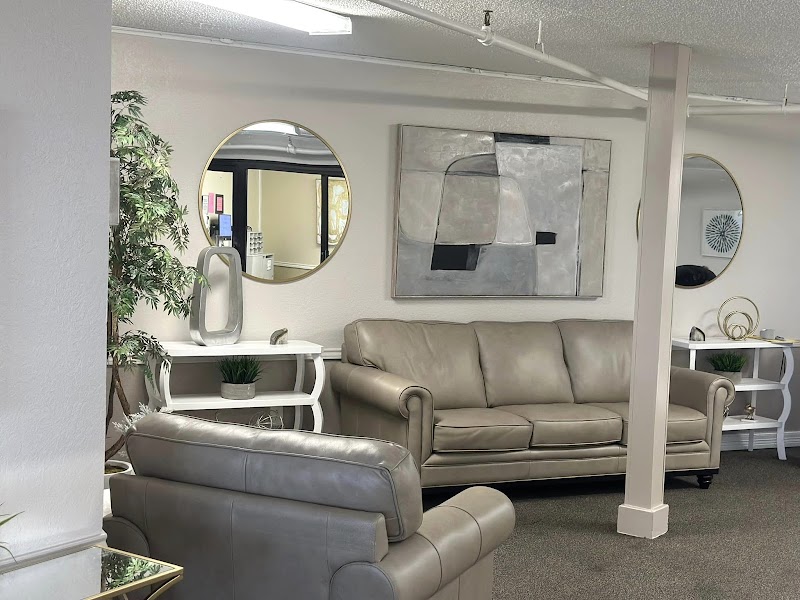
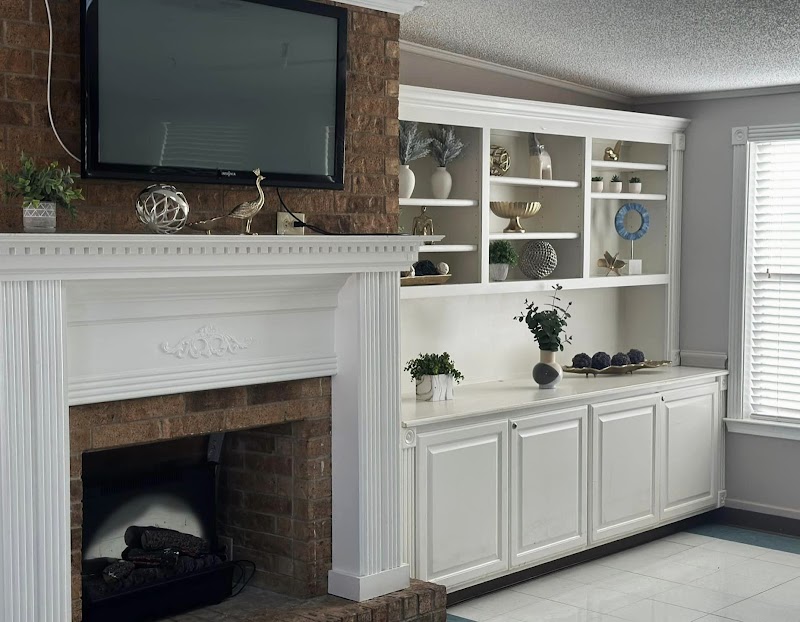
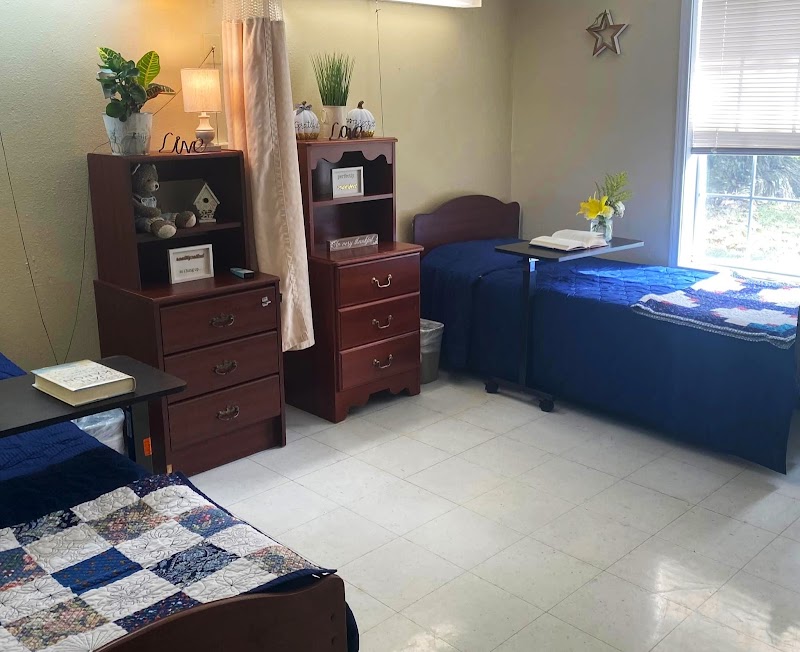
HONEY GROVE NURSING CENTER

1303 E MAIN ST, HONEY GROVE, TX 75446 (903) 378-2293
For profit - Corporation 102 Beds CREATIVE SOLUTIONS IN HEALTHCARE Data: November 2025 3 Immediate Jeopardy citations
Trust Grade
0/100
#1008 of 1168 in TX
Last Inspection: September 2024

Within standard 12-15 month inspection cycle. Federal law requires annual inspections.

Overview

Honey Grove Nursing Center has received a Trust Grade of F, indicating significant concerns about the quality of care provided. It ranks #1008 out of 1168 facilities in Texas, placing it in the bottom half, and #4 out of 5 in Fannin County, meaning only one local facility is rated lower. While the facility is showing improvement in terms of issues reported, decreasing from 19 in 2023 to 14 in 2024, it still faces serious challenges. Staffing is rated at 2 out of 5 stars, with a turnover rate of 51%, which is average for the state, suggesting stability but still room for improvement. The facility has incurred fines totaling $213,797, which is concerning and indicates ongoing compliance issues. Critical incidents include failures in medication management, such as not providing necessary antiviral medications to residents and not adequately monitoring a resident's medication levels, which could lead to serious health risks. There was also a recent incident where a resident was not properly supervised, leading to the potential for elopement. While there are strengths in the facility’s RN coverage, which is average, these findings highlight significant weaknesses that families should consider when evaluating care options.

Trust Score
F
0/100
In Texas
#1008/1168
Bottom 14%
Safety Record
High Risk
Review needed
Inspections
Getting Better
19 → 14 violations
Staff Stability
⚠ Watch
51% turnover. Above average. Higher turnover means staff may not know residents' routines.
Penalties
✓ Good
$213,797 in fines. Lower than most Texas facilities. Relatively clean record.
Skilled Nurses
⚠ Watch
Each resident gets only 25 minutes of Registered Nurse (RN) attention daily — below average for Texas. Fewer RN minutes means fewer trained eyes watching for problems.
Violations
⚠ Watch
40 deficiencies on record. Higher than average. Multiple issues found across inspections.
★☆☆☆☆
1.0
Overall Rating
★★☆☆☆
2.0
Staff Levels
★★★☆☆
3.0
Care Quality
★☆☆☆☆
1.0
Inspection Score
Stable
2023: 19 issues
2024: 14 issues

The Good

  • Full Sprinkler Coverage · Fire safety systems throughout facility
  • No fines on record

Facility shows strength in fire safety.

The Bad

1-Star Overall Rating

Below Texas average (2.8)

Significant quality concerns identified by CMS

Staff Turnover: 51%

Near Texas avg (46%)

Higher turnover may affect care consistency

Federal Fines: $213,797

Well above median ($33,413)

Significant penalties indicating serious issues

Chain: CREATIVE SOLUTIONS IN HEALTHCARE

Part of a multi-facility chain

Ask about local staffing decisions and management

The Ugly 40 deficiencies on record

3 life-threatening 1 actual harm
Sept 2024 13 deficiencies 1 IJ
CRITICAL (J) 📢 Someone Reported This

A family member, employee, or ombudsman was alarmed enough to file a formal complaint

Immediate Jeopardy (IJ) - the most serious Medicare violation

Accident Prevention (Tag F0689)

Someone could have died · This affected 1 resident

**NOTE- TERMS IN BRACKETS HAVE BEEN EDITED TO PROTECT CONFIDENTIALITY** Based on observations, interviews, and record review the facility failed to ensure the resident environment remained free of acc...

Read full inspector narrative →
**NOTE- TERMS IN BRACKETS HAVE BEEN EDITED TO PROTECT CONFIDENTIALITY** Based on observations, interviews, and record review the facility failed to ensure the resident environment remained free of accident hazards as possible, and each resident received adequate supervision to prevent elopement for 1 of 5 residents (Resident #42) reviewed for accident hazards and supervision. 1. The facility did not ensure Resident #42 received adequate supervision to prevent exiting the facility without staff knowledge on 09/15/24. 2. The facility did not ensure exits accessible to residents who could exit unsupervised alarmed loud enough to allow staff to respond in a timely manner. An IJ was identified on 09/23/24. The IJ template was provided to the facility on [DATE] at 5:32 p.m. While the IJ was removed on 09/24/24, the facility remained out of compliance at a scope of isolated and a severity level of no actual harm with potential for more than minimal harm that is not immediate jeopardy due to the facility continuing to monitor the implementation and effectiveness of their Plan of Removal. These failures could place residents at risk of serious injury or harm. Findings included: Record review of Resident #42's face sheet, dated 09/26/24, indicated Resident #42 was admitted to the facility on [DATE] with diagnoses which included Alzheimer's (progressive disease that destroys memory and other important mental functions). Record review of the admission MDS assessment, dated 06/14/24, indicated Resident #42 made himself understood and understood others. Resident #42's BIMS score was 4, which indicated his cognition was severely impaired. Resident #42 did not have disorganized thinking, behaviors, wandering, or refusal of care. Resident #42 used a wheelchair. Record review of the comprehensive care plan, revised 07/19/24, indicated Resident #42 was a at risk for wandering. The care plan interventions included, distract resident from wandering by offering pleasant diversions, structured activities, food, conversation, television, book, identify pattern of wandering, if the resident is exit seeking, stay with the resident and notify the charge nurse by calling out, sending another staff member, call system, etc., monitor my location frequently through the day while I am up & out of bed, and wear owander alert bracelet in place (on w/c) & check for placement q shift. Record review of the comprehensive care plan, revised 09/15/24, indicated Resident #42 was at risk for elopement as evidenced by: resident history of exit seeking and exiting out of door of facility. The care plan interventions included, resident moved to secure care unit, assess/record/report to MD risk factors for potential elopement such as: Wandering, Repeated requests to leave facility, statements such as I'm leaving I'm going home, attempts to leave facility, elopement attempts from previous facility, home, or hospital, supervise closely, and make regular compliance rounds whenever resident is in room, determine the reason the resident is attempting to elope. Is the resident looking for something or someone? Does it indicate the need for more exercise? Intervene as appropriate, provide structured activities: for inside and outside, reorientation strategies including signs, pictures, and memory boxes, distract resident from elopement attempts by offering pleasant diversions, structured activities, food, conversation, television, books, and if the resident is exiting seeking, stay with the resident and notify the charge nurse by calling out, sending another staff member, call system, etc. Record review of the referral paperwork from a sister facility dated 06/05/24 revealed Resident #42 would be sent to a secure unit facility. Record review of Resident #42's elopement assessment, dated 06/05/24, reflected Resident #42 was at risk for elopement. Record review of the electronic medical records indicated Resident #42 was admitted to the secure unit on 06/05/24 but was moved off from the secured unit on 07/01/24. Record review of the MAR dated 09/01/24-09/31/24 indicated Resident #42 had a wanderguard and had been checked every shift for placement and function with a d/c date of 09/15/24. Record review of a progress note dated 07/01/24 at 4:05 p.m., completed by LVN D indicated Resident #42 attempted to exit door at the end of hall 5. Resident #42 was redirected, and alarm reset. No acute distress noted. Record review of a progress note dated 07/01/24 at 5:45 p.m., completed by LVN D indicated Resident #42 stated his truck got stole and he has been looking for his truck. Resident #42 tried to exit through the end of hall 5 door. Resident #42 stated, I don't know what the hell happened. Record review of Resident #42's elopement assessment, dated 07/01/24, reflected Resident #42 was at risk for elopement. Record of a progress note dated 07/10/24 at 4:10 a.m., completed by LVN E indicated Resident resting quietly in bed with eyes closed. Resident has been exit seeking this shift. Resident made out the door at the end of hall 5. When the staff was trying to redirect the resident, the resident became even more upset and was cursing yelling. Resident was finally distracted enough to come back in the building, by saying that it was to hot outside and the resident could be come dehydrated. Once the resident was back in the building. The resident made four other attempts to exit the building without success. However, each time his efforts did not produce the wanted outcome the resident became more and more upset. Re-direction was very difficult, with even stating that his truck was in the shop, offering food and Dr. Pepper, resident still remained upset for about 30-45 minutes. Resident filly calmed down approximately 10 p.m, while talking to female resident in the front lobby. Resident then went to his room and took a Dr. Pepper from his fridge and then went to bed at approximately 11:30 PM. Safety precaution met and call light and fluids within reach. Record review of Resident #42's elopement assessment, dated 07/20/24, reflected Resident #42 was at risk for elopement. Record review of the event nurses' note, dated 09/15/24, revealed Resident #42 was outside in the parking lot and was seen by Housekeeping Aide H as she was entering the parking lot via vehicle. Record review of the provider investigation report dated 09/15/24 indicated Housekeeping Aide H was pulling in the parking lot and saw Resident #42 outside. RN P had gone to get gloves when she heard the front door alarm, when she returned to the nurse's station, she asked about the door alarm. At that time LVN N was headed outside to assist Housekeeping Aide H with Resident #42. Resident #42 may have been outside for 2 minutes, no injuries. Record review of Resident #42's elopement assessment, dated 09/15/24, reflected Resident #42 was at risk for elopement. Record review of the electronic medical records indicated Resident #42 was moved on the secured unit 09/15/24. During an observation on 09/23/24 at 9:15 a.m., the front door had no locking mechanism or alarming system upon entrance to the building. The facility was located on a busy highway. During an observation and interview on 09/23/24 at 2:32 p.m., RN G and the state surveyor tested the alarm at the front door area which was not heard down the hallways by the other state surveyors. The front door wanderguard alarm was only audible to the front door area. RN G stated she had observed exit seeking behaviors in the past with Resident #42 on several different occasions, but he was able to be redirected easily. RN G stated interventions for residents at risk for elopement was redirection. During an observation and interview on 09/23/24 beginning at 4:54 p.m. with the Maintenance Supervisor he performed a door alarm check on all halls. 3 out of 7 facility exit doors did not alarm when opened by the Maintenance Supervisor. 2 out of 7 facility exit doors were attached to the wanderguard system. The Maintenance Supervisor stated the alarms should sound when the door was opened but was unsure why the door alarm was not activated. The Maintenance Supervisor stated he performed weekly door alarm checks. The Maintenance Supervisor stated the risk of the door alarms not been activated when the door opened would put residents at risk for elopement. Record review of sheet titled Task #317502 indicated the Maintenance Supervisor performed door alarm checks on all halls 09/12/24. During an attempted interview on 09/23/24 at 11:15 a.m. with Resident #42, indicated he was non-interview able. During an interview on 09/23/24 at 11:28 a.m., CNA O stated she was the CNA for the secured unit. CNA O stated Resident #42 was admitted on the secured unit but was removed off when there was an incident between him and another resident and him required to be transferred by hoyer lift. CNA O stated Resident #42 did have exit seeking behaviors prior to being removed off the unit but was able to be redirected. CNA O stated on 09/15/24 the day Resident #42 eloped she was in the kitchen getting cereal for another resident when Housekeeping Aide H came in and stated LVN N needed assistance with getting Resident #42 back in the building. CNA O stated when she went outside Resident #42 was halfway in the parking lot. CNA O stated she assisted LVN N with getting him back in the building. CNA O stated she could not recall the reason why Resident #42 stated he was outside. CNA O stated the front door wanderguard alarm did sound when Resident #42 was brought back in the building. CNA O stated Resident #42 was placed on 1:1 until the nurse obtained an order to place him on the secured unit. CNA O stated it was unsure how Resident #42 got out the building. During an interview on 09/23/24 at 12:46 p.m., Housekeeping Aide H stated she was coming into work on 09/15/24 and saw Resident #42 sitting in his wheelchair between 2 cars which was approximately 50 feet from the front door. Housekeeping Aide H stated she tried to redirect Resident #42 back in the building but was unsuccessful. Housekeeping Aide H stated she left Resident #42 in the parking lot by himself while she went in the facility to get assistance. Housekeeping Aide H stated she grabbed LVN N and told her Resident #42 was found outside in the parking lot. Housekeeping Aide H stated LVN N told her she needed a CNA, so she went back in the building to grabbed one while LVN N stayed with Resident #42. Housekeeping Aide H stated CNA O came out to assist LVN N with getting Resident #42 back in the building. During an interview on 09/23/24 at 2:54 p.m., RN P stated the day Resident #42 eloped she was down the hallway with CNA Q attempting to find the supply closet because she was new to the facility. RN P stated during that time she thought she had heard an alarm going off but only for a short time. RN P stated she started coming up the hallway when Housekeeper Aide H had come up saying LVN N needed help with Resident #42 who was found outside in the parking lot. RN P stated she went outside, and Resident #42 was easily redirected into the facility. RN P stated the Administrator, and the Regional Compliance Nurse were notified, and she was instructed to sit 1:1 with him until an order was obtained for the secured unit. RN P stated multiple elopement drills were completed the day of the incident, in-servicing was performed on abuse/neglect and elopement prevention and response. RN P stated that no other staff members had heard an alarm during the investigation, so she assumed she was just hearing things. RN P stated that when Resident #42 was brought inside the facility the wander guard system on his wheelchair set the front door alarm off, so they knew the door alarm was working. RN P stated that when Resident #42 was back inside the facility, an assessment was completed. RN P stated Resident #42 had no visible issues. During an interview on 09/23/24 at 3:20 p.m., CNA R stated she was in a room down the hall and did not hear any door alarms going off while in the room when Resident #42 was found outside. During an interview on 09/23/24 at 3:53 p.m., the ADON stated Resident #42 was admitted to the facility on [DATE] to the secured unit because the facility he was at he was having exit seeking behaviors. The ADON stated Resident #42 was removed off on 07/01/24 due to an incident with another resident and requiring a hoyer lift for transfer. The ADON stated if a resident required a hoyer lift they did not meet the secured unit requirement. The ADON stated Resident #42 did have exit seeking behaviors but was easily redirected. The ADON stated he would always state he was looking for his truck. The ADON stated when Resident #42 tried to elope on 07/01/24 and 07/10/24 the only interventions she was aware was the wanderguard and redirection. The ADON stated she did not reassess Resident #42 after the attempted elopements back in July. The ADON stated the DON was on medical leave at this time and she did not know if she reassessed the resident to ensure safety. The ADON stated the ADO came in the week on 09/02/24 and saw Resident #42 exit seeking and asked her why he was not on the unit. The ADON stated after she told her the reason why he was not she stated a hoyer lift transfer could be on the unit. The ADON stated after the conversation with the ADO, Resident #42 was not placed on the because when he started to exhibit exit seeking behaviors, he was able to be redirected so putting him back on the unit was never brought back up until he eloped on 09/15/24. The ADON stated the risk for residents eloping was a serious injury. During an interview on 09/23/24 at 4:14 p.m., LVN D stated she was on the unit passing medications when Resident #42 was found outside in the parking lot. LVN D stated Housekeeping Aide H came and told her Resident #42 was outside in the parking lot and LVN N was with him. LVN D stated she was unable to leave the residents by themselves on the secured unit, so she had to wait until CNA O came back on the unit. LVN D stated once CNA O came to relieved her, she went out and completed a head-to-toe assessment on Resident #42. LVN D stated all the responsible parties were notified and Resident #42 was moved to the secure unit when an order was obtained. LVN D stated she had observed exit seeking behaviors from Resident #42 when he was on Hall 5 off the secured unit. LVN D stated Resident #42 would state he was looking for his white ford truck or his big rig. LVN D stated Resident #42 was easily redirected at times, but she has had to reset the alarm before because Resident #42 would get close to the door and set the alarm off. LVN D stated interventions for Resident #42 been at risk for elopement was redirection and the wandergaurd system. During an observation on 09/23/24 at 6:10 p.m., the speed limit sign in front of the facility changes from 45 to 55 miles per hour. During an interview on 09/24/24 at 11:38 a.m., LVN N stated she was at the end of Hall 2 when Housekeeping Aide H came in hollering Hey, Someone Help Me. LVN N stated Housekeeping Aide H stated Resident #42 was found outside in the parking lot when she arrived at work. LVN N stated when her and Housekeeping Aide H went outside Resident #42 was by a tree beside the facility that was approximately 150 feet from the front door entrance. LVN N stated when she asked Resident #42 where he was going, he stated, I'm going home. LVN N stated she was able to redirect Resident #42 back in the building. LVN N stated when Resident #42 was brought inside the facility the wander guard system on his wheelchair set the front door alarm off. During a telephone interview on 09/25/24 at 10:21 a.m., Administrator S stated she was the Administrator for the facility when Resident #42 eloped back in July. Administrator S stated Resident #42 was moved off the unit because she was told by the DON Resident #42 was not exhibiting exit -seeking behaviors. Administrator S stated she could not remember the incidents on 07/01/24 or 07/10/24. Administrator S stated she did not remember Resident #42 exit seeking when she was there. Administrator S stated if resident tried to elope on 07/01/24 and 07/10/24 he should have gone back to the unit because he was still at risk for elopement. Administrator S stated the risk for residents eloping was a serious injury. During an interview on 09/26/24 at 11:22 a.m., Administrator T stated she had observed Resident #42 exit seeking while sitting at her desk in the front lobby, but he was easily redirected. Administrator T stated she thought the wandergard system was enough to be safe since he was easily to be redirected. Administrator T stated the front door remained unlocked all day and felt like it was just fine. Administrator T stated she monitored resident safety by discussing any incidents during morning meetings, rounds and collaborating with the DON/ADON. Administrator T stated the risk for residents eloping was a serious injury. Record review of the facility's policy titled, Elopement Prevention, revised 10/27/10, indicated, Every effort will be made to prevent elopement episodes while maintaining the least restrictive for residents who are at risk for elopement .Physical Plan (1) All facility exits that residents have access to will have a device in place to alert staff of possible elopement attempts . (2) All other exits not considered fire exits will be locked when not occupied by staff members . This was determined to be an IJ on 09/23/24 at 5:30 p.m. The Administrator was notified. The Administrator was provided with the IJ template on 09/23/24 at 5:32 p.m. The following plan of removal submitted by the facility was accepted on 09/24/24 at 1:00 p.m. and included the following: Interventions: 1. On 9/23/24, Resident #42 resides on the secure unit inside the facility. 2. All door alarms were checked for proper functioning and alarming by the maintenance director on 9/23/24. All doors are alarming properly. 2 of 2 doors with wander guard volume increased on 9/23/24. All other doors with locking mechanism are at a volume that is audible throughout the facility on 9/23/24. 3. All residents with wander guards had their devices checked for proper functioning by ADON and Charge Nurses on 9/23/24. All devices are functioning properly. Front door Wander guard alarm volume increased on 9/23/24. 4. Elopement risk assessments for all residents in the facility were completed and reviewed by the DON/ADON/Designee on 9/23/24. No additional concerns were identified. 5. All elopement risk care plan interventions were reviewed on 9/23/24 by the Regional Compliance Nurse, DON, and ADON. All interventions are in place and care planned. 6. The Administrator and ADON were in-serviced 1:1 by the ADO and Regional Compliance Nurse on 9/23/24 on the following: a. Elopement Prevention Policy to include implementing interventions for residents at risk for elopement. b. Elopement Response Policy c. Abuse and Neglect Every effort will be made to prevent elopement episodes while maintaining the least restrictive environment for residents who are at risk for elopement. The Elopement Risk Assessment will be completed upon admission by the charge nurse. The assessment will be completed by reviewing the resident's medical history and social history. Information may be obtained by reviewing current medical records, if available, interview with resident/family, or conference with the interdisciplinary team member. The Elopement Risk Assessment is to be completed at least quarterly, after an elopement attempt, upon new exit seeking behavior, and upon change of condition. The Elopement Risk Assessment will be completed by the charge nurse or designee. The DON/ADON will be responsible for ensuring the completion and review of the assessment. This will begin 9/23/24. All residents who are at risk for elopement will be assessed by the interdisciplinary team. This will begin 9/23/24. The resident's care plan will be modified by the DON, MDS Coordinator, or designee to indicate the resident is at risk for elopement with appropriate interventions to prevent elopement attempts. This will begin 9/23/24. 7. Medical Director notified of the immediate jeopardy on 9/23/24. 8. An ADHOC QAPI meeting was conducted on 9/23/24 to discuss the immediate jeopardy citation and subsequent plan of correction. In-services: 1. The Regional Compliance Nurse, Administrator and ADON will in-service all staff on the following topics below. All staff not present for the in-services will not be allowed to work their next shift until the in-services are complete. All new hires will be in-serviced during orientation prior to working their shift. All agency staff will be in-serviced prior to assuming scheduled shift. a. All staff were in-serviced on the elopement response policy by the Compliance Nurse, Administrator and ADON on 9/23/24. b. All staff were in-serviced on elopement prevention by Compliance Nurse, Administrator and ADON on 9/23/24. c. All staff were in-serviced on Abuse and Neglect by the Compliance Nurse, Administrator, and ADON on 9/23/24. d. Charge Nurses in-serviced on 9/23/24 on Checking door alarms and wander guard alarms 2 times daily at change of shift. On 09/24/24 the survey team confirmed the facility implemented their plan of removal sufficiently to remove the Immediate Jeopardy (IJ) by: 1. During an observation on 09/24/24 at 11:01 a.m., Resident #42 was observed on the secure unit inside the facility. 2. During an observation on 09/24/24 with the Maintenance Supervisor and a state surveyor beginning at 2:50 p.m., the door alarms were checked for proper functioning and alarming. All other doors with locking mechanism were at a volume that was audible throughout the facility. No additional concerns were identified. 3. During an observation on 09/24/24 with the Maintenance Supervisor and a state surveyor beginning at 2:50 p.m., a wanderguaard device was checked for proper functioning by attempting to go out the front door entrance. Front door Wander guard alarm volume increased. 4. Record review of the elopement risk assessments audit, were completed on 09/23/24, revealed all residents were assessed for elopement. No additional concerns were identified. 5. Record review of the elopement risk care plan interventions audit, were completed on 09/23/24, revealed all care plan interventions were in place and care planned. 6. Record review of the in-service form dated 09/23/24 revealed the Administrator/ADON had received 1:1 in-service training with the ADO and Regional Compliance Nurse on elopement prevention, elopement response policy and abuse and neglect. 7. During a telephone interview on 09/24/24 at 1:52 p.m., the Medical Director stated he was notified of the immediate jeopardy situation and attended a QAPI meeting via phone over the immediate jeopardy and subsequent plan of removal on 09/23/24. 8. Record review of the ADHOC QAPI meeting, dated 09/23/24, revealed a meeting was conducted on 09/23/24 to discuss the IJ citation and subsequent plan of correction. 9. During interviews conducted on 09/24/24 between 2:10 p.m. and 3:10 p.m., revealed LVN D, RN G, Housekeeping Aide H, [NAME] L, LVN N, CNA O, RN P, CNA Q, CNA R, CNA V, Housekeeper Aide W, Activity Director, Human Resource Coordinator, Dietary Manager, Floor Maintenance, Housekeeping Supervisor, Maintenance Supervisor, Social Worker, PT Assistant, Rehab Director, OT, Marketing/Admissions, from all shifts were in serviced on elopement response policy, elopement prevention, abuse/neglect policy and checking the door alarms and wander guard alarms 2 times daily at change of shift. The Administrator was informed the IJ was removed on 09/24/24 at 3:36 p.m. The facility remained out of compliance at a severity level with potential for more than minimal harm with a scope identified as isolated due to the facility's need to evaluate the effectiveness of the corrective systems that were put into place.
CONCERN (D)

Potential for Harm - no one hurt, but risky conditions existed

Safe Environment (Tag F0584)

Could have caused harm · This affected 1 resident

**NOTE- TERMS IN BRACKETS HAVE BEEN EDITED TO PROTECT CONFIDENTIALITY** Based on observation, interview, and record review, the facility failed to provide a safe, clean, and comfortable homelike envir...

Read full inspector narrative →
**NOTE- TERMS IN BRACKETS HAVE BEEN EDITED TO PROTECT CONFIDENTIALITY** Based on observation, interview, and record review, the facility failed to provide a safe, clean, and comfortable homelike environment for 1 of 16 resident rooms (Resident #38) reviewed for environment. The facility failed to ensure Resident #38's door was properly functioning. This failure could place residents at risk for an uncomfortable, unhomelike environment, and a diminished quality of life. Findings included: Record review of a face sheet dated 09/24/2024, indicated Resident #38 was an [AGE] year-old female admitted to the facility on [DATE] with diagnoses which included Alzheimer's Disease with early onset (progressive disease that destroys memory and other important mental functions starting earlier in life) and heart failure (chronic, progressive condition in which the heart muscle is unable to pump enough blood to meet the body's needs for blood and oxygen). Record review of the Quarterly MDS assessment dated [DATE], indicated Resident #38 was able to make herself understood and understood others. The MDS assessment indicated Resident #38 had a BIMS score of 6, which indicated her cognition was severely impaired. The MDS assessment indicated Resident #38 required set-up or clean-up assistance for eating, oral hygiene, and partial/moderate assistance for toileting hygiene and showering/bathing self. Record review of Resident #38's care plan last reviewed 09/06/2024 indicated she had impaired cognitive function/dementia (deterioration of memory, language, and other thinking abilities) or impaired thought processes to provide the resident with a homelike environment. During an observation and interview on 09/24/2024 at 10:19 AM, Resident #38's door was dragging on the bottom and the floor had skid marks where the door was dragging. Resident #38's door was not easily opened and closed. Resident #38 said when the CNAs checked on her early in the morning when they opened the door it made loud noises, and it would wake her up. Resident #38 said the nurses and the CNAs knew the door needed to be fixed that they got frustrated with it all the time. During an interview on 09/25/2024 at 8:51 AM, CNA A said Resident #38's door to her room was dragging on the floor and had caused visible scrapes. CNA A said the Maintenance Director was aware that it needed to be repaired. CNA A said the door had been dragging since she started working on the floor about a month or two ago. CNA A said the door dragging on the floor startled Resident #38 in the mornings. CNA A said it was important for the residents' rooms to be repaired because it was their home, and they had the right to have as much of a comfortable home as possible. During an interview on 09/25/2024 at 9:04 AM, the Maintenance Director said he was responsible for fixing the rooms. The Maintenance Director said the staff had mentioned to him that Resident #38's door to her room needed to be fixed. The Maintenance Director said he was not sure how long ago it was mentioned to him. The Maintenance Director said he realized there was a portion of Resident #38's door rubbing on the floor, but he had not had a chance to sand it down. The Maintenance Director said he checked every room once a month. The Maintenance Director said Resident #38's door dragging on the flood could affect how she was entering and exiting the room. The Maintenance Director said it was important for the residents' rooms to be in good repairs so the residents could access their living environment and be in a safe environment. During an interview on 09/26/2024 at 11:05 AM, Administrator T said she was not aware Resident #38's door needed to be repaired. Administrator T said she expected for the Maintenance Director to be notified of any repairs that needed to be made and for him to make the required repairs. Administrator T said it was important for repairs to be made for the residents' safety and happiness just like we would like in our own home. Record review of the maintenance logs provided by the Maintenance Director dated from 04/23/24-09/25/2024 did not indicate a request for Resident 38's door to be fixed. Record review of the facility's policy titled, Resident Rights, indicated, .Safe environment - The resident has a right to a safe, clean, comfortable and homelike environment, including but not limited to receiving treatment and supports for daily living safely .
CONCERN (D)

Potential for Harm - no one hurt, but risky conditions existed

Assessment Accuracy (Tag F0641)

Could have caused harm · This affected 1 resident

**NOTE- TERMS IN BRACKETS HAVE BEEN EDITED TO PROTECT CONFIDENTIALITY** 2. Record review of a face sheet dated 09/26/2024 indicated Resident #43 was a [AGE] year-old female initially admitted to the f...

Read full inspector narrative →
**NOTE- TERMS IN BRACKETS HAVE BEEN EDITED TO PROTECT CONFIDENTIALITY** 2. Record review of a face sheet dated 09/26/2024 indicated Resident #43 was a [AGE] year-old female initially admitted to the facility on [DATE] and re-admitted on [DATE] with diagnoses which included Alzheimer's Disease (progressive disease that destroys memory and other important mental functions). Record review of the Quarterly MDS assessment dated [DATE] indicated Resident #43 was able to make herself understood and understood others. The MDS assessment indicated Resident #43 had a BIMS score of 2, which indicated her cognition was severely impaired. The MDS assessment indicated Resident #43 received an antibiotic during the last 7 days or since admission/entry or reentry if less than 7 days. Record review of Resident #43's Order Summary Report dated 09/25/2024 did not indicate orders for an antibiotic. Record review of Resident #43's care plan last reviewed 07/08/2024 did not indicate the use of an antibiotic. Record review of Resident #43's August 2024 MAR did not indicate Resident #43 received an antibiotic. During an interview on 09/26/2024 at 8:59 AM, Regional Reimbursement Nurse B said he had started completing MDS assessments at the facility 2 weeks ago. Regional Reimbursement Nurse B said the facility currently did not have an MDS nurse, but there was one starting 09/30/2024. Regional Reimbursement Nurse B said Resident #43 should not have been coded as taking an antibiotic because she had not taken an antibiotic in the look back period. Regional Reimbursement Nurse B said Resident #42 should have been coded as wandering for 1-3 days because it was noted in the progress notes that he wandered on 1 day in the look back period. Regional Reimbursement Nurse B said he did not know who had completed Resident #42's and #43's MDS assessment. Regional Reimbursement Nurse B said the person who signed a completed MDS signed for the accuracy of the MDS assessment. Regional Reimbursement Nurse B said it was important for the MDS assessments to be accurate because it reflected the resident. During an interview on 09/26/2024 at 11:07 AM, Administrator T said she expected for the MDS assessments to be coded accurately by the MDS nurses. Administrator T said the regional corporate person was responsible for providing oversight to the MDS nurse. Administrator T said they currently did not have a MDS nurse. The previous MDS nurse's last day was last Friday 09/20/24, and the new MDS nurse was starting 9/30/24. Administrator T said it was important for the MDS assessments to be coded accurately for billing purposes. During an attempted phone interview on 09/26/2024 at 11:24 AM, MDS Coordinator C did not answer the phone. Record review of the facility's undated policy titled, Minimum Data Set (MDS) Policy for MDS assessment Data Accuracy 2.2021 CMS RAI 10.2023, indicated, Purpose/Policy The purpose of the MDS policy is to ensure each resident receives an accurate assessment by qualified staff to address the needs of the resident who are familiar with his/her physical, mental, and psychosocial well-being . Federal regulations at 42 CFR 483.20 (b)(l)(xviii), (g), and (h) require that: 1. The assessment accurately reflects the resident's status . Based on interview, and record review the facility failed to ensure assessments accurately reflected the resident status for 2 of 16 residents (Residents #42 and #43) reviewed for MDS assessment accuracy. 1. The facility did not ensure Resident #42's MDS assessment was accurately coded for wandering. 2. The facility failed to ensure Resident #43's antibiotic use was accurately coded. These failures could place residents at risk for not receiving care and services to meet their needs. Findings included: 1. Record review of Resident #42's face sheet, dated 09/26/24, indicated Resident #42 was admitted to the facility on [DATE] with diagnoses which included Alzheimer's (progressive disease that destroys memory and other important mental functions). Record review of the admission MDS assessment, dated 06/14/24, indicated Resident #42 made himself understood and understood others. Resident #42's BIMS score was 4, which indicated his cognition was severely impaired. Resident #42 did not have disorganized thinking, behaviors, wandering, or refusal of care. Resident #42 used a wheelchair. Record review of the comprehensive care plan, revised 07/19/24, indicated Resident #42 was a at risk for wandering. The care plan interventions included, distract resident from wandering by offering pleasant diversions, structured activities, food, conversation, television, book, identify pattern of wandering, if the resident is exit seeking, stay with the resident and notify the charge nurse by calling out, sending another staff member, call system, etc., monitor my location frequently through the day while I am up & out of bed, and wear owander alert bracelet in place (on w/c) & check for placement q shift. Record review of the comprehensive care plan, revised 09/15/24, indicated Resident #42 was at risk for elopement as evidenced by: resident history of exit seeking and exiting out of door of facility. The care plan interventions included, resident moved to secure care unit, assess/record/report to MD risk factors for potential elopement such as: Wandering, Repeated requests to leave facility, statements such as I'm leaving I'm going home, attempts to leave facility, elopement attempts from previous facility, home, or hospital, supervise closely, and make regular compliance rounds whenever resident is in room, determine the reason the resident is attempting to elope. Is the resident looking for something or someone? Does it indicate the need for more exercise? Intervene as appropriate, provide structured activities: for inside and outside, reorientation strategies including signs, pictures, and memory boxes, distract resident from elopement attempts by offering pleasant diversions, structured activities, food, conversation, television, books, and if the resident is exiting seeking, stay with the resident and notify the charge nurse by calling out, sending another staff member, call system, etc. Record review of the referral paperwork from a sister facility dated 06/05/24 revealed Resident #42 would be sent to a secure unit facility. Record review of Resident #42's elopement assessment, dated 06/05/24, reflected Resident #42 was at risk for elopement. Record review of the progress note dated 06/08/24 completed by LVN X indicated Resident #42 was wondering up and down hallway agitated and confused about why he is here in facility. Attempts to redirect unsuccessful due to confusion.
CONCERN (D)

Potential for Harm - no one hurt, but risky conditions existed

Comprehensive Care Plan (Tag F0656)

Could have caused harm · This affected 1 resident

**NOTE- TERMS IN BRACKETS HAVE BEEN EDITED TO PROTECT CONFIDENTIALITY** Based on interviews and record review, the facility failed to implement a comprehensive person-centered care plan to meet reside...

Read full inspector narrative →
**NOTE- TERMS IN BRACKETS HAVE BEEN EDITED TO PROTECT CONFIDENTIALITY** Based on interviews and record review, the facility failed to implement a comprehensive person-centered care plan to meet resident's medical, nursing, mental and psychosocial needs identified in the comprehensive assessment for 1 of 16 residents (Resident #1) reviewed for care plans. The facility failed to care plan that Resident #1 was PASRR positive for mental illness and an intellectual disability. These failures could place the residents at increased risk of not having their individual needs met and a decreased quality of life. Findings included: Record review of a face sheet dated 09/25/2024 indicated Resident #1 was a [AGE] year-old female initially admitted to the facility on [DATE] and re-admitted on [DATE] with diagnoses which included schizoaffective disorder, bipolar type (mood disorder that can involve delusions, hallucinations, depression, disorganized thinking and speech) and intellectual disabilities. Record review of the Comprehensive MDS assessment dated [DATE], indicated in Section A1510 Resident #1 was considered by the state level II PASRR process to have serious mental illness and an intellectual disability. The MDS assessment indicated Resident #1 understood others and was able to make herself understood. The MDS assessment indicated Resident #1 had a BIMS score of 12, which indicated her cognition was moderately impaired. The MDS assessment indicated Resident #1 required supervision/touching assistance for toileting, showering/bathing self, and personal hygiene. Record review of Resident #1's PASRR Level 1 Screening completed on 07/16/2024 indicated in section C0100 that there was evidence or an indicator that this individual had mental illness, and in section C0200 that there was evidence or an indicator that this individual had an intellectual disability. Record review of Resident #1's PASRR Evaluation dated 07/17/2024 indicated she had an intellectual disability which manifested before the age of 18, and mental illness which included a mood disorder, schizoaffective disorder, and panic or other severe anxiety disorder. Resident #1's PASRR Evaluation indicated based on the QMHP assessment Resident #1 met the PASRR definition of mental illness. Record review of Resident #1's care plan last reviewed 09/06/2024 did not address Resident # 1's PASRR status. During an interview on 09/26/2024 at 8:59 AM, Regional Reimbursement Nurse B said he had looked at a couple care plans but he was not really completing them. Regional Reimbursement Nurse B said the care plans were being completed by the staff in the facility. During an interview on 09/26/2024 at 10:27 AM, the Regional Compliance Nurse said Resident #1's care plan should have included PASRR. The Regional Compliance Nurse said it must have been an oversight that it was not included in Resident #1's care plan. The Regional Compliance Nurse said it was the responsibility of the MDS nurse to ensure PASRR was included in the residents' care plans. The Regional Compliance Nurse said it was important for PASRR to be included in the residents' care plans so that everyone knew the specialized services they were receiving. During an interview on 09/26/2024 at 11:10 AM, Administrator T said the MDS Coordinator, and the nurses were responsible for completing the care plans. Administrator T said she expected for PASRR services to be included in the residents' care plans. Administrator T said it was important for the PASRR services to be included in the resident's care plan to ensure staff knew they received specialized services and to ensure they were providing the best care possible. During an attempted phone interview on 09/26/2024 at 11:24 AM, MDS Coordinator C did not answer the phone. Record review of the facility's policy titled, Comprehensive Care Plans, revised 02/13/2007, indicated, The facility will develop a comprehensive care plan for each resident that includes measurable short-term and long-term objectives and timetables to meet a resident=s [sic] medical, nursing, and mental and psycho-social needs that are identified in the comprehensive assessment .
CONCERN (D)

Potential for Harm - no one hurt, but risky conditions existed

Incontinence Care (Tag F0690)

Could have caused harm · This affected 1 resident

**NOTE- TERMS IN BRACKETS HAVE BEEN EDITED TO PROTECT CONFIDENTIALITY** Based on observation, interview, and record review, the facility failed to ensure a resident received appropriate treatment and ...

Read full inspector narrative →
**NOTE- TERMS IN BRACKETS HAVE BEEN EDITED TO PROTECT CONFIDENTIALITY** Based on observation, interview, and record review, the facility failed to ensure a resident received appropriate treatment and services to prevent urinary tract infections for 2 of 2 residents (Resident #40 and Resident #42) reviewed for incontinent care. The facility failed to ensure CNA F and RN G properly cleaned the perineal/genital areas for Resident #'s 40 and 42 during incontinent care. These failures could place residents at risk for urinary tract infections. Findings included: 1)Record review of a face sheet dated 9/26/2024 indicated Resident #40 was a [AGE] year-old female who admitted on [DATE] and readmitted on [DATE] with the diagnosis of dementia (loss of memory). Record review of a comprehensive care plan dated 11/10/2022 and revised on 7/05/2024 indicated Resident #40 was incontinent of bowel and bladder and was dependent for toileting. The goal of the care plan was Resident #40 would have a decreased likelihood of skin breakdown. The care plan interventions for Resident #40 included to monitor for symptoms of a urinary tract infection, provide incontinent care as needed, and report any changes in bladder status such as low urine output, foul urine, discolored urine, pain, bladder distention, urine frequency, urgency, or fever. Resident #40's comprehensive care plan also indicated she required assistance with her ADLs related to impaired mobility, weakness, medications, and dementia. The goal of Resident #40's care plan was she would be clean, dry, and comfortable. The care plan interventions included Resident #40 required extensive assistance of 2 staff with personal hygiene and toileting. Record review of the Quarterly MDS dated [DATE] indicated Resident #40 understands and was understood. The MDS indicated Resident #40 had severe cognitive impairment. The MDS in Section E-Behavior indicated she had not rejected care. The MDS in Section GG-Functional Abilities and Goals indicated Resident #40 was dependent with the helper providing all the effort for toileting, and personal hygiene. The MDS in Section H-Bladder and Bowel indicated Resident #40 was always incontinent of bowel and bladder. Record review of a Licensed Nurse Proficiency Audit dated 7/26/2024 - 7/30/2024 indicated RN G was checked off as satisfactory in the Infection Control area including proper hand hygiene, prevention of cross contamination, and universal precautions. The audits provided failed to address perineal/incontinent care. During an observation on 9/25/2024 at 8: 57 a.m., RN G donned her PPE (disposable gown and gloves), with gloved hands RN G picked up the bedside trash can and moved it closer to her right side. RN G then obtained several pair of gloves and placed them on Resident #40's bed. RN G then removed Resident #40's brief, rolling it in on itself, then she took and wiped Resident #40's anal/buttock area twice removing urine and bowel movement. RN G removed her gloves, washed her hands, applied clean gloves, then positioned the draw sheet and the clean brief underneath Resident #40. Resident #40 was then repositioned; the clean brief was applied, and she was repositioned for comfort. RN G failed to clean Resident #40's perineal (female genital) area. During an interview on 9/25/2024 at 2:26 p.m., RN G said she done a horrible job when she provided incontinent care to Resident #40. RN G said I forgot to clean Resident #40's perineal area. RN G said failing to do incontinent care correctly placed Resident #40 at risk for infections. 2) Record review of a face sheet dated 9/25/2024 indicated Resident #42 was a [AGE] year-old male who admitted [DATE] with the diagnosis of Alzheimer's Disease (memory loss disease). Record review of the Comprehensive Care Plan dated 6/11/2024 indicated Resident #42 had a care plan problem of bladder incontinence. The goal of the care plan was Resident #42 would be free from skin breakdown due to incontinence. The comprehensive care plan interventions for Resident #42 included to provide incontinent care every 2 hours, monitor and document symptoms of urinary tract infections, increased pulse, increased temperature, urinary frequency, and foul urine. The comprehensive care plan also included bowel incontinence for Resident #42. The goal of the was Resident #42 would not have any complications related to bowel incontinence. The comprehensive care plan intervention for Resident #42 included check Resident #42 every two hours and assist with toileting, provide peri-care after each incontinent episode. The comprehensive care plan indicated Resident #42 required assistance with ADL self-care. The goal of ADL self-care care plan was Resident #42 would maintain or improve his current level of function. The care planned interventions for Resident #42 included toileting requiring 2 staff and a lifting device. Record review of the admission MDS dated [DATE] indicated Resident #42 understands and was understood by others. The MDS indicated Resident #42 had severe cognitive impairment. The MDS in Section E-Behavior indicated Resident #42 had not demonstrated rejection of care behaviors. The MDS in Section GG-Functional Abilities and Goals indicated Resident #42 required supervision or touching assistance with toileting hygiene. The MDS in the Section H-Bladder and Bowel indicated Resident #42 was occasionally incontinent of bowel and bladder. Record review of a CNA Proficiency Audit dated 4/10/2024 indicated CNA F was checked off on the provision of incontinent care for a male and a female and passed the evaluation with a score of satisfactory. During an observation on 9/25/2024 at 7:09 a.m., Resident #42 was sitting on the edge of his bed. Resident #42 had an adult pull up and a pair of shorts on around his lower legs. CNA F Instructed Resident #42 to stand using his walker. Resident #42 after several attempts stood up, then CNA F removed his wet adult diaper and placed in the trash can. CNA F Removed her gloves, applied another pair of gloves, obtained two wipes and cleaned Resident #42's buttocks, she then pulled up his adult pull-up and shorts. CNA F Failed to cleanse Resident #42's genitals or complete hand hygiene between glove changes. During an interview on 9/25/2024 at 7:16 a.m., CNA F Said she had not done well on the incontinent care observation. CNA F said she failed to cleanse Resident #42's genitals (perineal area) and wash her hands in between glove changes. CNA F said she just forgot to cleanse Resident #42's genitals. CNA F said when not providing incontinent care to Resident #42's genitals (perineal area) could cause a risk of infection. During an interview on 9/26/2024 at 11:05 a.m., the ADON said she expected the staff to cleanse the perineal area when completing incontinent care. The ADON said she monitors the provision of incontinent care by annual checks offs and spot checks. The ADON said urinary tract infections could arise from failing to cleanse a resident's perineal area. During an interview on 9/26/2024 at 11:31 a.m., Administrator T said the DON was not available for interview due to health conditions. Administrator T said she expected the nursing staff to provide the appropriate incontinent care. Administrator T said this system was monitored with annual check offs and she expected spot checks to be performed. Administrator T said she only been in her role for 2 months but believed her staff required more training. Administrator T said there was a risk of infection when incontinent care was not performed correctly. Record review of a Perineal Care policy with an effective date of 5/11/2022 indicated an incontinent resident of urine and/or bowel should be identified, assessed, and provided appropriate treatment and services to restore as much normal bladder/bowel function as possible . The policy purpose indicated was to maintain the resident's dignity and self-worth and reduce embarrassment by providing cleanliness and comfort to the resident, preventing infections and skin irritations, and observing resident's skin condition Start: 10) perform hand hygiene, 11) apply gloves and all other PPE standard precautions, 12) soak towels in wash basin .or remove an adequate number of pre-moistened cleansing wipes, 13) reposition the resident on their back with legs flexed and separated as able, 14) limit resident exposure to the perineal area-provide privacy at all times, 15) if required, use a towel or extra incontinence pad to protect the mattress cover form being soiled, 16) wipe across the pubis area, 17) gently perform perineal care, wiping from clean, urethral area, to dirty rectal area, to avoid contaminating the urethral area. Female resident: working from front to back, wipe one side of the labia majora, the outside folds of the perineal skin that protect the urinary meatus and the vaginal opening. Continue perineal care to the inner thigh. Male resident: Pull back the foreskin on uncircumcised males. Hold the penis by the shaft, wash in a circular motion from the tip down to the base. Continue perineal care to the scrotum and inner thigh 20) Reposition the resident to their side, 21) Gently perform care to the buttocks and anal area, working from front to back without contaminating the perineal area 24) remove gloves and PPE, 25) perform hand hygiene. Record review of the Infection Control policy updated 3/2024 indicated the facility will establish and maintain an Infection Control Program designed to provide a safe, sanitary, and comfortable environment and to help prevent the development and transmission of disease and infection.
CONCERN (D)

Potential for Harm - no one hurt, but risky conditions existed

Respiratory Care (Tag F0695)

Could have caused harm · This affected 1 resident

**NOTE- TERMS IN BRACKETS HAVE BEEN EDITED TO PROTECT CONFIDENTIALITY** Based on observation, interview, and record review the facility failed to ensure that residents requiring respiratory care were ...

Read full inspector narrative →
**NOTE- TERMS IN BRACKETS HAVE BEEN EDITED TO PROTECT CONFIDENTIALITY** Based on observation, interview, and record review the facility failed to ensure that residents requiring respiratory care were provided such care, consistent with professional standards of practices for 1 of 1 resident (Resident #10) reviewed for respiratory care. 1. The facility failed to administer Resident #10's oxygen as ordered by the physician. 2. The facility failed to ensure Resident #10's oxygen flow meter on the oxygen concentrator was functioning properly and undamaged. These failures could place residents who receive respiratory care at risk for developing respiratory complications and a decreased quality of care. The findings included: Record review of the face sheet, dated 09/24/2024, revealed Resident #10 was an [AGE] year-old male who admitted to the facility on [DATE] with a diagnosis of COPD (term for certain types of irreversible lung and airway damage that block (obstruct) your airways and make it hard to breathe). Record review of the quarterly MDS assessment, dated 08/26/2024, revealed Resident #10 had clear speech and was understood by others. The MDS revealed Resident #10 was able to understand others. The MDS revealed Resident #10 had a BIMS score of 7, which indicated severe cognitive impairment. The MDS revealed Resident #10 had no behaviors or refusal of care. The MDS revealed Resident #10 received oxygen therapy while a resident at the facility. Record review of the comprehensive care plan, last reviewed on 09/23/2024, revealed Resident #10 received oxygen therapy related to COPD. The interventions included: oxygen will be set at 2-4 LPM as needed and will check oxygen sats every shift and record. Record review of the order summary report, dated 09/24/2024, revealed Resident #10 had an order, which started on 12/22/2023, for oxygen at 2 - 4 LPM as needed via nasal cannula. During an observation and interview on 09/23/2024 at 10:45 AM, Resident #10 was laying in his bed with the head of the bed slightly elevated. Resident #10 was wearing a nasal cannula in his nose. The oxygen flow meter on the oxygen concentrator was covered in a white powdery substance that made the oxygen flow difficult to read. The silver ball, which indicated the oxygen flow in LPM, was shadowed at approximately 1 LPM. Resident #10 had no evidence of respiratory distress. Respirations were even, unlabored. Resident #10 stated he normally wore oxygen at all times. Resident #10 stated he was having no trouble breathing and the facility staff checked on his oxygen level frequently. During an observation and interview on 09/23/2024 at 10:33 AM, Resident #10 was laying in his bed with the head of the bed slightly elevated. Resident #10's oxygen tubing was laying on the bed above his head. Resident #10 stated his oxygen tubing fell off his face. The oxygen flow meter on the oxygen concentrator was covered in a white powdery substance that made the oxygen flow difficult to read. The silver ball, which indicated the oxygen flow in LPM, was shadowed at approximately 1 LPM. During an observation and interview on 09/23/2024 at 10:36 AM, LVN D stated she was going into Resident #10's room to give him his medication. LVN D attempted to read Resident #10's oxygen flow meter to determine the LPM. LVN D stated it was hard to read because there was a white powdery substance inside the flow meter, but it appeared to be set at less than 1 LPM. LVN D turned the oxygen flow meter up to 2 LPM and placed the nasal cannula in Resident #10's nostrils. LVN D stated she had checked the oxygen concentrator early that morning and it was set at 2 LPM. LVN D stated his oxygen level that morning was 94%. LVN D stated the machine flow meter had been difficult to read for a while, but she had not reported it to anyone. LVN D was unable to estimate how long the machine had been difficult to read. LVN D placed the pulse oximeter onto Resident #10's finger. Resident #10's oxygen level fluctuated and decreased from 91% to 83%. LVN D asked Resident #10 if he was having trouble breathing and he explained that it was difficult for him to take a deep breath. LVN D explained the protocol was to keep oxygen levels above 90%. LVN D increased his oxygen flow meter from 2 LPM to 3 LPM to 4 LPM. The oxygen level stayed below 89%. LVN D then obtained an oxygen tank and new oxygen tubing. LVN D placed the nasal cannula in Resident #10's nostrils and set the flow at 3 LPM. Resident #10's oxygen level increased to 98% on 3 LPM. LVN D stated defected, damaged, or any issues with an oxygen concentrator should have been reported to management staff. LVN D stated it was important to ensure the oxygen concentrator was functioning properly and set at the correct settings to prevent neglect, hypoxic brain injury, or hypoxia (low oxygen levels). During an observation and interview on 09/24/2024 at 11:16 AM, LVN D stated she had changed out Resident #10's oxygen concentrator and she was continuing to monitor his oxygen levels. LVN D stated she had removed his old concentrator and placed it behind the nurses' station with a sticker that stated, does not work. The machine was a Companion Eco 5 and had no sticker to indicate the last date of service. LVN D stated as she understood, the machines were only serviced if they were not functioning properly. LVN D stated Medical Records was responsible for scheduling the serving of the oxygen concentrators. LVN D stated the Medical Records person or nursing management would have had the user manual for the oxygen machine. During an interview on 09/24/2024 at 11:22 AM, the ADON stated the Medical Records person had the user manual for the oxygen concentrators. During an interview on 09/26/2024 at 10:04 AM, CNA A stated she had a lot of titles and jobs at the facility. CNA A stated she was a CNA, medication aide, and also did medical records as well. CNA A stated the facility received the current oxygen concentrators in October 2023, when the current company took over. CNA A stated when a machine went down, she contacted corporate and sent over a requisition. CNA A stated then corporate would pick up the machine and get it fixed. CNA A stated if no concentrators were available in the facility, she was able to rent from a supply company. CNA A stated she relied on the nursing staff to tell her if an oxygen machine was defected or not functioning properly. CNA A stated she was unaware anything was wrong with Resident #10's oxygen concentrator prior to this week. CNA A stated it was important to ensure the oxygen machines were serviced and maintained to prevent decreased oxygen levels, which could cause brain damage. During an interview on 09/26/2024 at 10:38 AM, the Regional Compliance Nurse stated there was no facility policy on oxygen concentrator maintenance. The Regional Compliance Nurse stated she expected the nursing staff to ensure oxygen machines were in functioning condition. The Regional Compliance Nurse stated if the machine was not functioning properly or was damaged, the staff should have replaced the machine and sent the old one for maintenance. During an interview on 09/26/2024 at 1:28 PM, the ADON stated oxygen concentrators and oxygen flow should have been checked every day. The ADON stated anyone who noticed an issue with the oxygen concentrator should have reported it to the nursing staff. The ADON stated if the concentrator was not functioning properly or defective, the nursing staff should have replaced the oxygen concentrator. The ADON stated the nursing staff was responsible for ensuring the oxygen was set at the correct settings. The ADON stated it was important to ensure the oxygen concentrator was not defective, functioning properly, and set at the correct settings to prevent respiratory distress. During an interview on 09/26/2024 at 1:43 PM, Administrator T stated she expected staff to ensure the oxygen flow meter was clear and easy to read. Administrator T stated if there was an issue with an oxygen concentrator the machine should have been replaced. Administrator T stated she expected nursing staff to ensure the oxygen level was set at the correct settings as ordered by the physician. Administrator T stated it was important to ensure the oxygen concentrator was functioning properly and set at the correct settings to prevent any issues with the residents breathing. Record review of the Oxygen Administration policy, revised 02/13/2007, revealed . the resident will maintain oxygenation with safe and effective delivery of prescribed oxygen .become familiar with type of oxygen administration, medical diagnosis and reason for oxygen, intermittent or continuous use of oxygen, amount to be delivered .
CONCERN (D)

Potential for Harm - no one hurt, but risky conditions existed

Deficiency F0810 (Tag F0810)

Could have caused harm · This affected 1 resident

**NOTE- TERMS IN BRACKETS HAVE BEEN EDITED TO PROTECT CONFIDENTIALITY** Based on observations, interviews, and record reviews the facility failed to provide special eating equipment and utensils for r...

Read full inspector narrative →
**NOTE- TERMS IN BRACKETS HAVE BEEN EDITED TO PROTECT CONFIDENTIALITY** Based on observations, interviews, and record reviews the facility failed to provide special eating equipment and utensils for residents who need them and appropriate assistance to ensure that the resident can use the assistive devices when consuming meals for 2 of 2 (Residents #19 and #4) residents reviewed for special eating equipment and assistance when consuming meals. 1. The facility failed to provide Resident #19's physician ordered sippy cup with each meal tray. 2. The facility failed to ensure Resident #4 had a physician's ordered cup with lid and handles for drinking fluids. These failures could place residents at risk for harm by weight loss, diminished independence, and self-esteem. Findings included: 1. Record review of Resident #19's face sheet, dated 09/26/24, indicated Resident #19 was admitted to the facility on [DATE] with diagnoses which included encephalopathy (brain disease that alters brain function or structure). Record review of the quarterly MDS assessment, dated 08/20/24, indicated Resident #19 rarely/never made herself understood and rarely/never understood others. The assessment did not address the BIMS score. Resident #19 required set up or clean up assistance with eating. Record review of the comprehensive care plan, revised on 07/04/24, indicated Resident #19 had a potential for spillage during meal/snacks time. The care plan interventions included, assist Resident #19 at meal and snack times, assist with donning clothing protector at meal and snack times, and assist with serving food in small separate bowls for easy handling and a cup with lids. Record review of the order summary report, dated 09/26/24, indicated Resident #19 was ordered a 2-handle cup with lid with a start date of 01/01/24. Record review of the lunch meal ticket dated 09/23/24 for Resident #19 indicated Resident #19 was on a fortified/enhanced diet and required a sippy cup; two handle cup. During an observation and interview on 09/23/24 at 12:21 p.m., Resident #19 had iced tea in a clear regular drinking cup. An attempted interview with Resident #19, indicated she was non-interview able. During an interview on 09/23/24 at 12:25 p.m., CNA O stated Resident #19 should have her beverages in a sippy cup. CNA O stated she was told by the dietary staff that there were no lids for the sippy cup. CNA O stated Resident #19 was ordered a sippy cup to prevent spillage on her clothes because she was unable to hold a regular cup without spilling. CNA O stated this failure could cause a dignity issue. During an interview on 09/25/24 at 2:27 p.m., the Dietary Manager stated Resident #19 required a sippy cup because she was unable to hold a regular cup. The Dietary Manager stated there were cups but without lids. The Dietary Manager stated when the cups go out the lids did not return with the cups. The Dietary Manager stated she had reported the issue to the Administrator. The Dietary Manager stated this issue had been going on for about 4 months. The Dietary Manager stated this failure was a dignity issue. During an interview on 09/26/24 at 11:05 a.m., the ADON stated Resident #19 required a sippy cup to prevent spillage on herself. The ADON stated she was not aware there were no cups with lids available until the state surveyor intervention. The ADON stated she could have gone to a local store or ordered them. The ADON stated the Dietary Manager was responsible for monitoring and overseeing to ensure adaptive devices were available to residents. The ADON stated this failure was a dignity issue. During an interview on 09/26/24 at 11:22 a.m., the Administrator stated it was brought to her attention on 09/26/24, that sippy cups were not available to residents. The Administrator stated she expected the dietary staff to inform her when there were not adaptive devices available. The Administrator stated the previous Dietary Manager's last day was 09/05/24. The Administrator stated the Dietary Manager was responsible for monitoring and overseeing the kitchen. The Administrator stated it was important to ensure physician orders were followed. The Administrator stated this failure was a dignity issue. 2)Record review of a face sheet dated 9/26/2024 indicated Resident #4 was an [AGE] year-old female who was admitted on [DATE] and readmitted on [DATE] with the diagnoses of dementia (memory loss), and difficulty swallowing. Record review of the comprehensive care plan dated 5/30/2024 indicated Resident #4 required adaptive equipment at meals (two handled cup with lid). The goal of Resident #4's care plan was she would be able to drink coffee without spilling it on herself. The care plan interventions were thatould Resident #4 would use a sippy cup for drinking coffee and occupational therapy to evaluate as needed. Record review of an Annual MDS dated [DATE] indicated Resident #4 was understood and understood others. The MDS indicated Resident #4 had severe cognitive impairment. The MDS in section GG-Functional Abilities and Goals indicated Resident #4 required substantial/maximal assistance with eating. The MDS indicated Resident #4 had a height of 64 inches and a weight of 148 pounds with no weight loss or weight gain in the last 6 months. Record review of the consolidated physician's orders dated 9/26/2024 indicated on 6/25/2024 Resident #4 was ordered a pureed diet with thin liquids, fortified foods, and an adult cup with a lid and handles due to weight loss. During an observation on 9/23/2024 at 12:25 p.m., the ADON asked the Dietary Aide K for a lid to the sippy cups. Dietary Aide K said to the ADON there were 5 cups without lids. Dietary aide K informed the ADON the cups returned to the kitchen but not the lids. During an observation and interview on 9/23/2024 at 12:44 p.m., Resident #4 had iced tea in her drinking cup with handles but without a lid. RN G said Resident #4 could not use a straw therefore would have to drink her liquids from the cup without the lid. RN G said Resident #4 lets the fluids run out of her mouth and the sippy cup with the lid and handles helps to prevent spillage. RN G said when the device was not available a result of dehydration or weight loss could occur. During an interview on 9/26/2024 at 11:05 a.m., the ADON said the dietary department had the cups without enough lids. The ADON said if they had of known the cups with lids were unavailable, they could have attempted to purchase locally in order to have the sippy cups with lids. The ADON said Resident #4 had been ordered the cup due to her arm dropping and causing spills. The ADON said Resident #4 was at risk for dehydration and loss of dignity when the cup with lid was unavailable. During an interview on 9/26/2024 at 11:28 a.m., Administrator T said she was unaware of the sippy cups not having lids available. Administrator T said she expected the dietary department to inform her of needed devices. Administrator T said the sippy cups with lids should be available for the resident to use. Administrator T said when the assistive device sippy cup was not available it places the resident at risk for dignity issues related to spills of fluids on their clothing. Administrator T said the DON was unavailable for interview due to health conditions. Record review of the facility's titled Adaptive Eating Devices, dated 2012, indicated . we will enable residents to achieve and maintain their highest practicable level of eating independence and provide appropriate equipment to the residents . Dietary Manager: ensures that the resident tray card states the specific adaptive device needed. The nutritional documentation in the resident's chart reflects the need for the desired results and the success of the self-feeding device .
CONCERN (D)

Potential for Harm - no one hurt, but risky conditions existed

Deficiency F0849 (Tag F0849)

Could have caused harm · This affected 1 resident

**NOTE- TERMS IN BRACKETS HAVE BEEN EDITED TO PROTECT CONFIDENTIALITY** Based on interviews and record review, the facility failed to collaborate with hospice representatives and coordinate the hospic...

Read full inspector narrative →
**NOTE- TERMS IN BRACKETS HAVE BEEN EDITED TO PROTECT CONFIDENTIALITY** Based on interviews and record review, the facility failed to collaborate with hospice representatives and coordinate the hospice care planning process for each resident receiving hospice services, to ensure quality of care for the resident, ensuring communication with the hospice medical director, the resident's attending physician, and others participating in the provision of care for 1 of 3 residents (Resident #40) reviewed for hospice services. The facility failed to obtain Resident #40's most recent updated hospice plan of care. The facility failed to ensure Resident #40's hospice plan of care accurately reflect his medication regimen. The deficient practices could place residents who receive hospice services at-risk of receiving inadequate end-of-life care due to a lack of documentation, coordination of care, and communication of resident needs. Findings included: Record review of a face sheet dated 9/26/2024 indicated Resident #40 was a [AGE] year-old female who admitted on [DATE] and readmitted on [DATE] with the diagnosis of dementia (loss of memory). Record review of the Quarterly MDS dated [DATE] indicated Resident #40 understands and was understood. The MDS indicated Resident #40 had severe cognitive impairment. Section O- Special Treatments, Procedures, and Programs indicated Resident #40 received hospice services. Record review of the consolidated physician orders dated 9/25/2024 indicated Resident #40 was ordered on 2/10/2023 that she may admit to hospice services. The consolidated physician's orders indicated acetaminophen 650 milligrams every 4 hours as needed for pain/temperature; alprazolam 0.25 milligrams give one tablet two times daily for anxiety; bisacodyl suppository 10 milligrams as needed; levothyroxine 75 micrograms one time daily on Monday, Tuesday, Wednesday, Thursday, and Friday; levoxyl 88 micrograms on Saturday and Sunday; loperamide 2 milligrams one tablet every 6 hours as needed; losartan potassium 50 milligrams once daily; milk of magnesia 30 milliliters every 24 hours as needed; apply skin prep to heels every shift; MiraLAX 17gm by mouth every 24 hours, multivitamin/minerals one tablet once daily; nebivolol 5 mg once at bedtime; promethazine 25 milligrams one tablet every 6 hours as needed; sertraline 25 milligrams once daily; sodium chloride 1 gram three times daily; and Tylenol with Codeine #3 300-30 milligrams one tablet every 6 hours. Record review of the comprehensive care plan dated 3/06/2023 and revised on 6/13/2024 indicated Resident #40 had a terminal diagnosis related to Alzheimer's dementia (memory loss disease) and was admitted to a hospice provider. The goal of this care plan was Resident #40 would remain comfortable. The care plan interventions for Resident #40 included to work cooperatively with the hospice team to ensure Resident #40's spiritual, emotional, intellectual, physical, and social needs were met. During an observation on 9/23/2024 at 11:13 a.m., Resident #40 was lying in the bed visiting with her spouse. Resident #40 was not able to be interviewed. Record review of a Hospice Certification of Terminal Illness with a printed date of 4/07/2023 indicated on 2/10/2023 Resident #40 began the hospice benefit period with the benefit period ending on 5/10/2023 of her first benefit period. Record review of the hospice plan of care dated 2/20/2023 indicated Resident #40 would receive an RN visit once weekly, a LVN nurse visit once weekly, a Chaplain visit once monthly, and a SW visit once monthly. The plan of care indicated Resident #40 would receive hospice aide services, but the visit frequency was not indicated. The plan of care indicated Resident #40's medications included Vistaril 50 milligrams every 6 hours, Klonopin 0.5 milligrams one tablet twice daily, and nebivolol 5 milligrams one tablet daily. There were no other medications listed for Resident #40. The physician's orders included in the plan of care indicated Resident #40 would have skilled nurse visits 2 times weekly, hospice aide 5 times weekly, chaplain once to evaluate, and the Social Worker once for evaluate. During an interview on 9/24/2024 at 10:59 a.m., RN G said Resident #40 received hospice services. RN G said Resident #40's hospice nurse visited two times weekly although she had not always communicated with her unless there was something she had to know. RN G said Resident #40 was seen daily by the hospice aide. RN G said she was unaware if Resident #40 received a chaplain, social work services, or bereavement services. During an interview on 9/25/2024 at 9:54 a.m., the hospice DON said Resident #40 had a nurse visit scheduled weekly since 7/29/2024; the hospice aide visited 5 times weekly; and the Social Worker, Chaplain, and Bereavement coordinator provided visits monthly. The hospice DON said she expected the hospice provider to provide the facility with the plan of care with each certification period. The DON said when the plan of care was not current there was a risk of Resident #40 not receiving the desired comfort care. The hospice DON said she would provide the state surveyor a current copy of Resident #40's plan of care . The hospice DON said the hospice staff were responsible for ensuring Resident #40's medical records were current and accurate for the coordination of car. Record review of the hospice plan of care dated 6/04/2024 provided after state surveyor intervention indicated the form was printed on 9/25/2024. The plan of care indicated Resident #40 received no bereavement services, chaplain and SW were one time a month visits, hospice aide visited 5 times weekly, and the nurse visited twice a week. The plan of care included the medication regimen of Vistaril 50 milligrams every 6 hours; klonopin 0.5 milligrams twice daily; losartan potassium 50 milligrams once daily; alprazolam 0.25 milligrams twice daily; alprazolam 0.25 milligrams every 8 hours as needed, Tylenol 300-30 milligrams every 6 hours, and alprazolam 0.25 milligrams twice daily. Record review of the Hospice Certification of Terminal Illness dated 6/04/2024 - 8/02/2024 provided after state surveyor intervention indicated Resident #40 was in her 8th benefit period. During an interview on 9/26/2024 at 11:05 a.m., the ADON said she expected Resident #40's hospice documentation to be current and available. The ADON said she was unsure how the system was being monitored to ensure continuity of care with the hospice provider and the facility. The ADON said this system was not assigned to her to manage. The ADON said there was a risk of Resident #40 not receiving the desired services when the coordination of care was not current and available. During an interview on 9/26/2024 at 11:34 a.m., Administrator L said she expected the hospice providers to supply the facility with the current plans of care at least two times monthly to ensure the coordination of care. Administrator L said when the plans of care were not current there could be a breakdown in care needs. Administrator L said the DON was out with health conditions and unavailable for interview . The Administrator said nursing management was responsible for ensuring the hospice records were available and accurate for the coordination of care. Record review of a Hospice Services policy dated 2/13/2003 indicated as an end- of- life measure, the resident or responsible family member may choose to sue hospice services within the facility .11. The DON or designee will be responsible for ensuring that documentation is a part of the current clinical record. At a minimum, the documentation is a part of the current clinical record. At a minimum will include: the current and past Texas Medicaid Hospice Recipient Election/Cancellation Form, Texas Medicaid Hospice-Nursing Facility Assessment form, physician Certification of Terminal Illness; Medicare Election Statement, Verification that the recipient does not have Medicare Part A, Hospice Plan of Care, and Current interdisciplinary notes to include nurses notes/summaries, physician orders and progress notes, and medications and treatment sheets during the hospice certification.
CONCERN (E)

Potential for Harm - no one hurt, but risky conditions existed

Pharmacy Services (Tag F0755)

Could have caused harm · This affected multiple residents

**NOTE- TERMS IN BRACKETS HAVE BEEN EDITED TO PROTECT CONFIDENTIALITY** Based on observations, interviews, and record review, the facility failed provide pharmaceutical services (including procedures ...

Read full inspector narrative →
**NOTE- TERMS IN BRACKETS HAVE BEEN EDITED TO PROTECT CONFIDENTIALITY** Based on observations, interviews, and record review, the facility failed provide pharmaceutical services (including procedures that assure the accurate acquiring, receiving, dispensing, and administering of all drugs and biologicals) to meet the needs of each resident, for 1 of 7 residents (Resident #40) reviewed for medication administration. 1. The facility did not ensure Resident #40 was given the correct dosage of alprazolam (antianxiety medication). 2. The facility did not ensure Resident #40's alprazolam (antianxiety medication) and Tylenol #3 (pain medication) labels from the pharmacy matched the orders placed in the electronic charting system. 3. The facility did not ensure RN G updated Resident #40's losartan potassium (blood pressure medication) order to match the clarification orders received from the physician. This failure could place residents at an increased risk for inaccurate drug administration and not receiving the care and services to meet their individual needs. The findings included: Record review of the face sheet, dated 09/26/2024, revealed Resident #40 was a [AGE] year-old female who admitted to the facility on [DATE] with diagnoses of unspecified dementia, without behaviors (group of symptoms that affects memory, thinking, and interferes with daily life), gastrostomy status (tube that is placed directly into the stomach to deliver medication and nutrients, usually from problems with swallowing), and essential hypertension (high blood pressure). Record review of the quarterly MDS assessment, dated 07/19/2024, revealed Resident #40 had clear speech, was understood by others, and was able to understand others. The MDS assessment revealed Resident #40 had a BIMS score of 2, which indicated severe cognitive impairment. The MDS revealed Resident #40 had no behaviors or refusal of care. The MDS revealed Resident #40 used a feeding tube while a resident. The MDS revealed Resident #40 was taking an antianxiety medication and an opioid medication. Record review of the comprehensive care plan, last reviewed 07/05/2024, revealed Resident #40 had a feeding tube and received her medications by the enteral route (through the feeding tube). The care plan further revealed Resident #40 received an antianxiety and pain medication. Record review of the order summary report, dated 09/25/2024, revealed Resident #40 had an order for the following: 1. Alprazolam 0.25mg - give one tablet by gastrostomy tube two times a day for anxiety, which started on 09/24/2024. 2. Tylenol #3 300-30mg - give 1 tablet by gastrostomy tube every 6 hours for pain, which started on 05/30/2023. 3. Losartan potassium 50 mg - give 1 tablet by gastrostomy tube one time a day related to hypertension (hold for systolic blood pressure less than 100, diastolic blood pressure less than 60, and heart rate less than 60), which started on 04/06/2024. Record review of the MAR, dated September 2024, revealed Resident #40 received alprazolam (antianxiety medication) and Tylenol #3 (pain medication) daily. The MAR further revealed Resident #40's losartan potassium (blood pressure medication) was held 10 out of 25 days for heart rate less than 60. During an observation and interview on 09/25/2024 beginning at 10:03 AM, RN G obtained Resident #40's blood pressure, which read 131/73 with a heart rate of 50. RN G then prepared Resident #40's medications which included Tylenol #3, alprazolam 0.5mg, and losartan potassium 50 mg. Resident #40's Tylenol #3 card from the pharmacy had instructions to administer the medication by mouth. Resident #40's alprazolam 0.5mg card from the pharmacy had instructions to administer the medication by mouth. Resident #40's losartan potassium 50mg card from the pharmacy had instructions to hold the medication for a heart rate less than 60. RN G stated hospice nurse and physician had given clarification regarding Resident #40's blood pressure medications a few days prior. RN G stated the hospice nurse had noticed Resident #40's blood pressure had been elevated and the losartan potassium was held. RN G stated the hospice nurse spoke with the doctor and instructed her to take the heart rate parameters off the order because the medication did not affect the heart rate. There were no order change stickers on any of the medication cards. RN G administered all medication one at a time into the gastrostomy tube. During an interview on 09/26/2024 beginning at 10:38 AM, the Regional Compliance Nurse stated the medication cards from the pharmacy should have matched the orders in the electronic charting system. The Regional Compliance Nurse stated if an order was changed in the electronic charting system, then a order changed sticker should have been placed on the medication card to alert staff . During an interview on 09/26/2024 beginning at 11:26 AM, RN G stated she did not realize the route was different from the order on Resident #40's alprazolam and the Tylenol #3. RN G stated Resident #40 only received medication by the gastrostomy tube, so she did not think to check the card to ensure the correct route was listed. RN G stated she was unsure what the protocol was for checking medication in from the pharmacy because they usually came on the night shift. RN G stated it was important to ensure the card from the pharmacy matched the orders in the electronic charting system to prevent a medication error. During an interview on 09/26/2024 beginning at 1:24 PM, RN G stated she had not realized Resident #40's order for alprazolam had changed. RN G stated it was not passed on during report that morning. RN G stated she administered the wrong dose of alprazolam to Resident #40 on 09/25/2024. RN G stated she should have checked the card to the order more closely. RN G stated Resident #40 had been receiving 0.5mg and the order was reduced to 0.25mg to attempt a gradual dose reduction. RN G stated if the pharmacy cards did not match the orders in the computer, then the doctor should have been notified immediately, and the order clarified. RN G stated if the order was changed then a sticker should have been placed on the card to alert staff of an order change. RN G stated after an order was clarified by the physician, it should have been updated in the computer immediately. RN G stated she updated the hold orders for Resident #40's losartan potassium in the electronic charting system. RN G stated it was important to administer the correct dosage of medication and to ensure hold parameters were updated in the electronic charting system to prevent adverse effects from medication errors. During an interview on 09/26/2024 beginning at 1:43 PM, Administrator T stated she expected nursing staff to follow the physician orders and the facility protocol for medication administration. Administrator T stated the DON and the ADON were responsible for monitoring to ensure medications were administered properly, orders were updated, and medication cards matched the orders. Administrator T stated it was important to ensure medication cards matched the order, hold parameters were clarified by the physician, and the correct dosage was given to prevent medication error and to ensure accuracy . Record review of the Medication Administration Procedures policy, undated, revealed a specific order must be obtained from the physician to change the dosage form of a resident's medication .medication errors and adverse drug reactions are immediately reported .the ten rights of medication should always be adhered to .right dose .rights route .right documentation .
CONCERN (E)

Potential for Harm - no one hurt, but risky conditions existed

Menu Adequacy (Tag F0803)

Could have caused harm · This affected multiple residents

Based on observations, interviews, and record review, the facility failed to ensure the meals served met the nutritional needs of residents for 1 of 1 meal (the lunch meal) reviewed for nutritional ad...

Read full inspector narrative →
Based on observations, interviews, and record review, the facility failed to ensure the meals served met the nutritional needs of residents for 1 of 1 meal (the lunch meal) reviewed for nutritional adequacy. The facility did not service a whole egg roll with the lunch meal on 9/26/2024. This failure could affect all residents in the facility by placing them at risk of not receiving adequate nutritive food value needed to promote/maintain health. Findings included: Record review of a Weekly Menu 2024 Week 3 dated 4/10/2024 indicated on Thursday September 26, 2024, the facility menu was Teriyaki chicken, Lo Mein Noodles, Hibachi Vegetables, Egg roll, Gingerbread bar with glaze, and iced tea. Record review of a Recipes to Scale dated Thursday, September 26, 2024, indicated a serving size was 1 pork and vegetable egg roll, and the amount needed was 43 . During an observation and interview on 9/26/2024 at 12:05 p.m., the DM was cutting the egg rolls in ½ and then placing the 1/2 cut portion on each resident's plate with a regular or mechanical soft diet. The DM said there were no egg rolls and they had to go out and purchase these for the lunch. The DM said the egg roll was considered the resident's bread and was unsure of what the serving portion should be . During an interview on 9/26/2024 at 1:23 p.m., Administrator T said she expected the DM to follow the menu and provide the correct portion size. Administrator T said she was unsure why there were not any egg rolls available since they have received such large orders of food for the menu. Administrator T said the DM was new, needed more training, and was enrolled for the upcoming DM training course offered at a college . The Administrator said not serving the appropriate serving sizes of food items could cause weight loss. Record review of the Dietary Services policy, last revised on 2012 indicated, .Fundamental Information: A preplanned menu is provided to the facility, which has been planned or reviewed by a Registered Dietitian and includes meals that are adequate to meet the average resident's nutritional needs.
CONCERN (E)

Potential for Harm - no one hurt, but risky conditions existed

Deficiency F0804 (Tag F0804)

Could have caused harm · This affected multiple residents

Based on observations, interviews, and record review, the facility failed to provide food that was palatable, attractive, and at a safe and appetizing temperature for 4 of 7 confidential residents rev...

Read full inspector narrative →
Based on observations, interviews, and record review, the facility failed to provide food that was palatable, attractive, and at a safe and appetizing temperature for 4 of 7 confidential residents reviewed for food and nutrition services. The facility failed to ensure dietary staff provided food that was palatable and had an appetizing temperature on 9/26/2024 for confidential residents. These failures could place residents at risk of decreased food intake, hunger, and unwanted weight loss. Findings included: During a confidential group interview on 9/25/2024 at 2:00 p.m., 4 residents said the food trays served on the halls and in the dining room were cold, overcooked, and not flavorful. Record review of the food temperature log dated 9/26/2024 indicated the regular meat's temperature at the time of serving was 180 degrees Fahrenheit, the cooked noodles/vegetables were 189 degrees Fahrenheit, mechanical soft chicken was 187 degrees Fahrenheit, and the purred noodles were 147 degrees Fahrenheit, and the pureed and regular eggs rolls were 165. During an observation on 9/26/2024 at 12:50 p.m., the DM after completing all the trays except one, which needed a pureed egg roll, stopped the trays, and pureed the egg roll and then completed the plating. Once the DM completed the plating the tray cart left the kitchen. During an observation on 9/26/2024 at 12:55 p.m , the tray cart with the test tray left the kitchen preparation area. The tray cart was reviewed by nurses, and they left the dining room and went to the hall at 12:59 p.m. The trays were passed starting from 12:59 p.m. and ending when the test tray arrived in the work room at 1:08 p.m. The resident trays and the test tray were prepared on warmed plates using a plate warmer. During a test tray interview with the Dietary Manager and State Surveyors on 9/26/2024 1:08 p.m., the Dietary Manager stated the following regarding the regular food diet for lunch served on 9/26/2024: agreed the plate had ½ an egg roll which was cool, the noodle/vegetable mix was warm and bland, the chicken teriyaki was warm and lacked the teriyaki seasoning flavor, and the gingerbread cake was moist and had flavor. The DM said she liked the meal and said she did not feel this affected the residents. During an interview on 5/09/2024 R 12:52 p.m., Administrator T said she expected the meals to be palatable regarding temperature and taste. Administrator T said palatability ensured enjoyable meals. Administrator T said she was surprised since she ate from the kitchen 2-3 times weekly and enjoyed the meals. Administrator T said she had had some food complaints in the past regarding palatability, but she had believed these were resolved. Administrator T said the dietary department was responsible for ensuring meals were palatable. Administrator T failed to provide a policy regarding palatability of meals . The Administrator said a resident could lose weight when the foods were not appetizing.
CONCERN (E)

Potential for Harm - no one hurt, but risky conditions existed

Food Safety (Tag F0812)

Could have caused harm · This affected multiple residents

**NOTE- TERMS IN BRACKETS HAVE BEEN EDITED TO PROTECT CONFIDENTIALITY** Based on observation, interviews, and record review, the facility failed to store, prepare, distribute, and serve food in accord...

Read full inspector narrative →
**NOTE- TERMS IN BRACKETS HAVE BEEN EDITED TO PROTECT CONFIDENTIALITY** Based on observation, interviews, and record review, the facility failed to store, prepare, distribute, and serve food in accordance with professional standards for food service safety in the facility's only kitchen reviewed for food safety requirements. The facility failed to ensure the can opener blade was free of a black substance. The facility failed to ensure the steam table wells were clean and free of food debris. The facility failed to ensure the fryer was cleaned after use and free of food debris, and the fryer baskets free from hard cooked on food on the bottom of the baskets appearing to be French fries. The facility failed to ensure 3 skillets were free from carbon build up on the cooking surface of the pan. The facility failed to ensure the stove top was free from black burned on material in the burner wells. The facility failed to ensure a bag of [NAME] were dated and labeled in the walk-in cooler. The facility failed to ensure a large plastic container of pudding, and a large plastic container of Oreo cheesecake was properly covered. Cook M failed to effectively clean the food processor after pureeing green peas before pureeing meatloaf. The facility failed to ensure DM, 2 cooks, and 1 dietary aide wore their hair nets effectively covering all their hair. Cook L failed to glove her hand when she used the resident beverage cup to scoop ice in a large pot of ice then filled the same cup with the beverage of choice. These failures could place residents at risk of foodborne illness, and food contamination. Findings included: During the initial tour observation on 9/23/2024 at 9:59 a.m. to 10:19 a.m. included: 1)The can open blade had black substance on the triangle part that punctures the can. 2)The steam table wells had cloudy water with food particles floating in the water. 3)The fryer had dark brown oil with food particles floating in the oil. The fryer baskets had hard cooked food on the bottom resembling French fries. 4)The hanging dish rack had three skillets of varying sizes with carbon build up on the outside and on the inside cooking surface. 5)The stove top burner wells had a black cooked on food spills. 6) The walk-in cooler had an unlabeled and undated large gallon sized bag of [NAME], and 2 large plastic containers one with pudding and one with Oreo cheesecake filling, covered with aluminum foil paper and not a sealing lid. 7) The DM, [NAME] M, and the Dietary Aide K were wearing their hair nets leaving their hair uncovered in the temple area of the side of their head, and around the neck area. During an interview on 9/23/2024 at 10:19 a.m., [NAME] M said the fryer was normally cleaned after each use. [NAME] M said the fryer was used on last Friday 9/20/24 to fry fish. [NAME] M said, I am pregnant and cleaning the fryer was hard, so she was waiting on help. [NAME] M said the stove top was cleaned monthly. [NAME] M said the stove top had burned on food material and was not clean. [NAME] M said the can opener had gunk on the blade. [NAME] M said the can opener should be cleaned after each use . During an observation and interview on 9/23/2024 at 11:32 a.m., [NAME] M was pureeing the meatloaf for lunch. When the state surveyor asked [NAME] M what the bright green material in the blender was, she replied by saying green peas. [NAME] M went on to say after she blended the green peas, she just rinsed the bowl of the food processor, and what the state surveyor saw was the remnants of green peas not washed out of the food processor. [NAME] M said she often rinsed not washed the blender between foods. [NAME] M said this gives the food more nutrients and would be beneficial to the resident. [NAME] M's hair was outside of her hair net around the temporal area and the back of her neck . During an observation and interview on 9/23/2024 at 11:30 a.m., the DM said she had recently been promoted to the DM role. The DM said she had not been enrolled yet in the training course. The DM had her hair out around her hair net in the temporal region, and around her neck. DA K was preparing the rolls with the DM for serving. DA K also had his hair exposed from underneath his hair net around his neck. During an observation on 9/24/2024 at 11:23 a.m., the DM's hair was out around the temporal region and the back of the neck. During an observation and interview on 9/24/2024 at 11:32 a.m., [NAME] L was preparing resident drinking cups. [NAME] L handled the drinking cups with an ungloved hand, used the cup as a scoop while she scooped out of a large pan of ice filling each resident cup with ice and then the beverages. [NAME] L said she normally filled the resident drinking cups in this method. During an observation and interview on 9/24/2024 at 11:58 a.m., a DM U said she was from another facility and was there to help today. DM U took the 3 skillets from the pot hanging rack. DM U then took two skillets in the dish room and indicated the skillets should be cleaned using a degreaser and threw one in the trash indicating the skillet could not be used . DM U said the skillets could not be cleaned well and this could cause food borne illness. During an observation on 9/24/2024 at 12:33 p.m., [NAME] L was preparing a grilled cheese sandwich while her hair was out of her hair net around the temporal region and the back of her neck region. During an interview on 9/26/2024 at 1:00 p.m., the DM said she had not been trained yet and was aware of needed training in the kitchen. The DM said the fryer, stove, and the can opener should have been cleaned after each use. The DM said items in the walk-in cooler should be labeled, dated, and covered with a sealing lid. The DM said the blender should be run through the dish machine after each use. The DM said she was unaware of a failure with using the resident's drinking cup for scooping into the ice container while barehanded. The DM said hair nets should be worn to cover all the exposed hair. The DM said kitchen sanitation was important to prevent food borne illness . During an interview on 9/26/2024 at 11:34 a.m., Administrator T said she expected the cleanliness of the kitchen to meet requirements. Administrator T said although the kitchen has some need for improvement overall there had been improvement since she arrived. Administrator T said she expected sanitary food practices were followed to prevent food borne illness. Record review of a Food Storage and Supplies policy dated 2012 indicated all facility storage areas will be maintained in an orderly manner that preserves the condition of food and supplies. We will ensure stage areas are clean, organized, dry and protected from vermin, and insects 4. Open packages of food are stored in closed containers with covers or in sealed bags and dated as to when opened. Record review of an Equipment Sanitation policy dated 2012 indicated we will provide clean and sanitized equipment for food preparation. The facility will clean all food services equipment in a sanitary manner. 1. Equipment must be thoroughly sanitized between use in different food preparation task, salad preparation, raw meat cutting and cooked meat cutting. 8. Blenders and food processor bowls should be inverted after cleaning to drain dry on shelves or trays with vented slots or bar netting. 9. Large equipment is to be sanitized by spraying or wiping with a chemical sanitizing solution at least twice the minimum strength of solutions needed form immersion sanitizing. Record review of an Infection Control policy dated March 2012 indicated we will ensure that all employees practice infection control in Food and Nutrition Services Department and maintain sanitary food preparation. All dietary service employees will follow Infection Control Policies as established and approved by the Infection control committee. 1. Personal cleanliness is required in sanitary food preparation b. Clean hair is required. It is to be covered with an effective hair restraint. 5. Equipment Sanitation: a. All kitchenware and food contact used in the preparation and/or serving of food are cleaned and sanitized before use and cleaned after each meal preparation. Sanitizing agents are used for cleaning all surfaces https://www.dshs.texas.gov/sites/default/files/foodestablishements/pdf/GuidanceDoc/TFER-2021_August-2021.pdf: accessed on 9/30/2024 indicated: TITLE 25 HEALTH SERVICES PART 1 DEPARTMENT OF STATE HEALTH SERVICES CHAPTER 228 RETAIL FOOD ESTABLISHMENTS SUBCHAPTER A GENERAL PROVISIONS §228.1. Purpose and Regulations. (a) The purpose of this chapter is to implement Texas Health and Safety Code, Chapter 437, Regulation of Food Service Establishments, Retail Food Stores, Mobile Food Units, and Roadside Food Vendors. (b) The department adopts by reference the U.S. Food and Drug Administration (FDA) Food Code 2017 (Food Code) and the Supplement to the 2017 Food Code. TFER §228.43 states that food employees shall wear hair restraints such as hats, hair coverings or nets, beard restraints, and clothing that covers body hair, that are designed and worn to effectively keep their hair from contacting exposed food; clean equipment, utensils, and linens; and unwrapped single-service and single-use articles. It does not apply to food employees such as counter staff who only serve TEXAS DEPARTMENT OF STATE HEALTH SERVICES DIVISION FOR REGULATORY SERVICES ENVIRONMENTAL AND CONSUMER SAFETY SECTION POLICY, STANDARDS, AND QUALITY ASSURANCE UNIT PUBLIC SANITATION AND RETAIL FOOD SAFETY GROUP PSRFSGRC - No.19 Hair Restraints April 1, 2016 (Revised February 21, 2017) Page 2 Public Sanitation and Retail Food Safety Group ? PO Box 149347, Mail Code 1987 ? [NAME], Texas 78714-9347 (512) [PHONE NUMBER] ? Facsimile: (512) [PHONE NUMBER] ? According to the TFER, the container of ready-to-eat TCS food shall be marked to indicate the date by which food shall be consumed on the premises, sold, or discarded. The ready-to-eat TCS food if held at 41°F can only be held for a maximum of 7 days, with day of preparation being day 1. https://www.fda.gov/media/164194/download?attachment accessed on 9/30/2024 indicated: 2-402 Hair Restraints 2-402.11 Effectiveness. (A) Except as provided in (B) of this section, FOOD EMPLOYEES shall wear hair restraints such as hats, hair coverings or nets, beard restraints, and clothing that covers body hair, that are designed and worn to effectively keep their hair from FDA Food Code 2022 Chapter 2. Management and Personnel Chapter 2 - 22 contacting exposed FOOD; clean EQUIPMENT, UTENSILS, and LINENS; and unwrapped SINGLE-SERVICE and SINGLE-USE ARTICLES. (L) EMPLOYEES are properly SANITIZING cleaned multiuse EQUIPMENT and UTENSILS before they are reused, through routine monitoring of solution temperature and exposure time for hot water SANITIZING, and chemical concentration, pH, temperature, and exposure time for chemical SANITIZING; Preventing contamination from the premises 3-305.11 Food Storage. 3-305.12 Food Storage, Prohibited Areas. Pathogens can contaminate and/or grow in food that is not stored properly. Drips of condensate and drafts of unfiltered air can be sources of microbial contamination for stored food. Shoes carry contamination onto the floors of food preparation and storage areas. Even trace amounts of refuse or wastes in rooms used as toilets or for dressing, storing garbage or implements, or housing machinery can become sources of food contamination. Moist conditions in storage areas promote microbial growth. Refer also to the public health reasons for § 2-501.11
CONCERN (E)

Potential for Harm - no one hurt, but risky conditions existed

Infection Control (Tag F0880)

Could have caused harm · This affected multiple residents

**NOTE- TERMS IN BRACKETS HAVE BEEN EDITED TO PROTECT CONFIDENTIALITY** 3) During an observation on 09/23/2024 at 10:37 AM, Housekeeper H was passing out clothing from her clean linen cart on Hall 5. ...

Read full inspector narrative →
**NOTE- TERMS IN BRACKETS HAVE BEEN EDITED TO PROTECT CONFIDENTIALITY** 3) During an observation on 09/23/2024 at 10:37 AM, Housekeeper H was passing out clothing from her clean linen cart on Hall 5. The metal linen cart had no cover for the basket that was filled with clean linen. The purple linen cover was rolled up in the basket beside the clean linens. The metal linen cart had a rack to hang up clothing. Clothing was hanging on the rack with the purple linen cover pulled back, which exposed the clean clothing. During an interview on 09/26/2024 beginning at 11:47 AM, the Housekeeping Supervisor stated linen carts should have been covered while passing out clean linens. The Housekeeping Supervisor stated she expected the housekeeping staff to ensure the linen carts were kept covered. The Housekeeping Supervisor stated Housekeeper H could have been nervous. The Housekeeping Supervisor stated the purple linen covers were what the facility used to cover the clean linens. The Housekeeping Supervisor stated she was going to talk to the white glove company when they came to the facility about new linen carts and covers but had not talked to them yet. The Housekeeping Supervisor stated she was responsible for monitoring to ensure linen cart covers were used. The Housekeeping Supervisor stated it was important to ensure clean linen cart covers were used to prevent cross contamination. During an interview on 09/26/2024 beginning at 12:33 PM, Housekeeper H said she was always taught only one linen cart cover needed to be used. Housekeeper H said she was unaware the bottom of the metal linen cart basket needed to be covered as well. Housekeeper H said she was aware the top rack of the clean linen cart should have been covered completely but she was used to leaving it open while she was in the resident rooms. Housekeeper H said it was important to ensure the linen cart covers were used properly to prevent contamination. During an interview on 09/26/2024 beginning at 1:28 PM, the ADON stated she was the infection control preventionist at the facility. The ADON stated the clean linen cart should have been kept covered while passing out laundry. The ADON stated the Housekeeping Supervisor was responsible for ensuring the clean linen carts were kept covered but she was responsible for ensuring infection control education was provided to the housekeeping staff. The ADON was unsure when the last education had been provided to the housekeeping staff. The ADON stated it was important to ensure clean linens were kept covered to prevent the spread of infection and contamination of clean linens. During an interview on 09/26/2024 beginning at 1:43 PM, Administrator T stated she expected the housekeeping staff to ensure clean linens were kept covered while passing out laundry. Administrator T stated the Housekeeping Supervisor was responsible for monitoring to ensure the linen carts were kept covered. Administrator T stated new linen cart covers had been ordered after the Housekeeping Supervisor had told her about the incident. Administrator T stated it was important to ensure clean linen carts were covered properly for infection control. Record review of the in-service training attendance roster, dated 09/26/2024, revealed the Housekeeping Supervisor initiated an in-service training on Proper Handling and Distribution for Clean Linen. Housekeeper H was listed on the signage sheet for being called. Record review of the Infection Control Plan: Overview, updated March 2024, revealed Personnel will handle, store, process, and transport linens so as to prevent the spread of infection . Record review of a Perineal Care policy with an effective date of 5/11/2022 indicated an incontinent resident of urine and/or bowel should be identified, assessed, and provided appropriate treatment and services to restore as much normal bladder/bowel function as possible . The policy purpose indicated was to maintain the resident's dignity and self-worth and reduce embarrassment by providing cleanliness and comfort to the resident, preventing infections and skin irritations, and observing resident's skin condition Start: 10) perform hand hygiene, 11) apply gloves and all other PPE standard precautions, 12) soak towels in wash basin .or remove an adequate number of pre-moistened cleansing wipes, 13) reposition the resident on their back with legs flexed and separated as able, 14) limit resident exposure to the perineal area-provide privacy at all times, 15) if required, use a towel or extra incontinence pad to protect the mattress cover form being soiled, 16) wipe across the pubis area, 17) gently perform perineal care, wiping from clean, urethral area, to dirty rectal area, to avoid contaminating the urethral area. Female resident: working from front to back, wipe one side of the labia majora, the outside folds of the perineal skin that protect the urinary meatus and the vaginal opening. Continue perineal care to the inner thigh. Male resident: Pull back the foreskin on uncircumcised males. Hold the penis by the shaft, wash in a circular motion from the tip down to the base. Continue perineal care to the scrotum and inner thigh 20) Reposition the resident to their side, 21) Gently perform care to the buttocks and anal area, working from front to back without contaminating the perineal area 24) remove gloves and PPE, 25) perform hand hygiene. Record review of the Infection Control policy updated 3/2024 indicated the facility will establish and maintain an Infection Control Program designed to provide a safe, sanitary, and comfortable environment and to help prevent the development and transmission of disease and infection. Based on observations, interviews, and record review, the facility failed to establish and maintain an infection prevention and control program designed to provide a safe, sanitary, and comfortable environment and to help prevent the development and transmission of communicable diseases and infections for 2 of 2 (Resident #40 and #42) and 1 of 1 laundry cart reviewed for infection control practices. 1)The facility failed to ensure CNA F and RN G properly cleaned the perineal/genital areas for Resident #'s 40 and 42 during incontinent care . 2)The facility did not ensure Housekeeper H covered the clean linen cart while passing out clean linens on 09/23/2024. These deficient practices could place residents at risk for infection due to improper care practices. Findings included: 1)Record review of a face sheet dated 9/26/2024 indicated Resident #40 was a [AGE] year-old female who admitted on [DATE] and readmitted on [DATE] with the diagnosis of dementia (loss of memory). Record review of a comprehensive care plan dated 11/10/2022 and revised on 7/05/2024 indicated Resident #40 was incontinent of bowel and bladder and was dependent for toileting. The goal of the care plan was Resident #40 would have a decreased likelihood of skin breakdown. The care plan interventions for Resident #40 included to monitor for symptoms of a urinary tract infection, provide incontinent care as needed, and report any changes in bladder status such as low urine output, foul urine, discolored urine, pain, bladder distention, urine frequency, urgency, or fever. Resident #40's comprehensive care plan also indicated she required assistance with her ADLs related to impaired mobility, weakness, medications, and dementia. The goal of Resident #40's care plan was she would be clean, dry, and comfortable. The care plan interventions included Resident #40 required extensive assistance of 2 staff with personal hygiene and toileting. Record review of the Quarterly MDS dated [DATE] indicated Resident #40 understands and was understood. The MDS indicated Resident #40 had severe cognitive impairment. The MDS in Section E-Behavior indicated she had not rejected care. The MDS in Section GG-Functional Abilities and Goals indicated Resident #40 was dependent with the helper providing all the effort for toileting, and personal hygiene. The MDS in Section H-Bladder and Bowel indicated Resident #40 was always incontinent of bowel and bladder. Record review of a Licensed Nurse Proficiency Audit dated 7/26/2024 - 7/30/2024 indicated RN G was checked off as satisfactory in the Infection Control area including proper hand hygiene, prevention of cross contamination, and universal precautions. The audits provided failed to address perineal/incontinent care. During an observation on 9/25/2024 at 8: 57 a.m., RN G donned her PPE (disposable gown and gloves), with gloved hands RN G picked up the bedside trash can and moved it closer to her right side. RN G then obtained several pair of gloves and placed them on Resident #40's bed. RN G then removed Resident #40's brief, rolling it in on itself, then she took wiped Resident #40's anal/buttock area twice. RN G removed her gloves, washed her hands, applied clean gloves, then positioned the draw sheet and the clean brief underneath Resident #40. Resident #40 was then repositioned; the clean brief was applied, and she was repositioned for comfort. RN G failed to clean Resident #40's perineal (female genital) area. During an interview on 9/25/2024 at 2:26 p.m., RN G said she done a horrible job when she provided incontinent care to Resident #40. RN G said I forgot to clean Resident #40's perineal area. RN G said failing to do incontinent care correctly placed Resident #40 at risk for infections. 2) Record review of a face sheet dated 9/25/2024 indicated Resident #42 was a [AGE] year-old male who admitted [DATE] with the diagnosis of Alzheimer's Disease (memory loss disease). Record review of the Comprehensive Care Plan dated 6/11/2024 indicated Resident #42 had a care plan problem of bladder incontinence. The goal of the care plan was Resident #42 would be free from skin breakdown due to incontinence. The comprehensive care plan interventions for Resident #42 included to provide incontinent care every 2 hours, monitor and document symptoms of urinary tract infections, increased pulse, increased temperature, urinary frequency, and foul urine. The comprehensive care plan also included bowel incontinence for Resident #42. The goal of the was Resident #42 would not have any complications related to bowel incontinence. The comprehensive care plan intervention for Resident #42 included check Resident #42 every two hours and assist with toileting, provide peri-care after each incontinent episode. The comprehensive care plan indicated Resident #42 required assistance with ADL self-care. The goal of ADL self-care care plan was Resident #42 would maintain or improve his current level of function. The care planned interventions for Resident #42 included toileting requiring 2 staff and a lifting device. Record review of the admission MDS dated [DATE] indicated understands and was understood by others. The MDS indicated Resident #42 had severe cognitive impairment. The MDS in Section E-Behavior indicated Resident #42 had not demonstrated rejection of care behaviors. The MDS in Section GG-Functional Abilities and Goals indicated Resident #42 required supervision or touching assistance with toileting hygiene. The MDS in the Section H-Bladder and Bowel indicated Resident #42 was occasionally incontinent of bowel and bladder. Record review of a CNA Proficiency Audit dated 4/10/2024 indicated CNA F was checked off on the provision of incontinent care for a male and a female and passed the evaluation with a score of satisfactory. During an observation on 9/25/2024 at 7:09 a.m., Resident #42 was sitting on the edge of his bed. Resident #42 had an adult pull up and a pair of shorts on around his lower legs. CNA F Instructed Resident #42 to stand using his walker. Resident #42 after several attempts stood up, then CNA F removed his wet adult diaper and placed it in the trash can. CNA F Removed her gloves, applied another pair of gloves, obtained two wipes, and cleaned Resident #42's buttocks, she then pulled up his adult pull-up and shorts. CNA F Failed to cleanse Resident #42's genitals or complete hand hygiene between glove changes. During an interview on 9/25/2024 at 7:16 a.m., CNA F Said she had not done well on the incontinent care observation. CNA F said she failed to cleanse Resident #42's genitals (perineal area) and wash her hands in between glove changes. CNA F said when not providing incontinent care to Resident #42's genitals (perineal area) it could cause a risk of infection. During an interview on 9/26/2024 at 11:05 a.m., the ADON said she expected the staff to cleanse the perineal area when completing incontinent care. The ADON said she monitored the provision of incontinent care by annual checks offs and spot checks. The ADON said urinary tract infections could arise from failing to cleanse a resident's perineal area . The ADON said the staff should wash their hands when visible soiled. The ADON said hand sanitizer could be used between glove changes. During an interview on 9/26/2024 at 11:31 a.m., the Administrator said the DON was not available for interview due to her own health conditions. The Administrator said she expected the nursing staff to provide the appropriate incontinent care. The Administrator said this system was monitored with annual check offs and she expected spot checks to be performed. The Administrator said hand hygiene should be completed according to their policy. The Administrator said she had only been in her role for 2 months but believed her staff required more training. The Administrator said there was a risk of infection when incontinent care was not performed correctly .
Jun 2024 1 deficiency
CONCERN (D) 📢 Someone Reported This

A family member, employee, or ombudsman was alarmed enough to file a formal complaint

Potential for Harm - no one hurt, but risky conditions existed

Deficiency F0760 (Tag F0760)

Could have caused harm · This affected 1 resident

**NOTE- TERMS IN BRACKETS HAVE BEEN EDITED TO PROTECT CONFIDENTIALITY** Based on observation, interview, and record review the facility failed to ensure residents were free of any significant medicati...

Read full inspector narrative →
**NOTE- TERMS IN BRACKETS HAVE BEEN EDITED TO PROTECT CONFIDENTIALITY** Based on observation, interview, and record review the facility failed to ensure residents were free of any significant medication errors for 1 of 5 (Resident #1) residents reviewed for medication errors. The facility failed to ensure on 6/2/24 Resident #1 received 55 units of Lantus (long-acting insulin for diabetes) as ordered and instead was administered 55 units of Humalog (short-acting insulin for diabetes). The noncompliance was identified as PNC. The noncompliance began on 6/2/24 and ended on 6/3/24. The facility had corrected the noncompliance before the survey began. This failure could place residents at risk for receiving the incorrect medication and dosage resulting in adverse reactions. Findings Include: Record review of the face sheet dated 6/5/24 indicated Resident #1 was a [AGE] year-old female re-admitted to the facility on [DATE] with diagnoses including diabetes, aphasia (a language disorder caused by damage to parts of the brain that control speech and understanding of language), stroke, hypertension (elevated blood pressure), and COPD. Record review of Resident #1 active physician order summary dated 6/2/24 indicated Resident #1 was to be administered Novolog (short-acting insulin for diabetes) 100 UNIT/ML as per sliding scale: if 151 - 200 = 2 units; 201 - 250 = 4 units; 251 - 300 = 6 units; 301 - 350 = 8 units; 351 -400 = 10 units; 401+ = 10 units and call the physician, subcutaneously (Subcutaneous administration is the insertion of medications beneath the skin either by injection or infusion) before meals and at bedtime. Record review of Resident #1 active physician order summary dated 6/2/24 indicated Resident #1was to be administered Lantus (long-acting insulin) 55 units subcutaneously at bedtime. Record review of the physician orders dated 6/5/24 indicated Resident #1 had an order for Lantus 55 units at bedtime for diabetes, Lantus 60 units in the morning for diabetes, and Novolog (short-acting insulin for diabetes) 100 UNIT/ML as per sliding scale: if 151 - 200 = 2 units; 201 - 250 = 4 units; 251 - 300 = 6 units; 301 - 350 = 8 units; 351 -400 = 10 units; 401+ = 10 units and call the physician. Record review of the MDS assessment dated [DATE] indicated Resident #1 had unclear speech, was usually understood by others, and usually understood others. The MDS indicated Resident #1 had a BIMS of 08 and was moderately cognitively impaired. The MDS indicated Resident #1 had received insulin injections 7 out of 7 days in the 7-day look back. Record review of the care plan last revised 2/6/24 indicated Resident #1 was at risk for unstable blood sugar readings related to diabetes with interventions including administer diabetes medication as ordered by doctor and monitor/document for side effects and effectiveness. Record review of the nurse progress note dated 6/2/24 at 11:42 p.m. indicated at 8:20 p.m. Resident #1's blood sugar was 336 (normal range 70-100) at this time. Interchangeable formula Humalog 55 units was given mistakenly instead of the ordered Lantus 55 units . The physician was immediately notified of error, new orders to send to the emergency room for glucose monitoring and notify DON. The progress note indicated 911 was notified. The progress note indicated Resident #1 remained with nurse and was monitored closely until emergency medical services arrived. The progress noted indicated Resident #1's blood sugar results were as follows: 8:25 p.m.-349 8:35 p.m.- 310 8:45 p.m.- 319 8:55 p.m.- 305 The progress note indicated Resident #1 asked for snack from snack tray which was provided to her by the nurse. Record review of the hospital records dated 6/3/24 indicated Resident #1 presented to the emergency department on 6/2/24 due to accidental insulin overdose. The hospital records indicated the emergency department workup glucose results were 265. The hospital records indicated Resident #1 was treated with glucagon (medication to treat severe low blood sugar) and D5 1/2NS (5% dextrose (glucose) in half normal saline (often used to treat diabetic patients for a patient whose blood glucose less than 250)). Record review of the Med Error report dated 6/3/24 indicated on 6/2/24 at 8:20 p.m. LVN A drew up short-acting insulin (Humalog) 55 units and administered to Resident #1. The Med Error report indicated Resident #1's order was for 55 units of Lantus (long-acting insulin). The Med Error report indicated the error was discovered by LVN A. The Med Error report indicated LVN A realized after she gave the injection of insulin she had mistakenly given the wrong insulin. The Med Error Report indicated LVN A immediately called the physician and was given an order to send Resident #1 to the ER and to call the DON. The Med Error Report indicated LVN A said she got distracted due to Resident #1 joking with her and picked up the vial of Humalog instead of Lantus, drew up 55 units, and administered it. The Med Error Report indicated Resident #1 was sent to the ER for glucose monitoring. The Med Error Report indicated LVN A was immediately in-serviced regarding the 5 Right of Medication Administration. The Med Error Report indicated a portion of the med pass will be monitored 5 times a week to ensure all nurses and MAs are following the medication administration policy. During an interview on 6/5/24 at 10:55 a.m. Resident #1 was noted to be non-verbal but able to answer yes and no questions by nodding or shaking her head. Resident #1 indicated by nodding she knew the reason she was sent to the hospital. Resident #1 indicated by shaking her head she was not shaky, sweating, or felt bad in any way after she had been administered 55 units of short-acting insulin. During an observation and interview on 6/5/24 at 11:16 a.m. the DON performed finger stick blood sugar sample and insulin administration on Resident #1. The DON explained procedure to the resident, disinfected equipment prior to use, and performed proper hand hygiene. Resident #1's blood sugar was 237. DON administered per the physician order 4 units of Novolog per sliding scale. The DON said LVN A said she could not find Resident #1's Novolog on 6/2/24 when administering insulin and that was why she administered Humalog. The DON said when she arrived at the facility the morning of 6/3/24 at 7:30 a.m. Resident #1's Novolog was in the nursing cart. The DON said she had to work the floor as a charge nurse this week due to another nurse having a family emergency. The DON said she did not know where the LVN A obtained the Humalog she used for Resident #1's insulin injection. During an interview on 6/5/24 at 1:54 p.m. The physician said he was notified of the incident with Resident #1 receiving 55 units of short-acting insulin instead of 55 units of long-acting insulin. The Physician said he gave an order to have Resident #1 sent to the emergency department for evaluation. The physician said if a resident had a blood sugar of 300 and they were administered 10 units of short-acting insulin within an hour or two the blood sugar normally would come down to the 100s. The physician said he had never had a resident receive 55 units of short-acting insulin by mistake. The physician said receiving 55 units of short-acting insulin with a blood sugar in the 300s could possibly drop the blood sugar into the double digits as low as the 30s or 40s. The physician said he wanted Resident #1 sent out to the emergency department for evaluation due to her being non-verbal and was worried if she had an adverse reaction, she would not be able to verbally call out for help. During an interview on 6/6/24 at 8:56 a.m. LVN C was able to name the 5 rights of medication administration. LVN C said if the wrong dose of medication was administered the resident should be assessed and notification made to the physician and DON. LVN C said that if a medication needed to be interchanged the physician should be notified prior to doing so and a verbal order should be written after speaking with the physician. During an interview on 6/6/24 at 9:10 a.m. LVN B was able to name the 5 rights of medication administration. LVN B said if a resident received the wrong dose of medication, she would notify the physician immediately. LVN B said if a medication needed to be interchanged, she would notify the physician to verify interchanging the medication was acceptable, write the verbal order to interchange the medication, and discontinue the previous order. During an interview on 6/6/24 at 9:16 a.m. the ADON was able to name the 5 rights of medication administration. The ADON said if a resident received the wrong dose of medication, she would notify the physician immediately. The ADON said if a medication needed to be interchanged, she would notify the physician to verify interchanging the medication was acceptable, write the verbal order to interchange the medication, and notify the family and DON. During an interview with LVN A on 6/22/24 at 9:16 a.m., she said Resident #1 was to receive both 55 units of Lantus and her sliding scale dose of Novolog. LVN A said she could not recall what the dose of the Novolog was to be and would have to check the order. LVN A explained the sliding scale is based on whatever the resident's FSBS (fingerstick blood sugar) result was. She said the number of units of the NovoLog the resident receives is determined by the FSBS result. LVN A said she had performed the FSBS and Resident #1's blood sugar was three hundred something. LVN A said she could not recall the exact FSBS result. LVN A said because the blood sugar was over 300 she knew Resident #1 would receive Novolog and her Lantus. LVN A said she saw the vial of Lantus on the cart but could not fine the Novolog. LVN A said she went to the fridge in the med room to see if there was any Novolog insulin for Resident #1. LVN A said there was not Novolog but was Humalog. She explained the Novolog and Humalog were interchangeable. She said the vial of Humalog was unopened and unlabeled. LVN A said she remembered thinking it was lucky the Humalog was there and she did not have to get into the EKIT to pull it. LVN A said she labeled the bottle with the date and Resident #1's name and returned to the cart. LVN A said while she was preparing to administer Resident #1's Lantus of 55 units the Resident was cutting up with her. LVN A said she drew up 55 units and administered the medication to Resident #1. LVN A said when she returned to her cart and had both the vial of the Lantus and the vial of the Humalog sitting out. LVN A said she was terrified she had given 55 units of the Humalog instead of the 55 units of Lantus she intended to give. LVN A said she could not say for sure she had actually administered 55 units of Humalog instead of the intended 55 units of Lantus but because both vials were out she could not be sure and immediately called the physician and called 911. LVN A said she then checked blood sugars on Resident #1 every 10 minutes until EMS arrived. LVN A said she was in-serviced over the five medication rights. LVN A said she had been back to work and was observed checking FSBS and administering insulin as ordered by the DON and ADON. LVN A said she was also in-serviced over substituting the Humalog for the Novolog. LVN A said if we can't find the medication and need to substitute or insurance changes and it needs to be changed and we do not yet have the new insulin from the pharmacy, we are to first call the physician and obtain and order and put that order into the EMR system so the medication cand be checked against the MAR before administration. LVN A said she had not given the additional insulin based on the sliding scale because she was scared she had administered 55 units of Humalog instead of the intended 55 units of Lantus. LVN A said she could not recall what Resident #1's FSBS was on the evening of 6/2/24. LVN A said regarding her witness statement stating Resident #1 was to receive 11 units of Novolog - she was just very upset and probably wrote it down done wrong. LVN A said she was crying and shaking as she wrote the witness statement because she was so upset. Resident #1 said she would administer sliding scale based of the physician order. LVN A said she felt she made the error because she had both vials out to Resident #1 distracted her as she picked up the vial and drew up the medication. LVN A said going forward and based on in-service- she will pull and administer 1 type of insulin at a time. LVN A said she will also always have another nurse come check her cart to see if they (the other nurse) sees the resident's medication on the cart before calling the physician for an interchange order. LVN A said she had heard that Resident #1 's Novolog pen was on the med cart the whole time and she just overlooked it. During an interview with the DON on 6/21/24 at 2:50 p.m., she said with each FSBS (Finger Stick Blood Sampling) Skills Check Lists dated 6/3/24 through 6/5/24 the nurse was observed not only checking the FSBS of the resident but administering insulin as ordered. It was ensured the nurse upon taking the FSBS checked the MAR verified the 5 rights with the administration of the insulin. The DON said we (DON and ADON) continued those checks and until all nurses were checked off/ observed on FSBS and insulin administration before they could return to work on the floor - including LVN A who was observed on 2 occasions. The DON said no issues were observed with the checks. The DON said she felt her nurses were high alert since incident and were being extra careful to check and double check their five rights of medication administration. The DON said that the medication carts with insulin and the fridge in the med room were the E-kit is kept has been checked daily since the incident to ensure that ordered insulins are present, within date and are labeled. The DON said Resident #1's Novolog pen was found on the nurse med cart and believed LVN A had overlooked the pen. The DON said the checks also found the vial of Humalog that had been labeled with Resident #1's name and dated 6/2/24. The DON said that medication was destroyed per protocol as the ordered pen was on the cart and medication interchange was not needed. The DON said the cart/ fridge checks would continue for 3 additional weeks if no issues were identified. The DON said she and the ADON will continue to monitor nurses randomly three times per week to ensure continued adherence to the careful check of medication five rights with inulin administration. The DON said these checks would continue for 2 months. The DON said in addition to the spot checks specific to insulin the facility was performing Med error monitoring in which herself or the ADON watched the nurse perform med pass for a resident at random. The DON said this was done daily and was done to ensure nurses were following medication five rights and ensure no errors were made. The DON said they were also questioning nurses regarding what to do if med interchange was needed during these observations to ensure understanding with the previous in-services. The DON said these observations would continue another 2 weeks for a total of 5 weeks as that was the plan determined during the ADHOC QAPI meeting, as long as no issues were identified. The DON said if issues were identified the checks would go beyond 5 weeks and would discussed in QAPI. Record review of the facility's Medication Administration Procedures revised 10/25/17 indicated, .All current medications and dosage schedules are to be listed on the resident's current medication administration record . A specific order must be obtained by the physician to change the dosage form of a resident's medication. Medication errors and adverse drug reactions are immediately reported to the resident's physician. In addition, the Director of Nurses and/or designee should be notified. Any medication error will require a medication error report that includes the error and action to prevent reoccurrence .The 10 rights of medication should always be adhered to: 1. Right patient 2. Right medication 3. Right dose 4. Right route 5. Right time 6. Right patient education 7. Right documentation 8. Right to refuse 9. Right assessment 10. Right evaluation. The facility had corrected the noncompliance by the following: Suspending LVN A Notification to the physician In-servicing nurses regarding medication rights and interchanging medication Ensuring all nurses were up to date on their finger stick blood sampling check offs. The surveyor confirmed the facility had corrected the non-compliance prior to survey starting by: Record review of an Employee Disciplinary Report indicated LVN A was placed on unpaid investigatory suspension following the incident of administering Resident #1 55 units of fast acting insulin instead of 55 units of long-acting insulin. Record review of a Coaching Form dated 6/3/24 indicated LVN A received education regarding the 5 Rights of Medication Administration (Right Patient, Right Time, Right Dose, Right Route, Right Drug) including verify medication label with MAR prior to administration, verify interchange in medication with the physician, and write a clarification order prior to interchanging the medication. Record review of an in-service dated 6/3/24 indicated nurses were in-serviced regarding the 5 Right of Mediation Administration. Record review of an in-service dated 6/3/24 indicated nurses were in-serviced regarding interchanging medication. Record review of Finger Stick Blood Sampling Skills Check Lists dated 6/3/24 through 6/5/24 indicated LVN B; the DON; LVN C; LVN D; LVN E; the ADON; LVN F; and LVN G had been successfully checked off on Finger Stick Blood Sampling and insulin administration. Staff interviewed (LVN B, LVN C, and the ADON) on 6/6/24 between 8:56 a.m. and 9:16 a.m. were able to answer questions re: trainings/in-services. Record review of the FSBS (Finger Stick Blood Sampling) Skills Check Lists dated 6/4/24 indicated LVN A had been checked off/ observed performing FSBS and administering ordered insulin by the ADON. Record review of the nurse proficiency check sheet dated 6/4/24 indicated LVN A had been checked off/ observed performing FSBS and insulin administration. Record review of medication error monitoring document with a start date of 6/3/24 indicated the DON or designee had observed apportion of medication pass with varying nurses from 6/3/24 to 6/21/24. Record review of the Medication Cart/Fridge log with a start date of 6/3/24 indicated the DON or designee had checked the nursing carts with insulin and the fridge to ensure all insulin on the carts and in the fridge matched current orders for each resident on insulin daily from 6/3/24 to 6/21/24. Record review of Resident order listing for residents on insulin/antidiabetics dated 6/21/24 and the CMS 802 provided on 6/21/24 found the facility had 6 total residents receiving insulin therapy. During observations on 6/22/24 from 6:20 a.m. to 11:30 a.m., LVN C and LVN F (these were the only nurses working the floor on 6/22/24) were observed during FSBS checks and insulin administration to 5 residents (the 6th resident did not have any insulin orders until bedtime). Of the five residents observed three of residents had orders for Lantus and a short acting sliding scale insulin (including Resident #1). No concerns were identified during these observations. During these observations the Investigator checked both nursing medication carts (the carts that contain insulin). There was no unlabeled insulin, there was no out of date insulin, all insulin on the carts matched the orders for the six residents receiving insulin in the facility. During an observation 6/22/24 at 11:37 a.m., the medication refrigerator was observed with the ADON. There were no unmarked, unlabeled vials or pens of insulin in the fridge outside of the EKIT (emergency kit). The insulin in the fridge matched the orders for the six residents in the facility that received insulin. The EKIT (emergency kit) box was locked and dates for insulin within the EKIT were visible. No issues were identified with the observation. The noncompliance was identified as PNC. The noncompliance began on 6/2/24 and ended on 6/3/24. The facility had corrected the noncompliance before the survey began.
Jul 2023 18 deficiencies 1 IJ (1 affecting multiple)
CRITICAL (K) 📢 Someone Reported This

A family member, employee, or ombudsman was alarmed enough to file a formal complaint

Immediate Jeopardy (IJ) - the most serious Medicare violation

Pharmacy Services (Tag F0755)

Someone could have died · This affected multiple residents

**NOTE- TERMS IN BRACKETS HAVE BEEN EDITED TO PROTECT CONFIDENTIALITY** Based on interview, observation, and record review, the facility failed to provide pharmaceutical services, including procedures...

Read full inspector narrative →
**NOTE- TERMS IN BRACKETS HAVE BEEN EDITED TO PROTECT CONFIDENTIALITY** Based on interview, observation, and record review, the facility failed to provide pharmaceutical services, including procedures that assure the accurate acquiring, receiving, dispensing, and administering of all drugs and biologicals, to meet the needs of each resident for 8 of 15 residents (Resident #2, Resident #10, Resident #20, Resident #23, Resident #25, Resident #28, Resident #29, and Resident #31) and 2 of 4 medication carts (Hall 5 and Hall 6) reviewed for pharmacy services. The facility failed to ensure Resident #29 received Ribavirin (An antiviral medication that is used to treat chronic hepatitis C. Ribavirin is not effective when used alone) and Epclusa (a medication that contains a combination of sofosbuvir and velpatasvir antiviral medications that prevent hepatitis C virus from multiplying in your body it may sometimes be used with another antiviral medication, Ribavirin), as ordered by the physician, medications for treatment of his hepatitis C to prevent liver failure. The facility failed to have a process in place to ensure Epclusa was received and administered as ordered to Resident #29. The facility failed to monitor Resident #29 for side effects of the Ribavirin. An Immediate Jeopardy (IJ) situation was identified on 07/27/2023 at 5:00 PM. The IJ template was provided to the facility on [DATE] at 5:29 PM. While the IJ was removed on 07/28/2023 at 5:15 PM, the facility remained out of compliance at actual harm that is not immediate jeopardy with a scope identified as isolated due to the facility's need to complete in-service training and evaluate the effectiveness of the corrective systems. The facility failed to ensure LVN C, LVN K, and LVN L had a witness when wasting controlled medications for Resident #2, Resident #10, Resident #20, Resident #23, Resident #28, and Resident #31. The facility failed to ensure LVN H and LVN E notified the DON when the controlled medication count for Resident #20's Lorazepam (controlled medication used for anxiety) was not correct. The facility failed to ensure LVN C, LVN E, and LVN M notified the DON when there was a discrepancy with the count of Resident #25's whiskey. The facility failed to ensure LVN F and LVN M counted controlled drugs every shift change. These failures could place residents at risk for harm or death related to inappropriate medication therapy, not having medications available for use, and drug diversion. Findings included: 1. Record review of a face sheet dated 07/28/2023, indicated Resident #29 was a [AGE] year-old male initially admitted to the facility on [DATE] and readmitted on [DATE] with diagnoses which included acute and subacute hepatic failure without coma (acute liver failure symptoms include yellowing of the skin and eyeballs, swollen belly, nausea, vomiting, disorientation, confusion, tremors, sleepiness), chronic obstructive pulmonary disease (chronic inflammatory lung disease that causes obstructed airflow from the lungs), hemiplegia unspecified affecting left nondominant side (paralysis of the left side of the body). Record review of the Comprehensive MDS assessment dated [DATE] indicated Resident #29 was able to make self-understood and understood others. The MDS assessment indicated Resident #29 had a BIMS score of 11, which indicated his cognition was moderately impaired. The MDS assessment indicated Resident #29 required extensive assistance with bed mobility, transfer, dressing, toilet use and personal hygiene. The MDS assessment indicated Resident #29 had an active diagnosis of acute and subacute hepatic failure without coma. Record review of the care plan with date initiated 03/20/2023, last revised 07/28/2023, indicated Resident #29 was at risk of complications related to liver disease due to a diagnosis of hepatitis C (a viral infection that causes inflammation of liver that leads to liver inflammation). Resident #29's care plan indicated he would be free from signs and symptoms of liver complications including infection, abnormal or unexplained bleeding, malnutrition, anemia, cognitive decline, or mental status changes. Resident #29's care plan indicated he had an appointment scheduled on August 22, 2023, with an infectious doctor and his family member would take him to the appointment and all records would be sent with his family member, and labs would be forwarded to the infectious doctor and medical director, monitor labs as needed and as prescribed by infectious doctor and medical director. Record review of Complaint #402920 indicated on 01/31/2023, the Complainant said on 10/22/2022 the disease specialist doctor prescribed two medications to be administered for Resident #29's hepatitis C. The Complainant said the facility received one of the prescriptions called Ribavirin (200 mg capsule to be administered twice daily) and the facility started this medication. The Complainant said this medication had a black box warning that it was not supposed to be administered by itself. That it should be administered with another medication. The Complainant said for approximately three months, Ribavirin had been administered to Resident #29 by itself. The Complainant said during Resident #29's hospitalization in January of 2023 the liver doctor had stated Resident #29's hepatitis C was very active, and the nursing facility was supposed to be treating Resident #29 for hepatitis C. The complainant said the facility had administered the Ribavirin without reading the black box warning. The complainant said the Ribavirin and Epclusa were supposed to be administered simultaneously to kill the hepatitis virus. The complainant said the nursing facility failed to administer the Epclusa medication and as a result Resident #29 was delusional and experienced side effects. The complainant said the liver doctor said the facility had dropped the ball, and the Ribavirin and Epclusa had to be restarted and administered simultaneously to treat Resident #29's hepatitis C on 01/26/2023. Record review of Ribavirin's Important Warning on Medline Plus (medlineplus.gov) indicated, Ribavirin will not treat hepatitis C (a virus that infects the liver and may cause severe liver damage or liver cancer) unless it is taken with another medication. Your doctor will prescribe another medication to take with ribavirin if you have hepatitis C. Take both medications exactly as directed . If you experience any of the following symptoms, call your doctor immediately: excessive tiredness, pale skin, headache, dizziness, confusion, fast heartbeat, weakness, shortness of breath, or chest pain . Record review of the Order Summary Report with order date range from 10/01/2022-07/31/2023, indicated Resident #29 had a discontinued order for Ribavirin Tablet 200 MG give 1 tablet by mouth two times a day for Hepatitis C with a start date of 10/22/2022, no end date. Resident #29's Order Summary Report did not indicate there was an order for Epclusa Oral Tablet 400-100 mg (Epclusa is a medication that contains a combination of sofosbuvir and velpatasvir antiviral medications that prevent hepatitis C virus from multiplying in your body it may sometimes be used with another antiviral medication, Ribavirin) to take with the Ribavirin on 10/22/2022. The Order Summary Report for Resident #29 had a discontinued order for Ribavirin Oral tablet 200 mg give 1 tablet by mouth two times a day for Hepatitis C give with food with a start date of 01/26/2023, the discontinued date was not indicated on the order summary report. Resident #29's Order Summary report indicated a discontinued order for Epclusa Oral Tablet 400-100 MG give 1 tablet by mouth one time a day for Hepatitis C take with food with a start date of 01/26/2023, the discontinued date was not indicated on the order summary report. Record review of Resident #29's October 2022 MAR indicated he had an order for Ribavirin tablet 200 mg give 1 tablet by mouth two times a day for hepatitis C with a start date of 10/22/20223 and discontinued date of 01/12/2023. The October 2022 MAR indicated Resident #29 received the Ribavirin as ordered from 10/22/2022 to 10/31/2022. The October 2022 MAR did not indicate an order for Epclusa, and it did not indicate Epclusa had been administered. Record review of Resident #29's November 2022 MAR indicated he had an order for Ribavirin tablet 200 mg give 1 tablet by mouth two times a day for hepatitis C with a start date of 10/22/20223 and discontinued date of 01/12/2023. The November 2022 MAR indicated Resident #29 received the Ribavirin as ordered from 11/01/2022 to 11/30/2022. The November 2022 MAR did not indicate an order for Epclusa, and it did not indicate Epclusa had been administered. Record review of Resident #29's December 2022 MAR indicated he had an order for Ribavirin tablet 200 mg give 1 tablet by mouth two times a day for hepatitis C with a start date of 10/22/20223 and discontinued date of 01/12/2023. The December 2022 MAR indicated Resident #29 received the Ribavirin as ordered from 12/01/2022 to 12/31/2022. The December 2022 MAR did not indicate an order for Epclusa, and it did not indicate Epclusa had been administered. Record review of Resident #29's January 2023 MAR indicated Epclusa Oral Tablet 400-100 MG (Sofosbuvir-Velpatasvir) give 1 tablet by mouth one time a day for hepatitis c take with food with a start date of 01/26/2023 and a discontinued date of 04/19/2023. The Epclusa was administered as ordered from 01/26/2023 to 01/31/2023. Record review of Resident #29's January 2023 MAR indicated Ribavirin tablet 200 mg give 1 tablet by mouth two times a day for hepatitis c take with food with a start date of 01/26/2023 and discontinue date of 04/19/2023. The Ribavirin was administered as ordered from 01/26/2023 to 01/31/2023. Record review of Resident #29's visit with the infectious disease doctor dated 09/07/2022 indicated in the assessment/plan that he had a history of hepatitis C, and once the infectious disease doctor had all labs available, he would start the process for approval of medication to treat Resident #29's hepatitis C. The infectious disease doctor indicated it took about 3-4 months for the medication to be approved, and the medication would be sent directly to his nursing facility. Record review of Resident #29's progress notes beginning on 10/14/2022 did not indicate there was an order to start Ribavirin or Epclusa. The progress notes did not indicate when the Ribavirin was started or monitoring of Resident #29 after the start of the Ribavirin. The progress notes indicated on 10/24/2022 at 8:41 PM an entry by LVN S indicated, Resident #29 was sitting up on his bedside commode and became nonresponsive for approximately 7 min due to a possible TIA. Resident #29 then became responsive and was assisted back to his bed with the assistance of 3 attendants. Resident #29 had no complaints of any pain or discomforts after getting him back to his bed. The progress notes indicated an entry on 10/31/2022 at 7:00 AM by the ADON that Resident #29 was confused that morning and the CNA was in the room to get Resident #29 up and he did not know where he was at. Resident #29 thought he was on the highway running. The ADON noted twitching to his right upper extremity and face/head, and he was incontinent of urine that morning. Resident #29 stated, he did not know he had urinated. Resident #29 was transferred via Hoyer lift due to him having weakness. The ADON indicated she would notify the doctor of changes and would continue to monitor. Record review of an entry in the progress notes made by LVN R on 11/02/2022 at 8:35 AM indicated Resident #29 was to start Rocephin and Cipro (both antibiotic medications) for a urinary tract infection. Record review of an entry in the progress notes made by RN N on 11/15/2022 at 10:58 AM indicated Resident #29 was lethargic and did not eat breakfast. He was not answering simple questions and his behavior appeared to be different. The Medical Director was notified of this by the ADON. Record review of an entry in the progress notes made by the facility's Medical Director on 12/13/2022 at 3:44 PM indicated Resident #29 was doing a little better an assessment included on peripheral neuropathy (a disease that causes weakness, numbness and pain in the feet and hands), allergic rhinitis, chronic back pain, coronary artery disease, chronic obstructive pulmonary disease, traumatic brain injury, seizures, left hemiplegia, left foot drop. The Medical Director's progress note did not address the Ribavirin or the hepatitis C treatment. Record review of an entry in the progress notes by the ADON on 12/28/2022 at 2:31 PM, indicated Resident #29 had vomited and reported nausea the Medical Director was notified, and he was started on Zofran (medication used for nausea) 4mg one tab by mouth every 4 hours as needed for 14 days. Record review of an entry in the progress notes by LVN H on 01/06/2023 at 5:22 PM indicated upon entering the room, LVN H observed Resident #29 laying in a prone (face down) position in the bathroom his wheelchair was directly behind him in the doorway. Resident #29 denied having pain, blood was noted on the floor, he was not moved, and 911 was called at this time the Medical Director was notified and a new order was received to send to the ER for evaluation. Record review of Resident #29's hospital records dated 07/27/2023 indicated he was admitted on [DATE] with diagnoses of syncope and liver failure and discharged on 01/12/2023.The hospital records indicated Resident #29 was admitted to the hospital for further stabilization of life-threatening conditions which included liver failure. During an attempted interview on 07/24/2023 at 3:07 PM, the complainant did not answer the phone. During an interview on 07/25/2023 at 3:19 PM, Resident #29 said all he knew was that he was supposed to be taking medications for his hepatitis C, but he did not know about when he was supposed to start it or anything. Resident #29 did not know what the medications to treat his hepatitis C were. Resident #29 was unable to provide details regarding his hospitalizations. During an interview on 07/27/2023 1:41 PM, LVN T, the infectious disease doctor's nurse, said on 10/19/2022 she had received notice from the pharmacy that Resident #29's Epclusa and Ribavirin had been approved and would be sent to the nursing facility. LVN T said on 10/19/2022 she called the nursing facility and spoke with the ADON. LVN T said she gave the ADON verbal orders for both the Epclusa and Ribavirin and instructed her both medications had to be administered at the same time. LVN T said for nursing facility patients she gave verbal orders to the nurses at the facility, and faxed the doctors order for the medications to the pharmacy. LVN T said she provided the ADON the pharmacy's number for her to call and check on the medications. LVN T said the Ribavirin should not be taken alone because it would not treat the hepatitis C if taken alone. LVN T said on 10/22/2022 the ADON called her and notified her that Resident #29 had started the Ribavirin. LVN T said she was not informed by the ADON that Resident #29 did not start the Epclusa. LVN T said on 01/16/2023 the ADON called her to notify her Resident #29 was about to complete the Ribavirin and informed her Resident #29 had never started the Epclusa. LVN T said the ADON informed her that Resident #29 had been discharged from the hospital with a diagnosis of liver failure and the Ribavirin had been discontinued. LVN T said the hepatitis C was not treated effectively due to not receiving both medications. LVN T said the infectious disease doctor had given orders to restart both the Epclusa and Ribavirin on 01/26/2023 and Resident #29 had completed both medications on 04/18/2023. LVN T said the infectious disease doctor was currently out of the country and unable to be reached for interview. During an interview on 07/27/2023 at 2:03 PM, the ADON said Resident #29 was seeing the infectious disease doctor and she was notified by LVN T that Resident #29's Epclusa and Ribavirin would arrive to the facility by mail from the pharmacy. The ADON said the Ribavirin arrived at the facility by mail, and she put the physician's order in Resident #29's electronic health record for the Ribavirin to be started. The ADON said she called the infectious disease doctor and notified LVN T that Resident #29 had started the Ribavirin. The ADON said she did not notify LVN T that the Epclusa had not been received and it was not started. The ADON said she did not notify LVN T the Epclusa had not been received because LVN T should have asked her if they had received the Epclusa. The ADON said LVN T had given verbal orders for both the Ribavirin and the Epclusa. The ADON said she did not remember if the Ribavirin came with a black box warning. The ADON said she did not remember if when she put in the physician's order for the Ribavirin the black box appeared in the electronic health record. The ADON said if a medication had a black box warning, when the physician's order was entered the black box warning automatically appeared and had to be dismissed to continue entering the physician's order. The ADON said if a black box warning appeared in the electronic health record when she input Resident #29's order for Ribavirin, she was supposed to notify the doctor for further instructions. The ADON said she was not aware that Ribavirin had a black box warning, and that it should not be administered alone for the treatment of hepatitis C. The ADON said when she did not receive the Epclusa she should have called and checked on the medication. The ADON did not specify why she had not followed up with the pharmacy after the Epclusa was not delivered. The ADON said if a medication was ordered to be delivered by mail and it did not arrive, she was supposed to call the pharmacy to follow up on the medication and notify the doctor. During an interview on 07/27/2023 at 3:25 PM, the DON said she was not employed at the facility in October 2022. The DON said if the ADON was aware Resident #29 was supposed to take both the Ribavirin and Epclusa, when the Epclusa was not delivered the ADON should have called the infectious disease doctor's office and notified them. The DON said when a physician's order was entered into a resident's electronic health record, if the medication had a black box warning it would pop up before allowing the staff to continue. The DON said if a black box warning appeared when inputting an order the physician should be notified of the warning for further instructions, and it should be documented in the resident's progress notes. The DON said the black box warning associated with the Ribavirin indicated the Ribavirin would not treat hepatitis C unless taken with another medication, and it could cause liver damage or liver cancer if taken alone. During an interview on 07/28/2023 at 10:10 AM, Pharmacist Consultant V said he reviewed Resident #29's medication orders in October 2022, November 2022, and December 2022. Pharmacist Consultant V said he was aware of the black box warning for the Ribavirin. Pharmacist Consultant V said the black box warning indicated the Ribavirin was not supposed to be taken alone. Pharmacist V said he did not make any recommendations to the facility regarding the Ribavirin because he thought it was what the doctor had ordered according to the physician's order. Pharmacist Consultant V said he was not aware that the Ribavirin had to be taken with the Epclusa. During an interview on 07/28/2023 at 1:20 PM, the Medical Director said he was aware Resident #29 was started on Ribavirin and Epclusa. The Medical Director said since that was a special medication, and it was prescribed by the infectious disease doctor he was not familiar with the medications. The Medical Director said if there was a black box warning associated with the Ribavirin the nurses should have contacted the infectious disease doctor for further instructions. Record review of the facility's policy titled, Pharmacy Services Overview, last revised April 2019, indicated, The facility shall accurately and safely provide or obtain pharmaceutical services, including the provision of routine and emergency medication and biologicals, and the services of a licensed consultant pharmacist. Policy Interpretation and Implementation 1. Pharmaceutical services consists of: a. the processes of receiving and interpreting prescriber's orders; acquiring, receiving, storing, controlling, reconciling, compounding (e.g. intravenous antibiotics), dispensing, packaging, labeling, distributing, administering, monitoring responses to using and/or disposing of all medications, biologicals, chemicals; b. the provision of medication-related information to health care professionals and residents; c. the process of identifying, evaluating, and addressing medication-related issues including the prevention and reporting of medication errors; and d. the provision, monitoring and/or the use of medication-related devices. 2. The facility shall contract with a licensed consultant pharmacist to help it obtain and maintain timely and appropriate pharmacy services that support the residents' needs, are consistent with current standards of practice, and meet state and federal requirements . 4. Residents have sufficient supply of their prescribed medications and receive mediations (routine, emergency, or as needed) in a timely manner .5. Nursing staff communicate prescriber orders to the pharmacy and are responsible for contacting the pharmacy if resident's medication is not available for administration . Medications are received, labeled, stored, administered and disposed of according to all applicable state and federal laws and consistent with standards of practice . The consultant pharmacist, in collaboration with the dispensing pharmacy and the facility, oversees the development of procedures related to pharmacy services, including (but not limited to): a. acquisition and availability of medications: (1) receipt, labeling, and storage of medications; (2) reconciliation of medications from the pharmacy; (3) control of medications from point of receipt to secured storage areas; and (4) facility staff roles and responsibilities during the receipt and storage of medication. b. medication packaging and dispensing systems; c. administration of medications; d. disposition of medications; e. authorization, training and competency of personnel; and f. documentation of processes, as applicable. Record review of the facility's policy titled, Medication and Treatment Orders, last revised July 2016, indicated, . only authorized, licensed practitioners, or individuals authorized to take verbal orders from practitioners, shall be allowed to write orders in the medical record. 3. Drugs and biological orders must be recorded on the physician's order sheet in the resident's chart. Such orders are reviewed by the consultant pharmacist on a monthly basis . verbal orders must be recorded immediately in the resident's chart by the person receiving the order and must include prescriber's last name, credentials, the date and the time of the order . The Administrator was notified on 07/27/2023 at 5:19 PM that an Immediate Jeopardy situation was identified due to the above failures. The Administrator was provided the Immediate Jeopardy template on 07/27/2023 at 5:29 PM. The facility's Plan of Removal was accepted on 07/28/2023 at 1:45 PM and included: Plan of Removal: Immediate Actions Taken: Resident #29 is no longer taking antiviral medications as of 4/18/2023, which was the conclusion of the 12 week treatment plan. The original order was to begin antiviral medications on 1/25/2023 and stop on 4/19/2023. The facility has implemented the following process, as of 07/27/23 to ensure medications are received and administered as ordered. Licensed nursing staff and medication aides will be in-serviced on 07/28/23 on the below process. Staff will not be allowed to work unless they have completed the in-services. o Order received. o Order entered into PCC. o If Black Box Warning Notification - physician will be contacted, and order verified; physician will make the decision to continue with the order or to change to a different drug regimen. Response of physician will be documented in the clinical record. o Medication is ordered. o If Medication is being ordered through a mail order process, physician will be contacted and give order to administer medication once received or change the order to a different drug regimen. o When medication is ordered the resident will be placed on daily charting until medication received. o Follow up with physician will be conducted every 7 days to verify continuance of current plan or change to different drug therapy. Resident #29 is no longer on antiviral medications. Side effects for antiviral medications will be entered into PCC and monitored by nursing staff. Resident #29's care plan was updated on 03/20/23 to reflect diagnosis of hepatitis. Resident #29's care plan was updated on 7/28/2023 to reflect chronic hepatitis C diagnosis. Resident #29 is no longer on antiviral medication. The care plan was updated on 07/28/2023 by MDS Coordinator. All resident care plans are being reviewed to ensure all chronic conditions/medications are documented. This audit will be completed on 7/28/2023. Review of all resident medication orders revealed no residents are currently receiving antiviral medications. DON and/or Designee pulled a list of all residents that are on medications that have a black box warning and we will notify physician of this warning and orders will be verified, physician specific response will be documented in the clinical record. The audit will be completed on 7/28/2023, the DON and/or Designee will complete the audit. All licensed nurse staff and medication aides will be in-serviced on the following topics. The in-service will be completed by 11 AM on 7/28/23. The DON and ADON will be responsible for providing the in-service training. Black Box Warning Notification - the in-service will include the following process - physician will be contacted, and order verified; physician will make the decision to continue with the order or to change to a different drug regimen. Response of physician will be documented in the clinical record. Documentation of the reason for giving a medication and documentation of complications or side effects. Rights of Medication Administration Antiviral Medications and Side Effects Mail order medications - delivery and administration. If Medication is being ordered through a mail order process, physician will be contacted and give order to administer medication once received or change the order to a different drug regimen. When medication is ordered the resident will be placed on daily charting until medication received. Follow up with a physician will be conducted every 7 days to verify continuance of current plan or change to different drug therapy. On 7/27/23, on 2nd shift, the DON under the guidance of the Regional Nurse Consultant initiated an in-service with all licensed nurses on duty to cover the topics of: Black Box Warning Notification - physician will be contacted, and order verified; physician will make the decision to continue with the order or to change to a different drug regimen. Response of physician will be documented in the clinical record. Documentation of the reason for giving a medication and documentation of complications or side effects. Rights of Medication Administration Antiviral Medications and Side Effects Mail order medications - delivery and administration. If Medication is being ordered through a mail order process, physician will be contacted and give order to administer medication once received or change the order to a different drug regimen. When medication is ordered the resident will be placed on daily charting until medication received. Follow up with a physician will be conducted every 7 days to verify continuance of current plan or change to different drug therapy. In-servicing of all nursing staff will be completed by 11 AM on 7/28/23. Demonstration of and acknowledgement that all licensed nurses are aware of the above- The DON/ADON Designee will contact all licensed nurse staff and get a verbal acknowledgement as a return demonstration of understanding that- Medications must be received and administered as ordered by physician. Side effects of antiviral medication must be monitored. Nursing staff that aren't available for training will be in-serviced before they are allowed to work their next scheduled shift. On 7/27/23, the facility Administrator, DON, and Regional Nurse Consultant held an ad hoc QAPI meeting with Medical Director via phone. Impromptu agenda items were: IJ (Immediate Jeopardy) was cited on 7/27/23 as evidenced by facility's failure to: F755 Pharmacy Services o The facility failed to ensure Resident #29 received Epclusa 400-100 mg by mouth one time per day as prescribed by the physician. o The facility failed to have a process in place to ensure medications were received and administered as ordered. o The facility failed to monitor Resident #29 for side effects of the antiviral medication. o The facility failed to have a care plan for Resident #29's chronic hepatitis C and antiviral medication. The pharmacy consultant has been notified of the IJ (Immediate Jeopardy). Training for all licensed nurse staff and newly hired staff will include: Black Box Warning Notification - physician will be contacted, and order verified; physician will make the decision to continue with the order or to change to a different drug regimen. Response of physician will be documented in the clinical record. Documentation of the reason for giving a medication and documentation of complications or side effects. Rights of Medication Administration Antiviral Medications and Side Effects Mail order medications - delivery and administration. If Medication is being ordered through a mail order process, physician will be contacted and give order to administer medication once received or change the order to a different drug regimen. When medication is ordered the resident will be placed on daily charting until medication received. Follow up with a physician will be conducted every 7 days to verify continuance of current plan or change to different drug therapy[TRUNCATED]
SERIOUS (G) 📢 Someone Reported This

A family member, employee, or ombudsman was alarmed enough to file a formal complaint

Actual Harm - a resident was hurt due to facility failures

Drug Regimen Review (Tag F0756)

A resident was harmed · This affected 1 resident

**NOTE- TERMS IN BRACKETS HAVE BEEN EDITED TO PROTECT CONFIDENTIALITY** Based on interview and record review the facility failed to ensure any irregularities noted by the pharmacist during the review ...

Read full inspector narrative →
**NOTE- TERMS IN BRACKETS HAVE BEEN EDITED TO PROTECT CONFIDENTIALITY** Based on interview and record review the facility failed to ensure any irregularities noted by the pharmacist during the review were documented on a separate, written report that was sent to the attending physician and the facility's medical director and director of nursing and listed, at minimum, the resident's name, the relevant drug, and the irregularity the pharmacist identified for 1 of 6 residents (Resident #29) reviewed for drug regimen review. The facility failed to ensure Pharmacist Consultant V notified the facility of the black box warning associated with Resident #29's Ribavirin (an antiviral medication that is used to treat chronic hepatitis C, Ribavirin is not effective when used alone). This failure could place residents at risk of having adverse consequences related to medications not being properly reviewed. Findings included: 1. Record review of a face sheet dated 07/28/2023, indicated Resident #29 was a [AGE] year-old male initially admitted to the facility on [DATE] and readmitted on [DATE] with diagnoses which included acute and subacute hepatic failure without coma (acute liver failure symptoms include yellowing of the skin and eyeballs, swollen belly, nausea, vomiting, disorientation, confusion, tremors, sleepiness), chronic obstructive pulmonary disease (chronic inflammatory lung disease that causes obstructed airflow from the lungs), hemiplegia unspecified affecting left nondominant side (paralysis of the left side of the body). Record review of the Comprehensive MDS assessment dated [DATE] indicated Resident #29 was able to make self-understood and understood others. The MDS assessment indicated Resident #29 had a BIMS score of 11, which indicated his cognition was moderately impaired. The MDS assessment indicated Resident #29 required extensive assistance with bed mobility, transfer, dressing, toilet use and personal hygiene. The MDS assessment indicated Resident #29 had an active diagnosis of acute and subacute hepatic failure without coma. Record review of Resident #29's care plan date initiated 03/20/2023, last revised 07/28/2023, indicated an intervention to monitor the pharmacist's drug regimen review for identification of potential drug interactions. Record review of the Order Summary Report with order date range from 10/01/2022-07/31/2023, indicated Resident #29 had a discontinued order for Ribavirin Tablet 200 MG (an antiviral medication that is used to treat chronic hepatitis C Ribavirin is not effective when used alone) give 1 tablet by mouth two times a day for Hepatitis C with a start date of 10/22/2022, no end date. Record review of Ribavirin's Important Warning on Medline Plus (medlineplus.gov) indicated, Ribavirin will not treat hepatitis C (a virus that infects the liver and may cause severe liver damage or liver cancer) unless it is taken with another medication. Your doctor will prescribe another medication to take with ribavirin if you have hepatitis C. Take both medications exactly as directed . If you experience any of the following symptoms, call your doctor immediately: excessive tiredness, pale skin, headache, dizziness, confusion, fast heartbeat, weakness, shortness of breath, or chest pain . Record review of the pharmacy recommendations for October 2022-December 2022 did not indicate Pharmacist Consultant V provided the facility a recommendation that the Ribavirin had a black box warning indicating monotherapy (using one medication to treat) is not effective for the treatment of chronic hepatitis C infection and should not be used alone for this indication. During an interview on 07/28/2023 at 10:10 AM, Pharmacist Consultant V said he reviewed Resident #29's medication orders in October 2022, November 2022, and December 2022. Pharmacist Consultant V said he was aware of the black box warning for the Ribavirin. Pharmacist Consultant V said the black box warning indicated the Ribavirin was not supposed to be taken alone. Pharmacist V said he did not make any recommendations to the facility regarding the Ribavirin because he thought it was what the doctor had ordered according to the physician's order. Pharmacist Consultant V said he was not aware that the Ribavirin had to be taken with the Epclusa. During an interview on 07/28/2023 at 11:55 AM the DON said Pharmacist Consultant V performed the monthly reviews and gave them the pharmacy recommendations. The DON said after receiving the pharmacy recommendations she would send them to the doctors and follow up on the doctors' orders to implement any new orders. The DON said she was responsible for reviewing the pharmacy recommendations. The DON said she had only been at the facility for approximately 6 months. The DON said the Ribavirin for Resident #29 had a black box warning therefore, Pharmacist Consultant V should have sent a recommendation addressing the Ribavirin not being taken alone. The DON said it was important for Pharmacist Consultant V to review the residents' medications and make appropriate recommendations so the residents would not take unnecessary medications and to keep the residents safe and healthy. Record review of the facility's policy titled, Pharmacy Services Overview, last revised April 2019, indicated, . The facility shall contract with a licensed consultant pharmacist to help it obtain and maintain timely and appropriate pharmacy services that support the residents' needs, are consistent with current standards of practice, and meet state and federal requirements . The consultant pharmacist, in collaboration with the dispensing pharmacy and the facility, oversees the development of procedures related to pharmacy services, including (but not limited to): a. acquisition and availability of medications: (1) receipt, labeling, and storage of medications; (2) reconciliation of medications from the pharmacy; (3) control of medications from point of receipt to secured storage areas; and (4) facility staff roles and responsibilities during the receipt and storage of medication. b. medication packaging and dispensing systems; c. administration of medications; d. disposition of medications; e. authorization, training and competency of personnel; and f. documentation of processes, as applicable.
CONCERN (D) 📢 Someone Reported This

A family member, employee, or ombudsman was alarmed enough to file a formal complaint

Potential for Harm - no one hurt, but risky conditions existed

Deficiency F0552 (Tag F0552)

Could have caused harm · This affected 1 resident

**NOTE- TERMS IN BRACKETS HAVE BEEN EDITED TO PROTECT CONFIDENTIALITY** Based on observation, interviews, and record review the facility failed to ensure residents have the right to be informed in adv...

Read full inspector narrative →
**NOTE- TERMS IN BRACKETS HAVE BEEN EDITED TO PROTECT CONFIDENTIALITY** Based on observation, interviews, and record review the facility failed to ensure residents have the right to be informed in advance, by the physician or other practitioner or professional, of the risks and benefits of proposed care, of treatment and treatment alternatives and to choose the option he or she prefers for 1 of 5 residents reviewed for right to be informed. (Resident #23) The facility failed to ensure Resident #23 had signed psychotropic consent form for Paxil (antidepressant). This failure could place residents at risk for treatment or services without informed consent. The findings included: Record review of the face sheet, dated 07/27/23, revealed Resident #23 was a [AGE] year-old female who initially admitted to the facility on [DATE] with diagnoses of chronic obstructive pulmonary disease (COPD; an inflammatory lung disease that causes obstructed airflow from the lungs), bipolar disorder (mental health condition that causes extreme mood swings that include emotional highs (mania or hypomania) and lows (depression)), and major depressive disorder (mood disorder that causes a persistent feeling of sadness and loss of interest). Record review of the MDS assessment, dated 05/19/23, revealed Resident #23 had clear speech and was understood by staff. The MDS revealed Resident #23 was able to understand others. The MDS revealed Resident #23 had a BIMS of 13, which indicated no cognitive impairment. The MDS revealed Resident #23 had a PHQ-9 of 0, which indicated minimal depression. The MDS revealed Resident #23 took an antidepressant medication 7 out 7 days during the look-back period. Record review of the comprehensive care plan, revised on 05/20/23, revealed Resident #23 used an antidepressant medication for a diagnosis of depression. Record review of the order summary report, dated 07/27/23, revealed Resident #23 had an order, which started on 12/07/22, for Paxil 30 mg (antidepressant). Record review of the uploaded consent files, in the electronic charting system, revealed Resident #23 had no psychotropic consent form for the antidepressant medication, Paxil. During an observation and interview on 07/28/23 at 10:11 AM, Resident #23 was laying in the bed with the head of the bed elevated at approximately 45 degrees with no obvious signs of depression observed. Resident #23 stated she was aware she was taking an antidepressant medication and was agreeable to taking the medication. Resident #23 stated she was aware of the side effects, risks, and benefits of the antidepressant medication. Resident #23 stated she did not believe she signed a consent form to take the medication. During an interview on 07/28/23 at 10:19 AM, LVN D stated the nurse who received an order for a psychotropic medication was responsible for obtaining the consent form. LVN D stated consents should have been obtained for antipsychotic medication, antidepressant medication, antianxiety medication, and anticonvulsant medications. LVN D stated a consent form should have been obtained for Resident #23's order for Paxil. LVN D stated she was unsure why Resident #23 had no consent form for the antidepressant medication, but nursing management should have completed a secondary review of the orders. LVN D stated obtaining a psychotropic consent form, prior to administering the medication, was important to make sure the family was aware of what medication the resident was taking and to ensure proper monitoring of side effects was completed. LVN D stated it was also important to obtain consent forms to ensure an informed decision was made by the resident or resident's family. During an interview on 07/28/23 at 10:56 AM, the DON stated the nurses were responsible for ensure psychotropic consent forms were signed prior to administering psychotropic medications, such as antidepressants. The DON stated a consent form should have been obtained for Resident #23's order for Paxil. The DON stated she was unsure why it could have been missed for Resident #23. The DON stated the Social Worker was responsible for monitoring to ensure the consent forms were kept up to date. The DON stated it was important to ensure psychotropic consent forms were obtained to make sure the family and residents were aware of the medication side effects, risks, and benefits and to ensure their rights were respected. During an interview on 07/28/23 at 2:46 PM, the Administrator stated she expected nursing staff to ensure psychotropic consent forms were obtained prior to taking a psychotropic medication, such as an antidepressant. The Administrator stated nursing management was responsible for overseeing the consent forms for completion. The Administrator stated it was important to ensure psychotropic consents were obtained to ensure the resident or family was aware and the diagnosis was appropriate. Record review of the Antipsychotic Medication Use policy, revised December 2016, did not address psychotropic consent forms.
CONCERN (D) 📢 Someone Reported This

A family member, employee, or ombudsman was alarmed enough to file a formal complaint

Potential for Harm - no one hurt, but risky conditions existed

Deficiency F0567 (Tag F0567)

Could have caused harm · This affected 1 resident

**NOTE- TERMS IN BRACKETS HAVE BEEN EDITED TO PROTECT CONFIDENTIALITY** Based on interview and record review the facility failed to assure residents who have authorized the facility in writing to mana...

Read full inspector narrative →
**NOTE- TERMS IN BRACKETS HAVE BEEN EDITED TO PROTECT CONFIDENTIALITY** Based on interview and record review the facility failed to assure residents who have authorized the facility in writing to manage any personal funds have ready and reasonable access to those funds for 1 of 15 residents (Resident #10) reviewed for personal funds. The facility failed to ensure Resident #10 had access to her personal funds when she requested it. This failure could place residents whose funds are managed by the facility at risk of not receiving their personal funds deposited with the facility and not having their rights and preferences honored. Findings included: Record review of a face sheet dated 07/28/2023, indicated Resident #10 was a [AGE] year-old female initially admitted to the facility on [DATE] and readmitted to the facility on [DATE] with diagnoses which included heart failure (chronic, progressive condition in which the heart muscle is unable to pump enough blood to meet the body's needs for blood and oxygen), anxiety disorder (response that occurs when the mind and body encounter stressful, dangerous, or unfamiliar situations), and essential primary hypertension (high blood pressure). Record review of the Comprehensive MDS assessment dated [DATE], indicated Resident #10 was understood by others and was able to make self-understood. The MDS assessment indicated Resident #10 had a BIMS score of 15, which indicated her cognition was intact. Record review of Resident #10's care plan with date initiated 01/09/2019 did not address the resident's right to access her personal funds. Record review of Resident #10's, Resident Fund Management Service Authorization and Agreement to Handle Resident Funds, indicated, Resident #10 had a transferring account (automatic transfer of care cost payments due to the facility) with a $60 monthly allowance amount, signed by Resident #10 and dated 01/06/2020. Record review of Resident #10's, Resident Statement Landscape, dated 07/26/2023, indicated Resident #10 had a current balance of $1, 655.47. During an interview 07/24/2023 at 10:40 AM, Resident #10 said she had been requesting money from the BOM for a little over 2 months and had not been given any. Resident #10 said she had also told the Administrator that she had not been able to get any money. Resident #10 said the BOM, and Administrator told her they could not give her money because they were having bank issues. During an interview on 07/26/2023 at 4:39 PM, the BOM said she was responsible for providing residents access to their personal funds. The BOM said if residents requested money, they went to her and filled out a form and she would give them their cash. The BOM said depending on the time of the day the residents requested money she would give it to them the same day of the following day. The BOM said she currently did not have any cash available to give the residents. The BOM said she ran out of cash on 05/16/2023 and had not been able to get anymore cash to give to the residents. The BOM said the Administrator was aware of this. The BOM said she was told they were working on it. The BOM said the residents should be able to have cash available to them at their request. The BOM said it was important for them to have access to their funds because it was their money, and they should be able to get it whenever they want. During an interview on 07/28/2023 at 10:25 AM the Administrator said the BOM was responsible for ensuring the residents had access to their funds. The Administrator said when she started at the facility, she learned that the trust fund bank was not set up properly and it was difficult to get cash because it was not set up correctly. The Administrator said she was in the process of switching banks but was having difficulty setting it up. The Administrator said they had not had cash since mid-May (2023). The Administrator said Resident #10 was one of the residents that had been requesting cash and she had explained to her they were having issues getting the bank set up. The Administrator said it was important for the residents to have cash if they requested it because it was their money. Record review of the facility's policy titled, Accounting and Records of Resident Funds, last revised April 2021, did not address the residents access to their personal funds.
CONCERN (D) 📢 Someone Reported This

A family member, employee, or ombudsman was alarmed enough to file a formal complaint

Potential for Harm - no one hurt, but risky conditions existed

Deficiency F0578 (Tag F0578)

Could have caused harm · This affected 1 resident

**NOTE- TERMS IN BRACKETS HAVE BEEN EDITED TO PROTECT CONFIDENTIALITY** Based on interview, and record review, the facility failed to ensure the right to formulate an advance directive was provided fo...

Read full inspector narrative →
**NOTE- TERMS IN BRACKETS HAVE BEEN EDITED TO PROTECT CONFIDENTIALITY** Based on interview, and record review, the facility failed to ensure the right to formulate an advance directive was provided for 1 of 15 residents (Resident #6) reviewed for advanced directives. The facility did not ensure Resident #6's OOH-DNR was signed by the responsible party and the notary. The facility did not ensure Resident #6's OOH-DNR was dated by the responsible party upon obtaining their signature. These failures could place residents at risk of not receiving care and services to meet their needs. The findings included: Record review of the of Resident #6's face sheet, dated 07/27/2023, indicated Resident #6 was an [AGE] year-old female, originally admitted to the facility on [DATE] with diagnoses which included myocardial infarction (heart attack), dementia (loss of memory, language, problem solving and other thinking abilities that were severe enough to interfere with daily life), and essential hypertension (high blood pressure). Record review of Resident #6's physician order summary report, dated 07/27/223, indicated an active physician's order for code status: DNR with an order date 06/29/2023. Record review of the annual MDS dated [DATE], indicated Resident #6 usually understood others and usually made herself understood. The assessment indicated Resident #6 was severely cognitively impaired with a BIMS score of 2. Record review of Resident #6's care plan, with an initiated date of 06/29/2023, indicated Resident #6 had physician's order that included an order for DNR. The care plan interventions included to ensure the physician's order was received for a DNR; obtain an out of hospital DNR; place the OOHDNR on chart with a copy of the physician's order and should cardiac arrest occur or breathing independently cease, staff will allow a natural death. Record review of Resident #6's OOH-DNR form dated 06/27/2023 revealed a missing date by the responsible party and a missing signature by the responsible party and notary. During an interview on 07/27/2023 at 10:21 a.m., the Social Worker stated she was unaware that she was ultimately responsible for ensuring DNRs were accurately completed and documented. The Social Worker stated the DNR was missing a date from the responsible party and a missing signature by the responsible party and notary. The Social Worker stated anytime the DNR was not completed it could be a negative outcome such as the resident wishes would not be fulfilled. During an interview on 07/28/23 at 3:14 PM, the Administrator stated she expected DNRs to be completely filled out, including signatures and dates. The Administrator stated the Social Worker was ultimately responsible for ensuring the DNRs were completed fully. The Administrator stated DNRs were discussed during the daily IDT meetings Monday - Friday. The Administrator stated ensuring the DNRs were completed was important to make sure the resident's wishes were honored as it was part of their care. Record review of the facility's policy titled, Code Status Listing dated 02/17/2020 indicated, It is the policy of this center to allow residents the opportunity to file an advance directive document declaring the resident/family/responsible party's end of life wishes Social Services or designee will be responsible to keep the code status list current and updated whenever a change occurs
CONCERN (D) 📢 Someone Reported This

A family member, employee, or ombudsman was alarmed enough to file a formal complaint

Potential for Harm - no one hurt, but risky conditions existed

Safe Environment (Tag F0584)

Could have caused harm · This affected 1 resident

**NOTE- TERMS IN BRACKETS HAVE BEEN EDITED TO PROTECT CONFIDENTIALITY** Based on observation, interview, and record review the facility failed to provide a safe, clean, and comfortable environment for...

Read full inspector narrative →
**NOTE- TERMS IN BRACKETS HAVE BEEN EDITED TO PROTECT CONFIDENTIALITY** Based on observation, interview, and record review the facility failed to provide a safe, clean, and comfortable environment for 1 of 15 residents (Resident #10) reviewed for environment. The facility failed to ensure Resident #10's door was in good repair. This failure could place residents at risk for an uncomfortable, unhomelike environment, and a diminished quality of life. Findings included: Record review of a face sheet dated 07/28/2023, indicated Resident #10 was a [AGE] year-old female initially admitted to the facility on [DATE] and readmitted to the facility on [DATE] with diagnoses which included heart failure (chronic, progressive condition in which the heart muscle is unable to pump enough blood to meet the body's needs for blood and oxygen), anxiety disorder (response that occurs when the mind and body encounter stressful, dangerous, or unfamiliar situations), and essential primary hypertension (high blood pressure). Record review of the Comprehensive MDS assessment dated [DATE], indicated Resident #10 was understood by others and was able to make self-understood. The MDS assessment indicated Resident #10 had a BIMS score of 15, which indicated her cognition was intact. During an observation and interview on 07/24/2023 at 10:54 AM, revealed Resident #10's door would not close. Resident #10 instructed the surveyor to maneuver the doorknob a certain way to make it close because the door was not working properly. Resident #10 said she had told the Maintenance Director a couple weeks ago that she needed her door fixed, and he told her he would get it fixed but still had not. During an observation and interview on 07/26/2023 at 4:50 PM, Resident #10 said the Maintenance Director still had not fixed her door. Resident #10's door was still not closing properly. During an interview on 07/26/2023 at 4:55 PM, the Maintenance Director said Resident #10 told him her door was broken and needed to be fixed. The Maintenance Director said, I'm sure she had told me a couple times. The Maintenance Director said he must have forgotten about it because he had been busy. The Maintenance Director said if something needed to be repaired it should be logged in the maintenance book for him to fix it. The Maintenance Director said if the residents reported to him verbally that something needed to be fixed, he should have put it in the maintenance book to remind himself to do it. The Maintenance Director said it was important to fix the residents rooms because the facility was their home. During an interview on 07/26/2023 at 5:47 PM, LVN G said she was aware Resident #10's door was not closing properly. LVN G said if something needed to be fixed it should be logged in the maintenance book so the Maintenance Director could fix it. LVN G said she thought she had put in the book that Resident #10's door needed to be fixed. LVN G said it was important for Resident #10's door to close properly for her privacy, for her not to struggle with the door, and to ensure her room was in good condition for her. During an interview on 07/28/2023 at 10:20 AM the Administrator said if a resident's room needed to be fixed it should be put in the maintenance log and then the Maintenance Director would fix it. The Administrator said she was not aware Resident #10's door did not close properly. The Administrator said if the residents told the Maintenance Director something needed to be fixed, the Maintenance Director tried to fix it as soon as he could. The Administrator said it was important for the residents' rooms to be fixed because the facility was their home and she wanted them to be comfortable in their home and have no safety issues present. During an interview on 07/28/2023 at 11:50 AM, the DON said the Maintenance Director was responsible for fixing the residents' rooms. The DON said if something needed to be repaired it should be put in the maintenance log and the Maintenance Director would fix it. The DON said if the residents reported to the Maintenance Director something needed to be fixed, he should fix it or he should write it down so he can fix it later. The DON said it was important for the residents' rooms to get fixed because the facility was the resident's home. Record review of the facility's Maintenance/Repair Request Form dates ranged from 01/09/2023-07/24/2023 did not indicate Resident #10's door needed to be repaired. Record review of the facility's policy titled, Homelike Environment, last revised February 2021 indicated, Residents are provided with a safe, clean, comfortable and homelike environment .staff provides person-centered care that emphasizes the residents' comfort, independence and personal needs and preferences .
CONCERN (D) 📢 Someone Reported This

A family member, employee, or ombudsman was alarmed enough to file a formal complaint

Potential for Harm - no one hurt, but risky conditions existed

Deficiency F0637 (Tag F0637)

Could have caused harm · This affected 1 resident

**NOTE- TERMS IN BRACKETS HAVE BEEN EDITED TO PROTECT CONFIDENTIALITY** Based on interview and record review, the facility failed to ensure the completion of a significant change assessment for 1 of 7...

Read full inspector narrative →
**NOTE- TERMS IN BRACKETS HAVE BEEN EDITED TO PROTECT CONFIDENTIALITY** Based on interview and record review, the facility failed to ensure the completion of a significant change assessment for 1 of 7 residents reviewed for Significant Change Assessments. (Resident #23). The facility did not complete a significant change assessment for Resident #23 within 14 days of admitting to hospice services. This failure could place residents at risk of not receiving adequate services and reimbursement to meet their needs. The findings included: Record review of the face sheet, dated 07/27/23, revealed Resident #23 was a [AGE] year-old female who initially admitted to the facility on [DATE] with diagnoses of chronic obstructive pulmonary disease (COPD; an inflammatory lung disease that causes obstructed airflow from the lungs), bipolar disorder (mental health condition that causes extreme mood swings that include emotional highs (mania or hypomania) and lows (depression)), and major depressive disorder (mood disorder that causes a persistent feeling of sadness and loss of interest). Record review of the most recent MDS assessment (quarterly) was dated 05/19/23 and revealed Resident #23 had clear speech and was understood by staff. The MDS revealed Resident #23 was able to understand others. The MDS revealed Resident #23 had a BIMS of 13, which indicated no cognitive impairment. The MDS revealed Resident #23 did not have a life expectancy of less than 6 months. The MDS revealed Resident #23 did not receive hospice services during the 14-day look-back period. Record review of the MDS assessment list in the electronic charting system for Resident #23, accessed on 07/28/23, revealed no significant change MDS assessment had been completed within 14 days of admitting to hospice services. The significant change MDS assessment was 1 day late. Record review of the comprehensive care plan, revised on 07/19/23, revealed Resident #23 had a terminal prognosis related to end stage COPD and was on hospice services. Record review of the order summary report, dated 07/27/23, revealed Resident #23 had an order, which started on 07/13/23, to admit to hospice services for diagnosis of end stage COPD. During an interview on 07/28/23 at 10:30 AM, the MDS Coordinator stated significant change MDS assessments should have been completed within 14 days after the significant change was identified. The MDS Coordinator stated a significant change MDS assessment should have been completed after admitting to hospice services. The MDS Coordinator stated a significant change MDS assessment should have been completed for Resident #23. The MDS Coordinator stated she was only working part time when Resident #23 admitted to hospice services, and she had not realized the significant change MDS assessment had not been completed. The MDS Coordinator stated ensuring significant change MDS assessments were completed was important to make sure the information was up to date and residents were getting the correct care and services. During an interview on 07/28/23 at 11:14 AM, the DON stated Resident #23's hospice status was discussed in the daily clinical morning meeting, in which the MDS Coordinator attended. The DON stated it was important to ensure significant change MDS assessments were completed so everybody had a common place to look to have updated information. The DON further said it was also important to meet the resident's needs. During an interview on 07/28/23 at 2:46 PM, the Administrator stated a significant change MDS assessment should have been completed when a resident admitted to hospice services. The Administrator stated the MDS Coordinator was responsible for ensuring the significant change MDS assessments were completed. The Administrator stated it was important to ensure significant change MDS assessments were completed to keep a current record of care and reimbursement. Record review of the Resident Assessments policy, revised March 2022, revealed 2. The RAI User's Manual (Chapter 2) provides detailed information on timing and submission of assessments. Record review of the CMS RAI Manual, revised October 2019, revealed A significant change in status assessment is required to be performed when a terminally ill resident enrolls in a hospice program . The RAI manual further revealed The ARD must be within 14 days from the effective date of the hospice election . The RAI manual also stated the significant change assessment must be completed within 14 days of when the significant change was identified.
CONCERN (D) 📢 Someone Reported This

A family member, employee, or ombudsman was alarmed enough to file a formal complaint

Potential for Harm - no one hurt, but risky conditions existed

Comprehensive Care Plan (Tag F0656)

Could have caused harm · This affected 1 resident

**NOTE- TERMS IN BRACKETS HAVE BEEN EDITED TO PROTECT CONFIDENTIALITY** Based on observation, interview, and record review, the facility failed to implement a comprehensive person-centered care plan t...

Read full inspector narrative →
**NOTE- TERMS IN BRACKETS HAVE BEEN EDITED TO PROTECT CONFIDENTIALITY** Based on observation, interview, and record review, the facility failed to implement a comprehensive person-centered care plan to meet resident's medical, nursing, and mental and psychosocial needs identified in the comprehensive assessment for 2 of 15 residents (Resident #6, Resident #22) reviewed for care plans. The facility did not develop Resident #6's care plan related to self-inflicted injuries. The facility failed to ensure Resident #22's care plan indicated the correct code status. This failure could place residents at risk for injuries, inaccurate care plans and decreased quality of care. Findings include: 1.Record review of the of Resident #6's face sheet, dated [DATE], indicated Resident #6 was an [AGE] year-old female, originally admitted to the facility on [DATE] with diagnoses which included myocardial infarction (heart attack), dementia (loss of memory, language, problem solving and other thinking abilities that were severe enough to interfere with daily life), and essential hypertension (high blood pressure). Record review of Resident #6's physician order summary report, dated [DATE], indicated an order to apply Geri legging to bilateral (both sides) legs to aide with self-inflicted scrapes/abrasions/rubbing/bruising with a start date [DATE]. Record review of the annual MDS dated [DATE], indicated Resident #6 usually understood others and usually made herself understood. The assessment indicated Resident #6 was severely cognitively impaired with a BIMS score of 2. The assessment indicated she required extensive assistance with dressing. Record review of Resident #6's care plan, with a revision date of [DATE], indicated Resident #6 was at risk for skin impairment/pressure injury, impaired/limited mobility, and incontinence. The care plan interventions included assist with turning and positioning every 2 hours while in bed, every 30 minutes while up to chair, and preventive skin care per house protocols: lotion to dry skin, and barrier creams to areas affected by moisture PRN. The care plan was updated after surveyor intervention. During an observation and interview on [DATE] at 11:12 a.m., Resident #6 was sitting in the Geri chair with no Geri-leggings observed to her lower legs. Resident #6 was non-interview able. During an observation on [DATE] at 10:10 a.m., Resident #6 was laying in the bed with no Geri-leggings observed to her lower legs. During an observation on [DATE] at 3:01 p.m., Resident #6 was laying in the bed with no Geri-leggings observed to her lower legs. During an interview on [DATE] at 4:50 p.m., LVN H stated she was the 6a-6p charge nurse for Resident #6. LVN H stated the nursing staff including the CNAs were responsible for ensuring the leggings were applied. LVN H stated the physician order should always be followed. LVN H stated she could not recall if she saw the order for the Geri leggings. LVN H stated it was important for Resident #6 to wear the leggings to prevent self-infliction. LVN H stated the failure could potentially put Resident #6 at risk for an infection. During an interview on [DATE] at 5:08 p.m., LVN R stated the charge nurses were responsible for ensuring the Geri leggings were applied to Resident #6 legs. LVN R stated she was responsible for monitoring and ensuring Resident #6 had her leggings on by daily rounds throughout the shift. LVN R stated it was important for Resident #6 to have Geri leggings on to prevent self-inflicted injuries. LVN R stated the risk could be pain and skin tears. During an interview on [DATE] at 9:58 a.m., CNA A stated she was the 6a-6p aide for Resident #6. CNA A stated she was not aware that Resident #6 was supposed to have the Geri leggings on her legs until [DATE] when she was told by the DON. CNA A stated she did know why Resident #6 had to wear them. CNA A stated she did not have access to the resident's care plan. CNA A stated the failure could put Resident #6 at risk for a skin tear and infection. During an interview on [DATE] at 10:55 a.m., the DON stated she expected Resident #6 to have Geri leggings on at all times to prevent self-infliction. The DON stated the charge nurses/aides were responsible for ensuring the Geri leggings were on. The DON stated daily rounds were made and as needed by herself and the ADON. The DON stated her last round was done on [DATE] and she did notice the leggings weren't on Resident #6. The DON stated CNA A was immediately in serviced. The DON stated there was a system in place to inform staff of their care plan needs. The DON stated the Geri leggings should have been care planed. The DON stated she did not think to attach the order to the potential problem that was ongoing on the care plan. The DON stated she was responsible for ensuring it was on the care plan. The DON stated during morning meetings they went over any new problems that should be care plan or resolved on the care pan during morning meetings. The DON stated during the meeting they assigned themselves for who would be responsible for additions to the care plan or resolving some of the care plan. The DON stated it was important so that everyone knew how to take care of the resident. The DON stated the failure could put Resident #6 at risk for self-inflicted injury which could lead to infection, pain, and discomfort. During an interview on [DATE] at 3:14 PM, the Administrator stated the use of Geri-leggings should have been on the care plan. The Administrator stated she expected staff to ensure Geri-leggings were in place and the physician orders were followed. The Administrator stated the DON, ADON, or designee was responsible for monitoring to ensure Geri-leggings were in place and part of the care plan. The Administrator that was monitored during the daily IDT meetings. The Administrator stated it was important to ensure physician's orders were followed and part of the care plan for continuum of care and to ensure services were provided to residents. 2. Record review of Resident #22's face sheet, [DATE], indicated Resident #22 was an [AGE] year-old female, originally admitted to the facility on [DATE] with a diagnosis which included dementia (loss of intellectual functioning), cerebral infarction (decreased blood flow to the brain) and muscle wasting (loss of muscle). Record review of the order summary report dated [DATE] indicated Resident #22's code status was a DNR Record review of the out-of-hospital DNR order signed by Resident #22's family on [DATE] and signed by the physician on [DATE]. Record review of Resident #22's care plan, revised on [DATE], indicated a full code status. Interventions included, Family wants a DNR but continuously does not show up to sign the DNR. During an interview on [DATE] at 11:04 AM, LVN R stated the admitting charge nurses were responsible for completing the code status on residents and management was responsible for any changes made to the code status. During an interview on [DATE] at 11:08 AM, the MDS Coordinator stated she was responsible for updating the care plans to reflect the updated code status. The MDS coordinator stated staff discussed a resident's code status during the IDT (interdisciplinary team) meetings every morning and it must have gotten missed. The MDS coordinator stated the resident code status should have been correct for staff to take care of patients correctly. The MDS coordinator stated, if the code status was not updated correctly, then staff could have performed cardiopulmonary resuscitation (CPR) on [Resident #22] and the resident did not want CPR. During an interview on [DATE] at 11:30 AM, the Social Worker stated she was responsible for updating the code status on Resident #22 and the MDS coordinator was responsible for updating the care plan. The social worker stated she was responsible for making sure the physician and the family or resident signed the DNR order and notified/provided a copy during the IDT meetings. The social worker stated 48-hour care plan meetings were completed at the facility and staff was available to meet with family and discuss the DNR status and the process. If the family decided to get a DNR, then she would notify the social worker and she would notify the nurse and the nurse would call the physician to obtain the order. When the social worker received the DNR back from the physician, she would put a green tag on the chart. The social worker stated after the family signed the order, then medical records department would take the DNR form to the physician's office to obtain a signature. The social worker stated she printed out a code status list every Monday and Friday, then she updated the advance directives and put a copy with the crash cart and at the nurse's station. The social worker stated a DNR could only be signed face to face and not digital because they never know who was signing it. During an interview on [DATE] at 5:59 PM, the DON stated the MDS coordinator was responsible for the comprehensive care plans and the social worker was responsible for starting the DNR process with the family. The DON stated Resident #22's code status was communicated in the IDT meeting, and the MDS coordinator was responsible for updating the care plan. The DON stated Resident #22's DNR information got missed because staff had been working on it for a long period of time. The importance of updating the care plan to reflect the correct code status was, to make sure staff did not go against the resident or responsible partys' wishes. During an interview on [DATE] at 6:01 PM, the Administrator stated the DON, ADON and MDS coordinator were responsible for updating the care plans and she expected them to be updated. The Administrator stated the importance of making sure the code status was correct was to provide appropriate care to Resident #22. Record review of the facility's policy titled, Care Plan revised 03/2022 indicated, it is the policy of this center that staff must develop a comprehensive person-centered care plan to meet the needs of the resident 6. Approach/Plan c. Individualize care to ensure the care plan is person centered for the unique needs of the resident. F. List safety measures
CONCERN (D) 📢 Someone Reported This

A family member, employee, or ombudsman was alarmed enough to file a formal complaint

Potential for Harm - no one hurt, but risky conditions existed

Respiratory Care (Tag F0695)

Could have caused harm · This affected 1 resident

**NOTE- TERMS IN BRACKETS HAVE BEEN EDITED TO PROTECT CONFIDENTIALITY** Based on observation, interview, and record review the facility failed to ensure that residents requiring respiratory care were ...

Read full inspector narrative →
**NOTE- TERMS IN BRACKETS HAVE BEEN EDITED TO PROTECT CONFIDENTIALITY** Based on observation, interview, and record review the facility failed to ensure that residents requiring respiratory care were provided such care, consistent with professional standards of practices for 1 of 3 residents (Resident #23) reviewed for respiratory care. The facility did not ensure Resident #23's oxygen was administered at 2 liters per minute via nasal cannula as prescribed by the physician. This failure could place residents who receive respiratory care at risk for developing respiratory complications. The findings included: Record review of the face sheet, dated 07/27/23, revealed Resident #23 was a [AGE] year-old female who initially admitted to the facility on [DATE] with diagnoses of chronic obstructive pulmonary disease (COPD; an inflammatory lung disease that causes obstructed airflow from the lungs), bipolar disorder (mental health condition that causes extreme mood swings that include emotional highs (mania or hypomania) and lows (depression)), and major depressive disorder (mood disorder that causes a persistent feeling of sadness and loss of interest). Record review of the MDS assessment, dated 05/19/23, revealed Resident #23 had clear speech and was understood by staff. The MDS revealed Resident #23 was able to understand others. The MDS revealed Resident #23 had a BIMS of 13, which indicated no cognitive impairment. The MDS revealed Resident #23 had no behaviors or refusal of care. The MDS revealed Resident #23 received oxygen during the 14-day look-back period. Record review of the comprehensive care plan, revised on 05/20/23, revealed Resident #23 had end stage COPD. The care plan goal was Resident #23 will be comfortable, and her respiratory status will be managed through medication and oxygen for next 90 days. The interventions included: Oxygen settings: Continuous at 2-3 liters as per physician orders . Record review of the order summary report, dated 07/27/23, revealed Resident #23 had a physician's order, which started on 03/21/19, for Oxygen at 2 liters per minute via nasal cannula continuous. During an observation on 07/24/23 at 11:08 AM, Resident #23 was laying in her bed with the head of bed elevated at approximately 45 degrees. Resident #23 was wearing a nasal cannula in her nose and the settings on the oxygen concentrator were set at 5 liters per minute. During an observation on 07/24/23 at 3:43 PM, Resident #23 was sitting up on the side of her bed. Resident #23 was wearing a nasal cannula in her nose and the settings on the oxygen concentrator were set at 5 liters per minute. During an observation on 07/25/23 at 10:07 AM, Resident #23 was laying in the bed with the head of the bed elevated at approximately 65 degrees. Resident #23 was wearing a nasal cannula in her nose and the settings on the oxygen concentrator were set at 5 liters per minute. During an observation on 07/25/23 at 4:43 PM, Resident #23 was laying in the bed with the head of the bed elevated slightly. Resident #23 was wearing a nasal cannula in her nose and the settings on the oxygen concentrator were set at 5 liters per minute. During an interview on 07/28/23 at 10:11 AM, Resident #23 stated she did not adjust the oxygen concentrator settings herself. Resident #23 said she relied on staff to adjust the settings. Resident #23 stated she was unsure what the settings were supposed to have been, but she believed it was normally on 2 liters per minute. During an interview on 07/28/23 at 10:19 AM, LVN D stated the nurses were responsible for monitoring the oxygen concentration settings. LVN D stated it should have been monitored every shift. LVN D was unsure why Resident #23's oxygen settings were at 5 liters per minute. LVN D stated Resident #23 could have increased the settings. LVN D stated it was important to ensure oxygen settings were at the prescribed liters per minute because Resident #23 could have over oxidated, and it could have increased her shortness of breath or put her into respiratory distress. During an interview on 07/28/23 at 10:56 AM, the DON stated the nurses were responsible for ensuring the oxygen settings were at the prescribed liters per minute during morning rounds. The DON stated Resident #23 had increased the settings herself because she was feeling oxygen starvation. The DON stated she provided a verbal in-service to the nurses for checking the oxygen settings. The DON stated she had not had time to update the care plan to reflect her tendency to increase her oxygen settings because state was in the building. The DON stated it was important to ensure oxygen settings were at the prescribed liters per minute because she had end stage COPD, which could have made her carbon dioxide levels increase, which would have indicated she was receiving less oxygen. During an interview on 07/28/23 at 2:46 PM, the Administrator stated she expected staff to ensure oxygen was set at the amount prescribed by the physician. The Administrator stated nursing management was responsible for monitoring to ensure oxygen settings were at the prescribed liters per minute. The Administrator stated it was important to ensure oxygen settings were at the prescribed liters per minute to ensure the service was appropriate for her condition. Record review of the Oxygen Administration policy, revised October 2010, revealed 1. Verify that there is a physician's order for this procedure. The policy further revealed under steps in the procedure to start the flow of oxygen at the rate of 2 to 3 liters per minute unless otherwise ordered.
CONCERN (D)

Potential for Harm - no one hurt, but risky conditions existed

Deficiency F0813 (Tag F0813)

Could have caused harm · This affected 1 resident

**NOTE- TERMS IN BRACKETS HAVE BEEN EDITED TO PROTECT CONFIDENTIALITY** Based on observations, interviews, and record review the facility failed to ensure safe and sanitary storage of resident's food ...

Read full inspector narrative →
**NOTE- TERMS IN BRACKETS HAVE BEEN EDITED TO PROTECT CONFIDENTIALITY** Based on observations, interviews, and record review the facility failed to ensure safe and sanitary storage of resident's food items for 1 of 6 residents reviewed for personal food safety. (Resident's #41) The facility did not implement the personal food policy related to personal refrigerators for Resident's #41. These failures could place the residents at risk for food borne illness. The findings included: 1. Record review of Resident #41's face sheet, dated 08/02/2022, indicated Resident #41 was a [AGE] year-old female who admitted to the facility on [DATE] with diagnoses of idiopathic normal pressure hydrocephalus (a condition which accumulation of cerebrospinal fluid occurs in the brain), Urinary tract infection, schwannomatosis (a genetic disorder that causes the growth of benign tumors along the nerves of the body and in the skull, major depressive disorder, muscle weakness. Record review of the MINIMUM DATA SET (MDS) RESIDENT ASSESSMENT AND CARE SCREENING Nursing Home Quarterly (NQ) E., dated 06/14/2023, indicated Resident #41 had clear speech and was understood by staff. The MDS indicated Resident #41 was able to understand others. The MDS indicated Resident #41 had a BIMS of 10, which indicated moderately impaired cognitive function. During an observation and interview on 07/24/2023 at 10:30 AM, Resident #41 had a temperature log on her personal refrigerator that was last filled out and dated for 07/18/2023. Resident had several splatter sprays spills of a red and brown substance throughout the shelves of the refrigerator. Resident #41 was unsure how long it had been in her refrigerator. During an observation on 07/24/2023 at 04:00 PM, Resident #41 had a temperature log on her personal refrigerator that indicated temperatures for dates 07/01/2023 - 07/18/2023. Resident had several splatter sprays spills of a red and brown substance throughout the shelves of the refrigerator. During an interview on 07/25//2023 at 11:40 AM, the Housekeeping Supervisor said she was responsible for ensuring the temperature logs were completed for Resident #41. The Housekeeping Supervisor said she had been overseeing the resident's room during daily rounds which are completed two times a day. The Housekeeping Supervisor stated she does not know why the resident's refrigerator had been missed for temperature checking and cleaning. The Housekeeping Supervisor stated Resident #41 often plays with the thermostat making the refrigerator defrost. The Housekeeping Supervisor said she had not notified nursing staff to update care plan of the behaviors of the resident. The Housekeeping Supervisor said it was important to ensure refrigerated items were labeled and dated and temperature logs were completed appropriately to keep food from freezing or expiring and to ensure refrigerators were functioning properly. During an interview on 07/25/2023 at 12:10 PM, the ADON stated personal refrigerators were monitored by management staff during daily rounds. The ADON stated she expected staff to ensure food was labeled and dated and temperature logs were filled out and the refrigerators remained clean. The ADON said the care plan should be updated to indicate the behaviors of the resident changing the thermostat on the personal refrigerator. The ADON said monitoring personal refrigerators was important to ensure food is stored at proper temperature to prevent food-borne illness. During an interview on 07/27/2023 at 12:10 PM, the Administrator said personal refrigerators were monitored by management staff during daily rounds. The Administrator said she expected staff to ensure food was labeled and dated and temperature logs were filled out and the refrigerators remained clean. The Administrator said the care plan should be updated to indicate the behaviors of the resident changing the thermostat on the personal refrigerator. The Administrator said monitoring personal refrigerators was important to ensure food is stored at proper temperature to prevent food-borne illness. Record review of the Resident/Personal Food Storage policy, revised 03/2022, indicated Staff will monitor and document unit refrigerator temperatures daily.
CONCERN (D) 📢 Someone Reported This

A family member, employee, or ombudsman was alarmed enough to file a formal complaint

Potential for Harm - no one hurt, but risky conditions existed

Infection Control (Tag F0880)

Could have caused harm · This affected 1 resident

Based on observation, interview, and record review, the facility failed to maintain an infection prevention and control program designed to provide a safe, sanitary, and comfortable environment and to...

Read full inspector narrative →
Based on observation, interview, and record review, the facility failed to maintain an infection prevention and control program designed to provide a safe, sanitary, and comfortable environment and to help prevent the development and transmission of communicable diseases and infections for 3 of 5 staff (CNA A, CNA B, LVN D) reviewed for infection control. 1.The facility failed to ensure CNA A and CNA B changed gloves and performed hand hygiene when providing incontinent care to Resident #44. 2.The facility failed to ensure LVN D cleaned the glucometer after using it on a resident. These failures could place residents and staff at risk for cross-contamination and the spread of infection. Findings included: 1. During an observation on 07/25/2023 at 8:10 AM, CNA A and CNA B provided incontinent care to Resident #44. CNA A and CNA B performed hand hygiene and put on gloves. CNA A unfastened Resident #44's dirty brief and CNA B tucked Resident #44's dirty brief underneath her from her side. CNA A and CNA B then turned Resident #44 on her side facing CNA B. CNA A cleaned Resident #44's buttocks with wipes. When CNA A was taking the wipes from the wipe's container, she was touching the wipes container with her dirty gloves. CNA A finished cleaning Resident #44's buttocks and removed her gloves and performed hand hygiene. CNA A applied clean gloves and removed Resident #44's dirty brief. CNA B grabbed the clean brief, with the same gloves she used to tuck in Resident #44's dirty brief and opened it up to place it under Resident #44. CNA A then took the clean brief and placed it under Resident #44 with her dirty gloves. CNA A and CNA B continued to fasten Resident #44's brief with their dirty gloves. After fastening the brief CNA A and CNA B pulled Resident #44 up in the bed, repositioned her, and fixed her head pillows with their dirty gloves. After this, CNA A and CNA B then removed their dirty gloves and performed hand hygiene. During an interview on 07/25/2023 at 8:22 AM, CNA B said she had been employed at the facility for approximately 4 months. CNA B said when providing incontinent care gloves should be changed when going from dirty to clean, and anytime they are visibly soiled. CNA B said hand hygiene should be performed prior to starting and when finished, and after glove changes. CNA B said she should have changed gloves when she touched the clean brief. CNA B said she should not have repositioned Resident #44 or touched her pillows with dirty gloves. CNA B said she should have changed gloves and performed hand hygiene before they repositioned Resident #44. CNA B said the wipes container should not be touched with dirty gloves. CNA B said she did not change her gloves or perform hand hygiene appropriately because she was nervous. CNA B said it was important to change gloves and perform hand hygiene properly while providing incontinent care for infection control. CNA B said not performing hand hygiene and not changing gloves could result in the residents getting an infection. During an interview on 07/25/2023 at10:55 AM, CNA A said she was supposed to change gloves and perform hand hygiene after taking off the dirty brief and before touching the clean brief. CNA A said she was not supposed to touch the wipes container with her dirty gloves because it made it dirty. CNA A said hand hygiene should be performed prior to patient care, during care, and after glove removal. CNA A said she should not have repositioned Resident #44 or touched her pillows with her dirty gloves. CNA A said she did not change her gloves and perform hand hygiene properly during the incontinent care because she was nervous. CNA A said it was important to change her gloves and perform hand hygiene properly while providing incontinent care because you don't want to contaminate the dirty with the clean because it causes uncleanliness. CNA A said not performing hand hygiene and glove changes while providing incontinent care could make the residents sick and really hurt them. During an interview on 07/28/2023 at 8:48 AM, LVN H said the charge nurses and nursing management were responsible for ensuring the CNAs were providing proper incontinent care. LVN H said gloves should be changed and hand hygiene performed when going from dirty to clean. LVN H said the wipes container should not be touched with dirty gloves, either a partner could hand them over or the dirty gloves should be removed, and hand hygiene performed prior to touching the wipes container. LVN H said nurse management did skills check offs to ensure the CNAs were providing proper incontinent care. LVN H said sometimes she helped the CNAs provide incontinent care and watched them to make sure they were changing gloves and performing hand hygiene properly. LVN H said she had not observed any issues with incontinent care. LVN H said it was important to provide proper incontinent care for infection control. LVN H said not providing proper incontinent care could result in a yeast infection. During an interview on 07/28/2023 at 10:22 AM, the Administrator said the ADON, DON, and nurse management were responsible for ensuring the CNAs provided proper incontinent care. The Administrator said nurse management did competencies to make sure the CNAs were competent in performing incontinent care. The Administrator said she expected the CNAs were changing their gloves and performing hand hygiene while providing incontinent care. The Administrator said it was important for the CNAs to provide proper incontinent care to the residents because it was an infection control issue and to make sure they were not spreading any germs. The Administrator said not providing proper incontinent care was a potential for the residents to get a urinary tract infection. During an interview on 07/28/2023 at 11:12 AM, the ADON said the DON and herself were responsible for making sure the CNAs provided proper incontinent care. The ADON said they monitored this by the annual proficiencies and by doing random checks on the CNAs while they were providing incontinent care. The ADON said she had not encountered any issues with CNA A or CNA B when they provided incontinent care. The ADON said it was important to provide proper incontinent care to not have infections. During an interview on 07/28/2023 at 11:52 AM, the DON said nurse management and the charge nurses were responsible for making sure the CNAs were providing proper incontinent care. The DON said she did random checks every day that she was in the building to check to see if the CNAs were providing proper incontinent care. The DON said she had observed issues with the incontinent care. The DON said the issues included privacy, changing gloves appropriately, and performing hand hygiene. The DON said annual check offs were done for the CNAs to ensure they were providing proper incontinent care and in-services if she noticed any issues with incontinent care. The DON said when providing incontinent care, gloves should be changed and hand hygiene performed after wiping, when visibly dirty, when in doubt they should change their gloves, prior to starting, before exiting the room. The DON said the wipes container should not be touched with dirty gloves. The DON said prior to repositioning the residents or touching their covers or faces the CNAs should remove their gloves and perform hand hygiene. The DON said it was important to change gloves and perform hand hygiene while providing incontinent care so the residents would not develop an infection or get skin breakdown. 2. During an observation and interview on 7/25/2023 at 11:16 AM, LVN D did not clean/sanitize the glucometer prior to putting the glucometer in the medication cart. LVN D said she always cleaned the glucometer before using and after using prior to returning to the medication cart. LVN D said, I don't know why I did not do it right - I was nervous with you watching me. LVN D said she had been in serviced on several occasions and knew the policy. LVN D said the glucometer should be cleaned after using it on a resident, before putting it back in the medication cart to decrease the risk of cross contamination. During an interview with the ADON on 07/27/2023 at 11:52 AM, the ADON said the glucometer should be cleaned after using it on a resident, before putting it back in the medication cart to decrease the risk of cross contamination. The ADON said it was the responsibility of all nursing staff to follow the policy to maintain infection control. The ADON said that she and the DON randomly monitored for proper usage of the glucometer and provided in services for nursing staff. During an interview with the DON on 07/27/2023 at 11:55 AM, the DON said the glucometer should be cleaned after using it on a resident, before putting it back in the medication cart to decrease the risk of cross contamination. The DON said it was the responsibility of all nursing staff to follow the policy to maintain infection control. The DON said that she and the ADON randomly monitored for proper usage of the glucometer and provided in services for nursing staff. Record review of the facility's policy titled, Perineal Care, last revised October 2010, indicated, . Place the equipment on the bedside stand. Arrange the supplies so they can be easily reached. 2. Wash and dry your hands thoroughly . Put on gloves . wash perineal area, wiping from front to back . 11. Discard disposable items into designated containers, 12. Remove gloves and discard into designated container. Wash and dry your hands thoroughly. 13. Reposition the bed covers. Make the resident comfortable . Record review of the facility's policy last revised 02/21/2020, titled Finger Stick Blood Sampling indicated, . Procedure: 8. Clean the glucometer with germicidal wipes/or bleach before initial use, after final use and between recommendations .
CONCERN (E) 📢 Someone Reported This

A family member, employee, or ombudsman was alarmed enough to file a formal complaint

Potential for Harm - no one hurt, but risky conditions existed

Accident Prevention (Tag F0689)

Could have caused harm · This affected multiple residents

**NOTE- TERMS IN BRACKETS HAVE BEEN EDITED TO PROTECT CONFIDENTIALITY** Based on observations, interviews, and record review the facility failed to ensure that the resident environment remains as free...

Read full inspector narrative →
**NOTE- TERMS IN BRACKETS HAVE BEEN EDITED TO PROTECT CONFIDENTIALITY** Based on observations, interviews, and record review the facility failed to ensure that the resident environment remains as free of accident hazards as is possible to prevent accidents for 2 of 6 hallways (Hall 2 and Hall 5) reviewed for accidents and hazards. The facility did not ensure the flooring on Hall 2 and Hall 5 were even, and free of cracked tiles. This failure could place residents at an increased risk for serious injury related to falls. The findings included: During observations between 07/24/23 at 10:43 AM and 07/28/23 at 9:38 AM the hallway at the end of Hall 2 had cracked tiles and uneven flooring that cratered for approximately 3 feet over four individually, squared tiles. Several observations included ambulatory residents frequently walking over the uneven area. During observations between 07/24/23 at 11:28 AM and 07/28/23 at 9:42 AM the hallway in the middle of Hall 5, near the fire extinguisher had cracked tiles and uneven flooring with deep ridges for approximately 4 feet over six individually, squared tiles. During an interview on 07/28/23 at 9:38 PM, the Maintenance Director stated he tried to replace cracked tiles individually as it was needed. The Maintenance Director stated he did not try to replace a large area of flooring because the glue from the tiles had asbestos and he was asked not to disturb the floor too much. The Maintenance Director stated he was unaware the tiles were cracked, and the surface was uneven on Hall 2 and Hall 5. The Maintenance Director stated the housekeeping staff normally reported cracked, uneven flooring to him. The Maintenance Director stated they reported it verbally or by writing it down in his book. The Maintenance Director stated he had no set scheduled to monitor or check flooring routinely. The Maintenance Director stated he had to get with the corporate office to approve major repairs to the flooring. The Maintenance Director stated it was important to ensure the flooring was in good repair to prevent injuries from falls. During an interview on 07/28/23 at 11:46 AM, the DON stated environmental factors that were assessed included clutter, spills, flooring, and thresholds in the resident's rooms and hallways. The DON stated she expected staff to report uneven flooring and cracked tiles. The DON stated training was provided to the staff with every fall or incident on how to identify environmental hazards. The DON stated it was important to report uneven flooring and cracked tiles to the Maintenance Director to prevent major injuries related to a fall. During an interview on 07/28/23 at 2:46 PM, the Administrator stated the facility was at least a [AGE] year-old building. The Administrator stated the facility staff was working to obtain a loan to make repairs to the building. The Administrator stated they were unable to touch the tiles on the floor because there could have been asbestos in the glue. The Administrator stated she recognized updates were needed to the building, but it was out of her control. The Administrator stated there was nothing that could have been done besides repairing the flooring for cracked and uneven tiles. The Administrator stated the facility staff had not placed signage or any indication that the floor was uneven or cracked in the hallways. The Administrator stated it was important to ensure that the flooring was in good repair for the resident's safety. Record review of the Hazardous Areas, Devices and Equipment policy, revised July 2017, revealed 1. A hazard is defined as anything in the environment that has the potential to cause injury or illness. Examples of environmental hazards include but are not limited to the following: e. irregular floor surfaces. The policy further revealed 2. Any element of the resident environment that has the potential to cause injury and that is accessible to vulnerable resident is considered hazardous. Record review of the Maintenance Service policy, revised December 2009, revealed 2. Functions of maintenance personnel include but are not limited to: b maintaining the building in good repair and free from hazards.
CONCERN (E) 📢 Someone Reported This

A family member, employee, or ombudsman was alarmed enough to file a formal complaint

Potential for Harm - no one hurt, but risky conditions existed

Deficiency F0761 (Tag F0761)

Could have caused harm · This affected multiple residents

Based on observation, interviews and record review the facility failed to ensure all drugs and biologicals used in the facility were stored in a locked compartment, only accessible by authorized perso...

Read full inspector narrative →
Based on observation, interviews and record review the facility failed to ensure all drugs and biologicals used in the facility were stored in a locked compartment, only accessible by authorized personnel, and labeled, stored, and dated correctly for 2 of 4 medication carts (Hall 2 and Hall 5 medication carts) reviewed for storage of medications. 1.The facility failed to ensure Hall 2 and Hall 5 medication cart was secured and unable to be accessed by unauthorized personnel. 2.The facility failed to ensure 1 insulin pen (device used to administer insulin to residents with high blood sugars) on the Hall 2 medication cart was dated when opened. 3.The facility failed to ensure 3 Albuterol Sulfate Inhalation Solution (inhalation solution used to open the airways for breathing) on the Hall 2 medication cart were dated when opened. 4.The facility failed to ensure a bottle of liquid Ativan (a medication used for anxiety) was refrigerated. These failures could place residents at risk for not receiving drugs and biologicals as needed, not receiving the therapeutic benefits of medications, and a drug diversion. Findings included: During an observation and interview 07/24/23 at 8:11 AM, LVN D was in a resident room and the Hall 2 medication cart was in the hallway in front of the resident's room facing away from the entrance unlocked. LVN A said the medication cart should be locked anytime she walked away from it, and it was out of sight, and she forgot because the surveyor was present. LVN A said it was important to keep the medication cart locked at all times so that someone won't get the medications, and the residents could hurt themselves if they got any medications from the unlocked medication cart. During an observation and interview on 07/25/2023 at 12:00PM, 1 insulin pen on the Hall 2 medication cart was opened and not dated. MA O said all insulin pens should be dated when opened. MA O said insulin pens should be dated after opened because they were only good for 28 days after opening. MA O said all medications that were opened had an open date on them. MA O said she did not know who opened them, so she did not know why they had not put an open date on them. MA O said the person that opened a medication was responsible for putting the open date on it. During an observation and interview on 07/25/2023 at 12:16 PM, 1 bottle of liquid Ativan was found inside the Hall 5 medication cart. The bottle of liquid Ativan was marked with box instructions to be refrigerated. MA O said the bottle of liquid Ativan should had been refrigerated per the box instructions. MA O said box instructions should be followed per the manufacturing label. MA O said she did not know who had placed the bottle of liquid Ativan in the medication cart instead of the refrigerator. During an observation and interview 07/25/23 at 12:28 PM, MA O was at the nurses' station and the Hall 5 nurse medication cart was unlocked. MA O said the medication cart should be locked anytime she walked away from it, and it was out of sight. MA O said it was important to keep the medication cart locked at all times for accountability of staff and ensure mediations are given appropriately. MA O said the medication cart should be locked to make sure somebody did not walk off with something. During an interview on 07/25/2023 at 3:55 PM, LVN D said insulin pens were dated after opened because they were only good for 28 days after opening. LVN D said it was important to open date the insulin pens because they were only supposed to be open for 28 days. During an interview on 07/27/2023 at 11:52 AM, the ADON said the medication carts should always be locked when the nurses were away from it. The ADON said all the staff were responsible for making sure the nurses locked the medication cart. The ADON said it was important for the medication carts to be locked so the residents would not get in them, and so drugs would not be diverted. The ADON said insulin was dated when opened. The ADON said the DON and herself were responsible for ensuring the nurses were dating insulin when opened. The ADON said she did random weekly audits on the medication carts. The ADON said it was important for the insulin and all breathing inhalations to be open dated to ensure the residents did not receive expired medications. The ADON said all medications should be stored and label per manufacturing instructions. During an interview on 07/27/2023 at 11:55 AM, the DON said the medication carts should always be locked when the nurses walk away. The DON said all the staff were responsible for making sure the medication carts were kept locked. The DON said the ADON and her randomly monitored the nurses to ensure they were locking the medication carts weekly by doing walk throughs in halls and nurses' station. The DON said it was important to keep the medication carts locked to make sure the residents were not getting medications they were not supposed to get. The DON said if the medication carts were not locked the residents could hurt themselves by getting a medication they were not supposed to have, or it could result in a drug diversion. The DON said the insulin pens and breathing inhalations should have an open date when opened. The DON said she checked the medication carts every other day at random times to make sure all opened medications were dated. The DON said the nurse who took the insulin pen from the refrigerator was responsible for dating the insulin pen. The DON said she was not aware of them not having an open date and had no explanation of how it had been unnoticed during the checks. The DON said it was important to open date the insulin pens so they could have their most effective efficacy. The DON said all medications should be stored and label per manufacturing instructions. During an interview on 07/27/2023 at 12:49 PM, the Administrator said the nurses were responsible for making sure the mediation carts were locked at all times. The Administrator said she expected the medication carts to be locked when not in use. The Administrator said she expected manufacturing instructions to be utilized for labeling and storing of all medications to prevent complications and for the residents to receive all therapeutic levels of the medication. The Administrator said it was important for the medication carts to be locked when not in use to prevent potential harm to the residents and could result in a drug diversion. the Administrator said insulin should be dated when opened. The Administrator said the nurses should be making sure they dated the insulin when opened. The Administrator said there was a system in place to check the medication carts. This system included the ADON and DON checking the medication carts to ensure everything was dated. The Administrator said it was important to date insulin because to ensure efficiency of the medication. Record review of the facility's policy last revised April 2007, titled Labeling of Medication Containers and Storage of Medications indicated . 3. Labels for individual drug containers shall include all necessary information, such as f. The date that the medication was dispensed; . 7. Compartments (including, but not limited to, drawers The Labeling of Medication Containers and Storage of Medications policy did not indicate when insulin vials should be dated.
CONCERN (E) 📢 Someone Reported This

A family member, employee, or ombudsman was alarmed enough to file a formal complaint

Potential for Harm - no one hurt, but risky conditions existed

Menu Adequacy (Tag F0803)

Could have caused harm · This affected multiple residents

Based on observation, interviews, and record review, the facility failed to ensure the meals served to residents met the nutritional needs of residents for 1 of 1 meal (the lunch meal), as evidenced b...

Read full inspector narrative →
Based on observation, interviews, and record review, the facility failed to ensure the meals served to residents met the nutritional needs of residents for 1 of 1 meal (the lunch meal), as evidenced by: The facility did not ensure [NAME] Q followed the recipe for pureeing the breaded pork chop and the garlic buttered pasta during the lunch meal. These failures could place residents at risk for weight loss, not having their nutritional needs met, and a decreased quality of life. The findings included: Record review of the pureed recipe for the breaded pork chop, undated, revealed Combine beef base and water to make chicken broth. The recipe further revealed Gradually add broth; blend until smooth. Record review of the pureed recipe for the garlic buttered pasta, undated, revealed 1. Combine chicken base and water to make chicken broth. 2. Place prepared pasta in a sanitized food processor; gradually add prepared chicken broth and blend until smooth. 3. Add additional prepared broth if product needs thinning. During an observation on 07/25/23 between 11:15 AM and 12:06 PM, [NAME] Q was preparing to puree the residents' meals. [NAME] Q stated she pureed meals for 6 residents. [NAME] Q took the baked pork chops out of the oven and placed 6 pre-portioned pork chops into the blender and turned it on. [NAME] Q took a ladle, filled it with brown gravy, and added the brown gravy to the blender to thin the pork chops. [NAME] Q added the gravy to the pork chops, in the same manner, approximately 2 more times. [NAME] Q stated the desired consistency was smooth like baby food. [NAME] Q took the blender and emptied the mixture into a metal pan and placed it on the steam table. [NAME] Q then used the dishwasher to wash the blender for re-use. [NAME] Q obtained the pan of cooked pasta, grabbed the tongs, and placed 6 large heaping amounts of pasta into a metal container. [NAME] Q added the garlic powder and parsley, then placed the pasta into the blender, and turned it on. [NAME] Q took a ladle, filled it with brown gravy, and added the brown gravy to the blender to thin the pasta. [NAME] Q added the gravy to the pasta, in the same manner, approximately 3 more times. [NAME] Q took the blender and emptied the mixture into a metal pan and placed it on the steam table. During an interview on 07/27/23 at 2:48 PM, [NAME] S stated she had only worked at the facility for approximately 2 weeks. [NAME] S stated when she was pureeing the food on 07/25/23 during lunch, she was using menu and recipe book. [NAME] S stated gravy was supposed to be used. [NAME] S stated she was never supposed to use water or other liquids, only gravy. Cooks S stated the gravy gave it flavor and consistency, so the food was not runny. [NAME] S stated it was important to ensure the recipe was followed so the residents received an adequate number of calories and nutrition. During an interview on 07/28/23 at 8:39 AM, the DM stated [NAME] S could have used gravy as a thinning agent for the pork chops and the garlic buttered pasta. The DM stated the thinning agent used was based on preference and flavor. The DM stated the recipe should have been followed when pureeing the meals. The DM stated gravy was the next best thing and she was trained to use gravy and not water. The DM stated the cooks normally followed the menu. The DM stated she printed off the recipe and menus for the dietary staff to follow at the beginning of every week. The DM stated it was important to follow the pureed recipes, so residents received the appropriate nutrition. During an interview on 07/28/23 at 2:46 PM, the Administrator stated expected staff to ensure the recipe for pureed food was followed. The Administrator stated the corporate dietician has been assisting the DM with following the menu by providing in-servicing and training. The Administrator stated it was important to ensure the recipe was followed for pureed food to ensure the residents received good nutrition and the correct amount of food. Record review of the Menus policy, revised October 2017, did not address following pureed recipes or preparing pureed meals.
CONCERN (E) 📢 Someone Reported This

A family member, employee, or ombudsman was alarmed enough to file a formal complaint

Potential for Harm - no one hurt, but risky conditions existed

Deficiency F0804 (Tag F0804)

Could have caused harm · This affected multiple residents

Based on observation, interview, and record review, the facility failed to provide food that was palatable and served at an appetizing temperature for 4 of 15 residents (Resident's #9, #10, #23, and #...

Read full inspector narrative →
Based on observation, interview, and record review, the facility failed to provide food that was palatable and served at an appetizing temperature for 4 of 15 residents (Resident's #9, #10, #23, and #25) reviewed for palatable food. The facility failed to provide palatable food served at an appetizing temperature or taste to Resident #9, Resident #10, Resident #23, and Resident #25 who complained the food was served cold and did not taste good. This failure could place residents who ate food from the kitchen at risk of weight loss, altered nutritional status, and diminished quality of life. The findings included: During an interview on 07/24/23 at 10:48 AM, Resident #10 stated the food was not very good. Resident #10 stated it was too dry, over seasoned, and cold. During an interview on 07/24/23 at 11:08 AM, Resident #23 stated the food was too salty or not salty enough. Resident #23 stated it just did not taste good. During an interview on 07/24/23 at 11:13 AM, Resident #25 stated the food was not always hot. During an interview on 07/24/23 at 11:25 AM, Resident #9 stated the food tastes bad. During an observation and interview on 07/25/23 at 12:34 PM, a lunch tray was sampled by the DM and five surveyors. The sample tray consisted of pork chops with brown gravy, seasoned noodles, salad with Italian dressing, and a cherry jello cake. The DM stated the pork chop was too tough, luke warm, and salty. The DM stated the pork chop should have been tender and hotter. The DM stated the noodles were bland and luke warm. The DM stated the salad was soggy. The DM stated the cherry jello cake was not very pretty. The DM stated the jello cake was not the correct texture because it had fallen apart, and the temperature should have been colder. During an interview on 07/28/23 at 2:48 PM, [NAME] Q stated she was unaware the resident's had any food complaints and said she had only received compliments on the food since she started working at the facility two weeks ago. [NAME] Q stated food should have tasted good and looked appetizing or appealing. [NAME] Q stated it was important to ensure the food tasted good and looked good because it could have caused weight loss for the residents. During an interview on 07/28/23 at 8:39 AM, the DM stated she had not received any complaints regarding the temperature of the food. The DM stated she had received some complaints regarding the food being too bland. The DM stated she received compliments from several of the residents on pork chops she cooked on 07/25/23. The DM stated the cook was responsible for ensuring the food looked appetizing and was palatable. The DM stated she monitored the appearance and taste of the food by performing random checks, especially during mealtimes. The DM stated it was important to ensure the food looked appetizing because the residents eat with their eyes and the staff should ensure the residents were happy. During an interview on 07/28/23 at 2:46 PM, the Administrator stated the food should have tasted good and looked appealing or appetizing. The Administrator stated the corporate staff tasted the food on 07/25/23 during the lunch meal and they thought it was very good and was at the appropriate temperature. The Administrator stated she said some of it could have been the preference of the state surveyors. The Administrator stated they did not receive the cherry jello cake but stated it should have been at the appropriate texture and temperature. The Administrator stated it was important to ensure the food looked and tasted good so they residents would eat it. Record review of the Food and Nutrition Services policy, revised October 2017, revealed 7. Food and nutrition services staff will inspect food trays to ensure that the correct meal is provided to each resident and the food appears palatable and attractive, and it is served at a safe and appetizing temperature.
CONCERN (E)

Potential for Harm - no one hurt, but risky conditions existed

Smoking Policies (Tag F0926)

Could have caused harm · This affected multiple residents

Based on observation, interview, and record review the facility failed to follow their own established smoking policy for the facility's only smoking area. The facility did not ensure a metal contain...

Read full inspector narrative →
Based on observation, interview, and record review the facility failed to follow their own established smoking policy for the facility's only smoking area. The facility did not ensure a metal container with self-closing cover devices were available in the smoking area. This failure could place residents at risk of an unsafe smoking environment. The findings included: During a smoking observation on 07/25/23 at 8:31 AM, there was a plastic-lined, self-closing trash receptacle in the smoking area that had buttz can written on it. The trash receptacle had several different colored cigarette butts located inside. During an interview on 07/28/23 at 9:38 AM, the Maintenance Director stated the trash receptacles in the smoking area were plastic lined. The Maintenance Director stated he had been looking around online and in-stores for a metal trash can but had been unsuccessful. The Maintenance Director stated he was unable to provide documentation that attempts had been made. The Maintenance Director stated the plastic lined trash can was well-monitored because the residents did not smoke without supervision. The Maintenance Director stated the trashcan was emptied once a week. The Maintenance Director stated he was aware the facility policy required the use of metal cans. The Maintenance Director stated it was important to ensure the facility had metal cans in the smoking area to prevent a fire or injury to the residents. During an interview on 07/28/23 at 2:46 PM, the Administrator stated the facility did have plastic lined trashcans in the smoking area. The Administrator stated she was aware the facility policy required the use of metal containers. The Administrator stated it was hard to obtain solid metal trashcans. The Administrator stated the facility had made attempts to acquire the metal trashcans but was unable to provide documentation. The Administrator stated it was important to follow the smoking policy for the use of metal trashcans because it was a fire hazard. Record review of the Smoking Policy - Residents policy, revised July 2017, revealed 4. Metal containers, with self-closing cover devices, are available in smoking areas.
CONCERN (F) 📢 Someone Reported This

A family member, employee, or ombudsman was alarmed enough to file a formal complaint

Potential for Harm - no one hurt, but risky conditions existed

Food Safety (Tag F0812)

Could have caused harm · This affected most or all residents

Based on observation, interview, and record review, the facility failed to store, prepare, distribute, and serve food in accordance with professional standards for food safety in the facility's only k...

Read full inspector narrative →
Based on observation, interview, and record review, the facility failed to store, prepare, distribute, and serve food in accordance with professional standards for food safety in the facility's only kitchen. The facility did not ensure: 1. An open bag of pre-cut chocolate chip cookies in the freezer had an open date or were stored properly. 2. A bag of an unknown ground meat substance, dated 07/21/23, was labeled and thawing properly in the refrigerator. 3. A container of white gravy, dated 07/24/23, had a discard by or use by date. 4. A container of brown gravy, dated 07/22/23, had a discard by or use by date. 5. An expired container of turkey, discard date of 07/23/23, was removed from the refrigerator. 6. A container of super pudding, dated 07/21/23, with no discard by or use by date. 7. 4 clear packages of a meat-like substance cut into strips were labeled in the refrigerator. 8. The deep fryer was clean and had clear grease. 9. The can opener was cleaned. 10. The dry storage area was clean and free of crumbs on the floor and dust on the storage containers of flour. These failures could place residents at risk for food-borne illness. The findings included: During the initial tour observation and interview with the DM on 07/24/23 between 9:33 AM and 10:00 AM, the following was revealed: 1. An open bag of pre-cut chocolate chip cookies was observed in the freezer. The DM stated the open bag of pre-cut chocolate chip cookies should have been in a sealed container or bag with a label and date. 2. An unlabeled bag of an unknown ground meat substance that was dated 07/21/23 was thawing on a box of carton eggs. The DM stated the ground meat substance should have been labeled and should have been thawing in a pan on the bottom shelf and not on top of the boxes of food. 3. A reusable container labeled white gravy was dated 07/24/23 but did not have a use by or discard by date. 4. A reusable container labeled brown gravy was dated 07/22/23 but did not have a use by or discard by date. The DM stated food items that were stored in reusable containers were normally good for three days in the refrigerator, then should have been taken out. The DM stated the containers should have had a use by or discard by date. 5. A reusable container labeled turkey had a discard date of 07/23/23. The DM stated the container should have been removed 1 day ago. 6. A reusable container labeled super pudding was dated 07/21/23 and had no use by or discard by date. 7. There were 4 clear, unlabeled packages of a meat-like substance cut into strips that was dated 07/13/23 with no use by or discard by date. 8. The deep fryer had multiple white streaks and oil spots on the outside. The grease observed in the deep fryer was a solid dark brown and had numerous golden or black food crumbs of various sizes observed on the inside surfaces. The DM stated the grease was cleaned once per week after fish day, which was Friday. The DM stated the grease was just changed this Friday. 9. The can opener had a thick black grimy layer on the blade. The DM obtained a sanitation bucket and wiped the can-opener blade. The DM stated the can opener should have been cleaned after every use. 10. The dry storage area had grimy and dirty floors with splotches of a black substance on the floor. Shoes were unable to easily move on the floor and stuck to the floor in some places. The right back corner of the dry storage room had a thick black dust build-up with 4 white, dry beans on the ground. There were multiple crumbs on the ground against the base boards and dark black splotches of a dried unknown substance. The container labeled flour had a thick layer of dust on top of the container lid and approximately two mouse droppings. The DM stated the storage room was cleaned twice a week, with the food delivery truck on Monday and Thursday. The DM obtained a rag and wiped off the container labeled flour. The DM stated the dry storage room was going to be cleaned later in the day when the food delivery truck delivered the food. During a return visit to the kitchen, an observation with the DM on 07/25/23 between 8:53 AM - 9:23 AM, revealed the following: 1. The deep fryer had multiple white streaks and oil spots on the outside. The grease observed in the deep fryer was a solid dark brown and had numerous golden or black food crumbs of various sizes observed on the inside surfaces. 2. The dry storage area had grimy and dirty floors with splotches of a black substance on the floor. Shoes were unable to easily move on the floor and stuck to the floor in some places. The right back corner of the dry storage room had a thick black dust build-up with 4 white, dry beans on the ground. There were multiple crumbs on the ground against the base boards and dark black splotches of a dried unknown substance. During an interview on 07/27/23 at 1:46 PM, DA P stated all dietary staff was responsible for ensuring the food was labeled and dated, food was not expired, and food in the refrigerator and freezer were stored properly. DA P stated checking those things were completed at least twice per week. DA P stated she was unsure why the food was unlabeled and undated, expired, and not stored properly. DA P stated someone could have got into a rush and wanted to get home. DA P stated she was provided training approximately 2 weeks ago regarding labeling and dating, checking for expired foods, and how to properly store food in the refrigerator and freezer. DA P stated it was important to ensure those things were completed because the food could have gone bad, and the residents could have become sick. DA P stated cleaning the can opener was the responsibility of the last one who used it. DA P stated it should have been cleaned after every use. DA P stated it could have had a grimy black layer because it did not get cleaned like it was supposed to. DA P stated it was important to keep the can opener clean because you could cause allergies or cross-contamination. DA P stated the deep fryer was the responsibility of the cooks. DA P stated the dry storage room should have been cleaned, swept, and organized. DA P stated there should not have been crumbs, boxes, or pans on the floor. DA P stated it should have been cleaned once every two or three weeks. DA P stated it was important to keep the dry storage area clean and free of crumbs because of pests such as mice and bugs and to keep the food storage area sanitary. During an interview on 07/27/23 at 2:48 PM, [NAME] Q stated the morning or night cook was responsible for ensuring the deep fryer was cleaned and the grease was changed. [NAME] Q stated the grease was changed once a week. [NAME] Q stated she had changed the grease in the deep fryer since she started working at the facility approximately 2 weeks ago. [NAME] Q stated the grease should have been clear or see-through and should not have been dark brown or dirty. [NAME] Q stated it was important to ensure the deep fryer was cleaned and the grease was changed to prevent cross-contamination that could be dangerous to the residents. [NAME] Q stated the cook was responsible for ensuring the can opener was cleaned. [NAME] Q stated it should have been cleaned after every use. [NAME] Q stated she was unsure why it wasn't cleaned on 07/25/23. [NAME] Q stated it was important to keep the can opener clean so there was no food contamination. [NAME] Q stated any staff member that places something in the refrigerator or freezer was responsible for ensuring it was labeled with an in and out date or a pull date. [NAME] Q stated she checked the refrigerator every day for labeling, dating, and expired food. [NAME] Q stated she was unsure why there were undated, unlabeled, and expired items in the fridge. [NAME] Q stated it was important to ensure those things were done to know how old the items were and to make sure its fresh. [NAME] Q stated it could have contained contaminants or bacteria that could have made the residents sick. [NAME] Q stated she only went into the dry storage room when she needed something. [NAME] Q stated it should have been tidied up when it was observed to be dirty. [NAME] Q stated the schedule for cleaning the dry storage room was as it was needed. [NAME] Q stated there should not have been crumbs on the floor, the floors should have been cleaned, swept, and mopped, there should have been no food on the floors and no dust or mouse dropping on the storage containers. [NAME] Q stated it was important to ensure the dry storage room was cleaned to provide sanitary conditions for food storage and to prevent pests, such as mice or roaches. During an observation on 07/28/23 at 8:39 AM, the DM stated the grease from the deep fryer should be a clear, yellow. The DM stated she expected the dietary staff to ensure the grease was clear, yellow. The DM stated she instructed different staff members to change and clean the deep fryer so everyone could learn. The DM stated she typically instructed staff to complete the cleaning and changing of the grease after fish day, which was on Fridays. The DM stated it was important to ensure the grease was changed and the deep fryer was cleaned because she would not have wanted anything to taste like fish and for the sanitation and safety of the residents. The DM stated all dietary staff was responsible for ensuring food items were labeled, dated, unexpired, and properly stored. The DM stated those items should be checked daily. The DM manager stated she monitored the staff to ensure items were labeled, dated, unexpired, and properly stored by performing random checks daily. The DM stated it was important to ensure those things were completed to prevent foodborne illness. The DM stated the dry storage room was supposed to have been cleaned two times per week with the delivery food truck deliveries. The DM the dry storage room should have been deep cleaned once per week and wiped down the other day. The DM stated Mondays were the day she mopped everything. The DM stated the dry storage room was mopped on Monday. The DM stated she expected staff to ensure the dry storage room was cleaned, swept, mopped, and free of crumbs and debris on the floor. The DM stated this was monitored weekly on Monday and it could have been missed. The DM stated it was important to ensure the dry storage room was cleaned and free of crumbs and debris for sanitation and pest control. During an interview on 07/28/23 at 2:46 PM, the Administrator stated she expected items in the kitchen to be labeled, dated, unexpired, properly stored, cleaned, and sanitary. The Administrator stated the cleaning and training was ongoing for the dietary staff and new DM and it had improved greatly from when she started at the facility. The Administrator stated it was important to ensure items were labeled, dated, unexpired, properly stored, cleaned, and sanitary to ensure the health and safety of the residents. Record review of the Refrigerators and Freezers policy, revised December 2014, revealed 7. All food shall be appropriately dated to ensure proper rotation by expiration dates. Received dates (dates of delivery) will be marked on cases and on individual items removed from cases for storage. Use by dates will be completed with expiration dates on all prepared food in refrigerators. Expiration dates on unopened food will be observed and use by dates indicated once food is opened. The policy further revealed 8. Supervisors will be responsible for ensuring food items in pantry, refrigerators, and freezers are not expired or past perish dates. Record review of the Sanitization policy, revised October 2008, revealed 1. All kitchens, kitchen areas and dining areas hall be kept clean, free from litter and rubbish and protected from rodents, roaches, flies, and other insects. The policy further revealed 2. All utensils, counters, shelves, and equipment shall be kept clean, maintained in good repair .
CONCERN (F) 📢 Someone Reported This

A family member, employee, or ombudsman was alarmed enough to file a formal complaint

Potential for Harm - no one hurt, but risky conditions existed

Deficiency F0925 (Tag F0925)

Could have caused harm · This affected most or all residents

**NOTE- TERMS IN BRACKETS HAVE BEEN EDITED TO PROTECT CONFIDENTIALITY** Based on observations, interviews, and record review the facility failed to maintain an effective pest control program so that f...

Read full inspector narrative →
**NOTE- TERMS IN BRACKETS HAVE BEEN EDITED TO PROTECT CONFIDENTIALITY** Based on observations, interviews, and record review the facility failed to maintain an effective pest control program so that facility is free of pests and rodents for the facility's only kitchen and dry storage room. The facility did not maintain an effective pest control program to ensure the facility was free of flies in the kitchen and mouse droppings in the dry storage room. These findings could place residents at risk for an unsanitary environment and a decreased quality of life. The findings included: During an observation on 07/24/23 between 9:33 AM and 10:00 AM, the dry storage area had grimy and dirty floors with splotches of a black substance on the floor. Shoes were unable to easily move on the floor and stuck to the floor in some places. The right back corner of the dry storage room had a thick black dust build-up with 4 white, dry beans on the ground. There were multiple crumbs on the ground against the base boards and dark black splotches of a dried unknown substance. The container labeled flour had a thick layer of dust on top of the container lid and approximately two mouse droppings. The DM stated the storage room was cleaned twice a week, with the food delivery truck on Monday and Thursday. The DM obtained a rag and wiped off the container labeled flour. The DM stated the dry storage room was going to be cleaned later in the day when the food delivery truck delivered the food. During an observation on 07/25/23 between 11:15 and 12:06 PM, the dietary staff was preparing the lunch meal which included regular, mechanical soft, and pureed diets. During this time 8 - 10 flies were flying around the kitchen area. The flies were landing on the clean divided plates that were used for serving residents, the bowl filled with flour and pork chop that was used in the deep fryer, the saran wrap and aluminum foil box, the three-compartment sink, including the clean area for drying dishes after they had been sanitized, and the serving trays and carts that drinks were made on, and the desserts were stored. During an interview on 07/27/23 at 1:46 PM, DA P stated the dry storage room should have been cleaned, swept, and organized. DA P stated there should not have been crumbs, boxes, or pans on the floor. DA P stated it should have been cleaned once every two or three weeks. DA P stated it was important to keep the dry storage area clean and free of crumbs because of pests such as mice and bugs and to keep the food storage area sanitary. DA P stated she had not noticed any mouse droppings in the kitchen. DA P stated ever since it had become hot outside there have been problems with the flies. DA P stated she had talked to the DM about it, but it had not gotten any better. DA P stated it had been a hassle trying to keep them out of everything. DA P stated it was important to ensure the kitchen preparing and serving area was free from flies for sanitation and keeping them out of the food. During an interview on 07/27/23 at 2:48 PM, [NAME] Q stated she only went into the dry storage room when she needed something. [NAME] Q stated it should have been tidied up when it was observed to be dirty. [NAME] Q stated the schedule for cleaning the dry storage room was as it was needed. [NAME] Q stated there should not have been crumbs on the floor, the floors should have been cleaned, swept, and mopped, there should have been no food on the floors and no dust or mouse dropping on the storage containers. [NAME] Q stated it was important to ensure the dry storage room was cleaned to provide sanitary conditions for food storage and to prevent pests, such as mice or roaches. [NAME] Q stated she had not noticed any mouse droppings in the kitchen. [NAME] Q stated the flies have been a problem since she started working at the facility approximately 2 weeks ago. [NAME] Q stated the kitchen staff tries to keep the doors closed and the pest control came to the facility during the current week put did not spray or do anything because they were serving. [NAME] Q stated the pest control company had not been back to the facility. [NAME] Q stated it was important to ensure the preparing and serving area were free from flies because it's disgusting when they land on the bowls, pans, or food. [NAME] Q stated when flies land they do something gross with their feet. [NAME] Q stated it was also important because it could have made the residents sick, and it was just unsanitary. During an interview on 07/28/23 at 8:39 AM, the DM stated the dry storage room was supposed to have been cleaned two times per week with the delivery food truck deliveries. The DM the dry storage room should have been deep cleaned once per week and wiped down the other day. The DM stated Mondays were the day she mopped everything. The DM stated the dry storage room was mopped on Monday. The DM stated she expected staff to ensure the dry storage room was cleaned, swept, mopped, and free of crumbs and debris on the floor. The DM stated this was monitored weekly on Monday and it could have been missed. The DM stated it was important to ensure the dry storage room was cleaned and free of crumbs and debris for sanitation and pest control. The DM stated she did not believe the small, brown sprinkle-looking items found on top of the storage container were mouse droppings. The DM stated it could have been a dried bean. The DM stated she had not noticed mouse droppings in the kitchen. The DM stated the flies had been an issue, since it has become hot the last few weeks. The DM stated she had mentioned it to the Maintenance Director during last week, but she should have reported it sooner. The DM stated the pest control guy came out this week but was unable to spray because they were serving. The DM stated she tried to keep the doors shut but she was unable to put up traps or swat the flies in the serving area, so they try to keep things covered. The DM stated it was important to ensure the preparing and serving area was kept free of flies for sanitation. During an interview on 07/28/23 at 9:38 AM, the Maintenance Director stated if the facility staff saw pests in the building, they should have informed him verbally or by writing it down in the pest book. The Maintenance Director stated he would then notify the pest control company. The Maintenance Director stated the pest control company would have made a special trip out if it was required but they normally come once per month. The Maintenance Director stated he had several reports of mice in the building but not in the kitchen area specifically. The Maintenance Director stated for mice he sits out sticky traps and live traps where they had been seen in the facility. The Maintenance Director stated he expected facility staff to report mouse droppings if they were seen. The Maintenance Director stated it had not been reported to him other than the current morning. The Maintenance Director stated it was important to ensure the facility was free from mice and rodents because rodents can spread disease and it was unsanitary. During an interview on 07/28/23 at 2:46 PM, the Administrator stated she was aware of the flies in the kitchen. The Administrator stated the facility had blowers on the door and the kitchen staff tried to keep the doors shut but the facility was not going to get rid of all the flies. The Administrator stated the pest control company came out once a month and as needed. The Administrator stated it was important to maintain an effective pest control program for the health and safety of the residents. Record review of the Pest Sighting Log from January 2023 to July 2023, revealed mice and flies were sighted on the following dates: 02/16/23 (mouse and mouse droppings in the sitting area, kitchen, and room [ROOM NUMBER]), 03/15/23 (mouse in room [ROOM NUMBER]), 03/19/23 (mouse on Hall 1), 04/13/23 (mouse, does not specify location), 04/23/23 (mouse, does not specify location), 05/19/23 (mouse on secured unit), and 06/18/23 (mice on Hall 1). The logs did not reveal any reporting of flies. Record review of the pest control company Service Inspection Report revealed the following: 1. On 01/24/23 the report revealed condition: 'back door' by dietary needs rodent proofing. Action: Please realign door jam and sea weather stripping to prevent rodent and pest access. The report further revealed .kitchen and replaced glue boards fly lights. Will replace lightbulb . 2. On 02/14/23 the report revealed condition: 'back door' by dietary needs rodent proofing. Action: Please realign door jam and sea weather stripping to prevent rodent and pest access. 3. On 03/14/23 the report revealed condition: 'back door' by dietary needs rodent proofing. Action: Please realign door jam and sea weather stripping to prevent rodent and pest access. 4. On 03/28/23 the report revealed condition: 'back door' by dietary needs rodent proofing. Action: Please realign door jam and sea weather stripping to prevent rodent and pest access. 5. On 04/25/23 the report revealed replaced bulb in kitchen flylight. 6. On 06/27/23 the report revealed condition: 'back door' by dietary needs rodent proofing. Action: Please realign door jam and sea weather stripping to prevent rodent and pest access. The report further revealed cleaned and rebaited rodent bait stations. 8. On 07/25/23 the report revealed Cleaned and rebaited rodent stations as needed . The report did not address flies. Record review of the Sanitation policy, revised October 2008, revealed 1. All kitchens, kitchen areas and dining areas shall be kept clean, free from litter and rubbish and protected from rodents, roaches, flies, and other insects. Record review of the Pest Control policy, revised May 2008, revealed 1. This facility maintains an on-going pest control program to ensure that the building id kept free of insects and rodents.
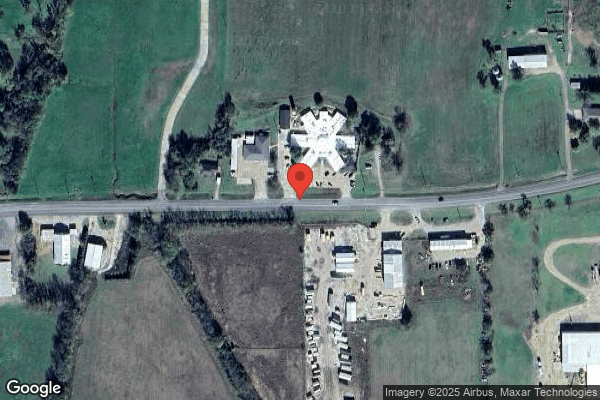
Jan 2023 1 deficiency
CONCERN (E) 📢 Someone Reported This

A family member, employee, or ombudsman was alarmed enough to file a formal complaint

Potential for Harm - no one hurt, but risky conditions existed

Safe Environment (Tag F0921)

Could have caused harm · This affected multiple residents

**NOTE- TERMS IN BRACKETS HAVE BEEN EDITED TO PROTECT CONFIDENTIALITY** Based on observations, interviews, and record reviews, the facility failed to provide a safe, functional, sanitary, and comforta...

Read full inspector narrative →
**NOTE- TERMS IN BRACKETS HAVE BEEN EDITED TO PROTECT CONFIDENTIALITY** Based on observations, interviews, and record reviews, the facility failed to provide a safe, functional, sanitary, and comfortable environment for residents, staff, and the public, for 5 of 12 residents (Resident #47, Resident #49, Resident #50, Resident #51, and Resident #52 ) reviewed for environment. 1. The facility failed to ensure Resident #47 had running water in her sink. 2. The facility failed to ensure Resident #49's bathroom sink water was more than lukewarm. 3. The facility failed to ensure Resident #50, #51 and #52 had running hot water in their sinks. These failures could place residents at risk for diminished quality of life due to lack of personal hygiene along with a safe, functional, sanitary, or comfortable environment. Findings included: 1. Record review of the face sheet dated 01/07/23 revealed Resident #47 was a [AGE] years old female and admitted on [DATE] with diagnoses including urinary tract infection (an infection in any part of the urinary system, the kidneys, bladder, or urethra) and acute upper respiratory infection (is an infection that may interfere with normal breathing). Record review of the admission MDS dated [DATE] revealed Resident #47 had adequate hearing, clear speech, and adequate vision. The MDS revealed Resident #47 was understood and understood others. The MDS revealed Resident #47 had a BIMS score of 14 which indicated intact cognition and required supervision for eating, extensive assistance for bed mobility, transfer, dressing, toilet use, and personal hygiene but total dependence for bathing. The MDS revealed Resident #47 had frequent urinary and bowel incontinence. The MDS revealed Resident #47 had an unhealed stage 3 pressure ulcer (the sore has gone through all layers of skin into the fat tissue). 2. Record review of the face sheet dated 01/09/23 revealed Resident #49 was a 99 years female and admitted on [DATE] with diagnoses including bronchitis (is a condition that develops when the airways in the lungs, called bronchial tubes, become inflamed and cause coughing, often with mucus production), urinary tract infection (an infection in any part of the urinary system, the kidneys, bladder, or urethra), nausea (is an uneasiness of the stomach), diarrhea (loose, watery stools that occur more frequently than usual.), and other staphylococcus as the cause of disease (bacterial and viral infectious agents). Record review of the quarterly MDS dated [DATE] revealed Resident #49 had adequate hearing, clear speech, and adequate vision with corrective lenses. The MDS revealed Resident #49 was understood and understood others. The MDS revealed Resident #49 had a BIMS score of 14 which indicated intact cognition and required supervision for ADLs. The MDS revealed Resident #49 had occasional urinary incontinence and always had bowel continence. 3. Record review of the face sheet dated 01/09/23 revealed Resident #50 was [AGE] years old male and admitted on [DATE] with diagnoses including COVID-19 (11/18/22; is an infectious disease caused by the SARS-CoV-2 virus) and non-pressure chronic ulcer of other part of left foot (result from an inadequate blood supply due to peripheral vascular disease, diabetes mellitus, trauma, or advanced age). Record review of the quarterly MDS dated [DATE] revealed Resident #50 had adequate hearing, clear speech, and adequate vision with corrective lenses. The MDS revealed Resident #50 had a BIMS score of 13 which indicated intact cognition and required extensive assistance for ADLs. The MDS revealed Resident #50 had occasional urinary incontinence and always had bowel incontinence. 4. Record review of the face sheet dated 01/09/23 revealed Resident #51 was [AGE] years old male and admitted on [DATE] with diagnoses Alzheimer's disease (a progressive disease that destroys memory and other important mental functions). Record review of the quarterly MDS dated [DATE] revealed Resident #51 had adequate hearing, clear speech, and impaired vision with corrective lenses. The MDS revealed Resident #50 had a BIMS score of 11 which indicated mild cognitive impairment and supervision for bed mobility, transfer, and toilet use, limited assistance for dressing and personal hygiene, and total dependence for bathing. The MDS revealed Resident #51 had occasional urinary incontinence and always had bowel incontinence. 5. Record review of the face sheet dated 01/09/23 revealed Resident #52 was [AGE] years old male and admitted on [DATE] with diagnoses including chronic hepatitis (is inflammation of the liver that lasts at least 6 months). Record review of the quarterly MDS dated [DATE] revealed Resident #52 had adequate hearing, clear speech, and adequate vision with corrective lenses. The MDS revealed Resident #52 had a BIMS score of 15 which indicated intact cognition and extensive assistance for bed mobility, dressing, toilet use, and personal hygiene, and total dependence for bathing and transfer. The MDS revealed Resident #52 always had urinary incontinence and always had bowel incontinence. Record review of the maintenance assignment sheet dated12/13/22-1/6/23 did not reveal problems related to Rooms #47, #49, #50 and #51 regarding water temperature or flow issues. Record review of the water temperature log dated 12/27/22 revealed .Hall 6 .blue room [ROOM NUMBER] F, room [ROOM NUMBER] 107 F, room [ROOM NUMBER] 107 F . Record review of the water temperature log dated 01/03/23 revealed .Hall 6 .room [ROOM NUMBER] 105 F, room [ROOM NUMBER] 106 F, room [ROOM NUMBER] 105 F . During an interview and observation on 01/07/23 at 12:00 p.m., Resident #47 was in the bed and a family member was at the bedside. Resident #47 said she had been moved down to her current room (#47) some time before Christmas due to the heat not working on the other hall. She said her bathroom was not in the best condition. The family member of Resident #47 said her main issue with the room was Resident #47's toilet did not work and there were several strips of tape over the lid. The family member said the water also did not work in the sink. Resident #47 said there had been no water on in her sink since she moved into the room. She said staff knew there was no water because when she asked for a towel to clean her face in the morning or hands before meals, they had to go next door to wet a rag. She said I do not need the toilet because I wear briefs, but water and especially hot water was important to her and should be important to the staff. Resident #47's toilet had several strips of green tape on top of the closed lid. The family member of Resident #47 turned both faucet knob (labeled hot and cold) on and no water came from the faucet. During an interview on 01/07/23 at 1:27 p.m., CNA B said she mainly worked the Hall 6 the residents with water issues resided . She said she was aware some of the rooms did not have hot water and would have to go to other resident's room to get warm water for baths, hygiene care, and handwashing since the move at the end of December 2022. She said she did not notify upper management of the water issue because that hall was known to have plumbing issues. She said she did know how and who to notify for maintenance issues. She said each room should have running hot and cold water for hygiene needs and infection control. During an interview on 01/07/23 at 2:02 p.m., RN C said she had only been employed at the facility for a month. She said she mainly worked the Hall 6 with the water issues. She said she was aware Resident #47 did not have running water because she required wound care treatments. She said she never told upper management about the water issue because before the residents were moved to the hall, the facility talked about the known plumbing issues the hall had. She said she never told maintenance or wrote the issue on the maintenance log. During an interview on 01/07/23 at 2:25 p.m., CMA E said she only knew about Resident # 47's water issues but not the other rooms. She said it was annoying to go to another resident's room to use their water to wash her hands. During an interview on 01/07/23 at 3:28 p.m., the ADON said she did not know about the water issues on Hall 6. She said she had been on vacation the last two weeks and since her return a couple of days ago, no one had informed her of the water issue. She said she expected her staff to notify her, ADM, or maintenance regarding maintenance issues. She said the staff the knew how to fill out the maintenance logbook and where the logbook was kept at the nursing station. She said maintenance was responsible for the building maintenance, but staff also needed to notify him of issues. During an interview and observation on 01/07/23 at 5:20 p.m., Resident #49 was laying in her bed asleep but awoke when knocked on the door. Resident #49 (room [ROOM NUMBER]) was asked about her water in her bathroom but said she could not hear me. The surveyor pointed towards the bathroom, and she said, you can go look but, my water doesn't get warm! The surveyor turned the faucet with the H symbol and cool water came out. Thirty seconds later the water was still cool. The surveyor left the water running, left the room to check the next room's water temperature, returned and the water was finally lukewarm. Resident #49 said she had issues with the water temperature since she moved to the room at the end of December (2022). She said it was frustrating and who wanted to wash their hands with cool water. She said she was already always cold. During an interview and observation on 01/07/21 at 5:30 p.m., Resident #50 was sitting up in his bed watching television . Resident #50 (room [ROOM NUMBER]) said he and his roommate did not use the bathroom but there was not any hot water. He said since they moved to this room from another hall at the end of December (2022), there has been no water. This surveyor went into the bathroom and turned the C faucet knob with only a trickle of water return then turned the H faucet knob with no water return. Resident #50 said staff had to go to other rooms to get water to provide hygiene care for them. During an interview and observation on 01/07/23 at 5:32 p.m., Resident #51 (room [ROOM NUMBER]) was lying in bed . He said the bathroom did not have hot water. He said he washed his hands with cold water. During an interview and observation on 01/07/22 at 5:35 p.m., Resident #52 (room [ROOM NUMBER]) said he did not use the bathroom but his roommate, Resident #51 did . He said there had been no hot water in their restroom since the end of December 2022. He said the CNAs knew the bathroom did not have hot water because they had to go to other rooms for water. He said he had never seen maintenance work on the sink until today (01/07/23). This surveyor went into the bathroom and turned the C faucet knob and water sprayed out then I turned H faucet knob with no water return. During an interview on 01/07/23 at 6:00 p.m., the ADM said residents had been moved on Hall 6 due to heating issues on their previous hall. She said herself nor maintenance were aware of the water issues in the resident's rooms. She said she reviewed the maintenance log and did not see a work order for those rooms regarding water issues. She said the building needed a lot of repairs and due to circumstances, the repairs were unable to be fixed. She said the staff did know how to report maintenance issues and where the logbook was kept, at the nursing station. She said the facility did not have a formal system in place regarding routine checks of water pressure or temps. During an interview on 01/09/23 at 10:34 a.m., the housekeeping supervisor said her staff had never informed her of water issues on Hall 6. She said before the bad weather caused shuffling of residents, rooms 44. 46, 48, 49 were occupied. She said room [ROOM NUMBER] and 47 had known plumbing issues and room [ROOM NUMBER] and 51 used to be offices and neither employee had complained of issues with their sinks. She said Hall 6 has always had plumbing issues and she had been employed at the facility for 5 years. During an interview on 01/09/23 at 1:48 p.m., CNA/CMA D said she had been employed at the facility for a year. She said Hall 6 had plumbing issues before the residents were moved into the rooms . She said some of the resident's water from the sinks affect their toilet like Resident #47's room. She said a family member of Resident #47 had complained to her the prior Wednesday about no hot water being in the sink. She said she also knew about Resident #50's sink issues. She said she knew if there was a maintenance issue to place it in the logbook or notify the charge nurse but did not do it. She said not placing working orders could delay equipment or things being repaired, the issues could cause more problems if left unrepaired, and could inconvenience the residents. She said not notifying or placing a work order regarding the water issues could cause resident to not wash their hands after toileting, being bathed in lukewarm water or feeling like the facility did not care about their environment. During an interview on 01/09/23 at 2:34 p.m., the maintenance supervisor said he previously worked at the facility 2017-2020 and recently returned June 2022. He said when he returned the facility was in poor condition and needed a lot of repairs. He said Hall 6 had known plumbing issues like pipes being too small and water taking long to reach the pipes, especially in room [ROOM NUMBER] and 47. He said the resident were moved to that side of the hall at the end of last December. He said the facility only moved resident who were incontinent and would not need the bathroom. He said he found out about the sink issues last Saturday (01/07/23). He said staff place work orders in the maintenance log or verbally told him issues . He said if a staff member verbally told him something major needed to be fixed, he would place the work order on the logbook. He said he checked water temps weekly, but he was only checking the front, same rooms which he did not realize until the ADM pointed it out. He said Hall 6 rooms were going to be turned into offices due to the plumbing not being able to be fixed to house residents. During an interview on 01/09/23 at 3:23 p.m., the family of Resident #47 said the sink had issue from day one. She said she could see the toilet not working because her family member was incontinent, but everyone should have run water in their sinks. She said the ADM knew about sink issue of no water because we had a discussion with her about it right before Christmas. She said the facility wanted to give her family member a roommate and I told the ADM, why would they add someone else to the room if there was not running water. She said it was inconvenient for the staff and residents. She said she always worried if her family member would get a bath with cool or lukewarm water because they had to go across the hall to get water. During an interview on 01/09/23 at 5:20 p.m., the ADM said she expected her staff to place work orders on the maintenance log or the notify her. She said she expected work order to be completed in a timely manner and if unable to be completed then to notify her. She said no resident should be without water, have lukewarm or no hot water. She said all the water issues were fixable. She said being complacent with things being in disrepair was unacceptable. She said she had put process in place to ensure maintenance issues were addressed and other departments such as housekeeping were involved in the process. Record review of a facility Maintenance Service policy dated 12/09 revealed .maintenance service shall be provided to all areas of the building, grounds, and equipment .the maintenance department is responsible for maintaining the building, grounds, and equipment in a safe and operable manner .maintaining the building in good repair and free from hazards .maintaining plumbing fixtures .in good working order .provide routinely scheduled maintenance service to all areas .the maintenance director is responsible for developing and maintain a schedule of maintenance service to assure that the building, grounds, and equipment are maintained in a safe and operable.
Jun 2022 7 deficiencies 1 IJ
CRITICAL (J)

Immediate Jeopardy (IJ) - the most serious Medicare violation

Deficiency F0757 (Tag F0757)

Someone could have died · This affected 1 resident

**NOTE- TERMS IN BRACKETS HAVE BEEN EDITED TO PROTECT CONFIDENTIALITY** Based on observation, interview and record review, the facility failed to ensure each resident's drug regimen was free from unne...

Read full inspector narrative →
**NOTE- TERMS IN BRACKETS HAVE BEEN EDITED TO PROTECT CONFIDENTIALITY** Based on observation, interview and record review, the facility failed to ensure each resident's drug regimen was free from unnecessary drugs with inadequate monitoring for one (Resident #4) of 7 residents reviewed for medications. The facility failed to adequately monitor Resident #4's PT/INR levels at least monthly while taking Coumadin (anticoagulant medication) 4 mg daily since 03/23/22. Resident #4's last lab dated 03/22/22 reflected Pro Time (PT) was 26.5 and INR was 2.5. On 06/08/22, Surveyor notified the facility of Resident #4's PT/INR lab not being completed since 03/22/22. Facility ordered a Stat PT/INR lab to be drawn on 06/08/22. Resident #4's PT was 44.3 and INR was 4.5 (high out of therapeutic range) on 06/08/22. Resident #4's INR was 4.5 which placed her at a greater risk for bleeding while on Coumadin medication and on 06/09/22 physician ordered Resident #4's Coumadin medication to be held at least 2 days and when INR level is 3 or below. Resident #4's physician ordered PT/INR labs be drawn next 2 days. Pharmacy Consultant did not have access to residents' labs to ensure PT/INR labs were completed for residents on Coumadin medication. There was not a system in place to ensure and monitor resident's physician orders like PT/INR labs to have a specific timeframe and the immediacy is based on the need for surveyor intervention. An Immediate Jeopardy (IJ) was identified on 06/09/22. While the IJ was removed on 06/10/22, the facility remained out of compliance at a severity level of no actual harm with potential for more than minimal harm that is not immediate jeopardy at a scope of isolated due to facility continuation of in-servicing and monitoring of the plan of removal. This failure placed residents on anticoagulant medications with inadequate monitoring, at risk of major or fatal bleeding, hospitalization or death. Findings included: Review of Resident #4's face sheet dated 06/09/22 reflected she was an [AGE] year-old-female admitted to the facility on [DATE] and readmitted on [DATE] with diagnoses of type 2 diabetes mellitus, hypothyroidism, hypertension, atherosclerotic heart disease, generalized muscle weakness, unsteadiness on feet and lack of coordination Review of Resident #4's admission MDS assessment dated [DATE] reflected she had diagnoses of atherosclerotic heart disease, hypertension, diabetes mellitus and thyroid disorder. She had a BIMS of 10 indicating she was moderately cognitively intact. Resident #4 required supervision with ADLs of transfers, dressing, toileting, personal hygiene with one-person physical assistance. Resident #4 was on anticoagulant and diuretic medications. Review of Resident #4's Comprehensive Care Plan date initiated and last revised 05/24/22 reflected the following: -Resident #4 was on anticoagulant therapy (Coumadin) related to disease process of Coronary Artery Disease. Interventions initiated on 03/01/22 included the following: to monitor/document/report to MD prn s/sx (signs and symptoms) of anticoagulant complications: blood tinged or frank blood in urine, black tarry stools, dark or bright red blood in stools, severe headaches, nausea, vomiting, diarrhea, muscle joint pain, lethargy, bruising, blurred vision, SOB (shortness of breath), loss of appetite, sudden changes in mental status, significant or sudden changes in v/s (vital signs). Revised on 06/08/22 reflected PT/INR labs monthly. Report abnormal lab results to the MD. -revised on 02/02/22 reflected Resident #4 had a fall and at risk for further falls due to unsteady gait. Resident #4 had falls on 02/01/22 and 02/02/22 with no injury. Review of Consolidated physician orders dated 06/08/22 reflected Resident #4 had the following current physician orders: - start date of 03/02/22 of Coumadin tablet 4 mg give 1 tablet by mouth of one time a day related to Atherosclerotic Heart Disease. - start date of 03/19/22 for PT/INR. There was no frequency or timeframe noted. Review of Resident #4's PT/INR lab collected on 03/22/22 at 10:53 am and received on 03/22/22 at 4:14 pm reflected Resident #4 had a PT (pro time) level of 26.5 and INR of 2.5 (therapeutic range of 2.0 to 3.0). Dated and time signed 0600 am - Nurse signed waiting for doctor's response. Then written on lab Continue with Warfarin 4 mg Recheck PT/INR with physician signature. Review of Resident #4's labs from 03/23/22 to 06/09/22 revealed there were no PT/INR levels completed since 03/22/22. Review of Resident #4's Nurse note by LVN K dated 03/23/23 reflected PT/INR reported to [Physician G]. No change in dose at this time. No bleeding episodes noted. Record Review of Nurse's MAR for March to June 2022 reflected the following for Resident #4: March 2022 - Resident #4 was administered Coumadin tablet 4 mg (Warfarin sodium) 1 tablet at 5 pm from 03/02/22 to 03/14/22, 03/16/22 to 03/31/22. 03/15/22 was blank. April 2022 - Resident #4 was administered Coumadin tablet 4 mg (Warfarin sodium) 1 tablet at 5 pm on 04/01/22, 04/05/22 to 04/26/22, 04/30/22. On 04/02/22, 04/03/22, 04/28/22 and 04/29/22 Resident #4 was out on pass. May 2022 - Resident #4 was administered Coumadin tablet 4 mg (Warfarin sodium) 1 tablet at 5 pm from 05/01/22 to 05/04/22, 05/06/22, 05/09/22 to 05/20/22, 05/22/22 to 05/31/22. On 05/07/22, 05/08/22, and 05/21/22 resident was out on pass. June 2022 - Resident #4 was administered Coumadin tablet 4 mg (Warfarin sodium) 1 tablet at 5 pm from 06/01/22 to 06/08/22. Review of Resident #4's PT/INR lab collected at 06/08/22 at 11:30 PM and received on 06/09/22 at 6:42 AM revealed PT was 44.3 and INR was 4.5. DON wrote on lab to hold x 2 days PT/INR tomorrow and next day. Record Review of Pharmacy Consultant recommendations for April and May 2022 reflected no pharmacy recommendations for Resident #4. She was reviewed for medications. Record Review of Resident #4's Pharmacy Consultant recommendation printed 02/01/22 reflected Resident #4 was receiving warfarin 3 mg without routine lab monitoring. Due to potential bleeding problems with INR is above range, please consider a protime lab with INR to be done monthly. This pharmacy recommendation had no physician/prescriber response. Observation and Interview on 06/08/22 at 4:15 PM revealed Resident #4 was sitting in her recliner with no bruising or bleeding. Resident #4 stated she was on Coumadin and had been on coumadin for 10 years. She stated she did not have any bruising or bleeding. She denied any bleeding in her gums. She stated in the past she had bruises but currently had no bruising at this time. She stated she bleeds easily. She stated she was not aware the facility had not drawn her PT/INR labs to check her coumadin since March 2022. She stated her physician at previous facility checked her PT/INR lab levels every 2 weeks. She stated she would like her PT/INR labs drawn to check her levels since she took Coumadin medication. Resident #4 stated she had no recent falls. Interview on 06/08/22 at 4:08 PM with Resident # 4's physician (Physician G) revealed Resident #4 should be checked for PT/INR labs once a month since her last INR was stable (2.5) and facility should have a protocol of how often PT/INR labs should be drawn for residents on Coumadin. Resident #4's physician stated the facility should have been redrawn Resident #4's PT/INR monthly after 03/22/22. He stated coumadin medication is the drug which levels fluctuate frequently and resident's eating and other medications she took can affect it. He stated the risk of PT/INR labs not being drawn are that Coumadin levels can go up and go down and it can put you more at risk for bleeding. Interview on 06/08/22 at 4:20 PM with ADON A revealed the facility did not have a standing order or protocol for coumadin and how often PT/INR levels should be checked. She stated at minimum PT/INR levels should be checked at least monthly for Resident #4 and last time it was checked was on 03/22/22. She stated they reviewed physician orders and check physician orders daily. She stated she did not put a specific lab order timeframe for the PT/INR to be checked for Resident #4 and it was up to physician to determine how often it needed to be checked. She stated in the past we had trouble with physician asking for it to be re-checked earlier than the routine lab order so when PT/INR results are given to doctor the nurse needs to find out from doctor when next time it needs to be ran. ADON A stated she was aware that the pharmacy consultant did not review lab orders of PT/INR levels and requirements for Coumadin medication. She stated Resident #26 is the only other resident who was on Coumadin at the facility. Interview on 06/08/22 at 4:30 PM revealed DON and ADON A stated there was not anything in electronic record that would catch if a resident's physician order like the PT/INR lab did not have a specific timeframe on it. ADON A stated Resident #26's physician ordered her PT/INR checks to be done weekly. DON stated Resident #4's PT/INR labs were not being completed since 03/22/22 and should have been done monthly. DON stated they had contacted Resident #4's physician after becoming aware of PT/INR levels not being completed after surveyor intervention to have it drawn tomorrow to check Resident #4's PT/INR levels. DON stated they can contact Resident #4's physician to do the PT/INR order STAT so Resident #4's results will be available in the morning. They were not aware of any facility policy on Coumadin or lab monitoring. Follow-up interview on 06/09/22 at 9:20 AM with Physician G revealed Resident #4's PT/INR lab was higher and his concern was the INR being at 4.5. He stated he ordered Resident #4's Coumadin 4 mg daily to be held at least for next 2 days and have labs redrawn the next 2 days. Physician G stated Resident #4's Coumadin medication will be held until INR is below 3 and will start her back on a lower dose of Coumadin once it gets below 3. He stated the nurse will contact him with the PT/INR results. He stated residents on Coumadin should have PT/INR checked at least monthly or more often depending on the results. He stated residents on coumadin should be monitored for falls and are at risk for falls, bleeding and skin tears. Physician G stated Resident #4's INR was 2.5 which was in stable range on 03/22/22 and should have been checked monthly. He stated the INR of 4.5 was high which placed Resident #4 at a greater risk of bleeding. Interview on 06/09/22 at 9:30 AM with Pharmacy Consultant revealed monthly she reviewed new physician orders on all residents, reviewed medications to ensure appropriate, checking medication allergies of residents and blood pressure and vitals required for medications. She stated she checked residents' controlled drug documentation including prn controlled drug medications. She stated she reviewed resident psychotropic meds for dosage reduction. She stated she had not checked Resident #4's labs to see if PT/INR labs were completed for resident on coumadin in April or May 2022. She stated PT/INR labs should be checked monthly at least or more often if ordered from physician. She stated PT/INR levels fluctuate could go too low and higher which places residents at risk for bleeding. She stated if she had reviewed Resident #4's clinical record for PT/INR labs and reviewed the lab orders she would have recommended to physician about a timeframe for routine lab orders for PT/INR. She stated she had not reviewed labs for PT/INR lab levels for Resident #4 or any residents on Coumadin medication. She stated she did not have access to resident's labs to review the labs. Interview on 06/09/22 at 1:48 PM revealed DON was not aware of facility's policy for Coumadin and lab order monitoring until today. She did not know the facility had a policy for Coumadin and lab order monitoring. Interview on 06/09/22 at 3:35 PM with Administrator revealed the communication between Physician G and the nurse was not very clear about when next time the PT/INR lab should be drawn for Resident #4. Administrator stated the nurse who reported Resident #4's PT/INR results on 03/23/22 was an agency nurse and should have found out when Physician G wanted the PT/INR labs to be redrawn. He further stated nurse should have put a physician order of next PT/INR lab for Resident #4. He stated he expected his staff to follow the policy on Coumadin and lab monitoring. Review of facility's policy Coumadin dated 02/17/20 reflected the facility was to monitor residents receiving anticoagulant therapy. Under procedure 1. Residents on Coumadin will be monitored for signs and symptoms of bleeding. 2. PT/INR will be checked as ordered by the physician. 3. Licensed Nurse will notify the physician of the PT/INR results and document any new orders. 4. If applicable physician orders will be followed for any diet restrictions. Review of facility's policy Lab Monitoring dated 03/08/20 reflected the policy was that physician ordered laboratory services will be provided and monitored. Under procedure 1. Lab monitoring requires a physician order. 2. Lab orders will be obtained for all drugs that require therapeutic monitoring. Follow these steps: a. Request an order from the physician for a baseline order b. Request ongoing (therapeutic) lab orders. c. Notify lab of new orders following center's laboratory service procedure. d. Complete a lab requisition: hard copy or enter online depending on lab used. e. Enter orders into clinical software assign and document in progress notes. f. Enter the lab on the lab tracking form at the front of the book to enter lab to be drawn, date drawn, return receipt of the results and the physician notification g. Licensed nurse will continue to document on the lab tracking form until steps of tracking are complete. 3. When physician does not choose to order labs for baseline or therapeutic levels, documentation of same will be noted in the resident's clinical software in the progress notes. 4. All lab results will be reviewed by a nurse. The nurse will date and document the time the result was reviewed or confirm results in the clinical software. 5. Lab results at are within normal limits will be reported to the physician. 6. Critical lab results will be called to the physician or on-call physician immediately. Initial, date and time the lab result. Note if new orders were received. Document same in resident's clinical software progress notes. 7. Abnormal lab results will be sent to the physician. Note any medications the resident is taking that could affect the lab value and note all treatments that have been done (i.e., UA), date and signature of nurse .The following is a list of medications for therapeutic lab tests. Warfarin (coumadin) medication required prothrombin time for frequency of every month for the purpose to monitor therapy range. Review of facility's policy Lab Orders dated 03/08/20 reflected the facility was to provide or obtain laboratory services to meet the needs of its residents. [Facility] is responsible for the timeliness of the services. [Facility] must notify the attending physician of the lab results. Procedure 1. Lab orders will be entered in the clinical software and assigned to the appropriate flow sheet. 2. The Director of Nursing/designee will be responsible to monitor lab orders to ensure that a ordered labs have been drawn as ordered by the physician. 3. Lab personnel will be responsible to report to the charge nurses all labs that have been drawn that day. Charge nurse will be responsible to initial date lab is drawn on the MAR/TAR. The Director of Nursing/designee will be responsible to notify the lab when a lab result is not received in a timely manner. 5. The attending physician will be notified promptly of lab results. 6. Laboratory results will be maintained in the resident's clinical record. Review of Coumadin - FDA prescribing information, side effects and uses from https://www.drugs.com/pro/coumadin.html#content retrieved on 06/09/22 reflected under Coumadin Dosage and Administration the following: The dosage and administration of Coumadin must be individualized for each patient according to the patient's International Normalized Ratio (INR) response to the drug. Adjust the dose based on the patient's INR and the condition being treated. Consult the latest evidence-based clinical practice guidelines regarding the duration and intensity of anticoagulation for the indicated conditions. Recommended Target INR Ranges and Durations for Individual Indications An INR of greater than 4.0 appears to provide no additional therapeutic benefit in most patients and is associated with a higher risk of bleeding. Atrial Fibrillation .In patients with non-valvular AF, anticoagulate with warfarin to target INR of 2.5 (range, 2.0-3.0). The Administrator and DON were notified of the Immediate Jeopardy on 06/09/22 at 1:49 pm due to the above failures and provided the IJ template. The facility was asked to provide a Plan of Removal to address the Immediate Jeopardy. The Facility's Plan of Removal for Immediate Jeopardy was accepted and RDCO was notified on 06/10/22 at 2:13 PM. The accepted Plan of Removal for the Immediate Jeopardy included the following: The Texas Department of Health and Human Services Committee (TXHHSC) entered facility for annual survey. During their investigation an IJ (Immediate Jeopardy) was cited in regard to Coumadin Management on 6/9/2022. -Resident(s) found to be affected: Resident #4 Immediate interventions: 6/8/22 1604: Provider was notified that the orders were received 1604: STAT PT/INR ordered 1625: Resident was assessed, found no bruising, bleeding or injury. 1943: DON called facility to check statis of lab draw 2127: DON called facility to check statis of lab draw 2140: DON called facility to check statis of lab draw 2150: DON called facility to check statis of lab draw 2153: Nurse returned DON's call saying the tech has not arrived 2200: CCL called about STAT Lab 2220: Nurse returned DON saying tech has not arrived 2318: Nurse returned DON saying tech has not arrived 2245: Notified Tech on the way o 2346: Phlebotomist at facility for STAT lab- sample acquired Immediate interventions: 6/9/22 0642: Lab results reported to provider with new orders obtained*INR 4.5 Physician G was called. Left a message 0659: Physician G returned the call: gave a new order to hold coumadin for 2 days, repeat PT/INR on 6/10 and 6/11. 0800: Resident assessed for petechiae along with any signs of bleeding or bruising, none noted. Vital signs, stools, urination, weights, ADL, activities are consistent with baseline. Resident is stable, thriving and happy with care. 0915: Physician G came in to assess resident- unremarkable o 1015: Received new orders from Physician G: PT/INR daily until INR is below 3.0, then start coumadin 3mg by mouth 1 tab daily. Then PT/INR weekly o 1215: Physician completed assessment note and spoke to the survey team. Asked ADON A to contact Resident #4's cardiologist to see if it would be safe to change Coumadin to Eliquis. ADON A called Resident #4's cardiologist but spoke to his nurse. The nurse said that per cardiologist, Resident #4 has a diagnosis of Atrial Fibrillation and that is why she is on Coumadin, but she knew the doctor prefers Eliquis. 1215: RDCO emailed Consultant Pharmacy regarding the pharmacy consultant failing to note the missing PT/INR for Resident #4's Coumadin, o 1604: Cardiologist nurse called back and said he recommends discontinuing coumadin and change to Eliquis. The dosage depends on her kidney function so PCP Physician G will provide the appropriate order. 16:33 RDCO emailed Consultant Pharmacy again asking for an immediate in-service to the consultant on monitoring for labs required for medication management and safety. Then followed up with a call for expediency. A plan was set in motion for the consultant's supervisor to provide an in-service as asked and a different consultant will complete an audit of the facility's medications requiring lab monitoring. PCC log in and lab portal access was provided. Expected to be completed by 6/10/22 3PM 1723: Physician G gave orders to draw CMP for 6/10 and he will decide on the dose once he has received the results. 2030: Pharmacy Consultant received in-service from her supervisor on the requirements of monitoring therapeutic lab values as it relates to Medication management and safety. 6/10/22 Interventions completed 0930: RDCO re-educated the DON/ADON A and Medical Records tech on medication management, and the policy and procedures of Consolidation of Monthly Orders. 0930: RDCO re-educated the DON that she is ultimately responsible for the accurate completion of the Consolidation of Monthly Orders. 0930: RDCO re-educated the DON that she is ultimately responsible for ensuring the pharmacy consultant has reviewed the lab monitoring by reviewing the pharmacy consultant recommendations report. 0930: RDCO re-educated DON/ADON A on monitoring for lab documentation and follow up. -Potential residents to be affected by identified practice: o The facility has reviewed all coumadin orders and has identified one resident who is on coumadin. The resident has received coumadin management in accordance with provider orders. No further action needed at this time. Corrective action implemented so identified practice will not recur with root cause analysis: 5/27/22 a certified letter by overnight carrier notice of contract termination with Central Clinical Labs and Xray services to be complete on July 26, 22. On 6/9/22 RDCO has re-educated the DON/ADON on PT/INR procedures and lab process per the Coumadin management policy. On 6/9/22 RDCO has re-educated on the STAT lab requirements of 4 hours to draw and 2 hours to result. On 6/9/22 DON has educated the nurses on STAT lab requirements of 4 hours to draw lab and 2 hours to receive results. On 6/9/22 The DON/designee educated all nurses on Policy for Coumadin management. o On 6/9/22 RDCO has re-educated DON/ADON that the nurse on duty at the time of receipt of lab results and STAT lab results is responsible to notify the physician and orders resulting. Then DON/ADON will verify the next morning that those lab results have been processed properly and it will be discussed in IDT. On 6/9/22 DON educated the nurses that the nurse on duty at the time of receipt of lab results and STAT lab results is responsible to notify the physician and orders resulting. On 6/9/22 The DON created a PT/INR binder that contains the policy for reference and the log sheets and educated the nurses on the expectations of completion and follow up. DON/ADON will monitor this binder daily. On 6/9/22 Lab login is posted at the nurse's station o On 6/9/22 A PT/INR flow sheet has been developed to track labs, therapeutic range, and orders- to be managed by DON/designee and place in a binder at the nurse's station. Nurses have been educated by the DON and placed in a binder. On 6/9/22 The Regional Director of Clinical Operations (RDCO) has re-educated the Inter-Disciplinary Team (IDT) to follow-up with orders post-test results of PT/INR, system changes and processes. o Any nurse on vacation or that works PRN or new nurse or agency nurse will receive this reeducation prior to working their next schedule shift. The nurse will demonstrate competency by passing the designated quiz. This re-education will be provided either by DON/ADON and/or other additional designees. o If the staff nurse does not properly demonstrate understanding, they will receive continued education prior to working their shift. On 6/10/22 Pharmacy Regional Director of Clinical Operations has arranged for a consultant to perform a full audit of all medications requiring lab monitoring. On 6/10/22 Pharmacy Regional Director of Clinical Operations will conduct an in service to the current pharmacy consultant who failed to note a missing PT/INR and monitoring therapeutic lab values. On 6/9/22 The physician has been re-educated on carefully reviewing consolidated orders to include needed therapeutic values via phone. Will obtain official signature 6/10/22. On 6/10/22 received the history and physical from the cardiologist that includes the diagnosis of Atrial Fibrillation. He defers to the PCP (Physician G) to decide about ordering Eliquis or not. Tracking and Monitoring: The DON/ designee will audit the nurse's return demonstration of proper coumadin/ PT/INR process. Findings will be reported to IDT and to monthly QAPI x3 months at which time the QAPI Committee will determine if further monitoring is needed. The DON/ designee will audit the Coumadin flow sheets and process. Audit findings will be reported to IDT and to monthly QAPI x3 months at which time the QAPI Committee will determine if further monitoring is needed. The DON/ designee will conduct random audit of IDT staff knowledge for monitoring PT/NR results and orders. Audit findings will be reported to IDT and to monthly QAPI x3 months at which time the QAPI Committee will determine if further monitoring is needed. Pharmacy Consult will perform monthly audits for therapeutic lab values for appropriate medications. This will be reviewed monthly in QAPI until compliance is met. Pharmacy consultant completed a new recommendation audit of Resident #4. The facility's implementation of the IJ Plan of Removal for pharmacy services was verified through the following: Record Review of List of Residents on anticoagulants revealed Residents #4 and #26 were the only 2 residents on Coumadin medications. Record Review of Resident #26's clinical record revealed Resident #26 had a current PT/INR lab order to be drawn weekly. Reviewed Resident #26 lab orders, progress notes and physician orders revealing Resident #26 did have PT/INR levels drawn weekly, were communicated to the physician and nurse followed physician orders of medication changes. Record Review of five of five residents for medications revealed no concerns with significant medications or lab orders. Interview on 06/10/22 at 03:21 PM with DON revealed she had looked and was unable to find Resident #4's pharmacy recommendation with physician's response. She did not know what happened or if it even got to the physician. Record Review on 06/09/22 to 06/10/22 of Resident #4's clinical record revealed Resident #4's Coumadin was placed on hold on 06/09/22 and 06/10/22. Facility did Resident #4's PT/INR labs, notified physician and followed physician orders. Record Review of In-services dated 06/09/22 PT/INR test follow up by RDCO reflected IDT will list and discuss each resident on anticoagulants in the IDT meeting and minutes. This will include the resident name, drug and next lab draw day. Notes will be written and validated lab results, new orders/physician orders in chart and including discussion by IDT. Staff in-serviced were IDT members. Observation and Interview on 06/10/22 at 12:05 PM with Corporate Pharmacy Consultant revealed he was at facility to do a full complete on residents who have medications that require therapeutic lab monitoring and especially residents on anticoagulant medications. He stated going forward the facility's assigned pharmacy consultant would be reviewing these medications which require therapeutic lab monitoring including coumadin, physician orders and the labs on their monthly visits. Record Review of In-service dated 06/08/22 and 06/09/22 Lab process, PT/INR procedure and Coumadin Management revealed MDS Coordinator, LVN B, LVN C, LVN F, LVN H, LVN I, LVN J and RN Weekend Supervisor. Interviews on 06/10/22 from 1:48 PM to 3:03 PM with 5 of 5 LVN (LVN B, LVN C, LVN F, LVN H and LVN I) including facility and agency nurses from all shifts revealed they had been in-serviced on protocol for Coumadin and lab monitoring of PT/INR for residents on Coumadin. All five LVNs were knowledgeable that any residents on Coumadin should be receiving at least monthly or more frequently if ordered by physician. They were in-serviced on when discussing resident 's PT/INR lab results with physician to find out if any changes in dosage, when next the physician wants the PT/INR ordered and to put a lab order along with physician order of PT/INR lab to next be drawn. They were knowledgeable of facility starting a system of lab monitoring including PT/INR binder at nurse's station. Interview on 06/10/22 at 2:36 PM with RN Weekend Supervisor revealed she had been in-serviced on the protocol and facility policy for residents on Coumadin and lab monitoring. She stated residents on Coumadin medication must have a PT/INR ran monthly or more frequently if physician ordered. She stated when they receive PT/INR lab results, they contact physician immediately with PT/INR lab results and put in any new medication changes' physician orders for Coumadin and the lab order for PT/INR monitoring. Record Review of In-service provided by consultant pharmacy group dated 06/09/22 reflected pharmacy consultant was in-serviced on medication monitoring guidelines including warfarin (coumadin) and on monitoring of lab results. She was in-serviced on consultant role of recommending routine labs and follow-up on results) and steps to taken when additional facility follow up needed. Interview on 06/10/22 with 02:34 PM revealed Pharmacy Consultant was in-serviced to look at residents with Coumadin to ensure PT/INR lab orders are being completed and PT/INR physician lab orders have frequency of when PT/INR should be checked. She stated she was provided access to resident labs now and if a resident is missing lab orders find them she will be contacting DON to check on labs. She knew types of medications like Lasix, Digoxin, Depakote and could go over what labs are required of each. She stated PT/INR should be checked at least monthly or more often if physician order states it. She stated when she reviews resident medication each month she will be reviewing medication orders and lab orders to ensure they are being completed. Follow-up interview on 06/10/22 at 5:57 PM revealed Pharmacist Consultant stated the pharmacy recommendations she did monthly went to DON, physician and Administrator. She could not recall the pharmacy recommendation for Resident #4 dated 02/01/22. Record Review of facility's in-services for DON and ADON A by RDCO on 06/09/22: -PT/INR - Coumadin process DON/ADON A will do the following: All residents on Coumadin will be entered on the Coumadin flow sheet including PT/INR, Dose and next scheduled lab. Lab PT/INR - will be drawn in accordance with doctor orders. DON/ADON A will also list each resident in the IDT meeting minutes with their drug and next lab draw. IDT will discuss and validate it on flow sheet. DON/ADON A will ensure a note is placed in the medical record when lab results are received, Doctor notified, order changes and next scheduled lab draw was discussed. Policy for Coumadin Management reviewed. - DON/ADON ensure nurses understand they are responsible for processing all lab results STAT or otherwise when they are received to include calling the lab if not received timely, notify physician, any new orders or dose changes. DON/ADON A will validate this process and discuss in IDT meeting. Interview on 06/10/22 at 03:34 PM with ADON A revealed she was in-serviced and was aware of the facility's policy on Coumadin protocol and PT/INR lab monitoring. She stated residents on coumadin medication should have PT/INR lab orders to include when to be checked and/or frequency of lab. She stated she or the DON will review PT/INR lab orders Monday through Friday daily to ensure nurse put in PT/INR order correctly as a physician order and in lab system. She stated they will review any changes to anticoagulant medications and ensure physician order was put in the system. She stated the facility has initiated a PT/INR flowsheet [TRUNCATED]
CONCERN (D)

Potential for Harm - no one hurt, but risky conditions existed

Tube Feeding (Tag F0693)

Could have caused harm · This affected 1 resident

**NOTE- TERMS IN BRACKETS HAVE BEEN EDITED TO PROTECT CONFIDENTIALITY** Based on observation, interview and record review, the facility failed to provide treatment and services to prevent complication...

Read full inspector narrative →
**NOTE- TERMS IN BRACKETS HAVE BEEN EDITED TO PROTECT CONFIDENTIALITY** Based on observation, interview and record review, the facility failed to provide treatment and services to prevent complications of enteral feeding for one (Residents #19) of one resident reviewed for feeding tubes. LVN B failed to flush Resident #19's G-Tube (a tube inserted through the abdomen that delivers nutrition directly to the stomach) with 100 cc's of water after his bolus feeding and prior to medication administration and failed to flush with 100 cc of water after medication administration per physician's orders. These failures could affect residents by placing them at risk of obstruction of the G-tube and potential for dehydration because of inadequate hydration. Findings included: Resident #19's admission MDS assessment, dated 03/28/22, reflected he was a [AGE] year-old male admitted to the facility on [DATE], with diagnoses including quadriplegia (paralysis from the neck down), post traumatic seizures, dysphagia (swallowing difficulties) and gastrostomy ( the surgical formation of an opening through the abdominal wall into the stomach) status. Resident was unable to participate in the brief interview for mental status and assessed by the staff to be severely cognitively impaired. Resident #19 received 51% or more of total calories through tube feeding (G-tube - tube inserted through the abdomen that delivers nutrition directly to the stomach.). Resident #19's Care Plan, initiated on 03/28/22, reflected, . [Resident #19] has dehydration or potential fluid deficit r/t Enteral Feeding .requires tube feeding and is at risk or complications .Interventions included .Administer tube feeding and water flushes as ordered . Review of the record titled, Communication between the Dietitian and the Attending Physician, dated 03/16/22, Reflected, Recommendation: . Flush with 100 ml before and after meds and each bolus, The physician agreed and signed and dated the order on 03/31/22 Review of Resident #19's Physicians Order Report dated 06/08/22 and printed at 10:08 a.m., reflected, .feeding-bolus-Give 2 cartons of Isosource 1.5 bolus per G-tube (500 ml) and flush with 100 ml water after bolus .order date 3/23/22 .Every Shift 1. Flush with 100 ml water after bolus. 2. Flush with 100 ml before and after each medication administration .order date 3-17-22 . Review of Resident #19's MAR for June 2022 reflected, feeding-bolus-Give 2 cartons of Isosource 1.5 bolus per G-tube (500 ml) and flush with 100 ml water after bolus .start date 3/23/22 .Every Shift . 1. Flush with 100 ml water after bolus and before and after each medication administration .start date 3-17-22 . An observation on 06/08/22 at 08:10 a.m. revealed LVN B at the medication cart pulling the following medications for G-tube administration and bolus feeding for Resident #19: Elderberry Syrup (immune supplement) 1 teaspoon Flonase Suspension (steroid) 50 mcg nasal spray Lamotrigine tablet (anticonvulsant) 200 mg 2 tablets Levetiracetam Solution (anticonvulsant) 100 mg/ml- 10 ml Levocarnitine Solution (Metabolic and Endocrine, other) 1 gm/10 ml- 5 ml Sertraline (antidepressant) 50 mg 1 tablet Aspirin 81 mg 1 tablet 2 cartons of Isosource (calorie dense protein) 1.5 calorie 250 ml per carton. LVN B donned gloves and placed each of the tablets into a plastic sleeve and crushed them and placed each of the medications into an individual plastic cup. LVN B gathered 6 pill cups and 1 plastic water cup and entered the resident's room. LVN B filled the plastic water cup with water and poured approximately 10 cc's of water into each pill cup. LVN B retrieved a 60-cc piston syringe and placed it onto the end of the g-tube and drew back for residual revealing no residual. LVN B then went to the bathroom sink to expel the air that was drawn up into the piston syringe. LVN B then attached the piston syringe and administered the 2 cartons of Isosource. After completion of the feeding, she flushed the g-tube with approximately 10cc of water and began administering each of the medication, flushing with approximately 10 cc's of water between each medication. LVN B flushed the G-tube with approximately 10 cc after the last medication. In an interview with LVN B on 06/08/21 at 10:00 a.m., she stated she had misread the instructions on the water flushes after his bolus feedings and medication administration. She stated by not flushing with enough water could cause the resident to not receive adequate fluid intake and complications with his g-tube. She stated she had worked for the facility for about 3 weeks and had received onboarding training upon hire and had shadowed another nurse for 4 days. Review of LVN B employee training, revealed she had completed the new hire Education pathways on 05/30/22. She was skills checked on G-Tube administration on 06/09/22. In an interview on 06/08/21 at 2:00 p.m. the DON stated the staff were to follow the physician's orders for how water to use to flush a residents G-Tube. She stated the nurse failed to follow the orders. She stated the dietician had requested and the physician had approved the amount of water since the resident is on bolus feedings to ensure he remained adequately hydrated. She stated they should not be giving the medication and the feeding at the same time, since this will cut down on the amount of water the resident will receive. She stated she had changed the directions so that there is at least an hour in between the medication administration and the feedings. Review of the facility's policy, Standards and Guidelines: Enteral Tube Feeding, dated March 27, 2021, reflected, .Verify/obtain physician's orders for enteral feeding .Consult with Registered Dietitian as needed/ordered related to tube feeding/flush requirement .
CONCERN (D)

Potential for Harm - no one hurt, but risky conditions existed

Infection Control (Tag F0880)

Could have caused harm · This affected 1 resident

**NOTE- TERMS IN BRACKETS HAVE BEEN EDITED TO PROTECT CONFIDENTIALITY** Based on observation, interview, and record review, the facility failed to maintain an Infection Prevention and Control Program ...

Read full inspector narrative →
**NOTE- TERMS IN BRACKETS HAVE BEEN EDITED TO PROTECT CONFIDENTIALITY** Based on observation, interview, and record review, the facility failed to maintain an Infection Prevention and Control Program designed to provide a safe, sanitary, and comfortable environment and to help prevent the development and transmission of communicable diseases and infections for one (Resident #12) of nine residents observed for infection control. LVN C failed to perform hand hygiene after completing finger stick blood sugars and before donning gloves to draw up and administer Resident's #12 insulin. LVN C failed to sanitize the glucometer after obtaining a blood sample for the fingers stick blood sugar and returning the glucometer to the medication cart. Theses failure could place residents at risk for infection and cross contamination. Findings included: Record review of Resident #12's Face Sheet dated June 2022, reflected an [AGE] year-old female admitted to the facility on [DATE]. Her diagnoses included type 2 diabetes mellitus without complications and Alzheimer's disease. An observation on 06/07/22 at 11:10 a.m. revealed LVN C at the medication cart preparing to perform Resident #12's fingers stick blood sugar. LVN C removed the glucometer from the medication cart and performed hand hygiene and donned gloves. LVN C placed a test strip in the end of the glucometer, picked up a lancet device and alcohol wipe and entered the resident's room to perform the FSBS. LVN C pricked Resident #12's finger and obtained a blood sample for FSBS. LVN C returned to the medication cart, removed the test strip, and disposed of it and the lancet and placed the glucometer back into the cart without sanitizing it. LVN C removed her gloves and without performing hand hygiene, opened the computer to reveal resident would receive 4 units insulin coverage. LVN C then donned gloves without performing hand hygiene and retrieved the resident' vial of insulin and a syringe and drew up the inulin. LVN C re-entered the resident's room and administered the insulin. LVN C then disposed of the syringe, removed her gloves, and performed hand hygiene. In an interview with LVN C on 06/07/22 at 11:20 a.m. she stated she performs hand hygiene prior to the FSBS and after she completes the Insulin if a resident needs insulin. Then she stated she should have sanitized her hands before and after donning and doffing gloves. She stated she had run out the germicidal wipes to clean the glucometer with and had not taken the time to go and get a new container of wipes. She stated she had wiped the glucometer with an alcohol wipe. She stated by placing the soiled glucometer back in the drawer she had caused potential for cross-contamination of the medication cart. She stated by not sanitizing the glucometer properly she could potentially expose residents to blood borne pathogens. Review of LVN C's personnel file reflected a hire date of 05/30/22. LVN C had completed training on safety and company process. She had not completed a training on infection control. In an interview with the DON on 06/08/22 at 01:25 p.m. stated staff were to sanitize their hands any time they change their gloves and when they go from dirty to clean. She stated staff needed to make sure all equipment was cleaned with and appropriate germicidal wipe between patient use especially glucometers. She stated these failures placed residents at risk of the spread of germs and cross contamination. In an Interview with ADON A on 06/08/22 at 1:30 p.m. revealed they had not done skills checks yet on LVN C. She stated they would be in servicing her and the other staff on hand hygiene and proper cleaning of the glucometer today. ADON A stated they had to clean the glucometer with a germicidal wipe, not an alcohol wipe, becasue the alchol wipe was not an approved germicide. Review of, List D: EPA's Registered Antimicrobial Products Effective Against Human HIV-1 and Hepatitis B Virus, dated 12/02/2021, accessed on 06/13/22, at https://www.epa.gov/sites/production/files/2021-02/documents/2021.12.21.list_d.pdf, reflected that isopropyl alcohol was not listed. Record review of the facility's policy titled, Handwashing, dated March 03, 2020, reflected, .The use of glove does not replace proper hand washing .Employees must wash their hands .under the following situations .When hands are visible soiled .before and after performing any invasive procedure (e.g., finger stick blood sampling) .after removing gloves . Review of the facilities undated polity titled, Glucometer Disinfection/Quality control, reflected, .Gather appropriate supplies .Wash hands and apply gloves .Change gloves prior to cleaning machine if they are soiled with blood/body fluids .Use EPA Approved wipe .using wipes, wipe front, back and sides of glucometer .Use EPA approved wipe to thoroughly wet surface per manufacture guidelines .Place the visibly wet glucometer on clean tissue or barrier to air dry .Perform hand hygiene .
CONCERN (D)

Potential for Harm - no one hurt, but risky conditions existed

Antibiotic Stewardship (Tag F0881)

Could have caused harm · This affected 1 resident

**NOTE- TERMS IN BRACKETS HAVE BEEN EDITED TO PROTECT CONFIDENTIALITY** Based on interview and record review, the facility failed to maintain antibiotic stewardship program that included antibiotic us...

Read full inspector narrative →
**NOTE- TERMS IN BRACKETS HAVE BEEN EDITED TO PROTECT CONFIDENTIALITY** Based on interview and record review, the facility failed to maintain antibiotic stewardship program that included antibiotic use protocols and a system to monitor antibiotic use for 1 (Resident #154) of 24 residents reviewed for antibiotics. The facility's infection prevention and control program did not maintain a facility-wide system to monitor the use of antibiotics. This failure could place residents receiving antibiotics at risk for unnecessary antibiotic use, inappropriate antibiotic use, and increased antibiotic-resistant infections. Findings included: Review of the undated face sheet for Resident #154 revealed an [AGE] year-old male with an admission date of 05/18/22 and diagnoses to include dementia, urinary tract infection (an infection in any part of the urinary system, the kidneys, bladder, or urethra), anemia (a condition in which the blood doesn't have enough healthy red blood cells), and hypertension (a condition in which the force of the blood against the artery wall is too high). Review of the MDS for Resident #154, dated 05/31/22, revealed a BIMS score of 03 indicating severe cognitive impairment and supervision required for bed mobility, walking, and eating. Dressing, personal hygiene and toilet use required extensive assistance. The MDS also revealed Resident #154 was frequently incontinent of both bowel and bladder. Review of the Care Plan for Resident #154, dated 06/09/22, revealed Resident #154 is on Antibiotic Therapy related to infection (UTI), Takes Amoxicillin prophylaxis, and Antibiotics are non-selective and may result in the eradication of beneficial microorganisms and the emergence of undesired ones, causing secondary infections such as oral thrush, colitis, and vaginitis. Review of the Order Summary Report for Resident #154, dated 05/19/22, revealed, Amoxicillin Tablet 500 MG, give 1 tablet by mouth two times a day for prophylactic use. Review of the undated Medication Administration Record for Resident #154 revealed he received the Amoxicillin tablet 500 mg two times a day related to urinary tract infection from 05/19/22 to 06/09/22. Review of the undated Note to Attending Physician/Prescriber for Resident #154 revealed, Patient is currently receiving Amoxicillin 500 mg po BID for prophylaxis. This order may not decrease risk of infection but will increase risk of resistance. Please add a stop date for this medication. The Physician/Prescriber response had a check mark next to agree with the signature of Physician D dated 05/27/22. Review of the Progress Notes for Resident #154, dated 06/08/22, revealed Physician Assistant E was notified regarding the residents Amoxicillin order and stated to continue the medication. Review of the Infection Surveillance Monthly Report, dated May 2022, revealed Resident #154 was not included. Interview on 06/09/22 at 02:04 p.m. the Regional Director of Clinical Operations stated the McGeer criteria (guidelines used to retrospectively assess antibiotic initiation appropriateness) was built into the facility's EMR and used for antibiotic surveillance. She stated when an antibiotic was prescribed and input in the EMR, it would trigger the McGeer criteria to be completed. Interview on 06/09/22 at 2:21 p.m. the Infection Preventionist (IP) stated this was the first time she was seeing the Antibiotic Stewardship Policy provided by the Regional Director of Clinical Operations. The IP stated the Infection Assessment was how the facility performed antibiotic surveillance. The IP stated an Infection Assessment was not completed for Resident #154 and she was not sure why. She stated when an antibiotic order was put in the EMR, it triggered the Infection Assessment for the McGeer evaluation. The IP stated ADON A put in the antibiotic order for Resident #154, and it should have triggered for her to complete the McGeer evaluation. The Infection Preventionist stated so many things need to be completed to meet the McGeer criteria such as identifying the organism. The Infection Preventionist stated, based on the assessment, Resident #154 did not meet the criteria to receive an antibiotic. Interview on 06/09/22 at 3:19 p.m. ADON A stated she never did the Infection Assessment that triggered on the EMR for any resident because the Infection Preventionist did infection control. ADON A stated she was not sure where the assessment went as she had never filled one out. Review of the facility's Antibiotic Stewardship- Review and Surveillance of Antibiotic Use and Outcomes, dated 02/17/20, revealed All resident antibiotic regimens will be documented on the center-approved antibiotic surveillance tracking form. The information gathered will include: a. Resident name and medical record number; b. Unit and room number; c. Date symptoms appeared; d. Name of antibiotic (see approved surveillance list); e. Start date of antibiotic; f. Pathogen identified (see approved surveillance list); g. Site of infection; h. Date of culture; i. Stop date; j. Total days of therapy; k. Outcome; and l. Adverse events.
CONCERN (E)

Potential for Harm - no one hurt, but risky conditions existed

Abuse Prevention Policies (Tag F0607)

Could have caused harm · This affected multiple residents

Based on interview and record review the facility failed to implement their written policies and procedures that prohibit and prevent abuse and neglect for three (Dietary Aide N, CNA O and LVN F) of 9...

Read full inspector narrative →
Based on interview and record review the facility failed to implement their written policies and procedures that prohibit and prevent abuse and neglect for three (Dietary Aide N, CNA O and LVN F) of 9 employees reviewed for abuse and neglect. The facility failed to conduct criminal background checks upon hire for Dietary Aide N, CNA O and LVN F upon hire. This failure could place residents at risk for abuse and receiving care from unemployable staff. Findings included: Review of facility's policy Abuse dated 02/17/20 reflected under procedure 1. Screening: a. Pre-employment screening will be completed on all employees, to include: Criminal History Check .background check .Professional Licensure, certification or registry check as applicable .Misconduct Registry. Review of Dietary Aide N's personnel file reflected her hire date was 04/22/22. There was no criminal background check in her file. Review of CNA O's personnel file reflected her hire date was 4/11/22. There was no criminal background check in her file. Review of LVN F's personnel file reflected her hire date was 4/06/22 and there was no criminal background check in her file. Review of Dietary Aide N, CNA O and LVN F's criminal background check completed on 06/09/22 reflected all three were employable and had no bars to employment. Interview on 06/10/22 at 12:54 PM with Administrator revealed he had to re-run all of the EMRs a criminal background checks for staff who were not new hires because the previous HR person was let go about a month ago. He stated he would search and see if he could locate the original background checks. He stated they have hired a new HR person that is supposed to start 6/16/22. He stated he knew the criminal background checks were supposed to be done upon hire. He stated in the interim they are sending the application to corporate office who will be doing the background checks. He stated not having the criminal background checks or EMRs place residents at risk for someone to work who was not eligible to work with the elderly. He stated he had to do the criminal background checks to ensure the facility staff were employable since he could not find them. Interview on 06/10/22 at 3:25 PM with Administrator revealed the criminal background checks should have been completed by previous HR upon hire. He stated HR has been gone for about a month and Corporate was running them for any new hires.
CONCERN (E)

Potential for Harm - no one hurt, but risky conditions existed

MDS Data Transmission (Tag F0640)

Could have caused harm · This affected multiple residents

**NOTE- TERMS IN BRACKETS HAVE BEEN EDITED TO PROTECT CONFIDENTIALITY** Based on interview and record review, the facility failed to ensure a discharge MDS was electronically completed and transmitted...

Read full inspector narrative →
**NOTE- TERMS IN BRACKETS HAVE BEEN EDITED TO PROTECT CONFIDENTIALITY** Based on interview and record review, the facility failed to ensure a discharge MDS was electronically completed and transmitted to the CMS System within 14 days after completion for two (Resident #3 and Resident #41) of three residents reviewed for discharge assessments. The facility failed to complete and transmit Resident #3's and Resident #41's discharge MDS assessment within 14 days of completion. This failure could place the residents at risk of having incomplete records. Findings include: Review of Resident #3's face sheet, dated 06/09/22, reflected Resident #3 was a [AGE] year-old female admitted to the facility on [DATE] and discharged from the facility on 12/29/21 to home. Review of Resident #3's discharge summary, signed by physician on 01/05/22, reflected Resident #3 discharged from the facility on 12/29/21 to her home. Review of Resident #3's MDS assessments on 06/08/22 revealed Resident #3 did not have a discharge MDS assessment completed. This MDS record was identified as greater than 120 days late. Resident #3's electronic record reflected in Resident #3's MDS assessments of the Discharge MDS assessment was 147 days overdue. Review of Resident #41's face sheet dated 06/09/22 reflected Resident #41 was a [AGE] year-old female admitted to the facility on [DATE] and discharged from the facility on 05/13/22 to home with home health services. Review of Resident #41's Discharge summary, dated [DATE], reflected Resident #41 discharged on 05/13/22 to home with home health services. Review of Resident #41's MDS assessments from April to June 2022 revealed Resident #41 did not have a discharge MDS assessment completed. Resident #41's electronic record reviewed on 06/08/22 reflected in Resident #41's MDS assessments of the Discharge MDS assessment was 12 days overdue. Interview on 06/09/22 at 2:25 PM with MDS Coordinator revealed Residents #3 and #41 should have had discharge MDS completed but they were missed. She did not realize these two residents did not have discharge MDS assessments completed. Resident #41 was not a planned discharge but MDS assessments for both residents should have been completed within 14 days of discharge and then transmitted the discharge MDS assessments. Review of facility's policy MDS Transmission revised 04/05/21 reflected under transmittal requirements that Within 14 days after a facility completes a resident's assessment, a facility must electronically transmit encoded, accurate, and complete MDS data to the CMS system, including the following: . Discharge assessments .Guidelines .4. The facility MDS coordinator or Utilization Review Consultant should transmit MDS assessments to the QIES ASAP system in compliance with RAI guidelines/Transmittal Requirements as outlined above to achieve transmission within 14 days after completion of MDS assessment or 7 days after completion of tracking forms.
CONCERN (F)

Potential for Harm - no one hurt, but risky conditions existed

Food Safety (Tag F0812)

Could have caused harm · This affected most or all residents

**NOTE- TERMS IN BRACKETS HAVE BEEN EDITED TO PROTECT CONFIDENTIALITY** Based on observation, interview and record review the facility failed to store, prepare and distribute food in accordance with p...

Read full inspector narrative →
**NOTE- TERMS IN BRACKETS HAVE BEEN EDITED TO PROTECT CONFIDENTIALITY** Based on observation, interview and record review the facility failed to store, prepare and distribute food in accordance with professional standards for food service safety for 1 of 1 kitchen reviewed for kitchen sanitation. The facility failed to ensure sanitary practices were maintained in the kitchen as the dishwashing machine did not have a data plate nor did the food service staff know how to operate the dishwash machine. These failures could place residents who eat from the kitchen at risk for cross-contamination and food-borne illness. Findings included: Observation, interview and record review on 06/07/22 at 9:18 a.m. revealed the Dietary Aide N was running the dishwash machine. The Dietary Aide stated he completed the Dish Machine Log. The Dish Machine Log, dated June, revealed that every temperature recorded was 120 and every ppm was 200. The Dietary Aide stated he was unsure what the number 120 was or how to obtain it but copied it from the previous day's record. The Dietary Aide proceeded to run a cycle of the dishwash machine and it only reached 115 degrees Fahrenheit. The Dietary Aide checked the chlorine level of the dishwash machine, and the test strip revealed 150 ppm instead of the 200 ppm he stated it was supposed to be. The Dietary Aide stated someone told him the dishwash machine ppm was supposed to be 200 but he was not sure who, possibly the dietitian. Interview on 06/07/22 at 9:20 a.m. the Dietary Manager stated the dishwash machine had no data plate. She stated the dishwash machine company representative told them the machine was to reach 120 degrees Fahrenheit but it was only reaching 115 degrees Fahrenheit. She stated she was not sure why it is was not working and needed to have maintenance. The Dietary Manager stated the risk to the residents was bacteria as the dishwash machine was not properly sanitizing. Interview on 06/07/22 at 11:21 a.m. the Administrator stated they turned up the water heater so the dishwash machine was now reaching 120 degrees Fahrenheit. The Administrator stated he spoke to the dishwash machine company representative who stated it was a low temperature dishwash machine so it was to reach 120 degrees Fahrenheit and the chlorine was to be 50-100 ppm. He stated the kitchen was using the incorrect strips that were for quaternary ammonium, but they now had the correct strips for chlorine. The Administrator stated the dishwash machine did not have a data plate as it was a very old machine, but they did have a policy. Interview on 06/08/22 at 2:31 p.m. the Dietary Manager stated she spoke to the dishwash machine company representative who stated they would get the facility a data plate and the machine was to run at a minimum of 120 degrees Fahrenheit and 100-200 ppm chlorine. Review of the facility's Dishwashing Machine Use policy, dated 2001, revealed Food Service staff required to operate the dishwashing machine will be trained in all steps of dishwashing machine use by the supervisor or a designee proficient in all aspects of proper use and sanitation. Review of the U.S. Public Health Service, Food Code (2017) section §4-204.113(A)(B) A WAREWASHING machine shall be provided with an easily accessible and readable data plate affixed to the machine by the manufacturer that indicates the machine's design and operation specifications including the: Temperatures required for washing, rinsing, and SANITIZING; Pressure required for the fresh water SANITIZING rinse unless the machine is designed to use only a pumped SANITIZING rinse. [NAME]
Understanding Severity Codes (click to expand)
Life-Threatening (Immediate Jeopardy)
J - Isolated K - Pattern L - Widespread
Actual Harm
G - Isolated H - Pattern I - Widespread
Potential for Harm
D - Isolated E - Pattern F - Widespread
No Harm (Minor)
A - Isolated B - Pattern C - Widespread

Questions to Ask on Your Visit

  • "What changes have you made since the serious inspection findings?"
  • "Can I speak with families of current residents?"
  • "What's your RN coverage like on weekends and overnight?"

Our Honest Assessment

Strengths
  • • Licensed and certified facility. Meets minimum state requirements.
Concerns
  • • Multiple safety concerns identified: 3 life-threatening violation(s), 1 harm violation(s), $213,797 in fines. Review inspection reports carefully.
  • • 40 deficiencies on record, including 3 critical (life-threatening) violations. These warrant careful review before choosing this facility.
  • • $213,797 in fines. Extremely high, among the most fined facilities in Texas. Major compliance failures.
  • • Grade F (0/100). Below average facility with significant concerns.
Bottom line: This facility has 3 Immediate Jeopardy findings. Serious concerns require careful evaluation.

About This Facility

What is Honey Grove Nursing Center's CMS Rating?

CMS assigns HONEY GROVE NURSING CENTER an overall rating of 1 out of 5 stars, which is considered much below average nationally. Within Texas, this rating places the facility higher than 0% of the state's 100 nursing homes. A rating at this level reflects concerns identified through health inspections, staffing assessments, or quality measures that families should carefully consider.

How is Honey Grove Nursing Center Staffed?

CMS rates HONEY GROVE NURSING CENTER's staffing level at 2 out of 5 stars, which is below average compared to other nursing homes. Staff turnover is 51%, compared to the Texas average of 46%. RN turnover specifically is 67%, which is notably high. RNs provide skilled clinical oversight, so turnover in this role can affect medical care quality.

What Have Inspectors Found at Honey Grove Nursing Center?

State health inspectors documented 40 deficiencies at HONEY GROVE NURSING CENTER during 2022 to 2024. These included: 3 Immediate Jeopardy (the most serious level, indicating potential for serious harm or death), 1 that caused actual resident harm, and 36 with potential for harm. Immediate Jeopardy findings are rare and represent the most serious regulatory concerns. They require immediate corrective action.

Who Owns and Operates Honey Grove Nursing Center?

HONEY GROVE NURSING CENTER is owned by a for-profit company. For-profit facilities operate as businesses with obligations to shareholders or private owners. The facility is operated by CREATIVE SOLUTIONS IN HEALTHCARE, a chain that manages multiple nursing homes. With 102 certified beds and approximately 37 residents (about 36% occupancy), it is a mid-sized facility located in HONEY GROVE, Texas.

How Does Honey Grove Nursing Center Compare to Other Texas Nursing Homes?

Compared to the 100 nursing homes in Texas, HONEY GROVE NURSING CENTER's overall rating (1 stars) is below the state average of 2.8, staff turnover (51%) is near the state average of 46%, and health inspection rating (1 stars) is much below the national benchmark.

What Should Families Ask When Visiting Honey Grove Nursing Center?

Based on this facility's data, families visiting should ask: "What changes have been made since the serious inspection findings, and how are you preventing similar issues?" "Can you walk me through typical staffing levels on day, evening, and night shifts?" "Can I visit during a mealtime to observe dining assistance and food quality?" "How do you handle medical emergencies, and what is your hospital transfer rate?" These questions are particularly relevant given the facility's Immediate Jeopardy citations and the below-average staffing rating.

Is Honey Grove Nursing Center Safe?

Based on CMS inspection data, HONEY GROVE NURSING CENTER has documented safety concerns. Inspectors have issued 3 Immediate Jeopardy citations (the most serious violation level indicating risk of serious injury or death). The facility has a 1-star overall rating and ranks #100 of 100 nursing homes in Texas. Families considering this facility should ask detailed questions about what corrective actions have been taken since these incidents.

Do Nurses at Honey Grove Nursing Center Stick Around?

HONEY GROVE NURSING CENTER has a staff turnover rate of 51%, which is 5 percentage points above the Texas average of 46%. Moderate turnover is common in nursing homes, but families should still ask about staff tenure and how the facility maintains care continuity when employees leave.

Was Honey Grove Nursing Center Ever Fined?

HONEY GROVE NURSING CENTER has been fined $213,797 across 2 penalty actions. This is 6.1x the Texas average of $35,217. Fines at this level are uncommon and typically indicate a pattern of serious deficiencies, repeated violations, or failure to correct problems promptly. CMS reserves penalties of this magnitude for facilities that pose significant, documented risk to resident health or safety. Families should request specific documentation of what issues led to these fines and what systemic changes have been implemented.

Is Honey Grove Nursing Center on Any Federal Watch List?

HONEY GROVE NURSING CENTER is not on any federal watch list. The most significant is the Special Focus Facility (SFF) program, which identifies the bottom 1% of nursing homes nationally based on persistent, serious quality problems. Not being on this list means the facility has avoided the pattern of deficiencies that triggers enhanced federal oversight. This is a positive indicator, though families should still review the facility's inspection history directly.