Afton Oaks Nursing Center

7514 Kingsley St, Houston, TX 77087 (713) 644-8393
For profit - Corporation 169 Beds DIVERSICARE HEALTHCARE Data: November 2025 6 Immediate Jeopardy citations
Trust Grade
0/100
#924 of 1168 in TX
Last Inspection: April 2025

Within standard 12-15 month inspection cycle. Federal law requires annual inspections.

Overview

Afton Oaks Nursing Center has received a Trust Grade of F, indicating poor performance with significant concerns about care quality. It ranks #924 out of 1168 facilities in Texas, placing it in the bottom half, and #74 out of 95 in Harris County, meaning there are many better local options. The facility is worsening, with issues increasing from 3 in 2024 to 14 in 2025. Staffing is a weakness, rated 1 out of 5 stars with a turnover rate of 55%, which is around the Texas average, suggesting staff may not be staying long enough to build relationships with residents. Additionally, there are serious concerns, including incidents where residents were not adequately supervised, which allowed one resident to elope from the facility, and failures in reporting and responding to serious injuries, raising alarms about potential neglect and safety.

Trust Score
F
0/100
In Texas
#924/1168
Bottom 21%
Safety Record
High Risk
Review needed
Inspections
Getting Worse
3 → 14 violations
Staff Stability
⚠ Watch
55% turnover. Above average. Higher turnover means staff may not know residents' routines.
Penalties
✓ Good
$19,861 in fines. Lower than most Texas facilities. Relatively clean record.
Skilled Nurses
⚠ Watch
Each resident gets only 27 minutes of Registered Nurse (RN) attention daily — below average for Texas. Fewer RN minutes means fewer trained eyes watching for problems.
Violations
⚠ Watch
32 deficiencies on record. Higher than average. Multiple issues found across inspections.
★☆☆☆☆
1.0
Overall Rating
★☆☆☆☆
1.0
Staff Levels
★★★★☆
4.0
Care Quality
★☆☆☆☆
1.0
Inspection Score
Stable
2024: 3 issues
2025: 14 issues

The Good

  • 4-Star Quality Measures · Strong clinical quality outcomes
  • Full Sprinkler Coverage · Fire safety systems throughout facility
  • No fines on record

Facility shows strength in quality measures, fire safety.

The Bad

1-Star Overall Rating

Below Texas average (2.8)

Significant quality concerns identified by CMS

Staff Turnover: 55%

Near Texas avg (46%)

Frequent staff changes - ask about care continuity

Federal Fines: $19,861

Below median ($33,413)

Minor penalties assessed

Chain: DIVERSICARE HEALTHCARE

Part of a multi-facility chain

Ask about local staffing decisions and management

Staff turnover is elevated (55%)

7 points above Texas average of 48%

The Ugly 32 deficiencies on record

6 life-threatening 2 actual harm
Jul 2025 1 deficiency 1 IJ
CRITICAL (J) 📢 Someone Reported This

A family member, employee, or ombudsman was alarmed enough to file a formal complaint

Immediate Jeopardy (IJ) - the most serious Medicare violation

Accident Prevention (Tag F0689)

Someone could have died · This affected 1 resident

**NOTE- TERMS IN BRACKETS HAVE BEEN EDITED TO PROTECT CONFIDENTIALITY** Based on observation, interview, and record review the facility failed to ensure the resident environment remained as free of ac...

Read full inspector narrative →
**NOTE- TERMS IN BRACKETS HAVE BEEN EDITED TO PROTECT CONFIDENTIALITY** Based on observation, interview, and record review the facility failed to ensure the resident environment remained as free of accident hazards as possible and that each resident received adequate supervision and assistance devices to prevent accidents for 1 out of 1 resident (Resident #2) reviewed for adequate supervision. The facility failed to provide adequate supervision to prevent Resident #2 from eloping from the facility at 2:05 a.m. on 5/6/25 .The noncompliance was identified as Past Non-Compliance. The IJ began on 5/6/25 and ended on 6/6/25 . The facility had corrected the noncompliance before the survey began. The failure placed residents with wander guards at risk of serious harm or death. Findings included:Record review of Resident #2's face sheet dated 7/9/2025, revealed the resident was a [AGE] year-old male admitted to the facility on [DATE] with diagnoses including Unspecified Dementia (group of symptoms affecting memory, thinking and social abilities), Muscle Wasting and Atrophy (decrease in size), and Other Abnormalities of Gait (a person's manner of walking) and Mobility. Record review of Resident #2's annual MDS dated [DATE], section C revealed a BIMS score of 6 that indicated severe cognitive impairment. Section E revealed Resident #2 had exhibited wandering daily but did not place him at significant risk of getting to a potentially dangerous place or significantly intrude on the privacy or activities of others. Section GG regarding Resident #2's Functional Abilities revealed he needed partial/moderate assistance for oral hygiene, toileting hygiene, showering/bathing, dressing, putting on/taking off footwear and substantial/maximal assistance for personal hygiene. Section V regarding Care Area Assessments revealed Resident #2 was reviewed for risks in the following areas: Cognitive Loss/Dementia (dated 4/11/2025), Communication (dated 4/11/2025), ADL Functional/Rehabilitation Potential (dated 4/11/2025), Urinary Incontinence and Indwelling Catheter (dated 4/11/2025), Behavioral Symptoms with care plan ongoing, Falls (dated 4/11/2025), and Psychotropic Drug Use (dated 4/11/2025). Record review revealed Resident #2 had an Elopement Risk Assessment completed on 2/27/25 that indicated Resident #2 was at risk of elopement. Record review of Resident #2's Care Plan revealed Resident #2 was care planned for being at risk for elopement related to wandering with date of initiation on 4/2/24. Resident #2 was also care planned regarding being noncompliant with wearing the wander guard and removing the wander guard after being applied. Interventions included wander guard with initiation date of 4/2/24with placement and function to be assessed every shift. Interventions added after the incident included Resident #2's family looking at 2 secure facilities due to noncompliance with wander guard with initiation date of 5/6/25 , and 1:1 (continuous observation) close monitoring with initiation date of 5/6/25 . Record review of Resident #2's MAR and TAR for May 2025 revealed from 5/1-5/6/25 that his wander guard was checked every shift with no documentation for night shift of 5/1/25 and sleeping was documented for night shift from 10 p.m. to 6 a.m. of 5/5/25 and 5/6/25 with no specific time documented . Wander guard was checked every four hours from 5/13/25 at 4 p.m. through 5/31/25 at 8 p.m. with no documentation for 5/21/25 at 12 p.m., 5/26 at 12 p.m. and 5/29/25 at 8 p.m. Wander guard was checked every night from 5/14-5/31/25. Safety checks were also documented every 30 minutes from 5/7-5/31/25. Record review of Resident #2's nursing progress note dated 5/6/25 at 12:01 a.m. by LVN B revealed, Resident observed not in bed during rounds. After searching around the unit and the neighborhood without finding resident. Facility management notified hence elopement protocol activated. Resident Responsible party notified. 911 called with police response. Physician also notified.Record review of statement written by CNA G on 5/6/25 revealed CNA G saw Resident #2 between 11:00 p.m. to 11:30 p.m. when CNA G took a snack to Resident #2, and he was asleep in his bed at that time and was not seen during the rest of CNA G's shift. Record review of statement written by LVN B on 5/6/25 revealed during shift report at 10:00 p.m. on 5/5/25 they were advised the door alarm in the Magnolia room (large sitting room) was going off. LVN B stated that about 12 midnight they made rounds on the unit and Resident #2 was not in his bed. LVN B stated that when they made rounds and Resident #2 was not in the center, they checked the Magnolia door, and it showed a green light (the door was operational) , and the door was secured and locked but could not recall the exact time this occurred. LVN B stated they notified CNA G at 12:15 a.m. to help look for Resident #2 and notified the other units to help search as well. Then 1 a.m. after still not being able to find Resident #2, LVN B drove to the nearby streets and neighborhood to search for him. LVN B returned to the facility at 1:45 a.m. and notified the administrator around 2 a.m. that Resident #2 was missing. LVN B notified the local Police Department and Resident #2's Responsible Party at 3:33 a.m.Record review of written statement, RN C revealed on 5/6/25 when they came on duty at 10 p.m. the alarm in the Magnolia room was going off. RN C stated that LVN B came to them at approximately 2 a.m. and told them that Resident #2 was no longer at the facility and then started a search inside and outside the facility. RN C stated the Administrator called them at 2:33 a.m. and had tried to reach LVN B but they were out looking for Resident #2. Record review of written statement, LVN C revealed there was a buzzing sound to the Magnolia door when they arrived for the 10 p.m. to 6 a.m. shift on 5/5/25. LVN C stated they checked the door at approximately 10:30 p.m. and it was secured. LVN C stated that LVN B notified them around midnight that Resident #2 was not at the facility, and they helped with an internal and external search of the facility but was unable to find Resident #2. Record review of written statement dated 5/12/25, CNA H stated they were notified that Resident #2 was missing about 1:30 a.m. but could not recall who notified them. CNA H stated they had gone to the Magnolia area and the door was unsecured. Per interview on 7/9/25 at 5:09 p.m., the Administrator said CNA H was no longer employed by the facility and was terminated for an unrelated offense and was angry. Record review of skin audit dated 5/6/25 but not timed revealed complete head to toe assessment with no wounds noted and vital signs were within normal limits. Record review of the Provider Investigation Report dated 5/12/25 regarding the elopement incident on 5/6/25 with Resident #2 revealed provider response included staff completed an audit of the elopement book for pictures and care plans to assure that all residents who were at risk had been included. Staff checked proper functioning/positioning of all Code Alert bracelets and all functioned as designed. Door checks to be conducted daily to assure proper function. Elopement drills for all three shifts on 5/6-6/7/25. In-services were immediately implemented for resident safety and Code Alerts during power loss and abuse, neglect, prevention of accidents and supervisions of residents. Ad Hoc QAPI was held with the medical director. Record review of facility's Elopement Binder revealed 1:1 logs for Resident #2 from 5/6-6/6/25 when it was documented per the log that Resident #2 was discharged [DATE]. The 1:1 logs showed documentation who was assigned to Resident #2 while he was under continuous monitoring. There was no documentation on the 1:1 logs from 10 p.m. on 5/10/25 to 6 a.m. on 5/11/25, from 2 p.m. on 5/23/25 to 6 a.m. on 5/24/25 (duplicate documentation from 2 p.m. to 6 a.m. noted on 5/23/25), from 2:10 p.m. to 5 p.m. on 5/27/25, from 6 a.m. to 8:30 a.m. on 5/28/25, from 10 p.m. on 5/28/25 to 6 a.m. on 5/29/25, from 2 p.m. to 5 p.m. on 5/30/25, from 10 p.m. on 6/4/25 to 8:30 a.m. on 6/5/25 and 6 a.m. to 7 a.m. on 6/6/25. Record review of facility's Elopement Binder revealed facility's audits for proper function and placement for code alert (wander guard) from 5/14 through 6/27/25, door checks from 4/28/25 through 7/4/25and elopement risk binders from 5/12/25 through 6/20/25 . Record review of facility's Elopement Binder revealed in services for Elopement, Response to Power Off on Exit Doors , Abuse and Neglect with objective staff will check wander guard placement every shift dated 5/6/25. The Elopement in-service included the objection to enhance staff monitoring and supervision by establishing protocols for appropriate staff supervision levels based on residents' risk assessments, encouraging regular observations and interactions. The Elopement in-service also included to implement individualized care plans. The Abuse and Neglect in-service included the objective staff will check wander guard placement every shift. All departments were included in the in-services with 130 staff members in-serviced regarding Elopement, 126 staff members in-serviced regarding Response to Power Off on Exit Doors and 136 staff members in-serviced regarding Abuse and Neglect. Record review of list of residents at risk of elopement provided during the investigation on 7/9/25 revealed there were four current residents at risk of elopement: Resident #3, Resident #4, Resident #5 and Resident #6. During interview on 7/9/25 at 11:06 a.m., LVN B said that they last saw Resident #2 between 11:00 p.m. to 12:00 a.m. and he was in bed and was wearing the wander guard. LVN B said Resident #2 was not in bed when they were making rounds around 12 a.m. but could not remember the exact time of the rounds. LVN B said they notified the administrator after searching inside and outside the facility. LVN B stated one of the doors had the alarm going off when they were searching for Resident #2 so that was when they thought he exited the building. LVN B said Resident #2 was not found before their shift ended at 6 a.m. LVN B said she had in-services regarding elopement that included to check the rooms, check the exit doors, and if the resident was missing then notify the administrator immediately. LVN B said Resident #2 had not tried to exit the facility before during their shift. During interview on 7/9/25 at 11:49 a.m., the Administrator said she was notified at 2:18 a.m. on 5/6/25 by LVN B of the elopement of Resident #2. The Administrator said that the Magnolia door was inspected on 5/6/25 after the incident and no issues were found. The Administrator said that Resident #2 was found by the Activities Director and Business Office after they started searching at 8 a.m. on 5/6/25 in addition to other staff members that were already searching for Resident #2. The Administrator said when Resident #2 was returned to the facility they replaced the wander guard and Resident #2 was placed on 1:1 supervision until he was transferred to the behavioral hospital. The Administrator said that staff should notify the Administrator and DON immediately when they realize a resident cannot be accounted for after performing a search of the facility. The Administrator said that Resident #2 had a history of removing the wander guard but was never exit seeking. The Administrator said that Resident #2 would maneuver off the wander guard. The Administrator said Resident #2 had no injuries or signs of distress when he was found. The Administrator said at the time of the incident on 5/6/25 all cameras were outside the facility and located in the Magnolia area which was the second lobby, one area of the dining room and the porch. During interview on 7/9/25 at 12:24 p.m., the Activities Director said they found Resident #2 around 9 a.m. sitting outside a car/mechanical shop at the intersection of two streets which was around a 25 minute walk from the facility per apple maps directions. The Activities Director said Resident #2 was tired and hungry when they found him but had no obvious injuries and was returned to the facility where an assessment by nursing was performed. On 7/9/25 at 12:52 p.m. all the exit doors to the facility were checked and sounded an alarm when tested. During interview on 7/9/25 at 1:20 p.m., the Administrator said Code Alert was the name for the wander guard they use. The Administrator said she did counsel LVN B who was the nurse involved in the elopement incident of Resident #2. Observation on 7/9/25 at 1:45 p.m. revealed the Administrator showing a video the Administrator stated was Resident #2 exiting the facility from the Magnolia door. An elderly man dressed in red clothing was seen walking away from the facility. The man was seen walking away from the building in the video at time stamp starting at 2:05:56 a.m. on Tuesday 5/6/25. During interview on 7/9/25 at 4:46 p.m., the Senior Maintenance said he checked the Magnolia door the day after the incident with Resident #2. The Senior Maintenance said he checked the wander guard system, keypad and everything locked down normally and everything was functioning as it should. The Senior Maintenance said that there were no prior problems with the door that he was aware of. The Senior Maintenance said the facility had done the life safety survey recently and all doors locked down with wander guard, released keypad and opened within the 15 second regulations. Observation on 7/10/25 at 9:09 a.m. revealed Resident #4's wander guard was intact on their left ankle. Observation on 7/10/25 at 9:11 a.m. revealed Resident #6's wander guard was intact on their left ankle. Observation on 7/10/25 at 9:16 a.m. revealed Resident #3's wander guard was intact on their left leg. Observation on 7/10/25 at 9:19 a.m. revealed Resident #5's wander guard was intact on their right ankle. During interview on 7/10/25 at 1:11 p.m. , CNA I stated the facility was using Code Orange for elopements. CNA I stated elopement procedures included that someone would print the census and check all the halls to make sure everyone was accounted for including to check all the rooms and doors including bathrooms and closets. CNA I said someone would also go around the premises to search. CNA I said also the Administrator and DON should be notified immediately regarding a resident elopement. During interview on 7/10/25 at 11:17 a.m. the Administrator provided documents with information regarding elopements and if residents remove wander guards. The Administrator said if she and the DON were notified that a resident removed the wander guard, they would implement the documents provided . Record review of the documents provided on 7/10/25 at 11:17 a.m. revealed an Elopement policy if there was a resident that removed their Code Alert (wander guard) the following measures would be implemented: notification by the Charge Nurse to Administrator and DNS, Notification to Family/RP, Notification to Attending Physician and/or NP, Care Plan Conference with resident and/or RP for a secure care consult (consult for a secured/locked unit), Code Alert will be reimplemented until alternative placement, Immediate placement on one-on-one until alternative placement achieved with a secure unit and Notifications to Area Director of Operations and Regional Compliance Nurse. During interview on 7/10/25 at 11:55 a.m., LVN D denied any problems with Resident #5 removing her wander guard and said she had worked with Resident #5 since Resident #5 had arrived at the facility which had been over six months. LVN D said the nurses would monitor residents who removed their wander guard and would start a 1:1 with the resident and notify the administrator. LVN D said they had training regarding this information about two months ago in May. LVN D said how they would monitor a resident who was removing their wander guard was that whoever was on a 1:1 with the resident always had eyes on the resident. LVN D said Resident #5 was the only resident with a wander guard she had at this time. During interview on 7/10/25 at 12:00 p.m., the DON said she started at the facility on 5/27/25 so she was not working at the time of the incident of Resident #2's elopement on 5/6/25. The DON said the nurses would monitor residents if they were removing the wander guard and should notify the DON and Administrator. The DON said that they only have four residents currently with wander guards and none of the four current residents with wander guards have behaviors with removing the wander guard. The DON said staff had follow up training regarding wander guards yesterday 7/9/25. During interview on 7/10/25 at 12:00 p.m., the Administrator also agreed none of the four current residents with wander guard have behaviors of removing the wander guard. The Administrator said staff was trained regarding what to do if residents remove wander guards in May.During interview on 7/10/25 at 12:08 p.m., LVN E said he usually works with Resident #3 and Resident #6 and are the only residents at his station with wander guards. LVN E said neither Resident #3 nor Resident #6 tried to remove the wander guard. LVN E said the nurses are who monitor the residents who attempt to remove the wander guards because they are supposed to be checked every shift. LVN E said that the CNAs are supposed to tell the nurses if they see the residents remove the wander guard . LVN E said if the resident was trying to remove the wander guard, then they are to notify the administrator and the DON. LVN E said that they did trainings regarding residents removing the wander guards in May and had an update 7/9/25. LVN E said residents are monitored are through 1:1 observation and this was usually done by a CNA. During interview on 7/10/25 at 12:18 p.m., LVN C said she normally works night shift at the station with Resident #3 and Resident #6. LVN C said that neither Resident #3 nor Resident #6 have problems with trying to remove the wander guards. LVN C said if residents attempted to remove the wander guard, they did 1:1 observation and redirection. LVN C said they checked for placement to make sure the wander guards were functioning correctly and in place. LVN C said that if a resident removes the wander guard, they notify the Administrator and the DON immediately. LVN C said that all staff would participate in monitoring if a resident were removing the wander guard or trying to elope. LVN C said regarding residents removing wander guards they received training a couple a months ago because they had a resident who was removing the wander guards and then a follow up 7/9/25. LVN C said the training included what to do if they hear an alarm, stand at the doors, full census sweep, 1:1 if the resident was known, make sure the wander guard is in place, safety monitoring and notify the DON/Administrator if the residents was continuing to try and exit. LVN C said the priority is the residents' safety. LVN C said she was working the night of 5/5/25 from 10 p.m. to 6 a.m. LVN C said they heard the alarm going off when she was getting report about 10:15-10:20 p.m. LVN C said she went to the Magnolia door with a couple of CNAs and checked the alarm for proper functioning. LVN C said she pushed the door open and the secondary alarm above the door went off. LVN C said she did a census and told the other nurses to do a census at that time. LVN C said that was when the nurse on Station 4 said she could not find her resident, but LVN C said she could not remember what time that occurred. LVN C said then they completed a search and notified the administrator. LVN C said that on the night of 5/5/25 there was a female resident who was sitting by the door who was wearing a wander guard and LVN C said she thought the female resident had touched the door. LVN C said that the female resident was transferred out to a secured unit and was no longer at the facility. LVN C said that after she checked the door the alarm was no longer going off and did not go off the rest of the night. During interview on 7/10/25 at 12:40 p.m., LVN B said she usually works 10 p.m. to 6 a.m. on the #400 hallway. LVN B said Resident #4 is the only resident on her hallway with a wander guard and Resident #4 has never tried to remove the wander guard. LVN B said that if a resident attempted or removed the wander guard , they initiate a 1:1. LVN B said the nurses or CNA would have to be with the resident all the time if they were attempting to remove the wander guard. LVN B said if a resident was removing the wander guard, they would notify the administrator and DON immediately if a resident was placed on a 1:1. LVN B said that they had elopement training and drill about two months ago and then updated 7/9/25. LVN B said that the training included what they are expected to do if the residents remove the wander guard which included to initiate the 1:1, someone to be with the resident all the time until they can find a long term unit to transfer the resident to. LVN B said that she was working the night shift 10 p.m. to 6 a.m. on 5/5/25 when she saw the alarm to the door was going off. LVN B said then they printed the census and checked the residents, and she said she could not remember the exact time but was after 12 midnight. LVN B said the door was alarming about this time around 12 midnight. Observation on 7/10/25 at 1:42 p.m. revealed Resident #5 with wander guard to right ankle. On 7/10/25 at 2:44 p.m., the facility administrator was notified of past noncompliance IJ. An IJ template was provided to the administrator via email at 2:48 p.m. During interview on 7/11/25 at 11:04 a.m., the Administrator stated that potential adverse effects a resident that eloped could have would include physical dangers, health complications and psychological distress. Record review of facility's policy for Elopement dated April 2017 revealed All team members will be alerted to search in the center or grounds as soon as there is an awareness of the resident missing. The policy also stated, If the resident is not quickly located in center or on grounds a point person is designated to make the following notifications: Administrator and Director of Nursing, Designated guardian or resident representative and Police (once the search of center and grounds determines the resident is not here or sooner if there is good indication they will not be located during the search). The policy also stated, Document condition notifications and times of actions deployed. Record review of the facility's undated Elopement policy if there was a resident that removed their Code Alert (wander guard) the following measures would be implemented: notification by the Charge Nurse to Administrator and DNS, Notification to Family/RP, Notification to Attending Physician and/or NP, Care Plan Conference with resident and/or RP for a secure care consult (consult for a secured/locked unit), Code Alert will be reimplemented until alternative placement, Immediate placement on one-on-one until alternative placement achieved with a secure unit and Notifications to Area Director of Operations and Regional Compliance Nurse.
Apr 2025 8 deficiencies
CONCERN (D)

Potential for Harm - no one hurt, but risky conditions existed

Deficiency F0637 (Tag F0637)

Could have caused harm · This affected 1 resident

**NOTE- TERMS IN BRACKETS HAVE BEEN EDITED TO PROTECT CONFIDENTIALITY** Based on observation, interview and record review, the facility failed to complete a Significant Change MDS assessment with 14 d...

Read full inspector narrative →
**NOTE- TERMS IN BRACKETS HAVE BEEN EDITED TO PROTECT CONFIDENTIALITY** Based on observation, interview and record review, the facility failed to complete a Significant Change MDS assessment with 14 days after the facility determined, or should have determined, there has been a significant change in a resident's physical or mental condition for 1 of 25 residents reviewed for assessments (Resident # 31). --the facility failed to complete a Significant Change MDS for Resident # 31 within 14 days of the resident's discharge from hospice services. This failure placed residents who had a significant change in condition requiring an MDS assessment at risk of not receiving needed services. Findings included: Record review of Resident #31's face sheet revealed admission date 4/18/22 with diagnoses including Alzheimer's disease (progressive disease that destroys mental functions), dementia (loss of intellectual functioning), hypertension (high blood pressure), osteoarthritis (joint disease causing tissue breakdown), anxiety disorder (excessive worry or fear), COPD (chronic obstructive pulmonary disease caused by lung damage), Bipolar disorder (mental health condition with extreme mood swings), muscle weakness (decreased muscle strength), abnormal posture (chronic abnormal positions of the body). Record review of documents in Resident #31's clinical chart revealed physician signed admission to hospice services dated 1/31/23. Record review of documents in Resident #31's clinical chart revealed discharge from Hospice services on 3/7/25, due to Resident #31 being medically stable and no longer Hospice appropriate. Interview with Rehab Director on 4/7/25 at 11:50 am revealed Resident #31 is now receiving therapy since she is not on Hospice services any longer. Observation of resident #31 on 4/7/25 at 11:30 am revealed she was in her room in her wheelchair, alert and watching television. She said she was fine and getting ready to go to lunch in a few minutes. She said she had therapy this morning. Record review of Resident #31's current comprehensive care plan dated 2/12/25 revealed Resident #31 receiving Hospice care, with appropriate interventions. The comprehensive care plan had not been revised to reflect discharge from Hospice services on 3/7/25. Record review of Resident #31's Significant Change MDS dated [DATE] revealed tthe resident was not receiving Hospice services. She was discharged from Hospice services 3/7/25: the Significant Change MDS was completed more than 14 days after the significant change. Interview with MDS nurse A on 4/7/25 at 3:15 pm revealed she just took over this job with MDS and was still learning. She said they just learned this week Resident # 31 was discharged form hospice services, and she knew the Significant Change MDS should have been done within 14 days. She said she gets information from the nurses about a resident's condition and makes the appropriate changes to MDS if needed. The risk of not having an accurate MDS provided after a significant change of condition would be incorrect information about the resident and inaccurate care provided. Interview with interim DON on 4/7/25 at 4:00 pm revealed the care plans and MDS should be accurate and reflect the resident's true condition, and if they weren't accurate, it would affect the care provided. In further interview, he said the facility followed the RAI manual. A policy on MDS was requested on 4/9/25, and RAI manual guidelines were provided as evidence. Record review of the RAI manual guidelines revealed a Significant Change MDS should be completed 14 calendar days after determination of significant change in status. Record review of the facility policy on MDS revealed dated september, 2020 revealed: .The purpose of this guideline is to provide guidance and instruction on how to complete the RAI process. The RAI process consists of three components: The Minimum Data Set (MDS) Version 3.0, The Care Area Assessment (CAA) process and the RAI utilization guideline. Process The CMS Long-Term Care Facility Resident Assessment User's Manual MDS 3.0 will provide the framework and directions to completing the RAI process All items in the MDS are to be coded per the instructions of the CMS Long-Term Care Facility Assessment User's Manual MDS 3.0 The center will determine who will participate in the assessment process and MDS section responsibility The center will determine how the process in completed ensuring that the process includes direct observation and communication with the residents and direct care staff
CONCERN (D) 📢 Someone Reported This

A family member, employee, or ombudsman was alarmed enough to file a formal complaint

Potential for Harm - no one hurt, but risky conditions existed

Deficiency F0645 (Tag F0645)

Could have caused harm · This affected 1 resident

**NOTE- TERMS IN BRACKETS HAVE BEEN EDITED TO PROTECT CONFIDENTIALITY** Based on interview and record review, the facility failed to ensure all Preadmission Screening and Resident Review (PASARR) Leve...

Read full inspector narrative →
**NOTE- TERMS IN BRACKETS HAVE BEEN EDITED TO PROTECT CONFIDENTIALITY** Based on interview and record review, the facility failed to ensure all Preadmission Screening and Resident Review (PASARR) Level I (PL1) Screening residents diagnosed with mental illness were provided with a PASARR Level II (PE) Screening for 1 of 3 residents (Resident #48) reviewed for a mental illness, intellectual disability, or developmental disability. The facility failed to ensure Resident #48 who had a diagnosis of mental illness had a PASARR Level II (PE) screening completed. This failure placed residents at risk of mental health needs not being met. The findings included: Resident #48 Record review of Resident #48's face sheet dated 04/09/25 revealed a-[AGE] year-old female admitted to the facility 06/14/23 and readmitted on [DATE]. Her diagnoses included heart diseases, bipolar disorder, schizoaffective disorder (a mental health condition that is marked by a mix of schizophrenia symptoms, such as hallucinations and delusions, and mood disorder), lack of coordination, Anemia, Essential hypertension, cognitive communication deficit., Record review of Resident #48's PASARR Level I (PL1) Screening, dated 06/13/23, indicated Resident #48 was positive for the diagnoses of mental illness. Record review of the Resident #48's annual MDS assessment, dated 05/03/24, revealed her BIMS score was 13 out of 15 indicated she was cognitively intact. Section on active diagnosis revealed she was checked for bipolar disorder and depression and schizophrenia. Record review of Resident #48's Care Plan dated 05/08/24 revealed Resident #48 was care planned for Self-Care Deficit related to: dx Schizophrenia and bipolar. Goal- No functional decline and maintain maximum independence through next review date Initiated: 05/08/2024 Target Date: 01/27/2025. Record review of Resident #48's clinical record revealed no evidence of Level 2 PASRR evaluation for mental illness. During an interview with the facility MDS coordinator on 04/08/25 at 1:00PM, she said she was responsible for completing PASRR for all residents. She said she would look in simple if PASRR level 2 assessment was done because she was not at the facility when the Resident #48's comprehensive assessment was done. During an interview on 04/08/25 at 2:00 PM, MDS Coordinator said PASRR level 2 assessment was not done, and she would revise the MDS and the care plan. She said an inaccurate assessment may delay or prevent Resident from getting the necessary service and care needed to improve their health. Record review of facility provided policy on PASRR revaluation undated titled PASRR Requirements revealed: Guidelines: In effort of the Health Information Management Coordinator to obtain a completed record, all patients must have a Pre-admission Screening and Resident Review prior to or immediately upon admission as required by Federal and/or a patient/resident specific review process as defined by local State guidelines. The PASRR is completed to determine provision of appropriate and needed serviced to individuals who have been diagnosed with MI/MR. Process: 1. Upon admission a PASRR must be completed timely for patients by qualified individuals. These qualified individuals may include: Physician, Nurse Practitioner, Registered Nurse, Licensed Social Worker or designee. 2. In the event a patient is discharged to a particular hospital with 'return anticipated' and readmitted from that hospital, the original PASRR that was completed at the time of the original admission may be utilized. 3. In the event a patient is discharged to a 'mental health or psychiatric hospital' and returns with a new metal health diagnosis, a new PASRR must be completed prior to or immediately upon readmission. In addition, a Level II must be completed upon or prior to readmission. 4. Each center should follow PASRR and Level II State specific requirements.
CONCERN (D)

Potential for Harm - no one hurt, but risky conditions existed

Deficiency F0655 (Tag F0655)

Could have caused harm · This affected 1 resident

**NOTE- TERMS IN BRACKETS HAVE BEEN EDITED TO PROTECT CONFIDENTIALITY** Based on interview and record review, the facility failed to develop and implement a baseline care plan for each resident that i...

Read full inspector narrative →
**NOTE- TERMS IN BRACKETS HAVE BEEN EDITED TO PROTECT CONFIDENTIALITY** Based on interview and record review, the facility failed to develop and implement a baseline care plan for each resident that included the instructions needed to provide effective and person-centered care of the resident that met professional standards of quality care for 1 (Resident #362) of 7 residents reviewed for care plans. The facility failed to develop a baseline care plan, or a comprehensive care plan in place of a baseline care plan, for Resident #362 within 48 hours of admission. The failure could place residents at risk of not receiving effective person-centered care to achieve their highest practicable level of physical, mental, and psychosocial well-being. Findings included: Record review of Resident #362's face sheet dated 4/8/25, revealed the resident was a [AGE] year-old male admitted to the facility on [DATE] with diagnoses including Acute on Chronic Systolic Heart Failure (disorder where the heart does not pump blood as well as it should), Chronic Kidney Disease (chronic loss of kidney function) and Chronic Obstructive Pulmonary Disease (chronic lung condition causing restricted airflow). Record review of Resident #362's Order Summary Reported dated 4/8/25 revealed order to admit to this skilled nursing facility with order date of 4/4/2025. Record review of Resident #362's Baseline Care Plan - V 8 with effective date of 4/5/25 at 1:35 p.m. revealed no information was completed on the document. Record review of Resident #362's Care Plan printed on 4/8/25 revealed the date initiated for all sections completed was 4/7/25 which was after 48 hours of Resident #362's admission. During interview on 4/9/25 at 11:31 a.m., the DON said the admission nurse was responsible for opening the baseline care plan. During interview on 4/9/25 at 2:49 p.m., LVN Z said LVNs do not open the care plans and a RN should complete the care plan. LVN Z said they did not know which RN was responsible for opening Resident #362's care plan. LVN Z said that there was an RN who came into work at 10 p.m. on 4/4/25 but did not know their name or if they were responsible for opening the care plan. During an interview on 4/9/25 at 2:52 p.m., the DON said that any nurse, a RN or LVN, can open a resident's baseline care plan. Record review of Resident #362's admission MDS dated [DATE] revealed the BIMS section was blank . Record review of the facility's RAI Process Guideline policy dated September 2020 revealed the CMS Long-Term Care Facility Resident Assessment User's Manual MDS 3.0 will provide the framework and directions to completing the RAI process which included the Care Area Assessment.
CONCERN (D)

Potential for Harm - no one hurt, but risky conditions existed

Comprehensive Care Plan (Tag F0656)

Could have caused harm · This affected 1 resident

Based on observation, interview and record review, the facility failed to ensure comprehensive care plans were reviewed and revised by the interdisciplinary team after each assessment for 1 of 25 resi...

Read full inspector narrative →
Based on observation, interview and record review, the facility failed to ensure comprehensive care plans were reviewed and revised by the interdisciplinary team after each assessment for 1 of 25 residents reviewed for care plan revision (Resident # 31). --resident #31's comprehensive care plan was not revised to reflect discharge for hospice services. This failure placed residents at risk of not receiving services according to their individual conditions. Findings include: Record review of Resident #31's face sheet revealed admission date 4/18/22 with diagnoses including Alzheimer's disease (progressive disease that destroys mental functions), dementia (loss of intellectual functioning), hypertension (high blood pressure), osteoarthritis (joint disease causing tissue breakdown), anxiety disorder (excessive worry or fear), COPD (chronic obstructive pulmonary disease caused by lung damage), Bipolar disorder (mental health condition with extreme mood swings), muscle weakness (decreased muscle strength), abnormal posture (chronic abnormal positions of the body). Record review of documents in Resident #31's clinical chart revealed physician signed admission to hospice services dated 1/31/23. Record review of documents in Resident #31's clinical chart revealed discharge from Hospice services on 3/7/25, due to Resident #31 being medically stable and no longer Hospice appropriate. Interview with Rehab Director on 4/7/25 at 11:50 am revealed Resident #31 is now receiving therapy since she is not on Hospice services any longer. Observation of resident #31 on 4/7/25 at 11:30 am revealed she was in her room in her wheelchair, alert and watching television. She said she was fine and getting ready to go to lunch in a few minutes. She said she had therapy this morning and will be having therapy every day now. Record review of Resident #31's comprehensive care plan dated 2/12/25 revealed Resident #31 receiving Hospice care, with appropriate interventions. The comprehensive care plan had not been revised to reflect discharge from Hospice services on 3/7/25. Interview with MDS nurse A on 4/7/25 at 3:15 pm revealed she just took over this job with MDS and was still learning. She said they did not know Resident #31 had been discharged from Hospice services until this week. She said she would get information from the nurses about a resident's condition and make the appropriate changes to care plans if needed. She said the MDS nurse would update the care plans from information from the nurses who would tell them of any changes, or at the IDT meeting. The risk of not having accurate care plans would be not the right care provided. Interview with interim DON on 4/7/25 at 4:00 pm revealed the care plans should be accurate and reflect the resident's true condition, and if care plans weren't accurate, it would affect the care provided. In further interview, he said the facility followed the RAI manual. A policy on care plans was requested on 4/9/25, but not supplied by the time of exit. The policy on the RAI manual was given as evidence for care plan accuracy. Record review of the facility policy on care planning dated September 2020 revealed : .The purpose of this guideline is to provide guidance and instruction on how to complete the RAI process. The RAI process consists of three components: The Minimum Data Set (MDS) Version 3.0, The Care Area Assessment (CAA) process and the RAI utilization guideline. Process ? The CMS Long-Term Care Facility Resident Assessment User's Manual MDS 3.0 will provide the framework and directions to completing the RAI process ? All items in the MDS are to be coded per the instructions of the CMS Long-Term Care Facility Assessment User's Manual MDS 3.0 ? The center will determine who will participate in the assessment process and MDS section responsibility ? The center will determine how the process in completed ensuring that the process includes direct observation and communication with the residents and direct care staff
CONCERN (D)

Potential for Harm - no one hurt, but risky conditions existed

Drug Regimen Review (Tag F0756)

Could have caused harm · This affected 1 resident

**NOTE- TERMS IN BRACKETS HAVE BEEN EDITED TO PROTECT CONFIDENTIALITY** Based on interview and record review, the facility failed to ensure any drug regimen irregularities were accurately reported by ...

Read full inspector narrative →
**NOTE- TERMS IN BRACKETS HAVE BEEN EDITED TO PROTECT CONFIDENTIALITY** Based on interview and record review, the facility failed to ensure any drug regimen irregularities were accurately reported by the Pharmacist Consultant for 1 (Resident #90) of 7 residents reviewed for pharmacy services. The facility failed to ensure that Resident #90 did not have duplicate medication orders. The failure could place residents at risk of receiving inaccurate administration of medications which could result in possible adverse effects or residents not receiving therapeutic benefits of medications. Findings included: Record Review of Resident #90's face sheet dated 4/9/25, revealed the resident was a [AGE] year-old male admitted to the facility on [DATE] with diagnoses including Quadriplegia (inability to move all four limbs) and Generalized Anxiety Disorder. Record review of Resident #90's quarterly MDS dated [DATE] revealed a BIMS score of 12 that suggested moderate cognitive impairment. Record review of Resident #90's Order Summary Report dated 4/9/2025 at 8:38 a.m. revealed order for Buspirone 5 mg with instructions to give 1 tablet by mouth two times a day with start date of 1/23/2025 with no end date. Record review also revealed an order for Buspirone 5 mg to give 1 tablet by mouth three times a day with start date of 3/1/25 with no end date. Record review of Resident #90's March MAR printed 4/9/24 revealed Buspirone 5 mg with instructions to give 1 tablet by mouth two times a day with administrations being documented from 3/1-3/31/25 and Buspirone 5 mg with instructions to give 1 tablet by mouth three times a day with administrations being documented from 3/3-3/31/25. Record review of Resident #90's April MAR printed 4/9/25 revealed Buspirone 5 mg with instructions give 1 tablet by mouth two times a day as being administered from 4/1-4/8/25 and Buspirone 5 mg with instructions give 1 table by mouth three times a day being administered from 4/1-4/8/25 except for 4/8/25 at 1 p.m. for which there was no documentation. Record review of Resident #90's Care Plan printed 4/9/25 revealed intervention Administer medications as ordered. Record review of nursing Progress Notes dated 4/9/25 at 3:46 p.m. revealed that LPN Y documented Call placed to MD to clarify buspirone orders awaiting return call. Record review of Resident #90's electronic medication record revealed that Buspirone 5 mg with instructions give 1 table two times a day was discontinued on 4/9/2025 at 10:32 a.m. ordered by Dr. G. Record review of Consultant Pharmacist's Medication Regimen Review: Listing of Residents Reviewed with No Recommendations for Recommendation Created Between 3/1/2025 and 3/19/2025 dated 3/19/2025 revealed that Resident #90 was listed as being reviewed but did not require any recommendations. Record review of Psychotropic & Sedative/Hypnotic Utilization by Resident For Records Updated Between 3/1/2025 And 3/19/2025 revealed Buspirone Hydrochloride (Buspirone Hcl Tab 5 mg) 1 three times a day with order date of 1/23/2025. During an interview on 4/9/25 at 8:57 a.m., LPN Y said the doctor should have discontinued the previous Buspirone order for Resident #90 when the new order was entered. During an interview on 4/9/25 at 9:01 a.m., MA L said the Buspirone order for Resident #90 was a duplicate. MA L said Resident #90 received Buspirone in the morning, at 1 p.m. and at night. MA L said that she usually worked the 400 hallway where the resident was located and has worked at the facility since October of 2023. MA L said she received in-services from the facility especially regarding medication errors and that she received in-services at least monthly and maybe every two weeks. MA L said that the pharmacist came to the facility on Thursdays and did trainings as well. MA L said that a negative effect if a resident received a medication that was not accurate that it would be a medication error and the resident could have received a double dose. During observation and interview on 4/9/25 at 9:10 a.m. revealed that Resident #90 was lying in hospital bed. Resident #90 was alert and no signs of distress noted. Resident #90 did not mention any concerns regarding his Buspirone when he was asked if he had any issues regarding his medications. During interview on 4/9/25 at 9:19 a.m., LPN Y said they notified Dr. G regarding the Buspirone order, and that Dr. G said that they would fix the order. LPN Y said they had worked at the facility for six months and had not received any ongoing training from the facility regarding medications. LPN Y said that an adverse reaction if a resident received a medication that was not accurate would be the resident would need to be monitored and would be a medication error. During interview on 4/9/25 at 9:25 a.m., the ADON said they started at the facility on 4/7/25. The ADON said they were not familiar with the facility's process of reviewing new orders. The ADON said that the process they were familiar with was that the managers have morning meetings to review orders and if this was not the current process then they would recommend this. The ADON said an adverse effect a resident could have if not given the accurate dosage of medication was adverse side effects depending on the medication. During interview on 4/9/25 at 9:31 a.m., the DON said previous orders should be discontinued when new orders are put in. Regarding the Buspirone order for Resident #90 with start date of 3/1/25, the DON said that it looked like the doctor put a new order in but did not discontinue the previous order. The DON said the pharmacy reviewed the medications monthly for residents and had not yet reviewed medications for April. The DON said an adverse effect a resident could experience receiving a medication incorrectly would depend on the medication, but the resident could have an adverse reaction. During interview on 4/9/25 at 9:46 a.m., the Administrator said orders should be reviewed daily for accuracy. The Administrator said that there was a daily clinical startup which was a clinical meeting in the mornings that the DON, unit managers and reimbursement nurses attended and reviewed new orders. Message left by surveyor for Dr. G on 4/9/25 at 11:23 a.m. with request to call surveyor but no call back received prior to survey exit. During interview on 4/9/25 at 1:51 p.m., the Pharmacist said they only had Buspirone three times a day documented for Resident #90 in her notes which was separate from the facility's electronic medical record and denied having any notes regarding Resident #90 taking Buspirone twice a day. The Pharmacist said that she looks for duplicate medication entries when reviewing medication orders. The Pharmacist said that they review the medications a few days before they come to the facility. Record review of facility's Clinical Start-Up Guide: A Qualitative Audit policy revealed that during the Clinical Start-Up that new physician orders are viewed for accuracy of transcription of physician's orders into the electronic medical record.
CONCERN (E)

Potential for Harm - no one hurt, but risky conditions existed

Pharmacy Services (Tag F0755)

Could have caused harm · This affected multiple residents

**NOTE- TERMS IN BRACKETS HAVE BEEN EDITED TO PROTECT CONFIDENTIALITY** Based on observation, interview and record review, the facility failed to ensure that all drugs and biologicals used in the faci...

Read full inspector narrative →
**NOTE- TERMS IN BRACKETS HAVE BEEN EDITED TO PROTECT CONFIDENTIALITY** Based on observation, interview and record review, the facility failed to ensure that all drugs and biologicals used in the facility must include the expiration date when applicable and were not expired for two (100 Hallway medication aide medication cart and 400 Hallway nurse medication cart) out of three medication carts reviewed for medication storage and labeling. 1. The facility failed to ensure that Latanoprost eye drops (Latanoprost is used to treat certain types of Glaucoma and other causes of high pressure inside the eye) were labeled with expiration date for Resident #32, Resident #35, and Resident #88. 2. The facility failed to ensure that Latanoprost eye drops (Latanoprost is used to treat certain types of Glaucoma and other causes of high pressure inside the eye) was removed from the medication cart for Resident #28 as it was past its use by recommendation. 3. The facility failed to ensure that Humalog KwikPen/insulin lispro (insulin which is a medication that lowers blood sugar) for Resident #39 was dated with open date when it was removed from the medication refrigerator and placed on the medication cart as Humalog KwikPens are only recommended to be used for 28 days once removed from the refrigerator. This failure could place residents at risk of not receiving the intended therapeutic effects of prescribed medications or receiving potentially harmful side effects from prescribed medications. Findings included: Record Review of Resident #28's face sheet dated [DATE], revealed the resident was a [AGE] year-old male admitted to the facility on [DATE] with diagnoses including Unspecified Dementia (group of symptoms affecting memory, thinking and social abilities) and Type 2 Diabetes Mellitus (high blood sugar). Record review of Resident's #28's quarterly MDS dated [DATE] revealed a BIMS score of 15 that suggested cognition was intact. Record Review of Resident #32's face sheet dated [DATE], revealed the resident was a [AGE] year-old female admitted to the facility on [DATE] with diagnoses including Primary Generalized (Osteo)Arthritis (breakdown of tissues of joints) and Absolute Glaucoma (eye condition that damages the optic nerve). Record review of Resident's #32's quarterly MDS dated [DATE] revealed a BIMS score of 15 that suggested cognition was intact (13-15). Record review of Resident #32's Care Plan printed [DATE] revealed Administer eye drops for glaucoma as ordered. Record review of Resident #32's Order Summary Report dated [DATE] revealed Latanoprost Ophthalmic Solution 0.005% with instructions to instill 1 drop in both eyes at bedtime. Record Review of Resident #35's face sheet dated [DATE], revealed the resident was a [AGE] year-old female admitted to the facility on [DATE] with diagnoses including Anemia (low red blood cells) in Chronic Kidney Disease and Glaucoma in Diseases Classified Elsewhere (eye condition that damages the optic nerve). Record review of Resident's #35's annual MDS dated [DATE] revealed a BIMS score of 10 that suggested moderate cognitive impairment. Record review of Resident #35's Order Summary Report dated [DATE] revealed Latanoprost Ophthalmic Solution 0.005% with instructions to instill 1 drop in both eyes at bedtime. Record Review of Resident #39's face sheet dated [DATE], revealed the resident was a [AGE] year-old male admitted to the facility on [DATE] with diagnoses including Osteomyelitis (bone infection and Type 2 Diabetes Mellitus (high blood sugar) with Foot Ulcer (wound). Record review of Resident's #39's quarterly MDS dated [DATE] revealed a BIMS score of 13 that suggested cognition was intact (13-15). Record review of Resident #39's Care Plan printed [DATE] revealed Diabetes medication as ordered by doctor. Record review of Resident #39's Order Summary Report dated [DATE] revealed Insulin Lispro Injection Solution 100 unit/milliliter with instructions to inject 8 units under the skin three times a day with meals if blood sugar is greater than 300. Record Review of Resident #88's face sheet dated [DATE], revealed the resident was a [AGE] year-old female admitted to the facility on [DATE] with diagnoses including Nontraumatic Chronic Subdural Hemorrhage (brain bleed) and Unspecified Glaucoma (eye condition that damages the optic nerve). Record review of Resident's #88's quarterly MDS dated [DATE] revealed a BIMS score of 14 that suggested cognition was intact. Record review of Resident #88's Order Summary Reported dated [DATE] revealed Latanoprost Ophthalmic Solution 0.005% with instructions to instill 1 drop in both eyes one time a day. Record review of Instructions For Use Humalog KwikPen revised 7/2023 revealed unused Humalog KwikPen should be stored in the refrigerator at 36 to 46 degrees Fahrenheit. Record review also revealed to store in use Humalog KwikPen at room temperature and to throw the Humalog KwikPen away after 28 days. Observation on [DATE] at 10:15 a.m. of 100 Hallway medication aide medication cart revealed Latanoprost 0.005% ophthalmic (eye) solution for Resident #28 was dated [DATE] and the label for the Latanoprost had instructions to discard the medications after six weeks which was [DATE]. Observation also revealed no open dates documented for two bottles of Latanoprost 0.005% ophthalmic (eye) solution for Resident #32, Latanoprost 0.005% ophthalmic (eye) solution for Resident #88, Latanoprost 0.005% ophthalmic (eye) solution for Resident #35. Observation on [DATE] at 10:49 a.m. of 400 Hallway nurse medication cart revealed undated Humalog Kwik Pen for Resident #39. During interview on [DATE] at 9:25 a.m., the ADON said they started at the facility on [DATE] and they were going to work on reviewing the medication carts. During the interview on [DATE] at 11:31 a.m., the DON said that whoever used the medication cart was responsible for the medication cart and the managers should audit the medication carts as well . During interview on [DATE] at 1:51 p.m., the Pharmacist said they look at two random medication carts at the facility. The Pharmacist said they look for expiration dates, open dates and that medications are separated by route. Record review of facility's Storage of Medication policy with effective date of [DATE] revealed outdated, contaminated, or deteriorated mediation are immediately removed from inventory. It was also revealed When the manufacturer has specified a usable duration after opening (i.e. beyond use date), the nurse shall place a date opened sticker on the medication and record the date opened and the new date of expiration.
CONCERN (E) 📢 Someone Reported This

A family member, employee, or ombudsman was alarmed enough to file a formal complaint

Potential for Harm - no one hurt, but risky conditions existed

Deficiency F0757 (Tag F0757)

Could have caused harm · This affected multiple residents

**NOTE- TERMS IN BRACKETS HAVE BEEN EDITED TO PROTECT CONFIDENTIALITY** Based on interview and record review, the facility failed to ensure any medications were not given in excessive doses for 1 (Res...

Read full inspector narrative →
**NOTE- TERMS IN BRACKETS HAVE BEEN EDITED TO PROTECT CONFIDENTIALITY** Based on interview and record review, the facility failed to ensure any medications were not given in excessive doses for 1 (Resident #90) of 7 residents reviewed for medication orders. The facility failed to ensure that Resident #90 did not recieve incorrect doses of medication. The failure could place residents at risk of receiving inaccurate administration of medications which could result in possible adverse effects or residents not receiving therapeutic benefits of medications. Findings included: Record Review of Resident #90's face sheet dated 4/9/25, revealed the resident was a [AGE] year-old male admitted to the facility on [DATE] with diagnoses including Quadriplegia (inability to move all four limbs) and Generalized Anxiety Disorder. Record review of Resident #90's quarterly MDS dated [DATE] revealed a BIMS score of 12 that suggested moderate cognitive impairment. Record review of Resident #90's Order Summary Report dated 4/9/2025 at 8:38 a.m. revealed order for Buspirone 5 mg with instructions to give 1 tablet by mouth two times a day with start date of 1/23/2025 with no end date. Record review also revealed an order for Buspirone 5 mg to give 1 tablet by mouth three times a day with start date of 3/1/25 with no end date. Record review of Resident #90's March MAR printed 4/9/24 revealed Buspirone 5 mg with instructions to give 1 tablet by mouth two times a day with administrations being documented from 3/1-3/31/25 and Buspirone 5 mg with instructions to give 1 tablet by mouth three times a day with administrations being documented from 3/3-3/31/25. Record review of Resident #90's April MAR printed 4/9/25 revealed Buspirone 5 mg with instructions give 1 tablet by mouth two times a day as being administered from 4/1-4/8/25 and Buspirone 5 mg with instructions give 1 table by mouth three times a day being administered from 4/1-4/8/25 except for 4/8/25 at 1 p.m. for which there was no documentation. Record review of Resident #90's Care Plan printed 4/9/25 revealed intervention Administer medications as ordered. Record review of nursing Progress Notes dated 4/9/25 at 3:46 p.m. revealed that LPN Y documented Call placed to MD to clarify buspirone orders awaiting return call. Record review of Resident #90's electronic medication record revealed that Buspirone 5 mg with instructions give 1 table two times a day was discontinued on 4/9/2025 at 10:32 a.m. ordered by Dr. G. Record review of Psychotropic & Sedative/Hypnotic Utilization by Resident For Records Updated Between 3/1/2025 And 3/19/2025 revealed Buspirone Hydrochloride (Buspirone Hcl Tab 5 mg) 1 three times a day with order date of 1/23/2025. During an interview on 4/9/25 at 8:57 a.m., LPN Y said the doctor should have discontinued the previous Buspirone order for Resident #90 when the new order was entered. During an interview on 4/9/25 at 9:01 a.m., MA L said the Buspirone order for Resident #90 was a duplicate. MA L said Resident #90 received Buspirone in the morning, at 1 p.m. and at night. MA L said that she usually worked the 400 hallway where the resident was located and has worked at the facility since October of 2023. MA L said she received in-services from the facility especially regarding medication errors and that she received in-services at least monthly and maybe every two weeks. MA L said that a negative effect if a resident received a medication that was not accurate that it would be a medication error and the resident could have received a double dose. During observation and interview on 4/9/25 at 9:10 a.m. revealed that Resident #90 was lying in hospital bed. Resident #90 was alert and no signs of distress noted. Resident #90 did not mention any concerns regarding his Buspirone when he was asked if he had any issues regarding his medications. During interview on 4/9/25 at 9:25 a.m., the ADON said they started at the facility on 4/7/25. The ADON said they were not familiar with the facility's process of reviewing new orders. The ADON said that the process they were familiar with was that the managers have morning meetings to review orders and if this was not the current process then they would recommend this. The ADON said an adverse effect a resident could have if not given the accurate dosage of medication was adverse side effects depending on the medication. During interview on 4/9/25 at 9:31 a.m., the DON said previous orders should be discontinued when new orders are put in. Regarding the Buspirone order for Resident #90 with start date of 3/1/25, the DON said that it looked like the doctor put a new order in but did not discontinue the previous order. The DON said an adverse effect a resident could experience receiving a medication incorrectly would depend on the medication, but the resident could have an adverse reaction. During interview on 4/9/25 at 9:46 a.m., the Administrator said orders should be reviewed daily for accuracy. The Administrator said that there was a daily clinical startup which was a clinical meeting in the mornings that the DON, unit managers and reimbursement nurses attended and reviewed new orders. Message left by surveyor for Dr. G on 4/9/25 at 11:23 a.m. with request to call surveyor but no call back received prior to survey exit. Record review of facility's Clinical Start-Up Guide: A Qualitative Audit policy revealed that during the Clinical Start-Up that new physician orders are viewed for accuracy of transcription of physician's orders into the electronic medical record.
CONCERN (E)

Potential for Harm - no one hurt, but risky conditions existed

Food Safety (Tag F0812)

Could have caused harm · This affected multiple residents

Based on observation, interview, and record review, the facility failed to store, prepare, distribute, and serve food in accordance with professional standards for food service safety in 1 of 1 kitche...

Read full inspector narrative →
Based on observation, interview, and record review, the facility failed to store, prepare, distribute, and serve food in accordance with professional standards for food service safety in 1 of 1 kitchen reviewed for dietary services, in that: 1.The facility failed to keep the dining room clean and free of dirty dishes with leftover food overnight 2.The facility failed to ensure that the rails along the vent hood was free of grease. 3. The facility failed to store and date foods stored in the refrigerator one of two refrigerator in the kitchen. 3. The facility failed to ensure that the dry good pantry was free from expired food product. These failures could place residents at risk for food borne illness. The findings included: Observation of the dining room on 04/07/25 at 6:50 AM revealed- -Observation of the dining room revealed there were 5 Resident sitting in the dining room waiting for their coffee. Observation of the door by the dish washing machine, revealed a small cart in the dining room with leftover food, and gnats flying around the dishes. -Observation and interview on 04/07/25 beginning at 6:50AM, revealed there were grease build up along the vent hood rails. Observation of one of 2 freezer in the kitchen (Freezer #2) in the main kitchen, revealed the following- -large bowl of salad undated and unlabeled (no identifying information). [NAME] K said that was left over from Yesterday 04/06/25. -Fruit (Peaches) out of original container in a plastic container unlabeled and undated -Tuna salad in a large bowl covered with plastic wrap dated 03\30\25 to use by 04\06\25. -Observation of one of two freezers at the back revealed 6 individual cookies in plastic -wrap dated 11/25/24. [NAME] K took them out and said, what are these and toss them in a trash container. -observation of the dry goods area revealed 5Ibs container of creamy peanut butter dated best used by 03\23\23. All unlabeled and undated food items were identified by [NAME] K. During an interview with [NAME] K on 04/07/25 at 7:15AM, she said she was off over the weekend. She said the vent hood was supposed to have been cleaned and all food in the freezer and the refrigerator should be labeled and dated with date opened and used by date. During an interview with the Dietary Manager on 04/07/25 at 7:30AM, he said the vent hood was supposed to have been cleaned. He said he will get it done. He looked at the dirty dishes in the dining room by the dishwashing room and said they might have been brought to the dining room after the kitchen was closed. He said all food items out of the original container are supposed to be dated and labeled with the date opened and used by date. He said all staff are responsible for cleaning after themselves and whoever put leftover food items in the refrigerator\freezer was supposed to have date when opened\left over date and use by date. Record review of facility police dated 05/2014 revised 09/2017 titled Food: Preparation revealed in part Policy Statement: Policy Statement All foods are prepared in accordance with the FDA Food Code Food Storage: Dry Goods Policy Statement All dry goods will be appropriately stored will be appropriately stored in accordance with the FDA Food Code. Environment: Policy Statement All food preparation areas, food service areas, and dining areas will be maintained in a clean and sanitary condition.
Apr 2025 3 deficiencies 1 Harm
SERIOUS (G) 📢 Someone Reported This

A family member, employee, or ombudsman was alarmed enough to file a formal complaint

Actual Harm - a resident was hurt due to facility failures

Accident Prevention (Tag F0689)

A resident was harmed · This affected 1 resident

**NOTE- TERMS IN BRACKETS HAVE BEEN EDITED TO PROTECT CONFIDENTIALITY** Based on observation, interview, and record review the facility failed to ensure the resident environment remained as free of ac...

Read full inspector narrative →
**NOTE- TERMS IN BRACKETS HAVE BEEN EDITED TO PROTECT CONFIDENTIALITY** Based on observation, interview, and record review the facility failed to ensure the resident environment remained as free of accident hazards as possible and each resident received adequate supervision and assistance devices to prevent accidents for 1 of 6 residents (Resident #1) reviewed for accidents and supervision. The facility failed to ensure Resident #1 was adequately supervised as a result she drank hand sanitizer and was hospitalized from [DATE]-[DATE]. This failure could place residents at risk of severe injuries, require hospitalization, or death due to lack of supervision by facility staff. Findings iIncluded: Record review of Resident #1's face sheet revealed she was a [AGE] year-old female with diagnosis of Alzheimer Disease with late onset (a progressive disease that destroys memory and important mental functions), Type 2 Diabetes, Mellitus (a chronic disease in which the body has trouble controlling blood sugar) Acute kidney failure (a condition in which the kidneys cannot filter waste), and bpolar disorder (a disorder associated with episodes of mood swings ranging from depressive lows and manic highs). Record review of Resident #1's MDS quarterly dated 12/25/2025 revealed BIMS Summary score of 03. Section E0900- Wandering Presence and Frequency was coded as O. Behavior not exhibited. Section P0200- Restraints and Alarms revealed E. Wander/Elopement alarm was used. Record review of Resident #1's care plan dated 11/20/2019 and target date of 2/21/2025 revealed: Focus: Resident #1 was at risk for elopement related to wandering. Resident requires a wander guard for safety. Goal: Patient was not to have no incidence of elopement. Interventions: check placement and function of wander guard, evaluate effect of cognitive impairment upon resident's ability to understand changes in surroundings. Focus: Resident #1 have little or no awareness of safety, or boundaries related to other's personal space. Going into other resident's rooms, not always aware if areas are okay for her to be in, rummaging through items that are not hers. Wandering about her living space. I wander aimlessly into other residents' rooms. Staff redirects me. Date initiated 1/19/2025 revised on 2/20/2025. Goal: Resident #1 will be able to maintain a meaningful life. Interventions: If Resident #1 was wandering into other residents' rooms gently re-direct her by taking her hand and lead me into other parts of open space that offers me activities that may be engaging. Record review of elopement Risk evaluation dated 2/27/2025 revealed that Resident #1 was at risk for wandering due to her cognitive impairment and poor decision making. Record review of Resident #1's nursing progress note dated 3/17/2025 at 3:00pm, stated Resident #1 was found sipping ethyl alcohol 70% from a hand sanitizer container. The resident appeared alert. No immediate signs of distress were noted at the time of observation. Nurse immediately intervened and took the container from resident. Resident #1 was assessed fr any signs of alcohol poisoning or adverse reactions, including vital signs and level of consciousness and any complaints of discomfort. The attending physician was notified. Resident #1 was monitored closely for any potential effects of alcohol poisoning. Poison Control was contacted, and a case number assigned. Nurse was told to continue to monitor. Record review of nursing progress note dated 3/17/2025 at 4:50pm, revealed that the receptionist called the charge nurse because Resident #1 was in the lobby and hard to awaken. Nurse stated that when she arrived at the scene, the resident was having the shakes of upper extremities with her eyes opened. She was offered candy, and she asked, where was the candy?. Physician was contacted and vitals taken. Blood sugar was 201. Physician A stated to send her out to the ER. Record review of Resident #1's hospital record dated 3/17/2025 revealed chief complaint for visit was said to be drug overdose. Report stated resident #1 admitted with dementia unknown baseline who was found drinking hand sanitizer at the nursing home. EMS states unknown amount. Labs including etoh level ordered. Etoh (ethanol) is negative. Resident #1 will require admission to the IMU for close monitoring. Lab ordered stat: Ethanol Level Value <5.0 Comment: The pharmacological responses to blood alcohol levels may vary from individual to individual. The fatal concentration has been reported to be greater than 400.0mg/dl. Ethanol % <0.005 An interview with RP on 3/31/2025 @ 12:28pm, stated that she had been called about the incident when Resident #1 drank hand sanitizer. She stated that she was told that the hand sanitizer came from one of the medication carts. She said she did not recall the name of the nurse that called her. She said Resident #1 did not have a history of seizures. She stated she was aware that she had been wandering at the facility and had a wander guard. She stated that wander guard was used so she would not leave out of the door. She walked in circles both day and night. She had late-stage Alzheimer disease. She had gone into other resident's rooms a few times. She had no history of leaving the building. She said she was not a fall risk. She stated that she had been told by hospital staff that the labs showed she had a small amount of the hand sanitizer in her system, not enough to harm her. An interview with RN A on 3/31/2025 at 3:48pm stated that she had been employed for two to three weeks, and worked the 8a-5pm shift M-F. She stated that she was the unit manager. She said the charge nurse (LVN A) told her that Resident #1 had drank hand sanitizer or at least that hand sanitizer was all over her shirt. She said she called Poison Control and was provided a case number. LVN A worked Hall 4 and was familiar with the residents' behavior. She stated when she spoke with the doctor, she was told to monitor and if her vitals changed to call him back. She said LVN A called the doctor the second time to let him know she was hard to awaken and that her blood sugar was higher than normal. She said drinking ethyl alcohol could have had the resident inebriated, or it could have gotten in her eyes and that would have been bad, death if someone were to drink a whole lot of it. She was not sure what sized bottle the resident had. She stated she had conducted an in-service on 3/17/2025 about patient safety and hazardous material storage. An interview on 3/31/2025 at 4:05pm, Physician A stated that he was notified about Resident #1 drinking the hand sanitizer. He said at the time no one told him how much. He said they called poison control, and they told the nurse to just monitor. He said when they called him back about her being hard to awaken, he told them to send her out to the hospital for precaution. He said hand sanitizer could affect the liver. He said the hospital said she did not have much and was not deemed harmful at least, he repeated her labs, and they were pretty good. It is unknown how much she drank. No long-term effects from it. Labs were not abnormal from drinking the hand sanitizer. She was at her baseline. He said the only recommendation for her wandering and seeking items that might be harmful was supervising her. He said they need to monitor her closely. He said everyone knows her. Everyone was watching out for her. He said she wandered but mostly sit in the lobby. He said the key was monitoring her. An interview with LVNA on 4/1/2025 at 10:36am, she said she had been a nurse for 40 years. She had been an employee for about 6 months. She worked here from 2000-2005 and she just came back. She stated that CMA A alerted her that Resident #1 had drank hand sanitizer. She had it on her shirt. She talked with the unit manager (RN A); she called poison control and the doctor. She was told to monitoring her. She watched her for a change in condition. She said Resident #1 went to the front lobby to sit as she usually does then she was alerted by the receptionist that she could not awake her. She said the Resident had been in the lobby about 30-40 minutes. She said she took her vitals and blood sugar was out of baseline (200) it is not usually more than 140. She was taken to the room, and she called Physician A and he said to send her out 911. She said the hand sanitizer is usually in the locked cart. She was walking on the hall when CMA A saw Resident #1 with the bottle in her hand and it was on her chest. They assumed that she drank it. It looks like a brand-new bottle. No hand sanitizer was on her face, and she did not smell it on her breathe. When EMS arrived, she wanted to eat, and her tray was already on the tray table. She began to fight as she wanted to eat. She said she got a report from the DON that Resident #1'; s sodium was high and no trace of the hand sanitizer from the blood test. Sodium level was 160 when she got to the hospital. She does have a diagnosis of renal disease. One intervention they put in place was to give her a bottled water. She walked around with it in her hand all day drinking along the way. An interview with receptionist B on 4/1/2025 at 11:25am revealed she had been employed at the facility since January 2025. She normally worked from 3p-8p in the evening. She stated that Resident #1 normally sit in the front lobby and walk around too. She stated that she had been sitting there for 30-40 minutes on 3/17/2025. She attempted to wake her. Her eyes were opened but she was not responding. A CNA came they tried to get her up. She told the CNA to go get a nurse. LVN A came, and they got her in the chair, and she was taken to the station. They called 911 and she asked what happened because she not normally like that she normally walked a lot, sat in the lobby and then walked some more all day. She said to herself, something happened because that was not like her. She sometimes passed and got a candy from her desk. If she sat in the lobby too long, she would call the station and ask them to come get her. Interview with CMA A on 4/1/2025 at 11:56am, she said she had been employed 1.5 years and worked Hall 400 (where Resident #1) resided. She said on 3/17/2025 she saw Resident #1 coming from the back side of 400. She said the bottle of hand sanitizer was up against her mouth and turned upside down in the air (as someone drinking a beverage). She said she saw hand sanitizer on her shirt. She said that she immediately took the bottle, but Resident would not hand her the top. She said she called for the charge nurse (LVN A) to come to help her as the resident began to get aggressive with her. She said then the nurse took her into her room and took her vitals. She said as far as she was aware her vitals were normal. She said she was not aware that she was found in the lobby hard to awaken. She said she heard that later in the day. She said the hand sanitizer did not come from her medication cart as hers was still on the cart. She said the hand sanitizer was usually kept on top of the medication cart for use before passing medications. She said they had an in-service and now they must keep it inside of their carts. She said hand sanitizer is hazardous for anyone with dementia or with any ailments. Observation and Interview on 4/1/2025 at 12:12pm CMA B said she had been employed since October 2024. She worked 7a-7pm shift. She said she worked on Hall 300. She stated that she hid her hand sanitizer behind her pill crusher. Observation of a 2 oz. bottle of hand sanitizer on top of the medication cart near the pill crusher. She said she recall an in-service about keeping the hand sanitizer in the draw, but she needed to use it so often when passing medications, she just hid it. They usually have a big bottle that was kept in the side pocket on the cart. She said although there was hand sanitizer on the wall they are too far apart for her to use before passing medications. She said she did sanitizer hands before and after passing medications. An interview on 4/1/2025 at 12:25pm with Interview with NP state that he had been fat the facility for about 2 years. He stated that he had about 90 residents at the facility. He stated that Resident #1 have had recent medications changed due to the pacing/wandering. He stated that Resident #1 had bi-polar and late-stage Dementia and was on a low dosage of Zyprexa. He said a recent GDR was done for her to help with the anxiety and pacing. He stated he had not been informed about her drinking hand sanitizer. He said that if any resident drinks enough hand sanitizer it could be harmful. He said he could not speak on outcomes because he would need all the details. A telephone interview with the DON on 4//1/2025 at 2:25pm she stated no one saw Resident #1 drink the hand sanitizer to her knowledge. Then, she was told that she had a change in condition and got orders from physician A to send her out. The nurse reported to EMS that she was hard to arouse. She said hypernatremia was her diagnosis. She had been hydrated her with IV fluids and they monitored her labs when she returned. She said the hospital report indicated that she did not have any alcohol in her system. She said no staff admitted to giving Resident #1 the hand sanitizer. She did an investigation, and they immediately started an in-service immediately and made sure there was no hand sanitizer. What could have happened to her had she drunk the hand sanitizer- could cause disoriented, she is not sure about any amount of alcohol, impaired vision and cognitive impairment or inebriated. An interview with the Administrator on 4/1/2025 at 3:04pm, revealed she had been employed since September 2023. She said she found out Resident #1 had drunk hand sanitizer during their in daily clinical morning meeting the next day. She said she talked to the DON after she interviewed staff, and she said staff did not see her drink hand sanitizer. She was in the lobby, and she was unresponsive. She was sent out to the hospital. She said she saw the hospital record today and it indicated that she had 0.005% ethyl alcohol in her system. When she talked to Physician A, he was not alarmed. They also did an ad hoc qapi with their medical director. She said it reconfirmed that the resident was accessed, and the nurse had immediately called the poison control. She said Resident #1 was not symptomaticnot symptomatic. She said they never found out where the resident got the hand sanitizer. She said most staff use the dispensers affixed on the walls. She said she understood it was a small maybe 2 oz bottle, so there was not that much in the bottle. She said she was not a nurse or a doctor, so she did not know what could have happened if she had drunk more of the hand sanitizer. She said the nurse called poison control, and they took necessary measures. She said the verbal report from the DON was that she had no alcohol in her system. She said the hospital records showed that alcohol was negative. She said the DON also did in-services with staff and she will provide a copy of the in-service. A copy of the facility's Accident and supervision policy for review was requested but not received prior to exit.
CONCERN (D) 📢 Someone Reported This

A family member, employee, or ombudsman was alarmed enough to file a formal complaint

Potential for Harm - no one hurt, but risky conditions existed

Investigate Abuse (Tag F0610)

Could have caused harm · This affected 1 resident

**NOTE- TERMS IN BRACKETS HAVE BEEN EDITED TO PROTECT CONFIDENTIALITY** Based on observation, record review and interview the facility failed to thoroughly investigate and report an incident for 1 (Re...

Read full inspector narrative →
**NOTE- TERMS IN BRACKETS HAVE BEEN EDITED TO PROTECT CONFIDENTIALITY** Based on observation, record review and interview the facility failed to thoroughly investigate and report an incident for 1 (Resident #1) of 6 reviewed for abuse and neglect. The facility failed to report Neglect after Resident #1 drank hand sanitizer. The facility failed to thoroughly investigate after Resident #1 got a hold of a bottle of hand sanitizer and drank it and was hospitalized on [DATE]. This failure could have placed residents at risk of abuse and neglect. Findings included: Record review of Resident #1's face sheet revealed she was a [AGE] year-old female with diagnosis of Alzheimer Disease with late onset(a progressive disease that destroys memory and important mental functions), Type 2 Diabetes, Mellitus (a chronic disease in which the body has trouble controlling blood sugar) Acute kidney failure (a condition in which the kidneys cannot filter waste), and bi-polar disorder(a disorder associated with episodes of mood swings ranging from depressive lows and manic highs). Record review of Resident #1's MDS quarterly dated 12/25/2025 revealed BIMS Summary score of 03. Section E0900- Wandering Presence and Frequency was coded as O. Behavior not exhibited. Section P0200- Restraints and Alarms revealed E. Wander/Elopement alarm was used. Record review of Resident #1's care plan dated 11/20/2019 and target date of 2/21/2025 revealed: Focus: Resident #1 is at risk for elopement related to wandering. Resident requires a wander guard for safety. Goal: Patient was not to have no incidence of elopement. Interventions: check placement and function of wander guard, evaluate effect og cognitive impairment upon resident's ability to understand changes in surroundings. Focus: Resident #1 have little or no awareness of safety, or boundaries related to other's personal space. Going into other resident's rooms, not always aware if areas are okay for her to be in, rummaging through items that are not hers. Wandering about her living space. Resident #1 wander aimlessly into other residents' rooms. Staff redirects me. Date initiated 1/19/2025 revised on 2/20/2025. Goal: Resident #1 will be able to maintain a meaningful life. Interventions: If Resident #1 was wandering into other residents' rooms gently re-direct her by taking her hand and lead me into other parts of open space that offers me activities that may be engaging. Record review of elopement Risk evaluation dated 2/27/2025 revealed that Resident #1 was at risk for wandering due to her cognitive impairment and poor decision making. Record review of Resident #1's nursing progress note dated 3/17/2025 at 3:00pm, stated Resident #1 was found sipping ethyl alcohol 70% from a hand sanitizer container. The resident appeared alert. No immediate signs of distress were noted at the time of observation. Nurse immediately intervened and took the container from resident. Resident #1 was assessed for any signs of alcohol poisoning or adverse reactions, including vital signs and level of consciousness and any complaints of discomfort. The attending physician was notified. Resident #1 was monitored closely for any potential effects of alcohol poisoning. Poison Control was contacted, and a case number assigned. Nurse was told to continue to monitor. Record review of nursing progress note dated 3/17/2025 at 4:50pm, revealed that the receptionist called the charge nurse because Resident #1 was in the lobby and hard to awaken. Nurse stated that when she arrived at the scene, the resident was having shakes of upper extremities with her eyes opened. She was offered candy, and she asked, where was the candy?. Physician was contacted and vitals taken. Blood sugar was 201. Physician A stated to send her out to the ER. Record review of Resident #1's hospital record dated 3/17/2025 revealed chief complaint for visit was said to be drug overdose. Report stated resident #1 admitted with dementia unknown baseline who was found drinking hand sanitizer at the nursing home. EMS states unknown amount. Labs including etoh level ordered. Etoh (ethanol) wa negative. Resident #1 will require admission to the IMU for close monitoring. Lab ordered stat: Ethanol Level Value <5.0 Comment: The pharmacological responses to blood alcohol levels may vary from individual to individual. The fatal concentration had been reported to be greater than 400.0mg/dl. Ethanol % <0.005. Record review of in-service training revealed RN A had conducted an in-service on 3.17.2025 it covered: Identify and labeling of all hazardous material according to safety guidelines, ensuring all hazardous materials are stored properly in locked cabinets or areas inaccessible to residents, and if residents get hazardous material notify DON, Administrator, Physician, family and poison control. Record review of typed statements pertaining to the incident of Resident #1 drinking hand sanitizer were not signed. Further review of information provided by the Administrator were Resident #1's face sheet, medication review and care plan all had print dates of 4/1/2025 (exit date). An interview with RP on 3/31/2025 @ 12:28pm, stated that she had been called about the incident when Resident #1 drank hand sanitizer. She stated that she was told that the hand sanitizer came from one of the medication carts. She said she did not recall the name of the nurse that called her. She said Resident #1 did not have a history of seizures. She stated she was aware that she had been wandering at the facility and had a wander guard. She stated that wander guard was used so she would not leave out of the door. She walked in circles both day and night. She had late-stage Alzheimer disease. She had gone into other resident's rooms a few times. She had no history of leaving the building. She said she was not a fall risk. She stated that she had been told by hospital staff that the labs showed she had a small amount of the hand sanitizer in her system, not enough to harm her. An interview with RN A on 3/31/2025 at 3:48pm stated that she had been employed for two to three weeks, and worked the 8a-5pm shift M-F. She stated that she was the unit manager. She said the charge nurse (LVN A) told her that Resident #1 had drank hand sanitizer or at least that hand sanitizer was all over her shirt. She said she called Poison Control and was provided a case number. LVN A worked Hall 4 and was familiar with the residents' behavior. She stated when she spoke with the doctor, she was told to monitor and if her vitals changed to call him back. She said LVN A called the doctor the second time to let him know she was hard to awaken and that her blood sugar was higher than normal. She said drinking ethyl alcohol could have had the resident inebriated, or it could have gotten in her eyes and that would have been bad, death if someone were to drink a whole lot of it. She was not sure what sized bottle the resident had. She stated she had conducted an in-service on 3/17/2025 about patient safety and hazardous material storage. An interview on 3/31/2025 at 4:05pm, Physician A stated that he was notified about Resident #1 drinking the hand sanitizer. He said at the time no one told him how much. He said they called poison control, and they told the nurse to just monitor. He said when they called him back about her being hard to awaken, he told them to send her out to the hospital for precaution. He said hand sanitizer could affect the liver. He said the hospital said she did not have much and was not deemed harmful at least, he repeated her labs, and they were pretty good. It is unknown how much she drank. No long-term effects from it. Labs were not abnormal from drinking the hand sanitizer. She was at her baseline. He said the only recommendation for her wandering and seeking items that might be harmful is supervising her. He said they need to monitor her closely. He said everyone knows her. Everyone was watching out for her. He said she wander ed but mostly sit in the lobby. He said the key was monitoring her. An interview with LVNA on 4/1/2025 at 10:36am, she said she had been a nurse for 40 years. She had been an employee for about 6 months. She worked here from 2000-2005 and she just came back. She stated that CMA A alerted her that Resident #1 had drank hand sanitizer. She had it on her shirt. She talked with the unit manager (RN A); she called poison control and the doctor. She was told to monitoring her. She watched her for a change in condition. She said Resident #1 went to the front lobby to sit as she usually does then she was alerted by the receptionist that she could not awake her. She said the Resident had been in the lobby about 30-40 minutes. She said she took her vitals and blood sugar was out of baseline (200was not usually more than 140. She was taken to the room, and she called Physician A and he said to send her out 911. She said the hand sanitizer was usually in the locked cart. She was walking on the hall when CMA A saw Resident #1 with the bottle in her hand and it was on her chest. They assumed that she drank it. It looks like a brand-new bottle. No hand sanitizer was on her face, and she did not smell it on her breathe. When EMS arrived, she wanted to eat, and her tray was already on the tray table. She began to fight as she wanted to eat. She said she got a report from the DON that Resident #1';s sodium was high and no trace of the hand sanitizer from the blood test. Sodium level was 160 when she got to the hospital. She does have a diagnosis of renal disease. One intervention they put in place was to give her a bottled water. She walked around with it in her hand all day drinking along the way. An interview with Receptionist B on 4/1/2025 at 11:25am revealed she had been employed at the facility since January 2025. She normally worked from 3p-8p in the evening. She stated that Resident #1 normally sit in the front lobby and walk around too. She stated that she had been sitting there for 30-40 minutes on 3/17/2025. She attempted to wake her. Her eyes were opened but she was not responding. A CNA came they tried to get her up. She told the CNA to go get a nurse. LVN A came, and they got her in the chair, and she was taken to the station. They called 911 and she asked what happened because she not normally like that she normally walked a lot, sat in the lobby and then walked some more all day. She said to herself, something happened because that was not like her. She sometimes pass and get a candy from her desk. If she sat in the lobby too long, she would call the station and ask them to come get her. Interview with CMA A on 4/1/2025 at 11:56am, she said she had been employed 1.5 years and worked Hall 400 (where Resident #1) resided. She said on 3/17/2025 she saw Resident #1 coming from the back side of 400. She said the bottle of hand sanitizer was up against her mouth and turned upside down in the air (as someone drinking a beverage). She said she saw hand sanitizer on her shirt. She said that she immediately took the bottle, but Resident would not hand her the top. She said she called for the charge nurse (LVN A) to come to help her as the resident began to get aggressive with her. She said then the nurse took her into her room and took her vitals. She said as far as she was aware her vitals were normal. She said she was not aware that she was found in the lobby hard to awaken. She said she heard that later in the day. She said the hand sanitizer did not come from her medication cart as hers was still on the cart. She said the hand sanitizer was usually kept on top of the medication cart for use before passing medications. She said they had an in-service and now they must keep it inside of their carts. She said hand sanitizer is hazardous for anyone with dementia or with any ailments. Observation and Interview on 4/1/2025 at 12:12pm CMA B said she had been employed since October 2024. She worked 7a-7pm shift. She said she worked on Hall 300. She stated that she hid her hand sanitizer behind her pill crusher. Observation of a 2 oz. bottle of hand sanitizer on top of the medication cart near the pill crusher. She said she recall an in-service about keeping the hand sanitizer in the draw, but she needed to use it so often when passing medications, she just hid it. They usually have a big bottle that was kept in the side pocket on the cart. She said although there is hand sanitizer on the wall they are too far apart for her to use before passing medications. She sanitizer hands before and after passing medications. A telephone interview with the DON on 4//1/2025 at 2:25pm she stated no one saw Resident #1 drink the hand sanitizer to her knowledge. Then, she was told that she had a change in condition and got orders from physician A to send her out. The nurse reported to EMS that she was hard to arouse. She said hypernatremia was her diagnosis. She had been hydrated her with IV fluids and they monitored her labs when she returned. She said the hospital report indicated that she did not have any alcohol in her system. She said no staff admitted to giving Resident #1 the hand sanitizer. She said she did an investigation, and they immediately started an in-service immediately and made sure there was no hand sanitizer. What could have happened to her had she drunk the hand sanitizer- could cause disoriented, she is not sure about any amount of alcohol, impaired vision, and cognitive impairment or inebriated. She said she did not call in this incident to State agency due to the fact she was not harmed. An interview with the Administrator on 4/1/2025 at 3:04pm, revealed she had been employed since September 2023. She said she found out Resident #1 had drunk hand sanitizer during their in daily clinical morning meeting the next day. She said she talked to the DON after she interviewed staff and she said staff did not see her drink hand sanitizer. She said Resident #1 was in the lobby, and she was unresponsive. She was sent out to the hospital. She said she saw the hospital record today and it indicated that she had 0.005% ethyl alcohol in her system. When she talked to Physician A, he was not alarmed. They also did an ad hoc qapi with their medical director. She said it reconfirmed that the resident was accessed, and the nurse had immediately called the poison control. She said Resident #1 was not symptomatic. She said most staff use the dispensers affixed on the walls. She said she understood it was a small maybe 2 oz bottle, so there is not that much in the bottle. She said she was not a nurse or a doctor, so she did not know what could have happened if she had drunk more of the hand sanitizer. She said the nurse called poison control, and they took necessary measures. She said in the past she would often over report to State office as her reason for not reporting this incident. Record review of TULIP on 4/1/2025 revealed no incident was found. Record review of the facility's abuse, neglect policy, dated 1/2019, revealed the purpose was to prohibit and prevent abuse, neglect and exploitation of resident property and to ensure reporting and investigation of alleged violations (to include injuries of unknown source, mistreatment and involuntary seclusion) in accordance with Federal and State Laws.
CONCERN (E) 📢 Someone Reported This

A family member, employee, or ombudsman was alarmed enough to file a formal complaint

Potential for Harm - no one hurt, but risky conditions existed

ADL Care (Tag F0677)

Could have caused harm · This affected multiple residents

**NOTE- TERMS IN BRACKETS HAVE BEEN EDITED TO PROTECT CONFIDENTIALITY** Based on interview, and record review the facility failed to ensure that a resident who was unable to carry out activities of da...

Read full inspector narrative →
**NOTE- TERMS IN BRACKETS HAVE BEEN EDITED TO PROTECT CONFIDENTIALITY** Based on interview, and record review the facility failed to ensure that a resident who was unable to carry out activities of daily living received the necessary services to maintain good hygiene for 1 of 6 residents (Resident #2) reviewed for Activities of Daily Living. 1. Resident #2 had not been showered as scheduled on 3/10, 3/24, or 3/28/2025. These failures could place residents at risk of embarrassment, discomfort, and skin breakdown. Findings included: Record review Resident #2's face sheet revealed he was a [AGE] year-old male that was admitted to the facility on [DATE] with chronic obstructive pulmonary disease(lung disease that block airflow and make it difficult to breathe), unspecified sequelae of cerebral infarction(another term for stroke), Type 2 diabetes mellitus(a chronic disease in which the body has trouble controlling blood sugar), hemiplegia and hemiparesis (partial paralysis on one side of the body), and muscle weakness (decreased strength in the muscles). Record review Resident #2 quarterly MDS date 1/7/2025 revealed Section C-0500- BIM summary score of 12 which meant he had moderate cognitive impairment. Section GG-0115- functionality limitation in range of motion revealed Resident #2 had impairment on one side both upper and lower extremities. Section GG- Mobility devices revealed a wheelchair was used for mobility. Section GG0130- E. Shower/bathe was coded as 02-which meant substantial/maximal assistance - helper does more than half the effort. Record review of Resident #2's care plan dated 12/20/2024 revised on 2/18/2025 revealed the resident has an ADL self-care performance deficit r/t activity intolerance, limited mobility. Goal: The resident will maintain current level of function through the review date. Interventions: Body odor prefers to use Arm and Hammer. Encourage the resident to participate to the fullest extent possible with each interaction. Monitor /document report PRN (as needed) any changes, any potential for improvement, reasons for self-care deficit, expected course, declines in function. Resident #2's plan of care revealed Resident #2 shower days were on Mondays, Wednesdays and Fridays on the 6a-2pm shift. Review of care staff plan of care revealed there were no documentation of showers for Resident #2 on 3/10/2025 (M ), 3/24/2025(M) and 3/28/2025(F) when his shower days were scheduled on Mondays, Wednesdays and Fridays. During an interview with Resident #2 on 3/29/2025 at 10:09am, revealed him to state thatthat the resident he does not refuse showers. He stated that if staff said he refused showers they were not telling the truth. He stated he was often told by the CNAs that they are short because of call ins. He said his shower days were on Mondays, Wednesdays, and Fridays. He said he had not denied showers. He said he would not because he enjoyed have a clean body. He said staff told him the next shift would do his shower. He said he preferred showers before lunch. During an interview with CNA C on 3/29/2025 at 10:21am, she said she had been employed for 32 years. She said she worked stations 1 and 2(located on Halls 100 and 200) on first shift (6a-2pm). She said Resident #2 had not refused showers with her. She stated that she always got her showers completed. CNA A said sometimes the CMAs, or the nurse helps with other things so she could shower residents. She stated that she input all ADLs assisted with in PCC from the kiosk on the wall. She stated she would tell the charge nurse if Resident #2 refused showers. During an interview with RN B on 3/29/2025 at 11:08am, she said she had been employed here for 9 ½ years. She said she worked the 10am-6pm. She normally worked Station 1 (Hall 100). She stated Resident #2 had not refused showers as far as she was aware. She stated she assisted with showers sometimes. She stated when she assisted with showers, she also did her skin checks. She said when a resident missed a shower, they would not have good hygiene, could get infections and that would not be a good thing. A telephone interview with the DON on 4/1/2025 at 2:25pm she said she had been off from the facility since 3/25/2025. She said prior to her leave, she required staff bring her daily shower sheets at the end of the shift. But CNAs are supposed to let their nurse know if there were refusals as soon as possible. She said she had received some complaints about residents not getting showers. She said anytime she received this as a complaint she would check with staff about why residents did not get their shower. She said if showers are refused, they are care planned for refusals of ADLs. She said even if a resident refused on one shift, they would sometimes allow a different staff or next shift to shower them. She said she could not recall if Resident #2 had refused showers. She said if a resident does not get showers as scheduled, this could cause body odor, embarrassment, and infections. An interview with the Administrator on 4/1/2025 at 3:04pm, she said she had been employed at the facility since September 2023. She stated that she was not aware of residents were not getting showers. She said the DON typically have a schedule in place and they are supposed to follow-up with the CNAs if they do not complate any of the Resident ADLs. She said she would bring the shower schedule for Resident #2. She stated if a resident does not get a shower as scheduled, they could have bad hygiene.
Mar 2025 2 deficiencies
CONCERN (D) 📢 Someone Reported This

A family member, employee, or ombudsman was alarmed enough to file a formal complaint

Potential for Harm - no one hurt, but risky conditions existed

Comprehensive Care Plan (Tag F0656)

Could have caused harm · This affected 1 resident

**NOTE- TERMS IN BRACKETS HAVE BEEN EDITED TO PROTECT CONFIDENTIALITY** Based on observation, interview, and record review the facility failed to develop and implement a comprehensive person-centered ...

Read full inspector narrative →
**NOTE- TERMS IN BRACKETS HAVE BEEN EDITED TO PROTECT CONFIDENTIALITY** Based on observation, interview, and record review the facility failed to develop and implement a comprehensive person-centered care plan for each resident, consistent with the resident rights, that included measurable objectives and time frames to meet a resident's medical, nursing, and mental and psychosocial needs that were identified in the comprehensive assessment for 1 of 5 residents (Resident #3) reviewed for comprehensive care plans. 1. The facility failed to ensure Resident #3's had a care plan to reflect the residents' weight loss. 2. The facility failed to ensure Resident #3's had a care plan to reflect his medication Ozempic that was prescribed from November 2024 through February 2025. These failures could place residents at risk of not receiving adequate care and services to improve their quality of life. Findings include: Record review of Resident #3's face sheet, dated 11/04/2024, reflected a [AGE] year-old male who was admitted to the facility on [DATE]. His diagnoses included chronic obstructive pulmonary disease (a lung disease that makes it hard to breathe), cerebrovascular disease (a condition that affects the brain's blood supply and blood vessels), chronic pain (persistent pain), gastro esophageal reflux disease (A digestive disease in which the stomach acid or bile irritates the food pipe lining), muscle weakness (decrease strength in the muscle), diabetes (high blood sugar), anxiety (persistent worry or fear) depression (a common mental health characterized persistent low mood, loss of interest and other symptoms that interferes with daily life) and hemiplegia (paralysis or weakness on one side). Record review of Resident #3's quarterly MDS, dated [DATE], reflected a BIMS score of 12, which indicated he was cognitively aware. For ADL's Resident #3 required partial/ moderate assistance in the areas of oral hygiene, toileting hygiene, upper body dressing, and lower body dressing, was substantial/maximal assistance in shower/bathe self and putting on/taking off footwear. For weight loss, he had a 15 pounds weight loss in two months. Record review of Resident #3's care plan, dated 11/12/2024, reflected Resident #3 was care planned for the following: Focus: The resident has nutritional problems or potential nutritional problem r/t Diet restrictions: mechanically altered diet Goals: o The resident will maintain adequate nutritional status as evidenced by maintaining weight , no s/sx of malnutrition, and consuming at least 50% of at least 2 meals daily through review date. Intervention o Explain and reinforce to the resident the importance of maintaining the diet ordered. Encourage the resident to comply. Explain consequences of refusal, obesity/malnutrition risk factors. o Monitor/document/report PRN any s/sx of dysphagia: Pocketing, Choking, Coughing, Drooling, Holding food in mouth, Several attempts at swallowing, Refusing to eat, appears concerned during meals. o Obtain and monitor lab/diagnostic work as ordered. Report results to MD and follow. up as indicated. Record review of Resident #3's weight log, dated November 2024 to March 2025, reflected the following: Admit weight on 11/04/2024: 216 lbs., 12/10/2024; 210 LBS., 01/03/2025: 201 lbs., 02/12/2025: 190:00lbs and 03/03/2025: 190.2 lbs. Record review of Dietitian's documentation in the nurse's progress notes, dated 3/3/2025, revealed a weigh of 190.2 lbs., with a -7.5% change [Comparison Weight on 12/10/2024, 210.3 Lbs,-9.6% , -20.1 Lbs ] MDS: -5.0% change over 30 day(s) [Comparison Weight 1/3/2025, 202 Lbs,-5.9% , -12 Lbs. ] -3.0% change from last weight [ Comparison Weight 1/3/2025, 201.5Lbs, -5.7% , -11.5 Lbs. ] -7.5% change [Comparison Weight 12/10/2024, 210.3 Lbs,-97% , -20.3 Lbs. Record review of Resident #3's physician's order, dated 11/08/2024, reflected an order for Ozempic 0.25 or 0.5mg subcutaneous, solution pen injection. Inject 0.5 subcutaneously one time a day every Friday. Record review of Resident #3's MAR, dated November 2024 to February 2025, reflected the medication was given as ordered every Friday. Fingerstick blood sugar was hyperglycemia or hypoglycemia notify the MD or NP if blood sugar is < 70 or >400. Record review of Resident #3's care plan reflected the care plan was not developed to address actual weight loss that took place between January and February. The care plan did not address Ozempic and it's side effects Record review of the medication guide for use of Ozempic revealed it decreases appetite. Observation on 03/13/2025 at 11:25 am, revealed the resident was in bed and appeared to be asleep. He was clean and groomed with no offensive urine or feces odor. Resident #3 did not respond when his name was called at first, but responded the second time when his name was called. He was alert and oriented and could make his needs known. During an interview on 03/13/2025 at 11:25 am, Resident #3 said when he was on Ozempic he had some weight loss. He said he had no appetite. He said he was now getting another medication to treat his diabetes, and it was working. He said he was aware that one of the side effects of the Ozempic was weight loss. He said he was no longer getting Ozempic, he was getting a different medication to treat his diabetes. During an interview with LVN C on 03/13/2025 at 4:10 pm, she said the resident was on Ozempic and he was no longer getting Ozempic. She said he had some weight loss, but he was now getting another medication to treat his diabetes. During an interview via telephone with the MDS Coordinator on 03/13/2025 at 4:20 pm, the MDS Coordinator said she was responsible for updating resident's MDS and care plans. She said she and the other MDS coordinator were new to the MDS position. She said she usually looked at nurse's notes and CNA documentation to do the MDS and care plans. She said she could not remember if she was the one who was responsible for doing Resident #3's care plan. The MDS coordinator stated she was going to look at Resident #3's care plan and modify it. She said she would educate the other MDS nurse to look at the nurse's notes regarding activities in the last 7 days, interview staff and residents and update care plans. She said if care plans or the MDS were not accurate residents may not receive the appropriate care. During an interview with the DON on 03/13/2025 at 5:40 pm, the DON stated Resident #3 had some weight loss because he was on Ozempic. She said his care plan should be updated to reflect his weight loss. She said both MDS nurses were new in the position and she was going to ensure that they get some more training on MDS and care plans. Interview with the Administrator on 03/13/2025 at 6:05 pm, revealed they did not have a policy for care planning. She said they used the RAI manual for MDS and care plans.
CONCERN (D) 📢 Someone Reported This

A family member, employee, or ombudsman was alarmed enough to file a formal complaint

Potential for Harm - no one hurt, but risky conditions existed

Pharmacy Services (Tag F0755)

Could have caused harm · This affected 1 resident

**NOTE- TERMS IN BRACKETS HAVE BEEN EDITED TO PROTECT CONFIDENTIALITY** Based on observation, interview and record review the facility failed to provide pharmaceutical services (including procedures t...

Read full inspector narrative →
**NOTE- TERMS IN BRACKETS HAVE BEEN EDITED TO PROTECT CONFIDENTIALITY** Based on observation, interview and record review the facility failed to provide pharmaceutical services (including procedures that assure the accurate acquiring, receiving, dispensing, and administering of all drugs and biologicals) to meet the needs of each resident for 2 of 5 residents (Resident #3 and Resident #5) reviewed for pharmacy services. 1. The facility failed to ensure Resident #3 was administered his inhaler and supplement as ordered by his physician. 2. The facility failed to ensure Resident #5 was administered his Carvedilol oral tablet as ordered by his physician. These failures could place residents at risk of not being provided their medications as ordered which could result in dimishing quality of life. Findings include: 1. Record review of Resident #3's face sheet, dated 11/04/2024, reflected a [AGE] year-old male who was admitted to the facility on [DATE]. His diagnoses included chronic obstructive pulmonary disease (a lung disease that makes it hard to breathe), cerebrovascular disease (a condition that affects the brain's blood supply and blood vessels), chronic pain (persistent pain), gastro esophageal disease (A digestive disease in which the stomach acid or bile irritates the food pipe lining), muscle weakness (decrease strength in the muscle), diabetes (high blood sugar), anxiety (persistent worry or fear) depression (a common mental health characterized persistent low mood, loss of interest and other symptoms that interferes with daily life) and hemiplegia (paralysis or weakness on one side). Record review of Resident #3's quarterly MDS, dated [DATE], reflected a BIMS score of 12, reflected he was cognitively aware. For ADL's Resident #3's required partial/moderate assistance in the areas of oral hygiene, toileting hygiene, upper body dressing, and lower body dressing, was substantial/maximal assistance in shower/bathe self and putting on/taking off footwear. For weight loss, he had a 15 pounds weight loss in two months. Record review of Resident #3 physician's order reflected: Order dated 11/4/2024 for Proair inhaler Aerosol solution 108 mcg/act 2 puffs every 6 hrs. at 6:00 am, 12:00 pm and 6:00 pm. Order dated 01/08/2024 for House supplement 90 ml 3 times a day at 7:00 am, 1:00 pm and 10:00 pm. Record review of Resident #3's MAR, dated February and March 2025, reflected: Proair inhaler Aerosol solution 108 mcg/act 2 puffs every 6 hrs. reflected blank on the MAR for 02/07/2025, 02/14/2025 and 02/15/2025 at 6:00 am. House supplement 90 ml 3 times a day reflected blanks on the MAR for 03/6/2025, 3/07/2025, 3/11/2025, 2/5/2025, 2/19/2025 and 2/27/2025 at 10:00 pm Record review of the nurse's notes for February and March 2025 revealed no reasons why the medications were not documented as given or not given Observation on 03/13/2025 at 11:25 am revealed Resident #3 was in bed, and appeared to be asleep. He was clean and groomed with no offensive urine or feces odor. Resident #3's did not respond when his name was called at first but responded the second time when his name was called. He was alert and oriented and could make his needs known. During an interview on 03/13/2025 at 11:25 am with Resident #3, he said when he was not getting his Clonazepam medications as ordered. He said the physician had changed his Clonazepam and the nurse had just started giving him his medications as ordered on 3/12/2025. 2. Record review of Resident #5's admission record reflected an [AGE] year old male who was admitted to the facility on [DATE] and readmitted on [DATE]. Resident #5 had diagnoses .which included chronic obstructive pulmonary disease (a lung disease that makes it hard to breathe), chronic pain (persistent pain), hypertension (high blood pressure), heart failure (a condition where the heart doesn't pump blood as well as it should), muscle weakness (decrease strength in the muscle), asthma (a condition where the airways become inflamed and swell making it difficult to breathe), depression (a common mental health characterized persistent low mood, loss of interest and other symptoms that interferes with daily life) and hyperlipidemia (level of high fat in the blood). Record review of Resident #5's Quarterly MDS, dated [DATE], revealed the resident had a BIMS score of 15, which indicated the resident was cognitively intact. For ADL's the resident needed supervision for oral hygiene, eating, for upper and lower body dressing and putting on and taking off footwear. He needed substantial/maximal assistance for shower/bathe self. He was coded as continent of bowel and occasionally incontinent of bladder. Record review of Resident #5's care plan, initiated 05/22/2020 and revised 4/17/2024, read in part: Focus: has hypertension r/t, lifestyle choices, Smoking. Goal: o The resident will maintain a blood pressure within the normal parameters through the review date. o The resident will remain free of complications related to hypertension through review date. o Avoid taking the blood pressure reading after physical activity or emotion distress. Intervention: o Give anti-hypertensive medications as ordered. Monitor for side effects such as orthostatic hypotension and increased heart rate (Tachycardia) and effectiveness. o Observe abnormalities for urinary output. Report significant changes to the MD. o Observe for any edema. Notify MD if abnormal reading noted. o Observe/report PRN any s/sx of malignant hypertension: Headache, visual problems, confusion, disorientation, lethargy, nausea and vomiting, irritability, seizure activity, difficulty breathing (Dyspnea). o Obtain blood pressure readings daily per orders. Take blood pressure readings. under the same conditions each time. o The resident needs BP taken with a medium size cuff. Record review of Resident #5's Consolidated orders for March 2025 reflected an order for Carvedilol oral tablet 20 mg, give 1 tablet by mouth every 12 hours for high blood pressure. Medications to be given at 8:00 am and 8:00 pm. Record review of Resident #5's MAR, dated March 2025, reflected blank on the MAR for 03/11/2025 for the 8:00 pm dose of Carvedilol 20mg. Further record review of Resident #5's progress note, dated March 2025, reflected no documentation as to why the medication was withheld or not given. During interview on 3/13/2025 at 4:10 PM with LVN C, she stated there should be no blanks on the MARs. She said blanks on the MARs would indicate the medication/medications were not given. She said when medications were given it should be documented and if not given it should be documented and the reason why it was not given. She said residents not getting their medication could cause them to get sick. During interview on 3/13/2025 at 5:25 pm, LVN D said there should be no blanks on the MARs. She said if medications were given or not given they should be documented on the MARs. She said if medications were not given the reason should also be documented. During interview on 03/13/2025 at 5:45 pm, the DON stated there should be no blanks on the MARs. She said if medications were given it should be documented on the MARs, if they were not given it should be documented with the reasons why tthey were not given. She said if there were blanks on the MARs it could cause the resident to get too much medication or the resident not getting his/her medications. The resident not getting their medication could cause them to take longer to get well. She said her expectation of the nurses and medication aides were to document whether medications were given or not given. She said she was going to in-service the staff. Record review of the facility's, undated, policy and procedure on Standard of Practice read in part . The expectation set forth by the facility's management is that the nurses comply with current standards of practice in terms of following physician's orders for medications.
Nov 2024 2 deficiencies
CONCERN (D) 📢 Someone Reported This

A family member, employee, or ombudsman was alarmed enough to file a formal complaint

Potential for Harm - no one hurt, but risky conditions existed

Incontinence Care (Tag F0690)

Could have caused harm · This affected 1 resident

**NOTE- TERMS IN BRACKETS HAVE BEEN EDITED TO PROTECT CONFIDENTIALITY** Based on observation, interview, and record review the facility failed to ensure residents who were incontinent of bladder recei...

Read full inspector narrative →
**NOTE- TERMS IN BRACKETS HAVE BEEN EDITED TO PROTECT CONFIDENTIALITY** Based on observation, interview, and record review the facility failed to ensure residents who were incontinent of bladder received appropriate treatment and services to prevent urinary tract infections and to restore continence to the extent possible for 1 of 4 resident (Resident #1) reviewed for incontinent care. -The facility failed to ensure CNA A and CNA B properly cleaned Resident #1 during incontinent care. This failure could place residents at risk for urinary tract infections (UTI), urethral erosions, discomfort, skin breakdown, and a decreased quality of life. Findings included: Record review of the admission sheet (undated) for Resident #1 revealed a [AGE] year-old female admitted to the facility on [DATE] and re-admitted on [DATE] with diagnoses which included cognitive communication deficit (a communication difficulty caused by a cognitive impairment), bipolar disorder (a disorder associated with episodes of mood swings ranging from depressive lows to manic highs) and weakness (reduced strength in one or more muscles). Record review of Resident #1's Quarterly MDS, dated [DATE], revealed the BIMS score was 09 out of 15, which indicated moderately impaired cognitively. The MDS revealed Resident required substantial/maximal assistance with toileting hygiene, shower/bathe self, lower body dressing and putting on/taking off footwear. Further review of MDS section H0300: Urinary Incontinence was coded (3) always incontinent. section H0400: Bowel Incontinence was coded (3) always incontinent. Record review of Resident #1's care plan, initiated 04/16/2021 and revised on 01/24/2024 revealed the following: Focus: (Resident #1) has bowel and bladder incontinence. Goal: The resident will remain free from skin breakdown due to incontinence and brief use through the review date. Interventions: Clean peri-area with each incontinence episode. Observation on 11/27/24 at 9:24a.m., revealed CNA A and CNA B provided Resident #1 with incontinence care. CNA A unfasten the resident's brief and tucked it under the resident's buttocks. CNA A did not spread Resident #1's labia to thoroughly clean the area and the resident's urinary meatus (the opening at the end of the urethra, the tube that carries urine from the bladder out of the body). In an interview on 11/27/24 at 9: 42a.m., with CNA A, she said she had been working at the facility since January 2024 as a full-time employee. CNA A said she did not spread Resident's labia and clean the resident's meatus during incontinent care because I was nervous. She said the failure placed the resident at risk for infections. She said she did not recall doing CNA competency checks for incontinent care at this facility. In an interview on 11/27/24 at 9:47 a.m., with the DON, she said she expected staff to make sure they provided complete and proper incontinent care, following peri care guidelines to keep level of UTIs down. She said CNAs were provided in- service/ check offs in a classroom setting on a manikin once a month on peri care and hand hygiene by the Unit Manager. In an interview on 11/27/24 at 10:12 a.m., with the Unit Manager, she said she provided CNAs/nurses in-service alternating between hand hygiene one month and peri-care the next in a classroom on a manikin or at bedside. On 11/27/24 at 12:02pm policy on perineal care was requested from the Administrator. No policy on Perineal Care was provided on exit. Record review of facility's In-service Training Record dated: 10/23/2024 Presented by Unit Manager, Program Content/ Title: Peri-Care. The in-service was not signed by CNA A. Record review of facility's Peri Care Audit Tool (undated) revealed read in part: .3. Remove soiled brief, wash front to back, changes side of cloth or disposable wipe with each swipe. 4. Female-front, washes middle first, then the sides .
CONCERN (D) 📢 Someone Reported This

A family member, employee, or ombudsman was alarmed enough to file a formal complaint

Potential for Harm - no one hurt, but risky conditions existed

Infection Control (Tag F0880)

Could have caused harm · This affected 1 resident

**NOTE- TERMS IN BRACKETS HAVE BEEN EDITED TO PROTECT CONFIDENTIALITY** Based on observations, interviews, and record review the facility failed to establish and maintain an infection prevention and c...

Read full inspector narrative →
**NOTE- TERMS IN BRACKETS HAVE BEEN EDITED TO PROTECT CONFIDENTIALITY** Based on observations, interviews, and record review the facility failed to establish and maintain an infection prevention and control program designed to provide a safe, sanitary, and comfortable environment and to help prevent the development and transmission of communicable diseases and infection for 1 of 4 residents (Resident #1) reviewed for infection. CNA A failed to performed hand hygiene after removing soiled gloves before leaving Resident#1's room. This failure could place residents at risk for the spread of infection. Findings included: Record review of the admission sheet (undated) for Resident #1 revealed an [AGE] year old female admitted to the facility on [DATE] and re-admitted on [DATE] with diagnoses which included cognitive communication deficit (a communication difficulty caused by a cognitive impairment), bipolar disorder (a disorder associated with episodes of mood swings ranging from depressive lows to manic highs) and weakness (reduced strength in one or more muscles). Record review of Resident #1's Quarterly MDS, dated [DATE], revealed the BIMS score was 09 out of 15, which indicated moderately impaired cognitively. The MDS revealed Resident required substantial/maximal assistance with toileting hygiene, shower/bathe self, lower body dressing and putting on/taking off footwear. Further review of MDS section H0300: Urinary Incontinence was coded (3) always incontinent. section H0400: Bowel Incontinence was coded (3) always incontinent. Record review of Resident #1's care plan, initiated 04/16/2021 and revised on 01/24/2024 revealed the following: Focus: (Resident #1) has bowel and bladder incontinence. Goal: The resident will remain free from skin breakdown due to incontinence and brief use through the review date. Interventions: Clean peri-area with each incontinence episode. Observation on 11/27/24 at 9:24a.m., revealed CNA A and CNA B provided Resident #1 with incontinence care. CNA A unfasten the resident's brief and tucked it under the resident's buttocks. CNA B assisted Resident #1 turn onto her right side to clean her buttocks. CNA A said, I need to go and get fitted sheet. CNA A removed soiled gloves and without sanitizing/washing her hands left the room. CNA A returned after few minutes with a clean fitted sheet in a clear trash bag. In an interview on 11/27/24 at 9: 42a.m., CNA A said she needed to get fitted sheet and forgot to sanitize her hands before leaving the room. She said not performing hand hygiene could result in cross contamination. She said she had completed in-services on infection two weeks ago. In an interview on 11/27/24 at 9:47 a.m., with the DON, she said she expected staff to sanitize their hands before entering the room using the sanitizer on the hallway, after touching a dirty area prior to moving to a clean area and in between glove change when performing incontinent care. She said these failures were risk for infection control. She said CNAs were provided in service/ check offs in a classroom setting on a manikin once a month on peri care and hand hygiene by the Unit Manager. In an interview on 11/27/24 at 10:12 a.m., with the Unit Manager, she said she provided CNAs/nurses in-service alternating between hand hygiene one month and peri-care the next in a classroom on a manikin or at bedside. Record review of facility's Hand Hygiene Care Audit signed by CNA A and Unit Manager dated 11/19/24 revealed read in part: .3. Hand washing is done every time you remove gloves.9. washes hands every time gloves are removed . Record review of facility's Infection control policy (dated November 1, 2017) revealed read in part: . Policy statement: This center's infection control policies and practices are intended to facilitate maintaining a safe, sanitary and comfortable environment and to help prevent and manage transmission of diseases and infections. Policy interpretation and implementation: 1. This center's infection control policies and practices apply equally to all team member. 2. The objectives of our infection control policies and practices are to: a. prevent, identify, detect, investigate, report and control infections in the center . Record review of facility's Handwashing/Hand Hygiene policy (dated November 1, 2017) revealed read in part: .Policy: This center considers hand hygiene the primary means to prevent the spread of infections. 5. Use an alcohol-based hand rub or, alternatively, soap (antimicrobial or non-antimicrobial) and water for the following situations: k. After removing gloves .
Nov 2024 1 deficiency
CONCERN (D) 📢 Someone Reported This

A family member, employee, or ombudsman was alarmed enough to file a formal complaint

Potential for Harm - no one hurt, but risky conditions existed

Grievances (Tag F0585)

Could have caused harm · This affected 1 resident

**NOTE- TERMS IN BRACKETS HAVE BEEN EDITED TO PROTECT CONFIDENTIALITY** Based on interview and record review the facility failed to make prompt efforts by the facility to resolve grievances the reside...

Read full inspector narrative →
**NOTE- TERMS IN BRACKETS HAVE BEEN EDITED TO PROTECT CONFIDENTIALITY** Based on interview and record review the facility failed to make prompt efforts by the facility to resolve grievances the resident may have, for 1 (Resident #30) of 16 residents reviewed for grievances. -1. The facility failed to follow-up and ensured Resident #30's missing property had been found or replaced. 2. The facility failed to complete the grievance process by following up with Resident #30 to see if his missing items were replaced, and the facility did not assist him with replacing his missing items. Resident #30 was missing his wallet that had his social security card, green card, cash app card, bank card, $10.00 and food stamp card. These failures could place residents at risk for missing property, emotional distress, and lack of resources needed to function and thrive at the facility. Findings include: Record review of Resident #30's face sheet reflected a [AGE] year-old male who was admitted into the facility on 6/19/24. He had diagnoses which included hyperlipidemia (a condition in which there are abnormally high levels of lipids in the blood), peripheral vascular disease (a circulatory condition in which narrowed blood vessels reduced blood flow in the limbs), cognitive communication deficit, dysphagia oropharyngeal (a swallowing difficulty that occurs during oropharyngeal phase, when food or liquid is moved from the mouth to the upper esophageal sphincter), and acquired absence of left leg above knee. Record review of Resident #30's Comprehensive MDS assessment dated [DATE], reflected he had a BIMs score of 12 out of 15, which indicated he was moderately cognitively impaired. He required setup or cleanup assistance for eating and oral hygiene. He required partial/moderate assistance for toilet hygiene, shower/bathe self, upper body dressing, lower body dressing and personal hygiene. Resident #30 could not attempt to perform toilet transfer or tub/shower transfer due to medical conditions and safety concerns. Resident #30 used a wheelchair for mobility. Record review of Resident #30's comprehensive Care Plan dated 8/2/2024 revealed, I have no interest in hobbies. I'm not used to having a lot of free time. Goal, try to find new things to help me find new interest. Intervention, invite me to sit in during activities programs and let me join in at my own comfort level. Record review of Customer Concern Log dated 6/23/2024recorded by the Administrator revealed, Received: Nature of Concern, Resident #30 alleged content of wallet missing included cash app card, food stamp card, green card, social security card, and 10.00 cash. Resolved: Resolution, Alert and oriented to person, place, and time. Reported to HHSC. PD notified and investigation. During rounds on 6/21/2024, Resident #30 refused to allow DNS to assist with placement of belongings inventory. Social services followed-up with Resident #30 and he called to replace items from wallet. There was no assistance needed. Interview on 11/14/2024 at 3:35p.m., Administrator said DON went to Resident #30's room on 6/21/24 and tried to complete an inventory regarding his items and to help him put away his personal belongings but he refused to have the inventory done. She said when she was informed that Resident #30's wallet was missing, she reported it to the state, searched for items, and reported it to the police. She said staff were also Interviewed. She said she did not look further into Resident #30's missing items because he had two friends that would go to the store for him. She said Resident #30 was able to make phone calls to replace the items. She said to her knowledge Resident #30 was able to replace all his missing items. She said if surveyor needed copies of his identifiable information, she could speak with the Business Office Interview on 11/14/2024 at 3:48p.m., Social Worker said the facility did not follow up with Resident #30 regarding his missing items. He said they took Resident #30's word regarding him taking the initiative to replace his own items. The Social Worker said the grievance process could have been better. He said if there had been a more thorough investigation, the facility could have made sure Resident #30 received the things that he needed while at the facility. Interview on 11/14/2024 at 3:54p.m., Resident #30 said he was not able to replace all his items. He said the facility did not assist him with replacing the items. He said his family member helped him replace all his items except for his social security and green card. He said he was having a hard time renewing his Citizenship because he was still working on replacing his missing green card. He said there were no cameras in his room. He said all those items were in his wallet because he lived at the facility, and he did not think someone would steal from him. He said he also left a lift stick on the van and the facility never delivered it to him. Interview on 11/14/2024 at 4:17p.m., Business Office Manager said she was required to meet with residents within 72 hours to go over insurance, and who will pay for room and board upon their admission to the facility. She said Resident #30 came to the facility with his social security card, green card, electric express card. She said he would give his identification information if he had it. She said she made copies of the items and uploaded it to his files and to PCC for his documents. On 11/14/2024 at 4:25p.m., surveyor went to the business office to obtain copies of Resident #30's documentation that was supposedly scanned upon his admission at the facility, that the Business Office Manager said she would provide. When the Surveyor arrived at the Administrator's office to obtain those items, she refused to give a copy of the inventory and identifiable documentation for the resident such as his social security card, green card, and bank card. Surveyor requested the items from the Administrator, and she said she did not have the items and eventually shut the door. Record Review of the facility's policy titled Filing Grievances/Complaints, revised on 09/2005 reflected in part . our facility will assist residents, their representatives (sponsors), other interested family members, or resident advocates in filing grievances or complaints when such requests are made. Any resident, his or her representative (sponsor), family member, or appointed advocate may file a grievance or complaint concerning treatment, medical care, behavior of other residents, staff members, theft of property, etc. without fear of discrimination, threat, or reprisal in any form. Grievances and/or complaints may be submitted orally or in writing. The Grievance Official will oversee the grieving process, receiving and tracking through conclusion.
Sept 2023 6 deficiencies 5 IJ
CRITICAL (J) 📢 Someone Reported This

A family member, employee, or ombudsman was alarmed enough to file a formal complaint

Immediate Jeopardy (IJ) - the most serious Medicare violation

Abuse Prevention Policies (Tag F0607)

Someone could have died · This affected 1 resident

**NOTE- TERMS IN BRACKETS HAVE BEEN EDITED TO PROTECT CONFIDENTIALITY** Based on interview and record review the facility failed to implement their written policies and procedures that prohibit and pr...

Read full inspector narrative →
**NOTE- TERMS IN BRACKETS HAVE BEEN EDITED TO PROTECT CONFIDENTIALITY** Based on interview and record review the facility failed to implement their written policies and procedures that prohibit and prevent abuse and neglect for 1 of 8 residents (CR#1) reviewed for abuse and neglect. The facility failed to conduct a thorough investigation and report to State Survey agency when CR #1, who was a total care resident, sustained a supra condylar femur fracture and required surgical procedure. The facility failed to protect CR #1 for over 24 hours while awaiting results of his suspicious injury of unknown origin. The facility failed to ensure their Abuse/Neglect policy was implemented and effective to prevent the further decline of CR #1. An Immediate Jeopardy (IJ) situation was identified on 9/8/2023 at 5:37 p.m. While the IJ was removed on 9/12/2023 at 1:09 p.m., the facility remained out of compliance at a scope of isolated with actual harm due to the facility's need to evaluate the effectiveness of the corrective system. This failure could place residents at risk of serious injuries requiring hospitalization or surgical intervention, and/or death. Findings Included: Record review of the facility's abuse, neglect policy, dated 1/2019, revealed the purpose is to prohibit and prevent abuse, neglect and exploitation of resident property and to ensure reporting and investigation of alleged violations (to include injuries of unknown source, mistreatment and involuntary seclusion) in accordance with Federal and State Laws. Definitions: Injuries of Unknown origin source: When both criteria are met: the source of the injury was not observed, or the source could not be explained by the resident and the injury is suspicious because of the extent of the injury or the location of the injury (i.e. the injury is located in an area not generally vulnerable to trauma). Protection: First and foremost, the resident/patient will be immediately assessed and removed from any potential harm. The results of all investigations must be reported to the Administrator, designee to the appropriate state agency, as required by state law, within five (5) working days of alleged violation. Record review of CR #1's face sheet revealed a [AGE] year-old male who was admitted to the facility on [DATE]. CR #1 had diagnoses which included: Quadriplegia (paralysis of all four limbs), injury of cervical spinal cord, contracture of left and right hand(condition that causes one or more fingers to bend towards the palm of the hand), contracture of muscle(a fixed tightening of muscle, tendons or ligaments), acute respiratory failure with hypoxia (impairment of gas exchange between the lungs and the blood), flexion deformity(the inability to straighten or extend the knee), stage 4 pressure ulcer on spine(injury to skin and underlying tissue resulting from prolonged pressure on the skin) and epilepsy(disorder of the brain). Record review of CR #1's quarterly MDS assessment, dated 6/17/23, indicated the following: Section B0600- Speech clarity- (2) no speech B0700- Ability to make self-understood (3)-Rarely or never. B0800- Ability to understand others (3)-Rarely or never Section C500- Brief Interview of Mental Status was unscored. Section G0110- Activities of Daily Living (ADL's) included: bathing, toileting, grooming and hygiene) revealed the following: A. Bed Mobility - total dependence (4) required full staff performance every time during 7-day period with support (2)- (one-person physical assist), B. Transfer (4-total dependence) support (3) (two-person assist), C. Walk in room by self- 8 (never happened), toilet use -total dependence (4) support -(1-person assist), Bathing (4-total dependence)- support (1-person assist) Section G0130- Functional Status revealed CR #1 was dependent - helper did all effort. Resident did none of the effort to complete activity for eating, oral hygiene, toileting hygiene, shower/bathe, upper body dressing, lower body dressing, and putting on or taking off footwear. Section G0170- Mobility revealed CR #1 was dependent on staff (01) for roll left and right, sit to lying, lying to sitting on side of bed, chair/bed, chair transfer and sit to stand. Code 01- dependent- Helper does all of the effort. Resident did none of the effort to complete the activity. Toilet transfer, car transfer, and walk 10 feet were coded (88) for not attempted due to medical condition or safety concerns. Section H0300 - Urinary Incontinence revealed CR #1 was (3) always incontinent of bowel and bladder. Record review of care plan, dated 6/17/23, revealed CR #1 had an ADL self-care performance deficit r/t traumatic brain injury and spinal cord injury. Interventions were transferring required total assistance with mechanical lift and two-person staff assistance and bed mobility required extensive assistance by (2) staff to turn and reposition. Record review of CR#1 facesheet, careplan dated 6/17/2023 and MDS dated [DATE], revealed that CR#1 had no diagnosis of Osteoarthritis and no care plan interventions for the disease. Record review of progress note #1, dated 8/1/23 at 6:37 p.m., LVN A wrote: CNA A reported CR #1's knee was swollen, assessed and called MD. Record review of progress note dated 8/2/23 at 12:01p.m., RN A wrote: Called to follow up with local x-ray company on orders for bilateral patella X-ray and was informed that the order was in dispatch status. Record review of radiology results for CR #1, dated 8/2/23 at 2:19 p.m., revealed the resident had an impacted acute or subacute fracture of the supracondylar distal femur. Conclusion: Fracture of the distal right femur. Record review of progress note dated 8/2/23 at 9:34 p.m., revealed the results of the x-ray report showed a fracture femur, MD notified, ordered to send CR#1 to local hospital emergency room. Record review of progress note dated 8/2/23 at 10:16 p.m., CR#1 was transported to a local hospital via ambulance. Record review of the facility's abuse, neglect policy, dated 1/2019, revealed the purpose is to prohibit and prevent abuse, neglect and exploitation of resident property and to ensure reporting and investigation of alleged violations (to include injuries of unknown source, mistreatment and involuntary seclusion) in accordance with Federal and State Laws. Definitions: Injuries of Unknown origin source: When both criteria are met: the source of the injury was not observed, or the source could not be explained by the resident and the injury is suspicious because of the extent of the injury or the location of the injury (i.e. the injury is located in an area not generally vulnerable to trauma). Protection: First and foremost, the resident/patient will be immediately assessed and removed from any potential harm. The results of all investigations must be reported to the Administrator, designee to the appropriate state agency, as required by state law, within five (5) working days of alleged violation. Record review of punch detail report dated 8/1/23- 8/4/23 provided by HR revealed that LVN A, CNA A and CNA Z all worked on 8/1, 8/2 and 8/3 and had access to CR#1 for over 24 hours. Interview with the hospital charge nurse on 8/4/23 at 3:07 p.m., revealed the leg injury caused CR #1 to require a surgical procedure. She said he had a broken right femur, lateral collateral ligament (LCL) repair, washout, and open reduction internal fixation (process of putting pieces of a broken bone into place using surgery). She stated it was in her professional experience as a registered nurse that the resident was not capable of falling out of bed on his own. She said he was not able to move his limbs. She said whatever happened to him took force. She said that she was unable to say if it was abuse. She said the resident had not grimaced or shown any facial expressions since she had been observing him today (8/4/23). Interview with an anonymous nurse at the local hospital on 8/4/23 at 3:32 pm, revealed her to state that it appears that someone intentionally hurt him. She said, off the record, the charge nurse might not have said that, but everyone that has cared for him at the hospital felt like someone did this to him. She said as a mother this would be very upsetting to her. She said that she felt like he was abused. Interview with the FM on 8/4/23 at 8:11 p.m., revealed that she received a call from LVN A (8/2/23) concerning CR #1's knee being swollen and later a call from LVN A that the lab results confirmed the resident had a fractured femur. She stated she inquired about what happened to CR #1. She said LVN A stated she was not sure, but the first report of a swollen knee was on 8/1/23. She said LVN A refused to say anymore. She denied talking with any other administration or nursing staff concerning the injury. She said the surgeon told her the longest and strongest bone in the bone was broken along with ligaments in his knee had to be repaired. The FM stated the surgeon said whatever happened to him required force to break his femur. She said that the admitting physician told her that it is difficult to break this bone. She said that she believes that someone at the facility intentionally hurt him, and she is very upset about him being treated in this way. Interview with the Interim Administrator A on 8/5/23 at 12:11 p.m., revealed he was a traveling Administrator and his 1st day of work at the facility was on 8/3/23. He said that he was just made aware of the incident on 8/3/23. He stated he did not call in an incident to State Agency. He said that the Administrator is responsible for investigating and reporting incidents of unknown origin. However, the DON and ADON can investigate and call in an incident as well. He said that incidents not investigated or reported to State agency can leave residents vulnerable to abuse, neglect or exploitation. Interview with the Director of Clinical Operations on 8/5/23 at 2:03 p.m., revealed the lab results revealed CR #1 had osteoarthritis and his contractures made him vulnerable to losing bone density and thus could have caused his fracture. She denied investigating the incident of unknown origin because she said that it was not considered suspicious. She denied reporting the incident of unknown origin to the State Agency. Interview with the DON on 8/5/23 at 2:06 p.m., revealed LVN A reported CR #1's knee was swollen (8/1/23), and a S-Bar was put in on Wednesday (8/2/23) once the results came back and informed them of his fracture. She said the Director of Clinical Operation requested the test be done stat due to his co-morbidities, but they believed his fracture was due to his osteoarthritis. She said he was sent to the emergency room for care. She said there were no reports of CR #1 falling or trauma. She denied an investigation because she said they investigated when an injury was suspicious. She stated she had not called the State Agency because she was not sure if the former Administrator had called it in. She said the Administrator was not the only person who could call in an incident of unknown origin. She said, I guess any nurse could have called the incident in to State agency. Interview with CNA A on 8/8/23 at 3:23 p.m., revealed she had been off three days prior to 8/1/23. She stated upon her return to work she was doing rounds and noticed CR #1 right knee was swollen. She said it was like a large grapefruit. She said she immediately called LVN A into the room to observe. She said she had not tried to transfer or change the resident. She said she checked his brief to see if the previous shift had changed him and that is when she saw his knee as she pulled back the covers. She denied witnessing him fall or any trauma. Interview with Interim Administrator B on 9/8/23 at 5:47p.m., revealed her to state that when she first learned about the incident, she was told that CR#1 had co-morbidities that could have caused the injury, but that the DON started an investigation. She stated that she did not think any staff had been suspended. Subsequent interview with DON on 9/8/23 at 5:50pm, she stated that she did conduct an interview she stated that she did start the investigation process by getting statements from staff. She did not call in CR#1 injury of unknown origin because she said that it was not suspicious. She stated that she should have called it in to the State because now she understands how it was could have been considered suspicious. She denied staff being suspended pending an investigation. She said that she had no evidence to accuse anyone. She stated that she does understand that she was supposed to protect CR#1 while investigating. Interview with LVN A on 9/10/23 at 12:29pm, revealed her to state that she worked on 8/1 (day CNA reported CR#1 swollen knee), 8/2/23 (day results confirmed fracture) and worked Hall 100 (where CR#1 resided) on both days. She admitted that she had not been sent home or suspended. She was not aware of an investigation, but she said she wrote a statement and documented the progress note as they are required to do. Subsequent interview with DON on 9/11/23 at 2:10pm, revealed her to state that she started an investigation on 8/2/23, she learned that nobody saw anything and CNA A reported the swelling on 8/1/23. She said no one was suspended. What did she do to protect CR#1 during her investigation she responded, He was already gone, we sent him to the ER after getting the results. She was asked if the same staff (LVNA, CNA A and CNA P had access to CR#1 and she responded, she was not sure without looking at the schedule. But, she should have suspended the CNA that worked overnight 10p-6a(7/31/23), CNA P (worked 6-2pm shift on 8/1 and 8/2) , CNA A (reported the swollen knee 2-10pm shift on 8/2). She was unable to say why she did not protect CR#1 as their policy requires. Subsequent interview with Interim Administrator B on 9/11/23 at 2:16pm, revealed her to state that she was not working here at the time, but she began an investigation of her own. She stated that because of his osteoarthritis no one suspected abuse. She said that she can understand how this incident could be viewed as suspicious and thus called for a thorough investigation and reporting. She said she would report the incident to State agency immediately. Interview with HR on 9/11/23 at 2:25pm revealed her to state that she was not informed to suspend any employees due to CR#1's injury. She stated that the ADM or DON would be the two managers that would suspend employees if there was an investigation and determined that staff were going to be investigated. She stated that she had been employed with the company since May 2023. Record review of the DON's, undated, job description responsibilities states: (1) DON assumes responsibility of facility in absence of Administrator. (2) Works in collaboration with the center; ensures education and understanding by all team members of abuse recognition, protecting and reporting responsibilities; responds swiftly to any allegation of abuse, neglect or misappropriation by protecting, investigating and making any required reporting. Record review of TULIP on 8/9/23 and 9/9/23 revealed no incident report was found concerning CR #1's injury of unknown origin. The Interim Administrator B and DON was notified of an Immediate Jeopardy (IJ) on 9/8/2023 at 5:37p.m., due to the above failures, the Interim Administrator B was given a copy of the IJ template and a Plan of Removal (POR) was requested. The following Plan of Removal submitted by the facility was accepted on 9/9/23 at 3:20pm Immediate action to ensure residents were not in jeopardy and threat of harm: On 9/8/23, the Administrator and the DNS immediately took the following actions to address the citation to prevent any additional residents from experiencing an adverse outcome. On 9/8/23, the DNS and her designee conducted medical record reviews of all residents to identify which residents were interview able verse those that could not be interviewed. BIMS scores were collected to determine those residents that could be interviewed verses those that were considered non interviewable. On 9/8/23, the DNS and her designees completed physical assessments of all residents with a BIMS score of less than 11 to determine if there was evidence or abuse or injury of unknown origin. Assessments of these resident revealed no such evidence of abuse or injury of unknown origin. Documentation of these assessments was captured on an assessment tool and placed in the survey binder. This action was completed on 9/8/23. On 9/8/23, the DNS and her designees interviewed each resident with a BIMS of 11 or higher to assure they had not been abused or experienced an injury of unknown origin. Interview of these residents was captured on an interview tool and placed in the survey binder. Neither evidence of abuse nor injury of unknown origin was identified through interviews or body audits. This action was completed on 9/8/23. If evidence of abuse or injury of unknown origin had been identified, the Administrator would have suspended any accused staff and reported the incidents to the state and law enforcement in accordance with the State law and licensing agency requirements. A detailed investigation would have been prepared and submitted within 5 days of the negative findings. On 9/8/23, the Regional [NAME] President and the Senior Director of Clinical Operations provided training for the interim administrator and the Director of Nurses regarding abuse identification, protection, conducting a thorough investigation and reporting requirements. This action was completed on 9/8/23. Following the Adm and DNS training on 9/8/23, training on the center's abuse and neglect policy was initiated by DNS and her designee to include identification of abuse, protections of residents, investigation and reporting requirements. The DNS completed training on the morning of 9/9/23 for all staff that were working on the evening and night shifts. This training will continue until all staff are training. Employees will not be allowed to work until they have received this training. Facilities Plan to ensure compliance quickly by the following actions: All federal and State protocols will be followed going forward to include investigating and reporting abuse and injury of unknown origin allegations. The ADM is designated as the Abuse Coordinator . The Administrator was in-serviced on abuse identification, protection, conducting a thorough investigation and reporting requirements by RVP and Senior Director of Clinical Operations. This action was completed on 9/8/23. On 9/8/23, Residents with BIMS scores of 11 or higher were interviewed by the DNS and her designees to identify in they felt safe and if they had experienced abuse while living at the center. No concerns were identified. These interviews were completed on 9/8/23. On 9/8/23, the Abuse policy was reviewed by the Regional [NAME] President and the Senior Director of Clinical Operations. This review was completed on 9/8/23. No updates were necessary. On 9/8/23, Interim Administrator implemented an abuse investigation checklist to ensure investigations will be initiated and completed thoroughly. On 9/8/23, the DNS and her designee educated all staff on abuse prevention and reporting. This education was completed on 9/8/23. Going forward, any staff that were not present on 9/8/23 will not be allowed to work until they have been trained. On 9/9/23, the Activities Director will hold a Resident Council meeting in which the residents will be educated on the facility's abuse policies. This council meeting will conclude on 9/9/23. The Administrator or designee will continue to interview residents with a BIMS score of 11 or greater on a monthly basis to ensure they have not experienced abuse. 5 residents per week will be interviewed for 3 months starting the week of 9/11/23. The Director of Nursing or designee will conduct physical assessments on 5 residents per week with BIMS score of less than 11 to determine if there is evidence of abuse or injury of unknown origin for 3 months starting the week of 9/11/23. The findings of these interviews and physical assessments will be presented in QAPI as a PIP project. On 9/9/23, the Regional Director of Maintenance will conduct an environmental safety concern assessment of the center. This assessment will be completed by the center's maintenance director or the administrator on a weekly basis for 3 months beginning the week of 9/11/23. The findings of these assessments will be presented in QAPI as a PIP project. Competency of staff related to the Abuse/Neglect training will be captured by a competency test after each training. These competencies will continue until all are trained and deemed competent. Monitoring of the plan of removal included the following: Record review of in-services revealed that abuse, neglect, expliotation, including injuries of unknown origin, turning and repostioning, lift and transfers, customer service, reporting incidents and abuse coordinator acknowledgements were conducted. Interview with the Interim Administrator B on 9/10/23 at 11:24am, revealed her to state that BIM scores were pulled from MDS and she compared with the census to ensure every resident was either deemed interviewable (BIM score above 11) or required a body audit if BIM score was under 11. She provided a list of the residents that were interviewed and those that they conducted body audits on. Interview with Activity Director on 9/10/23 at 12:02p.m., revealed her to state that she conducted a resident council meeting with the residents, and none of the residents had any concerns about abuse, neglect or misappropriations. She said that she had a training and in-service on abuse and neglect, professionalism, transfers, smoking policy. Interview with two housekeepers on 9/10/23 at 12:07p.m., revealed them to state that they had an in-service on abuse, neglect, reporting if they see someone mistreating the residents to report it to the Administrator or DON. Interview with Maintenance and Regional Maintenance on 9/10/23 at 12:12pm, revealed them to state that on a daily basis they are checking the building for safety hazards such as: fire extinguishers, doors, outlets, hoyer lifts and checking for any safety issues in the facility. Interviews with CNA's on all three shifts, LVN A, two housekeepers, one floor tech, one MA, two charge nurses and maintenance and they all stated that they had been in-serviced on abuse, neglect and exploitation, reporting abuse and told if they had witnessed abuse they would report it to the Administrator. The Interim Administrator B was informed the Immediate Jeopardy was removed on 9/12/23 at 1:09pm. The facility remained out of compliance at a severity level of actual harm that is not IJ and a scope of isolated due to the facility's need to evaluate the effectiveness of the corrective systems that were put into place.
CRITICAL (J) 📢 Someone Reported This

A family member, employee, or ombudsman was alarmed enough to file a formal complaint

Immediate Jeopardy (IJ) - the most serious Medicare violation

Report Alleged Abuse (Tag F0609)

Someone could have died · This affected 1 resident

**NOTE- TERMS IN BRACKETS HAVE BEEN EDITED TO PROTECT CONFIDENTIALITY** Based on record review and interview the facility failed to develop and implement policies and procedures for ensuring the repor...

Read full inspector narrative →
**NOTE- TERMS IN BRACKETS HAVE BEEN EDITED TO PROTECT CONFIDENTIALITY** Based on record review and interview the facility failed to develop and implement policies and procedures for ensuring the reporting of reasonable suspicion of a crime for 1 (CR #1) of 8 residents who was total care and sustained a femur fracture. 1. The facility failed to thoroughly investigate and report to State Survey agency that CR #1, who was a total care resident, sustained a supra condylar femur fracture and required surgical procedure.On 8/2/23 the resident was sent to the hospital and it was confirmed to be a supracondylar acute or subacute fracture. This suspicious injury of unknown origin should have been reported to the Administrator immediately. Interim Administrator A was not made aware of the incident until 8/3/23 a day later. Meanwhile the staff that had assisted CR#1 continued to work and no investigation was started. Interim Administrator A did not conduct an investigation. 2. The facility failed to ensure all allegations involving abuse, neglect, exploitation, or mistreatment including injuries of unknown origin were reported to State Agency for 1 (CR #1) of 8 reviewed for abuse and neglect. This failure could have placed 101 residents at risk of abuse and neglect. An Immediate Jeopardy (IJ) situation was identified on 9/8/2023 at 5:37 p.m. While the IJ was removed on 9/12/2023 at 1:09 p.m., the facility remained out of compliance at a scope of isolated with actual harm due to the facility's need to evaluate the effectiveness of the corrective system. Findings Included: Record review of census provided on 8/4/2023, revealed a census of 101 residents. Record review of CR #1's face sheet revealed a [AGE] year-old male who was admitted to the facility on [DATE]. CR #1 had diagnoses which included: Quadriplegia(paralysis of all four limbs), injury of cervical spinal cord, contracture of left and right hand(condition that causes one or more fingers to bend towards the palm of the hand), contracture of muscle(a fixed tightening of muscle, tendons or ligaments), acute respiratory failure with hypoxia (impairment of gas exchange between the lungs and the blood), flexion deformity(the inability to straighten or extend the knee), stage 4 pressure ulcer on spine(injury to skin and underlying tissue resulting from prolonged pressure on the skin) and epilepsy(disorder of the brain). Record review of CR #1's quarterly MDS assessment, dated 6/17/23, indicated the following: Section B0600- Speech clarity- (2) no speech B0700- Ability to make self-understood (3)-Rarely or never. B0800- Ability to understand others (3)-Rarely or never Section C500- Brief Interview of Mental Status was unscored. Section G0110- Activities of Daily Living (ADL's) included: bathing, toileting, grooming and hygiene) revealed the following: A. Bed Mobility - total dependence (4) required full staff performance every time during 7-day period with support (2)- (one-person physical assist), B. Transfer (4-total dependence) support (3) (two-person assist), C. Walk in room by self- 8 (never happened), toilet use -total dependence (4) support -(1-person assist), Bathing (4-total dependence)- support (1-person assist) Section G0130- Functional Status revealed CR #1 was dependent - helper did all effort. Resident did none of the effort to complete activity for eating, oral hygiene, toileting hygiene, shower/bathe, upper body dressing, lower body dressing, and putting on or taking off footwear. Section G0170- Mobility revealed CR #1 was dependent on staff (01) for roll left and right, sit to lying, lying to sitting on side of bed, chair/bed, chair transfer and sit to stand. Code 01- dependent- Helper does all of the effort. Resident did none of the effort to complete the activity. Toilet transfer, car transfer, and walk 10 feet were coded (88) for not attempted due to medical condition or safety concerns. Section H0300 - Urinary Incontinence revealed CR #1 was (3) always incontinent of bowel and bladder. Record review of care plan, dated 6/17/23, revealed CR #1 had an ADL self-care performance deficit r/t traumatic brain injury and spinal cord injury. Interventions were transferring required total assistance with mechanical lift and two-person staff assistance and bed mobility required extensive assistance by (2) staff to turn and reposition. Record review of progress note #1, dated 8/1/23 at 6:37 p.m. LVN A wrote: CNA A reported CR #1's knee was swollen, assessed and contracted physician. Record review of progress note dated 8/2/23 at 12:01p.m., RN A wrote: Called to follow up with local x-ray company on orders for bilateral patella X-ray and was informed that the order was in dispatch status. Record review of radiology results for CR #1, dated 8/2/23 at 2:19 p.m., revealed the resident had an impacted acute or subacute fracture of the supracondylar distal femur. Conclusion: Fracture of the distal right femur. Record review of progress note dated 8/2/23 at 9:34 p.m., revealed the results of the x-ray report showed a fracture femur, MD notified, ordered to send CR#1 to local hospital emergency room. Record review of progress note dated 8/2/23 at 10:16p.m., CR#1 was transported to a local hospital via ambulance. Record review of CR#1 facesheet, careplan dated 6/17/2023 and MDS dated [DATE], revealed that CR#1 had no diagnosis of Osteoarthritis and no care plan interventions for the disease. Record review of the facility's abuse, neglect policy, dated 1/2019, revealed the purpose is to prohibit and prevent abuse, neglect and exploitation of resident property and to ensure reporting and investigation of alleged violations (to include injuries of unknown source, mistreatment and involuntary seclusion) in accordance with Federal and State Laws. Definitions: Injuries of Unknown origin source: When both criteria are met: the source of the injury was not observed, or the source could not be explained by the resident and the injury is suspicious because of the extent of the injury or the location of the injury (i.e. the injury is located in an area not generally vulnerable to trauma). Protection: First and foremost, the resident/patient will be immediately assessed and removed from any potential harm. The results of all investigations must be reported to the Administrator, designee to the appropriate state agency, as required by state law, within five (5) working days of alleged violation. Record review of punch detail report dated 8/1/23- 8/4/23 provided by HR revealed that LVN A, CNA A and CNA Z all worked on 8/1, 8/2 and 8/3 and had access to CR#1 for over 24 hours. Interview with the Interim Administrator A on 8/5/23 at 12:11 p.m., revealed he was a traveling Administrator and his 1st day of work at the facility was on 8/3/23. He said that he was just made aware of the incident on 8/3/23. He stated he did not call in an incident to State Agency. He said that the Administrator is responsible for investigating and reporting incidents of unknown origin. However, the DON and ADON can investigate and call in an incident as well. He said that incidents not investigated or reported to State agency can leave residents vulnerable to abuse, neglect or exploitation. Interview with the Director of Clinical Operations on 8/5/23 at 2:03 p.m., revealed the lab results revealed CR #1 had osteoarthritis and his contractures made him vulnerable to losing bone density and thus could have caused his fracture. She denied investigating the incident of unknown origin because she said that it was not considered suspicious. She denied reporting the incident of unknown origin to the State Agency. Interview with the DON on 8/5/23 at 2:06 p.m., revealed LVN A reported CR #1's knee was swollen (8/1/23), and a S-Bar was put in on Wednesday (8/2/23) once the results came back and informed them of his fracture. She said the Director of Clinical Operation requested the test be done stat due to his co-morbidities, but they believed his fracture was due to his osteoarthritis. She said he was sent to the emergency room for care. She said there were no reports of CR #1 falling or trauma. She denied an investigation because she said they investigated when an injury was suspicious. She stated she had not called the State Agency because she was not sure if the former Administrator had called it in. She said the Administrator was not the only person who could call in an incident of unknown origin. She said, I guess any nurse could have called the incident in to State agency. Interview with CNA A on 8/8/23 at 3:23 p.m., revealed she had been off three days prior to 8/1/23. She stated upon her return to work she was doing rounds and noticed CR #1 right knee was swollen. She said it was like a large grapefruit. She said she immediately called LVN A into the room to observe. She said she had not tried to transfer or change the resident. She said she checked his brief to see if the previous shift had changed him and that is when she saw his knee as she pulled back the covers. She denied witnessing him fall or any trauma. Interview with Interim Administrator B on 9/8/23 at 5:47 p.m., revealed her to state that when she first learned about the incident, she was told that CR#1 had co-morbidities that could have caused the injury, but that the DON started an investigation. She stated that she did not think any staff had been suspended. Subsequent interview with DON on 9/8/23 at 5:50 p.m., she stated that she did conduct an interview she stated that she did start the investigation process by getting statements from staff. She did not call in CR#1 injury of unknown origin because she said that it was not suspicious. She stated that she should have called it in to the State because now she understands how it was could have been considered suspicious. She denied staff being suspended pending an investigation. She said that she had no evidence to accuse anyone. She stated that she does understand that she was supposed to protect CR#1 while investigating. Interview with LVN A on 9/10/23 at 12:29 p.m., revealed her to state that she worked on 8/1 (day CNA reported CR#1 swollen knee), 8/2/23 (day results confirmed fracture) and worked Hall 100 (where CR#1 resided) on both days. She admitted that she had not been sent home or suspended. She was not aware of an investigation, but she said she wrote a statement and documented the progress note as they are required to do. Subsequent interview with DON on 9/11/23 at 2:10 p.m., revealed her to state that she started an investigation on 8/2/23, she learned that nobody saw anything and CNA A reported the swelling on 8/1/23. She said no one was suspended. What did she do to protect CR#1 during her investigation she responded, He was already gone, we sent him to the ER after getting the results. She was asked if the same staff (LVNA, CNA A and CNA P had access to CR#1 and she responded, she was not sure without looking at the schedule. But, she should have suspended the CNA that worked overnight 10p-6a (7/31/23), CNA P (worked 6-2pm shift on 8/1 and 8/2) , CNA A (reported the swollen knee 2-10pm shift on 8/2). She was unable to say why she did not protect CR#1 as their policy requires. Subsequent interview with Interim Administrator B on 9/11/23 at 2:16 p.m., revealed her to state that she was not working here at the time, but she began an investigation of her own. She stated that because of his osteoarthritis no one suspected abuse. She said that she can understand how this incident could be viewed as suspicious and thus called for a thorough investigation and reporting. She said she would report the incident to State agency immediately. Interview with HR on 9/11/23 at 2:25 p.m. revealed her to state that she was not informed to suspend any employees due to CR#1's injury. She stated that the ADM or DON would be the two managers that would suspend employees if there was an investigation and determined that staff were going to be investigated. She stated that she had been employed with the company since May 2023. Record review of the DON's, undated, job description responsibilities states: (1) DON assumes responsibility of facility in absence of Administrator. (2) Works in collaboration with the center; ensures education and understanding by all team members of abuse recognition, protecting and reporting responsibilities; responds swiftly to any allegation of abuse, neglect or misappropriation by protecting, investigating and making any required reporting. Record review of TULIP on 8/9/23 and 9/9/23 revealed no incident report was found concerning CR #1's injury of unknown origin.The Interim Administrator B and DON was notified of an Immediate Jeopardy (IJ) on 9/8/2023 at 5:37p.m., due to the above failures, the Interim Administrator B was given a copy of the IJ template, and a Plan of Removal (POR) was requested. The following Plan of Removal submitted by the facility was accepted on 9/9/23 at 3:20pm Immediate action to ensure residents were not in jeopardy and threat of harm: On 9/8/23, the Administrator and the DNS immediately took the following actions to address the citation to prevent any additional residents from experiencing an adverse outcome. On 9/8/23, the DNS and her designee conducted medical record reviews of all residents to identify which residents were interview able verses those that could not be interviewed. BIMS scores were collected to determine those residents that could be interviewed verses those that were considered non interview able. On 9/8/23, the DNS and her designees completed physical assessments of all residents with a BIMS score of less than 11 to determine if there was evidence or abuse or injury of unknown origin. Assessments of these resident revealed no such evidence of abuse or injury of unknown origin. Documentation of these assessments was captured on an assessment tool and placed in the survey binder. This action was completed on 9/8/23. On 9/8/23, the DNS and her designees interviewed each resident with a BIMS of 11 or higher to assure they had not been abused or experienced an injury of unknown origin. Interview of these residents was captured on an interview tool and placed in the survey binder. Neither evidence of abuse nor injury of unknown origin was identified through interviews or body audits. This action was completed on 9/8/23. If evidence of abuse or injury of unknown origin had been identified, the Administrator would have suspended any accused staff and reported the incidents to the state and law enforcement in accordance with the State law and licensing agency requirements. A detailed investigation would have been conducted and the results submitted within 5 days of the negative findings. On 9/8/23, the Regional [NAME] President and the Senior Director of Clinical Operations provided training for the interim administrator and the Director of Nurses regarding abuse identification, protection, conducting a thorough investigation and reporting requirements. This action was completed on 9/8/23. Following the Adm and DNS training on 9/8/23, training on the center's abuse and neglect policy was initiated by DNS and her designee to include identification of abuse, protections of residents, investigation and reporting requirements. The DNS completed training on the morning of 9/9/23 for all staff that were working on the evening and night shifts. This training will continue until all staff are training. Employees will not be allowed to work until they have received this training. Facilities Plan to ensure compliance quickly by the following actions: All federal and State protocols will be followed going forward to include investigating and reporting abuse and injury of unknown origin allegations. The ADM is designated as the Abuse Coordinator. The Administrator was in-serviced on abuse identification, protection, conducting a thorough investigation and reporting requirements by RVP and Senior Director of Clinical Operations. This action was completed on 9/8/23. On 9/8/23, Residents with BIMS scores of 11 or higher were interviewed by the DNS and her designees to identify in they felt safe and if they had experienced abuse while living at the center. No concerns were identified. These interviews were completed on 9/8/23. On 9/8/23, the Abuse policy was reviewed by the Regional [NAME] President and the Senior Director of Clinical Operations. This review was completed on 9/8/23. No updates were necessary. On 9/8/23, Interim Administrator implemented an abuse investigation checklist to ensure investigations will be initiated and completed thoroughly. On 9/8/23, the DNS and her designee educated all staff on abuse prevention and reporting. This education was completed on 9/8/23. Going forward, any staff that were not present on 9/8/23 will not be allowed to work until they have been trained. On 9/9/23, the Activities Director will hold a Resident Council meeting in which the residents will be educated on the facility's abuse policies. This council meeting will conclude on 9/9/23. The Administrator or designee will continue to interview residents with a BIMS score of 11 or greater on a monthly basis to ensure they have not experienced abuse. 5 residents per week will be interviewed for 3 months starting the week of 9/11/23. The Director of Nursing or designee will conduct physical assessments on 5 residents per week with BIMS score of less than 11 to determine if there is evidence of abuse or injury of unknown origin for 3 months starting the week of 9/11/23. The findings of these interviews will be presented in QAPI as a PIP project. On 9/9/23, the Regional Director of Maintenance will conduct an environmental safety concern assessment of the center. This assessment will be completed by the center's maintenance director or the administrator on a weekly basis for 3 months beginning the week of 9/11/23. The findings of these assessments will be presented in QAPI as a PIP project. Competency of staff related to the Abuse/Neglect training will be captured by a competency test after each training. These competencies will continue until all are trained and deemed competent. Monitoring of the plan of removal included the following: Record review of in-services revealed that abuse, neglect, expliotation, including injuries of unknown origin, turning and repostioning, lift and transfers, customer service, reporting incidents and abuse coordinator acknowledgements were conducted. Interview with the Interim Administrator B on 9/10/23 at 11:24 a.m., revealed her to state that BIM scores were pulled from MDS and she compared with the census to ensure every resident was either deemed interviewable (BIM score above 11) or required a body audit if BIM score was under 11. She provided a list of the residents that were interviewed and those that they conducted body audits on. Interview with Activity Director on 9/10/23 at 12:02p.m., revealed her to state that she conducted a resident council meeting with the residents, and none of the residents had any concerns about abuse, neglect or misappropriations. She said that she had a training and in-service on abuse and neglect, reporting incidents, professionalism, transfers, smoking policy. Interview with two housekeepers on 9/10/23 at 12:07p.m., revealed them to state that they had an in-service on abuse, neglect, reporting if they see someone mistreating the residents to report it to the Administrator or DON. Interview with Maintenance and Regional Maintenance on 9/10/23 at 12:12pm, revealed them to state that on a daily basis they are checking the building for safety hazards such as: fire extinguishers, doors, outlets, hoyer lifts and checking for any safety issues in the facility. Interviews with CNA's on all three shifts, LVN A, two housekeepers, one floor tech, one MA, two charge nurses and maintenance and they all stated that they had been in-serviced on abuse, neglect and exploitation, reporting abuse and told if they had witnessed abuse they would report it to the Administrator. The Interim Administrator B was informed the Immediate Jeopardy was removed on 9/12/23 at 1:09pm. The facility remained out of compliance at a severity level of actual harm that is not IJ and a scope of isolated due to the facility's need to evaluate the effectiveness of the corrective systems that were put into place. Record review of TULIP on 9/14/23 revealed a provider's report dated 9/12/23 with findings of inconclusive for the allegation of injury of unknown origin.
CRITICAL (J) 📢 Someone Reported This

A family member, employee, or ombudsman was alarmed enough to file a formal complaint

Immediate Jeopardy (IJ) - the most serious Medicare violation

Investigate Abuse (Tag F0610)

Someone could have died · This affected 1 resident

**NOTE- TERMS IN BRACKETS HAVE BEEN EDITED TO PROTECT CONFIDENTIALITY** Based on record review and interview the facility failed to thoroughly investigate and report an injury of unknown origin for 1 ...

Read full inspector narrative →
**NOTE- TERMS IN BRACKETS HAVE BEEN EDITED TO PROTECT CONFIDENTIALITY** Based on record review and interview the facility failed to thoroughly investigate and report an injury of unknown origin for 1 (CR #1) of 8 reviewed for abuse and neglect. The facility failed to thoroughly investigate CR #1 injury of unknown origin which was suspicious due him being a total care resident with an impacted acute or subacute fracture of the supracondylar distal femur and a diagnosis of Quadriplegia. The facility failed to implement interventions to ensure CR #1 was safe after learning that his knee was swollen and was total dependent on staff for care. The facility failed to report the results of all investigations to officials in accordance with state law, including to State agency within 5 working days of the incident. An Immediate Jeopardy (IJ) situation was identified on 9/8/2023 at 5:37 p.m. While the IJ was removed on 9/12/2023 at 1:09 p.m., the facility remained out of compliance at a scope of isolated with actual harm due to the facility's need to evaluate the effectiveness of the corrective system. This failure could have placed residents at risk of abuse and neglect. Finding Included: Record review of census provided on 8/4/2023, revealed a census of 101 residents. Record review of CR #1's face sheet revealed a [AGE] year-old male who was admitted to the facility on [DATE]. CR #1 had diagnoses which included: Quadriplegia(paralysis of all four limbs), injury of cervical spinal cord, contracture of left and right hand(condition that causes one or more fingers to bend towards the palm of the hand), contracture of muscle(a fixed tightening of muscle, tendons or ligaments), acute respiratory failure with hypoxia (impairment of gas exchange between the lungs and the blood), flexion deformity(the inability to straighten or extend the knee), stage 4 pressure ulcer on spine(injury to skin and underlying tissue resulting from prolonged pressure on the skin) and epilepsy(disorder of the brain). Record review of care plan, dated 6/17/23, revealed CR #1 had an ADL self-care performance deficit r/t traumatic brain injury and spinal cord injury. Interventions were transferring required total assistance with mechanical lift and two-person staff assistance and bed mobility required extensive assistance by (2) staff to turn and reposition. Record review of progress note #1, dated 8/1/23 at 6:37 PM, revealed CNA A reported CR #1's knee was swollen to LVN A. Record review of progress note dated 8/2/23 at 12:01p.m., RN A wrote: Called to follow up with local x-ray company on orders for bilateral patella X-ray and was informed that the order was in dispatch status. Record review of radiology results for CR #1, dated 8/2/23 at 2:19 p.m., revealed the resident had an impacted acute or subacute fracture of the supracondylar distal femur. Conclusion: Fracture of the distal right femur. Record review of progress note dated 8/2/23 at 9:34 p.m., revealed the results of the x-ray report showed a fracture femur, MD notified, ordered to send CR#1 to local hospital emergency room. Record review of progress note dated 8/2/23 at 10:16p.m., CR#1 was transported to a local hospital via ambulance. Record review of CR#1 facesheet, careplan dated 6/17/2023 and MDS dated [DATE], revealed that CR#1 had no diagnosis of Osteoarthritis and no care plan interventions for the disease. Record review of the schedule dated 8/1/23 and 8/2/23, revealed that LVN A was scheduled as the nurse for Hall 100, CNA B worked 6a-2pm shift on Hall 100, CNA A was scheduled to work Hall 100 (2pm-10pm shift). Record review of punch detail report dated 8/1/23- 8/4/23 provided by HR revealed that LVN A, CNA A and CNA B all worked on 8/1/23, 8/2/23 and 8/3/23 and had access to CR#1 for over 24 hours. Interview with the hospital charge nurse on 8/4/23 at 3:07 p.m., revealed the leg injury caused CR #1 to require a surgical procedure. She said he had a broken right femur, lateral collateral ligament (LCL) repair, washout, and open reduction internal fixation (process of putting pieces of a broken bone into place using surgery). She stated it was in her professional experience as a registered nurse that the resident was not capable of falling out of bed on his own. She said he was not able to move his limbs. She said whatever happened to him took force. She said that she was unable to say if it was abuse. She said the resident had not grimaced or shown any facial expressions since she had been observing him today (8/4/23). Interview with an anonymous nurse at the local hospital on 8/4/23 at 3:32 pm, revealed her to state that it appears that someone intentionally hurt him. She said, off the record, the charge nurse might not have said that, but everyone that has cared for him at the hospital felt like someone did this to him. She said as a mother this would be very upsetting to her. She said that she felt like he was abused. Interview with the FM on 8/4/23 at 8:11 p.m., revealed that she received a call from LVN A (8/2/23) concerning CR #1's knee being swollen and later a call from LVN A that the lab results confirmed the resident had a fractured femur. She stated she inquired about what happened to CR #1. She said LVN A stated she was not sure, but the first report of a swollen knee was on 8/1/23. She said LVN A refused to say anymore. She denied talking with any other administration or nursing staff concerning the injury. She said the surgeon told her the longest and strongest bone in the bone was broken along with ligaments in his knee had to be repaired. The FM stated the surgeon said whatever happened to him required force to break his femur. She said that the admitting physician told her that it is difficult to break this bone. She said that she believes that someone at the facility intentionally hurt him, and she is very upset about him being treated in this way. Interview with the Interim Administrator A on 8/5/23 at 12:11 p.m., revealed he was a traveling Administrator and his 1st day of work at the facility was on 8/3/23. He said that he was just made aware of the incident on 8/3/23. He stated he did not call in an incident to State Agency. He said that the Administrator is responsible for investigating and reporting incidents of unknown origin. However, the DON and ADON can investigate and call in an incident as well. He said that incidents not investigated or reported to State agency can leave residents vulnerable to abuse, neglect or exploitation. Interview with the Director of Clinical Operations on 8/5/23 at 2:03 p.m., revealed the lab results revealed CR #1 had osteoarthritis and his contractures made him vulnerable to losing bone density and thus could have caused his fracture. She denied investigating the incident of unknown origin because she said that it was not considered suspicious. She denied reporting the incident of unknown origin to the State Agency. Interview with the DON on 8/5/23 at 2:06 p.m., revealed LVN A reported CR #1's knee was swollen (8/1/23), and a S-Bar was put in on Wednesday (8/2/23) once the results came back and informed them of his fracture. She said the Director of Clinical Operation requested the test be done stat due to his co-morbidities, but they believed his fracture was due to his osteoarthritis. She said he was sent to the emergency room for care. She said there were no reports of CR #1 falling or trauma. She denied an investigation because she said they investigated when an injury was suspicious. She stated she had not called the State Agency because she was not sure if the former Administrator had called it in. She said the Administrator was not the only person who could call in an incident of unknown origin. She said, I guess any nurse could have called the incident in to State agency. Interview with Physician A on 8/8/23 at 3:05 p.m., revealed he received a call and/or text from LVN A on 8/1/23 concerning CR #1's swollen knee. He stated he ordered blood work to rule out gout and rheumatoid arthritis and an x-ray of right bilateral knee. He said the resident did not have evidence of gout or rheumatoid arthritis. He said osteoarthritis would not cause a fracture. He said given CR #1's age of 25, and the fact he did not have any diagnosis that would cause a fracture of the femur, he was baffled at how something like this could have happened. He stated CR #1 had been under his care since he was admitted to the facility (1/13/22) and have not had any seizures. Interview with CNA A on 8/8/23 at 3:23 p.m., revealed she had been off three days prior to 8/1/23. She stated upon her return to work she was doing rounds and noticed CR #1 right knee was swollen. She said it was like a large grapefruit. She said she immediately called LVN A into the room to observe. She said she had not tried to transfer or change the resident. She said she checked his brief to see if the previous shift had changed him and that is when she saw his knee as she pulled back the covers. She denied witnessing him fall or any trauma. Interview with the Orthopedic Surgeon on 8/9/23 at 1:29 p.m., he stated he conducted surgery on CR #1's femur and repaired ligaments on the outside of the patella on 8/3/23. He said he did not understand how the largest and strongest bone in your body could be fractured. He said especially since he was not ambulatory and was total care. He said CR #1 had a supra condylar femur fracture which is very complex fracture. He said that it required quite a bit of force to break. He said something traumatic happened to the resident for such as break to occur. He said he has osteoarthritis himself, but it would not cause this type of fracture. Interview with Interim Administrator B on 9/8/23 at 5:47p.m., revealed her to state that when she first learned about the incident, she was told that CR#1 had co-morbidities that could have caused the injury, but that the DON started an investigation. She stated that she did not think any staff had been suspended due to no staff admitting any falls or trauma. She said that it is also believed that if CR#1 had fallen he would have other injuries. Interview with DON on 9/8/23 at 5:50 p.m., she stated that she did conduct an interview she stated that she started the investigation process by getting statements from staff. She did not call in CR#1 injury of unknown origin to State agency because she said that it was not suspicious. She stated that she should have called it in to the State because now she understands how it was could have been considered suspicious. She stated that no staff had been suspended pending an investigation. She said that she had no evidence to accuse anyone. She stated that she does understand that she was supposed to protect CR#1 while investigating. Interview with LVN A on 9/10/23 at 12:29 p.m., revealed her to state that she worked on 8/1 (day CNA reported CR#1 swollen knee), 8/2/23 (day results confirmed fracture) and worked Hall 100 (where CR#1 resided) on both days. She admitted that she had not been sent home or suspended. She was not aware of an investigation, but she said she wrote a statement and documented the progress note as they are required to do. Subsequent interview with DON on 9/11/23 at 2:10 p.m., revealed her to state that her investigation revealed that no one saw anything. She said no one was suspended because she did not find that anyone intentionally hurt CR#1. When asked how did she protect CR#1 during her investigation, she responded, He was already gone, we sent him to the ER after getting the results. She was asked if the same staff (LVN A, CNA A and CNA P had access to CR#1 and she responded, she was not sure without looking at the schedule. But, she should have suspended the CNA that worked overnight 10p-6a on 7/31/23, CNA P (worked 6-2pm shift on 8/1 and 8/2) , CNA A (reported the swollen knee 2-10pm shift on 8/2). She was unable to say why she did not protect CR#1 as their policy requires. Subsequent interview with Interim Administrator B on 9/11/23 at 2:16 p.m., revealed her to state that she was not working here at the time, but she began an investigation of her own. She stated that because of his osteoarthritis no one suspected abuse. She said that she can understand how this incident could be viewed as suspicious though and thus called for a thorough investigation and reporting. She said she would report the incident to State agency immediately. Interview with HR on 9/11/23 at 2:25 p.m. revealed her to state that she was not informed to suspend any employees due to CR#1's injury. She stated that the ADM or DON would be the two managers that would suspend employees if there was an investigation and determined that staff were going to be investigated. She stated that she had been employed with the company since May 2023. Record review of the DON's, undated, job description responsibilities states: (1) DON assumes responsibility of facility in absence of Administrator. (2) Works in collaboration with the center; ensures education and understanding by all team members of abuse recognition, protecting and reporting responsibilities; responds swiftly to any allegation of abuse, neglect or misappropriation by protecting, investigating and making any required reporting. Record review of the facility's abuse, neglect policy, dated 1/2019, revealed the purpose is to prohibit and prevent abuse, neglect and exploitation of resident property and to ensure reporting and investigation of alleged violations (to include injuries of unknown source, mistreatment and involuntary seclusion) in accordance with Federal and State Laws. Definitions: Injuries of Unknown origin source: When both criteria are met: the source of the injury was not observed, or the source could not be explained by the resident and the injury is suspicious because of the extent of the injury or the location of the injury (i.e. the injury is located in an area not generally vulnerable to trauma). Protection: First and foremost, the resident/patient will be immediately assessed and removed from any potential harm. The results of all investigations must be reported to the Administrator, designee to the appropriate state agency, as required by state law, within five (5) working days of alleged violation. Record review of TULIP on 9/14/23 revealed a provider's report dated 9/12/23 with findings of inconclusive for the allegation of injury of unknown origin. The Interim Administrator B and DON was notified of an Immediate Jeopardy (IJ) on 9/8/2023 at 5:37p.m., due to the above failures, the Interim Administrator B was given a copy of the IJ template, and a Plan of Removal (POR) was requested. The following Plan of Removal submitted by the facility was accepted on 9/9/23 at 3:20pm Immediate action to ensure residents were not in jeopardy and threat of harm: On 9/8/23, the Administrator and the DNS immediately took the following actions to address the citation to prevent any additional residents from experiencing an adverse outcome. On 9/8/23, the DNS and her designee conducted medical record reviews of all residents to identify which residents were interview able verses those that could not be interviewed. BIMS scores were collected to determine those residents that could be interviewed verses those that were considered non interview able. On 9/8/23, the DNS and her designees completed physical assessments of all residents with a BIMS score of less than 11 to determine if there was evidence or abuse or injury of unknown origin. Assessments of these resident revealed no such evidence of abuse or injury of unknown origin. Documentation of these assessments was captured on an assessment tool and placed in the survey binder. This action was completed on 9/8/23. On 9/8/23, the DNS and her designees interviewed each resident with a BIMS of 11 or higher to assure they had not been abused or experienced an injury of unknown origin. Interview of these residents was captured on an interview tool and placed in the survey binder. Neither evidence of abuse nor injury of unknown origin was identified through interviews or body audits. This action was completed on 9/8/23. If evidence of abuse or injury of unknown origin had been identified, the Administrator would have suspended any accused staff and reported the incidents to the state and law enforcement in accordance with the State law and licensing agency requirements. A detailed investigation would have been conducted and the results submitted within 5 days of the negative findings. On 9/8/23, the Regional [NAME] President and the Senior Director of Clinical Operations provided training for the interim administrator and the Director of Nurses regarding abuse identification, protection, conducting a thorough investigation and reporting requirements. This action was completed on 9/8/23. Following the Adm and DNS training on 9/8/23, training on the center's abuse and neglect policy was initiated by DNS and her designee to include identification of abuse, protections of residents, investigation and reporting requirements. The DNS completed training on the morning of 9/9/23 for all staff that were working on the evening and night shifts. This training will continue until all staff are training. Employees will not be allowed to work until they have received this training. Facilities Plan to ensure compliance quickly by the following actions: All federal and State protocols will be followed going forward to include investigating and reporting abuse and injury of unknown origin allegations. The ADM is designated as the Abuse Coordinator. The Administrator was in-serviced on abuse identification, protection, conducting a thorough investigation and reporting requirements by RVP and Senior Director of Clinical Operations. This action was completed on 9/8/23. On 9/8/23, Residents with BIMS scores of 11 or higher were interviewed by the DNS and her designees to identify in they felt safe and if they had experienced abuse while living at the center. No concerns were identified. These interviews were completed on 9/8/23. On 9/8/23, the Abuse policy was reviewed by the Regional [NAME] President and the Senior Director of Clinical Operations. This review was completed on 9/8/23. No updates were necessary. On 9/8/23, Interim Administrator implemented an abuse investigation checklist to ensure investigations will be initiated and completed thoroughly. On 9/8/23, the DNS and her designee educated all staff on abuse prevention and reporting. This education was completed on 9/8/23. Going forward, any staff that were not present on 9/8/23 will not be allowed to work until they have been trained. On 9/9/23, the Activities Director will hold a Resident Council meeting in which the residents will be educated on the facility's abuse policies. This council meeting will conclude on 9/9/23. The Administrator or designee will continue to interview residents with a BIMS score of 11 or greater on a monthly basis to ensure they have not experienced abuse. 5 residents per week will be interviewed for 3 months starting the week of 9/11/23. The Director of Nursing or designee will conduct physical assessments on 5 residents per week with BIMS score of less than 11 to determine if there is evidence of abuse or injury of unknown origin for 3 months starting the week of 9/11/23. The findings of these interviews will be presented in QAPI as a PIP project. On 9/9/23, the Regional Director of Maintenance will conduct an environmental safety concern assessment of the center. This assessment will be completed by the center's maintenance director or the administrator on a weekly basis for 3 months beginning the week of 9/11/23. The findings of these assessments will be presented in QAPI as a PIP project. Competency of staff related to the Abuse/Neglect training will be captured by a competency test after each training. These competencies will continue until all are trained and deemed competent. Monitoring of the plan of removal included the following: Record review of in-services revealed that abuse, neglect, expliotation, including injuries of unknown origin, turning and repostioning, lift and transfers, customer service, reporting incidents and abuse coordinator acknowledgements were conducted. Interview with the Interim Administrator B on 9/10/23 at 11:24 a.m., revealed her to state that BIM scores were pulled from MDS and she compared with the census to ensure every resident was either deemed interviewable (BIM score above 11) or required a body audit if BIM score was under 11. She provided a list of the residents that were interviewed and those that they conducted body audits on. Interview with Activity Director on 9/10/23 at 12:02p.m., revealed her to state that she conducted a resident council meeting with the residents, and none of the residents had any concerns about abuse, neglect or misappropriations. She said that she had a training and in-service on abuse and neglect, reporting incidents, professionalism, transfers, smoking policy. Interview with two housekeepers on 9/10/23 at 12:07p.m., revealed them to state that they had an in-service on abuse, neglect, reporting if they see someone mistreating the residents to report it to the Administrator or DON. Interview with Maintenance and Regional Maintenance on 9/10/23 at 12:12pm, revealed them to state that on a daily basis they are checking the building for safety hazards such as: fire extinguishers, doors, outlets, hoyer lifts and checking for any safety issues in the facility. Interviews with CNA's on all three shifts, LVN A, two housekeepers, one floor tech, one MA, two charge nurses and maintenance and they all stated that they had been in-serviced on abuse, neglect and exploitation, reporting abuse and told if they had witnessed abuse they would report it to the Administrator. The Interim Administrator B was informed the Immediate Jeopardy was removed on 9/12/23 at 1:09pm. The facility remained out of compliance at a severity level of actual harm that is not IJ and a scope of isolated due to the facility's need to evaluate the effectiveness of the corrective systems that were put into place.
CRITICAL (J) 📢 Someone Reported This

A family member, employee, or ombudsman was alarmed enough to file a formal complaint

Immediate Jeopardy (IJ) - the most serious Medicare violation

Accident Prevention (Tag F0689)

Someone could have died · This affected 1 resident

**NOTE- TERMS IN BRACKETS HAVE BEEN EDITED TO PROTECT CONFIDENTIALITY** Based on observation, interview and record review the facility failed to ensure the resident environment remained as free of acc...

Read full inspector narrative →
**NOTE- TERMS IN BRACKETS HAVE BEEN EDITED TO PROTECT CONFIDENTIALITY** Based on observation, interview and record review the facility failed to ensure the resident environment remained as free of accident hazards as possible and each resident received adequate supervision and assistance devices to prevent accidents for 1 of 8 residents (CR #1) reviewed for accidents and supervision and to the facility failed to establish policies, in accordance with applicable Federal, State, and local laws and regulations, regarding smoking areas, and smoking safety that also take into account nonsmoking residents for 3 of 23 residents (Resident #4, Resident #5 and Resident #6) reviewed for smoking policies. The facility failed to ensure CR #1 was free of accidents and injuries causing him to sustain a impacted acute or subacute fracture of the supracondylar distal femur that required surgical procedure. Physician A and Orthopedic Surgeon said that it would require force to break and stated that something traumatic happened to the resident. 1. The facility failed to ensure Resident #4 did not have smoking materials on his person and in his room. 2. The facility failed to ensure Resident #5 did not have smoking materials in her room. 3. The facility failed to ensure Resident #7 was supervised and wore a smoking apron while smoking. These deficient practices could place residents at risk for an unsafe smoking environment and injury. An Immediate Jeopardy (IJ) situation was identified on 8/10/2023 at 1:23 p.m. While the IJ was removed on 8/18/2023 at 12:08p.m. the facility remained out of compliance at a scope of isolated with actual harm due to the facility's need to evaluate the effectiveness of the corrective system. This failure could place residents at risk of severe injuries, require hospitalization, or death due to lack of supervision by facility staff. Findings included: Record review of CR #1's face sheet revealed a [AGE] year-old male who was admitted to the facility on [DATE]. CR #1 had diagnoses which included: Quadriplegia(paralysis of all four limbs), injury of cervical spinal cord, contracture of left and right hand(condition that causes one or more fingers to bend towards the palm of the hand), contracture of muscle(a fixed tightening of muscle, tendons or ligaments), acute respiratory failure with hypoxia (impairment of gas exchange between the lungs and the blood), flexion deformity(the inability to straighten or extend the knee), stage 4 pressure ulcer on spine(injury to skin and underlying tissue resulting from prolonged pressure on the skin) and epilepsy(disorder of the brain). Record review of CR #1's quarterly MDS assessment, dated 6/17/23, indicated the following: Section B0600- Speech clarity- (2) no speech B0700- Ability to make self-understood (3)-Rarely or never. B0800- Ability to understand others (3)-Rarely or never Section C500- Brief Interview of Mental Status was unscored. Section G0110- Activities of Daily Living (ADL's) include: bathing, toileting, grooming and hygiene) revealed the following: A. Bed Mobility - total dependence (4) required full staff performance every time during 7-day period with support (2)- (one-person physical assist), B. Transfer (4-total dependence) support (3) (two-person assist), C. Walk in room by self- 8 (never happened), toilet use -total dependence (4) support -(1-person assist), Bathing (4-total dependence)- support (1-person assist) Section G0130- Functional Status revealed CR #1 was dependent - helper did all effort. Resident did none of the effort to complete activity for eating, oral hygiene, toileting hygiene, shower/bathe, upper body dressing, lower body dressing, and putting on or taking off footwear. Section G0170- Mobility revealed CR #1 was dependent on staff (01) for roll left and right, sit to lying, lying to sitting on side of bed, chair/bed, chair transfer and sit to stand. Code 01- dependent- Helper does all of the effort. Resident did none of the effort to complete the activity. Toilet transfer, car transfer, and walk 10 feet were coded (88) for not attempted due to medical condition or safety concerns. Section H0300 - Urinary Incontinence revealed CR #1 was (3) always incontinent of bowel and bladder. Record review of CR #1's care plan, dated 6/17/23, revealed CR #1 had an ADL self-care performance deficit r/t traumatic brain injury and spinal cord injury. Interventions were transferring required total assistance with mechanical lift and two-person staff assistance and bed mobility required extensive assistance by (2) staff to turn and reposition. Record review of CR#1 facesheet, careplan dated 6/17/2023 and MDS dated [DATE], revealed that CR#1 had no diagnosis of Osteoarthritis and no care plan interventions for the disease. Record review of progress note, dated 8/1/23 at 6:37 p.m. written by LVN A, revealed CNA A reported CR #1's knee was swollen. Record review of physician orders revealed Physician A ordered a blood test and x-rays of bilateral knees for CR #1 on 8/1/23. Record review of progress note dated 8/2/23 at 12:01 p.m, RN C wrote called to follow up with local x-ray company on orders for bilateral patella X-ray and was informed that the order was in dispatch status. Record review of progress note dated 8/2/23 at 9:34 p.m., written by, revealed the results of the x-ray report showed a fractured femur, MD notified, ordered to send CR#1 to local hospital emergency room. Record review of progress note dated 8/2/23 at 10:16 p.m., written by LVN A, indicated CR#1 was transported to a local hospital via ambulance. Record review of radiology results for CR #1, dated 8/2/2023 at 2:19 PM, revealed the resident had an impacted acute or subacute fracture of the supracondylar distal femur. Conclusion: Fracture of the distal right femur. Record review of CR#1 facesheet, careplan dated 6/17/2023 and MDS dated [DATE], revealed that CR#1 had no diagnosis of Osteoarthritis and no care plan interventions for the disease. Record review of CR #1's hospital record revealed CR#1 was admitted on [DATE] at 10:48 PM. Chief complaint was at baseline nonverbal patient with possible fracture of the right femur and swollen right knee. A pre-operative evaluation was conducted and surgical procedure to repair the fracture would take place on 8/3/23. Observation of CR#1 on 8/4/23 at 2:40 p.m. at the local hospital revealed the resident was asleep. His right leg was wrapped with bandages from his thigh to just passed his knee. Interview with the hospital charge nurse on 8/4/23 at 3:07 p.m., revealed the leg injury caused CR #1 to require a surgical procedure. She said he had a broken right femur, lateral collateral ligament (LCL) repair, washout, and open reduction internal fixation (process of putting pieces of a broken bone into place using surgery). She stated it was in her professional experience as a registered nurse that the resident was not capable of falling out of bed on his own. She said he was not able to move his limbs. She said whatever happened to him took force. She said that she was unable to say if it was abuse. She said the resident had not grimaced or shown any facial expressions since she had been observing him today (8/4/23). Interview with an anonymous nurse at the local hospital on 8/4/23 at 3:32 pm, revealed her to state that it appears that someone intentionally hurt him. She said, off the record, the charge nurse might not have said that, but everyone that has cared for him at the hospital felt like someone did this to him. She said as a mother this would be very upsetting to her. She said that she felt like he was abused. Interview with the FM on 8/4/23 at 8:11 p.m., revealed that she received a call from LVN A (8/2/23) concerning CR #1's knee being swollen and later a call from LVN A that the lab results confirmed the resident had a fractured femur. She stated she inquired about what happened to CR #1. She said LVN A stated she was not sure, but the first report of a swollen knee was on 8/1/23. She said LVN A refused to say anymore. She denied talking with any other administration or nursing staff concerning the injury. She said the surgeon told her the longest and strongest bone in the bone was broken along with ligaments in his knee had to be repaired. The FM stated the surgeon said whatever happened to him required force to break his femur. She said that the admitting physician told her that it is difficult to break this bone. She said that she believes that someone at the facility intentionally hurt him, and she is very upset about him being treated in this way. Interview with LVN A on 8/4/23 at 8:40 p.m., revealed on 8/1/23, CNA A called her to the room after discovering CR #1's knee was swollen. She said she called Physician A and he asked her to send a picture of CR #1's knee. He ordered labs and an x-ray. She said the company did not come until the next day to complete the x-ray. She stated the results on (8/2/23) confirmed he had a fractured right femur. She said she sent the results to Physician A and he said to have him transported to the emergency room. Interview with the Director of Clinical Operations on 8/5/23 at 2:03 p.m., revealed the Medical Director was working on a clinical study on CR #1. She stated the lab results revealed CR #1 had osteoarthritis and his contractures made him vulnerable to losing bone density and thus could have caused his fracture. She denied investigating the injury because she said that it was not suspicious. Interview with the DON on 8/5/23 at 2:06 p.m., revealed LVN A reported CR #1 knee was swollen (8/1), and a S-Bar was put in on Wednesday (8/2/23). She said that the Director of Clinical Operation requested that the test be done stat due to his co-morbidities, but they believe his fracture was due to his osteoarthritis. She said that he was sent to the emergency room for care. She said there were no reports of CR #1 falling or trauma. She said that LVN A was informed of the swelling from CNA A. She denied an investigation because she said that they investigate when an injury is suspicious. Interview with CNA B on 8/5/23 at 2:38 p.m., she stated she was responsible for CR #1's incontinent care and she provided bed baths. She denied using a mechanical lift with CR #1. She said she had never moved him from the bed using the lift because he never got out of the bed. She said all she would do is turn and position him. She said that she saw him last on 8/2/23. She denied his knee was swollen. Interview with Physician A on 8/8/23 at 3:05 p.m., revealed he received a call and/or text from LVN A on 8/1/23 concerning CR #1's swollen knee. He stated he ordered blood work to rule out gout and rheumatoid arthritis and an x-ray of right bilateral knee. He said the resident did not have evidence of gout or rheumatoid arthritis. He said osteoarthritis would not cause a fracture. He said given CR #1's age of 25, and the fact he did not have any diagnosis that would cause a fracture of the femur, he was baffled at how something like this could have happened. He stated CR #1 had been under his care since he was admitted to the facility (1/13/22) and have not had any seizures. Interview with CNA A on 8/8/23 at 3:23 p.m., revealed she had been off three days prior to 8/1/23. She stated upon her return to work she was doing rounds and noticed CR #1 right knee was swollen. She said it was like a large grapefruit. She said she immediately called LVN A into the room to observe. She said she had not tried to transfer or change the resident. She said she checked his brief to see if the previous shift had changed him and that is when she saw his knee as she pulled back the covers. She denied witnessing him fall or any trauma. Interview with the Orthopedic Surgeon on 8/9/23 at 1:29 p.m., he stated he conducted surgery on CR #1's femur and repaired ligaments on the outside of the patella on 8/3/23. He said he did not understand how the largest and strongest bone in your body could be fractured. He said especially since he was not ambulatory and was total care. He said CR #1 had a supra condylar femur fracture which is very complex fracture. He said that it required quite a bit of force to break. He said something traumatic happened to the resident for such as break to occur. He said he has osteoarthritis himself, but it would not cause this type of fracture. Record review of the facility's abuse, neglect policy, dated 1/2019, revealed the purpose is to prohibit and prevent abuse, neglect and exploitation of resident property and to ensure reporting and investigation of alleged violations (to include injuries of unknown source, mistreatment and involuntary seclusion) in accordance with Federal and State Laws. Record review of the DON's, undated, job description responsibilities states: (1) DON assumes responsibility of facility in absence of Administrator. (2) Works in collaboration with the center; ensures education and understanding by all team members of abuse recognition, protecting and reporting responsibilities; responds swiftly to any allegation of abuse, neglect or misappropriation by protecting, investigating and making any required reporting. The interim Administrator and DON was notified of an Immediate Jeopardy (IJ) on 8/10/23 at 1:23p.m., due to the above failures, the interim Administrator was given a copy of the IJ template and a Plan of Removal (POR) was requested. The following Plan of Removal submitted by the facility was accepted on 8/13/23 at 12:43 p.m.: Immediate action taken in response to the resident's injures included the following: The resident no longer resides at the center as of 8/2/23. He has not returned to the center as of 8/13/23. When/if he returns, the IDT team will assess the resident and update the care plan. ick Compliance Actions: 8/10/23- The Senior director of Clinical Operations conducted a root cause analysis of the injury to this resident. 8/10 /23 -8/12/23- Lift evaluations were completed for all residents by the Director of Nursing and the Assistant Director of Nursing. 8/10/23- 100 % audit was completed by the Director of Nurses, Assistant Director of Nursing and Unit Manager of lift evaluations compared with the care plan to assure accuracy. Care plans were updated as needed. 8/10/23- The Director of Nurses identified the center has 20 bedbound residents in need of assist with bed mobility. The Care Plan coordinator reviewed the care plans for each of the 20 bed bound residents to ensure safety measures and interventions were added for those residents. 8/10/23-8/12/23 -Education related to Turning and Positioning, Use of Lifts, Abuse and Neglect (to include reporting any incidents), and Customer Service was continued by the Administrator, Director of Nursing and the Assistant Director of Nursing. Education regarding use of lifts was based on the manufacture's guidelines. No one will be allowed to work prior to completion of in service. The Turning and Repositioning and Lift competencies criteria will be based on instruction and a successful return demonstration. 8/10/23 The Lift for Care Policy was reviewed by Senior Director of Clinical Operations. 8/10/23- All lifts were assessed by the Maintenance Director and found to be in good working order. 8/10/23-An Ad Hoc QAPI meeting was held to discuss immediate jeopardy findings and the plan of correction going forward on August 10, 2023. Attendees were Administrator, Director of Nursing, Medical Director, Senior Director of Clinical Operations, and Regional [NAME] President. 8/12/23- Competencies for all CNAs and Nurses related to turning/ repositioning and use of lifts were initiated by the Director of Nurses and Assistant Director of Nurses on 8/12 and are on- going until all CNAS are deemed competent. As of 8/12, no CNA or nurse will work until deemed competent. Going forward to assure continued compliance with corrective actions, the Director of Nursing and Assistant Director of Nursing will conduct audits of resident positioning and lifts at least 3 times per week for one month, then 2 times per week for one month, and then weekly for one month. A QAPI PIP has been initiated to report the above monitoring and audit procedures. All findings from the PIP will be presented at the monthly QAA meeting. Monitoring/auditing and reporting will continue for a minimum of three months. Monitoring of the plan of removal included the following: Interview with the Maintenance Director on 8/15/23 at 3:05 p.m., he stated he received parts for the Hoyer lifts and would be repairing 4-5 Hoyer's that were broken. Observation on 8/16/23 at 3:13pm revealed 9 mechanical lifts were operable and in good repair. The lift from Hall 100 was included in the nine repaired due to a broken brake. Interviews with multiple anonymous staff between 8/15-8/16/23 revealed they were not able to state if the mechanical lift training was conducted one-on-one or in group setting, demonstration completed or just a verbal training and when/if they had abuse, neglect and exploitation training. More interviews were conducted. Interview on 8/17/23 at 12:17pm with the DON, VP of Operations (VPO), VP of Clinical Operations (VPCO), and Interim Administration revealed staff were not consistent in what recent in-services and/or demonstration they had in the past week. The DON stated she would ensure everyone had been re-educated before working a shift. This task would be completed by 8/18/23. Interviews on 8/17/23 and 8/18/23 with 2 LVN's, 1 RN and 3 CNA's, housekeeping, floor tech and maintenance on the 6a-2pm and 2p-10pm shifts were interviewed and had been trained on reporting incidents of abuse, neglect, exploitation, falls, and use of mechanical lifts and safe transfers. Staff reported that the Interim Administrator was the Abuse Coordinator, all incidents or falls should be reported immediately to nursing administration, and they had been in-serviced on using the mechanical lift properly by Therapy Director. Interviews on 8/18/23 at 8:24am, with two overnight (10p-6am) CNAs stated that they received training on the lift, repositioning and abuse reporting. Interview with the DON on 8/18/23 at 11:15am, revealed her to state that all but four employees had been trained on the re-positioning and mechanical lift competencies. She said that two were on vacation and the two were not scheduled to work the week of 8/28-9/1/23. She said that she would ensure they were trained before working on the floor. Interview with the Therapy Director on 8/18/23 at 11:55am, revealed him to state that he provided training on properly using the mechanical lift, turning and repositioning for all CNA's on 6a-2pm and 2pm-10pm shifts. He stated that the overnight charge nurse would train the CNA's and provide documentation to the DON. Interview with Interim Administrator B on 9/8/23 at 5:47p.m., revealed her to state that when she first learned about the incident, she was told that CR#1 had co-morbidities that could have caused the injury, but that the DON started an investigation. She stated that she did not think any staff had been suspended. Record review of the list of bedbound residents included 20 residents were deemed bedfast had updated care plans. Record review of in-services on 8/17-8/18/23 revealed abuse, neglect and exploitation, reporting incidents, turning and repositioning competencies and EZ way smart lift competencies were completed by all but 4 staff. Record review of an undated lift care policy revealed the total lift will be used when residents were non-ambulatory and residents could not bear weight or if they did not qualify for the sit-to stand lift. The Interim Administrator, DON and RVP were informed the Immediate Jeopardy was removed on 8/18/23 at 12:08pm. The facility remained out of compliance at a severity level of actual harm that is not IJ and a scope of isolated due to the facility's need to evaluate the effectiveness of the corrective systems that were put into place. A second supervision issues was discovered on 8/11/2023 at 12:40pm Findings Included: 1. The facility failed to ensure Resident #4 did not have smoking materials on his person and in his room. 2. The facility failed to ensure Resident #5 did not have smoking materials in her room. 3. The facility failed to ensure Resident #7 was supervised and wore a smoking apron while smoking. These deficient practices could place residents at risk for an unsafe smoking environment and injury. Findings Included: Record review of the facility list of smokers revealed there were 23 smokers who resided at the facility. Resident #4 Record review of Resident #4's face sheet revealed a [AGE] year-old male who was admitted to the facility on [DATE]. Resident #4 had diagnoses which included spinal stenosis (spinal narrowing often caused by age-related wear and tear) , abnormality of gait(an usual walking pattern), polyarthritis(when at least five joints are affected by arthritis), presence of left artificial knee joint. Record review of Resident #4's care plan, dated 4/12/2022 and revised on 8/19/2023, revealed Resident #4 was at risk for smoking related injuries related to attempts to obtain lighters or matches and a history of smoking incidents. Intervention: Resident is not to have cigarettes or smoking material on person. Record review of nursing progress note, dated 8/12/23, revealed the DON must be notified if Resident # 4 is non-compliant with the facility's smoke policy. Observation from the items from Administrator, DON and ADON room sweep on 8/11/23 at 2:17 p.m., revealed the administration team found the following: Resident #4 had a Ziplock bag of cigarette filters, 2 packs of buglers (loose tobacco used for rolling into a cigarette) and 6 lighters found in his room. Interview with Resident #4 on 8/11/23 at 3:04 p.m., revealed he always kept his cigarette filters and materials with him. He stated as a resident he should be able to keep his smoking material. He said he smoked at least 5-6 times per day. He stated that the former Administrator was going to discharge him. But they could not discharge him without him having someplace to live. He said he guessed that they could not find anywhere else for him to go. Resident #5 Record review revealed Resident #5's face sheet revealed a [AGE] year-old female who was admitted to the facility on [DATE]. Resident #5 had diagnoses which included: Lack of coordination, Abnormality of gait and mobility (change to normal walking pattern), cognitive communication deficit, schizoaffective disorder (a combination of symptoms of schizophrenia and mood disorder), infection and inflammatory reaction due to internal prosthetic devices, implants or grafts. Record review of progress note dated 8/12/23, for Resident #5 revealed the DON was to be informed if she should be incompliant with the facility's smoking policy. Observation on 8/11/23 at 12:40 PM, revealed Resident #5 was smoking a cigarette. No staff was outside at the time. Observation of items from the sweep on 8/11/23 at 2:17 p.m., revealed 2 packs of cigarettes and a lighter was found in Resident #5's room. Interview with Resident #5 on 8/11/23 at 3:07 p.m., revealed her to state that she did not have anything to say. Record review of Resident #7's face sheet revealed a [AGE] year-old male who was admitted to the facility on [DATE]. Resident #7 had diagnoses which included: Chronic systolic (congestive heart failure), Chronic kidney disease, Diabetes Mellitus uncontrolled, Schizophrenia, Hypertension, Dysphagia, Abnormality of gait and mobility, muscle wasting in right and left shoulders. Record review of Resident #7's smoking assessment dated [DATE] revealed in section D. Summary of evaluation 1. Based on the above evaluation the resident will require supervision with smoking the answer was (1) Yes. Goal: Will have no smoking related injury. Interventions: place patient in position to assure visualization of ashtray, provide smoking apron while smoking, review smoking policy and storage of smoking materials per center policy. Record review of Resident #7's care plan, dated 6/22/23, revealed the resident was at risk for smoking related injury related to his inability to manage ashes and non-compliant with smoking policies, refuses to wear apron and smoking outside of schedule. Interventions: 6/22/23- Provide smoking apron while smoking. 8/15/23-Resident requires supervision while smoking. 8/21/23-refused to wear smoke apron during smoke break. Observation on 8/11/23 at 12:40 p.m., revealed Resident #7 was smoking in the smoking area unsupervised and without a smoking apron. Interview with the ADON on 8/11/23 at 12:47 p.m., revealed her to state that the residents should not have been smoking unsupervised, and it was not their smoke times. She was at the nursing station at the time. But she stated that she did not see them going out there. She said different staff are scheduled to supervise the residents at each smoke time. Interview with CNA E on 8/11/23 at 1:45 p.m., revealed the residents were aware of the smoke times, they should not have been out there. He said they were also sharing cigarettes because Resident #4 left the facility and got his cigarettes and shared them with other residents. Interview with Resident #6 on 8/11/23 at 1:49 p.m., he stated although he was sitting out in the smoking area he was not smoking earlier when the State Surveyor was getting the names of the residents that were unsupervised. He stated they all knew the smoke times and the facility threatened the residents with 30-day notices but did not kick them out because they did not have anywhere else to go or they did not want to leave. He said they continued to do whatever they wanted to do and smoked anytime they pleased. Interview with the DON on 8/11/23 at 2:00 p.m., revealed she was aware there was an issue with compliance of the smoke policy. She said since day one of her employment she learned it was a problem in the facility (July 2023). She said they had given discharge notices and yet the residents still smoked when they should not be smoking. She said she would provide those discharge notices. Interview with the Interim Administrator on 8/11/23 at 2:00 p.m., revealed they would conduct a sweep of the rooms to search for cigarettes and lighters and report their findings. Interview with the RVP on 8/11/23 at 2:00 pm, revealed administration would meet resident council, all smokers and give them discharge notices if necessary for them to adhere to the smoking policy. During an interview with Resident #7 on 8/12/23 at 1:03 p.m., he stated he wanted to know when the State Surveyor would be leaving the facility. He stated he used to smoke when he wanted. He stated he had to sign himself out to smoke outside of the facility smoke times. He said he did not wear an apron because he did not want to. Record review of the facility's, undated, smoke policy revealed: In order to protect all residents at the facility the following smoking policy must be strictly enforced by Team Members and adhered to by all residents and families and visitors. 1. Resident must smoke in designated area at posted times. Smoke times are: 8:30- 9:00am (Activity supervise) 11:00am- 11:30am (Nursing supervise) 1:30pm-2pm (Nursing supervise) 3:30pm-4:00pm (Activities supervise) 6:45pm-7:15pm (Station 1) 2. Residents may not have cigarettes, cigars, matches, lighters, light fluid, in their possession or in their rooms at any time. 6. Smoking privileges will be suspended entirely if a resident becomes harmful to self and others. Non-compliance with the facility smoking policy will lead to discharge. Record review of the facility's Safe Smoking policy, effective date: November 1, 2016, revealed .(4) Staff members will monitor or obtain fire igniting materials (matches/lighters) for the benefit of smokers at the nurses' station or other designated locations.
CRITICAL (J) 📢 Someone Reported This

A family member, employee, or ombudsman was alarmed enough to file a formal complaint

Immediate Jeopardy (IJ) - the most serious Medicare violation

Administration (Tag F0835)

Someone could have died · This affected 1 resident

**NOTE- TERMS IN BRACKETS HAVE BEEN EDITED TO PROTECT CONFIDENTIALITY** Based on observation, record review and interviews the facility failed to be administered in a manner that enables it to use its...

Read full inspector narrative →
**NOTE- TERMS IN BRACKETS HAVE BEEN EDITED TO PROTECT CONFIDENTIALITY** Based on observation, record review and interviews the facility failed to be administered in a manner that enables it to use its resources effectively and efficiently to attain or maintain the highest practicable physical, mental and psychosocial well-being of each resident. The facility failed to ensure that residents were free from accidents and injuries for 1 (CR#1) of 8 reviewed for accident and injuries. The facility failed to follow their policy and procedure for investigating injuries of unknown origin after both Interim Administrator A and the DON became aware that CR#1 sustained an impacted acute or subacute fracture of the supracondylar distal femur. The facility failed to thoroughly investigate CR#1 injury of unknown origin which was suspicious due him being a total care resident with an impacted fracture of the distal metaphysis of the right femur and a diagnosis of Quadriplegia. The facility failed to implement interventions to ensure CR#1 was safe after learning that his knee was swollen and was totally dependent on staff for care. The facility failed to report the results of all investigations to officials in accordance with state law, including to State agency within 5 working days of the incident. An Immediate Jeopardy (IJ) situation was identified on 9/9/23 at 10:19 a.m. While the IJ was removed on 9/13/2023, the facility remained out of compliance at a scope of isolated with no actual harm due to the facility's need to evaluate the effectiveness of the corrective system. Findings Included: Record review of CR #1's face sheet revealed a [AGE] year-old male who was admitted to the facility on [DATE]. CR #1 had diagnoses which included: Quadriplegia(paralysis of all four limbs), injury of cervical spinal cord, contracture of left and right hand(condition that causes one or more fingers to bend towards the palm of the hand), contracture of muscle(a fixed tightening of muscle, tendons or ligaments), acute respiratory failure with hypoxia (impairment of gas exchange between the lungs and the blood), flexion deformity(the inability to straighten or extend the knee), stage 4 pressure ulcer on spine(injury to skin and underlying tissue resulting from prolonged pressure on the skin) and epilepsy(disorder of the brain). Record review of care plan, dated 6/17/23, revealed CR #1 had an ADL self-care performance deficit r/t traumatic brain injury and spinal cord injury. Interventions were transferring required total assistance with mechanical lift and two-person staff assistance and bed mobility required extensive assistance by (2) staff to turn and reposition. Record review of progress note #1, dated 8/1/23 at 6:37 p.m., LVN A wrote: CNA A reported CR #1's knee was swollen assessed and contacted physician. Record review of progress note dated 8/2/23 at 12:01p.m., RN A wrote: Called to follow up with local x-ray company on orders for bilateral patella X-ray and was informed that the order was in dispatch status. Record review of radiology results for CR #1, dated 8/2/23 at 2:19 p.m., revealed the resident had an impacted acute or subacute fracture of the supracondylar distal femur. Conclusion: Fracture of the distal right femur. Record review of progress note dated 8/2/23 at 9:34 p.m., LVN A wrote: The results of the x-ray report showed a fracture femur, MD notified, ordered to send CR#1 to local hospital emergency room. Record review of CR #1's hospital record revealed CR#1 was admitted on [DATE] at 10:48 PM. Chief complaint was at baseline nonverbal patient with possible fracture of the right femur and swollen right knee. A pre-operative evaluation was conducted and surgical procedure to take place on 8/3/23. Observation of CR#1 on 8/4/23 at 2:40 p.m. at the local hospital revealed the resident was asleep. His right leg was wrapped with bandages from his thigh to just passed his knee. Interview with the hospital charge nurse on 8/4/23 at 3:07 p.m., revealed the leg injury caused CR #1 to require a surgical procedure. She said he had a broken right femur, lateral collateral ligament (LCL) repair, washout, and open reduction internal fixation (process of putting pieces of a broken bone into place using surgery). She stated it was in her professional experience as a registered nurse that the resident was not capable of falling out of bed on his own. She said he was not able to move his limbs. She said whatever happened to him took force. She said that she was unable to say if it was abuse. She said the resident had not grimaced or shown any facial expressions since she had been observing him today (8/4/23). Interview with an anonymous nurse at the local hospital on 8/4/23 at 3:32 p.m., revealed her to state that it appears that someone intentionally hurt him. She said, off the record, the charge nurse might not have said that, but everyone that has cared for him at the hospital felt like someone did this to him. She said as a mother this would be very upsetting to her. She said that she felt like he was abused. Interview with the FM on 8/4/23 at 8:11 p.m., revealed that she received a call from LVN A (8/2/23) concerning CR #1's knee being swollen and later a call from LVN A that the lab results confirmed the resident had a fractured femur. She stated she inquired about what happened to CR #1. She said LVN A stated she was not sure, but the first report of a swollen knee was on 8/1/23. She said LVN A refused to say anymore. She denied talking with any other administration or nursing staff concerning the injury. She said the surgeon told her the longest and strongest bone in the bone was broken along with ligaments in his knee had to be repaired. The FM stated the surgeon said whatever happened to him required force to break his femur. She said that the admitting physician told her that it is difficult to break this bone. She said that she believes that someone at the facility intentionally hurt him, and she is very upset about him being treated in this way. Interview with the Interim Administrator A on 8/5/23 at 12:11 p.m., revealed he was a traveling Administrator and his 1st day of work at the facility was on 8/3/23. He said that he was just made aware of the incident on 8/3/23. He stated he did not call in an incident to State Agency. He said that the Administrator is responsible for investigating and reporting incidents of unknown origin. However, the DON and ADON can investigate and call in an incident as well. He said that incidents not investigated or reported to State agency can leave residents vulnerable to abuse, neglect or exploitation. Interview with the Director of Clinical Operations on 8/5/23 at 2:03 p.m., revealed the lab results revealed CR #1 had osteoarthritis and his contractures made him vulnerable to losing bone density and this could have caused his fracture. She denied investigating the incident of unknown origin because she said that it was not considered suspicious. She denied reporting the incident of unknown origin to the State Agency. Interview with the DON on 8/5/23 at 2:06 p.m., revealed LVN A reported CR #1's knee was swollen (8/1/23), and a S-Bar was put in on Wednesday (8/2/23) once the results came back and informed them of his fracture. She said the Director of Clinical Operation requested the test be done stat due to his co-morbidities, but they believed his fracture was due to his osteoarthritis. She said he was sent to the emergency room for care. She said there were no reports of CR #1 falling or trauma. She denied an investigation because she said they investigated when an injury was suspicious. She stated she had not called the State Agency because she was not sure if the former Administrator had called it in. She said the Administrator was not the only person who could call in an incident of unknown origin. She said, I guess any nurse could have called the incident in to State agency. Interview with Physician A on 8/8/23 at 3:05 p.m., revealed he received a call and/or text from LVN A on 8/1/23 concerning CR #1's swollen knee. He stated he ordered blood work to rule out gout and rheumatoid arthritis and an x-ray of right bilateral knee. He said the resident did not have evidence of gout or rheumatoid arthritis. He said osteoarthritis would not cause a fracture. He said given CR #1's age of 25, and the fact he did not have any diagnosis that would cause a fracture of the femur, he was baffled at how something like this could have happened. He stated CR #1 had been under his care since he was admitted to the facility (1/13/22) and have not had any seizures. Interview with CNA A on 8/8/23 at 3:23 p.m., revealed she had been off three days prior to 8/1/23. She stated upon her return to work she was doing rounds and noticed CR #1 right knee was swollen. She said it was like a large grapefruit. She said she immediately called LVN A into the room to observe. She said she had not tried to transfer or change the resident. She said she checked his brief to see if the previous shift had changed him and that is when she saw his knee as she pulled back the covers. She denied witnessing him fall or any trauma. Interview with the Orthopedic Surgeon on 8/9/23 at 1:29 p.m., he stated he conducted surgery on CR #1's femur and repaired ligaments on the outside of the patella on 8/3/23. He said he did not understand how the largest and strongest bone in your body could be fractured. He said especially since he was not ambulatory and was total care. He said CR #1 had a supra condylar femur fracture which is very complex fracture. He said that it required quite a bit of force to break. He said something traumatic happened to the resident for such as break to occur. He said he has osteoarthritis himself, but it would not cause this type of fracture. Interview with DON on 9/8/23 at 5:50 p.m., she stated that she did conduct an interview she stated that she started the investigation process by getting statements from staff. She did not call in CR#1 injury of unknown origin to State agency because she said that it was not suspicious. She stated that she should have called it in to the State because now she understands how it was could have been considered suspicious. She stated that no staff had been suspended pending an investigation. She said that she had no evidence to accuse anyone. She stated that she does understand that she was supposed to protect CR#1 while investigating. Interview with LVN A on 9/10/23 at 12:29 p.m., revealed her to state that she worked on 8/1 (day CNA reported CR#1 swollen knee), 8/2/23 (day results confirmed fracture) and worked Hall 100 (where CR#1 resided) on both days. She admitted that she had not been sent home or suspended. She was not aware of an investigation, but she said documented the progress note as they are required to do. Subsequent interview with DON on 9/11/23 at 2:10 p.m., revealed her to state that her investigation revealed that no one saw anything. She said no one was suspended because she did not find that anyone intentionally hurt CR#1. When asked how did she protect CR#1 during her investigation, she responded, He was already gone, we sent him to the ER after getting the results. She was asked if the same staff (LVN A, CNA A and CNA P had access to CR#1 and she responded, she was not sure without looking at the schedule. But, she should have suspended the CNA that worked overnight 10p-6a on 7/31/23, CNA P (worked 6-2pm shift on 8/1 and 8/2) , CNA A (reported the swollen knee 2-10pm shift on 8/2). She was unable to say why she did not protect CR#1 as their policy requires. Interview with Interim Administrator B on 9/11/23 at 2:16 p.m., revealed her to state that she was not working here at the time, but she began an investigation of her own. She stated that because of his osteoarthritis no one suspected abuse. She said that she can understand how this incident could be viewed as suspicious though and thus called for a thorough investigation and reporting. She said she would report the incident to State agency immediately. Record review of the schedule dated 8/1/23 and 8/2/23, revealed that LVN A was scheduled as the nurse for Hall 100, CNA B worked 6a-2pm shift on Hall 100, CNA A was scheduled to work Hall 100 (2pm-10pm shift). Record review of punch detail report dated 8/1/23- 8/4/23 provided by HR revealed that LVN A, CNA A and CNA B all worked on 8/1/23, 8/2/23 and 8/3/23 and had access to CR#1 for over 24 hours. Record review of the DON's, undated, job description responsibilities states: (1) DON assumes responsibility of facility in absence of Administrator. (2) Works in collaboration with the center; ensures education and understanding by all team members of abuse recognition, protecting and reporting responsibilities; responds swiftly to any allegation of abuse, neglect or misappropriation by protecting, investigating and making any required reporting. Record review of the facility's abuse, neglect policy, dated 1/2019, revealed the purpose is to prohibit and prevent abuse, neglect and exploitation of resident property and to ensure reporting and investigation of alleged violations (to include injuries of unknown source, mistreatment and involuntary seclusion) in accordance with Federal and State Laws. Definitions: Injuries of Unknown origin source: When both criteria are met: the source of the injury was not observed, or the source could not be explained by the resident and the injury is suspicious because of the extent of the injury or the location of the injury (i.e. the injury is located in an area not generally vulnerable to trauma). Protection: First and foremost, the resident/patient will be immediately assessed and removed from any potential harm. The results of all investigations must be reported to the Administrator, designee to the appropriate state agency, as required by state law, within five (5) working days of alleged violation. Record review of TULIP on 8/9/23 and 9/9/23 revealed no incident report was found concerning CR #1's injury of unknown origin. Record review of TULIP on 9/14/23 revealed a provider's report dated 9/12/23 with findings of inconclusive for the allegation of injury of unknown origin. The Interim Administrator B was notified of an Immediate Jeopardy (IJ) on 9/9/2023 at 10:19p.m., due to the above failures, the Interim Administrator B was given a copy of the IJ template and a Plan of Removal (POR) was requested. The following Plan of Removal submitted by the facility was accepted on 9/13/23 at 1:56pm Facilities Plan to ensure compliance quickly by the following actions: The center initiated an investigation immediately upon the knowledge of the incident on 8/2/2023, concerning the fracture of the right knee for resident. After the IJ was given on 9/9/23 the interim Administrator reviewed the findings and agreed that the etiology of the fracture was inconclusive. Based on interviews with staff, residents, observation of other residents, medical record review and medical record review by the Medical Director, there was lack of evidence to support abuse and neglect. Based on the investigation, and the review, the facility is unable to substantiate abuse and neglect. Immediate action to ensure residents were not in jeopardy and threat of harm: The previous full-time administrator who was in charge of the building at the time of the incident separated employment with the center on the day following the incident. Since then, the center secured a new administrator. This administrator will assume the assignment as the center leader on 9/18/23. Until she arrives, the center will be directed by an interim administrator. On 9/8/23, the Administrator and the DNS immediately took the following actions to address the citation to prevent any additional residents from experiencing an adverse outcome. On 9/8/23, the DNS and her designee conducted medical record reviews of all residents to identify which residents were interview able verses those that could not be interviewed. BIMS scores were collected to determine those residents that could be interviewed verses those that were considered non interview able. On 9/8/23, the DNS and her designees completed physical assessments of all residents with a BIMS score of less than 11 to determine if there was evidence or abuse or injury of unknown origin. Assessments of these resident revealed no such evidence of abuse or injury of unknown origin. Documentation of these assessments was captured on an assessment tool and placed in the survey binder. This action was completed on 9/8/23. On 9/8/23, the DNS and her designees interviewed each resident with a BIMS of 11 or higher to assure they had not been abused or experienced an injury of unknown origin. Interview of these residents was captured on an interview tool and placed in the survey binder. Neither evidence of abuse nor injury of unknown origin was identified through interviews or body audits. This action was completed on 9/8/23. If evidence of abuse or injury of unknown origin had been identified, the Administrator would have suspended any accused staff and reported the incidents to the state and law enforcement in accordance with the State law and licensing agency requirements. A detailed investigation would have been conducted and the results submitted within 5 days of the negative findings. On 9/8/23, the Regional [NAME] President and the Senior Director of Clinical Operations provided training for the interim administrator and the Director of Nurses regarding abuse identification, protection, conducting a thorough investigation and reporting requirements. This action was completed on 9/8/23. Following the Adm and DNS training on 9/8/23, training on the center's abuse and neglect policy was initiated by DNS and her designee to include identification of abuse, protections of residents, investigation and reporting requirements. The DNS completed training on the morning of 9/9/23 for all staff that were working on the evening and night shifts. This training will continue until all staff are training. Employees will not be allowed to work until they have received this training. Facilities Plan to ensure compliance quickly by the following actions: All federal and State protocols will be followed going forward to include investigating and reporting abuse and injury of unknown origin allegations. The ADM is designated as the Abuse Coordinator. On 9/8/23, the Regional [NAME] President and the Senior Director of Clinical Operations provided training for the interim administrator and the Director of Nurses regarding abuse identification, protection, conducting a thorough investigation and reporting requirements. This action was completed on 9/8/23. On 9/8/23, Residents with BIMS scores of 11 or higher were interviewed by the DNS and her designees to identify in they felt safe and if they had experienced abuse while living at the center. No concerns were identified. These interviews were completed on 9/8/23. On 9/8/23, the Abuse policy was reviewed by the Regional [NAME] President and the Senior Director of Clinical Operations. This review was completed on 9/8/23. No updates were necessary. On 9/8/23, Interim Administrator implemented an abuse investigation checklist to ensure investigations will be initiated and completed thoroughly. On 9/8/23, the DNS and her designee educated all staff on abuse prevention and reporting. This education was completed on 9/8/23. Going forward, any staff that were not present on 9/8/23 will not be allowed to work until they have been trained. On 9/9/23, the Activities Director will hold a Resident Council meeting in which the residents will be educated on the facility's abuse policies. This council meeting will conclude on 9/9/23. The Administrator or designee will continue to interview residents with a BIMS score of 11 or greater monthly to ensure they have not experienced abuse. 5 residents per week will be interviewed for 3 months starting the week of 9/11/23. The Director of Nursing or designee will conduct physical assessments on 5 residents per week with BIMS score of less than 11 to determine if there is evidence of abuse or injury of unknown origin for 3 months starting the week of 9/11/23. The findings of these interviews will be presented in QAPI as a PIP project. On 9/9/23, the Regional Director of Maintenance will conduct an environmental safety concern assessment of the center. This assessment will be completed by the center's maintenance director or the administrator on a weekly basis for 3 months beginning the week of 9/11/23. The findings of these assessments will be presented in QAPI as a PIP project. Competency of staff related to the Abuse/Neglect training will be captured by a competency test after each training. These competencies will continue until all are trained and deemed competent. Monitoring of the plan of removal included the following: Record review of in-services revealed that abuse, neglect, expliotation, including injuries of unknown origin, turning and repostioning, lift and transfers, customer service, reporting incidents and abuse coordinator acknowledgements were conducted. Interview with the Interim Administrator B on 9/10/23 at 11:24 a.m., revealed her to state that BIM scores were pulled from MDS and she compared with the census to ensure every resident was either deemed interviewable (BIM score above 11) or required a body audit if BIM score was under 11. She provided a list of the residents that were interviewed and those that they conducted body audits on. Interview with Activity Director on 9/10/23 at 12:02 p.m., revealed her to state that she conducted a resident council meeting with the residents, and none of the residents had any concerns about abuse, neglect or misappropriations. She said that she had a training and in-service on abuse and neglect, professionalism, transfers, smoking policy. Interview with two housekeepers on 9/10/23 at 12:07p.m., revealed them to state that they had an in-service on abuse, neglect, reporting if they see someone mistreating the residents to report it to the Administrator or DON. Interview with Maintenance and Regional Maintenance on 9/10/23 at 12:12 p.m., revealed them to state that on a daily basis they are checking the building for safety hazards such as: fire extinguishers, doors, outlets, Hoyer lifts and checking for any safety issues in the facility. Interviews with five CNA's on all three shifts, LVN A, two housekeepers, one floor tech, one MA, two charge nurses and maintenance and they all stated that they had been in-serviced on abuse, neglect and exploitation, reporting abuse and told if they had witnessed abuse they would report it to the Administrator. The Interim Administrator B was informed the Immediate Jeopardy was removed on 9/13/23 at 1:56 p.m. The facility remained out of compliance at a severity level of actual harm that is not IJ and a scope of isolated due to the facility's need to evaluate the effectiveness of the corrective systems that were put into place.
SERIOUS (G) 📢 Someone Reported This

A family member, employee, or ombudsman was alarmed enough to file a formal complaint

Actual Harm - a resident was hurt due to facility failures

ADL Care (Tag F0677)

A resident was harmed · This affected 1 resident

**NOTE- TERMS IN BRACKETS HAVE BEEN EDITED TO PROTECT CONFIDENTIALITY** Based on observation, interview and record reviews the facility failed to ensure a resident who was unable to carry out activiti...

Read full inspector narrative →
**NOTE- TERMS IN BRACKETS HAVE BEEN EDITED TO PROTECT CONFIDENTIALITY** Based on observation, interview and record reviews the facility failed to ensure a resident who was unable to carry out activities of daily living received the necessary services to maintain good nutrition, grooming and personal and oral hygiene for 2 of 8 residents (Resident #2 and Resident #3) reviewed for Activities of Daily Living. 1. The facility failed to ensure Resident #2's received incontinent care since the previous day which resulted in his adult brief, sheets and bed soaked with urine. 2. The facility failed to ensure Resident # 2 was given scheduled showers. 3. The facility failed to ensure Resident #3's adult brief was clean and dry. These failures could place residents at risk of embarrassment, discomfort, and skin breakdown. Findings included: Resident #2 Record review of Resident #2 face sheet revealed a [AGE] year-old male who was admitted to the facility on [DATE]. Resident #2 had diagnoses which included: dementia, hypertension, hemiplegia and hemiparesis following cerebral infarction (stroke-occurs when there is a disrupted blood flow to the brain) affecting left side, contracture of left wrist, pain in left shoulder, and Type 2 diabetes (condition that affects the way your body uses sugar). Record review of Resident #2's quarterly Minimum Data Set (MDS), dated [DATE], section C500 BIM summary score of 11 (means moderately impaired). Section G0110 Activities of Daily Living assistance revealed (A) Bed mobility - Limited assistance needed with one person physically assisting. G0120- Bathing required physical help in part of bathing activity with one staff. Section G0300- Moving on and off toilet (8) for activity did not occur. Section H0300- Urinary Incontinence (3) Always incontinent. Record review of resident care plan, revised of 5/12/23, revealed Resident #2 had an ADL self-care deficit due to previous CVA with residual left side hemiparesis and contracture in left hand. Interventions would be to anticipate and meet the resident's needs. Observation of Resident #2 on 8/13 at 2:46 p.m., revealed he had a urine odor and soiled brief. Observation of Resident #2 on 8/16/23 at 11:11 a.m., revealed he had a soiled brief, sheets and the bed was soaked with urine. Interview with Resident #2 on 8/13/23 at 2:46 p.m., revealed his brief was wet and no one was in to change him since about 5am. He stated that he was told by an unknown CNA that she would be back. However, she did not come back. Interview with Resident #2 on 8/16/23 at 11:11 a.m. revealed staff did not check on him often nor changed his brief as needed. He stated despite him pressing the call light, staff usually told him they would come back and never return. He stated he had not had a shower since the previous week on Thursday (8/10/23). He said he should have a shower every Tuesday, Thursday and Saturday. He stated it was very embarrassing that he smelled due to staff not changing him and not getting showers on the days he was supposed to get them. He said he wanted to leave the facility because they were not providing services he was paying for. Interview with the Charge Nurse A on 8/16/23 at 11:17 a.m., revealed she would check to see what staff were responsible for residents on the hall (Hall 300). She stated, This does not make any sense that he was this soaked with urine. She removed the sheets off him and requested Nurse C come to observe. She stated CNA E was responsible for caring for the resident today and did not provide incontinent care for Resident #2. She said she would ensure Resident #2 received a shower and linen was changed because there was no excuse for him not being changed or showered. She said the resident required assistance with incontinent care and showers. CNA's are responsible for bathing and incontinent care of the residents. She said keeping the residents' briefs dry lowered their risk of skin breakdown. Interview with CNA D on 8/16/23 at 12:07 p.m., revealed CNA E was responsible for Resident #2's room. Interview with CNA E on 8/16/23 at 1:18 p.m., revealed someone called in and no one told him to cover Resident #2's room. He stated he had not been in Resident #2's room at all during his shift which was 6AM-2PM. He said that the schedule usually had what rooms each staff were responsible for daily. Resident #3 Record review of Resident #3 face sheet revealed an 85- year-old female that was admitted to the facility on [DATE] with diagnoses which included Alzheimer Disease (a progressive disease that destroys memory), Dementia (a thinking and social symptoms that interferes with daily functioning), Dysphagia (impairment in the production of speech from brain disease), and severe cognitive communication deficit. Record review of Resident #3's annual MDS revealed in section C500-BIM score was 0. Section H0300- Urinary Incontinence (3)- Always incontinent. Record review of the care plan dated 5/24/22 and revised date of 4/13/23 revealed Resident #3 had an ADL self-care deficit due to Alzheimer's disease and abnormality of gait and mobility. Bed mobility: The resident required assistance by 1 staff to turn and reposition. Bathing and showering- The resident required physical help by 2 staff with bathing. Observation on 8/16/23 at 11:19 a.m of Resident #3 revealed she had a strong urine odor. There were no sheets on the bed. Interview with Resident #3 on 8/16/23 at 11:19 a.m., revealed she was not interview able. Interview with Charge Nurse on 8/16/23 at 11:22 a.m., revealed her to state the resident was sometimes combative, but she should still receive incontinent care as needed. She removed the sheet off the resident and stated she was wet, and she would get staff to change her. Interview with the ADON on 8/16/23 at 1:17 p.m., revealed she was unaware two residents were found in wet soiled briefs and that Resident #2 had not had a shower in 3 days. She said that she would look into it and find out why they had not been changed as needed and why Resident #2 had not been showered according to his care plan.
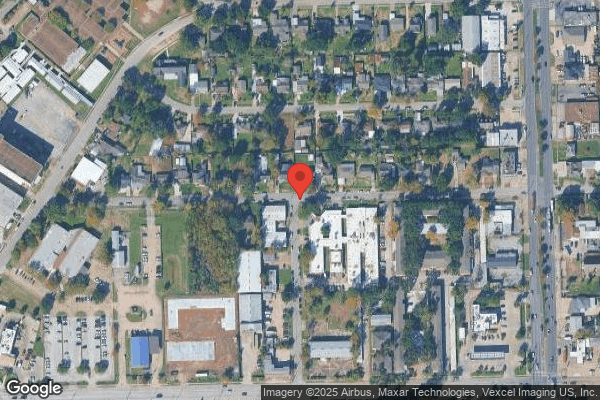
Mar 2023 1 deficiency
CONCERN (E) 📢 Someone Reported This

A family member, employee, or ombudsman was alarmed enough to file a formal complaint

Potential for Harm - no one hurt, but risky conditions existed

Medical Records (Tag F0842)

Could have caused harm · This affected multiple residents

**NOTE- TERMS IN BRACKETS HAVE BEEN EDITED TO PROTECT CONFIDENTIALITY** Based on observation, interview, and record review, the facility failed to maintain clinical records in accordance with accepted...

Read full inspector narrative →
**NOTE- TERMS IN BRACKETS HAVE BEEN EDITED TO PROTECT CONFIDENTIALITY** Based on observation, interview, and record review, the facility failed to maintain clinical records in accordance with accepted professional standards and practices that are complete and accurately documented for 3 of 5 residents (Resident #1, #2, and #3) reviewed for medication administration. The facility failed to ensure medications and treatments were documented as done in the Treatment Administration Record (TAR) and Medication Administration Record (MAR) for Residents #1, #2, and #3. This deficient practice placed residents who received medications and treatment from facility staff at risk of not getting the therapeutic benefits, and/or not receiving medications as ordered due to inaccurate documentations. Findings include: Resident #1 Record review of Resident #1's admission face sheet dated 3/7/2023 revealed he was a [AGE] year-old male who was admitted to the facility on [DATE]. His diagnoses included essential hypertension (high blood pressure), dilated cardiomyopathy (weakening of the heart muscle), Violent behavior, chronic systolic and diastolic heart failure, vascular dementia (memory loss, hyperlipidemia(high levels of fat in the blood), hemiplegia (paralysis on one side of the body) and hemiparesis (weakness on one side of the body) following cerebral infraction (stroke) affecting non-dominant side , end stage renal disease (when the kidneys are no longer remove waste from the blood), peripheral vascular disease (slow progressive circulation disorder) and atrial fibrillation (rapid heart rate). Record review of Resident #1's physician's order dated 12/14/2022 revealed the following orders: Atorvastatin 80mg give one by mouth at bedtime for hyperlipidemia. Rivaroxaban tablet 20mg give by mouth in the evening for chronic systolic and diastolic congestive heart failure. Divalproex Sodium ER 500mg give 1 tablet by mouth 2 times a day for violent behavior. Record review of Resident #1's Medication Administration Record dated February 2023 revealed that Divalproex, Rivaroxaban and Divalproex were not documented as given on 02/19/2023. Observation and interview on 3/7/2023 at 11:00 am revealed Resident #1 was up in his wheelchair and was alert and oriented. He was clean and groomed with no offensive odor. No aggressive behavior noted. Interview with Resident #1 at that time revealed that he always got his medications on time. He said he never misses his medications. Resident #2 Record review of Resident #2's admission face sheet dated 3/7/2023 revealed she was a [AGE] year-old female who was admitted to the facility on [DATE]. Her diagnoses included pain, morbid obesity (overweight with a 100 pounds over the recommended body weight), thrombocytopenia (low blood platelet count), chronic kidney disease, lymphedema (swelling in the arm or leg), essential hypertension (high blood pressure), osteoarthritis, and hyperlipidemia (high fat levels in the blood) and chronic systolic and diastolic congestive heart failure. Record review of Resident #2's physicians order dated 9/26/2022 revealed the following orders: Multi-Vitamins with minerals give one tablet by mouth in the morning for wound healing. Carvedilol tab 3.125 mg by mouth 2 times a day for essential hypertension. Atorvastatin Calcium tablet 40 mg 1 by mouth at bedtime for hyperlipidemia. Colace Capsule 100mg, give 1 capsule by mouth at bedtime for constipation. Furosemide Tablet 20mg by mouth in the morning for lymphedema. Physician's order dated 9/6/2023 for Robaxin 500mg give 1 tablet by mouth three times a day for knee pain. Physician order dated 11/02/2022 for Losartan Potassium Tablet 25mg give 1 by mouth one time a day in the morning for chronic systolic and diastolic congestive heart failure. Physician's order dated 11/23/2022 for Voltaren Gel 1% apply to affected area two times a day for pain. Physician's order dated 01/31/2023 for Polyethylene Glycol 3350 Powder 17gm/scoop give 17mg by mouth in the morning every other day for constipation. Record review of Resident #2's medication administration record for February 2023 revealed that the following: Multi-Vitamins with minerals, Losartan tablet and Furosemide Tablet 20mg was not documented as given on 2/4/2023, 2/17/2023 and 2/22/2023 Carvedilol tab 3.125 mg was not documented as given on 2/1/2023 in the evening, 2/4/2023 in the morning, 12/17/2023 and 2/22/2023 in the morning and evening. Atorvastatin Calcium 40mg, Robaxin 500mg and Colace capsule 100mg was not documented on 2/1/2023 and 2/17/2023 Voltaren Gel 1% was not documented as given on 2/01/2023 in the morning. Polyethylene Glycol 3350 Powder 17gm/scoop was not documented as given on 2/17/2023. Observation of Resident #2 on 3/7/2023 at 10:50am revealed the resident was in bed. She was clean and groomed with no offensive odor. Call light was within reached. During an interview on 3/7/2023 at 10:52am with Resident #2, she said she was well taken care and she had no problems with the care the staff provided. She said she had no problems getting her medications and she always got her medications on time. Resident #3 Record review of Resident #3's admission face sheet dated 3/7/2023 revealed he was [AGE] year-old male who was readmitted to the facility on [DATE]. His diagnoses included hyperlipidemia (high level of fats in the blood), end stage renal disease, essential hypertension (high blood pressure), diabetes mellitus, Type 11 with hyperglycemia (high blood sugar), muscle weakness, anemia (lack of healthy red blood cells), elevated white blood cells count, and insomnia (sleep disorder). Record review of Resident #3's physician's order dated 9/27/2022 revealed an order for: Aspirin 81 mg by mouth one time a day for anticoagulant. Calcitriol 0.25mcg give 1 by mouth one time a day for supplement. Cholecalciferol tablets give 400unit by mouth once a day for supplement. Gabapentin Capsule 300mg give one tablet by mouth at bedtime for neuropathy Nifedipine ER tablet 90mg give 1 tablet by mouth one time a day for channel blocker. Trazodone HCL tablet 50mg give 1 by mouth for insomnia. Carvedilol tablet 3.125 mg by mouth two times a day for essential hypertension. Colace Capsule 100mg give 1 capsule by mouth two times a day for bowel management. Furosemide tablet 40mg 1 tablet give 1 by mouth two times a day for edema. Clonidine HCL 0.1mg give 2 tablets by mouth three times a day for essential hypertension. Lantus SoloStar pen injector 100 unit/ml inject 20 unit subcutaneously at bedtime for diabetes. Record review of physician's order dated 01/09/2023 revealed an order Atorvastatin 10 mg give 1 tablet by mouth at bedtime for hyperlipidemia. Physician order dated 2/10/2023 for Lidocaine Patch 5% apply to right shoulder one time a day for pain. Physician order dated for 10/25/2022 for Nephro-Vite Tablet 0.8mg give 1 tablet by mouth at bedtime for end stage renal disease. Record review of the medication administration record for February 2023 revealed the following: Calcitriol 0.25mcg, Cholecalciferol tablets give 400unit, Nifedipine ER tablet 90mg, and Aspirin 81 mg were not documented as given on 2/17/2023 and 2/22/2023. Gabapentin Capsule 300mg, Atorvastatin 10 mg, Nephro-Vite 0.8mg Carvedilol tablet 3.125 mg, Colace capsule 100mg, Furosemide 40mg were not documented as given on 2/1/2023, 2/17/2023 and 2/22/2022. Clonidine HCL 0.1mg was not documented as given on 2/1/2023 at 5:00pm, on 2/4/2023 at 4:00pm, and they not documented as given all day on 2/17/2023 and 2/22/2023 all day. Trazodone HCL tablet 50mg was not documented as given on 2/1/2017, 2/17/2017 and 2/22/2023. Lantus SoloStar pen injector 100 unit/ml was not documented as given on 2/1/2023, 2/9/2023 and 2/17/2023. Lidocaine Patch 5% was not documented as removed on 2/1/2029 at 8:59PM. In an interview on 3/07/2023 at 10:15AM with the DON, she said Resident #3 will refused his medication at times depending on the nurse passing the medications. She said, otherwise he was very good with taking his medications. She said one time he was having issues with his medications on dialysis days, but they resolved that issue. Further interview at that time revealed that a lot of time, the nurses provide care but will not document. Record review of Resident #1, #2 and #3's progress notes for February and March revealed no documentation where the residents had refused to take their medications, or the residents were not in the building. Observation on 3/7/2023 at 10:40 am revealed Resident #3 was in his bed wrapped in his blanket. He was alert and oriented. No offensive odor detected. In an interview on 3/7/2023 at 10:45 am with Resident #3, he said that sometimes he does not get his medications on time. He said sometimes he would have to call the DON and Administrator for him to get his medications on time. He said it all depends on who works the floor, he would have no problem. In an interview on 3/7/2023 at 11:00 am with DON, regarding the blanks on the MARS, she stated that if medications were not given, they should document in the nurse's notes, call the doctor, and code the reason why the medications were not given. She said the expectation was for the nurses to document whether or not the medications were given. She also stated that medication administrations were within the nurses scope of practice and they should be documenting, because they are the ones who will be held responsible for the care and services they provide to residents. She said they had been in-services frequently and she will just have to in-service them again. In an interview on 03/07/2023 at 12:30 p.m. with LVN B she said when medications or treatments were given, the nurse or MA should initialed the MAR indicating that the medications were given. She said if the medications were not given, they should sign and document why they were not given and report to the nurse in charge. Record review of the facility's policies and procedures title Pharmacy Procedures Manual dated 10/01/2013 read in part . Procedure: 1. Facility staff should comply with facility policy, Applicable Law and the State Operations Manual when administering Medications. 6. After medication administration, Facility staff should take all measures required by Facility policy and applicable law, including but not limited to the following: 6.1 Document necessary medication administration/treatment information.
Feb 2023 1 deficiency
CONCERN (E) 📢 Someone Reported This

A family member, employee, or ombudsman was alarmed enough to file a formal complaint

Potential for Harm - no one hurt, but risky conditions existed

Pressure Ulcer Prevention (Tag F0686)

Could have caused harm · This affected multiple residents

**NOTE- TERMS IN BRACKETS HAVE BEEN EDITED TO PROTECT CONFIDENTIALITY** Based on observation, interview, and record review, the facility failed to ensure residents with pressure ulcers received necess...

Read full inspector narrative →
**NOTE- TERMS IN BRACKETS HAVE BEEN EDITED TO PROTECT CONFIDENTIALITY** Based on observation, interview, and record review, the facility failed to ensure residents with pressure ulcers received necessary treatment and services, consistent with professional standards of practice, to promote healing, prevent infection, and prevent new ulcers from developing for 2 of 10 residents (Resident #1 and Resident #2) reviewed for pressure ulcers. The facility failed to provide daily wound care treatments for Resident #1 and Resident #2 as ordered by their physicians. This failure could place residents with skin breakdown at risk of further skin injury and infection. Findings included: Resident #1 Record review of Resident #1's face sheet, dated 02/23/2023 revealed he was a [AGE] year-old male who was admitted to the facility on [DATE]. He was diagnosed with quadriplegia (paralysis of all four limbs), peripheral vascular disease (narrowing of blood vessels which reduce blood flow to the limbs), acute kidney disease (a condition in which the kidneys suddenly cannot filter waste from the blood), osteomyelitis of vertebra (inflammation of the bone caused by an infection), bipolar disorder (episodes of mood swings ranging from depressive lows to manic highs), stage 4 pressure ulcer of the ankle (full thickness tissue loss with exposed bone, tendon or muscle), non-pressure chronic ulcer of the right thigh, pressure ulcer of the right lower back, stage 4 pressure ulcer of the sacral region, stage 4 pressure ulcer of the left buttock, stage 4 pressure ulcer of the right heel, and stage 4 pressure of the left heel. Record review of Resident #1's MDS dated [DATE] revealed he had a BIMS score of 15 (cognitively intact); he did not reject care; he required extensive physical assistance from at least one staff for bed mobility, dressing, and personal hygiene; he was totally dependent on at least two staff for transfers and bathing; he was wheelchair bound; he had an indwelling catheter and colostomy; he received medications for occasional pain; he was at risk of developing pressure ulcers/injuries; he had one stage 3 pressure ulcer (full thickness tissue loss, subcutaneous fat may be visible but bone, tendon or muscle not exposed), and he had five stage 4 pressure ulcers/injuries (full thickness tissue loss with exposed bone, tendon or muscle). Record review of Resident #1's care plan, revised on 11/14/2022 revealed he was on antibiotic therapy due to a wound infection until 11/10/2022 (Goal: The resident will be free of any discomfort or adverse side effects of antibiotic therapy. Interventions: Administer antibiotic medications as ordered and observe side effects); he has stage 4 pressure ulcers to the sacrum, left lateral ischium, right posterior lateral heel, left posterior heel, right lateral foot, left lateral ankle and an unstageable wound to the right ischium (Goal: The resident's pressure ulcers will show signs of healing and remain free from infection. Interventions: Administer treatment as ordered and monitor for effectiveness, refer to wound physician as ordered, assess/record/monitor wound healing, assess, and document status of wound perimeter, follow facility policies/protocols for the prevention/treatment of skin breakdown, monitor nutritional status, obtain and monitor lab/diagnostic work as ordered, treat pain as ordered, and supplemental protein, amino acids, vitamins, minerals as ordered). Observation and interview with Resident #1 on 02/23/2023 at 9:10 a.m. revealed he was awake in bed on an air mattress. Resident #1 was alert and oriented to person, place, time, and happenings. Resident #1 stated he was admitted to the facility with wounds to his back side and to both feet. He said Treatment LVN A had already changed his dressings for the day, and he did not want to take the dressings off again for wound observation. He stated his wound dressings were being changed daily except on Mondays. Resident #1 said on the days his dressings were not changed, the nurses told him they did not have time to do wound care, or they did not have enough help. He stated he did not have any wound infections recently and he did not have any other negative outcomes from not having his wound dressings changed on Mondays. Observation of Resident #1's wound dressings (02/23/2023 at 9:18 a.m.) revealed the dates were current and the dressings were dry and intact on the right ischium, right and left feet, and left ischium/sacral area. Record review of Resident #1's Active physician's orders for February 2023 revealed the following: Cleanse left ischium wound with wound cleanser, apply SilvaKollagen Gel then calcium alginate, cover with dry dressing daily, every day shift for wound care. Order Status- Active. Order Date- 02/15/2023. Start Date-02/15/2023 Cleanse right heel wound with wound cleanser, apply SilvaKollagen Gel then calcium alginate, cover with dry dressing daily, every day shift for wound care. Order Status- Active. Order Date- 02/15/2023. Start Date-02/15/2023 Cleanse right medial ankle wound with wound cleanser, apply SilvaKollagen Gel then calcium alginate, cover with dry dressing daily, every day shift for wound care. Order Status- Active. Order Date- 02/15/2023. Start Date-02/15/2023 Cleanse sacral wound with wound cleanser, apply SilvaKollagen Gel then calcium alginate, cover with dry dressing daily, every day shift for wound care. Order Status- Active. Order Date- 02/15/2023. Start Date-02/15/2023 Record review of Resident #1's TAR for February 2023 revealed the following: Cleanse left ischium wound with wound cleanser, apply SilvaKollagen Gel and calcium alginate, cover with dry dressing daily, every day shift for wound care. Order Date- 01/26/2023. D/C date- 02/13/2023. Monday, 02/06/2023 was blank (indicating the treatment was not completed that day). Cleanse left ischium wound with wound cleanser, apply SilvaKollagen Gel then calcium alginate, cover with dry dressing daily, every day shift for wound care. Order Date- 02/15/2023. Monday, 02/20/2023 and Tuesday, 02/21/2023 were blank (indicating the treatment was not completed on those days). Cleanse right heel wound with wound cleanser, apply SilvaKollagen Gel then calcium alginate, cover with dry dressing daily, every day shift for wound care. Order Date- 01/26/2023. D/C date- 02/13/2023. Monday, 02/06/2023 was blank (indicating the treatment was not completed that day). Cleanse right heel wound with wound cleanser, apply SilvaKollagen Gel then calcium alginate, cover with dry dressing daily, every day shift for wound care. Order Date- 02/15/2023. Monday, 02/20/2023 and Tuesday, 02/21/2023 were blank (indicating the treatment was not completed on those days). Cleanse right medial ankle wound with wound cleanser, apply SilvaKollagen Gel then calcium alginate, cover with dry dressing daily, every day shift for wound care. Order Date- 01/26/2023. D/C date- 02/13/2023. Monday, 02/06/2023 was blank (indicating the treatment was not completed that day). Cleanse right medial ankle wound with wound cleanser, apply SilvaKollagen Gel then calcium alginate, cover with dry dressing daily, every day shift for wound care. Order Date- 02/15/2023. Monday, 02/20/2023 and Tuesday, 02/21/2023 were blank (indicating the treatment was not completed on those days). Cleanse sacral wound with wound cleanser, apply SilvaKollagen Gel then calcium alginate, cover with dry dressing daily, every day shift for wound care. Order Date- 02/15/2023. Monday, 02/20/2023 and Tuesday, 02/21/2023 were blank (indication the treatment was not completed on those days). Collagen Hydrolysate (Bovine) Powder. Apply to right ischium topically every day shift for wound care. Cleanse right ischium wound with wound cleanser, apply collagen powder, cover with dry dressing daily. Order Date- 02/15/2023. Monday 02/20/2023 and Tuesday, 02/21/2023 were blank (indicating the treatment was not completed on those days). Collagen Matrix (Bovine) 5x5cm. Apply to left heel topically every day shift for wound care. Cleanse left heel wound with wound cleanser, apply collagen powder/sheet and calcium alginate, cover with dry dressing daily. Order Date- 12/18/2022. D/C Date- 02/08/2023. Monday, 02/06/2023 was blank (indicating the treatment was not completed on that day). Collagen Matrix (Bovine) 5x5cm. Apply to right ischium topically every day shift for wound care. Cleanse left heel wound with wound cleanser, apply collagen powder/sheet and calcium alginate, cover with dry dressing daily. Order Date- 12/18/2022. D/C Date- 02/13/2023. Monday, 02/06/2023 was blank (indicating the treatment was not completed on that day). Collagen Matrix (Bovine) 5x5cm. Apply to sacrum topically every day shift for wound care. Cleanse sacral wound with wound cleanser, apply collagen powder/sheet and calcium alginate, cover with dry dressing daily. Order Date- 12/18/2022. D/C Date- 02/13/2023. Monday, 02/06/2023 was blank (indicating the treatment was not completed on that day). Xeroform Petrolat Gauze 1x8 External Miscellaneous (Bismuth Tribromophenate-Petrolatum) Apply to left heel topically every day shift for wound care. Cleanse left heel wound with wound cleanser. Apply xeroform, cover with dry dressing daily. Order Date- 02/15/2023. Monday 02/20/2023 and Tuesday, 02/21/2023 were blank (indicating the treatment was not completed on those days). Record review of Resident #1's wound care physician's notes, dated 02/22/2023 revealed the following: Focused Wound Exam (Site 5) - Stage 4 Pressure Wound, Sacrum Full Thickness . Wound Progress: Improved. Focused Wound Exam (Site 18) - Stage 4 Pressure Wound of the Left Ischium Full Thickness . Wound Progress: Improved. Focused Wound Exam (Site 20) - Stage 4 Pressure Wound of the Left Posterior Heel Full Thickness . Wound Progress: Improved. Focused Wound Exam (Site 22) - Stage 4 Pressure Wound of the Right Ischium Full Thickness . Wound Progress: Improved. Focused Wound Exam (Site 26) - Stage 4 Pressure Wound of the Right Posterior Heel Full Thickness . Wound Progress: Improved. In an interview with Charge Nurse B on 02/23/2023 at 1:45 p.m., she stated the facility had a full-time treatment nurse when she was hired in October 2022. Charge Nurse B said the treatment nurse worked on weekends and several other days during the week. She said she completed wound care treatments on her assigned hall when Treatment LVN A was not there. She said the DON also did wound care. Charge Nurse B said when Resident #1 got up before lunch, the DON did his wound care because she (Charge Nurse B) had to pass medications and could not do wounds and medications. Charge Nurse B said if Resident #1 wanted his wounds done between 2:00 p.m. and 10:00 p.m. (Charge Nurse B worked from 6:00 a.m. until 6:00 p.m.), she (Charge Nurse B) could do them. She said she had been the charge nurse on Resident #1's hall all week since Monday, 02/20/2023. Charge Nurse B said she was not the wound care nurse and doing wound care was not in her job description, so when she could get to Resident #1, she did his wounds. She said when Resident #1 could not wait on her, then he just got up without wound care. Charge Nurse B said it was not her job to do wound care and those (doing resident wound care) were extra. Charge Nurse B said wound care was not on her agenda Monday, 02/20/2023 or Tuesday, 02/21/2023. She said she did not complete any of the 7-8 wounds on her hall on Monday, 02/20/2023 or Tuesday, 02/21/2023 and she did not communicate with the DON to let her know wound care had not been completed. Charge Nurse B said when she did wound care, she documented the treatments in each resident's TAR. She said she knew the treatment nurse worked on Wednesdays and on weekends, but she did not keep up with everybody's schedules. She said she did wounds at her own leisure when they needed to be done. She said if the treatment nurse was not there, the DON did wound care. Charge Nurse B said the only time she did Resident #1's wound care was when he wanted it done between 2:00 p.m. and 10:00 p.m. She said the DON never told her it was her (Charge Nurse B) responsibility to do wound care when the treatment nurse was not there (even though Charge Nurse B already said she did wound care when the treatment nurse was not there earlier in the interview). She said she did not know whose responsibility wound care was when the treatment nurse was not there, but it was not hers. Charge Nurse B said she had previously worked as a treatment nurse, and she knew how important it was for residents to receive wound care every day the physician's order was in place. She said if wound care was not completed daily, a resident could experience infection and death. Charge Nurse B said if the wound care treatment was easy or she could do it during a diaper change, she did the treatment, but she could not take three hours out of her day to do wounds with her other responsibilities. Charge Nurse B said again that wound care was not her job. Resident #2 Record review of Resident #2's face sheet dated 02/23/2023 revealed she was a [AGE] year-old female who was admitted to the facility on [DATE]. She was diagnosed with dementia (a group of thinking and social symptoms with brain functions, such as memory loss and judgement), stage 3 (full thickness tissue loss, subcutaneous fat may be visible but bone, tendon or muscle not exposed) pressure ulcer of the left hip, dysphagia (difficulty swallowing), diaper dermatitis (a patchwork of inflamed, bright red skin on the buttocks), osteomyelitis (inflammation of the bone caused by an infection), acute kidney failure (a condition in which the kidneys suddenly cannot filter waste from the blood), stage 4 pressure (full thickness tissue loss with exposed bone, tendon or muscle) ulcer of the sacral region, contracture (condition of shortening and hardening of muscles, tendons, or other tissue, leading to deformity and rigidity of joints) of the left hip and left knee, psychotic disorder with delusions (when a person has unshakeable belief in something implausible, bizarre, or obviously untrue), hemiplegia (paralysis of one side of the body), and hemiparesis (partial weakness). Record review of Resident #2's MDS dated [DATE] revealed she had a BIMS score of 0 (severe cognitive impairment); she did not reject care; she was totally dependent on at least one staff for bed mobility, transfers, locomotion, dressing, eating, toilet use, personal hygiene, and bathing; she was wheelchair bound; she had an indwelling catheter; she received scheduled pain medication; and she had two stage 4 pressure ulcers. Record review of Resident #2's care plan revised on 04/20/2022 revealed she had an unplanned/unexplained weight loss (Goal: The resident will regain lost weight through the review date. Interventions: Give the resident supplements if ordered. If weight decline persists, contact physician and dietician immediately. Observe any weight loss. Determine percentage lost and follow facility protocol for weight loss); she requires tube feedings due to inadequate po intakes (Goal: Resident will remain free of side effects or complications related to tube feedings. Interventions: Check for tube placement and gastric contents/residual volume. Listen to lung sounds. Monitor/document/report PRN and s/sx. Obtain and monitor lab/diagnostic work as ordered. Provide local care to G-Tube site); she has pressure ulcers: Stage 4 sacrum, Stage 4 left hip, skin teat left buttock (Goal: Resident will have an improvement in wound care. Resident's pressure ulcer will show healing without complication. Interventions: Observe for signs and symptoms of infection. Complete Braden Scale per policy. Conduct weekly skin inspection. Do not massage over bony prominences. Float heels. Nutritional and hydration support. Podiatry consult. Provide pressure reduction/relieving mattress. Provide thorough skin care after incontinent episodes and apply barrier cream. Skin assessments to be completed per policy. Treatments as ordered. Weekly Wound assessment); and she is a high risk for pressure ulcers due to disease processes, CVA, PAD, and immobility (Goal: Resident's pressure ulcers will show signs of healing and remain free from infection. Interventions: Administer medications as ordered. Assess/record/monitor wound healing weekly, measure length, width, and depth. Monitor dressing every shift to ensure it is intact and adhering. Report lose dressing to Treatment nurse. Resident requires supplemental protein, amino acids, vitamins, minerals as ordered. Therapy to pick up for functional care and repositioning. Treat pain as ordered). Observation and interview with Resident #2 on 02/23/2023 at 10:30 a.m. revealed she was resting in bed to her right side on an air mattress with pillows between her legs. Resident #2 was awake, but unable to communicate. Observation at that time of the dressing to resident left hip revealed it was intact and dry. The date on the dressing read 02/22/2023. Observation of the wound revealed two open areas. The top open area was pink in color with no drainage, and the bottom wound bed had some sloughing (dead skin separating from living tissue). Observation of Resident #2's sacral wound revealed the dressing was dated 02/22/2023. The dressing was dry and intact. Observation of the sacral wound bed site revealed the color was red, with no sloughing, drainage, or odor. Observation of Resident #2's wound care with Treatment LVN A revealed all physician's orders were followed. Record review of Resident #2's active physician's orders for February 2023 revealed the following: Anasept Antimicrobial External Gel 0.057% (Sodium Hypochlorite) Apply to sacrum topically every day shift for wound care. Cleanse left hip wound with wound cleanser, apply Anasept Gel and Collagen Powder then calcium alginate, cover with dry dressing daily. Order date- 02/08/2023. Start Date- 02/08/2023. Anasept Antimicrobial External Gel 0.057% (Sodium Hypochlorite) Apply to left hip topically every day shift for wound care. Cleanse left hip wound with wound cleanser, apply Anasept Gel and Collagen Powder then calcium alginate, cover with dry dressing daily. Order date- 02/09/2023. Start Date- 02/09/2023. Record review of Resident #2's TAR for February 2023 revealed the following: Anasept Antimicrobial External Gel 0.057% (Sodium Hypochlorite) Apply to left hip topically every day shift for wound care. Cleanse left hip wound with wound cleanser, apply Anasept Gel and Collagen Powder then calcium alginate, cover with dry dressing daily. Order date- 02/09/2023. Monday, 02/13/2023, Tuesday, 02/14/2023, and Tuesday 02/21/2023 were blank (indicating the treatment was not completed on those days). Anasept Antimicrobial External Gel 0.057% (Sodium Hypochlorite) Apply to sacrum topically every day shift for wound care. Cleanse left hip wound with wound cleanser, apply Anasept Gel and Collagen Powder then calcium alginate, cover with dry dressing daily. Order date- 02/08/2023. Start Date- 02/08/2023. Monday, 02/13/2023, Tuesday, 02/14/2023, and Tuesday 02/21/2023 were blank (indicating the treatment was not completed on those days). Calcium Alginate External Miscellaneous (Calcium Alginate) Apply to left buttock topically every day shift for wound care. Cleanse left buttock wound with wound cleanser, apply calcium alginate, cover with dry dressing daily until resolved. Order Date- 02/05/2023. D/C Date- 02/15/2023. Monday, 02/06/2023, Tuesday, 2/07/2023, Monday, 02/13/2023, and Tuesday, 02/14/2023 were blank (indicating treatments were no completed on those days). Cleanse sacral wound with wound cleanser, apply SilvaKollagen Gel then calcium alginate, cover with dry dressing daily, every day shift for wound care. Order Date- 01/26/2023. D/C Date- 02/08/2023. Monday, 02/06/2023 and Tuesday, 02/07/2023 ere blank (indicating treatments were not completed on those days). Collagen Matrix Sheet 5x5 cm. Apply to left hip topically every day shift for wound care. Cleanse left hip wound with wound cleanser, apply collagen powder/sheet then calcium alginate, cover with dry dressing daily. Order Date- 01/04/2023. D/C Date- 02/09/2023. Monday, 02/06/2023 and Tuesday, 02/07/2023 ere blank (indicating treatments were not completed on those days). Record review of Resident #2's wound care physician's notes dated 02/22/2023 revealed the following: Focused Wound Exam (Site 2) - Stage 4 Pressure Wound, Sacrum Full Thickness . Wound Progress: Improved. Focused Wound Exam (Site 9) - Stage 4 Pressure Wound of the Left Hip Full Thickness . Wound Progress: Improved. In an interview with Treatment LVN B on 02/23/2022 at 10:45 a.m., she stated she worked part-time at the facility since 2002. She said she recently started working as the treatment nurse on Wednesdays, Thursdays, and Fridays in addition to her usual weekends (the only days she did not work as the treatment nurse was on Mondays and Tuesdays), after the previous treatment nurse left. Treatment LVN B said the DON and the other nurses did wound care treatments on the days she was not there. She said there were fifteen residents with wounds in the building and only four of them developed in-house. Treatment LVN B said the wound care physician visited on Wednesdays or Thursdays. In an interview with the DON on 02/23/2023 at 1:25 p.m., she stated blanks on a resident's TAR indicated someone forgot to sign for the treatment, or someone did not do the treatment. She said the facility was looking to hire a full-time treatment nurse and one of the unit managers just started that role on 02/21/2023. The DON said she (the DON) or the charge nurses should do wound care on the days the treatment nurse was not in the building. The DON said she instructed the nurses to do wound care for their assigned residents when the treatment nurse was not there unless she informed them (the nurses), she (the DON) would do them. She said the only way she would have known wound care had not been done was if she went behind the nurses to check. The DON said she did not check the residents' TARs to ensure wound care had been done. The DON said Charge Nurse B was assigned to Resident #1 on the days his TAR was blank, and she should have completed his wound care on those days. The DON said neither Resident #1, Resident #2, nor any other resident experienced any negative outcomes from not having daily wound care. In a follow-up interview with the DON on 02/23/2023 at 2:45 p.m., she stated she definitely instructed all nurses to complete wound care for their assigned residents when the treatment nurse was not there. The DON stated she would investigate immediately and address the issue with the facility nurses. Record review of facility policy titled, Skin Care Guideline dated July 2018 revealed, Purpose: To provide a system for evaluation of skin to identify risks and identify individual interventions to address risk and a process for care of changes/disruption in skin integrity. Process: . DNS (DON) or designee will be responsible to implement and monitor the skin integrity program . When an open area is identified: Implement resident specific interventions immediately: . Document evaluation of wound in electronic medical record .
Feb 2023 5 deficiencies
CONCERN (D) 📢 Someone Reported This

A family member, employee, or ombudsman was alarmed enough to file a formal complaint

Potential for Harm - no one hurt, but risky conditions existed

ADL Care (Tag F0677)

Could have caused harm · This affected 1 resident

**NOTE- TERMS IN BRACKETS HAVE BEEN EDITED TO PROTECT CONFIDENTIALITY** Based on observation, interview, and record review, the facility failed to provide the necessary services to maintain good nutri...

Read full inspector narrative →
**NOTE- TERMS IN BRACKETS HAVE BEEN EDITED TO PROTECT CONFIDENTIALITY** Based on observation, interview, and record review, the facility failed to provide the necessary services to maintain good nutrition for a resident who is unable to carry out activities of daily living for 1 of 15 Residents (Resident #1) reviewed for ADL care. The facility failed to provide Resident #1 with assistance with his meals. This failure could affect residents who need assistance with and place them at risk of not having their care needs met. Finding Include: Record review of Resident #1's face sheet, dated 2/7/23, indicated a [AGE] year-old male with an admission date of 12/7/22. Diagnoses included Unspecified Abnormalities of Gait and Mobility (problems with walking and moving), Unspecified Lack of Coordination (loss of muscle control), Cognitive Communication Deficit (difficulty with thinking and language), Type II DM with Diabetic Neuropathy (insufficient production of insulin causing high BS with nerve damage), Mixed Hyperlipidemia (high cholesterol levels), Unspecified Dementia (symptoms that affect memory, thinking, and interferes with daily life), Hypertensive Heart Disease without Heart Failure (heart problems occurring from persistent high blood pressure), Bilateral Osteoarthritis of Knee (cartilage in both knee joints break down and bones rub together), and muscle weakness. Record review of Resident #1's admission MDS dated [DATE] revealed a BIMS score of 13 out of 15 indicating cognition was intact. Further review revealed in section G for functional status for eating as limited assistance with one-person physical assist. Record Review of Resident #1's care plan revised on 1/16/23 revealed for ADL care for eating as the intervention as limited assistance by 1 staff to eat. Record Review of Resident #1's progress note dated 12/20/22 revealed a diagnosis of Parkinson's Disease (general muscle rigidity) and dysphagia (difficulty swallowing foods or liquids) and was on a modified diet. Record Review of Resident #1's admission clinical health status evaluation dated 12/7/22 revealed needed physical assistance required with eating. Observation on 1/28/23 at 11:06 AM of Resident #1 in his room. He was sitting in a chair, and he was alone in the room. He had the bedside rolling table in front of him with his breakfast tray. There was food in his beard and food all over the tray and floor. There was spilled juice on the table and floor. He requested assistance to get into bed. Interview with CNA #1 on 1/28/23 at 11:35 AM, she said she works on both hallway 1 and hallway 2. She said there were 28 residents on hallway 1 and 10 on hallway 2. She said she makes rounds when she can. The last time she remembered she was on hallway 2 to assist residents was at 7 AM. She had been back on hallway 1 assisting residents but could not remember when that was. She has not assisted Resident #1. She and the nurse were the only ones on these 2 halls to assist. Interview with RN #1 on 2/7/23 at 1:10 PM, she said Resident #1 can feed himself. We will help if he needs it. She said somedays he wants assistance and other times he does not. She was unaware about him needing supervision or supposed to be assisted. She said they just help him if he asks. Interview with the DON on 2/7/23 at 1:50 PM, she said if the care plan says to assist with meals, then the staff should assist him. If he has dysphagia, he should be supervised. They need to follow his care plan and assessments for his ADLs. If a resident had dysphagia, then they could choke. Staff should know what the residents' ADL status was. They should be aware of the care plan. Record review of facility position description for CNA dated May 2019, read in part, .to perform or assist the resident with completing Activities of Daily Living (ADL). Record review of facility policy, Dining and Meal Service, dated January 1, 2017, read in part, .assistance at mealtime must be appropriate for individual needs.
CONCERN (D) 📢 Someone Reported This

A family member, employee, or ombudsman was alarmed enough to file a formal complaint

Potential for Harm - no one hurt, but risky conditions existed

Deficiency F0805 (Tag F0805)

Could have caused harm · This affected 1 resident

**NOTE- TERMS IN BRACKETS HAVE BEEN EDITED TO PROTECT CONFIDENTIALITY** Based on observations, interviews, and record reviews, the facility failed to provide each resident with food prepared to meet i...

Read full inspector narrative →
**NOTE- TERMS IN BRACKETS HAVE BEEN EDITED TO PROTECT CONFIDENTIALITY** Based on observations, interviews, and record reviews, the facility failed to provide each resident with food prepared to meet individual needs, for 1 of 15 residents (Resident #1) reviewed diets. The facility failed to ensure Resident #1 received a therapeutic diet of mechanical soft with puree meat texture, mildly thick/nectar like consistency for liquids as ordered by physician. This deficient practice could affect residents by placing them at risk of malnutrition, loss of weight and complications from choking or problems swallowing. Findings include: Record review of Resident #1's face sheet, dated 2/7/23, indicated a [AGE] year-old male with an admission date of 12/7/22. Diagnoses included Unspecified Abnormalities of Gait and Mobility (problems with walking and moving), Unspecified Lack of Coordination (loss of muscle control), Cognitive Communication Deficit (difficulty with thinking and language), Type II DM with Diabetic Neuropathy (insufficient production of insulin causing high BS with nerve damage), Mixed Hyperlipidemia (high cholesterol levels), Unspecified Dementia (symptoms that affect memory, thinking, and interferes with daily life), Hypertensive Heart Disease without Heart Failure (heart problems occurring from persistent high blood pressure), Bilateral Osteoarthritis of Knee (cartilage in both knee joints break down and bones rub together), and muscle weakness. Record review of Resident #1's admission MDS dated [DATE] revealed a BIMS score of 13 out of 15 indicating cognition was intact. Further review revealed in section G for functional status for eating as limited assistance with one-person physical assist. Record Review of Resident #1's care plan revised on 1/16/23 revealed resident had potential nourishment problem r/t regular and mechanical soft with puree meat texture diet initiated on 12/20/22 and the intervention was to provide and serve diet as ordered. Record review on Resident #1's physician orders with start date of 12/14/22 revealed a regular diet that was mechanical soft with puree meat texture, mildly thick/nectar like consistency for liquids. Record Review of Resident #1's Physician's progress note dated 12/20/22 revealed a diagnosis of Parkinson's Disease (general muscle rigidity) and dysphagia (difficulty swallowing foods or liquids) and was on a modified diet. Observation on 1/28/23 at 11:06 AM of Resident #1 in his room. He was sitting in a chair, and he was alone in the room. He had the bedside rolling table in front of him with his breakfast tray. There was eggs in his beard and food all over the tray and floor. There was spilled juice on the table and floor. He requested assistance to get into bed. Record review of Resident #1's kitchen order/ meal ticket revealed he was receiving a regular diet with no modifications. Interview with [NAME] #1 on 1/29/23 at 10:07 AM, she said Resident #1 was on a regular diet with no modifications. She said that was on the meal ticket and what was served. We just follow the meal ticket. The Dietary Manager received the orders. Interview with Dietary Manager on 1/29/23 at 1:50 PM, she said Resident #1's diet was regular with no modifications. She was unable to locate any documentation to show his diet had changes. She was not manager at the time that his diet was ordered in December. She said they were to get the order changes from nursing and then she would change it into the computer. This then would be printed on the meal ticket. Interview with the DON and RN #1 on 1/29/23 at 2:00 PM, showed the documentation for a mechanically soft/pureed meals ordered on 12/14/22. They said he received his diet according to his order. They were not aware that it was not a therapeutic diet that he was receiving. They had not reviewed his diet. They did not realize he had a change and was not to receive a regular diet. They just matched the ticket with the meal that was being served. Interview with Dietary Aide on 1/29/23 at 2:17 PM, she said she served Resident #1 a regular diet. That was what was on his meal ticket. Interview with RN #1 on 2/7/23 at 1:10 PM, she said Resident #1 was safe with his eating. She said he did not need assistance. She said they just match the meal ticket with the food on the tray. She was not sure what his diet was, but we assist him, and it is safe. She said the process for making sure the kitchen had diet orders was to give the change orders to the kitchen when a diet was changed. She was unaware of his change in diet. Interview with DON on 2/7/23 at 1:50 PM, she said the nurse was to put new diet orders in PCC and then give a copy to dietary of the order. Dietary then should change the diet on the meal ticket. She said something dropped if his order changed and the kitchen did not change it. He could choke if not a proper diet. Record review of facility policy, Dining and Meal Service, dated January 1, 2017, read in part, .Individuals will be provided with nourishing, palatable, attractive meals that meet daily nutritional and special dietary needs, and .Food will be at the proper texture/consistency to meet each individual's needs and desires . Record review of facility policy, Therapeutic Diets, revised 9/2017, read in part, .All residents have a diet order . prescribed by the attending physician. And .Procedures. 1. The Licensed Nurse accepts the diet order from the authorized prescriber. 2. The Licensed Nurse completes and signs the diet requisition form, including the diet order, food allergies, and specific food preference requests. 3. Diets are prepared in accordance with the guidelines in the approved diet manual and the individualized plan of care.
CONCERN (E) 📢 Someone Reported This

A family member, employee, or ombudsman was alarmed enough to file a formal complaint

Potential for Harm - no one hurt, but risky conditions existed

Deficiency F0760 (Tag F0760)

Could have caused harm · This affected multiple residents

**NOTE- TERMS IN BRACKETS HAVE BEEN EDITED TO PROTECT CONFIDENTIALITY** Based on observation, interview, and record review, the facility did not ensure residents were free from any significant medicat...

Read full inspector narrative →
**NOTE- TERMS IN BRACKETS HAVE BEEN EDITED TO PROTECT CONFIDENTIALITY** Based on observation, interview, and record review, the facility did not ensure residents were free from any significant medication errors for 2 of 15 residents (Resident #8 and Resident #1), reviewed for significant medication errors. The facility failed to hold Resident #8 and Resident #1's Insulin medication (which lowers BS) on numerous occasions for the month of January, when there was an order to hold the Insulin per the parameters and the residents had a BS below the safe parameter for administration. This failure could place residents at risk for discomfort and jeopardize his or her health and safety. Findings included: Record review of Resident #8's face sheet, dated 2/7/23, indicated she is [AGE] years old, and re-admitted on [DATE] with diagnoses including Chronic Obstructive Pulmonary Disease (chronic obstructed airflow from the lungs), Malignant Pericardial Effusion (accumulation of fluid surrounding the heart), Chronic Diastolic Congestive Heart Failure (heart can't pump enough blood into the body), Chronic Kidney Disease (gradual loss of kidney function), Prosthetic Heart Valve (artificial valve in the heart), Anemia (decrease in red blood cells that carry oxygen through your body), Muscle Weakness, Tachycardia (high heart rate), Shortness of Breath, Hypertension (high blood pressure), Type II DM (insufficient production of insulin, causing high blood sugar), Repeated Falls, and Cerebral Infarction (stroke). During observation and interview on 1/29/23 at 11:50am Surveyor observed RN A washed her hands for 5-7 seconds, applied gloves, cleansed Resident #8's finger with an alcohol pad, pricked her finger with a needle, and then checked Resident #8's BS with a glucometer. Surveyor observed glucometer and BS was 124. Surveyor observed RN A removed gloves, applied sanitizer, and then went back into room and gave Resident her nebulizer treatment. RN A did not give any Insulin at that time. RN A stated she was going to wait and give the Resident's Insulin once the lunch tray arrived because the resident had an issue with her blood sugar dropping. RN A would come get Surveyor when the lunch tray got there. During observation and interview on 1/29/23 at 12:20pm RN A and Surveyor, reviewed Humulin R Insulin order in EMR for Resident #8. Order stated Humulin R Solution (Insulin Regular Human), Inject 8u SQ with meals, give in addition to sliding scale orders. Surveyor observed a more hyperlink at the bottom of the Insulin order, however RN A stated there wasn't any other information under there. Surveyor observed RN A apply sanitizer and gloves, wipe the top of the Humulin R Solution with alcohol, draw up 8u of air and inject it back into the vial, and then draw up 8u of insulin into syringe. Surveyor observed the syringe and confirmed with RN A that 8u were in the syringe. RN A proceeded into Resident #8's room with syringe of Insulin and an alcohol pad. Resident #8 was observed sitting on the edge of her bed. Surveyor then observed RN A wipe Resident #8's right arm with an alcohol pad, pinch the fat on the back of her right arm, and was in the process of bringing the syringe to the Resident's arm and about to inject Resident #8, when Surveyor stopped RN A and had her step out of the room. Surveyor directed RN A to look at the Insulin order again in the EMR and click on the more link. RN A clicked on more and parameters for the Insulin came up, that said to hold if BS was less than 200. RN A stated the BS for Resident #8 was 124. RN A stated regarding the parameters, that she did hold the Insulin, until the lunch tray came, and they're not going to recheck the blood sugar again so it's ok for her to give it now. Surveyor reiterated the order indicated to hold the insulin if the blood sugar was less than 200. RN A kept saying that she did hold the Insulin because she didn't give it before the lunch tray came, and that she would give it later. RN A stated that she had been working for the facility for about 6 months, and she understood hypoglycemia (low BS) could occur if Insulin was given when it was not required, which could be serious. The Insulin was not administered to Resident #8. Record review of Resident #8's physician's orders revealed an order dated 6/18/22, for Humulin R Solution (Insulin Regular Human) Inject 8u SQ with meals, give in addition to sliding scale orders, hold for BS less than 200. There was also an order dated 4/5/22, for Humulin R Solution 100u/ml (Insulin Regular Human), inject as per sliding scale: if 0-200 = 0 units < 200 = no coverage; 201-250 = 2 units; 251-300 = 4 units; 301-350 = 6 units; 351-400 = 8 units; 401-500 = 10 units BS > 500 CALL NP, SQ before meals and at bedtime. An order dated 9/24/22, for Lantus Solution 100 unit/ml (Insulin Glargine), inject 15u SQ in the morning for hyperglycemia (high BS). Record review also revealed an order dated 12/23/21 for BS checks AC and HS, and an order dated 10/23/20 for a limited concentrated sweets diet. Record review of Resident #8's MAR for January 2023 printed on 2/7/23, revealed administration of Humulin R Solution 8u, outside of ordered parameters on multiple dates including: 1/1/23 at 0800 and 1800, 1/15/23 at 1800, 1/21/23 at 0800, 1/22/23 at 0800 and 1200, 1/27/23 at 0800 and 1200, 1/28/23 at 0800, and 1/29/23 at 0800. Record review of Resident #8's BS history for January 2023 printed on 2/7/23, revealed BS below the ordered parameters for each corresponding date the Insulin was given. The record revealed the BS was 143 on 1/1/23 at 0703 and BS was 173 at 1800, BS was 154 on 1/15/23 at 1702, BS was 95 on 1/21/23 at 0800, BS was 110 on 1/22/23 at 0800 and BS was 126 at 1254, BS was 150 on 1/27/23 at 0834 and BS was 103 at 1243, BS was 187 on 1/28/23 at 0630, and BS was 150 on 1/29/23 at 0845. There weren't any documented effects of Resident #8 in the facility's system, from the Insulin administration. Initials for RN A were listed on some of the dates above. Record review of Resident #8's Care Plan revised on 2/8/22, indicated the resident had a diagnosis of DM and took Insulin for control. Resident will have no complications related to diabetes through the review date: Check all of body for breaks in skin and treat promptly as ordered by doctor. Diabetes medication as ordered by doctor. Monitor/document for side effects and effectiveness. Dietary consult for nutritional regimen and ongoing monitoring. Fasting serum blood sugar as ordered by doctor. Monitor/document/report PRN any signs/symptoms of hyperglycemia (high BS); increased thirst and appetite, frequent urination, weight loss, fatigue (extreme tiredness), dry skin, poor wound healing, muscle cramps, abdominal pain, Kussmaul breathing (deep, labored breathing), acetone breath (smells fruity), stupor (near unconscious), coma. Monitor/document/report PRN and signs/symptoms of hypoglycemia (low BS); sweating, tremor (uncontrolled shaking), tachycardia (increased heart rate), pallor (pale), nervousness, confusion, slurred speech, lack of coordination, staggering gait (unbalanced walking). Offer substitutes not eaten. Refer to podiatrist/foot care nurse to monitor/document foot care and to cut long nails. Record review of Resident #8's Quarterly MDS dated [DATE], indicated a BIMS of 15 out of 15 (cognition intact), a diagnosis of DM, order for therapeutic (diabetic) diet, and she received Insulin injections. Record review of Resident #8's hospital transfer sheet dated 11/2/21 indicated resident was sent to the hospital for AMS and hypoglycemia (low BS) from 10/31/21 to 11/2/21, and then was sent back to facility. No other hospital records from the visit were found in the facility system. In an interview with Resident #8 on 1/29/23 at 2:30pm Resident stated her BS's dropped all the time, randomly, and not at certain times of the day. Resident #8 told Surveyor she would notice when her BS would start to drop and would have the nurse check it and give her a snack. Resident #8 also mentioned she's had to go to the hospital several times because her BS got too low, and the last time was a few months ago. No records found in EMR. In an interview with DON on 1/29/23 at 1:55pm, she said Insulin could cause problems with the Resident and they could become hypoglycemic (low BS) if it was given when it was not needed. The DON read the Insulin parameters for Resident #8 and stated it meant to give 8u of Insulin if the BS was above 200. The DON stated Insulin should not have been given for a BS of 124 and that was a serious mistake. The DON stated she was going to go talk to the nurses at that moment. According to the DON, the Insulin order had a parameter order with it that informs staff when to give Insulin and when not to give Insulin. The DON said since the order was confusing and Resident #8's BS had been low anyways; she was going to check with the physician about discontinuing the order for the Insulin. Record review of Resident #1's face sheet, dated 2/7/23, indicated he was [AGE] years old with an admission date of 12/7/22. Diagnoses included Unspecified Abnormalities of Gait and Mobility (problems with walking and moving), Unspecified Lack of Coordination (loss of muscle control), Cognitive Communication Deficit (difficulty with thinking and language), Type II DM with Diabetic Neuropathy (insufficient production of insulin causing high BS with nerve damage), Mixed Hyperlipidemia (high cholesterol levels), Unspecified Dementia (symptoms that affect memory, thinking, and interferes with daily life), Hypertensive Heart Disease without Heart Failure (heart problems occurring from persistent high blood pressure), Bilateral Osteoarthritis of Knee (cartilage in both knee joints break down and bones rub together), and muscle weakness. Record review of Resident #1's physician orders revealed an order dated 12/8/22, for Lantus Solution 100 unit/ml (Insulin Glargine) Inject 20u SQ in the morning. An order dated 1/4/23 for Novolog Solution (Insulin Aspart) Inject 5u SQ BID with BF and dinner, hold BS less than 120 and if skip meals. Physician's orders also revealed an order for limited concentrated sweets, dated 12/4/22. Record review of Resident #1's MAR for January 2023, printed 2/7/23, revealed administration of Novolog 5u, outside of ordered parameters on multiple dates including: 1/6/23 at 0800, 1/7/23 at 0800, 1/9/23 at 0800, 1/10/23 at 0800, 1/12/23 at 1800, 1/15/23 at 0800, 1/21/23 at 0800, and 1/25/21 at 0800. Record review of Resident #1's BS history for January 2023, printed on 2/7/23, revealed BS below the ordered parameters for each corresponding date the Novolog was given. The record revealed BS was 117 on 1/6/23 at 0812, BS was 116 on 1/7/23 at 0850, BS was 107 on 1/9/23 at 0859, BS was 113 on 1/10/23 at 0727, BS was 118 on 1/12/23 at 1646, BS was 109 on 1/15/23 at 1009, BS was 104 on 1/21/23 at 0820, and BS was 112 on 1/25/23 at 0729. There weren't any documented effects of Resident #1 in the facility's system, from the Insulin being administered. Initials for RN A and LVN A were listed on some of the dates above. Record review of Resident #1's admission MDS dated [DATE], indicated a BIMS of 15 out of 15 (cognition intact), a diagnosis of DM and a history of a diabetic foot ulcer, and he received Insulin injections. Record review of Resident #1's Care Plan, revised on 1/16/23, indicated he had DM with a goal to have no complications through the review date: Diabetes medication as ordered by doctor. Observe for side effects and effectiveness. Resident #1 was in the hospital and could not be observed or interviewed. In a phone interview with LVN A on 2/7/23 at 2:13pm, she stated her process for giving Insulin was she checked the order first to see if there was a sliding scale or parameters, before giving it. LVN A disagreed with Surveyor that she had given Insulin outside of parameters for Resident #1, even though her initials were on the MAR report for several dates. When provided with information that she had given Insulin to Resident #1 when the BS was 109 and 110 and the parameter was to hold for BS less than 120, LVN A said she didn't think so. LVN A stated symptoms of low blood sugar could occur if Insulin was given when the BS was low. Record review of the facility's Pharmacy Services and Procedures for subcutaneous injections, dated 1/1/22, described appropriate methods of medication administration. According to the procedures listed, 1. stated, Verify medication order on MAR, check against physician order. Record review of the facility's General Dose Preparation and Medication Administration, revised 1/1/13, indicated the policy sets forth the procedures relating to general dose preparation and medication administration. According to the procedure, the Facility staff should verify that the medication name and dose are correct . Prior to administration of medication, Facility staff should take all measures required by Facility policy and Applicable Law, including, but not limited to the following: Verify each time a medication is administered that it is the correct medication, at the correct dose, at the correct route, at the correct rate, at the correct time, for the correct resident .Confirm that the MAR reflects the most recent medication order.
CONCERN (E) 📢 Someone Reported This

A family member, employee, or ombudsman was alarmed enough to file a formal complaint

Potential for Harm - no one hurt, but risky conditions existed

Deficiency F0919 (Tag F0919)

Could have caused harm · This affected multiple residents

**NOTE- TERMS IN BRACKETS HAVE BEEN EDITED TO PROTECT CONFIDENTIALITY** Based on observation, interview and record review the facility failed to be adequately equipped to allow residents to call for s...

Read full inspector narrative →
**NOTE- TERMS IN BRACKETS HAVE BEEN EDITED TO PROTECT CONFIDENTIALITY** Based on observation, interview and record review the facility failed to be adequately equipped to allow residents to call for staff assistance through a communication system which relays the call directly to a staff member or to a centralized staff work area for 10 of 15 residents (Residents #1, #2, #3, #4, #5, #6, #7, #8, #9, #10) reviewed for resident call system. The facility failed to redirect calls for assistance from the 10 residents on hallway 2 to a centralized staff work area where the call light could be seen or heard. This failure placed residents at risk of being unable to contact staff directly and obtain timely assistance when needed or in the event of an emergency. Findings include: Record review of Resident #1's face sheet indicated a [AGE] year-old male with an admission date of 12/7/22. Diagnoses included abnormalities of gait and mobility (problems with walking and moving), lack of coordination (loss of muscle control), cognitive communication deficit (difficulty with thinking and language), Type II DM with diabetic neuropathy (insufficient production of insulin causing high BS with nerve damage), hyperlipidemia (high cholesterol levels), dementia (symptoms that affect memory, thinking, and interferes with daily life), hypertensive heart disease (heart problems occurring from persistent high blood pressure), bilateral osteoarthritis of knee (cartilage in both knee joints break down and bones rub together), and muscle weakness. Record Review of Resident #1's progress note dated 12/20/22 revealed a diagnosis of Parkinson's Disease (general muscle rigidity) and dysphagia (difficulty swallowing foods or liquids) and was on a modified diet. Record review of Resident #1's admission MDS dated [DATE] revealed a BIMS score of 13 out of 15 indicating cognition was intact. Further review revealed in section G for functional status all ADLs need 1-person physical assist. Resident #1 had impairment on both upper and lower extremities. Resident used a walker. Resident was frequently incontinent. Record Review of Resident #1's care plan revised on 1/16/23 revealed for ADL care that resident needed assistance by 1 staff due to Parkinson's disease. Resident was high risk for falls due to Parkinson's disease and intervention was to have call light within reach to use and resident needed prompt response to all requests. Record review of Resident #2's face sheet indicated a [AGE] year-old male with an admission date of 12/14/22. Diagnoses included hemiplegia and hemiparesis on left side following cerebral infarction (weakness on one side due to stroke), hypertension (high blood pressure), acquired absence of left leg above knee (amputation), vascular dementia (symptoms that affect memory, thinking and interferes with daily life), and atrial fibrillation (irregular heartbeat). Record review of Resident #2's quarterly MDS dated [DATE] revealed a BIMS score of 14 out of 15 indicating cognition was intact. Further review of section G revealed resident 2 person assist for transfers and 1 person assist for bed mobility, dressing, toileting, and personal hygiene. Resident had limitation of range of motion on lower extremity. Resident used a wheelchair. Resident was frequently incontinent. Record review of Resident #2's care plan revised on 1/16/23 revealed that resident needed ADL assistance due to left side weakness, amputated leg, and dementia. Care plan stated he needed assistance for all ADLs. Resident was high risk for falls and intervention was to have call light within reach to use and resident needed prompt response to all requests. Resident had incontinence and was to be checked every 2 hours to assist with toileting as needed. Resident had chronic pain and interventions included to respond immediately to any complaint of pain. Record review of facility's incident and accident log dated 1/28/23 revealed Resident #2 had a fall on 1/18/22. No injury occurred. Further review revealed Resident was heading to the nurses' station to get help because he needed to be changed. Record review of Resident #3's face sheet indicated a [AGE] year-old male with an admission date of 1/17/23. Diagnoses included chronic obstructive pulmonary disease (chronic obstructed airflow from the lungs), dysphagia (difficulty swallowing), hypertension (high blood pressure), chronic kidney disease (gradual loss of kidney function), hypoxemia (low concentration of oxygen) and fatigue. Record review of Resident #3's admission MDS dated [DATE] revealed a BIMS score of 13 out of 15 indicating cognition was intact. Further review of section G revealed all ADLs were a 1 person assist except for eating. Resident used a wheelchair. Record review of Resident #4's face sheet indicated a [AGE] year-old male with an admission date of 1/17/23. Diagnoses included displaced bicondylar fracture of left tibia (severe breaks in leg), cognitive communication deficit ((difficulty with thinking and language), muscle weakness, anemia, and lack of coordination. Record review of Resident #4's admission MDS dated [DATE] revealed a BIMS score of 14 out of 15 indicating cognition was intact. Further review revealed Resident was highly impaired with vision. Section G revealed all ADLs were a 1 person assist. Resident had limitation in range of motion in lower extremities and used a wheelchair. Resident was occasionally incontinent. Record review of Resident #4's physician orders revealed he was on blood thinner, apixaban, started on 1/17/23 and he was on diuretic, Lasix, started on 1/17/23. Record review of Resident #5's face sheet indicated a [AGE] year-old male with an admission date of 1/3/23. Diagnoses included malignant neoplasm of prostate (cancer), Type II DM (insufficient production of insulin, causing high blood sugar), major depressive disorder, hypothyroidism (low thyroid), urinary tract infection, and hypertension (high blood pressure). Record review of Resident #5's quarterly MDS dated [DATE] revealed a BIMS score of 14 out of 15 indicating cognition was intact. Further review of section g G revealed a 1 person assist for bed mobility, dressing, toileting, and hygiene. Resident used a walker. Resident is occasionally incontinent of bladder and frequently of bowel. Record review of Resident #5's care plan revised on 1/11/23 revealed ADL assistance for bed mobility, dressing, hygiene, and toilet use. Resident was at risk for falls due to gait and balance problems and the intervention is to put call light within reach and the resident needed prompt response to all requests for assistance. Resident is on pain medication therapy r/t chronic pain, osteoarthritis (wearing down of tissue at the ends of bones and worsens over time) and inventions included monitor/document side effects and effectiveness. Record review of Resident #6's face sheet indicated an [AGE] year-old female with an admission date of 1/27/22. Diagnoses included paranoid schizophrenia (chronic and severe mental disorder), bipolar disorder (mental disorder with depression and mania), Parkinson's disease (disorder of the central nervous system), anxiety, hypertension (high blood pressure), and Type II DM (insufficient production of insulin, causing high blood sugar). Record review of Resident #6's quarterly MDS dated [DATE] revealed a BIMS score of 0. It was not completed. Resident was independent on all ADLs. Resident used a cane or walker. Resident was always continent. Record review of Resident #6's care plan revised on 12/14/22 revealed resident was at risk for elopement. She wore a wander guard. (band worn to assist resident from elopement from the facility) Resident had a risk of falls and call light was to be within reach and needed prompt response to all requests for assistance. Resident had actual fall on 1/11/22. Resident was independent with ADL's but did require supervision due to performance deficit Parkinson's and seizure. Record review of Resident #7's face sheet indicated a [AGE] year-old female with an admission date of 2/18/21. Diagnoses included atrial fibrillation (irregular heartbeat), hypertension (high blood pressure), hypothyroidism (low thyroid), muscle weakness, heart failure, and tachycardia (high heart rate). Record review of Resident #7's annual MDS dated [DATE] revealed a BIMS score of 10 indicating moderate impairment to cognition. Resident needed assistance on dressing, toileting, and hygiene. Resident used a walker. Resident had urinary incontinence occasionally. Record review of Resident #8's face sheet indicated a [AGE] year-old female with an admission date of 6/26/22. Diagnoses included chronic obstructive pulmonary disease (chronic obstructed airflow from the lungs), malignant pericardial effusion (accumulation of fluid surrounding the heart), congestive heart failure (heart can't pump enough blood into the body), chronic kidney disease (gradual loss of kidney function), muscle weakness, tachycardia (high heart rate), hypertension (high blood pressure), Type II DM (insufficient production of insulin, causing high blood sugar), repeated falls, and cerebral infarction (stroke). Record review of Resident #8's quarterly MDS dated [DATE] revealed a BIMS score of 15 out of 15 indicating cognition was intact. Further review revealed ADLS were independent except for dressing and hygiene. Resident used a walker or a wheelchair. Resident was frequently incontinent of bowel and had occasional urinary incontinence. Record review of Resident #8's care plan revised 11/5/20 revealed ADLs needed assistance for dressing, bed mobility, hygiene, and supervision for toileting. Resident had previous falls related to poor balance. Last fall was 11/9/22. Interventions included to call for assistance. Resident is on diuretic therapy and interventions included monitor/document/report PRN adverse reactions: dizziness, postural hypotension (low blood pressure when standing up form sitting or lying down), fatigue, and an increased risk for falls. Resident had chronic pain and nurse needed to monitor/record/report complaints of pain or requests for pain medications. Record review of Resident #9's face sheet indicated a [AGE] year-old female with an admission date of 6/8/22. Diagnoses included Alzheimer's disease (destroys memory and mental functions), dysphagia (difficulty swallowing), fatigue, lack of coordination and muscle weakness. Record review of Resident #9's quarterly MDS dated [DATE] revealed a BIMS score of 6 indicating cognition was severely impaired. Further review of section g G revealed all ADLs were assisted by 1 person except for eating. Resident used a wheelchair. Resident was always incontinent. Record review of Resident #9's care plan revised on 12/1/22 revealed all ADLs were needing assistance by 1 staff. Eating said requires supervision. Resident was at a risk for falls due to unawareness to safety needs. Intervention was to have call light within reach and needed prompt response to all requests for assistance. Record review of Resident #10's face sheet indicated a [AGE] year-old male with an admission date of 6/9/22. Diagnoses included Alzheimer's disease (destroys memory and mental functions), heart failure, hypertensive heart disease (heart problems occurring from persistent high blood pressure), hearing loss, muscle weakness, lack of coordination and osteoarthritis (degenerative joint disease). Record review of Resident #10's quarterly MDS dated [DATE] revealed a BIMS score of 9 indicating cognition was moderately impaired. Further review of section g revealed resident needed 1 person assist with bed mobility, dressing and hygiene. Resident used walker and wheelchair. Resident was always continent. Record review of Resident #10's physician orders revealed he was on blood thinner, apixaban, started on 9/23/22 and he was on diuretic, Lasix, started on 9/23/22. Record review of Resident #10's care plan revised on 12/30/22 revealed ADLs required supervision except for dressing, and bed mobility. Resident was at high risk for falls and interventions were to have call light within reach and prompt response to all requests for assistance. Further review revealed he was on diuretic therapy and interventions included to observe/report PRN adverse reactions: dizziness, postural hypotension (low blood pressure when standing up form sitting or lying down), fatigue and an increased risk for falls. Resident was on anticoagulant therapy and interventions included to observe/report PRN: sudden severe headaches, blurred visions, short of breath and lethargy. Observation and interview on 1/28/23 at 11:06 AM revealed Resident #2 was sitting in his wheelchair at the corner of the intersection of hallway 2 and the cross hallway. He said he needed assistance to be changed. Observation of hallway revealed no staff present and one call light on. Surveyor entered room to put on call light for Resident #2 who was sitting in the hallway and requested help. On entering room Resident #1 was observed sitting in a chair alone with a breakfast tray in front of him. Resident had food in his beard, spilled drink and food on the tray and floor. He said he needed help to get back in bed. Call light was next to him, but he had not pushed it. Interview on 1/28 /23 at 11:08 AM Resident #2 said he needed help and could I help him. Resident said they do not come when the call light was used. He asked me to help him again. Call light was hanging on privacy curtain next to Resident. Call light button was pushed. Observation and Interview on 1/28/23 at 11:15 AM Resident #3 and Resident #4 were sitting in their room with the call light on. Resident #3 said the call light had been on for a while. He was unsure of how long. Resident #4 was agreeing with him and complaining about getting help. He said we need help and they never come. Residents said they could not remember why they put the call light on since it had been a while since they pushed the button. Observation on 1/28/23 at 11:20 AM revealed no staff in the hallway or in any rooms on hallway 2. The dining room was at the end of the hallway and there were no staff or residents observed there. Observation on 1/28/23 at 11:23 AM revealed the call lights for Resident #1 and Resident #3 were still on. Surveyor went back to check on Resident #1. He was still sitting in his chair and was trying to scoot the chair and he was restless. He requested again for surveyor to assist him and said he just wanted to get into bed. Surveyor exited room and observed no staff in the hall. Interview on 1/28/23 at 11:24 AM RN #2 said the staff from the 100 hall monitored the 200 hall and handled the call lights. Observation on 1/28/23 at 11:25 AM as surveyor was passing 200 hall there was still no staff on the hall and call lights for Resident #1 and Resident #4 were still on. There were no staff in the 200 hall or on the hallway that crossed it. Interview and Observation on 1/28/23 at 11:26 AM RN #1 said call lights were at the nurses' stations. She showed me the call lights on the wall. They were only call lights for hallway 100. When asked about the 200 hall, she said they were at that nurses' station around the corner and at the end of 200 hall. Observation on 1/28/23 at 11:27 AM Surveyor went down the cross over hallway to 200 and turned and went down to the nurses' station at the end of the hall. There was no staff at the station. The station had no paperwork or computers or any items to show the station was being used. The call light system was on the wall and Resident #1 and Resident #3 had the call lights on and were beeping. The nurses' station could not be observed from any of the other nurses' stations or staffed hallways. Surveyor monitored the sound of the beeping call light. After moving about 15 feet from the nurses' station for hallway 2, the beeping could no longer be heard. The call light board could not be seen from hallway 1. Interview on 1/28/23 at 11:30 AM RN #1 said the staff on hallway 100 were responsible for hallway 200. She said both CNA's and nurses can answer call lights. She said she cannot see the call lights on hallway 200 or the nurses' station on hallway 200. She said they do rounds but could not tell how often. She said they have 1 nurse and 1 CNA for both halls. We usually have 2 nurses and 1 CNA. We are scheduled for both hallway 1 and 2, but we are stationed on hallway 1. When asked about when last time was rounds on the 200 hall, she said less than 30 minutes. Surveyor asked about observation of call lights on for the past 30 minutes and observed no staff on the hall. RN made no comment. Observation on 1/28/23 at 11:33 AM with RN#1 revealed the call lights for Resident #1 and Resident #3 were still on. When asked about them being answered in a timely manner. She did not answer. Interview on 1/28/23 at 11:35 CNA #1 who was in room [ROOM NUMBER] changing sheets said she worked both hallways. She said today there are 28 residents in hallway 100 and 10 in 200. She said she made rounds to both hallways and gets to hallway 200 when she can. She said she arrived at 6 AM and started hallway 100. She then went to hallway 200 at 7 AM. She then came back to hallway 100 to finish. She was unsure of how long she was on hallway 200. She said she has been assisting residents with incontinent care, dressing and now she was doing sheets. She was unsure of when she had been on hallway 200 last. She said it had been a while. She said she was the only CNA scheduled for both hallways. She said if she sees or hears a call light she goes in immediately, but she cannot see or hear the lights on the 200 hall when she is on the 100 hall. She had to be on the hallway to know a call light was on. Interview on 1/28/23 at 12:48 PM the DON said there was no staff assigned to hallway 200. She said she did not have or see any concerns with no staff on that hallway. She said the staff from 100 hall make rounds, but she was not specific on timing or when the rounds were done. She said there were 2 staff today for both hallways. She said she was unaware of any residents having to wait or needs not being met. She said they should be, and she believed they were answered timely. Yes, they should be answered timely for safety of the residents. She said they have not had any problems with this staffing, and it has been this way since she had been there from the previous April 2022. Observation on 1/28/23 at 1:28 PM revealed no staff on hallway 200. Interview on 1/28/23 at 1:30 PM Resident #8 said she was independent, and she did not use her call light. She said if I need anything, I get my walker and go get help. I go to the hallway 100 to find help. She said she helped her roommate instead of her roommate using the call light. Attempt to interview on 1/28/23 at 1:34 PM Resident #6 yelled at surveyor to get out and would not talk to surveyor. Interview on 1/28/23 at 1:41 PM Resident #5 said he called the front desk with his cell phone when he needed help. He said he has a call light, but it was easier to use the phone. He said then he knew someone was coming. They did not answer the call lights. He said he had lots of pain with his cancer and the medications do not work very well. Observation on 1/28/23 at 1:45 PM revealed no staff in hallway 200. Record review of staffing schedule for hallway 200 revealed no one was scheduled to work the 200 hall for any shift on schedule dated 1/27/23, 1/28/23 and 1/29/23. The census for these days in the 200 hall was 10 residents each day. Observation on 1/29/23 at 5:11 AM revealed no staff on hallway 200 or at the nurses' station and residents were sleeping. Interview on 1/29/23 at 5:20 AM LVN B said there are 2 staff for hallways 100 and 200. He said they do rounds, but not clear how often. He had no concerns with residents not having staff on that hall. He was answering call lights on hallway 100 currently. There was no staff on hallway 200. Observation on 1/29/23 from 5:20 AM to 5:50 AM no staff was seen on hallway 200. There was no staff at the nurses' station where the call lights signal board was. Interview on 1/29/23 at 5:38 AM LVN B said Resident #1 went to the hospital with shortness of breath, fever, and possible septic the previous night at 10:00 PM. Record review of progress notes and interact transfer stated resident went to hospital at 10 PM via 911 and ambulance. Further review found statements given on 1/30/23 by LVN B stated CNA notified him that the resident was coughing. LVN B went into room, and he was having trouble breathing. Further evaluation was done and 911 was called. Statement given on 1/30/23 by CNA #5 stated she was making her last rounds and heard someone coughing. She went into the room and Resident #1 was not breathing well. Interview on 1/29/23 at 8:33 AM Resident #2 said Resident #1 was choking last night and he had to yell for help. He was unable to say how long he was yelling before help came. Interview on 1/29/23 at 5:50 AM Administrator said she was doing all she can to hire new staff. They have bonuses offered and they have some new staff starting the following week. She said she did not see any concerns with hallway 200. She said the staff covers the hallway and anyone can answer the call light. No one had told her there were any problems. She did not monitor but did not see or hear of any concerns. Observation on 1/29/23 from 8:30 AM to 9:10 AM no staff was seen on hallway 200. Observation and Interview on 1/29/23 at 9:10 AM Residents #8 and #10 were putting their breakfast trays away into the kitchen rollaway cart for trays. Resident #8 said she just helped the staff and she said Resident #10 just liked doing it. Resident #2 asked me to get his breakfast tray so he could put it away. When asked about the staff, he said it takes forever for them to come and get the trays. Observation and interview on 1/29/23 at 9:16 AM, Resident #3 had his call light on. Resident was gasping for air and breathless when attempting to speak. He said he was waiting for the nurse to come put the water on his oxygen tank. At 9:20 AM, the DON came in with the water but needed the connector and left again. She did not ask why the light was on. When asked about his breathing, she said that was the way he always was. At surveyor's request, oxygen was taken, and it was 93%. When asked about how the staff knew to help the residents or see this resident was short of breath, she said the staff make rounds and check on these residents. There was no set time for rounds. We have had no problems. Observation on 1/29/23 at 9:25 AM, Resident #4 was assisted to the restroom. Observation on 1/29/23 at 9:45 AM call light was seen on for the bathroom for Resident #4. CNA #1 was seen coming around the corner from hallway 100 with the breakfast trays rolling care. As she turned the corner, she saw the light and answered at 9:58 PM. Interview on 1/29/23 at 10:05 AM CNA #1 said she comes and does rounds with the hallway 200. She said she saw it when she came around the corner and she answered it. She refused to answer surveyors' question about if she had not been taking the cart back when the call light would have been answered. She just said we answer when we see it. Interview on 1/29/23 at 10:08 AM Resident #8 said she did hear yelling last night, but she did not pay attention to it. They were always yelling for help next door. Interview on 1/29/23 at 1:00 PM CNA #1 said she has 28 residents today on hallway 1 and are more in need of care. The residents on hall 2 were more alert and able to ask for what they need. She thought there were about 8 residents on halll 2. She has no concerns with any problems happening to residents. She said they know to use the call light and will use when there was no staff on the hall. Then when staff sees the light, they come get her. Or when she does her rounds, she will see the light and answer. She said there was no specific time interval for rounds. Surveyor asked what happens when call lights were not answered in a timely manner and resident needs assistance. CNA #1 shrugged and shook her head. She said she was doing her best to work the halls. Interview on 1/29/23 at 1:08 PM Administrator was asked about a policy or protocol for call lights. She said they did not have a specific one for call lights. She agains said she had not heard or seen any problems with the call lights. She had no concerns. Record review of facility position description for CNA dated May 2019, read in part .key responsibilities. 1. To perform or assist the resident with completing Activities of Daily Living. 2. Responds to resident call lights to provide maximum comfort, safety, and privacy Record review of facility policy, Resident's Rights and Quality of Life effective 5/1/12 read in part, .A resident has a right to receive services in a facility environment that is safe
MINOR (C) 📢 Someone Reported This

A family member, employee, or ombudsman was alarmed enough to file a formal complaint

Minor Issue - procedural, no safety impact

Staffing Information (Tag F0732)

Minor procedural issue · This affected most or all residents

Based on observation and interview the facility failed to post information daily regarding registered nurses, licensed practical nurses or licensed vocational nurses, and certified nurse aides. The fa...

Read full inspector narrative →
Based on observation and interview the facility failed to post information daily regarding registered nurses, licensed practical nurses or licensed vocational nurses, and certified nurse aides. The facility failed to post the total number of hours worked for licensed nurses and certified nurse aides on the daily census on January 20th, 21st, 22nd, 23rd, 26th, 27th and the 28th. This failure could place residents at risk of being unaware of the facility daily staffing requirements. Findings include: An observation of the wall opposite the DON's office on 01/28/23 at 12:40 PM revealed a Nursing Staffing Data Sheet dated 01/25/23. Surveyor pulled sheets out and there was a sheet dated 1/19/23 and 1/24/25. There were no completed sheets for the 1/20/23, 1/21/23, 1/22/23, 1/23/23, 1/26/23, 1/27/23 and 1/28/23. An interview on 2/28/23 at 12:48 PM, the DON stated it was her responsibility to change the posting and it was to be done daily. She said the Saturday was missing and she was working on the system to have someone put it out if I am not here. She was not sure why the other sheets were missing. They should be there for the residents and families to know how many staff were available for care. An interview on 2/7/23 at 2:15 PM, the Administrator stated they follow the state regulation on postings for nursing and they did not have a specific policy.
Nov 2022 2 deficiencies
CONCERN (D)

Potential for Harm - no one hurt, but risky conditions existed

Comprehensive Assessments (Tag F0636)

Could have caused harm · This affected 1 resident

**NOTE- TERMS IN BRACKETS HAVE BEEN EDITED TO PROTECT CONFIDENTIALITY** Based on observation, interview and record review the facility failed to conduct initially and periodically a comprehensive, acc...

Read full inspector narrative →
**NOTE- TERMS IN BRACKETS HAVE BEEN EDITED TO PROTECT CONFIDENTIALITY** Based on observation, interview and record review the facility failed to conduct initially and periodically a comprehensive, accurate, standardized reproducible assessment of each resident's functional capacity for 3 of 21 residents reviewed (Resident #59, & #110) reviewed for comprehensive assessments and timing. 1. The facility failed to ensure Resident #59's most recent comprehensive MDS accurately reflected her condition of her oral cavity. 2. The facility failed to ensure Resident #83's most recent comprehensive MDS accurately reflected her mental condition. 3. The facility failed to ensure Resident #110's most recent comprehensive MDS accurately reflected her condition of her oral cavity. These failures could place residents at risk of not receiving the proper care required to attain or maintain the highest practicable physical, mental, and psychosocial well-being. The findings were: 1. Record review of Resident #59's face sheet, dated 11/09/22, revealed a [AGE] year-old female admitted to the facility on [DATE]. Her diagnoses included Alzheimer's disease (A type of brain disorder that causes problems with memory, thinking and behavior), Pain, muscle weakness and dementia (A group of symptoms that affects memory, thinking and interferes with daily life) Record review of Resident #59's admission MDS, dated [DATE], revealed, Section L-Oral dental status was assessed as none of the above which indicated she had all her natural teeth; it was not noted her teeth had obvious or likely cavity or broken natural teeth. Observation and interview on 11/08/22 at 12:00 PM, revealed Resident #59 was in her room waiting for her lunch. Resident #59 was observed with broken and loose teeth. Resident #59 said she still had some of her natural teeth but would like to see a dentist if she could. 2. Record review of Resident #83's face sheet, dated 11/09/22, revealed an [AGE] year-old female admitted to the facility on [DATE]. Her diagnoses included bipolar disorder (a mental health condition that causes extreme mood swings that include emotional highs), paranoid schizophrenia (a kind of psychosis, which means the the mind doesn't agree with reality) , cognitive communication deficit (difficulty with any aspect of communication), lack of coordination and generalized anxiety. Record review of Resident #83's annual MDS, dated [DATE], revealed her BIMs was 15, which indicated she was cognitively intact. Section A-1500 resident review for PASRR-revealed it was checked 0 reflected Resident #83 did not have the diagnoses of mental illness. Record review of Resident #83's PASRR level 1 screening, dated 10/14/20, revealed Resident #83 was positive for mental illness. Record review of Resident #83's PASRR level II screening, dated 11/23/20, revealed Resident #83 was positive for a mental illness of Schizophrenia. 3. Record review of Resident #110's face sheet, dated 11/09/22, revealed a [AGE] year-old male admitted to the facility on [DATE]. His diagnoses included Cerebral Infraction (stroke - occurs when the blood supply to part of the brain is interrupted or reduced, preventing brain tissue from getting oxygen), muscle weakness, type 2 diabetes, essential hypertension (High blood pressure), and lack of movement . Record review of Resident #110's admission MDS, dated [DATE], revealed his BIMs was 15, which indicated he was cognitively intact. Section L-Oral dental status was assessed as none of the above which indicated he had all of his natural teeth. Observation and interview on 11/09/22 at 2:00 PM, revealed Resident #110 was alert and oriented. Resident #110 had no upper teeth. Resident #110 said he left his dentures at home. He said he had a stroke and was taken to the hospital. He said it was his plan to go back home to his apartment soon. He said he tried to do with what he had. During an interview with the MDS Coordinator on 11/10/22 at 11:45 AM, he said he was responsible for completing the MDS and assuring the MDS reflected the Resident's condition. He said he was new to the position. He said he did not complete the MDS but would re-assessed all identified residents and correct the MDS to reflect their dental needs. Interview on 11/10/22 at 2:40 PM, the Administrator revealed the facility followed the RAI manual for assessing all residents . She said the facility had gone through staff changes over the past few months. Review of the CMS RAI Version 3.0 Manual dated October 2019, stated in part, the RAI helps nursing home staff in gathering definitive information on a resident's strengths and needs, which must be addressed in an individualized care pln. It also assists staff with evaluation goal achievement and revising care plans accordingly by enabling the nursing home to track changes in the resident's status. An RAI must be completed for any resident residing in a facility including short-term and respite residents residing for more than 14 days.
CONCERN (D)

Potential for Harm - no one hurt, but risky conditions existed

Comprehensive Care Plan (Tag F0656)

Could have caused harm · This affected 1 resident

**NOTE- TERMS IN BRACKETS HAVE BEEN EDITED TO PROTECT CONFIDENTIALITY** Based on interview and record review, the facility failed to develop and implement a comprehensive person-centered care plan for...

Read full inspector narrative →
**NOTE- TERMS IN BRACKETS HAVE BEEN EDITED TO PROTECT CONFIDENTIALITY** Based on interview and record review, the facility failed to develop and implement a comprehensive person-centered care plan for each resident, consistent with resident rights which included measurable objective and timeframes to meet a resident's medical, nursing, and mental, and psychosocial needs that were identified in the comprehensive assessment for 2 of 21 residents (Residents #83 and #110) reviewed for care plans. 1. The facility failed to develop and implement care plans for Resident #83's for the triggered care area of communication. 2. The facility failed to develop a care plan for Resident #110 to include the triggered care areas of cognitive loss, behavioral symptoms, Nutritional status, and dehydration. These failures could place residents at risk for not receiving care and services to meet their needs. Findings include: 1. Record review of Resident #83's face sheet, dated 11/09/22, revealed an [AGE] year-old female admitted to the facility on [DATE]. Her diagnoses included bipolar disorder, (current episode mixed, severe with psychotic feature), paranoid schizophrenia, cognitive communication deficit (difficulty with any aspect of communication), lack of coordination and generalized anxiety. Record review of Resident #83's admission MDS assessment, dated 05/05/22, reflected Section V, CAAs, communication was triggered. Record review of Resident #83's care plan, dated 10/27/22 and updated 09/22/22, revealed there was no care plan for communication . 2. Record review of Resident #110's face sheet, dated 11/09/22, revealed a [AGE] year-old male admitted to the facility on [DATE]. His diagnoses included Cerebral Infraction (stroke - occurs when the blood supply to part of the brain is interrupted or reduced, preventing brain tissue from getting oxygen), muscle weakness, type 2 diabetes, essential hypertension (High blood pressure), and lack of movement. Record review of Resident #110's admission MDS assessments, dated 08/16/22, reflected Section V, CAAs cognitive loss, behavioral symptoms, nutritional status and dehydration were triggered. Record review of Resident #110's care plan, dated 08/26/22, with a revision date of 11/28/22, revealed there was no care plan for the triggered areas of cognitive loss, behavioral symptoms, nutritional status and dehydration. During an interview with the MDS Coordinator on 11/10/22 at 11:45AM, he said he was responsible for completing the care plans using the MDS CAAs assessment area. He looked at the MDS and care plan for Resident #110 and gave no answer. He said he did not complete the care plan. He said it was completed before he started the position. He said he would update the care plans as indicated . Record review of the facility provided policy, dated May 1, 2012, titled Comprehensive Care Plan, read in part: Practice Guidelines: 1 The interdisciplinary care plan is implemented to guide health care center staff in the provision of necessary care and services to obtained and maintain the highest practicable physical, mental, and psychological wellbeing of resident and promotion of the resident and family in planning care. 2 The interdisciplinary team communicates mental and psychosocial problems, needs and concerns to the care planning team for inclusion in the plan of care.
Understanding Severity Codes (click to expand)
Life-Threatening (Immediate Jeopardy)
J - Isolated K - Pattern L - Widespread
Actual Harm
G - Isolated H - Pattern I - Widespread
Potential for Harm
D - Isolated E - Pattern F - Widespread
No Harm (Minor)
A - Isolated B - Pattern C - Widespread

Questions to Ask on Your Visit

  • "What changes have you made since the serious inspection findings?"
  • "Why is there high staff turnover? How do you retain staff?"
  • "Can I speak with families of current residents?"
  • "What's your RN coverage like on weekends and overnight?"

Our Honest Assessment

Strengths
  • • Licensed and certified facility. Meets minimum state requirements.
Concerns
  • • Multiple safety concerns identified: 6 life-threatening violation(s), 2 harm violation(s). Review inspection reports carefully.
  • • 32 deficiencies on record, including 6 critical (life-threatening) violations. These warrant careful review before choosing this facility.
  • • $19,861 in fines. Above average for Texas. Some compliance problems on record.
  • • Grade F (0/100). Below average facility with significant concerns.
Bottom line: This facility has 6 Immediate Jeopardy findings. Serious concerns require careful evaluation.

About This Facility

What is Afton Oaks Nursing Center's CMS Rating?

CMS assigns Afton Oaks Nursing Center an overall rating of 1 out of 5 stars, which is considered much below average nationally. Within Texas, this rating places the facility higher than 0% of the state's 100 nursing homes. A rating at this level reflects concerns identified through health inspections, staffing assessments, or quality measures that families should carefully consider.

How is Afton Oaks Nursing Center Staffed?

CMS rates Afton Oaks Nursing Center's staffing level at 1 out of 5 stars, which is much below average compared to other nursing homes. Staff turnover is 55%, which is 9 percentage points above the Texas average of 46%. High turnover can affect care consistency as new staff learn residents' individual needs. RN turnover specifically is 69%, which is notably high. RNs provide skilled clinical oversight, so turnover in this role can affect medical care quality.

What Have Inspectors Found at Afton Oaks Nursing Center?

State health inspectors documented 32 deficiencies at Afton Oaks Nursing Center during 2022 to 2025. These included: 6 Immediate Jeopardy (the most serious level, indicating potential for serious harm or death), 2 that caused actual resident harm, 23 with potential for harm, and 1 minor or isolated issues. Immediate Jeopardy findings are rare and represent the most serious regulatory concerns. They require immediate corrective action.

Who Owns and Operates Afton Oaks Nursing Center?

Afton Oaks Nursing Center is owned by a for-profit company. For-profit facilities operate as businesses with obligations to shareholders or private owners. The facility is operated by DIVERSICARE HEALTHCARE, a chain that manages multiple nursing homes. With 169 certified beds and approximately 112 residents (about 66% occupancy), it is a mid-sized facility located in Houston, Texas.

How Does Afton Oaks Nursing Center Compare to Other Texas Nursing Homes?

Compared to the 100 nursing homes in Texas, Afton Oaks Nursing Center's overall rating (1 stars) is below the state average of 2.8, staff turnover (55%) is near the state average of 46%, and health inspection rating (1 stars) is much below the national benchmark.

What Should Families Ask When Visiting Afton Oaks Nursing Center?

Based on this facility's data, families visiting should ask: "What changes have been made since the serious inspection findings, and how are you preventing similar issues?" "How do you ensure continuity of care given staff turnover, and what is your staff retention strategy?" "Can you walk me through typical staffing levels on day, evening, and night shifts?" "Can I visit during a mealtime to observe dining assistance and food quality?" These questions are particularly relevant given the facility's Immediate Jeopardy citations, the facility's high staff turnover rate, and the below-average staffing rating.

Is Afton Oaks Nursing Center Safe?

Based on CMS inspection data, Afton Oaks Nursing Center has documented safety concerns. Inspectors have issued 6 Immediate Jeopardy citations (the most serious violation level indicating risk of serious injury or death). The facility has a 1-star overall rating and ranks #100 of 100 nursing homes in Texas. Families considering this facility should ask detailed questions about what corrective actions have been taken since these incidents.

Do Nurses at Afton Oaks Nursing Center Stick Around?

Staff turnover at Afton Oaks Nursing Center is high. At 55%, the facility is 9 percentage points above the Texas average of 46%. Registered Nurse turnover is particularly concerning at 69%. RNs handle complex medical decisions and coordinate care — frequent RN changes can directly impact care quality. High turnover means new staff may not know residents' individual needs, medications, or preferences. It can also be disorienting for residents, especially those with dementia who rely on familiar faces. Families should ask: What is causing the turnover? What retention programs are in place? How do you ensure care continuity during staff transitions?

Was Afton Oaks Nursing Center Ever Fined?

Afton Oaks Nursing Center has been fined $19,861 across 1 penalty action. This is below the Texas average of $33,277. While any fine indicates a compliance issue, fines under $50,000 are relatively common and typically reflect isolated problems that were subsequently corrected. Families should ask what specific issues led to these fines and confirm they've been resolved.

Is Afton Oaks Nursing Center on Any Federal Watch List?

Afton Oaks Nursing Center is not on any federal watch list. The most significant is the Special Focus Facility (SFF) program, which identifies the bottom 1% of nursing homes nationally based on persistent, serious quality problems. Not being on this list means the facility has avoided the pattern of deficiencies that triggers enhanced federal oversight. This is a positive indicator, though families should still review the facility's inspection history directly.