BRIDGECREST REHABILITATION SUITES
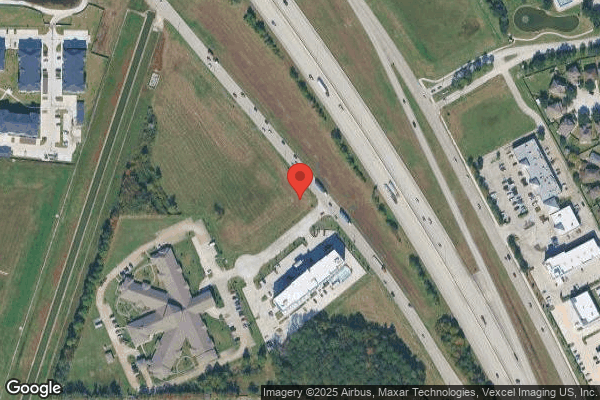
14100 KARISSA COURT, HOUSTON, TX 77049 (713) 340-5200
For profit - Corporation 130 Beds FUNDAMENTAL HEALTHCARE Data: November 2025 2 Immediate Jeopardy citations
Trust Grade
36/100
#422 of 1168 in TX
Last Inspection: June 2025

Inspected within the last 6 months. Data reflects current conditions.

Overview

Bridgecrest Rehabilitation Suites in Houston, Texas, has a Trust Grade of F, indicating significant concerns about the facility's overall quality and care. It ranks #422 out of 1168 facilities in Texas, placing it in the top half, but this ranking may not reflect the serious issues present. The facility is currently improving, with the number of reported issues decreasing from 6 in 2024 to 3 in 2025. Staffing has a rating of 2 out of 5 stars, which is below average, but the turnover rate of 40% is better than the state average, suggesting some staff stability. However, there are serious concerns about care incidents, including residents being sent to appointments unsupervised, leading to safety risks, and failures to maintain a clean and homelike environment, which could negatively impact residents' well-being.

Trust Score
F
36/100
In Texas
#422/1168
Top 36%
Safety Record
High Risk
Review needed
Inspections
Getting Better
6 → 3 violations
Staff Stability
○ Average
40% turnover. Near Texas's 48% average. Typical for the industry.
Penalties
⚠ Watch
$48,802 in fines. Higher than 88% of Texas facilities, suggesting repeated compliance issues.
Skilled Nurses
⚠ Watch
Each resident gets only 16 minutes of Registered Nurse (RN) attention daily — below average for Texas. Fewer RN minutes means fewer trained eyes watching for problems.
Violations
⚠ Watch
19 deficiencies on record. Higher than average. Multiple issues found across inspections.
★★★☆☆
3.0
Overall Rating
★★☆☆☆
2.0
Staff Levels
★★★★☆
4.0
Care Quality
★★★☆☆
3.0
Inspection Score
Stable
2024: 6 issues
2025: 3 issues

The Good

  • 4-Star Quality Measures · Strong clinical quality outcomes
  • Full Sprinkler Coverage · Fire safety systems throughout facility
  • No fines on record
  • Staff turnover below average (40%)

    8 points below Texas average of 48%

Facility shows strength in quality measures, fire safety.

The Bad

3-Star Overall Rating

Near Texas average (2.8)

Meets federal standards, typical of most facilities

Staff Turnover: 40%

Near Texas avg (46%)

Typical for the industry

Federal Fines: $48,802

Above median ($33,413)

Moderate penalties - review what triggered them

Chain: FUNDAMENTAL HEALTHCARE

Part of a multi-facility chain

Ask about local staffing decisions and management

The Ugly 19 deficiencies on record

2 life-threatening
Jun 2025 2 deficiencies
CONCERN (D)

Potential for Harm - no one hurt, but risky conditions existed

Tube Feeding (Tag F0693)

Could have caused harm · This affected 1 resident

**NOTE- TERMS IN BRACKETS HAVE BEEN EDITED TO PROTECT CONFIDENTIALITY** Based on observation, interview, and record review, the facility failed to provide care and services to prevent complications fo...

Read full inspector narrative →
**NOTE- TERMS IN BRACKETS HAVE BEEN EDITED TO PROTECT CONFIDENTIALITY** Based on observation, interview, and record review, the facility failed to provide care and services to prevent complications for 1 (Resident #58) of 2 resident reviewed for gastrostomy tubes (a surgically implanted tube into the stomach to provide delivery of nutrition). CNA-A paused the tube feeding pump, instead of informing the nurse immediately to turn off the pump for Resident #58, prior to lowering the head of bed (HOB). This failure could place residents with g-tubes at risk of complications such as aspiration, incorrect settings on the pump and delay in receiving feedings as physician ordered. Findings include: Record review of Resident #58's face sheet dated 06/25/25 revealed a [AGE] year-old first admitted to the facility on [DATE]. Diagnoses included multiple sclerosis (a chronic neurological disorder), muscle wasting, Dysphagia (swallowing disorder), Parkinsonism (a nervous system disorder), conversion disorder with seizures or convulsions (a mental health condition that causes physiological symptoms), anxiety, functional quadriplegia (inability to completely move) and gastrostomy status (a surgically implanted tube to allow provision of nutritional support). Record review of Resident #58's quarterly MDS dated [DATE] revealed she had short term and long-term memory problems. She had severely impaired cognitive skills for daily decision making. She had continuous behaviors of alerted level of consciousness. She required total assistance from staff for all ADLs. She required a feeding tube for nutritional support. Record review of Resident #58's June 2025 MARTAR revealed on 6/25/25, every shift, the HOB was elevated 30 - 45 degrees during enteral feeding. On 6/25/25 she received enteral feeding: Formula Jevity 1.5 at 42ml/hr for 22 hours via pump every shift. Record review of Resident #58's undated care plan revealed Problem - category Feeding Tube: Resident #58 receives Jevity 1.5 via g-tube at 50ml/hr x 22 hours, edited on 04/22/25. Goal - Resident #58 will remain free of complications related to G-tube, including aspiration/infection. Approach included: elevate HOB 30 - 45 degrees during feeding and one hour after. Observation and interview on 06/25/25 at 12:40 PM, Resident #58 was leaning over to her left side, head unsupported. The HOB was raised at least 45 degrees and TF pump was infusing Jevity 1.5 formula at 42 cc/hr into resident's g-tube. CNA-A stated 2 hours ago she had changed Resident #58's brief and she was not leaning over in that position. CNA-A repositioned Resident #58 by centering her in the bed, then pressed the pause button on the tube feeding pump. CNA-A did not call for a nurse to assist with the tube feeding pump. CNA- A then lowered the HOB and took the wedge from the chair and positioned it underneath the left side of Resident #58's back. CNA-A raised the HOB and then turned the tube feeding pump back on. CNA-A stated she would get a pillow for Resident #58's head. When she was done with Resident #58, she walked out of the room and walked halfway down the hall to retrieve the meal cart. CNA-A did not notify the nurse about Resident #58. CNA-A stated she would notify the nurse about finding Resident #58 leaning over to one side. CNA-A stated it was her understanding that aides were allowed to pause the tube feeding pump when HOB is lowered to provide ADL care. CNA-A stated only the nurses were allowed to touch/pause the pump. CNA-A stated she paused the pump because sometimes the nurses were busy and could not come to pause the pump for her to complete ADL care tasks. In an interview on 6/25/25 at 12:55PM, LVN-B stated Resident #58 gets bowel rest between 8:00AM and 10:00AM, then she restarted the tube feeding. She stated Resident #58 was sitting upright at almost 90 degrees when she left her. LVN-B stated Resident #58 does move around and can end up leaning to either right or left side. LVN-B stated that only the nurses were allowed to pause the feeding pump and expected the CNAs to call her if they need the pump to be paused. LVN-B stated she believed it was the Board of Nursing policy that only nurses were allowed to touch the pump. LVN-B stated the CNAs were not trained to monitor a resident on tube feeding and they cannot assess residents. LVN-B stated the risks would be aspiration and if she had turned the pump off, she would also check the tubing for kinks. In an interview on 06/25/25 at 2:35PM, the DON stated she expected the CNAs to get the nurse for assistance when pausing the tube feeding pump is needed. The DON then stated she encourages the nursing staff to call for nurse assistance. The DON stated there were multiple risks if a CNA were to pause the pump without nurse assistance. The DON stated the CNAs do not know how to read the pump, settings could get readjusted, and a risk to the resident could be aspiration. The DON stated an in-service and demonstrations were conducted last month (May 2025) for all nursing staff which included do not touch the pump, for the CNAs. Record review of the facility's policy and procedures for Gastrostomy Tubes, revised May 5, 2023, and received on 6/25/25 at 2:45PM, included a G-tube/Nurse, CNA responsibility signature sheet dated 05/31/25. CNA-A signed the sheet. The policy read in part: .2. The patient/resident that is fed by enteral methods receive the appropriate treatment and services to restore oral eating skills and prevent complications of enteral feeding, like aspiration pneumonia . Record review of page 1 of the facility's G-tube policy and procedure, nurses and CNA in-service dated 5/31/25, conducted by the ADON, was received on 6/26/25 at 11:15PM, read: .In general and in emergency situations: CNA do not touch g-tube pump, do not attempt to unhook a resident. Get with nurse for all G-tube related care or while providing care * please get the nurse for assistance, rather than pausing pump** unless an emergency situation arises. Immediately notify the nurse. Record review of the facility's Position Description: Certified Nursing Assistant, revised on 11/2016 read in part .Essential Functions and Responsibilities: .16. Maintains knowledge of equipment set-up, maintenance, and use (ie., restraints, monitors, drain devices, lifts, weight machines, etc.) .17. A. Operates all equipment in a safe manner; only uses equipment for which training has been received . Further review did not include the use of tube feeding pumps.
MINOR (C)

Minor Issue - procedural, no safety impact

Garbage Disposal (Tag F0814)

Minor procedural issue · This affected most or all residents

Based on observation and interviews, the facility failed to dispose of garbage and refuse properly for 2 of 2 dumpsters in that: The facility failed to ensure the dumpster lids were closed on 2 of 2 ...

Read full inspector narrative →
Based on observation and interviews, the facility failed to dispose of garbage and refuse properly for 2 of 2 dumpsters in that: The facility failed to ensure the dumpster lids were closed on 2 of 2 dumpsters and the area surrounding the dumpsters were free of garbage and debris. These failures could affect residents who resided in the facility and the public by placing them at risk of exposure to germs, disease, and an environment which could attract pests and rodents. The findings include: In an observation on 6/24/25 at 9:35 AM of 2 of 2 dumpsters located outside the nursing facility, the lids were open on both dumpsters. The dumpsters were not full. Two disposable gloves, a mask, a bag of garbage, a tin can, and papers were on the ground next to the dumpsters. The Dietary Manager closed both dumpster lids immediately upon observation. During an interview on 6/24/25 at 9:37 AM, the Dietary Manager stated that the dumpster lids were to always remain closed to maintain pest control. She stated it had been the responsibility of all staff that use the dumpster to close the lid after placing garbage inside. During an interview on 6/25/25 at 8:50 AM, the Housekeeping Manager stated that all the department staff disposed of trash in the dumpsters. The housekeeping staff are trained to close the lid and make sure garbage is in the container and not on the ground. During an interview on 6/26/25 at 3:10 PM, the Administrator stated that dumpster lids were to always remain closed. The maintenance director does rounds outside the facility in the mornings and will pick up garbage if he sees any. She stated that in-service was conducted on 6/25/25 for dietary and nursing staff on placing garbage inside the dumpsters and securing the lids. The number of times the dumpsters are emptied during the week has been increased from 2 to 3 times per week. No policy on garbage and refuse disposal was provided by time of exit on 6/26/25 at 4:30 PM.
Feb 2025 1 deficiency
CONCERN (D) 📢 Someone Reported This

A family member, employee, or ombudsman was alarmed enough to file a formal complaint

Potential for Harm - no one hurt, but risky conditions existed

Pharmacy Services (Tag F0755)

Could have caused harm · This affected 1 resident

**NOTE- TERMS IN BRACKETS HAVE BEEN EDITED TO PROTECT CONFIDENTIALITY** Based on observation, interview, and record review the facility failed to provide pharmaceutical services (including procedures ...

Read full inspector narrative →
**NOTE- TERMS IN BRACKETS HAVE BEEN EDITED TO PROTECT CONFIDENTIALITY** Based on observation, interview, and record review the facility failed to provide pharmaceutical services (including procedures that assure the accurate administering of all drugs and biologicals) to meet the needs of each resident for 1 of 2 residents (Resident #1) reviewed for pharmacy services. MA K attempted to administer Resident #23's Hydrochlorothiazide (used to treat high blood pressure and fluid retention) to Resident #1 instead of Hydralazine (used to lower blood pressure and improve blood flow) as ordered by the MD. This failure could place residents at risk of medication errors resulting in exacerbation or deterioration in health conditions. Findings include: Record review of Resident #1's face sheet revealed a [AGE] year-old female who readmitted to the facility on [DATE]. Her diagnoses included hyperkalemia (high potassium), hypertension (high blood pressure), and pulmonary heart disease. Record review of Resident #1's quarterly MDS assessment dated [DATE] revealed a BIMS score of 12 out of 15 which indicated moderate cognitive impairment. She required assistance from staff with ADL care. Record review of Resident #1's care plan edited 2/7/25 revealed she was at risk for signs and symptoms of hyper/hypotension related to diagnosis of hypertension. Nifedipine (medication used to treat high blood pressure and angina), carvedilol (medication used to treat heart failure, hypertension, and heart attack) as ordered. The approach was to administer medications as ordered. Record review of Resident #1's Physician Orders for February 2025 revealed an order for Hydralazine 25 mg give 75 mg every 6 hours, order date 11/9/24. Record review of Resident #1's MAR dated 1/26/25 - 2/8/25 revealed Hydralazine 25 mg give 3 tablets for hypertension was scheduled 4 times a day at 12:00 a.m., 6:00 a.m., 12:00 p.m. and 6:00 p.m. In an interview on 2/8/25 at 2:29 p.m., Resident #1 said she received Hydralazine every 6 hours but did not receive the medication on some shifts. In an observation and interview on 2/8/25 at 5:02 p.m., MA K began medication administration for Resident #1. She retrieved Resident #23's Hydrochlorothiazide 25 mg from the cart and placed 3 tablets in the medication cup. MA K locked the medication cart and entered Resident #1's room. This Surveyor intervened and asked MA K to return to the medication cart to verify the medication. Observation revealed the medication in the cup (Resident #23's Hydrochlorothiazide) did not match the medication in Resident #1's blister pack (Hydralazine). MA K said she could not read the imprint on the tablet and said she may have grabbed the wrong blister pack. She said the blister pack was in the wrong spot and the medication she prepared for Resident #1 belonged to Resident #23. She destroyed Resident #23's Hydrochlorothiazide and prepared Hydralazine 25 mg 3 tablets and administered it to Resident #1. In an interview on 2/8/25 at 5:19 p.m., MA K said she checked the MAR and blister pack to verify the correct amount, dosage, and time. She said she reviewed the medication name and the dosage and thought it matched. She said she noticed it was a different medication when the Surveyor said something. She said she must have placed Resident #23's medication in Resident #1's spot on the medication cart. She said Hydralazine was for Resident #1's blood pressure. In an interview on 2/8/25 at 5:24 p.m., the DON said nursing staff should follow the rights of medication administration which included verifying the right patient and to compare the MAR to what was on hand. She said (Hydralazine) was a blood pressure medication and (Hydrochlorothiazide) was a diuretic (used to increase urine production and help lower blood pressure and fluid retention). She said the risk included medication error, and it could be detrimental. Record review of the facility's Medication Management policy dated 4/7/24 read in part, .The staff and practitioners shall strive to minimize potential for medication error by: A. Following the :8 Rights for administering medication: 1. The right patient/resident, 2. The right drug .
May 2024 2 deficiencies 1 IJ
CRITICAL (J) 📢 Someone Reported This

A family member, employee, or ombudsman was alarmed enough to file a formal complaint

Immediate Jeopardy (IJ) - the most serious Medicare violation

Accident Prevention (Tag F0689)

Someone could have died · This affected 1 resident

**NOTE- TERMS IN BRACKETS HAVE BEEN EDITED TO PROTECT CONFIDENTIALITY** Based on interviews and record review, the facility failed to ensure each resident received adequate supervision to prevent acci...

Read full inspector narrative →
**NOTE- TERMS IN BRACKETS HAVE BEEN EDITED TO PROTECT CONFIDENTIALITY** Based on interviews and record review, the facility failed to ensure each resident received adequate supervision to prevent accidents for 1 (CR #1) of 6 residents reviewed for quality of care. The facility failed to ensure CR #1, who was cognitively impaired received adequate supervision when the facility sent her to the doctor's office unsupervised. CR #1 left the doctor's office and was found outside of the building next to a major freeway feeder road by the doctor's office manager. On 5/16/24 at 4:13 p.m. an immediate jeopardy (IJ) was identified. While the IJ was removed on 5/17/24 at 3:31 p.m., the facility remained out of compliance at a severity level of no actual harm with potential for immediate jeopardy and a scope of isolated due to the facility continuing to monitor the implementation and effectiveness of their plan of removal. This failure placed facility residents with dementia and impaired cognition at risk of neglect and elopement for lack of supervision during any appointment. Findings included: Record review of CR #1's face sheet dated 5/16/24 revealed a [AGE] year-old female admitted originally 7/9/20 and most recently 5/25/23. Her diagnoses were: Cerebral infarction (of stroke that occurs when a blood vessel in the brain is blocked, causing damage to brain tissue), Glaucoma (group of eye conditions that damage the optic nerve and can cause vision loss), Type 2 diabetes mellitus with hyperglycemia (high blood sugar), unspecified disorientation, hallucinations, unsteadiness of feet, history of falling, anemia (condition of low red blood cells or hemoglobin that can cause fatigue), and congestive heart failure. Record review of CR #1's Annual MDS assessment dated [DATE] revealed a BIMS score of 11 which indicated moderate cognitive impairment. Section E- Behaviors revealed CR #1 had hallucinations. Section GG0170 - Mobility Devices revealed CR #1 used a manual wheelchair. CR #1 required substantial/maximal assistance (helper does more than half the effort) with ADLs. Record review of CR #1's care plan last revised 5/10/24 revealed the following in part: Problem: Communication - CR #1 has impaired communication as evidenced by: Reduced ability to understand others. Impaired daily decision-making ability. Goal: Staff will anticipate and meet all needs. CR #1 is not able to communicate effectively over the next 90 days. Approach: Reduce or remove all interfering environmental stimuli. Problem: Cognitive Loss/ Dementia - CR #1 appeared to have impaired ability to understand others at times and has impaired ability to make daily decisions. Goal: CR #1 will accept helpful reminders, will have needs met by staff as identified or anticipated, will have minimal negative emotional distress related to cognitive issues. Approach: Continue to assess periodically for changes in cognition; adjust approaches to offer more assistance as needed. Record review of CR #1's nursing note dated 5/14/24 at 9:34 a.m. written by LVN A revealed CR#1 was picked up by EMS via wheelchair for a scheduled appointment at 9:00 a.m. Record review of CR #1's nursing note dated 5/14/2024 at 4:57 p.m. written by the ADON revealed CR #1 returned vial EMS. The nursing note did not reflect CR #1's elopement from the doctor's office. Attempted interview on 5/17/24 at 9:40 a.m. in CR #1's room. CR #1 was asleep. CR #1's name was called she rolled over and did not wake up. In an interview on 5/16/24 at 11:21 AM with the Doctor's Office Manager, she said CR #1 had an appointment on 5/14/24 and had finished at approximately 11:43 a.m. She said the resident was placed in a waiting room with a T.V. until transportation picked her up. She said CR #1 had been dropped off by transportation unaccompanied. The Doctor's Office Manager said she received a call, at 2:29 p.m., from the ADMIN, who inquired if CR #1 was still at the appointment. She said the staff looked for the resident inside the building and CR #1 was found at the sidewalk, stuck in the mud next to a major freeway feeder road, in her wheelchair at 3:00 p.m. She said CR #1 was soiled through her pants, sweating, thirsty, and hungry. She said the resident asked for water and peanuts. The Doctor's Office Manager said she notified the ADMIN, and transportation picked up the resident approximately 3:55 p.m. In an interview on 5/16/2024 at 11:34 a.m. with the ADMIN, she said CR #1 went to the doctor's appointment, on 5/14/24, without an escort because the staff that set up transportation thought CR #1's family member was supposed to meet her. The ADMIN said she received a call from the transportation company at approximately 2:00 p.m. and they said CR #1 could not be located. The ADMIN said she called the doctor's office and asked if they knew where CR #1 was. The ADMIN said she called the doctor's office staff and asked them to check the building. She said she did not know how long the doctor's office searched for CR #1, but the doctor's office manager called at approximately 3:00 p.m. and said that the resident had been found. The ADMIN said she was told the resident was thirsty and asked for peanuts. She said the resident returned to the facility between 4:00 p.m. - 5:00 p.m. She said the resident's brief and clothing needed to be changed. She said the resident should have either had an escort from the facility or a family member should have been confirmed that they would be in attendance. She said the resident was at risk because her level of cognition would prevent her from making safe decisions. In an interview on 5/16/24 at 12:15 p.m. with the DON, she said when a doctor's appointment was scheduled, the facility nurses set up transportation and should have called the RP to verify if they will be in attendance. She said a resident's cognitive ability to make decisions was what determined if an escort was needed for a doctor's appointment. She said it was rare that a resident would be sent alone to an appointment. The DON said the transportation company will bring the resident into the doctor's office, leave a card, and advise the doctor's office to call when the appointment was completed for the return pickup. The DON said she was notified by the ADMIN and the transportation company that they were not able to locate CR #1 at approximately 2:00 p.m. The DON said the ADMIN called the doctor's office and asked them to look for CR #1. She said the doctor's office manager said that CR #1 had been placed in a TV room while she waited for pick up. She said the doctor's office manager called about an hour later and said CR #1 had been found near a sidewalk. The DON said CR #1 was transported back to the facility by the transportation company. She said CR #1 was cleaned up and provided dinner. The DON said she was not sure if CR #1 was able to navigate safely in the community alone. She said if the resident was not able to make safe decisions and could not navigate her surroundings, she would be at risk for possible injury. In an interview on 5/16/24 at 12:55 p.m. with the ADON, she said the appointment was scheduled by the NP with the doctor's office. The NP would notify the nursing staff of the scheduled appointment and the nursing staff were responsible for the transportation set-up. She said if family was not able to attend the visit, then facility staff would attend. The ADON said she along with LVN A received CR #1 when she returned. The ADON said CR #1 received a brief change, but stated it was not because she was soiled. She said she did a quick head to toe assessment and checked her blood sugar and it was in normal limits. The ADON said CR #1 did not discuss the details of the visit. In an interview on 5/17/2024 at 1:12 p.m. with the NP, she said she scheduled the orthopedic doctor's appointment for CR #1 and notified LVN B who was responsible for transportation. She said the facility staff that set up transportation was responsible for notifying the family member and should have verified if they would be in attendance at the visit. The NP said CR #1's cognition was in and out and becomes confused. The NP said she would be concerned for CR #1's safety if she was alone in the community. In an interview on 5/17/2024 at 2:16 p.m. with LVN B, she said the nurses were responsible for scheduling resident transportation to doctor visits. She said she notified CR #1's family member about the 5/14/24 doctors' appointment. LVN B said the family answered OK to the notification of the visit, but LVN B said she did not verify if the family member was going to attend the doctor's appointment. She said she was not sure if the family member would meet CR #1 at the doctor's office. LVN B said she did not feel CR #1 was confused and communicate to nursing staff if a resident needed an escort. She said she was not present on the day of the appointment for CR #1. LVN B said she did not recall a training on determining if a resident needed an escort or to verify if a family member would be in attendance. In an interview on 5/17/24 at 2:32 p.m. with LVN A, he said he was the nurse on duty when CR #1 left for her doctor's appointment on 5/14/24. He said he was told by LVN B, CR #1's family member would meet her at the doctor's office. He said CR #1's baseline was that she was confused. He said he had not received training on verifying if a resident needed an escort or had a family member that would meet the resident at a doctor's appointment. He said the ADON received CR #1 when she returned from the doctor's appointment at approximately 5:00 p.m. and the ADON made sure she was cleaned up. He said he did assist with the clean up and did not know if the resident was soiled through her clothing. In an interview on 5/16/24 at 3:01 p.m. with the Transportation Manager, he said CR #1 was dropped off at the doctor's office and wheeled inside of the office on 5/14/24 at 8:57 a.m. He said a card was left with the doctor's office staff to call when the resident needed to be picked up. He said dispatch received a return pick up at 11:48 a.m. He said the driver was not able to locate the resident and the driver was unassigned and left the doctor's office at 12:42 p.m. He said a second driver was assigned to pick up the resident at 3:04 p.m. He said the resident was returned back to the nursing facility at 4:56 p.m. In an interview on 5/16/24 at 3:40 p.m. with CR #1 she said, she did not remember a doctor appointment. She was asked if she knew her family members names and she said, I don't remember do you. She appeared confused and asked this State Surveyor if she knew she had an appointment. She said she did not remember waiting for transportation at her doctor's visit this week. Record review of the doctor's office timestamped video from 5/14/2024 revealed the following: 11:43 a.m. - 1:00 pm 11:43 a.m. - CR #1's doctor's visit was completed. 12:46 p.m. - CR #1 seen waiting at second floor elevator doors. 12:48 p.m. - CR #1 seen exiting the first-floor elevator doors. 12:49 p.m. - CR #1 seen speaking to security guard. 1:00 p.m. - CR #1 seen propelling herself from the parking garage camera towards the major freeway feeder road. In an interview on 5/16/24 at 11:34 a.m. with the ADMIN, a facility policy on transportation and the determination if a resident required an escort to a doctor visit was requested. The ADMIN said the facility did not have policy. Record review of accuweather.com revealed on 5/14/24 the temperature was a high of 88 degrees and a low of 68 degrees. Record review of facility policy on Activities of Daily Living, Optimal Function (revision date 5/5/23) revealed the following in part: The facility provides necessary care to all residents that are unable to carry out activities of daily living on their own. Record review of facility Elopement policy dated 11/1/2017 revealed the following in part: Policy: To safely and timely redirect patients/residents to a safe environment. A prompt investigation and search will be conducted if a patient/resident is considered missing . .5. If the search fails to locate the missing patient/resident within (30) thirty minutes from the time the patient/resident is found to be missing, the Administrator and/or designee contact the appropriate community agencies (Police, Local Health Department) and Administration, the patient's/resident's legal representative and attending physician. Staff will provide the Police with all physical identifying information including but not limited to physical appearance, height, weight, age, sex, and clothing, if known . This was determined to be an Immediate Jeopardy (IJ) On 5/16/24 at 4:13 p.m. The ADMIN and the DON were notified. The Administrator was provided with the IJ template on 5/16/24 at 4:13pm. The following Plan of Removal (POR) was submitted by the facility and accepted on 5/17/24 at 9:26 a.m.: PLAN OF REMOVAL F689 Name of facility: The facility Date: 5/16/24 Facility failed to ensure CR#1 had adequate supervision when the facility sent her to the doctor's office unsupervised. Immediate action: CR #1 returned to the facility. Resident was assessed by the Assistant Director of Nursing at 4:57pm on 5/14/24 with no injuries identified. Physician and responsible party notified. Review of upcoming appointments were completed by the Director of Nursing/Designee on 5/16/24 to identify upcoming appointments for cognitively impaired residents with a BIMS score of 12 or less. 4 residents identified with a BIMS score less than 12 scheduled for appointments. Those 4 identified residents have someone scheduled to accompany them. Review of resident's recent BIMS scores completed by the Social Services Director on 5/16/24. The cognitively impaired residents with a BIMS score of less than 12 will have their care plan updated by 5/17/274 to include need for accompaniment for outside appointments. The Social Worker will update the care plan for current residents who have a change in BIMS score and new residents who admit who are cognitively impaired with BIMS score <12 beginning 5/17/24. Reeducation provided to the Director of Nursing and the Administrator by the Clinical Consultant on 5/16/24 on need for family/Responsible Party or facility staff to accompany cognitively impaired residents with a BIMS score of less than 12 to outside appointments. Re-education provided to licensed nurses and certified nursing assistants on need for cognitively impaired residents with BIMS score of less than 12 to have a family member/Responsible Party or facility staff accompany them to outside appointments. This education was completed by 5/16/24 by the Director of Nursing. Any licensed nurse or certified nursing assistant not receiving this education by the target date will receive prior to their next scheduled shift. A review of the days outside appointments will be completed in clinical morning meeting Monday - Friday by the Administrator to validate any cognitively impaired resident with a BIMS score of less than 12 has a family member/Responsible Party or facility staff member scheduled to accompany them. This will begin on 5/17/24 and continue Monday - Friday during the morning meeting process. The Nurse Managers will communicate to the licensed nurse verbally and by writing on the 24-hour report that a resident will have a family member/Responsible party or staff member accompany the resident on an appointment. Licensed Nurses will validate cognitively impaired residents with a BIMS score of less than 12 have a family member/responsible party or facility staff accompaniment with them prior to the resident leaving for any outside appointment. Should a cognitively impaired resident with a BIMS score less than 12 have an outside appointment on the weekend, the licensed nurse will validate the resident has as escort to the appointment. Licensed Nurses will validate prior to the end of their shift any resident who has left for an appointment without an accompaniment has returned. If the resident has not returned, the licensed nurse will follow up with the office staff at the appointment for an update on the resident and this will be communicated to the next shift. Elopement Policy was reviewed on 5/16/24 by the Administrator and the Director of Nursing and no changes were indicated. Ad Hoc QAPI was held on 5/16/24 to review the contents of this plan. The Medical Director was notified on 5/16/24 of the Immediate Jeopardy and the contents of this plan. MONITORING Record review of the facility list of 4 residents with upcoming doctor visits via transportation service revealed the following: Interview on 5/17/2024 at 12:38 p.m. with CNA A said she had been trained on 5/16/24 on when a resident should be escorted to a doctor's visit. She said she had to be present with the resident the entire time of the visit. She said she was informed she would escort a resident of (Resident #2) on 5/22/24 to an appointment. She said she was trained to inform family members who took residents to doctor's appointments that they must remain with the resident throughout the entire visit. In an interview on 5/17/24 at 11:57 a.m. with RP of Resident #3 said she was currently at visit with the resident. The RP said the DON had informed her that a family member must remain with a resident throughout a doctor's visit until they return to the facility or are with transportation. In an interview on 5/17/24 at 12:05 p.m. with RP of Resident #4 said she was aware and always stayed with the resident throughout the visit and returned her back to the facility. She was aware to never leave the resident alone. She was aware of the next 4 visits (5/22/24, 5/28/24, 6/5/24, 6/13/24) and would be present. Interview on 5/17/24 at 12:33 p.m. with RP of Resident #5 said she was aware and informed by the facility that she would meet the resident for her doctor's visit and be with her until transportation picked her up. Interviews with the following Nurses and CNA's revealed the following: Nurses and CNA's confirmed they had been educated on the need for cognitively impaired residents with a BIMS score of less than 12 to have a family member/Responsible Party or facility staff accompany them to outside appointments. The Nurses said they would communicate to the licensed nurses verbally and by writing on the 24-hour report that a resident will have a family member/Responsible party or staff member accompany the resident on an appointment. Nurses confirmed they would validate cognitively impaired residents with a BIMS score of less than 12 have a family member/responsible party or facility staff accompaniment with them prior to the resident leaving for any outside appointment. Nurses and CNAs confirmed the same process would be required for weekend appointments. LVN C (day shift) - Interviewed on 5/17/24 at 12:58 p.m. RN A (day shift)- Interviewed on 5/17/24 at 1:10 p.m. LPN A (day shift) - Interviewed on 5/17/24 at 1:22 p.m. LVN D (night shift) - Interviewed on 5/17/24 at 1:37 p.m. CNA D (day shift) - Interviewed on 5/17/24 at 1:48 p.m. LVN E (night shift) - Interviewed on 5/17/24 at 2:08 p.m. PRN CNA B (night shift) - Interviewed on 5/17/24 at 2:42 p.m. LVN F (night shift) - Interviewed on 5/17/24 at 2:55 p.m. CNA C (night shift) - Interviewed on 5/17/24 at 3:01 p.m. In an interview on 5/17/2024 at 2:00 pm with the nurses that were ending their shifts revealed they had verified the residents who had gone out for appointments today had returned by making physical observations. In an interview on 5/17/2024 at 2:26 pm with the SW, she said she had updated all residents with BIMS score of less than 12 to have staff or family member accompany the resident to appointments throughout the visit. Record review of facility audit of resident's recent BIMS scores completed by the Social Services Director on 5/16/24. Cognitively impaired residents with a BIMS score of less than 12 will have their care plan updated by 5/17/274 to include need for accompaniment for outside appointments. Record review of 10 sampled residents revealed their care plans had been updated to reflect the following This resident will need to be accompanied by responsible party or staff for all appointments due to BIMS score less than 12). In an interview on 5/17/2024 at 11:36 AM with ADMIN and DON, the DON said she was reeducated by the Clinical Consultant on 5/16/2024 on the need for family/Responsible Party or facility staff to accompany cognitively impaired residents with a BIMS score of less than 12 to outside appointments. The ADMIN said she was aware that residents with a BIMS score less than 12 had to be escorted to appointments with family members or facility staff. The ADMIN said she would review on the day of the outside appointments in the clinical morning meeting Monday - Friday to validate any cognitively impaired resident with a BIMS score of less than 12 has a family member/Responsible Party or facility staff member scheduled to accompany them. Record review of Ad Hoc QAPI held on 5/16/2024 was completed with the following participants: Medical Director, the DON, the ADMIN, the ADON. The ADMIN was informed the IJ was removed on 5/17/24 at 3:31 p.m. While the IJ was removed on 5/17/24 at 3:31 p.m., the facility remained out of compliance at a severity level of no actual harm with potential for immediate jeopardy and a scope of isolated due to the facility continuing to monitor the implementation and effectiveness of their plan of removal.
CONCERN (D) 📢 Someone Reported This

A family member, employee, or ombudsman was alarmed enough to file a formal complaint

Potential for Harm - no one hurt, but risky conditions existed

Report Alleged Abuse (Tag F0609)

Could have caused harm · This affected 1 resident

**NOTE- TERMS IN BRACKETS HAVE BEEN EDITED TO PROTECT CONFIDENTIALITY** Based on interviews and record review, the facility failed to ensure all alleged violations involving abuse and neglect were rep...

Read full inspector narrative →
**NOTE- TERMS IN BRACKETS HAVE BEEN EDITED TO PROTECT CONFIDENTIALITY** Based on interviews and record review, the facility failed to ensure all alleged violations involving abuse and neglect were reported immediately but not later than 24 hours if the events that cause the allegation did not involve abuse and did not result in serious bodily injury to the State Survey Agency for 1 of 1 incident reviewed for reporting. The facility failed to report to the State Survey Agency when Resident #1 was known to have been missing for approximately 1 hour after leaving the hospital where she went for a doctor's appointment. This failure could have affected residents by resulting in a delay of identification of abuse or neglect and lack of timely follow-up on recommended interventions to prevent harm, or impairment. Findings included: Record review of CR #1's face sheet dated 5/16/24 revealed a [AGE] year-old female admitted originally 7/9/20 and most recently 5/25/23. Her diagnoses were: Cerebral infarction (of stroke that occurs when a blood vessel in the brain is blocked, causing damage to brain tissue) (Glaucoma (group of eye conditions that damage the optic nerve and can cause vision loss), Type 2 diabetes mellitus with hyperglycemia (high blood sugar), unspecified disorientation, hallucinations, unsteadiness of feet, history of falling, anemia(condition of low red blood cells or hemoglobin that can cause fatigue), and congestive heart failure. Record review of CR #1's Annual MDS assessment dated [DATE] revealed a BIMS score of 11 which indicated moderate cognitive impairment. Section E- Behaviors revealed CR #1 had hallucinations. Section GG0170 - Mobility Devices revealed CR #1 used a manual wheelchair. CR #1 required substantial/maximal assistance (helper does more than half the effort) with ADLs. Record review of CR #1's care plan last revised 5/10/24 revealed the following in part: Problem: Communication - CR #1 has impaired communication evidence by: Reduced ability to understand other. Impaired daily decision-making ability. Goal: Staff will anticipate and meet all needs the CR #1 is not able to communicate effectively over the next 90 days. Approach: Reduce or remove all interfering environmental stimuli. Problem: Cognitive Loss/ Dementia - CR #1 appears to have impaired ability to understand others at times and has impaired ability to make daily decisions. Goal: CR #1 will accept helpful reminders, will have needs met by staff as identified or anticipated, will have minimal negative emotional distress related to cognitive issues. Approach: Continue to assess periodically for changes in cognition; adjust approaches to offer more assistance as needed. Record review of CR #1's nursing note dated 5/14/24 at 9:34 a.m. written by LVN A revealed CR#1 was picked up by EMS via wheelchair for a scheduled appointment at 9:00 a.m. Record review of CR #1's nursing note dated 5/14/2024 at 4:57 p.m. written by ADON revealed CR #1 returned vial EMS. The nursing note did not reflect CR #1's elopement from the doctor's office. In an interview on 5/16/24 at 11:21 AM with the Doctor's Office Manager, said CR #1 had an appointment on 5/14/24 and had finished at approximately 11:43 a.m. She said the resident was placed in a waiting room with a T.V. until transportation picked her. She said CR #1 had been dropped off by transportation unaccompanied. The Doctor's Office Manager said she received a call, at 2:29 p.m., from the ADMIN, who inquired if CR #1 was still at the appointment. She said the staff looked for the resident inside the building and CR #1 was found at the sidewalk, stuck in mud next to a major freeway feeder road, in her wheelchair at 3:00 p.m. She said CR #1 was soiled through her pants, sweating, thirsty, and hungry. She said the resident asked for water and peanuts. The Doctor's Office Manager said she notified the ADMIN, transportation picked up the resident approximately 3:55 p.m. In an interview on 5/16/2024 at 11:34 a.m. with the ADMIN, she said CR #1 went to the doctor's appointment, on 5/14/24, without an escort because the staff that set up transportation thought CR #1's family member was supposed to meet her. The ADMIN said she received a call from the transportation company at approximately 2:00 p.m. and they said CR #1 could not be located. The ADMIN said she called the doctor's office to ask if they knew where CR #1 was. The ADMIN said she called the doctor's office staff and asked them to check the building since the resident was missing. She said she did not know how long the doctor's office searched for CR #1, but the doctor's office manager called approximately 3:00 p.m. and said that the resident had been found. The ADMIN said she did not report the incident to the state because the resident was not at the facility. She said if the resident was at the facility, she would have reported the incident. She said she was responsible for reporting facility self-reports. In an interview on 5/16/24 at 3:40 p.m. with CR #1 said she did not remember a doctor appointment. She was asked if she knew her family members names and she said, I don't remember do you. She appeared confused and asked this State Surveyor if she knew she had an appointment. She said she did not remember waiting for transportation at her doctor's visit this week. In an interview on 5/16/24 at 3:51 p.m. with CR #1's family member revealed they were not notified the resident had been missing. She said she was notified of the visit prior to the resident going but she did not confirm she would attend. Record review of the doctor's office timestamped video from 5/14/2024 revealed the following: 11:43 a.m. - 1:00 p.m. 11:43 a.m. - CR #1's doctor's visit was completed. 12:46 p.m. - CR #1 seen waiting at second floor elevator doors. 12:48 p.m. - CR #1 seen exiting the first-floor elevator doors. 12:49 p.m. - CR #1 seen speaking to security guard. 1:00 p.m. - CR #1 seen propelling herself from the parking garage camera towards the major freeway feeder road. Record review of facility Elopement policy dated 11/1/2017 revealed the following in part: Policy: To safely and timely redirect patients/residents to a safe environment. A prompt investigation and search will be conducted if a patient/resident is considered missing . .5. If the search fails to locate the missing patient/resident within (30) thirty minutes from the time the patient/resident is found to be missing, the Administrator and/or designee contact the appropriate community agencies (Police, Local Health Department) and Administration, the patient's/resident's legal representative and attending physician. Staff will provide the Police with all physical identifying information including but not limited to physical appearance, height, weight, age, sex, and clothing, if known . Review of the facility's policy titled Abuse/Neglect (revised 11/1/17 and email revised 10/23/19) reflected the following: .The facility shall report immediately, but not later than 2 hours after the allegation is made if the events that cause the allegation involve abuse or result in serious bodily injury, or not later than 24 hours if the events that cause the allegation do not result in serious bodily injury to the administrator of the facility and to other officials (including to the State Survey Agency .where state law provides for jurisdiction in long-term care facilities) in accordance with State law through established procedures . Record review of Long-Term Care Regulatory Provider Letter PL 19-17 dated 7/10/19 revealed the following: .A NF must report to HHSC the following types of incidents in accordance with applicable state and federal requirement: . A missing resident Immediately, but not later than 24 hours after the incident occurs or is suspected .
May 2024 4 deficiencies
CONCERN (D) 📢 Someone Reported This

A family member, employee, or ombudsman was alarmed enough to file a formal complaint

Potential for Harm - no one hurt, but risky conditions existed

PASARR Coordination (Tag F0644)

Could have caused harm · This affected 1 resident

**NOTE- TERMS IN BRACKETS HAVE BEEN EDITED TO PROTECT CONFIDENTIALITY** Based on interview and record review, the facility failed to refer all residents with newly evident or possible serious mental d...

Read full inspector narrative →
**NOTE- TERMS IN BRACKETS HAVE BEEN EDITED TO PROTECT CONFIDENTIALITY** Based on interview and record review, the facility failed to refer all residents with newly evident or possible serious mental disorders, intellectual disabilities, or a related conditions for level II resident review upon a significant change in status assessment for two of eighteen residents (Resident #1 and Resident #72) reviewed for PASARR evaluations. -The facility failed to refer Resident #1 to the appropriate, State-designated authority when she was diagnosed with MDD, intermittent explosive disorder, and psychotic disorder with delusions. -The facility failed to refer Resident #72 to the appropriate, State-designated authority when she was diagnosed with major depression and schizoaffective disorder. This failure could place residents at risk for not receiving necessary PASARR mental health services, causing a possible decline in mental health. Findings include: Resident #1 Record review of Resident #1's face sheet dated 5/3/2024 revealed a [AGE] year-old woman admitted on [DATE]. The face sheet documented her diagnoses included dementia (group of symptoms that affects memory, thinking and interferes with daily life), intermittent explosive disorder (behavioral disorder characterized by explosive outbursts of anger and violence in which one reacts out of proportion to the situation), need for assistance with personal care, disorientation (altered mental state with loss of sense of time, identity, direction, and place), cognitive communication deficit (difficulty with any aspect of communication that is affected by a disruption of cognition), malnutrition (condition that results from lack of sufficient nutrients in the body), MDD (major Depressive Disorder, mental health disorder having episodes of psychological depression), GERD (Gastroesophageal Reflux Disease, chronic digestive disease where the liquid content of the stomach refluxes into the esophagus, the tube connecting the mouth and stomach), and psychotic disorder with delusions (fixed, false conviction in something that is not real or shared by other people). Record review of Resident #1's quarterly MDS dated [DATE] with an ARD of 2/27/2024 revealed a BIMS score of 11 indicating moderate cognitive impairment. The MDS documented she had no impairment of either her upper or lower extremities, and she used a wheelchair for mobility. Per the MDS, Resident #1 required assistance, or was totally dependent on staff, for all ADL's. The MDS revealed she received OT, PT, and ST services, but she had not received any psychological therapy. Record review of Resident #1's care plan dated 12/21/2022 revealed a focus on her behavioral concerns with interventions including attempting non-pharmacological interventions, ensuring physical needs were met, medication administration, and redirection. The care plan documented a focus on her making false allegations with interventions including minimizing her anxiety, orienting her to place and situation as needed, and always having two staff administer her medications. The care plan included a focus on Resident #1's depression and antidepressant medication use with interventions including conducting a GDR for an antianxiety medication, medication administration as ordered, and attempting non-pharmacological interventions. The care plan revealed a focus on diagnosis of psychotic disorder with interventions including medication administration, quarterly GDR attempts, maintaining as calm an environment as possible, and staff not arguing with her. The care plan included a focus on her dementia with interventions including providing a consistent routine and providing time to remember past details. Record review of Resident #1's PASRR dated 10/24/2022 revealed the form was negative for all MI, ID, or DD. Interview on 4/30/2024 at 10:25 AM with Resident #1, she said the staff helped her with any tasks she requested. Resident #1 said the staff assisted her with her ADL's. Resident #1 said she had no concerns with the care provided by the staff. Resident #72 Record review of Resident #72's undated face sheet revealed she was an [AGE] year-old female admitted on [DATE], with an original admission of 8/31/23. She had diagnoses of Alzheimer's Disease (progressive disease involving memory loss), Schizoaffective disorder (combination of delusions, hallucinations, depression, and manic periods), major depressive disorder, and Dementia (impaired ability to remember, think, or make decisions). Record review of Resident #72's admission MDS assessment dated [DATE] revealed she did not have a serious mental illness. She had a BIMS score of 9 out of 15, which indicated moderate cognitive impairment. The MDS reflected diagnoses of depression and schizophrenia (delusions, hallucinations, and disorganized thinking), and the resident was taking antipsychotics and antidepressants. Record review of Resident #72's undated care plan revealed a Focus: Resident is having mood and behavior needs as evidence by periods of social isolation verbally aggression/agitation and delusions, related to: Dementia (impaired ability to remember, think, or make decisions), Schizoaffective disorder (combination of delusions, hallucinations, depression, and manic periods) and Major Depression (Start: 3/1/24). Goal: Resident will have a reduction in unwanted mood or behaviors, for an increased quality of life as evidenced by documentation in the medical record; Behavior Monitoring Flow record and other documentation over the next 90 days (Target: 6/1/24, Edited: 3/1/24). Interventions: Attempt non-pharmacological interventions and document interventions on the Behavior Monitoring Flow Record. Ensure physical needs are met. Give medications as ordered. Focus: Resident has dx of schizophrenia (delusions, hallucinations, and disorganized thinking) (Start: 9/1/23). Goal: Resident will interact appropriately with staff, other residents, and family members (Target: 2/14/24, Edited: 11/14/23). Interventions: Assess effect of hallucinations on resident's status. Encourage resident to discuss feelings. Provide safe, quiet, low-stimuli environment. Focus: Resident has symptoms related to schizophrenia (delusions, hallucinations, and disorganized thinking). Risperidone (antipsychotic used for schizophrenia) as ordered (Start: 9/1/23, Edited: 11/14/23). Goal: Resident will interact and converse appropriately with staff, other residents, and visitors (Target: 2/14/24, Edited: 11/14/23). Interventions: Administer medications. Focus: I have a diagnosis of depression. Venlafaxine (antidepressant), Trazodone (antidepressant) as ordered (Start: 9/1/23, Edited: 11/14/23). Goal: Will not exhibit signs of isolation thru next review date (Target: 2/14/24, Edited: 11/14/23). Interventions: Assess mood/behavior problems as needed. Record review of Resident #72's previous Nursing Home records from 6/5/23, revealed she had a history of schizoaffective disorder (combination of delusions, hallucinations, depression, and manic periods) with depression for which she was taking Seroquel (antipsychotic used to treat schizophrenia) and Effexor (antidepressant). Record review of Resident #72's PASRR Level 1 Screening performed on 9/1/23, revealed No was marked to the question, Is there evidence or an indicator this is an individual that has a Mental Illness? There was not another PASRR completed to re-evaluate her mental illness. Record review of Resident #72's Physician's Orders revealed the following orders from DO A: -Trazodone 50mg, ½ PO QHS. Ordered on 8/31/23 at 10:07pm, for major depressive disorder. -Venlafaxine ER 75mg, 1 PO QD. Ordered on 10/23/23 at 12:52pm, for major depressive disorder. -Risperidone 1mg, 1 PO QD. Ordered on 10/23/23 at 12:51pm, for schizoaffective disorder. Record review of Resident #72's Diagnostic Assessment from 2/21/24 at 1:50pm by LCSW A revealed she was diagnosed with a major depressive disorder and a schizoaffective disorder. Record review of Resident #72's Psychiatric Initial Assessment on 3/12/24 by NP A, revealed she was diagnosed with a schizoaffective disorder and was being treated with Risperidone (antipsychotic for schizophrenia), Trazodone (antidepressant), and Venlafaxine (antidepressant). Interview on 5/1/2024 at 1:11 PM with the MDS Nurse, he said he had been employed since January of 2023. The MDS Nurse said his duties included completing and reviewing the PASRR process, importing the PASRR documents, and uploading them to the facility's EHR. The MDS Nurse said Resident #1's PASRR was completed by family prior to her arrival to the facility and a follow-up PASRR should have been completed based on her diagnoses. The MDS nurse said following a new PASRR Form 1012 should have been completed to indicate she was not eligible for PASRR services due to a primary diagnosis of dementia. The MDS nurse said the Form 1012 documented a resident was not eligible for PASRR services due to a primary diagnosis of dementia or Alzheimer's Disease. The MDS nurse said the purpose of the PASRR was to ensure residents with MI, ID, or DD who were eligible received additional PASRR services, including physical equipment, psychiatric care, and/or outside activities. The MDS Nurse said because Resident #1 was not eligible due to her primary diagnosis of dementia, he was unsure what could have occurred with her inaccurate PASRR documents. Interview on 5/2/2024 at 1:32 PM with the DON, she said the PASRR was required of all residents to determine if they were eligible for additional services based on diagnoses. The DON said Resident #1's PASRR should have been noted as positive due to her diagnoses. The DON said the facility completed an audit of all PASRR documentation on that date to ensure no other residents had inaccurate PASRR documentation. The DON said without accurate PASRR documentation, or a Form 1012, Resident #1 may not have received additional services she was eligible for. The DON said the facility did not have a policy related to PASRR, and it followed the RAI policies from CMS. Interview on 5/2/2024 at 2:26 PM with the Admin, she said if a resident's PASRR was inaccurate, he/she may not receive the services he/she was entitled to. The Admin said the PASRR allowed residents to receive outside services for MI, ID, or DD. The Admin said the facility did not have a policy specific to PASRR, but instead it relied on the RAI instructions provided by CMS. .
CONCERN (D) 📢 Someone Reported This

A family member, employee, or ombudsman was alarmed enough to file a formal complaint

Potential for Harm - no one hurt, but risky conditions existed

Infection Control (Tag F0880)

Could have caused harm · This affected 1 resident

**NOTE- TERMS IN BRACKETS HAVE BEEN EDITED TO PROTECT CONFIDENTIALITY** Based on observations, interviews, and record reviews, the facility failed to maintain an infection prevention and control progr...

Read full inspector narrative →
**NOTE- TERMS IN BRACKETS HAVE BEEN EDITED TO PROTECT CONFIDENTIALITY** Based on observations, interviews, and record reviews, the facility failed to maintain an infection prevention and control program designed to provide a safe, sanitary, and comfortable environment and to help prevent the development and transmission of communicable diseases and infections for 1 (Resident #64) of 9 residents viewed for infection control. -LVN D did not wear appropriate PPE when administering Resident #64's PEG (tube into stomach for nutrition) tube medications, when he was on Enhanced Barrier Precautions. This failure could place residents and staff at risk for cross-contamination, spread of infection and could potentially affect all others in the building. Findings include: Record review of Resident #64's undated face sheet revealed she was a [AGE] year-old female admitted on [DATE] with diagnoses of multiple sclerosis (immune system attacks covering of nerve cells in brain, optic nerve, and spinal cord), contusion (bruise) of right great toe, muscle wasting and atrophy, need for assistance with personal care, gastrostomy (surgical opening to the outside from the stomach), dysphagia (trouble swallowing), cognitive communication deficit (difficulty with thinking and using language), functional quadriplegia (immobility from medical condition without injury), and conversion disorder with seizures (condition where a mental health issue disrupts how brain works). Record review of Resident #64's admission MDS assessment dated [DATE] revealed a BIMS (used to evaluate cognition) could not be assessed due to her condition. Staff Assessment for Mental Status revealed she had severely impaired cognitive skills. She had impairment on both sides of her upper and lower extremities and was bed bound. According to the assessment she was dependent with all ADLs. The MDS revealed diagnoses of gastrostomy (surgical opening from stomach to the outside) and dysphagia (trouble swallowing). The MDS assessment revealed she had a swallowing disorder and received nutrition through a feeding tube while a resident. She received 51% or more of her total calories through the tube feeding (tube into stomach for nutrition) and 501 cc/day or more of her fluid intake through the tube feeding. At the time of the assessment, she did not have any pressure ulcers/injuries. Record review of Resident #64's undated care plan revealed a Focus: I am at risk for malnutrition and dehydration related to enteral feedings (tube into stomach for nutrition) secondary to MS (Start: 1/18/24, Edited: 4/25/24). Goal: Maintain weight with no significant changes through next review. Will tolerate tube feeding (tube into stomach for nutrition) as ordered as evidenced by no nausea, vomiting, diarrhea, placement checks, residual checks (how much feeding is left in stomach after last feeding), and weight stability (Target: 7/25/24, Edited: 4/25/24). Interventions: Provide tube feeding (tube into stomach for nutrition) and water flush as ordered. Record review of Resident #64's Physician's Orders revealed the following orders from DO A: -Cephalexin (antibiotic) 500mg capsule, 1 via G-Tube (tube into stomach for nutrition) BID, for contusion (bruise) of right great toe with damage to nail. Ordered on 4/25/24 a 2:08pm. In an observation and interview with LVN D on 5/1/24 at 1:20pm, Resident #64 had an Enhanced Barrier Precaution sign on her door to her room. LVN D went into the resident's room and gave her medication through her PEG (tube into stomach for nutrition) tube with only gloves on and did not put a gown on. LVN D said Resident #64 was on Enhanced Barrier Precautions which required her to don (put on) gloves and a gown during medication administration. LVN D said she forgot to put the required PPE on and said if she did not wear it, contamination to herself or to the resident could occur. Interview with the DON on 5/3/24 at 10:34am, she said the Enhanced Barrier Precaution sign on the resident's door was for whichever resident had a line (PEG [tube into stomach for nutrition], foley [tube into bladder], PICC [type of line to give antibiotics through], trach [hole in trachea to breathe through], etc.) or a wound. She said she expected staff to gown up anytime they performed resident care, like giving medications through a PEG (tube into stomach for nutrition) tube. She said there were no orders for the Enhanced Barrier Precautions in the system because it was a standing protocol depending on the status of each resident. She said if staff did not wear appropriate PPE cross contamination could occur to themselves or the resident. Record review of the facility's policies and procedures on Transmission Based/Standard Precautions, and Enhanced Barrier Precautions (revised 5/15/23) read in part: The facility will use transmission-based precautions when the route of transmission is not completely interrupted using standard precautions alone. These are applied as needed based on the epidemiology of the infecting organism or infectious disease syndrome. There may be some diseases that have multiple routes of transmission which more than one transmission-based precaution may be required. Transmission based precautions will always be used in addition to standard precautions. Health care workers (HCW) will implement Universal/Standard Precautions whenever there is occupational exposure to blood and body fluids .Health care workers will implement enhanced barrier precautions according to policy with additional measures to protect residents and staff from Multidrug-resistant Organisms (MDROs) .Enhanced Barrier Precautions expand the use of PPE (gowns and gloves) during high contact resident care activities that provide opportunities for transfer of MDROs to staff hands and clothing. EBP will be implemented for All residents with the following: Infection or colonization with an MDRO when Contact Precautions do not otherwise apply. Wounds and/or indwelling medical devices (central lines, urinary catheter, feeding tube, tracheostomy/ventilator) regardless of MDRO colonization status. EBP will be implemented during the following high-contact resident care activities: dressing, bathing/showering, transferring, providing hygiene, changing linens, changing briefs or assisting with toilet, device care or use: central lines, urinary catheter, feeding tube, tracheostomy/ventilator .EBP requires the following PPE: gloves, gown .The facility will post clear signage on the door or wall outside of the room indicating the type of precautions and required PPE (gowns and gloves). The facility will post signage that clearly indicates the high-contact resident care activities that require the use of gown and gloves . .
CONCERN (E) 📢 Someone Reported This

A family member, employee, or ombudsman was alarmed enough to file a formal complaint

Potential for Harm - no one hurt, but risky conditions existed

Safe Environment (Tag F0584)

Could have caused harm · This affected multiple residents

**NOTE- TERMS IN BRACKETS HAVE BEEN EDITED TO PROTECT CONFIDENTIALITY** Based on observation, interview and record review, the facility failed to provide a safe, clean, comfortable, and homelike envir...

Read full inspector narrative →
**NOTE- TERMS IN BRACKETS HAVE BEEN EDITED TO PROTECT CONFIDENTIALITY** Based on observation, interview and record review, the facility failed to provide a safe, clean, comfortable, and homelike environment for two of eighteen residents (Resident #27 and Resident #41) reviewed for safe, clean, homelike environment. -The facility failed to clean enteral feeding pumps and poles, which were dirty on 4/30/2024, 5/1/2024, and 5/2/2024 for Resident #27 and #41. -The facility failed to ensure the rooms were homelike and did not have peeling paint and well-maintained bedside tables on 4/30/2024, 5/1/2024, and 5/2/2024 for Resident #27 and Resident #41. This failure could affect the residents and place them at risk of an unsafe and an environment that was not homelike. Findings include: Resident #27 Record review of Resident #27's face sheet dated 5/2/2024 revealed a [AGE] year-old woman admitted on [DATE]. The face sheet documented her diagnoses included dementia (group of symptoms that affects memory, thinking and interferes with daily life), contractures (permanent shortening of muscles, tendons, skin, and nearby soft tissue that causes joints to shorten and stiffen, preventing normal movement), seizures (sudden, uncontrolled burst of electrical activity in the brain), anxiety disorder (condition with exaggerated tension, worrying, and nervousness about daily life events), gastronomy (surgical procedure for inserting a tube through the abdomen wall into the stomach), GERD (Gastroesophageal Reflux Disease, chronic digestive disease where the liquid content of the stomach refluxes into the esophagus, the tube connecting the mouth and stomach), and adult failure to thrive (significant decline in physical and/or emotional well-being). Record review of Resident #27's quarterly MDS dated [DATE] with an ARD of 4/15/2024 revealed no BIMS could be conducted because she was rarely or never understood. The MDS documented she had short and long-term memory problems, and she was severely impaired in her ability to make decisions regarding tasks of daily living. Per the MDS, Resident #27 was unable to recall the current season, the location of her room, staff names and/or faces, or that she was in a nursing home. The MDS revealed she had impairments of both upper and lower extremities, and she utilized a wheelchair for mobility. The MDS documented she required extensive assistance, or was totally dependent on staff, for all ADL's except eating. Per the MDS, Resident #27, did not eat. The MDS revealed she was fed via feeding tube, and she received 51% or more of her nutrition and 501cc of fluids daily through the tube. The MDS documented she received OT and ST services. Record review of Resident #27's care plan dated 4/17/2024 revealed a focus on her feeding tube use with interventions including cleaning site with normal saline, patting it dry, and leaving it open to air. The care plan documented a focus on her dementia with interventions including having her needs met by staff. Observation on 4/30/2024 at 9:39 AM of Resident #27 revealed she was lying in her bed on an air mattress. Resident #27 was receiving nutrition via feeding tube at 50ml/hr. Resident #27 had contractures visible of both upper extremities. The room's floor appeared clean, but the walls had peeling and missing paint, the base of the apparatus holding the feeding tube, the electronic monitor for the feeding tube, and the bags of nutrition and hydration had a rust-colored substance on all four wheelbases. Observation on 5/2/2024 at 1:02 PM revealed the walls of Resident #27's room were missing paint and peeling. The base of the apparatus holding her feeding tube, electronic monitor for the feeding tube, and bags of hydration and nutrition had a rust-colored substance on all four wheelbases. Resident #41 Record review of Resident #41's face sheet dated 5/3/2024 revealed an [AGE] year-old woman admitted on [DATE]. The face sheet documented her diagnoses included osteomyelitis (infection in the bone caused by bacteria or fungi), gastronomy status (surgical procedure for inserting a tube through the abdomen wall into the stomach), disorientation (altered mental state with loss of sense of time, identity, direction, and place), contractures (permanent shortening of muscles, tendons, skin, and nearby soft tissue that causes joints to shorten and stiffen, preventing normal movement), and depression (mood disorder that causes a persistent feeling of sadness and loss of interest). Record review of Resident #41's quarterly MDS dated [DATE] with an ARD of 4/8/2024 revealed no BIMS was conducted because she was rarely or never understood. The MDS documented she had short and long-term memory problems, and she was severely impaired in her ability to make decisions regarding tasks of daily living. Per the MDS, Resident #41 was unable to recall the current season, the location of her room, staff names and/or faces, or that she was in a nursing home. The MDS revealed she had an impairment of one upper and one lower extremity, and she used a wheelchair for mobility. The MDS documented she totally dependent, or required extensive assistance, with all ADL's except eating. Per the MDS, Resident #41 did not eat during the review period. Per the MDS, resident #41 used a feeding tube, and she received 51% or more of her nutrition and 501cc's or more daily through the feeding tube. The MDS revealed she received PT services. Record review of resident #41's care plan dated 3/20/2024 revealed a focus on her GERD with interventions including diet as ordered and raising the head of her bed as tolerated. The care plan documented a focus on her possible malnutrition with interventions including medication administration, tube feeding, and monitoring for weight loss. Observation on 5/2/2024 at 12:57 PM revealed she was lying in her bed sleeping. The room's floor was clean. Resident #41's bedside table had a white substance on the table which appeared to be adhered to the tabletop. The base of the bedside table was covered by a rust-colored substance. Resident #41 was observed to be receiving nutrition via a feeding tube. The base of the apparatus holding her feeding tube, electronic monitor for the feeding tube, and bags of hydration and nutrition had a rust-colored substance on all four wheelbases. Interview on 5/2/2024 at 1:32 PM with the DON, she said the facility should clean the poles for the resident's feeding tubes as needed, and at least once monthly. The DON said the poles had been cleaned the week previously. The DON said if a pole was not cleaned it could introduce bacteria or dirt into a resident's feeding tube site causing illness. The DON said she was unsure if there was a policy related to ensuring the poles were cleaned. The DON said the Admin was responsible for facility structure and environment concerns. Interview on 5/2/2024 at 2:26 PM with the Admin, she said staff had been provided with training to ensure the rooms were as homelike as possible, and the walls, bedside table, and feeding tube apparatuses in Resident #27 and #41's rooms were not homelike. The Admin said she expected all staff to look for those concerns. The Admin said executive staff also completed angel rounds looking for homelike environment concerns. The Admin said she believed the angels should have seen the concerns in Resident #27 and Resident #41's rooms. The Admin said a concern with the staff not seeing those issues was the residents would not have a homelike environment, and the facility was the home of all its residents. The Admin said the facility did not have a policy related to maintaining a homelike facility, but the angel rounds checklist should provide the information needed to ensure all residents' rooms were homelike. Record review of the facility's Guardian Angel Weekly Round Checklist revealed a statement which read Issues are addressed immediately when possible, by the Guardian Angel. Unresolved issues are documented on a Concern/Resolution form and submitted immediately to the Administrator. The checklist included areas of concern including the following: odors in the rooms, clean floors, clean bathroom, and the supplement pole clean and dated. .
CONCERN (E) 📢 Someone Reported This

A family member, employee, or ombudsman was alarmed enough to file a formal complaint

Potential for Harm - no one hurt, but risky conditions existed

Deficiency F0657 (Tag F0657)

Could have caused harm · This affected multiple residents

**NOTE- TERMS IN BRACKETS HAVE BEEN EDITED TO PROTECT CONFIDENTIALITY** Based on observation, interview and record review, the facility failed to ensure comprehensive care plans were reviewed and revi...

Read full inspector narrative →
**NOTE- TERMS IN BRACKETS HAVE BEEN EDITED TO PROTECT CONFIDENTIALITY** Based on observation, interview and record review, the facility failed to ensure comprehensive care plans were reviewed and revised by the Interdisciplinary Team after each assessment for 4 (Resident #29, Resident #40, Resident #57, and Resident #41) out of 9 residents reviewed for care plan accuracy. -The facility failed to ensure Resident #29's most recent fall was care planned. -The facility failed to ensure Resident #40's hospice was care planned, along with her UTI/antibiotic. -The facility failed to ensure Resident #57's diet was updated on her care plan. -The facility failed to ensure Resident #41's PEG tube feeding was updated on her care plan. These failures could place residents at risk for their medical, physical, and psychosocial needs not being met. Findings include: Resident #29 Record review of Resident #29's undated face sheet revealed she was a [AGE] year-old female admitted on [DATE], with an original admission date of 11/4/22. She had diagnoses of dementia (impaired ability to remember, think, or make decisions), anxiety, vascular dementia (changes to memory, thinking, and behavior due to blood vessels in brain), pannus of right eye (growth of blood vessels onto the clear surface of the eye), tuberculosis of right eye (bacteria that causes Tuberculosis infects the eye), unsteadiness on feet, abnormalities of gait and mobility, cognitive communication deficit (difficulty with thinking and using language), lack of coordination, iron deficiency anemia (low iron in the blood), muscle weakness, chronic kidney disease (kidneys do not filter anymore), and disorientation. Record review of Resident #29's Quarterly MDS assessment dated [DATE], revealed a BIMS score of 11 out of 15 which indicated moderately impaired cognition. The resident had impairment on one side of her lower extremities and used a wheelchair. She required substantial/max assistance with showers/baths and was dependent with putting on/taking off footwear. She needed partial/moderate assistance with oral hygiene, toileting hygiene, upper/lower body dressing, and personal hygiene. She was always incontinent of bowel and bladder. The MDS revealed there were no falls yet at the time of the assessment. Record review of Resident #29's undated care plan, revealed a Focus: Resident had a fall on 12/15/23 attempting to get herself out of bed (Start: 12/15/23, Edited: 2/9/24). Goal: Resident will remain free from injury with increased supervision thru next review date (Target: 5/9/24, Edited: 2/9/24). Interventions: Keep call light in reach at all times. Provide toileting assistance frequently. It did not have the most recent fall from 3/14/24. Record review of Resident #29's progress notes revealed a note from LVN A on 3/14/24 at 9:45pm, Resident was found alongside of her bed in a high fowlers position [head of the bed raised to 60-90 degrees], Resident showed no s/s of discomfort, no injuries, vitals stable, NP and DON notified along with her relative [family member] Monitor in place. Interview and observation with Resident #29 on 5/1/24 at 1:26pm using interpreter services, she revealed she could only understand some of the staff since she spoke a language other than English. The resident was sitting in her wheelchair and rocking back and forth. Resident #40 Record review of Resident #40's undated face sheet, revealed she was a [AGE] year-old female admitted [DATE] with an original admission date of 11/22/21. She had diagnoses of Type 2 diabetes (body does not produce insulin or is resistant to it), urinary tract infection, muscle wasting and atrophy, protein calorie malnutrition (body is not receiving enough nutrition), elevated white blood cell count (usually means an infection), chronic myeloproliferative disease (bone marrow makes too many red blood cells, white blood cells or platelets), history of venous thrombosis and embolism (blood clot in a vein and a clot that travels through the vein to another location), stress fracture (fracture from too much pressure), dementia (impaired ability to remember, think, or make decisions), disorientation, cognitive communication deficit (difficulty with thinking and using language), vascular dementia (changes to memory, thinking, and behavior due to blood vessels in brain), major depression, and need for assistance with personal care. Record review of Resident #40's Significant Change MDS assessment dated [DATE], revealed a BIMS (used to evaluate cognition) was unable to be performed due to her medical condition. According to the staff assessment for mental status, the resident had severely impaired cognitive skills. The resident required substantial/max assist with oral hygiene, toileting hygiene, upper/lower body dressing, personal hygiene, and was dependent with showers/baths. The MDS revealed the resident had a life expectancy of less than 6 months. The MDS also revealed the resident was receiving hospice care. Record review of Resident #40's undated care plan, revealed a Focus: Advanced Care Planning: Resident code status is Do Not Resuscitate, no other advanced directive (Start: 11/30/22, Edited: 3/20/24). Goal: Resident will be informed of his/her right to complete advanced directives to direct his medical care and make his values and treatment goals known. Residents stated desires will be honored (Target: 6/20/24, Edited: 3/20/24). Interventions: Advanced directives of resident's choice completed and placed on medical record under advanced directive tab or in documents. No mention of resident's Hospice. Focus: Resident is at risk for UTI's related to overactive bladder (Start: 11/30/22, Edited: 3/20/22). Goal: Resident will be free of s/s of UTI for the next 90 days (Target: 6/20/24, Edited: 3/20/24). Interventions: Administer medications as ordered. No mention of the current UTI or antibiotic she was on, was mentioned on the care plan. Record review of Resident #40's Physician's Orders revealed the following orders from DO A: -Admit to [name of hospice] with DX: senile degeneration of the brain (symptom of Dementia where the brain shrinks), chronic myeloproliferative disease (bone marrow makes too many red blood cells, white blood cells or platelets). Ordered on 3/22/24 at 5:51am. -Admit to [name of hospice, name of doctor, phone number], Call to report any change in condition. Ordered on 4/15/24 at 12:28pm. -Nitrofurantoin monohyd/m-cryst (type of antibiotic) 100mg capsule, 1 PO QD for UTI. Ordered on 4/26/24 at 11:35am. Record review of Resident #40's progress notes revealed a note from LVN B on 4/27/24 at 3:05am, N/O day 1/10 Nitrofurantn Mono [type of antibiotic] 100mg cap po once daily x 10 days, initial dosed given at 2300. All meds tolerated well . Resident #57 Record review of Resident #57's undated face sheet revealed she was a [AGE] year-old female admitted [DATE], with an original admission date of 8/9/21. She had diagnoses of dementia (impaired ability to remember, think, or make decisions), major depression, Alzheimer's disease (progressive disease involving memory loss), muscle wasting and atrophy, neurofibromatosis (three genetic diseases caused by mutations in genes that lead to increased risk of developing tumors), dysphagia (trouble swallowing), type 2 diabetes (body does not produce enough insulin or resists it), lack of coordination, and cognitive communication deficit (difficulty with thinking and using language). Record review of Resident #57's Annual MDS assessment dated [DATE] revealed a BIMS (used to indicate cognition) was unable to be completed due to the resident's condition. The Staff Assessment for Mental Status revealed the resident had severely impaired cognitive skills. The MDS revealed the resident was substantial/max assist with eating, oral hygiene, toileting hygiene, upper/lower body dressing, personal hygiene, and dependent with shower/baths, and putting on/taking off footwear. According to the assessment the resident had a loss of 5% or more in the last month or a loss of 10% or more in the last 6 months and was not on a physician prescribed weight loss regimen. She was on a mechanically altered diet (requires a change in texture of food or liquids) while a resident. Record review of Resident #57's undated care plan, revealed a Focus: RD Nutritional Monitoring Note: Wt loss x 180 days 13#, 10%, #/9% x 90 days, Current wt: 124#/BMI: 22.84, despite consuming 51-75-100% meals. (Start: 2/2/23, Edited: 2/5/24). Goal: I will be able to demonstrate proper methods of swallowing without s/s of aspiration (Target: 3/25/24, Edited: 12/26/23). Interventions: Obtain dietary consult: RD rec add 1 ice cream QHS. Focus: Citizen is receiving a Therapeutic Diet of Heart Healthy (Start: 2/2/23, Edited: 12/26/23). Goal: Citizen will have adequate nutrition and fluid intake thru the next review date (Target: 3/25/24, Edited: 12/26/23). Interventions: Offer snacks within diet. Serve diet as ordered per MD. The care plan did not have the updated diet of pureed with large portions, and the 2 Kcal HN. Record review of Resident #57's progress notes revealed a note from LVN C on 3/5/24 at 6:15pm, Resident noted choking on dinner during feeding, diet recently was downgraded to easy to chew further downgrade to puree placed, following ST consult RP, MD notified Record review of Resident #57's progress notes revealed a note from the Dietary Manager on 4/3/24 at 3:44pm, RD Nutritional Monitoring Note: Incurred 6#/5% x 30 days, 9#/7.8% x 90 days wt: 116#/BMI 21.27. Diet: House Pureed Lg portions, health shake all meals, Ice cream cup q HS, 2 Kcal HN [type of nutritional supplement] at 180cc's QID. Intake 51-100% meals consumed, despite receiving mirtazapine [medication to increase appetite] .RD rec increase 2 Kcal HN [type of nutritional supplement] to 200cc's QID, weekly wts x 4 weeks, super pudding q HS. Record review of Resident #57's Medical Nutrition Therapy Recommendation from the Dietary Manager on 4/3/24, revealed .RD rec increase 2 Kcal HN [type of nutritional supplement] to 200cc's QID, weekly wts x 4 weeks, super pudding q HS. The physician checked he agreed and signed off on it on 4/4/24. Record review of Resident #57's Physician's Orders revealed the following orders from DO A: -Add Lg portions at bkf meals. Ordered on 4/4/23 at 1:05pm. -House Pureed. Large breakfast portions 1 health shake all meals 1 ice cream q HS. Ordered 4/19/24 at 1:31pm. Resident #41 Record review of Resident #41's undated face sheet revealed she was an [AGE] year-old female admitted on [DATE], with an original admission date of 12/8/22. She had diagnoses of osteomyelitis (infection of bone) of right ankle and foot, bacterial infection, gastrostomy (opening into stomach that for nutrition), disorientation, dysphagia (trouble swallowing), cognitive communication deficit (difficulty with thinking and using language), pneumonia (infection in the lungs), muscle wasting and atrophy, depression, and lack of coordination. Record review of Resident #41's Quarterly MDS assessment dated [DATE], revealed a BIMS (used to evaluate cognition) score could not be provided due to her condition. Staff Assessment for Mental Status indicated she had severely impaired cognitive skills. The MDS revealed a diagnosis of gastrostomy (opening into stomach that for nutrition) and dysphagia (trouble swallowing). According to the MDS assessment the resident was receiving nutrition through a feeding tube while a resident. She was receiving 51% or more total calories through the tube feeding and 501cc/day or more through the tube feeding. Record review of Resident #41's undated care plan, revealed a Focus: Resident Wt gain 7#/6.3% x 30 days, 23#/11% x 90 days (Start: 5/2/23, Edited: 3/14/24). Goal: Prevent aspiration (inhaling food or water), choking, dehydration, N/V and dehydration, and excess residuals, wt gain maintain wt +/- 5# x 90 days (Target: 6/14/24, Edited: 3/14/24). Interventions: RD rec decrease rate TF: Jevity 1.5 at 55cc's qhr x 22 hrs, increase water flush 175cc's a 6 hrs .Focus: I am at risk for malnutrition and/or dehydration related to dysphagia. Renal Diet, minced/moist as ordered (Start: 2/1/23, Edited: 3/14/24). Goal: Will maintain nutritional status as evidenced by no significant wight changes through next review. Will receive appropriate diet as ordered by physician (Target: 6/14/24, Edited: 3/14/24). Interventions: Diet as ordered by physician. Encourage intakes of foods and fluids, offer alternatives if intakes do not appear adequate. Focus: I am at risk for malnutrition and dehydration related to enteral feedings secondary to dysphagia (trouble swallowing). Nepro 1 or 2 cans via bolus if less than 50% meal consumed as ordered (Start: 11/4/22, Edited: 3/14/24). Goal: Maintain weight with no significant changes through next review. Will tolerate tube feeding (tube into stomach for nutrition) as ordered as evidenced by no nausea, vomiting, diarrhea, placement checks, residual checks (how much is left in stomach between feedings), and weight stability (Target: 6/14/24, Edited: 3/14/24). Interventions: Provide tube feeding (nutrition via a tube into stomach) and water flush as ordered Record review of Resident #41's Physician's Orders revealed the following orders by DO A: -NPO continuous. Ordered on 12/8/22 at 9:36pm. -Enteral Feeding (feeding into stomach via tube): Formula Jevity 1.5, Strength Flow Rate Jevity 1.5 at 45 cc's q hr x 22 hrs, Every shift. May use Fibersource if Jevity unavailable. Ordered on 12/5/23 at 11:09am. -Enteral Feeding (feeding into stomach via tube): Flush tube with 250cc's water Q 6 hrs, Every 6 hours at 6am, 12pm, 6pm, and midnight. Ordered on 12/5/23 at 11:09am. -Bowel Rest, Once a day from 8am-10am. Ordered on 1/17/24. In an observation of Resident #41 on 5/1/24 at 10:03am, she had Jevity 1.5 running at 45ml/hr with water flush 250ml Q6hr. Interview with the MDS Nurse on 5/3/24 at 10:00am, he said he had been an MDS Nurse since February 2019 but had been at the facility since January 2023. He said he found out about updates in the morning meetings when they discussed changes in residents and then he would update the care plans at that time. He said he updated all aspects of the care plans. He said sometimes the care plans were updated by the nurses, but he usually told them to come to him with all the care plan issues and he would take care of it because he was always there and that was all he did. He said he knew he had 48hrs for a baseline care plan and 14 days for the comprehensive care plan, but he got the care plans updated within a couple hours and did not wait because the care plans would get backed up and it was hard to get caught up again. He said Resident #29's fall should have been on the care plan, Resident #40's hospice and UTI/antibiotic should have been on the care plan, Resident #57's diet should have been updated, and Resident #41's diet/PEG rate should have been updated. He said he missed it out of human error, and he was going to fix it right then. He said care plans were specific modalities of care and specific ways to care for residents. He said if the care plan was wrong or not updated then the resident could get care that was not needed or wrong. Record review of the facility's policies and procedures on Person-Centered Care Plan (revised: 10/1/20) read in part: .Comprehensive Care Plan: Developed after completion of the discipline-specific assessment and within one (1) week after completion of the MDS. Will be reviewed and updated as needs are identified and after each MDS assessment .The person-centered care plan is interdisciplinary and created to guide facility staff in providing the treatment, care and services necessary for the patient/resident to obtain and maintain the highest physical, mental, and psychosocial well-being possible. The plan is also used to promote patient/resident and family involvement in planning care .The MDS department schedules assessment dates and the Social Services department schedules the care plan conference to coordinated follow the assessment reference date (ARD) . .
Nov 2023 1 deficiency 1 IJ (1 affecting multiple)
CRITICAL (K) 📢 Someone Reported This

A family member, employee, or ombudsman was alarmed enough to file a formal complaint

Immediate Jeopardy (IJ) - the most serious Medicare violation

Deficiency F0919 (Tag F0919)

Someone could have died · This affected multiple residents

**NOTE- TERMS IN BRACKETS HAVE BEEN EDITED TO PROTECT CONFIDENTIALITY** Based on observation, interview, and record review the facility failed to allow adequate equipment for residents to call for sta...

Read full inspector narrative →
**NOTE- TERMS IN BRACKETS HAVE BEEN EDITED TO PROTECT CONFIDENTIALITY** Based on observation, interview, and record review the facility failed to allow adequate equipment for residents to call for staff assistance through a communication system which relays the call directly to a staff member or to a centralized staff work area for 36 Resident rooms (102, 104, 110, 111, 112, 113, 114, 115, 117, 118, 119, 123, 125, 201, 202, 203, 205, 206, 207, 208, 209, 210, 211, 213, 215, 217, 218, 219, 303, 309, 311, 313, 314, 315, 317 and 319) out of 37 resident rooms reviewed for environment. The facility failed to ensure all portions of the call system were functioning after loss of power by verifying that each resident room call lights were functioning effectively after repairs were made and verifying monthly thereafter. The facility failed to provide alternate means of communication with the staff that was always accessible to all residents while in their beds and in resident bathrooms to allow residents to call when needing staff assistance. An Immediate Jeopardy (IJ) was identified on 11/10/2023. While the immediacy was removed on 11/13/2023, the facility remained out of compliance at a severity level of no actual harm with a potential for more than minimal harm and a scope of pattern due to the facility still monitoring the effectiveness of their Plan of Removal. This failure could place the residents at risk of injury and of not being able to obtain assistance or care as needed. The findings included: Record review of the facility's undated Resident Room roster received on 11/09/2023 revealed there were 61 resident rooms in the building. Record review of Resident #1's electronic face sheet dated 11/10/2023, revealed a [AGE] year-old male admitted to the facility on [DATE] and initially admitted on [DATE]. His diagnoses included the following: brain stroke, weakness to one side of body following the stroke, abnormal gait and mobility, fracture to the spine, shortness of breath, muscle weakness, unsteady on feet, history of falling, need for assistance with personal care, seizures, elevated blood pressure and disorientation. Record review of Resident #1's annual MDS assessment dated [DATE], revealed a BIMS score of 5 out of 15 indicating severe cognitive impairment. His vision was moderately impaired. He required supervision with set up help for transfers. He required supervision with one person assist for bed mobility, toilet use and personal hygiene. He had impairment to one side of his upper and lower extremity that interfere with daily function or placed the resident at risk of injury. He used a wheelchair for mobility. He was always incontinent of bowel and bladder. Resident #1 had a fall since reentry prior to assessment. Further review revealed Resident #1 did not have any injury from the fall. Record review of Resident #1's care plan revised on 08/22/2023 revealed: Problem - Resident #1 was at risk for falls d/t impaired cognition, impaired mobility. He had a fall on 06/28/2023 while trying to use the restroom without assistance which resulted in a back fracture. He had a fall on 8/18/2023 trying to use the restroom without assistance, no injury noted. The long-term goal was, Resident #1 will remain free from injury. Approach - place resident in a fall prevention program. Observe frequently and place in supervised area when out of bed. Provide with safety device/appliance if applicable. Provide toileting assistance when needed. Problem - Resident #1 had diagnosis of seizures and at risk for injury. Medication: Levitiracetam. Goal - Resident #1 will not injure self secondary to seizure disorder. Approach included: keep call light within reach. Resident #1 had diagnosis of CVA (brain stroke) with hemiplegia (weakness to one side of the body) and was at risk for decreased cardiac output. Goal - Resident #1 will participate in exercises necessary to maintain muscle strength and tone. Approach included - Place objects (e.g. call bell, tissues) on unaffected side and approach from that side. Problem - Resident #1 required assistance with ADLs and transfers. Goal - Resident #1 will maintain a sense of dignity, being clean, dry, odor free and well groomed. Approach included: toileting - extensive assist with one person assist, transfers - limited/extensive assist with one person assist. Record review of Resident #2's electronic face sheet dated 11/11/2023, revealed a [AGE] year-old male admitted to the facility on [DATE] and initially admitted on [DATE]. His diagnoses included dementia, cellulitis (bacterial infection) of toe, abnormal gait and mobility, Atherosclerosis (narrowing of arteries' walls d/t buildup of plaques), muscle wasting, lack of coordination, assistance with personal hygiene, depression, anxiety, high blood pressure, chronic pain, heart failure, diabetes and end stage renal disease. Record review of Resident #2's quarterly MDS assessment dated [DATE], revealed a BIMS score of 13 out of 15 indicating intact cognition. He used a walker and wheelchair for mobility. Section GG of the MDS revealed he required supervision or touching assistance with toileting hygiene, dressing, personal hygiene, toilet transfers and walking. His primary medical condition was progressive neurological conditions. Record review of Resident #2's care plan revised on 11/06/2023 revealed: Problem included - Resident #2 had a fall 5/26/23 while attempting to get up from toilet. Goal - Resident #2 will remain free from injury and notify staff of any falls. Approach included -give verbal reminders not to ambulate/transfer without assistance when feeling weak/unsteady. Problem - Resident #2 at risk for falling r/t unsteady gait, diabetes and ESRD. Goal - Resident #2 will remain free from injury. Approach included - Resident #2 on the Falling Star program, identified by a yellow name plate. Keep bed in lowest position with brakes locked. Keep call light in reach at all times. Record review of Resident #3's electronic face sheet dated 11/10/2023, revealed a [AGE] year-old female admitted to the facility on [DATE]. Her diagnoses included dementia, abnormalities of gait and mobility, intermittent explosive disorder, anxiety, cellulitis, UTI, muscle wasting, need for personal care, psychosis, hallucinations, and osteoporosis. Record review of Resident #3's annual MDS assessment dated [DATE], revealed a BIMS score of 11 out of 15 indicating moderate cognitive impairment. She had minimal difficulty with hearing. She required extensive two person assist for toilet use and personal hygiene. She required extensive one person assist for bed mobility, transfers, and dressing. She used a wheelchair for mobility. She was occasionally incontinent of bowel and bladder. Record review of Resident #3's care plan revised on 07/19/2023 revealed: Problem included - Resident #3 at risk for falls r/t impaired cognition, impaired mobility, incontinence of bowel and bladder and use of psychotic medications. Goal - Resident #3 will remain free from major injury through the next review date. Approach included - Encourage to use environmental devices such as hand grips, handrails, etc. Give verbal reminders not to ambulate/transfer without assistance. Observe frequently and place in supervised area when out of bed. Problem - Resident #3 at risk for pain r/t Osteoporosis, neuropathy, and lumbago (persistent discomfort in lower back). Goal - Resident #3 will not experience unaddressed pain r/t osteoporosis and lumbago through the next 90 days. Approach included - encourage resident to request pain medication if not getting relief from what she was currently taking. Further review of the care plan revealed no approach to include placement of call light within reach of Resident #3. Record review of Resident #4's electronic face sheet dated 11/11/2023, revealed a [AGE] year-old female admitted to the facility on [DATE] and initially admitted on [DATE]. Her diagnoses included Rhabdomyolysis (rapid muscle breakdown), Glaucoma (eye disease), abnormalities of gait and mobility, need for assistance with personal care, localized edema (fluid retention), high blood pressure, epilepsy (seizures), low blood pressure, pain and osteoarthritis. Record review of Resident #4's quarterly MDS assessment dated [DATE], revealed a BIMS score of 11 out of 15 indicating moderate cognitive impairment. She had impaired vision. She required partial/moderate assistance with the following: rolling left and right from lying on back, moving from sit to lying, lying to sitting, sit to stand, chair/bed-to chair transfer. She required substantial/maximal assistance with toilet transfer. She was occasionally incontinent of bowel and bladder. She had medically complex conditions. Record review of Resident #4's care plan revised on 11/08/2023 revealed: Problem included - Resident #4 at risk of falling r/t unsteady gait at times. Resident #4 had a fall on 11/07/2023, while trying to transfer self. Goal - Resident #4 will be free of falls. Approach included - educate resident on asking for assistance. Further review of the care plan revealed no approach to include placement of call light within reach of Resident #4. Record review of Resident #5's electronic face sheet dated 11/09/2023, revealed an [AGE] year-old female admitted to the facility on [DATE] and initially admitted on [DATE]. Her diagnoses included diabetes, intermittent explosive disorder (behavioral disorder characterized by explosive outbursts of anger/or violence), history of abdominal pain, UTI, insomnia, lack of coordination, legal blindness, high blood pressure, anxiety, abnormalities of gait and mobility. Record review of Resident #5's annual MDS assessment dated [DATE], revealed a BIMS score of 11 out of 15 indicating moderate impaired cognition. She had severely impaired vision. She required total assistance with one-person physical assist for walking. She required extensive assistance with one-person physical assist for bed mobility, transfers, locomotion on or off unit, dressing, eating, toilet use and personal hygiene. She used a wheelchair for mobility. She was always incontinent of bowel and bladder. She had medically complex conditions. Record review of Resident #5's care plan revised on 09/11/2023 revealed: Problem included - Resident #5 experienced a witnessed fall on 09/16/23 and on 09/17/23 with no apparent injuries. Resident #5 had an unwitnessed fall on 10/21/23 with no apparent injuries. Long term goal - Resident #5 will remain injury free. Approach included - fall mats in place, increased frequent rounding on resident. Problem - Resident #5 at risk for falling r/t unsteady gait and use of psychotropic medication. Long term goal - Resident #5 will remain free from injury. Approach included - keep call light in reach at all times. Observe frequently and place in supervised area when out of bed. Provide toileting assistance when needed. During an observation and interview on 11/09/2023 beginning at 7:45 AM, Resident #6 and Resident #3 were in their room. Resident #3 was sitting in a wheelchair next to the bed and stated the call light was not working. Resident #3 said she was given a bell, but it was not effective as it was not loud enough. She stated the call lights have not been working for about 3 months. She stated when she needed her brief changed, she would holler loudly. She stated that it was aggravating to have to yell and that she had a low tone to her voice and was afraid no one could hear her because of her soft voice. She stated the staff would come after about an hour of her calling out. She stated she was changed recently and was currently dry. Resident #3 pressed the call light. The call light cord was connected to the box mounted to the wall and it did not light up. The lighting fixture above the resident room in the hallway did not light up. There were no bells observed within reach for Resident #3 or Resident #6 anywhere in the room. During an observation and interview on 11/09/2023 beginning at 10:15 AM in room [ROOM NUMBER], Resident #4 stated the call light did not work for a long time. Resident #4 stated she must holler for help or bang on the wall. She stated she and her roommate Resident #5 were not given anything to use like bells. She stated her roommate was blind and if she needed help, Resident #4 would holler for the staff to come. She stated, If we don't have working call lights, I guess they just don't come. Observation of Resident #4 pressing the call light and no light turned on outside the room. Resident #5 was sitting in a wheelchair next to the bed and was holding the call light box. There were no bells anywhere in the room or within reach of either residents. During an observation and interview on 11/09/2023 beginning at 10:30 AM in room [ROOM NUMBER], Resident #1 was sitting in a wheelchair and Resident #2 was reclining in the bed. Resident #1 pressed call light and it did not light up in the hallway. Resident #2 pressed the call light, and it did not light up in the hallway. Resident #2 stated he did not use the call light, that he would get up and go get a nurse if he needed anything. Resident #1 stated he was able to wheel himself to the nurse station if he needed anything. Resident #2 stated he was not given a bell to use. There were no bells observed in the room or within reach of either resident. During an interview on 11/09/2023 at 10:35 AM, CNA C stated she was new and started working at the facility 11/01/2023. CNA C stated she was assigned to 200 hall and was not aware of any rooms with call lights that were not working. During an interview on 11/09/2023 at 10:40 AM, CNA D stated she was floating in 200 Hall and 400 Hall at the time . CNA D stated as far as she knows there were no rooms with call lights that were not working. CNA D stated if she found a call light that did not work, she would put a work order in the computer system so the Maintenance man could work on it and would give the resident bells to use. During an interview on 11/09/2023 at 10:45 AM, LVN E stated he was in charge of 200 Hall. LVN E stated he put bells out yesterday (11/08/2023) but did not remember which rooms and did not have a list of the rooms. LVN E stated he was unaware of call lights not working in rooms 201, 202 and 213. He stated he did not know why they did not have bells but would make sure residents in 201, 202 and 213 received bells. LVN E stated since the big thunderstorm in September 2023, there had been issues with the call lights. LVN E stated there was no documentation on resident monitoring for residents without working call lights. He stated the documentation logs were more for the exit doors that were not locking after the lightning strike, which had since been repaired. LVN E stated rounds were made on all residents with call lights not working and the CNAs, charge nurses and ADON were all monitoring residents; LVN E did not specify the monitoring schedule. During an interview on 11/09/2203 at 10:58 AM the Maintenance Director stated in September 2023, lighting struck the whole building and knocked out the fire panel system and call light system. He stated currently he did not remember which resident rooms had call lights that were not working and that some may not light up in the hallway but may ring at the nurse station. Maintenance Director stated he was not aware that rooms 201, 202 and 213 call lights were not working but he would check them. During an interview on 11/09/2023 at 11:20 AM, the Maintenance Director stated room [ROOM NUMBER] did light up at the nurse station, 201 and 213 needed new boxes for the wall and that he would be able to replace those. He stated as far as he knew the Service Company told him the call light system was fixed when they replaced the main board in September 2023. He stated he did not have paperwork from the Service Company stating all the call lights were checked. He stated he would not know the call lights were not working unless someone told him. He stated he routinely checks the call light system monthly. He stated he did not check call lights in October 2023. When asked why, he stated, I don't know, I was busy. During an interview on 11/09/2023 at 2:40 PM, LVN E stated residents in rooms 201, 202, 213 had handbells. He stated since the contingency, the bells were put into place, the nursing staff had been checking on residents frequently by walking up and down the halls and checking the rooms. LVN E stated it was the Maintenance Director's responsibility to ensure the call lights were working. During an interview on 11/09/2023 at 2:50 PM, the Administrator stated all the employees were responsible to ensure the call light system was working. The Administrator stated the expectation was that Maintenance Director check the system monthly. The Administrator stated she knew the Maintenance Director did an informal random check of the resident call light system during the first week in October 2023, but that he probably did not have any documentation. The Administrator stated she knew there were issues with the call light system and had several call lights that were not working. The Administrator stated the staff ensure the residents have bells and staff increase monitoring of residents. The Administrator stated the service company technician was supposed to come out to the facility but did not know exactly when so today she contacted the representative and that he was coming out tomorrow (11/10/2023). Surveyor requested email verification of the communication with Service Company. Requested verification was not provided by exit date . During an observation on 11/09/2023 at 3:00 PM, Resident #3 was in her room and had a handheld bell within reach. She stated the technicians were working on the call lights. The light fixture outside the room was flashing . Resident #5 in room [ROOM NUMBER] had a handheld bell on the overbed table that was not in reach of the resident who was lying in bed asleep. Resident #4 stated, look where they put the bell on her table, she cannot reach it. There was no bell near Resident #4. Resident #4 stated she was not given a bell. During an interview on 11/10/2023 at 7:15 AM, the Maintenance Director was asked for a copy of work orders for call lights between the time the Service technicians fixed the call light system on 09/26/2023 and 11/09/2023. The Maintenance Director stated honestly, he did not receive any work orders. He stated if he there were work orders, he would have seen the work orders on his phone and his desk computer. During an observation and interview on 11/10/2023 beginning at 8:20 AM the emergency call light in the bathroom for room [ROOM NUMBER] did not work. Resident #1 stated he used the bathroom himself regularly and had not had to use the call light. He denied falling. Resident #2 stated the call lights have not been working for about 3 weeks now. Resident #2 stated he used the bathroom himself and denied any falls. Resident #2 stated, anything can happen like falls, just like murphy's law: anything that can go wrong will go wrong. During an observation and interview on 11/10/2023 beginning at 8:45 AM in room [ROOM NUMBER], the bathroom call light did not work. Resident #4 stated she liked to use the shower and would prefer the call light work as well. She stated she still had not been given a bell. There was no bell within her reach or anywhere in the room. During an observation and interview on 11/10/2023 at 8:55 AM, Resident #5 was sitting in her wheelchair next to her bed. There was a handheld bell within her reach. She also had the call light box in her hand. Resident #5 stated she was given the bell yesterday (11/09/2023). She stated prior to the bell the call light would never work. She stated she would press the buttons, and no one would come, and she would have to ask Resident #4 to call out for help. During an interview on 11/10/2023 at 9:00 AM, CNA F stated she had a list of rooms with call lights not working. CNA stated she received the list yesterday (11/09/2023) and that usually the nurses would tell her verbally which rooms had call light issues but yesterday was different and she was given a list. During an interview on 11/10/2023 at 9:15 AM, the DON stated the call light system had been a problem since the lighting struck in September 2023. The DON state she was under the impression all the call lights were working d/t it was discussed in one of the morning meetings after the Service Company came out and did their inspection. The DON did not recall the exact dates. The DON stated she learned that some of the call lights were not working last week then the Service Company came and during a meeting, they were told everything was functioning as expected. The DON stated the contingency plan was put in place after the lightning strike and included having bells for the residents. The staff had been in-serviced to do frequent rounds. The DON stated she heard about one call light not working yesterday. She stated the staff were told not to leave residents alone in the restrooms and to give residents bells to use in the restrooms. She stated the residents were educated and reminded to take the bells with them while in the restroom. The DON stated the resident's needs were being met by anticipating their needs and the ones with the call lights out were in the long-term care side. She stated the nursing staff establish a routine with the residents, were able to anticipate their needs and the nurses assessed and made frequent rounds. She stated the managers are out on the floor frequently for extra help. She stated, there are enough staff, and we like to keep the same aides assigned to residents so there is continuation of care. The DON stated the Administrator oversees Maintenance. During a telephone interview and Record Review on 11/10/2023 at 9:30 AM, the Service Company Representative stated the electrical system was red tagged on 9/11/2023 after the lighting strike and the work order was for troubleshooting the damage caused by lightning. The Representative stated the repair was made to the main board to ensure the nursing call system was receiving power supply. The Representative was asked about the note on the invoice dated 09/26/2023, the representative stated it meant that the main board power supply was replaced and was receiving power. The Representative stated the technician would not have tested each individual room and that if they did test it would have been included in the notes. The Representative stated it was entirely possible they would not know whether each call light was functioning unless testing was done where the power was not going through and unfortunately, with lighting strikes it was not unusual to find issues later. During an interview on 11/10/2023 at 10:25 AM, CNA G stated that she had a list of which rooms had call lights that did not work and that was why she rounds frequently. CNA G stated the residents have bells to use and the risk of not having call system would be resident falls. During an interview on 11/10/2023 at 10:30 AM, LVN H stated if the call light system did not work the resident had bells and she would do frequent room checks. LVN H was asked what the risks would be to a resident if there was no call system in place, LVN H stated the residents had bells and she would do frequent room checks. During an interview on 11/10/2023 at 10:35 AM, the Administrator stated if the residents did not have a working call system, they would not be able to call the staff and their needs would not be met and that was why after the lightning strike the residents were given hand bells. During an interview on 11/10/2023 at 2:20 PM, the DON stated with some call lights not working she monitored the residents by rounding and conducting resident interviews. The DON stated she was not aware of any accidents related to the call light system malfunctioning. She stated she conducted daily rounds throughout the day and that the managers do the same. The DON stated she will attend meal service to monitor residents in the dining room and all the managers and department heads will rotate monitoring duties during meal service in the dining room as well as meals in the halls. She stated they also have Guardian Angel rounds who monitor residents. During an observation and interview on 11/10/2023 beginning at 3:20 PM in room [ROOM NUMBER], the call light in the room and in the resident bathroom did not work. Resident #7 had a handheld bell and stated she used once, and staff did come. During an observation and interview on 11/10/2023 beginning at 3:30 PM, observation of the door to room [ROOM NUMBER] was closed. CNA J stated the call light should work. In observation CNA J pressed the call light button at Resident #8's bedside and it did not work. The call light in the bathroom did not work. CNA J stated Resident #8 liked to have his door closed d/t residents yelling and this was why she would check on him every 30 minutes to ensure he did not need anything. Resident #8 had a handheld bell within reach, he was lying on his back in bed watching TV. During an observation on 11/10/2023 at 3:35 PM, the Resident in room [ROOM NUMBER] bed A was non-interviewable and the handheld bell was not in reach of the resident. The resident at the window bed was asleep. There were no handbells visible around the resident. Record review of the list of residents who could not use a call system included the resident in room [ROOM NUMBER] bed A. During an interview on 11/10/2023 at 4:10 PM the DON stated she started the list of rooms with call light malfunctioning yesterday 11/09/2023. She stated prior to that the CNAs were given a verbal report by the nurses on which rooms had call lights that were not working. She stated at that time there were not many rooms with malfunctioning call lights. She did not say which rooms had malfunctioning call lights prior to 11/09/2023. During an observation and interview on 11/10/2023 beginning at 4:15 PM in room [ROOM NUMBER], the call light did not work. Resident #9 had a handheld bell that was not within reach. During an observation and interview on 11/10/2023 beginning at 4:20 PM Resident #3 stated they took her handheld bell away. She pressed the call light, and it was not working. The lighting fixture outside the door was hanging off the wall. The technicians were observed in the building doing their inspection. There was no handbell within reach of the resident. During an observation and interview on 11/10/2023 beginning at 4:25PM, Resident #2 had a handheld bell. Resident #10 did not have the handheld bell within reach. Resident #11 stated the hand bell was useless and was not the answer to the problem. Resident #12 stated she did not know anything about the bell, but she had one at the nightstand. Resident #13 stated that she had to bang the handle of the bell on the overbed table for staff to answer her call. She demonstrated banging the handle on the table hard and loudly. During an observation and interview on 11/10/2023 at 4:30 PM, Resident #5 was asleep in bed and the handheld bell was on the nightstand and not in her reach. Resident #4 stated she could see the bell and would not be able to reach it for Resident #5 and she states she still did not have a bell of her own. During an interview on 11/10/2023 at 4:35 PM, the Administrator stated the Service Company would be giving her a quote to repair the call system but could not fix it today. The Administrator stated the Fire Marshall and Service Company were at the facility on 11/06/2023 and that the Fire Marshall notified her that the system was working. During an interview on 11/10/2023 at 6:15 PM the Administrator stated all residents should have handheld bells and did not know why some did not have them. The Administrator stated there were no monitoring logs for this necessarily and there were no logs regarding which staff members handed out the bells and to which residents. The Administrator stated the bells should be in reach so the residents can notify staff when they need assistance. She stated she expected the call lights to be checked every month by Maintenance and did not know the reason why the checks were not completed in October 2023. During an interview on 11/13/2023 at 10:00 AM, LVN E stated to his knowledge the contingency plan was in effect until further notice. He stated without a functioning call system a lot of things could happen to the residents. He stated their care would not be rendered if they need assistance. He stated it would depend on the level of care, for example if they needed peri care and they did not get the assistance d/t the call lights not functioning then they may develop a rash. During an interview and record review on11/13/2023 beginning at 1:15 PM the Maintenance Director was asked about the workorder report generated 11/10/203 for closed dates of 09/26/2023 to 11/08/2023. He stated the workorder #1382 opened 10/03/2023 at 7:37 PM and for call light broken in 200 Hall, was not specific and he left by the closed date and time of 10/12/2023 at 6:49PM. He stated there was no specific room listed for workorder #1396 for call light blinking red in 100 Hall opened on 10/09/2023 at 6:19 PM and closed on 10/25/2023 at 1:05PM. He did not say anything when asked if he followed up on the two workorders. Further review revealed no room numbers were associated with each call light malfunction. During an interview on 11/14/2023 at 11:45 AM, the Administrator confirmed that lightning struck the building on Saturday 09/09/2023 and the Service Company came to the facility on the same day. Record review of the facility reported incident reported on 09/09/2023 revealed the facility was struck by lightning in the early morning hours of 09/09/2023 which attributed to the alarm system and call light system malfunctioning. The Maintenance Director attempted to reset the system with the aid of the Service Company. This was unsuccessful and therefore the fire marshal was contacted. On 09/09/2023 the staff were in-serviced on elopement of high-risk residents, in-serviced for answering call light frequently, frequent checks of the residents, staff to provide residents with physical bells and staff to answer ringing of bells immediately. Record review of the Service Company invoice for nurse call repair dated 09/11/2023 indicated a quote to replace the main control board/power supply and that the damage to the field device was not determined until the main was replaced. Record review of the Service Company invoice for the fire alarm dated 09/14/2023 indicated a quote for the fire alarm and that damage to other devices was not determined until the mainboard could be replaced. Record review of the Service Company invoice dated 9/26/2023 read in part: .Notes: Replaced main board of power supply. Tested and working. Cleared red tag . Record review of the facility Monthly Nurse Call Checks log sheets revealed on 06/14/2023 100 Hall rooms were marked as checked and passed. On 07/20/2023 200 Hall rooms were marked as checked and passed. On 08/15/2023 300 Hall rooms were marked and checked as passed. Further review of the Monthly Nurse Call Checks log sheets revealed there were no Monthly Nurse Call Checks completed for September 2023 and October 2023. Record review of the Service Company invoice dated 11/10/2023 read in part: .service completed: Check nurse call issues .Notes: Service call to check nurse call system. We did a complete audit of the system. We found multiple issues on each hall with devices after facility took a lightning strike. Rooms with issues were 111, 113, 115, 117, 119, 123, 125, 118, 114, 112, 110, 106, 104, 102, 201, 203, 205, 207, 209, 211, 213, 215, 217, 219, 218, 210, 208, 206, 202, 303, 309, 311, 313, 315, 317, 319, and 314. Most bed stations in these rooms will need to be replaced. 2 techs were on site for work. Record review of the facility nursing policy and procedure for call lights, responding to, revised on May 5, 2023, read in part: Policy: the staff will respond to call lights or other requests for assistance to meet patient's/resident's needs. Procedures: 1. Respond to call lights and requests for assista[TRUNCATED]
Jun 2023 1 deficiency
CONCERN (D) 📢 Someone Reported This

A family member, employee, or ombudsman was alarmed enough to file a formal complaint

Potential for Harm - no one hurt, but risky conditions existed

Pharmacy Services (Tag F0755)

Could have caused harm · This affected 1 resident

**NOTE- TERMS IN BRACKETS HAVE BEEN EDITED TO PROTECT CONFIDENTIALITY** Based on observation, interview and record review, the facility failed to provide accurate acquiring and administration of drugs...

Read full inspector narrative →
**NOTE- TERMS IN BRACKETS HAVE BEEN EDITED TO PROTECT CONFIDENTIALITY** Based on observation, interview and record review, the facility failed to provide accurate acquiring and administration of drugs and biologicals to meet the needs for 1 of 6 sampled residents (Resident #6), in that: - LVN G failed to administer medications and left Resident #6 in possession of Nystatin to administer to himself, although the resident was not approved to self-administer. - Resident #6 was found to be in possession of prescribed medication acquired outside of the facility. This failure could place residents at risk of not receiving adequate treatment and at risk of injury from drugs/biologicals. Findings included: Record review of Resident #6's face sheet revealed a [AGE] year-old male who was admitted in the facility on 02/26/2020 and was diagnosed with cerebral infarction, tinea cruris and unspecified skin changes. Record review of Resident #6's MDS, dated [DATE], revealed the resident had a BIMS score of 13, indicating the resident's cognition was moderately intact. The MDS also revealed the resident needed extensive assistance for bed mobility and transfers, limited assistance with personal hygiene. Record review of Resident #6's MD orders, dated 06/01/2023, revealed the resident had an order for Nystatin powder; 100,000unit/gram; [amount]: generous amount; topical for diagnosis of tinea cruris. Record review of Resident #6's MAR revealed the Nystatin powder was documented as administered by LVN G on 05/28/2023. Observations and interview with Resident #6, on 05/31/2023 at 11:41AM, revealed the resident lying in bed, the resident had 3 medications on his bedside table. - an unidentified light-yellow powder in med cup the resident later identified as Nystatin powder - chlorhexidine gluconate 0.12% oral rinse (dispensed 4/13/2023), and - diclofenac sodium 1% topical gel (dispense date unknown) Resident #6 stated he got these medications himself from a local pharmacy store while being out after a doctor's appointment. He stated he never brought those medications to the nursing staff, nor did he know to bring it to them, he just kept it at his bedside. He stated the powder was Nystatin powder prescribed by his doctor for jock itch and was given to him by the LVN G. He stated it had been there for over a day or so and the nurse left it there for him to apply it himself. Resident #6 said it was his own fault for forgetting to apply it on himself. Observations and an interview with LVN R, on 05/31/2023 at 3:54PM, she stated she worked with Resident #6 and was not aware Resident #6 was keeping medications at his bedside. She was observed confiscating all three medications from the bedside. In an interview with the DON on 06/01/2023 at 8:33AM, she stated Resident #6 had behaviors of acquiring medications on his own in the past and has been educated on the importance of turning in all prescriptions to the nursing department, but he was very noncompliant. She stated the resident was not capable of administering medications to himself due to memory issues and uncertainty in his capability to read fine prints of doses and instructions. She stated the medications should not have been at his bedside due to the risk of not receiving treatment as prescribed. The DON also stated LVN G was not supposed to leave Nystatin powder in the possession of the Resident #6 but instead mark it as not administered because it was not administered. She said she talked with LVN G and the reason he gave for not administering it was because Resident #6 insisted in doing it himself. She stated the risk of leaving medication with a resident who was not permitted to self-administer was the medication not being administered correctly as prescribed, and the rash not being treated. In a phone interview with LVN G 06/01/2023 at 9:28AM, he stated he last worked with Resident #6 on Sunday 05/27/2023. LVN G stated he did not pass any prescribed medications that day except for Nystatin powder that described as an off-white colored powder. He said he was going to apply the powder to the resident #6's groin but the resident stated that he wanted to wait and apply it to himself after his shower so that it would not get washed away. LVN G stated typically he passed the medication to him and watched the resident apply it on himself. He stated the standard was for the nurse to apply powders themselves, but since the resident was so alert and wishes to do it himself he allowed him to do it. He stated he did niether noticed any creams or medicated mouthwash in the resident's possession nor was made aware of the resident's behavior of acquiring and keeping medications for himself. He stated the risk was that the resident might not get his medication and the diagnosis of jock itch may continue on without being effectively treated, and also there was risk of overdosing or incorrect administration of the medication. In a phone interview with LVN B on 06/01/2023 at 10:45AM, she stated Resident #6 had orders for Nystatin and Ketocanazole for jock itch. She stated she went in and out because he can be inappropriate at times. She stated his bedside was cluttered but did not notice anything out of the ordinary. She said she was not aware of medications being kept at bedside and the resident often went out a lot on appointments he set himself. She stated any resident who acquire medications outside from other pharmacies should turn those medications in to them. In an interview with the Executive Director on 06/10/2023 at 11:30AM, she stated she did not know that Resident #6 went to the pharmacy but was aware that he went out for his appointments at his physician's office, where he was capable of receiving prescriptions directly. She stated what typicially should have occurred is that all changes be communicated to the charge nurse who then would communicate new prescriptions to the physician, who would confirm or disagree to the change. She stated LVN G should have at least stayed to watch the resident apply it on himself and the risk was exactly what happened, which was that he did not apply it, which could cause further decline of the condition being treatment. Record review of the facility's policy on medication administration, dated 05/05/2023, stated, . person authorized medical or licensed person prepares, administers and records the medication . and . A resident choosing to self-administer medications will be assessed and evaluated . to determine if its safe for him/her to self-administer medication .
Feb 2023 8 deficiencies
CONCERN (D)

Potential for Harm - no one hurt, but risky conditions existed

Assessment Accuracy (Tag F0641)

Could have caused harm · This affected 1 resident

**NOTE- TERMS IN BRACKETS HAVE BEEN EDITED TO PROTECT CONFIDENTIALITY** Based on interview and record review the facility failed to ensure assessments accurately reflected the residents status for 1 o...

Read full inspector narrative →
**NOTE- TERMS IN BRACKETS HAVE BEEN EDITED TO PROTECT CONFIDENTIALITY** Based on interview and record review the facility failed to ensure assessments accurately reflected the residents status for 1 of 16 residents (Resident #378) reviewed for accuracy of assessments. The facility failed to accurately assess Resident #378 for Central Venous Catheter dressing changes and capture dressing on the admission MDS. This failure could place residents at risk for not receiving the appropriate care and services to maintain the highest level of well-being. Findings include: Record review of physician orders, dated January 2023, indicated Resident #378, admitted to the facility on [DATE]. Resident #378 was a [AGE] year-old male with diagnoses which included osteomyelitis (infection to the bone), diabetes mellitus (high blood glucose) with diabetic neuropathy (nerve damage to the lower extremities). The resident was ordered cefepime 1000 mg give 1 gm IV (intravenously) TID (three times every day). Record review of an order, dated 1/30/23, indicated the catheter dressing was to be changed, once weekly every Sunday. The order was obtained after State Surveyor intervention. Record review of an admission MDS assessment, dated 01/10/23, indicated Resident #378 was cognitively intact. The resident required extensive assistance for ADL care. The MDS Section M: Skins conditions: had no entry for application of non-surgical dressings (with or without topical medications) other than the feet. Section M skin conditions indicated; application of nonsurgical dressings was not captured. Record review of the baseline care plan, dated 01/09/23, indicated Resident #378 had no interventions related to antibiotic therapy and central line care due to his Dx. of Osteomyelitis. Record review of the comprehensive care plan, dated 01/26/23, indicated Resident #378 had no interventions related to antibiotic therapy and central line care due to his Dx. of Osteomyelitis. Record review of the TAR, dated 01/05/23 to present, did not indicate Resident #22 received a dressing change to the midline catheter until 01/30/23, after state surveyor intervention, which was 25 days after the last dressing change. There was no documentation to indicate the resident received an assessment of the central vascular insertion site. Record review of a nurse note, dated 01/05/23, indicated Resident #378 was admitted to the facility with a central venous catheter. There was no documentation from 01/05/23 to present in the medical record to indicate the resident's midline catheter dressing had been changed until 01/30/23, after state surveyor intervention. During an interview on 02/01/23 at 8:30 a.m., the MDS Coordinator said Resident #378 had no MD order for a central line dressing or other interventions related to antibiotic therapy and central line care due to his Dx. of Osteomyelitis to trigger the assessment. He said he missed capturing Section M skin conditions indicated, application of nonsurgical dressings during the admission assessment, because the admission nurse had failed to obtain an order for the care of the central line. During an interview on 02/01/23 at 2:00 p.m., the Interim Admin said the DON informed him Resident #378 had not received a central venous dressing change since admission from the hospital. The interim Admin said his expectations were for the resident's assessment to be completed correctly. He said the ADON and the DON are responsible for ensuring staff are assessing residents needs and obtaining orders. He said if the assessment was not accurate, the resident may not receive the appropriate care. He said the MDS assessments were completed according to the RAI (Resident Assessment Instrument) guidance. Record review of Nursing Policies and Procedures, dated 10/01/2019, revealed Policy Minimum Data Set (MDS) . 3. Interview, observe and physically assess the resident to obtain validation of items identified on the medical record and to collect information for items where no documentation exists. Documentation of participation must include direct observation and communication with the resident, as well as communication with licensed and non-licensed direct care staff members on all shifts.
CONCERN (D)

Potential for Harm - no one hurt, but risky conditions existed

Deficiency F0655 (Tag F0655)

Could have caused harm · This affected 1 resident

**NOTE- TERMS IN BRACKETS HAVE BEEN EDITED TO PROTECT CONFIDENTIALITY** Based on interview and record review the facility failed to develop and implement a baseline care plan for each resident that in...

Read full inspector narrative →
**NOTE- TERMS IN BRACKETS HAVE BEEN EDITED TO PROTECT CONFIDENTIALITY** Based on interview and record review the facility failed to develop and implement a baseline care plan for each resident that included the instructions needed to provide effective and person-centered care of the resident that met professional standards of quality care for 2 of 16 residents (Residents #76 and #378) reviewed for baseline care plans. 1. The facility failed to develop a baseline care plan or comprehensive care plan to address person-centered care for Resident #76. 2. The facility failed to develop a baseline care plan with interventions and goals for Resident #378's Central [NAME] Catheter (CVC) care. These failures could place residents at risk of not receiving care and services to meet their needs. Findings include: 1.Record review of a face sheet, dated 02/01/23 revealed Resident #76 was an [AGE] year-old male who was admitted to the facility on [DATE] with diagnoses which included bacterial infection, hyperlipidemia (high fat in the blood) and edema (fluid retention-swelling). He was discharged on 1/3/23. Record review of Resident #76's closed clinical record revealed no baseline care plan or comprehensive care plan. During an interview on 02/01/23 at 11:09 a.m., the Interim Admin said there was no baseline care plan for Resident #76 in his chart and he was unable to produce one. He said residents could be at harm because staff may not be able to meet the needs of the residents due to not having a baseline care plan available to staff. 2. Physician orders, dated January 2023, indicated Resident #378 was admitted to the facility on [DATE]. Resident #378 was a [AGE] year-old male with diagnoses which included osteomyelitis (infection to the bone), diabetes mellitus (high blood glucose) with diabetic neuropathy (nerve damage). The resident was ordered cefepime 1000 mg give 1 gm IV (intravenously) TID (three times every day). Record review of the baseline care plan, dated 01/09/23, indicated Resident #378 had no interventions on his baseline care plan related to antibiotic therapy and central line care due to his Dx. of Osteomyelitis. Record review of the comprehensive care plan, dated 01/26/23, indicated Resident #378 had no interventions related to antibiotic therapy and central line care due to his Dx. of Osteomyelitis During an interview on 02/01/23 at 9:00 a.m., the DON said her expectations were for all residents to have an accurate baseline care plan. She said residents could be at harm because staff may not be able to meet the needs of the residents due to not having a baseline care plan available to staff. During an interview on 02/01/23 at 2:00 p.m., the Interim Admin said the DON informed him Resident #378 did not have an accurate baseline care plan. He said residents could be at harm because staff may not be able to meet the needs of the residents due to not having a baseline care plan available to staff. Record Review of Person Centered Care Plan Process policy, dated 07/01/2016, indicated . Procedures: 1. Develop and implement the baseline care plan within 48 hours of a resident's admission. 2. The baseline care plan will include the minimum healthcare information necessary to properly care for the resident including, but limited to initial goals on admission orders, residents' goals, physician orders, dietary orders, therapy services, and PASARR recommendations, if applicable. 3. Following the RAI Guidelines and implement a comprehensive assessment. 4. Provide the resident and their legal representative a copy of the baseline care plan summary by completion of the comprehensive assessment.
CONCERN (D)

Potential for Harm - no one hurt, but risky conditions existed

Comprehensive Care Plan (Tag F0656)

Could have caused harm · This affected 1 resident

**NOTE- TERMS IN BRACKETS HAVE BEEN EDITED TO PROTECT CONFIDENTIALITY** Based on interview and record review the facility failed to develop and implement a comprehensive person-centered care plan for ...

Read full inspector narrative →
**NOTE- TERMS IN BRACKETS HAVE BEEN EDITED TO PROTECT CONFIDENTIALITY** Based on interview and record review the facility failed to develop and implement a comprehensive person-centered care plan for each resident, consistent with the resident rights, that included measurable objectives and time frames to meet a resident's medical, nursing, and mental and psychosocial needs that were identified in the comprehensive assessment and failed to ensure the comprehensive care plan described services to be furnished to attain or maintain the resident's highest practicable physical, mental, and psychosocial well-being for 1 of 16 residents (Resident #378) reviewed for care plans. The facility failed to ensure Resident #378's comprehensive person-centered care plan addressed the resident's risk, interventions or goals for dressing and care of a central line. This failure could place residents at risk of not receiving appropriate treatment and services. The findings were: Record review of physician orders, dated January 2023, indicated Resident #378, admitted to the facility on [DATE]. Resident #378 was a 63-year--old male with diagnoses which included osteomyelitis (infection to the bone), diabetes mellitus (high blood glucose) with diabetic neuropathy (nerve damage). The resident was ordered cefepime 1000 mg, give 1 gm IV (intravenously) TID (three times every day). Record review of an order, dated 1/30/23, indicated the catheter dressing was to be changed, once weekly every Sunday. The order was obtained after state surveyor intervention. Record review of an admission MDS assessment for Resident #378, dated 01/10/23, indicated DX of Acute Osteomyelitis, with treatment of IV Cefepime. Resident #378 was cognitively intact and required extensive assistance for ADL care. In Section M skin conditions indicated; application of nonsurgical dressings was not captured. Record review of the comprehensive care plan, dated 01/26/23, indicated Resident #378 had no interventions related to antibiotic therapy and central line care due to his Dx. of Osteomyelitis. During an interview on 02/01/23 at 8:30 a.m., the MDS Coordinator stated he was responsible for developing and revising the comprehensive person-centered care plan. The MDS Coordinator said the comprehensive person-centered care was important because it contained information on how to care for Resident #378 and identified what kind of services the resident needed. The MDS Coordinator said Resident #378 interventions and goals for central line care had been left off his care plan because there was no order for dressing changes obtained upon admission. He said he missed capturing Section M skin conditions indicated, application of nonsurgical dressings during the admission assessment, if he would have included the CVC dressing, the assessment would have trigger care and interventions to the care plan. He said he was responsible for making a physical assessment and review of orders of Resident #378 to capture interventions on the MDS that would flow to the care plan, but he missed the CVC for infusing the antibiotics. During an interview on 02/01/23 at 9:00 a.m., the DON said her expectations were for the admitting nurse to review all orders and initiated a baseline care plan. The MDS Coordinator would complete the MDS, and the assessment would flow to the comprehensive care plan. She said residents could be at harm because staff may not be able to meet the needs of the residents due to not having a comprehensive care plan available to staff. Record Review of Person Centered Care Plan Process policy, dated 07/01/2016, Indicated the Interdisciplinary Team (IDT) will review for effectiveness and revise the care plan after each assessment. The includes both the comprehensive and quarterly assessments .10.Thru ongoing assessment, the facility will initiate care plans when the resident's clinical status or change in condition dictates the need of such .12. The person-centered care plan will include A. Date B. Problem C. Residents goals for admission and desired outcomes. D. Time frames for achievement.
CONCERN (D)

Potential for Harm - no one hurt, but risky conditions existed

Pressure Ulcer Prevention (Tag F0686)

Could have caused harm · This affected 1 resident

**NOTE- TERMS IN BRACKETS HAVE BEEN EDITED TO PROTECT CONFIDENTIALITY** Based on observation, interview and record review the facility failed to ensure a resident received care consistent with profess...

Read full inspector narrative →
**NOTE- TERMS IN BRACKETS HAVE BEEN EDITED TO PROTECT CONFIDENTIALITY** Based on observation, interview and record review the facility failed to ensure a resident received care consistent with professional standards of practice, to prevent pressure ulcers and did not develop pressure ulcers unless the individual's clinical condition demonstrated it was unavoidable and residents with pressure ulcers received necessary treatment and services consistent with professional standards of practice, to promote healing, prevent infection and prevent new ulcers from developing for 1 of 3 residents (Resident #38) reviewed for pressure ulcers. The facility failed to ensure Resident #38 received wound care treatments to prevent the development of or worsening of pressure ulcers. This failure could place residents at risk for improper wound management, the development of new pressure ulcers and deterioration in existing pressure ulcers/injuries. The findings include: Record review of an undated face sheet for Resident #38 indicated a female who admitted to the facility on [DATE] and was [AGE] year-old. Resident #38 had diagnoses which included systolic congestive heart failure (heart not able to pump efficiently), pressure of left heel, stage 4 (wound on left heel that is deep reaching muscles, ligaments, or bones), vascular dementia (brain damage caused by multiple strokes), and major depressive disorder (persistent feeling of sadness and loss of interest). Record review of a Quarterly MDS for Resident #38, dated 11/4/2022, indicated she was rarely/never understood and at risk of developing pressure ulcers/injuries but did not have any unhealed pressure ulcers/injuries at that time. Record review of a physician order for Resident #38 indicated an order start date of 1/8/2023 for an order to cleanse stage 4 left heel with normal saline, Santyl, Bactroban, and foam dressing (may secure with Kerlex as needed) once a day on Sunday and Saturday. Record review of a licensed administration history dated 1/1/2023 to 1/31/2023, for Resident #38 indicated an order to cleanse stage 4 left heel with normal saline, Santyl, Bactroban, foam dressing once a day on Sunday and Saturday. On 1/28/2023 was initialed by LVN I and on 1/29/2023 by LVN J which indicated the treatment was completed by them. Record review of a Wound Treatment Administration history dated 1/1/2023 to 1/31/2023, for Resident #38 indicated an order for daily wound treatment to cleanse stage 4 left heel with normal saline, Santyl, Bactroban, foam dressing once a day on Monday, Tuesday, Wednesday, Thursday, and Friday with a start date of 1/7/2023 indicated no initials were present on dates 1/9, 1/19 and 1/25 which indicated the treatment was not completed. Record review of a Wound Physician Report dated 1/3/2023, for Resident #38 indicated a pressure ulcer to left heel that measured 4 cm x 4 cm x 1.3 cm and it was an initial exam for stage 4 pressure injury that had moderate serous drainage and 76-100% of moist black eschar. Wound was debrided and orders given to cleanse wound to left heel with normal saline, apply Santyl, apply Bactroban, apply alginate, cover wound with dry absorptive dressing, change dressing daily. Record review of a Care plan for Resident #38, dated 1/4/2023, indicated she had a stage 4 pressure ulcer to left heel. Measurement 3.5 cm x 3.2 cm with an approach to notify md of any signs and symptoms of infection. Keep clean and dry as possible. Minimize skin exposure to moisture. Provide daily wound care as ordered. Record review of a physician order for Resident #38 indicated an order, dated 1/7/2023, for daily wound treatment to clean stage 4 left heel with normal saline, Santyl, Bactroban, and foam dressing (may secure with kerlix as needed) once a day on Monday, Tuesday, Wednesday, Thursday, Friday. Record review of a facility action plan, dated 1/25/2023 indicated, .The facility has self-identified a concern with skin management/pressure ulcer prevention and processes related to the skin system with a root cause analysis of lack of key positions to ensure follow up and a stable system including no full-time wound nurse; lack of consistent direct staff. Baseline data indicated an audit revealed missing weekly skin assessments; inconsistent/incorrect skin assessments, wound management documentation is inconsistent/not present/not updated. Interventions included: clinical morning meeting process to be implemented with treatment nurse present and daily follow-up and communication regarding pressure ulcers and wounds/wound management with a date of completion 2/6/2023 . Record review of a medication/treatment error investigation worksheet dated 2/1/2023 for Resident #38 indicated on 1/28/2023 the nurse (no name indicated) failed to complete treatment per order to left heel over the weekend, falsified documentation by signing off on the treatment order that wound care was provided to Resident #38. Follow up/steps taken skilled nurse will perform wound treatment as ordered/assigned by ADON/DON or other designee to validate treatment. On 2/1/2023 treatment performed and completed. Daily wound care performed. No distress noted during wound care when performed. During an observation and interview on 1/30/2023 at 3:30 PM, in Resident #38's room, LVN E pulled the linens back to reveal a dressing to Resident #38's left foot, dated 1/27/2023. LVN E said wound care was supposed to be done daily to her knowledge to Resident #38's left heel and said her last day of work at the facility was on 1/27/2023 and she was off over the weekend. She said wound care on the weekends was performed by the nurses or the treatment nurse. During an interview on 1/31/2023 at 9:00 AM, LVN F said she was employed at the facility full time but had only been there for a month. She said she only worked Monday-Friday. She said the charge nurses were responsible for doing wound care treatments until the new treatment nurse started on 2/06/2023. She said she did not work this past weekend but would be doing treatments this week. She did not know who was responsible for treatments the past weekend. During an interview on 1/31/2023 11:50 AM, the DON said LVN H was the treatment nurse at the facility and left in December 2022. She said the Wound Care Physician came to the facility on Mondays and sometimes the nurses would forget to document on the TAR because the Wound Care Physician did the wound care on those days. She said if the TAR had a blank on the date indicated for wound care treatment, then it meant the wound care was not performed. She said Resident #38 had an order for wound care to her left heel for treatments to be done daily that started on 1/7/2023. She said when the facility had a full-time treatment nurse they did not have any issues with wound care not being performed. She said the facility put an action plan in place, dated 1/25/2023, regarding skin management/pressure ulcer prevention and processes related to the skin system. She said the action plan had not been taken to QAPI yet and they had meetings monthly. She said on 1/25/2023 when the action plan was put in place by the Clinical Nurse, she was off and today was her first day back. During an interview on 2/1/2023 at 8:10 AM, the DON said she was not aware Resident #38 did not receive wound care this past weekend (1/28/2023-1/29/2023). She said this past weekend agency staff worked. She said she was not aware the nurses that worked this past weekend (1/28/2023-1/29/2023) signed off on the TAR to indicate the wound care was done on 1/28/2023 and 1/29/2023 when the dressing to Resident #38's left heel was dated 1/27/2023 on 1/30/2023. She said the Clinical Nurse came to the facility on 1/25/2023 and she was off that day. The DON said the Clinical Nurse created the action plan after conducting an audit and found issues with wound care. The DON said yesterday she conducted an in-service on wound management/treatments and said if the wound care nurse was not present then she would designate someone to complete the wound care treatments. The DON said on the weekends she would specifically assign someone to complete the wound care treatments and would have the RN supervisor on the weekends to provide oversight to ensure wound treatments were done. She said if a resident did not receive wound care treatments daily as ordered by the physician, the wound could worsen, deteriorate, get infected or develop sepsis. She said her expectation going forward would be for the DON to run the missed administration report every morning to see what was not done by the nurse and would have the weekend RN to run the same report on the weekends. During an interview on 2/1/2023 at 8:20 AM, the Clinical Nurse said on 1/25/2023 she created an action plan when she noticed some assessments and wound documentation was inconsistent, so she emailed the Administrator because the DON was leaving her position and returning to being a floor nurse at the facility. She said she was unaware Resident #38 did not receive wound care this past weekend (1/28/2023-1/29/2023). She said the facility had hired a new DON and she started this week. During a phone interview on 2/1/2023 at 9:23 AM, LVN I (agency nurse) said she had only worked three times at the facility. She said she worked a double last Saturday 1/28/2023 from 6 AM to 2 PM and 2 PM to 10 PM on hall 200. She said she had a couple of residents who required preventative measures such as applying barrier cream and she changed the dressings on residents who had showers. She said she was not able to recall who the residents were. She said she did get a full report from the nurse prior to her shift starting and it was very thorough but was not told anything specific about wound care or who needed to do the wound care treatments. She said she was under the impression the facility had someone designated to provide wound care treatments. She said if a resident had a wound dressing that was soiled, she did change it. Record review of a facility policy titled Wound Care Policies and Procedures, dated 2017, indicated, .All treatments should be in conjunction with a physician's orders, Wound evaluation: the facility should have a system in place for daily observation of pressure ulcers/wounds which may include: an evaluation of the ulcer, an evaluation of the status of the dressing, status of the skin surrounding the ulcer that can be observed
CONCERN (D)

Potential for Harm - no one hurt, but risky conditions existed

Deficiency F0694 (Tag F0694)

Could have caused harm · This affected 1 resident

**NOTE- TERMS IN BRACKETS HAVE BEEN EDITED TO PROTECT CONFIDENTIALITY** Based on observation, interview and record review the facility failed to ensure parenteral fluids were administered consistent w...

Read full inspector narrative →
**NOTE- TERMS IN BRACKETS HAVE BEEN EDITED TO PROTECT CONFIDENTIALITY** Based on observation, interview and record review the facility failed to ensure parenteral fluids were administered consistent with professional standards of practice and in accordance with physician orders, the comprehensive person-centered care plan, and the residents' goals and preferences for one of one resident (Resident #378) reviewed for parenteral IV fluids. The facility failed to ensure the dressing covering for Resident #378's central venous (CVC) site to the right chest was changed after the resident admitted from the hospital on [DATE]. Resident #378's dressing was undated and had not been changed for 25 days and failed to apply an end cap, to prevent contamination to the intravenous tubing line when not in use. This failure could place residents at risk of the intravenous site becoming infected and the line becoming unusable. Findings include: During an observation and interview on 01/30/23 at 10:45 a.m., revealed Resident #378 was lying in bed. The resident had a central venous catheter (CVC [a catheter placed in a large vein for medication infusion]) to the right chest covered with a clear non- occlusive dressing with no date or initials and insertion site appeared clean with no redness or drainage. An empty bag labelled Cefepime 1000 mg give 1 gm IV in 50 ml dextrose 5% was hung from an IV pole with the connected port open with no protective cap. During an interview, LVN A said the resident received cefepime 1GM three times daily through the CVC line catheter for osteomyelitis. During observation and interview on 01/30/23 at 11:10 a.m., revealed Resident #378 was lying in bed, awake and alert. Resident #378 said he did not remember his dressing being removed and the site being cleaned, or a new dressing being applied. Observation of the central venous catheter dressing to the resident's right chest was undated. LVN A said she was not sure how often the dressing needed to be changed usually weekly and the RNs were responsible for changing the central venous dressings. LVN A said the LVNs were responsible for reporting newly admitted or readmitted residents with midlines, PICC lines, central lines, etc. to the RN on duty. She said she thought the dressing was supposed to be changed every week and agreed the site should be dated. She said the dressing needed to be changed and would call the RN. She said the normal process was to place a cap at the end of the IV tubing to prevent infection. LVN A said she would discard the tubing now, since she had not capped the end when she discontinued the infusion. She said not changing the dressing and capping the line could cause septicemia (poisoning of the blood caused by bacteria). Record review of Physician orders, dated January 2023, indicated Resident #378 was admitted to the facility on [DATE]. Resident #378 was a [AGE] year-old male with diagnoses which included osteomyelitis (infection to the bone), diabetes Mellitus (high blood glucose) with diabetic neuropathy (nerve damage to lower extremities). The resident had an order dated 01/05/23 for cefepime 1000 mg give 1 gm IV (intravenously) TID (three times every day) with Normal saline flushes before and after. There was no order for a central line dressing change. Record review of an admission MDS assessment, dated 01/10/23, indicated Resident #378 was cognitively intact. The resident required extensive assistance for ADL care. In section M skin conditions indicated; application of nonsurgical dressings was not captured. Record review of the baseline care plan, dated 01/09/23, indicated Resident #378 had no interventions related to antibiotic therapy and central line care due to his dx. of osteomyelitis. There were no interventions to administer the antibiotic three times daily, assess for complications of localized infection, systemic infection, dislodgement, infiltration, phlebitis (infection of a vein), etc., or discontinue IV at first sign of infiltration or local inflammation and change dressing. Record review of the comprehensive care plan, dated 01/26/23, indicated Resident #378 had no interventions related to antibiotic therapy and central line care due to his Dx. of Osteomyelitis. Record review of the TAR, dated 01/05/23 to 01/29/23, had no documentaion of an order or documentation of a dressing change had been completed since admission. Resident #378 received a dressing change to the midline catheter until 01/30/23, after state surveyor intervention, which was 25 days after the last dressing change. There was no documentation to indicate the resident received an assessment of the central vascular insertion site. Record review of a nurse note dated 01/05/23, indicated Resident #378 was admitted to the facility with a central venous catheter. There was no documentation from 01/05/23 to 01/30/23 to indicate the resident's midline catheter dressing had been changed until documentation on nurses note dated 01/30/23 indicated an order had been obtained and the dressing to the CVC site was changed by the ADON. Record Review of an order obtained by the ADON dated 1/30/23, indicated the catheter dressing was to be changed, once weekly every Sunday. The order was obtained after state surveyor intervention. During interview on 01/30/23 at 12:22 p.m., ADON B said the central venous dressing change for Resident #378 was missed and should have been changed every 7 days. She said the resident was at risk for infection and complications to the midline catheter if the dressing was not changed as ordered. Record review of an incident report dated 01/31/23 completed by the ADON indicated resident #378 had not received CVC dressing change. CVC line dressing order omitted.MD and RP notified orders and dressing addressed. During an interview on 02/01/23 at 8:30 a.m. the MDS/Care plan nurse said Resident #378 had no MD order for a central line dressing or other interventions related to antibiotic therapy and central line care due to his dx. of Osteomyelitis to trigger the assessment. He said he missed capturing Section M skin conditions indicated, application of nonsurgical dressings during the admission assessment. During an interview on 02/01/23 at 9:00 a.m., the DON said her expectations were for the admitting nurse to review all orders, notify the physician for order clarification, document all orders and give 24-hour report to the 2 ADONs and the DON and to notify the RN on duty so they would be aware of the required dressing change. The DON and ADONs then need to review the 24-hour report to ensure orders were followed up on. The DON said not obtaining an order and changing the dressing and not capping the line could cause septicemia (poisoning of the blood caused by bacteria). She said that the doctor had been notified of the error and an incident report created. During an interview on 02/01/23 at 2:00 p.m., the Interim Admin said the DON informed him Resident #378 had not received a central venous dressing change since admission from the hospital. He said his expectations were for the new residents to receive a head-to-toe assessment from the floor nurse and for the nurse to capture all aspects of the resident's care needs, then give 24-hour report to the ADONs and DON. He said there was a break in communication. Record review of the Nursing Policies and Procedures, Physician Orders policy, dated 2017, indicated .2. A call is placed to the physician to confirm the orders and request any additional orders needed . 3. Upon admission, the Facility has physician orders for the resident's immediate care to include but not limited to: A. Dietary orders, B. Medications, if necessary, and C. Routine care orders to maintain or improve the resident's functional abilities until staff can conduct a comprehensive assessment and develop appropriate care plan. Record review of the Peripherally Inserted Central Catheter Line, Insertion of and Site Care policy, dated 2018, indicated . 40. After the first twenty-four hours, replace the 2x2 gauze dressing with a sterile, transparent, occlusive dressing. This dressing can be left in place for 3 to 7 days or per physician's orders unless it becomes damp, loose, soiled or if the patient develops a problem at the insertion site .42. Dressing change should be labeled with date . 44. Assess insertion site for phlebitis, leaking, clotting, catheter breakage and document
CONCERN (D)

Potential for Harm - no one hurt, but risky conditions existed

Deficiency F0761 (Tag F0761)

Could have caused harm · This affected 1 resident

Based on observation, interview and record review the facility failed to ensure drugs and biological's used in the facility were labeled in accordance with currently accepted professional principles, ...

Read full inspector narrative →
Based on observation, interview and record review the facility failed to ensure drugs and biological's used in the facility were labeled in accordance with currently accepted professional principles, and included the appropriate accessory and cautionary instructions, and the expiration date when applicable for 1 of 3 medication carts (nurse cart 200 hall) reviewed for labeling and storage. The facility failed to remove expired medication and expired glucose control solution from the nurse medication cart on hall 200. This deficient practice could place residents at risk for receiving outdated medications and improper glucose monitoring and could result in residents not receiving the intended therapeutic effects of their medications causing a health decline. Findings include: During observation of the medication cart on 200 hall on 01/31/23 at 9:50 AM revealed Resident #31 had Basaglar 100 units/milliliter insulin pen with an open date of 01/01/2023. The Label on the pen indicated to discard after 28 days of the open date. The glucose control solution on 200 hall medication cart was dated as opened on 4/25/2022 and the package insert indicated to discard 90 days after opening. During an interview on 01/31/23 at 9:55 AM, LVN A stated she had been employed at the facility for 5 months. She stated it was the nurses responsibility to check medication expiration dates before administering. She stated she did not administer Resident #31's Basaglar insulin and it was given in the evening. She stated the night nurses were responsible for checking glucometer controls and was not aware how long control solution was good for. She stated the risk could be ineffective medication and inaccurate blood sugar readings. During an interview on 01/30/2023 at 11:48 AM, LVN D stated every nurse was responsible for checking medication expiration dates before administering them and a resident could have an adverse effect if they took expired medications. LVN D stated glucose controls were checked on the night shift but at times other shifts may have to check controls. She stated control solution did expire and she would look at the package insert to know how long it was good for. She stated blood glucose levels could be inaccurate if glucometer controls were checked with expired solution. She stated she thought the pharmacist checked the carts monthly for expired medications. During an interview on 01/31/23 at 10:06 AM, the DON stated the nurses were responsible for checking every medication's expiration dates before administering them and the risk of not doing so could be an adverse reaction. The DON stated the night nurses were responsible for ensuring the glucometers were checked and control solution was within date. The DON stated there had not been a system in place for monitoring medication carts but the plan was to schedule routine cart audits and provide retraining to the staff. During an interview on 02/01/2023 at 10:45 AM, the Interim Administrator stated the DON and ADON were responsible for oversight in the nursing department. He stated he would assist with overseeing the DON and ADON retrained nursing staff on policy and procedures and those policies were followed. Record Review of the facility policy and procedure titled Medication Administration - Insulin Pen, dated 07/01/2016 indicated, .Inspect expiration date on pen. Inspect date opened to ensure pen use within established parameters. (max 28 days or less depending on product. Record review of the facility policy and procedure titled Bedside Blood Glucose Monitoring Quality Control, dated 07/01/2016, indicated, .5. Once open, glucose control solutions are stable for the number of months designated by the manufacturer or until the expiration date, whichever comes first.
CONCERN (D)

Potential for Harm - no one hurt, but risky conditions existed

Deficiency F0925 (Tag F0925)

Could have caused harm · This affected 1 resident

**NOTE- TERMS IN BRACKETS HAVE BEEN EDITED TO PROTECT CONFIDENTIALITY** Based on observation, interview and record review the facility failed to maintain an effective pest control program so that the ...

Read full inspector narrative →
**NOTE- TERMS IN BRACKETS HAVE BEEN EDITED TO PROTECT CONFIDENTIALITY** Based on observation, interview and record review the facility failed to maintain an effective pest control program so that the facility was free of pests and rodents for 1 of 4 hallways (hall 100) reviewed for environment and pests. The facility failed to ensure ants were kept out of the room of Resident #4. This failure could place residents at risk for ant bites and injury due to an ineffective pest control program at the facility. Findings include: Record review of Resident #4's face sheet, dated 01/30/2023, indicated a [AGE] year-old female who was admitted to the facility on [DATE] with diagnoses which included abscess of the buttock, muscle wasting, lack of coordination (difficulty maintain balance) and nausea. Record review of A Significant Change MDS Assessment for Resident #4, dated 9/12/2022, indicated she had moderate impairment in thinking with a BIMS score of 9. Resident #4 required extensive assistance with bed mobility, transfers, dressing, toilet use and personal hygiene. During an observation and interview on 01/30/23 at 11:00 AM, a dirt mound with red ants were actively moving about in Resident #4's bathroom, crawling on the floor and along the wall. A white powdery substance was along the wall in the bedroom and bathroom. Red ants were at the base of the bathroom door with red dirt piled up at the right-side door facing. Resident #4 was sitting up in bed in her room alert to person, place, and time. She said she had been a resident at the facility for a long time. She said there were ants in her bathroom. She said the nursing staff told the maintenance man and he put poison out along the walls in her bedroom and bathroom on Friday, but the ants were still alive in her bathroom. Resident #4 said had not been bitten but she was scared they might come in her bed and bite her. She said no one had offered to move her from her room and to her knowledge no one had come and sprayed Saturday or Sunday. During an interview on 01/30/23 at 3:30 AM, the Maintenance Director (MD) said the nursing staff told him about the ants on Friday. He said housekeeping swept and mopped, then he put down ant/roach killer powder and the MD then contacted pest control. He did not follow up to see if pest control came to treat the room because he was off on Saturday and Sunday. He said no staff member at the facility called him to let him know the ants were still active. The MD said he had not been back to look at the area since Friday. He said he was not aware the ants were not dead. The MD said not ensuring the ants were dead and not removing the residents from the room could result in bites and pain. The MD said he would call pest control again today since the ant were still alive and active and request treatment of the area. During an interview on 1/30/23 at 3:41 AM, ADON B was not aware ants were in Resident #4's room but would see that ants were treated by Pest Control. The ADON said she would check to see what needed to be done. She said the nurses should have called the MD and reported the ants were not dead. She said the resident should have been moved. She said the risk could be ant bites and pain. Record Review of pest control receipts dated 1/25/23, 12/28/22 and 11/23/22 included treatment for ants. Record review of progress notes written by the SW for Resident #4, dated 01/31/2023 at 11:19 a.m., revealed SW received call back from this neighbor's daughter on yesterday evening. SW informed her of this temporary room change and provided her with the room number currently in 106. Record review of Nurses Notes for Resident #4 dated 01/30/2023 at 04:52 p.m. revealed SW visited 1:1 with this neighbor regarding her changing from room [ROOM NUMBER] to 106 temporarily. She verbalized understanding. SW informed her that a message was left on her daughter's voice mail requesting a return call to this SW, will inform the daughter of this room change related to ants in her former room. Resident was able to sign the room change form. SW will continue to assist accordingly. 01/30/2023 04:27 PM Resident has been moved to another room temporarily related to ants in room. Social services have reached out to family. Resident skin check performed with no noted bites, redness to skin. Medical Doctor notified of temporary room change, ADON. Record review of the facility policy titled Pest Control, revised 7/1/2016, indicated, . Facility staff will: A Note and report any evidence of pest activity. All documentation/ reports shall be as detailed as possible. B. Report sighting of live pests immediately to the Integrated Pest Management Coordinator to request emergency service to provide additional, unscheduled treatment as necessary. C. Make note of the exact location of where the pest sighting has occurred and inform the integrated Pest Management Coordinator immediately. maintain an effective pest control program to prevent or eliminate infestation of pests and rodents. 1. This facility maintains an ongoing pest control program to ensure that the building is kept free from insects and rodents
CONCERN (E)

Potential for Harm - no one hurt, but risky conditions existed

Respiratory Care (Tag F0695)

Could have caused harm · This affected multiple residents

**NOTE- TERMS IN BRACKETS HAVE BEEN EDITED TO PROTECT CONFIDENTIALITY** Based on observation, interview and record review the facility failed to ensure that a resident who needed respiratory care was ...

Read full inspector narrative →
**NOTE- TERMS IN BRACKETS HAVE BEEN EDITED TO PROTECT CONFIDENTIALITY** Based on observation, interview and record review the facility failed to ensure that a resident who needed respiratory care was provided such care, consistent with professional standards of practice, the comprehensive person-centered care plan, the residents' goals and preferences for 4 of 12 residents (Residents #24, #25, #35 and #46) reviewed for respiratory care. 1. The facility failed to ensure Resident #24's nasal cannula tubing was dated and prefilled humidifier was dated. 2. The facility failed to ensure Resident #25's nasal cannula tubing was changed according to physician orders and the prefilled humidifier was dated. 3. The facility failed to ensure Resident #35's oxygen nasal cannula was changed according to physician orders. 4. The facility failed to ensure Resident #46's nebulizer face mask was bagged, labeled and tubing was changed according to physician orders. These deficient practices could place residents at risk of developing respiratory infections and complications. Findings include: 1. Record review of Resident #24's face sheet, dated 01/31/2023, indicated Resident # 24 was a [AGE] year-old female admitted to the facility on [DATE] with diagnoses which included acute and chronic respiratory failure and pneumonia (lung infection). Record review of Resident #24's physician orders, dated 01/31/2023, indicated oxygen at 3-5 liters per nasal cannula with start date of 11/04/2022 and change oxygen tubing every week on Sunday with start date of 11/04/2022. Record review of the admission MDS, dated [DATE], indicated Resident # 24 required oxygen therapy. Record review of Resident #24's care plan, dated 11/22/2022, indicated Resident # 24 had acute and chronic respiratory failure with hypoxia (low blood oxygen) and required oxygen and oxygen setup per facility protocol. During an observation on 01/30/2023 at 11:54 AM revealed Resident # 24 was receiving oxygen at 3 liters per nasal cannula and the oxygen tubing was not dated and the prefilled humidifier (bubbler) was dated 01/18/2023. 2. Record review of Resident #25's facility face sheet, dated 01/31/2023, indicated Resident #25 was a [AGE] year-old female admitted to the facility on [DATE] with diagnoses which included hyponatremia (low sodium) and shortness of breath. Record review of Resident #25's physician orders, dated 01/31/2023, indicated oxygen 2 liters per nasal cannula with a start date of 12/01/2022 and change oxygen tubing weekly on Sunday start date 12/01/2022. Record review of Resident #25's care plan, dated 11/09/2022, indicated Resident # 25 with ineffective breathing pattern and required oxygen therapy. Record review of annual MDS, dated [DATE], indicated Resident # 25 required oxygen therapy. During an observation on 01/30/23 at 10:58 AM revealed Resident # 25 had oxygen in place at 2 liters per nasal cannula connected to a prefilled humidifier bottle (bubbler). The Nasal cannula tubing was dated 01/21/2023 and the prefilled humidifier was undated. During an interview on 01/30/2023 at 11:00 AM, Resident # 25 stated she wore her oxygen all the time and was not sure when her oxygen supplies were changed. 3. Record review of Resident #35's face sheet, dated 01/31/2023, indicated Resident #35 was a [AGE] year-old male admitted to the facility on [DATE] with diagnoses which included diabetes (high blood sugar), shortness of breath, and wheezing. Record review of Resident #35's physician orders, dated 01/31/2023, indicated oxygen at 2-4 liters per nasal cannula at bedtime with start date of 09/19/2022 and change oxygen tubing weekly on Sunday with start date of 07/28/2021. Record review of Resident #35's quarterly MDS, dated [DATE], indicated oxygen therapy. Record review of Resident #35's care plan, dated 12/07/2022, indicated Resident #35 had shortness of breath related to respiratory disease and required oxygen therapy with intervention to administer oxygen via nasal cannula. During an observation on 01/30/23 at 10:38 AM revealed Resident # 35's oxygen tubing was dated 01/21/2023. During an interview on 01/30/2023 at 10:40 AM, Resident # 35 stated he wore his oxygen at night. He was unsure how often the tubing was changed. 4. Record review of Resident #46's face sheet, dated 01/31/2023, indicated Resident # 46 was a [AGE] year-old female admitted to facility on 08/20/2022 with diagnoses which included dementia (memory loss) and shortness of breath. Record review of Resident #46's physician orders, dated 01/31/2023, indicated Resident #46 received budesonide nebulization suspension two times a day with a start date of 08/24/2022 and formoterol fumarate nebulization solution two times a day with start date of 08/24/2022. Record review of Resident #46's care plan, dated 11/23/2022, indicated Resident # 46 had ineffective breathing related to chronic obstructive pulmonary disease (lung disease) and nebulized medications ordered. During an observation on 01/30/2023 at 10:30 AM revealed Resident #46 had a nebulizer face mask laying across the bedside table and was unbagged or labeled and the tubing was dated 01/17/2023. During an interview on 01/30/2023 at 10:32 AM revealed Resident #46 was not sure when the nurses changed out her nebulizer supplies and could not recall if she ever had a bag. During an interview on 01/30/2023 at 09:50 AM, LVN A stated oxygen tubing and nebulizer setups were changed on the night shift each week but each nurse was responsible for their patients on each shift. She stated she was not aware any tubing was out of date and the risk could be infections. During an interview on 01/30/2023 at 11:48 AM, LVN D stated every nurse was responsible for checking that oxygen and nebulizer supplies were in date. She stated the nurse at night changed out the tubing and nebulizer setups every week on Sunday. She stated the risk could be infections. During an interview on 02/01/2023 at 8:38 AM, the DON stated the nurses on the night shift were responsible for changing out the oxygen tubing and nebulizer setups each Sunday night or as needed. She stated the ADON was responsible for hall checks and ensuring tasks were completed. She stated the risk could be infection and improper distribution of oxygen. She stated she had put new processes in place and in-serviced all staff on the facility policy and expected the policy to be followed. During an interview on 02/01/2023 at 10:45 AM, the Interim Administrator stated the DON and ADON were responsible for oversight in the nursing department. He stated he would assist with overseeing the DON and ADON were retraining nursing staff on policy and procedures and his expectation was that the policy was followed. Record review of the facility policy and procedure titled Respiratory equipment change schedule, dated 04/01/2022, indicated .nasal cannula to change per state regulation and bubbler changed with circuit. Record review of the facility policy and procedure titled Respiratory Equipment change schedule, dated 04/01/2022, indicated .aerosol tubing to be changed weekly or per state regulations. Nebulizer setup to be placed in a clean, dry plastic bag labeled with patient/resident name.
Understanding Severity Codes (click to expand)
Life-Threatening (Immediate Jeopardy)
J - Isolated K - Pattern L - Widespread
Actual Harm
G - Isolated H - Pattern I - Widespread
Potential for Harm
D - Isolated E - Pattern F - Widespread
No Harm (Minor)
A - Isolated B - Pattern C - Widespread

Questions to Ask on Your Visit

  • "What changes have you made since the serious inspection findings?"
  • "Can I speak with families of current residents?"
  • "What's your RN coverage like on weekends and overnight?"

Our Honest Assessment

Strengths
  • • 40% turnover. Below Texas's 48% average. Good staff retention means consistent care.
Concerns
  • • Multiple safety concerns identified: 2 life-threatening violation(s), $48,802 in fines. Review inspection reports carefully.
  • • 19 deficiencies on record, including 2 critical (life-threatening) violations. These warrant careful review before choosing this facility.
  • • $48,802 in fines. Higher than 94% of Texas facilities, suggesting repeated compliance issues.
  • • Grade F (36/100). Below average facility with significant concerns.
Bottom line: Trust Score of 36/100 indicates significant concerns. Thoroughly evaluate alternatives.

About This Facility

What is Bridgecrest Rehabilitation Suites's CMS Rating?

CMS assigns BRIDGECREST REHABILITATION SUITES an overall rating of 3 out of 5 stars, which is considered average nationally. Within Texas, this rating places the facility higher than 99% of the state's 100 nursing homes. This mid-range rating indicates the facility meets federal standards but may have areas for improvement.
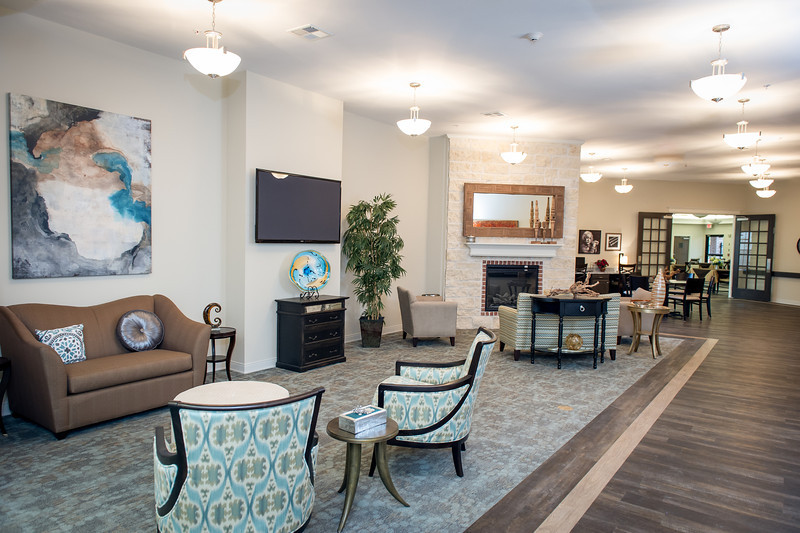
How is Bridgecrest Rehabilitation Suites Staffed?

CMS rates BRIDGECREST REHABILITATION SUITES's staffing level at 2 out of 5 stars, which is below average compared to other nursing homes. Staff turnover is 40%, compared to the Texas average of 46%. This relatively stable workforce can support continuity of care.

What Have Inspectors Found at Bridgecrest Rehabilitation Suites?

State health inspectors documented 19 deficiencies at BRIDGECREST REHABILITATION SUITES during 2023 to 2025. These included: 2 Immediate Jeopardy (the most serious level, indicating potential for serious harm or death), 16 with potential for harm, and 1 minor or isolated issues. Immediate Jeopardy findings are rare and represent the most serious regulatory concerns. They require immediate corrective action.
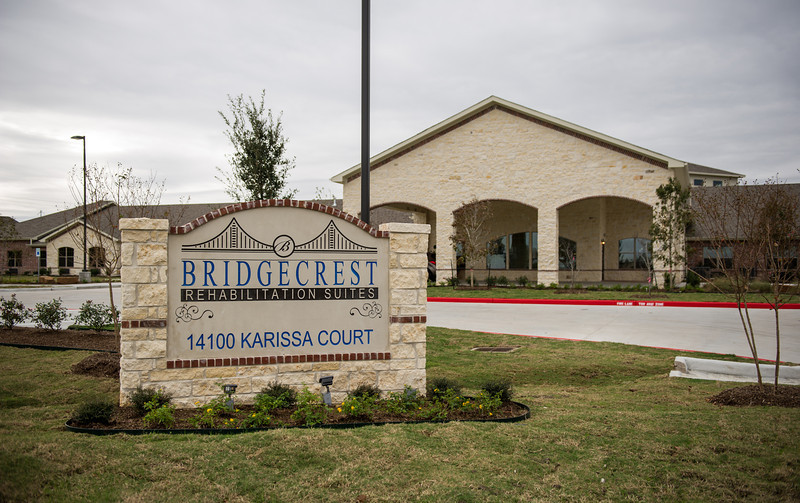
Who Owns and Operates Bridgecrest Rehabilitation Suites?

BRIDGECREST REHABILITATION SUITES is owned by a for-profit company. For-profit facilities operate as businesses with obligations to shareholders or private owners. The facility is operated by FUNDAMENTAL HEALTHCARE, a chain that manages multiple nursing homes. With 130 certified beds and approximately 89 residents (about 68% occupancy), it is a mid-sized facility located in HOUSTON, Texas.
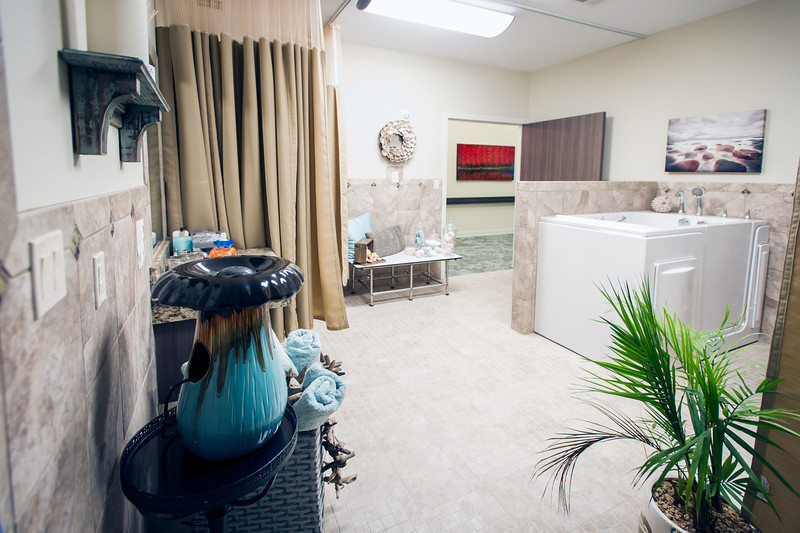
How Does Bridgecrest Rehabilitation Suites Compare to Other Texas Nursing Homes?

Compared to the 100 nursing homes in Texas, BRIDGECREST REHABILITATION SUITES's overall rating (3 stars) is above the state average of 2.8, staff turnover (40%) is near the state average of 46%, and health inspection rating (3 stars) is at the national benchmark.

What Should Families Ask When Visiting Bridgecrest Rehabilitation Suites?

Based on this facility's data, families visiting should ask: "What changes have been made since the serious inspection findings, and how are you preventing similar issues?" "Can you walk me through typical staffing levels on day, evening, and night shifts?" "Can I visit during a mealtime to observe dining assistance and food quality?" "How do you handle medical emergencies, and what is your hospital transfer rate?" These questions are particularly relevant given the facility's Immediate Jeopardy citations and the below-average staffing rating.

Is Bridgecrest Rehabilitation Suites Safe?

Based on CMS inspection data, BRIDGECREST REHABILITATION SUITES has documented safety concerns. Inspectors have issued 2 Immediate Jeopardy citations (the most serious violation level indicating risk of serious injury or death). The facility has a 3-star overall rating and ranks #1 of 100 nursing homes in Texas. Families considering this facility should ask detailed questions about what corrective actions have been taken since these incidents.

Do Nurses at Bridgecrest Rehabilitation Suites Stick Around?

BRIDGECREST REHABILITATION SUITES has a staff turnover rate of 40%, which is about average for Texas nursing homes (state average: 46%). Moderate turnover is common in nursing homes, but families should still ask about staff tenure and how the facility maintains care continuity when employees leave.

Was Bridgecrest Rehabilitation Suites Ever Fined?

BRIDGECREST REHABILITATION SUITES has been fined $48,802 across 2 penalty actions. The Texas average is $33,567. While any fine indicates a compliance issue, fines under $50,000 are relatively common and typically reflect isolated problems that were subsequently corrected. Families should ask what specific issues led to these fines and confirm they've been resolved.

Is Bridgecrest Rehabilitation Suites on Any Federal Watch List?

BRIDGECREST REHABILITATION SUITES is not on any federal watch list. The most significant is the Special Focus Facility (SFF) program, which identifies the bottom 1% of nursing homes nationally based on persistent, serious quality problems. Not being on this list means the facility has avoided the pattern of deficiencies that triggers enhanced federal oversight. This is a positive indicator, though families should still review the facility's inspection history directly.