CAPSTONE HEALTHCARE ESTATES ON OREM
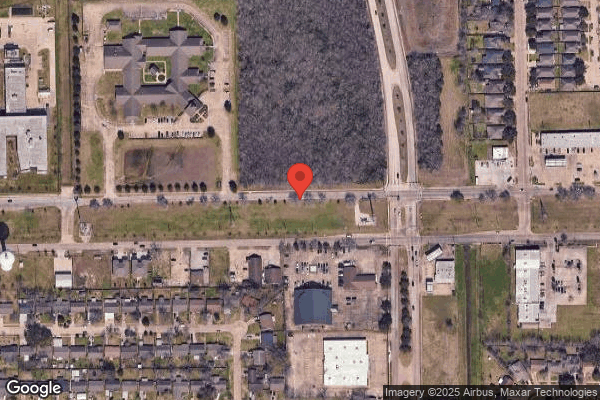
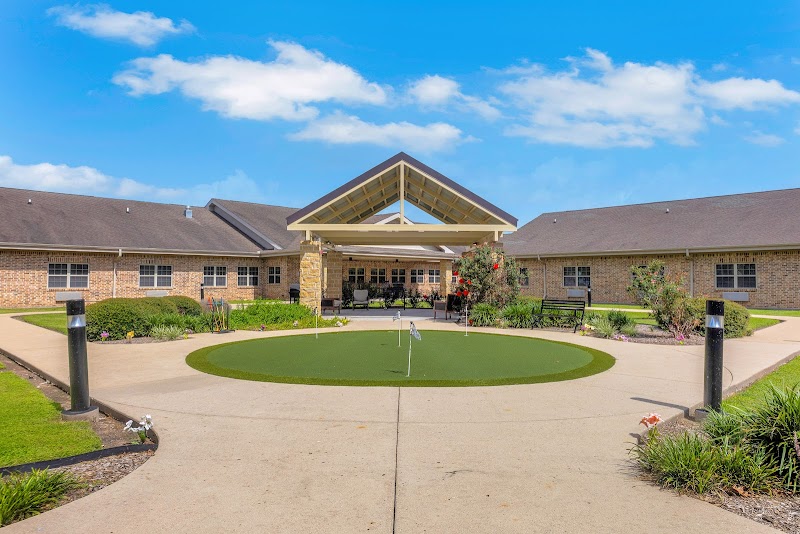
3730 W. OREM DRIVE, HOUSTON, TX 77045 (832) 799-6484
For profit - Limited Liability company 120 Beds CAPSTONE HEALTHCARE Data: November 2025 1 Immediate Jeopardy citation
Trust Grade
48/100
#430 of 1168 in TX
Last Inspection: April 2025

Within standard 12-15 month inspection cycle. Federal law requires annual inspections.

Overview

Capstone Healthcare Estates on Orem has received a Trust Grade of D, indicating below-average performance with some significant concerns. Ranking #430 out of 1,168 facilities in Texas places them in the top half, while their county rank of #40 out of 95 suggests that only a few local options are better. The facility has shown an improving trend, reducing issues from 7 in 2024 to 6 in 2025. However, staffing is a weakness with a rating of 2 out of 5 stars and a turnover rate of 52%, which is around the state average. The facility has also accumulated $34,418 in fines, suggesting some compliance issues. RN coverage is average, which is important as RNs can identify problems that CNAs might miss. Specific incidents include a failure to ensure a dialysis patient received necessary treatments, resulting in a hospital visit, and medication errors that could jeopardize residents’ health. Additionally, there was a lack of proper infection control practices during care, increasing the risk of infections. Overall, while there are some strengths, families should weigh these significant weaknesses when considering care for their loved ones.

Trust Score
D
48/100
In Texas
#430/1168
Top 36%
Safety Record
High Risk
Review needed
Inspections
Getting Better
7 → 6 violations
Staff Stability
⚠ Watch
52% turnover. Above average. Higher turnover means staff may not know residents' routines.
Penalties
⚠ Watch
$34,418 in fines. Higher than 84% of Texas facilities, suggesting repeated compliance issues.
Skilled Nurses
⚠ Watch
Each resident gets only 22 minutes of Registered Nurse (RN) attention daily — below average for Texas. Fewer RN minutes means fewer trained eyes watching for problems.
Violations
⚠ Watch
20 deficiencies on record. Higher than average. Multiple issues found across inspections.
★★★☆☆
3.0
Overall Rating
★★☆☆☆
2.0
Staff Levels
★★☆☆☆
2.0
Care Quality
★★★☆☆
3.0
Inspection Score
Stable
2024: 7 issues
2025: 6 issues

The Good

  • Full Sprinkler Coverage · Fire safety systems throughout facility
  • No fines on record

Facility shows strength in fire safety.

The Bad

3-Star Overall Rating

Near Texas average (2.8)

Meets federal standards, typical of most facilities

Staff Turnover: 52%

Near Texas avg (46%)

Higher turnover may affect care consistency

Federal Fines: $34,418

Above median ($33,413)

Moderate penalties - review what triggered them

Chain: CAPSTONE HEALTHCARE

Part of a multi-facility chain

Ask about local staffing decisions and management

The Ugly 20 deficiencies on record

1 life-threatening
Apr 2025 2 deficiencies
CONCERN (E)

Potential for Harm - no one hurt, but risky conditions existed

Deficiency F0760 (Tag F0760)

Could have caused harm · This affected multiple residents

**NOTE- TERMS IN BRACKETS HAVE BEEN EDITED TO PROTECT CONFIDENTIALITY** Based on interviews and record review, the facility failed to ensure residents were free from significant medication errors for ...

Read full inspector narrative →
**NOTE- TERMS IN BRACKETS HAVE BEEN EDITED TO PROTECT CONFIDENTIALITY** Based on interviews and record review, the facility failed to ensure residents were free from significant medication errors for 1 of 24 residents (Resident #51) reviewed for significant medication errors. The facility failed to ensure Metoprolol (a blood pressure (BP) medication given to lower high blood pressure) was administered six times in March 2025 to Resident #51 as ordered on 02/26/2025 by the physician and Resident #51 was administered Metoprolol 12.5 mg outside of physician set parameter of the residents SBP (the top BP number) less than 100 hold. This failure could place residents at risk of not receiving desired therapeutic outcomes, increased side effects, or a decline in health. Findings included: Record review of Resident #51's admission face sheet, undated, reflected a [AGE] year-old male admitted to the facility on [DATE] and readmitted [DATE] with diagnoses which included: Atrial Fibrillation (irregular often rapid heart rate resulted in poor blood flow), Hypertension (high blood pressure), cardiac pacemaker (small Implanted electronic device to help the hearts rhythm with electric impulses). Record review of Resident #51's quarterly Minimum Data Set (MDS) dated [DATE] reflected the resident's Brief Interview for Mental Status (BIMS (a score used to assess cognitive function) was 15 which indicted his cognition was intact. The MDS indicated Resident #51's speech was clear. He was able to make himself understood and he was able to understand others. The resident required supervision only for eating and oral hygiene. He required maximum assistance for toileting, showers/baths. Partial assistance was needed for personal hygiene. Resident #51 was always frequently incontinent of bowel and bladder. Record review of Resident #51's care plan initiated 02/24/2025 reflected the following: Problem: The resident received hypertensive medications. Goal: The resident would receive hypertensive medications without any complications. Interventions: Provide Metoprolol as ordered Staff would check blood pressure before medications were given. Record review of Resident #51's order summary report, active orders dated as of 04/03/2025, revealed, Metoprolol Tartrate Tablet. Give 12.5 mg by mouth two times a day related to hypertension. Hold for a systolic blood pressure (SBP) less than 100. Order dated 02/26/2025. Record review of Resident #51's March 2025 Medication Administration Record (MAR) dated 03/01/2025 -03/31/2025 reflected, the resident was administered Metoprolol 12.5 mg outside of physician set parameter of SBP (The top BP reading) less than 100 on: 03/02/2025 at 9:00AM with BP 88/61 by MA A 03/03/2025 at 9:00AM with BP 97/64 by MA A 03/04/2025 at 5:00 PM with BP 95/60 by MA B 03/05/2025 at 5:00 PM with BP 97/62 by MA B 03/09/2025 at 9:00 AM with BP 97/65 by MA A 03/20/2025 at 9:00 AM with BP 90/61 by MA A In an interview and record review of Resident #51's MAR on 04/02/2025 at 10:10 AM MA A stated the initials documented on 03/02/2025, 03/03/2025, 03/09/2025, 03/20/2025 were her initials. The MA A stated the check mark documented the medication was given. MA A stated when the blood pressure was outside the ordered parameters it should not have been given. MA A stated if a medication was not administered it would be documented it was not given due to outside parameters. MA A stated the medication should not have been given on the dates. MA A stated she knew better than to give it. She stated it must have been incorrect documentation. MA A stated the pharmacist trained the staff on medication administration which included observed administration of medications. To prevent this again she would slow down, read the order and document correctly. In a phone interview on 04/02/2025 at 11:24 AM the facility pharmacist stated the physician ordered parameter was to help hold the resident's BP above a certain level. It was to prevent the BP from dropping too low. The pharmacist stated the expectation was the physician's hold order was followed. The risk was the BP could go too low. The pharmacist stated she did routine staff in-service and monitored medication administration. In a phone interview on 04/02/2025 at 12:40 PM Resident #51's NP stated she saw the resident's BP ran low. She stated the reason for the parameter hold order was a guide to keep the resident's BP at a safe level. The NP stated the medication was to lower BP. The risk was the BP would drop too low. The NP stated Resident #51's BP did run low. The NP continued and stated the resident needed the medication for his heart. In a phone interview on 04/02/2025 at 12:58 PM MA B stated she checked the BP. MA B stated she checked the parameter to make sure it was alright to give. The MA stated the parameter was to hold for the resident's SBP less than 100 the medication should not have been given. The Medication was to lower the BP. The risk was the BP would go too low. Next time she would double check before she gave any medication. In an interview on 04/03/2025 at 9:13 AM ADON stated the risk of the medication administered under the ordered parameter was low BP, fainting, hospitalization. The ADON stated the pharmacist regularly in-serviced the staff on medication administration. The ADON stated the MARs were reviewed daily in the morning meeting to monitor administration of medications. The ADON stated regular monitoring included administration, omission and availability of medications. In an interview on 04/03/2025 at 11:39 AM DON stated the risk of the medication being administered below the ordered hold value was the BP dropping. The DON stated she did not know why it was administered to Resident #51. The DON stated she thought it may have been a documentation error. The DON stated reeducation for following the physician's orders would be done to prevent this again. In an interview on 04/03/2025 at 2:45 PM the Administrator stated he understood a resident received a BP medication when the BP was under the ordered hold parameter. He stated he was not clinical, and he did not know all the risks and effects. The Administrator stated he expected medication to be administered as ordered without medication errors. In a follow up interview on 04/03/2025 at 3:11 pm The DON stated medication administration was monitored daily during the stand-up morning meetings the MARs were reviewed. Record review of the facility policy titled Administering Medications Revised dated April 2019 read in part . Policy Statement Medication are administered in a safe and timely manner, .and as prescribed. Policy Interpretation and Implementation 4. Medications are administered in accordance with prescribed orders, including any time frame .
CONCERN (E)

Potential for Harm - no one hurt, but risky conditions existed

Infection Control (Tag F0880)

Could have caused harm · This affected multiple residents

**NOTE- TERMS IN BRACKETS HAVE BEEN EDITED TO PROTECT CONFIDENTIALITY** Based on observation, interview and record review the facility failed to establish and maintain an infection prevention and cont...

Read full inspector narrative →
**NOTE- TERMS IN BRACKETS HAVE BEEN EDITED TO PROTECT CONFIDENTIALITY** Based on observation, interview and record review the facility failed to establish and maintain an infection prevention and control program designed to provide a safe, sanitary and comfortable environment and to help prevent the development and transmission of communicable diseases and infections for 1 of 24 residents (Resident #40) reviewed for infection control practices. The facility failed to ensure CNA C followed proper infection control, glove changes and hand hygiene for Resident #40 during incontinent care. CNA C failed to use a clean wipe, change gloves and perform hand hygiene during incontinent care. This failure could place residents at risk of infection or a decline in health. The findings included: Record review of Resident #40's admission face sheet undated revealed a [AGE] year-old male originally admitted to the facility on [DATE]. Resident #40 was readmitted on [DATE]. Resident #40's diagnoses included: hemiplegia /hemiparesis ( muscles weakness or partial paralysis to one side of the body), diabetes mellitus (body did not produce enough insulin or use it properly), nontraumatic intracerebral hemorrhage (bleeding within the brain not caused by an injury), epilepsy (nerve cell activity in the brain was not working correctly resulted in seizures), Cerebrovascular disease (condition affected the brain's blood vessels and blood flow). Record review of Resident #40's Quarterly Minimum Data Set (MDS) assessment dated [DATE] revealed Resident #40's speech clarity identified he had no speech. Resident #40 rarely/never made himself understood. The resident rarely/never understood others. Brief Interview for Mental Status (BIMS (a score used to assess cognitive function) was unable to be scored. Resident #40's cognitive skills for daily decision making was moderately impaired. Continued review of the MDS revealed Resident #40 was dependent on staff for eating, oral hygiene, toileting hygiene shower/bathe, personal hygiene. Resident# 40 was always incontinent of his bowel and bladder. Record review of Resident # 40's care plan updated on 02/14/2025 revealed: Problem: Resident was incontinent of bowel and bladder related to stoke, hemiplegia. Goal: The resident would remain free from skin breakdown due to incontinence. Interventions: Clean perineum (area of skin between anus and scrotum) with each incontinent episode. Record review of Resident #40's order summary report dated 04/03/2025 revealed Zinc oxide ointment 10% apply to scrotum two times a day for skin condition. Order dated 12/07/2024. Observation on 04/03/2025 at 9:28 AM during incontinent care revealed Resident #40 in bed on his back with the head of the bed elevated. Resident #40 was nonverbal. CNA C was positioned on the left side of the resident's bed. CNA D was positioned on the right side of the resident's bed. Resident #40 was turned to his right side. The resident's brief was rolled under the resident. CNA C used one incontinent wipe cleaned down the resident's right buttock, cleaned down the resident's left buttock, and cleaned the resident's anal area. Continued observation revealed Resident #40 was positioned on his back. Without a glove change or hand hygiene, CNA C obtained one new wipe. CNA C wiped down the resident's right groin, down the residents left groin, down his penis with the same wipe. In an interview on 04/03/2025 at 9:43 AM CNA C stated she did clean the resident's back first before she moved to the front. CNA C stated the resident should have been cleaned from front to back. CNA C stated she did use the same wipe to clean. She did not get a new wipe each time. CNA C stated gloves were to be changed and hand hygiene should have been done. CNA C stated she started with his buttock because he was on his side already. CNA C stated she was nervous. CNA C stated she was not thinking that was why she did not change the wipes, her gloves or do hand hygiene. CNA C stated the risk was an infection. The CNA stated she would slow down to prevent this again. In an interview on 04/03/2025 at 11:04 AM CNA D stated each wipe should have been discarded after one wipe and not reused. CNA D stated the resident's front should have been cleaned before the back. The CNA should have changed her gloves and washed her hands. CNA D stated she did not know why this occurred. She stated the risk was infection because of contamination. In an interview on 04/03/2025 at 11:39 AM the DON stated the staff reported to her the incontinent care was not done correctly. The DON stated CNA C was reminded the disposable wipes should be discarded after one use. The CNA was reminded when she cleaned from one area to another, gloves were to be changed. Hand hygiene was to be done with glove changes and care was to be done from front to back. The resident's care should not have started at the buttocks. The DON stated this was an experience CNA. The DON stated she did not know why this happened. The DON stated she expected proper infection control to be followed. The DON stated the risk was infection and to prevent this again the staff would be retrained. In an interview on 04/03/2025 at 2:45 PM the Administrator stated he was notified proper procedure was not followed during the resident's care. The Administrator stated he expected infection control protocols were followed to prevent infection. He stated the risk was infection. The Administrator stated to prevent this again the staff would be reeducated on infection control. In a follow up interview on 04/03/2025 at 3:11 PM the DON stated we monitored infections during the morning stand up meetings. The DON stated trainings were done annually and as needed during the year. Record review of the facility policy titled Perineal Care Revised dated February 2018 read in part . Purpose The purpose of this procedure are to provide cleanliness and comfort to the resident, to prevent infection an skin irritation and to observe the resident's skin condition . Record review of the facility policy titled .Infection Control Revised dated October 2018 read in part . Policy Statement this facility's infection control policies and practices are intended to facilitate maintaining a safe, sanitary and comfortable environment and to help prevent and manage transmission of disease and infections .Policy Interpretation and Implementation 2. The objectives of our infection control policies and practices are to: a. Prevent, detect, investigate, and control infections in the facility; b. Maintain a safe, sanitary, and comfortable environment for personnel, residents, visitors and the general public .
Feb 2025 2 deficiencies
CONCERN (D) 📢 Someone Reported This

A family member, employee, or ombudsman was alarmed enough to file a formal complaint

Potential for Harm - no one hurt, but risky conditions existed

Report Alleged Abuse (Tag F0609)

Could have caused harm · This affected 1 resident

**NOTE- TERMS IN BRACKETS HAVE BEEN EDITED TO PROTECT CONFIDENTIALITY** Based on observation, interview and record review, the facility failed to ensure that all alleged violations involving abuse, ne...

Read full inspector narrative →
**NOTE- TERMS IN BRACKETS HAVE BEEN EDITED TO PROTECT CONFIDENTIALITY** Based on observation, interview and record review, the facility failed to ensure that all alleged violations involving abuse, neglect, exploitation or mistreatment, including injuries of unknown source, are reported immediately, but no later than 2 hours after the event, if the events result in serious bodily injury, or no later than 24 hours if the events do not result in serious bodily injury, to the Administrator of the facility and to other officials (including to the State Survey Agency) in accordance with state law through established procedures for 1 (Resident #1) of 7 residents reviewed for abuse. CNA A failed to immediately notify the Administrator on 09/03/24 Resident #1 had bruising on the right arm of unknown origin. This failure could place residents at risk for abuse and neglect. Findings Included: Record review of admission record dated 02/27/25 revealed Resident #1 was an [AGE] year-old woman admitted to the facility on [DATE] with diagnoses which included unspecified visual loss, unspecified osteoarthritis, anxiety disorder, muscle wasting and atrophy (the wasting away or shrinking of an organ, tissue, or muscle), other lack of coordination, unspecified lack of coordination, hypertension, and long term (current) use of anticoagulants ( blood thinners). A record review of Resident 1's admission MDS assessment dated [DATE] revealed Resident #1 was assessed to have the ability to usually understand others and could make herself understood. Further review revealed a Brief Interview for Mental Status was not conducted due to a code zero entered which indicated, resident is rarely/never understood. Resident #1 had clear speech and adequate hearing and severely impair vision. Record review of Resident #1's care plan, dated 10/11/22, reflected, [Resident #1] is receiving anticoagulant therapy r/t Atrial fibrillation .Goal . [Resident #1] will be free from discomfort or adverse reactions related to anticoagulant use through the review date.Interventions . Daily skin inspection. Report abnormalities to the nurse. Record review of a Skin Only Evaluation completed by RN B, dated 09/04/24, reflected new issue: right upper arm bruise noted. Location: right forearm. Skin issue: bruising. Record review of an undated statement by CNA A reflected, I noticed a dark discoloration on Resident #1's arm. I reported it to [ LVN 1], but I'm unsure if he had heard me as I spoke in a lower tone than normal. Record review of a statement by LVN C dated 09/10/24 revealed, was notified of resident bruise from previous shift nurse-bruise on right upper arm assessed by me. In an interview on 02/25/2025 at 10:18am with Family Member D revealed she visited Resident #1 on 08/29/2024 and there were no concerns. Family Member D stated when she visited Resident #1 on 09/03/24, Resident #1 had a large deep purple bruise on her right arm. Family Member D stated she asked LVN E to look at the bruise. Family Member D stated LVN E stated the DON would be informed and Family Member D would be contacted. Family Member D stated CNA A came into the room and stated the bruise was noticed a few days ago and it was reported to LVN C. Family Member D stated she contacted the DON on 09/05/24, due to not receiving a call 09/04/24, and the DON stated she did not know anything about the issues and was not informed by any facility staff members. An attempted interview with Resident #1 on 02/25/25 at 11:05am revealed Resident #1 responded to questions with rambling speech. Resident #1's rambling speech continued on-going during the interview. Resident #1 was observed sitting up in bed and the call light within reach. No visible injuries observed. An interview with CNA A on 02/25/25 at 2:28pm revealed he has worked at the facility for 7 years. CNA A revealed he noticed a bruise on Resident #1's forearm and LVN 1 was informed immediately. CNA A stated he has worked at the facility for 7 years. CNA A stated abuse should be reported as soon as it happens to the DON or Administrator. CNA A stated he probably should have informed the Administrator but informed the charge nurse instead. Telephone interview with LVN C on 02/27/25 at 8:05am revealed CNA A did not inform him of the bruise. LVN C stated had he been informed; he would have followed protocol. LVN C stated the protocol included notifying the family, the DON, completing a skin assessment and incident report. LVN C stated abuse was reported immediately to the DON and Administrator. An interview with the DON on 02/27/25 at 3:58pm revealed she spoke with Family Member D but was unsure when. The DON stated CNA A stated LVN C was informed of the bruise but was unsure if LVN C heard him. The DON stated the interim Administrator was informed of the bruise on 09/05/24. The DON stated the protocol for injury of unknown origin was the CNA reported to the nurse, who assessed the resident, an incident report was completed, and the physician and family members were notified. The DON stated Resident #1 was on blood thinners and she flails her arms, and the assumption was Resident #1 may have hit the side rail of the bed. The DON stated the risk of staff failure to report an injury of unknow origin was delayed time with resolution of injury/treatment. An interview with the Administrator, the Abuse Coordinator, on 02/25/25 at 4:18pm, revealed his employment and training started the end of September with the interim Administrator. The Administrator stated he was unaware of Resident #1's bruise and unsure if the interim Administrator was aware. The Administrator stated the expectation was notification of a bruise that is out of the ordinary, what it is and where the bruise is located to find the root cause of the bruise. The Administrator stated the lack of notification was concerning and it is an opportunity for education for the staff on reporting abuse. Record review of the facility's policy titled, Investigating Resident Injuries, revised April 2021, reflected all resident injuries are investigated. The director of nursing services or a designee assesses all resident injuries and documents findings in the medical record. If the nursing and medical assessment determines an injury of unknown source the investigation will follow the protocols set forth in our facility's established abuse investigation guidelines.
CONCERN (D) 📢 Someone Reported This

A family member, employee, or ombudsman was alarmed enough to file a formal complaint

Potential for Harm - no one hurt, but risky conditions existed

ADL Care (Tag F0677)

Could have caused harm · This affected 1 resident

**NOTE- TERMS IN BRACKETS HAVE BEEN EDITED TO PROTECT CONFIDENTIALITY** Based on observation, interview and record review, the facility failed to provide the necessary services to maintain good person...

Read full inspector narrative →
**NOTE- TERMS IN BRACKETS HAVE BEEN EDITED TO PROTECT CONFIDENTIALITY** Based on observation, interview and record review, the facility failed to provide the necessary services to maintain good personal hygiene to a resident who is unable to carry out activities of daily living for one of five residents (Resident #2) reviewed for ADL care. The facility failed to provide Resident #2, who required extensive assistance, with timely incontinence care on 02/25/25 from 6:30 a.m. to 11:30 a.m. This failure could place residents at risk of skin breakdown, urinary tract infections and loss of dignity. Findings included: Record review of Resident #2's admission Record, dated 02/27/25, reflected a [AGE] year-old male with an admission date of 07/22/22. Resident #2 diagnoses included Paraplegia (paralysis that affects all or part of the trunk, legs, and pelvic organs), Flaccid Hemiplegia affection left nondominant side (loss of muscle tone on one side of the body), need for assistance with personal care, and muscle wasting and atrophy (causes muscles to lose mass and strength). Record review of Resident #2's MDS assessment dated [DATE] reflected frequent urinary and bowel incontinence. Resident #2 reflected toilet transfer was not applicable and dependent regarding toileting hygiene. Resident #2 had a BIMS of 15, which indicated he was cognitively intact. Record review of Resident #2's care plan, revised 12/28/21, reflected, Resident #2 has an alteration in elimination r/t bowel/bladder incontinence .Goal . [Resident #2] will remain free from skin breakdown due to incontinence and brief use .Interventions .Check [Resident #2] during care rounds for incontinence .Toilet use: [Resident #2] requires x1 extensive to use toilet. An interview with Resident #2 on 02/25/25 at 11:28am revealed he had not had a diaper change since 6:30am. Resident #2 revealed he had no wound issues because he took care of the area below his waist. No stains on Resident #2's bedsheet was observed nor odor in the room. An interview with CNA F on 02/25/25 at 11:44am revealed Resident #2 had not been changed since his shift began at 6am. CNA F stated he had to get residents in their wheelchairs on another hall. An interview with CNA G on 02/26/25 at 8:15am revealed incontinent residents were checked every 2 hours and more often depending on their condition. CNA G stated she worked on a different hall than Resident #2 and was very busy. CNA G stated she was assigned to Resident #2 but asked CNA F to check on Resident #2, to ensure incontinent care was provided, and charted before she left. CNA G stated the risk for delayed incontinent care to the resident could be skin breakdown, infections, wounds, or bed sores. Second interview with CNA F on 02/26/25 at 10:00am revealed Resident #2 was not his assigned room. CNA F stated Resident #2's call light was the reason why he entered Resident #2's room on 02/25/25 to change him. CNA F stated Resident #2 was assigned to CNA G on 02/25/25. An interview with the ADON on 02/27/25 at 1:43pm revealed the expectations for incontinent residents were for CNAs to check incontinent residents when rounds were conducted and as needed. The ADON stated the risk for incontinence delay could result in skin breakdown or risk of UTIs ( urinary tract infections). An interview with the DON on 02/27/25 at 3:58pm revealed the expectation regarding incontinent care was for residents to get checked every two hours. The DON stated the risk for incontinence delay was potential infection and breakdown. Record review of the facility's policy titled, Urinary Continence and Incontinence-Assessment and Management revised August 2022, reflected Management of incontinence will follow relevant clinical guidelines . The physician and staff will provide appropriate services and treatment to help residents restore or improve bladder function and prevent urinary tract infections to the extent possible.
Jan 2025 2 deficiencies
CONCERN (D) 📢 Someone Reported This

A family member, employee, or ombudsman was alarmed enough to file a formal complaint

Potential for Harm - no one hurt, but risky conditions existed

Comprehensive Care Plan (Tag F0656)

Could have caused harm · This affected 1 resident

**NOTE- TERMS IN BRACKETS HAVE BEEN EDITED TO PROTECT CONFIDENTIALITY** Based on interview and record review, the facility failed to develop and implement a comprehensive person-centered care plan for...

Read full inspector narrative →
**NOTE- TERMS IN BRACKETS HAVE BEEN EDITED TO PROTECT CONFIDENTIALITY** Based on interview and record review, the facility failed to develop and implement a comprehensive person-centered care plan for each resident, consistent with the resident rights, that includes measurable objective and timeframes to meet a resident's medical, nursing, and mental and psychosocial needs that are identified in the comprehensive assessment for 1 of 3 residents (Resident #1) reviewed for care plans. -The facility failed to ensure Resident #1's treatment orders for Right Heel Unstageable DTI were followed as ordered by the physician on 12/18/24 . -Wound Care Nurse documented administering a treatment to Resident #1's Right Heel Unstageable DTI that she did not provide on 12/18/24 . These deficient practice could affect residents with comprehensive care plans and could result in missed or delayed continuity of care. Findings included: Record review of the admission sheet for Resident #1 revealed a [AGE] year-old female admitted to the facility on [DATE]. Her diagnoses included pressure ulcer of right ankle, stage 4 (a severe, deep wound on the right ankle where the skin damage extends beyond the subcutaneous tissue, potentially exposing muscle, tendon, or bone), heart failure (a chronic condition in which the heart doesn't pump blood as well as it should) and peripheral vascular disease (a circulatory condition in which narrowed blood vessels reduce blood flow to the limbs). Record review of Resident #1's comprehensive MDS assessment dated [DATE] revealed a BIMS of 08 out of 15 indicating moderately impaired cognition. She required substantial/maximal assistance from staff for toilet hygiene, personal hygiene, upper/lower body dressing. Resident #1 had indwelling catheter. Resident#1 was always incontinent of bowel. Further review of Section M0150. Risk of Pressure Ulcers/injuries. Is the resident at risk of developing pressure ulcers/injuries? Coded: Yes. G. Unstageable - Deep tissue injury: coded: 0 Record review of Resident #1's Care plan dated 01/09/2021 and revised on 12/18/2024 revealed the following care plan: Problem: [Resident#1] has DTI to Right heel Goal: [Resident#1] will have intact skin, free of redness, blisters or discoloration by/through review date. Interventions: Administer treatments as ordered and monitor for effectiveness. Assess/record/monitor wound healing Measure length, width and depth where possible. Assess and document status of wound perimeter, wound bed and healing progress. Report improvements and declines to the MD. Follow facility policies/protocols for the prevention/treatment of skin breakdown. Record review of Resident #1's physician's order dated 12/06/2024 revealed an order for Right Heel Unstageable DTI: Cleanse with normal saline or wound cleanser, pat dry apply Skin Prep 3 times a week, PRN. Every day shift every Mon, Wed, Fri. Record review of Resident #1's TAR for the month of December 2024 revealed an order for Right Heel Unstageable DTI: Cleanse with normal saline or wound cleanser, pat dry apply Skin Prep 3 times a week, PRN. Every day shift every Mon, Wed, Fri was signed off 6am-6pm on 12/18/24 by the Wound Care Nurse. Observation and attempted interview on 12/18/24 at 10:16 a.m., with Resident#1 revealed she was resting on an air mattress. Resident mumbled for about 5 minutes while being interviewed and could not respond appropriately to the questions asked about her wounds. Resident had wounds on the sacrum, Right leg/foot/shin lateral/anterior that were without the dressing. Observation on 12/18/24 at 10:31a.m., revealed Wound Care Nurse providing wound care for Resident #1. Wound Care Nurse gathered the supplies at the treatment cart in the hallway before bringing them into Resident #1's room. Continued observation revealed right heel unstageable DTI with intact skin approximately 2.0 centimeters in diameter. Wound Care Nurse failed to provide treatment to right heel as ordered. In an interview and record review on 12/18/24 at 1:13p.m., with the Wound Care Nurse, she said she provided treatment to Resident#1's right lateral shin, sacrum, right lateral foot, and right anterior shin. This Surveyor reviewed Resident #1's TAR with the Wound Care Nurse. Wound Care Nurse said she signed off on the order for unstageable DTI of the right heel but forgot to provide the treatment. When asked why she signed off on the order if she did not provide the treatment. WCN said she forgot because the right heel did not need a dressing just a skin prep. WCN said skin prep helped dry up the wound. Wound Care Nurse said it was important to follow physician order to promote wound healing. In an interview on 12/18/24 at 1:45p.m., with the DON, when asked how does staff know what treatment to provide to residents. What is the risk to the resident due to this failure? The DON said it was important to follow physician orders to facilitate wound healing. To ensure accuracy, treatment should be administered by referencing the computer orders rather than relying on memory. The DON said it was important to sign off on each order once the corresponding treatment has been completed. Record review of the facility's Wound Care policy dated (Revised October 2010) revealed read in part: .Purpose: The purpose of this procedure is to provide guidelines for the care of wounds to promote healing. Preparation: 1. Verify that there is a physician's order for this procedure .
CONCERN (D) 📢 Someone Reported This

A family member, employee, or ombudsman was alarmed enough to file a formal complaint

Potential for Harm - no one hurt, but risky conditions existed

Infection Control (Tag F0880)

Could have caused harm · This affected 1 resident

**NOTE- TERMS IN BRACKETS HAVE BEEN EDITED TO PROTECT CONFIDENTIALITY** Based on observations, interviews, and record review the facility failed to establish and maintain an infection prevention and c...

Read full inspector narrative →
**NOTE- TERMS IN BRACKETS HAVE BEEN EDITED TO PROTECT CONFIDENTIALITY** Based on observations, interviews, and record review the facility failed to establish and maintain an infection prevention and control program designed to provide a safe, sanitary, and comfortable environment and to help prevent the development and transmission of communicable diseases and infection for 1 of 3 residents (Resident #1) reviewed for infection. -The facility failed to ensure Wound Care Nurse performed hand hygiene after removing soiled gloves and before applying new gloves while providing Resident #1's wound care on 12/18/24. -The facility failed to ensure Resident#1's wounds were covered after evaluation from the wound care physician on 12/18/24. These failures could place residents at risk for the spread of infection. Findings included: Record review of the admission sheet for Resident #1 revealed a [AGE] year-old female admitted to the facility on [DATE]. Her diagnoses included pressure ulcer of right ankle, stage 4 (a severe, deep wound on the right ankle where the skin damage extends beyond the subcutaneous tissue, potentially exposing muscle, tendon, or bone), heart failure (a chronic condition in which the heart doesn't pump blood as well as it should) and peripheral vascular disease (a circulatory condition in which narrowed blood vessels reduce blood flow to the limbs). Record review of Resident #1's comprehensive MDS assessment dated [DATE] revealed a BIMS of 08 out of 15 indicating moderately impaired cognition. She required substantial/maximal assistance from staff for toilet hygiene, personal hygiene, upper/lower body dressing. Resident #1 had indwelling catheter. Resident#1 was always incontinent of bowel. Further review of Section M0150. Risk of Pressure Ulcers/injuries. Is the resident at risk of developing pressure ulcers/injuries? Coded: Yes. G. Unstageable - Deep tissue injury: coded: 0 Record review of Resident #1's Care plan dated 01/09/2021 and revised on 12/18/2024 revealed the following care plan: Problem: [Resident#1] has DTI to Right heel Goal: [Resident#1] will have intact skin, free of redness, blisters or discoloration by/through review date. Interventions: Administer treatments as ordered and monitor for effectiveness. Assess/record/monitor wound healing Measure length, width and depth where possible. Assess and document status of wound perimeter, wound bed and healing progress. Report improvements and declines to the MD. Follow facility policies/protocols for the prevention/treatment of skin breakdown. Observation and attempted interview on 12/18/24 at 10:13 a.m., with Resident#1 and the Wound Care Doctor. The Wound Care Doctor said he had evaluated Resident#1's wounds and had to run to other facility. Wound Care Doctor left Resident#1's wounds uncovered. Further observation revealed old/soiled dressings had been removed and were left on the resident's bed rather than being properly disposed of. Observation and attempted interview on 12/18/24 at 10:16 a.m., with Resident#1 revealed she was resting on an air mattress. Resident mumbled for about 5 minutes while being interviewed and could not respond appropriately to the questions asked about her wounds. Resident had wounds on the sacrum, Right leg/foot/shin lateral/anterior that were without the dressing. Old/soiled dressings had been removed and were left on the resident's bed rather than being properly disposed of. Observation on 12/18/24 at 10:31a.m., revealed Wound Care Nurse providing wound care for Resident #1. Wound Care Nurse gathered the supplies at the treatment cart in the hallway before bringing them into Resident #1's room. There was no dressing on the sacrum wound. Continued observation revealed an open area of approximately 5.0 centimeters in diameter. WCN cleansed the wound with normal saline, removed her soiled gloves, and without sanitizing/washing her hands donned clean gloves and continued the treatment. In an interview on 12/18/24 at 1:13p.m., with the Wound Care Nurse, she said the wound care doctor did not cover the wounds, and she was rushed in dressing them and forgot to sanitize her gloves between gloves change. She said this failure placed risk for infection. She said she received in-serviced on infection control 3 to 4 weeks ago at this facility. Could not recall the exact date. She said the DON spot checked her once a month. In an interview on 12/18/24 at 1:45p.m., with the DON, she said the WCN should have either washed or sanitized her hands after touching a dirty area prior to moving to a clean area when performing wound care. The DON said the Wound Care Doctor should have covered the wounds and disposed of soiled dressing properly. She said these failures were risk for infection control. She said staff received in-service on infection control every 2 to 3 months. Record review of facility's COVID-19 Prevention & infection Control in-service (not dated) conducted by the ADON revealed Wound Care Nurse did not sign the in-service. Record review of the facility's Infection Control policy dated (Revised October 2018) revealed read in part: . Policy Statement: This facility's infection control policies and practices are intended to facilitate maintaining a safe, sanitary and comfortable environment and to help prevent and manage transmission of diseases and infections. Record review of the facility's Handwashing/Hand Hygiene policy dated (Revised August 2019) revealed read in part: .Policy Statement: This facility considers hand hygiene the primary means to prevent the spread of infections. Policy Interpretation and Implementation: .7. Use an alcohol-based hand rub containing at least 62% alcohol; or, alternatively, soap (antimicrobial or non-antimicrobial) and water for the following situations: m. After removing gloves. 9. The use of gloves does not replace hand washing/hand hygiene. Integration of glove use along with routine hand hygiene is recognized as the best practice for preventing healthcare-associated infections .
Nov 2024 1 deficiency
CONCERN (D) 📢 Someone Reported This

A family member, employee, or ombudsman was alarmed enough to file a formal complaint

Potential for Harm - no one hurt, but risky conditions existed

Deficiency F0573 (Tag F0573)

Could have caused harm · This affected 1 resident

**NOTE- TERMS IN BRACKETS HAVE BEEN EDITED TO PROTECT CONFIDENTIALITY** Based on interview and record review the facility failed to ensure the resident has the right to access personal and medical rec...

Read full inspector narrative →
**NOTE- TERMS IN BRACKETS HAVE BEEN EDITED TO PROTECT CONFIDENTIALITY** Based on interview and record review the facility failed to ensure the resident has the right to access personal and medical records pertaining to himself and allow the resident to obtain a copy of the records upon request and upon two working days advance notice to the facility for 1 of 2 residents (CR#1) whose records were reviewed in that: - The facility failed to provide CR#1's Responsible party copies of medical records after a request was submitted to the facility on [DATE]. This failure could place residents at risk of violation of their rights by not receiving copies of their medical records. Findings included: Record review of the admission sheet (undated) for CR #1 revealed a [AGE] year-old male admitted to the facility on [DATE] and discharged on 09/29/2023. His diagnoses included type 2 diabetes mellitus (a long-term condition in which the body has trouble controlling blood sugar and using it for energy), hypertension (a condition in which the force of the blood against the artery walls is too high) and bed confinement (unable to get up from bed without assistance, unable to ambulate, and unable to sit in a chair or wheelchair). Family member was listed as Responsible Party. Resident was transferred to the hospital on [DATE]. Record review of CR #1's Quarterly MDS assessment, dated 09/25/2023, revealed the BIMS score 07 out of 15 indicating severely impaired cognition. He required extensive assistance from staff physical assist for personal hygiene, toilet, dressing and bed mobility. Resident was always incontinent of bowel and bladder. Record review of CR #1's care plan initiated 3/17/2023 and revised on 10/06/2023 revealed the following: Focus: The resident has potential fluid deficit r/t feeding tube as a nutritional approach Goal: The resident will be free of symptoms of dehydration and maintain moist mucous membranes, good skin turgor. Interventions: Administer medications as ordered. Monitor/document for side effects and effectiveness. Monitor/document/report PRN any s/sx of dehydration: decreased or no urine output, concentrated urine, strong odor, tenting skin, cracked lips, furrowed tongue, new onset confusion, dizziness on sitting/standing, increased pulse, headache, fatigue/weakness, dizziness, fever, thirst, recent/sudden weight loss, dry/sunken eyes. Record review of the facility's Record Request for CR#1 revealed the form was signed by RP on 10/06/2023. In a telephone interview on 11/19/2024 at 8:55a.m., with CR #1's family member, she stated she was the responsible party for CR #1. The Family member stated she submitted a record request in October 2023, but the facility has not yet provided the requested records as of today (11/19/2024). In an interview on 11/19/2024 at 11:02a.m., with the Medical records/central supply, she stated she began in medical records role on May 28, 2024. She stated the process for requesting medical records involved the family/ resident filling out the record request form. The form was then sent to the corporate office where once approved she would print the records and process their request within 24 hours. She stated that once the records were mailed corporate would then be notified that the request had been fulfilled. She stated the copy of the records that were mailed was retained for three years as part of their records. She stated that she was not aware if previous requests had been made by CR#1's family member requesting copies of the medical record. In an interview on 11/19/24 at 1:02 p.m., with the Administrator, he stated he found the records request made by the family member for CR#1 on 10/06/2023. The Administrator stated with CR#1 discharged the facility was unable to locate his binder to check if the record request was possibly mailed. He stated when a request was made, it should be fulfilled within 24 hours. Record review of facility's Release of Information policy (revised November 2009) revealed in part: .Policy statement: Our facility maintains the confidentiality of each resident's personal and protected health information. Policy Interpretation and Implementation: 3. All information contained in the resident's medical record is confidential and may only be released by the written consent of the resident or his/her legal representative (sponsor), consistent with state laws and regulations. 8.The resident may initiate a request to release such information contained in his/her records and charts to anyone he/she wishes. Such requests will be honored only upon the receipt of a written, signed, and dated request from the resident or representative (sponsor). 9. A resident may have access to his or her records within 24 hours (excluding weekends or holidays) of the resident's written or oral request .
Apr 2024 1 deficiency
CONCERN (D) 📢 Someone Reported This

A family member, employee, or ombudsman was alarmed enough to file a formal complaint

Potential for Harm - no one hurt, but risky conditions existed

ADL Care (Tag F0677)

Could have caused harm · This affected 1 resident

**NOTE- TERMS IN BRACKETS HAVE BEEN EDITED TO PROTECT CONFIDENTIALITY** Based on observation, interview and record reviews the facility failed to ensure a resident that was unable to carry out activit...

Read full inspector narrative →
**NOTE- TERMS IN BRACKETS HAVE BEEN EDITED TO PROTECT CONFIDENTIALITY** Based on observation, interview and record reviews the facility failed to ensure a resident that was unable to carry out activities of daily living received the necessary services to maintain good nutrition, grooming and personal and oral hygiene for 1 of 4 (Resident #1) reviewed for Activities of Daily Living. The facility failed to ensure Resident #1's adult brief was checked and changed when needed. This failure could affect all residents that required staff assistance with activities of daily living and could result in poor hygiene and skin breakdown. Findings Included: Record review of Resident #1's undated face sheet revealed he was a [AGE] year-old male that was admitted to the facility on [DATE] with diagnoses of Cerebral Infarction (occurs as a result of disrupted blood flow to the brain due to problems with blood vessel supply), atrial fibrillation(an irregular, often rapid heartbeat commonly caused by poor blood flow), acute kidney failure (a condition in which the kidneys suddenly cannot filter waste from the blood), vascular dementia (brain damaged from multiple strokes), unsteadiness on feet (when gait and balance issues makes it difficult to stand and walk). Record review of Resident #1's annual MDS dated [DATE] revealed Section C0500- Brief interview of mental status as coded as 05 (severe cognitive impairment). Section GG 0130- Functional Abilities and goals revealed C. Toileting hygiene- The ability to maintain perineal hygiene was coded as 3, which represented Partial/moderate assistance in which the helper does half of the effort. Section GG0170- revealed F. Toilet transfer was coded as 3, which represented partial/moderate assistance in which helper does half the effort. Section H0300- Urinary Continence was coded as 2 for frequently incontinent. H0400. Bowel incontinent was coded as 2 for frequently incontinent. Record review of Resident #1's care plan dated 10/05/2022 and revised on 10/18/2023 revealed Resident #2 had an ADL self-care performance deficit r/t dementia, impaired balance and late effects of CVA. Interventions: Bed mobility: Limited assist X1 staff. Toileting: Extensive assist X 1-2 staff and Transfer: Limited X2 staff. Resident has bladder/bowel incontinence r/t dementia and requires assistance with toileting hygiene. Interventions: Check [NAME] as indicated and as required for incontinence. Wash, rinse and dry perineum. Observations of Resident #1 revealed: 3/28/2024 at 3:07pm- Strong urine odor in Resident #1's bedroom. He was asleep. 4/4/2024 at 4:02am- revealed Resident #1 was sitting in his wheelchair bent over wiping his bed sheets with paper towels. His bed sheets were wet with urine. He was not interview able. Observation on 4/4/2024 at 4:00 a.m., revealed two CNA's coming out of an office located on station 1 near the 700 Hall. They were observed to be stretching and yawning. An interview with RNA on 4/4/2024 at 4:14am, revealed her expectation of her overnight staff is to ensure residents are clean and diapers briefs are changed as needed. She denied that the two CNA's seen coming out of the office were asleep . She stated that they round every two hours and that she believed Resident #1 was just a heavy wetter. She was informed Resident #1 was wet as well as his bed. She said he must have just wet his bed because she is pretty sure the CNA staff checked on him about 2 hours ago. An interview with CNA A on 4/4/2024 at 4:22am, revealed she was responsible for Hall 500 . She stated she conducted 2-hour checks on the residents although most were asleep. She was asked if any of the residents had requested not to be awaken in the middle of the night and she responded, No, she checked on all of her residents and would change their briefs, if needed. An interview with CNA B on 4/4/2024 at 4:31am, revealed she was responsible for rounding every 2 hours and said she had checked on Resident #1 just a couple of hours ago and his brief did not need changing. She said she changed the residents as needed throughout the night. She said she was responsible for Hall 700 where Resident #1's room was located. She stated he sometimes got into his wheelchair unassisted although he is supposed to get assistance. She said she did not help him get into his wheelchair this morning(4/4/24). She said Resident #1 was asleep when she last checked on him. An interview with CNA C on 4/4/2024 at 4:37am, revealed her to deny that she was asleep as she was observed yawning and stretching as she walked out of an office located on Station 2. She said she was responsible for Hall 800 but usually worked 500. She said it is her job to check on all residents throughout the night. She said she changed residents' adult diapers as needed. She said some of the residents does not like to be disturbed and she make sure they are dry before they go to sleep. An interview with the DON on 4/4/2024 at 5:22am, she was informed Resident #1 was wet and was observed wiping his bed sheet with paper towels. She said she told and had the CNA give him a shower and changed his sheets. She said it is her expectation all residents are clean, dry, and safe in the facility. She said incontinent care is important in preventing skin breakdown and infections. An interview with the Administrator on 4/5/2024 at 2:30pm, she stated she was aware of the situation with Resident #1. She said she expect all of the nursing staff to ensure residents are clean and dry. She said she they are rounding every 2 hours. She said there are a few residents that are heavy wetters and should be checked on more often . She said she believed Resident #1 was a heavy wetter if she was not mistaken. She said all staff should be attentive to the needs of the residents. Record review of the facility's ADL policy revised on 3/2018 reflected #2 to state appropriate care and services will be provided for residents who are unable to carry out ADLs independently, with the consent of the resident and in accordance with the plan of care, including appropriate support and assistance.
Feb 2024 5 deficiencies 1 IJ
CRITICAL (J)

Immediate Jeopardy (IJ) - the most serious Medicare violation

Deficiency F0698 (Tag F0698)

Someone could have died · This affected 1 resident

**NOTE- TERMS IN BRACKETS HAVE BEEN EDITED TO PROTECT CONFIDENTIALITY** Based on observation, interview, and record review the facility failed to ensure that residents who require dialysis received su...

Read full inspector narrative →
**NOTE- TERMS IN BRACKETS HAVE BEEN EDITED TO PROTECT CONFIDENTIALITY** Based on observation, interview, and record review the facility failed to ensure that residents who require dialysis received such services, consistent with professional standards of practice, the comprehensive person-centered care plan, and the residents' goals and preferences for 1 of 6 residents (CR #1) reviewed for dialysis. The facility failed to ensure CR #1 received hemodialysis since she admitted to the facility on [DATE]. CR #1 missed dialysis on Saturday 2/10/24 and Tuesday 2/13/24. CR #1 was sent to the hospital on 2/14/24 with signs of altered mental status, increased confusion, and lethargy. The facility failed to document monitoring of CR #1's dialysis port (access site used when blood is transported from the body for cleaning) The facility failed to obtain a signed contract with CR #1's dialysis center. An immediate jeopardy (IJ) was identified on 2/16/24 at 12:26 p.m. While the IJ was removed on 2/17/24 at 12:43 p.m., the facility remained out of compliance at a severity level of no actual harm with potential for more than minimal harm that is not immediate jeopardy and a scope of isolated due to the facility continuing to monitor the implementation and effectiveness of their plan of removal. This failure could place residents at risk of missing vital treatments and experiencing worsening kidney damage, serious health side effects, and hospitalization. Findings include: Record review of CR#1's face sheet dated 2/15/24 revealed a [AGE] year-old female admitted on [DATE] and discharged to an acute care hospital on 2/14/24. Her diagnoses included end stage renal disease, unspecified kidney failure, heart failure, and mild cognitive impairment. Record review of CR #1's 5-day MDS assessment dated [DATE] revealed a BIMS score of 14 out of 15 which indicated intact cognition. She required supervision to maximal assistance with ADLs. Record review of CR #1's baseline care plan dated 2/14/24 revealed she was alert, cognitively intact, and required dialysis. Record review of CR #1's Hospital record dated 2/1/24 revealed Hemodialysis was completed on 2/3/24 and 2/6/24. She had a right upper arm arteriovenous graft (a synthetic access point into the body's circulatory system to perform dialysis) present on admission to the hospital (on 2/1/24). She had a tunneled hemodialysis catheter in the left internal jugular vein (a thin, plastic tube inserted under the skin for dialysis) placed on 11/29/23. Record review of CR #1's Hospital Progress Note dated 2/6/24 revealed CR #1 was a [AGE] year-old with known history of ESRD on Tuesday, Thursday, Saturday hemodialysis schedule. Assessment and Plan: 5. ESRD on hemodialysis - TTS schedule. Record review of Email Correspondence dated 2/8/24 at 4:14 p.m. from CR #1's dialysis center to the admission Coordinator read in part, .I am needing the following information to request a contract between our facilities from our legal department . Once I receive this, I can request a contract draft from my legal department. Once they send it to me, I will send back to you for review and if everything is good your Administrator can sign and once returned to me, I will need my RVP to sign and then I will send you a completed signed copy . Record review of Email Correspondence dated 2/8/24 at 4:22 p.m. from the Admissions Coordinator to CR #1's dialysis center revealed the requested information for the contract was completed and returned. The email read, . Can you include me in the email when you send it please. And can (CR #1) start dialysis or until contract has been signed? . There were no further emails. Record review of CR #1's Clinical admission dated 2/9/24 revealed hemodialysis was not selected. There was no documentation regarding her dialysis port. Record review of the facility's 24-Hour Summary Report dated 2/9/24 - 2/10/24 and 2/10/24 - 2/11/24 revealed handwritten notes that CR #1 had hemodialysis on T-Th-S. The note was written by LVN B. Record review of CR #1's History and Physical dated 2/10/24 by NP A read in part, .initial assessment status post hospitalization for pneumonia, respiratory failure, acute on chronic HF, ESRD . Diagnosis, Assessment and Plan: End stage renal disease: HD per nephro . Dependence on renal dialysis: continue with HD per nephro . Record review of CR #1's skilled evaluation dated 2/11/24 by LVN M revealed hemodialysis was selected. There was no documentation about her dialysis port. Record review of CR #1's skilled evaluation dated 2/12/24 by LVN Z revealed hemodialysis was selected. There was no documentation about her dialysis port. Record review of CR #1's Progress Note dated 2/12/24 by MD B read in part, .Patient seen today - she is stable and not in distress . She is also tolerating dialysis . diagnosis, assessment, and plan: . dependence on renal dialysis: continue with HD . Record review of the facility's 24-Hour Summary dated 2/12/24 - 2/13/24 revealed handwritten notes that CR #1 had hemodialysis on T-Th-S. The note also read, Monitor . (family member) concerned about her being asleep all the time. Record review of CR #'1's Progress Note dated 2/13/24 by NP B read in part, .patient in bed alert, awake, talking . Chest: dialysis port . Diagnosis, Assessment, and Plan . End stage renal disease: HD three times per week t/th/sat . Record review of CR #1's Physician Orders for February 2024 revealed: 1.Dialysis days T-Th-Sat do not arrive later than 6:45 a.m. by w/c, order date 2/14/24. 2.Dialysis address: . chair time 6:30 a.m. please do not arrive any later than 6:45 a.m., order date 2/14/24. 3.Dialysis - left subclavian port notify MD/NP for any unusual/unexpected findings every shift, order date 2/14/24. Record review of CR #1's Medication Administration Record for February 2024 revealed there was no documentation of dialysis or port monitoring between 2/9/24 - 2/14/24. In an observation and interview on 2/13/24 at 11:58 a.m., CR #1 was lying in her bed in the facility. She said she felt fine, but the staff were not very good and rushed her care. CR #1 coughed multiple times but said she felt fine. Record review of CR #1's nursing note dated 2/13/24 at 10:01 a.m. (Late Entry Date: 2/14/24 at 4:23 p.m.) by LVN Z read, .This writer to ask resident's name. Resident response was (correct name). This writer to ask resident's name 10 seconds later, resident responded (incorrect name). ADON to inform MD, New order in place to send resident to hospital for further evaluation. Record review of CR #1's nursing note dated 2/14/24 at 9:35 a.m. by ADON A read in part, Late entry, resident didn't want to go to dialysis on yesterday. (Name) NP aware will be in the building to assess. Record review of CR #1's nursing note dated 2/14/24 at 9:51 a.m. by ADON A read, This nurse assess resident and informed NP of my findings of confusion and lethargy, ordered to send to hospital. Record review of CR #1's nursing note dated 2/14/24 at 11:45 a.m. by LVN Z read, Two EMS in facility to transport resident to hospital . resident in stable condition at time of discharge. Record review of CR #1's SBAR Communication Form dated 2/14/24 by ADON A revealed the change in condition, symptoms, or signs observed and evaluated was: altered mental status. The condition, symptom, or sign had not occurred before. The Mental Status Evaluation was: an altered level of consciousness. The Function Status Evaluation was: needs more assistance with ADLs. The recommendation was to send to hospital. In an interview on 2/14/24 at 4:02 p.m. LVN Z said CR #1 was sent to the hospital for altered mental status. She said this morning (2/14/24) she asked CR #1 for her name and CR#1 responded incorrectly. She said yesterday (2/13/24) she was able to make her needs known when she hit the call light but this morning (2/14/24) she could not remember why she hit the light. She said the resident was on dialysis and she monitored the shunt for bleeding. She said the dialysis orders were put in today. She said CR #1 refused to go to dialysis on Tuesday 2/13/24 but said the resident did not tell the refusal to her. In an observation and interview on 2/14/24 at 4:15 p.m. with ADON A, she said CR #1 was more lethargic and confused today. She said she had altered mental status and could be getting toxic. She said she notified the NP and the NP said to send her out to the hospital to be dialyzed. She said CR #1 did not go to dialysis on Saturday (2/10/24). She said her ejection fraction (the amount of blood pumped out of your heart's lower chambers each time it contracts) was 26 (ejection fraction in a healthy heart is 50% to 70%) and they were discussing CR #1 going on hospice. She said CR #1 told her she was not going to dialysis on Saturday because her family member said they were not going to do dialysis. She said at that time CR #1 was alert but had some confusion. ADON A said yesterday (Tuesday, 2/13/24) she asked CR #1 if she was going to dialysis and CR #1 said no because she did not feel good. She said she entered CR #1's dialysis orders into the system today (2/14/24) because she was scrubbing her medical charts. She said the orders were in CR #1's hospital history and physical and she had not followed up on the resident's chart prior to today. She said CR #1's dialysis orders should have been in the system so everyone would know about the orders. She said she did not know why they were not put in the system on admission. She said she could not say if nurses were monitoring the dialysis port. She said the port should be monitored for bleeding because a resident could bleed out and die quickly. She said if a resident refused dialysis, staff should notify the MD. Observation of ADON A's cell phone revealed a new admission alert text message. The message included CR #1's name, dialysis days T-Th-Sat, chair time: 6:30 a.m., and dialysis address. In an interview on 2/14/24 at 4:47 p.m. with LVN Z, she said she was supposed to document the assessment of CR #1's dialysis port in her chart. In an interview on 2/15/24 at 9:04 a.m. with CR #1's family member, she said she was not aware CR #1 was sent to the hospital and was not notified about her missing dialysis on Saturday and Tuesday. She said CR #1 had been a dialysis resident for over 21 years and would never refuse dialysis because she knew what happened if she missed even one treatment. She said she was at the facility on Monday and Tuesday (2/12/24 and 2/13/24) of this week and CR #1 was heavily sedated. She said she reported the information to LVN M. She said CR #1's dialysis days were Tuesday, Thursday, and Saturday. She said no one got the resident up on Tuesday for dialysis and she missed it. She said she also missed dialysis on Saturday 2/10/24. She said it would be bad if CR #1 missed dialysis. She said the family never had a conversation with the facility about CR #1 not going to dialysis and said the family chose this facility because the facility had a contract with CR #1's dialysis center. She said the facility informed her how she would get to dialysis, were aware of the chair time, would assist her with getting ready and would send her to dialysis. In an interview on 2/15/24 at 9:43 a.m. CNA A said she worked with CR #1 on Saturday and Tuesday. She said she did not know CR #1 was a dialysis resident until she was sent to the hospital yesterday (2/14/24) for dialysis. She said CR #1 did not go to dialysis on Saturday. She said no one told her (CNA A) that she needed to go. She said on Tuesday (2/13/24) CR #1 asked her if she was going to dialysis today (Tuesday) and said she was supposed to go to dialysis. She said CR #1 wanted to get in her chair and said she should be getting ready for dialysis today. CNA said she told CR #1 she was not sure and would ask the nurse. CNA said the nurse told her no. She said CR #1 was a new resident and she (CNA) did not know her dialysis days. She said she did not ask the resident and the nurse did not say anything about her being a dialysis resident. In an interview on 2/15/24 at 10:00 a.m. with NP B, she said she saw CR #1 in the facility on Tuesday 2/13/24 and she was alert and oriented at the time. She said she looked at CR #1's dialysis port and nothing was going on. She said CR #1 told her during the visit that her dialysis days were Tuesday, Thursday, and Saturday. She said CR #1 did not say anything about refusing to go. She said ADON A reported to her on Wednesday 2/14/24 that CR #1 was more confused and missed dialysis on Saturday and Tuesday because she refused. The NP said she was not aware prior to Wednesday of the resident refusals. She said the facility usually notified the MD/NPs of dialysis refusals and would normally contact her. She said for the first dialysis refusal, if the resident was stable, the facility should call the dialysis center and reschedule dialysis for the next day. She said for the second dialysis refusal, or if symptomatic, the resident must go to the hospital. She said symptoms could include edema (swelling caused due to excess fluid accumulation in the body tissues), shortness of breath, and not feeling well. She said she ordered to send CR #1 to the hospital because she missed dialysis and had symptoms. She said dialysis was needed and she did not want the resident to miss it. She said the facility told her the resident was dialyzed on Friday 2/9/24 prior to admitting to the facility. She said CR #1 should have gone to dialysis on Saturday. In an interview on 2/15/24 at 10:46 a.m. with CR #1's family member, she said when CR #1 did not get dialysis it caused a major impact on her functioning. In an interview on 2/15/24 at 11:05 a.m. with ADON A (with CR #1's family members present), ADON A said CR #1 went to the hospital and ADON A was informed CR #1 would not let the hospital dialyze her last night (2/14/24). In an interview on 2/15/24 at 11:32 a.m. with CR #1's dialysis center, the representative said CR #1's first day missed at the dialysis center was on 2/3/24 and she had not been back since. She said the nursing facility called the dialysis center on 2/8/24 (one day prior to admission) to obtain a nursing home contract. She said the dialysis center sent an email to the facility to obtain information, but they never received a response back. She said they never had a contract with the facility. In an interview on 2/15/24 at 12:19 p.m. with LVN S she said she helped with CR #1's admission and put her orders into the system. She said she did not recall entering dialysis orders for CR #1. She said she medication orders came from the hospital discharge paperwork. She said if the dialysis orders were not on the paper with the medications, she was not sure where to find it. She said CR #1 did not mention dialysis to her that day and she did not see any dialysis ports on the resident. LVN S said she was not trained on admitting residents but there was a packet available at the nurses station with admission instructions that she did not have to refer to. She said if she saw an order for dialysis, she would have put it in. She said she did not have to arrange anything for CR #1. In an interview on 2/15/24 at 12:39 p.m. with the Admissions Coordinator, she said she was working on obtaining the contract with the dialysis center. She said she sent the information for the contract to the dialysis center on 2/8/24 but did not get a response. She said she called the center the next day to speak with the clinical manager, but she was not there. She said she was informed by the dialysis center that they were working on the contract. She said it was required for them to have dialysis contract but if the contract is in progress, they would still accept the resident. She said the facility did not receive a signed contract and she did not follow up with the dialysis center this week, but it was on her follow up list. She said she did not set up transportation for CR #1 because she was a wheelchair transport and the facility transferred residents in wheelchairs. She said she sent out a new admission alert text to the department heads on 2/9/24 with CR #1's dialysis information. She said she did not receive a text back. She said Van Driver A was not on the group text. In an interview on 2/15/24 at 1:34 p.m. with the DON, she said she was not aware of CR #1's admission until she returned to work on Tuesday 2/13/24. She said she did not learn of the dialysis refusal until Wednesday (2/14/24) and said she was unsure about CR #1's dialysis on Saturday. She said if a resident refuses dialysis nurses should talk to the doctor to see what they want to do, educate the resident, and document in the chart for communication purposes. She said CR #1's dialysis orders were not put in on admission and they should have been because it was a part of her admission. She said there was no legitimate way to know if the dialysis orders were carried out or not and said there was a phrase that said if it was not documented it did not happen. She said ADON A should have reviewed the orders by Monday but did not know why they were not verified. In an interview on 2/15/24 at 2:08 p.m. ADON A said CR #1 refused dialysis. She said CR #1 was confused on Saturday and it was progressive. She said if a resident refused dialysis the nurse should call the MD and get instructions. She said she did not call the MD. She said the facility should have notified the MD. She said CR #1 refused with the night nurse and she did not find out about it until Tuesday. She said she called NP B and told her she did not go to dialysis. In an interview on 2/15/24 at 2:20 p.m. with the Administrator, she said ADON A informed her on Wednesday (2/14/24) that CR #1 refused dialysis on Tuesday (2/13/24). She said ADON A did not say anything about Saturday. She said she did not know if CR #1's dialysis orders were put into the system on admission. She said the orders should be put in because they had to follow MD orders and communicate what the plan is. She said she could not say if the van drivers were made aware of CR #1's need for dialysis transportation. She said she expected for residents to be transported to and from dialysis. She said resident families and the NP should be contacted on refusals and the protocol for dialysis refusals was to encourage the resident. She said the NP should be contacted at the initial refusal because dialysis is serious, and the facility had to ensure the resident received care and services. She said she and the Admissions Coordinator were responsible for dialysis contracts and said they did not typically admit residents if there was no contract to ensure they are on the same page. In an interview on 2/15/24 at 2:48 p.m. with the Hospital Charge Nurse, she said per CR #1's admission note, CR #1 was admitted from the nursing home due to missing dialysis for 1 week. She said there were no notes of CR #1 refusing dialysis and she had it today in the hospital. In an interview on 2/15/24 at 3:06 p.m. with CR #1 in the local hospital. She said she kept telling the nurses and aides at the nursing facility that she needed to go to dialysis and her dialysis days were T, Th, and Sat. She said staff kept telling her she would go tomorrow but she never did. She said she sat her clothes out on Monday afternoon in anticipation of going to dialysis on Tuesday morning and staff asked her Why are you setting clothes out when dialysis is not until tomorrow? You do not need to set clothes out today. She said she never refused dialysis because she knew what it would do to her body. She said she first started to feel bad on Monday 2/12/24. She said she felt confused/disoriented and started calling a lot. She said she started having jerky movements with her hands and she knew it was from missing dialysis. She said she was tired and slept all day. She said they kept ignoring her and then all of a sudden, they rushed her to the hospital for dialysis (on 2/14/24). She said she still had some jerky movements and could not hear out of her left ear when she could before. In an interview on 2/15/24 at 3:41 p.m. with the Hospital RN, she said the nursing facility called her this morning to get an update on CR #1. She said since CR #1 was admitted to the hospital for missing dialysis, she asked the facility why CR #1 missed dialysis. The facility told her that CR #1 refused. The Hospital RN said she never told the facility that CR #1 refused dialysis at the hospital. She said CR #1 never refused dialysis at the hospital and she had it early this morning. In an interview on 2/15/24 at 5:36 p.m. with LVN K she said when she came to work on Saturday 2/10/24 she received report from the night nurse LVN B that CR #1 was stable. She said LVN B did not say anything to her about dialysis or refusals for CR #1. She said there may have been something on the paper shift report about dialysis, but she could not remember. She said she was not aware CR #1 was a dialysis resident and did not find out until yesterday (2/14/24). She said CR #1 did not say anything to her about dialysis. She said she was not aware of a dialysis port and there were no skin assessments done. She said she normally found out about dialysis through the resident's admission packet and through report. In an interview on 2/15/24 at 6:07 p.m. with LVN B she said she knew CR #1 went to dialysis on T, Th, Sat but said she was unaware of her chair time and did not think she would be sent out on her shift, the night shift. She said she saw CR #1 dialysis days on her hospital paperwork and wrote the days down on the 24-hour report. She said CR #1 did not refuse anything with her and she did not have to notify the physician. She said CR #1's admitting nurse put her orders in and passed the information onto LVN B's partner nurse, LVN C. She said CR #1's dialysis orders should have been in the system. She said if her chair time was at 6:45 a.m. she would have been sent out on her shift, the night shift. She said no one told her CR #1 would be going out on her shift and there was no report given to her about dialysis. She said the nurse to relieve her was LVN K. She said when she came back to work the next night during shift report there was nothing to report and no changes. She said she asked the nurse if everyone went to dialysis and the nurse said yes. She said she did not specifically ask if CR #1 went to dialysis. She said she was not trained on new admissions but said there was a paper that told them what to do. In an interview on 2/15/24 at 6:44 p.m. with LVN C she said she assisted LVN S by completing the last portion of CR #1's admission assessment - the ADL and transfer portion. She said she did not remember if CR #1 said anything to her about dialysis. She said she did not recall seeing information on CR #1's dialysis. In an interview on 2/15/24 at 7:00 p.m. with CR #1's family member, she said CR #1 received dialysis at the hospital today. She said the hospital had no recollection of CR #1 refusing dialysis at the hospital as said by ADON A earlier. She said CR #1 made an outcry that she wanted to go to dialysis while at the nursing facility but could not. In an interview on 2/16/24 at 1:51 p.m. with Van Driver A, she said she provided transportation for residents in wheelchairs to dialysis and doctors appointments. She said she did not know who CR #1 was and only had one new resident since October 2023 that the Administrator notified her of, Resident #3. She said on Tuesdays she arrived at the facility between 6:30 a.m. and 6:50 a.m. and transported Resident #3, Resident #49, and Resident #23 to dialysis. She said since she started as the van driver she was only notified of one dialysis refusal one time and that was with Resident #23 around the time of the Christmas party. In an interview on 2/16/24 at 7:46 p.m. with LVN M she said she knew CR #1 was on dialysis but did not know her chair time and thought she would be leaving on the morning shift. She said she did not have to get CR #1's dialysis paperwork ready. This Surveyor told LVN M that CR #1's chair time was no later than 6:45 a.m. LVN M said if it was at that time CR #1 would have left on her shift between 5 and 6 a.m. She said she reported to the day shift verbally and maybe on the 24 hour summary report that everyone on 100, 300, and 400 were on the T ,Th, Sat dialysis schedule. She said CR #1 was a new admission and the information was not passed on. She said on Tuesday night (2/13/24) CR #1's family member came to the facility. She said she (LVN M) looked for CR #1's dialysis communication paper and it was not there. In an interview on 2/17/24 at 5:21 p.m. LVN M said on Tuesday night 2/13/24 CR #1's family member was in the facility and was concerned about CR #1 being so tired. She said CR #1's family member told her she was supposed to go to dialysis. She said she checked to see if she went but saw she did not. She said CR #1 did not refuse dialysis with her but maybe did that morning. She said she never sent the resident out to dialysis. Record review of email correspondence between this Surveyor and the Administrator revealed the dialysis contract for CR #1's dialysis center and the nursing facility was requested on 2/16/24 at 6:30 p.m., 2/17/24 at 7:57 a.m., and 2/17/24 at 12:57 p.m. The contract was not provided. Record review of email correspondence between this Surveyor and the Administrator dated 2/17/24 at 1:12 p.m. revealed the Administrator said she would reach out to the dialysis center on Monday (2/19/24). Record review of the facility's policy End-Stage Renal Disease, Care of a Resident with dated September 2010 read in part, .Residents with end-stage renal disease will be cared for according to currently recognized standards of care. Policy Interpretation and Implementation: .4. Agreements between this facility and the contracted ESRD facility include all aspects of how the resident's care will be managed . Record review of the facility's policy Hemodialysis Catheters - Access and Care of dated February 2023 read in part, .Care of Central Dialysis Catheters 1. The central catheter site must be kept clean and dry at all times . Documentation: the nurse should document in the resident's medical record every shift as follows: 1. Location of catheter, 2. Condition of dressing . 3. If dialysis was done during shift. 4. Any part of report from dialysis nurse post-dialysis being given. 5. Observations post-dialysis . Record review of the facility's policy Requesting, Refusing and/or Discontinuing Care or Treatment dated February 2021 read in part, .1. Residents/representatives are informed (in advance) of: a. the care that will be furnished or made available to the resident based on his or her assessment and plan of care; b. the risks and benefits of the proposed care, treatment, treatment alternatives or treatment options . 5. If a resident/representative requests, discontinues or refuses care or treatment, an appropriate member of the IDT will meet with the resident/representative to: a. determine why he or she is requesting, refusing or discontinuing care or treatment; b. try to address his or her concerns and discuss alternative options; and c. discuss the potential outcomes or consequences (positive and negative) of the decision . On 2/16/24 at 12:26 p.m. the Administrator was notified of the Immediate Jeopardy due to the above failures. The IJ template was provided to the Administrator and a plan of removal was requested at that time. The following Plan of Removal (POR) was submitted by the facility and accepted on 2/17/24 at 9:12 a.m.: IMMEDIATE JEOPARDY PLAN OF REMOVAL February 16, 2024 IMMEDIATE ACTION: Please accept this as a Plan of Removal to remove the IJ Identified in area of Quality of Care Systematic Approach: 1. CR #1 was transferred to on 2/14/24 at 11:45 am for further evaluation and treatment. 2. The Medical Director was immediately notified by the Administrator on 2/16/24 at 1:41pm and the Chief Operating Officer at 12:32 pm of Immediate Jeopardy. 3. Administrator reviewed facility's policy on Care of a Resident with End-Stage Renal Disease, Care of Residents on Hemodialysis, Charting Guidelines, Change in Condition and Refusal of Treatment and CMS Dialysis Critical Element Pathway on 2/16/24. Charting Guidelines were modified on 2/16/24 to specifically include hemodialysis care. 4. All current Dialysis Appointments will be entered on the Resident Event calendar in PCC, facility's EHR system on 2/16/24 which is viewable by all clinical users. License Nurses, Dept. Managers and Van Drivers will be in-service on this process 2/16/24-2/17/24 by the Administrator. All future dialysis appointments will be added upon admission. New nurses, department managers and van drivers will be trained on this process during orientation. 5. All current Dialysis Residents (including name of Dialysis Center and day/time of chair appointment) will be entered on the PCC Dashboard on 2/16/24 to ensure all users are aware. New admissions requiring hemodialysis services will be added upon admission. 6. Order template for dialysis orders was reviewed by the regional nurse consultant on 2/16/24; these order templates will be queued in PCC by the DON, nurse manager. 7. and/or weekend RN supervisor for all residents requiring hemodialysis prior to admission to facility. 8. 100% of Charge nurses (RN/LVN), Nurse Managers and Weekend Supervisor will be educated per the DON by 2/17/2024 on the following topics. Any nurse who has (sic) completed the training will be removed from the schedule until their training is completed. A. Admission/readmission Process, which will emphasis (sic) the importance of reviewing transferring clinicals to determine the Plan of care, required Medical Equipment or Specialty Supplies is warranted. Emphasis placed on required care and documentation of residents requiring hemodialysis B. Notification of Change in Condition of physician and responsible party C. Entering and following Physician Orders in a timely manner D. Resident Assessment related to residents' receiving hemodialysis E. Care of Residents with End Stage Renal Disease F. Hemodialysis Access Care and documentation G. Dialysis Communication Form H. Charting Guidelines I. Refusal of Care and Treatment J. Resident Rights and how to address residents' concerns The topics above will be included in the New Hire Training for nurses hired after 2/16/2024. 9. The facility DON conducted an audit on 2/15/24 on all 7 residents receiving dialysis services to ensure orders are entered and are carried out according to MD Order. The audit findings revealed that all orders were accurate and complete. A clinical assessment will be performed on current Dialysis Residents on 2/16/24 by the nurse managers. 10. Monitoring a. The DON will conduct weekly randomized audits for a period of 4 weeks ensuring Nursing Staff Members demonstrate knowledge of Policies and Procedures for residents receiving Dialysis. b. New/Readmissions' charts will be reviewed daily by the DON, ADON and/or[TRUNCATED]
CONCERN (D)

Potential for Harm - no one hurt, but risky conditions existed

Deficiency F0657 (Tag F0657)

Could have caused harm · This affected 1 resident

**NOTE- TERMS IN BRACKETS HAVE BEEN EDITED TO PROTECT CONFIDENTIALITY** Based on observation, interview and record review, the facility failed to ensure comprehensive care plans were reviewed and revi...

Read full inspector narrative →
**NOTE- TERMS IN BRACKETS HAVE BEEN EDITED TO PROTECT CONFIDENTIALITY** Based on observation, interview and record review, the facility failed to ensure comprehensive care plans were reviewed and revised by the Interdisciplinary Team after each assessment for 2 (Resident #35 and Resident #30) out of 18 residents reviewed for care plan accuracy. -The facility failed to update Resident #35's comprehensive care plan to include an updated BIMS score and removal of the left hand posey (something to grip to help prevent contractures) and the right-hand carrot (something to grip with a severe hand contracture). -The facility failed to update Resident #30's comprehensive care plan to include the oxygen she was using and remove the finger extension brace (splint worn for contracture management in the fingers) and the hand splints (splint worn to protect joints by positioning correctly) which were not being used. These failures could place residents at risk of their medical, physical, and psychosocial needs not being met. Findings include: Resident #35 Record review of Resident #35's undated face sheet revealed she was a [AGE] year-old female readmitted on [DATE], with an original admission date of 8/26/16. She had diagnoses of acute respiratory failure (lungs cannot release enough oxygen into the blood), pneumonia (infection of the lungs), chronic obstructive pulmonary disease (lung disease that block airflow and make it difficult to breathe), encephalopathy (condition that causes brain dysfunction), gastrostomy (tube into stomach for nutrition), muscle wasting and atrophy, joint contracture (tightening or shortening causing deformity), hemiplegia affecting right side (paralysis), quadriplegia (paralysis of upper and lower extremities), and bed confinement. Record review of Resident #35's Quarterly MDS dated [DATE] revealed a BIMS score of 3 out of 15, which indicated severely impaired cognition. The MDS revealed she had impairment on one side of her upper extremities and lower extremities and used a wheelchair. She was dependent with personal hygiene, putting on/taking off footwear, lower/upper body dressing, shower/bath, toileting hygiene, oral hygiene, and eating. She was also dependent with rolling left and right, chair/bed-to-chair transfer, and tub/shower transfer. According to the MDS, Resident #35 was receiving OT, but she was not on the Restorative Nursing program (nursing interventions that promotere resident's ability to adapt/adjust to living indepedently). Record review of Resident #35's care plan dated 12/18/23, revealed a Focus: Restorative: Resident #35 has Right hand carrot [something to grip with a severe hand contracture] and left hand posey [something to grip to help prevent contractures] (Initiated: 8/18/23, Revised 8/18/23). Goal: Individualized assistance with right hand carrot [something to grip with a severe hand contracture] and left posey [something to grip to help prevent contractures] will be provided (Initiated: 8/18/23, Revised: 8/18/23, Target: 12/3/23). Interventions: Dependent upon trained staff with the application and/or removal of prosthetic device, brace or splint x 5 per week x2 hrs (Initiated: 8/18/23, Revised: 9/13/23). Requires assistance from trained staff with the application and/or removal of a prosthetic device, brace or splint 5 per week x2 hrs (Initiated: 8/18/23, Revised: 9/13/23). Focus: Resident #35 has a cognitive deficit r/t late effects of CVA (stroke), long/short term memory deficit, BIMS 00 (Initiated: 9/19/16, Revised: 6/21/23). Goal: Resident #35 will improve current level of cognitive function through the review date (Initiated: 9/19/16, Revised: 3/24/23, Target: 12/3/23). Interventions: Communicate with Resident #35's caregivers regarding my capabilities and needs (Initiated: 9/19/16, Revised: 9/22/17). Monitor/document/report to MD any changes in cognitive function, specifically changes in: decision making ability, memory, recall and general awareness, difficulty expressing self, difficulty understanding others, level of consciousness, mental status (Initiated: 9/19/16). Record review of Resident #35's Physician Orders revealed the following order from MD A: -R hand carrot [something to grip with a severe hand contracture] and left hand posey daily [something to grip to help prevent contractures], one time a day for contracture management. Remove per schedule. Ordered on 8/18/23 at 8:00am and discontinued on 12/6/23 at 9:13am. Record review of Resident #35's Restorative Nursing Program flow sheet from January 2024 revealed Goal: Pt to wear R hand posey (something to grip to help prevent contractures) 2-4hrs x5 times a week, signed by the Rehab Director and the DON. In an observation and interview on 2/13/24 at 8:44am with Resident #35 she was lying on her back in bed. She had aphasia (unable to speak) and was unable to communicate. She did not have any splints or braces on her hands. In an observation on 2/14/24 at 10:03am with Resident #35, she was asleep on her back in bed. She had prevalon boots (heel protection boots) on and was on an air mattress, but no splints/braces were seen on her hands. Resident #30 Record review of Resident #30's undated face sheet revealed she was an [AGE] year-old female readmitted on [DATE] with an original admission date of 8/28/15. She had diagnoses of Alzheimer's disease, contracture of left hand, contracture of joint, muscle wasting and atrophy, contracture of right hand (tightening or shortening causing deformity), encephalopathy (condition that causes brain dysfunction), palliative care, dementia, need for assistance with personal care, dysphagia (trouble swallowing), cardiac arrest (heart stopped), history of falling, and speech and language deficits following cerebrovascular disease (conditions that affect blood flow and blood vessels in the brain). Record review of Resident #30's Quarterly MDS dated [DATE], revealed a BIMS was unable to be performed due to her condition. The MDS revealed she had impairment on one side of her upper and lower extremities, and she did not use a mobility device due to being bedbound. According to the MDS, she was dependent with all self-care activities, and with rolling left to right in bed, chair/bed to chair transfer, tub/shower transfers, and all other mobility activities were unable to be performed due to her condition. The MDS revealed the resident was on oxygen, received ST, OT, PT, but did not mention Restorative Nursing (nursing interventions that promotere resident's ability to adapt/adjust to living indepedently). Record review of Resident #30's care plan dated 12/20/23, revealed a Focus: Resident #30 has ADL self-care performance deficits r/t cognitive and mobility impairment (Initiated: 12/31/17, Revised: 4/12/23). Goal: Restorative: Resident #30 will maintain or increase to max assistance with feed finger foods while seated in wheelchair in feeder dining room through the review date (Initiated: 9/30/20, Revised: 11/10/23, Target: 1/10/24). Interventions: Personal hygiene/oral care: Place hand splints [splint worn to protect joints by positioning correctly] on both hands every morning, remove at bedtime (Initiated: 8/14/21). Focus: The resident has an alteration in musculoskeletal status right hand contracture in all fingers. Finger extension brace [splint worn for contracture management in the fingers] given to decrease contracture. To be worn 16 hours of the day (Initiated: 9/30/20, Revised: 1/12/24). Goal: The resident will be free of complications r/t contracture management through review date (Initiated: 9/30/20, Revised: 11/10/23, Target: 1/10/24). Interventions: Follow facility protocol, PT treatment plan, MD orders, for contracture management, report abnormalities to care team (Initiated: 9/30/20, Revised: 5/5/21). The care plan did not mention the continuous oxygen she was on. Record review of Resident #30's medical record revealed the following Physician Orders from MD B: -O2 @ 2L/min via NC continuous to maintain O2 sats > 92%, every shift. Ordered on 8/9/23 at 6:00pm. -Apply right and left hand posey [something to grip to help prevent contractures], one time a day for contracture management. Apply at 8:00am and remove at 8:00pm. Ordered 8/18/23 at 7:29am. Record review of Resident #30's Physician Orders revealed there were no orders for the hand splints or the finger extension brace. Record review of Resident #30's January and February 2024 MAR/TAR's revealed no record of the hand splints or finger extension brace. However, it did reveal documentation of the resident using O2 @ 2L via NC. In an observation on 2/14/24 at 10:09am, Resident #30 was asleep on her back in bed. She had oxygen via NC and left and right hand posey's on. A finger extension was not observed, neither were the hand splints. Interview with the MDS Coordinator on 2/16/24 at 2:10pm, she said she had only been working at the facility for 2 weeks. She said the IDT met once a week and they would update the care plans at that time. She said it was a team effort to update the care plans and not one person specifically was responsible for updating them. Interview with the DON on 2/16/24 at 2:15pm, she said the IDT met once a week and it was a team effort to update the care plans at that time. She said they discuss the residents at the meeting and update the care plan accordingly. She said the Director of Rehab and herself were responsible for updating the care plans relating to the Restorative Therapy. Interview with the Director of Rehab on 2/16/24 at 2:50pm, she said she started in October 2023 and when she first started, she walked the building with the OT and evaluated the residents to see who were on Restorative Therapy and who needed it. She said she wrote orders for the Restorative Therapy devices and the DON reviewed them and signed off on them. She said she also gave a copy to the ADON, and she would update the computer. She was unsure if the ADON was creating an order for it or not. She also said she attended the IDT meeting and discussed which residents were on Restorative Therapy and then the ADON would update the care plans accordingly, she never touched the care plans. She would re-evaluate residents every 3mths for therapy. Record review of the facility's policy and procedure on Care Plans, Comprehensive Person-Centered (revised March 2022) read in part: A comprehensive, person-centered care plan that includes measurable objectives and timetables to meet the resident's physical, psychosocial and functional needs is developed and implemented for each resident. 1. The interdisciplinary team (IDT), in conjunction with the resident and his/her family or legal representative, develops and implements a comprehensive, person-centered care plan for each resident. 2. The comprehensive, person-centered care plan is delivered within seven (7) days of the completion of the required MDS assessment (Admission, Annual or Significant Change in Status), and no more than 21 days after admission. 3. The care plan interventions are derived from a thorough analysis of the information gathered as part of the comprehensive assessment .7. The comprehensive, person-centered care plan: a. includes measurable objectives and timeframes, b. describes the services that are to be furnished to attain or maintain the resident's highest practicable physical, mental, and psychosocial well-being .c. includes the resident's stated goals upon admission and desired outcomes, d. builds on the resident's strengths, and e. reflects currently recognized standards of practice for problem areas and conditions .10. When possible, interventions address the underlying source(s) of the problem area(s), not just symptoms or triggers. 11. Assessments of residents are ongoing and care plans are revised as information about the residents and the residents' conditions change. 12. The interdisciplinary team reviews and updates the care plan: a. when there has been a significant change in the resident's condition, b. when the desired outcome is not met, c. when the resident has been readmitted to the facility from a hospital stay, and d. at least quarterly, in conjunction with the required quarterly MDS assessment . .
CONCERN (D)

Potential for Harm - no one hurt, but risky conditions existed

Respiratory Care (Tag F0695)

Could have caused harm · This affected 1 resident

**NOTE- TERMS IN BRACKETS HAVE BEEN EDITED TO PROTECT CONFIDENTIALITY** Based on observation, interview, and record review, the facility failed to ensure that a resident who needs respiratory care was...

Read full inspector narrative →
**NOTE- TERMS IN BRACKETS HAVE BEEN EDITED TO PROTECT CONFIDENTIALITY** Based on observation, interview, and record review, the facility failed to ensure that a resident who needs respiratory care was provided such care, consistent with professional standards of practice for 1 of 1 Resident (#56) reviewed for oxygen in that: -Resident #56's oxygen was administered at 3 Liters Per Minute instead of 2 Liters Per Minute via nasal cannula as ordered by the physician. This deficient practice could affect Resident #56 who received oxygen continuously and could result in residents receiving incorrect or inadequate oxygen support and could result in a decline in health. Findings include: Record review of Resident #56's face sheet revealed that Resident #56 was admitted to the facility on [DATE] and readmitted on [DATE] with diagnoses that included Pneumonia (an infection of the lungs that may be caused by bacteria, viruses, or fungi)-unspecified Organism; Acute respiratory Failure with hypoxia; and Emphysema (a lung condition that causes shortness of breath)-unspecified, pleural effusion in other conditions classified elsewhere. Record review of Resident #56's December 2023 Consolidated Physician's Orders revealed an order for oxygen continuous at 2 Liters Per Minute (LPM) per nasal cannula with a start date of 12/16/2023. Observation on 02/13/24 at 09:21 AM revealed Resident #56's O2 rate was at 3 liters. Observation on 02/13/2024 at 4:01 PM revealed Resident #56's O2 rate was at 3 liters. Interview on 02/13/2024 at 4:02 PM with the ADON B, she said the nurse in charge should check the Oxygen level on every shift. The ADON looked at the oxygen and confirmed the oxygen tank was set at 3 LPM instead of 2 LPM as ordered by the physician. In a phone interview on 02/15/24 at 08:41 AM, LVN H said that she should check the Oxygen level before signing off on it as administered, but she misread it or did not pay closer attention and signed off for 2 liters. She said that the nurses had to check the O2 every shift. She said she was aware of the consequences of administering more Oxygen than required to a resident. She said the resident could become dependent on more Oxygen than needed. A review of Resident #56's Care plan dated 12/16/2023 read, The resident has oxygen therapy as ordered and PRN r/t CHF H. Give medications as ordered by physician. Monitor/document side effects and effectiveness. Review of the undated facility oxygen administration procedures stated, Unless otherwise ordered, start the flow of oxygen at the rate of 2 to 3 liters per minute. .
CONCERN (D) 📢 Someone Reported This

A family member, employee, or ombudsman was alarmed enough to file a formal complaint

Potential for Harm - no one hurt, but risky conditions existed

Pharmacy Services (Tag F0755)

Could have caused harm · This affected 1 resident

**NOTE- TERMS IN BRACKETS HAVE BEEN EDITED TO PROTECT CONFIDENTIALITY** Based on observation, interview and record review, the facility failed to provide pharmaceutical services (including procedures ...

Read full inspector narrative →
**NOTE- TERMS IN BRACKETS HAVE BEEN EDITED TO PROTECT CONFIDENTIALITY** Based on observation, interview and record review, the facility failed to provide pharmaceutical services (including procedures that assure the accurate acquiring, receiving, dispensing, and administering of all drugs and biologicals) to meet the needs of each resident on one of two medication carts (the 100/300/400 nurse cart) reviewed for pharmacy services. -The facility failed to account for 53 of CR #1's Oxycodone-Acetaminophen tablets. - Staff failed to document the administration of narcotic medications in a correct manner for CR #1. This failure could place residents at risk for drug diversion and delay in medication administration. Findings include: Record review of CR#1's face sheet revealed a [AGE] year-old female admitted on [DATE] and discharged to an acute care hospital on 2/14/24. Her diagnoses included spondylosis without myelopathy or radiculopathy, lumbar region (a small crack between two vertebrae without spinal cord compression or nerve root compression), polyneuropathy (damage to multiple peripheral nerves), end stage renal disease, unspecified kidney failure, heart failure, and mild cognitive impairment. Record review of CR #1's 5-day MDS assessment dated [DATE] revealed a BIMS score of 14 out of 15 which indicated intact cognition. Record review of CR #1's baseline care plan dated 2/14/24 revealed she was alert, cognitively intact, and did not have pain. Record review of CR #1's Pain assessment dated [DATE] by LVN C revealed she did not have pain or was hurting at any time in the last 5 days. Record review of CR #1's History and Physical dated 2/10/24 by NP A revealed she complained of chronic back pain. Diagnosis, Assessment, and Plan: Back pain, continue with Percocet (oxycodone/APAP), lidocaine patch, Flexeril, gabapentin; continue to monitor pain level; discussed with staff to administer pain medication and to reassess. Record review of Resident CR #1's Physician's order dated 02/09/24 revealed an order for oxycodone-Acetaminophen oral tablet 10-325 mg (oxycodone w/Acetaminophen) give 325 mg (1 tablet) by mouth every 4 hours as needed for pain. Record review of CR #1's Medication Administration Record for the month of February 2024 revealed Oxycodone-Acetaminophen oral tablet 10-325 mg was not documented as administered on 02/09/24, 02/10/24, 02/11/24, 02/12/24, 02/13/24 and 02/14/24. Record review of CR #1's Narcotic Record for Oxycodone-Acetaminophen 10 mg - 325 mg dated 2/9/24 revealed 60 tablets were received on 2/9/24. The next entry revealed a corrected count with 59 tablets remaining. The following entries indicated there were 52 tablets documented as administered/removed from the blister pack between 2/10/24 and 2/14/24. One portion of the record did not account for 1 tablet when the documentation skipped from 41 tablets remaining to 39 tablets remaining. The handwriting was the same for those 52 entries and the dates, times, and signatures were illegible. There were 20 entries that did not have a nurse signature. There were 6 tablets remaining on the Narcotic Record. In an observation on 2/15/24 at 10:50 a.m. of CR #1's Oxycodone/APAP 10 mg - 325 mg tablet blister pack which was removed from the 100/300/400 nurse cart revealed there were 6 tablets remaining out of 60. In an interview on 2/15/24 at 9:04 a.m. with CR #1's family member, she said she visited the facility on 2/13/24 and CR #1 was heavily sedated. She said she told LVN M to take her off the pain medicine. In an interview on 2/15/24 at 12:19 p.m. with LVN S. She said she put CR #1's orders in during admission. She said CR #1 was not in pain at that time. In an interview on 2/15/24 at 3:06 p.m. with CR #1 in the local hospital, she said she never asked for any pain medication or Oxycodone while at the Nursing Home. She said she was taking it at the hospital before the nursing home, but never needed it at the facility. She said nursing staff asked her about pain only a couple times and she said she did not have any pain. She said she told staff when she first came to the facility that she did not want any pain medication. She said staff never told her that they were giving her pain medication or Oxycodone. In an interview on 2/15/24 at 5:36 p.m. with LVN F, she said CR #1 did not have any complaints of pain. She said she did not give her any Oxycodone. In an interview on 2/15/24 at 6:07 p.m. with LVN B, she said CR #1 did not complain of pain. She said she never had to administer Oxycodone to the resident. She said when she did narcotic count during shift change, she and the next nurse would compare the number of pills on the narcotic record with the number of pills in the blister pack. She said the focus was on if the numbers matched. She said when a prn narcotic was given, the nurse would document the time, amount given, amount remaining, and their signature. She said if a signature was missing, she would notify the ADON. In an interview on 2/16/24 at 9:20 a.m., LVN D said she was the nurse for hall 100, 300 and 400. She said she followed the facility's protocol to sign off any resident's medication given/refused on their MAR. She said if a resident received, refused, or did not receive scheduled or PRN medication she would always sign it off on their MAR. LVN D was not able to say what negative outcomes on Residents if their narcotics were not signed off on the MAR. In an interview on 2/16/24 at 9:43 a.m., LVN F said she knew she was to sign-out on the narcotic count sheet after administration and on the medication administration record. She said the failure to do that would cause the narcotic count to show less on the next count and it could lead to a narcotics diversion. She said she had done in-service on medication administration. In an interview on 2/16/24 at 12:23 p.m., with the Administrator, she said oxycodone-Acetaminophen was signed out during the shift of LVN Z from 2/9/24 to 2/14/24. DON reviewed the medications during a family complaint. It was revealed that medications had been signed out for during the time CR #1 was hospitalized . LVN Z was suspended pending investigation. She was asked to submit to a drug screen. LVN Z submitted to a drug screen at the facility that showed a positive result. LVN Z stated that it was an incorrect reading, so she was outsourced for a drug screening and the ADON followed the LVN Z to the location. In an interview on 2/16/24 at 3:30 p.m. with LVN Z, she said CR #1 was not in pain and she was not familiar with and did not administer Oxycodone-APAP to the resident. She said she arrived at the facility (on 2/16/24) and took a drug screen. She said her test had faint lines and was told she tested positive for benzodiazepines and two other things. She said she was offered to go to an outside vendor but when she got there, she was unable to produce enough urine. She said the outside vendor offered her water, but she decided she did not trust the facility. In an interview on 02/16/24 at 4:20p.m., with the DON and the Administrator. The DON said her expectation was for staff administering narcotic medications to document the medications when they were given to the resident on the MAR and to sign on the narcotic log to prevent discrepancies and to have proof the medications were administered. DON said the risk of not logging after administering the medication resident could be administered overdose or miss the dose. She said it was a standard practice for nurses to log off narcotics as they administer. She said she did random audits by comparing the narcotic sheets and by counting the medication. She said she did not check the MARs during those audits. The DON identified the staff member who failed to sign off the oxycodone-Acetaminophen for CR #1's MAR as LVN Z. In an interview on 2/16/24 at 7:46 p.m. with LVN M, she said CR #1 never asked her for pain medicine. She said on Tuesday night (2/13/24) CR #1's family member came in and asked if the Oxycodone and other medications could be discontinued. She said there were 59 Oxycodone tablets remaining at that time. She said she passed the cart on to LVN Z during shift change Wednesday morning (2/14/24) and there was only 1 of CR #1's Oxycodone/APAP pill (out of 60) missing that time. Record review of facility's Administering Medications policy (Revised April 2019) revealed read in part: .Policy Statement: Medications are administered in a safe and timely manner, and as prescribed. Policy Interpretation and Implementation: 22. The individual administering the medication initials the resident's MAR on the appropriate line after giving each medication and before administering the next ones. 23. As required or indicated for a medication, the individual administering the medication records in the resident's medical record: a. The date and time the medication was administered; b. The dosage; c. The route of administration; d. The injection site (if applicable); e. Any complaints or symptoms for which the drug was administered; f. Any results achieved and when those results were observed; and g. The signature and title of the person administering the drug . Record review of facility's Controlled Substances (Revised April 2019) revealed read in part: .Policy Statement: The facility complies with all laws, regulations, and other requirements related to handling, storage, disposal, and documentation of controlled medications. Policy Interpretation and Implementation: 10. Upon Administration: a. The nurse administering the medication is responsible for recording: (1) Name of the resident receiving the medication; (2) Name, strength and dose of the medication; (3) Time of administration; (4) Method of administration; (5) Quantity of the medication remaining; and (6) Signature of nurse administering medication . .
CONCERN (E)

Potential for Harm - no one hurt, but risky conditions existed

Accident Prevention (Tag F0689)

Could have caused harm · This affected multiple residents

**NOTE- TERMS IN BRACKETS HAVE BEEN EDITED TO PROTECT CONFIDENTIALITY** Based on observation, interview, and record review the facility failed to ensure the environment remained as free of accident ha...

Read full inspector narrative →
**NOTE- TERMS IN BRACKETS HAVE BEEN EDITED TO PROTECT CONFIDENTIALITY** Based on observation, interview, and record review the facility failed to ensure the environment remained as free of accident hazards as is possible for 3 of 7 residents' rooms (Resident #84, Resident #80, and Resident #33) reviewed for accidents. -The facility failed to maintain water temperatures at a safe temperature level in Resident #84, Resident #80, and Resident #33's bathrooms. This failure could place residents at risk of injuries and burns. Findings include: Resident #84 Record review of Resident #84's face sheet revealed a [AGE] year-old male admitted on [DATE]. His diagnosis included convulsions (a medical event in which nerve cell activity in the brain is disrupted, causing muscles to involuntarily contract and spasm), Wernicke's encephalopathy (a disorder that primarily affects the memory system in the brain), heart disease, and depression. Record review of Resident #84's admission MDS assessment dated [DATE] revealed a BIMS score of 14 out of 15 which indicated intact cognition. He required supervision with toileting hygiene. In an observation and interview on 2/13/24 at 9:43 a.m. with Resident #84, his bathroom sink water was hot to touch and this Surveyor removed fingers from the water after approximately 2 seconds. Resident #84 said he used the restroom and sink. He said it was hard to find the warm water and it was either cold or really hot. In an observation and interview on 2/13/24 at 2:08 p.m. of Resident #84's bathroom, the Maintenance Director took the sink water's temperature using his thermometer and the temperature ranged from 128°F to 130.4°F. The Maintenance Director said the water was hot and said it was not like that last week. Resident #84 said the window between the hot and cold water was very narrow. Resident #80 Record review of Resident #80's face sheet revealed a [AGE] year-old female admitted on [DATE]. Her diagnosis included heart failure, syncope (fainting or passing out) and collapse, lack of coordination, and need for assistance with personal care. Record review of Resident #80's quarterly MDS assessment dated [DATE] revealed a BIMS score was 5 out of 15 which indicated severe cognitive impairment. She required partial to moderate assistance with toileting hygiene. In an observation and interview on 2/13/24 at 1:38 p.m. with Resident #80, her bathroom sink water was hot to touch. Resident #80 said she used the restroom and sink, and said the water was ok. In an observation on 2/13/24 at 2:11 p.m. of Resident #80's bathroom, the Maintenance Director took the sink water's temperature with his thermometer and the temperature was 128.1°F. Resident #33 Record review of Resident #33's face sheet revealed a [AGE] year-old female admitted on [DATE]. Her diagnosis included hemiplegia (paralysis on one side) and hemiparesis (partial paralysis on one side) following cerebral infarction (stroke), need for personal care, anemia (low number of red blood cells), depression, and diabetes. Record review of Resident #33's admission MDS assessment dated [DATE] revealed a BIMS score was 15 out of 15 which indicated no cognitive impairment. She required substantial to maximal assistance with toileting hygiene. In an observation and interview on 2/13/24 at 9:23 a.m. with Resident #33, her bathroom sink water was hot to touch and this Surveyor removed fingers from the water after approximately 2 seconds. Resident #33 said she could not walk and did not use her restroom. Interview on 2/13/24 at 2:01 p.m. with the Maintenance Director, he said he started working at the facility 2 weeks ago. He said he tested water temperatures on each hall once per week. He said he conducted one week of testing since starting. He said water temperatures should be between 102°F - 110°F. In an observation on 2/13/24 at 2:12 p.m. of Resident #33's bathroom, the Maintenance Director took the sink water's temperature with his thermometer and the temperature was 128°F. Interview on 2/13/24 at 2:20 p.m. the Maintenance Director said he was responsible for checking water temperatures. He said he checked the temperatures one week and they were good. He said he was unsure how the water temperatures rose. He said he liked to keep the water temperatures between 102°F and 120°F and if the water was too hot the residents could burn their hands. He said he would adjust the hot water heater. In an observation on 2/13/24 at 2:38 p.m. of the hot water heaters revealed Tank #1's temperature was 124°F and operating set point was 120°F. Tank #2's temperature was 133°F and operating set point was 133°F. In an observation and interview on 2/13/24 at 2:43 p.m. with CNA G, she said the resident bathroom water did not get too hot. She entered Resident #33's bathroom and turned the hot water on. CNA G touched the water and said it was hot, hot, too hot. She said she had to pull her hand back a little from the water. She said the water temperature had not been like that. Interview on 2/13/24 at 3:59 p.m. with the Administrator, she said the upper water limit was 120°F. She said she did not know how the temperature got out of range and she had not given her key to the hot water tank room to anyone. She said the Maintenance Director monitored the water temperatures and was responsible for ensuring the temperatures were in range. She said the Maintenance Director had temperature logs and checked hot water heaters if the water was beyond the temperature. She said there were no complaints from staff or residents regarding hot water temperatures and no residents were affected. She said some residents had fragile skin and may not be able to handle the temperature. She said she did not want anyone to get injured and it could be a safety risk. Interview on 2/14/24 at 11:08 a.m. with the Maintenance Director, he said he adjusted the hot water tanks to an operating temperature of 111°F yesterday 2/13/24. In an observation on 2/14/24 at 11:10 a.m. of Resident #33's bathroom sink revealed the hot water was warm and no longer hot to touch. Record review of the facility's Logbook Documentation dated 2/13/24 revealed the water temperatures were marked done on time by the Maintenance Director on 2/9/24. Water temperatures were tested on each hallway and resulted the following on 2/9/24: 100 hall -107°F, 200 hall - 108°F, 300 hall - 106°F, 400 hall - 109°F, 500 hall - 107°F, 600 hall - 105°F, 700 hall - 109°F, and 800 hall - 105°F. Record review of the facility's policy Water Temperatures, Safety of dated December 2009 read in part, .Tap water in the facility shall be kept within a temperature range to prevent scalding of residents . 1. Water heaters that service resident rooms, bathrooms, common areas, and tub/shower areas shall be set to temperatures of no more than 120°F or the maximum allowable temperature per state regulation. 2. Maintenance staff is responsible for checking thermostats and temperature controls in the facility and recording these checks in a maintenance log . .
Dec 2022 7 deficiencies
CONCERN (D)

Potential for Harm - no one hurt, but risky conditions existed

Deficiency F0555 (Tag F0555)

Could have caused harm · This affected 1 resident

**NOTE- TERMS IN BRACKETS HAVE BEEN EDITED TO PROTECT CONFIDENTIALITY** Based on interviews and record reviews, the facility failed to honor the residents right to choose their own attending physician...

Read full inspector narrative →
**NOTE- TERMS IN BRACKETS HAVE BEEN EDITED TO PROTECT CONFIDENTIALITY** Based on interviews and record reviews, the facility failed to honor the residents right to choose their own attending physician for 1 of 7 (Resident #296) residents who were interviewed for resident rights. During a confidential phone interview with Resident #296's Family Member Z stated Resident #296 was not given a choice of physicians during admission to the facility. This failure places residents at risk of not receiving quality care and treatment due to their lack of free choice for their attending physician care while in the facility. Findings included: Review of Resident #296's Face Sheet dated 12/14/2022, revealed the resident was a seventy year old African American female that was admitted to the facility on [DATE] with diagnosis of: Cyst of Kidney, Acquired (kidneys develop fluid-filled sacs, called cysts, over time); Cystitis, unspecified without hematuria (inflammation of the bladder, usually caused by a bladder infection without blood in the urine.); Moderate protein-calorie malnutrition ( a nutritional status in which reduced availability of nutrients leads to changes in body composition and function); pyuria ( white cells or puss in urine); Delirium due to known physiological condition (a disturbed state of mind or consciousness, especially an acute, transient condition associated with fever, intoxication, and certain other physical disorders, characterized by symptoms such as confusion, disorientation, agitation, and hallucinations.) . Current Care Plan was not completed by facility due to recent admission. Current Minimum Data Set was not completed by facility due to recent admission. In a confidential phone Interview on 12/13/2022 at 11:38 AM with Family Member Z stated, no choice was given of physician, facility stated this was going to be her physician. Family Member Z agreed that the physician on record was the physician the facility told her it would be. In an interview with DON on 12/15/2022 at 12:55 PM DON stated, Resident has the choice of physician she went on to state that the resident or responsible party sign paperwork regarding this. No documentary evidence of document signed by resident or responsible party was provided by the facility. Review of facility policy titled Choice of Attending Physician Revised February 2021 stated in part, .3. The facility may not interfere with the process by which the resident chooses his or her physician. No other information was provided by the facility exit on 12/15/2022
CONCERN (D)

Potential for Harm - no one hurt, but risky conditions existed

Deficiency F0557 (Tag F0557)

Could have caused harm · This affected 1 resident

Based on observation, interview and record review, the facility failed to ensure the resident's right to a dignified existence for one (Resident #39) of 14 residents reviewed for dignity in that: Resi...

Read full inspector narrative →
Based on observation, interview and record review, the facility failed to ensure the resident's right to a dignified existence for one (Resident #39) of 14 residents reviewed for dignity in that: Resident #39 was served nine minutes after the first person at his table was served and he was the last person served at his table after everyone else received their meal. This deficient practice could place all residents who eat in the dining room at risk of psychosocial harm, feeling disrespected or uncomfortable, decreased self-esteem, and impaired quality of life. Findings included: Record review of Resident #39's Face Sheet dated 12/15/2022 revealed Resident #39 was a sixty-eight-year-old Black or African American Male with an admission date of 9/13/2022 and diagnosis of: Cerebral Infarction, unspecified (called a stroke, occurs as a result of disrupted blood flow to the brain due to problems with the blood vessels that supply it); Hemiplegia (paralysis of one side of the body) and Hemiparesis (weakness of one side of the body) following Cerebral Infarction affecting Right Dominant Side; Acute Respiratory Failure with hypoxia (deficiency in the amount of oxygen reaching the tissues.) and Unspecified Protein- Calorie Malnutrition. Record review of Resident #39's Care Plan dated 10/6/2022 revealed that Resident #139 was at risk for dehydration or potential fluid deficit and was at risk for nutritional changes. Record review of Resident #39's BIMS score of 6 which indicated severe impairment. Observation of breakfast in the dining room on 12/13/2022 beginning at 8:03 AM revealed the following: Resident trays were brought out on carts at 8:11 AM and four staff members began serving trays. Tables were being served incomplete with one meal served to one table and another meal served to another table. At 8:15 AM two residents at Resident #39's table had been served. Resident #39 began hollering for his food., RA stated, It's coming (Resident #39). LVN C said, What is wrong with (Resident #39)? Resident #39 said, Hey, come on man. At 8:19 AM Resident #39 pulled away from the table and confronted staff stating, Look, can I have my mother fucking meal. LVN C replied, they are making yours At 8:20 AM Resident #39 was served his meal. At 8:21 Resident #39 repeatedly called out for staff and received no response from staff. Interview with Resident #39 on 12/13/2022 at 8:52 AM revealed the following: Resident #39 stated he usually gets his tray with everyone else. Resident #39 did not want to say anything else and left the area. Interview with DFS on 12/13/2022 at 8:58 AM revealed the following: DFS has been in that position for a year. Residents sit at different tables every day and there is no assigned seating. Dietary staff do not know who is sitting at which table every day to have the trays come out according to tables so that one table is served completely before another is started to serve. Interview with DON on 12/15/2022 at 12:55 PM revealed the following: DON is an interim DON with a new DON starting on 12/28/2022. DON stated, I would be frustrated if my plate came out later than everyone else at the table. Review of facility policy titled Dignity Revised February 2021 stated in part, .1. Residents are treated with dignity and respect at all times 5. e. Provided with a dignified dining experience.
CONCERN (D)

Potential for Harm - no one hurt, but risky conditions existed

Comprehensive Care Plan (Tag F0656)

Could have caused harm · This affected 1 resident

**NOTE- TERMS IN BRACKETS HAVE BEEN EDITED TO PROTECT CONFIDENTIALITY** Based on observation, interview, and record review, the facility failed to develop and implement a comprehensive person-centered...

Read full inspector narrative →
**NOTE- TERMS IN BRACKETS HAVE BEEN EDITED TO PROTECT CONFIDENTIALITY** Based on observation, interview, and record review, the facility failed to develop and implement a comprehensive person-centered care plan that included measurable objectives and a timeframe to meet a resident's medical and nursing needs for 2 (Residents #64 and #39) of 12 residents reviewed for person-centered care plans in that: 1. The facility failed to identify and address goals and interventions for Residents #39's tube feeding in the comprehensive person-centered care plan. 2. The facility failed to include or address any care interventions/personalized care in Resident #64's comprehensive care plan. This failure could affect residents in the facility by placing them at risk of not being provided necessary care and services and not having plans developed to address their needs. Findings included: 1.) Record review of Resident #39's Face sheet dated 09/13/22 documented a [AGE] year-old male with an admission date of 09/13/22. Diagnoses: stroke with right-sided paralysis and difficulty swallowing, concussion, a brain bleed, heart failure, muscle wasting, gastrostomy (a surgical opening into the stomach for the introduction of food via a tube), high blood pressure, acid reflux, lack of coordination, cocaine dependence, and hepatitis. Record review of Resident #39's physician orders dated 09/30/22 documented an order for an enteral feed every 8 hours as needed for decreased oral intake; give 2 cans with 50ml water flush pre- and post-bolus via g-tube after meals if less than 50% of the meal is consumed. Record review of Resident #39's physician orders dated 09/14/22 documented 1.) an order to check gastric residual volume (GRV) every 4 hours and hold feedings if residuals are > 250ml, return to the stomach, and recheck in 4 hours. If enteral feeding is held for high GRV for 3 consecutive checks, notify the physician for additional orders. 2.) Enteral feed every shift flush tube with 30cc before and after feeding. 3.) Change the g-tube flush kit daily on the night shift. 4.) elevate the head of the bed at least 30 degrees every shift. 5.) give 5-10cc water between each medication. 6.) change enteral tubing and syringe every 24 hours. Record review of Resident #39's MDS dated [DATE] revealed a score of 6, indicating severe cognitive impairment. Record review of Resident #39's care plan dated 10/06/22 revealed no mention of enteral feedings, how to care for them, goals, or interventions. The care plan had: The resident is at risk for nutritional changes. Resident #39 is refusing his purred diet and is at risk for nutritional changes. An interview with the ADON A on 12/15/22 at 10:55 am revealed the MDS was responsible for entering data into the care plans of all the residents. An interview with the DON on 12/15/22 at 10:57 am revealed she was responsible for checking care plans for accuracy. She said the tube feeding orders should be in the care plan and there was no excuse for them not to be. She said she would begin angel rounds with the department directors every morning to re-visit all care plans for accuracy. 2.) Record review of Resident #64's face sheet dated 11/12/22 revealed a [AGE] year-old male originally admitted on [DATE] with medical diagnoses of multiple strokes with subsequent paralysis on the left side, inability to speak, a feeding tube, diabetes, high blood pressure, acid reflux, major depression, and a tracheostomy (a surgically created hole through the front of the neck and into the windpipe to keep it open for breathing). Observation of Resident #64's oxygen machine on 12/13/22 at 02:25 pm revealed the settings to be at 100% oxygen and had 2 humidifiers. The suction machine was on a bedside table near the head of the bed. Resident #64 demonstrated how he could not reach the on/off switch. There was no signage on the door to indicate the use of oxygen in the room. Observation of Resident #64's texting device on 12/13/22 at 02:30 pm revealed a portable phone that was plugged into the wall opposite the foot of the bed and secured to an overbed table. Record review of Resident #64's physician orders dated 11/13/11 revealed: O2 setting 30% with 8L 02 continuously via trach collar every 12 hours for O2. Record review of Resident #64's physician orders dated 11/12/11 revealed: Trach care q shift and PRN every 12 hours for Trach Care AND every 12 hours as needed Record review of Resident #64's care plan dated 10/07/22 revealed: Resident #64 had a tracheostomy; suction as needed, oxygen settings: O2 via Trach, Suction as necessary. The resident has oxygen therapy r/t respiratory issues, oxygen settings: O2 via Trach Collar. Suction as needed. There was no mention of the texting device. There was no mention to assure the suction device was readily accessible. There was no mention to keep the door open. An interview with the ADON A on 12/15/22 at 10:55 am: She said she could not explain why there were 2 humidifiers. She said she did not see the order for the humidifiers or anything about humidifiers in the care plan. She said respiratory took care of it and they set it up. She said they came 1 day a week. She said the charge nurse cleans and does trach care when respiratory was not there. She said respiratory did in-services and the facility kept the sheets, but she did not know where the sheets were. She said she did not know if the in-services were based on their policy. She said she had not attended an in-service on trach care. She said the MDS nurse was responsible for entering data, and the DON was responsible for checking them for accuracy. An interview with the DON on 12/15/22 at 10:57 am revealed she was responsible for checking care plans for accuracy. She said the humidifier for the oxygen, the trach care, suctioning, and tube feeding orders should have all been in the care plan and there was no excuse for them not to be. She said she would begin angel rounds with the department directors every morning to re-visit all care plans for accuracy. An interview with the MDS on 12/15/22 at 11:00 am revealed that she was the only one entering the data for all residents, and she was behind. She said the data and updates were very important for person-centered care. An interview with Resident #64's RP, Family W, on 12/13/22 at 02:34 revealed she did not think the inner cannula of his trach was being changed as often as it should have been. She said she was under the impression the inner cannula was to be changed every other day. She said Resident #64 had to turn the suction machine on every time he wanted to use it, which was near all the time, as he had copious secretions. She said he could not reach the suction machine to turn it on and they (respiratory) told her they could not leave it on all the time because the machine burns out. She said the respiratory therapist (who was not available for an interview during the survey) told them the suction device could no longer be left on the continuous mode because Resident #64 had already gone through 4 of them. She said that Resident #64 had panic attacks and he freaked out one time after 30 minutes of the door being closed-he texted her repeatedly until she was able to call the nurses' station to let them know he needed his door opened. She said his only means of communication was a device he can text on. It was set up on a bedside table and positioned in front of him. A record review of the facility policy titled oxygen administration, revised 10/2010 revealed, under preparation; 1.) Verify that there is a physician's order for this procedure. Review the physician's orders or facility protocol for oxygen administration. 2.) Review the resident's care plan to assess for any special needs of the resident., 3.) Assemble the equipment and supplies as needed. Under general guidelines; 1.) Oxygen therapy is administered by way of an oxygen mask, nasal cannula, and/or nasal catheter. Under equipment and supplies; 4.) No smoking/Oxygen in use signs. Aside from checking the water level in the humidifier(s), there was no mention of oxygen by way of tracheostomy. A record review of the facility policy titled tracheostomy care, revised 08/2013 revealed, under general guidelines; 4.) tracheostomy tubes should be changed as ordered and as needed (at least monthly) A record review of Resident #64's physician orders dated 11/12/22 revealed: trach care every shift and PRN; every 12 hours and every 12 hours as needed.
CONCERN (D) 📢 Someone Reported This

A family member, employee, or ombudsman was alarmed enough to file a formal complaint

Potential for Harm - no one hurt, but risky conditions existed

ADL Care (Tag F0677)

Could have caused harm · This affected 1 resident

**NOTE- TERMS IN BRACKETS HAVE BEEN EDITED TO PROTECT CONFIDENTIALITY** Based on observation, interview, and record review, the facility failed to ensure residents who were unable to carry out activit...

Read full inspector narrative →
**NOTE- TERMS IN BRACKETS HAVE BEEN EDITED TO PROTECT CONFIDENTIALITY** Based on observation, interview, and record review, the facility failed to ensure residents who were unable to carry out activities of daily living received necessary services to maintain personal hygiene for one of nine residents reviewed for Activities of Daily Living. The facility failed to keep Resident #292 clean and free of odor. This failure had the potential to affect residents by placing them at risk for poor personal hygiene odors and a decline in their quality of life. Findings include: Record review of Resident #292's face sheet dated 12/13/2022, revealed the resident was admitted to the facility on [DATE] under Hospice respite care with no diagnosis listed. Resident is documented as a sixty-nine-year-old, Black or African American female. Current Comprehensive Care Plan was not completed by facility due to recent admission. Current Minimum Data Set was not completed by facility due to recent admission. Record review of Physician Progress Note dated 12/09/2022 revealed resident #292's diagnosis as: Anoxic Brain Injury (caused by a complete lack of oxygen to the brain, which results in the death of brain cells after approximately four minutes of oxygen deprivation), History of Sudden Cardiac Arrest (the abrupt loss of heart function, breathing and consciousness), Chronic Pain Disorder (an illness that causes extreme pain in one area or dorsal wall of the body.), Anxiety Disorder (any of a group of mental conditions characterized by excessive fear of or apprehension about real or perceived threats, leading to altered behavior and often to physical symptoms such as increased heart rate or muscle tension.) Observation and interview on 12/13/2022 beginning at 3:42 PM with Resident #292's Family Member Y who stated, the family feels she is not changed or taken care of when the family isn't here. Her hands stink and are not cleaned. Underarms and hands are sour smelling. Observed Resident #292 in bed, with covers over her. Observation and interview on 12/14/2022 beginning at 9:57 AM with Resident #292's Family Member X who was observed sponge bathing resident #2. Family member #292 stated, every time I come to her room, I have to clean her and do her hair. Observed a dirty washcloth after wiping Resident #292's axilla area. Family Member X went on to state, Hospice says they come in every eight hours, but they only come when we call. Observation and interview on 12/14/2022 beginning at 1:49 PM with Family Member Y. Family Member Y voiced concerns regarding Resident #292 not being cleaned and the smell of her feet. Family Member Y pushed call light. Observation and interview on 12/14/22 beginning at 1:54 PM with CNA C who stated she was agency and, new to this client. CNA C stated she was going to give Resident #292 a bath. Strong malodor present to right foot area. Undated dressings were observed to both heels. CNA C departed the room stating she was going to check with the nurse. Upon returning to Resident 292's room, CNA C stated the dressings were preventative and that the wound care nurse would come and change them. CNA C proceeded to bathe Resident #292. Interview with ADON A on 12/14/2022 at 3:10 PM. This surveyor inquired why Resident #292 had malodorous feet and undated bandages on her heels if the resident had been bathed and ADON A replied, I can't go around and look at all of the residents and make sure they are bathed. She went on to state that it was unreasonable that residents would be bathed every shift. Interview with DON on 12/15/2022 at 12:55PM who stated, Facility is still responsible for bathing residents. after inquiring about Resident #292 and the Hospice arrangement for bathing residents under Hospice contract.
CONCERN (D)

Potential for Harm - no one hurt, but risky conditions existed

Deficiency F0761 (Tag F0761)

Could have caused harm · This affected 1 resident

**NOTE- TERMS IN BRACKETS HAVE BEEN EDITED TO PROTECT CONFIDENTIALITY** Based on observation, interview, and record review, the facility failed to ensure that all drugs, medical devices, and biologica...

Read full inspector narrative →
**NOTE- TERMS IN BRACKETS HAVE BEEN EDITED TO PROTECT CONFIDENTIALITY** Based on observation, interview, and record review, the facility failed to ensure that all drugs, medical devices, and biologicals used in the facility were labeled in accordance with professional standards, including expiration dates in one of two medication rooms reviewed for expired items. The facility failed to store all drugs and biologicals in locked compartments for 1 of 5 medication carts reviewed for storage of drugs. 1. This deficient practice could place residents who receive medications from the medication room, at risk for not receiving the intended therapeutic benefit of their medications. 2. This deficient practice could affect residents who have medications in the Medication Cart and could result in lost medications, drug diversion, or harm due to accidental ingestion of unprescribed medications. The findings were: 1. Observation of the medication room in the nursing station on 12/15/22 at 9:45 am revealed: 3 sets of IV tubing expired on 11/27/22, 21 expired IV start kits; 3 on 08/27/22, 3 on 04/15/22, 4 on 04/21/22, 5 on 09/17/22, 2 on 03/10/22, 2 on 04/12/22, 1 on 3/22/22, and 1 on 09/10/21. There were 13 expired IV catheters: 6 on 07/24/22, 1 on 06/26/22, 3 on 10/11/22, 1 on 08/05/21, 1 on 09/08/21, and 1 on 09/13/21. There was one 10ml pre-drawn sterile saline syringe that expired on 10/21/22. There was also a bag of medications belonging to Resident #75, who was admitted on [DATE]. In the bag, there were partial prescription bottles: atorvastatin (a cholesterol-lowering drug) with an expiration date of 12/01/22, an iron replacement expired 11/10/22, vitamin B-12, expired 08/12/22, and a skin cream expired 06/23/22. There was also a partial bottle of Hyaluronic Acid (used for skin and joints) that expired on 01/2022, and 2 sealed bottles of probiotics: one expired on 02/2022 and one expired on 08/2022. An interview with LVN D on 12/15/22 at 9:50 am said that expired supplies and medications could cause infection and adverse reactions, such as stomach upset, nausea, and/or diarrhea, or the medication may not work as intended. An interview with the ADON A on 12/15/22 at 9:55 am revealed that resident home medications they are admitted with were supposed to be sent home with the family and nursing staff was supposed to take care of that. She also said the pharmacist came once a month and should have caught it. She explained that expired medications, whether prescribed or over the counter, were supposed to go into destruction bins. She said no one was assigned to make sure it happened. She said nurses or the pharmacist were supposed to check for expired medications and had no explanation as to why Resident #75's expired medications had been in the med room cabinet since 09/13/21. 2. Observation on 12/13/22 02:55 PM revealed 200 hall medication cart was unlocked and unattended. This surveyor was able to open all drawers recognizing the cart being unlocked. Multiple medications in bulk bottles and blister packs were easily assessable for removable. Observation on 12/13/22 03:09 PM revelaed CMA A come out of room [ROOM NUMBER] and identified herself as being responsible for the unlocked medication cart. Medication cart was next to room [ROOM NUMBER]. Interview on 12/13/22 03:07 PM ADON walked by and asked this surveyor who's medication cart this belonged to. This surveyor stated, I have no idea who this medication cart belongs to. I found it unlocked and unattended. ADON asked this surveyor if she can lock the cart and ADON proceeded to lock the medication cart. Interview with CMA A at 12/13/22 03:10 PM Revealed, CMA A does not usually leave the medication cart unlocked and was unaware that medication cart was left unlocked. CMA A stated, medication carts should be locked at all times and stated it was important to keep medication cart locked at all times due to anyone being able to open it and get medications not prescribed to them. This surveyor asked when was the last time an in-service on medication storage took place and CMA stated, cannot remember. Interview on 12/14/22 at 02:45 PM with Interim DON revealed, in service is being conducted beginning on12/13/22 for staff who have medication cart access. Interim DON stated, it is important to keep medication cart locked as to reduce residents from having access, so medications are not taken by anyone other than who the medications are prescribed for. Interview on 12/13/22 at 03:18 PM with ADON revealed it is important to keep medication carts locked at all time because anyone can get inside the medication cart making the medications in the cart easily assessable to anyone that should not have access to. This surveyor requested the Policy on Medication Storage from ADON. Last In-service (training) on Medication Storage of Medications dated 06/02/22. CMA A is not listed as an attendee on in-service training. Policy on Storage of Medications dated November 2022: Line 6. states, Compartments (including, but not limited to, drawers, cabinets, rooms, refrigerators, carts, and boxes) containing drugs and biologicals are locked when not in use. Unlocked medication carts are not left unattended.
CONCERN (D)

Potential for Harm - no one hurt, but risky conditions existed

Deficiency F0849 (Tag F0849)

Could have caused harm · This affected 1 resident

**NOTE- TERMS IN BRACKETS HAVE BEEN EDITED TO PROTECT CONFIDENTIALITY** Based on observation, interview, and record review, the facility failed to collaborate with hospice representatives and coordina...

Read full inspector narrative →
**NOTE- TERMS IN BRACKETS HAVE BEEN EDITED TO PROTECT CONFIDENTIALITY** Based on observation, interview, and record review, the facility failed to collaborate with hospice representatives and coordinate the hospice care planning process for each resident receiving hospice services to ensure the quality of care for the resident, ensuring communication with the hospice medical director, the resident's attending physician, and others participating in the provision of care for 1 of 36 resident (Resident #292) reviewed for hospice services, in that: The facility did not have Resident #2's most recent Hospice Plan of Care, Hospice Consent and Election Form, Physician Certification of Terminal Illness, names, and contact information for hospice personnel involved in hospice care of resident, documentation by specific interdisciplinary hospice staff providing services to the resident, and hospice medication information specific to each resident or a signed Hospice Contract with the Hospice company providing Hospice Services for Resident #292. This deficient practice could place residents who receive hospice services at-risk of receiving inadequate end-of-life care due to a lack of documentation, coordination of care, and communication of resident needs. The findings include: Record review of Resident #292's face sheet dated 12/13/2022, revealed the resident was admitted to the facility on [DATE] under Hospice respite care with no diagnosis listed. Resident is documented as a sixty-nine-year-old, black or African American female. Current Care Plan was not completed by facility due to recent admission Current Minimum Data Set was not completed by facility due to recent admission MDS unavailable due to recent admission. Record review of Physician Progress Note dated 12/09/2022 revealed resident #292's diagnosis as: Anoxic Brain Injury (caused by a complete lack of oxygen to the brain, which results in the death of brain cells after approximately four minutes of oxygen deprivation), History of Sudden Cardiac Arrest (the abrupt loss of heart function, breathing and consciousness), Chronic Pain Disorder (an illness that causes extreme pain in one area or dorsal wall of the body.), Anxiety Disorder (any of a group of mental conditions characterized by excessive fear of or apprehension about real or perceived threats, leading to altered behavior and often to physical symptoms such as increased heart rate or muscle tension.) Record review of Resident #292's electronic medical record revealed the following information was not in the resident's record: - Most recent hospice Plan of Care - Hospice Consent and Election Form - Physician Certification of Terminal Illness - Names and contact information for hospice personnel involved in hospice care of the resident - Documentation by specific interdisciplinary hospice staff providing services to the resident - Hospice medication information specific to the resident Record review of a Hospice Certification and Plan of Care for Resident #292 for Certification period 12/1/2022 - 2/28/2023 provided by the DON on 12/15/2022 at 2:10 PM revealed the following: no resident specific orders or goals. Plan of Care read in part Hospice RN to evaluate patient and develop a nursing plan of care. Medical Social Worker to evaluate social, emotional and financial factors related to the patient's illness, need for additional care/resources, adjustment to care and develop a plan of care; Chaplain to evaluate patient/family/caregiver and develop a plan of care. Contract review did not reveal a contract with the company that was supplying Hospice Services to Resident #292. Observation on 12/14/2022 at 10:16 AM and 3:02 PM revealed Resident #292's hospice binder could not be located at the nurses' station. Interview on 12/14/22 at 11:30 AM with administrator who stated hospice company had changed names and that she would look into date of hospice name change and new contract signed and find the updated contract. Administrator also stated there was no reason that the contract was not signed. Interview on 12/14/2022 at 3:02 PM with LVN A, at the same time of the observation, LVN A confirmed Resident 2 did not have a hospice binder at the nurse's station with the required documentation. LVN A stated, there isn't one here, I will call them. Interview with DON on 12/15/2022 at 12:53 PM who confirmed that Resident #2 did not have a hospice binder at the nurse's station with the required documentation. DON stated, The facility should coordinate with the Hospice to ensure the resident is properly cared for. Record review of the facility's policy titled, Hospice Program Revised July 2017 revealed the following in part, .5. Hospice providers who contract with this facility: a. must have a written agreement with the facility outlining (in detail) the responsibilities of the facility and the hospice agency 6. The agreement with the hospice provider will be signed by the facility representative and a representative from the hospice agency before hospice services are furnished to any resident 12. Coordination of Care: d. Obtaining the following from the hospice: (1) The most recent hospice plan of care specific to each resident; (2) Hospice election form; (3) Physician certification and recertification of the terminal illness specific to each resident; (4) Names and contact information for hospice personnel involved in hospice care of each resident; (5) Instructions on how to access the hospice's 24 hour on-call system; (6) Hospice medication information specific to each resident; and (7) Hospice physician and attending physician (if any) orders specific to each resident 13. Coordinated care plans for residents receiving hospice services will include the most recent hospice plan of care as well as the care and services provided by our facility (including the responsible provider and discipline assigned to specific tasks) in order to maintain the resident's highest practicable physical, mental, and psychosocial well-being.
CONCERN (E)

Potential for Harm - no one hurt, but risky conditions existed

Food Safety (Tag F0812)

Could have caused harm · This affected multiple residents

**NOTE- TERMS IN BRACKETS HAVE BEEN EDITED TO PROTECT CONFIDENTIALITY** Based on observation, interview, and record review, the facility failed to store, prepare, distribute, and serve food in accorda...

Read full inspector narrative →
**NOTE- TERMS IN BRACKETS HAVE BEEN EDITED TO PROTECT CONFIDENTIALITY** Based on observation, interview, and record review, the facility failed to store, prepare, distribute, and serve food in accordance with professional standards for food service safety for four of four staff members serving food: CNA A, CNA B, RA, and LVN C, 1 of 1 kitchen and 2 of 2 nutrition rooms reviewed for cleanliness in that: 1. The facility failed to ensure that staff served food without placing their hands on residents eating and drinking surfaces for 14/14 resident's meals observed being served. 2. The overall cleanliness of the kitchen was poor, and the nutrition rooms had dirty dishes and shampoo in one of them and in the other, a leaking coffee pot, and personal items. This failure could place residents at serious risk for complications from food contamination, cross-contamination, and food-borne illnesses. The findings included: 1. Observation of breakfast in the dining room on 12/13/2022 beginning at 8:03 revealed the following: RA and CNA B handled glasses of juice from the top of the glass where residents would drink from. All staff members serving resident's meals (LVN C, CNA A, CNA B and RA) were observed with their thumbs in the resident's plates. An interview on 12/13/2022 at 8:37 AM 12/13/22 Interview with Medical Records who was present in the dining room during breakfast stated she was a part of the management team. Medical Records went on to state that the management, makes sure the trays come out on time, everyone has drinks, make sure everyone is getting fed, that there is a nurse and CNA, and management assist as needed. An interview on 12/13/2022 at 8:58 AM with DFS stated she had been at her current job for a year. DFS indicated there had not been any in-services on how to serve meals to residents. She also stated, staff should not be putting their fingers in the plates or grabbing the cups by the rims. An interview on 12/15/2022 at 12:55 PM with DON who stated, Residents should not be served meals by staff with thumbs in the plates. And indicated there was no reason why the staff had their thumbs in the plates. Record review of facility policy titled Food and Nutrition Services Revised October 2017 did not reveal a way to serve meals that did not include contaminating surfaces. 2. An interview with the DFS during the initial tour of the kitchen on 12/13/22 at 11:05 am revealed: The ice machine had fuzzy black and pink spots along the inside edge of the ice chute, a white chalky substance around the seals of the hatch, on the hatch, and around the legs of the ice machine on the floor. The handle on the paper towel dispenser was covered in dust. The oven doors were kept closed with tightly folded paper towels. The handles of the ovens had a thick, sticky substance all over them. The underside of the shelf above the steamer table had an abundance of a dark brown substance on it. The front of the stand-up ovens had a dark brown substance, both sticky and dried, in long drip marks, indicating it had been there a long time. Several containers of spices had the lids open to the air. A large container of rice had the lid askew enough to be open to the air. The DFS said they had a cleaning log, and they (the staff) were sticking to it. She did not reply to the findings of filth. She said the oven had been broken for 6-8 months, but it was not essential because they had stand-up ovens. An interview with the DFS during the initial tour of the kitchen on 12/13/22 at 11:05 am revealed: The ice machine had fuzzy black and pink spots along the inside edge of the ice chute, a white chalky substance around the seals of the hatch, on the hatch, and around the legs of the ice machine on the floor. The handle on the paper towel dispenser was covered in dust. The oven doors were kept closed with tightly folded paper towels. The handles of the ovens had a thick, sticky substance all over them. The underside of the shelf above the steamer table had an abundance of a dark brown substance on it. The front of the stand-up ovens had a dark brown substance, both sticky and dried, in long drip marks, indicating it had been there a long time. Several containers of spices had the lids open to the air. A large container of rice had the lid askew enough to be open to the air. The DFS said they had a cleaning log, and they (the staff) were sticking to it. She did not reply to the findings of filth. She said the oven had been broken for 6-8 months, but it was not essential because they had stand-up ovens. Observation of nutrition room [ROOM NUMBER] at nursing station 2 (behind hall 500) on 12/14/22 at 10:55 am revealed a half-empty 8 oz. bottle of shampoo and a stack of dirty dishes consisting of a cup, a dessert cup, and a fork and a spoon in the cabinet above the sink. Observation of nutrition room [ROOM NUMBER] at nursing station 1 (behind hall 100) on 12/14/22 at 11:05 am revealed a coffee pot under the sink that presumably had leaked with resultant dark and light brown stains beneath it which had run and splattered into the cabinet. There was one area where there was also a black and green substance, suspicious of mold. There was an open and cold-feeling soda in the cabinet above the sink. There was no date or name on it. Beside it, there was a personal glass with a lid and straw that also had no name or date. There was a small plastic cup upside down over the straw. Interview with LVN E on 12/14/22 at 11:10 am said the brown stuff under the sink, stemming from beneath a coffeemaker, looked like old, dried coffee, and the black & green stuff was fuzzy and looked like mold. She said the small cup over the straw that was in the cup, in the cabinet, was probably to keep the gnats out of it. Interview with DFS on 12/14/2022 at 01:54 pm she provided cleaning logs which she said were dated 9/1/22-present. December and November logs were missing initials to indicate the cleaning was done, per DFS. She also said she had been short-staffed for a while and had no response to why the cleaning logs had the ice machine exterior to be wiped down weekly, but not the inside, and stated, there was no check-off for emptying and cleaning the interior of the ice machine. She said she did not know where or how to refer to the manufacturer's instructions/recommendations. A record review of 22 pages of daily kitchen checklists received from the DM revealed 6 of the pages were not dated, with 19 of 42 days showing not cleaned at all, 4 pages with Nov marked on them (no dates), with 9 of 28 days showing not cleaned at all, one with Dec marked on it (no dates), with 3 of 7 days showing not cleaned at all, 1 dated 10/31/21-11/06/22 (there was a column for each day of the week on the checklists) .in all, the pages were jumbled, containing some weeks from 2021 checklists, and others misdated. Interview with ADM on 12/15/22 at 12:28 pm: she said the process for repairs was if the maintenance supervisor could not fix something, the vendor was called, or it got replaced. She said the oven had been repaired before and it was currently having issues again. She said she was made aware of the cleaning logs yesterday and had been talking with the DFS already. She said she would have them do an action plan to address a more cohesive and effective cleaning operation. She said there was enough dietary staff, and they currently only needed 1 aide. She said the kitchen would be doing a deep clean, and that she had already spoken to the kitchen about it.
Understanding Severity Codes (click to expand)
Life-Threatening (Immediate Jeopardy)
J - Isolated K - Pattern L - Widespread
Actual Harm
G - Isolated H - Pattern I - Widespread
Potential for Harm
D - Isolated E - Pattern F - Widespread
No Harm (Minor)
A - Isolated B - Pattern C - Widespread

Questions to Ask on Your Visit

  • "What changes have you made since the serious inspection findings?"
  • "Can I speak with families of current residents?"
  • "What's your RN coverage like on weekends and overnight?"

Our Honest Assessment

Strengths
  • • Licensed and certified facility. Meets minimum state requirements.
Concerns
  • • Multiple safety concerns identified: 1 life-threatening violation(s), $34,418 in fines. Review inspection reports carefully.
  • • 20 deficiencies on record, including 1 critical (life-threatening) violation. These warrant careful review before choosing this facility.
  • • $34,418 in fines. Higher than 94% of Texas facilities, suggesting repeated compliance issues.
  • • Grade D (48/100). Below average facility with significant concerns.
Bottom line: Trust Score of 48/100 indicates significant concerns. Thoroughly evaluate alternatives.

About This Facility

What is Capstone Healthcare Estates On Orem's CMS Rating?

CMS assigns CAPSTONE HEALTHCARE ESTATES ON OREM an overall rating of 3 out of 5 stars, which is considered average nationally. Within Texas, this rating places the facility higher than 99% of the state's 100 nursing homes. This mid-range rating indicates the facility meets federal standards but may have areas for improvement.

How is Capstone Healthcare Estates On Orem Staffed?

CMS rates CAPSTONE HEALTHCARE ESTATES ON OREM's staffing level at 2 out of 5 stars, which is below average compared to other nursing homes. Staff turnover is 52%, compared to the Texas average of 46%.

What Have Inspectors Found at Capstone Healthcare Estates On Orem?

State health inspectors documented 20 deficiencies at CAPSTONE HEALTHCARE ESTATES ON OREM during 2022 to 2025. These included: 1 Immediate Jeopardy (the most serious level, indicating potential for serious harm or death) and 19 with potential for harm. Immediate Jeopardy findings are rare and represent the most serious regulatory concerns. They require immediate corrective action.
Who Owns and Operates Capstone Healthcare Estates On Orem?

CAPSTONE HEALTHCARE ESTATES ON OREM is owned by a for-profit company. For-profit facilities operate as businesses with obligations to shareholders or private owners. The facility is operated by CAPSTONE HEALTHCARE, a chain that manages multiple nursing homes. With 120 certified beds and approximately 96 residents (about 80% occupancy), it is a mid-sized facility located in HOUSTON, Texas.
How Does Capstone Healthcare Estates On Orem Compare to Other Texas Nursing Homes?

Compared to the 100 nursing homes in Texas, CAPSTONE HEALTHCARE ESTATES ON OREM's overall rating (3 stars) is above the state average of 2.8, staff turnover (52%) is near the state average of 46%, and health inspection rating (3 stars) is at the national benchmark.

What Should Families Ask When Visiting Capstone Healthcare Estates On Orem?

Based on this facility's data, families visiting should ask: "What changes have been made since the serious inspection findings, and how are you preventing similar issues?" "Can you walk me through typical staffing levels on day, evening, and night shifts?" "Can I visit during a mealtime to observe dining assistance and food quality?" "How do you handle medical emergencies, and what is your hospital transfer rate?" These questions are particularly relevant given the facility's Immediate Jeopardy citations and the below-average staffing rating.

Is Capstone Healthcare Estates On Orem Safe?

Based on CMS inspection data, CAPSTONE HEALTHCARE ESTATES ON OREM has documented safety concerns. Inspectors have issued 1 Immediate Jeopardy citation (the most serious violation level indicating risk of serious injury or death). The facility has a 3-star overall rating and ranks #1 of 100 nursing homes in Texas. Families considering this facility should ask detailed questions about what corrective actions have been taken since these incidents.

Do Nurses at Capstone Healthcare Estates On Orem Stick Around?

CAPSTONE HEALTHCARE ESTATES ON OREM has a staff turnover rate of 52%, which is 6 percentage points above the Texas average of 46%. Moderate turnover is common in nursing homes, but families should still ask about staff tenure and how the facility maintains care continuity when employees leave.

Was Capstone Healthcare Estates On Orem Ever Fined?

CAPSTONE HEALTHCARE ESTATES ON OREM has been fined $34,418 across 1 penalty action. The Texas average is $33,423. While any fine indicates a compliance issue, fines under $50,000 are relatively common and typically reflect isolated problems that were subsequently corrected. Families should ask what specific issues led to these fines and confirm they've been resolved.

Is Capstone Healthcare Estates On Orem on Any Federal Watch List?

CAPSTONE HEALTHCARE ESTATES ON OREM is not on any federal watch list. The most significant is the Special Focus Facility (SFF) program, which identifies the bottom 1% of nursing homes nationally based on persistent, serious quality problems. Not being on this list means the facility has avoided the pattern of deficiencies that triggers enhanced federal oversight. This is a positive indicator, though families should still review the facility's inspection history directly.