CLAREWOOD HOUSE EXTENDED CARE CENTER
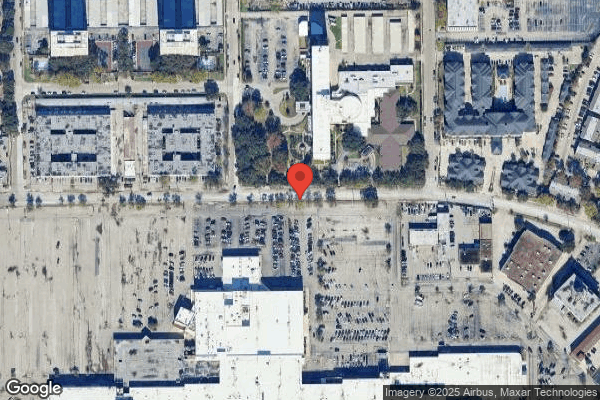
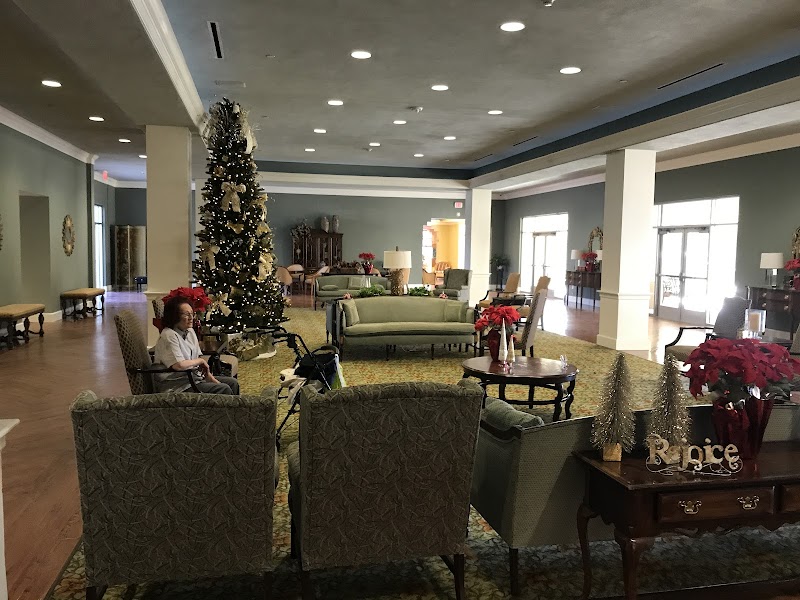
7400 CLAREWOOD DR, HOUSTON, TX 77036 (713) 774-5821
Non profit - Corporation 60 Beds Independent Data: November 2025 1 Immediate Jeopardy citation
Trust Grade
73/100
#26 of 1168 in TX
Last Inspection: September 2024

Within standard 12-15 month inspection cycle. Federal law requires annual inspections.

Overview

Clarewood House Extended Care Center has a Trust Grade of B, which means it is a good choice overall, sitting comfortably within the ranking. It ranks #26 out of 1,168 facilities in Texas, placing it in the top half of state options and #3 out of 95 in Harris County, indicating that only two local facilities are better. The facility is on an improving trend, reducing issues from four in 2023 to just one in 2024. Staffing is a strong point with a 4/5 star rating and a turnover rate of 45%, which is below the Texas average, suggesting that staff tend to stay longer and build familiarity with residents. However, the center has incurred $38,877 in fines, which is concerning as it is higher than 76% of Texas facilities, indicating some compliance issues. Specific incidents from inspections raise red flags, such as a critical failure to secure an emergency exit, allowing an armed intruder access to the facility, which could have led to serious harm. Additionally, six residents were unaware of their right to participate in resident council meetings, potentially limiting their voice in community matters. Lastly, there were gaps in RN coverage on several weekends, which could have left residents vulnerable during those times. Overall, while the facility has strengths in staffing and is improving, these serious concerns must be taken into account by families considering this home.

Trust Score
B
73/100
In Texas
#26/1168
Top 2%
Safety Record
High Risk
Review needed
Inspections
Getting Better
4 → 1 violations
Staff Stability
○ Average
45% turnover. Near Texas's 48% average. Typical for the industry.
Penalties
○ Average
$38,877 in fines. Higher than 64% of Texas facilities. Some compliance issues.
Skilled Nurses
○ Average
Each resident gets 35 minutes of Registered Nurse (RN) attention daily — about average for Texas. RNs are the most trained staff who monitor for health changes.
Violations
○ Average
8 deficiencies on record. Average for a facility this size. Mostly minor or procedural issues.
★★★★★
5.0
Overall Rating
★★★★☆
4.0
Staff Levels
★★★★★
5.0
Care Quality
★★★★☆
4.0
Inspection Score
Stable
2023: 4 issues
2024: 1 issues

The Good

  • 4-Star Staffing Rating · Above-average nurse staffing levels
  • 5-Star Quality Measures · Strong clinical quality outcomes
  • Full Sprinkler Coverage · Fire safety systems throughout facility
  • No fines on record
  • Staff turnover below average (45%)

    3 points below Texas average of 48%

Facility shows strength in staffing levels, quality measures, fire safety.

The Bad

Staff Turnover: 45%

Near Texas avg (46%)

Typical for the industry

Federal Fines: $38,877

Above median ($33,413)

Moderate penalties - review what triggered them

The Ugly 8 deficiencies on record

1 life-threatening
Sept 2024 1 deficiency
CONCERN (D)

Potential for Harm - no one hurt, but risky conditions existed

Deficiency F0661 (Tag F0661)

Could have caused harm · This affected 1 resident

**NOTE- TERMS IN BRACKETS HAVE BEEN EDITED TO PROTECT CONFIDENTIALITY** Based on record review and interviews, the facility failed to provide the contact information of the practitioner responsible fo...

Read full inspector narrative →
**NOTE- TERMS IN BRACKETS HAVE BEEN EDITED TO PROTECT CONFIDENTIALITY** Based on record review and interviews, the facility failed to provide the contact information of the practitioner responsible for the care of the resident; the resident representative information including contact information; the advance directive information; all special instructions or precautions for ongoing care, as appropriate; and comprehensive care plan goals for 1 of 3 residents (Resident #18's) reviewed for closed records reviewed for an effective discharge process. The facility failed to ensure Resident #18's, who was discharged on 07/15/2024, discharge summary was complete. This failure could affect residents who are discharged from the facility by not ensuring that care is coordinated and the resident transitions safely from one setting to another in addition to helping reduce or eliminate confusion among the various facilities, agencies, practitioners, and caregivers involved with the resident's care. Findings included: Record review of Resident #18's Face Sheet (undated) revealed, a [AGE] year-old male who admitted to the facility on [DATE] with diagnoses which included: Saddle embolus of pulmonary artery (large blood clot that sits atop or saddles the main pulmonary artery where it divides and branches into the left and right lungs) with acute pulmonale (symptoms can include shortness of breath, bulging veins in your neck, swelling in your legs or belly, fatigue, chest pain, and fainting episodes.) (Primary, Admission), Chronic obstructive pulmonary disease (common lung disease causing restricted airflow and breathing problems.), unspecified. Resident #18 was discharged on 07/15/2024. Record review of CR#1's Discharge MDS assessment dated [DATE] revealed a BIMS score of 10 out of 15 indicating moderate mental deficit. Further review of Section X0600. Types of Assessment: F. Entry/discharge reporting coded was blank. Section A2105. Discharge Status was coded- 06- Inpatient Rehabilitation Facility. Record review of Resident #18's Care Plan initiated 06/22/2024 and updated on 07/02/2024 read in part . Problem: Modified Independence R/T BIMS Score of 10/15. Goal: Will reduce risk of complications over next 90 days. Approach: Allow extra time to collect & process thoughts. Assist to needed locations QD. Assess psycho/social needs prn. Break down activities in manageable segments. Encourage to participate in activities. Talk to resident during care explain procedures. Provide cueing & redirection prn. Provide supervision & assist /c ADLS prn. Provide consistent & routine environment QD. Problem: Decline in ADL function R/t BL Extremity weakness and unsteady gait, need extensive assistance from 1-2 person for transfer and 1 person for ADL care. Goal: Will reduce risk of complications over next 90 days. Approach: Assist /c all ADLS x aide QD prn. Staff to gather supplies, shampoo hair, bathe, oral & nail care per schedule & prn. Offer choices for what to wear. Provide assist to stand & transfer to bed/chair x 1-2 aide QD prn. Monitor for incontinence Q2hrs & prn. Assist to toilet Q2hrs & prn. Set up meal tray, open cartons, cut meat prn. Explain all procedures using terms & gestures resident can understand. Be patient & allow time to complete tasks. Provide Foley catheter care as needed, PT/OT if needed . Record review of Resident #18's Discharge summary dated [DATE] noted there was no contact information of the practitioner responsible for the care of the resident; the resident representative information including contact information; the advance directive information; all special instructions or precautions for ongoing care, as appropriate; and comprehensive care plan goals. Record review of an undated blank Post Discharge Plan of Care: Nursing Services given to me by the Social Worker to show what should have been in Resident #18's chart noted a place for the facility name, phone number, address, reason for discharge, nursing needs, personal needs, Level of assistance required with ADLs, and Level of assistance required with IADLs. There was no space for Advance Directives. Record review of Discharge Summary and Plan dated October 2022 read in part . When a resident's discharge is anticipated, a discharge summary and post-discharge plan is developed to assist the resident with discharge. 4. The post-discharge plan is developed by the care planning/interdisciplinary team with the assistance of the resident and his or her family and includes: a. where the individual plans to reside; b. arrangements that have been made for follow-up care and services; 12. A copy of the following is provided to the resident and receiving facility and a copy will be filed in the resident's medical records: a. An evaluation of the resident's discharge needs; b. The post-discharge plan; and c. The discharge summary. Interview on 09/12/2024 at 1:57 PM with the Social Worker revealed she was responsible for resident discharge planning. She said the ADON and herself were responsible for the Discharge Summary. She said she would look at the Progress notes to look for the date of discharge. She said the previous social worker may have forgotten to make a copy of the Discharge Summary. She said she was not sure what his admission status was and was not sure why he was discharged . She said she thought it may have been the resident's decision to discharge from the facility. She said the ADON might know why he was discharged . She said it was her 4th day at the facility. She said her role at the facility was as the social worker was to participate in Care Plan meetings, and discharge planning, and weekly Medicare meetings. She said she was not familiar with Resident #18. She said the policy or procedure for discharge planning was to meet with resident and or family members within 48 hours of admission and ensured everyone knew what the plan was and agreed to it, set up home health, ensured the resident had the proper equipment and she coordinated with therapy on that. She said the information that was required on discharge summary was things like home health or rehab, what equipment and where it was from, community resources, who was doing housekeeping, social support system, who their PCP and pharmacy were as well as their transportation needs, the discharge location, a contact, and the reason for discharge. She said she made 3-4 follow up calls after a discharge, but if the resident was going to another facility she would not make follow up calls. The follow up calls were only if residents were going back home. She said she had training on discharge planning when she previously worked at the facility. She said she would guess the DON or ADON were responsible for oversight to ensure staff was following protocol. She said the risk to residents if policy or procedures were not followed would be residents may not have their needs fully met once they were at their discharge location. She said the worst thing that could happen to a resident if policy or procedures were not followed was the resident may have access to things that would facilitate them to remain in their home. Interview on 09/12/2024 at 2:05 PM with the Rehab Director revealed the resident was always planned to go to another facility from the hospital and stay a while. She said Resident #18 and the family initiated the discharge. He was not set to leave when originally planned and the resident left earlier than what the facility had scheduled . She said Resident #18 was planned to discharge in a week, but the family came to get the resident 3 days later. Interview on 09/12/2024 at 2:011 PM with the LVN-ADON revealed she said when a resident left a facility, it was because they met skilled requirements. She said the social worker wrote the discharge summary. She said she was not aware of a Discharge Summary document. She was shown a copy of the Plan of Discharge document and she said the charge nurse should write the nursing part of the discharge. She said she had worked at the facility for 5 years in January. She said part of her role was to complete the Post Discharge Plan of Care. She said she was familiar with Resident #18. She said the policy or procedure for discharge summaries/discharge planning was the social worker initiated the Post Discharge Plan of Care and she the ADON completed the nursing part of it including diet. She did not know what the Discharge Summary was incomplete. She said she had not been in-serviced on that before. She said the resident left unexpectedly before she could complete it. She said the social worker was responsible for ensuring the Discharge Plan of Care was complete. She said there was no risk to residents if policy or procedure was not followed. She said staff provided patient teaching, the medication list, and the residents knew who their doctors were. She said there really was no risk. Interview on 09/12/2024 2:16 PM with Medical Records revealed the resident's family member talked about the resident going to another facility, but did not know when he would be going. When the resident left the family just took him without letting them complete the form. Interview on 09/12/2024 at 2:56 PM with the DON said the family was unsure the resident could transfer to the another facility and the facility was caught off guard when the family came to take him to the other facility. Interview on 09/12/2024 at 3:07 with the Administrator revealed he said, with discharge planning, the social worker was in charge of that. He said the Discharge Summary was supposed to have where they were going, what medications they were on, what equipment they needed, did they need home health, what supplies they would need, and whether to continue the care. He said the facility ensured where they were going was appropriate , and they called and followed up a week later to check on them. He said he had worked at the facility for 23 years and his role at the facility was Executive Director and Administrator. He said he was not familiar with Resident #18. He said, routinely, he ensured the facility stayed in compliance, attended standup meetings, tracked who was being discharged , talked with residents and visited with them, asked how things were going, assisted with ensuring staffing was in place, stood in on all the committees, ensured staff were there and doing their jobs, talked with staff about residents, reviewed incident/accidents, met with all directors, and communicated with families. He said the discharge plan should start as soon as possible. He said the facility needed to determine if a resident was short-term or long-term, ensured their needs were being meet, coordinated with family to get with all outside agencies, ensured the orders were sent, and got the NOMNCs signed. He said he did not know what happened with Resident #18. He said the former social worker was sick and not doing well. He said she had to resign. He said generally the social worker communicated with the team, but as Administrator he knew who was going and coming. The primary staff responsible for ensuring policy/protocol was followed, would be the social worker. He said the risk to residents if policy or protocol was not followed depended on the resident and what needs they had; their needs might not be met. He said the worst thing that can happen to the resident when proper protocols were not practiced was it could result in a lack of needed services.
Aug 2023 2 deficiencies
CONCERN (D)

Potential for Harm - no one hurt, but risky conditions existed

Comprehensive Care Plan (Tag F0656)

Could have caused harm · This affected 1 resident

**NOTE- TERMS IN BRACKETS HAVE BEEN EDITED TO PROTECT CONFIDENTIALITY** Based on observations, interviews, and record reviews, the facility failed to implement a comprehensive person-centered care pla...

Read full inspector narrative →
**NOTE- TERMS IN BRACKETS HAVE BEEN EDITED TO PROTECT CONFIDENTIALITY** Based on observations, interviews, and record reviews, the facility failed to implement a comprehensive person-centered care plan, consistent with the resident rights that included measurable objectives and timeframes to meet a resident's medical, nursing, and mental and psychosocial needs that are identified in the comprehensive assessment for 1 of 13 residents (Resident #1) reviewed for care plans. -The facility failed to ensure a comprehensive care plan for pressure wounds was implemented for Resident #1. This failure placed residents at risk of not receiving care and treatment to meet the resident's physical, mental, and psychosocial needs. Findings include: Record review of Resident #1's face sheet undated revealed a [AGE] year-old female admitted to the facility on [DATE] and readmitted [DATE]. Her diagnoses included Vascular dementia (brain damage caused by multiple strokes causing memory loss ), psychotic disturbance ( A mental disorder characterized by a disconnection from reality), diabetes mellitus (a group of diseases that result in too much sugar in the blood) with diabetic neuropathy (nerve damage that can occur with diabetes), Peripheral vascular disease ( A circulatory condition in which narrowed blood vessels reduce blood flow to the extremities) atrial flutter ( the hearts upper chambers (atria) beat to quickly) and major depressive disorder (mood disorder that causes persistent feeling of sadness). Record review of Resident #1's quarterly MDS assessment dated [DATE] revealed sometimes Resident #1 made herself understood. Resident #1 sometimes understood others. Resident #1 BIMS (Brief interview for mental status) was three which indicted her cognition was severely impaired. The resident required extensive physical assistance from one staff for bed mobility and personal hygiene. Resident #1 had limited range of motion (limited movement) to her BLE ( both lower legs). The resident was always incontinent of bladder and bowel. Record review of Resident #1's care plan initiated 05/16/2023 revealed the following: Problem: Resident was at risk for pressure ulcers related to decreased mobility, incontinence, cognitive deficit, and diabetes mellitus. Goal: Resident's skin will remain intact. Approach: Start dated 05/16/2023 Use Prevalon boots (specialized boots with cushioned bottoms that keep the heels off the surface of the mattress) to relieve pressure on the heels while in bed. Record review of Resident #1's physician's orders dated 08/16/2023 revealed Apply Prevalon boots to prevent pressure sores on heels bilaterally. Special Instructions: Apply while resident in bed. Every Shift; Day, Evening, Night. Start date 09/22/2023. No end date. Observation on 08/16/2023 at 10:41 AM, assisted by LVN A revealed Resident #1 in bed. Resident #1 was not wearing the prevalon boots to her BLE. Resident was confused and unable to be interviewed. Observation on 08/16/2023 at 11:33 AM during wound care, assisted by RN C, revealed Resident #1 in bed. Resident #1 was not wearing prevalon boots to her BLE. No wounds observed to Resident #1's heels. Observation on 08/16/2023 at 2:23 PM revealed Resident #1 in bed without prevalon boots. Observation on 08/17/2023 at 9:25 AM, assisted by LVN A, revealed Resident #1 was in bed not wearing prevalon boots. Interview at the time of the observation LVN A stated Resident #1 did not have prevalon boots on now or yesterday when we looked at the resident. LVN A looked around Resident #1's room and closet. LVN A was unable to find the prevalon boots. LVN A stated Resident #1 should have the boots on to prevent sores on her heels. The LVN stated she did not know why she did not have them on. The LVN continued and stated the risk of not following the care plan could result in harm to the resident. The LVN stated the risk of not wearing the prevalon boots was the development of pressure wounds to her heels. LVN A stated the resident's care plan should have been followed for the resident's plan of care. As the interview continued LVN A stated the CNA can put the boots on. It was the treatment nurse's responsibility for monitoring every shift that the boots were on the resident. Observation and interview on 08/17/2023 at 9:37 AM, CNA B stated she did not know why Resident #1 was not wearing the boots. CNA B looked in the resident's room and closet. No boots were observed. CNA B stated maybe the boots were in the laundry. CNA stated the boots would stop Resident #1 from getting sores on her heels. Interview on 08/17/2023 at 10:15 AM, RN C stated the nurse was responsible for making sure Resident #1 had her boots on. RN C stated the boots may be in the laundry. RN C stated she did not know for sure why they were not on. RN C stated the purpose of the care plan was to make sure the resident received the individualized care needed. She stated the risk of not following the care plan was the resident may not receive the proper care. Interview on 08/17/2023 at 11:02, the MDS Coordinator stated he was responsible for development of the care plan. The coordinator stated the approach for the prevalon boots came from Resident #1's physician's order. MDS Coordinator stated the care plan approaches were important to follow; they were the steps to achieve the resident's goal. He continued and stated the care plan was monitored daily and changed daily as needed. He stated the risk of not wearing the prevalon boots was skin break down to the resident's heels due to her decreased mobility and cognitive decline Interview on 08/17/2023 at 11:43, the DON stated she expected the care plans to be followed. The DON stated the care plan identified the resident's needs with the steps to reach a goal. The prevalon boots were to prevent sores. The DON stated the resident needed the boots. She continued and stated the care plan was monitored and changed as needed for resident changes The DON, ADON, and charge nurses were responsible for monitoring that the care was provided as needed. The DON stated the staff would monitor every shift to ensure the care plans were followed. Interview on 08/17/2023 at 12:35, The ED stated he did not have clinical experience. The ED stated he expected the care plans were followed. As the ED continued, he stated the care plan was what to do for the resident's care. He continued and stated if the resident needed to have the boots, she should have had them. The ED stated he was not able to discuss the risk of not following the care plan. He stated he would discuss with the DON Record review of facility policy, Care Plans, Comprehensive Person-Centered revised March 2022 revealed, Policy Statement A comprehensive, person-centered care plan that includes measurable objectives and timetables to meet the resident's physical, psychosocial and functional needs is developed and implemented for each resident. Policy, Interpretation and Implementation 3. The care plan interventions are derived from a thorough analysis of the information gathered as part of the comprehensive assessment. 7. The comprehensive, person-centered care plan: b. describes the services that are to be furnished to attain or maintain the resident's highest practicable physical, mental, and psychosocial well-being .
CONCERN (E)

Potential for Harm - no one hurt, but risky conditions existed

Deficiency F0565 (Tag F0565)

Could have caused harm · This affected multiple residents

Based on interview and record review, the facility failed to ensure that residents had a right to organize and participate in resident groups in the facility for 6 of 6 anonymous residents reviewed fo...

Read full inspector narrative →
Based on interview and record review, the facility failed to ensure that residents had a right to organize and participate in resident groups in the facility for 6 of 6 anonymous residents reviewed for resident council. Six residents in a confidential resident group interview were unaware that meeting minutes were created prior to their participation in the group meeting for the month of August 2023. This failure placed 6 residents that frequently would attend meetings, and that could participate in a Resident Council, at risk of not having the right to voice their concerns in a Resident Council meeting. The findings were: During a confidential group meeting on 08-16-3023 at 02:04 PM, 6 of 6 residents stated the facility assisted them with monthly resident council meetings the last Thursday of the month. One of 9 residents stated that the next group meeting was scheduled for 08-31-2023 at 10:30 AM. All 6 of the 6 residents stated that they were not aware that the 08-31-2023 meeting minutes were already created. All 6 of the 6 residents stated that the minutes could not be created before the meeting because the meeting had not taken place and the AD could not know what topics, concerns, and grievances the residents could have made. Interview on 08-17-2023 at 12:06 PM the AD stated that she had been employed with the facility a total of 17 years, 10 years as AD and the 7 prior years as a CNA. She stated in her role she created/made the activities calendar every month, researched activities that would be beneficial for the resident population at the facility and attended and typed up the Resident Council meeting minutes monthly. She stated prior to the meetings she went around and reminded residents of the meeting and asked what topics they wanted discussed at the meetings. She stated that she spoke to the resident attendees listed on the previous meeting minutes first. She stated that the residents listed on the minutes in the Attendee section are residents who attended the previous meeting and are not residents who she anticipated would attend the next group meeting. She stated once she knew the group topics that would be covered in group they are noted. She stated after the adjournment of the group those noted topics and discussions are added to the meeting minutes. She stated that the resident council had not met for the month of August 2023. She stated she created the August group minutes after this surveyor asked for the June, July, and August 2023 group minutes and she could not provide them because the August 2023 meeting had not yet taken place. She stated she prepared the 08-31-2023, minutes based off some of the items that would be discussed at that meeting. She stated it was not common practice for surveyors to ask for the meeting minutes of the same month that the facility survey had taken place. She stated that she had never before created the meeting minutes ahead of time. She stated that she told the DON that she had created the minutes ahead of time to provide to the surveyor. She stated that the DON advised her to tell the surveyor why the group meetings minutes for August 2023 were created a head of time, but she was nervous and did not say anything. Interview on 08-17-23 at 01:28 PM the DON stated that the AD had been in her role for the last 10 plus years. She stated that the AD was only the resident council facilitator. She stated that the AD's role was to write notes of what had been discussed by the residents during the meeting and type those discussion notes into minutes. She stated that the AD told her that she created the 08-31-23 group minutes prior to the meeting because the surveyor asked for the August minutes the facility had not yet had. She stated that the AD panicked when the surveyor asked for the August minutes and there was none, and therefore the AD typed up the minutes in advance to give to the surveyor as requested. She stated that the AD had not created group meeting minutes before the meeting had taken place in the past. She stated it was her expectations that the AD would not create meeting minutes prior to the minutes and put specific resident names that had attended and adjourned a meeting that had not took place. She stated that the AD should have had agenda items written down, but minutes should not have been written out until after meetings end. She stated that she attends every resident council meeting, and that the AD never created the minutes prior to the meetings she had attended. Interview on 08-17-23 at 01:50 PM the DON stated per resident's request and invitation she attended approximately 3 meetings yearly. She stated she does not know off the top of her head which 3 meetings she had attended, and she was not listed on the meeting minutes because it was an invitation to attend by the residents. Interview on 08-17-23 at 03:41 PM the ED stated that the AD had worked for the facility for a long time. He stated he does not believe the AD intended to create minutes to an event that has not taken place. He stated the AD had mistaken the agenda for the minutes. He stated that it was his expectations that the AD does not have minutes created before the resident council meetings. He stated moving forward he would assist in writing minutes and participate in the group meetings. Record Review 08-17-2023 at 11:30 AM of Resident Council Minutes dated 08-31-2023, at 10:30 AM revealed the AD and 6 residents attended the group meeting. Opening Question: Resident Rights. Do you believe you can exercise your rights without interference, discrimination, or reprisal from the facility? Residents replied- yes. Resident's Grievance and Satisfaction: Residents are satisfied with their care. Consensus: All members of the extended care center (ECC) Resident Council, as well as the other residents present, have collectively come to the consensus that they are receiving great and adequate medical and room care from our staff of RNs, LVNs and CNAs. No complaints, medically at this time. Housekeeping, Maintenance, Foodservice, Administrator's, Laundry Department, Bus Driver, Therapy Services, and ECC Activity Director work diligently seeking ways to bring stimulation presentations for resident's pleasure. Closing and Adjournment: Resident Council president adjourned the meeting until 09-28-2023. Record review of the AD's Certification of Completion dated 05-26-14 revealed she successfully completed 90 hours of course work/90 hours practicum. Record review of Resident Council Meetings revised date of February 2021. Policy Statement. The facility supports resident's right to organize and participate in the resident council. Policy Interpretation and Implementation. 1. The purpose of the resident council is to provide a forum for: a. residents, families, and resident representatives to have input in the operation of the facility's b. discussion of concerns and suggestions for improvement. c. consensus building and communication between residents and facility staff: and d. dissemination information and gathering feedback from interested residents. 2. All residents are eligible to participate in the resident council. The facility staff encourages residents who are willing to participate . 6. A Resident Council Response Form will be utilized to track issues and their resolution . Record review of Policy Charting and Documenting revised date of July 2017. Policy Interpretation and Implementation 3. Documentation in the medical record will be objective (not opinionated or speculative), complete, and accurate. Record review of AD's Job Description, print, signed and dated by AD on 01-30-14. PHYSICAL AND/SENSORY REQUIREMENTS: (With or without the aid of mechanical devices). 4. Must function independently and have flexibility, personal integrity, and the ability to work effectively with residents, personnel, and support agencies . I acknowledge . and . I further understand that it is my responsibility to inform my supervisor at any time that I am unable to perform these functions . Acceptable job performance includes completion of all job responsibilities as well as compliance with the policies, procedures, rules and regulations of my department and the facility. I have read and understand this job description. Review of previous resident council meetings from June, July and August 2023 reflected an average of 7 resident council members who attended.
May 2023 2 deficiencies 1 IJ (1 facility-wide)
CRITICAL (L) 📢 Someone Reported This

A family member, employee, or ombudsman was alarmed enough to file a formal complaint

Immediate Jeopardy (IJ) - the most serious Medicare violation

Safe Environment (Tag F0921)

Someone could have died · This affected most or all residents

⚠️ Facility-wide issue

Based on observations, interviews, and records reviewed, the facility failed to provide a safe, functional, sanitary, and comfortable environment for residents, staff, and the public for 1 of 1 facili...

Read full inspector narrative →
Based on observations, interviews, and records reviewed, the facility failed to provide a safe, functional, sanitary, and comfortable environment for residents, staff, and the public for 1 of 1 facility reviewed for safe environment. The facility failed to ensure the lock for the emergency exit door was functioning correctly resulting in an armed intruder gaining access into the facility. An Immediate Jeopardy (IJ) was identified on 05/19/2023. While the IJ was removed on 05/22/2023, the facility remained out of compliance at a scope of widespread and severity of potential for more than minimal harm that is not immediate due to the facility's need to complete evaluate the effectiveness of the corrective systems. This failure placed residents at risk for serious physical harm, injury, emotional distress, or even death. Findings included: Observation on 05/18/2023 at 9:22 a.m. of the facility's double emergency exit door, revealed there were posted signs on the inside and outside that read STOP Emergency Exit Only Door is Alarmed. Surveyor lightly pushed on door and the alarm did not sound or stay locked. The Executive Director (ED), Director of Nursing (DON), and Maintenance Director (MD) observed and acknowledged the door did not retract and lock. Observation on 05/18/2023 at 6:49 p.m. of the facility's security footage, revealed a male intruder entered through an unlocked emergency exit door located in hallway 300 at approximately 1:29 a.m. Once inside the building he walked down the hallway toward the nurse's station. There were 3 Certified Nurse Aides (CNAs) CNA G, M, and P when he arrived at the station. CNA G left the area shortly after he arrived. CNA P left not long after CNA G, and CNA M stayed behind at the nurse's station with the intruder, until he was arrested. Before the police arrived on scene, the intruder was seen walking around the station and tried opening a couple of doors that were locked. Afterwards, he went behind the station, opened a lower cabinet door, and placed something inside (later identified as a handgun) and closed the door. He then laid down on floor, placed his finger up to lips, motioning to be quiet. He proceeded to crawl around on the floor, got up, left the gun inside the cabinet, and went back around to the other side of the nurse's station. The intruder then paced around the station. At one point, CNA M was seen opening the cabinet door where the gun was located and took a picture. Shortly after, the intruder walked down one of the hallways, police entered view, walked down the same hallway, and arrested the intruder. CNA M kept her distance throughout the event but never left the area. The entire incident lasted approximately 18 minutes. During an interview on 05/18/2023 at 8:05 a.m., the Executive Director (ED) said on 05/12/2023 at 1:30 a.m. an intruder entered the facility. He said the security footage caught the intruder jumping the facility's gate. He said the intruder appeared to be running behind the facility toward an exit gate. He said the intruder walked across the parking lot, ran toward the building, and entered an unsecured emergency exit door. He said the door was a permanently locked door. He said the door was only closed and not locked when the intruder entered the building. He said they conducted run, hide, fight video training in the past but could not recall the date. During an interview on 05/18/2023 at 9:08 a.m., CNA P said she worked the night of the incident. She said she was at the nurse's station when she heard the door alarm sound. She said Nurse G was doing rounds and waived at her because they did not see anything. She said they sat down at the nurse's station and when CNA G went to check on a resident, they saw the intruder going toward hallway 100. She said she asked him if she could help him, but he put his hand on his mouth and said, shh. She said he told her something was wrong. So CNA M and her stayed at the station. She said he went to the medication room, but it was locked. She said he then went inside the nurse's station, so they sat down and looked at him. She said she asked him again if she could help and she said he told her to shut up. She said he sat down on floor, and she got up and went to the cafeteria and hid. She said not long after, CNA P and she went and hid in a linen closet. She said CNA P told her the intruder had a gun. She said she did not know how the intruder got into the building. She said when the door was not locked all the way, someone could go in or out. She also said it could be a danger to workers and residents. She said a resident could get out and people could get inside that were not supposed to be there. During an interview on 05/18/2023 at 10:35 a.m., the Maintenance Director (MD) said he believed the emergency exit doors being unlatched was a mechanical malfunction. He said he did not know how, why, or how long the door was unlatched. He said maintenance staff checked the doors weekly and said it was fine. He said if the door was not latched anything could have happened to staff and residents and depending on the scenario, they could become unsafe. During an interview on 05/18/2023 at 12:38 p.m., CNA J said she had been working at the facility since 2018 and worked the night of the incident. She said she was scared and did not know how the intruder got in the door. She said they could have gotten hurt, or an intruder could have killed anyone. She said security was responsible for making sure the door was latched. During an interview on 05/20/2023 at 1:42 p.m., Nurse L said she worked the night before the incident, 05/11/2023, and left around 9:30 p.m. She said she used the emergency exit door that the intruder made entry through when she left the facility. She said she used the keypad to bypass the alarm. She said she did not physically check and/or pull on the door to ensure it had locked back into place. She said she was not aware that there were any issues with the door. She said she knew better and should have used the main entrance to exit the facility. She said she took the chance because it was late at night, dark, closer to her office, and there had been big loose dogs roaming around in the past. She said she did not recall active shooter/armed intruder being covered in safety in the workplace or the facility's emergency preparedness plan training. During an interview on 05/20/2023 at 3:28 p.m., CNA N said she had been working at the facility for about 4 years and worked different shifts. She said she never received training over the facility's active shooter/armed intruder protocol and never heard of it before. During an interview on 05/21/2023 at 6:41 a.m., Nurse G said she worked the night of the incident. She said she was in a resident's room when she heard the door alarm sound. She said she went to the hallway, looked at the emergency exit door, but did not see anything or anyone. She said she walked to the nurse's station and when she was almost there, she saw the intruder looking and walking around. She said she asked him what was going on, but he ignored her. She said CNA M told her the intruder had a gun. She said CNA M told the intruder to lie down on the floor and that it was ok. She said she left the area and called 911. She said she did not know how the intruder gained entry through he emergency exit door. She said to her knowledge the door worked properly. During an interview on 05/21/2023 at 10:21 a.m., Security Officer B said she worked the night of the incident. She said she checked the door after the police arrived and it was open. She said she was not responsible for monitoring the emergency exit door. She said when COVID-19 started, the ED took that door away from the officers to check. During an interview on 05/21/2023 at 12:13 p.m., the Human Resources Director (HRD) said new hire training did not include active shooter/armed intruder training. She said she turned her office upside down looking for sign in sheets but could not find documentation to show staff received the training. She said their security officers were trained by the company they worked for and not the facility. She said the risk posed to staff and residents was they needed to stay safe from anything and be trained for the worst. The ED was notified on 05/19/2023 at 1:23 p.m. that an IJ was identified due to the above failures. The IJ template was presented to the facility at this time. The facility's Plan of Removal was accepted on 05/19/2023 at 11:15 p.m. and included: Plan of Removal Name of facility: [Facility] Address: [address] Date: 5/19/2023 F921 Safe/Functional/Sanitary/Comfortable Environment Immediate action: - Emergency door was repaired by Maintenance Director with the help of professional from a local door company on 5/18/23; they adjusted the door closure mechanism and door threshold to ensure the door retracts to lock in place when opened and pushed lightly. - All facility staff are trained on Active Shooter training/intruder in the building in all three shifts by DON/ED/Maintenance Director. All scheduled staff since 5/15/23 were trained, the staff who missed the training due to being off or not scheduled will be completed by 5/22/23. staff acknowledged understanding verbally. Staff will be checked for written competency test, which will complete by 5/24/23. DON/ADON will administer the competency testing, staff must score 75% or above. The staff who do not meet passing score, will be retrained and re-tested until they pass. Facilities Plan to ensure compliance quickly: - Maintenance will inspect the door once per day to ensure the door remains safe and locked. The Maintenance staff will be responsible for maintaining the logs on a daily basis. Maintenance Director will audit the logs on a weekly basis. Any negative finding will be reported to Executive Director. QAPI will be developed for the compliance of door inspection and log maintenance. The local door company trained the Maintenance director and Maintenance director is training the maintenance staff on How to inspect the emergency doors to ensure that they are safe and locked Training will be completed by 5/22/23. - Security staff will ensure the emergency exit doors are locked every two hours. The logs will be maintained for every 2 hours checks beginning 6:00am and every 2 hours thereafter. The local door company trained the Maintenance director and Maintenance director is training the security staff How to inspect the emergency doors to ensure that they are safe and locked. Training will be completed by 5/22/23. The staff who missed the training due to being off or not scheduled will be trained by 5/24/23. - Door Lock Policy is developed as below; Maintenance Director is responsible for the policy implementation effective 5/19/23 ED will oversight the Maintenance Director to ensure he is implementing the policy. - [Facility] - Locked Door Policy Purpose In order to comply with Clarewood[facility]'s safety protocols and to prevent unauthorized access to the building, this policy provides guidance regarding all emergency exit doors remaining locked and secured at all times. Policy It is the policy of this facility to ensure the security officer on duty checks the emergency exit doors locked every two hours. Doors will be checked from inside of the facility. Emergency doors were previously checked every 8 hours, which is now changed to every 2 hours. - All facility staff are trained on below topics in all three shifts by DON/ED/Maintenance Director. All scheduled staff since 5/15/23 were trained, the staff who missed the training due to being off or not scheduled training will be completed by 5/22/23. staff acknowledged understanding verbally. Staff will be checked for written competency test, which will complete by 5/24/23. 3) Safety in Workplace - 5/19/2023 4) Door Lock Policy - 5/19/2023 - DON and ED held a meeting with staff to inform them about the incident and Plan of actions taken on 5/16/23 for the scheduled staff in all 3 shifts. For the staff who were not in attendance were sent a memo via e-mail about the Incident happened and plan of actions taken on 5/17/23. Staff are informed to contact Social worker for emotional support as needed. - Effective 5/19/23, below trainings are included in New employee orientation and Annual Mandatory in-service. The staff will be trained by HR or delegate which will be monitored by HR Director or delegate for timely completion. Competency test will be taken at the end of the training. DON/ADON will administer the competency testing, staff must score 75% or above. The staff who do not meet passing score, will be retrained and re-tested until they pass. Results will be shared with management and employees and QAPI committee. 5) Safety in workplace 6) Active shooter training/ Intruder in the building [Executive Director Name] Executive Director. Following the acceptance of the facility's Plan of Removal (POR), the facility was monitored from 05/20/2023 through 05/22/2023. Observation on 05/20/2023 at 1:15 p.m. revealed the Emergency Exit Door had been fixed and was working properly. Door was lightly pushed, and it retracted, locked, and the alarm sounded when opened. The key panel had been removed. During an interview on 05/18/2023 at 9:16 a.m., CNA B said she received active shooter/armed intruder training. She said they watched a video on how to respond in case an event was to occur. She verbalized an understanding of the training and how to respond. During an interview on 05/20/2023 at 12:09 p.m., Security Officer A said she worked the 7:00 a.m. to 3:00 p.m. shift. She said she received training, and it included what to do in the event of an active shooter/armed intruder. She said she would try to remember as many details as possible, run to a safe place, try to help others that are walking to safety, call 911 when she was in a safe place, turn off her cell phone, and if necessary, fight. She said she would barricade herself behind the doors and be quiet as much as possible. She said they also talked about making sure everything was visually safe. She said doors that should be locked must be kept locked and doors that must be unlocked needed to remain unlocked. She said they also talked about rounds and that they must be conducted every two hours and that they reviewed the lock door policy. During an interview on 05/21/2023 at 6:41 a.m., Nurse G said she received active shooter/armed intruder training. She verbalized and understanding of the training and how to respond. She said active shooter/armed intruder response included the following three steps: run, hide, and fight. During an interview on 05/21/2023 at 9:37 a.m., CNA A said she worked the 7:00 a.m. to 3:00 p.m. shift. She said she received active shooter/armed intruder training and that they reviewed the Locked Door Policy. She said the active shooter/armed intruder training included a video and the steps to take in case an event occurred. She said she needed to run, hide to protect herself, call 911 when she was safe, and if need be, fight. Record review of the facility's in-service training records related to active shooter training, dated 05/15/2023, 05/16/2023, 05/17/2023, and 05/18/2023 confirmed all staff were trained. The training included a video and competency test. Record review of the facility's door logs revealed security checks on the emergency exit doors were being completed every two hours. Record review of the door company's invoice revealed the emergency exit door was checked and fixed on 05/18/2023. An Immediate Jeopardy (IJ) was identified on 05/19/2023 at 1:23 p.m. The ED was notified on 5/22/23 at 10:52 am that the IJ was removed. While the IJ was removed on 05/22/2023, the facility remained out of compliance at a severity level of potential for more than minimal harm that is not immediate jeopardy with a scope of widespread.
CONCERN (D) 📢 Someone Reported This

A family member, employee, or ombudsman was alarmed enough to file a formal complaint

Potential for Harm - no one hurt, but risky conditions existed

Report Alleged Abuse (Tag F0609)

Could have caused harm · This affected 1 resident

Based on observations, interviews, and records reviewed, the facility failed to ensure that all alleged violations involving abuse, neglect, exploitation or mistreatment, including injuries of unknown...

Read full inspector narrative →
Based on observations, interviews, and records reviewed, the facility failed to ensure that all alleged violations involving abuse, neglect, exploitation or mistreatment, including injuries of unknown source and misappropriation of resident property, are reported immediately, but not later than 2 hours after the allegation is made, if the events that cause the allegation involve abuse or result in serious bodily injury, or not later than 24 hours if the events that cause the allegation do not involve abuse and do not result in serious bodily injury, to the administrator of the facility and to other officials (including to the State Survey Agency and adult protective services where state law provides for jurisdiction in long-term care facilities) in accordance with State law through established procedures for 1 of 3 incidents reviewed for reporting: -The facility failed to report, to the State Agency within 24-hours, an armed intruder incident on 05/12/2023. This failure could affect residents by placing them at risk of neglect if the reportable allegations are not reported timely after they are discovered. Findings included: Record review of the facility's Provider Investigation Report, incident date 05/12/2023 at 1:40 a.m., reported date to Health and Human Services Commission (HHSC) 05/17/2023, reported time not listed, read in part: a stranger intruded the facility through the emergency exit door. He crawled into the nurses' station, hid a gun in a cabinet and crawled away. All staff walked away from the station except one CNA. The CNA stayed around the nurses' station and later called 911. Police arrived shortly and arrested the stranger. The report indicated there were no injuries to staff or residents. Observation on 05/18/2023 at 6:49 p.m. of the facility's security footage, revealed a male intruder entered through an unsecured emergency exit door at approximately 1:29 a.m. on 05/12/2023. At one point, the intruder went behind the nurse's station, opened a lower cabinet door, and placed a handgun inside. During an interview on 05/22/2023 at 10:56 a.m., the Executive Director (ED) said he was responsible for reporting the incident and it was reported late because they were racing to figure out what happened and working on obtaining all the other information related to the incident. He said reporting the incident escaped his mind. He said incidents were to be reported immediately or within 24-hours. He said the risk associated for not reporting incidents timely varied. He said he did not want to speculate what type of risks were associated. Record review of the facility's revised April 2021 Abuse, Neglect, Exploitation and Misappropriation Prevention Program, read in part: Policy Statement Residents have the right to be free from .neglect. Policy interpretation and implementation The resident .neglect prevention program consists of a facility-wide commitment .to support the following objectives: 1. Protect residents from .neglect .by anyone including, but not necessarily limited to: j. any other individual. Record review of the facility's revised September 2017 Abuse, Neglect, Exploitation or Misappropriation-Reporting and Investigating policy and procedure, read in part: Policy Statement All reports of resident .neglect .are reported to local, state, and federal agencies (as required by current regulations) and . Policy Interpretation and Implementation Reporting Allegations to the Administrator and Authorities 1. If resident .neglect .is suspected, the suspicion must be reported immediately to the administrator and to other officials according to state law. 2. The administrator or the individual making the allegation immediately reports his or her suspicion to the following persons or agencies: a. The state licensing/certification agency responsible for surveying/licensing the facility; 3. Immediately is defined as: b. within 24 hours of an allegation that does not involve abuse or result in serious bodily injury. Record review of the facility's revised December 2017 Unusual Occurrence Reporting policy, read in part: Policy Statement As required by federal or state regulations, our facility reports unusual occurrences or other reportable events which affect the health, safety, or welfare of our residents, employees, or visitors Policy Interpretation and Implementation 1. Our facility will report the following events to appropriate agencies: g. Allegations of abuse, neglect, and misappropriation of resident property; and h. Other occurrences that interfere with facility operations and affect the welfare, safety, or health of residents, employees, or visitors. 2. Unusual occurrences shall be reported via telephone to appropriate agencies as required by current law and/or regulations within twenty-four (24) hours of such incident or as otherwise required by federal and state regulations.
Jun 2022 3 deficiencies
CONCERN (D)

Potential for Harm - no one hurt, but risky conditions existed

Deficiency F0655 (Tag F0655)

Could have caused harm · This affected 1 resident

**NOTE- TERMS IN BRACKETS HAVE BEEN EDITED TO PROTECT CONFIDENTIALITY** Based on interview and record review the facility failed to develop and implement a baseline care plan for each resident which i...

Read full inspector narrative →
**NOTE- TERMS IN BRACKETS HAVE BEEN EDITED TO PROTECT CONFIDENTIALITY** Based on interview and record review the facility failed to develop and implement a baseline care plan for each resident which included instructions needed to provide effective and person-centered care of the resident that met professional standards of quality of care for 1 of 2 residents (CR # 41) closed record reviewed for baseline care plan. The facility failed to initiate a base line-care plan with goals, interventions, treatments, and psychosocial needs to address CR # 41's medical needs, coordinate care with interdisciplinary teams to assure the resident received care at professional standards. This deficient practice could place residents at risk of not having their immediate individual, medical, functional, and psychosocial needs identified and met and could cause a physical or psychosocial decline in health. Findings include: Record review of CR #41 face sheet, dated June 2022, indicated Closed Record ( CR) #41 was an [AGE] year-old female admitted to the facility on [DATE]. CR #41 had diagnoses which included Hospice services with primary diagnosis atherosclerotic vascular disease (built up of fatty material inside arteries ,that affected the blood vessels), chronic kidney disease, stage 3 ( disease kidney that could not filter blood), atrial fibrillation ( a quivering or irregular heartbeat), major depressive disorder (mood disorder that caused a persistent feeling of sadness and loss of interest), hemiplegia and hemiparesis following other cerebrovascular disease affecting right dominant side, repeated falls and muscle weakness (generalized). The date of discharge was 04/02/2022. Record review of CR #41's physician's order, dated 3/30/22 revealed the resident admitted to hospice services with a primary diagnosis of Atherosclerotic vascular disease, level of care, routine, oxygen 2-4 L/mins( liter per minutes) via nasal cannula, regular diet with thin liquid as tolerated, nebulizer, suction, activity was full bedrest, medications were: Morphine, lorazepam and hyoscyamine sulfate. Record review of CR #41's medical record revealed there was no documentation of a baseline care plan. There were no plans to address care for pain, medications, ADL's, ( activity of daily living) psychosocial well-being, Diet, skin, advanced directives, bowel and bladder incontinence or any of CR #41's diagnoses. Record review of CR #41's admission Minimum Data Set Assessment (MDS), dated [DATE], revealed she was severely impaired cognitively and ADL activity assistance occurred with two-person physical assist. CR #41 was documented to be occasionally incontinent of urine and bowel. Record review of CR #41's Discharge MDS assessment, dated 4/2/22, revealed the discharge was death in the facility on 4/2/22. During an interview on 6/22/22 at 11:28 AM with the MDS coordinator (LVN) revealed she care planned for CR #41's admission on hospice on 3/30/22 and the admitting nurse was supposed to initiate the 48 hours care plan. The admitting nurse was not available for interview. During an interview on 6/23/22 at 11:02 AM, the DON said the admission nurse was responsible for completing the base line care plan The DON said the admitting was not available for interview . The DON said if the nurse missed it, it would be her responsibility to catch it. In an interview on 6/23/22 at 3:51 PM, the DON said baseline care plans were to ensure the proper care of residents and know interventions needed. She stated every resident must have a baseline care plan on admission to provide the best quality of care and she would be auditing baseline care plans and this would be ongoing. Record review of the facility's Care Plan on - Baseline, Policy Statement (revised December 2022) indicated A baseline care plan to meet the resident's immediate health and safety needs is developed for each resident within forty-eight (48) hours of admission. .
CONCERN (D)

Potential for Harm - no one hurt, but risky conditions existed

Deficiency F0761 (Tag F0761)

Could have caused harm · This affected 1 resident

Based on observation, interview and record review the facility failed to ensure drugs and biological's used in the facility were labeled in accordance with currently accepted professional principles, ...

Read full inspector narrative →
Based on observation, interview and record review the facility failed to ensure drugs and biological's used in the facility were labeled in accordance with currently accepted professional principles, and included the appropriate accessory and cautionary instructions, and the expiration date when applicable when applicable for 1 of 1 medication room reviewed for medication storage. The facility failed to ensure the medication (med) room did not have expired medication of Eliquis (used for blood thinner), Mirtazapine (used as antidepressant or appetite stimulant), Hydralazine (used to lower blood pressure), Amlodipine (for blood pressure) and Lisinopril (used for blood pressure). This failure could place residents at risk of not receiving the therapeutic benefit of medications or adverse reactions to medications. Findings include: Observation on 06/23/22 at 10:01 AM with the ADON, of the medication room revealed the following: The medication listed below were dated expired in the original packet from the pharmacy and 1 bottle: - Eliquis 2.5 mg, Mirtazapine 15 mg, Hydralazine 10 mg, Amlodipine 5 mg, expired 6/15/22. - Hydralazine 10 mg -expired 6/16/22, - Hydralazine 10 mg - expired 6/15/22, - Mirtazapine 15 mg- expired 5/6/22 - Hydralazine 10 mg - expired 6/14/22, - Eliquis tab 2.5 mg & Hydralazine 10 mg - expired 6/15/22 - Eliquis tab 2.5 mg - expired 4/26/22. -Lisinopril 40 mg I BID (twice daily) bottle: Date filled 6/13/21 discard after 6/13/22 (1 bottle) Interview with the ADON on 03/09/22 at 10:01 AM, the ADON said the medications came from the assisted living to skilled unit and it should not be in the medication room, it should have been given to the assisted living staff or given to the residents family. The ADON said she and the charge nurses were supposed to check the medication room for expired medications every month, there was no log for when the med room was last checked for expired medications. The ADON said her expectation was to not have any expired medications in the med room and she knew expired medications would not produce desire result. In an interview with the DON on 6/23/22 at 11:03 AM revealed her expectation was for the nurses to return the medications listed above to the assisted living staff or the family after reconciling current with current medications resident was on. She would have the ADON audit the medication room more frequently instead of monthly. The DON stated she knew giving residents expired medications could change chemical composition of the drugs over time which and could be rendered unsafe or ineffective. Record review of the facility policy on storage of medications, dated 2001 MED-PASS, Incorporated. (Revised November 2020) read . store all drugs and biologicals in a safe, secure and orderly manner .#4 .Discontinued, outdated or deteriorated drugs or biological's are returned to the dispensing pharmacy or
CONCERN (E)

Potential for Harm - no one hurt, but risky conditions existed

Deficiency F0727 (Tag F0727)

Could have caused harm · This affected multiple residents

Based on interview and record review the facility failed to ensure the services of a registered nurse for at least 8 consecutive hours a day, 7 days a week were used for 8 out of 54 days reviewed for ...

Read full inspector narrative →
Based on interview and record review the facility failed to ensure the services of a registered nurse for at least 8 consecutive hours a day, 7 days a week were used for 8 out of 54 days reviewed for RN coverage. Days not covered 05/7/2022, 05/8/2022, 05/21/2022, 05/22/2022, 06/4/2022, 06/5/2022, 06/18/2022, 06/19/2022. The facility failed to maintain RN coverage for 8 hours a day/7days a week. Days not covered 05/7/2022, 05/8/2022, 05/21/2022, 05/22/2022, 06/4/2022, 06/5/2022, 06/18/2022, 06/19/2022. This failure could place residents at risk of adverse events and not having staff to attend to events. The findings were: During record review of the staffing schedule from 05/01/2022 to 06/19/2022 revealed 8 of 54 days there was no RN coverage on the weekends (Saturday/Sunday) for the following dates: -05/7/2022 -05/8/2022 -05/21/2022 -05/22/2022 - 06/4/2022 -06/5/2022 -06/18/2022 -06/19/2022 An interview with Director of Nursing on 6/23/22 at 12:44 p.m. revealed there were 24-hour licensed nurses in the building 7 days a week, 8-hr registered nurses Monday through Friday and alternate weekends. The DON was at the facility 5 days weekly and was on-call on the weekends. The DON stated a RN was needed on weekends- for continuity of care for the residents. An interview with the DON and Administrator on 6/23/22 at 4:30 p.m. revealed there was not a RN on all weekends because one of the weekend nurses no longer worked for the facility and they were actively trying to hire another RN for the weekends.
Understanding Severity Codes (click to expand)
Life-Threatening (Immediate Jeopardy)
J - Isolated K - Pattern L - Widespread
Actual Harm
G - Isolated H - Pattern I - Widespread
Potential for Harm
D - Isolated E - Pattern F - Widespread
No Harm (Minor)
A - Isolated B - Pattern C - Widespread

Questions to Ask on Your Visit

  • "What changes have you made since the serious inspection findings?"
  • "Can I speak with families of current residents?"
  • "What's your RN coverage like on weekends and overnight?"

Our Honest Assessment

Strengths
  • • 45% turnover. Below Texas's 48% average. Good staff retention means consistent care.
Concerns
  • • Multiple safety concerns identified: 1 life-threatening violation(s), $38,877 in fines. Review inspection reports carefully.
  • • 8 deficiencies on record, including 1 critical (life-threatening) violation. These warrant careful review before choosing this facility.
  • • $38,877 in fines. Higher than 94% of Texas facilities, suggesting repeated compliance issues.
Bottom line: Mixed indicators with Trust Score of 73/100. Visit in person and ask pointed questions.

About This Facility

What is Clarewood House Extended's CMS Rating?

CMS assigns CLAREWOOD HOUSE EXTENDED CARE CENTER an overall rating of 5 out of 5 stars, which is considered much above average nationally. Within Texas, this rating places the facility higher than 99% of the state's 100 nursing homes. This rating reflects solid performance across the metrics CMS uses to evaluate nursing home quality.

How is Clarewood House Extended Staffed?

CMS rates CLAREWOOD HOUSE EXTENDED CARE CENTER's staffing level at 4 out of 5 stars, which is above average compared to other nursing homes. Staff turnover is 45%, compared to the Texas average of 46%. This relatively stable workforce can support continuity of care. RN turnover specifically is 67%, which is notably high. RNs provide skilled clinical oversight, so turnover in this role can affect medical care quality.

What Have Inspectors Found at Clarewood House Extended?

State health inspectors documented 8 deficiencies at CLAREWOOD HOUSE EXTENDED CARE CENTER during 2022 to 2024. These included: 1 Immediate Jeopardy (the most serious level, indicating potential for serious harm or death) and 7 with potential for harm. Immediate Jeopardy findings are rare and represent the most serious regulatory concerns. They require immediate corrective action.

Who Owns and Operates Clarewood House Extended?

CLAREWOOD HOUSE EXTENDED CARE CENTER is owned by a non-profit organization. Non-profit facilities reinvest revenue into operations rather than distributing to shareholders. The facility operates independently rather than as part of a larger chain. With 60 certified beds and approximately 36 residents (about 60% occupancy), it is a smaller facility located in HOUSTON, Texas.

How Does Clarewood House Extended Compare to Other Texas Nursing Homes?

Compared to the 100 nursing homes in Texas, CLAREWOOD HOUSE EXTENDED CARE CENTER's overall rating (5 stars) is above the state average of 2.8, staff turnover (45%) is near the state average of 46%, and health inspection rating (4 stars) is above the national benchmark.

What Should Families Ask When Visiting Clarewood House Extended?

Based on this facility's data, families visiting should ask: "What changes have been made since the serious inspection findings, and how are you preventing similar issues?" "Can I visit during a mealtime to observe dining assistance and food quality?" "How do you handle medical emergencies, and what is your hospital transfer rate?" "Can I speak with family members of current residents about their experience?" These questions are particularly relevant given the facility's Immediate Jeopardy citations.

Is Clarewood House Extended Safe?

Based on CMS inspection data, CLAREWOOD HOUSE EXTENDED CARE CENTER has documented safety concerns. Inspectors have issued 1 Immediate Jeopardy citation (the most serious violation level indicating risk of serious injury or death). The facility has a 5-star overall rating and ranks #1 of 100 nursing homes in Texas. Families considering this facility should ask detailed questions about what corrective actions have been taken since these incidents.

Do Nurses at Clarewood House Extended Stick Around?

CLAREWOOD HOUSE EXTENDED CARE CENTER has a staff turnover rate of 45%, which is about average for Texas nursing homes (state average: 46%). Moderate turnover is common in nursing homes, but families should still ask about staff tenure and how the facility maintains care continuity when employees leave.

Was Clarewood House Extended Ever Fined?

CLAREWOOD HOUSE EXTENDED CARE CENTER has been fined $38,877 across 1 penalty action. The Texas average is $33,468. While any fine indicates a compliance issue, fines under $50,000 are relatively common and typically reflect isolated problems that were subsequently corrected. Families should ask what specific issues led to these fines and confirm they've been resolved.

Is Clarewood House Extended on Any Federal Watch List?

CLAREWOOD HOUSE EXTENDED CARE CENTER is not on any federal watch list. The most significant is the Special Focus Facility (SFF) program, which identifies the bottom 1% of nursing homes nationally based on persistent, serious quality problems. Not being on this list means the facility has avoided the pattern of deficiencies that triggers enhanced federal oversight. This is a positive indicator, though families should still review the facility's inspection history directly.