CYPRESS POINTE HEALTH & WELLNESS

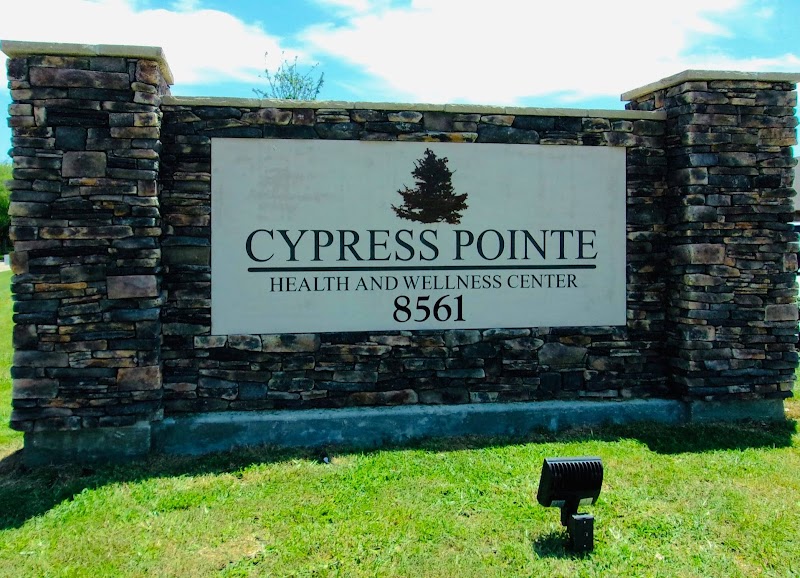
8561 EASTON COMMONS DR., HOUSTON, TX 77095 (832) 497-5479
For profit - Corporation 124 Beds ML HEALTHCARE Data: November 2025
Trust Grade
78/100
#40 of 1168 in TX
Last Inspection: December 2024

Within standard 12-15 month inspection cycle. Federal law requires annual inspections.

Overview

Cypress Pointe Health & Wellness has a Trust Grade of B, which means it is considered a good facility, indicating a solid choice for care. It ranks #40 out of 1,168 nursing homes in Texas, placing it in the top half of facilities statewide and #4 out of 95 in Harris County, showing only three other local options are better. The facility is improving, having reduced issues from two in 2023 to one in 2024. However, it has a poor staffing rating of 1 out of 5 stars, with a 60% turnover rate, which is concerning as it can affect the consistency of care. On the positive side, it offers more RN coverage than 79% of Texas facilities, which is beneficial for catching potential issues. Specific incidents noted in recent inspections include a failure to treat a resident's pressure sore properly, which could lead to worsening injuries and infections. Additionally, the facility did not follow proper food safety protocols by storing unlabeled foods, raising the risk of foodborne illness. Lastly, there was a failure to provide adequate respiratory care for another resident, which could compromise their health. While there are strengths in RN coverage and an overall excellent rating, these incidents highlight areas that need improvement.

Trust Score
B
78/100
In Texas
#40/1168
Top 3%
Safety Record
Moderate
Needs review
Inspections
Getting Better
2 → 1 violations
Staff Stability
⚠ Watch
60% turnover. Above average. Higher turnover means staff may not know residents' routines.
Penalties
⚠ Watch
$8,018 in fines. Higher than 97% of Texas facilities. Major compliance failures.
Skilled Nurses
⚠ Watch
Each resident gets only 29 minutes of Registered Nurse (RN) attention daily — below average for Texas. Fewer RN minutes means fewer trained eyes watching for problems.
Violations
✓ Good
Only 5 deficiencies on record. Cleaner than most facilities. Minor issues only.
★★★★★
5.0
Overall Rating
★☆☆☆☆
1.0
Staff Levels
★★★★★
5.0
Care Quality
★★★★★
5.0
Inspection Score
Stable
2023: 2 issues
2024: 1 issues

The Good

  • 5-Star Quality Measures · Strong clinical quality outcomes
  • Full Sprinkler Coverage · Fire safety systems throughout facility
  • No fines on record

Facility shows strength in quality measures, fire safety.

The Bad

Staff Turnover: 60%

13pts above Texas avg (46%)

Frequent staff changes - ask about care continuity

Federal Fines: $8,018

Below median ($33,413)

Minor penalties assessed

Chain: ML HEALTHCARE

Part of a multi-facility chain

Ask about local staffing decisions and management

Staff turnover is elevated (60%)

12 points above Texas average of 48%

The Ugly 5 deficiencies on record

1 actual harm
Jun 2024 1 deficiency 1 Harm
SERIOUS (G) 📢 Someone Reported This

A family member, employee, or ombudsman was alarmed enough to file a formal complaint

Actual Harm - a resident was hurt due to facility failures

Pressure Ulcer Prevention (Tag F0686)

A resident was harmed · This affected 1 resident

**NOTE- TERMS IN BRACKETS HAVE BEEN EDITED TO PROTECT CONFIDENTIALITY** Based on observations, interviews, and record reviews, the facility failed to provide necessary treatment and services to promot...

Read full inspector narrative →
**NOTE- TERMS IN BRACKETS HAVE BEEN EDITED TO PROTECT CONFIDENTIALITY** Based on observations, interviews, and record reviews, the facility failed to provide necessary treatment and services to promote healing and prevent worsening pressure sores for 1 of 6 resident (Resident #1) reviewed for pressure ulcers. -The facility failed prevent development a pressure ulcer which was not identified or treated for Resident #1. This failure placed residents at risk of delayed identification/treatment of injuries, worsening of injuries, pain and infection. Findings Include: Record review of Resident #1's Face Sheet dated 6/13/2024 revealed, an [AGE] year-old male who admitted to the facility originally on 3/17/2021 and most recently on 2/29/2024 with the following diagnoses which included: contracture unspecified joint, hemiplegia and hemiparesis (paralysis and partial weakness) following cerebral infarction (stroke) affecting left non dominate side, unspecified dementia, unspecified mood (affective) disorder, muscle wasting and atrophy. Record review of Resident #1's Quarterly MDS dated [DATE] revealed, severely impaired cognition as indicated by a BIMS score of 00 out of 15, total dependence with most ADLs, total dependence with most functional abilities including shower/bathe self, upper body dressing. Substantial/maximal assistance (helper does more than half the effort) assistance with personal hygiene (includes washing and drying hands). Active Diagnosis included: Hemiplegia or Hemiparesis. Skin Conditions included: Resident was at risk for pressure ulcers/injuries. Other ulcers, Wounds and Skin Problems: Resident had Skin tears. Record review of Resident #1's Care Plan (date initiated 5/2/2022) revealed, Focus: [Resident #1] has an ADL self-care performance deficient r/t Dementia. Goal - [Resident #1] will maintain current level of function through the review date. Interventions - .Provide skin care every shift and PRN to keep clean and prevent skin breakdown (date initiated 10/11/2023). Geri-sleeve bilateral forearms (date initiated 1/30/2024). Contractures: [Resident #1] has contractures of the left hand. Provide skin care to keep clean and prevent skin breakdown (date initiated 5/17/2022). Focus: [Resident #1 is risk for impaired skin integrity r/t immobility .resident had tendency to scratch self . Goal: [Resident #1 skin will remain intact through next review date (target date 6/5/2024). Interventions: Evaluate skin for areas of .redness. Keep skin clean and well lubricated. Nurse to check the skin after bathing for any skin issues . Perform objective pressure ulcer risk tool such as Braden/Norton Scale (date initiated 8/6/2021). Record review of Resident #1's order summary report dated 6/12/2024 revealed geri-sleeves bilateral forearms every shift for wound care (order and starts date 4/23/24). Record review of Resident #1 weekly skin assessment dated [DATE] revealed, no documentation of a wound, redness or skin tear between the index finger and thumb on his left hand. Record review of Resident #1's TAR dated 6/1/24 - 6/10/2024 revealed it was charted by RN A and LVN B the geri-sleeve were in place every shift for wound care (start date 4/23/2024). Record review of Resident #1's shower sheets dated 6/7/2024 and 6/10/2024 revealed no skin issues were documented by CNA A. Record review of Resident #1's Nursing Notes dated 6/11/2024 at 12:02 a.m. revealed, resident [Resident #1] left the facility to the hospital at 10:05 p.m. (6/10/2024). [Resident #1] had no new skin issues at the time of the transfer. Record review of EMS Run Report for Resident #1 dated 6/10/2024 revealed the following (nursing facility to hospital emergency room): Arrived on scene: 6/10/2024 at 9:51 p.m. Patient Contact: 6/10/2024 at 9:52 p.m. Transport Began: 6/10/2024 at 10:21 p.m. Arrival at Destination: 6/10/2024 at 10:38 p.m. .Patient [Resident #1] was found at 21:52:44 (9:52 p.m.) in emergent (yellow) condition. The patient is a [AGE] year-old adult male. The patient transportation for nausea and vomiting, coughing not available at origin. A stretcher was required due to the patients' monitoring requirement - oxygen administration (oxygen dependent, severe weakness in all extremities, and poor truck control). Patient was moved to the stretcher by two-man drawsheet .and secured inside .Transport began at 22:21:11 (10:21 p.m.) .and lasted 17 minutes .Forearm - left paralysis, Arm - whole arm and hand- left deformity .arrived at [hospital] at 22:38:49 (10:38 p.m). Record review of Resident #1's hospital emergency room admission dated 6/10/2024. Principle problem: Pneumonia or right lung due to infectious organism, unspecified part of lung. Record review of a photograph dated 6/10/24 at 12:04 p.m. revealed Resident #1's left hand with geri-sleeve. There was dark brownish dried substance along the edge of the geri-sleeve between the index finger and thumb. The inside of thumb appeared to have brown dried substance. The second photograph revealed attending ER Physician A holding Resident #1's hand and displayed the wound bed between the index finger and thumb with the geri-sleeve off. The wound bed was red and pink in color an appeared moist. The edge of the wound bed closest to the thumb was brown in color. The edge of the wound bed closest to the index finger was red. There was a blister in the center of the wound bed. The around the peri wound (area around the wound bed) appears light red, pink and light brown in color. Record review of Resident #1's hospital emergency room wound photograph dated 6/11/2024 at 1:01 a.m. reflected the wound bed was red and pink in color an appeared moist. The edge of the wound bed closest to the thumb was brown in color. The edge of the wound bed closest to the index finger was red. There was a blister in the center of the wound bed. The around the peri wound (area around the wound bed) appears light red, pink and light brown in color. Record review of Resident #1's hospital emergency wound assessment dated [DATE] at 6:00 a.m. revealed the following: First Assessment Date/First Assessment Time: 06/11/24 06:00 Present on Original admission: Yes Primary Wound Type: Other (comment) Orientation: Left; Posterior Location: Finger D1, thumb Description (Comments): in between thumb and 2nd digit web area Wound Care Physical Therapy Diagnosis: Impaired Integumentary Integrity Associated with Partial-Thickness Skin Involvement and Scar Formation Pt referred to PT wound care to the L hand. Mobility/Transfer: total assistance Needs additional assist to position and open hand during wound care . 6/12/2024 at 1:26 p.m. - Nonstaged wound description - Partial thickness. Wound base appearance - early/partial granulation; red; pink; slough (dead tissue in wound) Wound bed granulation (new connective tissue) % - 80% Wound bed slough (dead tissue in wound) % - 10% Exposed structures - Muscle; Muscle Necrosis (death of body tissue) Peri-wound assessment - pink; white; macerated (soften or become softened by soaking in a liquid) Margins - attached edges Wound length - 4 cm Wound width - .6 cm Wound depth - .3 cm Wound measured as a cluster? - Yes Wound Surface area - 2.4 cm^2 Wound Volume - .72 cm ^2 Drainage: small Drainage odor: none Drainage Description: Serosanguineous (refers to fluids that contain or relate to both blood and the liquid part of blood (serum) Wound cleanse: irrigation; cleansed; peri wound care; normal saline. Primary Dressing - small piece of foam secured with tape. Patient seen for PT wound care eval and treatment to the Left hand wound per above. Left hand with flex contractures from old stroke and wound is macerated. Patient will be seen for PT wound care 3 times a week., Nursing to change/reinforce dressings as needed or when soiled. Record review of video of Resident #1 date and time stamped (6/10/2024 at 9:06 a.m.) revealed CNA A prepared to give Resident #1 a bed bath. She removed socks from a drawer and had a container with a pump in the other hand. CNA did not take a new geri-sleeve out of the drawer to change out the one that Resident #1 had on. Interview on 6/12/2024 at 12:55 p.m. with CNA A said Resident #1 wore protective geri-sleeve on his arms because he would scratch himself. She said he always wore the sleeves except when he had a bed bath. She said she gave Resident #1 a bed bath on 6/10/2024 at approximately 9:00 a.m. She said she removed Resident #1's left geri-sleeve and cleaned his arms. She said she checked for bruises or skin tears. She said he had discoloration on the top of his hand that had been there previously. She said she was supposed to report if Resident #1 had any new skin tears or bruises. She said, I did not recall seeing anything on his left hand after the bed bath. She said, the arm sleeves are washed and reused. Interview on 6/12/2024 at 1:12 with the WC A said Resident #1 did not have any skin issues or wound when he started wearing the geri-sleeves. She said he was ordered to have weekly skin assessments. She said she last completed Resident #1's skin assessment on 6/6/2024 and he had no issues. She said she saw Resident #1 in bed on 6/10/2024 during the day but did not see anything out of the ordinary. She said she stood at the room door and looked in and saw that the resident had on the geri-sleeves but did not walk over to him. Observation and attempted interview on 6/12/2024 at 2:07 p.m. of Resident #1 at the hospital revealed Resident was in the hospital bed. Resident #1 was asked if staff had taken off his protective geri-sleeve when he received a bed bath. Resident #1 did not respond. Resident was asked if he was in pain, and he did not respond. Resident #1 had a gauze bandage wrapped around his left hand between the index finger and the thumb. He held his left hand against his chest, with the thumb closest to his chest. Interview on 6/12/2024 at 3:34 p.m. via phone with CNA A said she did not see blood, skin tears or scabs on Resident #1's left contracted hand or any dried substance on the geri-sleeve. She said she was not trained or informed by a nurse on when to take the geri-sleeves off other than when she gave Resident #1 a bed bath. CNA A said she placed the same sleeves back on Resident #1 on the bed bath she gave him on 6/10/2024. She said she did not specifically look at the webbing between the index finger and the thumb. She was not able to explain how she removed the arm sleeve, washed the arm but and did not see the area between the index finger and the thumb. Interview on 6/13/2024 at 8:38 p.m. with NP A said he expected the staff to ensure the geri-sleeves were in place for Resident #1. He said the facility would have decided when the sleeves should have been taken off. NP A said the order was to ensure the sleeves were always in place, because Resident #1 scratched himself. He said when Resident #1 was showered was acceptable. He said the facility had not called him to clarify the order for the geri-sleeves. Interview on 6/13/2024 at 9:04 a.m. with CNA B said she could not remember when she last provided Resident #1 with a bed bath. She said in the past she had to remove the arm sleeves when Resident #1 was given a bed bath. She said he kept the sleeves on to prevent him from scratching himself. She said she was trained by RN A to keep the sleeves clean and dry. Interview on 6/13/2024 at 9:29 a.m. with RN A said it was her understanding that she was responsible to ensure the geri-sleeves were on. RN A said Resident #1 wore the protective geri-sleeves to prevent skin tears, because he would scratch himself. She said the Nurses and CNA's were responsible and needed to change the geri-sleeves of soiled or on shower days. RN A said she documented daily on Resident #1's TAR that the geri-sleeves were in place. She said, she made sure they were in place, and she eyeballed them. She said eyeballed meant she visibly looked to see if the sleeves were on. She said she did not physically touch the sleeves. RN A said on 6/10/2024, she worked 6:00 a.m. - 2:00 pm. She said she did not check Resident #1's skin or look under the sleeves. RN A said LVN B worked after her on 6/10/2024. Interview on 6/13/2024 at 9:56 a.m. with WC A said Resident #1 was checked from head to toe on his last weekly skin assessment (6/6/2024). She said she checked the arms and removed the sleeves slow and gentle and looked for pressure points as she pointed to the elbows. She said the sleeves should be on at all times except when they were soiled or when he received a bed bath. She said she made sure the sleeves were pulled up and were not creased so not to cause a potential injury. WC A said the nurses monitored and made sure the sleeves were on. She said she saw his contracted left hand, but she said she did not particularly look at that part between the thumb and index finger, because it was very difficult to look at. She said he always held the contracted left hand, which was paralyzed, close to his chest. Interview on 6/13/2024 at 10:29 a.m. LVN A said she sent Resident #1 to the hospital on 6/10/2024 at the request of Resident #1's family member. She said before sending him out she performed mouth care and a brief change. She said she did not examine his arms or geri-sleeves. LVN A said she ensured the geri-sleeves were in place, but she did not inspect his skin for new injuries or skin tears. LVN A said she checked his blood pressure with the left wrist and he did not open the left contracted hand. She said she did not observe the area between the index finger and the thumb. She said she did not change Resident #1's sleeve during her 2:00 p.m. -10:00 p.m. shift. She said the CNA's normally changed the geri-sleeve if Resident #1 needed it. Interview on 6/13/2024 at 10:42 a.m. the DON said based on Resident #1's order for the geri-sleeve, she expected the nurses to make sure the sleeves were in place and to check if there was any negative affects from pressure. She said it should be checked like a hand splint for example. The DON said she ensured the sleeves were monitored for Resident #1 by reviewing the TAR was completed daily. The DON said she had not trained the nurses on geri-sleeves but said it was a nursing standard of practice and they should have known to check the skin. She said she expected then nurses to check the placement and to look under the sleeve. Interview on 6/13/2024 at 11:58 a.m. with CNA C said she assisted with Resident #1's brief change on 6/10/2024 before he was transferred to the hospital. She said she checked and made sure the geri-sleeve was on but did not check if the sleeve had blood, dried blood or if there was an injury. She said she did not look or inspect between his index finger and thumb and did not check his skin. She said she was trained to report new injuries if observed during a bath or if there was a changed needed because the sleeves were soiled. Interview on 6/13/2024 at 2:00 p.m. with WC B said she performed wound care on Resident #1's left hand on 6/12/2024 at the hospital. WC B said the injury was caused by pressure and was present prior to Resident #1's admission to the ER. She said they do not stage in this area but there was partial thickness (damage to the first two layers of skin). Interview on 6/13/2024 at 2:12 p.m. with the Attending ER Physician said Resident #1 had a contracted left hand on 6/10/2024. She said she remembered skin break down between the index finger and thumb. She said it was red, pink and had a small amount of drainage. The Attending ER Physician said the wound was present when Resident #1 arrived at the ER. She said Resident #1 had blood that soaked through the geri-sleeve and dried between the index finger and thumb. Interview on 6/14/2024 at 9:35 a.m. with RN B said he worked the night of 6/10/2024 in the hospital emergency room. He said Resident #1 came via ambulance. RN B said Resident #1 had on an elastic arm sleeve on his left arm and he placed an IV in the same arm. He said Resident #1 was nonverbal. RN B said the webbing between the index finger and the thumb was not intact. He said the top two layers of Resident 1's skin was gone and there was pink and red flesh exposed. He said he took photos of the left-hand injury within approximately the first hour of admission. He said the Attending ER Physician recommended photographs of the injury to have proof the resident arrived with the wound. He said he could not recall if Resident #1 exhibited pain. Interview on 6/14/2024 at 11:39 a.m. with the Administrator said based on the order she expected nurses to ensure the geri-sleeves were in place and assess the skin once a shift. She said she expected cna's to report any new skin issues to the nurses when Resident #1's skin was observed during bed baths and ensure the geri-sleeves were on. She said WC A was expected to do a head-to-toe assessment. She said if Resident #1 was reluctant to a complete head to toe assessment, that should have included his arms and hands, then the WC A should have let Resident #1 calm down, try again later and maybe try with another staff to assist to address the skin that was not seen. She said she and DON completed daily rounds to ensure staff were meeting the needs of the residents. Record review of facility policy System pathway #1 - Skin and Wound Management revealed the following in part: Each resident receives the care and services necessary to retain or regain optimal kin integrity to the extent possible. Each resident skin is assessed to determine his or her risk for the skin integrity being compromised or the presence of wounds and or pressure injuries. A plan of care should be developed and implemented based on the skin review/checks. If the skin is compromised, the interdisciplinary team notifies the physician for any orders and those appropriate measure and additional interventions are put in place to minimize further compromising of skin and to aid in the healing to extent possible. Responsible Disciplines: Licensed Nursing, CNA's, Therapists Record review of facility job description Charge Nurse dated 4/1/2019 revealed the following in part: To ensure that each patient's attains or maintains the highest possible level of functioning by providing quality nursing care and by working with the interdisciplinary team to ensure a holistic approach to patient care. 1. Follow established standards of nursing practices . Record review of facility job description Treatment Nurse dated 4/1/2019 revealed the following in part: The primary purpose of this position is to provide oversight of the primary skin care provided to residents . 1. Identify, manage, and treat specific skin conditions and primary and secondary lesions, such as skin abrasions, . pressure injuries/ulcers . 2. Perform skin assessments using techniques including observation, inspection . 10.reporting skin concerns . Record review of facility job description Certified Nursing Assistant dated 4/1/2019 revealed the following in part: To support each patients' physical needs by providing top quality care in accordance with community policies and procedures. Record review of facility policy Assistive Devices and Equipment (date revised January 2020), revealed the following in part: Our community maintains and supervises the use of assistive devices and equipment for residents. 3. Recommendations for the use of devices and equipment are based on the comprehensive assessment and documented in the resident care plan . 6. The following factors are addressed to the extent possible to decrease the risk of avoidable accidents associated with devices and equipment. B. Personal fit - the equipment or device is used only according to its intended purpose and is measured to fit the resident's size and weight.
Nov 2023 2 deficiencies
CONCERN (D)

Potential for Harm - no one hurt, but risky conditions existed

Respiratory Care (Tag F0695)

Could have caused harm · This affected 1 resident

**NOTE- TERMS IN BRACKETS HAVE BEEN EDITED TO PROTECT CONFIDENTIALITY** Based on observation, interview and record review the facility failed to ensure a resident who needed respiratory care was provi...

Read full inspector narrative →
**NOTE- TERMS IN BRACKETS HAVE BEEN EDITED TO PROTECT CONFIDENTIALITY** Based on observation, interview and record review the facility failed to ensure a resident who needed respiratory care was provided with such care, consistent with professional standards of practice, the comprehensive person-centered care plan and the residents' goals and preferences for 1 of 20 residents (Resident #85) reviewed for respiratory care. The facility failed to set the flow rate at 2 liters of oxygen per the order for Resident #85. This deficient practice could place residents at risk of incorrect or inadequate respiratory support and could result in a decline in health. Findings include: Record review of Resident #85's, undated, face sheet reflected an [AGE] year-old female who was admitted to the facility on [DATE]. Resident #85 had diagnoses which included hypertensive heart disease with heart failure (left changes in the heart as a result of chronic elevated blood pressure), paroxysmal atrial fibrillation (intermittent rapid, erratic heart rate that stops on its own), Chronic systolic (congestive) heart failure (heart failure specific to the hearts left ventricular), presence of pacemaker, dyspnea (difficulty or labored breathing), and hyperkalemia (elevated potassium levels in the blood). Record review of Resident #85's quarterly MDS assessment, dated 10/25/2023, reflected she was assessed as having a BIMS of 10 out of 15, which indicated Resident #85 had moderate cognitive impairment. Section B indicted Resident #85 was usually understood and usually understood others . Section I identified Resident #85 had medically complex conditions. Section O did not reveal: Oxygen in use while in the facility. Record review of Resident #85's Medication Review Report, dated on or after date 11/14/2023, reflected Oxygen 2 liters as needed for shortness of breath. Order dated 03/08/2023. Record review of Resident #85's care plan, dated 11/15/2023, reflected the following: Focus: The resident had shortness of breath related to anxiety; Goal: The resident would maintain normal breathing pattens. Through the review date; Interventions: Apply oxygen as ordered. In an observation on 11/14/2023, at approximately, 8:45 AM revealed Resident # 85 was in bed with oxygen at 5 liters per nasal cannula (oxygen delivery device into the nose ). In an observation on 11/14/2023 at 1:57 PM revealed Resident #85 was in bed sleeping with oxygen per nasal cannula at 5 liters. In an observation and interview on 11/14/2023 at 2:57 PM, RN A stated she was taking care of Resident #85. RN A stated she checked the oxygen flow rate and the oxygen orders once a shift. RN A stated the nurse caring for the resident was responsible for the correct oxygen flow rate. RN A reviewed Resident #85's physician's order and stated the order was for 2 liters if needed for shortness of breath. RN A stated if the resident was short of breath and needed the flow rate higher the physician would be notified. RN A stated there would be a new order for the new rate. RN A stated if the resident needed a change that would be documented in the chart. RN A stated she did not see any changes in the resident's clinical record for a change in the oxygen. Observation at this time of Resident #85's oxygen, RN A stated the oxygen was set at 5 liters. RN A stated she had not checked Resident #85's oxygen yet on her shift. RN A stated the risk to the resident was CO2 retention (too much carbon dioxide in the blood could lead to a decreased level of consciousness). In an interview on 11/14/2023 at 3:08 PM, the DON stated the nurses were responsible for making sure the resident's oxygen flow rate was at the proper ordered rate. The DON stated the nurses were responsible for monitoring the oxygen flow rate and the physician's order every shift. The DON stated if a resident needed a change in the oxygen that would be documented in the chart. The DON stated the risk to the resident was high oxygen levels.
CONCERN (D)

Potential for Harm - no one hurt, but risky conditions existed

Pharmacy Services (Tag F0755)

Could have caused harm · This affected 1 resident

**NOTE- TERMS IN BRACKETS HAVE BEEN EDITED TO PROTECT CONFIDENTIALITY** Based on observation, interview and record review the facility failed to provide pharmaceutical services, which included procedu...

Read full inspector narrative →
**NOTE- TERMS IN BRACKETS HAVE BEEN EDITED TO PROTECT CONFIDENTIALITY** Based on observation, interview and record review the facility failed to provide pharmaceutical services, which included procedures that assured the accurate acquiring, receiving, dispensing, and administering of all drugs and biologicals, to meet the needs of each resident for 1 of 23 residents (Residents #42) reviewed for pharmacy services. The facility failed to ensure Midodrine (a low blood pressure medication) given to elevate hypotension (low blood pressure) was administered to Resident #42 as ordered by the physician. This failure could place residents at risk of not receiving desired therapeutic outcomes, increased side effects, or a decline in health. Findings include: Record review of Resident #42's admission face sheet dated 11/14/2023, reflected a [AGE] year-old female who was admitted to the facility on [DATE] and readmitted on [DATE]. Resident #42 had diagnoses which included: rheumatoid lung disease with rheumatoid arthritis on multiple sites (a chronic inflammatory disorder affecting many joints), systemic lupus erythematosus (inflammatory disease caused when the immune system attacks its own tissues), pulmonary fibrosis ( scarring of the lung tissue), Sjogren syndrome ( an immune disorder characterized by dry eyes and dry mouth), hypertension (elevated blood pressure) and Percutaneous Endoscopic Gastrostomy (PEG) ( a flexible feeding tube placed through the abdominal wall to allow nutrition, fluids and medications to be put directly into the stomach). Record review of Resident #42's care plan date initiated 04/15/2022 reflected: Focus: Resident #42 had a diagnosis of altered cardiovascular status related to hypotension (heart condition related to low blood pressure) history. Goal: Resident will remain free from symptoms of cardiac problems through the review date. Interventions: Administer medications per physician's orders. Record review of Resident #42's quarterly MDS , dated 09/16/2023, reflected the resident's BIMS was scored at 15 out of 15, which indicated her cognition was intact. The resident had clear speech. The resident was able to make herself understood. The resident had the ability to understand others. The resident required extensive assistance of one staff for her bed mobility, transfers, dressing, toilet use and personal hygiene. The MDS identified an active diagnosis of medically complex conditions. Record review of Resident #42's Medication Review Report, dated on or before 11/14/2023, reflected Midodrine 10 Mg. Give one tablet by PEG-tube three times a day for hypotension. Hold for systolic blood pressure (the top blood pressure number which measures the pressure in the arteries when the heart beats) greater than 130. Order start dated 02/17/2023. Record review of Resident #42's November 2023 Medication Administration Record, dated 11/01/2023 -11/30/2023, reflected the resident was not administered Midodrine 10 mg on the following dates due to parameters not met: 11/04/2023 at 4:00 PM with BP 110/74 and at 8:00 PM with BP 124/60 by LVN B 11/05/2023 at 8:00 PM with BP 128/70 by LVN B In an observation and interview on 11/14/2023 at 2:24 PM revealed Resident #42 was sitting in a wheelchair in her room. Resident #42 was alert and oriented. During an interview Resident #42 stated she had no concerns with her medications. In an interview and record review on 11/15/2023 at 9:25 AM, the DON reviewed Resident #42's MAR. The DON stated Resident #42 should have received the Midodrine if the resident's blood pressure was not greater than 130. The DON stated the documentation reflected the Midodrine was held due to blood pressure out of parameters. The DON stated Resident #42's blood pressure was not outside parameters. The DON stated the risk to the resident was her blood pressure could go low. The DON stated the nurse was responsible for medication administration accuracy. The DON stated the ADON was responsible for monitoring the medication administrations accuracy daily. The DON stated the results of the monitoring were discussed during the 24-hour meeting. In an observation and interview on 11/15/2023 at 9:46 AM revealed ADON M reviewed Resident #42' MAR. ADON M stated she monitored the medication administration record twice during her shift for accuracy. ADON M stated she did not see the Midodrine was held. ADON M stated the medication should have been given. ADON M stated the risk of not administering the medication was the resident's blood pressure could go lower. ADON M stated to prevent missing an error in the future, she would monitor the MAR closer. In a telephone interview on 11/15/2023 at 10:03 AM, the Pharmacist stated the medication Midodrine was to be given for low blood pressure. The Pharmacist stated when there was a parameter hold ordered by the physician the order was to be followed. The Pharmacist stated the blood pressure readings when medication was held were not severely low which would not be a bad outcome for the resident. In an interview on 11/15/2023 at 1:30 PM, the Administrator stated her expectations regarding the midodrine was the physician's order be followed. The Administrator stated the medication should not have been held for blood pressures less than 130. The Administrator stated the risk to the resident was her blood pressure could go low. The Administrator stated the medication administration records and physician's order would be monitored closer daily. In an interview on 11/15/2023 at 3:07 PM, LVN B stated when she administered medications, she reviewed the ordered parameters before she gave the medications. LVN B stated after record review of the medication administration record, she should not have given the medication. LVN B stated she may have been confused between the less than sign and the greater than sign. LVN B stated she would be more careful in the future with the two different signs. LVN B stated the risk to the resident was her blood pressure could be low. Record review of the facility policy titled Administering Medications, revised April 2019, reflected Policy heading Medications are administered in a safe and timely manner, and as prescribed .Policy Interpretation and Implementation .4. Medications are administered in accordance with prescriber orders, including any required time frames
Aug 2022 2 deficiencies
CONCERN (D)

Potential for Harm - no one hurt, but risky conditions existed

Deficiency F0658 (Tag F0658)

Could have caused harm · This affected 1 resident

**NOTE- TERMS IN BRACKETS HAVE BEEN EDITED TO PROTECT CONFIDENTIALITY** Based on observation, interview and record review, the facility failed to ensure services provided, met professional standard of...

Read full inspector narrative →
**NOTE- TERMS IN BRACKETS HAVE BEEN EDITED TO PROTECT CONFIDENTIALITY** Based on observation, interview and record review, the facility failed to ensure services provided, met professional standard of quality for 2 (Resident #15 and #67) of 20 residents assessed for physician's order in that: The facility failed to follow Resident #15's physician's order to hold blood pressure (BP) medication when his blood pressure was below the ordered parameter. The facility failed to follow Resident #67's best practice, policy and procedure for labeling formula at bedside when administered. These failures could place residents at risk of not receiving the care and services ordered by the physician and a decline in health status. Findings Included: Resident #15 Record review of Resident #15's admission face sheet revealed he was an [AGE] year-old male who was admitted to the facility on [DATE] . His diagnoses included hypertensive heart disease with heart failure (heart conditions as a result of elevated blood pressure), coronary artery disease, hyperlipidemia major depressive disorder, type II diabetes, and congestive heart failure. Record review of Resident #15's physician's order summary report revealed Clonidine 0.3 mg Give one tablet by mouth every eight hours for hypertension. Hold for BP less than 130/70. The order was dated 03/02/2022. Record review of Resident #15's quarterly MDS assessment dated [DATE] revealed a BIMS score of 11 which indicted his cognition was moderately impaired. The MDS revealed one of Resident #15's active diagnosis included hypertension. Record review of Resident #15's care plan dated 06/15/2022 read in part: Focus: The resident has altered cardiovascular status related to congested heart failure, hypertension, coronary artery disease, hyperlipidemia. Goal: The resident will be free of complications of cardiac problems. Interventions: Give all cardiac medications as ordered by the physician. Record review of Resident #15's Medication Administration Record (MAR) dated 08/01/2022 - 08/31/2022 revealed Clonidine 0.3Mg Give one tablet by mouth every eight hours for hypertension. Hold for Blood Pressure (BP) less than 130/70. Continued review of Resident #15's MAR revealed the medication was administered on the following dates and times with the following BP: 08/01/2022 at 4:00 PM BP was 128/70 08/02/2022 at 4:00 PM BP was 109/64 08/03/2022 at 4:00 PM BP was 128/63 08/04/2022 at 12:00 AM BP was 120/64 and 8:00 AM BP was 128/63 08/05/2022 at12:00 AM BP was 128/63 08/06/2022 at 12:00 AM BP was 123/68 In a telephone interview on 08/17/2022 at 3:44PM , MA A stated the check mark and her initials on the MAR indicated she gave the medication on Monday 08/01/2022. MA A stated when she gave blood pressure medications, she checked the resident's blood pressure first, then she reviewed the MAR for any parameters. If she saw the blood pressure was too low, she would not give the medication. MA A stated she would discuss the issues with the nurse on duty. MA A stated she did not remember who she spoke with but if she was told to give the medicine then she would. MA A stated the risk of giving the blood pressure medication outside the ordered parameters it could cause the resident's blood pressure to drop. In a telephone interview on 08/17/2022 at 3:59 PM , MA B stated the check mark and the initials on the MAR indicated she gave the medication on 08/02/2022. MA B stated her process to give blood pressure medications was to check the blood pressure first, then check the MAR for the parameters. MA B stated if she found the resident's blood pressure was below the parameter, she would not give the medications. The risk of giving the medications outside the parameter was it could cause the resident's blood pressure to drop low. MA B stated she should not have administered the medication when the blood pressure was below the parameter. MA B stated that going forward, she would pay more attention, but it must have been an oversight. In an observation and interview on 08/18/2022 at 9:45AM , Resident #15 was sitting up in bed awake and alert. Resident #15 stated he was doing well, and he was getting his medications alright. Resident #15 stated the staff was taking his blood pressure before he got his medications. In an interview on 08/18/2022 at 9:55AM, RN C stated the check mark on the MAR indicated the medication was administered and the initials were from the first and last name of the person who administered it. RN C stated when blood pressure medications were administered, the staff first check the blood pressure and check to see if there were parameters to hold the medication ordered by the physician. He stated if the blood pressure was below the parameter, the medication was held. The risk of giving the medication was it could cause the resident's blood pressure to go too low. In an interview on 08/18/2022 at 10:02 AM, the DON stated the expectation was the blood pressure medications were to be given when within the parameters ordered. The medications were not expected to be given when outside the parameter. The DON stated this was important because there was a risk the resident's blood pressure could go too low. Our plan to prevent this from occurring again was to educate and review all resident medication administration records. In an interview on 08/18/2022 at 10:28 AM, with the Administrator she stated she was not clinical, but her expectations were the physician's ordered were followed for administering medications. She stated she was unable to answer what the risk was to the resident if blood pressure medications were administered outside the physician's ordered parameter. The Administrator stated the plan to prevent this from occurring again was to audit all resident's medication records and educate the staff on administering blood pressure medications. The Administrator stated Resident #15's physician was notified of the issue. In a telephone interview with Resident #15's physician, he stated the parameters for the resident's Clonidine (blood pressure medication) was set high because he thought the medication maybe too strong for the resident but the resident did not have any problems from it, so he will lower the parameter. The risk of giving the medication outside the parameter was the resident's blood pressure could drop too low, but Resident #15's did not. Resident #67 Record review of Resident #67's admission face sheet revealed he is a [AGE] year-old-male who was admitted to the facility on [DATE]. His diagnoses include: other sequelae of other cerebrovascular disease (medical conditions that affect the blood vessels of the brain and the cerebral circulation), Type II Diabetes. Dementia (is the loss of cognitive functioning - thinking, remembering, and reasoning), Obstructive Hydrocephalus (excess fluid build-up in fluid-containing cavities of the brain, which results in developmental, physical, and intellectual impairments). Record review of Resident #67's quarterly MDS assessment dated [DATE] revealed a BIMS score of 99 which indicted he was unable to participate in assessment. The MDS revealed Resident #67's active diagnoses included Aphasia. During an observation on 8/16/22 at 9:27 am, Resident #67 was lying in bed with HOB raised and his eyes closed. The tube feeding machine was noted a hist bedside, but was not infusing and without writing on label as to date/time/rate hung/administered by staff member. In an interview and observation during med pass on 8/17/22 7:09 am, RN D observed the enteral formula should have been labeled by nurse from previous shift with name of resident, time or date when enteral product was hung. When asked why they placed residents' name, drug, dose, time and date when hanging enteral product, she stated to assure correct residence, correct formula, correct time, correct dose. When I asked why it's important to do this, she reported the milk could spoil and harm resident. In an interview on 8/17/22 2:00 pm with the DON, she stated in best practice nursing, the nurse would have checked orders and placed the information the on label: resident's name, type of formula, date and time formula was hung, rate of administration. The DON stated the information placed in the residents' chart would be: resident's name, type of formula, date and time formula was hung, rate of administration. The DON handed the Policy and Procedure: Enteral Tube Feeding via Continuous Pump Revised dated November 2018,to the surveyor, and reviewed policy and procedure regarding enteral feeding via continuous pump. When asked why the nurse should have labeled the formula, she stated it was best practice to label the enteral product when it was hung. When asked where was resident name, type of formula, date and time formula was hung, rate of administration documented, she stated it was documented on the label of the enteral formula at bedside and on the Medication Administration Record (MAR) in the resident's chart. Called LVN D, 08/18/22 10:43 am left message with request for call back with call back number, regarding enteral formula not being labeled with initials, date and time the formula was hung/administered, and initial that the label was checked against the order as observed on 8/17/22 during medication administration with RN D. Record review of the facility policy titled Policy and Procedure: Enteral Tube Feeding via Continuous Pump Revised dated November 2018 read in part .Section: Initiate feeding #5, states On the formula labeled document initials, date and time the formula was hung/administered, and initial that the label was checked against the order. Record review of the facility policy titled Administering Medications Revised dated April 2019 read in part . Policy Statement Medications are administered in a safe and timely manner, and as prescribed . 4. Medications are administered in accordance with prescriber orders, including any required time frame .
CONCERN (E)

Potential for Harm - no one hurt, but risky conditions existed

Food Safety (Tag F0812)

Could have caused harm · This affected multiple residents

Based on observation, interview and record review, the facility failed to store, prepare, distribute and serve food in accordance with professional standards for food service safety for the refrigerat...

Read full inspector narrative →
Based on observation, interview and record review, the facility failed to store, prepare, distribute and serve food in accordance with professional standards for food service safety for the refrigerator in that: The facility stored unlabeled foods in the refrigerator. This failure had the potential that could place residents at risk of serious complications from foodborne illness as a result of their compromised health status Findings include: Observation and interview on 08/16/22 starting at 9:07 a.m. of the walk-in freezer revealed 1 unlabeled bag of breadsticks, an unlabeled bag of what appeared to be frozen chicken, and another unlabeled bag of chicken. The Dietary Manager identified the contents of the unlabeled bags of food. She stated that the bags should be labeled and that she should have checked that. She stated, That food needed to be labeled so that residents are not served food that has gone beyond the expiration date and that it's safe for the residents. Leftovers can be stored in the refrigerator for 72 hours, and food unopened can be stored for a week. Interview with the Director of Food Services Supervisor on 08/16/22 at 10:08 a.m., stated that the policy for storing food is everything should have been labeled and dated. The Director of Food Services Supervisor stated in the refrigerator, everything should have been labeled with the date it arrived and date opened. The Director of Food Services Supervisor previously stated that on 08/16/22 at 9:07 a.m., she was supposed to have checked that, referring to labeling and dating the items on the bags of food that were unlabeled. Record review of the Facility's Food Storage policy dated 12/01/11 stated, to ensure freshness, opened and bulk items are stored in tightly covered containers. All containers are labeled and dated .f. Where possible, items are left in the original cartons placed with the date visible . g. The first-in, first-out rotation method is used. Packages are dated and new items are placed behind existing supplies, so that older items are used first .e. All refrigerated foods are dated, labeled and tightly sealed, including leftovers, using clean, nonabsorbent, covered containers that are approved for food storage. All leftovers are used within 48 hours. Items that are over 48 hours old are discarded .e. Frozen foods are stored in moisture-proof wrap or containers that are labeled and dated . Record review of in-services or trainings revealed the following: tr Food Storage dated 01/11/2022, Food storage & Cooling & Reheating foods- Label and Dating dated 09/17/2021, In-service training on Hazardous foods Stored Properly dated 04/26/2022, In-service training on All Foods off Floor, dated, not expired dated 04/26/2022, In-service training on Label & Dating dated 08/16/2022, In-service training on All Foods covered, Labeled, Dated, Open dated in Fridge dated 04/26/2022.
Understanding Severity Codes (click to expand)
Life-Threatening (Immediate Jeopardy)
J - Isolated K - Pattern L - Widespread
Actual Harm
G - Isolated H - Pattern I - Widespread
Potential for Harm
D - Isolated E - Pattern F - Widespread
No Harm (Minor)
A - Isolated B - Pattern C - Widespread

Questions to Ask on Your Visit

  • "Why is there high staff turnover? How do you retain staff?"
  • "Can I speak with families of current residents?"
  • "What's your RN coverage like on weekends and overnight?"

Our Honest Assessment

Strengths
  • • Licensed and certified facility. Meets minimum state requirements.
Concerns
  • • 5 deficiencies on record, including 1 serious (caused harm) violation. Ask about corrective actions taken.
  • • 60% turnover. Above average. Higher turnover means staff may not know residents' routines.
Bottom line: Generally positive indicators. Standard due diligence and a personal visit recommended.

About This Facility

What is Cypress Pointe Health & Wellness's CMS Rating?

CMS assigns CYPRESS POINTE HEALTH & WELLNESS an overall rating of 5 out of 5 stars, which is considered much above average nationally. Within Texas, this rating places the facility higher than 99% of the state's 100 nursing homes. This rating reflects solid performance across the metrics CMS uses to evaluate nursing home quality.
How is Cypress Pointe Health & Wellness Staffed?

CMS rates CYPRESS POINTE HEALTH & WELLNESS's staffing level at 1 out of 5 stars, which is much below average compared to other nursing homes. Staff turnover is 60%, which is 13 percentage points above the Texas average of 46%. High turnover can affect care consistency as new staff learn residents' individual needs. RN turnover specifically is 65%, which is notably high. RNs provide skilled clinical oversight, so turnover in this role can affect medical care quality.

What Have Inspectors Found at Cypress Pointe Health & Wellness?

State health inspectors documented 5 deficiencies at CYPRESS POINTE HEALTH & WELLNESS during 2022 to 2024. These included: 1 that caused actual resident harm and 4 with potential for harm. Deficiencies causing actual harm indicate documented cases where residents experienced negative health consequences.
Who Owns and Operates Cypress Pointe Health & Wellness?

CYPRESS POINTE HEALTH & WELLNESS is owned by a for-profit company. For-profit facilities operate as businesses with obligations to shareholders or private owners. The facility is operated by ML HEALTHCARE, a chain that manages multiple nursing homes. With 124 certified beds and approximately 111 residents (about 90% occupancy), it is a mid-sized facility located in HOUSTON, Texas.

How Does Cypress Pointe Health & Wellness Compare to Other Texas Nursing Homes?

Compared to the 100 nursing homes in Texas, CYPRESS POINTE HEALTH & WELLNESS's overall rating (5 stars) is above the state average of 2.8, staff turnover (60%) is significantly higher than the state average of 46%, and health inspection rating (5 stars) is much above the national benchmark.

What Should Families Ask When Visiting Cypress Pointe Health & Wellness?

Based on this facility's data, families visiting should ask: "How do you ensure continuity of care given staff turnover, and what is your staff retention strategy?" "Can you walk me through typical staffing levels on day, evening, and night shifts?" "Can I visit during a mealtime to observe dining assistance and food quality?" "How do you handle medical emergencies, and what is your hospital transfer rate?" These questions are particularly relevant given the facility's high staff turnover rate and the below-average staffing rating.

Is Cypress Pointe Health & Wellness Safe?

Based on CMS inspection data, CYPRESS POINTE HEALTH & WELLNESS has a clean safety record: no substantiated abuse findings (meaning no confirmed cases of resident harm), no Immediate Jeopardy citations (the most serious violation level indicating risk of serious injury or death), and is not on the Special Focus Facility watch list (a federal program monitoring the lowest-performing 1% of nursing homes). The facility has a 5-star overall rating and ranks #1 of 100 nursing homes in Texas. While no facility is perfect, families should still ask about staff-to-resident ratios and recent inspection results during their visit.

Do Nurses at Cypress Pointe Health & Wellness Stick Around?

Staff turnover at CYPRESS POINTE HEALTH & WELLNESS is high. At 60%, the facility is 13 percentage points above the Texas average of 46%. Registered Nurse turnover is particularly concerning at 65%. RNs handle complex medical decisions and coordinate care — frequent RN changes can directly impact care quality. High turnover means new staff may not know residents' individual needs, medications, or preferences. It can also be disorienting for residents, especially those with dementia who rely on familiar faces. Families should ask: What is causing the turnover? What retention programs are in place? How do you ensure care continuity during staff transitions?

Was Cypress Pointe Health & Wellness Ever Fined?

CYPRESS POINTE HEALTH & WELLNESS has been fined $8,018 across 1 penalty action. This is below the Texas average of $33,159. While any fine indicates a compliance issue, fines under $50,000 are relatively common and typically reflect isolated problems that were subsequently corrected. Families should ask what specific issues led to these fines and confirm they've been resolved.

Is Cypress Pointe Health & Wellness on Any Federal Watch List?

CYPRESS POINTE HEALTH & WELLNESS is not on any federal watch list. The most significant is the Special Focus Facility (SFF) program, which identifies the bottom 1% of nursing homes nationally based on persistent, serious quality problems. Not being on this list means the facility has avoided the pattern of deficiencies that triggers enhanced federal oversight. This is a positive indicator, though families should still review the facility's inspection history directly.