Eagle Crest Rapid Recovery
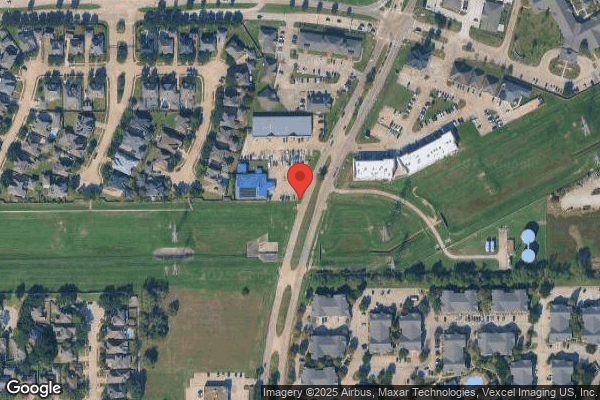
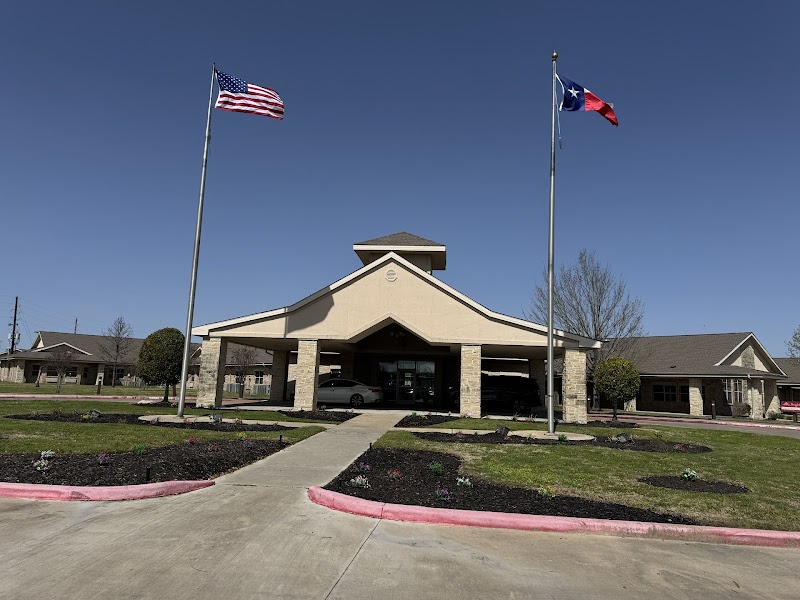
9602 HUFFMEISTER RD, Houston, TX 77095 (281) 463-9001
For profit - Corporation 125 Beds CROSS HEALTHCARE MANAGEMENT Data: November 2025 2 Immediate Jeopardy citations
Trust Grade
24/100
#457 of 1168 in TX
Last Inspection: June 2024

Within standard 12-15 month inspection cycle. Federal law requires annual inspections.

Overview

Eagle Crest Rapid Recovery has received a Trust Grade of F, indicating significant concerns about the quality of care provided. It ranks #457 out of 1,168 nursing homes in Texas, placing it in the top half, and #41 out of 95 in Harris County, meaning there are only a few better local options. The facility is showing signs of improvement, reducing issues from two in 2024 to one in 2025. Staffing is a major concern here, with a low rating of 1 out of 5 stars and a high turnover rate of 75%, which is well above the Texas average of 50%. While they have an average RN coverage, the facility has faced incidents such as a resident being injured during a fall due to inadequate supervision and improper training, and another resident suffering from unmanaged pain after a fall. Overall, families should weigh these serious weaknesses against the facility's improvement trend and average quality measures.
Trust Score
F
24/100
In Texas
#457/1168
Top 39%
Safety Record
High Risk
Review needed
Inspections
Getting Better
2 → 1 violations
Staff Stability
⚠ Watch
75% turnover. Very high, 27 points above average. Constant new faces learning your loved one's needs.
Penalties
⚠ Watch
$13,590 in fines. Higher than 76% of Texas facilities, suggesting repeated compliance issues.
Skilled Nurses
⚠ Watch
Each resident gets only 17 minutes of Registered Nurse (RN) attention daily — below average for Texas. Fewer RN minutes means fewer trained eyes watching for problems.
Violations
⚠ Watch
17 deficiencies on record. Higher than average. Multiple issues found across inspections.
★★★☆☆
3.0
Overall Rating
★☆☆☆☆
1.0
Staff Levels
★★★★★
5.0
Care Quality
★★★☆☆
3.0
Inspection Score
Stable
2024: 2 issues
2025: 1 issues

The Good

  • 5-Star Quality Measures · Strong clinical quality outcomes
  • Full Sprinkler Coverage · Fire safety systems throughout facility
  • No fines on record

Facility shows strength in quality measures, fire safety.

The Bad

3-Star Overall Rating

Near Texas average (2.8)

Meets federal standards, typical of most facilities

Staff Turnover: 75%

29pts above Texas avg (46%)

Frequent staff changes - ask about care continuity

Federal Fines: $13,590

Below median ($33,413)

Minor penalties assessed

Chain: CROSS HEALTHCARE MANAGEMENT

Part of a multi-facility chain

Ask about local staffing decisions and management

Staff turnover is very high (75%)

27 points above Texas average of 48%

The Ugly 17 deficiencies on record

2 life-threatening 1 actual harm
Jul 2025 1 deficiency
MINOR (B) 📢 Someone Reported This

A family member, employee, or ombudsman was alarmed enough to file a formal complaint

Minor Issue - procedural, no safety impact

Staffing Information (Tag F0732)

Minor procedural issue · This affected multiple residents

Based on observation, interview, and record review, the facility failed to ensure that the daily staffing was posted and readily accessible for review for 1 of 1 facility reviewed for required posting...

Read full inspector narrative →
Based on observation, interview, and record review, the facility failed to ensure that the daily staffing was posted and readily accessible for review for 1 of 1 facility reviewed for required postings. - The facility failed to update and post the daily nursing staffing information on Saturday 06/28/25, Sunday 06/29/25, Monday 06/30/25 and at the beginning of the 1st shift on 07/01/25. The last revision was made on 06/27/25. This failure could affect residents, facility visitors, vendors, and emergency personnel by placing them at risk of not having access to information regarding daily nursing staffing in a timely manner. Findings Include:An observation on 07/01/25 at 07:51 to 08:00AM revealed, the facility Daily Nurse Staffing Report posting on the top of a pony wall located in front of the receptionist desk that read Date: 06-27-25. The posting indicated the facility had three shifts, 1st, 2nd, and 3rd, but the time the shift began and ended for RNs, LVNs and CMAs was not included; only Nursing Assistants were indicated as working 6AM-2 PM (1st shift), 2 PM-10 PM (2nd shift), 10PM-6AM (3rd shift). The posting indicated the number of staff scheduled for each category: 1st shift: RN-1, LVN-3, CMA-1, Nursing Assistant-6; 2nd Shift: RN-0, LVN-3, CMA-1, Nursing Assistant-6; 3rd shift: Nursing Assistant-4. The posting did not have the total number of hours worked for their direct care licensed and unlicensed nursing staff. In an interview on 07/02/25 at 12:29 PM, the DON said she started working in the facility in May of 2025. She said the Staffing Coordinator was responsible for the nursing staffing posting, the posting was put up in the morning, and it should include the facility name, census, and direct care staffing numbers. She said she did not know who was responsible for updating the posting on the weekends and when the staffing coordinator did not work but she would find out. The DON said the purpose of the posting was to notify families of the number and type of direct care nursing staff were in the building so they know what services could be provided. She said failure to update the nursing staffing posting would leave families unaware of what direct care nursing staff were working on that day. The DON said she did not know what time the posting had to be updated but she assumed it was during business hours. In an interview on 07/07/25 at 11:37 AM, the Administrator said the Staffing Coordinator was responsible for the facility daily nursing posting and it should contain the facility name, date, census, and the number of each type of staff. She said the staff shifts are varied with nurses working 12-hour shifts at 6AM-6PM & 6PM-6AM; CNAs- 8 hours, Med Aides 12 hours either 7-7 or 8-8. The Administrator said the Staffing Coordinator's schedule was Monday through Friday typically 8AM-5 PM with little variation in hours depending on the facility's needs and some varied weekend shifts. She said on the weekends when the Staffing Coordinator was not available the MOD was responsible for the nursing posting, and the MOD (department heads such as SW, Medical Records, HR, Dietary Manager etc.) worked rotating weekends. The administrator said she did not know why the posting was not updated over the weekend and on Monday (06/28/25, 06/29/25, 06/30/25), but the posting was not yet updated on Tuesday (07/01/25) because the surveyors arrived at the facility before the staffing coordinator did. She said the purpose of the staffing posting was to show the ratio of staff to residents and failure to update it timely could result in visitors being unaware of the number of staff available in the building. In an interview on 07/07/25 at 11:49 AM, the Staffing Coordinator said she was responsible for the facility nursing posting and her scheduled hours were Monday- Friday 8 AM to 5 PM or sometimes 6 PM. She said the purpose of the posting was to inform anyone who enters the building of the number of the direct care staff, and it should be updated in the morning around 8 AM. The Staffing Coordinator said on days she does not work, the staff member who worked as the receptionist was responsible for updating the nursing posting. She said she worked over the weekend of 06/28/25 -06/29/25 as a CNA on the floor and in her regular position as the Staffing Coordinator on 06/30/25 and she could not remember any issues that arose that prevented her from updating the nursing posting on those days. The Staffing Coordinator said over the weekend she must have just forgotten because she was working as a CNA but did not have a reason for Monday, she said it was just a mistake. She said failure to update the nursing staffing posting could result in visitors/residents being unaware of the staff present in the building during a particular shift. Record review of the facility policy Nursing Staffing information with no revision date revealed, Purpose: Make nurse staffing information readily available in a readable format to residents and visitors at any given time. Procedure: Data RequirementsThe facility must post the following information daily: 1. Facility name; 2. The current date; 3. The total number and the actual hours worked by the following categories of licensed and unlicensed nursing staff directly responsible for resident care per shift: a. Registered nurses; b. Licensed practical nurses or licensed vocational nurses (as defined under State law); c. Certified nurse aides4. Resident census. Posting Requirements: 1. The facility must post the nurse staffing data as specified above daily at the beginning of each shift. 2. Date must be posted as follows: a. Clear and readable format. b. In a prominent place readily accessible to residents, staff, and visitors.
Jun 2024 1 deficiency
CONCERN (D)

Potential for Harm - no one hurt, but risky conditions existed

Deficiency F0761 (Tag F0761)

Could have caused harm · This affected 1 resident

**NOTE- TERMS IN BRACKETS HAVE BEEN EDITED TO PROTECT CONFIDENTIALITY** Based on observation, interview, and record review the facility failed to ensure that drugs and biologicals used in the facility...

Read full inspector narrative →
**NOTE- TERMS IN BRACKETS HAVE BEEN EDITED TO PROTECT CONFIDENTIALITY** Based on observation, interview, and record review the facility failed to ensure that drugs and biologicals used in the facility were stored in accordance with currently accepted professional principles for 1 of 7 Residents (Resident #12) reviewed for medication storage. LVN A left Resident #12's insulin unattended at her bedside. The failure could place residents at risk for possible drug diversions or accidental ingestion. Findings included: Resident #12 Record review of Resident #12's admission face sheet dated 06/20/2024 revealed the resident was admitted on [DATE]. Resident #12 was an [AGE] year-old female. The resident's admitting diagnosis included Type 2 diabetes mellitus (elevated blood sugar). Record review of Resident #12's annual Minimum Data Set (MDS) dated [DATE] revealed Cognitive Patterns Brief Interview for Mental Status (BIMS) Summary Score of 13 out of 15 indicating the resident's cognition was intact. Resident 12's Functional Abilities and Goals revealed the resident required supervision or touch assistance to move from bed to chair. Resident 12's active diagnosis revealed diabetes mellitus. Record review of Resident #12's care plan focus onset dated 06/21/2022 revealed: Focus: Resident #12 had an alteration in blood glucose related to diabetes mellitus; Goal: The resident had no complications related to diabetes; Approach: Diabetes medications as ordered by doctor. Record review of Resident #12's Physician Order Summary Report dated 06/20/2024 revealed Basaglar (long acting insulin) Kwikpen (disposable insulin pen with dial up dosage and push button extension to dispense insulin) 28 units subcutaneous (insertion of medication under the skin by injection) one time a day. Record review of Resident #12's Medication Administration Record dated 06/01/2024-06/30/2024 revealed LVN A administered 28 units of insulin to Resident #12 on 06/19/2024. During an observation on 06/19/2024 at 7:25 AM revealed LVN A removed Resident #12's Basaglar insulin Kwikpen from the medication cart. LVN A dialed the flex pen to administer 28 units of insulin. As the observation continued at 7:25 AM LVN A carried the Basaglar insulin Kwikpen to Resident #12's bedside. LVN A placed the medication on the table approximately 5 feet from the resident's bed. Resident #12 was sitting up in bed awake and alert. LVN A walked into the bathroom to wash her hands. The medication was left unattended at the resident's bedside. At 7:26 AM LVN A returned to the resident's bedside. During an observation and interview on 06/19/2024 at 1:00 PM revealed Resident #12 was sitting up in a wheelchair in her room next to her bed. Resident #12 stated she did not see the medicine on her table. During an interview on 06/20/2024 at 10:05 AM the covering DON stated her expectations for medication security was to follow the facility policy and procedure. She stated all medications were to be secured. Medications were not to be left out in the open where a resident or someone could take it. The covering DON continued and stated the medications were to be out of sight to keep the residents safe. She stated all medications were to be locked. The covering DON stated there were multiple risks to the medications not being secured. Residents or staff could take the medications. The covering DON stated the policy was all medications were secured. The nurses, charge nurses, ADON and DON were responsible for ensuring medications were secured and not left unattended by rounding multiple times during their shift. The covering DON stated the nurse did not follow the facility policy and procedure for medication storage. The resident was at risk of getting the medication. During an interview on 06/20/2024 at 10:19 AM the Administrator stated the policy was all medications were to always be locked where residents and family cannot have access to the medication. The Administrator stated the nurses and managers were responsible for monitoring the medications were secured by rounding every shift. She stated the risk was the resident could get the medication and be harmed. During a phone interview on 06/20/2024 at 10:49 AM LVN A stated she did leave the insulin at the resident's bedside while she went to the bathroom and washed her hands. LVN A stated she should not have done that. Medications were to be kept with you . The LVN stated the risk was the resident would get the medication and stick herself. To prevent this in the future she would be more careful. She should keep the medication with her so the resident could not get the medication. The nurse was responsible for locking the cart before leaving it. Record review of the facility policy titled Storage of Medications revision dated November 2020 reflected in part, Policy heading The facility stores all drugs and biologicals in a safe, secure, and orderly manner .1. Drugs and biologicals used in the facility are stored in locked compartments under proper temperatures, light and humidity controls. Only persons authorized to prepare and administer medications have access to locked medications . 3. The nursing staff is responsible for maintaining medication storage and preparation areas in a clean, safe and sanitary manner .
Mar 2024 1 deficiency
CONCERN (D) 📢 Someone Reported This

A family member, employee, or ombudsman was alarmed enough to file a formal complaint

Potential for Harm - no one hurt, but risky conditions existed

Accident Prevention (Tag F0689)

Could have caused harm · This affected 1 resident

**NOTE- TERMS IN BRACKETS HAVE BEEN EDITED TO PROTECT CONFIDENTIALITY** Based on observation, interview, and record review, the facility failed to provide adequate supervision and assistance devices t...

Read full inspector narrative →
**NOTE- TERMS IN BRACKETS HAVE BEEN EDITED TO PROTECT CONFIDENTIALITY** Based on observation, interview, and record review, the facility failed to provide adequate supervision and assistance devices to prevent accidents for one (Resident #1) of six residents whose records were reviewed for falls in that: Resident #1 rolled off the bed during incontinent care with x1 assistance. This failure could place fall risk residents at risk for harm and serious injury. Findings included: Record review of Resident #1's face sheet revealed a sixty-four-year-old woman who had been admitted to the facility on [DATE]. Her diagnoses were noninfective gastroenteritis and colitis (conditions that cause inflammation of the digestive tract), acute kidney failure, chronic obstructive pulmonary disease (COPD, lung disease), spinal stenosis (when the space inside the backbone is too small and places pressure on nerves), morbid (severe) obesity, reduced mobility, and need for assistance with personal care. Record review of Resident #1's care plan revealed that Resident #1 was at risk for falls related to muscle weakness, initiated on 07/29/22. Resident #1 also had an ADL self-care performance deficit related to muscle weakness and the last revision prior to 03/12/24 was on 02/16/24. Interventions at the time of 02/16/24 revealed that Resident #1 was an extensive x2 assist for bed mobility and an extensive x1-2 for toileting. On 03/12/24, the care plan indicated that Resident #1 had a fall on 10/06/23 from a hoyer lift and on 03/12/24 from the bed. The intervention initiated on 03/12/24 were falls mats to the bedside and mobility bars x2 to assist with bed mobility. Record review of Resident #1's MDS 3.0 (minimum data set, a standardized collection of demographic and clinical information that described a person's overall condition) completed 03/05/24, Section GG- Functional Abilities and Goals subsection GG0170 Mobility revealed: a. Roll left and right, the ability to roll from lying to back to left and right side and return back lying on bed: score 01. Dependent b. Sit to lying, the ability to move from sitting on side of bed to lying flat on bed: score 01. Dependent c. Lying to sitting on side of the bed, the ability to move from lying on back to sitting on the side of the bed and with no back support: score 01. Dependent Section GG- Functional Abilities and Goals subsection GG01115- Functional Limitation in Range of Motion: a. Upper extremity (shoulder, elbow, wrist, hand): score 2. Impairment on both sides b. Lower extremity (hip, knee, ankle, foot): score 2. Impairment on both sides Record review of Resident #1's BIMS score (a test used to measure cognitive decline in resident) revealed a score of 10 (moderately impaired) on a scale that ranged from 00-15. Record review of Resident #1's fall risk evaluation dated 02/13/24 revealed a score of 11.0. This document stated If the total score is 10.0 or greater, the resident should be considered HIGH Risk for potential falls. Prevention protocols should be initiated immediately and documented on the care plan. Record review of Resident #1's progress note written by RN A on 03/12/24 at 23:58 (11:58 pm) documented: At 10:30pm heard a screaming this writer ran down 600 hall CNA came out and said, Resident #1 fell. Observed resident laying left face on the floor between her bed and roommate's bed. Her bedside table was pushed over to roommate's side. Resident complained of pain to both of her legs my knees, my knees hit the bedside table. No abrasion or laceration noted. A golf size green discoloration noted on right lower leg. Did not move resident to determine any fracture. Her left leg observed equally straight to her right leg. Asked if she ok, she screamed No, I'm not. She pushed me too far to the edge of the bed. I fell hard, I need ambulance. Resident's speech was clear and coherent. Resident pupils were equal round and reactive to light and accommodation. Certified nurse assistant (CNA) reported resident flipped over during incontinent care. Called Director of Nursing (DON), put her on the phone with resident. Offered pain medication and in house x-ray but resident insisted hospital. Followed DON instruction, this writer and her assigned CNA applied the hoyer sling, she was able to bend her legs, turned her body over gently then hoyered her back to bed. This writer stayed with her the entire time. 911 called. RP notified of the incident. Resident took Norco 5/325mG and Zofran 4mG by mouth prior to leaving facility. Resident was awake alerted oriented to person, place, time and situation at time of leaving. Resident left facility at 11:25pm per stretcher with two Emergency Medical Technicians. Record review of Resident #1's Hospital Discharge summary dated [DATE] at 01:49 am revealed that impressions were completed on the right and left knee, head/brain, and cervical spine. No abnormalities were found. Resident was prescribed PRN hydrocodone (opioid pain medication) and acetaminophen (mild to moderate pain reliever). Condition was stable and resident was discharged back to the facility the same day. In an observation on 03/15/24 at 11:58 am Resident #1's door to her room was closed. One aide (name unknown at the time), walked out of the room and told the surveyor that she was giving ADL care. Two gray fall mats and small bedside rails were placed at both sides of the bed. In an interview on 03/15/24 at 12:06 pm with Resident #1, she stated that she rolled out of the bed a few days ago and she still felt sore. She stated staff were made aware of aches and she was prescribed pain medications. She explained that during incontinent care, the CNA pushed her over too far and she went off the side of the bed. Resident #1 recalled that the fall occurred in the morning but said she was unsure. She also recalled that there was only one CNA in the room and there were no fall mats in place at that time. Since the incident, Resident #1 stated her legs hurt, had begun to bruise and she overall felt sore. The surveyor attempted to ask Resident #1 additional questions but after a long pause, she explained that she was tired, and the surveyor exited the room. Record review of the schedule book at the nursing station revealed that on 03/12/24, CNA A worked from 10pm-6am as the aide for Resident #1, CNA B was scheduled from 10pm - 6am on a different hall, and RN A was the night nurse. In an interview on 03/15/24 at 1:30 pm with CNA A, she stated that she had worked at the facility for 4-5 months on the 10 pm- 6 am shift. She stated that on the night of 03/12/24, she entered Resident #1's room to answer the call light. Upon entry, CNA A saw feces smeared all over Resident #1's sheets and she left the room to gather fresh linen so that she could perform incontinent care and a complete bed change. She explained that Resident #1 was flat on her back when she began the care, and she stood on the left side of the bed so that she could turn the resident on her right side. Once on the right, she grabbed the fitted sheet on the bed and removed it from one side and pulled it underneath the resident's body. Then she laid the resident back flat and went around to the right side of the bed so that she could roll her over on her left side. When she was on her right side, she stated that she was rocking her body and told her to keep her body composed. She continued to remove the soiled linen from the bed and before she could bring the resident back to lying flat, Resident #1 rolled off of the left side of the bed towards the roommate's bed. In further detail, CNA stated that during this time, the bed was at the height or her hips and that she had worked with Resident 1 in the past. Resident #1 was usually a one person assist and CNA A stated that she does not normally rock, but she does not hold her weight. She explained that to her, Resident #1 was in the middle of the bed and not the edge. CNA A stated that when the resident fell, her upper body fell first and she immediately got RN A, who was working the 6 pm- 6 am shift that night. When Resident #1 fell there was no blood, but she yelled out in pain and said it was coming from both of her legs. Eventually the resident was sent out to the hospital but initially, she said that she did not want to and then she changed her mind later during the conversation. CNA A stated that the last in-service she attended on falls was 2 months prior. On 03/15/24 at 1:48 pm, an attempted call was made to RN A. The attempt was unsuccessful and a voicemail requesting a call back was left. In an interview on 03/15/24 at 1:50 pm with the DON, she stated the statement she got from CNA A explained that Resident #1 had fallen out of the bed while she was being changed because the resident was rocking. While on the ground, RN A assessed the resident, and no bruising or hematomas were noted. Resident #1 had complete motion of her legs and arms and initially requested pain medication. She eventually was sent out to the hospital for further analysis. The DON stated that Resident #1 was a 2 person assist for the hoyer life and 1 person assist for bed mobility. At night, the nurses oversee the care staff, however, she is on call 24/7. In an interview on 03/15/24 at 4:05 pm with CNA B, she stated that she worked at the facility for 2 years and worked from 6 pm- 6 am on 03/12/24. CNA B said that after Resident #1 fell, she came to the resident's room to assist. She entered the room [ROOM NUMBER] minutes after the initial fall and she that Resident #1 was lying parallel on the floor on her stomach, in between Bed A and Bed B. She stated that from her understanding of the fall, Resident #1 came forward to the side of the bed too much, lost control, and fell off the bed. CNA B had worked with Resident #1 in the past as her aide and she was a resident who relied on staff quite a bit. She stated that Resident #1 was a bigger woman, and she was a hard resident to work with for a change due to her size. She described her as a little bit of deadweight during the change, but also, if aides were trying to guide her a certain way, she did not think that she could always track them. CNA B explained that she thought she could rock somewhat, but it was not to where she was incapable being changed. CNA B expressed that she felt Resident #1 was a harder resident during incontinent care and she would make sure she was extra careful whenever she provided care. When asked to describe the amount of assistance Resident #1 needed during ADL care, she stated that aides were completely in control of her lower body, but she would move her arms to an extent and would consider her to have full range of motion. In an interview on 03/15/24 at 04:23pm with CNA C, she explained that she when she had to provide incontinent care for Resident #1, she was cooperative, but she normally would ask another aide for assistance. She explained that Resident #1 was dead weight, and she would have to physically push her on her side to change her. As of lately, Resident #1 would hold on the rails attached to her bed, but before they were added this week, she would not hold on to anything. In an observation on 03/15/24 at 4:29pm, CNA C put on a pair of gloves and laid Resident #1 down flat in the bed. CNA C told the resident what she was going to do, and she turned the resident to her left side on the bed. CNA C stated, you have to hold her up with one hand to change her and Resident #1 grabbed the rail on the left side of the bed with both hands for stability. In a follow up interview on 03/15/24 at 4:33 pm with Resident #1, she stated that the CNA had her too far on the edge of the bed and when she pushed her over, she fell off. She stated she did not tell the CNA that she was too far over because everything happened so fast and before the fall, she did not have side rails to hold onto and would hold onto nothing. In an interview on 03/15/24 at 4:33 pm with CNA D, she explained that Resident #1 could sometimes be dead weight, but it depended on her mood. She stated that she advised all new employees to perform incontinent care with 2 people because she was kind of difficult to work with during ADL's. When asked if Resident #1 moved around during incontinent care, she stated that she did not move around a lot because she was scared of falling, however, she did move around a lot in the past, but it had been several months since then. When asked if she was in the center of the bed, how could she roll herself off the bed, CNA D stated that there would be no way. Resident #1 could move her arms, but she could not move her back. In an interview on 03/15/24 at 5:01 pm with the DON, she stated that Resident #1 needs were dependent on her mood. If she would like to sit up, she would need two people, for bed mobility, she only required one person. She stated that the harm in a staff member no providing proper assistance with ADL care could be staff causing harm to themselves or to the resident. CNA A had been retained by the therapy department and was written up after this incident. Record review of the facility all staff in-service on Falls dated 01/25/24revealed that CNA A was in attendance. Record review of facility's in-service on bed mobility and transfers dated 03/13/24, revealed CNA A was the only aide in attendance. Record review of CNA A's Nurse aide Orientation dated 10/09/23, revealed CNA A was checked off to have successfully completed training on falls, transfers, and facility policy. No policy's provided were suitable for use in this tag.
Oct 2023 2 deficiencies 2 IJ
CRITICAL (J) 📢 Someone Reported This

A family member, employee, or ombudsman was alarmed enough to file a formal complaint

Immediate Jeopardy (IJ) - the most serious Medicare violation

Accident Prevention (Tag F0689)

Someone could have died · This affected 1 resident

**NOTE- TERMS IN BRACKETS HAVE BEEN EDITED TO PROTECT CONFIDENTIALITY** Based on observation, interview and record review, the facility failed to ensure each resident received adequate supervision for...

Read full inspector narrative →
**NOTE- TERMS IN BRACKETS HAVE BEEN EDITED TO PROTECT CONFIDENTIALITY** Based on observation, interview and record review, the facility failed to ensure each resident received adequate supervision for 1 of 5 residents (Resident #1) reviewed for accidents. The facility failed to properly inspect the Hoyer Lift slings, resulting in it tearing and causing the resident to have a fall and sustain a bruise to her left shoulder. Resident #1's fall caused pain at a level 9. -The facility failed to properly train the staff on how to report concerns and determine properly Hoyer sling sizes. An Immediate Jeopardy (IJ) was identified on 10/09/2023 at 6:35 PM. The IJ template was provided to the facility on [DATE] at (6:35PM. While the IJ was removed on 10/12/2023 at 3:40 PM, the facility remained out of compliance at a scope of isolated and a severity level of actual harm due to the facility continuing to monitor the implementation and effectiveness of their plan of removal. This failure placed residents at risk of serious injury and pain. Findings include: Record review of Resident #1 EMR on 10/07/2023, revealed on -she was admitted to the facility on [DATE] with diagnoses including Encephalopathy (brain disease), Sepsis, Muscle Weakness, Cognitive Communication, Stenosis (Pressure on spinal cord), Morbid Obesity, Record review of Resident #1 EMR revealed on 09/01/23 she weighed 251lbs. Record review of Resident #1's MDS dated [DATE], revealed the resident was a 2 person assist with transfers and a BIMS score of 12 (indicating the resident's cognition was intact). Record review of Resident #1's care plan dated 08/07/2023 revealed the resident was care planned for the use of a Hoyer lift. Record review of Resident #1's EMR on 10/07/2023 revealed, there was no orders for x rays. Record review of the residents Pain Levels on 10/09/2023 revealed she had pain level of 9 on 10/6, 10/07, 10/08, the resident was given her PRN pain medication when she complained of pain. Record review of Resident #1 EHR on 10/09/2023 revealed, a new order per NP of 2 view x ray of the left leg. In an interview on 10/07/2023 at 2:13PM with Resident #1, the resident stated she had a fall during a(Mechanical) lift transfer on 10/06/2023. The resident stated the mesh part of the sling tore during the transfer and she fell to the floor. The resident stated she was about waist high, 3 feet from the floor. The resident stated she landed on her left side, and she did not hit her head. The resident stated she had pain in her left buttock and upper left shoulder. The resident stated she was not sent to the hospital and x rays were not done after the fall. The resident complained of pain and stated she was on a scheduled pain medication as well as an as needed pain medication. Resident #1 stated she was now fearful of doing Hoyer lift transfers. In an interview on 10/07/2023 at 2:56PM with the DON, she stated Resident #1 had a witnessed fall on 10/06/2023 during a Hoyer lift transfer. She stated the resident was assessed by the RN and the NP was notified. She stated the resident complained of pain to her left. She stated the resident was given pain medication. She stated the resident was already on a scheduled pain medication and an as needed pain medication. She stated the resident was not sent to the hospital or for x ray because they were informed to monitor the resident. The DON stated the incident was not reported to HHSC because it was a witnessed fall. She stated the Hoyer slings did come in different sizes but she was not sure of exactly what the sizes were. The DON stated the staff were trained to identify which size sling to choose when doing a Hoyer Lift transfers but there was not any evidence of training for staff regarding choosing the correct sling for the correct weight provided In an interview on 10/07/2023 at 3:00PM with the Maintenance Supervisor, he stated he was not responsible for checking the slings for the Hoyer lifts. He stated the laundry department usually checked the slings while completing laundry. In an interview on 10/07/2023 at 3:08PM with CNA-A, she stated on 10/06/2023, she went into to assist CNA-B with a Hoyer lift transfer for Resident #1 because it was the resident's shower time. She stated they strapped the resident into the Hoyer sling/lift and they were lifting her and the mesh on the sling broke. She stated the resident was about waist level when she fell from the Hoyer lift. She stated once the resident fell, they assessed the resident and did not move her, and CNA-B called for the RN to assess her. She stated the person who started the transfer usually checked the straps to make sure it is not broken. She stated the sling was kind of old looking when she saw it. She stated the resident complained of pain on her left leg near her calf. She stated they got another sling and put the resident back on it and got her back up. She stated she thinks the sling may have been thrown away because it was broken. She stated she was last trained on Hoyer lifts about a month ago. She stated there had not been any training since the incident occurred. She stated she was not sure if the slings came in different sizes. She stated she did not know which sling to choose when doing a Hoyer lift because she thought they were all the same. She stated she only knew that some of them look different. She stated when she did a Hoyer lift transfer, she get whichever sling was available when she goes into the laundry room. She stated the risk of getting the wrong size sling when doing a transfer was someone could fall out of the sling. In an interview on 10/07/2023 at 3:18PM with CNA-B, she stated on 10/06/2023 she and CNA-A were in the process of transferring Resident #1 to her wheelchair when the incident occurred . CNA-B stated she and CNA-A placed the resident in the Hoyer sling and in the process of pivoting the resident over to the wheelchair, the mesh part of the sling tore resulting in the resident falling to the floor. CNA-B stated the resident was about waist high when she had the fall. CNA-B stated the resident landed on her left side hitting her left leg, left buttock and left shoulder, and stated she did not hit her head. CNA-B stated the resident began crying and complained of pain to her left shoulder. She stated the resident was assessed by the RN. CNA-B was asked how to determine the size of the sling needed for the residents and she stated the facility had different style slings and stated she thought all the slings were one size. She stated she accessed the sling prior to the transfer, and it did not appear to be torn or ripped. She stated the resident was assessed by the nurses. CNA-B stated she inspected the sling prior to the transfers and it looked okay. In an interview on 10/07/2023 at 3:32PM with the RN, she stated she was at the nursing station and at about 3:30 PM CNA-A informed her that she needed assistance in a room; she stated she was informed the Hoyer lift sling tore. She stated when she entered the room, Resident #1 was sitting on her buttocks and the Hoyer lift was to the side. She stated she observed the Hoyer lift sling, and it was hooked correctly. She stated the resident was alert and oriented. She stated she accessed the resident and on the resident was upset and hysterical, there was no bruising or bleeding or trauma to the skin. She stated the resident did not hit her head. She stated another Hoyer lift sling was retrieved and the resident was transferred back into bed. She stated she assessed her pain level, and she received pain PRN medication which the resident already had a prescription for. She informed the DON a soon as the incident occurred. She stated she called the NP and she was informed to monitor the resident. She stated the resident was not sent out the hospital and an x ray was not ordered. She stated she was going to call the RP, but he had already arrived to the facility and he was yelling and upset. She stated the slings came in different sizes. She stated there should be a weight on the label when doing a Hoyer lift transfer. She stated she did not see the weight on the sling at the time of the incident, but she did observe a rip in the sling. In an observation of Hoyer lift slings (2 were available in the laundry room) on 10/07/2023 at 3:53PM, revealed the weight requirements on the slings were not legible. Some of the tags were torn and some of the weight requirements were not visible at all. In an interview with Resident #1 on 10/09/2023 at 5:05PM, she stated she was still in pain at a level 8 and she reported she had just received her PRN pain medication and thought it may have been working. She stated she had a bruise on the back of her left shoulder. The residents bruised was observed to be dark purple circular bruise about the size of a grape fruit. She stated she was informed that she would be getting x rays completed that evening but they had not been completed at the time of the interview. Record review of X-Rays results dated 10/09/2023 revealed the resident did not sustain any fractures. Record review of Safe Lifting and Movement of Residents Policy revised July 2017, reflected .Staff responsible for direct resident care will be trained in the use of manual (gait/transfer belts, lateral boards) and mechanical lifting devices All equipment design and use will meet or exceed guidelines and regulations concerning resident safety and the use of restraints Safe lifting and movement of residents is part of an overall facility employee health and safety and injury-prevention strategies; Involves employees in identifying problem areas and implementing workplace safety and injury prevention strategies . Continually evaluates the effectiveness of workplace safety and injury-prevention strategies On 10/09/2023 at 6:35 PM. the Administrator was notified of the IJ. The IJ template was left with the Administrator and a plan of removal (POR) was requested at that time. The POR was accepted on 10/12/2023 8:43 AM. The POR revealed: . I. What corrective actions have been implemented for the identified residents? The following action items were implemented. a. The physician notified, immediately on 10/6/23 at 3:30pm. b. The Hoyer sling was removed immediately and disposed of. c. Visual inspection of all Hoyer lift slings inventoried and completed through 10/10/2023. No other concerns were identified in terms of residents; 1 sling was properly labeled on 10/11/2023. II. What does the facility need to change immediately to keep residents safe and ensure it does not happen again? a. An in-service was initiated with direct care staff on 10-9-2023 by the Director of Nursing and Therapy designee, on Hoyer lift transfer training. b. An in-service was initiated with housekeeping and laundry staff on 10-9-2023 by the Housekeeping Supervisor, on Hoyer lift sling laundry care and factors that reduce the life of the sling. c. Another additional training was initiated to all direct care staff on 10/10/2023 to also include and highlight details of Hoyer slings sizing, colors, and proper use by demonstration. d. Staff completed a competency checklist on Hoyer Lift transfer Training with return demonstration on 10/10/2023. e. New hires will have transfer training to include Hoyer lift with therapy. f. DON/designee to perform daily random audits to ensure staff are using Hoyer lifts properly and Hoyer slings are in good condition. III. How will the system be monitored to ensure compliance? a. DON/Therapy/designee will perform random audits weekly to ensure staff are using Hoyer lifts properly and Hoyer slings are in good condition, and proper size and will be documented on a log. As an inspection routine, the log will capture the staff member and the observer, the condition of lift and sling, and proper use. Also, will highlight if staff member needs more training. So far this week there have been no similar resident occurrences or findings. b. Housekeeping will continue to monitor the condition and wear and tear of slings, also if sling needs to be replaced via a daily log. If observer sees that sling is deemed not usable, the observer will bring sling to DON or Administrator. Quality Assurance: An impromptu Quality Assurance and Performance Improvement review of the plan of removal was completed on 10/10/2023 with the Medical Director. The Medical Director has reviewed and agrees with this plan. IJ monitoring included: Record review of staff competency checks revealed 69 competency checks were completed including for CNA-B and CNA-A. Record review of Mechanical lift: How to Use a Patient Lifter Transfer Guide revealed the sling size for weight ranges were included in the guide. Record review revealed the facility had policies on of Falls and Fall Risk management, Safe Lifting and Movement of Residents. Record review revealed in-services on [Mechanical] Lift Transfer trainings were conducted by the therapy department on 10/10/23 for all direct care staff. Record review revealed the facility had a policy on Sling Laundry Care dated 10/09/23 and was signed off by staff in the laundry department. In an interview with the OT on 10/12/2023 at 12:27PM, she revealed she helped train staff on how to perform a transfer of a resident by mechanical lift and what steps to follow to ensure the transfer was safe. She stated staff were to ensure the sling was free of rips or tears and to make sure the sling fit the resident they were transferring. She stated the weight/sling size guide could be found in the shower rooms and guidebook. She stated she also trained staff on how to transfer their resident from bed to wheelchair and wheelchair to bed. In an interview with the Laundry Supervisor on 10/12/2023 at 12:45PM, she stated she was to collect and wash dirty slings with no bleach or hot water. She stated slings were to be air-dried and inspected for damage to the sling hooks and/or net material, such as tears, holes, fraying, and illegible labels. She stated if damaged slings were to be identified, she would give them to the Administrator or DON to have them replaced. Record review of the Log for Daily Mechanical Sling Check reflected one of one sling was replaced on 10/11/2023 and one of 13 slings were replaced on 10/12/2023. In an interview with the Laundry Aide on 10/12/2023 at 12:57PM, she stated she washed slings separately from other linens with no bleach and only cold water. She stated she dried the slings without heat and checked if it was good for use and not broken. Record review revealed the ST completed his transfer training and competency check on 10/10/23. In an interview with the ST on 10/12/2023 at 1:02 PM, he stated to know the appropriate size of sling to use on a resident, he checked the patient's weight in the EHR and referenced the weight to sling size guide. He stated to perform a safe transfer by mechanical lift, he needed to conduct the transfer with another staff member to guide the resident as he maneuvered the mechanical lift. Record review revealed CNA-C completed her transfer training and competency check on 10/10/23. In an interview with CNA-C on 10/12/2023 at 1:17PM, she stated prior to transferring a resident using the mechanical lift, she checked for holes, rips, tears, and ensured the sling straps were intact and were the right size for the person. She stated she would refer to the label on the sling to determine the appropriate size of sling to use on the resident. Record review revealed CNA-D completed her mechanical lift sling training on 10/06/2023 and her transfer training and competency check on 10/10/23. In an interview with CNA-D on 10/12/2023 at 1:30 PM, she stated she was trained by the therapy department on how to use a mechanical lift. She stated prior to transferring a resident by mechanical lift, she checked to make sure the right size was being used, the hook and sling material were in good condition and the battery was fully charged. She would make sure to get help from another aide for the transfer. She stated if there was an injury, she would report to the nurse. Record review revealed CNA-E completed her mechanical lift sling training on 10/06/2023 and her transfer training and competency check on 10/10/23. In an interview with CNA-E on 1012/2023 at 1:44PM, she stated that prior to transferring a resident using a mechanical lift, she would check the battery, check the sling for rips and holes and for the right size based on the posted sling color codes on the guide located at the desk and linen closets. She stated the codes informed her on which color to use based on resident's weight. If the sling was not legible or if there were any issues, she would notify the nurse and the DON about it. Record review revealed CNA-F and CNA-G completed their transfer training and competency checks on 10/10/23. Observations of mechanical lift transfer of Resident #2 on 10/12/2023 at 2:18PM, by CNA-F and CNA-G revealed a safe transfer of Resident #2 from the Geri-chair to her bed and the sling was in good condition, appropriate sling size, and coordination of loops . CNA-G operated the lift machine while CNA-F guided the resident. Record review revealed the RN revealed she completed her mechanical lift sling training on 10/06/2023, transfer training and competency check on 10/10/23 and she signed off on the nurse training regarding notification of change of conditions. In an interview with RN on 10/12/2023 at 2:27PM, she stated, although she had never had to conduct a mechanical lift transfer on any of the residents while she worked at the facility, she was trained on safe mechanical lift transfers, which included to always have two people, to inspect the mechanical lift and sling, and to ensure the right size sling was being used. She stated in the case of any injury, she would instantly notify the family, the DON and the resident's physician. She stated she would call the nurse practitioner/physician to report any changes in condition observed following an injury for up to 72 hrs. Record review revealed CNA-B completed her mechanical lift sling training on 10/06/2023 and her transfer training and competency check on 10/10/23. In an interview with CNA-B on 10/12/2023 at 2:40PM, she stated for mechanical lift transfers she would ensure the battery was fully charged, made she had a second staff to the spot the resident, she would check the sling for holes, rips, frays, tears or wear. She stated the linen closet and book at the nursing station had the guides for weight sling size she could reference prior to transferring residents. Record review revealed CNA-H completed her mechanical lift sling training on 10/06/2023 and her transfer training and competency check on 10/10/23. In an interview with CNA-H on 10/12/2023 at 2:52PM, she stated for mechanical lift transfers, she needed two staff to conduct a safe transfer with one person guiding the patient and the other person maneuvering the mechanical lift. She stated she checked to ensure the battery was charged, checked for tears or rips in the slings, and if the appropriate size was being used depending on the resident's weight. Record review revealed CNA-I completed her mechanical lift training and competency check on 10/10/23. In an interview with CNA-I on 10/12/2023 at 3:02PM, she stated two people were needed to conduct a mechanical lift transfer and she had to check to ensure the sling was in good condition with no loose strings, tears, the appropriate size for the resident was used, and the battery needed to be fully charged,. She stated if the tag on a sling was illegible, then she would not use it but instead report it to her charge nurse. Record review revealed LVN completed her mechanical lift sling training on 10/06/2023, transfer training and competency check on 10/10/23 and she signed off on the nurse training regarding notification of change of conditions. In a phone interview with LVN on 10/12/2023 at 3:10 she stated she was trained on how to use the mechanical lift and on notifications after change of conditions. She stated she would monitor a resident up to 72 hours following an incident to ensure there was no change of condition, and if there was a change, she would report to the NP or the physician. She said she was tested on how to use the mechanical lift but never had to perform a transfer on the floor. She stated generally two people were needed for the transfer, one person was needed to control the mechanical lift and the other was there to stabilize the resident from bed to chair or chair to bed. She stated she checked the battery level, sling condition for lack of rips, tears or frays, and the sling size using the posted weight to sling size reference guide. Record review revealed the DON kept a running log on any resident injuries that occurred in the facility. In an interview with the DON on 10/12 2023 at 3:25PM, she stated staff were to check battery to ensure it was fully charged, check the sling for any tears or rips and loops were intact, and for the right size. She stated the staff were to make sure two people performed a mechanical lift transfer, positioned the resident not too high or not too low and to make sure the lift was locked upon descent. She stated for falls or injuries, nurses were to notify the NP, the DON and family, do a pain and fall assessment as well as a skin assessment by the wound care nurse (for every fall). She stated they were to document up to 72 hours on any changes of condition or if the resident remained stable. An Immediate Jeopardy (IJ) was identified on 10/09/2023 at 6:35 PM. The IJ template was provided to the facility on [DATE] at (6:35PM. While the IJ was removed on 10/12/2023 at 3:40 PM, the facility remained out of compliance at a scope of isolated and a severity level of actual harm due to the facility continuing to monitor the implementation and effectiveness of their plan of removal.
CRITICAL (J) 📢 Someone Reported This

A family member, employee, or ombudsman was alarmed enough to file a formal complaint

Immediate Jeopardy (IJ) - the most serious Medicare violation

Deficiency F0697 (Tag F0697)

Someone could have died · This affected 1 resident

**NOTE- TERMS IN BRACKETS HAVE BEEN EDITED TO PROTECT CONFIDENTIALITY** Based on observation, interview, and record review, the facility failed to provide pain management consistent with professional ...

Read full inspector narrative →
**NOTE- TERMS IN BRACKETS HAVE BEEN EDITED TO PROTECT CONFIDENTIALITY** Based on observation, interview, and record review, the facility failed to provide pain management consistent with professional standards of practice, the comprehensive person-centered care plan and the residents' goals and preferences for 1 of 5 residents (Resident #1) reviewed for pain management, in that; Resident #1 experienced pain after a fall on 10/06/2023 and the pain was not reported to the NP until 10/09/2023. The facility failed to contacted the NP or Physician after the fall when Resident #1's pain level increased to a level 9, resulting in an increase PRN pain medications. These failures affected one resident who was placed at risk of pain, bruising, and increased use of PRN pain medication. An Immediate Jeopardy (IJ) was identified on 10/09/2023 at 6:35 PM. The IJ template was provided to the facility on [DATE] at (6:35PM. While the IJ was removed on 10/12/2023 at 3:40 PM, the facility remained out of compliance at a scope of isolated and a severity level of actual harm due to the facility continuing to monitor the implementation and effectiveness of their plan of removal. This failure placed residents at risk of injury and pain. Findings include: In an interview with RP on 10/07/2023 at 12:40PM, he stated he did not witness the incident that occurred with Resident #1 on 10/06/2023. He stated his Resident #1 called and informed him that one of the loops that hooked onto the Hoyer lift broke and Resident #1 fell. He stated Resident #1 was not sent to the hospital. He stated he spoke to the facility administrator, and he was informed that the facility has to go through a process when an incident happens, the process was not provided. He stated a little mesh on the harness sling tore and they gently lowered her to the ground. He stated Resident #1 informed him she fell out of the harness and it was not gently lowered to the ground. He stated Resident #1 informed him that she landed on her left side. In an interview on 10/07/2023 at 2:13PM with Resident #1, the resident stated she had a fall during a Hoyer (Mechanical) lift transfer on 10/06/2023. The resident stated the mesh part of the sling tore during the transfer and she fell to the floor. The resident stated she was about waist high, 3 feet from the floor. The resident stated she landed on her left side, and she did not hit her head. The resident stated she had pain in her left buttocks and upper left shoulder. The resident stated she was not sent to the hospital and x rays were not done after the fall. The resident complained of pain and stated she was on a scheduled pain medication as well as an as needed pain medication. Resident #1 stated. during the interview and stated she was now fearful of doing Hoyer lift transfers. Record review of Resident #1 EMR on 10/07/2023, revealed on she was admitted to the facility on [DATE] with diagnoses including Encephalopathy (brain disease), Sepsis, Muscle Weakness, Cognitive Communication, Stenosis (Pressure on spinal cord), Morbid Obesity, Record review of Resident #1 EMR revealed on 09/01/23 she weighed 251lbs. Record review of Resident #1's and the MDS dated [DATE], revealed the resident was a 2 person assist with transfers and a BIMS score of 12 (indicating the resident's cognition was intact). Record review of Resident #1's care plan dated 08/07/2023 revealed the resident was care planned for the use of a Hoyer lift . In an interview on 10/07/2023 at 3:08PM with CNA-A, she stated she went into to assist CNA-B with a Hoyer lift transfer for Resident #1 because it was the residents shower time. She stated during the transfer the sling ripped and the resident had a fall. She stated the resident complained of pain on her left leg near her calf. She stated she thinks the sling may have been thrown away because it was broken. In an interview on 10/07/2023 at 3:18PM with CNA-B, CNA-B stated she and CNA-A placed the resident on the Hoyer sling and in the process of pivoting the resident over to the wheelchair, the mesh part of the sling tore resulting in the resident falling to the floor. CNA-B stated the resident began crying and complained of pain in her left shoulder. She stated the resident was assessed by the nurses. CNA-B stated she inspected the sling prior to the transfers and it looked okay. In an interview on 10/07/2023 at 3:32PM with RN, she was at the nursing station and at about 3:30 PM CNA-A informed her that she needed assistance in a room, she stated she was informed the Hoyer lift tore. She stated when she entered the room the resident was sitting on her buttocks and the Hoyer lift was to the side. She stated the resident was upset and hysterical, there was no bruising or bleeding or trauma to the skin. She stated the resident did not hit her head. She stated she assessed her pain level and she received pain PRN medication which the resident already had a prescription for. She stated she called the NP and she was informed to monitor the resident. She stated the resident was not sent out the hospital and X ray were not ordered. She stated the residents PRN medications were increased due to her pain. In an interview on 10/07/2023 at 4:00PM with DON, she stated the resident was not sent to the hospital or for X ray because they were informed to Monitor the resident. She stated the Hoyer slings does come in different sizes, but she was not sure of exactly what the sizes were. The DON stated the staff were trained to identify which size sling to choose when doing a Hoyer Lift transfers but there was not any evidence of training for staff regarding choosing the correct sling for the correct weight provided . Record review of Resident #1 EHR on 10/07/2023 revealed, there was no orders for X rays. Record review of the residents Pain Levels on 10/09/2023 revealed she had pain level of 9 on 10/6, 10/07, 10/08, the resident was given her PRN pain medication when she complained of pain. Record review of Resident #1 EHR on 10/09/2023 revealed, a new order per NP of 2 view X ray of the left leg. In an interview with Resident #1 on 10/09/2023 at 5:05PM, she stated she was still in pain at a level 8 and she reported she had just received her PRN pain medication and thought it may have been working. She stated she had a bruise on the back of her left shoulder. The residents bruised was observed to be dark purple circular bruise about the size of a grape fruit. She stated she was informed that she would be getting x rays completed that evening but they had not been completed at the time of the interview. In an interview with the NP on 10/09/2023 at 5:37PM, he stated the facility contacted him on 10/06/2023 to inform him that Resident #1 had a fall during a Hoyer lift transfer. He stated he informed the staff to do neurological checks on the resident and notify the provider if there was any significant change. He stated he was off over the weekend, so he was unsure if the facility reached out to any of the on-call staff. He stated the facility reached out to him again today and informed him the resident was complaining of pain in her left lower extremities. He stated he ordered x-rays for the resident. In an interview with the Administrator on 10/09/2023 at 5:51PM, she stated she was working the 10/06/2023, the incident occurred. She stated the RP came to her and stated he wanted to file a incident. She stated she did not know what was going on at the time but the DON and ADON had tried contacting her via phone on 10/06/2023, but she missed the call. She stated the DON informed her that it was not a hard fall, that the resident went down slowly. She stated the aides got the nurse immediately to assess the resident. She stated she immediately in-serviced the staff. She stated the RP seemed to be calm at that point. She stated the incident occurred the evening of 10/06/2023. She stated the resident was not sent out to the hospital because the NP was contacted, and they were informed to monitor the resident. She stated they did order x-rays from what she understood; she stated she thought x rays were ordered today (10/09/2023). She stated the incident was not reported to HHSC because she did not see it at the time as a reportable. She stated she investigated the incident immediately and there was no injury due to the Hoyer or the sling at the time. She stated the Hoyer slings did come in different sizes. She stated when she heard of the incident, she immediately knew that the training would be done. She stated she did not know what size sling was used for the resident. She stated the housekeepers should be looking at the Hoyer slings when they are doing laundry. Record review of X-Rays results dated 10/09/2023 revealed the resident did not sustain any fractures. On 10/09/2023 at 6:35 PM. the Administrator was notified of the IJ. The IJ template was left with the Administrator and a plan of removal (POR) was requested at that time. The POR was accepted on 10/12/2023 8:43 AM. The POR revealed: IV. What corrective actions have been implemented for the identified residents? The following action items were implemented. d. The physician notified, immediately on 10/6/23 at 3:30pm, of the resident's condition and x-ray ordered on 10/09/23. e. Resident assessed immediately, no redness or bruising, and no abnormalities. f. Follow -up documentation on fall every shift completed. g. Social Services set up psychosocial appointments to address and help with the resident having any feelings of fear of not being safe while Hoyer lifted. h. Files for all residents using mechanical lifts were audited on 10/7/2023 and no other accidents were identified as 10/11/2023. V. What does the facility need to change immediately to keep residents safe and ensure it does not happen again? g. Licensed nurses will be in-serviced to ensure they are aware to notify Physician of any changes following an incident for 72 hours on 10/9/2023. VI. How will the system be monitored to ensure compliance? a. DON/ Designee will follow up daily on incidents and changes of conditions log to ensure proper documentation is in place to include NP and Physician notifications. A 24-hour review and incident review log will be used to audit notifications etc. b. This audit will be reported for the following 3 months in QAPI. c. Management will actively monitor for any subsequent or related complaints and addressing those as they arrive. Quality Assurance: An impromptu Quality Assurance and Performance Improvement review of the plan of removal was completed on 10/10/23 with the Medical Director. The Medical Director has reviewed and agrees with this plan. IJ monitoring included: Record review revealed the RN completed her mechanical lift sling training on 10/06/2023, transfer training and competency check on 10/10/23 and she signed off on the nurse training regarding notification of change of conditions. In an interview with RN on 10/12/2023 at 2:27PM, she stated, although she had never had to conduct a mechanical lift transfer on any of the residents while she worked here in the facility, she was trained on safe mechanical lift transfers, which included to always have to have two people, to inspect the mechanical lift and sling, and to ensure the right size sling was being used. She stated in the case of any injury, she would instantly notify the family, DON and the resident's physician. She stated she would call the nurse practitioner/physician to report any changes in condition observed following an injury for up to 72 hrs. Record review on revealed the LVN completed her mechanical lift sling training on 10/06/2023, transfer training and competency check on 10/10/23 and she signed off on the nurse training regarding notification of change of conditions. In a phone interview with the LVN on 10/12/2023 at 3:10PM she stated she was trained on how to use the mechanical lift and on notifications after change of conditions. She stated she would monitor a resident up to 72 hours following an incident to ensure there was no change of condition, and if there was a change, she would report to the NP or the physician. She said she was tested on how to use the mechanical lift but never had to perform a transfer on the floor. She stated generally two people were needed for the transfer, one person was needed to control the mechanical and the other was there to stabilize the patient from bed to chair or chair to bed. She stated she checked the battery level, sling condition for lack of rips, tears or frays, and the sling size using the posted weight to sling size reference guide. Record review on 10/12/2023 revealed the DON kept a running log on any resident injuries that occurred in the facility. In an interview with the DON on 10/12 2023 at 3:25PM, she stated staff were to check battery to ensure it was fully charged, check the sling for any tears or rips and loops were intact, and for the right size. She stated the staff were to make sure two people performed a mechanical lift transfer, positioning the resident not too high or not too low and to make the lift was locked upon decent. She stated for falls or injuries, nurses were to notify the NP, DON and family, do a pain and fall assessment as well as a skin assessment by the wound care nurse (for every fall). She stated they were to document up to 72 hours on any changes of condition or if the resident remained stable. She stated only one resident on her log so far had experienced an injury with change of condition and the resident was still discharged at the hospital until further notice. An Immediate Jeopardy (IJ) was identified on 10/09/2023 at 6:35 PM. The IJ template was provided to the facility on [DATE] at (6:35PM. While the IJ was removed on 10/12/2023 at 3:40 PM, the facility remained out of compliance at a scope of isolated and a severity level of actual harm due to the facility continuing to monitor the implementation and effectiveness of their plan of removal.
Jul 2023 2 deficiencies
CONCERN (D) 📢 Someone Reported This

A family member, employee, or ombudsman was alarmed enough to file a formal complaint

Potential for Harm - no one hurt, but risky conditions existed

Deficiency F0836 (Tag F0836)

Could have caused harm · This affected 1 resident

**NOTE- TERMS IN BRACKETS HAVE BEEN EDITED TO PROTECT CONFIDENTIALITY** Based on observation, interview and record review the facility failed to ensure that the governing body failed to operate and pr...

Read full inspector narrative →
**NOTE- TERMS IN BRACKETS HAVE BEEN EDITED TO PROTECT CONFIDENTIALITY** Based on observation, interview and record review the facility failed to ensure that the governing body failed to operate and provide services in compliance with all applicable Federal, State and local laws, regulations and codes for 1 of 1 facility reviewed for Administrator. The facility did not immediately notify Health and Human Services when the Administrator was terminated and there was no licensed nursing Facility administrator appointed as required by state regulation. This failure could place residents at risk of administrative duties not being carried out or maintained at the highest practicable physical, mental, and psychosocial well-being of the residents. Findings Included: During an entrance interview with Operations Manager on 6/16/2023 at 10:10am, he stated that he is the Operations Manager because he is still working on getting his Administrator's license. He stated that he had experience sitting a building (acting as Manager of the facility) in [NAME], Texas. Observation of the Operation Manager's office on 6/16/2023, revealed no Licensed Facility Administrator's license was observed. During an interview on 6/26/2023 at 4:54pm, the former Administrator, she stated she was no longer employed by the facility. She said her last day working at the facility was on 5/19/2023. During a subsequent interview with the Operations Manager on 7/6/2023 at 11:15am, he stated that the VPO would be sending him a copy of his license to post. He said that he worked under the VPO at another facility and had been appointed to manage the building until he is fully licensed. He stated that he had completed an AIT program and all of the required hours. However, he said that he was unsuccessful at passing the test to be a licensed Nursing Facility Administrator. He was unaware of who would be responsible for contacting HHS to notify them that the former Administrator was no longer working there. He said he understands why HHS would be notified to ensure facilities have experienced administration to manage the building. An interview conducted with BOM on 7/6/2023 at 12:45pm, revealed her to state that the Operations Manager was introduced the day that the former Administrator was terminated. She said that the Operations Manager is the manager of the building. During an interview with VPO on 7/6/2023 at 1:45pm, revealed him to state that he was supervising the Operations Manager on a weekly basis in-person and was available via telephone if he should have any questions. He said that he recently started working for the company two weeks ago and said that he believed that they had 30 days to have a licensed Administrator in place. He said that he believed that owner must contact HHS to inform them of Administrator changes. He said he has not notified HHS about the Administrator change. Record review of staff listing revealed a list of staff names by department, date of hire and position revealed that the Operations Manager was listed as the Administrator and hired on 5/8/2023. Record review of Texas Unified Licensure Information Portal (TULIP), NFA license search revealed that the Operations Manager was not currently licensed as a Nursing Facility Administrator. Under the status it had Prospective. Further review of TULIP revealed that the former Administrator and license was still listed for the facility. Record review of personnel record for the Operations Manager revealed that his pre-employment checklist had under the licensure verification listed a NFA license number as #111718 and expiring on 6/30/2023. This was checked and verified by a former HR representative. Record review of Job description for the Executive Director/Administrator revealed in part: Position Summary states the Executive Director leads and directs the overall operations of the facility in accordance with patient/resident needs, government regulations and company policies to maintain quality care for the patients/residents while achieving the facility's business objectives. Minimum Qualifications knowledge, skills and abilities): College degree or the equivalent in related work experience, current, valid Nursing Home Licensing specific to the state of practice and 2+ years of management experience in a long-term care setting. The Executive Director reports to the VPO. During an attempt to interview the new HR representative on 7/6/2023 at 3:47pm, revealed that he was not at work. Record review of TAC §554.1902(a) revealed .The governing body must: (2) ensure that a person designated as being in authority notifies HHSC immediately when the facility does not have an administrator.
CONCERN (D) 📢 Someone Reported This

A family member, employee, or ombudsman was alarmed enough to file a formal complaint

Potential for Harm - no one hurt, but risky conditions existed

Deficiency F0837 (Tag F0837)

Could have caused harm · This affected 1 resident

**NOTE- TERMS IN BRACKETS HAVE BEEN EDITED TO PROTECT CONFIDENTIALITY** Based on observation, interview and record review the facility failed to ensure that the governing body appointed an Administrat...

Read full inspector narrative →
**NOTE- TERMS IN BRACKETS HAVE BEEN EDITED TO PROTECT CONFIDENTIALITY** Based on observation, interview and record review the facility failed to ensure that the governing body appointed an Administrator who was licensed by the State, where licensing was required; responsible for management of facility and reports to and is accountable to the governing body, in that: The governing body did not appoint a licensed Nursing Home Administrator who was licensed by the State. This deficient practice could have resulted in the facility not being managed in a responsible manner, which could affect the health and safety of all residents. Findings Included: During an entrance interview with Operations Manager on 6/16/2023 at 10:10am, he stated that he is the Operations Manager because he is still working on getting his Administrator's license. He stated that he had experience sitting a building (act as manager of the facility) in [NAME], Texas and was a Speech Pathologist by trade. Observation of the Operations Manager's office on 6/16/2023, revealed no Licensed Facility Administrator's license was observed. During an interview on 6/26/2023 at 4:54pm, the former Administrator stated that she was no longer employed by the facility. She said her last day working at the facility was on 5/19/2023. During a subsequent interview with the Operations Manager on 7/6/2023 at 11:15am, he stated that the VPO would be sending him a copy of his license to post. He said that he worked under the VPO at another facility and had been appointed to manage the building until he is fully licensed. He stated that he had completed an AIT program and all of the required hours. However, he said that he was unsuccessful at passing the test to be a licensed Nursing Facility Administrator. He said that he would be re-taking the test soon. According to him, the VPO supervises him weekly and was in the building on 7/5/2023. The VPO resides in Dallas, Texas area. An interview with the SW on 7/6/2023 at 11:46am, she stated that the Operations Manager was introduced to the management team on or about 5/8/2023 and was said to be sitting the building(act as the manager of the facility). She stated that the VPO was at the community with the Operations Manager on 7/5/2023. An interview with the Medical Records Coordinator on 7/6/2023 at 12:19pm, revealed that the Operations Manager was the Administrator. She said she did not recall if she was here for his formal introduction but she knowns him as the Administrator. An interview conducted with BOM on 7/6/2023 at 12:45pm, revealed her to state that the Operations Manager was introduced the day that the former Administrator was terminated. She said that the Operations Manager is the manager of the building. During an interview with VPO on 7/6/2023 at 1:45pm, revealed him to state that he is supervising the Operations Manager on a weekly basis in-person and is available via telephone if he should have any questions. He said that he recently started working for the company as well and said that he believed that they had 30 days to have a licensed Administrator in place. He said he would send any documentation of the supervision/training provided. Record review of staff listing revealed a list of staff names by department, date of hire and position revealed that the Operations Manager was listed as the Administrator and hired on 5/8/2023. Record review of Texas Unified Licensure Information Portal (TULIP), NFA license search revealed that the Operations Manager is not currently licensed as a Nursing Facility Administrator. Under status it had Prospective. Further review of TULIP revealed that the former Administrator and license was still listed for the facility. Record review of personnel record for the Operations Manager revealed that his pre-employment checklist had under the licensure verification of application listed the NFA license number as #111718 and expiring on 6/30/2023. This was checked and verified by HR representative. The operations Manager signed the checklist on 5/1/2023. There was no record of AIT documentation or copy of the license listed on this checklist. Record review of Job description for the Executive Director revealed in part: Position Summary states the Executive Director leads and directs the overall operations of the facility in accordance with patient/resident needs, government regulations and company policies to maintain quality care for the patients/residents while achieving the facility's business objectives. Minimum Qualifications knowledge, skills and abilities): College degree or the equivalent in related work experience, current, valid Nursing Home Licensing specific to the state of practice and 2+ years of management experience in a long-term care setting. The Executive Director reports to the VPO. During an attempt to interview the new Human Resource representative on 7/6/2023 at 3:47pm, revealed that he was not at work. Review of supervisory documentation/training was not provided for the Operations Manager prior to exit. Record review of TAC §554.1902(a) revealed .The governing body must: (2) ensure that a person designated as being in authority notifies HHSC immediately when the facility does not have an administrator.
Apr 2023 5 deficiencies
CONCERN (D)

Potential for Harm - no one hurt, but risky conditions existed

Comprehensive Care Plan (Tag F0656)

Could have caused harm · This affected 1 resident

**NOTE- TERMS IN BRACKETS HAVE BEEN EDITED TO PROTECT CONFIDENTIALITY** Based on observation interview and record review, the facility failed to develop a comprehensive care plan for 1 of 18 (Resident...

Read full inspector narrative →
**NOTE- TERMS IN BRACKETS HAVE BEEN EDITED TO PROTECT CONFIDENTIALITY** Based on observation interview and record review, the facility failed to develop a comprehensive care plan for 1 of 18 (Resident #4) reviewed for care plans, in that: Resident #4 did not have a care plan for ADL care and pressure ulcer risk. This failure could place residents at risk of potentially not having their needs for care identified and tended to. Findings included: Record review of Resident #4'sface sheet dated 04/14/2023 revealed a [AGE] year-old female who admitted into the facility on 2/10/2023. The resident was diagnosed with muscle wasting and atrophy, hypertension, and chronic heart failure. Record review of Resident #4's MDS, dated [DATE], revealed the resident was marked for being at risk of developing pressure ulcer/injuries. The MDS also revealed the resident required two person assist for bed mobilities and transfers. Record review of Resident #4's care plan, last revised on 02/15/2023, revealed the residents ADL care support levels and high risk for pressure ulcers were not addressed. In an interview with the DON on 04/14/2023 at 10:14AM, she stated an individualized care plan for each resident was necessary for nurses to be aware of the care interventions the resident needs, such as the level of assistance needed for ADLs and interventions to prevent skin break down. She stated the nurses also referred to the care plans to communicate with the aides the type of care each resident needs. She stated not having completed care plans may impact the resident's quality of care. Record review of the facility's policy on Care Plans, Comprehensive Person-Centered, dated December 2016, revealed, . 8. The comprehensive, person-centered care plan will: a. Include measurable objectives and timeframes; b. Describe the services that are to be furnished to attain or maintain the resident's highest practicable physical, mental and psychosocial well-being . e. Include the resident's stated foals upon admission and desired outcomes . 12. The comprehensive, person-centered care plan is developed within seven days of the completion of the required comprehensive assessment.
CONCERN (D)

Potential for Harm - no one hurt, but risky conditions existed

Deficiency F0657 (Tag F0657)

Could have caused harm · This affected 1 resident

**NOTE- TERMS IN BRACKETS HAVE BEEN EDITED TO PROTECT CONFIDENTIALITY** Based on observation, interview and record review, the facility failed to review and revise the comprehensive person-centered ca...

Read full inspector narrative →
**NOTE- TERMS IN BRACKETS HAVE BEEN EDITED TO PROTECT CONFIDENTIALITY** Based on observation, interview and record review, the facility failed to review and revise the comprehensive person-centered care plan that included measurable objectives to provide individualized care for 1 of 18 residents reviewed for care plan accuracy (Resident # 12). ---Resident #12 had a care plan for IV antibiotics (drugs given through a needle into a vein) for Pneumonia. Resident has since recovered from Pneumonia and IV antibiotics have been finished and discontinued. This failure placed residents at risk of having inaccurate comprehensive care plans and not receiving proper individualized care. Findings include: Record review of Resident # 12's face sheet revealed admission date of 12/28/17, with diagnoses including Dementia without behavioral disturbance, need for assistance with personal care, muscle weakness, bipolar disorder (mental illness that causes shifts in mood, activity level, energy), major depressive disorder, anxiety disorder, paraplegia (paralysis of legs and lower body), hypertension, cerebral infarction (stroke), and history of falling. Record review of Resident #12's Quarterly MDS dated [DATE] revealed a BIMs score of 15(indicating no impairment in cognitive skills), ability to understand and be understood, extensive staff assistance required for ADLs, and no IV medications. Record review of Resident #12's care plan (initiated 1/13/23, revision on 1/17/23) revealed: resident has Pneumonia and resident is on IV medications related to Pneumonia. Observation of Resident # 12 on 4/13/23 revealed she was in bed, covered with clean linens, and there was no IV pole (metal device that keeps intravenous bags of medicine) in her room. In an interview on 4/13/23 at 2:15 pm, Resident #12 said she did have IV antibiotics when she had Pneumonia, but she is ok now and the IV has been removed. She said it was in her left arm. In an interview on 4/13/23 at 2:30 pm, LVN A said Resident #12 did have an IV a few months ago when she had Pneumonia, but the medication is finished and the IV has been removed. She said Resident #12 was on oral medication when pneumonia started, but her doctor prescribed IV antibiotics when the infection continued. Record review of physician orders as of 1/31/23 revealed Cefepime HCL intravenous solution 2gm/100ml-use 2gm intravenously three times a day for infection until 2/2/23, and Vancomycin HCL intravenous solution 750 mg/150ml-use 750 mg intravenously every 12 hours for pneumonia until 2/2/23. Record review of physician orders dated 2/6/23 revealed D/C (discontinue) midline (intravenous access in the arm to safely deliver medication into the bloodstream) today 2/6/23. Record review of facility progress note dated 1/27/23 written by LVN B revealed Cefepime HCL intravenous solution 2gm/100ml intravenously three times a day and Vancomycin HCL intravenous solution reconstituted 1gm every 12 hours for pneumonia for 7 days (1/26/23-2/2/23). Record review of facility progress note dated 2/2/23 written by LVN B revealed DC IV ABT Vanco. Record review of facility progress note dated 2/3/23 written by LVN B revealed resident has completed IV antibiotic Cefepime for PNA. Record review of facility progress note dated 2/6/23 written by DON revealed explained to resident that midline was being removed. Interview with the Administrator on 4/14/23 at 10:20 am revealed she and the DON are doing the care plans after the MDS person walked out. They have been trying to keep them caught up, and the new MDS person is starting 4/24. Interview with the DON on 4/14/23 at 10:48 am revealed they have been trying to keep the care plans caught up, and the risk of not having an accurate care plan is the CNA's and nurses would not be able to provide proper care to the resident. Record review of facility policies Care Plans, Comprehensive Person-Centered, revised December 2016 and Goals and Objectives, Care Plans, revised April 2009, revealed, in part, the Interdisciplinary team must review and update the care plan: when there has been a significant change in the resident's condition .goals and objectives are reviewed and/or revised .
CONCERN (D)

Potential for Harm - no one hurt, but risky conditions existed

Deficiency F0658 (Tag F0658)

Could have caused harm · This affected 1 resident

**NOTE- TERMS IN BRACKETS HAVE BEEN EDITED TO PROTECT CONFIDENTIALITY** Based on observation, interview and record review, the facility failed to ensure services provided by the facility met professio...

Read full inspector narrative →
**NOTE- TERMS IN BRACKETS HAVE BEEN EDITED TO PROTECT CONFIDENTIALITY** Based on observation, interview and record review, the facility failed to ensure services provided by the facility met professional standards of quality for 1 of 7 residents (Resident #16) reviewed for professional standards. The facility failed to ensure an active physician's order was in place prior to administering Lorazepam 0.5mg tablet to Resident #16 This failure could place residents at risk of inadequate care, possible adverse drug reaction or hospitalization. The findings included: Record review of Resident #16's admission Record revealed a [AGE] year-old-male admitted to the facility on [DATE]. His diagnoses included degenerative disease of the nervous system, depression, anxiety, bipolar disorder (a mental disorder characterized by periods of depression and periods of abnormally elevated mood), and dementia (a group of symptoms that affect memory, thinking and interferes with daily life). Record review of Resident #16's quarterly MDS dated [DATE] did not mention the BIMS score. Resident #16 was usually understood and could understand others. Record review of Resident #16's undated care plan revealed: Focus - Resident #16 had potential to be physically aggressive r/t hitting staff during recent outburst. Date revised was 12/27/2021. Goal - Resident #16 will verbalize understanding of need to control physically aggressive behavior. Interventions included - Administer medications as ordered. Monitor/document for side effects and effectiveness. Focus - Resident #16 uses psychotropic medications. Verbally inappropriate, cursing, hitting, and screaming at staff r/t bipolar disorder, current episode mixed, severe, with psychotic features, major depressive disorder. Date revised on 04/29/2022. Goal - Resident #16 will be/remain free of psychotropic drug related complications, including movement disorder, discomfort, hypotension, gait disturbance, constipation/impaction, or cognitive/behavioral impairment through review date. Date revised on 04/12/2023. Interventions included - Administer psychotropic medications as ordered by physician. Monitor for side effects and effectiveness every shift. Record review of Resident #16's active physician orders as of 04/12/2023 revealed there was no order for Lorazepam 0.5mg tablets. Record review of Resident #16's Lorazepam blister packet found in the medication cart's lock box revealed the pharmacy label read: Lorazepam 0.5mg (generic for Ativan), 1 tablet by mouth every twelve hours as needed for anxiety and agitation for 14 days. The label was dated 11/17/2021. Discard on 11/16/2022 or sooner if otherwise indicated. Record review of Resident #16's controlled drug receipt/record/disposition form dated on 11/18/2021, revealed on 04/11/2023 at 7:45PM, one tablet of Lorazepam 0.5mg was signed out as administered to Resident #16 by RN A. Record review of Resident #16's progress note dated 04/12/2023 at 5:54AM, and written by RN A, read in part: This resident was so agitated at the beginning of the shift.PRN Ativan 0.5mg was given with no effect. This situation was on till 3:30AM when he went back to his room and now sleeping but refused to care. AM nurse to F/U with NP. In an interview on 04/12/2023 at 1:00PM, the Administrator stated the PRN Lorazepam for Resident #16 should have been removed from the medication cart if the resident was not using and then reviewed or just reordered. During a telephone interview on 04/14/2023 at 8:10AM, RN A stated Resident #16 was so agitated and on 04/11/2023 at 7:45PM she gave the resident Lorazepam 0.5mg. RN A stated she did not contact the NP prior to administering Lorazepam. RN A stated Resident #16 was receiving Lorazepam and knew this because the Lorazepam for Resident #16 was in the controlled drug lock box. RN A stated she documented the administration of the Lorazepam in the progress note. Record review of the facility's policy and procedure for Administering Medications, revised April 2019 read in part: .Medications are administered in a safe and timely manner, and as prescribed. Policy Interpretation and Implementation .4. Medications are administered in accordance with prescriber orders .10. The individual administering the medication checks the label THREE (3) times to verify the right resident, right medication, right dosage, right time and right method (route) of administration before giving the medication . Record review of the facility's policy and procedure for Controlled Substances, revised April 2019, read in part: .The facility complies with all laws, regulations, and other requirements related to handling, storage, disposal, and documentation of controlled medications .
CONCERN (D)

Potential for Harm - no one hurt, but risky conditions existed

Pharmacy Services (Tag F0755)

Could have caused harm · This affected 1 resident

**NOTE- TERMS IN BRACKETS HAVE BEEN EDITED TO PROTECT CONFIDENTIALITY** Based on interview and record review the facility failed to ensure to provide pharmaceutical services (including procedures that...

Read full inspector narrative →
**NOTE- TERMS IN BRACKETS HAVE BEEN EDITED TO PROTECT CONFIDENTIALITY** Based on interview and record review the facility failed to ensure to provide pharmaceutical services (including procedures that assure the accurate acquiring, receiving, dispensing, and administering of all drugs and biologicals) to meet the needs of each resident for 1 of 7 residents (Resident #16) reviewed for medications in that: -The facility administered expired Lorazepam 0.5mg tablet to Resident #16 This failure could place residents receiving medications at risk of not receiving therapeutic levels from the medication. The findings included: Record review of Resident #16's admission Record revealed a [AGE] year-old-male admitted to the facility on [DATE]. His diagnoses included degenerative disease of the nervous system, depression, anxiety, bipolar disorder (a mental disorder characterized by periods of depression and periods of abnormally elevated mood), and dementia (a group of symptoms that affect memory, thinking and interferes with daily life). Record review of Resident #16's quarterly MDS dated [DATE] did not mention the BIMS score. Resident #16 was usually understood and could understand others. Record review of Resident #16's undated care plan revealed the following: Focus - Resident #16 had potential to be physically aggressive r/t hitting staff during recent outburst. Date revised was [DATE]. Goal - Resident #16 will verbalize understanding of need to control physically aggressive behavior. Interventions - Administer medications as ordered. Monitor/document for side effects and effectiveness. Focus - Resident #16 used psychotropic medications. Verbally inappropriate, cursing, hitting, and screaming at staff r/t bipolar disorder, current episode mixed, severe, with psychotic features, major depressive disorder. Date revised on [DATE]. Goal - Resident #16 will be/remain free of psychotropic drug related complications, including movement disorder, discomfort, hypotension, gait disturbance, constipation/impaction, or cognitive/behavioral impairment through review date. Date revised on [DATE]. Interventions- Administer psychotropic medications as ordered by physician. Monitor for side effects and effectiveness every shift. Record review of Resident #16's Lorazepam blister packet found in the medication cart's lock box revealed the pharmacy label read: Lorazepam 0.5mg (generic for Ativan), 1 tablet by mouth every twelve hours as needed for anxiety and agitation for 14 days. The label was dated [DATE]. Discard on [DATE] or sooner if otherwise indicated. Record review of Resident #16's controlled drug receipt/record/disposition form dated on [DATE], revealed one tablet of Lorazepam 0.5mg, was signed out on the following days: *[DATE] at 8:00AM by LVN B. *[DATE] at 7:45PM by RN A. Record review of Resident #16's progress note type, was communication with physician, dated [DATE] at 8:54AM and written by LVN B, revealed the following: Situation: patient is agitated and moving around the premises. Background: anxiety noted. Assessment (RN)/Appearance (LPN): writer notified NP by text. Recommendations: Lorazepam 0.5mg administered for anxiety and agitation per NP request at 8:00AM. Patient stable and calm at the time of this report. Record review of Resident #16's progress note dated [DATE] at 5:54AM, and written by RN A, read in part: This resident was so agitated at the beginning of the shift.PRN Ativan 0.5mg was given with no effect. This situation was on till 3:30AM when he went back to his room and now sleeping but refused to care. AM nurse to F/U with NP. In an interview on [DATE] at 12:30PM, the DON stated the nurses were responsible to check narcotic count of pills and will match it to the log. She stated the nurses and pharmacist oversaw audits. She stated the pharmacist was at the facility on Monday [DATE]. The DON stated she checked with the pharmacist who told her, the Lorazepam for Resident #16 was not in the cart on [DATE]. The DON stated the risk to the resident would be not getting full effect of the drug. She stated the plan was to notify the MD about the expired Lorazepam given to Resident #16 and get a new blister pack. In an interview on [DATE] at 1:00PM, the Administrator stated the PRN Lorazepam for Resident #16 should have been removed if the resident was not using and then reviewed or just reordered. During a telephone interview on [DATE] at 8:10AM, RN A stated she would look at the date the Ativan was ordered, when it was brought in from pharmacy, the dosage and expiration date prior to administering to Resident #16. RN A stated, I confess, and did not look at the expiration date. RN A stated the risk of giving an expired medication to a resident would be the medication would be ineffective. On [DATE] at 8:40AM, an attempt was made via telephone to contact the consultant pharmacist. A voice message was left, and no call back was received before exit. In an interview on [DATE] at 8:48AM, LVN B stated she found the Ativan for Resident #16 in the medication cart. LVN B stated prior to administering any medication she would check the seven rights: right medication, right time, right dose, right route, correct position of the resident, right documentation and right to refuse. LVN B stated this was done for safety and to give the right care to the resident. LVN B stated she did not know the Ativan was expired and that had never happened before. LVN B stated it will never happen again. LVN B stated her last in-service on medication administration was after the expired Ativan was found on [DATE]. LVN B stated she did not know when she received an in-service prior to [DATE]. In an interview on [DATE] at 10:45AM, the Administrator stated the process before administering medication was to follow the 5 rights. The Administrator stated standard practice included checking physician orders and checking the expiration date. The Administrator stated the Lorazepam should have been off the cart. The Administrator stated she spoke with the pharmacist and stated the pharmacist did not catch the expired Lorazepam when she was here the other day. The Administrator stated she expected the nurses and pharmacist to be accountable and responsible. The Administrator stated ultimately the DON and Administrator were responsible to ensure nurses were trained. Record review of the facility's policy and procedure for Administering Medications, revised in [DATE] revealed: Policy Statement: Medications are administered in a safe and timely manner, and as prescribed 12. The expiration/beyond use on the medication label is checked prior to administering . Record review of the facility's policy and procedure for Pharmacy Services Overview, revised in [DATE] revealed: Policy Statement: The facility shall accurately and safely provide or obtain pharmaceutical services, including the provision of routine and emergency medications and biologicals, and the services of a licensed consultant pharmacist . Record review of the new hire nurse orientation checklist dated [DATE] revealed RN A completed training that included how to enter new orders into the facility's electronic health records and how to check expiration dates on over-the-counter medications, dating insulin pens, medication storage and destruction. Record review of the in-service/education sheet dated [DATE] was signed by LVN B. The in-service/education sheet read in part: .Subject: Physician Orders. All orders are considered physician orders. All orders are to be followed accordingly. Physician orders: Medication orders, .etc.
CONCERN (D)

Potential for Harm - no one hurt, but risky conditions existed

Deficiency F0761 (Tag F0761)

Could have caused harm · This affected 1 resident

**NOTE- TERMS IN BRACKETS HAVE BEEN EDITED TO PROTECT CONFIDENTIALITY** Based on observation, interview, and record review the facility failed to ensure drugs and biologicals used were labeled in acco...

Read full inspector narrative →
**NOTE- TERMS IN BRACKETS HAVE BEEN EDITED TO PROTECT CONFIDENTIALITY** Based on observation, interview, and record review the facility failed to ensure drugs and biologicals used were labeled in accordance with currently accepted professional principles, which included the appropriate accessory and cautionary instructions, and the expiration date when applicable for 1 of 6 carts (400 Hall Nursing Cart) reviewed for medication storage. The facility failed to ensue 400 Hall Nursing Cart did not contain an insulin pen without a resident identifier. This failure could place residents at risk of infection and adverse medication reactions. The findings include: Observation and interview on [DATE] at 9:15AM, inventory of the 400 Hall Nursing Cart with LVN C revealed an open and in-use Insulin Lispro 100units/ml pen, with no resident identifier, no corresponding pharmacy label, and the open date 03/20. LVN C stated the insulin pen should have a name label, so we know who it belonged to. The risk to using the pen would be cross-contamination if used on a resident, since the pen did not have a name label. Interview on [DATE] at 1:30PM, the DON stated the insulin pen should have an opened date and the name of the resident it belonged to. The DON stated the plan was to conduct nursing staff in-service on making sure insulin pens are not expired and properly labeled with resident identifiers. In an interview on [DATE] at 10:45AM, the Administrator stated the process before administering medication was to follow the 5 rights (right patient, right dose, right drug, right route and right time). The Administrator stated this was just standard practice which also included checking the expiration date. The Administrator stated she expected the nurses and pharmacist to be accountable and responsible for checking medication carts. The Administrator stated ultimately the DON and Administrator were responsible to ensure nurses were trained. Record review of the facility's policy and procedure for Labelling of Medication Containers, revised [DATE] read in part: .All medications maintained in the facility are properly labeled in accordance with current state and federal guidelines and regulations 1. Medication labels must be legible at all times. 2. Any medication packaging or contains that are inadequately or properly labeled are returned to the issuing pharmacy.
Jan 2023 4 deficiencies 1 Harm
SERIOUS (G) 📢 Someone Reported This

A family member, employee, or ombudsman was alarmed enough to file a formal complaint

Actual Harm - a resident was hurt due to facility failures

Comprehensive Care Plan (Tag F0656)

A resident was harmed · This affected 1 resident

**NOTE- TERMS IN BRACKETS HAVE BEEN EDITED TO PROTECT CONFIDENTIALITY** Based on interview and record review, the facility failed to ensure 1 of 9 residents(Cr#3) care plan was followed in that: The ...

Read full inspector narrative →
**NOTE- TERMS IN BRACKETS HAVE BEEN EDITED TO PROTECT CONFIDENTIALITY** Based on interview and record review, the facility failed to ensure 1 of 9 residents(Cr#3) care plan was followed in that: The facility failed to ensure CR#3's care plan was followed to allow two staff to provide ADL care. This failure could place residents who required 2 staff for ADLs at risk for injury, discomfort, and decreased quality of care. Findings included: CR#3 Record review of CR#3 admission face sheet record revealed CR#3 was an 87 -year- old female who was admitted to the facility on [DATE]. Her diagnoses included morbid obesity due to excessive calories (overweight), type 2 diabetes, muscle weakness, cognitive communication deficit (problems communicating), congestive heart failure, peripheral vascular disease (blood circulation disorder), current use of anticoagulant (blood thinner) and antithrombotic/antiplanets ( drugs used to reduce the formation of blood clots), acute or chronic essential primary hypertension (high blood pressure), iron deficiency anemia, gastro esophageal reflux disease (black flow of stomach acid form to stomach to the mouth), and bronchitis (inflammation of the lining of the tubes that carry air to and from the lungs Record review or quarterly MDS assessment, dated 7/22/2022, indicated CR #3 could made herself understood and had impaired vision. CR#3's BIMS score was 11 indicating she was moderately impaired aware. She required extensive assistance of 1 staff for all ADLs, including bed mobility, dressing, and hygiene. For toileting and bathing, she was total care with one person assisted and total care for transfer with two persons assisting. She was incontinent of bowel and bladder. Record review of CR#3's care plan, dated 10/8/2022, revealed the resident required extensive assistance of 2 staff for bed mobility, dressing, toilet use, hygiene, and bathing. Record review of CR#3's care plan, dated 08/12/2022, indicated the resident was a fall risk due to gait balance and the interventions was to anticipate and meet the resident needs. Follow facility's fall protocol. Record review of the nurse's notes dated 8/12/2022 at 2:48 pm, documented CR#3 was found face down on the floor in her room. Certified Nurse Aide said she was changing her diaper and she asked her to roll to the other side and she, by mistake, rolled to the floor. Patient sustained injury: redness noted on bilateral knees, hematoma by the right wrist, left hand abrasion, skin tear to forehead, bruise by the forearm. Record review of nursing notes dated 8/12/2022 by LVN A indicated CR #3 was transferred to the hospital by ambulance. In an interview with LVN A on 1/3/2023 at 12:12 pm, she said that she was called to the room of CR#3 and saw her face down on the floor. She said she immediately assessed CR#3 and the resident said she said she was in pain, and she gave her pain medication. She said she called 911, the doctor and family, and CR#3 was sent to the Emergency Room. She said CR#3 sustained injuries to bilateral knees, hematoma by the right wrist, left hand abrasion, skin tear to forehead, bruise by the forearm. Further interview with LVN A revealed CR#3 was a two- person assist with ADLs but CR#3 could also assist with turning. In an interview with CNA B on 01/03/2023 at 12:34 pm revealed that she was providing incontinent care and asked CR#3 to assist her by rolling to her side and she rolled and fell out of the bed and hit the floor, she said she did not know what happened that day because she usually assists her when she provides incontinent care for her. She said CR#3 was a two person assist with incontinent care, but she could follow direction and she could do her by herself. She said she always provide care by herself, but she needed two persons help to get her out of bed. Record review of nursing notes dated 8/12/2022 by LVN A indicated CR #3 was transferred to the hospital by ambulance. During an interview on 01/10/2022 at 2:40 pm with MDS Coordinator, LVN H, she said CR #3 required 2 staff assistance for transfer. She said the resident was able to follow commands and she could assist with turning. She said the resident was a big lady and should be a two persons transfer for safety. During an interview on 01/10/2022 at 2:53 pm with MA E, she said CR #3 required 2 staff assistance. She said the resident was alert and oriented and was able to follow commands and she could assist with turning, when care was given. She said the resident was able to assist by holding to the rail when care was given. During an interview on 1/04/2023 at 3:45 p.m., the DON said she was not working at the facility when the incident took place. She said CR#3's MDS assessment was one person assist for ADL's but did not know why the care plan had two persons assisted for ADL's. She said, they were going to review the care plans and re-assess residents and make the necessary adjustments. Further interview regarding staff training regarding CR#3's fall she said she was going to look for documentation regarding in-service for CR#3 fall. Record review of the facility's documentation regarding in-service on falls, presented to the survey team for review, CNA B was included in the training. Record review of the facility's Care Plan policy dated August 2006 read in part . Policy Statement: The care plan shall be used in developing the resident's daily care routine and will be available to staff personnel who have responsibility for proving care or services to the resident.
CONCERN (D) 📢 Someone Reported This

A family member, employee, or ombudsman was alarmed enough to file a formal complaint

Potential for Harm - no one hurt, but risky conditions existed

Notification of Changes (Tag F0580)

Could have caused harm · This affected 1 resident

**NOTE- TERMS IN BRACKETS HAVE BEEN EDITED TO PROTECT CONFIDENTIALITY** Based on interview and record review, the facility failed to consult with the resident's physician; and notify, the resident rep...

Read full inspector narrative →
**NOTE- TERMS IN BRACKETS HAVE BEEN EDITED TO PROTECT CONFIDENTIALITY** Based on interview and record review, the facility failed to consult with the resident's physician; and notify, the resident representative for 1 of 9 residents (CR #1) reviewed for change of condition, in that; 1. The facility failed to ensure LVN C consulted the physician immediately after CR #1 had a seizure. -2. The facility failed to ensure LVN G promptly notified CR #1's responsible party immediately after he had a seizure. These failures placed residents who take anti-seizure medication or has other change in condition at risk for unassessed seizures which could cause injury, airway obstruction or aspiration. The findings included: Record review of CR #1's face sheet revealed he was a [AGE] year-old male who was admitted on respite care on 08/10/2022 and was discharged on 08/14/2022. The resident's diagnoses included: spastic quadriplegic, cerebral palsy, intellectual disabilities, and epilepsy. Record review of CR #1's admission assessment, dated 8/10/2022, revealed the resident was at the facility for respite care. He was assessed as dependent on staff for activities of daily living. His cognitive status was assessed by the staff as being severely impaired. For mental status, he was assessed as disoriented. His functional status revealed that he required total/two-person assistance for transfers, and one person assistance for feeding and bathing. Record review of CR #1's admission assessment, dated 8/10/2022, revealed that he was a respite resident for five days. He was alert and oriented x 1 and was nonverbal. Resident was on a regular diet with thin liquids. Resident resting in chair, bed in the lowest position. Record review of CR #1's progress note, dated 8/14/2022 at 6:10 am by LVN D, read in part, Resident observed having a seizure while lying in bed. Nurse reports resident was rigid, and seizure did not last more than 45 seconds. Nurse states he was going to administer Diazepam, but seizure had dissipated, and resident appear calm and relax so it was not administered. Writer observed resident lying in bed after receipt of report. No distress of discomfort noted. Record review of CR #1's nurse's progress note, dated 8/14/2022, revealed no documentation that the responsible party or the physician was notified. In an interview with LVN G on 1/03/2023 at 2:00pm, he said that he was the on-call nurse and he was called to the unit to assist the nurse when there was a crisis. He said he was checking on random residents and saw CR#1 having seizures and it lasted for about 45 seconds. He said he was going to give CR#1 diazepam, but he was stabilized, and he did not give him the medication. He also said CR#1 was not his resident, so he reported the incident to Charge Nurse, LVN D, who was the nurse in charge of CR#1. He said he did not call the doctor or the responsible party. In a telephone interview on 1/4/2023 at 3:30 pm with LVN D, she said that LVN G reported to her that CR#1 had seizure activities, but she did not inform the family or the doctor because the resident had a history of seizures. She further stated that she did not actually see the seizure activities, so she would not be able to describe what had taken place regarding the seizure. She said she did not ask LVN G if the doctor or family were notified, so she did not know if LVN G had informed the physician or responsible party. In an interview on 1/4/2023 at 5:30 pm, the Administrator said the family was not notified because CR#1 was his own responsible party. She said she was not the administrator in charge when this incident took place. Record review of the CR#1 admission face sheet revealed no designation of the term responsible party beside CR#1's name or his family's name. Attempts to call MD J on 1/09/2023 and 01/10/2023 was unsuccessful. Record review of CR#1's admission agreement dated 8/10/2022 revealed CR#1's family member was designated as responsible party. Further record review revealed CR#1's family member signed his admission agreement as the responsible party on the admission paperwork. Record review of policy and procedures regarding to resident rights dated 12/2016 read in part . Policy Statement: Employees shall treat all resident with kindness, respect and dignity. Policy Interpretation and Implementation: Federal and state law guarantee certain basic rights to all residents. These rights include the resident's right to: k. Appoint a legal representative of his or her choice, in occurrence with state law o. To be notified of his or her medical condition and of any changes is his or her condition.
CONCERN (D) 📢 Someone Reported This

A family member, employee, or ombudsman was alarmed enough to file a formal complaint

Potential for Harm - no one hurt, but risky conditions existed

Medical Records (Tag F0842)

Could have caused harm · This affected 1 resident

**NOTE- TERMS IN BRACKETS HAVE BEEN EDITED TO PROTECT CONFIDENTIALITY** Based on observation, interview, and record review, the facility failed to maintain clinical records that were complete and/or a...

Read full inspector narrative →
**NOTE- TERMS IN BRACKETS HAVE BEEN EDITED TO PROTECT CONFIDENTIALITY** Based on observation, interview, and record review, the facility failed to maintain clinical records that were complete and/or accurate for 1 of 9 residents reviewed for clinical records. (CR#4) The facility failed to ensure the MAR and TAR for CR#4 was initialed immediately after administering his medication. The failure could place residents at risk for medication errors by staff when reading information in the clinical record that was inaccurate or incomplete. Findings included: CR#4 Record review of CR#4's admission face sheet revealed he was a [AGE] year-old male who was admitted to the facility on [DATE]. His diagnoses included congestive heart failure, hypotension (low blood pressure), Type 2 diabetes, chronic obstructive pulmonary disease (airflow blockage and breathing related problems of the lungs), atherosclerotic heart disease( the building up of fats in and on the artery walls), Gastro esophageal reflux disease ( the flow back of stomach acid in the tube that connect the mouth and the stomach) , depression, bipolar disorder with psychotic features, anemia, and muscle weakness. Record review of Physician orders dated September 2022 for CR#4 revealed orders for Symbicort Aerosol 160-4.5 MCG/ACT (Budesonide-Formoterol Fumarate) 2 inhalation inhale orally two times a day for COPD, rinse mouth out after use to avoid oral thrush from developing. [NAME]-Hydrin 12% (Ammonium Lactate) apply to BLE topically two times a day for dry skin. Record review of the TAR dated September 22 revealed to monitor Anti-Psychotic behavior and side effect monitoring every shift. Record review of CR#4's September 2022 MARs indicated the following medications had not been initialed as given or not given/administered and no documented reasons if they were not administered/given : Symbicort Aerosol 160-4.5 MCG/ACT (Budesonide-Formoterol Fumarate) 2 inhalation inhale orally two times a day for COPD was not documented as given on 9/7/2022 at 5:00pm and [NAME]-Hydrin 12% (Ammonium Lactate) apply to BLE topically two times a day for dry skin was not documented as done on 9/7/2022 at 5:00pm. Record review of the TARs revealed no behavior monitoring or side effect monitoring was documented as done on 9/2/2022 on the day shift, During an interview on 01/10/023 at 3:00pm with MA E , she said when there were blanks on the MAR or TAR it indicates that the medications were not administered/given. She said when medications were given, the staff should initial the MARs and if they were not given, they should document with a number indicating the reason or reasons the medications were not given. During an interview on 01/04/2023, the DON said when medications were given, the nurse should sign the MAR immediately after administering the medications. Record review of the Charting and Documentation policy revised July 2017 read in part . Policy Statement: All services provided to resident, or any changes in the resident's condition, shall be documented in the resident's medical record. 2. The following information is to be documented in the resident medical record: b. Medication administered. c. Treatment or services provided. 7. Documentation of procedures and treatment will include care-specific details including: e. Whether the resident refused the procedure/treatment.
CONCERN (E) 📢 Someone Reported This

A family member, employee, or ombudsman was alarmed enough to file a formal complaint

Potential for Harm - no one hurt, but risky conditions existed

Deficiency F0558 (Tag F0558)

Could have caused harm · This affected multiple residents

**NOTE- TERMS IN BRACKETS HAVE BEEN EDITED TO PROTECT CONFIDENTIALITY** Based on observation, interview, and record review, the facility failed to accommodate the needs and preferences of two of nine ...

Read full inspector narrative →
**NOTE- TERMS IN BRACKETS HAVE BEEN EDITED TO PROTECT CONFIDENTIALITY** Based on observation, interview, and record review, the facility failed to accommodate the needs and preferences of two of nine residents (Residents #1 and #2) reviewed for accommodation of needs. The facility failed to place Residents #1, and #2's call-lights within reach. This failure could place residents at risk of not having their needs met and also decreased quality of life due to not having access to their call lights. Findings included: During a telephone interview with an unidentified complainant on 1/3/2023 at 10:30AM revealed that when she visited her family member at the facility the call light was often not in reached. The complainant said that the call would be on the floor, behind the bed or it was tied to the bed rail so the resident could not reach it at that time she said she would send a picture to verify what she was referring to. Record review of Resident #1's face sheet dated 01/10/2023 revealed a [AGE] year-old female initially admitted to facility on 08/10/2020 and readmitted to the facility on [DATE]. Resident #1's diagnoses included: chronic pain, muscle weakness, end stage renal disease, cognitive communication deficit, history of falls, needs assistance with personal care, hyperlipidemia, hemiplegia/hemiparesis, depression, anxiety, and gastro esophageal reflux disease. Record review of Resident #1's quarterly MDS assessment, dated 11/21/2022, revealed resident's vision was impaired, and she had a BIMS score of 8 (indicating cognitive impairment). Further review of MDS assessment revealed the resident required extensive assist of two persons for transfers, one person for bed mobility, toileting, dressing, bathing, and personal hygiene. Record review of Resident #1's care plan, dated 12/23/2022, revealed in part .Problem/Need: The resident has an ADL self-care performance deficit regard to Activity Intolerance, Limited Mobility: For bed mobility she was extensive two person assist, transfers she was extensive two person assist the resident does not ambulate. For dressing extensive one person assists, eating: set up with supervision only, toilet use: extensive two person assist and personal hygiene: extensive one person assists and Bathing: total dependence with one person assists. The resident has a communication problem regards to impaired cognition. Observation and interview on 01/03/2023 at 12:55 pm, Resident #1 was lying in bed she was dressed, and well-groomed with no offensive odor. In an interview, at that time, the resident said her call light was not working. At that point, the surveyor proceeded to press the resident's call-light which was tied to the backside of side rail on the resident's bed and not within reach. The call light did not illuminate in the hallway when it was checked by the surveyor. In an interview with LVN G on 01/03/2023 at 1:00 pm, regarding the call light not working and not in reach, he said he was going to ensure that residents' call lights were working and within reach. At that point he started checking the call lights to ensure they were working. Record review of Resident #2's face-sheet dated 1/10/2023 revealed a [AGE] year-old female, initially admitted to facility on 10/24/2022. The Resident's diagnosis included: hyperlipidemia, major depressive disorder, cognitive communication deficit, dementia, alzheimer, contracture, legally blind, hypertension and glaucoma. Record review of Resident #2's admission MDS, dated [DATE], revealed resident's vision was adequate, and a BIMS score of 6. For cognition she was moderately impaired. Further review of MDS revealed the resident required total dependence for transfer, dressing, eating, toilet use, hygiene and bathing with one person physically assisted. For bed mobility the resident was extensive assistance of one person assist. The resident was incontinent of bowel and bladder. Record review of Resident #2's care-plan, dated 10/26/2022, revealed in part .Problem/Need: [Resident #2] is at risk for injuries from falls regards to weakness. The resident will not sustain serious injury. Anticipate and meet the resident's need. Observation of Resident #2's on 1/3/2023 at 1:15pm revealed her to be in bed. She was alert and oriented, was clean and groomed with no offensive odor. Resident was asked at that time if she used the call light; she responded yes and started looking for the call light. Further observation revealed that the call light was on the floor behind Resident #2's bed. In an interview with LVN K on 01/03/2023 at 1:25 regarding #2's call light. She said that the call light should not be on the floor it should be in within the resident's reached. She said the call light should be pinned to the resident's blanket and she proceeded to pin the call light to the resident's blanket. She said she was going to ensure that resident's call light was within reach. LVN K was also asked to check Resident #1's call to see if it was working. She pressed the call light and it illuminated in the hallway. At that point, she said maybe the call light was not plugged securely into the wall. She said sometimes the constant pulling of the cord, can cause the cord to pull from the wall and it will not illuminate. She sad sometimes when the light is not illuminating in the hallway they check the outlet to ensure it was secure to the wall. During an interview on 01/03/2023 at 5:30 PM, the DON stated that they were addressing the call light issues. She said they were doing in-service training on call-lights not been answered and call lights out of reach of the residents. She further explained that the call-lights should always be within the resident's reach and the staff should ensure the call lights were within resident's reached. In an interview with the Administrator on 1/04/2023 at 5:30pm, she said that they were going to ensure that the pins were attached to the call lights and pin to the resident's blanket. She said the pins will keep the call lights in place and they won't fall to the floor. She said they were in-servicing the staff regarding call light not in reached.
Feb 2022 1 deficiency
CONCERN (E)

Potential for Harm - no one hurt, but risky conditions existed

Food Safety (Tag F0812)

Could have caused harm · This affected multiple residents

Based on observation, interview and record review, the facility failed to store, prepare, distribute and serve food in accordance with professional standards for food service safety in one of one kitc...

Read full inspector narrative →
Based on observation, interview and record review, the facility failed to store, prepare, distribute and serve food in accordance with professional standards for food service safety in one of one kitchen in that: The facility failed to ensure food in refrigerator and freezer were labeled, dated, and properly sealed. These failures could affect residents by causing food-borne illnesses. Findings included: Observation of the kitchen on 02/22/2022 at 09:35 AM revealed: In the main refrigerator: - Bottle of lite Italian dressing cap was half on the bottle, - Red liquid in a 20 L container no label or date less than half full, and - Coleslaw kit opened not sealed or dated with open date. In the reach in freezer: - Mini muffins about 6 in a bag no label or date. - Garlic bread outside of original package not labeled or dated. In the reach in refrigerator: - Drink pitcher with brown liquid no label or date. In an interview with the Dietary Manager on 2/22/2022 at 9:50 a.m., she stated the coleslaw is supposed to be labeled, dated, and closed. All items in the refrigerator should be closed properly and labeled and dated. The cooks and aids are all responsible to make sure items are labeled and dated. In an interview with the Administrator on 2/22/2022 at 11:00 a.m., he said he was aware the kitchen had some issues, and they had a QAPI plan for these issues and was working with the new dietary manager to work on these issues . Record review of the QAPI Plan Dietary Department dated 2/14/2022 did not address food storage. Record review of the facilities policy Food Safety and Sanitation 2021 revealed All local, state, and federal standards and regulations will be followed in order to assure a safe and sanitary food and nutrition services department. All time and temperature control for safety foods (including leftovers) should be labeled, covered, and dated when stored.
Understanding Severity Codes (click to expand)
Life-Threatening (Immediate Jeopardy)
J - Isolated K - Pattern L - Widespread
Actual Harm
G - Isolated H - Pattern I - Widespread
Potential for Harm
D - Isolated E - Pattern F - Widespread
No Harm (Minor)
A - Isolated B - Pattern C - Widespread

Questions to Ask on Your Visit

  • "What changes have you made since the serious inspection findings?"
  • "Why is there high staff turnover? How do you retain staff?"
  • "Can I speak with families of current residents?"
  • "What's your RN coverage like on weekends and overnight?"

Our Honest Assessment

Strengths
  • • Licensed and certified facility. Meets minimum state requirements.
Concerns
  • • Multiple safety concerns identified: 2 life-threatening violation(s), 1 harm violation(s). Review inspection reports carefully.
  • • 17 deficiencies on record, including 2 critical (life-threatening) violations. These warrant careful review before choosing this facility.
  • • $13,590 in fines. Above average for Texas. Some compliance problems on record.
  • • Grade F (24/100). Below average facility with significant concerns.
Bottom line: Trust Score of 24/100 indicates significant concerns. Thoroughly evaluate alternatives.

About This Facility

What is Eagle Crest Rapid Recovery's CMS Rating?

CMS assigns Eagle Crest Rapid Recovery an overall rating of 3 out of 5 stars, which is considered average nationally. Within Texas, this rating places the facility higher than 99% of the state's 100 nursing homes. This mid-range rating indicates the facility meets federal standards but may have areas for improvement.

How is Eagle Crest Rapid Recovery Staffed?
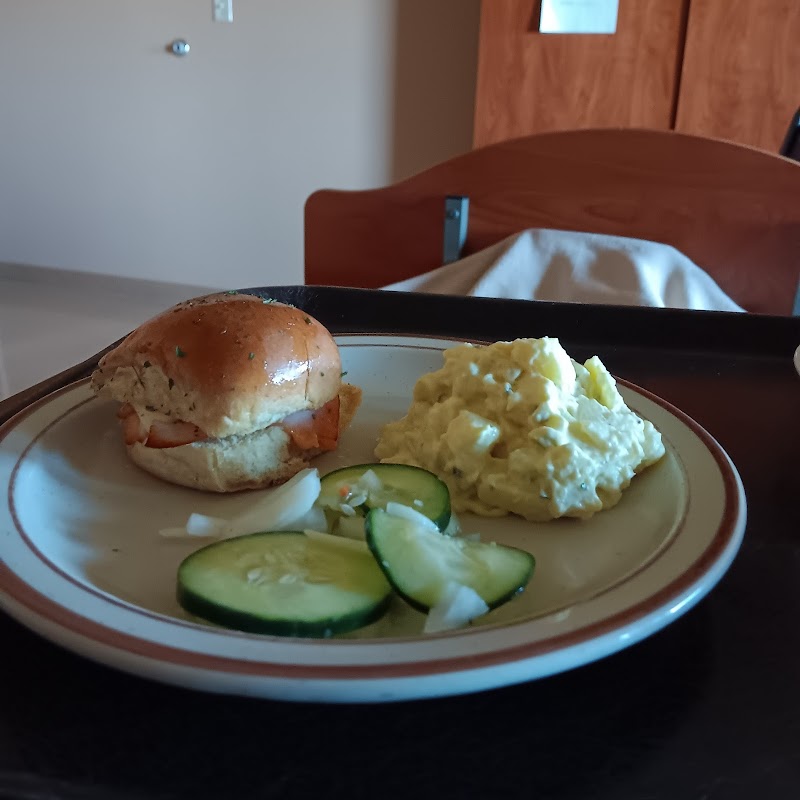
CMS rates Eagle Crest Rapid Recovery's staffing level at 1 out of 5 stars, which is much below average compared to other nursing homes. Staff turnover is 75%, which is 29 percentage points above the Texas average of 46%. High turnover can affect care consistency as new staff learn residents' individual needs. RN turnover specifically is 92%, which is notably high. RNs provide skilled clinical oversight, so turnover in this role can affect medical care quality.

What Have Inspectors Found at Eagle Crest Rapid Recovery?

State health inspectors documented 17 deficiencies at Eagle Crest Rapid Recovery during 2022 to 2025. These included: 2 Immediate Jeopardy (the most serious level, indicating potential for serious harm or death), 1 that caused actual resident harm, 13 with potential for harm, and 1 minor or isolated issues. Immediate Jeopardy findings are rare and represent the most serious regulatory concerns. They require immediate corrective action.

Who Owns and Operates Eagle Crest Rapid Recovery?

Eagle Crest Rapid Recovery is owned by a for-profit company. For-profit facilities operate as businesses with obligations to shareholders or private owners. The facility is operated by CROSS HEALTHCARE MANAGEMENT, a chain that manages multiple nursing homes. With 125 certified beds and approximately 79 residents (about 63% occupancy), it is a mid-sized facility located in Houston, Texas.

How Does Eagle Crest Rapid Recovery Compare to Other Texas Nursing Homes?

Compared to the 100 nursing homes in Texas, Eagle Crest Rapid Recovery's overall rating (3 stars) is above the state average of 2.8, staff turnover (75%) is significantly higher than the state average of 46%, and health inspection rating (3 stars) is at the national benchmark.

What Should Families Ask When Visiting Eagle Crest Rapid Recovery?

Based on this facility's data, families visiting should ask: "What changes have been made since the serious inspection findings, and how are you preventing similar issues?" "How do you ensure continuity of care given staff turnover, and what is your staff retention strategy?" "Can you walk me through typical staffing levels on day, evening, and night shifts?" "Can I visit during a mealtime to observe dining assistance and food quality?" These questions are particularly relevant given the facility's Immediate Jeopardy citations, the facility's high staff turnover rate, and the below-average staffing rating.

Is Eagle Crest Rapid Recovery Safe?

Based on CMS inspection data, Eagle Crest Rapid Recovery has documented safety concerns. Inspectors have issued 2 Immediate Jeopardy citations (the most serious violation level indicating risk of serious injury or death). The facility has a 3-star overall rating and ranks #1 of 100 nursing homes in Texas. Families considering this facility should ask detailed questions about what corrective actions have been taken since these incidents.

Do Nurses at Eagle Crest Rapid Recovery Stick Around?

Staff turnover at Eagle Crest Rapid Recovery is high. At 75%, the facility is 29 percentage points above the Texas average of 46%. Registered Nurse turnover is particularly concerning at 92%. RNs handle complex medical decisions and coordinate care — frequent RN changes can directly impact care quality. High turnover means new staff may not know residents' individual needs, medications, or preferences. It can also be disorienting for residents, especially those with dementia who rely on familiar faces. Families should ask: What is causing the turnover? What retention programs are in place? How do you ensure care continuity during staff transitions?

Was Eagle Crest Rapid Recovery Ever Fined?

Eagle Crest Rapid Recovery has been fined $13,590 across 2 penalty actions. This is below the Texas average of $33,215. While any fine indicates a compliance issue, fines under $50,000 are relatively common and typically reflect isolated problems that were subsequently corrected. Families should ask what specific issues led to these fines and confirm they've been resolved.

Is Eagle Crest Rapid Recovery on Any Federal Watch List?

Eagle Crest Rapid Recovery is not on any federal watch list. The most significant is the Special Focus Facility (SFF) program, which identifies the bottom 1% of nursing homes nationally based on persistent, serious quality problems. Not being on this list means the facility has avoided the pattern of deficiencies that triggers enhanced federal oversight. This is a positive indicator, though families should still review the facility's inspection history directly.