EAST VIEW HEALTHCARE
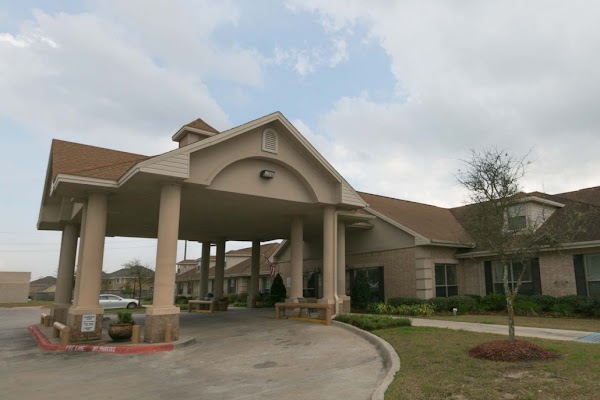
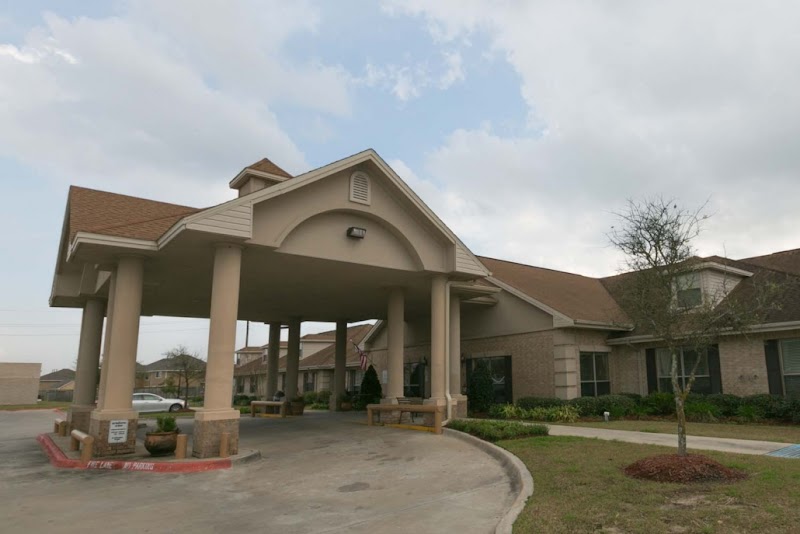
15880 WALLISVILLE ROAD, HOUSTON, TX 77049 (281) 457-6462
Government - Hospital district 125 Beds THE ENSIGN GROUP Data: November 2025
Trust Grade
78/100
#48 of 1168 in TX
Last Inspection: September 2024

Within standard 12-15 month inspection cycle. Federal law requires annual inspections.

Overview

East View Healthcare has a Trust Grade of B, indicating it is a good choice among nursing homes but not without its issues. It ranks #48 out of 1,168 facilities in Texas, placing it in the top half, and #7 out of 95 in Harris County, meaning only six local options are better. The facility is improving, with the number of reported issues decreasing from five in 2023 to two in 2024. However, staffing is a concern, as it has a low rating of 2 out of 5 stars and a high turnover rate of 62%, exceeding the state average. There have been some concerning incidents, including improper food storage and preparation practices that could lead to foodborne illnesses, such as unsealed food in dry storage and a staff member handling food without proper hygiene. Additionally, the facility did not adequately monitor visitors for COVID-19 symptoms or have proper infection control signage, which could increase the risk of infectious disease spread. While the nursing home has strengths, particularly in its overall star ratings, these weaknesses highlight important areas for improvement that families should consider.

Trust Score
B
78/100
In Texas
#48/1168
Top 4%
Safety Record
Low Risk
No red flags
Inspections
Getting Better
5 → 2 violations
Staff Stability
⚠ Watch
62% turnover. Above average. Higher turnover means staff may not know residents' routines.
Penalties
○ Average
$3,250 in fines. Higher than 68% of Texas facilities. Some compliance issues.
Skilled Nurses
⚠ Watch
Each resident gets only 26 minutes of Registered Nurse (RN) attention daily — below average for Texas. Fewer RN minutes means fewer trained eyes watching for problems.
Violations
⚠ Watch
14 deficiencies on record. Higher than average. Multiple issues found across inspections.
★★★★★
5.0
Overall Rating
★★☆☆☆
2.0
Staff Levels
★★★★☆
4.0
Care Quality
★★★★★
5.0
Inspection Score
Stable
2023: 5 issues
2024: 2 issues

The Good

  • 4-Star Quality Measures · Strong clinical quality outcomes
  • Full Sprinkler Coverage · Fire safety systems throughout facility
  • No fines on record

Facility shows strength in quality measures, fire safety.

The Bad

Staff Turnover: 62%

16pts above Texas avg (46%)

Frequent staff changes - ask about care continuity

Federal Fines: $3,250

Below median ($33,413)

Minor penalties assessed

Chain: THE ENSIGN GROUP

Part of a multi-facility chain

Ask about local staffing decisions and management

Staff turnover is elevated (62%)

14 points above Texas average of 48%

The Ugly 14 deficiencies on record

Sept 2024 1 deficiency
CONCERN (D)

Potential for Harm - no one hurt, but risky conditions existed

Tube Feeding (Tag F0693)

Could have caused harm · This affected 1 resident

**NOTE- TERMS IN BRACKETS HAVE BEEN EDITED TO PROTECT CONFIDENTIALITY** Based on observation, interview, and record review, the facility failed to prevent complications of enteral feeding including bu...

Read full inspector narrative →
**NOTE- TERMS IN BRACKETS HAVE BEEN EDITED TO PROTECT CONFIDENTIALITY** Based on observation, interview, and record review, the facility failed to prevent complications of enteral feeding including but not limited to dehydration in one of two residents (Resident #52), in that: - Resident #52's pump history reflected the resident only received 37.5% of his enteral order in the past 24 hours. - Resident #52's pump history reflected the resident's tube feeding was stalled for 3 hours. - LVN B and ADON B were unaware of the resident's inadequate intake. The failures placed all resident on tube feedings at risk of malnutrition and dehydration. Findings included: Record review of Resident #52's face sheet revealed [AGE] year-old male who was admitted into the facility on [DATE] and was diagnosed with dysphagia (difficulty swallowing) following cerebral infarction (heart attack), hemiplegia (paralysis of one side of the body) and hemiparesis (inability to move one side of the body). Record review of Resident #52's MDS, dated [DATE], revealed the resident had a BIMS score of 3, indicating severed cognitive impairment, and the resident had a feeding tube. Record review of Resident #52's care plan, dated 03/01/2023, reflected the resident required tube feeding related to dysphagia, weight loss and malnutrition and the goal was to maintain adequate nutritional and hydration status as evidenced by table weight and no signs of malnutrition or dehydration through review target date of 12/07/2024. Record review of Resident #52's orders revealed, starting on 09/09/2024, the resident was on Isosource HN at 65ml/hr for 22 hours and a 200ml water flush every 6 hours (totaling 1430ml of enteral feed or 1716 kcals and 800ml of free water every 24 hours and). The order also specified that the pump may be off for ADL care. Other general tube enteral feed orders such as checking G-tube placement and water flushes between medication administration were in place since 03/26/2023 reflecting Resident #52's long term use of the G-tube. Record review of Resident #52's weight log revealed the resident had a stable weight ranging from 109.3 - 112.6 lbs in the past 3 months (06/10/2024 - 09/09/2024). Record review of Resident #52's nutrition assessments dated 08/28/2024 revealed the RDN wrote: .TF provides: 1716 kcals, 77 g protein, 1155 mL of H2O, flush provides an additional 800 ml of fluid . Resident at increased risk for dehydration and/or weight fluctuations d/t EN and PMH. Staff provides flushes and EN remains appropriate at this time. Anthro: Ht: 71 Wt 111.2# DBW 172+-10% BMI 15.5, underweight . Est needs based on IBW: 78.2 kg (25-30) ~ 1563-1954 kcal . Recommendations: No new nutrition intervention needed at this time, continue current plan. RD will continue to monitor wt status and EN tolerance . Observations on 09/17/2024 at 10:34AM, revealed Resident #52 was lying in bed asleep. His tube feeding pump was on and documented to be hung up by 6:30AM. Out of the 1000ml bag of enteral feed, approximately 850 ml remained. The pump's screen was seen to have an error message and the feed was on hold. Observations on 09/17/2024 at 11:40AM, revealed Resident #52 was still lying in bed asleep with his tube feeding pump screen still showing an error message while the enteral feed was on hold. Out of the 1000ml bag of enteral feed, approximately 850 ml remained. Observations on 09/17/2024 at 12:10PM, revealed the error on Resident #52's pump was resolved and the feeding was flowing at the ordered rate of 65ml/hr. In an interview with Resident #52 on 09/17/2024 at 2:35PM, when asked if he felt hungrier than usual, he stated Yes. Interview with ADON B and observations of Resident #52's pump on 09/17/2024 at 2:37PM revealed the ADON checked the pump history and stated something was off about it and that she would have to investigate to find what the issue was. She stated Resident #52's pump was ran continuously but was turned off for ADL care. The pump history revealed that the enteral feed was stalled for at least 3 hours during the shift after 130ml was already administered, in the past 24 hours, the resident was only administered 537ml of enteral (equating to only 643kcals) and in the past 48 hours, the resident was only fed 1326ml (equating to only 1591kcals) of enteral feed and 1400ml of free water. In an interview with LVN B on 09/17/2024 at 3:14PM, she stated she was the charge nurse over Resident #52 and worked 6AM to 6PM. She said she did not know about the error message on Resident #52's pump. She stated she normally checked on her residents at 8am towards the beginning of her shift and again around 11AM or 12PM when she was done passing her medications. She stated she was not the one who checked on Resident #52 and fixed his pump but if the pump was noticed to have an error, it should have been brought to her attention so she could resolve it. She stated Resident #52 had been using the same pump and he had not left the facility recently for any reason. She stated nurses use to document the amount of enteral feed administered each shift and clear the history before shift change so they could better keep track of the amount that was administered to the patient, but they no longer did that. She stated that nurses just checked to ensure the flow rate matched the order. When reviewing Resident #52's pump history, she acknowledged that the feed had stalled for three hours and the total amount of 537ml fed in the past 24 hours was too low to meet his needs. She said the only reasons the enteral feed should be paused was when ADL care was being provided. She stated there could be a delay in the aides reporting to nurses when care ADL care was completed, thus causing a delay when resuming the enteral feed. She stated the risk of a resident not getting enough enteral nutrition could include malnutrition and possible weight loss. In an interview with ADON B on 09/18/2024 at 02:27 PM, she stated since the observation of Resident #52's pump, she reported the issue to the RDN and asked her to review the pumps and provide an in-service on how to review administration history on the pumps. She said it seemed like there could have been an issue with the pump but she could not speculate why it was low. She stated she knew that the resident was at risk for dehydration, skin breakdown and malnutrition, especially being on hospice. In an interview with the DON on 09/19/2024 at 9:19AM, she stated a previous dietitian they had as part of staff recommended documenting a resident's enteral feed administered at the end of every shift, but since switching dietitians, they stopped doing so. She stated there could have been a complication with the pump that caused the resident to only get 0% of his needs. She stated she had never audited pumps to ensure they worked properly. She stated the risks of a resident not receiving enough enteral nutrition included skin break down, dehydration and a caloric deficit. In a phone interview with the RDN on 09/19/2024 at 01:09PM, the RDN stated Resident #52 had a continuous enteral feed order to be administered for approximately 22 hours leaving about 2 hours for ADL care throughout the day. She stated she calculated his enteral feed order based on his ideal body weight of 172lbs since he was already underweight. She stated if the resident was only fed 537ml or 644 kcals in the past 24 hours, and 1326ml or 1591 kcals over the past 48 hours, that was too low to meet the resident's nutritional needs. She stated it placed the resident at risk for malnutrition, dehydration, weight loss and instability. She stated she had never noticed any issues with the pumps before and had never had to do an in-service with the nursing staff on how to check pump history. Record review of the facility's policy on enteral nutrition, not dated, reflected, . Intake and output will be recorded every shift on enteral residents .
Apr 2024 1 deficiency
CONCERN (D) 📢 Someone Reported This

A family member, employee, or ombudsman was alarmed enough to file a formal complaint

Potential for Harm - no one hurt, but risky conditions existed

Deficiency F0761 (Tag F0761)

Could have caused harm · This affected 1 resident

**NOTE- TERMS IN BRACKETS HAVE BEEN EDITED TO PROTECT CONFIDENTIALITY** Based on observation, interview and record review, the facility failed to ensure that drugs and biologicals used in the facility...

Read full inspector narrative →
**NOTE- TERMS IN BRACKETS HAVE BEEN EDITED TO PROTECT CONFIDENTIALITY** Based on observation, interview and record review, the facility failed to ensure that drugs and biologicals used in the facility were secured properly for Resident #1 (one of eleven residents) as evidenced by: -Resident #1 had pills in a plastic cup in her right hand and was unattended. This deficient practice could place residents at risk for harm and place the facility at risk for a possible drug diversion. The findings include: Record review of Resident #1's clinical record revealed an [AGE] year-old female admitted to the facility on [DATE] including diagnoses: Alzheimer's disease (a brain disorder that gets worse over time), Rheumatoid Arthritis (is an autoimmune disorder where the immune system mistakenly attacks the joints, causing inflammation, pain, and potential joint damage). Record review of the Minimum Data Set (MDS) dated [DATE] for Resident #1 with a BIMS score 10 (moderate cognitive impairment). Observation and interview on 4/24/24 at 10:45 a.m. revealed in Resident #1's hand a plastic cup with 5 tablets: one large white tablet, 2 medium white tablets, one oblong gray tablet, one small yellow tablet. She stated she fell asleep before she took her medications. LVN #1 observed resident with cup of pills in right hand. LVN#1 stated the resident should not have pills in her room unattended. Interview on 4/24/24 at 10:45 a.m. LVN #1, she stated it is not acceptable for medication to be in resident room unattended. She stated she observed 5 pills in a plastic cup in the residents' right hand. She stated residents should take medication when staff administers medications. This prevents any type of under medicating, over medicating and drug diversion. Interview on 4/24/24 at 11:05 a.m. with the Administrator, she stated residents are not to have medications in their room without a doctor's order, and when licensed staff administer medicine they should assure that the resident takes the medicine that they administer. She states her expectation for medication administration is the medicine makes it into the residence body in the appropriate manner that it is ordered. She states the risk of residents having medication without being observed is- it could cause adverse health reaction or taken by that resident and cause them harm. Interview on 4/24/24 at 11:12 a.m. with Medication Aide (MA), she stated she placed resident's medications on the bedside table, administered eye drops, and as she was leaving she saw Resident #1 drinking water and assumed the resident had taken the pills that were on the bedside table. She stated should have verified the medication was taken prior to leaving the room. She stated the risk of leaving medication in a residents room unattended is stockpiling meds, under medicating, other resident could take medication not ordered for them and cause harm to them. Interview on 4/24/24 at 11:24 a.m. with the Director of Nurse (DON), she stated it is not appropriate to leave medications in residents' room unattended. Resident may be under medicated, over medicated, other resident may get incorrect medication and cause harm to themselves. Her expectations for medication administration is that resident will get medications timely, and medications will be observed being taken by staff who give medication, no pills left at bedside. Interview on 4/24/24 at 11:45 a.m. with RN #1, she stated it is important to observe residents take medications at the time being administered to assure a resident is taking the medication., Her expectation is medication aides will stay until medication is swallowed, perform mouth check to assure medicine is not in their mouth . She stated the risk of a resident not taking medications is under medication, overmedicating, and potentially another resident taking incorrect meds. She stated no medication should be left at bedside unattended. Record review of the facility policy titled Administering Medications, 2001 MED-PASS, Inc. revised April 2010. Policy statement: Medications shall be administered in a safe and timely manner, and as prescribed.
Aug 2023 4 deficiencies
CONCERN (D)

Potential for Harm - no one hurt, but risky conditions existed

Deficiency F0761 (Tag F0761)

Could have caused harm · This affected 1 resident

**NOTE- TERMS IN BRACKETS HAVE BEEN EDITED TO PROTECT CONFIDENTIALITY** Based on observation, interview, and record review, the facility failed to ensure that drugs and biologicals used in the facilit...

Read full inspector narrative →
**NOTE- TERMS IN BRACKETS HAVE BEEN EDITED TO PROTECT CONFIDENTIALITY** Based on observation, interview, and record review, the facility failed to ensure that drugs and biologicals used in the facility were secured properly for Resident #10 reviewed for pharmacy services as evidenced by: The facility failed to ensure Resident #10's liquid intravenous medication bag hanging on the pole at bedside and unattended on top of the bedside table was labeled with the name of nurse, time or date of reconstitution (restoring something dried to its original state by adding water to it). This deficient practice could place residents at risk for harm and place the facility at risk for a possible drug diversion. The findings include: Record review of Resident #10 face sheet, dated 8/15/23, reflected a [AGE] year old male, admitted to the facility on [DATE] with diagnoses Chronic kidney disease (CKD) is a long-term condition where the kidneys do not work as well as they should, Peripheral vascular disease (PVD) is a slow and progressive circulation disorder. Narrowing, blockage, or spasms in a blood vessel. Minimum Data Set (MDS) dated [DATE] reflected Brief Interview of Mental Status (BIMS) of 00, which indicated decreased cognition. Observed on 8/15/23 at 9:34 a.m., on a pole at bedside of Resident #10, a bag of liquid intravenous medicine labeled Cefepime (antibiotic) 1 gram (gm) with 100 milliliter (ml) normal saline (NS) (a solution to supply water and salt (sodium chloride) to the body) attached to the antecubital area (the inner or front surface of the forearm). The bag of liquid intravenous medicine was not labeled with the name of the nurse or the time or date of reconstitution. Observed on 8/15/23 at 9:35 a.m., on top of the Resident #10's bedside cabinet, a bag of liquid intravenous medicine labeled Cefepime 1 gram (gm) with 100 milliliter (ml) normal saline (NS) unattended in residents' room. The bag of liquid intravenous medicine was not labeled with the name of the nurse or the time or date of reconstitution During an interview on 8/15/2023 at 9:44 AM, LVN A denied preparing any IV medications to be hung. LVN A and stated all IV medications prepared and hung for infusion by nursing staff must be signed, dated, timed, and initialed by the nurse. LVN A reported no medications were to be in a resident's room. LVN A stated the reason medications should be locked up or in medication cart is a residents could take too much medication, a confused resident could walk into the room and take medications that are not for them, causing an adverse effect. During an interview on 8/15/2023 at 9:48 am, LVN B stated she did not see any medications on Resident #10's bedside table and stated all IV medications prepared and hung for infusion by nursing staff must be signed, dated, timed, and initialed by nurse. LVN B stated she knows that medications are not allowed in patient rooms as it is dangerous if the resident takes too much, or another resident takes medications that is not theirs. During an interview on 8/15/2023 at 11:10 AM with the Director of Nurses (DON revealed medications should not allowed at bedside unless there is a doctor's order. She stated she does not have any residents, that have a doctor's order for medications to be at bedside. DON stated is not good to have medication at bedside as it can be taken by another resident( drug diversion) or a resident could have adverse effects if they take medication that's not for them. DON stated the policy for intravenous medications is that the nurse should place the time medication is hung, date the medication is hung, and initial of nurse that hung the medication. During an interview on 8/16/2023 at 5:02 pm, LVN C stated she had seen the IV medication attached to Resident #10 on the evening of 8/14/23. She put Resident #10's Cefepime 1 gram (gm) with 100 milliliter (ml) normal saline (NS) on the bedside table for the 9:00 PM dose, she stated she did not date, time, and initial the medication. She stated all IV medications prepared and hung for infusion by nursing staff must be signed, dated, timed, and initialed by nurse. LVN C stated she forgot, and she was aware that medications were not allowed in patient rooms unless there was a doctors' order, as it was dangerous if the resident takes a medicine not ordered for them. Record review of the facility policy titled Policy / Procedure - Nursing Clinical (Revised: 05/2007) read in part: Section: Medication Administration; Subject: IV Administration of Drugs; Policy Number: NCMA 6; Policy: It is the policy of this facility that IV drugs shall be administered by a registered nurse or IV Certified Licensed nurse.; Procedures: 3. IV solutions must be labeled in accordance with established procedures governing all Labeling IV Solutions.
CONCERN (E)

Potential for Harm - no one hurt, but risky conditions existed

Food Safety (Tag F0812)

Could have caused harm · This affected multiple residents

Based on observation, interview, and record review, the facility failed to ensure food was stored, prepared, and served in accordance with professional standards for food service safety in 1 of 1 kitc...

Read full inspector narrative →
Based on observation, interview, and record review, the facility failed to ensure food was stored, prepared, and served in accordance with professional standards for food service safety in 1 of 1 kitchen, in that: - Food was found unsealed in dry storage - Food was found not labeled and dated in the walk-in cooler - Meals from the kitchen were served without first taking temperatures of the food. - Dietary aide A was touching her face mask and handling ready-to-eat foods without proper hand hygiene. These failures increased residents' risks of consuming contaminated foods and getting a foodborne illness. Findings included: Observations of the kitchen and interview with Dietary Aide A on 08/15/2023 at 8:15 AM revealed Dietary Aide A plating food from the breakfast line. Dietary Aide A was seen wearing gloves, shifting around her mask, and touching ready-to-eat toast to add to the plate. When asked about temperature for their breakfast line, she stated she knew how to use a thermometer, but she did not use it prior to serving breakfast because she did not know where it was. Observations of the kitchen and interview with Dietary Manager on 08/15/2023 at 8:25 AM revealed an open bag of grits dry storage that was not resealed and four trays of tangerines in the walk-in cooler that were not labeled or dated. Dietary Manager stated all food was supposed to be dated and labeled. Record review of the undated temperature log revealed no temperatures were recorded for breakfast on 08/15/2023 In an interview with the Dietary Manager on 08/18/2023 at 8:20 AM, the Dietary Manager stated that Dietary Aide A just started working last week, so she is still in training. She stated Dietary Aide A knew the temperatures were supposed to be recorded before starting the tray line but forgot where the thermometer was. In an interview with the Cluster Dietary Resource on 08/18/2023 at 12:58 PM she stated it was necessary to reseal, date, and label all food, in storage, to prevent service of expired foods. She said it was necessary for Dietary Aide A to perform hand hygiene prior to touching ready to eat food in order to prevent possible spread of infections. She also stated it was necessary to record temperatures of all food prior to meal service to ensure limited risk of foodborne illness due to undercooked food. The facility's policy on food and nutrition services food temperatures, dated November 2019, revealed Holding temperatures should be check prior to meal service to ensure appropriate temperatures have been maintained; document these on the temperature log . The policy provided did not address storage requirements of food of food handling. Record review of the FDA Food Code, dated 2022, revealed, The person in charge shall ensure that . (D) EMPLOYEES are effectively cleaning their hands, by routinely monitoring the EMPLOYEES' handwashing .
CONCERN (E)

Potential for Harm - no one hurt, but risky conditions existed

Infection Control (Tag F0880)

Could have caused harm · This affected multiple residents

**NOTE- TERMS IN BRACKETS HAVE BEEN EDITED TO PROTECT CONFIDENTIALITY** FACILITY Infection Control Based on observation, interview and record review, the facility failed to implement its infection con...

Read full inspector narrative →
**NOTE- TERMS IN BRACKETS HAVE BEEN EDITED TO PROTECT CONFIDENTIALITY** FACILITY Infection Control Based on observation, interview and record review, the facility failed to implement its infection control policies for 6 of 7 residents (Residents #11, #71, #74, CR #69, CR #1 and CR #2) reviewed for infection control, in that: - The facility failed to ensure Residents #71, #74 and #11's rooms had isolation precautions in place on 08/15/2023 despite their being orders for contact isolation. - The facility failed to prevent CNA F from serving a meal tray to a contact isolation room on 08/15/2023 without using necessary PPE. - The facility failed to ensure there was tracking and trending documentation for Resident #69, CR #1 and CR #2 during the months of January to April 2023. This failure placed residents an increased risk for continued infection and lack of proper treatment. Findings included: Record review of Resident #71's face sheet, dated 08/18/2023, revealed a [AGE] year-old male who was admitted into the facility on [DATE] and was diagnosed with mild vascular dementia and hypertension. Record review of Resident #71's MDS assessment, dated, 07/09/2023, revealed the resident had a BIMS score of 15, indicating that his cognition was intact and the resident was dependent for toileting. Record review of Resident #71's MAR, dated August 2023, revealed the resident was ordered to have strict contact isolation related to Extended Spectrum Beta Lactamase (ESBL) in the urine starting on 08/07/2023 without an end date. It also revealed the resident was ordered to take Bactrim DS oral tablet 800-160mg 2 times a day for 7 days and Ciprofloxacin HCl 500mg tablet 1 table by mouth every 12 hours for 7 days for UTI ESBL Record review of Resident #74's face sheet, dated 08/18/2023, revealed a [AGE] year-old male who was admitted into the facility on [DATE] and was diagnosed with urinary tract infection and hypertension. Record review of Resident #74's MDS, dated , 07/09/2023, revealed the resident had a BIMS score of 15, indicating that his cognition was intact, and the resident needed maximum assistance with toileting. Record review of Resident #74's MAR, dated August 2023, revealed the resident was ordered to have strict contact isolations related to ESBL in the urine started on 08/07/2023, discontinued on 08/14/2023 and restarted on 08/15/2023 again without an end date. It also revealed the resident was ordered to take Tetracycline HCl oral capsule 500mg 4 times a day for 3 days. and Ciprofloxacin HCl 500mg tablet 1 table by mouth two times a day for 5 days for UTI. Record review of Resident #11's face sheet revealed an [AGE] year-old female who was admitted into the facility on [DATE] and diagnosed with dementia and hemiplegia/hemiparesis - paralysis of one side of the body). Record review of Resident #11's MARs revealed the resident had orders for contact isolation for ESBL in the wound starting on 08/02/2023 until 08/17/2023. Observations on 08/15/2023 at 9:30 AM revealed Resident #71 and #74 were roommates. Resident #11, Resident #71 and Resident #74 were observed in their rooms without contact isolation signage on the door and with a PPE station located 5 feet away on the left from the door to Resident #11 and #74's room without any gowns or gloves stocked inside. An observation and interview with CNA F on 08/15/2023 at 9:30 AM, revealed CNA F was asked by the surveyor why the PPE station was there and if any residents on hall 300 were under isolation precautions. She said she believed only Resident #71 and #74's room was under isolation, but she needed to confirm with her charge nurse, LVN R, first. CNA F was observed to go LVN R, then she returned to the surveyor and said Resident's #71 and #74's room was under contact isolation and the PPE station was for their room. When asked where the sign was, CNA F stated she did not know where it was. In an interview with LVN R on 08/15/2023 at 9:40 AM, she revealed that she was a PRN nurse and she had just returned to work with the patients. She stated she referred to a list to know which residents received antibiotic treatments, type of infection they had, as well as orders for isolation precautions if necessary. She stated based on that list, only Residents #71 and #74 had orders for strict contact isolation, both for ESBL in their urine. She stated they are supposed to have PPE stations for their room and a sign on their door; Central Supply Aide was taking care of that at the moment. In an interview with the DON on 08/15/2023 at 10:50 AM, she stated Resident #71 and #74's room was supposed to have signs posted on their door with the PPE station stocked. She stated herself and the ADONs were responsible for rounding to ensure signs were posted and PPE was present for immediate use. The DON said the ADON was late so she did not get the chance to make rounds but that was not an excuse for contact isolation signs and PPE to not be present. She also stated the infections Resident #71 and #74 had, were infections contained to their catheters and in that case, PPE was not required unless a healthcare staff was working directly with the resident, but it was still encouraged for all staff to wear in the rooms. Observations on 08/15/2023 at 2:19 PM revealed Resident #11's room with contact isolation signage on the door and the PPE station right by the resident's door. Observations and interview with CNA F on 08/15/2023 at 2:19 PM, revealed CNA F was asked by the surveyor why the PPE station and sign was put up for Resident #11's room, she stated she needed to confirm with LVN R and could not confirm the isolation precautions was put up for Resident #11's room. In an interview with Resident #71 on 08/15/2023 at 3:34 PM, he stated he had been seeing staff entering his room with masks on but he had not seen staff wearing gowns until today. In an interview with the Central Supply Aide on 08/16/2023 at 1:46 PM, she stated she had initially stocked the PPE station on Tuesday 08/15/2023 around 7AM and even at 8AM. She stated CNA F and other staff used a lot of gowns. She stated that she had been restocking it since last week. She said when she came into work by 7:30 AM, she saw the contact isolation sign was on the door but could not remember if the PPE station was placed for Resident #11, #71 and #74's room. She stated the risk of not having PPE available or signage at the door was spread of infection. In an interview with CNA F on 08/16/2023 at 2:02 PM, she said she believed she knew Resident #71 and 74's room were under precautions but wanted to check with the nurse to be more safe. She stated she did not know how long they have been on contact precautions but the isolation precautions were place for Resident #71 and #74's room throughout the weekend and on Monday, 08/14/2023. She said she was not sure about whether Resident #11's room was under isolation precautions until the sign was placed on the door on Tuesday, 08/15/2023. She stated she generally put a gown on to give Resident #71 and #74 a bed bath or change them. She stated on the morning of 08/15/2023, she was aware the PPE station was empty but served Resident #74 and #71 their breakfast meal tray without PPE because they did not need direct care. She said Central Supply Aide was responsible for restocking the PPE cart. When asked what the risk was for not having isolation precautions in place for residents with infections, she stated there was no risk because she cleaned her hands very well before coming out of their rooms. In an interview with the DON on 08/16/2023 at 3:15 PM, she stated Resident #11 was put under isolation precautions by 08/02/2023 for ESBL without a stop date to have the wound re-cultured first after the completion of antibiotic therapy to determine the need to discontinue or continue isolation. She said that was the likely reason for Resident #11's order being a continuous order without an end date. She stated the antibiotic treatment was completed yesterday on 08/15/2023 but the isolation precautions should have remained in place until the resident's wound doctor gave further instructions after a re-culture. She stated the charge nurses were responsible for giving reports shift to shift on needs regarding isolation precautions, and if the facility failed to ensure isolation precautions were in place when necessary, it increased the risk of spreading infections. In an interview with LVN R on 08/16/2023 at 3:50 PM, she stated she could not explain why Resident #11's room was initially found without an isolation precaution sign in place but she knew the morning of 08/15/2023 that both rooms (Resident's #71 and #74's room as well as Resident #11's room) needed isolation precautions in place. She said she was told Resident #11's roommate had took the sign down inquiring about it. She stated the sign was placed for both room for Resident #11, #71 and #74 and both rooms were recognized by her and her staff to be under isolation precautions. In an interview with a family member on 08/17/2023 at 3:14 PM, revealed the PPE was recently instilled a few days ago and they did not have PPE in place for her to use over the weekend when she visited the resident since last Friday, 08/11/2023. Interview with Resident #74 on 08/17/2023 at 3:14 PM, when asked if gowns were being worn by the staff since last week, he stated that's bullshit, this week. In a phone interview with LVN E on 08/18/2023 at 10:09 AM, LVN E stated Resident #74 came in on isolation precautions upon admission and Resident #71 was positive result for infection after a recent hospital visit. She stated necessary PPE to wear in a room under contact precaution included gloves, gowns, and masks, if appropriate. She said the PPE station was stocked while working the night shift on 08/14/2023 and she only went in the room once to administer medication to either Resident #71 or #74. She stated she had on all necessary PPE while providing care. She stated the risks of not wearing PPE was an increased risk of spreading the infection. She stated a sign was required as well for visitors and staff to be aware. She said there was a sign and isolation cart setup in between both of rooms where Residents #71, #74 and #11 resided and she observed this before leaving her shift at 6:00AM on 08/15/2023. Record review of CR# 1's face sheet, dated 08/18/23, revealed a [AGE] year-old female resident who was admitted to the facility on [DATE]. Her diagnoses included: Acute Kidney Failure, Type 2 Diabetes, Zoster without Complications Record review of CR# 1's Medication Administration Record on 08/17/23 revealed, the resident was prescribed and administered Doxycycline Hyclate Tablet 100MG for Shingles from 02/11/2023-02/20/23. Record review of CR #2's face sheet, dated 08/18/23, revealed a [AGE] year-old male resident who was admitted to the facility on [DATE]. His diagnoses included: Syncope and Collapse (Fainting), Pneumonia, Paranoid Schizophrenia, and Depression Record review of CR #2's Medication Administration Record on 08/17/23 revealed, the resident was prescribed and administered Azithromycin Tablet 250 MG for Pneumonia from 01/20/23-01/23/23. Record review of Resident #69's face sheet, dated 08/18/23, revealed a [AGE] year-old female resident who was admitted to the facility on [DATE]. Her diagnoses included: Cerebral Infarction, Enterocolitis due to Clostridium Difficile, Acute Kidney Failure. Record review of Resident 69's Medication Administration Record on 08/18/23 revealed, the resident was prescribed and administered Vancomycin HCI Oral Capsule 125MG for Enterocolitis due to Clostridium Difficile from 02/23/23-03/03/23 and Vancomycin HCI Oral Solution Reconstituted 25MG/ML from 03/03/23-03/09/23. Record review of the facility's tracking and trending binder on 08.17.2023 revealed, there was no tracking and trending documentation for January 2023 to April 2023. In an interview on 08/17/23 at 3:15 PM with the Corporate DON, she stated the previous DON was responsible for doing tracking and trending. She stated Corporate Clinical Resource began doing tracking and trending in May when she noticed it was not being completed. She stated the risk of tracking and trending not being completed was spread of infection and infections that the facility is not aware of. Interview on 08/18/23 at 11:41 AM with the Administrator, revealed the facility was doing tracking and trending during the months of January 2023 through April 2023, but she did not have the paperwork. She stated the previous DON was doing the tracking and trending, and after the DON left the company, she could not find the documentation. She stated the risk of not completing tracking and trending is spread of infection. Record review of the facilities Infection Control policies dated 01/2022 stated, IP or designee will be responsible for infection surveillance and MDRO tracking. The facility's policy on infection control, dated October 2022, revealed, Contact precautions are used with a known infection that is spread by direct or indirect contact with the resident or the resident's environment . wear a gown and gloves for all interactions that may involve contact with the patient or the patient's environment . the facility will implement a system to alert staff, resident and visitors that a resident is on TBP. 1. Post clear signage on the door or wall outside of the resident room indicating the type of precautions and required PPE . make PPE, including gowns and gloves, available immediately outside of the resident room .
CONCERN (E)

Potential for Harm - no one hurt, but risky conditions existed

Deficiency F0925 (Tag F0925)

Could have caused harm · This affected multiple residents

Based on observation, interview, and record review, the facility failed to maintain an effective pest control program in the kitchen, in that: The facility failed to ensure 5 live roaches were not obs...

Read full inspector narrative →
Based on observation, interview, and record review, the facility failed to maintain an effective pest control program in the kitchen, in that: The facility failed to ensure 5 live roaches were not observed in the kitchen. This failure placed all residents who consume food prepared in the kitchen at increased risk of illness. Findings included: An observation of the kitchen on 08/15/2023 at 8:15AM, revealed 5 live roaches. In an interview with Resident #244 on 08/15/2023 at 2:37 PM revealed the resident reported she had seen a roach on her plate two days ago and sent the tray back to the kitchen because of it. In an interview with the Dietary Manager on 08/15/2023 at 8:30AM, she stated she was aware the kitchen had roaches but she did not believe it to be a major issue. In an interview with the Cluster Dietary Resource on 08/18/2022 at 12:58PM, she stated it was important to maintain effective pest control to prevent diseases from the kitchen to the residents. The facility's policy on pest control, dated 2013, revealed, . If pests are seen in the kitchen, the food service manager or appropriate staff shall be informed describing where the pest was seen and when. Appropriate action will be taken to eliminate reported pest situation in the department .
Mar 2023 1 deficiency
CONCERN (D) 📢 Someone Reported This

A family member, employee, or ombudsman was alarmed enough to file a formal complaint

Potential for Harm - no one hurt, but risky conditions existed

Infection Control (Tag F0880)

Could have caused harm · This affected 1 resident

**NOTE- TERMS IN BRACKETS HAVE BEEN EDITED TO PROTECT CONFIDENTIALITY** Based on observation, interview, and record review, the facility failed to maintain an infection control program to provide a sa...

Read full inspector narrative →
**NOTE- TERMS IN BRACKETS HAVE BEEN EDITED TO PROTECT CONFIDENTIALITY** Based on observation, interview, and record review, the facility failed to maintain an infection control program to provide a safe, sanitary, and comfortable environment to help prevent the transmission of infection for 1 of 9 residents (Resident # 1) reviewed for infection control in that: -LVN A did not wash or sanitize hands prior and during dressing change for Resident #1. -LVN A did not dispose soiled wound dressing in a red biohazard bag after changing Resident #1's dressing. -LVN A did not use sterile gloves during dressing change of nephrostomy tube for Resident #1. These failures could place resident (s) at risk for unwanted infections, cross contamination, decline in health, and hospitalization. Findings included: Resident #1 Record review of Resident #1's face sheet revealed an 83year old female admitted to NF on 11/11/2022 and again on 01/26/2023 with the diagnoses that included the following: pulmonary embolism (clump of material most often a blood clot, gets stuck in the lungs blocking the flow of blood), respiratory failure ( serious condition that makes it difficult to breathe on your own), hydronephrosis (excess fluid in a kidney due to backup of urine) with ureteral (tube that carries urine from the kidney to the bladder stricture (restricting the flow of urine from the bladder), and urinary tract infection. Record review of Resident #1's MDS dated [DATE] revealed BIMS score of 11 (cognition intact). Further record review revealed that resident required extensive with ADL's in the following areas (toilet use, bed mobility, transfer, dressing, and personal hygiene). Further review revealed that Resident #1 was frequently incontinent of bowel and bladder. Record review of Resident #'s Physician Orders revealed an order dated 11/12/2022 to cleanse right flank nephrostomy insertion sith with normal saline, pat dry and apply dry tegaderm every 3 days and PRN. Notify MD if any s/s of infection. Record review of Resident #1's MAR for the month of February and March 2023 revealed that Resident #1 's dressing change was being done every 3 days. Record review of Resident #1's Care Plan dated 12/02/2022 revealed that the NF was care planning resident for nephrostomy intervention that included to monitor insertion site for s/s of infection such as skin irritation, pain redness, unusual drainage and too much moisture, notify MD if noted. Observation on 03/01/2023 at 10:30am Resident #1 had a right nephrostomy tube (tube that is put into the kidney to drain urine directly from the kidney) draining cloudy pale yellow color fluids approximately 50 ml of fluid was in the drainage bag. The dressing to nephrostomy tube site was dated 02/26/2023. Further observation of dressing had a small amount drainage (brownish in color). Observation on 03/01/2023 at 10:48am LVN A was changing the dressing to of Resident #1's right nephrostomy tube with the assistance of CNA B. LVN A entered the room with supplies (disposable bed padding, clean gloves, and sterile 2x2's gauze). LVN A placed the clean set of gloves on without first washing or sanitizing her hands positioned resident to her left side with the assistance of CNA B. LVN A removed the soiled dressing with drainage and proceeded to clean the nephrostomy tube site with normal saline without changing her gloves and sanitizing hands. LVN A did not clean nephrostomy site from inner to out in a circular motion moving away from the site instead LVN A cleaned back and forward. When LVN A was done cleaning the site LVN A applied 2x2 gauze to nephrostomy site securing with a border dressing and placed the soiled material in a plastic bag instead of a red biohazard bag. LVN A washed her hands as well as CNA B prior to taking the soiled materials out of the room. Interview on 03/01/2023 at 11:00am LVN A said she had washed her hands prior to entering resident room to change nephrostomy dressing. LVN A said she did not have to use sterile gloves when changing nephrostomy tube dressing and that it was a clean technique. LVN A said she had been a nurse for 23 years but had not received any in-services regarding the care for nephrostomy tubes. LVN A said it was important to wash or sanitize hands prior to administering care to resident (s) for infection control. LVN A said when cleaning a wound, one should clean the wound site in a circular motion starting at the site moving away from the site in a circular motion to avoid reintroducing bacteria to the wound site. LVN A said soiled material needed to be placed in a red biohazard bag for infection control purposes. LVN A said she became nervous and began to make mistakes. Interview on 03/01/2023 at 1:14pm, RN C at the Nephrologist Office said when changing the dressing of a nephrostomy tube, the nurse should practice sterile technique by wearing sterile gloves because the tube was connected to the kidneys. RN C said this was done to avoid infections. RN C said if the tube was being irrigated, the nurse did not have to wear sterile gloves but clean gloves. Interview on 03/01/2023 at 2:00pm, the DON said the correct way to clean a wound was to clean away from the wound site to prevent infections. The DON said she could not explain why LVN A cleaned Resident #1 wound site back and forward. The DON said when changing dressing for nephrostomy tubing, the nurse did not have to wear sterile gloves, just clean gloves. Record review of the NF policy regarding Care of Nephrostomy Tube undated revealed in part: .For dressing changes equipment included the following: clean gloves, sterile gloves, sterile drape . Record review of the NF policy Hand Hygiene revised 06/2021 revealed in part: .Hand hygiene is one of the most effective measures to prevent the spread of infection. Studies show that effective had decontamination can significantly reduce the rate of healthcare associated infection .Use an alcohol-based hand rub containing at least 62% alcohol; or alternatively, soap before and after direct contact with residents, before handling clean or soiled dressings, gauze pads, etc .after handling used dressings . Record review of the NF policy on Biohazardous Materials dated 07/2018 revealed in part: . soiled wound dressings are bagged and tied up and disposed properly in red biohazard bags and disposed of appropriately .
Dec 2022 2 deficiencies
CONCERN (D) 📢 Someone Reported This

A family member, employee, or ombudsman was alarmed enough to file a formal complaint

Potential for Harm - no one hurt, but risky conditions existed

Deficiency F0553 (Tag F0553)

Could have caused harm · This affected 1 resident

**NOTE- TERMS IN BRACKETS HAVE BEEN EDITED TO PROTECT CONFIDENTIALITY** Based on interview and record review, the facility failed to ensure the resident's right to participate in the development and i...

Read full inspector narrative →
**NOTE- TERMS IN BRACKETS HAVE BEEN EDITED TO PROTECT CONFIDENTIALITY** Based on interview and record review, the facility failed to ensure the resident's right to participate in the development and implementation of his or her person-centered plan of care, for 1 of 5 Residents (Resident #1) reviewed for care plans, in that: -The facility did not have a quarterly care plan meeting to discuss Resident #1's care. This failure caused Resident #1 and her Responsible Party to miss the opportunity to participate in the residents' care planning. The findings were: Record review of Resident #1's admission Record printed on 12/7/22 revealed a [AGE] year-old female admitted to the facility on [DATE] with a diagnosis of Alzheimer's disease, cardiac arrhythmia (irregular heartbeat), early onset cerebellar ataxia (sudden uncoordinated muscle movement), dysphagia (difficulty swallowing), muscle weakness, cognitive communication deficit, gastro-esophageal reflux disease, abnormal posture, history of falling, mood disorder, due to depression, hyperlipidemia (high cholesterol), hypertension (high blood pressure), arthritis, kyphosis (outward curvature of the spine), major osseous defect (extensive bone loss) and overactive bladder. Record review of Resident #1's IDT-Care Plan Review dated 4/7/22 revealed a quarterly review with Resident #1's responsible party and activity assessment-preferences for customary routine and activities user defined assessment, social services assessment, BIMS, patient Health Questionnaire (PHQ-9), dietary assessment, Braden scale for predicting pressure sore risk, fall risk assessment evaluation, pain risk assessment evaluation, nutrition/hydration risk assessment/evaluation, bowel and bladder evaluation, elopement/wandering evaluation and immunization history. Social services plan of care (cognitive patterns, mood and behavior revealed alert and oriented X2, anxious at times, family supportive, and remains full code. Followed by podiatrist and Optometrist. Social Services Director emailed local company asking if they can repair her broken glasses. Record review of Resident #1's Quarterly MDS dated [DATE] revealed she usually understood verbal content, had impaired vision seeing only large print and corrective lenses were not used. Resident #1's BIMS Summary Score was 3 indicating severe cognitive impairment. Resident #1 required extensive assistance with one person physically assisting with bed mobility, walking in corridor, locomotion on and off unit, dressing, eating, and personal hygiene; extensive assistance with two persons physically assisting with transfers and toilet use and walking in room did not occur; she required total dependence with support provided for bathing and she was not steady with transitions and walking and was only able to stabilize with staff assistance. Resident #1 required setup or clean-up assistance with eating, oral hygiene, and toileting hygiene. Record review of Resident #1's Care Plan last updated 11/30/22 revealed risk for impaired skin integrity was added to the Care Plan, alteration in musculoskeletal status route of diagnosis of Kyphosis and hyper-extension of neck with the goal to remain free from pain or at a level of discomfort acceptable to the resident through the review date, remain free of injuries or complications with the interventions being to anticipate and meet needs, be sure call light is in reach and to use the neck brace as needed for hyper-extension of neck muscles. Resident #1 had a urinary tract infection on 10/19/22 and the interventions were to encourage fluid intake, give antibiotic therapy as ordered, resident/family/caregiver teaching should include good hygiene and cranberry or prune juice to keep urine acidic. She was at risk for impaired cognitive function/dementia or impaired thought processes route of diagnosis of Alzheimer's with interventions as administer medication as ordered, keep routine consistent and social services to provide psychosocial support as needed. She was at risk for impaired visual function route of history of cataracts with the goal is to use appropriate visual devices glasses to promote participation in ADLs and other activities and interventions were to identify/record factors affecting visual function including physiological Crohn's, macular degeneration, cataracts, color discrimination, light eyes); Environmental (poor lighting, monochromatic color scheme), to wear glasses, use mag glass, turn on lights) etc., remind resident to wear glasses when up and review medications for side effects which affect vision. Resident #1 had an actual fall revised on 6/15/22 with the goal being to resume usual activities without further incident and the interventions were that labs, instructed resident to call for assistance, monitor/document/report to MD for pain, bruises, change, confusion, sleepiness, and inability to maintain posture. In an interview on 12/6/22 at 3:07 p.m. with Resident #1's Responsible Party he said he had not had a Care Plan meeting concerning Resident #1 and he does not recall how long ago. The Responsible Party said the facility has not had a Care Plan meeting at all for Resident #1 and there are things that need to be evaluated with Resident #1's care. The Responsible party said Resident #1 had broken teeth and she had never seen the dentist, she needs help with eating her food, she cannot brush her own teeth anymore and he was concerned especially since the incident where she fell on [DATE], and he had lots of concerns. In an observation and interview on 12/7/22 at 9:40 a.m. with Resident #1 she was observed lying in bed. Resident #1 said she could not recall a Care Plan meeting. In an interview on 12/7/22 at 11:40 a.m. with the SW she said Resident #1's last care plan meeting was in April 2022 and at the last meeting she was receiving wound care and she was getting repeat UTI's so they put her on antibiotics . Resident #1's diet was mechanical soft, protein liquid, health shake. The SW said Resident #1's glasses were broken so she emailed the local company about glasses, and the SW said she had to check to see if they got glasses because they were broken. In an interview on 12/8/22 at 12:30 p.m. with the SW she said she tries to do a care plan review every 3 months, but it depends on if the family requests it or if there is change in condition because it would have been more frequent than that. The Social Worker said she was surprised that it was April since the last Care Plan meeting for Resident #1 because her Responsible Party was so good about talking with her. She said the system for Care Plan meeting is when the facility has a skilled patient, they try to do the Care Plan meeting as soon as the residents get to the facility and the long-term residents get MDS to put it on the calendar. She said MDS does a calendar for the ARD dates and that tells them when the ARD is. She said the care plan meeting has to be within 20 days of the MDS ARD. The SW said she did not know what happened for why Resident #1 was not placed on the calendar. She said they discuss Care Plan meetings every morning in clinicals and the resident or the family lets them know if they need any services. In an interview on 12/8/22 at 12:45 p.m. with the ED she said the Care Plan meetings are completed within the first week of the resident moving into the facility and quarterly unless there is a request. She said the IDT will also request a Care Plan meeting, and if there is a change with the resident, a Care Plan meeting may be requested. Record review of Facility's Policy on Comprehensive Person-Centered Care Planning dated 11/2016 revealed It is the policy of this facility that the interdisciplinary team (IDT) shall develop a comprehensive person-centered care plan for each resident that includes measurable objectives and timeframes to meet a resident's medical, nursing, mental and psychosocial needs that are identified in the comprehensive assessment. The IDT team will also develop and implement a baseline care plan for each resident, within 48 hours of admission, that includes minimum healthcare information necessary to properly care for each resident and instructions needed to provide effective and person-centered care that meet professional standards of quality care .The resident's comprehensive plan of care will be reviewed and/or revised by the IDT after each assessment, including both the comprehensive and quarterly review assessments .The facility will provide the resident and resident representative, if applicable, advance notice of care planning conference to encourage resident and/or resident representative participation.
CONCERN (E) 📢 Someone Reported This

A family member, employee, or ombudsman was alarmed enough to file a formal complaint

Potential for Harm - no one hurt, but risky conditions existed

Dental Services (Tag F0791)

Could have caused harm · This affected multiple residents

**NOTE- TERMS IN BRACKETS HAVE BEEN EDITED TO PROTECT CONFIDENTIALITY** Based on observation, interview, and record review the facility failed to assist resident to obtain or provide dental services f...

Read full inspector narrative →
**NOTE- TERMS IN BRACKETS HAVE BEEN EDITED TO PROTECT CONFIDENTIALITY** Based on observation, interview, and record review the facility failed to assist resident to obtain or provide dental services for 1 of 5 residents (Resident #1) reviewed for dental service in that: -Resident #1 had lots of painful broken and missing teeth and was neither offered nor assisted with dental services since her admission. This failure could cause residents to have dental problems, which could cause pain, complications, and a poor quality of life. Findings include: Record review of Resident #1's admission Record printed on 12/7/22 revealed a [AGE] year-old female admitted to the facility on [DATE] with a diagnosis of Alzheimer's disease, cardiac arrhythmia (irregular heartbeat), early onset cerebellar ataxia (sudden uncoordinated muscle movement), dysphagia (difficulty swallowing), muscle weakness, cognitive communication deficit, gastro-esophageal reflux disease, abnormal posture, history of falling, mood disorder, due to depression, hyperlipidemia (high cholesterol), hypertension (high blood pressure), arthritis, kyphosis (outward curvature of the spine), major osseous defect (extensive bone loss) and overactive bladder. Record review of Resident #1's Quarterly MDS dated [DATE] revealed she usually understood verbal content, had impaired vision seeing only large print and corrective lenses were not used. Resident #1's BIMS Summary Score was 3 indicating severe cognitive impairment. Resident #1 required extensive assistance with one person physically assisting with bed mobility, walk in corridor, locomotion on and off unit, dressing, eating, and personal hygiene; extensive assistance with two persons physically assisting with transfers and toilet use and walking in room did not occur; she required total dependence with support provided for bathing and she was not steady with transitions and walking and was only able to stabilize with staff assistance. Resident #1 required setup or clean-up assistance with eating, oral hygiene, and toileting hygiene. Record review of Resident #1's Care Plan last updated 11/30/22 revealed she was at risk for impaired skin integrity, she was at risk for impaired cognitive function/dementia or impaired thought processes route of diagnosis of Alzheimer's with interventions as administer medication as ordered, keep routine consistent and social services to provide psychosocial support as needed. She was at risk for impaired visual function route of history of cataracts with the goal is to use appropriate visual devices glasses to promote participation in ADLs and other activities and interventions were to identify/record factors affecting visual function including physiological Crohn's, macular degeneration, cataracts, color discrimination, light eyes); Environmental (poor lighting, monochromatic color scheme), to wear glasses, use mag glass, turn on lights) etc., remind resident to wear glasses when up and review medications for side effects which affect vision. Resident #1 required assistance with Activities of Daily Living self care performance deficit route of decreased mobility and Alzheimer's with interventions with personal hygiene routine requiring staff participation in personal hygiene and oral care. In an interview on 12/6/22 at 3:07 p.m. with Resident #1's Responsible Party he said that on 12/5/22, he came to the facility at 7:30 p.m. and Resident #1's food was still on the tray uneaten, and the residents were usually served between 5 p.m. to 5:30 p.m. He said no one tried to feed Resident #1 and she is losing her teeth. The Responsible Party said when Resident #1 was admitted to the facility she had a full set of teeth and now all of her teeth were broken, and she has missing teeth. The Responsible Party said Resident #1 had never seen the dentist since she had been living at the facility. Resident #1 has been placed on a chopped food plan where all of her food comes chopped up. The Responsible Party feels the facility needed to do a consult for what has taken place with her teeth. He said Resident #1 used to be able to do her own oral care, but she is not able to do it now and the staff are not doing oral care. In an observation and interview on 12/7/22 at 9:40 a.m. with Resident #1 she was observed lying in bed. Resident #1 said she had pain in her teeth and that all her teeth were breaking off all by themselves. Resident #1 said she thought she may have been given pain medicine for her teeth before, but she did not remember seeing a dentist. Observation of Resident #1's teeth revealed they were yellow, there were appeared to be some missing teeth and broken teeth. In an interview on 12/7/22 at 11:40 a.m. with the SW she said Resident #1 was having trouble eating so she was put on Mechanical Soft diet. The Social Worker said Resident #1 had always been a picky eater, so they are always monitoring her eating. The Social worker did call the local dentist office to see if Resident #1 saw a dentist. The Social worker said she did not write any notes that said the resident saw the dentist. In an interview on 12/8/22 at 12:13 p.m. with CNA A she said she allowed Resident #1 to brush her own teeth in the morning. She said the few teeth Resident #1 has in her mouth Resident #1 brushes them. CNA A said she was not aware of any teeth breaking out. In an interview on 12/8/22 at 12:30 p.m. with the SW she said for dental the family will let them know if the resident needs to see a dentist and sometimes they have their own dentist. She went to talk with Resident #1's Responsible Party last night on 12/7/22 and he told her that he noticed that Resident #1 lost 4 or 5 teeth. He never asked her about the dental and no one else told her Resident #1 had any problems with dental. In an interview on 12/8/22 at 1:18 p.m. with the Administrator and DON they said dental is discussed in Care plan meeting, and the SW is present in the clinical meeting daily . The Administrator and DON said they were not aware Resident #1 had not received dental services and that all residents should be receiving dental services. Attempted Record review of Resident #1's dental services revealed there were no notes. Record review of Facility's Policy on Dental Services dated 1/2022 revealed It is the policy of this facility to ensure that its residents who require dental services on a routine or emergency basis have access to such services without barrier. Emergency dental services includes services needed to treat an episode of acute pain in teeth, gums, or palate, broken, or otherwise damaged teeth, or any other problem of the oral cavity that required immediate attention by a dentist . Routine dental services means an annual inspection of the oral cavity for signs of disease, diagnosis of dental disease, dental radiographs as needed, dental cleaning, fillings (new and repairs), minor partial or full denture adjustments, smoothing of broken teeth, and limited prosthodontic procedures, e.g, taking impressions for dentures and fitting dentures.
Nov 2022 1 deficiency
CONCERN (D) 📢 Someone Reported This

A family member, employee, or ombudsman was alarmed enough to file a formal complaint

Potential for Harm - no one hurt, but risky conditions existed

Quality of Care (Tag F0684)

Could have caused harm · This affected 1 resident

**NOTE- TERMS IN BRACKETS HAVE BEEN EDITED TO PROTECT CONFIDENTIALITY** Based on observation, interview, and record review, the facility failed to ensure each resident received treatment and care in a...

Read full inspector narrative →
**NOTE- TERMS IN BRACKETS HAVE BEEN EDITED TO PROTECT CONFIDENTIALITY** Based on observation, interview, and record review, the facility failed to ensure each resident received treatment and care in accordance with professional standards of practice, the comprehensive person-centered care plan, and the resident's choices for 1 of 10 residents (Resident #1) reviewed for quality of care. The facility failed to provide Resident #1 with wound care for three days (11/13/2022 - 11/15/2022). This failure placed residents with wounds at risk of worsening wounds, infection, and pain. Findings include: Record review of Resident #1's face sheet revealed he was a [AGE] year-old male who was admitted to the facility on [DATE]. He was diagnosed with bacterial infection, end stage renal disease (when a person's kidneys cease to function on a permanent basis leading to a need for a regular course of long-term dialysis or a kidney transplant to maintain life), diabetes mellitus (too much sugar in the blood) without complications, dependence on renal dialysis (a treatment for people whose kidneys are failing), hypertension (a condition in which the force of the blood against the artery walls is too high), and peripheral vascular disease (a circulatory condition in which narrowed blood vessels reduce blood flow to the limbs). Record review of Resident #1's BIMS (Brief Interview for Mental Status), dated 11/11/2022, revealed a score of 15 (cognitively intact). Record review of Resident #1's electronic clinical records revealed his MDS was incomplete due to his recent admission date. Record review of Resident #1's care plan, revised 11/15/2022, revealed, Resident #1 has end stage renal disease (Goal: Will not have a re-hospitalization within 30 days. Interventions: Assist resident with ADLs and ambulation as needed. Give medications as ordered by physician. Monitor for s/sx of hypovolemia [a condition in which the liquid portion of the blood, plasma, is too low] or hypervolemia [a condition in which the liquid portion of the blood is too high]. Monitor for s/sx of infection, UTI); Resident #1 is on IV medications due to bacterial infection (Goal: Will not have any complications related to IV therapy. Interventions: Check dressing at site daily. Monitor/document/report to MD PRN s/sx of infection at the site: Drainage, Inflammation, Swelling, Redness, Warmth); Resident #1 ha actual impairment to skin integrity due to surgical wound right foot (Goal: Will have no complications due to surgical wound through review date. Interventions: Open wound right lateral foot close to heel. Cleanse with NS, pat dry, pack with packing gauze, apply collagen and wrap with kerlix cover and elastic tape daily. Monitor/document location, size and treatment of skin injury. Report abnormalities, failure to heal, s/sx of infection, maceration, etc. to MD); and Resident #1 has potential for pressure ulcer development due to decreased mobility (Goal: Will have intact skin, free of redness, blisters or discoloration. Interventions: Administer treatments as ordered and monitor for effectiveness. Follow facility policies/protocols for the prevention/treatment of skin breakdown. Notify nurse immediately of any new areas of skin breakdown: Redness, Blisters, Bruises, discoloration noted during bath or daily care). Record review of Resident #1's physician's orders for November 2022 revealed: Open wound right lateral mid foot. Cleanse with NS, pat dry, pack with packing gauze, apply collagen, and cover with dry dressing wrap with kerlix and elastic tape daily every day shift. Discontinued. Order date: 11/11/2022. Date start: 11/12/2022. End date: 11/16/2022. Cleanse surgical wounds x2 to right lateral foot with NS, pat dry, pack tightly with iodoform gauze, cover packing with small amount of alginate, wrap in kerlix and coban daily and as needed (Apply skin prep to scabbed abrasion to Achilles area) as needed and every day shift. Active. Order date: 11/16/2022. Start date: 11/16/2022. Record review of Resident #1's hospital records revealed he was admitted to an acute care hospital on [DATE] and was discharged on 11/10/2022. The document read in part, . Chief Complaint: Comprehensive rehabilitation related to chronic nonhealing diabetic ulcer, status post amputation. History of Present Illness: This is the case of a pleasant [AGE] year-old male with a noted past medical history of end-stage renal disease, type 2 diabetes, and trans metatarsal amputation. He has multiple nonhealing ulcers to the bilateral lower extremities, who presented to acute hospital setting with complications due to his nonhealing ulcers and underwent an incision and drainage on 10/31/2022, was later transferred to the ICU for close medical management . He has been referred for further acute comprehensive inpatient rehab to optimize his acute postsurgical pain, continue with dialysis, address his impaired mobility, decreased strength and high risk for infection . Record review of Resident #1's, Initial admission Record dated 11/10/2022 revealed, . admitted from: 8. Acute Care Hospital . 1. Skin Integrity . Site: Right Toe(s), Description: Surgical Incision . Record review of Resident #1's progress notes for November 2022 revealed: On 11/11/2022 at 10:00 p.m., the DON wrote, Provided wound care to right foot; resident has surgical site ~4 cm long below big toe; open wound lateral/mid foot 3x2x0.2 with tunneling 0.8 beefy red; lateral foot closer to heel 1.5x1.1 slough; back of calf 5x4x0 pink dry tissue. Cleansed all with saline, packed foot wounds with packing gauze, covered with collagen; calf applied xerfoam; wrapped foot and calf with kerlix and elastoban. On 11/16/2022 at 10:36 a.m., LVN C wrote, Wound care performed to right lateral foot at this time with surgical puncture noted x2. Both wounds' beds show healthy granulation tissue with no noted odor or slough. Edges of wounds show some maceration and skin surrounding wounds is intact and normal for resident. Scabbed abrasion to Achilles area stable. Per surgeon, orders updated to cleanse surgical sites with NS, pat dry, pack tightly with iodorform gauze, cover with small amount of alginate, wrap foot with kerlix and coban dressing daily. Resident tolerated dressing change well and denied need for pain medication prior to, during or followed wound care. Further review of Resident #1's progress notes for November 2022 revealed no other documentation related to wound care treatments. Record review of Resident #1's electronic TAR for November 2022 (printed copies were also requested from the DON and Administrator on 11/16/2022 at 10:30 a.m.) revealed: Open Wound right lateral mid foot. Cleanse with NS, pat dry, pack with packing gauze apply collagen, and cover with dry dressing wrap with kerlix and elastic tape daily every day shift -Order Date- 11/11/2022 -D/C Date- 11/16/2022. Further review of the TAR revealed there were no entries (the blocks were blank) for 11/13/2022, 11/14/2022, and 11/15/2022, indicating the treatments were not completed. Cleanse surgical wounds x2 to Rt lateral foot with NS, pat dry, pack tightly with iodoform gauze, cover packing with small amount of alginate, wrap in kerlix and coban daily and as needed (Apply skin prep to scabbed abrasion to Achilles area) as needed- Order Date- 11/16/2022. Record review of Resident #1's printed TAR (provided by the DON on 11/16/2022 at approximately 1:15 p.m.) for November 2022 revealed: Open Wound right lateral mid foot. Cleanse with NS, pat dry, pack with packing gauze apply collagen, and cover with dry dressing wrap with kerlix and elastic tape daily every day shift -Order Date- 11/11/2022 -D/C Date- 11/16/2022. Further review of the TAR revealed entries for 11/13/2022 and 11/14/2022 were checked and initialed by the nurse who completed the treatment (indicating that the treatments were completed). There was no entry for 11/15/2022. In a telephone interview with Resident #1 on 11/16/2022 at 9:21 a.m., he stated he had not received wound care at the facility for three days. He said he told somebody he did not get wound care (he could not recall the name of the person). He said he was supposed to get his dressings changed daily but one nurse always said somebody else was going to do it. An interview and observation of Resident #1 on 11/16/2022 at approximately 11:30 a.m. revealed he was alert and oriented. Resident #1 was on a stretcher and was being taken out of the facility by EMS. He stated he unexpectedly got an earlier chair time at the dialysis clinic. No observations of Resident #1's wounds were conducted. Resident #1 stated he had received wound care that morning (11/16/2022). In an interview with the Clinical Market Leader on 11/16/2022 at 12:41 p.m., she said she saw the blanks on Resident #1's TAR when she and the DON were preparing the printed copies. She said they were looking into the blanks on the TAR and several nurses were involved. She said the DON addressed the blanks and contacted the nurses. She stated the wound care was done, but the TAR was not signed to reflect the treatment. She said the ADON was filling in for the wound care nurse, but on weekends, the nurses did their own wound care. She said the nurses who completed Resident #1's wound care should have done the care and signed the electronic TAR immediately, but that did not happen. In a telephone interview with ADON A on 11/16/2022 at 12:59 p.m., she stated she and the other ADON, ADON D, had been splitting wound care duties since the facility did not have a wound care nurse. She said for the past couple of nights, she had been working over night as a charge nurse. She said Resident #1 went to dialysis late (around 3:30 p.m.) on Mondays, Wednesdays, and Fridays, so she would have been the nurse to do his wound care on dialysis days. She said she did Resident #1's wound care since he was admitted to the facility. She said one time, on Monday, 11/14/2022, she did Resident #1's wound care, but she forgot to sign the TAR. ADON A said she got very busy, and it slipped her mind to go back and sign the TAR. She said she did eventually go back and sign the TAR (she did not say when she went back to sign the TAR). She said Resident #1 would definitely tell you if his wound care was not done, but he never mentioned to her that it did not get done, other than 11/14/2022. She said on 11/14/2022 when Resident #1 returned from dialysis, he said he had not received wound care. She said she went to Resident #1's room around 8:30 p.m. on 11/14/2022 and completed his wound care. In an interview with the DON and Administrator on 11/16/2022 at 1:35 p.m., the DON said she did not think ADON B did any of Resident #1's wound care. The Administrator said ADON B could not have done any of Resident #1's wound care based on the staff schedule. The DON said Resident #1 was admitted on Thursday, 11/10/2022 and she (the DON) did his wound care on Friday, 11/11/2022. The DON said RN D should have done Resident #1's wound care on Saturday, 11/12/2022 and Sunday, 11/13/2022. The DON said ADON A should have done Resident #1's wound care on Monday, 11/14/2022 and Tuesday, 11/15/2022. The DON said she initiated an action plan and education of the nurses based on the missed entries. The DON said some care (wound care for Resident #1) was done, but the treatments were just not signed off on. The DON said she planned to audit all MAR/TARs to make sure all wound care had been done. The DON said ADON A went to the facility that day (11/16/2022) and signed Resident #1's TAR for the days of care she did but forgot to sign before. The DON said RN D was the facility's weekend supervisor. The DON said RN D went to the facility that day (11/16/2022) and completed her sign-ins on Resident #1's TAR that she forgot to do before. The DON said RN D was re-educated on signing the TAR when she went in on 11/16/2022. The DON said the expectation was that nurses sign the TAR when they completed the wound care treatment. The DON said she planned to pull the TARs, before the morning meeting on 11/17/2022, to see if there were any holes and ask each nurse why. The DON said she did not find a facility policy regarding physician's orders, and they probably did not have a policy on documentation. In an interview with ADON B on 11/16/2022 at 1:45 p.m., she stated she did wound care in the daytime because the other ADON worked the night shift. She said she did wound care for all of the residents who were in the facility in the daytime. She said some went out to dialysis and the floor nurses or the other ADON did the wounds once the residents return from dialysis. She said she never did Resident #1's wound care because either he was not in his room when she went in, he had company, or he was out at dialysis. She said the normal procedure was for the nurses to sign the TAR immediately after they completed the wound care treatment. In a telephone interview with RN D on 11/16/2022 at 1:55 p.m., she stated she was the facility's weekend supervisor. She said she only worked weekends, usually from 7:30 a.m. until 8:00 p.m. She said she normally did wound care, but sometimes, the nurses did them. She said she did Resident #1's wounds that past weekend (Saturday, 11/12/2022 and Sunday, 11/13/2022). Initially, RN D said she did sign off on Resident #1's TAR after she completed each treatment. RN D then said she went to the facility that day (11/16/2022) and signed Resident #1's TAR because she forgot to sign it on Sunday, 11/13/2022. She said she asked the floor nurse to do Resident #1's wound care treatment on 11/13/2022, but when she saw it was not done, she went and did the treatment herself. She said she typically would sign off on the TAR right after care, but that day (11/13/2022), it was just something that happened. She said she also received an in-service from the DON when she went to the building on 11/16/2022. Record review of facility policy, Nursing Clinical revised May 2007 revealed, . Subject: Charting and Documentation. Definition of Record: The resident's clinical record is a concise account of treatment, care, response to care, signs, symptoms, and progress of the resident's condition. Is also necessary to include data needed for identification and communication with family and friends. Complete history of resident and present illness is required under current law and regulations at the time of admission . Rules For Charting, Notes are to be written on all long-term residents by day and night shifts; frequency is determined by the individual nursing service . Continuous nurse's notes are required on all residents as the necessary arises. Record review of facility policy, Wound Care revised October 2010 revealed, Purpose: The purpose of this procedure is to provide guidelines for the care of wounds to promote healing. Preparation: 1. Verify that there is a physician's order for this procedure . Documentation: The following information should be recorded in the resident's medical record: 1. The type of wound care given. 2. The date and time the wound care was given . 4. The name and title of the individual performing the wound care .
Jul 2022 4 deficiencies
CONCERN (D)

Potential for Harm - no one hurt, but risky conditions existed

Deficiency F0645 (Tag F0645)

Could have caused harm · This affected 1 resident

**NOTE- TERMS IN BRACKETS HAVE BEEN EDITED TO PROTECT CONFIDENTIALITY** Based on interview and record review, the facility failed to ensure a Pre-admission Screening and Resident Review (PASARR) Level...

Read full inspector narrative →
**NOTE- TERMS IN BRACKETS HAVE BEEN EDITED TO PROTECT CONFIDENTIALITY** Based on interview and record review, the facility failed to ensure a Pre-admission Screening and Resident Review (PASARR) Level I was completed for 1 (Resident #17) of 3 residents reviewed for PASARR assessments, in that: -Resident #17's PASARR Level l did not indicated a diagnosis of mental illness, although diagnosis was present upon admission. This failure could place all residents who had a mental illness at risk for not receiving needed assessment, care, and services to meet their needs. Findings include: Record review of Resident #17's face sheet revealed a [AGE] year-old female admitted to the facility on [DATE] with diagnoses which included: Major depressive disorder, recurrent with an onset date of 7/31/2019, and Anxiety disorder with an onset date of 7/31/2019. Record review of Resident #17's Quarterly MDS, dated [DATE], revealed resident had a BIMS of 15 out 15 indicating no cognitive impairment. Her Active diagnoses included Depression other than bipolar, Anxiety disorder, and psychotic disorder. Medication received during the last 7 days were Antianxiety and Antidepressant. Record review of Resident #17's PASRR Level I Screening, completed by an outside facility, dated 07/31/2019, revealed Mental Illness is there evidence or an indicator this is an individual that has a Mental Illness? NO. Record Review of Resident #17's care plan revealed Focus: Resident #17's Anti-Anxiety medication use due to anxiety as evidence by irritability date initiated 8/12/2019 revised on 11/19/2021. Goal: Will be from discomfort or adverse reactions related to anti-anxiety therapy through the review date. Focus: Antidepressant medication use due to depression as evidence by tearfulness. Date initiated 1/26/2020 Revised on 11/19/2021. Goal: Will show decreased episodes of signs and symptoms of depression through the review date. Focus: Resident #17 has diagnosis of Psychosis. Date initiated 3/19/2021. Goal Will be/remain free of drug related complications, including movement disorder, discomfort, hypotension, gait disturbance, constipation/impaction or cognitive/behavioral impairment through review date. Record review of Resident #17's July 2022 Medication Administration revealed an order for Trazodone HCL tablet 50mg give 1 tablet via Peg-Tube at bedtime for depression as evidence by insomnia. Alprazolam Tablet .5mg by mouth three times a day related to anxiety disorder unspecified. Record review of Resident #17's Psychological Services Progress Notes dated April 29, 2022 read in part Top target symptoms: Anxiety, depression, tension. Current Rating 4-Moderate Goal for therapy: reduction. Symptoms present Appetite disturbance, depression, fatigue, loss of pleasure/interests, nervous/worried/stressed, anxiety, confusion, grief/loss issues, irritability, memory loss, pain, sleep disturbance, withdrawal. Observation of Resident #17 on 07/10/2022 at 11:29 am Resident was in her room in her bed with g-tube infusing. She appeared to be talking to herself as there was no one else in the room with her and she was moving her mouth as though she was having a conversation. In an interview with MDS Nurse J on 07/12/2022 at 11:25 am she stated if residents mental illness is present upon admission she has been going through their PASARR and making corrections . If Resident #17 had a diagnosis upon admission, then the PASARR should have reflected that. She was not sure if Resident #17 had psych diagnosis upon admission. In an interview with the Administrator on 7/12/2022 at 12:12 PM she stated the importance of a PASARR Level I being done correctly was for the facility to determine if they need additional services. The impact to the resident if a PASARR is not completed correctly they could be missing out on having that extra oversight that could enrich their lives. Record review of the facility Policy titled PASARR revealed dated 10/2007, It is the policy of this facility to ensure that each resident is properly screened using the PASARR specified by the state. Based upon the assessment, the facility will ensure proper referral to appropriate state agencies for the provision of specialized services to residents with MI/MR.
CONCERN (E)

Potential for Harm - no one hurt, but risky conditions existed

Report Alleged Abuse (Tag F0609)

Could have caused harm · This affected multiple residents

Deficiency Text Not Available

Read full inspector narrative →
Deficiency Text Not Available
CONCERN (F)

Potential for Harm - no one hurt, but risky conditions existed

Food Safety (Tag F0812)

Could have caused harm · This affected most or all residents

Based on observation, interview, and record review, the facility failed to store, prepare, distribute, and serve food in accordance with professional standards for food service safety for 1 of 1 kitch...

Read full inspector narrative →
Based on observation, interview, and record review, the facility failed to store, prepare, distribute, and serve food in accordance with professional standards for food service safety for 1 of 1 kitchen reviewed for kitchen sanitation. The facility failed to: - properly seal food stored in the refrigerator and pantry, and - label and date food stored in the refrigerator These failures could place residents who eat food prepared in the kitchen at risk of serious complications from foodborne illness. Findings include: Observation of the kitchen's main refrigerator on 07/10/2002 at 10:20 am revealed: - A Tupperware container with jelly in it with a label that read apples and stickers with a date of 5/19 and written on top in sharpie 5-1-22. - About ¼ of a bell pepper wrapped in Plastic wrap on shelf not dated -Jalapenos in a container dated 6-30 with the plastic wrap loose over the top of the container. Observation of the pantry on 07/10/2022 at 10:31 a.m. revealed: - Opened container of grits not sealed closed - Soy sauce less sodium about less than half remaining out of a 2qt bottle states which indicated refrigerate after opening. In an interview with the Dietary Manager on 7/10/2022 at 10:31 am she stated the grits should be wrapped and placed in a plastic bag. In a later interview with the Dietary Manager on 7/13/2022 at 2:37 pm she stated it was important for food to be labeled, dated, and sealed properly in the fridge and pantry so the resident do not get sick from food borne illness. Initially the kitchen staff was responsible for ensuring everything is stored properly in the fridge and the pantry. She was supposed to come behind them to ensure it was done correctly. She checks daily. In an interview with the Administrator on 07/13/2022 at 2:33 pm she stated it was important for food to be labeled, dated, and sealed properly in the fridge and pantry for sanitation and freshness purposes as well as the food quality for the residents. The risks to residents when food was not stored properly was their health was at risk for not receiving food that was of optimum quality. Record Review of the facility's policy titled food storage revised date 8/2007 revealed in part It is the policy of this facility that food storage areas shall be maintained in a clean, safe, and sanitary manner. Policy does not say anything about food needing to be sealed, labeled, or dated. Record review of the Texas Food Establishment Regulations dated 2021 revealed: .Food storage containers, identified with common name of food .
CONCERN (F)

Potential for Harm - no one hurt, but risky conditions existed

Infection Control (Tag F0880)

Could have caused harm · This affected most or all residents

Based on observation, interview and record review the facility failed to establish and maintain an infection prevention and control program designed to provide a safe, sanitary and comfortable environ...

Read full inspector narrative →
Based on observation, interview and record review the facility failed to establish and maintain an infection prevention and control program designed to provide a safe, sanitary and comfortable environment and to help prevent the development and transmission of communicable diseases and infections for all residents in the facility reviewed for infection control. The facility failed to monitor and screen visitors for signs and potential exposure of COVID-19 illness before entering the facility. The facility failed to have signage on front door alerting visitors of recent COVID-19 positivity in building. The facility failed to have proper signage on resident rooms on hall 400 and 300 indicating isolation precautions. The facility failed to have proper PPE available on the isolation and Covid-19 halls. This failure could place residents at risk of acquiring infectious diseases including COVID 19, leading to illness and possible hospitalization. Findings include: Record review of facility policy Infection Control and Prevention Policy revision date 4/12/21 read in part .It is the policy of this facility to include preparatory plans and actions to respond to the threat of the COVID-19, including but not limited to infection prevention and control practices in order to prevent transmission . Educate residents, healthcare personnel, and visitors about SARS-CoV-2, current precautions being taken in the facility, and actions they should take to protect themselves . Reinforce adherence to standard infection prevention control measures including correct use of PPE . Establish a screening process for symptoms or recent contact with SARS-CoV-2 infection for all persons entering the building . Plan for staff, equipment, supplies and access to and from the unit to be dedicated whenever possible to reduce likelihood of cross-contamination . Staff should avoid working on both the COVID-19 care unit and other units during the same shift . Visitors should be informed of the outbreak in order to make informed decisions about visitation . Record review of facility policy Infection Prevention and Control Program revised 9/29/2017 read in part . Linens: Contaminated linens should be handled appropriately whether their source was an isolation room or a non-isolation room. All linens should be handled as if it were highly infectious . Anyone who handles soiled laundry must wear protective gloves and other appropriate protective equipment (e.g., gowns if soiling of clothing is likely . An observation on 7/10/22 at 9:09 a.m. the facility entrance door was locked. On the door there were 2 signs alerting visitors and vendors related to COVID-19 signs and symptoms and vendors/ visitors were not to enter if they had any of the listed symptoms. There was no sign alerting of any COVID-19 positive residents in the building. LVN B opened the front door for 3 surveyors to come into the facility. The LVN walked away from the visitors without saying anything. The surveyors stood at the front door entrance for a couple minutes, then the charge nurse , LVN C at the nurses' station flagged the surveyors over. An interview on 7/10/22 beginning at 9:12 a.m. LVN C said she was one of the charge nurses working at the facility. One of the surveyors asked if there was anything the LVN needed to do upon our entrance. LVN A said she would call the administration notifying them the surveyors were in the building. LVN C then guided the surveyors to the conference room. The LVN C said that there were 3 COVID-19 positive residents residing at the end of hall 200. The nurse indicated the front of hall 200 was quarantined residents and at the back of 200 hall was the isolated residents due to COVID1-19 positive. Later in the conversation with LVN C said all visitors should be screened for COVID-19 before entering the facility. She said she did not know why the surveyors were not COVID screened before entering. She said she thought LVN B had screened the surveyors before entering. She said this was LVN B first weekend working at the facility . The Surveyors were never screened on 7/10/22 while at the facility. An interview on 7/10/22 at 9:29 am LVN B said he was new, it was only his second day on the job. It was his first time opening the door. He stated he was supposed to ask visitors to check in on the kiosk. Usually someone is was sitting up front. He didn't remember to ask surveyors to answer screening questions as this was his first time opening the door. An observation and interview on 7/10/22 beginning at 10:22 a.m. revealed 2 washable PPE gowns hanging on each resident bathroom door on hall 300 . No observation of PPE storage anywhere on hall 300, no signage on any resident door indicating isolation precautions and no biohazard boxes or yellow biohazard bags to put the contaminated washable gowns in. An interview with the housekeeper she said she wears a mask and face shield before entering a resident room. Observed of the housekeeper enter resident rooms on hall 300 with no PPE gown use . Further observation of 2 signs posted on the front of hall 300 which read STOP, you are entering a warm zone and warm zone N95 mask, face shield in room, gown in room, gloves in room required. Observed CNA A enter resident room on Hall 300 with N95 and face shield then applied a gown that was hanging on the residents bathroom door. An observation on 7/10/22 at 11:28 a.m. revealed on the front of 400 hall a sign indicating a warm zone. There was no PPE available for use observed stocked anywhere accessible on the hall. There was were no signs on any resident door indicating isolation precautions. Observed reusable gowns hanging on resident bathroom doors. An observation and interview on 7/10/22 at 1:11 p.m. with the DON said all of 300 and 400 halls were the warm zones. She said the front of hall 200 had some warm zone residents and at the back of 200 hall there was 3 COVID-19 positive residents. She said all staff and visitors are instructed to wear full PPE before entering a resident room. She said staff get a gown for each resident room that they go into. She said staff reuse the same gown for the same resident throughout the shift. She said the staff will apply the hanging gown upon entrance of a resident room and take it off and rehang after providing care. The DON explained if a vendor went into several rooms that they needed to change out the gown before entering the next room. She pointed to a biohazard box at the front entrance and said that vendors, family and staff can place their used PPE in the yellow bag/ biohazard box. The DON showed surveyors on the back bottom linen cart where there were about 4 tied bags with reusable gowns. She said there were no biohazard bags or boxes in the resident room because they had the one box at the front entrance of the facility. The DON said that at the end of the shift a housekeeping staff would gather all the reusable PPE gowns and take them to the laundry room. She explained visitors on the COVID unit get screened in the front and offered PPE, then go to the back door of hall 200 to enter to visit COVID-19 positive residents. She said the staff and visitors also are to leave through the back door of 200 hall. She said the staff working on the hot zone (COVID-19 positive residents) was only assigned to that hall. Observation on 7/10/22 at 2:25 p.m.an unidentified housekeeping staff was wearing N95, face shield and gloves (no PPE gown) entering resident rooms on hall 400 with a large clear plastic bag and placing the reusable gowns into the bag. The housekeeper's clothing brushed up against several of the PPE gowns that she had placed into the clear plastic bag. Interview on 7/10/22 at 3:35 p.m. with LVN A said the end of hall 200 was the COVID -19 positive residents. She said her assignment was all of 200 and 300 halls including the COVID-19 positive residents. She said she tried not to go over onto the hot zone often. She said she went at the end of her shift and gave the residents their medications and COVID-19 assessment. She said visitors and staff who enter the COVID-19 unit also leave the COVID unit from the back door of 200 hall. She said the staff will provide visitors with new PPE to apply before entering the building. She said if you go onto the hot zone visitors and staff are not allowed to come back into the other parts of the building and need to leave through the back door. Observation and interview on 7/10/22 at 3:54 p.m. CNA A opened the door to the back of hall 200 and allowed the surveyor into the facility. She was wearing a N95 mask and a face shield. Observed 2 yellow disposable gowns hanging on each of the resident's bathroom doors. The CNA said she was working with the 3 COVID-19 positive. She said she was supposed to put on the disposable gown at the door of the resident room before caring for the resident, then remove the gown and hang back up on the hook before leaving the room. The CNA A left the hot zone into the warm zone on the 200 hall to the clean linen cart and reached for a PPE gown all the way on the bottom back of cart touching the clean linen that was in front of the PPE. She said she did not know why there was no PPE supplies on the hot zone. An interview on 7/10/22 at 4:00 p.m. with a family member visiting a resident on the hot zone. She said she checked in at the front entrance desk then was given her PPE then drove to the back of 200 hall. She said that their there was no box for her to dispose of her PPE on the hot zone when exiting the resident room. The family member said when they left they removed the PPE, carried it up to the front biohazard box and then again walked back down to the back of 200 hall because she was told she could not exit the front door if she was on the hot zone. An observation and interview on 7/10/22 at 4:25 p.m. surveyor questioned CNA B was asked where to dispose of used PPE before exiting facility. CNA B got a black trash bag and told the surveyor to put the used PPE in there and she would dispose of it later. She said the facility did not have biohazard boxes or bags at that time set up on the COVID hot zone. She said she was in-serviced on how to remove PPE and how to dispose of her old PPE in a yellow biohazard bag and trash was to be put in a red biohazard bag. An observation on 7/11/22 at 9:45 a.m. revealed the front door was opened for the surveyor to enter into the building. The Receptionist pointed to a kiosk on the wall and a scan thermometer that was by the entrance door. The receptionist did not say anything about the screening process. She did not offer the surveyor new PPE upon entrance to the facility. An interview on 7/11/22 at 11:44 a.m. with the DON said she was assigned as the infection preventionist for the facility. She said staff and all visitors are were screened for COVID-19 at the front entrance by the receptionist or the staff who answered the doorbell. The DON said she did not know that the surveyors were not screened into the building on 7/10/22. The DON said the staff should have asked if the surveyors had been COVID screened at the entrance, if not redirected to the kiosk for screening before allowed to enter the facility. She said the staff who answered the doorbell was responsible to show the visitors on how to use the kiosk on the wall. She said that most of the families are not first-time visitors and know how to screen themselves in. The DON said visitors will then be provided with PPE and told that it was necessary to wear all PPE while visiting the resident. She said they had plenty of PPE available at the facility. She said they had used reusable PPE gowns because they had never been told to do anything different. She said she was the Infection Preventionist at the facility and did most of the infection control trainings. She said most of the staff are were great about wearing the PPE correctly, but some have had to be reminded and reeducated on the use of PPE. She said there should be a stock of PPE and biohazard bags on the COVID unit for staff and visitors to use and she did not know why there was not enough supplies on the COVID hot unit. She said the supply coordinator was good at making sure that there was enough PPE and also that it was available for staff. She said the staff working with the COVID unit are dedicated to that hall. She said there was a sign on the front door alerting visitors that there was COVID-19 positive residents in the building. She said there was a sign on the front halls of 300 and 400 indicating warm zone. The DON said she did not know why there was no isolation precautions on each resident door on Hall 300 and 400. She said she will have staff post signs on the resident doors. An interview on 7/11/22 at 1:41 p.m. with the corporate nurse and DON, the DON said CNA D was working on all of 200 hall, the COVID -19 positive and new admits on quarantine. The DON said the CNA was not supposed to leave 200 hall to decrease cross contamination, but could care for both the hot zone and warm zone residents with proper use of PPE. The DON and corporate nurse both said proper use of PPE, disposing of PPE correctly and screening at entrance would help decrease the risk of communicable infections including COVID-19.
Understanding Severity Codes (click to expand)
Life-Threatening (Immediate Jeopardy)
J - Isolated K - Pattern L - Widespread
Actual Harm
G - Isolated H - Pattern I - Widespread
Potential for Harm
D - Isolated E - Pattern F - Widespread
No Harm (Minor)
A - Isolated B - Pattern C - Widespread

Questions to Ask on Your Visit

  • "Why is there high staff turnover? How do you retain staff?"
  • "Can I speak with families of current residents?"
  • "What's your RN coverage like on weekends and overnight?"

Our Honest Assessment

Strengths
  • • No major safety red flags. No abuse findings, life-threatening violations, or SFF status.
  • • $3,250 in fines. Lower than most Texas facilities. Relatively clean record.
Concerns
  • • 14 deficiencies on record. Higher than average. Multiple issues found across inspections.
  • • 62% turnover. Above average. Higher turnover means staff may not know residents' routines.
Bottom line: Generally positive indicators. Standard due diligence and a personal visit recommended.

About This Facility

What is East View Healthcare's CMS Rating?

CMS assigns EAST VIEW HEALTHCARE an overall rating of 5 out of 5 stars, which is considered much above average nationally. Within Texas, this rating places the facility higher than 99% of the state's 100 nursing homes. This rating reflects solid performance across the metrics CMS uses to evaluate nursing home quality.
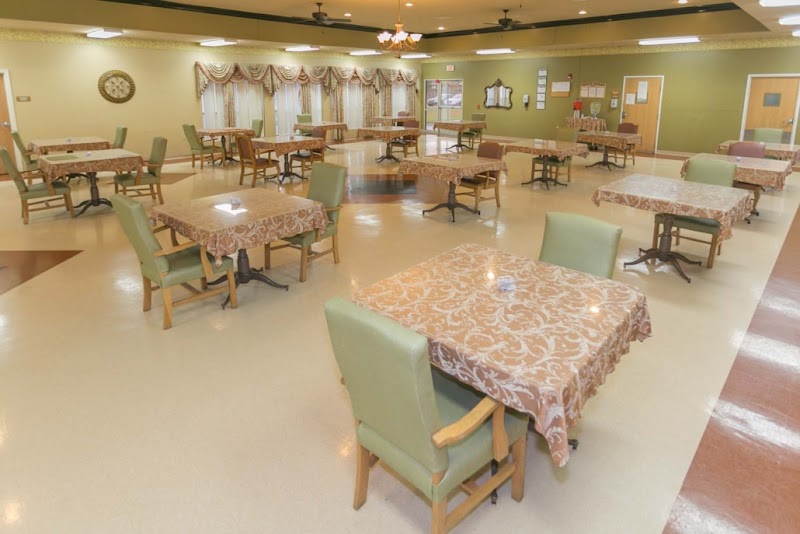
How is East View Healthcare Staffed?

CMS rates EAST VIEW HEALTHCARE's staffing level at 2 out of 5 stars, which is below average compared to other nursing homes. Staff turnover is 62%, which is 16 percentage points above the Texas average of 46%. High turnover can affect care consistency as new staff learn residents' individual needs.

What Have Inspectors Found at East View Healthcare?

State health inspectors documented 14 deficiencies at EAST VIEW HEALTHCARE during 2022 to 2024. These included: 14 with potential for harm.
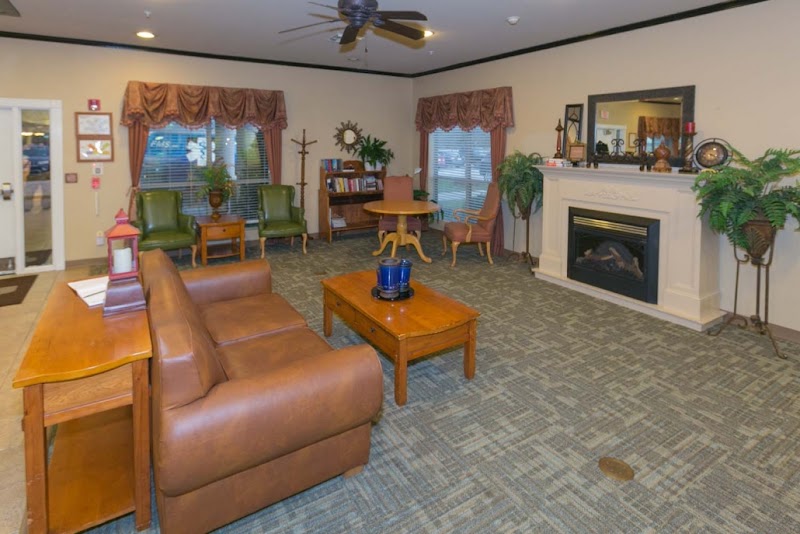
Who Owns and Operates East View Healthcare?

EAST VIEW HEALTHCARE is owned by a government entity. Government-operated facilities are typically run by state, county, or municipal agencies. The facility is operated by THE ENSIGN GROUP, a chain that manages multiple nursing homes. With 125 certified beds and approximately 87 residents (about 70% occupancy), it is a mid-sized facility located in HOUSTON, Texas.
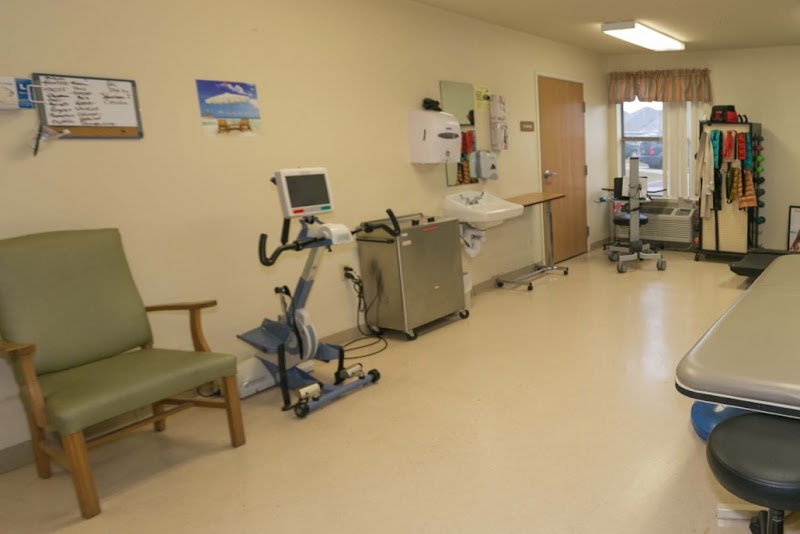
How Does East View Healthcare Compare to Other Texas Nursing Homes?

Compared to the 100 nursing homes in Texas, EAST VIEW HEALTHCARE's overall rating (5 stars) is above the state average of 2.8, staff turnover (62%) is significantly higher than the state average of 46%, and health inspection rating (5 stars) is much above the national benchmark.

What Should Families Ask When Visiting East View Healthcare?

Based on this facility's data, families visiting should ask: "How do you ensure continuity of care given staff turnover, and what is your staff retention strategy?" "Can you walk me through typical staffing levels on day, evening, and night shifts?" "Can I visit during a mealtime to observe dining assistance and food quality?" "How do you handle medical emergencies, and what is your hospital transfer rate?" These questions are particularly relevant given the facility's high staff turnover rate and the below-average staffing rating.

Is East View Healthcare Safe?

Based on CMS inspection data, EAST VIEW HEALTHCARE has a clean safety record: no substantiated abuse findings (meaning no confirmed cases of resident harm), no Immediate Jeopardy citations (the most serious violation level indicating risk of serious injury or death), and is not on the Special Focus Facility watch list (a federal program monitoring the lowest-performing 1% of nursing homes). The facility has a 5-star overall rating and ranks #1 of 100 nursing homes in Texas. While no facility is perfect, families should still ask about staff-to-resident ratios and recent inspection results during their visit.

Do Nurses at East View Healthcare Stick Around?

Staff turnover at EAST VIEW HEALTHCARE is high. At 62%, the facility is 16 percentage points above the Texas average of 46%. High turnover means new staff may not know residents' individual needs, medications, or preferences. It can also be disorienting for residents, especially those with dementia who rely on familiar faces. Families should ask: What is causing the turnover? What retention programs are in place? How do you ensure care continuity during staff transitions?

Was East View Healthcare Ever Fined?

EAST VIEW HEALTHCARE has been fined $3,250 across 1 penalty action. This is below the Texas average of $33,111. While any fine indicates a compliance issue, fines under $50,000 are relatively common and typically reflect isolated problems that were subsequently corrected. Families should ask what specific issues led to these fines and confirm they've been resolved.

Is East View Healthcare on Any Federal Watch List?

EAST VIEW HEALTHCARE is not on any federal watch list. The most significant is the Special Focus Facility (SFF) program, which identifies the bottom 1% of nursing homes nationally based on persistent, serious quality problems. Not being on this list means the facility has avoided the pattern of deficiencies that triggers enhanced federal oversight. This is a positive indicator, though families should still review the facility's inspection history directly.