Fallbrook Rehabiliation and Care Center
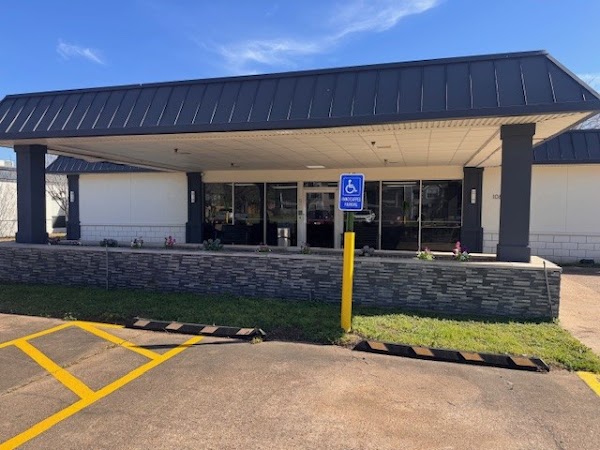
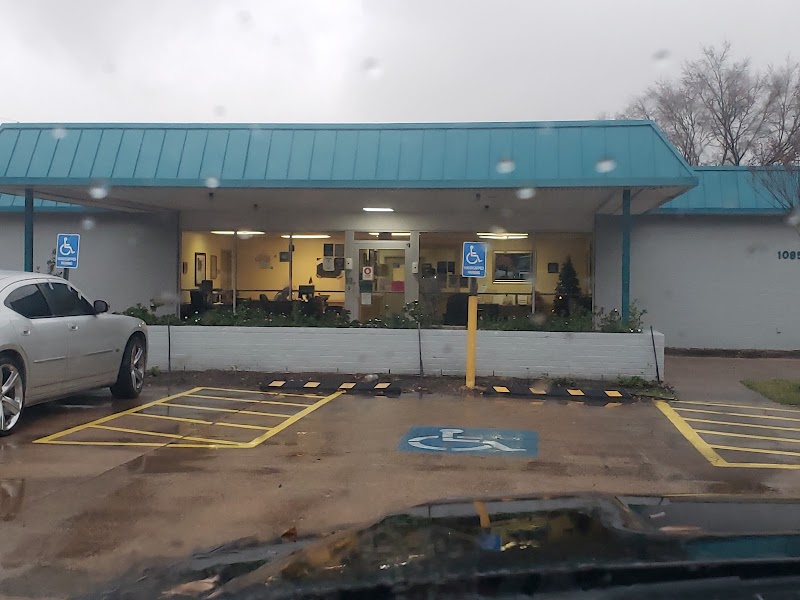
10851 Crescent Moon Dr, Houston, TX 77064 (281) 955-4100
Government - Hospital district 202 Beds Independent Data: November 2025 4 Immediate Jeopardy citations
Trust Grade
0/100
#980 of 1168 in TX
Last Inspection: April 2025

Within standard 12-15 month inspection cycle. Federal law requires annual inspections.

Overview

Fallbrook Rehabilitation and Care Center has received a Trust Grade of F, indicating significant concerns about the quality of care provided. With a ranking of #980 out of 1168 facilities in Texas and #78 out of 95 in Harris County, it falls in the bottom half of both categories. The facility's situation appears to be worsening, with the number of reported issues increasing from 9 in 2024 to 18 in 2025. Staffing is a major concern here, as the center has a turnover rate of 79%, which is much higher than the Texas average of 50%, and it received a poor staffing rating of 1 out of 5 stars. Additionally, the facility has accrued $236,793 in fines, indicating repeated compliance problems, and it has experienced critical incidents, such as failing to administer necessary medications and delays in emergency care for residents, raising serious safety concerns. While there is average RN coverage, the overall picture reflects significant weaknesses that families should consider carefully.

Trust Score
F
0/100
In Texas
#980/1168
Bottom 17%
Safety Record
High Risk
Review needed
Inspections
Getting Worse
9 → 18 violations
Staff Stability
⚠ Watch
79% turnover. Very high, 31 points above average. Constant new faces learning your loved one's needs.
Penalties
✓ Good
$236,793 in fines. Lower than most Texas facilities. Relatively clean record.
Skilled Nurses
⚠ Watch
Each resident gets only 19 minutes of Registered Nurse (RN) attention daily — below average for Texas. Fewer RN minutes means fewer trained eyes watching for problems.
Violations
⚠ Watch
45 deficiencies on record. Higher than average. Multiple issues found across inspections.
★☆☆☆☆
1.0
Overall Rating
★☆☆☆☆
1.0
Staff Levels
★★★☆☆
3.0
Care Quality
★☆☆☆☆
1.0
Inspection Score
Stable
2024: 9 issues
2025: 18 issues

The Good

  • Full Sprinkler Coverage · Fire safety systems throughout facility
  • No fines on record

Facility shows strength in fire safety.

The Bad

1-Star Overall Rating

Below Texas average (2.8)

Significant quality concerns identified by CMS

Staff Turnover: 79%

32pts above Texas avg (46%)

Frequent staff changes - ask about care continuity

Federal Fines: $236,793

Well above median ($33,413)

Significant penalties indicating serious issues

Staff turnover is very high (79%)

31 points above Texas average of 48%

The Ugly 45 deficiencies on record

4 life-threatening 3 actual harm
Sept 2025 5 deficiencies
CONCERN (D) 📢 Someone Reported This

A family member, employee, or ombudsman was alarmed enough to file a formal complaint

Potential for Harm - no one hurt, but risky conditions existed

Incontinence Care (Tag F0690)

Could have caused harm · This affected 1 resident

**NOTE- TERMS IN BRACKETS HAVE BEEN EDITED TO PROTECT CONFIDENTIALITY** Based on observation, interview and record review the facility failed to ensure a resident who was incontinent of bladder receiv...

Read full inspector narrative →
**NOTE- TERMS IN BRACKETS HAVE BEEN EDITED TO PROTECT CONFIDENTIALITY** Based on observation, interview and record review the facility failed to ensure a resident who was incontinent of bladder received appropriate treatment and services to prevent urinary tract infections and to restore continence to the extent possible for 1 of 3 residents (Resident #1) reviewed for incontinent care. The facility failed to ensure CNA L and CNA D properly cleaned Resident #1 during incontinent care. This failure could place residents at risk for pain, infection, injury, and hospitalization. Findings include: Record review of Resident #1's face sheet revealed a [AGE] year-old female who was initially admitted to the facility on [DATE] and readmitted on [DATE]. Resident #1 had diagnoses which included morbid (severe) obesity (A BMI of 40 plus), diabetes mellitus (high blood sugar), hypertension (high blood pressure), and cerebral infraction (brain attack caused by a blockage in a blood vessel). Record review of Resident #1's Quarterly MDS assessment, dated 07/31/25, revealed a BIMS score of 13 of 15, which indicated moderately impaired cognition. Resident #1 needed total care with ADL assistance with two staff assist. Record review of Resident #1's care plan, revision dated 08/11/25, read in part . [Resident #1] was frequently incontinent of bladder and bowel. Intervention: monitor for incontinent often and PRN, change promptly and apply a protective barrier to the skin. Observation on 09/04/25 at 4:00 p.m., revealed incontinent care was provided for Resident #1 by CNA L and CNA T. CNA T did not separate Resident #1's labia while she provided incontinent care. CNA T cleaned Resident #1 four times by putting her hand between the resident's closed peri area, without looking at or visualizing the labia. Resident #1 said ouch it hurts and the incontinent wipes had bright red blood. During an interview on 09/04/25 at 4:09 p.m., LVN P said CNA T was supposed to separate Resident #1's labia and wipe from front to back. She said CNA T should have separated the labia to make sure the area was cleaned and see if there was any open area to prevent infection and skin impairment. LVN P said CNA T was supposed to tell her that Resident #1 had blood from the labia area so she could assess Resident #1. She said the blood could be coming from irritation in the labia from sitting on the urine-soaked incontinent brief for an extended period of time. During an interview on 09/04/25 at 5:02 p.m., CNA L said CNA T should have separated Resident #1's labia and cleaned the sides and center. CNA L said Resident #1's labia should be separated so CNA T could see if Resident #1 had an open area where the blood on the wipes was coming from and made sure she cleaned the resident properly to prevent the resident from getting an infection. CNA L said CNA T should have stopped and called LVN P when Resident #1 said it was hurting and there was blood on the wipes. During an interview on 09/04/25 at 5:38 p.m., CNA T said she was supposed to open Resident #1's labia and wipe each side and then the middle, but she did not because she forgot. CNA T said she just wiped the middle without separating Resident #1's labia. She said she wiped out blood three or four times when she cleaned Resident #1's labia area. CNA T said Resident #1 could get an infection if the resident's labia area were not cleaned thoroughly. LVN T said she would tell LVN P after she had provided incontinent care for Resident #1. During an interview on 09/05/25 at 9:31 a.m., the DON said he expected CNA T to stop providing incontinent care and call LVN P when Resident #1 said, ouch, it hurts, and she also wiped-out blood from Resident #1's vagina area. The DON said CNA L and CNA T were educated to spread the labia and wipe one side, discard the wipe, use another wipe and wipe the other side, then discard it, and finally use another wipe and wipe in the middle. The DON said CNA L and CNA T should see the labia area and make sure there were no changes to the skin, and if CNA T did not clean the labia area properly, Resident #1 could have a UTI. The DON said Resident #1 had not had a UTI since she was admitted to the facility on [DATE]. Record review of the facility's, undated, policy on perineal care read in part . it is the practice of this facility to provide perineal care to all incontinent residents.and needed in order to promote cleanliness and comfort, prevent infection.facility explanation and compliance guideline. Female. 11.c.separate the resident's labia with one hand and cleanse perineum with the other hand by wiping in direction from front to back.
CONCERN (D) 📢 Someone Reported This

A family member, employee, or ombudsman was alarmed enough to file a formal complaint

Potential for Harm - no one hurt, but risky conditions existed

Infection Control (Tag F0880)

Could have caused harm · This affected 1 resident

**NOTE- TERMS IN BRACKETS HAVE BEEN EDITED TO PROTECT CONFIDENTIALITY** Based on observation, interview and record review the facility failed to establish and maintain an infection prevention and cont...

Read full inspector narrative →
**NOTE- TERMS IN BRACKETS HAVE BEEN EDITED TO PROTECT CONFIDENTIALITY** Based on observation, interview and record review the facility failed to establish and maintain an infection prevention and control program designed to provide a safe, sanitary and comfortable environment and to help prevent the development and transmission of communicable diseases and infections for 1 of 2 residents (Resident #1) reviewed for infection control. The facility failed to ensure CNA L and CNA T followed appropriate infection control, hand hygiene and PPE procedure during incontinent care for Resident #1. This failure could place residents at risk for infection. Findings include: Record review of Resident #1's face sheet revealed a [AGE] year-old female who was initially admitted to the facility on [DATE] and readmitted on [DATE]. Resident #1 had diagnoses which include morbid (severe), obesity (A BMI of 40 plus), diabetes mellitus (high blood sugar), hypertension (high blood pressure), and cerebral infraction (brain attack caused by a blockage in a blood vessel). Record review of Resident #1's Quarterly MDS assessment, dated 07/31/25, revealed a BIMS score of 13 of 15, which indicated moderately impaired cognition. Resident #1 needed total care with ADL assistance with two staff assist. Record review of Resident #1's care plan, revision dated 08/11/25, read in part . [Resident #1 was frequently incontinent of bladder and bowel. Intervention: monitor for incontinent often and PRN, change promptly and apply a protective barrier to the skin. During an observation on 09/04/25 at 4:00 p.m., revealed incontinent care was provided for Resident #1 by CNA L and CNA T. The aides did not wash their hands, and they took gloves from their uniform pockets and donned gloves, which they used to provide incontinent care for the resident. CNA L and CNA T used the same gloves throughout incontinent care. CNA L and CNA T used the same gloves and applied a clean incontinent brief on Resident #1. CNA L used the peri wipe and cleaned the urine on the air mattress, and did not disinfect the air mattress. During an interview on 09/04/25 at 4:20 p.m., LVN P said CNA L and CNA T should introduce themselves to Resident #1 and wash or sanitize their hands before they donned their gloves. LVN P said the aides should not have taken the gloves from their uniform pockets because it was cross-contamination. LVN P said CNA L and CNA T should not have used the dirty gloves to apply the clean incontinent brief on Resident #1 because of cross-contamination; they had just transferred back the germs to the clean brief. She said CNA L should have clean the mattress with disinfectant wipes not peri wipes because the peri would not kill the germs on the mattress. During an interview on 09/05/25 at 5:07 p.m., CNA L stated she was supposed to obtain all the necessary supplies for incontinent care, which included gloves, but she did not because she had gloves in her uniform pocket. CNA L said she forgot to wash her hands, which meant she could transfer the germs from her hands and the germs from her uniform pocket because she donned gloves from her uniform pocket to Resident #1. CNA L said she forgot to take off the dirty gloves, wash her hands, and don a clean pair of gloves to prevent cross-contamination. She said she was educated to wash her hands before she donned clean gloves, took off the dirty gloves, wash her hands, and then put on clean gloves before transitioning from dirty to clean. CNA L stated she was supposed to wipe the air mattress with disinfectant wipes instead of peri-wipes. During an interview on 09/04/25 at 5:21 p.m., CNA T said she did not wash her hands before she donned gloves, which she took from her uniform pocket. CNA T said she forgot to wash her hands before she donned the glove from her pocket and it was cross-contamination. She said she should have taken off the dirty gloves and washed her hands, then donned clean gloves before touching the clean incontinent brief. She said she applied the clean incontinent brief with the dirty glove she used to clean Resident #1, which could have resulted in cross-contamination. During an interview on 09/05/25 at 9:40 a.m., the DON said CNA L and CNA T were supposed to wash or sanitize their hands before they donned clean gloves. The DON stated CNA L and CNA T should not have used gloves from their uniform pockets because it would lead to cross-contamination and the spread of germs. The DON stated CNA L and CNA T should have removed the dirty gloves used to clean Resident #1, washed or sanitized their hands, and then donned clean gloves before applying a clean incontinent brief to decrease the spread of germs. The DON stated CNA L should have disinfected the low-loss air mattress instead of wiping it with a peri wipe, which was an infection control issue because the germs were still present on the mattress. During an interview on 09/05/25 at 1:12 p.m., the Administrator said CNA L and CNA T should have washed their hands before they donned clean gloves and provided care for Resident #1. He said CNA L and CNA T should have taken gloves from the glove box on their incontinent care setup, not from their uniform pockets, because of infection control, and they could spread germs from one resident to another. The Administrator said CNA L and CNA T should have taken off the gloves they cleaned Resident #1 with, washed or sanitized their hands, and donned clean gloves, then applied a clean incontinent brief on Resident #1. He said it was an infection control issue when CNA L used peri wipes and cleaned the urine on Resident #1's air mattress instead of disinfecting wipes, which would kill the germs. Record review of the facility's policy on hand hygiene, dated 09/01/21, read in part . All staff will perform proper hand hygiene procedures to prevent the spread of infection to other personnel, residents, and visitors. This applies to all staff working in all locations within the facility. Policy Explanation and Compliance Guidelines: Additional considerations. 6a. The use of gloves does not replace hand hygiene. If your task requires gloves, perform hand hygiene prior to donning gloves, and immediately after removing gloves. Record review of the facility's policy on infection control, dated 03/2023, read in part . This facility's infection control policies and practices are intended to facilitate maintaining a safe, sanitary, and comfortable environment and to help prevent and manage transmission of diseases and infections.
CONCERN (D) 📢 Someone Reported This

A family member, employee, or ombudsman was alarmed enough to file a formal complaint

Potential for Harm - no one hurt, but risky conditions existed

Deficiency F0919 (Tag F0919)

Could have caused harm · This affected 1 resident

**NOTE- TERMS IN BRACKETS HAVE BEEN EDITED TO PROTECT CONFIDENTIALITY** Based on observation, interview and record review the facility failed to ensure they were adequately equipped to allow residents...

Read full inspector narrative →
**NOTE- TERMS IN BRACKETS HAVE BEEN EDITED TO PROTECT CONFIDENTIALITY** Based on observation, interview and record review the facility failed to ensure they were adequately equipped to allow residents to call for staff assistance through a communication system which relayed the call directly to a staff member or to a centralized staff work area from each resident's bedside, and toilet and bathing facilities for 1 of 5 residents (Resident #1) reviewed for call light systems. The facility failed to ensure Resident #1' s call light was properly functioning. These failures could place residents at risk of not being able to call for assistance when needed. Findings include: Record review of Resident #1's face sheet revealed a [AGE] year-old female who was initially admitted to the facility on [DATE] and readmitted on [DATE]. Resident #1 had diagnoses which included morbid (severe) obesity (A BMI of 40 plus), diabetes mellitus (high blood sugar), hypertension (high blood pressure), and cerebral infraction (brain attack caused by a blockage in a blood vessel). Record review of Resident #1's Quarterly MDS assessment, dated [DATE], revealed a BIMS score of 13 of 15, which indicated moderately impaired cognition. Resident #1 needed total care with ADL assistance with two staff assist. Record review of Resident #1's care plan, revision date [DATE], read in part . [Resident #1] required assistance with ADL functions: Goal resident would maintain a sense of dignity by being clean, dry odor free and well groomed. There was intervention for call light. During an observation and interview on [DATE] at 3:35 p.m., Resident #1 said her call light was not working, and the State Surveyor asked her to push her call light. When the resident pushed the red button on the call light, the light was not blinking at the insertion site in the room or above the resident's door. Resident #1 said her call light worked sometimes, and sometimes it would not work, and she could not remember how long the call light had not been working correctly. Resident #1 said her aides and the nurses knew about it. Resident #1 said LVN P gave her the call light when she came to her room between 10:00 a.m. and 11:00 a.m. and she did not know if the call was working or not During an observation and interview on [DATE] at 3:39 p.m., LVN P came into Resident #1's room, pushed the call light, and it was not working. LVN P pulled the call light cord out of the wall insertion, and the light came on. She pushed the call light back into the wall insertion and pushed on the red knob on the call light, but the light did not come on in the room or above the door. LVN P said the call light was not working properly, and she was not aware the call light was malfunctioning. LVN P said she was going to notify the maintenance director. During an observation and interview on [DATE] at 3:41 p.m., LVN P came back to Resident #1's room with another call light cord, which she inserted into the wall outlet and pushed the red button on the cord, and the call light lit up in the room at the wall and above the resident's door. LVN P said she would still put the repair order in the log. She said if the call light was not working, Resident #1 would not be able to reach the staff for any assistance until a staff member came into the resident's room. She said Resident #1 would have delayed care, and if the resident tried to get up to call for assistance, the resident could fall and sustain injury. She said she handed the call light to Resident #1, but did not check if the call light was functioning properly. LVN P said she forgot to check if the call light was functioning, before she handed the call light to Resident #1. She stated the maintenance director was responsible for making sure the call light was functioning correctly. During an interview on [DATE] at 9:48 a.m., the DON said the call light connected Resident #1 to the staff to make her needs known when the staff were not in the room. The DON said maintenance was responsible for maintaining the call light, and the nursing staff were supposed to notify maintenance, by writing, that the call light was not functioning in the maintenance log. The DON said the aides were supposed to check and ensure the call light was working before the staff handed the call light to Resident #1. The DON said Resident #1 would not get the assistance she needed until the staff made the next round. The DON said there would be a variable negative outcome for Resident #1 and did not respond to what types of variables. During an interview on [DATE] at 12:58 p.m., the Administrator said the maintenance director was responsible for making sure all the call lights were working. He said he did the audit of all the call lights last night when he became aware Resident #1's was not working. The Administrator said the call light was what Resident #1 used to communicate her needs to the staff. The Administrator said Resident #1 could have delayed care because the resident's call light was not functioning correctly. The Administrator said the staff should have checked and made sure the call light was working before she gave the call light to Resident #1. The Administrator stated he performed a call light audit on [DATE], and the maintenance director should have documented it. During a telephone interview on [DATE] at 3:13 p.m., the Maintenance Director stated the entire maintenance team conducted monthly rounds to ensure the call lights were functioning. However, he was not required to document these monthly checks; instead, he documented the yearly call light checks. He said he did not work yesterday ([DATE]), and he was not aware Resident #1's call light was not working. The Maintenance Director said the staff should have checked if the call light was working before the staff gave the call light to Resident #1. He said it would not be safe for Resident #1 because if she fell, she would not be able to get assistance promptly, because the call light was not working. The Maintenance Director said the nursing staff should document any call light repair in the maintenance log or tell one of the maintenance staff, and one of the maintenance staff would fix the call light. Record review of the facility's maintenance log for hall 100 did not reveal there was any call light order repair for Resident #1 room call light from [DATE] to [DATE]. Record review of the facility's, undated, policy on call lights read in part .The purpose of this policy is to assure the facility is adequately equipped with a call light at each residents' bedside .2. Staff will report problems with a call light or the call system immediately to the supervisor and/or maintenance director and will provide immediate or alternative solutions until the problem can be remedied. (Examples include replace ‘call light', provide a bell or whistle, increase frequency of rounding, etc.) .
CONCERN (E) 📢 Someone Reported This

A family member, employee, or ombudsman was alarmed enough to file a formal complaint

Potential for Harm - no one hurt, but risky conditions existed

Resident Rights (Tag F0550)

Could have caused harm · This affected multiple residents

**NOTE- TERMS IN BRACKETS HAVE BEEN EDITED TO PROTECT CONFIDENTIALITY** Based on observation, interview and record review the facility failed to ensure the resident has a right to a dignified existenc...

Read full inspector narrative →
**NOTE- TERMS IN BRACKETS HAVE BEEN EDITED TO PROTECT CONFIDENTIALITY** Based on observation, interview and record review the facility failed to ensure the resident has a right to a dignified existence and maintain good grooming at resident request in a timely manner for two out of four residents (Resident#2 and Resident #1) reviewed residents rights. The facility failed to provide timely incontinent care for Resident #2 and Resident #1 and it affected the resident's feelings. This deficient practice could place residents at risk of skin breakdown and reduced feelings of self-worth Record review of Resident #2's face sheet revealed a [AGE] year-old female who was initially admitted to the facility on [DATE] and readmitted on [DATE]. Resident #2 had diagnoses which included morbid (severe) obesity (A BMI of 40 plus), diabetes mellitus (high blood sugar), hypertension (high blood pressure), and need assistance with personal care. Record review of Resident #2's Quarterly MDS assessment, dated 06/28/25, revealed a BIMS score of 14 of 15, which indicated intact cognition. Resident #2 needed extensive to total care with ADL assistance with one staff assist. Record review of Resident #2's care plan, revision dated 09/05/25, read in part . [Resident #2] had incontinent of bladder and bowel. Intervention: clean peri area with each incontinence episode, check on resident every two hours and assist with toileting as needed. resident had self-care performance deficit related to impaired mobility. was on antibiotic therapy for UTI on Cipro 500mg PO BID for 5 days . During an observation on 09/04/325 at 2:15 p.m., the Treatment nurse and CNA M provided a head-to-to-skin assessment for Resident #2. When CNA M opened the resident's incontinent brief, it revealed Resident #1's brief was saturated with urine, and the inside of the brief was brown in color. During an interview on 09/04/25 at 2:07 p.m., Resident #2 said she was provided incontinent once today around 10:15 a.m. or 10:30 a.m., when she had a bowel movement, and nobody had come to ask her if she was wet. Resident #2 said the staff did not change her often, and that contributed to her having UTIs often. Resident #2 stated she told the aide she was wet before lunch, and the aide said she was coming to change her, but she did not come back, and her shift had ended, and she had gone home without changing her. Resident #2 said she felt uncared for because she was left in a dirty incontinent brief for hours. During an interview on 09/04/25 at 2:32 p.m., LVN P said CNA O was Resident #2's aide. LVN P said the aide should check the resident and see if the resident was wet at least every two hours. She said Resident #2's brief was soaked, and the resident would have redness, an open area, and a UTI. LVN P said CNA O did not tell her Resident #2 had not been changed when she asked if she had provided incontinent care for Resident #2. During an interview on 09/04/25 at 2:45 p.m., the Treatment Nurse said Resident #2's incontinent brief was soaking wet with urine, and it appeared Resident #2 was not changed recently. The Treatment Nurse said Resident #2's skin could break down, develop rashes, pressure ulcers, and UTI if the aide did not provide timely incontinent care for the resident. She said the aides were responsible for checking on the resident during rounds at least every two hours. She said the floor nurse was responsible for monitoring the aides throughout the shift to ensure the aides were providing care for the residents. The Treatment Nurse said she had an in-service on incontinence care during the all-staff meeting last week, Thursday (08/28/29), and she educated the staff on the importance of making rounds every two hours, changing the residents' incontinent briefs, and making sure the residents were kept dry to prevent skin breakdown and UTI. During an interview on 09/05/25 at 2:52 p.m., CNA M said Resident #2's incontinent brief was very wet, and the inside of the brief was brown, which showed Resident #2 had not been changed for more than two hours. CNA M said the aides made rounds every two hours and as needed. She said Resident #2 could get a bed sore, redness or infection. CNA M said she had a skills check, and it included ADLs, and the treatment nurse educated aides to make rounds every two hours and change the resident to prevent skin breakdown or UTI. During an interview on 09/08/25 at 10:05 p.m., the Corporate Nurse said the aides were responsible for providing incontinent care and were supposed to make rounds every two hours per standard of care. She said if Resident #2 was not changed promptly, the resident's skin could get red, and there was potential for UTI. The Corporate Nurse stated if she was a resident, she would not feel good if she were left on a wet incontinent brief for hours. During a telephone interview on 09/08/25 at 3:54 p.m., CNA O said she did not work with Resident #2 on 09/04/25 because she no longer worked at the facility. She said she had not worked in the facility at all in September 2025. During an interview on 09/08/25 at 5:10 p.m., the DON stated he would go and verify if he had given CNA O's name in error, because they had another aide with the same first name but a different last name. The DON did not provide the other aide's name before the state surveyor exited. 2. Record review of Resident #1's face sheet revealed a [AGE] year-old female who was initially admitted to the facility on [DATE] and readmitted on [DATE]. Resident #1 had diagnoses which included morbid (severe) obesity (A BMI of 40 plus), diabetes mellitus (high blood sugar), hypertension (high blood pressure), and cerebral infraction (brain attack caused by a blockage in a blood vessel). Record review of Resident #1's Quarterly MDS assessment, dated 07/31/25, revealed a BIMS score of 00 of 13, which indicated severely impaired cognition. Resident #1 needed total care with ADL assistance with two staff assist. Record review of Resident #1's care plan, revision dated 08/11/25, read in part . [Resident #1] was frequently incontinent of bladder and bowel. Intervention: monitor for incontinent often and PRN, change promptly and apply a protective barrier to the skin. During an observation and interview on 09/04/25 at 3:35 p.m., revealed Resident #1 was in bed and covered with a sheet. Resident #1 said the aide from the morning shift had not changed her today, but the night aide changed her before she left, which was early in the morning, and she could not recall the exact time. Resident #1 said she asked LVN P to tell her aide to come and change her between 10:00 a.m. and 11:00 a.m., and the aide had not come to change her up till now. Resident #1 said she felt dirty and upset because the aides did not change her on time because they have to get another staff member because she was on the heavy side. During observation on 09/04/25 at 4:00 p.m., revealed when CNA L and CNA T opened Resident #1's incontinent brief, the resident's incontinent brief was saturated with urine, and the inside of the brief was brown. When CNA L turned Resident #1 to the left, it revealed the two-draw sheets were soaked with urine, and the air mattress was soaked with urine from the resident's lower back to her middle thigh area. During an interview on 09/04/25 at 4:09 p.m., LVN P said Resident #1 told her she wanted her incontinent brief changed at 11:00 a.m., because the morning aide had not changed her incontinent brief today. LVN P said she told the aide to go and change Resident #1 when she came out of Resident #1's room around 11:05 a.m. LVN P said she was not aware the aide did not provide incontinent care for the resident. LVN P said Resident #1 would feel terrible, and it was not accepted. Everybody should be checked and changed, regardless of the resident's size. LVN P said the aides were supposed to make rounds every two hours and as needed for incontinent care. LVN P said Resident #2 could develop UTI and skin breakdown if she was left on incontinent brief for extend time. During an interview on 09/04/25 at 4:49 p.m., CNA L said the aides were supposed to make rounds every two hours to check and change the resident. CNA L stated when she unfastened Resident #1's incontinent brief, it revealed the incontinent brief was very soaked, and when she turned the resident to her left, it revealed the two draw sheets and the air mattress were also soaked with urine. CNA L said Resident #1 could have skin breakdown or an infection because she had not been changed for hours. During an interview on 09/04/25 at 5:21 p.m., CNA T said Resident #1 was her resident. CNA T said Resident #1 was not her original resident. CNA T said when she became aware Resident #1 was assigned to her, she came to provide incontinent care. CNA T said aides were supposed to make rounds for incontinent care every two hours. CNA T said Resident #1's incontinent brief was very wet and soaked with urine, as well as the two draw sheets, and the air mattress. CNA T said Resident #1's skin could break down. During an interview on 09/05/25 at 9:17 a.m., the DON said aides should make rounds for incontinent care at least every two hours. The DON said the residents were not supposed to ask the aide to provide incontinent care because that was part of ADL care. The DON said the aides should make rounds every two hours. The DON said Resident #1 was a heavy wetter, and when she voided, she voided a lot because she drank a lot of water. The DON said if the continent brief was brown, it could mean the urine had been on the incontinent brief for an extended time. The DON said Resident #1 could develop moist-associated skin damage, and the resident would not feel good being left on a wet incontinent brief. During an interview on 09/05/25 at 1:07 p.m., the Administrator said the aides should make rounds for incontinent care every two hours according to the facility's policy. The Administrator said the staff should also make PRN rounds for incontinent care. He said if Resident #1 was left in a wet incontinent brief, it could cause skin breakdown and infection. He said Resident #1 would feel uncomfortable and dirty. Record review of the facility's policy on activities of daily living, dated revised 04/23/25, and implemented 09/01/25, read in part .care and services will be provided for the flowing activities of daily living: 3. Toileting.policy explanation and compliance guideline #2. A resident who is unable to carry out activity of daily living will receive the necessary services to maintain . grooming .
CONCERN (E) 📢 Someone Reported This

A family member, employee, or ombudsman was alarmed enough to file a formal complaint

Potential for Harm - no one hurt, but risky conditions existed

ADL Care (Tag F0677)

Could have caused harm · This affected multiple residents

**NOTE- TERMS IN BRACKETS HAVE BEEN EDITED TO PROTECT CONFIDENTIALITY** Based on observation, interview and record review the facility failed to ensure a resident who was unable to carry out activitie...

Read full inspector narrative →
**NOTE- TERMS IN BRACKETS HAVE BEEN EDITED TO PROTECT CONFIDENTIALITY** Based on observation, interview and record review the facility failed to ensure a resident who was unable to carry out activities of daily living received necessary services to maintain good nutrition, grooming, and personal and oral hygiene for two of 4 residents (Resident#2 and Resident #1) reviewed for ADLs. The facility failed to provide timely incontinent care for Resident #2 and Resident #1. This deficient practice could place residents at risk of skin breakdown and reduced feelings of self-worth.Findings include: 1. Record review of Resident #2's face sheet revealed a [AGE] year-old female who was initially admitted to the facility on [DATE] and readmitted on [DATE]. Resident #2 had diagnoses which included morbid (severe) obesity (A BMI of 40 plus), diabetes mellitus (high blood sugar), hypertension (high blood pressure), and need assistance with personal care. Record review of Resident #2's Quarterly MDS assessment, dated 06/28/25, revealed a BIMS score of 14 of 15, which indicated intact cognition. Resident #2 needed extensive to total care with ADL assistance with one staff assist. Record review of Resident #2's care plan, revision dated 09/05/25, read in part . [Resident #2] had incontinent of bladder and bowel. Intervention: clean peri area with each incontinence episode, check on resident every two hours and assist with toileting as needed. resident had self-care performance deficit related to impaired mobility. was on antibiotic therapy for UTI on Cipro 500mg PO BID for 5 days . During an observation on 09/04/325 at 2:15 p.m., the Treatment nurse and CNA M provided a head-to-to-skin assessment for Resident #2. When CNA M opened the resident's incontinent brief, it revealed Resident #1's brief was saturated with urine, and the inside of the brief was brown in color. During an interview on 09/04/25 at 2:07 p.m., Resident #2 said she was provided incontinent once today around 10:15 a.m. or 10:30 a.m., when she had a bowel movement, and nobody had come to ask her if she was wet. Resident #2 said the staff did not change her often, and that contributed to her having UTIs often. Resident #2 stated she told the aide she was wet before lunch, and the aide said she was coming to change her, but she did not come back, and her shift had ended, and she had gone home without changing her. Resident #2 said she felt uncared for because she was left in a dirty incontinent brief for hours. During an interview on 09/04/25 at 2:32 p.m., LVN P said CNA O was Resident #2's aide. LVN P said the aide should check the resident and see if the resident was wet at least every two hours. She said Resident #2's brief was soaked, and the resident would have redness, an open area, and a UTI. LVN P said CNA O did not tell her Resident #2 had not been changed when she asked if she had provided incontinent care for Resident #2. During an interview on 09/04/25 at 2:45 p.m., the Treatment Nurse said Resident #2's incontinent brief was soaking wet with urine, and it appeared Resident #2 was not changed recently. The Treatment Nurse said Resident #2's skin could break down, develop rashes, pressure ulcers, and UTI if the aide did not provide timely incontinent care for the resident. She said the aides were responsible for checking on the resident during rounds at least every two hours. She said the floor nurse was responsible for monitoring the aides throughout the shift to ensure the aides were providing care for the residents. The Treatment Nurse said she had an in-service on incontinence care during the all-staff meeting last week, Thursday (08/28/29), and she educated the staff on the importance of making rounds every two hours, changing the residents' incontinent briefs, and making sure the residents were kept dry to prevent skin breakdown and UTI. During an interview on 09/05/25 at 2:52 p.m., CNA M said Resident #2's incontinent brief was very wet, and the inside of the brief was brown, which showed Resident #2 had not been changed for more than two hours. CNA M said the aides made rounds every two hours and as needed. She said Resident #2 could get a bed sore, redness or infection. CNA M said she had a skills check, and it included ADLs, and the treatment nurse educated aides to make rounds every two hours and change the resident to prevent skin breakdown or UTI. During an interview on 09/08/25 at 10:05 p.m., the Corporate Nurse said the aides were responsible for providing incontinent care and were supposed to make rounds every two hours per standard of care. She said if Resident #2 was not changed promptly, the resident's skin could get red, and there was potential for UTI. The Corporate Nurse stated if she was a resident, she would not feel good if she were left on a wet incontinent brief for hours. During a telephone interview on 09/08/25 at 3:54 p.m., CNA O said she did not work with Resident #2 on 09/04/25 because she no longer worked at the facility. She said she had not worked in the facility at all in September 2025. During an interview on 09/08/25 at 5:10 p.m., the DON stated he would go and verify if he had given CNA O's name in error, because they had another aide with the same first name but a different last name. The DON did not provide the other aide's name before the state surveyor exited. 2. Record review of Resident #1's face sheet revealed a [AGE] year-old female who was initially admitted to the facility on [DATE] and readmitted on [DATE]. Resident #1 had diagnoses which included morbid (severe) obesity (A BMI of 40 plus), diabetes mellitus (high blood sugar), hypertension (high blood pressure), and cerebral infraction (brain attack caused by a blockage in a blood vessel). Record review of Resident #1's Quarterly MDS assessment, dated 07/31/25, revealed a BIMS score of 00 of 13, which indicated severely impaired cognition. Resident #1 needed total care with ADL assistance with two staff assist. Record review of Resident #1's care plan, revision dated 08/11/25, read in part . [Resident #1] was frequently incontinent of bladder and bowel. Intervention: monitor for incontinent often and PRN, change promptly and apply a protective barrier to the skin. During an observation and interview on 09/04/25 at 3:35 p.m., revealed Resident #1 was in bed and covered with a sheet. Resident #1 said the aide from the morning shift had not changed her today, but the night aide changed her before she left, which was early in the morning, and she could not recall the exact time. Resident #1 said she asked LVN P to tell her aide to come and change her between 10:00 a.m. and 11:00 a.m., and the aide had not come to change her up till now. Resident #1 said she felt dirty and upset because the aides did not change her on time because they have to get another staff member because she was on the heavy side. During observation on 09/04/25 at 4:00 p.m., revealed when CNA L and CNA T opened Resident #1's incontinent brief, the resident's incontinent brief was saturated with urine, and the inside of the brief was brown. When CNA L turned Resident #1 to the left, it revealed the two-draw sheets were soaked with urine, and the air mattress was soaked with urine from the resident's lower back to her middle thigh area. During an interview on 09/04/25 at 4:09 p.m., LVN P said Resident #1 told her she wanted her incontinent brief changed at 11:00 a.m., because the morning aide had not changed her incontinent brief today. LVN P said she told the aide to go and change Resident #1 when she came out of Resident #1's room around 11:05 a.m. LVN P said she was not aware the aide did not provide incontinent care for the resident. LVN P said Resident #1 would feel terrible, and it was not accepted. Everybody should be checked and changed, regardless of the resident's size. LVN P said the aides were supposed to make rounds every two hours and as needed for incontinent care. LVN P said Resident #2 could develop UTI and skin breakdown if she was left on incontinent brief for extend time. During an interview on 09/04/25 at 4:49 p.m., CNA L said the aides were supposed to make rounds every two hours to check and change the resident. CNA L stated when she unfastened Resident #1's incontinent brief, it revealed the incontinent brief was very soaked, and when she turned the resident to her left, it revealed the two draw sheets and the air mattress were also soaked with urine. CNA L said Resident #1 could have skin breakdown or an infection because she had not been changed for hours. During an interview on 09/04/25 at 5:21 p.m., CNA T said Resident #1 was her resident. CNA T said Resident #1 was not her original resident. CNA T said when she became aware Resident #1 was assigned to her, she came to provide incontinent care. CNA T said aides were supposed to make rounds for incontinent care every two hours. CNA T said Resident #1's incontinent brief was very wet and soaked with urine, as well as the two draw sheets, and the air mattress. CNA T said Resident #1's skin could break down. During an interview on 09/05/25 at 9:17 a.m., the DON said aides should make rounds for incontinent care at least every two hours. The DON said the residents were not supposed to ask the aide to provide incontinent care because that was part of ADL care. The DON said the aides should make rounds every two hours. The DON said Resident #1 was a heavy wetter, and when she voided, she voided a lot because she drank a lot of water. The DON said if the continent brief was brown, it could mean the urine had been on the incontinent brief for an extended time. The DON said Resident #1 could develop moist-associated skin damage, and the resident would not feel good being left on a wet incontinent brief. During an interview on 09/05/25 at 1:07 p.m., the Administrator said the aides should make rounds for incontinent care every two hours according to the facility's policy. The Administrator said the staff should also make PRN rounds for incontinent care. He said if Resident #1 was left in a wet incontinent brief, it could cause skin breakdown and infection. He said Resident #1 would feel uncomfortable and dirty. Record review of the facility's policy on activities of daily living, dated revised 04/23/25, and implemented 09/01/25, read in part .care and services will be provided for the flowing activities of daily living: 3. Toileting.policy explanation and compliance guideline #2. A resident who is unable to carry out activity of daily living will receive the necessary services to maintain . grooming .
Aug 2025 1 deficiency 1 IJ
CRITICAL (J) 📢 Someone Reported This

A family member, employee, or ombudsman was alarmed enough to file a formal complaint

Immediate Jeopardy (IJ) - the most serious Medicare violation

Quality of Care (Tag F0684)

Someone could have died · This affected 1 resident

**NOTE- TERMS IN BRACKETS HAVE BEEN EDITED TO PROTECT CONFIDENTIALITY** Based on interview and record review, the facility failed to ensure that residents received treatment and care in accordance wit...

Read full inspector narrative →
**NOTE- TERMS IN BRACKETS HAVE BEEN EDITED TO PROTECT CONFIDENTIALITY** Based on interview and record review, the facility failed to ensure that residents received treatment and care in accordance with professional standards of practice, the comprehensive person-centered care plan, and resident's choice for 1 of 7 (Resident #1) reviewed for Quality of Care. 1.The facility failed to call emergency services and have Resident #1 immediately transferred to the hospital, on 08/09/25 when she experienced a change in condition at 11:30 a.m., including a blood pressure reading of 203/98 and a change in mental status. The facility failed to monitor Resident #1 after the change in condition was noted and used a non-emergency ambulance service, which resulted in a delay in her receiving emergency care until after 1:13 p.m., approximately one hour and 51 minutes after her initial change in condition. Resident #1 was noted to have a blood glucose level of 44 upon arrival to the hospital and was treated for Hypoglycemia (a condition in which the body's blood sugar level goes below the standard range). An Immediate Jeopardy (IJ) was identified on 08/14/25 at 5:35 p.m. The IJ template was provided to the facility on [DATE] at 5:35 p.m. While the IJ was removed on 08/16/25, the facility remained out of compliance at a scope of isolated with a severity level of the potential for more than minimal harm that is not immediate jeopardy, due to the facility's need to evaluate the effectiveness of the corrective systems. These failures placed residents who had a change in condition at risk of prolonged pain, worsening of condition, prolonged recovery, and possible death. Findings included: Record review of Resident #1's face sheet dated 08/12/25 revealed a Resident #1 was a [AGE] year-old female admitted to the NF on 06/03/25 and readmitted on [DATE]. Resident #1's diagnoses included Cerebrovascular Disease (A group of conditions that affect the blood vessels in the brain), Type 2 Diabetes, Hypertension (High blood pressure), Psychotic disorder, Dementia Chronic Kidney Disease, Conversion Disorder with seizures (involves the experience of real, physical seizures that mimic epileptic seizures but have no underlying medical or neurological cause). Record review of Resident #1's Initial MDS assessment dated [DATE] revealed a BIMS score of 07, which indicated severe cognitive impairment. Section GG of the MDS revealed the resident used a wheelchair and walker for mobility devices. The resident required supervision or touching assistance (helper provides verbal cues and/or touching/steading and/or contact guard assistance as resident completes activity, Assistance may be provided throughout the activity or intermittently) for eating, oral and personal hygiene. The resident requires partial/moderate assistance (helper does less than half the effort. Helper lifts, holds, or supports trunk or limbs, but provides less than half the effort) for upper body dressing, sit to lying, lying to sitting on side of bed, sit to stand, chair/bed to chair transfer and toilet transfer. The resident requires substantial/maximal assistance (helper does more than half the effort. Helper lifts or holds trunk or limbs and provides more than half the effort) for toileting hygiene, shower/bathe self, lower body dressing, and putting on/taking off footwear. Record review of Resident #1's care plan dated 06/03/25 revealed, * Focus: The resident has hypertension. Goal: The resident will remain free from signs and symptoms of hypertension. Interventions: Give anti-hypertensive and medications as ordered. Monitor for side effects such as orthostatic hypotension (A form of low blood pressure that happens when standing up from sitting or lying down) and increased heart rate (Tachycardia) and effectiveness. * Focus: The resident uses insulin. Goal: The resident will be free from any signs or symptoms of hyperglycemia (high blood glucose (blood sugar) or hypoglycemia (A condition where the blood sugar (glucose) levels drop below normal) through the review date. Interventions: Administer insulin ordered by physician. Monitor/document for side effect and effectiveness. Blood glucose monitoring per physician orders. Monitor/document/report PRN any signs or symptoms of hyperglycemia: increased thirst and appetite, frequent urination, weight loss, fatigue, dry skin, poor wound healing, muscle cramps, abdominal pain, Kussmaul breathing ( A deep rapid, and labored breathing pattern often associated with metabolic acidosis, a condition where the body has too much acid), acetone breath (smells fruity), stupor coma(distinct states of impaired consciousness). Monitor/document/report PRN any signs or symptoms of hypoglycemia: Sweating, Tremor, increased heart rate (Tachycardia), Pallor (An abnormal or unusual paleness of the skin or mucous membranes, indicating a lack of color that is different from a person's normal complexion), Nervousness, Confusion, slurred speech, lack of coordination, staggering gait. Rotate site of insulin injections and document site of administration. Monitor for alteration in skin integrity. Record Review of physician orders based on Resident #1's MAR revealed Resident #1 had orders for: MetFORMIN HCl Tablet 1000 MG-(Give 1 tablet by mouth two times a day for diabetes with a start date of 06/02/25). Metoprolol Tartrate Oral Tablet 50 MG-Give 1 tablet by mouth two times a day for hypertension hold for SBP less than 110 and HR less than 55 with a start date of 06/03/25). AmLODIPine Besylate Tablet 10 MG-Give 1 tablet by mouth one time a day for hypertension hold for less than 110 or HR less than 55 with a start date of 06/04/25). HydrALAZINE HCl Tablet 25 MG-Give one tablet by mouth three times a day for hypertension hold for SBP less than 110 or HR less than 55 with a start date of 06/03/25). Record review of Resident #1's MAR for August 2025 revealed: On 08/09/25 Resident #1 received MetFORMIN HCl 1000 MG AT 9:00 a.m. On 08/09/25 Resident #1 received Metoprolol Tartrate Oral Tablet 50 MG at 9:00 a.m. On 08/09/25 Resident #1 received AmLODIPine Besylate Tablet 10 MG at 9:00 a.m. The residents blood pressure was documented as 144/78 and pulse was 76. On 08/09/25 Resident #1 received HydrALAZINE HCl Tablet 25 MG at 9:00 a.m. Record review of Resident #1's progress notes for August 2025 revealed: * On 08/09/25 at 11:30 AM, RN-A documented, Resident found lying in bed, family at bedside. Resident breathing without difficulty, no difficulty in swallowing, moving right arm, pupils respond to light, no verbal response, responds to pain, vital signs 203/98-78-20 (blood pressure) blood sugar 178, family insists we send to ER, MD notified and received order to send to hospital for evaluation. Record review of Resident #1's electronic health record revealed: On 08/09/25 at 11:30 a.m., Resident #1's blood sugar at 176, the residents blood sugar was not taken again. On 08/09/25 at 11:30 a.m., Resident #1's blood pressure was 203/98. The residents blood pressure was 144/78 at 12:47 p.m. and 144/78 at 12:54 p.m. Record review of the hospital's history of present illness for Resident #1 dated 08/09/25, the resident's blood glucose was 44 upon arrival to thehospital. The resident was admitted to the hospital for hypoglycemia. In an interview with Resident #1 on 08/14/25 at 10:57 a.m., she stated everything was going well. She stated the staff checked on her regularly. She stated she went to the hospital recently. She stated she did not know what happened. She stated she did not know what happened but reported that her daughter was with her. She stated she was feeling fine and stated the staff had been checking on her regularly. She stated she liked living at the facility and stated the staff are nice to her. In an interview with RN-A on 08/14/25 at 11:14 a.m., she stated she checked on the resident at 5:30 a.m. on 08/09/25 and Resident #1 was doing fine. She stated at approximately 11:30 a.m. on 08/09/25, a family member of the resident informed her that she was concerned about the resident. She stated she took the resident's blood pressure, and it was 203/98 and the resident's blood sugar was 178. She stated she contacted the on-call physician, and she was informed to send the resident to the hospital. She stated about 45 minutes later she checked the resident's blood pressure again and it was 180/78. She stated the resident was sent out via ambulance transportation. She stated she did not call 911 because the resident was breathing. She stated the resident was responding to touch, swallowing and moving her arms, but was not talking. She stated the resident left to go to the hospital before 1:00 p.m. In an interview with CNA B on 08/14/25 at 11:53 a.m., she stated Resident #1ad a change in condition on 08/09/25. She stated she did not know the exact time of the change in condition, but she remember that it occurred after breakfast. She stated the resident was not really talking and her normal baseline was usually alert and oriented. She stated the resident was sent out to the hospital, but she could not remember what time she was sent out. Interview with the DON on 08/14/25 at 12:24 p.m., he stated Resident #1 was sent out the hospital due to an elevated blood pressure. He stated he was not working the day the resident was sent out. He stated usually if a resident was alert and moving, the resident was sent out via transportation but if something else was going on with the resident they would be sent out via 911. In an interview with on-call Physician on 08/14/25 at 1:06 p.m., he stated RN-A informed him that Resident #1 had a change in condition, reporting a blood pressure of 203/98. He stated he told RN-A to send the resident to the hospital. He stated it was the facility's decision on which form of hospital transportation was used, but he would assume they would use the fastest method. He stated he assumed that 911 was called and was not aware that the ambulance transportation was called. He stated the risk of a resident not going out the hospital during a change in condition would depend on the resident and the situation In an interview with the Administrator on 08/14/25 at 1:51 p.m., he stated he was not employed at the facility when the resident was sent out but reported he was able to obtain information regarding the call outs and pick up from the transportation center. He stated RN-A contacted the ambulance transportation company at 11:22 a.m. and they arrived to pick the resident up at 1:13 p.m. A policy on change in condition was requested, and he stated there was no policy related to change to change only notification of changes. In an interview with Family Member #1 on 08/14/25 at 3:04 p.m., she stated she was with Resident #1 the day that she was sent out to the hospital. She stated she entered the resident's room at approximately 11:00 a.m. She stated the resident appeared to be in a deep sleep. She stated the resident was lying in bed with her eyes closed and it sounded as if she was snoring. She stated she called the resident's name several times, but she did not respond. She stated she began to shake the resident to get her to arise and she did not move. She stated she notified the nurse. She stated RN-A came into the room and attempted to wake the resident. She stated the resident did not move. She stated the resident's blood sugar was taken, and it was 86. She stated RN-A gave the resident a glucose stick and rubbed her throat to help her swallow but she would not swallow. She stated RN-A stated that she would contact the physician and asked if she wanted 911 to be called and she responded yes. She stated RN-A then stated that it would take an hour for the ambulance to arrive. She stated RN-A never returned to check on the resident. She stated 911 never arrived but reported an ambulance transportation company came instead. She stated the ambulance transportation company arrived around 1:30 p.m. Record review of the facility's Notification of Changes revised 12/08/24 revealed: The facility must inform the resident, consult with the resident's physician and/or notify the resident's family member or legal representative when there is a change requiring such notification. 2. Significant change in the resident's physical, mental or psychosocial condition such as deterioration in health, mental or psychosocial status: This may include: a. Life threatening conditions, or b. Clinical complications This was determined to be an Immediate Jeopardy (IJ) on 08/14/2025 at 5:35 p.m. The Administrator, DON, Director of Risk and Regulatory, and the Senior Administrator were notified. The Administrator, DON, Director of Risk and Regulatory, and the Senior Administrator were provided with the IJ template on 08/14/2025 at 5:35 p.m. A Plan of Removal was requested at that time. The following Plan of Removal submitted by the facility was accepted on 08/15/25 at 1:54 p.m.: The facility failed to transfer [Resident #1], who had a change in condition at 11:30am in a timely manner. The facility failed to call 911 emergency services to immediately transport [Resident #1] to a higher-level of care for evaluation and treatment 1. Identification of Residents Affected or Likely to be Affected:The facility took the following actions to address the citation and prevent any additional residents from suffering an adverse outcome. (Completion/ Date: 8/14/25) [Resident #1] returned to facility on 8/12/25 with no ill effects related to alleged deficiency. DON/Regional /Nurse Consultant reviewed 24-hour report for the last 7 days to ensure all changes of conditions including transfers to acute care were addressed in a timely manner. An audit was conducted on all transfers from the last 7 days to acute care to ensure there was no delay in services. Attending Physician and Medical Director were notified of IJ on 8/14/2025 at 08:40pm. 2. Actions to Prevent Occurrence/Recurrence: The facility took the following actions to prevent an adverse outcome from reoccurring. (Completion Date: 8/14/25) Facility policy and procedures related to change of condition were reviewed by Director of Nursing, Administrator, Regional Nurse Consultant and Senior Administrator on 8/14/2025, no revisions deemed necessary at this time. DON/Corporate Nurse/Consultant Nurse provided education to nurse involved in alleged incident with 1:1 education related to notifications of change of condition and monitoring of resident while resident remains in facility until transfer occurs or change of condition resolves. Education included definitions of what a change of condition is, circumstances where the clinical teams must be notified, and when the nurse must notify medical providers and when to notify responsible parties. When to call 911 versus non-emergency transportation as appropriate for the identified change of condition. Frequent assessment of resident to address change of condition including specific assessments to be completed when resident has a diagnosis of Diabetes and appropriate interventions (for example, checking blood sugars frequently to assess for hypoglycemia or hyperglycemia). DON/Corporate Nurse/Consultant Nurse provided education to all staff in person, via phone, via facility messaging platform, or prior to next shift on facility policies and procedures related to changes of condition and to report to licensed nurse the findings for immediate assessment. Education included definitions of what a change of condition is, circumstances where the licensed nurse or Director of Nursing must be notified, and when to notify responsible parties if appropriate. DON/Corporate Nurse/Consultant Nurse provided education to all licensed nurses in person, via phone, via facility messaging platform, or prior to next shift on facility policies and procedures related to changes of condition and seeking immediate medical care as to not delay services. Education included definitions of what a change of condition is, circumstances where the clinical teams must be notified, and when the nurse must notify medical providers and when to notify responsible parties. When to call 911 versus non-emergency transportation as appropriate for the identified change of condition. Frequent assessment of resident to address change of condition including specific assessments to be completed when resident has a diagnosis of Diabetes and appropriate interventions (for example, checking blood sugars frequently to assess for hypoglycemia or hyperglycemia). The Director of Nursing or designee will continue to monitor/audit Changes of Condition and Hospital Transfers by reviewing the 24-hour report during morning clinical meetings three times weekly for four weeks, then weekly for eight weeks. A QAPI PIP has been initiated to report on the above monitoring and auditing procedures. All findings from the PIP will be presented at the monthly QAA meeting. Monitoring/auditing and reporting will continue for a minimum of three months. * Monitoring of the plan of removal included the following: Record review of an Audit/Monitoring dated 08/11/25-08/14/25 revealed residents were reviewed for change in condition, actions taken to address change in condition. The document reflected if the resident were sent out via 911 or non-emergent transportation, was there any delays, comments/corrective action. There were no identified concerns in the audit. Record review of the Summary Report of Education dated 08/14/25 revealed all facility staff were educated on Notifications of Change in Condition by the DON and Senior Administrator. The document revealed in part, The purpose of this policy is to ensure the facility promptly informs the residents, consults the resident's physician; and notifies consistent with his or her authority, resident's representative when there is a change requiring notification (life threatening conditions, Clinical complications, need to alter treatment significantly, right to privacy, circumstances requiring notification and additional considerations). Record review of the Summary Report of Education dated 08/14/25 revealed all licensed staff were educated on Changes of condition and seeking immediate medical care as to not delay services by calling 911 if needed for transportation as appropriate for the identified change in condition by the DON. The document revealed in part, The purpose of this policy is to ensure the facility promptly informs the residents, consults the resident's physician; and notifies consistent with his or her authority, resident's representative when there is a change requiring notification (life threatening conditions, Clinical complications, need to alter treatment significantly, right to privacy, circumstances requiring notification and additional considerations). Record review of Summary Report of Education dated 08/15/25 revealed licensed staff were educated on Monitoring and assessment to be done when a resident who is diabetic has a change in condition by the DON. The document revealed in part, Hypoglycemia Management-It is the policy of this facility to ensure effective management of a resident who experiences a hypoglycemic episode (Definition, Policy explanation, Compliance guidelines, asymptomatic and responsive residents, symptomatic (lethargic, drowsy) but responsive (conscious) residents). Record review of In-service Summary/Report of Education of 1:1 with the DON and RN A dated 08/14/25 revealed RN A was educated on change of condition-monitor resident vital signs, document-all-clinical changes, monitor resident until 911 arrives, document time start and finish, call NP/MD, DON, and RP. Interviews were conducted with staff on 08/14/25 between 5:35 a.m. until 12:00 p.m. including RN A, CNA B, LVN C, CNA D, LVN E, RN F, CNA G, CNA H, CNA I, Medication Aide J, CNA K, LVN L, LVN M, LVN N, Medication Aide O, LVN P, and CNA Q to verify the in-services were conducted and to validate the staff understanding of the information presented to them. No concerns were found regarding understanding of requirements, training material and expectations. RN A, CNA B, LVN C, CNA D, LVN E, RN F, CNA G, CNA H, CNA I, Medication Aide J, CNA K, LVN L, LVN M, LVN N, Medication Aide O, LVN P, and CNA Q were able to explain the importance of monitoring the residents that had a change in condition, calling 911 when the residents have a change in condition (high/low blood sugar and high/low blood pressures), taking residents vitals until 911 arrived, staying with the resident until 911 arrived, and documenting all changes. The Administrator was informed the Immediate Jeopardy was removed on 08/16/2025 at 12:02 p.m. The facility remained out of compliance at a severity level of no actual harm with the potential for more than minimal harm that is not immediate jeopardy and a scope of isolated due to the facility's need to evaluate the effectiveness of the corrective systems that were put into place.
Apr 2025 11 deficiencies
CONCERN (D)

Potential for Harm - no one hurt, but risky conditions existed

Deficiency F0558 (Tag F0558)

Could have caused harm · This affected 1 resident

**NOTE- TERMS IN BRACKETS HAVE BEEN EDITED TO PROTECT CONFIDENTIALITY** Based on observation, interview and record review, the facility failed to accommodate the needs and preferences reviewed for acc...

Read full inspector narrative →
**NOTE- TERMS IN BRACKETS HAVE BEEN EDITED TO PROTECT CONFIDENTIALITY** Based on observation, interview and record review, the facility failed to accommodate the needs and preferences reviewed for accommodation of needs. for one resident (Resident #28) of 15 residents. The facility failed to ensure Resident #28's call light was within reach of the resident. This failure could place residents at risk of being unable to obtain assistance for activities of daily living or in the event of an emergency. Findings included: Observation and interview on 4/8/25 at 10:18 AM revealed Resident #28's call light was under his dresser on the right side of his bed. Resident #28 was observed lying in bed, he said that he just woke up and his leg hurts. The surveyor asked him to press his call-light for assistance and he said he did not even know he had a call-light. Surveyors searched for the call-light which was found under the dresser. The DON came to assist, he removed the call-light from beneath the dresser and attached the call-light to Resident #28's blanket. Resident #28 pressed the call-light to make sure it worked. An interview with the DON on 4/8/25 at 10:25 AM, when asked what a negative outcome could have been if the resident could not be able to reach and press his call-light. The DON said he could have fallen and hurt himself by getting up to get what he needed. The DON said that he would address Resident 328's pain and conduct in-services on call-lights with the staff. He said that all staff were responsible for having call-light placement. An interview on 4/10/25 at 10:14 am with the Administrator he said that the call-lights being withing reach of the resident were important because the call-light notified staff of the residents needs so they could address them. He said that all staff were responsible for having call-light placement. Record review of Resident #28's facility admission record in the facility medical record system revealed that Resident #28 was admitted on [DATE]. Resident #28 was a [AGE] year-old male with diagnoses that included facial weakness following other cerebrovascular (facial weakness can develop following other cerebrovascular diseases, such as stroke, subarachnoid hemorrhage, or cerebral venous thrombosis. These conditions disrupt the normal blood flow to the brain, resulting in damage to the facial nerve disease.) and attention and concentration deficit following cerebral infarction (concentration deficit refers to a person's ability to filter out distractions and maintain their focus on a particular task. Attention and concentration deficits are common following cerebral infarction). Record review of Resident #28's admission MDS dated [DATE], revealed a BIM score of 12 out of 15 indicating a moderate cognitive impairment. Resident #28 was documented to have lower extremity impairment and was documented to require total to substantial/maximum assistance from staff for ADL's. He required set-up to or clean-up assistance with eating. He was always continent with bladder and bowel. Record review of Resident #28's care plan revealed a care plan to address ADL self-care performance deficit and requires hands on assistance. Date Initiated: 01/29/2025. Revision on: 02/12/2025 Goals included to maintain/improve level of Functioning, bed mobility with assist of 1. Date Initiated: 02/12/2025 and a care plan to address a prescribed an anticonvulsant medication for behaviors and is at risk for side effects, abnormal labs, skin reaction and falls. Interventions included will be free of side effects/adverse reactions related to anticonvulsant use throughout the next review. Date Initiated: 02/12/2025. Revision on: 02/24/2025, Monitor for Side effects of headache, fatigue, dizziness, blurred vision, nausea, weight changes and mood changes. Date Initiated: 02/12/2025. Review of the facility's policy and procedure entitled Answering the Call-light, dated revised September 2022 read in part . The purpose of this procedure is to ensure timely responses to the resident's requests and needs .Explain to the resident that a call system is also located in his/her bathroom .Be sure that the call light is plugged in and functioning at all times . Ensure that the call light is accessible to the resident when in bed, from the toilet, from the shower or bathing facility and from the floor.
CONCERN (D)

Potential for Harm - no one hurt, but risky conditions existed

Deficiency F0583 (Tag F0583)

Could have caused harm · This affected 1 resident

**NOTE- TERMS IN BRACKETS HAVE BEEN EDITED TO PROTECT CONFIDENTIALITY** Based on observation, interview, and record review the facility failed to respect the resident's right to personal privacy durin...

Read full inspector narrative →
**NOTE- TERMS IN BRACKETS HAVE BEEN EDITED TO PROTECT CONFIDENTIALITY** Based on observation, interview, and record review the facility failed to respect the resident's right to personal privacy during care, for 1(Resident # 777) of 6 residents reviewed for privacy, in that: -LVN F failed to lock her computer during medication pass on 04/09/25, leaving Resident #777's medical records disclosed on the hallway. This failure could place resident at risk for economic harm, embarrassment, and not maintaining their individual autonomy and individuality. The findings included: Record review of Resident # 777's face sheet dated 04/11/25 revealed a [AGE] year-old female admitted to the facility on [DATE]. Resident # 777 diagnoses included the following: staphylococcal (bacteria) arthritis (swelling or tenderness in one or more joints causing pain or stiffness) of the right knee, chronic pain, anemia (low count of red blood cells {cells that carry oxygen from the lungs to the rest of the body}), hypertension (high blood pressure), heart failure, and kidney disease stage 3 (moderate loss of kidney function). Record review of Resident #777's admission MDS dated [DATE] reflected a BIMS score of 15 indicating that resident cognition was intact. Record review of Resident #777's Physician Order Summary Report for the month of April 2025 reflected the following order: -Dated 03/25/25 Cefazolin (antibiotic) 2gm intravenously every 8 hours for infection until 04/30/25. Record review of Resident #777's Comprehensive Care Planned dated 03/26/25 reflected that resident was being care planned for receiving IV antibiotics for infection. The intervention included to monitor for signs and symptoms of infiltration (when a substance move into a space not normally found). Record review of Resident #777's MAR for the month of April 2025 revealed that the facility was administering the medication Cefazolin 2gm IV as ordered. Observation on 04/09/25 at 7:45AM during medication pass for Resident #777, LVN F retrieved the IV medication Cefazolin 2mg from her medication cart. LVN F left her computer screen open exposing Resident #777's medical records for medication administration and walked away from the cart entering resident room to administer the medication. Interview on 04/09/25 at 7:47AM with nurse LVN F said she forgot to close Resident #777 medical record before going into the resident's room. LVN F said this placed the residents medical information at risk of being exposed to anyone and this was a HIPPA violation. LVN F said she had been in-serviced on resident privacy and HIPPA (a federal law designed to protect the privacy and security of patient health information. Record review of the facility policy on Resident Rights revised February 2021 reflected in part: .Employees shall treat all residents with kindness, respect, and dignity .privacy and confidentiality . Record review of the facility policy on Confidentiality of Infection and Personal revised October 2017 reflected in part: .The facility will safeguard the personal privacy and confidentiality of all residents personal and medical records .
CONCERN (D)

Potential for Harm - no one hurt, but risky conditions existed

Deficiency F0655 (Tag F0655)

Could have caused harm · This affected 1 resident

**NOTE- TERMS IN BRACKETS HAVE BEEN EDITED TO PROTECT CONFIDENTIALITY** Based on interview and record review, the facility failed to develop a person-centered baseline admission care plan for 2 of 6 r...

Read full inspector narrative →
**NOTE- TERMS IN BRACKETS HAVE BEEN EDITED TO PROTECT CONFIDENTIALITY** Based on interview and record review, the facility failed to develop a person-centered baseline admission care plan for 2 of 6 residents (Resident #45 and Resident #31 ) reviewed for baseline care plans in that: -The facility failed to develop a 48-hour baseline care plan with goals, interventions, treatments, and psychosocial needs addressed in a resident specific care plan for Resident #45. - The facility failed to develop a 48-hour baseline care plan with goals, interventions, treatments, and psychosocial needs addressed in a resident specific care plan for Resident #31. This failure could affect new admissions residents reviewed for 48-hour baseline care plans of not having their individual, medical, functional, and psychosocial needs identified and cause a physical or psychosocial decline in health. Findings included: Resident #45 Record review or Resident #45's admission record dated 4/11/25 revealed a [AGE] year-old male admitted to the facility on [DATE]. Resident #45's diagnoses included hemiplegia and hemiparesis following cerebral infarction affecting right dominant side (both conditions that can occur after a cerebral infarction, or stroke, and are characterized by weakness or paralysis on one side of the body) and brief psychotic disorder (psychiatric condition characterized by sudden and temporary periods of psychotic behavior, such as delusions, hallucinations, and confusion). Record review of Resident #45's admissions MDS dated [DATE] revealed a Brief Interview of Mental Status (BIMS) score of 13 out of 15 revealing he was cognitively intact. The MDS assessment revealed that Resident #45 was coded for ranges substantial/maximal assistance to setup or clean-up assistance with ADL's. Resident #43 was coded to be frequently incontinent of bladder and always incontinent of bowel. Record review of Resident #45's medical record revealed there was no baseline care plan. Record review of Resident #45's comprehensive care plan revealed care plans to address ADL self-care performance deficit and altered cardiovascular status, no date provided. During an interview on 4/10/25 at 5:03 pm the DON said that Resident #45 should have had a baseline care plan and comprehensive care plan to provide the continuum of care that the resident needs. The DON said that the negative outcome could be the resident not having the care he needs provided. He said that the MDS Coordinator would be responsible for creating the care plans. During an interview on 4/11/25 at 1:15 pm with the MDS Coordinator, she said she was the one responsible for completing the care plans, she said that the care plans were important to help take care of the resident and provide care for the resident. She said that she used the RAI manual for the policy for care plans. The MDS Coordinator added that she had only worked at the facility for 2 weeks and was doing an audit of the care plans. Resident #31 Record review of Resident #31's face sheet dated 04/10/25 revealed a [AGE] year-old male was admitted to the on 03/05/25. Resident #31 diagnosis included: end stage renal disease (kidneys have stopped working well enough to support the body), hypertension (force of blood against the walls of the arteries is consistently too high), atrial fibrillation (an irregular heartbeat) and coronary artery disease (arteries that supply blood to the heart become narrowed or blocked due to build up of plaque). Record review of Resident #31's admission assessment dated [DATE] revealed BIMS of 13 indicating intact cognition. Further review revealed Resident #31 was depended on staff with ADL care with one to two staff assist. Record review of Resident #31's medical record revealed there was no baseline care plan. During an interview on 04/11/25 at 2:42 p.m., the MDS Coordinator said the baseline care plan should be initiated upon admission and completed within 48 hours. The MDS Coordinator said if Resident #31 did not have a baseline care plan, Resident #31 might not get all the appropriate care from the staff. During an interview on 04/11/25 at 2:57 p.m., the ADON said a baseline care plan should initiated on admission, and she was not sure how it is done in this facility. The ADON said she would check with the corporate nurse and update the surveyor. During an interview on 04/11/25 at 3:05 p.m., the DON said the admitting nurse was responsible for starting the bassline care plan within 24 hours and completed within 72 hours. The DON said he becomes involved with the baseline care plan when he reviews the admission the following day unless the admission is over the weekend, and then he will review it on Monday. The DON did not respond when he was asked why Resident #31 did not have a baseline care plan. The DON said the staff would care for Resident #31 based on the report received from the hospital and the discharge summary report from the hospital. The DON said if Resident #31 had any order that was not in the discharge summary report, then the order and care would not be provided for Resident #31. During an interview on 04/11/25 at 4:09 a.m., the Corporate Nurse said the bassline care plan should be started on admission by the admitting nurse and completed within 48 hours. During an interview on 04/11/25 at 4:22 p.m., LVN F said the nurse did not initiate the 48-hour care plan, and she thought the MDS was responsible for the 48-hour care plan. LVN F said she was the admitting nurse for Resident #31. She said she reviewed the hospital orders, notified the physician about the resident medications, and carried out the physician's orders. LVN F said she had no skill check-off or training for a baseline care plan. LVN F said the DON and ADON monitored the nurse during rounds and reviewed the admission paperwork for new residents. Record review of the facility policy entitled; Care Plans-Baseline dated revised March 2022 read in part . Policy Statement: A baseline plan of care to meet the resident's immediate health and safety needs is developed for each resident within forty-eight (48) hours of admission. The baseline care plan is used until the staff can conduct the comprehensive assessment and develop an interdisciplinary person-centered comprehensive care plan (no later than 21 days after admission). The baseline care plan is updated as needed to meet the resident's needs until the comprehensive care plan is developed.
CONCERN (D)

Potential for Harm - no one hurt, but risky conditions existed

Comprehensive Care Plan (Tag F0656)

Could have caused harm · This affected 1 resident

**NOTE- TERMS IN BRACKETS HAVE BEEN EDITED TO PROTECT CONFIDENTIALITY** Based on interview and record review the facility failed to develop and implement a comprehensive person-centered care plan for ...

Read full inspector narrative →
**NOTE- TERMS IN BRACKETS HAVE BEEN EDITED TO PROTECT CONFIDENTIALITY** Based on interview and record review the facility failed to develop and implement a comprehensive person-centered care plan for each resident that includes measurable objectives and timeframes to meet a resident's medical, nursing, and mental and psychosocial needs and describes the services that are to be furnished to attain or maintain the resident's highest practicable physical, mental, and psychosocial well-being for 2 of 7 residents (Resident #53, Resident #31) reviewed. The facility failed to ensure that Resident #53's status of hospice were a focus area in the resident's comprehensive care plan and no intervention was in place. The facility failed to ensure Resident #31 status on ADL care were a focus area in the resident's comprehensive plan and intervention was in place. This deficient practice could affect residents by contributing to inadequate care. The findings included: Resident #53 Record review of Resident #53's facility admission Record dated 4/10/25 revealed that Resident #53 was a [AGE] year-old male admitted on [DATE]. Resident #53's diagnoses included unspecified Dementia, unspecified severity, without behavioral disturbances (Dementia is a term used to describe a group of symptoms affecting memory, thinking, and social abilities, which interfere with daily life) (used to classify cases of dementia where the specific type and severity are not specified, and the condition is not accompanied by behavioral disturbances, psychotic disturbances, mood disturbances, or anxiety) and hyperlipidemia ( an excess of lipids or fats in your blood. This can increase your risk of heart attack and stroke because blood cannot flow through your arteries easily). Record review of Resident #53's admission MDS dated [DATE] revealed Resident #53 had a BIMS score of 2 out of 15 indicating severe impairment cognitively. Resident #53 required was coded to be dependent, requiring total to substantial/maximal assistance with of his ADL's excluding eating which was coded to require supervision or touch assistance. Record review of Section O (special treatments, procedures, and programs), the area for hospice was selected. Record review or Resident #53's comprehensive care plan revealed no care plan to address his hospice status. Record review of Resident #53's base line care plan summary dated 1/2/25 revealed Resident #53 had outside coordination with hospice . Physician orders for Resident #53 were requested on 04/10/2025 at 3:12 pm via email to the Administrator and verbally at 4/10/25 at 5:03 pm to the DON but were not received to reflect the physician order for hospice services created by the Administrator. During an interview on 4/10/25 at 5:03 pm the DON said that Resident #53 should have a comprehensive care plan for hospice. The comprehensive care plan was important to provide the continuum of care that the resident needs. The DON said that the negative outcome could be the resident not having the care he needs provided. He said that the MDS Coordinator would be responsible for creating the care plans. The DON said that he would add the comprehensive care plan for hospice. During an interview on 4/11/25 at 1:15 pm with the MDS Coordinator, she said she was the one responsible for completing the care plans, she said that the care plans were important to help take care of the resident and provide care for the resident. She said that she used the RAI manual for the policy for care plans. The MDS Coordinator added that she had only worked at the facility for 2 weeks and was doing an audit of the care plans. Resident #31 Record review of Resident #31's face sheet dated 04/10/25 revealed a [AGE] year-old male was admitted to the on 03/05/25. Resident #31 diagnosis included: end stage renal disease (kidneys have stopped working well enough to support the body), hypertension (force of blood against the walls of the arteries is consistently too high), atrial fibrillation (an irregular heartbeat) and coronary artery disease (arteries that supply blood to the heart become narrowed or blocked due to build up of plaque). Record review of Resident #31's admission assessment dated [DATE] revealed BIMS of 13 indicating intact cognition. Further review revealed Resident #31 was depended on staff with ADL care with one to two staff assist. Record review of Resident #31's care plan dated 03/06/25 revealed Resident #31was not completed with ADL care. During an interview on 04/11/25 at 2:42 p.m., the MDS Coordinator said Resident #31 ADL was not care planned in the comprehensive resident-centered care plan, and the MDS coordinator should complete it within 21 days after she finished the MDS. She said if Resident #31 did not have a complete comprehensive care plan, the resident may not get all the appropriate care from the staff. During an interview on 04/11/25 at 3:05 p.m., the DON said Resident #31 comprehensive care plan was due within 21 days, and the MDS nurse were responsible for completing the care plan. The DON said the staff would care for the resident based on what was done for Resident #31 in the hospital and by knowing the resident. He stated a person-centered care plan was required in the facility so that staff would provide continuity-focused care for Resident #31. He said if Resident #31 had orders and it was not care planned, the resident would not get the care. During an interview on 04/11/25 at 4:09 a.m., the Corporate Nurse said the MDS coordinator should complete a compressive-centered care plan for Resident #31 within 21 days. The Corporate Nurse said Resident #31 would get the care the resident deserved because they would continue what the hospital provided for the resident, from the resident progress notes and information from the nurse. Record review of the facility policy and procedure entitled Care Plans, Comprehensive Person-Centered, dated revised March 2022 read in part . Policy Statement .A comprehensive, person-centered care plan that includes measurable objectives and timetables to meet the resident's physical, psychosocial and functional needs is developed and implemented for each resident .The comprehensive, person-centered care plan is developed within seven (7) days of the completion of the required MDS assessment (Admission, Annual or Significant Change in Status), and no more than 21 days after admission . The comprehensive, person-centered care plan: includes measurable objectives and timeframes; describes the services that are to be furnished to attain or maintain the resident's highest practicable physical, mental, and psychosocial well-being, including .which professional services are responsible for each element of care; includes the resident's stated goals upon admission and desired outcomes; builds on the resident's strengths; and reflects currently recognized standards of practice for problem areas and conditions.
CONCERN (D)

Potential for Harm - no one hurt, but risky conditions existed

Deficiency F0688 (Tag F0688)

Could have caused harm · This affected 1 resident

**NOTE- TERMS IN BRACKETS HAVE BEEN EDITED TO PROTECT CONFIDENTIALITY** Based on observation, interview, and record review the facility failed to ensure that a resident with limited range of motion re...

Read full inspector narrative →
**NOTE- TERMS IN BRACKETS HAVE BEEN EDITED TO PROTECT CONFIDENTIALITY** Based on observation, interview, and record review the facility failed to ensure that a resident with limited range of motion receives appropriate treatment and services to increase range of motion and/or to prevent further decrease in range of motion for 1 (Resident #158) of 6 residents reviewed for range of motion. -Resident #158 did not receive preventive care measures to prevent further contractures of the resident's hands. This failure placed resident at risk for impaired skin integrity, of further decline and decrease in their quality of life and quality of care. Findings include: Record review of Resident #158's face sheet dated 04/09/25 revealed a [AGE] year-old-female admitted to the facility on [DATE]. Resident diagnoses included the following: bipolar disorder (mood swings ranging from depressive lows and elevated energy), seizures, quadriplegia (loss of function in arms legs that could include the chest, abdomen, pelvis, and back). Record review of Resident #158's annual MDS dated [DATE] reflected a BIMS score of 3 indicating that resident's cognition was severely impaired. Section GG (Functional Abilities) reflected resident with limited range of motion to upper and lower extremities (hip, knee, ankle, foot, shoulder, elbow, wrist, and hands). Record review of Resident #158's Physician Order Summary Report for the month of April 2025 reflected the following order: -Dated 03/20/25 Occupational Therapy evaluate and treat as indicated. Record review of Resident #158 Occupational Evaluation and Plan of Treatment with a certification period from 02/20/25-04/05/25 reflection in part: .It is recommended that patient wear a resting hand splint and palmar guard on right and left hand for 4 hrs on/4hrs off in order to reduce pain caused by joint deformity and improve PROM for adequate hygiene . -Record review of Resident #158's Comprehensive Care Plan dated 01/16/23 contractures and is at risk for skin breakdown, increase pain from infected areas and injury. Resident has contractures bilaterally to hands and lower extremities. Further review of care plan reflected that resident care plan had been updated on 04/10/25 for resident to have pressure reducing products (i.e. hand rolls .) to decrease further skin breakdown .PT/OT to evaluate and treat as needed for contractual management. Observation on 04/08/25 at 9:46AM of Resident #158 resting in bed. Resident hands bilaterally were contracted with fingernails long and dirty underneath the nails. Resident did not have device in hands to prevent further contracting or injury to hands. Further observations of resident having no hand device to prevent further contractures at these times: 12:00PM, 1:00PM, 2:30PM, 2:245PM and 4:00PM. , Observation 04/09/25 at 8:00AM of resident having no hand contracture device. Further observation of no hand device at the following times, 10:00am, 10:58AM, 1:00PM, 1:20PM, 3:00PM and 3:57PM. Interview on 04/09/25 at 3:57PM with LVN F after observing Resident #158 right and left hands (no skin breakdown observed) said resident hands were contracted and that resident nails needed to be clipped because they were long. LVN F said resident needed to have a device in her hands to prevent further contracture. LVN F said she was the nurse for Resident #158 and the Physical Therapy Department did not provide any suggestion for resident contractures to her hands. Interview on 04/09/25 at 4:04 PM the Director of Rehab Services said the last time Resident #158 was on rehab services was 02/20/25 with the recommendations for hand rolls with skin checks to the palm of the hands. The Rehab Director said the facility did not have a restorative care program at this time, but it would have been the nurse's responsibility to ensure that resident had hand rolls in place to prevent resident hands from further contracting. LVN F said it was the responsibility of the CNA's to keep the resident nails clipped if the resident was not a diabetic. LVN F said if the resident was a diabetic, the nurses would clip resident fingernails or the podiatrist. Interview on 04/09/29 at 4:16PM the DON said it was the nurse's responsibility as well as the CNA's to ensure a resident with hand contractures were being provided with intervention such as hand rolls to prevent further contractures to the hand. The DON said if this was not being done the resident was being placed at risk for skin breakdown due to their nails penetrating the skin. Record review of the facility policy on Resident Mobility and Range of Motion revised July 2017 reflected in part: Residents with limited range of motion will receive treatment and services to increase and/or prevent a further decrease in range of motion .
CONCERN (D)

Potential for Harm - no one hurt, but risky conditions existed

Accident Prevention (Tag F0689)

Could have caused harm · This affected 1 resident

**NOTE- TERMS IN BRACKETS HAVE BEEN EDITED TO PROTECT CONFIDENTIALITY** Based on observations, interviews, and record reviews, the facility failed to ensure the resident environment remained as free o...

Read full inspector narrative →
**NOTE- TERMS IN BRACKETS HAVE BEEN EDITED TO PROTECT CONFIDENTIALITY** Based on observations, interviews, and record reviews, the facility failed to ensure the resident environment remained as free of accident hazards as was possible for 1 of 3 residents (Resident #45) reviewed for accident hazards, in that: The facility failed to ensure there was no unattended container micro - kill germicidal wipes on top of the housekeeper's cart in 100 hall. These deficient practices could place residents at risk of an accidental injury. The findings were: Record review of Resident #45's face sheet dated 04/09/25 revealed a [AGE] year-old male was admitted to the on 02/15/25. Resident #45 diagnosis included: hemiplegia (paralysis that affects only one side of the body), hypertension (force of blood against the walls of the arteries is consistently too high), atrial fibrillation (an irregular heartbeat) and diabetes mellitus (body cannot regulate blood sugar levels properly). Record review of Resident #45's admission assessment dated [DATE] revealed BIMS of 13 indicating intact cognition. Further review revealed Resident #45 needed extensive with ADL care with one staff assist. Record review of Resident #45's care plan dated 04/11/25 revealed Resident #45 had had impaired decision-making skills, safety awareness judgement and exhibits inattention and disorganized thinking at intervals. Intervention: Check on resident at routine intervals to assess needs and monitor for safety issues and provide assistance as needed. During an observation on 04/08/25 at 9:43 a.m., Resident #45 propelled himself to housekeeper K on 100 halls and took germicidal wipes (10) from the container, which was left unattended on top of the housekeeper's cart. Housekeeper K was cleaning inside a resident's room, and her cart was out of site. Resident #45 wiped his hands and both sides of his mouth and propelled himself to his room. During an interview on 04/08/25 at 9:50 a.m., Housekeeper J interpreted for Housekeeper K. Housekeeper J said Housekeeper K said she was supposed to store the germicidal wipes container in the lock compartment of her cart to prevent residents from getting into it. She said she left the container on the cart because she was using it. She said Resident #45 was not supposed to touch or take it. Housekeeper K did not answer when asked what could happen to a resident if the resident came in contact with the germicidal wipe. Housekeeper K said she had training on infection control and hazard materials. Housekeeper K said she did not remember what was taught during the training. During an interview on 04/08/25 at 10:03 a.m., Resident #45 said he went and took some wipes from the housekeeper's cart and pointed to the cart. He said he wiped his hands, both sides of his mouth, and wiped his mattress, and then he placed it in the trash can and pointed to the trash can. Resident #45 said he takes the wipes from the cart all the time. During an observation and interview on 04/08/25 at 10:07 a.m., CNA F said she saw the wipes in Resident #45's trash can in his room. CNA F said Resident #45 was not supposed to use the germicidal wipes because it could cause eye irritation for the resident. CNA F said the housekeepers should lock the wipes in their carts when not in use. During an interview on 04/09/25 at 12:12 p.m., the Housekeeping Supervisor said Housekeeper K should lock the disinfectant to prevent what happened yesterday when Resident #45 took wipes from on top of the housekeeper's cart. She said the disinfectant could cause harm to the resident, such as skin irritation. She said she made daily rounds with the housekeeper, and the housekeeper was in service on storing chemicals. During an interview on 04/10/25 at 9:46 a.m., the Administrator said the disinfectant whips should be in a locked compartment out of reach of residents. The Administrator said the wipes should be locked in the compartment for the safety of the residents. He said he did not know what the chemicals in the wipes could do to the resident. The Administrator said the housekeeper supervisor monitored the housekeeper during rounds, and he also monitored the cart when he made random rounds. The Administrator said the housekeepers are trained on how to secure the cleaning chemicals before and while working on the floor. During an interview on 04/10/25 at 10:38 a.m., the DON said the staff told him on Tuesday that Resident #45 went and took some disinfectant wipes from the housekeeper's cart. The DON said the housekeepers should put the wipes in the lock compartment when not used. He said that the nursing staff did not use that type of wipes but did not know what could happen to Resident #45's skin, and he did not know the chemical compound of the wipes. The DON said he did not see any reactions on Resident #45's face and would follow up on Resident #45. Record review of the facility in service on daily routine dated 04/01/25in part read please clean carts daily after shift. Leave all chemicals in your lock cart . and Housekeeper K signed the in - service. The facility policy for accident/hazard was requested on 04/1024 at 9:27a.m., and it was not provided upon exit.
CONCERN (D)

Potential for Harm - no one hurt, but risky conditions existed

Incontinence Care (Tag F0690)

Could have caused harm · This affected 1 resident

**NOTE- TERMS IN BRACKETS HAVE BEEN EDITED TO PROTECT CONFIDENTIALITY** Based on observation, interview and record review, the facility failed to ensure that a resident who enters the facility with an...

Read full inspector narrative →
**NOTE- TERMS IN BRACKETS HAVE BEEN EDITED TO PROTECT CONFIDENTIALITY** Based on observation, interview and record review, the facility failed to ensure that a resident who enters the facility with an indwelling catheter received appropriate treatment and services to prevent urinary tract infections for 2 (Resident #17, Resident #158) of 6 residents reviewed for catheters, as evidenced by: -Resident #17 did not have a STATLOCK to secure Foley catheter. -Resident #158 did not have a STATLOCK to secure Foley catheter. These failures placed the residents at risk of their Foley catheters getting dislodged, unwanted pain, trauma, infections, and decreasing their quality of life. Findings included: Resident # 158 Record review of Resident #158's face sheet dated 04/09/25 revealed a [AGE] year-old-female admitted to the facility on [DATE]. Resident diagnoses included the following: acute (illness that develops quickly) and chronic (lasting for a long time) respiratory failure with hypoxia (lack of oxygen to sustain bodily functions), neuromuscular (affecting the nerves controlling the muscles) dysfunction of the bladder, sepsis (infection in the blood. Record review of Resident #158's annual MDS dated [DATE] reflected a BIMS score of 3 indicating that resident's cognition was severely impaired. Further review section H (Bowel bladder) reflected that resident had an indwelling catheter. Record review of Resident #158's Physician Order Summary Report for the month of April 2025 reflected the following order: -Dated 03/30/25 Foley catheter size_16Fr and balloon size_30 cc change PRN. Record review of Resident #158's Comprehensive Care Plan dated 01/25/25 and revised 02/11/25 reflected that resident was being care planned for indwelling catheter with an intervention to change Foley tubing securement device weekly and PRN if loose or soiled. Observation 04/08/25 at 9:46AM of Resident #158 resting in bed. Resident had an indwelling Foley catheter without a Statlock (catheter stabilization device that secures a catheter in place, helps to minimize catheter movement and accidental removal) to prevent Foley tubing from accidently being dislodged or pulling on the tube. Observation on 04/09/25 at 10:58AM Observation of Resident #158 with a stat loc attached to her right thigh. Resident #17 Record review of Resident #17's face sheet dated 04/11/25 reflected a [AGE] year-old female admitted to the facility on [DATE] and again on 02/13/25. Resident diagnoses include the following: sepsis (infection in the blood), obstructive and reflux uropathy (blockage in the urinary tract that hinders urine flow), cognitive deficit, hemiplegia (paralysis on one side of the body after a stroke), hemiparesis (weakness on one side of the body, and cerebral infarction (an area in the brain where there is tissue death due to the blood vessel blockage). Record review of Resident #17's quarterly MDS dated [DATE] reflected a BIMS of 3 indicating that resident cognition was severely impaired. Record review of section H (Bowel and Bladder) in the MDS reflected that resident had an indwelling catheter. Record review of Resident #17's Physician Orders for the month of April 2025 reflected the following order: -Dated 04/07/25 change Foley catheter size 20Fr and balloon size 10 cc PRN. Record review of Resident #17's Comprehensive Care Plan dated 04/18/24 reflected that resident was being care planned for an indwelling catheter with an intervention that included to observe for potential complications involving catheter occlusion, catheter migration (catheter movement) and provide catheter care every shift. Observation on 04/08/25 at 10:04AM of Resident #17 resting in bed. Resident had an indwelling Foley catheter. Resident foley catheter did not have a Statlock in place to secure the tubing to prevent dislodgement or pulling on the tubing. Observation on 04/09/25 at 10:31AM of Resident #17 having a Statlock on right thigh area . Interview on 04/09/25 at 10:52AM with LVN F said it was the responsibilities of the nurse to assess residents that had a Foley catheter to ensure that a Statlock was in place to prevent the Foley catheter from being pulled out. LVN F said if this happens, it placed the resident at risk for pain, bleeding, and infections. LVN F said she was Resident #17's and Resident #158 nurse. Interview on 04/09/25 at 11:05AM with the DON said residents with an indwelling Foley catheter should have a statlock/secure strap in place to prevent pulling the Foley tubing out. The DON said it was the nurses that were supposed to ensure that this device was in place. The DON said the nurses should be assessing the resident at least once a shift. The DON said if the resident Foley tubing is dislodged with the bulb still inflated, the incident could cause the resident discomfort as well as more discomfort in inserting a new Foley catheter. The DON said ultimately fell on him to ensure that the nurses were carrying out this task. Interview on 04/09/25 at 11:20AM with CNA G said she had been working at the facility full time for 10 years. CNA G said whenever a resident had a Foley catheter it was the responsibility of the CNA to provide care for the catheter by cleaning the resident properly and if the Stalock came off the resident, the CNA should inform the nurse to prevent the Foley tube from being pulled out. CNA G said the CNAs did not place the Stalock on the residents, but the nurses did. Record review of the facility policy on Catheter Care, Urinary revised August 2022 reflected in part: The purpose of this procedure is to prevent urinary tract infections .secure catheter with catheter securement device .
CONCERN (D)

Potential for Harm - no one hurt, but risky conditions existed

Pharmacy Services (Tag F0755)

Could have caused harm · This affected 1 resident

Based on observation, interview and record review, the facility failed to ensure that drugs and biologicals used in the facility were stored properly in accordance with professional standards of pract...

Read full inspector narrative →
Based on observation, interview and record review, the facility failed to ensure that drugs and biologicals used in the facility were stored properly in accordance with professional standards of practice in one of two medication rooms (Hall 100), reviewed for labeling and storage of drugs and biologicals, in that: -Medication room on hall 100 had expired medications. These failures placed residents on Hall 100 at risk of receiving expired medications and adverse reactions. Findings Include: Observation on 04/09/25 at 7:15AM on Hall 100 medication storage room revealed there were 3 expired hydrocortisone acetate 25mg suppositories. The expiration date on the medication was dated 03/2025. Interview on 04/09/25 at 7:25AM with LVN H said it was the DON that was supposed to be checking the medication rooms for any expired medications. LVN H said if a resident is administered an expired medication, it placed the resident at risk of not receiving the full intended dose of the medication or it could place the resident at risk for unwanted adverse side effects. Interview on 04/09/25 at 9:54AM with the DON said he was responsible for checking the medication storage room for expired medications. The DON said if a resident received a medication that had expired, it placed the resident at risk for complications and the efficacy (to produce a desired or intended result) of the medication. The DON said the facility had two medication rooms. The DON said he checked the medication storage rooms every morning and someone must have placed the expired medication in the medication storage room fridge. Interview 04/09/25 at 9:20AM The facility Regional Nurse was asked for the facility policy on Expired medications/Drug Destruction.
CONCERN (D)

Potential for Harm - no one hurt, but risky conditions existed

Garbage Disposal (Tag F0814)

Could have caused harm · This affected 1 resident

Based on observation, interview and record review, the facility failed to dispose of garbage and refuse properly for 1 out of 3 dumpsters, dumpster A. -On 4/8/2024 at 8:08am, one of the facility's dum...

Read full inspector narrative →
Based on observation, interview and record review, the facility failed to dispose of garbage and refuse properly for 1 out of 3 dumpsters, dumpster A. -On 4/8/2024 at 8:08am, one of the facility's dumpster was observed with no lid attached or on it and was a quarter full. This failure has the potential to affect 54 residents in the facility, staff, and visitors by placing them at risk for infection and a decreased quality of life due to having an exterior environment which could attract pests, rodents and other animals. Findings included: Observation on 4/8/25 at 8:08am, Surveyor A and [NAME] A observed the facility dumpster area, which was in the lot behind the dietary department. The facility stand-alone dumpster was not covered. The lid was detached and placed on the side next to the dumpster. Observation on 4/9/25 at 8:47am, the right lid to the same dumpster was open. It was marked in white chalk 4/09. Interview with [NAME] A on 4/8/25 at 8:08am, she said she did not know why the dumpster was open. [NAME] A said that not closing the lids could attract rodents because of the dumpster being located near a sewage line at the facility. She said she would go to her supervisor about this issue. Interview with the Dietary Manager on 4/8/25 at 8:20am, she said that the trash company said they would deliver a new dumpster on 4/9/25 because the metal rod that connects the lids to the dumpster was broken. She was going to call again to get an update on the time of arrival. Interview on 4/9/25 at 8:47am, the Dietary Manager said she did not know about the white chalk labelled 4/09. She said that if the dumpster was broken it should not be in use. She said the facility had two other dumpsters across from this one that could be used, and she used a mop to close the right lid. Interview with the Administrator on 4/8/25 at 8:24am, he said the trash company called him and said they were going to deliver it that day. In a later interview on 4/10/25 at 5:47pm, the Administrator said the dumpster with the broken lid didn't need to be used as the facility had two other working dumpsters with lids. Record review of facility's policy and procedure of Food-Related Garbage and Refuse last revised October 2017 read in part, Food-related garbage and refuse are disposed of in accordance with current state laws .7. Outside dumpsters provided by garbage pickup services will be kept closed and free of surrounding litter.
CONCERN (E)

Potential for Harm - no one hurt, but risky conditions existed

ADL Care (Tag F0677)

Could have caused harm · This affected multiple residents

**NOTE- TERMS IN BRACKETS HAVE BEEN EDITED TO PROTECT CONFIDENTIALITY** Based on observation, interview, and record review the facility failed to ensure a resident who was unable to carry out activiti...

Read full inspector narrative →
**NOTE- TERMS IN BRACKETS HAVE BEEN EDITED TO PROTECT CONFIDENTIALITY** Based on observation, interview, and record review the facility failed to ensure a resident who was unable to carry out activities of daily living (ADLs) received the necessary services to maintain nutrition, grooming and personal and oral hygiene for 2 of 4 residents (Resident #21and Resident #31) reviewed for ADLs. - The facility failed to ensure Resident #21was provided personal grooming (dry patches and flaky skin) by facility staff. - The facility failed to ensure Resident #31 was provided personal grooming (brown substance in the resident fingernails) by facility staff. These failures could place residents at risk for not receiving the assistance needed for daily care and services. Findings included: RESIDENT #21 Record review of Resident #21's face sheet dated 04/09/225 revealed a [AGE] year-old male was admitted to the on 02/17/25. Resident #21 diagnosis included: cerebral infraction (blockage in blood vessel stops blood flow to the brain), hypertension (force of blood against the walls of the arteries is consistently too high), atrial fibrillation (an irregular heartbeat) and diabetes mellitus (abnormally high blood sugar levels) Record review of Resident #21's admission assessment dated [DATE] revealed on BIMS of 09 indicating moderately impaired cognition. Further review revealed Resident #21 needed extensive ADL care with one staff assist. Record review of Resident #21's care plan dated 02/27/25 revealed Resident #21 had ADL self - care performance deficit. Interventions bathing/showering: check nails length and trim and clean on bath and as necessary. Report any changes to the nurse. During an observation and interview on 04/08/25 at 11:25 a.m., it revealed Resident #21's fingernails on both hands had a dark brown substance. Resident #21 said his fingernails were dirty, and the staff had not offered to clean his nails even when he had asked. Resident #21 said he felt bad because his fingernails were dirty. During an observation and interview on 04/08/25 at 11:30 a.m., CNA P said Resident #21's fingernails were dirty, and she was not Resident #21 aide. During an interview on 04/08/25 at 11:33 a.m., LVN H said she observed Resident #21's fingernails, which were dirty and needed to be cleaned. LVN H said all nursing staff could clean Resident #21's fingernails. LVN H said if the resident's fingernails were not clean and he ate with them, the resident would get an infection. LVN H said the nurses monitored the aides during the shift, and the DON and ADON monitored the nurses during random rounds. LVN H said she had not had any in-service or skills check-off on ADL, which included fingernail care. During an interview on 04/08/25 at 11:37 a.m., CNA T said Resident #21 was up when she came to work today (04/08/25) at 6:30 a.m. She just saw Resident #21 now, and his fingernails were dirty. CNA T said all nursing staff were responsible for cleaning Resident #21 fingernails. She stated that if Resident #21's fingernails were filthy and the resident ate with them, the resident could get an infection. CNA T said the charge nurse monitored the aides throughout the shift, and the ADON monitored the charge nurse during random rounds. CNA T said she would check and see if she had any skill check-off or in-service on ADL. During an interview on 04/09/25 at 2:41 p.m., the DON said Resident #21's fingernails are cleaned on Sundays and as needed. He said the aides are responsible for cleaning residents' fingernails. The DON said if the aides did not clean the resident's fingernails, it would be poor hygiene. The DON said she would check if the aides had skill check off and in service and get back to the surveyor. The DON said during in-service, the IP would educate the aides to ensure residents' fingernails are cleaned to prevent infection. During an interview on 04/09/25 at 4:35 p.m., the ADON said Resident #21's fingernails are part of ADL care, and the aide should clean Resident #21's fingernails. The ADON said Resident #21 could get an infection from eating with dirty fingers. She said the staff are responsible for providing nail care for the residents. She said the charge nurses monitored the aide throughout the shift, and the ADON OR DON monitored the change nurse during random rounds. During an interview on 04/10/25 at 10:08 a.m., the Administrator said all the nursing staff should clean Resident #21 fingernails daily and as needed. He said it was for Resident #21 safety and to prevent potential infection. He said for alert residents, it would be dignity issues. The Administrator said the aides should have training on nail care before they started working on the floor. He said the charge nurse monitored the aides throughout the shift, and the nurse managers monitored the nurses during [NAME] rounding. RESIDENT #31 Record review of Resident #31's face sheet dated 04/10/25 revealed a [AGE] year-old male was admitted to the on 03/05/25. Resident #31 diagnosis included: end stage renal disease (kidneys have stopped working well enough to support the body), hypertension (force of blood against the walls of the arteries is consistently too high), atrial fibrillation (an irregular heartbeat) and coronary artery disease (arteries that supply blood to the heart become narrowed or blocked due to build up of plaque). Record review of Resident #31's admission assessment dated [DATE] revealed BIMS of 13 indicating intact cognition. Further review revealed Resident #31 was depended on staff with ADL care with one to two staff assist. Record review of Resident #31's care plan dated 03/06/25 revealed Resident #31 ADL care was not completed in his care plan. Record review of Resident #31's weekly skin checks date: 03/19/25, 03/25/25, 04/1/25, and 04/08/25 did not reveal Resident #31's skin was ashy Patches of dry skin. During an observation on 04/09/25 at 11:00 a.m. revealed Resident #31 was scratching the left side of his back with a scratcher. Further observation revealed Resident #21 had dry, ashy skin all over his body. Resident #31 had ashy, dry patches of skin on his right foot and the top of the partially amputated left foot. During an interview on 04/09/25 at 11:13 a.m., Resident #31 said the staff gave him a bed bath, and he could not remember how often, but they did not put lotion on his skin after the bed bath. Resident #31 said his skin was dry, and he scratched all the time. That was why he had the back scratcher, and he was scratching his right hand on the bedside table during the interview. During an observation and interview on 04/09/25 at 11:24 a.m., LVN H said she saw Resident #31 today but did not check the resident's skin. She said he saw dry skin all over the resident skin. LVN H said the wound care nurse did the skin assessment for Resident #31. She said that when the aide provided daily care for Resident #31, the aide should have told the nurse if the resident had dry skin. LVN H said the aides should apply cream or lotion on the resident on shower days and as needed. LVN H said the resident should not have to ask for lotion before the aide applied the cream on the resident's skin because it was part of the daily ADL care. LVN H said if a resident's skin was dry, it could cause the skin to break down and open the area when the resident starched, and it could cause infection. LVN H said she had no training, skin check-off -or in-service on skin assessment or mentoring skin. She said the floor nurse monitored the aides during rounding, and the DON and ADON monitored the nurses during random rounding. During an interview on 04/09/25 at 2:47 p.m., the DON said the aides should apply cream or lotion on Resident #31 on shower days and during daily ADL care. The DON said Resident #31 should not have asked staff to apply lotion because it was part of ADL care. The DON said if the aides did not apply lotion or cream on Resident #31, the skin would be dry, crake, or break open. He said the charge nurse monitored the aides throughout the shift, and the DON and ADON monitored the nurses during random rounds. The DON said that the staff is educated to ensure the residents' skin is hydrated by applying daily lotion during in-service. During an interview on 04/09/25 at 4:40 p.m., the ADON said the aide showers Resident #31 three times a week and as needed. She stated aides are supposed to apply lotion on residents daily. The ADON said Resident #31 could have skin tears if lotion were not applied on the residents daily or as needed. She said the charge nurse monitored the aides throughout the shift, and the ADON and DON monitored the nurse during random rounding. She said she would have to review the facility policy, see the training provided for the staff on skincare and integrity, and get back to the surveyor on skin care. During an interview on 04/09/25 at 5:06 p.m., the surveyor requested training, skills check off, and in-service for LVN H, Wound care nurse, and CNA T for skin care and nail care from DON. During an interview on 04/10/25 at 10:16 a.m., the Administrator said the aides should apply lotion on Resident #31, and the staff should apply the cream daily and as needed. The Administrator said many things would happen to the skin. He said Resident #31 would be uncomfortable and had a high chance of skin breakdown. The Administrator said the aides should have done a skills check-off before working on the floor. He said the charge nurses monitored the aides, and the nurse managers monitored the nurses during random rounding. The Administrator said the aides and the nurses were competent in carrying out their duties for the resident but did not know why the staff did not provide the care. He stated he would QAAPI it and see if the staff needed more training and provide whatever training they required. During an interview on 04/10/25 at 10:44 a.m., the DON said he could not find any training or skill-check 0ff for LVN H, the Wound care nurse, and CNA T. The DON still expects the nurses and the aides to provide care competently based on their school training. He said they are putting training in place as of yesterday. The DON said competent meant the nurse or aide had the skills to perform the care to the resident, which the staff was hired, and if the staff was not able to perform their duties, then the staff would be trained. During an interview on 04/10/25 at 11:10 a.m., CNA T said she did not notice that Resident #31 skin was dry, and his right foot was very dry and had patches of dry skin. CNA T said LVN H gave her cream to apply on Resident #31 after she saw Resident #31 skin with the surveyor. CNA T stated that Resident #31's skin could start to break down and become irritated if the staff did not apply lotion to the resident's skin. CNA T said the charge nurse monitored the aides throughout the shift. CNA T said she could not remember if she had any skills checked off and would check with the DON and get back to the surveyor. During an interview on 04/10/25 at 3:05 p.m., the Wound care nurse said she was responsible for Resident #31's skin assessment, and she did his skin assessment on Tuesday (04/08/25). The wound care nurse said that if she was not mistaken, she told Resident #31's aide that the resident's skin was dry. She said Resident #31's skin could break down if aides did not apply lotion to the resident's skin. The wound care nurse said she was surprised that Resident #31 had that much ashy, dry skin all over his body and that he did not have any skin breakdown. She said any nursing staff could apply the cream to Resident #31, but the aide would be the first line of care, and it should be done on shower days and daily. She said the resident should not have to ask for the lotion to be applied before the staff would apply the cream on the resident because it was part of the daily ADL. The Wound care nurse said the nurse monitored the aides throughout the day, and the DON and ADON monitored the nurses during random rounding. She said she did not know of any skill check-off on skin or training provided by the facility, but it was taught in school, and we also apply lotion daily, and the staff should apply cream on the resident's skin. Record review of the facility policy on fingernails care dated2001 MED - PASS, Inc. (Revised February 2018) read in part . the purposes of this procedure are to clean the nail bed, to keep nails trimmed, and to prevent infections .
CONCERN (E)

Potential for Harm - no one hurt, but risky conditions existed

Infection Control (Tag F0880)

Could have caused harm · This affected multiple residents

**NOTE- TERMS IN BRACKETS HAVE BEEN EDITED TO PROTECT CONFIDENTIALITY** Based on observation, interview and record review, the facility failed to maintain an infection control program designed to prev...

Read full inspector narrative →
**NOTE- TERMS IN BRACKETS HAVE BEEN EDITED TO PROTECT CONFIDENTIALITY** Based on observation, interview and record review, the facility failed to maintain an infection control program designed to prevent the development and transmission of infection for 2 of 4 residents (Resident #31 and Resident #14) observed for infection control. The facility failed to ensure EBP sign was posted on Resident #31 door and ensure PPE was set up at the residents door. The facility failed to ensure clean uncovered linen cart with linens was not stored in Resident # 14 room. These failures could place the residents at risk for infection. Findings included: Record review of Resident #31's face sheet dated 04/10/25 revealed a [AGE] year-old male was admitted to the on 03/05/25. Resident #31 diagnosis included: end stage renal disease (kidneys have stopped working well enough to support the body), hypertension (force of blood against the walls of the arteries is consistently too high), atrial fibrillation (an irregular heartbeat) and coronary artery disease (arteries that supply blood to the heart become narrowed or blocked due to build up of plaque). Record review of Resident #31's admission assessment dated [DATE] revealed BIMS of 13 indicating intact cognition. Further review revealed Resident #31 depended on staff with ADL care with one to two staff assistance. Record review of Resident #31's care plan dated 03/06/25 revealed Resident #31ADL care was not completed in his care plan. During an observation on 04/0/25 at 9:15 a.m., revealed Resident #31 was on EBP, and there was no signage on the resident door or PPE set by the resident door. During an interview on 04/08/25 at 10:57 a.m., LVN H said Resident #31 was a dialysis resident, and he was admitted with a wound on his left heel. LVN H said a resident with a wound should be on EBP. She said Resident #31 should have a sign on his door and PPE set up by the door. She said the purpose of the sign and PPE setup was to prevent the spread of germs (infection control). She said she did not have any in service on infection control and was unsure who would post the sign on the door. During an interview on 04/09/25 at 2:35 p.m., the DON said Resident #31 should have the EBP sign posted on his door to alert this staff that they should [NAME] their PPE while providing care for the resident. The DON said that was an infection control issue because if Resident #31 had any organism in his wound and the staff did not know the resident was on EBP and did not use their PPE during care, the staff could spread the germs to other residents. He said the IP nurse was responsible for putting the sign on the door and the PPE set by the resident's door. The DON said he monitors the IP nurse. The DON said he would be the person to provide in-service for the IP nurse. During an interview on 04/09/25 at 4:44 p.m., the ADON said Resident #31 should have an EBP sign on his door and a bin with PPE near the door so the staff could easily reach the PPE. She said the staff could be exposed to germs if the staff provided care for Resident #31 without PPE, who had a wound on his heel, and the staff could transfer the organism to other residents. The ADON said she was responsible for setting up the bin and posting the signage on the resident's door. The ADON said she was waiting to laminate the door signs, and she said she placed a paper sign on the door and did not realize that the paper fell off the door, but it is still an infection control issue. During an observation on 04/08/25 at 10:45 a.m. revealed an uncovered clean linen cart with linens stored in Resident #14's room. During an interview on 04/08/25 at 10:47 a.m., CNA Y said he observed the clean linen cart in Resident #14's room and pulled it out. CNA Y said the staff should not store the clean linen cart in Resident #31's room because of infection control. He said if the linen got contaminated and the staff used the linen on another resident, the germs would be transferred to the other resident. CNA Y said he had in service on infection control, including linen storage. During an interview on 04/08/25 at 11:00 a.m., LVN H said the clean linen care was not supposed to be stored in a resident room because of cross-contamination. She said she did not have any in service on infection control or linen storage. She said the floor nurse monitored the aides throughout the shift, and the nurse managers monitored the nurses during random rounding. During an interview on 04/08/25 at 11:03 a.m., CNA T said Resident #14 was assigned to her and she did not store the linen cart in Resident #14's room. She stated the linen cart was not in the resident's room when she came to work this morning, and when she left the room, the line cart was not in the resident's room. CNA T said the clean linen cart should not be in Resident #14 room because of cross-contamination. CNA T said she had in service on infection control, and it covered clean and dirty linen storage. She stated the nurses monitored the aides throughout the shift. During an interview on 04/09/25 at 2:35 p.m., the DON said the clean linen cart was not supposed to be stored in Resident #14's room because it would be clean to dirty, and it was cross-contamination. He said the charge nurse monitored the aides throughout the shift, and the DON and ADON monitored the nurses during random rounds. During an interview on 04/09/25 at 4:49 p.m., the ADON said the staff should not store the clean linen cart in Resident #14's room because of cross-contamination. She stated that the linen stored in the resident's room could be contaminated, and if the linen was used on another resident, it could cause the spread of germs. The ADON said the floor nurse monitored the aides on their shift while the nurse managers monitored the nurses during random rounds. Record review of the facility policy on clean laundry storage policy dated 2001 MED - PASS, Inc. (Revised September 2022) [NAME] in part . storage#3 . the use of separate room, closet, or other designated space with a closed door are used to reduce the accidental contamination . Record review of the facility policy on enhanced barrier precaution Vertical Health services dated 03.28.2024 read in part . policy interpretation and implementation #16 . Signs are posted on the door or wall outside the resident room indicating the type of precautions and PPE required. #17 . PPE is available outside of the resident rooms .
Apr 2025 1 deficiency
CONCERN (D) 📢 Someone Reported This

A family member, employee, or ombudsman was alarmed enough to file a formal complaint

Potential for Harm - no one hurt, but risky conditions existed

Pharmacy Services (Tag F0755)

Could have caused harm · This affected 1 resident

**NOTE- TERMS IN BRACKETS HAVE BEEN EDITED TO PROTECT CONFIDENTIALITY** Based on interview and record review, the facility failed to establish a system of records of receipt and disposition of all con...

Read full inspector narrative →
**NOTE- TERMS IN BRACKETS HAVE BEEN EDITED TO PROTECT CONFIDENTIALITY** Based on interview and record review, the facility failed to establish a system of records of receipt and disposition of all controlled drugs in sufficient detail to enable an accurate reconciliation for 1 (CR #1) of 7 residents reviewed for controlled drugs in that: -The facility failed to appropriately store CR #1's Norco oral tablet 5-325mg (Hydrocodone -Acetaminophen- medication classified as a schedule II drug (high potential for addiction and abuse) used to treat pain and also used as a cough suppressant) in the DON's office under double lock when CR #1 was discharged to the hospital on [DATE] and returned to the facility 06/21/24. It was discovered on 06/29/24 that the medication was missing after CR #1 requested pain medication. -The facility Nursing staff failed to have completed signatures on their Controlled Drugs-Count Record for the month of June 2024 regarding 7am oncoming nurse and 7pm off going nurse for 6/18/24, 6/20/24, 6/24/24, 6/25/24, and 6/28/24. This failure could place residents at risk for unwanted discomfort, pain, and further decrease in quality of life. Findings include: Record review of CR #1's face sheet dated 03/31/25 revealed a [AGE] year-old male admitted to the facility on [DATE]. CR #1's diagnoses included the following: COPD (a group of lung diseases that block airflow and make it difficult to breathe), muscle weakness, lack of coordination, cognitive deficit, spondylosis(age-related wear and tear of the spine) with radiculopathy lumbar region (a condition that affects the nerve roots in the lower back), anxiety, malignant neoplasm of bronchus or lung (a type of cancer that originates in the airways or lung tissue), malignant pleural effusion (cancer causing an abnormal amount of fluid to collect in the thin layers of tissue lining the outside of the lung), and respiratory failure with hypoxia (lack of oxygen in the tissue to sustain bodily functions) . Further review of the face sheet revealed that resident was discharged from the facility on 07/05/24 to the hospital. Record review of CR #1's admission MDS dated [DATE] reflected a BIMS score of 15 indicating that resident cognition was intact. Section N (Medication) of CR #1's MDS reflected that CR #1 was receiving and opioid (pain-relieving medicine that work with the brain cells). Record review of CR #1's Comprehensive Care Plan dated 06/14/24 reflected CR #1 was being care planned for pain r/t lung cancer with interventions that included to administer analgesics as per ordered. Give ½ hour before treatments or care. Record review of CR #1's Physician Order Summery Report for the month of June 2024 reflected the following orders: -Dated 06/13/24 Norco oral tablet 5-325mg (Hydrocodone-Acetaminophen) give 1 tablet by mouth every 6 hours as needed for pain. -Dated 06/29/24 Tylenol with Codeine #4 tablet 300-60mg (Acetaminophen-Codeine) give 1 tablet by mouth every 6 hours as needed for pain do not give with Norco. Record review of CR #1's MAR for the month of June 2024 reflected the medication Norco 5-325mg (Hydrocodone-Acetaminophen) was given twice on the following days: June the 14th and June the 17th by RN B. Further review reflected that Tylenol with Codeine #4 tablet 300-60mg (Acetaminophen-Codeine) was administered to CR #1 on June the 29th. Record review of an E-INTERACT (interventions used to improve the identification, evaluation, and management of changes in resident's condition to reduce unnecessary hospital transfer) was done on CR #1 on 06/17/25 for urinary retention with pain (severe pain) uncontrolled with pain medication and CR #1 was sent to the hospital. Record review of the facility- self report revealed CR #1's medication Norco oral tablet 5-325mg (Hydrocodone) went missing after resident was discharged to the hospital 06/17/24. CR #1 returned to the facility 06/21/24 and on 06/29/24 CR #1 requested pain medication. The Unit Manager called pharmacy to reorder the medication. The pharmacy informed the facility the medication Norco 5-325mg 120 tablets was delivered to the facility on [DATE] and signed by LVN G. The Police Department was called, and the investigation was ongoing. Record review of the facility Pharmacy drug delivery receipt dated 06/16/24 revealed 120 tablets of Norco 5-325mg (Hydrocodone) was delivered to the facility for CR #1 with the Unit Manger signing for the medication. Record review of the facility investigation dated 07/01/24 of statement taken from Unit Manger said after he received the medication Norco 5-325mg (Hydrocodone 120 tablets) on 06/16/24 he did not work on the hall after that. Record review of the facility's June 2024 Controlled Drugs-Count Record revealed the following: -6/18/24 no signature for 7pm off going nurse. -6/19/24 no signature for the 7pm off going nurse. -6/20/24 no signature for the7am off going nurse. -6/24/24 no signature for the 7am oncoming and 7am off going nurses. -6/25/24 no signature for the 7am oncoming and 7am off going nurses. -6/26/24 7am oncoming and 7am off going was RN B signature. -6/26/24 7am oncoming was RN B signature. The off going signature was not legible. -6/27/24 7am oncoming nurse was LVN F signature. The off going signature was not legible. -6/28/24 7am oncoming nurse had an illegible signature; no signature for the 7am off going nurse. -6/29/24 7am oncoming was LVN A signature. Record review of statement from LPN D dated 07/01/24 said she was approached by the previous ADON that RN B would be leaving the facility at 2:00PM and that LPN D along with orientee LVN F would be responsible for the floor. LPN D reported that she got report from RN B and while counting the narcotics with RN B she observed there were some medications wrapped on a sheet with a rubber band. LPN D said she enquired about it and RN B told her don't do not worry about those, CR #1 was transferred to the hospital. LPN D said she suggested that the medication should be given to the ADON, but RN B insisted that she should not worry about the wrapped pack of medications and walk away. LPN D said LVN F was given the key to the narcotic cart throughout the shift and handed it to the oncoming nurse. Interview on 04/01/25 at 12:08PM via phone with LPN D said she worked at the facility PRN on the morning or evening shift. LPN D said she remembered the incident regarding CR #1 Norco medication missing. LPN D said she did not remember what day it was but that she was orienting a new nurse when around 12PM the previous ADON came to her to tell her another nurse on the hall was going to have to leave at 2pm who name she could not recall. LPN D said she counted the narcotic count with the nurse. LPN D said she remembered counting Norco medication, but did not remember who the medication belonged to. LPN D said when they approached her later about Norco medication missing. She said 120 pills were missing and that was not what she remembered counting. LPN D said when a resident receiving narcotics had to be transferred to the hospital, the narcotic was supposed to be counted and given to the DON. LPN D said she could not remember what medication belonged to who. LPN D said when she finished counting the narcotic with the nurse, she was told by the previous ADON to give the narcotic key to the nurse she was orienting, and she did. Record review of statement from RN B dated 07/01/24 indicated on 06/21/24 she was scheduled to work from 7AM-1PM. RN B said CR #1 was scheduled to be re-admitted to the facility on [DATE]. RN B said she counted the narcotic cart with LPN D and gave report. RN B said when she counted the narcotic with LPN D among the narcotics was CR #1 Norco wrapped with 2 count sheets. RN B said she gave the narcotic key to LPN D. Interview on 04/01/25 at 9:43AM via phone with RN B said she used to work at the facility full time on the morning shift from 7a-7p. RN B said she stopped working at the facility in August 2024. RN B said she heard there was a problem with the narcotic count on the hall that CR #1 resided on. RN B said she was called to come to the facility to take a drug test which she did. RN B said she tested negative for the drug test. RN B said there was a male nurse that worked on the same hall that refused to take the drug test but did not remember his name. RN B said whenever she counted the narcotic cart, the count was correct. Interview on 04/01/25 at 1:00PM RN B said she was not sure if CR #1's narcotics were on the cart when she counted with LPN D. RN B said it was the facility protocol to count the narcotics and give to the DON when the resident was transferred to the hospital to ensure the medication remained secured. RN B said the narcotics could have been left on the cart because the DON was not at the facility and if not in the facility, the medication must stay on the narcotic cart until the medication can be delivered to the DON. Record review of statement from LVN F said on 06/21/24 said she was on orientation with LPN D. LVN F said RN B left the facility at 2:00PM after counting the narcotic cart with LPN D. LVN F said she thought everything was okay. Interview on 04/01/25 at 3:33PM via phone with LVN F said on 06/21/24 she was in training with nurse LPN D and did not count the narcotic medication cart. LVN F said she was never given the key to the narcotic cart. LVN F said she was one of the nurses that done a drug test and tested negative for drugs in her system. Interview on 03/31/25 at 3:05PM via phone with LPN A said she remembered last year of a resident medication gone missing but did not remember CR #1. LPN A said she worked at the facility on a PRN basis 6a-6p but last year the shift time was from 7a-7p. LPN A said she only worked at the facility on the weekends PRN morning shift. LPN A said when a resident that was receiving narcotics and had to be transferred to the hospital on the weekends, the narcotic had to be counted at the end of each shift with the oncoming nurse following up to that following Monday. After counting the narcotic on that Monday ensuring the count was correct, the narcotic would then be given to the DON to lock the medication away until the resident returned to the facility. Interview on 03/31/25 at 5:32PM via phone with the Unit Manager worked at the facility PRN on the weekends as a supervisor. The Unit Manager said it was the morning nurse who name he could not remember brought it to his attention that CR #1's narcotic Norco was missing. The Unit Manger said when CR #1's Norco could not be located, he notified DON A and previous Administrator. The Unit Manager said the protocol was when a resident receiving narcotics was transferred to the hospital, the narcotic must be counted at the end of each shift until it was picked up by the DON. The Unit Manager said LVN G no longer worked at the facility and had not worked at the facility for approximately a year. The Unit Manager said after DON A and the previous Administrator was notified, he did not know what happen regarding the missing narcotic for CR #1. Interview on 04/01/25 at 10:45AM with the Human Resource Specialist said all the nurses that had access to the narcotic cart on Hall 200 where CR #1 resided done a drug test except RN E who refused. The Human Resource Specialist said all the nurses that tested for drugs were negative. The Human Resource Specialist said RN E no longer worked at the facility after the incident of CR #1's Norco went missing. On 04/01/25 at 11:03AM A call was placed to RN E, no answer. left voicemail with a call back number. RN E did not return the call after making several attempts to contact RN E. Interview on 04/01/25 at 1:10PM with the present DON, DON B said if a resident was admitted to the hospital and was receiving narcotics, the narcotics had to be counted by 2 nurses and delivered to the DON for best practices. DON B said if the resident was gone from the facility over 3 days, he believed the narcotic would have to be destroyed. DON B said if the resident returned to the facility and on the same medications, the medications would have to be re-ordered by the physician. DON B said this was how it was done at the previous facility he worked at. The DON B said when the resident was discharged , the narcotic (s) needed to be given to the DON within 24-hour period. DON B said if the resident discharged from the facility on the weekend, the staff would have to continue to count the narcotic at the end of each shift and given to the DON on the following Monday. DON B said when this protocol was not being followed it placed the narcotic at risk of being misplaced. Further interview with DON B said it was the responsibility of the DON to be checking the narcotics on each cart to ensure there were no discrepancies detected with the narcotics and the count sheet and that all signatures were completed on the narcotic sheet. DON B said he had been working at the facility since February 10th, 2025. DON B said he checked the narcotic carts each morning looking for any discrepancies. The DON said the facility had a total of 4 medication carts. Record review of DON A work schedule when worked at the facility in June 20204 reflected that DON A was at the facility 06/17/24 (Monday) through 06/21/24 (Friday) as well as 06/24/24 (Monday) through 06/28/24 (Friday). Interview on 04/01/25 at 3:18PM via phone with the previous DON, DON A said it was reported that CR #1 Norco was missing when he returned from the hospital. DON A said RN B gave CR #1 his Norco. DON A said it was RN E who refused to be drug tested and resigned. DON A said all the other nurses that had access to the narcotic cart on hall 200 done the drug test and was negative for drugs in their system. DON A said she tried to call RN E later and he never answered. DON A said when a resident on narcotics must be taken to the hospital and gone for more than 24 hours, the narcotics needed to be given to the DON and the drugs are double locked until the resident returned to the facility. DON A said CR #1's narcotic Norco was never located. DON A said whoever counts the narcotic cart was responsible for the narcotic cart. DON A said the facility failed to remove CR #1's medication Norco from the cart and give to the DON so the medication could be double lock for safe keeping. DON A said the staff was in-serviced on the handling of controlled medications. Record review of the facility investigation revealed that an in-service was done on 07/01/24 with the staff on controlled substances, storge of medications, abuse, neglect, misappropriation protocols/response. Further review revealed that the facility had conducted a pain questionnaire with the residents with no negative outcome identified. The Regional Nurse had done an audit of the medication room and storage room on 07/01/24 with all medications including narcotics were stored safely. The medication rooms were locked, and medication carts were observed locked when nurse was away from the cart. Record review of the facility policy on Controlled Substances revised in April of 2019 reflected in part: .The facility complies with all laws, regulations, and other requirements related to handling, storage, disposal, and documentation of controlled medications .At the end of each shift: controlled medications are counted at the end of each shift. The nurse coming on duty and the nurse going off duty determine the count together .Controlled medications will be counted every shift change (scheduled or incidental) by an authorized staff member (RN, LVN, CMA) reporting for duty with an authorized staff member reporting off duty . Record review of the facility policy on Identifying Exploitation, Theft and Misappropriation of Resident Property dated April 2021 reflected in part: .As part of the abuse prevention strategy, volunteers, employees, and contractors hired by this facility are expected to be able to recognize exploitation of residents and misappropriation of resident property means the deliberate misplacement, exploitation, or wrongful, temporary or permanent use of a resident's belongings or money without resident's consent .Example of misappropriation of resident property include drug diversion (taking the residents medication) .
Feb 2024 9 deficiencies 1 IJ
CRITICAL (J) 📢 Someone Reported This

A family member, employee, or ombudsman was alarmed enough to file a formal complaint

Immediate Jeopardy (IJ) - the most serious Medicare violation

Accident Prevention (Tag F0689)

Someone could have died · This affected 1 resident

**NOTE- TERMS IN BRACKETS HAVE BEEN EDITED TO PROTECT CONFIDENTIALITY** Based on observation, interview and record review, the facility failed to ensure each resident received adequate supervision and...

Read full inspector narrative →
**NOTE- TERMS IN BRACKETS HAVE BEEN EDITED TO PROTECT CONFIDENTIALITY** Based on observation, interview and record review, the facility failed to ensure each resident received adequate supervision and assistance devices to prevent accidents for 1 of 4 residents (Resident #21) reviewed for free of accidents, hazards, supervision, and devices., in that: The facility failed to ensure Resident #21 who the facility staff knew he was at risk for fall and update fall precaution interventions after several falls resulting in injuries to the head. An IJ was identified on 02/09/24. The IJ template was provided to the facility on [DATE] at 7:15 p.m. While the IJ was removed on 02/11/24 at 12:50 p.m., with the Administrator, DVP and DVP Clinical. The facility remained out of compliance at a severity of no actual harm with potential for more than minimal harm that is not an immediate jeopardy and a scope of isolated due to the facility staff had not been trained on identifying residents at risk for fall, preventions, and interventions, and modification and care plan falls. This failure could affect residents who were fall risk and place them at risk for physical harm, pain, mental anguish, or emotional distress. Findings included : Review of Resident #21's face sheet revealed Resident #21was a [AGE] year-old male who was admitted to the facility on [DATE], re-admission on [DATE] with a diagnosis of Atrial fibrillation, (irregular and often very rapid heartbeat) , cerebral palsy (weakness or problem with using the muscles), history of falls, and epilepsy(unprovoked seizures). Record review of Resident #21's quarterly MDS assessment, dated 02/07/2024, revealed a BIMS score of 04 out of 15, which indicated the resident's cognition was severely impaired. Further review of Resident #21's MDS revealed the resident required supervision assistance with one staff for transfer and dependent on one staff assistance with putting and taking off footwear. Further review of Resident #21 MDS revealed the resident had one fall snice admission. Record review of Resident # 21 order summary report revealed the following: PT to evaluate and treat under PASRR active date 08/25/23, OT to evaluate and treat under PASRR active date 08/25/23, ST to evaluate and treat under PASRR active date 08/25/23, Fall mat placed next to bed every shift active date 12/18/23. Record review of the facility incident report on falls for Resident #21 revealed the following: 7/22/23 - Unwitnessed fall - in resident room, Mental Status: disoriented, Hematoma was on forehead and transported to 911. 10/22/23 - Unwitnessed fall-in resident room, Mental Status: oriented to time, place and person, abrasion to his forehead, I was sitting on my bed putting my shoes on and fell. 12/18/23 - Unwitnessed fall- in resident room, Mental Status: disoriented, large hematoma above left eye trying to get out of bed to wheelchair. 2/1/24 - Unwitnessed fall - in resident room, and hematoma was on forehead. Record review of Resident #21's care plan revealed the care plan was not updated following falls 07/22/23, 10/22/23, 12/18/23.Intervention:be sure call light is within reach and encourage the resident to use it for assistance as needed. The resident needs prompt response to all request for assistance. Further review of Resident #21's care plan revealed resident was at risk for fall related to confusion, deconditioning, gait/balance problem, and history of fall. Intervention: fall mat placed next to bed during all shift was not care planed. During an observation on 02/06/24 at 9:57 a.m., Resident #21 was sitting in a wheelchair in his room, and the call light was on the nightstand and was not within reach. Resident #21 had dark red-purple bruises from the middle of his forehead to the left of his nose, left eyes, and cheeks. He also had a black line about 1 inch thick across his forehead. Resident #21 also had a hematoma about the size of a tennis ball. During an observation on 02/08/24 at 2:39 p.m., Resident #21 was sitting in his room in his wheelchair, and the call light was not within reach. During an interview on 02/09/24 at 12:21 p.m., the DON said Resident #21 had several falls, in which he had some head injuries, and they have done all they could to prevent Resident #21 from falling except for a helmet for the protection of his head. The DON said Resident #21 bed should be at the lowest position whenever he was in bed, and she did not know if his bed was on the lowest position when fell because all his fall were unwitnessed. The DON said all the interventions were care planned. During an observation and interview on 02/09/24 at 1:30 p.m., Resident #21 was in his room sitting in his wheelchair, and the call light was not within reach; it was on the nightstand. Resident # 21 said he fell from the bed but could not remember what day it was or if the bed was low. During an observation and interview on 02/09/24 at 1:34 p.m., LVN R said Resident #21 falls frequently. LVN R said Resident #21's call light was on the nightstand far from Resident #21, and he could not reach it if he wanted to use it. LVN R said the DON and ADON are responsible for implementing any changes in the care plan. During an observation and interview on 02/09/24 at 1:41 p.m., the DON and ADON went into Resident #21's room and the DON said they saw the call light on the nightstand, and Resident #21 could not reach the call light if he wanted to use it. The DON said the call should be within reach whenever the resident was in the room. During an interview on 02/09/24 at 1:43 p.m., CNA F said she just picked up the tray from Resident #21's room and did not notice Resident #21's call light was not within reach. CNA F said Resident #21 could fall if he tried to reach for his call light, and he could not call for assistance if he wanted to call because the call light was not within reach. During an interview on 02/09/24 at 3:03 p.m., the ADON said she saw that Resident #21's call light was not within reach of the resident. The ADON said Resident #21 was at risk of falling and could fall if he tried to reach for the call light. The ADON said all of Resident #21's falls should have been care planned and intervention modified. The ADON said she did not know why the falls were not care planed, she said the intervention should be modified with each fall, and she was not responsible for care planning the falls and it was the responsibility of MDS coordinator and social worker. During an interview on 02/09/24 at 3:23 p.m., The DON said any nurse could update the care plan, and all of Resident # 21's falls should have been care planed and intervention modified as needed. The DON said she would investigate and update the surveyor later. During an interview on 02/09/24 at 3:28 p.m., the Corporate Nurse said that all of Resident #21's falls should be care planned and that she would investigate and find out the root cause of his falls so that an intervention could be put in place. During an interview on 02/09/24 at 3:36 p.m., the SW said she had not had any care plan meeting with Resident #21's family about his falls. SW said she was aware of the falls because she would see Resident #21 had a knot on his head and bruises. During an interview on 02/09/24 at 3:41 p.m., the MDS Coordinator said the DON and ADON updated the care plan, and she only coded the MDS. The MDS coordinator stated that the GG section of MDS did not require any coding for staff assistance for Resident #21's bed mobility. The MDS coordinator said the DON and the ADON were responsible for putting and modifying interventions in the care plan. During an interview on 02/09/24 at 3:44 p.m., the Director of Rehabilitation said Resident #21 has been in therapy since March last year, and they are working on his endurance, balance, and memory. The Director of Rehabilitation said he does not work with Resident #21 and would talk to his staff if any recommendation was made for Resident #21. The Director of Rehabilitation said if his department made any recommendations, the nursing department would be responsible for care planning, intervention, and monitoring of Resident #21. Record review of facility policy on fall clinical protocol dated 2001 MED PASS, Inc. (Revised March 2018) read in part .cause identification . #3 The staff and physician will continue to collect and evaluate information until either the cause of the falling is identified .treatment/management .#1 Based on the preceding assessment, the staff and physician will identify pertinent interventions to try to prevent subsequent falls and to address the risks of clinically significant consequences of falling .monitoring and follow-Up .#1 . the staff, with the physician 's guidance, will follow up on any fall with associated injury . #2 .the staff and physician will monitor and document the individual's response to interventions intended to reduce falling or the consequences of fall .#4 if the individual continue to fall, the staff and the physician will re- evaluate the situation and reconsider possible reasons for the resident's falling(instead of, or in addition to those that have already been identified) and also reconsider the current interventions . This was determined to be an Immediate jeopardy (IJ) on 02/09/24 at 7:15 p.m. The Administrator was notified. The Administrator was provided with the IJ template on 02/09/24 at 7:15p.m. The following Plan of Removal submitted by the facility was accepted on 02/10/24 at 9:34 a.m. PLAN OF REMOVAL Name of facility: Fallbrook Rehabilitation and Care Center Date: 02/09/2024 F 689 - The facility failed to ensure that Resident #21 received adequate supervision and assistive devices to prevent accidents. The facility failed to update fall precaution interventions after several falls resulting in injuries to a resident. Immediate action: The Medical Director was notified of the Immediate Jeopardy status on 02/09/2024 at 7:50 pm. Resident #21 promptly had a new fall risk assessment done by ADON 02/09/2024. Resident #21 is currently receiving Physical, Occupational and Speech therapy 5 days a week. Resident's care plan updated to include fall mat, bed to be kept in low position, and verification that call light was in reach 2/9/2024. The Director of Nurses, Assistant Director of Nurses will review all fall risk assessment and update care plans to ensure appropriate interventions are in place and this will be completed by 2/10/2024. Regional nurses will review all current resident fall history and verify falls and fall interventions are captured on care plan by 2/10/2024. Therapy will review all residents who have fallen in the last 90 days to ensure residents have been screened and therapy will implement additional interventions as indicated (to be completed by 2/10/2024). Therapy will provide any needed training to nursing staff for interventions. Rehab director attends fall management meeting during stand-up meeting and will provide any screen and therapy plan information related to resident's falls to nursing staff. Nursing management. To include DON, ADON, MDS, will update care plan and CNA guidance in Point click care. Charge nurses will ensure recommended interventions related to resident's falls are followed and DON, ADON will provide oversight by making rounds daily, All nursing staff, which includes all nurses and nurse aides, will be in-service to ensure call bells are within resident's reach by Nursing manager by 2/10/2024; Nurse staff All nursing staff, which includes all nurses and nurse aides, will not be allowed to start shift until completing in-service training. Facility Plan to ensure compliance quickly Director of Nurses, Assistant Director of Nurses, and Nurse Supervisor will provide education to nursing staff by 2/10/2024 to notify physician and RP and to promptly implement an intervention after fall by updating resident's care plan. The Director of Nurses, Assistant Director of Nurses, and MDS Nurse will review falls in morning meeting and ensure that the nursing staff has updated the care plan, and the physician was notified. IDT team will review the fall intervention implemented by nurses in morning meeting. Education will be completed by the Director of Nurses, Assistant Director of Nurses, and Nurse Supervisor by 02/10/2024 for all nurses and certified nurse aids on importance of ensuring call lights are in resident's reach. CNAs will be educated on ensuring call lights are in resident's reach when doing Q 2-hour rounds. Charge nurses will verify that CNAs have place call bell in reach when their doing rounds. IDT team will do rounds 5 days a week to verify call bells are within resident's reach and document on IDT round sheet. Staff will not be allowed to start shift until completing in-service training. Nursing staff (licensed and certified) will be re-educated on call bell system to include call bell placement by 2/10/2024. Administrator, DON, ADON, and Nurse Supervisor will Inservice Nursing staff/aides on falling star program, which includes stars on name room plate and bands on devices. Interventions will be listed in nurse/CNA care plan in Point click care. Inservice to be completed 2/11/2024Staff will not be allowed to start shift until completing in-service training. QAPI meeting was held 2/9/2024 by the facility IDT team, which included Administrator, DON, ADON, CNO, Housekeeping supervisor, social worker, Human resources to review policy/procedure Fall management program. Surveyor monitored the plan of removal for effectiveness as follows: A record review of the facility removal plan revealed the medical director was notified of the IJ on 2/09/24 at 7:50 p.m. A record review of the risk assessment revealed all residents were reviewed on 02/10/23 by the corporate nurse for fall risk assessment. Record review of the facility in service revealed the DON and ADON in-service the nurses and CNAs on fall prevention, care plans/[NAME] (electronic health record) for personalized interventions, identifying residents at risk for falls, falling star/yellow bands, fall prevention and updating the care plan on 02/10/24. A record review of the progress note revealed Residents with falls for the past 90 days were reviewed by the therapy on 02/10/24 and they are currently in therapy. A record review of fall risk assessment revealed Resident #21 had a new fall risk assessment done by ADON on 02/09/2024. A record review of Resident #21's care plan revision dated 02/09/24 revealed the following up date: with a fall mat, bed in a low position, all the falls were care-planned and currently on PT, OT, ST, under PASRR 5 times a week indefinitely since March 2023. During observations on 02/11/24 from 10:00a.m. to 2:00 p.m., revealed residents(Resident #21, Resident #18, and Resident #25) on the fall list had their call lights attached to the bed, and one Resident #24 was in bed, and she could reach her call light. During interviews on 02/10/24 between 11:21 a.m. and 8:48 P.m., two CNAs and three nurses from the night shift were interviewed on the facility in service and training on fall precautions, interventions, identification of residents at risk of falls, care plan modification of intervention and who was responsible for updating care plans. All staff interviewed were able to verbalize understanding of plan of removal, facility policies, procedures and in-services received. During an interview on 02/11/24 between 9:00 a.m. and 9:30 a.m., one CNA, one nurse from the day shift, and The MDS coordinator were interviewed on the facility in service and training on fall precautions, interventions, identification of residents at risk of falls, care plan modification of intervention and who was responsible for updating care plans. All staff interviewed were able to verbalize understanding of plan of removal, facility policies, procedures and in-services received. During an interview on 02/11/24 at 9:57 a.m., the DON said she was checking to ensure that all the in-services were done because she did some training, and the Social Worker and the Administrator did some of the in-services. The DON said she provided training for the aides not to move any resident observed on the floor but to call the nurse so the nurse could assess the resident. The DON said she also trained the aides to look at the [NAME] for residents at risk for falls, and the [NAME] also showed the aides the different types of interventions for each resident. The DON said [NAME] told the aides that the resident should have a nonskid stocking, a yellow falling star on the door, and the resident should wear a yellow band. The DON said the nurses were given the same training as the aides, and they were also trained on how to update the care plan if any resident had a fall. The DON said the nurses were in serviced on assessing a resident during a fall, notifying the physician, carrying out the physician's order, and also notifying the responsible party and nurse management. During an interview on 02/11/24 between 10:00 a.m. and 11:00 a.m., two CNAs and three nurses from the day shift were interviewed on the facility in service and training on fall precautions, interventions, identification of residents at risk of falls, care plan modification of intervention and who was responsible for updating care plans. All staff interviewed were able to verbalize understanding of plan of removal, facility policies, procedures and in-services received. During an observation on 02/11/24 at 11:17 a.m., it revealed Resident #21 was sitting in his wheelchair in his room close to the foot of the bed close to the door, and the call light was clipped on the linen close to the resident, and he could reach the call light. During an interview on 02/11/24 at 12:11 p.m., the Administrator said he was aware of Resident #21 falls, and they discussed them during IDT meets. The Administrator said they had changed Resident #21's fall precautions, and his care plan has been updated. The Administrator said he assisted with the in-service training for the aides and nurses on falls; they have amended the fall program and implemented the falling star and general intervention for falls but did not go into details about the care plan. The Administrator said the DON and the ADON conducted in-service the staff on updating the care plan, and he told the staff to follow up with the DON any time they had any falls. On 02/11/24 at 12:50 p.m., the Administrator, the DON, the VP of operation, and DVP Clinical were notified the Immediate Jeopardy was removed. However, the facility remained out of compliance at a severity level of no actual harm with potential for more than minimum harm that is not immediate Jeopardy and a scope of isolated due to the facility's need to evaluate the effectiveness of the corrective systems.
SERIOUS (H) 📢 Someone Reported This

A family member, employee, or ombudsman was alarmed enough to file a formal complaint

Actual Harm - a resident was hurt due to facility failures

ADL Care (Tag F0677)

A resident was harmed · This affected multiple residents

**NOTE- TERMS IN BRACKETS HAVE BEEN EDITED TO PROTECT CONFIDENTIALITY** Based on observation, interview and record review the facility failed to ensure a Resident #28 who was unable to carry out activ...

Read full inspector narrative →
**NOTE- TERMS IN BRACKETS HAVE BEEN EDITED TO PROTECT CONFIDENTIALITY** Based on observation, interview and record review the facility failed to ensure a Resident #28 who was unable to carry out activities of daily living (ADLs) received the necessary services to maintain nutrition, grooming and personal and oral hygiene for 1 (Resident #28) of 4 residents reviewed for ADL's and quality of life. The facility failed to ensure Resident #28 was provided incontinent care in a timely manner, which resulted in decreased skin integrity. This failure affected one resident (Resident #28) and placed residents requiring assistance with incontinent care at risk of not have the assistance with personal care which could cause pain, skin breakdown, lack of dignity and low self-esteem. Findings: Record review of the facility face sheet revealed that Resident #28 was a [AGE] year-old male, admitted to the facility on [DATE] and readmitted on [DATE] with diagnoses that included acute respiratory failure with hypoxia (a condition where you don't have enough oxygen in the tissues in your body (hypoxia) or when you have too much carbon dioxide in your blood (hypercapnia) You might also hear people use the term acute hypoxemic respiratory failure (AHRF)), morbid obesity with aveolar hypoventilation (Obesity hypoventilation syndrome is a respiratory consequence of morbid obesity that is characterized by alveolar hypoventilation during sleep and wakefulness), type 2 diabetes (Type 2 diabetes is a condition that happens because of a problem in the way the body regulates and uses sugar as a fuel) and lymphedema (build-up of fluid in soft body tissues when the lymph system is damaged or blocked). Record review of Resident #28's care plan dated initiated 10/16/2021 revealed a care plan for ADL's and limited physical mobility r/t weakness, confusion, limited mobility with interventions/task Resident #28 requires total assistance with toilet use and personal hygiene. A care plan for bowel and bladder incontinence dated initiated and revised on 1016/2021 r/t activity intolerance, confusion and impaired mobility with a goal target date of 3/29/2024 to refrain free of skin break down due to incontinence and brief use through the target date, interventions and task included use MD's order for Nystatin powder and to check frequently for incontinence. Wash rinse and dry perineum (cleaning the private areas of a patient), change clothing PRN and after incontinence episodes. Record review of Resident #28's quarterly MDS assessment dated [DATE]th, 2024, revealed he had a BIM score of 14, indicating he was cognitively intact. Resident #28 was also coded as being impaired on both sides, upper and lower extremities for functional limitation range in motion dependent on 2 or more helpers (staff) to complete the activities of bathing, showering, toileting hygiene, dressing the upper and lower body, putting on and removing footwear, he also required partial to moderate assistance to roll to the left sides and lye back down on the bed. Resident 3 28 was totally dependent on staff to transfer from bed to chair or wheelchair. Resident #28 was frequently incontinent of bladder and bowel. Resident #28 was coded to be a risk for pressure ulcers. Record review of physician orders for February 2024 included orders for Nystatin Powder 100000 UNIT/GM ,Apply to inner thighs, scrotum, abd topically everyday shift for Incontinence; Rash. May Apply Zinc skin barrier after each incontinent episode to help reduce skin impairments. Prior to wound treatment evaluate resident for Pain: everyday shift for Wound Care After wound treatment evaluate resident for pain: everyday shift for Wound treatment. Record review of Resident #28's weekly wound assessments for January 2024 through February 7, 2024, revealed no wound assessment for his perennial, scrotum and folds areas. Record review of the facility grievance/complaint form dated 2/7/2024 revealed that Resident #28 filed a grievance that he did not receive care. Resolved by the DON assisting CNA's with providing care and disciplinary action scheduled with CNA assigned Resident #28. During an observation and interview on 2/07/2024 at 8:03 am, with Resident #28, laying in his bed, he said that the CNA's do not want to do their job. He said he pushed his call-light at 4:00 pm yesterday and the staff did not come and assist him until 9:00 pm. He said that he has wounds on his bottom and that the staff make him wait and sit in his feces for so long that it dries up on his bottom and they have to scrape the feces off. He said it does not feel good to sit in that at all. He added if he could clean himself, he would but he cannot. During an observation and on 02/07/24 at 1:30 pm, it was revealed that Resident #28's under abdominal fold, scrotum, left, and right groin were very red, macerated, and there were tiny opens on all areas. One of the areas on under the abdomen measured about 1.0x1.0 cm. Resident #28 said that it hurts whenever RN A or CNA N cleaned the groin areas, scrotum, and abdominal area. Observation at this time of RN A and CNA N which wiped Resident #28 and the wipes had thick white substance and it had a musty odor. During an interview on 02/07/24 at 1:20 pm, CNA N said she had not provided incontinent care for Resident #28 since she came to work today at 6:30 a.m. CNA N said Resident #28 had to call her if he needed to be changed, and she had not gone and checked on Resident #28 for incontinent care. CNA N said she was supposed to make rounds for incontinent care on all residents every two hours. During an interview on 02/07/24 at 1:24 pm, RN B said she did Resident #28's skin assessment sometimes and the wound care nurse does it at times. RN B said Resident #28 needed two to three staff assistance for incontinent care. RN B said Resident #28 did not have any redness or open area on his buttocks or peri area when she did his skin assessment two weeks ago. RN B said none of the aides had told her that the resident had any open area on his peri area. During an interview on 02/07/24 at 2:32 pm, LVN H said Resident #28's scrotum, groin areas were very moist and excoriated with some openings. LVN H said she had worked with Resident #28 last week on Friday and Saturday and she did wound care on his feet, and she did not check his groin area. LVN H said urine could cause Resident #28 to have redness and excoriation. LVN H said if the aides did not make rounds often Resident #28 could get redness and excoriation. LVN H said the charge nurses are responsible for monitoring the aides to make sure they are providing care for residents, LVN H said the DON and ADON monitor the nurses when they make rounds. During interview on 02/07/24 at 3:03 pm, CNA N said she worked with Resident #28 on 02/06/24 and the groin, under the abdominal folds and scrotum was the same as today but she did not tell her charge nurse yesterday. CNA N said she did not tell RN B, but she saw the redness with her today. CNA N said she did not mention this to anybody because the aide she took over from on 02/06/24 did not tell her about the areas on Resident #28 she assumed the nurses were aware of the skin condition. During an interview on 02/08/24 at 10:42 am, the Wound Care Nurse said she does Resident #28's weekly skin assessment, and she did not see any redness, macerated area, any opening on his groin or abdominal folds. She said she became aware of the area yesterday. During an interview on 02/08/24 at 10:54 am, the DON said she became aware of the red macerated area when she came to Resident #28's room. Then DON said she smelled the foul odor and ammonia in the resident room. The DON said the wound care nurse assessments for Resident #28 from January 2024 through February 2024 did not mention Resident #28 had any skin issues on his groin or under his abdomen. The DON said the facility has a new wound care company and the wound care doctor was not notified about the skin condition. Interview on 02/08/24 at 10:57 am, with Resident #28's primary physician, he said he was notified about the change in skin condition yesterday twice. He said Resident #28 was an obese resident and all the folds could cause the areas to stay wet and the intervention of Barrier cream may not prevent the area from being moist and red or open. He said there was no other intervention in place to prevent the area from being moist or red. The physician said the facility also have a wound care doctor who should be taking care of wound and skin issues. Record review of the facility policy and procedure entitled Perineal Care dated revised February 2018 read in part . Purpose, the purposes of this procedure are to provide cleanliness and comfort to the resident, to prevent infections and skin irritation, and to observe the resident's skin condition .Preparation: 1.Review the resident's care plan to assess for any special needs of the resident .wash and rinse the rectal area thoroughly, including the area under the scrotum, the anus, and the buttocks .dry area thoroughly .document any discharge, odor, bleeding, skin care problems or irritation, complaints of pain or discomfort .report other information in accordance with facility policy and professional standards of practice. Record review of the facility policy and procedure entitled Activities of Daily Living (ADL's) Supporting dated revised March 2018 read in part .residents who are unable to carry out activities of daily living independently will receive the services to maintain good nutrition, grooming, personal and oral hygiene .appropriate care and services will be provided for residents who are unable to carry out ADL's independently .in accordance with the plan of care including support and assistance with: hygiene (bathing) .elimination (toileting) .A resident's ability to perform ADL's will be measured using clinical tools including the MDS and the following MDS definitions .totally dependent: full staff performance on an activity with no participation by the resident for any aspect of the ADL activity . Record review of the facility policy and procedure entitled Call System, Resident dated September 2022 read in part .residents are provided with the means to call staff for assistance through a communication system that directly calls a staff member or a centralized workstation .calls for assistance are answered as soon as possible but no longer than 5 minutes . Record review of the facility policy and procedure entitled Dignity dated February 2021 read in part . Policy Statement: Each resident shall be cared for in a manner that promotes and enhances his or her sense of well-being, level of satisfaction with life, and feelings of self-worth and self-esteem Policy Interpretation and Implementation: Residents are treated with dignity and respect at all times .demeaning practices and standards of care that compromise dignity are prohibited. Staff are expected to promote dignity and assist residents, for example: promptly responding to a resident's request for toileting assistance. The following Plan of Removal submitted by the facility was accepted on Friday 2/9/2024 at 2:00 pm. Plan of Removal (POR) PLAN OF REMOVAL Name of facility: Fallbrook Rehabilitation and Care Center Date: 02/08/2024 F 677 - The facility fail to ensure that residents who are unable to carry out Activities of Daily Living (ADLs) receive the necessary services to maintain nutrition, grooming, and personal and oral hygiene. The facility failed to ensure that incontinent care was provided timely Immediate action: Resident #28 was assessed, and incontinent care provided immediately when identified on 02/07/2024. Nurse aide (CNA N) was provided one on one re-educated in providing peri care at least every 2 hours and as needed on 2/07/2024 at 1:30pm The Director of Nurses, Assistant Director of Nurses, Wound Nurse and Nurse Supervisor initiated a sweep on all residents to verify that incontinent care was done on all residents by 10 pm tonight, 02/08/2024. The primary physician(s) will be notified of any newly identified skin integrity issues related to the skin sweep and orders will be obtained as appropriate. The resident responsible party will be notified of any findings, and treatment plan(s). Two new skin areas were found during sweep. One was redden area to a resident's back and other was redden area to a resident's neck along trach collar area secures. Family and provider notified, and orders obtained An audit of the skin identification forms for current residents were completed by the Director of Nursing, Assistant Director of Nursing, Wound Nurse and Nurse Supervisor to ensure CNA skin sheets were completed by 10 pm 02/08/2024. Two new skin areas were found during sweep. One was redden area to a resident's back and other was redden area to a resident's neck along trach collar area secures. Family and provider notified, and orders obtained Facilities Plan to ensure compliance quickly. Education provided and to be completed by Director of Nurses, Assistant Director of Nurses, Wound Nurse, and Nurse Supervisor by 11:59pm 02/09/2024 for all nurses and certified nurse aids on ADLs, shower sheet completion, answering call lights, Peri Care, and Q 2-hour resident rounding. Education also includes what to do when skin issues are identified and what to do if pain occurs during any type of care. IDT will make rounds twice a day and charge nurses will make rounds every 2 hours. Nurse managers will validate randomly throughout day that charge nurses are making rounds to check that Residents' skin is dry and clean to prevent skin breakdown. Specific training on system which includes assessment and treatment of skin folds. CNAs/Nurses will not be allowed to work until they've received the training. All CNAs will have skill checks completed by Director of Nurses, Assistant Director of Nurses, and Nurse Supervisor on peri care to validate incontinent care protocol is followed appropriately by 02/09/2024. Nursing staff (licensed and certified) will be re-educated on the Skin Management System by Director of Nurses, ADON, Treatment Nurse and Nurse manager with the target completion date of 02/09/2024. Nursing staff members will not be allowed to work their oncoming shift until this education is completed. Nursing staff will be re-educated by Assistant Director of Nursing and Wound Nurse on the stop and watch tools and the skin identification form. Education will be completed prior to nursing staff commencing their next assigned shift. This education will be completed by 02/09/24. Any nursing employee not present will complete the in-service prior to starting their next shift. The nurse will verify that the skin identification sheets are completed by the CNAs when bathing and/or showering residents and that any identified issue is addressed. The physician and responsible party will be notified of any identified skin issues and the treatment plan(s). The Director of Nurses will provide education on this process to all nursing staff by 02/09/24. Nursing employee will not be allowed to start shift until complete the in-service. QAPI meeting was held 2/8/2024 by The facility IDT team, which included Administrator, DON, ADON, CNO, Housekeeping supervisor, Social worker, Human resources to review policy/procedure for ADL care. Monitoring: Record review on 2/10/2024 of POR binder including CNA skills competencies, the POR for F677, Head to toe assessments for the current residents, IDT rounds and in-services, policies and procedures for: Proper Procedure for Head-to-Toe Assessments, Skin Assessments, Skin Management System, Perineal Care, Activities of Daily Living Supporting, Call System-Resident, Peri-Care/Assisting Meals/Incontinent Care, given to all staff on 2/8/2024-2/9/2024 and the Stop and Watch -QAPI Interviews on training: assessments, skin sheets, change of skin, documentation, communication, physician orders. Observations on 2/9/2024 through 2/11/2024 at various times in the day revealed that Resident #28 was resting in his room, watching football, he would give a thumbs up when asked how he was feeling. Observations on 2/9/2024 through 2/11/2024 at various times of the day of staff making rounds, checking to see if any resident needed anything. Interviews: Interviews with staff were conducted between 2/9/2024 through 2/11/2024 on multiple shifts with the Administrator, DON, ADON, VP, DVP, MDS Coordinator,Wound Care Nurse, RN's: A, B,C LVN's:A,B,C,D,E,P,R CNA's:A,B,C,D,E,F,G,H Staff were able to verbalize understanding of plan of removal, facility policies, procedures and in-services received. Interview answers with CNA's: in-services included assessing skin, notifying nurse/nurse manager, to checking under the skin folds and placing barrier cream on them, documentation in PCC, (the electronic medical file system) the skin assessment and also notifying the nurse, answering the call-lights timely, witnessed staff not answering call-lights if, would report it. perineal and incontinence in-services, knocking on door, greeting the resident and telling them what you are going to do, setting up supplies, closing privacy curtains, assessments are from front to back all creases and in between, when you see anything different notify the charge nurse, fill out the stop and watch form for any skin difference, skin checks are performed every time a resident is changed, the treatment nurse comes out daily and to assess different residents. Interview answers varied from staff, LVN's said in-services received included skin treatment initiation, being informed by CNA of changes in skin, notification to family and the doctor, performing head to toe assessments including abdominal folds, to initiate care plan for said area, skin swipes, dry skin, skin barrier was to applied daily, prn and after every episode of incontinence, do a change of condition form. Interviews with RN's included assessment of the resident when they come from the hospital, charting/documentation, when anyone observes a skin issue, document and make a treatment plan. Call doctor, RP and get an order. During an interview on 2/10/2024 at 1:02 pm with the Administrator he said the team were aware of a broken system with skin prior to survey when HHSC surveyors came. The QAPI team did the PIP on January 30th, 2024 he added that the responsibility for skin integrity were interdisciplinary in the process, primarily he, the DON, treatment nurse, Social Worker and therapy, each person had their specific role. The team started addressing skin integrity immediately to addressing with skin assessments, they did not have time to follow through Braden timely, assessments basically before HHSC surveyors came in. During an interview on 2/10/2024 at 1:49 pm with the DON, she said she was already aware of break in system with the skin issues and that the team had begun performing skin audits, was training with wound care nurse discussed in QAPI, IDT, physician, PIP, Resident #28, skin assessment was due 2/7/24 and she (the wound care nurse) had not gotten a chance to get to Resident #28, was working the other hall. Resident #28's assessment was due on the 7th of February, If the assessment was due that day and hadn't been conducted that day, she hadn't identified on that day yet because it (the newly identified skin area issue) had not been identified on prior skin assessments it ( the skin issue)was not there in the abdominal fold. They did identify the skin area and put treatment put in place, they are also in process of changing the wound care nurse, they have in-serviced the staff and did a 100 percent skin audit on residents. She said that a care plan was added, and a comprehensive care plan should be in place for specific Resident #28's perineal area to include under the folds. She said that any nurse at the facility is responsible for care plans and said a negative outcome could be skin impairment, infection, and delayed treatment. On 2/10/2024 at 3:00 pm received and reviewed with VP, including skin sweep 100 percent, in-services/policies and procedures, all staff signatures, question/test/stop and watch. All staff in-serviced. 2 people identified with redness in skin sweep. Treat/care plan.
SERIOUS (H) 📢 Someone Reported This

A family member, employee, or ombudsman was alarmed enough to file a formal complaint

Actual Harm - a resident was hurt due to facility failures

Quality of Care (Tag F0684)

A resident was harmed · This affected multiple residents

**NOTE- TERMS IN BRACKETS HAVE BEEN EDITED TO PROTECT CONFIDENTIALITY** Based on observation, interview and record review, the facility failed to ensure that Resident #1 received treatment and care in...

Read full inspector narrative →
**NOTE- TERMS IN BRACKETS HAVE BEEN EDITED TO PROTECT CONFIDENTIALITY** Based on observation, interview and record review, the facility failed to ensure that Resident #1 received treatment and care in accordance with professional standards of practice for one resident (Resident #28) of 5 residents reviewed quality of care and skin . The facility failed to assess, report, and obtain new physician orders due to a change in resident #28's skin condition of the perineal (private area of a patient) groin and buttock to the physician. This failure affected one resident (Resident #28) out of 4 residents reviewed for skin issues and had the potential to place residents at risk skin break down, infection and discomfort. Findings included: Record review of the facility face sheet revealed that Resident #28 was a [AGE] year-old male, admitted to the facility on [DATE] and readmitted on [DATE] with diagnoses that included acute respiratory failure with hypoxia (a condition where you don't have enough oxygen in the tissues in your body (hypoxia) or when you have too much carbon dioxide in your blood (hypercapnia) You might also hear people use the term acute hypoxemic respiratory failure (AHRF)), morbid obesity with aveolar hypoventilation (Obesity hypoventilation syndrome is a respiratory consequence of morbid obesity that is characterized by alveolar hypoventilation during sleep and wakefulness), type 2 diabetes (Type 2 diabetes is a condition that happens because of a problem in the way the body regulates and uses sugar as a fuel) and lymphedema (build-up of fluid in soft body tissues when the lymph system is damaged or blocked). Record review of Resident #28's care plan dated initiated 10/16/2021 revealed a care plan for ADL's and limited physical mobility r/t weakness, confusion, limited mobility with interventions/task Resident #28 requires total assistance with toilet use and personal hygiene. A care plan for bowel and bladder incontinence dated initiated and revised on 1016/2021 r/t activity intolerance, confusion and impaired mobility with a goal target date of 3/29/2024 to refrain free of skin break down due to incontinence and brief use through the target date, interventions and task included use MD's order for Nystatin powder and to check frequently for incontinence. Wash rinse and dry perineum (cleaning the private areas of a patient), change clothing PRN and after incontinence episodes. Record review of Resident #28's quarterly MDS assessment dated [DATE]th, 2024, revealed he had a BIM score of 14, indicating he was cognitively intact. Resident #28 was also coded as being impaired on both sides, upper and lower extremities for functional limitation range in motion dependent on 2 or more helpers (staff) to complete the activities of bathing, showering, toileting hygiene, dressing the upper and lower body, putting on and removing footwear, he also required partial to moderate assistance to roll to the left sides and lye back down on the bed. Resident 3 28 was totally dependent on staff to transfer from bed to chair or wheelchair. Resident #28 was frequently incontinent of bladder and bowel. Resident #28 was coded to be a risk for pressure ulcers. Record review of physician orders for February 2024 included orders for Nystatin Powder 100000 UNIT/GM ,Apply to inner thighs, scrotum, abd topically everyday shift for Incontinence; Rash. May Apply Zinc skin barrier after each incontinent episode to help reduce skin impairments. Prior to wound treatment evaluate resident for Pain: everyday shift for Wound Care After wound treatment evaluate resident for pain: everyday shift for Wound treatment. Record review of Resident #28's weekly wound assessments for January 2024 through February 7, 2024, revealed no wound assessment for his perennial, scrotum and folds areas. Record review of Resident #28's Braden Scale assessment dated [DATE] revealed that his skin is constantly moist: Skin is kept moist almost constantly by perspiration, urine, etc. Dampness is detected every time the patient is moved or turned, chairfast: ability to walk severely limited or non-existent. During an observation and on 02/07/24 at 1:30 pm, it was revealed that Resident #28's under abdominal fold, scrotum, left, and right groin were very red, macerated (soften or become softened by soaking in a liquid), and there were tiny opens on all areas. One of the areas on under the abdomen measured about 1.0x1.0 cm. Resident #28 said that it hurts whenever RN A or CNA N cleaned the groin areas, scrotum, and abdominal area. Observation at this time of RN A and CNA N which wiped Resident #28 and the wipes had thick white substance and it had a musty odor. During an interview on 02/07/24 at 1:24 pm, RN B said she did Resident #28's skin assessment sometimes and the wound care nurse does it at times. RN B said Resident #28 needed two to three staff assistance for incontinent care. RN B said Resident #28 did not have any redness or open area on his buttocks or peri area when she did his skin assessment two weeks ago. RN B said none of the aides had told her that the resident had any open area on his peri area. During an interview on 02/07/24 at 2:32 pm, LVN H said Resident #28's scrotum, groin areas were very moist and excoriated with some openings. LVN H said she had worked with Resident #28 last week on Friday and Saturday and she did wound care on his feet, and she did not check his groin area. LVN H said urine could cause Resident #28 to have redness and excoriation. LVN H said if the aides did not make rounds often Resident #28 could get redness and excoriation. LVN H said the charge nurses are responsible for monitoring the aides to make sure they are providing care for residents, LVN H said the DON and ADON monitor the nurses when they make rounds. During interview on 02/07/24 at 3:03 pm, CNA N said she worked with Resident #28 on 02/06/24 and the groin, under the abdominal folds and scrotum was the same as today but she did not tell her charge nurse yesterday. CNA N said she did not tell RN B, but she saw the redness with her today. CNA N said she did not mention this to anybody because the aide she took over from on 02/06/24 did not tell her about the areas on Resident #28 she assumed the nurses were aware of the skin condition. During an interview on 02/08/24 at 10:42 am, the Wound Care Nurse said she does Resident #28's weekly skin assessment, and she did not see any redness, macerated area, any opening on his groin or abdominal folds. She said she became aware of the area yesterday. During an interview on 02/08/24 at 10:54 am, the DON said she became aware of the red macerated area when she came to Resident #28's room. Then DON said she smelled the foul odor and ammonia in the resident room. The DON said the wound care nurse assessments for Resident #28 from January 2024 through February 2024 did not mention Resident #28 had any skin issues on his groin or under his abdomen. The DON said the facility has a new wound care company and the wound care doctor was not notified about the skin condition. During an interview on 02/08/24 at 10:57 am, with Resident #28's primary physician, he said he was notified about the change in skin condition yesterday twice. He said Resident #28 was an obese resident and all the folds could cause the areas to stay wet and the intervention of Barrier cream may not prevent the area from being moist and red or open. He said there was no other intervention in place to prevent the area from being moist or red. The physician said the facility also have a wound care doctor who should be taking care of wound and skin issues. Record review of the facility policy and procedure entitled Resident Examination and Assessment dated revised February 2014, read in part .physical examination: skin: intactness, moisture, color, texture and presence of bruises, pressure sores, redness, edema, rashes. Activity level: able to perform ADLs; and degree of assistance required . Documentation The following information should be recorded in the resident's medical record: The date and time the procedure was performed, all assessment data obtained during the procedure, how the resident tolerated the procedure .Notify the physician of any abnormalities such as .wounds or rashes on the resident's skin; and report other information in accordance with facility policy and professional standards of practice. Record review of the facility policy and procedure entitled Skin Management System no date provided, read in part .head to toe assessments should be completed weekly .skin assessments include the review of all skin areas from the top of the head/scalp to the toes including examination of skin folds .and any crevices that may exist .the Certified Nurse Aide will notify the Treatment Nurse or Charge Nurse of any newly identified skin or pain issues .residents who are incontinent of bladder or bowel will be provided incontinent care every 2 hours as needed .residents who rely on nursing staff for positioning will be turned and repositioned every 2 hours as needed . The following Plan of Removal submitted by the facility was accepted on Friday 2/9/2024 at 2:00 pm. PLAN OF REMOVAL (POR) Name of facility: Fallbrook Rehabilitation and Care Center Date: 02/08/2024 F-684 - The facility failed to assess, report, and obtain new order due to a change in resident # 28's skin condition of the groin and buttock to the physician. The facility failed to ensure that residents receive treatment and care in accordance with professional standards of practice. Immediate action: Resident #28 was promptly assessed once skin issue identified by Director of nurses, Physician and RP was notified; treatment orders were obtained, and resident's care plan updated to reflect change in condition. One on one education provided to CNA N regarding reporting skin issues by DON on 2/7/2024 The Director of Nurses, Assistant Director of Nurses, Wound Nurse and Nurse Supervisor initiated a head-to-toe skin sweep on all residents that will be completed by 10 pm tonight, 02/08/2024. The primary physician(s) will be notified of any newly identified skin integrity issues and orders will be obtained as appropriate. The resident responsible party will be notified of any findings, and treatment plan(s). An audit of all current resident records will be completed by the Director of Nursing, Assistant Director of Nursing, Wound Nurse, and Nurse Supervisor to ensure a weekly head to toe skin assessment order is in place by 11:59pm 02/09/2024. An audit will be completed by the Director of Nursing, Assistant Director of Nursing, Wound Nurse, and Nurse Supervisor to ensure that any residents with an identified skin issue on existing skin assessment has an appropriate treatment order in place by 11:59pm, 02/09/2024. Facilities Plan to ensure compliance quickly. Education initiated by Director of Nurses, Assistant Director of Nurses, Wound Nurse, and Nurse Supervisor at 9 pm 02/09/2024 for all nurses and certified nurse aids on ADLs, answering call lights, performing timely Peri Care, and Q 2-hour resident rounding. Education will also include what to do when skin issues are identified and what to do if pain occurs during any type of care. Nurses will be educated by the Director of Nurses on Provider and responsible party notifications when a change in condition or treatment plan occurs by 02/09/2024. Nursing staff (licensed and certified) will be re-educated on the Skin Management System starting on 02/09/024 by DON and target completion date of 02/09/2024. Nursing staff members will not be allowed to work their oncoming shift until this education is completed. On- going competency of the Skin Management System will be monitored by asking oral/verbal questions, rounding and auditing of documentation and orders in the electronic medical record. Nursing staff will be re-educated by Assisted Director of Nurses (ADON), DON, Nurse manager concerning the skin identification form. CNAs will be responsible for completing the skin identification form. CNA will complete skin identification form after every resident's shower on facility skin identification form. CNAs will turn form in to charge nurse before end of shift. The charge nurse will take appropriate action to address any skin issues identified on skin form. DON, ADON & Nurse manager will oversee sheet identification sheet completion by reviewing skin identifications form in morning clinical meeting. Education will be completed prior to nursing staff commencing their next assigned shift. This education will be completed by 02/09/24. Any nursing employee not present will complete the in-service prior to starting their next shift. New or readmitted residents will have a head-to-toe skin assessment completed by the on-duty Admitting Nurse upon admission. The physician and responsible party will be notified of any identified skin issues and the treatment plan(s). The Wound Nurse will follow up on all new or readmitted resident skin assessments on her next scheduled shift and alert the Wound Care Physician of her findings, obtaining any treatment order changes at this time. The Director of Nurses will provide education on this process by 02/09/24. Any nursing employee not present will complete the in-service prior to starting their next shift. QAPI meeting was held 2/8/2024 by the facility IDT team, which included Administrator, DON, ADON, CNO, Housekeeping supervisor, Social Worker, Human resources to review policy/procedure for ADL care. Monitoring: Record review on 2/10/2024 of POR binder including CNA skills competencies, the POR for F677, Head to toe assessments for the current residents, IDT rounds and in-services, policies and procedures for: Proper Procedure for Head-to-Toe Assessments, Skin Assessments, Skin Management System, Perineal Care, Activities of Daily Living Supporting, Call System-Resident, Peri-Care/Assisting Meals/Incontinent Care, given to all staff on 2/8/2024-2/9/2024 and the Stop and Watch -QAPI Observations on 2/9/2024 through 2/11/2024 at various times in the day revealed that Resident #28 was resting in his room, watching football, he would give a thumbs up when asked how he was feeling. Observations on 2/9/2024 through 2/11/2024 at various times of the day of staff making rounds, checking to see if any resident needed anything. Interviews: Interviews with staff were conducted between 2/9/2024 through 2/11/2024 on multiple shifts with the Administrator, DON, ADON, VP, DVP, MDS Coordinator,Wound Care Nurse, RN's: A, B,C LVN's:A,B,C,D,E,P,R CNA's:A,B,C,D,E,F,G,H Staff were able to verbalize understanding of plan of removal, facility policies, procedures and in-services received. Interview answers with CNA's: in-services included assessing skin, notifying nurse/nurse manager, to checking under the skin folds and placing barrier cream on them, documentation in PCC, (the electronic medical file system) the skin assessment and also notifying the nurse, answering the call-lights timely, witnessed staff not answering call-lights if, would report it. perineal and incontinence in-services, knocking on door, greeting the resident and telling them what you are going to do, setting up supplies, closing privacy curtains, assessments are from front to back all creases and in between, when you see anything different notify the charge nurse, fill out the stop and watch form for any skin difference, skin checks are performed every time a resident is changed, the treatment nurse comes out daily and to assess different residents. Interview answers varied from staff, LVN's said in-services received included skin treatment initiation, being informed by CNA of changes in skin, notification to family and the doctor, performing head to toe assessments including abdominal folds, to initiate care plan for said area, skin swipes, dry skin, skin barrier was to applied daily, prn and after every episode of incontinence, do a change of condition form. Interviews with RN's included assessment of the resident when they come from the hospital, charting/documentation, when anyone observes a skin issue, document and make a treatment plan. Call doctor, RP and get an order. On 2/10/2024 at 1:02 pm with the Administrator he said the team were aware of a broken system with skin prior to survey when HHSC surveyors came. The QAPI team did the PIP on January 30th, 2024 he added that the responsibility for skin integrity were interdisciplinary in the process, primarily he, the DON, treatment nurse, Social Worker and therapy, each person had their specific role. The team started addressing skin integrity immediately to addressing with skin assessments, they did not have time to follow through Braden timely, assessments basically before HHSC surveyors came in. During an interview on 2/10/2024 at 1:49 pm with the DON, she said she was already aware of break in system with the skin issues and that the team had begun performing skin audits, was training with wound care nurse discussed in QAPI, IDT, physician, PIP, Resident #28, skin assessment was due 2/7/24 and she (the wound care nurse) had not gotten a chance to get to Resident #28, was working the other hall. Resident #28's assessment was due on the 7th of February, If the assessment was due that day and hadn't been conducted that day, she hadn't identified on that day yet because it (the newly identified skin area issue) had not been identified on prior skin assessments it ( the skin issue)was not there in the abdominal fold. They did identify the skin area and put treatment put in place, they are also in process of changing the wound care nurse, they have in-serviced the staff and did a 100 percent skin audit on residents. She said that a care plan was added, and a comprehensive care plan should be in place for specific Resident #28's perineal area to include under the folds. She said that any nurse at the facility is responsible for care plans and said a negative outcome could be skin impairment, infection, and delayed. treatment. Interview and record review on 2/10/2024 at 3:00 pm received and reviewed with VP, including skin sweep 100 percent, in-services/policies and procedures, all staff signatures, question/test/stop and watch. All staff in-serviced. 2 people identified with redness in skin sweep. Treat/care plan.
CONCERN (D) 📢 Someone Reported This

A family member, employee, or ombudsman was alarmed enough to file a formal complaint

Potential for Harm - no one hurt, but risky conditions existed

Incontinence Care (Tag F0690)

Could have caused harm · This affected 1 resident

**NOTE- TERMS IN BRACKETS HAVE BEEN EDITED TO PROTECT CONFIDENTIALITY** Based on observation, interview, and record review the facility failed to ensure Residents who are incontinent of bladder receiv...

Read full inspector narrative →
**NOTE- TERMS IN BRACKETS HAVE BEEN EDITED TO PROTECT CONFIDENTIALITY** Based on observation, interview, and record review the facility failed to ensure Residents who are incontinent of bladder received appropriate treatment and services to prevent urinary tract infections for 2 of 2 residents ( Resident #16 and Resident #89) reviewed for incontinent care, in that: CNA B did not separate Resident #16's labia to clean during incontinent, clean arround the buttocks and did not perform appropriate hand hygiene with glove changes throughout the care CNA A did not separate Resident # 89's labia to clean during incontinent, clean arround the buttock and did not perform appropriate hand hygiene with glove changes throughout the care. This deficient practice could affect residents who received perineal care( the skin in between your genital and your anus) and place them at-risk of increased urinary tract infections due to improper care. The findings included: Review of Resident #16's face sheet dated 02/06/24 reflected a [AGE] year-old female who was initially admitted to the facility on [DATE] and 12/23/23 with diagnoses including quadriplegia (paralysis of all four limbs), hypoxia (a condition in which the human body tissues are not oxygenated sufficiently to maintain adequate homeostasis), muscle weakness (generalized), seizures( sudden, uncontrolled body movements and changes in behavior that occur because of abnormal electrical activity in the brain), familial dysautonomia ( a nervous system disorder that disrupts autonomic body processes), bipolar disorder ( mental illness that causes unusual shifts in a person's mood, energy) unspecified, aphasia ( unable to speak), tracheostomy( a procedure to help air and oxygen reach the lungs by creating an opening into the trachea( windpipe) from outside the neck). Record review of Resident #16's MDS assessment dated [DATE] (annual ) BIMS score was marked 99 indicating she was unable to complete the interview. The BIMS documented she had both long and short-term memory problems and could not recall the current season. She required extensive to total assistance of two or more staff for all ADLs. She was always incontinent of bowel and bladder. Review of Resident #16s Care Plan, dated 01/24/24, revealed: Problem: resident is incontinent and at risk for skin breakdown related to quadriplegia (paralysis of all four limbs), Fragile Skin, Immobility, Incontinence, Physical Impairment Goal: will remain clean, dry, and odor free with no occurrence of skin breakdown throughout the review date. Interventions: Monitor for incontinence every 2 hours or as needed, change promptly and apply protective skin barrier; monitor for sign and symptom of skin break down and report abnormal findings to physician, assess for causes of incontinence, labs as ordered by MD, monitor for s/s of infection and notify physician. Observation on 02/07/24 at 8:46 AM of Resident #16's incontinent care, revealed C.NA B washed hands before donning (putting) clean gloves and C.NA A was assisting . Resident #16's soiled brief was pulled down in front. C.NA B using the wet wipes cleaned the perineal, groin area. She did not open the labia to be cleaned, did not change gloves, and repositioned the resident to her left side. Using wet wipes she cleaned in between the buttocks twice, did not clean around the buttocks then picked up a clean brief using the same gloves. The resident was rolled to her back, and the brief was secured. CNA B placed a wedge under residents' hip and pulled the blanket up to cover her legs. CNA B used the same gloves throughout while performing incontinent care. Resident #89 Review of Resident #89's face sheet dated 02/07/24 reflected a [AGE] year-old female who was initially admitted to the facility on [DATE] and 01/27/24 with diagnoses including quadriplegia (paralysis of all four limbs), hypoxia (a condition in which the human body tissues are not oxygenated sufficiently to maintain adequate homeostasis), muscle weakness (generalized), pneumonia,(an infection of the lungs that may be caused by bacteria, viruses or fungi ), sacral region stage 4 pressure sore (full thickness tissue loss with exposed bone, tendon or muscle), severe sepsis with septic shock,( a dramatic drop in blood pressure that can damage the lung, kidneys, liver and other organs), anoxic brain damage ( caused by a complete lack of oxygen to the brain). Record review of Resident #89's MDS assessment dated [DATE] (admission) reflected BIMS score was marked 99 indicating she was unable to complete the interview. The BIMS documented she had both long and short-term memory problems and could not recall the current season. She required extensive to total assistance of two or more staff for all ADLs. She was always incontinent of bowel and continent of bladder was using indwelling catheter. Review of Resident #89's Care Plan, dated 01/10/24, revealed: Problem: resident is incontinent and at risk for skin breakdown related to quadriplegia (paralysis of all four limbs), Fragile Skin, Immobility, Incontinence, Physical Impairment Goal: will remain clean, dry, and odor free with no occurrence of skin breakdown throughout the review date. Interventions: Monitor for incontinence every 2 hours or as needed, change promptly and apply protective skin barrier; monitor for s/s of skin break down and report abnormal findings to physician, assess for causes of incontinence, labs as ordered by MD, monitor for s/s of infection and notify physician. Observation on 02/07/24 at 5:30 PM of Resident #89's incontinent care, revealed C.NA A washed hands before donning clean gloves and C.NA B was assisting. Resident #89 was lying in bed. C.NA A washed hands don cleaned gloves, and removed the old brief. Using the wet wipes she cleaned the perineal, groin area. She did not open the labia to clean, did not change gloves, and repositioned the resident to her left side. Using wet wipes she cleaned in between the buttocks twice, did not clean around the buttocks then used the same gloves and picked up a clean brief put on the Resident #89. In an interview with CNA A and C.NA B on 02/08/24 at 6:10 PM, they both stated they forgot to wipe the buttocks and open the labia. C.NA A and C.NA B stated it was wrong because it could cause an infection. C.NA A and C.NA B stated they had training on infection control in 01/2024. Record review for CNA A's skilled checkoff list for incontinent care and hand washing care revealed, she had an in-service on 01/17/2024 done by the DON. Record review for CNA B's skilled checkoff list for incontinent care and hand washing care revealed, she had an in-service on 11/5/23 and 01/17/2024 done by the DON. During an interview on 02/09/24 at 3:10PM with ADON/ Infection Preventionist, stated that her expectations for staff is to wash hands before all resident care. Staff should knock on the door, introduce themselves, wash hands, and don gloves. Staff should then provide incontinent care, then doff ( removing gloves) gloves. Staff should wash hands, open up female labia and cleaned and don new gloves prior to applying new brief. The ADON was informed of the observation and stated the facility did proficiency checks on hire and quarterly. In an interview with the DON on 02/09/24 at 3:30 PM, she stated CNA A was one of the facility's lead aides that monitored other staff during orientation with incontinent care. DON said not washing hands after changing gloves and not opening the labia to clean could cause urinary tract infection. DON said C.NA A and C.NA B knew they should clean around the buttocks before placing a clean brief. DON said she would be performing more in-services for incontinent care. In an interview on 02/09/2024 at 3:35 PM, the Administrator stated his expectation was that incontinent care and hand washing were always done to prevent infection. Review of the facility's staff skills competencies on incontinent care, dated 02/2022, revealed: 1. Prepare for process, obtain supplies, and wash hands. 2. Prepare work area 3. Wash hands 4. Remove soiled brief and place in bag. 5. Doff gloves, wash hands, don new gloves. 6. Clean the resident, doff gloves and place soiled items in bag. 7. Wash hands and don new gloves. 8. Position clean brief under resident, apply barrier cream. 9. Doff gloves, wash hands, position resident for comfort 10. lower bed and place call light in reach, wash hands. Review of the facility's policy titled; Perineal Care revised on 02/2018. Purpose The purposes of this procedure are to provide cleanliness and comfort to the resident, to prevent infections and skin irritation, and to observe the resident's skin condition. For a female resident: Wet washcloth and apply soap or skin cleansing agent. Wash perineal area, wiping from front to back. 1. Separate labia and wash area downward from front to back. (Note: If the resident has an indwelling catheter, gently wash the juncture of the tubing from the urethra down the catheter about 3 inches. Gently rinse and dry the area.) 2. Continue to wash the perineum moving from inside outward to the thighs. Rinse perineum thoroughly in same direction, using fresh water and a clean washcloth. 3. If the resident has an indwelling catheter, hold the tubing to one side and support the tubing against the leg to avoid traction or unnecessary movement of the catheter. 4. Gently dry perineum.
CONCERN (D) 📢 Someone Reported This

A family member, employee, or ombudsman was alarmed enough to file a formal complaint

Potential for Harm - no one hurt, but risky conditions existed

Respiratory Care (Tag F0695)

Could have caused harm · This affected 1 resident

**NOTE- TERMS IN BRACKETS HAVE BEEN EDITED TO PROTECT CONFIDENTIALITY** Based on observation, interview, and record review the facility failed to ensure that a resident who needed respiratory care and...

Read full inspector narrative →
**NOTE- TERMS IN BRACKETS HAVE BEEN EDITED TO PROTECT CONFIDENTIALITY** Based on observation, interview, and record review the facility failed to ensure that a resident who needed respiratory care and services was provided such care, consistent with professional standards of practice for 1 of 4 residents (Resident #6) reviewed for respiratory therapy in that: The facility failed to ensure Resident # 6's concentrator filter was not covered with a substantial amount of dust. This failure placed residents who received oxygen therapy at risk of respiratory complications. Findings include: Record review Resident #6's face sheet dated 01/03/24 revealed a [AGE] year-old male initially admitted to the facility on [DATE] and readmitted on [DATE]. Resident #6 had diagnoses which included cerebral infarction (disrupted blood flow to the brain), aphasia(a language disorder caused by damage in a specific area of the brain that controls language expression), hypertension (blood vessels have persistently raised pressure) and chronic obstructive pulmonary disease(group of diseases that cause airflow blockage and breathing related problems). Record review of Resident #6's quarterly MDS assessment, dated 12/06/2023, revealed 99 for a BIMS score because Resident #6 was not able to complete the assessment. Further review revealed Resident #6 did indicate he was on oxygen. Record review of Resident #6's care plan dated 10/16/21 revealed: Resident #6 required oxygen therapy related to COPD(lung disease causing restricted airflow and breathing problems). Interventions: monitor for S/S of respiratory distress and report to MD. During an observation on 02/06/24 at 10:07 a.m., revealed Resident #6's oxygen concentrator was covered with a substantial amount of dust. During an observation and interview on 02/06/24 at 10:11 a.m., RT M said the filter on Resident #6's concentrator was covered with dust. RT M said if the filter was not clean, it could stop the oxygen flow, which could cause respiratory distress for Resident #6. RT M said Resident #6 could inhale some of the allergens that should have been filtered out, which could cause an allergic reaction for the resident. RT M said the nursing staff cleaned the oxygen concentrator filters. During an interview on 02/06/24 at 11:12 a.m., LVN P said the nursing staff was responsible for cleaning Resident #6's concentrator filter, and the night nurse should clean it. LVN P said if the filter was covered with dust, Resident #6 may not get adequate filtered air, and she was unsure if Resident #6 could inhale some of the particles that were supposed to be filtered. LVN P said if Resident # 6 did not get enough oxygen, Resident #6 could have respiratory distress. During an interview on 02/09/24 at 10:13 a.m., the DON said respiratory was supposed to clean the filters on the concentrator every week. The DON said if the filter on Resident #6's concentrator was covered with dust, the concentrator would not deliver sufficient air quality to Resident #6. The DON said Resident #6 could go into respiratory distress. Record review of the facility policy on oxygen administration dated 2001 MED - PASS, Inc. (Revised October 200) read in part . the purpose of this procedure is to provide guidelines for safe oxygen administration .
CONCERN (D)

Potential for Harm - no one hurt, but risky conditions existed

Deficiency F0761 (Tag F0761)

Could have caused harm · This affected 1 resident

Based on observation, interview, and record review the facility failed to ensure that drugs and biologicals used in the facility were labeled in accordance with currently accepted professional princip...

Read full inspector narrative →
Based on observation, interview, and record review the facility failed to ensure that drugs and biologicals used in the facility were labeled in accordance with currently accepted professional principles, and include the appropriate accessory and cautionary instructions, and the expiration date when applicable for 2 of 4 medication carts (skilled unit MA cart, 300 hall nurse cart, and 200 hall nurse cart) reviewed for medication storage. - The 300-hall nurse's cart contained an opened fluticasone propionate nasal spray with no discard date. Cyclosporine ophthalmic emulsion 0.05% was not in the complete original packet. A box of quality choice original eyelid cleansing wipes did not have a visible expiration date. -The 200-hall nurse's cart contained a box of quality choice original eyelid cleansing wipes without a visible expiration date. These failures could place residents at risk of adverse medication reactions. Findings included: During observation and interview on 02/07/24 at 4:40 p.m., the 300-hall nursing cart with RN B revealed a bottle of fluticasone propionate nasal spray with an open date of 9/9/23 and no discard date. Cyclosporine ophthalmic emulsion 0.05% was in a white plastic container with a foil cover but did not have the white plastic cover, which had the resident's name, instructions, and expiration date. The plastic contained 28 ampules. A box of quality choice original eyelid cleansing wipes sensitive mild formula had 20 wipes. The box had pink discoloration, and the expiration date was not visible. RN B said she did not know fluticasone propionate nasal spray had a discard date once it was opened. RN B said the bottle had been open for about six months. RN B said Cyclosporine was covered with the plastic cover, which had all the instructions and the resident's name yesterday when she worked, but she did not see it today. RN B checked the eye wipes box and said he could not find the expiration date, and all medications should have an expiration date. The surveyor asked RN B how she ensured she was not administering expired medications to residents, and RN B did not respond. RN B said she had skills checks on medication administration, and it included medication storage. During an observation and interview on 02/07/24 at 4:40 p.m., the 200-hall nursing cart with RN A revealed a box of quality choice original eyelid cleansing wipes sensitive mild formula had five wipes, and the expiration date was not visible. RN A said she could not find any expiration date on the eye cleansing wipes box and that all medications should have an expiration date, but she could not find it on the box or the individual packet. RN B said she had not thought about the wipes expiring. RN B said she had skills check off on medication administration and it included medication storage. RN A said she would call the pharmacy, ask about the expiration date, and get back to the surveyor. During an interview on 02/09/24 at 9 30 a.m., the DON said all medication that the pharmacy filled should be stored in the original packet it was delivered to the facility because it has all the instructions on how to administer the medication and expiration date, resident's name and the prescriber. The DON said all medication, even over-the-counter medication, should have a use-by date, and she would further investigate the eyelid cleansing wipes. The DON said she would check and see the expiration date on the opened fluticasone propionate nasal spray and get back with the surveyor. The DON and RN A did not get back to the surveyor with the finding on opened expiration date for the opened fluticasone nasal spray. Record review of the facility policy on storage of medication dated 2001 MED - PASS, Inc (Revised November 020) read in part . the facility stores all drugs and biologicals in a safe, secure, and orderly manner . policy interpretation and implementation . #2 drugs and biologicals are stored in the packaging, containers or other dispensing systems in which they are received .
CONCERN (D) 📢 Someone Reported This

A family member, employee, or ombudsman was alarmed enough to file a formal complaint

Potential for Harm - no one hurt, but risky conditions existed

Infection Control (Tag F0880)

Could have caused harm · This affected 1 resident

**NOTE- TERMS IN BRACKETS HAVE BEEN EDITED TO PROTECT CONFIDENTIALITY** Based on observation, interview, and record review the facility failed to maintain an infection control program designed to prev...

Read full inspector narrative →
**NOTE- TERMS IN BRACKETS HAVE BEEN EDITED TO PROTECT CONFIDENTIALITY** Based on observation, interview, and record review the facility failed to maintain an infection control program designed to prevent the development and transmission of infections for 2 of 2 residents (Resident #16 and #89) reviewed for infection control. 1.CNA B failed to perform hand hygiene appropriately while providing incontinent care for Resident #16 by not changing gloves and washing hands. 2.CNA A failed to perform hand hygiene appropriately while providing incontinent care for Resident #89 by not changing gloves and washing hands. These failures could place residents at risk for transmission of diseases and organisms. The findings included: Review of Resident #16's face sheet dated 02/06/24 reflected a [AGE] year-old female who was initially admitted to the facility on [DATE] and 12/23/23 with diagnoses including quadriplegia (paralysis of all four limbs), hypoxia (a condition in which the human body tissues are not oxygenated sufficiently to maintain adequate homeostasis), muscle weakness (generalized), seizures( sudden, uncontrolled body movements and changes in behavior that occur because of abnormal electrical activity in the brain), familial dysautonomia ( a nervous system disorder that disrupts autonomic body processes), bipolar disorder ( mental illness that causes unusual shifts in a person's mood, energy) unspecified, aphasia ( unable to speak), tracheostomy( a procedure to help air and oxygen reach the lungs by creating an opening into the trachea( windpipe) from outside the neck). Record review of Resident #16's MDS assessment dated [DATE] (annual ) BIMS score was marked 99 indicating she was unable to complete the interview. The BIMS documented she had both long and short-term memory problems and could not recall the current season. She required extensive to total assistance of two or more staff for all ADLs. She was always incontinent of bowel and bladder. Review of Resident #16s Care Plan, dated 01/24/24, revealed: Problem: resident is incontinent and at risk for skin breakdown related to quadriplegia (paralysis of all four limbs), Fragile Skin, Immobility, Incontinence, Physical Impairment Goal: will remain clean, dry, and odor free with no occurrence of skin breakdown throughout the review date. Interventions: Monitor for incontinence every 2 hours or as needed, change promptly and apply protective skin barrier; monitor for sign and symptom of skin break down and report abnormal findings to physician, assess for causes of incontinence, labs as ordered by MD, monitor for s/s of infection and notify physician. Observation on 02/07/24 at 8:46 AM of Resident #16's incontinent care, revealed C.NA B washed hands before donning ( put on) clean gloves and C.NA A was assisting . Resident #16's soiled brief was pulled down in front. C.NA B using the wet wipes cleaned the perineal, groin area. She did not change gloves and repositioned the resident to her left side. Using wet wipes she cleaned in between the buttocks twice, did not clean around the buttocks then picked up a clean brief using the same gloves. The resident was rolled to her back, and the brief was secured. CNA B placed a wedge under residents' hip and pulled the blanket up to cover her legs. CNA B used the same gloves throughout while performing incontinent care. Resident #89 Review of Resident #89's face sheet dated 02/07/24 reflected a [AGE] year-old female who was initially admitted to the facility on [DATE] and 01/27/24 with diagnoses including quadriplegia (paralysis of all four limbs), hypoxia (a condition in which the human body tissues are not oxygenated sufficiently to maintain adequate homeostasis), muscle weakness (generalized), pneumonia,(an infection of the lungs that may be caused by bacteria, viruses or fungi ), sacral region stage 4 pressure sore (full thickness tissue loss with exposed bone, tendon or muscle), severe sepsis with septic shock,( a dramatic drop in blood pressure that can damage the lung, kidneys, liver and other organs), anoxic brain damage ( caused by a complete lack of oxygen to the brain). Record review of Resident #89's MDS assessment dated [DATE] (admission) reflected BIMS score was marked 99 indicating she was unable to complete the interview. The BIMS documented she had both long and short-term memory problems and could not recall the current season. She required extensive to total assistance of two or more staff for all ADLs. She was always incontinent of bowel and continent of bladder using indwelling catheter. Review of Resident #89's Care Plan, dated 01/10/24, revealed: Problem: resident is incontinent and at risk for skin breakdown related to quadriplegia (paralysis of all four limbs), Fragile Skin, Immobility, Incontinence, Physical Impairment Goal: will remain clean, dry, and odor free with no occurrence of skin breakdown throughout the review date. Interventions: Monitor for incontinence every 2 hours or as needed, change promptly and apply protective skin barrier; monitor for s/s of skin break down and report abnormal findings to physician, assess for causes of incontinence, labs as ordered by MD, monitor for s/s of infection and notify physician. Observation on 02/07/24 at 5:30 PM of Resident #89's incontinent care, revealed C.NA A washed hands before donning clean gloves and C.NA B was assisting. Resident #89 was lying in bed. C.NA A washed hands don cleaned gloves, and removed the old brief. Using the wet wipes she cleaned the perineal, groin area., She did not did change gloves, and repositioned the resident to her left side. Using wet wipes she cleaned in between the buttocks twice, did not clean around the buttocks then used the same gloves and picked up a clean brief put on the Resident #89. In an interview with CNA A and C.NA B on 02/08/24 at 6:10 PM, she stated she forgot to change gloves . They both stated it was wrong because it could cause an infection. Both C.NA's stated they had training on infection control in 01/2024. During an interview on 02/09/24 at 3:10PM with ADON/ Infection Preventionist, stated that her expectations for staff is to wash hands before all resident care. Staff should knock on the door, introduce themselves, wash hands, and don (putting on) gloves. Staff should then provide incontinent care, then doff (removing) gloves. Staff should wash hands, and don new gloves prior to applying new brief. The ADON was informed of the observation and stated the facility did proficiency checks on hire and quarterly. In an interview with the DON on 02/09/24 at 3:30 PM, she stated CNA A was one of the facility's lead aides that monitored other staff during orientation with incontinent care. DON said not washing hands after changing gloves could cause urinary tract infections. DON said C.NA A and C.NA B knew they should clean around the buttocks before placing a clean brief. DON said she would be performing more in-services for incontinent care. In an interview on 02/09/2024 at 3:35 PM, the Administrator stated his expectation was that incontinent care and hand washing were always done to prevent infection. Record review for CNA A's skilled checkoff list for incontinent care and hand washing care revealed, she had an in-service on 01/17/2024 done by the DON. Record review for CNA B's skilled checkoff list for incontinent care and hand washing care revealed, she had an in-service on 11/5/23 and 01/17/2024 done by the DON. Review of the facility's policy titled; Handwashing/Hand Hygiene revised on 08/2019. Policy Statement This facility considers hand hygiene the primary means to prevent the spread of infections. Policy Interpretation and Implementation 1. All personnel shall be trained and regularly in-serviced on the importance of hand hygiene in preventing the transmission of healthcare-associated infections. 2. All personnel shall follow the handwashing/hand hygiene procedures to help prevent the spread of infections to other personnel, residents, and visitors. 3. The use of gloves does not replace hand washing/hand hygiene. Integration of glove use along with routine hand hygiene is recognized as the best practice for preventing healthcare-associated infections. 4. Single-use disposable gloves should be used: 1. before aseptic procedures; 2. when anticipating contact with blood or body fluids; and 3. when in contact with a resident, or the equipment or environment of a resident, who is on contact precautions. Equipment and Supplies 1. The following equipment and supplies are necessary for hand hygiene: 4. Alcohol-based hand rub containing at least 62% alcohol; 5. Running water; 6. Soap (liquid or bar; anti-microbial or non-antimicrobial); 7. Paper towels; 8. Trash can; 9. Lotion; and 10. Non-sterile gloves. Washing Hands 1. Wet hands first with water, then apply an amount of product recommended by the manufacturer to hands. 2.Rub hands together vigorously for at least 15 seconds, covering all surfaces of the hands and fingers.
CONCERN (E) 📢 Someone Reported This

A family member, employee, or ombudsman was alarmed enough to file a formal complaint

Potential for Harm - no one hurt, but risky conditions existed

Comprehensive Care Plan (Tag F0656)

Could have caused harm · This affected multiple residents

**NOTE- TERMS IN BRACKETS HAVE BEEN EDITED TO PROTECT CONFIDENTIALITY** Based on observation, interview, and record review the facility failed to develop and implement a comprehensive person-centered ...

Read full inspector narrative →
**NOTE- TERMS IN BRACKETS HAVE BEEN EDITED TO PROTECT CONFIDENTIALITY** Based on observation, interview, and record review the facility failed to develop and implement a comprehensive person-centered care plan for each resident, consistent with the resident rights, that includes measurable objectives and timeframes to meet a resident's medical, nursing, and mental and psychosocial needs that are identified in the comprehensive assessment plan of care for 2 of 4 residents (Resident #16, Resident#28) reviewed for comprehensive care plans. Resident #28's comprehensive care plan did not have measures to address and provide care for his skin care under the folds and crevices in his perennial (private part) area to include assessing and monitoring these areas daily for skin breakdown and infection. The facility failed to implement Resident #16's physician's order for treatment of her bilateral hand roll and off load bilateral heels and as care plan. This failure could place residents at the facility at risk of not having their care needs met, which could cause a decline in physical and psychosocial health. Findings included: Record review of the facility face sheet revealed that Resident #28 was a [AGE] year-old male, admitted to the facility on [DATE] and readmitted on [DATE] with diagnoses that included acute respiratory failure with hypoxia (a condition where you don't have enough oxygen in the tissues in your body (hypoxia) or when you have too much carbon dioxide in your blood (hypercapnia) You might also hear people use the term acute hypoxemic respiratory failure (AHRF)), morbid obesity with aveolar hypoventilation (Obesity hypoventilation syndrome is a respiratory consequence of morbid obesity that is characterized by alveolar hypoventilation during sleep and wakefulness), type 2 diabetes (Type 2 diabetes is a condition that happens because of a problem in the way the body regulates and uses sugar as a fuel) and lymphedema (build-up of fluid in soft body tissues when the lymph system is damaged or blocked). Record review of Resident #28's care plan dated initiated 10/16/2021 revealed a care plan for ADL's and limited physical mobility r/t weakness, confusion, limited mobility with interventions/task Resident #28 requires total assistance with toilet use and personal hygiene. A care plan for bowel and bladder incontinence dated initiated and revised on 1016/2021 r/t activity intolerance, confusion and impaired mobility with a goal target date of 3/29/2024 to refrain free of skin break down due to incontinence and brief use through the target date, interventions and task included use MD's order for Nystatin powder and to check frequently for incontinence. Wash rinse and dry perineum (cleaning the private areas of a patient), change clothing PRN and after incontinence episodes. Record review of Resident #28's quarterly MDS assessment dated [DATE]th, 2024, revealed he had a BIM score of 14, indicating he was cognitively intact. Resident #28 was also coded as being impaired on both sides, upper and lower extremities for functional limitation range in motion dependent on 2 or more helpers (staff) to complete the activities of bathing, showering, toileting hygiene, dressing the upper and lower body, putting on and removing footwear, he also required partial to moderate assistance to roll to the left sides and lye back down on the bed. Resident 3 28 was totally dependent on staff to transfer from bed to chair or wheelchair. Resident #28 was frequently incontinent of bladder and bowel. Resident #28 was coded to be a risk for pressure ulcers. Record review of physician orders for February 2024 included orders for Nystatin Powder 100000 UNIT/GM ,Apply to inner thighs, scrotum, abd topically everyday shift for Incontinence; Rash. May Apply Zinc skin barrier after each incontinent episode to help reduce skin impairments. Prior to wound treatment evaluate resident for Pain: everyday shift for Wound Care After wound treatment evaluate resident for pain: everyday shift for Wound treatment. Record review of Resident #28's weekly wound assessments for January 2024 through February 7, 2024 revealed no wound assessment for his perennial, scrotum and folds areas. Record review of the facility grievance/complaint form dated 2/7/2024 revealed that Resident #28 filed a grievance that he did not receive care. Resolved by the DON assisting CNA's with providing care and disciplinary action scheduled with CNA assigned Resident #28. During an observation and interview on 2/07/2024 at 8:03 am, with Resident #28, laying in his bed, he said that the CNA's do not want to do their job. He said he pushed his call-light at 4:00 pm yesterday and the staff did not come and assist him until 9:00 pm. He said that he has wounds on his bottom and that the staff make him wait and sit in his feces for so long that it dries up on his bottom and they have to scrape the feces off. He said it does not feel good to sit in that at all. He added if he could clean himself, he would but he cannot. During an observation on 02/07/24 at 1:30 pm revealed Resident #28's air mattress was wet with urine, and the bed frame towards the foot of the bed was wet and puddles of urine on the floor from the bed to chest by the foot of the bed. During an interview on 02/07/24 at 1:20 p.m. CNA N said she had not provided incontinent care for Resident #28 since she came to work today at 6:30 a.m. CNA N said Resident #28 had to call her if he needed to be changed, and she had not gone and checked on Resident #28 for incontinent care. CNA N said she was supposed to make rounds for incontinent care on all residents every two hours. During an interview on 02/07/24 at 2:32 pm, LVN H said Resident #28's scrotum, groin areas were very moist and excoriated (to wear off the skin of) with some openings. LVN H said she had worked with Resident #28 last week Friday and Saturday 2/2/24 and 2/3/24, and she did wound care on his feet, and she did not check his groin area. LVN H said urine could cause Resident #28 to have redness and excoriation. LVN H said if the aides did not make rounds often Resident #28 could get redness and excoriation. LVN H said the charge nurses are responsible for monitoring the aides to make sure they are providing care for residents, LVN H said the DON and ADON monitor the nurses when they make rounds. During interview on 02/07/24 at 3:03 pm, CNA N said she worked with Resident #28 on 02/06/24 and the groin, under the abdominal folds and scrotum was the same as today but she did not tell her charge nurse yesterday. CNA N said she did not tell RN B, but she saw the redness with her today. CNA N said she did not mention this to anybody because the aide she took over from on 02/06/24 did not tell her about the areas on Resident #28 and she assumed the nurses were aware of the skin condition. During an interview on 2/10/2024 at 1:49 pm with the DON, she said she scheduled a disciplinary action for CNA N not providing care for Resident #28, and in-serviced all staff. On 2/07/2024 at 8:03 am, an observation and interview with Resident #28, laying in his bed, he said that the CNA's do not want to do their job. He said he pushed his call-light at 4:00 pm yesterday and the staff did not come and assist him until 9:00 pm. He said that he has wounds on his bottom and that the staff make him wait and sit in his feces for so long that it dries up on his bottom and they have to scrape the feces off. He said it does not feel good to sit in that at all. He added if he could clean himself, he would but he cannot. During an observation and interview on 02/07/24 at 1:30 pm, it was revealed that Resident #28's under abdominal fold, scrotum, left, and right groin were very red, macerated , and there were tiny openings on all areas. One of the areas on under the abdomen measured about 1.0x1.0 cm. Resident #28 said that it hurts whenever RN A or CNA N cleaned the groin areas, scrotum, and abdominal area. Observation at this time of RN A and CNA N wiping Resident #28 and revealed the wipes had thick white substance and it had a musty odor. During an interview on 02/07/24 at 1:20 pm, CNA N said she had not provided incontinent care for Resident #28 since she came to work today at 6:30 a.m. CNA N said Resident #28 had to call her if he needed to be changed, and she had not gone and checked on Resident #28 for incontinent care. CNA N said she was supposed to make rounds for incontinent care on all residents every two hours. During an interview on 02/07/24 at 1:24 pm, RN B said she did Resident #28's skin assessment sometimes and the wound care nurse does it at times. RN B said Resident #28 needed two to three staff assistance for incontinent care. RN B said Resident #28 did not have any redness or open area on his buttocks or peri area when she did his skin assessment two weeks ago. RN B said none of the aides had told her that the resident had any open area on his peri area. During an interview on 02/07/24 at 2:32 pm, LVN H said Resident #28's scrotum, groin areas were very moist and excoriated with some openings. LVN H said she had worked with Resident #28 last week on Friday and Saturday (2/2/24 and 2/3/24) and she did wound care on his feet, and she did not check his groin area. LVN H said urine could cause Resident #28 to have redness and excoriation. LVN H said if the aides did not make rounds often Resident #28 could get redness and excoriation. LVN H said the charge nurses are responsible for monitoring the aides to make sure they are providing care for residents, LVN H said the DON and ADON monitor the nurses when they make rounds. During interview on 02/07/24 at 3:03 pm, CNA N said she worked with Resident #28 on 02/06/24 and the groin, under the abdominal folds and scrotum was the same as today but she did not tell her charge nurse yesterday. CNA N said she did not tell RN B, but she saw the redness with her today. CNA N said she did not mention this to anybody because the aide she took over from on 02/06/24 did not tell her about the areas on Resident #28 and she assumed the nurses were aware of the skin condition. During an interview on 02/08/24 at 10:42 am, the Wound Care Nurse said she does Resident #28's weekly skin assessment, and she did not see any redness, macerated area, any opening on his groin or abdominal folds. She said she became aware of the area yesterday . During an interview on 02/08/24 at 10:54 am, the DON said she became aware of the red macerated area when she came to Resident #28's room. Then DON said she smelled the foul odor and ammonia in the resident room. The DON said the wound care nurse assessments for Resident #28 from January 2024 through February 2024 did not mention Resident #28 had any skin issues on his groin or under his abdomen. The DON said the facility has a new wound care company and the wound care doctor was not notified about the skin condition. During an interview on 2/10/2024 at 1:49 pm with the DON, she said she was already aware of the break in their system with the skin issues and that the team had begun performing skin audits, was training with wound care nurse discussed in QAPI, IDT, physician, PIP, Resident #28, skin assessment was due 2/7/24 and she (the wound care nurse) had not gotten a chance to get to Resident #28, was working the other hall. Resident #28's assessment was due on the 7th of February, If the assessment was due that day and hadn't been conducted that day, she hadn't identified on that day yet because it (the newly identified skin area issue) had not been identified on prior skin assessments it ( the skin issue)was not there in the abdominal fold. They did identify the skin area and put treatment put in place, they are also in process of changing the wound care nurse, they have in-serviced the staff and did a 100 percent skin audit on residents. She said that a care plan was added, and comprehensive care plan should be in place specific for Resident #28's perineal area to include under the folds. She said that any nurse at the facility is responsible for care plans and said a negative outcome could be skin impairment, infection, and delayed treatment. Record review of the facility policy and procedure entitled Care Plans, Comprehensive Person-Centered dated revised March 2022 read in part . A comprehensive, person-centered care plan that includes measurable objectives and timetables to meet the resident's physical, psychosocial and functional needs is developed and implemented for each resident .The comprehensive, person-centered care plan: includes measurable objectives and timeframes; describes the services that are to be furnished to attain or maintain the resident's highest practicable physical, mental, and psychosocial well-being . reflects currently recognized standards of practice for problem areas and conditions .assessments of residents are ongoing and care plans are revised as information about the residents and the residents' conditions change. Resident #16 Review of Resident #16's face sheet dated 02/06/24 reflected a [AGE] year-old female who was initially admitted to the facility on [DATE] and 12/23/23 with diagnoses including quadriplegia (paralysis of all four limbs), hypoxia (a condition in which the human body tissues are not oxygenated sufficiently to maintain adequate homeostasis), muscle weakness (generalized), seizures( sudden, uncontrolled body movements and changes in behavior that occur because of abnormal electrical activity in the brain), familial dysautonomia ( a nervous system disorder that disrupts autonomic body processes), bipolar disorder ( mental illness that causes unusual shifts in a person's mood, energy) unspecified, aphasia ( unable to speak), tracheostomy( a procedure to help air and oxygen reach the lungs by creating an opening into the trachea( windpipe) from outside the neck), tachycardia ( a heart rate over 100 beats a Minute), gastrostomy( a surgical procedure used to insert a tube, often referred to as a G-tube). Record review of Resident #16's MDS assessment dated [DATE] (annual ) reflected BIMS score marked was 99 indicating she was unable to complete the interview. The BIMS documented she had both long and short-term memory problems, and could not recall the current season, She required extensive to total assistance of two or more staff for all ADLs. She was always incontinent of bowel and bladder. Record review of physician's order dated 10/03/23 reflected Bilateral Hand Rolls and Off Load Heels up to 24 hour as tolerated with skin checks every 4-6 hours to prevent possible injury to the skin. Review of Resident #16's care plan review on 10/03/23 revealed a focus of Bilateral Hand Roll and off load Bilateral heels, bilateral hand rolls and off load heel up to 24 hours tolerated with skin checks every 4-6 hours to prevent possible injury to the skin. Goal Resident #16 will have hand rolls and to have Bilateral Heels off loaded daily up to 24 hours as tolerated to assist with preventing contractures and injury to bilateral heels with constant monitoring every 4-6 hours by staff. Care plan update of 02/01/24 had intervention for Bilateral Hand Rolls and Off Load Heels up to 24 hour as tolerated with skin checks every 4-6 hours. With an initiated date of 10/03/23 Record review of Resident # 16's February 2024 MAR and TAR revealed order to Bilateral Hand Rolls and Off Load Heels up to 24 hour as tolerated with skin checks every 4-6 hours to prevent possible injury to the skin. With a start date of 10/03/23. Treatment was signed as completed daily for 2/6/24, 2/7/24/ and 2/8/24. Observation of Resident #16 on 2/6/24 at 10:00 AM, 12:00 PM, and 2:00 PM, revealed her lying in bed with bilateral hands contracted, with no hand rolls, no heel protectors, and her heels were not off the mattress. Observation of Resident #16 lying in bed non-responsive on 2/07/24 at 8:47 AM, 10:30 AM, 12:00 PM, 1:30 PM, and 3:30 PM revealed bilateral hands contracted with no hand rolls, no heel protectors, and her heels were not off the mattress. Further observation of Resident #16 lying in bed on 2/8/24 at 11:20 AM with Director Respiratory therapy who was at bed side and helped uncover Resident #16's top linen, revealed resident did not have any hand roll to contracted right hand, and feet were not off loaded off the mattress. She had socks on and heels were not floated. During an interview with the C.NA A on 2/7/24 at 4:40 PM C.NA A said the nursing staffs were responsible for placing bilateral hand rolls and floating Resident #16's heels. C.NA A said not floating the heels could result in skin break down, she forget to float the heels ( Float heels means that a Resident's heel should be positioned in such a way as to remove all contact between the heel and the bed) and place the handrolls in Resident #16's hands. During an interview with the Treatment Nurse and record review on 02/08/24 at 1:00pm she stated she was responsible for making sure that Resident #16 had bilateral hand rolls and floating heels while providing wound care to the resident. During an interview with the DON on 2/8/24 at 4:00 PM, she stated the staffs were to ensure physician orders are implemented as ordered. DON stated the nursing staffs were responsible for ensuring bilateral hand rolls and floating heels. DON stated not implementing physician orders could cause a delay in treatment and there could be a potential for worsening of the condition or delay in progress. During an interview with the Administrator on 2/8/24 at 4:30 PM, he stated the staffs were to ensure physician orders are implemented as ordered. If treatment was not implemented as ordered by the physician, it could cause worsening of the condition. Record review of the facility's policy titled, Following Physician Orders with an implementation date of 09/28/21 stated, 2. For consulting physician/practitioner orders received in writing or via fax, the nurse in a timely manner will: a. Document the order by entering the order and the time, date, and signature on the physician order sheet. B. Follow facility procedures for verbal or telephone orders including noting the order, submitting to pharmacy, and transcribing to medication or treatment administration record
CONCERN (E) 📢 Someone Reported This

A family member, employee, or ombudsman was alarmed enough to file a formal complaint

Potential for Harm - no one hurt, but risky conditions existed

Deficiency F0688 (Tag F0688)

Could have caused harm · This affected multiple residents

**NOTE- TERMS IN BRACKETS HAVE BEEN EDITED TO PROTECT CONFIDENTIALITY** Based on observation, interview, and record review, the facility failed to ensure that a resident with limited range of motion r...

Read full inspector narrative →
**NOTE- TERMS IN BRACKETS HAVE BEEN EDITED TO PROTECT CONFIDENTIALITY** Based on observation, interview, and record review, the facility failed to ensure that a resident with limited range of motion receives appropriate treatment and services to increase range of motion and/or to prevent decrease in range of motion for 1 of 5 residents (Resident #16) reviewed range of motion. -The facility failed to ensure Resident #16, with contractures to both hands, was wearing a hand rolls on both hands and off load bilateral heels. as care planned and ordered by the physician. - This failure could place resident at risk for further contractures of the hands and fingers, pain, and a decrease in quality of life. Findings included: Review of Resident #16's face sheet dated 02/06/24 reflected a [AGE] year-old female who was initially admitted to the facility on [DATE] and 12/23/23 with diagnoses including quadriplegia (paralysis of all four limbs), hypoxia (a condition in which the human body tissues are not oxygenated sufficiently to maintain adequate homeostasis), muscle weakness (generalized), seizures( sudden, uncontrolled body movements and changes in behavior that occur because of abnormal electrical activity in the brain), familial dysautonomia ( a nervous system disorder that disrupts autonomic body processes), bipolar disorder ( mental illness that causes unusual shifts in a person's mood, energy) unspecified, aphasia ( unable to speak), tracheostomy( a procedure to help air and oxygen reach the lungs by creating an opening into the trachea( windpipe) from outside the neck), tachycardia ( a heart rate over 100 beats a Minute), gastrostomy( a surgical procedure used to insert a tube, often referred to as a G-tube). Record review of Resident #16's MDS assessment dated [DATE] (annual ) reflected BIMS score marked was 99 indicating she was unable to complete the interview. The BIMS documented she had both long and short-term memory problems, and could not recall the current season, She required extensive to total assistance of two or more staff for all ADLs. She was always incontinent of bowel and bladder. Record review of physician's order dated 10/03/23 reflected Bilateral Hand Rolls and Off Load Heels up to 24 hour as tolerated with skin checks every 4-6 hours to prevent possible injury to the skin. Review of Resident #16's care plan review on 10/03/23 revealed a focus of Bilateral Hand Roll and off load Bilateral heels, bilateral hand rolls and off load heel up to 24 hours tolerated with skin checks every 4-6 hours to prevent possible injury to the skin. Goal Resident #16 will have hand rolls and to have Bilateral Heels off loaded daily up to 24 hours as tolerated to assist with preventing contractures and injury to bilateral heels with constant monitoring every 4-6 hours by staff. Care plan update of 02/01/24 had intervention for Bilateral Hand Rolls and Off Load Heels up to 24 hour as tolerated with skin checks every 4-6 hours. With an initiated date of 10/03/23 Record review of Resident # 16's February 2024 MAR and TAR revealed order to Bilateral Hand Rolls and Off Load Heels up to 24 hour as tolerated with skin checks every 4-6 hours to prevent possible injury to the skin. With a start date of 10/03/23. Treatment was signed as completed daily for 2/6/24, 2/7/24/ and 2/8/24. Observation of Resident #16 on 2/6/24 at 10:00 AM, 12:00 PM, and 2:00 PM, revealed her lying in bed with bilateral hands contracted, with no hand rolls, no heel protectors, and her heels were not off the mattress. Observation of Resident #16 lying in bed non-responsive on 2/07/24 at 8:47 AM, 10:30 AM, 12:00 PM, 1:30 PM, and 3:30 PM revealed bilateral hands contracted with no hand rolls, no heel protectors, and her heels were not off the mattress. Further observation of Resident #16 lying in bed on 2/8/24 at 11:20 AM with Director Respiratory therapy who was at bed side and helped uncover Resident #16's top linen, revealed resident did not have any hand roll to contracted right hand, and feet were not off loaded off the mattress. She had socks on and heels were not floated. During an interview with the C.NA A on 2/7/24 at 4:40 PM C.NA A said the nursing staffs were responsible for placing bilateral hand rolls and floating Resident #16's heels. C.NA A said not floating the heels could result in skin break down, she forget to float the heels ( Float heels means that a Resident's heel should be positioned in such a way as to remove all contact between the heel and the bed) and place the handrolls in Resident #16's hands. During an interview with the Treatment Nurse and record review on 02/08/24 at 1:00pm she stated she was responsible for making sure that Resident #16 had bilateral hand rolls and floating heels while providing wound care to the resident. During an interview with the DON on 2/8/24 at 4:00 PM, she stated the staffs were to ensure physician orders are implemented as ordered. DON stated the nursing staffs were responsible for ensuring bilateral hand rolls and floating heels. DON stated not implementing physician orders could cause a delay in treatment and there could be a potential for worsening of the condition or delay in progress. During an interview with the Administrator on 2/8/24 at 4:30 PM, he stated the staffs were to ensure physician orders are implemented as ordered. If treatment was not implemented as ordered by the physician, it could cause worsening of the condition. Record review of the facility's policy titled, Following Physician Orders with an implementation date of 09/28/21 stated, 2. For consulting physician/practitioner orders received in writing or via fax, the nurse in a timely manner will: a. Document the order by entering the order and the time, date, and signature on the physician order sheet. B. Follow facility procedures for verbal or telephone orders including noting the order, submitting to pharmacy, and transcribing to medication or treatment administration record
Aug 2023 4 deficiencies
CONCERN (D) 📢 Someone Reported This

A family member, employee, or ombudsman was alarmed enough to file a formal complaint

Potential for Harm - no one hurt, but risky conditions existed

Assessment Accuracy (Tag F0641)

Could have caused harm · This affected 1 resident

**NOTE- TERMS IN BRACKETS HAVE BEEN EDITED TO PROTECT CONFIDENTIALITY** Based on observation, interview, and record review the facility failed to accurately assess each resident's status for 1 of 5 Re...

Read full inspector narrative →
**NOTE- TERMS IN BRACKETS HAVE BEEN EDITED TO PROTECT CONFIDENTIALITY** Based on observation, interview, and record review the facility failed to accurately assess each resident's status for 1 of 5 Residents (Resident #1) reviewed for assessment accuracy in that: 1. Resident #1's quarterly MDS assessment dated [DATE] did not correctly assess his diagnoses. This failure could place residents at risk of not receiving the proper care treatments, and interventions due to inaccurate records. Findings include: Record review of Resident #1 admission record revealed he was a [AGE] year-old male. He was initially admitted to the facility on [DATE] and readmitted to the facility on [DATE] with diagnoses that included cerebral infarction (disrupted blood flow to the brain), unspecified, acute respiratory failure (impairment exchange between gas and lungs) with hypoxia (insufficient amount of oxygen), type 2 diabetes (body not producing enough insulin) mellitus (excess amount of sugar passing through blood and urine) without complications, essential (primary) hypertension (elevated blood pressure), hypothyroidism (not enough thyroid hormone released into the bloodstream), dysphagia following cerebral infarction (brain swelling from stroke), hyperlipidemia (hardening of arteries), tracheostomy (opening in the front of the neck to assist with breathing) status, gastrostomy (artificial external opening into the stomach for nutritional support and/or gastric decompression) status, and neuromuscular dysfunction (muscle weakness) of bladder. Record review of Resident #1's MDS assessment dated [DATE] revealed no C. auris diagnosis. Record review of undated list of residents on isolation precaution reflected Resident #1 was listed as 1 of 5 residents on isolation precaution and 1 of 4 residents isolated for C-auris (an emerging multidrug-resistant fungus/yeast causing infections in different parts of the body such as in the bloodstream, open wounds, and ears). Interview on 08/18/2023 at 04:23 PM the ADON stated that Resident #1 had a diagnosis of C. auris of the blood and had been on the isolation unit since she began working at the facility in December of 2022. The ADON stated that could not locate where the resident's C. auris diagnosis was listed on his MDS assessment. She stated his diagnosis would have transferred with him to the hospital and transferred back with him when he was readmitted to the facility. She stated that she and the current staff know that the resident was on isolation precautions so when he returned from the hospital, he was automatically placed on the isolation unit and room. She stated the importance of listing resident's diagnosis was to ensure residents received the proper care to meet their diagnoses. Interview on 08/18/2023 at 05:06 PM the ADON stated that Resident #1's hospital records dated 7/28/2023 revealed that he had a diagnosis of C. auris. She stated since Resident #1 was a readmitting resident, his diagnosis were already listed in the system. She stated she does not know why or when the resident readmitted the C. auris diagnosis was omitted from his MDS assessment. She stated that she would take responsibility for the diagnosis omission and ensure that the resident's MDS assessment was corrected to reflect his C. auris diagnosis. Interview on 08/18/2023 at 05:16 PM the Administrator stated it should be the admitting nurse's responsibility to enter a resident's diagnosis when the resident admits or readmits. She stated the importance of having a resident's diagnosis listed on his MDS assessment was so that staff know if a resident should be placed on isolation, how to take care of that resident, what precautions should be taken, and so residents receive the proper medication that went with the diagnosis. Interview on 08/18/2023 at 06:12 PM the ADON stated it should have been the admitting nurse and/or MDS's responsibility to ensure that resident's diagnosis was added to his MDS assessment. She stated that she cannot locate in the client profile system where the lapse occurred, and his diagnosis was removed or how it came off. She stated that she does not know who admitted . She stated that the diagnosis would be in his records moving forward. She stated if the resident was discharged out of the facility again, he would return and forever return to the isolation hall. She stated she would do an in-service to correct the readmission/diagnosis error. Record review of Resident #1's hospital records dated 07/28/2023 page 3 of 13 revealed . present upon admission multidrug-resistant bacteria multidrug-resistant bacteria (MDRO)/contact precautions: Candida auris, MDRO specimen type: urine, date cultured: 06/17/2023. Record review of Resident #1's Progress Notes dated 8/16/2023 All-Inclusive readmission revealed under section G. Health Condition 1a. Specific type of isolation: candida auris was Log in by LPN. No record of Resident #1's diagnosis or test results revealing onset of his C. auris diagnosis.
CONCERN (D) 📢 Someone Reported This

A family member, employee, or ombudsman was alarmed enough to file a formal complaint

Potential for Harm - no one hurt, but risky conditions existed

Comprehensive Care Plan (Tag F0656)

Could have caused harm · This affected 1 resident

**NOTE- TERMS IN BRACKETS HAVE BEEN EDITED TO PROTECT CONFIDENTIALITY** The facility did not ensure Resident #64's care plan addressed her pain management, her high risk for developing pressure ulcers...

Read full inspector narrative →
**NOTE- TERMS IN BRACKETS HAVE BEEN EDITED TO PROTECT CONFIDENTIALITY** The facility did not ensure Resident #64's care plan addressed her pain management, her high risk for developing pressure ulcers, or her developement of a pressure ulcer. Based on observation, interview, and record review the facility failed to accurately list Resident #1's C. auris diagogois for 1 of 5 Residents (Resident #1) reviewed for isolation precuasion: 1. The facility failed to care plan Resident #1's C. auris diagnosis. This failure could place the census of 56 residents at risk for unmet care needs. Finding include: Record review of Resident #1's admission record revealed he was a [AGE] year-old male. He was initially admitted to the facility on [DATE] and readmitted to the facility on [DATE] with diagnoses that included cerebral infarction (disrupted blood flow to the brain), unspecified, acute respiratory failure (impairment exchange between gas and lungs) with hypoxia (insufficient amount of oxygen), type 2 diabetes (body not producing enough insulin) mellitus (excess amount of sugar passing through blood and urine) without complications, essential (primary) hypertension (elevated blood pressure), hypothyroidism (not enough thyroid hormone released into the bloodstream), dysphagia following cerebral infarction (brain swelling from stroke), hyperlipidemia (hardening of arteries), tracheostomy (opening in the front of the neck to assist with breathing) status, gastrostomy (artificial external opening into the stomach for nutritional support and/or gastric decompression) status, and neuromuscular dysfunction (muscle weakness) of bladder. Interview on 08/18/2023 at 04:23 PM ADON stated she could not locate where the resident's C. auris diagnosis was listed on his care plan. She stated that Resident #1 had a diagnosis of C. auris of the blood and had been on the isolation unit since she began working at the facility in December of 2022. She stated the importance of listing resident's diagnosis on care plans were to ensure resident received the proper care to meet their diagnosis. Interview on 08/18/2023 at 05:06 PM the ADON stated that she does not know when Resident #1 readmitted with the C. auris diagnosis and why the C. auris diagnosis was omitted from his Care Plan. She stated that she would take responsibility for the diagnosis omission and ensure that the resident's Care Plan was corrected to reflect his C. auris diagnosis. Interview on 08/18/2023 at 05:16 PM the Administrator stated it should be the admitting nurse's responsibility to enter a resident's diagnosis when the resident admits or readmits. She stated the importance of having a resident's diagnosis listed was so that staff know if a resident should be placed on isolation, how to take care of that resident, what precautions should be taken, and so residents receive the proper medication that went with the diagnosis. Record Review of Resident #1's most recent Care Plan dated 02/10/23, revealed no C. auris diagnosis. Record review revised date of March 2022, Care Plan, Comprehensive Person-Centered Policy. A comprehensive, person-centered care plan that includes measurable objectives and timetables to meet the resident's physical, psychosocial and functional needs is developed and implemented for each resident. 7. E. reflects currently recognized standards of practice for problem areas and conditions. 10. When possible, interventions address the underlying sources(s) of the problem area(s), not just symptoms or triggers. 11. Assessments of resident are ongoing and care plans are revised as information about the resident and the residents' condition change. Record review of undated Infection Control Program revealed in that in section 2. An updated Care Plan for the Patient with an infection. a. When and how isolation should be used for the patient.
CONCERN (D) 📢 Someone Reported This

A family member, employee, or ombudsman was alarmed enough to file a formal complaint

Potential for Harm - no one hurt, but risky conditions existed

Medical Records (Tag F0842)

Could have caused harm · This affected 1 resident

**NOTE- TERMS IN BRACKETS HAVE BEEN EDITED TO PROTECT CONFIDENTIALITY** Based on observation, interview, and record review the facility failed to accurately assess each resident's status for 1 of 5 Re...

Read full inspector narrative →
**NOTE- TERMS IN BRACKETS HAVE BEEN EDITED TO PROTECT CONFIDENTIALITY** Based on observation, interview, and record review the facility failed to accurately assess each resident's status for 1 of 5 Residents (Resident #1) reviewed for assessment accuracy in that: 1. Resident #1's Facesheet dated 08/18/2023 did not correctly assess his diagnoses. 2. Resident #1's Diagnosis dated 08/18/2023 did not correctly assess his diagnoses. This failure could place residents at risk of not receiving the proper care treatments, and interventions due to inaccurate records. Finding include: Record review of Resident #1's admission record revealed he was a [AGE] year-old male. He was initially admitted to the facility on [DATE] and readmitted to the facility on [DATE] with diagnoses that included cerebral infarction (disrupted blood flow to the brain), unspecified, acute respiratory failure (impairment exchange between gas and lungs) with hypoxia (insufficient amount of oxygen), type 2 diabetes (body not producing enough insulin) mellitus (excess amount of sugar passing through blood and urine) without complications, essential (primary) hypertension (elevated blood pressure), hypothyroidism (not enough thyroid hormone released into the bloodstream), dysphagia following cerebral infarction (brain swelling from stroke), hyperlipidemia (hardening of arteries), tracheostomy (opening in the front of the neck to assist with breathing) status, gastrostomy (artificial external opening into the stomach for nutritional support and/or gastric decompression) status, and neuromuscular dysfunction (muscle weakness) of bladder. Interview on 08/18/2023 at 04:23 PM ADON stated could not locate where the resident's C. auris diagnosis was listed on his Facesheet and diagnosis. She stated the importance of listing resident's diagnosis on his Facesheet and diagnosis is to ensure residents received the proper care to meet their diagnoses. Interview on 08/18/2023 at 05:06 PM the ADON stated that Resident #1's hospital records dated 7/28/2023 revealed that he had a diagnosis of C. auris. She stated that she does not know why or when the resident readmitted the C. auris diagnosis was omitted from his Facesheet and Diagnosis. She stated that she would take responsibility for the diagnosis omission and ensure that the resident's Facesheet and Diagnosis was corrected to reflect his C. auris diagnosis. Record review Resident #1's hospital records dated 7/28/23 page 3 of 13.present upon admission multidrug-resistant bacteria multidrug-resistant bacteria (MDRO)/contact precautions: Candida auris, MDRO specimen type: urine, date cultured: 06/17/2023. Record review of Resident #1's Facesheet dated 08/18/23 revealed no C. auris diagnosis. Record review of Resident #1's Diagnosis dated 08/18/23 revealed no C. auris diagnosis. Record review of undated Infection Control Program. a. When/of isolation is initiated, document must include.: b. Type and duration of the isolation; a. When and how isolation should be used for the patient.
CONCERN (D) 📢 Someone Reported This

A family member, employee, or ombudsman was alarmed enough to file a formal complaint

Potential for Harm - no one hurt, but risky conditions existed

Infection Control (Tag F0880)

Could have caused harm · This affected 1 resident

**NOTE- TERMS IN BRACKETS HAVE BEEN EDITED TO PROTECT CONFIDENTIALITY** Based on observation, interview, and record review, the facility failed to maintain an infection control program designed to pro...

Read full inspector narrative →
**NOTE- TERMS IN BRACKETS HAVE BEEN EDITED TO PROTECT CONFIDENTIALITY** Based on observation, interview, and record review, the facility failed to maintain an infection control program designed to provide a safe, sanitary, and comfortable environment and to help prevent the development and transmission of disease and infection for 1 (Resident #1) of 5 resident reviewed for infection control in that: Licensed Vocational Nurse (LVN) failed to properly remove her gown and wash or sanitize her hands when moving from a dirty area to a clean area after she had changed the gastrostomy tube (g-tube) feeding machine tubing and pulling back the resident's sheet for Resident #1 who was on the isolation precaution. This deficient practice could place 5 residents at risk for cross contamination and/or spread of infection. Finding include: Record review of Resident #1's admission record revealed he was a [AGE] year-old male. He was initially admitted to the facility on [DATE] and readmitted to the facility on [DATE] with diagnoses that included cerebral infarction (disrupted blood flow to the brain), unspecified, acute respiratory failure (impairment exchange between gas and lungs) with hypoxia (insufficient amount of oxygen), type 2 diabetes (body not producing enough insulin) mellitus (excess amount of sugar passing through blood and urine) without complications, essential (primary) hypertension (elevated blood pressure), hypothyroidism (not enough thyroid hormone released into the bloodstream), dysphagia following cerebral infarction (brain swelling from stroke), hyperlipidemia (hardening of arteries), tracheostomy (opening in the front of the neck to assist with breathing) status, gastrostomy (artificial external opening into the stomach for nutritional support and/or gastric decompression) status, and neuromuscular dysfunction (muscle weakness) of bladder. Observation on 08/18/2023 at 11:23 AM revealed the LVN outside Resident #1's room with her medication cart. LVN opened a new tracheostomy feeding tube. Resident #1 was laying in his bed nonresponsive. Instructions for donning and doffing, hand washing, and hand sanitizing protocol were posted on the wall outside of Resident #1's room. Observation on 08/18/2023 at 12:45 PM revealed the LVN wore a surgical mask, sanitized her hands, poured water from a water pitcher into the IV water bag and attached the bag cap. LVN sanitized her hands, put on gloves, and gown. LVN grabbed the feeding bag, water bag, and feeding tubing and entered Resident #1's room. LVN removed the hanging water bag, feeding, and tubing and placed them on the floor. LVN added a new water bag, feeding, and attached new tubing to the resident's feeding pump. LVN pulled back Resident #1's sheet and observed his abdomen. LVN picked up the old water bag, feeding bag and tubing from the floor and placed the items in the dirty area/infection control disposal bin at the exit of Resident #1's room, and removed her gloves. LVN walked over to the sink in Resident #1's room, washed her hands, went to the dirty area/infection control disposal bin, and removed her gown. LVN exited Resident #1's room, stopped to speak to this surveyor and walked off towards the nurse's station. LVN did not wash or sanitize her hands after removing her gown. Interview on 08/18/2023 at 11:23 AM LVN stated she has been employed with the facility since March of 2023. She stated that Resident #1 is on isolation precautions due to a diagnosis of Candida Auris (C. auris a multidrug-resistant yeast). She stated C. auris is a contagious condition and transferred through urine and feces. She stated that the staff must be gloved and gowned up when entering and providing resident care to residents with C. auris to prevent the spread of infection. Interview on 08/18/2023 at 12:47 PM LVN stated that the donning and doffing process required staff to sanitize her hands, put on gloves and gown. LVN stated that she then grabbed Resident 1's g-tube items and went into the resident's room to perform tasks. LVN stated after she performed the g-tube task she threw the old feeding and tubing in the trash, took off her gloves and gown, washed her hands, exited the room, and used hand sanitizer outside of the room. LVN stated that she recalled that she took off her gloves, washed her hands and then removed the gowned before she exited Resident #1's room. LVN stated that she had not washed and sanitized dec Interview on 08/18/2023 at 12:54 PM the ADON stated that she is LVN's immediate supervisor. ADON stated that donning and doffing, hand washing, and hand sanitizing protocols are posted on the wall outside of all the resident's rooms on the isolation hall including Resident #1's room. ADON stated that prior to a staff entering into a resident room on isolation precaution, they are to sanitize their hands, put on gloves, a mask, and gown and then enter into the resident's room. She stated that once staff come out of a resident's room, staff are to pull the gown off to remove and roll gloves off with gown, roll in a ball especially if there are fluids on the gown, and toss the gown and gloves into the infection control bin in each of the resident's rooms on isolation precaution. She stated that staff are then to wash their hands in the resident's room and come out of the room and sanitize their hands. The ADON stated that the LVN would be educated on the proper donning and doffing procedure and C. auris and provided the in-serviced documentation. Interview on 08/18/2023 at 04:23 PM ADON stated that Resident #1 had a diagnosis of C. auris of the blood and had been on the isolation unit since she began working at the facility in December of 2022. She stated she performed on going C. auris and infection control in-services with staff. Interview on 08/18/2023 at 05:16 PM the Administrator stated that the staff that work on the isolation precaution hall are educated and in-serviced on C. auris, proper use of personal protective equipment (PPE) and on proper directions for handwashing and hand sanitizing. She stated LVN should had worn proper PPE, donned and doffed properly when she entered and exited a resident's room on the isolation precaution unit. She stated the importance of wearing proper PPE and performing proper handwashing and hand sanitizing techniques was to avoid cross transferring communicable infections to staff and residents. Record review Resident #1's hospital records dated 7/28/23 page 3 of 13.present upon admission multidrug-resistant bacteria multidrug-resistant bacteria (MDRO)/contact precautions: Candida auris, MDRO specimen type: urine, date cultured: 06/17/2023. Record review revised date 08/09/2021 of CDC Center for Disease Control and Prevention reflected Candida auris information for Patients and Family members. Who is most likely to get C. auris infection? - C. auris mainly affects patients who already have many medical problems. - It often affects people who have had a frequent hospital stay or live in a nursing home. - C. auris is more likely to affect patients who have weakened immune systems from conditions such as blood concerns or diabetes, receiving lots of antibiotics, or have devices like tubes going into their body (for example, breathing tubes, feeding tubes, catchers in vein, or bladder catheters). Why does a patient with C. auris infection need special precautions during care? - C. auris can spread from one patient to another in healthcare settings such as hospitals and nursing homes even if C. auris is on the skin or other body sites and the patient does not have symptoms. - Special precautions reduce the chance of spreading the fungus to other patients. The precaution may include: - Having healthcare personnel or other caregivers wear gowns and gloves during patient care. - Having family members and healthcare personnel clean their hands thoroughly after visiting the patient. The patient may also be encouraged to wash their hands often. - Even after C. auris infection is treated, patients might continue to have C. auris on their skin or other body sites that doesn't cause infection or illness but can still spread to other patients. - Special precautions should continue as long as the patient has C. auris on the skin or other body sites. In most situations, precautions should be continued for the entire duration of the patient's stay in a healthcare facility. Record review of undated Infection Control Program. 2. If there are signs and symptoms of an infection or positive culture, standard and transmission-based precautions must be put into place to prevent the spread of infection.
Aug 2023 1 deficiency 1 IJ (1 affecting multiple)
CRITICAL (K) 📢 Someone Reported This

A family member, employee, or ombudsman was alarmed enough to file a formal complaint

Immediate Jeopardy (IJ) - the most serious Medicare violation

Pharmacy Services (Tag F0755)

Someone could have died · This affected multiple residents

**NOTE- TERMS IN BRACKETS HAVE BEEN EDITED TO PROTECT CONFIDENTIALITY** Based on observation, interview and record review the facility failed to provide pharmaceutical services including procedures th...

Read full inspector narrative →
**NOTE- TERMS IN BRACKETS HAVE BEEN EDITED TO PROTECT CONFIDENTIALITY** Based on observation, interview and record review the facility failed to provide pharmaceutical services including procedures that assure the accurate acquiring, receiving, dispensing, and administering of all drugs and biologicals to meet the needs of each resident for 1 of 12 residents (Resident #1) reviewed for pharmaceutical services in that: - The facility failed to administer IV antibiotic as ordered by the physician when Resident #1's insurance did not cover the cost for resident to receive the ordered IV antibiotic therapy (Amphotericin B and Avycaz) to treat unresolved infections for 5 days. -The facility failed to review Resident #1's Physician orders and MAR to ensure that all medications were being administered according to physician's orders. An IJ was identified on 8/4/23. The IJ template was provided to the facility on 8/4/23 at 5:03 p.m. While the IJ was removed on 8/8/23, the facility remained out of compliance at a scope of isolated and a severity level of potential for harm that is not immediate due to the facilities need to evaluate the effectiveness of corrective systems These failure places the residents at risk of worsened infection. Findings: Record review of Resident #1's face sheet revealed a [AGE] year-old female admitted to the Nursing facility on 02/06/2023 with diagnoses that included the following: cardiac arrest (sudden, unexpected loss of heart function, breathing, and consciousness), respiratory failure (difficult to breathe on your own), with hypoxia (absence of oxygen in the body), type 2 diabetes mellitus, heart disease, heart failure, hypertension (high blood pressure), Gastroesophageal reflux disease (digestive disease), and gastrostomy (opening into the stomach wall, made surgically for the introduction of nutrition). Record review of Resident #1's MDS assessment dated [DATE] revealed that resident had BIMS score of 3 indicating that resident cognition was severely impaired. Further review revealed that resident was totally dependent upon staff for activities of daily living. Record review of Resident #1's Care plan (dated 07/26/2023) revealed that resident was being care planned for isolation precautions secondary to infection of C-Auris (fungus that can cause a serious health threat) and she is resistant to antifungal medications with interventions that included to administer medications as ordered. Record review of Resident #1's Nursing Progress Notes dated 07/12/2023 documented by LVN A revealed in part: .Change in condition blood pressure 110/64, pulse 110 irregular, respirations 22, temperature 98.7 .The physician was notified .orders received to get CXR, UA, CBC, and CMP .07/13/2023 EMS called for transport to the hospital for blood transfusion .Hgb 5.5 Record review of Resident #1's CBC with differential (test that measures the total number of white cells in the blood) dated 07/13/2023 revealed the following -WBC: 19.4 norm (4.0-10.0) -RBC: 2.32 norm (3.93-5.22) -Hgb: 5.5 norm (11.2-15.7) -Hct: 18.6 norm (34.1-44.9) Record review of Resident #1's STAT CMP dated 07/12/2023 revealed the following: -BUN: 75 norm (3-23) -Creatine: 1.30 norm (0.60-1.20) Record review of Resident #1's admitting diagnosis to the hospital on [DATE] was septic shock (widespread infection in the body that is life threatening), candida auris (a species of fungus that grows as yeast in the body), candidemia (yeast in the body blood stream), bacteremia (bacteria in the blood), cavity pneumonia (lung infection), acute or chronic respiratory failure, anemia (low blood) requiring transfusions. Record review of Resident #1's hospital discharge instructions dated 07/25/2023 to continue IV Avycaz for two more weeks and reassess for further duration. Continue IV Amphotericin until 08/03/23 . Call physician for temperature greater than 100.5. Record review of Resident #1's Nursing Progress notes revealed that resident was admitted back to the NF on 07/26/23. Record review of Resident #1's Physician orders included the following: -Ceftazidime-Avibactam (Avycaz) IV 2.5 gm every 8 hours related to pneumonia for 14 days until finished date of order 07/26/2023 -Amphotericin B Lipid IV 450mg one time a day related to Candidiasis for 7 days until finish order date 07/26/2023 -Zoysn 3.375 gm IV every 8 hours for 10 days for pneumonia dated 07/31/2023. Record review of Resident #1's Physician orders revealed an order dated 07/27/2023 created by LVN A revealed in part: -ceftazidime-Avibactam intravenous solution reconstituted 2.5 gm every 8 hours intravenously every 8 hours related to pneumonia and Amphotericin B Lipid intravenous suspension 5mg/ml use 450mg intravenously one time a day related to candidiasis for 7 days until finish 450mg in 250ml were placed on hold. Further review revealed that the attending physician for Resident #1 signed the order on 08/02/2023. Record review of Resident #1's MAR for the month of July 2023 revealed that the medications Amphotericin B and Ceftazidime-Avibactam were never administered to Resident #1. Further review revealed that the IV antibiotic Zoysn 3.375mg was first administered on 07/31/2023. Interview with LVN A on 08/03/2023 at 12:53pm said she was the nurse that readmitted Resident #1 back to the NF on 07/26/2023. LVN A said she called the physician to do a medication reconciliation. LVN A said the physician said to continue with all orders. LVN A said when she returned on 07/27/2023 for the night shift no IV antibiotics were available and therefore she reached out to the pharmacy that informed her that resident insurance did not cover the cost of the medications Amphotericin B 450mg and Avycaz 12.5 mg IV. LVN A said on 07/31/2023 the physician was making rounds and she asked the physician what she wanted to do about Resident #1's antibiotic therapy. LVN A said the physician said she would have to reviewed Resident #1's medical records first. LVN A said the attending physician ordered the IV medication Zoysn 3.375g IV to be administered every 8 hours and said she needed to speak with the ADON. Record review of Resident #1's Nursing Progress Notes dated 07/31/2023 documented by the ADON revealed in part: .Spoke with responsible party of Resident #1 regarding resident current condition. We reviewed resident medication as well as the changes from the MD today to start Zoysn IV ABT therapy current condition. Interview on 08/03/2023 at 1:08pm via phone the pharmacy tech said the pharmacy filled an order for Zoysn 3.375mg on 07/31/2023. The pharmacy tech said the NF sent an order to be filled on she believed 07/26/2023 or 07/27/23 for Amphotericin B IV every 24 hours and Avycaz 2.5mg IV every 8 hours. The pharmacy tech said Resident #1's insurance was Medicaid which did not cover the cost for the medications (Amphotericin B and Avycaz IV). The pharmacy tech said the NF was notified about Resident #1's insurance not covering the IV antibiotics and to ask the physician what other IV antibiotic they would like to prescribe for Resident #1. Interview on 08/03/2023 at 1:53pm via phone the attending physician said she made rounds at the NF on 07/31/2023 and saw that the IV antibiotics Amphotericin B and Avycaz were pending. The attending physician said the facility did not tell her that the insurance would not pay the cost of Resident #1's IV antibiotics amphotericin B and Avycaz. The physician did not place the antibiotic ion hold prior to 8/2/23 and was unaware Resident #1 had not received the antibiotic. The attending physician said she reviewed Resident #1's hospital records and saw that the hospital at one time was administering the IV antibiotic Zosyn 3.375gm and therefore, placed Resident #1 on this IV antibiotic every eight hours for 2 weeks. The attending physician said because there was a delay of resident not receiving her IV antibiotics for 5 days, it placed resident at risk for her pneumonia becoming worse. The attending physician said she had assessed Resident #1 and did not see any clinical changes in her medical condition. The attending physician said she would continue to monitor Resident #1 and order diagnostic testing deemed necessary. Interview on 08/03/2023 at 2:13p.m. the ADON said she called Resident #1's RP regarding the changes made with resident IV antibiotic therapy. The ADON said when a resident is admitted to the NF, the admitting nurse must verify all orders with the physician and the orders were put in the system to be filled by the pharmacy. The ADON said it was the night nurse manger on duty that followed up to ensure all orders had been placed in the system. The ADON said new admissions were discussed in the morning meetings, but the nursing staff never informed her that the insurance did not cover the cost of Resident #1's IV medications Amphotericin B and Avycaz. The ADON said it was herself and the DON that reviewed the resident MARS for missed medications daily. The ADON said because Resident #1's IV medications Amphotericin B and Avycaz were placed on hold, it would not have generated in the system as missed medication. Observation on 08/03/2023 at 3:24pm Resident #1 was in bed with no roommate on isolation precautions. Resident was not interview able. Resident #1 was resting in bed quietly on an air mattress with head of bed elevated, no distress observed. Further observation was made of resident receiving gastrostomy feedings. Resident had a trach connected to a vent with no concerns identified. Resident had an isolation signage on the doorway entrance regarding infection control precautions. There was PPE readily available at the doorway entrance. Interview on 08/03/2023 at 4:00pm RN C said he was the Nurse Manager working the night shift on 07/26/2023 when Resident #1 was readmitted back to the NF. RN C said if a resident is a readmission or a new admission, the physician is notified, and a medication reconciliation is done with the physician. RN C said the orders are put in the system so that the pharmacy can fill prescribed medications and then deliver the medications as soon as possible to the NF. RN C said he was never aware that there was an issue with Resident #1's insurance not covering the cost of Resident ordered IV antibiotics amphoteric b and Avycaz. RN C said no medications should be placed on hold without a doctor's order. RN C said if there was an issue with resident insurance not paying for a specific medication, the logical thing to do is to call the physician to see what alternative medication could be prescribed for the resident. Further interview on 08/03/2023 at 5:34pm LVN A said that on 07/27/2023 she informed the attending physician NP of the pharmacy reporting that Resident #1's ordered IV antibiotic Amphoteric B and Avycaz was not covered by resident insurance. LVN A said it was the attending physician NP that gave the order to hold the ordered IV antibiotics. LVN A said the next few days, she was off work and when she returned, she asked the attending physician what she wanted to do about the IV antibiotics on hold. Interview on 08/04/2023 at 7:00pm Administrator said she called the attending physician of Resident #1 before resident was readmitted to the NF informing resident physician that resident insurance did not cover the ordered antibiotics. The Administrator said resident attending physician was aware and said that Resident #1 needed to have the ordered IV antibiotics and that she would order further cultures as resident had completed her IV antibiotics. The Administrator said she got approval from the Corporate Office to pay the cost of Resident #1's ordered IV antibiotics. Interview on 08/05/2023 at 1:40pm the attending physician NP said that on 07/26/2023 she had received a group text from LVN A around 5:44pm. The NP said LVN A informed that Resident #1 was returning from the hospital and that the IV antibiotics Amphotericin B and Avycaz were not going to be covered by the resident insurance. The NP said the attending physician was also on the group text as well. The NP said the physician said she would have to review Resident #1's medical records to see if the medications could be changed. The NP said she told the physician about the organisms that the IV antibiotics were treating, and that the physician said the antibiotics could not be changed. The NP said she did not know what happened after that. The NP said she was new to the facility and had been working at the NF for about a month. The NP said when she was coming to the facility, Resident #1 had not been added to her list as one of the residents to see initially. The NP said she was at the facility on 07/27/2023 and the nursing staff had informed her that Resident #1 had been readmitted to the NF. The NP said although Resident #1 was not on her list of residents to see on 07/27/203, she went in Resident #1's room to do a quick assessment and resident was stable (lung sounds were clear, trach intact, vital signs stable with no identified concerns). The NP said because of the group text that was had on 07/26/2023 and speaking with the physician later, she thought Resident #1's IV antibiotics Amphotericin B and Avycaz had been resolved. The NP did not place the antibiotic on hold and was unaware the medication was not administered to Resident #1. The NP said the next time she saw Resident #1 again was on 08/02/2023. The NP said the delay in administering Resident #1's IV antibiotics as ordered placed resident at higher risk for increased infections and becoming septic making it more difficult to treat the organisms. The NP said the antibiotics Amphotericin B and Avycaz were very strong antibiotics and that the hospital placed resident on the antibiotics for a reason. The NP said the antibiotic Zoysn was compatible to treat the bacteria pneumonia but not the antifungal. Further interview on 08/05/2023 at 2:40pm via phone the attending physician said the IV medication Zoysn could help Resident #1 and that she would be coming to the facility on [DATE] to reassess resident and do something different regarding Resident #1's care. The attending physician said she told the NF that they had to continue resident on the ordered antibiotics. The attending physician said she did not know that Resident #1 was not receiving the IV antibiotics Amphotericin B and Avycaz. The attending physician said she signed off on a lot of orders and did not recall signing orders to hold Resident #1's ordered IV antibiotics. Interview on 08/06/2023 at 12:17pm the CNO said she was now the NF interim DON since 08/05/2023. The CNO said it was the CEO that gave the Administrator the approval to have the ordered IV antibiotics Amphotericin B and Avycaz be administered to Resident #1. The CNO said she was not aware of Resident #1's insurance not covering the cost for the ordered IV antibiotics until an IJ was called on 08/04/2023. The CNO said the previous interim DON resigned on 07/28/2023 without notice. The CNO said the previous DON worked at the NF on 07/24/23-07/26/2023 and was off on 07/28/2023. The CNO said on 07/28/2023 she received an e-mail from the DON that she would not be returning to the facility. The CNO said the NF has hired a new DON that would be starting to work on 09/05/2023. The CNO said the reason she believed that the NF was in an IJ was because of the following: The facility failed to make sure that Resident #1 was receiving the ordered antibiotics after being readmitted back to the NF from the hospital. The CNO said when the IV antibiotic was placed on hold the NF should have followed up with the physician right away to see what was an alternative medication that could have been administered. The CNO said it was ultimately the NF's responsibility to ensure that the resident (s) needs were being met. Interview on 08/06/2023 at 12:35pm the CEO said the Administrator of the NF had contacted her prior to Resident #1 being readmitted back to the NF informing her that Resident #1 would be returning to the NF on expensive medications that the resident insurance would not be covering. The CEO said she gave the Administrator the approval to order the IV medications for Resident #1 and that the NF would be covering the cost. The CEO said that was normal protocol and did not know if the NF had a policy on covering the cost of treatment when a resident insurance did not pay. Attempted interview on 08/06/2023 via phone at 1:02pm and at 1:50pm on 08/08/2023 with the previous DON, no answer, left voicemail with a call back number. Interview on 08/08/2023 at 9:12am via phone the Infectious Disease Doctor said after reviewing Resident #1's medical records the IV medications Amphotericin B and Avycaz were not to be substituted and that resident should have received the medications as ordered. The Infectious Disease Doctor said although he could not predict what would happen to Resident #1 with the delay in not receiving the prescribed ordered IV antibiotics for 5 days, it did place resident at risk of her disease process worsening. Record review of the NF Medication Administration Policy (no date or revision date) revealed in part: .Medications are administered in accordance with prescriber orders . Record review of the NF Medication Therapy Policy revised April 2007 revealed in part: The Physician will identify situations where medications should be tapered, discontinued, or changed to another medication, for example .when a medication is not approved by the payer source, and when a medication is being prescribed to treat, or in anticipation of, an adverse consequence of another prescribed drug . An IJ was identified on 8/4/23. The IJ template was provided to the facility on 8/4/23 at 5:03 p.m. While the IJ was removed on 8/8/23, the facility remained out of compliance at a scope of isolated and a severity level of potential for harm that is not immediate due to the facilities need to evaluate the effectiveness of corrective systems PLAN OF REMOVAL F 755 Date: 08/04/2023 Immediate Action: Immediate Jeopardy called for F755- Pharmacy Svcs./ Procedures/ Pharmacist/ Records. The facility will conduct an audit of all patients with anti-infective orders to ensure that ordered meds are on site and being administered. The facility will audit all on hold orders and review those noted with the appropriate primary care physician to determine any actions needed that may include the DC, re-start and/or change of said medication., RN, BSN, will complete the audit before midnight tonight, 08/04/23. The Medical Director, primary care physician, and patient responsible parties will be notified regarding any patients with missed, new, changed and/or discontinued medications. , RN, BSN, will complete the notifications with the assistance of charge nurses on duty. This audit and notifications will be completed before midnight tonight, 08/04/23. Facility Plan to Ensure Compliance Quickly (and Ongoing): Nursing staff (licensed) will be re-educated on medication management including ordering, and a focus on how to deal with medications not covered by the patient's insurance and on-hold orders. In-servicing will also include the importance of notifying the physician to obtain any additional orders that may be needed for medications not administered for any given reason. When a patient's insurance denies any medication, nurse management and the administrator need to be notified so they can resolve the issue with the assistance of the physician. The facility will either pay for the medication in question or if appropriate a new medication will be ordered. Nurse education that on-hold orders need to be resolved within 72 hours of hold with the assistance of the physician and/or extender is in progress. The resolution is to discontinue the medication or re-start the medication. Nurse Managers were educated to check on-hold orders daily via EHR system to ensure that any medication or treatment on hold is resolved timely. Education will begin on 08/05/23 and include all charge nurses with the completion target date of Sunday, 08/06/23. Any nursing employee not available for education by 08/06/23 will complete the in-service at the start of their next shift. Nurses will need to demonstrate understanding of the process on what to do when meds are denied by the insurance company verbally and through testing/ questionnaire., RN, BSN and , LVN, ADON will conduct the education and tracking of completion. On- going competency of Medication Management will be monitored by asking oral/verbal questions, daily auditing of documentation, related to anti-infective, and on-hold orders. This in service will occur upon hire, and quarterly moving forward. This will be tracked by LNFA, and , LVN, ADON monthly to ensure education is completed and said standards are met. The surveyor confirmed the plan of removal had been implemented sufficiently to remove the IJ by the following: Interview with RN D said she worked full time at the NF 7am-7pm and had been in-serviced on the following: when the NF receives a new admission or readmit, call the physician to do a medication reconciliation and to place the orders in the system for pharmacy to fill the medications. If the resident medication is not covered under the resident insurance, call the Administrator right away as well as the doctor and responsible party documenting in the Nursing Progress Notes, and the 24-hour report sheet as well as providing a verbal report at shift change. RN D said she was also in-serviced that a medication could not be on hold for more than 72-hours and to follow up with the physician. RN D said she had to take a test on medication administration. Interview on 08/06/2023 at 1:55pm RN E said she had been in-serviced on medication administration and medication errors. RN E said she was in-serviced on not to hold medications without a physician order. RN E said if the resident insurance did not cover a prescribed medication, she had been in-serviced to notify the administrator, doctor, and the RP. RN E said she would ask the doctor if he or she wanted to order another medication that was compatible. RN E said she was in-serviced to document all actions taken in the Nursing Progress Notes, 24-hour report sheet, and give the oncoming nurse a verbal report of the actions taken. RN E said if a medication is placed on hold by the physician, she would have to follow-up with the doctor no later than 72-hours to see what alternative medication the physician wanted to order for the resident. RN E said she would also inform the Nurse Manager so that this could be shared in the NF morning meetings. RN E said she had to take a medication test. Interview on 08/06/2023 at 2:42 pm LVN F said he worked at the NF 7am7pm as a supervisor. LVN F said he had been in-serviced on medication administration that if a doctor had placed a medication on hold, the nurse needed to follow-up with the doctor no later than 72-hours to get the matter resolved. LVN F said if a resident insurance did not cover a particular medication, a nurse needed to let the administrator and doctor be made aware so that the doctor could possibly order a different medication to treat the resident and if not, the facility would have to pay the cost. LVN F said the nurse needed to document everything in the Nursing Progress Notes and on the 24-hour report sheet and give a verbal report to the oncoming nurse. LVN F said the resident RP needed to be made aware of what all had taken place. Interview on 08/07/2023 at 5:15a.m. LVN G via phone said she worked at the NF full time on the 7p-7a shift and had received in-service on medications that entailed orders and making sure that medication was available. LVN G said if a medication was not available or the resident insurance did not cover a medication, the administrator and the doctor needed to be notified right away to see if the doctor wanted to order a different medication. LVN G said if the doctor gave an order to hold a particular medication, the nurse needed to follow-up with the doctor on that medication that was on hold no more than 72-hours to see what changes the physician wanted to make and document all actions taken in the Nursing Progress Notes, 24-hour report sheet, and give a verbal report to the nurse coming on duty. LVN G said she had to take a medication administration test as well. LVN G said the resident RP was to be notified of what was going on. Interview on 08/07/2023 at 5:30am LVN H via phone said he worked the 7p-7a shift and had been in-serviced on medication administration to notify the doctor and administrator if a medication was not available or not covered by the resident insurance. LVN H said if a medication was placed on hold, the nurse needed to follow-up with the doctor no later than 72 hours and to document all actions taken. LVN H said this had to be documented in the Nursing Progress Notes, 24-hour report sheet, and a verbal report had to be given to the nurse coming on duty. Interview on 08/07/2023 at 5:38am LVN I via phone said she worked the night shift 7p-7a full time at the NF. LVN I said she had been in-serviced on the management of medication administration that if a doctor gave an order to hold a medication, the nurse needed to follow-up with the physician within 72 hours to see if he wanted to discontinue the medication or order another medication. LVN I said if a resident insurance did not cover a medication or the medication was not available, the administrator and the doctor needed to be informed right away in order to get the matter resolved. LVN I said the nurse needed to call the RP to let them know what all was going on. LVN I said she was also in-serviced on the importance of documenting in the Nursing Progress Notes, 24-hour report sheet all actions taken as well as providing a verbal report to the oncoming nurse. Interview on 08/07/2023 at 7:30am LVN J via phone said he worked at the NF full time 7p-7a and had been in-serviced on medication administration that if the doctor placed a medication on hold, the nurse needed to follow-up with the doctor no later than 72 hours to see what changes the doctor wanted to make. LVN J said if a resident medication was not available or there were some issues with the resident insurance not covering the medication, the nurse needed to notify the administrator and the doctor to see what changes needed to be made to resolve the issue and to document in the Nursing Notes what all had taken place. Interview on 08/07/2023 at 9:20am LVN K via phone said she worked 7p-7a shift and had received in-service on medication administration if a medication was not available to contact the administrator and doctor to try and get it resolved. LVN K said she had also been in-serviced on following up with the doctor within 72-hours on all medication orders that had been placed on hold and document in the Nursing Progress notes. LVN K said she had to provide the oncoming nurse a verbal report regarding the matter. Interview on 08/07/2023 at 11:38am via phone LVN L said she worked at the NF on the 7p-7a shift and had received in-service on medication administration that if a medication was not available or insurance was not covering the cost of medication, the administrator and the doctor needed to be called right away to see if there was alternative medication that could be prescribed for the resident. LVN L said medications on hold had to be followed-up with the doctor within 72 hours and documented in the Nursing Progress Notes as well as on the 24-hour report sheet. LVN L said she had to include this in her shift verbal report to the oncoming nurse and notify the RP. Interview on 08/07/2023 at 1:45pm LVN A said she had been in-serviced on when she receives an order to hold a medication, a follow-up needed to be done with the physician within 72 hours to see if the physician wanted to discontinue the medication or order another medication. LVN A said if a resident insurance did not cover a particular medication to notify the administrator and the physician to see if the doctor wanted to order an alternative medication that the resident insurance would cover. LVN A said she would contact the pharmacist before calling the doctor to see what an alternative medication was covered by the resident insurance so that when she called the physician, she could provide this information as well. LVN A said she was also in-serviced to document all happenings in the Nursing Progress Notes, 24-hour report sheet and report to oncoming nurse verbally in shift report. LVN A said the resident RP also had to be notified of what was going on regarding the resident's care. Interview on 08/07/2023 at 2:15p.m. LVN M said she worked the morning shift 7am-7pm. LVN M said she had been in-serviced on medication administration, new admissions, and readmissions. LVN M said if a resident medication was placed on hold by the doctor, the nurse would need to follow-up with the doctor within 72-hours to see about getting the medication discontinued or a new medication that was compatible. LVN M said the administrator as well as the doctor had to be informed if a medication was not covered by the resident insurance or not available. LVN M said the nurse had to document all happenings in the Nursing Progress notes, 24-hour sheet and give a verbal report to the oncoming nurse. Interview on 08/07/2023 at 2:20p.m. RN N said he worked at the NF full time 7am-7pm and had been in-serviced on medication administration. RN N said if a resident insurance did not cover a certain medication or the medication was not available, the nurse must call the administrator and the doctor to see if there was alternative in resolving the matter such as the doctor ordering a medication that was compatible and covered by the resident insurance. RN N said if there was an order to hold a medication, he would have to call the doctor within 72-hours to get an order to discontinue the medication or an order for alternative medication. RN N said the resident RP also had to be notified and to document everything in the Nursing Notes and the 24-hour report sheet and informing the oncoming nurse verbally in shift report. On 08/08/2023 at 4:00pm the Administrator was informed that the IJ was removed, however, the facility remained out of compliance at a scope of isolated and a severity level of potential for harm that is not immediate due to the facilities need to evaluate the effectiveness of corrective systems
Jul 2023 4 deficiencies 1 IJ (1 affecting multiple)
CRITICAL (K) 📢 Someone Reported This

A family member, employee, or ombudsman was alarmed enough to file a formal complaint

Immediate Jeopardy (IJ) - the most serious Medicare violation

Pressure Ulcer Prevention (Tag F0686)

Someone could have died · This affected multiple residents

**NOTE- TERMS IN BRACKETS HAVE BEEN EDITED TO PROTECT CONFIDENTIALITY** Based on interview and record review, facility failed to ensure residents received treatment and care in accordance with profess...

Read full inspector narrative →
**NOTE- TERMS IN BRACKETS HAVE BEEN EDITED TO PROTECT CONFIDENTIALITY** Based on interview and record review, facility failed to ensure residents received treatment and care in accordance with professional standards of practice for three (CR#9, CR#10, and CR#11) of four residents reviewed for treatment/services of pressure ulcers. 1. Facility failed to fully assess CR #9's wound to establish baseline for treatment and obtain treatment orders. 2. Facility failed to ensure CR#9 received wound care for six (6) days during his admission to the facility on 04/12/2023 through 04/17/2023. 3. Facility failed to provide daily wound care to CR#9, CR#10, and CR#11 having multiple days of missed wound care, resulting in CR#11's wound deterioration. An Immediate Jeopardy (IJ) was identified on 06/09/2023. The IJ template was provided to the facility on 6/9/23 at 12:58 p.m. While the IJ was removed on 06/13/2023, the facility remained out of compliance at a severity of actual harm that is not immediate jeopardy with a scope of pattern due to failure occurred to multiple residents over multiple days and the facility's need to evaluate the effectiveness of the corrective systems. These deficiencies could expose residents to wound deterioration, worsening of condition, infection, sepsis, and hospitalization. Findings include: Review of face sheet revealed CR#9 was a [AGE] year-old male who was admitted to the facility on [DATE]. CR #9's diagnoses included metabolic encephalopathy, anemia, heart failure, type 2 diabetes mellitus, respiratory failure, tracheostomy, osteomyelitis, and muscle wasting. Record review of the progress note dated 04/12/2023 during admission revealed CR #9 had wounds identified as unstageable wound to sacrum and DTI (deep tissue injury) to right stump. Record review of CR #9's Physician Orders revealed there was no wound care orders for CR #9 the day of his admission on [DATE] through 04/17/2023. Record review of CR#9's Progress Note dated 4/12/2023 during admission revealed Sacrum wound stage 4 noted to scrum. Coccyx wound noted, DTI to right hell, right toes are amputated, multiple bruises to upper and lower extremities, old healed wounds and scars to lower and upper extremities. Review of facility admission assessment dated [DATE] did not reveal detail about CR #9's wound. The admission Assessment only revealed the following: - Turgor: good - Skin color: normal for ethnic group - Temperature: warm - Moisture: normal - Condition: normal - New wounds: 5 Record review of Wound Care Doctor's assessment dated [DATE] revealed the following detail regarding CR #9's wound: - wound size as length = 7cm, width = 7cm, and depth = 1.3cm. - Surface Area: 49.00 cm2 - Exudate Moderate Sero - sanguinous - Thick adherent black necrotic tissue (eschar) 20 % - Thick adherent devitalized necrotic tissue 30 % - Slough 20 % - Granulation tissue 10 % Record review of the careplan dated 04/18/2023 revealed CR#9 had impairment to skin integrity with stage 4 pressure wound (severely damaged skin) to the sacrum. Record review of MDS (Minimum Data Safety) dated 04/17/2023 section M0100 through section M0300 revealed CR#9 has pressure injury. Review of TAR (Treatment Administration Record) for the month of April 2023 revealed there was no wound care treatment performed for CR#9 during his admission on [DATE] through 04/17/2023 Record review of progress note dated 04/18/2023 revealed resident (CR#9) was sent to hospital on [DATE] for change in condition. Record review of hospital emergency room note dated 04/20/2023 revealed CR #9 was brought to ER (Emergency Room) on 4/18/2023 due to Cardiac arrest. Review of face sheet showed CR #10 was a [AGE] year-old female who was initially admitted to the facility on [DATE]. CR #10's current re-admission to the facility was on 04/26/2023, her diagnoses included type 2 diabetes mellitus, diabetic neuropathy, Peripheral Vascular disease, cerebral infarction, and metabolic encephalopathy. Record review of CR #10's Progress Note dated 10/04/2022 during initial admission to the facility revealed CR #10 have a stage 3 wound on her sacrum and left leg Record review of a careplan dated 03/21/2023 revealed CR#10 has a pressure ulcer to the sacrum and left thigh with potential for further skin breakdown related to disease process and immobility. Record review of the MDS (Minimum Data Safety) dated 03/13/2023 section M0100 revealed CR#10 has pressure injury. Review of the TAR (Treatment Administration Record) for the months of January 2023 through April 2023 revealed there was no wound care provided for CR #10 on the following dates: - 4/13/23. - 3/18/23, 3/26/23. - 2/7/23, 2/8/23, 2/10/23, 2/12/23, 2/24/23, 2/25/23. - 1/9/23, 1/14/23, 1/30/23. Record review of physician order dated 04/08/2023 revealed CR #10's order for sacrum wound as Cleanse stage 4 pressure wound to the sacrum with ns/wc. pat dry. apply collagen powder and alginate calcium w/silvercover w/bdr foam dressing daily and prn and order for left lateral thigh as Cleanse stage 4 pressurewound to the left lateral thigh with ns/wc. pat dry apply collagen powder cover w/bdr foam dressing daily and prn. Record review of physician order revealed, on 1/7/23 - 1/13/23 patient received Ceftaroline Fosamil Intravenous Solution Reconstituted (Ceftaroline Fosamil) Use 200 mg intravenously every 12 hours for Wound Infection for 5 Weeks. On 4/26/23 CR #10 received APTOmycin Intravenous Solution Reconstituted 500 MG (Daptomycin) intravenously every 48 hours for Wound Infection for 5 Weeks. Record review of CR#10 hospital records revealed CR#10 was hospitalized on [DATE] to 1/13/23- patient received prophylaxis Cefdinir Oral Capsule 300 MG (Cefdinir). Review of CR#11 face sheet revealed CR#11 was admitted to the facility on [DATE]. CR#11's diagnoses included anxiety disorder, osteomyelitis, hypertension, respiratory failure, stage 3 pressure ulcer of the left heel, pressure ulcer of left ankle, pressure ulcer of sacral region, and tracheostomy status. Record review of a careplan revision dated 02/10/2023 revealed CR#11 has a stage 4 sacral pressure ulcer and was at risk for wound becoming infected, worsening with poor response to treatment, and other complications to include at risk for additional pressure ulcers and skin breakdown related to contractures and muscle atrophy (decrease in size and wasting of muscle tissue) with impaired mobility and dependent on staff for turning and repositioning and all areas of mobility. Record review of MDS (Minimum Data Safety) dated 03/24/2023 section M0100 through section M0300 revealed CR#11 has a pressure injury. Review of TAR for the months of March 2023 and April 2023 revealed there were no wound care on 03/23/2023, 03/26/2023, and 4/16/2023. Review of Wound Care Doctors note revealed the following: - 0n 3/21/23 the following wounds deteriorated: Wound site #2 Stage 4 pressure wound of left, lateral ankle Wound site #9 stage 4 pressure wound sacrum Wound site #23 stage 4 pressure wound of the left, posterior elbow - On 3/7/23 the Wound site #9 stage 4 pressure wound sacrum deteriorated - On 2/14/23 Wound site #2 Stage 4 pressure wound of left; lateral ankle deteriorated - On 1/10/23 Wound site #9 stage 4 pressure wound sacrum deteriorated On 5/25/23 at 1:59PM during interview with the DON, she stated she started working at the facility since May 1st, 2023. She stated she did not know what happened to all these residents' wound care. She also stated there was a wound care nurse who was let go at the time she started working with the facility. She stated they got a new wound care nurse who just started this Monday (05/22/2023). She stated her expectation was for nurses to assess resident during admission, document everything that they assessed, and notify doctor for all necessary orders including wound care order, and that this deficient practice place resident at risk for infection. When Surveyor asked how this could affect the resident, DON stated oh you know it, don't test my intelligence On 05/24/2023 at 3:55PM, in an interview with RN C on the floor regarding wound care and who would be responsible for wound/skin assessment during admission and when the wound care nurse not in the building. RN C stated he started working at the facility about two months ago. He said he was not so familiar with the three residents (CR#9, CR#10, and CR#11). He stated if they had any admission the nurses on the floor would do skin assessment on all admissions, and if any resident was admitted with a wound, they would also do wound the assessment and contact the doctor for the order. He stated these three resident's wounds was being cared for by the wound care nurse and he was not familiar with their wound. On 05/25/2023 at 4:02PM Surveyor requested the contact number of 4 nurses, including CR#9's admitting nurse, for interview. The DON stated she would provide the contacts information. On 05/24/2023 at 4:14PM on the 200 hall, with LVN F, who was one of the nurses on the floor. She stated the floor nurses would do the skin assessment during admission. She also said they had a wound care nurse who was doing all resident's wound care. She stated nurses only did wound care when the wound care nurse was not in the building. Surveyor observed LVN F was in a hurry, she entered into a resident's room. On 05/25/2023 at 4:32PM during interview with the New Wound Care Nurse, she stated she had been working at the facility for almost 2 years as a floor nurse, but she started as a wound care nurse on Monday 05/22 2023. The Wound Care Nurse stated when she was working as the floor nurse, the expectation for the Floor nurses was to do patient assessment during admission, document, and notify physician for orders. She stated when wound care nurse comes, she would also do wound /skin assessment on all new admission. She stated, now that she became the wound care nurse, she also did the same thing - she stated she would always do skin assessment on all new admission. She said if resident did not get wound care, it could affect them by causing infection and the wound could get progressively worse. On 05/25/2023 at 4:52PM, Surveyor followed-up with the DON regarding the nurses' contact numbers, at this time she stated the HR was pulling the contacts. However, contact numbers were not provided. On 06/08/2023 at between 11:03AM through 11:50AM, Surveyor called the Wound Care Doctor multiple times, but his line was breaking up and did not go through. Surveyor asked the DON if the Wound Care Doctor had another contact number, the DON stated she did not know of any other number, she said the contact given to the Surveyor was the same number the facility used to contact the Wound Care Doctor. The DON stated further that the wound care Doctor would be in the building soon and Surveyor would be able to speak with him. On 06/08/2023 at 11:52AM, attempt made to interview LVN G, who was the admitting nurse of CR #9. LVN G stated she just lost her younger brother yesterday (06/07/2023), she stated she only came to the facility today (06/08/2023) to take time off. She said she was unable to concentrate to answer any question. On 06/08/2023 at 11:54AM, the DON notified the Surveyor that the Wound care Doctor just came in. Surveyor stepped out to talk to the Wound Care Doctor, but he stated he did not have time at the moment, he said, I have not been here in two weeks and that he needed to do rounds right away. He stated he would call surveyor today (06/08/2023) or tomorrow (06/09/2023). Surveyor requested Doctor to kindly try to call today (06/08/2023) and gave a business card to the Wound Care Doctor. On 06/08/2023 at 12:08PM Surveyor called the Former Wound Care Nurse, but there was no response, Surveyor left message on the voicemail. On 06/08/2023 at 12:27PM Surveyor called LVN H, a nurse on 300 hall, CR#10's hall. LVN H answered the phone but after few seconds, the line cut off. Surveyor called back but there was no response. Surveyor left voice message. On 06/08/2023 at 12:42PM Surveyor called LVN J, the nurse who cared for CR#9. Surveyor spoke with a lady who said she was a family member of LVN J and told Surveyor that LVN J would be around in about an hour and a half. On 06/08/2023 at 12:50PM Surveyor called DNP the call went straight to voicemail. Surveyor left a voice message. On 06/08/2023 at 12:53PM Surveyor attempted to called Respiratory Therapist who cared for CR#9 on the day CR #9 was sent to hospital. There was no response. On 6/8/2023 at 3:11PM, in an interview with the DNP, she stated she was not a DNP for state of Texas, she was a DNP for the state of Illinois. She said she only had RN license for Texas and not DNP for Texas. She said she was consulting at the facility as a regional consultant at that time. She stated she was told to sit for the position of DON at the facility because there was no DON at that time. The DNP said she was not aware of any of the residents having their wound care not done. She stated her area of specialization was ventilation., She said she was a consult at the facility to train/ in-service the nurses on ventilation. She stated her expectation as the DON while she was at the facility was that the wound care should be done according to the order. On 06/08/2023 at 3:18PM. Surveyor made another attempt to call the Respiratory Therapist who cared for CR#9 on the day CR #9 was sent to hospital. There was no response. On 06/08/2023 at 6:21PM. Surveyor attempted call to the Wound Care Doctor again, but the call did not get through. On 06/08/2023 at 6:28 PM, another attempt was made to call LVN J back but there was no response. On 06/08/2023 at 6:29PM, another attempt was made to reach out to the Former Wound Care Nurse again, but there was no response. On 07/05/2023 at 10:10AM Surveyor called the Former Wound Care Nurse in an attempt to interview her. There was no response, message was left on voice mail. On 07/05/2023 at 10:53AM in an interview with RN B, she said she had been working at the facility about 2 years and she worked 12 hours day shift. She stated CR#9's names was vague, she said she was not familiar with the resident probably because she did not work on the CR #9's hall - she said she worked 200 hall most of the time. She stated she was not sure if she worked with CR #9 once - she said she might have cared for the CR #9 maybe once in the past, but she can't recall. She stated she did not recall CR #9's wounds as well. RN B said she knew CR #11, and she could remember him on 200 hall where she usually worked. She stated they had a wound care nurse, who usually did wound assessment and wound care on all residents. She said she did not perform wound care for CR #11, and floor nurses did not usually perform wound care - she stated they always had wound care or treatment nurse who was responsible for that. She stated if she ever did wound care on any resident, it was very rare. RN B said when the treatment nurse was not there in the building, nurses would be responsible to do treatment. She stated if any resident was a re-admit, they still looked at wound and made documentation. She said if they admitted a new patient, they looked at the wound as well. She said usually they got orders from the hospital or wherever the resident was coming from and wound bring them over into the resident's record. She stated if they admitted a resident without wound care orders, they would call the doctor., She said they could call the residents PCP and get orders in place before the wound care nurse would take over. She stated she believed the deficient practice happened maybe because some of the new nurses were not really following the process. She stated they facility had done series of training for the nurses, and for the past month, they have been very strict about that. RN B stated they have wound care/ treatment nurses everyday in the facility. She stated if any of the nurses on schedule, or the treatment nurse did not come in, the ADON would step in to do wounds, even on weekends as well. She said Nurse 1, a PRN nurse also would come some weekends to do wounds too. She stated she never saw any wound dressing outdated. However, she said in the past, she heard some people talked about wound being outdated - she did not recall who she heard from, or which specific resident. She said they had a former wound care nurse who no longer worked at the facility. She said the former wound care nurse had an assistant/treatment Aide who used to work with the former wound care nurse, but both of them were no longer working at the facility anymore. RN B said the only time when nurses would have to look at wounds was during admission. She said the nurses did weekly skin assessment on all residents, and the treatment nurse would do weekly skin assessment on all residents with wound of stage II and above. She also stated each hall has each day of the week assigned when the residents would get skin assessments. On 07/05/2023 at 11:07AM, during an interview with LVN H, she stated she always worked day shift on the 300 hall. She said she recalled CR #10 had wounds. LVN H stated one time in the past, they said the resident had sepsis LVN H was not sure what was the cause. Nurse also said CR #10 got an antibiotic sometime in the past when she came back from the hospital, but she could not recall details. LVN H stated she did CR #10's wound one time when there was no wound care nurse in the building. She said CR #10's wound was not bad when she looked at it. LVN H stated if treatment nurse was not in the building and they admitted any resident with wound, the nurse on duty would be responsible to contact doctor for wound care order, and then treatment nurse would take over the wound care from there. She stated they would call the resident's doctor for orders. On 07/05/2023 at 11:13AM, Surveyor called LVN J, there was no response, Surveyor left Voice Message and send text message. On 07/05/2023 at 11:30AM, Surveyor called LVN G, the admitting nurse of CR #9 Phone did not ring. Surveyor called again, someone picked up but did not speak. Surveyor sent text message. On 07/05/2023 at 12:02PM, in an interview with the Wound Care Doctor. He stated he came to the building today (7/5/2023) for rounding because of the July 4th holiday, He stated he normally comes to the building on Tuesdays. He said he remembered the residents, CR#10 and CR#11. He stated he always did comprehensive notes with orders given for every patient. He also stated daily dressing for wounds should be done daily according to the order. He stated wounds are not expected to remain the same, he said wounds changes - drainage changes week to week, same thing with color and size. The Wound Care Doctor said he did not see any concern regarding residents wound in the building. He stated facility had low hospital admission rate for wounds, given the complexity of wounds they have. He stated resident CR#11's wound might have deteriorated at some point, but he would not expect the wound to keep deteriorating week after week for maybe 4 to 5 weeks, he said that would be a concern for him. He stated CR #11 had many wounds and he could recall each time CR #11 went to hospital he would come back with either more wounds or existing wounds deteriorating. The Wound Care Doctor stated CR #11 was frail, had multiple wounds and many co-morbidities, he said his wound care would take them about 30 - 40 minutes to do. The Wound Care Doctor stated he remembered CR#10. He said CR #10's wound was not bad. He said the resident was a dialysis patient and she would go to the hospital mostly for non-wound related issues. He said when these residents go to hospital, there were usually high probability that they would come back with deteriorating wounds. The Wound Care Doctor stated he did not recall CR #9. Surveyor reminded the Wound Care Doctor he had one visit with CR #9 on 04/18/2023 which was initial wound evaluation, and he gave orders for daily wound care for CR#9. Surveyor also inquired if the Wound Care Doctor, in his expertise, believed the resident could have benefited from daily wound care from the time/day of resident's admission, and what could have happened to these residents if their wounds was not cared for, and what his expectation was regarding wound care. The Wound Care Doctor stated he would not answer what could happen if residents missed some wound care days. He stated further that he did not want to go hypotheticals on what could have happened. He stated he would rather focus on what actually happened and the intervention they were giving to the residents. He stated in the case of CR #11 that, deterioration was probably because of resident's co-morbidities, he said but generally, wound deterioration is not expected to be seen week after week. He said wounds could deteriorate this week, remain the same next week and improve the week after. The Wound Care Doctor stated further that the new wound care nurse was a great nurse, he said he could see the passion in the nurse for her job. He said he had been working pretty well with the new wound care nurse. He stated however, that the former wound care nurse was not on the same pedestal with the new wound care nurse. He said he had some issues with the former wound care nurse - He did not say further what the issues were. On 07/05/2023 at 12:18PM Surveyor called Aide 1 who used to work with the former wound care nurse. There was no response, Surveyor left voice message and text. Surveyor called Nurse 1 - the PRN nurse who sometimes did wound care on weekends. There was no response. Surveyor left voice and text messages. On 07/05/2023 at 1:12PM in an interview with the New Wound Care Nurse. She stated she was initially employed as a floor nurse and, she usually worked on the 200 hall. She stated she did not know CR#9, she knew CR#10 but she did not usually work on CR#10's hall. She stated she knew CR#11, she stated when she was the floor nurse, she mostly worked opposite end of CR#11's room. She stated she did not care for CR#11's wounds. The New Wound Care Nurse said she sometimes would fill in for the treatment nurse if the treatment nurse was not in the building. She stated she became the treatment nurse May 22nd, 2023. She stated when she assumed the position, it was hard to say if any wound deteriorated or not because she did not know all of the residents wound condition before that time. She stated she could remember that wound documentation was all over the place. She stated documentation was not being done. She stated now that she became the treatment nurse, corporate looked behind her to make sure documentations were being done. The New Wound Care Nurse stated if she was not in the building, the floor nurse who admitted the resident would be responsible to get orders for wound and perform wound care whenever she was not in the building. She said most of the residents came in with wounds and were sick. She said if wound care was supposed to be done daily and not done, the wounds could deteriorate, get infected, and resident could even get sepsis. On 07/05/2023 at1:32PM in an interview with the ADON. She stated she would sometimes do wound care because she was a Certified wound care nurse. She stated she had done wound care in the past when the former wound care nurse was not in the building, and at that time the wounds she cared for looked good, and she had no concerns - The ADON did not recall the specific resident's wound she cared for at that time. She said they had a weekend wound care nurse (Nurse 2) who usually did wound care for residents in the facility. She stated the Nurse 2 did not work at the facility anymore. The ADON stated further that at the time the residents (CR#9, CR #10, CR #11) were in the building, she was not really looking into wounds at that time, because she had a lot of administrative duties to do. The ADON said CR #9 was in the building briefly and was admitted with wounds as she could see it in the record. She said the admitting nurses were responsible to make sure they get orders for new admission's wound. The ADON said she did not know the full detail/status of CR #9's wound. The ADON said she could vaguely recall CR#10. She said she did not know about resident's wound infection, she stated but she would look in the record. The ADON stated if the treatment nurse not in the building, and nobody else was designated to do wound care, the nurse on the floor would be responsible to do wound care. The Surveyor asked if the ADON thought there would be enough time for nurses to do all wounds on their floor coupled with the responsibility of giving meds and other nursing duties. The ADON stated yes she said because sometimes they only have about 6 to 7 residents on a hall and that would not be too much for the nurses to handle. The ADON stated if residents' daily wound care were not done daily as stated in physician order, the wound could deteriorate and get worse and cause harm to the patient. On 07/05/2023 at 2:07PM Surveyor called Nurse 2, the former weekend wound care nurse. There was no response, voice mail not set up. Surveyor sent text message. On 07/05/2023 at 3:01PM, the ADON said she went through recent notes and did not see anything about CR#10's wound infection, she said she had to dig deeper to find out about that. She stated CR #10 went out to hospital, during the last hospitalization, for other reason not wound related. The ADON said regarding the missed wound care days shown on the TAR, she stated she understood the Number one rule of nursing is, if it is not documented, it is not done. Record review of facility policy titled 'Skin System' no date, revealed in part, .skin assessment will be completed on day of admission and documented by the admitting nurse or treatment nurse upon admission (including re-admission) the admitting nurse will notify the physician and resident representative of any identified areas, implement treatment/ interventions and document An Immediate Jeopardy (IJ) was identified on 06/09/2023. The IJ template was provided to the facility on 6/9/23 at 12:58 p.m. While the IJ was removed on 06/13/2023, the facility remained out of compliance at a severity of actual harm that is not immediate jeopardy with a scope of pattern due to failure occurred to multiple residents over multiple days and the facility's need to evaluate the effectiveness of the corrective systems. The plan of removal was accepted on 06/10/2023. The plan of removal reflected the following: Immediate Jeopardy PLAN OF REMOVAL Immediate Action: Immediate Jeopardy called for Treatment/ Services to Prevent/ Heal Pressure Ulcers. The facility will conduct a head-to-toe skin assessment on each resident in the facility to ensure all residents with Non-Pressure and/or Pressure Ulcers are identified. The nurses to complete this task include the ADON, and the Treatment Nurse. This audit will be completed by 06/09/23 at midnight. Treatment orders will be audited to ensure that all existing wounds have a wound order in place. This audit will be completed by 06/09/23 at midnight. Nurses, Regional Nurse and Chief Nursing Officer will conduct this audit. The Medical Director, primary care physician, and resident responsible parties will be notified regarding any residents with new non pressure and/or pressure areas identified. Treatment Orders will be obtained and initiated for any newly identified areas. Nurses to complete this task will include the ADON, and the Treatment Nurse. This audit and notifications will be completed by 06/10/23 at 12 noon. The facility will provide the status of previously identified wounds to the PCP and Medical Director, noting any deterioration or healing progress. Nurses to complete this task will include the ADON, and the Treatment nurse. This audit will be completed by 06/10/23 at 12 noon. Facility Plan to Ensure Compliance Quickly (and Ongoing): Nursing staff (licensed and certified) will be re-educated on the Skin Management System starting on 06/10/23 by the Regional Nurse and the Chief Nursing Officer with the target completion date of 06/11/23. Nursing staff members will not be allowed to work their oncoming shift until this education is completed. On- going competency of the Skin Management System will be monitored by asking oral/verbal questions, rounding and auditing of documentation and orders in the electronic medical record. This in servicing will occur upon hire, and quarterly moving forward. This will be tracked by the Administrator and the DON monthly to ensure said standards are met. Nursing staff will be re-educated on the stop and watch tool and the skin identification form. Education will be completed prior to nursing staff commencing their next assigned shift. Nurses to complete this task will include the ADON, and the Treatment Nurse. This education will be completed by 06/11/23. Any nursing employee not present will complete the in-service prior to starting their next shift. The facility will conduct an audit to ensure that all residents have current Braden scores in place to reflect risk for Pressure Ulcer development and to ensure interventions are in place. Nurses completing this task include the Regional Nurse and the Chief Nursing Officer. This audit will be completed by 06/09/23 at midnight. New or readmitted residents with wounds will have a head-to-toe skin assessment completed by the Treatment Nurse. If the Treatment nurse is off, the Admitting Charge Nurse will complete the Head to Toe for Skin. The Nurse Managers, ADON, and Infection Preventionist, will do a follow up skin review no later than 24 hours post admission to confirm initial findings and to ensure the treatment order is in place, and that the physician and responsible party are aware of any identified wounds as well as the plan of care. Education on this process will be provided by the DON, and will be completed by Sunday, 06/11/23 at midnight. Any nursing employee not present will complete the in-service prior to starting their next shift. Surveyor confirmed the POR for the IJ by monitoring from 06/10/2023 through 06/13/2023 as follows: Record review of the in-services dated 06/08/23 to 6/12/23 revealed no concerns and nursing staff were trained on the following: Admission/readmission skin assessments, Braden Scales, Skin Management Program, POC Kardex Compliance, Off-loading Devices, Nutritional Guidelines for Pressure Ulcers, Showers, Weekly Skin Assessments, Notification of Medical Director/Responsible Party/Registered Dietician Change in Condition, Contracture Management, Care Plans, Un[TRUNCATED]
CONCERN (D) 📢 Someone Reported This

A family member, employee, or ombudsman was alarmed enough to file a formal complaint

Potential for Harm - no one hurt, but risky conditions existed

Infection Control (Tag F0880)

Could have caused harm · This affected 1 resident

**NOTE- TERMS IN BRACKETS HAVE BEEN EDITED TO PROTECT CONFIDENTIALITY** Based on observation, interview and record review the facility failed to maintain an infection prevention and control program de...

Read full inspector narrative →
**NOTE- TERMS IN BRACKETS HAVE BEEN EDITED TO PROTECT CONFIDENTIALITY** Based on observation, interview and record review the facility failed to maintain an infection prevention and control program designed to provide a safe, sanitary and comfortable environment and to help prevent the development and transmission of communicable diseases and infections for 2 of 3 residents reviewed for infection control (Residents #12 and #13) in that -LVN A failed to demonstrate acceptable hand hygiene and changing of gloves when providing treatment care for Residents #12 and #13 These failures could place residents at risk for exposure to infections. Findings include: Resident #12 Review of Resident #12's face sheet dated 04/19/23, revealed a [AGE] year-old female admitted to the facility on [DATE] with diagnosis of heart failure, Alzheimer's disease ( a brain disorder that slowly destroys memory and thinking skill), type 2 diabetes mellitus without complications ( increased blood glucose in the blood) mild protein-calorie malnutrition, hyperlipidemia (high lipid in fat), generalized anxiety disorder, essential ( Primary) hypertension ( high blood pressure) encephalopathy( a decrease in blood flow of oxygen to the brain) contracture right hand and right knee, peripheral vascular disease and acute myocardial infarction. Record review of Resident #12's quarterly MDS, dated [DATE], revealed a BIMS score of 99 out of 15, which indicated the resident's cognition was severely impaired. Resident #12's functional status revealed she required extensive assistance with bed mobility, transfer, dressing, and personal hygiene. Resident #12 was always of incontinent of bowel and continent of bladder. Record review of care plan initiated 04/12/23 addressed pressure ulcer stage 4 sacrum related to immobility, incontinence, bedbound, contractures and deconditioning. Observation of Resident #12 for pressure ulcer treatment on 04/19/23 at 1:50 PM performed by LVN A washed her hands and donned gloves and removed the old dressing from sacrum. LVN A did not change her gloves. LVN A used the same gloves to pick up wound cleanser spray bottle, spray solution on 4 by 4 gauze, then cleaned the sacral pressure ulcer in a circular motion from outside in. Without changing gloves LVN A picked up Calcium alginate with Silver and placed it on the wound and taped the wound, adjusted Resident #12's bed linen. She then doffed soiled gloves and did not sanitize or wash hands before leaving the room, took the trash bag with soiled linen to the soiled room, then went to Resident #13's room to perform his treatment. Resident #13 Review of Resident #13's face sheet dated 04/19/23, revealed a [AGE] year-old male admitted to the facility on [DATE] with diagnosis of muscle wasting and atrophy, lack of coordination, anemia, morbid (severe) obesity due to excess calories, muscle weakness ( generalized), end stage renal disease, hyperlipidemia (high lipid in fat) and need for assistance with personal care. Record review of Resident #13's quarterly MDS, dated [DATE], revealed a BIMS score of 14 out of 15, which indicated the resident's cognition was not impaired. Resident #13's functional status revealed he required extensive assistance with bed mobility, transfer, dressing, and personal hygiene. Observation of Resident #13 for pressure ulcer treatment on 04/19/23 at 2:25 PM performed by LVN A. LVN A used hand sanitizer and donned cleaned gloves and removed the old dressing to chest wall. LVN A did not change her gloves. LVN A used the same gloves to pick up wound cleanser spray bottle, spray solution on 4 by 4 gauze, then cleaned the chest wall pressure ulcer in a circular motion from outside in. LVN A then picked up Xeroform dressing and packed the chest wall and taped the cleaned dressing. Interview with LVN A on 04/19/23 at 2:35 PM regarding the technique of cleaning Resident #12 and Resident #13 pressure ulcers and also changing soiled gloves without washing her hands or using hand sanitizer. LVN A said she forgot to sanitize or wash her hands and she did not have enough gloves. LVN A said not sanitizing or washing her hands could cause infection or sepsis (infection). Interview with the travel DON 1 on 04/19/23 at 3:11 PM she said she expected nurses to wash their hands or use hand sanitizer with gloves change and she would be doing in-services, and the facility was in the process of hiring a treatment nurse. Record review of handwashing competency checklist for LVN A revealed in-service was done on 12/03/22. Record review of the facility policy on infection control dated, revised August 2021, reflected in part . the facility's infection control policies and practices are intended to facilitate maintaining a safe, sanitary and comfortable environment and to help prevent and manage transmission of disease and infection. Review of the policy titled Handwashing/Hand Hygiene, dated 2019, revealed Record review of facility Infection Prevention and Control Policies and Procedures: Hand Hygiene/Hand Washing. The read in part . 7. Use an alcohol - based hand rub containing at least 62 % alcohol, or alternatively, soap (antimicrobial or non-antimicrobial) and water for the following situations: Before and after direct contact with residents . Before donning sterile gloves, Before handling clean or soiled dressings gauze pads h. Before moving from a contaminated body site to a clean body site during resident care. i. After contact with a resident's intact skin, j. After contact with blood or bodily fluids .m. After removing gloves .
CONCERN (E) 📢 Someone Reported This

A family member, employee, or ombudsman was alarmed enough to file a formal complaint

Potential for Harm - no one hurt, but risky conditions existed

Transfer Notice (Tag F0623)

Could have caused harm · This affected multiple residents

**NOTE- TERMS IN BRACKETS HAVE BEEN EDITED TO PROTECT CONFIDENTIALITY** Based on interviews and record reviews the facility failed to ensure a notice of transfer or discharge required under this secti...

Read full inspector narrative →
**NOTE- TERMS IN BRACKETS HAVE BEEN EDITED TO PROTECT CONFIDENTIALITY** Based on interviews and record reviews the facility failed to ensure a notice of transfer or discharge required under this section was made by the facility at least 30 days before the resident was transferred for one (CR #1) of 3 Residents reviewed for discharge requirement. The facility did not give CR #1 and/or the representative a discharge notice when she was transferred to a family home. A copy of a notice of transfer was not provided to the representative of the office of the State Long Term Ombudsman. This failure affected one discharged resident and could place the residents at risk of being discharged and not having access to available advocacy services, discharge/transfer options and appeal process. Findings Included: Record review of the face sheet for CR#1 revealed a [AGE] year-old female admitted to the facility on [DATE]. Her diagnoses included cerebral infarction, chronic pain syndrome, anemia in other chronic diseases, Wernicke's encephalopathy, obesity, alcohol use with unspecified alcohol- induced disorder, attention-deficit hyperactivity disorder, metabolic encephalopathy, alcoholic cirrhosis of liver without ascites, fatty liver, muscle weakness, abnormalities of gait and mobility, retention of urine, disorientation, and gastro-esophageal reflux without esophagitis. She was discharged on 05/10/2023. Interview with family on 5/25/23 at 9:09 AM she stated that prior to CR #1's discharge resident found letter in a drawer with her belongings. Letter stated facility contacted ombudsman and said resident can file an appeal for her planned discharge. CR #1 claimed that she never received letter by hand nor was she verbally told what the letter was about. The letter had a written date of 4/11/23 and a typed discharged date of 4/26/23. The family stated that CR#1 had private insurance that was coming in to pay for expenses for her care at that time. Facility wanted CR#1 out by 5/11/23and stated that the facility did not send any 30-day discharge notification letter to the family. Interview with the Social Worker on 5/25/23 at 11:30 AM she stated that she should have sent a written 30-day discharge notification to CR#1/ or to the family. Interview with the Business Office Manager on 5/25/23 at 11:45 AM she stated that a copy of the 30-day notification discharge letter was sent to the ombudsman. She showed the surveyor a copy of the letter that was sent to the ombudsman. She apologized for not dating the letter and she stated that she cannot remember the date she gave the 30-day notification letter to CR#1 Interview with the ombudsman on 2/25/23 at 1:30 PM she stated she did not have a case or record that the facility sent her a 30-day letter of notification for discharge. Record review of receipt of grievance/complaint to the facility by CR#1 dated 4/12/23. Administrator went to speak to CR#1about upcoming discharge. Documentation of facility follow up: As per administrator CR#1stated that she is aware about the discharge; but she did not know where she will be going. Result of action taken: Administrator to follow up with family. Resolution of grievance: complaint/grievance was not resolved, and administrator will follow up when closer to discharge date . Record review of Social Worker's notes dated 5/04/23 revealed that Social Worker and Business Office Manager met with family to discuss discharge plans. Family informed Social Worker that she will locate a facility in her area and will inform Social Worker of facility's name for referral. Once the facility gets information for a referral facility, the Business Office Manager will inform the family of CR#1's discharge date and discharge alternative. Record review of Social Worker's notes dated 5/09/23 revealed that Social Worker spoke to family regarding discharge plans. CR#1was scheduled to discharge home with family. Family will follow up with CR#1's primary care physician with in 7 days of discharged . Record review of discharged note dated 5/10/23 - CR#1 was discharged via Dallas transport to family home. The time of pickup was 2:30 PM. The discharged medication and list were given to CR#1. All personnel items were discharged with CR#1. Family was made aware of CR#1's pick up. Record review of undated 30 day written discharged notification addressed to CR#1 stated that she will be discharged from [NAME] Care Center effective 30 days from receipt of this letter. The effective date of discharge is 5/11/23. This discharge is based on failure to make payments toward your balance. The facility staff will work with you to prepare the needs to assure a safe and orderly transition. An orientation for discharge planning will be held on April 26, 2023. If there is a conflict with this date, we will be happy to reschedule to a mutually agreeable time prior to the date of discharge. Record review of facility's Transfer or Discharge Documentation dated December 2016 read in part. That when a resident is transferred or discharged from the facility, the following information will be documented in the medical record a. The basis for transfer or discharge. b. That an appropriate notice was provided to the resident and/or legal representative. c. The date and time of the transfer or discharge. f. A summary of the resident's overall medical, physical, and mental condition.
CONCERN (E) 📢 Someone Reported This

A family member, employee, or ombudsman was alarmed enough to file a formal complaint

Potential for Harm - no one hurt, but risky conditions existed

Safe Environment (Tag F0921)

Could have caused harm · This affected multiple residents

Based on observation, interview and record review, the facility failed to provide housekeeping and maintenance services necessary to maintain a safer and sanitary enteral feeding process for seven (Re...

Read full inspector narrative →
Based on observation, interview and record review, the facility failed to provide housekeeping and maintenance services necessary to maintain a safer and sanitary enteral feeding process for seven (Resident #2, #3, #4, #5, #6, #7, #8) of sixteen residents reviewed for receiving enteral feeding via a pump. The facility failed to clean enteral feeding pump and pole, which was dirty on 04/19/23 for Residents #2, #3, #4, #5, #6, #7, #8. This failure could affect the residents who received their nutritional needs via an enteral feeding pump, by placing them at risk for spreading disease-causing organisms, cross-contamination, and possible infection. Findings included: Observations on 04/19/23 at 10:03 AM of Resident #2 in bed receiving active feeding via peg tube revealed a light cream-colored substance on the base of the pole, up and down the pole, and numerous splatter markings of a light cream-colored substance on the front, right and left side; top and bottom of the pump. Observations on 04/19/23 at 10:10 AM of Resident #3 in bed receiving active feeding via peg tube revealed a light cream-colored substance on the base of the pole, up and down the pole, and numerous splatter markings of a light cream-colored substance on the front, right and left side; top and bottom of the pump. Observations on 04/19/23 at 10:15 AM of Resident #4 in bed receiving active feeding via peg tube revealed a light cream-colored substance on the base of the pole, up and down the pole, and numerous splatter markings of a light cream-colored substance on the front, right and left side; top and bottom of the pump. Observations on 04/19/23 at 10:20 AM of Resident #5 in bed receiving active feeding via peg tube revealed a light cream-colored substance on the base of the pole, up and down the pole, and numerous splatter markings of a light cream-colored substance on the front, right and left side; top and bottom of the pump. Observations on 04/19/23 at 10:25 AM of Resident #6 in bed receiving active feeding via peg tube revealed a light cream-colored substance on the base of the pole, up and down the pole, and numerous splatter markings of a light cream-colored substance on the front, right and left side; top and bottom of the pump. Observations on 04/19/23 at 10:29 AM of Resident #7 in bed receiving active feeding via peg tube revealed a light cream-colored substance on the base of the pole, up and down the pole, and numerous splatter markings of a light cream-colored substance on the front, right and left side; top and bottom of the pump. Observations on 04/19/23 at 10:34 AM of Resident #8 in bed receiving active feeding via peg tube revealed a light cream-colored substance on the base of the pole, up and down the pole, and numerous splatter markings of a light cream-colored substance on the front, right and left side; top and bottom of the pump. Record review on 05/25/23 revealed Resident #2 had a physician's order for continuous enteral feeding, Glucerna 1.5, Rate: 55 ml/hour x 22 hours daily. Record review on 05/25/23 revealed Resident #3 had a physician's order for continuous enteral feeding, every shift may use feeding Nepro 1.8 at 50 ml/hour x 22 hours daily. Record review on 05/25/23 revealed Resident #4 had a physician's order for continuous enteral feeding, every shift Jevity 1.5 at 60 ml/hour x 22 hours daily. Record review on 05/25/23 revealed Resident #5 had a physician's order for continuous enteral feeding, Formula: 2 Cal, rate at 40ml/hour x 22 hours daily. Record review on 05/25/23 revealed Resident #6 had a physician's order for continuous enteral feeding, every shift continuous enteral feeding formula Isosourse rate at 55 ml/hr x 22 hours daily. Record review on 05/25/23 revealed Resident #7 had a physician's order for continuous enteral feeding, every shift start continuous enteral feeding formula Osmolite 1.5 at rate 55 cc/hour with 30 cc of water every hour x 22 hours daily. Record review on 05/25/23 revealed Resident #8 had a physician's order for continuous enteral feeding, every shift continuous formula Isosourse 1.5 at rate 60 cc/hour x 22 hours daily. Interview and observation on 04/19/23 at 10:45 AM with RN A, of the condition of the enteral feeding pump of Residents #2, #3, #4, and #5, RN A stated he had not noticed the pump and pole being dirty and did not know how long Resident #2, #3, #4, and #5's pump and pole had been that way. He also stated the responsibility of cleaning the pole and pump is for anyone who notices it. RN A stated if feeding pumps and poles are not cleaned it can potentially cause an infection for the residents. Interview and observation on 04/19/23 at 11:12 AM with LVN B, of the condition of the enteral feeding pump of Residents #6, #7, and #8, LVN B stated she had not noticed the pump and pole being dirty and did not know how long Resident #6, #7, and #8's pump and pole had been that way. She stated nurses keep them clean, but anyone can really clean them. LVN B stated she would get them cleaned up. RN A stated if feeding pumps and poles are not cleaned it can cause infection or illness for the residents. Interview on 5/25/2023 at 1:35 PM with the DON revealed, nursing cleans the enteral feeding pumps and anything below the pumb housekeeping should be cleaning. DON stated she was not sure if housekeeping was aware of that but would make sure they are made aware. DON stated she is responsible for letting the nursing staff know they are to clean the pumps. DON also stated her expectation is for the enteral feeding pumps and poles to be clean and to stay clean. DON stated if enteral feeding pumps are not clean it could cause infection in residents. DON also stated it is a dignity issue. Review of facility policy titled Cleaning of Durable Medical Equipment revised March 2022, revealed Purpose: Durable medical equipment (DME) used for patient care (IV poles, pumps, other devices, etc.) is cleaned and disinfected before and after each resident use. General Guidelines: 1. Clean and disinfect durable medical equipment: a. between residents, b. when visibly soiled, c. at least weekly when in use for a single resident, and d. at established intervals when not in use. 2. Utilize germicides that are Environmental Protection Agency (EPA) registered and use in accordance with manufacturers' labeled use and directions, 3. Do not use disinfection solutions that could alter the integrity or performance of the equipment. 4. Use standard precautions when handling durable medical equipment., 5. Separate clean and soiled equipment to prevent cross-contamination.
Dec 2022 9 deficiencies 1 Harm
SERIOUS (G) 📢 Someone Reported This

A family member, employee, or ombudsman was alarmed enough to file a formal complaint

Actual Harm - a resident was hurt due to facility failures

Deficiency F0692 (Tag F0692)

A resident was harmed · This affected 1 resident

**NOTE- TERMS IN BRACKETS HAVE BEEN EDITED TO PROTECT CONFIDENTIALITY** Based on observation, interview and record review the facility failed to maintain acceptable parameters of nutritional status, s...

Read full inspector narrative →
**NOTE- TERMS IN BRACKETS HAVE BEEN EDITED TO PROTECT CONFIDENTIALITY** Based on observation, interview and record review the facility failed to maintain acceptable parameters of nutritional status, such as usual body weight or desirable body weight range and electrolyte balance, unless the residents clinical condition demonstrated that it was not possible, or the resident's preferences indicated otherwise for one of six residents (Resident #36) reviewed for weight loss and nutrition. The facility failed to identify early, assess and modify interventions consistent with Resident #36's significant weight loss on 12/06/2022. The facility failed to notify the physician as appropriate in evaluating and managing Resident #36's significant weight loss on 12/06/2022. These failures could place the residents at risk of health complication related to nutritional and hydration. Findings included: Record review of Resident #36's admission Record revealed a [AGE] year-old female admitted on [DATE] and originally admitted on [DATE]. Her diagnoses included: difficulty swallowing, diabetes, unstageable pressure ulcer to the sacrum, pneumonia, urinary tract infection, hypertension, muscle wasting, acute kidney failure, acute liver failure, encephalopathy (brain disorder), fluid in the lungs, irregular heartbeat, shingles, and urine retention. Further review of the admission Record revealed Anasarca (generalized edema) was not listed as one of the diagnoses. Record review of Resident #36's admission MDS dated [DATE] revealed the resident had adequate hearing, had no speech, rarely/never made herself understood, rarely/never understood others and had impaired vision. The resident was totally dependent on one to two staff assistance for all ADLs. The resident had an indwelling urinary catheter and was always incontinent of bowel. Section K of the MDS revealed a weight of 132 lbs., and a height of 69 inches. The resident had a feeding tube both while not a resident and while a resident at the facility. Further review of the MDS revealed Anasarca was not listed in Section 1, Active Diagnoses. Record review of Resident #36's electronic care plan, date initiated 10/15/2022 and revised on 12/13/2022, revealed the resident required tube feeding due to Dysphagia (difficulty swallowing). The goals were for the resident to maintain adequate nutritional and hydration status AEB weight stable, no s/sx of malnutrition or dehydration. Interventions were for the RD to evaluate quarterly and PRN, Monitor caloric intake, estimate needs, and make recommendations for changes to tube feeding as needed, date initiated on 10/15/2022. Further review of the care plan revealed there was no plan for potential weight loss r/t diuretic use or Anasarca. Record review of Resident #36's active physician orders as of 12/16/2022 revealed the following orders: *continuous enteral feeding formula Isosource 1.5 at a rate of 50cc/hour x 22 hours and every shift water to be set at 30cc/hour to run concurrently with enteral feeding. *Furosemide 20mg tablet to be given enterally two times a day to be given as a diuretic, order date 10/29/2022; *Multiple Vitamins-Minerals 5 ml in the morning for supplement, order date 11/02/2022, *Vitamin C 5ml in the morning for supplement, order date 11/02/2022 and *Zinc 220mg once a day for wound healing, order date 11/02/2022. Record review of Resident #36's October 2022 and November 2022 MAR revealed the following: *10/14/2022 through 10/25/2022, the resident was receiving enteral feeding of Nepro 1.8 at a rate of 50ml/hour. *10/30/2022 through 11/06/2022 the resident was receiving Peptamen 1.5 at 30ml/hour and water at 50ml/hour. Record review of Resident #36's October 2022 MAR revealed an order in October for weekly weights x 4 weeks from admission every Monday then monthly weights. There were no documented weights except on 10/31/2022. Record review of Resident #36's November 2022 MAR there were no documented weights except on 11/28/2022. Record review of Resident #36's December 2022 MAR did not have an order for weights. Record review of Resident #36's November 2022 and December 2022 MAR revealed on 11/07/2022 through 12/15/2022, the resident was receiving enteral feeding of Isosource 1.5 at a rate of 30ml/hour and 50ml/hour of water. Further review of the MAR revealed a new order for Isosource 1.5 at 50ml/hour was started on 12/15/2022. Record review of Resident #36's hospital records dated 10/10/2022 revealed on 10/14/2022 her weight was 123.2 lbs., and height was 62.5 inches. On 10/26/2022 her weight was 120 lbs., and her height was 62 inches. Further review of the resident's hospital records revealed a diagnosis to include Anasarca. Record review of Resident #36's weight log from October 2022 to December 2022 revealed the following: *12/15/2022 at 9:02 AM, 97 lbs. (Mechanical Lift), recorded by Unit Manager A,-7.5% change (comparison Weight 10/31/2022, 119.0 lbs., -18.5%, -22lbs) *12/06/2022 at 4:17PM (no device was listed), 97.8 lbs., recorded by Corporate Nurse, -7.5% change (Comparison weight 10/31/2022, 119.0 lbs., -17.8%, -21.2 lbs.) *11/28/2022 at 9:35 AM, 119 lbs. (Mechanical Lift) *11/01/2022 at 11:20 AM, 119 lbs. (Mechanical Lift) *10/31/2022 at 1:39 PM, 119 lbs. (Mechanical Lift) *10/31/2022 at 1:38 PM, 119 lbs. (Mechanical Lift) Further review revealed there was no recorded admission weight on 10/14/2022 or a weekly weight prior to hospital discharge on [DATE]. There was no recorded readmission weight on 10/29/2022. Record review of Resident #36's Dietician Comprehensive assessment dated [DATE] 12:55PM written by the RD, read in part: . Physical Information .Ideal Body Weight 130-160#, percent of ideal body weight 83% . Plan/Recommendations/Additional Comments - [AGE] year-old female admitted with dx of dysphagia. Wt. 132.4# Ht. 69 in. BMI= 19.5 diet - NPO receiving enteral feeding - Nepro 1.8 @ 50 ml.hr x 22 hours, off 5-7pm provides 1100 ml., 1980 kcal's, 89.1 grams protein, 799.7 ml free water, water flushes 50 ml flush every 4 hours + 30 ml before and after each medication., tolerating TF well current TF meeting calorie needs. Receiving Furosemide-there is an expected weight change. PES = increased calorie and protein needs r/t healing process AEB unstageable pressure ulcer to sacrum Observation on 12/13/2022 at 8:04 AM, resident #36 was in bed laying on her left side with a wedge under her back. The HOB was raised. Tube feeding of Isosource 1.5 was infusing continuously at 30ml/hour and water at 50ml/hour. The resident had a tracheostomy connected to the ventilator. The resident's eyes were closed, and she did not respond to verbal greeting. The resident's lips were dry, her face thin with sagging facial skin. Her wrists and forearms were thin. Here limbs were severely contracted. In an interview on 12/15/2022 at 11:29 AM, RN G stated she had been working at the facility for a year and started working with Resident #36 when she was in the 100 hall. RN G stated that she believed the Restorative Aides perform the weekly weights for the resident. Typically, the restorative aide weighs and then tells the nurse what the weight was. The nurse would be responsible for checking the weight and if needed, would consult the RD. The dietician would come twice a week and if there was a weight change, the dietician would switch the feedings and nurses would make adjustments on the order. RN G stated she did not notice any physical changes with Resident #36. She recalled Resident #36 was sent to the hospital for critical lab results. The restorative aide would enter the weights into the system and everyone including the RD would be notified of changes. The nurses are responsible for checking trends in weights. Both nurses and restorative aides would see the weight trends. A weight gain or weight loss of 5 lbs. in one week would grab her attention and she would notify the RD, MD and family member. RN G stated she was unaware of any weight loss or known conditions causing fluid retention for Resident #36. RN G stated she made skilled nurse assessment notes on her residents at least every shift. She said someone was always assessing Resident #36 physically especially when skin assessments were done weekly and when working with the Gtube. In an interview on 12/15/22 at 12:42PM, Unit Manager A stated she did not work closely with Resident #36 or any resident unless there was a clinical issue and there was no issue brought to her attention regarding this resident. She stated she did not weigh residents, but the RNA gave her a weight sheet that she referred to update resident weights in the EHR. She stated she was aware of who was in charge of the weight program but just knew the DON typically addresses weights and the RD reviewed patients' weights. If there was a significant weight loss or change in condition, the DON and RD would be notified immediately, as well as the physician and responsible party. She stated she did not notice any weight loss in Resident #36 because the last weight she entered was 97 lbs. on 12/14/2022, whereas the previous weight entered on 12/06/2022 was 97.8lbs which was not significant weight drop between the two dates. She stated she did look further back at any additional weights prior to 12/06/2022 for resident #36 as to review her weight history. When asked if she notified any parties about the Resident's weight, she stated she talked to the NP and notified her of resident #36's weight being 97lbs as a matter of fact, but not that there was any recent weight loss. She defined a significant weight as 5% or more, the time frame of the weight loss was dependent on the patient and the implications of weight loss that goes unaddressed was dependent on patient and their diagnoses. In an interview on 12/15/2022 at 2:52 PM, RD stated she was instructed to come to the facility because the State had questions. She stated she just saw Resident #36's weight loss today, was not notified by nursing staff about her weight loss but picked up on it on her own and spoke with the DON and Administrator. She stated the DON provided information on weight loss on a monthly basis and residents would verbally report weight concerns to her. If there was no significant change, she would at least do a monthly assessment but every now and then she would look at the residents if they appear on the list. With readmissions, she would automatically see the residents for a reassessment. The RD stated that within a week of Resident #36's admission she would have been seen. She would either check the EHR system to see which of her residents were readmitted or she would ask the admissions staff. She stated she did not know how Resident #36 was not reassessed and that she just missed it. She stated no one alerted her after the weight loss indicated on 12/06/22. The RD stated Resident #36 was on Nepro 1.8 at 50m/hour prior to hospitalization. She had expected weight loss because the resident was on Lasix IV while in the hospital and was presently on Lasix 20mg BID. D stated with Lasix the weight would still fluctuate, even if on oral Lasix. RD stated the resident returned on 10/29/2022. Normally the restorative aide would give her a list of residents' weights. If a resident had a Gtube, usually they were weighed weekly. RD stated if weights seemed unusual, she would ask for a reweigh or would go by the most recent recorded weight. RD stated that based on Resident #36's new weight and corrected height, the minimum calories for her would be 1500 for weight gain and BMI of 18 or above would be the goal. When asked about the risks for Resident #36 if changes to her diet were not made, the RD stated the resident would continue to lose weight. RD stated she would have reassessed and increased the enteral feeding. RD stated usually the facility would notify her of any significant weight loss and usually the facility would then do weekly weights. RD stated she was at the facility twice a week and did not recall if she was at the facility between 11/28/2022 and 12/06/2022. RD stated she did not remember if it was the DON or if it was another nurse who made her aware of the weight loss. In an interview on 12/15/2022 at 3:08 PM, RD was asked about the Comprehensive Assessment she wrote on 10/20/2022 and where she got the weight of 132.4 lbs., she stated she got the weight from the Restorative Aide. She did not remember which Restorative Aide. On 12/16/2022 at 7:30 AM, a request was made to the Administrator for the Restorative Aide Weight Logbook and was requested again from the DON on 12/16/2022 at 12:15 PM. No Restorative Aide Weight Logbook was submitted by the time of exit. In an interview on 12/16/2022 at 7:38 AM, RA C stated she was not done with completing training by PT and once done she would be the lead Restorative Aide. RA C started in the Restorative aide role on 12/08/2022, prior to that she was in a CNA role. RA C stated she was trained by the previous Restorative Aide lead who was no longer employed at the facility. RA C stated if weights were off by 3 lbs., she would reweigh and compare to previous weights. RA C stated she had never weighed Resident #36. RA C stated she received training using the Hoyer lift (mechanical lift) when she started as a CNA and that all CNAs should know how to use the Hoyer lift. RA C stated she would give the weight results to the DON and the DON had the Restorative Aide Weight Logbook. RA C stated everyone was weighed on the first of the month including Gtube residents and residents losing weight. RA C stated that her understanding was that residents were to be weighed weekly. RA C stated that Gtube residents should always come up weekly. RA C stated the nurse and RD would review the residents first and then give the Restorative aide a list. RA C stated as soon as a resident was admitted , the resident was weighed even if the admission was late at night. The weighing should be as close to the admission date as possible. In an interview on 12/16/22 at 8:25 AM, the Administrator stated the RD was given an admission report from the nursing department for residents on enteral feeds. She was not aware of the weight change not being reported after Resident #36'sweight of 97.8 lbs. was documented on 12/06/22 by the Corporate Nurse. She stated that the weight change should have been reported immediately to the RD and the physician. In an interview on 12/16/2022 at 8:35 AM the MDS Nurse stated that she told the RD, face to face last week, that Resident #36 had a significant weight loss. She stated that RD told her ok and that she will see her next week. MDS Nurse stated she did not document the conversation but that she should have. MDS Nurse stated the RD was responsible for notifying the MD and RP of the significant change. MDS Nurse stated it would be Unit Manager A who knew about Resident #36's weight of 97 lbs. was entered on 12/15/2022. MDS Nurse stated she did not know who entered the weight of 97.8 lbs. on 12/06/2022. MDS Nurse stated the facility had a change in Restorative Aides and was unsure if the weights entered were correct because of this change. MDS Nurse stated she was not the MDS nurse when Resident #36 was admitted , it was another MDS nurse who was no longer employed at the facility and that her plan was to review all resident's weights. MDS Nurse stated Resident #36 had the diagnosis of Anasarca and that was found in the hospital records. In a telephone interview on 12/16/2022 at 9:08 AM, Corporate Nurse was at the facility for one week during November/December to help out. Corporate Nurse stated she vaguely remembered that Resident #36's weight had decreased but actually looked up her orders and her diagnoses. Corporate Nurse stated Resident #36 had muscle wasting secondary to a stroke, was on Lasix and also had Anasarca (generalized body swelling) which affects the entire body, and it could be dramatic. Corporate Nurse stated on the day she weighed Resident #36, she talked to the aides who said the resident did not look different and asked for a reweigh. Corporate Nurse stated she did not get the reweight as she had to catch a plane and she left the same day she believed. Corporate Nurse stated she spoke to a nurse in the unit but did not remember any names because she had never worked at this facility before. Corporate Nurse stated she did look at Resident #36's records and recalled the diagnosis and this was all that she remembered. Corporate Nurse was asked about Resident #36's weight loss of 20 lbs. Corporate Nurse stated that a reweigh should have been done and that was the biggest issue. Corporate Nurse stated she knew the practitioner was supposed to be coming and she would have been made aware of the resident's weight by the staff. Corporate Nurse stated all the communication was verbal. When asked what the implications were if information was not documented, RN K stated she did not know what Texas rules and requirements were and that she had a Missouri state compact license. RN K stated she realized everything should be documented in order to follow through with the resident's needs and for the NP to be made aware. Corporate Nurse stated she spoke to the staff and assumed they would follow through. Corporate Nurse stated she did not know what the policy and procedure for documentation was for the facility. In an interview on 12/16/2022 at 9:59 AM, the DON stated the MDS Nurse would run a report when there was a significant change in weight. The RD would be alerted, the RD would make recommendations and the NP would be notified. The DON stated, she did not know but the MDS nurse would be the one to know if an SBAR would be triggered by a significant weight loss. In an interview on 12/16/2022 at 10:50 AM, MDS Nurse stated that yes, a significant weight loss would trigger an SBAR, and that Unit Manager A was responsible for initiating and writing the SBAR. MDS nurse stated that the SBAR should be written now for Resident #36. In a telephone interview on 12/16/2022 at 1:48 PM, the NP stated that Resident #36 was one of her residents she saw twice a week. NP stated she was first notified of the significant weight loss yesterday, 12/15/2022. NP stated that she spoke with the consulting dietician (RD) on 12/15/2022 so the dietician could make recommendations. NP stated she would leave the decision making for the RD. NP stated that Resident #36 should be gaining more weight and not losing weight because she is bedbound and that she will be ordering a battery of labs today (12/16/2022). NP stated she was not exactly sure why the resident was losing weight and that the liver failure could be an issue for weight loss. NP stated Resident #36 is her resident and would always need to know what is going on with her. NP stated they may not be weighing the resident the same way all the time and should be weighing with the same clothes and at the same time of day. NP stated she expected that residents get weighed upon admission and then said maybe weekly thereafter. NP stated she did not look at all the data on the resident all the time when visiting but if the facility brought a change to her attention, then she would address it. When asked if she was aware of the 97.8 lb. weight on 12/06/2022, what would she have done for the resident. NP stated she would have ordered the labs and consulted with the RD exactly like she did when she found on 12/15/2022. Record review of Resident #36's Dietician Comprehensive assessment dated [DATE] 11:30 AM written by the RD, read in part: .Demographics/Background .4. current diet order: NPO .B. Physical Information 1b. Most Recent Weight 97 lbs., date: 12/15/2022 9:42 AM, .ideal body weight 99 - 121 #, percent of ideal body weight 80% .current height=62 in Medications .Furosemide tablet 20mg, 1 tablet, enterally, two times a day, Pantoprazole Sodium Packet 40 mg, 1 packet, enterally, every 12 hours .Laboratory Data .Pre-Albumin 21.0 . Plan/Recommendations/Additional Comments - Review of weight loss, current wt. 12/11 = 97#, current Ht = 62 in ., BMI = 17.7 underweight .previous weight 11/28 = 119#; 10/21 = 119# there is a weight loss of 18.48%/22# x 30 days. There is an expected weight loss r/t liver disease and stroke. Resident was on Lasix 60 mg. IV with a BUN of 151 high in the hospital, currently the resident is on Lasix PO. There still an expected weight loss, recommend to increase enteral feeding Isosource 1.5 @50ml/hour x 22hours off from 5-7 pm with 30 ml water flush continuous, enteral feeding will provide 1100 ml, 1650 kcal's, 70.18 grams protein, 8386 ml free water/day, continuous 30 ml water flush before and after each medication administration, resident has a unstageable pressure ulcer to sacrum. Record review of Resident #36's progress notes from 12/06/2022 to 12/15/2022 revealed that the RD, NP, and RP were not notified of the significant weight loss after 12/06/2022 when the resident's weight was 97.8 lbs. or at any time prior to 12/15/2022 at 1:00 PM. Further review of the progress notes revealed the Dietician Comprehensive Assessments were not completed within 72 hours of admission, readmission or significant change of condition and the SBAR was not completed prior to 12/15/2022. Record review of the facility's policy and procedure titled Nutritional Management, dated 2022 read in part: Policy: The facility provides care and services to each resident to ensure the resident maintains acceptable parameters of nutritional status in the context of his or her overall condition. Definitions: Acceptable parameters of nutritional status refers to factors that reflect that an individual's nutritional status is adequate, relative to his/her overall condition and prognosis, such as weight, food/fluid intake, and pertinent laboratory values .Compliance Guidelines: .2. Identification/assessment: a. Nursing staff shall obtain the resident's height and weight upon admission, and subsequently in accordance with facility policy .c. A comprehensive nutritional assessment will be completed by a dietician within 72 hours of admission, annually and upon significant change in condition. Follow-up assessments will be completed as needed. Components of the assessment may include, but are not limited to: i. General appearance, ii. Height/weight .
CONCERN (D)

Potential for Harm - no one hurt, but risky conditions existed

Assessment Accuracy (Tag F0641)

Could have caused harm · This affected 1 resident

**NOTE- TERMS IN BRACKETS HAVE BEEN EDITED TO PROTECT CONFIDENTIALITY** Based on observation, interview, and record review the facility failed to accurately assess each resident's status for 1 of 17 R...

Read full inspector narrative →
**NOTE- TERMS IN BRACKETS HAVE BEEN EDITED TO PROTECT CONFIDENTIALITY** Based on observation, interview, and record review the facility failed to accurately assess each resident's status for 1 of 17 Residents (Resident #24) reviewed for assessment accuracy in that: -Resident #24's Quarterly MDS dated [DATE] did not accurately assess his absence of natural teeth. -This failure could affect residents at the facility who had been assessed and place them at risk of not receiving the proper care and services due to inaccurate assessments. Findings Include: Resident #24 Record review of Resident #24's face sheet revealed he was a [AGE] years old male admitted to the facility on [DATE] with diagnoses that included Peripheral Vascular Disease(slow and progressive circulation disorder), Chronic Obstructive Pulmonary Disease(inflammatory lung disease), Cerebral Infarction(ischemic stroke), Hypercholesterolemia (high cholesterol), Hypothyroidism, Hypertension(high blood pressure), Unspecified Atrial Flutter(heart rhythm disorder), Hemiplegia (lack of control in one side of the body), Acquired Absence of Left Leg Below Knee, and Contracture of Muscle. Record review of order summary report with date range of 10/19/2022-12/31/2022 indicated a treatment order that read in part . Consult: May be seen and treated by a Dentist, with order date of 10/20/2022. Record review of Resident #24's quarterly MDS assessment dated [DATE] revealed Section C0500 (BIMS Summary Score) was triggered as 13, which indicated that resident was cognitively intact. Record review of Section L200 (Oral/Dental Status) of the MDS revealed that Section B (No natural teeth or tooth fragments) or Section A (broken or loosely fitting full or partial denture) were not triggered for Resident #24. Record review of Resident #24's care plan dated 11/17/2022 revealed that resident was not care planned for an Oral/Dental Status. In an interview and observation on 12/13/2022 at 8:15am with Resident#24, he stated that he requested to see a dentist because he needed dentures. He stated that he was on a puree diet, and he hoped that with dentures his diet would be changed to regular. He stated that he told the social worker that he wanted to see the dentist in November of 2022, he had a dental appointment scheduled, and the appointment was rescheduled for 12/19/2022. Observation of Resident #24 was made, and he did not have any natural teeth when he opened his mouth. He stated that he had dentures but there were teeth missing and he wanted a new set of dentures. Observation was made of resident's dentures to have multiple teeth missing at the top and there were no missing teeth on the bottom. In an interview on 12/15/2022 at 1:12pm with the Social Worker, she stated that Resident #24 does not have natural teeth or dentures. She stated that Resident #24 requested to see the dentist in November of 2022 for dentures. She stated that the facility has a contracted dentist that comes to the facility to treat residents. She stated that Resident #24 was on the schedule for 11/21/2022 but the dentist cancelled, and the appointment was rescheduled for 12/19/2022. She stated that she provide an email confirmation that the appointment was scheduled. In an interview and observation on 12/15/2022 at 1:20pm with Resident#24 while he was sitting outside of the facility with LVN H supervising. Resident#12 told the Social Worker that he had a set of dentures in his room that had missing teeth on the top. He stated that he could not remember being asked if he had dentures by staff. In an interview on 12/15/2022 at 1:25pm with LVN H, she stated Resident#24 does not have natural teeth and she was not aware of the resident to have dentures in his room. Record review of email thread dated 12/15/2022 at 1:43pm between Social Worker and dental office confirmed that Resident #24 was scheduled to be seen on 12/19/2022. In an interview on 12/16/2022 at 11:45am with the MDS Coordinator. She stated that she has been a MDS Coordinator since February of 2022. She stated that she uses the RAI manual as guidance in completed the assessments. She stated that she completed the MDS assessments for Resident #24 which included an interview with the resident and physical assessment. She stated that the resident does not have natural teeth. She stated that during an interview Resident #12 did not disclose that he had dentures. She reviewed the Quarterly MDS dated [DATE]. She stated that Section L200 Section B should have been triggered for Resident #24. She stated it was an oversite by her that it was not triggered and since she had not the residents dental care was not care planned. She stated, that is why I do not like to complete Section L and it should be completed by dietary. In an interview on 12/16/2022 at 11:58am with the Corporate Nurse and acting DON, she stated that she had no experience with MDS, or what policy/procedure the MDS Coordinator would have used to ensure that assessments are completed accurately. She stated that she did not what the RAI Manual was or what it was used for. She stated that she was familiar with Resident #24, but she did not know if he had natural teeth. She stated that she would agree with the MDS Coordinator if she stated that it was an oversite that Resident #24 was not triggered for have no natural teeth on the MDS. She stated that the oversite for the MDS Coordinator would be the nurse that signed the MDS. In an interview on 12/16/2022 at 12:08pm with Administrator, she stated that the RN that signed the MDS assessment was not signing for accuracy, but they are signing for completion. She stated that the oversite for the MDS Coordinator would be the DON. She stated that she was familiar with Resident #24, the resident did not have teeth, it should have been triggered on the MDS, and care planned. She stated that if the MDS did indicated that Resident #24 had no natural teeth it was an oversite by the MDS Coordinator. She stated that Resident #24 expressed that he wanted to see the dentist for dentures, and he was placed on the schedule to see the dentist. She stated that the facility does not have a written policy for accuracy of assessments, and the facility utilizes the RAI manual for completing the MDS. Record review of written statement completed by the Administrator and dated 12/16/2022 read in part, .[This facility] does not utilize a separate policy regarding facility MDS accuracy, the facility follows the recommendation of the RAI manual. Record review of the CMS RAI Version 3.0 Manual for the MDS Assessments dated October 2019 read in part, .Section L: Oral/Dental Status Intent: This item is intended to record any dental problems present in the 7-day look-back period. Planning for Care: Assessing dental status can help identify residents who may be at risk for aspiration, malnutrition, pneumonia, endocarditis, and poor control of diabetes. 4. Conduct exam of the resident's lips and oral cavity with dentures or partials removed, if applicable. Use a light source that is adequate to visualize the back of the mouth. Visually observe and feel all oral surfaces including lips, gums, tongue, palate, mouth floor, and cheek lining. Check for abnormal mouth tissue, abnormal teeth, or inflamed or bleeding gums. The assessor should use his or her gloved fingers to adequately feel for masses or loose teeth. Coding Instructions: Check L0200A, broken or loosely fitting full or partial denture: if the denture or partial is chipped, cracked, uncleanable, or loose. A denture is coded as loose if the resident complains that it is loose, the denture visibly moves when the resident opens his or her mouth, or the denture moves when the resident tries to talk. Check L0200B, no natural teeth or tooth fragment(s) (edentulous): if the resident is edentulous/lacks all natural teeth or parts of teeth
CONCERN (D)

Potential for Harm - no one hurt, but risky conditions existed

PASARR Coordination (Tag F0644)

Could have caused harm · This affected 1 resident

**NOTE- TERMS IN BRACKETS HAVE BEEN EDITED TO PROTECT CONFIDENTIALITY** Based on interview and record review, the facility failed to ensure they coordinated with the appropriate, State-designated auth...

Read full inspector narrative →
**NOTE- TERMS IN BRACKETS HAVE BEEN EDITED TO PROTECT CONFIDENTIALITY** Based on interview and record review, the facility failed to ensure they coordinated with the appropriate, State-designated authority, to ensure that individuals with a newly diagnosed mental disorder received care and services in the most integrated setting appropriate to their needs for 1 (Resident #10) of 2 residents reviewed for PASSR. The facility failed to complete and submit an accurate PASRR Level 1 for Resident #10 when he was newly diagnosed with a mental illness. This failure could place residents who had a positive PASRR Level 1 or residents with a diagnosis of mental illness at risk for not receiving care and services to meet their needs. Findings included: Record review of Resident #10's admission Record revealed a [AGE] year-old-male admitted on [DATE] and originally admitted on [DATE]. Record review of Resident #10's PASRR Level 1 Screening dated 01/14/2020 completed by the facility revealed Section C was answered No for mental illness, intellectual disability and developmental disability. Record review of Resident #10's admission Record included the following diagnoses and onset dates: bipolar disorder(11/06/2020), manic episode(03/01/2017), psychosis (03/01/2017) mood disorder(03/01/2017), stroke(03/15/2019) and muscle weakness(04/01/2021). There was no diagnosis of dementia. Record review of Resident #10's annual MDS dated [DATE] revealed a BIMS score of 15 indicating he was cognitively intact. Section E of the MDS revealed the resident was coded for verbal behavioral symptoms directed toward others. Section N of the MDs revealed the resident received antidepressants during the last 7 days. Record review of Resident #10's active physician orders dated revealed the following orders: *Divalproex Sodium 125 mg, 2 capsules for psychosis with the order date 03/31/2022. *observations for side effects of antidepressant medications with the order date 08/09/2022. Record review of Resident #10's care plan last reviewed on date 11/03/2022, revealed he used antidepressant medications r/t Bipolar Disorder, date initiated and revised on 07/08/2022. Interventions included to give antidepressant medications ordered by the physician. Monitor/document side effects. The resident had impaired cognitive function or impaired thought processes r/t Psychosis, AEB BIMS = 10, date initiated and revised on 09/13/2018. Record review of Resident #10's Form 3713: Consent for Antipsychotic or Neuroleptic Medication Treatment dated and signed on 3/30/2022 by the Nurse Practitioner and Physician, revealed the prescribing physician had been treating Resident #10 since 05/29/2021. Further review revealed the resident was believed to have the following psychiatric condition and/or maladaptive behavior: F 25.0 and that the diagnosis was based on the following dominant characteristics exhibited by the resident: diagnoses of psychoses, manic depression, psychiatric hospitalization in late teens followed up by psychiatrists and types of medication prescribed by psychiatrist such as Depakote and Geodon. Record review of Resident #10's Form 1012: Mental Illness/Dementia Resident Review, revealed the form was incomplete. The Form 1012 was completed on 12/14/2022, during survey, marking it as complete 23 months after the diagnosis of bipolar disorder and 9 months after the physician wrote the resident was hospitalized for psychiatric diagnoses in his late teen years. In an interview on 12/15/2022 at 7:21 AM, the MDS Nurse stated Resident #10 had symptoms that began probably from dementia when he had a stroke in 2014. The MDS Nurse stated she just submitted in the Simple portal for the PASRR evaluation. The MDS Nurse stated the resident had not been hospitalized for psychiatric issues and knew that this would be one of the questions that would be asked. MDS Nurse stated Resident #10 will probably not be confirmed as having MI, ID, or DD. In an interview on 12/15/2022 at 3:55 PM, the MDS Nurse stated she did not see a note from the doctor, then checked again and saw the consent letter for Resident #10. When asked what prompted her to file the form 1012, she stated that it was the diagnosis of Bipolar disorder. She stated if she received that letter, she would have filed the 1012 right away. She stated it was the responsibility of the other MDS Nurse who was in charge of Medicaid residents and that nurse no longer worked at the facility. In an interview on 12/16/2022 at 9:59 AM, the DON stated that she did not know about PASRR screening and that was the responsibility of the MDS Nurse or SW. The DON stated if they needed a nurse she would then be involved. Record review of the facility policy and procedure, not dated, titled Resident Assessment - Coordination with PASARR Program read in part: .This facility coordinates assessments with the preadmission screening and resident review (PASRR) program under Medicaid to ensure that individuals with mental disorder, intellectual disability, or a related condition receives care and services in the most integrated setting appropriate to their needs .9. Any resident who exhibits a newly evident or possible serious mental disorder, intellectual disability, or a related condition will be referred promptly to the state mental health or intellectual disability authority for a level II resident review. Examples include .b. A resident whose intellectual disability or related condition was not previously identified and evaluated through PASARR .
CONCERN (D)

Potential for Harm - no one hurt, but risky conditions existed

Comprehensive Care Plan (Tag F0656)

Could have caused harm · This affected 1 resident

**NOTE- TERMS IN BRACKETS HAVE BEEN EDITED TO PROTECT CONFIDENTIALITY** Based on observation, interview, and record review the facility failed to develop and implement a comprehensive person-centered ...

Read full inspector narrative →
**NOTE- TERMS IN BRACKETS HAVE BEEN EDITED TO PROTECT CONFIDENTIALITY** Based on observation, interview, and record review the facility failed to develop and implement a comprehensive person-centered care plan for each resident, consistent with the resident rights that includes measurable objectives and timeframes to meet a resident's medical, nursing, and mental and psychosocial needs that are identified in the comprehensive assessment for 1 (Resident #38) of 20 residents reviewed for care plan in that: The facility failed to develop an individualized care plan for activities for Resident #38. This failure could place residents at risk of a diminished quality of life leading to a variety of emotional and physical problems/issues. Findings included: Record review of resident #38's face sheet revealed a [AGE] year-old female who was initially admitted on [DATE] and readmitted on [DATE]. Her diagnosis was dementia (a condition characterized by progressive or persistent loss of intellectual functioning), behavioral disturbances, and mood disorders with major depression (depression is a mood disorder that causes a persistent feeling of sadness and loss of interest). Record review of resident #38's Comprehensive MDS dated [DATE] revealed resident #38 had a BIMs score of 05 indicating the resident was severely cognitively impaired. The resident required extensive assistance with two persons physical assist with bed mobility, transfer, dressing, toilet use, and personal hygiene. The resident required supervision with setup help for eating. The MDS Preferences for Customary Routine and Activities, section noted listening to music was very important to resident #38. Her least interest was noted as books, newspapers, and magazines. Record Review of resident #38's activity's monitoring sheet titled, assistant face to face form, not dated, read in part .11/15/22: 5 minutes of reading and conversation; 11/17/22: 5 minutes of conversation and snack time; 11/19/22: 5 minutes of Reading; 11/22/22: 5 minutes of conversation; 11/24/22: No activity documented; 11/26/22: conversation; 11/29/22 5 minutes of conversation; 12/01/22: 5 minutes of conversation; 12/3/22: 5 minutes of conversation; 12/6/22: Time not indicated, conversation and feeding; 12/8/22: 5 minutes of conversation; 12/10/22: 5 minutes of conversation, and 12/13/22: 5 minutes of conversation . Record Review of resident #38's care plan dated 11/03/2022 revealed resident #38 was not care planned for activities. Observation and Interview on 12/14/2022 at 1:08 pm with resident #38 revealed was dressed and well-groomed. Resident #38 had no understanding. In an interview on 12/14/2022 at 1:20 pm with CNA A, she said resident #38 did come out of her room to participate in activities. She said the last time resident #38 participated in activities was on 11/10/2022 for arts, crafts, movies, and popcorn. She said before 11/10/2022, resident #38 participated on 9/27/2022. She said certain staff would encourage resident #38 to participate in activities. Observation on 12/15/2022 at 3:00 pm revealed resident #38 sleeping in bed, lying on her back with the sheet pulled up to her neck. Observation on 12/15/2022 at 3:05 pm revealed residents participating in activities with the Assistant Director of activities. Further observation revealed the residents finished the bingo activity. Resident #38 was not in attendance. In an interview on 12/14/2022 at 4:11 pm with the Administrator, she said she has only been in her position for two weeks. She said looked at resident #38's care plan and verified that resident #38 was not care planned for activities. She said all residents should be care planned for activities. She could not say why the failure to care plan resident #38 for activities occurred because she had only been at the facility for two weeks. She said she hired a new activity director who would start on the 27th of December. She said she would ask her to come into the facility this weekend to discuss activities and care plans. She said the last activity's director resigned before she started her position. She said nurses were responsible for developing and revising care plans. Record review of the facility's policy titled Activities revised on 11/17 read in part . it is the policy of this facility to provide an ongoing program to support residents in their choice based on comprehensive assessment, care plan, and preferences. Activities be encouraged within the community. 8. Special considerations will be made for developing meaningful activities for residents with dementia and/or special needs. The facility will consider accommodations in schedules, supplies, and timing to optimize a resident's ability to participate in an activity of choice. The physician, in coordination with the comprehensive assessment, approves activity programs . Record review of the facility's policy titled Comprehensive Care Plans, dated 2022, revealed it is the policy of this facility to develop and implement a comprehensive person-ecntered care plan for each resident, consistent with resident rights, that include measurable objectives and timeframes to meet a resident's medical, nursing, and mental and psychosocial needs that are identified in the resident's comprehensive assessment.
CONCERN (D)

Potential for Harm - no one hurt, but risky conditions existed

Deficiency F0868 (Tag F0868)

Could have caused harm · This affected 1 resident

**NOTE- TERMS IN BRACKETS HAVE BEEN EDITED TO PROTECT CONFIDENTIALITY** Based on interview and record review, the facility failed to maintain a quality assessment and assurance committee consisting at...

Read full inspector narrative →
**NOTE- TERMS IN BRACKETS HAVE BEEN EDITED TO PROTECT CONFIDENTIALITY** Based on interview and record review, the facility failed to maintain a quality assessment and assurance committee consisting at a minimum the required committee members for 1 of 2 quarters reviewed for committee attendance, in that: The infection preventionist was not present for QAPI meetings from May 2022 to August 2022. This failure could place residents at risk of infections. Findings included: Record review of the QAPI Committee sign-in sheets revealed the IP never signed in for their meetings from May 2022 - August 2022. In an interview on 12/16/22 at 3:29PM, the Administrator stated the IP was hired as an IP staff in the month of February 2022. When asked if she was required to be present for the meetings, she said she would need to check the policy to see what it said. In an interview on 12/16/22 at 3:35PM the HR staff stated the IP was their only staff with an IP certification and she was hired this year. Record review of the QAPI meeting notes from May, June, July, August of 2022 revealed during those months there was no discussion on tracking and trending of infections or infection control data. [DATE] was the first month in which infection control tacking and trending was discussed due to slight increase of respiratory infections with 12 residents acquiring pneumonia. In an interview on 12/16/22 at 03:49PM, the IP stated whenever she attended the meeting, she signed in for attendance. She refused to answer whether she attended every QAPI meeting she had since being hired in March 2022. She said if she did not sign in for the meeting it must mean that she was not at the QAPI meeting on a that particular day. She stated without her present, the management would not be able to discuss reported numbers of infection rates in the facility. In an interview on 12/16/22 at 3:51PM, the Administrator stated she was hired on in the past month and she did not know the implications of not having an IP staff as part of the QAPI meeting because she had never had a meeting without one since she was hired. Record review of the IP's personnel file revealed the IP was hired on 3/07/2022 and was certified as an Infection Preventionist since 2/14/2021. Record review of the facility's QAPI program and plan, dated 2017, stated, . The QAPI committee at the minimum consists of . 4) The infection Preventionist .
CONCERN (E) 📢 Someone Reported This

A family member, employee, or ombudsman was alarmed enough to file a formal complaint

Potential for Harm - no one hurt, but risky conditions existed

Safe Environment (Tag F0584)

Could have caused harm · This affected multiple residents

**NOTE- TERMS IN BRACKETS HAVE BEEN EDITED TO PROTECT CONFIDENTIALITY** Based on observation, interview, and record review, the facility failed to maintain a safe, comfortable, and homelike environmen...

Read full inspector narrative →
**NOTE- TERMS IN BRACKETS HAVE BEEN EDITED TO PROTECT CONFIDENTIALITY** Based on observation, interview, and record review, the facility failed to maintain a safe, comfortable, and homelike environment for 4 residents of 20 residents (Resident #10, #49, #19 and #7), reviewed for environment, in that: The facility failed to maintain an ambient air temperature range of 71 degrees to 81 degrees Fahrenheit in the 300 hallway, the dining room and in resident rooms. The failure could place residents at risk of loss of body heat and of a decrease in quality of life. Findings included: Resident #10 Record review of Resident #10's admission Record revealed a [AGE] year-old-male admitted on [DATE] and originally admitted on [DATE]. His diagnoses included: stroke, muscle weakness, bipolar disorder, thyroid disorder, hypertension, obesity, psychosis, manic episode, mood disorder, paralysis of limbs, nerve damage, edema, diabetes, GERD and BPH. Record review of Resident #10's annual MDS dated [DATE] revealed a BIMS score of 15 indicating he was cognitively intact. He required extensive assistance of one person assist for most ADLs. He required only set up help for eating. He used a wheelchair for mobility. He was always incontinent of bowel and bladder. Resident #49 Record review of Resident #49's admission Record revealed a [AGE] year-old-male admitted on [DATE] and initially admitted on [DATE]. His diagnoses included: brain bleed, nutritional deficiencies, mood disorder, hepatitis B, major depressive disorder, epilepsy, hypertension, pressure ulcer of the sacral region and colostomy status. Record review of Resident #49's annual MDS dated [DATE] revealed a BIMS score of 9 out of 15 indicating moderate cognitive impairment. He required extensive assistance with one person physical assist dressing and toilet use. He required limited assistance with one person physical assist for bed mobility and personal hygiene. He required supervision for transfers. He was always incontinent of urine and had a colostomy for his bowels. He used a wheelchair for mobility. Resident #19 Record review of Resident #19's admission Record revealed a [AGE] year-old-male admitted on [DATE]. His diagnoses included: stroke, paralysis affecting one side of the body, hypertension, major depressive disorder, GERD and BPH. Record review of Resident #19's annual MDS dated [DATE] revealed a BIMS score of 15 indicating he was cognitively intact. He required supervision with one person physical assistance for all ADLs. He was always continent of bowel and bladder. He used a wheelchair for mobility. Resident #7 Record review of Resident #7's admission Record revealed a [AGE] year-old male admitted on [DATE] and originally admitted on [DATE]. His diagnoses included: paralysis of the lower body, amputation of the right leg, hypertension, chronic pain syndrome, muscle contractures, paranoid schizophrenia and major depressive disorder. Record review of Resident #7's annual MDS dated [DATE] revealed a BIMS score of 14 out of 15 indicating he was cognitively intact. He required extensive two person assistance for bed mobility, transfers and dressing. He required extensive one person assistance for personal hygiene. He required total dependence of two person assistance for toilet use. He was always incontinent of bowel and bladder. He used a wheelchair for mobility. In an observation and interview on 12/13/2022 at 7:15 AM, Resident #49 came out of his room and was self-propelling in his wheelchair in the 300 hallway. He stated he was not getting any sleep because it was so cold in his room and that it was also cold in the hallway. He was wearing a long sleeve sweater and long pants. He stated he had told the nurses about being cold. He did not mention names. In an observation and interview on 12/13/2022 at 1:58 PM, Resident #19 was in his room. He was laying in the bed. He was wearing a long sleeve sweater, long pants and a thick blanket partially covering his lower body. He had stockings on his feet. He stated that there had not been heat in the 300 wing for 3 years now and it gets very cold. He stated from the nurse station on down the hall, it was cold. He stated during the freeze last time, it was very cold. He stated he had made complaints to the staff. He did not mention names. During an observation on 12/14/2022 at 8:00 AM, the air was very cold in the 300 hallway from the nurse station to the end of the hall where rooms [ROOM NUMBERS] were located. In an observation and interview on 12/14/2022 at 8:20 AM, the Maintenance Director checked the air temperature with an infrared temperature sensor. The air in 300 hallway and rooms [ROOM NUMBERS] were very cold. The temperature sensor read 64 degrees Fahrenheit in the hallway outside of rooms 318, 320 and 321. room [ROOM NUMBER] was 59 degrees Fahrenheit. room [ROOM NUMBER] was 67 degrees Fahrenheit and the double hung window was open by approximately 4 inches. room [ROOM NUMBER] shared a wall with room [ROOM NUMBER]. room [ROOM NUMBER] was not checked for ambient air temperature. Resident #19, said he liked the fresh air, and this was why he opened the window. Resident #7's bed was by the window. Resident #7 was lying in bed with multiple layers of blankets and thick comforter covering his body from the neck on down. Resident #7 stated it was cold but was ok as long as he had lots of covers. Resident #10 stated it was colder than hell at night and that he would like it if the temperature was normal. Resident #10, stated he had told the staff. He did not mention any staff names. Resident #10 had multiple layers of blankets and a thick comforter. The Maintenance Director stated he did not know what the temperature of the rooms should be but was going to find out why it was cold. The Maintenance Director stated he had never received any complaints about temperature and that he started working at the facility three weeks ago. In an observation and interview on 12/15/2022 at 10:00 AM while walking through the dining room with LPN Z, it was cold and drafty in the dining room. LPN Z stated that the building had always been like this, hot in the summer and cold in other areas during other times of the year. LPN Z stated she would give a resident extra blankets if they complained of feeling cold. In an observation and interview on 12/14/2022 at 12:25 PM the Maintenance Director measured the air temperature of the dining room and the sensor read 66 degrees. The thermostat on the wall read 66 degrees. The Maintenance Director looked at the switch on the thermostat and stated someone put the air on, that was why it was cold. In an interview on 12/15/2022 at 7:15 AM, the Administrator stated she did not know what the facility temperature should be and referred this surveyor to ask the Maintenance Director. In an interview on 12/15/2022 at 10:50 AM, the Maintenance Director stated he thought the temperature in the building should be about 71 degrees to keep the residents comfortable. The Maintenance Director stated his assistant was supposed to monitor the temperatures and log the results. Record review of the facility's log for weekly room temperature checks revealed on 12/14/2022, the temperatures in rooms [ROOM NUMBERS] were 72 degrees Fahrenheit. room [ROOM NUMBER] was not listed as being checked. There were no times listed on the log. The log indicated there were no complaints received between 09/13/2022 and 12/15/2022. In an interview on 12/15/2022 at 4:40 PM the Maintenance Assistant was asked what time did he check temperatures in rooms [ROOM NUMBERS] on 12/14/2022, he stated at 8:00 AM. He stated when he checked temperatures he would choose random resident rooms and that was why not all rooms were listed as being checked. In an interview on 12/16/2022 at 9:25 AM, the Maintenance Director was asked how the temperatures documented on 12/14/2022 for rooms [ROOM NUMBERS] were different than what was measured with the infrared temperature sensor on 12/14/2022 at 8:20 AM. The Maintenance Director stated the Assistant could not have been in the building at 8:00 AM because he started work at 8:30 AM. The Maintenance Director stated he had already corrected the thermostat in 300 Hall by 8:30 AM on 12/14/2022 and the Assistant would then have checked temperatures afterwards. In an interview on 12/16/2022 at 9:59 AM, the DON stated she would have to ask Environmental Services about what safe building temperatures should be. The DON stated the temperature would also depend on the resident. Record review of the facility's policy and procedure titled Safe and Homelike Environment, copyright date 2022 read in part: .In accordance with resident's rights, the facility will provide safe, clean, comfortable and homelike environment, .Comfortable and safe temperature levels means that the ambient temperature should be in a relatively narrow range that minimizes residents' susceptibility to loss of body heat and risk of hypothermia/ hyperthermia and is comfortable for the residents The facility will maintain comfortable and safe temperature levels .the facility should strive to keep the temperature in common resident areas between 71 and 81 degrees Fahrenheit .if and when a resident prefers his or her room temperature be kept below 71 degrees Fahrenheit, or above 81 degrees Fahrenheit, the facility will assess the safety of this practice on the resident and the resident's roommate.
CONCERN (E)

Potential for Harm - no one hurt, but risky conditions existed

Pharmacy Services (Tag F0755)

Could have caused harm · This affected multiple residents

**NOTE- TERMS IN BRACKETS HAVE BEEN EDITED TO PROTECT CONFIDENTIALITY** Based on observation, interview, and record review, the facility failed to provide pharmaceutical services (including procedures...

Read full inspector narrative →
**NOTE- TERMS IN BRACKETS HAVE BEEN EDITED TO PROTECT CONFIDENTIALITY** Based on observation, interview, and record review, the facility failed to provide pharmaceutical services (including procedures that assure the accurate acquiring, receiving, dispensing, and administering of all drugs and biologicals) to meet the needs of 1 of 10 residents (Resident #1 ) and 4 of 4 medication storage areas (100 Hall Med Cart 1, 200 Hall Med Cart 1, 200 Hall Med Room, and 300 Hall Med Cart #2) reviewed for pharmacy services. - The facility failed to ensure the medication carts and med rooms did not include expired insulin for Resident #3, Resident #14, Resident #41, Resident #100 and Resident #105 - LVN D administered Heparin ( a blood thinner) to Resident #1 that had no open date. These failures could place residents at risk of not receiving the therapeutic benefit of medications and/or adverse reactions to medications. Findings Included Resident #1 Record review of Resident #1's Face Sheet dated 09/06/22 revealed, a [AGE] year-old female admitted to the facility on [DATE] with diagnoses which included: chronic respiratory failure, type 2 diabetes, seizures, hemiplegia and hemiparesis (muscle weakness and paralysis on one side of the body) , pressure ulcers, and hypertension. Record review of Resident #1's MDS dated 1207/22 revealed, moderately impaired cognitive skills for daily decision making and total assistance with all ADLs. Record review of Resident #1's Care Plan dated 11/03/22 revealed, Focus- anticoagulant therapy; Intervention- monitor/report as needed adverse reaction of anticoagulant therapy. Record review of Resident #1's Physician's Orders dated 12/07/22 revealed, Heparin 5000 units/ml- 1 dose subcutaneously two times a day. An observation on 12/13/22 at 08:53 AM revealed, LVN D preparing medication for administration to Resident #1 via G-tube, she prepared the solid medications and poured 15 ml of Chlorohexidine 0.12% in individual cops and 1 ml of Heparin 5000 units/mL and entered into the resident's room. The bottle of Heparin was observed to have no open date. LVN D entered into the resident's room, administered the oral medications via G-tube and injected 1 ml of Heparin 5000 units/ml into Resident #1. In an interview on 12/13/22 at 11:34 AM, LVN D said all multidose vials must be labeled with date when opened in order to track the expiration date. She said the vial of Heparin used for administration to Resident #1 did not have an open date, so its expiration date could not be determined so she should not have used it. LVN D said since the vial of Heparin could not be used it should be discarded in the drug disposal bin located in the med room because use would place residents at risk of infection. 100 Hall Med Cart 1 An observation and interview on 12/13/22 at 8:13 AM, inventory of the 100 Hall Med Cart 1 with LVN D revealed: - 2 expired an in-use Insulin Lispro vials for Resident #14 with open dates with manufacturer's instructions to discard 28 days after opening with open dates of 09/27/22 and 10/28/22. LVN D said nursing staff are expected to check their carts daily as used for expired and inappropriately labeled medications. She said multi-dose medications should be labeled with the date once they are opened in order to track the expiration date. She said once insulin expires it can become less effective or contaminated so it can no longer be used. LVN D said expired insulin must be discarded in the drug disposal bin located in the med room. LVN D said that use of expired insulin and could place residents at risk of GI upset, infection and uncontrolled blood sugar. 200 Hall Med Cart 1 An observation and interview on 12/13/22 at 07:56 AM, inventory of the 200 Hall Med Cart 1 with LVN F revealed: - an open and in use Humalog Insulin pen for Resident #100 without an open date - an open and expired Insulin Glargine vial for Resident #100 with an open date of 11/12/22 and an auxiliary label that read Exp. Date 28 days LVN F said nursing staff are expected to check their carts daily as used for expired and inappropriately labeled medications. LVN F said after insulin expires it could lose potency or become contaminated and could place residents at risk for uncontrolled blood sugars and infection. 200 Hall Med Room An observation and interview on 12/13/22 at 07:46 AM, inventory of the 200 Hall Med Cart 1 with LVN F revealed: - an open and expired in-use bottle of Acetaminophen 500 mg with manufacturer's expiration date of 11/2022. - an expired bag of Vancomycin 1 g infusion (an antibiotic) with an expiration date of 11/25/22 in the fridge for Resident #105 LVN F said she did not know who was responsible for checking the nursing carts for expired medications. She said that Resident #105 was no longer receiving the Vancomycin IV and since the medications were expired they must be discarded in the drug disposal bin because use would place residents at risk of adverse reactions. 300 Hall Med Cart #2 An observation and interview on 12/13/22 at 07:34 AM, inventory of the 300 Hall Medication Cart 2 with LVN E revealed: - an expired Humalog Insulin pen for Resident #3 with an open date of 10/28/22 and a label to discard after 28 days. - an expired Lantus Insulin pen for Resident #41 with an open date of 09/06/22 and a label to discard after 28 days LVN E said nursing staff are expected to check their carts daily as used for expired and inappropriately labeled insulin containers. She said when insulin expires it can become infection or contaminated so it must be discarded in the drug disposal bin in the med room because use could place residents at risk of adverse reactions. In an interview on 12/13/22 at 12:23 PM, the DON said nursing staff must check their carts daily for expired/inappropriately labeled medications and all nurses are responsible for checking the med rooms. She said all prescription medications should have a pharmacy label which included: drug name/strength/directions for use, patient identifiers and open dates in the case of insulin. The DON said that when insulin expires it can become less efficacious or contaminated, and all expired or inappropriately labeled medications should be discarded in the drug disposal bins located in the med rooms because their use could place residents at risk of inadequate therapy, medication errors or adverse reactions. used. Record review of the facility policy titled Multi-dose Vials without a revision date, 2- multi-dose vials will be re-labeled with a beyond use date, 28 days after the vial is opened or punctured (unless otherwise specified by the manufacturer).
CONCERN (E)

Potential for Harm - no one hurt, but risky conditions existed

Unnecessary Medications (Tag F0759)

Could have caused harm · This affected multiple residents

Based on observation, interview, and record review, the facility failed to ensure that the medication error rate was not five percent (%) or greater. The facility had a medication error rate of 9 perc...

Read full inspector narrative →
Based on observation, interview, and record review, the facility failed to ensure that the medication error rate was not five percent (%) or greater. The facility had a medication error rate of 9 percent based on 3 errors out of 31 opportunities, which involved 3 of 5 residents (Resident #1, Resident #2 and Resident #11); and 3 of 5 staff (LVN A, LVN B and LVN D ) reviewed for medication errors. - LVN D failed to ensure medication administered to Resident #1 had a Physician's order. - LVN A failed to administer the correct eye drop to Resident #2. - LVN B failed to administer the correct multivitamin to Resident #11. These failures could place residents at risk of inadequate therapeutic outcomes, increased negative side effects, and a decline in health. Findings included: Error #1 An observation on 12/13/22 at 08:53 AM revealed, LVN D preparing medication for administration to Resident #1 via G-tube, she prepared the solid medications and poured 15 ml of Chlorohexidine 0.12% in individual cops and entered into the resident's room. After administering the medications via G-tube to Resident #1, LVN D dipped 2 sponges into the cup containing Chlorohexidine and used them to wash the inside of the resident's mouth and teeth. Record review of Resident #1's Physician's Orders revealed, no active prescription for Chlorhexidine 0.12% (a mouth wash). A prescription for Chlorhexidine- give 15 ml via PEG-Tube in the morning for mouth wash use swab discontinued on 12/07/2022. In an interview on 12/13/22 at 11:46 AM, LVN D said that prior to administering medication nursing staff must verify the medication against the resident's orders and medications can only be administered with a Physician's order. She said that Resident #1 used to have an order for Chlorohexidine mouth wash and the medication was in her cart, so she instinctively administered the medication. LVN D said she did not realize Resident #1's mouth wash had been discontinued by the doctor. She said administration of medication without an order could place residents at risk of side effects. Error #2 An observation on 12/13/22 at 09:52 AM revealed, LVN A preparing for administration of medication to Resident #2. She retrieved a box of Artificial Tears Glycerin Solution with 0.2% Glycerin, 0.2% Hypromellose and 1 % Polyethylene Glycol 400 and 8 solid form medications and entered into the resident's room. After administering the 8 oral medications, LVN A placed 1 drop of the Glycerin eye drop in each of Resident #2's eyes. Record review of Resident #2's active Physicians Order's for 12/2022 revealed, Artificial Tears Solution 1% (carboxymethyl cellulose sodium) Instill 1 drop in both eyes two times a day for dry eyes. An attempt was made to interview LVN A on 12/13/22 at 11:00 AM, the staff member was not available. Error #3 An observation on 12/13/22 at 09:05 AM revealed, LVN B preparing medication for administration to Resident #11. She retrieved 1 tablet of Once Daily Multivitamins with Minerals as well 3 other solid medications, entered into Resident #11's rooms and administered the medications. Record review of Resident #11's Physician's Orders dated 03/01/22 revealed, Multivitamin Tablet- Give 1 tablet by mouth one time a day. In an interview on 12/13/22 at 11:32 AM, LVN B said prior to administering medication nursing staff must verify the medication against the MAR. She said the vitamin she administered to Resident #11 was incorrect because multivitamin w/ minerals and multivitamins were not the same and it resulted in Resident #11 receiving more supplementation than ordered. In an interview on 12/13/22 at 12:23 PM, the DON said that prior to administering medications to a resident nursing staff are expected to verify the patient information and medication against the MAR. She said medications should be administered as ordered and failure to do so places residents at risk for side effects, decreased therapeutic effect, side effects or allergic reactions. Record review of the facility's policy titled Medication Administration without a revision date revealed, 11- compare medication source (bubble pack, vial, etc.) with MAR to verify the resident name, medication name, form, dose, route and time.
CONCERN (E)

Potential for Harm - no one hurt, but risky conditions existed

Deficiency F0761 (Tag F0761)

Could have caused harm · This affected multiple residents

**NOTE- TERMS IN BRACKETS HAVE BEEN EDITED TO PROTECT CONFIDENTIALITY** Based on observation, interview, and record review, the facility failed to ensure that drugs and biologicals were labeled in acc...

Read full inspector narrative →
**NOTE- TERMS IN BRACKETS HAVE BEEN EDITED TO PROTECT CONFIDENTIALITY** Based on observation, interview, and record review, the facility failed to ensure that drugs and biologicals were labeled in accordance with professional principles and stored in locked compartments under proper temperature controls for 4 of 4 medication carts. (100 Hall Nursing Cart 1 , 200 Hall Med Cart 1 ,300 Hall Nursing Cart 1 and 300 Hall Med Cart 2) and 1 of 2 Medication Rooms (200 Hall Medication Room) reviewed for medication storage. - The facility failed to ensure the 100 Hall Nursing Cart did not contain inappropriately labeled insulin, and pudding without an open date - The facility failed to ensure the 200 Hall Med Cart 1 was locked when not in use and did not contain medications without an open dates and prescription medications without pharmacy labeling - The facility failed to ensure the 300 Hall Med Cart 1 was locked when not in use and did not contain insulin without an open date. - The facility failed to ensure the 300 Hall Med Cart 2 did not contain insulin without an open date. These failures could place residents at risk of adverse medication reactions and drug diversion. Findings Included: 100 Hall Nursing Cart 1 An observation and interview on 12/13/22 at 8:13 AM, inventory of the 100 Hall Med Cart 1 with LVN D revealed: - 2 open and in-use Insulin Glargine pen for Resident #103 without an open date, - an open and in-use Insulin Glargine pen without an open date and a pharmacy auxiliary label that read Exp. Date 28 for Resident #14, - an open and in-use vial of Insulin Lispro for Resident #101 without an open date and an auxiliary label that read Exp. Date 28 days, - an open and in-use Insulin Glargine pen without an open date and a pharmacy auxiliary label that read Exp. Date 28 for Resident #102, - An open and undated cup of pudding in the 3rd drawer, and - An open and in-use vial of Heparin for Resident #1 without an open date. LVN D said nursing staff are expected to check their carts daily for expired and inappropriately labeled medications. She said multi-dose medications should be labeled with the date once they are opened in order to track the expiration date. She said once insulin expires it can become less effective or contaminated so it can no longer be used. LVN D said since the insulin pens and vials were undated they must be treated as expired and discarded in the drug disposal bin located in the med room. LVN D said she did not open the pudding located inside the cart and it must have been from a previous shift so it could no longer be used. She said the pudding was used to help administer medication and it should have been discarded at the end of the staffs medication pass because it could be spoiled. LVN D said that use of expired insulin and pudding could place residents at risk of GI upset, infection and uncontrolled blood sugar. 200 Hall Med Cart 1 An observation and interview on 12/13/22 at 07:56 AM, inventory of the 200 Hall Med Cart 1 with LVN F revealed: - an open and in use Humalog Insulin pen for Resident #100 without an open date, - an open and in use Insulin Lispro pen for Resident #54 without an open date, and - 10 packets of Pantoprazole 40 mg for delayed-release suspension without a container. LVN F said nursing staff are expected to check their carts daily for expired and inappropriately labeled medications. She said all prescription medications are specific for a single patient and should be labeled with the patient name, pharmacy name, drug name/strength/directions for use and expiration date. LVN F said all multi-dose insulin containers should be labeled with the date on the day it was opened in order to track the expiration date and any container without an open date must be discarded in the drug disposal bin in the medication room because the expiration date cannot be determined. LVN F said after insulin expires it could lose potency or become contaminated and could place residents at risk for uncontrolled blood sugars and infection. 200 Hall Med Room An observation and interview on 12/13/22 at 07:46 AM, inventory of the 200 Hall Med room [ROOM NUMBER] with LVN F revealed: - a plastic bag containing pudding and a box of apple cherry juice in the medication fridge LVN F said she did not know who was responsible for auditing the medication room, but the medication fridge should not contain food. She said she did not know who placed the pudding and apple cherry juice in the fridge and she would discard them in the trash. 300 Hall Med Cart #1 An observation and interview on 12/13/22 at 07:08 AM, inventory of the 300 Hall Medication Cart 1 with LVN G revealed, the cart was unlocked and unattended against the wall across from the 300 Hall Nursing Station. The drawers of the cart contained the following: - an open and in-use vial of Levemir Insulin with an open date of 11/21/22 without a patient identifiers or pharmacy label inside a labeled bag for Humalog Insulin for resident #68. The insulin in the bag did not match the pharmacy label, - an open and in-use Trulicity pen (injectable medication used to treat diabetes) without an open date for Resident #68, - a NovoLog 70/30 Insulin Pen without a pharmacy labels for Resident #68 opened on 12/10/22, and - an open and in use NovoLog 70/30 Insulin pen without a patient identifiers or pharmacy labels. LVN G said all medication carts are expected to be locked at all times when not in use for patient safety and nursing staff must check their medication carts daily for expired and inappropriately labeled medications. She said all insulin vials/pens must be labeled with the date when opened in order to track the expiration date because once insulin expires it could lose potency and become contaminated. LVN G said if an insulin container lacks an open date, it cannot be used, and must be discarded in the drug disposal bin located in the medication storage room. LVNG said unlocked med carts and use of expired insulin could place residents at risk for drug diversion, adverse reactions, and uncontrolled blood sugars. 300 Hall Med Cart #2 An observation and interview on 12/13/22 at 07:34 AM, inventory of the 300 Hall Medication Cart 2 with LVN E revealed the following: - an open and in-use Humalog Insulin pen without an open date. - an open and in-use Basaglar Insulin pen for Resident #14 without an open date. LVN E said nursing staff are expected to check their carts daily for inappropriately labeled insulin containers. She said when insulin must be labeled with an open date in order to track its expiration and when insulin expires it can become infection or contaminated so it must be discarded in the drug disposal bin in the med room because use could place residents at risk of adverse reactions. In an interview on 12/13/22 at 12:23 PM, the DON said nursing staff must check their carts daily for expired/inappropriately labeled medications and all nurses are responsible for checking the med rooms. She said all prescription medications should have a pharmacy label which included: drug name/strength/directions for use, patient identifiers and open dates in the case of insulin. The DON said that all multi-dose injectable containers should be labeled with the date opened in order to track the expiration date because after insulin expires it can become less efficacious or contaminated. She said all expired or inappropriately labeled medications should be discarded in the drug disposal bins located in the med rooms because their use could place residents at risk of inadequate therapy, medication errors or adverse reactions. The DON said all medication carts should be locked when not in use for safety to prevent residents from gaining access to the carts resulting in injuries or adverse reactions. The DON said the medication refrigerators should not contain food and all puddings used for medication administration must be discarded immediately at the end of the drug pass because they can become spoiled placing residents at risk of GI upset if used. Record review of the facility's policy titled Multi-dose Vials undated, 2- multi-dose vials will be re-labeled with a beyond use date, 28 days after the vial is opened or punctured (unless otherwise specified by the manufacturer). Record review of the facility's policy titled Medication Storage undated revealed, General Guidelines: a- all drugs and biologicals will be stored in locked compartments (i.e., medication carts, cabinets, drawers, refrigerators, medication rooms) under proper temperature controls . c- during a medication pass, medications must be under the direct observation of the person administering medications or locked in the medication storage area/cart. Record review of the facility's policy titled Labeling of Medications and Biologicals undated revealed, 1- all medications and biologicals will be labeled in accordance with applicable federal and state requirements and current accepted pharmaceutical principles and practices. 2- Medication labels must be legible at all times. 3- Any medication label that is soiled, incomplete, illegible, worn, or makeshift must be returned and replaced by the issuing pharmacy, not merely covered. 4- Labels for individual drug containers must include: the resident's name, prescribing physician's name, the medication name, the prescribed dose/strength and quantity, prescription number, date drug was dispense, appropriate instructions and precautions, the expiration date and the route of administration. 8- Labels for multi-use vials must include: a- the date the vial was initially opened or accessed (needle-punctured), b- all opened or accessed vials should be discarded within 28 days unless the manufacturer specifies different (shorter or longer) date for that opened vial. Record review of the facility's policy titled Insulin Pen without a revision date revealed, 2- insulin pens must be clearly labeled with the resident name, physician name, date dispensed, type of insulin, amount to be given, frequency and expiration date. 3- if the label is missing, the pen will not be used; a new pen must be ordered from the pharmacy.
Understanding Severity Codes (click to expand)
Life-Threatening (Immediate Jeopardy)
J - Isolated K - Pattern L - Widespread
Actual Harm
G - Isolated H - Pattern I - Widespread
Potential for Harm
D - Isolated E - Pattern F - Widespread
No Harm (Minor)
A - Isolated B - Pattern C - Widespread

Questions to Ask on Your Visit

  • "What changes have you made since the serious inspection findings?"
  • "Why is there high staff turnover? How do you retain staff?"
  • "Can I speak with families of current residents?"
  • "What's your RN coverage like on weekends and overnight?"

Our Honest Assessment

Strengths
  • • Licensed and certified facility. Meets minimum state requirements.
Concerns
  • • Multiple safety concerns identified: 4 life-threatening violation(s), 3 harm violation(s), $236,793 in fines. Review inspection reports carefully.
  • • 45 deficiencies on record, including 4 critical (life-threatening) violations. These warrant careful review before choosing this facility.
  • • $236,793 in fines. Extremely high, among the most fined facilities in Texas. Major compliance failures.
  • • Grade F (0/100). Below average facility with significant concerns.
Bottom line: This facility has 4 Immediate Jeopardy findings. Serious concerns require careful evaluation.

About This Facility

What is Fallbrook Rehabiliation And Care Center's CMS Rating?

CMS assigns Fallbrook Rehabiliation and Care Center an overall rating of 1 out of 5 stars, which is considered much below average nationally. Within Texas, this rating places the facility higher than 0% of the state's 100 nursing homes. A rating at this level reflects concerns identified through health inspections, staffing assessments, or quality measures that families should carefully consider.
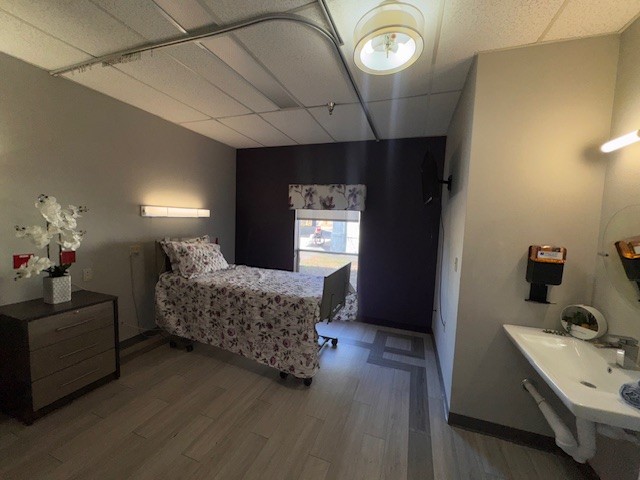
How is Fallbrook Rehabiliation And Care Center Staffed?

CMS rates Fallbrook Rehabiliation and Care Center's staffing level at 1 out of 5 stars, which is much below average compared to other nursing homes. Staff turnover is 79%, which is 32 percentage points above the Texas average of 46%. High turnover can affect care consistency as new staff learn residents' individual needs. RN turnover specifically is 93%, which is notably high. RNs provide skilled clinical oversight, so turnover in this role can affect medical care quality.

What Have Inspectors Found at Fallbrook Rehabiliation And Care Center?

State health inspectors documented 45 deficiencies at Fallbrook Rehabiliation and Care Center during 2022 to 2025. These included: 4 Immediate Jeopardy (the most serious level, indicating potential for serious harm or death), 3 that caused actual resident harm, and 38 with potential for harm. Immediate Jeopardy findings are rare and represent the most serious regulatory concerns. They require immediate corrective action.
Who Owns and Operates Fallbrook Rehabiliation And Care Center?

Fallbrook Rehabiliation and Care Center is owned by a government entity. Government-operated facilities are typically run by state, county, or municipal agencies. The facility operates independently rather than as part of a larger chain. With 202 certified beds and approximately 55 residents (about 27% occupancy), it is a large facility located in Houston, Texas.
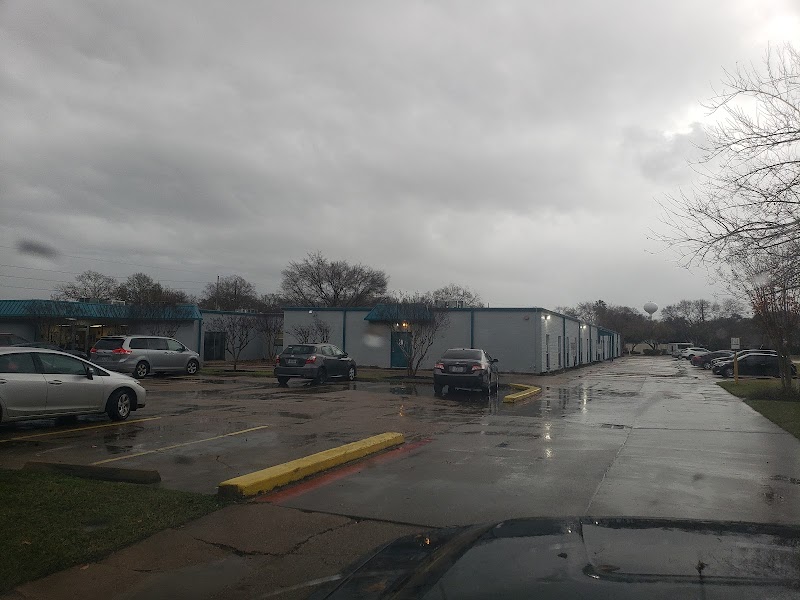
How Does Fallbrook Rehabiliation And Care Center Compare to Other Texas Nursing Homes?

Compared to the 100 nursing homes in Texas, Fallbrook Rehabiliation and Care Center's overall rating (1 stars) is below the state average of 2.8, staff turnover (79%) is significantly higher than the state average of 46%, and health inspection rating (1 stars) is much below the national benchmark.

What Should Families Ask When Visiting Fallbrook Rehabiliation And Care Center?

Based on this facility's data, families visiting should ask: "What changes have been made since the serious inspection findings, and how are you preventing similar issues?" "How do you ensure continuity of care given staff turnover, and what is your staff retention strategy?" "Can you walk me through typical staffing levels on day, evening, and night shifts?" "Can I visit during a mealtime to observe dining assistance and food quality?" These questions are particularly relevant given the facility's Immediate Jeopardy citations, the facility's high staff turnover rate, and the below-average staffing rating.

Is Fallbrook Rehabiliation And Care Center Safe?

Based on CMS inspection data, Fallbrook Rehabiliation and Care Center has documented safety concerns. Inspectors have issued 4 Immediate Jeopardy citations (the most serious violation level indicating risk of serious injury or death). The facility has a 1-star overall rating and ranks #100 of 100 nursing homes in Texas. Families considering this facility should ask detailed questions about what corrective actions have been taken since these incidents.

Do Nurses at Fallbrook Rehabiliation And Care Center Stick Around?

Staff turnover at Fallbrook Rehabiliation and Care Center is high. At 79%, the facility is 32 percentage points above the Texas average of 46%. Registered Nurse turnover is particularly concerning at 93%. RNs handle complex medical decisions and coordinate care — frequent RN changes can directly impact care quality. High turnover means new staff may not know residents' individual needs, medications, or preferences. It can also be disorienting for residents, especially those with dementia who rely on familiar faces. Families should ask: What is causing the turnover? What retention programs are in place? How do you ensure care continuity during staff transitions?

Was Fallbrook Rehabiliation And Care Center Ever Fined?

Fallbrook Rehabiliation and Care Center has been fined $236,793 across 10 penalty actions. This is 6.7x the Texas average of $35,447. Fines at this level are uncommon and typically indicate a pattern of serious deficiencies, repeated violations, or failure to correct problems promptly. CMS reserves penalties of this magnitude for facilities that pose significant, documented risk to resident health or safety. Families should request specific documentation of what issues led to these fines and what systemic changes have been implemented.

Is Fallbrook Rehabiliation And Care Center on Any Federal Watch List?

Fallbrook Rehabiliation and Care Center is not on any federal watch list. The most significant is the Special Focus Facility (SFF) program, which identifies the bottom 1% of nursing homes nationally based on persistent, serious quality problems. Not being on this list means the facility has avoided the pattern of deficiencies that triggers enhanced federal oversight. This is a positive indicator, though families should still review the facility's inspection history directly.