FOCUSED CARE AT BEECHNUT
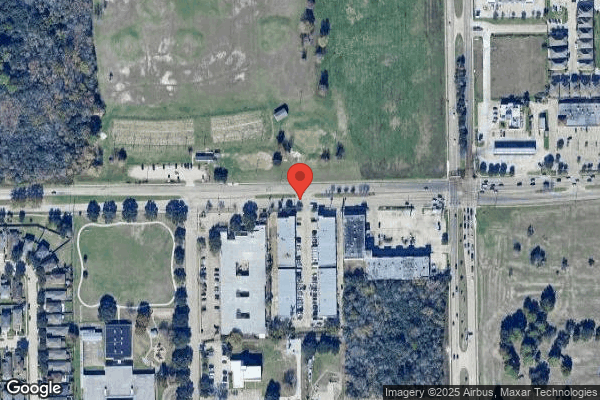
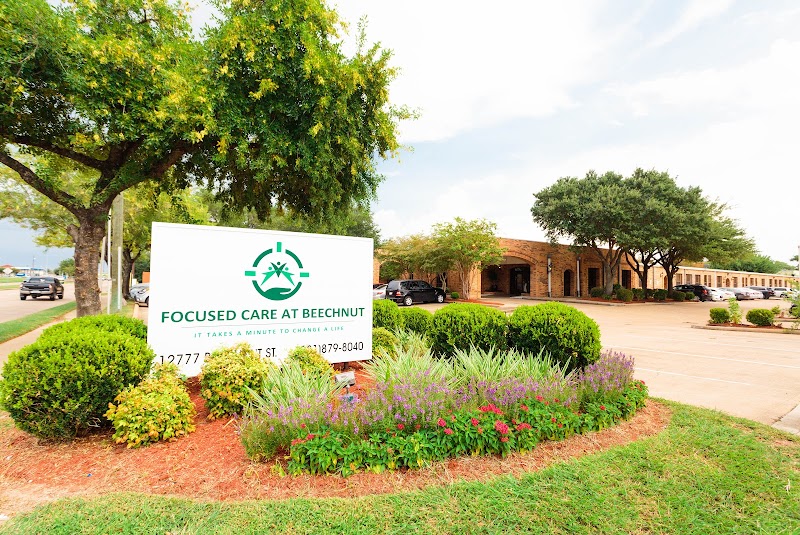
12777 BEECHNUT ST, HOUSTON, TX 77072 (281) 879-8040
For profit - Limited Liability company 146 Beds FOCUSED POST ACUTE CARE PARTNERS Data: November 2025 9 Immediate Jeopardy citations
Trust Grade
0/100
#705 of 1168 in TX
Last Inspection: July 2024

Within standard 12-15 month inspection cycle. Federal law requires annual inspections.

Overview

Families considering Focused Care at Beechnut should be cautious, as the facility received a Trust Grade of F, indicating significant concerns about care quality. Ranking #705 out of 1168 facilities in Texas places it in the bottom half, and #58 out of 95 in Harris County suggests there are better local options available. Unfortunately, the facility is worsening, with issues increasing from 8 in 2023 to 14 in 2024. While staffing turnover is relatively good at 40%, the staffing rating is low at 1 star, indicating potential staffing shortages. The facility has faced concerning fines totaling $134,068, higher than 81% of Texas facilities, and has less RN coverage than 92% of state facilities, which may impact the quality of care. Specific incidents of concern include failing to notify physicians or family members about significant changes in residents' health conditions, such as a resident experiencing severe skin issues without timely medical intervention. Additionally, there were failures in proper hygiene practices while providing care, raising further health risks. Overall, while there are some staffing strengths, the facility has serious weaknesses that families should consider carefully.

Trust Score
F
0/100
In Texas
#705/1168
Bottom 40%
Safety Record
High Risk
Review needed
Inspections
Getting Worse
8 → 14 violations
Staff Stability
○ Average
40% turnover. Near Texas's 48% average. Typical for the industry.
Penalties
✓ Good
$134,068 in fines. Lower than most Texas facilities. Relatively clean record.
Skilled Nurses
⚠ Watch
Each resident gets only 10 minutes of Registered Nurse (RN) attention daily — below average for Texas. Fewer RN minutes means fewer trained eyes watching for problems.
Violations
⚠ Watch
27 deficiencies on record. Higher than average. Multiple issues found across inspections.
★★☆☆☆
2.0
Overall Rating
★☆☆☆☆
1.0
Staff Levels
★★★★★
5.0
Care Quality
★☆☆☆☆
1.0
Inspection Score
Stable
2023: 8 issues
2024: 14 issues

The Good

  • 5-Star Quality Measures · Strong clinical quality outcomes
  • Full Sprinkler Coverage · Fire safety systems throughout facility
  • No fines on record
  • Staff turnover below average (40%)

    8 points below Texas average of 48%

Facility shows strength in quality measures, fire safety.

The Bad

2-Star Overall Rating

Below Texas average (2.8)

Below average - review inspection findings carefully

Staff Turnover: 40%

Near Texas avg (46%)

Typical for the industry

Federal Fines: $134,068

Well above median ($33,413)

Significant penalties indicating serious issues

Chain: FOCUSED POST ACUTE CARE PARTNERS

Part of a multi-facility chain

Ask about local staffing decisions and management

The Ugly 27 deficiencies on record

9 life-threatening 1 actual harm
Aug 2024 1 deficiency 1 IJ
CRITICAL (J) 📢 Someone Reported This

A family member, employee, or ombudsman was alarmed enough to file a formal complaint

Immediate Jeopardy (IJ) - the most serious Medicare violation

Accident Prevention (Tag F0689)

Someone could have died · This affected 1 resident

**NOTE- TERMS IN BRACKETS HAVE BEEN EDITED TO PROTECT CONFIDENTIALITY** Based on observation, interview, and record review the facility failed to ensure the resident environment remained free of accid...

Read full inspector narrative →
**NOTE- TERMS IN BRACKETS HAVE BEEN EDITED TO PROTECT CONFIDENTIALITY** Based on observation, interview, and record review the facility failed to ensure the resident environment remained free of accident hazards as possible, and each resident received adequate supervision to prevent elopement for one of twenty-one residents (Resident #1) reviewed for accident hazards and supervision. -The facility failed to ensure Resident #1 had adequate supervision on 8/16/2024 which allowed her to elope from the facility. She was not found until 8/17/24 when she was admitted to the emergency room with complaints of heat exhaustion and weakness. The noncompliance was identified as past noncompliance and the Administrator was given the IJ Template on 8/29/24 at 2:23 pm. The IJ began on 8/16/2024 and ended on 8/18/2024. The facility had corrected the noncompliance before the investigation began on 8/18/2024. These failures could place residents at risk of serious injury or harm. Findings include: Resident #1 Record review of Resident #1's face sheet revealed a [AGE] year-old woman admitted on [DATE]. The face sheet documented her diagnoses included schizophrenia (is a serious mental health condition that affects how people think, feel and behave), cognitive communication deficit (difficulty with communication that is affected by disruption of cognitive process), bipolar disorder (mental health condition that causes extreme mood swings), blindness right eye. Record review of Resident #1's admission MDS dated [DATE] revealed a BIMS score of 03 indicating severe cognitive impairment. The MDS documented she had no potential indicators of behaviors affecting others, or rejection of care. Per the MDS, Resident #1 did not have wandering behaviors daily during the review period. The MDS documented she required supervision or assistance with all ADL's. Record review of Resident #1's Care plan initiated on date 4/18/2024 revealed her risk for wandering and risk of elopement, with her having a wander guard. The care plan included a focus on her interventions including identifying triggers for wandering/eloping, implement toileting program, monitor resident frequently, reorientate to surroundings/environment. Record review of Resident #1' s nurse's note dated 8/16/2024@ 23:21 revealed she could not be found in her room, the facility was searched and she was not found. The resident was last seen at 6:30 pm during dinner as reported by the CNA C. Code pink for missing person was initiated. Other staff began searching outside the facility and some staff began driving around the neighborhood. Around 9:00 pm the RN A reported to the Administrator and Director of Nurse that resident was not found. Administrator and Director of Nurse began to search. RN A notified the family, 911 and Houston Police Department (HPD) around 9:30 pm. HPD arrived within minutes and necessary information to file a missing person was given to HPD. Search areas included gas station, bus stops, homeless spots in the area, hospitals called and visited, Metro bus station center notified. Record review of Resident #1' s nurse's note dated 8/17/2024@ 18:46 revealed DON visited the resident in the hospital after being notified by the police she was at the hospital. Resident was asleep and the hospital nurse reported the resident was stable and receiving IV fluids, no injuries were noted or reported during admission full body assessment. Record review of Resident #1' s elopement risk assessment dated [DATE] revealed she was an elopement risk of 2.0. Record review of Resident #1' s elopement risk assessment dated [DATE] revealed she was an elopement risk of 5.0. Record review of Resident #1' s elopement risk assessment dated [DATE] revealed she was an elopement risk of 2.0. Record review of Resident #1' s elopement risk assessment dated [DATE] revealed she was an elopement risk of 8.0. Record review of Resident #1' s elopement risk assessment dated [DATE] revealed she was an elopement risk of 14.0. Record review of hospital records dated 8/19/2024 revealed she was received in Emergency Dept 8/17/24 via ambulance, with complaints of heat exhaustion, weakness, had anklet on, was poor historian was A&Ox2. She received X-Ray of chest \- Impression: no acute abnormality. Complete Blood Count (CBC) has no acute findings. Pre-hospital Fingerstick blood glucose 181 Wording to https://www.wunderground.com/ the temperature 8/16/2024 between 6:00 pm -12:00 midnight was 96-84 degrees Fahrenheit Wording to https://www.wunderground.com/ the temperature 8/17/2024 between -12:00 midnight -12:00 noon was 84-94 degrees Fahrenheit Interview on 8/18/24 2:05 pm with Administrator, said his primary duties were to manage the overall operation of the facility. The Administrator said on 8/16/2024 he received a report Resident #1 was not found. The Administrator stated somewhere between 6:30 pm and 8:00 pm when the CNA C reported the resident had not eaten dinner and was not in the bathroom. CNA C reported to RN A that resident was not in her room. Search ensued. Resident was wearing wander guard. Administrator called the HPD at 9:30 to report resident missing, also called medical director, physician, family, ombudsman. Administrator and DON went to local hospital and gave information to hospital staff with resident #1 name and date of birth , with facility phone number. The Emergency Medical Services (EMS) found Resident #1 wandering on the street, she was well dressed, did not look homeless, and was taken to hospital for evaluation. Resident remains there. The facility has tested all wander guard system are currently testing daily for 30 days. When the resident #1 arrives from the hospital her wander guard would be tested to assure that it is functioning properly. Administrator stated he did not know how resident left the building, stated it could have been a staff, a resident accidentally pressing an emergency door release button on the wall or recent power outages that may have released the alarm system throughout the facility which released all the doors allowing her to elope. The Administrator said facility has had so many power outages or surges that he has the energy company alerts on his phone. The Administrator said Resident #1 often wants to go home or wants to visit her family member, but she cannot due to her diagnoses and needs. Administrator said after the incident, all residents were assessed for an elopement risk, monitoring of all resident with wander guards are being checked every shift, and Resident #1 will be provided with a room in the memory care side when she returns. Observation on 8/18/2024 at 2:50 pm revealed the exterior doors on the 100 and 200 halls were locked and unable to be opened without using the push bar. The doors had a keypad near them to allow exit. Both doors had a sign that said an alarm would sound if they were opened without the code. Interview on 8/18/24 4:00 PM with DON, she reports the administrator called her around 8:00 pm on 8/16/2024 stating that he was on the way to the facility. It was reported to her that CNA C had given resident #1 the dinner tray around 6:30 pm resident #1 at the time of receiving the tray was on her way to the restroom. CNA C went back to see if Resident #1 had started eating and saw that the tray had not been touched. CNA C went back to resident #1's room about 20 minutes later to pick up trays and saw that Resident #1 was not there and the tray had been untouched. CNA C went to the smoking area, looked in the dining room, reported to her charge nurse, RN A the resident could not be found. RN A then notified over the speaker code yellow and all staff started searching for resident. RN A notified administrator . RN A and 2 CNA's drove around the neighborhood, RN A called the police and gave them picture with pertinent information. RN A also called family, doctor and medical director. DON started searching the field in the back of the building and inspected the ditch, church schoolyard, facility van, bus stops. The administrator searched from Hwy. 6 to facility and DON search from facility to Beltway 8 by car. Administrator called metro police, administrator went to two local hospitals to inform them of resident missing. DON and administrator then searched the facility again. Police were notified and missing report was given. DON states the police called her on 8/17/2024 around 3:00 PM that resident had been found at Hosptial. Hospital nurse gave report regarding Resident#1 she was unharmed, however, was dehydrated, was receiving IV fluids, Chest X ray and urinalysis performed. DON stated she went to see resident in the hospital. DON states when the resident comes back from hospital she will be placed in the secure unit. DON reports testing of the residence that have wander guards are tested at each of the doors 8/16/24 and 8/17/24. Staff are continuing to test each shift all doors and wander guards. Management staff testing doors and wander guards daily. All residents have been reassessed for elopement risk. Interview on 8/28/24 at 4:19 pm with LVN B. She stated she was working the 6:00 AM to 6:00 PM shift on 08/16/2024 on the B station which is 200 hall. LVN B reports between 5:00 PM and 6:00 PM she went to the dining room to assist with feeding residents and checking menus. LVN B visualized Resident#1 in her room prior to going to the dining room at around 5:30 PM. Resident#1 was sitting on her bed. During shift she monitored the resident's wander guard and noticed that it was blinking green meaning the battery was good. She said CNA C stayed on the 200 hall monitoring residents that did not go to the dining room. LVN B stated at around 6:30pm she gave report to RN A the oncoming nurse for 6P to 6A shift. Around 6:30 pm, CNA C asked where Resident #1 was. At that time the search began in the facility in the smoking area, closets, bathrooms. LVN B got into her car and started driving around local roads. LVN B stated she searched for two-three hours. Facility was being searched and the outside parking lot and field area. LVN B did not recall having heard any alarms during her shift and did leave the facility between 9:00 pm and 10:30 pm, the police, administrator, DON was present at that time. LVN B stated she has never had a resident elope during her career in this facility, LVN B stated she sees the maintenance manager checking doors. She also checked residents with the wander guard during her shift. CNA's and nurses check daily. LVN B stated when the wander guard flashes green and is close to the door the alarm system is working. Interview on 8/28/24 at 4:37 pm with CNA C. She typically works the 2:00 PM to 10:00 PM shift. CNA C stated resident's wander guards were checked daily to see if the green light flashes when the resident gets close to the door by staff. On 8/16/2024 CNA C stated she saw Resident # 1 in her room when she brought dinner tray and again when passing trays. Resident #1 was going into her restroom. When CNA C went to pick up dinner tray CNA C stated around 7:00 PM she noticed resident wasn't present. CNA C started checked the room, bathroom, common areas and didn't see Resident #1 and reported to RN A. CNA C reported all staff started searching. CNA C stated the administrator and DON got to the facility around 8:00 PM, the police showed up around 10:00 PM. CNA C stated she was informed on the 17th when she arrived for her shift that resident was safe. Interview on 8/28/24 at 4:51 with CMA. CMA stated she was working station B on 8/16/2024, approximately 5:30 pm to 6:00 pm and gave Resident #1 medications and a banana. When she left Resident #1 ' s room, resident was eating the banana. CMA stated she was told by a nurse around 8:30 to 9:00 PM that resident was missing, and CMA stated she started searching the parking lot, walked around the building, other staff searched by car. CMA stated she saw administrator and DON around 9:30 pm, the police were there between 9:30pm and 10:00pm, CMA stated she left around 10:00 PM. She said she felt bad when she found out Resident #1 was missing. She does not know how Resident #1 could have gone missing. Interview on 8/28/24 at 5:50 pm via telephone with RN A. RN A reported he received shift report at 6:00 PM on 8/16/2024 and did see Resident #1 at that time, he reported CNA C also saw Resident #1 around 6:30 PM when she was setting up the table for the resident to eat, and that Resident #1 was going toward the restroom. RN A reported when CNA C went to pick up the tray she noted that Resident #1 was not present. RN A stated he did not hear any alarms go off between 6:30 PM and 8:00 PM. He called a code yellow after realizing resident was not in the facility and got into his car and drove around the neighborhood. RN A reported he called administrator, family, physician, medical director and police. RN A stated when he spoke with Resident #1 ' s, family member and she wanted to know why he was calling. RN A reported he explained the current situation and the family member stated she had not seen Resident #1. RN A reported he kept the family member informed during the search he called her around 8:00 pm, 12:00 PM and 6:00am. RN A stated he felt horrible, when he realized Resident #1 couldn't be found. RN A stated he found out Resident #1 was at the hospital on 8/17/2024 by text. RN A stated all staff members knew what to do, were very concerned about residents welfare, had no idea how Resident #1 left the facility. Observation on 8/18/24 at 4:30 pm with administrator the wander guard alarm at the nurse station, it is a grey box with 2 blue boxes that will show which exit is being breached. Monitored the functionality of wander guard and proximity which alarm goes off appropriately. Observed staff monitoring and walking toward door that alarmed. 8/19/24 Upon entry to facility, the front door alarm went off -noted resident with wander guard close to entrance. Within 30 seconds noted 3 staff members going to front door to assess if resident was close to or outside the door. Interview on 8/28/24 at 9:30 am with Administrator, stated he had outside vendor install new sensor at the front door, the front door had been enhanced with an additional motion guard along with wander guard alarm sensitivity increased. Administrator stated each device has its own power source so no interference can occur. Administrator stated all the alarms are being monitored and tested daily by him and the maintenance director, stated they are adjusting the sensitivity and all systems are working well. The Administrator said the staff have been provided training to ensure that any time the electricity as to go out the staff immediately check and reset the doors. Interview on 8/28/24 at 10:00 am with DON, she stated she was notified by the Hospital at on 8/17/24 at 3 pm resident was there and having tests provided to her. She stated the resident told the nurse resident was looking for her family member and was found close to I 45 near downtown under a bridge at 1:00 pm by EMS. EMS provide care, then took her to hospital. The nurse in emergency department called the police and found the resident was missing person from the facility. She states training has continued, immediate response from her team when the alarm sounds continues to be her expectation. Interview on 8/28/24 at 10:30 am with Maintenance manager. States all of the wander guard alarms we're functioning and are currently functioning. He monitors them the weekly. Observed his binder with weekly door monitoring checks to include 8/16/24. Maintenance manager stated he did not know how resident could have left the building, however, there have been a lot of power outages and power surges since the hurricane. Maintenance manager stated outside vendor has added new sensor on the front door. Maintenance manager stated the front door has had an additional sensor and he is monitoring the sensitivity and adjusting it for distance. Front door, laundry door, side door by nurse station are all with key code pad a resident could leave without sounding the alarm These doors all have functioning wonder guard alarms and key code pad combination. He states he will continue to observe and adjust sensitivity for the next 30 days, then go back to monitoring weekly. Observation on 8/28/2024 at 11:55 am front door and side door at nurse station B were tested and alarm did sound appropriately. Observation on 8/28/2024 at 12:00 pm revealed the exterior doors on the 100 and 200 halls were locked and unable to be opened without using the push bar. The doors had a keypad near them to allow exit. Both doors had a sign that said an alarm would sound if they were opened without the code. Observation on 8/28/2024 at 12:10 pm Elopement binder from nurses station A,B and C to include Missing Resident Profile with resident face sheet, name, height, weight, race, color of eyes, identifying marks, device used, language, mental condition, name of friends or relatives, per their Elopement Risk Assessment Policy. Interview on 8/28/24 at 1:05 pm with family member. She stated she was not concerned at this time with the facility, feels like they keep resident safe, have been attentive to her needs since she was admitted . Interviews 8/28/24 with LVN B, CNA C, CMA, RN A reporting they were given in-services regarding elopement and could describe in detail the process for all alarms on doors, supervision of all residents. Record review of the facility's Provider Investigation Report (PIR) dated 8/17/2024 for Intake ID 525841 revealed Resident #1 had exited the facility between 6:50 pm and 8:00pm on 8/16/2024. Search of building and surrounding area started immediately. Family, physician, medical director and police contacted. Police were given photograph and other identifying information. Administrator and DON joined in search of gas stations restaurants in local businesses. Transit Authority contacted by administrator and photograph and other identifying information provided to them. Administrator also visited local hospital emergency room between 11 and midnight. Facility staff continued to search the neighborhood and local hospitals into the morning. Resident located and was undergoing assessment at hospital. No preliminary injuries reported. Staffing in-serviced on the elopement policy, elopement binder, wander guard use. 100% Elopement assessment completed on 8/17/24. All wander guards in use assessed 100% operation. Record review of the facility's invoice dated 8/20/2024 revealed the alarm servicing contractor made an inspection of wandering system and adjust as needed. Added external power supply and added a door extender to increase the detection range of the front door. Made adjustments to the gain of the existing units including the side door with LC 1200 Door Extender. Doors are fully functional. Record review of the facility's in-service documentation dated 7/19/2024 revealed the staff who attended were instructed on resident elopement responses, and the facility environment. The documentation was signed thirty-three staff members. Per the documentation, the in-service covered the facility's elopement policies. Record review of the facility's in-service documentation dated 8/16/2024 revealed the staff who attended were instructed on resident elopement responses, and the facility environment. The documentation was signed thirty-eight staff members. Per the documentation, the in-service covered the facility's elopement policies. Record review of the facility's in-service documentation dated 8/17/2024 revealed the staff who attended were instructed on resident elopement responses, and the facility environment. The documentation was signed thirty-six staff members. Per the documentation, the in-service covered the facility's elopement policies. Record review of the facility's in-service documentation dated 8/17/2024 revealed the staff who attended were instructed on resident abuse and neglect. The documentation was signed by twenty-seven staff including LVN's, CNA's, housekeeping staff, dietary staff, therapy staff, social services staff, and activities staff. Per the documentation, the in-service covered the facility's elopement policies. The documentation was signed by thirty-six staff members. Per the documentation, the in-service covered the facility's elopement policies. Record review of the facility's in-service documentation dated 8/18/2024 revealed the staff who attended were instructed on resident elopement responses, and the facility environment. The documentation was signed by twenty staff members. Per the documentation, the in-service covered the facility's elopement policies. Record review of the facility's in-service documentation dated 8/27/2024 revealed the staff who attended were instructed on resident elopement responses, and the facility environment. The documentation was signed by twenty-three staff members. Per the documentation, the in-service covered the facility's elopement policies. Record review of the facility's Elopement Risk Assessment policy effective 11/01/2019 revealed a policy statement which read the community will assess all patients/residents for elopement potential in order to provide a safe and comfortable living environment. Record review of the facility's Elopement Policy policy effective 11/01/2019 revealed a policy statement which read To safely and timely redirect patients/residents to a safe environment. A prompt investigation and search will be conducted if a patient/resident is considered missing. Elopement drill will be held quarterly. Procedure 1. Once it has been established that a patient/resident is missing, the following staff members are notified immediately: the charge nurse, Executive Director of Operations, Director of Clinical Operations and social service designee, responsible party and the primary care physician. Complete the missing resident profile make note of the outside temperature. 2. The director of clinical operation or designee organizes and institutes an immediate and thorough search of the center and surrounding grounds. Conduct a head count of each unit. Including but not limited to a search of the area outside the nearest exit to the patient's/resident's room or exit where he/she was last seen, and the entire unit where the patient/resident resides or was last scene, the remainder of the facility, all rooms, closets - including storage facilities - bathrooms and grounds, extending beyond the fence line. Check all offices and any locked doors to ensure none were left unlocked. 3. The entire search process of the facility and grounds, from the time the patient/resident is missing, should be completed within 30 minutes. 4. If the search fails to locate the missing patient/resident within two hours from the time the patient/resident is found to be missing, the Administrator and or designee contacts the appropriate community agencies (local law enforcement) and update the patient's/ resident's legal representative. Staff will provide the police with all physical identifying information including but not limited to physical appearance, height, weight, age, sex, and clothing. If known. 5. The search is continued period two staff members searched the surrounding streets by car for a two (2) mile radius around the facility. 6. When the patient slash resident is located, the nurse completes a head to toe assessment. The social service designee assesses the patient/resident for emotional distress. The charge nurse reports any findings to the Director of Clinical Operations. The Director of Clinical Operations notifies the Executive Director of Operations or designee and notifies the appropriate community agencies, attending physician and patient's resident's legal representative. 7. If a resident is not located during the search of the facility, facility grounds, and immediate vicinity, and there are circumstances that place the residence health, safety, and or welfare at risk, a report to HSC must be made as soon as the facility becomes aware the resident is missing and cannot be located. Examples include, but are not limited to: -a resident requires medication that, if not taken as scheduled, place the resident at risk of serious illness or death or both; -extreme weather conditions exposed to the resident to potential freezing, heat prostration, or drowning from flooding; -a resident is confused or otherwise incapable of assessing potential danger; -there is a suspicion of foul play
Jul 2024 8 deficiencies 2 IJ (2 affecting multiple)
CRITICAL (K) 📢 Someone Reported This

A family member, employee, or ombudsman was alarmed enough to file a formal complaint

Immediate Jeopardy (IJ) - the most serious Medicare violation

Notification of Changes (Tag F0580)

Someone could have died · This affected multiple residents

**NOTE- TERMS IN BRACKETS HAVE BEEN EDITED TO PROTECT CONFIDENTIALITY** Based on observations, interviews, and record review, the facility failed to immediately consult with the physician and notify t...

Read full inspector narrative →
**NOTE- TERMS IN BRACKETS HAVE BEEN EDITED TO PROTECT CONFIDENTIALITY** Based on observations, interviews, and record review, the facility failed to immediately consult with the physician and notify the resident representative when the resident experienced a change in condition for 1 of 5 residents (Resident #72) reviewed for a change of condition. The facility failed to notify the physician regarding Resident #72's missed urologist appointments on 3/14/2024 and 5/23/24, and failed to communicate Resident #72's changing skin condition of the groin and resident's report of pain until around 06/10/2024, at which time the penis split measured 8 cm length by 1 cm width by .4 cm depth and appeared red and raw. On 6/28/24 at 5:44PM an Immediate Jeopardy (IJ) was identified and the template was presented to the Administrator and the Interim DON. While the IJ was removed 7/2/2024 at 3:45PM, the facility remained out of compliance at a scope of no actual harm with potential for more than minimal harm due to the facility continuing to monitor the implementation and effectiveness of their Plan of Removal. Findings: Record review of the facility facesheet dated 6/28/2024 revealed Resident #72 was a 58- year-old male admitted to the facility on [DATE] and readmitted on [DATE] and with diagnoses that included neuromuscular dysfunction of bladder (the nerves and muscles don't work together very well. As a result, the bladder may not fill or empty correctly.), unspecified and hemiplegia and hemiparesis following cerebral infarction affecting left dominant side (paralysis of partial or total body function on one side of the body, whereas hemiparesis is characterized by one?sided weakness, but without complete paralysis). Record review of Resident #72's care plan with dated 09/05/2023: Focus: Resident #72 had indwelling catheter and is at risk for increased Urinary Tract Infections diagnosis: Neurogenic bladder: Goal: Resident will be/remain free from catheter related trauma through review date, will show no sign/symptom of Urinary Infection through review date: Interventions: Catheter changed PRN change (Size 18FR), check Foley catheter placement, ensure Foley was secured via Velcro strap to reduce friction/pulling q shift, and monitor/record/report to MD for sign/symptom UTI, pain, burning blood-tinged urine, cloudiness, no output, deepening of urine color, increase pulse, increased temp, urinary frequency, foul smelling urine, fever, chills, altered mental status, change in behavior, and change in eating patterns. Record review of Resident #72's quarterly MDS dated [DATE], revealed a BIMS score of 9, indicating moderately impaired cognition. Record review of the weekly skin assessment from April 2024 to June 13, 2024, revealed no documentation for slit on penis. Record review of Resident # 72's physician orders for March revealed the following order: Urology Consult on 3/14/2024 and 3/30/2024. Physician orders for April included: order dated 04/29/2022 reflected Foley Catheter 18 FR 15 cc bulb to continuous drainage related to diagnosis and on 5/13/20220 reflected another physician's order for Foley catheter 18 FR 15cc bulb to continuous drainage related to (diagnosis renal disease with Hematuria), order with a start date of 4/30/2024 for a wound care consult; one time only for penal wound for 2 days. Physician orders for March 2024 to June 2024, revealed an order: every day and every night shift, monitor for open penial area and notify MD and NP of any change dated 5/2/2024. Record review of Resident #72's TAR (Treatment Administration Record) for May 2024 through June 2024 revealed orders to monitor every shift open penile area and notify MD/NP of any changes. Monitored area on every shift for skin integrity except on 5/13/2024 and 5/14/2024 on night shifts and 5/17/2024 during the day shift. Record review also revealed to monitor every shift the foley insertion site for redness, irritation every day and night shift for skin integrity, and monitor Foley Cath, stripe placement for redness, irritation every shift was provided on 6/28/2024, night shift and through 7/30/2024. Further review revealed the resident did not report pain. Record review of the weekly skin assessment for Resident #72 from April 2024 to June 13, 2024, revealed no documentation for slit on penis. NP notified, awaiting response. Treatment nurse provided care, notified family member. There was no assessment and measurement to opening in the penile area. Record review of Resident #72's progress notes revealed the physician was notified of the blood in the urine on 03/14/24 and 03/30/2024. Record review of progress notes dated 4/14/2024 revealed Resident #72 was documented to have blood in his urine. Record review of progress notes dated 4/30/2024 revealed the first documentation of Resident # 72 was observed to have opening in the penile area due to prolonged foley catheter use. Record review of nurse's progress note revealed on 5/2/24: MD in facility rounding on Resident #72. Documented Nurse follow-up with resident penile area opening with the MD. Resident MD said urologist consult will further evaluate. Resident #72 have urology consult appointment 5/23/24. Further review revealed there were no other NP notes addressing the issue with Resident #72's penis after 05/02/24 and the only physician visit noted was on 05/02/24. Record review of Resident #72's nurse's progress notes and multiple interviews with staff revealed Resident # 72 did not see the Urologist until 6/20/24 due to the Urologist office relocating and the facility was not aware. Record review of Resident 72's Urology consult dated 6/20/2024 revealed diagnoses that included Neurogenic Bladder (the name given to a number of urinary conditions in people who lack bladder control due to a brain, spinal cord, or nerve problem), gross hematuria (when you can see the blood in your urine) and Hyperplasia of prostate (a noncancerous enlargement of the prostate gland) with lower urinary tract symptoms, and now has a penoscrotal hypospadias (in perineal hypospadias, the scrotum is abnormally divided and the urethral opening is located along the center of the divided sac). During an observation on 6/27/2024 at 10:22am during in-dwelling catheter and incontinent care, revealed Resident # 72 had a Velcro strap to his mid-thigh, not securing the catheter. Further observation revealed a slit to Resident #72's penis head to the scrotum. In an interview with Resident #72 at 6/27/2024 at 10:46am, he said that he had pain to the side of the penis and the foley catheter has always been rubbing and pulling on him and his slit grew over time. In an interview on 6/28/2024 at 8:39 am with the MDS Nurse, she said that Resident # 72 went to his urology appointment on May 25th, 2024, but for some reason it was rescheduled, so they did not see him that day. She said that they received the documentation from his urology appointment from 6/20/24 this morning and provided a copy. Observation of Resident #72 at 6/28/2024 at 3:15pm, the Velcro was at the knee of the resident and not securing the in-dwelling catheter. Measurement of the slit length was 8 centimeters, the width was 1 centimeter, and the depth was 0.4 centimeter. The area was pinkish. In an interview on 6/28/2024 at 2:32pm with the Treatment Nurse, she said she identified Resident #72's slit during a skin assessment around March or April 2024. She informed the DON, the MDS Nurse, the family representative, and the doctor. The doctor wrote an order for the resident to see a urologist and wait for their recommendations. The nurse said the resident's penis had a little opening, but no redness and the resident told her he was not in pain. The resident has never told the nurse he felt pain from the split. The nurse said she always made sure the resident had the catheter strap. She said since she noticed the split it has remained that way, although she has not measured the slit length. The nurse said she knew that there was a urology appointment scheduled but she did not know if he made it to that appointment. She never noticed blood in the urine and the resident never mentioned blood in the urine. Interview with the Administrator and Interim DON on 7/1/2024 at 4:12PM regarding failure to notify the physician, DON said the Medical Director is notified when his own residents have a change in condition while the Primary Physician is notified as soon as a change in condition is found. The Charge Nurse was responsible for notifying the physician. The Unit Managers are to follow-up to confirm that the Primary Physicians were notified in the facility's morning meetings. On 7/1/24 at 3:04PM called Resident #72's MD and left message with the answering service. In an interview with the MD (Medical Director) on 07/01/2024 at 3:22pm, he said he knew the resident and he was on dialysis. The MD has seen him at the facility. The facility called him about the blood in resident's urine and he does not remember how long ago it was. He said he remembered the call and that the resident was supposed to see a urologist. He doesn't know how long ago the resident was supposed to see the urologist. The MD said someone told him about the slit in the penis. He doesn't know if it was evaluated, but that the resident had a foley catheter and was referred to the urologist to get it repaired. The MD said all communication between the resident's NP and the physician, regarding the resident should be in PCC in the notes. He was informed of the resident's delayed urology consult last week and knew the resident was waiting to go but unsure if the appointment was delayed or cancelled. The MD knows the resident had gone to a urology appointment before and that a follow-up was scheduled. He stated all the appointment information should be in the nursing notes. The MD said he has a group practice, and an NP also sees the MD's patients. Changes in condition were reported to a resident's primary physician and the MD would be notified about his residents. The MD was also notified of significant changes in condition for other residents since he was also the Medical Director of this facility. At QA/QAPI meetings, the MD and the facility will discuss patient care at that time about all patients. The MD does not know how long the slit was, he did not see bleeding from the area last time he saw the resident. When asked if he knew how long the resident had the slit, the MD replied, If you have to put words in my mouth it would be three weeks, but he could not say for sure. The MD said he has seen the resident twice and that the NP has seen this patient as well. Record review of the policy and procedure entitled Change in Resident's Condition or Status dated read in part . Policy Statement- Our facility shall promptly notify the resident, his or her Attending Physician, and representative (sponsor) of changes in the resident's medical/mental condition and/or status (e.g., changes in level of care, billing/payments, resident rights, etc.) Policy Interpretation and Implementation: The nurse will notify the resident's Attending Physician or physician on call when there has been a(an): d. significant change in the resident's physical/emotional/mental condition, need to alter the resident's medical treatment significantly, refusal of treatment or medications two (2) or more consecutive times), need to transfer the resident to a hospital/treatment center. This was determined to be an Immediate Jeopardy (IJ) on 06/28/2024 at 5:44PM. The Administrator and Interim DON were notified. The Administrator was provided with the IJ template on 07/01/2024 at 4:35PM. The following plan of removal submitted by the facility was accepted on 7/2/2024 at 9:54 am. Plan of Removal Immediate Jeopardy[the facility] . On 7/1/2024 an incident survey was initiated at [the facility] . On 7/1/2024 the state surveyor provided an Immediate Jeopardy (IJ) Template notification that the regulatory services have determined that the condition at the facility constituted an immediate jeopardy to resident health and safety. The facility failed to notify the physician regarding Resident #72's missed urologist appointments and communicate Resident #72's changing skin condition of the groin. F580 - Notify of Changes (Injury/Decline/Room) Immediate Action: o Resident #72's physician was notified of the missed appointment on 5/23/24 on 7/1/24 by the Director of Clinical services. o Resident #72's head to toe assessment was completed by the Treatment Nurse and ADCO on 6/28/24. The weekly skin assessment was updated to show the measurement and description of the split. o All residents with appointments were reviewed, only 1 missed appointment for 7/1/24 due to the Doctor's office not accepting Resident#1's insurance. His physician was notified. The Social worker with his Nurse practitioner was locating another MD that takes resident's insurance. No changes with resident's condition. Facilities Plan to ensure compliance quickly: o The treatment Nurse was provided with 1:1 training notifying the Physician on changes in the skin and updating care plan by the Director of Nursing and was completed on 6/28/24. o The Director of Nursing/Designee initiated an in-service to all charge Nurses on reporting alteration of skin integrity to physician to be completed on 7/2/24. All charge Nurse's will be provided with an in-service prior to the beginning of their shift. o Daily focused rounds will be completed by Nurse management daily on all residents with foley catheter to ensure they have leg strap on, and to identify any irritation and trauma to the penis. If there was any to ensure Physician notification was completed, and the new order received. Nurse managers were in-serviced by the Director of Nursing, completed on 7/1/24. o The Medical Director was notified of the Immediate Jeopardy on 7/1/2024. The medical Director reviewed change of condition/notification of physician policies and made no changes to the policy, this was completed 7/1/24. o The current practice of making outside appointment was reviewed by the IDT, it was determined that the social worker / Designee will oversee making appointment, validating insurance, and appointment before resident goes to the appointment. This will be validated by EDO/designee from the resident's progress note. The physician will be notified of any missed appointments, and the follow-up will be completed. The staff were in-serviced by the Director of Nursing, completed on 7/1/24. o The Social worker/Designee was educated by the Administrator on 7/1/24 to make future urology appointments and discuss with the IDT if they were having any difficulty in getting timely appointments for further direction and to notify the physician of any missed appointments. Monitoring/Observation/Interviews/Record Review: Record review of Resident #72's pain level assessment on 06/29/2024 revealed a pain level of 0. Observation and interview on 6/30/2024 at 11:00 am with Resident #72 was sitting in wheelchair eating a snack. He was well-groomed with no odors. Resident #72 said he is feeling okay but wondered why it took the facility so long to address his catheter. He said he was now afraid of an infection from his stoma to g-tube. Resident #72 raised his shirt at that time and a small pea-sized area was observed in what appeared to be a white cream. Resident #72 consented for the DON to come assess him with another staff member. He was then transported back to his room. The DON later came and said that the white substance was not an infection but a cream that they used to treat the stoma called theravox, which was confirmed by viewing the container and conducting a record review of Resident #72's physician orders. In an interview with the Administrator and the DON on 06/30/2024 at 9:38AM, the DON said that Resident #72's doctor told the nurses he will send his paperwork, he did not return from his 06/20/2024 appointment with it. The Administrator and the DON said they were not aware of this situation regarding the facility not following up after the Urologist appointment. The Administrator started on 06/03/2024 and the DON started 05/16/2024 and that they were not aware the follow-up doctor's visit system was broken. They believed the SW was assigned to run the system. The DON said if a resident missed an appointment, it could have caused a delay in care. She also found out that nurses were calling the Urologist's office but not documenting it. Now the facility will send the resident with an envelope to their visit, make sure the doctor's office returns documents, and items needing follow-up back with the resident. If not, the charge nurse will contact the office. The monitoring system will include the DON, the ADON, the Unit Managers, and the SW. In an interview with the SW on 06/30/2024 at 10:33AM, he said that he used to make specialist appointments, and now nursing will assist him with paperwork and documentation. He said that appointments were to be documented in the electronic medical records. The nursing staff will be in charge of managing the communication and will follow-up with the doctor's office. The appointments and changes in condition would be discussed at the morning meetings, and if there were any issues or concerns, he would let the DON and the ADON know. In an interview with RN A on 07/02/2024 at 12:09PM, she said that she was in-serviced on reporting changes in condition to the DON and MD. In an interview with LVN M on 07/02/2024 at 1:51PM, she was in-serviced on foley catheter care, pain management, and scheduling and documenting appointments for residents. In an interview with CNA M on 07/02/2024 at 1:51pm, she said she was in-serviced on foley catheter care for residents. In an interview on 7/1/2024 at 2:40 pm and 7/2/2024 at 1:42 pm with the Social Worker, he acknowledged in-services on notification of changes in condition to the physician, arranging and follow-up processes to ensure resident appointments were coordinated with the physician to include arranging transportation, communication to confirm location of appointment, and communication with the ADON, the DON, and the nursing staff. Documentation of physician appointments and follow-up to ensure the resident's appointment was completed. In an interview on 07/02/2024 at 2:04PM, Social Worker was in-serviced on making appointments and reporting changes in condition to the ADON, the DON, and the MD, including missed appointments. Interview with LVN N on 07/02/2024 at 2:08PM, he was in-serviced on scheduling and documenting appointments. In an interview with the treatment nurse on 07/02/2024 at 2:15PM, she was in-serviced on appointments and notifying the MD and the DON with changes in condition. In an interview with LVN B on 07/02/2024 at 1:38PM, she was in-serviced on scheduling and following up with residents' appointments and notifying physicians with changes in condition. In an interview with RN C on 07/02/2024, she said she was in-serviced regarding documenting, confirming, and following up with appointments. Record review of in-services, all staff completed the following: Record review of policies/procedures, in-services provided 6/28/2024 to 7/2/2024 Policy: Skin Management: Prevention and Treatment of Wounds Effective: 11/01/2019 Last Revised: 10/06/2022 Catheter Policy: Indwelling, straight, Supra-Pubic and external, dated effective 4/20/2021. Social Worker/Designee in-service on documentation of appointments. Pain Assessment. Department Head, Nurse Management Appointment In-service. Wound Care Nurse Competencies. Wound Care one on one-disciplinary action form. Cath and Foley Care/securing catheter, skin assessment. The Administrator and Interim DON was informed the Immediate Jeopardy was removed on 07/02/2024 at 3:45PM. The facility remained out of compliance at a severity level of 2 and a scope of E due to the facility's need to evaluate the effectiveness of the corrective systems that were put into place.
CRITICAL (K) 📢 Someone Reported This

A family member, employee, or ombudsman was alarmed enough to file a formal complaint

Immediate Jeopardy (IJ) - the most serious Medicare violation

Incontinence Care (Tag F0690)

Someone could have died · This affected multiple residents

**NOTE- TERMS IN BRACKETS HAVE BEEN EDITED TO PROTECT CONFIDENTIALITY** Based on observations, interviews, and record review, the facility failed to ensure a resident who was incontinent of bladder re...

Read full inspector narrative →
**NOTE- TERMS IN BRACKETS HAVE BEEN EDITED TO PROTECT CONFIDENTIALITY** Based on observations, interviews, and record review, the facility failed to ensure a resident who was incontinent of bladder received appropriate treatment and services to prevent urinary tract infections for 2 of 4 residents (Resident #72 and #54) reviewed for quality of care. 1. The facility failed to assess, follow-up with treatment, update the care-plan, obtain new order due to a change in resident # 72's skin condition of the groin and resident's report of pain, at which time the penis split measured 8 cm length by 1 cm width by .4 cm depth and appeared red and raw, and failed to ensure that Resident #72's indwelling catheter (drains urine from your bladder into a bag outside your body) had a securement device to anchor catheter. 2. The facility failed to ensure that CNA B changed her gloves and perform hand hygiene while providing indwelling catheter and incontinent care to Resident #72. On 6/28/24 at 5:44PM an Immediate Jeopardy (IJ) was identified. While the IJ was removed on 6/30/2024 at 12:27 pm, the facility remained out of compliance at a scope of isolated and a severity of harm with potential for more than the minimal harm that was not an immediate jeopardy due to the facility continuing to monitor the implementation and effectiveness of their Plan of Removal. 3. The facility failed to ensure CNA G and CNA H did not place foley bag on Resident #54's bed during foley and incontinent care. These failures could affect residents in delay of appropriate medical treatment leading to pain, discomfort, and death. Findings included: Resident #72 Record review of a facility face sheet dated 6/26/2024 indicated Resident # 72 was a [AGE] year-old male and admitted on [DATE] and was re-admitted on [DATE] with diagnoses of hemiplegia and hemiparesis following cerebral infarction affecting left dominant side (paralysis of partial or total body function on one side of the body, whereas hemiparesis is characterized by one?sided weakness, but without complete paralysis), obstructive and reflux uropathy (the urine backs up into the kidney and cannot drain through the urinary tract), chronic kidney disease, major depressive disorder, neurogenic bladder (nerves that communicate between the bladder and spinal cord and brain malfunction and cause symptoms such as dribbling urine, loss of feeling the bladder is full and being unable to control urine), muscle wasting and atrophy (wasting away of tissue or organ). Record review of a Quarterly MDS assessment dated [DATE] indicated Resident #72 had a BIMS score of 09 indicating moderately impaired cognition, and he required an indwelling catheter. Record review of a comprehensive care plan dated 09/05/23 indicated Resident #72 was at risk for complications related to Foley catheter and goal will be/remain free from catheter-related trauma through review date. Interventions: Catheter changed PRN (size 18 FR), check Foley catheter placement, ensure Foley was secured via Velcro to provide catheter care every shift. Record review of Resident #72's care plan with dated 09/05/2023: Focus: Resident #72 had indwelling catheter and is at risk for increased Urinary Tract Infections diagnosis: Neurogenic bladder: Goal: Resident will be/remain free from catheter related trauma through review date, will show no sign/symptom of Urinary Infection through review date: Interventions: Catheter changed PRN change (Size 18FR), check Foley catheter placement, ensure Foley was secured via Velcro strap to reduce friction/pulling q shift, and monitor/record/report to MD for sign/symptom UTI, pain, burning blood-tinged urine, cloudiness, no output, deepening of urine color, increase pulse, increased temp, urinary frequency, foul smelling urine, fever, chills, altered mental status, change in behavior, and change in eating patterns. Record review of the weekly skin assessment from April 2024 to June 13, 2024, revealed no documentation for slit on penis. Record review of Resident # 72's physician orders for March revealed that he had orders for a Urology Consult on 3/14/2024 and 3/30/2024. Record review Physician's order dated 04/29/2022 reflected Foley Catheter 18 FR 15 cc bulb to continuous drainage related to diagnosis and on 5/13/20220 reflected another physician's order for Foley catheter 18 FR 15cc bulb to continuous drainage related to (diagnosis renal disease with Hematuria). Record review of Resident # 72's physician orders for March revealed that he had orders for a Urology Consult on 3/14/2024 and 3/30/2024. Record review of Resident # 72 doctor's progress notes on 3/30/2024 revealed Please schedule urology consult SPT placement to avoid Foley related hematuria on 3/14/24 and UROLOGY CONSULT TO RULE OUT HEMATURIA. Record review of Resident #72's skin assessment sheets from February 2024 to June 2024 revealed there were no skin assessments identifying the split in the penile area. Record review of nurse's progress notes dated 4/14/2024 revealed Resident #72 was documented to have blood in his urine. A progress note dated 4/30/2024 revealed Resident #72 was observed to have opening in the penile area due to prolonged Foley catheter use. NP notified, awaiting response. Treatment nurse provided care, notified family member. There was no assessment and measurement to opening in the penile area. Record review of nurse's progress note revealed on 5/2/24: MD (medical doctor in facility rounding on Resident #72. Documented Nurse follow-up with resident penile area opening with the MD. Resident MD said urologist consult will further evaluate. Resident #72 have urology consult appointment 5/23/24. Further review revealed there were no other NP notes addressing the issue with Resident #72's penis after 05/02/24 and the only physician visit noted was on 05/02/24. Record review of Resident #72's physician order included: start date of 4/30/2024 for a wound care consult, one time only for penal wound for 2 days; start date of 5/2/2024 revealed an order for every day and every night shift, monitor for open penial area and notify MD and NP of any change. Record review of Resident #72's TAR (Treatment Administration Record) for May 2024 through June 2024 revealed orders to monitor every shift open penile area and notified MD/NP of any changes. were performed. Monitored area on every shift for skin integrity except on 5/13/2024 and 5/14/2024 on night shifts and 5/17/2024 during the day shift. Record review also revealed treatment to monitor every shift the foley insertion site for redness, irritation every day and night shift for skin integrity, and monitor Foley Cath, stripe placement for redness, irritation every shift was was provided on 6/28/2024, night shift and through 7/30/2024. Record review revealed Resident # 72 did not see the Urologist until 6/20/24 due to the Urologist office relocating and the facility was not aware. Record review of Resident 72's Urology consult dated 6/20/2024 revealed diagnosis that includedwere Neurogenic Bladder (t,he name given to a number of urinary conditions in people who lack bladder control due to a brain, spinal cord, or nerve problem), gross hematuria (when you can see the blood in your urine) and Hyperplasia of prostate (a noncancerous enlargement of the prostate gland) with lower urinary tract symptoms, .managed with Foley catheter but has caused and urethral breakdown now has a penoscrotal hypospadias (in perineal hypospadias, the scrotum is abnormally divided and the urethral opening is located along the center of the divided sac). During an interview on 6/25/24 at 9:55 am, CNA B said that when care was provided to a resident with a catheter, she made sure the catheter was not pulled but did not check for a securement device. She said the nurses were responsible for placing the securement device. She said a catheter that was not secure could come out or cause pain. During an interview on 6/25/24 at 1:11 pm, LVN A said she had been at the facility for 4 years. She said that residents with an indwelling catheter should be checked every shift and a securement device should be in place to prevent discomfort and dislodgment. She said she had received competency training on indwelling catheters and care. During an observation and interview on 06/26/24 at 9:45 am, Resident # 72 was observed with an indwelling catheter with no securement device for the catheter. Resident # 27 said there was a pulling feeling in his private area at times. During an interview on 6/26/24 at 10:43 am, the DON said the charge nurses were responsible for checking residents with catheters each shift and each resident with a catheter should have a securement device. She said she was responsible for all nursing oversight and training and nurses had been trained on catheter assessment and ensuring a securement device was in place. She said if a catheter was not secure it could cause abrasions and become dislodged. During an interview with the DON regarding Resident #72 on 6/27/24 at 4:10 PM the DON was not sure why Resident #72 did not see a Urologist on 3/14/24, 3/30/24, and 5/2/24. She stated she would check on chart and call the Urologist's office. During an observation of indwelling catheter care on 6/27/24 at 10:22 AM, Resident #72 was transferred from the wheelchair to the bed by C.NA B and MA D assisting. Resident #72 had Velcro strap on, that did not secure the catheter, the strap was on the resident mid-thigh. Incontinent care done by C.NA B. She did not wash her hands before donning clean gloves. C.NA B used wet wipes to clean the Foley catheter twice. Resident #72's penis head was slit from the base to the scrotum and was red and raw. C.NA B did not change gloves when they repositioned Resident #72 to the left side. The resident had a moderate amount of bowel movement. C.NA B picked up a clean brief and placed it on the bed. C.NA picked up wet wipes and cleaned the BM, folding the wipes in half twice, once after each wipe. Using the same gloves, C.NA B picked up the clean brief and placed it on the resident, pulled up the pant without securing the indwelling catheter. Observation of Resident #72 on 6/28/2024 at 3:15pm, the Velcro was at the knee of the resident and not securing the in-dwelling catheter. Measurement of the slit length was 8 centimeters, the width was 1 centimeter, and the depth was 0.4 centimeter. The area was pinkish. During an interview on 06/27/24 at 10:43 AM, Resident #72 was observed with an indwelling catheter with securement device (Velcro) not securing the catheter. Resident # 72 said the foley catheter has always been rubbing and pulling on him and his slit grew over time. He said it was very painful. During an interview on 06/27/24 at 10:50 AM, CNA B said that when care was provided to a resident with a catheter, she made sure the catheter was not pulled but did not check for a securement device. She said the nurses were responsible for placing the securement device. She said a catheter that was not secure could come out or cause pain. She said she forgot to wash her hands and change gloves. She said she has been working with the facility for 1 year and did have the skills check off done. She said that the resident had not complained of pain before and she knew to report to the charge nurse when any resident complained of pain. During an interview on 6/27/24 at 11:00 AM, LVN A said she had been at the facility for 1 year. She said that residents with an indwelling catheter should be checked every shift and a securement device should be in place to prevent discomfort and dislodgment. She said she had received competency training on indwelling catheters and care. During an interview on 6/27/24 at 11:43 AM, the DON said the charge nurses were responsible for checking residents with catheters each shift and each resident with a catheter should have a securement device. She said she was responsible for all nursing oversight and training and nurses had been trained on catheter assessment and ensuring a securement device was in place. She said if a catheter was not secure it could cause abrasions and become dislodged. On 6/28/24 at 7:45AM, the DON said she had sent the facility marketing director to the urologist office to pick up the results. In an interview on 6/28/2024 at 8:39 am with the MDS Nurse, she said that Resident # 72 went to his urology appointment on May 25th, 2024, but for some reason it was rescheduled, so they did not see him that day. She said that they received the documentation from his urology appointment from 6/20/24 this morning and provided a copy. In an interview on 6/28/24 at 11:37 AM RN A said the nurses changed catheters monthly or as needed when there was a leak. She said she was aware of the slit to Resident #72's penis when she changed the catheter a month or 2 months ago. She stated the resident had a urologist appointment on 5/23/24 and she thought the treatment nurse did the slit measurement. She cannot remember the length and width of the slit to the penis. RN A said the nurses secured the Velcro to the catheter to avoid it pulling and trauma. In an interview on 6/28/2024 at 2:32pm with the treatment nurse, she said she identified the split during a skin assessment around March or April 2024. She informed the DON, the MDS Nurse, the family representative, and the doctor. The doctor wrote an order for the resident to see a urologist and wait for their recommendations. The nurse said the resident's penis had a little opening, but no redness and the resident told her he was not in pain then. Resident #72 has never told the nurse he felt pain from the slit. The treatment nurse said she always made sure that Resident #72 had the catheter strap. She said since she noticed the slit it has remained that way, although she has not measured the slit length. The nurse said she knew that there was a urology appointment scheduled but she did not know if Resident #72 made it to that appointment. She never noticed blood in the urine and the resident never mentioned blood in the urine. In an interview on 6/28/2024 at 3:20pm with the treatment nurse, after measuring she stated she did not know the slit was that long. In an interview with the DON on 6/28/24 at 3:30 PM, regarding resident urologist consult from 3/14/24 3/30/24 for hematuria, consult for slit on penis on 4/30/24 and 5/2/24. DON said she would check for the results because there no result on the PCC. At 4:30 PM on 6/27/24, DON said she would be calling the urologist office for the result. DON said she did not get any respond from the doctor's order and the results were not documented in the progress notes and she just found out Resident #72 visited the urologist on 6/20/24 and there was no result om the chart. In an interview with the DON on 06/28/2024 at 4:30 PM, the DON stated he was made aware by the CNA involved about the infection control issue during incontinent care. The DON said every staff should wash their hands before and after every care. He said gloves should be changed and the hands should be sanitized after cleaning the resident's buttocks or the resident's front part before touching the any clean items. He said not washing the hands, not changing the gloves, and not sanitizing the hands in between changing of gloves could result to cross contamination and infection. The DON also added if the brief had fallen to the floor, it should not be used anymore for a simple reason that it was already dirty. The DON said the expectation was for the staff to remember to wash their hands and change their gloves when transitioning from a dirty area to a clean area, sanitize their hand when changing their gloves, and not to use items that had fallen to the floor. The DON said he already did a one-on-one in-service with CNA D but would do an infection control in-service for all the staff. He concluded that he would continually remind the staff to be attentive to the procedures for infection control and that he would personally monitor infection control. On 7/1/24 at 3:04PM called the MD left message on answering service. Interview with the MD (Medical Director) on 07/01/2024 at 3:22pm, he said he knew the resident and he is on dialysis. MD has seen him at the facility. The facility called him about the blood in resident's urine and he does not remember how long ago it was. He said he remembered the call and that the resident was supposed to see a urologist. He doesn't know how long the resident was supposed to see the urologist. The MD said someone told him about the slit in the penis. He doesn't know if it was evaluated, but that the resident had a foley catheter and was referred to the urologist to get it repaired. The MD said all communications between the resident's NP, the physician regarding the resident should be in PCC in the notes. He was informed of the resident's delayed urology consult last week and knew the resident was waiting to know but unsure if the appointment was delayed or cancelled. The MD knows the resident had gone to a urology appointment before and that a follow-up was scheduled. All the appointment information should be in the nursing notes. The MD said he has a group practice, and an NP also sees the MD's patients. Changes in conditions are reported to a resident's PCP and the MD gets notified about his residents. The MD is also notified of significant changes in condition for other residents since he is also the Medical Director of this facility. At QA/QAPI meetings, the MD and the facility will discuss patient care at that time about all patients. The MD does not know how long the slit is, he did not see bleeding from the area last time he saw the resident. When asked if he knew how long the resident had the slit, the MD replied, If you have to put words in my mouth it would be three weeks, but he could not say for sure. The MD said he has seen the resident twice and that the NP has seen this patient as well. The result from the urologist dated 6/20/24 presented to the state surveyor on 6/28/24 at 8:20 AM. Consult 6/20/24: Reason for visit: Blood in urine, Progress Notes: Assessment/Plan, Problem List Items Addressed This Visit: Visit Diagnoses: Neurogenic bladder-Primary, gross hematuria, hyperplasia of prostate with lower urinary tract symptoms (LUTS). 1. Neurogenic bladder/urinary retention - from CVA but still makes urine - managed with Foley catheter but has caused urethral breakdown now has a penoscrotal hypospadias. -Discussed risks and benefits of changing to a suprapubic tube and he wants to proceed 2. Penoscrotal hypospadias - due to urethral 3. Hematuria - resolved, obtain Cysto Observation on 6/28/24 at 3:10 PM revealed Resident #72 was back from dialysis and was sitting on the wheelchair. She was propelled by staff to resident #72's room for a skin assessment. CNA A and CNA B transferred Resident #72 to bed and the Velcro was on the resident's knee, not securing the catheter. The treatment Nurse undid the brief then picked up the penis measuring the slit. The length was 8 cm by 1cm width by 0.4cm depth, red and raw. The treatment nurse stated while measuring the slit that she did not know it was that bad and it was her first time measuring it. This was determined to be an Immediate Jeopardy (IJ) on 6/28/24 at 5:45PM. The Administrator and the DON were notified The Administrator was provided with the IJ template via email on 6/28/2024 at 5:56PM. The following plan of removal was submitted by the facility and was accepted on 6/29/2024 at 10:14AM. Immediate Jeopardy (the facility) On 6/28/2024 an incident survey was initiated at. On 6/28/2024 the state surveyor provided an Immediate Jeopardy (IJ) Template notification that the regulatory services had determined that the condition at the facility constituted an immediate jeopardy to resident health and safety. The facility failed to assess, follow-up with treatment, update the care-plan, and obtain new order due to a change in resident # 72's skin condition of the groin to the physician. F690 Plan of Removal Immediate Action: o Resident #72 head to toe assessment was completed by Treatment Nurse and ADCO on 6/28/24. The weekly skin assessment was updated to show the measurements and description of the slit. o Resident #72 was assessed for pain by the ADCO on 6/28/24 which he denied having pain. o Resident #72's Physician was updated on the slit by the DCO on 6/28/24, and no new order received. Current monitoring orders were already in place and completed every shift. o Resident #72's care plan was updated on 6/28/24 to reflect the skin changes in the penis and intervention. o All residents with foley catheters were assessed to ensure no slit in the penis, there was a leg strap to anchor their Foley tubing on 6/28/24 by the ADCO. No concern was identified. o The care plan of all resident's with foley catheters was reviewed by the MDS Nurse on 6/28/24 to ensure the care plan was updated with no concerns noted. Facilities Plan to ensure compliance quickly: o The treatment Nurse was provided with 1:1 training on proper skin assessment including weekly measurement of the wound, documentation on weekly skin assessment, updating the Physician on changes in the skin, and updating care plan by the Director of Nursing and was completed on 6/28/24. The monitoring will be placed in the treatment sheet and reviewed during daily clinical meetings by the DCO/Designee. o The Director of Nursing/Designee initiated an in-service for all Nursing staff to ensure foley catheters were secured with the strap to resident's thigh. Report any trauma or irritation to the meatus to the charge Nurse and attending physician/NP when found. Inservice will be completed on 6/29/24. All staff members will be provided with in-service prior to the beginning of their shift. o Skin assessment competency was completed on the Treatment Nurse by the DCO on 6/28. o Daily focused rounds will be completed by Nurse management daily on all residents with foley catheter to ensure they have leg strap on, and to identify any irritation and trauma to the penis. If there was any to ensure Physician notification was completed and new order received. o The Medical Director was notified of the Immediate Jeopardy on 6/28/2024. o The current policies reviewed on Skin management by the Medical Director on 06-28-2024: Prevention and treatment of wounds, and catheter insertion, and maintenance with no changes to the current policy completed on 6/28/24. This practice will be reviewed monthly with the QA committee to ensure compliance in place. o The Social worker/Designee will be educated by the Administrator on 6/29/24 to make future urology appointments and discuss with the IDT if they were having any difficulty in getting timely appointment for further direction. The surveyors confirmed the plan of removal had been implemented sufficiently to remove the IJ by the following: Observation and interview on 6/30/2024 at 11:00 am with Resident #72 was sitting in wheelchair eating a snack. He was well-groomed with no odors. Resident #72 said he is feeling okay but wondered why it took the facility so long to address his catheter. He said he was now afraid of an infection from his stoma to g-tube. Resident #72 raised his shirt at that time and a small pea-sized area was observed in what appeared to be a white cream. Resident #72 consented for the DON to come assess him with another staff member. He was then transported back to his room. The DON later came and said that the white substance was not an infection but a cream that they used to treat the stoma called theravox, which was confirmed by viewing the container and conducting a record review of Resident #72's physician orders. In an interview on 6/29/2024 at 10: 20 AM RN A said she had been working with the facility for 8 months 6:00 AM to 6:00 PM shift. She had in-services on incontinent care, indwelling catheter care, securing catheter, hanging foley bag below the bladder, and reporting any abnormalities to the charge nurse like skin irritation. If there were any changes in the site notify the NP and check indwelling catheter every shift. They were assessing catheter before daily but now every shift and for any slit to the penis they should document in the progress note. In an interview on 6/29/2024 at 10: 49 AM LVN A said she had been working with the facility for 1 year on the 6:00 AM to 2:00 PM shift. She had in-services on incontinent care, indwelling catheter placement, securing the catheter, and reporting any abnormalities to the doctor like skin irritation and document. In an interview on 6/29/2024 at 10: 56 AM RN B, (Weekend Supervisor) said she had been working with the facility for 2 years on the 9:00 AM to 6:00 PM shift. She had in-services on pain, skin assessment, indwelling catheter care, securing the catheter, reporting any abnormalities to the doctor, and SBAR like skin irritation and slit measure daily and document. In an interview on 6/29/2024 at 11: 26 AM RA A (Restorative Aide) said she had been working with the facility for 8 years, on the 6:00 AM to 2:00 PM shift. She had in-services on incontinent care, indwelling catheter care, securing the catheter, and reporting any abnormalities to the charge nurse like skin irritation. In an interview on 6/29/2024 at 11: 14 AM C.NA A said she had been working with the facility for 1 year on the, 6:00 AM to 2:00 PM shift. She had in-services on incontinent care, indwelling catheter care, securing the catheter, free of kinking, and reporting any abnormalities to the charge nurse like skin irritation. In an interview on 6/29/2024 at 11:18 AM MA C said she had been working with the facility for 7 years on the 7:00 AM to 8:30 PM shift (Friday, Saturday, & Sunday). She had in-services on incontinent care, indwelling catheter care, securing the catheter, and reporting any abnormalities to the charge nurse like skin irritation and document. In an interview on 6/29/2024 at 11: 26 AM C.NA B said she had been working with the facility for 1 year on the, 6:00 AM to 2:00 PM shift. She, had in-services on incontinent care, indwelling catheter care, securing the catheter, and reporting any abnormalities to the charge nurse like skin irritation. In an interview on 6/29/2024 at 8:20 PM LVN C said she had been working with the facility on the 6:00 PM to 10 PM shift. She had in-services on skin assessment, indwelling catheter care, securing the catheter, and reporting any abnormalities to the ADON, the DON, and the M.D. In an interview on 6/29/2024 at 8:27 PM, C.NA D said she had been working with the facility for 2 years on the 2:00 PM to 10 PM shift. She had in-services on incontinent care, indwelling catheter care, securing the catheter, and reporting any abnormalities to the charge nurse. In an interview with the Administrator and the DON on 06/30/2024 at 9:38AM, the DON said that Resident #74's doctor told the nurses he will send his paperwork, but he did not return from his 06/20/2024 appointment with it. The Administrator and the DON said they were not aware of this situation regarding the facility not following up after the Urologist appointment. The Administrator started on 06/03/2024 and the DON started 05/16/2024 and that they were not aware the follow-up doctor's visit system was broken. They believed the SW was assigned to run the system. The DON said if a resident missed an appointment, it could have caused a delay in care. She also found out that nurses were calling the Urologist's office but not documenting it. Now the facility will send the resident with an envelope to their visit, make sure the doctor's office returns documents, and items needing follow-up back with the resident. If not, the charge nurse will contact the office. The monitoring system will include the DON, the ADON, the Unit Managers, and the SW. In an interview with the SW on 06/30/2024 at 10:33AM, he said that he used to make specialist appointments, and now nursing will assist him with paperwork and documentation. He said that appointments were to be documented in the electronic medical records. The nursing staff will be in charge of managing the communication and will follow-up with the doctor's office. The appointments and changes in condition would be discussed at the morning meetings, and if there were any issues or concerns, he would let the DON and the ADON know. In an interview with CNA J on 06/30/2024 at 10:49AM, she said she worked the 6:00AM to 2:00PM shift. She had in-services on incontinent care, catheter care, pain management, and notifying the charge nurse of changes in condition with catheter and pain. In an interview with LVN K on 06/30/2024 at 10:58AM, she said she worked when she was called and had in-services on catheter care, documentation, documenting for changes in condition, and reporting them to the DON and MD. In an interview with CMA A on 06/30/2024 at 11:06am, she stated she worked the 7:00AM to 8:30PM shift. She had in-services on catheter care and reporting changes in condition to the charge nurse, ADON, DON and MD. In an interview with CMA B on 06/30/2024 at 11:12AM, she stated she worked when she was called. She had in-services on foley catheter, assessing pain, and reporting changes in condition to the nurse, ADON and DON. In an interview with LVN G on 06/30/2024 at 11:21AM, she stated was a Unit Manager from 8:00AM to 5:00PM. She was in-serviced on pain assessment, catheter care, and reporting changes in condition to the MD. In an interview with the ADON on 06/30/2024 at 11:30AM, she stated her shift was from 8:00AM to 5:00PM. She was in-serviced on pain management and reporting changes in condition to the DON and MD, and catheter care. In an interview with LVN H on 06/30/2024 at 11:37am, she was in-serviced on foley catheter, pain, appointments, and reporting changes in condition. She also was trained on scheduling and monitoring appointments. Interview with RN A on 07/02/2024 at 12:09PM, she said that she was in-serviced on reporting changes in condition to the DON and MD. Interview with LVN M on 07/02/2024 at 1:51PM, she was in-serviced on foley catheter care, pain management and scheduling and documenting appointments for residents. Interview with CNA M on 07/02/2024 at 1:51pm, she said she was in-service on foley catheter for residents. The Administrator and Interim DON was informed the Immediate Jeopardy was removed on 06/30/2024 at 12:27PM. The facility remained out of compliance at a severity level of 2 and a scope of E due to the facility's need to evaluate the effectiveness of the corrective systems that were put into place. Resident #54 Record review of Resident #54's face sheet dated 06/27/24 revealed he was a [AGE] year-old male initially admitted to the facility on [DATE] and readmitted on [DATE]. Resident #54 had diagnoses which included: diabetes mellitus (body do not produce enough insulin or cannot use it properly), hypertension (high or raised blood pressure), urinary tract infection (an illness in any part of the urinary tract), and neuromuscular dysfunction of the bladder (the nerves and muscles do not work together very well). Record review of Resident #54's quarterly MDS assessment dated [DATE] revealed a BIMS score of 11 of 15 indicated moderate impaired cognition. Further review revealed the resident had indwelling Foley. Record review of Resident #5[TRUNCATED]
CONCERN (D)

Potential for Harm - no one hurt, but risky conditions existed

Accident Prevention (Tag F0689)

Could have caused harm · This affected 1 resident

**NOTE- TERMS IN BRACKETS HAVE BEEN EDITED TO PROTECT CONFIDENTIALITY** Based on observations, interviews, and record review, the facility failed to ensure the resident environment was as free of acci...

Read full inspector narrative →
**NOTE- TERMS IN BRACKETS HAVE BEEN EDITED TO PROTECT CONFIDENTIALITY** Based on observations, interviews, and record review, the facility failed to ensure the resident environment was as free of accident hazards as possible for 1 of 6 residents (Resident #86) reviewed for accident hazards. The facility failed to prevent a disposable razor and hygiene products from being located unsupervised in Resident #86's room. This deficient practice could result in residents coming into contact with dangerous materials which could place them at risk of injury or death. Findings: Record review of Resident #86's face sheet revealed a [AGE] year-old who was originally admitted on [DATE]. His medical diagnoses included hyperlipidemia (high amount of fats in the blood), dementia (unspecified), Major Depressive Disorder, Rhabdomolysis (breakdown of skeletal muscle), cognitive communication deficit, and abnormalities of gait and mobility. Record review of Resident #86's Quarterly MDS dated [DATE] revealed a BIMS (a brief interview which assesses mental status) score of 11, indicating mild cognitive deficit. Further review showed Resident #86 required supervision or touching assistance throughout the following activities: personal hygiene (shaving, washing/drying face and hands), oral hygiene, showering, toileting, and eating. Record review of Resident #86's care plan last reviewed 06/06/2024 revealed: -Resident #86 has an ADL self-care performance deficit due to Dementia. He required supervision and set up assist from staff to eat, dress, and for personal hygiene and oral care to maximize independence. Observation and interview with Resident #86 on 7/1/2024 at 12:25pm revealed he was sitting on his bed, fully dressed. There was a disposable uncovered razor on Resident #86's dresser, there were 3 bottles of body wash, and 2 deodorant sticks on his window ledge. Resident #86 stated he had no concerns and felt safe at the facility. In an interview with CNA C on 7/1/2024 at 12:29pm, she observed the disposable razor on Resident #86's dresser and the hygiene products on the ledge and said it should not be there. CNA C said Resident #86's family member usually helped him get ready for doctor's appointments and most likely brought the hygiene products into the room. CNA C said it could be dangerous to have the razor in the room for his roommate who could hurt himself. She would tell the charge nurse who would talk to the family about taking hygiene products with them when they're done. Observation of Resident #86's room on 7/1/2024 at 12:30pm, Resident #86 had left the room. The body wash bottle was observed on the ledge; it was 16 oz. and had a warning which read, Keep out of reach of children. If swallowed get medical help or contact the Poison Control Center right away. The other body wash bottles and 2 deodorant sticks from the same brand had the same warning on the back of the product. In an interview with the DON on 7/2/2024 at 2:40pm, she said the razor should not be in there because residents who wander can enter the room and get access to the razor. The DON did not believe Resident #86 would swallow the razor or body washes due to his level of cognition. She said she will make sure that nurses know after hygiene care to go back in and remove products. She will talk to Resident #86's family member and make them aware to take the products back with them after use. She will also conduct in-services to make her staff were aware of this situation. In an interview with the Administrator on 7/2/24 at 3:05pm, he said Resident #86 had an appointment which was why the products were in his room. The Administrator said he wouldn't want the razor or body wash on the unit and those items should have been locked up for safety. If it was left unattended a resident who has wandering behaviors might get into them and that the best the facility can do was to educate and reduce the issue. The Administrator said he will follow up with the family about the razor and body wash. Record review of the facility's Resident Rights policy revised December 2016 revealed that resident have a right to retain and use personal possessions to the maximum extend that space and safety permit. The policy did not specify razors or hygiene products, nor did other policies the facility provided review and discuss personal items.
CONCERN (E)

Potential for Harm - no one hurt, but risky conditions existed

Resident Rights (Tag F0550)

Could have caused harm · This affected multiple residents

**NOTE- TERMS IN BRACKETS HAVE BEEN EDITED TO PROTECT CONFIDENTIALITY** Based on observations, interviews, and record review, the facility failed to care for residents in a manner and in an environmen...

Read full inspector narrative →
**NOTE- TERMS IN BRACKETS HAVE BEEN EDITED TO PROTECT CONFIDENTIALITY** Based on observations, interviews, and record review, the facility failed to care for residents in a manner and in an environment that promoted maintenance or enhancement of his or her quality of life for 2 of 5 residents (Resident #20, Resident #33, and Resident # 54), reviewed for resident rights. -CNA K was standing while feeding Resident #54 his breakfast on 06/25/24. -LVN B did not provide privacy when administering insulin to Resident #33 on 06/25/2024. -RN A did not provide privacy when administering Resident # 20 G-tube medications on 06/25/2024. This failure placed residents at risk for feeling embarrased, disrespected and diminished quality of life. The findings were: Record review of Resident #54's face sheet dated 06/25/24 revealed a [AGE] year-old male admitted to the NF on 05/08/2017. Resident diagnoses included the following: Parkinson's Disease (disorder that affects movement, often including tremors) without dyskinesia (unwanted or involuntary movement), muscle weakness, dysphagia (difficulty swallowing), major depression, age related physical debility, and attention-deficit hyperactivity disorder (not being able to focus). Record review of Resident #54's quarterly MDS dated [DATE] revealed that resident had a BIMS score of 3 indicating that resident cognition was severely impaired. Further review of the MDS section G reflected that resident was totally dependent and required full staff performance. Record review of Resident #54's Physician Order Summary Report reflected the following order: -Dated 05/11/2024 Carb Controlled diet pureed texture, regular consistency. Record review of Resident #54's Comprehensive Care Plan dated 10/03/2019 and revised on 11/20/2023 reflected that resident was being care planned for requiring assistance with all ADL's self-care performance deficit r/t disease processes. The interventions included eating: resident being totally dependent on skilled nurses for nutritional intake. Observation on 06/25/24 at 9:30AM revealed during breakfast on Station A, CNA K standing on Resident #54's right side feeding resident his breakfast. In an interview on 06/25/24 at 10:00AM CNA K said she had been working at the NF for approximately 2 months. CNA K said the reason she was standing while feeding Resident #54 was because she did not have a chair to sit on. CNA K said she was taught in CNA school to sit whenever feeding a resident but had forgotten the reason why she should be sitting instead of standing when feeding a resident. In an interview on 06/25/24 at 11:55AM LVN B (on Station A) said she worked the 6AM-6PM shift. LVN B said when a resident was being fed, the staff should be sitting while feeding the resident. LVN B said this was done to provide the resident with dignity. In an interview on 06/25/24 at 11:05AM the DON said she had been working at the NF for 5 weeks. The DON said whenever she had to assist with feeding a resident, she would sit to feed the resident. The DON said she would have to review the NF policy because it depended on the resident if they wanted the staff to sit while feeding them. Resident # 33 Record review of Resident #33's face sheet revealed a 63-year- old male admitted to the NF on 05/03/2023 with diagnoses that included the following: hemiplegia (muscle weakness or partial paralysis on one side of the body) and hemiparesis (paralysis that affects only one side of the body) following cerebrovascular (decrease in blood flow to the brain) disease affecting the right dominant side, and type two diabetes mellitus (too much sugar in blood). Record review of Resident #33's quarterly MDS dated [DATE] revealed that resident had a BIMS score of 2 indicating that resident cognition was severely impaired. Record review of Resident #33's Comprehensive Care Plan revised 11/15/2023 revealed that resident was care planned for diabetes mellitus with intervention that included to administer insulin as ordered. Record review of Resident #33's Physician Order Summary Report reflected the following order: -Dated 05/23/2024 Humalog (fast acting insulin to treat diabetes) subcutaneous inject 10 units before meals for dm (diabetes mellitus), if blood sugar was below 150 do not give insulin. Observation on 06/25/24 at 11:49AM revealed LVN B entering Resident #33's room to take the residents blood sugar. LVN B did not close Resident #33's door or pull the resident privacy curtain. LVN B continued to care for the resident by taking resident's blood sugar. Resident blood sugar was 272 requiring 10 units of Humalog subcutaneously. LVN B administered 10 units of Humalog subq to resident's left lower abdomen (belly or stomach region). In an interview on 06/25/24 at 12:00PM with LVN B she said she forgot to close Resident #33's door and pull the resident privacy curtain when administering the insulin. Resident #20 Record review of Resident #20's face sheet revealed a 51-year- old male admitted to the NF on 03/19/2023 with diagnoses that included the following: cerebral infarction (decrease blood flow to the brain), dysphagia (difficulty swallowing), gastrostomy (surgical procedure that creates an opening in the stomach to deliver food), aphasia (language disorder that affects a person's ability to communicate), and hemiplegia (muscle weakness or partial paralysis on one side of the body) and hemiparesis (paralysis that affects only one side of the body) following cerebral infarction. Record review of Resident # 20's MDS annual assessment 04/29/2024 reflected that resident had a BIMS score of 1 indicating that resident cognition was severely impaired. Record review of Resident #20's Physician Orders reflected the following: -Dated 04/26/2023 flush with 30ml (water) before and after medication pass with 5 ml between each medication. Record review of Resident #20's Comprehensive Care Plan dated 10/28/2023 and revised 04/29/2024 reflected the following: -Resident #20 required tube feeding r/t dysphagia with an intervention that included resident was dependent with tube feeding and water flushes. Observation on 06/25/24 at 4:10PM of medication administration for Resident #20 via gastrostomy tube by RN A. When RN A entered resident's room to administer resident medications, she did not close the door, nor did she pull Resident 20's privacy curtain. Resident #20 was sitting up in his specialized wheelchair watching a movie on his laptop. Resident #20 had a G-tube with a dressing at the site. RN A proceeded to check the resident's G-tube placement by raising the resident's shirt to auscultate (listen) resident's abdomen (stomach). When RN A was done, she continued with checking the G-tube for any residual. RN A proceeded to administer the resident's medication via G-tube by gravity. In an interview on 06/25/24 at 4:30PM RN A said whenever providing care for a resident, she was supposed to provide the resident with privacy by closing the door or pulling the curtain. RN A said she became nervous and forgot to provide privacy for Resident #20. In an interview on 06/25/24 at 12:07PM the DON said whenever the staff provide care for the resident's they were supposed to provide privacy for the residents. Record review of the NF policy on Meal Service dated 04/2022 revealed in part: .The dining experience will enhance the resident's quality of life .The staff member does not stand, when feeding or assisting the resident with eating. Staff converse with the residents during mealtime . Record review of the NF policy on Resident Rights revised December 2016 revealed in part: .Employees shall treat all residents with kindness, respect, and dignity .Federal and state laws guarantee certain basic rights to all residents of this facility. These rights include the resident's right to: a dignified existence, be treated with respect, kindness, and dignity .privacy and confidentiality .
CONCERN (E)

Potential for Harm - no one hurt, but risky conditions existed

Comprehensive Care Plan (Tag F0656)

Could have caused harm · This affected multiple residents

**NOTE- TERMS IN BRACKETS HAVE BEEN EDITED TO PROTECT CONFIDENTIALITY** Based on interview, and record review the facility failed to develop and implement a comprehensive person-centered care plan for...

Read full inspector narrative →
**NOTE- TERMS IN BRACKETS HAVE BEEN EDITED TO PROTECT CONFIDENTIALITY** Based on interview, and record review the facility failed to develop and implement a comprehensive person-centered care plan for each resident, consistent with resident rights, that include measurable objectives and time frames to meet residents' physical, mental, and psychosocial needs for 1 of 1 resident (Resident #72) reviewed for anticoagulants. The facility did not develop and implement a comprehensive person-centered care plan to address Resident #72's use of anticoagulants. There was no documentation in his care plan of measurable objectives, interventions, or timeframes for how staff would meet his needs. This failure affected 1 resident and has the potential to affect residents who use anticoagulants by not having his needs met and putting him at risk of being inappropriately cared for. Findings include: Record review of the facility face dated 6/28/2024 revealed Resident #72 was a 58- year-old male admitted to the facility on [DATE] and readmitted on [DATE] and with diagnoses that included anemia (a problem of not having enough healthy red blood cells or hemoglobin to carry oxygen to the body's tissues), unspecified and hemiplegia and hemiparesis following cerebral infarction affecting left dominant side(paralysis of partial or total body function on one side of the body, whereas hemiparesis is characterized by one?sided weakness, but without complete paralysis). Record review of Resident #72's care plan, no date provided revealed there were no care plans to address anticoagulants. Record review of Resident #72's quarterly MDS dated [DATE] in section N-Medications revealed that Resident #72 received anticoagulants. Record review of Resident #72's physician orders for June 2024 for Apixaban Oral Tablet 5 MG (Apixaban):Give 1 tablet orally every 12 hours for anticoagulant with a start date of 4/17/2024 and discontinue date of 7/1/2024. Record Review of Resident #72's Medication Administration Record for April 17, 2024, to June 30,2024 revealed that Resident #72 was administered Apixaban 5mg at 8:00 am and 8:00 pm. July 1, 2024, Resident #72 was administered Apixaban 5mg at 8:00 am. Interview on 6/26/2024 with the MDS Coordinator, she said that there used to be another MDS Coordinator along with her and she had recently taken the responsibility for completing all of the care plans, she said that Resident #72 should have had a care plan for anticoagulants. She said the care plan is important because it showed how to provide care to a resident. She said that the facility had access to the Corporate MDS staff and the DON for monitoring the process as well. She said that the facility used the RAI Manual and they also had a comprehensive care plan policy. Record review of the facility policy and procedure entitled Comprehensive Care Plan dated: Effective: 1/20/2021, Last Revised: 4/25/2021 read in part .every resident will have an individualized interdisciplinary plan of care in place. A baseline plan of care to meet the resident's immediate needs shall be developed for each resident within forty-eight (48) hours of Admission. The Interdisciplinary Team will continue to develop the plan in conjunction with the RAI (MDS 3.0) and CAAS, completing and conducting Comprehensive Care Plan Meeting and Reviews by day 21 after Admission. The Care Plan is revised every quarter, significant change of condition, Annual or as the resident condition changes on an individualized basis. The Care Plan process is an ongoing review process.
CONCERN (E)

Potential for Harm - no one hurt, but risky conditions existed

Food Safety (Tag F0812)

Could have caused harm · This affected multiple residents

Based on observations, interviews, and record review the facility failed to store, prepare, distribute, and serve food in accordance with professional standards for food service safety in 1 of 1 kitch...

Read full inspector narrative →
Based on observations, interviews, and record review the facility failed to store, prepare, distribute, and serve food in accordance with professional standards for food service safety in 1 of 1 kitchen reviewed for food procurement. 1. The facility failed to ensure expired foods were discarded. 2. The facility failed to ensure foods were dated as opened/preparation discarded after 72 hours. 3. The facility failed to thaw frozen Fish Filet These failures could place residents who ate food from the kitchen at risk of food borne illness and disease. Findings Included: Observation of the facility kitchen on 06/25/24 at 8:15 AM revealed the following. 1. 2 tubs Plastic Container of Cottage Cheese in the walk in cooler with manufacturer expiration date of 6/14/24. 2. A Plastic container of Shredded Cheese in the walk in cooler with no date opened and no use by date. 3. A Plastic container of Sliced American Cheese in the walk in cooler with no date opened and no use by date. 4. A Plastic Container of frozen fish fillet submerged in water in the kitchen sink with water temperature of 71.8 degrees F and Fish Filet with a 66.4 degrees Fahrenheit. The fish temperature is in the danger zone ( 140degrees F or higher to 41degrees or lower.) 5. Scoop left in the ice maker bin equipment in the kitchen. In an interview with the Dietary Food Service Manager on 06/25/24 at 8:25 AM ; she stated the leftover food stored in the refrigerator should have been used or discarded prior to use by date, she further stated that the proper thawing of frozen food water should be running with a temperature of 70 or below degrees Fahrenheit and the Fish should have at temperature of 41 degrees or lower. Record review of facility's policies and procedures for Food Safety for Residents dated 04/2022 read in part .potentially hazardous leftover foods are properly covered, labeled, dated, and refrigerated immediately. They are discarded after 72 hours unless otherwise indicated. Scoops should not be left in food containers or bins.
CONCERN (E)

Potential for Harm - no one hurt, but risky conditions existed

Garbage Disposal (Tag F0814)

Could have caused harm · This affected multiple residents

Based on observation, interview and record review the facility failed to dispose of garbage and refuse properly for dumpster A and Dumpster B of 2 dumpster reviewed for Food and nutrition services. -...

Read full inspector narrative →
Based on observation, interview and record review the facility failed to dispose of garbage and refuse properly for dumpster A and Dumpster B of 2 dumpster reviewed for Food and nutrition services. -The facility failed to ensure dumpster A and dumpster B's lids and doors were secured. This failure could place residents at risk of infection from improperly disposed garbage. Findings included: Observation on 06-26-24 at 1:15 pm, revealed the facility's dumpster area, had 2 commercial -size dumpsters (dumpster A and dumpster B) ¾ full of garbage and the doors were open. In an interview on 06-26-24 at 3:45 pm, with the Food Service Manager, she stated that the dumpster doors must always be closed to keep vermin, pests, and insects out of the dumpster and from entering the facility. She further stated that housekeeping, and nursing also discard their waste garbage in the dumpster. It was the responsibility of staff from dietary, nursing and housekeeping for ensuring the food waste will properly be removed and disposed for from the community. Record review of facility's Policies and Procedures on waste disposal dated 11/ 2023 revealed that food waste will be properly removed and disposed for from the community to ensure the food safety for the residents. Garbage and refuse containing food wastes will be stored in a manner that is inaccessible to pests. Outside dumpster provided by garbage pickup services will be kept closed and free of surrounding litter.
CONCERN (E) 📢 Someone Reported This

A family member, employee, or ombudsman was alarmed enough to file a formal complaint

Potential for Harm - no one hurt, but risky conditions existed

Infection Control (Tag F0880)

Could have caused harm · This affected multiple residents

**NOTE- TERMS IN BRACKETS HAVE BEEN EDITED TO PROTECT CONFIDENTIALITY** During an observation on 06/26/24 at 12:49 p.m., revealed the clean side of the laundry room, which had a clean table for foldin...

Read full inspector narrative →
**NOTE- TERMS IN BRACKETS HAVE BEEN EDITED TO PROTECT CONFIDENTIALITY** During an observation on 06/26/24 at 12:49 p.m., revealed the clean side of the laundry room, which had a clean table for folding clean linen, had the following personal items on the table: two white portion cups with white sauce, one white bowel of fruit, one black plastic spoon, one black comb, OXI cleaner, and they were touching the clean folded linen. The following items: one leg boot, 4 socks, 2 blankets, and three pillowcases were on the floor under the clean rack in the clean area. There were three-yard black plastic bags filled with clean clothes in the dirty section of the laundry room, a white basket with 20 hangers laid sideways on the floor, and 5 hangers on the floor under a rack. There was a full-size rack with clean clothes in the dirty section of the laundry room, one orange sweat jacket with a hoodie, and an orange shirt was on the floor under the rack. The hand-washing soap dispenser on the dirty section of the laundry was broken. During an interview on 06/26/24 at 1:00 p.m., DHK said the staff was not supposed to have their items on the folding table because it was an infection control issue and the staff could transfer their germs to the clean clothes. DHK said the clean clothes should not be stored on the floor because the floor was dirty, and the clothes were contaminated with the germs on the floor. DHK said clean clothes should not be stored in the dirty area or on the floor because of cross-contamination. DHK said the clean donated clothes were stored on the floor in the dirty section of the laundry because there was no storage space. DHK said the soap dispenser had been broken since he started working (05/20/24), and there was no hand sanitizer in the laundry room. DHK said the laundry aide would go out to the hallway restroom and wash her hands after she loaded dirty linens in the washer, which was an infection control issue. During an interview on 04/26/24 at 1:30 p.m., LS A said the soap dispenser had been broken for about two days, and she had been going to the visitor's restroom in the hallway and washing her hands. LS A said it was an infection control issue when staff placed their items on the clean folding table where clean linens were placed because the germs from the staff items could be transferred to the resident. LS A said the resident could get sick because the linens may have been contaminated with germs from the staff's personal items. LS A said she had an in- service on infection control, and the housekeeping director monitored the laundry aide. During an observation and interview on 06/26/24 at 1:34 p.m., the Administrator said he could see the hand-washing soap broken. The Administrator said the laundry aide should not go to the restroom to wash her hands because it was an infection control issue. The Administrator stated LS A left one area to another area to wash her dirty hands, and she could have transferred the germs to the area where she went and washed her hands. The Administrator said LS A could have contaminated her hands on her way back to the clean area in the laundry room and could have transferred the germs to the clean linens, which was an infection control issue. The Administrator said clean linens should not be stored in dirty areas, and no clothes should be on the floor or staff personal items on the clean table for clean linen for infection control reasons. Record review of the facility policy on laundry and bedding, soiled dated 2001 MED-PASS, Inc. (Revised October 2018) read in part . soiled laundry/bedding shall be handled, .processed according to best practices for infection prevention and control .transport #6 . clean linens are stored separately, away from soiled linens, at all times . Based observations, interviews, and record review, the facility failed to maintain an Infection Prevention and Control Program designed to provide a safe, sanitary, and comfortable environment and to help prevent the development and transmission of communicable diseases and infections for one (Resident #72) of four residents observed for infection control. The facility failed to maintain an infection control program designed to prevent the development and transmission of infection for 3 of 5 staff (DHK, LSA, and CNA B) observed for infection control. 1.The facility failed to ensure that CNA B changed his gloves and perform hand hygiene while providing indwelling catheter and incontinent care to Resident #72. 2.The facility failed to ensure DHK and LS A followed proper infection control procedure in the laundry room, This failure could place the residents at risk of cross-contamination and development of infection. Finding included: Record review of a facility face sheet dated 6/26/2024 indicated Resident # 72 was a [AGE] year-old male and admitted on [DATE] and was re-admitted on [DATE] with diagnoses of hemiplegia and hemiparesis following a cerebral infarction affecting left dominant side, obstructive and reflux uropathy, chronic kidney disease, major depressive disorder, neurogenic bladder (dysfunction affecting bladder control), and muscle waiting and atrophy. Record review of a comprehensive care plan dated 09/05/23 indicated Resident #72 was always incontinent for bowel and bladder. Review of Resident #72's Comprehensive Care Plan dated 09/05/2023 reflected resident had an ADL self-care performance deficit related to CVA (cerebrovascular disease: stroke) and one of the interventions was for two staff to assist with ADLs with needed assistance. Record review of a Quarterly MDS assessment dated [DATE] indicated Resident #72 had a BIMS score of 09 indicating moderately impaired cognition and he required an indwelling catheter. Observation of indwelling catheter/continence care on 6/27/24 at 10:22 AM, Resident #72 was being transferred from his wheelchair to his bed by C.NA B and MA D. Incontinent care done by C.NA B. She did not wash her hands before donning clean gloves. C.NA B used wet wipes to clean the Foley catheter twice. Resident #72's penis head was slit from the base to the scrotum and was red and raw. C.NA B did not change gloves when they repositioned Resident #72 to the left side. The resident had a moderate amount of bowel movement. C.NA B picked up a clean brief and placed it on the bed. C.NA picked up wet wipes and cleaned the BM, folding the wipes in half twice, once after each wipe. Using the same gloves, C.NA B picked up the clean brief and placed it on the resident, pulled up the pant without securing the indwelling catheter. In an interview with Resident #72 on 6/27/24 at 10:43 AM about the indwelling catheter, he said it was pulling and rubbing on his skin. He said it was very painful and he had a slit now. In an interview with MA D on 6/27/24 at 10:46 AM, she said CNA did a good job only she did not change gloves and she used the same gloves throughout the procedure. She was supposed to change gloves from soiled to dirty or use hand sanitizer. In an interview with CNA B on 6/27/24 at 10:50 AM she said she forgot to wash her hands and change gloves. She said she has been working with the facility for 1 year and did have the skills check off done. She said that the resident had not complained of pain before and she knew to report to the charge nurse when any resident complained of pain. In an interview with the DON on 06/28/2024 at 4:30 PM, the DON stated he was made aware by the CNA involved about the infection control issue during incontinent care. The DON said every staff should wash their hands before and after every care. He said gloves should be changed and the hands should be sanitized after cleaning the resident's buttocks or the resident's front part before touching the any clean items. He said not washing the hands, not changing the gloves, and not sanitizing the hands in between changing of gloves could result to cross contamination and infection. The DON also added if the brief had fallen to the floor, it should not be used anymore for a simple reason that it was already dirty. The DON said the expectation was for the staff to remember to wash their hands and change their gloves when transitioning from a dirty area to a clean area, sanitize their hand when changing their gloves, and not to use items that had fallen to the floor. The DON said he already did a one-on-one in-service with CNA D but would do an infection control in-service for all the staff. He concluded that he would continually remind the staff to be attentive to the procedures for infection control and that he would personally monitor infection control. Record review of the facility's policy, Hand Hygiene Infection Control Prevention and Control Program revealed Policy: This facility considers hand hygiene the primary means to prevent the spread of infections . b. Before and after direct contact with residents .h. Before moving from a contaminated body site to a clean body site during resident care . i. After contact with a resident's intact skin . j. After contact with blood or bodily fluids . m. After removing gloves . hand hygiene is the final step. During an observation on 06/26/24 at 12:49 p.m., revealed the clean side of the laundry room, which had a clean table for folding clean linen, had the following personal items on the table: two white portion cups with white sauce, one white bowel of fruit, one black plastic spoon, one black comb, OXI cleaner, and they were touching the clean folded linen. The following items: one leg boot, 4 socks, 2 blankets, and three pillowcases were on the floor under the clean rack in the clean area. There were three-yard black plastic bags filled with clean clothes in the dirty section of the laundry room, a white basket with 20 hangers laid sideways on the floor, and 5 hangers on the floor under a rack. There was a full-size rack with clean clothes in the dirty section of the laundry room, one orange sweat jacket with a hoodie, and an orange shirt was on the floor under the rack. The hand-washing soap dispenser on the dirty section of the laundry was broken. During an interview on 06/26/24 at 1:00 p.m., DHK said the staff was not supposed to have their items on the folding table because it was an infection control issue and the staff could transfer their germs to the clean clothes. DHK said the clean clothes should not be stored on the floor because the floor was dirty, and the clothes were contaminated with the germs on the floor. DHK said clean clothes should not be stored in the dirty area or on the floor because of cross-contamination. DHK said the clean donated clothes were stored on the floor in the dirty section of the laundry because there was no storage space. DHK said the soap dispenser had been broken since he started working (05/20/24), and there was no hand sanitizer in the laundry room. DHK said the laundry aide would go out to the hallway restroom and wash her hands after she loaded dirty linens in the washer, which was an infection control issue. During an interview on 04/26/24 at 1:30 p.m., LS A said the soap dispenser had been broken for about two days, and she had been going to the visitor's restroom in the hallway and washing her hands. LS A said it was an infection control issue when staff placed their items on the clean folding table where clean linens were placed because the germs from the staff items could be transferred to the resident. LS A said the resident could get sick because the linens may have been contaminated with germs from the staff's personal items. LS A said she had an in-service on infection control, and the housekeeping director monitored the laundry aide. During an observation and interview on 06/26/24 at 1:34 p.m., the Administrator said he could see the hand-washing soap broken. The Administrator said the laundry aide should not go to the restroom to wash her hands because it was an infection control issue. The Administrator stated LS A left one area to another area to wash her dirty hands, and she could have transferred the germs to the area where she went and washed her hands. The Administrator said LS A could have contaminated her hands on her way back to the clean area in the laundry room and could have transferred the germs to the clean linens, which was an infection control issue. The Administrator said clean linens should not be stored in dirty areas, and no clothes should be on the floor or staff personal items on the clean table for clean linen for infection control reasons. Record review of the facility policy on laundry and bedding, soiled dated 2001 MED-PASS, Inc. (Revised October 2018) read in part . soiled laundry/bedding shall be handled, .processed according to best practices for infection prevention and control .transport #6 . clean linens are stored separately, away from soiled linens, at all times .
May 2024 3 deficiencies 3 IJ (3 affecting multiple)
CRITICAL (K) 📢 Someone Reported This

A family member, employee, or ombudsman was alarmed enough to file a formal complaint

Immediate Jeopardy (IJ) - the most serious Medicare violation

Notification of Changes (Tag F0580)

Someone could have died · This affected multiple residents

**NOTE- TERMS IN BRACKETS HAVE BEEN EDITED TO PROTECT CONFIDENTIALITY** Based on interview and record review, the facility failed to immediately consult with the physician and notify the resident repr...

Read full inspector narrative →
**NOTE- TERMS IN BRACKETS HAVE BEEN EDITED TO PROTECT CONFIDENTIALITY** Based on interview and record review, the facility failed to immediately consult with the physician and notify the resident representative when the resident experienced a change in condition for 1 of 22 residents (CR #1) reviewed for a change of condition: -The facility failed to immediately inform CR#1's physician after a change in condition. -The facility failed to notify the Physician when CR #1 had a choking episode on 04/22/24 and experienced a change in condition. -The facility failed to notify CR #1's RP when she experienced a change in condition - CR #1 passed away on 04/27/202418 at the hospital. An IJ was identified on 04/29/24. The IJ template was provided to the facility on [DATE] at 12:54 PM. While the IJ was removed on 05/03/2024 at 12:24PM, the facility remained out of compliance at a scope of isolated and a severity of harm with potential for more than the minimal harm that is not an immediate jeopardy because all staff had been trained on to notify the physician when a resident experience a change in condition. These failures could affect residents in delay of appropriate medical treatment leading to death. Findings included: Record review of CR #1's face sheet dated 04/25/2024 revealed an 83year old female admitted to the NF originally on 07/22/2022 and again on 09/17/2023 with diagnoses that included the following: Alzheimer's Disease (disease that destroys memory) with late onset, dysphagia (difficulty swallowing) diagnosed 11/09/2022, heart disease, and cerebral infarction (disrupted blood flow to the brain). Record review of CR #1's MDS dated [DATE] reflected BIMS score 00 indicating resident cognition was severely impaired. Further review of section K (swallowing/Nutrition Status) reflected that CR #1 had no s/s of possible swallowing disorder. Further review of the MDS section GG reflected that CR #1 required setup or clean-up assistance. Record review of CR #1's Physician Order Summary Report for the month of April 2024 included the following orders: -Dated 10/10/23 carb controlled no added salt mechanical soft texture, regular consistency. -Dated 07/20/23 may crush meds/open capsule every 12 hours for safety. -Dated 04/23/2024 SLP evaluation. -Dated 04/25/2024 Comprehensive swallow consult including MBSS to assess aspiration risk, r/o silent aspiration, determine least restrictive diet texture, assess esophageal function and physician consult for dysphagia include appropriate nutritional status. Record review of the Screening Tool done by the NF Rehab Director on 04/24/24 reflected in part: .DON referred PT for ST services for dysphagia management. No s/s of swallow impairment noted at this time however ST to complete eval and schedule MBSS to r/o silent aspiration . Record review of CR #1's Speech Therapy note dated 04/25/2024 recommended thin liquids and mechanical soft/ground textures, puree (creamy paste) consistencies. Record review of CR #1's Care Plan updated 12/10/2023 did not reflect that CR #1 was being care planned for dysphagia. Record review of CR #1's Nursing Progress Notes dated 04/25/2024 documented by RN B at 19:55 (8:55PM) reflected in part: .CR #1 was wheeled from the dining room to the nurse station by CNA at about 5:30PM with no sign of distress or discomfort. At about 5:45PM, CNA call out that resident was unresponsive on the wheelchair by the nursing station. Code blue activated, CPR done, oxygen connected, AED used, 911called. 911 arrived and took over the resident resuscitation. 911 later transferred the resident to hospital for further management, family member was notified of resident condition. NP also notified . Record review of CR #1's INTERACT Change in Condition dated 04/25/2024at 19:17 (7:17PM) reflected in part: NO pulse, no respirations2.This condition, symptom or sign has occurred before: H 1. Yes 2. No 3. Unknown3.Other relevant information: HResident was noticed by a CNA/Nurse in the Hallway drooling by mouth, and choking on food. Quickly, resident was assisted to the floor, a sweep of the mouth, the Heimlich maneuver given, nausea and vomiting small amount of food.4.Summarize your observations, evaluation and recommendations: HPt lost consciousness, with no pulse and no respiration. Signaled to call 911 and CPR began, oral suctioning required and AED utilized although no shock required. 1845 EMT arrived assisting with CODE. ET Tube placed with moderate suctioning and IV NS started in right arm. Pt regained pulse but Medic continued to give breaths per Ambu bag. Pt transported to Hospital. MD, DON, Administrator and daughter notified.5.Have you reviewed and acknowledged Interview on 04/26/24 at 2:00PM, the DON said the incident happened on 04/22/2024 around 6:00PM or a little after could not remember the exact time. The DON said CNA A was standing in the hallway calling for help. The DON said when she arrived at the scene, she observed CR #1 had been placed on the floor by staff members. The DON said the nurses had already initiated CPR and that she began to assist with the CODE ensuring that 911 services had been called. The DON said CR #1 had a weak pulse and was not breathing. The DON said CR #1 was not choking and believed that CR #1 had experienced a mini stroke. Interview on 04/26/24 at 2:11PM, the Administrator said the NF had called the hospital where CR #1 was transferred to and that the hospital informed that CR #1 had to be intubated and placed on a ventilator. Interview on 04/26/2024 at 2:16PM, the RP said he was not notified by the NF that CR #1 had choking episode on 04/22/2024. Further interview with the RP said he was not notified on 04/25/2024 when CR #1 experienced a change in condition. Interview on 04/26/24 at 3:06PM, with CNA A said she worked at the NF full time on the 2PM-10PM shift. CNA A said the time was around 5:30PM-6:00PM on 04/25/2024 when CR #1 was being wheeled from the Dining Room by another CNA who's name, she could not recall. CNA A said CR #1 was placed across facing the nurse station. CNA A said CR #1 did not have any front teeth and therefore was unable to chew food well and could not swallow good. CNA A said at one time, CR #1 was on a puree diet, was later upgraded to a mech soft diet. CNA A said on 04/22/24 CR #1 choked off her food while feeding her in bed during dinner time. CNA A said CR #1 was eating potato soup. CNA A said she tried to help CR #1 when she started choking but was unsuccessful and therefore called LVN W who never came to CR #1's room. CNA A said the oncoming nurse LVN B came to the room and just looked at CR #1. CNA A said it was CNA I that helped by pulling CR #1 forward in bed and began to give hand thrust to CR #1's back. CNA A said the food came up which was some potatoes and other undigested food. CNA A said CR #1 appeared to be okay after that incident. CNA A said she told LVN W and LVN B that CR #1's diet needed to be changed. CNA A said she also told the DON as well that CR #1 had experienced choking on 04/22/2024. CNA A said she had informed the DON on 04/22/23 at 7:30PM and that the DON was preparing to leave the NF to go home. CNA A said RN E told her that it was a chain of commands for CR #1 to be assessed by the Speech Therapist which was to inform the ADON. CNA A said she also informed the Speech Therapist who said that he would need an order to assess CR #1. CNA A said RN E told her that she would notify the ADON. CNA A said she went to the Speech Therapist on 04/23/24 in the evening and told him about CR #1's choking episode on 04/22/24. CNA A said the Speech Therapist told her that he would need an order. CNA A said she had informed the Administrator verbally on 04/23/24 and the Administrator told her to write a statement. CNA A said she wrote a statement at 11:34AM on 04/23/24 and send it to the Administrator via e-mail regarding CR #1's choking incident on 04/22/24. CNA A said she did not want the surveyor to say anything to the Administrator because she did not want to lose her job. CNA A said she went to the kitchen on 04/25/24 and told them what food to give CR #1. CNA A did not elaborate on the exact food she told them to give CR #1 but told them to give CR #1 soft texture foods that did not require CR #1 to chew a lot. CNA A said the kitchen gave CR #1 a mechanical soft diet. CNA A said on 04/25/24 at 5:30PM or 6:00PM at the nurse station saw CR #1 leaning to her side drooling at the mouth with food in her mouth. CNA A said nurse LVN C was trying to get the food out of CR #1's mouth. CNA A said LVN C began to hit CR #1 in the back, but CR #1 was not responding. CNA A said herself and LVN C transferred CR #1 on the floor and at this time CR #1 was completely unresponsive. CNA A said she started screaming for help and 911 was called. CNA A said after that she did not know what took place next because she went to see if 911 had arrived so she could direct them to the hall CR #1 was residing on. Interview on 04/26/24 at 3:45PM CNA I said she worked the first shift 6AM-2PM mainly but did work over sometimes on the evening shift. CNA I said the first time she observed CR #1 choking was on 04/22/24 after 5:50PM. CNA I said she believed that it was CNA A that called her to come and assist with CR #1's choking episode on 04/22/2024. CNA I said CNA A was standing in the hallway calling for help. CNA I said there was a new nurse caring for CR #1 who's name she could not recall. CNA I said CR #1 was choking when she entered her room. CNA I said she immediately pulled CR #1 forward in bed trying to relieve the choking. CNA I said the food did come up and that the new nurse was just standing on the side of CR #1's bed looking. CNA I said they continued to let CR #1 sit up in bed and they continued to monitor CR #1 for any further choking. CNA I said CNA A said she was going to report the incident. CNA I said CR #1 appeared to be okay for the remainder of the shift. CNA I said the next morning when she returned to work, she told RN E that CR #1 needed to be gotten out of bed for her meals due to the choking episode on 04/22/2024 and RN E agreed. Interview on 04/26/24 at 5:19PM via phone LVN B said she worked the 6PM-6AM shift PRN. LVN B said the last time she worked at the NF was on 04/22/24 and 04/23/24. LVN B said CR #1 did not have any issues with chocking. LVN B said CNA A was feeding CR #1 in bed on 04/22/24. LVN B said CR #1 was being fed soup along with some type of salad with chunks of chicken chopped up in it. LVN B said CR #1 was not choking, but just not tolerating the texture of the food. LVN B said CR #1 had tea or apple juice as a beverage. LVN B said she heard CNA A calling for help and when she arrived to CR #1's room, CR #1 was able to follow commands and did spit the food out. LVN B said CNA A was in a complete uproar and got overly excited. LVN B said the incident was mentioned to the DON who came on the unit. LVN B said the DON said she would take care of the matter. LVN B said she did not call the physician because the DON said she would take care of it. Interview on 04/26/24 at 5:52PM, the DON said it was CNA A that came to her on 04/22/24 around 8:00PM telling her that CR #1 was having difficulty swallowing. The DON said she put an order in on 04/23/24 for CR #1 to be evaluated by the Speech Therapist but did not call the NP or the physician. The DON said she told the NP when she was at the facility on 04/25/24 and the NP said that was good. The DON said she had not in-serviced the Nursing staff on silent aspiration/choking. The DON said the s/s of silent aspiration were pocketing food, difficulty in breathing, increase heart rate, and change in skin color. Further interview with the DON said the reason she did not call the physician when told that resident had choked on her diet was because she got ahead of herself and just wrote the order. The DON said the physician should have been notified first before she put an order in for CR #1 to be evaluated by Speech Therapist because that was the normal process. Interview on 04/27/24 at 12:25PM with LVN C, said she worked the 6p-6a shift. LVN C said on 04/25/24 the incident happened before her shift started. LVN C said the staff were bringing the residents back from the dining Room after eating dinner. LVN C said CNA A asked if CR #1 was choking. LVN C said the time was around 5:30PM. LVN C said she observed CR #1 choking and not breathing. LVN C said her and a CNA (name she could not remember) transferred resident to the floor after removing food from resident mouth and performing the Heimlich maneuver which was unsuccessful. LVN C said CPR was initiated. LVN C said during this time she told a staff member to call 911. Record review of the NF's policy on Change in a Resident's Condition or Status revised May 2017 revealed in part: .Our facility shall promptly notify the resident, his or her attending Physician, and representative (sponsor) of changes in the resident's medical/mental condition . The facility Administrator and DON were notified on 04/27/2024 at 3:16PM that an IJ situation had been identified due to the above failures. The IJ templated was provided to the Administrator on 04/27/2024. Interview on 04/28/24 at 11:45AM RN E said she worked the 6:00AM-6PM and that she was not aware of CR #1 choking on her food. Interview on 04/29/24 at 9:46AM, the NP said she was at the NF and saw CR #1 but could not remember the exact date. The NP said CR #1 was fine. The NP said the NF never informed her that CR #1 experienced a choking incident on 04/22/24. The NP said she later received a text from RN E on 04/25/24 informing that CR #1 was unresponsive and 911 had to be called. The NP said the DON's mistake was putting an order in without consulting her first. The NP said had she informed her when the incident happened, she would have put interventions in place such as changing the resident's diet and given further orders to assess resident swallowing to prevent resident from aspirating. Further interview on 04/29/24 at 11:58AM, with the DON she said when a resident experiences a change in condition the staff were supposed to notify the physician immediately. The DON said she told the primary care nurse LVN B to notify the physician on 04/22/2024. The DON said if the nurse was unable to get in contact with CR #1's physician, the next step would be to notify the Medical Director. Attempted interview via phone on 04/29/24 at 12:19PM with the NF Medical Director was unsuccessful. The Medical Director was left a voicemail with a call back number. Interview on 04/29/24 at 2:30PM with the ADON said she had been working at the facility for a little over a month. The ADON said none of the nurses or CNA's had informed her that CR #1 choked on her food. The ADON said if they had, she would have called the doctor or NP to get an order for a swallow evaluation and notified the family. Interview on 04/30/24 at 1:13PM, CNA N said she had taken care of CR #1 in the past and had observed CR #1 pocketing her food in her mouth at times. CNA N said she did report these happenings to RN E. Interview on 04/30/24 at 1:34PM with CR #1's primary care doctor via phone said the NF never notified her that CR #1 had a choking episode on 04/22/24. The Doctor said CR #1 was on a mechanical soft diet and was high risk for choking. The Dr. said if the facility had notified her of resident choking episode on 04/22/24, she could have given prophylactic orders that consisted of the following: place CR #1 on NPO or liquid diet until a barium swallow test was done, placed CR #1 on antibiotics, and started breathing treatments. The doctor said CR #1 may have aspirated on 04/22/24 and that these would have been the measures she would have considered because aspiration could lead to pneumonia. Interview on 05/01/24 at 3:22PM via phone CNA D said she worked at the NF PRN. CNA D said CR #1 had a choking episode on a Sunday prior to the incident on 04/22/24. CNA D said the nurse on duty was RN E. CNA D said she notified RN E but did not know what she had done about it. Interview on 05/02/24 at 2:30PM LVN W said no one ever told her that CR #1 was choking on her food. Further interview on 05/03/24 at 12:12PM the DON said she believed the reason the NF received an IJ was because of the facility failing to follow-up with the physician immediately when CR#1 experienced a choking episode on 04/22/24. The following plan of removal was accepted on 04/30/2024 at 7:22PM. PLAN OF REMOVAL Date: 04/30/2024 The facility failed to immediately inform CR #1's physician after a change in condition. The facility failed to notify the Physician when resident had a choking episode on 04/22/24. What corrective actions have been implemented for the identified residents? On 4/22/2024 resident CR#1 involved in failed practice was discharged to the hospital per MD orders on 4/25/2024. On 4/27/2024 at 4:00pm the Facility Administrator notified the Medical Director, and the attending physician of failed practice. Change of condition policy/ Procedure was reviewed by IDT, no changes were made: Completed 4/27/24 The DCO completed audit of all residents with change of condition in the last 30 days, the physicians were notified of all changes: Completed 4/27/24 In-services provided to DCO. On 4/27/2024 the following in-service was provided to the Director of Clinical Services (DCO) by the Regional Director of Clinical services (RDCO) 1. Notifying the Physician Immediately of Change of Condition Occurs and Obtaining Orders from the Physician before treating the Resident. 2. On notifying resident's responsible party on changes of condition and new intervention that was put in place, completion date 4/27/2024. In-services provided to Licensed Nurses On 4/27/2024 the DCO initiated in-services for facility charge Nurses on the following: I. Change of condition in relation to swallowing/aspiration difficulties or choking episode, and to notify resident's attending physician of these changes immediately completion date 4/28/2024. II. 1:1 in-service conducted with LVN B by the DCS regarding physician notification completion date 4/28/2024 CNA education provided are below. C N A 's in-service on notifying License Nurses concerning change in conditions and documentation in POC documentation. completion date 4/28/2024 Nursing staff will be in-service on the plan before the start of their shift. Validation/Monitoring The DCS/Designee reviewed residents' last SLP referrals no corrections as of 4/28/2024. Facility IDT reviewed policy/procedure of aspiration, swallowing precautions, therapy referrals, no revisions needed. Completion date 4/28/2024. What does the facility need to change immediately to keep residents safe and ensure it does not happen again. A. The DCN/Designees will review all changes in condition and therapy referral in daily clinical meetings and ensure follow is completed timely, staff monitoring is in place, the RP/MD is notified of changes and new recommendation if followed. Completed 4/28/24. B. The Director of Clinical Services will ensure Licensed Nurses notify the Physician Immediately of Change of Condition Occurs and Obtaining Orders from the Physician before Treating the Resident completed: 4/28/2024. C. Newly hired nurses will be in-serviced by the Director of Nursing or designee on immediately notifying the attending physician of residents change of conditions, obtaining orders for therapy screening and evaluations as needed. Quality Assurance An Ad Hoc Quality Assurance and Performance Improvement review of the plan of removal was completed on 4/27/2024 with the Medical Director. The Medical Director has reviewed and agrees with this plan. ________________________________________________________________________________________________ The surveyors confirmed the plan of removal had been implemented sufficiently to remove IJ by the following: Note: Due to initial IJ being called on 04/27/2024 at 3:16PM, the NF had begun the process in in-servicing staff on notification of change in a resident condition by 04/30/2024, therefore the surveyors began the monitoring process as follow: Interview on 04/30/24 at 11:25AM with RN E said she worked on Station B 6AM-6PM. RN E said she had just received in-service on notify the physician as well as the RP when a resident experience a change in condition. Observation on 04/30/24 at 11:35AM of Station B across from the nurse station revealed residents sitting in their w/c's dressed in street clothing with no concerns identified. Interview on 04/30/24 at 11:42AM with CNA F on Station B said that she worked the morning shift 6AM-2PM. CNA F said she had received in-service on what to do if a resident began to choke while eating. The CNA said she would call for help and would begin to try and clear the resident airway by providing the Heimlich maneuver. The CNA said some s/s/ of silent aspiration was resident having difficulty breathing, change in their facial appearance and skin color. The CNA said if she observed a resident having difficulty swallowing their food or pocketing their food, she would notify the nurse right away so that the resident could be assessed. The CNA said she was in-serviced to notify the nurse whenever she noticed a change in resident condition. Interview on 04/30/24 at 11:50AM with CNA Y said she worked the 6AM-2PM full time. CNA Y said she had been in-serviced on notifying the nurse when residents had a change in condition, s/s of silent aspiration were discoloration in the face, change in facial expression, and difficulty breathing. CNA Y said if the resident was choking, she would give them the Heimlich maneuver to try and help the resident clear the air way. CNA Y said she had been in-serviced to review the resident POC in the computer. Interview on 04/30/24 at 11:58AM with the Wound Care Nurse said she worked at the NF Monday through Friday and did assist with monitoring the residents during mealtimes. The Wound Care Nurse said she had been in-serviced on choking and how to apply the Heimlich maneuver. The Wound Care Nurse said if the resident became unresponsive, CPR had to be initiated immediately and call 911. The Wound Care Nurse said s/s of silent aspiration were drooling at the mouth, skin discoloration of the face, difficulty breathing, and perspiring. The Wound Care Nurse said the physician and the RP had to be notified immediately when a resident experiences a change in condition and the care plan had to be updated. Interview on 04/30/24 at 12:07PM with CMA K said she worked the Memory Care Unit and worked the morning and evening shift. CMA K said she had been in-serviced on choking and silent aspiration. CMA K said s/s of silent aspiration was drooling at the mouth, perspiring, difficulty breathing, and change in skin color. CMA K said if a resident was choking, she would call for the nurse and apply several back blows, if that was unsuccessful, she would do the Heimlich maneuver. CMA K said the incident must be reported to the nurse immediately as any change in condition. CMA K said when feeding a resident, she had to feed them slowly being careful to offer them fluids in between eating. Interview on 04/30/34 at 12:14PM with CNA L said she worked the Memory Care Unit 6AM-2PM and been in-serviced reviewing the resident plan of care in POC, monitoring the residents for choking or s/s of silent aspiration and that all changes in condition were to be reported to the nurse. CNA L said resident had to observed closely during mealtimes and if notice a resident choking call the nurse immediately and do the Heimlich maneuver to held dislodge what was blocking the resident airway. CNA L said s/s of silent aspiration was drool at the mouth, difficulty breathing, bulging of the eyes, change in skin color, and grabbing their neck. CNA L said the incident had to be reported to the nurse so that the nurse could call the doctor as well as the family. Interview on 04/30/24 at 12:20PM with RN M said she worked the 6AM-6PM shift and had been in-serviced on notifying the physician whenever a resident experience a change in condition. RN M said she had been in-serviced on the s/s of silent aspiration (drooling at the mouth, difficulty breathing, change in the color of resident skin) and choking. RN M said if a resident experienced this, the doctor had to be notified right away to get an order for a swallow evaluation and possible diet change. RN M said the resident care plan also had to be updated and the RP notified. Observation on 04/30/24 at 12:32PM in the Dining Room revealed lunch being provided to the residents with over 6 staff members being present, one being the Wound Care Nurse. There were no concerns identified. Observation on 04/30/24 at 1:05Pm in the MCU revealed the residents eating their lunch with staff members being present. There were no concerns identified. Interview on 04/30/24 at 1:13PM with CNA N said she normally worked the morning shift. CNA N said she had been in-serviced on when a resident was choking to give the Heimlich maneuver. CNA N said s/s of silent aspiration was difficulty breathing, watering of the eyes, drooling at the mouth, and possible reaching for their throat. CNA N said she would try and clear resident airway by giving thrust in the back and then proceed with the Heimlich maneuver. CNA N said she would notify the nurse on all changes in a resident condition. CNA N said she was in-serviced to review the resident care plan. Interview on 04/30/24 at 2:38PM with LVN O said he was in orientation and was hired to be a Unit Manager. LVN O said he had received in-service on checking the crash cart, that if the resident was choking to perform the Heimlich maneuver. LVN O said if the resident lost consciousness, he would have someone call 911 and he would start CPR right away. LVN O said some s/s of silent aspiration were the following: short of breath, wheezing, eyes bulging, perspiring, trying to clear their throat, drooling at the mouth, pocketing food. LVN O said the doctor had to notified in both incidents as well as the RP. LVN O said resident care also had to be updated regarding the incident. Interview on 04/30/24 at 2:47PM with CNA I said she worked the morning and evening shifts and had been in-serviced on how to do the Heimlich maneuver, chest thrust if a resident was choking. CNA I said the nurse had to be notified of all changes in a resident condition. CNA I said she was in-serviced on recognizing some s/s of silent aspiration (change in a resident facial expression, drooling at the mouth, wheezing or difficulty breathing). CNA I said she was in-serviced that when having to feed a resident, to take her time and feed them slowing being aware to provide resident their beverage between feeding during meal service. CNA I said she was also in-serviced to review resident care plan in POC. Interview on 04/30/24 at 8:00PM with CNA P via phone said he worked the night shift 10PM-6AM. CNA P said he had been in-serviced in the following: POC regarding the resident plan of care, choking and how to apply the Heimlich maneuver, back blows and chest thrust, and reporting change in condition. CNA P said the nurse had to be notified if he witnessed a resident choking. CNA P said he was also in-serviced on silent aspiration. Interview on 04/30/24 at 8:08PM with CNA J said she worked the night shift 10PM-6AM. CNA J said she received in-service on silent aspiration and choking, checking resident care plan in POC, and when feeding the resident to feed slowly observing for signs of choking and reporting to the nurse immediately all changes in a resident condition. CNA J said she had received in-service on resident plan of care that could be found in the computer. Interview on 05/01/24 at 5:00AM with LVN S said she worked the 6:00PM to 6:00AM shift. LVN S said she had been in-serviced on choking and silent aspiration, the importance of notifying the physician when a resident experience a change in condition and making sure resident care plan was updated. Interview on 05/01/24 at 9:14PM with LVN R said they worked the night shift 6PM-6AM. LVN R said they had been in-serviced on s/s of silent aspiration, choking and to notify the doctor and the RP. LVN R said they were also in-serviced on making sure that the resident care plan was updated whenever a resident experience a change in condition and checking the crash cart. Interview on 05/02/24 at 10:30AM with LVN Q said he worked the 6AM-6PM shift and received in-service making sure a resident care plan was updated when there was a change in condition, notifying the doctor and the RP if the resident experience a change in condition, how to intervene if a resident experience choking, if the resident lose consciousness call for help and began CPR, the s/s of silent aspirations, and checking the crash cart each shift. Interview on 05/02/24 at 11:25AM with CNA T said she worked the 6am to 2pm shift on the MCU. CNA T said she had been in-serviced on choking, performing the Heimlich maneuver, abuse and neglect, s/s of silent aspiration, reporting to the nurse when she observed a change in resident, and reviewing the resident plan of care in POC. 05/02/24 at 11:32AM Interview with the ADON said she was in-serviced on choking/silent aspiration, notifying the doctor and RP when there was a change in resident condition, updating the care plan right away when a resident have a change in condition. Interview on 05/02/24 at 2:11PM with the MDS Nurse said she was in-serviced on care planning on how and what to care plan to ensure that each resident care plan was individualized and personalized. The MDS Nurse said she was also in-serviced on care planning for dysphagia, updating the resident care plan when a change in condition has occurred, notifying the physician of the change, s/s of silent aspiration. Interview on 05/02/24 at 2:18PM CNA U said they worked 6AM-2PM received in-service on different techniques to open a resident airway when choking which were back and chest thrust, and Heimlich maneuver, s/s of silent aspiration and to report to the nurse all changes in a resident condition. Interview on 05/02/24 at 2:30PM with LVN W said she worked the 6AM-6PM shift. LVN W said she had been in-serviced on abuse and neglect, choking, checking the crash cart each shift, notifying the physician if a resident experience a change in condition, and updating the care plan when there was a change in resident condition. Interview on 05/02/24 at 4:28PM with CNA V said she worked the 2PM-10PM shift. CNA V said the NF had in serviced her on choking and s/s of silent aspiration (discoloration of the face, difficulty in breathing, and drooling of the mouth). CNA V said if a resident was choking, she would perform the Heimlich or thrust resident on the back. CNA V said she was in-serviced to let the nurse know if she witnesses this and to always look in POC for resident plan of care, and when feeding resident to feeding resident slowing making sure resident was not choking. CNA V said she was also informed to use any recommended utensil when feeding a resident that was high risk for choking. Interview on 05/02/24 at 4:38PM with RN X said he worked the 6AM-6PM shift full time on Station C. RN X said he had received in-service on the following: s/s of silent aspiration (resident unable to speak, eyes watering, discoloration of skin to the face, drooling from the mouth, difficulty breathing). RN X said he would apply the Heimlich maneuver if a resident was choking and if the resident loss consciousness, he would have[TRUNCATED]
CRITICAL (K) 📢 Someone Reported This

A family member, employee, or ombudsman was alarmed enough to file a formal complaint

Immediate Jeopardy (IJ) - the most serious Medicare violation

Comprehensive Care Plan (Tag F0656)

Someone could have died · This affected multiple residents

**NOTE- TERMS IN BRACKETS HAVE BEEN EDITED TO PROTECT CONFIDENTIALITY** Based on interview and record review, the facility failed to develop and implement comprehensive care plans that included measur...

Read full inspector narrative →
**NOTE- TERMS IN BRACKETS HAVE BEEN EDITED TO PROTECT CONFIDENTIALITY** Based on interview and record review, the facility failed to develop and implement comprehensive care plans that included measurable objectives and timetables to meet the resident's medical, nursing, mental and psychosocial needs that were identified in the comprehensive assessment for 1 of 22 residents (CR #1) reviewed for care plans. - The facility failed to ensure CR #1 had a Comprehensive Care Plan to address her diagnosis of dysphagia (difficulty swallowing). -The facility failed to have interventions in place when CR #1 experienced a choking episode on 04/22/2024. On 04/25/2024 CR #1 experienced another choking episode and was transferred to the hospital. - CR #1 passed away on 04/27/2024 at the hospital. An IJ was identified on 04/29/24. The IJ template was provided to the facility on [DATE] at 1:07PM. While the IJ was removed on 05/02/2024 at 5:17PM. While the IJ was removed on 05/02/2024, the facility remained out of compliance at a scope of isolated and a severity of harm because all staff had not been trained on the importance of all residents having a comprehensive care plan that is updated when a resident experience a change in condition. This failure placed residents at risk for not receiving comprehensive care to address their diagnoses and medical needs. Findings: Record review of CR #1's face sheet dated 04/25/2024 revealed an 83year old female admitted to the NF originally on 07/22/2022 and again on 09/17/2023 with diagnoses that included the following: Alzheimer's Disease with late onset, dysphagia (difficulty swallowing) diagnosed on diagnosed on [DATE], heart disease, and cerebral infarction (disrupted blood flow to the brain). Record review of CR #1's MDS dated [DATE] reflected BIMS score 00 indicating resident cognition was severely impaired. Further review section K (swallowing/Nutrition Status) reflected that CR #1 had no s/s of possible swallowing disorder. Record review of CR #1's Physician Order Summary Report for the month of April 2024 included the following orders: -Dated 10/10/23 carb controlled no added salt mechanical soft texture, regular consistency. -Dated 07/20/23 may crush meds/open capsule every 12 hours for safety. -Dated 04/25/2024 Comprehensive swallow consult including MBSS to assess aspiration risk, r/o silent aspiration, determine least restrictive diet texture, assess esophageal function and physician consult for dysphagia include appropriate nutritional status. Record review of CR #1 Speech Therapy note dated 04/25/2024 recommended thin liquids and mechanical soft/ground textures, puree (creamy paste) consistencies. Record review of CR #1's Care Plan updated 12/10/2023 did not reflect that CR #1 was being care planned for dysphagia. Record review of CR #1's Nursing Progress Notes did not have any documentation of CR #1 experiencing a choking episode on 04/22/2024. Record review of CR #1's Nursing Progress Notes dated 04/25/2024 documented by RN B at 19:55 (8:55PM) reflected in part: .CR #1 was wheeled from the dining room to the nurse station by CNA at about 5:30PM with no sign of distress or discomfort. At about 5:45PM, CNA call out that resident was unresponsive on the wheelchair by the nursing station. Code blue activated, CPR done, oxygen connected, AED used, 911called. 911 arrived and took over the resident resuscitation. 911 later transferred the resident to hospital for further management, family member was notified of resident condition. NP also notified . Interview on 04/26/24 at 2:11PM the Administrator said the NF called the hospital and that the hospital said resident had to be intubated and placed on a ventilator. Interview on 04/26/24 at 3:06PM with CNA A, said she worked at the NF full time on the 2PM-10PM shift. CNA A said the time was around 5:30PM-6:00PM on 04/25/2024 when CR #1 was being wheeled from the Dining Room by another CNA whose name, she could not recall. CNA A said CR #1 was placed in her w/c facing the nurse station. CNA A said CR #1 did not have any front teeth and therefore was unable to chew food well and could not swallow good. CNA A said at one time, CR #1 was on a puree diet and was later upgraded to a mech soft diet. CNA A said on 04/22/24 CR #1 choked off her food while feeding her in bed during dinner time. CNA A said CR #1 was eating potato soup. CNA A said she tried to help CR #1 when she started choking but was unsuccessful and therefore called LVN W who never came to CR #1's room. CNA A said the oncoming nurse LVN B came to the room and just looked at CR #1. CNA A said it was CNA I that helped by pulling CR #1 forward in bed and began to give hand thrust to CR #1's back. CNA A said the food came up which was some potatoes and other undigested food. CNA A said CR #1 appeared to be okay after that incident. CNA A said she told LVN W and LVN B that CR #1's diet needed to be changed. CNA A said she also told the DON that CR #1 experienced choking on 04/22/2024. CNA A said she had informed the DON on 04/22/24 at 7:30PM when the DON was preparing to leave the NF to go home. CNA A said RN E told her that it was a chain of command for CR #1 to be assessed by the Speech Therapist. CNA A said RN E said the ADON also had to be notified. CNA A said she also informed the Speech Therapist who said that he would need an order to assess CR #1. CNA A said RN E told her that she would notify the ADON. CNA A said she went to the Speech Therapist on 04/23/24 in the evening and told him about CR #1 choking episode on 04/22/24. CNA A said the Speech Therapist told her that he would need an order to assess CR #1. CNA A said she had informed the Administrator verbally on 04/23/24 regarding CR #1's choking episode on 04/22/2024. CNA A said the Administrator told her to write a statement. CNA A said she wrote a statement at 11:34AM on 04/23/24 and send to the Administrator via e-mail of CR #1's choking incident on 04/22/24. CNA A said she did not want the surveyor to say anything to the Administrator because she did not want to lose her job. CNA A said she went to the kitchen on 04/25/24 and told them what food to give CR #1. CNA A did not elaborate on the exact food she told them to give CR #1 but told them to give CR #1 soft texture foods that did not require CR #1 to chew a lot. CNA A said the kitchen gave CR #1 a mechanical soft diet. CNA A said the kitchen gave CR #1 a mechanical soft diet. CNA A said 04/25/24 at 5:30PM or 6:00pm at the nurse station she saw CR #1 leaning to her side drooling at the mouth with food in her mouth. CNA A said LVN C was trying to get the food out of CR #1's mouth. CNA A said LVN C began to hit CR #1 in her back, but CR #1 was not responding. CNA A said herself and LVN C transferred CR #1 on the floor and at this time CR #1 was completely unresponsive. CNA A said she started screaming for help and 911 was called. CNA A said after that she did not know what took place next because she went to see if 911 had arrived so she could direct them to the hall CR #1 was residing on. Interview on 04/26/24 at 5:19PM via phone LVN B, said she worked the 6PM-6AM shift PRN. LVN B said the last time she worked at the NF was on 04/22/24 and 04/23/24. LVN B said CR #1 did not have any issues with chocking. LVN B said CNA A was feeding CR #1 in bed on 04/22/24. LVN B said CR #1 was being fed soup along with some type of salad with chunks of chicken chopped up in it. LVN B said CR #1 was not choking, but just not tolerating the texture of the food. LVN B said CR #1 had tea or apple juice as a beverage. LVN B said she heard CNA A calling for help and when she arrived to CR #1's room, CR #1 was able to follow commands and did spit the food out. LVN B said CNA A was in a complete uproar and got overly excited. LVN B said the incident was mentioned to the DON who came on the unit. LVN B said the DON said she would take care of the matter. LVN B said she did not call the physician because the DON said she would take care of it. Interview on 04/26/24 at 2:40PM with the MDS Nurse said she had been working at the NF for almost a month. The MDS Nurse said she was not aware that CR #1 was not being care planned for dysphagia. The MDS Nurse said she had not reviewed CR #1's care plan because she had not been working for the facility long. The MDS Nurse said if she had known that CR #1 was not being care planned for a having a diagnosis of dysphagia, she would have care planned CR #1 for dysphagia. Interview on 04/26/24 at 5:52PM with the DON, said it was CNA A that came to her on 04/22/24 around 8:00PM telling her that CR #1 was having difficulty swallowing. The DON said she put an order in on 04/23/24 for CR #1 to be evaluated by the Speech Therapist. The DON said she had not in-serviced the Nursing staff on silent aspiration/choking. The DON said the s/s of silent aspiration were pocketing food, difficulty in breathing, increase heart rate, and change in skin color. The DON revealed that she was unaware that CR #1 was not being care planned for dysphagia and that CR #1 should have been care planned for dysphagia. The DON said it was herself and the Regional MDS Nurse that were responsible for ensuring that all resident's had a comprehensive care and that the care plan was being updated whenever there was change in a resident condition. Record review of the NF policy for Care Planning-Interdisciplinary Team revised September 2013 reflected in part: .Our facility's Care Planning/Interdisciplinary Team is responsible for the development of an individualized comprehensive care plan for each resident .A comprehensive care plan for each resident is developed within seven (7) days of completion of the resident assessment (MDS) .The care plan is based on the resident's comprehensive assessment and is developed by a Care Planning/Interdisciplinary Team which includes, but is not necessarily limited to the following personnel: The resident's attending physician, registered nurse who has the responsibility for the resident, Dietary Manager/Dietician, Social Services, Activity Director, Therapist (speech, occupational, recreational, etc.), Director of Nursing, charge nurse, nursing assistant, and others as appropriate or necessary . The facility Administrator and DON were notified on 04/29/2024 at 1:07PM that an IJ situation had been identified due to the above failures. The IJ templated was provided to the Administrator. The following plan of removal was accepted on 05/01/2024 at 4:54PM. PLAN of REMOVAL Date: 05/01/2024 The facility failed to ensure a CR#1 had a Comprehensive Care Plan to address her diagnosis of dysphagia (difficulty swallowing). The facility failed to care plan CR#1 for dysphagia (difficulty swallowing). What corrective actions have been implemented for the identified resident. On 4/27/2024 at 4:00pm the Facility Administrator notified the Medical Director, and the attending physician of failed practice. The care plans were updated for residents with a diagnosis of Dysphagia and at risk for aspiration by the CRC's and Completion date 4/28/2024, completed by the CRC, ADON's. The Care Plan Policy and procedure was reviewed on 4/27/2024 policy concerning care planning was reviewed no changes to current policy needed CRC's educated by RCRC (Regional Clinical Reimbursement Coordinator), training completed on 4/28/2024. The DCO is responsible for to make sure care plans are completed in the absence of the CRC. DCO in-serviced on 4/28/2024. The person responsible CRC's and DCO. The Charge Nurse will communicate changes in the clinical meetings and updates will be reviewed at that time. Address change in conditions in the morning meeting and update the care plan as needed. System reviewed no changes needed reviewed on 4/27/2024 and completed on 4/28/2024. In-services provided to CRC's (Clinical Reimbursement Coordinators) on 4/27/2024 and completed on 4/28/2024 concerning diagnosis of Dysphagia and residents at risk for aspiration. Validation/Monitoring The CRC's to review residents with swallowing difficulty and completion of care plan during morning meeting. Completion date 4/28/2024 CRC's will ensure a comprehensive care plan is completed by day 21 of the admission per RAI manual. The CRC's was educated on Rules and Regulations of Care planning according to the RAI manual upon hire on 4/27/2024 Regional Clinical Reimbursement Coordinator completed in-service on 4/28/2024. Will be implemented by CRC's to obtain order listing report daily to ensure items listed are care plan timely if needed. Order listing reviewed daily by CRC's trained on 4/27/2024 and completed on 4/28/2024 on order listing auditing. What does the facility need to change immediately to keep residents safe and ensure it does not happen again. A. The Director of Nursing/designee will ensure residents with a diagnosis of Dysphagia order listing to be obtained to audit residents with diagnosis of Dysphagia have a care plan completed for Dysphagia and at risk for Aspiration. The audit was initiated on 4/27/2024 and completed on 4/28/2024. Care plans updated. B. Facility License Nurses and Certified Nursing Assistants receive in-service training as new care plans are implemented and tasks initiated on the [NAME]. The facility Nurses and Nurses Aides were educated on 4/27/2024 and completed on 4/28/2024 by the Director of Nursing/designee. C. All Charge Nurses and Nurse Aides will be in-serviced on the plan before the start of the next shift. Quality Assurance An Ad Hoc Quality Assurance and Performance Improvement review of the plan of removal was completed on 4/27/2024 with the Medical Director. The Medical Director has reviewed and agrees with this plan. ______________________________________________________________________ The surveyors confirmed the plan of removal had been implemented sufficiently to remove IJ by the following: Note: Due to initial IJ being called on 04/27/2024 at 3:16PM, the NF had begun the process in in-servicing staff on notification of change in a resident condition by 04/30/2024, therefore the surveyors began the monitoring process as follow: Interview on 04/30/24 at 11:25AM with RN E said she worked on Station B 6AM-6PM. RN E said she had just received in-service on making sure that resident care plans were comprehensive addressing the resident diagnosis and updated when a resident condition changed. Interview on 04/30/24 at 11:42AM with CNA F on Station B said that she worked the morning shift 6AM-2PM. CNA F said she had received in-service on notify the nurse whenever she noticed a change in resident condition so that the nurse could assessed the resident. Interview on 04/30/24 at 11:50AM with CNA Y said she worked the 6AM-2PM full time. CNA Y said she had been in-serviced on notifying the nurse when resident have a change in condition. CNA Y said she had been in-serviced to review the resident POC in the computer. Interview on 04/30/24 at 11:58AM with Wound Care Nurse said she worked at the NF Monday through Friday and did assist with monitoring the residents during mealtimes. The Wound Care Nurse said she had been in-serviced on choking and how to apply the Heimlich maneuver. The Wound Care Nurse said if the resident became unresponsive, CPR had to be initiated immediately and call 911. The Wound Care Nurse said s/s of silent aspiration were drooling at the mouth, skin discoloration of the face, difficulty breathing, and perspiring. The Wound Care Nurse said the physician and the RP had to be notified immediately when a resident experience a change in condition and the care plan had to be updated. Interview on 04/30/24 at 12:07PM with CMA K said she worked the Memory Care Unit and worked the morning and evening shift. CMA K said she had been in-serviced on choking and silent aspiration. CMA K said s/s of silent aspiration was drooling at the mouth, perspiring, difficulty breathing, and change in skin color. CMA K said if a resident was choking, she would call for the nurse and apply several back blows, if that was unsuccessful, she would do the Heimlich maneuver. CMA K said the incident must be reported to the nurse immediately as any change in condition. CMA K said when feeding a resident, she had to feed them slowly being careful to offer then fluids in between eating. Interview on 04/30/24 at 12:14PM with CNA L said she worked the Memory Care Unity 6Am-2PM and been in-serviced on reviewing the resident plan of care in POC, monitoring the residents for choking or s/s of silent aspiration and that all changes in condition were to be reported to nurse. CNA L said resident had to observed closely during mealtimes and if notice a resident choking call the nurse immediately and do the Heimlich maneuver. CNA L said s/s of silent aspiration was drooling at the mouth, difficulty breathing, bulging of the eyes, change in skin color, and grabbing their neck. CNA L said the incident had to be reported to the nurse so that the nurse could call the doctor as well and the family. Interview on 04/30/24 at 12:20PM with RN M said she worked the 6AM-6PM shift and had been in-serviced on notifying the physician whenever a resident experience a change in condition. RN M said she had been in-serviced on the s/s of silent aspiration (drooling at the mouth, difficulty breathing, change in the color of resident skin) and choking. RN M said if a resident experienced this, the doctor had to be notified right away to get an order for a swallow evaluation and possible diet change. RN M said the resident care plan also had to be updated and the RP notified. Interview on 04/30/24 at 1:13PM with CNA N said she normally worked the morning shift. CNA N said she had been in-serviced on when a resident was choking to give the Heimlich maneuver. CNA N said s/s of silent aspiration was difficulty breathing, watering of the eyes, drooling at the mouth, and possible reaching for their throat. CNA N said she would try and clear resident airway by giving thrust in the back and then proceed with the Heimlich maneuver. CNA N said she would notify the nurse on all changes in a resident condition. CNA N said she was in-serviced to review resident care plan. Interview on 04/30/24 at 2:38PM with LVN O said he was in orientation and was hired to be a Unit Manager. LVN O said he had received in-service on checking the crash cart, if a resident was choking to perform the Heimlich maneuver. LVN O said if the resident lost consciousness, he would have someone call 911 and he would start CPR right away. LVN O said some s/s of silent aspiration were the following: short of breath, wheezing, eyes bulging, perspiring, trying to clear their throat, drooling at the mouth, pocketing food. LVN O said the doctor had to be notified in both incidents as well as the RP. LVN O said resident care plan also had to be updated regarding the incident. Interview on 04/30/24 at 2:47PM with CNA I said she worked the morning and evening shifts and had been in-serviced on how to do the Heimlich maneuver, chest thrust if a resident was choking. CNA I said the nurse had to be notified of all changes in a resident condition. CNA I said she was in-serviced on recognizing some s/s of silent aspiration (change in a resident facial expression, drooling at the mouth, wheezing or difficulty breathing). CNA I said she was in-serviced that when having to feed a resident, to take her time and feed them slowly being aware to provide resident their beverage between feeding during meal service. CNA I said she was also in-serviced to review resident care plan in POC. Interview on 04/30/24 at 8:00PM with CNA P via phone said he worked the night shift 10PM-6AM. CNA P said he had been in-serviced in the following: POC regarding the resident plan of care, choking and how to apply the Heimlich maneuver, back blows and chest thrust, and reporting change in condition. CNA P said the nurse had to be notified if he witnessed a resident choking. CNA P said he was also in-serviced on silent aspiration. Interview on 04/30/24 at 8:08PM with CNA J said she worked the night shift 10PM-6AM. CNA J said she received in-service on silent aspiration and choking, checking resident care plan in POC, and when feeding the resident to feed slowly observing for and signs of choking and reporting to the nurse immediately all changes in a resident condition. CNA J said she had received in-service on resident plan of care that could be found in the computer. Interview on 05/02/24 at 10:30AM with LVN Q said he worked the 6AM-6PM shift and received in-service making sure a resident care plan was updated when there was a change in condition, notifying the doctor and the RP if the resident experience a change in condition, how to intervene if a resident experience choking, if the resident lose consciousness call for help and began CPR, the s/s of silent aspirations, and checking the crash cart each shift. Interview on 05/01/24 at 5:00AM with LVN S said she worked the 6:00PM to 6:00AM shift. LVN S said she had been in-serviced on choking and silent aspiration, the importance of notifying the physician when a resident experience a change in condition and making sure resident care plan was updated. Interview on 05/01/24 at 9:14PM with LVN R said they worked the night shift 6PM-6AM. LVN R said they had been in-serviced on s/s of silent aspiration and choking and to notify the doctor and the RP. LVN R said they were also in-serviced on making sure that the resident care plan was updated whenever a resident experience a change in condition and checking the crash cart. Interview on 05/02/24 at 11:25AM with CNA T said she worked the 6am to 2pm shift on the MCU. CNA T said she had been in-serviced on choking, performing the Heimlich maneuver, abuse and neglect, s/s of silent aspiration, reporting to the nurse when she observed a change in resident, and reviewing the resident plan of care in POC. Interview on 05/02/24 at 11:32AM with the ADON said she was in-serviced on choking/silent aspiration, notifying the doctor and RP when there was a change in resident condition, updating the care plan right away when a resident have a change in condition. Interview on 05/02/24 at 2:11PM with MDS Nurse said she was in-serviced on care planning on how and what to care plan to ensure that each resident care plan was individualized and personalized. MDS Nurse said she was also in-serviced on care planning for dysphagia, updating the resident care plan when a change in condition has occurred, notify the physician of the change, s/s of silent aspiration. Interview on 05/02/24 at 2:18PM CNA U work 6AM-2PM received in-service on different techniques to open a resident airway when choking which were back and chest thrust, and Heimlich maneuver, s/s of silent aspiration and to report to the nurse all changes in a resident condition. Interview on 05/02/24 at 2:30PM with LVN W said she worked the 6AM-6PM shift. LVN W said she had been in-serviced on abuse and neglect, choking, checking the crash cart each shift, notifying the physician if a resident experience a change in condition, and updating the care plan when there was a change in resident condition. Interview on 05/02/24 at 4:28PM with CNA V said she worked the 2PM-10PM shift. CNA V said the NF had in serviced her on choking and s/s of silent aspiration (discoloration of the face, difficulty in breathing, and drooling of the mouth). CNA V said if a resident was choking, she would perform the Heimlich or thrust resident on the back. CNA V said she was in-serviced to let the nurse know if she witnesses this and to always look in POC for resident plan of care, and when feeding resident to feeding resident slowing making sure resident was not choking. CNA V said she was also informed to use any recommended utensil when feeding a resident that was high risk for choking. Interview on 05/02/24 at 4:38PM with RN X said he worked the 6AM-6PM shift full time on Station C. RN X said he had received in-service on the following: s/s of silent aspiration (resident unable to speak, eyes watering, discoloration of skin to the face, drooling from the mouth, difficulty breathing). RN X said he would apply the Heimlich maneuver if a resident was choking and if the resident loss consciousness, he would have to begin CPR signaling someone else to call 911. RN X said if a resident experience the above, it was considered a change in condition and therefore, the physician as well as the RP had to be notified and the residents care plan had to be updated. Interview on 05/03/24 at 9:02AM with CMA AA said she worked the morning shift 7AM-8:30PM. CMA AA said she had been in-serviced on choking and aspiration. CMA AA said if a resident started choking, she would call for help and immediately apply one of the following, Heimlich maneuver, chest or back blows. CMA AA said some s/s of silent aspiration were drooling of the mouth, difficulty breathing, wheezing, discoloring of the skin, and unable to speak). CMA AA said she would inform the nurse for resident change in condition. CMA AA aid when feeding a resident, she had to observed for any of these signs especially residents with swallowing issues. Interview on 05/03/24 at 9:33 with CNA BB said she worked the morning shift and had been in-service on choking and silent aspiration. CNA BB said a resident that may have aspirated she would observe for the following: possible wheezing or difficulty breathing, drooling at the mouth. CNA BB said if she observed this, she could either give the resident back thrust, chest thrust or the Heimlich to try and clear the resident airway and have someone to call for 911. CNA BB said she would also tell the nurse right away. CNA BB said she was in-serviced on checking the POC for residents she provided care for. CNA BB said she was instructed when feeding a resident to feed resident slowing one bite at a time to prevent choking. CNA BB said if she noticed a resident not tolerating diet texture, she had to notify the nurse immediately because that was a change in the resident condition. Interview on 05/03/24 at 11:27AM with LVN BB said she worked at the NF PRN on the night shift. LVN BB said she had been in-serviced on abuse and neglect, checking crash cart each shift, updating a resident care plan when there had been a change in resident condition, notifying the physician and the RP when resident experience a change in condition, choking and aspiration precautions, and recognizing the signs of silent aspiration (drooling at the mouth, difficulty breathing, discoloration of the skin). Interview on 05/03/24 at 11:32AM with LVN C said she worked the night shift and had been in-serviced choking, silent aspiration and how to intervene by doing the Heimlich maneuver, back blows or chest thrust, notifying the doctor whenever resident have a change in condition and the RP. LVN C said the care plan had to be updated when a resident has a change in condition. Interview on 05/03/24 at 12:17PM with RN CC said he was the NF Weekend Supervisor. RN CC said he had received the following in-services: choking and silent aspiration, abuse /neglect, notifying the physician and RP when a resident has a change in condition, and updating the care plan when there was a change in a resident condition. The Administrator was informed the Immediate Jeopardy was removed on 05/03/2024 at 4:54PM. The facility remained out of compliance at a severity level of isolated and a scope of harm due to the facility's need to evaluate the effectiveness of the corrective systems that were put into place.
CRITICAL (K) 📢 Someone Reported This

A family member, employee, or ombudsman was alarmed enough to file a formal complaint

Immediate Jeopardy (IJ) - the most serious Medicare violation

Accident Prevention (Tag F0689)

Someone could have died · This affected multiple residents

**NOTE- TERMS IN BRACKETS HAVE BEEN EDITED TO PROTECT CONFIDENTIALITY** Based on observation, record review, and interview, the facility failed to ensure residents received adequate supervision and as...

Read full inspector narrative →
**NOTE- TERMS IN BRACKETS HAVE BEEN EDITED TO PROTECT CONFIDENTIALITY** Based on observation, record review, and interview, the facility failed to ensure residents received adequate supervision and assisted device to prevent accidents for 1 of 22 residents (CR #1) reviewed for accidents. -The facility failed to intervene by putting interventions in place when CR #1 began having choking episode during eating on 04/22/24. -The facility failed to in-service staff on the s/s of silent aspiration and choking. -The facility failed to monitor CR #1 during meals after she had a choking episode on 04/22/24. CR #1 experienced another choking episode on 04/25/2024 and had to be transferred to the hospital via 911services. CR #1 passed away at the hospital on [DATE]. This failure could place residents at risk for choking/silent aspiration that could lead to death. An IJ was identified on 04/29/24. The IJ template was provided to the facility on [DATE] at 1:07PM. While the IJ was removed on 05/03/2024 at 12:24PM, the facility remained out of compliance at a scope of isolated and a severity of harm because all staff had not been trained on the importance of monitoring residents with dysphagia to prevent choking/ silent t aspiration. Findings: CR #1 Record review of CR #1's face sheet dated 04/25/2024 revealed an 83year old female admitted to the NF originally on 07/22/2022 and again on 09/17/2023 with diagnoses that included the following: Alzheimer's Disease with late onset, dysphagia (difficulty swallowing) diagnosed on [DATE], heart disease, and cerebral infarction (disrupted blood flow to the brain). Record review of CR #1's MDS dated [DATE] reflected BIMS score 00 indicating resident cognition was severely impaired. Further review section K (swallowing/Nutrition Status) reflected that CR #1 had no s/s of possible swallowing disorder. Further review of the MDS section GG reflected that CR #1 required setup or clean-up assistance. Record review of CR #1's Physician Order Summary Report for the month of April 2024 included the following orders: -Dated 10/10/23 carb controlled no added salt mechanical soft texture, regular consistency. -Dated 07/20/23 may crush meds/open capsule every 12 hours for safety. -Dated 04/23/2024 SLP evaluation. -Dated 04/25/2024 Comprehensive swallow consult including MBSS (procedure to determine whether food or liquid is entering a person's lungs) to assess aspiration risk, r/o silent aspiration, determine least restrictive diet texture, assess esophageal function and physician consult for dysphagia include appropriate nutritional status. Record review of Screening Tool done by the NF Rehab Director on 04/24/24 reflected in part: .DON referred PT for ST services for dysphagia management. No s/s of swallow impairment noted at this time however ST to complete eval and schedule MBSS to r/o silent aspiration . Record review of CR #1 Speech Therapy note dated 04/25/2024 recommended thin liquids and mechanical soft/ground textures, puree (creamy paste) consistencies. Record review of CR #1's Care Plan updated 12/10/2023 did not reflect that CR #1 was being care planned for dysphagia. Record review of CR #1's Nursing Progress Notes dated 04/25/2024 documented by RN B at 19:55 (8:55PM) reflected in part: .CR #1 was wheeled from the dining room to the nurse station by CNA at about 5:30PM with no sign of distress or discomfort. At about 5:45PM, CNA call out that resident was unresponsive on the wheelchair by the nursing station. Code blue activated, CPR done, oxygen connected, AED used, 911called. 911 arrived and took over the resident resuscitation. 911 later transferred the resident to hospital for further management, family member was notified of resident condition. NP also notified . Interview on 04/26/24 at 2:00PM the DON said he incident regarding CR #1 happened around 6:00PM or a little after on 04/25/2024 but could not remember the exact time. The DON said CNA A was standing in the hallway calling for help. The DON said when she arrived at the scene, she observed CR #1 had been placed on the floor by staff members. The DON said the nurses had already initiated CPR and that she began to assist with the CODE ensuring that 911 services had been called. The DON said CR #1 had a weak pulse and was not breathing. The DON said CR #1 was not choking and believed that CR #1 had experienced a mini stroke. Interview on 04/26/24 at 2:11PM the Administrator said the NF had called the hospital where CR #1 was transferred to. The Administrator said the hospital informed that CR #1 had to be intubated and think placed on placed on a ventilator. Interview on 04/26/24 at 2:40PM with the MDS Nurse said she had been working at the NF for almost a month. The MDS Nurse said she was not aware that CR #1 was not being care planned for dysphagia. Interview on 04/26/24 at 3:06PM with CNA A said she worked at the NF full time on the 2PM-10PM shift. CNA A said the time was around 5:30PM-6:00PM on 04/25/2024 when CR #1 was being wheeled from the Dining Room by another CNA (who name she could not recall). CNA A said CR #1 was placed facing the nurse station sitting in w/c. CNA A said CR #1 did not have any front teeth and therefore was unable to chew food well and could not swallow good. CNA A said at one time, CR #1 was on a puree diet and was later upgraded to a mech soft diet. CNA A said on 04/22/24 CR #1 choked off her food while feeding her in bed during dinner time. CNA A said CR #1 was eating potato soup. CNA A said she tried to help CR #1 when she started choking but was unsuccessful and therefore called LVN W who never came to CR #1's room. CNA A said the oncoming nurse LVN B came to the room and just looked at CR #1. CNA A said it was CNA I that helped CR #1 by pulling CR #1 forward in bed. CNA A said the food came up which was some potatoes and other undigested food. CNA A said CR #1 appeared to be okay after the choking incident on 04/22/2024. CNA A said she told LVN W and LVN B that CR #1's diet needed to be changed. CNA A said she also told the DON that CR #1 had experienced choking on 04/22/2024. CNA A said she had informed the DON on 04/22/23 at 7:30PM and that the DON was preparing to leave the NF to go home. CNA A said RN E told her that it was a chain of command for CR #1 to be assessed by the Speech Therapist. CNA A said RN E said the ADON had to be informed. CNA A said RN E told her that she would notify the ADON. CNA A said she went to the Speech Therapist on 04/22/24 in the evening and told him about resident choking episode on 04/22/24. CNA A said the Speech Therapist told her that he would need an order. CNA A said she had informed the Administrator verbally on 04/22/24 and the Administrator told her to write a statement. CNA A said she wrote a statement at 11:34AM on 04/23/24 and send to the Administrator via e-mail regarding CR #1's choking incident on 04/22/24. CNA A said she did not want the surveyor to say anything to the Administrator because she did not want to lose her job. CNA A said she went to the kitchen on 04/25/24 and told them what to give CR #1. CNA A did not elaborate on the exact food she told the kitchen to serve CR #1 but told them to give CR #1 soft texture foods that did not require CR #1 to chew a lot. CNA A said the kitchen gave CR #1 a mechanical soft diet. CNA A said 04/25/24 at 5:30PM or 6:00pm at the nurse station she saw CR #1 leaning to her side drooling at the mouth with food in her mouth. CNA A said nurse LVN C was trying to get the food out of CR #1's mouth. CNA said LVN C began to hit CR #1 in back, but CR #1 was not responding. CNA A said herself and LVN C transferred CR #1 on the floor and at this time CR #1 was completely unresponsive. CNA A said she started screaming for help and 911 was called. CNA A said after that she did not know what took place next because she went to see if 911 had arrived so she could direct them to the hall CR #1 was residing on. Interview on 04/26/24 at 3:45PM CNA I said she worked the first shift 6AM-2PM mainly but did work over sometimes on the evening shift. CNA I said the first time she observed CR #1 choking was on 04/22/24 after 5:50PM. CNA I said she believed that it was CNA A that called her to come and assist with CR #1 choking episode on 04/22/2024. CNA I said CNA A was standing in the hallway calling for help. CNA I said there was a new nurse caring for CR #1 who name she could not recall. CNA I said CR #1 was choking when she entered her room. CNA I said she immediately pulled CR #1 forward in bed trying to relieve the choking. CNA I said the food did come up and that the new nurse was just standing on the side of CR #1's bed looking. CNA I said they continued to let CR #1 sit up in bed and they continued to monitor CR #1 for any further choking. CNA I said CNA A said she was going to report the incident. CNA I said CR #1 appeared to be okay for the remainder of the shift. CNA I said the next morning when she returned to work, she told RN E that CR #1 needed to be gotten out of bed for her meals due to the choking episode on 04/22/2024 and RN E agreed. Interview on 04/26/24 at 4:33PM CNA H said she worked from 2PM-10PM full time. CNA H said on 04/25/24 she was assigned to CR #1. CNA H said CR #1 was in the Dining Room sitting at the table of residents that needed to be fed. CNA H said CR #1 was able to feed herself just had to help her at times. CNA H said CR #1 was served for dinner chopped sausage in a bun, beets, and potato fries. CNA H said CR #1 was always choking or coughing when eating her food and that her choking was silent with her eyes watering. CNA H said in the past, she told this to LVN W and RN E. CNA H said RN E said nothing was wrong and just patted CR #1 on her back. CNA H said after dinner on 04/25/2024, she pushed CR #1 in her w/c back to the nurse station. CNA H said as they were leaving the dining room, CR #1 took a bite of her hot dog bun and her beets. CNA H said when she arrived at the nurse station with CR #1, LVN C was at the nurse station. CNA H said later she heard CNA A and CNA D saying CR #1 was choking. CNA H said CR #1 was lowered to the floor from the w/c. CNA H said LVN C told her to call 911. CNA H said when 911 arrived, they suctioned CR #1 mouth, and food came out of CR #1's mouth. Interview on 04/26/24 at 5:19PM via phone LVN B said she worked the 6PM-6AM shift PRN. LVN B said the last time she worked at the NF was on 04/22/24 and 04/23/24. LVN B said CR #1 did not have any issues with chocking. LVN B said CNA A was feeding CR #1 in bed on 04/22/24. LVN B said CR #1 was being fed soup along with some type of salad with chunks of chicken chopped up in it. LVN B said CR #1 was not choking, but just not tolerating the texture of the food. LVN B said CR #1 had tea or apple juice as a beverage. LVN B said she heard CNA A calling for help and when she arrived to CR #1's room, CR #1 was able to follow commands and did spit the food out. LVN B said CNA A was in a complete uproar and got overly excited. LVN B said the incident was mentioned to the DON who came on the unit. LVN B said the DON said she would take care of the matter. LVN B said she did not call the physician on 04/22/2024 because the DON said she would take care of it. Interview on 04/26/24 at 5:52PM the DON said it was CNA A that came to her on 04/22/24 around 8:00PM telling her that CR #1 was having difficulty swallowing. The DON said she put an order in on 04/23/24 for CR #1 to be evaluated by the Speech Therapist but did not call the NP or the physician. The DON said she told the NP when she was at the facility on 04/25/24 and the NP said that was good that she put an order in for CR #1 to be assessed by the Speech Therapist. The DON said she had not in-serviced the Nursing staff on silent aspiration/choking. The DON said the s/s of silent aspiration were pocketing food, difficulty in breathing, increase heart rate, and change in skin color. Further interview with the DON revealed that she was not aware that CR #1was not being care planned for dysphagia. The DON said herself and the Regional MDS Nurse was responsible in ensuring all residents had a comprehensive care plan and updated whenever there was a change in a resident condition. The DON said the reason she did not call the physician when told that resident had choked on her diet was because she got ahead of herself and just wrote the order. The DON said the physician should have been notified first before she put an order in for CR #1 to be evaluated by Speech Therapist because that was the normal process. Interview on 04/27/24 at 12:25PM LVN C said she worked the 6PM-6AM shift. LVN C said on 04/25/24 the incident happened before her shift started. LVN C said the staff were bringing the residents back from the dining room after eating dinner. LVN C said CNA A asked if CR #1 was choking and the time was around 5:30PM. LVN C said she observed CR #1 choking. LVN C said she removed food from CR #1's mouth and performed the Heimlich maneuver but was unsuccessful. LVN C said her and a CNA name she could not remember transferred CR #1 from her w/c to the floor and told another staff to call 911. LVN C said she initiated CPR. LVN C said at this time, CR #1 was not breathing. LVN C said CR #1's primary care nurse at the time was RN E. LVN C said she never suction CR #1 because she could not see any food after removing food out of her mouth initially. LVN C said when EMS arrived, they had to intubate CR #1 and that was when she saw EMS suctioning food from CR #1's mouth. LVN C said when EMS transferred CR #1 to the hospital, she was not breathing, and her pulse was weak. LVN C said CR #1 did not have any teeth. LVN C said when the staff assisted CR #1 from the dining room to the nurse station, CR #1 had food in her mouth because she pulled out of CR #1's mouth what appeared to be oranges and beets. LVN C said she never received in-service on silent aspiration/choking but because she was also a Respiratory Therapist and that she knew the signs and symptoms of silent aspiration/ chocking. Interview on 04/28/24 at 11:45AM RN E said she was CR #1's primary care nurse on the day CR #1 coded. RN E said no one had told her that CR #1 had been choking on her food. RN E said CR #1 was able to feed herself just had to be monitored. RN E said she was the nurse assigned to the dining room during dinner time on 04/25/2024. RN E said she was going around monitoring the residents and that CR #1 ate her dinner like she normally done. RN E said CR #1 was on mechanical soft diet. RN E said she could not recall exactly what CR #1 had on her dinner plate on 04/25/24, but believed it was some meat inside of bread. RN E said CR #1 fed herself for dinner. RN E said when CR #1 was removed from the dining room, she did not know if resident was still eating or pocketing food in her mouth. RN E said she was the only nurse in the dining room along with 4-5 CNA's. RN E said she was supervising over 40 residents in the dining room at dinner time on 04/25/2024. RN E said during her supervision, she was supposed to be assessing for signs and symptoms of choking and that it would be nice if the facility had more than one nurse in the dining room to help supervise the residents. Interview on 04/29/24 at 9:46AM the NP said she was at the NF and saw CR #1 but could not remember the exact date. The NP said CR #1 appeared okay. The NP said the NF never informed her that CR #1 experienced a choking incident on 04/22/24. The NP said she later received a text from RN E on 04/25/24 informing that CR #1 was unresponsive and 911 had to be called. The NP said the DON's mistake was putting an order in without consulting her first. The NP said had she informed her when the incident happened, she would have put interventions in place such as changing resident diet and given further orders to assess resident swallowing to prevent resident from aspirating. Interview via phone on 04/29/24 at 11:08AM the Speech Therapist said he was told by the Director of Rehab that CR #1 had a choking incident on 04/22/2024 and was in need of an assessment. The Speech Therapist said he did a swallow assessment on CR #1 on 04/25/24 at 7:15AM. The Speech Therapist said he gave CR #1 crackers and thin liquids. The Speech Therapist said he did not identify any concerns, but because there were concerns, he recommended that CR #1 be further evaluated by doing a MBSS (a procedure done to determine whether food or liquid is entering a person's lungs). The Speech Therapist said he put the order in on 04/25/24. The Speech Therapist said he did not at the time of CR #1's assessment recommend changing CR #1's diet because he did not see any issues and he used his own clinical judgement. The Speech Therapist said no one from the Nursing Department informed him verbally about CR #1 had experienced on 04/22/2024 choking when eating her dinner. Interview 04/29/24 at 2:30PM the ADON said she was the ADON for Station B. The ADON said she had been working at the facility for a little over a month. The ADON said none of the nurses or CNA's had informed her that CR #1 was choking on her food. The ADON said if they had, she would have called the doctor or NP to get an order for a swallow evaluation and notified the family. Interview on 04/30/24 at 1:10PM the DON said during meal services, the dining room was supposed to be staffed with 8 staff members that consisted of 2 nurses, 4 CNA's, and 2 Department heads to monitor the residents while eating. Interview 04/30/24 at 1:13PM Interview with CNA N said she had taken care of CR #1 and noticed CR #1 would pocket her food at times. CNA N said she did report these happenings to RN E. Interview via phone on 04/30/24 at 1:34PM with CR #1 Primary Care Physician said the NF never notified her that CR #1 had a choking episode on 04/22/24. The PCP said CR #1 was on a mechanical soft diet and was at high risk for choking. The PCP said had the facility notified her of CR #1 choking episode on 04/22/24, she could have given prophylactic orders that consisted of the following: place resident on NPO or a liquid diet, ordered a MBSS, placed resident on antibiotics, and started breathing treatments because resident may have aspirated on 04/22/24 that could lead to pneumonia. Interview on 05/02/24 at 2:30PM LVN W said no one ever told her that CR #1 was choking on her food. LVN W said whenever she worked at the NF from 6AM-6PM, she assisted in the Dining Room. LVN W said CR #1 sat on the feeder table but was able to feed herself. LVN W said CR #1 ate her food really slow and you could not rush her. LVN W said she never observed CR #1 choking when she ate her food or drank beverages. Record review of the NF policy on Incident and Accident dated 03/01/2017 reflected in part: .Accident and incidents involving residents shall be investigated and reported to the Administrator .complete an incident/accident report when staff is aware that an incident occurred. Review incident at daily clinical meeting . The facility Administrator and DON were notified on 04/29/2024 at 1:07PM that an IJ situation had been identified due to the above failures. The IJ templated was provided. The following plan of removal was submitted by 04/29/2024 and accepted on 05/01/2024 at 4:54PM. PLAN of REMOVAL Date: 04/29/2024 The facility failed to ensure each resident received adequate supervision and assistive devices to prevent accidents. The facility failed to notify the Physician when resident had a choking episode on 04/22/24. The facility failed to intervene by putting interventions in place when CR #1 began having choking episode during eating on 04/22/24. The facility failed to in-service staff on the s/s of silent aspiration and choking. The facility failed to monitor CR#1 who had a choking episode on 4/22/24. What corrective actions have been implemented for the identified residents? On 4/22/2024 resident CR#1 involved in failed practice was discharged to the hospital per MD orders on 4/25/2024. On 4/27/2024 the facility Director of Clinical Services/designee reviewed all residents with a diagnosis of dysphagia and updated resident care: completed 4/28/2024. On 4/27/2024 at 4:00pm the Facility Administrator notified the Medical Director, and the attending physician of failed practice. In-services provided to DCO. On 4/27/2024 the following in-service was provided to the Director of Clinical Services (DCO) by the Regional Director of Clinical services (RDCO) 3. Notifying the Physician Immediately of Change of Condition Occurs and Obtaining Orders from the Physician before treating the Resident. 4. Ensure monitoring during and after meal intake is put in place while waiting on speech therapy to screen/ evaluate resident and to ensure monitoring is conducted and documented on the TAR by the License Nurse. DCO/designee will check the 24 hour report to ensure documentation is correct and necessary is in place. Will be discussed in morning clinical meetings. 5. On notifying resident's responsible party on changes of condition and new intervention that was put in place, completion date 4/27/2024. In-services provided to Licensed Nurses On 4/27/2024 the DCO initiated in-services for facility charge Nurses on the following III. Complete assessment when there is a change of condition noted during meal service and document using SBAR assessment, to document on the TARS by the License monitoring of meal and follow up with a progress note for follow of any concerns completion date: 4/28/2024. IV. To notify resident's attending physician of the change and obtain order for therapy screenings/evaluations needed completion date 4/28/2024. V. Aspiration precaution on resident with difficulty in swallowing that includes pocketing food, Charge Nurses to monitor resident during meal intake. Charge Nurses to ensure resident's meal is provided according to order. Charge Nurses to ensure resident's mouth is brushed post meal intake to remove left over food from the mouth. Charge Nurses to ensure residents are provided with fluids in between meals. Charge Nurses to ensure residents are provided with meal intake small bite at a time. Charge Nurses to notify MD of increase difficulty with swallowing for possible texture change, completion date 4/28/2024. VI. Charge Nurses to notify resident's RP of texture change and change of condition, as changes are made, no revisions needed completion date 4/28/2024. VII. On 4/27/2024 The Director of Clinical Services/Designee in-serviced license Nurses on auditing crash cart ensuring items are present has listed per documented worksheet: completion date 4/28/2024. VIII. 1:1 in-service conducted with LVN B by the DCS regarding physician notification completion date 4/28/2024 CNA education provided are below. On 4/27/2024 The C N A's in-service on Aspiration precautions; choking, secretions from the mouth pocketing food not swallowing and notification to the License Nurse immediately completion date 4/28/2024. C N A 's in-service on notifying License Nurses concerning change in conditions and documentation in POC documentation. completion date 4/28/2024 Therapy in-service listed below. The SLP was in-service by the facility administrator to ensure referrals made on resident's swallowing concerns are addressed and recommendations are reviewed with license Nurses and communicated with resident's attending physician: Completion date 4/28/24. The facility administrator provided in-service to Therapy Director on completion of Therapy screen documentation with recommendations noted on screening tool. Completion date 4/28/2024 Validation/Monitoring The DCS/Designee reviewed residents' last SLP referrals no corrections as of 4/28/2024. Facility IDT reviewed policy/procedure of aspiration, swallowing precautions, therapy referrals, no revisions needed. Completion date 4/28/2024. On 4/27/2024 the Director of Clinical Services/designee reviewed all residents with a diagnosis of dysphagia and updated resident care: completion date 4/28/2024. What does the facility need to change immediately to keep residents safe and ensure it does not happen again. D. The DCN/Designees will review all changes in condition and therapy referral in daily clinical meetings and ensure follow is completed timely, staff monitoring is in place, the RP/MD is notified of changes and new recommendation if followed. Completed 4/28/24. E. The Director of Clinical Services will ensure Licensed Nurses notify the Physician Immediately of Change of Condition Occurs and Obtaining Orders from the Physician before Treating the Resident completed: 4/28/2024. F. Newly hired nurses will be in-serviced by the Director of Nursing or designee on immediately notifying the attending physician of residents change of conditions, obtaining orders for therapy screening and evaluations as needed, signs and symptoms of Aspiration Precautions, residents with diagnosis of Dysphagia care plan interventions, checking facility crash carts daily to ensure items needed are available on the cart and document results with correction if needed. G. Facility License Nurses and Certified Nursing Assistants will be in-service on the training courses listed in the plan before the start of their next shift. Quality Assurance An Ad Hoc Quality Assurance and Performance Improvement review of the plan of removal was completed on 4/27/2024 with the Medical Director. The Medical Director has reviewed and agrees with this plan. The surveyor confirmed the plan of removal had been implemented sufficiently to remove IJ by the following: Interview on 04/30/24 at 11:25AM with RN E said she worked on Station B 6AM-6PM. RN E said she had just received in-service on checking crash cart, signs and symptoms of choking and silent aspiration which were the following: grasping at the neck, apprehension, coughing and noisy breathing. RN E said she would intervene by giving several back blows between the shoulders to try and clear the resident airway. RN E said if this was unsuccessful, she would perform the Heimlich maneuver. RN E said if the resident became un-responsive, she would call for help and start CPR. RN E said some s/s of silent aspiration were the resident being unable to speak, tearing of the eyes, drooling of the mouth, and skin color. RN E said all were a change in condition and that she would notify the physician as well as the RP and make sure resident care plan got updated. Observation on 04/30/24 at 11:35AM revealed on Station B across from the nurse station was residents sitting in their w/c's dressed in street clothing with no concerns identified. Interview on 04/30/24 at 11:42AM with CNA F on Station B said that she worked the morning shift 6AM-2PM. CNA F said she had received in-service on what to do if a resident began to choke while eating. The CNA said she would call for help and began to try and clear the resident airway by providing the Heimlich maneuver. The CNA said some s/s/ of silent aspiration was resident having difficulty breathing, change in their facial appearance and skin color. The CNA said if she observed a resident having difficulty swallowing their food or pocketing their food, she would notify the nurse right away so that the resident could be assessed. The CNA said she was in-service to notify the nurse whenever she noticed a change in resident condition. Interview on 04/30/24 at 11:50AM with CNA Y said she worked the 6AM-2PM full time. CNA Y said she had been in-serviced on notifying the nurse when resident had a change in condition, s/s of silent aspiration were discoloration in the face, change in facial expression, and difficulty breathing. CNA Y said if the resident was choking, she would give them the Heimlich maneuver to try and help the resident clear the air way. CNA Y said she had been in-serviced to review the resident POC in the computer. Interview on 04/30/24 at 11:58AM with Wound Care Nurse said she worked at the NF Monday through Friday and did assist with monitoring the residents during mealtimes. The Wound Care Nurse said she had been in-serviced on choking and how to apply the Heimlich maneuver. The Wound Care Nurse said if the resident became unresponsive, CPR had to be initiated immediately and call 911. The Wound Care Nurse said s/s of silent aspiration were drooling at the mouth, skin discoloration of the face, difficulty breathing, and perspiring. The Wound Care Nurse said the physician and the RP had to be notified immediately when a resident experience a change in condition and the care plan had to be updated. Interview on 04/30/24 at 12:07PM with CMA K said she worked the Memory Care Unit and worked the morning and evening shift. CMA K said she had been in-serviced on choking and silent aspiration. CMA K said s/s of silent aspiration was drooling at the mouth, perspiring, difficulty breathing, and change in skin color. CMA K said if a resident was choking, she would call for the nurse and apply several back blows, if that was unsuccessful, she would do the Heimlich maneuver. CMA K said the incident must be reported to the nurse immediately as any change in condition. CMA K said when feeding a resident, she had to feed them slowly being careful to offer them fluids in between eating. Interview on 04/30/24 at 12:14PM with CNA L said she worked the Memory Care Unit 6Am-2PM and been in-serviced on reviewing the resident plan of care in POC, monitoring the residents for choking or s/s of silent aspiration and that all changes in condition were to be reported to nurse. CNA L said resident had to observed closely during mealtimes and if they notice a resident choking call the nurse immediately and do the Heimlich maneuver to dislodge what was blocking the resident airway. CNA L said the s/s of silent aspiration was drooling at the mouth, difficulty breathing, bulging of the eyes, change in skin color, and grabbing their neck. CNA L said the incident had to be reported to the nurse so that the nurse could call the doctor as well and the family. Interview on 04/30/24 at 12:20PM with RN M said she worked the 6AM-6PM shift and had been in-serviced on notifying the physician whenever a resident experience a change in condition. RN M said she had been in-serviced on the s/s of silent aspiration (drooling at the mouth, difficulty breathing, change in the color of resident skin) and choking. RN M said if a resident experienced this, the doctor had to be notified right away to get an order for a swallow evaluation and possible diet change. RN M said the resident care plan also had to be updated and the RP notified. Observation on 04/30/24 at 12:32PM in the Dining Room of lunch being provided to the residents revealed over 6 staff members being present one being the Wound Care Nurse. There were no concerns identified. Observation on 04/30/24 at 1:05Pm in the MCU of the residents eating their lunch with staff members being present. There were no concerns identified. Interview on 04/30/24 at 1:13PM with CNA N said she normally worked the morning shift. CNA N said she had been in-serviced on when a resident was choking to give the Heimlich maneuver. CNA N said s/s of silent aspiration was difficulty breathing, watering of the eyes, drooling at the mouth, and possible reaching for their throat. CNA N said she would try and cl[TRUNCATED]
Feb 2024 2 deficiencies 2 IJ
CRITICAL (J) 📢 Someone Reported This

A family member, employee, or ombudsman was alarmed enough to file a formal complaint

Immediate Jeopardy (IJ) - the most serious Medicare violation

Quality of Care (Tag F0684)

Someone could have died · This affected 1 resident

**NOTE- TERMS IN BRACKETS HAVE BEEN EDITED TO PROTECT CONFIDENTIALITY** Based on record review and interview, the facility failed to ensure that residents received treatment and care in accordance wit...

Read full inspector narrative →
**NOTE- TERMS IN BRACKETS HAVE BEEN EDITED TO PROTECT CONFIDENTIALITY** Based on record review and interview, the facility failed to ensure that residents received treatment and care in accordance with professional standards of practice, the comprehensive person-centered care plan, and the resident's choices for 1 of 10 residents (CR #1) reviewed for Quality of Care. 1.The facility failed to immediately transfer CR #1, who was cognitively impaired and received Eliquis (an anticoagulant/blood thinner) when CR #1 went to the hospital after an unwitnessed fall on 09/22/2023 at 4:55 a.m. and sustaining a head injury. CR #1 was transferred to the hospital via non-emergency transportation service as a replacement for 911 emergency services. An Immediate Jeopardy (IJ) was identified on 01/18/2024 at 10:49 a.m. The IJ template was provided to the facility on [DATE] at 10:49 a.m. While the IJ was removed on 01/19/2024, the facility remained out of compliance at a scope of isolated with the potential for more than minimal harm that is not immediate jeopardy, due to the facility's need to evaluate the effectiveness of the corrective systems. 2.The facility failed to assess CR #1 in her primary language of Spanish when she sustained a head injury on 09/22/2023. These failures placed residents on anticoagulant therapy who experience falls with injuries at risk of progression of the injury, prolonged pain, excessive bleeding, intracranial hemorrhage, and possible death. Findings included: Record review of CR #1's face sheet dated 01/17/2024 revealed she was an [AGE] year-old female who was admitted to the facility on [DATE]. CR #1's diagnoses included: Alzheimer's Disease (a progressive disease that destroys memory and other important mental functions), unspecified dementia (dementia without a specific diagnosis), epilepsy (brain condition that causes recurring seizures) and epileptic syndromes (a type of epilepsy identified by a specific seizure type), abnormality of gait (unusual walking pattern), heart failure (a chronic condition in which the heart does not pump blood as well as it should), dysphagia-oropharyngeal phase (reduced ability to feel food, liquid, or saliva that remains in the mouth or throat after swallowing), cognitive communication deficit (deficits which result in difficulty with thinking and how someone uses language), anxiety disorder (a mental health disorder characterized by feelings of worry, anxiety, or fear that are strong enough to interfere with one's daily activities), vascular dementia (brain damage caused by multiple strokes that causes memory loss in older adults), essential hypertension (abnormally high blood pressure that is not the result of a medical condition), and joint pain (physical discomfort where two or more bones meet to form a joint). CR #1 was discharged from the facility on 09/28/2023. Record review of CR #1's quarterly MDS assessment dated [DATE] revealed she was Hispanic or Latino; her preferred language was Spanish and she needed/wanted an interpreter to communicate with a doctor or health care staff; she had a BIMS score of 00 (severe cognitive impairment); she required extensive physical assistance from at least one staff for bed mobility, locomotion, dressing, eating, toilet use, and personal hygiene and she was totally dependent on staff for transfers and bathing; she was wheelchair bound; she was always incontinent of bowel and bladder; she was prescribed anticoagulant medication; and she received hospice services. Record review of CR #1's care plan updated on 09/25/2023 revealed the following areas of concern: * The resident was at risk for increased falls and fractures as evidence by confusion and incontinence. Goals included: The resident will be free of falls through the review date. Interventions included: Anticipate and meet the resident's needs. Be sure the resident's call light was within reach and encourage the resident to use it for assistance as needed. The resident needs prompt response to all requests for assistance. Educate the resident/family/caregivers about safety reminders and what to do if a fall occurs. * The resident had a communication problem related to dementia and language barrier; speaks Spanish. Spanish speaking however nonsensical due to dementia majority of the time. Communication effective with simple basic terms. Goals included: The resident will maintain current level of communication function by next review. Interventions included: Anticipate and meet needs. Monitor/document/report PRN any changes in: ability to communicate, potential contributing factors for communication problems, potential for improvement. Speak on an adult level, speaking clearly and slower than normal. The resident is able to communicate by: gestures, translator (Spanish). * Resident at Risk for Falls as evidenced by: Cognitive Impairment. Goals included: Dignity will be maintained. Resident will not experience falls or injuries from falls throughout the review date. Interventions included: Assure lighting is adequate and areas are free of clutter. Encourage resident to ask for assistance of staff. Ensure call light is in reach and answer promptly. Therapy to evaluate and treat per orders. * 9/22/23 I have had an actual fall with minor laceration to forehead related to poor balance, unsteady gait. Goals included: The resident's (Specify: injured areas [no injuries were noted] ) will resolve without complication by review date. Interventions included: 9/22/23 Clean the forehead laceration with wound cleanser, pat dry and apply dry dressing. 9/22/23 Continue interventions on the at-risk plan. 9/22/23 Give PRN Tylenol per physician order for pain. 9/22/23 Neuro-checks x 72 hours per facility protocol. 9/25/23 Neuro-checks x 72 hours per facility protocol. 9/22/23 PT consult for strength and mobility. 9/22/23 Send resident to ER for CT scan without contrast. 9/25/23 Check range of motion every shift daily. 9/25/23 For no apparent acute injury, determine and address causative factors of the fall. 9/25/23 Monitor/document /report PRN x 72h to MD for signs and symptoms: pain, bruises, change in mental status, new onset: confusion, sleepiness, inability to maintain posture, agitation. Further review of CR #1's care plan revealed no documentation of a care area, goal, or interventions related to CR #1's anticoagulant therapy. Record review of CR #1's Nursing Progress Notes for March 2023 revealed the following: On 03/07/2023, the SW (no longer employed at the facility) wrote, SW met with resident in the common area of Station C to complete a quarterly social service assessment . SW utilized an interpreter to assist with the assessments, as resident is Spanish speaking . Record review of CR #1's physician's orders for September 2023 revealed the following orders: * Admit to hospice with diagnosis: Alzheimer's Disease. Order date - 05/28/2023. * Eliquis Oral Tablet 5 MG. Give 1 tablet by mouth two times a day for DVT (blood clot) until 10/17/2023. Order date - 04/17/2023. End date - 10/17/2023. * Acetaminophen Oral Tablet. Give 2 tablets by mouth every 4 hours as needed for pain. Order date - 04/18/2023. Record review of CR #1's MAR for September 2023 revealed: * Acetaminophen Oral Tablet. Give 2 tablets by mouth every 4 hours as needed for pain. There was no documentation to show this medication was administered in September 2023. * Eliquis Oral Tablet 5 MG. Give 1 tablet by mouth two times a day for DVT until 10/17/2023. This medication was administered daily as prescribed (except for the 8:00 a.m. dose on 09/22/2023) for the month of September 2023 until she was discharged on 09/28/2023. Record review of drugwatch.com's article, Eliquis revised 10/15/2023 and written by a board-certified patient advocate revealed Eliquis was a powerful blood thinner prescribed to prevent strokes and potentially fatal clots. The article stated doctors prescribed Eliquis to people after knee or hip replacement surgery to prevent deep vein thrombosis (DVT) which was when blood clots formed in veins deep in the body. The article stated Eliquis' effects lasted for at least 24 hours after the last dose, according to the drugs label. The label stated serious and potentially life-threatening bleeding was the most severe side effect. Record review of the undated Eliquis medication guide on Eliquis.bmscustomerconnect.com, revealed Eliquis can cause bleeding which can be serious and rarely may lead to death. Record review of premierneurologycenter.com's undated article , Blood Thinners and Head Injuries: What You Need to Know revealed, . Blood thinners are medications that help prevent blood clots from forming, however they can increase the risk of delayed intracranial hemorrhage (bleeding with the skull) after a head injury. Therefore, if you are taking a blood thinner, it is important to be aware of the risks associated with head injuries. If you experience a bump, blow, or jolt to the head, it is important to seek medical attention right away. Even if you do not feel any symptoms after the injury, it is still important to be evaluated by a doctor . Record review of CR #1's Nursing Progress Notes for September 2023 revealed the following: On 09/22/2023, RN A wrote, 4:55 a.m. - Upon rounds, resident was observed lying on her right side on the left side of her floor mat by the window with bed on the lowest position, upon assessment, resident was observed with laceration on her forehead area, resident was alert and awake, small blood was seen on the handle of her dresser which appears that she bump her head on the dresser handle, bed was moved away from the dresser, resident was assisted to her bed, area was cleaned with wound cleanser, pat dry with dry dressing applied, PRN Tylenol administered for possible pain and was well tolerated. Hospice Nurse notified of the situation and gave a phone order for resident to be sent to ER for CT scan of the head, order noted and carried out, report given to ER nurse, RP made aware, DON and Administrator made aware. Non-emergency transportation service notified, and resident was picked up via stretcher by 2 EMS alert and awake, no s/s of distress noted, no active bleeding noted on her forehead area, dressing intact, respirations even and unlabored. NP also made aware Record review of CR #1's Pain Tool completed by RN A and dated 09/22/2023 revealed, A. Location - For each site listed, describe type of pain (stabbing, burning, sharp, dull, throbbing), duration and frequency and whether it is continuous or intermittent in the description box. Site: 1) Top of Scalp. Description: Laceration to forehead area (no further description was detailed in the description box). B. Current Pain Level. 1. Faces Scale: Hurts a Little Bit . C. What Makes the Pain Better? 1. What makes the pain better? Forehead area cleaned with wound cleanser and pat dry and dry dressing applied, bleeding stopped, PRN Tylenol administered for possible pain with good effect . Record review of CR #1's incident report completed by RN A and dated 09/22/2023 revealed, . Injuries Observed at Time of Incident: Laceration. Injury Location: Top of Scalp. Level of Pain: 3 ( . Negative Vocalization: Score 0 [None], Facial Expression: Score 1 [Sad, Frightened, Frown], Body Language: Score 1 [Tensed, Distressed Pacing], Consolability: Score 1 [Distracted or Reassured by Voice or Touch]. Mental Status: Oriented to Person . Predisposing Physiological Factors: Confused . Record review of CR #1's fall assessment completed by RN A and dated 09/22/2023 revealed, Score: 55 . History Of Falling: Has Resident ever fallen before? Yes. Secondary Diagnosis. Does the resident have more than one diagnosis on the chart? Yes . Scoring: High Risk: 45 and higher . Record review of CR #1's Neuro Assessment completed by RN A and dated 09/22/2023 revealed: 1. Q15 (4:55 a.m.) - . 4. Glascow Coma Score (a clinical scale used to reliably measure a person's level of consciousness after a brain injury. The scale assesses a person based on their ability to perform eye movements, speak, and move their body) . B. Best Verbal Response: 5. Oriented . 6. Obeys Commands. 5. Other Neurological Abnormalities . B. Headache: 2. No . Further review of CR #1's Neuro Assessment dated 09/22/2023 revealed neurological assessments were also conducted at 5:10 a.m., 5:25 a.m., 5:40 a.m., and 6:10 a.m. with the same exact documentation as the 4:55 a.m. assessment. Record review of CR #1's Transfer Form completed by RN A, dated 09/22/2023 revealed, . 5. Primary Language: Spanish .2. Transfer/Discharge Details: Sent to hospital. Date: 09/22/2023, 6:41 (a.m.) . Reason: Fall . 4. Pain. 1. Most Recent Pain Level: 3 - Date: 09/22/2023 at 7:43 (a.m.). 2. Pain Location. Site: Top of Scalp. Laceration to forehead area. 3. Most Recent Pain Medication. Orders: Acetaminophen Oral Tablet. Last Administered: 05/20/2023 at 2:08 p.m. Risk Alerts: Other Risks 12. A. Anticoagulation. 12b. Specify medication used: Eliquis. 12c. Specify reason for use: blood thinner. 13. Are there any additional risks present: b. Falls, i. Seizures . Record review of CR #1's Ambulance Transport Run Report dated 09/22/2023 revealed she was transported to a local acute care hospital ER via non-emergency transportation service. The document read, . Arrived at Scene: 6:31 (a.m.) Left Scene: 6:42 (a.m.) Destination: 6:57 (a.m.) . Got dispatched to an [AGE] year-old Hispanic female with chief complaint of fall. Upon arrival, patient is confused but able to talk. Patient is Spanish speaking only . Nurse believes her head bumped the drawer of nightstand. Patient taking blood thinner. Patient condition is stable . Record review of CR #1's hospital records dated 09/22/2023 revealed she arrived at the hospital's ER on [DATE] at 6:57 a.m. and was discharged on 09/22/2023 at 11:49 a.m. The document read in part, . Glascow Coma . Best Verbal Response: Confused . Diagnosis: Acute head injury, dementia, fall, forehead laceration . ED Triage Information . Tracking Acuity: 3 - Urgent . Trauma Indication: Yes . History of Present Illness: The patient presents following a fall out of bed. The location where the incident occurred was at a nursing home. Location: scalp. Forehead. The character of symptoms is bleeding. Risk factors consist of anemia, bed bound and vascular dementia. The patient is an [AGE] year-old female with a past medical history of vascular dementia, anemia and is bed bound. Presents to the ED via EMS from her nursing home for evaluation s/p unwitnessed fall. Per EMS the patient was found at 5 a.m. after falling from bed and hitting her head on a dresser at bedside. EMS reports that the patient is on blood thinners and is confused at baseline. Injury is sustained to the forehead and scalp. No other symptoms or complaints reported at this time. Limited HPI secondary to patient's clinical condition . Trauma Brain without contrast CT - 09/22/2023. Impression: 1. No acute intracranial process. No intracranial hemorrhage, edema, or skull fracture. 2. Stable chronic changes. 3. Laceration of the superior scalp, superficial . Her laceration inspected, irrigated, closed with staples . Problems Addressed: Patient presents with a problem that potentially represents a highly morbid condition with a possible threat to life or bodily function . Description/repair: Laceration 3 cm in length. Face: forehead. Shape: irregular. Depth: subcutaneous . Skin closure: 3 staples . Record review of CR #1's progress notes for September 2023 revealed: On 09/22/2023 at 12:27 p.m., LVN E wrote, Back from hospital ER via stretcher accompanied by 2 attendants. Resident was awake, alert. Laceration with 3 staples and dry blood remained visible to forehead. Neuro checks in progress and WNL . In an interview with CR #1's family member on 01/17/2024 at 8:15 a.m., she stated CR #1 passed away in November 2023. She stated she missed three calls from the facility on 09/22/2023, so she called the hospice nurse. The family member said the facility failed to assess the seriousness of CR #1's injury and did not send her out for two hours. She stated CR #1 was transferred to another facility after the incident. She said CR #1 did not speak English, but she could understand it. She stated CR #1's dementia had progressed, so she really could not voice her needs. In an interview with the DON on 01/17/2024 at 11:23 a.m., she stated she thought CR #1 had a fall and went out to the hospital but returned the same day. She said after the fall, CR #1's RP requested her to transfer to a sister facility. She said CR #1 was on hospice. The DON stated if a resident experienced a fall and hit their head with swelling or anything, the staff automatically sent them out for a CT scan just to be on the safe side. She said the staff would call hospice because some hospice residents were still full code (no DNR). The DON said if the fall incident occurred at 4:55 a.m., the nurse would start neurological assessments immediately but whether or not 911 was called to transport the resident depended on the nurse's assessment. The DON said if a resident had a bleeding laceration, they should be sent out 911, but it depended on what the nurse assessed. She said the risk of failing to immediately transport someone on a blood thinner who experienced a fall with head injury would have been possible internal bleeding, which may not have been assessed. She said there was no active bleeding, but since CR #1 was on Eliquis. there may have been internal bleeding that the nurse was not able to see. She stated the facility did not have a policy on quality of care or any policy specific to CR #1's incident. In an interview with the Administrator on 01/17/2024 at 12:15 p.m., he stated he thought the 6:41 a.m. transfer time documented on CR #1's transfer form dated 09/22/2023 was a documentation error. He said he thought CR #1 was sent out to the hospital before that time. He said the facility's nurses would not send a resident out right away unless they were profusely bleeding. He said there were no changes to CR #1's level of consciousness and she was not actively bleeding, so there could have been some delay in transferring her to the ER. He said he thought the nurse applied pressure to CR #1's wound and it was stable. In a telephone interview with Hospice RN on 01/17/2024 at 1:20 p.m., she stated she could not recall what time the facility called her, but if the fall happened at 4 a.m., she must have been the on-call nurse. She said she could not recall if the facility nurse called her before or after they sent CR #1 out to the ER after she fell and hit her head. She stated the details of the incident would be in her notes. In a follow-up telephone interview with Hospice RN on 01/17/2024 at 1:40 p.m., she stated RN A called her at 5:00 a.m. on 9/22/23 and said CR #1 struck her head on the bed, but she initially denied there was a fall. Hospice RN said RN A eventually said an aide told her CR #1 did fall and hit her head on the dresser. Hospice RN said RN A told her CR #1 sustained a laceration to her head and was bleeding. She said CR #1 was sent out for evaluation and CT for a subdural hematoma (a pool of blood between the brain and its outermost covering). She said RN A told her she had already called EMS. In a telephone interview with RN A on 01/17/2024 at 2:26 p.m., she stated she recalled CR #1, who was on hospice. She stated CR #1 was alert, but only spoke Spanish, so she could not understand her. RN A said on the night CR #1 fell, she was asleep until she (RN A) made her final rounds for the night. RN A said she worked from 6:00 p.m. - 6:00 a.m. She said when she walked into CR #1's room, she was on the floor mat. RN A said CR #1's bed was very low to the ground, so it appeared she rolled out of bed or something. She said she saw that CR #1's face had blood and the bottom drawer of the dresser had a blood stain on it. RN A said CR #1's face was positioned near the dresser area. She said the laceration was like a line that resembled the dresser drawer handle. RN A said she cleaned CR #1's wound and she was still alert and talking (in Spanish). She said she rounded every two hours and the laceration appeared to be fresh like the fall had just happened. RN A said CR #1 could not really communicate with her, but she cleaned the wound and saw the line from the laceration. She said she called hospice and spoke with the nurse. RN A said she told Hospice RN that CR #1 needed to go to the hospital, so she gave the order to send CR #1 to the ER. She said the incident happened at the end of her shift. She said as soon as she wiped the blood from CR #1's laceration, the bleeding stopped so she covered it with a dry dressing. RN A said she knew CR #1 had to go to hospital because it was their policy. She said she called their non-emergency transportation company, and they came almost immediately. She said CR #1 left the building while she (RN A) was still in the building. RN A said she knew CR #1 was on Eliquis. She said she knew CR #1 had to go to the hospital but spoke to the hospice nurse before she called the transportation company. She stated the hospice nurse never mentioned calling 911. RN A said the ETA for the transportation company was soon because they were in the area. In a follow up telephone interview with RN A on 01/23/2024 at 12:52 p.m., she stated CR #1 could speak some English, but mostly Spanish. She said CR #1 could say, Yes in English and could say, Poquito ('a little' in Spanish) when she was in pain. RN A said when she conducted a ROM assessment on CR #1, there was no sign of pain, but when she felt around the laceration area, CR #1 jerked a little and said, Poquito. RN A said CR #1 was speaking in Spanish the morning she fell, and none of the staff could speak Spanish to her. She said she gave CR #1 Tylenol, if she was not mistaken. She said the Tylenol administration was probably not on CR #1's MAR, but she thought she gave it to her. In an interview with CR #1's NP on 01/17/2024 at 3:45 p.m., she stated she did not recall CR #1's fall in September 2023. She stated if a resident was cognitively impaired, confused, and had a communication barrier experienced a fall with a head injury and was on Eliquis, it did not necessarily mean the nurse should have called 911. She stated CR #1 was on hospice and usually, hospice patients did not go to the hospital unless the hospice agency said to send them out. She said if a resident hit their head and was bleeding, they would send the resident out for a CT to ensure there were no injuries. CR #1's NP said if CR #1 had a head injury that was bleeding and there was a two-hour delay in getting her to the hospital, you would have to be very careful, but if she was not actively bleeding and there was just a skin laceration, the situation was not urgent to her. She said if a resident had a brain bleed for two hours, that would be an emergency. She said CR #1 was in a low bed, so she could not say for sure if there was a possibility for her to have sustained a brain bleed as a result of the fall. The NP said it depended on how hard CR #1 hit her head. She said a normal person would have had altered mental status if they had a brain bleed, but CR #1 was already confused. In another telephone interview with Hospice RN on 01/18/2024, at 9:40 a.m., she stated she ordered RN A to send CR #1 out after the fall to evaluate for subdural hematoma because she could have had a brain bleed. She stated going out to the hospital was not usually recommended for residents on hospice unless their family wanted it. Hospice RN said, CR #1 could have had a brain bleed and being on a blood thinner would have exacerbated that condition. She said typically, a family would not treat a brain bleed if the resident was on hospice. She said if a resident was not on hospice, a two-hour delay would not be appropriate for this situation. She said CR #1 could not speak any English at all. She said she took over as CR #1's primary hospice nurse after she experienced the fall in September 2023 and followed her to the other facility (after she was discharged from the facility). She said CR #1 had dementia, so even when she spoke Spanish, she could not communicate her needs. In an interview with the Administrator, VP of Operations and Regional Nurse on 01/18/2024 at 10:50 a.m., the VP of Operations stated she was previously the administrator at the facility, and she recalled that CR #1 could speak some English. The Regional Nurse stated she was previously the DON at the facility and CR #1 did speak some English and was able to communicate some although she was selective who she spoke English to. The Administrator, who was also an RN stated Eliquis acted different from blood thinners like Coumadin. The Administrator said doctors prescribed Eliquis because it controlled the blood/bleeding better. The Administrator said CR #1 could speak some English and they sent her to the hospital for evaluation. The Administrator said it was not an emergency because staff were monitoring CR #1 during the time she was in the facility, and she was stable. In an interview with CNA C on 01/22/2024, at 1:40 p.m., she stated she cared for CR #1 a few times and she only spoke Spanish. In an interview with LVN E on 01/23/2024 at 12:30 p.m., she stated she cared for CR #1 while she was there and every one-in-a while, CR #1 would say thank you in English. LVN E said CR #1 spoke some English before she declined a few months before she left the facility, but after the decline, she only spoke Spanish. In an interview with MA F on 01/23/204 at 12:30 p.m., she stated she administered CR #1's medications when she was at the facility. She stated she recalled that CR #1 required total care and did not speak any English. She said CR #1 only spoke Spanish. Record review of the facility's Change in Condition policy dated 11/01/2019 revealed, Communities will use the facility's definition for a Change in Condition. It will be the policy that once the nurse has notified the physician for a change in condition the resident/patient will be monitored for 1 hour until the physician has responded. The monitoring will include vital signs, pulse ox, and finger stick blood sugar if a diabetic (one time only). A physical assessment should be completed relative to the symptoms present and a pain assessment . If the resident/patient condition appears emergent, Transfer to local ER may occur without physician order. Record review of the facility's Incident and Accident policy dated 03/01/2017 revealed, 3. Licensed nurse will complete a fall investigation report after every fall to include vital signs, pain assessment, and environmental assessment . A head-to-toe assessment must be completed at the time of the incident . 10. All residents are at risk for falls. A risk assessment will be conducted on admission and the findings of that assessment will be included in the plan of care . 12. A fall is defined as unintentionally coming to rest on the floor, ground or lower level . b. a resident found on the floor is considered to have fallen . 13. A neurological check form is to be completed for any fall involving the head or any unwitnessed fall . This was determined to be an Immediate Jeopardy (IJ) on 01/18/2024 at 10:49 a.m. The Administrator, VP of Operations, and the Regional Nurse were notified. The Administrator, VP of Operations, and Regional Nurse were provided with the IJ template on 01/18/2024 at 10:49 a.m. A Plan of Removal was requested at that time. The following Plan of Removal submitted by the facility was accepted on 01/18/2024 at 3:09 p.m.: 1. Immediate Action Taken * Resident was discharged to another facility. * On 1/18/2024 the Director of Nurses (DON) or designee, started education with all license nurse on the guidelines for sending out residents via 911emergency services that are on anticoagulant therapy. This will guide the clinical team on ensuring that each resident receives emergency care immediately, and services in the event of a unwitnessed fall when a resident is on anticoagulant therapy. This education will be completed at 3:00 pm on 1/19/2024, and no license nurse will be allowed to work until this education has been completed. * An In-service by the Social Worker was started on 1/18/2024 on the use of the language line and the communication charts. This education will be completed on 1/19/2024. * An in-service initiated on 1/18/2024 by the DON for licensed nurses on proper assessment of a resident with fall with injury to include language barriers. To be completed by 1/19/2024 * The below policies were reviewed on 1/18/2024 and there are no changes to current policy. o Falls (Incident and Accident) to include witnessed and unwitnessed falls * Anticoagulation therapy information pamphlets o Communication * Using Language Line for Non-English-Speaking Residents. 2. Identification of Residents Affected or Likely to be Affected: * On 1/18/2024 the DON completed the audit for any resident who was on anticoagulant therapy. We identified 8 residents on anticoagulant. An audit was completed on 1/18/2024 by the DON and Assistant Director of Nurses (ADON) on resident with falls within the past 72 hours to validate that no other residents failed to receive emergency care, that were on anticoagulant therapy. This is to be completed by 1/18/2024. * Licensed nurses will use the resident clinical records (Medical Administration Records), to identify residents on anticoagulants. If resident is on anticoagulant, they will immediately be transferred to Higher Level of Care (Hospital) via 911 emergency. 3.Actions to Prevent Occurrence/Recurrence: * The DON/Designee will validate daily x 30 days, that the Incident and Accidents are reviewed daily during morning meeting to ensure no delays in services. * Any new licensed nurse hired by the facility will receive education upon hire on: o Education on the guidelines for sending out residents that are on anticoagulant therapy. o The use of the language line and the communication charts. o Proper assessments with a resident with a fall with injury to include language barriers. On 1/18/2024 the facility's Administrator notified the Medical Director regarding the Immediate Jeopardy the facility received related to failure to provide treatment and care in accordance with professional standards of practice and reviewed plan to sustain compliance. Monit[TRUNCATED]
CRITICAL (J) 📢 Someone Reported This

A family member, employee, or ombudsman was alarmed enough to file a formal complaint

Immediate Jeopardy (IJ) - the most serious Medicare violation

Accident Prevention (Tag F0689)

Someone could have died · This affected 1 resident

**NOTE- TERMS IN BRACKETS HAVE BEEN EDITED TO PROTECT CONFIDENTIALITY** Based on observation, interview, and record review, the facility failed to ensure that the resident environment remained as free...

Read full inspector narrative →
**NOTE- TERMS IN BRACKETS HAVE BEEN EDITED TO PROTECT CONFIDENTIALITY** Based on observation, interview, and record review, the facility failed to ensure that the resident environment remained as free of accidents and hazards as is possible for 22 of 22 residents reviewed for accidents and hazards. 1. CNA B and CNA C engaged in a verbal and physical altercation in the presence of at least two residents, Resident #2, and Resident #3 on 1/18/24 at approximately 6:00 a.m. 2. CNA C left a loaded firearm unattended inside her personal bag in an unsecured cabinet under the nurse's station desk located directly across from a resident TV area for an undetermined amount of days/time. 3. CNA C pointed a loaded firearm at CNA B and discharged the gun outside in the air approximately one yard from resident-occupied rooms on 1/18/24. An Immediate Jeopardy (IJ) was identified on 02/07/2024 at 9:40 a.m. The IJ template was provided to the facility on [DATE] at 9:40 a.m. While the IJ was removed on 02/08/2024 , the facility remained out of compliance at a scope of isolated with the potential for more than minimal harm that is not immediate jeopardy, due to the facility's need to evaluate the effectiveness of the corrective systems. These failures placed all residents at risk possibly being seriously harmed/injured or killed by an unsecured firearm or stray bullet. Findings included: Observation of the nurse's station on the 100 Hall on 01/22/2024 at 11:00 a.m. revealed the entrance to the nurse's station was directly across from a resident television area. There were open areas underneath the desk with shelves. There were bags, purses, and jackets on the shelves. No staff were observed at the nurse's station at that time. There were three residents in wheelchairs sitting in the television area. In an interview with the DON on 01/22/2024 at 9:30 a.m., she stated on 01/18/2024, LVN V called her and said two staff members (CNA B and CNA C) were having an altercation. She could not recall what time LVN V called her, but it was at the start of the 6:00 a.m. - 2:00 p.m. shift. The DON said she told LVN V to get replacement staff and send CNA B and CNA C home. The DON said LVN called her again that morning and said there were gun shots fired outside. The DON said the MDS Nurse called the police after she heard gunshots. The DON said there had not been any prior altercations between the two staff that she knew of. She said CNA C was just hired in December 2023. She said CNA C had not complained about any prior incidents with any other staff. She said their corporate staff were involved in the investigation. She said CNA D tried to separate the two staff when they were fighting. She said all three staff were suspended pending the investigation, but CNA D returned to work on Sunday, 01/21/2024. She said the MDS Nurse was currently in the hospital having emergency surgery. She said the nurses did 12-hour shifts from 6:00 a.m. - 6:00 p.m. and 6:00 p.m. - 6:00 a.m. She said RN A was the night shift nurse and she also witnessed the altercation. In an interview with the Administrator on 01/22/2024 at 10:22 a.m., he stated on 01/18/2024, he received a call from a nurse at about 7:15 a.m. He said he could not recall what nurse called him, but the nurse said the Medical Records Coordinator said CNA C had a gun and fired shots in the air. The Administrator said CNA C texted him at 8:11 a.m. after the incident and said the other staff jumped her. He said he sent her a text saying she brought a weapon into the facility when signs were posted everywhere saying it was a felony and then discharged it unsafely. He said CNA C texted back saying she figured he would say that and that it was not a felony to protect herself The Administrator said the police came and did an investigation, but as of Friday, 01/19/2024, they had not found CNA C or arrested her. He said CNA C texted that she rode the bus to work, and the gun was in her bag. The Administrator said he did not know where CNA C's bag was stored inside the facility. He said CNA C told him she brought the gun for safety reasons because she rode the bus at night. He said this was the first time he heard about any incident between CNA B and CNA C. The Administrator said CNA C never told him what the argument was about, but he heard during the investigation that the argument was about an unsafe transfer. He said CNA C transferred Resident #2, who was a two-person transfer, alone and CNA B told her how to do it the right way. The Administrator said Resident #2 told him CNA B was very calm when she approached CNA C and told her how to transfer him the right way. The Administrator said that was when things escalated, and CNA D tried to stop CNA C from going outside to mess with CNA B, who was outside smoking. He said RN A, MDS Nurse, and CNA D all tried to stop CNA C from bothering CNA B outside. He said CNA C went outside and that was when everybody heard guns shots. The Administrator said nobody went outside with CNA C. He said from his understanding, there was a short amount of time when CNA C went outside and when gunshots were heard. He said from his understanding, there was not a physical altercation inside the building because some people said it was physical, and some said it was not. He said CNA C told the VP of Operations she was being bullied, but there were no reports of that to him. He said CNA C never reported being bullied before this incident. He said he always did in-services about staff getting along and workplace violence as part of their ongoing training. He said there were no prior issues with staff having altercations that he knew of. He said staff had lockers available to them outside in the courtyard and in the staff breakroom. He said staff could bring their own locks to secure their personal belongings. He said he did not know if CNA C had a locker or not. The Administrator said he implemented a new rule that staff could only bring clear bags into the facility. He said he also contracted to have security in the building 24-hours daily and in-serviced staff. He said there were always signs posted at every entrance and exit about not bringing guns into the building, but he posted more signs. In a telephone interview with CNA C on 01/22/2024 at 10:45 a.m., she stated she took responsibility for what she did because they (the Administrator and VP of Operations) told her having weapon on the premises was a felony. She said she only had the gun because she rode the bus at night to and from school. She stated she worked the 6:00 a.m. - 2:00 p.m. shift, but on 01/18/2024, she arrived early and clocked in at 5:45 a.m. She said she got Resident #2 up because he wanted to get up. She said she gave him a bed bath and transferred him safely with a Hoyer Lift to his wheelchair. She said RN A went to Resident #2's room because he was rambling and going on (she did not say what Resident #2 was rambling about). She said RN A said, Oh, you got him up, it was not time to get him up and you were not supposed to get him up by yourself. She said she was still in Resident #2's room and was leaving out right at 6:00 a.m. when CNA B approached her and was very aggressive about it. She said CNA B told her, I don't know what you think you are doing, but this is a two-person assist and you are going to get yourself fired. CNA C said she did not know what CNA B's problem was because she came down the hallway with her hands up like she was going to hit her. CNA C said CNA B swung at her and she backed up and asked CNA B not to do that. She said CNA B told her RN A asked her to come talk to her. She said she asked CNA B why she was so mad, and CNA B said she was done talking and was about to burst her upside her head. CNA C said she previously observed CNA B get Resident #2 up unassisted and CNA B said, I don't care what you thought you saw. CNA C said CNA B kept pushing and chest butting her. CNA C said she was walking away when CNA D grabbed her hand and said, Don't run up behind CNA B like that. CNA C said she told the rest of the staff she was leaving and showed them her bus pass. She said while CNA D held her, CNA B punched her on left side of her face. She said nobody let her leave. She said CNA B said, You about to go outside and get your ass whooped. CNA C said there were 3 - 4 people standing outside with CNA B and they were bullying her, so she pulled her gun out and shot into the air. She said she did not know the names of the other staff who were outside with CNA B. She said she called the Administrator and the VP of Operations after the incident. She said her car was broken, so she had to ride the bus. She said she went to class from 5:00 p.m. - 9:00 p.m. and she stored her bag behind the nurse's station, under the cabinet where there was an open area. She said that was where all the staff kept their things. She said she left her bag with the gun inside on the bottom shelf, next to the computer and chair on hall 100. She said her weapon was not exposed. She said RN A was there when CNA B hit her in the face. She said CNA B and another staff were already outside when she tried to leave the building and CNA D held her back and would not let her leave. She said she did not know if CNA D made it outside before her, but she saw some people at the door yapping their mouth (yelling at her and bullying her). She said she went out the side door of the building and was in the middle of the parking lot when she fired the shot in the air. She said she did not aim the gun at anybody, and she did not try to hurt anybody. She said the other staff were nowhere near her when she fired the shot. She said the other staff were more than 200 - 300 ft. away from her. She said the Medical Records Coordinator heard her telling the other staff to get off her. She said she told the Medical Records Coordinator and another CNA that she was being bullied by CNA B. She said during the week prior to the incident, she was mistreated by some African staff and CNA B defended her, so she did not understand why CNA B hit her in the face. She said she never reported to the Administrator or other management staff that she was being bullied. She said 01/18/2024 was the first day she brought her gun inside the building. She said she had never gone inside the building with a bag before because she previously had her car. She said her car broke down a couple of weeks before the incident. She said she never noticed or paid attention to the posted signs that said she could not bring a gun inside the building. She said she did not know she could not have the gun to protect herself. She said none of the residents had access to it because it was behind nurse station under the open cabinet. In an interview with the Medical Records Coordinator on 01/22/2024 at 11:15 a.m., she stated days before the incident on 01/1/2024, CNA C told her some other staff were messing with her and the nurses were always hostile to her. She said she told CNA C file a grievance because the Administrator had an open-door policy. She said CNA C told her that on Saturday, 01/13/2024, some nurses got her into the medication room and got in her face. She said CNA C told her that on the day of the incidents, CNA C came and told her she could not get Resident #2 up or change him by herself even though she previously observed CNA C transfer him alone. The Medical Records Coordinator said RN A told CNA B to go and tell CNA C she could not transfer Resident #2 alone. She said the two staff had a verbal and physical altercation in the residents' room. She said Resident #2 told her CNA C hit CNA B first. She said CNA C told her CNA B hit her first. She said CNA C and CNA B never had any disagreements. She said CNA D told her (Medical Records Coordinator) that CNA C said she had a gun and she had 'something for them' if this (when the nurses cornered her in the medication room and got into her face) happened again. She said CNA C told CNA D she had a gun possibly days before the shooting incident. She said CNA B was a smoker and usually went out to the patio in the courtyard to smoke, but on 01/18/2024, CNA B called CNA out and said, Come outside if you got something for me. The Medical Records Coordinator said she was at the table in the front of the building and saw people running. She said she heard staff saying, No! Let my purse go, let me go! and She got a gun! She said by the time she got to the side of the building: CNA C was already gone. She said she did not hear the gun shot. She said the incident occurred around 6:00 a.m., so of course residents were up at that time and roaming around the building. She said none of the residents were outside. She said CNA D was outside when CNA C shot the gun. She said CNA D tried to keep CNA C from leaving with her purse because she knew the gun was in there. She said CNA C's bag was probably behind the nurse station, but staff were supposed to keep their belongings in the lockers. In a telephone interview with CNA B on 01/22/2024 at 11:35 a.m., she stated she worked the 6:00 a.m. - 2:00 p.m. shift and there had not been any other incidents or animosity between her and CNA C. She said the two of them usually got along. She said on 01/18/2024, she had just gotten to work when RN A asked her to talk to CNA C because she got Resident #2 up way too early and she transferred him alone. She said RN A told her CNA C would not listen to her. She said she and CNA D went to the room and saw CNA C in there. She said she asked CNA C to come to the door and then told her RN A asked her to go and talk to her because Resident #2 was a two-person transfer. She said CNA C got mad and clapped her hands saying she was tired of people telling her what to do. CNA B said she told CNA C she was just trying to keep her from getting in trouble. CNA B said she walked away and told RN A it was too early for this. CNA B said the altercation was only verbal and never got physical. CNA B said they went to the nurse's station and continued arguing back and forth. She said RN A and CNA D were there trying to separate them. She said she tried to go outside and smoke to diffuse the situation, but it was brought up that CNA C had a gun. CNA B said CNA D knew CNA C had a gun. She said CNA D said, Don't let her get her purse! CNA B said at that time, CNA C was going for her purse behind the nurse's station desk. She said CNA D said, Don't let her get it because she got a gun! and CNA C said, And Do (meaning she did have a gun). CNA B said she was getting her stuff to go smoke and CNA B walked up on her back (walked closely behind her). She said as she walked down the hall to go smoke, the other staff were still in the building. She said once she got outside, she could see CNA C walking towards her thru the glass door. She said she saw CNA C's bag under left arm and her right hand was inside the bag. She said when CNA C walked outside, she was talking and pointed the gun at her as soon as she got outside. She said she heard CNA C ranting and raving that she was tired of people telling her what to do. She said when CNA C pointed the gun at her, she (CNA C) was about one or two feet away from the building and about three feet away from her. She said CNA C stood right by residents' windows. She said the police found the bullet shell next to building where she shot the gun. She said after CNA C pointed the gun at her, she backed up and pointed it in the air and fired. She said she did not know CNA C had a gun in building before the incident. She said she previously heard CNA C say they would not catch her like that again. She said CNA C was referring to an incident with some other nurses who attacked her. She said CNA C never reported that incident, but other staff knew because she was upset about it. She said CNA C told her the nurses were in her face and talking loudly because she gave a resident the wrong food tray. In an interview with LVN V on 01/22/2024 at 12:20 p.m., she stated on 01/18/2024, she had the on-call phone and RN A called her to say there were two staff at the nurse's station fighting. She said she asked RN A what the situation was, and RN A said she and other staff pulled them apart and they walked out of the building. She said she called the DON, and the DON said the staff had to write a statement and leave the building. She said when she called CNA B and told her she needed to leave, CNA B went off on her (got very angry). She said CNA B told her she would not give her a statement. In a telephone interview with the VP of Operations on 01/22/2024 at 12:40 p.m., she stated she was first notified of the incident the morning of 01/18/2024, when the Administrator called her. She said she told the Administrator to interview staff who witnessed the incident and call the police. She said when she arrived at the facility on 01/18/2024, they started safe survey interviews with all residents on the 100 hall, where the staff fought and on the 200 hall, where the staff was when she shot the gun. She said they talked to all staff who worked that day and sent a mass email to each resident's RP and family about the incident. She said they held a resident council meeting and staff meeting where they offered counseling to anybody who needed it. She said they contracted to have security in building because they were not aware if the shooter was arrested. She said CNA C called her when she was on her way to the building and she and CNA B did not have any incidents before that morning. She said CNA C told her that she and CNA B were cool because there was a previous incident where some nurses were trying to discipline her, and CNA B took up for her. CNA C said the incident started when she transferred a resident. She said CNA C told her CNA B said she did it incorrectly, but she previously observed CNA B transfer the resident that same way. She said CNA C told her CNA B said she never saw her do it that way, then they got into it (had a verbal altercation). She said CNA C told her CNA D was in between them and pulled her back while CNA B landed a lick (hit her) and RN A jumped in to get them apart. She said CNA C told her CNA B left, saying she did not have time for that while CNA D and RN A held her back. She said CNA C told her she told RN A and CNA D she was getting her bag and bus pass so she could leave for the day, and they eventually let her go. She said CNA C told her she proceeded out of the building thru the same door CNA B left from so she could walk towards the bus stop. She said CNA C told her she had the gun for her protection. She said she told CNA C it was a felony to go into a skilled nursing facility with a gun and the corporate office called the police. She said CNA C told her she had also called the police herself because they were trying to jump her. She said CNA C said there was a lot of staff outside, but after speaking to staff, they found that nobody else said they were outside. She said the other staff were inside trying to keep CNA C from going outside and nobody was outside trying to jump her. She said CNA D went outside after CNA C. She said the police had already gone to building by the time she arrived, and the shell was found in the parking lot. She said they completed staff education and counselors were going to talk to those who expressed uneasiness about the incident. She said none of the residents stated they were disturbed. She said Resident #2 and Resident #3, who were in the room where the incident started, did not have concerns. She said they had psych (psychiatric) services see both residents to make sure. She said they in-serviced all staff that if you see something, say something. She said they also educated staff on anger management, reporting, abuse/neglect, and having a gun in the facility. Observation and interview with Resident #2 on 01/22/2024 beginning at 1:30 p.m., revealed he was a larger male who self-ambulated in an electric wheelchair by using his chin to maneuver the controls. Resident #2 could not move his limbs. He stated CNA C was in his room getting him dressed the day of the incident. He said he usually got up at 7:00 a.m., but it was 6:00 a.m. when CNA C got him up. He said CNA C got frustrated and he got frustrated. He said when CNA B came, she was really calm. He said he heard CNA B say, I don't know how you did things where you came from, but around here, this is how we do it. He said the staff were arguing in the hallway but then things got physical when CNA C hit CNA B first. He said CNA C's arm went from down low and then down on CNA B's shoulder, like a windmill. He said the staff went down to the nurse's station, so he could not see anything after that, and he did not know how it ended. He said CNA D came up and stood beside them and did not get involved at all. Resident #2 said he was already in his chair during the incident, but the chair was not on. He said he was upset because CNA C said she was going to go get other residents up, and he told her she could not abandon him like that. He stated he felt safe at the facility, and he did not have any concerns because it was two girls fighting. In an interview with CNA D on 01/22/2024 at 1:40 p.m., she stated she worked the 6:00 a.m. - 2:00 p.m. shift. She stated there were no prior incidents between CNA B and CNA C that she knew of. She said CNA C told her she had an issue with some of the nurses because she got into it (had verbal altercations) with them the weekend before the gun incident about a wrong food tray. She said CNA C told her that she and the nurses argued, it got heated, and they went into the MDS office where they yelled in her face. She said CNA C received a verbal warning, but she felt she should not have gotten anything. She said CNA C said they were going to stop playing with her (stop harassing her), but she never said she was bringing a gun to the facility. She said she heard CNA B and CNA C arguing down the hall. She said the argument was about getting a resident up because CNA C said she saw other staff do it that way and she was tired of people telling her how to do her job. She said CNA C said she had gotten Resident #2 up safely so what did it matter. She said she saw both of their hands going up in each other's face and they were fanning each other's hands down. She said she told them to stop because they would lose their jobs. She said CNA C said, You stole me (hit me), oh no bitch, you stole me! She said she and RN A got between them, but they were going around them. She said CNA C said, I got something for you. She said CNA B had already gone outside and invited CNA C to go meet her outside. She said CNA C got her stuff, but they tried to keep her inside. She said CNA C said, I got something for this bitch. She said CNA C's bag was in the open area under the desk at the nurse's station. She said she and the MDS Nurse were standing at the door trying to calm CNA C down. She said the MDS Nurse said she would call the police if they fought. She said they tried to keep CNA C from going outside, but once she went outside, she instantly started digging in her purse and she came out of the purse with something. She said she and the MDS Nurse were right at the door with CNA C. She said she heard CNA B say, Oh you gone point the gun at me! She said CNA C then raised the gun and shot in the air. She said CNA C was on the sidewalk, near resident rooms when she shot the gun. She said CNA C was about a yard from the building and she was about a yard from CNA B. She said CNA C said, Ya'll bitches gone stop playing with me. She said CNA C said she quit and the MDS Nurse said, We already knew that. She said CNA C could have gone out the front door to catch the bus instead of going out the side door. She said the residents were getting up at that time. In an interview with Resident #3 on 01/22/2024 at 2:17 p.m., he stated the incident started in his room and then went to the nurse's station. He said he did not know how it started, but he saw one hit the other. He said one staff swung her hand back, but he did not know if she meant to hit the other staff, or if she just landed one accidentally. He said after that, he went outside and saw two police officers at the facility. Her stated he still felt safe in the facility. In a telephone interview with RN A on 01/23/2024 at 12:52 p.m., she stated she was waiting for her relief on 01/18/2024 when she CNA C went and got her because she was having issues with Resident #2's wheelchair. She said when she went to the room, she told CNA C she was not sure how to work the wheelchair, but she would get someone who knew. She said she noticed Resident #2 was already in his chair, so she asked CNA C how she got him in there. She said CNA C said she transferred him by herself. She said she told CNA C it was not safe for her to do that, but she said she could do it that way. She said she told CNA C she needed to get someone else to help her with Resident #2. She said she went to find someone to help control Resident #2's wheelchair and saw CNA B with CNA D in front of the nurse's station. She said she told CNA B that CNA C had already gotten the resident up by herself and that she needed help with the controller on Resident #2's wheelchair. She said CNA B went to the room and then she heard some sounds coming from down the hall. She said she heard someone say, Stop fighting. She said the staff were very close together and one hit the other, but she did not know who hit who first. She said CNA B left the building because she was upset, and they tried to calm CNA C down and told her she could not go outside because CNA B was still out there. She said CNA C kept yelling that she had to get out. She said CNA C took her backpack and left the building. She said by that time, she went out of the building and heard the gunshot. She said she did not go to the door with the other staff. She said she did not hear anybody say anything about a gun while they were inside the building. In a follow-up interview with the Medical Records Coordinator on 01/24/2024 at 10:15 a.m., she stated after CNA C got into an altercation with the nurses when they were all in her face, CNA D said she (CNA C) told her, I am not gone worry about it because I got something for them. She said after the shooting incident, CNA C called her and said of course she had a gun because she went to school at night on the bus. She said when she went outside after the shooting incident, she heard CNA B tell CNA D, You been knew she had a gun? Why didn't you tell me? The Medical Records Coordinator said CNA D said she already knew CNA C had a gun in the building. Record review of the facility's 'Workplace Violence policy, revised 01/2022 revealed, The facility seeks to provide a safe workplace for all team members and has Zero Tolerance toward any type of workplace violence committed by or against team members. Team members are prohibited from making threats or engaging in violent activities. This list of behaviors, while not inclusive, provides examples of conduct that is prohibited. Causing physical injury to another person; Making threatening remarks; Aggressive or hostile behavior that creates a reasonable fear of injury to another person or subjects another individual to emotional distress; . Possession of a weapon while on facility property or while on facility business; . Any potentially dangerous situations must be reported immediately to a supervisor . Threats, threatening conduct, or any other acts of aggression or violence in the workplace will not be tolerated. Any team members determined to have committed such acts will be subject to disciplinary action, up to and including termination . Record review of the facility's policy on Firearms and Other Weapons revised 01/2022 revealed, All applicants, associates, contractors, subcontractors, or any other persons are prohibited from using or possessing (whether concealed or not) any weapons while on company premises, engaged in company business, or at company-related activities. The company follows state and federal laws regarding concealed weapons, and to the extent this policy conflicts with any such law, the applicable law governs. Record review of In-Service Training Report dated 01/18/2024 revealed all nursing staff were educated by the DON on safe transfers, including Hoyer Lifts and two-person transfers. Record review of In-Service Training Report dated 01/18/2024 revealed all nursing staff were educated by RN A on reviewing each resident's Kardex (a quick reference for nurses to write, organize, and easily reference key patient information that shapes their nursing care plan) on the plan of care and requesting assistance before providing care. Record review of In-Service Training Report dated 01/18/2024 revealed all nursing staff were educated by the physical therapy department regarding Resident #2's motorized wheelchair, including operation, drive mode, tilting, chin joystick, and recharging. Record review of In-Service Training Report dated 01/18/2024 revealed all facility staff were educated by the SW regarding workplace violence and reporting incidents of bullying, harassment, and retaliation and possession of a weapon. Record review of In-Service Training Report dated 01/18/2024 revealed all facility staff were educated by the SW regarding Abuse and Neglect. This was determined to be an Immediate Jeopardy (IJ) on 02/07/2024 at 9:40 a.m. The DON was notified. The DON was provided with the IJ template on 02/07/2024 at 9:40 a.m. A Plan of Removal was requested at that time. The following Plan of Removal submitted by the facility was accepted on 02/08/2024 at 11:52 a.m. : The facility failed to ensure that resident environment remained free of accidents and hazards. 1. Immediate Action Taken * Identified staff were immediately suspended on 1/18/24 and police notified on 1/18/24. The residents that were located near were assessed by the Social Worker and Licensed Nurse to be offered the opportunity to have grief counseling by Psych Services to monitor for Post Traumatic Stress completed on 1/18/2024. * On 2/7/24 the social worker and Director of Nurses (DON), started education with all staff on the company policy for workplace violence, Use of clear bag policy at the community, and abuse and neglect, completed on 2/7/24. Employees that missed the in-service will not be allowed to work until this education has been completed. * The company will purchase clear bags for all employees to carry personal belongings into the facility in-service initiated on 1/19/24 and completed on 1/22/24. Clear bag policy was posted all over the community on 2/7/24. * The social worker and Director of Nursing initiated in- serviced to all staff on handguns prohibition policy, this will be completed on 2/8/24, all staff not available for the in-service will not be allowed to work until the in-service is completed with them. * An In-service by the Social Worker and corporate HR was started on 1/18/2024 to also provide grief counseling information from the employee through the employee's insurance company. This counseling was an immediate offer and is still available. There is no completion date because it is ongoing. Completed 1/18/2024 and ongoing. 2. Identification of Residents Affected or Likely to be Affected: * On 1/18/2024 the DON and Social Worker completed the audit for any resident who was near and wanted therapy. We identified no residents that wanted therap[TRUNCATED]
Sept 2023 1 deficiency
CONCERN (E) 📢 Someone Reported This

A family member, employee, or ombudsman was alarmed enough to file a formal complaint

Potential for Harm - no one hurt, but risky conditions existed

Medical Records (Tag F0842)

Could have caused harm · This affected multiple residents

**NOTE- TERMS IN BRACKETS HAVE BEEN EDITED TO PROTECT CONFIDENTIALITY** Based on interview and record review, the facility failed to maintain clinical records in accordance with accepted professional ...

Read full inspector narrative →
**NOTE- TERMS IN BRACKETS HAVE BEEN EDITED TO PROTECT CONFIDENTIALITY** Based on interview and record review, the facility failed to maintain clinical records in accordance with accepted professional standards and practices that are complete and accurately documented for 2 of 3 residents (CR#1 and Resident #2) reviewed for clinical records. -The facility failed to ensure staff documented wound care treatments on CR#1 and Resident #2's MAR/TAR. This failure could affect residents that received wound care and place them at risk of inaccurate or incomplete clinical records. Findings include: CR#1 Record review of the admission sheet (undated) for CR #1 revealed an [AGE] year-old female admitted to the facility on [DATE] and discharged on 08/31/2023. Her diagnoses included chronic obstructive pulmonary disease (a group of lung diseases that block airflow and make it difficult to breathe), cerebral infarction (occurs as a result of disrupted blood flow to the brain due to problems with the blood vessels that supply it), and hypertension (a condition in which the force of the blood against the artery walls is too high). Record review of CR #1's Quarterly MDS assessment, dated 08/07/2023, revealed the BIMS score 05 out of 15 indicating severely impaired cognitively. She required total dependence from staff physical assist for personal hygiene, toilet and transfer. Resident was always incontinent of bowel and bladder. Further review of the MDS Section M: Skin Conditions. Risk for Pressure Ulcers/Injuries- Is this resident at risk of developing pressure ulcers/injuries coded Yes Unhealed pressure ulcers/injuries- Does this resident have one or more unhealed pressure ulcers/injuries coded No Number of Venous and Arterial Ulcers -Enter the total number of venous and arterial ulcer present was coded-0. Record review of CR #1's care plan initiated 07/21/23 and revised on 8/24/23 revealed the following: Focus: Resident has current skin concerns: DTI to right heel. Change to Arterial wound. DTI to left heel. Change to Arterial Wound. Vascular Consult. Goal: Areas will resolve without complications within the review date. Interventions/Task: 1. Perform treatments per MD orders. 2. Monitor areas for increase breakdown, s/s of infection and report to MD. 3. Monitor for pain, give med per order, monitor for relief. 4. Encourage PO and fluid intake within dietary limits. 5. Keep MD and RP informed of resident's progress.6. Assess skin weekly and record findings in clinical record. Record review of CR#1's physician order dated 07/24/23 revealed an order to Clean right heel with wound cleanser, pat dry, apply skin prep daily. Leave open to air. Every day shift for Skin integrity. The order was discontinued on 08/14/23. Record review of CR#1's physician order dated 08/24/23 revealed an order to clean left heel Arterial wound with wound cleanser. Pat dry apply Betadine solution cover with dry dressing everyday. Every day shift for Wound care. Record review of CR#1's physician order dated 08/24/23 revealed an order to clean right heel arterial wound with wound cleanser. Pat dry apply Betadine cover with dry dressing everyday. Every day shift for Wound care. Record review of CR #1's MAR/TAR for the month of August 2023 revealed Left heel and Right heel had blanks on the TAR indicating the treatment did not occur on 08/06/23, 08/10/23 and 08/29/23. Record review of CR #1's nurses note for the month of August 2023 revealed there was no documentation of CR#1's treatments not being done, notification to the MD or a Nurse Practitioner of treatment not being done, or of CR#1's refusing treatment. There was no documentation indicating why the scheduled treatment was withheld or not administered as ordered. Resident #2 Record review of the admission sheet (undated) for Resident #2 revealed an [AGE] year-old female admitted to the facility on [DATE] and re-admitted on [DATE]. Her diagnoses included Alzheimer's disease (a brain disorder that slowly destroys memory and thinking skills, and eventually, the ability to carry out the simplest tasks), type 1 diabetes mellitus without complications (a chronic condition in which the pancreas produces little or no insulin) and major depressive disorder (a mental health disorder characterized by persistently depressed mood or loss of interest in activities, causing significant impairment in daily life). Record review of Resident #2's Quarterly MDS assessment, dated 07/19/2023, revealed the BIMS score was 00. Assessment for mental status was conducted resident was unable to complete interview. Resident#2 has short term memory problem, long term memory problem, and cognitive skills for daily decision making is severely impaired never/rarely made decision. Further review of the MDS revealed she required supervision from staff for personal hygiene, toilet and transfer. Further review of Section M Skin Conditions F. Unstageable- Slough and/or eschar: Number of unstageable pressure ulcers due to coverage of wound bed by slough and/or eschar was coded-1. Record review of Resident #2's Care plan initiated 06/14/2021 and revised on 08/01/2023 revealed the following: Focus: Resident has current skin concerns: DTI to left heel. Goal: Areas will resolve without complications within the review date. Interventions/Task: 1. Perform treatments per MD orders. 2. Monitor areas for increase breakdown, s/s of infection and report to MD. 3. Monitor for pain, give med per order, monitor for relief. 4. Encourage PO and fluid intake within dietary limits. 5. Keep MD and RP informed of resident's progress. 6. Assess skin weekly and record findings in clinical record. Record review of Resident#2's physician order dated 08/24/23 revealed an order to clean stage 4 left heel wound with wound cleanser. Pat dry apply hydrogel cover with dry dressing Every day. every day shift for Wound care. Record review of Resident#2's MAR/TAR for the month of September 2023 revealed stage 4 left heel had blanks on the TAR indicating the treatment did not occur on 09/08/2023 and 09/09/2023. Record review of Resident #2's nurses note for the month of September 2023 revealed there was no documentation of Resident#2's treatments not being done, notification to the MD or a Nurse Practitioner of treatment not being done, or of Resident#2's refusing treatment. There was no documentation indicating why the scheduled treatment was withheld or not administered as ordered. In an interview on 09/18/2023 at 1:10p.m., with RN A, she said Wound Care Nurse performed wound care Monday to Friday. She said the floor nurses were responsible to perform wound care on the weekends and PRN dressing changes and to document on the TAR. In an interview and record review on 09/18/2023 at 1:50p.m., Surveyor reviewed CR#1's and Resident #2's TAR/MAR, physician order and nurses note with the Wound Care Nurse. The Wound Care Nurse said for CR#1 Right heel and Left heel for 8/6/23, 8/10/23 and 8/29/23 and Resident#2's Left heel stage 4 treatment on 09/08/23 and 09/09/2023 the orders on the PCC (electronic medical record) were showing red indicating the treatment was not completed on those dates. She said once the treatment was completed, and the nurse signed off on the TAR the order would turn green. She said, maybe the system was down, and I forgot to go back and sign it. She said she worked Monday through Friday at this facility as a wound care nurse and was responsible for performing the facility's wound care and skin assessments. She said the floor nurses were responsible for completing the wound care on the weekends. She said one of the dates mentioned above was on a Saturday (09/09/2023). The Wound Care Nurse said she would go back and make a nurses notes that the treatment was performed for the open/blank spaces in TAR. In an interview and record review on 09/18/2023 at 2:01p.m., Surveyor reviewed CR#1's and Resident #2's TAR, physician order and nurses note with the DON. The DON confirmed the Wound Care Nurse, and the floor nurses did not document on the TAR after performing the treatments in August/September 2023. She said there should not be any open/blank spaces in the MAR/TAR and that if it was not documented it means it was not completed. The DON said, there was no explanation for the holes in the MAR. The DON said she went over MAR/TAR once a week. She said there was an issue with PCC and the corporate had to send an email with issues. The DON said she could not recall the date when the PCC was having issues. In an interview on 09/18/2023 at 2:09p.m., with the Administrator and the DON, the Administrator said PCC was having a glitch and some people's documentation were affected as it was shooting out multiple charting/documentation entries. The Administrator said he could not recall the dates when the PCC had a glitch and said he would email the Surveyor a copy of the email that was sent from corporate to PCC with the issues. As of 09/25/23 Surveyor had not received any correspondence from the Administrator or the DON. Record review of facility's Skin Management Policy (last revised: 10/06/2022) revealed read in part: .4. Treatment: Residents who decide not to comply with physician orders or nursing interventions will be educated on risk, physician and responsible party notified, and documentation will be completed in resident's chart. Nursing staff will provide ongoing education and documentation as needed .
Apr 2023 6 deficiencies 1 IJ (1 affecting multiple)
CRITICAL (K)

Immediate Jeopardy (IJ) - the most serious Medicare violation

Accident Prevention (Tag F0689)

Someone could have died · This affected multiple residents

**NOTE- TERMS IN BRACKETS HAVE BEEN EDITED TO PROTECT CONFIDENTIALITY** Based on observation, interview, and record review the facility failed to ensure the resident environment remained as free of ac...

Read full inspector narrative →
**NOTE- TERMS IN BRACKETS HAVE BEEN EDITED TO PROTECT CONFIDENTIALITY** Based on observation, interview, and record review the facility failed to ensure the resident environment remained as free of accident hazards as possible, and each resident received adequate supervision and assistance devices to prevent accidents for 5 of 15 residents (Residents #321, #80, #34, #43, and #53) reviewed for accidents and supervision. 1. The facility failed to ensure the memory care courtyard gate was locked. Resident #321 left the courtyard through the unlocked gate, after being left unsupervised by the MA A, and was headed toward the front of the facility. 2. The facility failed to train staff to monitor the memory care courtyard gates to ensure they were locked. 3. The facility failed to ensure Resident #80 (a resident with quadriplegia and the inability to hold his own cigarette without staff assistance), Resident #34, Resident #43 and Resident #53 were supervised during smoke breaks. An Immediate Jeopardy (IJ) situation was identified on 4/20/2023 at 4:18 p.m. While the IJ was removed on 04/22/2023, the facility remained out of compliance at a scope of a pattern with a potential for more than minimal harm, due to the facility's need to evaluate the effectiveness of the corrective systems. These failures could place residents identified as elopement risk at risk for serious injury or death and placed residents who smoke at risk of injury, burns, and hospitalization due to risk of fire. Findings include: 1. Record review of Resident #321's face sheet revealed a [AGE] year-old male who was admitted to the facility on [DATE]. He had diagnoses which included other symptoms and signs which involved cognitive functions and awareness (learning and problem-solving), basal cell carcinoma of skin of nose (a type of skin cancer), hypertension (high blood pressure), and type 2 diabetes (an insufficient production of insulin, causing high blood sugar.). Record review of Resident #321's, undated, care plan revealed he was an elopement risk/wanderer and was at risk for possible injury related to impaired safety awareness and diagnosis of dementia (a group of symptoms that affects memory, thinking and interferes with daily life). Interventions were to 3. distract the resident from wandering by offering pleasant diversions, structured activities, food, conversation, television, or books. 4. Provide structured activities: toileting, walking inside and outside, reorientation strategies, including signs, pictures and memory boxes. Record review of Resident #321's Elopement Assessment, dated 4/13/23 written by LVN O, revealed he was at low risk for elopement. Record review of Resident #321's Progress Notes, dated 4/14/23, written by LVN L, read in part, .after dinner, standing near the exit door, stated where is the door to get out, that he [Resident #321] needs to get out, Resident has history of wandering, Resident was redirected . Record review of Resident #321's History and Physical, dated 4/17/23, written by NP, revealed he had a history of agitation with dementia and was at risk for elopement. He was transferred to this facility on 4/13/23 for a secured unit. In an observation and interview on 4/19/23 at 2:18 p.m. in Resident #36's room, revealed Resident #321 walked by the window on the outside of the building, headed toward the front of the building. The State Surveyor immediately alerted the Administrator, Director of Environmental Services, and Maintenance Director, who were present in Resident #36's room. The Director of Environmental Services ran to the window and then left the room quickly. The Director of Environmental Services opened the exterior door near the laundry room with Resident #321 next to her and said look who I found. She escorted Resident #321 back inside the facility and walked him to the memory care unit. In an interview on 4/19/23 at 2:20 p.m. with MA A on the memory care unit, she said she was outside monitoring Resident #321 in the memory care courtyard. She said she did not tell anyone she left the resident outside. She said when she looked back outside Resident #321 was not there, and no other staff were outside. She said the courtyard gate was opened and she was surprised because it was always locked. She said she did not check the gate earlier to ensure it was locked because it was always locked. In an observation on 4/19/23 at 2:23 p.m. the memory care courtyard gate was opened. An additional opened gate near the laundry room was observed. There was a third opened gate at the front of the facility near the dumpster. Beyond the front opened gate was the busy main street where cars were passing by. In an observation and interview on 4/19/23 at 2:25 p.m. with Plant Operations Assistant who was outside of the building between the gate near the laundry room and the gate located near the front of the facility by the dumpster. He said the front gate and housekeeping (laundry) gate were normally unlocked until 4 p.m. He said the gate by memory care was locked and had to be locked at all times. In an interview on 4/19/23 at 2:29 p.m., the Director of Environmental Services said when she left out of the building she found Resident #321 at the housekeeping (laundry) gate. In an interview on 4/19/23 at 2:43 p.m., the Administrator said it was the first time he saw the memory care courtyard gate opened. He said he would put a sign on the door (to indicate the gate needed to be closed at all times). In an interview on 4/19/23 at 3:06 p.m., MA A said she did not know much about Resident #321 because she only administered medication to him. She said she was unsure if he was an elopement risk but that could be a reason why he was in the memory care. She said at the time of the incident she was outside with him but went inside to ask someone to take her place while she went to the restroom. She said when she looked back outside, she did not see Resident #321. She said she did not know the memory care courtyard gate was opened because it was always locked. She checked the gate and started to look for him. She said she ran back to the nursing station to alert the nurse the resident was not in the courtyard. She said staff were normally always outside with the residents and said they were trained to always stay with the residents. She said she was not trained on ensuring the gates were locked and was unsure if a code was used to lock the gate. She said the maintenance staff normally checked the gates because memory care staff did not have access to the gates. In an interview on 4/19/23 at 3:15 p.m. CNA LL, who worked in the memory care secured unit, said she was not trained on checking the courtyard gates and said the gates were permanently locked. In an interview on 4/19/23 at 3:19 p.m. CNA Y, who worked in the memory care secured unit, said at the time of the incident Resident #321 was agitated and wanted to go outside. MA A went out to the back courtyard with Resident #321, and then opened the door to go use the restroom. She said since she started working at the facility 5 years ago, the two courtyard gates were always closed. She said she did not know the code to the gates and the residents were free to move around. She said no one knew the gates were opened because they did not open them at all, no one used them, and it was permanently locked. She said they were trained on checking their surroundings and checking the inside doors of the memory care. She said the problem today was maintenance staff did not alert them the gate was open. In an interview on 4/19/23 at 3:58 p.m., the DON said Resident #321 was a new resident with dementia and who was an elopement risk. She said she was informed, MA A was outside with Resident #321 but left him unattended to use the restroom and did not know the gate was opened. She said staff had to be outside to monitor the residents to ensure there were no incidents such as falls or altercations. She said the gates were not normally opened, especially the memory care units because of the yard. She said maintenance staff sometimes checked to ensure the gates were locked but pest control might have been the person to leave the gate opened. She said there was no sign on the gate to instruct people to shut the door behind them. She said if there was no sign, someone could leave it open. She said staff were not trained specifically on monitoring the courtyard gates but were trained to ensure a safe and secure environment. She said the risk of leaving a resident unsupervised with an unlocked gate could result in the resident eloping or sustaining an accident. If not supervised appropriately they could elope or have an incident fall or accident. In an interview on 4/19/23 at 4:16 p.m., the Director of Plant Operations said the memory care courtyard gate had a magnet lock and it required a code to get in and out. He said pest control staff put black boxes for rats outside and left the gate opened. He said there was no sign on the gate to instruct to make sure the gate was locked so no one tried to get out. He said the facility did not monitor the closed gates because no one was supposed to walk out of those gates. In a telephone interview on 4/19/23 at 4:30 p.m., the Pest Control staff said when he was at the facility this morning, he went through the memory care courtyard gate because it was already opened. He said memory care staff normally let him into the secure unit in the building because he did not have the access codes to the gate. In an interview on 4/19/23 at 4:38 p.m., the DON said when she walked outside of the building to assess the situation at the time of the incident (on 4/19/23 at 2:18 p.m.) all gates were opened. In an interview on 4/19/23 at 4:39 p.m., the Administrator said Resident #321 admitted to the facility the other day (4/13/23) because he was wandering. He said no one was aware the side courtyard gate was opened, and no one was assigned to ensure the gates were locked and closed. He said there were a few things that could have happened to cause the gate to be left open, which included pest control staff and the fire alarm test. He said the fire alarm was tested earlier (with a life safety code surveyor and maintenance staff) but it did not resonate with him (Administrator) to go and check the gate. He said staff normally watched the gates during a fire alarm test but an announcement was made in the facility that it was a test. He said the gate was normally locked because it was a means for the secure unit residents to freely move around in the courtyard. He said all three gates (memory care, laundry, and front gate) should have never been left opened at the same time. He said he expected staff to supervise residents in the memory care courtyard and ensure they were ok if the resident was outside for an extended period of around 5 - 10 minutes. He said he did not expect staff to sit outside with the residents. He said there was a potential for Resident #321 to have gotten out of the facility. In an interview on 4/19/23 at 4:45 p.m., a copy of the facility's policies were requested from the Administrator on supervision of memory care residents and fire alarm tests. These policies were not provided prior to exit. In an observation and interview on 4/20/23 at 11:44 a.m. revealed Resident #321 was in his room looking out of the window. He said he did not remember if he went outside yesterday and he did not try to leave the facility. He said he was in the facility too long and did not want to be there anymore. In a telephone interview on 4/20/23 at 12:07 p.m., the Director of Environmental Services said on the day of the incident, 4/19/23, she found Resident #321 by the opened outside laundry gate headed toward the street. She said the front gate was cracked opened. 2. Record review of Resident #80's face sheet revealed a [AGE] year-old male who was readmitted to the facility on [DATE]. He had diagnoses which included quadriplegia (a form of paralysis that affects all four limbs), lack of coordination, and contracture of muscle (A permanent tightening of the muscles, tendons, skin, and surrounding tissues that causes the joints to shorten and stiffen). Record review of Resident #80's quarterly MDS assessment, dated 4/19/23, revealed a BIMS score of 13 out of 15, which indicated intact cognition. He was totally dependent on two staff for transfers and toilet use. He required extensive assistance of one staff for bed mobility, dressing, and personal hygiene. Record review of Resident #80's care plan, revised on 1/8/23, revealed he was a smoker. He required a protective apron and assistance while smoking. Interventions included: Resident utilizes the assistance of nursing staff to assist in smoking and holding cigarette, Resident will participate in supervised smoke breaks. Record review of Resident #80's safe smoking assessment dated [DATE] written by RN A revealed he required direct supervision while smoking. He could not independently light smoking materials safely, he could not extinguish smoking materials or dispose of ashes or other tobacco-related residue appropriately, and he could not use his hands to self-smoke. 3. Record review of Resident #34's face sheet revealed a [AGE] year-old female who was readmitted to the facility on [DATE]. She had diagnoses which included alcohol dependence with alcohol-induced persisting dementia (a group of symptoms that affects memory, thinking and interferes with daily life), symptoms and signs involving cognitive functions following cerebral infarction (stroke), need for assistance with personal care, and intracranial injury (a head injury causing damage to the brain by external force or mechanism. It causes long term complications or deatha) with loss of consciousness. Record review of Resident #34's quarterly MDS assessment, dated 2/21/23, revealed a BIMS score of 15 out of 15, which indicated intact cognition. She was independent with ADLs. Record review of Resident #34's, undated, care plan revealed she was a smoker. Her interventions included: resident will participate in supervised smoke breaks. Record review of Resident #34's Safe Smoking Assessment, dated 4/29/22, written by LVN Y, revealed she required direct supervision while smoking. The assessment indicated the resident shook or had tremors while smoking and indicated the resident had a past accident/incident with smoking materials. 4. Record review of Resident #43's face sheet revealed a [AGE] year-old male who was admitted to the facility on [DATE]. He had diagnoses which included cerebral infarction (stroke), lack of coordination, weakness, need for assistance with personal care, and nicotine dependence. Record review of Resident #43's quarterly MDS assessment, dated 1/18/23, revealed a BIMS score of 13 out of 15, which indicated intact cognition. He required limited to extensive assistance with ADL care. Record review of Resident #43's care plan, revised on 1/26/23, revealed he enjoyed smoking. His interventions were to participate in supervised smoke breaks. Record review of Resident #43's Safe Smoking Assessment, dated 4/6/23, written by RN A, revealed he required direct supervision while smoking. The assessment indicated the resident had finger dexterity problems. 5. Record review of Resident #53's face sheet revealed a [AGE] year-old male who was readmitted to the facility on [DATE]. He had diagnoses which included dementia (a group of symptoms that affects memory, thinking and interferes with daily life), muscle weakness, lack of coordination, and hypertension (high blood pressure). Record review of Resident #53's quarterly MDS assessment, dated 2/20/23, revealed a BIMS score of 15 out of 15, which indicated intact cognition. He was independent with toilet use, eating, and transfers. He required limited assistance with bed mobility, dressing and personal hygiene. Record review of Resident #53's care plan revised on 1/8/23 revealed he was a smoker. His interventions were to participate in supervised smoke breaks. Record review of Resident #53's Safe Smoking Assessment, dated 3/10/23, written by RN A, revealed the resident required direct supervision while smoking. In an observation and interview on 4/18/23 at 10:41 a.m. revealed Residents #80, #34, #43 and #53 were observed smoking unsupervised outside in the courtyard. There were no facility staff present in the courtyard with the residents or in the common area located inside of the building where the smoking area could be seen. Resident #80 was wearing a protective smoking apron and had a cigarette in his mouth. Resident #80 said there were no staff out in the courtyard with them now. Resident #53 said a staff member normally supervised them, but a lady filled in today and told the residents she had to go back to work on the floor. In an observation and interview on 4/18/23 at 10:50 a.m. revealed CNA V opened the door to the courtyard where the residents were smoking and asked Resident #80 if he was ok. CNA V said the facility had designated smoking assignments and said he thought the laundry aide was supposed to supervise the residents. CNA V left the area. In an observation and interview on 4/18/23 at 10:53 a.m., the DON and State Surveyor entered the smoking area in the courtyard. The residents were no longer smoking. Resident #53 told the DON a staff member had to leave them outside smoking by themselves. The DON said she did not see any staff outside with the residents. She said the staff member should have stayed with the residents to finish watching them smoke. In an interview on 4/18/23 at 11:12 a.m., the laundry aide said she was the staff who took the residents out for their smoke break on 4/18/23 at 10:30 a.m. She said she gave the residents the cigarettes and left because she was behind on the laundry. She said the residents were still smoking when she left. She said she reported it to her manager, the Director of Environmental Services. She said the residents needed supervision per policy. She said Resident #80 had no use of his arms and she had to ensure he did not injure himself. She said she was previously instructed to light the cigarettes and stay with the residents if it was not busy. If she was busy, she was instructed to light the cigarettes and leave the residents. In an observation and interview on 4/20/23 at 1:07 p.m., Resident #80 said when he smoked, the cigarette sat in his mouth the whole time and he blew out like normal. Resident #80 said he could not raise a cigarette to his mouth. He said on 4/18/23 Resident #34 removed the cigarette from his mouth when he was done smoking. He said Resident #34 normally placed his smoking apron on and removed it but said staff would also put his apron on. He said earlier this year (unknown date) while smoking his cigarette fell on his neck and down his shirt and burned a hole in the shirt. He said he was wearing a smoking apron at that time. There was no record of this incident in the resident's medical record. Resident #80 said staff normally supervised their smoke breaks. In an interview on 4/20/23 at 1:54 p.m., Resident #34 said she normally assisted Resident #80 with the smoking apron because he was paralyzed. She said she would also light Resident #80's cigarette and discard it when he finished because he could not take it out on his own. She said staff normally supervised their smoke breaks. In an interview on 4/21/23 at 9:58 a.m., the Director of Environmental Services said the laundry aide did not notify her she needed to leave the residents to return to work. She said the laundry aide was trained on smoking procedures and knew she was supposed to stay with the residents the entire time. She said Resident #80 had to wear a smoking vest and needed someone to place the cigarette in his mouth and remove it. In an interview on 4/21/23 at 10:51 a.m., Resident #80 said he did not report the previous smoking incident (from early 2023) to staff. In an interview on 4/21/23 at 11:51 a.m., the DON said during resident smoke breaks she expected staff to stay and supervise the residents until they were finished with everything for safety reasons. She said Resident #80 required total assistance with smoking and staff had to light and remove his cigarette. She said staff should assist and remove Resident #80's apron, not residents. She said residents should not put the apron on Resident #80 because they may not know how to put it on appropriately. She said the Administrator was responsible for the smoking program and ensured staff were following facility policy. She said she was not aware of the prior smoking incident (from early 2023) with Resident #80. In an interview on 4/21/23 at 11:02 a.m., the Administrator said the laundry aide left the residents smoking unsupervised (on 4/18/23) at the 10:30 a.m. smoke break because she was busy. He said staff should not leave the residents unsupervised while smoking and the residents could be at risk for burns. He said Resident #80 should be protected from burns because he wore a smoking apron. He said Resident #80 manipulated the cigarette with his mouth and if he were to drop an ash, it was designed to fall on the apron. He said Resident #80 could not use his hands and did not know how he would remove the cigarette if staff were not present. He said he was not aware of the previous smoking incident, which involved Resident #80, where the cigarette fell and burned his shirt. He said staff were supposed to put the apron on Resident #80. He said residents should not light the cigarettes or assist other residents with the apron to ensure it was properly placed. The Administrator said all staff were in serviced on the smoking policy and what to do while supervising residents on smoke breaks 6 months ago. The Administrator said staff were aware of the resident's smoking needs by the care plan and from the residents who could verbalize their smoking needs. He said no one monitored the smoke breaks to ensure proper supervision. Record review of the facility's Smoking policy, dated 3/1/17, read in part, .accommodate residents who desire to smoke . by taking reasonable precautions, providing a safe environment for them . Procedure . 8. IDT will develop an individualized plan for safe storage, use of smoking materials, assistance and required supervision for resident who smoke This was determined to be an Immediate Jeopardy (IJ) on 4/20/2023 at 4:18 p.m. The Administrator was notified. The Administrator was provided with the IJ template on 04/20/2023 at 4:18 p.m. The following Plan of Removal (POR) submitted by the facility was accepted on 4/22/2023 at 11:35 p.m. and the POR revealed: April 22, 2023 Plan of Removal F Tag 689 Accident Hazards The following actions have taken place immediately to remove the deficient practice. 1. The resident that was outside was immediately placed back in the secure unit on 4.19.2023, family guardian and physician notified by nurse on 4.19.23 no new orders given. The medication Aide was counseled 1:1 by Director of Nurses, and suspension for failure to follow facility policy on monitoring residents. 4.19.23 Resident was reassessed for elopement on 4.19.23 by the charge nurse. The care plan was updated to show that the attempted to elope on 4.21.23 by MDS coordinator. The staff that was suspended will have to complete 1 Sheet on elopement and attend the mandatory in-service on Elopement, Monitoring, Supervision, and Fire Drills by the Administrator prior to returning to work. Scheduled for 4.24.23. 2. Wander Guards of the 8 residents were reevaluated by the Maintenance Director to ensure they are working properly on 4.20.23. They were all functioning properly. The 8 residents were taken to the front door and the alarm went off to indicate the wander alarm device was functioning properly. The resident that attempted to elope did not have a wander guard on and there is no wander guard system in the secure unit. The residents on the secure unit will have supervised out times in the single access courtyard in the secure area that staff will be assigned by charge nurse daily. If the staff member has to leave for some reason, the staff member will call the receptionist and have them to send some to relieve them. 3. The clinical staff on-site will be in-serviced on monitoring the gate closure during and after a fire alarm has been activated or in the event of a power failure by the Administrator. During environmental rounds the Administrator and the Director of Maintenance will ensure the gates are functioning and intact weekly. The in-service will show that after the alarm sound they are to physically go and shake the gate to ensure that it is closed, and the locking mechanism is activated. Prior to training the gate was checked by Maintenance Director and Total Fire and Safety and a sensor was replaced on the door 4.20.23. A pre and posttest, for all Nursing staff will complete training. Those not being able to attend the training will not be allowed to work until training is completed. Completed by 4.22.23. 4. Staff will be trained on the monitoring of the residents in the secure unit and smoking areas. Residents that are outside or in the building will not be left alone or unsupervised. This training is conducted by the Administrator on 4.21.23. System change is that there will be scheduled times that the residents will be able to go into the courtyard and supervision will be mandatory, Completed 4.21.23. 5. All Licensed Staff will be in-serviced with return demonstration on the measure to ensure that the gate will be locked before and after the fire alarm sounds by the Administrator. The staff members that are not at work will be required to take the training from the Maintenance Director prior to coming back to work. Completed by 4.21.23 6. An elopement assessment will be completed on all residents in the secure unit and the 5 residents with wander guards in place and the elopement binder updated. Completed by the Director of Nurses and Nursing Management by 4.21.23. 7. Signage was posted by the Maintenance Director above the one keypad to make sure contract personnel close the gate if used. The Maintenance Director and the Administrator will ensure that the signage remains intact during the weekly environmental round. Completed by 4.20.23 8. All staff will be in-serviced by the Administrator on the current company policy for Elopement, Fire Drills, and simulations, and Memory Care Education Announcement, by the Administrator: Code PINK, which signals that an Elopement Drill Procedure is in progress. 1. An immediate and thorough search of the center and surrounding grounds. Including but not limited to a search of the area outside the nearest exit to the patient's/resident's room or the exit where he/she was last seen, and the entire unit where the patient/resident resides or was last seen, the remainder of the facility (all rooms, closets - including storage areas - and bathrooms) and grounds, extending beyond the fence line. 2. The entire search process of the facility and grounds, from the time the patient/resident is missing. 3. If the search fails to locate the missing patient/resident within (30) thirty minutes from the time the patient/resident is found to be missing, then the Administrator and/or designee places a mock telephone call to the appropriate community agencies (Police, Local Health Department), Administration, the patient's/resident's legal representative and attending physician. 4. The search is continued. Two staff members search the surrounding streets by car for a two (2) mile radius around the facility. By Administrator completed by 4/20/2023. 9. All Facility doors will be checked by Maintenance Director to ensure that the exit magnets are functioning properly. The Maintenance Director and the Administrator will check the doors weekly during environmental rounds and report and negative findings to the QAA. Completed by 4.20.23 10. Risk of elopement assessments, care plans and interventions reviewed and or revised for all residents at risk of wandering or elopement by Director of Nurses and Assistant Director of Nurses. Completed by Director of Nurses and Nursing Administration by 4.22.23 11. Resident #80 When made aware that the residents were outside smoking unsupervised another housekeeping staff member went to supervise the residents on 4.18.23. Resident was assessed by Licensed Nurse on 4.21.23 to see if there were any injuries or burns none were noted. The family and Nurse Practitioner were notified in regards to the resident being left unsupervised during smoke break by Administrator on 4.21.23 no new orders were given by NP. The staff that left the residents unattended was given a written 1:1 counseling on 4.18.23 on the smoking policy and not leaving the residents unattended during smoke breaks. Completed 4.18.23. The residents smoking items will be stored in a tackle box on the A nursing unit. The policy was reviewed by the IDT on 4.18.2023 and found not updates needed. The facility has always mandated that a resident smoking items be keep or maintained by the staff at the facility. 12. All Staff were in-serviced on smoking and residents being left unsupervised on 4.18.23, 4.19.23, 4.20.23, 4.21.23 by the Administrator. A copy of the smoking times and a copy of the policy was placed in the smoking area by the Maintenance Director on 4.21.23. The resident smoking assessments were completed by Social Services Completed on 4.21.23 and no changes to current smoking arrangements for identified residents. 13. Change is the facility will hire a smoking hospitality aide immediately and train them on the policy and smoking of the residents. We will use current schedule of departments to smoke the residents until the smoking aide is hired and trained. We will hire 2 persons to fulfill this role so that it will provide 7 days a week coverage. Residents that smoke on the secure unit will be escorted to the smoke area and monitored by the assigned staff from the secure unit on 4.20.23. The assigned staff will take the residents back once they have completed the smoke break. If the staff member has to leave for some reason, the staff member will call the receptionist and have them to send someone to relieve them. 14. A meeting is scheduled for 4.22.23 with the residents by the Administrator and Activities Director and they were informed that at no time should they place any smoke apron on one another, light another's cigarette, or extinguish another resident's cigarette. Completed 4.22.23. 15. At smoking times, the Administrator and Department heads will be making rounds in the smoking area daily starting 4.19.23 to ensure that the residents are supervised by departmental staff during the assigned smoking times. Any deficiency will be corrected by the department manager staying and to monitor and disciplinary actions up to termination for the assigned staff member leaving the residents unsupervised. Plan to Ensure Compliance Medical Director confirmed receipt of IJ on 4.20.23 1. An Ad hoc QAPI was completed by the IDT on 4.19.23. The QAPI included smoking and monitoring compliance by staff. 2. Wander guard system will be checked daily by Maintenance Director to start 4.20.23. Smoking monitoring compliance[TRUNCATED]
CONCERN (D)

Potential for Harm - no one hurt, but risky conditions existed

Respiratory Care (Tag F0695)

Could have caused harm · This affected 1 resident

**NOTE- TERMS IN BRACKETS HAVE BEEN EDITED TO PROTECT CONFIDENTIALITY** Based on observation, interview and record review the facility failed to ensure that a resident who needed respiratory care, whi...

Read full inspector narrative →
**NOTE- TERMS IN BRACKETS HAVE BEEN EDITED TO PROTECT CONFIDENTIALITY** Based on observation, interview and record review the facility failed to ensure that a resident who needed respiratory care, which included tracheostomy care and tracheal suctioning, was provided such care consistent with professional standards of practice, the comprehensive person-centered care plan, the resident's goals and preferences for 1 of 2 residents (Resident #65) reviewed for oxygen therapy. The facility failed to ensure Resident #65's oxygen was set according to physician orders. This failure could place residents at risk of respiratory distress. The findings were: Record review of Resident #65's face sheet revealed a [AGE] year-old male who was admitted to the facility on [DATE] and readmitted on [DATE]. He had diagnoses which included chronic respiratory failure (long-term condition that happens when your lungs cannot get enough oxygen into your blood), cerebral infarction (stroke), and seizures. Record review of Resident #65's quarterly MDS assessment, dated 2/18/23, revealed a staff assessment for mental status was completed and indicated his cognitive skills for daily decision making were severely impaired. The resident was on oxygen therapy. Record review of Resident #65's care plan, dated 1/24/23, revealed the resident was on oxygen therapy related to respiratory illness. Interventions included oxygen settings: O2 via nasal cannula. Record review of Resident #65's Order Summary Report for April 2023, revealed an order for oxygen at 4 L via trach collar (trach collar is a medical device used to secure a trach tube in its position) every shift, order date 7/19/22. Record review of Resident #65's Licensed Nurse Medication Administration Record for April 2023 revealed his O2 saturation (measure of how much oxygen is traveling through your body in your red blood cells) was 98 % on 4/18/23, 4/19/23, and 4/20/23. (Oxygen saturation level in healthy patients is considered normal between 97 percent and 99 percent). In an observation on 4/18/23 at 11:37 a.m. revealed Resident #65's oxygen was between 9 and 10 L. The resident was lying in bed asleep with the oxygen tube in place. In an observation on 4/19/23 at 10:43 a.m. revealed Resident #65's oxygen was on 5 L. The resident was lying in bed asleep with the oxygen tube in place. In an observation on 4/20/23 at 9:15 a.m. revealed Resident #65's oxygen was between 5 and 6 L. The resident was lying in bed asleep with the oxygen tube in place. In an observation and interview on 4/20/23 at 11:26 a.m. revealed LVN Z looked at Resident #65's oxygen machine and said the oxygen was around 5 L. LVN Z said Resident #65 should be on 4 L of oxygen per physician's order. She said the level on the oxygen machine would sometimes move and pop up. She said she would need to get a new machine if that occurred. She said at every shift, the nurse was responsible for verifying the O2 level. She said the oxygen helped Resident #65 breathe and dry out his mucus. She said if the level was on 5 L it could make him more restless and dry the mucous up more. In an interview on 4/21/23 at 11:29 a.m., the DON said the O2 level on the machine did not normally jump up but they would replace the concentrator for Resident #65. She said she expected nurses to check O2 levels every shift and have the O2 level at the prescribed MD order because they must follow the MD order. She said if the O2 level needed to increase, the resident would need to be evaluated and receive a new order. She said if the O2 level was set higher than prescribed Resident #65 could accumulate more carbon dioxide. She said Resident #65's lung capacity was assessed at the prescribed level. Record review of the facility's Oxygen Therapy policy, dated 4/2021, read in part, . it is the policy of this community to ensure all oxygen administration is conducted in a safe manner . Procedure: 1. Verify there is an order for oxygen administration to include: . b. flow rate .
CONCERN (D)

Potential for Harm - no one hurt, but risky conditions existed

Unnecessary Medications (Tag F0759)

Could have caused harm · This affected 1 resident

**NOTE- TERMS IN BRACKETS HAVE BEEN EDITED TO PROTECT CONFIDENTIALITY** Based on observation, interview and record review the facility failed to ensure the medication error rate was not five percent (...

Read full inspector narrative →
**NOTE- TERMS IN BRACKETS HAVE BEEN EDITED TO PROTECT CONFIDENTIALITY** Based on observation, interview and record review the facility failed to ensure the medication error rate was not five percent (%) or greater. The facility had a medication error rate of 6% based on 2 errors out of 31 opportunities, which involved 2 of 7 residents (Residents #36 and #32) reviewed for medication errors. 1. MA CC failed to apply Resident #36's lidocaine patch to the knee and foot, according to physician orders and applied a Lidocaine patch to Resident #36's shoulder only. 2. LVN Z failed to administer Reglan to Resident #32 according to physician orders and administered 12 mL instead of 10 mL. These failures could place residents at risk of not receiving the intended therapeutic benefits of prescribed medications. Findings include: 1. Record review of Resident #36's face sheet revealed a [AGE] year-old female who was readmitted to the facility on [DATE]. She had diagnoses which included chronic pain, rheumatoid arthritis (a chronic inflammatory disease that affects the joints. This results in painful joints, swelling and stiffness in the joints), cerebral infarction (stroke), and hypertension (elevated blood pressure). Record review of Resident #36's quarterly MDS assessment, dated 1/13/23, revealed a BIMS score of 15 out of 15, which indicated intact cognition. She required extensive assistance to total dependence on 1-2 staff for ADL care. Record review of Resident #36's, undated, care plan revealed she had joint pain (personal history of shoulder pain and knee pain), and arthritis. Her interventions were to administer pain medications as ordered. Record review of Resident #36's Order Summary Report for April 2023 revealed an order for Lidoderm external patch 5% (Lidocaine) apply to left, shoulder, knee, foot topically one time a day for pain .order date 3/8/23. In an observation on 4/19/23 at 8:56 a.m. MA CC applied one Lidocaine patch 5% to Resident #36's left shoulder. In an interview on 4/19/23 at 10:55 a.m., Resident #36 said MA CC did not apply a Lidocaine patch to her knee today. She said her knee always hurt and the patch helped very little. She said staff normally applied the Lidocaine patch to her left shoulder and sometimes applied it to her left knee and left foot. In an observation on 4/19/23 at 1:26 p.m. with a CNA (unknown name) revealed there was no Lidocaine patch on Resident #36's left knee or left foot. In an observation and interview on 4/19/23 at 1:37 p.m., MA CC said she applied the Lidoderm patch to Resident #36's left shoulder only because she was under the notion the order was for one patch as it was previously. She said she checked the eMAR and the label on the Lidocaine box for the directions to make sure it was given correctly. She said she was not sure what the order was this morning when she applied the patch. Observation of the pharmacy label on the Lidocaine box for Resident #36 revealed: apply to left shoulder, knee, foot topically, dated 4/8/23. MA CC reviewed the physicians order and said the directions were to apply the patch to the shoulder, knee and foot. MA CC said the Lidocaine patch was used for arthritis and said if they were not applied to her knee and foot the resident could be in pain. She said the DON and the ADON conducted the in-service to ensure staff administered the right medication and verified with the computer for accuracy. In an interview on 4/21/23 at 11:36 a.m., the DON said Resident #36 was supposed to have three patches applied to her left side. She said Lidocaine was a local patch and if it was not applied to the knee or the foot, it would not work there. She said it could affect the resident because it was a pain patch. She said the physicians order instructed MA CC on how many patches to apply and where to put them. 2. Record review of Resident #32's face sheet revealed a [AGE] year-old female who was readmitted to the facility on [DATE]. Her diagnosis included gastro-esophageal reflux disease (a chronic digestive disease where the liquid content of the stomach refluxes into the esophagus, the tube connecting the mouth and stomach), pneumonitis (mainly refers to inflammation of lung tissue due to non-infectious causes, which results in cough without mucus or phlegm, shortness of breath and fatigue) due to inhalation of food and vomit, acute embolism (blockage in the arterial (oxygen rich blood which flows from the heart to rest of the body) or venous (which carry deoxygenated blood from the organs to the heart) blood flow due to a blood clot), and thrombosis (the formation or presence of a blood clot in a blood vessel) of unspecified vein and dementia. Record review of Resident #32's quarterly MDS assessment, dated 3/8/23, revealed a BIMS score of 11 out of 15, which indicated moderate cognitive impairment. She required extensive assistance of two staff for ADL care. Record review of Resident #32's, undated, care plan revealed she had GERD and was at risk for abdominal pain and discomfort. Interventions were to give medications as ordered. Record review of Resident #32's Order Summary Report for April 2023 revealed an order for Metoclopramide solution 5 mg / 5 mL give 10 mg by mouth every 6 hours for GERD, order date 3/27/23. In an observation and interview on 4/18/23 at 12:57 p.m. revealed LVN Z prepared and administered 12.5 mL of Metoclopramide 5 mg/mL to Resident #32 by g-tube instead of 10 mL as prescribed by the physician. LVN Z said there was 10 mL of Metoclopramide and said she knew it was 10 mL because she referred to the line. The amount of red Metoclopramide liquid that LVN Z prepared was observed and was noticeably above the 10 mL line at eye level. In an observation and interview on 4/18/23 at 1:25 p.m., LVN Z said she referred to the MD order to determine how much Metoclopramide to administer. The State Surveyor showed LVN Z the picture of the Metoclopramide liquid (which was taken by the State Surveyor) that was prepared for Resident #32 by LVN Z on 4/18/23 at 12:57 p.m. LVN Z said again the liquid was at 10 mL. She said Resident #32 was prescribed Reglan (Metoclopramide) for gas and acid reflux. In an observation and interview on 4/21/23 at 11:36 a.m. the State Surveyor showed the DON, the same picture that was shown to LVN Z on 4/18/23 at 1:25 p.m. of the Metoclopramide liquid that was prepared for Resident #32 by LVN Z on 4/18/23 at 12:57 p.m. The DON said the Metoclopramide liquid was above the 10 mL line. She said staff were expected to prepare the liquid and verify it at eye level. She said Reglan was used for acid reflux and was a medication error if more liquid was given. Record review of the facility's Oral Medication Administration policy, dated 9/2018, read in part, .medications will be administered in a safe and effective manner . Procedures: . 2. Review and confirm medication orders for each individual resident on the MAR prior to administering medications to each resident . 4. For liquid medications . b. pour the correct amount of medication directly into a graduated/calibrated medication sup or measuring device or use an oral syringe to pull up the correct amount. Measure the volume on a flat surface at eye level and read the volume from the bottom of the meniscus (curve)
CONCERN (D)

Potential for Harm - no one hurt, but risky conditions existed

Deficiency F0849 (Tag F0849)

Could have caused harm · This affected 1 resident

**NOTE- TERMS IN BRACKETS HAVE BEEN EDITED TO PROTECT CONFIDENTIALITY** Based on observation, interview and record review the facility failed to ensure there was a communication process, which include...

Read full inspector narrative →
**NOTE- TERMS IN BRACKETS HAVE BEEN EDITED TO PROTECT CONFIDENTIALITY** Based on observation, interview and record review the facility failed to ensure there was a communication process, which included how the communication would be documented between the LTC facility and the hospice provider, to ensure that the needs of the resident were addressed and met 24 hours per day for 1 of 2 residents (Resident #64) reviewed for hospice services. -The facility failed to ensure there was hospice communication documentation for Resident #64 in her medical record or hospice communication binder. This deficient practice could place residents at risk of treatments and services not being coordinated. Findings include: Record review of the admission sheet for Resident #64 revealed a [AGE] year-old female who was admitted to the facility on [DATE] and re-admitted on [DATE]. She had diagnoses which included Alzheimer's disease (a progressive disease that destroys memory and other important mental functions) cognitive communication deficit (an impairment in organization/ thought organization, sequencing, attention, memory, planning, problem-solving, and safety awareness) and dysphagia (Difficulty swallowing foods or liquids, arising from the throat or esophagus, ranging from mild difficulty to complete and painful blockage). Record review of Resident #64's Quarterly MDS, dated [DATE], revealed the BIMS score was 00. The staff assessment for mental status was conducted, the resident was unable to complete interview. Resident #64 had a short term memory problem, long term memory problem, and cognitive skills for daily decision making was severely impaired and she never/rarely made decision. She required total dependence from one-person physical assist for personal hygiene, toilet and transfer. The resident was always incontinent of bowel and bladder. Record review of Resident #64's physician order, dated 02/27/23, revealed Resident admitted to [Hospice company name] with terminal DX: Alzheimer's Disease under the care of Dr. [AA] with n/o to continue all current treatments and medications. Record review of Resident #64's Care plan, initiated 04/01/2019 and revised on 04/19/2023, revealed the following: Focus: [Resident #64] admitted to [Hospice company] with terminal DX: Alzheimer's Disease Goal: The resident's dignity and autonomy will be maintained at highest level through the review date Interventions: Consult with physician and Social Services to have Hospice care for resident in the facility. Work cooperatively with hospice team to ensure the resident's spiritual, emotional, intellectual, physical and social needs are met. Record review of Resident #64's Visitor Sign-in sheet revealed hospice staff visited her on the following days: 02/23/23, 02/24/23, 02/27/23, 03/06/23, 03/07/23 and 04/04/23. Record Review of Resident #64's medical file revealed there was no documentation of any coordination of care or any communication with hospice company. Observation and attempted interview with Resident #64 on 4/18/23 at 9:40 a.m., revealed the resident was resting on an air mattress. The resident did not respond to the questions asked about her stay at the facility. In an interview and record review with LVN Z on 4/19/23 at 1: 37 p.m., she said she was the nurse for Resident #64. She said Resident #64 was receiving hospice services. She said she was not sure exactly what days the hospice came but she knew they came weekly. She said when the hospice aides came, they gave the resident a bed bath and the nurse would do assessments. She said the hospice staff always announced when they were there and asked the nurse if there were any concerns or anything they should be aware of or if they needed meds refilled. LVN Z said hospice staff communicated with the facility by always logging in their binder when they were there. She said they told them verbally what they did, and they also documented in their binders. When asked when was the last time the hospice came and what they did when they were there, she said, I need to check the binder. She reviewed the binder for Resident #64 with the State Surveyor and said, Looks like they were last here on today 04/04/23. LVN Z checked the hospice binder and said she could not find the documentation which stated what Hospice did while they were there. She checked the binder and said, there is no RN initial assessment or the weekly assessment. LVN Z stated she did not know who was responsible for ensuring hospice was documenting in the binder. In an interview and record review on 4/19/23 at 2:02 p.m., with the DON reviewed Resident #64's hospice binder and said the hospice nurse came once a week and the hospice aides were supposed to come 3 times a week. When asked who was responsible for ensuring hospice notes were documented and the residents had a hospice plan of care. The DON said, she would get with hospice company to see what the plan was and to request current notes for the binder. She said it was important to have the current hospice plan of care for the resident if there were any changes to keep the facility informed and for communication purpose. In an interview and record review on 4/20/23 at 12:02 p.m., with the Administrator and the DON, the DON said the Administrator contacted the hospice company yesterday (04/19/23) to send hospice documentation. The Administrator said the hospice company said the facility should have another hospice binder with all the communications/ documentation regarding Resident #64. The DON said, We told the hospice company we were unable to locate such folder. Record review of facility's Hospice Program (Revised July 2017) read in part: .10. In general, it is the responsibility of the facility to meet the resident's personal care and nursing needs in coordination with the hospice representative, and ensure that the level of care provided is appropriately based on the individual resident's needs. These include: d. communicating with the hospice provider (and documenting such communication) to ensure that the needs of the residents are addressed and met 24 hours per day. Obtaining the following information from the hospice: (1) The most recent hospice plan of care specific to each resident; (2) Hospice election form; (3) physician certification and recertification of the terminal illness specific to each resident; (4) Names and contact information for hospice personnel involved in hospice care of each resident; (5) Instructions on how to access the hospice's 24-hour-on-call system; (6) Hospice medication information specific to each resident; and (7) Hospice physician and attending physician (if any) orders specific to each resident. 13. Coordinated care pan for residents receiving hospice services will include the most recent hospice plan of care as well as the care and services provided by our facility (including the responsible provider and discipline assigned to specific tasks) in order to maintain the resident's highest practicable physical, mental and psychosocial well-being
CONCERN (D)

Potential for Harm - no one hurt, but risky conditions existed

Infection Control (Tag F0880)

Could have caused harm · This affected 1 resident

**NOTE- TERMS IN BRACKETS HAVE BEEN EDITED TO PROTECT CONFIDENTIALITY** Based on observation, interview and record review the facility failed to establish and maintain an infection prevention and cont...

Read full inspector narrative →
**NOTE- TERMS IN BRACKETS HAVE BEEN EDITED TO PROTECT CONFIDENTIALITY** Based on observation, interview and record review the facility failed to establish and maintain an infection prevention and control program designed to provide a safe, sanitary, and comfortable environment to help prevent the development and transmission of communicable diseases and infections for 1 of 4 residents (Resident #9) reviewed for infection control. CNA A failed to properly change gloves and wash or sanitize her hands when moving from a dirty area to a clean area when incontinent care was provided to Resident #9. This failure could place residents at risk for cross contamination, infections, delay in treatment and hospitalization. Findings include: Record review of the admission sheet for Resident # 9 revealed a [AGE] year-old male who was admitted to the facility on [DATE] and re-admitted on [DATE]. He had diagnoses which included quadriplegia (refers to paralysis from the neck down, including the trunk, legs and arms), covid-19 (is an infectious disease caused by the SARS-CoV-2 virus) and hypertension (A condition in which the force of the blood against the artery walls is too high). Record review of Resident #9's Quarterly MDS assessment, dated 09/09/2023, revealed a BIMS score of 13 out of 15, which indicated intact cognition. He required extensive assistance from one-person physical assist for dressing, toilet use, and personal hygiene. He was always incontinent of bowel and bladder. Record review of Resident # 9's care plan, initiated 5/8/2019 and revised on 8/31/2021, revealed the following: Focus: [Resident #9] is incontinent of: [ x]Bowel [ x] Bladder Goal: Resident will remain clean, dry, and odor free with no occurrence of skin breakdown throughout the review date. Intervention: 1. Monitor for incontinence Q2H/PRN, change promptly and apply protective skin barrier. 2. Monitor for s/s of skin break down and report abnormal findings to MD/RP. 3. Assess for causes of incontinence. 4. Labs as ordered by MD. 5. Encourage fluid intake within dietary limits. 6. Monitor for s/s of infection and notify MD/RP promptly. Observation on 04/18/23 at 10:38 a.m., revealed CNA A and CNA B provided Resident #9 with incontinence care. CNA A completed perineal care and wearing the same soiled gloves, touched the resident's clean brief, shirt, pants, sock, shoes and transferred the resident using sit to stand lift (A sit to stand lift is a medical device that assists individuals with limited mobility in standing up from a seated position) from bed to wheelchair. In an interview on 04/18/23 at 10:45 a.m. with CNA A, she said she should have performed hand hygiene in between going from dirty to clean as it placed risk for cross contamination. She said she had been in-serviced on hand washing/infection control last month but could not recall the exact date. She said she forgot to change gloves and sanitize her hands. She said all staff had skills check off to include peri care on a female manikin sometime last month. She said she could not recall the exact day. In an interview on 04/18/23 at 10:45a.m. with CNA B, she said she did good assisting CNA A with turning and repositing the resident. She said CNA A performed care and transferred the resident with the same gloves. She said CNA A should have changed her gloves before placing clean brief on the resident. This placed the resident at risk for infection. In an interview on 4/19/23 at 2:02 p.m. with the DON, she said she expected staff to provide appropriate care to residents based on their needs. She said the CNA should have either washed or sanitized her hands after touching a dirty area prior to moving to a clean area when performing incontinent care. She said staff were provided training on infection control and hand hygiene monthly and as needed. She said staff were monitored to ensure they followed infection control precautions by the Unit Mangers/ADON spot checking during care. She said the potential risk to residents due to this failure was cross contamination. In an interview on 04/20/23 at 12:05 p.m. with the ADON, she said she did daily infection surveillance to include hand washing and sanitizing. She said she spot checked CNAs daily to make sure they washed hands properly, sanitized their hands after touching a dirty area prior to moving to a clean area and cleaning the resident properly in the right director to prevent cross contamination. She said she did not recall the last time she spot checked CNA A and CNA B. Record review of the facility's Skill/Procedure: Peri/Incontinent Care, Male (without catheter) (original 6/13) read in part: .5. Remove soiled clothing or brief. Place soiled brief/clothing in plastic bag. 6. Remove gloves, clean hands (may use gel), apply new gloves Record review of the facility's Hand Hygiene policy (effective 8/4/2021) read in part: .Policy: Hand hygiene is used to prevent the spread of pathogens in healthcare settings. Hand hygiene is a general term that describes hand washing using soap and water or the use of an alcohol-based hand rub (ABHR) to destroy harmful pathogens, such as bacteria or viruses, on the hands Record review of the facility's Infection Control policy (effective 6/8/2021) read in part: .Policy: This communities' infection control policies and practices are intended to facilitate maintaining a safe, sanitary, and comfortable environment and to help prevent and manage transmission of diseases and infections Record review of the facility's Hand Hygiene policy (effective: 8/4/2021) read in part: .Policy: Hand hygiene is used to prevent the spread of pathogens in healthcare settings. Hand hygiene is a general term that describes hand washing using soap and water or the use of an alcohol-based hand rub (ABHR) to destroy harmful pathogens, such as bacteria or viruses, on the hands
CONCERN (F)

Potential for Harm - no one hurt, but risky conditions existed

Food Safety (Tag F0812)

Could have caused harm · This affected most or all residents

**NOTE- TERMS IN BRACKETS HAVE BEEN EDITED TO PROTECT CONFIDENTIALITY** Based on observation, interview and record review the facility failed to store, prepare, distribute, and serve food in accordanc...

Read full inspector narrative →
**NOTE- TERMS IN BRACKETS HAVE BEEN EDITED TO PROTECT CONFIDENTIALITY** Based on observation, interview and record review the facility failed to store, prepare, distribute, and serve food in accordance with professional standards for food service safety for 1 of 1 kitchen reviewed for kitchen sanitation. 1. The facility failed to ensure the commercial oven, stove and wall were not soiled with any gummy/greasy substances. 2. The facility failed to ensure the deep fryer was not full of odiferous grease. 3. The facility failed to ensure 7 full-size sheet pans did not have baked-on brown substances. These deficient practices could place residents at-risk by contributing to foodborne illness, poor intake, and/or weight loss. Finding include: Observation on 04/18/23 at 8:35 a.m. revealed the deep fryer was full of odiferous grease and had floating crumbs and debris on the surface. The commercial stove and oven were soiled with crumbs and dust on top and the wall behind it was soiled with a gummy substance. Observation on 04/19/23 at 2:39 p.m. revealed the deep fryer was full of odiferous grease and had floating crumbs and debris on the surface. The commercial stove and oven were soiled with crumbs and dust on top and the wall behind it was soiled with a gummy substance. Further observation revealed a clean rack of dishes had 7 full-size sheet pan with baked-on brown substances. Observation and interview on 04/19/23 3:01p.m., the Dietary Manager stated the commercial stove and oven were soiled with crumbs and dust was on top and the wall behind it was soiled with a gummy substance. She stated the deep fryer contained oil that was murky and soiled with crumbs and debris. When asked who was responsible for ensuring the walls were cleaned and who was responsible for changing the oil in the [NAME]. Why was it important for these items to be cleaned. How could the residents be affected by this failure. The Dietary Manager said frying oil was replaced by the cooks with fresh oil every Sunday because the facility served fish fry every Fridays. She said there were 3 cooks who worked at the kitchen. She said the AM cook made and served breakfast and made lunch. The PM cook served the lunch and made dinner. She said each cook was supposed to clean the stove after each meal. She said, this looks weeks worth of mess not just todays. She said there were some burn stains, but grease could easily be cleaned. She said, the could not get the baking tray to scrub and the would need new ones. The Dietary Manager stated she told the Administrator the kitchen needed new pans. She said she told the Administrator when she started working in the facility 3 and half months ago. Observation and interview on 04/19/23 at 3:30 p.m. with the Dietary Manager and [NAME] A. when asked how often they cleaned. Why were these items not cleaned. Why was there build up. [NAME] A said each cook needed to clean the stove after cooking the meal because build up could catch on fire. In an interview on 4/20/2023 at 10:20 a.m. with [NAME] B, she said she was the AM cook and stayed until 1:30 p.m. She said, sometimes they needed help because they had so many things and it's easy to fall behind and everything was on the line to be served and had to go out to the residents. She said the cook who came for lunch and dinner was supposed to wash their own dishes, everybody was responsible for cleaning the stove. [NAME] B stated Sometimes we are just too busy to clean the stove and it is all of our responsibility. Record review of the Food Code, U.S. Public Health Service, U.S. FDA, 2017, U.S. Department of H&HS, revealed 4-602.13 Nonfood-Contact Surfaces, Nonfood-Contact Surfaces of equipment shall be cleaned at a frequency necessary to preclude accumulation of soil residues. Record review of the Food Code, U.S. Public Health Service, U.S. FDA, 2017, U.S. Department of H&HS, revealed 6-501.12 Cleaning, Frequency and Restrictions, (A) Physical facilities shall be cleaned as often as necessary to keep them clean. Record review of the facility's Food Safety policy (effective date: 01/2018) read in part: .Policy: All food purchased will be wholesome, manufactured, processed, and prepared in compliance with all State, Federal, and local laws and regulations. Food will be handled in a safe and sanitary method to prevent contamination and food-borne illness .
Jan 2023 1 deficiency
CONCERN (E) 📢 Someone Reported This

A family member, employee, or ombudsman was alarmed enough to file a formal complaint

Potential for Harm - no one hurt, but risky conditions existed

Investigate Abuse (Tag F0610)

Could have caused harm · This affected multiple residents

**NOTE- TERMS IN BRACKETS HAVE BEEN EDITED TO PROTECT CONFIDENTIALITY** Based on observation, interview and record review the facility failed to have evidence that all alleged violations are thoroughl...

Read full inspector narrative →
**NOTE- TERMS IN BRACKETS HAVE BEEN EDITED TO PROTECT CONFIDENTIALITY** Based on observation, interview and record review the facility failed to have evidence that all alleged violations are thoroughly investigated for 6 of 7 residents reviewed for abuse and neglect (Resident #1, #2, #3, #4, #5, #6). - The facility failed to have evidence that a thorough investigation was conducted, failed to complete a provider investigative report (Form 3613A) and failed to report the results of the investigation to the State Survey Agency within 5 working days the results of the investigation for an allegation of Neglect for Resident #1. -The facility failed to have evidence that a thorough investigation was conducted, failed to complete a provider investigative report (Form 3613A) and failed to report the results of the investigation to the State Survey Agency within 5 working days the results of the investigation for an allegation of abuse when Resident #2 and Resident #3 had a resident-to resident altercation. -The facility failed to have evidence that a thorough investigation was conducted, failed to complete a provider investigative report (Form 3613A) and failed to report the results of the investigation to the State Survey Agency within 5 working days the results of the investigation for an allegation injury of unknown origin for Resident #4. - The facility failed to have evidence that a thorough investigation was conducted, failed to complete a provider investigative report (Form 3613A) and failed to report the results of the investigation to the State Survey Agency within 5 working days the results of the investigation for an allegation injury of unknown origin for Resident #5. -The facility failed to have evidence that a thorough investigation was conducted, failed to complete a provider investigative report (Form 3613A) and failed to report the results of the investigation to the State Survey Agency within 5 working days the results of the investigation for an allegation of Neglect for Resident #6. These deficient practice could affect residents and could contribute to further neglect. Findings included: Resident #1 Record review of the admission sheet undated for Resident # 1 revealed a [AGE] year-old female admitted to the facility on [DATE] and re-admitted on [DATE]. Her diagnoses included Huntington's disease (a progressive brain disorder caused by a defective gene), fracture of medial orbital wall, right side, subsequent encounter for fracture with routine healing (a break or crack in the bone that surrounds and protects your eye) and cognitive communication deficit (difficulty with thinking and how someone uses language). Record Review of Resident #1's comprehensive MDS assessment dated [DATE] revealed the BIMS score was 00 indicating severely impaired cognitive skills. Further review of the MDS revealed that she required extensive assistance from staff for dressing, toilet use and personal hygiene. The resident was incontinent of bowel and bladder. Record Review of Resident #1's Care Plan dated 09/23/2021 revealed the following: Focus: I am at risk for increased falls and fractures as evidence by: Huntington diseases physical impairment, unsteady gait 12/6/2022: Resident reported with fracture of the right median orbital wall at the hospital post transfer to hospital. Goal: Will be free from preventable falls through review date. Interventions: Anticipate needs, provide prompt assistance. Assure lighting is adequate and areas are free of clutter. Observation and attempted interview on 01/30/23 at 10:04 a.m., revealed Resident #1 was laying on the floor mat next to her bed, gesturing for the Surveyor to pick her off the floor mat. At this time, Surveyor requested help from CNA A to get resident off the floor mat to her bed. The resident had a helmet on. The resident mumbled for 5 minutes while being interviewed and could not make self-understood and did not respond appropriately to asked questions. Record review of intake# 392853 dated 12/6/22 read in part: . the reporter first learned of the incident on 12/06/2022, at 03:14 pm. On 11/28/2022, [Resident #1] had a witnessed fall as she was running and fell forward. The resident was assessed by LVN A, on 11/28/2022, at 08:30 am, noting the resident had a split on her lips. The next day, the resident had a change in condition, with redness around her eye and slight confusion. She was transported to [hospital name], where there were zero findings when she was sent out initially on 11/28/2022. On 11/29/2022, the resident was transported to [hospital name], where it was discovered that the resident has an orbital fracture . Record review of intake# 392171 dated 12/02/22 read in part: .the complainant reported the doctor stated [Resident#1]'s injuries are worrisome for possible other otology as opposed to a fall. The doctor is concerned the injury does not match the fall. The incident was unwitnessed. The resident has history of self injuries [sic] behavior and banging of head on the wall. [Resident #1] has been evaluated by doctors. CT scan results show no acute intercranial hemorrhage or significant mass effect. The resident is diagnosed with aspiration pneumonitis, fall, medial orbital wall right side closed fracture . Record review of Resident #1's chart revealed there was no documentation indicating that an in-house investigation had been done. There were no interviews from staff members. No written statement was collected from the nurse and CNAs on duty. There was no Provider Investigation Report form 3613A in the folder. Record review in TULIP revealed a 3613 was not submitted as of 01/30/2023 Resident #2 Record review of a face sheet and physician orders dated November 2022 indicated Resident #2 was a [AGE] year-old male admitted on [DATE]. His diagnoses included loss of memory with a mental disorder characterized by a disconnection from reality, high blood pressure, and a condition in which the kidneys are damaged and cannot filter blood as well as they should. Record review of Resident #2's comprehensive MDS dated [DATE], reflected Resident had severely impaired cognition and he had no behaviors. Record review of a care plan dated 10/15/22 indicated Resident #2 had no behaviors and received an antipsychotic medication. Resident #3 Record review of a face sheet and physician orders dated October 2022 indicated Resident #3 was a [AGE] year-old male admitted on [DATE]. His diagnoses included loss of memory; a serious mental illness that affects how a person thinks, feels, and behaves; a disorder associated with episodes of mood swings ranging from depressive lows to manic highs; a mental disorder characterized by a disconnection from reality; a chronic condition that affects the way the body processes blood sugar; high blood pressure; and a condition in which the kidneys are damaged and cannot filter blood as well as they should. Record review Resident #3's MDS dated [DATE] indicated Resident had moderately impaired cognition; had wandering behaviors and other behavioral symptoms not directed toward others 1-3 days during the lookback period; and required limited assistance in performing all activities of daily living. Record review of a care plan dated 09/29/22 indicated Resident #3 -had potential to be physically aggressive r/t Anger, Dementia, Poor impulse control AEB 8/18/22- Physically aggressive towards another resident 10/8/22- Physically aggressive towards another resident; -received an antidepressant for depression; -received an antipsychotic for psychosis; and -received an antianxiety for anxiety. Record review of an investigation folder provided by the facility regarding an incident with Resident #2 and Resident #3 dated 10/08/22 included the residents' face sheets; an incident report dated 10/08/22 about Resident #2 being hit in the face by Resident #3, there was small red mark found during the assessment on Resident #2's face, Resident #3 was placed on 1:1; and Resident #3 was sent to a psychiatric hospital for admission; and a Provider Investigation Report form 3613A dated 10/08/22. There were no interviews with other residents, there were no interviews with staff about the incident, there was no in-service on abuse and neglect, and there was no indication the report or investigation had been sent to the State Agency. Record review in TULIP revealed a 3613 was not submitted as of 01/30/2023 Resident #4 Record review of her face sheet and physician orders dated January 2023, indicated Resident #4 was a [AGE] year-old female admitted on [DATE]. Her diagnoses included alcohol dependence with alcohol-induced loss of memory; a serious mental illness that affects how a person thinks, feels, and behaves; a mental health disorder that is marked by a combination of schizophrenia symptoms, such as hallucinations or delusions, and mood disorder symptoms, such as depression or mania; major depression disorder; and a chronic condition that affects the way the body processes blood sugar. Record review of an MDS dated [DATE] indicated Resident #4 had severely impaired cognition. During an observation and interview on 01/30/23 Resident #4 was in her bed. She was clean, well-groomed with no unpleasant odor. There was no visible bruising, skin tears or marks. She said she was fine and everyone was really nice. Record review of an investigation folder provided by the facility regarding an incident with Resident #4 dated 12/12/22 included her face sheet, an incident report dated 12/12/22 about the resident being found with a discoloration to her face and the resident saying her roommate tapped her on her face while she was asleep, an x-ray report dated 12/12/22 indicating no injury, and abuse questionnaires conducted with other residents. There were no interviews with staff regarding the incident, there was no in-service on abuse and neglect, there was no Provider Investigation Report form 3613A in the folder. Record review in TULIP revealed a 3613 was not submitted as of 01/30/2023 Resident #5 Record review of the admission sheet undated for Resident # 5 revealed an [AGE] year-old female admitted to the facility on [DATE] and re-admitted on [DATE]. Her diagnoses included fracture of unspecified part of neck of right femur, cognitive communication deficit and hyperlipemia. Record Review of Resident #5's comprehensive MDS assessment dated [DATE] revealed the BIMS score was 00 indicating severely impaired cognitive skills. Further review of the MDS revealed that she required extensive assistance from staff for dressing, toilet use and personal hygiene. The resident was incontinent of bowel and bladder. Record review of Resident#5's care plan initiated 10/18/22 revealed the following: Focus: I have a HX of falls and am at risk for increased falls and fractures as evidence by: History of falls, cognitive impairment, unsteady gait, generalized weakness. Goal: will be free from preventable falls through review date. Interventions: (1/13/23) actual fall, anticipate needs, provide prompt assistance. Record review of Resident #5's incident report dated 1/13/2023 read in part: .Incident description: Assigned aid [sic] observe resident in the restroom sitting on the floor upon making round. Nurse asses [sic] resident with redness noted to right side of the face. Resident Description: Resident unable to give description . Record review of Resident #5's chart revealed there was no documentation indicating that an in-house investigation had been done. There were no interviews from staff members. No written statement was collected from the nurse and CNAs on duty. There was no Provider Investigation Report form 3613A in the folder. Record review in TULIP revealed a 3613 was not submitted as of 01/30/2023 Observation and attempted interview on 01/30/23 at 10:32 a.m., revealed Resident #5 was resting in bed, alert and well groomed. The resident mumbled for 5 minutes while being interviewed and could not make self-understood and did not respond appropriately to asked questions. Resident #6 Record review of the admission sheet undated for Resident # 6 revealed an [AGE] year-old female admitted to the facility on [DATE]. Her diagnoses included cognitive communication deficit, anxiety disorder and unspecified dementia, moderate with agitation. Record Review of Resident #6's comprehensive MDS assessment dated [DATE] revealed the BIMS score was 03 indicating severely impaired cognitive skills. Further review of the MDS revealed that she required extensive assistance from staff for dressing, toilet use and personal hygiene. The resident was incontinent of bowel and bladder. Record review of Resident #6's care plan initiated 10/07/2022 revealed the following: Focus: 12/17/22 Resident #6 slammed door on her right finger, has acute mildly displaced fracture of the ring finger. Goal: I will maintain ADL/current mobility status throughout the review date. Interventions: Assess resident's potential for restorative program as needed. Provide appropriate level of assistance to promote safety of resident. Record review of Resident #6's incident report dated 12/12/2022 read in part: .Self-inflicted. Incident Description: writer observed resident slammed the door to her room on the right hand while trying to stop another resident to her room . Record review of intake# 395082 dated 12/17/22 read in part: .12/17/2022, at 12:00 pm, [Resident #6] was trying to prevent another resident from entering the room and her right hand was caught in the door. On 12/17/2022, at 12:00 pm, the resident was assessed by lvn charge nurse. The third and fourth finger was noted to be swollen. x-ray ordered and revealed a fracture to the right ring finger. The resident was not transported to the hospital . Record review of Resident #6's chart revealed there was no documentation indicating that an in-house investigation had been done. There were no interviews from staff members. No written statement was collected from the nurse and CNAs on duty. There was no Provider Investigation Report form 3613A in the folder. Record review in TULIP revealed a 3613 was not submitted as of 01/30/2023. Observation and attempted interview on 01/30/23 at 11:09 a.m., revealed Resident #6 was resting in bed, alert and well groomed. The resident mumbled for 5 minutes while being interviewed and could not make self-understood and did not respond appropriately to asked questions. In an interview on 01/30/23 at 8:20 a.m., with the MDS Coordinator, ADON B and the Administrator (on phone), the Administrator said he had a death in the family and was unable to come to the facility. He said in his absence the DON was his designee and the DON was on her way to the facility. At this time, the Surveyors explained that there was no provider investigation reports (3613) on TULIP and the Surveyors would need copies of the full investigation report for the self-reported incidents during this visit. The Administrator said the investigation reports were sitting on his office and the DON would be able to provide that to the Surveyors. In an interview and record review on 01/30/23 at 3:28p.m., with the DON, Surveyor A and B reviewed TULIP and investigation reports provided by the DON. There was no documentation indicating that an in-house investigation had been done. There were no interviews from staff members. No written statement was collected from the nurse and CNAs on duty. There was no Provider Investigation Report form 3613s in the investigation folder for intake # 392853, #395082, #400546, 381907 and #394068. The DON said the Administrator had a family emergency and was unable to come to the facility. The Administrator had 3613s on his computer that the Surveyors were investigating, and she was not able to access his computer to print them for the Surveyors during this visit. She said the Administrator was in charge of completing the 3613-provider investigation reports and thoroughly investigating the incidents. She said in the Administrator's absence she was his designee. She said 3613s were submitted within 5 days of reporting self-reported incidents. She said, these incidents occurred sometime in December 2022 he should have investigated and submitted the PIRs. Record review on 01/31/2023 at 9:52am Surveyor A received an email from the Administrator, with the attachments of the 3613s for the intake#400546, #392853,#395082,#394068 the email revealed read in part: .I had these on my computer and was not able to send them until now. Please accept these as part of the investigation . This email was received after exit. Record review of facility's Abuse policy (last revised: 01/27/2020) read in part: .Policy: The purpose of this policy is to ensure that each resident has the right to be free from any type of Abuse, Neglect, intimidation, involuntary seclusion/confinement, and or misappropriation of property. Reporting/Investigation: The abuse coordinator with the Director of Nursing/designee will investigate all allegations and use the appropriate forms to document the investigation and turn it in to HHS within 5 calendar days. Upon completion of an investigation, the Director of Nursing and Administrator will analyze the occurrences, and determine what changes, if any, are needed to prevent further occurrence. All documentation of investigation must be protected and made available upon request .
Feb 2022 5 deficiencies 1 Harm
SERIOUS (G)

Actual Harm - a resident was hurt due to facility failures

Pressure Ulcer Prevention (Tag F0686)

A resident was harmed · This affected 1 resident

**NOTE- TERMS IN BRACKETS HAVE BEEN EDITED TO PROTECT CONFIDENTIALITY** Based on observation, interview and record review, the facility failed to ensure 1 of 3 residents (Resident #3) reviewed for pre...

Read full inspector narrative →
**NOTE- TERMS IN BRACKETS HAVE BEEN EDITED TO PROTECT CONFIDENTIALITY** Based on observation, interview and record review, the facility failed to ensure 1 of 3 residents (Resident #3) reviewed for pressure ulcers received care to prevent pressure ulcers and necessary treatment and services, consistent with professional standards of practice, to promote healing, in that: - Resident #3 was noted to have a wound on her sacrum by CNA R on 01/22/22, but no wound assessment, wound care or treatment was provided to the resident until 01/26/22. - The facility nursing staff assessed Resident #3 to have no skin abnormalities on 01/21/22 but on 01/26/22 was later assessed to have two stage 3 pressure ulcers - full thickness skin loss potentially extending into subcutaneous tissue layers. This failure caused a resident to develop pressure ulcers and could place other residents at risk of development or worsening of pressure ulcers. Findings included: Record review of Resident #3's undated face sheet revealed a [AGE] year-old female who was admitted into the facility initially on 10/29/2014, and was diagnosed with protein-calorie malnutrition, abnormal weight loss and dysphagia. Record review of Resident #3's Braden scale for predicting pressure ulcer risk, dated 02/08/2022, revealed resident was categorized to have a moderate risk for developing pressure ulcers with a score of 14, with 18 being the highest risk score. Record review of Resident #3's care plan, dated 02/24/2022, revealed the resident was at risk for skin breakdown/pressure ulcers due to incontinence and immobility. The goal was for the resident to maintain or develop intact skin with the invention of inspecting skin morning and evenings and during showers or ADL care, also, to document each incident of skin problems to prevent further occurrences. Record review of Resident #3's MDS, dated [DATE], revealed the resident had an incomplete BIMS score, indicating assessment of cognition level was unable to be done or the resident was rarely/never understood, and was a two+ person assist for bed mobility and transfers. Record review of Resident #3's weekly skin assessments revealed the resident was noted to not have any skin issues on 01/07/22, 01/14/22, and 01/21/22. Record review of Resident #3's skin monitoring/shower review sheets revealed on 01/22/22, the resident was noted to have a wound on sacrum by CNA R. This review was signed off by an unidentified nurse. Record review of Resident #3's nurses notes revealed no notes were written concerning resident skin condition from 01/21/22 to 01/25/22. Record review of Resident #3's weekly wound assessment, dated 01/26/22, revealed a new stage 3 pressure wound on her coccyx measuring 0.4cm by 0.5cm by 0.1cm with an open wound bed with moderate, clear exudate. Treatments for this wound included calcium alginate, daily wound treatment and low air loss mattress. The resident's physician and family member were notified on this date. Record review of Resident #3's weekly wound assessment, dated 01/26/22, revealed a new stage 3 pressure wound on her sacrum measuring 3.1cm by 4.2cm by 0.1cm with an open wound bed with moderate, clear exudate. Treatment for this wound included calcium alginate daily, daily wound treatment, vitamin therapy, protein supplement and low air loss mattress. The resident's physician and family member were notified on this date. In an interview with the Wound Care Nurse on 02/24/2022 at 10:54AM, she stated she was the main wound care and treatment nurse that stages the wounds during assessments. Other nurses' duties for wound care are to document on resident skin discoloration, open skin, redness and any change of conditions should be notified to her. She stated the date 01/26/2022 was when she was made aware of Resident #3's wounds. She stated wounds can happen overnight, especially with the resident not getting adequate nutrition or is experiencing a decline. She stated she does not go through the shower sheets but they usually verbally report to her if there are resident skin concerns. She stated she could not remember if she was notified about Resident #3's wound by another nursing staff or if she caught it during routine weekly assessments. She stated she was unaware of the note on the wound on sacrum made on Resident #3's skin shower sheet, dated 01/22/22 but based on the timing of the documentation, there was a delay in treatment if no assessment was done on that day. She stated the consequences of not documenting and communicating skin concerns could lead to possible neglect of the health of the resident. A phone interview was attempted with CNA R on 02/24/22 at 12:16PM. Both attempts failed. In an interview with the CNA M on 02/24/22 at 11:34AM, she stated she had given Resident #3 a shower and if she were to see any skin issues such as redness, or marks, she would notify her charge nurse because she knew it could have the potential of developing into a wound. She stated sometime in January, date unknown, she remembered notifying a charge nurse, likely LVN R but she was not sure, about seeing a red mark on her butt and got the nurse to assess it. She stated there was no open skin at that time but the charge nurse applied A&D ointment and said it was okay. She said the charge nurse thanked her for letting her see it and walk out of the room, she did not know if anything was done afterwards about it. In an interview with CNA D on 02/24/22 at 11:45AM, she stated, she had worked with Resident #3 and gave the resident a bed bath, date unknown. She stated remember while doing her bed bath at one point, the resident's back looked red on the middle part of her back and on the side of her cheek, but there was no sore on it. She stated she notified her charge nurse, unsure which nurse, and put A&D ointment on the resident. She stated she forgot to note anything on her shower sheet indicating the redness and where it was located. She said it slipped her mind to do it but generally it was supposed to be done. In an interview with LVN R on 02/24/22 at 1:50PM, she said she did not sign off on any of the shower sheets from 01/18 /22 - 01/25/22. When asked if she was expected to sign it, she said sometimes the sheets can go unsigned for up to two days because they rushed and dropped it in the resident's room, so she and nurses will sign it later based on seeing if it appears as if the resident had a bath. She said around the time the resident was assessed with the wound, she stated she was notified by a CNA of the redness that was seen near the resident's sacrum. She said she went to look at the patient and saw no broken skin but it just looked like she was laying on her side too long. At the moment she remembers applying A&D ointment and as she came out of the room, she saw the Wound Care Nurse and notified her at that time about the redness. She stated she did not document her findings because the Wound Care Nurse is usually good about following up on the resident's skin conditions. She said she was unaware of the shower sheet written on 1/22/22 that noted the wound on Resident #3's sacrum. She said based on the time the note was made and the assessment was documented 1/26/22, she recognized there was a delay in communication. She said she remembered on a Monday, 01/24/22 she had said to herself how come no one said that this woman's butt is red . Oh, so nobody said anything throughout the weekend? She stated the expectation of CNAs were to report skin abnormalities to her. She stated that she, as the charge nurse, she was supposed to notify the physician and family and the wound nurse all verbally or over the phone, but she did not document it because she would only take full responsibility of assessing and documenting skin concerns unless the Wound Care Nurse was not in the building at the time. She said in the nursing field if she did not write it down it meant she did not do it. In an interview with the DON on 02/24/22 at 4:00PM, she stated nursing care to prevent skin breakdown includes turning, more frequent changes, use of cream A&D and zinc ointment. She said Resident #3 used to get up but resident stopped eating because she was grinding her teeth and could no longer open her mouth, and as a result, she had peg tube placed in February 2022. She stated due to Resident #3's decline with weight loss, the bony areas become more prominent placing her at risk for skin breakdown. She said redness of the skin is usually the first sign for skin breakdown and if CNAs saw it, they are expected to document on the shower sheet and notify the nurse, the nurse is expected to notify the doctor and who would place a standing order for wound care. She stated the nurses are responsible for noting skin concerns and if the skin is open, the nurse should notify the doctor, and put in an order for wound care that would have started no later than the next day. She said she was not notified of resident having red skin before the Resident #3's was diagnosed with stage 3 wounds. She said the nurse on duty at the time the wound was first noted should have had the order placed that day and dress the wound herself. She stated the Wound Care Nurse wound be responsible for re-assessing the wounds with measurements and provided additional treatments if necessary. She stated based on the timing from which the wound was first noted on the shower sheet to when the wounds were assessed, there was a delay in the provision of care or care the was not being documented at all. She said the implication of not documenting the development of a wound and relying on wound care to make all assessments is a delay in treatment. Observation of Resident #3's wound care on 02/25/22 at 11:09AM, one sacral wound 8 by 5 cm with eschar tissue in the center and white skin on the edges of the wound. Record review of the facility's policy on Skin Management System, undated, stated, . Routine weekly checks will be completed on the Skin observation Tool on every resident; if skin is intact it will be noted as such. If a new pressure sore is noted, a Weekly Wound Observation Form will be started CNA's will note any alteration in skin integrity during care in [EHR] and reported to the Charge Nurse . Keep open lines of communication with physicians, families, and residents regarding status of wounds.
CONCERN (D)

Potential for Harm - no one hurt, but risky conditions existed

Comprehensive Assessments (Tag F0636)

Could have caused harm · This affected 1 resident

**NOTE- TERMS IN BRACKETS HAVE BEEN EDITED TO PROTECT CONFIDENTIALITY** Based on observation, interview, and record review, the facility failed to complete a comprehensive, accurate, standardized repr...

Read full inspector narrative →
**NOTE- TERMS IN BRACKETS HAVE BEEN EDITED TO PROTECT CONFIDENTIALITY** Based on observation, interview, and record review, the facility failed to complete a comprehensive, accurate, standardized reproducible assessment of each resident's functional capacity for 2 of 14 residents (Resident #10 and #41) reviewed for accuracy of assessments. -Resident #10 was not assessed for his falls and not accurately assessed on his ID/IDD on annual MDS assessment dated [DATE]. -Resident #41 was not assessed for his Condition\s related to ID/IDD and catheter status on his Annual MDS assessment dated [DATE]. These failures could place placed residents at risk of not having their needs met. Findings included: Resident #10 Record review of Resident #10's face sheet dated 2/23/22 revealed he was [AGE] year-old male admitted to the facility on [DATE]. His diagnoses included developmental disability, muscle wasting Record review of Resident #10's annual MDS dated [DATE] revealed his BIMS score was 13 out of 15, which indicated he was cognitively intact. Section J Fall history since admission, entry\re-entry and prior assessment was checked 0 meaning no falls since last assessment. Section Section A PASRR ID\IDD of the MDS was checked as having intellectual disability. Review section A conditions related to ID\IDD was left blank. Record review of Facility's accidents\incidents list revealed Resident # 10 had two an unwitnessed falls on 8/27/21 and on 09/17/21. Resident #41 Record review of Resident # 41's face sheet dated 2/23/22 revealed he was [AGE] year-old male admitted to the facility 10/12/20 His diagnoses included Epilepsy , benign tumor (soft tissue tumors). urinary tract infection and age-related physical conditions. Record review of Resident #41's annual MDS dated [DATE] revealed his BIMs score was 00 indicating he was severely impaired mentally. Section A, condition related to ID\IDD, was left blank. Section H, Bladder and bowel was assessed as 0 meaning he was incontinent of bowel and bladder. Record review Resident #41's physician's order dated 10/21/20 revealed he had a catheter related to sacral wound. Observation on 02/22/22 at 10:00AM, revealed Resident #41 was in bed, alert, and had a catheter to his bed side with about 300 cc of urine in the bag. During an interview with the facility DON on 02/24/22 at 2:00PM she said the MDS coordinators are responsible for ensuring the MDS accurately reflect Resident's condition . During an interview with MDS Nurse A on 02/24/22 at 3:30pm, he said the care plan for Resident #10 was not accurate. He said inaccurate assessment would affect residents by not getting the appropriate care needed to improve or maintain their health. He said Resident #10's MDS would be corrected to reflect their condition. He said he was responsible for ensuring that all MDS assessments reflect Resident's condition. Record review of the facility's policy on accuracy of assessment was requested from the DON on 02/25/22 at 11:00 PM. provided policy dated 2001 revised September 2013 did not address accuracy of MDS.
CONCERN (D)

Potential for Harm - no one hurt, but risky conditions existed

PASARR Coordination (Tag F0644)

Could have caused harm · This affected 1 resident

**NOTE- TERMS IN BRACKETS HAVE BEEN EDITED TO PROTECT CONFIDENTIALITY** Based on interview and record review, the facility failed to refer all residents with newly evident or possible serious mental d...

Read full inspector narrative →
**NOTE- TERMS IN BRACKETS HAVE BEEN EDITED TO PROTECT CONFIDENTIALITY** Based on interview and record review, the facility failed to refer all residents with newly evident or possible serious mental disorder condition for level II resident review upon a significant change in status assessment for 1 of 4 residents (Resident #14) reviewed for PASARR screening, in that: This facility failed to refer Resident #14 for PASARR level 2 assessment after being diagnosed with multiple mental disorder. This failure could place PASARR positive residents at risk of not having their medical and psychosocial needs met due to not receiving the appropriate services and medical equipment. Findings included: Review of face sheet revealed Resident #14 was a [AGE] year-old female who was initially admitted the facility on 10/06/2018, current admission date was 12/30/2018. Resident #14's diagnosis included Dementia, Anxiety disorder, Psychosis, Major Depressive disorder, schizophrenia (A disorder that affects a person's ability to think, feel, and behave clearly). Record review of Resident #14's PASARR level 1 dated 10/05/2018 was negative. However, facility failed to refer Resident #14 for PASARR level 2 assessment after Resident was diagnosed with the following: Anxiety disorder - diagnosed on [DATE] Psychosis diagnosed on [DATE] Schizophrenia diagnosed on [DATE] Major Depressive disorder diagnosed on [DATE] During interview on 2/24/2022 at 4:42 PM, MDS Nurse A said Resident #14 did not have the PASARR II done and the MDS nurse agreed that facility failed to perform PASARR II assessment on Resident #14. The MDS nurse agreed this failure could affect the resident by not getting the service suitable for them. The MDS nurse stated the facility did not have specific PASARR policy, he said they only follow the State requirement.
CONCERN (E)

Potential for Harm - no one hurt, but risky conditions existed

Comprehensive Care Plan (Tag F0656)

Could have caused harm · This affected multiple residents

**NOTE- TERMS IN BRACKETS HAVE BEEN EDITED TO PROTECT CONFIDENTIALITY** Based on interview and record review, the facility failed to develop and implement a comprehensive person-centered care plan tha...

Read full inspector narrative →
**NOTE- TERMS IN BRACKETS HAVE BEEN EDITED TO PROTECT CONFIDENTIALITY** Based on interview and record review, the facility failed to develop and implement a comprehensive person-centered care plan that described the services to be furnished to attain or maintain the resident's highest practicable physical, mental, and psychosocial well-being for 4 of (Residents #41, #26, #16, #46) of 14 residents reviewed for care plans. - The facility failed to ensure Resident #41 was care planned for hospice care - The facility failed to ensure Resident #16 and #46 were care planned for ADL's. - The facility failed to ensure Resident #26 was care planned for behaviors. These failure could place residents at risk of not receiving care and services related to their identified needs. Findings included: Resident #41 1. Record review of Resident # 41's admission records face sheet dated 2/23/22 revealed he was [AGE] year-old male admitted to the facility 10/12/20 His diagnoses included Epilepsy, benign tumor (soft tissue tumors). Muscle wasting, urinary tract infection and age-related physical conditions. Review of Resident #41's Physician Orders dated 05/07/21 revealed -admission to local Hospice Record review of Resident #41's MDS assessment dated [DATE] revealed section O on specialized treatment, procedure and program was checked for hospice care. Record review of Resident #41's care plan dated 05/04/21 revealed no care plan for hospice care. During an interview with the facility DON on 02/24/22 at 2:00PM she said the MDS coordinators are responsible for ensuring that the MDS accurately reflect Resident's condition. During an interview with MDS Nurse A on 02/24/22 at 3:30pm, he acknowledged that the care plan for Resident # 41 was not accurate. He said Resident # 41's care plan would be corrected to reflect their condition. He said he was responsible for ensuring that all MDS assessments reflect Resident's condition. Resident #26 2. Record review of Resident #26's face sheet revealed a [AGE] year-old female who was admitted into the facility on [DATE] and was diagnosed with dementia, hypertension, and multiple sclerosis. Record review of Resident #26's MDS, dated [DATE] revealed the resident's BIMS assessment was unable to be completed due to resident being never or rarely understood. The resident was not assessed to have any psychiatric disorders. Record review of Resident #26's physician's orders, dated as of 02/22/2022 revealed the resident was taking clonazepam and buspirone for anxiety starting 12/17/2021, trazadone for sleep/depression starting 12/17/2021, Seroquel for bipolar disorder starting 02/17/2021. Record review of Resident #26's care plan, as of 02/22/2022, revealed the only note made about resident's behavior was, . The resident has a behavior problem in which she sits on the floors and other objects despite encouragement not to do so. There were no other notes regarding resident behavior or psychiatric-related diagnoses. Record review of Resident #95's face sheet revealed an [AGE] year-old male who was admitted on [DATE] and was diagnosed with cognitive communication deficit, psychosis and dementia. Observations of Resident #26 and #95 on 02/22/22 at 10:30AM revealed Resident #26 sitting in a wheelchair while yelling at and cursing out surveyor after surveyor asked for CMA J and LVN R for location of a room number. Resident #26 was then observed passing nearby Resident #95 as he slept in the hallway on a Geri-chair. Resident #26 yelled wake-up while swiftly brushing Resident #95's cheek with her hand. CMA J was observed to quickly remove Resident #26 from Resident #95. Resident #26 was later observed to cry out loud while asking for her son. In an interview with CMA J on 02/24/22 at 1:05 PM, she stated Resident #26 was aggressive, gets upset and calls her sons' name. She said the resident gets up to fight with staff as if she is preparing to defend her son. She went up towards Resident #95 on 02/22/22 and brushed his face she believed with the intention to get his attention so he could move out of the way. She usually does not fight other residents. In an interview with LVN R on 02/24/22 at 1:50PM, she stated Resident #26's behaviors included shouting and looking for her children and when hearing a random person's voice, she thinks its her son talking. She does not harm residents but she touches residents sometimes with the intention of going where she wants to go or probably due to vision problems. She stated this type of behavior should be documented and care planned. In an interview with the Administrator on 02/25/22 at 10:31AM he stated has never seen Resident #26 hit a resident before but he knows the resident has her outbursts due to her behaviors. He stated he expects behavior monitoring to be care planned for her psychiatric diagnoses as well as psychotropic medication usage. In an interview with the DON on 02/25/22 PM, she stated Resident #26's only behavior that she had noticed was screaming and yelling. She stated she is on medications that have been adjusted by her psych provider. She said this type of behavior should be care planned. She stated they usually have care meetings on Friday with nurse department team and they make updates to resident care plans then. She said her care plan was likely missed because they did not talk about her behaviors during a meeting yet. She stated the implication of not care planning behaviors is not having care and needs followed up on with interventions and goals to manage behaviors in place In an interview with MDS Nurse A and MDS Nurse B on 02/25/22 at 11:44AM, MDS Nurse A stated Resident #26 was initially in the secured unit and shows aggressive behavior and curses people out and therefore had to leave the secured unit. He said she admitted back into the facility's general community after getting her medications adjusted during her discharge. He stated behaviors settled down but slowly came back. MDS Nurse B said these behaviors should have been care planned and if the resident is on psych meds it should have been triggered in the care plan as well. Resident #16 3. Record review of the face sheet for Resident # 16 revealed a [AGE] year-old female with initial admission date of 6/7/21, and re-admission date 2/15/22. Diagnoses included Schizophrenia, Bipolar disorder, anxiety disorder, dementia without behavioral disturbance, Epileptic seizures, hypertension, and Multiple Sclerosis. Record review of the quarterly MDS dated [DATE] revealed Resident # 16 had unclear speech and sometimes understood and sometimes understands others. Resident # 16's BIMS score was 3 indicating severely impaired cognitive skills for daily decision making and required total staff assistance for bed mobility, transfer, dressing, hygiene, toileting, and bathing. Record review of Resident# 16's care plan, undated, revealed there was no care plan developed for ADL's, including interventions for ADL assistance. Observation and attempted interview with Resident # 16 on 2/22/22 at 9:40 am revealed she was in bed, awake and alert. Resident had clean linens, catheter bag at bedside draining clear urine, and an IV pole with medications being infused for UTI. Resident # 16 stated I'm tired and closed her eyes when an interview was attempted. Observation and attempted interview with Resident # 16 on 2/23/22 at 9:15 am revealed she was in bed, awake and alert. Resident # 16 stated Who are you? Bye and closed her eyes when an interview was attempted. Resident #46 4. Record review of the face sheet for Resident #46 revealed a [AGE] year-old male with admission date of 1/06/21. Diagnoses included Parkinson's disease, need for assistance with personal care, dementia without behavioral disturbance, Diabetes, hypertension, Schizophrenia, Benign Prostatic Hyperplasia (enlarged prostate), and paralysis following cerebral infarction (stroke). Record review of the Annual MDS dated [DATE] revealed Resident # 46's cognitive skills for daily decision making were moderately impaired, and he required extensive assistance from staff for bed mobility, transfer, dressing, hygiene, toileting, and bathing. Record review of the Care Area Assessment (CAA) Summary revealed ADL/Functional/Rehabilitation Potential was not triggered. Record review of Resident #46's care plan, undated, revealed there was no care plan developed for ADL assistance, including appropriate interventions for ADL care. In an interview with MDS Nurse A on 2/24/22 at 10:10 am revealed ADLs were not triggered in the Care Area Assessment for Resident's # 16 and #46, so the care plan for ADL's was not developed. MDS Nurse A stated the care plans were developed from the comprehensive assessment for each resident, and if the CAA's are triggered for a particular area, a care plan would be done for that care area. Record review of the facility policy Care Planning - Interdisciplinary Team, dated September 2013, revealed, in part: .the care plan is based on the resident's comprehensive assessment and is developed by the Care Planning/Interdisciplinary Team . Record review of facility's provided care plans policy dated 2001 revised September 2013 read in part . our facility 's care planning/interdisciplinary team is the responsibility for the development of an individualized comprehensive care plan for each resident.
CONCERN (E)

Potential for Harm - no one hurt, but risky conditions existed

Infection Control (Tag F0880)

Could have caused harm · This affected multiple residents

Based on observation, interview, and record review, the facility failed to maintain infection prevention and control process designed to provide safe and sanitary environment and to help prevent the d...

Read full inspector narrative →
Based on observation, interview, and record review, the facility failed to maintain infection prevention and control process designed to provide safe and sanitary environment and to help prevent the development and transmission of diseases and infections for four (Residents #33, #37, #40 and #106) out of five Residents observed for infection control during medication administration: in handling of laundry and in wearing of face mask, in that: - LVN D and CMA E failed to sanitize blood pressure machine used for multiple residents during medication administration for residents #33, #37, #40 and #106. - The facility failed to ensure Laundry Provider D was transporting clean resident clothes down the 200 Hall with laundry cart covered. - The facility failed to ensure CNA A, and CNA B wore N95 masks properly. These failures could place residents at risk of cross contamination and contracting of infectious diseases. Findings included: Transmission-Based Precautions Observation on 02/22/22 at 12:04 PM revealed CNA A, and CNA B were not wearing N95 masks properly. The backstrap of the N95 was hanging underneath their chins. During an interview on 02/22/22 at 12:09 PM, CNA A said he was not wearing his mask properly because he could hardly breath. During a follow-up interview on 02/23/22 12:28 PM with CNA A, he said he was trained on infection control a couple of weeks ago. He said the training covered wearing masks appropriately, proper hand hygiene, donning and doffing PPE. During an interview on 02/22/22 at 12:12 PM, CNA B said she was not wearing her mask properly because she could hardly breath and she forgot to put it on properly. Observation on 02/22/22 at 12:15 PM revealed the Speech Therapist making contact with residents. She did not wash her hands or use hand sanitizer while cutting food for a resident during lunch service. During an interview on 02/22/22 at 1:34 PM with the Speech Therapist, she said she was supposed to wash her hands in between residents during dining. She said there was not that many sanitizing stations in the area, so it was just easier to help the resident in need rather than to walk over to the sanitizing station. She said she normally used hand sanitizer at her building because there were sanitation stations on every wall which was not the case in this facility. Observation and interview on 02/22/22 at 1:50 PM revealed the Activity Director passing out snacks. She said her role was to clean up her cart and pass out coffee, snacks, and other items. She said she also passed out juice, yogurt, and water. She said staff was supposed wash their hands and wear gloves and wash again between residents. She said she did not wear gloves today because it was a bad habit. She said she would do better. She said the facility could benefit from adding more sanitizing stations. Universal Precautions During observation on 2/23/2022 at 7:53 AM LVN D on the 200 Hall was using a blood pressure machine to check Resident #106 blood pressure but failed to sanitize the blood pressure machine after using it. During observation on 2/23/2022 at 8:31AM LVN D went to Resident #40 to check his blood pressure using the same blood pressure machine she used on Resident #106 - again, LVN D failed to sanitize blood pressure machine before using it on Resident #40 and failed to sanitize the blood pressure machine after using it on the Resident #40. During interview on 2/23/2022 at 9:49 AM LVN D agreed that failure to sanitize the equipment used for multiple residents was a compromise of infection control which could affect the residents. During an observation on 2/23/2022 at 8:53 AM CMA E was took the blood pressure of Resident #37 but failed to sanitize the blood pressure machine after using it for the resident. During an observation on 2/23/2022 at 9:15 AM, CMA E checked Resident #33's blood pressure using the same blood pressure machine she used on Resident #37 - again, CMA E failed to sanitize blood pressure machine before using it on Resident #33 she also failed to sanitize the blood pressure machine after using it on Resident #33. During an interview on 2/23/2022 at 9:42 AM CMA E stated that she forgot. She stated that she had proper infection control training and was aware this could place residents at risk for infection. Laundry During an observation and interview on 2/23/22 at 9:00 am revealed Laundry Provider D was transporting clean resident clothes down the 200 Hall in an uncovered laundry cart. Laundry Provider D did not know if the clothing should have been covered while transporting it down the hallway. Interview on 2/24/22 at 2:30 pm, the Director of Laundry Services revealed the laundry cart was always covered with a plastic tarp unless it was being loaded with clean clothing and should always be covered when it was transported down the hallways for infection control purposes. She stated it was important to make sure the clean clothing was not contaminated by anything it might contact while it was being moved down the hallways. During an interview on 2/24/22 at 8:57 AM with the DON and the ADON, the DON stated they always trained their staff during hiring process and they provided ongoing training for them. The ADON stated they also had an online training portal where all employees were being assigned training on a regular basis. Both the DON and the ADON agreed staff were required to sanitize equipment used for multiple residents, as failure to sanitize equipment posed infection risk to residents, because they could pass any disease or virus from one patient to another. During an interview on 2/24/22 at 8:57 AM with the DON, she said staff were supposed to wash or sanitize their hands when feeding the residents. She said after feeding one resident, staff should wash or sanitize before feeding another resident. She said all staff members were required to wear face mask to always cover mouth and nose. She said alteration of facemasks was not acceptable. She said staff were not required to wear gloves when passing out food, but they were required to wash or sanitize their hands. During an interview on 2/24/22 at 10:00 AM surveyor requested a facility policy on infection control regarding equipment used for multiple residents, the DON stated they did not have any specific policy regarding equipment such as blood pressure machine used for multiple residents. However, DON stated it was required of employees to sanitize equipment such as stethoscope, blood pressure machine, Oxygen saturation machine, thermometer, etc. used for multiple residents. Interview with the DON on 2/24/22 at 3:40 pm revealed the clean laundry cart should be covered with a plastic tarp or similar cover while it was being used to transport clean laundry down the hallways, to make sure it did not become contaminated with dust or anything it might touch. Record review of facility's policy Departmental (Environmental Services) - Laundry and Linen, revised January 2014, revealed, in part: clean linen will remain hygienically clean (free of pathogens in sufficient numbers to cause human illness) through measures designed to protect it from environmental contamination, such as covering clean carts . Record review of the website https://www.cdc.gov/infectioncontrol/guidelines/environmental/index.html#g revealed, in part: .transport and store clean textiles and fabrics by methods that will ensure their cleanliness and protect them from dust and soil during interfacility loading, transport, and unloading .
Understanding Severity Codes (click to expand)
Life-Threatening (Immediate Jeopardy)
J - Isolated K - Pattern L - Widespread
Actual Harm
G - Isolated H - Pattern I - Widespread
Potential for Harm
D - Isolated E - Pattern F - Widespread
No Harm (Minor)
A - Isolated B - Pattern C - Widespread

Questions to Ask on Your Visit

  • "What changes have you made since the serious inspection findings?"
  • "Can I speak with families of current residents?"
  • "What's your RN coverage like on weekends and overnight?"

Our Honest Assessment

Strengths
  • • 40% turnover. Below Texas's 48% average. Good staff retention means consistent care.
Concerns
  • • Multiple safety concerns identified: 9 life-threatening violation(s), 1 harm violation(s), $134,068 in fines. Review inspection reports carefully.
  • • 27 deficiencies on record, including 9 critical (life-threatening) violations. These warrant careful review before choosing this facility.
  • • $134,068 in fines. Extremely high, among the most fined facilities in Texas. Major compliance failures.
  • • Grade F (0/100). Below average facility with significant concerns.
Bottom line: This facility has 9 Immediate Jeopardy findings. Serious concerns require careful evaluation.

About This Facility

What is Focused Care At Beechnut's CMS Rating?

CMS assigns FOCUSED CARE AT BEECHNUT an overall rating of 2 out of 5 stars, which is considered below average nationally. Within Texas, this rating places the facility higher than 0% of the state's 100 nursing homes. A rating at this level reflects concerns identified through health inspections, staffing assessments, or quality measures that families should carefully consider.
How is Focused Care At Beechnut Staffed?

CMS rates FOCUSED CARE AT BEECHNUT's staffing level at 1 out of 5 stars, which is much below average compared to other nursing homes. Staff turnover is 40%, compared to the Texas average of 46%. This relatively stable workforce can support continuity of care. RN turnover specifically is 75%, which is notably high. RNs provide skilled clinical oversight, so turnover in this role can affect medical care quality.

What Have Inspectors Found at Focused Care At Beechnut?

State health inspectors documented 27 deficiencies at FOCUSED CARE AT BEECHNUT during 2022 to 2024. These included: 9 Immediate Jeopardy (the most serious level, indicating potential for serious harm or death), 1 that caused actual resident harm, and 17 with potential for harm. Immediate Jeopardy findings are rare and represent the most serious regulatory concerns. They require immediate corrective action.
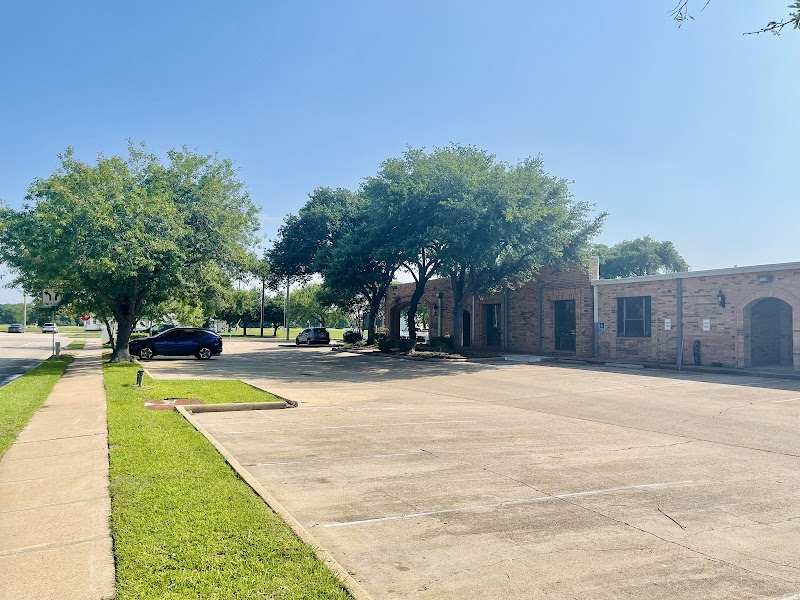
Who Owns and Operates Focused Care At Beechnut?

FOCUSED CARE AT BEECHNUT is owned by a for-profit company. For-profit facilities operate as businesses with obligations to shareholders or private owners. The facility is operated by FOCUSED POST ACUTE CARE PARTNERS, a chain that manages multiple nursing homes. With 146 certified beds and approximately 119 residents (about 82% occupancy), it is a mid-sized facility located in HOUSTON, Texas.
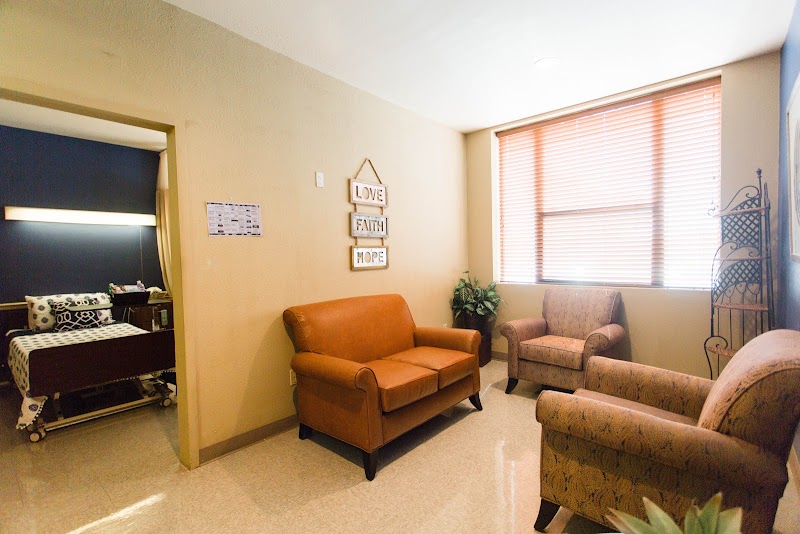
How Does Focused Care At Beechnut Compare to Other Texas Nursing Homes?

Compared to the 100 nursing homes in Texas, FOCUSED CARE AT BEECHNUT's overall rating (2 stars) is below the state average of 2.8, staff turnover (40%) is near the state average of 46%, and health inspection rating (1 stars) is much below the national benchmark.

What Should Families Ask When Visiting Focused Care At Beechnut?

Based on this facility's data, families visiting should ask: "What changes have been made since the serious inspection findings, and how are you preventing similar issues?" "Can you walk me through typical staffing levels on day, evening, and night shifts?" "Can I visit during a mealtime to observe dining assistance and food quality?" "How do you handle medical emergencies, and what is your hospital transfer rate?" These questions are particularly relevant given the facility's Immediate Jeopardy citations and the below-average staffing rating.

Is Focused Care At Beechnut Safe?

Based on CMS inspection data, FOCUSED CARE AT BEECHNUT has documented safety concerns. Inspectors have issued 9 Immediate Jeopardy citations (the most serious violation level indicating risk of serious injury or death). The facility has a 2-star overall rating and ranks #100 of 100 nursing homes in Texas. Families considering this facility should ask detailed questions about what corrective actions have been taken since these incidents.

Do Nurses at Focused Care At Beechnut Stick Around?

FOCUSED CARE AT BEECHNUT has a staff turnover rate of 40%, which is about average for Texas nursing homes (state average: 46%). Moderate turnover is common in nursing homes, but families should still ask about staff tenure and how the facility maintains care continuity when employees leave.

Was Focused Care At Beechnut Ever Fined?

FOCUSED CARE AT BEECHNUT has been fined $134,068 across 5 penalty actions. This is 3.9x the Texas average of $34,420. Fines at this level are uncommon and typically indicate a pattern of serious deficiencies, repeated violations, or failure to correct problems promptly. CMS reserves penalties of this magnitude for facilities that pose significant, documented risk to resident health or safety. Families should request specific documentation of what issues led to these fines and what systemic changes have been implemented.

Is Focused Care At Beechnut on Any Federal Watch List?

FOCUSED CARE AT BEECHNUT is not on any federal watch list. The most significant is the Special Focus Facility (SFF) program, which identifies the bottom 1% of nursing homes nationally based on persistent, serious quality problems. Not being on this list means the facility has avoided the pattern of deficiencies that triggers enhanced federal oversight. This is a positive indicator, though families should still review the facility's inspection history directly.