GARDEN TERRACE ALZHEIMER'S CENTER OF EXCELLENCE
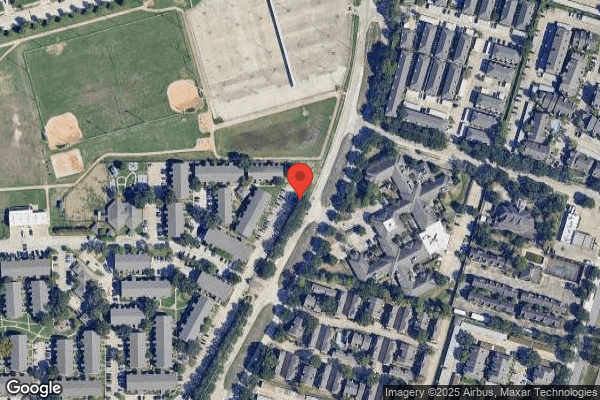
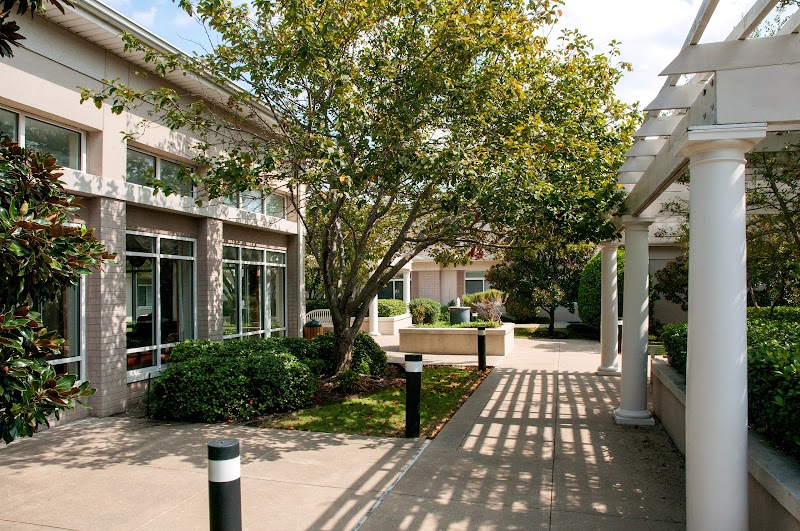
7887 CAMBRIDGE ST, HOUSTON, TX 77054 (713) 796-2777
For profit - Corporation 120 Beds LIFE CARE CENTERS OF AMERICA Data: November 2025 1 Immediate Jeopardy citation
Trust Grade
38/100
#237 of 1168 in TX
Last Inspection: June 2025

Inspected within the last 6 months. Data reflects current conditions.

Overview

Garden Terrace Alzheimer's Center of Excellence has received a Trust Grade of F, indicating significant concerns about the facility's operations and care quality. Although it ranks #237 out of 1168 nursing homes in Texas, placing it in the top half, the poor trust grade raises red flags. The facility appears to be improving, having reduced its number of issues from three in 2024 to one in 2025. Staffing is a relative strength, with a 4 out of 5-star rating and a turnover rate of 47%, which is below the Texas average of 50%. However, the facility has incurred a concerning $105,724 in fines, suggesting ongoing compliance issues. Specific incidents noted include a failure to provide adequate care for pressure ulcers, resulting in a resident's wound deteriorating from stage III to stage IV, which led to hospitalization for sepsis. Additionally, there were serious lapses in medication administration for a resident, including delays in pain management and incorrect dosages. While there are some positive aspects, such as high RN coverage, these significant shortcomings in care and compliance should be carefully considered by families looking for a nursing home.

Trust Score
F
38/100
In Texas
#237/1168
Top 20%
Safety Record
High Risk
Review needed
Inspections
Getting Better
3 → 1 violations
Staff Stability
⚠ Watch
47% turnover. Above average. Higher turnover means staff may not know residents' routines.
Penalties
✓ Good
$105,724 in fines. Lower than most Texas facilities. Relatively clean record.
Skilled Nurses
✓ Good
Each resident gets 69 minutes of Registered Nurse (RN) attention daily — more than 97% of Texas nursing homes. RNs are the most trained staff who catch health problems before they become serious.
Violations
⚠ Watch
14 deficiencies on record. Higher than average. Multiple issues found across inspections.
★★★★☆
4.0
Overall Rating
★★★★☆
4.0
Staff Levels
★★★★★
5.0
Care Quality
★★★☆☆
3.0
Inspection Score
Stable
2024: 3 issues
2025: 1 issues

The Good

  • 4-Star Staffing Rating · Above-average nurse staffing levels
  • 5-Star Quality Measures · Strong clinical quality outcomes
  • Full Sprinkler Coverage · Fire safety systems throughout facility
  • No fines on record

Facility shows strength in staffing levels, quality measures, fire safety.

The Bad

Staff Turnover: 47%

Near Texas avg (46%)

Higher turnover may affect care consistency

Federal Fines: $105,724

Well above median ($33,413)

Significant penalties indicating serious issues

Chain: LIFE CARE CENTERS OF AMERICA

Part of a multi-facility chain

Ask about local staffing decisions and management

The Ugly 14 deficiencies on record

1 life-threatening 2 actual harm
Jun 2025 1 deficiency
CONCERN (E)

Potential for Harm - no one hurt, but risky conditions existed

Deficiency F0628 (Tag F0628)

Could have caused harm · This affected multiple residents

**NOTE- TERMS IN BRACKETS HAVE BEEN EDITED TO PROTECT CONFIDENTIALITY** Based on record review and interview, the facility failed to provide and document sufficient preparation and orientation of resi...

Read full inspector narrative →
**NOTE- TERMS IN BRACKETS HAVE BEEN EDITED TO PROTECT CONFIDENTIALITY** Based on record review and interview, the facility failed to provide and document sufficient preparation and orientation of residents to ensure safe and orderly transfer or discharge from the facility for 2 of 5 resident (CR#1 and CR # 2) reviewed for transfer, discharge rights, and discharge summary. - LVN P failed to complete a discharge summary for CR #1 - LVN M failed to complete a discharge summary for CR #2. These failures could place residents at risk of disruption in the continuity of care. Findings include: Record review of CR #1's undated face sheet revealed he was admitted to the facility on [DATE] and discharged from the facility on 03/21/25 with diagnoses of Pulmonary embolism (a blockage in the pulmonary arteries of the lungs), Protein-calorie malnutrition (insufficient intake of protein and calories), acute right heart failure (chronic condition in which the heart does not pump blood as well as it should), and dementia (memory loss). Record review on 06/19/25 of the discharge summary revealed CR #1 did not have a completed discharge summary. CR #1's discharge summary revealed the recapitulation of the stay, physical assessment, and discharge instructions were blank. Review of the discharge summary also revealed, no signature by the resident, resident representative, or transportation service. Record review of CR #1's EMRdid not reveal documentation of the resident's discharge on the day of discharge, including, the mode of transportation, diet, discharge vitals/assessment, or provided education. Record review of CR #2's undated face sheet revealed he was admitted to the facility on [DATE] and discharged from the facility on 04/05/25 with diagnoses of Complications of Cardiac Prosthetic devices, implants, and grafts (structural valve deterioration, infection, and leaks from mechanical bioprosthetic valves), Protein-calorie malnutrition (insufficient intake of protein and calories), atrial fibrillation (irregular rapid heart rate that cause poor blood flow). Record review of CR#2's discharge summary,dated 04/05/25, revealed the resident was discharged home accompanied by a family member. Review of the summary also revealed the recapitulation of the stay was left blank, and no signature from the resident or their representative. An attempted telephone interview with the Ombudsman on 6/19/2025 at 12:54 PM was unsuccessful, and a voice mail message was left. During an interview on 06/19/25 at 1:43 PM, the DON said each department was responsible for completing their section in the discharge summary. She said she expected the charge nurse to complete a discharge progress note in the electronic medical record at time of discharge. The discharge summary was to be completed by the IDT for all residents, with a copy provided to the resident, their family, or the facility where the resident was being admitted . She said the IDT consisted of department heads including Rehab, Social Services, Nursing, and Dietary. The DON said the risk of not completing a discharge summary could place the resident at risk for missing follow up appointments, missed medications, and delayed communication. During an interview on 06/19/25 at 1:58 PM, LVN P said the Unit Managers were supposed to complete the discharge summary, which included a recapitulation of the resident's stay. She said there was no reason why a discharge summary and/or progress note should not be completed. She said the summary should include discharge teaching, medications, diet, follow-up appointments, and special instructions. She said a progress note should also be completed to include the mode of transportation. She said she did not know why she had not completed the discharge summary for CR #2. LVN P said the risk of not completing the discharge summary could lead to a resident's decline because their plan of care would not continue without the completed discharge summary. During a telephone interview on 6/19/25 at 3:19 PM, LVN M said a discharge progress note and a completed discharge summary were part of a resident's EMR, and the DON overlooked the process. She said the discharge summary should be signed and given to the resident, RP, or admitting facility at time of discharge. LVN M said failure to complete a discharge summary could result in inadequate care for a resident. During an interview on 06/19/25 at 4:00 PM, the Administrator said discharge summary was a collaboration from the IDT. The Administrator said the discharge summary included a recapitulation of the resident's stay at the facility, including medications and follow-up appointments. The Administrator said she also did not notify the ombudsman of the residents' discharge. She said she was aware of the regulation requiring notification to the ombudsman regarding the discharge of CR#1 and CR#2; however, she forgot to make a notification for both residents. The Administrator said failure to complete a discharge summary and notify the ombudsman placed the resident at risk of not knowing what was needed for continuity of care. Record review of the policy, Transfer and Discharges revised date 4/22/25 read in part . Policy: The facility will follow the limited conditions under which CMS has outlined how the facility may initiate transfer or discharge of a resident, the documentation that must be included in the medical record, and who is responsible for making the documentation. Additionally, the facility will ensure the information that must be conveyed to the receiving provider for residents being transferred or discharged to another healthcare setting is provided in accordance with federal guidance. The facility will also provide transfer/discharge notice to the resident/responsible party in accordance with federal regulations. The facility should refer to Notice of Transfer or Discharge Policy for additional details. Documentation: [NAME] the facility transfers or discharges a resident under any of the circumstances specified, the facility must ensure that the transfer or discharge is documented in the resident's medical record and appropriate information is communicated to the receiving health care institution or provider. (i) Information provided to the receiving provider must include a minimum of the following: a. Contact information of the practitioner responsible for the care of the resident. b. Resident representative information including contact information c. Advance Directive information d. All special instructions or precautions for ongoing care, as appropriate e. Comprehensive care plan goals; f. All other necessary information, including a copy of the resident's discharge summary .
Jul 2024 1 deficiency 1 IJ (1 affecting multiple)
CRITICAL (K) 📢 Someone Reported This

A family member, employee, or ombudsman was alarmed enough to file a formal complaint

Immediate Jeopardy (IJ) - the most serious Medicare violation

Pressure Ulcer Prevention (Tag F0686)

Someone could have died · This affected multiple residents

**NOTE- TERMS IN BRACKETS HAVE BEEN EDITED TO PROTECT CONFIDENTIALITY** Based on interview and record review, the facility failed to ensure that a resident receives care, consistent with professional ...

Read full inspector narrative →
**NOTE- TERMS IN BRACKETS HAVE BEEN EDITED TO PROTECT CONFIDENTIALITY** Based on interview and record review, the facility failed to ensure that a resident receives care, consistent with professional standards of practice, to prevent pressure ulcers and does not develop pressure ulcers unless the individual's clinical condition demonstrates that they were unavoidable for 1 (Resident #1) of 5 residents whose records were reviewed for pressure ulcer care. 1. The facility failed to minimize Resident #1's exposure to moisture and keep the skin clean of fecal contamination, after the resident was discovered to have moisture associated skin damage to her sacral region. 2. The facility failed to implement Resident #1's wound care treatment orders to a facility acquired wound to her sacral region, which led to the decline of the wound from a stage III to a stage IV pressure ulcer. Resident #1 was admitted to the hospital with a diagnosis of sepsis, Staphylococcus aureus, and gram-negative rods. An IJ was identified on 07/04/24 at 5:27 pm. The IJ template was provided to the facility on [DATE] at 5:27 pm. While the IJ was removed on 07/07/24, the facility remained out of compliance at a scope of isolated and a severity level of no actual harm with potential for more than minimal harm that was not immediate jeopardy due to the facility's need to monitor the implementation of the plan of removal. This failure could place residents at risk of the formation of new or worsening skin breakdowns and a decrease in their quality of life and care. Findings included: Record review of Resident #1's face sheet on 07/02/24 revealed an eighty-year-old woman who was admitted to the facility on [DATE]. Her admitting diagnoses were Myasthenia [NAME] (neuromuscular disorder causing weakness of skeletal muscles), elevated white blood count, Type 2 Diabetes (insulin resistance), hypertension (high blood pressure), and syncope and collapse (fainting and passing out). Record review of Resident #1's care plan dated 05/23/24 revealed that she had urinary incontinence, and her goal was to have no skin break downs. Interventions for this focus were to assist with toileting as needed and to perform peri care as needed. Record review of Resident #1's BIMS score dated 05/23/24(clinical assessment to determine resident's strength and needs) a score of 7out of 15 indicating the resident was, moderately impaired. Record review of Resident #1's Admission/readmission assessment dated [DATE] noted that there was moisture associated skin damage to the peri area. Record review of Resident #1's Braden Scale for predicting pressure score risk and risk factors, completed by physician dated 06/04/24 described the skin as very moist and she was chairfast, as her ability to walk was severely limited or non-existent. Nutrition was noted to be adequate, and friction and shear posed as a potential problem because the resident would occasional slide down in the chair or bed. Additional risk factors were a history of pressure ulcers (prior to facility admittance), urinary or bowel incontinence, bedfast, decreased, or impaired bed/ chair mobility, and diabetes. On a score of 1-18, Resident #1 was identified as a 15, indicating a mild risk. Record review of Resident #1's Progress Notes during a visit with physician on 06/06/24, revealed that her skin had no suspicious lesions and was described as warm and dry. Record review of Resident #1's wound care notes from the WCD documented that he initially viewed the sacral wound on 06/12/24. The wound was debrided at bedside and the new orders given were santyl/calcium alginate and zinc oxide applied to the wound with the recommendation of a low air mattress for wound stabilization. Resident #1's wound to the sacral region was documented as a stage III pressure ulcer. Record review of Resident #1's wound care notes from the WCD, dated 06/19/24, revealed that her wound on the sacral region had declined to stage IV pressure ulcer. Orders were to use Santyl/calcium alginate and zinc oxide applied to the wound with the recommendation of a low air mattress for wound stabilization. Record review of Resident #1's TAR ordered on 06/07/24, revealed to cleanse the sacrum with non-saline wound cleanser, pat dry, apply TAO (triple antibiotic ointment) and zinc oxide, cover with clean dry dressing daily until healed. On 06/19/24, the TAR reflected that the orders for the sacrum were to cleanse with non-saline or wound cleanser, pat dry, apply Santyl/calcium alginate, zinc oxide, and apply dressing. No orders were added on 6/12/24. Record review of Resident #1's facility progress notes stated that on 06/23/24, CNA A reported that during a transfer, Resident #1 began to shake, was drowsy, and eyes rolled to the back of her head. She had a bowel movement that saturated her brief, pants, and ran onto the wheelchair. Resident was sent out to hospital. Record review of Resident #1's hospital admittance record dated 06/26/24 revealed a diagnosis of sepsis, the Sacral wound culture identified Staphylococcus aureus, and the urine culture from 6/23/24 showed Gram-negative rods (bacteria commonly found in infections). In an interview on 07/03/24 at 1:24 pm, CNA A stated that Resident #1 would often have bowel movements and she would need to be changed frequently. She explained that her diarrhea was so bad that when she performed peri care, she would have to change the bedding as well. She stated that the bandages on her sacrum wound were often saturated during peri care and the wound care nurse would redress it if she was there. She explained that on 06/23/24, she saw the wound for the first time and saw feces inside of the wound once she removed the bandage. She alerted WCN A to come clean the wound because CNAs were not allowed to bandage them. In an interview on 07/03/24 at 1:59 pm with Nurse A, she stated that she only saw the wound once upon her initial admission assessment and had no idea of its deterioration or saturation during incontinent care. She stated that she never touched the wound because she said that it was always covered, and the wound was cleaned daily by a WCN. Nurse A explained that Resident #1 used the restroom a lot and the staff tested her for c-diff (bacterium known for causing diarrheal infections), but her results came back negative. She stated that when she returned from the hospital on [DATE], she was on antibiotics. She explained that no one had told her that Resident #1's wound was getting worst and although she performed monthly skin assessments, she was not assigned Resident #1's room number. In an interview on 07/03/24 at 2:14 pm with CNA B, she stated that she worked PRN but when she worked with Resident #1, she remembered her having frequent bowl movements. She remembered her having a wound on her bottom but could recall how it looked. In an interview on 07/03/24 at 2:22 pm with Nurse B, he stated he performed Resident #1's readmission skin assessment on 06/04/24 and he did not know she had a sacral wound until after her discharge on [DATE]. During her readmission skin assessment, she had excoriation and redness to her sacral region, but it was not a pressure sore. Upon her return, she was also prescribed an antibiotic for a chronic UTI . He was not aware if she had frequent bowel movements and he also had never seen the WCD. He expressed that if the wound was covered in fecal matter he would change the bandage, but he never had to. CNA's were not permitted to change bandages but they would alert the nurse if something needed to be done. He stated in his previous years of working at the facility, the WCN would tell the nurse the status of the wound so that they could add it to their 24-hour report. In an interview on 07/03/24 at 4:04 pm with WCN A, she explained that she was originally a floor nurse and was asked to become the WCN on 06/10/24. She was supposed to receive training from WCN B on 06/10/24- 06/14/24, however she only received training 06/10, 06/11, and 06/14. After rounds with the wound WCD on 06/12/24, she was supposed to complete charting and input new orders from the doctor into the computer. These orders were sent to DON B and WCN B. WCN A did not have access to receive orders at that time and were given to her by DON B, WCN did not have time to finish updating the orders the treatment log and DON B told her that she would get WCN B to input them before his last day on 06/14/24. WCN A stated she had a feeling the orders were not in, but DON B ensured her they had already been updated by WCN B. WCN A stated that she continued with the order entered on 06/07/24 and no air mattress was given to Resident #1 until 06/19/24. WCN A stated that she did not feel secure in this position when she first started because she did not receive a lot of training. She recalled a conversation she had with WCN B when she asked him how do you know if the wound was improving or getting worst in which he replied, you don't. She explained that she received her first official wound training on 07/02/24 and she now felt more confident in this position. She stated that every time she conducted wound care, she would change Resident #1 because she was always covered in urine and feces due to loose, f requent stools, and her bandage would be saturated through. She believed she was the only one to change the bandage because she always initialed and dated the bandage. The next day, the same bandage would still be on her wound. On 06/23/24 during a transfer from the bed to wheelchair with CNA A, Resident #1 became very weak and lethargic. CNA A stated that her eyes had rolled into the back of her head and that she had begun to shake, but it had stopped once she entered the room. WCN A checked Resident #1's BP was 96/60. Initially, WCN A instructed CNA A to transfer her back into the bed because she had a history of syncope . In doing so, Resident #1 had a bowel movement that saturated through her brief, bottoms, and onto the wheelchair. The stool was described as yellowish brown, and a stool sample was collected. The Physician was notified, and Resident #1 was sent to the hospital. In an interview on 07/03/24 at 4:49 pm with WCN B, he stated he was hired in October 2023 as the admissions nurse but ended up preforming wound care prior to his last days. He stated he had stepped in the role as the treatment nurse because the census was low and that determined the number of hours he could work. In order to receive more hours, he decided to preform wound care under the supervision of the WCD. His last week at the facility was from 06/10/24 - 06/14/24, and he was instructed to train WCN A on how to treat wounds, input orders, and update notes into the resident portal. On 06/12/24, he did not round with the WCD because he did not work that day and he still believed the wound to be a moisture associated skin damage. Prior to 06/12/24, Resident #1's orders were to put zinc oxide on her sacrum, and he stated that he did not receive orders from the wound doctor because he could not access his email. He explained that all orders and progress notes from the WCD went directly to DON B, and she would print them out and give them to him. He stated that he did not recall Resident #1 having new orders for Santyl/calcium and she was not on a low-pressure mattress prior to his last day on 06/14/24. He stated that inputting orders were the WCN's responsibility, but it would ultimately fall on DON B since she was the only one to receive them. WCN B stated that when he worked with Resident #1, her bandage on the sacral region would not be saturated through, but he knew it would be same bandage from the day before due to his initials and the date he had written on it. In an interview on 07/03/24 at 5:11 pm with DON A, she stated that she started on 06/24/24 but was familiar with facility policy and Resident #1's file. She said that DON B's last day as the DON was on 06/13/24. She explained that WCN B did have access to the orders because only the WCN and the DON had the permissions to access the WCD's portal. She said that WCN B told DON B that he had completed entering the orders in the system, however as the DON , DON A stated she would have followed up to make sure it had been completed. She had noticed that upon her original admittance of 05/22/24 until her second readmittance on 06/04/24, resident #1 had already been on several round of antibiotics and she was also taking an 850mg twice daily dosage of metformin, which had the tendency to create loose stools. She stated all nurses have the responsibility to change bandages and it was crazy that were not changing Resident #1's bandages if saturated after a bowel movement. She explained the detriment in not keeping a sacral wound clean would be risk of sepsis and infections. In regard to WCN A's training, the facility was under the impression that WCN B would extend his resignation a few days longer to complete his training with WCN A, but he changed his mind and proceed to make his last day on 06/14/24. Normally, WCN A would have gone to the facility's sister facility to receive more detailed wound care training, however the facility was temporarily closed due to water damage from a storm that hit the region earlier that season. She was trained and check listed for her skills on 07/03/24 with a regional wound care nurse. DON B was contacted by phone on 07/04/24 at 11:40 am for an interview. She did not answer. A voicemail and text message were left requesting a call back. The Administrator was notified of the IJ on 07/04/24 at 5:27 pm and given the IJ template due to the above failures and a POR was requested. The POR was accepted on Friday 07/05/24 at 1:05 pm, and reflected the following: Failure: o The facility failed to ensure Resident #1 received proper wound care and implement physician's orders. Corrective Action for resident found to be affected: o Resident was discharged to the hospital on June 23,2024. Identification of others having the potential to be affected: o An audit was completed on July 4, 2024 by the DON and ADON to ensure residents with wounds have appropriate wound / treatment orders in place. No new areas identified with no negative findings. o Skin assessments were completed on July 4, 2024 by the nursing admin team to include the Director of nursing, assistant director of nursing, nursing supervisor and wound care nurse for current residents to ensure all wounds have physicians orders in place for treatments for those identified with wounds. No new areas were identified with no negative findings. o Braden Scales were reviewed and updated by the nursing admin team to include the Director of nursing, assistant director of nursing, nursing supervisor and wound care nurse for current residents on July 4, 2024. Measures / systemic changes to ensure the deficient practice does not recur: o Education of licensed nursing staff related to wound care / dressing changes to include completing dressing changes as needed on all shifts starting on July 4, 2024. Nursing staff will not be allowed to work until they have received the education which will be provided prior to the start of their shift. o Education of licensed nursing staff related to obtaining and implementing physicians orders for residents with wounds starting on July 4, 2024. Nursing staff will not be allowed to work until they have received the education and will receive education prior to the start of their shift. o Education of licensed and certified nursing staff related to incontinent care and keeping residents clean and dry starting on July 4, 2024. Nursing and certified nursing assistant staff will not be allowed to work until they have received the education and will receive education prior to the start of their shift. o Education of certified nursing staff related to notifying a licensed nurse when a dressing is soiled starting on July 4, 2024. Nursing staff will not be allowed to work until they receive the education which will be completed prior to the start of their shift. o All education will be completed by the Director of nursing or the Assistant Director of Nursing or designee. o Director of Nursing, Assistant Director of nursing or nursing supervisor will observe wound care twice weekly. o Director of Nursing, Assistant Director of Nursing and Nursing Supervisor and wound care nurse were educated by the Regional Director of Clinical Services on July 4, 2024. o Medical Director was notified of the IJ on July 4, 2024. o Root cause analysis completed on July 5, 2024, and taken to QAPI . o QAPI to be conducted on July 5, 2024. Facility Plan to ensure compliance: o QAPI will be completed on July 5, 2024. o Education will be completed prior to nursing staff working. o Education will be provided upon hire for new associates. o New admissions will be reviewed daily to ensure residents admitted with wounds have a physician's order for treatments. o Random rounds will be completed daily by licensed nursing staff to ensure residents are clean and dry and that dressings are clean and dry. o DON / Designee will audit residents with wounds weekly to ensure proper treatments are in place. Audit will be completed by reviewing residents with wounds physician's orders. o DON / Designee will do random rounds 3-5 times a week visualizing residents with wounds to ensure dressings are clean and dry. o Weekly skin assessments will be monitored 5X per week to ensure completion. In an interview on 07/05/24 at 10:39 am with DON B, she stated that her last day as the DON at the facility was on 06/16/24 but she currently worked PRN. She stated that to her knowledge, Resident #1 was admitted with a wound, but she could not describe how it looked initially, what wound stage it was, or how it had progressed. On 06/15/24, DON B saw the wound for the first time, after a CNA told her that the bandage had fallen off and it needed to be redressed. At the time, the wound had yellow sloughing on it but there was no odor. She asked WCN A what was the treatment orders for the sacral wound and she stated that the WCD gave new orders on 06/12/24. DON B stated that she instructed WCN B to put the updated orders for residents in the system on 06/13/24 and he informed her that it had been completed. DON B recalled that she looked through some of the new orders for wounds, but she did not look through all of them and stated she spot checked the system to see if they had been updated. She explained that normally after the WCD finished rounding at the facility, they wound meet and discuss the orders for each resident. However, that day , she did not arrive to facility until later and did not get to touch base with the WCD. Once the WCD had finished his rounds and uploaded his paperwork, DON B would print the orders off and hand them to the WCN. She stated that she was not 100% sure if WCN B had access to the portal where she retrieved the orders from because WCN B had transitioned into the position because it was open. On 06/12/24, DON B pulled the orders for WCN A because she did not have access to them, and she could not confirm if she had access after she left on 06/16/24 because she did not follow up. She explained that after she saw the wound on 06/15/24, she checked the orders in the system and saw a PRN (she could not recall what it stated) that she felt was not appropriate for the condition of the wound. WCN A told her that there were new orders for Resident #1, and she told her to make sure they were carried out, however she did not contact the WCD about the status of her access. In an interview attempt physician was contacted by phone on 07/05/24 at 10:55 am and on 07/06/24 at 11:00 am. He did not answer, and a voicemail was left regarding a call back. Monitoring/Verification of Plan of removal The POR was reviewed as followed. The facility created a binder and numbered each tab in the binder with the completed documented necessary to fulfill the plan. Saturday, July 06, 2024, at 10:30am Identification of others having the potential to be affected: o An audit was completed on July 4, 2024, by the DON and ADON to ensure residents with wounds have appropriate wound / treatment orders in place. No new areas identified with no negative findings. -Reviewed the POR binder and saw that there were 14 residents out of 39 residents currently at the facility with wounds. The 14 residents with wounds had their treatment order reconciled and examined on 07/04/24 for accuracy. All treatment orders were accurate. o Skin assessments were completed on July 4, 2024, by the nursing admin team to include the Director of nursing, assistant director of nursing, nursing supervisor and wound care nurse for current residents to ensure all wounds have physician's orders in place for treatments for those identified with wounds. No new areas were identified with no negative findings. -Skin sweeps were documented and completed for 36 residents at the facility. The census was 30, but two residents were discharged , and one was at the hospital. o Braden Scales were reviewed and updated by the nursing admin team to include the Director of nursing, assistant director of nursing, nursing supervisor and wound care nurse for current residents on July 4, 2024. Measures / systemic changes to ensure the deficient practice does not recur: -Review of Braden skin assessment reflected that 36 assessment had been completed for each resident in the facility. The updated scores were reflected on the resident roster and a copy of each Braden assessment was provided to the surveyor. Although there was a current census of 39 residents, 2 residents were discharged , and 1 was in the hospital. o Policies and procedures related to wound care and treatments were reviewed and utilized for education. -Review of the policies showed no changes. o Education of licensed nursing staff related to wound care / dressing changes to include completing dressing changes as needed on all shifts starting on July 4, 2024. Nursing staff will not be allowed to work until they have received the education which will be provided prior to the start of their shift. -Review of employee roster showed that there were 48 direct care staff at the facility. Of these staff, the DON stated that all full time and part-time employees had been educated. The number of employees on 07/05/24 revealed that 29 employees had been educated on wound care and dressing changes. The DON informed the investigator that the remainder of employees she was not aware of who they were, or they were active employees. DON Consulted with the corporate hiring staff and got an updated number for the employee roster. A total of 38 direct care staff were identified. Of these 38 staff, 3 staff members were on vacation for 2 weeks and one staff member was on 6 months of medical leave. Out of 34 staff currently working, 6 were left to be interviewed. This consisted of DON B, an interim treatment nurse, and the others were CNA's. Topics covered were what to do when a dressing came off during changing and nurses were responsible for wound care of each shift if needed, treatment order policy and skin integrity, and the PU policy was reviewed. A total 29 signatures were on the sign in sheet for staff. o Director of Nursing, Assistant Director of Nursing and Nursing Supervisor and wound care nurse were educated by the Regional Director of Clinical Services on July 4, 2024. -This review reflected that both ADON's, DON, and WCN were educated by the regional director of clinical services. Topics included wound care, physician orders, monitoring of wounds, wound treatment, and policies and procedures. Sunday, July 07, 2024 Reviewed the education of licensed and certified nursing staff related to incontinent care and keeping residents clean and dry starting on July 4, 2024. Nursing and certified nursing assistant staff will not be allowed to work until they have received the education and will receive education prior to the start of their shift. Reviewed the education of certified nursing staff related to notifying a licensed nurse when a dressing is soiled starting on July 4, 2024. Nursing staff will not be allowed to work until they receive the education which will be completed prior to the start of their shift. In an interview on 07/07/24 at 1:03 pm with CNA A, she stated she worked the 6am- 2pm shift. She attended the wound care in-service and was told to always notify the nurses. Staff must notify the nurses immediately if they see any changes in the skin. If giving incontinent care, staff should always let the nurse know that there should be a new bandage on the wound and clean it good. If a resident had wounds, staff were to reposition every 2 hours. The abuse coordinator was the administrator. In an interview o n 07/07/24 at 1:07 pm with CNA C, she stated that she worked the 2pm- 10pm shift. She explained that in the in- service they covered and were taught to make sure when you are with a patient with wounds, clean them, and if you have to take off the bandage, notify the nurse immediately so they can change it. They covered wounds to make sure if they did have a wound, they must be turned and repositioned every 2 hours. Staff must make sure they are comfortable. The abuse coordinator was the administrator and staff reported to the charge nurse too, but especially the administrator. In an interview on 07/07/24 at 1:57 pm with CNA D, she stated she worked 6am -2pm shift. The in-service covered at the facility had a patient with wounds and how to do patient care. If the wound was contaminated by feces, CNAs were to let the nurse know so that the nurse could come and change the bandage. If staff noticed changes to the skin or to a wound, they were to alert the nurse. If a person had a wound on their bottom, aides were to reposition or turn them every 2 hours to get them off the wound. The abuse coordinator was the ED . In an interview on 07/ 07/24 at 2:05 pm with CNA E she stated she worked that the 10pm- 6am shift. For CNA's, they covered that if staff go in and clean a person with wounds, if they have a BM and it goes into the dressing, they taught them how to properly clean it and properly take off the bandage. Aides were to clean them properly and notify the nurse immediately. If staff saw changes in a resident's skin, they were to report it and she would notate it in the resident portal. Aides used the zinc oxide cream and another cream as a preventative measure so residents would not get new wounds. Staff were supposed to reposition every 2 hours. She stated personally she would check on residents every hour because they would flip over because they didn't like to stay in the same position. The abuse coordinator was the administrator. In an interview on 07/07/24 at 1:33 pm with CNA B, she stated she worked the 2pm- 10pm shift. They had an in-service for incontinent care and wounds. If aides saw a wound developing on a resident or any changes developing on the wound, they should let a nurse know. If the bandage was soiled or had fallen, aids would not replace it, but they should let the nurse know about immediately. As an aid, when a resident had a wound on the bottom, they were to make sure the resident stayed dry and if possible, we would put a wedge on the resident so they can stay off the wound. Staff were to reposition them every 2 hours. The abuse coordinator was the administrator. In an interview on 07/07/24 at 1:54 pm with CNA F, she stated she worked the 2pm- 10pm shift. The in-service covered: staff were to make sure that the dressing was dry. If it was soaked through or off, aids were to go call the nurse so they could change it and put on a new one. Aids should notify the nurse as soon as they noticed any changes to the skin or the wounds. Residents should reposition them every 2 hours. The abuse coordinator was the administrator. In an interview on 07/07/24 at 2:02 pm with Nurse C, she stated she worked the 2pm-10pm shift. The facility in-service covered skin integrity and how they assessed the wound. If a CNA saw a soiled bandage, they should tell her. She would then take it off, clean it, and apply a new dressing according doctors treatment plan. A nurse should change a residents wound dressing whenever it was soiled or whenever it needed to be. A resident with wounds should be repositioned every two hours. Treatment orders for wounds are found in the doctor's medication order and they must follow whatever the WCD prescribed. The abuse coordinator is the Admin . In an interview on 07/07/24 at 3:35pm pm with Nurse D, she stated she worked the 10pm- 6am shift. Nurses were educated on wound policy, reminded that they needed to check to see what wound orders consisted of, not to wait for the wound nurse, and if they should carry out wound care if they saw that it was needed. If they saw anything, they should notify the doctor. If nurses saw a wound dressing that needed to be changed, they needed to check the orders and carry it out. They have an order for everything. Staff should not take anything upon yourself but must carry the order out exactly how it was stated. If changes were noticed, they were to describe the wound and tell the doctor. Aids (CNAs) were to notify the nurses immediately. Nurse D stated they did have an order for creams, but if she saw any redness, she would still notify the doctor. A resident should be repositioned every 2 hours, and if they started to complain, she would work with them for their comfort. The administrator was the abuse coordinator. In an interview on 07/07/24 at 3:42 pm with Nurse E, she stated worked the 6am- 2pm shift. She explained that the in-service covered when the dressing was soiled, the CAN's were to notify the nurse will remove the dressing and preform wound care. Redress the wound. She would retrieve the orders from the TAR and follow them exactly how they are in the TAR. The wound care was daily, but some wounds have orders for as needed. A nurse might change the bandage on a wound if the bandage is soiled or off. Daily and as needed. The CNA should notify us immediately of any skin changes and she would notify the doctor as soon as permissible. A resident should be repositioned as need and every 2 hours. They covered abuse and neglect, and the abuse coordinator was the ED or administrator . In an interview on 07/07/24 at 3:48 pm with WCN A, she stated she worked Monday through Friday and started her shift at 6am until her tasks were completed. She explained that aids were taught what to do when they see the bandage soiled. They were to tell wither herself or the nurse so it could be changed. Nurses must be notified of any changes they see. She stated that she also did skin sweeps to check everyone's skin and the Braden scales skin test. Nurses were allowed to do wound care wh[TRUNCATED]
May 2024 2 deficiencies
CONCERN (D)

Potential for Harm - no one hurt, but risky conditions existed

Tube Feeding (Tag F0693)

Could have caused harm · This affected 1 resident

Based on observations, interviews and record reviews, the facility failed to ensure a resident receiving enteral feeding received appropriate care and services to prevent complications of enteral feed...

Read full inspector narrative →
Based on observations, interviews and record reviews, the facility failed to ensure a resident receiving enteral feeding received appropriate care and services to prevent complications of enteral feeding for 1 (Resident #11) of 3 Residents reviewed for gastrostomy tube management. The facility failed to address the redness and dried red drainage around Resident #11's stoma (skin and entrance to the stomach) at the G tube (gastrostomy tube) site (a surgically placed device to give direct access to the stomach for feeding, hydration and medicine). This failure could place residents with G-tubes at risk of pain, infection, decline in health and hospitalization. Findings included: Record review of Resident #11's annual MDS for resident assessment and care screening dated 03/15/2024 revealed she had persistent vegetative state/no discernible consciousness. She had impairment on both sides of upper and lower extremities. She used a wheelchair for mobility, and she was dependent on helpers for all ADLs. She was always incontinent of urine and bowel. Section K, swallowing/nutritional status revealed she had a feeding tube. Record review of Resident #11's active physician orders dated 05/21/2024 revealed: NPO (nothing by mouth), order date 11/01/2023; enteral feed (feeding tube that allows liquid food to enter the stomach or intestine through a tube) order every shift, enteral access site care, verify tube securement is in place with an order date of 11/01/2023. Record review of Resident #11's MAR/TAR for May 2024 dated 05/21/24 at 2:00 PM, revealed LVN B documented G-tube care: clean with normal saline, pat dry with gauze and apply split drain sponge with tape, was completed during night shift on 05/20/2024. Record review of Resident #11's undated care plan revealed the focus - resident required tube feeding r/t swallowing problems. The interventions included: provide local care to G-tube site as ordered and observe for s/sx of infection at tube site, abdominal pain, tenderness. Date initiated was 12/13/2023. Focus - Resident requires Enhanced Barrier Precaution d/t G-tube. Date initiated was 04/14/2024. Goal - Resident will remain free from active infection with MDROS (multi-drug resistant organisms). Interventions included: wear gown and gloves during high contact activities. Focus - Resident has communication problem r/t Neurological symptoms after anoxic brain injury, nonverbal and unable to communicate needs. Intervention: anticipate and meet needs. Observation on 05/21/2024 at 10:27 AM, Resident #11 was lying in bed on her right side with the HOB raised and receiving tube feeding. Her eyes were open. She did not respond to greetings. CNA F and LVN A had completed incontinent care. There was a dry dressing taped over the G-tube site that was dated 05/21. LVN A loosened the dressing and the skin around the G-tube was pinkish-red in color. No drainage was noted. Observation and interview on 05/23/2024 at 8:42 AM, Resident #11 had dry dressing taped over the G-tube site that was dated 05/23. RN D loosened the dressing to view the skin. The skin around the G-tube site was a brighter red and encompassed a larger area than on 5/21/24. There was dark blackish-red dried drainage that crusted off to the side of the stoma. RN D stated the night shift was responsible for the dressing changes once a day. RN D stated she did not receive any report regarding the G-tube exit site from the night shift nurse. RN D stated that it was red and looked like it got irritated. RN D stated she would notify the MD right away as it would need Mupirocin (antibiotic ointment). RN D stated it was about a week ago when she last saw the G-tube exit site and it did not look red. RN D stated she would also notify the wound care nurse so the wound care doctor would be informed to assess the site. RN D stated the risk to the resident would be infection. In an interview on 05/23/2024 at 8:48 AM, the MD stated she saw Resident #11 and said the G-tube exit site was red and looked like a little cellulitis (a bacterial skin infection) which was not uncommon with G-tubes. The MD stated she was not notified of any redness on 5/21/2024 but maybe the NP was notified. In an interview on 05/23/2024 at 8:55 AM, Resident #11's RP stated the exit site had been red for a few days and that she was expecting the night nurse to anchor the G-tube with tape to keep it from getting tugged when they move her. The RP stated when the staff move Resident #11 around the G-tube sometimes gets pulled. RP stated she had seen Resident #11 crying when this happens, and it makes her upset to see Resident #11 cry in pain. In an interview on 5/23/2024 at 9:08 AM, LVN A stated she thought the redness around Resident #11's G-tube site was ongoing, and the night nurse did not report anything new. LVN A stated the protocol was to clean the site daily and call MD if there were any changes. LVN A stated Bacitracin (a topical antibiotic) or Triple Antibiotic Cream would have to be ordered by the physician. LVN A stated the nurses were responsible for changing the dressing and assessing the site. LVN A stated she did not work with Resident #11 very much. She stated on 5/21/2024 all she did was give her medications via the G-tube and the dressing had just been changed by night shift. LVN A stated normally if the dressing is intact, she would check the tubing prior to medication administration and would not typically look at the G-tube site unless there was drainage seen through the dressing or the dressing was loose. When asked the question, why did she not follow up with the redness to the exit site on 5/21/2024 after she observed the exit site with the Surveyor, LVN A stated she would have had to check to see if there were any orders and she did not know if there were orders at the time because she did not check. In a telephone interview on 05/23/2024 at 10:57 AM, LVN B states she did take care of Resident #11 on 5/21/2024 and that she changed the dressing to the G-tube exit site. She said the exit site had some redness and this was not new for her since Resident #11 was transferred from another unit one week ago. LVN B stated the exit site should look normal skin color and not red. LVN B stated she assumed it was red from the G-tube getting tugged on during turning/repositioning. LVN B stated she meant to return and check to see if the redness cleared up. LVN B stated she did not document because she did not get a chance to return and check on the exit site. LVN B stated the facility policy was to document, monitor, alert the wound care nurse to evaluate and recommend that it be added to the Plan of Care. On 5/23/2024 at 11:33 AM a telephone call was placed to LVN C, whose initials were documented as providing enteral access site care to Resident #11 on 05/23/2024. The voicemailbox was full. Surveyor was unable to reach LVN C or leave a message. In a telephone interview on 05/23/2024 at 12:13 PM, the NP stated she received a call from the facility on 05/2/1/2024 regarding Resident #11 but it had to do with elevating the HOB for tube feedings and not about the G-tube exit site. The NP stated she would expect to be notified of any changes to the stoma (G-tube exit site) or she would expect the wound care nurse to notify the wound care physician. On 05/23/2024 at 12:40 PM the DON stated the nurse taking care of residents was responsible for changing the G-tube dressing daily. The nurses are all charge nurses. The DON stated she expects the charge nurse to check for skin integrity, that there should be no impaired skin, ensure the tube is intact, that there are no rashes or anything abnormal. The DON stated the skin should be intact and a normal color for the resident. The DON states she expected the nurses to write a change in condition for redness, or irritation that could be an infection and to report to the physician. The DON stated there was always a risk of infection with a G-tube. The DON stated the night shift nurses were responsible for dressing changes. The DON stated for change in condition the nurse would document and put it on the 24-hour log to communicate to others. The DON said she was not present during the observation of skin irritation to Resident's #11's G-tube exit site and she did not know what could have caused the redness or skin irritation because she was not a doctor. The DON stated if the dressing were dry and intact, she would not check the exit site unless there was a reason to such as drainage. The DON stated it would be best practice to check the G-tube exit site prior to administering medications or feedings. In an interview on 05/23/2024 at 12:45 PM, the Medical Doctor stated irritation to the G-tube site could be caused by a reaction to the tubing material or leakage from the stoma. The Medical Doctor stated tugging on the tubing would not likely cause irritation. The Medical Doctor stated any changes should be notified to the provider the moment it is seen, to avoid complications like irritation or leakage. In an interview on 05/23/2024 at 2:55 PM, RN E stated she was the weekend treatment/wound care nurse and was not usually at the facility Mondays through Fridays, but the facility called her in to assist. RN E stated she did see Resident #11's G-tube exit site. RN E stated the skin had hypergranulation (a condition where the tissue becomes swollen, red, moist). RN E stated yes, the skin was an angry red color and had dried blood present. RN E stated wound care does not look at G-tube sites unless requested by the charge nurse. RN E stated the charge nurse is supposed to write a change in condition form, put an order in and after the order is in, the wound care nurse will evaluate and notify the wound care physician. RN E stated it was important to communicate these changes d/t the risk of infection and sometimes if bad enough, the resident may have to go to the hospital for tube replacement. Record review of the facility policy and procedure titled: Enteral Access Device (EAD) Site Care and Management, issued: 08/08/2023; reviewed on 08/31/2023, read in part: Policy - the facility will provide enteral access device site care and management in accordance with physician orders and professional standards of practice .Care of the feeding tube: .2.The licensed nurse will ensure the feeding tube is secured externally to prevent accidental dislodgement Because the Percutaneous endoscopic gastrostomy tube (G-tube) . exit through the abdominal wall, they require careful skin care at the exit site to maintain skin integrity and prevent infection Caring for the gastrostomy tube .Assess the tube exit site for new or increasing pain and signs of skin breakdown, redness, edema, leakage, induration (skin hardening), and bleeding .Special Considerations: if skin problems develop, consult a wound, ostomy and continence nurse if available .Complications associated with enteral feeding tube exit site care may include: .infection .leakage .pressure injury formation .Documentation associated with enteral feeding tube exit site care includes: .appearance of exit site, including any signs of infection: redness, swelling, drainage .
CONCERN (E)

Potential for Harm - no one hurt, but risky conditions existed

Menu Adequacy (Tag F0803)

Could have caused harm · This affected multiple residents

Based on observation and interview the facility failed to ensure the menus were followed for 3 meal services prepared for 36 of 36 residents. The facility failed to ensure the menu was followed for t...

Read full inspector narrative →
Based on observation and interview the facility failed to ensure the menus were followed for 3 meal services prepared for 36 of 36 residents. The facility failed to ensure the menu was followed for the lunch meals on 5/21/24 and 5/22/24 and the dinner meal on 5/22/24. These failures could place residents at risk for dissatisfaction, poor intake, and/or weight loss. The findings included: Interview on 05/21/24 at 10:20 AM with [NAME] A revealed the kitchen manager is out on medical leave and the manager from another facility comes in a few times a week to order food and check the menu. [NAME] A said she was not aware of any complaints from residents about the food. Observation on 5/21/24 at 11:00 AM of the dining room revealed a posted weekly menu which displayed the following to be served for lunch: Garlic pepper pork loin with gravy, seasoned beans and sautéed squash, cornbread, cream pie. Observation on 5/21/24 at 12:25 PM of lunch meal served to residents was: Baked Ham, diced beets, buttered noodles, dinner roll, cheesecake. Interview on 5/22/24 at 10:50 AM with Administrator revealed the Interim Dietary Manager from a sister facility comes on Wednesday, Thursday, and Friday. She does the food ordering and sanitation checks and reviews the menus. Administrator reported she was working on hiring a dietary manager . Observation on 05/22/24 at 11:30 AM of the dining room revealed a posted weekly menu which displayed the following to be served for lunch: Turkey tetrazzini, Harvard beets, dinner roll, coconut cream pudding. Observation on 05/22/24 at 11:40 AM of lunch preparations in the kitchen revealed the meal being prepared for lunch was Spaghetti, mixed vegetables, dinner roll, and a fresh fruit cup. An interview with [NAME] B revealed that the Kitchen Manager has been out for a couple of weeks for medical leave. [NAME] B said for lunch they did not have turkey, so they could not have what was on the menu and she made spaghetti instead. [NAME] B reported that they offer the meal to the resident and if they do not want it, they will make something else for them. For Residents that they know have particular foods that they do not eat, they make them an alternative meal to serve. [NAME] B said sometimes a resident will want just a sandwich, so they make them a sandwich. Observation on 05/22/24 at 12:15 PM of lunch meal served to residents in the dining room: Spaghetti, mixed vegetables, dinner roll, fresh fruit. No residents were observed eating an alternative meal. Observation on 05/22/24 at 3:18 PM of preparations for dinner revealed the evening meal to consist of: Lemon pepper fish, mashed potatoes, veggie blend, chocolate cookie. Dinner menu listed on weekly menu was: Western egg bake, fried potatoes, muffin, cinnamon apples, sugar cookie. Interview on 5/23/24 at 9:35 AM with [NAME] B. [NAME] B said when they did not have the ingredients needed for the meal listed on the menu, she tried to come up with something similar using the same main ingredients. Se said he had to get the menu change approved by the Interim Dietary Manager or Administrator. Interview on 5/23/24 at 11:30 AM with Interim Dietary Manager reveals she has been filling in since May 2nd for the Dietary Manager that went out on medical leave. Responsibilities include kitchen staffing, menus, ordering, ensuring correct diets, completion of logs, and sanitation. Food is ordered according to the planned menu. The staff here is not used to following the menu. Interim Dietary Manager reported that she tries to make sure the correct food is here so that the menu can be followed. The procedure is for the cook to get any menu changes approved by the dietitian but there has not been a dietitian on staff. Interim Dietary Manager revealed that she was aware that the Cooks have not been following the menu, but it is a work in progress to get them to follow the menu. I'm doing the best I can with 2 facilities. Interim Dietary Manager planned to do an in-service with the kitchen staff on following the menu and structure the process so things will run more smoothly. Interim Dietary Manager said she was going to work on menu items always available.
Nov 2023 6 deficiencies 2 Harm
SERIOUS (G) 📢 Someone Reported This

A family member, employee, or ombudsman was alarmed enough to file a formal complaint

Actual Harm - a resident was hurt due to facility failures

Pressure Ulcer Prevention (Tag F0686)

A resident was harmed · This affected 1 resident

**NOTE- TERMS IN BRACKETS HAVE BEEN EDITED TO PROTECT CONFIDENTIALITY** Based on interview and record review, the facility failed to provide necessary treatment and services to promote healing and pre...

Read full inspector narrative →
**NOTE- TERMS IN BRACKETS HAVE BEEN EDITED TO PROTECT CONFIDENTIALITY** Based on interview and record review, the facility failed to provide necessary treatment and services to promote healing and prevent worsening pressure sores for 1 of 7 residents (CR#1) reviewed for pressure sores. -The facility failed to enter orders and provide wound care for CR #1's sacrum upon admission resulting in the resident going from shearing/redness to a stage 3 pressure ulcer. This failure could place residents at risk of worsening of current sores or the development of new pressure sores. Finding Included: Record review of CR #1's Face Sheet dated 10/25/23 at 11:42 AM revealed, a [AGE] year-old female who admitted to the facility on [DATE] with diagnoses that included: femur fracture and an encounter for orthopedic aftercare. The resident was transferred to the hospital on [DATE] and never returned to the facility. Record review of CR #1's MDS dated [DATE] revealed, severely impaired cognition as indicated by a BIMS score of 01 out of 15. Record review of CR #1's Hospital Records dated 08/02/23 at 10:21 AM revealed, CR #1 admitted to the hospital on [DATE] and discharged on 08/02/23 CR was admitted to the hospital after experiencing a fall resulting in a hip fracture that required surgery. There was no documentation of CR #1 suffering from any wounds to her sacrum, her skin was noted to have no significant lesions or rashes. Record review of CR #1's admission assessment dated [DATE] and signed by LVN C revealed, CR #1 admitted to the facility on [DATE] at 10:22 PM, with an open area/wound. The wounds was described as sacrum- shearing and redness. Record review of CR#1's NP Progress Notes dated 08/03/23 signed by NP B revealed, there was no documentation of a sacral wound. Record review of CR#1's NP Progress Notes dated 08/04/23 signed by NP B revealed, there was no documentation of a sacral wound. Record review of CR #1's Wound Observation Tool dated 08/04/23 at 05:12 PM and signed by the DON revealed, CR #1 admitted with a surgical wound to her lower left leg on 08/02/23 and the wound measured 2.5 cm x 0.1 cm and had 3 staples. There were no signs of infection, CR #1 reported no pain and the current treatment plan was to apply TAO and cover with a dry dressing. There was no documentation of a sacral wound. Record review of CR #1's August Progress Notes dated revealed, - 08/05/23 at 9:23 PM signed by LVN E-, resident daughter called 911 an insisted that resident go to memorial [NAME] at med center resident stated that she wanted to go for concerns about wound care on call md notified. - 08/11/23 at 06:53 PM, signed by LVN F- resident had an unwitnessed fall and was transferred to the hospital. Record review of CR #1's Order Summary Report revealed, there were no wound care orders active prior to 08/05/23. - Orders for Zinc Oxide paste- apply to sacral area topically every shift for skin protectant was entered on 08/05/23. - Cleanse sacral wound to Sacrum with Vashe solution, pat dry, apply Medihoney/calcium cover with dressing every day shift for sacral wound was entered on 08/07/23 and started on 08/08/23. Record review of CR #1's August MAR revealed, - the order for Zinc Oxide paste to the sacral order was entered on 08/05/23 at 05:44 PM and the first documented application was on the 08/05/23 night shift. Zinc Oxide was first applied to CR #1's sacrum on 08/06/23 at 03:37 AM. - the order to cleanse sacral wound to Sacrum with Vashe solution, pat dry, apply Medihoney/calcium cover with dressing every day shift for sacral wound was entered on 08/07/23 at 10:35 PM and it was first performed on 08/08/23. Record review of CR #1's Surgical Consult note dated 08/07/2 at 07:16 PM and signed by the Wound Care MD revealed, wound location- sacrum; cause: pressure injury/ulcer- wound stage: unstageable pressure injury. Preoperative indication- breakdown of tissue slough or dead tissues, poor healing; signs of infection: none. Procedure performed: surgical removal of subcutaneous tissue resulting in a post-operational wound area of 6X8X0.2 cm (48sq cm); wound progress: first visit. Operative note: CR #1 had a wound on her sacrum that was debrided (surgical removal of damage tissue). CR #1's sacral wound had signs of tissue breakdown which will need continuing surveillance and will likely require future debridement. Healing of these wound cannot be guaranteed as a result of the patient diagnoses/risk factors that affect the progress of this wound The patient has a chronic wound which may not heal and may worsen because of chronic comorbidities. Prognosis: prognosis for the patient's sacrum is poor. Record review of CR#1's NP Progress Notes dated 08/08/23 signed by NP B revealed, sacral wound present- unable to assess. There was no plan for the treatment of CR #1 sacral ulcer. Record review of CR #1's Skilled Wound Care Communication Log dated 08/08/23 revealed, a pressure injury/ulcer that was 6X8X0.2cm after debridement that had 50 % slough (a yellowish, moist, stringy substance that is a byproduct on inflammation during wound healing) and 50 % granulation (appearance of red, bumpy tissue in the wound bed as a wound heals) and no signs of infection. The recommended treatment was Calcium Alginate and Honey Daily. The wound was noted to be present on admission and unstageable. Record review of CR #1's Wound Observation Tool dated 08/10/23 at 03:03 PM and signed by the DON revealed, CR #1 had a stage 3 pressure ulcer with granulation and slough with moderate serous drainage that measured 6X8X0.2 cm, had possible deep tissue injury and no signs of infection. Record review of CR#1's NP Progress Notes dated 08/11/23 signed by NP B revealed, Skin- left hip incision. Sacral Ulcer stage 3- 6X8X0.2 cm. Diagnosis/Assessment/Plan- sacral ulcer treatment with local wound care with Medihoney and Calcium Alginate In an interview on 10/25/23 at 11:00 AM, the DON said when CR #1 on the day admitted to the facility a skin assessment was performed and the nurse should have entered orders for the default wound care protocol until the wound care doctor saw the patient. He said after reviewing the patient's chart he did not see any reason after CR #1's admission on [DATE] she did not receive wound care until 08/05/23. He said he was not aware that CR #1 called 911 for the resident to go to the hospital due to concerns for wound care. In an interview on 10/25/23 at 11:32 AM, the DON said the floor nurses perform wound care but he was responsible for auditing to ensure wound care is being administered. He said the facility had default wound care orders to provide immediate care before the resident was seen by the wound care doctor. He said CR #1 should have had wound care orders for her wound to her sacrum upon admission. In an interview on 10/25/23 at 02:15 PM, CR #1's family member said the resident did not admit to the facility with a wound to her sacrum and she saw no indication of a bed sore in the hospital. She said on 08/05/23 she came to see her mother in the morning and observed an open wound while turning her and with no dressing. She said she asked the floor nurse what care was being provided for her mother's wounds and the staff member said she didn't have to tell her anything. CR #1's family member said she called 911 later that evening due to her concerns of inadequate wound care. In an interview on 10/25/23 at 03:48 PM, LVN C said she was the admitting nurse for CR #1 but does not remember much except CR #1 was a sweet, nice lady. She said when a resident admits nursing staff are expected to assess the residents and any identified wound should have orders entered for immediate care and the facility had specific default wound care orders depending on the state of the wound. LVN C said she did not remember if she saw any wounds on CR #1, she did not have the authority to stage wounds, and staging was performed by the RN. LVN C said failure to enter orders for immediate care of wound could place residents at risk of worsening of the wound or infection. In an interview on 10/25/23 at 04:19 PM, LVN D said she was not CR #1's admitting nurse. She said on an unknown date between 08:00 AM and 01:00 PM CR #1's family member asked what the facility was doing for her mother's wound and asked to see the resident's medical record. LVN D said she would not be able to provide the family member with the record and the family member would have to wait for the appropriate department to arrive to make her request. LVN D said when she went to provide incontinence care to CR #1 she observed a wound on her sacrum that looked like abrasions and shearing but she did not remember if the resident had wound care orders. She said she remembers CR #1 as having a surgical incision with staples that was covered by a dressing and she did not think CR #1 had orders for Zinc Barrier cream that would be the appropriate treatment for abrasions/shearing. LVN D said failure to enter wound care orders and failure to receive wound care could place residents at risk for adverse reactions, worsening of wounds and infection. In an interview on 10/26/23 at 11:08 PM, the Wound Care MD said every newly admitted resident should receive a full skin assessments to identify any wounds that might be present. He said any newly identified wounds should receive wound care orders based on the facility's default standing orders to be performed daily. The Wound care MD said he was never notified of CR #1 not receiving wound care upon admission and he said based on his assessment, the application of Zinc Oxide was not appropriate because it only treats minimal breakdown that is moisture associated. The Wound Care MD said based on his assessment on 08/07/23, treatment with Honey + Calcium Alginate was appropriate for CR #1's wound. He said CR #1's wound measured at 6x8 cm after debridement with visible slough and it was unstageable. The Wound care doctor said he was unable to determine the stage of the wound even though he had a measured dent because the depth of a wound on different body types (skinny/fat/muscular) could determine the stage. The Wound Care MD said he was notified that the sacral wound was present on admission and it was not normal for a wound to go from shearing/redness to a stage 3 pressure ulcer during the short time CR #1 was admitted . In an interview on 10/31/23 at 03:49 PM, the IP said if a resident had redness/shearing at admission they should have received orders for barrier cream to start immediately upon admission. In an interview on 11/01/23 at 01:40 PM, the DON said any residents with wounds observed upon admission should receive immediate orders for care per the facility protocol. He said failure to enter orders per the protocol could result in adverse outcomes/worsening of wounds and the admission LVN did not have the ability to determine the severity of CR #1's wounds and it was beyond her scope. The DON said failure to perform wound care could lead to worsening of wounds and failure to identify and document wounds accurately could result in missed diagnoses, and delay in care. Record review of the facility policy Basic Skin Management revised 11/28/22 revealed, orders are required for skin and wound care. There are wound care protocol order in the EMR. Record review of the facility policy titled Skin Integrity & Pressure Ulcer/Injury Prevention and Management revised 03/31/23 revealed, provide associates and licensed nurses with procedures to manage skin integrity, prevent pressure ulcer/injury. 7- When skin breakdown occurs, it requires attention and a change in plan of care may be indicated to treat the resident. Record review of the facility undated Wound Care Order Protocol provided on 10/31/23 revealed, All admissions with wounds, including surgical, need wound care orders. Nurse completing admission is responsible for entering wound care orders in [EMR] and entering wound consult order. The documented protocol orders were as follows: - If the wound is draining and has exposed wound bed- cleanse wound with NS/Vashe, pat dry, lightly pack with Vashe moistened gauze and cover with dressing daily and PRN. - If the wound is not draining and has an exposed wound bed- cleanse with Vashe/NS, pat dry, apply triad paste and cover with a dry dressing daily and PRN. - If resident has a surgical wound with sutures and staples- Betadine paint, let air dry and cover with dry dressing daily and PRN. - If resident has a deep tissue injury- Betadine paint and cover with foam dressing daily/PRN. - For all redness- apply barrier cream after each incontinent episode. FAILURE TO COMPLY WITH POLICY WILL RESULT IN DISCIPLINARY ACTION.
SERIOUS (H) 📢 Someone Reported This

A family member, employee, or ombudsman was alarmed enough to file a formal complaint

Actual Harm - a resident was hurt due to facility failures

Pharmacy Services (Tag F0755)

A resident was harmed · This affected multiple residents

**NOTE- TERMS IN BRACKETS HAVE BEEN EDITED TO PROTECT CONFIDENTIALITY** Based on observation, interview, and record review the facility failed to provide pharmaceutical services including procedures t...

Read full inspector narrative →
**NOTE- TERMS IN BRACKETS HAVE BEEN EDITED TO PROTECT CONFIDENTIALITY** Based on observation, interview, and record review the facility failed to provide pharmaceutical services including procedures that assure the accurate acquiring, receiving, dispensing, and administering of all drugs and biologicals to meet the needs of 2 of 6 residents (CR #1 and Resident #1) reviewed for pharmacy services in that: - The facility failed to administer pain medications to Resident #1 as ordered upon admission after the resident reported pain at 10 out of 10. - The facility failed to acquire and administer medications to Resident #1 as ordered upon admission, with some seizure meds not administered until 2 days after admission. - The facility failed to accurately administer Resident #1's seizure medication Clobazam as ordered by administering Clobazam 10 mg tablets instead of 5mg films as documented in the EMR - The facility failed to retrieve Resident #1 initial dose of medications from the facility emergency kit. - The facility failed to administer medications timely to Resident #1. - The facility failed to administer tramadol to CR #1 as ordered upon admission after the resident reported pain at 5 out if 10. These failures could place residents at risk of not receiving medications as ordered by their physician, inadequate disease management, uncontrolled pain, seizures and serious harm. Findings included: Resident #1 Record review of Resident #1's Face Sheet dated 11/01/23 revealed, a [AGE] year-old female who admitted to the facility on [DATE] with diagnoses which included: unspecified convulsion, type 2 diabetes, neuropathy (nerve pain), heart failure and high cholesterol. Record review of Resident #1's admission MDS dated [DATE] and printed on 11/01/22 at 09:22 AM revealed, intact cognition as indicated by a BIMS score of 13 out of 15. Record review of Resident #1's Baseline Care Plan dated 10/23/23 revealed, Focus: pain, goal- resident will express pain relief, interventions- pain meds as ordered and evaluate the effectiveness of pain interventions. Record review of Resident #1's Hospital Discharge Instructions dated 10/23/23 at 12:54 PM revealed, Resident #1 admitted to the hospital due to seizures and was observed having a seizure on 10/13/23 during a neurological consultation. Resident #1 discharged with the following medications with instructions for the next administered dose: - Clobazam (a benzodiazepine controlled substance used to treat seizures) 10mg tablets, ½ tablet by mouth twice a day. Last dose given on 10/23/23 at 09:04 PM. - Gabapentin (used for nerve pain) 100 mg- take 2 capsule 3 times a day. Last dose given 10/23/23 at 08:57 AM. - Lacosamide (a controlled substance used to treat seizures) 200 mg- take 1 tablet 2 times a day. - Atorvastatin (used to treat high cholesterol) 80 mg- take 1 tablet by mouth nightly. Last dose given 10/22/23 at 08:53 PM. - Levetiracetam( used to treat seizures) 1000 mg- take 1½ tablets by mouth 2 times a day. - Apixaban (a blood thinner) 5 mg- 1 tablet by mouth 2 times a day. Last dose 10/23/23 at 08:57 AM. - Metformin (used to control blood sugar) 500 mg- 1 tablet by mouth 2 times a day with meals. Record review of Resident #1's admission assessment dated [DATE] and signed by LVN A revealed, Resident #1 arrived at the facility at 03:05 PM, and the resident's medications were verified by NP A. LVN A wrote Resident #1 was reporting pain 10/10 at the time both feet stated she suffers from neuropathy. Record review of Resident #1's Pain Level Summary dated 10/23/23 at 6:56 PM signed by LVN A revealed, Resident #1 reported pain at 10 out 10. Record review of Resident #1's Progress Notes dated 10/25/23 at 09:51 PM and signed by LVN A revealed. clobazam 5mg tablets just arrived from pharmacy NP verbal order per DON to give when it arrived. Record review of Resident #1's Pharmacy Records dated 10/30/23 revealed, - An electronic prescription for Lacosamide 200 mg was not sent until 10/24/23 at 02:09 PM. - An electronic prescription for Clobazam 5 mg film (a backordered product) instead of Clobazam 10 mg tablets as ordered on the hospital discharge records was first sent to the pharmacy on 10/24/23 at 07:01 PM. Record review of Resident #1's Order Summary dated 10/26/23 revealed, the following medications were entered on admission [DATE]) but were started on 10/24/23 the day after Resident #1 admitted to the facility: - Apixaban 5 mg- 1 tablet by mouth 2 times a day - Atorvastatin 80 mg- take 1 tablet by mouth nightly. - Clobazam 5 mg Film, give 5 mg by mouth twice a day. The order was entered incorrectly as film instead of tablets as ordered in the hospital discharge, - Gabapentin 100 mg- - take 2 capsule 3 times a day. - Lacosamide 200 mg- take 1 tablet 2 times a day. - Levetiracetam 1000 mg- take 1½ tablets by mouth 2 times a day. - Metformin 500 mg- 1 tablet by mouth 2 times a day with meals. Record review of Resident #1's Order Summary dated 10/31/23 at 12:38 PM revealed, - Clobazam 10 mg- give ½ tablet by mouth 2 times a day- ordered on 10/26/23 Record review of Resident #1's Physician Order dated 10/31/23 revealed, Donepezil 10 mg- 1 tablet by mouth at bedtime for dementia. Record review of Resident #1's October MAR printed 11/01/23 at 09:37 AM revealed, Resident #1 did not receive the following medication. - Apixaban 5 mg- 1 tablet by mouth due in the evening of 10/23/23. - Atorvastatin 80 mg- take 1 tablet by mouth due in the evening of 10/23/23. - Clobazam 5 mg Film- give 5 mg mouth due in the evening of 10/23/23, on 10/24/23 due at 08:00 AM and 4:00 PM, on 10/25/23 due at 8:00 AM. - Gabapentin 100 mg- - take 2 capsules by mouth due in the evening of 10/23/23. - Lacosamide 200 mg- take 1 tablet by mouth due in the evening of 10/23/23 and on 10/24/23 due at 08:00 AM and 04:00 PM. - Levetiracetam 1000 mg- take 1½ tablets by mouth due in the evening of 10/23/23. - Metformin 500 mg- 1 tablet by mouth due in the evening of 10/23/23. - Donepezil 10 mg 1 tablet by mouth due at 9 PM on 10/31/23. Resident #1 was administered Clobazam 5 mg Film on the following days when the medication was not available: 10/25/23 scheduled for the 4:00 PM evening dose. 10/26/23 scheduled for the 8:00 AM morning dose. Record review of Resident #1's Medication Audit Report dated 11/01/23 at 01:27 PM revealed, the facility failed to administer medications timely (+/- 1 hr. of the scheduled administration time) to Resident #1 on 69 different occasions between 10/24/23 and 11/01/23 with no documented reason: The morning of 10/24/23 1- Gabapentin 100 mg- 2 capsules scheduled for 08:00 AM and administered at 10:34 AM. 2- Levetiracetam 1000 mg- 1 ½ tablets. Scheduled for 08:00 AM and administered at 10:34 AM. 3- Metformin 500 mg- 1 tablet with meals. Scheduled for 08:00 AM and administered at 10:34 AM. 4- Apixaban 5 mg- 1 tablet . Scheduled for 08:00 AM and administered at 10:34 AM. The evening of 10/24/23 5- Gabapentin 100 mg- 2 capsules. Scheduled for 04:00 PM and administered at 05:25 PM. 6- Levetiracetam 1000 mg- 1 ½ tablets. Scheduled for 04:00 PM and administered at 05:25 PM. 7- Metformin 500 mg- 1 tablet with meals. Scheduled for 04:00 PM and administered at 05:25 PM. 8- Apixaban 5 mg- 1 tablet . Scheduled for 04:00 PM and administered at 05:25 PM. The morning of 10/25/23 9- Gabapentin 100 mg- 2 capsules scheduled for 08:00 AM and administered at 09:20 AM. 10- Levetiracetam 1000 mg- 1 ½ tablets. Scheduled for 08:00 AM and administered at 09:21 AM. 11- Metformin 500 mg- 1 tablet with meals. Scheduled for 08:00 AM and administered at 09:21 AM. 12- Apixaban 5 mg- 1 tablet . Scheduled for 08:00 AM and administered at 09:20 AM. 13- Lacosamide 200 mg- 1 tablet. Scheduled for 08:00 AM and administered at 09:21 AM. The afternoon of 10/25/23 14- Gabapentin 100 mg- 2 capsules scheduled for 12:00 PM and administered at 02:28 PM. The evening of 10/25/23 15- Gabapentin 100 mg- 2 capsules. Scheduled for 04:00 PM and administered at 06:39 PM. 16- Levetiracetam 1000 mg- 1 ½ tablets. Scheduled for 04:00 PM and administered at 06:39 PM. 17- Metformin 500 mg- 1 tablet with meals. Scheduled for 04:00 PM and administered at 06:39 PM 18- Apixaban 5 mg- 1 tablet . Scheduled for 04:00 PM and administered at 06:39 PM. 19- Lacosamide 200 mg- 1 tablet. Scheduled for 04:00 PM and administered at 06:40 PM. 20- Clobazam 5mg film- 5 mg. Scheduled for 04:00 PM and administered at 09:53 PM. 21- Gabapentin 100 mg- 2 capsules. Scheduled for 08:00 PM and administered at 09:32 PM. The morning of 10/26/23 22- Gabapentin 300 mg- 1 capsule scheduled for 08:00 AM and administered at 10:03 AM. 23- Levetiracetam 1000 mg- 1 ½ tablets. Scheduled for 08:00 AM and administered at 10:03 AM. 24- Metformin 500 mg- 1 tablet with meals. Scheduled for 08:00 AM and administered at 10:03 AM. 25- Apixaban 5 mg- 1 tablet . Scheduled for 08:00 AM and administered at 10:03AM. 26- Clobazam 5 mg film- 5 mg. Scheduled for 08:00 AM and administered at 10:03 AM. 27- Lacosamide 200 mg- 1 tablet. Scheduled for 08:00 AM and administered at 10:03 AM. The morning of 10/27/23 28- Gabapentin 300 mg- 1 capsule scheduled for 08:00 AM and administered at 09:14 AM. 29- Levetiracetam 1000 mg- 1 ½ tablets. Scheduled for 08:00 AM and administered at 09:14 AM. 30- Metformin 500 mg- 1 tablet with meals. Scheduled for 08:00 AM and administered at 09:14 AM. 31- Apixaban 5 mg- 1 tablet . Scheduled for 08:00 AM and administered at 09:14 AM. 32- Clobazam 5 mg- 5 mg. Scheduled for 08:00 AM and administered at 09:14 AM. 33- Lacosamide 200 mg- 1 tablet. Scheduled for 08:00 AM and administered at 09:14 AM. The evening of 10/27/23 34- Gabapentin 300 mg- 1 capsule. Scheduled for 04:00 PM and administered at 05:28 PM. 35- Levetiracetam 1000 mg- 1 ½ tablets. Scheduled for 04:00 PM and administered at 05:29 PM. 36- Apixaban 5 mg- 1 tablet . Scheduled for 04:00 PM and administered at 05:28 PM. 37- Lacosamide 200 mg- 1 tablet. Scheduled for 04:00 PM and administered at 05:28 PM. The evening of 10/28/23 38- Gabapentin 100 mg- 2 capsules. Scheduled for 04:00 PM and administered at 05:50 PM. 39- Levetiracetam 1000 mg- 1 ½ tablets. Scheduled for 04:00 PM and administered at 05:50 PM. 40- Apixaban 5 mg- 1 tablet . Scheduled for 04:00 PM and administered at 05:50 PM. 41- Lacosamide 200 mg- 1 tablet. Scheduled for 04:00 PM and administered at 05:50 PM. 42- Clobazam 10 mg- ½ tablet. Scheduled for 08:00 PM and administered at 09:13 PM The morning of 10/29/23 43- Gabapentin 300 mg- 1 capsule scheduled for 08:00 AM and administered at 10:10 AM. 44- Levetiracetam 1000 mg- 1 ½ tablets. Scheduled for 08:00 AM and administered at 10:11 AM. 45- Metformin 500 mg- 1 tablet with meals. Scheduled for 08:00 AM and administered at 10:11 AM. 46- Apixaban 5 mg- 1 tablet . Scheduled for 08:00 AM and administered at 10:10 AM. 47- Clobazam 5 mg- 5 mg. Scheduled for 08:00 AM and administered at 10:10 AM. 48- Lacosamide 200 mg- 1 tablet. Scheduled for 08:00 AM and administered at 10:10 AM. The evening of 10/29/23 49- Gabapentin 100 mg- 2 capsules. Scheduled for 04:00 PM and administered at 05:41 PM. 50- Levetiracetam 1000 mg- 1 ½ tablets. Scheduled for 04:00 PM and administered at 05:44 PM. 51- Apixaban 5 mg- 1 tablet . Scheduled for 04:00 PM and administered at 05:41 PM. 52- Lacosamide 200 mg- 1 tablet. Scheduled for 04:00 PM and administered at 05:48 PM. The evening of 10/30/23 53- Clobazam 10 mg- ½ tablet. Scheduled for 08:00 PM and administered at 09:31 PM The evening of 10/31/23 54- Gabapentin 100 mg- 2 capsules. Scheduled for 05:00 PM and administered at 08:05 PM. 55- Levetiracetam 1000 mg- 1 ½ tablets. Scheduled for 04:00 PM and administered at 08:05 PM. 56- Apixaban 5 mg- 1 tablet . Scheduled for 04:00 PM and administered at 08:05 PM. 57- Lacosamide 200 mg- 1 tablet. Scheduled for 04:00 PM and administered at 08:05 PM. 58- Clobazam 10 mg- ½ tablet. Scheduled for 08:00 PM and administered at 09:59 PM 59- Metformin 500 mg- 1 tablet with meals. Scheduled for 04:00 PM and administered at 08:05 PM The morning of 11/01/23 60- Gabapentin 100 mg- 2 capsules scheduled for 08:00 AM and administered at 10:03 AM. 61- Levetiracetam 1000 mg- 1 ½ tablets. Scheduled for 08:00 AM and administered at 10:03 AM. 62- Metformin 500 mg- 1 tablet with meals. Scheduled for 08:00 AM and administered at 10:03 AM. 63- Apixaban 5 mg- 1 tablet . Scheduled for 08:00 AM and administered at 10:03 AM. 64- Clobazam 5 mg- 5 mg. Scheduled for 08:00 AM and administered at 10:03 AM. 65- Lacosamide 200 mg- 1 tablet. Scheduled for 08:00 AM and administered at 10:03 AM. Record review of Review of Resident #1's October Progress Notes revealed, Resident #1's seizure medications were not available upon admission and documentation was as follows: - 10/24/23 AT 5:24 PM signed by LVN B- Clobazam 5 mg Oral Film and Lacosamide 200 mg Tablets were on order. There was no documentation of notifying the NP/MD, Administrator or DON that the medications were unavailable. - 10/24/23 at 09:07 AM signed by LVN B- Clobazam 5 mg Oral Film was on back order. There was no documentation of notifying the NP/MD, Administrator or DON that the medications were unavailable. There was no documentation of notifying the NP/MD, Administrator or DON that medications were unavailable prior to the surveyor notifying the facility of the unavailable medications on 10/24/23 at approximately 4:00 PM. Record review of the facility undated EKit Contents revealed the facility had the following medications: - 4 tablets of Donepezil 5 mg. - 4 capsules of Gabapentin 100 mg - 4 tablets of Levetiracetam - 4 tablets of Metformin Record review of Resident #1's Individual Control Drug Records revealed, the facility received Clobazam 10 mg tablets for Resident #1 on 10/25/23 and nursing staff retrieved and administered the following doses: - 10/25/23 ½ tablet at 09:58 PM administered by LVN A - 10/26/23 ½ tablet at 10 AM administered by LVN B An observation and interview on 10/25/23 at 09:40 AM revealed, Resident #1 lying in bed, well dressed, well fed in no immediate distress. She said when she admitted 2 days ago her pain medications were not available as well as some other medications on her med list. Resident #1 said when she arrived at the facility she had pain at 10 out 10 and it was so bad she could not sleep but the facility did not administer her Gabapentin because her medication had not arrived yet. Resident #1 said she was currently experiencing pain and needle pain in both her feet but she could not provide a pain scale. In an interview on 10/25/23 at 09:45 AM, the Surveyor notified LVN B, that Resident #1 was reporting pain in her feet. She said she had just administered Gabapentin to Resident #1 and the resident did not report pain. LVN B said she would assess Resident #1 for pain again. In an interview on 10/25/23 at 03:33 PM, the IP said she had not heard anything about Resident #1's seizure medications being on backorder and medications should be started based on the orders on the hospital discharge records. She said Resident #1's admitted nurse should have addressed the residents pain by administering her ordered Gabapentin stat and failure to administer medications as ordered could result in uncontrolled pain and an increased risk of seizures. In an interview on 10/25/23 at 04:50 PM, the IP said she nor the DON were notified of any delays in the receiving or administration of Resident #1's seizure meds. She said she did not know the resident's Clobazam was not available, or there were delays receiving her Lacosamide. In an interview on 10/25/23 at 05:14 PM, the Surveyor notified the DON and Administrator that Resident #1's medication was unavailable and on back order. The DON and Administrator said they were never informed by nursing staff about any availability issues with Resident #1's seizure meds and they would immediately talk to the NP to get an alternative. They said failure to receive seizure medications as orders placed residents at risk of seizures. In an interview on 10/25/23 at 05:35 PM, the DON said that NP B was calling in an alternative to Resident #1's Clobazam and that the resident's Lacosamide was delayed due the provider sending in a late eScript. In an interview on 10/26/23 at 09:25 AM, the pharmacist said, the facility first received an eScript for Lacosamide 200 mg for Resident #1 on 10/24/23 at 01:09 PM and NP B verbally called in a prescription for Clobazam 10 mg on 10/25/23 at 05:30 PM. He said NP B sent in a prescription for Clobazam 5 mg Film and not tablets on 10/24/23 at 07:00 PM but that medication has been unavailable due to manufacturer production issues for a prolonged period of time so it would not be available, In an interview on 10/26/23 at 10:22 PM, NP B said she was not Resident #1's admitting NP and that she was first notified of Clobazam being unavailable for Resident #1 in the evening of 10/25/23. She said she saw the patient on Tuesday 10/24/23 but did not receive any notifications of medication availability issues until Wednesday 10/25/23. NP B said when a resident admits after 6 PM nursing staff is expected to call in the medication with the on-call provider. She said she was not aware that Resident #1 discharge orders were for ½ of the 10 mg tablets and never for the film. NP B said she expects medications should be ordered and next doses administered pursuant to the hospital discharge orders. NP said prior to the evening of 10/25/23 she was not notified that Resident #1 did not receive any seizure meds (Levetiracetam, Lacosamide, Clobazam) on the evening of her admission, Lacosamide and Clobazam on 10/24/23 and the Clobazam on the morning of 10/25/23. She said once she was notified of the issues with the Clobazam she immediately called in a prescription to the pharmacy for a 3 days' supply of Clobazam 10 mg tablets. She said the resident received her first dose of the tablets were on the evening of 10/25/23. NP B said she expected nursing staff to notify her of any mediation availability issues immediately so she could place an order for an alternative and the pharmacy could do a stat delivery. NP B said failure to administer medications like Levetiracetam, Clobazam and Lacosamide placed residents at risk for seizures. She said she saw Resident Tuesday, 10/24/23, and the resident complained of pain on her big toe so she prescribed Tylenol as needed, but she was never informed that the resident complained of pain or the facility failing to administer her Gabapentin on admission when the resident reported pain at 10 out of 10. NP B said she expected nursing staff to have administered Gabapentin to Resident #1 upon admission if she reported pain at 10 out 10, she believed the medication was available in the EKit, and that she should have been notified of the resident's pain. She said on 10/25/23 she saw the resident to follow up on her seizure and pain medications and the resident complained of bilateral intermittent pain in her feet so she started Resident #1 on Tylenol #3 (a controlled substance used to treat pain) and increased her dose of Gabapentin. NP B said nursing staff should have notified her of Resident #1's continued pain. In an interview on 10/26/23 at 10;40 AM, LVN A said she was the admitting nurse for Resident #1 on 10/23/23. She said when a new resident is admitting the facility the nurse gets a verbal report from the discharging facility before the resident arrives and once the resident arrive they receive the discharge packet. LVN A said the residents medications are verified with the NP from the discharge packet and the medications are started based on the documented next dose. She said she could not remember when she entered Resident #1's medication to start but the resident reported pain at 10 out of 10 so she gave her Gabapentin and received/administered an order for Tylenol but she did not document it in the MAR or EMR. LVN A said Resident #1 said her feet were hurting really bad so she contacted NP A who gave her verbal orders for Tylenol but she never documented the order in the chart. When asked if Resident #1 continued to have pain after admission she said she honestly, didn't remember. NP A said she did not go back to check on the resident until 9/10 PM and she did not call the NP to follow up on Resident #1's pain. LVN A said nursing staff are expected to follow up with the provider for issues regarding pain or medications but it was too busy that night. LVN A said she couldn't say Resident #1's Levetiracetam or other seizure meds were on her mid when she talked to the NP and she would not know if the medication was in the EKit or not. She said she did not realize that she entered Resident #1's Clobazam as a film instead of tablets and she said failure to enter medications/administer medications as ordered could place residents at risk of continued/uncontrolled pain, seizures, medication error, adverse reactions and unavailability of medications. In an interview on 10/26/23 at 01:30 PM, NP A said she was the admitting nurse for Resident #1 on 10/23/23. She said LVN A called her and read the resident's hospital discharge medications to her and she gave an order to start all medications as listed in the discharge record. NP A said she did not make any changes to Resident #1's medication order included formulations to be administered or start times. She said she expected Resident #1's medications to be started according to the next dose due as listed on the hospital record. NP A said she did not give LVN A instructions to change from Clobazam tablets to Clobazam film and LVN A never reported that Resident #1 was experiencing pain at 10 out 10 upon admission. She said she expected LVN A to administer Gabapentin to the resident as ordered if she experienced pain, she said she did not order any additional pain medications because she was not aware the resident was reporting pain, and she expected to be notified if the resident was having pain so she could take appropriate action. NP A said she was not aware nor was she informed that Lacosamide and Clobazam were controlled substances required an eScript so she did not send a prescription to the pharmacy. NP A said she remembers this specifically because LVN A was concerned about Resident #1 receiving her Zolpidem (a controlled substance used for sleep) so she made sure to notify the MD to send the prescription. NP A said Resident #1 attending physician was changed immediately after admission so she was no longer her provider, but she said failure to administer medications as orders could place Resident #1 at risk for continued/irretractable pain and seizures. In an interview on 10/31/23 at 12:13 PM, the IP said the facility never administered the Clobazam 5 mg film to Resident #1 just the 10 mg pills. In an interview on 11/01/23 at 12:10 PM, LVN A said Resident #1 had just received a brand new order for Donepezil on 10/31/23 so she did not received it on the night of 10/31/23 because it was not available. LVN A said she did not know that Donepezil was available in the EKit. She said there was a list of medications that could be dispensed from the EKit but she does not believe she checked. LVN A said she started working with the facility in January of 2023 and she was never really trained on using the EKit, or admission medication reconciliation and she just learned on her own. She said failure to administer medication as ordered could place residents at risk for untreated health conditions. CR #1 Record review of CR #1's Face Sheet dated 10/25/23 at 11:42 AM revealed, a [AGE] year-old female who admitted to the facility on [DATE] with diagnoses that included: femur fracture and an encounter for orthopedic aftercare. The resident discharged to the hospital on [DATE] and never returned to the facility. Record review of CR #1's MDS dated [DATE] revealed, severely impaired cognition as indicated by a BIMS score of 01 out of 15. Record review of CR #1's admission assessment dated [DATE] and signed by LVN C revealed, CR #1 admitted to the facility on [DATE] at 10:22 PM, reported pain to her left knee at a level of 05 out of 10 and the resident had a surgical incision site as well as open area/wound. Record review of CR #1's Pain Level Summary dated 08/02/23 at 10:27 PM revealed, CR #1 reported pain at 05 out of 10, Record review of CR #1's Physician Order dated 08/03/23 at 01:05 AM revealed Tramadol (pain medication) 50 mg- 1 tablet every 6 hours as needed for moderate and severe pain. Record review of CR #1's August MAR revealed, CR #1 did not receive Tramadol 50 mg upon admission from 08/02/23-08/05/23. In an interview on 10/25/23 at 02:15 PM, Family Member #1 said the resident admitted to the facility in August after surgery. She said the resident was in pain and the facility did not administer the resident's pain medications. She said when she visited her mother on 08/05/23 she was in severe pain when she tried to reposition her. In an interview on 10/31/23 at 04:54 PM, LVN C said she did not remember CR #1. In an interview on 11/01/23 at 01:40 PM, the DON said upon admission nursing staff are expected to reconcile the resident's medications with the provider, ensuring the medication is correct (including the formulation) and matches the discharge orders. He said medications are to be started based on the documented next dose in the discharge orders and if a medication is unavailable it should be retrieved from the EKit or the prescriber should be notified of medication unavailability and an alternative therapy should be requested. The DON said the pharmacy can provide a STAT order which can be delivered within a few orders for critical medications. He said once medications are available for a new admission they should be administered as ordered+/- 1 hr. of its scheduled time and failure to administer medications as ordered could place residents at risk for increased/uncontrolled pain, increased seizure risk and adverse reactions. The DON said prior to medication administration nurses need to ensure that the medication to be administered matches the order down to the formulation ( film vs. tablet) and any discrepancies should be addressed prior to medication administration. The DON said nurses are expected to document accurately and timely and failure to document accurately placed resident at risk of incorrect documentation missed diagnoses, delay in care and overdose. Record review of LVN C's undated training record revealed, LVN C had not attempted her training on Pain Assessment and Management that was assigned on 12/15/22 and there was no documented assigned training on Skin Care and Wound Care. Record review of the facility provided pharmacy Quick Reference document with no revision date revealed, If you place a new order after the daily cut-off times, and the medication is not in your EDK, fax the order and CALL the pharmacy to the inform them of the new order and when the resident will need the medication. New admissions, critical need medications are always available even after hours, CALL the pharmacy. Ordering [NAME]: Monday-Friday the cut off time for new medication orders and new admissions medications was 6:00 PM. All SNF facilities have the potential for 2 deliveries per day- leaving the pharmacy at 01:00 PM and 08:00 PM release times. Any new order must be received by the pharmacy 2 hours prior to the delivery release time and any critical medication-please call the pharmacy. Record review of the facility policy titled Medication Shortages/Unavailable Medication revised 01/01/22 revealed,2- If a medication is unavailable during normal pharmacy hours. 2.2- If the next available delivery causes delay or missed dose in the resident's medication schedule, facility nurse should obtain the medication from the emergency medication supply to administer the dose. 2.3- If the medication is not available in the emergency medication supply, facility staff should notify pharmacy and arrange for an emergency delivery, if necessary. 5- If the medication is unavailable from Pharmacy or a third party pharmacy, and cannot be supplied from the manufacturer, facility should obtain alternate Physician/Prescriber orders, as necessary. When the pharmacy notifies the facility that a medication is unavailable due to a recall or manufacturer issue, facility staff should notify the physician/prescriber for a new order. 9-when a missed dose is unavoidable, facility nurse should document the missed dose and the explanation such documentation should include: a description of the circumstance of the medication shortage, a description of pharmacy's response upon notification and actions taken. Record review of the facility policy Medication Administration Times revised 01/01/22 revealed, 2- Facility should commence medication administration within 60 minutes before the designated times of administration and should be completed by 60 minutes after the designated times of administration.
CONCERN (D) 📢 Someone Reported This

A family member, employee, or ombudsman was alarmed enough to file a formal complaint

Potential for Harm - no one hurt, but risky conditions existed

Notification of Changes (Tag F0580)

Could have caused harm · This affected 1 resident

**NOTE- TERMS IN BRACKETS HAVE BEEN EDITED TO PROTECT CONFIDENTIALITY** Based on interview, observation and record review the facility failed to, consult with the resident's physician; and notify, con...

Read full inspector narrative →
**NOTE- TERMS IN BRACKETS HAVE BEEN EDITED TO PROTECT CONFIDENTIALITY** Based on interview, observation and record review the facility failed to, consult with the resident's physician; and notify, consistent with his or her authority the resident representative when there was a change in condition and a need to alter treatment significantly for 1 of 5 residents (Resident #1) reviewed for notification of changes. - The facility failed to notify the provider of an observed change of condition in Resident #1's OT and ST. - The facility failed to notify the provider when Resident #1's Clobazam and Lacosamide (anticonvulsant medications) were unavailable/had not been delivered from the pharmacy - The facility failed to notify the provider when Resident #1 reported experiencing pain during admission. These failure could place residents at risk of delayed identification and treatment of undiagnosed illnesses, hospitalization, pain, and suffering. Findings included: Record review of Resident #1's Face Sheet dated 11/01/23 revealed, a [AGE] year-old female who admitted to the facility on [DATE] with diagnoses which included: unspecified convulsion, type 2 diabetes, neuropathy (nerve pain), heart failure and high cholesterol. Record review of Resident #1's admission MDS dated [DATE] and printed on 11/01/23 at 09:22 AM revealed, intact cognition as indicated by a BIMS score of 13 out of 15. Record review of Resident #1's Baseline Care Plan dated 10/23/23 revealed, Focus: pain, goal- resident will express pain relief, interventions- pain meds as ordered and evaluate the effectiveness of pain interventions. There was no mention of seizures on the baseline care plan. Record review of Resident #1's Hospital Discharge Instructions dated 10/23/23 at 12:54 PM revealed, Resident #1 admitted to the hospital due to seizures and was observed having a seizure on 10/13/23 during a neurological consultation. Resident #1 discharged with the following medications with instructions for the next administered dose: - Gabapentin (used for nerve pain) 100 mg- take 2 capsule 3 times a day. Last dose given 10/23/23 at 08:57 AM. - Lacosamide (a controlled substance used to treat seizures) 200 mg- take 1 tablet 2 times a day. - Clobazam 10 mg- ½ tablet by mouth 2 times a day. - Levetiracetam( used to treat seizures) 1000 mg- take 1½ tablets by mouth 2 times a day. Record review of Resident #1's admission assessment dated [DATE] and signed by LVN A revealed, Resident #1 arrived at the facility at 03:05 PM, and the resident's medications were verified by NP A. LVN A wrote Resident #1 was reporting pain 10/10 at the time both feet stated she suffers from neuropathy (nerve pain). Record review of Resident #1's Pain Level Summary dated 10/23/23 at 6:56 PM signed by LVN A revealed, Resident #1 reported pain at 10 out 10. Record review of Resident #1's Order Summary dated 10/26/23 revealed, - Clobazam 5 mg Film, give 5 mg by mouth twice a day. The order was entered incorrectly as film instead of tablets as ordered in the hospital discharge, - Gabapentin 100 mg- - take 2 capsule 3 times a day. - Lacosamide 200 mg- take 1 tablet 2 times a day. Record review of Resident #1's Order Summary dated 10/31/23 at 12:38 PM revealed, - Clobazam 10 mg- give ½ tablet by mouth 2 times a day- ordered on 10/26/23 Record review of Resident #1's October MAR printed 11/01/23 at 09:37 AM revealed, Resident #1 did not receive the following medication. - Clobazam 5 mg Film- give 5 mg mouth due in the evening of 10/23/23, on 10/24/23 due at 08:00 AM and 4:00 PM, on 10/25/23 due at 8:00 AM. - Gabapentin 100 mg- - take 2 capsules by mouth due in the evening of 10/23/23. - Lacosamide 200 mg- take 1 tablet by mouth due in the evening of 10/23/23 and on 10/24/23 due at 08:00 AM and 04:00 PM. Record review of Review of Resident #1's October Progress Notes revealed, Resident #1's seizure medications were not available upon admission and documentation was as follows: - 10/24/23 AT 5:24 PM signed by LVN B- Clobazam 5 mg Oral Film and Lacosamide 200 mg Tablets were on order. There was no documentation of notifying the NP/MD, Administrator or DON that the medications were unavailable. - 10/24/23 at 09:07 AM signed by LVN B- Clobazam 5 mg Oral Film was on back order. There was no documentation of notifying the NP/MD, Administrator or DON that the medications were unavailable. There was no documentation of notifying the NP/MD, Administrator or DON that medications were unavailable prior to the surveyor notifying the facility of the unavailable medications on 10/24/23 at approximately 4:00 PM. - On 10/31/23 at 01:45 PM signed by LVN D revealed, the NP placed an order for STAT labs due to Resident #1's altered mental status Record review of Resident #1's OT Treatment Notes dated 10/27/23 signed by the OT revealed, actively participates with skilled interventions. Record review of Resident #1's OT Treatment Notes dated 10/30/23 signed by the OT revealed, patient required extra time to process and sequence tasks at hand. Verna; cues given for task initiation during dressing tasks. Record review of Resident #1's ST Treatment Notes dated 10/27/23 signed by the ST revealed: Patient given a photo and instructed to recreate the model given several puzzle pieces. Completed the task with 70% accuracy given 0% cues increasing to 100% accuracy given min verbal/visual cues. Barriers impacting treatment-no Record review of Resident #1's ST Treatment Notes dated 10/30/23 signed by the ST revealed, Patient completed the task with 50% accuracy given 0% cues increasing to 70% accuracy given mod verbal/visual cues. Barriers impacting treatment-yes. Record review of Resident #1's ST Treatment Notes dated 10/31/23 signed by the ST revealed, Patient completed the task with 40% accuracy given 0% cues increasing to 70% accuracy given min-mod verbal/visual cues. Noted patient required more cuing to initiate each task during today's session. Barriers impacting treatment: yes limitations learning complex information. Record review of Resident #1's Psychiatric Physician Progress Notes dated 10/31/23 revealed, Resident #1's ordered medication Clobazam has a side effect of paranoia. He wrote the Resident #1 was drowsy and said she hears things and sees people which was kind off upsetting. Resident #1 was positive for visual and auditory hallucinations, with mild paranoia, apathetic(showing or feeling no interest, enthusiasm or concern) and anergic (continual feeling of tiredness, lack of energy or sleepiness which is often a symptom of mental health disorders). Resident #1's hallucinations are likely post ictal (due to a seizure) and from side effects of Clobazam. Record review of Resident #1 Provider Progress Note dated 10/31/23 written by NP B revealed, Resident #1 was seen for evaluation of acute changes related to somnolence incoherence, drowsiness and disorientation. NP B met with the Resident #1's family member and the surveyor in the resident's room at which point the family member said she was concerned about Resident #1's disorientation/pain and wanted to know what her current medications were. Patient noted sitting by bedside in no immediate distress but appeared weak and slower in responding to questions. Diagnosis, Assessment and Plan- Altered Mental status, unspecified, concern of disorientation/incoherence/drowsiness; will order labs. Lethargy- order labs, lower Gabapentin, discontinue Tylenol and monitor for worsening of symptoms. An observation and interview on 10/25/23 at 09:40 AM revealed, Resident #1 lying in bed, well dressed, well fed in no immediate distress. She said when she admitted 2 days ago her pain medications were not available as well as some other medications on her med list. Resident #1 said when she arrived at the facility she had pain at 10 out 10 and it was so bad she could not sleep but the facility did not administer her Gabapentin because her medication had not arrived yet. Resident #1 said she was currently experiencing pain and needle pain in both her feet but she could not provide a pain scale. There was no observed cognitive deficit, Resident #1 was energetic and very responsive. In an interview on 10/25/23 at 09:45 AM, the Surveyor notified LVN B, that Resident #1 was reporting pain in her feet. She said she had just administered Gabapentin to Resident #1 and the resident did not report pain. LVN B said she would assess Resident #1 for pain again. In an interview on 10/25/23 at 01:00 PM, the Administrator said the IP had the authority to answer questions regarding the facilities nursing practices because at the time she assisted the DON in performing nursing administration tasks. In an interview on 10/25/23 at 04:50 PM, the IP said she nor the DON were notified of any delays in the receiving or administration of Resident #1's seizure meds. She said she did not know the resident's Clobazam was not available, or there were delays receiving her Lacosamide. She said the NP/MD had not been notified. In an interview on 10/25/23 at 05:10 PM, the Surveyor notified the DON and Administrator that Resident #1's medication was unavailable and on back order. The DON and Administrator said they were never informed by nursing staff about any availability issues with Resident #1's seizure meds and they would immediately talk to the NP to get an alternative. She said the NP/MD had not been previously notified. In an interview on 10/26/23 at 09:25 AM, the pharmacist said, the facility first received an eScript for Lacosamide 200 mg for Resident #1 on 10/24/23 at 01:09 PM and NP B verbally called in a prescription for Clobazam 10 mg on 10/25/23 at 05:30 PM. He said NP B sent in a prescription for Clobazam 5 mg Film and not tablets on 10/24/23 at 07:00 PM but that medication has been unavailable due to manufacturer production issues for a prolonged period of time so it would not be available, In an interview on 10/26/23 at 10:22 AM, NP B said she was not Resident #1's admitting NP and that she was first notified of Clobazam being unavailable for Resident #1 in the evening of 10/25/23. She said she saw the patient on Tuesday 10/24/23 but did not receive any notifications of medication availability issues until Wednesday 10/25/23. NP B said when a resident admits after 6 PM nursing staff is expected to call in the medication with the on-call provider. She said she was not aware that Resident #1 discharge orders were for ½ of the 10 mg tablets and never for the film. NP B said she expects medications should be ordered and next doses administered pursuant to the hospital discharge orders. NP B said prior to the evening of 10/25/23 she was not notified that Resident #1 did not receive any seizure meds (Levetiracetam, Lacosamide, Clobazam) on the evening of her admission, Lacosamide and Clobazam on 10/24/23 and the Clobazam on the morning of 10/25/23. She said once she was notified of the issues with the Clobazam she immediately called in a prescription to the pharmacy for a 3 days' supply of Clobazam 10 mg tablets. NP B said she expected nursing staff to notify her of any medication availability issues immediately so she could place an order for an alternative and the pharmacy could do a stat delivery. NP B said failure to administer medications like Levetiracetam, Clobazam and Lacosamide placed residents at risk for seizures. She said she saw Resident Tuesday, 10/24/23, and the resident complained of pain on her big toe so she prescribed Tylenol as needed, but she was never informed that the resident complained of other pain or the facility failing to administer her Gabapentin on admission when the resident reported pain at 10 out of 10. NP B said she expected nursing staff to have administered Gabapentin to Resident #1 upon admission if she reported pain at 10 out 10, and that she should have been notified of the resident's pain. She said on 10/25/23 she saw the resident to follow up on her seizure and pain medications and the resident complained of bilateral intermittent pain in her feet so she started Resident #1 on Tylenol #3 (a controlled substance used to treat pain) and increased her dose of Gabapentin. NP B said nursing staff should have notified her of Resident #1's continued pain. In an interview on 10/26/23 at 10;40 AM, LVN A said she was the admitting nurse for Resident #1 on 10/23/23. She said when a new resident is admitting the facility the nurse gets a verbal report from the discharging facility before the resident arrives and once the resident arrives they receive the discharge packet. LVN A said the residents medications are verified with the NP from the discharge packet and the medications are started based on the documented next dose. She said she could not remember when she entered Resident #1's medication to start but the resident reported pain at 10 out of 10 so she gave her Gabapentin and received/administered an order for Tylenol but she did not document it in the MAR or EMR. LVN A said Resident #1 said her feet were hurting really bad so she contacted NP A who gave her verbal orders for Tylenol but she never documented the order in the chart. When asked if Resident #1 continued to have pain after admission she said she honestly, didn't remember. LVN A said she did not go back to check on the resident until 9 or10 PM and she did not call the NP to follow up on Resident #1's pain. LVN A said nursing staff are expected to follow up with the provider for issues regarding pain or medications but it was too busy that night. LVN A said she couldn't say Resident #1's Levetiracetam or other seizure meds were on her mind when she talked to the NP and she would not know if the medication was in the EKit or not. She said she did not realize that she entered Resident #1's Clobazam as a film instead of tablets and she said failure to enter medications/administer medications as ordered could place residents at risk of continued/uncontrolled pain, seizures, medication error, adverse reactions and unavailability of medications. In an interview on 10/26/23 at 01:30 PM, NP A said she was the admitting nurse for Resident #1 on 10/23/23. She said LVN A called her and read the resident's hospital discharge medications to her and she gave an order to start all medications as listed in the discharge record. NP A said she did not make any changes to Resident #1's medication order included formulations to be administered or start times. She said she expected Resident #1's medications to be started according to the next dose due as listed on the hospital record. NP A said she did not give LVN A instructions to change from Clobazam tablets to Clobazam film and LVN A never reported that Resident #1 was experiencing pain at 10 out 10 upon admission. She said she expected LVN A to administer Gabapentin to the resident as ordered if she experienced pain, she said she did not order any additional pain medications because she was not aware the resident was reporting pain, and she expected to be notified if the resident was having pain so she could take appropriate action. NP A said she was not aware nor was she informed that Lacosamide and Clobazam were controlled substances required an eScript so she did not send a prescription to the pharmacy. NP A said she remembers this specifically because LVN A was concerned about Resident #1 receiving her Zolpidem (a controlled substance used for sleep) so she made sure to notify the MD to send the prescription. NP A said Resident #1 attending physician was changed immediately after admission so she was no longer her provider, but she said failure to administer medications as orders could place Resident #1 at risk for continued/irretractable pain and seizures. An observation and interview on 10/31/23 at 10:25 AM, Resident #1 appeared confused, she just stared down when asked questions by the surveyor. When the resident would response her answers were short phrases and were not always appropriate. Resident #1's family member said Resident #1 had been experiencing increased confusion since 10/25/23. She said on admission Resident #1's cognition upon admission was the same as it was at home, she had no kind of confusion, and her only limitations were physical which is why she was receiving therapy. The family member said she was concerned about Resident #1's medications because changes were made in the hospital, she said Resident #1's Levetiracetam was changed in the hospital and some additional seizure medications were started. The family member said she was the resident's POA and she was never notified of any difficulties acquiring Resident #1's seizure medication. The family member said she was really concerned about the confusion because it could stop her therapy progression. The family member said Resident #1 was mentally below her baseline at admission and her last ST session was not as successful as the previous weeks. She said she had informed an unknown nurse of Resident #1's increased confusion, wanted to see the doctor and she was awaiting a response. In an interview on 10/31/23 at 10:48 AM, NP B said she was not notified about a mental change of condition in Resident #1 and she saw the resident yesterday (10/30/23). An observation and interview on 10/31/23 at 11:05 AM revealed, NP B assessing Resident #1. When NP B asked the resident how she was doing she said my sister wants to talk to you. When NP B asked the resident questions, she was slow to answer, stared off and provided short answers. In an interview on 10/31/23 at 11:23 AM, NP B said Resident #1 appeared to be more sedated, delayed in her responses and stared at her sister when she was asked questions. She said the resident had experienced a change since she last saw her, and that previously Resident #1 provided robust answers and held conversations. NP B said Resident #1 had experienced a change of condition, so she would order labs and make some changes to her medication regimen. The NP said prior to seeing the resident today (10/31/23) she had not been notified or observed of Resident #1 experiencing a change of condition. In an interview on 10/31/23 at 01:32 PM, the ST said she had noticed a change of condition in Resident #1 compared to the previous week. She said the resident was more delayed when she worked with her yesterday. She said Resident #1 took longer to complete tasks and required more queuing. The ST said Resident #1 is not as verbose now and would only provide 1 word answers. When asked who she notified, the ST said she just documented it in her notes. In an interview on 10/31/23 at 12:00 PM, LVN D said she did not have enough conversation with Resident #1 to determine if she was confused but did appear tired today. She said upon admission the resident was not slow to respond, very chatty and interactive. In an interview on 10/31/23 at 01:45 PM, the OT said upon admission Resident #1 was talkative, carrying on conversations, alert, active and energetic. She said now Resident #1 is more flat and she has to initiate conversations with the resident. The OT said the resident spends most of their interactions with her eyes closed. She said the change of condition is more visible in her ADL tasks, specifically dressing. The OT said previously Resident #1 would initiate dressing if her clothes were placed in front of her but now she just stares at the clothes and requires queuing/prompting to initiate dressing. The OT said she had not notified her observed changes in Resident #1 she just documented it in her notes. In an interview on 10/31/23 at 01:56 PM, the DON said he was not aware of a change of condition in Resident #1 prior to the surveyor notifying the facility in the morning (10/31/23). He said therapy never notified him and his expectation was that therapy staff would notify nursing administration as well as the providers of any resident change of condition. In an interview on 10/31/23 at 02:23 PM, LVN B said Resident #1 looked loopy and drowsy this morning. She said therapy staff normally notify nursing of any observed changes in residents but they had not informed her of any changes today. In an interview on 10/31/23 at 04:45 PM, the IP said she was not aware Resident #1 had hallucinations and delusions. She said the resident was previously very chatty with her and she had not noticed and was not notified about a mental change of condition prior to the surveyor bringing it up. In an interview on 10/31/23 at 04:51 PM, the Psychiatric MD said his first time seeing Resident #1 was today (10/31/23), due to a request made by the DON. He said Resident #1 was having visual and auditory hallucinations currently and experiencing some scary thoughts. The Psychiatric MD said Resident #1 said her son would jump off a building. He said these Hallucinations were most likely due to her order for Clobazam and most likely a side effect due to a seizure. He said seizure side effects could last from days to a couple of weeks. The Psychiatric MD said it was not advisable to discontinue Resident #1's Clobazam because the benefits of the treatment outweighed the risk. In an observation and interview on 11/01/23 at 11:50 AM, Resident #1 was observed to be eating a facility plated meal. She was slow to respond to the surveyor's questions and when asked how she was feeling she answered sister fills my pill box. Resident #1 appeared confused and suffering from increased cognitive impairment in comparison to the surveyors observation on 10/25/23. In an interview on 11/01/23 at 12:55 PM, the Rehab director said Resident #1 was working with OT, PT and ST. He said review of notes show that therapy staff had observed a decline in Resident #1 cognition (observed by ST), and decline in dressing ADL (observed by OT). The Rehab Director said normally, therapy staff would notify the nurse on the floor, him and nursing administration of any changes of condition like what Resident #1 experience. He said he was first notified of Resident #1's decline after I notified the facility on 10/31/23. The Rehab director said in Resident #1's decline there was a communication failure as well as some issues with clinical judgement. He said failure to communicate acute change of conditions could place residents at risk of worsening health conditions. In an interview on 11/01/23 at 01:40 PM, the DON said some side effects of seizures included prolonged lethargy, change in cognition and change in function. He said after her was notified of Resident #1's change of condition by the surveyor on 10/31/23 he immediately requested the Psychiatric MD see the Resident. He said prior to 10/31/23 there were no indications that Resident #1 needed to be followed by psychiatric services. The DON said the expectation is that any person who observes a change of condition notify nursing management, and the provider if possible. He said failure to give the appropriate notifications following changes of condition could place residents at risk of decline in health, late identification of acute problems and worsening health. Record review of the facility policy titled Changes in Resident's Conditions or Status revised 08/09/23 revealed, Notification of Changes- A facility must immediately inform th resident; consult with the resident's physician; and notify, consistent with his or her authority, the resident representatives(s) when there is: b- a significant change in the resident's physical, mental or psychosocial status (that is a deterioration in health, mental ) c- a need to alter treatment significantly (a need to discontinue an existing treatment due to adverse consequences, or to commence a new form of treatment).
CONCERN (D) 📢 Someone Reported This

A family member, employee, or ombudsman was alarmed enough to file a formal complaint

Potential for Harm - no one hurt, but risky conditions existed

Quality of Care (Tag F0684)

Could have caused harm · This affected 1 resident

**NOTE- TERMS IN BRACKETS HAVE BEEN EDITED TO PROTECT CONFIDENTIALITY** Based on interview and record review, the facility failed to ensure that residents received treatment and care in accordance wit...

Read full inspector narrative →
**NOTE- TERMS IN BRACKETS HAVE BEEN EDITED TO PROTECT CONFIDENTIALITY** Based on interview and record review, the facility failed to ensure that residents received treatment and care in accordance with professional standards of practice, the comprehensive person-centered care plan and the residents' choices for 1 of 7 residents (CR #1) reviewed for quality of care. - The facility failed to accurately enter and provide wound care to CR #1 surgical incision site and sacrum after admission for surgical aftercare on 08/03/23 and 08/04/23. This failure could place residents at risk of worsening of current wounds as well as infection. Findings Included Record review of CR #1's Face Sheet dated 10/25/23 at 11:42 AM revealed, a [AGE] year-old female who admitted to the facility on [DATE] with diagnoses that included: femur fracture and an encounter for orthopedic aftercare. The resident was transferred to the hospital on [DATE] and never returned to the facility. Record review of CR #1's MDS dated [DATE] revealed, severely impaired cognition as indicated by a BIMS score of 01 out of 15. Record review of CR #1's Hospital Records dated 08/02/23 at 10:21 AM revealed, CR #1 admitted to the hospital on [DATE] and discharged on 08/02/23 CR #1 was admitted to the hospital after experiencing a fall resulting in a hip fracture that required surgery. There was no documentation of CR #1 suffering from any wounds to her sacrum, her skin was noted to have no significant lesions or rashes. Record review of CR #1's admission assessment dated [DATE] and signed by LVN C revealed, CR #1 admitted to the facility on [DATE]at 10:22 PM, with a surgical incision and an open area/wound. The wounds were described as left hip/thigh- incision in three places, covered with gauze/dry dressing; sacrum- shearing and redness. Record review of CR#1's NP Progress Notes dated 08/03/23 signed by NP B revealed, Skin- left hip incision with dressing intact. There was no documentation of a sacral wound. Record review of CR#1's NP Progress Notes dated 08/04/23 signed by NP B revealed, Skin- left hip incision with dressing intact. Record review of CR #1's Wound Observation Tool dated 08/04/23 at 05:12 PM and signed by the DON revealed, CR #1 admitted with a surgical wound to her lower left leg on 08/02/23 and the wound measured 2.5 cm x 0.1 cm and had 3 staples. There were no signs of infection, CR #1 reported no pain and the current treatment plan was to apply TAO and cover with a dry dressing. Record review of CR #1 Order Summary Report revealed there were no wound care orders active prior to 08/05/23. - Orders for wound care to left lower extremity wound- clean with NS, apply TAO and cover with non-stick dressing daily was entered on 08/04/23 but was not started until 08/05/23. Record review of CR #1 August Progress Notes dated revealed, - 08/05/23 at 04:40 PM signed by the IP-, LVN D performed wound care to CR #1's surgical wound. This was the first documentation of wound care. - 08/05/23 at 9:23 PM signed by LVN E-, resident (family member) called 911 an insisted that resident go to (a hospital) at med center resident stated that she wanted to go for concerns about wound care on call md notified. - 08/11/23 at 06:53 PM, signed by LVN F- resident had an unwitnessed fall and was transferred to the hospital. Record review of CR #1's August MAR revealed, Orders for wound care to left lower extremity wound- clean with NS, apply TAO and cover with non-stick dressing daily was entered on 08/04/23 at 04:38 PM and the first time the treatment was performed was on 08/08/23. Record review of CR #1's Surgical Consult note dated 08/07/23 at 07:16 PM and signed by the Wound Care MD revealed, . Preoperative indication- breakdown of tissue slough or dead tissues, poor healing; signs of infection: none. Procedure performed: surgical removal of subcutaneous tissue resulting in a post-operational wound area of 6X8X0.2 cm (48sq cm); wound progress: first visit. Operative note: CR #1 had a wound on her sacrum that was debrided (surgical removal of damage tissue). Record review of CR#1's NP Progress Notes dated 08/08/23 signed by NP B revealed, sacral wound present- unable to assess. There was no plan for the treatment of CR #1 sacral ulcer. Record review of CR#1's NP Progress Notes dated 08/11/23 signed by NP B revealed, Skin- left hip incision. Sacral Ulcer stage 3- 6X8X0.2 cm. Diagnosis/Assessment/Plan- sacral ulcer treatment with local wound care with Medihoney and Calcium Alginate In an interview on 10/25/23 at 11:00 AM, the DON said when CR #1 on the day admitted to the facility a skin assessment was performed and the nurse should have entered orders for the default wound care protocol until the wound care doctor saw the patient. He said after reviewing the patient's chart he did not see any reason why after CR #1's admission on [DATE] she did not receive wound care until 08/05/23. The DON said he assessed CR #1' He said he was not aware that CR #1 called 911 for the resident to go to the hospital due to concerns for wound care. In an interview on 10/25/23 at 11:32 AM, the DON said the floor nurses perform wound care but he is responsible for auditing to ensure wound care is being administered. He said the facility had default wound care orders to provide immediate care before the resident was seen by the wound care doctor. He said CR #1 should have had wound care orders for her surgical site upon admission. In an interview on 10/25/23 at 01:00 PM, the Administrator said the IP had the authority to answer questions regarding the facilities nursing practices because at the time she assisted the DON in performing nursing administration tasks. In an interview on 10/25/23 at 01:15 PM, the DON said he is responsible for wound observations upon admission because LVNs are not qualified to stage wounds. He said if a resident presented with redness and shearing as well as a surgical incision he should have looked at both sites. The DON said he knew he looked at CR #1's incision site. The DON said failure to provide wound care upon admission placed residents at risk for worsening of wounds and infections. In an interview on 10/25/23 at 02:15 PM, CR #1's family member said the the dressing to her mother's surgical incision site appeared old/dingy and hanging off like no one was changing it. She said she asked the floor nurse what care was being provided for her mother's wounds and the staff member said she didn't have to tell her anything. CR #1's family member said she called 911 later that evening due to her concerns of inadequate wound care, she said at the facility her mother's wound worsened, with her surgical site appearing red/inflamed but once she went to the hospital it got better. In an interview on 10/25/23 at 03:48 PM, LVN C said she was the admitting nurse for CR #1 but does not remember much except CR #1 was a sweet, nice lady. She said when a resident admits nursing staff are expected to assess the residents and any identified wound should have orders entered for immediate care and the facility had specific default wound care orders depending on the state of the wound. LVN C said she did not remember if she saw any wounds on CR #1, she did not have the authority to stage wounds, and staging was performed by the RN. LVN C said failure to enter orders for immediate care of wound could place residents at risk of worsening of the wound or infection. In an interview on 10/25/23 at 04:19 PM, LVN D said she was not CR #1's admitting nurse. She said on an unknown date between 08:00 AM and 01:00 PM CR #1's family member asked what the facility was doing for her mother's wound and asked to see the resident's medical record. LVN D said she would not be able to provide the family member with the record and the family member would have to wait for the appropriate department to arrive to make her request. LVN D said she remembered CR #1 as having a surgical incision with staples that was covered by a dressing and she did not think CR #1 had orders for Zinc Barrier cream that would be the appropriate treatment for abrasions/shearing. LVN D said failure to enter wound care orders and failure to receive wound care could place residents at risk for adverse reactions, worsening of wounds and infection. In an interview on 10/26/23 at 11:08 PM, the Wound Care MD said every newly admitted resident should receive a full skin assessments to identify any wounds that might be present. He said any newly identified wounds should receive wound care orders based on the facility's default standing orders to be performed daily. In an interview on 11/01/23 at 01:40 PM, the DON said any residents with wounds observed upon admission should receive immediate orders for care per the facility protocol. He said failure to enter orders per the protocol could result in adverse outcomes/worsening of wounds and the admission LVN did not have the ability to determine the severity of CR #1's wounds and it was beyond her scope. The DON said failure to perform wound care could lead to worsening of wounds and failure to identify and document wounds accurately could result in missed diagnoses, and delay in care. Record review of the facility policy Basic Skin Management revised 11/28/22 revealed, orders are required for skin and wound care. There are wound care protocol order in the EMR. Record review of the facility policy titled Skin Integrity & Pressure Ulcer/Injury Prevention and Management revised 03/31/23 revealed, provide associates and licensed nurses with procedures to manage skin integrity, prevent pressure ulcer/injury. 7- When skin breakdown occurs, it requires attention and a change in plan of care may be indicated to treat the resident. Record review of the facility undated Wound Care Order Protocol provided on 10/31/23 revealed, All admissions with wounds, including surgical, need wound care orders. Nurse completing admission is responsible for entering wound care orders in [EMR] and entering wound consult order. The documented protocol orders were as follows: - If the wound is draining and has exposed wound bed- cleanse wound with NS/Vashe, pat dry, lightly pack with Vashe moistened gauze and cover with dressing daily and PRN. - If the wound is not draining and has an exposed wound bed- cleanse with Vashe/NS, pat dry, apply triad paste and cover with a dry dressing daily and PRN. - If resident has a surgical wound with sutures and staples- Betadine paint, let air dry and cover with dry dressing daily and PRN. - If resident has a deep tissue injury- Betadine paint and cover with foam dressing daily/PRN. - For all redness- apply barrier cream after each incontinent episode. FAILURE TO COMPLY WITH POLICY WILL RESULT IN DISCIPLINARY ACTION.
CONCERN (D) 📢 Someone Reported This

A family member, employee, or ombudsman was alarmed enough to file a formal complaint

Potential for Harm - no one hurt, but risky conditions existed

Medical Records (Tag F0842)

Could have caused harm · This affected 1 resident

**NOTE- TERMS IN BRACKETS HAVE BEEN EDITED TO PROTECT CONFIDENTIALITY** Based on observation, interview, and record review the facility failed to maintain medical records on each resident that were co...

Read full inspector narrative →
**NOTE- TERMS IN BRACKETS HAVE BEEN EDITED TO PROTECT CONFIDENTIALITY** Based on observation, interview, and record review the facility failed to maintain medical records on each resident that were complete and accurately documented, in accordance with accepted professional standards and practices, for 1 of 6 residents (Resident #1) whose records were reviewed for accuracy and completeness. - The facility failed to document medication administration to Resident #1 accurately by documenting administration of Clobazam 5 mg film when 10 mg tablets were given. These failures could place residents at risk of having incomplete or inaccurate records and inadequate care. Findings included: Record review of Resident #1's Face Sheet dated 11/01/23 revealed, a [AGE] year-old female who admitted to the facility on [DATE] with diagnoses which included: unspecified convulsion, type 2 diabetes, neuropathy (nerve pain), heart failure and high cholesterol. Record review of Resident #1's admission MDS dated [DATE] and printed on 11/01/22 at 09:22 AM revealed, intact cognition as indicated by a BIMS score of 13 out of 15. Record review of Resident #1's Baseline Care Plan dated 10/23/23 revealed, Focus: pain, goal- resident will express pain relief, interventions- pain meds as ordered and evaluate the effectiveness of pain interventions. Record review of Resident #1's Hospital Discharge Instructions dated 10/23/23 at 12:54 PM revealed, Resident #1 discharged with orders for Clobazam (a benzodiazepine controlled substance used to treat seizures) 10mg, ½ tablet by mouth twice a day. Record review of Resident #1's Progress Notes dated 10/25/23 at 09:51 PM and signed by LVN A revealed. clobazam 5mg tablets just arrived from pharmacy NP verbal order per DON to give when it arrived. Record review of Resident #1's Pharmacy Records dated 10/30/23 revealed, - An electronic prescription for Clobazam 5 mg film (a backordered product) instead of Clobazam 10 mg tablets as ordered on the hospital discharge records was first sent to the pharmacy on 10/24/23 at 07:01 PM. Record review of Resident #1's Order Summary dated 10/31/23 at 12:38 PM revealed, - Clobazam 10 mg- give ½ tablet by mouth 2 times a day- ordered on 10/26/23 Record review of Resident #1's Medication Audit Report dated 11/01/23 at 01:27 PM revealed, Resident #1 received Clobazam 5mg- scheduled for 04:00 PM and administered at 09:53 PM; and Clobazam 5 mg for 08:00 AM and administered at 10:03 AM. Record review of Resident #1's October MAR revealed, Resident #1 was administered Clobazam 5 mg Film on the following days when the medication was not available: 10/25/23 scheduled for the 4:00 PM evening dose. 10/26/23 scheduled for the 8:00 AM morning dose. Record review of Resident #1's Individual Control Drug Records revealed, the facility received Clobazam 10 mg tablets for Resident #1 on 10/25/23 and nursing staff retrieved and administered the following doses: 10/25/23 ½ tablet at 09:58 PM administered by LVN A 10/26/23 ½ tablet at 10 AM administered by LVN B An observation and interview on 10/25/23 at 09:40 AM revealed, Resident #1 lying in bed, well dressed, well fed in no immediate distress. She said when she admitted 2 days ago her pain medications were not available as well as some other medications on her med list. In an interview on 10/26/23 at 10:22 PM, NP B said once she was notified of the issues with the Clobazam on 10/25/23 she immediately called in a prescription to the pharmacy for a 3 days' supply of Clobazam 10 mg tablets. She said the resident received her first dose on the evening of 10/25/23. In an interview on 10/31/23 at 12:13 PM, the IP said the facility never administered the Clobazam 5 mg film to Resident #1 just the 10 mg pills. In an interview on 11/01/23 at 01:40 PM, the DON said prior to medication administration nurses need to ensure that the medication to be administered matches the order down to the formulation ( film vs. tablet) and any discrepancies should be addressed prior to medication administration. The DON said nurses are expected to document accurately and timely and failure to document accurately placed resident at risk of incorrect documentation missed diagnoses, delay in care and overdose. Record review of the facility policy titled Nursing Documentation revised 08/10/23 revealed, The medical record must contain an accurate representation of the resident and include enough information to provide a picture of the resident's progress . objectives and/or interventions.
CONCERN (E) 📢 Someone Reported This

A family member, employee, or ombudsman was alarmed enough to file a formal complaint

Potential for Harm - no one hurt, but risky conditions existed

Deficiency F0726 (Tag F0726)

Could have caused harm · This affected multiple residents

**NOTE- TERMS IN BRACKETS HAVE BEEN EDITED TO PROTECT CONFIDENTIALITY** Based on interview and record review the facility failed to ensure licensed nurses had the specific competencies and skill sets ...

Read full inspector narrative →
**NOTE- TERMS IN BRACKETS HAVE BEEN EDITED TO PROTECT CONFIDENTIALITY** Based on interview and record review the facility failed to ensure licensed nurses had the specific competencies and skill sets necessary to care for residents' needs as identified through resident assessment and described in the plan of care and the facility failed to provide care which included but not limited to assessing, evaluating, planning and implementing resident care plans and responded to resident needs for 1 of 1 residents (Residents #1) and 1 of 3 nurses (LVN A) reviewed for nurse competency. 1. The facility failed to ensure LVN A was trained to admit residents, reconcile medications, administer medications, and assess pain prior to providing nursing services. This failure could place residents at risk of receiving inadequate care and harm. Findings included: Resident #1 Record review of Resident #1's Face Sheet dated 11/01/23 revealed, a [AGE] year-old female who admitted to the facility on [DATE] with diagnoses which included: unspecified convulsion, type 2 diabetes, neuropathy (nerve pain), heart failure and high cholesterol. Record review of Resident #1's admission MDS dated [DATE] and printed on 11/01/22 at 09:22 AM revealed, intact cognition as indicated by a BIMS score of 13 out of 15. Record review of Resident #1's Baseline Care Plan dated 10/23/23 revealed, Focus: pain, goal- resident will express pain relief, interventions- pain meds as ordered and evaluate the effectiveness of pain interventions. Record review of Resident #1's Hospital Discharge Instructions dated 10/23/23 at 12:54 PM revealed, Resident #1 admitted to the hospital due to seizures and was observed having a seizure on 10/13/23 during a neurological consultation. Resident #1 discharged with the following medications with instructions for the next administered dose: - Clobazam (a benzodiazepine controlled substance used to treat seizures) 10mg, ½ tablet by mouth twice a day. Last dose given on 10/23/23 at 09:04 PM. - Gabapentin (used for nerve pain) 100 mg- take 2 capsule 3 times a day. Last dose given 10/23/23 at 08:57 AM. - Lacosamide (a controlled substance used to treat seizures) 200 mg- take 1 tablet 2 times a day. - Atorvastatin (used to treat high cholesterol) 80 mg- take 1 tablet by mouth nightly. Last dose given 10/22/23 at 08:53 PM. - Levetiracetam( used to treat seizures) 1000 mg- take 1½ tablets by mouth 2 times a day. - Apixaban (a blood thinner) 5 mg- 1 tablet by mouth 2 times a day. Last dose 10/23/23 at 08:57 AM. - Metformin (used to control blood sugar) 500 mg- 1 tablet by mouth 2 times a day with meals. Record review of Resident #1's admission assessment dated [DATE] and signed by LVN A revealed, Resident #1 arrived at the facility at 03:05 PM, and the resident's medications were verified by NP A. NP A wrote Resident #1 was reporting pain 10/10 at the time both feet stated she suffers from neuropathy. Record review of Resident #1's Pain Level Summary dated 10/23/23 at 6:56 PM signed by LVN A revealed, Resident #1 reported pain at 10 out 10. Record review of Resident #1's Order Summary dated 10/26/23 revealed, the following medications were entered on admission [DATE]) but were started on 10/24/23 the day after Resident #1 admitted to the facility: - Apixaban 5 mg- 1 tablet by mouth 2 times a day - Atorvastatin 80 mg- take 1 tablet by mouth nightly. - Clobazam 5 mg Film, give 5 mg by mouth twice a day. The order was entered incorrectly as film instead of tablets as ordered in the hospital discharge, - Gabapentin 100 mg- - take 2 capsule 3 times a day. - Lacosamide 200 mg- take 1 tablet 2 times a day. - Levetiracetam 1000 mg- take 1½ tablets by mouth 2 times a day. - Metformin 500 mg- 1 tablet by mouth 2 times a day with meals. Record review of Resident #1's October MAR printed 11/01/23 at 09:37 AM revealed, Resident #1 did not receive the following medication. - Apixaban 5 mg- 1 tablet by mouth due in the evening of 10/23/23. - Atorvastatin 80 mg- take 1 tablet by mouth due in the evening of 10/23/23. - Clobazam 5 mg Film- give 5 mg mouth due in the evening of 10/23/23, on 10/24/23 due at 08:00 AM and 4:00 PM, on 10/25/23 due at 8:00 AM. - Gabapentin 100 mg- - take 2 capsules by mouth due in the evening of 10/23/23. - Lacosamide 200 mg- take 1 tablet by mouth due in the evening of 10/23/23 and on 10/24/23 due at 08:00 AM and 04:00 PM. - Levetiracetam 1000 mg- take 1½ tablets by mouth due in the evening of 10/23/23. - Metformin 500 mg- 1 tablet by mouth due in the evening of 10/23/23. - Donepezil 10 mg 1 tablet by mouth due at 9 PM on 10/31/23. Record review of the facility undated EKit Contents revealed the facility had the following medications: - 4 tablets of Donepezil 5 mg. - 4 capsules of Gabapentin 100 mg - 4 tablets of Levetiracetam - 4 tablets of Metformin An observation and interview on 10/25/23 at 09:40 AM revealed, Resident #1 lying in bed, well dressed, well fed in no immediate distress. She said when she admitted 2 days ago her pain medications were not available as well as some other medications on her med list. Resident #1 said when she arrived at the facility she had pain at 10 out 10 and it was so bad she could not sleep but the facility did not administer her Gabapentin because her medication had not arrived yet. Resident #1 said she was currently experiencing pain and needle pain in both her feet but she could not provide a pain scale. In an interview on 10/26/23 at 09:25 AM, the pharmacist said, NP B sent in a prescription for Clobazam 5 mg Film and not tablets on 10/24/23 at 07:00 PM but that medication has been unavailable due to manufacturer production issues for a prolonged period of time so it would not be available, In an interview on 10/26/23 at 10;40 AM, LVN A said she was the admitting nurse for Resident #1 on 10/23/23. She said when a new resident is admitting the facility the nurse gets a verbal report from the discharging facility before the resident arrives and once the resident arrive they receive the discharge packet. LVN A said the residents medications are verified with the NP from the discharge packet and the medications are started based on the documented next dose. She said she could not remember when she entered Resident #1's medication to start but the resident reported pain at 10 out of 10 so she gave her Gabapentin and received/administered an order for Tylenol but she did not document it in the MAR or EMR. LVN A said Resident #1 said her feet were hurting really bad so she contacted NP A who gave her verbal orders for Tylenol but she never documented the order in the chart. When asked if Resident #1 continued to have pain after admission she said she honestly, didn't remember. NP A said she did not go back to check on the resident until 9/10 PM and she did not call the NP to follow up on Resident #1's pain. LVN A said nursing staff are expected to follow up with the provider for issues regarding pain or medications but it was too busy that night. LVN A said she couldn't say Resident #1's Levetiracetam or other seizure meds were on her mind when she talked to the NP and she would not know if the medication was in the EKit or not. She said she did not realize that she entered Resident #1's Clobazam as a film instead of tablets and she said failure to enter medications/administer medications as ordered could place residents at risk of continued/uncontrolled pain, seizures, medication error, adverse reactions and unavailability of medications. In an interview on 10/26/23 at 01:30 PM, NP A said she was the admitting nurse for Resident #1 on 10/23/23. She said LVN A called her and read the resident's hospital discharge medications to her and she gave an order to start all medications as listed in the discharge record. NP A said she did not make any changes to Resident #1's medication order included formulations to be administered or start times. She said she expected Resident #1's medications to be started according to the next dose due as listed on the hospital record. NP A said she did not give LVN B instructions to change from Clobazam tablets to Clobazam film and LVN B never reported that Resident #1 was experiencing pain at 10 out 10 upon admission. She said she expected LVN B to administer Gabapentin to the resident as ordered if she experienced pain, she said she did not order any additional pain medications because she was not aware the resident was reporting pain, and she expected to be notified if the resident was having pain so she could take appropriate action. NP A said she was not aware nor was she informed that Lacosamide and Clobazam were controlled substances required an eScript so she did not send a prescription to the pharmacy. NP A said she remembers this specifically because LVN B was concerned about Resident #1 receiving her Zolpidem (a controlled substance used for sleep) so she made sure to notify the MD to send the prescription. NP A said Resident #1 attending physician was changed immediately after admission so she was no longer her provider, but she said failure to administer medications as orders could place Resident #1 at risk for continued/irretractable pain and seizures. In an interview on 10/31/23 at 02:38 PM, the Medical Records Director said the facility did not complete nor have records of annual competency assessments for nursing staff. In an interview on 10/31/23 at 02:40 PM, the DON said the facility did not assess new hires that certain competencies were expected with their professional license. He said during orientation, new nurses are asked about areas of concern and additional training is provided on identified areas. In an interview on 10/31/23 at 03:05 PM, the IP said no one actually assesses nursing competency. Competency is signed off based on the online training. In an interview on 11/01/23 at 12:10 PM, LVN A said Resident #1 had just received a brand new order for Donepezil on 10/31/23 so she did not received it on the night of 10/31/23 because it was not available. LVN A said she did not know that Donepezil was available in the EKit. She said there was a list of medications that could be dispensed from the EKit but she does not believe she checked. LVN A said she started working with the facility in January of 2023 and she was never really trained on using the EKit, or admission medication reconciliation and she just learned on her own. She said failure to administer medication as ordered could place residents at risk for untreated health conditions. In an interview on 11/01/23 at 01:40 PM, training records for LVN A showed she was not trained on medication reconciliation/medication administration/documentation. He said he was responsible for ensuring training is completed by staff prior to working on the floor. When asked if staff with inadequate training should be allowed on the floor, the DON said each nurses licensure represented her nursing competency. In an interview on 11/01/23 at 02:35 PM, the Administrator said she was unaware that LVN A had not attempted her online training modules. She said on hire nursing staff go through a healthcare academy that has assigned courses they must complete. When asked if nursing staff should be on the floor if their training was not attempted/completed, the Administrator would not answer. She said training involved on the job training, training at orientation and continuous training during employment. In an interview on 11/01/23 at 02:55 PM, the DON said there was no competency check off completed on nurses on hire or annually but the facility would be providing assessments going forward. Record review of the facility Employee Roster dated 10/25/23 at 10:15 AM revealed, LVN A was hired on 01/30/23. Record review of LVN A's undated training record revealed, LVN A had not attempted majority of her training including: - Pain Assessment and Management which was assigned on 01/31/23. - Introduction to Nursing documentation which was assigned on 01/31/23. - Drug Diversion Prevention Program which was assigned on 04/20/23. - Nursing Staff Policies Attestation which was assigned on 01/31/23. - Introduction to Skin Care and Wound Care which was assigned on 01/31/23. Record review of the facility provided pharmacy Quick Reference document with no revision date revealed, If you place a new order after the daily cut-off times, and the medication is not in your EDK, fax the order and CALL the pharmacy to the inform them of the new order and when the resident will need the medication. New admissions, critical need medications are always available even after hours, CALL the pharmacy. Ordering [NAME]: Monday-Friday the cut off time for new medication orders and new admissions medications was 6:00 PM. All SNF facilities have the potential for 2 deliveries per day- leaving the pharmacy at 01:00 PM and 08:00 PM release times. Any new order must be received by the pharmacy 2 hours prior to the delivery release time and any critical medication-please call the pharmacy. Record review of the facility policy titled Medication Shortages/Unavailable Medication revised 01/01/22 revealed,2- If a medication is unavailable during normal pharmacy hours. 2.2- If the next available delivery causes delay or missed dose in the resident's medication schedule, facility nurse should obtain the medication from the emergency medication supply to administer the dose. 2.3- If the medication is not available in the emergency medication supply, facility staff should notify pharmacy and arrange for an emergency delivery, if necessary. 5- If the medication is unavailable from Pharmacy or a third party pharmacy, and cannot be supplied from the manufacturer, facility should obtain alternate Physician/Prescriber orders, as necessary. When the pharmacy notifies the facility that a medication is unavailable due to a recall or manufacturer issue, facility staff should notify the physician/prescriber for a new order. 9-when a missed dose is unavoidable, facility nurse should document the missed dose and the explanation such documentation should include: a description of the circumstance of the medication shortage, a description of pharmacy's response upon notification and actions taken. Record review of the facility policy Medication Administration Times revised 01/01/22 revealed, 2- Facility should commence medication administration within 60 minutes before the designated times of administration and should be completed by 60 minutes after the designated times of administration.
Oct 2023 1 deficiency
CONCERN (D) 📢 Someone Reported This

A family member, employee, or ombudsman was alarmed enough to file a formal complaint

Potential for Harm - no one hurt, but risky conditions existed

Deficiency F0624 (Tag F0624)

Could have caused harm · This affected 1 resident

**NOTE- TERMS IN BRACKETS HAVE BEEN EDITED TO PROTECT CONFIDENTIALITY** Based on interview and record review, the facility failed to provide and document sufficient preparation and orientation to ensu...

Read full inspector narrative →
**NOTE- TERMS IN BRACKETS HAVE BEEN EDITED TO PROTECT CONFIDENTIALITY** Based on interview and record review, the facility failed to provide and document sufficient preparation and orientation to ensure safe and orderly transfer or discharge from the facility for 1 (CR #1) of 8 residents reviewed for transfer or discharge in that: -Facility failed to arrange home health services to evaluate and treat for CR #1 who had a stage III sacral wound and was discharged from the NF to home on [DATE]. This failure placed CR #1 at risk for medical complications and unwanted re-hospitalization. Findings: Record review of CR #1's face sheet revealed a [AGE] year-old male admitted to the NF on 08/01/2023 with diagnoses that included the following: injury at C5 (certain location of the spinal cord) region level of cervical spinal cord, fracture of sixth cervical vertebrae, neuromuscular (combination of nerves and muscles) dysfunction of bladder, neurogenic bowel (loss of normal bowel function), quadriplegia ( partial or complete paralysis of both the arms and legs), tracheostomy (surgical procedure that creates an opening in the windpipe to help air and oxygen reach the lungs), dysarthria (slurred speech) and anarthria (inability to articulate speech), and other voice and resonance disorders. Record review of CR #1's MDS assessment dated [DATE] revealed that CR #1 had a BIMS score of 15 indicating that resident's cognition was intact. Further review revealed that CR #1 required extensive assistance with bed mobility, transfers, dressing, toilet use, personal hygiene, and limited assistance with eating. Further review revealed that CR #1 was always incontinent of bowel and bladder. Further review revealed that CR #1 had 1 pressure ulcer unhealed. Record review of CR #1's care plan dated 08/14/2023 revealed that CR #1 was care planned for ADL self-care performance deficit r/t quadriplegia with intervention that included resident required extensive to total assistance with all ADL's. Further review revealed that resident was care planned for a stage three pressure ulcer to sacrum with intervention to follow facility policies/protocols for the prevention/treatment of skin breakdown. Record review of CR #1's Physician Orders revealed the following orders: -Wound care stage III sacral: clean with NS, apply calcium alginate with honey and cover with dry dressing daily and PRN everyday shift, dated 08/04/2023. -DC to home with home health SN, PT, OT, SP evaluate and treat HH aide, dated 08/24/2023 -DME semi electric bed patient lift with supplies sling size medium, dated 08/24/2023 Record review of CR# 1 TAR for the month of August 2023 revealed that the NF was following physician orders for wound care treatment as ordered. Record review of CR #1's wound assessment to the sacrum dated 08/18/2023 revealed no signs of infection. Record review of CR #1's Discharge Summary Information dated 08/26/2023 documented by RN A revealed that CR #1 was being discharged home via EMS staff. Further review revealed that section C (physical assessment on discharge) was not filled out. These areas included the following: Physical and Mental Functional Status including ADL's and ambulation, special treatments and procedures, skin condition, etc. Further review revealed that RN A did not address if CR #1 required follow-up physician care (call physician to schedule an appointment, if an appointment had been schedule, or any additional appointments). Interview on 09/01/2023 at 1:41p.m. ADON said CR #1 was admitted to the NF for Skill Nursing and Rehab Services and that CR #1 was admitted to the facility with a sacral wound that the Wound Care Doctor was following. The ADON said she believed CR #1 was discharged from the NF to home on [DATE]. The ADON said she was not at the facility when CR #1 was discharged home and that RN A was the nurse on duty that discharged CR #1 home. The ADON said she did not attend any IDT discharge meeting for CR #1. Interview on 09/01/2023 at 1:45p.m. Wound Care doctor said CR #1 admitted to the facility with a stage 4 wound to the sacrum. The wound care doctor said he last saw CR #1 at the facility on 08/21/2023 and that his wound to the sacrum had not shown much improvement and had enlarged some. The wound care doctor said because CR #1 was non-compliant with the plan of care along with his comorbidities, it hindered the wound from improving. The wound care doctor said CR #1 had a lot of necrotic (dead) tissue and the plan of treatment was treating the sacral wound with santyl (ointment that removes dead tissue from the wound) to break down the dead tissue so wound could began to heal. The wound care doctor said CR #1's sacral wound did not show any signs or symptoms of infection when he last observed CR #1 sacral wound. Interview on 09/01/2023 at 1:55p.m. RN A said she worked at the NF PRN. RN A said she was the nurse on duty the day that CR #1 was discharged home via EMS services. RN A said she provided teaching to CR #1 on wound care along with medications, and to follow-up with his Medical Doctor. RN A said she just discussed with CR #1 what was on the discharge paperwork which she could not remember in full detail. Interview on 09/01/2023 at 2:00p.m., the Discharge Planner said the previous Social Worker's last day working at the facility was on 08/25/2023. The discharge planner said CR #1 was on his parent insurance who had lost their job. The discharge planner said because the NF did not accept Medicaid, the facility was in the process of trying to get CR #1 approved for Medicaid services for long term care at another facility. The discharge planner said CR #1 was discharged home with DME. The discharge planner said she called CR #1's insurance to see if she could get more days but the insurance denied more days for CR #1. The discharge planner said she had followed up with the family member of CR #1 regarding insurance coverage and that CR #1's family member did not want CR #1 to go to an LTC facility. The discharge planner said CR #1 was his own RP and did not want to go to an LTC facility as well, and therefore wanted to be discharged home. Interview on 09/01/2023 at 2:32p.m., the Social Worker said she just set up DME and transportation for CR #1. Interview on 09/01/2023 at 2:42p.m. RP said when the NF discharged CR #1 home on [DATE], they did not send any supplies to change CR #1's dressing to his wound. The RP said they knew how to change CR #1's dressing to the sacrum but had to send CR #1 to the hospital due to his catheter being clogged and urine not flowing. The RP said CR #1 was diagnosed at the hospital having a urinary tract infection. The RP said the NF never did a teaching with her on how to change CR #1's dressing to his sacral wound and neither did the NF set up for CR #1 to have Home Health Services. The RP said it was the hospital that arranged Home Health Services for CR #1. The RP said CR #1 was back at home receiving Home Health Services. Interview on 09/01/2023 at 3:14p.m., the DON said he spoke with the family member of CR #1 face to face prior to discharge regarding hands on training expressing she needed to come to the NF to receive the training. The DON said the process when discharging a resident from the facility to home was the Social Worker was supposed to coordinate the discharge by arranging DME and Home Health referrals. The DON said it was the Social Worker that was supposed to get an order from the physician for Home Health Services. The DON said he and the previous Social Worker had done a phone call with CR #1's family member regarding discharge, Home Health Services, and insurance coverage. The DON then called the previous Social Worker via phone with the surveyor being present. The Social Worker said she could not remember the name of the Home Health Agency that she had arranged for CR #1. Further interview with the DON revealed he was unable to find any documentation that an IDT care plan meeting was done discussing CR #1's needs for discharge planning to home. Interview on 09/01/2023 at 4:05p.m., the Discharge Planner said the Social Worker told her that CR #1's insurance did not cover Home Health due to his coverage ending on 08/31/23 and that the Home Health Agency was aware of that. Interview on 10/05/2023 at 4:00p.m., the Administrator said regarding the discharge process when resident was being discharged to home, an IDT meeting is done with the Social Worker coordinating the discharge meeting. The Administrator said routinely, the Administrator followed up on discharge IDT meetings to make sure everything is in place for a safe discharge. The Administrator said she started working at the NF on 10/02/2023. The Administrator said she would normally impress on the Social Worker that discharge planning began upon admission. The Administrator said the Social Worker was supposed to be looking at what all the residents may be needing prior to being discharged home pending on the authorization of the resident's insurance. The Administrator said if the resident would require certain medication or supplies, it had been her experience working at other facilities to send with the resident some supplies and medications due to there being a possible delay in Home Health Services getting to the home. The Administrator said the resident should not be discharged home empty handed. The Administrator said this was done to avoid a gap in treatment as well as maintaining the continuity of care for the resident until Home Health Services arrived at the home to evaluate and treat the resident. The Administrator said she would look to see what policy the NF had on resident discharge. The Administrator only provided the surveyor with the below policy. Record review of the NF Policy on Discharge Policy Area of Focus: Discharge Process and Bed Holds reviewed 11/23/2022 revealed in part: .Before a facility transfers or discharge a resident, the facility must---Notify the resident and the resident's representative(s) of the transfer or discharge and the reason for the move in writing and in a language and manner they understand .
Jul 2023 1 deficiency
CONCERN (E) 📢 Someone Reported This

A family member, employee, or ombudsman was alarmed enough to file a formal complaint

Potential for Harm - no one hurt, but risky conditions existed

Deficiency F0698 (Tag F0698)

Could have caused harm · This affected multiple residents

**NOTE- TERMS IN BRACKETS HAVE BEEN EDITED TO PROTECT CONFIDENTIALITY** Based on observation, interview, and record review, the facility failed to ensure that residents who required dialysis received ...

Read full inspector narrative →
**NOTE- TERMS IN BRACKETS HAVE BEEN EDITED TO PROTECT CONFIDENTIALITY** Based on observation, interview, and record review, the facility failed to ensure that residents who required dialysis received such services, consistent with professional standards of practice, the comprehensive person-centered care plan, and the resident's goals and preferences for 1 of 2 residents (Resident #1) reviewed for dialysis. The facility failed to ensure Resident #1, who was admitted to the facility on [DATE], received scheduled dialysis treatments on 07/20/2023 and 07/22/2023. This failure placed residents who required dialysis treatments to sustain life at risk of experiencing fluid overload, swelling, and possible death from missing dialysis treatment appointments. Findings included: Record review of Resident #1's face sheet dated 07/25/2023 revealed he was a [AGE] year-old male who was admitted to the facility on [DATE]. He was diagnosed with osteomyelitis of the vertebra (a rare spine infection often caused by staphylococcus aureus), diabetes mellitus (when the body does not make enough insulin or cannot use it as well as it should) with diabetic nephropathy (a type of nerve damage that can occur with diabetes), essential hypertension (abnormally high blood pressure that is not the result of a medical condition), hypotension of hemodialysis (a complication of hemodialysis because a large volume of blood water and solutes are removed over a short period of time), and end stage renal disease (a medical condition in which a person's kidneys cease functioning on a permanent basis leading to the need for a regular course of long-term dialysis or a kidney transplant to maintain life). Resident #1 was admitted from a local acute care hospital. Record review of Resident #1's BIMS (there was no completed MDS assessment) dated 07/20/2023 revealed a score of 15 (cognitively intact). Record review of Resident #1's care plan revised on 07/24/2023 revealed the following care areas: *Resident #1 is alert, active, and verbal, pleasant, known to staff from prior stay, has dialysis Tuesday, Thursday, Saturday, able to make needs known, independent with in-room activities and enjoy activities such as room visits, strolls unit/outside, talking with family/friends on his phone and staff/residents, enjoy watching television, re-oriented to activity calendar, we will continue to encourage and assist as needed. Goals included: Resident #1 will maintain involvement in cognitive stimulation, social activities with in-room visits as desired. Interventions included: All staff to converse with resident while providing care. Introduce the resident to residents with similar backgrounds, interests, and encourage/facilitate interaction . *Diabetes Mellitus. Goals included: The resident will have no complications related to diabetes. Interventions included: Blood sugar checks as ordered. Medication as ordered. *Dialysis (Date initiated: 07/19/2023. Created by: LVN A). Goals included: The resident will have no s/sx of complications from dialysis. Interventions included: Assess shunt site for bruit (a rumbling sound that you can hear) and thrill (a rumbling sensation that you can feel). Dialysis treatment as ordered. Do not take blood pressure on the arm with shunt. Observe for bleeding at dialysis access site . Observation and interview with Resident #1 on 07/25/2023 at 1:05 p.m. revealed he was alert and oriented. Resident #1 was in bed and had multiple wound dressing on both legs. He stated he was admitted to the facility on Wednesday, 07/19/2023. He said things were rough in the beginning, but he had a talk with the boss (the ADON) and things were getting better. He said he previously always had dialysis on Mondays, Wednesdays, and Fridays, but since he had not been there for five months, the center gave his chair time away. He said he is now supposed to have dialysis on Tuesdays, Thursdays, and Saturdays. But this past Saturday, 07/22/2023, the facility did not take him. He said this was part of the problem he had in the beginning. He said the dialysis center was waiting for him and expecting him on Saturday, but the facility was just trying to get transportation for him. Resident #1 said whatever happened was a big screw up and he did not go to dialysis. He said the facility made arrangements for him to get dialysis on Monday, 07/24/2023. He said the last time he had dialysis before Monday was Wednesday, 07/19/2023. He said they were going to do it (dialysis) today (07/25/2023), but he had another appointment, so he will do it tomorrow, 07/26/2023. He said he now had to catch up. He said he was upset he missed so many treatments. He said they wanted to send him to the hospital over weekend, but someone, he did not know who, put a stop to that. Resident #1 said he got over it and he knew it would not happen again. Resident #1 said he did not feel sick like he thought he would after that many days without dialysis. Resident #1 said on Monday, 07/24/2023 the center took almost 3 kilos (of fluid), which was normal for him. He said judging by his weight, he could have used another treatment today, 07/25/2023. He said this was the first time he missed dialysis in six years. Record review of Resident #1's, Admission/readmission Collection Tool completed by LVN A and dated 07/19/2023 revealed, . 6. Care Needs/Special Instructions: (the name, address, and phone number for Resident #1's dialysis center was listed) Dialysis days Monday - Wednesday - Friday (these were his previous days, current days were Tuesday, Thursday, and Saturday) with chair time 11 a.m., transport in wheelchair . Admission/readmission Progress Note: Resident arrived at facility at 9:30 p.m. via stretcher . Resident has colostomy bag and does not make urine is a dialysis patient, goes on Tuesday - Thursday - and Saturday .Alert and oriented x 4 . Record review of Resident #1's progress notes for July 2023 revealed the following: On 07/21/2023 at 6:51 a.m., RN B wrote, Day 2 Pot admission from acute care hospital with diagnosis of ESRD, Hemodialysis Tuesday, Thursday, Saturday . On Saturday, 07/22/2023 at 2:14 p.m., the ADON wrote, Resident dialysis for today rescheduled for Monday 07/24/2023 ONE TIME only visit for 10:45 a.m. EMS will pick up 10:00 a.m. Regular dialysis times Tuesday, Thursday, Saturday at 11:30 a.m. chair time with expected arrival of 11:15 a.m. EMS will pick up resident these days at 10:30 a.m. Charge nurse notified to place on 24-hour report and PCC (computer system) updated to reflect dialysis information. Resident aware of one-time appointment and regular pick-up times. On 07/24/2023 at 3:25 p.m., the ADON wrote, Physician notified by this writer of resident rescheduled dialysis. Resident had no complications due to rescheduled dialysis appointment. On 07/24/2023 at 9:34 p.m., the ADON wrote, Received a call from resident stated he will not attend dialysis tomorrow, 07/25/2023 as he has and echo appointment with (the doctor's name and address was listed). EMS will pick up at 10:00 a.m. Resident notified of pick-up time. Resident will attend dialysis on Wednesday, 07/26/2023 at 11:00 a.m. chair time. EMS will pick up at 10:30 a.m. Resident notified of pick-up information. Charge nurse notified of appointment to place on 24-hour report. Record review of an in-service dated 07/24/2023 revealed the ADON educated nursing staff, including LVN A, RN B, and LVN C regarding dialysis orders. The document read in part, Associates are to ensure all dialysis orders/information are entered upon admission or when notification that a resident has dialysis. If a new resident arrives and has dialysis information, you re to contact dialysis center and obtain chair time and arrange transportation and make notation in PCC. If the resident does not have information or does not know, please notify nursing management immediately. Each dialysis resident is to be sent to dialysis with dialysis form and snack bag, no exceptions. Form must be completed upon return by dialysis facility and charge nurse. If form is incomplete by dialysis facility, please attempt to contact them to complete or give to ADON to assist in getting form completed. Charting must be done when resident leaves and returns from dialysis as well . In an interview with the ADON on 07/25/2023 at 10:20 a.m., she stated there were two residents on dialysis at the facility. She said Resident #1 was previously a resident at the facility and he sometimes refused dialysis. She said he canceled his dialysis treatment for that day, 07/25/2023 and Thursday, 07/20/2023 because he opted to go to other appointments. The ADON said Resident #1 maintained his own dialysis and he refused at times. She said Resident #1 did have dialysis on the previous day, 07/24/2023. The ADON said Resident #1 called his dialysis center on Saturday, 07/22/2023 and canceled that day to reschedule for Monday, 07/24/2023. She said Resident #1 was rescheduled for dialysis treatment for the next day, Tuesday, 07/26/2023 at 11:00 a.m. She stated Resident #1 did not experience any negative outcomes from not having dialysis multiple days. In an interview with LVN A and LVN C on 07/25/2023 at 12:47 p.m., LVN C stated Resident #1 had already returned from his appointment. LVN C said there were no new concerns with Resident #1, but he missed his dialysis appointment because it was not in the computer system when he was admitted . LVN C said the ADON would know why the dialysis appointment was not in the system, but she did not know why. LVN C said when dialysis residents were admitted from the hospital, the admitting nurse should follow-up with the dialysis center. LVN C said the resident may be able to give the date and time of their appointment, but the nurse should call and make sure the information was accurate. LVN C said another nurse (she did not say the nurse's name) said when Resident #1 was at the facility before, he went to dialysis on Mondays, Wednesdays, and Fridays. LVN C said the other nurse had to go into the computer and change the information. At that time, LVN A approached the nurse's station and stated said she was Resident #1's admitting nurse. LVN A said Resident #1 arrived late on 07/19/2023 and he told her where he went dialysis. LVN A said she wrote the information in the admit note and changed the old location to the new location. LVN A said Resident #1 missed his dialysis appointment on Thursday, 07/20/2023 because the other nurse (LVN C) did not have the dialysis information when he first admitted . LVN C said the facility did have the dialysis information when Resident #1 first admitted , but she (LVN C) did not get report from RN B before she left her shift (10:00 p.m. - 6:00 a.m. on 07/20/2023). LVN A stated she worked from 10:00 a.m. - 10:00 p.m. on 07/19/2023 and RN B worked the shift after her. LVN A said RN B did not give report that Resident #1 required dialysis to LVN C, who worked the 6:00 a.m. - 2:00 p.m. shift on 07/20/2023. LVN C said since RN B did not pass on the information, she did not know she had a resident who needed dialysis until it was almost time for her to go home. LVN A said she wrote in the 24-hour report that they needed a chair time for Resident #1, but the paper she wrote the information on was not in the 24-hour book (she looked for the note she wrote but could not locate it). LVN A said they had just opened up that hall (the hall they placed Resident #1 one) and she did not know where the 24-hour book for that hall was. LVN C said LVN A was already gone when she (LVN C) got to work on 07/20/2023. LVN C said she knew LVN A would have been thorough with the information. In a follow up interview with LVN C on 07/25/2023 at 1:34 p.m., she stated when RN B left at the end of her shift on 07/20/2023, she (RN B) said, You got a resident on that side (the hall they had just opened/put residents on that was previously empty), but she never said he needed dialysis. LVN C said she was not sure what she (LVN C) looked at to know Resident #1 was supposed to go to dialysis. LVN C said the dialysis center called her on Thursday, 07/20/2023, when Resident #1 was supposed to be at dialysis, and she (LVN C) called the ADON and told her she did not know Resident #1 was supposed to have dialysis. She said the dialysis center called her because Resident #1 did not show up. LVN C said she was off on Saturday, 07/22/2023, she did not know why Resident #1 missed his dialysis appointment that day. LVN C said when the dialysis center called her on 07/20/2023 to ask if Resident #1 was on his way, she was giving report to LVN A who said she left the information about Resident #1's dialysis in a note in the 24-hour report book, but she did not have a chair time when she left the note. LVN C said she did not know there was a book back there because that side had been closed for several months. She said Resident #1 did not experience any negative outcomes from missing two dialysis treatments. In a telephone interview with a nurse at Resident #1's dialysis center on 07/25/2023 at 2:06 p.m., the nurse stated he called Resident #1 on Saturday, 07/22/2023 and he said he was having trouble getting a ride to the dialysis center. The nurse stated he called the facility's phone number, but someone put him on hold. The nurse said he called Resident #1 again and rescheduled him for Monday, 07/24/2023. The nurse stated Resident #1 was not at the dialysis center on Thursday, 07/20/2023 either but he did not know the reason. He said he was not aware of any negative result from Resident #1 missing two dialysis treatments. In an interview with LVN D on 07/25/2023 at 2:45 p.m., he stated he worked PRN at the facility mostly on the 2:00 p.m. - 10:00 p.m. shift. He stated he worked on Saturday, 07/22/2023 and when he went into Resident #1's room, he (Resident #1) said he was supposed to be going to dialysis. LVN D said he called the dialysis center, and he could not get in contact with anyone there. LVN D said he had to confirm the appointment to make sure. He said that was his first-time meeting Resident #1, so he had to do some homework regarding his dialysis. LVN D said when he called the transportation center, they said nothing had been set up for Saturday. He said the problem with Resident #1 was that he (Resident #1) told him (LVN D) he would take care of it. LVN D said he was trying to get Resident #1 there and set up transportation, but it was not going to work out for him anyway because he did not have a chair time. LVN D said he told Resident #1 they would take him to the hospital, but he did not want to do that. An attempt was made to contact Resident #1's doctor by phone on 07/25/2023 at 3:00 p.m. A message was left with a receptionist, but the call was not returned. Record review of facility policy, Hemodialysis Offsite Policy revised 08/18/2022 revealed, The facility assures that each resident receives care and services for the provision of offsite hemodialysis consistent with professional standards of practice. This includes; Arrangement for safe transportation to and from the dialysis facility; . Ongoing communication and collaboration with the dialysis facility regarding dialysis care and services .
Mar 2023 2 deficiencies
CONCERN (D) 📢 Someone Reported This

A family member, employee, or ombudsman was alarmed enough to file a formal complaint

Potential for Harm - no one hurt, but risky conditions existed

Infection Control (Tag F0880)

Could have caused harm · This affected 1 resident

Based on observations, interviews and record review, the facility failed to ensure hand hygiene procedures were followed by staff in the direct care of 2 of 2 residents (Residents #2 & #3) reviewed fo...

Read full inspector narrative →
Based on observations, interviews and record review, the facility failed to ensure hand hygiene procedures were followed by staff in the direct care of 2 of 2 residents (Residents #2 & #3) reviewed for infection control in that: CMA/CNA 1 did not sanitize or wash her hands after serving Resident #2 lunch. She proceeded to serve Resident #3 their lunch tray without any form of sanitation. This failure affected could place residents who required dining services at risk for cross contamination and infection. Findings include: During observation of the dining on 3/23/23 at approximately 12:00 PM: 1. CMA/CNA 1 was observed exiting Resident #2's room and proceeding to greet and enter Resident #3 room to deliver his lunch meal. CMA/CNA 1 was only observed washing her hands before entering Resident #2 room. During interview on 3/23/23 at approximately 1:00 p.m., CMA/CNA 1 reported she had not washed her hands between Resident #2 and Resident #3 because she was probably busy and did not remember. CMA/CNA 1 expressed that she is the only CNA working in the unit during her shift. She reported since November 2022 she has spoken up about short staffing. She confirmed that the unit has a floater, but the floater never comes over. During interview on 3/23/23 at approximately 1:37 p.m., the ADON reported she has talked with staff since being employed as infection preventionist about safe hand washing to prevent cross contamination. She reported even when residents ask for water, staff do not take cups out residents' room, they keep their masks on, and they don't let family members/visitors go into the nutrition room. The ADON reported it is best practice when you go in a resident's room to wash hands, dry them, and then wash your hands before you leave. If not, they use sanitation and after the third resident wash hands again. During interview on 3/24/2023 at 9:30 AM., CNA 2 reported when giving residents meals staff are required to wash their hands before and after each resident. CNA 2 reported they are also supposed to use hand sanitizer after a couple of hand washes. She stated this is because it prevents cross contamination. Record review of the hand washing policy (undated) revealed residents are required to sanitize/wash hands before entering and exiting each resident's room. Based on observations, interviews and record review, the facility failed to ensure hand hygiene procedures were followed by staff in the direct care of 2 of 2 residents (Residents #2 & #3) reviewed for infection control in that: CMA/CNA 1 did not sanitize or wash her hands after serving Resident #2 lunch. She proceeded to serve Resident #3 their lunch tray without any form of sanitation. This failure affected could place residents who required dining services at risk for cross contamination and infection. Findings include: During observation of the dining on 3/23/23 at approximately 12:00 PM: 1. CMA/CNA 1 was observed exiting Resident #2's room and proceeding to greet and enter Resident #3 room to deliver his lunch meal. CMA/CNA 1 was only observed washing her hands before entering Resident #2 room. During interview on 3/23/23 at approximately 1:00 p.m., CMA/CNA 1 reported she had not washed her hands between Resident #2 and Resident #3 because she was probably busy and did not remember. CMA/CNA 1 expressed that she is the only CNA working in the unit during her shift. She reported since November 2022 she has spoken up about short staffing. She confirmed that the unit has a floater, but the floater never comes over. During interview on 3/23/23 at approximately 1:37 p.m., the ADON reported she has talked with staff since being employed as infection preventionist about safe hand washing to prevent cross contamination. She reported even when residents ask for water, staff do not take cups out residents' room, they keep their masks on, and they don't let family members/visitors go into the nutrition room. The ADON reported it is best practice when you go in a resident's room to wash hands, dry them, and then wash your hands before you leave. If not, they use sanitation and after the third resident wash hands again. During interview on 3/24/2023 at 9:30 AM., CNA 2 reported when giving residents meals staff are required to wash their hands before and after each resident. CNA 2 reported they are also supposed to use hand sanitizer after a couple of hand washes. She stated this is because it prevents cross contamination. Record review of the hand washing policy (undated) revealed residents are required to sanitize/wash hands before entering and exiting each resident's room.
CONCERN (E)

Potential for Harm - no one hurt, but risky conditions existed

Deficiency F0761 (Tag F0761)

Could have caused harm · This affected multiple residents

**NOTE- TERMS IN BRACKETS HAVE BEEN EDITED TO PROTECT CONFIDENTIALITY** Based on observation, interviews, and record review the facility failed to ensure in accordance with State and Federal laws, all...

Read full inspector narrative →
**NOTE- TERMS IN BRACKETS HAVE BEEN EDITED TO PROTECT CONFIDENTIALITY** Based on observation, interviews, and record review the facility failed to ensure in accordance with State and Federal laws, all drugs and biologicals were stored securely in locked compartments for one (Medication Cart Hall B) of five medication carts and one (Treatment Cart Hall B) of three treatment carts observed for storage of medications. The facility failed to ensure the Treatment Cart and Medication Cart for Hall B were secured when unattended. These deficient practices could place residents at risk for loss of prescribed medications, resident's safety, and drug diversion. Findings included: Observation of Hall B on 3/22/2023 at 7:36 AM, revealed the Hall B treatment cart parked unlocked in the hall near room [ROOM NUMBER]. No staff, residents or visitors were in the hall. As the observation continued at 7:41 AM, LVN A arrived at the treatment cart. Inventory of the Hall B treatment cart accompanied by LVN A revealed: -First drawer: Duroderm gel (a medication applied to wounds to remove old tissue and promote wound healing); Triamcinolone cream (a medication for skin conditions); Medihoney gel (a medication applied to wounds to remove old tissue and promote wound healing); Hydrogel (medication used to improve wound healing); Scissors; Flagyl (topical medication for skin inflammation); -Second drawer: Xeroform strips (medicated wound dressing); Medihoney -Third drawer: Iodoform packing (gauze saturated with antiseptic properties to enhance wound healing); Wound Dressings; -Fourth drawer: Vitamin A+D ointment ( for minor skin irritations); Dressings -Fifth drawer: Medihoney dressings -Sixth drawer: Dakins Solution (solution applied to clean infected wounds, ulcers, burns); and Betadine Solution (antiseptic solution to promote wound healing). In an interview on 03/22/2023 at 07:48 AM, LVN A stated the treatment carts were to be locked when unattended. LVN A stated the reason the treatment cart was not locked was because she went away quickly to get supplies and forgot to lock it. LVN A stated the risk of leaving a treatment cart unlocked was that a patient or someone who should not have access to the cart could take something out. LVN A stated she cares for five residents off the treatment cart. Observation of medication administration on Hall B on 3/22/2023 at 7:57 AM revealed LVN B removed medications from Hall B medication cart. LVN B walked into room [ROOM NUMBER] administered medications and washed her hands. The Hall B medication cart was left unlocked and unattended. Observation at 8:03 AM, LVN B returned to the Hall B nurse medication cart. Inventory of the medication cart accompanied by LVN B at this time revealed: Left side of medication cart: -First Drawer: Vitamins, folic acid, zinc, fish oil, melatonin, vitamin B1, Tylenol, Aspirin; -Second drawer: 12 resident's individual medication packets; -Third drawer: Respiratory medication and respiratory treatment supplies; -Fourth drawer: Dressings and medication supplies; Right Side of Cart: -First Drawer: Insulin, glucose monitoring supplies; -Second Drawer: Locked narcotic box with medications for three residents; -Third Drawer: Maalox, Sodium tablets, Miralax, Tums. In an interview on 3/22/2023 at 8:10 AM, LVN B stated the medication carts were to be locked when left unattended. LVN B stated she left the cart unlocked because she forgot to lock it before she walked away. LVN B stated it was the nurse working on the medication cart who was responsible for making sure it was locked. LVN B stated she will double check the lock so it does not happen again. In an interview on 3/22/2023 at 8:22 AM, the DON stated he expected all the carts to be secured when the cart was not in the staff members sight. The DON stated the nurse who worked on the cart was the one responsible for making sure it was locked when it was left unattended. The DON continued and stated the risk was that a resident, visitor or anyone who should not access the cart could take something out. In an interview on 03/23/2023 at 1:35 PM, the administrator stated she expected the medication and treatment carts to be locked when left. The administrator stated she rounded about three times a day and checked the carts. The administrator stated she notified the staff immediately if she found a cart unlocked. The risk was theft of drugs or an overdose. The administrator stated she will continue to educate the staff as needed. Record review of the facility's policy, Storage and Expiration Dating of Medications, Biologicals Revised Dated 07/21/2022 read in part Applicability This Policy 5.3 sets forth the procedures relating to the storage and expiration dates of medications, biologicals, syringes and needles. Procedure 1. Facility should ensure that only authorized Facility staff, as defined by Facility, should have possession of the keys, access cards, electronic codes, or combinations which open medication storage areas. Authorized staff may include nursing supervisors, charge nurses, licensed nurses, and other personnel authorized to administer medications in compliance with Applicable Law .3.3 Facility should ensure that all medications and biologicals, including treatment items, are securely stored in a locked cabinet/cart or locked medication room that is inaccessible by residents and visitors .
Understanding Severity Codes (click to expand)
Life-Threatening (Immediate Jeopardy)
J - Isolated K - Pattern L - Widespread
Actual Harm
G - Isolated H - Pattern I - Widespread
Potential for Harm
D - Isolated E - Pattern F - Widespread
No Harm (Minor)
A - Isolated B - Pattern C - Widespread

Questions to Ask on Your Visit

  • "What changes have you made since the serious inspection findings?"
  • "Can I speak with families of current residents?"
  • "What's your RN coverage like on weekends and overnight?"

Our Honest Assessment

Strengths
  • • Licensed and certified facility. Meets minimum state requirements.
Concerns
  • • Multiple safety concerns identified: 1 life-threatening violation(s), 2 harm violation(s), $105,724 in fines. Review inspection reports carefully.
  • • 14 deficiencies on record, including 1 critical (life-threatening) violation. These warrant careful review before choosing this facility.
  • • $105,724 in fines. Extremely high, among the most fined facilities in Texas. Major compliance failures.
  • • Grade F (38/100). Below average facility with significant concerns.
Bottom line: Trust Score of 38/100 indicates significant concerns. Thoroughly evaluate alternatives.

About This Facility

What is Garden Terrace Alzheimer'S Center Of Excellence's CMS Rating?

CMS assigns GARDEN TERRACE ALZHEIMER'S CENTER OF EXCELLENCE an overall rating of 4 out of 5 stars, which is considered above average nationally. Within Texas, this rating places the facility higher than 99% of the state's 100 nursing homes. This rating reflects solid performance across the metrics CMS uses to evaluate nursing home quality.

How is Garden Terrace Alzheimer'S Center Of Excellence Staffed?

CMS rates GARDEN TERRACE ALZHEIMER'S CENTER OF EXCELLENCE's staffing level at 4 out of 5 stars, which is above average compared to other nursing homes. Staff turnover is 47%, compared to the Texas average of 46%.

What Have Inspectors Found at Garden Terrace Alzheimer'S Center Of Excellence?

State health inspectors documented 14 deficiencies at GARDEN TERRACE ALZHEIMER'S CENTER OF EXCELLENCE during 2023 to 2025. These included: 1 Immediate Jeopardy (the most serious level, indicating potential for serious harm or death), 2 that caused actual resident harm, and 11 with potential for harm. Immediate Jeopardy findings are rare and represent the most serious regulatory concerns. They require immediate corrective action.

Who Owns and Operates Garden Terrace Alzheimer'S Center Of Excellence?

GARDEN TERRACE ALZHEIMER'S CENTER OF EXCELLENCE is owned by a for-profit company. For-profit facilities operate as businesses with obligations to shareholders or private owners. The facility is operated by LIFE CARE CENTERS OF AMERICA, a chain that manages multiple nursing homes. With 120 certified beds and approximately 39 residents (about 32% occupancy), it is a mid-sized facility located in HOUSTON, Texas.
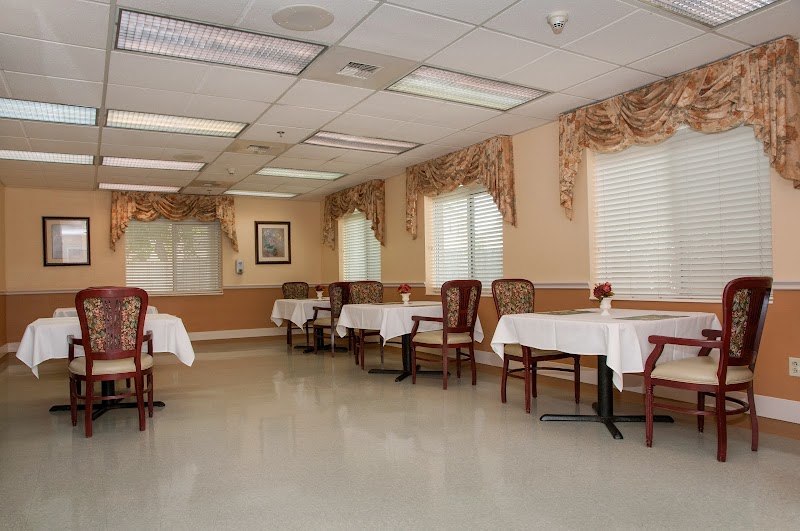
How Does Garden Terrace Alzheimer'S Center Of Excellence Compare to Other Texas Nursing Homes?

Compared to the 100 nursing homes in Texas, GARDEN TERRACE ALZHEIMER'S CENTER OF EXCELLENCE's overall rating (4 stars) is above the state average of 2.8, staff turnover (47%) is near the state average of 46%, and health inspection rating (3 stars) is at the national benchmark.

What Should Families Ask When Visiting Garden Terrace Alzheimer'S Center Of Excellence?

Based on this facility's data, families visiting should ask: "What changes have been made since the serious inspection findings, and how are you preventing similar issues?" "Can I visit during a mealtime to observe dining assistance and food quality?" "How do you handle medical emergencies, and what is your hospital transfer rate?" "Can I speak with family members of current residents about their experience?" These questions are particularly relevant given the facility's Immediate Jeopardy citations.

Is Garden Terrace Alzheimer'S Center Of Excellence Safe?

Based on CMS inspection data, GARDEN TERRACE ALZHEIMER'S CENTER OF EXCELLENCE has documented safety concerns. Inspectors have issued 1 Immediate Jeopardy citation (the most serious violation level indicating risk of serious injury or death). The facility has a 4-star overall rating and ranks #1 of 100 nursing homes in Texas. Families considering this facility should ask detailed questions about what corrective actions have been taken since these incidents.

Do Nurses at Garden Terrace Alzheimer'S Center Of Excellence Stick Around?

GARDEN TERRACE ALZHEIMER'S CENTER OF EXCELLENCE has a staff turnover rate of 47%, which is about average for Texas nursing homes (state average: 46%). Moderate turnover is common in nursing homes, but families should still ask about staff tenure and how the facility maintains care continuity when employees leave.

Was Garden Terrace Alzheimer'S Center Of Excellence Ever Fined?

GARDEN TERRACE ALZHEIMER'S CENTER OF EXCELLENCE has been fined $105,724 across 2 penalty actions. This is 3.1x the Texas average of $34,136. Fines at this level are uncommon and typically indicate a pattern of serious deficiencies, repeated violations, or failure to correct problems promptly. CMS reserves penalties of this magnitude for facilities that pose significant, documented risk to resident health or safety. Families should request specific documentation of what issues led to these fines and what systemic changes have been implemented.

Is Garden Terrace Alzheimer'S Center Of Excellence on Any Federal Watch List?

GARDEN TERRACE ALZHEIMER'S CENTER OF EXCELLENCE is not on any federal watch list. The most significant is the Special Focus Facility (SFF) program, which identifies the bottom 1% of nursing homes nationally based on persistent, serious quality problems. Not being on this list means the facility has avoided the pattern of deficiencies that triggers enhanced federal oversight. This is a positive indicator, though families should still review the facility's inspection history directly.