Highland Park Care Center


8861 Fulton Street, Houston, TX 77022 (713) 862-1616
Non profit - Other 120 Beds CARING HEALTHCARE GROUP Data: November 2025 2 Immediate Jeopardy citations
Trust Grade
16/100
#739 of 1168 in TX
Last Inspection: June 2025

Inspected within the last 6 months. Data reflects current conditions.

Overview

Highland Park Care Center has received a Trust Grade of F, indicating significant concerns about the quality of care provided. It ranks #739 out of 1168 nursing homes in Texas, placing it in the bottom half of facilities statewide, and #61 out of 95 in Harris County, meaning only a few local options are worse. While the facility is improving, with issues decreasing from 11 in 2024 to 2 in 2025, it still has serious deficiencies, including failing to monitor a resident’s significant weight loss of 14.5% and not providing necessary oxygen treatments for another resident, which put their health at risk. Staffing is a major concern, with a low rating of 1 out of 5 stars and a high turnover rate of 65%, which is above the state average. Additionally, the facility has incurred $61,825 in fines, suggesting some compliance issues, and it has less RN coverage than 90% of Texas facilities, which may hinder the quality of care.

Trust Score
F
16/100
In Texas
#739/1168
Bottom 37%
Safety Record
High Risk
Review needed
Inspections
Getting Better
11 → 2 violations
Staff Stability
⚠ Watch
65% turnover. Above average. Higher turnover means staff may not know residents' routines.
Penalties
✓ Good
$61,825 in fines. Lower than most Texas facilities. Relatively clean record.
Skilled Nurses
⚠ Watch
Each resident gets only 11 minutes of Registered Nurse (RN) attention daily — below average for Texas. Fewer RN minutes means fewer trained eyes watching for problems.
Violations
⚠ Watch
18 deficiencies on record. Higher than average. Multiple issues found across inspections.
★★☆☆☆
2.0
Overall Rating
★☆☆☆☆
1.0
Staff Levels
★★★★★
5.0
Care Quality
★☆☆☆☆
1.0
Inspection Score
Stable
2024: 11 issues
2025: 2 issues

The Good

  • 5-Star Quality Measures · Strong clinical quality outcomes
  • Full Sprinkler Coverage · Fire safety systems throughout facility
  • No fines on record

Facility shows strength in quality measures, fire safety.

The Bad

2-Star Overall Rating

Below Texas average (2.8)

Below average - review inspection findings carefully

Staff Turnover: 65%

19pts above Texas avg (46%)

Frequent staff changes - ask about care continuity

Federal Fines: $61,825

Above median ($33,413)

Moderate penalties - review what triggered them

Chain: CARING HEALTHCARE GROUP

Part of a multi-facility chain

Ask about local staffing decisions and management

Staff turnover is elevated (65%)

17 points above Texas average of 48%

The Ugly 18 deficiencies on record

2 life-threatening
Jun 2025 2 deficiencies 2 IJ (2 affecting multiple)
CRITICAL (K)

Immediate Jeopardy (IJ) - the most serious Medicare violation

Deficiency F0692 (Tag F0692)

Someone could have died · This affected multiple residents

**NOTE- TERMS IN BRACKETS HAVE BEEN EDITED TO PROTECT CONFIDENTIALITY** Based on observations, interviews and record review the facility failed to maintain acceptable parameters of nutritional status ...

Read full inspector narrative →
**NOTE- TERMS IN BRACKETS HAVE BEEN EDITED TO PROTECT CONFIDENTIALITY** Based on observations, interviews and record review the facility failed to maintain acceptable parameters of nutritional status in such as usual body weight range and electrolyte balance, unless the resident's clinical condition demonstrated that this was not possible or resident preferences indicate otherwise for 1 of 8 (Resident #67) residents reviewed for weight loss. -The facility failed to ensure Resident #67 was monitored for weight loss resulting in a 14.5% or 24.8 pounds in a 3-month period. An Immediate Jeopardy (IJ) was identified on 6/6/25. The IJ template was provided to the facility on 6/6/25 at 3:16pm, While the IJ was removed on 6/8/25, the facility remained out of compliance at a scope of pattern with the potential for more than minimal harm the facility continued to monitor the implementation and effectiveness of their corrective systems. This failure could place residents at risk of malnutrition and medical complications due to severe weight loss. Finding included:Record review of Resident #67's admission Record generated on 6/8/25 revealed she was admitted to the facility on [DATE] with diagnoses of chronic venous hypertension (improper functioning of the vein valves in the leg, causing swelling and skin changes) with ulcer of bilateral lower extremity (refers to the lower legs and feet), schizophrenia (a disorder that affects a person's ability to think, feel and behave clearly and may result in a mix of hallucinations, delusions disorganized thinking and behavior) and malignant neoplasm of breast (breast cancer). She was [AGE] years of age. Record review of Resident #67's care plan (undated) revealed the following focuses, goals and interventions: - Focus: Resident #67 would participate in liberalized dining. Resident received a regular diet, regular texture and thin consistency liquids. Goal: Resident #67 would make acceptable food choices based on diseases and diagnoses. Target date: 7/21/25. Interventions: Resident #67 would be educated on nutrition as it related to her diagnosis and serve diet as ordered. - Focus: Resident #67 has behavior of resisting activities of daily living related to a diagnosis of schizophrenia. Goal: Efforts would be made to lessen episodes of behaviors with use of medication and redirection. Target date: 7/21/25. Interventions: Be firm, not forceful, encourage compliance with care, and monitor and document behaviors. - Focus: Resident #67 had a nutritional problem or potential nutritional problem. Goal: Resident #67 would comply with recommended diet for weight reduction daily through review date. Target date: 7/21/25. Interventions: Administer medications as ordered, monitor/document/report to physician as needed for signs and symptoms of dysphagia (difficulty swallowing foods or liquids), including pocketing, choking, coughing, drooling, holding food in mouth, several attempts at swallowing, refusing to eat, appears concerned during meals.- Focus: Resident #67 is at risk for weight loss related to 'weight loss abnormal.' Goal: Efforts would be made to prevent significant changes in weight and provide adequate nutrition. Target date: 7/21/25. Interventions: Assist Resident #67 with meals, verbally and physically as needed. Feed Resident #67 if needed, and dietary consult as needed. Record review of Resident #67's quarterly MDS assessment dated [DATE] revealed she had a BIMS of 10, indicating moderate cognitive impairment. She had behaviors of inattention and disorganized thinking. She rejected care 1-3 days of 7 days. She required supervision or touching assistance (helper provided verbal cues and/or touching/steadying and/or contact guard assistance as resident completes activity) for eating. She had no weight loss and was no on a therapeutic or mechanically altered diet. Record review of Resident #67's Weight Summary (undated) revealed she weighed 171 pounds on 3/5/25 when measured using a mechanical lift. Record review of Resident #67's POC Legend Report generated on 6/6/25 revealed the following: - It was documented that the resident ate less than 25% of her meal on 4 occasions between 3/1/25 and 4/30/25. - It was documented that the resident ate between 26% and 50% of her meal on 25 occasions between 3/1/25 and 4/30/25. - There was no record of percentage of meal eaten (missed documentation) for 3 morning meals, 11 noon meals, and 22 evening meals between 3/1/25 and 4/30/25. Record review of Resident #67's laboratory results dated [DATE] revealed she had a low albumin level of 2.7 g/dL (low albumin levels in the blood can be a result of liver disease, kidney disease or malnutrition). The reference range indicated it should have been between 3.5-5.7 g/dL. Her blood glucose level was critically low at 42 mg/dL (low glucose levels in the blood can be a result of hormonal imbalance, liver disease, kidney disease or malnutrition). The reference range indicated it should have been between 65-110 mg/dL. Her sodium level was high at 147 mmol/L (high sodium levels in the blood can be a result of dehydration or excessive sodium intake). The reference range indicated it should be between 136-145 mmol/L. Her potassium level was low at 3.2 mmol/L (low potassium levels in the blood can be a result of medication use, diarrhea, vomiting and eating disorders). The reference range indicated it should have been between 3.6-5.2 mmol/L. Record review of Resident #67 progress note dated 5/5/25 revealed the nurse practitioner was notified of the resident's laboratory results dated [DATE]. She ordered 40 milliequivalents (the note did not specify which medication) to be administered on 5/5/25, then another dose to be administered 5/6/25. Resident #67's blood sugar was taken again, and it was at 164 mg/dL. Record review of Resident #67's nursing progress note written by the DON dated 5/20/25 at 11:41am revealed Resident #67 refused to be weighed three times. It indicated the resident's RP and MD were notified, and there were no signs of weight loss observed. The note stated she consumed 80-100% of meals. Record review of Resident #67's nursing progress notes dated 4/5/25-6/4/25 revealed there were no progress notes regarding abnormal nutrition or weight loss. Record review of Resident #67's POC Legend Report generated on 6/6/25 revealed the following: - It was documented that the resident ate less than 25% of her meal on 14 occasions between 5/1/25 and 6/4/25. - It was documented that the resident ate between 26% and 50% of her meal on 25 occasions between 5/1/25 and 6/4/25. - There was no record of percentage of meal eaten (missed documentation) for 2 morning meals, 6 noon meals, and 11 evening meals between 5/1/25 and 6/3/25. In an observation and attempted interview on 6/3/25 at 10:12am, Resident #67 was in bed in her room with her breakfast of French toast and sausage patties. Her breakfast was untouched. She had a carton of milk in her right hand, holding it close to her body. Her hand was shaking. I did not see her bring anything to her mouth for 3 minutes. Her left hand was under the bedsheet. I attempted to interview Resident #67, but she did not answer my questions. She acknowledged that I was there and smiled at me. In an interview on 6/3/25 at 2:06pm, LVN A, when asked what her role was in nutrition monitoring, she said the CNAs monitor percentage of meals eaten and document it in the system. She said she monitored meal intake. She said the CNAs would report to her if a resident had poor meal intake. If she became aware of nutrition problems, she would call the doctor. When asked if anyone that she was caring for had nutrition problems, she said Resident #67 was not eating too much, and ate breakfast late. She said she was not aware of any weight loss, stating she weighed the same since she has known her. In an observation and interview on 6/3/25 at 3:22pm, Resident #67 was in her room with her lunch tray in front of her. Her spoon was dirty, but most of the food was untouched. Her breakfast tray was on a side table in her room, uneaten. CNA G walked into the room to pick up her meal trays. She said at times, Resident #67 did not eat, and only drank milk. In an observation and interview on 6/4/25 at 5:35pm, Resident #67 was asleep in her bed. She had her dinner tray in front of her that was untouched. It contained chicken and corn. Her meal ticket said to add milk to her tray, however there was no milk carton present. When the surveyor asked the DON about the milk, she said the milk is in the kitchen and she would get some for her now. She left and returned at 5:43pm. She placed the milk on her tray and left the room. In an observation and interview on 6/4/25 at 6:26pm, Resident #67 was in her room, awake, with her dinner in front of her. She was holding a cup of purple juice with her right hand and her hand was shaking, and she was spilling the juice on her bedsheets. Her dinner was untouched, and the silverware was wrapped in a paper bag. I asked her questions about her meal, and her need for assistance, but she did not respond. I asked if she could reach for her silverware, but she did not move her hands. Her left hand was under the bedsheet.In an observation and interview on 6/4/25 at 6:35pm, RN E stated his role in nutrition monitoring was to confirm a resident's diet and follow physician's orders. He said weight frequently is based on the physician's orders. He said if he noticed problems with a resident's nutrition, he would let the doctor know. He said if a resident had poor meal intake, he would interview the resident to determine why they were not eating and try to figure it out. When asked about Resident #67, he said she had not noticed any signs of weight loss. During the interview, we entered Resident #67's room. We saw her holding the cup of purple juice and her meal was untouched. RN E stated that Resident #67 fed herself at her own pace. He left to get some help pulling her up in bed. RN E returned with Medication Aide B. They pulled her up in bed, then RN E took her silverware out of the paper and placed it on the plate. Medication Aide B said they could not help feed her, and she ate what she wanted. She said it usually took her time to eat. In an interview on 6/5/25 at 9:20am, Unit Manager A said she had not noticed any nutritional changes of condition for Resident #67. She said Resident #67 did not like some meals and an alternate was offered. She said if a resident ate 10-25% of a meal, she would want to know immediately so they can offer an alternate meal. She said at times, she refused care. When asked if it was possible to reweigh the resident since she refused to be weighed in May 2025, she immediately asked Restorative Aide A to attempt to weigh Resident #67 who agreed. In an observation and interview on 6/5/25 at 9:55am, Resident #67 was in her room with her breakfast tray in front of her. There was a small bite of egg missing from her tray. There were two whole English muffins. Her fork was placed in her plate next to the eggs. She was holding a plastic cup of orange juice with a paper cover over it close to her body with her right hand. Her left hand was underneath the bedsheet. Her right hand was shaking. She stated, take off multiple times while I was in the room. Record review of Resident #67's Weight Summary (undated) revealed she weighed 146.2 pounds on 6/5/25 when measured using a mechanical lift. In an observation and interview on 6/5/25 at 10:14pm, Restorative Aide A exited Resident #67's room with a mechanical lift. She said she weighed the resident, and she was 146.2 pounds. She said the resident got a little scared when she was suspended in the air, but they were able to complete the weight today without refusal. In an observation on 6/5/25 at 11:51am, Resident #67 was in her room with her breakfast tray of eggs and 2 English muffins. Her fork was placed on her plate next to the eggs. There was a small bite of egg missing from her tray. The English muffins were untouched. She had a cup in her right hand. Her whole chest was covered in a beverage. The resident was sleeping. In an observation and interview on 6/5/25 at 12:10pm, Resident #67's guardian visited with Resident #67. Resident #67 repeatedly asked her, you need to pull me up? Resident #67's guardian stated she was not like this the last time she saw her on 5/9/25. She said she was usually more alert and more conversational. She said she was notified of any changes of condition, including weight loss or decline in ability to feed herself. In a telephone interview on 6/5/25 at 1:08pm, MD A, she said she saw Resident #67 about a month ago. She said she refused everything and told some staff not to touch her. She said she did not like to get out of bed and has some psychological issues. She said she can use both hands and can feed herself. She said she thought Resident #67 ate most of her meals, stating she had not heard anything. She said if a resident lost weight, she would want to be notified if they lost 10-15% of their body weight. She said if she was aware of this type of weight loss, she would want to see weekly weights for 4 weeks and write an order for nutritional supplements to ensure they received enough protein. She said if a resident lost weight, they would be at risk of malnourishment. In an interview on 6/5/25 at 1:19pm, the Dietician said she would typically not do an assessment of a resident until it was known they had weight loss. She said if a resident refused to be weighed, and she was aware of reports of someone not eating, she would complete a visual assessment. She said if there was no assessment in her chart, one was not completed. Record review of Resident #67's electronic medical chart revealed there was no nutritional assessment. In an interview on 6/5/25 at 1:45pm, CNA A stated Resident #67 ate very slow, and she would try to feed her something solid. She said she like to drink milk frequently. She said held her drinks in her hand and she would spill them on herself. She said she had noticed Resident #67 was eating about 25-50% of her meals. She said she documented meal intake percentages in the electronic medical record. In an interview on 6/5/25 at 1:50pm, CNA C said Resident #67 took a really long time to eat, and spilled food and drinks frequently on herself. She said Resident #67 ate about 25-50% of her meals. She said she has not been eating too much. She said she would report to the nurse in the same day if she noticed a resident was not eating more than 25-50% of their meals. She said she could not remember if she reported Resident #67's meal intake to the nurse. In an interview on 6/5/25 at 2:15pm, CNA B said Resident #67 spilt juice on herself at times. She said at times, Resident #67 refused to be lifted up in bed. She said she noticed a problem and notified LVN E last week. She said she noticed she lost weight in her midsection, and she was lighter when repositioning/turning. In an interview on 6/6/25 at 9:44am, CNA G said Resident #67 always asked for milk with her tray. She said she offered to feed her in the past, but the resident stated she can feed herself. She said when she picked up her tray, she noticed she hardly ate anything. She said when she dropped off the tray, she would open everything and gave her the spoon. She said she let the nurse know when she did not eat, which was normal for her. She said she could not recall who she told. She said over the last 3 months, Resident #67 looked the same. She said the last DON had a box at the nurse's station for meal tickets, but the box was no longer there. In an interview on 6/5/25 at 3:30pm, the DON stated she expected the CNAs to report to the nurse when a resident was eating less than usual throughout their shift. When asked about Resident #67's weight that was taken today, she said the weight could not be correct, because it seemed low. She said there was a possibility that cancer was causing weight loss. The DON said the dietician was not monitoring the resident. She said Resident #67 frequently refused care. She said Resident #67 was scheduled to receive monthly weights, and she was not on any type of special monitoring for weight loss. She said she refused to be weighed in May 2025 and she notified the guardian. She said without a weight value, they would monitor meal intakes and make visual observations of the resident to determine if there was weight loss. In an interview on 6/5/25 at 5:18pm, RN E stated none of the staff reported weight or nutrition concerns to him. He said he was surprised about Resident #67's new weight that was taken today because she did not look like she lost weight. In a telephone interview on 6/5/25 at 8:45pm, LVN T said he worked primarily from 10pm-6am and would occasionally work 2pm-10pm. He said Resident #67 was bedbound and was very particular about her care. He said he was not aware of any weight loss or her nutrition status. He said she ate well and had not skipped a meal. He said when he worked the evenings, he reminded her or insisted that she ate her meal. He said she was capable of feeding herself. He said the CNAs had not reported to him that she lost weight. If she had, he would have notified her physician. He said Resident #67 had cancer and knew her prognosis was poor and the cancer was advancing.In an observation and interview on 6/6/25 at 2:31pm, the DON said the facility had SOC (standards of care) meetings weekly to review trending weights and discuss residents. She said the CNAs document meal intakes in the electronic chart and they review the meal intake values in the SOC meetings. She said if they noticed a downward trend in meal intake, they would put the resident on a watch list. She said the facility took the following steps to communicate the watchlist to the staff: the nurse managers attend the SOC meetings, then the nurse managers report to the nurses, and the nurses report to the CNAs. When asked why Resident #67's weight loss went unnoticed, she said she was new and was not aware of Resident #67's baseline, and further stated her BMI was high and it did not look like she had failure to thrive. When asked about the residents discussed in the SOC meetings, she said they reviewed new admissions and any new incidents. She said the IDT selects who is discussed during the meeting. The DON reviewed the SOC meeting minutes from the time she started at the facility in late April 2025 to now and did not see Resident #67's name listed for weights. She then opened the binders for the SOC meetings before she started, and the binders were empty. She could not state where the SOC meeting minutes were located for the last year. She said residents were referred to the dietician when the MD wrote an order for a referral, notice weight trending down, or if a nurse requests it. She said nurses were required to monitor residents who ate in their rooms. She said she was not sure if they were doing it. She said the CNAs should report poor meal intakes so the nurse can put interventions in place. In an interview on 6/6/25 at 5:30pm, the Unit Manager A said if a resident lost or gained weight, they would notify the resident's physician and dietician, then try house supplements. She said if a resident refused to eat a meal, they should be offered an alternate meal. She said the CNAs should notify the charge nurse if residents are not eating. She said a resident would be referred to the dietician if there was a weight loss or weight gain. She said Resident #67 refused care at times, but she said it was all about the approach. She said if she refused for one person, let someone else try. She said the CNAs collected the resident's meal tickets (they were included on each resident's tray) and wrote down the percentage eaten on each ticket. They documented the percentage eaten in the electronic health record, then gave tickets that showed less than 50% eaten to the charge nurse. She said the charge nurses were to notify the resident's physician and try to determine why they are eating less than 50% and provide nutritional supplements or alternate meals. She said at times, there was a disconnect between the CNAs and the nurses in communication. She said nurses were required to monitor residents who eat meals in their rooms, and she was unsure if this was occurring. In an interview on 6/7/25 at 12:52pm, CNA T said he had worked at the facility for three weeks. He said Resident #67 rarely ate her meals. He said he mentioned it to the nurse but could not remember who he told. In an interview on 6/8/25 at 11:50am, the Administrator said he oversaw clinical services by asking questions and being aware of everything going on in the facility. He said if a resident was sick or did not seem well, he would ask the nurses questions. He said he started a few months ago, and the DON was new. He said it would take time to implement changes at the facility. This was determined to be an Immediate Jeopardy (IJ) on 6/6/25 at 3:16pm. The Administrator was notified. The Administrator was provide with the IJ template on 6/6/25 at 3:16pm and a Plan of Removal was requested.The following Plan of Removal submitted by the facility was accepted on 6/7/25 at 3:13pm:PLAN OF REMOVALF692The following plan of action outlines immediate interventions employed by the facility to remove any further concerns surrounding weight loss:o Regional Director of Operations re-educated Administrator on ensuring resident care to include nutrition and weight loss. 6/6/2025o Regional Nurse Consultant for facility educated Director of Nursing on ensuring resident care nutrition and weight status. 6/6/2025o Immediate interventions put in place for resident #67 including: weekly weights x4 weeks, labs drawn (prealbumin, CBC, CMP), speech therapy to evaluate and treat, Magic cup supplement three times per day, house supplement three times per day, fortified meal plan to all meal trays, large protein portions to all trays, snacks offered between meals, and resident to be up in dining room for all meals for needed assistance. If the resident refuses to come to dining area a qualified member of nursing staff, CNA or nurse, will assist resident in her room with meals. The resident's primary care practitioner and the dietitian were both notified of the resident's weight loss status with new orders noted as indicated above. The resident's careplan was updated to include weight loss and interventions implemented with direct nursing staff instructed on the plan of care developed to address the resident's weight loss. 6/6/2025o DON, ADON, and Unit Managers ensured completion of obtaining all resident weights in the facility and assessed for weight variances requiring immediate intervention. Two residents were identified as showing a trend in weight loss with MD and Dietitian notifications made and interventions implemented as ordered. 6/6/2025o DON/ADON, Unit Managers and/or designee to re-educate all nursing staff on nutrition, weights and reporting of decreased meal intake and/or inability for resident to independently feed themselves and intervene/assist. 6/6/2025.o Audit of prior 7-day meal intake documentation via EHR of all residents performed by facility nurse consultant to assess for decrease in intake of active residents. The results of the audit found 18 residents, including resident #67, that needed to be observed during meal service to note if assistance during meal service required. List of the residents identified given to DON for distribution to the nurse managers and nursing staff involved in resident care. This intake will be monitored by nursing staff in the dining room and on the units per the education received by the staff following the receipt of IJ status. 6/6/2025o Facility DON discussed findings from survey allegations with the medical director and dietitian to ensure continuation and participation of all practitioners with resident nutritional status and orders for interventions, as needed, to be implemented. 6/6/2025 Interventions and Monitoring Plan to Ensure Compliance Quickly:o The Administrator/Director of Nursing/Designee educating all facility staff on recognizing and immediately reporting to appropriate nursing staff any observed resident decrease in meal consumption noted. The nurse aides will report decreased intake by giving the resident meal tickets of residents consuming <50% of meals to charge nurse after documenting meal intake percentage in EHR. The charge nurse will sign each tray ticket given to them to initiate assessment and intervention if required as noted below and give signed tray tickets to DON/ADON, or Unit Manager daily. The DON/ADON and/or unit manager will ensure that appropriate follow-up, including MD and Dietitian notification if required, are instituted based on individual resident needs. The DON, ADON and/or Unit Managers will monitor this process by monitoring of meal intake records in EHR with staff trainings prior to the start of their next designated shift and resident care following the notice of Immediate Jeopardy as noted below. Initiated: 6/6/2025 Completion: 6/7/2025o Careplans will be updated to reflect current nutritional needs and functional needs related to nutrition, i.e. assisting with feeding, monitoring of residents needed, supplements, snacks, etc by the MDS Nurse and/or DON/ADON in the absence of MDS Nurse. These careplan changes/needs will be communicated to care staff through the resident Kardex available via EHR and changes in plan of care will be communicated with DCS, therapy, dietitian, primary care providers through SOC meetings, weight management meetings, QAPI, and/or directed communication [NAME] Interdisciplinary team comprised of DON, ADON, Administrator, Dietary Manager, Social Worker, and MDS Nurse to begin nutrition/weight meetings weekly assessing resident nutritional status and intake. Findings from meetings to be documented and reported to individual resident primary care providers as indicated as well as the Dietitian. Medical Director to be updated weekly during facility SOC meetings. Initiated: 6/6/2025 Completed: 6/7/2025o Implementation of residents requiring assistance with meal service and nutritional intake being brought to the dining room for oversight and assistance based on intake documentation and/or observed or noted changes in resident reported by staff or found during weekly weight meetings. This is to be overseen by DON, ADON and Unit Managers. Initiated: 6/6/2025 Completed 6/7/2025o Any resident showing signs of needing assistance as identified by staff who were educated as noted above, will be assessed by nursing staff for initiation of interventions which may include therapy services, physical assistance with feeding, and/or medical intervention as warranted. Nurses educated on steps to initiate following reporting of observation or reporting by other staff which may include: obtaining new weight on resident, assessing resident for change in condition or psychological factors/environmental factors, notifying the physician if decreased intake patterned and requires immediate orders, notifying DON and/or ADON/Unit Manager of decreased intake through the meal tickets of residents identified to have eaten less than 50% to ensure weight program initiated and/or changed if indicated. Initiated: 6/6/2025 Completion: 6/7/2025o Staff that are on leave from the facility will be re-educated by Administrator/DON/ADON/Designee on nutritional status including meal intake, assistance, documentation, reporting of change in nutritional/intake, and signs and symptoms of weight loss status prior to return to their next shift. This facility does not employ the use of agency personnel. The DON will ensure education performed via inservice documentation/signature. DON has ensured that MD notification and interventions are in place for resident identified in IJ and that MD notification was completed. Initiated: 6/6/2025 Completion: 6/7/2025o DON/ADON and/or designee to notify dietitian immediately of noted weight change, meal intake change, including changes in diet consistency, with response to be documented and primary practitioner notification initiated for orders and/or implementation of dietitian recommendations. The DON will be responsible for oversight of the weight program in the facility utilizing EHR documentation, including weekly and monthly weights obtained by designated nursing staff, intake documentation and nursing documentation. If the DON is unavailable for any reason, oversight of the weight program will be provided by the ADON and/or designated Unit Manager. Initiated: 6/6/2025 Completed: 6/7/2025o The facility has an alternative meal menu posted for each meal as well as an always available menu consisting of: chef salad, grilled cheese, hamburger, or hot dog. For documentation of alternative meal offering and acceptance or refusal, the follow-up question of alternative offered if less than 50% and acceptance or refusal of offering is added to EHR documenting process for each resident at each meal. Education of nursing staff including CNA's on the added documentation provided by Inservice with staff not on duty at time of inservice to be inserviced prior to start of next shift. This documentation will be checked by DON/ADON and/or designee along with intake monitoring as noted above. Initiated: 6/7/2025 Completed 6/7/2025o The policy and procedure already in place for nutrition and weight monitoring was reviewed by Regional [NAME] President of Operations and Regional Nurse Consultant with no revisions required. Initiated: 6/6/2025 Completed: 6/7/2025 o Facility Administrator and/or DON will ensure implementation and completion of interventions through individual communication with team members and medical practitioners, as well as weekly SOC meetings and QAPI meetings as indicated below. Initiated: 6/6/2025 Completed: 6/7/2025The QAPI Team, led by the Administrator, will meet weekly for 3 weeks to discuss that coordination and completion of all education, assessments, and interventions are utilized to ensure that appropriate nutritional and hydration monitoring and weight maintenance are followed and maintained per current facility policy. The Medical Director was notified of Immediate Jeopardy on 6/6/2025 and will be part of the QAPI intervention meetings. Procedures on resident rights, including investigation process and outcomes, as well as ensuring resident safety to be added to the QAPI monthly for 3 months following the initial 3 weeks to monitor program progress.The surveyor confirmed the plan of removal had been implemented sufficiently to remove the IJ by the following:In an interview on 6/8/25 with the DON at 1:15pm and with the Administrator at 11:50am, they both confirmed that they were in-serviced on nutrition status and weight loss and confirmed they could articulate the policy and procedures in the plan of removal. Record review of Resident #67's care plan revealed it was updated on 6/6/25 to include additional interventions for a focus of nutritional problem. Interventions included encourage resident to attend meals in the dining room, explain and reinforce the importance of maintaining diet, invite the resident to activities that promote additional intake, obtain and monitor lab/diagnostic work as ordered, provide and service supplements as ordered, dietician to evaluate and make diet change recommendations, and monitor weights monthly and weekly.Record review of Resident #67's physician orders dated 6/5/25 revealed orders for the following: weekly weights for 4 weeks, speech evaluation and treatment, magic cup (a high-calorie ice cream/pudding dessert) three times a day, house supplement three times daily, large portion diet and basic metabolic panel (lab work to test for substances in the blood). Record review of Resident #67's Nutrition assessment dated [DATE] initiated by the Dietician revealed it was 'in progress.' In an observation and interview on 6/7/25 at 8:25am, Resident #67 was in bed eating breakfast with the assistance of LVN A. LVN A had fed her a few bites of her pancakes and 3/4 of a breakfast sausage link. Resident #67 asked for her milk carton. LVN A left to get a straw. While LVN A was gone, Resident #67 reached for her milk carton on her tray, but could not reach it. When LVN A returned with the straw, she drank the whole carton of milk. LVN A left to get another milk carton. In an interview on 6/7/25 at 11am, LVN A said Resident #67 ate about 50% of her breakfast in the morning, including 1 pudding cup, 2 sausage links, some of the grits and 2 milk cartons. In an observation on 6/8[TRUNCATED]
CRITICAL (K)

Immediate Jeopardy (IJ) - the most serious Medicare violation

Respiratory Care (Tag F0695)

Someone could have died · This affected multiple residents

**NOTE- TERMS IN BRACKETS HAVE BEEN EDITED TO PROTECT CONFIDENTIALITY** Based on observation, interview, and record review the facility failed to ensure that a resident who needed respiratory care and...

Read full inspector narrative →
**NOTE- TERMS IN BRACKETS HAVE BEEN EDITED TO PROTECT CONFIDENTIALITY** Based on observation, interview, and record review the facility failed to ensure that a resident who needed respiratory care and services, including oxygen administration was provided such care, consistent with professional standards of practice for 1 of 3 residents (Resident #43) reviewed for respiratory therapy in that:The facility failed to ensure Resident #43 received continuous oxygen and nebulizer treatments to meet her respiratory needs, resulting in Resident #43 experiencing oxygen saturations of 90 on 6/3/25 and 80 on 6/5/25. Resident #43 was experiencing anxiety and a change to her daily routine as a result. The facility failed to ensure Resident #43 was administered oxygen per the physician's order resulting in the resident receiving oxygen at a rate higher than what was prescribed placing her at risk of medical complications. An Immediate Jeopardy (IJ) was identified on 6/26/25. The IJ template was provided to the facility on 6/26/25 at 12:00pm, While the IJ was removed on 6/27/25, the facility remained out of compliance at a scope of pattern with the potential for more than minimal harm the facility continued to monitor the implementation and effectiveness of their corrective systems. This failure could place residents at risk of respiratory distress, anxiety and decline in quality of life. The findings included:Record review of Resident #43's admission Record generated on 6/8/25 revealed she was admitted to the facility on [DATE] with diagnoses of respiratory failure, schizophrenia (a disorder that affects a person's ability to think, feel and behave clearly), parkinsonism (characterized by tremor, rigidity and postural instability), dementia (decline in mental ability severe enough to interfere with daily life), dysphagia (difficulty swallowing foods or liquids), insomnia (a sleep disorder where people struggle to fall asleep), tremor, cellulitis (bacterial skin infection), morbid obesity, generalized anxiety disorder, chronic obstructive pulmonary disease (COPD .a progressive lung disease that makes it difficult to breath). She was [AGE] years of age. Record review of Resident #43's quarterly MDS assessment dated [DATE] revealed she had a BIMS of 10, indicating moderate cognitive impairment. She had a PHQ-9 score of 6, indicating she had mild depression symptoms. She had behaviors of delusions and verbal behaviors that occurred 1-3 days of 7 days. It further indicated she required partial/moderate assistance with person hygiene tasks, including combing hair, shaving, applying makeup and washing/drying face and hands. She used a wheelchair for mobility and required partial/moderate assistance with transfers from sitting to standing, chair to bed, toilet and tub/shower transfers. She did not have signs of shortness of breath. Record review of Resident #43's care plan (undated) revealed the following focuses, goals and interventions: - Focus: Resident #43 had a diagnosis of COPD. Goal: Resident #43 would be free from signs and symptoms of respiratory infections. Target Date: 6/1/25. Interventions: Give oxygen therapy as ordered by the physician, monitor for difficulty breathing on exertion. Remind resident not to push beyond endurance. - Focus: Resident #43 exhibited signs and symptoms of anxiety. Goal: Resident #43 would have no side effects from medication. Target date: 6/1/25. Interventions: Administer medications as ordered, monitor for side effects of medications. - Focus: Resident #43 had oxygen therapy related to hypoxia. Goal: Resident #43 will have no signs or symptoms of poor oxygen absorption through the review date. Interventions: Give medications as ordered by physician. Monitor for signs and symptoms of respiratory distress and report to physician as needed. - Focus: Resident #43 had shortness of breath. 11/4/24 Albuterol Sulfate Inhalation solution as ordered. Goal: Resident #43 would have no complications related to shortness of breath. Target date: 6/1/25. Interventions: Monitor/document changes in orientation, increased restlessness, anxiety, and air hunger, monitor/document breathing patterns, report abnormalities to physician including nasal flaring, respiratory depth changes, altered chest excursion, use of accessory muscles, pursed-lip breathing, or prolonged expiratory phase. Record review of Resident #43's Order Summary Report generated on 6/4/25 revealed she had an order for Oxygen at 3 L/min by nasal cannula continuously for a diagnosis of hypoxia (an absence of enough oxygen in the tissues to sustain bodily function), and an order for Albuterol Sulfate Inhalation Nebulization Solution (2.5 mg/3mL) 0.083%, inhale 3 mL orally by nebulizer every 4 hours as needed for shortness of breath. Record review of Resident #43's Progress Note completed by NP B dated 5/28/25 revealed her baseline oxygen saturations were above 93% (oxygen saturations refer to the percentage of hemoglobin in your blood that was carrying oxygen, and was a measure of how well oxygen was being transported to your body's tissues. Normal oxygen saturation levels for healthy individuals typically range from 95% to 100%). Record review of Resident #43's Treatment Administration Record dated May 2025 revealed Albuterol Sulfate Inhalation Nebulization Solution was not administered during the month of May 2025. Record review of Resident #43's Treatment Administration Record dated June 2025 revealed the nurse checked oxygen placement every shift between 6/1/25 and 6/4/25. In an observation and interview on 6/3/25 at 10:45am, Resident #43 was in a wheelchair sitting in the hallway. She had an oxygen tank on the back of her wheelchair that was not empty, and the nasal cannula was in place under her nose. She approached CNA A and asked if she could help her go to bed. CNA A told her she could not assist right now. Resident #43 approached the surveyor and said she was short of breath and wanted to go to bed. She then saw Medication Aide C and asked her if she could help her to bed. Resident #43 was breathing with her mouth and taking deep, quick breaths with pursed lips. Medication Aide C said, no, ma'am, go to the front. I'm going to find you some lunch .go to the dining room. In an observation and interview on 6/3/25 at 11:09am, Resident #43 saw the surveyor in the hallway and asked if I could help her to bed. She was taking deep, quick breaths using her mouth with pursed lips. Surveyor asked CNA A about Resident #43's breathing, and CNA A said she could not understand my question since she spoke primarily Spanish. She took Resident #43 to her room to assist her with transferring to her bed. Resident #43 stated she was feeling bad and did not want to go to the dining room. In an observation and interview on 6/3/25 at 2:06pm, LVN A said Resident #43 had an order for a breathing treatment that she received when she was short of breath. She said she was not aware of Resident #43 experiencing shortness of breath today, but said she had been anxious. She said she would go check on her now. She went in the room and Resident #43 was breathing deep breaths using her mouth with pursed-lips. LVN A checked her oxygen saturations with a pulse oximeter (a devise that measure the percentage of oxygen in your blood), and it was 90%. Her oxygen concentrator was on and her nasal cannula was in place. LVN A said she would administer a breathing treatment now. Record review of Resident #43's Treatment Administration Record dated June 2025 revealed LVN A administered Albuterol Sulfate Inhalation Nebulization Solution (2.5 mg/3mL) once in June 2025 on 6/3/25 at 2:08pm. In an interview on 6/4/25 at 6:35pm, RN E said to monitor Resident #43's respiratory status, they check her oxygen saturations. He said if she rested in bed, her oxygen saturation was higher, and if she was ambulating with her wheelchair or stressed, it would be lower. He said if her oxygen saturation was 89 or 90 and below, he would be concerned and call the doctor. He said she had a scheduled breathing treatment and she received it regularly. He said the signs of shortness of breath were flaring nose, using abdominal muscles to breathe and high number of breaths per minute. He said Resident #43 was at her baseline yesterday and he did not notice any concerns. In an observation and interview on 6/5/25 at 8:52am, Resident #43 was in bed only wearing a brief and a shirt. She was taking deep breaths and pursing her lips. She was struggling to get words out when I asked her questions. She said she was not able to sleep last night and said for the last 2-3 days she could hardly breath. An observation of her oxygen concentrator revealed it was set at 2 L/min and the bottle that contained water was on the floor and the tubing that was attached to the bottle was not connected to the concentrator. The concentrator was on. Surveyor left to find the charge nurse. LVN A entered Resident #43's room and said her oxygen concentrator was not working because the tubing was disconnected. She said she last saw her about an hour ago. When she checked her oxygen saturation it was 80. She placed the nasal cannula on Resident #43 that was connected to the oxygen tank on the back of her wheelchair. She said she turned the oxygen tank up to 5 L/min. Her oxygen saturation gradually went up and at 9:04pm it was 95. LVN A said 92-95% was her baseline. She said typically the CNA will report to the nurses if the resident was showing signs of shortness of breath. When asked about the bottle being on the floor, Resident #43 said she did it. In an interview on 6/5/25 at 10:00am, Unit Manager A said Resident #43 removed her oxygen nasal cannula at times. She said her oxygen saturation dropped really low without the oxygen in place. She said if she was short of breath, she would breath with pursed lips. She said she was not aware of signs of shortness of breath recently. She said she had a breathing treatment every 4 hours if needed. She said they were utilizing the breathing treatment. She said she was unsure why Resident #43's oxygen concentrator was set at 2 L/min since her order was for 3 L/min. In an interview on 6/5/25 at 12:10pm, Resident #43's guardian said she was usually out in facility running the place. She said if she was reserved or quiet, they need to check on her. She said she was not aware of her having shortness of breath. In an observation and interview on 6/5/25 at 12:52pm, Resident #43's guardian entered Resident #43's room and said, What's wrong. Resident #43 stated she had not been feeling very good. The guardian asked her how long it had been since she has been feeling this way and she said, a while. The guardian told the surveyor that this was not her norm. Her oxygen was on and nasal cannula was in place. In an interview on 6/5/25 1:50pm, CNA C said she was caring for Resident #43 this morning. She said she saw Resident #43 at 6am when she arrived, and she did not want to get up and looked tired. She said around 9am, she noticed Resident #43 was short of breath, and it was worse than the previous day. She said she tried to get her dressed but she was not receptive. She said when she asked her questions she did not respond right away, and she would breathe and not really answer. She said she told LVN A about her condition before breakfast. In an interview on 6/5/25 at 1:45pm with the assistance of CNA W acting as a Spanish translator, CNA A said she did not have any concerns about Resident #43's condition, including her respiratory status, when she cared for her on 6/3/25. She said when she had heavy breaths, she would sit her up or pull her up in bed. She said if residents had difficulty breathing, she would let the nurse know. In an interview on 6/5/25 at 3:30pm, the DON said for residents receiving oxygen, their oxygen saturation should be checked every shift and observe for any changes. She said any oxygen saturation below 89-90 would warrant a nursing assessment. She said the nurses should follow physician's orders. She said the CNAs should report symptoms of shortness of breath to the nurses. She said a breathing treatment should be administered as needed for shortness of breath. She said Resident #43's oxygen saturation baseline is 90-95%. She said because the resident had COPD which affects her oxygen levels. In a telephone interview on 6/5/25 at 8:24pm, LVN T said he had not noticed any changes of condition in Resident #43's respiratory status. He said he checked her oxygen saturations and respiration rates, and she received a breathing treatment at midnight and 6am during his shift. He said he would be concerned about her respiratory status if her oxygen saturations were lower than 93 or 92%. In a telephone interview on 6/5/25 at 9:54am, MD B said Resident #43 had COPD, and her oxygen saturations should be around 92% since breathing could cause carbon dioxide toxicity. He said the resident's Albuterol nebulizer should be administered when she exhibited signs of respiratory hunger, shortness of breath and using ancillary muscles to breath. He said anytime she experienced these symptoms, she should get a nebulizer treatment. He said they could not overuse the Albuterol nebulizer. He said the first thing a nurse should do if resident was experiencing signs of distress was to check the oxygen saturations. He said it would take a long time for her oxygen levels to be so low that she had a change of condition because, due to her condition, she was used to low oxygen levels. In an interview on 6/24/25 at 2:35pm, NP B said she would want to keep Resident #43's oxygen saturations above 90%. She said staff should call her if her oxygen saturations falls below 90%, and would like to be notified even if it rebounds back up after it drops. She said if someone at the facility turned up her oxygen to a higher rate than the order, she would want to be notified. She said it would be okay if staff increased Resident #43's oxygen rate to 5 L/min if her oxygen saturation dropped to 80%. She said after an incident like this, she would prefer staff to call her so they can talk about interventions. She said it could be harmful because it may increase the level of carbon dioxide. She said she was not aware of a situation when facility staff increased the oxygen rate. Record review of the facility's policy regarding Oxygen Administration (undated) read in part, The purpose of this procedure is to provide guidelines for safe oxygen administration. Preparation: 1. Verify that there is a physician's order for this procedure .before administering oxygen, and while the resident is receiving oxygen therapy as indicated, assess for the following: .2. Signs or symptoms of hypoxia (i.e. rapid breathing, rapid pulse rate, restlessness, confusion) .check the mask, [NAME], humidifying jar, etc. to be sure they are in good working order and are securely fastened .observe the resident upon setup and periodically thereafter to be sure oxygen is being tolerated . This was determined to be an Immediate Jeopardy (IJ) on 6/26/25 at 12:00pm. The Administrator was notified. The Administrator was provided with the IJ template on 6/26/25 at 12:00pm and a Plan of Removal was requested.The following Plan of Removal submitted by the facility was accepted on 6/27/25 at 8:06am:PLAN OF REMOVAL F695The following plan of action outlines immediate interventions employed by the facility to remove any further concerns surrounding respiratory care and services resulting from the failure of facility staff to immediately address resident respiratory needs as communicated and noted in the resident careplan: Regional Director of Operations re-educated Administrator on ensuring resident care to include respiratory care and services. Completed 6/26/2025. Regional Nurse Consultant for facility educated Director of Nursing on ensuring resident care to include respiratory care and services. Completed 6/26/2025. Immediate interventions put in place at 6/5/2025 during full book survey for Resident #43 including: Practitioner notification and assessment as well as chest x-ray found to have no acute problems noted and labs which were unremarkable; monitoring to ensure oxygen nasal cannula in place and at appropriate setting and oxygen saturation levels within baseline for resident. The resident's careplan was updated to include interventions for keeping her nasal cannula in place including increased monitoring of placement documented on the eMAR as well as a new order from the practitioner to allow for resident to have nasal cannula removed for periods of time while resident has staff in the room. The resident was interviewed for noncompliance with progress note and careplan updated. Completed 6/26/2025. Interventions also put in place to include pre and post assessment documentation with each nebulizer treatment on the eMAR; 02 sats to be obtained on all residents requiring oxygen therapy and/or nebulizer treatments. Education of all licensed nursing staff performed by DON/ADON/Unit Managers with no care provided relating to above education prior to inservicing. Completed 6/26/2025. DON, ADON, and Unit Managers ensured assessment of all residents requiring respiratory therapy to include 02 sats and lung auscultation to ensure compliance with respiratory services with no other respiratory concerns noted upon assessment. Completed 6/26/2025. DON/ADON, Unit Managers and/or designee re-educated all nursing staff on change of condition, respiratory care and services as well as notification to appropriate nursing staff and practitioners. Completed 6/26/2025. DON/ADON, Unit Managers and/or designee educating all nursing facility personnel on respiratory distress/issues with residents and notifying nursing personnel upon observation. Completed 6/26/2025 Facility Regional Nurse Consultant discussed findings from survey allegations with the medical director to ensure continuation and participation of all practitioners with resident respiratory services and orders for interventions, as needed, to be implemented. Completed 6/26/2025. Education will be completed prior to any direct care staff providing care pertaining to respiratory services with staff not on duty to have education prior to first shift back as noted below.Completed 6/26/2025.Interventions and Monitoring Plan to Ensure Compliance Ouickly: The Administrator/Director of Nursing/Designee educating all facility staff on recognizing and immediately reporting to appropriate nursing staff any observed resident respiratory distress or verbalizations of breathing difficulty. Initiated:6/26/2025 Completion: 6/27/2025 o Respiratory documentation to be reviewed in morning medical stand-up meetings with Medical Director to be updated weekly during facility SOC meetings of findings requiring further direction. Initiated: 6/26/2025 Completed: 6/27/2025 o Implementation for residents requiring respiratory services including oxygen therapy and/or nebulizer treatments, of respirator)' assessment and monitoring of apparatus in place as noted above. Initiated: 6/26/2025 Completed 6/27/2025 o Any resident showing signs of needing assistance will be assessed by nursing staff as is within general nursing practicum, with primary practitioner notification for initiation of interventions which may include, but is not limited to, increased monitoring, labs and/or xrays as ordered by primary practitioner in accordance with facility policy for notifying and receiving orders following assessment of resident.Initiated: 6/26/2025 Completion: 6/27/2025 o Staff that are on leave from the facility will be re-educated by Administrator/DON/ADON/Designee on respiratory services and distress, and the reporting of change in respiratory status prior to return to their next shift with no direct care delivery on education items prior to education performed. This facility does not employ the use of agency personnel. Initiated: 6/26/2025 Completion: 6/27/2025 o Review of careplans for residents requiring oxygen therapy and nebulizer treatments initiated by DON/ADON/Regional Nurse and/or designee for accuracy as to status and compliance with no negative findings noted at time of POR submittal but remains ongoing until completion date of 6/27/2025. Initiated 6/26/25 Completed6/27/25 o DON/ADON and/or designee to notify primary practitioner of any change in respiratory status for residents found to have distress for orders and/or implementation of recommendations or monitoring. Initiated: 6/26/2025Completed: 6/27/2025 o The policy and procedure already in place for respiratory services was reviewed by Regional [NAME] President of Operations and Regional Nurse Consultant with no revisions required. Initiated: 6/26/2025 Completed: 6/27/2025o Facility Administrator and/or DON will ensure implementation and completion of interventions through individual communication with team members and medical practitioners, as well as weekly SOC meetings and QAPI meetings as indicated below. Initiated: 6/26/2025 Completed: 6/27/2025The QAPI Team, led by the Administrator, will meet weekly for 3 weeks to discuss that coordination and completion of all education, assessments, and interventions are utilized to ensure that appropriate respiratory services including notification and care of, are followed and maintained per current facility policy. The Medical Director was notified of Immediate Jeopardy on 6/26/2025 and will be part of the QAPI intervention meetings. Procedures on respiratory services, monitoring and care of, as well as proper notification to be added to the QAPI monthly for 3 months following the initial 3 weeks to monitor program progress.The surveyor confirmed the plan of removal had been implemented sufficiently to remove the IJ by the following:Record review of an in-service training report dated 6/5/25 revealed nursing staff were educated on oxygen administration and signs and symptoms of respiratory distress, including monitoring for shortness of breath, restlessness, nasal flaring, use of accessory muscles, and decreased oxygen saturations. Further, staff were educated on ensuring residents receiving oxygen have their nasal cannula in place and the cannister is not empty, monitoring oxygen saturations and ensuring oxygen orders are correct. Record review of an in-service training report dated 6/26/25 revealed all nurses were educated on the oxygen procedures, notifying the physician and documentation of notification, oxygen administration and oxygen saturations. Record review of an in-service training report dated 6/26/25 revealed all nurses were educated on administration of nebulizer treatments. Record review of an in-service training report dated 6/26/25 revealed all staff were educated on notifying charge nurse of any change of condition, including shortness of breath. Record review of an in-service training report dated 6/26/25 revealed all staff were educated on the symptoms of shortness of breath and notification to charge nurse. Record review of a document dated 6/26/25 (untitled) signed by the Regional VPO and Administrator revealed the Administrator was educated on respiratory services policies and procedures. Record review of a document dated 6/26/25 (untitled) signed by the Regional Nurse Consultant and the DON revealed the DON was educated on respiratory services policies and procedures. In an interview on 6/27/25 with the Administrator, DON and ADON revealed they received in-services regarding respiratory distress, shortness of breath and change of condition and confirmed they could articulate the policy and procedures in the plan of removal.Interviews with facility staff on 6/27/25, including Dietary Aide A, Housekeeping Supervisor, Restorative Aide A, MA T, Medication Aide B, CNA Y, CNA R, CNA U revealed they could reiterate the in-services received regarding signs of shortness of breath and procedures for nurse notification. Interviews with facility nurses on 6/27/25, including LVN Q, LVN E, LVN R, LVN I, LVN M revealed they could reiterate the in-services received regarding shortness of breath, breathing treatment administration, and procedure for notifications after a change of condition. Record review of 18 residents receiving respiratory treatments including oxygen revealed they were assessed by the DON, change nurse and/or the ADON. The residents had no additional orders. Record review of Resident #43's medical record revealed she was assessed by NP B on 6/6/25 with no adverse findings. She had an x-ray completed on 6/6/25 with no adverse findings. Record review of Resident #43's care plan revealed it was updated on 6/26/25 to include additional interventions for episodes of shortness of breath. On 6/27/25 at 3:06pm the Administrator was informed that the IJ was removed, however, the facility remained out of compliance at a scope of pattern and a severity level of potential for harm that was not immediate due to the facilities need to evaluate the effectiveness of corrective systems.
Sept 2024 3 deficiencies
CONCERN (D) 📢 Someone Reported This

A family member, employee, or ombudsman was alarmed enough to file a formal complaint

Potential for Harm - no one hurt, but risky conditions existed

Resident Rights (Tag F0550)

Could have caused harm · This affected 1 resident

**NOTE- TERMS IN BRACKETS HAVE BEEN EDITED TO PROTECT CONFIDENTIALITY** Based on observation, interview, and record review the facility failed to treat each resident with respect and dignity and provi...

Read full inspector narrative →
**NOTE- TERMS IN BRACKETS HAVE BEEN EDITED TO PROTECT CONFIDENTIALITY** Based on observation, interview, and record review the facility failed to treat each resident with respect and dignity and provide care in a manner that promoted maintenance or enhancement of his or her quality of life for 2 (Resident #1 and Resident #2) of 7 residents reviewed for resident right. - Resident #1 did not have a privacy covering on his catheter bag. -Resident #2 was not fully covered, and his body was partially exposed, while he was transported from his room to the shower room. These failures could place residents at risk of decreased self-esteem and quality of life. Finding include: Resident #1 Record review Resident #1's face sheet revealed a [AGE] year-old male admitted to the facility originally on 9/25/2018 and most recently on 8/9/2024. His diagnoses included unspecified dementia, acute kidney failure, acute respiratory failure, muscle weakness, and leakage of infusion catheter. Record review of Resident #1's quarterly MDS assessment dated [DATE] revealed he had a BIMS score of 7 which indicated he had severe cognitive impairment. Resident #1 section for bowel and bladder revealed he had an indwelling catheter. Record review of Resident #1's order summary report dated 9/10/2024 revealed the following: Change foley catheter every month on the 23rd . Observation and interview on 9/10/2024 at 10:19 a.m. revealed Resident #1 was lying in bed and his catheter bag did not have a privacy cover. Resident #1 said he was not able to see the catheter bag. Observation and interview on 9/10/2024 at 10:19 a.m. revealed Resident #1 was lying in bed and his catheter bag was not covered with a privacy bag. CNA A said she the privacy covers were on the cna cart. She said she was busy and must have missed that it was not on. She said the catheter bag should be covered to maintain the resident's dignity. Interview on 9/10/2024 at 12:00 p.m., the WC A said he was responsible for catheter care. He said he had not seen Resident #1 as he rounded this morning. He said Resident #1 should have had a privacy cover over his catheter bag. He said the cover was used to maintained Resident #1's dignity. He said he had placed covers on the CNA's supply cart and should have been available for them to use. Resident #2 Record review of the face sheet for Resident #2 revealed a [AGE] year-old male was admitted to the facility originally on 1/7/2024 and most recently on 8/14/2024. His diagnoses included pneumonia, acute pulmonary insufficiency (lungs cannot deliver enough oxygen), epistaxis (nose bleeds, abnormal gait, muscle wasting, lack of coordination and cognitive communication deficit. Record Review of Resident #2's quarterly MDS assessment dated [DATE] revealed the BIMS score 12 which indicated he was cognitively intact. Resident #2 used a wheelchair for mobility. Resident #2 needed maximal assist for shower/bathe (helper does more than half the effort). Record review of Resident #2's care plan initiated date on 3/6/2024 revealed the following care plan: Focus: [Resident #2] requires assistance with ADL care. Goal: Efforts will be made to assist [Resident #2 with ADL care as needed next review. Approach: 1-2 CNAs to transfer [Resident #1] Observation and interview on 9/10/2024 at 10:25 p.m., revealed CNA A transported Resident #2 on a shower stretcher from his room on the 100 hall, past the nurses station to the 200 hall shower room. Resident #2 was sitting upright on the stretcher. A few residents were sitting at the nurse's station area as Resident #2 passed by. Resident #2 was partially covered with a bed sheet folded in half. Resident #2's abdomen and chest was exposed, and he did not have clothing on. The Surveyor followed CNA A to the shower room. CNA B said, Yes the bed sheet did not cover him, but he put his hand on the rails of the stretcher . CNA A said the bed sheet was folded in half and maybe if it was opened fully, it may have covered Resident #2 fully. She said the sheet was used to provide the resident with dignity and prevent embarrassment while he was transported to the shower room. She said it was the cna who was responsible for ensuring the resident was covered when they were transported to the shower room. Interview on 9/10/2024 at 10:45 p.m., with the DON said staff should have completely covered the resident, so the resident was not exposed. He said the CNA that transported the resident to the shower was responsible for making sure the resident was covered. The DON said the sheet was used to protect the resident's dignity. He said he was responsible for training aides on resident rights. Interview on 9/10/2024 at 12:00 p.m. Resident #2 said he wanted to be covered while he was transported to the shower room. He said he did not want other residents to see him without clothes on. Interview on 9/10/24 at 2:10 p.m. with the ADON, said CNAs should transport the residents clothed and undress the residents in the shower room. She said Resident #2 should have been fully covered to maintain his dignity when he was transported to the shower room. She said she was responsible for ensuring the CNAs were trained to maintain dignity during care. Record review of facility's policy titled Quality of Life - Dignity (updated 2/2020) revealed the following in part: Policy Statement Each resident shall be cared for in a manner that promotes and enhances quality of life, dignity, respect and individuality. Policy Interpretation and Implementation 1. Resident shall be treated with dignity and respect at all times . 10. Staff shall promote, maintain and protect resident privacy, including bodily privacy during assistance with personal care and during treatment procedures. 11. Demeaning practices and standards of care that compromise dignity are prohibited . Helping the resident to keep urinary catheter bags covered . .
CONCERN (D) 📢 Someone Reported This

A family member, employee, or ombudsman was alarmed enough to file a formal complaint

Potential for Harm - no one hurt, but risky conditions existed

Incontinence Care (Tag F0690)

Could have caused harm · This affected 1 resident

**NOTE- TERMS IN BRACKETS HAVE BEEN EDITED TO PROTECT CONFIDENTIALITY** Based on observation, interview, and record review, the facility failed to ensure that each resident who was incontinent of bowe...

Read full inspector narrative →
**NOTE- TERMS IN BRACKETS HAVE BEEN EDITED TO PROTECT CONFIDENTIALITY** Based on observation, interview, and record review, the facility failed to ensure that each resident who was incontinent of bowel/bladder and each resident with an indwelling catheter received appropriate treatment and services to prevent urinary tract infections, for 1 (Resident #1) of 3 residents reviewed for incontinent care and for indwelling urinary catheters. -The facility failed to ensure Resident #1's catheter stabilizer was in place. -The facility failed to ensure Resident #1's catheter tubing was free of kinks. These failures could place residents with urinary catheters at risk for infections and injuries. The findings include: Record review Resident #1's face sheet revealed a [AGE] year-old male admitted to the facility originally on 9/25/2018 and most recently on 8/9/2024. His diagnoses included unspecified dementia, acute kidney failure, acute respiratory failure, muscle weakness, and leakage of infusion catheter. Record review of Resident #1's quarterly MDS assessment dated [DATE] revealed he had a BIMS score of 7 which indicated he had severe cognitive impairment. Resident #1 section for bowel and bladder revealed he had an indwelling catheter. Record review of Resident #1's order summary report dated 9/10/2024 revealed the following: Change foley catheter every month on the 23rd . Observation and interview on 9/10/2024 at 10:19 a.m. revealed Resident #1 was lying in bed and his catheter bag was not covered and the tubing was kinked in the bed frame. The urine was not flowing into the bag. CNA A moved the catheter bag from hanging on the bed frame and moved it to the hook that was supposed to hold the hanging catheter bag. CNA A said the catheter bag normally hung on a hook that extended from the bed and not on the bed frame. CNA A said the tubing was kinked in the bed frame. She moved Resident #1's tubing, it moved freely and was not secured to his leg. CNA A lifted the covers and saw the catheter stabilizer was not secured to Resident #1's thigh. CNA A said the adhesive of the stabilizer was not sticking to the resident's leg after she attempted to reapply it. CNA A said the stabilizer was used to prevent the catheter from being pulled on or out of place. She said wound care and nurses were responsible for ensuring the stabilizer was in place. She said she had not checked the catheter stabilizer or the tubing. Interview on 9/10/2024 at 12:00 p.m. WC A said he had not seen Resident #1 when he rounded. He said Resident #1's catheter stabilizer was used to keep the catheter in place to prevent it from being pulled out and/or injury. He said he relied on the CNAs to inform him if the catheter stabilizer was not secured. He said the tubing should have been free from kinks so the urine would drain into the catheter bag. He said the resident was at risk of infection if the urine did not drain properly and injury if the tubing was not secured. He said wound care, nursing and CNAs were responsible for monitoring resident catheters. He said they should have made more frequent rounds. He said he was completing his wound care rounds and had not saw Resident #1. Record review of facility's policy titled Catheter Care, Urinary (not dated) revealed the following in part: Purpose: The purpose is to prevent catheter-associated urinary tract infections . Maintaining Unobstructed Urine Flow .1. Check the resident frequently to be sure he or she is not lying on the catheter and to keep the catheter and tubing fee of kinks. Changing Catheters . 2. Ensure that the catheter remains secured with a leg strap to reduce friction and movement at the insertion site . .
MINOR (C) 📢 Someone Reported This

A family member, employee, or ombudsman was alarmed enough to file a formal complaint

Minor Issue - procedural, no safety impact

Staffing Information (Tag F0732)

Minor procedural issue · This affected most or all residents

Based on observation, interview and record review, the facility failed to ensure that the daily staffing was posted and readily accessible for review for 1 of 1 facility reviewed for required postings...

Read full inspector narrative →
Based on observation, interview and record review, the facility failed to ensure that the daily staffing was posted and readily accessible for review for 1 of 1 facility reviewed for required postings. -The facility failed to post the daily nursing staffing information on 9/10/2024. This failure could affect residents, facility visitors, vendors, and emergency personnel by placing them at risk of not having access to information regarding daily nursing staffing in a timely manner. Findings Include: Observation on 9/10/24 at 8:40 a.m., during entrance revealed the nursing staffing information was posted at the receptionist desk dated 9/8/2024. Observation on 9/10/24 at 12:10 p.m., during rounds revealed the nursing staffing information was posted at the receptionist desk dated 9/8/2024. Interview on 9/10/24 at 12:13 p.m., with the Receptionist, she said she was responsible for posting the daily nursing staff information at the front desk. She said she forgot to update it for the past two days. She said the information was posted to let the public and others know the staffing on each shift and the census. Interview on 9/10/24 at 12:16 p.m., with Staffing Coordinator, she said the receptionist was responsible for the daily nurse staffing posting at the front desk. She said the nurse staffing should be updated daily. Interview on 9/10/24 at 1:10 p.m., the DON said the receptionist along with the staffing coordinator were responsible for the daily nursing posting. The DON said the daily nursing staffing was supposed to be posted at the front of the facility each day. Interview on 9/10/2024 at 1:15 p.m. the facility staffing posting policy was requested from the DON and was not received at the time of exit. .
Apr 2024 6 deficiencies
CONCERN (D)

Potential for Harm - no one hurt, but risky conditions existed

PASARR Coordination (Tag F0644)

Could have caused harm · This affected 1 resident

**NOTE- TERMS IN BRACKETS HAVE BEEN EDITED TO PROTECT CONFIDENTIALITY** Based on interview and record review, the facility failed to refer all residents with newly evident or possible serious mental d...

Read full inspector narrative →
**NOTE- TERMS IN BRACKETS HAVE BEEN EDITED TO PROTECT CONFIDENTIALITY** Based on interview and record review, the facility failed to refer all residents with newly evident or possible serious mental disorders, intellectual disabilities, or a related conditions for level II resident review upon a significant change in status assessment for 1 of 18 residents (Resident #28) reviewed for PASARR evaluations. -The facility failed to refer Resident #28 to the appropriate, State-designated authority when she was diagnosed with schizophreniform disorder. This failure could place residents at risk for not receiving necessary PASARR mental health services, causing a possible decline in mental health. Findings include: Record review of Resident #28's undated face sheet revealed she was a [AGE] year-old female admitted on [DATE], with an original admission date of 6/16/2017. She had diagnoses of heart failure (heart is unable to pump effectively), acute respiratory failure (not enough oxygen in the blood), acute kidney failure (kidneys are not filtering), diabetes mellitus (body does not produce insulin or is resistant to it), cerebral infarction (stroke), and schizophreniform disorder. Schizophreniform disorder had an onset date of 3/8/2020. Record review of Resident #28's Annual MDS dated [DATE] revealed the resident was not considered by the level II PASRR process to have a serious mental illness. The admission date for the episode of care in the facility, per the MDS was 4/12/2019. The resident had a BIMS score of 12 out of 15 which indicated she had moderately impaired cognition. Schizophrenia was marked under active diagnoses. Record review of Resident #28's care plan dated 3/18/21, revealed a Focus: Resident has the potential for behavior problems r/t DX: Schizophreniform disorder. Resident has false beliefs that are not based in reality and refuse to give up even when presented with facts. Resident won't allow the CNA to go help another resident even when she's just waiting for wound care services while lying in bed. (Initiated: 3/16/22). Goal: Encourage resident to allow staff to help other residents. Efforts to be made to identify potential factors and try to resolve them. Efforts to be made to ensure incontinence care to be done with each incontinent episode, check for wetness every 2 hours, and as needed. (Initiated: 3/16/22, Target: 7/4/24). Interventions: Serve diet as ordered (Initiated: 4/22/24). Record review of Resident #28's medical record revealed only one PASRR Level 1 Screening dated 6/16/2017 that was negative for mental illness. There was no evidence a new one was performed before the admission on [DATE] or when she was diagnosed with Schizophreniform disorder in March 2020. Interview on 4/24/24 at 2:01pm with the MDS Coordinator, she said she had been in the position for about a month. She said she was in charge of filling out the PASRR evaluations and was not working at the facility when Resident #28 was diagnosed with Schizophreniform disorder. She said she had been going through all the resident's' charts and cleaning them up and now that she knew, she would re-evaluate the resident. She said if a resident was not re-evaluated for PASRR they could miss out on needed services for mental health. Record review of the facility's Policy and Procedure on Resident Assessment Coordination of PASRR and Assessments (effective: 11/28/20) reflected in part: To provide the appropriate care and services needed to for each resident admitted to the facility . The facility will coordinate assessments with the pre-admission screening and resident review (PASRR) program under Medicaid in subpart C of this part to the maximum extent practicable to avoid duplicative testing and effort. Coordination includes: Incorporating the recommendations from the PASRR level II determination and the PASARR evaluation report into a resident's assessment, care planning, and transitions of care. Referring all level II residents and all residents with newly evident or possible serious mental disorder, intellectual disability, or a related condition for level II resident review upon a significant change in status assessment. .
CONCERN (D)

Potential for Harm - no one hurt, but risky conditions existed

Comprehensive Care Plan (Tag F0656)

Could have caused harm · This affected 1 resident

**NOTE- TERMS IN BRACKETS HAVE BEEN EDITED TO PROTECT CONFIDENTIALITY** Based on interview and record review, the facility failed to create a comprehensive resident-centered care plan with measurable ...

Read full inspector narrative →
**NOTE- TERMS IN BRACKETS HAVE BEEN EDITED TO PROTECT CONFIDENTIALITY** Based on interview and record review, the facility failed to create a comprehensive resident-centered care plan with measurable objectives for person-centered care for one of three closed records (CR #89) and 1 (Resident #52) of 6 residents reviewed for resident-centered care plans. - CR #89 did not have a documented comprehensive resident-centered care plan. - Resident #52 was a DNR but his care plan had both DNR and Full Code on it. These failures placed residents at risk of not receiving accurate care and services according to their individual needs. Findings include: CR #89 Record review of CR #89' face sheet dated [DATE] revealed an [AGE] year-old woman admitted on [DATE] and discharged on [DATE]. The face sheet reflected her diagnoses included pleural effusion (an excessive collection of fluid in the pleural cavity, the fluid-filled space that surrounds the lungs), atherosclerotic heart disease (condition where the arteries become narrowed and hardened due to buildup of fats in the artery wall), bradycardia (slowness of the heartbeat, so that the pulse rate is less than 60 per minute), type 2 diabetes mellitus (condition results from insufficient production of insulin, causing high blood sugar), Alzheimer's disease (type of brain disorder that causes problems with memory, thinking and behavior), and ESRD (End Stage Renal Disease, condition where the kidney reaches advanced state of loss of function). Record review of CR #89's admission MDS dated [DATE] with an ARD of [DATE] revealed BIMS score of 7 indicating significant cognitive impairment. The MDS reflected she had no impairment of either upper or lower extremities, and she utilized a wheelchair for mobility. Per the MDS CR #89 required assistance with all ADL's except eating. The MDS revealed she received OT, PT, and ST. The MDS reflected CR #89 did not receive dialysis treatments. Record review of the facility's EHR and CR #89' paper file revealed there was no care plan available for review. The physical file included a copy of CR #89's baseline care plan dated [DATE]. Record review of CR #89' initial social service history report dated [DATE] revealed she was admitted on [DATE]. The report reflected her diagnoses were to be determined per clinical documentation. Resident #52 Record review of Resident #52's undated face sheet revealed he was a [AGE] year-old male admitted on [DATE], with an original admission date of [DATE]. He had diagnoses of acute respiratory failure with hypoxia (not enough oxygen in the body), acute myocardial infarction (heart attack), anoxic brain injury (brain damage caused by not getting enough oxygen to the brain), cardiac arrest (heart stopped), type 2 diabetes (body does not produce enough insulin or is resistant to it), hemiplegia on left dominant side (paralysis), cerebral infarction (stroke), epilepsy (seizures), and gastrostomy (tube into stomach for nutrition). The face sheet indicated he was a DNR. Record review of Resident #52's Quarterly MDS dated [DATE], revealed a BIMS was unable to be performed due to the resident's condition. The resident was dependent with all ADLs and mobility and was bedbound. He had an indwelling catheter and was always incontinent of bowel. The resident had diagnoses of malnutrition (condition that results from lack of sufficient nutrients in the body), pneumonia (infection of the air sacs in one or both the lungs), sepsis infection of the blood stream resulting in a cluster of symptoms such as drop in a blood pressure, increase in heart rate and fever), viral hepatitis (inflammation of the liver caused by a virus), stroke, seizures, heart attack, muscle wasting, and gastrostomy (procedure in which the surgeon makes an opening into the stomach and inserts a feeding tube for feeding or for drainage) marked on the MDS. The MDS revealed the resident used a feeding tube while a resident and received 51% or more of his total calories through the tube feeding. He also received 500ml/day or less of fluid intake per day from the tube feeding. He also used oxygen. Record review of Resident #52's Care Plan dated [DATE], revealed a Focus: Resident has Full Code status (Initiated: [DATE]). Goal: Resident/RP's decision will be honored regarding Full Code status through next review (Initiated: [DATE], Target: [DATE]). Interventions: All aspects of Full Code status will be explained to Resident/RP. In the absence of B/P. pulse and respirations, CPR will be initiated. Social Service to consult with Resident and RP regarding their decision to continue Full Code status. Focus: Resident has a DNR (Initiated: [DATE]). Goal: Resident/RP's decision will be honored regarding DNR status through the next review (Initiated: [DATE], Target: [DATE]). Interventions: All aspects of DNR will be explained to Resident/RP. In the absence of B/P, pulse, respirations, CPR will not be initiated. Resident will be maintained at a level of comfort as ordered by MD. Social Service to consult with Resident and RP regarding their decision to continue DNR. Record review of Resident #52's physical chart revealed an Out-of-Hospital Do-Not-Resuscitate order from [DATE]. There was also a bright red page in the front of the resident's chart that had the words DNR in bold. Record review of Resident #52's Physician's Orders revealed an order for DNR on [DATE] at 11:03am, by MD A. Record review of Resident #52's physical chart revealed a Social Service note from [DATE] at 2:00pm which reflected, Residents advance directive is DNR code status and will remain through next review. Record review of Resident #52's H&P from MD A on [DATE], revealed his code status was a DNR. Record review of Resident #52's H&P from NP A on [DATE], revealed his code status was a DNR. Interview on [DATE] at 12:41 PM with the WCN, he said care plans instructed staff how to care for residents. The WCN said the care plan was the playbook for how to care for the residents. The WCN said if a resident did not have a care plan the facility staff would have to immediately create one. The WCN said it should not be possible for a resident to not have a care plan. The WCN said the care plans in the physical files were printed out from the EHR. The WCN said CR #89's care plan must be in a physical file if it was not in the EHR. Interview on [DATE] at 1:40 PM with the WCN, he said after reviewing CR #89's physical file, he could not locate a care plan, but the baseline care plan was in the physical file. The WCN said the facility was searching the facility's physical and electronic medical records for either the physical paper copy or an electronic record of Resident #89's comprehensive resident-centered care plan. Interview on [DATE] at 1:48 AM the DON said a care plan was a plan for how to care for a resident. The DON said the importance of a care plan was that it provided staff with directions on how to care for a resident. The DON said if a resident did not have a care plan, the resident would still get care, but it may not be provided as ordered. The DON said the care plan in a resident's physical file was the same as in the EHR, but many care plans were being transitioned to the EHR from paper files. The DON said a resident's care plan could be completed on paper first. The DON said the facility had completed care plans on paper in the past. The DON said if a resident was discharged in [DATE], the resident's care plan may have been completed on paper. The DON said CR #89 should have had a totally paper care plan. The DON said if CR #89's care plan was not in her physical file, it could be in the MDS office. The DON said if CR #89's did not have a care plan, she may not have received the care as ordered. Interview on [DATE] at 2:01 PM with the MDS Nurse, she said she had been employed for one month. The MDS Nurse said she was responsible for creating resident care plans, including updating the code status for residents. The MDS Nurse said the importance of a care plan was that it allowed staff to know how to care for a resident and what needs the residents had. The MDS Nurse said if a resident did not have a care plan it would be detrimental to the resident's care. The MDS Nurse said the staff would not know the resident's needs including their medications, diet, or ADL needs. The MDS Nurse said the facility was transitioning from paper files to the EHR, including the residents' care plans. The MDS Nurse said some residents care plans were still done on paper. The MDS Nurse said a resident who was admitted to the facility in [DATE] and discharged in [DATE] would have had a paper care plan. The MDS Nurse said she did not know why CR #89 had no care plan in the EHR or physical file. The MDS Nurse said a resident who had been at the facility for the length of time CR #89 had should have a care plan. The MDS Nurse said she was not employed by the facility when CR #89 was present. The MDS Nurse said if the resident had two different code status' it could be detrimental for the resident because the wrong code could be performed. She said she was in the process of updating care plans and must have overlooked the Full Code status that should have already been changed. Interview on [DATE] at 2:40 PM with the Admin, she said her expectations related to care planning was that care plans should be completed in a timely fashion. The Admin said care plans should be completed with the baseline initially and then as scheduled. The Admin said the social worker scheduled the care plan meetings with the resident and/or the resident's family. The Admin said the social worker then informed the IDT when a care plan meeting was scheduled and who would be in attendance. The Admin said a resident's initial care plan should be completed and implemented immediately following the baseline care plan. The Admin said the baseline care plan was valid for twenty-one days, then a comprehensive care plan would be implemented. The Admin said the importance of a resident's care plan was to ensure the facility had a plan to care for the total needs of a resident, including social, nutritional, activity, and medical needs. The Admin said the care plan addressed a resident's whole quality of life. The Admin said if a resident did not have a care plan, the facility would not be completing what was required by statute, and the resident may miss care. The Admin said care plans had been completed on paper, but the facility was integrating to the EHR. The Admin said the former MDS nurse had began imputing resident care plans into the EHR. The Admin said CR #89's care plan should have been in the EHR. The Admin said she did not know why CR #89's care plan was not in the EHR or physical file. The Admin said if CR #89 did not have a written care plan, she would most likely would have had the care required based on physician's orders, the MAR, the TAR, and nurses' notes. The Admin said if there was no documentation the facility completed a care plan for CR #89, it was noncompliance with statutes, but CR #89 would have received care at the facility. Interview on [DATE] at 4:02 PM with the WCN, he said after searching the facility's medical storage, the staff could not locate a comprehensive care plan for CR #89. Record review of the facility's Care Planning-Interdisciplinary Team policy dated [DATE] revealed a policy statement refelcted, Our facility's Care Planning/Interdisciplinary Team is responsible for the development of an individualized comprehensive care plan for each resident. The policy documented that a care plan would be developed for each resident within seven days of the resident's MDS. Per the policy, the facility's care planning/interdisciplinary team would create the care plans. Record review of the facility's Care Plans, Comprehensive Person-Centered dated [DATE] revealed a policy statement reflected, A comprehensive, person-centered care plan that includes measurable objectives and timetables to meet the resident's physical, psychosocial and functional needs is developed and implemented for each resident. The policy reflected the care plans were created by the interdisciplinary team and the resident and/or his/her family. Per the policy, the care plan included, measurable objectives and timeframes, describe services that were to be furnished, and identified problem areas. The policy reflected the care plan should reflect the residents expressed wishes and treatment goals. Per the policy, the care plan would be developed within seven days of the completion of the required comprehensive assessment. The policy revealed the care plan should be reviewed and updated when there was a significant change, when the outcome was not met, and at least quarterly. .
CONCERN (D)

Potential for Harm - no one hurt, but risky conditions existed

Unnecessary Medications (Tag F0759)

Could have caused harm · This affected 1 resident

**NOTE- TERMS IN BRACKETS HAVE BEEN EDITED TO PROTECT CONFIDENTIALITY** Based on observation, interview, and record review, the facility failed to ensure that the medication error rate was not five pe...

Read full inspector narrative →
**NOTE- TERMS IN BRACKETS HAVE BEEN EDITED TO PROTECT CONFIDENTIALITY** Based on observation, interview, and record review, the facility failed to ensure that the medication error rate was not five percent (%) or greater. The facility had a medication error rate of 8% based on 3 errors out of 35 opportunities, which involved 1 of 5 residents (Resident #3) reviewed for medication errors. -MA B administered the incorrect dose of Famotidine (a medication used to reduce stomach acid and treat ulcers), Furosemide (a medication used to treat fluid retention and high blood pressure), and Polyethylene Glycol 3350 (also known as Clearlax which is used to treat occasional constipation) to Resident #3 according to physician's orders. These failures could place residents at risk of inadequate therapeutic outcomes, increased negative side effects, and a decline in health. Findings included: Record review of Resident #3's face sheet dated 4/24/24 revealed a [AGE] year-old male admitted on [DATE]. His diagnoses included hyperkalemia (high potassium levels in the blood), acute kidney failure, hypertensive crisis (a very high blood pressure that happens without warning and can damage organs), and rhabdomyolysis (a muscle injury where muscles break down and release toxic components into the blood and kidneys). Record review of Resident #3's annual MDS assessment dated [DATE] revealed a BIMS score of 12 out of 15 which indicated moderate cognitive impairment. He required supervision to full dependence from staff for ADL care. Record review of Resident #3's order summary report for April 2024 revealed orders for: Famotidine 40 mg give 40 mg by mouth one time a day for heartburn and acid indigestion, order date 1/23/24. Furosemide 20 mg give 1 tablet by mouth one time a day for fluid retention, order date 8/23/23. Polyethylene Glycol 3350 oral packet 17 gm give 1 packet by mouth one time a day for constipation mix with 8-10 oz water, order date 12/31/23. Record review of Resident #3's paper Medication Administration Record for April 2024 revealed: Famotidine 40 mg give 40 mg by mouth one time a day for heartburn and indigestion; Furosemide 20 mg give 1 tablet by mouth one time a day for fluid retention. In an observation and interview on 4/24/24 at 9:20 a.m. with MA B revealed she prepared morning medication for Resident #3 which included Famotidine 20 mg 1 tablet, Furosemide 40 mg 1 tablet, chewable Aspirin 81 mg, Vitamin B12 500 mcg, Vitamin D 1000 IU, Hydralazine 25 mg, Clonidine 0.1 mg, Metoprolol tartrate 50 mg, Gabapentin 300 mg, Baclofen 5 mg, Fluoxetine 40 mg, Nifedipine ER 90 mg, and Losartan 100 mg. She entered the room and administered the medications to Resident #3. MA B returned to the medication cart and compared Resident #3's paper MAR to the medications administered to Resident #3 with the Surveyor. MA B looked through the paper MAR and saw that she did not administer Resident #3's Polyethylene Glycol 3350 oral packet 17 gm. MA B retrieved Clearlax 3350 powder (same as Polyethylene Glycol 3350) for administration. Observation of the inside of the Clearlax measuring top revealed there was the number 17 and an up arrow that pointed to the top of a white area. MA B poured the medication to the line at the halfway mark of the measuring top, which was below the 17-gram line. MA B mixed the powder with water and administered it to Resident #3. MA B said staff from a different facility taught her to pour the powder to the line in the middle of the cap. She said she just started passing medications at the facility and did not pay attention to the Furosemide dosage indicated on the paper MAR. She said she was focused on the medication name and administration time. She said for the Famotidine, she should ensure to review the dosage on the bottle (which was 20 mg). Interview on 4/24/24 at 10:56 a.m. the ADON said nursing staff must verify the medication name and strength of the blister pack. She said if it did not match the MAR, the MA should alert the nurse who would clarify with the MD. She said staff never said anything to her. She said an in-service was needed on reading the MD orders thoroughly. She said Furosemide was for urine retention and if more was prescribed Resident #3 could become dehydrated. She said she would notify Resident #3's MD. Interview on 4/24/24 at 11:29 a.m. the DON said when administering medications staff should compare the MAR to the blister pack and check for the right dose, medication, patient, and route for accuracy. He said Clearlax powder was for constipation and should be poured to the top of the white area. He said Resident #3 received half of the dosage prescribed by the MD for the Famotidine and Clearlax. He said if the resident did not receive what was ordered by the MD, he would not get the desired therapeutic effect. Record review of the facility's Pharmacy Services Free of Medication Error Rate of 5% or Greater . policy dated 11/28/2017 reflected in part, .Objective: to provide the appropriate pharmacy services and safe and effective medication use for each resident admitted to the facility . Policy: The facility medication error rate is not 5 percent or greater Record review of the facility's Administering Medications dated December 2012 read in part, . Medications shall be administered in a safe and timely manner, and as prescribed . Policy Interpretation and Implementation . 3. Medications must be administered in accordance with the orders . 7. The individual administering the medication must check the label to verify the right resident, right medication, right dosage, right time and right method (route) of administration before giving the medication . .
CONCERN (D) 📢 Someone Reported This

A family member, employee, or ombudsman was alarmed enough to file a formal complaint

Potential for Harm - no one hurt, but risky conditions existed

Medical Records (Tag F0842)

Could have caused harm · This affected 1 resident

**NOTE- TERMS IN BRACKETS HAVE BEEN EDITED TO PROTECT CONFIDENTIALITY** Based on observation, interview, and record review, in accordance with accepted professional standards and practices, the facili...

Read full inspector narrative →
**NOTE- TERMS IN BRACKETS HAVE BEEN EDITED TO PROTECT CONFIDENTIALITY** Based on observation, interview, and record review, in accordance with accepted professional standards and practices, the facility failed to maintain medical records on each resident that were complete, accurately documented, readily accessible, and systematically organized for 1 (Resident #52) of 6 residents reviewed for accurate medical records. -The facility failed to correctly transcribe and clarify with the physician orders for Resident #52's PEG tube (tube into stomach for nutrition) feeding rate. -The facility failed to maintain Resident #52's April 2024 MAR for his PEG tube (tube into stomach for nutrition) feeding. This failure could place residents at risk receiving the wrong rate of feeding and water flush which can cause malnutrition and dehydration/fluid overload. Findings include: Record review of Resident #52's undated face sheet revealed he was a [AGE] year-old male admitted on [DATE], with an original admission date of 9/13/21. He had diagnoses of acute respiratory failure with hypoxia (not enough oxygen in the body), acute myocardial infarction (heart attack), anoxic brain injury (brain damage caused by not getting enough oxygen to the brain), cardiac arrest (heart stopped), type 2 diabetes (body does not produce enough insulin or is resistant to it), hemiplegia on left dominant side (paralysis), cerebral infarction (stroke), epilepsy (seizures), and gastrostomy (hole in stomach). Record review of Resident #52's Quarterly MDS dated [DATE], revealed a BIMS (used to assess cognition) was unable to be performed due to the resident's condition. The resident had diagnoses of malnutrition and gastrostomy marked on the MDS. The MDS revealed the resident used a feeding tube while a resident and received 51% or more of his total calories through the tube feeding. He also received 500ml/day or less of fluid intake per day from the tube feeding. Record review of Resident #52's Care Plan dated 8/19/22, revealed a Focus: Resident has nutritional problem or potential nutritional problem (protein calorie malnutrition) r/t G-Tube (tube in stomach for nutrition) status (Initiated: 8/19/22). Goal: Resident will maintain adequate nutritional status as evidenced by maintaining weight within 3% of 130lbs, so s/sx of malnutrition, and consuming at least (X)% if at least (X) meals daily through review date (Initiated: 8/19/22, Target: 4/26/24). Interventions: G-tube (tube in stomach for nutrition) feeding as ordered. Weight as ordered. Report weight loss of greater than 3% to MD. (Initiated: 8/19/22). Focus: Resident requires tube feeding r/t dysphagia (trouble swallowing). Enteral Feed: Diabetisource. (Initiated: 3/15/24). Goal: Resident will be free of aspiration (inhaling food) through the review date (Initiated: 3/15/24, Target: 4/26/24). Interventions: Monitor/document/report to MD PRN: Aspiration-fever, SOB, tube dislodged, infection at tube site, tube dysfunction or malfunction, abdominal distention . Record review on 4/23/24 of Resident #52's Physician's Orders transcribed in the EMR, revealed the following orders: -Enteral (passing through the intestine) Feed Order, every shift Diabetisource to run at 50cc/h and flush with water at 30ml every 3 hours. Ordered on 4/11/24 at 9:43am, to start on 4/12/24. -Enteral Feed Order, every shift Diabetisource AC 60ml/hr with 45ml water flush every 1hr continuously. Ordered on 4/12/24 at 11:54pm, to start on 4/13/24. Record review on 4/23/24 of Resident #52's actual Physician's Orders, revealed the following orders from MD A: -Order Clarification: D/C all water flushes per PEG and give 30ml H2O flush Q 3hrs to prevent clogged PEG. Ordered on 4/1/24. -Change Tube Feeding Diabetisource AC to 60ml/hr continuous. Ordered on 4/12/24. In an observation on 4/22/24 at 10:16am, revealed Resident #52 was lying on his back asleep in bed. He had a PEG tube running Isosource AC at 60ml/hr with the water flush 30ml Q3hr. In an observation on 4/23/24 at 8:45am, revealed Resident #52 was lying on his back and was receiving Diabetisource AC at 60ml/hr with water flush 30ml Q3hr. Interview with NP A on 4/24/24 at 10:39am, she said the PEG tube order for Resident #52 should be 60ml/hr with water flush 30ml Q3hr, with either the Diabetisource AC or the Isosource AC. She said she did not have access to the EMR, so all of her orders were in the paper chart. Interview with the DON on 4/24/24 at 1:50pm, he said he did not know why there would be two orders for the PEG tube feeding and why they would be wrong. He said if the orders were wrong it could cause a medication error. He said the nurses input the orders into the EMR from what the MD/NP wrote in the chart. Record review of Resident #52's April 2024 MAR binder that LVN H had on 4/24/24 at 2:00pm, revealed there was not a page in the binder for his PEG feeding order for the whole month of April. Interview and observation with the ADON on 4/24/24 at 2:15pm, the ADON did not know there were two separate orders for the PEG feeding in the EMR for Resident #52. She said there should only be one order and she corrected the order according to the physician's order in the paper chart. She also was not aware that the April 2024 MAR for the PEG feeding on Resident #52 could not be found. The ADON and LVN H looked all through the MAR binder and could not find it. The ADON did not know what could have happened to it, so she printed a new one and put it in the April 2024 MAR binder. Interview with LVN H on 4/24/24 at 2:17pm, she said she knew the right PEG feeding and the right rate for Resident #52 even though the MAR was not in the binder, because she knew the resident really well and took orders for him all the time. She said a medication error could happen if the MAR is not in the chart. Record review of the facility's policy and procedure on Physician/Medication Orders (no revision date) reflected in part: The purpose of this procedure is to establish uniform guidelines in the receiving and recording of medication orders .A current list of orders must be maintained in the clinical record for each resident. Orders must be written and maintained in chronological order . Medication Orders - When recording orders for medication, specify the type, route, dosage, frequency and strength of the medication ordered. A placebo is considered a medication and must also have specific orders . Enteral Orders - When recording orders for enteral tube feedings, specify the type of feeding, amount, frequency of feeding and rationale if prn. The order should always specify the amount of flush following the feeding . Record review of the facility's policy and procedure on Resident Records-Identifiable Information (Effective 11/28/17) reflected in part: .In accordance with accepted professional standards and practices, the facility must maintain medical records on each resident that are complete, accurately documented, readily accessible, and systematically organized . .
CONCERN (D)

Potential for Harm - no one hurt, but risky conditions existed

Infection Control (Tag F0880)

Could have caused harm · This affected 1 resident

**NOTE- TERMS IN BRACKETS HAVE BEEN EDITED TO PROTECT CONFIDENTIALITY** Based on observations, interviews, and record reviews, the facility failed to maintain an infection prevention and control progr...

Read full inspector narrative →
**NOTE- TERMS IN BRACKETS HAVE BEEN EDITED TO PROTECT CONFIDENTIALITY** Based on observations, interviews, and record reviews, the facility failed to maintain an infection prevention and control program designed to provide a safe, sanitary, and comfortable environment and to help prevent the development and transmission of communicable diseases and infections for 1 (Resident #16) of 6 residents viewed for infection control. -CNA R and CNA Z did not wear appropriate PPE when changing Resident #16 during incontinence care, when he was on Enhanced Barrier Precautions. This failure could place residents and staff at risk for cross-contamination, spread of infection and could potentially affect all others in the building. Findings include: Record review of Resident #16's undated face sheet revealed he was a [AGE] year-old male admitted on [DATE] with diagnoses of peripheral vascular disease (bad circulation in extremities), dementia, anemia (lack of iron/oxygen in the blood), pressure induced deep tissue of left heel, pressure ulcer of right heel, and cirrhosis (liver failure). Record review of Resident #16's Quarterly MDS dated [DATE] revealed he was dependent with toileting hygiene, shower/baths, and lower body dressing. He was also dependent with sit to stand, chair/bed to chair transfer, toilet transfer, and tub/shower transfer. He was substantial/max assist with rolling left to right, sit to lying, and lying to sitting on side of the bed. He was always incontinent of bowel and bladder and used a wheelchair. This MDS revealed the resident had a pressure ulcer/injury and was at risk for developing pressure ulcers/injuries. The MDS revealed the resident had a Stage 4 (full thickness tissue loss with exposed bone, tendon or muscle) pressure ulcer, with pressure ulcer/injury care, application of nonsurgical dressings, and application of dressings to feet. Record review of Resident #16's care plan dated 2/20/24, revealed a Focus: Resident has actual alteration in skin integrity. Stage 4 (full thickness tissue loss with exposed bone, tendon or muscle) right heel 3.8 x 3.3 x 0.4cm related to decreased mobility (Initiated: 3/7/24). Goal: Efforts will be made to heal current alterations in skin integrity through next review. Efforts will be made to prevent s/s of infection through next review. Efforts will be made to prevent further skin breakdown through next review (Initiated: 3/7/24, Target: 6/5/24). Interventions: Off-load Wound; Float Heels in bed. Focus: Resident requires Enhanced Barrier Precautions r/t wounds (Initiated: 4/7/24). Goal: Resident will remain free from active infection of MDRO through the review date (Initiated: 4/7/24, Target: 6/5/24). Interventions: Post signs outside of resident's room that state the required precautions. Wear gowns and gloves when during high contact activities. In an observation on 4/22/24 at 9:57am, revealed Resident #16 had a posting on his door to his room that refelcted he was on Enhanced Barrier Precautions, which required staff to wear gowns and gloves when they performed patient care due to the wound he had. In an observation on 4/23/24 at 1:50pm, revealed CNA R and CNA Z performed incontinence care to Resident #16, and neither wore gowns, and were only wearing gloves. Interview on 4/23/24 at 2:00pm with CNA R and CNA Z, they said they were the ones who provided incontinence care to Resident #16. They said Enhanced Barrier Precautions meant they had to wear PPE when they provided resident care, like changing a resident, because of the resident's wound. They said if they did not wear the PPE the bacteria could get on them and they could transfer it to another person and cross contamination could occur. They did not think that Resident #16 was on Enhanced Barrier Precautions and thought it was for the other resident in the room. Interview with the Wound Care Nurse on 4/24/24 at 12:30pm, he said residents with Enhanced Barrier Precautions meant staff had to gown up for any resident care. He said if PPE was not worn in a resident's room who was on Enhanced Barrier Precautions, he would have to have a talk with them and they would be in trouble because I'm one of the Infection Preventionists also. He would not say what the effect to the resident could be. Record review of the facility's policy and procedure on Infection Prevention and Control (effective 11/28/17) reflected in part: To effectively investigate, control and/or prevent infections. The facility shall investigate, control and/or prevent infections through implementation of an Infection Prevention & Control program designed to provide a safe, sanitary and comfortable environment and to help prevent the development and transmission of communicable diseases and infections utilizing current state, federal, and CDC guidelines as indicated. Isolation and/or enhanced barrier precaution (EBP) practices are included and used when required . .
CONCERN (E) 📢 Someone Reported This

A family member, employee, or ombudsman was alarmed enough to file a formal complaint

Potential for Harm - no one hurt, but risky conditions existed

Pressure Ulcer Prevention (Tag F0686)

Could have caused harm · This affected multiple residents

**NOTE- TERMS IN BRACKETS HAVE BEEN EDITED TO PROTECT CONFIDENTIALITY** Based on observations, interviews, and record reviews, the facility failed to ensure that residents received care, consistent wi...

Read full inspector narrative →
**NOTE- TERMS IN BRACKETS HAVE BEEN EDITED TO PROTECT CONFIDENTIALITY** Based on observations, interviews, and record reviews, the facility failed to ensure that residents received care, consistent with professional standards of care to prevent development of pressure ulcers for 1 of 6 (Resident #16) reviewed for pressure ulcers. -The facility failed to apply Resident #16's physician ordered pressure relieving heel protectors or to off-load his heels. This failure could place residents at risk for developing a pressure ulcer or worsening a pressure ulcer, which could cause pain and infection. Findings include: Record review of Resident #16's undated face sheet revealed he was a [AGE] year-old male admitted on [DATE] with diagnoses of peripheral vascular disease (bad circulation in extremities), dementia, anemia (lack of iron/oxygen in the blood), pressure induced deep tissue of left heel, pressure ulcer of right heel, and cirrhosis (liver failure). Record review of Resident #16's Entrance MDS dated [DATE] revealed a BIMS score of 10 out of 15, which indicated moderate cognitive impairment. The resident did not have pressure ulcers as a diagnosis on the entrance MDS. The Entrance MDS revealed the resident was not at risk of developing pressure ulcers/injuries and did not have any at that time. The assessment reflected he had an infection of his foot. However, he had a pressure reducing device for his chair and bed, was receiving pressure ulcer/injury care, and was receiving application of dressings to his feet. Record review of Resident #16's Quarterly MDS dated [DATE] revealed he was dependent with toileting hygiene, shower/baths, and lower body dressing. He was also dependent with sit to stand, chair/bed to chair transfer, toilet transfer, and tub/shower transfer. He was substantial/max assist with rolling left to right, sit to lying, and lying to sitting on side of the bed. He was always incontinent of bowel and bladder and used a wheelchair. The MDS revealed the resident had a pressure ulcer/injury and was at risk for developing pressure ulcers/injuries. The MDS revealed the resident had a Stage 4 (full thickness tissue loss with exposed bone, tendon or muscle) pressure ulcer, with pressure ulcer/injury care, application of nonsurgical dressings, and application of dressings to feet. Record review of Resident #16's care plan dated 2/20/24, revealed a Focus: Resident has actual alteration in skin integrity. Stage 4 (full thickness tissue loss with exposed bone, tendon or muscle) right heel 3.8 x 3.3 x 0.4cm related to decreased mobility (Initiated: 3/7/24). Goal: Efforts will be made to heal current alterations in skin integrity through next review. Efforts will be made to prevent s/s of infection through next review. Efforts will be made to prevent further skin breakdown through next review (Initiated: 3/7/24, Target: 6/5/24). Interventions: Off-load Wound; Float Heels in bed. Record review of Resident #16's Physician Orders on 4/22/24, revealed the following orders from MD A: -Off-Load Wound; Float Heels in Bed every shift. Ordered on 2/14/24 at 9:20am. -Verify resident is wearing pressure offloading boots every 8hrs. Ordered on 3/5/24 at 9:12am. -Stage 4 Right Heel, Cleanse w/ Wound Cleanser, N/S or Vashe, Pat Dry, Apply Calcium Alginate w/ Silver, Border Island Dressing, Gauze Roll (Kerlix) 3.4, every day for wound healing. Ordered on 4/18/24. In an observation of Resident #16 on 4/22/24 at 10:00am, revealed the resident was lying on his back in bed. His heels were not floated and were on the mattress. His pressure offloading boots were on his nightstand. In an observation of Resident #16 on 4/23/24 at 9:01am, revealed he was lying on his back in bed. His heels were not floated and were on the mattress. His pressure offloading boots were on his nightstand. In an observation of Resident #16 on 4/23/24 at 1:50pm, he was laying on his back in bed. His heels were not floated and were on the mattress. His pressure offloading boots were on his nightstand. CNA R and CNA Z were finishing providing incontinence care. In an observation of Resident #16 on 4/23/24 at 2:00pm, revealed he was lying on his back in bed. His heels were not floated and were on the mattress. His pressure offloading boots were on his nightstand. CNA R and CNA Z did not put his pressure offloading boots on or offload his heels. Interview on 4/24/24 at 12:30pm with the Wound Care Nurse, he said he was in charge of treating the wounds and performing skin assessments. He said he performed his wound treatments at 4:00am when the CNAs were turning/changing the residents so everything could be done at one time. He said Resident #16 used to refuse the pressure offloading boots but now he's okay with wearing them. He said he refused them a month or two ago, but he did not have a problem with them now. The Wound Care Nurse said if the boots were not on him on 4/22/24 and 4/23/24, then whoever changed him probably did not put them back on. He said the pressure ulcer could get worse if the boots were not on or if his heels were not off-loaded, but he also had an air mattress and that helped with preventing further break down. Record review of the facility's policy and procedure on Quality of Care: Skin Integrity/Pressure Sores (effective 11/28/17) read in part: To provide the appropriate care and services needed for each resident admitted to the facility . The facility must provide care for a resident, consistent with professional standards of practice, to prevent pressure ulcers and so that resident does not develop pressure ulcers unless the individual's clinical condition demonstrates that they were unavoidable. The facility must provide the necessary treatment and services to a resident with pressure ulcers, consistent with professional standards of practice, to promote healing, prevent infection and prevent new ulcers from developing. .
Apr 2024 2 deficiencies
CONCERN (D) 📢 Someone Reported This

A family member, employee, or ombudsman was alarmed enough to file a formal complaint

Potential for Harm - no one hurt, but risky conditions existed

Pharmacy Services (Tag F0755)

Could have caused harm · This affected 1 resident

**NOTE- TERMS IN BRACKETS HAVE BEEN EDITED TO PROTECT CONFIDENTIALITY** Based on observations, interviews, and record review, the facility failed to provide pharmaceutical services, including procedur...

Read full inspector narrative →
**NOTE- TERMS IN BRACKETS HAVE BEEN EDITED TO PROTECT CONFIDENTIALITY** Based on observations, interviews, and record review, the facility failed to provide pharmaceutical services, including procedures that assure the accurate acquiring and administering of all drugs to meet the needs of the residents, for one Resident (Resident #9) of one resident reviewed for PRN medication use. -Resident #9 was not administered her prescribed hydrocortisone PRN for 3 months and 8 days. This failure could cause the Resident's condition to worsen. Findings included: Record review of Resident #9's face sheet revealed she was a 71-years-old-female admitted to the facility on [DATE] with Hypotension (low blood pressure), Sepsis (infection through whole body), Achondroplasia (bone growth disorder), Altered Mental Status, Pressure Ulcer Of Right Hip, Stage 1, Muscle Wasting And Atrophy (wasting of muscle mass) of Left and Right Thigh, Lack Of Coordination, Muscle Weakness (Generalized), Marasmic Kwashiorkor (severe form of protein-energy malnutrition), Pressure Ulcer Of Right Hip, Unstageable, Short Stature Due To Endocrine Disorder, Conversion Disorder With Seizures Or Convulsions (seizures), Guillain-Barre Syndrome (your body's immune system attacks your nerves), Dependence On Supplemental Oxygen, and Other Chronic Pain. Record review of Resident #9's Quarterly Minimum Data Set (MDS) assessment, dated 01/14/2024 showed that Resident #9 had a BIMS of 11, which indicated the resident had moderate cognition impairment. Record review of Resident #9's care plan initiated on 03/24/2023 noted, Resident #9 has bowel incontinence immobility r/t Guillian-Barre Syndrome. Resident #9 will be free of skin issues due to incontinent through the review date. Check Resident #9 every two hours/prn and assist with incontinence care as needed, Observe resident for pattern of incontinence, and initiate toileting schedule if indicated; Provide Resident #9 pericare (with zinc oxide) after each incontinent episode. Resident #9 is incontinent of urine, . check Resident #9 for episodes of incontinence (with zinc oxide) approximately q2 hours and prn. Review of a doctor progress notes dated 03/21/2024 stated, the patient is found in wheelchair she [NAME] severe muscular atrophy on bilateral lower extremities, she is in the wheelchair. The patient reports she is wheelchair/bedbound and she is not able to ambulate. She has history of the Guillain-Barre virus which left her incapacitating a wheelchair. The patient reports she [NAME] severe neuropathy and pain in the past taking Norco and gabapentin and developed allergy to this. She is unable to take this medication and she as severe itching. Pruritus (itchiness), Continue with hydrocortisone. Review of a doctor progress notes dated 03/29/2024 stated, Pruritus (itchiness), Continue with hydrocortisone. Review of Resident #9 orders stated, Hydrocortisone External Cream 1 % (Hydrocortisone (Topical), Apply to BLE topically every 12 hours as needed for Itching with s start date of 03/07/2023. Record review of Resident #9's January 2024 MAR (Medication Administration Record) revealed the following order: Hydrocortisone External Cream 1 % (Hydrocortisone (Topical), apply to BLE topically every 12 hours as needed for Itching. Order date - 3/07/2023 1245. Record review of Resident #9's February 2024 MAR revealed the following order: Hydrocortisone External Cream 1 % (Hydrocortisone (Topical), apply to BLE topically every 12 hours as needed for Itching. Order date - 3/07/2023 1245. Record review of Resident #9's March 2024 MAR revealed the following order: Hydrocortisone External Cream 1 % (Hydrocortisone (Topical), apply to BLE topically every 12 hours as needed for Itching. Order date - 3/07/2023 1245. Record review of Resident #9's April 2024 MAR revealed the following order: Hydrocortisone External Cream 1 % (Hydrocortisone (Topical), apply to BLE topically every 12 hours as needed for Itching. Order date - 3/07/2023 1245. Resident #9's Hydrocortisone was not administered from 01/01/2024 to 04/08/2024. Observation on 04/03/2024 at 12:15 PM showed Resident #9 sitting on her bed and scratching her right leg with a bamboo back scratcher. Interview on 04/03/2025 at 12:16 PM, Resident #9 stated that she asked the nurses for a cream, but they did not give it to her. An additional interview was conducted with Resident #9 at 12:18 PM via the language line. A Spanish interpreter reported that Resident #9 said she had an itchy spot on her leg. She said the staff gave her lotion for it, but not anymore. She said she was itchy on both legs, but the staff refused anything. Interview on 04/05/2024 at 4:54 PM, the Treatment Nurse said he didn't know why the nurses did not give the medication to Resident #9 but would put her under wound care residents and apply the cream himself. He said Resident #9 was also receiving pills for the itchiness. He said he understood there should be a note explaining why the medication was not administered. Interview on 04/08/2024 at 9:14 AM, LVN N said she did not know that Resident #9 was on hydrocortisone cream and would call the doctor to order it. She said the medication was not on her MAR. LVN verified that Resident #9's medication was on the MAR on her medication cart and acknowledged that Hydrocortisone External Cream 1 % Hydrocortisone (Topical)), apply to BLE topically every 12 hours as needed for Itching. Order date - 3/07/2023 1245 was on April 2024 MAR. LVN N said Resident #9's itchiness could worsen because she did not receive the medication when requested. Record review of the facility's policy named Administering Medications revised on 12/2012 read in part, . 3. Medications must be administered in accordance with orders, including any required time frame. 21. Topical medications used in treatments must be recorded on the residents' treatment record (TAR). .
CONCERN (E) 📢 Someone Reported This

A family member, employee, or ombudsman was alarmed enough to file a formal complaint

Potential for Harm - no one hurt, but risky conditions existed

ADL Care (Tag F0677)

Could have caused harm · This affected multiple residents

**NOTE- TERMS IN BRACKETS HAVE BEEN EDITED TO PROTECT CONFIDENTIALITY** Based on observations, interviews and record reviews, the facility failed to ensure a resident who was unable to carry out activ...

Read full inspector narrative →
**NOTE- TERMS IN BRACKETS HAVE BEEN EDITED TO PROTECT CONFIDENTIALITY** Based on observations, interviews and record reviews, the facility failed to ensure a resident who was unable to carry out activities of daily living received necessary services to maintain good personal hygiene for 8 (Residents #9, #10, #19, #24, #33, #34, #35, and #37) out of 8 residents reviewed for ADL care. -The facility failed to provide scheduled showers three times a week to Residents #10, #19, #24, #33, and #37. -The facility failed to provide incontinence care to Residents #9, #33, #34, and #35 every 2 hrs and/or as needed. This failure could place residents who were unable to carry out ADLs independently, at risk of skin breakdown and infection. Findings included: Resident #10 Record review of Resident #10's undated face sheet revealed she was a [AGE] year-old female admitted on [DATE] with an original admission date of 3/14/19. She had diagnoses of hemiplegia and hemiparesis after a stroke affecting left side (weakness and paralysis), cognitive communication deficit (difficulty with thinking and language), spastic hemiplegia affecting left side (muscle tightness/involuntary contractions), stiffness of left hand, muscle wasting and atrophy of right and left thigh, and lack of coordination. Record review of Resident #10's Quarterly MDS assessment dated [DATE] revealed a BIMS score of 10 out of 15, which indicated moderately impaired cognition. She had impairment on one side of her upper and lower extremities and utilized a wheelchair. The resident was dependent with toileting, shower/baths, lower body dressing, and putting on/taking off footwear. She was also dependent with rolling left to right, chair/bed to chair transfers, and tub/shower transfers. She was incontinent of bowel and bladder. Record review of Resident #10's care plan dated 9/21/22 had a Focus: Resident has a potential for self-care deficit and decline in ADLs r/t stroke or TIA (mini stroke) (Initiated: 6/27/19). Goal: Resident will participate in self-care activities at the highest level of independence and maintain current levels of ADLs, needs/preferences will be met, dignity will be maintained .(Initiated: 6/27/19, Target: 1/26/22). Interventions: Encourage dietary and fluid intake. Provide assistance for mobility, dressing, eating, toileting, personal hygiene, oral care, bathing, etc. as needed. Focus: Resident has an ADL self-care performance deficit r/t confusion, impaired balance, pain (Initiated: 4/1/19, Updated: 3/19/20). Goal: Resident will improve current level of function in bed mobility, transfers, eating, dressing, toilet use and personal hygiene, through the review date (Initiated: 4/1/19, Target: 1/16/22). Interventions: Bathing-Resident requires assistance with bathing/showering (3 x weekly) and as necessary. Record review of Resident #10's March 2024 and April 2024 shower sheets revealed she had 6 days of missed showers/baths and there were no notes of refusals. Record review of Shower Book revealed from 03/14/2024 to 03/19/2024, Resident #10 did not receive a shower or a bed bath; Interview and observation on 4/3/24 at 11:21am with Resident #10, she was sitting up in bed. Her sheets had 2 big reddish colored stains on the right side. She was leaning to her left side and was unable to use the left side of her body and her right hand was contracted. She said she did not receive showers 3 times per week like she was supposed to, and her last shower was several days ago but she was unsure of when. Interview on 4/3/24 at 3:56pm with Resident #10, she said she had not been changed since that morning at shift change. She also said she was supposed to have had a shower today, but she did not receive one. Observation and interview on 4/4/24 at 8:53am with Resident #10, her sheets were still dirty. She said she never received a shower yesterday because the facility did not have a shower tech. She said she was last changed before shift change and she needed to be changed again. She stated they would not change her until after they pick up breakfast trays, which would not be until around 10am. Interview on 4/4/2024 at 9:20am, Resident #10 said the staff only checked on her and they changed her once every night. She said the staff sometimes said they would be back and not return. She said there were times that she had to wait to get a shower only on Monday. When asked why she was not getting her shower, the nurses said they only had one shower tech. Interview with Resident #10 on 4/8/24 at 8:55am, she said she finally received a shower yesterday (4/7/24). Resident #19 Record review of Resident #19's undated face sheet revealed he was a [AGE] year-old male admitted [DATE], with an original admission date of 5/2/22. He had diagnoses of pneumonia, end stage renal disease (kidneys do not work), type II diabetes (body does not produce insulin or is resistant to it), chronic congestive heart failure (heart does not pump effectively causing fluid back up in lungs), muscle wasting and atrophy, lack of coordination, and urine retention. Record review of Resident #19's Quarterly MDS assessment dated [DATE] revealed a BIMS score of 11 out of 15, which indicated moderately impaired cognition. The resident was dependent with toileting hygiene, shower/baths, lower body dressing, and putting on/taking off footwear. He was substantial/max assist with personal hygiene. The resident had an indwelling catheter (plastic tube for urine) and was incontinent of bowel. Record review of Resident #19's care plan dated 5/13/22 did not have any ADLs listed. Record Review of Resident #19's March 2024 and April 2024 shower sheets revealed he only had 1 shower for the month of March on 3/14/24, and there were no sheets that indicated he refused. He had a shower on 4/2/24 for April. 8 shower days were missed. Observation and interview with Resident #19 on 4/3/24 at 10:49am, revealed he was laying on his back in bed. He was in a hospital gown and had a foley catheter (plastic tube for urine). He had dirty fingernails and a long beard. The resident said he did not get shaved, his haircut, or get showered. He said he would ask but no one would ever come and do it. He said he did not remember when his last shower was. Interview with the Treatment Nurse on 4/5/24 at 5:05pm, he said he spoke to one of the CNAs about Resident #19 and she told him she was on her way to shave/clean him and forgot. He said he knew his beard was long and it did not just happen in 1 day, so he sent the CNA home and told her not to come back. He said the Shower Techs were responsible for showering, shaving, and cleaning the residents. Interview with CNA J on 4/8/24 at 9:26am, she said she was one of the Shower Techs that worked from 6am to 2pm. She said Resident #19 refused showers sometimes and if he did, there should have been refusals in the shower binder. She also said sometimes he wanted his beard shaved and sometimes he did not. She did not remember if she had showered Resident #19 through March 2024, and did not remember when he was last showered. She said his shower days were Mon/Wed/Fri. Resident #24 Record review of Resident #24's undated face sheet revealed she was a [AGE] year-old female admitted on [DATE], with an original admission date of 12/12/22. She had diagnoses of metabolic encephalopathy (problem in the brain), disorientation, muscle weakness, anemia (low iron), muscle wasting and atrophy, reduced mobility, multiple sclerosis (disabling disease involving brain and spinal cord), and neuromuscular dysfunction of the bladder (no bladder control). Record review of Resident #24's Annual MDS assessment dated [DATE] revealed a BIMS score of 13 out of 15, which indicated normal cognition. The resident was dependent with toileting hygiene, shower/baths, lower body dressing, and putting on/taking off footwear. She was substantial/max assist with personal hygiene, and partial/moderate assistance with upper body dressing. The resident had an indwelling suprapubic catheter and was incontinent of bowel. Record review of Resident #24's care plan dated 12/28/22, revealed a Focus: Resident has an ADL self-care performance deficit r/t musculoskeletal (bones and muscles) impairment (Initiated: 12/28/22). Goal: Resident requires total care for bed mobility, transfers, dressing, and personal hygiene through the review date (Initiated: 12/28/22, Target: 6/16/24). Interventions: Bed Mobility- Resident was totally dependent on staff for repositioning and turning in bed with 2 staff. Personal Hygiene- The resident required total assistance with personal hygiene care of 1 staff. There were no interventions for showers/baths. Record review of Resident #24's March and April 2024 shower sheets revealed she only received a shower on 3/14/24 and 3/26/24 for the month of March. In April, she had a shower on 4/2/24. There were no refusals on any shower sheets for March 2024. In total, she missed 7 showers. Interview and observation of Resident #24 on 4/3/24 at 11:42am, she was laying on her back in bed. She said she did not get showers 3 times per week and maybe received them 1-2 times per week. Interview with CNA K on 4/5/24 on 9:58am, she said Resident #24 would refuse showers sometimes if it was not given at a certain time of the day, but there should be refusals in the shower book. She did not know when the resident last had a shower. Interview with the Treatment Nurse on 4/5/24 at 5:05pm, he said he was looking into what happened with Resident #24's showers. Interview with CNA J on 4/8/24 at 9:26am, she did not remember if she had showered Resident #24 more than twice in March 2024. Resident #33 Record review of the Resident #33's face sheet revealed he was a 76-years-old-male admitted to the facility on [DATE] with Quadriplegia (paralysis of all four limbs - feet and arms) - Unspecified, Unspecified Displaced Fracture Of First Cervical Vertebra, Muscle Weakness (Generalized), Contracture Of Muscle, Right Hand, Contracture Of Muscle, Left Hand, Other Obstructive And Reflux Uropathy (urine flow backwards), Peripheral Vascular Disease, Neurogenic Bowel (loss of normal bowel function due to a nerve problem), Thrombocytopenia (low blood platelet count), and Dementia. Review of Resident #33's Care plan initiated on 10/04/2023 stated, Resident #3 has bowel incontinence r/t Neurogenic bowel. Interventions: Check and change me every 2 hours and PRN. Provide peri care for me after each incontinence episode. Review of Resident #33's Quarterly MDS dated [DATE] noted: The resident had a BIMS of 12, which indicated normal cognition. He had a functional limitation of both upper and lower extremities. Record review of the Shower Book read in part . from 03/16/2024 to 03/19/2024, Resident #33 did not receive a shower or a bed bath . Observation on 04/03/2024 at 11:33 AM showed Resident #33 lying on his back with the call light on the left side of his head. He had a pillow on his left side and another under his feet. Interview on 04/03/2024 at 11:34 AM, Resident #33 said he did not receive any showers today, and last week, he only had two showers. He said the brief he had on now had been there since yesterday at 6 PM. He said that he spent the whole night with a soiled brief last Sunday. He said he called the nurses, but they did not come to change him. He said he could only use his head to press the call light because he could not move his arm. Resident #35 Record review of Resident #35's face sheet showed that he was an 84-years-old-male admitted to the facility on [DATE] and readmitted on [DATE] with Unspecified Dementia, Chronic Obstructive Pulmonary Disease (Not getting enough oxygen), Hypertension (high blood pressure), Clostridium Difficile (bacteria that causes infection in the colon), Muscle Wasting And Atrophy of Right and Left Thigh, Other Lack Of Coordination, Anemia (low iron), Benign Prostatic Hyperplasia (enlarged prostate), Retention Of Urine, Type 2 Diabetes Mellitus (body does not produce enough insulin or body resists it), Hypo-Osmolality And Hyponatremia (low sodium level), ST Elevation Myocardial Infarction Involving Other Coronary Artery Of Anterior Wall (heart attack), Unspecified Protein-Calorie Malnutrition. Review of Resident #33's Care plan initiated on 09/21/2022 stated, Resident #33 has Urinary Incontinence characterized by inability to control urination related to impaired mobility. Observation on 04/03/2024 at 11:56 AM showed Resident #35 lying on his bed. His brief was filled with urine. He had a strong urine odor. Interview on 04/03/2024 at 11:58 AM, Resident #35's family member said that on 04/02/2024, she called the staff to change Resident #35's brief because the pull-up was too tight on him. She said she arrived at the facility today, 04/03/2024, and noticed that Resident #35 had not been changed since yesterday when the staff changed his brief, which was wet. She said it was the same brief since yesterday at 4 PM when they changed him. She said the facility only showers Resident #35 twice a week, while it was supposed to be three times weekly. Resident #9 Record review of Resident #9's face sheet revealed she was a 71-years-old-female admitted to the facility on [DATE] with Hypotension (low blood pressure) Sepsis (infection involving whole body), Achondroplasia (bone growth disorder), Altered Mental Status, Pressure Ulcer Of Right Hip, Stage 1, Muscle Wasting And Atrophy (wasting of muscle mass) of Left and Right Thigh, Lack Of Coordination, Muscle Weakness (Generalized), Marasmic Kwashiorkor (severe form of protein-energy malnutrition), Pressure Ulcer Of Right Hip, Unstageable, Conversion Disorder With Seizures Or Convulsions (seizures), Guillain-Barre Syndrome (your body's immune system attacks your nerves), Dependance On Supplemental Oxygen, Other Chronic Pain. Record review of Resident #9's Quarterly Minimum Data Set (MDS) assessment, dated 01/14/2024 noted: The resident had a BIMS of 11, which indicated moderate cognition impairment. She had a functional limitation of his lower extremities. Interview on 04/03/2024 at 12:18 PM via the language line, a Spanish interpreter reported that Resident #9 said that sometimes the staff left her in her soiled and wet diaper for 5-6 hours. She said that was why she was itchy and constantly needed the cream. Resident #37 Record review of Resident #37's face sheet showed that she was admitted to the facility on [DATE] and readmitted on [DATE] and 09/16/2023. She had the following diagnoses listed: Heart Failure (heart does not pump sufficiently), Acute Respiratory Failure With Hypoxia (Low oxygen in blood), Sepsis (infection in blood), Dependence On Supplemental Oxygen, Acute Kidney Failure (kidneys are not filtering), Abnormal Uterine And Vaginal Bleeding, Mononeuropathy Of Left Lower Limb (nerve pain of left lower leg), Open Wound Of Left Lesser Toe(S) Without Damage To Nail, Cerebral Infarction (stroke), Chronic Kidney Disease, Diabetes Mellitus With Diabetic Neuropathy (body does not produce insulin or resists it and has nerve pain), Weakness, Age-Related Physical Debility, History Of Falling, Fracture Of Unspecified Lower Leg, Need For Assistance With Personal Care, Muscle Wasting And Atrophy of Left Lower Leg, Morbid (Severe) Obesity Due To Excess Calories, Repeated Falls, Encephalopathy (brain disease), Right Lower Leg, Pressure Ulcer Of Other Site, Stage 4, and spinal stenosis (space inside backbone is narrowed). Record review of Resident #37's Quarterly Minimum Data Set (MDS) assessment, dated 03/22/2024 noted: The resident had a BIMS of 12, which indicated normal cognition. She had a functional limitation on one side of her lower extremities. Record review of Shower Book read in part . From 03/14/2024 to 03/19/2024, Resident #37 did not receive a shower or a bed bath . Interview on 04/04/2024 at 9:01 AM, Resident #37 said that last month, in March, the facility did not have hot water and that she did not get a bath for a whole week. She said the staff told her there were some pipes or gas maintenance. She said there were other times when the facility did not have a shower tech or staff to bathe the residents. She said she was not saying it happened every week, but it happened frequently, and the facility did not have a shower tech. Resident #34 Record review of Resident #34's face sheet revealed she was a 72-years-old-female admitted to the facility on [DATE] with Burns Involving Less Than 10% Of Body Surface, Unspecified Dementia, Acute Pain Due To Trauma, Benign Intracranial Hypertension (high blood pressure in the brain), Urinary Tract Infection, Type 2 Diabetes Mellitus With Diabetic Neuropathy (body does not produce insulin or resists it), Cognitive Communication Deficit (unable to communicate), Mild Cognitive Impairment, Age-Related Physical Debility, Muscle Weakness (Generalized), Muscle Wasting And Atrophy of Right and Left Thigh, Other Lack Of Coordination, Essential (Primary) Hypertension (high blood pressure), Alzheimer's Disease With Early Onset, and Morbid (Severe) Obesity Due To Excess Calories. Record review of Resident #34's Quarterly Minimum Data Set (MDS) assessment dated [DATE] noted a BIMS of 11, which indicated moderate cognitive impairment. Interview on 04/04/2024 at 9:32 AM Resident #34 stated it depended on who was working sometimes they changed her at night and sometimes they do not. She said last month the nurses told her that something was getting fixed, and they did not get showered or a bed bath for almost a week. A record review of the shower book read in part, . 03/09/2024 Saturday, Shower Techs off. Staff does own showers in their section . 03/10/2024 Sunday: No showers unless needed . 03/16/2024: No shower . 03/17/2024: 1 shower . 03/18/2024: No shower . 03/19/2024: No shower . Interview on 04/05/2024 at 9:05 AM, the Activity Director said she started as a CNA, became a restorative Aide in 2023, and was now the activity Director as of February 20204. They were working on the gas or water heater if they did not receive a shower. It has never been a week, maybe a couple of days. She said if the Resident refused to shower, it would be on the shower sheet. If there was no shower tech, the aid would shower them. Any time you give a shower, you were supposed to do a shower sheet. Interview with the Staffing Coordinator on 4/5/24 at 9:17am, she said she worked as a CNA sometimes also. She said she worked as a CNA last week for 3 days on the 300 hall. She said staff were supposed to change residents every 2hrs and PRN, and that was what she did. She said she thought maybe some staff did not change residents that often and if residents were not changed frequently enough, they could have skin break down. She said the facility had 2 shower techs and they performed showers on Mon/Wed/Fri for even rooms and Tue/Thur/Sat for the odd rooms. She said the shower techs would do both A and B beds but would only do showers and not bed baths. The Staffing Coordinator said the afternoon floor CNAs would perform the bed baths. She said if a resident refused the shower, the nurse was informed and the nurse spoke to the resident and if they still refused it was recorded in the shower book. She said she had not heard of any residents not receiving showers or baths. Interview with the Maintenance Director on 4/5/2024 at 9:26am, he said there was a time in March they were doing a gas test for a city inspection for the Fire Marshall, so there was not any hot water. He said the Inspector was supposed to come on 03/19/2024 but could not, so the inspector rescheduled the following day and came on the third day 03/21/2024. He said as soon as he had found out the inspector would not come on 03/19/2024 and 03/20/2024 around 1-2 PM, he said he turned the gas and the water heater back on and notified the staff in the group chat and let the staff know everything was back connected. He said showers and dinner service could proceed after that time. Interview with the Treatment Nurse on 4/5/24 at 9:37am, he said they have plenty of staff to perform all duties. He said staff are supposed to change residents at least every 2hrs, but staff changed residents less than every 2hrs, and when needed. He said it would never happen when asked what could happen if residents were not changed. He said there are no residents who go longer than 2hrs without being changed. He said either himself, management, the nurses, or the CNAs would change the resident. He said he did not believe the residents who were saying they had not been changed. He said the shower techs handled the showers and filled out the shower sheets. Then they gave the shower sheets to him so he could see if there were any skin issues. He said he gave them to the Charge Nurse after he looked at them. He said if the resident refused a shower, it would be noted on the sheet and in the shower binder. He said there was no chance of any of the residents not being showered or changed because if the staff could not get to it, he would do it or the ADON or DON would assist. Interview with Med Aide L on 4/5/24 at 9:49am, she said the nurses would just sit at the nurse's station and would not help answer call lights or assist with resident care at all. She said the CNAs were left to do everything and it was too much work for them. She said she never saw the DON tell them anything because the nurses continued to sit there and not help. Interview with CNA K on 4/5/24 at 9:58am, she said she thought the shower techs were able to get all the showers done. She said some of the nurses helped and some did not. She said she felt like there was enough help to perform her duties. Interview with CNA J on 4/8/24 at 9:26am, she said the facility had 2 shower techs and she was one of them. She said residents were supposed to receive showers 3 times a week. She said she provided showers on Mon/Wed/Fri for even beds, and she would do A and B beds. She said on Tue/Thu/Sat she would do odd beds, and she did A and B beds. She said if a shower tech was out, they would only do A beds and the afternoon CNAs would do their own B beds. If a resident refused, she told the nurse and then the nurse talked to the resident. She said if the resident still refused, the shower tech made a shower sheet and wrote refused on it. She said they tried to accommodate if the resident wanted a shower on another day. She also said bed baths were done by the floor aides, that A beds were done in the morning and B beds were done in the afternoon. CNA J said if a resident did not get showered, they could get sick or get an infection. Interview with the Administrator on 4/8/24 at 11:37am, she said it was her expectation that the residents received a shower 3 times a week because she hired 2 shower techs specifically for that reason. She said there was no reason why all the residents could not receive their showers, because the shower techs came in and only showered residents from when they started at 6am until they left at 2pm. She said it was unacceptable that residents were not receiving showers and she was going to look into it. Record review of the January 2024 Grievance Log revealed on 1/25/24 a family member complained about a resident being in the same clothes for several days in a row and their brief was not changed. Record review of the February 2024 Grievance Log revealed on 2/8/24 a family member complained about sheets not being changed. On 2/12/24, 2/15/24, and 2/16/24 there were complaints about showers not being given. On 2/16/24 and 2/19/24 there were complaints about residents not being changed often enough on day shift. Record review of the March 2024 Grievance Log revealed on 3/21/24 a resident requested his own linens. A review of the city Building Code Enforcement showed an approved inspection for gas and annual gas dated 03/21/2024. Record review of the facility's policy and procedure on Activities of Daily Living, Supporting (revised March 2018) read in part: Residents will be provided with care, treatment and services as appropriate to maintain or improve their ability to carry out activities of daily living (ADLs). Residents who are unable to carry out activities of daily living independently will receive the services necessary to maintain good nutrition, grooming, and personal and oral hygiene. Appropriate care and services will be provided for residents who are unable to carry out ADLs independently .including appropriate support and assistance with: a. Hygiene (bathing, dressing, grooming, and oral care) .4. If residents with cognitive impairment or dementia resist care, staff will attempt to identify the underlying cause of the problem and not just assume the resident is refusing or declining care. Approaching the resident in a different way or at a different time, or having another staff member speak with the resident may be appropriate . Record review of the facility's policy and procedure on Quality of Care (no revision date) read in part: To provide the appropriate care and services needed for each resident admitted to the facility. The facility must ensure that residents receive treatment and care, based on the comprehensive assessment of a resident, and in accordance with professional standards of practice, the comprehensive person-centered care plan, and the residents' choices. .
Feb 2023 5 deficiencies
CONCERN (D) 📢 Someone Reported This

A family member, employee, or ombudsman was alarmed enough to file a formal complaint

Potential for Harm - no one hurt, but risky conditions existed

Deficiency F0645 (Tag F0645)

Could have caused harm · This affected 1 resident

**NOTE- TERMS IN BRACKETS HAVE BEEN EDITED TO PROTECT CONFIDENTIALITY** Based on observation, interview and record review the facility failed to coordinate the Pre-admission Screening and Resident Rev...

Read full inspector narrative →
**NOTE- TERMS IN BRACKETS HAVE BEEN EDITED TO PROTECT CONFIDENTIALITY** Based on observation, interview and record review the facility failed to coordinate the Pre-admission Screening and Resident Review (PASARR ) program with the local Mental Health Authority if the resident requires level of services for intellectual disability for 2 (Resident #2 and #8) of 6 residents reviewed for PASARR. The facility failed to refer Resident #2 and Resident #8 for PASRR Level II assessments when the facility incorrectly coded their PASRR Level I assessment. This failure could place residents at risk of not having their special needs assessed and met by the facility. Findings include: Resident #2 Record review of Resident #2's face sheet, dated 2/15/2023, revealed a [AGE] year-old male admitted to the facility on [DATE] with diagnoses which included: diffuse traumatic brain injury (a head injury causing damage to the brain by external force or mechanism), Parkinson's disease (a chronic and progressive movement disorder), TIA (a brief stroke-like attack) and cerebral infarction (a stroke), unspecified head injury, schizophrenia unspecified (mental disorder characterized by delusions, hallucinations, disorganized thoughts, speech and behavior), paranoid schizophrenia (characterized by symptoms of schizophrenia, including delusions and hallucinations), major depressive disorder (a mental health disorder having episodes of psychological depression), paranoid personality disorder (a sustained pattern of behavior characterized by paranoia, mistrust and suspiciousness of others), and psychotic disorder with hallucinations due to known physiological disorder. The record review documented the schizophrenia unspecified diagnosis date was 6/27/2022. Record review of Resident #2's annual MDS, dated [DATE], revealed a BIMS score of 8 out of 15, which indicated cognitive delay or impairment. Record review of Resident #2's undated care plan revealed he was prescribed the psychotropic medication ziprasidone to assist with behavior management. Resident #2's PASRR Level 1 screening with an assessment date of 06/27/2022 indicated that for section C question, is there evidence or an indicator this is an individual that has a Mental illness? The answer was No. There was no PASRR II documentation provided for Resident #2. Observation and Interview on 02/15/23 at 01:53 PM with the MDS Nurse, she said PASRR I forms were completed previous to residents' arrival at the facility by the residents' previous placement. The MDS Nurse said she did not complete the PASRR I form. The MDS Nurse said she forwarded the forms that had been provided to her to the state for review . The MDS Nurse said she did not believe Resident #2's diagnoses of schizophrenia would have been approved for a PASRR II review due to his primary diagnosis of Parkinson's Disease. The MDS Nurse said she did not believe there would be any change to the outcome for Resident #2 despite an incorrect PASRR I review . The MDS Nurse reviewed Resident #2's admission Form, which included a diagnosis of schizophrenia with the diagnosis date of 6/27/2022. The MDS Nurse reviewed the PASRR I, also dated 6/27/2022. The MDS Nurse said the PASRR I form she sent to the state for review was incorrect and should have indicated Resident #2 had mental illness. The MDS Nurse said she was unsure if the agency that evaluated the PASRR would evaluate a form with no known mental illness, intellectual disability, or developmental delay . The MDS Nurse said the agency would call her if they determined the form was incorrect. The MDS Nurse said she relied on the PASRR I form completed prior to the residents' arrival at the facility and did not review it prior to sending it to the agency reviewing the PASRR I form. Observation and interview on 02/16/23 at 12:33 PM with the Admin , she said the PASRR was used to identify residents with mental illness prior to a resident's placement in a nursing facility, and ensure the placement was the most appropriate for that resident. The Admin said the PASRR may preclude a resident from long-term care due to the resident's behaviors and mental illness. The Admin said if a resident with mental illness was placed in a nursing facility the resident's doctor should ensure he/she did not become a danger to him/herself or others. The Admin stated the facility was required to have a PASRR I review prior to placement. The Admin said if the PASRR I was positive the state authorized agency should review the resident and determine if he/she was a candidate for a PASRR II screen and possible further services. The Admin said the facility's MDS Nurse should review the PASRR I that was provided to the facility prior to placement for accuracy. The Admin said the MDS Nurse should have a collaborative engagement with the individual who completed the PASRR I. The Admin said for a resident coming from a home setting whose PASRR I was not completed by a trained professional, the MDS Nurse should review the form with more scrutiny. The Admin reviewed Resident #2's PASRR I and admission form dated 6/27/2022 and said the PASRR I was incorrect because it noted no mental illness. The Admin said the resident was diagnosed with schizophrenia prior to placement and prior to the PASRR I. The Admin said the MDS Nurse should have reviewed the PASRR I form and noted it was incorrect prior to forwarding the form to the state authorized agency for review. The Admin said if a resident did not receive the correct PASRR review he/she may not receive the correct services and/or could have an interruption in services. Resident #8 Record review of Resident #8's face sheet, dated 02/14/23, indicated Resident #8 was [AGE] year-old male who was admitted to the facility on [DATE]. Resident #8 had diagnoses which included unspecified dementia without behavioral or psychotic disturbance, Parkinson's disease, major depressive disorder, recurrent severe without psychotic feature, vascular dementia with behavioral disturbances, psychotic disorder with delusions due to known physiological condition, Anxiety disorder due to known physiological condition. Record review of Resident #8's PASRR 1, dated 03/08/19 , revealed Section C had questions for evidence of mental illness, intellectual disability or developmental disability marked No. Record review of Resident #8's 5-day MDS assessment, dated 12/07/22, indicated section I - Psychiatric/Mood Disorder had Anxiety Disorder, Depression, and Psychotic disorder checked. Interview on 02/15/23 at 1:56 PM with MDS nurse, she said she received a PASRR Level 1 screen from the hospital for resident #8 and said that it was already marked with No . She said she sent it to the state as it was. She said if she did re-evaluated the form and checked yes, they (hospital and state) would call her back to question her about it. She stated the form was not correct . During an interview on 02/16/23 at 12:45 PM with Admin, she said she has worked at the facility for 3 weeks. She said PASRR was to identify if a resident had mental or intellectual disability such as bipolar or schizophrenia and if positive, they were transferred to the mental health professionals to determine if they qualified for certain resources and had the appropriate health care professionals to follow the residents for care needed. She said the MDS nurse was responsible for reviewing the PASRR to determine if it was filled out correctly. The Admin stated upon review of Resident #8's PASARR and diagnosis that the PASRR Level 1 was not filled out correctly. She said if the PASRR was not filled out correctly it could cause the resident not to get services needed or services could be interrupted . Record review of the facility's Policy and Procedure for PASRR Level I/PASRR Compliance, dated 6/27/2014, revealed The facility will ensure compliance with all Phase I and II guidelines of the PASRR process for Long Term Care. The policy listed the MDS coordinator and marketing/admissions team members as responsible for adherence to the policy and procedure. The procedures section of the document reported If a person is coming from a home or community setting, the family must complete the PASRR Level 1 form. The facility may assist in this process .
CONCERN (D) 📢 Someone Reported This

A family member, employee, or ombudsman was alarmed enough to file a formal complaint

Potential for Harm - no one hurt, but risky conditions existed

Tube Feeding (Tag F0693)

Could have caused harm · This affected 1 resident

**NOTE- TERMS IN BRACKETS HAVE BEEN EDITED TO PROTECT CONFIDENTIALITY** Based on observation, interview and record review the facility failed to ensure a resident who was fed by enteral means received...

Read full inspector narrative →
**NOTE- TERMS IN BRACKETS HAVE BEEN EDITED TO PROTECT CONFIDENTIALITY** Based on observation, interview and record review the facility failed to ensure a resident who was fed by enteral means received the appropriate treatment and services to restore, if possible, oral eating skills and to prevent complications of enteral feeding, which included but not limited to aspiration pneumonia, diarrhea, vomiting, dehydration, metabolic abnormalities and nasal-pharyngeal ulcers for 1 of 1 resident (Resident #69) reviewed for gastrostomy tube management. LVN A failed to appropriately check the placement of Resident #67's G-tube (a tube inserted through the belly that brings nutrition directly to the stomach) by pushing by force 5 ml of water instead of air into the resident's G-tube and failing to check for residual. This failure could place residents at risk for adverse reactions, inadequate therapy, and a decreased quality of life. Finding include: Record review of Resident #69's face sheet, dated 02/15/23, revealed a [AGE] year-old male who was admitted to the facility on [DATE] with diagnoses which included: type 2 diabetes, GI hemorrhage (bleed), dysphagia (difficulty swallowing) and gastrostomy status. Record review of Resident #69's MDS, dated [DATE], revealed the resident had moderately impaired cognition as indicated by a BIMS score of 10 out of 15, required total dependence for most ADLs and was always incontinent of both bladder and bowel. Record review of Resident #69's, undated, Care Plan revealed focus- require tube feeding as ordered r/t moderate protein calorie malnutrition; interventions- provide tube feeding as ordered. Record review of Resident #69's Physician's Orders, dated 01/11/23, revealed Doxazosin 1 mg - give 2 tablets via g-tube one time daily. Record review of Resident #69's Physician's Orders, dated 01/12/23, revealed Ecotrin Low Strength Tablet Delated Release 81 mg (Aspirin)- give 1 tablet enterally (through the intestine) one time a day for pain. An observation on 02/15/23 at 08:12 AM revealed, LVN A prepared medication for administration to Resident #69 via g-tube. She retrieved 1 tablet of enteric coated 81 mg aspirin and 2 mg of Doxazosin, crushed them individually and returned them into separate medication cups. LVN A entered into Resident #69's room, dissolved each medication in 5 ml of water and then attempted to check for placement. LVN A withdrew 5 ml of water in a syringe, attached it to Resident #69's g-tube and injected it into the tubing while listening to the resident's abdomen with her stethoscope. The water LVN A injected into Resident #69's g-tube was observed to forcefully squirt out of the resident's tube. Once completed, LVN A flushed Resident #69's G-tube with 30 ml of water by gravity and then administered the dissolved Aspirin and Doxazosin with a 30 ml flush before and after the medication. LVN A did not check for residual prior to beginning her flush and medication administration. In an interview on 02/15/23 at 12:57 PM, LVN A said prior to administering medication via G-tube nurses were expected to check for placement of the resident's G-tube by injecting water into the tubing while auscultation (listening for gurgling noises in the stomach) and checking for residual. LVN A said it did not make a difference if air or water was used to check for placement and she forgot to check for residual. She said failure to confirm placement of a resident's G-tube could place residents at risk for damage to the tubing or injected medications/food leaking into areas outside of the stomach. LVN A said failure to check for residual could result in residents being overfed and experiencing stomach pain. In an interview on 02/15/23 at 01:30 PM, the DON said prior to administering medication via G-tube nurses must check for placement via auscultation by injecting air into the tube and then checking for residual. She said air must be used instead of water because stomach sounds could not be heard if water was used and pushing water forcefully through a syringe could damage the tubing. The DON said failure to check for residual and confirm placement of the G-tube in the stomach could place residents at risk for having the injected food/medication leak into areas outside of the stomach. Record review of LVN A's medication administration competency assessment, dated 02/07/23, revealed proper crushing technique, non-crushable meds have MD order. 'Do not Crush' information is available. The assessment did not cover administration of medication via g-tube. Record review of the facility policy titled Medication Administration Per Enteral/Gastric Tube, effective 01/01/2010, revealed .4-check tube for residual and proper placement. The document did not provide specific details on how to check placement.
CONCERN (D) 📢 Someone Reported This

A family member, employee, or ombudsman was alarmed enough to file a formal complaint

Potential for Harm - no one hurt, but risky conditions existed

Pharmacy Services (Tag F0755)

Could have caused harm · This affected 1 resident

**NOTE- TERMS IN BRACKETS HAVE BEEN EDITED TO PROTECT CONFIDENTIALITY** Based on observation, interview and record review the facility failed to provide pharmaceutical services (including procedures t...

Read full inspector narrative →
**NOTE- TERMS IN BRACKETS HAVE BEEN EDITED TO PROTECT CONFIDENTIALITY** Based on observation, interview and record review the facility failed to provide pharmaceutical services (including procedures that assured the accurate acquiring, receiving, dispensing, and administering of all drugs and biologicals) to meet the needs of each resident for 1 of 7 residents (Resident #69) reviewed for pharmacy services. The facility failed to administer the correct medication to Resident #69 by administering Pantoprazole instead of Lansoprazole as ordered by the MD for the treatment of the resident's GERD. This failure could place residents at risk of not receiving the therapeutic benefit of medications and/or adverse reactions to medications. Findings include: Record review of Resident #69's face sheet, dated 02/15/23, revealed a [AGE] year-old male who was admitted to the facility on [DATE] with diagnoses which included: type 2 diabetes, GI hemorrhage (bleed), dysphagia (difficulty swallowing) and gastrostomy status. Record review of Resident #69's MDS, dated [DATE], revealed the resident had moderately impaired cognition as indicated by a BIMS score of 10 out of 15, required total dependence for most ADLs and was always incontinent of both bladder and bowel. Record review of Resident #69's, undated, Care Plan revealed focus- require tube feeding as ordered r/t moderate protein calorie malnutrition; interventions- provide tube feeding as ordered. Record review of Resident #69's Physician's Orders, dated 01/13/23, revealed Lansoprazole oral suspension 3 mg/ml. Give 10 ml via g-tube every 12 hours related to GERD. Record review of Pharmacist Recommendation, dated 01/31/23, revealed: the pharmacist notified the physician Resident #69 was prescribed both Pantoprazole and Lansoprazole, which was a duplication. The pharmacist recommended Resident #69 only received one of the medications, and Pantoprazole was discontinued. Record review of Resident #69's February MAR revealed, Lansoprazole oral suspension 3 mg/ml. Give 10 ml via g-tube every 12 hours related to GERD. The medication was signed as administered on: - 02/01/23 doses scheduled for 9:00 AM and 9:00 PM. - 02/02/23 doses scheduled for 9:00 AM and 9:00 PM. - 02/03/23 doses scheduled for 9:00 AM and 9:00 PM. - 02/04/23 doses scheduled for 9:00 AM and 9:00 PM. - 02/05/23 doses scheduled for 9:00 AM and 9:00 PM. - 02/06/23 doses scheduled for 9:00 AM and 9:00 PM. - 02/07/23 doses scheduled for 9:00 AM and 9:00 PM. - 02/08/23 doses scheduled for 9:00 AM and 9:00 PM. - 02/09/23 doses scheduled for 9:00 AM and 9:00 PM. - 02/10/23 doses scheduled for 9:00 AM and 9:00 PM. - 02/11/23 doses scheduled for 9:00 AM and 9:00 PM. - 02/12/23 doses scheduled for 9:00 AM and 9:00 PM. - 02/13/23 doses scheduled for 9:00 AM and 9:00 PM. - 02/14/23 doses scheduled for 9:00 AM and 9:00 PM. - 02/15/23 doses scheduled for 9:00 AM. Record review of Resident #69's Pharmacy Record from 12/01/22 to 02/27/23 revealed, Pantoprazole 2 mg/ml was filled on 12/23/22 and 01/12/23. There is no documentation of the pharmacy filling Lansoprazole for Resident #69. An observation and interview on 02/15/23 at 08:12 AM revealed, LVN A prepared medication for administration to Resident #69. She retrieved 1 tablet of Aspirin 81 mg and 1 tablet of Doxazosin 2mg and a bottle of Pantoprazole 2mg/ml liquid solution from the medication cart. The pharmacy label read take 20 ml via tube every 12 hours. The State Surveyor observed the MAR, LVN A referred to stated Lansoprazole 3mg/ml and asked LVN A if this was the medication being administered to Resident #69 for treatment of his GERD. LVN A said she administered pantoprazole to Resident #69 from the bottle on multiple occasions and said pantoprazole and lansoprazole were interchangeable and were just different brand names of the same medication. LVN A said she would not administer the medication to Resident #69 and she would verify what to do with her DON. The bottle of Pantoprazole had a labeled fill date of 12/23/23 and 1/3rd of the volume of the bottle remained. In an interview on 02/15/23 at 12:57 PM, LVN A said prior to administering medication nurses should first identify their selves to the resident, inform the resident medication would be administered verifying the resident against the MAR, retrieve the medication while verifying the medication to be administered against the MAR and then administering the medications. She said after talking to the DON she stated Pantoprazole and Lansoprazole were not the same medication and the DON had received a new prescription for Pantoprazole from Resident #69's physician. In an interview on 02/15/23 at 01:30 PM, the DON said prior to medication administration nursing staff were expected to verify the patient as well as the medication to be administered against the MAR. She said Lansoprazole and Pantoprazole were not interchangeable and were in fact 2 different medications used to treat GERD. The DON said she did not know how the error with the Lansoprazole occurred and the facility received Pantoprazole from the pharmacy not Lansoprazole. The DON said after contacting the physician, Resident #69's prescription was changed to Pantoprazole by the MD. In an interview on 02/15/23 at 2:31 PM, the Pharmacy Staff said the pharmacy had filled and delivered Pantoprazole 2 mg/ml on 12/23/22 and 01/12/23 to the facility. She said the pharmacy had never filled or delivered Lansoprazole solution to the facility for Resident #69. Record review of LVN A's medication administration competency assessment, dated 02/07/23, revealed 6- correct medication verified by visual check of med, label and MAR. Record review of the facility policy titled Free of Medication Error Rate of 5% or Greater or Free of Significant Med Error, effective 11/28/17 revealed, the facility will follow physician orders and/or medication specific guidelines for medication administration to ensure the facility medication error rate is below 5% and facility residents are free from significant medication errors. Record review of the facility policy titled Oral (PO) Administration of Medication, effective 01/01/2010, revealed no instructions to verify medication to be administered against the MAR.
CONCERN (E) 📢 Someone Reported This

A family member, employee, or ombudsman was alarmed enough to file a formal complaint

Potential for Harm - no one hurt, but risky conditions existed

ADL Care (Tag F0677)

Could have caused harm · This affected multiple residents

**NOTE- TERMS IN BRACKETS HAVE BEEN EDITED TO PROTECT CONFIDENTIALITY** Based on interview and record review the facility failed to ensure residents who were unable to carry out activities of daily li...

Read full inspector narrative →
**NOTE- TERMS IN BRACKETS HAVE BEEN EDITED TO PROTECT CONFIDENTIALITY** Based on interview and record review the facility failed to ensure residents who were unable to carry out activities of daily living receives the necessary services to maintain good nutrition, grooming, and personal and oral hygiene for 3 of 10 residents (Resident #5, Resident #61, and Resident # 67) reviewed for ADLs. The facility failed to ensure Residents #61, #5 and #67 received their scheduled showers. This failure could place residents at risk for not receiving care and services to meet their needs and ADL decline. Findings include: Resident #61 Record review of Resident #61's face sheet revealed a [AGE] year-old female who was admitted to the facility on [DATE]. Resident #61 had diagnoses which included Cerebral Infraction, Human Immunodeficiency Virus (HIV) Disease, Hypertension, Schizoaffective Disorder, Major Depressive Disorder, and Bipolar Disorder. Record Review of Resident #61's Skin Monitoring: Comprehensive CNA Shower Review indicated Resident #61 did not receive showers on 01/02/2023, 01/04/2023, 01/06/2023, 01/11/2023. 01/16/2023, 01/18/2023, 01/25/2023, 01/30/2023, 02/03/2023, 02/08/2023, 02/10/2023. There was no documentation that the resident refused a shower for the month of January or February of 2023. Interview with Resident #61 on 02/14/2023 at 9:05AM, she stated she had been at the facility since July 2022. Resident #61 stated she was able to self-transfer but reported she required assistance with showering. She stated there was only one shower technician that assisted with showers. Resident #61 stated she was supposed to receive showers on Mondays, Wednesdays, and Fridays but she would sometimes go weeks without showers. She stated she spoke with the shower technician in the past regarding her concerns and was informed the shower schedule was full so she could not get to her. Resident #5 Record review of Resident #5's face sheet, dated 2/25/2023, revealed a [AGE] year-old female who had diagnoses including spastic hemiplegia affecting left dominant side (hemiplegia is a type of unilateral cerebral palsy that causes paralysis on only one side of the body), weakness, age related physical disability, lack of coordination, muscle wasting and atrophy multiple sites, dementia, need for assistance with personal care, TIA (a brief stroke-like attack), and cerebral infarction (a stroke). Record review of Resident #5's undated care plan revealed she required assistance with mobility, dressing, eating, toileting, personal hygiene, oral care, bathing, etc . as needed. Her care plan required her to have one staff assist with dressing and hygiene. Resident #5's care plan noted a focus related to potential for self-care deficit and decline due to stroke or TIA , with a goal for her to participate in her highest level of ADL's. The care plan required staff to allow Resident #5 time to complete self-care, encourage her to participate in ADL care, provide adequate rest periods between self-care activities, and provide assistance with mobility, dressing, eating, toileting, personal hygiene, oral care, and bathing as needed. Resident #5's care plan also documented a focus related to skin breakdown. The focus on skin breakdown required staff to assist Resident #5 with bathing three times weekly. Record review of Resident #5's Quarterly MDS , dated 1/9/2023, revealed a BIMS score of 11 which indicated minimal cognitive delay or impairment. The MDS noted Resident #5 required extensive assistance with personal hygiene. She was totally dependent on staff for assistance with bed mobility, transfer, locomotion, dressing, and toilet use. She required one staff to assist with all of those tasks. The MDS further noted she required substantial/maximal assistance with showering and bathing. Record review of January and February's shower reports for Resident #5 revealed no showers were documented between 1/13 and 1/20, 1/27 and 2/3/20, and 2/3 and 2/8/2023 . Resident # 5 was scheduled to be showered on 1/16, 1/18, 1/30, 2/1, and 2/6/2023. Interview on 02/14/2023 at 10:16 AM, Resident #5 said she had to Resident #5 said she was not bathed routinely. Resident # 5 said she wanted to be bathed routinely but she was not. Resident #67 Record review of Resident #67's face sheet dated 2/15/2023 revealed a [AGE] year old female who had diagnoses which included cerebral palsy (group of disorders that affect movement, muscle tone, balance, and posture), epilepsy (neurological disorder that causes seizures or unusual sensations and behaviors), and unspecified pain . Record review of Resident #67's undated care plan revealed a focus related to an ADL self-care performance deficit decline disease, cerebral palsy, with a goal of improved level of functioning and ADL. The care plan revealed she required physical therapy and occupational therapy per doctor's orders, two-person assistance with transfers and bed mobility, one person assistance with bathing, person hygiene, dressing and eating to meet those goals. Record review of Resident #67's 12/6/2022 quarterly MDS revealed she had a BIMS score of 11, which indicated minimal cognitive delay or impairment. Resident #67's MDS noted she required extensive assistance of two staff with locomotion, dressing, and toilet use. She required limited assistance of one staff with bed mobility, transfers, personal hygiene and during the bathing process. She required physical help in bathing, and she required one person to assist during the bathing process. Record review of January and February's shower reports for Resident #67 revealed no showers were documented between 1/13 and 1/20, 1/25 and 2/2/20, 2/3 and 2/8/20, and 2/8 and 2/13/2023. Resident # 5 was scheduled to be showered on 1/16, 1/18, 1/27, 1/30, 2/1, and 2/6/2023. Interview on 02/14/2023 at 10:16 AM with Resident #67. She said she did not enjoy living at the facility. She said the staff did not change the residents timely, the food was not good, and bathing did not occur according to the schedule, and she did not get enough showers. Interview on 02/16/23 at 10:03 AM with LVN A, she said the level of ADL care provided was dependent on the residents' abilities. LVN A said ADL care included incontinence care. LVN A said the number of staff needed to assist a resident with his/her ADL care was dependent on the resident's weight and care needs. LVN A said ADL care included everything the resident could not do for him/herself which included, but not limited to, incontinence, feedings, oral care, hygiene, answering call lights, and toileting. LVN A said the Certified Nursing Assistants (CNA's) were primarily responsible for providing ADL care. LVN A said the nurses assisted and supervised the CNA's in ADL care. LVN A said if staff did not provide incontinence care that could lead to infection or the resident being dirty. LVN A said a lack of ADL care could also lead to skin breakdown and/or emotional distress. Interview on 02/16/23 at 10:11 AM with CNA A she said ADL care included ensuring the residents were clean. CNA A said when she first started her shift she would assist with ADL's and passing food. CNA A said after breakfast she would assist residents getting up for the day, prepared for showers, and other activities. CNA A said ADL care included any activity a resident could not do for him/herself. CNA A said ADL care included showering, feeding, incontinence care, and hygiene care. CNA A said she was provided in-service training by the facility on ADL care. CNA A said if ADL care was not provided appropriately a resident could go downhill and the resident's care would suffer . Interview on 02/16/23 at 2:21 PM with the Shower Technician (ST ), she said she had been employed by the facility for a little over a year. The ST said she worked on an as needed basis but worked Monday through Friday 8:00 AM to 3:30 PM. The ST said if a resident refused a shower , she informed the resident's nurse. The ST said in the past she would document the refusals on a shower sheet, but she was informed not to do so by the Wound Tech Nurse. The ST said the nursing staff would try to convince a resident who refused a shower to shower, but if the resident continued to refuse the nurse would call the resident's family. The ST said the family may convince the resident to shower. The ST said she was responsible for showering all residents in the facility, but it was impossible to do so. The ST said she had thirty-four residents on Mondays, Wednesdays, and Fridays, and thirty-four on Tuesdays, and Thursdays . The ST said she could not get to all the residents timely due to the number of residents and her being the only shower tech. The ST said she would shower a resident on a Wednesday or Friday if she could not shower a resident on a Monday. Interview on 02/16/23 at 2:21 PM, the ST said she was instructed to notify the nurses of residents who were not showered and the 2:00 PM to 10:00 PM staff would shower those residents. The ST said she brought the shower sheets to the evening nurses for residents who she did not shower. The ST said showers were documented on shower sheets. The ST said bed baths would be documented on shower sheets if she was aware of them, but if she was not informed the bed baths may not be documented . The ST said she completed as many showers as she could but was unable to complete all the showers scheduled. Interview on 02/16/23 at 2:21 PM, the ST said she bathed Resident # 5 routinely, but Resident #5 was aware of the facility's short staff and was understanding if the ST could not bathe Resident # 5. The ST said Resident # 67 showered when she was able to but understood she could not shower every time she was scheduled because of the short staffing and was accepting of that. Interview on 02/16/23 at 3:27 PM, CNA B said she worked the evening shift at the facility. CNA B said she had been employed by the facility for three years. CNA B said during the evenings the CNA's ADL care consisted of assisting residents with feeding, incontinent care, preparing for bed, and hygiene. CNA B said evening CNA's did not bathe residents . Interview on 02/16/23 at 3:31 with PM, LVN B said she was a nurse on the evening shift. LVN B said the facility typically showered residents during the morning shift. LVN B said occasionally she would be provided the name of a resident who refused to shower during the day shift by day shift personnel. LVN B said the evening shift staff would try to bathe that resident during the evening. LVN B said this was not common. LVN B said the evening shift CNA's did not typically shower residents at night but would occasionally. Record review of the facility's Quality of Live: Activities of Daily Living (ADL's)/Maintain Abilities policy, dated 11/28/2017, read in part . To appropriately address resident and facility practices that would affect the resident's ability to attain and maintain his/her highest practicable well-being .The facility must provide the necessary care and services, based on the comprehensive assessment of a resident and consistent with the resident's needs and choices, to ensure that a resident's abilities in activities of daily living do not diminish unless circumstances of the individual's clinical condition demonstrate that such diminution was unavoidable. This includes the facility ensuring that a resident is given the appropriate treatment and services to maintain or improve his or her ability to carry out the activities of daily living . The facility must provide care and services, in accordance with the previous paragraph, for the following activities of daily living: .1. Hygiene-Bathing Record review of the facility's Quality of Life: ADL Care Provided for Dependent Residents policy, dated 11/28/2017, read in part . to appropriately address resident and facility practices that would affect the resident's ability to attain and maintain his/her highest practicable well-being . A resident who is unable to carry out activities of daily living receives the necessary services to maintain good nutrition, grooming, and personal and oral hygiene.
CONCERN (E) 📢 Someone Reported This

A family member, employee, or ombudsman was alarmed enough to file a formal complaint

Potential for Harm - no one hurt, but risky conditions existed

Unnecessary Medications (Tag F0759)

Could have caused harm · This affected multiple residents

**NOTE- TERMS IN BRACKETS HAVE BEEN EDITED TO PROTECT CONFIDENTIALITY** Based on observation, interview and record review the facility failed to ensure that the medication error rate was not five perc...

Read full inspector narrative →
**NOTE- TERMS IN BRACKETS HAVE BEEN EDITED TO PROTECT CONFIDENTIALITY** Based on observation, interview and record review the facility failed to ensure that the medication error rate was not five percent (%) or greater. The facility had a medication error rate of 18 percent based on 6 errors out of 32 opportunities, which involved 5 of 8 residents (Resident #6, Resident #45, Resident #65, Resident #69 and Resident #273) reviewed for medication errors. - MA A failed to administer medication to Resident #6 as ordered by administering Lidocaine 4% instead of Lidocaine 5% as ordered by the MD. - RN A failed to administer medications to Resident #45 as ordered by administering Linzess ( medication to treat constipation) at 9 AM, regardless of food as ordered and 2 hours after the scheduled administration time. - MA A failed to administer the correct medication to Resident #65 by administering Metoprolol Succinate instead of Metoprolol Tartrate as ordered by the physician. - LVN A failed to administer medication to Resident #69 appropriately by cutting enteric coated Aspirin 81 mg, a medication that should not be cut. - MA A failed to administer Lactulose (medication to reduce ammonia levels in the blood) to Resident #273 as ordered by administering 20 ml instead of 30 ml. These failures could place residents at risk of inadequate therapeutic outcomes, increased negative side effects, and a decline in health. Findings include: Resident #6 Record review of Resident #6's face sheet, dated 02/15/23, revealed a [AGE] year-old male who was admitted to the facility on [DATE] with diagnoses which included: hypertension and acute pain due to trauma. Record review of Resident #6's MDS, dated [DATE], revealed impaired vision, use of corrective lenses, moderately impaired cognition as indicated by a BIMS score of 09 out of 15, required limited assistance with most ADLs and frequently incontinent of both bladder and bowel. Record review of Resident #6's, undated, Care Plan revealed Focus- pain related to fracture of left rib, trauma to left rib area; intervention- administer pain medication as per MD orders and note the effectiveness. Record review of Resident #6's Physician's Orders, dated 09/29/23 at 4:37 PM, revealed Lidoderm Patch (brand name product for Lidocaine 5%)- apply to back topically one time a day related to acute pain due to trauma. An observation and interview on 02/15/23 at 09:43 AM revealed, MA A prepared to administer medication to Resident #6. She retrieved a box of Lidocaine 4% patches, entered into Resident #6's room and applied a single Lidocaine 4% patch to Resident #6's lower back. MA A said the prescription Lidoderm did not have a strength and all the facility had was Lidocaine 4% so that was what she administered to the resident. MA A did not know the product Lidoderm was a specific strength. Resident #45 Record review of Resident #45's face sheet, dated 02/15/23, revealed an [AGE] year-old female who was admitted to the facility on [DATE] with diagnoses which included: dysphagia (difficulty swallowing) hypertension and quadriplegia (paralysis of all four limbs). Record review of Resident #45's MDS, dated [DATE], revealed severely impaired cognition as indicated by a BIMS score of 00 out of 15, and required total dependence on most ADLs. Record review of Resident #45's, undated, Care Plan revealed focus- risk for impactions hemorrhoids and bowel obstructions r/t constipation; interventions- administer medications as ordered. Record review of Resident #45's Physician's Orders, dated 04/22/21, revealed, Linzess 72 mcg- give 1 capsule by mouth one time a day for constipation, give 30 minutes before breakfast. Linzess 72 mcg was scheduled for administration at 7:00 AM. An observation on 02/15/23 at 7:40 AM revealed, breakfast trays being delivered to the 100 hall in which Resident #45 resided in. An observation on 02/15/23 at 9:00 AM revealed, RN A prepared medication for administration to Resident #45. He retrieved 1 capsule of Linzess 72 mcg and 7 other solid medications, opened capsules and crushed all the pills mixing each individually in apple sauce. RN A entered into Resident #45's room and administered her medications mixed in applesauce individually. Resident #65 Record review of Resident #65's face sheet, dated 02/15/23, revealed an [AGE] year-old year old male who was admitted to the facility on [DATE] with diagnoses which included: type 2 diabetes, anemia and constipation. Record review of Resident #65's MDS, dated [DATE], revealed use of corrective lenses, severely impaired cognition as indicated by a BIMS score of 07 out of 15, required extensive assistance with most ADLs and frequent incontinence of both bladder and bowel. Record review of Resident #65's, undated, Care Plan revealed, Focus- Resident has hypertension; interventions- give hypertensive medications as ordered, metoprolol. Record review of Resident #65's Physician's Order, dated 09/22/22, revealed Metoprolol Tartrate 25 mg- give 1 tablet by mouth one time a day r/t hypertension. An observation on 02/15/23 at 08:35 AM revealed, MA A prepared medications for administration to Resident #65. She retrieved 1 tablet of Metoprolol Succinate 25 mg as well as 9 other medications and administered them to Resident #65. Resident #69 Record review of Resident #69's face sheet, dated 02/15/23, revealed a [AGE] year-old male who was admitted to the facility on [DATE] with diagnoses which included: type 2 diabetes, GI hemorrhage (bleed), dysphagia (difficulty swallowing) and gastrostomy status. Record review of Resident #69's MDS, dated [DATE], revealed moderately impaired cognition as indicated by a BIMS score of 10 out of 15, required total dependence for most ADLs and was always incontinent of both bladder and bowel. Record review of Resident #69's, undated, Care Plan revealed focus- require tube feeding as ordered r/t moderate protein calorie malnutrition; interventions- provide tube feeding as ordered. Record review of Resident #69's admission ordered, dated 01/11/23, revealed Aspirin 81 mg daily via G-tube for pain. Record review of Resident #69's Physician's Orders revealed, dated 01/12/23, revealed Ecotrin Low Strength Tablet delayed Release 81 mg (Aspirin)- give 1 tablet enterally (by mouth) one time a day for pain. An observation on 02/15/23 at 08:12 AM revealed LVN A prepared medication for administration to Resident #69 via g-tube. She retrieved 1 tablet of enteric coated 81 mg aspirin and 2 mg of Doxazosin, crushed them individually and returned them into separate med cups. LVN A entered into Resident #69's room, dissolved each medication in 5 ml of water and then administered the medications after checking placement with a 30 ml water flush before and after the medications. In an interview on 02/15/23 at 12:57 PM, LVN A said enteric coated or extended release medications could not be crushed because crushing them would change how the medication was dispersed in the body. LVN A said the facility had chewable Aspirin 81 mg and she said she didn't notice the medication she crushed was enteric coated and she only followed the prescribers order. She said crushing enteric coated or extended release mediation placed residents at risk for not getting the strength of medication they were prescribed. Resident #273 Record review of Resident #273's face sheet, dated 02/15/23, revealed a [AGE] year-old male who was admitted to the facility on [DATE] with diagnoses which included hepatic encephalopathy (a loss of brain function when a damaged liver dose not remove toxins like ammonia from the blood). Record review of Resident #273's MDS, dated [DATE], revealed impaired vision, moderately impaired cognition as indicated by a BIMS score of 09 out of 15, worsening of behavioral symptoms, required total dependence on all ADLs and was always incontinent of both bladder and bowel. Record review of Resident #273's, undated, care plan revealed focus- liver disease r/t increased ammonia level, interventions- lactulose as ordered for increased ammonia level. Record review of Resident #273's Physician's Orders, dated 02/06/23, revealed Lactulose 10 gm/15 ml- give 30 ml by mouth three times a day. An observation and interview on 02/15/23 at 08:35 AM revealed, MA A prepared medication for Resident #273. She poured out 20 ml of Lactulose and said she did not have enough to administer the dose since the physician's order required 30 ml so she had to check the medication room for more medication. MA A returned from the med room and administered the 20 ml of Lactulose to Resident #273 instead of 30 ml as ordered. MA A said she could not find additional Lactulose for Resident #273 in the med room so she administered the 20 ml because failure to administer any lactulose would leave the residents condition untreated. In an interview on 02/15/23 at 01:30 AM, the DON said prior to administering medication nursing staff were expected to verify the medication against the MAR and administer only per the physician's order. She said the medication administration window was +/- one hour of the scheduled time and medications should be administered in regard to meals as ordered by the physician. The DON said when medications that were ordered on an empty stomach or before meals were given with meals the medication might not be absorbed in the body correctly or have the same efficacy. She said enteric coated medications like Aspirin 81 mg EC should not be crushed because it would impact the dispersion of the drug within the body and Metoprolol Succinate and Metoprolol Tartrate were not interchangeable since Metoprolol Succinate was an extended release while Metoprolol Tartrate was an immediate release formula. She said failure to administer the correct formulation of Metoprolol could result in unpredictable drug release and the resident not receiving the therapeutic effect as ordered by their physician. The DON said she did not know the brand name Lidoderm was Lidocaine 5% but by administering Lidocaine 4% instead of 5% as ordered residents could be at risk for insufficient therapy and uncontrolled pain. She said the facility expectation was all medications were administered as ordered and failure to do so could place residents at risk for inadequate therapy. Record review of the Medication Administration Observation Report, dated 11/15/22, revealed 11-meds given AC, PC, w/meals, w/antacids admin correctly. All assessed competencies were met. Record review of LVN A's Medication Administration Observation Report, dated 02/07/23, revealed proper crushing technique, non-crushable meds have MD order. 'Do not Crush' information is available. The assessment did not cover administration of medication via g-tube. All assessed competencies were met. Record review of MA A's Medication Administration Observation Report dated 02/10/23, reveled, 6- correction medication verified by visual check of med, label and MAR. 8- Liquid medication measured accurately, shaken and/or diluted when appropriate. All assessed competencies were met. Record review of the facility policy titled Free of Medication Error Rate of 5% or Greater or Free of Significant Med Error effective 11/28/17 revealed the facility will follow physician orders and/or medication specific guidelines for medication administration to ensure the facility medication error rate is below 5% and facility residents are free from significant medication errors. Record review of the facility policy titled Crushing Medications effective 01/01/10 revealed, 1- crushing medications is an acceptable practice unless giving the medications together is contraindicated or the medications are time-released, enteric coated, effervescent, sublingual or buccal tablets. Record review of the facility policy titled Oral (PO) Administration of Medication, effective 01/01/10, revealed, 4- If medication is liquid, pour correct amount directly into a graduated medication cup or measuring device provided with liquid.
Understanding Severity Codes (click to expand)
Life-Threatening (Immediate Jeopardy)
J - Isolated K - Pattern L - Widespread
Actual Harm
G - Isolated H - Pattern I - Widespread
Potential for Harm
D - Isolated E - Pattern F - Widespread
No Harm (Minor)
A - Isolated B - Pattern C - Widespread

Questions to Ask on Your Visit

  • "What changes have you made since the serious inspection findings?"
  • "Why is there high staff turnover? How do you retain staff?"
  • "Can I speak with families of current residents?"
  • "What's your RN coverage like on weekends and overnight?"

Our Honest Assessment

Strengths
  • • Licensed and certified facility. Meets minimum state requirements.
Concerns
  • • Multiple safety concerns identified: 2 life-threatening violation(s), $61,825 in fines. Review inspection reports carefully.
  • • 18 deficiencies on record, including 2 critical (life-threatening) violations. These warrant careful review before choosing this facility.
  • • $61,825 in fines. Extremely high, among the most fined facilities in Texas. Major compliance failures.
  • • Grade F (16/100). Below average facility with significant concerns.
Bottom line: Trust Score of 16/100 indicates significant concerns. Thoroughly evaluate alternatives.

About This Facility

What is Highland Park Care Center's CMS Rating?

CMS assigns Highland Park Care Center an overall rating of 2 out of 5 stars, which is considered below average nationally. Within Texas, this rating places the facility higher than 0% of the state's 100 nursing homes. A rating at this level reflects concerns identified through health inspections, staffing assessments, or quality measures that families should carefully consider.
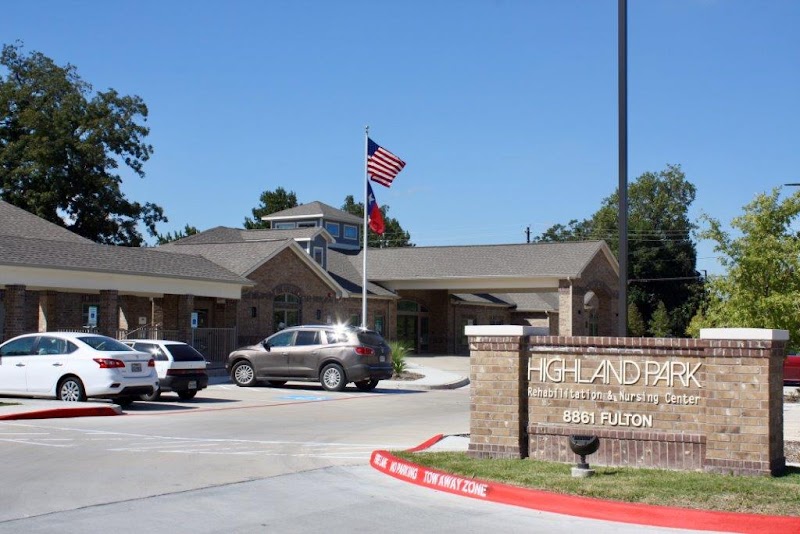
How is Highland Park Care Center Staffed?
CMS rates Highland Park Care Center's staffing level at 1 out of 5 stars, which is much below average compared to other nursing homes. Staff turnover is 65%, which is 19 percentage points above the Texas average of 46%. High turnover can affect care consistency as new staff learn residents' individual needs. RN turnover specifically is 56%, which is notably high. RNs provide skilled clinical oversight, so turnover in this role can affect medical care quality.

What Have Inspectors Found at Highland Park Care Center?

State health inspectors documented 18 deficiencies at Highland Park Care Center during 2023 to 2025. These included: 2 Immediate Jeopardy (the most serious level, indicating potential for serious harm or death), 15 with potential for harm, and 1 minor or isolated issues. Immediate Jeopardy findings are rare and represent the most serious regulatory concerns. They require immediate corrective action.

Who Owns and Operates Highland Park Care Center?

Highland Park Care Center is owned by a non-profit organization. Non-profit facilities reinvest revenue into operations rather than distributing to shareholders. The facility is operated by CARING HEALTHCARE GROUP, a chain that manages multiple nursing homes. With 120 certified beds and approximately 108 residents (about 90% occupancy), it is a mid-sized facility located in Houston, Texas.

How Does Highland Park Care Center Compare to Other Texas Nursing Homes?

Compared to the 100 nursing homes in Texas, Highland Park Care Center's overall rating (2 stars) is below the state average of 2.8, staff turnover (65%) is significantly higher than the state average of 46%, and health inspection rating (1 stars) is much below the national benchmark.

What Should Families Ask When Visiting Highland Park Care Center?

Based on this facility's data, families visiting should ask: "What changes have been made since the serious inspection findings, and how are you preventing similar issues?" "How do you ensure continuity of care given staff turnover, and what is your staff retention strategy?" "Can you walk me through typical staffing levels on day, evening, and night shifts?" "Can I visit during a mealtime to observe dining assistance and food quality?" These questions are particularly relevant given the facility's Immediate Jeopardy citations, the facility's high staff turnover rate, and the below-average staffing rating.

Is Highland Park Care Center Safe?

Based on CMS inspection data, Highland Park Care Center has documented safety concerns. Inspectors have issued 2 Immediate Jeopardy citations (the most serious violation level indicating risk of serious injury or death). The facility has a 2-star overall rating and ranks #100 of 100 nursing homes in Texas. Families considering this facility should ask detailed questions about what corrective actions have been taken since these incidents.

Do Nurses at Highland Park Care Center Stick Around?

Staff turnover at Highland Park Care Center is high. At 65%, the facility is 19 percentage points above the Texas average of 46%. Registered Nurse turnover is particularly concerning at 56%. RNs handle complex medical decisions and coordinate care — frequent RN changes can directly impact care quality. High turnover means new staff may not know residents' individual needs, medications, or preferences. It can also be disorienting for residents, especially those with dementia who rely on familiar faces. Families should ask: What is causing the turnover? What retention programs are in place? How do you ensure care continuity during staff transitions?

Was Highland Park Care Center Ever Fined?

Highland Park Care Center has been fined $61,825 across 1 penalty action. This is above the Texas average of $33,697. Fines in this range indicate compliance issues significant enough for CMS to impose meaningful financial consequences. Common causes include delayed correction of deficiencies, repeat violations, or care failures affecting resident safety. Families should ask facility leadership what changes have been made since these penalties.

Is Highland Park Care Center on Any Federal Watch List?

Highland Park Care Center is not on any federal watch list. The most significant is the Special Focus Facility (SFF) program, which identifies the bottom 1% of nursing homes nationally based on persistent, serious quality problems. Not being on this list means the facility has avoided the pattern of deficiencies that triggers enhanced federal oversight. This is a positive indicator, though families should still review the facility's inspection history directly.