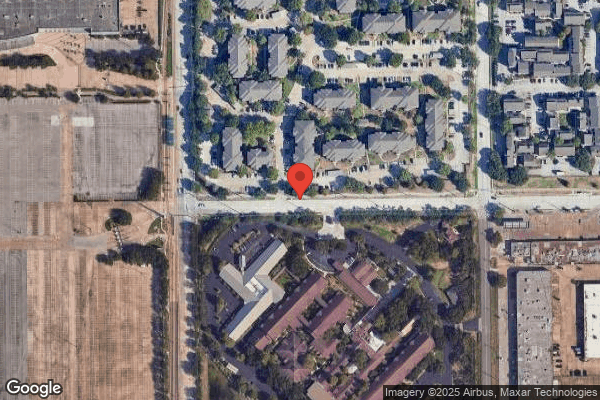
Holly Hall

2000 Holly Hall St, Houston, TX 77054 (713) 799-9031
Non profit - Corporation 62 Beds Independent Data: November 2025
Trust Grade
80/100
#72 of 1168 in TX
Last Inspection: August 2024

Within standard 12-15 month inspection cycle. Federal law requires annual inspections.

Overview

Holly Hall in Houston, Texas has a Trust Grade of B+, which means it is above average and generally recommended for families considering care options. It ranks #72 out of 1168 facilities in Texas, placing it in the top half, and #9 out of 95 in Harris County, indicating that only eight local facilities are rated higher. The facility is improving, with issues decreasing from 7 in 2023 to 4 in 2024. Staffing is a relative strength, with a 4 out of 5-star rating, although the turnover rate is at 59%, which is average compared to the state. Notably, there have been no fines against the facility, and RN coverage is better than 77% of Texas facilities, which helps ensure residents receive better care. However, there are some concerns, including instances where residents lived in unsanitary conditions, such as a shower with dried fecal residue and rooms that were cluttered or had unpleasant odors. Additionally, there were failures in providing necessary personal care, like changing adult briefs and ensuring residents received scheduled showers. Families should weigh these strengths and weaknesses carefully when considering Holly Hall.

Trust Score
B+
80/100
In Texas
#72/1168
Top 6%
Safety Record
Low Risk
No red flags
Inspections
Getting Better
7 → 4 violations
Staff Stability
⚠ Watch
59% turnover. Above average. Higher turnover means staff may not know residents' routines.
Penalties
✓ Good
No fines on record. Clean compliance history, better than most Texas facilities.
Skilled Nurses
✓ Good
Each resident gets 42 minutes of Registered Nurse (RN) attention daily — more than average for Texas. RNs are trained to catch health problems early.
Violations
⚠ Watch
18 deficiencies on record. Higher than average. Multiple issues found across inspections.
★★★★★
5.0
Overall Rating
★★★★☆
4.0
Staff Levels
★★★★☆
4.0
Care Quality
★★★★★
5.0
Inspection Score
Stable
2023: 7 issues
2024: 4 issues

The Good

  • 4-Star Staffing Rating · Above-average nurse staffing levels
  • 4-Star Quality Measures · Strong clinical quality outcomes
  • Full Sprinkler Coverage · Fire safety systems throughout facility
  • No fines on record

Facility shows strength in staffing levels, quality measures, fire safety.

The Bad

Staff Turnover: 59%

13pts above Texas avg (46%)

Frequent staff changes - ask about care continuity

Staff turnover is elevated (59%)

11 points above Texas average of 48%

The Ugly 18 deficiencies on record

Oct 2024 1 deficiency
CONCERN (D) 📢 Someone Reported This

A family member, employee, or ombudsman was alarmed enough to file a formal complaint

Potential for Harm - no one hurt, but risky conditions existed

ADL Care (Tag F0677)

Could have caused harm · This affected 1 resident

**NOTE- TERMS IN BRACKETS HAVE BEEN EDITED TO PROTECT CONFIDENTIALITY** Based on observation, interviews, and record reviews, the facility failed to ensure residents who were unable to carry out activ...

Read full inspector narrative →
**NOTE- TERMS IN BRACKETS HAVE BEEN EDITED TO PROTECT CONFIDENTIALITY** Based on observation, interviews, and record reviews, the facility failed to ensure residents who were unable to carry out activities of daily living were provided with the necessary services to maintain good personal hygiene for 1 of 5 (Resident #1) residents reviewed for ADL care. The facility failed to provide Resident #1 showers as scheduled. The facility failed to provide, the necessary care and services to attain or maintain the highest practicable, physical, mental, and psychosocial well-being consistent with the resident's comprehensive assessment and care plan This failure could place residents who are dependent on staff for ADL care at risk for loss of dignity, and a decreased quality of life. Findings included: Record review of Resident # 1's Face Sheet revealed a [AGE] year-old male admitted to the facility on [DATE], re-admitted [DATE] and discharged [DATE] who was diagnosed with Amyotrophic Lateral Sclerosis (nervous system disease that weakens muscles and impacts physical function). Record review of Resident #1's Order dated 1/21/2024 at 10:28pm revealed change BIPAP (helps push air into the lungs) mask daily in afternoon one time a day related to respiratory failure, unspecified whether with hypoxia or hypercapnia dated 3/21/2024; ensure mask is secured and ventilation is on AVAP-AE (average volume assured pressure support-automated expiratory positive airway pressure) Passive mode in upper right corner every 12 hours for ventilation (movement of fresh air around a closed space, or the system) dated 11/15/2023; Monitor site to nose and face under mask for pressure related injury q shift every 12 hours for skin integrity dated 11/15/2023; release top straps of BIPAP one by one, clean with warm wash cloth, dry off area and apply lubricant cream (located at resident's bedside) to area once dry. Re-Secure straps two times a day for skin integrity dated 8/29/2024. Record review of Resident #1's Comprehensive MDS assessment dated [DATE] reflected diagnoses included amyotrophic lateral sclerosis, hypertension, hyperlipidemia, dysphagia, pulmonary respiratory failure. Resident #1's BIMS score was 00, which indicated Resident #1 was unable to complete the interview. The functional limitation (Movement of limbs) in range in motion revealed Resident #1 was impaired on both sides. The MDS assessment indicated Resident #1 required maximal assistance with toileting and personal hygiene. Record review of Resident #1's Care Plan dated 11/2/23, reflected Resident is totally dependent on staff for all his ADLs, which includes bed mobility, transfers, eating, dressing, toilet use and personal hygiene. The Care Plan did not have specific shower or Bed bath days for Resident #1. Record review of the facility's shower schedule revealed Resident #1's scheduled shower days are Monday, Wednesday and Friday between 3:00pm - 11:00pm. Record review of Resident #1's skin assessment dated [DATE] to 9/24/2024 showed no wounds. Record review of the facility's ADL (staff assistance) for Resident #1's bed bath, revealed Resident #1 had not received a bath since prior to 8/31/2024. Resident #1's ADL also revealed that the last time Resident #1 received personal hygiene assistance was 9/23/2024; therefore, between the dates of 8/31/2024 - 9/22/2024 Resident #1 had not received a bed bath or shower. Record review of Resident #1's shower sheet revealed Resident #1 refused a bath 9/11/2024; however, skin report indicated no issues on the same date by CNA A. CNA A initialed and dated the sheet. There are no other shower sheets. Record review of Resident #1's ER Diagnosis revealed, Resident #1 arrived at hospital on 9/27/2024 with a chief complaint of G-tube (tube inserted through the belly that brings nutrition directly to the stomach) Dislodgment. On exam it was reported by ER Doctor that Resident #1 had wounds on his nose, ears and hands. It further stated Resident #1 had Cerumen Impaction (Ear wax build up and prevents the ear canal from functioning properly) that is visible outside. He has poor hygiene. In an interview on 10/1/2024 at 10:42am, ERSW stated Resident#1 came into the hospital on 9/27/2024 at 9:02pm because his G-Tube was dislodged, and he was diagnosed with Aspiration Pneumonia. There were pressure wounds on his ears, hands and nose. ERSW stated Resident #1 had earwax coming out of his ears. ERSW stated the medical term given to her was Cerumen Impaction. ERSW stated contact was made with FM A who indicated her concern with Resident #1's lack of care at the facility. FM#1 continued that a conversation was conducted with the Administrator in January 2024 about Resident #1's care. In an interview on 10/1/2024 at 11:21am with FMA, said she received notification from FM B that Resident#1 had been taken to the hospital. FM#A said Resident #1 has been at the facility since 2023 and she has spoken with facility on previous occasions regarding Resident #1's care, especially his ears, which at times makes it difficult for him to hear. FM A stated Resident #1 was worried about the vent on the BIPAP coming out during bed bath, which scares him. FM A further stated Resident #1 told her that staff is too rough when they provide care. FM A Stated Resident #1 can text this information to a telephone by using his eye gaze machine and sometimes his speech. These issues are usually at night. FM A acknowledged Resident #1 is stubborn and will not allow every nurse to take the mask off; which is an issue for Resident #1. FM A stated Resident #1 is fully cognizant he is unable to speak very well with the mask on He uses eye gaze technology, which allows him to write. In an interview on 10/1/2024 at 1:07pm with FMB said it was a shocking to find out what condition (Hygiene) Resident#1 was in when he went to the hospital. FM B stated Resident #1's condition is unacceptable. FMB stated Resident #1 had complained about the staff on weekend, they are not careful with his feeding tube, and he is scared for his mask. FMB stated resident has an eye gaze device (allows the user to control a computer or tablet using eye movements instead of a mouse or hands), and he sends text messages to the family. Observation and interview on 10/3/2024 at 9:45am of Resident#1 at the hospital revealed Resident #1 lying in bed. Surveyor asked resident permission to turn the room light on and he nodded yes. Resident #1's face, hands and hospital gown were clean. Resident #1 was clean shaven. An introduction was made to Resident #1. Resident was unable to speak however communication was established by nodding head up and down for yes and sideways for no. He nodded he understood. Observation revealed resident with a Full-Face Mask with straps positioned around his neck and head area. The straps around the neck area appeared to have thin pantie liners under, that was used as a barrier between the strap and skin. There were no wounds on his hands, ears, or nose. There was a small cut on the top of his nose from wearing his mask, which he nodded yes. Resident #1 nodded yes that staff turns him often. He nodded no to having any wounds on his bottom, feet, or legs. Resident#1 stated he knew how the G-Tube was dislodged and it was not dislodged by staff. He stated staff were not rough with him. He nodded he did it because his stomach was itching, and he rubbed it with his hand. He stated he has not been getting bed baths as required and he has refused some on occasion He stated his refusal was because of his bipap. He stated he was afraid that staff would pull the cord of the mask and he would lose the oxygen. He stated staff does not ask if he wants bed baths daily. He stated it can be difficult to hear. Resident appeared agitated (trying to talk and appeared to be breathing heavily) because he couldn't get his words out. Resident #1 was asked if the mask could be lifted from his chin so that he could talk Resident #1 shook his head NO. As a result, the interview ended. In an interview on 10/3/2024 at 1:22pm with CNA C revealed she has provided aide duties to Resident #1, but not often. She stated she has not provided care for Resident #1 in a couple of months but assisted CNA B with changing him recently. CNA C stated the two of them rolled (Peri care) Resident #1 from side to side. She stated they wash him by getting water in two buckets, one to wash and the other to rinse him off. CNA C stated when Resident #1 was more active in getting up he was going to the shower, but that has been a long time. She stated she did not complete any ADL's because she was assisting and could not remember the dates, she gave assistance. In an interview on 10/3/2024 at 3:23pm it was revealed CNA A was assigned to provide Resident #1 with Peri care, changed his brief, and provided as bed bath as needed, which includes, shampoo Resident #1's hair. CNA A stated because resident wears a ventilator mask and resident gets scared when he thinks the mask may be taken off during this time he will not allow his hair to be washed or shampooed. CNA A stated Resident #1 gets bathed daily; however, unable to produce documentation or bath/shower sheet(s) to support daily baths. In an interview on 10/3/2024 at 4:09pm it was revealed CNA B worked with Resident#1 frequently. She stated she bathed Resident#1 frequently and stated Resident #1 refused a lot of showers and bed baths due to the mask. She was unable to produce documentation or bath/shower sheets to support the denial. She stated she documented the refusals in PCC (electronic record) and ensured the charge nurse was also notified. CNA B stated Resident#1 would refuse to take a bed bath once or twice weekly. CNA B stated Resident #1 put on his call light. CNA B observed Resident#1's G-Tube out and blood on his gown. CNA B stated she immediately called RN A. CNA B did not observe that Resident #1 was dirty or unclean. In an interview on 10/3/2024 at RN A it was revealed she was getting a report from outgoing nurse when CNA B came to her and told her Resident #1's G-Tube came out. RN A stated she immediately went to the room, completed an assessment, then inserted a foley to prevent blockage and notified MD, DON and Administrator. RN A stated Resident #1 was sent out to hospital ER. She stated she did not notice that Resident #1 was unkept (dirty). In an interview on 10/3/2024 at 6:00pm the Admin revealed he was unaware of the resident being in an unkept way when he was transported to the hospital. Admin stated there are policies in place. He stated he and the DON were new to their positions and are in the process of re-vamping policies so that they are more resident centered. He stated staff not giving Resident #1 a bed bath or not documenting it is unacceptable. In an interview on 10/3/2024 at 7:30pm with the DON revealed her expectation of nursing staff is to promote core values of excellence and give compassionate care. DON stated she has only worked in the facility since August 2024 and is in the process on initiating In Service (training with current nursing staff) training and ensuring regulations on residents' care are followed. DON stated she has an open-door policy. The DON stated there was an ADL system that staff are to complete if they give a shower/bed bath and if there are any concerns that need addressing. Upon her search for the shower documentation on Resident #1 for the week the resident went to the hospital the DON was unable to find any shower sheets completed. DON stated Resident#1 does not have wounds on his bottom, legs or feet because they are ensuring he is turned often, like every two hours. DON stated resident will not allow staff to remove the bipap mask, which is why pantie liners were placed around his neck to prevent wound around the area. DON states she will complete in-service of quality of care for residents with all staff. She stated resident going to the hospital smelling and ear wax is totally unacceptable, uncalled for, embarrassing for the resident and makes the resident feel a lack of dignity. Record review of the facility's policy, Giving a Bed bath dated October 2010 indicated the purpose of the procedure is to promote cleanliness, provide comfort to the resident and to observe the condition of the resident's skin. According to Steps in the Procedure section: #14 Face, Ears and Neck: Subsection: C. Wash the resident's eyes from the nose to the outside of the face using water only G. Wash the resident's ears and neck. Rinse well and dry. According to Documentation section - should be recorded on the resident's ADL record and/or in the resident's medical record: 1. Date and time the bed bath was performed. 2. Name and title of the individual(s) who performed the bed bath. 3. All assessment data obtained during the bed bath. 4. How the resident tolerated the bed bath 5. If the resident refused the bed bath, the reason(s) why and the intervention taken. 6. The signature and title of the person recording the data. Reporting Section stated: 1. Notify the supervisor if the resident refuses the bed bath.
Jun 2024 1 deficiency
CONCERN (D) 📢 Someone Reported This

A family member, employee, or ombudsman was alarmed enough to file a formal complaint

Potential for Harm - no one hurt, but risky conditions existed

Deficiency F0678 (Tag F0678)

Could have caused harm · This affected 1 resident

**NOTE- TERMS IN BRACKETS HAVE BEEN EDITED TO PROTECT CONFIDENTIALITY** Based on observation, interview and record review the facility failed to ensure personnel provided basic life support including ...

Read full inspector narrative →
**NOTE- TERMS IN BRACKETS HAVE BEEN EDITED TO PROTECT CONFIDENTIALITY** Based on observation, interview and record review the facility failed to ensure personnel provided basic life support including CPR to a resident in an emergency situation and subject to related physician orders and the resident's advance directive. (CR #1). --CR #1 received CPR when he had a physician signed out of hospital DNR, which was not on the resident's electronic medical record. This failure placed residents with DNR status at risk of not having their preferences honored in the event of an emergency. Findings include: Record review of CR#1's admission information revealed admission date [DATE] and discharge date (death in facility) [DATE]. His diagnoses included metastatic cholangiocarcinoma (cancer cells spread from bile ducts to other parts of the body). Record review of CR #1's admission MDS dated [DATE] revealed Hospice services were provided in the facility, he required total assistance for ADLs, and was NPO. Record review revealed the care plan was not completed, and baseline care plan was not completed. Record review of CR#1's electronic record dated [DATE] revealed DNR was not listed on profile. Record review of handwritten physician orders dated [DATE] revealed pt is a DNR. Record review of nurses note in CR #1's electronic record dated [DATE] revealed RN B found the CR #1 with pale skin and was unable to obtain blood pressure or pulse. The resident was moved from bed to floor, CPR was started, 911 was called, paramedics arrived and continued CPR. In an interview with DON on [DATE] at 10:45 am, she said RN C put the signed DNR form in the Hospice binder per admission procedure. She said RN B who was with CR #1 did not see the DNR code listed on the electronic record, so she started CPR. The DON said the nurse called 911, and on arrival paramedics continued CPR. The nurse called the family, and the family said CR#1 was a DNR. RN B found the DNR form in the Hospice book, and CPR was stopped at that point. She said RN B involved was spoken to after the incident. RN C was not available for interview, and phone messages were unreturned. Interview with RN C on [DATE] at 1:00 pm revealed CR#1 did not have the DNR form when he was admitted , and family brought it to the facility. She said the procedure was to put the DNR form in the resident's Hospice binder, which are kept separately on a shelf at the nurses' station. She said Medical Records would then upload the DNR in the resident's electronic record. In an interview with DON on [DATE] at 2:00pm, she said she did not know why the DNR was not documented on CR #1's electronic record. She said the procedure would be to ask for the DNR prior to the resident coming, and if they did not have it, the admitting nurse would call the Hospice company for it and upload it to the record. In further interview, she said the risk of not having correct code status on the resident's electronic record would be their wishes would not be granted: the resident would get CPR when they did not choose to have it, or they would not get CPR when they did choose to have it. Record review of facility policy Advance Directives, revised [DATE], revealed, in part: .information about whether or not the resident has executed an advance directive shall be displayed prominently in the medical record .
Apr 2024 2 deficiencies
CONCERN (E) 📢 Someone Reported This

A family member, employee, or ombudsman was alarmed enough to file a formal complaint

Potential for Harm - no one hurt, but risky conditions existed

Safe Environment (Tag F0584)

Could have caused harm · This affected multiple residents

**NOTE- TERMS IN BRACKETS HAVE BEEN EDITED TO PROTECT CONFIDENTIALITY** Based on observation, record review and interview the facility failed to provide a safe, clean and comfortable environment for 3...

Read full inspector narrative →
**NOTE- TERMS IN BRACKETS HAVE BEEN EDITED TO PROTECT CONFIDENTIALITY** Based on observation, record review and interview the facility failed to provide a safe, clean and comfortable environment for 3 of 6 (Resident #1, Resident #2 and Resident 3) residents reviewed for resident rights, in that: 1. The facility failed to ensure Resident #1's shower was free of dried fecal residue on the floor and wall. 2. The facility failed to ensure Resident #2's room was free of clutter on the floors of her room. 3. The facility to ensure Resident #3's room was free of odors. This failure could have placed residents at risk of living in unsanitary, unclean living environments that could diminish their quality of life. Findings included: Resident #1 Record review of Resident #1's undated face sheet revealed she was a [AGE] year-old that was admitted to the facility on [DATE] with diagnoses of Heart failure (a chronic condition in which the heart does not pump blood as well as it should), Alzheimer's Disease (a disease that destroys memory), Type 2 Diabetes (a long-term condition in which the body has trouble controlling blood sugar) and Essential hypertension (high blood pressure). Record review of Resident#1's care plan dated 3/28/2024 revealed: Focus-I have an ADL self-care performance deficit, poor endurance, poor memory, and safety awareness. Intervention-Bathing Require 1 person staff participation to use toilet and 1 person staff participation with transfers. requires 1 person staff participation with bathing. Record review of Resident #1's MDS dated [DATE] revealed Section C0500 Brief Interview of Mental Status was coded as 12. Section GG- Functional Abilities and Goals #C toileting hygiene was coded as 01, which meant she was dependent- Helper does all the effort. Section H0300- Urinary Incontinence was coded as 2, which meant frequently incontinent. Observations on 4/3/2024: 11:27 a.m.- Resident #1's shower had dried fecal matter on the floor and wall of her shower. 2:11pm - Resident #1's shower had dried fecal matter on the floor and wall of her shower and urine odor. Resident #2 Record review of Resident #2's undated face sheet revealed she was a [AGE] year-old female that was admitted to the facility on [DATE] with diagnoses of Malignant neoplasm of connective tissue of right lower limb including hip (cancer), abnormality of gait and mobility (weakness of the hip and lower extremities commonly cause gait disturbance). Record review of Resident #2's care plan revealed: Focus- I have an ADL Self-care deficit r/t foot surgery, pain and bone cancer. Record review of Resident #2's MDS dated [DATE] revealed section C0500- Brief Interview of Mental status coded as 15. Section GG Functional Abilities - P. Picking up objects (the ability to bend/stoop from a standing position to pick up small objects was coded as 9 for not applicable(activity not attempted). Observation of Resident #2's room on 4/3/2024 at 2:37pm revealed Resident #2 had a bag of clothes and shoes that cluttered her floor. An interview with Resident #2 at 2:37pm revealed she had been admitted about one month ago. She said she was no longer capable of housework. She said she had mentioned that the bag of clothes and shoes needed to be placed in her closet, but she did not recall the CNA's name. Resident #3 Record review of Resident #3's face sheet revealed he was an [AGE] year-old that was admitted to the facility on [DATE] with diagnoses of acute cerebrovascular insufficiency (obstruction of one of more arteries that supply blood to the brain), cognitive communication deficit (difficulty with thinking and how someone uses language), sepsis(a life-threatening complication of an infection) and acute respiratory failure with hypoxia (a condition where you do not have enough oxygen in the tissues). Record review of Resident #3's care plan dated 4/1/2024 revealed: Focus- I have a communication problem r/t/cognitive impairment. Intervention: Anticipate and meet needs and bladder incontinence revealed he should be checked throughout the shift for incontinence. Observations on 4/3/2024: -10:22am- Resident #3's room had a strong urine odor. He was not in the room at the time. -1:37pm- Resident #3's room had a strong urine odor. He was asleep. An interview with Resident #1's RP on 4/3/24 at 12:47pm, Resident (RP) revealed she observed feces on Resident #1's shower walls and floor about two days ago. She said briefs have been observed on the floor of the bathroom as well. She said she was told the CNAs were responsible for changing her briefs and showering her. She said they should have cleaned the shower after showering her. She said the facility had mostly agency staff that were not doing a good job. An interview with LVN A on 4/3/2024 at 2:44pm, she stated she is an agency nurse. She said it is the responsibility of CNAs to rinse showers, change adult briefs and organize the residents' personal clothing and shoes. She said she was not sure why these tasks were not done. She said two CNAs were working on each hall. An interview with CNA A on 4/3/2024 at 3:08pm, revealed she had been employed at the facility for 12 years. She said CNAs are responsible for 3-4 showers per day and after showering residents they are supposed to rinse the shower. Observation rounds and interview with the DON on 4/3/2024 at 3:26pm, revealed Resident #1 had fecal matter on her shower and wall, Resident #2 did have clothes and shoes which cluttered her floor and Resident #3's room had a urine odor. She said it is both the nurses and CNA's responsibility to ensure all resident showers are clean, no odors and they are responsible for organizing residents' clothing in their closets. She said this was only her second day in this position and she would work with staff to fix these issues. She said having unclean and unsanitary rooms could affect residents' dignity. An interview with the Administrator on 4/3/2024 at 4:06pm, he said he has been employed at the facility for about 2 months and the odors and fecal matter in the residents' showers would be addressed with an in-service because this does not comply with the facility standards. Record review of resident rights policy Section 2 stated residents are entitled to their rights and privileges to have a clean comfortable environment.
CONCERN (E) 📢 Someone Reported This

A family member, employee, or ombudsman was alarmed enough to file a formal complaint

Potential for Harm - no one hurt, but risky conditions existed

ADL Care (Tag F0677)

Could have caused harm · This affected multiple residents

**NOTE- TERMS IN BRACKETS HAVE BEEN EDITED TO PROTECT CONFIDENTIALITY** Based on observation, interview and record reviews the facility failed to ensure a resident that was unable to carry out activit...

Read full inspector narrative →
**NOTE- TERMS IN BRACKETS HAVE BEEN EDITED TO PROTECT CONFIDENTIALITY** Based on observation, interview and record reviews the facility failed to ensure a resident that was unable to carry out activities of daily living received the necessary services to maintain good nutrition, grooming and personal and oral hygiene for 2 of 4 (Resident #1 and Resident #3) reviewed for Activities of Daily Living. 1. The facility failed to ensure Resident #1's adult brief was checked and changed as needed. 2. The facility failed to ensure Resident #3 was given scheduled showers. This failure could affect all dependent residents that required staff assistance with activities of daily living and could result in poor hygiene and skin breakdown. Findings Included: Resident #1 Record review of Resident #1's undated face sheet revealed she was a [AGE] year-old that was admitted to the facility on [DATE] with diagnoses of Heart failure (a chronic condition in which the heart does not pump blood as well as it should), Alzheimer's Disease (a disease that destroys memory), Type 2 Diabetes (a long-term condition in which the body has trouble controlling blood sugar) and Essential hypertension (high blood pressure). Record review of Resident#1's care plan dated 3/28/2024 revealed: Focus-I have an ADL self-care performance deficit, poor endurance, poor memory, and safety awareness. Intervention-Bathing Require 1 person staff participation to use toilet and 1 person staff participation with transfers. requires 1 person staff participation with bathing. Record review of Resident #1's MDS dated [DATE] revealed Section C0500 Brief Interview of Mental Status was coded as 12. Section GG- Functional Abilities and Goals #C toileting hygiene was coded as 01, which meant she was dependent- Helper does all the effort. Section H0300- Urinary Incontinence was coded as 2, which meant frequently incontinent. Observations of Resident #1 -11:25am revealed she had just arrived from a doctor's appointment on a stretcher. She was transferred to her chair. -12:42 pm, Resident was observed to be sitting in her chair with leftover lunch in front of her. She had a urine smell. - 2:11pm, Resident raised her dress to show a brief that was filled with urine after she was asked if her brief was wet. An interview with Resident #1's RP on 4/3/24 at 12:47pm, Resident (RP) said she was told the CNA's were responsible for changing her briefs and showering her. She said she is constantly wet when she or other family members have visited with her. She said she has raised these concerns with the ADON and have not seen a change. Resident #3 Record review of Resident #3's undated face sheet revealed he was an [AGE] year-old that was admitted to the facility on [DATE] with diagnoses of acute cerebrovascular insufficiency (obstruction of one of more arteries that supply blood to the brain), cognitive communication deficit (difficulty with thinking and how someone uses language), sepsis(a life-threatening complication of an infection) and acute respiratory failure with hypoxia (a condition where you do not have enough oxygen in the tissues). Record review of MDS dated [DATE] revealed Section C0500- Brief Interview of mental status score was 0, which represented severe cognitive impairment. Section GG0115- revealed upper and lower extremity impairment. Section GG 0130- Functional abilities and goals C. Toileting hygiene was coded as 01- which meant dependent- helper does all of the effort. E. Shower/bathe self was coded as 01 which meant dependent- helper does all of the effort. Section H0300- Urinary incontinence coded as 3-always incontinent. Record review of Resident #3's care plan dated 4/1/2024 revealed: Focus- I have a communication problem r/t/cognitive impairment. Intervention: Anticipate and meet needs and bladder incontinence revealed he should be checked throughout the shift for incontinence. Observations on 4/3/2024: -10:22am- Resident #3's room had a strong urine odor. He was not in the room at the time. -1:37pm- Resident #3's room had a strong urine odor. He was asleep. Record review of Resident #3's shower sheets revealed the following dates were documented in PCC (electronic medical record) as having a shower/bath: 3/15, 3/20, and 3/22/2024 only. There were no other shower sheets found. An interview with LVN A on 4/3/2024 at 2:44pm, she stated she is a contract nurse. She said it is the responsibility of CNA's to shower residents and change adult briefs. She said she was not sure why these tasks were not done. She said two CNAs were working on each hall. An interview with CNA A on 4/3/2024 at 3:08pm, revealed she had been employed at the facility for 12 years. She said CNA's are responsible for 3-4 showers per day. She said they round every 2 hours, and no residents should be left in a soiled diaper. She said CNAs are supposed to provide the shower sheets to the ADON and she believed the ADON would then enter this information into PCC. Observation rounds and interview with the DON on 4/3/2024 at 3:26pm, revealed Resident #1's brief was wet. Resident #3's room had a urine odor. She said it is both the nurses and CNA's responsibility to ensure all residents are showered and briefs are changed as needed or required. She said this was only her second day in this position and she would work with staff to fix these issues. She said residents having wet briefs and not getting showers as needed could cause skin breakdown. An interview with the Administrator on 4/3/2024 at 4:06pm, he said he has been employed at the facility for about 2 months and the odors, briefs not being changed timely as well as the issue with showers as ordered would be addressed in-services because this does not comply with the facility standards. A policy on ADL's was requested but never received.
Jun 2023 7 deficiencies
CONCERN (D) 📢 Someone Reported This

A family member, employee, or ombudsman was alarmed enough to file a formal complaint

Potential for Harm - no one hurt, but risky conditions existed

MDS Data Transmission (Tag F0640)

Could have caused harm · This affected 1 resident

**NOTE- TERMS IN BRACKETS HAVE BEEN EDITED TO PROTECT CONFIDENTIALITY** Based on interview and record review, the facility failed to electronically transmit encoded, accurate, and complete MDS data to...

Read full inspector narrative →
**NOTE- TERMS IN BRACKETS HAVE BEEN EDITED TO PROTECT CONFIDENTIALITY** Based on interview and record review, the facility failed to electronically transmit encoded, accurate, and complete MDS data to the CMS System within 14 days after the facility completed the resident's assessment for 1 of 3 closed records reviewed for MDS assessments. (CR #6) The facility failed to transmit to the CMS system CR #6's discharge MDS assessment dated [DATE]. This failure could place the residents at risk for not having the MDS assessment transmitted as required. Findings include: CR #6 Electronic Record review of CR #6 revealed she was a-[AGE] year-old female admitted to the facility on [DATE]. Her Diagnoses included Urinary tract infection, Diabetes Mellitus, muscle weakness, cerebral ischemia, and Gout disease. CR #6 was discharged from the facility on 01/02/2023. Record review of CR#6 discharge MDS revealed it was completed on 01/02/2023 but not transmitted. Interview with the DON on 06/08/2023 at 2:00PM, she said the MDS should have been transmitted. She said she would find out what happened because she was not at the facility on 01/02/23. The facility's policy was requested at this time. Facility's policy on MDS transmission was not provided prior to exit on 06/08/23 at 5:00PM. The facility's Administrator and DON said they will E-mail the policy but was not received. .
CONCERN (D) 📢 Someone Reported This

A family member, employee, or ombudsman was alarmed enough to file a formal complaint

Potential for Harm - no one hurt, but risky conditions existed

Respiratory Care (Tag F0695)

Could have caused harm · This affected 1 resident

**NOTE- TERMS IN BRACKETS HAVE BEEN EDITED TO PROTECT CONFIDENTIALITY** Based on observation, interview, and record review, the facility failed to ensure that a resident who needs respiratory care, is...

Read full inspector narrative →
**NOTE- TERMS IN BRACKETS HAVE BEEN EDITED TO PROTECT CONFIDENTIALITY** Based on observation, interview, and record review, the facility failed to ensure that a resident who needs respiratory care, is provided such care, consistent with professional standards of practice for 1 (Resident #181) out of 1 resident sampled for respiratory care in that: LPN TS failed to assess Resident #181, including his lungs, before providing respiratory treatment. This failure could place residents at risk for a change in condition. Findings include: Record review of Resident #181's face sheet printed 6/8/23, indicated he is a [AGE] year-old male, admitted on [DATE], with diagnoses of disorder of urea cycle metabolism (genetic condition that causes ammonia to build up in the blood), hypo-osmolality and hyponatremia (low sodium levels in the blood), hypokalemia (low potassium levels in the blood), rhabdomyolysis (damaged muscle tissue that release proteins and electrolytes into the blood), other acute kidney failure (sudden failure of the kidneys), and hypothermia (low body temperature). Record review revealed no MDS data for Resident #181. Record review of Resident #181's medical record revealed an order for Budesonide Inhalation Suspension .25mg/2ml, 4ml via nebulizer BID for bronchodilation (widening of the airways), ordered by APRN [NAME] on 6/6/23 at 10:57pm. Observation of LPN TS on 6/7/23 at 9:50am, revealed she instilled the Budesonide Inhalation Suspension .25mg/2ml, 4ml into the nebulizer cup and attached it to the mask. LPN then went into the room of Resident #181 and attached the mask to the nebulizer machine at the bedside and turned it on. The machine was not working, and medication was not coming out of the nebulizer. LPN TS went and retrieved a new machine and attached the mask with the medication to it. She placed the mask on Resident #181 and turned the nebulizer on. Medication was coming out of the nebulizer on the resident's face. She checked the resident's oxygen saturation on his finger after the machine was on, and it was 93%. LPN TS did not assess Resident #181's lungs, heart, or respirations at any point before administering the treatment. Interview with LPN TS on 6/7/23 at 10:15am, she stated the last time she assessed Resident #181's lungs were at the start of her shift at 7am. She said it was policy to assess the resident's lungs before and after treatment. She also said that Resident #181's lung sounds could have changed between 7am and 10am, and she would have missed the change in condition without assessing the resident. Record review revealed no care plan for Resident #181. Record review of the facility's policy and procedures for Administering Medications Through a Small Volume (Handheld) Nebulizer (Revised October 20110) read in part: Steps in the Process: 6. Obtain baseline pulse, respiratory rate and lung sounds. Reporting: 4. Notify the Physician if the pulse rate during treatment increases 20 percent above baseline. .
CONCERN (D) 📢 Someone Reported This

A family member, employee, or ombudsman was alarmed enough to file a formal complaint

Potential for Harm - no one hurt, but risky conditions existed

Pharmacy Services (Tag F0755)

Could have caused harm · This affected 1 resident

**NOTE- TERMS IN BRACKETS HAVE BEEN EDITED TO PROTECT CONFIDENTIALITY** Based on observation, interview, and record review the facility failed to ensure that drug records were in order and that an acc...

Read full inspector narrative →
**NOTE- TERMS IN BRACKETS HAVE BEEN EDITED TO PROTECT CONFIDENTIALITY** Based on observation, interview, and record review the facility failed to ensure that drug records were in order and that an account of all controlled drugs was maintained for 1 (Hall 200 Nurse Cart) out of 3 medication carts sampled for medication storage in that: -Hall 200 Nurse's Cart (Labeled HC South) had an actual count of 8 Tramadol 50mg tablets for Resident #182, when the resident's-controlled drug receipt/record/disposition form documented 11. This failure could place residents at risk of running out of their medications by the facility not ordering the medication timely, and risk of maintaining their highest practicable mental, physical, and psychosocial well-being. Findings Include: Record review of Resident #182's face sheet printed 6/8/23, indicated he is an [AGE] year-old male, admitted on [DATE], with diagnoses of Parkinson's disease (uncontrollable movements of the body), repeated falls, and atrial fibrillation (irregular heart rhythm). Record review of the facility's Controlled Drugs-Count Record for the Hall 200 (HC South) Nurse's cart for June 2023, reviewed on 6/8/23 at 10:37am, revealed missing signatures for the date of 6/7/23. The 7am to 3pm off going nurse and 3pm to 11pm on coming nurse for 6/7/23 did not sign the sheet, acknowledging they counted the controlled drugs on hand and agreed with the quantity of each medication, matched the number on the Controlled Drug Administration Record. Record review of Resident #182's Controlled Drug Receipt/Record/Disposition Form reviewed on 6/8/23 at 10:37am, revealed on 6/6/23 there were 11 Tramadol 50mg tabs, and the resident was ordered to have the medication 1 tablet TID. The date of 6/7/23 was not entered on the log. Observation of the nurse's medication cart for Hall 200 (HC South) on 6/8/23 at 10:37am, revealed a count of 8 tabs of Tramadol 50mg for Resident #182. The ADON and RN VK confirmed a count of 8 tabs of Tramadol 50mg for Resident #182. Interview with the ADON on 6/8/23 at 10:40am, she stated it was policy for the nurses to count the controlled medications at shift change. Interview with RN VK on 6/8/23 at 10:40am, she stated staff were expected to count the medication cart at the start and end of every shift. She said she did not count prior to her shift today because the off going nurse was in a rush and was not able to stay for the medication count. Per RN VK, she should have notified the DON if the previous shift was unable to stay for the medication count and will do so going forward. Also, RN VK said if she did not count the medication cart and the count was off, drug diversion could be suspected, and she could be in trouble. Record review of the facility's policy and procedures for Controlled Substances (revised December 2012) read in part: Policy Interpretation and Implementation: 9. Nursing staff must count controlled medications at the end of each shift. The nurse coming on duty and the nurse going off duty must make the count together. They must document and report any discrepancies to the Director of Nursing Services. 10. The Director of Nursing Services shall investigate any discrepancies in narcotics reconciliation to determine the cause and identify responsible parties and shall give the Administrator a written report of such findings. 11. The Director of Nursing Services shall consult with the provider pharmacy and the Administrator to determine whether any further legal action is indicated. .
CONCERN (E) 📢 Someone Reported This

A family member, employee, or ombudsman was alarmed enough to file a formal complaint

Potential for Harm - no one hurt, but risky conditions existed

Deficiency F0552 (Tag F0552)

Could have caused harm · This affected multiple residents

**NOTE- TERMS IN BRACKETS HAVE BEEN EDITED TO PROTECT CONFIDENTIALITY** Based on interview and record review, the facility failed to inform residents in advance of the risks and benefits of proposed c...

Read full inspector narrative →
**NOTE- TERMS IN BRACKETS HAVE BEEN EDITED TO PROTECT CONFIDENTIALITY** Based on interview and record review, the facility failed to inform residents in advance of the risks and benefits of proposed care for 3 (Residents #16, #179, #12) out of 35 residents reviewed for antipsychotics in that: 1. The facility failed to obtain a written consent for the administration of Seroquel (antipsychotic) 25mg 1 PO Q12hr from Resident #16 or his legal representative. 2. The facility failed to obtain a written consent for the administration of Risperidone (antipsychotic) 1mg PO BID and Seroquel (antipsychotic) 50mg PO QHS from Resident #179 or her legal representative. 3. The facility failed to obtain a written consent ftom Resident #12 or his legal representative, for the administration of Imipramine HCL (antidepressant) 10mg 1 PO QHS, until ten days after the resident had already been taking the medication. This failure could place residents at risk of unwanted adverse drug reactions, risks of treatment the residents did not consent to, and from seeking alternative treatment. Findings include: 1. Record review of Resident #16's face sheet printed 6/8/23, indicated he is a [AGE] year-old male, admitted on [DATE], with diagnoses of anxiety disorder (intense fear/terror), Parkinson's disease (uncontrollable movements of the body), unspecified dementia (loses ability to think, remember, learn, make decisions, and solve problems), and depression (intense sad, loneliness, loss of interest/pleasure in daily activities). Record review of Resident #16's MDS dated [DATE] revealed a BIMS score of 7 out of 15, indicating severely impaired cognition, the resident required extensive assistance in multiple ADLs, used a wheelchair, had no hallucinations or behavioral/delusional problems, and had not taken antipsychotics before, but had taken antidepressants. Record review of Resident #16's chart revealed a medication order for Seroquel Tablet 25mg 1 PO Q12hr for hallucinations, that was ordered on 10/5/22 at 6:25pm by APRN [NAME]. Record review of Resident #16's chart revealed there was no consent in the chart for Seroquel. On 6/8/23 at 3:10pm, the facility submitted a consent with the provider's signature on it, but not the LAR's, for Seroquel 25mg 1 PO Q12hr, that was signed and dated on 6/8/23. Record review of Resident #16's MAR on 6/8/23, revealed the resident had been taking Seroquel 25mg 1 PO Q12hr for hallucinations, since October 2022. Record review of Resident #16's care plan dated 5/12/23, revealed, Resident uses psychotropic medications (Antipsychotic) r/t Hallucinations. Goals: Resident will be/remain free of drug related complications, including movement disorder, discomfort, hypotension, gait disturbance, constipation/impaction, or cognitive/behavioral impairment through review date. Resident will reduce the use of psychoactive medication through review date. Interventions/Tasks: Administer medications as ordered. Monitor/document for side effects and effectiveness. Consult with pharmacy, MD to consider dosage reduction when clinically appropriate. Monitor/record occurrence of/for target behavior symptoms, such as pacing, wandering, disrobing, inappropriate response to verbal communication, violence/aggression towards staff/others, etc. and document per facility protocol. Monitor/record/report to MD PRN side effects and adverse reactions of psychoactive medications: unsteady gait, tardive dyskinesia (uncontrolled, sudden, irregular movements of the face and body), EPS (shuffling gait, rigid muscles, shaking), frequent falls, refusal to eat, difficulty swallowing, dry mouth, depression, suicidal ideations, social isolation, blurred vision, diarrhea, fatigue, insomnia, loss of appetite, weight loss, muscle cramps, nausea/vomiting, behavior symptoms not usual to the person. 2. Record review of Resident #179's face sheet printed 6/8/23, indicated she was an [AGE] year-old female, admitted on [DATE], with diagnoses of hemiplegia and hemiparesis following cerebral infarction affecting right dominant side (paralysis and weakness on the right side after a stroke), unspecified, aphasia following cerebral infarction (trouble swallowing after stroke), and depression (sadness/crying/hopelessness that interferes with daily activities). Record review of Resident #179's MDS, dated [DATE], revealed she came from an acute hospital, had no serious mental illness and no ID/DD, had a BIMS score of 0 out of 15 indicating severely impaired cognition, had no problems with mood, hallucinations, or delirium, did not require much help with ADLs, used a walker, and had been on antipsychotics and antidepressants in the last 3 days. Record review of Resident #179's medical records revealed an order for Risperidone 1mg PO BID for antipsychotic/manic, and Quetiapine Fumarate (Seroquel) 50mg PO QHS for antipsychotic agent, ordered by MD KR on 5/27/23 at 11:39pm. Record review of Resident #179's medical records revealed no consents for Risperidone or Seroquel. On 6/8/23 at 3:10pm, the facility submitted a written consent with the provider's signature on it, but not the LAR's, for Risperidone 1mg BID and Seroquel 50mg QHS, that was signed and dated 6/8/23. Record review of Resident #179's MAR on 6/8/23, revealed the resident had been taking Risperidone 1mg BID and Seroquel 50mg QHS since admission on [DATE]. Record review of Resident #179's baseline care plan dated 6/1/23, did not address her psychotropic usage. 3. Record review of Resident #12's face sheet printed 6/8/23, indicated he is a [AGE] year-old male, admitted on [DATE], with diagnoses of adjustment disorder with mixed disturbance of emotions and conduct (short term condition in a person who experiences an exaggerated reaction to a stressful/traumatic event), malignant neoplasm of larynx (cancer of the voice box), and weakness. Record review of Resident #12's MDS dated [DATE] revealed no serious mental illness and no ID/DD, he came from an acute hospital, had a BIMS score of 13 out of 15 indicating normal cognition, had no problems with mood, hallucinations, or delusions, was in a wheelchair and functional with ADLs, had an indwelling catheter, and had not been on any anti-psychotics, but had been on antidepressants for the past 6 days. Record review of Resident #12's medical records revealed an order for Imipramine HCL 10mg PO QHS on 5/2/23 at 5:01pm by MD KR. Record review of Resident #12's medical records revealed a written consent for Imipramine HCL, signed and dated on 5/12/23 by the resident. Record review of Resident #12's MAR on 6/8/23, revealed the resident had been receiving Imipramine HCL 10mg PO QHS since 5/3/23. Record review of Resident #12's care plan dated 5/17/21 stated: I use antidepressant medication r/t depression. Goals: I will be free from discomfort or adverse reactions related to antidepressant therapy through the review date. Interventions: Educate me/family/caregivers about risks, benefits, and the side effects and/or toxic symptoms of antidepressant drugs. Give antidepressant medications ordered by physician. Monitor/document side effects and effectiveness. Antidepressant side effects: dry mouth, dry eyes, constipation, urinary retention, suicidal ideations. Monitor/document/report to MD PRN ongoing s/sx of depression unaltered by antidepressant meds: Sad, irritable, anger, never satisfied, crying, shame, worthlessness, guilt, suicidal ideations, neg. mood/comments, slowed movement, agitation, disrupted sleep, fatigue, lethargy, does not enjoy usual activities, changes in cognition, changes in weight/appetite, fear of being alone or with others, unrealistic fears, attention seeking, concern with body functions, anxiety, constant reassurance. Interview with MD KR on 6/8/23 at 12:00pm she stated it was her expectation staff would get written consent for antipsychotics prior to the start of administration of the medication. She stated she spoke to the family/resident about the medication and the risks/benefits of it, and usually documented the conversation and the outcome in her note. She said the staff would then fill out the written consent and would put it in her binder she kept at the nurse's station, to be signed by her. Per the MD, every day she looked through the binder and signed new orders or consents that were in it. She also said staff should look for a consent before they gave the medication for the first time, to ensure it had been done. Record review of the facility's Psychoactive Medication Administration Policy (1/10) read in part: It is the policy to ensure all psychoactive medications are .not given without appropriate consent. 1. All residents have the right to .refuse to consent to the prescribing of psychoactive medication . 4. Nursing facility personnel may not administer a psychoactive medication to a resident who does not consent, or whose legal representative does not consent, to the prescription. 5. Consent for the administration of psychoactive medication given by either the resident or the person authorized by law to consent on behalf of the resident, is valid only if: .b. the person who prescribes the medication .provides the resident .with the following information in a single document used for the purpose of consent for psychoactive medication: specific condition to be treated, beneficial effects on the condition expected from the use of the medication, the probable clinically significant side effects and risks associated with the medication, as reported in the drug monograph ., the proposed course of the medication . d. consent is evidenced in the resident's medical record by: a signed form prescribed by the facility, a written statement by the physician who prescribed the medication that documents consent was given by the appropriate person and the circumstances under which consent was obtained. Implementation: .2. The nurse transcribing the medication order will attempt to obtain consent from the resident or responsible party and will complete the consent form with all necessary information.4. The nurse giving the initial dose will be accountable for verifying that the consent form has been completed and consent is properly documented. If the consent form is not present in the clinical record, the nurse will hold the initial dose until consent has been obtained. .
CONCERN (E) 📢 Someone Reported This

A family member, employee, or ombudsman was alarmed enough to file a formal complaint

Potential for Harm - no one hurt, but risky conditions existed

Deficiency F0655 (Tag F0655)

Could have caused harm · This affected multiple residents

**NOTE- TERMS IN BRACKETS HAVE BEEN EDITED TO PROTECT CONFIDENTIALITY** Based on observation, interview and record review, the facility failed to develop and implement baseline care plan with the nece...

Read full inspector narrative →
**NOTE- TERMS IN BRACKETS HAVE BEEN EDITED TO PROTECT CONFIDENTIALITY** Based on observation, interview and record review, the facility failed to develop and implement baseline care plan with the necessary information to provide care for each resident within 48 hours of admission for 3 residents reviewed for baseline care plans (Resident # 79, 179, 182). --The facility failed to include required components in the base-line care plans for Residents #79 admitted [DATE], #179 admitted [DATE], and #182 admitted [DATE]. This failure could affect newly admitted residents and place them at risk of not receiving proper care and services based on their current conditions for continuity of care. Findings include: Resident #79 Record review of Resident #79's face sheet revealed admission date of 6/1/23, with diagnoses including stress fracture, hip, subsequent encounter for fracture with routine healing, anemia (deficiency of red blood cells in blood), hypertension (high blood pressure), heart failure (severe failure of the heart to function properly), acute kidney failure (inability of kidneys to filter waste from the blood), chronic kidney disease (longstanding disease of kidneys leading to renal failure), weakness. Observation and interview with Resident # 79 on 6/6/23 at 10:10 am revealed she was sitting on the side of her bed, with her walker at bedside. In interview at that time, she said she needed help to get up and she was waiting for someone to help. She said she does have physical therapy and they are doing a good job. Record review of Resident # 79's skilled evaluation dated 6/7/23 revealed a narrative note which read, in part: .resident continues skilled services, alert and cooperative, ambulates with walker in room with limited assist, participates in therapy per doctors' orders, sits in chair for meals, no respiratory distress noted, no c/o pain this shift . Record review of Resident #79's baseline care plan, dated 6/1/23, revealed there were 2 focus areas listed: I am at high risk for falls, and I have one or more pressure ulcers or potential for pressure ulcer development. The baseline care plan did not include admitting diagnosis, code status, assistance needed to complete daily skills, therapy orders, or required after- care for hip fracture. Record review of resident # 79's MDS (undated) revealed in progress. Resident #179 Record review of Resident #179's face sheet indicated she was an [AGE] year-old female, admitted on [DATE], with diagnoses of hemiplegia and hemiparesis following cerebral infarction affecting right dominant side (paralysis and weakness on the right side after a stroke), acute necrotizing hemorrhagic encephalopathy (brain damage usually following an acute disease with fever), unspecified, aphasia following cerebral infarction (trouble swallowing after stroke), essential hypertension (high blood pressure not caused by a medical condition), depression (sadness/crying/hopelessness that interferes with daily activities), and primary osteoarthritis (break down of cartilage in the joints). Record review of Resident #179's baseline care plan dated 6/1/23, revealed the resident had one focus area listed: Resident have little or no activity involvement r/t focus on rehab and recovery. The care plan did not list the resident's code status, fall risk, admission diagnosis, or that the resident was receiving IV antibiotics. Record review of Resident #179's MDS, dated [DATE], indicated under section A1700 and A1800 that the resident was admitted from an acute hospital. Resident had a BIMS score of 0 out of 15, indicating her cognition was severely impaired. Section G0600 of the MDS revealed the resident used a walker. The MDS did not have a UTI documented under section I0020. According to the MDS the facility was unable to determine if the resident had any prior falls in the last 6 months. Resident #179's MDS stated under section K0510 that she was on a therapeutic diet. Under section N0410 the MDS stated Resident #179 had been taking antipsychotics, antidepressants, and antibiotics. Under section O0100 it stated the resident was receiving IV medications. Also, under section O, the resident was receiving Occupational and Physical Therapy. Record review of Resident #179's new resident report sheet dated 5/27/23 revealed a diagnosis of AMS r/t UTI, had a LA 20G IV placed 5/22/23, used a walker, was on a heart healthy diet, was full code, required a 2 person assist with the walker when transferring, and was on Rocephin and Azithromycin for the infection. Record review of Resident #179's admission progress note, by RN FF on 5/26/23 at 12:28am, revealed the admission diagnoses were AMS r/t UTI, and lactic acidosis. According to the note, the resident required a walker, and was on a heart healthy diet with thin liquids. Record review of Resident #179's nurse's note, by RN FF on 5/28/23 at 4:47am, revealed A right hand single lumen midline inserted by Dynamic infusion tech/nurse, indicated for IV antibiotics. Record review of Resident #179's progress note, by RN FF on 5/29/23 at 1:24am, revealed Resident is given IV Azithromycin daily for AMS r/t UTI, well tolerated with no adverse effect noted . Record review of Resident #179's informed consent for a midline insertion, dated 5/31/23 at 11:30pm, revealed it was for IV therapy that would be for more than 14 days. Resident #182 Record review of Resident #182's face sheet indicated he's an [AGE] year-old male, admitted on [DATE], with diagnoses of Parkinson's disease (brain disorder that causes uncontrollable movements), repeated falls, and unspecified atrial fibrillation (arrhythmia of the heart where the beat is irregular). Record review of Resident #182's baseline care plan, printed 6/8/23, revealed the resident had one focus area listed: I am high risk for falls r/t trying to get out of bed, not asking for assistance and/or waiting for assistance. Care plan does not reference the resident's code status, admission diagnosis, the Dementia or Parkinson's, or any other areas the resident requires to meet their needs. Resident #182's MDS was not available when requested, due to the resident being a new admission on [DATE]. Record review of Resident #182's history and physical performed by APRN [NAME] on 6/2/23, revealed the resident had Parkinson's and dementia, requires pain management with Tramadol, is bed confined/dependent for transfers and gait, is on Eliquis and will need to be monitored for bleeding, has depression and is on Wellbutrin and Trazodone, and needs max assist with ADLs and personal care. Record review of Resident #182's hospital medical records from Texas NeuroRehab Center dated 5/23/23 at 10:45am, revealed a minced and moist with thin liquids diet, and 1:1 assistance with meals. Record review of Resident #182's new admission report sheet dated 6/2/23 revealed a diagnosis of Parkinson's, a diet of minced and moist, a full code status, he required a hoyer lift for transfer, and he required his meds to be taken in pudding. Interview with the DON, on 6/8/23 at 10:47am, she revealed baseline care plans were created by the nurse who admitted the resident. She stated the care plan should be created as soon as the resident was admitted , but if not by the current nurse, then definitely by the nurse in the next shift. According to the DON, the baseline care plan should include at a minimum, the admitting diagnosis, fall risk, code status, and basic things the resident required to meet their needs. She said it should also include interventions for resident's that had needs that were not being met. Per the DON, if the baseline care plan did not have the necessary information or was not updated, the facility would not have an adequate treatment plan for the resident, and they would not be meeting the needs of the resident. Interview with MDS coordinator on 6/8/23 at 12:15 pm revealed they are trying to clean up the care plans and MDS assessments from the previous MDS nurse. She said the baseline care plan needs to be done within 48 hours of admission and is done by the admitting nurse and should contain the resident needs for care. She said the MDS coordinator was responsible for enusuring the care plans were accurate with information from the IDT team. Record review of the facility policy on Preliminary care Plans, undated, revealed, in part: .preliminary care plan will be developed within 24 hours of the resident's admission .the preliminary care plan will be used until staff can conduct the comprehensive assessment. .
CONCERN (E) 📢 Someone Reported This

A family member, employee, or ombudsman was alarmed enough to file a formal complaint

Potential for Harm - no one hurt, but risky conditions existed

Medication Errors (Tag F0758)

Could have caused harm · This affected multiple residents

**NOTE- TERMS IN BRACKETS HAVE BEEN EDITED TO PROTECT CONFIDENTIALITY** Based on observation, interview, and record review the facility failed to ensure residents were free from unnecessary anti-psych...

Read full inspector narrative →
**NOTE- TERMS IN BRACKETS HAVE BEEN EDITED TO PROTECT CONFIDENTIALITY** Based on observation, interview, and record review the facility failed to ensure residents were free from unnecessary anti-psychotropic drugs, and residents who use anti-psychotropic drugs receive gradual dose reductions, unless clinically contraindicated, for 3 (Resident #16, Resident #179, Resident #12) of 35 residents reviewed for Psychotropic Medication use in that: 1. Resident #16 did not have an adequate indication for usage of Seroquel (antipsychotic) 25mg BID. Resident #16 did not have an adequate reason documented as to why a gradual dose reduction of the Seroquel 25mg BID was not done, and the resident had been on it since 10/5/22. 2. Resident #179 did not have an adequate indication for usage of Risperidone (antipsychotic) 1mg PO BID and Seroquel 50mg QHS. 3. Resident #12 did not have an adequate indication for usage of Imipramine (antidepressant) 10mg QD. These failures could place residents at risk of maintaining their highest practicable mental, physical, and psychosocial well-being, as well as risk for potential adverse drug reactions. Findings include: 1. Record review of Resident #16's face sheet printed 6/8/23, indicated he is a [AGE] year-old male, admitted on [DATE], with diagnoses of anxiety disorder (intense fear/terror), Parkinson's disease (uncontrollable movements of the body), unspecified dementia (loses ability to think, remember, learn, make decisions, and solve problems), and depression (intense sad, loneliness, loss of interest/pleasure in daily activities). Record review of Resident #16's MDS dated [DATE] revealed a BIMS score of 9 out of 15, indicating moderately impaired cognition. Section C1310 asked about signs and symptoms of delirium, and No was selected for any evidence of an acute change in mental status from baseline. Under section D for mood, Resident #16 had no reported symptoms. E0100, Potential Indicators of Psychosis, none of the above was selected related to hallucinations and delusions. Section I, Active Diagnoses, had non-Alzheimer's Dementia marked as well as Parkinson's, and anxiety. N0410 had 7 days marked for antipsychotics, 0 days marked for anti-anxiety, 7 days marked for antidepressants, and 0 for hypnotics, for the number of days taken. For N0450, Antipsychotic Medication Review, yes was selected indicating the resident had been taking antipsychotics on a routine basis. On the next question, no was selected indicating a gradual dose reduction had not been attempted, and a GDR had not been documented by a physician as clinically contraindicated. Record review of Resident #16's MDS dated [DATE] revealed a BIMS score of 7 out of 15, indicating severely impaired cognition. Section C1310 asked about signs and symptoms of delirium, and No was selected for any evidence of an acute change in mental status from baseline. Under section D for mood, Resident #16 reported he had trouble falling or staying asleep or had little energy. E0100, Potential Indicators of Psychosis, none of the above was selected related to hallucinations and delusions. Section I, Active Diagnoses, had non-Alzheimer's Dementia, Parkinson's, anxiety, and depression was added. N0410 had 7 days marked for antipsychotics, 0 days marked for anti-anxiety, 7 days marked for antidepressants, and 0 for hypnotics for the number of days taken prior. For N0450, Antipsychotic Medication Review, yes was selected indicating the resident had been taking antipsychotics on a routine basis. On the next question, no was selected indicating a gradual dose reduction had not been attempted, and a GDR had not been documented by a physician as clinically contraindicated. Record review of Resident #16's medical record revealed a PASRR Level 1 Screening from 6/3/22, that indicated the resident had no mental illness, no intellectual disability, and no developmental disability. Record review of Resident #16's chart revealed a medication order for Seroquel Tablet 25mg 1 PO Q12hr for hallucinations, was ordered on 10/5/22 at 6:25pm by APRN [NAME]. Record review of Resident #16's MAR on 6/8/23, revealed the resident had been taking Seroquel 25mg 1 PO Q12hr for hallucinations, since October 2022. Record review of Resident #16's Consultant Pharmacist Recommendation to Physician dated 4/24/23 by Consultant PharmD [NAME], revealed the resident had been taking Seroquel 25mg Q12hr since 10/5/22 without a GDR. The Pharmacist recommended a GDR be performed, and on 4/8/23 MD KR wrote hospice pt, leave this med as ordered. There was no rationale documented as to why a GDR would not be performed. Record review of Resident #16's medical records on 6/8/23 revealed no diagnoses documented for the indication of Seroquel, except hallucinations. Record review of Resident #16's care plan dated 5/12/23, revealed, Resident uses psychotropic medications (Antipsychotic) r/t Hallucinations. Goals: Resident will be/remain free of drug related complications, including movement disorder, discomfort, hypotension, gait disturbance, constipation/impaction, or cognitive/behavioral impairment through review date. Resident will reduce the use of psychoactive medication through review date. Interventions/Tasks: Administer medications as ordered. Monitor/document for side effects and effectiveness. Consult with pharmacy, MD to consider dosage reduction when clinically appropriate. Monitor/record occurrence of/for target behavior symptoms, such as pacing, wandering, disrobing, inappropriate response to verbal communication, violence/aggression towards staff/others, etc. and document per facility protocol. Monitor/record/report to MD PRN side effects and adverse reactions of psychoactive medications: unsteady gait, tardive dyskinesia, EPS (shuffling gait, rigid muscles, shaking), frequent falls, refusal to eat, difficulty swallowing, dry mouth, depression, suicidal ideations, social isolation, blurred vision, diarrhea, fatigue, insomnia, loss of appetite, weight loss, muscle cramps, nausea/vomiting, behavior symptoms not usual to the person. Interview with MD KR on 6/8/23 at 11:43am, she stated she did not do GDRs on skilled nursing facility residents, or if the family requested to keep the residents on the medications. She stated that Resident #16 was investigated for other sources of hallucinations, like infection and medications, and nothing was found. She also said she took action and put residents on medication when signs of delusional behavior occurred. She admitted to not trying a GDR on Resident #16, and said she was going to attempt a GDR because Seroquel can cause problems in this population. 2. Record review of Resident #179's face sheet printed 6/8/23, indicated she was an [AGE] year-old female, admitted on [DATE], with diagnoses of hemiplegia and hemiparesis following cerebral infarction affecting right dominant side (paralysis and weakness on the right side after a stroke), unspecified, aphasia following cerebral infarction (trouble swallowing after stroke), and depression (sadness/crying/hopelessness that interferes with daily activities). Record review of Resident #179's MDS, dated [DATE], revealed she came from an acute hospital. Question A1500 indicated she had no serious mental illness or ID/DD. Resident #179 had a BIMS score of 0 out of 15 indicating severely impaired cognition. C1310 indicated the resident had no change in mental status, and no problems with mood. None of the above was selected for hallucinations, and delirium. Under active diagnoses, she had listed CVA (another name for stroke), TIA (mini stroke), or stroke, hemiplegia, aphasia, and depression among others. The resident had been taking antipsychotics for the previous 3 days, no anti-anxiety's, antidepressants for the previous 3 days, and no hypnotics. Record review of Resident #179's medical record revealed an undated, New Admission/readmission Report Sheet, with information given from the previous hospital, to the facility. According to the report sheet, the resident had a diagnosis of AMS r/t UTI, lactic acidosis (a buildup of lactic acid in the blood stream and can be an indicator of severe infection) and had a cognitive status of AAOx2 (was only alert to name and place). Record review of Resident #179's medical records revealed an order for Risperidone 1mg PO BID for antipsychotic/manic, and Quetiapine Fumarate (Seroquel) 50mg PO QHS for antipsychotic agent, ordered by MD KR on 5/27/23 at 11:39pm. Record review of Resident #179's medical record revealed a progress note created by RN FF on 5/28/23 at 12:28am, indicating admission diagnoses of altered mental status r/t UTI, and lactic acidosis. Record review of Resident #179's MAR on 6/8/23, revealed the resident had been taking Risperidone 1mg PO BID and Seroquel 50mg PO QHS since admission on [DATE]. Record review of Resident #179's medical records on 6/8/23 revealed no documented diagnoses of paranoia (unrealistic distrust of others, suspicious), or psychotic delusions (unshakeable belief in something bizarre or obviously untrue) in the notes. No other indications for usage of the medications were noted as well. Record review of Resident #179's baseline care plan dated 6/1/23, revealed no documentation of psychotropic usage or mental health diagnoses. Interview with MD KR on 6/8/23 at 11:43am, she revealed she continued Resident #179's Risperidone 1mg PO BID and Seroquel 50mg PO QHS because the family requested her to do so, and the resident was taking them at the hospital. She also stated she gave the medication to Resident #179 due to paranoia, and psychotic delusions. 3. Record review of Resident #12's face sheet printed 6/8/23, indicated he is a [AGE] year-old male, admitted on [DATE], with diagnoses of adjustment disorder with mixed disturbance of emotions and conduct (short term condition in a person who experiences an exaggerated reaction to a stressful/traumatic event), malignant neoplasm of larynx (cancer of the voice box), and weakness. Record review of Resident #12's MDS dated [DATE] revealed he came from an acute care hospital and had a BIMS score of 13 out of 15 indicating normal cognition. Question A1500 indicated he had no serious mental illness or ID/DD. C1310 indicated the resident had no change in mental status, and no problems with mood. None of the above was selected for hallucinations, and delirium. Under Active Diagnoses, depression was not selected, nor was any other mental health diagnoses. Under section N 0 was marked for any antipsychotics being used in the previous 7 days, 0 for anti-anxiety's, and 6 for antidepressants. Record review of Resident #12's hospital records, dated 4/27/23, revealed no diagnosis of depression or that Imipramine HCL 10mg PO QHS was given. Record review of Resident #12's medical record revealed a history and physical performed by APRN [NAME] on 5/2/23, with no mention of depression in the note or Imipramine on the resident's medication list. Record review of Resident #12's medical records revealed an order for Imipramine HCL 10mg PO QHS for depression, on 5/2/23 at 5:01pm by MD KR. Record review of Resident #12's MAR on 6/8/23, revealed the resident had been receiving Imipramine HCL 10mg PO QHS since 5/3/23. Record review of Resident #12's medical record on 6/8/23 revealed no documented diagnosis, or previous history of depression. Record review of Resident #12's care plan dated 5/17/23 stated: I use antidepressant medication r/t depression. Goals: I will be free from discomfort or adverse reactions related to antidepressant therapy through the review date. Interventions: Educate me/family/caregivers about risks, benefits, and the side effects and/or toxic symptoms of antidepressant drugs. Give antidepressant medications ordered by physician. Monitor/document side effects and effectiveness. Antidepressant side effects: dry mouth, dry eyes, constipation, urinary retention, suicidal ideations. Monitor/document/report to MD PRN ongoing s/sx of depression unaltered by antidepressant meds: Sad, irritable, anger, never satisfied, crying, shame, worthlessness, guilt, suicidal ideations, negative mood/comments, slowed movement, agitation, disrupted sleep, fatigue, lethargy, does not enjoy usual activities, changes in cognition, changes in weight/appetite, fear of being alone or with others, unrealistic fears, attention seeking, concern with body functions, anxiety, constant reassurance. Interview with MD KR on 6/8/23 at 11:43am, she stated Resident #12 was taking Imipramine at the hospital and she continued it. She also stated the diagnosis of depression was in the resident's medical history. She said sometimes the hospital did not pull forward all the resident's medical history from the previous admission, so diagnoses would be left out. MD KR looked up the history on her phone and said the diagnosis was mixed emotional features. She stated she had to look back a few admissions in the hospital records to find the diagnosis. Per the MD, she did not initially prescribe Imipramine, so it had to have come from the hospital. MD KR said if a resident gave her their history she documented it in her notes, and it should have been in one of the provider's notes. She also stated if a resident told her they were taking a medication previously, she continued it. Record review of the facility policy and procedure for Medication Regimen Review (Revised April 2007) read in part: Policy Interpretation and Implementation: 5. The primary purpose of this review is to help the facility maintain each resident's highest practicable level of functioning by helping them utilize medications appropriately and prevent or minimize adverse consequences related to medication therapy to the extent possible.7. The Consultant Pharmacist will document his/her findings and recommendations on the monthly drug/medication regimen review report. 8. The Consultant Pharmacist will provide a written report to physicians for each resident with an identified irregularity .If the Physician does not provide a pertinent response, or the Consultant Pharmacist identifies that no action has been taken, he/she will then contact the Medical Director, or if the Medical Director is the Physician of Record, the Administrator. 9. The Consultant Pharmacist will provide the Director of Nursing Services and Medical Director with a written, signed and dated copy of the report, listing the irregularities found and recommendations for their solutions. 10. Copies of drug/medication regimen review reports, including physician responses, will be maintained as part of the permanent medical record. 11. The Consultant Pharmacist will submit a quarterly report that includes key summary information including: a. The status of the facility's Pharmaceutical Services b. Staff performance in complying with regulatory requirements related to medication utilization and monitoring c. Problem areas noted (documentation errors, medication errors, etc.) d. Recommended solutions to problem areas e. Follow-up reports relative to facility's corrective action to noted problems f. Key findings from medication regimen reviews and g. Other pertinent information. .
CONCERN (E) 📢 Someone Reported This

A family member, employee, or ombudsman was alarmed enough to file a formal complaint

Potential for Harm - no one hurt, but risky conditions existed

Food Safety (Tag F0812)

Could have caused harm · This affected multiple residents

Based on observation, interview, and record review, the facility failed to store, prepare, distribute, and serve food in accordance with professional standards for food service safety in 1 of 1 kitche...

Read full inspector narrative →
Based on observation, interview, and record review, the facility failed to store, prepare, distribute, and serve food in accordance with professional standards for food service safety in 1 of 1 kitchen reviewed for food preparation and storage in that: -One of one commercial can opener was not kept clean and in a sanitary condition. -The facility failed to ensure that dented can good were removed from the shelve. -The facility failed to ensure expired food items were removed from the dry goods storage. These failures could affect residents who ate food from the facility kitchen and place them at risk of food borne illness and disease. Findings include: Kitchen Observation and Interview on 06/08/23 between 8:30AM and 8:40AM with the Dietary Manager, revealed the following- - The commercial can opener had a greasy dark substance around the cutting blade and the blade holder. The Dietary Manager said it needed to be cleaned. -one of two deep fryer in the kitchen had dark looking grease. The Dietary Manager said it needed to be cleaned out and was dirty because it was used for fish fry over the weekend. A table-top portable grill oven by the right counter table was coated with dark greasy substance (Baked on grease) in and around it. The Dietary Manager said he would order a new one. -observation of the walk-in cooler revealed a tartar source dated 05/03/23-06/03/23. The dietary Manager took it out of the walk-in cooler. Observation of the dry good storage area revealed the following food products with expiration dates: 3 boxes of Chicken and pea soup with expired date of 06/2022. 6 -8 oz Diced green paper with expired date of 03/2022. 2 carton of beignet soup with used by date 03/12/21. 5 cartons 32 oz of pineapple juice with expired date of 06/05/23. The dietary Manager took all identified expired and dented can goods out of the food pantry. Interview at the same time, the Dietary Manager said he expected all food preparation items in the kitchen to be cleaned and expired food product removed. He said he was short on staffing. He said serving expired and dented can good can lead to food poisoning. Record review of the facility policy titled Food Receiving and storage dated 2001 and revised July 2014 read in part- Foods shall be received and stored in a manner that complies with safe food handling practices. .
Apr 2022 7 deficiencies
CONCERN (D)

Potential for Harm - no one hurt, but risky conditions existed

Assessment Accuracy (Tag F0641)

Could have caused harm · This affected 1 resident

**NOTE- TERMS IN BRACKETS HAVE BEEN EDITED TO PROTECT CONFIDENTIALITY** Based on observation, interview and record review, the facility failed to ensure the assessment accurately reflected the residen...

Read full inspector narrative →
**NOTE- TERMS IN BRACKETS HAVE BEEN EDITED TO PROTECT CONFIDENTIALITY** Based on observation, interview and record review, the facility failed to ensure the assessment accurately reflected the resident's status for 1 of 12 residents reviewed for assessment accuracy. (Resident #25) The facility inaccurately coded Resident #25's MDS assessment indicating an indwelling catheter instead of a chest tube. This failure could place residents at risk of decreased quality of care and not having their individual needs met. Findings include: Record review of Resident # 25's face sheet revealed a [AGE] year-old male with admission date of 4/7/22 and diagnoses including Dislocation of right hip, pleural effusion (fluid between the lungs and chest), chronic obstructive pulmonary disease (lung disease that blocks airflow), Diabetes, Cancer of part of lung, and heart failure. Record review of Resident #25's admission MDS dated [DATE] revealed a BIMS summary score of 15, indicating independent cognitive skills for daily decision making, extensive assistance required for ADL's, and an indwelling urinary catheter. Record review of Resident #25's care plan, initiated 4/12/22, revised 4/12/22, revealed occasional urinary incontinence related to mobility issues . Record review of physician orders dated 4/13/22 revealed PleurX catheter: drainage of pleural effusion . Observation and interview on 4/26/22 at 10:00 a.m., Resident #25 was in his wheelchair in his room. He said he had a tube to drain off fluid that was built up in his chest, but he does not have a catheter for urine. Interview with MDS nurse on 4/26/22 at 1:20 p.m., revealed she is filling in for the MDS coordinator who is on vacation. She said the MDS coding is based on information from the Interdisciplinary team which is then transferred to the MDS. She stated Resident #25 had a drain for fluid build up in his chest, but he has no indwelling urinary catheter. She said the chest tube was innacurately coded on the MDS as an indwelling catheter but the MDS should not have been coded for an indwelling catheter. She said the resident is at risk of not getting proper care if the MDS is not coded right. Interview with the DON on 4/27/22 at 3:20 p.m., revealed the MDS should reflect the resident's current condition. She said Resident #25 should not have a coding for an indwelling urinary catheter since he has a drain for fluid that was built up in his chest. She stated the nurses give information about the residents to the MDS nurse, who transfers that information to the resident's MDS.
CONCERN (D)

Potential for Harm - no one hurt, but risky conditions existed

Pharmacy Services (Tag F0755)

Could have caused harm · This affected 1 resident

Based on observation, interview, and record review the facility failed to establish a system of records of receipt and disposition to enable an accurate reconciliation and to ensure expired drugs were...

Read full inspector narrative →
Based on observation, interview, and record review the facility failed to establish a system of records of receipt and disposition to enable an accurate reconciliation and to ensure expired drugs were removed from the medication room used to store drugs and biologicals in accordance with currently accepted professional principles. The facility failed to ensure expired medications stored in the medication storage room were removed and disposed according to facility procedures for drug destruction. This deficient practice could place residents who receive medications from the medication room at risk for receiving outdated medications and could result in residents not getting the intended therapeutic effects of their medications and worsening of residents' symptoms. Findings include: On 4/28/2022 at 8:50 AM during observation of medication room, surveyor saw the following multiple expired medications and syringes in the medication room. 1. Nutricia Pro-stat sugar free x 5 bottles - expired December 10, 2021 2. 10 ml disposable syringes x 16 pieces - expired 2021-07-02 3. Spring Valley Glucosamide Sulfate 1000mg - expired 12/21 4. Sunmark double antibiotic ointment - expired April 2021 5. Rytary (carbidopa and levodopa) 36.25 mg/ 145mg - expired 10/21 6. Clopidogrel Bisulfate tabs 75 mg - expired 5/11/2021 7. Eliquis tab 5 mg - expired 1/26/2022 8. Niacin 100 mg - expired 02/22 On 4/28/2022 at 9:33 AM during interview with the DON, she said that they cleared the medication room prior to Surveyor entering the room. She said she just did not look inside the cupboards, where surveyor found the medications, to see if there was something there. The DON said she was disappointed to see all the expired medications. She said the potential hazard this deficiency could cause was that residents could be given expired medications which could result in adverse reaction. On 4/28/2022 at 2:00 PM record review of policy titled Storage of Medications number 4 reads The facility shall not use discontinued, outdated, or deteriorated drugs or biologicals. All such drugs shall be returned to the dispensing pharmacy or destroyed. .
CONCERN (E)

Potential for Harm - no one hurt, but risky conditions existed

MDS Data Transmission (Tag F0640)

Could have caused harm · This affected multiple residents

**NOTE- TERMS IN BRACKETS HAVE BEEN EDITED TO PROTECT CONFIDENTIALITY** Based on interview and record review the facility failed to ensure the MDS were completed and electronically transmitted to the ...

Read full inspector narrative →
**NOTE- TERMS IN BRACKETS HAVE BEEN EDITED TO PROTECT CONFIDENTIALITY** Based on interview and record review the facility failed to ensure the MDS were completed and electronically transmitted to the CMS system within 14 days after completion for one (CR #1) of 3 residents reviewed for discharge assessments. The facility failed to complete a discharge MDS for CR #1. This failure could place the residents at risk of having incomplete records. Findings included: Record review of a face sheet dated 04/28/22 indicated CR #1 was [AGE] years old, admitted on [DATE] with diagnoses of Muscle weakness, Pain, diabetes, and essential hypertension. Record review of a nursing note dated 1/29/2022 at 3:17 PM written by the discharge nurse, read in part- Patient discharged to home at 3:15 PM today. Patient received discharge instructions. Patient verbalized understanding of medications and discharge instructions. Wound care was provided for both wounds prior to discharge. Patient was in stable condition at the time discharge. Patient left facility with all her of belongings. Record review of CMS Submission report indicated the last completed MDS assessment for CR #1 was dated 12/06/21. During an interview on 04/28/22 at 2:00 PM, the DON said the discharge MDS was not open, and she will open one to complete the discharge MDS. She said she was without MDS staff for some time and the current MDS staff was on vacation. The DON said the facility follows CMS RAI requirements which should have been completed within 14 days of discharge.
CONCERN (E)

Potential for Harm - no one hurt, but risky conditions existed

Comprehensive Care Plan (Tag F0656)

Could have caused harm · This affected multiple residents

**NOTE- TERMS IN BRACKETS HAVE BEEN EDITED TO PROTECT CONFIDENTIALITY** Based on interview and record review, the facility failed to develop a comprehensive person-centered care plan within 7 days aft...

Read full inspector narrative →
**NOTE- TERMS IN BRACKETS HAVE BEEN EDITED TO PROTECT CONFIDENTIALITY** Based on interview and record review, the facility failed to develop a comprehensive person-centered care plan within 7 days after completion of the comprehensive assessment for 1 of 15 residents (Resident #15) reviewed for care plans. The facility to ensure: -Resident #15 was care planned for her diagnoses of Dementia. -Resident #15 was care planned for-visual function, Communication, ADL, Nutritional status, and her dental as triggered on her Significant change MDS assessment dated [DATE]. These deficient practices could place residents at risk for not receiving the appropriate care and services needed to maintain optimal health. Findings included Record review of Resident #15's face sheet dated 04/26/22 revealed, a [AGE] year-old female who was admitted to the facility on [DATE]. Her diagnoses included Chronic respiratory failure, congestive heart failure, chronic obstructive pulmonary disease, and essential hypertension. Record review of Resident #15's Significant change MDS assessment dated [DATE] revealed Resident #15 was coded as having a BIMS of 5 indicating she had severe cognitive impairment. Section V CAAs of the MDS, revealed the following areas were triggered Cognition\dementia, Communication, ADL functional\Rehabilitation, dehydration\fluid maintenance, and dental care. Record review of Resident #15's care plan dated 11/04/21 with a revision date of 11/11/21 did not address for the Cognition/dementia, Communication, ADL functional/Rehabilitation, dehydration/Fluid maintenance and dental care. During an interview on 04\27\22 at 00:00, the DON said the MDS Coordinator was responsible for complecting the MDS, she said the MDS coordinator was on vacation for a month. She said the care plan should have been updated 7 days after the significant MDS was completed. The DON said all nursing staff are responsible the accuracy of the care plans. The DON was responsible for ensuring that the care plans are accurate. She said not completing or updating the care plan would prevent residents from getting the care and services needed for their physical and psychosocial wellbeing. Record review of the policy titled Review of the facility policy titled Care Plans, Comprehensive Person -Centered dated 2001 revised December 2016, read in part - A comprehensive, person centered care plan that includes measurable objective and timetables to meet the resident's physical psychological and functional needs is developed and implemented for each resident. Record review of the Policy titled Care Area assessment dated 2001 updated May 2011 read in part Care area assessment will be used to help analyze data obtained from the MDS and to develop individualized care plans. CAAs are the link between assessment and care plan
CONCERN (E)

Potential for Harm - no one hurt, but risky conditions existed

Deficiency F0657 (Tag F0657)

Could have caused harm · This affected multiple residents

**NOTE- TERMS IN BRACKETS HAVE BEEN EDITED TO PROTECT CONFIDENTIALITY** Based on observation, interview and record review, the facility failed to ensure the comprehensive person -centered care plans w...

Read full inspector narrative →
**NOTE- TERMS IN BRACKETS HAVE BEEN EDITED TO PROTECT CONFIDENTIALITY** Based on observation, interview and record review, the facility failed to ensure the comprehensive person -centered care plans were reviewed and revised by the interdisciplinary team after each assessment for 7 of 12 residents reviewed for care plan accuracy (Residents #2, #3, #5, #6, #15, #25, #80) The facility failed to ensure: --care plans for Residents #2, #3, #5, #6, #15, #25, and #80 were updated to reflect visitation status. ---care plan for Resident #15 was updated to reflect fall status. These failures placed residents at risk of social isolation and not having their needs identified or addressed. Findings Include: Resident #2 Record review of Resident #2's face sheet dated 04/26/22 revealed, a [AGE] year-old female who was admitted to the facility on [DATE]. Her diagnoses included Muscle weakness, abnormal gait, lungs disease, anxiety, and pain. Record review of Resident #2's care plan dated 01/15/21 revision on 02/23/22 revealed she was care planned for activities as Resident have little, or no activity related to CMS mandate for no visitation and no group activities related to CMS mandates for no visitation and no group activities. The care plan was not revised to reflect her visitation rights. Resident #3 Record review of Resident #3's face sheet dated 04/28/22 revealed, a [AGE] year-old female who was admitted to the facility on [DATE]. Her diagnoses included multiple pressure sores, renal disease chronic obstructive pulmonary disease, diabetes, and essential hypertension. Record review of Resident #3's care plan revised on 01/21/22 revealed she was care planned for activities as Resident have little, or no activity related to CMS mandate for no visitation and no group activities related to CMS mandates for no visitation and no group activities. The care plan was not revised to reflect her visitation rights. Resident #5 Record review of Resident #5's face sheet revealed an [AGE] year-old female with admission date of 2/1/22 and diagnoses including Cancer of the Supraglottis (upper part of the voice box), tracheostomy (surgically created hole in the windpipe to aid in breathing), pulmonary embolism (blood clot in the lung), hypertension, and weakness. Record review of Resident #5's admission MDS dated [DATE] revealed a BIMS summary score of 15 indicating independent cognitive skills for daily decision making and limited assistance required for ADL's, with exception of total assistance for eating, and mobility via wheelchair. Record review of Resident #5's care plan initiated 2/3/22, revised 2/11/22 revealed resident have little or no activity involvement r/t CMS mandate for no visitation and no group activities Observation and interview with Resident #5 on 4/26/22 at 10:10 a.m., revealed she was in bed with tracheostomy applied, her family member and caregiver was sitting at her bedside. Resident #5 was alert and oriented, but unable to talk due to the trach, her family member said he visits her every day. Resident #6 Record review of Resident #6's face sheet revealed a [AGE] year-old male with admission date of 11/4/21 and diagnoses including Hemiplegia and Hemiparesis (paralysis) following cerebral infarction (stroke), orthostatic hypertension (dizziness on standing), history of falling, major depressive disorder, rheumatoid arthritis and dysfunction of bladder. Record review of Resident #6's Quarterly MDS assessment date 2/11/22 revealed a BIMS summary score of 10 indicating modified independence in cognitive skills for daily decision making, extensive assistance required for ADL's and supervision with eating, and mobility via wheelchair. Record review of Resident #6's care plan initiated 11/10/21, revised 11/10/21 revealed resident have little or no activity involvement r/t CMS mandate for no visitation and no group activities Observation and interview of Resident #6 on 4/26/22 at 9:45 a.m., revealed he was in his wheelchair at the doorway of his room. He said he was going out into the hall for some exercise, he stated he had physical therapy to try to help him to walk. He said they do have group activities, and he goes to some of them, and they can have visitors. Resident #15 Record review of Resident #15's face sheet dated 04/26/22 revealed, a [AGE] year-old female who was admitted to the facility on [DATE]. Her diagnoses included Chronic respiratory failure, congestive heart failure, chronic obstructive pulmonary disease, and essential hypertension. Record review of Resident #15's care plan dated 11/04/21 revision on 11/15/21 revealed- Resident #15 was cared plan for potential for falls related to unsteady gait and balance. Intervention be sure to place call light within reach . Resident have little, or no activity related to CMS mandate for no visitation and no group activities related to CMS mandates for no visitation and no group activities. The care plan was not revised to reflect Resident #15's fall on 12/22/21 and her visitation rights. Record review of a nursing note dated 12/22/2021 at 03:15 PM written by, revealed on initial rounds, pt. found on the floor. states was trying to reach the nightstand. nurses unclear how and from where the pt fell out of either bed or wheelchair . Resident #25 Record review of Resident #25's face sheet revealed a 77-yer-old male with admission date of 4/7/22 and diagnoses including dislocation of right hip, abnormalities of gait and mobility, pleural effusion (fluid buildup between the lungs and chest), Chronic Obstructive Pulmonary Disease (lung disease), Diabetes, lung cancer and heart failure. Record review of Resident #25's admission MDS dated [DATE] revealed a BIMS score of 15 indicating independence in cognitive skills for daily decision making, extensive assistance required for ADL's, with the exception of supervision for eating, and mobility via wheelchair. Record review of Resident #25's care plan initiated and revised on 4/11/22 revealed, resident have little or no activity involvement r/t CMS mandate for no visitation and no group activities Observation and interview of Resident #25 on 4/26/22 at 10:30 a.m., revealed he was in bed, with a brace on his right leg. He said he was doing better now, he does get up in his wheelchair with help and is able to get out of his room for a while for activities. He said his daughter was coming to visit today. Resident #80 Record review of Resident #80's face sheet revealed a [AGE] year-old female with admission date of 4/22/22 and diagnoses including congestive heart failure, Diabetes, hypertension, atrial fibrillation (fast heartbeat), and intracerebral hemorrhage (bleeding into the brain). Record review of Resident #80's Baseline care plan initiated 4/26/22, revised 4/26/22 revealed resident have little or no activity involvement r/t CMS mandate for no visitation and no group activities Observation and interview of Resident #80 on 4/26/22 at 10:45 a.m., revealed she was sitting in a chair in her room, with her legs elevated and bandages on her legs. Resident #80 said she had fluid leaking from her legs, so they wrap her legs and told her to keep her legs elevated. She said she does get out and walk in the halls with the therapist, and she can have visitors. In an interview with the Activity Director on 4/27/22 at 2:10 p.m., she said they started having group activities again when the restrictions were lifted but she did not know the exact date. She said the healthcare residents will sometimes have activities with the assisted living residents, and they can have visitors and come out of their rooms for socialization. Interview with the DON on 4/27/22 at 3:15 p.m., revealed the care plans should be updated since they do have group activities and allow visitation after the restriction was lifted. She said the care plans needed to reflect the current condition of the residents and what was going on with them so they could be provided proper care. Interview with the Administrator on 4/27/22 at 3:30 p.m., revealed they should have updated the care plans when they started allowing visitors and group activities per the CMS guidelines. She said they were following the guidelines, but just failed to put it in the care plans. Record review of the facility policy Care Plans, Comprehensive Person-Centered, dated September 2013, revealed, in part, assessments of residents are ongoing and care plans are revised as information about the residents and the residents' conditions change .
CONCERN (F)

Potential for Harm - no one hurt, but risky conditions existed

Food Safety (Tag F0812)

Could have caused harm · This affected most or all residents

Based on observation, interview and record review, the facility failed to store, prepare, distribute, and serve food in accordance with professional standards for 1 of 1 kitchen reviewed for food serv...

Read full inspector narrative →
Based on observation, interview and record review, the facility failed to store, prepare, distribute, and serve food in accordance with professional standards for 1 of 1 kitchen reviewed for food service safety in that: The facility failed to ensure: -the kitchen floors were kept clean and free of food particles. -the cooking grease in the deep fryer was kept clean. - the can opener clean and free of food debris. -left over food items were properly labeled and dated. -expired foods were discarded. -the vent hood was free of grease build up. These failures could place residents at risk for food-borne illness and cross contamination. Findings included: Observation and interview with the DM on 04/26/22 between 9:30 AM and10:00 AM, revealed the following: --the kitchen floor was dirty with food particles, -there was grease build up around 3 of four cooking stoves in the kitchen. -the deep fryer had dark grease. -the vent hood had grease build up. -the free-standing refrigerator had a bowl of salad uncovered, un-labeled and undated. the walk-in cooler revealed the following food items unlabeled: -Salad dressing out of original container in a plastic container dated 04/18/22, -Cocktail sauce in a plastic container dated 04/12/22, -Salad dressing in a plastic container dated 04/23/22, -Blue cheese dressing in a plastic container dated 04/23/22, -A bowl of brown substance undated and unlabeled identified by the dietary Manager as ground turkey, -A container of red substance identified by the Dietary Manager as Chili sauce dated 04/12/22. The DM said the grease in the deep fryer was due to be changed and she would change it. She said call the cleaning crew to clean the vent hood, she said it was supposed to be clean weekly, and she did not remember when it was last cleaned. Observation of the dry goods storage area on 04/26/22 at 9:40AM, revealed three 7- pound dented cans of black-eyed peas. The Dietary Manager took the cans out of the shelf. During an interview with the Dietary Manager on 04/26/22 at 10:45AM, she said she was responsible for making sure the kitchen is cleaned after meal preparation and at the end of the day. She said preparing meals in a dirty environment can lead to food born illness. She said she would work on all identified issues. Record review of facility policy titled Food Receiving and storage dated 2001 revised 2008 -read in part-Policy statement food shall be received and stored in a manner that complies with safe food handling. #6 .All foods stored in the refrigerator or freezer will be covered, labeled and dated. All unused refrigerated left-over products shall be repurposed within three days of storage in the walk-in refrigerator. Sanitation the food service area shall be maintained in a clean and sanitary manner
MINOR (C)

Minor Issue - procedural, no safety impact

Staffing Information (Tag F0732)

Minor procedural issue · This affected most or all residents

Based on observation, interviews, and record review, the facility failed to ensure the daily staffing was posted as required. The facility failed to post daily staffing information on 04/26/22, 04/27...

Read full inspector narrative →
Based on observation, interviews, and record review, the facility failed to ensure the daily staffing was posted as required. The facility failed to post daily staffing information on 04/26/22, 04/27/22, and 04/28/22 This deficient practice placed residents, families, and the public at risk of not having access to information regarding staffing data and facility census. Findings include: Observation during the survey process revealed no evidence of daily posted staffing. Observations and rounds during the survey process on 04/26/22, 04/27/22 and 04/28/22 from 8:30AM to 4:00PM, revealed no posted facility's census and daily staffing information. During an interview on 04/28/22 at 2:00 PM, the Administrator stated, the daily staffing information should be posted daily on a board between the DON and the Unit Manager's office. She looked at the board and said it was not posted. She said it was the responsibility of the staffing coordinator to post the daily staffing information. She said the nursing staff would be responsible if the staffing coordinator is off and she was off. The Administrator acknowledged the staffing information had not been posted. In an interview with the DON on 04/28/22 at 2:05 PM, she said the staffing coordinator was off. She said the posting was supposed to be posted daily by the staffing Coordinator. She said not posting the staffing information would result in residents and visitors not knowing how many staffing personnel are on duty providing care for residents. She said the staffing nursing staff would be responsible. According to the facility's policy titled, Posting Direct Care Daily Staffing Numbers revised July 2016, indicated, .Within two (2) hours of the beginning of each shift, the number of Licensed Nurses (RNs, LPNs, and LVNs) and the number of unlicensed personnel (CNAs) directly responsible for resident care will be posted in a prominent location (accessible to residents and visitors) and in a clear and readable format .
Understanding Severity Codes (click to expand)
Life-Threatening (Immediate Jeopardy)
J - Isolated K - Pattern L - Widespread
Actual Harm
G - Isolated H - Pattern I - Widespread
Potential for Harm
D - Isolated E - Pattern F - Widespread
No Harm (Minor)
A - Isolated B - Pattern C - Widespread

Questions to Ask on Your Visit

  • "Why is there high staff turnover? How do you retain staff?"
  • "Can I speak with families of current residents?"
  • "What's your RN coverage like on weekends and overnight?"

Our Honest Assessment

Strengths
  • • Grade B+ (80/100). Above average facility, better than most options in Texas.
  • • No major safety red flags. No abuse findings, life-threatening violations, or SFF status.
  • • No fines on record. Clean compliance history, better than most Texas facilities.
Concerns
  • • 18 deficiencies on record. Higher than average. Multiple issues found across inspections.
  • • 59% turnover. Above average. Higher turnover means staff may not know residents' routines.
Bottom line: Generally positive indicators. Standard due diligence and a personal visit recommended.

About This Facility

What is Holly Hall's CMS Rating?

CMS assigns Holly Hall an overall rating of 5 out of 5 stars, which is considered much above average nationally. Within Texas, this rating places the facility higher than 99% of the state's 100 nursing homes. This rating reflects solid performance across the metrics CMS uses to evaluate nursing home quality.

How is Holly Hall Staffed?

CMS rates Holly Hall's staffing level at 4 out of 5 stars, which is above average compared to other nursing homes. Staff turnover is 59%, which is 13 percentage points above the Texas average of 46%. High turnover can affect care consistency as new staff learn residents' individual needs. RN turnover specifically is 67%, which is notably high. RNs provide skilled clinical oversight, so turnover in this role can affect medical care quality.

What Have Inspectors Found at Holly Hall?

State health inspectors documented 18 deficiencies at Holly Hall during 2022 to 2024. These included: 17 with potential for harm and 1 minor or isolated issues.

Who Owns and Operates Holly Hall?

Holly Hall is owned by a non-profit organization. Non-profit facilities reinvest revenue into operations rather than distributing to shareholders. The facility operates independently rather than as part of a larger chain. With 62 certified beds and approximately 33 residents (about 53% occupancy), it is a smaller facility located in Houston, Texas.

How Does Holly Hall Compare to Other Texas Nursing Homes?

Compared to the 100 nursing homes in Texas, Holly Hall's overall rating (5 stars) is above the state average of 2.8, staff turnover (59%) is significantly higher than the state average of 46%, and health inspection rating (5 stars) is much above the national benchmark.

What Should Families Ask When Visiting Holly Hall?

Based on this facility's data, families visiting should ask: "How do you ensure continuity of care given staff turnover, and what is your staff retention strategy?" "Can I visit during a mealtime to observe dining assistance and food quality?" "How do you handle medical emergencies, and what is your hospital transfer rate?" "Can I speak with family members of current residents about their experience?" These questions are particularly relevant given the facility's high staff turnover rate.

Is Holly Hall Safe?

Based on CMS inspection data, Holly Hall has a clean safety record: no substantiated abuse findings (meaning no confirmed cases of resident harm), no Immediate Jeopardy citations (the most serious violation level indicating risk of serious injury or death), and is not on the Special Focus Facility watch list (a federal program monitoring the lowest-performing 1% of nursing homes). The facility has a 5-star overall rating and ranks #1 of 100 nursing homes in Texas. While no facility is perfect, families should still ask about staff-to-resident ratios and recent inspection results during their visit.

Do Nurses at Holly Hall Stick Around?

Staff turnover at Holly Hall is high. At 59%, the facility is 13 percentage points above the Texas average of 46%. Registered Nurse turnover is particularly concerning at 67%. RNs handle complex medical decisions and coordinate care — frequent RN changes can directly impact care quality. High turnover means new staff may not know residents' individual needs, medications, or preferences. It can also be disorienting for residents, especially those with dementia who rely on familiar faces. Families should ask: What is causing the turnover? What retention programs are in place? How do you ensure care continuity during staff transitions?

Was Holly Hall Ever Fined?

Holly Hall has no federal fines on record. CMS issues fines when nursing homes fail to meet care standards or don't correct problems found during inspections. The absence of fines suggests the facility has either maintained compliance or corrected any issues before penalties were assessed. This is a positive indicator, though families should still review recent inspection reports for the full picture.

Is Holly Hall on Any Federal Watch List?

Holly Hall is not on any federal watch list. The most significant is the Special Focus Facility (SFF) program, which identifies the bottom 1% of nursing homes nationally based on persistent, serious quality problems. Not being on this list means the facility has avoided the pattern of deficiencies that triggers enhanced federal oversight. This is a positive indicator, though families should still review the facility's inspection history directly.