Houston Heights Nursing and Rehabilitation Center
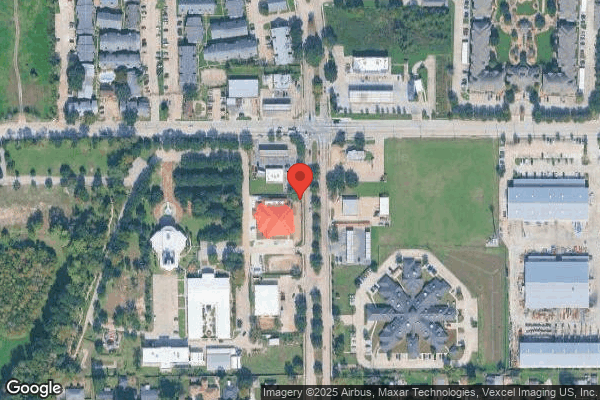

6920 W T.C. Jester Blvd, Houston, TX 77091 (713) 681-0431
Non profit - Corporation 120 Beds WELLSENTIAL HEALTH Data: November 2025 4 Immediate Jeopardy citations
Trust Grade
0/100
#1011 of 1168 in TX
Last Inspection: June 2025

Inspected within the last 6 months. Data reflects current conditions.

Overview

Houston Heights Nursing and Rehabilitation Center has a Trust Grade of F, indicating significant concerns and a poor reputation overall. It ranks #1011 out of 1168 facilities in Texas, placing it in the bottom half, and #81 out of 95 in Harris County, meaning there are only a few facilities in the area that are better. The facility is showing signs of improvement, having reduced its issues from 11 in 2024 to 6 in 2025, but it still has a concerning history with $109,995 in fines, which is higher than 81% of Texas facilities. Staffing is a mixed bag with a turnover rate of 45%, slightly below the state average, but it has only a 1-star rating overall, indicating serious staffing challenges. Specific incidents included a resident being let out of the facility unsupervised, which posed a significant risk, and another resident being transferred incorrectly, resulting in a serious injury. While there are improvements in some areas, families should weigh these strengths against the serious issues highlighted in recent inspections.
Trust Score
F
0/100
In Texas
#1011/1168
Bottom 14%
Safety Record
High Risk
Review needed
Inspections
Getting Better
11 → 6 violations
Staff Stability
○ Average
45% turnover. Near Texas's 48% average. Typical for the industry.
Penalties
⚠ Watch
$109,995 in fines. Higher than 86% of Texas facilities, suggesting repeated compliance issues.
Skilled Nurses
⚠ Watch
Each resident gets only 20 minutes of Registered Nurse (RN) attention daily — below average for Texas. Fewer RN minutes means fewer trained eyes watching for problems.
Violations
⚠ Watch
23 deficiencies on record. Higher than average. Multiple issues found across inspections.
★☆☆☆☆
1.0
Overall Rating
★☆☆☆☆
1.0
Staff Levels
★★★★☆
4.0
Care Quality
★☆☆☆☆
1.0
Inspection Score
Stable
2024: 11 issues
2025: 6 issues

The Good

  • 4-Star Quality Measures · Strong clinical quality outcomes
  • Full Sprinkler Coverage · Fire safety systems throughout facility
  • No fines on record
  • Staff turnover below average (45%)

    3 points below Texas average of 48%

Facility shows strength in quality measures, fire safety.

The Bad

1-Star Overall Rating

Below Texas average (2.8)

Significant quality concerns identified by CMS

Staff Turnover: 45%

Near Texas avg (46%)

Typical for the industry

Federal Fines: $109,995

Well above median ($33,413)

Significant penalties indicating serious issues

Chain: WELLSENTIAL HEALTH

Part of a multi-facility chain

Ask about local staffing decisions and management

The Ugly 23 deficiencies on record

4 life-threatening 2 actual harm
Jun 2025 3 deficiencies 1 IJ
CRITICAL (J) 📢 Someone Reported This

A family member, employee, or ombudsman was alarmed enough to file a formal complaint

Immediate Jeopardy (IJ) - the most serious Medicare violation

Accident Prevention (Tag F0689)

Someone could have died · This affected 1 resident

**NOTE- TERMS IN BRACKETS HAVE BEEN EDITED TO PROTECT CONFIDENTIALITY** Based on interviews and record review failed to ensure each resident receives adequate supervision and assistance devices to pre...

Read full inspector narrative →
**NOTE- TERMS IN BRACKETS HAVE BEEN EDITED TO PROTECT CONFIDENTIALITY** Based on interviews and record review failed to ensure each resident receives adequate supervision and assistance devices to prevent accidents for 1 of 8 residents (CR #1) reviewed for accidents and supervision, in that: CR #1 eloped from the facility on 6/21/25 after being let out of the building by the Receptionist. CR #1 was found by another staff member on the sidewalk near the carwash which was next door to the facility. The non-compliance was identified as Past Non-Compliance. The Immediate Jeopardy (IJ) began on 06/21/25 and ended on 06/21/25. The facility corrected the non-compliance before the survey and investigation began on 06/24/25. The IJ template was sent to Administrator on 06/26/25 at 11:40a.m. This failure could place the residents with exit seeking behaviors at risk for injury or death. Findings included: Record review of CR #1 face sheet dated 06/25/35 revealed a [AGE] year-old male who admitted to the facility on [DATE] and discharged to a secure facility on 6/21/25. His diagnosis included: hemiplegia (severe weakness on side of the body) and hemiparesis (weakness affecting one side of the body, often the arm, leg, and sometimes the face) following cerebral infarction (part of the brain dies because it did not get enough blood or oxygen) affecting right dominant side, major depressive disorder(mood disorder that causes a feeling of sadness or loss of interest), atrial fibrillation(upper chambers of the heart beats very fast), and hypertension(when the pressure in the blood vessels is too high). Record review of CR #1 99 MDS assessment dated [DATE] revealed CR #1 was admitted to the facility on [DATE]. CR #1 was a admit. Record review of CR #'s initial baseline/advanced care plan dated 06/20/25 read in part . CR #1 required assistance with ADLs, and he was not at risk for elopement . Record review of CR #1's initial nursing evaluation dated 06/19/25 indicated he was alert to person and place and had difficulty expressing/pronouncing words. Record review of CR#1 BIMS assessment conducted twice on 06/21/25 revealed results were 0 out of 15 which indicated severe cognitive impairment. Record review of CR#1's BIMS assessment conducted on 06/21/25 result was 2 out of 15 which indicated severe cognition impairment. Record review of CR#1 initial wandering dated 06/19/25 25 indicated he was not a wandering risk. He used a manual wheelchair for ambulation. Record review of CR #1's nursing note dated 6/21/25 indicated the resident was noted outside the building by staff who was let out by the receptionist. The nurse brought the resident back in the facility and a head-to-toe assessment was done. There were no skin issues, and the facility started 1:1 monitoring. A new order was received from the MD to transfer resident to a secure facility. During an interview on 06/25/25 at 2:24 p.m., CNA B said she was across the street from the facility on break and saw CR# 1 outside of the facility gate by himself near the carwash. CNA B said CR #1 resisted returning to the facility. CNA B said she called the Weekend Supervisor and RN C for assistance in bringing CR # 1 back to the facility. CNA B said if she had not been at the store across the street on break, no one would have known that CR #1 had left the premises. During an interview on 06/25/25 at 3:05p.m., RN C said she was CR#'s1 nurse on the day of the incident, and it was her first day working with CR # 1 on 6/21/25. RN C said she received a report from the previous nurse that CR #1 was a fall risk, chair-bound, and confused. RN C said CR#1 was sitting in his wheelchair by the nursing station, facing the front door of the facility, when she went down the 100 hall to check on another resident. RN C said the Weekend Supervisor called and told her that CR #1 was outside the facility premises, by the car wash. RN C said she went out to the car wash with the weekend supervisor and assisted CR #1 back to the facility. RN C said she did head to assessment, and CR #1 had no injuries. RN C said CR #1 could not be outside by himself because he was cognitively impaired, and he could have gotten kidnapped or gone into the road. During an interview on 06/25/25 at 4:07 p.m., R N said CR# 1 approached the front door and made sounds, but she did not understand him. R N said she assumed CR #1 wanted to go outside, and she opened the door for him and let him out unattended. She said she did not know if CR #1 could go out by himself and did not ask other staff members. She said he might have exited the parking lot gate when a car entered the facility. R N said she was not aware of the wandering/elopement binder at the reception desk until after the elopement when the administrator brought the wandering and elopement binder to the reception desk. R N said she was under the assumption that residents sign out when they want to leave the facility premises, not when they want to sit outside the front door of the facility. That was why she let CR #1 out the door without him signing out. R N said she no longer work for the facility and her last day was on 06/21/25. During an interview on 06/25/25 at 4:47 p.m., the Administrator said R N told her she let CR #1 out the front door without checking the elopement binder or asking the nurse to make sure CR #1 could go outside by himself. The Administrator stated that R N said she let CR #1 out of the facility through the front door around 9:15 a.m. but was unsure of the exact time. The Administrator said the DON called her and notified her about CR#1 elopement and she came to the facility about 9:45 a.m. When the surveyor asked the Administrator what could have happened to CR #1 when he went outside the facility premises, the Administrator responded that CR #1 could have seen his loved ones while at the care wash. During an interview on 06/25/25 at 4:50 p.m., The DON said CR #1's BIMS score was 2 out of 15 (which indicated severe cognitive impairment). She said he should not have gone outside to sit by himself because he was cognitively impaired. The DON said residents who leave the building must sign out, but it would not have been appropriate for CR #1 to sign out because he had an impaired memory. The DON said R N should have asked a nurse or checked the wandering and elopement binder at the receptionist's desk before letting CR# I out of the building. The DON said anything could have happened to CR #1 when he was by the car wash. During an interview on 06/25/25 at 6:10 p.m., CR #1's RP said the facility called and notified her that CR #1 had left the facility premises, and the staff assisted him back to the facility. CR #1's RP stated that CR #1 was anxious and confused due to his new environment, and the facility should not have allowed him outside the door. Record review of the facility incident and accident dated 08/15/22 read in part incident is defined as an occurrence or situation that was not consistent with the routine care of a resident . Record review of the facility elopement and wandering resident read in part . elopement occurs when a resident leaves the premises or a safe area without authorization .#4. Monitoring and managing residents at risk for elopement or unsafe wandering .4a. resident will be assessed for risk for elopement or unsafe wandering upon admission and throughout their stay by interdisciplinary care team .4c. interventions to increase staff awareness of the resident's risk, modify the resident's behavior 4d. adequate supervision will be provided to help prevent accidents or elopements. Record review of the corrective actions' facility implemented facility beginning on 06/21/25. The facility had AdHoc QAPI Meeting was held on 06/21/25 and it was attendees were the Medical Direction, The Administrator, and DON. The summary and plan: indicated CR #1 observed on the side work outside the facility gate. Staff member who went on break a t a store across the street from the facility approached CR #1 and attempted to redirect him back to the facility. One of the CNAs called ADON who then sent additional staff to assist with redirecting CR #1 back inside the facility. Plan: The facility has an elopement book with resident pictures and resident consent forms for resident who are able to sign out the facility. All new residents will receive BIMS assessment and elopement/wandering assessment. All current facility staff have been in serviced on wandering resident and elopement. All new staff will be in serviced upon hire regarding wandering and elopement. Performance Improvement Plan: Issue: CR#1 left the facility premises and was outside the gate of the facility, by facility staff and brought back without incidence. The following was completed on 06/21/25: CR #1 was returned to the facility with 15 minutes by staff. Head count. No concerns identified Medical Director notified MD and RP notified Head to toe evaluation assessment completed for CR #1 CR #1 transferred to a facility with secured unit Immediate interventions on 06/21/25 and 06/22/25 Wandering evaluations completed for all facility residents to identify other residents at risk for elopement Elopement/wandering binder reviewed and updated as indicated Resident current BIMS score reviewed to confirm residents able to leave the facility unsupervised. Book reviewed and updated as indicated Exit doors checked for securement and function of alarms Exit gate checked for proper function Elopement drills completed all shifts Reeducation on 06/21/25: : (In service on elopement) The Administrator and/ or designee reeducated facility staff on the facility's Elopement and Wandering procedures, as well as Abuse and Neglect. Reeducation included identification of current residents who are elopement/ wandering risk and methods of identifying new elopement/ wandering risk, as well as identifying residents who can sign themselves out and leave the facility unsupervised. Pre and posttest were completed by staff to validate their understanding of the processes. Systemic Changes: 06/22/25, Education on Elopement and Wandering, to include pre/ posttest on first day of hire/ rehire for facility staff. Monitoring Outcomes: Effective 06/22/25, the Administrator and/ or designee will validate staff's understanding of elopement procedures by quizzing staff and completing questionnaires for random staff from all disciplines, all shifts including receptionist weekly for four weeks, then monthly for two months. The Administrator and/ or designee will conduct elopement drills on all shifts monthly for three months. Record review of the facility in-service dated 06/21/25 revealed staff were in serviced on resident leaving facility/elopement and wandering. Residents have the right to sign themselves out of the facility on pass for up to 72 hours at a time. Residents must sign out using the sign out book. There is a sign out book and an elopement book located at the receptionist desk and the nurse's station. In the elopement book there are pictures of residents who are a wandering risk and if they are going towards a door nursing staff must be notified immediately to redirect the resident. The Administrator and DON must be notified as well for any elopement risks. There are also consent forms located in the elopement book for all residents who are able to sign themselves out. If the resident does NOT have a signed consent form located in the book, you must make sure the resident stays within eyesight during the entire exit attempt and notify any facility staff currently working to assist also the DON and Administrator must be notified. Failure to follow the company protocol will result in disciplinary action, up to and including termination. record review of the facility elopement [NAME] revealed the facility completed wandering evaluation on CR #1 and all the resident in the facility after the elopement on 06/21/25. Record review of the facility incident binder revealed the facility completed BIMS for CR #1 and all the resident in the facility on 06/21/25. During an interview on 06/27/25 between 10:25 a.m. and 10:45 a.m., Resident #51 stated that the facility staff did not allow him to go out the front door by himself, but he could go through the back door, which required a code. Resident #51 said the staff would let him out because it was fenced in. Residents #25, #72, #77, #80, and #298 said they could sign out and go out through the front door and sit on the porch or leave the facility, but they have to sign out and sign back in when they entered the facility. During interview on 06/ 25/25 between 2:02 p.m. through 5:56 p.m. LVN R, R N, R G, RN C, CNA L, LVN U, CNA S, CNA B and on 06/26/25 between 9:58 a.m., and 4:30 p.m., LVN N, LVNK, LVN M, CNA K, CNA I, CNA J, CNA P, ADON, Office Manager, and HR were able to state they had a service on wandering and elopement. They said the facility had two binders: one for residents who could sign out and the other for those who could not sign out by themselves (the wandering/elopement binder). They said all residents must sign out before leaving from the front door. They said if a staff member was unsure whether a resident could leave through the front door, then the staff member must review the binders and ask the nurse before letting any resident out the front door. They said they had to lay eyes on their residents during rounds and monitor any residents who wander. They said if the staff could not find any resident, they had to report to the nurse, and the nurse would call Code Pink and notify management. The staff would start by searching all parts of the building and outside the building. The administrator would be the contact person for the facility. During an interview on 06/25/25 at 5:10 p.m., the Administrator said the DON notified her, and when she came to the facility, they (the medical director and DON) had QAPI. At the same time, RN C assessed CR #1 and placed him on 1:1 care until he was transferred to another facility around 4:30 p.m. on 06/21/25. The Administrator stated that the staff received in-person training on wandering and elopement, and electronic training was sent to all staff. No staff member was allowed to work unless they had completed the in-person training on wandering and elopement. The Administrator stated that the in-service was based on the facility's policy regarding accidents, supervision, and wandering/elopement. The Administrator stated that they had updated the two binders: one for elopement/wandering, which included pictures of the resident, and the other binder for residents who could sign out, containing the necessary consent forms. She said the binders are kept at the nursing station and the receptionist's desk. She also said R N(receptionist) no longer works for the facility. During an interview on 06/25/26 at 5:30 p.m., the DON said the weekend supervisor notified that CR #1 had left the facility premises, and she notified the administrator. The DON said she came to the facility on [DATE] and had a QAPI meeting, and then she started head count for all the residents in the facility. She said CR #1 was assessed and placed on 1:1 until he was transferred to a secured facility. The DON stated that the IDT team assisted with reviewing all resident BIMS and elopement risk assessments and updated the elopement binder and sign-out binder accordingly. The DON said she placed One set of binders at the nursing station while the other at the receptionist's desk. The DON stated that she notified CR #1's RP, CR #1's physician and risk management. Observation on 07/27/ at 2:30 p.m., revealed the alarm on the door would go off, the receptionist had the remote control for the door. Observation on 07/27 at 2:45 p.m., revealed regular wheelchair would not trigger the electronic gate to open.
CONCERN (D)

Potential for Harm - no one hurt, but risky conditions existed

ADL Care (Tag F0677)

Could have caused harm · This affected 1 resident

**NOTE- TERMS IN BRACKETS HAVE BEEN EDITED TO PROTECT CONFIDENTIALITY** Based on observation, interview, and record review, the facility failed to ensure residents who were unable to carry out activit...

Read full inspector narrative →
**NOTE- TERMS IN BRACKETS HAVE BEEN EDITED TO PROTECT CONFIDENTIALITY** Based on observation, interview, and record review, the facility failed to ensure residents who were unable to carry out activities of daily living received necessary services to maintain grooming and personal hygiene for one (Resident #81) out of eight residents reviewed for ADLs. The facility failed to provide personal hygiene to Resident #81 which resulted in patches and dry flaky skin from below the knee to her feet . These deficient practices could place residents at risk of skin breakdown, and reduced feelings of self-worth. Findings included: Record review of Resident #81's face sheet dated 05/24/25 revealed a [AGE] year-old female was admitted on [DATE]. Resident #81 had diagnoses which included: fracture of the neck of left femur (a broken hip), hypertension (when the pressure in the blood vessels is too high), and diabetes mellitus (a disease of inadequate control of blood levels of glucose). Record review of Resident 81's quarterly MDS assessment, dated 05/27/25, revealed the BIMS score was 03 which indicated severely impaired cognition. Further review of the MDS revealed the resident needed extensive assistance with one on staff assist with ADL care. Record review of Resident #81's care plan initiated 02/25/25 and revision on 06/03/25 revealed the resident had an ADL self-care performance deficit related to CVA with hemiparesis. Intervention: bathing/shower: The resident was totally dependent on one staff to provide bath/shower and as necessary. Personal hygiene/oral care: The resident was totally dependent on one staff for personal hygiene and oral care. Record review of Resident #81's shower record on the POC from 05/29/25 through 06/21/25 revealed the resident had not missed any shower and bed bath. During an interview on 06/24/25 at 10:22 a.m., Resident #81 was sitting up in bed, and the head of the bed was at 45 degrees. Resident #81 said her skin from her lower legs to her feet was dry and itchy. During an observation on 06/24/25 at 10:30 a.m., revealed Resident #81's skin from below her knee to her feet was dry, patchy, and flaky when CNA B removed the resident's socks. During an observation and interview on 06/24/25 at 10:37 a.m., CNA B said Resident #81's skin was dry and flaky. CNA B said Resident #81's shower days were Tuesday, Thursday, and Saturday. CNA B said the aides are responsible for showering the resident and applying lotion to the resident's skin after showering and as needed. CNA B said if the aides did not apply lotion to Resident #81's skin, it could cause the resident's skin to be dry, which could cause skin breakdown. CNA B said the nurse monitors the aides throughout the shift. CNA B said she had an in-service on showing residents, and it included applying lotion to the resident's skin. During an interview on 06/25/25 at 10:30 a.m., LVN U said the aides were responsible for giving Resident #81 a shower and the aide should apply lotion after shower and as needed whenever the aide provided care for Resident #81. LVN U stated if the staff did not apply lotion or cream to Resident #81's skin, the resident's skin would often be dry and flaky, and it would break open. LVN U stated that the nurses monitored the aides throughout the shift, and the nurse manager monitored the nurses during their rounds. During an interview on 06/25/25 at 10:35 a.m., the ADON T stated that the aides are responsible for showering Resident #81 and applying lotion or cream to the resident's skin after showering and as needed to prevent the skin from becoming dry. The ADON T said if the aide did not apply lotion on Resident #81's skin, it could cause her skin to break down. The ADON T said the aides should have done a skills check-off before starting work on the floor, and nurses monitored the aides throughout the shift, while nurse managers monitored the nurses during rounding. During an interview on 07/26/25 at 7:27 a.m., the DON said the aides should apply lotion on Resident #81's skin after shower and as needed. The DON said the aides or nurses should apply lotion on Resident 81 #'s skin during care or whenever Resident #81's skin was dry. The DON said the nurses monitor the aides throughout the shift. She stated the ADONs monitor the nurses during random rounds. The DON said she had not done any in-service on skin integrity, but she may have done one in-service on ADL care. The DON stated that Resident #81's skin could be susceptible to some skin impairment if staff did not apply lotion or cream to the resident's skin. The DON said her expectation during training was the importance of keeping the skin moisturized to avoid skin tears and skin breakdown. She stated the nurse monitored the aides throughout the shift, and the nurse managers monitored the nurses. During an interview on 06/27/25 at 11:13 a.m., the Administrator said her expectation for the staff was to apply cream or lotion on the resident skin on shower days and as needed. She said the aides are supposed to apply moisturizer on residents on shower days and as needed. The Administrator said the aides had skills check on ADL but was unsure if there was a section on applying lotion. The Administrator said the nurse monitors the aides throughout the shift, and the nurse managers monitor the nurse during rounding. Record review of the undated facility policy on skin integrity management system read in part . CNA's will document skin observation each . Record review of the facility policy on ADL dated 5/26/23 read in part . policy explanation and compliance guidelines . #3 . a resident who is unable to carry out activities of daily will receive the necessary services to maintain .grooming .
CONCERN (E)

Potential for Harm - no one hurt, but risky conditions existed

Unnecessary Medications (Tag F0759)

Could have caused harm · This affected multiple residents

**NOTE- TERMS IN BRACKETS HAVE BEEN EDITED TO PROTECT CONFIDENTIALITY** Based on observation, interview and record review the facility failed to ensure that the medication error rate was not five perc...

Read full inspector narrative →
**NOTE- TERMS IN BRACKETS HAVE BEEN EDITED TO PROTECT CONFIDENTIALITY** Based on observation, interview and record review the facility failed to ensure that the medication error rate was not five percent or greater. The facility had a medication error rate of 16% based on 4 errors out of 25 opportunities which involved 3 of 5 residents (Residents #4, #63 and #89) and 3 of 5 staff (RN C, MA A, and LVN O) reviewed for medication administration.1. RN C crushed and administered enteric coated Aspirin 81 mg (a formulation of aspirin, that should not be crushed, that has a special coating to prevent it from dissolving in the stomach) to Resident #4 on 6/25/25.2. MA A administered Sennosides instead of Sennosides with Docusate according to physician orders and failed to administer the prescribed amount of Clearlax (Miralax/Polyethylene Glycol 3350) to Resident #63 on 6/25/25. 3. LVN O failed to set Resident #89's IV Zosyn (a combination of two antibiotics that treat bacterial infections) to the correct flow rate according to the pharmacy label on 6/25/25.These failures could place residents at risk of incomplete therapeutic outcomes, increased negative side effects and decline in health. Findings include: 1. Record review of Resident #4's face sheet, dated 6/27/25, revealed an [AGE] year-old female who was readmitted to the facility on [DATE]. Her diagnosis included heart failure, hypertension (high blood pressure), chest pain, and chronic obstructive pulmonary disease.Record review of Resident #4's quarterly MDS assessment, dated 5/30/25, revealed a BIMS score of 3 out of 15, which indicated severe cognitive impairment. She required assistance from staff with ADL care. Record review of Resident #4's care plan dated 3/4/25 revealed she had a history of congestive heart failure. Interventions were to administer cardiac medications as ordered. Monitor, document, and report effectiveness, adverse reactions, and side effects. Aspirin.Record review of Resident #4's Physician orders for June 2025 revealed an order for Aspirin chewable 81 mg give 1 tablet via g-tube one time a day for reduce risk of heart attack, stroke, order date 5/1/25.In an observation on 6/25/25 at 8:39 a.m. revealed RN C prepared Resident #4's medication for administration via g-tube. She prepared 7 medications which included enteric coated Aspirin 81 mg. RN C crushed the enteric coated aspirin along with the other medications and administered it to Resident #4 via g-tube.In an interview on 6/25/25 at 9:36 a.m., RN C said enteric coated formulations could not be crushed because the medication would not work the way it was supposed to. She said she normally reviewed the resident name, medication dose and name but missed where the Aspirin bottle read enteric coated. She said there was no risk to the resident. In an interview and observation on 6/26/25 at 2:20 p.m. the DON said staff could not crush enteric coated formulations because the coating could cause clogging (of the g-tube). She said staff were made aware of which medications not to crush by the list located in the medication book. Observation of the do not crush list revealed enteric coated Aspirin was listed on it.2. Record review of Resident #63's face sheet, dated 6/27/25, revealed a [AGE] year-old female who was admitted to the facility on [DATE]. Her diagnosis included constipation, nontraumatic intracerebral hemorrhage (a type of stroke characterized by bleeding within the brain tissue), and hemiplegia (a complete paralysis of one side of the body) and hemiparesis (weakness on one side) following cerebral infarction (stroke) affecting right dominant side.Record review of Resident #63's quarterly MDS assessment, dated 3/21/25, revealed a BIMS score of 6 out of 15, which indicated severe cognitive impairment. She needed assistance from staff with ADL care.Record review of Resident #63's Physician orders for June 2025 revealed orders for: Sennosides - Docusate 8.6 mg - 50 mg give 1 tablet by mouth two times a day related to constipation, order date 1/7/25;Miralax Oral Powder 17 gm/scoop (Polyethylene Glycol 3350) give 1 scoop by mouth one time a day related to constipation, order date 1/7/25.In an observation on 6/25/25 at 9:41 a.m. revealed MA A prepared Resident #63's medication for administration. He prepared Senna 8.6 mg (without Docusate), Clearlax 3350 7.5 mL, and 7 additional medications. While preparing the Clearlax 3350, MA A did not use the provided 17-gram measuring cup but poured the powder into a medicine cup which equaled approximately 7.5 mL. He mixed the powder with water and administered all prepared medications to Resident #63.In an interview on 6/25/25 at 10:08 a.m. MA A said Senna 8.6 mg (without Docusate) was the only Senna on his medication cart. He said the only difference between the medication administered and the medication ordered was the 50 mg and said the medications were the same. MA A said Resident #63's Clearlax order indicated to administer 1 capful. Observation of the Clearlax (Polyethylene Glycol 3350) bottle read, 1(7) g. cap filled to line. He said he administered approximately 5 mL of Clearlax powder to Resident #63 which was not a capful. He said he administered that amount because that was all he had available. He said he normally used the provided measuring cap to measure but did not because the amount of remaining powder was so low. In an interview on 6/26/25 at 2:22 p.m. the DON said Senna Plus (with Docusate) was more effective than Senna (without Docusate) because there was more active ingredient to help with the bowel. She said Senna and Senna Plus were not the same medication and the difference was the Docusate (stool softener). She said nursing staff should use the provided purple top to measure Clearlax to give the correct dose for effectiveness. She said medication aides should communicate with their nurses if they do not understand. She said the facility had a policy in place to follow the 6 rights of medication which included the right resident, time, dose, form, route, and medication.3. Record review of Resident #89's face sheet, dated 6/27/25, revealed a [AGE] year-old female who was readmitted to the facility on [DATE]. Resident #89 had diagnoses which included osteomyelitis (a serious bone infection that can occur due to bacteria or fungi), partial traumatic amputation of right foot (some soft-tissue connection remains), type 2 diabetes, dementia, and moderate protein-calorie malnutrition.Record review of Resident #89's 5-day scheduled MDS assessment, dated 6/15/25, revealed a BIMS score of 3 out of 15, which indicated severe cognitive impairment. She required some assistance from staff with ADL care. The MDS revealed she had midline IV access and received IV antibiotics.Record review of Resident #89's Order Audit Report for June 2025 revealed an order for Piperacillin Sod - Tazobactam solution (Zosyn) 3-0.375 gm use 3.375 gram intravenously three times a day for acute osteomyelitis, order date 6/20/25. Order Supply Summary. Medication/Supply and Directions: Zosyn 3.375 gm/50 mL galaxy infuse contents of one bag intravenously over 30 minutes at a rate of 100 mL/hr three times daily.In an observation and interview on 6/25/25 at 4:03 p.m., LVN O flushed Resident #89's PICC lumens and hung the Zosyn 3.375 gm/50 mL bag at a rate of 125 mL/hr. Observation of the Zosyn pharmacy label read, Infuse contents of one bag intravenously over 30 minutes at a rate of 100 mL/hr three times daily. LVN O said she normally set rates at 125 mL/hr when the order indicated for the IV to run over 30 minutes. She said the pharmacy label indicated the rate should be at 100 mL, but she set the rate at 125 mL. LVN O entered Resident #89's and adjusted the rate. She said she normally checked the resident's name, medication, time, strength, and verified the IV bag alongside the order. She said if the rate was set higher, the medication would be administered a little quicker.In an interview on 6/26/25 at 2:35 p.m. the DON said the flow rate was located on the IV bag and on the order in the computer system. She said the IV should be set at the rate provided for efficacy. She said there could be side effects if not given according to the specified rate.In an interview on 6/27/25 at 11:10 a.m. the Administrator said she expected nursing staff to follow the MD order when passing medications for accuracy.Record review of the facility's undated Medications Not To Be Crushed revealed Aspirin EC was listed on it.Record review of the facility's Medication Administration policy dated 10/24/22 read in part, .Medications are administered by licensed nurses, or other staff who are legally authorized to do so in this state, as ordered by the physician and in accordance with professional standards of practice, in a manner to prevent contamination or infection. 10. Review MAR to identify medication to be administered. 11. Compare medication source (bubble pack, vial, etc.) with MAR to verify resident name, medication name, form, dose, route, and time. a. Refer to drug reference material if unfamiliar with the medication, including its mechanism of action or common side effects. 14. Administer medication as ordered in accordance with manufacturer specifications. c. Crush medications as ordered. Do not crush medications with do not crush instructions. Do Not Crush Medications: Enteric coated.
Jun 2025 1 deficiency
CONCERN (D) 📢 Someone Reported This

A family member, employee, or ombudsman was alarmed enough to file a formal complaint

Potential for Harm - no one hurt, but risky conditions existed

Deficiency F0635 (Tag F0635)

Could have caused harm · This affected 1 resident

**NOTE- TERMS IN BRACKETS HAVE BEEN EDITED TO PROTECT CONFIDENTIALITY** Based on observation, interviews, and record review the facility failed to have physician orders for the resident's immediate ca...

Read full inspector narrative →
**NOTE- TERMS IN BRACKETS HAVE BEEN EDITED TO PROTECT CONFIDENTIALITY** Based on observation, interviews, and record review the facility failed to have physician orders for the resident's immediate care at time of admission for 1 of 5 residents (Resident #1) reviewed for physician admission orders. The facility failed to provide physician orders for Resident #1 when admitted to the facility with a need for knee immobilizer on 02/18/25. This failure could place the residents at risk of not receiving necessary physician ordered care that could result in worsening conditions or decline in health. Findings included: Record review of Resident #1's face sheet dated 05/24/25 revealed a [AGE] year-old female was admitted on [DATE]. Resident #1 had diagnoses which included: fracture of lower end of left femur (forms the top of left knee joint), hypertension (when the pressure in the blood vessels is too high), and multiple sclerosis (long lasting (chronic) disease of the central nervous system, and paraplegia (inability to move the lower parts of the body). Record review of Resident #1's admission MDS assessment, dated 02/22/25, revealed the BIMS score was 09, which indicated moderately impaired cognition. Further review of the MDS revealed the resident was dependent on staff with all ADL care. Record review of Resident #1's care plan initiated 02/25/25 and revision on 03/27/25 revealed the resident had a non- pressure traumatic wounds to right lower extremities and needs to wear immobilizer to right leg. Intervention: treat as ordered. Record review of Resident #1's June 2025 physician order report for Resident #1 did not reveal the resident had an order for right knee immobilizer. Record review of Resident #1's hospital discharge information dated 02/18/25 read in part . #3 bilateral distal femur fracture. Intervention right knee immobilizer in place . Record review of Resident #1's progress note dated 02/18/25 read in part resident had bilateral femoral fracture and she had right knee immobilizer in place .: Record review of Resident #1's history and physical dated 2/19/25 read in part right knee immobilizer was placed . Record of Resident #1's physician's progress notes dated 04/23/25 read in part . her right distal femoral fracture may open as well, as she has not had her immobilizer in place to the right knee. According to the nursing staff, the immobilizer has been lost. When she first came to the facility the resident had the immobilizer and the DON has been informed . Record review of Resident #1's progress note dated 05/20/25 read in part .IDT met, and it was noted that the resident was unable to obtain a suprapubic catheter after being sent to interventional radiology and urology with no success of receiving the suprapubic catheter. Due to the complication of the resident's anatomy and extensive wounds a new order was obtained for Specialty Hospital for further treatment of wound and an attempt to obtain the best treatment plan. Resident is her own RP and agree with plan of care . During an interview on 05/24/25 at 10:41 a.m., LVN E said Resident #1 had a right knee immobilizer upon admission, and she also replaced the immobilizer after she did the wound care treatment on the right leg. LVN E said Resident #1 had the right knee immobilizer even after the wound on the knee was healed, and when she did her last treatment in March, she did not know when the staff lost the immobilizer. LVN E said she did not see any order for an immobilizer for Resident #1. LVN E said the admitting nurse should have called the physician and clarified the order for the immobilizer and entered it on the PCC, and then it would be transferred to the care plan and TAR. LVN E said Resident #1's fracture could worsen and not heal properly. She stated that the nurse managers monitored the nurses and reviewed the admission packet to ensure all the orders and instructions were transcribed and verified with the physician. LVN E said she was provided in service today (05/24/25) on a clarification order for an immobilizer on admission. During an interview on 05/24/25 at 11:02 a.m., LVN J said Resident #1 had not been in the facility for up to 100 days. LVN J said she did not remember if Resident #1 had an immobilizer on her right leg. She said if Resident #1 did not have an order for an immobilizer, the nurse would not know to apply the immobilizer, and the fracture could worsen. LVN J said the nurse managers should have reviewed the admission paperwork and ensured all orders and recommendations were verified with the physician and entered into the PCC. LVN J said she was provided in service today (05/24/25) on a clarification order for an immobilizer on admission. During an interview on 05/24/25 at 11:18 a.m., the DON said she was unaware Resident #1 had a right knee immobilizer when Resident #1 was admitted to the facility, and she had not seen any immobilizer on the resident's right knee. The DON said to give her time to research the immobilizer because she was not working when Resident #1 was admitted . The DON said the IDT team made the decision to send the resident to the hospital for surgical placement of the Foley catheter because the staff could not insert the foley. The DON Resident #1 was sent to an outside radiologist and urologist and they were not able to insert the foley catheter. The DON said the IDT made the decision to send her to the hospital for aggressive wound care and surgical insertion of foley catheter. During an interview on 05/24/25 at 11:36 a.m., Resident #1's Physician said the resident was discharged from the hospital to the facility with an immobilizer on her right knee, and the staff should have followed up with the order from the hospital. The Physician said she could not remember if the nurse had clarified the immobilizer order with her or the NP. The Physician said Resident #1 should have worn the immobilizer because she had a right femoral fracture. During an interview on 05/24/25 at 2:05 p.m., CNA B said she was not sure if Resident #1 had an immobilizer because she could not remember seeing the immobilizer on the resident. CNA B said if Resident #1 had a fracture and she did not wear the immobilizer, the fracture may not heal well. CNA B said the nurses were responsible for applying the immobilizer to the resident. CNA B said she had in service on resident immobilizer (05/24/25). She said the DON told her to make sure the resident had the immobilizer on and, if it was not in place, to tell the nurse. During an interview on 05/24/25 at 2:15 p.m., CNA H said she thought she saw an immobilizer on Resident #1's leg but was unsure because Resident #1 was moved to another hall. CNA H said the nurse was responsible for applying the immobilizer. CNA H said she had in-service today and was told to tell the nurse that if a resident with an immobilizer were off, the aide would have to notify the nurse. During an interview on 5/24/25 at 2:32 p.m., the Wound Care nurse said she started doing Resident #1's wound treatment on March 5, 2025, until Resident #1 was discharged . The Wound Care did not see any immobilizer on Resident #1 right knee. The Wound Care Nurse said she did not know Resident #1 should have worn an immobilizer on her right knee, and there was no order for the immobilizer. The Wound Care nurse said Resident #1's fracture could worsen if not stabilized. She stated that the admitting nurse and the nurse manager should have ensured that Resident #1's discharge orders and instructions from the hospital were verified and transcribed. She said if the resident did not have an order, then the nurse would not know to apply the immobilizer. During an interview on 05/24/25 at 7:29 p.m., the DON said she was unaware Resident #1 was supposed to wear an immobilizer. The DON said none of the staff told her Resident #1 had an immobilizer on admission, and there was no order. The DON said the clinical should be reviewed and communicated to the doctor upon admission. She stated the admitting nurses should have clarified the discharge medication order and any other equipment, such as an immobilizer, with the physician when Resident #1 was admitted to the facility, and she had the immobilizer on. The DON said the immobilizer was put in place to prevent the fracture from moving and help the healing process. She said without the immobilizer the fracture could heal deformed. The DON said the nurse management team followed up the next day to ensure all the medications and equipment Resident #1 needed for resident care were verified and ordered. During an interview on 05/24/25 at 7:50 p.m., the ADON said the admitting nurse should have reviewed Resident #1 admission paperwork, and the nurse managers would review the paperwork the same day if the resident were admitted early in the day. Then, ADON said that if the resident were admitted later, ADON would review the admission paperwork the next day. She stated another ADON was supposed to review the discharge records, but they worked as a team because they went to the conference hall and reviewed the admission paperwork. She said she could not remember if she reviewed the paperwork with the team. The ADON said she was unaware Resident #1 had an immobilizer when the resident was admitted . She said if the resident should have an immobilizer and she did not, then it could cause more harm to the fracture. She stated that the ADON and DON monitored the nurses and reviewed the admitting paperwork. She said the manager team greets the new residents and introduces themselves, but they do not do skin assessment, and if the immobilizer was under the cover, they would not see it. During an observation and interview on 05/25/25 at 1:24 p.m., Resident #1 was lying on her back on the hospital bed, and she did not have an immobilizer on her right knee. Resident #1 said she was admitted to the facility with an immobilizer, and after a while, the staff stopped applying the immobilizer. Resident #1 denied pain and said the fracture happened when she was dropped at her previous facility. During an interview on 05/26/25 at 1:45 p.m., the Charge nurse at the hospital said Resident #1 was seen by an orthopedic surgeon yesterday(05/25/25) but did not write any order for immobilizer or any other treatment at this time During an interview on 06/17/25 at 9:46 a.m., the Administrator said she was not aware Resident #1 had an immobilizer, or she was supposed to wear one. The Administrator said she was unsure what could happen to the fracture if Resident #1 did not wear the immobilizer because she did not even know what the immobilizer would do. Record review of the facility QAPI meeting dated 05/24/25 revealed issue/plan Resident #1's facility failed to review admission clinicals and in return did not obtain right knee immobilizer order. The Administrator, DON, The Medical Director attended QAPI meeting plan was: in-services: ANE, review of new admission/readmissions process to include reviewing Hospital clinicals for: immobilizer/splints/devices and physician orders. When a resident admits with an immobilizer/splint/devices in place nurse is to obtain physician order for immobilizer/splint/devices. Record review of the facility in service revealed the staff were in serviced on 05/24/25 on admissions with immobilizer read in part . which included: admitting nurse received clarification orders for immobilizer: how long should the immobilizer be in place . where should the immobilizer be placed .skin assessment should also be assessed prior to donning and doffing the immobilizer .add to care plan as well as Kardex . Record review of the facility undated policy on daily clinical meeting process read in part . review new admission . in PCC review for completed admission documentation, correct order transcription includes . required admission . are completed and scheduled appropriately .
May 2025 2 deficiencies 2 Harm
SERIOUS (G) 📢 Someone Reported This

A family member, employee, or ombudsman was alarmed enough to file a formal complaint

Actual Harm - a resident was hurt due to facility failures

Accident Prevention (Tag F0689)

A resident was harmed · This affected 1 resident

**NOTE- TERMS IN BRACKETS HAVE BEEN EDITED TO PROTECT CONFIDENTIALITY** Based on observation, interview, and record review, the facility failed to ensure each resident received adequate supervision an...

Read full inspector narrative →
**NOTE- TERMS IN BRACKETS HAVE BEEN EDITED TO PROTECT CONFIDENTIALITY** Based on observation, interview, and record review, the facility failed to ensure each resident received adequate supervision and assistance devices to prevent accidents for 1 of 8 residents (Resident #1) reviewed for accidents and supervision. Resident #1, who ambulated via motorized wheelchair, sustained minimally displaced fractures of the 2nd through 4th metatarsal necks (breaks in the long bones in the foot, specifically the part connecting the bone to the foot's arch) on 03/21/2025 when CNA A failed to turn off the wheelchair while providing care and bumped into the joystick (the mechanism that moves the wheelchair) which caused the wheelchair to propel forward and slam Resident #1's feet into a wall in the shower room. This failure placed residents who ambulate via motorized wheelchair at risk of injury, pain, and anxiety of possible recurrence. Findings include: Record review of Resident #1's face sheet dated 05/21/2025 revealed she was a [AGE] year-old female who was admitted to the facility on [DATE]. She was diagnosed with Multiple Sclerosis (a disease in which the immune system eats away at the protective covering of nerves), hemiplegia of the right dominant side (when the left side of the brain has been damaged, resulting in paralysis of the right side of the body), hemiplegia of the left non-dominant side (injury, or damage to the right side of the brain, resulting in paralysis of the left side of the body), contracture of muscles - multiple sites (a permanent shortening of a muscle and surrounding tissues leading to limited range of motion and joint stiffness), contracture of the left hand, bipolar disorder (a mental health condition that causes extreme mood swings), and anxiety disorder (persistent and excessive worry that interferes with daily activities). Record review of Resident #1's quarterly MDS dated [DATE] revealed she had a BIMS score of 14 (cognitively intact); Resident #1 ambulated via motorized wheelchair; Resident #1 was dependent on staff for eating, oral hygiene, toileting, bathing, dressing, personal hygiene, and transfers; Resident #1 was frequently incontinent of bladder and always incontinent of bowel; and Resident #1 was prescribed scheduled and PRN pain medication. Record review of Resident #1's care plan revised on 05/07/2025 revealed the following care areas: * Acute fractures of the 2nd through 4th metatarsals of the left foot. Goal included: Resident to remain injury free. Interventions included: Resident will operate her wheelchair correctly. Therapy will inspect the wheelchair. * [Resident #1] has an ADL self-care performance and mobility deficit related to intrinsic and extrinsic factors. Goal included: The resident will maintain current level of function. Interventions included: Bed Mobility - The resident requires assistance from 1-2 staff to turn and reposition in bed. Dressing - The resident is totally dependent in 1-2 staff for dressing. Personal Hygiene/Oral Hygiene - The resident is totally dependent on 1 staff for personal and oral hygiene. * The resident has limited physical mobility related to MS. Goal included: The resident will demonstrate the appropriate use of motorized wheelchair to increase mobility. Interventions included: Locomotion: The resident is able to maneuver/drive her motorized wheelchair. Record review of Resident #1's nursing progress notes for March 2025 revealed: * On 03/21/2025, at 11:27 a.m., RN B wrote, Per Resident and CNA, resident was being repositioned by CNA into her electric wheelchair and CNA bumped into resident's wheelchair causing the wheelchair to move and run into wall. MD notified and order given to have an x-ray done to the left foot. Pain medication given. RP and management notified. * On 03/22/2025, at 7:06 a.m., RN G wrote, Received report from night nurse that resident x-ray of the left foot 3 views was positive for fracture (acute fracture of the 2nd through 4th metatarsals). Order received by night nurse for new order to apply boot and consult podiatrist . * On 03/22/2025, at 1:28 p.m., RN G wrote, Follow-up to fracture of the 2nd through 4th metatarsal, no skin discoloration or swelling noted. Complaint of pain continues, PRN pain medication given. Resident is lying in bed, no distress noted, boot applied to left foot, resident tolerated well. Record review of Resident #1's Radiology Report dated 03/22/2025 revealed, . Significant Findings, Left Foot 3 views . There are minimally displaced fractures of the 2nd through 4th metatarsal necks . Soft tissue swelling is noted . Record review of the facility's document titled, One on One Inservice dated 03/24/2025, at 1:00 p.m. revealed CNA A was educated by an unknown instructor (the signature was illegible) regarding motorized wheelchair safety. The document read in part, Subject: Safety. Return demonstration outcome: Staff able to demonstrate and verbalize how to leave the wheelchair off when a resident is placed in an electric wheelchair until the resident is situated and CNA has completed the ADL with the resident. The document was signed by CNA A and the instructor. Observation and interview with Resident #1 on 05/21/2025, at 12:05 p.m. revealed she was alert and oriented. She was in her room sitting in her motorized wheelchair. Resident #1 sat in her wheelchair with her legs and feet elevated evenly with her hips. Resident #1 stated she always sat in her wheelchair and ambulated with her legs and feet elevated. She said in March 2025, CNA A placed her in her wheelchair in the large part of the shower room (The shower room was separated into three rooms. There were two smaller rooms with showers and there was a larger room where staff could get the residents dry and dressed, which led to the hallway). She said her motorized wheelchair had a joystick on the right side. She said CNA A leaned over her while standing on the right side, and something in her pocket bumped the joystick and caused the wheelchair to move forward and hit her feet against the wall. She said CNA A was possibly repositioning her or reaching for something, but she could not recall for sure. She said she went to a podiatrist (a medical professional devoted to the treatment of disorders of the foot and ankle), and they put a soft cast on her foot. She said she just recently got the cast off. She said she had the wheelchair for five years and the staff were supposed to turn it off when they provided care. She said she was not sure if the staff ever turned it off or not before, but they do turn if off now (after the incident). In a telephone interview with Resident #1's physician on 05/21/2025, at 2:13 p.m., he stated he was familiar with Resident #1 and recalled when staff notified him about the incident when she broke her toes. He said the facility staff called him for x-ray orders. He said staff told him an aide reached over Resident #1 and accidentally hit the go button on her wheelchair. He said the x-ray of her left foot showed fractures of the 2nd through 4th toes. He said they immobilized Resident #1's toes by taping them together and wrapping them. He said the wrap was not a cast, but it allowed the toes to set while aligned in place. He said he was not aware of the proper etiquette for the motorized wheelchair, so he could not say if the staff were supposed to turn the device off while providing care or not. He said the negative outcome of the incident was that Resident #1 fractured her toes. In a telephone interview with RN B on 05/21/2025, at 2:31 p.m., she stated on 03/21/2025, she observed Resident #1 and CNA A walking towards her after Resident #1's shower. She said Resident #1 and CNA A told her after the shower, CNA A leaned over Resident #1 to reposition her and CNA A bumped the joystick, causing it to go forward and hit the wall. She said she called the doctor and asked for something for Resident #1's pain. She said she did not know if the incident was caused by an error by the CNA or a glitch in the chair. She said she asked Resident #1 to show her how the chair worked (she did not give a date or period of time this happened) and Resident #1 told her to touch the joystick to see how it moved. RN B said when she touched the joystick, the wheelchair moved abruptly. She said the negative outcome of this incident was that Resident #1 was so worked up (emotional) about it and she may feel anxious about the incident happening again whenever she is placed in the wheelchair. In an interview with CNA A on 05/21/2025, at 3:05 p.m., she stated she often cared for Resident #1 and placed her in the wheelchair daily. She said the staff were possibly trained related to Resident #1's wheelchair when she initially received the wheelchair, but she (CNA A) was not trained when she started working at the facility in December 2024. She said she previously left the motorized wheelchair on when she cared for Resident #1, but now she turned it off. She said on 03/21/2025, around 10:00 a.m. - 10:30 a.m., after her shower, she placed Resident #1 into her wheelchair with assistance via mechanical lift. She said Resident #1 was already dressed and ready to leave the shower room. She said as she walked away from Resident #1, towards the door, she bumped the joystick, and it got stuck under Resident #1's arm. She said the wheelchair moved forward and her feet ran into the wall. She said Resident #1 said, [CNA A], my feet! CNA A said she turned around and moved Resident #1 away from the wall. She said now, there is a longer joystick on Resident #1's wheelchair. She stated the negative outcome of the incident was that Resident #1 hurt her foot. She said after the incident, she was educated on proper use of the motorized wheelchair. Record review of the facility's policy, titled Incidents and Accidents dated 08/15/2022 revealed, . Definitions: 'Accident' refers to any unexpected or unintentional incident, which results or may result in injury or illness to a resident. An 'incident' is defined as an occurrence or situation that is not consistent with the routine care of a resident or with the routine operation of the organization . Policy Explanation: The purpose of incident reporting can include: Assuring that appropriate and immediate interventions are implemented and corrective actions are taken to prevent recurrences and improve the management of resident care .
SERIOUS (H) 📢 Someone Reported This

A family member, employee, or ombudsman was alarmed enough to file a formal complaint

Actual Harm - a resident was hurt due to facility failures

Free from Abuse/Neglect (Tag F0600)

A resident was harmed · This affected multiple residents

**NOTE- TERMS IN BRACKETS HAVE BEEN EDITED TO PROTECT CONFIDENTIALITY** Based on observations, interviews, and record reviews the facility failed to ensure residents were free from verbal abuse for 2 ...

Read full inspector narrative →
**NOTE- TERMS IN BRACKETS HAVE BEEN EDITED TO PROTECT CONFIDENTIALITY** Based on observations, interviews, and record reviews the facility failed to ensure residents were free from verbal abuse for 2 of 9 residents (Resident #2 and Resident #3) reviewed for abuse. - The facility failed to prevent verbal abuse by DON K. On 11/20/24 DON K told Resident #2 she would send him to jail if he did not shut up. - The facility failed to prevent verbal abuse by DON K. On 1/30/25 DON K got in Resident #3's face and yelled at her to shut up. These failures could place all residents in the facility at risk for severe negative psychosocial outcomes which could prevent them from achieving their highest practicable physical, mental, and psychosocial well-being. Findings include: Record review of Resident #2's undated face sheet revealed a [AGE] year-old male admitted to the facility on [DATE]. His diagnoses included cerebral infarction (stroke), epilepsy (seizures), mild intellectual disabilities, cognitive communication deficit, depression, and unspecified psychosis (psychotic symptoms are present, but not a specific disorder). Record review of Resident #2's Quarterly MDS assessment dated [DATE] indicated he had a BIMS score of 5 out of 15 which indicated severely impaired cognition. The MDS revealed CR #2 was taking an antidepressant, and a hypnotic. Record review of Resident #2's care plan dated 12/11/24, revealed a Focus: [Resident #2] had verbal outburst towards staff (Started: 7/23/24, Edited: 11/20/24). The goal was to not have any outbursts in 90 days. The interventions were to redirect Resident #2 and take the resident to a quiet environment. Focus: Resident received antianxiety medication r/t restlessness and agitation (Started: 5/3/24, Edited: 10/24/24). The goal was to improve or maintain Resident #2's functional status. The interventions included monitoring Resident #2's mood and response to medications, assess his behavioral/mood symptoms to see if they present a danger to self or others and intervene. Focus: Resident was PASARR positive for ID and receiving psych services for behavior (Start: 3/3/24, Edited: 10/24/24). The goal was to follow the PASARR recommendations. The interventions included following the PASARR recommendations, conduct quarterly meetings and follow any additional services the local authority recommends. Focus: Resident was at increased risk for memory difficulties, personality changes, anxiety, and relationship difficulties d/t depression. The goal was to exhibit indicators of depression/anxiety or sad mood less than once a month. Interventions included administering medications, assist the resident with an activities program that was meaningful, and encourage exercise. Focus: The resident enjoyed talking to staff (Start: 2/5/24, Edited: 10/24/24). The goal was to remain engaged in independent and facility activity. Interventions included encouraging Resident #2 to spend time out of his room at public locations. In an observation and interview with Resident #2 on 5/21/25 at 11:09am, Resident #2 was laying on his back in bed. He did not remember the incident with the DON when asked about it. In an interview with CNA H on 5/21/25 at 12:12pm, she said DON K was verbally abusive to Resident #2 frequently. She said DON K did say she was going to call the police and have Resident #2 sent to jail. In an interview with LVN E on 5/21/25 at 12:14pm, he said on 11/20/24 DON K was yelling at Resident #2 and telling him she could call the police and have him arrested. LVN E said Resident #2 was alert, but he did not remember things. He said Resident #2 yelled out frequently, but you have to know how to take care of him, and he knew how to calm him down. LVN E said DON K was rude to all the residents and all staff. In an interview with the ADON on 5/21/25 at 1:39pm, she said she heard DON K said those things (she was going to have him arrested) to the Resident #2, but she did not actually hear it herself. The ADON did agree that DON K was rude to the residents. In an interview with LVN M on 5/23/25 at 11:09am, she said she heard Resident #2 tell DON K one time that he was going to tell his family member about the way DON K was treating him, and DON K told him, Tell your family member, they can't whoop me. 2. Record review of the provider investigation report submitted to the state by Administrator R dated 2/5/25 revealed in part: .Investigation Summary: On 1/30/25, [LVN M] stated that she had witnessed what she considered to be verbal/mental abuse of a resident by [DON K]. She stated that [Resident #3] was at the nurse's station, and she was yelling and cursing, which she does periodically. [LVN M] stated that [DON K] came out of her office, walked over to [Resident #3] and told her she would call the police if she did not calm down, and that she needs to go to her room, [Resident #3] told [DON K] to get out of my mother fucking face. [DON K] stated to the resident I am in your face, I am in your face in a harsh, belittling manner that was confrontational. In interviewing other staff at/or around the nurse's station at that time, [ADON and LVN O] also stated they heard [DON K] speak harshly, using belittling tone when speaking with [Resident #3] . Record review of Resident #3's undated face sheet revealed a [AGE] year-old female admitted to the facility on [DATE], with the most recent admission being 2/20/25. Her diagnoses included schizoaffective disorder (both psychosis and bipolar/depression), severe dementia with agitation (restlessness, distress, and potentially aggressive behavior), anxiety, schizophrenia (chronic brain disorder that affects thinking, feeling, and behavior), cognitive communication deficit. Record review of Resident #3's Annual MDS assessment dated [DATE] revealed a BIMS score of 3 out of 15 which indicated severe cognitive impairment. Further review of the MDS confirmed she had diagnoses of non-Alzheimer's dementia, anxiety, schizophrenia, and schizoaffective disorder bipolar type. She was taking antidepressants. Record review of Resident #3's care plan dated 1/15/25 revealed a Focus: Resident has behaviors when she starts her menstrual cycle (Initiated: 1/28/25). The goal was that she would be free from behaviors through the review date. Interventions included that staff would redirect the resident and she would be respectful towards staff and others. Focus: Staff reported allegation of verbal abuse (Initiated: 1/31/25). The goal was to be free from verbal abuse. Interventions included monitoring behaviors, following up with psychosocial prn, head to toe assessment, and reporting verbal abuse to HHSC. Focus: Resident enjoys sitting in the hallway people watching (Initiated: 3/6/25). Goal was to attend activities 3 times a week. Interventions included reminding the resident to attend activities and escorting her, and if she exhibits behaviors to redirect her. Focus: Resident has a communication problem r/t alcohol induced dementia (Initiated: 1/28/25). The goal was to be able to make basic needs known. Interventions included monitor/document frustration level and wait 30 seconds before providing resident with word. Allow time to respond, ask yes/no questions, use simple/brief/consistent words/cues. Record review of Resident #3's progress note dated 1/29/25 at 5:35 pm and written by LVN O revealed Resident #3 had behavioral issues with outbursts, was agitated, and screaming at staff and other residents. The MD was notified who gave an order for Ativan (medication for anxiety) 2mg PO Q6hr PRN and a dose was given. Record review of Resident #3's progress note dated 1/30/25 at 8:37 am and written by LVN M revealed the MD ordered a UA for Resident #3. Record review of Resident #3's Lab Results reported 1/30/25 at 9:22pm revealed she had a UTI that was positive for E. Coli (type of bacteria that causes urinary infection). Record review of Resident #3's progress note dated 1/31/25 at 6:22 am and written by LVN E revealed Resident #3 was ordered an antibiotic for a UTI. In an interview with the ADON on 5/20/25 at 1:15pm she said on 1/30/25 Resident #3 was at the nurse's station and was very upset and yelling when DON K went out to talk to her. The ADON said she was in her office, and she heard DON K say, I'm in your face, I'm in your face. In an interview with CNA F on 5/20/25 at 1:51pm he said on 1/30/25 Resident #3 was at the nurse's station yelling and upset and DON K came out of her office and got in the resident's face and told her to Shut up and stop yelling at her nurse's station. CNA F said DON K was rude to all the residents. In an observation and interview on 5/21/25 at 11:14am Resident #3 was sitting in her wheelchair in the dining room. She did not remember the incident when asked about it. In a telephone interview with LVN M on 5/23/25 at 11:09am she said on 1/30/25 she was in her office when she heard commotion at the nurse's station, so she went out to see what was going on. She said Resident #3 was being belligerent and was saying she was missing her purse. LVN M said she did that sometimes because she had alcohol induced dementia. LVN M saw DON K get in Resident #3's face and tell her, You will not act this way. LVN M said then Resident #3 said, Get out of my motherfucking face and then the DON said, I'm in your face, I'm in your face very confrontational. LVN M said the resident looked shocked that DON K was saying this and in her face. LVN M said DON K was disrespectful to the residents and staff all the time. Record review of DON K's Employee Counseling Report from 2/4/25 filled out by Administrator R read in part: .The decision to terminate employment is based on multiple documented complaints and formal statements regarding unprofessional conduct, including reports of verbal abuse, retaliatory behavior, and intimidation, which have contributed to a hostile work environment. Additionally, there were allegations of verbal abuse toward a patient .the consistency and severity of multiple complaints from different individuals, each detailing similar unprofessional behavior in separate incidents, have led the company to conclude that continued employment is not in alignment with our standards and expectations. In an interview with DON K on 5/21/25 at 1:40pm, she denied any verbal abuse to any residents. She said she told Resident #3 Yes, I'm in your face because I have to talk to you. DON K said she did not raise her voice or use any kind of rude tone and then she went with Resident #3 to her room to calm her down. DON K said with Resident #2, he was having an altercation with another resident across the hall from him and he was holding a butter knife. She said she told him he could go to jail if he threatened someone with a knife. Record review of the incidents and accidents log for that month did not reveal any resident altercations that DON K was speaking of. In an interview with Administrator C on 5/22/25 at 1:26pm she said her expectations were that her staff were to maintain professionalism, dignity, and courtesy whenever they took care of the residents. She said there should be no reason their voice should be loud, or they should yell unless they were speaking to a hearing-impaired resident. Administrator C said she did not tolerate scaring residents to get them to do something and the staff would be suspended, reported, and ultimately terminated if she found that happened. Administrator C said if she found out a staff member was abusing a resident they would be suspended, reported, the police would be called, facility guidelines would be followed, and the employee would be terminated if it were true. She said abuse could cause emotional and behavioral concerns with the resident. In an interview with the VP of Operations on 5/22/25 at 1:30pm he said he investigated the incident that was filed against DON K and Resident #3. He said once he and the previous Administrator started interviewing staff about what happened, all the staff started saying how they felt scared, retaliated against, and verbally abused by DON K. He said the findings they found were congruent with the allegations of the investigation, so they terminated DON K. Record review of the facility's policy and procedure on Abuse, Neglect and Exploitation (Implemented: 8/15/22 with no revisions) read in part: It is the policy of this facility to provide protections for the health, welfare and rights of each resident by developing and implementing written policies and procedures that prohibit and prevent abuse, neglect, exploitation and misappropriation of resident property .Verbal Abuse means the use of oral, written or gestured communication or sounds that willfully includes disparaging and derogatory terms to residents or their families, or within their hearing distance regardless of their age, ability to comprehend, or disability .The facility will develop and implement written policies and procedures that: Prohibit and prevent abuse, neglect, and exploitation of residents and misappropriation of resident property; Establish policies and procedures to investigate any such allegations; and Include training for new and existing staff on activities that constitute abuse, neglect, exploitation, and misappropriate of resident property, reporting procedures, and dementia management and resident abuse prevention; and Establish coordination with the QAPI program .Potential employees will be screened for a history of abuse, neglect, exploitation, or misappropriation of resident property .Existing staff will receive annual education through planned in-services and as needed .The facility will implement policies and procedures to prevent and prohibit all types of abuse, neglect, misappropriation of resident property, and exploitation that achieves: .The identification, ongoing assessment, care planning for appropriate interventions, and monitoring of residents with needs and behaviors which might lead to conflict or neglect .An immediate investigation is warranted when suspicion of abuse, neglect or exploitation, or reports of abuse, neglect or exploitation occur .The facility will make efforts to ensure all residents are protected from physical and psychosocial harm, as well as additional abuse, during and after the investigation .The facility will have written procedures that include: . Assuring that reporters are free from retaliation or reprisal; Promoting a culture of safety and open communication in the work environment prohibiting retaliation against any employee who reports a suspicion of a crime. This facility will post a conspicuous notice of employee rights, including the right to file a complaint with the State Survey Agency if the employee believes the facility has retaliated against him/her for reporting a suspected crime and how to file such a complaint .
Jun 2024 3 deficiencies
CONCERN (D) 📢 Someone Reported This

A family member, employee, or ombudsman was alarmed enough to file a formal complaint

Potential for Harm - no one hurt, but risky conditions existed

Notification of Changes (Tag F0580)

Could have caused harm · This affected 1 resident

**NOTE- TERMS IN BRACKETS HAVE BEEN EDITED TO PROTECT CONFIDENTIALITY** Based on observations, interviews, and record reviews, the facility failed to immediately consult with the resident's physician ...

Read full inspector narrative →
**NOTE- TERMS IN BRACKETS HAVE BEEN EDITED TO PROTECT CONFIDENTIALITY** Based on observations, interviews, and record reviews, the facility failed to immediately consult with the resident's physician when there was a need to alter treatment significantly for 1 of 10 residents (Resident #1) reviewed for changes of condition. The facility failed to notify Resident #1's physician when she experienced a change of condition, including SOB and desaturation (low blood oxygen levels) on 06/05/2024. This failure placed residents at risk experiencing a delay in medical treatment and worsening of condition/symptoms. Findings include: Record review of Resident #1's face sheet dated 06/07/2024 revealed she was an [AGE] year-old female who was admitted to the facility on [DATE]. She was diagnosed with dementia without behavioral disturbances (a group of thinking and social symptoms that interferes with daily functioning), psychotic disturbance (a mental disorder characterized by a disconnection from reality), anxiety (a feeling of worry, nervousness, or unease, typically about an imminent event or something with an uncertain outcome), chronic kidney disease (a type of long-term kidney disease in which either there is a gradual loss of kidney function that occurs over a period of months to years, or abnormal kidney stricture), diabetes (a group of diseases that result in too much sugar in the blood), essential hypertension (a type of high blood pressure that develops gradually over time without an identifiable cause), cognitive communication deficit (a communication difficulty caused by cognitive impairment), muscle wasting and atrophy (the loss of muscle tissue or mass which causes a decrease in strength and make it difficult to perform daily tasks), hypotension of hemodialysis (low blood pressure which is a side effect of hemodialysis treatments), and congestive heart failure (a chronic condition in which the heart does not pump blood as well as it should). Record review of Resident #1's MDS dated [DATE] revealed she had a BIMS score of 3 (severe cognitive impairment); Resident #1 did not experience hallucinations or delusions and she did not exhibit behaviors or reject care; Resident #1 required limited assistance from at least one staff for bed mobility and toilet use; and Resident #1 required limited assistance from at least two staff for transfers. Record review of Resident #1's care plan revised 06/06/2024 revealed the following care areas: * Resident #1 is on hemodialysis related to end stage renal disease on Mondays, Wednesdays, and Fridays at 9:15 a.m. Goals included: Resident #1 will have no signs and symptoms of complications from dialysis. Approach included: 1 Liter fluid restriction. Administer medications as ordered. * Resident #1 has an ADL self-care performance and mobility deficit. Goals included: Resident #1 will have ADL's and mobility needs met. Approach included: Encourage resident to use the bell to call for assistance. Monitor/document/report PRN any changes, any potential for improvement, reasons for self-care deficit, expected course, and declines in function. Monitor refusals of care. Resident #1 requires minimal to moderate assistance by 1-2 staff to turn and reposition in bed frequently and as necessary. Resident #1 requires minimal to moderate assistance by 1-2 staff for transfers. * Resident #1 has a history of CHF and was at increased risk for pneumonia (infection that inflames air sacs in one or both lungs, which may fill with fluid), pulmonary embolus (a condition in which one or more arteries in the lungs become blocked by a blood clot), anemia ( condition in which the blood does not have enough healthy red blood cells and hemoglobin), renal failure (when the kidneys lose the ability to remove waste and balance fluids), CAD (a heart condition that occurs when the coronary arteries have difficulty supplying the heart with enough blood, oxygen, and nutrients), fluid overload (when the liquid portion of the blood is too high), death, edema (when fluid builds up in the body's tissues), increased SOB, decreased appetite, and fluctuating cognition related to unstable oxygen saturation levels, unintended weight gain, impaired skin integrity, and increased edema. Goals included: Resident #1 will have clear lunch sounds, heart rate and rhythm within normal limits. Approach included: Administer cardiac medications as ordered. Check breath sounds. Monitor, document, and report labored breathing and the use of accessory muscles while breathing. Monitor vital signs as ordered. Notify doctor of significant abnormalities. Record review of Resident #1's progress notes for June 2024 revealed: * On 06/05/2024 at 2:44 a.m., LVN E wrote, Resident having difficulty sleeping, and is monitored every 2 hours during this shift . Resident on oxygen 3 liters at this time and reports comfortable in bed. Will continue to monitor. * On 06/05/2024 at 9:11 a.m., LVN A wrote, Resident left facility and went to dialysis in stable condition. No signs and symptoms of acute distress noted. Dialysis communication sent with resident and driver voiced that he saw it. Record review of Resident #1's undated General Order form revealed: * Received Date: 05/03/2024. Start Date: 05/03/2024. DC Date: 05/20/2024. Order Description: Continuous oxygen: Oxygen at 2 liters/minute via nasal cannula to relive hypoxia related to diagnosis of SOB . DC Note: Order changed to PRN . Record review of Resident #1's Physician's Orders for June 2024 revealed the following orders: * PRN Oxygen: Oxygen at 2 liters/minute via nasal cannula to relieve hypoxia related to diagnosis of SOB. Special Instructions: Check O2 saturation as needed. Start Date 05/20/2024. End Date: Open Ended. * Transport to Dialysis Center on Monday, Wednesday, Friday at 9:15 a.m. Start Date: 06/06/2024. End Date: Open Ended. Record review of Resident #1's MAR for June 2024 revealed: * Order: Dialysis Pre-Vitals. Frequency: Once a day on Monday, Wednesday, Friday. Start/End Date: 04/08/2024 - Open Ended. Monday, 06/05/2024 - O2 Saturation Before: 93% Record review of Resident #1's Physician Order Report for May 2024 and June 2024 revealed: * Start Date: 06/14/2024. End date: Open Ended. Description: Portable oxygen tank to be sent with resident on every dialysis day (Monday, Wednesday, Friday) once a day on Monday, Wednesday, Friday; 8:00 a.m. Observation and interview with Resident #1 on 06/07/2024 at 12:54 p.m. revealed she had just been just dropped off by a transportation company following her dialysis treatment. She was sitting in her wheelchair in the hallway near her room. Resident #1 was being administered oxygen via nasal cannula and an oxygen tank behind her wheelchair. Resident #1 was alert and stated her name. She stated she felt safe in the facility and denied any abuse. Resident #1 talked about topics unrelated to the conversation and appeared to be somewhat confused. In an interview with LVN B on 06/07/2024 at 11:45 a.m., he stated Resident #1 had recently declined cognitively and physically. He said Resident #1 had orders for PRN oxygen. He said when Resident #1 returned from dialysis treatments, she was always very weak, so they put her on oxygen and laid her down. He said Resident #1 normally got out of breath and fatigued, so he always sent her to dialysis with oxygen in case she needed it there. He said they had to check Resident #1 before she left for dialysis to make sure her oxygen was good. He said he worked Monday (06/03/2024) morning (6:00 a.m. - 2:00 p.m.) and cared for Resident #1 before she left for dialysis, but he was off on Wednesday, 06/05/2024 and picked up a shift on a different hall from Resident #1 on that day. He said he heard there was a complaint from Resident #1's dialysis center on 06/05/2024 that she did not go to dialysis with oxygen. In an interview with CNA F on 06/07/2024 at 1:30 p.m., she stated Resident #1 recently started dialysis treatments and could stand with staff assistance. She said now that Resident #1 was on dialysis, she was weaker than she was before and needed more help. She stated Resident #1 recently started going to dialysis with an oxygen tank. She said Resident #1 usually had oxygen on when she was in bed. In a telephone interview with an RN from Resident #1's dialysis center on 06/11/2024 at 3:15 p.m., she stated she was responsible for Resident #1's care at the center on Wednesday, 06/05/2024. She said when Resident #1 arrived, she was grasping for air and struggling to breath. She stated while Resident #1 was still in the lobby of the center, her oxygen saturation was 92% and she looked down and sleepy, like she was not well. She said Resident #1's head kept dropping but she was still able to respond slower than usual. She said Resident #1 usually came to the center with oxygen from the nursing facility, but she did not have it that day. She said that was the only time she worked with Resident #1 when she did not have the oxygen, but she was told by other staff at the center that it had happened before. She could not provide specific days that Resident #1 did not arrive with oxygen from the nursing facility. She said they got Resident #1 over to their clinic and placed her on 2 liters of oxygen. She said Resident #1's oxygen saturation went up to 98% and her condition improved with better responses, and she looked better. She said she called the facility to let them know what happened and that they forgot to send Resident #1 with oxygen. She said Resident #1's family member brought an oxygen tank so Resident #1 could get her treatment. She said after Resident #1 received oxygen, she was able to complete her treatment with no other issues. In an interview with LVN A on 06/14/2024 at 10:00 a.m., she stated she cared for Resident #1 several days the previous week, including Wednesday, 06/05/2024. She said normally, on Resident #1's dialysis days, she is first to get ready. She said she usually checked Resident #1's vital signs, did her finger stick (blood sugar check), gave her medications, and completed her feeding (via g-tube - a tube inserted through the belly that brings nutrition directly to the stomach). She said now, they always send Resident #1 to the dialysis center with an oxygen tank. She stated she did not know this information the previous week on 06/05/2024 when she sent Resident #1 to the center without oxygen. She said she only found out when the dialysis center called to say she did not have the oxygen. She said Resident #1 was not on oxygen until she got pneumonia and was put on continuous oxygen. She said Resident #1 did not want to wear the oxygen and her oxygen levels improved after the pneumonia resolved, so her order was changed to PRN. She said after that, Resident #1 only used the oxygen when she had SOB, which was not often. She said on the morning od 06/05/2024, Resident #1's oxygen saturation was 93% on room air. She said normal oxygen level was above 90%, so Resident #1 did not need the oxygen that morning. She said Resident #1 did not have labored breathing or any other symptoms of SOB. She said on 06/05/2024, the center called the DON who told her to call the dialysis center to check on Resident #1. She said when she called the center, the nurse said Resident #1 was fine but had labored breathing when she arrived. She said the nurse told her Resident #1's oxygen saturation was 94%. She said after that, they are to always send oxygen to the center. She said she called the transportation center and asked them to always make sure Resident #1 had the oxygen tank when they picked her up. She said on 06/05/2024, Resident #1's family member called and said she was coming to pick up the tank so she gathered everything and took them to the front so the family member could grab them when she arrived. She said the dialysis center nurse said Resident #1's oxygen level was at 94%, but she had SOB. She said she did not call Resident #1's NP because she did not desaturate. She said she would have notified the NP if Resident #1 desaturated. In a telephone interview with Resident #1's NP on 06/14/2024 at 11:07 a.m., she stated Resident #1 previously had aspiration pneumonia and was transferred to the hospital. She said currently, Resident #1 was on oxygen PRN and did not usually need it when she went to dialysis. She said Resident #1 kept taking the oxygen off, so they decided to check her pulse oximetry (a test used to measure the oxygen level of the blood). She said Resident #1's pulse oximetry was fine after the pneumonia resolved, so her order was changed to PRN. The NP said she was not notified that Resident #1 experienced SOB or a decrease in oxygen saturation at dialysis. She said she was not made aware that Resident #1 needed oxygen during dialysis treatments. She said usually, if Resident #1's oxygen saturation was under 93% on room air, she would need oxygen. She said knowing that Resident #1 needed oxygen at dialysis would have definitely made her change the oxygen order. She said the facility should definitely send Resident #1 to dialysis with oxygen. She said if Resident #1's oxygen level was dropping, the facility needed to send the tank with her. In a follow-up interview with the DON on 06/14/2024 at 11:40 a.m., she stated Resident #1's NP just called to give an order to send oxygen with Resident #1 on dialysis days. She said to her, LVN A should have contacted Resident #1's NP to notify her of the incident on 06/05/2024. She stated LVN A should have documented the incident in Resident #1's progress notes. Record review of the facility's policy titled, Change in a Resident's Condition or Status revised February 2021 revealed, Our facility promptly notifies the resident, his or her attending physician, and the resident representative of changes in the resident's medical/mental condition and/or status. Policy Interpretation and Implementation: 1. The nurse will notify the resident's attending physician or physician on call when there has been a(an): . d. significant change in the resident's physical/emotional/mental condition; e. Need to alter the resident's medical treatment significantly; . i. specific instruction to notify the physician of changes in the resident's condition . 5. Except in medical emergencies, notifications will be made within twenty-four (24) hours of a change occurring in the resident's medical/mental condition or status . 8. The nurse will record in the resident's medical record information relative to changes in the resident's medical/mental condition or status .
CONCERN (D) 📢 Someone Reported This

A family member, employee, or ombudsman was alarmed enough to file a formal complaint

Potential for Harm - no one hurt, but risky conditions existed

Report Alleged Abuse (Tag F0609)

Could have caused harm · This affected 1 resident

**NOTE- TERMS IN BRACKETS HAVE BEEN EDITED TO PROTECT CONFIDENTIALITY** Based on observations, interviews, and record review, the facility failed to report an alleged violation of abuse to HHSC for 1 ...

Read full inspector narrative →
**NOTE- TERMS IN BRACKETS HAVE BEEN EDITED TO PROTECT CONFIDENTIALITY** Based on observations, interviews, and record review, the facility failed to report an alleged violation of abuse to HHSC for 1 of 10 resident (Resident #1) reviewed for abuse, neglect, and exploitation. The facility failed to report an allegation of abuse to HHSC after Resident #1's family member expressed concerns when CNA C allegedly handled the resident roughly during resident care. This failure placed residents at risk of continued abuse, neglect, or exploitation. Findings include: Record review of Resident #1's face sheet dated 06/07/2024 revealed she was an [AGE] year-old female who was admitted to the facility on [DATE]. She was diagnosed with dementia without behavioral disturbances (a group of thinking and social symptoms that interferes with daily functioning), psychotic disturbance (a mental disorder characterized by a disconnection from reality), anxiety (a feeling of worry, nervousness, or unease, typically about an imminent event or something with an uncertain outcome), chronic kidney disease (a type of long-term kidney disease in which either there is a gradual loss of kidney function that occurs over a period of months to years, or abnormal kidney stricture), diabetes (a group of diseases that result in too much sugar in the blood), essential hypertension (a type of high blood pressure that develops gradually over time without an identifiable cause), cognitive communication deficit (a communication difficulty caused by cognitive impairment), muscle wasting and atrophy (the loss of muscle tissue or mass which causes a decrease in strength and make it difficult to perform daily tasks), hypotension of hemodialysis (low blood pressure which is a side effect of hemodialysis treatments), and congestive heart failure (a chronic condition in which the heart does not pump blood as well as it should). Record review of Resident #1's MDS dated [DATE] revealed she had a BIMS score of 3 (severe cognitive impairment);. Resident #1 did not experience hallucinations or delusions and she did not exhibit behaviors or reject care;. Resident #1 required limited assistance from at least one staff for bed mobility and toilet use; and Resident #1 required limited assistance from at least two staff for transfers. Record review of Resident #1's care plan revised 06/06/2024 revealed the following care areas: * Resident #1 is on hemodialysis related to end stage renal disease on Mondays, Wednesdays, and Fridays at 9:15 a.m. Goals included: Resident #1 will have no signs and symptoms of complications from dialysis. Approach included: 1 Liter fluid restriction. Administer medications as ordered. * Resident #1 has a communication problem related to a hearing deficit and impaired ability to make herself understood or understand others through verbal and non-verbal expression. Goals included: Resident #1 will be able to make basic needs by verbalizing on a daily basis. Approach included: Anticipate and meet needs. Encourage resident to continue stating thoughts even if the resident is having difficulty. Ensure/provide a safe environment. Validate resident's message by repeating aloud. * Resident #1 is incontinent of bowel and bladder related to intrinsic and extrinsic factors. Goals included: Resident #1 will have minimal to no complications secondary to bowel and bladder incontinence. Approach included: Apply barrier cream after each episode of incontinent care. Encourage physical activity within limits of physical ability, endurance, and activity tolerance. Check resident every two hours and as needed for incontinence. * Resident #1 has an ADL self-care performance and mobility deficit. Goals included: Resident #1 will have ADL's and mobility needs met. Approach included: Encourage resident to use the bell to call for assistance. Monitor/document/report PRN any changes, any potential for improvement, reasons for self-care deficit, expected course, and declines in function. Monitor refusals of care. Resident #1 requires minimal to moderate assistance by 1-2 staff to turn and reposition in bed frequently and as necessary. Resident #1 requires minimal to moderate assistance by 1-2 staff for transfers. * Resident #1 has a history of CHF and was at increased risk for pneumonia (infection that inflames air sacs in one or both lungs, which may fill with fluid), pulmonary embolus (a condition in which one or more arteries in the lungs become blocked by a blood clot), anemia ( condition in which the blood does not have enough healthy red blood cells and hemoglobin), renal failure (when the kidneys lose the ability to remove waste and balance fluids), CAD (a heart condition that occurs when the coronary arteries have difficulty supplying the heart with enough blood, oxygen, and nutrients), fluid overload (when the liquid portion of the blood is too high), death, edema (when fluid builds up in the body's tissues), increased SOB, decreased appetite, and fluctuating cognition related to unstable oxygen saturation levels, unintended weight gain, impaired skin integrity, and increased edema. Goals included: Resident #1 will have clear lunch sounds, heart rate and rhythm within normal limits. Approach included: Administer cardiac medications as ordered. Check breath sounds. Monitor, document, and report labored breathing and the use of accessory muscles while breathing. Monitor vital signs as ordered. Notify doctor of significant abnormalities. Record review of Resident #1's progress notes for June 2024 revealed the following: On 06/06/2024 at 3:53 p.m., LVN D wrote, . Head to Toe Assessment completed. Resident presents well kept, clothes clean and dry, brief recently changed. Skin warm/dry to the touch. Resident with clear lung fields, heart tones regular, even with S1S2 (heart sounds) heard. Bowel sounds heard x 4 quadrants. G-tube (a tube inserted through the belly that brings nutrition directly to the stomach) in place . Resident ROM continues unchanged or decrease. Resident without signs or symptoms of pain. Resident has no voiced complaints of pain. Resident noted with multiple, documented black heads to entire upper hemisphere; large, raised pink in color raised irregular shaped skin tag (a harmless skin growth) to thoracic spine area of back in between shoulder blade. Round area, brown in color, round in shape noted to left knee. Light colored skin variation noted to left lateral thigh concurrent with definition of birth markings. No other skin issues noted at this time. Record review of a typed statement signed and dated by the Administrator on 06/06/2024 revealed, To Whom It May Concern, At or about 12:30 p.m. [it was] reported to me that Resident #1's family member alleged her aide had been rough with Resident #1. Specifically, removing Resident #1's oxygen cannula, and pulling on and snatching off Resident #1's clothing. During discussion, [I] learned the resident aide has had some performance concerns with attendance and assigned duties, not being rough. Also, the Charge Nurse (LVN B) conveyed that the aide refused to follow instruction in getting resident up and ready for Resident #1's visit. Informed that upon the family member's arrival, she was upset that Resident #1 was not up and ready for her visit. The Charge Nurse faulted his aide for not following his instruction. The aide was located on break and confronted by the Charge nurse and family member for not getting the resident up and ready. Resident #1's family member actively participated in resident ADL care and getting her up and dressed, working with the aide. During that process, the family member became upset with how the aide was dressing Resident #1, dismissing the aide from patient care, stating she was being too rough. According to aide, the family member removed the oxygen cannula from the resident's nose and around the resident's body. Considering aide performance history and failure to follow supervisor instruction will suspend pending outcome of investigation. Observation and interview with Resident #1 on 06/07/2024 at 12:54 p.m. revealed she had just been just dropped off by a transportation company following her dialysis treatment. She was sitting in her wheelchair in the hallway near her room. Resident #1 was being administered oxygen via nasal cannula and an oxygen tank behind her wheelchair. Resident #1 was alert and stated her name. She stated she felt safe in the facility and denied any abuse. Resident #1 talked about topics unrelated to the conversation and appeared to be somewhat confused. In an interview with the Administrator and the DON on 06/07/2024 at 10:15 a.m., the DON stated on the previous day, 06/06/2024, they received a concern from Resident #1's family member saying that CNA C was rough while she dressed her. The DON stated the family member was present and assisted CNA C during the incident. The DON stated CNA C was currently suspended pending the investigation. The Administrator stated he was the facility's abuse coordinator, and he would be responsible for reporting incidents to HHSC. The Administrator stated he did not report the incident to HHSC because it was not an abuse allegation. The DON stated the family member did not use the word abuse when she reported the incident. The DON said the family member said CNA C was rough when she pulled off Resident #1's oxygen and clothing, but their investigation indicated it was the family member who pulled off Resident #1's oxygen because it was wrapped around her leg. The DON stated they were still investigating the incident because the family member had a history of exacerbating situations and not being truthful about encounters. The DON said the family member was used to Resident #1 being up out of bed by 11:00 a.m., but on 06/06/2024, Resident #1 was not up by that time. The DON said Resident #1 had an in-house appointment for a barium swallow test and when the family member arrived prior to the appointment, Resident #1 was not up and ready. The DON said the family member went to LVN B who said CNA C failed to follow his instructions to get Resident #1 up and ready for the appointment. The DON said the family member went to their HR department to get the CNA's name to make a complaint. The DON said that was when she took over the investigation. The DON said she sent CNA C home and then reported the allegation to the abuse coordinator who is also the Administrator. The DON said when the family said Resident #1 was treated roughly, she felt it could possibly have been an abuse complaint. The DON said she interviewed Resident #1, who said nobody harmed her and she felt safe. The DON said she interviewed CNA C and LVN B and she had them write statements regarding the incident in case there was a substantiated abuse allegation. The DON said the protocol was to suspend the alleged perpetrator during an investigation. The Administrator said he did not speak to Resident #1's family member and to him, the situation sounded like the family member was not happy about how Resident #1 was being dressed. The Administrator said, She said the aide was too rough, but what did she mean? The Administrator said the family member should have stopped the aide from doing whatever she was doing and removed Resident #1 from the situation if she thought the aide was being abusive. The Administrator stated that his question was, what was the definition of abuse. The DON stated a head-to-toe assessment was conducted and Resident #1 was negative for any injuries. In a telephone interview with Resident #1's family member on 06/06/2024 at 11:15 a.m., she stated she tried to talk to the Administrator on 06/06/2024, but he did not listen. She said she tried to talk to the DON, but she kept cutting her off while she explained. The family member said the aide snatched Resident #1's legs and was impatient with her. She said the aide told Resident #1 that she needed to cooperate because she had to go pass lunch trays. The family member said Resident #1 was asleep and the aide was trying to change her clothes while she was still sleeping. She said Resident #1 was confused because she was asleep. She said she told the aide she should not do Resident #1 like that because she (the family member) was standing right there. She said she told the aide not to snatch Resident #1 like that. She said when the aide took a cold wipe and snatched Resident #1's legs open to try and clean the feces off of her, Resident #1 said the wipe was cold. She said she took another wipe, ran warm water over it, and told the aide to use the warm wipe, but the aide said she did not have to do anything she told her to do. She said the aide told Resident #1 she had to hurry because she had to go pass lunch trays. She said she told the aide there was a better way to clean Resident #1, but the aide just looked at her. She said she told the aide she could go ahead and pass her trays. She stated she felt Resident #1 was abused but she did not use that word when she expressed her concerns to the DON. She said she was present when the DON asked Resident #1 if she had been abused, but since Resident #1 had dementia, she could not recall incidents minutes after they happen. She told the DON she did not want the aide to help Resident #1 anymore. In a telephone interview with CNA C on 06/10/2024 at 2:42 p.m., she stated on 06/06/2024, when she arrived for her shift around 6:00 a.m., LVN B told her to dress Resident #1 ASAP because she had an appointment. She said when she went to provide incontinent care and dress Resident #1, her family member was there and said to change her adult brief, but not her clothes because she had to do something with her for 14 minutes. She said the family member told her to leave Resident #1 sitting on the bed for 15 minutes. She said when she returned to Resident #1's room after 15 minutes, neither Resident #1 nor the family member were in the room. She said she returned to the room after another 20 minutes, but nobody was in there. She said she passed breakfast trays and went on her break at 11:30 a.m. She said LVN B came and said he told her to change Resident #1 earlier that morning and now her family member was shouting. She said she tried to explain, but LVN B did not give her a chance. She said Resident #1's family member met her down the hall. She said she told the family member she got distracted with other tasks and she was sorry. She said they went to Resident #1's room but she would not turn herself in the bed to allow CNA C to change her adult brief and clean her private parts. She said she stood there 10 minutes asking Resident #1 to turn so she could change her. She said she asked the family member for help, but she just stood there looking at her. She said after standing there for 20-30 minutes, lunch trays were waiting in the hallway. She said she asked the family member for help with changing Resident #1 before lunch got cold. She said the family member got upset and asked why she was talking to her so rudely. She said the family member said she did not have patience with the resident. She said the family member said she was being rough and rude with Resident #1, but she did not know what she was doing that was rough because she was not touching her yet. She said she usually used the bed pad underneath the residents to turn them when they did not want to turn themselves, so she grabbed the bed pad and that was when the family member started shouting. She said the family member noticed Resident #1's oxygen tubing was tangled, so she took it off. CNA C said she tried to take Resident #1's cloths off while the family member had the nasal cannula off. She said she got Resident #1 changed and dressed but eventually, the family member told her to leave and go pass her trays. She said Resident #1 never screamed or made any noise during the process. She said the DON asked her to write a statement and instructed her to go home. Record review of the facility's policy, Abuse, Neglect, Exploitation or Misappropriation - Reporting and Investigating revised September 2022 revealed, All reports of resident abuse (including injuries of unknown origin), neglect, exploitation, or theft/misappropriation of resident property are reported to local, state, and federal agencies (as required by current regulations) and thoroughly investigated by facility management. Findings of all investigations are documented and reported. Policy Interpretation and Implementation. Reporting Allegations to the Administrator and Authorities. 1. If resident abuse, neglect, exploitation, misappropriation of resident property or injury of unknown source is suspected, the suspicion must be reported immediately to the administrator and to other officials according to state law. 2. The administrator or the individual making the allegation immediately reports his or her suspicion to the following persons or agencies: a. The state licensing/certification agency responsible for survey/licensing the facility . 3. 'Immediately' is defined as: a. within two hours of an allegation involving abuse or result in serious bodily injury . 6. Upon receiving any allegation of abuse, neglect, exploitation, misappropriation of resident property or injury of unknown source, the administrator is responsible for determining what actions (if any) are needed for the protection of residents .
CONCERN (D) 📢 Someone Reported This

A family member, employee, or ombudsman was alarmed enough to file a formal complaint

Potential for Harm - no one hurt, but risky conditions existed

Quality of Care (Tag F0684)

Could have caused harm · This affected 1 resident

**NOTE- TERMS IN BRACKETS HAVE BEEN EDITED TO PROTECT CONFIDENTIALITY** Based on interviews and record reviews, the facility failed to ensure that residents received treatment and care in accordance w...

Read full inspector narrative →
**NOTE- TERMS IN BRACKETS HAVE BEEN EDITED TO PROTECT CONFIDENTIALITY** Based on interviews and record reviews, the facility failed to ensure that residents received treatment and care in accordance with professional standards of practice, the comprehensive person-centered care plan, and the residents' choices for one (Resident #1) of ten residents reviewed for quality of care. 1. The facility failed to ensure Resident #1, who had a history of SOB, was sent to her dialysis treatment with oxygen equipment on 06/05/2024 and resulted in an episode of desaturation (low blood oxygen levels) and SOB. 2. The facility failed to ensure Resident #1 was sent to her dialysis treatment with a mechanical lift pad, as ordered by her physician, on 06/05/2024 and 06/12/2024 and resulted in a delay in receiving her dialysis treatment. These failures placed residents at risk of experiencing exacerbations of symptoms, worsening of condition, and delayed medical services/treatment. Findings include: Record review of Resident #1's face sheet dated 06/07/2024 revealed she was an [AGE] year-old female who was admitted to the facility on [DATE]. She was diagnosed with dementia without behavioral disturbances (a group of thinking and social symptoms that interferes with daily functioning), psychotic disturbance (a mental disorder characterized by a disconnection from reality), anxiety (a feeling of worry, nervousness, or unease, typically about an imminent event or something with an uncertain outcome), chronic kidney disease (a type of long-term kidney disease in which either there is a gradual loss of kidney function that occurs over a period of months to years, or abnormal kidney stricture), diabetes (a group of diseases that result in too much sugar in the blood), essential hypertension (a type of high blood pressure that develops gradually over time without an identifiable cause), cognitive communication deficit (a communication difficulty caused by cognitive impairment), muscle wasting and atrophy (the loss of muscle tissue or mass which causes a decrease in strength and make it difficult to perform daily tasks), hypotension of hemodialysis (low blood pressure which is a side effect of hemodialysis treatments), and congestive heart failure (a chronic condition in which the heart does not pump blood as well as it should). Record review of Resident #1's MDS dated [DATE] revealed she had a BIMS score of 3 (severe cognitive impairment); Resident #1 did not experience hallucinations or delusions and she did not exhibit behaviors or reject care; Resident #1 required limited assistance from at least one staff for bed mobility and toilet use; and Resident #1 required limited assistance from at least two staff for transfers. Record review of Resident #1's care plan revised 06/06/2024 revealed the following care areas: * Resident #1 is on hemodialysis related to end stage renal disease on Mondays, Wednesdays, and Fridays at 9:15 a.m. Goals included: Resident #1 will have no signs and symptoms of complications from dialysis. Approach included: 1 Liter fluid restriction. Administer medications as ordered. * Resident #1 has an ADL self-care performance and mobility deficit. Goals included: Resident #1 will have ADL's and mobility needs met. Approach included: Encourage resident to use the bell to call for assistance. Monitor/document/report PRN any changes, any potential for improvement, reasons for self-care deficit, expected course, and declines in function. Monitor refusals of care. Resident #1 requires minimal to moderate assistance by 1-2 staff to turn and reposition in bed frequently and as necessary. Resident #1 requires minimal to moderate assistance by 1-2 staff for transfers. * Resident #1 has a history of CHF and was at increased risk for pneumonia (infection that inflames air sacs in one or both lungs, which may fill with fluid), pulmonary embolus (a condition in which one or more arteries in the lungs become blocked by a blood clot), anemia ( condition in which the blood does not have enough healthy red blood cells and hemoglobin), renal failure (when the kidneys lose the ability to remove waste and balance fluids), CAD (a heart condition that occurs when the coronary arteries have difficulty supplying the heart with enough blood, oxygen, and nutrients), fluid overload (when the liquid portion of the blood is too high), death, edema (when fluid builds up in the body's tissues), increased SOB, decreased appetite, and fluctuating cognition related to unstable oxygen saturation levels, unintended weight gain, impaired skin integrity, and increased edema. Goals included: Resident #1 will have clear lunch sounds, heart rate and rhythm within normal limits. Approach included: Administer cardiac medications as ordered. Check breath sounds. Monitor, document, and report labored breathing and the use of accessory muscles while breathing. Monitor vital signs as ordered. Notify doctor of significant abnormalities. Record review of Resident #1's progress notes for June 2024 revealed: * On 06/05/2024 at 9:11 a.m., LVN A wrote, Resident left facility and went to dialysis in stable condition. No signs and symptoms of acute distress noted. Dialysis communication sent with resident and driver voiced that he saw it. Record review of Resident #1's undated General Order form revealed: * Received Date: 05/03/2024. Start Date: 05/03/2024. DC Date: 05/20/2024. Order Description: Continuous oxygen: Oxygen at 2 liters/minute via nasal cannula to relive hypoxia (absence of enough oxygen in the tissues to sustain bodily functions) related to diagnosis of SOB . DC Note: Order changed to PRN . Record review of Resident #1's Physician's Orders for June 2024 revealed the following orders: * PRN Oxygen: Oxygen at 2 liters/minute via nasal cannula to relieve hypoxia related to diagnosis of SOB. Special Instructions: Check O2 saturation as needed. Start Date 05/20/2024. End Date: Open Ended. * Resident is to use/have [mechanical] Lift pad in wheelchair on Dialysis days. Special Instructions: Place [mechanical] Lift pad on resident on dialysis days Monday, Wednesday, Friday. Start Date: 04/09/2024. End Date: Open Ended. * Transport to Dialysis Center on Monday, Wednesday, Friday at 9:15 a.m. Start Date: 06/06/2024. End Date: Open Ended. Record review of Resident #1's MAR for June 2024 revealed: * Order: Dialysis Pre-Vitals. Frequency: Once a day on Monday, Wednesday, Friday. Start/End Date: 04/08/2024 - Open Ended. Monday, 06/05/2024 - O2 Saturation Before: 93% In an interview with LVN B on 06/07/2024 at 11:45 a.m., he stated Resident #1 had recently declined cognitively and physically. He said Resident #1 had orders for PRN oxygen. He said when Resident #1 returned from dialysis treatments, she was always very weak, so they put her on oxygen and laid her down. He said Resident #1 normally got out of breath and fatigued, so he always sent her to dialysis with oxygen in case she needed it there. He said they had to check Resident #1 before she left for dialysis to make sure her oxygen was good. He said he worked Monday (06/03/2024) morning (6:00 a.m. - 2:00 p.m.) and cared for Resident #1 before she left for dialysis, but he was off on Wednesday, 06/05/2024 and picked up a shift on a different hall from Resident #1 on that day. He said he heard there was a complaint from Resident #1's dialysis center on 06/05/2024 that she did not go to dialysis with oxygen. Observation and interview with Resident #1 on 06/07/2024 at 12:54 p.m. revealed she had just been just dropped off by a transportation company following her dialysis treatment. She was sitting in her wheelchair in the hallway near her room. Resident #1 was being administered oxygen via nasal cannula and an oxygen tank behind her wheelchair. Resident #1 was alert and stated her name. She stated she felt safe in the facility and denied any abuse. Resident #1 talked about topics unrelated to the conversation and appeared to be somewhat confused. In an interview with CNA F on 06/07/2024 at 1:30 p.m., she stated Resident #1 recently started dialysis treatments and could stand with staff assistance. She said now that Resident #1 was on dialysis, she was weaker than she was before and needed more help. She stated Resident #1 recently started going to dialysis with an oxygen tank. She said she cared for Resident #1 that morning (06/07/2024) and she had the oxygen with her before she went to dialysis. She said Resident #1 usually had oxygen on when she was in bed. In a telephone interview with an RN from Resident #1's dialysis center on 06/11/2024 at 3:15 p.m., she stated she was responsible for Resident #1's care at the center on Wednesday, 06/05/2024. She said when Resident #1 arrived, she was gasping for air and struggling to breath. She stated while Resident #1 was still in the lobby of the center, her oxygen saturation was 92% and she looked down and sleepy, like she was not well. She said Resident #1's head kept dropping but she was still able to respond slower than usual. She said Resident #1 usually came to the center with oxygen from the nursing facility, but she did not have it that day. She said that was the only time she worked with Resident #1 when she did not have the oxygen, but she was told by other staff at the center that it had happened before. She could not provide specific days that Resident #1 did not arrive with oxygen from the nursing facility. She said they got Resident #1 over to their clinic and placed her on 2 liters of oxygen. She said Resident #1's oxygen saturation went up to 98% and her condition improved with better responses, and she looked better. She said she called the facility to let them know what happened and that they forgot to send Resident #1 with oxygen and a mechanical lift pad. She said Resident #1's family member brought an oxygen tank and a mechanical lift pad so Resident #1 could get her treatment. She said after Resident #1 received oxygen, she was able to complete her treatment with no other issues. She said the facility had to send the mechanical lift pad because that was how the center got Resident #1 out of her wheelchair and into the treatment chair. She said the center had a mechanical lift machine, but they did not have pads. She said without the pads, someone would have to lift Resident #1 out of her wheelchair. In a telephone interview with Resident #1's family member on 06/12/2024 at 11:12 a.m., she stated she received a call from Resident #1's dialysis center earlier that morning (06/12/2024) saying the facility forgot to send Resident #1 with a mechanical lift pad again. She said the center needed the pad to lift Resident #1 out of her wheelchair and into the treatment chair. She stated the facility forgot to send the pad several times, but she could not provide specific dates other than 06/05/2024. She said on 06/05/2024, the facility forgot to send oxygen and the mechanical lift pad to the dialysis center. She said she went to the nursing facility on 06/05/2024 to pick up oxygen and the pad. She said when she arrived at the facility, the person at the front desk said all of the staff were in a meeting, so she went and found an oxygen tank and a mechanical lift pad. She said she arrived at the dialysis center a little after 10:00 a.m. and was told several male staff at the center had to pick Resident #1 up out of her wheelchair and placed her into the treatment chair. She said the center staff said it was dangerous for them to pick Resident #1 up that way and they were not supposed to touch patients like that. She said on that day, 06/12/2024, she was on her way to the nursing facility when the dialysis center called her back and said someone from the nursing facility had already dropped off a mechanical lift pad. In an interview with LVN A on 06/14/2024 at 10:00 a.m., she stated she cared for Resident #1 several days the previous week, including Wednesday, 06/05/2024. She said normally, on Resident #1's dialysis days, she is first to get ready. She said she usually checked Resident #1's vital signs, did her finger stick (blood sugar check), gave her medications, and completed her feeding (via g-tube - a tube inserted through the belly that brings nutrition directly to the stomach). She said now, they always send Resident #1 to the dialysis center with an oxygen tank and mechanical lift pad. She said Resident #1 always got her showers before dialysis and the mechanical lift pad was placed underneath her after the shower. She stated Resident #1 did not require mechanical lift transfers at the facility, but they used it at the dialysis center. She stated she did not know this information the previous week on 06/05/2024 when she sent Resident #1 to the center without oxygen or mechanical lift pad. She said Resident #1 was able to stand and pivot for staff at the facility and it was never made known to her that she was supposed to send Resident #1 to dialysis with a mechanical lift pad. She said she only found out when the dialysis center called to say she did not have the oxygen or the pad. She said Resident #1 was not on oxygen until she got pneumonia and was put on continuous oxygen. She said Resident #1 did not want to wear the oxygen and her oxygen levels improved after the pneumonia resolved, so her order was changed to PRN. She said after that, Resident #1 only used the oxygen when she had SOB, which was not often. She said on the morning od 06/05/2024, Resident #1's oxygen saturation was 93% on room air. She said normal oxygen level was above 90%, so Resident #1 did not need the oxygen that morning. She said Resident #1 did not have labored breathing or any other symptoms of SOB. She said on 06/05/2024, the center called the DON who told her to call the dialysis center to check on Resident #1. She said when she called the center, the nurse said Resident #1 was fine but had labored breathing when she arrived. She said the nurse told her Resident #1's oxygen saturation was 94%. She said after that, they are to always send oxygen and the mechanical lift pad to the center. She said she called the transportation center and asked them to always make sure Resident #1 had the oxygen tank when they picked her up. She said on 06/05/2024, Resident #1's family member called and said she was coming to pick up the tank and pad, so she gathered everything and took them to the front so the family member could grab them when she arrived. She said the dialysis center nurse said Resident #1's oxygen level was at 94%, but she had SOB. She said she did not call Resident #1's NP because she did not desaturate. She said she would have notified the NP if Resident #1 desaturated. In an interview with CNA C on 06/14/2024 at 10:33 a.m., she stated she knew to send Resident #1 to the dialysis center with a mechanical lift pad. She said Resident #1 did not normally use a mechanical lift at the facility, so she did not know why she needed it at the dialysis center. She said when she was hired, she was trained to always send Resident #1 with a pad on dialysis days. She said on 06/05/2024, Resident #1 was difficult and gave her trouble during her shower, so she had to get assistance from the nurse. She said she forgot to place the mechanical lift pad underneath Resident #1 after her shower. In an interview with the DON on 06/14/2024 at 10:50 a.m., she stated she previously thought they were sending Resident #1 with a mechanical lift pad as a courtesy to the dialysis center, and she was not aware it was an order. In a telephone interview with Resident #1's NP on 06/14/2024 at 11:07 a.m., she stated Resident #1 previously had aspiration pneumonia and was transferred to the hospital. She said currently, Resident #1 was on oxygen PRN and did not usually need it when she went to dialysis. She said Resident #1 kept taking the oxygen off, so they decided to check her pulse oximetry (a test used to measure the oxygen level of the blood). She said Resident #1's pulse oximetry was fine after the pneumonia resolved, so her order was changed to PRN. The NP said she was not notified that Resident #1 experienced SOB or a decrease in oxygen saturation at dialysis. She said she was not made aware that Resident #1 needed oxygen during dialysis treatments. She said usually, if Resident #1's oxygen saturation was under 93% on room air, she would need oxygen. She said knowing that Resident #1 needed oxygen at dialysis would have definitely made her change the oxygen order. She said the facility should definitely send Resident #1 to dialysis with oxygen. She said if Resident #1's oxygen level was dropping, the facility needed to send the tank with her. In a follow-up interview with the DON on 06/14/2024 at 11:40 a.m., she stated Resident #1's NP just called to give an order to send oxygen with Resident #1 on dialysis days. She said to her, LVN A should have contacted Resident #1's NP to notify her of the incident on 06/05/2024. She stated LVN A should have documented the incident in Resident #1's progress notes. She stated CNA C and the aide who failed to send the mechanical lift pad on 06/12/2024 were both originally from the night shift and were not totally familiar with Resident #1. Record review of the facility's policy titled, Accommodation of Needs revised March 2021 revealed, Our facility's environment and staff behaviors are directed toward assisting the resident in maintaining and/or achieving safe independent functioning, dignity, and well-being. Policy Interpretation and Implementation: 1. The resident's individual needs and preferences are accommodated to the extent possible, except when the health and safety of the individual or other residents would be endangered. 2. The resident's individual needs and preferences, including the need for adaptive devices and modifications to the physical environment, are evaluated upon admission and reviewed on an ongoing basis . Record review of the facility's policy titled, Change in a Resident's Condition or Status revised February 2021 revealed, Our facility promptly notifies the resident, his or her attending physician, and the resident representative of changes in the resident's medical/mental condition and/or status. Policy Interpretation and Implementation: 1. The nurse will notify the resident's attending physician or physician on call when there has been a(an): . d. significant change in the resident's physical/emotional/mental condition; e. Need to alter the resident's medical treatment significantly; . i. specific instruction to notify the physician of changes in the resident's condition . 5. Except in medical emergencies, notifications will be made within twenty-four (24) hours of a change occurring in the resident's medical/mental condition or status . 8. The nurse will record in the resident's medical record information relative to changes in the resident's medical/mental condition or status .
May 2024 3 deficiencies
CONCERN (D)

Potential for Harm - no one hurt, but risky conditions existed

Assessment Accuracy (Tag F0641)

Could have caused harm · This affected 1 resident

**NOTE- TERMS IN BRACKETS HAVE BEEN EDITED TO PROTECT CONFIDENTIALITY** Based on interview and record review the facility failed to indicate accurately in the assessment, the resident's cognitive stat...

Read full inspector narrative →
**NOTE- TERMS IN BRACKETS HAVE BEEN EDITED TO PROTECT CONFIDENTIALITY** Based on interview and record review the facility failed to indicate accurately in the assessment, the resident's cognitive status for one of nineteen residents (Resident #69) reviewed for assessment accuracy. - The facility failed to accurately document in the assessment of Resident #69's impairments of both lower extremities. These failures could place residents at risk of not having accurate assessments, which could compromise their plan of care. Findings include: Record review of Resident #69's face sheet dated 5/22/2024 revealed a [AGE] year-old man admitted on [DATE]. The face sheet documented his diagnoses included cerebral infarction (stroke, blood supply to part of the brain is blocked or reduced), malnutrition (condition that results from lack of sufficient nutrients in the body), adjustment disorder ( short term condition arising due to difficulty in managing the stressful life changes such as coping with work-related problems, loss of loved ones, or relationship issues that leads to significant impairment in functioning), heart failure (progressive heart disease that affects pumping action of the heart muscles), aphasia (comprehension and communication disorder resulting from damage or injury to the specific area in the brain), hemiplegia (one sided-paralysis) and hemiparesis (one-sided muscle weakness), dysphagia (condition with difficulty in swallowing food or liquid), amputation (removal of a limb, completely or partially) of both legs below the knees, dysarthria (difficulty in speech due to weakness of speech muscles) and anarthria (severe form of dysarthria), gastronomy (surgical procedure for inserting a tube through the abdomen wall into the stomach) status, functional quadriplegia (pattern of paralysis from the neck down), polyneuropathy (damage to multiple peripheral nerves), contracture )permanent shortening of muscle, tendon, skin, or other tissue that causes deformity or distortion of a joint) of the left elbow and right hand, tachycardia (heart rhythm disorder with heartbeats faster than usual, greater than 100 beats per minute), and schizophrenia (mental disorder characterized by delusions, hallucinations, disorganized thoughts, speech and behavior). Record review of Resident #69's quarterly MDS dated [DATE] with an ARD of 5/4/2024 revealed no BIMS was conducted as he was rarely or never understood. The MDS documented he had both long and short-term memory problems, and he was unable to recall the current season, the location of his room, staff names and/or faces, or that he was in a nursing home. Per the MDS, Resident #69 was severely impaired in his ability to make decisions regarding tasks of daily life. The MDS revealed he had an impairment of one upper extremity and one lower extremity, and he did not use any mobility devices. The MDS documented he was totally dependent on staff for all ADL's except eating. Record review of Resident #69's care plan dated 4/1/2024 revealed a focus on his risk of muscle atrophy and muscle spasticity with interventions including passive and/or active range of motion with AM and PM care daily. The care plan documented a focus on his pain and risk of falls related to his amputations. Observation on 5/21/2024 at 9:09 AM revealed Resident #69 was non-responsive to any questions. Resident #69 was lying with the head of the bed elevated. Resident #69 was receiving nutrition via a G-Tube at 55ml/hr. Resident #69 had visible contractions of both hands. Resident #69 was wearing a brace on left hand. Resident #69 had amputations of both legs below the knees. Interview on 5/22/2024 at 3:59 PM with the DON, she said the purpose of the MDS was to accurately assess the residents, inform the care plan, and accurately document any concerns or needs a resident may have. The DON said she was unsure if a resident who was receiving restorative therapy services would have those services documented on the MDS. The DON said a resident who had an amputation of both legs below the knees should have that information accurately documented on the MDS. The DON said Resident #69 had an amputation of both legs below the knees. The DON said the MDS assisted in creation of the care plan for the residents, and if not accurate could lead to inaccurate care plans. Interview on 5/23/2024 at 10:01 AM with the MDS Nurse, she said she had been employed since 2/4/2024. The MDS nurse said she was responsible for completing the MDS assessment for residents correctly. The MDS Nurse said Resident #69's MDS should have clearly documented he had an amputation of both legs, and it did not. The MDS nurse said the Resident #69's MDS noted he had an impairment of one leg only. The MDS nurse said she did not complete Resident #69's quarterly MDS dated [DATE] correctly. The MDS nurse said the incident was an oversight on her part. The MDS nurse said because the MDS was completed incorrectly, Resident #69 would not suffer any consequences as he could not walk. The MDS Nurse said she would be correcting Resident #69's MDS. Record review of the facility's Resident Assessment Policy dated October 2023 revealed a policy statement which read A comprehensive assessment of each resident is completed at intervals designated by OBRA regulations and PPS requirements. Data from the Minimum Data Set (MDS) is submitted to the Internet Quality Improvement Evaluation System (iQIES) as required. The policy documented that all information in the MDS assessment would reflect resident observations and interviews. Per the policy, the MDS assessments would be used to create the residents' comprehensive care plans.
CONCERN (D) 📢 Someone Reported This

A family member, employee, or ombudsman was alarmed enough to file a formal complaint

Potential for Harm - no one hurt, but risky conditions existed

Pharmacy Services (Tag F0755)

Could have caused harm · This affected 1 resident

**NOTE- TERMS IN BRACKETS HAVE BEEN EDITED TO PROTECT CONFIDENTIALITY** Based on observations, interviews, and record review, the facility failed to provide pharmaceutical services (including procedur...

Read full inspector narrative →
**NOTE- TERMS IN BRACKETS HAVE BEEN EDITED TO PROTECT CONFIDENTIALITY** Based on observations, interviews, and record review, the facility failed to provide pharmaceutical services (including procedures that assure the accurate acquiring, receiving, dispensing, and administering of all drugs and biologicals) to meet the needs for 2 of 18 residents (Resident #67 and Resident #301) reviewed for pharmacy services. -The facility failed to order Resident #67's medication correctly and he was not getting it for 2 days. -MA A applied Resident #301's Lidocaine patch to the right knee instead of the left thigh according to Physician orders and did not remove the previous Lidocaine patch prior to applying the new one. -The Lidocaine patch was on Resident #301 longer than the recommended timeframe as specified by the Manufacturer instructions and MD. This failure could place residents at risk of inadequate therapeutic outcomes and worsened health conditions. Findings included: 1.Record review of Resident #67's undated face sheet revealed he was a [AGE] year-old male admitted on [DATE], with an original date of 5/18/20. He had diagnoses of non-ST elevation myocardial infarction (heart attack), dermatitis (swelling and irritation of the skin), cognitive communication deficit (difficulty with communication that is affected by disruption of cognition), dysphagia (trouble swallowing), hypertrophic disorder of the skin (increased production of dense, tough, hard, scar-like tissue), muscle wasting and atrophy (decrease in size and wasting of muscle tissue), right hand contracture (fingers curl or pull in toward the palm), cerebral infarction (stroke), aphasia (trouble speaking), and hemiplegia/hemiparesis (paralysis and weakness) following stroke on right side. Record review of Resident #67's Annual MDS assessment dated [DATE] revealed a BIMS score that was unable to be determined due to his medical condition. His cognitive skills for daily decision making were moderately impaired. He had impairment on one side of both his upper and lower extremities and used an electric wheelchair. According to the MDS the resident required substantial/max assistance with toileting hygiene, shower/baths, and lower body dressing. Record review of Resident #67's undated care plan revealed a Focus: Resident was at increased risk for tissue death, sores, and poor wound healing secondary to peripheral vascular disease (bad circulation to arms and legs). (Initiated: 5/24/22, Revised: 5/24/22). Goal: Resident would remain free of complications related to PVD through review date (Initiated: 5/24/22, Revised: 5/22/23, Target: 12/19/23). Interventions: Monitored extremities for signs and symptoms of injury, infection, and ulcers. Record review of Resident #67's progress notes revealed a note from LVN D on 5/21/24 at 12:57pm that read, NP [NP B] visited with resident on this shift. New orders received for hydrocortisone cream 0.5% topically to right thigh BID x 7 days. RP [family member] and the ADON notified. Resident presently in electrical wheelchair rolling around. Record review of Resident #67's Physician Orders revealed an order from MD A on 5/21/24 at 12:57pm that read, Hydrocortisone cream OTC 0.5% topical. Apply topically to right thigh BID x 7 days for rash/scratches. Record review of Resident #67's May 2024 MA MAR revealed on 5/21/24 at 4:00pm, MA B documented the hydrocortisone cream was not administered because it was on the Nurse MAR. On 5/22/24 at 7:00am, MA B documented the hydrocortisone cream was not administered because it was on the Nurse MAR. Record review of Resident #67's May 2024 Nurse MAR on 5/22/24, revealed the hydrocortisone cream was not ordered on it. In an observation and interview with Resident #67 on 5/21/24 at 9:49am, the resident was sitting in an electric chair. The resident had aphasia and was unable to speak well but could answer to yes and no questions and could point and use hand gestures. The resident was able to communicate that he had a rash to his right thigh. In an interview with MA B on 5/22/24 at 12:03pm, she said MAs do not give creams and only nurses are able to administer them. She said she marked on the MA MAR not given and that it was on the NMAR, since the nurses had to give it. She said the medication should have been on the Nurse MAR and after she put that she did not administer it, she went and told the nurse so he could add it to his MAR. She said sometimes the doctor would put the order in wrong and put it on the MA MAR not knowing they were unable to give it. She said if it was left that way, the resident would not get their medication. In an interview with LVN N on 5/22/24 at 12:05pm, he said he did not see the order for the hydrocortisone cream on Resident #67's Nurse MAR. He said he had not given the resident any cream that day (5/22/24) and did not know about it. He said the MA was supposed to tell him if there was an order on their MAR that needed to be moved over, so he could switch it over, but no one had told him anything. He said if the order did not get moved over to the Nurse MAR the resident would go without his medicine. He said the person who put the order in was a nurse on the 10pm-2pm shift and she must have made a mistake. In an interview with the DON on 5/22/24 at 4:15pm, she said hydrocortisone cream was given by nurses only. She said if the medication was listed on the MA MAR, she expected the MA to tell the Charge Nurse so they could remove the order from the MA MAR, put it on the Nurse MAR, and correct the order. She said if the medication was on the MA MAR and the med aide did not say anything and kept documenting not given, the resident would not receive their medication. She also said the nurse who entered the order should have known to put it on the Nurse MAR and not the MA MAR. In an interview with Resident #67 on 5/23/24 at 9:07am, he said he received his first dose of the cream to his thigh that morning (5/23/24). 2.Record review of Resident #301's face sheet dated 5/23/24 revealed a [AGE] year-old female readmitted on [DATE]. Her diagnoses included dementia, contracture of the right knee, hemiplegia (paralysis of one side of the body), and hemiparesis (partial weakness on one side of the body) following cerebral infarction (stroke), and pain. Record review of Resident #301's quarterly MDS assessment dated [DATE] revealed a BIMS score of 8 out of 15 which indicated moderate cognitive impairment. She required assistance from staff with ADL care. Record review of Resident #301's care plan dated 4/16/24 revealed she had acute and chronic pain related to multiple disease process, cerebral infarction, contractures, hemiplegia, and hemiparesis and past injuries. The approach was to administer analgesia medication as ordered . Lidocaine patch. Record review of Resident #301's Physician Orders revealed an order for Lidocaine patch 4%, apply to left thigh once a day at 9:00 a.m . special instructions: remove per schedule. Order date 9/29/23. In an observation and interview on 5/22/24 at 9:15 a.m. revealed MA A applied Resident #301's Lidocaine Patch to her right knee. MA A returned to the medication cart and this State Surveyor reviewed the medication orders with MA A. This State Surveyor asked MA A where the patch was applied. MA A returned to Resident #301's room and removed a Lidocaine patch dated 5/21/24 from her left thigh. MA A said he made a mistake and placed it on her knee. He removed the Lidocaine patch from her right knee and applied it to her left thigh. In an observation on 5/22/24 at 9:25 a.m., the Lidocaine 4% box read, .Do not use more than one patch on your body at a time. Use one patch for up to 12 hours . In an interview on 5/22/24 at 9:26 a.m. MA A said he did not check to see if there was an old patch on Resident #301 prior to applying a new one but should have. He said Resident #301 could not wear two Lidocaine patches at the same time because it was like administering the medication twice. He said the evening shift normally removed the patch. He said the Lidocaine patch box said it could be worn up to 12 hours and if a patch was worn longer than 12 hours it may not work. He said he normally reviewed the MAR to ensure he applied the patch to the right place. He said he should have made sure it was placed on the correct leg and the thigh. In an interview on 5/22/24 at 3:58 p.m. the DON said nursing staff should look for and remove an old patch before applying a new one to avoid giving more medication than they were supposed to. She said staff should follow the physician order and check the strength and placement before applying the patch. She said she was unsure of any adverse reactions if placed in the wrong location. She said Lidocaine patches could stay on for 24 hours and it was based on the physician order. She said the patch was to be removed daily. Record review of Resident #301's progress note dated 5/22/24 at 5:58 p.m. written by LVN M read, called physician to get recommendation for removal of lidocaine patch. The physician recommended the patch is to be applied on for 12 hours to resident left thigh and removed for twelve hours . In an interview on 5/23/24 at 9:28 a.m. the DON said MD B clarified Resident #301's Lidocaine patch order to leave the patch on for 12 hours and remove for 12 hours. Record review of the facility's Administering Medications policy dated December 2001 read in part, .Medications shall be administered in a safe and timely manner, and as prescribed . 10. The individual administering the medication checks the label three times to verify the right resident, right medication, right dosage, right time, and right method (route) of administration before giving the medication . Record review of the facility's policy and procedure on Administering Medications (Revised April 2019) read in part: Medications are administered in a safe and timely manner, and as prescribed. Only persons licensed or permitted by this state to prepare, administer, and document the administration of medications may do so. The director of nursing services supervises and directs all personnel who administer medications and/or have related functions .Medications are administered in accordance with prescriber orders, including any required time frame .Medications are administered within one (1) hour of their prescribed time, unless otherwise specified (for example, before and after meal orders) .Topical medications used in treatments are recorded on the resident's treatment record (TAR) . Record review of the facility's policy and procedure on Medication and Treatment Orders (Revised July 2016) read in part: Orders for medications and treatments will be consistent with principles of safe and effective order writing. Medications shall be administered only upon the written order of a person duly licensed and authorized to prescribe such medications in this state. Only authorized, licensed practitioners, or individuals authorized to take verbal orders from practitioners, shall be allowed to write orders in the medical record. Drug and biological orders must be recorded on the physician's order sheet in the resident's chart. Such orders are reviewed by the consultant pharmacist on a monthly basis. All drug and biological orders shall be written, dated, and signed by the person lawfully authorized to give such an order .Verbal orders must be recorded immediately in the resident's chart by the person receiving the order and must include prescriber's last name, credentials, the date, and the time of the order .
CONCERN (E) 📢 Someone Reported This

A family member, employee, or ombudsman was alarmed enough to file a formal complaint

Potential for Harm - no one hurt, but risky conditions existed

Deficiency F0645 (Tag F0645)

Could have caused harm · This affected multiple residents

**NOTE- TERMS IN BRACKETS HAVE BEEN EDITED TO PROTECT CONFIDENTIALITY** Based on interviews and record review, the facility failed to refer all residents with newly evident or possible serious mental ...

Read full inspector narrative →
**NOTE- TERMS IN BRACKETS HAVE BEEN EDITED TO PROTECT CONFIDENTIALITY** Based on interviews and record review, the facility failed to refer all residents with newly evident or possible serious mental disorders, intellectual disabilities, or a related conditions for level II resident review upon a significant change in status assessment for one of nineteen residents (Resident #33) reviewed for PASARR evaluations. The facility failed to refer Resident #33 to the appropriate, State-designated authority when she was diagnosed with MI. This failure could place residents at risk for not receiving necessary PASARR mental health services, causing a possible decline in mental health. Findings included: Record review of Resident #33' face sheet dated 5/22/2024 revealed a [AGE] year-old woman admitted on [DATE]. The face sheet documented her diagnoses included multiple sclerosis (a chronic autoimmune disorder affecting movement, ensation, and bodily functions), hemiplegia (one sided-paralysis) and hemiparesis (one-sided muscle weakness) affecting both sides, a contracture (permanent shortening of muscle, tendon, skin, or other tissue that causes deformity or distortion of a joint) of her left elbow, pinguecula (small, yellow, benign growth that develops in the white of the eye) of both eyes, contractures (permanent shortening of muscle, tendon, skin, or other tissue that causes deformity or distortion of a joint) of multiple muscles, myopia (near-sightedness), polyneuropathy (damage to multiple peripheral nerves), bipolar disorder (mental illness characterized by extreme mood swings), dementia (group of symptoms that affects memory, thinking and interferes with daily life), convulsions (rapid, involuntary muscle contractions that cause uncontrollable shaking and limb movement), and anxiety disorder (group of mental illnesses that cause constant fear and worry). Record review of Resident #33' quarterly MDS dated [DATE] with an ARD of 3/20/2024 revealed a BIMS score of 15 indicating no cognitive impairment. The MDS documented she had no potential indicators of psychosis, behaviors affecting other residents, rejection of care, or wandering behaviors. Per the MDS, Resident #33 had an impairment of both upper and lower extremities, and she required a wheelchair for mobility. The MDS revealed she required assistance, or was totally dependent on staff, for all ADL's. The MDS revealed she had been administered antipsychotic, antianxiety, and antidepressant medications in the seven days prior to the assessment. Record review of Resident #33' undated care plan revealed a focus on the adverse reactions to her anxiety and antianxiety medication use with interventions including medication administration and monitoring for effectiveness and adverse reactions. The care plan included a focus on her antipsychotic drug use with interventions including medication administration, monitoring for effectiveness and adverse reactions, and quarterly GDR if appropriate. The care plan included a focus on the fall prevention plan that Resident #33 was a part of, with interventions including providing a positive approach to help prevent falls. The care plan revealed a focus on her increased risk of falls with interventions including education related to falls and fall prevention, labs to determine a possible underlying cause, MRR, pharmacy consultant MRR, PT evaluation and treatment as required, and ensuring she had a safe environment. The care plan documented a focus on her dementia with interventions including use of yes/no questions, cuing and reorienting when needed, providing a consistent routine, and task segmentation. The care plan revealed a focus on her bipolar disorder with interventions including medication administration, monitoring and reporting any depressive or manic episodes or mood swings, and a psychiatric health referral. Record review of Resident #33' physician's order's report dated 5/22/2024 revealed orders to monitor for adverse reactions to her antianxiety, antipsychotic, and hypnotic/sedative/tranquilizer medications dated 10/3/2023. The report documented an order for a fall prevention program dated 4/9/2024. The report included an order for psychiatric care services to evaluate and treat Resident #33 dated 10/3/2023. The report documented Resident #33 had prescriptions including Acetaminophen-Codeine 300-30mg tablet one tablet every six hours as needed, Clonazepam 0.5mg tablet one tablet twice daily, Quetiapine 100mg tablet one tablet once daily in the morning, and Quetiapine 200mg tablet one tablet once daily at bedtime, Trazadone 100mg tablet two tablets twice daily at bedtime, and Trazadone 50mg tablet one tablet once daily at bedtime (total of 250mg trazadone at bedtime daily). Observation and interview on 5/21/2024 at 9:22 AM with Resident #33, she said she had lived at the facility for seven years. Resident #33 said the staff provided for all of her needs. Interview on 5/22/2024 at 3:59 PM with the DON, she said the purpose of the PASRR was to obtain outside services for eligible residents. The DON said the MDS nurse was responsible for the PASRR process. Interview on 9/23/2024 at 10:01 AM with the MDS nurse and the Traveling MDS Nurse, the MDS Nurse said she had been employed since February 4, 2024. The MDS Nurse said her primary duties included ensuring MDS assessments were completed and ensuring a resident's PASRR Level 1 (PL1) was completed appropriately and accurately. The Traveling MDS Nurse said the facility was in the process of reviewing all residents with any MI diagnoses were properly identified and had proper PL1's completed. The Traveling MDS Nurse said the facility had residents whose PL1's were not correctly completed and/or coded. The Travelling MDS Nurse said the facility had identified Resident #33 as requiring a new PL1 and a Form 1012 to identify she was not eligible for PASRR services because of her primary dementia diagnosis. The Travelling MDS Nurse said the Form 1012 was a state form which identified residents with MI who had a primary diagnosis of dementia and not eligible for MDS services. The MDS Nurse said Resident #33 Form 1012 required a physician's signature to validate the primary dementia diagnosis. The MDS Nurse said Resident #33 required a new PL1 and Form 1012 because the one on file was inaccurate. The MDS nurse said there had been no adverse results because Resident #33 would not have been eligible for PASRR services and she was receiving psychiatric care services at the facility. The MDS Nurse said the facility used the RAI requirements for PASRR.
Mar 2024 2 deficiencies 1 IJ
CRITICAL (J) 📢 Someone Reported This

A family member, employee, or ombudsman was alarmed enough to file a formal complaint

Immediate Jeopardy (IJ) - the most serious Medicare violation

Accident Prevention (Tag F0689)

Someone could have died · This affected 1 resident

**NOTE- TERMS IN BRACKETS HAVE BEEN EDITED TO PROTECT CONFIDENTIALITY** Based on observations, interviews and record reviews, the facility failed to ensure the resident environment remained free of ac...

Read full inspector narrative →
**NOTE- TERMS IN BRACKETS HAVE BEEN EDITED TO PROTECT CONFIDENTIALITY** Based on observations, interviews and record reviews, the facility failed to ensure the resident environment remained free of accidents hazards and each resident received adequate supervision and assistance devices to prevent accidents for 1 (Resident #1) of 5 residents reviewed for accidents hazards. The facility failed to ensure that Resident #1, who was a two-person transfer using the mechanical lift . was transferred using the mechanical lift instead of a one-person manual lift. Resident #1 sustained a tibial plateau fracture to the right knee (a break at the top of the shinbone involving the cartilage surface of the knee joint). An Immediate Jeopardy (IJ) was identified on 03/18/2024 at 2:30PM. The Administrator was notified. The Administrator was provided with the IJ template on 03/18/2024 at 2:30PM. While the immediacy was removed on 03/21/2024 at 6:18PM, the facility remained out of compliance at a severity level of no actual harm with potential for more than minimal harm that is not immediate jeopardy at a scope of isolated due to the facility's need to evaluate the effectiveness of the corrective systems. This failure resulted in Resident #1 sustaining a fracture to the leg and could place other residents at risk of pain, injuries, and hospitalization. Findings included: Record review of Resident #1's electronic face sheet dated 03/16/2024 revealed a [AGE] year-old who was admitted to the facility on [DATE] with diagnoses that included multiple sclerosis (a disease in which the immune system attacks the protective layers of the nerve fibers and causes inflammation and lesion making it difficult for the brain to send signals to the rest of the body); paralysis affecting the right and left side of the body; contractures to the left elbow; muscle contractures to multiple sites; disorders of bone density and structure; vitamin D deficiency; bipolar disorder (mental illness characterized by extreme mood swings); Hypertension (elevated blood pressure); anxiety disorder, dementia (term used to describe a group of symptoms affecting memory, thinking and social abilities) and seizure disorders. Record review of Resident #1's undated admission packet revealed she was originally admitted to the facility on [DATE]. Record review of Resident #1 annual MDS assessment dated [DATE] revealed a BIMS score of 14 out of 15 indicating intact cognition. Resident #1 had functional limitation in range of motion and had impairment to the upper and lower extremities. She used a wheelchair for mobility. Resident #1 was dependent on helpers when transferring to and from a bed to a chair. Resident #1 provided none of the effort to complete transfer activity. Record review of Resident #1's undated care plan revealed: Focus - Resident #1 had ADL self-care performance and mobility deficit r/t dementia, multiple sclerosis, limited mobility, limited range of motion. Date initiated was 04/03/2017. Interventions included - resident unable to ambulate with or without assistance, resident requires total assistance by 2 staff for transfers with mechanical lift. Date initiated was 04/13/2017 and revised on 07/26/2022. Focus - Resident #1 was at increased risk for stress fractures, pain, falls, impaired mobility secondary to diagnosis of osteoarthritis (inflammation of one or more joints). Date initiated was 05/02/2022. Record review of Resident #1's undated active physician orders revealed an order for mechanical lift for transfers with 2 staff, every shift with the start date of 01/10/2024. Record review of Resident #1's Hospital Discharge Summary with the encounter start date of 03/14/2024 read in part: .Chief Compplaint, Patient presens with Trample/strike injury, complained of right knee pain during transfer at facility from wheelchair to bed, patient's right knee got twisted . Further review revealed a CT scan (computer processing to create cross-sectional images of the bones) result of an acute tibial fracture to the right knee. Further review revealed the resident also complained of pain to the left lower extremity. An x-ray of the left lower leg showed mild soft tissue swelling around the ankle. Resident #1 was admitted to the hospital on [DATE] then released to the facility on 3/16/2024 with a right knee immobilizer. Record review of Resident #1's progress note dated 03/13/2024 at 10:39 PM, written by LVN A, revealed the resident sustained pain to the right leg and swelling to the knee when she was transferred from the wheelchair to the bed. Her pain level was 7 out of 10 and was administered routine pain medication and Tylenol was ordered at 6:30 PM. Later, her right knee was swelling. The resident complained of pain when the knee was touched. RP and MD were notified. Record review of Resident #1's progress note dated 03/15/2024 at 4:19 PM, written by LVN B revealed the resident returned from the hospital, x-rays were done at the hospital and the resident had a fracture to the right leg below the knee, closed splint in place. Record review of the facility's investigation report revealed CNA B transferred Resident #1 due to not being able to locate the mechanical lift. Further review revealed per LVN A, no one reported any issues with locating the mechanical lifts. Observation and Interview on 03/16/2024 at 11:20 AM, Resident #1 was lying in bed on her back and awake. She had a soft leg splint to the right leg that extended from above the knee to the ankle. Resident #1 stated that on Wednesday 3/13/24 at around 4:15 PM, she was transferred from the motorized wheelchair to the bed by CNA A and CNA B. She stated she was told by the CNAs that they could not find the mechanical lift. Resident #1 stated CNA B kept saying, I can transfer her from the chair, I got this, and CNA A kept saying that it was not the right way to transfer her, but CNA B was saying I got this. Resident #1 stated her feet were still on the footrests of the wheelchair and CNA B transferred her by grabbing and lifting under both arms. Resident #1 said she wore shoes on her feet. Resident #1 stated then her right knee would not move, that was when CNA A moved her right leg off the footrest. Resident #1 stated if her feet were on the floor she could have turned. Resident #1 stated she was supposed to be transferred using only the mechanical lift. She stated she felt pain immediately after she was transferred. She stated CNA A told LVN A about her pain and LVN A gave her pain medication. Resident #1 stated she was sent to the hospital and the doctor told her she had a fracture below the right knee and that she did not need surgery, just a splint. Resident #1 stated she was very angry that this happened. She stated she already had anxieties especially after they dropped her once from the mechanical lift in 2021 and she had to go to the hospital. Resident #1 stated she knows there were more mechanical lifts, but some lifts were not good, they did not turn or go all the way down. Resident #1 currently stated her pain level was 7 out of 10 and that the pain meds she had been receiving had not taken away the pain completely. She stated she may not have the use of her legs, but she could definitely still feel pain. Observation on 03/16/2024 at 1:45 PM revealed there was a mechanical lift being used on a resident on the 200 Hall. Observation and interview on 03/16/2024 at 4:25 PM, the Maintenance Assistant demonstrated that two other mechanical lifts were functioning. The Maintenance Assistant said one was found in the shower room on 500 Hall and the second mechanical was on the 100 Hall. Interview on 03/16/2024 at 4:08 PM, the Maintenance Assistant stated there were 3 working mechanical lifts and 2 that were not working. He stated that on 03/13/2024, he found 5 batteries and only one was not charging. He stated the repair service company was scheduled to come to the facility on 3/19/2024. Interview on 03/16/2024 at 6:00 PM, the Administrator stated she was in the process of conducting the accident investigation involving Resident #1 and that there were 3 mechanical lifts working and available the day of the incident (3/13/2024). In a telephone interview on 3/17/2024 at 9:42AM, CNA A stated she started her shift at 2:00 PM on 3/13/2024 and Resident #1 was already in her wheelchair. CNA A stated at around 4:30PM Resident #1 wanted to get back into bed as she had been up all day and her brief was wet. So CNA A searched for the mechanical lift. CNA A stated she always used the mechanical lift to transfer Resident #1. CNA A stated she found one, but it did not have a battery, so she decided to transfer another way but needed help. She stated CNA B told Resident #1 that they could not find the mechanical lift and that she would transfer her. CNA A stated Resident #1 said OK but to watch her legs because they were fragile. CNA A said her plan was to back the wheelchair up to the head of the bed and two people would lift/slide the resident onto the bed by using the mechanical lift sling and pad that the resident was sitting on and this was the safe way to transfer. CNA A said she told CNA B about the plan, so she moved to the other side of the bed waiting to grab the sling and pad. CNA A said CNA B said no, she could transfer the resident herself. CNA A stated she tried to help but CNA B kept saying she got this. CNA A stated she saw that the resident's feet were still on the footrest and that was a mistake, her feet should have been on the ground. CNA A said CNA B was fast and grabbed Resident #1 under both arms and as she was moved, Resident #1 started hollering and said ow, ow! Resident #1's legs were caught between the bed and wheelchair. CNA A stated she lifted both legs and pushed the wheelchair out of the way. CNA A said after CNA B put the resident into the bed, she left the room. CNA A stated, as she was changing Resident #1's brief, the resident was mad and told her that CNA A did offer to help CNA B. CNA A stated she notified the nurse who then gave the resident some Tylenol. CNA A stated she checked on Resident #1 later and noticed her right knee was swollen and she notified the nurse. CNA A stated that during her last round for the evening she decided to search again for the mechanical lift and with the help of another staff, she found one in a bathroom that was locked and needed a code to get in. CNA A stated since she started training at the beginning of March 2024, she was told there was only one mechanical lift. CNA A stated she recalled during orientation receiving papers to read and that information about the mechanical lift was included but did not recall if she had one-on-one training. CNA A stated that where she worked before, if the mechanical lift was unavailable, she would transfer using the pads to slide the resident onto the bed. On 03/17/24 at 11:48AM, an attempt was made to contact CNA B via telephone for an interview. Unable to leave a message. In a telephone interview on 3/17/2024 at 11:05AM, LVN A stated that on 03/13/2024 at 6:00 PM, the caregiver notified him that Resident #1 had complaints of pain to her right leg and he went to the resident's room to assess her. LVN A stated the CNA (he did not recall the name of CNA) told him the resident was transferred to the bed and that they carried her because they could not find the mechanical lift. LVN A stated the CNA told him there were 2 CNAs (he did not know the names of the two CNAs) and she wanted to transfer the resident together, but the other CNA did not want to and transferred the resident by herself instead. LVN A stated he asked both the CNAs why they did not tell him, and they did not reply. LVN A stated he gave Resident #1 Tylenol for pain and at 6:30 PM she denied any pain. LVN A stated at 8:00 PM he gave the resident the scheduled Tramadol and resident denied pain. LVN A stated then the CNA notified him that the resident's leg was swollen. LVN A stated the right knee was swollen, and she screamed when he touched the knee. LVN A stated he placed a call out to the MD, notified the family, and the DON. LVN A stated the DON asked what happened and he stated the aides did a manual transfer. LVN A stated Resident #1 was supposed to be transferred using the mechanical lift because she had MS, was immobile, was total dependent care and was only able to talk and eat. LVN A stated he had only known of one mechanical lift that was on 200 Hall because this was what he saw all the time and aides from other halls would come to 200 Hall and take it when needed LVN A stated the CNAs should have reported to him that they could not find the mechanical lift and that if they had, he would have said not to transfer her that he would find another plan to get the resident to bed safely such as call for more staff to help. Interview on 03/18/2024 at 12:18 PM, CNA C stated there had been issues with the mechanical lifts for about 2 weeks and it started before 03/13/2024. CNA C stated the batteries would die, the feet on the mechanical lifts did not work but she understood they were being repaired. CNA C stated it would take her 45 minutes to find a mechanical lift because everyone needed them. Interview on 03/18/2024 at 12:30PM, Resident #1 stated she had never been transferred manually before this incident since she got the motorized wheelchair 4 years ago. Resident #1 stated she had not been evaluated by Therapy for transfers in the past 4 years. Interview on 3/18/24 at 12:45 PM, the DOR stated that Resident #1 had always been a mechanical lift transfer since she was first admitted due to her medical conditions. The DOR stated the resident would often make her own rehab appointments for offsite therapy and that the only evaluations the facility had for Resident #1 was for splints to the elbows. The DOR stated the facility changed from using PCC (healthcare software provider) to Matrix and it was unknown where, if any, therapy evaluations for transfers would be located for Resident #1. Interview on 3/18/24 at 1:00PM, the Administrator stated she could not recall exactly but thought it was about 2 weeks ago when she was made aware there were issues with the mechanical lifts and did not recall who told her about the issues. The Administrator stated it was during a meeting when it was discussed that new mechanical lifts may need to be purchased The and that there were 2 quotes for new mechanical lifts but needed a 3rd quote. The Administrator stated she was also waiting for Corporate to make the decisions on whether to purchase or make repairs. Interview on 3/18/24 at 1:30PM, the Central Supply Coordinator stated she got 2 quotes for mechanical lifts on 2/8/2024 and was asked by Administrator to get a third which she received the quote on 3/18/2024. Interview on 03/20/2024 at 9:30 AM, the DON stated she was notified that Resident #1 had pain to her leg after being transferred. The DON stated CNA B told her that she was asked to assist with the transfer and that both CNA B and CNA A did the transfer. The DON stated that CNA B was not aware of Resident #1's leg pain. The DON stated CNA A told her she could not locate the mechanica lift and that CNA B decided to transfer Resident #1 herself after CNA A told her she was a 2-person transfer. The DON stated the CNAs should have used the mechanical lift per the resident's care plan and that CNA A should have notified the nurse if she could not find the mechanical lift. The DON stated the risk to the resident if not transferred properly was injury, fall and injury to the employee. The DON stated action was taken to suspend CNA A, CNA B and LVN A pending the investigation. Interview on 3/21/2024 at 2:00 PM, the Administrator stated she was getting another quote because the third quote for mechanical lifts came in high and this was part of the delay in decisions regarding the mechanical lifts when the monthly inspections came up. She stated she was not notified of any issues with the mechanical lifts then the incident with Resident #1 happened. The Administrator stated the incident involving Resident #1 had less to do with the mechanical lifts but more to do with the CNA who did the manual transfer. The Administrator stated she would terminate CNA B. Record review of the facility's mechanical lift service invoice dated 2/21/24 revealed there were 5 of 5 mechanical lifts that were inspected. Two of the 5 mechanical lifts required repairs. Record review of the facility's policy and procedure for Safe Lifting and Movement of Residents, revised on July 2017, read in part: In order to protect the safety and well-being of staff and residents, and to promote quality care, the facility uses appropriate techniques and devices to lift and move residents. Policy Interpretation and Implementation, 1. Resident safety, dignity, comfort and medical condition will be incorporated into goals and decisions regarding the safe lifting and moving of residents. 2. Manual lifting of residents shall be eliminated when feasible .8. Mechanical lifts shall be made readily available and accessible to staff 24 hours a day. Back-up battery packs on remote chargers shall be provided as needed so that lifts can be used 24 hours a day while batteries are being recharged . Record review of the facility policy and procedure for Activities of Daily Living, Supporting, revised March 2018, read in part: .Policy Interpretation and Implementation .2. Appropriate care and services will be provided for residents who are unable to carry out ADLs independently, with the consent of the resident and in accordance with the plan of care, including appropriate support and assistance with: .b. mobility (transfer and ambulation, including walking) . On 03/18/2204 at 2:30 PM, an Immediate Jeopardy (IJ) was identified. The Administrator was notified. The Administrator was provided with the IJ template, and a Plan of Removal (POR) was requested ant the time. The following Plan of Removal submitted by the facility was accepted on 3/19/2024 at 6:00 PM. Immediate interventions: Plan of Removal: All direct care nursing staff will be in-serviced on the following- o DON and designees In-serviced direct care clinical staff on Mechanical Lift Transfers (Who requires ML, how many staff assistance is needed, how to use the ML, Resident Profiles to determine residents needs POC), Mechanical Lift Location/Passcodes for shower rooms where/battery stations are located (where to locate and store ML when not in use, where the charging stations are located, the passcodes to shower rooms where charger stations are located). Completion Date: 3/19/2024 o DON and designees audited employee roster to ensure 100% of direct care clinical staff are in serviced regarding Hoyer Transfers, Hoyer Location, Passcodes for shower rooms where battery stations are located. Completion Date: 3/19/2024 o DON and designees in-serviced regarding Abuse/Neglect/Exploitation/Reporting to the Abuse Coordinator (What is abuse, who to report to, reporting immediately), Resident Rights (Review of resident rights), Maintenance Binder to log areas of concerns prompting follow-up (Where binder is located, how to complete log for all issues). Completion Date: 3/19/2024 o DON and designees audited employee roster to ensure 100% of staff are in-serviced regarding Abuse/Neglect/Exploitation and the Reporting of to the Abuse Coordinator, Resident Rights, Maintenance Binder to log areas of concerns prompting follow-up. 3/19/2024 o DON and Designee completed competencies for all direct care clinical staff through Skills Check-Off for Mechanical Lifts. Completion Date: 3/19/2024 o DON and Designee audited employee roster to ensure 100% of direct care clinical staff complete Skills Check-Off for Mechanical Lifts. Completion Date: 3/19/2024 o Administrator/Designee conducted an assessment of working Mechanical Lifts (3 Mechanical Lifts) and total number of residents requiring Mechanical Lift (48 residents) to determine sufficient amount of equipment. Completion Date: 3/19/2024 o Administrator/designee audited and serviced all Mechanical lifts to ensure sufficient number of Mechanical Lifts (3 working Mechanical Lifts) are available. Completion Date: 3/19/2024. o Through observations nurses validated CNAs are utilizing Mechanical Lifts for all residents requiring Mechanical Lifts for transfers. Completion 3/19/2024. o Acknowledgement sheets signed by all direct care staff acknowledging their understanding of the importance of and expectations of how to identify and utilize resident's requiring mechanical lifts, how to use the mechanical lifts, where the mechanical lifts are located, how to charge a mechanical lift, what the codes are for each Shower room, and how and where to report concerns surrounding Mechanical Lifts maintenance issues. Completion Date: 3/19/2024 Demonstration of and acknowledgement that all direct care nursing staff are aware of the above- o DON/ DON Designee will contact all direct care nursing staff to obtain signature and return demonstration on site or via Facetime with demonstration and acknowledgment, however, if unable to obtain face to face or visual presentation a verbal acknowledgement will be obtained along with 2 signatures by DON/DON Designee to serve as a return demonstration of understanding that- o they are aware of how to identify and utilize resident's requiring mecq.anical lifts, how to use the mechanical lifts, where the mechanical lifts are located, how to charge a mechanical lift, what the codes are for each Shower room, and how and where to report concerns surrounding Mechanical Lifts maintenance issues. Completion Date: 3/19/2024 o DON/ DON Designee will remove all direct care staff from schedules and will not be allowed to provide direct resident care until all training has been completed. Items discussed were: IJ (Immediate Jeopardy) was cited on 3/18/2024 as evidenced by facility's failure to: F689 Free of Accident Hazard/Supervision The facility failed to use the mechanical lift device as determined necessary by physician orders during a transfer from Resident #1's wheelchair to the bed resulting in the resident sustaining a fracture to the right tibia below the knee requiring hospitalization. Training for all direct care nursing staff will include: o In-serviced all direct care clinical staff on Hoyer Transfers, Hoyer Location, Passcodes for shower rooms where battery stations are located and Maintenance Logs. o All direct care clinical staff are in-serviced regarding Hoyer Transfers, Hoyer Location, Passcodes for shower rooms where battery stations are located. o All direct care clinical staff complete Skills Check-Off for Mechanical Lifts. o DON/designee will randomly observe direct care nursing staff demonstrate how to locate and utilize the Mechanical Lift. o All direct care nursing staff were contacted in person or by phone and verbally in-serviced. o All direct care nursing staff in-services will be completed by 2pm 03/19/2024. Results of all observations will be reviewed by the Interdisciplinary Team to ensure that proper adherence to this process is met. Any deviations or omissions will be addressed immediately with staff member. Monitoring of the POR included the following: On 03/20/2024 at 8:45 AM to 3:00 PM and on 03/21/2024 at 11:30 AM to 5:30 PM, observations were made, records were reviewed, and direct care nursing staff were interviewed. During an observation on 03/21/2024 at 1:00 PM, there was a mechanical lift at the end of 300 Hall, a second at the end of 500 Hall and a third at the end of 100 Hall. Battery charging stations were located at all shower rooms in the 100 Hall, 300 Hall, 400 Hall and 500 Hall. There was no battery charging station at the 200 Hall shower room. Observed the codes to the shower rooms were on the doors to the shower rooms. During an observation on 03/21/2024 at 1:30 PM in the 100 Hall, CNA D and CNA E were using a mechanical lift to transfer a resident from the wheelchair to the bed without any issues. During an observation on 03/21/2024 at 5:15 PM, the Maintenance Logbook was located at the nurse station. Direct care nursing staff who worked days, evenings and night shift were interviewed. A total of 15 nursing staff were interviewed: 1 RN, 4 LVNs and 10 CNAs. Nurses and CNAs were able to verbalize their understanding on the use of Mechanical lifts and that 2 staff members were required to operate the lift when transferring. Nursing staff were able to explain where to find the Resident Profiles to determine residents needs on the plan of care. Nursing staff stated they knew there were at least 3 mechanical lifts were functioning and available and that they were stored in the back of each hall. Nursing staff stated they knew the battery charging stations were currently in hall shower rooms. Nursing staff stated they knew the codes to the shower rooms were written on the doors and that the other charging boxes were being repaired. The Nursing staff were able to verbalize their understanding of what to do if the mechanical lifts needed repair and to log the work order promptly into the Maintenance Logbook which was located at the nursing station. The Nursing staff were able to state the inservices for mechanical lift transfers, abuse and neglect, resident rights, abuse reporting procedures were conducted over the last few days and that the mechanical lift inservice was conducted by the DOR and Nurses. The nursing staff were able to state the inservices consisted of verbal, written, and demonstrations with return demonstrations for mechanical lift transfers and manual transfers. On 03/21/2024 at 4:00 PM the DOR stated in person demonstrations and return demonstrations on the use of mechanical lifts and manual transfers were conducted with staff on site. The DOR started the nurse would be able to observe the halls and see when the CNAs were bringing the mechanical lifts into resident rooms. On 03/21/2024 at 4:15 PM the DON stated staff who worked PRN or worked infrequently were inserviced via facetime and videos and were sent inservices and quizzes. The DON stated upon their return to work they would conduct the one-on-one trainings. The staff would double sign by their names when completed. The DON stated if staff were on leave or were absent during the inservices that they would have to do the skills check list before they would be put on the schedule. The DON stated there were currently 4 staff members out on leave. On 03/21/2024 at 4:25 PM The Administrator stated 24 of the 48 residents rarely got out of bed or preferred to remain in bed. The Administrator stated when the Mechanical Lift Assessment Analysis was conducted, the use of mechanical lifts was observed and timed and that was how she knew it would take 15 minutes to transfer a resident. The Administrator stated with the calculation it was determined that 3 mechanical lifts would be enough. On 03/21/2024 at 5:15 PM, LVN C stated he ensures CNAs on his hall were up to date on the residents transfer type needs by communicating with them frequently and throughout the shift. Record review of the undated Mechanical Lift Assessment Analysis revealed it would take 15 minutes to transfer a resident and with 48 residents and 3 mechanical lifts, it would take 4 hours' time to transfer all residents who required the use of a mechanical lift. In an 8-hour shift there would be ample time with 3 mechanical lifts. Record review of the inservice records for Mechanical Lift use, location, passcodes, Resident profiles, Maintenance logbook, Abuse/Neglect/Exploitation, Reporting to the Abuse Coordinator, Resident Rights and skills competency check lists for mechanical lifts were completed by 03/19/2024 and were signed by the staff. Record review of a service invoice dated 3/21/2024 reflected one of the mechanical lifts was removed with plans to be replaced, two other lifts had parts replaced and one mechanical lift had parts that were on order. The 5th and last mechanical lift did not indicate any repairs were needed per the invoice. Record review of the facility's Employee Counseling Report for CNA B dated 03/20/2024 and completed by the Administrator, read in part: .incident description: Improper transfer: Employee did not transfer resident's per resident's care plan . Record review of the sign in sheet, signed by department heads reflected an IDT meeting was held for the IJ F689 on date 03/19/2024. The Administrator was informed the immediate Jeopardy was removed on 03/21/2024 at 6:18 PM. The facility remained out of compliance at a scope of isolated at a severity level of no actual harm with potential for more than minimal harm that is not immediate jeopardy at a scope of isolated with serious injury due to the facility's need to evaluate the effectiveness of the corrective systems that were put into place.
CONCERN (E) 📢 Someone Reported This

A family member, employee, or ombudsman was alarmed enough to file a formal complaint

Potential for Harm - no one hurt, but risky conditions existed

Deficiency F0839 (Tag F0839)

Could have caused harm · This affected multiple residents

**NOTE- TERMS IN BRACKETS HAVE BEEN EDITED TO PROTECT CONFIDENTIALITY** Based on interview and record review, the facility failed to ensure the nursing staff were licensed for 1 of 10 staff (LVN A) re...

Read full inspector narrative →
**NOTE- TERMS IN BRACKETS HAVE BEEN EDITED TO PROTECT CONFIDENTIALITY** Based on interview and record review, the facility failed to ensure the nursing staff were licensed for 1 of 10 staff (LVN A) reviewed for competencies. The facility failed to ensure LVN A's license was valid in order to practice as a licensed vocational nurse. This failure could place residents at the facility at risk of not receiving care and services from staff who are properly trained. The findings included: Record review of the current employee roster, provided by the facility via email on [DATE], revealed LVN A, as an LVN, was hired on the date [DATE]. Record review of the employee file for LVN A, revealed that LVN A had an LVN license that expired on [DATE]. Record review of the website on [DATE] https://txbn.boardsofnursing.org/licenselookup revealed that LVN A was listed on the board of nursing as having delinquent license status and an expired license as of [DATE]. In an interview on [DATE] at 6:20 PM, the Administrator stated when the incident on [DATE] occurred, that was when the facility did the audit of licenses and discovered LVN A's expired license. The Administrator stated, at the time of the audit, LVN A told her that he was having issues renewing online. In an interview on [DATE] at 11:05 AM, LVN A stated he had been working full time at the facility for 6 months during the 2:00PM to 10:00PM shift. LVN A stated he was aware his LVN license expired on [DATE] and usually renewed it online. LVN A stated the Texas Board of Nursing changed the online system and when he renewed through the portal, he did not receive an email to proceed. LVN A stated he called the Board of Nursing several times and did not reach anyone. LVN A stated he had to leave the country d/t an emergency from [DATE] to [DATE]. LVN A stated at the beginning of [DATE], he called the Board of Nursing and got someone on the phone and was told his account was blocked and required resetting. LVN A stated he notified the HR Manager last week (week of [DATE]) and he was given the rest of the week to complete the CEUs. LVN A stated he was currently working on the 20 hours of continuing education before proceeding to upload the credits to renew his license. LVN A stated he was working as an LVN at the facility after his license expired. LVN A stated he did administer medications and performed all other LVN tasks. LVN A stated he was not aware he could not work until the DON told him that he could not work with an expired license. During a telephone interview on [DATE] at 4:45 PM, the Texas Board of Nursing stated they had some issues with nurses renewing licenses online d/t operating with incompatible browsers or devices, not typing information correctly or high volumes of submissions. The Texas Board of Nursing stated when that happens the nurses would call for assistance and it would get resolved. The Texas Board of Nursing stated nurses were not required to submit CEUs to renew unless they were being audited or the license was in a delinquent status. The telephone call took a total of 4 minutes including the one-minute wait in the cue. In an interview on [DATE] at 10:49 AM, the DON stated HR would run reports on Licenses and would then send these reports to her. She denied receiving any reports regarding LVN A's license. The DON stated a valid license would indicate that the nurse was trained to practice as a LVN. In an interview on [DATE] at 12:35 PM, the HR Manager stated she started working at the facility on [DATE]. The HR Manager stated Licenses were checked on a monthly schedule and she did the audit last week because she knew some of the CNA licenses were coming up on renewal. The HR Manager stated she was made aware of LVN A's expired license on [DATE] when LVN A's license was audited. The HR Manager stated she did not know when the last time the licenses were audited because she did not start until [DATE]. The HR Manager stated she was aware LVN A was out of the country and that it was not necessary for him to have been at the facility to renew his license. The HR Manager stated that it was important to have a valid nurse license to make sure the staff remained in compliance to provide nursing care to the residents. In an interview on [DATE] at 4:48 PM, the Administrator stated she did not know when licenses were audited prior to the HR Manager. The Administrator stated the Corporate HR staff worked for a month as interim and may know when they were audited last. The Administrator stated it was the responsibility of the staff to ensure their licenses were renewed on time. The Administrator stated the nurses needed a valid license to practice and to be able to provide care to the residents within the nursing scope of practice. The Administrator stated LVN A would be referred to the board of nursing. On [DATE] at 3:10 PM, a call was made to the Corporate HR staff. A message was left to return the Surveyor's call and the Surveyor's state cell number was included. There was no returned call by the time of exit. Record review of the facility's policy for Licensure, certification, and Registration of Personnel, revised in [DATE] read in part: .Employees who require license, certification, or registration to perform their duties must present such verification with their application for employment 3. A copy of recertifications (e.g., annual, b-annual, etc., as applicable) must be presented to the human resources director/designee upon receipt of such recertifications and prior to the expiration of current licensure, certificate, and /or registration. A copy of the recertification must be filed in the employee's personnel record Record review of the facility's policy for Credentialing of Nursing Service Personnel, revised in [DATE], read in part: .Policy Interpretation and Implementation .6. Should the investigation reveal the applicant does not hold a valid license or certification, appropriate state licensing boards and authorities will be notified of the applicant's attempt to practice without a license/certification . Record review of the facility's policy for Licensure or Certification, revised on [DATE] read in part: .You are responsible for providing active, clear, and current license or certification as a condition of employment for certain positions, including but not limited to Licensed Administrator, RN, LPN, CNA Renewal requirements are the employee's responsibility. Failure to provide and maintained an active license in required positions will result in being removed from the schedule and disciplinary action up to and including termination of employment
Jan 2024 3 deficiencies 2 IJ
CRITICAL (J) 📢 Someone Reported This

A family member, employee, or ombudsman was alarmed enough to file a formal complaint

Immediate Jeopardy (IJ) - the most serious Medicare violation

Notification of Changes (Tag F0580)

Someone could have died · This affected 1 resident

**NOTE- TERMS IN BRACKETS HAVE BEEN EDITED TO PROTECT CONFIDENTIALITY** Based on interviews and record reviews, the facility failed to consult with the resident's physician of a significant change in ...

Read full inspector narrative →
**NOTE- TERMS IN BRACKETS HAVE BEEN EDITED TO PROTECT CONFIDENTIALITY** Based on interviews and record reviews, the facility failed to consult with the resident's physician of a significant change in the resident's physical, mental, or psychosocial status (that is, a deterioration in health, mental, or psychosocial status in either life-threatening conditions or clinical complications) for 1 (Resident #4) of 5 residents reviewed for resident rights. -The facility failed to notify and document notification of physician when LVN K rounded on Resident #4 and found oxygen saturation to be 85%. On [DATE] at 2:00 p.m an Immediate Jeopardy (IJ) was identified. While the IJ was removed on [DATE] at 6:17 p.m., the facility remained out of compliance at a severity level of no actual harm with potential for more than minimal harm that is not immediate jeopardy and a scope of isolated due to the facility's need to evaluate the effectiveness of the corrective systems that were put into place. This failure could place residents at risk for receiving inadequate or untimely care. Findings include: Record review of Resident#4's face sheet dated [DATE] revealed he was an [AGE] year-old male admitted on [DATE] and readmitted from the hospital on [DATE]. The face sheet listed relevant diagnoses which included: Acute and Chronic Respiratory failure (condition in which your blood doesn't have enough oxygen or has too much carbon dioxide), Hemiplegia (paralysis on one side of the body) following stroke (damage to brain from interruption of blood supply), Presence of a Cardiac Pacemaker (a small, battery-powered device that prevents the heart from beating too slowly), Atherosclerotic heart disease of native coronary artery (plaque buildup in the wall of the arteries that supply blood to the heart), Atrial Fibrillation (condition in which the heart's upper chambers beat chaotically and irregularly), and Hypertension (elevated blood pressure). Record review of Resident #4's Quarterly MDS assessment dated [DATE] revealed he had a BIMS score of 4, indicating severe cognitive impairment. Record review of Acknowledgement of Advance Care Planning dated [DATE] revealed Resident [#4] was full code status. Record review of Care Plan (undated) read in part .[Resident #4] was full code [[DATE]] . Approach: Monitor for changes in condition and status and promptly report to the MD . [Resident #4] was on oxygen therapy related to shortness of breath, dyspnea, and heart failure ,,, Goal: [Resident #4] will have no signs and symptoms of poor oxygen absorption through the review period . Approach: Monitor, document, and report signs and symptoms of respiratory distress such as; (r)espirations, pulse oximetry, increased heart rate, restlessness, diaphoresis (sweating), headaches, lethargy, confusion, atelectasis (collapse of part or all of lung), hemoptysis (coughing up blood), cough, accessory muscle usage, and skin color . Record review of vitals [last documented]: [DATE] [7:11 am] Pulse: 81 [DATE] [7:11 am] BP: 110/80 mmHg [DATE] [9:03 am] Respiration: 18 per minute [DATE] [9:03 am] Oxygen Saturation: 92% Record review of progress note dated [DATE] [6:20 am] revealed: Upon nursing rounds patient noted with abnormal breathing. Checked sats at this time and noted to be 85%. NC in place, no kinks observed, O2 water bottle, and NC replaced. Patient repositioned, HOB elevated. Floor nurse at bedside monitoring O2 level. Level up to 92% with O2 at this time. Patient breathing pattern stabilized. Call light in reach, bed in low position. CNA staff informed by floor nurse to monitor/check on patient regularly. Will continue to monitor. Interview on [DATE] at 12:13pm with the DON , she said a change in condition is a change from resident's normal or baseline. She said nurses are expected to report changes in condition to the primary provider (doctor) in case the doctor would need to make changes to an order or has another recommendation. She said failure to notify can cause a delay or inadequate treatment . Interview on [DATE] at 1:03pm with MD Z, he said he was unaware that Resident #4 was having difficulty with his oxygen levels the morning of [DATE]. He said the only call that he remembered from nursing staff was to tell him that they had to call 911 for Resident #4 . Interview with LVN K on [DATE] at 1:12 pm, she said she never had a set % oxygen saturation level to which she was instructed to call the doctor if it reached that level. She said the morning of [DATE], she was in and out of the room every 15 minutes checking on the resident after his morning episode of low oxygen. She said she could not recall whether or not she called the doctor to notify him of resident's low oxygen experienced that morning [[DATE] at 6:20am Oxygen sat 85%]. She said she called EMS around 9:00 am because he just didn't look good, and she contacted the resident's doctor, and RP at that time. She said the doctor should be notified of change in conditions so they know what it is happening and can adjust treatment or make a recommendation. She said in this instance, she was closely monitoring the resident and the resident seemed to be doing okay . Interview on [DATE] at 1:40 pm with the Administrator, she said that she started at the facility on [DATE] and had no prior knowledge of the circumstances surrounding the death of Resident #4. She said her expectation would be for nursing staff to, at minimum, document by exception meaning that anything that is outside of a resident's normal should be documented and the physician notified. She said the failure to notify physician of change in condition can result in the resident not getting the appropriate care and possible decline. Record review of Change in Resident's Condition or Status Policy (2021) revealed: Our facility promptly notifies the resident, his or her attending physician, and the resident representative of changes in the resident's medical/mental condition and/or status. 1. The nurse will notify the resident's attending physician or physician on call when there has been a (an): . d. significant change in the resident's physical/emotional/mental condition . i. specific instruction to notify the physician of changes in the resident's condition . 2. A significant change of condition is a major decline or improvement in the resident's status that: . q. will not normally resolve itself without intervention by staff . 3. Prior to notifying the physician or healthcare provider, the nurse will make detailed observations and gather relevant and pertinent information for the provider, including information prompted by the interact SBAR communication Form. This was determined to be an Immediate Jeopardy (IJ) on [DATE] at 2:00 pm The Administrator, the DON, the Assisting Administrator, and the CNC were notified. The administrator was provided with the IJ template via email on [DATE] at 2:17 pm. The following Plan of Removal submitted by the facility was accepted on [DATE] at 12:55 pm: The Texas Department of Health and Human Services entered Windsor Houston on [DATE], for a follow up on a Complaint Survey on a P1 that initiated on [DATE]. During the survey process an IJ (Immediate Jeopardy) was cited on [DATE] regarding - F580 as stated below: In-which resident #4 was transferred from facility to ER via EMS where he expired. Plan of Removal: F580 All direct care nursing staff will be in-serviced on the following- The expectation for all direct care nursing staff is to identify and document all change of conditions with the proper notifications to the MD, the RP, the DON, and the Administrator. The facility DON/ADON/Designee notified all direct care nursing staff of facility's policies regarding notifications, change of condition, reporting, and abuse and neglect. All direct care nursing staff will demonstrate and acknowledge that they are aware of how to identify a change of condition, how to complete an SBAR, and how to initiate the proper notifications. Specifically, where to locate the resident's medical history, to ensure they are capturing and can identify a change of condition to then have the proper documentation, and notifications in place. To access the employee will log into MatrixCare, select resident, then search resident by name, then select resident progress notes, residents face sheet for medical diagnosis, residents care plan, residents' orders, resident's vitals, and resident's observations/events, and residents' orders, to ensure the nursing staff member is familiar with the resident's baseline and level of care. The DON and designees audited employee roster to ensure 100% of direct care nursing staff are in-serviced regarding documentation, notifications, change in condition, and abuse and neglect. The training regarding identification of change of conditions and proper notifications will be an ongoing continuous training to be conducted quarterly with the first training completed [DATE]. Training will also be included in the new hire process for all direct care nursing staff which will include a skills competency. The DON/ADON during morning start-up will ensure that all change of conditions are captured with an SBAR along with the proper notifications. The training confirmations will be stored with their employee file in the Human Resources department. This is to include all direct care nursing staff and those with CPR certifications to cover the topics of: Importance of/and expectation that all licensed nursing staff will identify, and document all change of conditions with the proper notifications to the MD, the RP, the DON, and the Administrator promptly. The DON/ DON Designee will contact all direct care nursing staff to obtain signatures on site or via Facetime with acknowledgment, however, if unable to obtain face to face a verbal acknowledgement will be obtained along with 2 signatures by the DON/DON Designee to serve as an understanding of what the expectation is for all direct care nursing staff to identify and document all change of conditions with the proper notifications to the MD, the RP, the DON, and the Administrator promptly. On [DATE], the facility Administrator and the Director of Nursing notified Medical Director via phone. Items discussed were: IJ (Immediate Jeopardy) was cited on [DATE] as evidenced by facility's failure to: F580- Effective [DATE] the DON/ ADON/ designee will randomly observe direct care nursing staff demonstrate how to identify change of condition and when to do the proper notifications to the MD, the RP, the DON, and the Administrator. The DON/ADON/designee will conduct random observations with all direct care nursing staff of their ability to identify a change of condition and when to do the proper notifications to the MD, the RP, the DON, and the Administrator. All direct care nursing staff were contacted in person or by phone and verbally in-serviced. All direct care nursing staff in-services will be completed by 10:30AM on [DATE]. All direct care nursing staff will be made aware and provided with a copy of the facility's policies regarding change of condition, notifications, reporting, and abuse and neglect. The DON/ADON/designee completed a 100% audit of all Change of Conditions since [DATE] to ensure that the MD/RP was notified and documentation was in the resident's medical records . Monitoring: Record review of CPR certifications on [DATE] for all nursing staff listed, reflected all CPR certifications for nursing staff in report to be current. Record review of in-service trainings provided to direct care staff (licensed nurses) and other facility staff in contact with residents as part of the Plan of Removal. The following policies and protocols were reviewed: CPR on soft surfaces; Emergency Cart Checklist; AED, CPR, SBAR, Documentation, Notifying the MD, the RP, the DON, and the Admin; Stop & Watch, Abuse, Neglect, Exploitation, and Residents' Rights, Matrixcare Information, Mock Demonstration of Code Blue (CPR); Vital Signs return demonstration; CPR, Crash cart/Backboard. Interviewed 10 nurses across the three shifts who were able to verbally demonstrate knowledge gained from in-services. Interviewed 7 CNAs, 2 housekeepers, and 1 therapist who were able to verbally demonstrate knowledge gained from in-services. The Administrator, assisting Administrator, DON, and CNC were informed the Immediate Jeopardy was removed on [DATE] at 6:17 PM. The facility remained out of compliance at a severity level of no actual harm with potential for more than minimal harm that is not immediate threat and a scope of isolated due to the facility's need to evaluate the effectiveness of the corrective systems that were put into place.
CRITICAL (J) 📢 Someone Reported This

A family member, employee, or ombudsman was alarmed enough to file a formal complaint

Immediate Jeopardy (IJ) - the most serious Medicare violation

Deficiency F0678 (Tag F0678)

Someone could have died · This affected 1 resident

**NOTE- TERMS IN BRACKETS HAVE BEEN EDITED TO PROTECT CONFIDENTIALITY** Based on interviews and record reviews, the facility failed to provide basic life support, including CPR, to a resident requirin...

Read full inspector narrative →
**NOTE- TERMS IN BRACKETS HAVE BEEN EDITED TO PROTECT CONFIDENTIALITY** Based on interviews and record reviews, the facility failed to provide basic life support, including CPR, to a resident requiring such emergency care and subject to related physician orders and the resident's advance directives for 1 of 1 resident (Resident #4) reviewed for basic life support, including CPR. -The facility failed to retrieve the automatic external defibrillator (AED) and initiate the basic life support sequence of events (chest compressions, airway, breathing) per the facility's Emergency Procedure- Cardiopulmonary Resuscitation Policy (CPR) for Resident #4. On [DATE] at 2:00 pm an Immediate Jeopardy (IJ) was identified. While the IJ was removed on [DATE] at 6:12 p.m., the facility remained out of compliance at a severity level of no actual harm with potential for more than minimal harm and a scope of isolated due to the facility continuing to monitor the implementation and effectiveness of their Plan of Removal. These failures could place all residents who requested a full code status at risk of not receiving necessary life-saving measures, declining health, and death. Findings include: Record review of Resident#4's face sheet dated [DATE] revealed he was an [AGE] year-old male admitted on [DATE] and readmitted from the hospital on [DATE]. The face sheet listed relevant diagnoses which included: Acute and Chronic Respiratory failure (condition in which your blood doesn't have enough oxygen or has too much carbon dioxide), Hemiplegia (paralysis on one side of the body) following stroke (damage to brain from interruption of blood supply), Presence of a Cardiac Pacemaker (a small, battery-powered device that prevents the heart from beating too slowly), Atherosclerotic heart disease of native coronary artery (plaque buildup in the wall of the arteries that supply blood to the heart), Atrial Fibrillation (condition in which the heart's upper chambers beat chaotically and irregularly), and Hypertension (elevated blood pressure). Record review of Resident #4's Quarterly MDS assessment dated [DATE] revealed he had a BIMS score of4, indicating severe cognitive impairment. Record review of Acknowledgement of Advance Care Planning dated [DATE] revealed Resident [#4] was full code status. Record review of Care Plan (undated) revealed: . [Resident #4] was full code [[DATE]] . Approach: Ensure order entered under advanced directive; Discuss code status and options with resident and family members at routine intervals as needed; Monitor for changes in condition and status and promptly report to MD . Emergency transport to hospital as indicated; Have crash cart ready; If resident found without a pulse, have someone call 911, send other nursing staff to assist with code, send crash cart to location of code, and notify the MD and the DON or designee of code being performed. Record review of vitals [last documented]: [DATE] [7:11 am] Pulse: 81 [DATE] [7:11 am] BP: 110/80 mmHg [DATE] [9:03 am] Respiration: 18 per minute [DATE] [9:03 am] Oxygen Saturation: 92% Record review of progress note dated [DATE] [9:10am] by LVN K revealed that Resident #4 was nonresponsive with oxygen saturation of 82%. The resident did not respond to sternal rub. Portable oxygen tank was brought into the room and patient placed on non-rebreather mask at 15 liters. 911 notified. The MD notified and the RP contacted. Floor nurse [LVN K] remained with resident until 911 arrived. Eyes fluttered. Record review of progress note dated [DATE] [9:18 am] by LVN K revealed 911 here. Patient unable to arouse. CPR initiated by 911 staff. Floor nurse notified (family member) of what's going on. Patient FULL CODE. Record review of EMS Unit Incident Details revealed the call to 911 was received on [DATE] at 9:11 am. EMS arrived to the facility at 9:30am and arrived to the patient [Resident #4] at 9:32 am. EMS left the facility at 9:56 am and arrived at the hospital at 10:08am. The Clinical Info Narrative section revealed: [Resident #4} was found by nurse lying in bed unresponsive and contacted for EMS assistance. [EMS] arrived to find pt unresponsive with absent pulses and absent respirations and no bystander CPR. Pt was moved to the floor and AED protocol administered, I-gel (a medical devices that facilitate oxygenation and ventilation without endotracheal intubation) was established and CPR administered . Pt [Resident #4] was transported to hospital and transferred to ER nurse and pronounced dead. The Special Circumstances revealed date and time of cardiac arrest: [DATE] at 9:06 am. Arrest witnessed by: Other Healthcare Provider. AED use Prior to EMS arrival: Yes, without defibrillation. First monitored Arrest Rhythm of Patient: Unknown AED Shockable Rhythm, Date and Time Last Known Well: [DATE] at 9:03am. Any return of spontaneous circulation: No, Who Initiated CPR: HFD First Responder . Who first applied the AED: HFD First Responder (Eng/Lad). [Resident #4 Pronounced Dead in ED ]. Record review of Hospital ED report revealed CPR in progress upon arrival [[DATE] at 10:08am]. Patient sent from nursing facility, found by nursing staff unresponsive without oxygen. No bystander CPR. EMS unit began CPR at 9:08am. 7 shocks 3 epi (drug used to reverse cardiac arrest) given by EMS. Time of death called at 10:21 am. Record review of Resident #4's certificate of death dated [DATE] revealed immediate cause of death was complications from chronic respiratory failure. Interview on [DATE] at 8:22 am with LVN K, she said she came to check on the resident around 9am on [DATE]. He had been having breathing difficulty that morning, and she said she and an aide were doing 15-minute rounds [no documentation]. She said around 9:00 am, Resident #4 just started to look unwell, and she called 911. She said oxygen levels decreased to 82%. She said resident's doctor and RP was notified. She said Resident #4 was still responsive with a pulse at this time, so she did not initiate CPR. She said EMS arrived in approximately 5-10 minutes. LVN K said she was unsure exactly of when Resident #4's vitals started to decline, but it happened between the time she called 911 and when they arrived. She said that Resident #4 was a large man and she and an aide were in the process of getting him to the floor when EMS arrived. She said that EMS immediately took over upon arrival and started CPR . Observed on [DATE] at 1:05 pm, the facility crash cart and AED machine located near the nursing station, adjacent to the dining room. Observed no back board on the crash cart, however, the DON found it between the wall and a different cart parked adjacent to the crash cart [not immediately visible]. Interview on [DATE] at 1:12 pm with LVN K, she said she called EMS because he just did not look good, however, Resident #4 did have a pulse which was why CPR was not initiated at that moment. She said she does not know when he ceased to have a pulse. She said she and CNA H were preparing to lower Resident #4 to the floor in case they had to do CPR. She said by the time they had gotten him down; EMS came in and took over. They immediately started CPR. She said CPR could not be done in the bed because it was not a firm surface . Interview on [DATE] at 1:23 pm with CNA H, she said that on [DATE] she witnessed LVN K frequently checking on Resident #4 through the morning. She said around 9am, LVN K called the ambulance for Resident #4 because he was not looking too good. CNA H said the paramedics arrived quickly. She said Resident #4 was a big man, and it took her and LVN K about 10 minutes to lower the bed and get the resident down to the floor in preparation to begin CPR. She said by the time he was down, the paramedics had already arrived and they took over. CNA H said that she could not say anything about Resident #4's vitals at the time because she did not recall. She said the resident had an air mattress which was why CPR could not be done in the bed. She said she was not familiar with a backboard and did not know the facility had one . Interview on [DATE] at 12:13pm with the DON, she said when a resident codes, whoever was with the resident should call for help and stay with the resident. If the resident was a full code, the resident should be placed on a hard, flat surface while someone else brings the crash cart and AED. Once on, the AED would give instructions and staff would continue CPR until there was a pulse, or 911 arrived, or if the doctor called it and says to stop. She said if the resident was in bed they should be placed on a hard, flat surface. The policy did not specify surface type. She said if the resident were of large stature and in bed, then the resident should have been placed on a backboard. She said failure to implement basic life saving measures could possibly cause harm or death. Interview on [DATE] at 1:03pm with MD Z, he said he was unaware that Resident #4 was having difficulty with his oxygen levels the morning of [DATE]. He said the only call that he remembered from nursing staff was to tell him that they had to call 911 for Resident #4. He said CPR was appropriate if the resident was unresponsive and had no pulse. He was not aware of who implemented CPR for Resident #4. He said he could not say whether or not CPR would have made a difference for Resident #4, but failure to provide CPR in a timely manner could increase likelihood of death. MD Z said the resident has had similar episodes before, a week prior in fact, for which he was sent out to the hospital and returned to the facility. He said that he cannot say what happened differently that lead to Resident #4's death because it could have been that his heart gave out. Interview on [DATE] at 1:40 pm with the Administrator, she said that she started at the facility on [DATE] and had no prior knowledge of the circumstances surrounding the death of Resident #4. She said her expectation would be for nursing staff to, at minimum, document by exception meaning that anything that was outside of a resident's normal should be documented and physician notified. She said if a resident was found unresponsive and without a pulse, a code should be called, and basic life saving measures implemented if the resident was full code. The Administrator said that she spoke to LVN K who told her that she did not start CPR because Resident #4 had a pulse, but there was no documentation, nor could the nurse say when the resident transitioned. She said failure to initiate CPR in a timely manner could be detrimental to the resident. Record review of Emergency Procedure- Cardiopulmonary Resuscitation (2018) revealed: . 6. If the individual is found unresponsive and not breathing normally, a licensed staff member who is certified in CPR/BLS shall initiate CPR immediately unless: a. it is known that a Do Not Resuscitate (DNR) order that specifically prohibits CPR and/or external defibrillation exists for that individual; or . b. there are obvious signs of irreversible death (e.g., rigor mortis) Record review of Automatic External Defibrillator, Use and Care of Policy (2015) revealed: . 3. The automatic external defibrillator (AED) will be used to try to restore normal cardiac rhythm when arrhythmia is strongly suspected. Recognizing the signs and symptoms of arrhythmia (and when to use the AE) is part of the CPR/BLS training .4. In general, sudden cardiac arrest should be suspected if: a. the victim's symptoms appeared very suddenly; b. he or she is unresponsive; c. his or her breathing has stopped . 5. If an individual is found unconscious and SCA is suspected, begin the AED protocol . This was determined to be an Immediate Jeopardy (IJ) on [DATE] at 2:00 pm. The Administrator, the DON, the Assisting Administrator, and the CNC were notified. The Administrator was provided with the IJ template via email on [DATE] at 2:17 pm. The following Plan of Removal submitted by the facility was accepted on [DATE] at 12:55 pm: The Texas Department of Health and Human Services entered Windsor Houston on [DATE], for a follow up on a Complaint Survey on a P1 that initiated on [DATE]. During the survey process an IJ (Immediate Jeopardy) was cited on [DATE] regarding - F678 as stated below- In-which resident #4 was transferred from facility to ER via EMS where he expired. Immediate Interventions: Plan of Removal: F678 All direct care nursing staff and those with CPR certifications will be in-serviced on the following- The expectation for all direct care nursing staff is to identify and utilize the crash cart, backboard, AED, how to perform CPR and when to initiate CPR; in the event a resident is unresponsive with no pulse, and how to utilize code status binder located on the crash cart, and via computer utilizing MatrixCare . In serviced all floor nurses, administrative nurses, CNAs, CMAs, PTs, OTs, and STs on ensuring the resident is on a hard surface if and when CPR is initiated. If the resident is on an air mattress, the air mattress is to be deflated with backboard in place beneath the resident unless the resident is able to be safely be transferred to the floor. All direct care nursing staff will demonstrate and acknowledge that they are aware of how to identify and utilize the crash cart, backboard, AED, how to perform CPR, and when to initiate CPR; in the event a resident is unresponsive with no pulse. Specifically, to locate the code status binder, which is accessible by all direct care nursing staff and indirect care staff in the facility. All direct care nursing staff will demonstrate and acknowledge how to access code status in Matrix. The employee will log into MatrixCare, select resident, d then search resident by name, resident facesheet, resident identifiers and banners, and resident code status. To validate DNR status, the employee will select resident documents, advance directives tab, and look for the advance directive. The DON and designees audited employee roster to ensure 100% of direct care nursing staff are in-serviced regarding identification and utilization of the crash cart, backboard, AED, how to perform CPR, and when to initiate CPR; in the event a resident is unresponsive with no pulse, and how to utilize code status binder located on the crash cart, and via computer utilizing MatrixCare. The training regarding identification and utilization of the crash cart, backboard, AED, how to perform CPR, and when to initiate CPR; in the event a resident is unresponsive with no pulse, and how to utilize code status binder located on the crash cart, and via computer utilizing MatrixCare will be an ongoing continuous training to be conducted quarterly with first training completed [DATE]. Training will also be included in new hire process for all direct care nursing staff and staff with CPR certification which will include a skills competency. The DON/ADON or Designees during morning start-up will ensure that the backboard is with the crash cart and during the weekends and holidays a designee will ensure that the backboard is with the crash cart. (Backboard is now attached to the crash cart). 100/200 hall nurses will do walking rounds, each shift (6am-2pm, 2pm-10pm, 10pm-6am), to ensure the backboard is in place prior to shift hand-off and will witness on change of shift log that backboard is in place. Nursing to notify the DON for all change of conditions along with MD/RPs. The facility DON/ADON/Designee notified all direct care nursing staff of facility's policies regarding AED, CPR, emergency nursing response, notifications, reporting, and abuse and neglect. The training confirmations will be stored with their employee file in the Human Resources department. On [DATE], the Director of Nursing initiated an addendum to the original in-service initiated on [DATE] to include visual aids and questions to assist staff with identification of the location of the crash cart, backboard, AED, how to perform CPR, and when to initiate CPR in the event a resident is unresponsive without a pulse, and how to utilize code status binder located on the crash cart, and via computer utilizing MatrixCare. This is to include all direct care nursing staff and those with CPR certifications to cover the topics of: Importance of/and expectation that all licensed nursing staff and those with CPR certifications will demonstrate and acknowledge that they are aware of where to locate the crash cart, backboard, AED, how to perform CPR, and when to initiate CPR in the event a resident is unresponsive with no pulse, and how to utilize code status binder located on the crash cart, and via computer utilizing MatrixCare. The DON/DON Designee will contact all direct care nursing staff and those with CPR certificate to obtain signature on site or via Facetime with return demonstration and acknowledgment signed off on prior to start of next shift. However, if unable to obtain face to face or visual presentation a verbal acknowledgement will be obtained along with 2 signatures by the DON/DON Designee to serve as a understanding of what the expectations are for all floor nurses, administrative nurses, CNAs, CMAs, PTs, OTs, and STs to identify and utilize the crash cart, backboard, AED, how to perform CPR, and when to initiate CPR in the event a resident is unresponsive with no pulse, and how to utilize code status binder located on the crash cart, and via computer utilizing MatrixCare. F678-Effective [DATE] the DON/ADON/designee will randomly observe direct care nursing staff demonstrate how to identify and utilize the crash cart, backboard, AED, how to perform CPR, and when to initiate CPR in the event a resident is unresponsive with no pulse, and how to utilize code status binder located on the crash cart, and via computer utilizing MatrixCare. The DON/ADON/designee will conduct random observations with all direct care nursing staff of their ability to identify and utilize the crash cart, backboard, AED, how to perform CPR, and when to initiate CPR in the event a resident is unresponsive with no pulse, and how to utilize code status binder located on the crash cart, and via computer utilizing MatrixCare. All direct care nursing staff and those with CPR certifications were contacted in person or by phone and verbally in-serviced. All direct care nursing staff and those with CPR certifications in-services will be completed by 10:30AM [DATE]. All direct care nursing staff and those with CPR certifications will be made aware and provided with a copy of the facility's policies regarding AED, CPR, emergency nursing response, notifications, and reporting, and abuse and neglect. Results of all observations will be reviewed by the Interdisciplinary Team to ensure that proper adherence to this process is met. Any deviations or omissions will be addressed immediately with staff member. This will be reviewed monthly in QAPI until compliance is met. Monitoring: Record review of CPR certifications on [DATE] for all nursing staff listed, reflected all CPR certifications for nursing staff in report to be current. Record review of in-service trainings provided to direct care staff (licensed nurses) and other facility staff in contact with residents as part of the Plan of Removal. The following policies and protocols were reviewed: CPR on soft surfaces; Emergency Cart Checklist; AED, CPR, SBAR, Documentation, Notifying the MD, the RP, the DON, and the Admin; Stop & Watch, Abuse, Neglect, Exploitation, and Residents' Rights, Matrixcare Information, Mock Demonstration of Code Blue (CPR); Vital Signs return demonstration; CPR, Crash cart/Backboard. Interviewed 10 nurses across the three shifts who were able to verbally demonstrate knowledge gained from in-services. Interviewed 7 CNAs, 2 housekeepers, and 1 therapist who were able to verbally demonstrate knowledge gained from in-services. The Administrator, assisting Administrator, DON, and CNC were informed the Immediate Jeopardy was removed on [DATE] at 6:17 PM. The facility remained out of compliance at a severity level of no actual harm with potential for more than minimal harm and a scope of isolated due to the facility's need to evaluate the effectiveness of the corrective systems that were put into place.
CONCERN (E) 📢 Someone Reported This

A family member, employee, or ombudsman was alarmed enough to file a formal complaint

Potential for Harm - no one hurt, but risky conditions existed

Comprehensive Care Plan (Tag F0656)

Could have caused harm · This affected multiple residents

**NOTE- TERMS IN BRACKETS HAVE BEEN EDITED TO PROTECT CONFIDENTIALITY** Based on observations, interviews, and record reviews, the facility failed to develop and implement a comprehensive person-cente...

Read full inspector narrative →
**NOTE- TERMS IN BRACKETS HAVE BEEN EDITED TO PROTECT CONFIDENTIALITY** Based on observations, interviews, and record reviews, the facility failed to develop and implement a comprehensive person-centered care plan for each resident, to meet resident's medical, nursing, and mental and psychological needs that were identified in the comprehensive assessment for 2 out of 12 residents (Resident #1 and Resident #2) reviewed for comprehensive care plans. -The facility failed to ensure Resident #1 and Resident #2 had a code status that was care planned. These failures could place residents at risk of not receiving care and services needed to maintain their highest practicable quality of life. Findings included: Resident #1 Record review of Resident #1's undated face sheet revealed she was an [AGE] year-old female admitted on [DATE], with diagnoses of respiratory failure (not having enough oxygen), cognitive communication deficit (trouble communicating), muscle wasting and atrophy, shortness of breath, high blood pressure, and chronic obstructive pulmonary disease (chronic lung disease that makes it hard to breathe). Her face sheet said Full Code. Record review of Resident #1's admission MDS assessment dated [DATE], revealed a BIMS score of 11 out of 15 which indicated moderate impairment of cognition. She required substantial/max assistance with toileting, showers/baths, upper/lower body dressing, and putting on/taking off footwear. She was always incontinent of bowel and bladder and used a walker for mobility. Record review of Resident #1's undated care plan with a revision date of [DATE], did not have a code status care planned. Record review of Resident #1's Physician Orders revealed an order for Code Status: Full Code, ordered on [DATE] at 8:20 pm by MD A. Record review of the facility's Code Book kept on the crash cart on [DATE] at 1:55 pm, revealed Resident #1's code status was correct in the book. Resident #2 Record review of Resident #2's undated face sheet revealed he was an [AGE] year old male admitted on [DATE] with diagnoses of congestive heart failure (heart is unable to pump fluid out of lungs), type 2 diabetes (body does not produce insulin or is resistant to it), dementia, high blood pressure, myocardial infarction (heart attack), atherosclerotic heart disease (plaque in the arteries of the heart), and lack of coordination. The face sheet said Full Code. Record review of Resident #2's admission MDS assessment dated [DATE] revealed a BIMS score of 3 out of 15 which indicated severely impaired cognition. The resident was substantial/mas assist with toileting, showers/baths, lower body dressing, and putting on/taking off footwear. He was always incontinent of bowel and bladder and used a wheelchair. Record review of Resident #2's undated care plan with a revision date of [DATE], did not have a code status care planned. Record review of Resident #2's Physician Orders revealed an order for Code Status: Full Code, ordered on [DATE] at 1:07 am by MD B. Record review of the facility's Code Book kept on the crash cart on [DATE] at 1:55 pm, revealed Resident #2's code status was correct in the book. Interview with the ADON on [DATE] at 3:35 pm, she said one of the most important things to have on a care plan was the resident's code status because staff needed to know what the resident wanted if something happened to them. She said if the care plan did not have the code status the facility could perform the wrong code and get in trouble if it was not what the resident wished for. She said they had a code book on the crash cart that staff usually looked at though in an emergency. She said she was the one in charge of updating the code book from the physician orders in the chart. Interview with LVN A on [DATE] at 3:53 pm, she said the code status was the most important thing to have on a care plan. She said it could affect the resident because if they were a Do Not Resuscitate (DNR) and staff performed CPR the facility would be in trouble. She said the nurses were the ones who updated the care plans with the code status when the resident was admitted to the facility. Interview with the DON on [DATE] at 4:15 pm, she said the nurses were the ones who updated the code status on the care plans when the resident arrived at the facility. She said the MDS Nurse also updated some of the care plans, but mainly the nurse updated the code status. She was not sure why the code statuses were not updated. Record review of the facility's policy and procedure on Care Plans, Comprehensive Person-Centered (revised [DATE]) read in part: . A comprehensive, person-centered care plan that includes measurable objectives and timetables to meet the resident's physical, psychosocial and functional needs is developed and implemented for each resident .The comprehensive, person-centered care plan is developed within seven (7) days of the completion of the required MDS assessment .and no more than 21 days after admission .The comprehensive, person-centered care plan: a. includes measurable objectives and timeframes; b. describes the services that are to be furnished to attain or maintain the resident's highest practicable physical, mental, and psychosocial well-being .c. includes the resident's stated goals upon admission and desired outcomes; d. builds on the resident's strengths; and e. reflects currently recognized standards of practice for problem areas and conditions .Care plan interventions are chosen only after data gathering, proper sequencing of events, careful consideration of the relationship between the resident's problem areas and their causes, and relevant clinical decision making .Assessments of residents are ongoing and care plans are revised as information about the residents and the residents' conditions change . .
Apr 2023 4 deficiencies
CONCERN (D) 📢 Someone Reported This

A family member, employee, or ombudsman was alarmed enough to file a formal complaint

Potential for Harm - no one hurt, but risky conditions existed

Comprehensive Care Plan (Tag F0656)

Could have caused harm · This affected 1 resident

**NOTE- TERMS IN BRACKETS HAVE BEEN EDITED TO PROTECT CONFIDENTIALITY** Based on interview and record review the facility failed to develop and implement a comprehensive person-centered care plan for ...

Read full inspector narrative →
**NOTE- TERMS IN BRACKETS HAVE BEEN EDITED TO PROTECT CONFIDENTIALITY** Based on interview and record review the facility failed to develop and implement a comprehensive person-centered care plan for each resident, consistent with resident rights, that included measurable objectives and timeframes to meet a resident's medical, nursing and mental and psychosocial needs that were identified in the comprehensive assessment to be furnished to attain or maintain the resident's highest practicable physical, mental, and psychosocial well-being for 2 of 5 residents (Residents #101 and #267) reviewed for care plans. The facility failed to ensure Resident #101 and Resident #267's comprehensive care plan included the care for residents with a pacemaker. This deficient practice could place residents at risk of not being provided with the necessary care or services and having personalized plans developed to address their specific needs. Findings include: 1. Record review of Resident #101's admission Record revealed a [AGE] year-old male who was readmitted to the facility on [DATE] and initially admitted on [DATE]. His diagnoses included prostate cancer ( uncontrolled division of abnormal cells in the prostate gland which is found in males only), difficulty with swallowing, diabetes (high blood sugar levels for prolonged periods of time), heart failure (disease affecting the pumping action of the heart), HTN (elevated blood pressure), pleural effusion (excessive fluid collection in space around the lungs), atrial fibrillation (irregular, rapid heart rhythm), angina (chest pain), presence of cardiac pacemaker (a small device implanted in the chest to control the heartbeat), anemia (reduced ability of blood to carry oxygen), and shortness of breath (uncomfortable condition, making it difficult to get air into the lungs). Record review of Resident #101's quarterly MDS, dated [DATE], revealed a BIMS score of 9 out of 15, which indicated mild cognitive impairment. He required extensive assistance with most ADLs. He required supervision for eating. Section J of the MDS revealed he had occasional pain over the last 5 days which did not affect sleep or limit his day-to-day activities. Record review of Resident #101's physician orders revealed an order, dated 12/19/2022, for Pacemaker to left chest . An order dated 04/06/2023 for Pacemaker to left chest -Implanted on 05/28/2015. Record review of Resident #101's, undated care plan, revealed there was no care plan for the presence of a pacemaker. Observation and Interview on 04/04/2023 at 10:04 AM revealed Resident #101 was alert and sitting up in bed. He said he had a pacemaker and he had to be within 10 feet of the monitor for it to record when he was in bed. The monitor was on the nightstand next to the bed. The monitor had a green light, and it was plugged into the wall electrical outlet. The monitor had a number to call if needed. Resident #101 stated he had been at the facility for a year and did not recall seeing a cardiologist for the pacemaker. He stated no one checked on the pacemaker, and he did not know if there was anything he should be worried about. Interview on 04/06/2023 at 8:15 AM, Resident #101 stated the pacemaker was in his left chest and he had it for more than 5 years. He stated a few months ago someone put the monitor in his room and as far as he knew, it monitored his heart activity. 2. Record review of Resident #267's admission Record revealed an [AGE] year-old male who was readmitted to the facility on [DATE] and initially admitted on [DATE]. His diagnoses included dementia (a group of symptoms that affect memory, thinking and interferes with daily life), atrial fibrillation (irregular, rapid heart rhythm), HTN, presence of cardiac pacemaker, cognitive communication deficit (difficulty with thinking and language), difficulty with swallowing and chronic pain syndrome (pain lasting for more than 3 months). Record review of Resident #267's admission MDS, dated [DATE], revealed a BIMS score of 3 out of 15, which indicated severe cognitive impairment. He required limited one person assistance with all ADLs. Section J of the MDS revealed he had no pain in the last 5 days. Record review of Resident #267's active physician orders, printed on 04/06/2023 at 3:05 PM, revealed a verbal order: may check pacemaker. Date ordered 04/06/2023. A verbal order for Pacemaker to the left chest wall. Date ordered 04/06/2023. Record review of Resident #267's, undated, care plan revealed there was no care plan for the presence of a pacemaker. Interview on 04/0/2023 at 11:08 AM revealed RN C worked at the facility for 3.5 years. RN C stated a company came out maybe every 6 months and checked on Resident #101's pacemaker. RN C stated she monitored Resident #101's heart rate and checked for dysrhythmia (disturbance in the rhythm of the heartbeat). RN C stated if his BP was low, she would reassess and if there were any complications, she would contact the service company or the cardiologist. RN C stated the complications for a resident with a pacemaker would be dysrhythmias, low BPs, and perfusion issues (lack of adequate blood flow). RN C stated the plan and interventions for the pacemaker should be in the care plan. RN C stated she was very familiar with Resident #267, and she checked his vitals every morning. RN C stated Resident #267 could be talkative, he could be alert and oriented x 2 and would verbalize his needs. RN C stated the nurses would be responsible to check appointments with the cardiologist. Interview on 04/06/2023 at 12:04 PM, RN B (who was the MDS nurse responsible for adding to the care plan) stated for nurses to know how to manage care for a resident with a pacemaker, they would first need an order and it should go into the MAR. RN B stated it should be care planned. RN B stated he was unsure about the policy and procedure but would check. Interview on 04/06/2023 at 1:00 PM, the DON stated information for a newly admitted resident with a pacemaker would come from clinical records or during the resident assessment. The DON stated she would then create an order for the pacemaker and communicate with the MDS Nurse who would then add it to the care plan for the resident. The DON stated the nurses would check vitals, monitor the resident for abnormal s/sx and call the doctor or cardiologist if needed. Record review of the facility policy and procedure for Resident Examination and Assessment, revised in February 2014 read in part: .The purpose of this procedure is to examine and assess the resident for any abnormalities in health status, which provides a basis for the care plan. Preparation: 1. Review the resident's admission assessment and/or preliminary care plan to assess for any special situations regarding the resident's care . Record review of the facility policy and procedure for Comprehensive Person-Centered Care Plans, revised on March 2022, revealed in part: .A comprehensive, person-centered care plan that includes measurable objectives and timetables to meet the resident's physical, psychosocial and functional needs is developed and implemented for each resident .1. The interdisciplinary team (IDT), in conjunction with the resident and his/her family or legal representative, develops and implements a comprehensive, person-centered care plan for each resident 3. The care plan interventions are derived from a thorough analysis of the information gathered as part of the comprehensive assessment 7. The comprehensive, person-centered care plan: a. includes measurable objectives and timeframes; b. describes the services that are to be furnished to attain or maintain the resident's highest practicable physical, mental, and psychosocial well-being .
CONCERN (D) 📢 Someone Reported This

A family member, employee, or ombudsman was alarmed enough to file a formal complaint

Potential for Harm - no one hurt, but risky conditions existed

Pharmacy Services (Tag F0755)

Could have caused harm · This affected 1 resident

**NOTE- TERMS IN BRACKETS HAVE BEEN EDITED TO PROTECT CONFIDENTIALITY** Based on observation, interview and record review the facility failed to provide pharmaceutical services, which included procedu...

Read full inspector narrative →
**NOTE- TERMS IN BRACKETS HAVE BEEN EDITED TO PROTECT CONFIDENTIALITY** Based on observation, interview and record review the facility failed to provide pharmaceutical services, which included procedures that assured the accurate acquiring, receiving, dispensing, and administering of all drugs and biologicals, to meet the needs of each resident for 1 of 6 residents (Residents #47) reviewed for pharmacy services. - The facility failed to ensure Resident #47's Humulin 70/30 Insulin pen was within date prior to administering the medication. These failures could place residents at risk of not receiving the therapeutic benefit of medications and/or adverse reactions to medications. Findings include: Record review of Resident #47's face sheet, dated [DATE], revealed a [AGE] year-old female who was re-admitted to the facility on [DATE] with diagnoses which included: type 2 diabetes, hypertension and shortness of breath. Record review of Resident #47's Quarterly MDS, dated [DATE], revealed use of corrective lenses, intact cognition as indicated by a BIMS score of 15 out of 15, extensive assistance with most ADLs and always incontinent of both bladder and bowel. Record review of Resident #47's, undated, Care Plan revealed focus- use of hypoglycemic medication. Record review of Resident #47's Physician's Order, dated [DATE], revealed Humulin 70/30- inject 30 units under the skin two times a day related to diabetes. An observation and interview on [DATE] at 07:32 AM revealed LVN A prepared for insulin administration to Resident #47. She retrieved blood glucose monitoring equipment (alcohol wipes, lancet, strips and meter) from her cart and checked Resident #47's blood sugar which resulted as 182 mg/dL. She retrieved an open an in-use Humulin 70/30 insulin pen labeled for Resident #47, attached a pen needle and primed the pen. Inspection of the Insulin pen revealed it did not have an open date and it was filled by the pharmacy on [DATE]. LVN A dialed up 30 units and administered it to Resident #47 in the back of her right upper arm at 07:40 AM after cleaning the site with alcohol. LVN A said insulin pens should be labeled with the date opened in order to track the expiration date. She said once insulin expired it could lose efficacy and since Resident #47's insulin pen did not have an open date it should not have been used, since its expiration date could not be determined . LVN A said inappropriately labeled insulin pens should be discarded in the sharps containers once reordered and the use of expired insulin could place residents at risk of uncontrolled blood sugars. Interview on [DATE] at 12:40 PM, the DON said nursing staff were expected to administer medications as ordered. She said multi-dose containers should be labeled with the date opened in order to track the expiration date. The DON said after the expiration date insulin became less effective so it should be discarded in the drug disposal bin located in the medication storage room. Use of expired insulin could place residents at risk for uncontrolled blood sugars or a decreased therapeutic effect. Record review of the facility's policy titled 'Storage of Medications revised 11/20 revealed, 1- Drugs and biologicals are stored in the packaging, containers or other dispensing systems in which they are received. Only the issuing pharmacy is authorized to transfer medications between containers. 4- Drug containers that have missing, incomplete, improper, or incorrect labels are returned to the pharmacy for proper labeling before storing. Discontinued, outdated, or deteriorated drugs or biologicals are returned to the dispensing pharmacy or destroyed. Record review of the facility policy titled Administering Medications, revised 04/19, revealed 4- Medications are administered in accordance with prescriber orders, including any required time frames.
CONCERN (E) 📢 Someone Reported This

A family member, employee, or ombudsman was alarmed enough to file a formal complaint

Potential for Harm - no one hurt, but risky conditions existed

Deficiency F0761 (Tag F0761)

Could have caused harm · This affected multiple residents

**NOTE- TERMS IN BRACKETS HAVE BEEN EDITED TO PROTECT CONFIDENTIALITY** Based on observation, interview and record review the facility failed to ensure drugs and biologicals used were labeled in accor...

Read full inspector narrative →
**NOTE- TERMS IN BRACKETS HAVE BEEN EDITED TO PROTECT CONFIDENTIALITY** Based on observation, interview and record review the facility failed to ensure drugs and biologicals used were labeled in accordance with currently accepted professional principles, which included the appropriate accessory and cautionary instructions, and the expiration date when applicable and the facility failed to ensure, in accordance with State and Federal laws, all drugs and biologicals were stored in locked compartments under proper temperature controls, and permitted only authorized personnel to have access to the keys for 2 of 5 medication carts (300 Hall Nursing Cart and 500 Hall medication Aide Cart) reviewed for medication storage. - The facility failed to ensure the 300 Hall Nursing Cart did not contain Albuterol inhalation solution without a pharmacy label and insulin pens without open dates. - The facility failed to ensure the 500 Hall Medication Aide Cart did not contain loose pills with no labels. These failures could place residents at risk of adverse medication reactions and uncontrolled diseases. The findings include: 300 Hall Nursing Cart Record review of Resident #47's face sheet, dated [DATE], revealed a [AGE] year-old female who was re-admitted to the facility on [DATE] with diagnoses which included: type 2 diabetes, hypertension and shortness of breath. Record review of Resident #47's Quarterly MDS, dated [DATE], revealed use of corrective lenses, intact cognition as indicated by a BIMS score of 15 out of 15, extensive assistance with most ADL's and always incontinent of both bladder and bowel. Record review of Resident #47's, undated, Care Plan revealed focus- use of hypoglycemic medication . Record review of Resident #47's Physician's Order, dated [DATE], revealed Humulin 70/30- inject 30 units under the skin two times a day related to diabetes. Observation and Interview on [DATE] at 07:40 AM inventory of the 300 Hall Nursing Cart with LVN A revealed the following, - An open an in-use Humulin 70/30 insulin pen with no open date and a pharmacy fill date of [DATE] - An open an in-use packet of Albuterol 0.83% nebulizer solution for inhalation with no pharmacy label and there was no resident name, pharmacy information or dose information Continued Interview with LVN A said nursing staff were expected to check their carts daily as used for expired and inappropriately labeled medications. She said all prescription medications should have a pharmacy label which contained resident identifiers, pharmacy identifiers, drug information dosing instructions. LVN A said all inappropriately labeled medications should be sent back to the pharmacy because if they were used could place residents at risk of medication errors. She said insulin pens should be labeled with the date opened in order to track the expiration date. LVN A said once insulin expired it could lose efficacy and since Resident #47's insulin pen did not have an open date it should not have been used, since its expiration date could not be determined. LVN A said inappropriately labeled insulin pens should be discarded in the sharps containers once reordered and the use of expired insulin could place resident's at risk of uncontrolled blood sugars. 500 Hall Medication Aide Cart Observation and Interview on [DATE] at 07:40 AM, inventory of the 500 Hall Medication Aide Cart with MA A revealed the following: - 3 lose pills and 1 lose capsule - An open and in-use bottle of ProStat, a protein supplement, with no open date and manufacturer's instructions of Discard 3 months after opening. MA A said nursing staff were supposed to check their carts daily for loose pills, expired and inappropriately labeled medication. She said since the pills could not be identified they could not be used so they must be crushed and discarded in the sharps container. MA A said she did not know the ProStat expired and multi-dose containers should be dated when opened in order to track the expiration date. She said since the open date of the protein supplement could not be determined it could not be used and it must be wasted. MA A said lose pills and undated multi-dose containers could place residents at risk of adverse drug reactions and upset stomach. Interview on [DATE] at 12:40 PM, the DON said nurses were expected to check their carts frequently for lose pills and expired/inappropriately labeled medications. She said all medications should have pharmacy labeling with patient identifiers, and prescription/pharmacy information. The DON said multi-dose containers should be labeled with the date opened in order to track the expiration date and after the expiration date they became less effective. She said expired multi-dose medications like Insulin and ProStat should be discarded in the drug disposal bin located in the medication storage room because use could place residents at risk for uncontrolled blood sugars and decreased therapeutic effect. Record review of the facility policy titled Storage of Medications, revised 11/20, revealed 1- Drugs and biologicals are stored in the packaging, containers or other dispensing systems in which they are received. Only the issuing pharmacy is authorized to transfer medications between containers. 4- Drug containers that have missing, incomplete, improper, or incorrect labels are returned to the pharmacy for proper labeling before storing. Discontinued, outdated, or deteriorated drugs or biologicals are returned to the dispensing pharmacy or destroyed. .
MINOR (C) 📢 Someone Reported This

A family member, employee, or ombudsman was alarmed enough to file a formal complaint

Minor Issue - procedural, no safety impact

Garbage Disposal (Tag F0814)

Minor procedural issue · This affected most or all residents

Based on observation, interview and record review, the facility failed to ensure garbage and refuse properly for 1 of 1 dumpster reviewed for garbage disposal. -The facility failed to ensure the dumps...

Read full inspector narrative →
Based on observation, interview and record review, the facility failed to ensure garbage and refuse properly for 1 of 1 dumpster reviewed for garbage disposal. -The facility failed to ensure the dumpster lids and doors were secured. This failure could place residents at risk of infection from improperly disposed garbage. Findings include: Observation on 04-04-23 at 8:45 am, with the Food Service Manager revealed the facility's dumpster area, which was in the lot behind the dietary department had a commercial -size dumpster and the lid and door were opened. Interview on 4-04-23 at 9:00 am, with the Food Service Manager she stated the dumpster lids always must be closed to keep vermin, pests, and insects out of the dumpster and from entering the facility. Record review of the facility policy and procedure on Food-Related Garbage and Refuse Disposal dated October 2017, revealed: Policy-, Food related garbage and rubbish is disposed of in accordance with current laws and regulations. Garbage and refuse containing food wastes will be kept closed so that is inaccessible to pests.
Mar 2023 2 deficiencies
CONCERN (E) 📢 Someone Reported This

A family member, employee, or ombudsman was alarmed enough to file a formal complaint

Potential for Harm - no one hurt, but risky conditions existed

Deficiency F0760 (Tag F0760)

Could have caused harm · This affected multiple residents

**NOTE- TERMS IN BRACKETS HAVE BEEN EDITED TO PROTECT CONFIDENTIALITY** Based on observation, interview, and record review the facility failed to ensure residents were free of significant medication e...

Read full inspector narrative →
**NOTE- TERMS IN BRACKETS HAVE BEEN EDITED TO PROTECT CONFIDENTIALITY** Based on observation, interview, and record review the facility failed to ensure residents were free of significant medication errors for 2 of 6 residents (Resident#1 &CR#2) reviewed for medication errors in that: MA B administered Resident #1's blood pressure medication outside the ordered parameters. LVN A administered CR#2's blood pressure medications outside the ordered parameters. This failure placed residents with a parameter for blood pressure at risk for having excess medications which could result in hypotension, or hospitalization. Findings Included: Resident #1 Record review of Resident #1's clinical record revealed a [AGE] year-old female who was admitted to the facility on [DATE] and readmitted on [DATE]. Her diagnoses included essential hypertension (high blood pressure), type 2 diabetes mellitus (high blood sugar), chronic obstructive pulmonary disease (difficulty breathing), pulmonary vascular disease (narrowing of the blood vessel outside the heart and brain), gastro-esophageal reflux disease without esophagitis (heart burn), cerebrovascular disease (disorder that affect the blood vessels and blood flow in the brain). Record review of Resident #1's Physician orders dated 05/04/2022 revealed an order for: Nifedipine ER tablet 30mg give one tablet by mouth one time a day for essential hypertension, hold for SBP less than 130 and heart rate less than 60. Record review of Resident #1's MAR dated January 2023 revealed Nifedipine ER 30mg was not held on 1/08/2023 when the heart rate was 59 and on 01/18/2023 when the blood pressure was 124/60. Record review of the nurses notes for January 2023 revealed no documentation as to why the medication was not held. CR #2 Record review of CR#2's clinical record revealed a [AGE] year-old male who was admitted to the facility on [DATE]. His diagnoses included hypoglycemia (low blood sugar), essential hypertension (high blood pressure), type 2 diabetes mellitus(high blood sugar), atrial fibrillation (irregular or rapid heart rate that causes poor blood flow), chronic kidney disease (the kidney's inability to filter waste and excessive fluid from the blood), glaucoma (a group of eye conditions that can cause blindness), gastro-esophageal reflux disease without esophagitis (heart burn), cerebrovascular disease (disorder of blood flow to the brain), cerebral infarction (lack of adequate blood supply to the brain). Record review of CR#2's Physician orders dated 12/16/2022 revealed orders for: Carvedilol 12.5mg give one tablet via peg tube two times a day for essential hypertension, hold for SBP less than 130 and heart rate less than 50. Hydralazine HCL tablet 50 mg give one tablet via peg tube every 12 hours for essential hypertension, hold for SBP less than 130. Record review of CR#2's MAR dated January 2023 revealed the following: Carvedilol 12.5mg was not held at 9:00AM on 1/11/2023 when the blood pressure was 122/84, on 01/19/2023 the blood pressure was 124/78, on 1/22/2023 the blood pressure was 109/52, on 1/24/2023 the blood pressure was 101/47 and on 01/27/2023 the blood pressure was 104/67. On 1/19/2023 at 6:00pm Carvedilol was not held when the blood pressure was 125/86. Hydralazine HCL tablet 50 mg was not held at 9:00AM on 1/2/2023 when the blood pressure was 106/58, on 1/11/2023 the blood pressure was 122/84, 1/19/2023 the blood pressure was 124/78, on 1/21/2023 the blood pressure was 124/62, on 1/24/2023 the blood pressure was 101/47 and on 1/27/2023 the blood pressure was 104/67. Record review of the nurses notes for January 2023 revealed no documentation as to why the blood pressure medications were not held. During an interview on 03/09/2023 at 10:00 AM with MA B, regarding orders for holding the medications she said she was sure that she did not give the medication if it was outside the parameter that the doctor ordered it to be held. She said she usually checked blood pressures before she gave medications and if it was the parameter the doctor asked for it to be held, she would not give the medication. She said maybe it was an error in her documentation. She said she should document the reason/reasons why a medication was not given and moving forward she will double check to make sure she gave medications as ordered by the doctor and document correctly. During an interview on 03/09/2023 at 10:00 AM with LVN A, regarding an order for holding the medications she said she was sure that she did not give the medication if it was within the parameter that the doctor ordered it to be held and she would hold it and document the reason. She said she usually checked the blood pressure before she gives medications and if it was in the parameter the doctor asked for it to be held, she would not give it. She said it was an error in her documentation and she was going to investigate what happened and let the surveyor know. LVN A never returned to explain what had happened prior to exit. During an interview on 3/09/2023 at 2:15PM with the DON he said, when medications are within the parameter that the doctor asked it to be held the expectations were that the staff would document the reason why, inform the staff in charge, call the doctor, and notify the family. He said the nurses should know to follow doctor's orders. He said he was going to in-service the staff. Record review of the facility's policy and procedures titled Documentation of Medication Administration dated 4/2008 read in part . Policy Statement The facility shall maintain a medication administration record to document all medications administered. 3. Documentation must include, as a minimum e. Reason(s) why a medication was withheld, not administered, or refused (as applicable).
CONCERN (E) 📢 Someone Reported This

A family member, employee, or ombudsman was alarmed enough to file a formal complaint

Potential for Harm - no one hurt, but risky conditions existed

Medical Records (Tag F0842)

Could have caused harm · This affected multiple residents

**NOTE- TERMS IN BRACKETS HAVE BEEN EDITED TO PROTECT CONFIDENTIALITY** Based on interview and record review, the facility failed to maintain clinical records in accordance with accepted professional ...

Read full inspector narrative →
**NOTE- TERMS IN BRACKETS HAVE BEEN EDITED TO PROTECT CONFIDENTIALITY** Based on interview and record review, the facility failed to maintain clinical records in accordance with accepted professional standards and practices that are complete and accurately documented for 3 of 6 residents (Resident #1, #3 and CR#2) reviewed for medication administration. Resident #1 , and CR#2's MAR were not accurately documented as done. Resident#1, #3's and CR#2's TARs were not accurately documented as done. This failure could place residents who receive medications and treatments from facility staff at risk for not receiving therapeutic benefits due to inaccurate documentation. Findings include: Resident #1 Record review of Resident #1's clinical record revealed a [AGE] year-old female who was admitted to the facility on [DATE] and readmitted on [DATE]. Her diagnoses included essential hypertension (high blood pressure), chronic obstructive pulmonary disease (difficulty breathing), pulmonary vascular disease (narrowing of the blood vessel outside the heart and brain), gastro-esophageal reflux disease without esophagitis (heart burn), cerebrovascular disease (disorder that affect the blood vessels and blood flow in the brain). Record review of Resident #1's physician's recapitulation order dated 1/31/2023 revealed orders for the following: Order dated 11/21/2022 to monitor behavior for antidepressant and side effects for the use of Trazodone every shift. Order dated 1/07/2023 to check for edema (excess [NAME] of fluid in the body) every shift Order dated 7/22/22 to assess for pain and treatment one time a day Order dated 12/06/2022 to assess for signs and symptoms of anticoagulant every shift and check pressure reducing mattress to reduce risk of pressure. Record review of Resident#1's TAR dated January 2023 revealed no documentation for behavior monitoring and side effect of Trazodone on 1/07/2023 and 1/28/2023 on the night shift. No checking for edema was done on 1/07/2023 and 1/26/2023 at nights. No checking or assessment of pain or anticoagulant was done on 01/07/2023 and 01/26/2023. No checking of pressure reducing mattress was done on 1/7/2023, and 1/26/2023 on the night shift. Resident #3 Record review of Resident#3's clinical records revealed a [AGE] year-old male who was admitted to the facility on [DATE]. His diagnoses included type 2 diabetes mellitus with hyperglycemia (high blood sugar), paraplegia (in ability to control movement in the lower parts of the body), obstructive and reflux uropathy, and neuromuscular dysfunction of the bladder. Record review of Resident #3's Physician's order dated 1/11/2023 reflected to monitor every shift output related to urogenital implant and empty foley bag and clean foley site with soap and water every shift and document. Change foley catheter drainage bag every 7th and 21st of the month. Record review of Resident #3's TARs revealed no documentation of output from the foley, and no documentation that the foley site was cleaned on the night shift on 1/21/2023. There was no documentation indicating that the foley bag was changed on 1/21/2023. Record review of Resident #3's nurse's notes revealed no documentation if the foley site was cleaned, foley bag was emptied and foley bag was changed. There were blanks on the TARs on 1/21/2023. In an interview conducted with MA B on 3/9/2023 at 1:30PM, she said that there should be no blanks on the MARs or TARs. She said that blanks indicates that the treatment or medications were not given. She said when a resident refused his medications or treatment they should be documented on the MARs and TARs and a reason or reasons given why the medications or treatments were refused/not done. CR#2 Record review of CR#2's clinical record revealed a [AGE] year-old male who was admitted to the facility on [DATE]. His diagnoses included hypoglycemia (low blood sugar), essential hypertension (high blood pressure), type 2 diabetes mellitus(high blood sugar), atrial fibrillation (irregular or rapid heart rate that causes poor blood flow), chronic kidney disease (the kidneys inability to filter waste and excessive fluid from the blood) , Pneumonia, sepsis, urinary tract infection (infection in the urinary system), dementia (memory loss), personal history of malignant neoplasm of bladder (bladder cancer), gastro-esophageal reflux disease without esophagitis (heart burn), muscle wasting atrophy, cerebrovascular disease(disorder of blood flow to the brain) , cerebral infarction (lack of adequate blood supply to the brain), anemia (lack of healthy blood cells to carry oxygen to the brain) and chronic ulcer of skin and other sites. Record review of CR#2's Physician orders dated 12/16/2022 revealed orders for: Hydralazine HCL tablet 50 mg give one tablet via peg tube every 12 hours for essential hypertension. Behavior monitoring for Antipsychotic medication Depakote and Olanzapine Abdominal Binder in place, monitor q shift Monitor Nephrostomy Tubes for signs and symptoms of infection. Record review of CR#2's Medication Administration Record for January 2023 revealed blanks on the MARS: Hydralazine HCL tablet 50 mg was not documented as given on 1/12/2023 at 9:00pm. Record review of CR#2's TARs for January 2023 revealed no documentation that the Nephrostomy site was monitored and checked for signs and symptoms of infection on 1/7/2023, 1/8/2023 and 1/20/2023 as the dates on the TAR were blank. Behavior monitoring for Depakote and olanzapine were not documented as done, because there were blanks on the TAR's on 1/7/2023 and 1/8/2023. Abdomnal binder was not checked as in place on 1/7/2023, 1/8/2023, 1/9/2023 and 1/20/2023. Record review of CR#2's nurses' notes for January 2023 revealed no documentation as to why the monitoring of behaviors and infection assessments were not done. In an interview on 03/09/2023 at 1:45 p.m. LVN A said when medications or treatment were not given , the nurse or MA should initial indicating why they were not done or sign and indicate with a number the reason why the medications were not given, or the treatment was not done. She said blanks on the MARs could mean that the treatment or medications were not done. In an interview on 3/9/2023 at 2:15PM with DON he said there should be no blanks on MARS and TARS. He said it was the expectations of the nursing staff to document when medications were administered. He said that when medication records are blank it was difficult to know if the medications or treatments were given/done or not given. Record review of the facility's undated policy and procedures titled Charting and Documentation read in part . Policy Statement Services provided to the resident, or any changes in the resident medical or mental condition, should be documented in the resident clinical records. Policy Interpretation and Implementation 1. Observation, medications administered, services performed etc. Should be documented in the resident's clinical records
Understanding Severity Codes (click to expand)
Life-Threatening (Immediate Jeopardy)
J - Isolated K - Pattern L - Widespread
Actual Harm
G - Isolated H - Pattern I - Widespread
Potential for Harm
D - Isolated E - Pattern F - Widespread
No Harm (Minor)
A - Isolated B - Pattern C - Widespread

Questions to Ask on Your Visit

  • "What changes have you made since the serious inspection findings?"
  • "What safeguards are in place to prevent abuse and neglect?"
  • "Can I speak with families of current residents?"
  • "What's your RN coverage like on weekends and overnight?"

Our Honest Assessment

Strengths
  • • 45% turnover. Below Texas's 48% average. Good staff retention means consistent care.
Concerns
  • • Multiple safety concerns identified: Federal abuse finding, 4 life-threatening violation(s), 2 harm violation(s), $109,995 in fines, Payment denial on record. Review inspection reports carefully.
  • • 23 deficiencies on record, including 4 critical (life-threatening) violations. These warrant careful review before choosing this facility.
  • • $109,995 in fines. Extremely high, among the most fined facilities in Texas. Major compliance failures.
  • • Grade F (0/100). Below average facility with significant concerns.
Bottom line: This facility has a substantiated abuse finding. Extreme caution advised. Explore alternatives.

About This Facility

What is Houston Heights Nursing And Rehabilitation Center's CMS Rating?

CMS assigns Houston Heights Nursing and Rehabilitation Center an overall rating of 1 out of 5 stars, which is considered much below average nationally. Within Texas, this rating places the facility higher than 0% of the state's 100 nursing homes. A rating at this level reflects concerns identified through health inspections, staffing assessments, or quality measures that families should carefully consider.
How is Houston Heights Nursing And Rehabilitation Center Staffed?

CMS rates Houston Heights Nursing and Rehabilitation Center's staffing level at 1 out of 5 stars, which is much below average compared to other nursing homes. Staff turnover is 45%, compared to the Texas average of 46%. This relatively stable workforce can support continuity of care. RN turnover specifically is 60%, which is notably high. RNs provide skilled clinical oversight, so turnover in this role can affect medical care quality.

What Have Inspectors Found at Houston Heights Nursing And Rehabilitation Center?

State health inspectors documented 23 deficiencies at Houston Heights Nursing and Rehabilitation Center during 2023 to 2025. These included: 4 Immediate Jeopardy (the most serious level, indicating potential for serious harm or death), 2 that caused actual resident harm, 16 with potential for harm, and 1 minor or isolated issues. Immediate Jeopardy findings are rare and represent the most serious regulatory concerns. They require immediate corrective action.
Who Owns and Operates Houston Heights Nursing And Rehabilitation Center?

Houston Heights Nursing and Rehabilitation Center is owned by a non-profit organization. Non-profit facilities reinvest revenue into operations rather than distributing to shareholders. The facility is operated by WELLSENTIAL HEALTH, a chain that manages multiple nursing homes. With 120 certified beds and approximately 93 residents (about 78% occupancy), it is a mid-sized facility located in Houston, Texas.

How Does Houston Heights Nursing And Rehabilitation Center Compare to Other Texas Nursing Homes?

Compared to the 100 nursing homes in Texas, Houston Heights Nursing and Rehabilitation Center's overall rating (1 stars) is below the state average of 2.8, staff turnover (45%) is near the state average of 46%, and health inspection rating (1 stars) is much below the national benchmark.

What Should Families Ask When Visiting Houston Heights Nursing And Rehabilitation Center?

Based on this facility's data, families visiting should ask: "What changes have been made since the serious inspection findings, and how are you preventing similar issues?" "What safeguards and monitoring systems are in place to protect residents from abuse or neglect?" "Can you walk me through typical staffing levels on day, evening, and night shifts?" "Can I visit during a mealtime to observe dining assistance and food quality?" These questions are particularly relevant given the facility's Immediate Jeopardy citations, the substantiated abuse finding on record, and the below-average staffing rating.

Is Houston Heights Nursing And Rehabilitation Center Safe?

Based on CMS inspection data, Houston Heights Nursing and Rehabilitation Center has documented safety concerns. The facility has 1 substantiated abuse finding (meaning confirmed case of resident harm by staff or other residents). Inspectors have issued 4 Immediate Jeopardy citations (the most serious violation level indicating risk of serious injury or death). The facility has a 1-star overall rating and ranks #100 of 100 nursing homes in Texas. Families considering this facility should ask detailed questions about what corrective actions have been taken since these incidents.

Do Nurses at Houston Heights Nursing And Rehabilitation Center Stick Around?

Houston Heights Nursing and Rehabilitation Center has a staff turnover rate of 45%, which is about average for Texas nursing homes (state average: 46%). Moderate turnover is common in nursing homes, but families should still ask about staff tenure and how the facility maintains care continuity when employees leave.

Was Houston Heights Nursing And Rehabilitation Center Ever Fined?

Houston Heights Nursing and Rehabilitation Center has been fined $109,995 across 4 penalty actions. This is 3.2x the Texas average of $34,179. Fines at this level are uncommon and typically indicate a pattern of serious deficiencies, repeated violations, or failure to correct problems promptly. CMS reserves penalties of this magnitude for facilities that pose significant, documented risk to resident health or safety. Families should request specific documentation of what issues led to these fines and what systemic changes have been implemented.

Is Houston Heights Nursing And Rehabilitation Center on Any Federal Watch List?

Houston Heights Nursing and Rehabilitation Center is not on any federal watch list. The most significant is the Special Focus Facility (SFF) program, which identifies the bottom 1% of nursing homes nationally based on persistent, serious quality problems. Not being on this list means the facility has avoided the pattern of deficiencies that triggers enhanced federal oversight. This is a positive indicator, though families should still review the facility's inspection history directly.