LEGEND OAKS HEALTHCARE AND REHABILITATION CENTER -

8902 WEST RD, HOUSTON, TX 77064 (713) 849-0990
For profit - Limited Liability company 125 Beds THE ENSIGN GROUP Data: November 2025 2 Immediate Jeopardy citations
Trust Grade
11/100
#1026 of 1168 in TX
Last Inspection: June 2025

Inspected within the last 6 months. Data reflects current conditions.

Overview

Legend Oaks Healthcare and Rehabilitation Center in Houston, Texas, has a Trust Grade of F, indicating significant concerns and a poor overall standing among nursing homes. Ranked #1026 out of 1168 in Texas and #82 out of 95 in Harris County, the facility is in the bottom half of all local options. The situation is worsening, with the number of issues increasing from 3 in 2024 to 8 in 2025. Staffing is a weakness, rated 1 out of 5 stars, with a turnover rate of 60%, which is average but concerning for continuity of care. Additionally, the facility has been fined $39,045, which is an average amount but suggests ongoing compliance issues, and there are two critical incidents involving inadequate supervision leading to resident falls and injuries, highlighting serious safety concerns.

Trust Score
F
11/100
In Texas
#1026/1168
Bottom 13%
Safety Record
High Risk
Review needed
Inspections
Getting Worse
3 → 8 violations
Staff Stability
⚠ Watch
60% turnover. Above average. Higher turnover means staff may not know residents' routines.
Penalties
○ Average
$39,045 in fines. Higher than 72% of Texas facilities. Some compliance issues.
Skilled Nurses
⚠ Watch
Each resident gets only 23 minutes of Registered Nurse (RN) attention daily — below average for Texas. Fewer RN minutes means fewer trained eyes watching for problems.
Violations
⚠ Watch
14 deficiencies on record. Higher than average. Multiple issues found across inspections.
★☆☆☆☆
1.0
Overall Rating
★☆☆☆☆
1.0
Staff Levels
★★☆☆☆
2.0
Care Quality
★★☆☆☆
2.0
Inspection Score
Stable
2024: 3 issues
2025: 8 issues

The Good

  • Full Sprinkler Coverage · Fire safety systems throughout facility
  • No fines on record

Facility shows strength in fire safety.

The Bad

1-Star Overall Rating

Below Texas average (2.8)

Significant quality concerns identified by CMS

Staff Turnover: 60%

14pts above Texas avg (46%)

Frequent staff changes - ask about care continuity

Federal Fines: $39,045

Above median ($33,413)

Moderate penalties - review what triggered them

Chain: THE ENSIGN GROUP

Part of a multi-facility chain

Ask about local staffing decisions and management

Staff turnover is elevated (60%)

12 points above Texas average of 48%

The Ugly 14 deficiencies on record

2 life-threatening
Jun 2025 6 deficiencies
CONCERN (D)

Potential for Harm - no one hurt, but risky conditions existed

Respiratory Care (Tag F0695)

Could have caused harm · This affected 1 resident

**NOTE- TERMS IN BRACKETS HAVE BEEN EDITED TO PROTECT CONFIDENTIALITY** Based on observation, interview, and record review the facility failed to ensure residents who needed respiratory care were prov...

Read full inspector narrative →
**NOTE- TERMS IN BRACKETS HAVE BEEN EDITED TO PROTECT CONFIDENTIALITY** Based on observation, interview, and record review the facility failed to ensure residents who needed respiratory care were provided such care, consistent with professional standards of practice, the comprehensive person-centered care plan or the residents' goals and preference for 2 of 2 residents (Resident #18 and #2) reviewed for respiratory care. -The facility failed to maintain oxygen therapy equipment in a clean and sanitary manner. Resident #18's and Resident #2's mask used with the BiPAP (bilevel positive airway pressure, a form of noninvasive ventilation) was open to air and not stored in a plastic bag. This failure could place residents at risk of infection or a decline in health. Findings included: 1. Record review of Resident #18's undated admission face sheet revealed a [AGE] year-old female admitted to the facility on [DATE]. She was initially admitted on [DATE]. Resident #18's diagnoses included: acute respiratory failure with hypoxia (inadequate gas exchange by the respiratory system), pneumonia, heart failure, cellulitis of the right lower limb (a bacterial skin infection) and morbid obesity. Record review of Resident #18's history and physical dated 3/10/25 revealed diagnoses to include obstructive sleep apnea. Record review of Resident #18's hospital Discharge summary dated [DATE] revealed a past medical history of chronic obstructive pulmonary disease (COPD): a lung condition caused by damage to the airway. Record review of Resident #18's quarterly Minimum Data Set (MDS) assessment dated [DATE] revealed Resident #18's Brief Interview for Mental Status (BIMS) (a score used to assess cognitive function) was 13 out of 15 which indicated intact cognition. Further review revealed she received respiratory treatments: oxygen and non-invasive mechanical ventilator. Record review of Resident #18's active physician's orders as of 06/05/25 revealed an order for vent settings for the non-invasive ventilator (NIV) with oxygen at 2 liters/min every evening at bedtime for COPD and keep on. Remove at 8:00 AM and start date was 04/03/25. Record review of Resident #18's June 2025 MAR/TAR, revealed on 6/4/25 at 8:00 AM revealed LVN-E removed the NIV mask from Resident #18. Record review of Resident #18's undated care plan revealed oxygen therapy and the need for the BiPAP was not addressed. 2. Record review of Resident #2's undated admission face sheet revealed an [AGE] year-old admitted to the facility on [DATE]. Her diagnoses included hemiplegia (one sided paralysis) and hemiparesis (paralysis to one side of body) following a stroke; diabetes; morbid obesity and obstructive sleep apnea. Record review of Resident #2's admission MDS dated [DATE] revealed a BIMS score of 8 out of 15 indicating moderate cognitive impairment. Further review revealed she received respiratory treatments: oxygen and non-invasive mechanical ventilator. Record review of Resident #2's active physician's orders as of 06/05/25 revealed vent settings for the non-invasive positive pressure ventilator with oxygen at 2 liters/min every day at bedtime for NIV (non-invasive ventilation) off at 8:00AM, start date was 06/04/25. Record review of Resident #2's undated care plan revealed: Focus - Resident #2 received oxygen therapy r/t ineffective gas exchange, OSA, asthma; often refuses her BiPAP at night despite health teaching. Date created on 3/27/25 and revised on 5/07/25. Goal - Will have no s/sx of poor oxygen absorption through the review date. Interventions included - assist with applying the NIV at nighttime per MD orders. Oxygen settings via nasal prongs at 2L/m continuously. In an observation on 06/04/25 at 10:22 AM, revealed Resident #18's mask for the BiPAP NIV was not stored in a bag. The mask was on top of the nightstand and the plastic bag was under the mask. In an interview on 06/04/25 at 10:50 AM, MA-R stated Resident #18's mask for the BiPAP should be in a plastic bag when not in use to keep dirt and dust off and keep from cross-contamination. MA-R stated she did not know why it was not stored properly and who would have left it out. In an interview on 6/4/25 at 1:35 PM, LVN-D was not assigned to Resident #18 and stated the BiPAP mask should be stored in a plastic bag when not in use d/t contaminants could get in the mask leading to resident inhaling contaminants and potential infection. LVN-D states she did not know why it was not in a plastic bag. In an interview on 6/04/25 at 1:45 PM, LVN-E stated she was assigned to Resident #18 and stated the BiPAP mask should be stored in a bag when not in use d/t infection control and a wandering resident could pick it up and put it on their face and mouth. LVN-E stated, the facility did have residents who wander. LVN-E stated she did not know why the mask was not stored properly. In an observation and interview on 6/5/25 at 10:35 AM, revealed Resident #2 was resting on the bed and alert. Resident #2 was not in distress her respirations were even, her skin color was normal and nothing abnormal was observed. The mask for the NIV was draped over the ventilator which was on top of the nightstand. The mask was not stored in a bag. The empty plastic bag was on the wall hook next to the ventilator. Resident #2 did not answer when asked if she knew why she used the NIV. In an interview on 6/5/25 at 11:37 AM, the DON stated she expected BiPAP masks to be inside a plastic bag when not in use for infection control purposes. The DON stated when left out open to air, dust and other contaminants could get on it and could enhance allergies or cause shortness of breath. The DON stated Resident #18 uses the BiPAP because she has COPD and was not sure but maybe Resident #18 may have been the one to remove the mask and place it on the nightstand. The DON stated she visited the resident almost every morning when doing rounds and had seen the mask stored properly. The DON stated she did not know why the mask for Resident #2 was not stored properly. In an interview on 6/6/25 at 7:59 AM, Resident #18 stated she had seen on many occasions that staff would place the mask into a plastic bag after it was taken off her. Record review of the facility's ongoing in-service training report dated 2/13/25 for Infection Control; Oxygen Supplies, conducted by the DON indicated the topic included: every nurse must ensure masks/nasal cannulas must be kept in bags when not in use. Further review revealed that LVN-D signed the in-service and LVN-E's signature was not on the training report. Record review of the facility's policy and procedure for Infection Control, revised on October 2022, revealed in part: The infection prevention and control program is a facility-wide effort involving all disciplines and individuals Goals .decrease the risk of infection to residents and personnel. Recognize infection control practices while providing care .Ensure compliance with state and federal regulations related to infection control . Record review of the facility policy and procedure for Oxygen Equipment, Licensed Nurse Procedures revised on May 2007, revealed in part: It is the policy of this facility to maintain all oxygen therapy equipment in a clean and sanitary manner .Procedures .E. When mask or cannula is temporarily not being used, it will be covered loosely to prevent contamination from airborne microorganisms. It will not be covered tightly .
CONCERN (D)

Potential for Harm - no one hurt, but risky conditions existed

Pharmacy Services (Tag F0755)

Could have caused harm · This affected 1 resident

**NOTE- TERMS IN BRACKETS HAVE BEEN EDITED TO PROTECT CONFIDENTIALITY** Based on interviews and record reviews, the facility failed to provide pharmaceutical services including procedures that assure ...

Read full inspector narrative →
**NOTE- TERMS IN BRACKETS HAVE BEEN EDITED TO PROTECT CONFIDENTIALITY** Based on interviews and record reviews, the facility failed to provide pharmaceutical services including procedures that assure the accurate acquiring, receiving, dispensing, and administering of all drugs and biologicals to meet the needs of each resident for one (Resident #84) of four residents reviewed for pharmacy services. The facility failed to ensure all of Resident #62's medications were administered as ordered by the physician resulting the incorrect medication of Multivitamin. This failure could place residents at risk of not receiving medications as ordered by their physicians and exacerbations of their medical conditions. Findings included: Record review of Resident #62's face sheet dated 06/05/25 revealed an [AGE] year-old female admitted to the facility on [DATE] and initially admitted on [DATE]. Resident #62's diagnoses included Osteoporosis (a condition that weakens bones and increases the risk of fractures), difficulty in walking, muscle weakness, diabetes, hypertension, and dementia. Record review of Resident #62's quarterly MDS dated [DATE] indicated she had short term and long-term memory problems. She had severely impaired cognitive skills for daily decision making. Record review of Resident #62's active orders as of 07/24/24 included a physician's order for Multivitamin-Minerals Oral Tablet (Multiple Vitamins w/ Minerals) give 1 tablet via mouth daily. Date started was 07/24/24. Record review of Resident #62's undated care plan included: Focus - Resident #62 was at risk for a nutritional deficit related to diagnosis of anorexia, and diabetes. Interventions - Monitor/record/report to MD PRN signs and symptoms of malnutrition. In an observation on 06/04/25 at 7:55 AM, revealed MA-Q prepared medications for Resident #62. MA-Q sanitized her hands and placed the following medications into a medication cups: Multivitamin, one tablet; Loratadine 10 mg one tablet; Famotidine 10 mg 2 tablets; and Amlodipine 5 mg 2 tablets. ; MA-Q washed her hands at the sink, put on clean gloves and administered the medications to Resident #62. Record review of Resident #62's May 2025 MAR/TAR revealed MA-Q documented administration of a Multivitamin-Minerals Oral Tablet (Multiple Vitamins w/ Minerals), 1 tablet on 06/04/25 in the morning. In an interview on 06/05/2025 at 12:45 PM with MA-Q, requested that she show me the medication she had given to Resident #62 on 06/04/2025. , MA-Q showed the surveyor both bottles and pointed to the multivitamin with minerals. MA-Q stated she gave the multivitamin with minerals yesterday not the multivitamin. MA-Q stated I am positive I did give the correct medication. In an interview on 06/05/2025 at 12:45 PM with MA-R she stated, giving the right medicine to the resident wasis important because giving the wrong medication could cause a bad reaction or the resident may not receive the beneficial effect of the correct medication. She stated the five rights appropriately. MA-R stated there was a difference between a multivitamin and a multivitamin with minerals because a multivitamin with minerals hads minerals. She stated a recent in-service was this morning regarding medication administration. In an interview on 06/05/2025 at 2:25 PM with LVN S, she stated it is important resident gets correct medication because resident could potentially have side effects and adverse reactions, the wrong medicine could cause more serious illness. LVN S stated the correct medication will ease the symptoms, cure and be beneficial with the disease process. LVN S was able to verbalize the five rights for medication administration. LVN S stated there is a difference between a multivitamin and a multivitamin with minerals, and the minerals in the multivitamin with minerals will assist with nutrition and healing. LVN S stated a recent in-service was this morning regarding medication administration. In an interview on 06/05/2025 at 2:30 PM with the Director of Nursing (DON), she stated the correct medication is very important so it can have a positive effect on the resident. The DON stated if the resident receives the wrong medication, it could have an adverse effect. The DON stated the difference between a multivitamin and a multivitamin with minerals was, the multivitamin with minerals is given to supplement resident for wound healing and nutrition. The DON stated in-services are given daily regarding medication administration. The DON stated she, the Assistant Director of Nurses (ADON) or pharmacist are responsible to ensure med aides and nurses administer medication correctly. Record review of facility's Policy for Administering Medications through an Enteral Tube Level III Preparation revealed Purpose: The purpose of this procedure is to provide guidelines for the safe administration. Preparation 1. Verify that there is a physician's medication order. 2. Review the resident's care plan to assess for any special needs of the resident. General Guidelines: Follow the medication administration guidelines. Steps in the procedure: 6. Check the label and confirm the medication name and dose with the EMAR (electronic medical administration record). 7. Check the expiration date on the medication. Properly dispose of expired medications. 8. Prepare the correct dose of medication.
CONCERN (D)

Potential for Harm - no one hurt, but risky conditions existed

Infection Control (Tag F0880)

Could have caused harm · This affected 1 resident

**NOTE- TERMS IN BRACKETS HAVE BEEN EDITED TO PROTECT CONFIDENTIALITY** Based on observation, interview, and record review the facility failed to maintain an infection prevention and control program d...

Read full inspector narrative →
**NOTE- TERMS IN BRACKETS HAVE BEEN EDITED TO PROTECT CONFIDENTIALITY** Based on observation, interview, and record review the facility failed to maintain an infection prevention and control program designed to provide a safe, sanitary, and comfortable environment and to help prevent the development and transmission of communicable diseases and infections for 1 of 8 residents (Resident #18 ) reviewed for infection control practices. -The facility failed to ensure CNA-A and CNA-B followed proper infection control and hand hygiene practices during incontinent care for Resident #18. CNA-A failed to change both gloves and perform hand hygiene after cleaning the resident and prior to touching clean items. CNA-A and CNA-B failed to perform hand hygiene prior to leaving Resident #18's room after incontinent care. This failureThis failure could place residents at risk of infection or a decline in health. Findings included: 1. Record review of Resident #18's undated admission face sheet revealed a [AGE] year-old female admitted to the facility on [DATE]. She was initially admitted on [DATE]. Resident #18's diagnoses included: acute respiratory failure with hypoxia (inadequate gas exchange by the respiratory system), pneumonia, heart failure, cellulitis of the right lower limb (a bacterial skin infection) and morbid obesity. Record review of Resident #18's quarterly Minimum Data Set (MDS) assessment dated [DATE] revealed Resident #18's Brief Interview for Mental Status (BIMS) (a score used to assess cognitive function) was 13 out of 15 which indicated intact cognition. Resident #18 was always incontinent of urine and frequently incontinent of bowel. Resident #18 was dependent on staff assistance for toileting hygiene and required substantial assistance with showers or bathing self. Record review of Resident #18's undated care plan revealed: Focus - ADL (basic self-care tasks) self-care performance deficit r/t anemia, depression, atrial fibrillation (irregular heartbeat), coronary artery disease (a type of heart disease affecting the major blood vessels to the heart), hypertension (elevated blood pressures), congestive heart failure (a condition where the heart is unable to pump enough blood to meet the body's needs), cellulitis. Date initiated and created was 03/10/2025. Goal - will maintain the highest level of function in bed mobility, transfers, eating, dressing, grooming, toilet use and personal hygiene. Interventions included - encourage to participate to the fullest extent possible with each interaction; resident will receive the required assistance with transferring. Date initiated and created was 03/10/25. Observation on 06/04/25 at 10:00 AM, during incontinent care, revealed Resident #18 was alert and oriented, lying in bed with the head of bed raised. CNA-A and CNA-B washed their hands at the sink, put on clean gowns and clean gloves. CNA-A and CNA-B lowered the head of the bed and adjusted the bedding. CNA-B assisted by unfastening Resident #18's adult brief. CNA-A used cleansing wipes to clean inside the groin area and vaginal area. CNA-A used one clean wipe per each stroke. CNA-A, using both gloved hands, lifted Resident #18's left leg over the right leg to aid in turning the resident to her right side. CNA-B assisted with turning. CNA-A used one clean wipe per stroke to cleans the peri-anal area from front to back and to cleanse the buttocks. The brief had urine and CNA-A rolled it up and disposed it into the trash bag. CNA-A did not remove used gloves, perform hand hygiene or put on clean gloves. CNA-A then touched the clean brief and positioned it under the resident. CNA-A placed barrier cream onto her right gloved hand and applied cream to Resident #18's peri-anal area and buttocks. Resident #18 turned onto her back and CNA-A applied barrier cream using her right gloved hand to Resident #18's groin area. CNA-A removed the glove on the right hand, disposed it into the trash, did not remove the glove on the left hand and did not perform hand hygiene. CNA-A then put on a clean glove to the right hand only. CNA-A fastened Resident #18's brief with assistance from CNA-B. CNA-A and CNA-B touched the bedding and covered the resident. CNA-A and CNA-B removed their gloves and gown, placed them into the trash bag and secured the trash bag. CNA-A placed the trash bag into the bin in the hallway just outside Resident #18's doorway. CNA-A and CNA-B did not perform hand hygiene prior to leaving Resident #18's room. CNA-A walked to the nearest hand sanitizer dispenser in the hallway and performed hand hygiene and then walked into another resident's room across the hall, where two nurses were assisting a resident back into bed. CNA-B walked down the hallway and out of sight, no hand hygiene was observed while in the immediate area. In an interview on 6/4/25 at 1:00 PM, CNA-A stated after the dirty steps are completed during incontinent care, she would put all the soiled and dirty items into a bag, then put the clean brief on the resident, she would then put the trash bag into the dirty barrel outside the door. CNA-A stated that she did change the glove on the right hand prior to continuing with the clean procedure and used her left gloved hand because it was still clean. CNA-A stated she could touch the clean brief and bed linen at this point. CNA-A then walked away to attend to a resident. In an interview on 6/4/25 at 1:05 PM, CNA-C was not assigned to Resident #18. CNA-C stated when she performs incontinent care, she would change gloves each time they are soiled or used and would perform hand sanitization with each glove change. CNA-C stated it was important for infection control and would not use dirty/used gloves to touch clean briefs. CNA-C stated she would wash hands before stepping out of the room because it was facility policy. CNA-C stated used gloves were dirty and even if soilage is not visible there could be bowel movement on the gloves and it could transfer to clean items. CNA-C stated it was important to keep things clean and hygienic. CNA-C stated the risk would be to other residents if the resident she was just caring for had C-diff in the stool, then it could be transferred to others, infecting them. In an interview on 6/4/25 at 2:00 PM, CNA-B stated she put on gown and gloves when doing incontinent care for Resident #18 because the resident was in EBP d/t sores on the legs. CNA-B stated dirty gloves are still dirty even though they were not visibly dirty. CNA-B stated the risk was cross contamination, if she had dirty gloves and touched the remote control/bed control for example the resident could get an infection if they touch the controls, put their hands in their mouth and they could get sick. When ask why she did not perform hand hygiene prior to leaving Resident #18's room when she was assisting with incontinent care, she stated she was in a rush to get to her next resident and stated she went straight to the sink and washed her hands. In an interview on 6/5/25 at 11:37 AM, the DON stated during incontinent care she expected that the CNAs did not break infection control process, work the dirty area, remove dirty gloves, perform hand hygiene, and put on clean gloves. The DON stated the purpose was to prevent spread of infection and they should not touch clean items with dirty gloves. The DON stated she expected staff to hand sanitize/hand wash prior to leaving a resident room. The DON stated with the use of barrier cream she would expect the staff to remove gloves, hand sanitize, put on clean gloves, and then apply the cream to the resident's skin. The DON stated there was no excuse for CNAs not to follow protocol, as they know better and have had in-service on infection control. Record review of the facility's In-Service Training Report dated 4/16/25, for Incontinent/Perineal Care, conducted by the Staffing Coordinator and IP nurse, indicated CNA-A and CNA-B signed the training report. Record review of the facility's policy and procedure for Hand Hygiene, revised in October 2022 revealed in part: It is the policy of this facility to provide the necessary supplies, education, and oversight to ensure healthcare workers perform hand hygiene based on accepted standards. Purpose: Hand hygiene is one of the most effective measures to prevent the spread of infection .All personnel shall follow the handwashing/hand hygiene procedure to help prevent the spread of infections to other personnel, residents, and visitors Procedure: 2. Use an alcohol-based hand rub .or, alternatively, soap .and water for the following situations: .b. Before and after direct contact with residents .h. Before moving from a contaminated body site to a clean body site during resident care .m. after removing gloves .r. After removing and disposing of personal protective equipment Record review of the facility policy and procedure for Perineal Care, revised on May 2007, revealed in part: It is the policy of this facility to: 1. Cleanse perineum .3. Prevent irritation or infection .Procedures: .5. Wash hands properly .6. Use gloves properly Record review of the facility's policy and procedure for Infection Control, revised on October 2022, revealed in part: The infection prevention and control program is a facility-wide effort involving all disciplines and individuals Goals .decrease the risk of infection to residents and personnel. Recognize infection control practices while providing care .Ensure compliance with state and federal regulations related to infection control .
CONCERN (E)

Potential for Harm - no one hurt, but risky conditions existed

Comprehensive Care Plan (Tag F0656)

Could have caused harm · This affected multiple residents

**NOTE- TERMS IN BRACKETS HAVE BEEN EDITED TO PROTECT CONFIDENTIALITY** Based on observation, interview and record review the facility failed to develop and implement a comprehensive person-centered c...

Read full inspector narrative →
**NOTE- TERMS IN BRACKETS HAVE BEEN EDITED TO PROTECT CONFIDENTIALITY** Based on observation, interview and record review the facility failed to develop and implement a comprehensive person-centered care plan for each resident, consistent with the resident rights that included measurable objectives and timeframes to meet a resident's medical, nursing, and mental and psychosocial needs that were identified in the comprehensive assessment for 1 of 8 residents (Resident #18) reviewed for comprehensive assessments. The facility failed to ensure that Resident #18's care plan documented interventions for the resident's diagnoses of acute respiratory failure with hypoxia, chronic obstructive respiratory disease, and sleep apnea to include continuous oxygen therapy and the use of BiPAP (bilevel positive airway pressure, a form of noninvasive ventilation) at bedtime. This deficient practice could place residents at risk of not receiving proper care and services. Findings included: Record review of Resident #18's undated admission face sheet revealed a [AGE] year-old female admitted to the facility on [DATE]. She was initially admitted on [DATE]. Resident #18's diagnoses included: acute respiratory failure with hypoxia (inadequate gas exchange by the respiratory system), pneumonia, and morbid obesity. Record review of Resident #18's history and physical dated 3/10/25 revealed diagnoses to include obstructive sleep apnea (OSA). Record review of Resident #18's hospital Discharge summary dated [DATE] revealed a past medical history of chronic obstructive pulmonary disease (COPD): a lung condition caused by damage to the airway. Record review of Resident #18's quarterly Minimum Data Set (MDS) assessment dated [DATE] revealed Resident #18's Brief Interview for Mental Status (BIMS) (a score used to assess cognitive function) was 13 out of 15 which indicated intact cognition. Further review revealed she received respiratory treatments: oxygen and non-invasive mechanical ventilator. Record review of Resident #18's active physician's orders as of 06/05/25 revealed the following orders: an order for vent settings for the non-invasive ventilator (NIV) with oxygen at 2 liters/min every evening at bedtime for COPD and keep on. Remove at 8:00 AM start date was 04/03/25. An order for Oxygen at 2L/min continuous per nasal cannula, every shift r/t acute respiratory failure with hypoxia, start date 6/04/25. An order for Albuterol inhalation solution, 3ml inhale orally every 6 hours for SOB, start date 04/01/25. An order for Flovent inhalation, 1 puff inhale orally as needed for SOB, rinse mouth and spit out after use, start date 05/04/25. Record review of Resident #18's MAR for May 2025 revealed the resident had been receiving oxygen at 2L/m continuous per nasal cannula every shift, order date was 03/31/25. The resident had been receiving the NIV physician's order every night, order date was 03/31/25. Record review of Resident #18's undated care plan revealed: Focus - At risk for falls r/t Respiratory Failure, anemia, depression, CAD, HTN, CHF, pain, date initiated and created was 03/10/25. Interventions - call light in reach; ensure appropriate footwear; maintain a clear pathway. Focus - has acute/chronic pain r/t Respiratory failure, A-Fib, CHF, CAD, GERD, Cellulitis (a bacterial skin infection), date initiated and created was 03/10/25. Interventions included - administer analgesic medications as per orders. Monitor/record/report to nurse any s/sx of non-verbal pain: changes in breathing. Further review revealed the resident's diagnoses of COPD and sleep apnea were not addressed. Interventions for use of oxygen therapy and the need for the BiPAP were not addressed. Observation and interview on 06/03/25 at 11:00 AM, revealed Resident #18 had humidified oxygen on at 2L/min via nasal cannula. Resident #18 stated she used the BiPAP machine for 7 hours each night, like she would do when she was at home and that she used it because her coughing had been an issue. In an interview on 06/06/25 at 10:27 AM, LVN-G stated she was responsible for care plans for all LTC and skilled care residents since the second MDS nurse recently left the facility 2 months ago. LVN-G stated the purpose of the care plan was to have knowledge on how to care for each individual resident. LVN-G stated the IDT put all their input about the resident's care together and then she would apply the information into the care plan properly. LVN-G stated she oversaw the development of the care plan and would be the only one who would make updates. LVN-G stated Resident #18's respiratory diagnoses, obstructive sleep apnea (OSA), use of oxygen and use of the NIV ventilator should be in the care plan because it was part of continuity of care for the resident. LVN-G stated she did not know about it until she saw the orders for respiratory therapy on 6/4/25, and that it did fall through the cracks. LVN-G stated Resident #18's care plan should have been updated upon admission and she did not know she needed to audit her former partner's work. LVN-G stated she planned to audit every resident so nothing like this happened to other residents. LVN-G stated if it was not in the care plan that meant the team was not reviewing it during IDT meetings but the information was in the TARS so there would not be any harm to the resident as her respiratory status was being monitored. When asked who used or looked at the care plan, LVN-G stated she would hope the whole nursing department and the family would. LVN-G stated for new residents she put everything about the resident and their needs into the care plan and would not wait to put it into the MDS so nurses could know how to care for the residents properly and safely. In an interview on 06/06/25 at 11:05 AM, the DON stated the care plan allows the IDT to know how to meet the needs of the resident. The DON stated the first care plan is initiated by the DON or ADON and the MDS nurse will update from there. The DON stated the respiratory needs of Resident #18 should be in the care plan because it is part of her care and informs the IDT and staff of what they need to do for the resident. The DON stated if not in the care plan, it should not affect the resident because there were other ways to identify the care that Resident #18 needed. Record review of the facility's policy and procedure for Comprehensive Person-Centered Care Planning, revised on August 2017, read in part: It is the policy of this facility that the interdisciplinary team (IDT) shall develop a comprehensive person-centered care plan for each resident that includes measurable objectives and timeframes to meet a resident's medical, nursing, mental and psychosocial needs that are identified in the comprehensive assessment 2. The baseline care plan will include minimum healthcare information necessary to properly care for a resident .
CONCERN (E)

Potential for Harm - no one hurt, but risky conditions existed

Deficiency F0761 (Tag F0761)

Could have caused harm · This affected multiple residents

**NOTE- TERMS IN BRACKETS HAVE BEEN EDITED TO PROTECT CONFIDENTIALITY** Based on observation, interview, and record review the facility failed to, in accordance with State and Federal laws, store all ...

Read full inspector narrative →
**NOTE- TERMS IN BRACKETS HAVE BEEN EDITED TO PROTECT CONFIDENTIALITY** Based on observation, interview, and record review the facility failed to, in accordance with State and Federal laws, store all drugs and biologicals in locked compartments under proper temperature controls, and permit only authorized personnel to have access to the keys for one of 8 residents (Resident #18) reviewed for storage of medications. The facility failed to ensure Resident #18's Fluticasone inhaler medication used for shortness of breath, was secured, and not left at the bedside. This deficient practice could place residents at risk for loss of biologicals and place residents at risk of access to hazards. Findings included: Record review of Resident #18's undated admission face sheet revealed a [AGE] year-old female admitted to the facility on [DATE]. She was initially admitted on [DATE]. Resident #18's diagnoses included: acute respiratory failure with hypoxia (inadequate gas exchange by the respiratory system), pneumonia, heart failure, and morbid obesity. Record review of Resident #18's hospital Discharge summary dated [DATE] revealed a past medical history of chronic obstructive pulmonary disease (COPD): a lung condition caused by damage to the airway. Record review of Resident #18's quarterly Minimum Data Set (MDS) assessment dated [DATE] revealed Resident #18's Brief Interview for Mental Status (BIMS) (a score used to assess cognitive function) was 13 out of 15 which indicated intact cognition. Further review revealed she received respiratory treatments: oxygen and non-invasive mechanical ventilator. Record review of Resident #18's active physician's orders as of 06/05/25 revealed an order for Flovent Diskus Inhalation aerosol powder breath activated 250 MCG/ACT (Fluticasone Propionate (inhalation), I puff inhale orally as needed for SOB, rinse mouth and spit out after use, start date 5/04/25. Further review revealed no physician's order for self-administration of Flovent or any other medications . Continued review of Resident #18's chart revealed there was no self-administration assessment. Record review of Resident #18's June 2025 MAR printed on 6/6/25 revealed therevealed the last time Resident #18 received Fluticasone Propionate (inhalation) was on 6/1/25 at 7:05 PM by LVN-F. In an observation on 06/04/25 at 10:22 AM, the medication with Resident #18's name on the pharmacy label for Flovent Diskus Inhalation aerosol powder breath activated 250 MCG/ACT for Resident #18 was on top of the nightstand behind the mechanical ventilator. Resident #18 had humidified oxygen via nasal cannula and oxygen concentrator set at 2L/m. The resident was on her back with the head of bed raised, alert and oriented with no signs of distress. Resident #18 denied knowing anything about the box of medication on the nightstand. In an interview and observation on 06/04/25 at 10:50 AM, MA-R stated medications should not be left in a resident's room and did not know why Resident #18's inhaler medication was left in the room. MA-R stated that medication was given by the nurses and not the medication aides. MA-R stated the only individuals who could administer medications were the nurses and medication aides. Residents could not self-administer unless they had a doctor order. MA-R stated the risk was that residents who wandered may pick up and ingest the medication that was not for them. MA-R removed the medication from the room. In an interview on 06/04/25 at 1:35 PM, LVN-D stated medications should not be left in resident rooms unless there is a doctor order for the resident to self-administer. LVN-D stated the risk to the resident would be overmedication and misuse of the medications. LVN-D stated she was not assigned to care for Resident #18 and did not know why the medication was left at the bedside. In an interview on 06/04/25 at 1:45 PM, LVN-E stated medications should not be left in resident rooms unless there is an order for self-administration. LVN-E stated she was assigned to Resident #18, checked her chart, and stated that Resident #18 did not have an MD order for self-administration of meds. LVN-E stated she did not know why it was left in the room and that she did not give the inhaler on her shift. LVN-E stated the risk would be the medication could be given to the wrong resident, anyone such as another resident could come into the room take it and can overdose, it can be a choking hazard or can be taken incorrectly. LVN-E stated it would be an infection control issue and the facility does have residents who wander. In an interview on 06/04/25 at 11:37 AM, the DON stated, unless the resident has MD orders to keep medications in the room, they should not be left at the bedside. When asked who was responsible, the DON stated typically the nurses do not leave medications in the room. The DON stated the risk could be if another resident picks up the medication, ingests it they may have a reaction. The DON stated there were residents who wander in the building. The DON stated a resident could overuse their medication and not follow the MD orders if it was left in their room. The DON stated going forward she would conduct in-services for the nurses to understand medications should not be left at the bedside without first obtaining a doctor order, assessing, and educating the resident. The DON stated if a resident has orders to self-administer medications, the medication should be stored appropriately. Record review of the facility policy for Storage of Medications, revised on April 2007, revealed in part: The facility shall store all drugs and biologicals in a safe, secure and orderly manner 2. The nursing staff shall be responsible for maintaining medication storage and preparation areas in a clean, safe, and sanitary manner .7. Compartments .containing drugs and biologicals shall be locked when not in use .
CONCERN (E)

Potential for Harm - no one hurt, but risky conditions existed

Food Safety (Tag F0812)

Could have caused harm · This affected multiple residents

Based on observations, interviews, and record reviews the facility failed to properly store, prepare, distribute, and serve food in accordance with professional standards for food service safety for 1...

Read full inspector narrative →
Based on observations, interviews, and record reviews the facility failed to properly store, prepare, distribute, and serve food in accordance with professional standards for food service safety for 1 of 1 kitchen reviewed. The facility failed to ensure bulk foods were stored in a manner to prevent contamination. The facility failed to ensure foods were sealed properly in the pantry and freezer. The failures could place residents at risk for food contamination and foodborne illness. Findings included: Observation 06/03/2025 8:29 AM of the kitchen for initial observation revealed the following: 8:30 AM the dry storage area contained: 1 plastic bag of dry spiral noodles not sealed , exposed to air. 8:34 AM the freezer contained: 1 cardboard box of frozen hamburger patties not sealed , exposed to air. 1 cardboard box of frozen breakfast patties not sealed , exposed to air. 1 cardboard box of frozen biscuits not sealed , exposed to air. IInterview with Dietary Manager on 6/3/25 8:40 AM, she stated all food should be closed when stored in the dry food area, or the refrigerator or freezer to maintain freshness, prevent frostbite and contamination. The Dietary Manager stated the residents could get food poisoning or sick if the food was contaminated and the food would not taste good if it was frostbitten. The Dietary Manager stated it was the kitchen staff responsibility to seal and label food items and she did not know who failed to seal and label to the food items. Record Review of the policy on Refrigerators and Freezers copyright 2001 MED-PASS, Inc. (revised December 2014) revealed: Policy Statement: This facility will ensure safe refrigerator and freezer maintenance, temperatures, and sanitation, and will observe food expiration guidelines. Policy Interpretation and Implementation 7. All food shall be appropriately dated to ensure proper rotation by expiration dates. Received dates (dates of delivery) will be marked on cases and on individual items removed from cases for storage. Use by dates will be completed with expiration dates on all prepared food in refrigerators. Expiration dates on unopened food will be observed and use by dates indicated once food is opened.
Feb 2025 2 deficiencies
CONCERN (D) 📢 Someone Reported This

A family member, employee, or ombudsman was alarmed enough to file a formal complaint

Potential for Harm - no one hurt, but risky conditions existed

Comprehensive Care Plan (Tag F0656)

Could have caused harm · This affected 1 resident

**NOTE- TERMS IN BRACKETS HAVE BEEN EDITED TO PROTECT CONFIDENTIALITY** Based on interviews and record review the facility failed to develop and implement a comprehensive person-centered care plan con...

Read full inspector narrative →
**NOTE- TERMS IN BRACKETS HAVE BEEN EDITED TO PROTECT CONFIDENTIALITY** Based on interviews and record review the facility failed to develop and implement a comprehensive person-centered care plan consistent with the resident rights that included measurable objectives and timeframes to meet a resident's medical, nursing, and mental and psychosocial needs and described the services that were to be furnished to attain or maintain the resident's highest practicable physical, mental, and psychosocial well-being for 1 of 11 residents (Resident #1) reviewed for care plans. The facility failed to ensure that Resident #1's required use of hearing aids as an assistive device for her hearing impairment were documented in her care plan/[NAME]. The facility's failure placed residents requiring care at risk of not having their individual needs met, not receiving necessary care and services, and not having continuity of care. Findings included: Review of Resident #1's face sheet dated 02/25/25 reflected a [AGE] year-old female admitted to the facility on [DATE] with a diagnosis that included unspecified macular degeneration (vision impairment resulting in deterioration of the central part of the retina, a thin layer at the back of the eye on the inner side), cognitive communication deficit (communication difficulty caused by cognitive impairment), muscle weakness, and bradycardia (slower than typical heartbeat). Review of Resident #1's quarterly MDS assessment dated [DATE] reflected a BIMS score of 08 indicating moderate cognitive impairment. Hearing, Speech, and Vision reflected, hearing aid or other hearing appliance used was marked yes. Ability to understand others understanding verbal content however able (with hearing aid or device if used) was marked, usually understands- misses some part/intent of message but comprehends most conversation. Review of Resident #1's care plan last revised 02/12/25 reflected a focus for Resident #1 is at risk for communication deficit related to confusion with interventions that included anticipate and meet needs, monitor/document/report to MD any changes in ability to communicate, potential contributing factors to communication problems, potential for improvement, and monitor/record confounding problems: decline in cognitive status .hearing impairment (ear discharge and cerumen (wax) accumulation. The care plan did not contain a focus on Resident #1's hearing deficit and use of hearing aids with interventions. Review of Resident #1's [NAME] dated 02/28/25 reflected no assistive devices indicated, no audio/vision focus. Review of Resident #1's nursing progress notes reflected a nursing note dated 07/06/24 Resident family called from home and reported that Resident #1 lost her left side hearing aid and if we cannot find it, she will come on Monday and report to the ADM and make our facility pay for it, left messages with DON related to this. Review of Resident #1's nursing progress noted reflected social services note dated 09/19/24 SW handed off replacement hearing aids to Resident #1's family, who will take them to have them adjusted for Resident #1. SW opened box and showed Resident #1's family the hearing aids, charger, and cord. Resident #1's family confirmed that all was accounted for and took all equipment. Review of facility grievances reflected a grievance dated 08/01/24 for Resident #1 resident's family reported a concern regarding missing hearing aid with documented resolution facility to cover cost of hearing aid replacement. In an interview on 02/25/25 at 02:14 PM with Resident #1's family, she stated that she believed the facility was not assisting Resident #1 with her hearing aids. She stated that there were times the resident would not have them on, and at one point they were lost. She stated at the time the facility took responsibility for it and assisted with getting them replaced, however the resident went without a full set for months. In an interview on 02/27/25 at 11:01 AM with CNA A, she stated that CNAs would assist residents with hearing aids. She stated she would rely on the care plan or [NAME] to determine if the resident required a hearing aid, especially if it was a resident she did not normally work with. CNA A stated that care staff were responsible for putting on a resident's hearing aids in the morning and taking them off at night to charge them so they were ready for the next day. CNA A stated that if hearing aids, were not care planned staff who didn't work with the resident regularly would not know to look for them. She stated it could also result in the resident not being able to hear, would be confused, and would just look at you and not know what you are saying. In an interview on 02/27/25 at 11:22 AM with CNA B, she stated she would look on the [NAME] to determine if a resident required an assistive device such as a hearing aid. She stated the CNAs kept up with hearing aids regularly if they knew the resident required them. She stated if a resident was not provided her hearing aids you cannot communicate with them, they will be confused and can take things the wrong way. CNA B stated that if you didn't pay attention to assistive devices required it could cause emotional harm or be neglectful. In an interview on 02/28/25 at 09:38 AM with the SW, she stated that a staff member lost Resident #1's hearing aid which was why the facility reimbursed Resident #1 by getting her a new set. The SW stated that she did not recall the name of the staff member because it was too long ago. The SW stated that if resident's needs with assistive devices were not being met it would have a negative impact on them as they would not be able to hear. In an interview on 02/28/25 at 10:11 AM with CMA C, she stated if there was anything she needed to know, about a resident's assistive devices or if they required, any she would check the [NAME]/care plan. CMA C stated she recalled a while back that Resident #1 lost her hearing aids and said that any issues with hearing aids were to be reported to the nurse. She stated if there were no assistive devices documented in the resident's care plan or [NAME], it could result in the resident not getting assistance with her devices or the devices being lost by not being monitored. In an interview and observation on 02/28/25 at 10:53 AM with the DON, she stated that it was her expectation that assistive devices such as hearing aids were documented in the resident's care plan which would then trigger onto the [NAME]. She stated the care plan should give care staff the direction of care a resident required. The DON stated that if staff do not observe assistive devices documented or any other issues, it should be reported to a charge nurse. She stated she did not believe there would be any negative outcomes because any issues should be reported, and she believed the charge nurse could take care of any problems through communication. The DON was observed at this time reviewing Resident #1's care plan and verbally confirmed the hearing aids were not documented and should be. In an interview on 02/28/25 at 11:37 AM with the ADM, he stated he thinks that assistive devices are supposed to be care planned as part of the resident assessment. The ADM stated it was his expectation that care plans were accurate and timely and help the resident. The ADM stated if the care plan did not indicate a residents required assistive devices it increased the likelihood that care could be missed and that it was just one more chance to miss getting a resident their hearing aids. Review of the facility Care of Hearing Aid policy last revised 10/2010 reflected: The purpose of caring for a hearing aid is to maintain the residents hearing at the highest attainable level. Review the resident's care plan to assess for any special needs of the resident. Review of the facility Comprehensive Person-Centered Care Planning policy last revised 12/2023 reflected: It is the policy of this facility that the interdisciplinary team (IDT) shall develop a comprehensive person-centered care plan for each resident that includes measurable objectives and timeframes to meet a resident's medical, nursing, mental and psychosocial needs that are identified in the comprehensive assessment. The IDT team will also develop and implement a baseline care plan for each resident, within 48 hours of admission, that includes minimum healthcare information necessary to properly care for each resident and instructions needed to provide effective and person-centered care that meet professional standards of quality care. - The facility IDT will develop and implement a comprehensive person-centered, culturally competent, and trauma-informed care plan for each resident within seven (7) days of completion of the Resident Minimum Data Set (MDS) and will include resident's needs identified in the comprehensive assessment, any specialized services as a result of PASARR recommendation, and resident's goals and desired outcomes, preferences for future discharge and discharge plan. - The resident's comprehensive plan of care will be reviewed and/or revised by the IDT after each assessment, including both the comprehensive and quarterly review assessments.
CONCERN (D) 📢 Someone Reported This

A family member, employee, or ombudsman was alarmed enough to file a formal complaint

Potential for Harm - no one hurt, but risky conditions existed

Medical Records (Tag F0842)

Could have caused harm · This affected 1 resident

**NOTE- TERMS IN BRACKETS HAVE BEEN EDITED TO PROTECT CONFIDENTIALITY** Based on interviews, and records review, the facility failed to ensure that medical records were accurately documented for two (...

Read full inspector narrative →
**NOTE- TERMS IN BRACKETS HAVE BEEN EDITED TO PROTECT CONFIDENTIALITY** Based on interviews, and records review, the facility failed to ensure that medical records were accurately documented for two (Resident #2 and Resident #3) of ten residents reviewed for accurate clinical records. The facility failed to ensure the hospital Nurse Report was not destroyed and included in Resident #2's permanent medical record. The facility failed to keep an accurate record of the time Resident #3 was weighed. This deficient practice could place residents at risk for errors in care and treatment. The findings included: Review of Resident #2's face sheet dated [DATE] reflected a [AGE] year-old female who was originally admitted to the facility on [DATE] with diagnoses that included repeated falls, cirrhosis of liver (a chronic liver disease characterized by the formation of scar tissue that replaces health liver cells), and type 2 diabetes mellitus (a chronic condition characterized by high blood sugar levels due to the body's inability to use insulin effectively or produce enough insulin). Review of Resident #2's hospital record reflected she was admitted to the hospital from the facility on [DATE] and died at the hospital on [DATE]. Review of Resident #2's care plan record reflected on [DATE] she was care planned for impaired cognition, ADL self-care performance deficit, risk of falls, nutritional problems or potential for nutritional problems, pressure ulcers or potential for pressure ulcers, and analgesic (medication to relieve pain). Review of Resident #2's initial MDS dated [DATE] and signed completed [DATE] reflected no BIMS score. Review of Resident #3's face sheet dated [DATE] reflected a [AGE] year-old male who was originally admitted to the facility on [DATE] and re-admitted [DATE] with diagnoses that included pneumonia, dementia, type 2 diabetes mellitus (a chronic condition characterized by high blood sugar levels due to the body's inability to use insulin effectively or produce enough insulin), and severe protein-calorie malnutrition. Review of Resident #3's care plan reflected a focus for nutritional deficit related to a diagnosis of dementia dated [DATE] with a goal to maintain adequate nutritional status as evidenced by maintaining weight with no signs or symptoms of malnutrition dated [DATE] and interventions dated [DATE] of administering medications as ordered, monitoring/documenting/reported to the medical doctor as needed for signs and symptoms of dysphagia (difficulty swallowing), monitoring/documenting/reported to the medical doctor as needed for signs and symptoms of malnutrition, emaciation, muscle wasting, significant weight loss, obtain and monitor lab/diagnostic work as ordered and report results to the medical doctor and follow up as indicated, and occupational therapy to screen and provide adaptive equipment for feeding as needed. Review of Resident #3's initial MDS dated [DATE] and signed completed [DATE] reflected no BIMS score. Review of facility Nurse Report reflected the following fields of information: Date Time ETA Patient name Age Room # Nurse Taking Report Nurse Calling Report Phone # Transferring Hospital MD Code Status Diagnosis Hospital admit date HX Allergies Oxygen Status Dialysis (Y/N) Last BM BP HR Temp RR SP02 Neuro Status Mobility/Assistance Diet Isolation G Tube Feeding Wounds (Y/N) Treatment Orders Special Equipment (Y/N) Family Notified of Transfer (Y/N) Review of Resident #3's paper documentation of resident's weight dated [DATE] reflected a handwritten number next to Resident #3's name of 120 pounds, no record of the time the weight was taken. Review of Resident #3's paper documentation dated [DATE] reflected a handwritten number next to Resident #3's name of 121 pounds, no record of the time the weight was taken. Review of Resident #3's paper documentation of resident's weight dated [DATE] reflected a handwritten number next to Resident #3's name of 120 pounds, no record of the time the weight was taken. Review of Resident #3's paper documentation of resident's weight dated [DATE] reflected a handwritten number next to Resident #3's name of 120.6 pounds, no record of the time the weight was taken. Interview on [DATE] with the DON at 1:32 pm revealed when a resident was admitted from a hospital to the facility, the facility nurse took a verbal report from the hospital nurse over the phone and the facility Nurse Report document was completed from the information received verbally from the hospital nurse. The DON said the Nurse Report had substantial information, but the Nurse Reports were shredded and never uploaded into the system because they were internally created documents. She said the Nurse Report did have substantial information about the new resident's condition but after the resident arrived at the facility, the facility nurse did an assessment, and that assessment was uploaded in the resident's EMR. She stated the Nurse Report was not relevant and was the resident's baseline and they used it as a guide until they got to know the patient. The DON revealed she looked for Resident #2's Nurse Report and learned from the MRP that it was shredded. Interview on [DATE] with the MRP at 2:32 pm revealed she was familiar with the Nurses Report and had always shredded the Nurses Report because she was not told to upload it in the resident EMR. She said she did not know if it was considered a medical record. She said it was considered a report because it was created by the facility, and she had not been asked to upload it. She said she saw the Nurse Report all the time, had always shredded them, and no one ever discussed that she shredded the Nurse Reports. She said the requirement to retain medical records was 10 years . Interview on [DATE] with LVN D at 4:21 pm revealed she was the facility nurse who spoke to hospital nurse over the phone and completed the Nurse Report for Resident #2. She revealed that the Nurses Report form was important because it was a way of knowing what was going on with the resident . She said that if the hospital nurse told her that the resident had a diagnosis of falls, she would have written falls on the Nurses Report under diagnoses. She said when she was finished with the Nurse Report for Resident #2, she put it in a basket for the medical records facility staff to scan and upload for Resident #2's EMR . Interview on [DATE] with LVN E at 8:58 am revealed when a resident was admitted to the facility from the hospital, the facility admitting nurse would get a verbal report over the phone from the hospital nurse working through the list of questions on the Nurses Report. Then record on the Nurses Report the information received from the hospital nurse. LVN E said the Nurse Report was important and it gave them a history of the resident, but the facility did do their own assessment when the residents arrived at the facility. She said she would not consider the Nurses Report a patient record, but something they use to get a background concerning the resident's condition. She said they did refer to it when completing the information for the resident facility initial assessment and base some of the information used on the facility initial assessment from the Nurses Report. She said the Nurses Report was a reference point for the resident and it would be good to be able to refer back to it if needed, maybe to get more clarity on the resident's condition. She said she thought the Nurses Report should be retained in the residents' records and not be shredded. She said a negative effect of not having the Nurses Report would be that the nurse who was doing future assessment did not have it to refer back to as a point of reference for the resident's previous condition. Interview on [DATE] with RN F at 9:26 am revealed the Nurses Report contained vital information and felt it was important because it was the information they use to rely on at the moment. He said the facility was supposed to keep it because it was part of the information they received about the resident condition and felt it was an important piece of paper to keep. He said it could have been used to have clarified Resident #2's change of condition and assist the facility to know if there was a change of condition from the hospital to the facility. He revealed it should be considered part of the residents' medical information and not be shredded. Interview on [DATE] with the ADM at 1:12 pm reflected, after the state surveyor read to him the facility policy of Definition of a Record that the Nurses Report met the definition of a record that needed to be included in the resident record and they are going to start uploading the Nurses Report into PCC. He said the information included on the Nurse Report is really good information and he did not know that the Nurse Report, information about residents who admitted from the hospital, were being shredded and felt that the Nurses Report was a part of the resident medical record. Interview on [DATE] at 11:01 am with the RNA revealed she was responsible for weighing the facility residents and reported the weight of the residents and if they were weights by standing, wheelchair, or mechanical lift to the DON. She said her routine was to, in the morning, weigh residents on station 1, then station 2, and then, after lunch, she weighed residents on station 3 and then station 4. She did not write down on paper or record in PCC the time that the residents, were weighed. She said, she just weighs them . Interview on [DATE] with the DON at 12:39 pm revealed the specific time the residents were weighed was not recorded in PCC or on the paper documentation they used to record and document resident weights. No times were written on the paper documentation, only Resident #3's weighed amount was recorded, and the time the weight was performed was not recorded. The DON stated the facility policy did not reflect resident weights needed to be recorded in PCC, but the facility policy did reflect that the time the resident was weighed was to be documented. Interview on [DATE] with the ADM at 1:12 pm reflected that if the facility policy reflected that the time a resident was weighed should be recorded in the resident's medical record, then the facility should follow this policy and record the time the weight was taken. He revealed that if weights were not monitored accurately, it could possibly affect the clinical outcome of a resident because of a lack of accurate information. Name/Date/Time of Family Notified Review of the facility policy Nutrition Status Management dated 05/2029 Revision/Review Date(s): 1/2022 and 12/2024 reflected it is the policy of this facility to assess each resident's nutritional status and needs, including medications and medical condition to ensure that all residents maintain acceptable parameters of nutritional status, such as body weight and other available data, unless the resident's clinical condition demonstrates that this is not possible. Review of the facility policy Weighing and Measuring the Resident date [DATE] reflected the following information should be recorded in the resident's medical record: The date and time the procedure was performed. Review of facility policy Section: Documentation and Subject: Charting and Documentation dated [DATE] reflected: Definition of a Record The resident's clinical record is a concise account of treatment, care, response to care, signs, symptoms, and progress of the resident's condition. If is also necessary to include date needed for identification and communication with family and friend. Complete history of resident and present illness is required under current law and regulations at the time of admission. Disciplines Contributing to the Record include: medicine and nursing. Importance and use of the record: 1. To the resident [sic] it saves time if needed at a future date. 2. To the institution if reflects the quality of care given to the resident. 3. To the physician, it guides him in his treatment, use and effects of drugs and plan for care. 4. In legal defense, it serves as valid information. 5. To the nurse, it provides a multidisciplinary record of the physical and mental status of the resident. Rules for Charting: Notes are to be written on long term residents as determined by the individual nursing service. Daily notes are required as the necessary arises. New admissions should have nurse's notes on for the first 72 hours. The Admitting Nurse must write a complete physical and mental nursing assessment.
May 2024 1 deficiency
CONCERN (F)

Potential for Harm - no one hurt, but risky conditions existed

Food Safety (Tag F0812)

Could have caused harm · This affected most or all residents

Based on observation, interview and record review the facility failed to serve food in accordance with professional standards for food safety in one of one kitchens, in that: - The facility failed to ...

Read full inspector narrative →
Based on observation, interview and record review the facility failed to serve food in accordance with professional standards for food safety in one of one kitchens, in that: - The facility failed to test and maintain proper concentration level of sanitizer solution during the dishwasher's wash cycle This failure could affect all residents by placing them at risk for food-borne illness. Findings included: Observation of the kitchen on 05/07/2024 at 9:05am revealed, after breakfast was already served to residents on plates and utensils, the facility's only low-temp dishwasher, in use at the time, failed to dispense the correct amount of sanitizer solution during the wash cycle. Dietary Aide A was observed performing a strip test after a load of dishes had been washed that did not change color after 6 attempts indicating lower than minimum PPM levels of sanitizer solution. Interview on 5/7/24 at 9:51am with the Dietary Manager revealed she arrived to work after her morning kitchen staff who logged testing results each morning which she then verified. When asked about the entry for that morning, she stated she was waiting for staff to log it. She also stated she does not perform random strip tests herself and relied solely on what is logged by her staff. When asked what the risks were when there was a malfunction in the dishwasher, she stated the residents would be at risk for cross-contamination and diseases. Interview on 5/7/24 at 10:22am with Dietary Aide A revealed she did not log testing results prior to the observation and normally logged sanitation levels during the wash cycle but did not do so that morning. Interview on 5/8/24 at 11:12am with the Administrator revealed he was unaware of the dishwasher's malfunction. He stated he was made aware after the observation made by surveyor on 05/07/2024 and followed-up with staff to ensure an order was placed to have it repaired. He confirmed the facility's policy required kitchen staff to log concentration levels of sanitizing solution with the use of testing trips each shift during wash cycles. Record review of facility's policy Dishwashing Machine Use, revised March, 2010 states a supervisor will check the dishwasher machine for proper concentrations of sanitizer solution .after filling the dishwashing machine and once a week thereafter. Concentrations will be recorded in a facility approved log.
Apr 2024 2 deficiencies 2 IJ (2 affecting multiple)
CRITICAL (K) 📢 Someone Reported This

A family member, employee, or ombudsman was alarmed enough to file a formal complaint

Immediate Jeopardy (IJ) - the most serious Medicare violation

Comprehensive Care Plan (Tag F0656)

Someone could have died · This affected multiple residents

**NOTE- TERMS IN BRACKETS HAVE BEEN EDITED TO PROTECT CONFIDENTIALITY** Based on observation , interview and record review the facility failed to develop and implement a comprehensive care plan to mee...

Read full inspector narrative →
**NOTE- TERMS IN BRACKETS HAVE BEEN EDITED TO PROTECT CONFIDENTIALITY** Based on observation , interview and record review the facility failed to develop and implement a comprehensive care plan to meet the highest practicable physical, mental, and psychosocial wellbeing for 1 (Resident #1) of 5 residents reviewed for care plans. 1.The facility failed to develop and implement a Care Plan for Resident #1's fall out of bed on 12/13/2023 and as a result, Resident #1 suffered a second fall out of bed on 4/1/2024. Resident #1 was hospitalized with a fractured hip from 12/13/2023 to 12/28/2023. Resident #1 was hospitalized from [DATE] to 4/11/2024 due to second fall on 4/1/2024. An IJ was identified on 4/18/2024. The IJ template was provided to the facility on 4/18/2024 at 5:23pm. The immediate jeopardy was determined to have been removed on 4/20/2024 due to the facilities implemented actions that corrected the non-compliance. This failure could place residents at risk for not receiving care required to meet their individualized needs and place them at risk for harm. Findings: Record review of Resident #1's Face Sheet dated 4/18/2024 revealed a [AGE] year old female who was admitted on [DATE] with diagnoses of encounter for closed fracture with routine healing (Hip fracture), Type 2 Diabetes Mellitus (High blood sugar) with Unspecified Complications(Insulin), Unspecified Fall, Subsequent Encounter (Receiving routine care), Muscle Wasting and Atrophy (Weakened Muscled), Unspecified Site, Muscle Weakness, Pain, Unspecified, Encounter for Other Orthopedic Aftercare (Care and treatment with a bone specialist), Acquired Absence of Right Leg Below the Knee (Amputation), Paranoid Personality Disorder (Distrust and suspicion), Vascular Dementia (Brain damage caused by strokes), Unspecified Severity, With Agitation, Schizoaffective Disorder (Mood disorder), Bipolar Type. Record Review of Resident #1's MDS dated [DATE] revealed Resident #1 had a BIMS score of 15 indicating the resident was cognitively intact. Section E revealed, no potential indicators of psychosis (Hallucinations) . Section GG revealed Resident #1 was dependent on toileting hygiene, showering/bathing, and lower body dressing. Section GG also revealed Resident #1 was, Substantial/maximal assistance with roll to the left and right. Section H revealed resident was, always incontinent of urine and bowel. Section I revealed Resident #1 had, Medically Complex Conditions, Hip Fracture, Cerebrovascular Accident (Stroke), and Non-Alzheimer's Dementia (Memory loss). Record Review of Resident #1's Care Plan dated 8/6/2023 read in part . Will safely perform her ADLs through the review date .date initiated 8/6/2023 .Bed Mobility: Requires staff participation to reposition and turn in bed date initiated 8/10/2023. Resident #1 at risk for falls related to right below the knee amputation, incontinence, limited mobility, confusion, late effects of CVA (Stroke) date initiated 8/6/2023 .Revision 12/14/2023 .Will not sustain serious injury through the review date .date initiated 8/6/2023 bed in lowest position .date initiated 8/6/2023. Record Review of Resident #1's orders dated 4/18/2024 revealed there were no orders for fall preventions or interventions for fall prevention Record Review of Resident #1's Change in Condition dated 12/13/2023 at 3:19pm read in part .situation Falls .Back, injuries, complaints abrupt onset of severe pain secondary to fall or injury or pain with new abnormal neurological signs .site .left trochanter hip (Bony prominence) laboratory tests/diagnostic procedures x-ray .Resident #1 states she fell with CNA during bed bath. Record Review of Resident #1's X-Ray dated 12/13/2023 Read in part, Impression .A fracture of the left femur (Hip) neck. The age of the fractur is indeterminate. Record review of Nursing note dated 12/14/2023 9:13am read in part .Resident #1 to be sent out to ER (Emergency room). Record Review of Resident #1's hospital notes dated 2/14/2024 read in part . female with a past medical history of CVA(Cerebrovascular disease) .claims the CNA was with her while cleaning her and she did not have a good grip of the rail before moving and she rolled out of bed and fell impacting her left leg and complained of severe left leg pain 1. Acute left femoral fracture consult orthopedics .Cardiology has cleared the patient for surgery with moderate risk patient is status post segmental resection arthroplasty of left femoral neck Consult social services for possible APS (Adult Protective Services) evaluation since patient claims that the CNA was impatient with her during her bed sponge which was responsible for her fall the patient was oriented to place person and time during history taking. Record Review of Hospital #3 Physical Therapy initial evaluation and discharge read in part .non weight bearing left lower extremity .Hoyer lift to chair .Resident #11 with chronic decreased motor control overall .coordination impaired right and left .BED MOBILITY: Rolling: Total Assistance (<25%), Needs 2. Record Review of hospital Discharge summary dated [DATE] revealed in part .Discharge diagnoses: Closed fracture of left hip .Procedure: Left Hip [NAME] Resection (Remove head and neck of thigh bone) CT Pelvis(Cat Scan)s .Impression: Complex left proximal femoral age indeterminate sub capital fracture and acute appearing distal neck fracture(Fractured hip). Record Review of Change of Condition notes dated 4/1/2024 3:30pm read in part . condition change: Falls (Resident #1 fell). Record review of Nursing notes dated 4/1/2024 at 4:11pm read in part . aide in room giving Resident #1 bed bath. Pt leg slide off bed and patient rolled and fell onto the floor. Resident #1 hit left side of head and complaint of pain to her head and ribs did not specify which side .transportation called, and hospital notified. Record review of Resident #1's H &P (History and Physical) dated 4/2/2024 read in part .Chief Complaint: Fall at the nursing home followed by chest pain. Record Review of hospital record dated 4/3/2024 7:58am read in part . wanted to find another facility for Resident #1. SW left voice message and text messages requesting for return call back 4/11/2024 Resident #1' had confusion and found to have MDR Klebsiella (Bacteria in urine) .Infectious Disease consulted, and Resident #1 has completed course of intravenous Meropenem (Antibiotic) in house . wanted to transition to a different long term care facility but unable to. Will return to facility. Record review of Resident #1's hospital records dated 4/1/2024 to 4/11/2024 revealed Resident #1 had no substantial injuries after her second fall. Length of hospital stay was due to a urinary tract infection and family trying to find another facility for resident to go to once discharged . Interview on 4/17/204 at 1:00pm the DON said the first time Resident #1 fell off the bed they ordered an x-ray and once they had the results, they sent her to the hospital. She said the CNA D had her turned on her side and with the below the knee amputation, she fell off the bed. She said the in-service was only with the CNA D. She said the second time Resident #1 fell off the bed it was with CNA C, she was giving her a bed bath and had her on her side. She said while she was bathing Resident #1, CNA C she stepped away to get a fresh basin of water and when she was in the restroom getting the water Resident #1 cried out and said she was slipping and fell off the bed. She said CNA C had already started the bed bath. She said they only in-serviced the CNAs individually as they were isolated incidents. Interview on 4/17/24 at 1:03pm CNA C said she had worked at facility since July 2023, she said she had washed Resident #1's front side and had asked her to roll over on her side. She said she noticed the water was dirty, so she was going to walk in the bathroom and change the water out, she said Resident #1 was holding on the rail with her good hand and she was on her side. She said Resident #1 had said she was slipping when she was changing the water out of the basin and when she came back from the bathroom she was already on the floor. She said Resident #1 did not tell me she was going to fall, or I would not have left her. She said Resident #1 was not feeling good that day and wanted a bed bath instead of a shower. She said afterward the ADON called her in the office and instructed her on the correct procedures in a bed bath and not to leave Resident #1 by herself anymore. She said the ADON made her sign a sheet and in-service sheet. She said as far as a bed bath, they discussed with management they don't give Resident #1 bed baths by themselves anymore. She said Resident #1's bed baths should have been with two people. She said anytime she did anything with her from then on, she did it with two people. She said management told them to use two people now. When asked if she knew if Resident #1 had a history of falls with bed baths, she said yes, she did but she said Resident #1 did not feel good and wanted a bed bath. She said she was going to do a shower and had everything set up for that. She said she had been in-serviced prior to that maybe 2 or 3 months ago. She said everybody was in-service with the first fall but with the second fall she was in-service by herself. She said with the first in-service it was a general how to give a resident a bed bath. She said there was no discussion to make Resident #1 a 2-person assist after the first fall; it was only after the second fall. When asked why it was important to have everybody on the same page, she said it was for safety reasons to prevent the falls from happening. She said if it had been made clear before the bed bath Resident #1 was a 2-person assist, it would have been preventable. Interview on 4/17/2024 at 1:58pm the DON said the care plan should have been updated timely after Resident #1's second fall. Interview on 4/17/2024 at 2:24pm CNA D said when Resident #1 fell off the bed on 12/13/2023 she was giving her a bed bath. She said she only determined the level of assistance needed when she was performing a task on her own and realized she could not do it safely without help. She said she would then have called for help from time to time. She said there was nothing on a [NAME] or care plan that she could refer to find out how much assistance she needed to care for a resident, she said a nurse would let them know if a resident needed assistance with feeding. Interview on 4/17/2024 at 2:16pm Resident #1 said the first time she fell she was oily, and the bed was oily. She said she was turned close to the edge of the bed, and she lost her balance and fell out of the bed. She said she could not hold her grip on the bed rails because she was weak. She said she got pushed too close to the edge of the bed, she could not hold her grip and she fell off the bed. She said she did not want the CNAs again because they caused her to fall off the bed. She said she should have had 2 CNAs help her not one. She said when she fell the first time, she broke her hip and they had to repair it at the hospital. She said the second time she fell out of the bed a different CNA was giving her a bed bath. She said the CNA left and went to throw out the bath water and she left her turned on her side. She said she should have never been left on her side like that. She said she could not reposition herself. She said when she fell the second time she landed on her hip. She said she needed a bigger bed mattress as she was too big for the bed and when they turned her, she was at the edge of the bed. She said she had to go to the hospital, but her leg still was not healed from the first fall. Interview in 4/18/2024 at 9:08am ADON A said she had worked at the facility for a year and a half. She said she did most of the in-services. She said Resident #1 should have been deemed a 2 person assist after the first fall because it's an intervention. No other interventions were put in place. The staff can access the [NAME] (Care Plan for CNA) and it was in their POC (Point of Care) documentation, and they get report, the nurse was supposed to provide the information to them. I'm not sure when it's in the POC if it populates in the [NAME]. I believe Resident #1 should be 2 persons assist. She said the [NAME] pulls from the Care Plan. The [NAME] was the documentation system for the CNAs and the Care plan too. Staff should have known by [NAME] and nursing staff how to provide care for the residents. She said the [NAME] pulls from the Care Plan. The [NAME] was the documentation system for the CNAs and the Care plan too. Interview on 4/19/24 at 10:22am the DON said the interventions from the IDT (Interdisciplinary Team) meeting they had after Resident #1's first fall were not all put into place for the resident and while receiving bed bath resident rolled off the bed a second time. She said Resident #1 was sent to the hospital and once she returned from hospital there were supposed to be interventions for fall mats placed/wider bed/2 person assist with care, education done with CNA and all staff, falling star identifier. She said Resident #1's second fall happened on 4/1/2024 and the resident was gone for a while, there was a delay and so when Resident #1 was readmitted the interventions didn't all get put in place for the resident. The fall mats, the education for the staff, the falling star identifier, the wider bed and the 2 person staff assist with care and updating the care plan were not put in to place. She said they got missed got missed because Resident #1 was delayed returning to the facility after the second fall. She said Resident #1's family had been looking to send her to another facility. Record review of Resident #1's Care plan dated 8/6/2023 revealed no updated interventions in place to prevent falls. Record review of facilities policy titled: Fall Management System, 12/2023 read in part . It is the policy of the facility to provide an environment that remains free of accident hazards as possible. It is also the policy of the facility of the facility to provide each resident with appropriate assessment and interventions to prevent falls and to minimize complications if a fall occurs . 6. The residents care plan will be updated. Record review of facilities policy titled, Care Plans-Comprehensive 2001 read in part .An individualized comprehensive care plan that includes measurable objectives and timetables to meet the residents medical, nursing, mental and psychological needs is developed for each resident Incorporate risk factors associated with identified problems .assessments of residents are ongoing and care plans are revised as information about the resident and the residents condition change .the care planning/interdisciplinary team is responsible for the review and updating of care plans .when there has been a significant change in the residents condition . An IJ was identified on 4/18/2024 and the facility administrator was notified at 5:23pm. The IJ template was provided to the facility on 4/18/2024 at 5:23pm. On 4/20/2024 at 2:16pm the following Plan of Removal was accepted. Facility Plan for Compliance ADHOC meeting sign in sheet in book with Medical Director in attendance. Meeting held on 4/18/2024. Executive Director, DON, Clinical Cluster Leader, Clinical Resources in attendance. Incidents by Resident including Resident #1in IJ Book (Book containing plan of removal for Immediate Jeopardy). Root Cause Analysis for Resident #1 in IJ book. Updated Care Plan for Resident #1 in IJ Book. Interventions in place since arrival : Resident #1 Requires Assistance of 2 staff members to reposition, may use mobility bars to aide in Easy Turning and repositioning, Resident #1 requires assistance of 2 staff members if receiving a bed bath with mobility bars in place, Resident requires assistance of 2 staff by Hoyer lift with transfers, in IJ book. Fall Risk Evaluations in the POR for all residents were completed. Monitoring for Plan of Removal: In an interview on 4/20/2024 at 9:00am DON said all Care Plans were reviewed and updated as necessary for the residents identified in the Fall Risk Assessments. All persons responsible for care plan updates immediately were herself, the ADONs, Social Work and Wound Care. Review of in Service Training for Resident #1 dated 4/18/2024 reflected resident will have a wide bed, fall mats-bilateral, mobility bars, and two staff members for bed baths/ bed mobility. Review of in-service dated 4/18/2024- Topic Falls .Fall Policy .Fall risk assessment .fall risk management/incident report .Care plans updated .falling star (Emblem place by doors of Residents at risk for falls) .document q (Every)shift x72 hours. Record review on 4/20/2024 at 10:00am of Inservice dated 4/18/24- Topic Bed bath hand hygiene .procedure . ensure safety at all times .follow [NAME] .bed height .clean up .call light within reach .do not leave resident lying on side of bed. Record review on 4/20/2024 at 10:00am of Inservice dated - 4/18/24-Topic Mobility, Transfers, Safety, Turning/Repositioning .Do not leave resident unattended while performing care. Record review on 4/20/2024 at 10:00am of Inservice dated 4/18/2024- Topic- [NAME]- Clinical, POC, Select Resident. Select [NAME]. Record review on 4/20/2024 at 10:00am of Inservice dated 4/18/2024- Topic- Bed Mobility-Levels of assist during bed mobility, independent/setup/limited/eaten/total, mobility bars, 1person/2person assist, always refer to [NAME] prior to assisting resident. Record review on 4/20/2024 at 10:00am revealed Falls Post Test taken by all Nurses, CNA's and CMA's. Record review on 4/20/2024 at 10:00am of Observations of bathing, complete bed baths of Clients by staff in IJ book. Record review on 4/20/2024 at 10:00am of Observations of Turning and Repositioning of a Client by staff are in the IJ book. Record review on 4/20/2024 at 10:00amof Incidents (Thigs happening) by Residents .Date 4/18/2024 . 1/1/2024 to 4/18/2024 in IJ book. Record review on 4/20/2024 at 10:00am of Fall Risk Evaluation of Residents dated 4-19-2024 in IJ book. Record review on 4/20/2024 at 10:00am of Resident #1's of Care Plan updates in IJ book. Record review on 4/20/2024 at 10:00am of POR for F689 in IJ book. Record review on 4/20/2024 at 10:00am of POR for F656 in IJ Book. Record review on 4/20/2024 at 10:00am of Quality Team Tracking form .Date 4/18/2024 in IJ Book. Interview on 4/19/2024 at 1:20pm with LVN S she said she had worked at the facility for four months, she said she had been in-serviced on care plans, fall prevention, bed baths and bed mobility this morning. She said she would not have left a resident on the side of the bed to perform another task when doing a bed bath. She said she would have found whether the resident was a one or two person assist for ADLs on the Care Plan or the [NAME]. She said 2 people were required to assist Resident #1 for bed baths and diaper changes. She said incident reports were immediately after patient assessment. She said they accessed the care plan in Point Click Care (PCC). She said she would have checked the care plan prior to providing care to the resident. Interview on 4/19/2024 at 1:24pm with LVN T she said she had worked at the facility since 2/2023, she said she had been in-serviced on care plans last, fall prevention, bed baths and bed mobility this morning. She said she would not have left a resident on the side of the bed to perform another task when doing a bed bath. She said to prevent falls not to leave the resident at the side of the bed. She said she would have found find whether the resident was a one or two person assist for ADLs on the Care Plan or the [NAME]. She said 2 people were required to assist Resident #1 for bed baths and diaper changes. She said they accessed the care plan in Point Click Care (PCC). She said she would have checked the care plan prior to performing care on the resident. Interview on 4/19/2024 at 1:48pm pm with CNA F, said she had been in-serviced on care plans, fall prevention, bed baths and bed mobility 4/18/2024. She said she would not have left a resident on the side of the bed to perform another task when doing a bed bath. She said she would have found whether the resident was a one or two person assist for ADLs on the [NAME] or the Care Plan. She said 2 people were required to assist Resident #1 for bed baths and diaper changes. She said they accessed the [NAME] and Care Plan in Point of Care (POC) documentation system and she had checked every day. Interview on 4/19/2024 at 1:52pm pm with CNA G, said she had been in-serviced on care plans, fall prevention, bed baths and bed mobility 4/18/2024. She said she would not have left a resident on the side of the bed to perform another task when doing a bed bath. She said she would find whether the resident was a one or two person assist for ADLs on the [NAME]. She said 2 people are required to assist Resident #1 for bed baths and diaper changes. She said they accessed the [NAME] in Point of Care (POC) documentation system. She said she had always checked the [NAME] prior to performing care of the resident. Interview on 4/19/2024 at 2:51pm the MDS nurse said other than MDS documentation she was in care plans every day due to change of condition, family request, personal request there was always a reason to be in care plans. She said when a resident fell or was a fall risk she did care planning immediately so the team could have reviewed to see all interventions were there, appropriate and effective. She said the people involved in performing assessments and evaluations for residents after they experienced a fall with minor and major injuries were therapy and they came right away. She said in twenty-four hours they discussed as a team and brainstormed interventions for residents when they fell. She said the team included the MDS nurse the DON, ADON, Social Worker, Administrator, Activities Director and Dietary. She said therapy was notified right away after a resident fell. She said staff were notified as care plans were added to the [NAME], through clinical meetings, 24-hour report sheets and the charge nurse. She said all residents with a high fall risk in the facility had been identified and their care plans had been reviewed and revised. Interview on 4/19/2024 at 3:19pm the DON said care plans were ongoing for residents who had change of condition or a fall and ideally, they would have updated a care plan as needed. She said multiple people were responsible for updating the care plan such as the 2 MDS nurses, 2 ADON's herself and the wound care nurse. She said Resident #1's care plan got missed and she took ownership of that. She said there was a process issue and that was why they put the revision in place, she said for Resident #1, they did train as they saw fit but each time she was hospitalized they were told by the hospital she would not return but it was not an excuse. She said after a residents fall with minor or major injuries therapy would be notified the next morning in the morning meeting. She said the care plan would have been updated quickly after a resident fall. She said direct care staff were notified of care plan updates after a resident fall by herself or the ADON's as they wemt over the change of conditions with the nurses and what they were doing about it. She said all residents at risk for falls and a fall history had been identified utilizing a fall risk assessment tool and their care plans updated. She said staff were supposed to look at care plans or [NAME] at least once per shift to see changes. She said the POC was the charting system, the CNAs used, it had boxes and each one had for expample how much food residents ate, mobility, Foley output, etc. She said CNAs were required to document in each box, the [NAME] was on the top right corner in POC and the [NAME] was essentially the Care plan. She said the information for the [NAME] got pulled from the Care Plan to the [NAME]. She said CNAs did not document in the [NAME] .they documented in the boxes. Interview on 4/19/2024 at 3:30pm ADON B said they did care planning as needed on residents with high falls risk. She said when they fell or near fall. She said they did care planning with change of condition, quarterly care plans and she was not sure how Resident #1's care plan got missed. She said when residents fell and received minor or major injures the persons involved in assessments and evaluations were the interdisciplinary team, therapy, nursing, and the physician. She said care plans were updated right away after residents fall with minor or major injuries. She said direct care staff were notified in morning meeting and 24-hour reports, she said they did assessments on all residents at high risk for falls and talked to staff, she said they had reviewed and revised the care plans. She said they notified staff and management when the care plan was updated, staff checked the care plan with change of condition and usually every shift, she said they found the care plans in point click care. Interview on 4/19/2024 at 3:40pm RN B said she had worked at the facility for four months. She said they did care planning quarterly and with change of conditions. She said the persons involved in performing assessments and evaluations on residents after falls with minor and major injuries were collaborative. She said it would have been the nurse who was there, the supervisor, physical therapy, occupational therapy, and the interdisciplinary team in the morning. She said therapy was in the building so they would be notified of a resident falling as soon as possible. She said care plan would have been revised in twenty-four hours. She said direct care staff should be notified for updates to the plan of care in morning meeting, her and the DON and ADON would notify staff. She said they did an assessment on residents with high fall risk and their care plans had been reviewed and revised. She said nurses should have looked at care plans with change of condition, as needed, if they had not taken care of the resident before and every day. Interview on 4/19/2024 at 3:50pm with CNA H said she had been in-serviced on care plans, fall prevention, bed baths and bed mobility 4/18/2024. She said she would not have left a resident on the side of the bed to perform another task when doing a bed bath. She said she would have found whether the resident was a one or two person assist for ADLs on the POC in the [NAME]. She said 2 people were required to assist Resident #1 for bed baths and diaper changes. She said they accessed the [NAME] in Point of Care (POC) documentation system. She said she had checked the [NAME] every day because anything could have changed. She said she knew when things had changed through the [NAME] and nursing staff. Interview on 4/19/2024 at 4:00pm with CNA I said she had worked at the facility for two years and been in-serviced on care plans, fall prevention, bed baths and bed mobility 4/18/2024. She said she would not have left a resident on the side of the bed to perform another task when doing a bed bath. She said she would have found whether the resident was a one or two person assist for ADLs on the POC in the [NAME]. She said 2 people were required to assist Resident #1 for bed baths and diaper changes. She said they accessed the [NAME] in Point of Care (POC) documentation system. She said she would check the [NAME] daily and care plan interventions were in the [NAME], she said she would know the [NAME] was revised in meetings on the residents and from management. Interview on 4/19/2024 at 4:05pm with CNA J said she had worked at the facility since December 2023. and been in-serviced on care plans, fall prevention, bed baths and bed mobility 4/18/2024. She said she would not leave a resident on the side of the bed to perform another task when doing a bed bath. She said she would find whether the resident was a one or two person assist for ADLs on the POC then click on the resident then click on the [NAME]. She said 2 people are required to assist Resident #1 for bed baths and diaper changes. She said they accessed the [NAME] in Point of Care (POC) documentation system. She said she would check the [NAME] daily at the beginning of every shift and care plan interventions were in the [NAME], she said she would know the [NAME] was revised because the nurse would tell her. Interview on 4/19/2024 at 4:34pm with CNA K said she had been in-serviced on care plans, fall prevention, bed baths and bed mobility 4/19/2024. She said she would find whether the resident is a one or two person assist for ADLs in the [NAME]. She said 2 people are required to assist Resident #1 for bed baths and diaper changes. She said they accessed the [NAME] in Point of Care (POC) documentation system. She said she would check the [NAME] daily at the beginning of every shift and care plan interventions were in the [NAME], she said she would know the [NAME] was revised because the charge nurse would tell her. Interview on 4/20/2024 at 10:23am with CNA L said she had been in-serviced on care plans, fall prevention, bed baths and bed mobility 4/19/2024. She said she would find whether the resident is a one or two person assist for ADLs in the [NAME]. She said 2 people are required to assist Resident #1 for bed baths and diaper changes. She said they accessed the [NAME] in Point of Care in right corner. She said to keep the resident from falling she would pull the resident toward her to keep the resident from falling. She said she would check the [NAME] daily at the beginning of every shift and care plan interventions were in the [NAME], she said she would know the [NAME] was revised because the nurse would tell her. Interview on 4/20/2024 at 10:27am with CNA M said she had been in-serviced on care plans, fall prevention, bed baths and bed mobility 4/20/2024. She said she would find whether the resident is a one or two person assist for ADLs in the [NAME]. She said 2 people are required to assist Resident #1 for bed baths and diaper changes. She said they accessed the [NAME] in Point of Care. She said she would report a fall to charge nurse immediately. She said she would check the [NAME] daily at the beginning of every shift and care plan interventions were in the [NAME], she said she would know the [NAME] was revised because the nurse would tell her. Interview on 4/20/2024 at 10:34am with MA#A1 said she had been working at the facility for almost a year. She said she had been in-serviced on care plans, fall prevention, bed baths and bed mobility 4/19/2024. She said she would find whether the resident is a one or two person assist for ADLs in the [NAME]. She said 2 people are required to assist Resident #1 for bed baths and diaper changes. She said they accessed the [NAME] in Point of Care then go to patient then go to [NAME]. She said she would report a fall to charge nurse immediately. She said she would check the [NAME] daily at the beginning of every shift and care plan interventions were in the [NAME], she said she would know the [NAME] was revised because the staff would tell her or the [NAME]. An IJ was identified on 4/18/2024. The IJ template was provided to the facility Administrator on 4/18/2024 at 5:23pm. The Immediate Jeopardy was determined to have been removed on 4/20/2024 due to the facilities implemented actions that corrected the non-compliance.
CRITICAL (K) 📢 Someone Reported This

A family member, employee, or ombudsman was alarmed enough to file a formal complaint

Immediate Jeopardy (IJ) - the most serious Medicare violation

Accident Prevention (Tag F0689)

Someone could have died · This affected multiple residents

**NOTE- TERMS IN BRACKETS HAVE BEEN EDITED TO PROTECT CONFIDENTIALITY** Based on observation, interview and record review the facility failed to provide supervision to prevent accidents for 1 (Residen...

Read full inspector narrative →
**NOTE- TERMS IN BRACKETS HAVE BEEN EDITED TO PROTECT CONFIDENTIALITY** Based on observation, interview and record review the facility failed to provide supervision to prevent accidents for 1 (Resident #1) of 5 residents reviewed for accidents. The facility did not provide adequate supervision for Resident #1 while giving a bed bath on two separate occasions causing her to fall off the bed resulting in prolonged hospital stays. Resident #1 was hospitalized with a fractured hip from 12/13/2023 to 12/28/2023 after she rolled off the side of the bed during a bed bath. Resident #1 was hospitalized from [DATE] to 4/11/2024 after she rolled off the side of the bed during a bed bath. An IJ was identified on 4/18/2024. The IJ template was provided to the facility on 4/18/2024 at 5:23pm. The immediate jeopardy was determined to have been removed on 4/20/2024 due to the facilities implemented actions that corrected the non-compliance. This failure placed residents at risk for accidents and injury. Findings: Record review of Resident #1's Face Sheet dated 4/18/2024 revealed a [AGE] year old female who was admitted on [DATE] with diagnoses of encounter for closed fracture with routine healing (Hip fracture), Type 2 Diabetes Mellitus (High blood sugar) with Unspecified Complications (Insulin), Unspecified Fall, Subsequent Encounter (Receiving routine care), Muscle Wasting and Atrophy (Weak muscles), Unspecified Site, Muscle Weakness, Pain, Unspecified, Encounter for Other Orthopedic Aftercare (Care and treatment with a bone specialist), Acquired Absence of Right Leg Below the Knee (Amputation), Paranoid Personality Disorder (Distrust and suspicion), Vascular Dementia (Brain damage caused by strokes), Unspecified Severity, With Agitation, Schizoaffective Disorder (Mood disorder), Bipolar Type. Record Review of Resident #1's MDS dated [DATE] revealed Resident #1 had a BIMS score of 15 indicating the resident was cognitively intact. Section E revealed no potential indicators of psychosis (Hallucinationa). Section GG revealed Resident #1 was dependent on toileting hygiene, showering/bathing, and lower body dressing. Section GG also revealed Resident #1 was Substantial/maximal assistance with roll to the left and right. Section H revealed resident was always incontinent of urine and bowel. Section I revealed Resident #1 had Medically Complex Conditions, Hip Fracture, Cerebrovascular Accident (Stroke), and Non-Alzheimer's Dementia (Memory loss). Record Review of Resident #1's Care Plan dated 8/6/2023 read in part .Will safely perform her ADLs through the review date .date initiated 8/6/2023 .Bed Mobility: Requires staff participation to reposition and turn in bed date initiated 8/10/2023. Resident #1 was at risk for falls related to right below the knee amputation, incontinence, limited mobility, confusion, late effects of CVA date initiated 8/6/2023 .Revision 12/14/2023 .Will not sustain serious injury through the review date .date initiated 8/6/2023 bed in lowest position .date initiated 8/6/2023. Record Review of Resident #1's orders dated 4/18/2024 revealed there were no orders for fall preventions or interventions for fall prevention Record Review of Resident #1's Change in Condition dated 12/13/2023 at 3:19pm read in part .situation Falls .Back, injuries, complaints abrupt onset of severe pain secondary to fall or injury or pain with new abnormal neurological signs .site .left trochanter hip laboratory tests/diagnostic procedures x-ray .Resident #1 states she fell with CNA during bed bath. Record Review of Resident #1's X-Ray dated 12/13/2023 Read in part .Impression .A fracture of the left femur neck. The age of the fractur is indeterminate. Record review of Nursing note dated 12/14/2023 9:13am read in part .Resident #1 to be sent out to ER . Record Review of hospital notes dated 12/14/2023 read in part . female with a past medical history of CVA(Stroke) .claims the CNA was with her while cleaning her and she did not have a good grip of the rail before moving and she rolled out of bed and fell impacting her left leg and complained of severe left leg pain 1. Acute left femoral fracture consult orthopedics .Cardiology has cleared the patient for surgery with moderate risk patient is status post segmental resection arthroplasty of left femoral neck (Hip replacement) Consult social services for possible APS (Adult protective services) evaluation since patient claims that the CNA was impatient with her during her bed sponge which was responsible for her fall the patient was oriented to place person and time during history taking. Record Review of Hospital #3 Physical Therapy initial evaluation and discharge read in part .non weight bearing left lower extremity .Hoyer lift to chair .Resident #11 with chronic decreased motor control overall .coordination impaired right and left .BED MOBILITY: Rolling: Total Assistance (<25%), Needs 2. Record Review of hospital Discharge summary dated [DATE] revealed in part . Discharge diagnoses: Closed fracture of left hip .Procedure: Left Hip [NAME] Resection (Removal of head and neck of thigh bone) CT Pelvis (Cat Scan) .Impression: Complex left proximal femoral age indeterminate sub capital fracture and acute appearing distal neck fracture (Broken hip). Record Review of Change of Condition notes dated 4/1/2024 3:30pm read in part . condition change: Falls. Record review of Nursing notes dated 4/1/2024 at 4:11pm read in part . aide in room giving Resident #1 bed bath. Pt leg slide off bed and patient rolled and fell onto the floor. Resident #1 hit left side of head and complaint of pain to her head and ribs did not specify which side .transportation called, and hospital notified. Record review of hospital record H&P dated 4/2/2024 read in part . Chief Complaint: Fall at the nursing home followed by chest pain. Record Review of hospital record dated 4/3/2024 7:58am read in part . wanted to find another facility for Resident #1. SW left voice message and text messages requesting for return call back 4/11/2024 Resident #1' had confusion and found to have MDR Klebsiella (Bacteria in urine) .Infectious Disease consulted, and Resident #1 has completed course of intravenous Meropenem (Antibiotic) in house . family wanted to transition to a different long term care facility but unable to. Will return to facility. Resident #1 was found to have no substantial injuries on admission to hospital after fall on 4/1/2024, length of hospital stay was due to urinary tract infection and family trying to find another facility for resident to go to once discharged . Observation on 4/17/2024 11:35am Entered Resident #1's room and resident observed sleeping. Interview on 4/17/2024 at 11:35am DON said the Resident #1 fell off the bed while getting a bed bath on 12/13/2024. She said the CNA doing the bed bath was CNA D she said they did in-services on falls, bed baths and did education with CNA D specifically. Interview on 4/17/2024 at 11:51am RN A said she came to the resident's room at the end of her shift and Resident #1 said her leg hurt, she said she asked CNA D hat happened, and she denied she fell. She said another aid told her she fell. She said she fell when she was given a bed bath by CNA D. She said the facility did education on reporting incidents to nurses and falls. She said she did not remember who the other CNA was. Interview on 4/17/2024 at 12:11pm Family Member #2 said Resident #1 had now fallen out of bed the same way twice and was going to transfer her to another facility. Interview on 4/17/204 at 1:00pm the DON said the first time Resident #1 fell off the bed they ordered an x-ray and once they had the results, they sent her to the hospital. She said CNA D had her turned on her side and with the BKA she fell off the bed. She said the in-service was only with the CNA D. She said the second time Resident #1 fell off the bed it was with CNA C, she was giving her a bed bath and had her on her side. She said while she was bathing Resident #1, CAN C she stepped away to get a fresh basin of water and when she was in the restroom getting the water Resident #1 cried out, she was slipping and fell off the bed. She said CAN C had already started the bed bath. She said they only in-serviced the CNAs individually as they were isolated incidents. Interview on 4/17/24 at 1:03pm CNA C said she had worked at facility since July 2023, she said she had washed Resident #1's front side and had asked her to roll over on her side. She said she noticed the water was dirty, so she was going to walk in the bathroom and change the water out, she said Resident #1 was holding on the rail with her good hand and she was on her side. She said Resident #1 had said she was slipping when she was changing the water out of the pail and when she came back from the bathroom she was already on the floor. She said Resident #1 did not tell me she was going to fall, or I would not have left her. She said Resident #1 was not feeling good that day and wanted a bed bath instead of a shower. She said afterward the ADON called her in the office and instructed her on the correct procedures in a bed bath and not to leave Resident #1 by herself anymore. She said the ADON made her sign a sheet and in-service sheet. She said as far as a bed bath, they discussed with management they don't give Resident #1 bed baths by themselves anymore. She said Resident #1's bed baths should have been with two people. She said anytime she did anything with her from then on she did it with 2 people. She said management told them to use 2 people now. When asked if she knew if Resident #1 had a history of falls with bed baths, she said yes, she did but she said Resident #1 did not feel good and wanted a bed bath. She said she was going to do a shower and had everything set up for that. She said she had been in-serviced prior to that maybe 2 or 3 months ago. She said everybody was in-service with the first fall but with the second fall she was in-service by herself. She said with the first in-service it was a general how to give a resident a bed bath. She said there was no discussion to make Resident #1 a 2 person assist after the first fall; it was only after the second fall. When asked why it was important to have everybody on the same page, she said it was for safety reasons to prevent the falls from happening. She said if it had been made clear before the bed bath Resident #1 was a 2 person assist, it would have been preventable. Interview on 4/17/24 at 1:03pm CNA C said she had worked at the facility since July 2023, she said she had washed Resident #1's front and asked her to roll over on her side. She said she noticed the water was dirty, so she was going to walk in the bathroom and change the water out. She said Resident #1 was holding on the bed rail with her good hand, she was on her side, and she was saying she was slipping when she was changing the water out. She said when she came back from the bathroom Resident #1 was already on the floor. She said Resident #1 did not tell her she was going to fall, or she would not have left her. She said Resident #1 was not feeling good that day and wanted a bed bath instead of a shower. She said the ADON called her in and told her about the correct procedures in a bed, not to leave her alone anymore and made her sign an in-service sheet. She said as far as a bed bath they discussed with management, and they do not do Resident #1 by themselves anymore, they should be two people. Anytime she does anything with Resident #1 now she does it with 2 people. She said they told us to use 2 people now. When asked if she knew Resident #1 had a history of falls with bed baths, she said yes, she did but she said Resident #1 did not feel good and wanted a bed bath. She said she was going to do a shower and had everything set up for that. She said she had been in-service prior to that maybe 2 or 3 months ago. Everybody was in-service with the first fall. But with the second fall she was in-service by herself. With the first in-service it was a general how to give a resident a bed bath. There was no discussion to make Resident #1 a 2 person assist after the first fall it was only after the second fall. She said it was important for everyone to be on the same page for safety reasons to prevent the falls from happening. She said if had been made clear before the bed bath she was a 2 person assist, it would have been preventable. Interview on 4/17/2024 at 1:58pm the DON said with the first fall, they did in-services only with CNA D and not the other staff, she said with the second fall she did in-services with [NAME]. She said staff had done their minimum yearly competencies and there was no policy on how frequently they had to do in-services. She said they had the Relias system (Training system) and those were the yearly competencies. She said she thought it had included safety. When asked how often training was given on safety when providing care, she said they had done the monthly infection control. She said Resident #1's bed baths were two persons as of this last fall. She said Resident #1 was not deemed necessary by Physical Therapy after the first fall. She said Physical Therapy did not recommend Resident #1 to be a 2 person assist. She said Resident #1's normal activity level was she rarely ever wanted to come out of her room, she had seen her out of bed less than 10 times, and she was physically able to sit in a chair but did not want to. She said for quite a while she had been sleeping a lot. When asked how soon the care plan should have been updated after Resident #1's second fall, she said the care plan should have been updated timely. She said she did not feel there was a safety issue with Resident #1, and she did not feel feel there was an established pattern with her falling out of bed on 2 separate occasions. She said to the CNA, Resident #1 was a one person assist at the time. She said she did not think she could have prevented the incident aside for calling for help from someone to refill the basin. She said it was not known Resident #1 would lose strength in her arms. Interview on 4/17/2024 at 2:24pm CNA D said when Resident #1 fell off the bed on 12/13/2023 she was giving her a bed bath. She said she was washing her backside, and, in the process, she rolled off the bed. She said it happened so fast and Resident #1 did not provide a warning. She said Resident #1 had grab bars to support herself and she tried to grab Resident #1 to prevent her from falling but she slipped out of her hands. She said Resident #1 at the time was a one person assist for most activities and she did not know her to be a high fall risk. She said she called for help and referred her to the nurse. She said Resident #1 was yelling in pain. She said the ADON gave her one to one training on bed baths, and it was determined she did so correctly. She said she had not had another training since then. She said there was no Kardex (Care Plan for CNAs that tell them how much assistance a resident needs), nothing hanging on the walls to show care plans for residents with regards to assistance levels. She said she only determined the level of assistance needed when she was performing a task on her own and realized she could not do it safely without help. She said she would then have called for help from time to time. She said they all got verbal training or reporting from nurses which determined the level of care needed for each resident. She said there was nothing on a Kardex or care plan that she could refer to find out how much assistance she needed to care for a resident, she said a nurse would let them know if a resident needed assistance with feeding. Interview on 4/17/2024 at 2:16pm Resident #1 said the first time she fell off the bed she was oily, and the bed was oily. She said she was turned close to the edge of the bed, and she lost her balance and fell out of the bed. She said she could not hold her grip on the bed rails because she was weak. She said she got pushed too close to the edge of the bed, she could not hold her grip and she fell off the bed. She said she did not want the CNAs again. She said she should have had 2 CNAs help her not one. She said when she fell the first time, she broke her hip and they had to repair it at the hospital. She said the second time she fell out of the bed a different CNA was giving her a bed bath. She said the CNA left and went to throw out the bath water and she left her turned on her side. She said she should have never been left on her side like that. She said she could not reposition herself. She said when she fell the second time she landed on her hip. She said she needed a bigger bed mattress as she was too big for the bed and when they turned her, she was at the edge of the bed. She said she had to go to the hospital, but her leg still was not healed from the first fall. Interview on 4/17/2024 at 3:00pm CNA E said she had worked at the facility for 3 weeks, she said she had training as a CNA so she would know her responsibility with the resident's bed bath, bathroom, cleaning, wiping changing diapers, transferring to wheelchair and back to bed. She said the facility trained her on what to do and what she can do for the residents. She said when you look at the chart you know how to take care of the people. She said from her training she knew if residents needed one or 2 people assistance. She said she had worked on 300 halls. She said most of the 2-person assistance were located on 200 halls. She said Resident #1 needs 2 people assist. She said the nurse that attends to her asks for assistance. She said Resident #1 needs 2 people to change her and she felt confident in who needed how much care in the building. She said most of the residents she knew by looking, assessing them and could tell how much help they needed. Interview on 4/18/2024 at 8:43am Physical Therapist A said he worked with Resident #1 going on 2 years since April of 2022. He said they did yearly in-services and they in-serviced the staff on transfers and Hoyer lifts. He said he knew Resident #1. He said Resident #1 had a fall and a fracture with the left leg, and they had seen her for therapy before and after that point. He said they worked with her on her mobility status. He said she had always been able to assist with her right arm, she would roll using her right hand up and over and they had to help her so she could hold and stabilize herself. He said he did not know how she fell off the bed the second time and said he knew with therapy she was able to assist with some help to the right. He said he did not know if she was lethargic. He said he did not know Resident #1 fell out of bed twice. He said they were working with her in therapy. He said they were putting with max or total dependent with 1 person. He said she needed verbal cues. He said he would not have left her when getting her bath, he would not have stepped aside, he would have rolled her to her back. He said he would not have left Resident #1 on a sideline position and left unattended. He said they had to be always with Resident #1, do not leave her there. He said given Resident #1's history since her condition has declined to add two people to care and this would be a strong recommendation for bathing. If they had to take their hands off to bathe her, Resident #1 would have been a two person assist and with her history for precautions. He said Resident #1 had become weaker and just from a tolerance position. He said he could bathe Resident #1 but he would be touching her and not stepping away. Interview in 4/18/2024 at 9:08am ADON A said she had worked at the facility for a year and a half. She said she did most of the in-services. She said she did skills check off with CNA D the first time Resident #1 fell off the bed. She said she did a 2 person assist on transferring in-service with all CNAs. She said the second time Resident #1 fell off the bed she did a one-to-one in-service with CNA C on bed positioning, making sure there was a second person assisting, bed leveled for safety. She said nurses, CNAs, CMAs received skills check off in December 2023 on transfers, and they focused on the first fall, that specific incident and what they needed to do moving forward. This was a general training, and they did resident specific training with CNA D and CNA C. She said they covered every 2 hours turning resident, and they got turning training in the skills check off. She said CAN C's training was to make sure someone was there to assist them with turning. She said after Resident #1 fell a second time she did training with CNA C with Resident #1. She said Resident #1 should have been deemed a 2 person assist after the first fall because it's an intervention. She said no other interventions were put in place. The staff could have accessed the Kardex (Care Plan for CNA and it is in their POC documentation, and they get report, the nurse was supposed to provide the information to them. She said she was not sure if its in the POC it populates in the Kardex. She said she believed Resident #1 should have been 2 persons assist. She said the checkoffs went over bed baths, 2 pers assists, everything, so no need to do individual in-services, staff should have known by Kardex and nursing staff how to provide care for the residents. She said the Kardex pulls from the Care Plan. The Kardex was in the documentation system for the CNAS and the Care plan too. Record review on 4/18/2024 at 9:20am revealed the Care Plan had no updates for Resident #1 for CNA assistance with ADLs, fall mats, low bed, or big bed, prior to arrival at the facility. Resident #1 had no fall mats, low bed, big bed prior to arrival at facility. Interview on 4/18/2024 at 9:40am Resident #1 said before her fall, she usually got help from only one person when being changed or when being given a bath. She said she was getting adjusted to the new larger mattress that they had provided her this morning. Record Review of Resident #2's Face Sheet dated 4/18/2024 revealed an [AGE] year-old female who was admitted on [DATE] with diagnoses of .Hemorrhage due to vascular prosthetic devices (Blood loss due to implant), implants and grafts, subsequent encounter, End stage renal disease (Kidney disease), altered mental status (Change in clarity), Hypertensive urgency (High blood pressure), Muscle wasting and atrophy and muscle weakness(Muscle loss and stiffness). Record review of Resident #2s MDS dated [DATE] revealed Resident #2 had a BIMS Score of 12 indicating the resident was moderately cognitively impaired. Section E revealed Resident #2 had no indicators of psychosis. Section GG revealed resident used a walker for mobility and had partial to moderate assistance with bathing and toileting. Resident was substantial assistance with lower body dressing. Interview on 4/18/2024 at 9:40am Resident #2 said she had been Resident #1's roommate for 2-3 months and she looked out for Resident #1 when she needed help. She said she would help press the call light to make them come faster. She stated before Resident #1's fall (4/1/2024), the resident only received help from one person when being changed. She said she did not know whether it was because they were shorthanded and could not get the extra help, but they were typically alone when providing her care. She said she overheard the bed bath happening when Resident #1 fell recently, she heard when Resident #1 yell I'm slipping, I'm slipping and she heard her hit the ground. She said even after that incident, she was still being provided cared by one person for the most part. 4/18/2024 at 9:40am Resident #1 was observed in her room in her bed, left hand contracted, feeding herself with right hand, right below the knee amputation, large bed, Resident #1 able to communicate effectively. Resident #1 said she was adjusting to her new larger bed. 4/18/2024 9:57am LVN R showed the Kardex located in the POC documentation system. She said the Kardex did not show if a person was a one person assist or a 2 person assist. She said the CNAs put in the level of assistance after the care was provided to the resident. She said Resident#1 was a two person assist with turning. She said since she first fell the staff have taken extra precautions and were utilizing two persons with changing briefs. Interview on 4/18/2024 at 10:15am the Administrator he said he had placed resident in a larger bed. Interview on 4/18/2024 at 3:00pm the DON said the staff all knew the resident was a two person assist with bathing after the second fall, she said staff were uncomfortable bathing the Resident #1 without 2-person assistance. 4/19/2024 9:20am Resident #1 observed in her room in bed eating breakfast, Resident #1 said she got a bed bath last night, Resident #1 noted to have bilateral fall mats in the room which she did not have prior to 4/19/2024. Resident #1 noted to have a star next to her name on the doorpost indicating she was a fall risk which she did not have prior to 4/19/2024 and noted to be clean in appearance. Resident #1 said only one CNAs gave her a bed bath last night. She said there were not 2. Interview on 4/19/24 at 10:22am the DON said the interventions from the IDT meeting they had after Resident #1's first fall were not all put into place for the resident and while receiving a bed bath Resident#1 rolled off the bed a second time. She said Resident #1 was sent to the hospital and once she returned from the hospital there were supposed to be interventions for fall mats placed,wider bed, 2 person assist with care, education done with CNA and all staff, and falling star identifier. She said Resident #1's second fall happened on 4/1/2024 and the resident was gone for a while, there was a delay with returning and when Resident #1 was readmitted the interventions did not get put in place for the resident. She said the fall mats, the education for the staff, the falling star identifier, the wider bed and the 2 person staff assist with care and updating the care plan were not put in to place. She said they got missed because Resident #1 was delayed returning to the facility after the second fall. She said Resident #1's family had been looking to send her to another facility. Record review on 4/19/2024 at 11:25am revealed staff in-service dated 1/2/2024 . bed baths, 2 persons assist, level bed for safety, when in doubt ask for help. Surveyor confirmed with CNA C she was not on the in-service 1/2/2024. In-service dated 12/15/2024 for transfer training, bed mobility, Hoyer training. CNA D's signature not on in-service. Record review on 4/17/2024 at 11:14am of Resident #1's Care plan dated 8/6/2024 revealed no updated interventions in place to prevent falls. Record review of facilities policy titled; Fall Management System read in part . It is the policy of the facility to provide an environment that remains free of accident hazards as possible. It is also the policy of the facility of the facility to provide each resident with appropriate assessment and interventions to prevent falls and to minimize complications if a fall occurs. An IJ was identified on 4/18/2024 and the facility administrator was notified at 5:23pm. The IJ template was provided to the facility on 4/18/2024 at 5:23pm. On 4/20/2024 at 2:16pm the following Plan of Removal was accepted. On 4/20/2024 at 2:16pm the following Plan of Removal was accepted. Facility Plan for Compliance ADHOC meeting sign in sheet in book with Medical Director in attendance. Meeting held on 4/18/2024. Executive Director, DON, Clinical Cluster Leader, Clinical Resources in attendance. Incidents by Resident including Resident #1in IJ Book (Book containing plan of removal for Immediate Jeopardy). Root Cause Analysis for Resident #1 in IJ book. Updated Care Plan for Resident #1 in IJ Book. Interventions in place since arrival: Resident #1 Requires Assistance of 2 staff members to reposition, may use mobility bars to aide in Easy Turning and repositioning, Resident #1 requires assistance of 2 staff members if receiving a bed bath with mobility bars in place, Resident requires assistance of 2 staff by Hoyer lift with transfers, in IJ book. Fall Risk Evaluations in the POR for all residents were completed. Monitoring for Plan of Removal: In an interview on 4/20/2024 at 9:00am DON said all Care Plans were reviewed and updated as necessary for the residents identified in the Fall Risk Assessments. All persons responsible for care plan updates immediately were herself, the ADONs, Social Work and Wound Care. Record review on 4/20/2024 at 10:00am of in-Service Training for Resident #1 dated 4/18/2024 reflected resident will have a wide bed, fall mats-bilateral, mobility bars, and two staff members for bed baths/ bed mobility. Record review on 4/20/2024 at 10:00am of in-service dated 4/18/2024- Topic Falls . Fall Policy .Fall risk assessment .fall risk management/incident report .Care plans updated .falling star (Emblem placed by doors of Residents at risk for falls) .document q (Every)shift x72 hours. Record review on 4/20/2024 at 10:00am of Inservice dated 4/18/24- Topic Bed bath hand hygiene .procedure . ensure safety at all times .follow Kardex .bed height .clean up .call light within reach .do not leave resident lying on side of bed. Record review on 4/20/2024 at 10:00am of Inservice dated - 4/18/24-Topic Mobility, Transfers, Safety, Turning/Repositioning .Do not leave resident unattended while performing care. Record review on 4/20/2024 at 10:00am of Inservice dated 4/18/2024- Topic- Kardex- Clinical, POC, Select Resident. Select Kardex. Record review on 4/20/2024 at 10:00am of Inservice dated 4/18/2024- Topic- Bed Mobility-Levels of assist during bed mobility, independent/setup/limited/eaten/total, mobility bars, 1person/2person assist, always refer to Kardex prior to assisting resident. Record review on 4/20/2024 at 10:00am revealed Falls Post Test taken by all Nurses, CNA's and CMA's. Record review on 4/20/2024 at 10:00am of Observations of bathing, complete bed baths of Clients by staff in IJ book. Record review on 4/20/2024 at 10:00am of Observations of Turning and Repositioning of a Client by staff are in the IJ book. Record review on 4/20/2024 at 10:00amof Incidents (Thigs happening) by Residents .Date 4/18/2024 . 1/1/2024 to 4/18/2024 in IJ book. Record review on 4/20/2024 at 10:00am of Fall Risk Evaluation of Residents dated 4-19-2024 in IJ book. Record review on 4/20/2024 at 10:00am of Resident #1's of Care Plan updates in IJ book. Record review on 4/20/2024 at 10:00am of POR for F689 in IJ book. Record review on 4/20/2024 at 10:00am of POR for F656 in IJ Book. Record review on 4/20/2024 at 10:00am of Quality Team Tracking form .Date 4/18/2024 in IJ Book. Interview on 4/19/2024 at 1:20pm with LVN S she said she had worked at the facility for four months, she said she had been in-serviced on care plans, fall prevention, bed baths and bed mobility this morning. She said she would not have left a resident on the side of the bed to perform another task when doing a bed bath. She said she would have found whether the resident was a one or two person assist for ADLs on the Care Plan or the Kardex. She said 2 people were required to assist Resident #1 for bed baths and diaper changes. She said incident reports were immediately after patient assessment. She said they accessed the care plan in Point Click Care (PCC). She said she would have checked the care plan prior to providing care to the resident. Interview on 4/19/2024 at 1:24pm with LVN T she said she had worked at the facility since 2/2023, she said she had been in-serviced on care plans last, fall prevention, bed baths and bed mobility this morning. She said she would not have left a resident on the side of the bed to perform another task when doing a bed bath. She said to prevent falls not to leave the resident at the side of the bed.
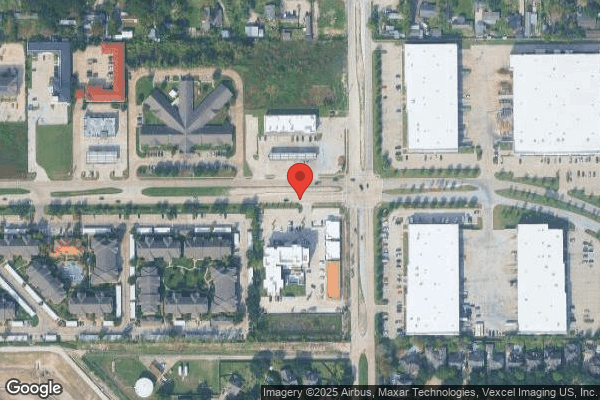
Mar 2023 3 deficiencies
CONCERN (E)

Potential for Harm - no one hurt, but risky conditions existed

Comprehensive Care Plan (Tag F0656)

Could have caused harm · This affected multiple residents

**NOTE- TERMS IN BRACKETS HAVE BEEN EDITED TO PROTECT CONFIDENTIALITY** Based on observation, interviews, and record reviews, the facility failed to develop a care plan with measurable goals, and inte...

Read full inspector narrative →
**NOTE- TERMS IN BRACKETS HAVE BEEN EDITED TO PROTECT CONFIDENTIALITY** Based on observation, interviews, and record reviews, the facility failed to develop a care plan with measurable goals, and interventions to address the care and treatment for a resident on that is on transmission-based precaution for 1 of 6 residents (Resident #36) reviewed for Care Plans. The facility failed to ensure Resident #36's transmission-based precaution was care planned. This failure could place residents at risk of needs not being met and spread of infections. Findings include: Review of Resident #36's face sheet dated 03/01/2023 revealed she was a [AGE] year-old male admitted to the facility on [DATE]. His diagnoses included Type 2 Diabetes, Arthritis due to other bacteria, Infection, and inflammatory reaction due to internal left hip prosthesis, etc. Review of Resident 36's Care Plan dated 01/03/2023, revealed no diagnosis of C-Diff or Isolation (Contact) Precautions in the care plan. Review of Resident #36's Physician Orders dated 02/22/2023, revealed Contact Isolation for a diagnosis of Clostridioides difficile (C-Diff) and Isolation (Contact): PPE Including: N95 mask, gown, eye protection, and gloves. Observation on 02/28/23 at 9:05 AM of Resident #36, there was a sign on the door that stated see nurses' station prior to entering the room. MA-D was observed applying PPD before entering the resident's room and taking off PPD prior to leaving the room and using hand hygiene. Interview on 02/28/2023 at 9:30 AM with MA-D, she stated she has been employed at the facility for about 2 years. She stated she was assigned to work the 400 hall. She stated resident #36 had a diagnosis of C-Diff so PPE was required when entering the resident's room. She stated she could not remember when the resident was diagnosed with C-Diff. Interview on 03/02/2023 at 8:49 AM with MDS Coordinator revealed she had been employed at the facility for 1 year. She reported the interdisciplinary team (IDT team) was responsible for care plans. She stated Resident #36's diagnosis and contact isolation should have been care planed and she was not sure why it was not included in the care plan. She stated the ADON-B usually completes the portion of the care plans that pertain to infections. She stated the risk of it not being included in the care plan would be infection and contamination. Interview on 03/02/2023 at 9:02 AM with Director of Nursing (DON)- She stated the entire IDT team was responsible for care planning. She stated Resident #36's contact isolation should have been care planned and she was not sure why it was not included. She stated the risk of it not being in the care plan is infection and not showing what services the resident needs. Interview on 03/02/2023 at 9:51 AM with Assistant Director of Nursing (ADON)-B revealed she had been employed at the facility since the middle of October of 2022. She stated Resident #36 was diagnosed with C-Diff and stated the MDS Coordinator was responsible for adding it to the care plan. She stated she added the infection to the care plan on 03/01/2023. She stated she was doing her monthly audit for infection control and added it once when she did not see it in the care plan. She stated she did not know if it would be a risk of the diagnosis and contact isolation not being included in the care plan because everyone in the facility knows that the resident has C-Diff because the was staff in-serviced (trained). Review of the facility's policy on Comprehensive Resident Centered Care Plan, dated January 2022, revealed It is the policy of this facility that the interdisciplinary team (IDT) shall develop a comprehensive person-centered care plan for each resident that includes measurable objectives and timeframes to meet a resident's medical, nursing, mental and psychosocial needs that are identified in the comprehensive assessment.
CONCERN (E)

Potential for Harm - no one hurt, but risky conditions existed

Deficiency F0679 (Tag F0679)

Could have caused harm · This affected multiple residents

**NOTE- TERMS IN BRACKETS HAVE BEEN EDITED TO PROTECT CONFIDENTIALITY** Based on observation, interview, and record review, the facility failed to ensure activities designed to meet the interests of a...

Read full inspector narrative →
**NOTE- TERMS IN BRACKETS HAVE BEEN EDITED TO PROTECT CONFIDENTIALITY** Based on observation, interview, and record review, the facility failed to ensure activities designed to meet the interests of and support the physical, mental, and psychosocial well-being of 1 out of 5 residents. 1.The facility failed to ensure Resident #1 was provided with opportunities to participate in activities on the weekends. These failures placed residents who desired to participate in activities on the weekends at risk of adverse effects to their physical, mental, and psychosocial well-being. Findings included: Record review of Resident #1's face sheet, dated 3/1/2023, revealed she was a [AGE] year-old female who was admitted to the facility on [DATE] from her home. She was diagnosed with Hemiplegia and Hemiaparesis (paralysis of one side of the body) affecting the left side, Type 2 Diabetes, Major Depressive Disorder, and Anxiety and Depressed Mood. Record review of Resident #1's care plan, undated, revealed she had potential to deviate from facility planned activities due to Resident #1's desire to initiate activities of her choice independently. Further Review of the care plan revealed animals and pets were important to Resident #1, and that pet visits would be regularly scheduled. Record review of Resident #1's MDS, dated [DATE] revealed she had a BIMS score of 15 (cognitively intact); she required moderate assistance or supervision from staff with bed mobility, transfers, ambulation via wheelchair, dressing, toilet use, personal hygiene, and bathing. In an observation on 3/1/23 at 12:10 PM the following was revealed: Resident #1 was observed outside in the front area of the facility. Resident #1 was well-groomed and very vocal. Resident #1 was able to transport herself in her wheelchair outside. Resident #1 briefly spoke with each of the residents also outside. Resident #1 returned to the inside of the facility. In an interview with Resident #1 on 2/28/23 at 12:15 PM, she said she had been living at the facility for 11 years. She said she tried to be as independent as she possibly could, but staff were always willing to assist when she needed it. She said the food had improved over the years and was usually really good. She said the Clam Chowder served for dinner the night before was so good, she asked for two additional servings. Resident #1 said she didn't get out of bed on the weekends, by choice. She said the only time she got out bed on the weekends was to use the restroom. She said she chose to stay in bed because there were no activities offered on the weekends. She said the facility really needed to have something for all the residents to do on the weekend. She said she loved music, and always was able to listen to it whenever she wanted. She said she had TV and watched TV on the weekends too. She said she could choose to listen to music and watch TV, but there was only so much music and TV she could take on the weekends. She said her music and TV should have been options for her to choose when she wanted throughout the weekend, in between activities, before or after activities, or if she decided not to participate in an activity. She said the only thing for residents to do on the weekends was sit around and talk to each other. She said that was boring to her and just rather stayed in bed. She said she wanted to be able to leave the facility, even if it was for a short time, at least sometimes on the weekend. She said she was the [NAME] President of the Resident Council and spoke her mind. She said the Activities Director was aware of the resident's concerns about activities on the weekend. She said she knew activities were not offered on the weekend because the Activity Director didn't work weekends and didn't have any assistance. Resident #1 said she thought the facility should hire another person to do activities on the weekends. In an interview with the Activities Director on 03/01/23 08:52 AM, she said she worked as the facility Activity Director for nine years. She said was responsible for coordinating all resident involved activities. She said she was also responsible for creating and distributing the monthly activities calendar for the facility. She said she liked to ask residents what they did in their spare time at home. She said she used that information to incorporate activities based on resident's interests. She said she was aware residents had expressed concerns about activities on the weekend. She said residents told her it (the facility) was boring when the Activity Director was not there. She said more independent activities, like board games, cards or painting, were available to residents on the weekends. She said she had not been able to coordinate on site church services for residents since the pandemic. She said more organized, social activities occurred during the week, during the Activity Director's shift. She said she organized activities on the weekend from time to time, when her personal schedule permitted. She said she had a sorority visit and volunteer at the facility two weekends prior. She said at that time, there were no consistent, planned, staff-involved activities for the residents. Record review of the February 2023 Activities Calendar, revealed the following: 2/4/2023 10:00 Arm Chair Travels, 11:00 Independent Activities, 11:30 Music Hour, 2:30 Town Talk 2/5/23 10:30 Ed Young Channel 11, 11:00 Lakewood Channel 13, 12:00 Music Hour, 2:30 Town Talk 2/11/2023 10:00 Arm Chair Travels, 11:00 Independent Activities, 11:30 Music Hour, 2:30 Town Talk 2/12/23 10:30 Ed Young Channel 11, 11:00 Lakewood Channel 13, 12:00 Music Hour, 2:30 Town Talk 2/18/2023 10:00 Arm Chair Travels, 11:00 Independent Activities, 11:30 Music Hour, 2:30 Town Talk 2/19/23 10:30 Ed Young Channel 11, 11:00 Lakewood Channel 13, 12:00 Music Hour, 2:30 Town Talk 2/25/2023 10:00 Arm Chair Travels, 11:00 Independent Activities, 11:30 Music Hour, 2:30 Town Talk 2/26/23 10:30 Ed Young Channel 11, 11:00 Lakewood Channel 13, 12:00 Music Hour, 2:30 Town Talk Record Review of the December 2022 Activities Calendar, revealed the following: 12/3/22 10:00 Arm Chair Travels, 11:00 Independent Activities, 11:30 Music Hour, 2:30 Town Talk 12/4/22 10:30 Ed Young Channel 11, 11:00 Lakewood Channel 13, 12:00 Music Hour, 2:30 Town Talk 12/10/22 10:00 Arm Chair Travels, 11:00 Independent Activities, 11:30 Music Hour, 2:30 Town Talk 12/11/22 10:30 Ed Young Channel 11, 11:00 Lakewood Channel 13, 12:00 Music Hour, 2:30 Town Talk 12/17/22 10:00 Arm Chair Travels, 11:00 Independent Activities, 11:30 Music Hour, 2:30 Town Talk 12/18/22 10:30 Ed Young Channel 11, 11:00 Lakewood Channel 13, 12:00 Music Hour, 2:30 Town Talk 12/24/22 10:00 Arm Chair Travels, 11:00 Independent Activities, 11:30 Music Hour, 2:30 Town Talk 12/25/22 10:30 Ed Young Channel 11, 11:00 Lakewood Channel 13, 12:00 Music Hour, 2:30 Town Talk 12/31/22 10:00 Arm Chair Travels, 11:00 Independent Activities, 11:30 Music Hour, 2:30 Town Talk In an interview with the Activity Director on 3/1/2023 at 1:25 PM, she said arm chair travels and town talk were regular activities for the residents on the weekend. She said residents knew Arm Chair Travels and Town Talk were basically activities for the residents to sit and reminisce about things or talk amongst each other about whatever they wanted to at the time. She said she listed church services residents could watch on Sundays. She said if residents expressed interest in any of the church services, the aides working that day knew to turn the resident's television to the channel of their choice. In an interview with the Social Worker on 03/02/23 at 1:00 PM, she said she was not aware residents expressed concerns about the lack of organized activities on the weekends. She said Resident #1 was at risk of experiencing feelings of isolation and increased depression if Resident #1 chose to stay in bed on weekends as a result of a lack of activities that interested the resident. In an interview with the DON on 3/2/23 at 1:05 PM, she said she believed the residents had some activities to participate in on the weekends. She said she knew the Activity Director did not work on the weekends, but she periodically put together events and activities for residents on the weekend. She said a sorority group recently volunteered at the facility possibly two weekends ago. She said if Resident #1 was choosing to stay in her bed every weekend because she wasn't participating in activities, Resident #1 was at risk of depressed mood and progression of muscle weakness. In an interview with the Administrator on 3/2/23 at 1:45 PM, he said he wasn't aware residents had expressed concerns regarding resident activities taking place on the weekends. He said it was the Activity Director's responsibility to ensure resident activities took place. He said there was not concerted effort for activities to not take place on the weekends. He said he and the Activity Director would meet with residents and look at ways to improve resident's satisfaction with weekend activities. Record review of the facility policy, dated 11/2016, titled, Activities Programming Policy & Procedure, revealed the following: It is the policy of this facility to ensure activities are available to meet resident needs and interests . Further review of the policy revealed, Calendars will include a variety of activities designed to meet resident preferences and requests .will provide activity choices for weekends, as well as evening programming.
CONCERN (E)

Potential for Harm - no one hurt, but risky conditions existed

Pharmacy Services (Tag F0755)

Could have caused harm · This affected multiple residents

**NOTE- TERMS IN BRACKETS HAVE BEEN EDITED TO PROTECT CONFIDENTIALITY** Based on observation, interview and record review the facility failed to ensure services were provided or arranged by the facili...

Read full inspector narrative →
**NOTE- TERMS IN BRACKETS HAVE BEEN EDITED TO PROTECT CONFIDENTIALITY** Based on observation, interview and record review the facility failed to ensure services were provided or arranged by the facility, as outlined by the comprehensive care plan, that met professional standards of care for 1 of 18 residents (Resident #141) reviewed for services that met professional standards. The facility failed to administer blood pressure (BP) medication to Resident #141 as ordered by administering outside of parameters. This failure could place residents at risk of not receiving the care and services as ordered by their Physicians and could result in a decline in health status. Findings included: Record review of Resident #141's admission face sheet, undated, revealed a [AGE] year-old male admitted to the facility on [DATE] with diagnoses which included: orthostatic hypotension (a form of low blood pressure that happened when standing up from sitting or lying down), congestive heart failure (a chronic condition in which the heart does not pump blood adequately). Record review of Resident #141's Physician Orders, dated 02/20/2023, revealed, Midodrine 5 mg Give one tablet by mouth every eight hours for orthostatic hypotension. Hold for systolic blood pressure (SBP) (the top blood pressure number which measures the pressure in the arteries when the heart beats) over 130. Record review of Resident #141's Minimum Data Set (MDS) dated [DATE] revealed the resident's Brief Interview for Mental Status (BIMS) scored 0 which indicted the resident's mental state was severely impaired. The resident required extensive assistance of one staff for his bed mobility, transfers, dressing, toilet use and personal hygiene. The MDS identified an active diagnosis of orthostatic hypotension. Record review of Resident #141's February 2023 Medication Administration Record (MAR) revealed, the resident was administered Midodrine 5 mg outside of physician set parameter of SBP over 130 on: 02/24/2023 at 6:00 AM with BP 131/76 by LVN M. 02/25/2023 at 2:00 PM with BP 144/89 by MA X. 02/27/2023 at 6:00 AM with BP 147/68 by LVN M. 2/28/2023 at 6:00 AM with BP 138/72 by MA C. Record review of Resident #141's care plan dated 03/02/2023 revealed: Focus: Resident #141 had orthostatic hypotension related to cardiac disease, congestive heart failure; Goal: Resident will remain free of complications related to hypotension (low blood pressure); Interventions: -Follow BP parameters prior to medication administration daily, - Give medications as ordered. Observation on 03/02/2023 at 8:45 AM revealed Resident #141 was sitting up in bed. Resident #141 was not interviewable. In an interview and record review on 03/02/2023 at 10:30 AM the DON reviewed Resident #141's MAR and stated the check mark and initials indicated the Midodrine was administered. The DON stated her expectations were the staff followed the five rights of medication administration. The DON stated she expected the resident's blood pressure to be checked and the physician's orders for holding or administering would be followed for safe medication administration. The DON continued and stated the nurse or medication aide (MA) administering the medication was the one responsible for administering the medication as ordered. The DON stated she monitored the medication administration by reviewing MARs for accurate medication administration. The DON stated this medication should have been held due to the resident's SBP being over 130. The DON stated she did not know why this happened. The DON stated the risk of giving the medication was it could cause the resident's blood pressure to go too high. The DON stated she will train on the basic 5 rights of medication administration and following the physician order. In an interview on 03/02/2023 at 10:56 AM MA C stated the MAR was checked and initialed to indicated she gave the mediation on 02/28/2023 but she did not know how this happened. MA C stated she checked the blood pressure and should not have given it based on the order to hold when over 130. The risk of giving the medication was the blood pressure could go too high since it was to be given for low blood pressure. In an interview on 03/02/2023 at 11:13 AM the ED stated he was made aware the Midodrine was administered when it should not have been. The ED stated this was a medication that had the potential to result in harm from causing the blood pressure to elevate too high. In a phone interview on 03/02/2023 at 12:05 PM MA X stated she administered the medication at 2:00 PM on 02/25/2023 for Resident 141. MA X stated she did not know why she gave it when it was outside the parameters. MA X stated the medication should not have been given. MA X stated the risk was it could affect the resident's blood pressure making it go too high. A phone interview was attempted on 03/02/2023 at 11:17 AM and 12:12 PM with LVN M without success. Record review of the facility policy titled Medication Administration revised, 05/2007, revealed, Policy: It is the policy of this facility that medications shall be administered as prescribed by the attending physician . Procedures: 2. Medications must be administered in accordance with written orders of the physician .
Understanding Severity Codes (click to expand)
Life-Threatening (Immediate Jeopardy)
J - Isolated K - Pattern L - Widespread
Actual Harm
G - Isolated H - Pattern I - Widespread
Potential for Harm
D - Isolated E - Pattern F - Widespread
No Harm (Minor)
A - Isolated B - Pattern C - Widespread

Questions to Ask on Your Visit

  • "What changes have you made since the serious inspection findings?"
  • "Why is there high staff turnover? How do you retain staff?"
  • "Can I speak with families of current residents?"
  • "What's your RN coverage like on weekends and overnight?"

Our Honest Assessment

Strengths
  • • Licensed and certified facility. Meets minimum state requirements.
Concerns
  • • Multiple safety concerns identified: 2 life-threatening violation(s), $39,045 in fines. Review inspection reports carefully.
  • • 14 deficiencies on record, including 2 critical (life-threatening) violations. These warrant careful review before choosing this facility.
  • • $39,045 in fines. Higher than 94% of Texas facilities, suggesting repeated compliance issues.
  • • Grade F (11/100). Below average facility with significant concerns.
Bottom line: Trust Score of 11/100 indicates significant concerns. Thoroughly evaluate alternatives.

About This Facility

What is Legend Oaks Healthcare And Rehabilitation Center -'s CMS Rating?

CMS assigns LEGEND OAKS HEALTHCARE AND REHABILITATION CENTER - an overall rating of 1 out of 5 stars, which is considered much below average nationally. Within Texas, this rating places the facility higher than 0% of the state's 100 nursing homes. A rating at this level reflects concerns identified through health inspections, staffing assessments, or quality measures that families should carefully consider.

How is Legend Oaks Healthcare And Rehabilitation Center - Staffed?

CMS rates LEGEND OAKS HEALTHCARE AND REHABILITATION CENTER -'s staffing level at 1 out of 5 stars, which is much below average compared to other nursing homes. Staff turnover is 60%, which is 14 percentage points above the Texas average of 46%. High turnover can affect care consistency as new staff learn residents' individual needs.

What Have Inspectors Found at Legend Oaks Healthcare And Rehabilitation Center -?

State health inspectors documented 14 deficiencies at LEGEND OAKS HEALTHCARE AND REHABILITATION CENTER - during 2023 to 2025. These included: 2 Immediate Jeopardy (the most serious level, indicating potential for serious harm or death) and 12 with potential for harm. Immediate Jeopardy findings are rare and represent the most serious regulatory concerns. They require immediate corrective action.

Who Owns and Operates Legend Oaks Healthcare And Rehabilitation Center -?

LEGEND OAKS HEALTHCARE AND REHABILITATION CENTER - is owned by a for-profit company. For-profit facilities operate as businesses with obligations to shareholders or private owners. The facility is operated by THE ENSIGN GROUP, a chain that manages multiple nursing homes. With 125 certified beds and approximately 92 residents (about 74% occupancy), it is a mid-sized facility located in HOUSTON, Texas.

How Does Legend Oaks Healthcare And Rehabilitation Center - Compare to Other Texas Nursing Homes?

Compared to the 100 nursing homes in Texas, LEGEND OAKS HEALTHCARE AND REHABILITATION CENTER -'s overall rating (1 stars) is below the state average of 2.8, staff turnover (60%) is significantly higher than the state average of 46%, and health inspection rating (2 stars) is below the national benchmark.

What Should Families Ask When Visiting Legend Oaks Healthcare And Rehabilitation Center -?

Based on this facility's data, families visiting should ask: "What changes have been made since the serious inspection findings, and how are you preventing similar issues?" "How do you ensure continuity of care given staff turnover, and what is your staff retention strategy?" "Can you walk me through typical staffing levels on day, evening, and night shifts?" "Can I visit during a mealtime to observe dining assistance and food quality?" These questions are particularly relevant given the facility's Immediate Jeopardy citations, the facility's high staff turnover rate, and the below-average staffing rating.

Is Legend Oaks Healthcare And Rehabilitation Center - Safe?

Based on CMS inspection data, LEGEND OAKS HEALTHCARE AND REHABILITATION CENTER - has documented safety concerns. Inspectors have issued 2 Immediate Jeopardy citations (the most serious violation level indicating risk of serious injury or death). The facility has a 1-star overall rating and ranks #100 of 100 nursing homes in Texas. Families considering this facility should ask detailed questions about what corrective actions have been taken since these incidents.

Do Nurses at Legend Oaks Healthcare And Rehabilitation Center - Stick Around?

Staff turnover at LEGEND OAKS HEALTHCARE AND REHABILITATION CENTER - is high. At 60%, the facility is 14 percentage points above the Texas average of 46%. High turnover means new staff may not know residents' individual needs, medications, or preferences. It can also be disorienting for residents, especially those with dementia who rely on familiar faces. Families should ask: What is causing the turnover? What retention programs are in place? How do you ensure care continuity during staff transitions?

Was Legend Oaks Healthcare And Rehabilitation Center - Ever Fined?

LEGEND OAKS HEALTHCARE AND REHABILITATION CENTER - has been fined $39,045 across 1 penalty action. The Texas average is $33,469. While any fine indicates a compliance issue, fines under $50,000 are relatively common and typically reflect isolated problems that were subsequently corrected. Families should ask what specific issues led to these fines and confirm they've been resolved.

Is Legend Oaks Healthcare And Rehabilitation Center - on Any Federal Watch List?

LEGEND OAKS HEALTHCARE AND REHABILITATION CENTER - is not on any federal watch list. The most significant is the Special Focus Facility (SFF) program, which identifies the bottom 1% of nursing homes nationally based on persistent, serious quality problems. Not being on this list means the facility has avoided the pattern of deficiencies that triggers enhanced federal oversight. This is a positive indicator, though families should still review the facility's inspection history directly.