Magnolia Crossing Nursing and Rehabilitation Cente
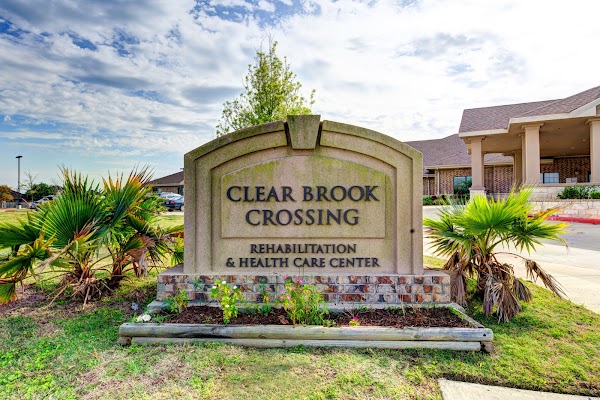
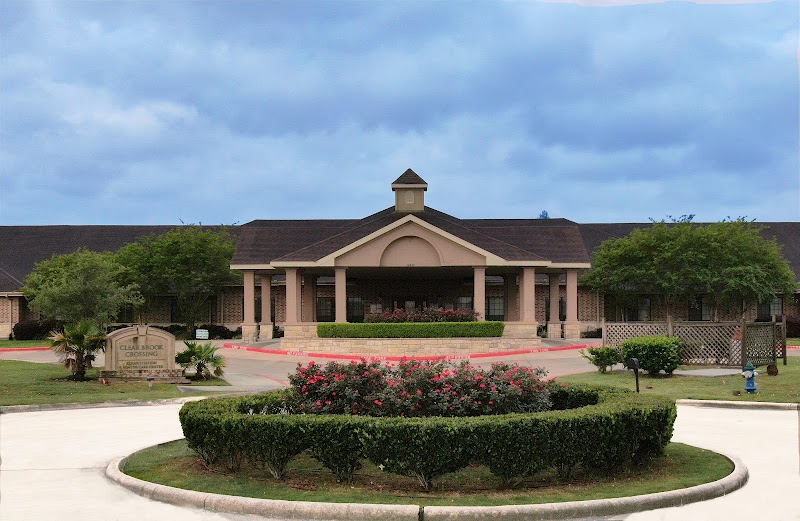
10800 Flora Mae Meadows Rd, Houston, TX 77089 (832) 328-2350
Government - Hospital district 128 Beds WELLSENTIAL HEALTH Data: November 2025
Trust Grade
73/100
#292 of 1168 in TX
Last Inspection: May 2025

Inspected within the last 6 months. Data reflects current conditions.

Overview

Magnolia Crossing Nursing and Rehabilitation Center has received a Trust Grade of B, indicating it is a good choice for care, but not without some concerns. It ranks #292 out of 1168 facilities in Texas, placing it in the top half, and #27 out of 95 in Harris County, meaning only a few local options are better. However, the facility is worsening over time, with issues increasing from 8 in 2023 to 9 in 2025. Staffing is a significant weakness, rated at 2 out of 5 stars with a turnover rate of 46%, which is slightly better than the state average but still indicates instability among staff. Additionally, there have been concerning incidents, such as residents not being allowed full visitation rights, the improper use of bed rails without consent, and a lack of cleanliness that left one resident with dirty linens for eight days, potentially risking their health and dignity. While there are strengths, like a solid Trust Grade and good health inspection ratings, families should weigh these against the identified weaknesses when considering this facility for their loved ones.

Trust Score
B
73/100
In Texas
#292/1168
Top 25%
Safety Record
Low Risk
No red flags
Inspections
Getting Worse
8 → 9 violations
Staff Stability
⚠ Watch
46% turnover. Above average. Higher turnover means staff may not know residents' routines.
Penalties
⚠ Watch
$15,624 in fines. Higher than 86% of Texas facilities, suggesting repeated compliance issues.
Skilled Nurses
⚠ Watch
Each resident gets only 14 minutes of Registered Nurse (RN) attention daily — below average for Texas. Fewer RN minutes means fewer trained eyes watching for problems.
Violations
⚠ Watch
17 deficiencies on record. Higher than average. Multiple issues found across inspections.
★★★★☆
4.0
Overall Rating
★★☆☆☆
2.0
Staff Levels
★★★☆☆
3.0
Care Quality
★★★★☆
4.0
Inspection Score
Stable
2023: 8 issues
2025: 9 issues

The Good

  • Full Sprinkler Coverage · Fire safety systems throughout facility
  • No fines on record

Facility shows strength in fire safety.

The Bad

Staff Turnover: 46%

Near Texas avg (46%)

Higher turnover may affect care consistency

Federal Fines: $15,624

Below median ($33,413)

Minor penalties assessed

Chain: WELLSENTIAL HEALTH

Part of a multi-facility chain

Ask about local staffing decisions and management

The Ugly 17 deficiencies on record

Aug 2025 2 deficiencies
CONCERN (D) 📢 Someone Reported This

A family member, employee, or ombudsman was alarmed enough to file a formal complaint

Potential for Harm - no one hurt, but risky conditions existed

Abuse Prevention Policies (Tag F0607)

Could have caused harm · This affected 1 resident

**NOTE- TERMS IN BRACKETS HAVE BEEN EDITED TO PROTECT CONFIDENTIALITY** Based on interview and record reviewed, the facility failed to implement written policies and procedures that prohibit and preve...

Read full inspector narrative →
**NOTE- TERMS IN BRACKETS HAVE BEEN EDITED TO PROTECT CONFIDENTIALITY** Based on interview and record reviewed, the facility failed to implement written policies and procedures that prohibit and prevent abuse, neglect, and exploitation of residents and misappropriation of resident property for 1 (Resident #1) of 4 residents reviewed for implementing abuse policy. -The facility failed to implement their abuse policy and procedures when Nurse A did not report to the Administrator that Resident #1's family member reported to Nurse A on 08/16/25 that CNA A allegedly hit Resident #1 on his right eye, on an unknown date. This failure could place residents at risk for abuse to go undetected, to continue due to lack of identification, investigation, and reporting in accordance with policy, serious psychological and physical harm, and injury. Findings included: Record review of the facility's Abuse, Neglect and Exploitation policy, date implemented 7/11/25, revealed in part .It is the policy of this facility to provide protections for the health and welfare and rights of each resident by developing and implementing written policies and procedures that prohibit and prevent abuse.Abuse.it includes physical abuse.Alleged Violation is a situation or occurrence that is observed or reported by.resident, relative.but has not yet been investigated.V. A. An immediate investigation is warranted when.reports of abuse.occur.VII. A.1. Reporting of all alleged violations to the Administrator, state agency.within specified timeframes: a. Immediately, but not later than 2 hours after the allegation is made, if the events that cause that allegation involve abuse or result in serious bodily injury, or. Record review of Resident #1's admission Record, dated 08/19/25, revealed an [AGE] year-old male who was admitted to the facility on [DATE]. His diagnoses included infrarenal abdominal aortic aneurysm (a localized dilation of the abdominal aorta below the renal arteries), without rupture, unspecified mycosis (fungal infection), malignant neoplasm of prostate (prostate cancer), and major depressive disorder, recurrent, unspecified. Record review of Resident #1's MDS Assessment, dated 06/06/25, revealed a BIMS score of 12, indicating moderately impaired cognition. Further review revealed the resident required 2 or more helpers to complete toileting. Record review of Resident #1's care plan report, undated, revealed the resident had an ADL self-care performance deficit r/t Alzheimer's and limited mobility. Interventions included assistance by (x1-2) staff for toileting. During a telephone interview on 08/19/25 at 7:39 a.m., Resident #1's family member said Resident #1 told her on Saturday, 08/16/25, that on an unknown date, CNA A had turned him to his side to change him, and it caused pain. She said Resident #1 said he grabbed her hand, and she removed his hand and put it down and then hit him with her open palm on his right eye. Resident #1's family member said she reported the allegation of abuse to Nurse A later that afternoon, 08/16/25, between 3:30 p.m. and 4:00 p.m. She said Nurse A did not say what action she was going to take. She said Nurse A received a phone call during their conversation, answered the call, and then walked away. She said she did not see any marks or bruises on the Resident #1's face. She said she called the Administrator yesterday, 08/18/25, to make sure she was aware of the allegation of abuse but said she was unable to reach her as she was already gone for the day. She said she had not heard back from anyone about her reported abuse allegation as of today, 08/19/25. During an interview on 08/19/25 at 8:14 a.m., Resident #1 said the care at the facility was not good. He said about 3 or 4 days ago (was not sure of the exact date), a nurse aide (said he did not know her name) hit him on the right side of his face in the eye. He said a nurse aide was changing him. He said the nurse aide turned him on his right side, and when she turned him, it caused him pain. He said the nurse aide had her hand on his left arm, and he told her he wanted her to lay him flat, and he tried to get her hand off him. He said that was when she hit him. He said he did not say anything to the nurse aide. He said she finished changing him and she left his room. He said he told his family member what happened, on a different day (he did not know what day). He said he did not tell anyone else. He said it made him mad when the nurse aide hit him. He said no staff had come to talk to him about the nurse aide hitting him. During a telephone interview on 08/19/25 at 9:56 a.m., Nurse A said on Saturday, 08/16/25, she was in the middle of taking care of a critical resident when Resident #1's family member came up to her and told her the CNAs were in the resident's room changing him and cleaning him up when one of the aides had hit him in the face. She said the resident's family member could not name the CNA, but the two CNAs in the room were, CNA A and CNA B. She said she asked CNA B if they had encountered anything in the room, and CNA B said Resident #1 told his family member that they had hit him in the face, but CNA B said she was by the bed with the other aide the whole time and it did not happen. She said CNA B told her they washed the resident's face with a washcloth. She said CNA B told her Resident #1 alleged she was the one who hit him in the face. She said after their conversation, she went into her critical resident's room to provide care. She said she sent out the critical resident to the hospital, stayed very late, forgot about the reported allegation of abuse from the resident's family member until this Investigator called her for this interview. She said she did not report the alleged abuse to anyone because she was juggling the allegation of abuse and the critical resident at the same time. She said when there was an alleged allegation of abuse, the Administrator, was to be called immediately. She said abuse should be reported immediately because there was alleged harm to the resident. She also said the resident would not trust staff, or could have sustained a serious injury, or their family would not trust staff. She said she did not ask Resident #1 anything about the alleged abuse because CNA A was still in the room picking up the linens off the floor. She said she received training on abuse, neglect, and exploitation. She said unfortunately she forgot to report the allegation of abuse and apologized for forgetting to report. During an interview on 08/19/25 at 12:25 p.m., the DON said when a nurse received an allegation of potential harm to a resident, they secured the resident, removed the potential harm, and notified the Administrator. He said they would notify the family/next of kin and the provider as well. He said he was not aware that Resident #1's family member reported an allegation of resident abuse to Nurse A this past Saturday, 08/16/25. He said failure to report abuse could cause a delay of treatment, if needed, and a delay of an investigation. During an interview on 08/19/25 at 1:19 p.m., the Administrator said she was not aware that Resident #1's family member reported an allegation of resident abuse to Nurse A on Saturday, 08/16/25. She said she was going to report it to the state today. She said staff members CNA A, CNA B, and Nurse A, had been suspended until the investigation was completed, and they would be in-servicing staff on Abuse/neglect and reporting.
CONCERN (D) 📢 Someone Reported This

A family member, employee, or ombudsman was alarmed enough to file a formal complaint

Potential for Harm - no one hurt, but risky conditions existed

Report Alleged Abuse (Tag F0609)

Could have caused harm · This affected 1 resident

**NOTE- TERMS IN BRACKETS HAVE BEEN EDITED TO PROTECT CONFIDENTIALITY** Based on interview and record reviewed, the facility failed to ensure that all alleged violations involving abuse, neglect, expl...

Read full inspector narrative →
**NOTE- TERMS IN BRACKETS HAVE BEEN EDITED TO PROTECT CONFIDENTIALITY** Based on interview and record reviewed, the facility failed to ensure that all alleged violations involving abuse, neglect, exploitation or mistreatment, including injuries of unknown source and misappropriation of resident property, are reported immediately, but not later than 2 hours after the allegation is made, if the events that cause the allegation involve abuse or result in serious bodily injury, to the administrator of the facility and to other officials (including to the State Survey Agency and adult protective services where state law provides for jurisdiction in long-term care facilities) in accordance with State law through established procedures for 1 (Resident #1) of 4 residents reviewed for reporting of alleged allegations. - The facility failed to ensure Nurse A reported to the facility Administrator when Resident #1's family member's reported an alleged abuse allegation. Resident #1's family member reported to Nurse A on 08/16/25 that CNA A allegedly hit Resident #1 on his right eye, on an unknown date, when changing him. This failure could place residents at risk for not having incidents reported as required and continued abuse which could result in diminished quality of life. The findings included:Record review of Resident #1's admission Record, dated 08/19/25, revealed an [AGE] year-old male who was admitted to the facility on [DATE]. His diagnoses included infrarenal abdominal aortic aneurysm (a localized dilation of the abdominal aorta below the renal arteries), without rupture, unspecified mycosis (fungal infection), malignant neoplasm of prostate (prostate cancer), and major depressive disorder, recurrent, unspecified. Record review of Resident #1's MDS Assessment, dated 06/06/25, revealed a BIMS score of 12, indicating moderately impaired cognition. Further review revealed resident required 2 or more helpers to complete toileting. Record review of Resident #1's care plan report, undated, revealed the resident had an ADL self-care performance deficit r/t Alzheimer's and limited mobility. Interventions included assistance by (x1-2) staff for toileting. During a telephone interview on 08/19/25 at 7:39 a.m., Resident #1's family member said Resident #1 told her on Saturday, 08/16/25, that on an unknown date, CNA A had turned him to his side to change him and it caused pain. She said Resident #1 said he grabbed her hand, and she removed his hand and put it down and then hit him with her open palm on his right eye. Resident #1's family member said she reported the allegation of abuse to Nurse A later that afternoon, 08/16/25, between 3:30 p.m. and 4:00 p.m. She said Nurse A did not say what action she was going to take. She said Nurse A received a phone call during their conversation, answered the call, and then walked away. She said she did not see any marks or bruises on the Resident #1's face. She said she called the Administrator yesterday, 08/18/25, to make sure she was aware of the allegation of abuse, but said she was unable to reach her as she was already gone for the day. She said she had not heard back from anyone about her reported abuse allegation as of today, 08/19/25. During an interview on 08/19/25 at 8:14 a.m., Resident #1 said the care at the facility was not good. He said about 3 or 4 days ago (was not sure of the exact date), a nurse aide (said he did not know her name) hit him on the right side of his face in the eye. He said a nurse aide was changing him. He said the nurse aide turned him on his right side, and when she turned him, it caused him pain. He said the nurse aide had her hand on his left arm, and he told her he wanted her to lay him flat, and he tried to get her hand off him. He said that was when she hit him. He said he did not say anything to the nurse aide. He said she finished changing him and she left his room. He said he told his family member what happened, on a different day (he did not know what day). He said he did not tell anyone else. He said it made him mad when the nurse aide hit him. He said no staff had come to talk to him about the nurse aide hitting him. During a telephone interview on 08/19/25 at 9:56 a.m., Nurse A said on Saturday, 08/16/25, she was in the middle of taking care of a critical resident when Resident #1's family member came up to her and told her the CNAs were in the resident's room changing him and cleaning him up when one of the aides had hit him in the face. She said the resident's family member could not name the CNA, but the two CNAs in the room were, CNA A and CNA B. She said she asked CNA B if they had encountered anything in the room, and CNA B said Resident #1 told his family member that they had hit him in the face, but CNA B said she was by the bed with the other aide the whole time and it did not happen. She said CNA B told her they washed the resident's face with a washcloth. She said CNA B told her Resident #1 alleged she was the one who hit him in the face. She said after their conversation, she went into her critical resident's room to provide care. She said she sent out the critical resident to the hospital, stayed very late, forgot about the reported allegation of abuse from the resident's family member until this Investigator called her for an interview. She said she did not report the alleged abuse to anyone because she was juggling the allegation of abuse and the critical resident at the same time. She said when there was an alleged allegation of abuse, the Administrator, was to be called immediately. She said abuse should be reported immediately because there was alleged harm to the resident. She also said the resident would not trust staff, or could have sustained a serious injury, or their family would not trust staff. She said she went back and looked at the resident. She said the resident reported pain to his paralyzed left side, pointed to his arm/shoulder and leg, and requested a pain pill. She said she looked at his face, did not see any bruising or marks, and the resident said they just turned him. She said she gave him Tylenol 3 and then went to her critical care resident. She said she did not ask him anything about the alleged abuse because CNA A was still in the room picking up the linens off the floor. She said she received training on abuse, neglect, and exploitation. She said unfortunately she forgot to report the allegation of abuse and apologized for forgetting to report. During a telephone interview on 08/19/25 at 10:34 a.m., CNA A said she worked Saturday, 08/16/25. She said she worked the 2:00 p.m. to 10:00 p.m. shift. She said between 5:30 p.m. and 6:00 p.m. t Resident #1, the resident's family member, and she were in Resident #1's room. She said Resident #1's family member asked her if she could change the resident's gown and get him cleaned up. She said after Resident #1's family member asked her, she left the room and approximately 20 minutes later Resident #1's family member left the facility. She said she changed the resident after his family member left the facility. She said the family member did not mention any alleged allegations of abuse. She said she had never hit Resident #1. During an interview on 08/19/25 at 12:25 p.m., the DON said when a nurse received an allegation of potential harm to a resident, they secured the resident, remove the potential harm, and notified the Administrator. He said they would notify the family/next of kin and the provider as well. He said he was not aware that Resident #1's family member reported an allegation of resident abuse to Nurse A this past Saturday, 08/16/25. He said failure to report abuse could cause a delay of treatment, if needed, and a delay of an investigation. He said there were no reports from any staff regarding an allegation of abuse to Resident #1. During a telephone interview on 08/19/25 at 12:42 p.m., the Weekend Supervisor said he worked this past Saturday, 08/16/25 and did not receive any reports/notifications from staff, visitors, and/or family members of resident abuse. During a telephone interview on 08/19/25 at 1:06 p.m., CNA B said she worked the 2:00 p.m. to 10:00 p.m. shift on Saturday, 08/16/25. She said she was not assigned to Resident #1 but assisted CNA A with wiping him down with soap and water, changing his brief and clothes, and bed sheets because his family member complained that he smelled bad. She said she did not think she was alone in the room with the resident's family member and the resident at any point. She said when they were all in the room (Resident #1, the resident's family member, CNA A, and her) the resident at first said she hit him in the eye but then told his family member CNA A hit him, as she was walking out of his room. She said CNA A was walking out behind her. She said CNA A and she walked out of the resident's room, went to the nurse's station, and told Nurse A that Resident #1 was claiming she hit him in the eye and then changed his story and said CNA A hit him in the eye. She said she did not recall what Nurse A said but she said they laughed about it and then went their different ways. She said she had never hit Resident #1. During an interview on 08/19/25 at 1:19 p.m., the Administrator said she was not aware that Resident #1's family member reported an allegation of resident abuse to Nurse A on Saturday, 08/16/25. She said she was going to report it to the state today. She said staff members CNA A, CNA B, and Nurse A, had been suspended until the investigation was completed, and they would be in-servicing staff on Abuse/neglect and reporting. Record review of the facility's Abuse, Neglect and Exploitation policy, date implemented 7/11/25, reveled in part .It is the policy of this facility to provide protections for the health and welfare and rights of each resident by developing and implementing written policies and procedures that prohibit and prevent abuse.Abuse.it includes physical abuse.Alleged Violation is a situation or occurrence that is observed or reported by.resident, relative.but has not yet been investigated.V. A. An immediate investigation is warranted when.reports of abuse.occur.VII. A.1. Reporting of all alleged violations to the Administrator, state agency.within specified timeframes: a. Immediately, but not later than 2 hours after the allegation is made, if the events that cause that allegation involve abuse or result in serious bodily injury, or.
May 2025 4 deficiencies
CONCERN (D) 📢 Someone Reported This

A family member, employee, or ombudsman was alarmed enough to file a formal complaint

Potential for Harm - no one hurt, but risky conditions existed

Resident Rights (Tag F0550)

Could have caused harm · This affected 1 resident

**NOTE- TERMS IN BRACKETS HAVE BEEN EDITED TO PROTECT CONFIDENTIALITY** Based on interview, and record review the facility failed to treat each resident with respect and dignity and care for each resi...

Read full inspector narrative →
**NOTE- TERMS IN BRACKETS HAVE BEEN EDITED TO PROTECT CONFIDENTIALITY** Based on interview, and record review the facility failed to treat each resident with respect and dignity and care for each resident in a manner and in an environment that promoted maintenance or enhancement of his or her quality of life, recognizing each residents individuality for 2 of 8 resident (Resident #36 and Resident #86) reviewed for resident rights. 1.The facility failed to ensure CNA G treated Resident #36 with respect and dignity when CNA G left Resident #36 without a brief and exposed while in the hallway after leaving her room. 2. The facility failed to ensure LVN R and CNA M treated Resident #86 with respect and dignity when LVN R and CNA M made the resident get out of bed and take a shower after she refused. These failures could place residents at risk for a diminished quality of life, loss of dignity, and self-worth. Findings included: 1. Record review of Resident #36's undated face sheet, reflected an [AGE] year-old female who was admitted to the facility on [DATE]. Her diagnoses included Congestive Heart Failure (Condition in which the heart does not pump blood as well as it should), Metabolic Encephalopathy (brain dysfunction resulting from disruption in the body's metabolism, leading to altered mental status and cognitive impairment), and Cerebral Infarction (Blood flow to the brain is blocked leading to tissue death). Record review of Resident #36's Quarterly MDS Assessment, dated 03/03/25, reflected she had a BIMS score of 14, which indicated the resident was cognitively intact. Resident #36 required partial/moderate assistance with toileting and substantial/ maximal assistance with lower body dressing. Record review of Resident #36's revised care plan, dated 03/05/25, reflected Resident # 36 had an ADL self-care performance deficit related to muscle weakness with interventions to include required assistance by (X1) staff for toileting. Observation of video footage, dated 04/29/25, revealed: 8:00 PM: Resident #36 was in a wheelchair exiting he bathroom with a gown that covered the upper portion of her peri-area, but she did not have a brief on. 8:01 PM The resident retrieves a white towel to cover her upper legs. 8:03 PM: The resident was in a wheelchair in the hall, speaking with an unknown person . 8:05 PM: The resident was in a wheelchair in the hall speaking with an unknown person, asking for a staff member. 8:26 PM: Resident returned to her room via her wheelchair. 8:28 PM: The resident could be heard speaking to an unknown individual via the camera. 8:33 PM: CNA G left Resident #36's room across the hall and entered the room to assist Resident #36. During an interview on 05/21/25 at 09:06 AM, Resident #36 said the CNA who did not help her off the toilet on 04/29/25 still worked at the facility, and the only action the facility took was to reassign the CNA to a different hall. During an interview on 05/21/25 at 2:36 PM, CNA G said she left Resident #36 on the toilet and did not return because she was assisting another resident. She said Resident #36 could get off the toilet herself and required minimal assistance. She said she previously had spoken to the resident, and they decided to schedule her bedtime for 8:30 PM, so she proceeded to give a shower and provide incontinent care to the residents across the hall. She said after she finished incontinent care, she returned to assist Resident# 36. 2. Record review of Resident #86's, undated, face sheet, reflected a [AGE] year-old female who was admitted to the facility on [DATE]. Her diagnoses included Dementia (the loss of cognitive functioning to such an extent that it interferes with a person's daily life and activities), and Depression (a mental health condition characterized by persistent feelings of sadness and loss of interest or pleasure in activities). Record review of Resident #86's Quarterly MDS Assessment, dated 04/22/25, reflected she had a BIMS score of 05, which indicated severe cognitive impairment. The resident required substantial/maximal assistance with toileting and showering. Record review of Resident #86's revised care plan, dated 03/29/25 , reflected Resident #86 had an ADL self-care performance deficit related to her disease process and was resistive to care and could be combative related to dementia. Her interventions included allowing the resident to make decisions about the treatment regime, providing sense of control and educating resident/family/caregivers of the possible outcome(s) of not complying with treatment or care. Observation video footage, dated 05/02/25, revealed: 8:42 AM: The resident was lying in bed and CNA M tried to get resident up and out of bed. 8:43 AM: Resident #86 could be seen resisting and telling LVN R and CNA M to leave her alone. Staff continued to assist the resident out of bed, and she was then placed in the wheelchair. During an interview on 05/22/25 at 9:22 AM, CNA M said if a resident refused a shower, she would leave the resident alone and notify the nurse. She said the resident had the right to refuse. She said the resident may experience a negative outcome if they refused care, but the staff proceeded because it would be a violation of their rights. During an interview on 05/22/25 at 9:45 AM, the interim DON said residents had a right to refuse care. She also said Resident #86 should have received assistance from the staff after toileting. During an interview on 05/22/24 at 1:44 PM, the ADON said all residents had a right to refuse care, and her expectation was for staff to notify the RP of the refusal and document it in the electronic medical record. She said they were working with staff and conducted re-education/in-serviced on resident's rights. During a telephone interview on 05/22/25 at 1:52 PM, LVN R said she was taking care of Resident #86 on 05/02/25. She said the resident refused care because she did not want to take a shower. She said the resident was soiled and had stool in her brief and she thought it was best to shower the resident instead of using wet wipes. She said the resident did have a right to refuse care; however, she did not want the resident to stay in her soiled brief and clothes because that could lead to a Urinary Tract Infection (inflammation of the bladder, caused by bacteria that enter the urinary tract and multiply) or skin breakdown. LVN R said she did not contact the RP because she thought it would be okay to shower the resident. She said she only notified the incoming nurse and the former administrator of Resident #86's refusal during morning meeting. LVN R was unable to provide a risk to the resident. During an interview on 05/22/25 at 5:10 PM, the Administrator said residents had a right to refuse. She said if the resident refused care, it was their right . Record review of the facility's, undated, policy and procedure titled, Statement of Resident Rights read in part . 10. Participate in developing a plan of care, to refuse treatment, and refuse to participate I experiment research
CONCERN (D)

Potential for Harm - no one hurt, but risky conditions existed

Deficiency F0790 (Tag F0790)

Could have caused harm · This affected 1 resident

**NOTE- TERMS IN BRACKETS HAVE BEEN EDITED TO PROTECT CONFIDENTIALITY** Based on interview, and record review, the facility failed to assist residents in obtaining routine and 24-hour emergency dental...

Read full inspector narrative →
**NOTE- TERMS IN BRACKETS HAVE BEEN EDITED TO PROTECT CONFIDENTIALITY** Based on interview, and record review, the facility failed to assist residents in obtaining routine and 24-hour emergency dental care for 1 of 6 residents (Resident #36) reviewed for dental services. The facility failed to ensure Resident #36 was referred to the dentist after she complained of tooth pain. This failure could place residents at risk of pain and decline in health. Findings included: Record review of Resident #36's, undated, face sheet, reflected an [AGE] year-old female who was admitted to the facility on [DATE]. Her diagnoses included Congestive Heart Failure (Condition in which the heart does not pump blood as well as it should), Metabolic Encephalopathy (brain dysfunction resulting from disruption in the body's metabolism, leading to altered mental status and cognitive impairment), and Cerebral Infarction (Blood flow to the brain is blocked leading to tissue death). Record review of Resident #36's Quarterly MDS Assessment, dated 03/03/25, reflected she had a BIMS score of 14, which indicated that the resident was cognitively intact. Record review of Resident #36's nursing note dated 04/30/25 at 11:27 PM, reflected the resident had a complaint of dental pain to upper left jaw. Record review of Resident #36's nursing note dated 05/20/25 at 12:04 PM, reflected the resident had a complaint of tooth pain to the right side of mouth. Record review of Resident #36's nursing note dated 05/21/25 at 5:36 PM, reflected the social worker contacted an outside local dental group to set up an emergency appointment for the resident's complaint of tooth pain. During an interview and observation on 05/21/25 at 9:06 AM, Resident #36 said she had a toothache on the right side, and the staff had not addressed it. Pain medication was administered to the resident due to complaint of tooth pain . During an interview on 05/21/25 at 11:46 AM, the RP said her family member had a tooth abscess and had not seen a dentist since her initial complaint , which was several weeks prior. During an interview on 05/21/24 at 5:39 PM, LVN B said Resident #36 informed her she complained of tooth pain approximately 1 week ago. She said she assessed the resident, notified the RP, and administered pain medication. She said she gave the resident medication again today due to complaint of tooth pain. She said she assumed an order for dental services was already in place after speaking with the RP . She said the risk for not reporting tooth pain could lead to infection and/or sepsis. During an interview on 05/22/25 AM at 9:52 AM, the Social Worker said he started at the facility at the end of April and was not aware the resident needed urgent dental services. He said the 1st time he heard Resident #36 had dental concerns was when the state surveyor asked about it on 05/21/25 . During an interview on 05/22/25 at 3:18 PM, the ADON said the resident with constant or recurring mouth pain should require an emergency dental service. She said her expectation was for the nurses to notify the doctor and work with the social worker to arrange a dental appointment. She said Resident #36's issue should have been addressed within 24 hours of the complaint. The ADON said untreated dental problems could lead to infection, which could cause illness. During an interview on 05/22/25 at 5:00 PM, the Administrator said she was unaware of Resident #36 complaint of pain. She said the nurses should have assessed the resident and notified the social worker and the doctor for a dental consultation. She said she would notify the RP, and Resident #36 would be seen by the dentist at the next available appointment . During an interview on 05/22/25 at 5:30 PM, the DON said routine dental services were scheduled for Resident #36 in June. She said the resident had been eating without issues, and there was no change in weight, or food texture, or consumption. She said the risk of having a prolonged tooth abscess or infection could lead to complications, such as worsening of the infection or pain. Record review of the facility's Dental Services policy, dated 10/24/22, read in part, . It is the policy of this facility to assist resident in obtaining routine and emergency dental care. Emergency dental services includes services needed to treat an episode of acute pain in teeth, gums, or palate; broken, or otherwise damaged teeth, or any other problem of the oral cavity that required immediate attention by a dentist
CONCERN (D) 📢 Someone Reported This

A family member, employee, or ombudsman was alarmed enough to file a formal complaint

Potential for Harm - no one hurt, but risky conditions existed

Infection Control (Tag F0880)

Could have caused harm · This affected 1 resident

**NOTE- TERMS IN BRACKETS HAVE BEEN EDITED TO PROTECT CONFIDENTIALITY** Based on observation, interview and record review, the facility failed to establish and maintain an infection prevention and con...

Read full inspector narrative →
**NOTE- TERMS IN BRACKETS HAVE BEEN EDITED TO PROTECT CONFIDENTIALITY** Based on observation, interview and record review, the facility failed to establish and maintain an infection prevention and control program designed to provide a safe, sanitary and comfortable environment and to help prevent the development and transmission of communicable diseases and infection for 2 of 10 residents (Resident #36 and Resident #86) reviewed for infection control. 1. The facility failed to ensure CNA G followed appropriate infection control and hand hygiene procedure when providing care to Resident #36 and Resident #86 2. LVN U failed to follow appropriate Enhanced Barrier Precautions; and, failed to wash or sanitize her hands prior to, and after providing incontinent care to Resident #86. These failures could place the residents at risk for infection and cross-contamination. Findings included: 1. Record review of Resident #36's, undated, face sheet, reflected an [AGE] year-old female who was admitted to the facility on [DATE]. Her diagnoses included Congestive Heart Failure (Condition in which the heart does not pump blood as well as it should), Metabolic Encephalopathy (brain dysfunction resulting from disruption in the body's metabolism, leading to altered mental status and cognitive impairment), and Cerebral Infarction (Blood flow to the brain is blocked leading to tissue death). Record review of Resident #36's Quarterly MDS Assessment, dated 03/03/25, reflected she had a BIMS score of 14, which indicated the resident was cognitively intact. Resident #36 required partial/moderate assistance with toileting and substantial/ maximal assistance with lower body dressing. Record review of Resident #36's revised care plan, dated 03/05/25, reflected Resident #36 had an ADL self-care performance deficit related to muscle weakness with interventions to include required assistance by (X1) staff for toileting. Record review of video footage, dated 04/29/25 at 8:33 PM, revealed: CNA G entered the room with gloves, and she dropped the dirty linen bag and trash bag from another resident's room at the entrance of the door. She removed her gloves and did not wash her hands. During an interview on 05/20/25 at 2:23 PM, LVN U said staff should wash their hands before donning gloves and wash their hands after doffing gloves. She said the risk of bringing soiled linen from one resident's room to another room could cause cross contamination. The risk of not washing hands could lead to infection to self and other residents. She said all staff should wash/sanitize hands before and after contact with residents. During an interview on 05/21/25 at 2:00 PM, the Interim DON said her expectation was for staff to remove gloves and wash their hands after dealing with soiled linen. She said the staff should not use the same gloves from one room to another. She said the gloves should be removed in the resident's room and the staff should wash/sanitize their hands before leaving that room. The Interim DON said the risk was cross contamination and infection. During an interview on 05/21/25 at 2:36 PM, CNA G said she was supposed to discard the soiled linen, gloves, and trash prior to entering another resident's room. She said she should wash /sanitize her hands before leaving and entering a resident room. She said her last in-service on infection control was last week. CNA G said the risk of using the same gloves to go to another room could start the spread of infection. 2. Record review of Resident #86's, undated, face sheet indicated reflected a [AGE] year-old female who was admitted to the facility on [DATE]. Resident #86 had diagnoses which included dementia (loss of cognitive functioning - thinking, remembering, and reasoning), with other behavioral disturbance, nausea with vomiting, dysphagia (difficulty of swallowing), other abnormalities of gait and mobility, type 2 diabetes mellitus without complications (diabetes where no long-term complications have yet developed), unspecified glaucoma (buildup of fluid in the eye, leading to increased pressure that can damage the optic nerve, potentially causing vision loss or blindness), essential hypertension (high blood pressure where the cause is not known or identifiable). Record review of Resident #86's MD orders, dated 2/22/25, revealed reflected an order for Accu-Check's BID in AM and HS two times a day for DM II AM and HS. Record review of general notes from intake #1005735 reflected .on 04/25/25, at 12:35 AM, LVN U entered the resident's room and grabbed gloves by the door. One of the gloves fell on the floor, but the nurse picked it up and put it on anyway. The nurse checked the resident's blood sugar. Record review of video footage, recorded on 4/24/25 at 9:40 PM, showed LVN U walked into Resident #86's room, knocked on the open door, took gloves from the box located by the door, then the gloves fell on the floor. LVN U picked the pair of gloves up from the floor, and donned (put on) the gloves on her hands. LVN U then administered water from the cup on the bedside table to Resident #86. Next, LVN U opened and assessed the resident's briefs. LVN U was not seen discarding the gloves, before and/or after leaving the resident's room. LVN U also did not wash or sanitize her hands before leaving the resident's room. In an interview with Resident #86 on 5/20/2025 at 9:48 AM, she said the nurse checked her blood sugar in the morning and before she went to bed at night. Said she could not remember if she saw the nurse drop the gloves or knew/ever saw nurses wash or sanitize their hands before or after they provided care to her. In an interview with LVN U on 05/20/25 at 2:23 PM, she said Resident #86 got her bedside blood sugar checks every morning and at bedtime. LVN U said Enhanced Barrier Precaution (EBP) signs were placed by the resident's door entrance was necessary due to the wounds on the resident's roommate's legs. She said PPE necessary for EBP was just a gown and gloves. The process she was trained to follow was to wash her hands, don gloves, provide care to the resident, and wash her hands after she doffed the gloves. She said if staff were donning gloves and the glove accidentally dropped on the floor, the glove should be discarded and another pair of gloves should be taken. She denied ever picking a pair of gloves up from the floor and put them on her hands before administering water to the resident. She said the risk of not washing her hands or using contaminated gloves could be infection to herself and other residents. She said all staff should wash/sanitize their hands before and after contact with residents. She said she received in-services on infection control last week. In an interview with the current administrator on 05/21/25 at 2:05 PM, she said the facility provided in-services to staff on different topics, like infection control, abuse/neglect and professionalism. The EBP carts were placed by the residents' doors. They were utilized to protect the residents and staff from infection. Before a staff entered a room, they were supposed to wash or sanitize their hands, and don gloves if the staff were providing care to a resident. Any staff putting on PPE, after accidentally dropping the PPE on the floor, should discard the PPE and start the process of donning PPE again. She said the risk of not washing hands or using contaminated PPE could be infection to self and other residents. She said all staff should wash/sanitize hands before and after contact with residents. Record review of the facility's policy titled Infection Prevention and Control Program, dated 05/21/23, read in part . Standard Precautions: a. all staff shall assume that all residents are potentially infected or colonized with an organism that could be transmitted during the course of providing resident care services. b. Hand hygiene shall be performed in accordance with out facility's established hand hygiene procedures. 12. Linens: e. Soiled linen shall be collected at the bedside and placed in a bag. When the task is complete, the bag shall be closed securely and placed in the soiled utility room/ laundry barrel. 16. Staff education: b. All staff shall demonstrate competence in relevant infection control practices. c. Direct care staff shall demonstrate competence in resident care procedures established by our facility
CONCERN (E) 📢 Someone Reported This

A family member, employee, or ombudsman was alarmed enough to file a formal complaint

Potential for Harm - no one hurt, but risky conditions existed

Deficiency F0700 (Tag F0700)

Could have caused harm · This affected multiple residents

**NOTE- TERMS IN BRACKETS HAVE BEEN EDITED TO PROTECT CONFIDENTIALITY** Based on observation, interview, and record review the facility failed to assess the resident for risk of entrapment from bed ra...

Read full inspector narrative →
**NOTE- TERMS IN BRACKETS HAVE BEEN EDITED TO PROTECT CONFIDENTIALITY** Based on observation, interview, and record review the facility failed to assess the resident for risk of entrapment from bed rails prior to installation, review the risks and benefits of bed rails with the resident or resident representative and obtain informed consent prior to installation for 3 of 6 Residents (Resident #95, Resident #64, and Resident #356,) reviewed for the use of side rails. The facility failed to ensure nursing staff obtained physician orders and consent for the use of side rails for Residents #95, #64 and #356. This failure could place residents at risk of injury, hinder residents from getting out of bed, and/or cause a decline in resident's ability to engage in activities of daily living. Findings include: 1. Record review of Resident #95's face sheet, dated 5/20/25, reflected an [AGE] year-old female who was admitted to the facility on [DATE]. Resident #95 had diagnoses which included unspecified trochanteric fracture of right femur (a fracture that occurs in the region of the trochanters, which are bony prominences on the thigh bone near the hip), unspecified dementia (a group of thinking and social symptoms that interferes with daily functioning), muscle wasting and atrophy (the wasting or thinning of muscle mass), muscle weakness, unsteadiness on feet, and history of falling. Record review of Resident #95's quarterly MDS assessment, dated 4/9/25, reflected she had a BIMS score of 2, which indicated severe cognitive impairment. Resident #95 required supervision or touching assistance with rolling left and right, from sitting to lying and from lying to sitting on side of bed. Record review of Resident #95's care plan, dated 4/22/25, did not reflected she used side rails. Record review of Resident #95's physician orders for May 2025 reflected there was not an order for the use of side rails. Record review of Resident #95's EHR under the miscellaneous section reflected there was not a consent form and no assessments for the use of side rails. Observation on 5/20/25 at 1:55 PM revealed Resident #95 was lying in bed; the call light was within reach. There were half-sized bed rails up in the middle of the bed on each side, the bed was in lowest position and fall mats where on both sides of the bed. Interview with Resident #95's family member on 5/22/25 at 2:37 PM, she said she could not remember if she signed a consent for bed rails. The Family Member said Resident #95 had the bed rails the entire time she had been in the facility. 2. Record review of Resident #64's face sheet, dated 5/21/25, reflected an [AGE] year-old female who was admitted to the facility on [DATE]. Resident #64 had diagnoses which included vascular dementia (caused by brain damage from impaired blood flow to the brain resulting in problems with, memory and other thought processes), morbid obesity (a condition in which a person has a body mass index higher than 35) , cerebral infarction (occurs when blood flow to the brain is blocked, causing brain tissue to die), muscle wasting and atrophy (the wasting or thinning of muscle mass), and muscle weakness. Record review of Resident #64's quarter MDS assessment, dated 2/16/25, reflected she had a BIMS score of 11, which indicated moderate cognitive impairment. Resident #64 required partial/moderate assistance with rolling left and right, from sitting to lying and from lying to sitting on side of bed. Record review of Resident #64's care plan, dated 4/2/25, did not reflect she used side rails. Record review of Resident #64's physician orders for May 2025, reflected an order was added on 5/21/25 for resident to use ¼ length rails for bed mobility. Record review of Resident #64's EHR under the miscellaneous section reflected there was not a consent form and no assessments for the use of side rails . Observation on 5/21/25 at 5:00 PM revealed Resident #64 was lying in bed with the head of the bed raised. There were half-sized bed rails up in the middle of the bed on each side, and a fall mat in place. 3. Record review of Resident #356's face sheet, dated 5/22/25, reflected a [AGE] year-old female who was admitted to the facility on [DATE]. Resident #356 had diagnoses which included vascular dementia ( caused by brain damage from impaired blood flow to the brain resulting in problems with, memory and other thought processes), Chronic Obstructive Pulmonary Disorder (lung disease that block airflow and make it difficult to breathe), and muscle wasting and atrophy (the wasting or thinning of muscle mass). Record review of Resident #356's Quarterly MDS Assessment, dated 2/03/25, did not document a BIMS for the resident. Resident #64 required substantial/maximal assistance with rolling left and right, from sitting to lying and from lying to sitting on side of bed. Record review of Resident #356's care plan, dated May 2025, did not reflect she used side rails. Record review of Resident #356's physician orders for May 2025 reflected an order was added on 5/22/25 to use bilateral 1/4 siderails to maintain the bed perimeter related to restless movement. Record review of Resident #356's electronic medical record reflected no signed consent and no assessments for bed rails . During an interview with the Interim DON on 5/21/25 at 1:51 PM, she said rail assessments were completed upon admission. The Interim DON said she was unsure why the assessments and consents were not completed. She said the nurses were responsible for the assessments and consents and the ADON and the DON looked behind the nurses to make sure assessments and consents were completed. The Interim DON said the facility switched to a different EHR system back in December and the assessments and consents were probably in the old EHR system . She said the risk to the resident when there are no orders in place for bed rails, could cause bruises or even a choking hazard. During an interview with LVN A on 5/21/25 at 5:14 PM, she said if she saw a resident who was able to use their arms but had trouble turning, she would discuss with the DON, family, and doctor for the recommendation of bed rails. LVN A said the assessment should come first, then the consent . She said the bed rails that were in the middle of the of the bed were used for residents who were considered a fall risk. She said the risk to the resident when they were not assessed for bed rails could be they could put their arms through the bed rail and get stuck. During an interview with LVN B on 5/21/25 at 5:39 PM, she said bed rails were used for mobility. LVN B said, for example, if they provided incontinent care, the resident could hold onto the bed rail and roll over . LVN B said she did not know what the side rails located in the middle of the bed were used for. LVN B said there should be orders and assessments for bed rails, and they should be included in the care plan. LVN B said the purpose of the bed rails was for the resident to hold onto them while repositioning. She said bed rails were not to be used as a fall risk because it could be considered a restraint for the resident. During an interview with ADON A on 5/22/25 at 3:18 PM, she said bed rails should be used as assist bars, which were not normally located in the middle of the bed . There should be an order and consent for bed rails and the bed rails should be care planned. ADON A said bed rails should not be used as a restraint. She said the risk to the resident could lead to injury, trauma, or death. During an interview with the Administrator on 5/22/25 at 5:00 PM, she said if a resident needed a bed rail, the resident should have orders, and the bed rails could be included in the care plan. She said if PT recommended bed rails, they would include them in the care plan. The Administrator said the DON was responsible for obtaining consents and care planning the bed rails. She said bed rails for a resident were also reviewed in the clinical meetings. The administrator said the risk to the resident was a risk of falls. They could attempt to get out of bed and harm themselves getting across the bed rail. A policy for bed rails was requested from Interim DON on 5/22/25 at 3:45 pm and the Administrator on 5/22/25 at 5:00 PM, the facility did not have a policy for bed rails.
May 2025 2 deficiencies
CONCERN (E) 📢 Someone Reported This

A family member, employee, or ombudsman was alarmed enough to file a formal complaint

Potential for Harm - no one hurt, but risky conditions existed

Safe Environment (Tag F0584)

Could have caused harm · This affected multiple residents

**NOTE- TERMS IN BRACKETS HAVE BEEN EDITED TO PROTECT CONFIDENTIALITY** Based on observation, interview, and record review the facility failed to provide a safe, clean and homelike environment for 1 o...

Read full inspector narrative →
**NOTE- TERMS IN BRACKETS HAVE BEEN EDITED TO PROTECT CONFIDENTIALITY** Based on observation, interview, and record review the facility failed to provide a safe, clean and homelike environment for 1 of 8 (Resident #1) residents reviewed for resident rights in that: 1. Resident #1's linen had not been changed in 8 days, had dried fecal matter and food crumbs. This failure could have caused skin breakdown, infections and dignity issues. Findings Included: Observation on 5/7/2025 at 12:04pm, revealed Resident #1 linen was dirty due to dry fecal matter, and food crumbs. Record review of Resident #1's face sheet dated 5/7/2025 revealed he was a [AGE] year-old male that was admitted to the facility on [DATE] with diagnoses of unspecified dementia, functional quadriplegic, pain in right and left shoulders, muscle wasting and atrophy and need for assistance with personal care. Record review of Resident #1's MDS dated [DATE] revealed C0500: Brief Interview for Mental Status was coded as 00. This indicated severe cognitive impairment. Section GG 0170- revealed that Resident #1 Roll left and right was coded as (1), Sit to lying, lying to sitting on side of bed, tub/shower, toileting/hygiene were all coded as (1) which meant Resident #1 dependent and helper did all of the work. Record review of Resident #1's care plan dated 4/10/2025 revealed Resident #1 had an ADL self-care performance deficit due to weakness. Goal: The resident will maintain current level of function through the review date. Interventions: Provide sponge bath when a full bath or shower cannot be tolerated. The resident requires assistance by (X1) staff for toileting. An interview with Resident #1 on 5/7/2025 at 12:04pm, he said that his linen had not been changed in 7 or 8 days. He stated he had asked different CNA's that came in his room to please change his sheets. He said multiple times after he asked them, they said they needed to get help and did not return. He said he got bed baths on Tuesdays, Thursdays and Saturdays and he was told that the sheets were to be changed on those days. He said he would speak to the charge nurse today about it because he understood the facility no longer had a DON. An interview with Resident #1's FM on 5/7/2025 at 1:30pm, she said he often complained about his sheets not being changed. She said she would visit mostly on weekends but not every weekend. She said Resident #1 was considered a functional quadriplegic and was not capable of doing things for himself. She said she thinks he was supposed to have bed baths and linen changed a few times a week and to her knowledge these things were not being done. An interview with CNA A on 5/8/2025 at 10:37am, revealed him to state he had been employed for 2 years, worked the 6a-2pm shift and was currently working on Hall 100. He stated that he worked Halls 100, 300 or 400 wherever he was needed. He stated that he was responsible for assisting residents with showering, changing briefs, or bringing them to the restrooms, dressing, and grooming daily. He stated the residents that resided in rooms with odd numbers would have showers on morning shift. He stated that linen was usually changed on shower days. He stated that he was not working with Resident #1 today and would tell other CNA about his sheets. An interview with CNA B on 5/8/2025 at 11:17am, revealed he had been employed by their sister facility about 4 years but he had been helping at the facility since April 2025. He stated he was only PRN but worked the morning shift 6a-2p. He said he worked hall 400 and was responsible for rooms 410-417. He said all showers are to be given as ordered and that linen was supposed to be changed on shower days. He said if a resident refused any care or for their sheets to be changed, he was responsible for documenting the refusal in PCC. In a subsequent interview and observation with Resident #1 on 5/8/2025 at 3:59pm, he stated his sheets still had not been changed. The same stains and food crumbs were observed. In an interview with CNA C on 5/8/2025 at 4:00pm, she said that she was bringing Resident #1 some soup as requested. She said she had been employed for 3 weeks, worked the 6a-2p shift and was Resident #1's CNA for today. She said he had not asked her to change his sheets, but she would after he ate his food because it was his shower/bed bath day. She said as a CNA she was responsible for assisting residents with their ADL's such as bathing, grooming, changing their undergarments, feeding and transferring. An interview with LVN A on 5/8/2025 at 4:17pm, she said she asked Resident #1 to change his sheets and to have a bed bath today. She said he told her that he did not need a bed bath today as he was going to use wipes. She said she explained to him that a bed bath with soap and water would be better. She said she had been employed for 2 years and was the charge nurse on Resident #1's hall. She said she normally worked 6a-6p. She said CNAs are responsible for bathing, grooming, changing briefs or transferring residents to the restroom, feeding, and all ADL help that is needed. She said as the charge nurse she was responsible for ensuring the CNA staff provided all ADLs for the residents and changing is sheets was supposed to be done on shower days and as needed. She said not getting linen changed appropriately could cause skin irritation, infections, and dignity issues. An interview with the Interim DON on 5/9/2025 at 12:39pm she said she had been the interim DON since the second week in April. She said some of her duties were to have morning meeting/clinical meetings, follow-up with staff, direct staff, and education. She said she was no aware of nor received any complaints about sheets not being changed as needed. She said it was her understanding that staff are to change linen on shower days and as needed. She said CNAs are responsible for changing sheets, however, any nursing staff can change sheets. She said not changing the sheets regularly could cause dignity issues for residents, and skin infections. An interview with the Administrator on 5/9/2025 at 1:42pm, Administrator she had been employed for 5 days. She said her duties included management of the facility, positive outcomes, quality of life and care, each department functions, clinical and financial outcomes, advocate for residents. She said linen should be changed when residents are showered. She said it is the CNAs, DON, and floor nurses to ensure tasks are completed. She said linen not changed could cause skin infections. Record review of the facility's resident rights policy dated November 2021 revealed it to state: Residents of Texas nursing facility have the rights, benefits, responsibilities, and privileges by the Constitution of this state and the United States. They have the right to be free of interference, coercion, discrimination, and reprisal in exercising these rights as citizens of the United States. Dignity and respect: You have the right to live in a safe, decent and clean conditions.
CONCERN (E) 📢 Someone Reported This

A family member, employee, or ombudsman was alarmed enough to file a formal complaint

Potential for Harm - no one hurt, but risky conditions existed

ADL Care (Tag F0677)

Could have caused harm · This affected multiple residents

**NOTE- TERMS IN BRACKETS HAVE BEEN EDITED TO PROTECT CONFIDENTIALITY** Based on interview, and record review the facility failed to ensure a resident who was unable to carry out activities of daily l...

Read full inspector narrative →
**NOTE- TERMS IN BRACKETS HAVE BEEN EDITED TO PROTECT CONFIDENTIALITY** Based on interview, and record review the facility failed to ensure a resident who was unable to carry out activities of daily living received the necessary services to maintain good nutrition, grooming and personal and oral hygiene for 1 of 8 residents (Resident #2) reviewed for Activities of Daily Living. -The facility failed to ensure Resident #2 received her bed baths on Tuesdays, Thursdays, and Saturdays on the morning shift as scheduled. This failure could have caused residents skin breakdown, discomfort, and embarrassment. Findings included: Record review of Resident #2's face sheet dated 5/8/2025 revealed she was a [AGE] year-old female with diagnoses of Alzheimer disease, and need for assistance with personal care. Record review of Resident #2 MDS dated [DATE] revealed the following: Section C- Brief Interview of Mental status was coded as 00- which represented severe mental impairment. Section GG-0130- Self Care E. Shower/bathe was coded as (02)- which meant substantial/maximal assist by helper. Section GG-0170- FF. Tub/shower transfer was coded as (01)- Dependent- which meant helper does all of the work. Section H0300- Urinary Incontinence and Bowel Incontinence (03)- represented Resident #2 was always incontinent. Record review of care plan dated 4/4/2025 revealed: Focus: Resident #2 has an ADL self-care deficit r/t Alzheimer Goal: The resident will maintain current level of function through the review date of 4/29/2025 Interventions: Bath/Shower - Provide sponge bath when full bath or shower was not tolerated, and Resident #2 required 1 staff with bathing and showering 3 times per week and as needed. Record review of Resident #2's POC (Plan of Care) for 4/10/2025-5/7/2025- revealed showers/or bed bath were to be done on Tuesdays, Thursdays, and Saturdays -There were no showers documented as she mostly had bed baths for the past 30 days. -Bed baths were not documented on the following dates: 4/10/2025 (Thursday) 4/12/2025 (Saturday) 4/17/2025-(Thursday) 4/22/2025- (Tuesday) 4/24/2025- (Thursday During an interview with Resident #2's RP on 5/8/2025 at 11:03am, revealed Resident #2 should have bed baths 3 times per week. RP stated Resident #2 was not receiving bed baths as ordered and most of the time, she was only provided a bed bath after RP or other FM asked that she was given one. FM's stated Resident #2 was visited every day and there is a camera in her room, so FMs would be aware of any bed baths given once they leave. An interview with CNA A on 5/8/2025 at 11:27am, revealed he had been employed for 2 years, worked the 6a-2pm shift and was currently working on Hall 100 today. He stated that he worked Halls 100, 300 or 400 wherever he was needed. He stated that he was responsible for assisting residents with showers, changing briefs, or bringing them to the restrooms, dressing, and grooming daily. He stated the residents that resided in rooms with odd numbers would have showers or bed baths on morning shift. He stated he was not aware of why Resident #2 was not receiving a bed bath as ordered. An interview with CNA B on 5/8/2025 at 11:33am, revealed he had been employed by their sister facility about 4 years, but he had been helping at the facility since April 2025. He stated that he was only PRN but worked the morning shift 6a-2p. He said he worked hall 400 and was responsible for rooms 410-417. He said all showers are to be given as ordered. He stated Resident #2 room was not on his side of the Hall that he was responsible for today. He said he was not sure why she had not had a bed bath as she should. He stated that he would tell CNA C since Resident #2 resided in a room that she was responsible for providing ADL's for today. An interview with CNA C on 5/8/2025 at 11:38am, revealed her to state she had been employed at the facility for about 1 month. She stated that today she was responsible for residents in rooms 401-409. She said Resident #2 should have had a bed bath on yesterday's evening shift. She said she would check on her and would be happy to give her one. She said the morning shift does A beds and evenings does B beds. Resident #2 resided in Bed B. She denied Resident #2's FM complained about her not getting bed baths. An interview with Clinical Specialist on 5/8/2025 at 12:17pm, she said she oversaw nursing, audits, and facility compliance since March 2025. She said showers are supposed to popup in POC when CNA's log in to document Resident ADL's. She said shower/bed baths should be provided three times per week and as needed. She said: Mondays, Wednesdays, and Fridays- even numbered rooms A- beds are provided showers on 6a-2p shift. B -beds are provided showers on 2-10pm shift Tuesdays, Thursdays, and Saturdays-odd numbered rooms A bed on 6a-2pm shift B beds on 2-10pm shift She said she would check with the Interim DON about any reports of showers or bed baths not given. An interview with the Interim DON on 5/9/2025 at 12:39pm she said she had been the interim DON since the second week in April. She said some of her duties were to have morning meeting/clinical meetings, follow-up with staff, direct staff, and education. She said she was not aware ofof, nor had she received any complaints about Resident #2 not getting bed baths. She said CNAs are responsible for bed baths, however, any nursing staff can help. She said not providing showers or bed baths regularly could cause dignity issues for residents, and skin infections. An interview with the Administrator on 5/9/2025 at 1:42pm, Administrator she had been employed for 5 days. She said her duties included management of the facility, positive outcomes, quality of life and care, each department functions, clinical and financial outcomes, advocate for residents. She said it was the CNAs, DON, and floor nurses who should ensure all ADL tasks are completed. She said it was her expectation was that showers are given as scheduled and documented in the electronic chart. She said she had started in-services on PCC documentation compliance, but she still had employees that needed the training. She said she learned the discrepancy in Resident#2's bed bath days were due to a lack of communication. Some staff were going by shower sheets, and they should not have been using that for shower days. They have been instructed to use PCC to determine and document the Residents ADL's. Record review of the facility's Activities of Daily Living (ADL) policy dated 5/26/2023 revealed the facility will, based on comprehensive assessment and consistent with the resident's needs and choices, ensure a resident's abilities in ADL's does not deteriorate unless deterioration is unavoidable. Care and services will be provided for the following activities of daily living: 1. Bathing, dressing, grooming and oral care.
Apr 2025 1 deficiency
CONCERN (D) 📢 Someone Reported This

A family member, employee, or ombudsman was alarmed enough to file a formal complaint

Potential for Harm - no one hurt, but risky conditions existed

Accident Prevention (Tag F0689)

Could have caused harm · This affected 1 resident

**NOTE- TERMS IN BRACKETS HAVE BEEN EDITED TO PROTECT CONFIDENTIALITY** Based on observation, interview, and record review, the facility failed to ensure each resident received adequate supervision to...

Read full inspector narrative →
**NOTE- TERMS IN BRACKETS HAVE BEEN EDITED TO PROTECT CONFIDENTIALITY** Based on observation, interview, and record review, the facility failed to ensure each resident received adequate supervision to prevent accidents for 1 of 9 residents (Resident #1) reviewed for accidents and supervision. CNA A fell asleep while feeding Resident #1 lunch on 04/18/2025 and did not wake up to evaluate Resident #1 after she began to cough. This failure placed residents who required feeding assistance at risk of aspirating food particles, pneumonia (an infection that inflames air sacs in one or both lungs), and possible death. Findings include: Record review of Resident #1's face sheet dated 04/23/2024 revealed she was a [AGE] year-old female who was initially admitted to the facility on [DATE] and recently readmitted on [DATE]. She was diagnosed with dementia (a group of symptoms affecting memory, thinking, and social abilities that interfere with daily living), severe protein-calorie malnutrition (a serious condition where the body lacks sufficient energy and protein), atrial fibrillation (an irregular, often rapid heart rate that commonly causes poor blood flow), age-related osteoporosis (a condition where bones become weak and brittle due to a decrease in bone density), diabetes (a group of diseases that result in too much sugar in the blood), and essential hypertension (a chronic condition of persistently high blood pressure with no identifiable cause). Record review of Resident #1's admission MDS dated [DATE] revealed she had a BIMS score of 5 (severe cognitive impairment); Resident #1 did not exhibit behaviors related to rejection of care; Resident #1 required supervision or touching assistance for eating; and Resident #1 did not exhibit signs and symptoms of possible swallowing disorders. Record review of Resident #1's care plan revised on 04/18/2025 revealed the following care areas: * [Resident #1] has an ADL self-care performance deficit related to disease process. Goal included: [Resident #1] will maintain current level of function. Interventions included: Eating: Provide milkshakes or liquid food supplements when the resident refuses or has difficulty with solid food or provide nutritious foods that can be taken from a cup or a mug where appropriate. Eating: The resident requires set up and assistance as needed x 1 staff. * [Resident #1] is at risk for potential nutritional problems related to dementia and malnutrition. Goal included: The resident will comply with recommendation. Interventions included: Monitor/document/report PRN any s/sx of dysphagia (difficulty swallowing): pocketing (when food accumulates in the cheeks, gums, or tongue due to difficulty chewing or swallowing), choking (a situation where a person's airway is partially or completely blocked, preventing them from breathing effectively), coughing, drooling, holding food in the mouth, several attempts at swallowing, refusing to eat, or appears concerned during meals. Record review of Resident #1's hospital records revealed she was admitted to an acute care hospital from the facility on 04/15/2025 and was transferred back to the facility on [DATE]. Further review of Resident #1's hospital record revealed no documentation of speech, swallowing, or feeding concerns. Record review of Resident #1's nursing progress notes for April 2025 revealed: * On 04/17/2025 at 5:47 p.m., LVN B wrote, Received resident by private vehicle escorted by family member from [acute care hospital]. Resident was transferred extensive assist to wheelchair x 1 person. Resident confused, answering questions in Spanish . Resident was given dinner . * On 04/18/2025 at 12:48 p.m., Staff D (only Staff D's name was documented, not her credentials, such as RN or LVN. Staff D's name was not listed on the staff roster) wrote, Resident was assisted with repositioning in bed and assisted with breakfast. Resident enjoyed eating the oatmeal, half the biscuit, orange juice, and a couple of bites of scrambled eggs. Resident ate about 50%, then stated she was full. Resident was cheerful, cooperative, and readily interacted during breakfast. No s/sx of any distress. * On 04/18/2025 at 6:15 p.m., LVN C wrote, Patient has a new consult order for speech evaluation and treatment. * On 04/24/2024 at 12:31 p.m., LVN E wrote, New order per [NP] chest x-ray, 2 views - cough, one time . Record review of Resident #1's physician's orders for April 2025 revealed: * ST Clarification: ST to treat 5x's a week x's 30 days to address dysphagia treatment methods including caregiver training. One time a day 5 days on and 2 days off for 30 days. Order date: 04/18/2025. Start Date: 04/18/2025. Record review of Resident #1's Speech Therapy Evaluation and Plan of Treatment dated 04/18/2025 revealed, . Recommendations: Intake: Solids - Mechanical Soft Textures, Mechanical Soft/Ground Textures. Liquids - Thin Liquids. Supervision: Supervision for Oral Intake - Close supervision . Assessment Summary: . Risk factors: Due to the documented physical impairments and associated functional deficits, the patient is at risk for: aspiration, compromised general health, decreased ability to return to prior level of assistance, decreased participation with functional tasks . increased dependency upon caregivers, malnutrition, pneumonia, weight loss, and muscle atrophy (progressive loss of muscle mass). Impressions: Patient presents with moderate oral (difficulty with the oral phase of swallowing, which is the first stage of the swallowing process and occurs in the mouth) and mild pharyngeal phase (difficulty swallowing that specifically affects the pharynx, the area of the throat where food and liquids are transported from the mouth to the esophagus) dysphagia consisting of reduced lingual (tongue) strength and coordination along with reduced bolus propulsion and movement that results in post swallow oral residue in the left lateral sulci (the space or groove formed between the gums and cheek) . Record review of Resident #1's Radiology Interpretation dated 04/24/2025 revealed she had a 2-view chest x-ray completed on 04/24/2025. The x-ray determined that Resident #1's lungs were clear and well inflated bilaterally. Record review of the facility's staff sign-in sheet for 04/18/2025 revealed CNA A's first name was listed as the CNA assigned to Resident #1's room for the day shift (6:00 a.m. - 2:00 p.m.). Record review of the facility's staff roster revealed no staff with CNA A's first name. Further review of the record revealed Staff D was not listed. Observation of camera footage from a camera behind and above Resident #1's bed (Video #1) revealed the video was dated 04/18/2025 and time-stamped 12:38:17. In the camera's view, you could see the top of Resident #1's head, both arms/hands, and her personal belongings on the other side of the room. CNA A was sitting in a chair to the right of Resident #1 (by the window), facing the camera. There was a plate of food on the table directly in front of CNA A. The plate cover was placed at the foot of Resident #1's bed. At the beginning of the video, CNA A's eyes are closed. The video did not show if Resident #1 was chewing or that CNA A placed any food into her mouth. Resident #1 could be seen moving her head and arms/hands while CNA A was asleep. At 12:38:27, Resident #1 started to cough. CNA A moved her head from one side to the other, but she did not open her eyes. At 12:38:31, resident put her left hand over her mouth, while still coughing. CNA A's eyes fluttered, like they opened and closed at 12:38:36, while Resident #1 was still coughing. CNA A looked over at Resident #1 at 12:38:44, then quickly turned her head back towards the wall and closed her eyes again. Resident #1 stopped coughing and waived her left hand from side-to-side and said no (as if to say no more food). At 12:38:05, CNA A's head started dropped and raised as she slept. Her head rose and fell several times, and her eyes fluttered a few times. At 12:41:37, CNA A woke up and attempted to give Resident #1 more food. Resident #1 shook her head and said no. CNA A put the food down and closed her eyes again. CNA A adjusted herself slightly in the chair, chewed on whatever was in her mouth a few times, and then she closed her eyes again. Her head began to rise and fall again. The video ended at 12:42:40 with the staff still asleep. A television could be heard in the background and an inaudible voice was heard twice throughout the video. It was unknown if the voice came from inside the room or from the hallway. Observation of Video #2 revealed it was dated 04/18/2025 and time-stamped 12:46:51. The plate of food was covered from the start of the video, but CNA A was still asleep in the same chair as the first video. CNA A's head fell and raised several times until 12:47:55, when another voice inside the room (presumably Resident #2) said, You better wake up! CNA A woke up and smiled towards the direction of the voice. CNA A started chewing something in her mouth and then opened and closed the cover on the plate of food. CNA A looked at Resident #1 and then asked the other person in the room if they were done eating. CNA A got up and the video ended at 12:48:12. Observation of Resident #1 on 04/23/2025, at 11:15 a.m. revealed she was alert and wheelchair bound. In an interview with the VP of Operations on 04/23/2025, at 11:30 a.m., he stated the facility did not yet have a permanent Administrator or DON. He also stated the ADON had recently been hired and the facility lost a lot of staff in March 2025 and April 2025. He stated the facility utilized staff from their sister (other facilities owned by the same company) facilities whenever they needed to fill shifts due to vacancies or callouts. In a telephone interview with LVN C on 04/24/2024, at 10:34 a.m., she stated she worked the day shift (nurses worked 12-hour shifts. Day shift: 6:00 a.m. - 6:00 p.m.) on Friday (04/18/2025), Saturday (04/19/2025), and Sunday (04/20/2025) and she was assigned to Resident #1 on Friday, 04/18/2025. She stated Resident #1's roommate (Resident #2) said the aide who fed Resident #1 lunch on 04/18/2025 fell asleep, but nobody ever told her Resident #1 choked or coughed during the meal. She said she could not recall the CNA's name, but she confronted her about falling asleep while feeding Resident #1. She said the CNA denied that she was asleep. She said she did not want to have a confrontation in front of Resident #2, so she told Resident #2 she would educate the CNA about sleeping while providing feeding assistance. She said Resident #1 was alert and oriented x 3-4 (terms used to describe a patient's level of awareness and cognitive functioning. 3: person, place, and time. 4: person, place, time, and situation) but she was confused once-in-a-while. She said Resident #1 usually could not eat in her room because she required assistance. She said Resident #1 previously ate unassisted, but recently declined and currently needed assistance. She stated on Friday, 04/18/2025, Resident #1 was just coming back from the hospital and was weak, so she told the CNA to leave her in bed and assist with feeding. LVN C said she requested a speech therapy evaluation for Resident #1 because her family member said the hospital told her Resident #1 needed one. She said Resident #1's family member never told her Resident #1 choked or coughed during any meal. In an interview with the Interim Administrator on 04/24/2025 at 11:07 a.m., she stated Resident #1's family member had not showed her any video or informed her that a CNA fell asleep while feeding Resident #1. After watching the video, the Interim Administrator said she did not recognize the CNA who fell asleep. She stated the facility used staff from other buildings to fill shifts when they were short. She stated she would look at the facility's schedule to try and identify the staff member. She stated it was not appropriate for staff to sleep while providing care to a resident. She said if the CNA had something going on or needed a break, she should have advised the nurse. She said recently, Resident #1 had not been eating as much as she previously did and after looking at her clinical records (regarding the decrease in appetite), they wanted to get her evaluated for speech therapy. The Interim Administrator stated the negative effect of the situation was that the CNA did not assist the resident with eating while she was asleep. She also said the CNA never got up to check on the resident when she started coughing. She stated she would initiate an investigation, call in a self-report to HHSC, and decide what disciplinary action, including termination, should be issued to the CNA. She stated the facility educated all staff on how to properly assist resident with feeding if the resident was known to not eat a lot. In an interview with the Regional Clinical Specialist on 04/24/2024 at 12:04 p.m., she reviewed the video and stated it was not appropriate for the CNA to fall asleep while feeding Resident #1. She stated a negative effect would be that Resident #1 possibly did not complete her meal. She said a possible negative effect would be that the CNA would not have known if Resident #1 was in distress because she did not wake up while the resident was coughing. She stated she was going to assess Resident #1 for a COC and have her evaluated for swallowing issues. In an interview with Resident #2 on 04/24/2025 at 12:30 p.m., she stated on Friday (04/18/2025), a nurse (it was a CNA) fell asleep three times while she was feeding Resident #1. She said she did not know who the nurse was, but she had seen her working at the facility a few times. She said she could see Resident #1 when she started coughing because she usually tried to keep the privacy curtain open. She said Resident #1 looked like she was choking, and she (Resident #2) yelled for the nurse to wake up, but the nurse just looked up at her and grinned. She said she could not recall if she yelled at the nurse while Resident #1 was coughing. In an interview with Resident #1, her family member, and Resident #2 on 04/24/2025 at 12:50 p.m., Resident #1 said she once choked at the facility when someone said something funny. Resident #1 said the staff sometimes fell asleep while helping her eat. Resident #2 said the nurse asked the lady about falling asleep inside of their room and the lady said she was not asleep. Resident #2 said she told the lady she was a [expletive word] lie. Resident #2 said the lady and the nurse left the room after that. Resident #1's family member said the cameras in Resident #1's and Resident #2's room were motion activated. In an interview with Resident #1's NP on 04/24/2025 at 1:15 p.m., she stated Resident #1 did not previously have any issues with dysphagia and choking would be a new concern. She said Resident #1 recently declined and her muscles were weakening. After reviewing the video, the NP said the staff should know to not fall asleep. The NP said it looked to her like Resident #1 was coughing and not choking because if she was choking, she would have been in a lot more distress. She said if Resident #1 choked, there would be something in her lungs. She said she just ordered a chest x-ray a few minutes prior, after learning from staff that there was concern about Resident #1 choking. She said the negative result was that the CNA could have responded more quickly had she not been sleeping. In a follow-up interview with the Interim Administrator on 04/24/2025 at 2:15 p.m., she stated she was not yet able to identify the staff in the video, but once she did, she would forward her name and phone number. On 04/25/2024, at 10:59 a.m., CNA A's name and phone number were provided by the Interim Administrator. An attempt was to contact CNA A by phone on 04/25/2025 at 11:22 a.m. A voicemail message was left, but the call was not returned prior to exit. Record review of the facility's policy titled, Residents' Rights dated November 2021 revealed, . You have the right to: Receive all care necessary to have the highest possible level of health . Record review of the facility's policy titled, Activities of Daily Living dated 05/26/2023 revealed, . Policy Explanation and Compliance Guidelines: . 3. A resident who is unable to carry out activities of daily living will receive the necessary services to maintain good nutrition, grooming, and personal and oral hygiene .
Nov 2023 2 deficiencies
CONCERN (D) 📢 Someone Reported This

A family member, employee, or ombudsman was alarmed enough to file a formal complaint

Potential for Harm - no one hurt, but risky conditions existed

Report Alleged Abuse (Tag F0609)

Could have caused harm · This affected 1 resident

**NOTE- TERMS IN BRACKETS HAVE BEEN EDITED TO PROTECT CONFIDENTIALITY** Based on observation, interview and record review the facility failed to ensure allegations of abuse, neglect or mistreatment, i...

Read full inspector narrative →
**NOTE- TERMS IN BRACKETS HAVE BEEN EDITED TO PROTECT CONFIDENTIALITY** Based on observation, interview and record review the facility failed to ensure allegations of abuse, neglect or mistreatment, including injuries of unknown origin was reported immediately, but not later than 2 hours after the allegation is made for 1 (CR#1) out of 4 residents reviewed for reporting alleged abuse and neglect. -The facility failed to report CR#1's right hip fracture that was discovered on 10/27/2023 to the state agency. This failure could place residents at risk for not having incidents reported as required and continued abuse and neglect which could result in diminished quality of life. Findings included: Record review CR#1's face sheet (undated) revealed CR#1 was a [AGE] year-old female admitted to the facility on [DATE] and discharged on 10/27/2023. Her diagnoses included dementia (loss of memory, language, problem-solving and other thinking abilities that are severe enough to interfere with daily life), unsteadiness on feet ( a symptom of instability while walking), generalized muscle weakness ( commonly due to lack of exercise, ageing, muscle injury). Record review of CR#1's Quarterly MDS assessment dated [DATE] revealed BIMS score of 00 out of 15 indicating severely impaired cognitively. She required extensive assistance from one-person physical assist with bed mobility, transfer and dressing. Two-person physical assist with toilet use and personal hygiene. Staff supervision with locomotion on unit, locomotion off unit and eating. Record review of CR#1's comprehensive care plan initiated on 05/13/2022 and revised on 11/03/2023 revealed the following: Problem Start Date: 10/27/2023 [CR#1] is at risk for fractures r/t osteoarthritis (a type of arthritis that occurs when flexible tissue at the ends of bones wears down) and poor safety awareness. Goal: Resident will remain free from major injury. Long Term Goal Target Date: 01/30/2024 Approach: Give resident verbal reminders not to ambulate/transfer without assistance. Keep call light in reach at all times. Keep personal items and frequently used items within reach. Provide resident an environment free of clutter. Record review of a screen shot of an email addressed to HHSC Complaint and Incident Intake, provided by Administrator B as evidence previous Administrator A attempted to report the incident revealed read in part: .Sent: Monday, October 30, 2023 10:33am I am submitting an initial reportable for our long-term care resident: [CR#1]. [CR#1] complained of right hip pain xrays were ordered and resulted on 10/27/2023 with a hip fracture . The email was sent three days after the incident. Record review of TULIP (Texas Unified Licensing Information Portal) on 11/03/23 and 11/13/23 revealed no reported alleged incidents of Abuse or Neglect, injury of unknown origin having to do with CR#1. Record review of CR#1's progress note dated 10/27/2023 at 5:02am written by LVN B revealed read in part: .Resident c/o (R)Hip pain 7/10 medicated with Tylenol 325mg 2 tabs po given for comfort. T&R, incontinent care provided. Fluids encouraged for hydration. Will continue to monitor . Record review of CR#1's progress note dated 10/27/2023 at 10:47AM written by LVN A revealed read in part: .Resident c/o right hip and knee pain, assessed resident with no noted redness or bruising to right side, noted small hematoma to left forehead, resident denies pain to forehead, no sign of distress noted. Message sent to NP, awaiting call back. VS: 135/84, 69, 18, 97.5, oxygen sat 97%. Tylenol 325 MG two tabs prn given as Ordered . Record review of CR#1's Radiology reported dated Report Date: 10/27/23 at 2:23pm revealed read in part: .Conclusion: Acute intertrochanteric RIGHT femoral fracture as noted . Electronically signed by M.D at 10/27/23 at 2:23pm Record review of CR#1's progress note dated 10/27/2023 at 3:34pm written by LVN A revealed read in part: .Spoke with resident RP and informed her of x ray results and order to send the ER, said to let her know when resident leaves for the hospital and she will meet her there . Record review of CR#1's progress note dated 10/27/2023 at 3:45pm written by LVN A revealed read in part: .X-ray was done and resulted with fracture right humorous, sent result to NP and order obtained to sent resident to RP for evaluation and treatment. RP notified, DON and ADON also notified . Record review of CR#1's progress note dated 10/27/2023 at 5:33pm written by LVN A revealed read in part: .Resident was picked up and taken to ER via stretcher, report called to Nurse . Record review of CR#1's Other Events - SBAR: Physician/NP/PA Communication Tool and Progress Note Created by LVN A revealed read in part: .When Occurred: 10/27/2023 08:40 AM. When Recorded: 10/27/2023 07:27 PM. Short Description: Reported by ongoing nurse that resident was medicated for right hip pain in am, staff reported to this writer that resident c/o pain while she was getting dress, assessed resident and noted hematoma to left forehead, no bruising to right side, informed DON and message NP . In a telephone interview on 11/03/2023 at 2:34p.m., with the complainant, she said on 10/27/23 the complainant was notified that CR#1 woke up with pain in her hip area. The facility stated that they found her in bed this way and she did not experience a fall. The facility performed x-rays and discovered the resident had a fractured right hip. Resident was transferred to the hospital. The ER performed their own x-rays of CR#1's hip and discovered the fracture. On 10/28/23, CR#1 underwent surgery on her right hip at the hospital. Observation and attempted interview on 11/03/2023 at 3:10p.m., revealed CR #1 was resting on hospital bed receiving oxygen via nasal cannula at 2 liters per minutes. Noted hematoma to left forehead. Resident mumbled for about 5 minutes while being interviewed and could not respond appropriate to the questions asked. In an interview on 11/03/23 at 3:30p.m., with RN AA, she said CR#1 was admitted to the hospital with hip fracture. CR#1 underwent surgery and was waiting to get placement. CR#1's RP did not wanted CR#1 to return to the nursing facility. In an interview on 11/3/23 at 4:16p.m., LVN K said the Administrator was facility's abuse coordinator. She said any allegations of abuse and neglect were to be reported to the DON and Administrator immediately. She said CR#1 was often seen transferring without assistance and ambulating without wheelchair. CR#1 resided in the memory care unit and had to be reminded to use her wheelchair. In an interview on 11/03/2023 at 4:32p.m., the DON said Administrator A was the facility's abuse coordinator. She said Administrator A was out of the facility today (11/03/23). She said Administrator A reported the incident via email to HHSC Complaint and Incident Intake because TULIP was not working. The DON said CR#1 resided on the memory care unit. Resident was unable to answer questions. She had a diagnosis of dementia, fall and abnormalities of gait and mobility. CR#1 had impulsive behavior of transferring without assistance and ambulating without wheelchair. The DON said it was brought to her attention that on the morning of 10/27/28 the resident was complaining of pain to right hip. Resident was further assessed for any pain or discomfort. The DON said she asked staff if the resident had a fall and the night nurse told her that when the staff were getting resident up for the morning CR#1 complained of pain. Physician was notified of pain, and orders received for x-ray to be completed. X-ray for resident resulted in right femoral fracture. New orders were given to send resident to hospital for further evaluation and treatment. In a telephone interview on 11/13/23 at 11:54p.m., with LVN A, she said CNAs brought it to her attention that CR#1 was complaining of pain. She said during shift report the night shift nurse (LVN B) reported that CR#1 was complaining of hip pain, and she had administered Tylenol. LVN A said when she assessed CR#1 there was no noted redness or bruising to the right side. She said she noted a small hematoma to left forehead, resident denied pain to the forehead. LVN A said she notified the NP and received orders for x-ray. X-ray was done and resulted with right hip fracture and CR#1 was sent to the hospital. LVN A said resident had dementia and had to be reminded to use her wheelchair when ambulating. In a telephone interview on 11/13/23 at 12:34p.m., with LVN B, she said CR#1 slept most of the night. She said towards the end of the shift when making the last rounds CR#1 complained her leg was hurting. She said she administered pain medication and notified the oncoming nurse. She said there were two staff on the memory care unit at all times. In an interview on 11/13/23 at 1:05p.m, with CNA RR and SS. CNA SS said they worked 6am-2pm shift at the facility's memory care unit. CNA SS said CR#1 assisted with all ADLs. CNA RR said in the morning of 10/27/23 CR#1 could not stand up. CR#1 was fine the day before (10/26/23). CNA RR said they got CR#1 dressed and notified LVN A. CNA SS said CR#1 was a fall risk. CR#1 had to be reminded to use her wheelchair. In an interview on 11/13/23 at 1:54p.m., with Administrator B, she said she started working last week at this facility. She said she went through previous Administrator A email and found an email that was sent on 10/30/23 to the HHSC complaint and incident intake for CR#1. When asked what was the process for ensuring ANE policy was followed and how do they ensure allegations of ANE/injuries of unknown injury were reported. Administrator B said as soon as you get the results back. Injury of unknown, sent them out and should start investigating. She said the facility investigated and submitted the 3613a on 11/06/2023 under previously reported incident on a different resident. In an interview on 11/13/23 at 2:41p.m., Surveyor reviewed email sent to HHSC Complaint and Incident intake dated 10/30/2023 with Administrator B and explained that the incident with CR#1 occurred on 10/27/23 as stated by the previous Administrator A on the email. Which was reported 3 days late and there was no follow up email/communication after the initial email sent on 10/30/23. Administrator B said TULIP had been having issue since last month. She said, but you can pick up a phone and report. Maybe the previous Administrator was a new Administrator. Record review of form 3613-A Provider Investigation Report dated 11/04/23 signed by the DON read in part: . the facility reviewed [CR #1] incident to determine contributing risk factor, evaluate continued care, and implementing interventions to include assuring bed is in lowest position, frequent reminders and rounding, fall mats at bedside. [CR#1] has been on therapy services prior to incident, OT from 8/14/23-9/18/23 and PT from 5/16/23- 7/6/23 with both disciplines showing signs of improvement. Resident to be evaluated to therapy services upon readmission. In-services for abuse and neglect, and fall prevention initiated an on-going for all staff completion . Record review of facility's Abuse, Neglect, Exploitation or Misappropriation-Reporting and Investigating policy (Revised September 2022) read in part: .All reports of resident abuse (including injures of unknown origin), neglect, exploitation, or theft/misappropriation of resident property are reported to local, state and federal agencies (as required by current regulation) and thoroughly investigated by facility management. Findings of all investigations are documented and reported. Policy Interpretation and Implementation: Reporting Allegations to the Administrator and Authorities: 1. If resident abuse, neglect, exploitation, misappropriation of resident property or injury of unknown source is suspected, the suspicion must be reported immediately to the administrator and to other officials according to state law.2. The administrator or the individual making the allegation immediately reports his or her suspicion to the following persons or agencies: a. The state licensing/certification agency responsible for surveying/licensing the facility; 3. :Immediately is defined as: a. within two hours of an allegation involving abuse or result in serious bodily injury; or b. within 24 hours of an allegation that does not involve abuse or result in serious bodily injury .
CONCERN (E) 📢 Someone Reported This

A family member, employee, or ombudsman was alarmed enough to file a formal complaint

Potential for Harm - no one hurt, but risky conditions existed

PASARR Coordination (Tag F0644)

Could have caused harm · This affected multiple residents

**NOTE- TERMS IN BRACKETS HAVE BEEN EDITED TO PROTECT CONFIDENTIALITY** Based on interview and record review the facility failed to incorporate the recommendations from the PASRR level II determinatio...

Read full inspector narrative →
**NOTE- TERMS IN BRACKETS HAVE BEEN EDITED TO PROTECT CONFIDENTIALITY** Based on interview and record review the facility failed to incorporate the recommendations from the PASRR level II determination and the PASRR evaluation report into a resident's assessment, care planning, and transitions of care for 4 of 4 resident's (Resident #1, #2, #3, #4) reviewed for PASRR. -The facility failed to submit authorization of PASRR Habilitative Services for Resident#1, #2, #3, #4. This failure could place residents identified at a level II for PASRR evaluation at risk for their specialized services not being provided in a timely manner. Findings included: Resident#1 Record review of Resident #1's face sheet, undated indicated she was a [AGE] year-old female, admitted to the facility on [DATE]. Her diagnoses included Parkinson's disease (a disorder of the central nervous system that affects movement, often including tremors), hypothyroidism (a condition in which the thyroid gland doesn't produce enough thyroid hormone) and anemia (a condition in which the blood doesn't have enough healthy red blood cells). Record review of Resident#1's Quarterly MDS assessment dated [DATE] revealed BIMS score of 03 out of 15 indicating severely impaired cognitively. She required extensive assistance from two-person physical assist with transfer, dressing, toilet use and personal hygiene. Record review of Resident#1's Care plan dated 03/17/2017 and revised on 12/14/2022 revealed the following: Focus: PASRR [Resident#1] is a (+) PASRR for DD. Goal: Facility will follow PASRR recommendations and monitor for any changes through next review date 11/14/2023. Interventions: Facility will follow the recommendations for the specialized services that [Resident#1] is eligible for. Follow up with Local Authority for any information on additional services that are available to [Resident#1] through PASRR. Record review of Resident#1's PASRR Comprehensive Service Plan (PCSP) Form dated 09/07/2023 revealed read in part: .A3500. LA-IDD Specialized Services and Participation Confirmation: Annual SPT was held. Individual will get new assessment for Habilitative Speech Therapy and will continue with HB Coordination only. Individual had no need for other specialized services . In a telephone interview on 11/03/2023 at 3:45p.m., with the PASRR Habilitation Coordinator (HC) (an employee of The [NAME] Center for Mental Health and IDD Authority Services), she said Resident #1 has not received authorization of PASRR habilitative speech therapy and the Resident was not receiving authorized PASRR habilitative Speech Therapy. Reisdent#1's Annual PASRR meeting was held 09/07/2023 and new assessments to restart authorization of habilitative speech therapy was requested. Facility claimed to have been providing habilitative therapy services, last previous request was for 3 months that expired on 04/15/2023. The HC said she advised the facility was not authorized to provide services and educated them that requests must be inputted into the long-term portal (SIMPLE) which the facility was not doing. The HC said she also emailed the DOR and MDS nurse HHSC resources for Nursing Facility to complete requests on how to email HHSC support for assistance. The HC said facility did not attempt to submit Specialized Services that was requested in the 09/07/2023 SPT meeting. The SPT held a update meeting on 09/21/2023 due to facility failure to meet critical date to get specialized services request submitted within 20 business days. The HC said the facility submitted request 09/21/2023 received denial of request on 09/25/2023, due to wrong submission type 'new'. The HC said the facility missed the 7 day critical response time. The facility submitted 'restart' request on 10/04/2023, and received denial on 10/17/2023 due to no signature page and HHSC notes indicated facility had until 10/25/2023 to submit corrections. The HC said facility missed another critical date. The HC said the facility was out of compliance with PASRR critical dates for getting authorization for services and failing to provide authorized PASRR Habilitative Speech Therapy services for Resident#1. Resident#2 Record review of Resident #2's face sheet, undated indicated she was a [AGE] year-old female, admitted to the facility on [DATE]. Her diagnoses included Aphasia (a language disorder that affects a person's ability to communicate), Leukemia (a cancer of blood-forming tissues, hindering the body's ability to fight infection) and Major depressive disorder (a mental health disorder characterized by persistently depressed mood or loss of interest in activities, causing significant impairment in daily life). Record review of Resident#2's Quarterly MDS assessment dated [DATE] revealed BIMS score of 00 out of 15 indicating severely impaired cognitively. She required extensive assistance from one-person physical assist with transfer, dressing, toilet use and personal hygiene. Record review of Resident#2's Care plan dated 11/07/2018 and revised on 12/14/2022 revealed the following: Focus: [Resident#2] has been identified as having PASRR positive status related to an developmental disability. Goal: [Resident#2] will maintain the highest level of practicable well-being through the review date 10/10/2023. Interventions: Facility will follow the recommendations for the specialized services that [Resident#2] is eligible for. Record review of Resident#2's PASRR Comprehensive Service Plan (PCSP) Form dated 9/21/23 revealed read in part: . A3300. Local Authority Comments: Update meeting held due to NF failed to get new assessments for habilitative PT completed and uploaded for services to be authorized and started . In a telephone interview on 11/03/2023 at 3:45p.m., with HC, she said Resident#2's Annual PASRR meeting was held 08/23/2023, new assessments to restart authorization of habilitative speech therapy was requested. The facility claimed to have been providing habilitative therapy services, last previous request was for 1 month that expired 04/11/2023. The HC said she advised the facility was not authorized to provide services and educated them that requests must be input into the long-term portal (SIMPLE) which the facility was not doing. The facility did not attempt to submit Specialized Services that was requested in the 08/23/2023 SPT meeting. The SPT held an update meeting on 09/21/2023 due to facility failure to meet critical date to get specialized services request submitted within 20 business days. The facility submitted request 09/21/2023 received denial of request on 09/25/2023, due to wrong submission type 'new'. The facility missed the 7 day critical response time. The facility submitted a 'restart' request on 10/04/2023 and received denial on 10/17/2023 due to invalid signature page. The HC said the facility has not submitted corrections and missed another critical date which was due by 10/27/2023. The HC said the facility was out of compliance with PASRR critical dates for getting authorization for services and failing to provide authorized PASRR Habilitative Speech Therapy services for Resident#2. Resident#3 Record review of Resident #3's face sheet, undated indicated he was a [AGE] year-old male, admitted to the facility on [DATE] and re-admitted on [DATE]. His diagnoses included Sepsis (a life-threatening complication of an infection), Cerebral palsy (a congenital disorder of movement, muscle tone, or posture) and dysphagia (difficulty swallowing foods or liquids, arising from the throat or esophagus, ranging from mild difficulty to complete and painful blockage). Record review of Resident#3's MDS assessment dated [DATE] revealed BIMS score of 03 out of 15 indicating severely impaired cognitively. He required total dependence from two-person physical assist with bed mobility, transfer, and toilet use. Record review of Resident#3's PASRR Comprehensive Service Plan (PCSP) Form dated 9/21/23 revealed read in part: .A3500. LA-IDD Specialized Services and Participation Confirmation- C. LA-IDD Specialized Services Comments-Annual SPT meeting was held. Individual will receive new assessment to establish OT services. Individual had no need for other services except Habilitation Coordination for ongoing monitoring. Individual will continue to be served in a NF setting . In a telephone interview on 11/03/2023 at 3:45p.m., with HC, she said Resident#3's Annual PASRR meeting was held 09/21/2023, new assessments to restart authorization of habilitative speech therapy was requested. Facility claimed to have been providing habilitative therapy services, last previous request was for 1 month that expired on 04/11/2023. HC said she advised facility not authorized to provide services and educated that requests must be input into long-term portal (SIMPLE) which the facility was not doing. HC said facility submitted request 09/21/2023 received, received error notice made corrections then received denial of request 09/22/2023, due to wrong submission type 'new'. Facility did not meet 7 day critical date to make corrections. Resident#3 was discharged to hospital end of September and returned on 10/18/2023. As of 11/01/23, facility failed to resubmit request for authorization as requested. HC said the facility was out of compliance with PASRR critical dates for getting authorization for services and failing to provide authorized PASRR Habilitative Speech Therapy services prior to Resident#3's hospitalization. Resident#4 Record review of Resident #3's face sheet, undated indicated she was a [AGE] year-old female, admitted to the facility on [DATE]. Her diagnoses included multiple sclerosis(a disease in which the immune system eats away at the protective covering of nerves), schizoaffective disorder(a mental health condition including schizophrenia and mood disorder symptoms) and epilepsy (disorder in which nerve cell activity in the brain is disturbed, causing seizures). Record review of Resident#4's Quarterly MDS assessment dated [DATE] revealed BIMS score of 12 out of 15 indicating moderately impaired cognitively. He required total dependence from two-person physical assist with bed mobility, transfer, and toilet use. Record review of Resident#4's Care plan dated 8/17/23 revealed the following: Focus: Resident is considered PASRR positive due to a diagnosis of Mental Retardation (DD) and may require specialized services. Goal: Resident will have all identified needs met target date 11/7/23. Interventions: Habilitative services as indicated by PASARR meeting. Record review of Resident#4's PASRR Comprehensive Service Plan (PCSP) Form dated 9/21/23 revealed read in part: .A3300. Local Authority Comments- Update meeting held because NF failed to get new assessments for habilitative OT services authorized and active. New Assessments are requested to get services implemented . In a telephone interview on 11/03/2023 at 3:45p.m., with HC, she said Resident#4 has not received authorization of PASRR Habilitative Physical Therapy, and the individual is not receiving authorized PASRR habilitative Physical Therapy. The HC said Resident#4's IDT PASRR meeting was held 08/16/2023, new assessments to establish authorization of habilitative occupational therapy was requested. The facility did not submit the request from the 08/16/2023 meeting and an update meeting was held on 09/21/2023, due to facility missed the critical date for submission of 20 business days from IDT meeting. The HC said the facility submitted request 10/17/2023 and received denial on 10/27/2023 due to not submitting valid assessment with request. As of 11/01/2023 the facility has not resubmitted a request for specialized services. The HC said she had called, emailed and tried to assist this facility with getting within compliance with PASRR regulations but the facility consistently lacked follow-through measures, nor reached out to HHSC to proactively get assistance with issues or problems. The HC said this facility has a repeated cycle of lacking follow through and not taking PASRR critical dates and implementation of specialized services a priority. In an interview on 11/03/23 at 4:32 p.m., with the DON when asked whose responsible for ensuring the PASRR process was followed/completed at the facility the DON said the social worker, MDS Nurse and the Director of Rehab participated in the PASRR IDT meeting. She said she expected the PASRR process to be followed. She said the resident could decline as a result of not receiving her therapy services. Record review and interview on 11/13/23 at 11:06a.m., with RN/MDS Nurse. Surveyor reviewed Simple LTC portal (portal used to submit PASRR service requests), he said MDS in conjunction with therapy completed NFSS forms for PASRR positive residents to receive habilitative services. He said the authorization was rejected for Resident#1 because the form was submitted on the wrong side. Resident#4's was rejected because it needed more information on Section E1100. The RN/MDS nurse said it was brought to the facility's attention by PASRR HC in a meeting. RN/MDS nurse said corporate provided power point on NFSS process and created the action plan dated 10/13/23 because the NFSS PASRR forms were not being completed timely due to failure to identify rejections within the NFSS portal timely. In an interview on 11/13/23 at 1:34p.m., with Director of Rehab, she said she was responsible for the assessment portion on the NFSS form. She said Resident #1's initial submission was kicked back on 9/21/23 due to wrong submission type. She said a correction plan was initiated sometime in October 2023 that the MDS nurse was responsible for obtaining signature and uploading documents on Simple LTC portal. Record review and interview on 11/13/23 at 2:10p.m., with the RN/MDS Nurse. Surveyor reviewed Simple LTC portal (portal used to submit PASRR service requests). RN/MDS nurse said for Resident#4's authorization was submitted on 10/17/2023. He said on 10/19/23 they requested additional information on Section E1100. Facility missed the critical date for submission of 20 business days and received denial 10/27/2023 due to not submitting valid assessment with request. RN/MDS Nurse said the facility re-submitted authorization on 11/7/23 and as of today (11/13/23) authorization was on pending status. He said now the process was once the completed NFSS has been submitted, he was responsible to check the online portal daily for any updates and correct/provide any missing documentation as needed. Record review of facility's admission Criteria (Revised March 2019) revealed read in part: .c. Upon completion of the Level II evaluation, the state PASARR representative determines if the individual has a physical or mental condition, what specialized or rehabilitative services he or she needs, and whether placement in the facility is appropriate. e. The interdisciplinary team determines whether the facility is capable of meeting the needs and services of the potential resident that are outlined in the evaluation .
Jun 2023 1 deficiency
CONCERN (D) 📢 Someone Reported This

A family member, employee, or ombudsman was alarmed enough to file a formal complaint

Potential for Harm - no one hurt, but risky conditions existed

Infection Control (Tag F0880)

Could have caused harm · This affected 1 resident

Based on observation, interview, and record review, the facility failed to maintain an infection prevention and control program designed to provide a safe, sanitary, and comfortable environment and to...

Read full inspector narrative →
Based on observation, interview, and record review, the facility failed to maintain an infection prevention and control program designed to provide a safe, sanitary, and comfortable environment and to help prevent the development and transmission of communicable diseases and infections for 1 (DSS) of 5 staff reviewed for infection control. -The facility failed to follow policy of testing with a secondary test after a negative test with DSS. This failure placed residents at risk of exposure to COVID-19. The findings included: During an observation on 06/01/23 at 8:57 a.m., revealed an automated screening system was located at the front entrance for all staff and visitors to self-screen themselves for COVID-19 signs and symptoms. Record review of COVID-19 testing results revealed 9 residents and 1 staff memberthe DSS tested positive for COVID-19 on 05/18/23, and 1 resident on 05/20/23. During an interview on 06/01/23 at 1:50 p.m., the DSS said she left work early on Friday, 05/12/2023, because she had a fever, body aches, and a headache. She said she told the Administrator she was not feeling well. She said she did not report her symptoms that day. She said she never took a COVID-19 test on her own. She said she returned to work on Monday, 05/15/23, and answered the COVID-19 screening questions via the automated system. She said she received a message that said she needed to go home . She said she checked with the DON and ICN. She said the ICN tested her for COVID-19, and she tested negative. She said she was told she could stay and work. She said she worked on 05/15/23, 05/16/23, 05/17/23, and until approximately 11:00 a.m. on 05/18/23. She said the facility tested all staff and residents on 05/18/223 after a resident tested positive for COVID-19. She said her test result came back positive and she was sent home. She said she wore a surgical mask from 05/15/23 through 05/18/23 and interacted with staff and residents. She said she had direct contact with 2 of the 10 residents who tested positive for COVID-19. During an interview on 06/01/2023 at 2:28 p.m., the ICN said all staff members and visitors were still required to use the facility's ir automated system to screen for COVID-19 signs and symptoms. She said when someone had a positive screening, the Administrator and DON were notified. She said the individual also had to see her. She said if the individual was afebrile afebrile (without fever) and tested negative for COVID-19, they could stay if they wore a mask. She said if they tested positive or had a fever, they were sent home. She said on a Friday, 05/12/23, the DSS reported she did not feel well and went home early. She said she returned to work on Monday, 05/15/23, and answered yes when completing the screening process. She said she was not sent home and was allowed to stay at work because she did not have a fever or symptoms for 24-hours. She said she wore a mask and tested negative. She said on Thursday, 05/18/23, a resident tested positive, and the entire facility was tested. She said the DSS tested positive along with 9 other residents. She said the DSS was asymptomatic at that point. She said she was sent home and allowed to return to work on Monday, 05/22/23. She said the facility followed the CDC COVID-19 guidelines. During an interview on 06/01/2023 at 3:28 p.m., the Administrator said the DSS came to her on 05/12/23 and told her she was not feeling so good, so she went home . She said she came back to work on Monday, 05/15/23, and screened herself for COVID-19 signs and symptoms using their automated system. She said the system flagged her and she had to see the ICN. She said the DSS reported that she did not have a fever in over 24-hours. She said she was tested for COVID-19 on Monday, 05/15/23, and tested negative. She said a resident tested positive for COVID-19 on Thursday, 05/18/23, and all staff and residents were tested that day. She said the DSS tested positive along with 9 other residents. During an interview on 06/01/2023 at 4:48 p.m., the ICN said the DSS's first negative antigen test (rapid coronavirus test) was not confirmed by a second test 48 hours after the first. She said there was no potential risk of exposure to residents and/or staff unless she was symptomatic. Record review of the facility's updated version 05/15/23 Infection Control: COVID-19 Exposure Management Plan, reflectedread in part: Staff Testing If using an antigen test , a negative test result must be confirmed by either a negative PCR [viral diagnostic test for SARS-CoV-2] or second negative antigen test taken 48 hours after the first negative test.
Feb 2023 5 deficiencies
CONCERN (D)

Potential for Harm - no one hurt, but risky conditions existed

Tube Feeding (Tag F0693)

Could have caused harm · This affected 1 resident

**NOTE- TERMS IN BRACKETS HAVE BEEN EDITED TO PROTECT CONFIDENTIALITY** Based on observation, interview and record review, the facility failed to ensure a resident who is fed by enteral methods (tube ...

Read full inspector narrative →
**NOTE- TERMS IN BRACKETS HAVE BEEN EDITED TO PROTECT CONFIDENTIALITY** Based on observation, interview and record review, the facility failed to ensure a resident who is fed by enteral methods (tube fed) receives the appropriate treatment and services to prevent complications of enteral feeding for 1 of 1 resident reviewed for Enteral Feedings. 1.The facility failed to label enteral feeding bag with nurse's initials, date, and time the formula was hung. 2.The facility failed to label and date the water flush bag. These deficient practices could place residents at risk for infection. Findings: Resident #248 Record review of Resident #248's face sheet not dated revealed an [AGE] year-old female with a diagnosis of Cerebrovascular Disease (conditions that affect blood flow and the blood vessels in the brain), Pressure Ulcer (known as bedsores) of Sacral Region Stage 4, at facility on respite care from hospice. Observation on 2/7/2023 at 09:30 am revealed Resident #248 lying in bed unresponsive, sheets crisp, gown crisp, hair combed. Foley bag not dated, humidified water not dated, oxygen tubing not dated, feeding bag not labeled or dated, water flush bag not labeled or dated, feeding running a 50 ml per hour, feeding type unknown as bag not labeled, water flush 150ml every four hours per feeding pump, water bag not labeled, and feeding type unknown. In an interview on 2/7/2023 at 09:30 am LVN DD said residents can get the wrong feeding when there is no label on the bag or get an infection if tubing is not labeled if foley bag is not labeled. She said if there is no water in the oxygen humidifier it dries out the mucus membranes and can lead to bleeding. She said she was the nurse assigned to resident #248. She said resident #248 was on IsoSource. She said she was in-serviced for G-tube feeding about two months ago. In an interview on 2/8/2023 at 09:55 am LVN CC said she had worked at the facility PRN since March of last year but had not been at the facility in a while. She said nurses were supposed to hang bags for tube feedings, label, and date them; label and date the water bag so both would be labeled. She said the tubing could get clogged for the tube feed if the bag was not changed. She said the resident could get sick. She said the milk could spoil and curdle. She said night shift were responsible for hanging, labeling, and dating the bags daily. She said she had not noticed that night shift failed to label and date Resident #248's tube feeding bag. In an interview on 2/8/2023 at 10:00 am with the DON she said if a resident's feeding bag is not labeled it could be out of date, hang time could have passed. She said she educated the nurses on this recently. She said when tube feeding bags have no dates they may not get changed and the resident could get sick. Record review of facility in-service titled, Nurse Hall Duties, dated 11/9/2022, read in part . All tubing are to be labeled . Record review of facility's enteral feedings policy titled, Enteral Feedings-Safety Precautions, dated 11/2018, read in part . document initials, date, and time the formula was hung .
CONCERN (D)

Potential for Harm - no one hurt, but risky conditions existed

Pharmacy Services (Tag F0755)

Could have caused harm · This affected 1 resident

**NOTE- TERMS IN BRACKETS HAVE BEEN EDITED TO PROTECT CONFIDENTIALITY** Based on observation, interview and record review the facility failed to ensure the accurate acquiring, dispensing, receiving, a...

Read full inspector narrative →
**NOTE- TERMS IN BRACKETS HAVE BEEN EDITED TO PROTECT CONFIDENTIALITY** Based on observation, interview and record review the facility failed to ensure the accurate acquiring, dispensing, receiving, and administering of medications for 1 of 5 residents (Resident #46) reviewed for pharmacy services in that: The facility failed to order medications timely which resulted in Resident #46 missing prescribed medications on 02/08/23. The facility failed to ensure that expired medications were not stored with current medications These failure could place residents at risk for worsening health concerns and experiencing adverse effects by not receiving the therapeutic effects of the medication or treatment. Findings included: Record review of Resident # 46's face sheet dated 02/08/23 revealed a [AGE] year old female with an admission date of 02/09/22, diagnoses included transient cerebral ischemic attack (temporary period of symptoms similar to those of a stroke), supraventricular tachycardia (irregularly fast or erratic heartbeat), heart failure (heart muscle doesn't pump blood as well as it should), chronic sinusitis (inflammation of the sinus or nasal passages occurring for more than 12 weeks at a time), chronic obstructive pulmonary disease (lung disease that makes it hard to breathe). Record review of Resident # 46's physician order summary report with start date 08/10/22 had the following medications to be given by mouth/nostril. Amiodarone HCL tablet 200 mg, give 1 tablet orally one time a day for arrhythmia (irregular heartbeat). Azelastine HCL solution 137 MCG/spray, 2 spray in both nostrils two times a day for antihistamine. Record review of Resident # 46's Comprehensive MDS, dated [DATE] revealed a BIMS score of 04 out of 15 indicating severe impairment with her cognition. Resident # 46 required limited to extensive assistance with bed mobility, dressing, toilet use, and personal hygiene. Record review of Resident #46's baseline care plan with revision date 03/10/22 revealed she required 1-person physical assistance with activities of daily living. Resident #46 was occasionally incontinent of bowel and bladder. Resident #46 did not self-administer her medications. Observation and interview on 02/08/23 at 8:48 am with Med Tech AAA revealed the medications (Amiodarone HCL tablet 200 MG and Azelastine HCL solution 137 MCG/spray ) were not on the medication cart and were not available to give to Resident #46 on 02/08/23. Med Tech AAA stated the physician ordered medications were not available to give to Resident # 46 on 02/08/23 because they had to be reordered from the pharmacy. Record review of Resident #46 MAR for February 2023 revealed an order for Amiodarone HCL tablet 200 mg, give 1 tablet orally one time a day for arrhythmia (irregular heartbeat). Azelastine HCL solution 137 MCG/spray, 2 spray in both nostrils two times a day for antihistamine. Clinical nurses progress note dated 02/08/23 at 8:49 am for Resident # 46 revealed medication on order for Amiodarone HCL tablet 200 MG and Azelastine HCL solution 137 MCG/spray. Record review of Resident #46's clinical record revealed no documentation or fax indicating the doctor was notified for the medications missed by the resident. Interview on 02/09/23 at 9:30 am with the DON revealed she had not been made aware of Resident #46's Amiodarone and Azelastine not being available for administration. She stated the nursing staff should have notified nursing management, the physician and pharmacy if the medications were not available because the risk is that Resident # 46's blood pressure could have gone up. Observation on 02/08/23 at 11:25am revealed the following opened and expired medications in the medication room: 1 bottle of Famotidine 40 mg tablets opened and expired on 11/05/22. 1 bottle of Rivastigmine 3 mg capsules opened and expired on 06/2022. 1 bottle of complete multivitamin 220 tablets opened, expired on 03/22 and undated. Observation on 02/08/23 at 1:53 pm revealed expired medications in the medication storage room inspected with LVN EE present revealed 3 bottles of medications that were beyond the expiration date. Famotidine, Rivastigmine and complete multivitamins. Interview on 02/08/23 at 1:55 pm LVN EE stated, expired medications should not be in the medication storage room because they would not be good. LVN EE stated it is each nurses' responsibility to ensure that any medications they administer are not expired and removed for patient safety. Interview on 02/08/23 at 2:09 pm the ADON stated all nurses should perform a check for any expired medications for removal from their medication carts and the medication storage room. She stated each nurse is responsible for ensuring medications are not expired and placed in the drug destruction box. The ADON stated the risk of not checking for expired medications is that someone can pick them up and administer to a resident and cause them harm. Record review of facility's Administering Medications policy (Revised April 2019)) read in part: .Policy: Medications are administered in a safe and timely manner, and as prescribed. Policy Interpretation and Implementation: 4. Medications are administered in accordance with prescriber orders, including any required time frame. 7. Medications are administered within one (1) hour of their prescribed time, unless otherwise specified (for example, before and after meal orders). 22. The individual administering the medication initials the resident's MAR on the appropriate line after giving each medication and before administering the next ones. 23. As required or indicated for a medication, the individual administering the medication records in the resident's medical record: a. The date and time the medication was administered; b. The dosage; c. The route of administration; d. The injection site (if applicable); e. Any complaints or symptoms for which the drug was administered; f. Any results achieved and when those results were observed; and g. The signature and title of the person administering the drug . Record review of 2001 MED-PASS, Inc. (Revised November 2020) policy titled Storage of Medications read in part . (3.) nursing staff is responsible for maintaining medication storage; (4.) discontinued, outdated or deteriorated drugs or biologicals are returned to the dispensing pharmacy or destroyed .
CONCERN (D)

Potential for Harm - no one hurt, but risky conditions existed

Infection Control (Tag F0880)

Could have caused harm · This affected 1 resident

**NOTE- TERMS IN BRACKETS HAVE BEEN EDITED TO PROTECT CONFIDENTIALITY** Based on observation, interview, and record review, the facility did not maintain an infection prevention program designed to pr...

Read full inspector narrative →
**NOTE- TERMS IN BRACKETS HAVE BEEN EDITED TO PROTECT CONFIDENTIALITY** Based on observation, interview, and record review, the facility did not maintain an infection prevention program designed to provide a safe, sanitary, and comfortable environment and to help prevent the development and transmission of communicable diseases and infections for 1 of 5 residents (Resident # 247) reviewed for infection control in that: LVN CC walked into Resident # 247's bathroom carrying his medications in a small open plastic medicine cup and put them in her pocket while she washed her hands. These failures could place residents at risk of cross contamination and infection. Findings included: Record review of Resident # 247's face sheet revealed a [AGE] year-old male with an admission date of 02/06/23, his diagnoses included dementia (loss of thinking ability, memory, attention) and neurocognitive disorder with Lewy bodies (cause progressive decline in mental abilities) Record review of Resident # 247's physician order summary report with start date 02/06/23 revealed orders for Palliative Care (relieving symptoms of an incurable medical condition). GlycoLax Powder (Polyethylene Glycol 3350), Senna Plus Tablet 8.6-50 MG (Sennosides-Docusate Sodium), Torsemide Tablet 20 MG and Quetiapine Fumarate Tablet 100 MG. Observation on 02/09/23 at 8:55 am during med pass revealed, LVN CC prepared, and placed Resident # 247's medications into a small plastic cup and walked into the resident's room and entered the bathroom carrying the small plastic cup with pills in it and washed her hands. LVN CC exited the bathroom with the cup of medications in her pocket and walked over to Resident #247's bedside and gave him the medications before the surveyor could intervene. Interview on 02/09/23 at 9:05 am LVN CC stated she thought it was okay to take the medications into the bathroom with her for safe keeping in her pocket when washing her hands. LVN CC said the risk of taking medications in an open plastic cup into the bathroom would be a risk for contamination. Interview on 02/09/23 at 9:30 am the DON stated hand hygiene should be done at the medication cart. The DON stated she was not sure about taking the medications into the bathroom for hand washing but the risk is someone could drop the pills in their pocket, and they could mix with whatever else was in the pocket and could have been given to the resident. Review of a current facility policy titled Handwashing/Hand Hygiene revised date August 2019 revealed in part ., This facility considers hand hygiene the primary means to prevent the spread of infections .2. All personnel shall follow the Handwashing/Hand Hygiene procedures to help prevent the spread of infections to other personnel, residents, and visitors .7. Use an alcohol-based hand rub containing at least 62% alcohol; or, alternatively, soap (antimicrobial or non-antimicrobial) and water for the following situations .b. Before and after direct contact with residents . c. Before preparing or handling medications . g. Before handling clean or soiled dressings, gauze pads, etc. h. Before moving from a contaminated body site to a clean body site during resident care; i. After contact with a resident's intact skin .k. After handling used dressings, contaminated equipment, etc. l. After contact with objects (e.g., medical equipment) in the immediate vicinity of the resident; m. After removing gloves .
CONCERN (E) 📢 Someone Reported This

A family member, employee, or ombudsman was alarmed enough to file a formal complaint

Potential for Harm - no one hurt, but risky conditions existed

Social Worker (Tag F0850)

Could have caused harm · This affected multiple residents

Based on interview and record review the facility failed to ensure a facility with more than 120 beds employed a qualified social worker on a full-time basis for 95 of 95 reviewed for social services....

Read full inspector narrative →
Based on interview and record review the facility failed to ensure a facility with more than 120 beds employed a qualified social worker on a full-time basis for 95 of 95 reviewed for social services. The facility did not employ a qualified Social Worker on a full-time basis. This failure placed all residents at risk of not having their social issues met. Findings include: In an interview on 02/09/2023 at 9:10 a.m., with Human Resource Manager, she said the former Social Worker's last day of employment was 01/05/2023. She said the facility did not have a licensed social worker. She said in the interim the Administrator was handling the Social Worker's responsibilities. In an interview on 02/09/2023 at 11:27a.m., with the Administrator, she said she was responsible for overseeing all department heads. She said the facility was a 128 bed building. She said the facility did not have a fulltime licensed social worker. She said the former Social Worker left to have her baby on January 15 and later resigned. SW decided she would not return to work in order to stay home with her new baby. In the interim, she was taking care of the grievance and ancillary services . Record review of facility's Social Services policy (Revised September 2021) revealed read in part: .Policy Statement: Our facility provides medically-related social services to assure that each resident can attain or maintain his/her highest practicable physical, mental, or psychosocial well-being. Policy Interpretation and Implementation: 1. The director of social services is a qualified social worker and is responsible for: a. program planning, policy development, and priority setting of social services; b. Providing for the social and emotional needs of the resident and family; c. Supervising social services personnel; d. maintaining records related to social services; e. conducting or coordinating in- service training classes; and f. meeting or assisting with the medically- related social service needs of residents. 4. The social workers life social services staff are responsible for: a. being knowledgeable about the rights of residents in accordance with federal requirements, including: (1) 483.10. Resident Rights; 483.12 Freedom from Abuse, Neglect and Exploitation; 483.15 Transitions of Care; 483.20 Resident Assessments; and 483.21 Comprehensive Person-Centered Care planning. b. advocating for and assisting residents with asserting their rights in the facility; c. assisting residents in voicing and obtaining resolution to grievances about treatment, living conditions, visitation rights and accommodation of needs; d. assisting with or arranging for a resident's communication needs through the resident's preferred method of communication and/or in a language that the resident understands; e. making arrangements for obtaining needed items such as clothing and personal items; f. assisting with informing and educating residents, families and representative about health care options and ramifications; g. making referrals and obtaining needed services from outside entities; .
CONCERN (F)

Potential for Harm - no one hurt, but risky conditions existed

Deficiency F0563 (Tag F0563)

Could have caused harm · This affected most or all residents

Based on observation, interview and record review the facility failed to ensure residents had the right to receive visitors of his or her choosing, subject to the resident's right to deny visitation w...

Read full inspector narrative →
Based on observation, interview and record review the facility failed to ensure residents had the right to receive visitors of his or her choosing, subject to the resident's right to deny visitation when applicable, and in a manner that did not impose on the rights of another resident for 2 of 2 residents reviewed for resident rights. The facility failed to ensure all residents had the right to unrestricted visitation hours inside the facility. This failure could place residents at risk for isolation, decreased emotional well-being and a diminished quality of life. Findings include: Observation 02/07/2023 at 8:00a.m., revealed a sign sitting next to the screening station by the facility's main entrance. The sign read visiting hours are from 7:30am-8pm. In an interview on 02/07/2023 at 11:41a.m., with Resident # 1's RP and Resident#16's RP they said the visiting hours were from 7:30am to 8:00pm. Resident# 1's RP said, the facility was strict about their hours. I visit my [family member] during the day and [another family member] comes around 6pm after work and [the other family member] was told by the staff that she had to leave and could not stay past 8pm. In an interview on 02/08/2023 at 2:47 p.m., with LVN AA, she said the facility's visitation hours were from 7:30 am to 8pm. She said she worked during 6am to 6pm and was not aware if family were allowed to stay or come after 8pm. She said there was a sign by the front door with the visiting hours to let family/visitors know. In an interview on 02/08/2023 at 2:50 p.m., with Receptionist A, she said visitation hours were from 7:30 am to 8 pm. She said she worked during 7:30am to 3:30pm. She said she did not know if family/visitors were allowed after 8pm. She said there was an evening receptionist. In an interview on 02/08/2023 at 3:57p.m., with CNA B, she said she worked 2pm to10pm shift at this facility. She said the facility's visitation hours were from 7:30 am to 8 pm. She said if she saw family after 8pm she was to let the nurse know so the nurse would go and tell them to leave. In an interview on 02/08/2023 at 3:52p.m., with Receptionist B, she said visitation hours were from 7:30 am to 8 pm. She said the facility did not allow family/friends to stay after 8 pm. She said if a resident came from the hospital after 8 pm the facility allowed family to come and stay for a little bit and then requested the family to leave so the resident could adjust to the new environment. She said the entrance door had a code for the family/visitor/staff to enter the facility. She said, I don't let anybody come after 8pm for the safety of residents. In an interview 02/08/2023 at 4:03 p.m., with LVN EE, she said she worked part time at this facility and has worked night shift. She said the facility's visitation hours were from 7:30 am to 8pm. She said staff did not encourage family to stay after 8 pm. In an observation and interview on 02/09/2023 at 11:27a.m., the Administrator, said visitation hours were from 7:30 am to 8 pm. She said, I was told to have visiting hours and hours had to be posted. I think the Ombudsman told us to do that. I would have to follow up with corporate nurse. The Administrator left the room and returned after few minutes and said the corporate nurse would look into it as she was not aware of not having visitation hours either. Record review of facility's in service conducted by the Administrator on 02/09/23 to all staff revealed read in part: .In-service title: Visitation clarification. Objectives of the in-services: There is no limit or restriction of visitors, subject to the approval of the resident . Record review of CMS Nursing Home Visitation -COVID -19 (REVISED), dated 11/12/2021 read in part: .Indoor Visitation: Facilities must allow indoor visitation at all times and for all residents as permitted under the regulations. While previously acceptable during the PHE, facilities can no longer limit the frequency and length of visits for residents, the member of visitors, or require advance scheduling of visits . Record review of facility's Resident Right to Access and Visitation policy (date Implemented: 10/24/22) revealed read in part: .Policy: it is the policy of this facility to support and facilitate the resident's right to receive visitors of their choosing, at the time of their choosing, subject to the resident's right to deny visitation when applicable, and in a manner that does not impose on the rights of other residents. Visitation will be person- centered, consider the residents' physical, mental, and psychosocial well-being, and support their quality of life . Policy Explanation and Compliance Guidelines: 2. Resident's family members are not subject to visiting hour limitations or other restrictions not imposed by the resident. 3. If familial visits infringe upon the rights of other residents (e.g. family visits late at night when the resident's roommate is already asleep), staff will find a location other than the resident's room for visits .
Understanding Severity Codes (click to expand)
Life-Threatening (Immediate Jeopardy)
J - Isolated K - Pattern L - Widespread
Actual Harm
G - Isolated H - Pattern I - Widespread
Potential for Harm
D - Isolated E - Pattern F - Widespread
No Harm (Minor)
A - Isolated B - Pattern C - Widespread

Questions to Ask on Your Visit

  • "Can I speak with families of current residents?"
  • "What's your RN coverage like on weekends and overnight?"

Our Honest Assessment

Strengths
  • • No major safety red flags. No abuse findings, life-threatening violations, or SFF status.
Concerns
  • • 17 deficiencies on record. Higher than average. Multiple issues found across inspections.
  • • $15,624 in fines. Above average for Texas. Some compliance problems on record.
Bottom line: Mixed indicators with Trust Score of 73/100. Visit in person and ask pointed questions.

About This Facility

What is Magnolia Crossing Nursing And Rehabilitation Cente's CMS Rating?

CMS assigns Magnolia Crossing Nursing and Rehabilitation Cente an overall rating of 4 out of 5 stars, which is considered above average nationally. Within Texas, this rating places the facility higher than 99% of the state's 100 nursing homes. This rating reflects solid performance across the metrics CMS uses to evaluate nursing home quality.
How is Magnolia Crossing Nursing And Rehabilitation Cente Staffed?

CMS rates Magnolia Crossing Nursing and Rehabilitation Cente's staffing level at 2 out of 5 stars, which is below average compared to other nursing homes. Staff turnover is 46%, compared to the Texas average of 46%.

What Have Inspectors Found at Magnolia Crossing Nursing And Rehabilitation Cente?

State health inspectors documented 17 deficiencies at Magnolia Crossing Nursing and Rehabilitation Cente during 2023 to 2025. These included: 17 with potential for harm.
Who Owns and Operates Magnolia Crossing Nursing And Rehabilitation Cente?

Magnolia Crossing Nursing and Rehabilitation Cente is owned by a government entity. Government-operated facilities are typically run by state, county, or municipal agencies. The facility is operated by WELLSENTIAL HEALTH, a chain that manages multiple nursing homes. With 128 certified beds and approximately 102 residents (about 80% occupancy), it is a mid-sized facility located in Houston, Texas.
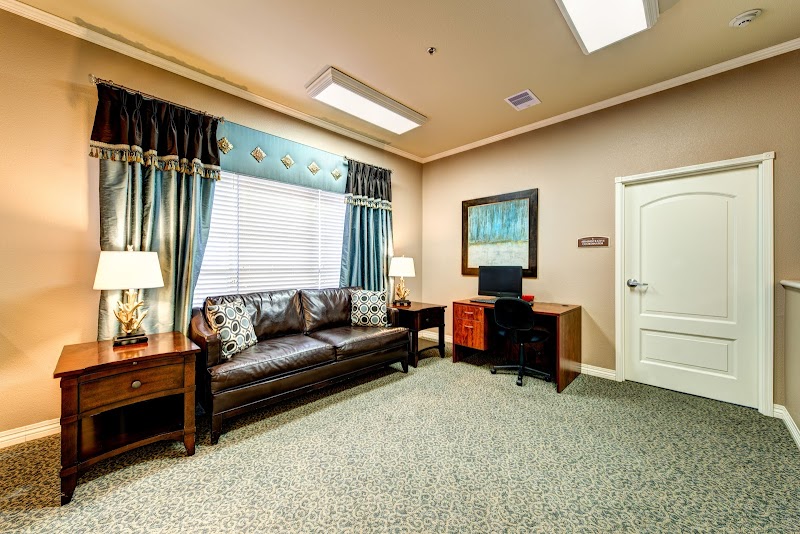
How Does Magnolia Crossing Nursing And Rehabilitation Cente Compare to Other Texas Nursing Homes?

Compared to the 100 nursing homes in Texas, Magnolia Crossing Nursing and Rehabilitation Cente's overall rating (4 stars) is above the state average of 2.8, staff turnover (46%) is near the state average of 46%, and health inspection rating (4 stars) is above the national benchmark.

What Should Families Ask When Visiting Magnolia Crossing Nursing And Rehabilitation Cente?

Based on this facility's data, families visiting should ask: "Can you walk me through typical staffing levels on day, evening, and night shifts?" "Can I visit during a mealtime to observe dining assistance and food quality?" "How do you handle medical emergencies, and what is your hospital transfer rate?" "Can I speak with family members of current residents about their experience?" These questions are particularly relevant given the below-average staffing rating.

Is Magnolia Crossing Nursing And Rehabilitation Cente Safe?

Based on CMS inspection data, Magnolia Crossing Nursing and Rehabilitation Cente has a clean safety record: no substantiated abuse findings (meaning no confirmed cases of resident harm), no Immediate Jeopardy citations (the most serious violation level indicating risk of serious injury or death), and is not on the Special Focus Facility watch list (a federal program monitoring the lowest-performing 1% of nursing homes). The facility has a 4-star overall rating and ranks #1 of 100 nursing homes in Texas. While no facility is perfect, families should still ask about staff-to-resident ratios and recent inspection results during their visit.

Do Nurses at Magnolia Crossing Nursing And Rehabilitation Cente Stick Around?

Magnolia Crossing Nursing and Rehabilitation Cente has a staff turnover rate of 46%, which is about average for Texas nursing homes (state average: 46%). Moderate turnover is common in nursing homes, but families should still ask about staff tenure and how the facility maintains care continuity when employees leave.

Was Magnolia Crossing Nursing And Rehabilitation Cente Ever Fined?

Magnolia Crossing Nursing and Rehabilitation Cente has been fined $15,624 across 1 penalty action. This is below the Texas average of $33,235. While any fine indicates a compliance issue, fines under $50,000 are relatively common and typically reflect isolated problems that were subsequently corrected. Families should ask what specific issues led to these fines and confirm they've been resolved.

Is Magnolia Crossing Nursing And Rehabilitation Cente on Any Federal Watch List?

Magnolia Crossing Nursing and Rehabilitation Cente is not on any federal watch list. The most significant is the Special Focus Facility (SFF) program, which identifies the bottom 1% of nursing homes nationally based on persistent, serious quality problems. Not being on this list means the facility has avoided the pattern of deficiencies that triggers enhanced federal oversight. This is a positive indicator, though families should still review the facility's inspection history directly.