MEMEMORIAL CITY NURSING AND REHABILITATION CENTER
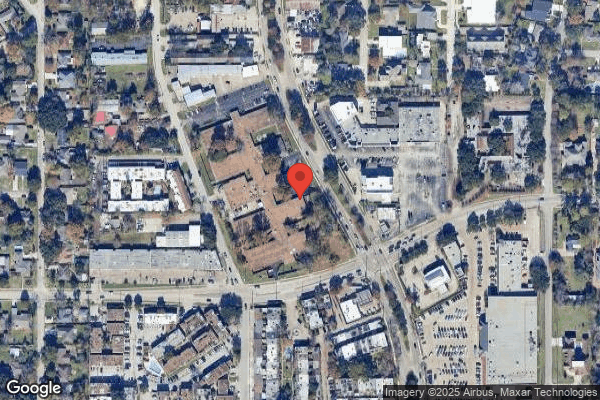
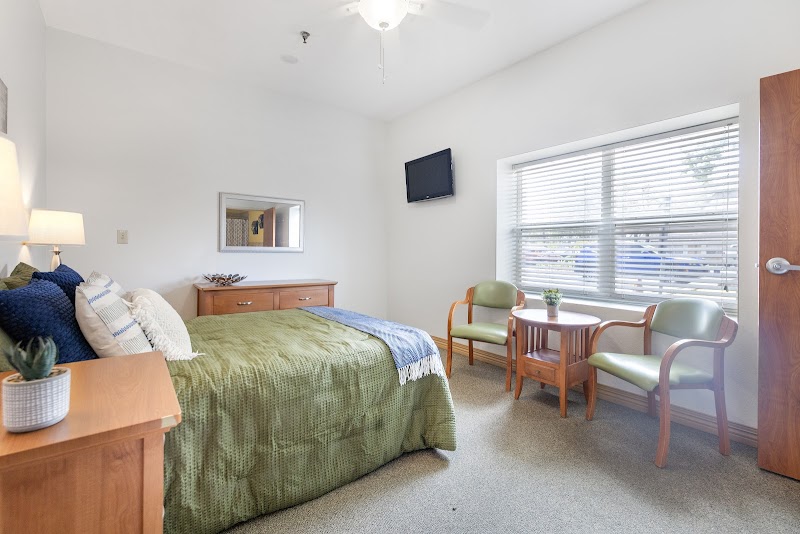
1341 BLALOCK, HOUSTON, TX 77055 (713) 468-7821
Government - Hospital district 187 Beds WELLSENTIAL HEALTH Data: November 2025 3 Immediate Jeopardy citations
Trust Grade
0/100
#776 of 1168 in TX
Last Inspection: February 2025

Within standard 12-15 month inspection cycle. Federal law requires annual inspections.

Overview

Memorial City Nursing and Rehabilitation Center has received a Trust Grade of F, indicating poor conditions and significant concerns. Ranking #776 out of 1,168 facilities in Texas places it in the bottom half, while it is #63 out of 95 in Harris County, suggesting that there are better local options available. The facility is showing an improving trend, with issues decreasing from 9 in 2024 to 8 in 2025. However, staffing is a serious concern, as it has a low rating of 1 out of 5 stars and a turnover rate of 57%, which is higher than the state average. The facility has incurred fines totaling $75,736, which is average but still indicates some compliance issues. Notably, there is less RN coverage than 78% of Texas facilities, meaning residents may not receive the critical oversight they need. Specific incidents include a failure to implement a proper care plan for a resident who had a history of falls, which placed them at risk, and a critical oversight in providing timely respiratory care for another resident, leading to severe consequences. While the facility has some strengths, such as high scores in quality measures, the overall picture suggests that families should carefully consider these serious weaknesses when researching care options.

Trust Score
F
0/100
In Texas
#776/1168
Bottom 34%
Safety Record
High Risk
Review needed
Inspections
Getting Better
9 → 8 violations
Staff Stability
⚠ Watch
57% turnover. Above average. Higher turnover means staff may not know residents' routines.
Penalties
⚠ Watch
$75,736 in fines. Higher than 80% of Texas facilities, suggesting repeated compliance issues.
Skilled Nurses
⚠ Watch
Each resident gets only 17 minutes of Registered Nurse (RN) attention daily — below average for Texas. Fewer RN minutes means fewer trained eyes watching for problems.
Violations
⚠ Watch
29 deficiencies on record. Higher than average. Multiple issues found across inspections.
★★☆☆☆
2.0
Overall Rating
★☆☆☆☆
1.0
Staff Levels
★★★★★
5.0
Care Quality
★★☆☆☆
2.0
Inspection Score
Stable
2024: 9 issues
2025: 8 issues

The Good

  • 5-Star Quality Measures · Strong clinical quality outcomes
  • Full Sprinkler Coverage · Fire safety systems throughout facility
  • No fines on record

Facility shows strength in quality measures, fire safety.

The Bad

2-Star Overall Rating

Below Texas average (2.8)

Below average - review inspection findings carefully

Staff Turnover: 57%

11pts above Texas avg (46%)

Frequent staff changes - ask about care continuity

Federal Fines: $75,736

Well above median ($33,413)

Moderate penalties - review what triggered them

Chain: WELLSENTIAL HEALTH

Part of a multi-facility chain

Ask about local staffing decisions and management

Staff turnover is elevated (57%)

9 points above Texas average of 48%

The Ugly 29 deficiencies on record

3 life-threatening 1 actual harm
Jul 2025 1 deficiency
CONCERN (E) 📢 Someone Reported This

A family member, employee, or ombudsman was alarmed enough to file a formal complaint

Potential for Harm - no one hurt, but risky conditions existed

Deficiency F0925 (Tag F0925)

Could have caused harm · This affected multiple residents

**NOTE- TERMS IN BRACKETS HAVE BEEN EDITED TO PROTECT CONFIDENTIALITY** During observations, interviews, and record review, the facility failed to maintain an effective pest control program so that th...

Read full inspector narrative →
**NOTE- TERMS IN BRACKETS HAVE BEEN EDITED TO PROTECT CONFIDENTIALITY** During observations, interviews, and record review, the facility failed to maintain an effective pest control program so that the facility is free of pests for the 300 and 400 halls, in that: The facility continues had an infestation of roaches in Residents' rooms as observed in the following: 317,321,323, 327 and 405. This failure could expose Residents to infection and decreased quality of life. During observations, interviews, and record review, the facility failed to maintain an effective pest control program so that the facility is free of pests for the 300 and 400 halls, in that: The facility continues had an infestation of roaches in Residents' rooms as observed in the following: 317,321,323, 327 and 405. This failure could expose Residents to infection and decreased quality of life. Facility's record review shows, Resident # 4 was a [AGE] year-old male who was admitted to the facility on [DATE]. He was admitted with the following diagnoses: Cerebral infarction unspecified, Type 2 diabetes, Morbid obesity, Hyperlipidemia, Recurrent depression, Hypertension, Aphasia, Hemiplegia and Hemiparesis related to cerebral infarction affecting the left dominant side, Abnormality of gait and mobility, Lack of coordination, Retention of urine, Cognitive communication deficit, Dysarthria and anarthria, Obstructive and reflux uropathy. Facility's record review show, Resident #1 was a [AGE] year old male, admitted to the facility on [DATE], with the following comorbid factors: Muscle wasting and atrophy, Atrial flutter, Gait and mobility abnormalities, Cognitive communication deficit, Hypertension, Protein malnutrition, Chronic kidney disease, Non-pressure chronic ulcer of the right lower leg, Atherosclerotic heart disease, Ulcer of the right foot, Hyperlipidemia, Unspecified dementia without behavior, Presence of cardiac pacemaker, Chronic Obstructive pulmonary disease and Pulmonary edema. Facility's record review shows Resident # 2 was a [AGE] year-old male, admitted on [DATE] with the following diagnoses: Alcoholic cirrhosis f the liver with ascites, Diabetes mellitus, Recurrent depressive disorder, Benign prostatic hyperplasia, and Transient ischemic attack Observation, and interview with Resident # 2 on 07/01/2025 at 08:10 am in his room, he stated there are always roaches running around in his restroom. He has a BIM's score of 14. Resident # 2 said, come with me, and I will show you where most of the roaches are. Investigator and Resident # 2 saw two roaches crawling on the restroom floor. Resident #2 stated, they come out like this all the time. Both at night and during the day. The roaches disappeared into the cracks on the floor. Resident stated: They don't clean good around here. In an interview with Resident # 4's family on 06/30/2025 at 11:00 am at his bedside at the hospital, she said she and her family saw roaches at different instances when their dad, Resident # 4 was at the facility prior to hospitalization. She vividly remembered two dates: On 06/01/2025, my family member killed a roach. On 06/02/2025 my other family member killed another roach. I cannot remember the other dates. In an interview on 06/30/2025 at 3:20 pm with Resident # 1 in his room, he pointed to a hole where he said, the roaches come out and goes back in all the time. He sees them from his bed. Yes, I see roaches. I saw one yesterday running around the toilet bowl. I did not tell anyone. I see roaches that crawl on the wall, behind the television into a hole on the wall next to the bathroom door. In an interview with Housekeeper A on 06/30/2025 at 04:15 pm, who stated: Last month I saw roaches coming from outside, entering the building through the main entrance. I told my boss. Interview with Housekeeper B, on 06/30/2025 at 04:30 pm. Stated: I see roaches sometimes. I saw them last on hallway 400. They were babies. I saw them in a room, but I cannot recall the room number. I told the unit Manager. In an interview with CNA A on 06/30/2025 at 04:43 pm. CNA A stated: I see roaches all the time. I last saw roaches today in the following rooms: 321,323, and 327. I did not report to any one because everybody knows about them. This is not anything new to the facility. The maintenance Director was not available for interview on this day. In an interview with Resident # 3 on 07/01/2025 at 08:17 am in the Resident's room, she attests, she sees roaches on a weekly basis. I see roaches. Last week I saw roaches. This week, more precisely yesterday. Roaches are common. Record review on 07/02/2025 at 07:14 pm. Resident # 4's family shared a video with a roach crawling on the floor of Resident # 4's bedroom floor. Resident # 4's family member stated: this is not the first time. We have killed some in the past. Record review of pest control binder on 07/01/2025, shows Service Report presented by the facility. The Administrator stated pest control provider comes in twice a month. On 06/12/2025, inspection order # 777033, inspected the following rooms: 212,315,318,319,323,324,325 and 327. These rooms were vacuumed, dusted and applied liquid application accordingly. Upon arrival at the facility, Service Report shows: Upon arrival, inspected logbook. No activity reported in the pest sighting log at this time. On 06/26/2025, the general comment stated both interior and exterior areas of the building were inspected. Offices, restrooms, common areas, cafe bistro and kitchen. Small roaches were targeted for interior building. The report did not show that any roaches were exterminated. Rats were partially consumed by the mechanical catch trap outside the building. The Director of Nursing was unavailable for interview. She was out for a family medical appointment. Record review of text message on 07/01/2025 at 10'44 am from the Director of Nursing: Running to drop my son off for surgery of his gum his dad will stay. I'll be right bac. You can still. The Director of Nursing wrote this in a text message she sent to the investigator. Interview was not conducted with the maintenance manager because he was not in the building. Interview with the Administrator on 07/01/222025. He stated the pest control provider comes in twice a month. He said, they might have to increase the frequency to weekly. He said, there is no pest control policy. This was also in an email which stated: I was able to verify there is no pest control policy. We work from an agreement with pest control company and processes we follow to minimize risk.
Feb 2025 4 deficiencies
CONCERN (D)

Potential for Harm - no one hurt, but risky conditions existed

Infection Control (Tag F0880)

Could have caused harm · This affected 1 resident

**NOTE- TERMS IN BRACKETS HAVE BEEN EDITED TO PROTECT CONFIDENTIALITY** The facility failed to maintain an infection prevention and control program designed to provide a safe, sanitary, and comfortabl...

Read full inspector narrative →
**NOTE- TERMS IN BRACKETS HAVE BEEN EDITED TO PROTECT CONFIDENTIALITY** The facility failed to maintain an infection prevention and control program designed to provide a safe, sanitary, and comfortable environment and to help prevent the development and transmission of communicable disease and infections and follow standard and transmission-based precautions to be followed to prevent spread of infections for 1 of 24 (Resident #14) residents reviewed for infection control. During tracheostomy care for Resident #14, RN A and LVN B failed to properly dispose of used materials in a biohazard bag after completing care. This failure could put residents at risk of exposure to infection and cross contamination. Findings included: Record review of Resident #14's face sheet last captured 02/13/2025 revealed a [AGE] year-old male originally admitted on [DATE]. His medical diagnoses included anoxic brain damage (brain damage from lack of oxygen), muscle wasting and atrophy, cognitive communication deficit, tracheostomy status, chronic congestive heart failure, and pneumonia (infection of the lungs). Record review of Resident #14's Comprehensive MDS dated [DATE] revealed that he was receiving oxygen therapy at the facility. Record review of Resident #14's BIMS (a short assessment to determine a person's cognitive intactness) assessment dated [DATE] revealed a score of 0, indicating Resident #14 had severe cognitive impairment. He was marked as rarely or never understood and that he was severely impaired in making decisions regarding tasks of daily life. Record review of Resident #14's baseline care plan dated 02/09/2025 revealed he was receiving oxygen therapy, with interventions including monitoring for s/sx of respiratory distress and report to MD PRN. Record review of Resident #14's care plan last updated 02/10/2025 revealed he was had a focus area of having oxygen therapy r/t ARF and trach (tracheostomy, a surgical procedure that creates an opening in the windpipe to provide an airway for breathing) placement with a last revised date of 02/11/2025. Interventions included o2 via as ordered and position resident to facilitate ventilation. Record review of Resident #14's Physicians Orders last updated 02/11/2025 at 3:36pm revealed he had an order with a start date of 02/08/2025 for Oxygen at 6LPM (liters per minute) via trach every shift for hypoxia. Observation on 2/13/2025 at 8:53am of Resident #14 revealed RN A and LVN B completed tracheostomy suctioning. RN A exited Resident #14's room. LVN B brought a clear trash bag, placed supplies used for suctioning including gauze, sterile and non-sterile gloves, and a tracheostomy inner tube, with bodily fluids on them in the bag, tied it and placed it in a large, yellow container used for linen located in Resident #14's restroom. Interview on 2/13/2025 at 11:42am with LVN B, she said that Resident #14's body fluids should have been put in her biohazard bag and disposed of immediately. If it was in a regular bag, LVN B said that staff or residents would not know how to properly handle biohazard material since they did not know what it contained. That could cause infection control issues because it was infectious to leave a room with fluids in a regular bag instead of a biohazard bag. Interview on 2/13/2025 at 2:36 with RN A, she said she was going to double-bag Resident #14's trash with a clear bag and then place it in a biohazard bag and take it to the biohazard room in the soiled utility room. RN A said the bag contained body fluid and sputum which would have been in the biohazard bag. She said not doing placing biohazard supplies in a biohazard bag before exiting a resident's room could have caused exposure to a respiratory illness. Record review of the facility's Equipment Protocol policy undated reflected in part, reusable items potentially contaminated with infectious materials shall be placed in an impervious clear plastic bag. Label bag as CONTAIMINATED and place in the soiled utility room for pickup and processing.
CONCERN (D)

Potential for Harm - no one hurt, but risky conditions existed

Deficiency F0925 (Tag F0925)

Could have caused harm · This affected 1 resident

Based on observation, interview and record review, the facility failed to maintain an effective pest control program so that the facility is free of pests and rodents for 2 of 2 (Residents #23, #50) r...

Read full inspector narrative →
Based on observation, interview and record review, the facility failed to maintain an effective pest control program so that the facility is free of pests and rodents for 2 of 2 (Residents #23, #50) resident rooms reviewed for environment. Resident #23 had a live roach in their bed during medication pass Resident #50 had a spider on the wall in their room near the bed . This failure could lead to spread of disease and a decline in resident health from preventable pest control. Findings included: Observation of medication pass on 2/12/2025 at 8:00am in Resident #23's room, a live roach crawled on the side of their bed. LVN G was observed using the face towel to brush the roach away during G-tube (gastric tube for nutrition and medication) medication administration. Observation and interview on 2/11/2025 at 9:31am in Resident #50's room, there was a spider on the wall by the right corner of Resident #50's bed. CNA B put on gloves and took a white towel and pressed on the spider. CNA B said that she will report this and that reports about pests are to be reported in the facility's computer system. She said the facility has spiders did appear and the facility gets pests when it's raining. Interview with the DON on 2/11/2025 at 3:09pm, she said she was made aware of the roach on Resident #23's bed during patient care and said that pest control did rounds and did not have any recent concerns with pests. Interview with the Maintenance Director on 2/11/2025 at 3:16pm, he said that he received work orders through the computer which he checked daily, which included pests. He said some staff are referred to as ambassadors and they made rounds each morning and throughout the day and are to report any environmental issues they observed. He said that he did not have any concerns regarding pests recently but saw a concern in the system today related to a spider seen in a resident's room earlier on 02/11/2025. The Maintenance Director said he went into that particular room but did not observe any pests but he called pest control who will come on 2/12/2025. Record review of the facility's Pest Control binder revealed Pest Control visited on 1/9/2025, 1/23/25 and 2/12/2025. There were no sightings of roaches or spiders. There were some light ant activity and small and large flies found in 5 of 5 light traps at the facility. Record review of the facility's policy on General Housekeeping, undated, reflected in part, the facility provides sufficient housekeeping and maintenance personnel, equipment, and supplies to maintain the interior and exterior of the facility in a safe, clean, orderly, and attractive manner.
CONCERN (E)

Potential for Harm - no one hurt, but risky conditions existed

Safe Environment (Tag F0584)

Could have caused harm · This affected multiple residents

**NOTE- TERMS IN BRACKETS HAVE BEEN EDITED TO PROTECT CONFIDENTIALITY** Based on observations, interviews, and record review the facility failed to provide a safe, clean, comfortable, and homelike env...

Read full inspector narrative →
**NOTE- TERMS IN BRACKETS HAVE BEEN EDITED TO PROTECT CONFIDENTIALITY** Based on observations, interviews, and record review the facility failed to provide a safe, clean, comfortable, and homelike environment including but not limited to receiving treatment and supports for daily living safely for 5 (Residents #21 #22, #44, #51 and #108) of 16 residents reviewed for cleanliness and sanitization. 1. The facility failed to address damaged and unclean walls in Residents #22, #44, and 51's room. 2. Resident #21's headboard was loose and moving back and forth. 3. Resident #108's wash basin on the nightstand that was not labeled and there was another wash pan in the bathroom that was not labeled or bagged. These deficient practices could place residents at risk of living in an unclean and unsanitary environment which could lead to a decreased quality of life. The findings include: Observation on 2/11/2025 at 9:41am in Resident #51's room revealed the wall at the head of bed had missing paint. Observation on 2/11/2025 at 10:07am in Resident #44's room revealed the room had a hole in the wall with a TV plug hanging out. The wall facing the resident's bed also had several areas of chipped wall paint and appeared dirty. Later interview with Resident #44 on 2/11/2025 at 2:27pm, she said she wanted to go back to her old room because the room she was currently in was ratty, and she pointed at the markings and holes in the wall in front of her bed. Observation on 2/11/2025 at 1:59pm of Resident #22's room revealed paint chipped off along all of the baseboard by his bed. Resident #22 was not interviewable. Observation on 02/11/25 at 2:27PM of Resident #21's headboard revealed it was not attached securely to the bed (moving back and forward). The wall on the left side of the bed had brown stains. There was a hole in the wall on the right side of bed near the head of bed with wiring exposed. Interview on 02/11/25 at 2:30PM with the DON after she observed the Resident #21's and #22's rooms said she would have to call maintenance to make the necessary repairs in the resident room. The DON said any environmental issues in the facility, the staff were supposed to communicate with the maintenance department in the computer system. The DON said it was the responsibility of the staff (CNAs, nurses, unit managers, and the ambassadors) to make rounds on the resident rooms and when they saw any abnormalities, they were to report to maintenance or housekeeping to go and resolve the problem. The DON said housekeeping was notified verbally. Interview on 02/11/24 at 2:40PM ADON K said she was the Unit Manager for the hall where Resident #21 resided. ADON K said she was not aware of Resident #21's room having a hole in the wall with wires exposed or the resident's wall not being clean. ADON K said she was also not aware of the resident's headboard being broken. ADON K said it was very important to keep the resident rooms and their environment presentable because it was their home. ADON K said if that was not done, it could place the resident at risk for infections and not feeling good about their environment. ADON K said because residents had visitors, it was important to make the resident space presentable. ADON K said she would take care of the matter right away. Interview on 02/11/25 at 2:48PM with the Housekeeping Supervisor said the residents' rooms were to be cleaned daily and as needed. When the Housekeeping supervisor observed the walls in Resident #21's room, he said the wall needed to be cleaned. The Housekeeping supervisor said when Housekeeping cleaned the resident room, they were supposed to pay attention to the resident walls to see if it needed to be cleaned for infection control. The supervisor said the Housekeeper for Resident #21's room had gone home for the day. Interview on 02/11/25 at 3:00PM CNA T said she was the CNA for Resident #21. CNA T said a CNA who name she could not remember said she had reported to the maintenance department about Resident #21's headboard being broken approximately a week ago, but nothing had been done about it. CNA T said she was aware of the walls in the resident's room being dirty and informed Housekeeper U about it. CNA T said Resident #21's walls had been dirty for a while. CNA T said it was important to keep the residents' rooms clean for appearance. CNA T said if the resident room was not cleaned and maintained properly, it placed the resident at risk for infections or mold. CNA T said a broken headboard could place the resident a risk for injuries. Interview 02/11/25 at 3:16PM with the Maintenance Director said he had been working at the NF approximately five to six months. The Maintenance Director said he was responsible for work orders communicated to him in the computer system regarding the environment of the facility. The Director said he checked work orders daily and was not aware of Resident #21's room having a hole in his wall with visible wiring inside of it or the resident's headboard being broken until the present time. The Director said the issues were being taken care of at present time. The Director said the hole in resident's room wall was a communication line and should be covered. The Director said the ambassadors were supposed to communicate with him if they saw any environmental issues in the residents' rooms. The Director said the ambassadors were supposed to make daily rounds in the resident rooms. The Director said with the open hole in Resident #21's wall and broken headboard put the resident in danger. Further interview, the Director said after speaking with the Regional Maintenance Director , the loose headboard placed the resident at risk of falling if not repaired. The Director said the hole in the wall put the resident at risk of allowing pests to enter in the room. He said that he receives work orders through the computer which he checked daily, which included pests and room maintenance such as holes in the wall and open wiring. He said some staff are referred to as ambassadors and they are to make rounds each morning and throughout the day and are to report any environmental issues they observed. He said that he did not have any concerns regarding pests recently but saw a concern in the system today related to a spider earlier in the day. The Maintenance Director said he went into that particular room but did not find anyone else but he called pest control who will come on 2/12/2025. Interview on 02/13/25 at 8:40AM with the DON and the Regional Nurse after reviewing the Ambassador Round Assignment reflected that the Maintenance Director was Resident #21's ambassador. Resident #108 Record review of Resident #108's face sheet dated 02/11/25 revealed a [AGE] year-old female admitted to the facility on [DATE] and readmitted on [DATE]. The resident's diagnoses included: cerebral infarction (blood flow to the brain is interrupted), muscle atrophy (a condition that causes muscle tissue to thin or waste away), and aphasia (disorder that affects a person ability to communicate effectively). Record review of Resident #108's admission MDS dated [DATE] reflected a BIMS score of 3 indicating the resident's cognition was severely impaired. Observation on 02/11/25 at 9:11AM of Resident #108's room revealed there was of a gray wash basin sitting on top of nightstand by Resident #108's bed on the left side. The wash basin was not labeled or inside of a bag. Further observation was made of a wheelchair leg rest sitting on top of the gray wash basin. Observation was made of another gray wash basin inside of the bathroom sitting on top of a rolling walker that was not dated or inside of a bag. Further observation of Resident #108's room revealed she was not in the room. Observation on 02/11/25 at 1:55PM in Resident #108's room revealed there was a gray wash basin in same areas of the room with no label and was not bagged. Interview on 02/11/25 at 2:02PM with CN R said she was the CNA for Resident #108. CNA R said when a resident's personal care equipment (wash basin) was not in use, the equipment should be labeled and bagged for infection control. CNA R said that was done to distinguish who the personal care item belonged too. CNA R said if this was not done, it placed the resident at risk for cross contamination. Interview on 02/11/25 at 2:20PM the DON said resident personal care items including wash pans were to be labeled with the room number or the resident name and bagged when done using for infection control. The DON said the CNAs were responsible for making sure it was done. Record review of the facility's policy on General Housekeeping, undated, reflected in part, the facility provides sufficient housekeeping and maintenance personnel, equipment, and supplies to maintain the interior and exterior of the facility in a safe, clean, orderly, and attractive manner. Record Review of facility's November 2021 Policy titled Resident Rights revealed: Residents of Texas nursing facilities have all the rights, benefits, responsibilities, and privileges granted by the Constitution and laws of this state and the United States. They have the right to be free of Interference, coercion, discrimination, and reprisal In exercising these rights as citizens of the United States. Dignity and Respect You have the right to: Live In safe, decent and clean conditions.
CONCERN (E)

Potential for Harm - no one hurt, but risky conditions existed

Respiratory Care (Tag F0695)

Could have caused harm · This affected multiple residents

**NOTE- TERMS IN BRACKETS HAVE BEEN EDITED TO PROTECT CONFIDENTIALITY** Based on observation, interview, and record review, the facility failed to ensure that a resident needing respiratory care, incl...

Read full inspector narrative →
**NOTE- TERMS IN BRACKETS HAVE BEEN EDITED TO PROTECT CONFIDENTIALITY** Based on observation, interview, and record review, the facility failed to ensure that a resident needing respiratory care, including tracheostomy care, is provided such care, consistent with professional standards of practice, the comprehensive person-centered care plan, the residents' goals and preferences for 6 of 8 (Residents #14, #21, #11, #17, #43 and #86) reviewed for oxygen. Resident #14's continuous oxygen was observed set at 8L/min on 02/11/2025 when he had a physician order for continuous oxygen at 6L/min. Resident #21's nebulizer machine was on the floor on the left side of his bed. The resident had respiratory tubing that was attached to a mask hanging on wheelchair at the bedside. Resident #11's nebulizer tubing and mask was not dated and placed inside of plastic bag when not in use. Resident #17's oxygen tubing was lying on the floor and nebulizer tubing and mask was not dated and placed inside of plastic bag when not in use. Resident #43's and #86's oxygen (O2) tubing was not stored off the floor in a clean and sanitary location. The failures placed residents at risk for respiratory infections and inadequate repiratory care. Findings Included: Resident #14 Record review of Resident #14's face sheet last captured 02/13/2025 revealed a [AGE] year-old male originally admitted on [DATE]. His medical diagnoses included anoxic brain damage (brain damage from lack of oxygen), muscle wasting and atrophy, cognitive communication deficit, tracheostomy status, chronic congestive heart failure, and pneumonia (infection of the lungs). Record review of Resident #14's Comprehensive MDS dated [DATE] revealed that he was receiving oxygen therapy at the facility. Record review of Resident #14's baseline care plan dated 02/09/2025 revealed he was receiving oxygen therapy, with interventions including monitoring for s/sx of respiratory distress and report to MD PRN. Record review of Resident #14's Physician's Orders last updated 02/11/2025 at 3:36pm revealed he had an order with a start date of 02/08/2025 for Oxygen at 6LPM (liters per minute) via trach every shift for hypoxia. Record review of Resident #14's care plan last updated 02/10/2025 revealed he was had a focus area of having oxygen therapy r/t ARF and trach (tracheostomy, a surgical procedure that creates an opening in the windpipe to provide an airway for breathing) placement with a last revised date of 02/11/2025. Interventions included O2 via as ordered and position resident to facilitate ventilation. Record review of Resident #14's BIMS (a short assessment to determine a person's cognitive intactness) assessment dated [DATE] revealed a score of 0, indicating Resident #14 had severe cognitive impairment. He was marked as rarely or never understood and that he was severely impaired in making decisions regarding tasks of daily life. Observation and interview on 02/11/2025 at 11:49am, revealed Resident #14 was in bed. His oxygenator reflected 8L/min and he was receiving a respiratory treatment at the time. He was on oxygen through his trach. Resident #14 appeared comfortable and without distress. Later observation on 02/11/2025 at 3:48pm, revealed Resident #14's oxygenator reflected 8L/min. LVN A came into the room and confirmed that Resident #14's oxygenator reflected 8L/min and said she was going out of the room to confirm Resident #14's oxygen orders with LVN B who was his nurse. LVN A came back and confirmed Resident #14 was supposed to be on 6L/min and adjusted his oxygen level. Resident #14 appeared comfortable and without distress during the observation. Interview with RN C and LVN B on 02/11/2025 at 3:48pm, LVN B said she was Resident #14's nurse. She said the oxygenator might've jumped up due to the machine's compressor shaking but that nothing was wrong with the machine. RN C said that Resident #14 had normal oxygen saturation and that Resident #14's oxygenator reflected 6L/min when she checked on him two hours ago. LVN B said as nurses they had to follow physician's orders and that exceeding physician's orders for oxygen could place residents at risk of distress. She said she received training on oxygen since working at the facility. Resident #43 Record reviewed of Resident #43's Facesheet captured date of 02/12/2025 revealed Resident was a [AGE] year-old male who admitted to the facility on [DATE]. Resident's diagnosis included but were not limited to obstructive sleep apnea (disorder characterized by repeated episodes of complete or partial blockage of the upper airway, leading to disrupted breathing patterns during sleep), acute on chronic diastolic (congestive) heart failure (heart muscle's difficulty relaxing), cerebrovascular disease (disruptions in blood flow and oxygen supply to the brain), peripheral vascular disease (narrowed or blockage, reduced blood flow to the limbs), emphysema (shortness of breath), dementia, and acute cough. Record review of Resident #43's Care Plan captured date of 02/13/2025 revealed resident had an activities of daily living (ADL) self-care performance deficit with weakness, decreased mobility due to and chronic heart failure are all conditions that can affect the heart and lungs, and chronic obstructive pulmonary disease, peripheral arterial disease, and dementia with poor safety awareness. Date Initiated: 05/04/2023. Revision on: 10/17/2023. Resident was resistive to care, on compliant with oxygen tubing to be laces in bag after use and stored properly. Resident wraps tubing to bed post. Date Initiated: 02/11/2025. Revision on: 02/11/2025. Record review of Resident #43's MDS dated [DATE] revealed Resident had a BIMS of 14 suggesting that the resident's cognition was intact. Record review of Resident #43's Order Entry dated 07/06/2023 revealed Prescriber written/ordered by MD G. Description: Change Tubing: by way of (via) (Nebulizer tubing). Order Summary: Change Tubing: via (Nebulizer tubing) at bedtime every Thursday for maintenance after use detach, rinse, and allow to dry, and place in a bag. And, every 24-hours as needed for maintenance After use detach, rinse, and allow to dry, and PLACE IN A BAG. Observation/Interview on 02/11/2025 at 09:50 a.m., revealed O2 tubing on floor near garbage and bed of Resident #43. Resident #43 sat at bedside in wheelchair, oxygen was not in use. Observation/Interview on 02/11/2025 at 10:44 a.m. Family #1 stated that Resident #43's used PRN oxygen. Observed tubing on the floor, unlabeled. Observation/Interview on 02/11/2025 at 01:03 p.m. O2 tubing on floor in Resident #43's room. Resident #43 stated that he used oxygen all the time but could not provide a date and time of last use. Resident #86 Record reviewed of Resident #86's Facesheet captured date of 02/13/2025 revealed Resident was a [AGE] year-old male who admitted to the facility on [DATE]. Resident's diagnosis included but were not limited to aortic aneurysm (balloon-like bulges that occur in the aorta) of unspecified site, without rupture (balloon-like bulges that occur in the aorta. Aorta is the main blood vessel through which oxygen and nutrients travel from the heart to organs throughout your body), spinal stenosis (the space within the spine that houses the spinal cord and nerve roots, becomes narrowed), cervical region, and dementia, unspecified severity, without behavioral disturbance. Record review of Resident #86's MDS dated [DATE] revealed Resident had a BIMS of 03 suggesting that the resident's cognition was severely impaired. Record review of Resident #86's Order Summary dated 02/08/2025 revealed: Oxygen at 2-liters per minute (LPM) via (nasal cannula) every 4-hours as needed for shortness of breath (SOB). Verbal order received from medical doctor (MD) G. Record review of Resident #86's Progress Notes dated 02/08/2025 at 06:42 p.m. Change of Condition Signs/Symptoms Details: SOB, started 02/08/2025, since started it has gotten: Things that make the condition worse: Things that make the condition better: History: Primary Diagnosis Vitals: Blood Pressure: 134/68 Lying down 02/08/2025 Pulse: 77 Regular 02/08/2025 Resp: 20 02/08/2025 Temp: 97.9 02/08/2025 . O2 Sat: 93 02/08/2025 2. Functional Status: Functional Status Changes: 1 Mentals Status: Mental Status Changes:1 Respiratory: 01, Cough: 00. Describe signs and symptoms (S/S): Assessment/Suggestion: Nebulizer (Neb) treatment every (q) 6 hours times (X) 3-days, as needed (PRN) oxygen at 2-LPM. Record review of Resident #86's Progress Notes dated 02/08/2025 06:55 p.m. Resident observed SOB, 02 sat 93% Nurse .received order for PRN oxygen at 2 liters (L) of Neb treatment (q) 6hr X 3 days. Record review of Resident #86's Progress Notes dated 02/09/2025 at 05:46 p.m. Resident is stable, no acute distress noted, Day 3/3 Phenol Aerosol related to (r/t) cough, no adverse reactions noted, no respiratory distress noted, Resident is currently on oxygen 2 L for SOB. no complaints of (c/o) pain or discomfort, will continue to monitor. In an observation on 02/11/2025 at 10:33 a.m. Resident #86 lying in bed not able to be aroused by voice. Oxygen tubing observed on the floor near bed. In an observation on 02/11/2025 at 01:16 p.m. Resident #86 was sitting at bedside in wheelchair. Oxygen tank on, facemask on bed and tubing on the floor. Resident picking at his meal tray food. Resident spoke words that were not understood. In an observation/interview on 02/11/2025 at 03:19 p.m. Registered Nurse (RN) H, stated that the resident's oxygen tubing should be bagged and placed away when not in use to prevent infections. She stated that it was also to be labeled with the date it was last changed. She stated it was hers and the certified nursing aids (CNA)'s responsibility to ensure that tubing was off the floor, labeled and bagged when not in use. RN H was observed labeling bags for Resident #43 and Resident #86's oxygen tubing. Record review of the facility's Monitoring of Medication Administration last revised 10/01/2019 reflected in part, procedures, personnel, and techniques are monitored, and that medications are administered at the frequency and times indicated in the prescriber orders. Record review of Resident #21's face sheet dated 02/11/25 revealed a [AGE] year-old admitted to the facility on [DATE] and again on 12/12/24. The resident's diagnoses included the following: dementia (memory loss and judgment), cerebral palsy (abnormal brain development often before birth that causes disorder of movement, muscle tone, or posture), epilepsy (uncontrolled jerking, loss of consciousness, blank stare), and dysphagia (difficulty swallowing). Record review of Resident #21'quarterly MDS dated [DATE] reflected a BIMS score of 9 which indicated the resident's cognition was moderately impaired. Review of section O (special treatment program) of the MDS reflected that the resident was receiving respiratory treatment. Record review of Resident #21's care plan dated 02/07/25 reflected the resident was care planned for infection of the respiratory tract with the intervention to administer antibiotics as ordered by the MD. Record review of Resident #21's Physician's Order Summary Report for the month of February 2025 reflected the following orders: -Dated 02/05/25 Ipratropium-Albuterol (medication used to treat respiratory disease by relaxing the muscles around the airways to open up and bake breathing easier) solution 0.5-2.5 (3) mg/3ml, 3ml inhale orally every 4 hours as needed for SOB or wheezing for 7 days via nebulizer (a small machine that turns liquid medicine into a mist that can easily be inhaled). -Dated 02/06/25 Doxycycline (medication used to treat bacterial infections in many parts of the body) oral tablet 100mg give 1 tablet by mouth twice a day for PNA (respiratory infection) for 7 days. Record review of Resident #21's MAR and TAR for the month of February 2025 reflected that the facility was following physician's orders. Observation on 2/11/25 at 10:05AM revealed Resident #21 resting in bed. The resident had a wheelchair in the room on the left side of bed with clear tubing hanging on the back of the wheelchair with a mask attached to the tubing. Observation was made of the nebulizer machine sitting on the floor on the left side of the resident's bed at the head of bed. Resident #17 Record review of Resident #17's face sheet dated 02/11/15 revealed an [AGE] year-old female admitted to the facility on [DATE]. Resident #17's diagnoses included the following: dementia (memory loss and judgment), Alzheimer's Disease (progressive disease that destroys the memory and other mental functions), mild intermittent asthma (when a person's airway becomes irritated, narrow and swell, producing extra mucus, which makes it hard to breathe), and chronic obstructive pulmonary disease (a group of lung disease that block airflow making it hard to breathe). Record review of Resident #17's quarterly MDS dated [DATE] reflected a BIMS score of 1 indicating the resident's cognition was severely impaired. Further review revealed the resident was receiving special treatment that consisted of respiratory treatments oxygen: continuous and non-invasive mechanical ventilator: breathing support device that uses a mask to deliver air to a patient's lungs to help breathe better. Record review of Resident #17's care plan dated 02/10/25 reflected the resident was care planned for a respiratory infection with the intervention to administer antibiotic as order by the MD. Record review of Resident #17's Physician's Order Summary Report for the month of February 2025 reflected the following orders: -Dated 02/10/25 Amoxicillin (medication used to treat bacterial infections, such as chest infections including pneumonia) 500-125mg give 1tablet by mouth three time a day for PNA (respiratory infection). -Dated 02/10/25 Ipratropium-Albuterol solution (medication used to treat respiratory disease) 0.5-2.5 (3) mg/3ml, 3 ml inhale orally every 4 hours as needed for SOB or wheezing via nebulizer (a small machine that turns liquid medicine into a mist that can easily be inhaled). Record review of Resident #17's MAR and TAR for the month of February 2025 reflected that the facility was following physician's orders for the above orders. Observation on 02/11/25 at 10:35AM revealed Resident #17 awake in bed coughing. The resident said she had bronchitis. The resident had an oxygen machine on the right side of bed with undated oxygen tubing connected to the machine that was lying on the floor on the right side of the resident's bed There was a nebulizer machine on the nightstand on the right side of the resident's bed with tubing connected to a nebulizer machine with a mask attached. The mask and tubing were not dated but the mask was inside of plastic bag. Observation on 02/11/25 at 11:15AM revealed Resident #17 in bed with oxygen tubing still on floor. LVN Z was asked to go to resident's room to assess the resident. LVN Z went to Resident #17's room to check her oxygen saturation (the percentage of oxygen carried by red blood cells in the body). The resident's oxygen saturation was 94% on room air. LVN Z left the resident's room with the oxygen tubing still on the floor. The resident said she was okay and was not experiencing any difficulty breathing. Resident #11 Record review of Resident #11's face sheet dated 02/11/25 revealed an [AGE] year-old male admitted to the NF on 08/14/24. Resident diagnoses included Type 2 diabetes mellitus (too much sugar in the blood), polyosteoarthritis (arthritis affecting five or more joints at the same time), glaucoma (eye condition that can cause blindness), hypertension (high blood pressure), and difficulty walking. Record review of Resident #11's quarterly MDS dated [DATE] reflected a BIMS score of 11 indicating the resident cognition was intact. Further review revealed the resident was on specialized treatment for respiratory care (non-invasive mechanical ventilator: breathing support device that uses a mask to deliver air to a patient's lungs to help breathe better). Record review of Resident #11's care plan dated 08/14/24 did not reflect a care plan for respiratory treatments. Record review of Resident #11's Physician Order Summary Report for the month of February 2025 reflected the following order: -Dated 02/10/25 Ipratropium-Albuterol (medication used to treat respiratory disease) 0.5-2.5 (3) mg/3ml, 3 ml inhale orally every 4 hr as needed for SOB or wheezing via nebulizer (a small machine that turns liquid medicine into a mist that can easily be inhaled). Record review of Resident #11's MAR and TAR for the month of February 2025 revealed that the facility was administering the medication Ipratropium-Albuterol 0.5-2.5 (3) mg/3ml, 3ml as ordered. Observation on 02/11/25 at 10:40 AM revealed Resident #11 had a rolling walker on the left side of his bed. Further observation revealed a mask connected to tubing lying on the rolling walker. The tubing and mask were not dated or inside of a plastic bag. Interview on 02/11/25 at 10:46 AM LVN Z said she was the nurse for Resident #11, Resident #17, and Resident #21. LVN Z said she had given Resident #17 a breathing treatment between 8:30AM or 9:00AM and that Resident #17 received breathing treatments three times a day. LVN Z said she worked from 7am-7pm. Interview and observation on 02/11/25 at 2:05 PM with LVN Z,, regarding respiratory equipment (tubing, mask, etc.) said the respiratory equipment should be dated to signify when the last time the equipment had been changed for infection control. LVN Z said she believed respiratory equipment should be changed every seven days on the night shift; at least that was the way it was done at other facilities but was not for certain how it was done at the present facility. LVN Z said she worked at the NF PRN. LVN Z said because she worked at the present facility on a PRN basis, it did not give an excuse as to why respiratory equipment was not being labeled and placed in a plastic bag when not in use. LVN Z said she was the nurse for Residents #11, #17, and #21 and she must have overlooked the residents' respiratory equipment. LVN Z went to Resident #11 and Resident #17's room where she observed Resident #17's oxygen tubing still on the floor and Resident #11's nebulizer tubing with the mask sitting on the resident's rolling walker at the bedside. LVN Z placed on gloves and began to dispose of respiratory equipment by placing inside of a plastic bag and removing from the room of Resident #11's room. LVN Z said she would replace the respiratory equipment with new equipment, which she did including Resident #21. Interview on 02/11/25 at 2:20PM the DON said all respiratory equipment such as masks were supposed to be inside of zip top bag when not in use. The DON said the equipment should be dated and changed weekly usually on the night shift and as needed for infection control. The DON said the nurses were responsible in changing respiratory equipment. The DON said the unit managers and ambassadors assigned to certain rooms were to follow-up to ensure that this was being done. Review of the facility provided policy on Oxygen Safety dated 01/26/24 reflected in part: .It is the policy of this facility to provide a safe environment for residents, staff, and the public . The policy did not reflect oxygen supplies when to be dated and bagged when not in use.
Jan 2025 2 deficiencies
CONCERN (D) 📢 Someone Reported This

A family member, employee, or ombudsman was alarmed enough to file a formal complaint

Potential for Harm - no one hurt, but risky conditions existed

Safe Environment (Tag F0584)

Could have caused harm · This affected 1 resident

Based on observation, interview, and record review, the facility failed to provide a safe, clean, comfortable, and homelike environment in one (right side) of two shower rooms on Hall 400. -The facil...

Read full inspector narrative →
Based on observation, interview, and record review, the facility failed to provide a safe, clean, comfortable, and homelike environment in one (right side) of two shower rooms on Hall 400. -The facility failed to clean the shower room on the right side of Hall 400 that was observed with soiled towels, gloves, empty containers of personal care items, hair on the floor, and the floor had brown and black stain marks. This failure placed residents at risk for receiving showers in an unclean and uncomfortable environment. Findings included: Observation on 01/24/25 at 10:38AM of the shower room on the right side of Hall of 400 with CNA S. The shower room had large, soiled towels on the floor, wood shelving, and shower bed. Further observation was made of used empty containers of personal care items (shower gel, etc.) sitting on wood shelving. CNA S immediately started placing the soiled towels inside of a plastic bag. CNA S proceeded throwing used resident care supplies inside of plastic bag and picking gloves up off the floor. Further observation was made of the shower room floor being dirty with brown and black stains on the floor. There was debris on the floor behind the wood shelving. Further observation was made of a ball of white hair on the floor. Interview on 01/24/25 at 10:40AM with CNA S said the floors were dirty and she did not know when the last time the shower room floors had been cleaned. CNA S said when the CNAs finish providing a shower to a resident, the CNA was not to leave anything behind such as towels or resident personal care items due to germs and infection control. CNA S said it was the resident's home and that it was important to keep the shower room clean and tidy. CNA S said the nursing staff and housekeeping were responsible in making sure that the shower rooms were being cleaned for resident use. CNA S said when the shower room needed to be clean the staff would write in the communication book at the nurse desk. When CNA S went to find the shower book at the nurse station, she could not locate the book. CNA S proceeded to say the way they communicate with housekeeping was in the computer but did not show the surveyor where in the computer the staff was communicating with housekeeping regarding cleaning the showers. Interview on 01/24/25 at 10:40AM with Housekeeper T after observing the shower room on the right side of Hall 400 said the shower room floor was dirty and needed to be . Housekeeper T said she did not work at the facility on 01/23/25. Housekeeper T said she was working Hall 400 and was responsible for cleaning the resident rooms and keeping the shower room clean. Housekeeper T said she worked from 6AM-2PM. Housekeeper T said housekeeping was supposed to clean the shower room at least once a day and as needed. Housekeeper T said it was important to keep the resident's shower room clean and disinfected to reduce the risk of infections and cross contamination. Housekeeper T said whoever was assigned to the shower room on 01/23/25, did not clean the floors. Housekeeper T said she was going to clean the shower floor right away. Interview on 01/24/25 at 11:05AM with Hall 400 LVN/ADON U said it was the responsibility of the Nursing staff and the Housekeeping Department to ensure the resident shower room was being clean and disinfected for infection control. LVN/ADON U said the ambassador was also assigned to do rounds on the halls to make sure everything was going well. Interview on 01/24/25 at 11:15AM with the Administrator said the ambassador uses a check list on what things to look at on the Halls assigned to them, and the shower room was not one of them. The Administrator said it was the floor techs under the direction of the supervisor of housekeeping that were responsible for ensuring the floors were clean including the shower rooms. Interview on 01/24/25 at 11:20AM with the DON said after the CNAs provided a shower for a resident, that CNA was supposed to make sure the shower room was clean for the next resident to be showered. The DON said housekeeping was responsible for mopping and disinfecting the floors after each shower use. The DON said the floor techs were responsible for deep cleaning the floors and the grout. The DON said the shower rooms should be mopped after each use to prevent cross contamination. The DON said whenever the CNA gave a resident a shower, the CNA is supposed to reach out to housekeeping verbally or on a group text that the shower room needed to be mopped. The DON said she would have to see if the NF had a policy on maintaining the NF shower rooms. The DON did not provide a policy on maintenance of shower rooms. Interview on 01/24/2025 at 11:37AM with the NF Environmental Service Department said he was also over housekeeping and the floor techs. The Environmental Service Department said he was assigned to Hall 400 shower rooms. He said he cleaned the shower rooms on 01/23/2025 and had not gotten to cleaning the shower room on 01/24/2025. He said it was important to clean the shower rooms in between use for infection control reasons. Record review of the NF policy on Infection Prevention and Control Program dated 05/13/23 reflected in part: .This facility has established and maintains, and infection prevention and control program designed to provide a safe, sanitary, and comfortable environment and to prevent the development and transmission of communicable disease and infections as per accepted national standards and guidelines . Record review of the NF policy on General Housekeeping Policy not dated reflected in part: .The facility provides sufficient housekeeping and maintenance personnel, equipment, and supplies to maintain the interior and exterior of the facility in a safe, clen , orderly, and attractive manner .All housekeeping personnel utilize the accepted practices and procedures to keep the facility free from offensive odor, accumulation of dirt, rubbish, dust, and hazards . Record review of the NF policy on Resident Rights dated November 2021 reflected in part: .Residents of Texas Nursing Facilities have all the rights, benefits, responsibilities, and privileges granted by the constitution and laws of this state and the United States. They have the rights to be free of interference, coercion, discrimination, and reprisal in exercising these right as citizens of the United States .Dignity and Respect .Residents have the right to live in a safe, decent, and clean conditions .
CONCERN (D) 📢 Someone Reported This

A family member, employee, or ombudsman was alarmed enough to file a formal complaint

Potential for Harm - no one hurt, but risky conditions existed

Medical Records (Tag F0842)

Could have caused harm · This affected 1 resident

**NOTE- TERMS IN BRACKETS HAVE BEEN EDITED TO PROTECT CONFIDENTIALITY** Based on record review and interview, the facility failed to maintain medical records on each resident that are accurately docum...

Read full inspector narrative →
**NOTE- TERMS IN BRACKETS HAVE BEEN EDITED TO PROTECT CONFIDENTIALITY** Based on record review and interview, the facility failed to maintain medical records on each resident that are accurately documented for 1 of 5 (Resident #50) residents reviewed for care plans. The facility failed to have accurate Physician Orders for Resident #50 when anticoagulant medication monitoring was ordered without an order for an anticoagulant. This deficiency could put residents at risk of improper medication administration and inaccurate documentation and tracking of residents' condition and treatment. Findings include: Record review of Resident #50's face sheet last captured 1/24/25 revealed an [AGE] year-old female originally admitted on [DATE] and last re-admitted on [DATE]. Her medical diagnoses included muscle wasting and atrophy (loss of muscle mass and function), Chronic Obstructive Pulmonary Disease (a lung condition characterized by lung damage such as inflammation and restricted airflow), Dementia (loss of cognitive function such as memory and thinking which affects daily life), Hypertension (high blood pressure), Chronic Pain Syndrome, Polyosteoarthritis (inflammation that affects five or more joints), and cognitive communication deficit. Record review of Resident #50's Quarterly MDS (a resident assessment) dated 10/18/2024 revealed Resident #50 was able to make herself understood by others some of the time and had the ability to understand others some of the time. Her BIMS score (an assessment to test cognitive function and memory) was a 03 out of 15, indicating severe cognitive dysfunction. Resident #50 was fully dependent on others for toileting, showering, and footwear and required partial to moderate assistance with eating, upper body dressing, oral hygiene and personal hygiene. Record review of Resident #50's care plan last revised 01/14/2025, revealed Resident #50 had hypertension r/t lifestyle choices with a start date of 04/10/2023, with interventions including educating the resident/family/caregiver about the importance of maintaining a normal weight for height, the value of regular exercise, limiting salt intake, give anti-hypertensive [sic] medications as ordered, and monitor/document/report PRN any s/sx of malignant hypertension, headache, lethargy, nausea and vomiting and difficulty breathing. Resident #50 also had a problem with skin integrity with a start date of 1/23/2025 related to her rash on the chest resulting to severe itching, scratching and interventions including administering medications as ordered to address medical diagnosis and conditions and cream twice a day for her rash. Record review of Resident #50's Physician Orders revealed the following: -Start date: 08/10/2024 Anticoagulant medication - monitor for discolored urine, N&V (nausea and vomiting), bruising, sudden changes in mental status, nose bleeds every 12 hours for ASA (Aspirin) 325. This order was discontinued on 01/23/25 at 5:55pm -Start date 01/23/2025 Anticoagulant medication - monitor for discolored urine, N&V (nausea and vomiting), bruising, sudden changes in mental status, nose bleeds every 12 hours for ASA (Aspirin) 81. This order was active. -Start date 1/24/2025 Hypertension medication - Aspirin EC (enteric-coated, meaning the tablet had a protective coat that allows the medication to be released in the intestines rather than the stomach) 325 MG (Aspirin) Give 1 tablet by mouth one time a day related to Essential (Primary) Hypertension. Further review revealed Resident #50 had no active orders for anticoagulant medication. Record review of Resident #50's January 2025 [DATE] revealed Resident #50 had received anticoagulant medication monitoring every twelve hours for aspirin 325 (mg) with a start date of 08/10/2024 and a discontinued date of 01/23/2025. Resident #50 also received anticoagulant medication monitoring every twelve hours for aspirin 81 (mg) with a start date of 01/23/2025. Interview with the DON on 1/24/2025 at 2:47pm, she said that Resident #50 was ordered aspirin for her cardiovascular issues, from what Resident #50's physician told her. The DON said at 325 mg the aspirin can be used as an anticoagulant, but that for Resident #50 the medication acts more like an antiplatelet medication. She said she would update and clarify the aspirin's purpose for Resident #50. A later interview on 1/24/2025 at 4:10pm, the DON said that Resident #50 had some reddish areas on her skin that were being monitored, so she kept in the order to monitor for the rash, not the anticoagulant. Resident #50 had bruising and the DON had called her physician to cancel the aspirin but the physician told her that Resident #50 needed it for her heart condition. Interview with the MDS Nurse on 1/24/2025 at 4:19pm, she said that she did not work with Resident #50. The MDS Nurse said when a resident admits to the facility, she looks at their clinicals and determines their medical diagnoses. The MDS Nurse said that medications and the treatment plan should match with diagnoses. Interview with NP A on 1/24/2025 at 5:14pm, she returned a call and said she was no longer associated with Resident #50 and the physician's group associated with the facility and declined to answer more questions. Record review of the facility's Medication Administration policy implemented on 10/24/2022 read in part, Medications are administered by licensed nurses, or other staff legally authorized to do so in this state, as ordered by the physician and in accordance with professional standards of practice . 20. Correct any discrepancies and report to nurse manager.
Jan 2025 1 deficiency 1 Harm
SERIOUS (G) 📢 Someone Reported This

A family member, employee, or ombudsman was alarmed enough to file a formal complaint

Actual Harm - a resident was hurt due to facility failures

Pressure Ulcer Prevention (Tag F0686)

A resident was harmed · This affected 1 resident

**NOTE- TERMS IN BRACKETS HAVE BEEN EDITED TO PROTECT CONFIDENTIALITY** Based on observation, interviews, and record review the facility failed to ensure based on the comprehensive assessment of a res...

Read full inspector narrative →
**NOTE- TERMS IN BRACKETS HAVE BEEN EDITED TO PROTECT CONFIDENTIALITY** Based on observation, interviews, and record review the facility failed to ensure based on the comprehensive assessment of a resident, residents received care, consistent with professional standards of practice, to prevent pressure ulcers and did not develop pressure ulcers unless the individual's clinical condition demonstrated that they were unavoidable; and a resident with pressure ulcers received necessary treatment and services consistent with professional standards of practice, to promote healing, prevent infection and prevent new ulcers from developing for one (CR#1) of five residents reviewed for pressure ulcers . The facility failed to ensure CR #1 did not acquire an unstageable pressure ulcer to her bilateral buttock. This failure could place residents at risk for developing pressure wounds, Cellulitis (skin infection), Sepsis (infection of the blood) and severe pain. Findings included: Record review of CR#1's face sheet dated 01/11/2025, reflected a [AGE] year-old female initially admitted to the facility on [DATE] and re-admitted on [DATE]. CR #1 had a diagnosis which included Alzheimer's disease (a neurological disorder that causes irreversible changes in memory, thinking, and behavior, leading to a gradual decline in cognitive abilities and daily functioning). Review of CR#1's annual MDS, dated [DATE], reflected CR#1's was assessed to require ADL assistance for movement in bed. CR#1 was at risk for pressure ulcers. Record review of CR#1''s, undated, comprehensive care plan reflected a focus area initiated on 06/20/2022 and revised on 10/09/2024, CR#1 has Potential/Actual Skin Issue related to weakness. Goal: CR #1 skin will remain intact without signs of breakdown. Interventions: turn and reposition frequently to decrease pressure; skin checks weekly per facility protocol, document findings. The comprehensive care plan did not address minimizing risks of pressure ulcer/injury prior to CR#1's discharge to the hospital on [DATE]. Record review of clinical record reveled that skin assessments were completed by WCN weekly and there was no documented finding of skin breakdown prior to 01/08/2025. There was no found documentation of turning and repositioning CR #1 to decrease pressure. Record review of progress notes reflected CR #1 had a change in condition, diagnosed with pneumonia and was being monitored by the NP and physician. Record review of Physician's Order for CR#1 reflected no wound care orders. Record review of the skin assessment for CR#1, dated 01/08/2025, read in part, 3 x 2.5ins shear wound to sacrum, 6 x 4.5ins shear wound to right buttock and 5 x 3.5ins shear wound to left buttock with scant serous drainage. Record review of skin assessment in the 30-day look period of 12/01/2025 - 01/01/2025 reflected no pressure injury or skin breakdown to CR #1 sacrum. Record review of the hospital skin assessment dated [DATE], reflected CR #1 was admitted to hospital from the facility on 01/08/2025 with an unstageable pressure wound to her bilateral buttock. There was no evidence the wound was contributing to the sepsis and the resident was receiving treatment for pneumonia and UTI. Observation on 01/13/2025 at 6:25 p.m. revealed CR # 1 was seen at the hospital, lying in bed on a low airflow mattress and repositioning wedges. CR #1 was lethargic at the time of observation. Observation of the sacrum revealed an open wound with dark purple skin discoloration with moderate drainage. The State Surveyor was unable to interview CR # 1 due to orientation status of CR #1. In an interview on 01/13/2025 at 4:00 p.m. the DON stated the facility policy required everyone who provided direct care for the residents were responsible for ensuring the prevention of acquired pressure wounds at the facility. The DON stated that the policy required pressure wound risk to be identified and addressed in the resident's comprehensive care plan. The DON stated the facility nurses and CNA were responsible for repositioning residents and timely incontinent care was provided for residents requiring assistance. The DON stated the WCN was responsible for completing skin assessments on all facility residents. The DON stated the facility's policy required skin observations to be completed by the CNA when residents' showers were provided. The DON stated if skin breakdown was identified the primary nurse should be notified. She stated the primary nurse was responsible for notifying the physician and responsible party. The DON stated the care team was responsible for the accuracy of the resident's care plan and intervention. The DON stated she was responsible for ensuring the needs of the resident were addressed and intervention were implemented by the facility staff. The DON was able not a to explain how she ensured the intervention were implemented. The DON stated wound care prevention training had been provided to all direct care staff. The State surveyor requested the wound care policy and documentation of training provided. In a telephone interview on 01/13/2025 at 5:00 p.m., the WCN stated she was responsible for completing weekly skin assessments. She stated when she identified a wound, she would notify the resident's primary assigned nurse. She stated the facility police required nurses to contact the resident's physician to obtain a wound consult and wound care orders. In a telephone interview on 01/13/2025 at 5:30 p.m., the family member stated on 01/08/2025 at approximately 3:30 p.m. the family was informed CR #1 had a little sore on her bottom and cream was applied to CR #1's bottom. The Family member stated she arrived in the facility approximately an hour later and found CR #1 did not appear well. She stated she requested to CR#1's bottom and noted the wound was a dark black color and the skin was not intact. She stated she feared CR #1 was septic because the wound was draining and appeared to have a foul odor. She stated she requested to have CR #1 transferred to the hospital as she had concerns of CR #1 being septic. She stated she also notified the DON of the concerns, but the DON stated the facility was aware of the wound, but the wound would not make CR #1 septic. The Family member stated a picture of the wound was captured and sent to the DON. The Family member stated CR #1 was admitted to a local hospital and diagnosed with Sepsis and the wound was unstageable on admission to the hospital from the facility. In an interview on 01/13/2025 at 6:15 p.m., Hospital Nurse T stated CR #1 was admitted to the hospital critical care unit on 01/08/2025. On admission CR #1 was lethargic and found to have Sepsis and an unstageable pressure injury to CR #1 bilateral buttock. She stated CR #1 was started on antibiotic treatment and the wound care team was following CR #1 for maintenance of the wound. Nurse T stated it was unknown if Sepsis was caused by the wound. An interview on 01/15/2024 at 10:30 a.m., CNA V stated she cared for CR#1. She stated CR # 1 required assistance to be turned in bed. She stated when CR #1 was turned, she went back on her back. She stated CR #1 had not been getting out of bed for several days prior to her being sent to the hospital on [DATE]. CNA V stated that she did not know how often CR #1 was turned. She could not recall the last time CR #1 was out of bed in a chair or wheelchair. She stated she did not know why CR # 1 was not get up out bed. She stated CR # 1 would did not require much assistance. She said she assisted the WCN with wound care if she needed help for other residents, but was not aware CR #1 had a pressure wound. She said CR#1's did not seemed to be herself, but she could not provide a timeline. She stated CNAs round every 2 hours for incontinent care and re-positioning. She stated CR #1 would usually be out of bed and did not require frequent turning. She CR #1 could have developed a pressure injury from not be re-positioned frequently because CR #1 usually would be up in her wheelchair. In an interview on 01/15/2025 at 11:00 a.m., the WCD, stated she had not been consulted for CR#1 and was not consulted for all facility identified wounds. The WCD stated shear wounds were caused by the sliding or pulling of the skin and tissue in opposite directions, while pressure wounds were caused by prolonged, constant pressure on an area of skin that restricted blood flow. The WCD stated an unstageable wound referred to a wound where the depth could not be determined because the wound bed was covered by necrotic tissue (dead tissue), slough (yellowish tissue), or eschar (black, hard tissue). She stated it was possible for an unstageable wound to develop in a short period (such as two days), particularly if the wound was caused by prolonged pressure (such as in pressure ulcers) or severe shear forces and inadequate or delayed treatment. She stated without proper offloading (relieving pressure), repositioning, or wound care, what started as a minor injury could progress to deeper tissue damage in a matter of days. She stated proper assessment and care were critical in preventing an unstageable wound and pressure wound progression. In an interview on 01/15/2025 at 12:00 p.m., the WCN stated she was notified by the primary assigned nurse, Nurse G that CR #1 had a wound on 01/08/2025. She stated a wound consult was submitted by Nurse G for CR#1 on 01/08/2025, she stated an assessment of the wound was completed by her and verified by the DON. She stated at the time of her assessment on 01/08/2025 she observed a shear wound to CR#1 sacrum and the skin was intact. She stated the wound was acquired at the facility. She stated the skin surrounding the wound was pink. She stated the family was at the bedside. She stated CR #1's primary care provider was notified and new orders for zinc oxide cream daily and as needed was provided. In interview on 01/15/2025 at 12:30 p.m., Nurse G stated on 01/08/2025 attention was called to CR# 1's room, as CNA T was cleaning her when she heard CR #1 screaming. Nurse G assessed resident and observed an open area on the sacrum. Nurse G stated she was unsure if the wound was infected but there was drainage, the skin in the area was a dark color and was not intact. Nurse G stated pictures of the wound was captured. Nurse G stated she had cared for CR #1 a couple of days prior on 01/06/2025 and did not assess the area and was not sure if the wound was present on 01/06/2025. Nurse G stated CR #1 had experienced generalized weakness since Saturday, 01/04/2025, and not been her usual self. Nurse G stated CR #1 was not able to turn and reposition independently in bed, which may have contributed to the development of the pressure injury. Nurse G stated the wound was a pressure injury, but she was not sure of the stage. Nurse G stated that the wound was acquired at the facility and could have been prevented with frequent repositioning. She stated the facility nurses and CNAs was responsible for repositioning the residents. Nurse G stated wound care was consulted, and the primary care provider coordinator and CR #1 family was notified. The State surveyor was unable to interview CNA T prior to exiting the facility. In interview on 01/15/2025 at 3:30p.m., the DON stated there was gaps in both the prevention and management of pressure wounds at the facility. She stated she did not believe the gaps contributed to the development of Sepsis for CR #1. She stated that the wound was acquired at the facility. She stated that CR #1 should have been turned and repositioned timely to prevent the pressure wound. The DON stated she did not have a system in place to monitor that CR #1 was being turned frequently to prevent the pressure wound. The DON stated by not following the facility policy, turning, and repositioning residents it placed residents at risk for skin breakdown and pressure injuries. In interview on 01/15/2025 at 3:35 p.m., the unit manager, ADON T stated if the facility failed to properly assess, address, and document wound care and prevention needs it could constitute a violation of care standard and cause the residents to stuffer. She stated the facility policy required stated to prevent facility acquired pressure injury when possible. She stated pressure injuries could be prevented by turning and repositioning residents. She stated that CR #1 developed pressure injury was acquired at the facility and could have been prevented.
Sept 2024 4 deficiencies 2 IJ (2 affecting multiple)
CRITICAL (K) 📢 Someone Reported This

A family member, employee, or ombudsman was alarmed enough to file a formal complaint

Immediate Jeopardy (IJ) - the most serious Medicare violation

Comprehensive Care Plan (Tag F0656)

Someone could have died · This affected multiple residents

**NOTE- TERMS IN BRACKETS HAVE BEEN EDITED TO PROTECT CONFIDENTIALITY** Based on observations, interview, and record review, the facility failed to develop and implement a comprehensive person-centere...

Read full inspector narrative →
**NOTE- TERMS IN BRACKETS HAVE BEEN EDITED TO PROTECT CONFIDENTIALITY** Based on observations, interview, and record review, the facility failed to develop and implement a comprehensive person-centered care plan for each resident that included measurable objectives and timeframes to meet a resident medical, nursing, mental, and psychosocial needs for 1 (Resident #1) of 3 residents reviewed for care plans in that: The facility failed to ensure Resident #1 bed was in the lowest position per care plan while he was in the bed. The facility failed to update falls and interventions for Resident #1's care plan after his last 3 falls. This failure placed facility residents who were fall risk at risk of serious harm and injury. An Immediate Jeopardy (IJ) was identified on 9/18/2024. The IJ template was provided to the Administrator In-Training and DON on 9/18/2024 at 12:46 p.m. While the IJ was removed on 9/20/2024 at 12:30 p.m., the facility remained out of compliance at a severity of no actual harm with potential for more than minimal harm that is not an immediate jeopardy and a scope of pattern, due to the facility's need to evaluate the effectiveness of the corrective systems. These failures could place residents at an increased risk of decline, and diminished quality of life. Findings included: Record review of Resident #1's face sheet dated 9/17/2024 revealed a [AGE] year-old male who admitted to the facility originally on 2/9/2021 and readmitted on [DATE] with the following diagnoses: Fragile X syndrome (genetic disorder and one of the most common causes of inherited intellectual disability), muscle weakness, unspecified falls, lack of coordination and cognitive communication deficit. Record review of Resident #1's Annual MDS dated [DATE] revealed he had a BIMS score of 0 which indicated severe cognitive impairment. He used a wheelchair for mobility. Resident #1 requires total assistance (helper does all the support) for sit to stand and bed transfers. Section J1900 - Number of Falls since admission/entry or reentry or prior assessment was left balnk. Record review of Resident #1's care plan revised 4/18/2024 revealed the following care areas: Problem: [Resident #1] receives anticoagulant/antiplatelet (medications that help reduce blood clotting) therapy (Plavix medication) Date initiated: 2/2021. Revision: 4/18/2024 Goal: [Resident #1] will be free from discomfort or adverse reactions related to anticoagulant use through the review date. Date initiated: 2/10/2021. Revision on: 6/20/2024. Target date 11/3/2024. Interventions: Administer anticoagulant medications as ordered by physician .Daily skin inspection. Document any abnormalities .Observe/document/report PRN adverse reactions of anticoagulant therapy: .bruising. Revision on 8/6/2023, Resident/family /caregiver teaching to include the following: . avoid activities that could result in injury, take precautions to avoid falls . Problem: [Resident #1] is high risk for falls r/t impaired mobility. Date initiated 2/11/2021. Revision on: 4/18/2024. Goal: [Resident #1] risks and injury potential will be minimized through the next review date. Date initiated: 2/11/2021. Revision on: 6/20/2021. Target date: 11/3/2024. Interventions: Anticipate and meet the resident's needs. Dated initiated: 2/11/2021. Follow facility fall protocol. Date initiated 2/19/2021. PT evaluate and treat as ordered or PRN. The resident needs a safe environment with: (even floors free from spills and/or clutter, adequate glare-free light; a working and reachable call light, the bed in low position at night; side rails as ordered, handrails on walls, person items within reach. Date initiated 2/19/2021. Revision on 8/7/2023. Problem: [Resident #1] has had an actual fall with (Specify: no injury, On 12/28/2022) Poor Balance, Unsteady gait [the way a person walks]. 7/12/2023: actual fall, no injury. Date initiated: 1/9/2023. Revision on: 7/12/2023. Interventions: Continue interventions on the at-risk plan. Date initiated: 1/9/2023. PT consult for strength and mobility. Date initiated: 1/9/2023 .Staff will round frequently and try to anticipate his needs. Date initiated: 7/21/2024. Staff will start offering [Resident #1] to stand and relieve pressure throughout the day. Date initiated 4/1/2024. Record review of facility Incidents by Resident fall report dated 9/17/2024 revealed the following in part: o [Resident #1] - Fall on 7/21/2024 at 9:40 p.m. o [Resident #1] - Fall on 9/14/2024 at 7:34 p.m. o [Resident #1] - Fall on 9/15/2024 at 12:15 p.m. Record review of Resident #1's Fall Risk Evaluations dated 7/21/2024 - 9/14/2024 revealed the following: *Effective Date: 7/21/2024 - Score 13. Category High Risk. Scoring: If the total score is 10 or greater, the resident should be considered at HIGH RISK for potential falls. A prevention protocol should be initiated immediately and documented on the care plan. *Effective Date: 9/14/2024 - Score 15. Category High Risk. Scoring: If the total score is 10 or greater, the resident should be considered at HIGH RISK for potential falls. A prevention protocol should be initiated immediately and documented on the care plan. *Effective Date: 9/15/2024 - Score 16. Category High Risk. Scoring: If the total score is 10 or greater, the resident should be considered at HIGH RISK for potential falls. A prevention protocol should be initiated immediately and documented on the care plan. Record review of Resident #1's Order Summary Report dated 9/17/2024 revealed the following in part: orders: *May transfer to [Hospital] and clinical ER for CT of head r/t witness fall with head injury (order date 9/15/2024). *Transfer to .ER for CT of head and X-ray of L [left] shoulder r/t fall (order date 7/22/2024). *Clopidogrel Bisulfate oral tablet 75 mg - Give 1 tablet by mouth one time a day for blood thinner (order date 2/10/2021). Record review of facility nursing notes dated 9/14/2024 at 10:06 p.m. written by LVN B revealed Change of Condition: Signs/Symptoms Details: witnessed fal [sic], started 09/14/2024 . Record review of Resident #1's hospital Discharge summary dated [DATE] revealed Visit Summary - discharge diagnoses: tear of skin - primary, closed injury of head - primary, contusion (bruise) of right elbow - primary . Record review of facility nursing notes dated 9/15/2024 at 2:00 a.m. written by LVN B indicated Res arrived back to facility via . Ambulance transport. x2 assist by city ambulance personnel to transfer res from stretcher to bed via slide method. Res arrived back to facility a&o x1 with 0 s/s of distress or discomfort. CT scan of head negative of any new/acute findings. No new orders received with res discharge paperwork from hospital. [name of on call service] on call contact and notified of situation and res return to facility; spoke with NP. NP ordered to hold Plavix [keeps blood from coagulating (clotting)] until Monday; order implemented. POC conts [sic] as ordered. Res in bed with bed in lowest position, call light in place and all safety measures in place at this time. Interview on 9/19/2024 at 7:30 p.m. LVN B, said CNA C notified her Resident #1 was in his room, fell forward out of his wheelchair, fell on the floor and hit his head (on 9/14/2024). LVN B said she went to the Resident #1's room and he had a tear on his right elbow, skin tear to his fifth digit, an abrasion to his right thigh and top of his head. LVN B said the DON told her to fill out the incident report, fall assessment and treat his injuries. LVN B said she was not instructed to update Resident #1's care plan. LVN B said the DON instructed her to complete additional rounding (q 4 hours) and add a fall mat. She said she did not update Resident #1's interventions. LVN B said care management (MDS nurses) was responsible for updating the care plans. Interview on 9/19/2024 at 7:52 p.m. CNA C said he took Resident #1 to his room. CNA C said he turned to adjust the bed and Resident #1 fell out of his wheelchair onto the floor on 9/14/2024. CNA C said Resident #1 fell face first and did not make a sound. CNA C said Resident #1 was sent the hospital. CNA C said when the resident returned, he was told to sit with the resident while he laid in bed. He said he was not aware of new interventions for Resident #1. Record review of facility nursing note dated 9/15/2024 12:15 p.m. written by LVN A indicated Res in Bistro area in WC eating lunch and witnessed falling on floor r/t leaning forward in WC after numerous attempts of assistance from staff to reposition him in WC so that res can sit back comfortably. Upon assessment SN (LVN A) noted bleeding and swelling from previous head injury to res forehead. res states it hurts but unable to give pain scale rating . Record review of Resident #1's hospital Discharge summary dated [DATE] revealed Visit Summary - discharge diagnoses: Scalp injury, Fall. CT head without contrast. Findings: Right frontal scalp swelling is demonstrated. Interview on 9/18/2024 at 2:40 p.m. LVN A said she worked with Resident #1 while he ate lunch on 9/15/2024. She said Resident #1 leaned forward and pushed back from the table, which was his normal behaviors. She said Resident #1 pushed back from the table, while in the wheelchair, leaned forward, fell to the floor and hit his head. She said Resident #1 yelled out his head hurts. She said she was not told to update Resident #1's care plan. She said she was told by the DON keep a closer eye on him, which meant to keep him in our eyesight. She said Resident #1's leaning was not new, but it was more exaggerated. She said she was aware Resident #1 had a fall the day prior but was not told about new or updated interventions in his care plan. She said his normal interventions were to anticipate his needs and follow the fall protocol. She said the ADON said we needed to update his care plan because this behavior was not new, but it was more frequent. LVN A said the DON and ADON was responsible for updating the care plans. Interview on 9/18/2024 at 3:12 p.m. Resident #1's PCP said she was notified Resident #1 had a fall on 9/14 and he was in his wheelchair, had a hematoma to his head and the nurse [LVN B] said the hematoma was expanding. The PCP said she was at the facility when Resident #1 had the second fall on 9/15/2024 around lunch time. She said he had a raised bump on his head. She said he had tears rolled down his face. She said she observed him today (9/18/2024) in his wheelchair trying to get up using the hand railing. She said she was not sure who updated the care plans but said it was important to include behaviors that caused a risk to the resident's safety and to implement interventions to help to prevent injuries. An attempted Interview and observation on 9/17/2024 at 9:12 a.m. Resident #1 did not respond to questions asked. Resident #1 was lying in bed on a pressure reducing air mattress. Resident #1 had on a brief, no shirt and no pants, glasses and a baseball style cap. The floor on both sides of Resident #1's bed did not have a mat . The Residents bed was in a low position. Interview on 9/17/2024 at 11:46 a.m. the Activity Dir. said, Resident #1 liked to be placed against the wall next to the handrails. She said he pulls himself forward out of Resident #1's wheelchair . She said she was not updated on new interventions for Resident #1. She said she was in the morning meeting on 9/16/2024 but was not present for the full meeting and was not sure if new fall interventions were discussed for Resident #1. Interview on 9/17/2024 at 1:17 p.m. MDS A, said one of her responsibilities was to update care plans quarterly for residents with Medicare and without a payer source. She said a MDS nurse that quit the previous week. MDS A said she could not remember if it was last Wednesday or Thursday [9/11/24 or 9/12/24]. She said the former MDS nurse was responsible for updating the care plans for the long-term care residents that included Resident #1. MDS A said the DON, ADON or unit manager should update the care plans when there was an acute issue like a new fall. MDS A said she was not aware of Resident #1's last two falls. Interview on 9/17/2024 at 1:35 pm the ADON said Resident #1 had two witnessed falls on 9/14/2024 and 9/15/2024. She said after the fall on 9/14/2024 they were instructed by the DON to make more frequent rounding and make sure he was visible. She said she did not update Resident #1's care plan after the last two falls. She said care plans should be updated to ensure interventions are documented and put in place. The ADON said the MDS nurses take the workload and update the care plans and the ADMIN said a Corp. MDS nurse would update care plans since a MDS nurse quit last week (9/11/24 or 9/12/24). She said it was her understanding MDS A and MDS B would update care plans. She said she was not told it was her responsibility to update the care plan. She said Resident #1's last two falls were discussed in the morning meeting on 9/16/2024 with the IDT. The ADON said MDS A, MDS B and DON were in the morning meeting held on 9/16/2024. She said interventions were discussed related to Resident #1 with the IDT. She said she expected MDS A and MDS B to update Resident #1's care plan interventions. She said care plan interventions for Resident #1 should have been updated to address his recent falls and Resident #1's behavior of pulling up on handrails. She said the interventions are carried over to the cna's plan of care after the care plan is updated. Interview on 9/17/2024 at 2:06 p.m. with the DON, said the care plan for Resident #1 should have been updated by any nurse and care management (MDS nurses). She said the MDS nurse who was responsible for Resident #1's care plan quit last week on Thursday or Friday (9/11/24 or 9/12/24). She said she was told by the Admin. the Corp. MDS would monitor after the MDS nurse quit. She said Resident #1's fall interventions should have been update by care management (MDS A and MDS B). She said after a fall the IDT, which consisted of nurses, MDS nurses, DON and ADON, should discuss if interventions should be modified or new ones implemented. She said interventions were discussed in the morning meeting (9/16/2024) and the care management team was present. The DON said the care plan interventions should be updated so they can be seen in the cna's point of care. She said the care plan interventions should have been specific to Resident #1's needs after his two recent falls. She said Resident #1's care plan was not updated after the falls or the morning meeting (9/16/2024) where his falls were discussed. She said Resident #1 was at risk of injury because his interventions were not available to facility staff. She said the interventions she gave to LVN A and LVN B after Resident #1's falls were to monitor him closer and frequently. Interview on 9/17/2024 at 2:23 p.m. the ADMIN said the Corp. MDS was supposed to take over for the MDS nurse that quit. She said the Corp. MDS kept in contact with the care management team (MDS A and MDS B) by email. The ADMIN said she was at a conference and was not a part of the morning meeting (9/16/2024) after Resident #1's falls. Interview on 9/17/2024 at 3:08 p.m. with CNA A (via contracted Spanish interpreter) said she was Resident #1's aide. She said she was not told he had two falls during the past weekend. She said she was not informed of any updates to Resident #1's interventions. She said there was not a mat placed at the bedside earlier in the morning when the resident was in the bed. She said a mat was placed at Resident #1 bedside today at approximately 2:00 p.m. She checked the POC for any new updates related to resident interventions and she did not see new fall interventions for Resident #1. Interview on 9/18/2024 at 12:36 p.m. the ADMIN said there was not a time frame to update the care plan. She said she was not able to answer when an intervention needed to be updated and that would be a question for the DON and nursing staff. She said the issue with Resident #1 happened over the past weekend and they were not able to update the care plan. She said Resident #1's care plan was not updated after his fall, but the staff should have verbally communicated any new interventions put in place after the falls. Interview on 9/18/2024 at 1:22 p.m. with the Corp. MDS A nurse said she reviewed Resident #1's care plan. She said resident care plans should be a working document to mitigate what happened. She said Resident #1's care plan should be individualized to address his falls in his room and outside of his room. She said she was not the responsible for taking over for the MDS nurse that quit. Interview on 9/18/2024 at 1:51 p.m. with the Corp. MDS B said she was a traveling MDS nurse and helped out 1 to 2 days a week when needed at a facility. She said care plans are blueprints of what the resident needs. She said an acute issue, like a recent fall, should have been updated by the facility MDS nurses. She said her responsibility was to help update quarterly and annual care plans. Observation and Interview on 9/18/2024 at 3:45 p.m. revealed Resident #1 was lying in bed and his bed was not in the low position. CNA B said she was not sure why the bed was not in the low position. She said Resident #1 may have used the remote control for the bed. She removed the bed remote that was wedged between the mattress and bed frame. She said Resident #1 has used the remote before, but she had not notified a nurse of this behavior. She said the bed should be in the low position because Resident #1 is a high fall risk. Interview on 9/19/2024 at 12:34 p.m. the DON said Resident #1 was discussed in the morning meeting on 9/16/2024. She said a different wheelchair was discussed but was ruled it out because it would have been restrictive. She said a helmet was discussed but ruled out because they felt he would not wear it. She said they had not tried deterring him from pulling up on the handrails by not sitting him on the hall next to the handrails. She said the care management team (MDS nurses) should have updated the care plan right there in the meeting, but it was missed. She said she thought the failure happened over the weekend and she was not on her computer, so she provided verbal interventions. She said she told staff to monitor Resident #1 more frequently and that meant more rounding than the normal every 2 hours. She said the care plan was not updated timely for the interventions to care over to the CNAs POC, which would have made them aware of fall interventions for Resident #1. Interview on 9/19/2024 at 7:30 p.m. with LVN B, said CNA C notified her Resident #1 was in his room, fell forward out of his wheelchair, fell on the floor and hit his head (on 9/14/2024). LVN B said she went to the Resident #1's room and he had a tear on his right elbow, skin tear to his fifth digit, an abrasion to his right thigh and top of his head. LVN B said the DON told her to fill out the incident report, fall assessment and treat his injuries. LVN B said she was not instructed to update Resident #1's care plan. LVN B said the DON instructed her to complete additional rounding (q 4 hours) and add a fall mat. She said she did not update Resident #1's interventions. LVN B said care management (MDS nurses) was responsible for updating the care plans. Interview on 9/19/2024 at 12:47 a.m. with MDS A said Resident #1's care plan was not updated until 9/18/2024 after surveyor intervention. She said the care plan interventions are carried over to the POC for CNAs to have access as to what the interventions were. She said the intervention was to keep Resident #1 at the nurses' station while he was awake so the nurse could see him. Record review of facility policy Care Plan Revision upon Status Change dated 10/24/2022 revealed in part the following: Policy: The purpose of this procedure is to provide a consistent process for reviewing and revising the care plan for those residents experiencing a status change. Policy Explanation and Compliance Guidelines: 1. The comprehensive care plan will be reviewed, and revised as necessary, when a resident experiences a status change. 2. Procedure for reviewing and revising the care plan when a resident experiences a status change: a. Upon identification of a change in status, the nurse will notify the MDS Coordinator, the physician, and the resident representative, if applicable. b. The MDS Coordinator and the Interdisciplinary Team will discuss the resident condition and collaborate on intervention options. c. The team meeting discussion will be documented in the nursing progress notes. d. The care plan will be updated with the new or modified interventions. e. Staff involved in the care of the resident will report resident response to new or modified interventions. f. Care plans will be modified as needed by the N (nurse), DS Coordinator or other designated staff member. g. The Unit Manager or other designated staff member will communicate care plan interventions to all staff involved in the resident's care. h. The Unit Manager or other designated staff member will conduct an audit on all residents experiencing a change in status, at the time the change in status is identified, to ensure care plans have been updated to reflect current resident needs. Record review of facility policy Fall Prevention Program dated 8/15/2022 revealed the following in part: High Risk Protocols: 5. a. Provide interventions that address unique risk factors measured by the risk assessment tool: medications, psychological, cognitive status, or recent change in functional status . 8. When any resident experiences a fall, the facility will: .E. Review the resident's care plan and update as indicated. An Immediate Jeopardy (IJ) situation was determined due to the above failures. The ADMIN and DON were notified and provided with the IJ template on 9/18/2024 at 12:46 p.m. The following Plan of Removal submitted by the facility was accepted on 09/18/2024 at 4:51 p.m. and included: September 18, 2024 [facility] LETTER OF CREDIBLE ALLEGATION FOR REMOVAL OF IMMEDIATE JEOPARDY Attention Sir or Madam: On September 18, 2024, the Facility was notified by the surveyor that immediate jeopardy had been called and the Facility needed to submit a letter of removal. The Facility respectfully submits this Letter for a Plan of Removal pursuant to Federal and State regulatory requirements. The immediate jeopardy is as follows: Issue: F 656 - Develop/Implement Comprehensive Care Plan The facility failed to update or modify fall interventions after falls. Falls: Fall 7/12/24 - Left elbow. Unwitnessed fall. Fall- 9/14/2024 - Hematoma to left side of head. Witnessed fall. Fall- 9/15/24 - Hematoma to right side of head. Witnessed fall. Done for those affected: On 9/17/2024, Resident #1 was reassessed by Director of Nursing head to toe for injury and pain. The MD was notified of the findings with no new orders received. On 9/17/2024, Resident #1 was reassessed by the Director of Nursing and/ or designee related to use of Plavix and potential side effects, as well as falls, fall risk and fall interventions with no concerns noted. The MD was notified with no new orders were received. On 9/17/2024, the IDT reviewed Resident #1's plan of care related falls, injuries, pain and use medication Plavix. The plan of care was updated to reflect interventions regarding falls, injuries, pain and pharmacy consult medication as indicated and the RP was notified. To Identify Other Residents: Beginning 9/17/2024, the Director of Nursing and/ or designee reassessed residents who sustained falls 9/1/2024 through 9/17/2024 head to toe for pain and injury with no new concerns. By 9/17/2024. Beginning 9/17/2024, the Director of Nursing and/ or designee reviewed the status of resident injuries sustained from falls with no concerns in the last 30 days for appropriate treatment, care plan interventions and resolutions. By 9/17/2024. Beginning 9/17/24, the Director of Nursing and/ or designee reviewed the fall risk assessments for current residents for timely completion where indicated fall risk was reassessed and updated. By 9/17/2024. Beginning 9/17/2024, the IDT reviewed the falls care plans for residents identified to be at high risk for falls and/ or residents with physician orders for an anticoagulant for appropriate interventions and implementation. By 9/17/2024. There were updates completed as indicated. Beginning 9/17/2024, the Director of Nursing and/ or designee reviewed the progress notes for the last 30 days to ensure resident falls and/ or changes in condition related to falls were identified and addressed. By 9/17/2024. There were no concerns noted. Beginning 9/17/2024, the Director of Nursing and/or designee educated staff on updated care plans. Care Plans and/or interventions will be updated by the nursing staff at the time of occurrence. Care Plan policy was reviewed and there were no updates. The Kardex and tasks will be updated to ensure DCS are aware of interventions placed in the care plans. Nursing staff were reeducated on reviewing the Kardex and task for updated interventions. Completed 9/17/2024. Beginning 9/17/2024, the Director of Nursing and/ or designee reviewed the care plans for current residents who sustained falls in the last 30 days for implementation of interventions to address the fall. Where applicable the care plans were modified for individualization. By 9/17/2024. Education/ System Change: On 9/17/2024, the Regional Clinical Specialist reeducated the Administrator (Abuse Coordinator) and Director of Nursing on Abuse and Neglect and Abuse Policy to include prompt implementation and documentation of interventions to address resident falls and fall risk. By 9/17/2024. On 9/17/2024, the Regional Clinical Specialist reeducated the Administrator (Abuse Coordinator) and Director of Nursing on fall prevention and the Fall Prevention Policy to include prompt implementation and documentation of interventions, as well as reassessment of falls risks and adequate supervision to prevent resident falls. By 9/17/2024. On 9/17/2024, the Regional Clinical Specialist reeducated the Director of Nursing on the Incident and Accident Policy. By 9/17/2024. On 9/17/2024, the Administrator/ DON and/ or designee began reeducation to 100% of facility staff on the following: By 9/17/2024 Abuse and Neglect and Abuse Policy to include prompt implementation and documentation of interventions to address resident falls and fall risk. Fall Prevention Policy to include prompt implementation and documentation of interventions, as well as reassessment of falls risks and adequate supervision to prevent resident falls. Resident changes in condition to include new and/ or repeat falls, changes in cognition and/ or gait and ADL status. On 9/17/2024, the Director of Nursing and/ or designee began reeducation for the IDT (Administrator, Licensed Nurses, Social Work, Care Management Nurses, Activities Director, Director of Rehab, Dietary Manager) on the policy for comprehensive care plans. Re-education included timely care planning, care plan accuracy, personalized interventions, care plan documentation and implementation of care plan interventions. By 9/17/2024. On 9/17/2024, the Director of Nursing and/ or designee began reeducation with 100% of Licensed Nurses on the Incident and Accident policy to include: By 9/17/2024. Accident and Incident report completion and documentation requirements e.g. immediate actions/ interventions to prevent a fall and supervise residents. Resident fall risk and fall risk reassessment, fall interventions and timeliness, resident supervision related to falls, as well as risk for injury from falls related to use of anticoagulant medication. Resident monitoring and PN documentation post fall (minimum of 72 hours). Changes in condition, to include notifications, interventions, documentation, monitoring and follow-up. Completion of resident skin evaluations, wound assessment forms, pain assessments, treatment orders, monitoring and care plans. Effective 9/18/2024, any facility staff on FMLA, Leave of Absence, non-scheduled workday or PTO will be reeducated by the Administrator, DON and/or designee prior to the start of their next scheduled shift. The Director of Nursing/ designee will review the 24-hour report for any changes in condition related to new falls or risk for falls. Ensure the physician is notified timely and that actions are taken timely to address the change in condition, actual fall and/ or fall risk. By 9/17/2024. An Ad Hoc QAPI was conducted on 9/18/2024, attended by the Administrator, DON, Medical Director and Regional Clinical Specialist to discuss the Immediate Jeopardy concerning F 656- Develop/Implement Comprehensive Care Plan. Monitoring: The Director of Nursing will monitor the following daily for 30 days, then three times weekly for two months, effective 9/18/2024. Changes in condition, to include resident falls. DON will ensure falls are promptly addressed by reviewing the 24-hour report and residents clinical records during the Morning Clinical Meeting Accident and Incidents for completion, immediate interventions and care planning, completion of assessments and notifications. Resident falls and anticoagulant medication are care planned for new falls and new orders for anticoagulants. Skin evals, wounds assessments forms and orders for injuries resulting from Incidents and Accidents. The surveyor confirmed the facility implemented their plan of removal and Monitoring began on 9/19/2024. Interviews on 9/19/2024 10:00 a.m. - 1:08 p.m. with 1 RN, 4 LVN, 1 Med aide and 4 CNAs the staff were not aware of the care plan updates, how interventions new and current are located and the process of which staff was responsible for updating the care plans. ADMIN and DON said they would in-service the staff again. Re-interviews after additional in-services: Interviews on 9/19/2024 at 2:22 p.m. - 9/23/2024 12:54 p.m. with ADMIN, DON, MDS nurses, Therapy Director, Activity Director, SW, OT/PT staff said they were reeducated on resident care plans, timely care planning, care plan accuracy, personalized interventions, care plan documentation and implementation of care plan interventions. They said they would ensure falls are promptly addressed by reviewing the 24-hour report and residents. They said they would ensure anticoagulant medications are care planned for new falls and new orders for anticoagulants. Interviews on 9/19/2024 at 2:22 p.m. - 9/23/2024 12:54 p.m. CNAs A,B,C, D, E, F, G and MA A (7a-7p,7p-7a, 3p-11p) said they were reeducated on the POC and they are aware of interventions placed in the care plans. The staff said they were aware of Resident #'s updated fall interventions. The staff said Resident #1 had a fall mat placed on the right side of his bed and the bed in the lowest position. The staff said Resident #1 should be monitored to ensure he does not try to stand without assistance and he should not be left alone in his room until he is [TRUNCATED]
CRITICAL (K) 📢 Someone Reported This

A family member, employee, or ombudsman was alarmed enough to file a formal complaint

Immediate Jeopardy (IJ) - the most serious Medicare violation

Accident Prevention (Tag F0689)

Someone could have died · This affected multiple residents

**NOTE- TERMS IN BRACKETS HAVE BEEN EDITED TO PROTECT CONFIDENTIALITY** Based on observation, interview and record review, the facility failed to ensure each resident received adequate supervision and...

Read full inspector narrative →
**NOTE- TERMS IN BRACKETS HAVE BEEN EDITED TO PROTECT CONFIDENTIALITY** Based on observation, interview and record review, the facility failed to ensure each resident received adequate supervision and assistance devices to prevent accidents for 1 of 4 residents (Resident #1) reviewed for free of accidents, hazards, supervision, and devices., in that: The facility failed to ensure precautionary interventions in place Resident #1, while he was prescribed an anticoagulant, who was a known fall risk that resulted in falls with injuries to the head and hospitalization. An IJ was identified on 9/17/2024. The IJ template was provided to the AIT and DON on 9/17/2024 at 5:06 p.m. While the IJ was removed on 9/20/2021 at 12:31 p.m., with the ADMIN and DON. The facility remained out of compliance at a severity of no actual harm with potential for more than minimal harm that is not an immediate jeopardy and a scope of pattern due to the facility staff had not been trained on identifying residents at risk for fall, preventions, and interventions, and modification and care plan falls. This failure placed facility residents who were fall risk at risk of serious harm and injury. Findings included: Resident #1 Record review of Resident #1's face sheet dated 9/17/2024 revealed a [AGE] year-old male who admitted to the facility originally on 2/9/2021 and last admitted on [DATE] with the following diagnoses: Fragile X syndrome (genetic disorder and one of the most common causes of inherited intellectual disability), muscle weakness, unspecified falls, lack of coordination and cognitive communication deficit. Record review of Resident #1's Annual MDS revealed he had a BIMS score of 0 which indicated severe cognitive impairment. He used a wheelchair for mobility. Resident #1 requires total assistance (helper does all the support) for sit to stand and bed transfers. Section J1900 - Number of Falls since admission/entry or reentry or prior assessment was left balnk. Record review of facility Incidents by Resident fall report dated 9/17/2024 revealed the following in part: o [Resident #1] - Fall on 7/21/2024 at 9:40 p.m. o [Resident #1] - Fall on 9/14/2024 at 7:34 p.m. o [Resident #1] - Fall on 9/15/2024 at 12:15 p.m. Record review of Resident #1's care plan dated 9/17/2024 revealed the following: Problem: [Resident #1] receives anticoagulant/antiplatelet (medications that help reduce blood clotting) therapy (Plavix medication) Date initiated: 2/2021. Revision: 4/18/2024 Goal: [Resident #1] will be free from discomfort or adverse reactions related to anticoagulant use through the review date. Date initiated: 2/10/2021. Revision on: 6/20/2024. Target date 11/3/2024. Interventions: Administer anticoagulant medications as ordered by physician .Daily skin inspection. Document any abnormalities .Observe/document/report PRN adverse reactions of anticoagulant therapy .bruising. Revision on 8/6/2023, Resident/family /caregiver teaching to include the following: . avoid activities that could result in injury, take precautions to avoid falls . Problem: [Resident #1] is high risk for falls r/t impaired mobility. Date initiated 2/11/2021. Revision on: 4/18/2024. Goal: [Resident #1] risks and injury potential will be minimized through the next review date. Date initiated: 2/11/2021. Revision on: 6/20/2021. Target date: 11/3/2024. Interventions: Anticipate and meet the resident's needs. Dated initiated: 2/11/2021. Follow facility fall protocol. Date initiated 2/19/2021. PT evaluate and treat as ordered or PRN. The resident needs a safe environment with: (even floors free from spills and/or clutter, adequate glare-free light; a working and reachable call light, the bed in low position at night; side rails as ordered, handrails on walls, person items within reach. Date initiated 2/19/2021. Revision on 8/7/2023. Problem: [Resident #1] has had an actual fall with (Specify: no injury, On 12/28/2022) Poor Balance, Unsteady gait [the way a person walks]. 7/12/2023: actual fall, no injury. Date initiated: 1/9/2023. Revision on: 7/12/2023. Goal: [Resident #1] will resume usual activities without further incident through the review date. Date initiated: 1/9/2023. Revision on 6/20/2024. Target date: 11/3/2024. Interventions: Continue interventions on the at-risk plan. Date initiated: 1/9/2023. PT consult for strength and mobility. Date initiated: 1/9/2023 .Staff will round frequently and try to anticipate his needs. Date initiated: 7/21/2024. Staff will start offering [Resident #1] to stand and relieve pressure throughout the day. Date initiated 4/1/2024. Record review of Resident #1's Fall Risk Evaluations dated 7/21/2024 - 9/14/2024 revealed the following: Effective Date: 7/21/2024 - Score 13. Category High Risk. Scoring: If the total score is 10 or greater, the resident should be considered at HIGH RISK for potential falls. A prevention protocol should be initiated immediately and documented on the care plan. Effective Date: 9/14/2024 - Score 15. Category High Risk. Scoring: If the total score is 10 or greater, the resident should be considered at HIGH RISK for potential falls. A prevention protocol should be initiated immediately and documented on the care plan. Effective Date: 9/15/2024 - Score 16. Category High Risk. Scoring: If the total score is 10 or greater, the resident should be considered at HIGH RISK for potential falls. A prevention protocol should be initiated immediately and documented on the care plan. Record review of Resident #1's Order Summary Report dated 9/17/2024 revealed the following in part: . May transfer to [Hospital] and clinical ER for CT of head r/t witness fall with head injury (order date 9/15/2024) .Transfer to .ER for CT of head and X-ray of L [left] shoulder r/t fall (order date 7/22/2024). Clopidogrel Bisulfate oral tablet 75 mg - Give 1 tablet by mouth one time a day for blood thinner (order date 2/10/2021). Record review of facility nursing notes dated 9/14/2024 at 10:06 p.m. revealed the following in part: Change of Condition: Signs/Symptoms Details: witnessed fal [sic], started 09/14/2024 . 9/15/2024 02:00 [2:00 a.m.] NURSING - Nurse Note Note Text: Res arrived back to facility via . Ambulance transport. x2 assist by city ambulance personnel to transfer res from stretcher to bed via slide method. Res arrived back to facility a&o x1 with 0 s/s of distress or discomfort. CT scan of head negative of any new/acute findings. No new orders received with res discharge paperwork from hospital. [name of on call service] oncall contact and notified of situation and res return to facility; spoke with [NAME], NP. [NAME], NP ordered to hold Plavix [keeps blood from coagulating (clotting)] until Monday; order implemented. POC conts [sic] as ordered. Res in bed with bed in lowest position, call light in place and all safety measures in place at this time. 9/15/2024 12:15 .Res in Bistro area in WC eating lunch and witnessed falling on floor r/t leaning forward in WC after numerous attempts of assistance from staff to reposition him in WC so that res can sit back comfortably. Upon assessment SN (LVN A) noted bleeding and swelling from previous head injury to res forehead. res states it hurts but unable to give pain scale rating . Record review of Resident #1's hospital Discharge summary dated [DATE] revealed the following: Visit Summary - discharge diagnoses: tear of skin - primary, closed injury of head - primary, contusion (bruise) of right elbow - primary . Record review of Resident #1's hospital Discharge summary dated [DATE] revealed the following: Visit Summary - discharge diagnoses: Scalp injury, Fall. CT head without contrast. Findings: Right frontal scalp swelling is demonstrated. Observation and attempted Interview and on 9/17/2024 at 9:12 a.m. revealed Resident #1 was lying in bed on a pressure reducing air mattress. Resident #1 had on a brief, no shirt and no pants, glasses and a baseball style cap. Resident #1's call light was not in reach. The call light was on the floor. The floor on both sides of Resident #1's bed did not have a mat. The Residents bed was in a low position. Interview on 9/17/2024 at 1:35 pm with ADON, said Resident #1 had two witnessed falls on 9/14/2024 and 9/15/2024. She said after the fall on 9/14/2024 they were instructed by the DON to make more frequent rounding and make sure he was visible. She said she did not update Resident #1's care plan after the last two falls. She said care plans should be updated to ensure interventions are documented and put in place. The ADON said the MDS nurses take the load and the ADMIN said a Corp. MDS nurse would update care plans since a MDS nurse quite last week (9/11/24 or 9/12/24). She said it was her understanding MDS A and MDS B would update care plans. She said she was not told it was her responsibility to update the care plan. She said Resident #1's last two falls were discussed in the morning meeting on 9/16/2024 with the IDT. The ADON said MDS A, MDS B and DON were in the morning meeting held on 9/16/2024. She said interventions were discussed related to Resident #1 with the IDT. She said she expected MDS A and MDS B to update Resident #1's care plan interventions. She said care plan interventions for Resident #1 should have been updated to address his recent falls and Resident #1's behavior of pulling up on handrails. She said the interventions are carried over to the cna's plan of care after the care plan is updated. Interview on 9/17/2024 at 2:06 p.m. with the DON said she was aware of Resident #1's last two falls. She said she was notified and instructed the staff to monitor him more frequently. She said Resident #1 should have had fall mat placed on the side of his bed. She said she could not explain why the mat was not there. Surveyor explained earlier observations revealed Resident #1 did not have a mat while he laid in bed. She said she was not sure why he did not have a mat and they would put one out. She said a helmet was not considered because, Resident #1 did not like to take off his caps. She said another type of wheelchair was not considered because the IDT felt it would be restrictive. She said Resident #1's care plan was not updated after the falls or the morning meeting (9/16/2024) where his falls were discussed. She said Resident #1 was at risk of injury because his interventions were not available to facility staff. Interview on 9/17/2024 at 3:08 p.m. with CNA A (via contracted Spanish interpreter) said she was Resident #1's aide. She said she was not told he had two falls during the past weekend. She said she was not informed of any updates to Resident #1's interventions. She said there was not a mat placed at the bedside earlier in the morning when the resident was in the bed. She said a mat was placed at Resident #1 bedside today at approximately 2:00 p.m. She said she would check in the POC for any new updates related to resident interventions and she did not see new fall interventions for Resident #1. Interview on 9/18/2024 at 1:22 p.m. with the Corp. MDS A nurse said she reviewed Resident #1's care plan and said it needed to be cleaned up and we should have showed each fall that occurred. She said resident care plans should be a working document to mitigate what happened. She said Resident #1's care plan should be individualized to address his falls in his room and outside of his room. She said she was not aware that Resident leaned out of his chair on both falls and that he pulls himself up when he is positioned along the handrails in the hallways. Interview on 9/18/2024 at 1:51 p.m. with the Corp. MDS B said she was a traveling MDS nurse and helped out 1 to 2 days a week when needed at a facility. She said care plans are blueprints of what the resident needs. She said an acute issue, like a recent fall, should have been updated by the facility MDS nurses. Interview on 9/18/2024 at 2:40 p.m. with LVN A, said she worked with Resident #1 while he ate lunch on 9/15/2024. She said Resident #1 leaned forward and pushed back from the table, which was his normal behaviors. She said this was his normal behavior. She said Resident #1 pushed back from the table, while in the wheelchair, leaned forward, fell to the floor and hit his head. She said Resident #1 yelled out his head hurts. She said she was not told to update Resident #1's care plan. She said she was told by the DON keep a closer eye on him, which meant to keep him in our eyesight. She said Resident #1's leaning was not new, but it was more exaggerated. She said she was aware Resident #1 had a fall the day prior but was not told about new or updated interventions in his care plan. She said his normal interventions were to anticipate his needs and follow the fall protocol. She said the ADON said we needed to update his care plan because this behavior was not new, but it was more frequent. LVN A said the DON and ADON was responsible for updating the care plans. Interview on 9/18/2024 at 3:12 p.m. with Resident #1's PCP, said she was notified Resident #1 had a fall on 9/14 and he was in his wheelchair, had a hematoma to his head and the nurse [LVN B] said the hematoma was expanding. The PCP said she was at the facility when Resident #1 had the second fall on 9/15/2024 around lunch time. She said he had a raised bump on his head. She said he had tears rolled down his face. She said she observed him today (9/18/2024) in his wheelchair trying to get up using the hand railing. She said she was not sure who updated the care plans but said it was important to include behaviors that caused a risk to the resident's safety and to implement interventions to help to prevent injuries. Observation and Interview on 9/18/2024 at 3:45 p.m. revealed Resident #1 was lying in bed and his bed was not in the low position. CNA B said she is not sure why the bed was not in the low position. She said Resident #1 may have used the remote control for the bed. She removed the bed remote that was wedged between the mattress and bed frame. She said Resident #1 has used the remote before, but she had not notified a nurse of this behavior. She said the bed should be in the low position because Resident #1 is a high fall risk. An interview was attempted on 9/18/2024 at 4:22 p.m. with LVN B by phone. Interview on 9/19/2024 at 8:35 a.m. with Therapy Director said all residents are evaluated after every fall. She said due to Resident #1's cognition, he could not learn new things and the therapy performed would maintain skills he had. She said he had poor safety awareness. She said he required queuing because he will attempt to get up, and it is not safe for him to do so. She said therapy was not effective for preventing fall for Resident #1 and it was for maintenance. Interview on 9/19/2024 at 7:30 p.m. with LVN B, said CNA C notified her Resident #1 was in his room, fell forward out of his wheelchair, fell on the floor and hit his head (on 9/14/2024). LVN B said she went to the Resident #1's room and he had a tear on his right elbow, skin tear to his fifth digit, an abrasion to his right thigh and top of his head. LVN B said the DON told her to fill out the incident report, fall assessment and treat his injuries. LVN B said she was not instructed to update Resident #1's care plan. LVN B said the DON instructed her to complete additional rounding (q 4 hours) and add a fall mat. She said she did not update Resident #1's interventions. LVN B said care management (MDS nurses) was responsible for updating the care plans. Interview on 9/19/2024 at 7:52 p.m. with CNA C said he took Resident #1 to his room. CNA C said he turned to adjust the bed and Resident #1 fell out of his wheelchair onto the floor (on 9/14/2024. CNA C said Resident #1 fell face first and did not make a sound. CNA C said Resident #1 was sent the hospital. CNA C said when the resident returned, he was told to sit with the resident while he laid in bed. He said he was not aware of new interventions for Resident #1 because he was not working with him today. * Record review of facility policy Fall Prevention Program dated 8/15/2022 revealed the following in part: High Risk Protocols: 5. a. Provide interventions that address unique risk factors measured by the risk assessment tool: medications, psychological, cognitive status, or recent change in functional status . 8. When any resident experiences a fall, the facility will: .E. Review the resident's care plan and update as indicated. September 17, 2024 [facility] LETTER OF CREDIBLE ALLEGATION FOR REMOVAL OF IMMEDIATE JEOPARDY Attention Sir or Madam: On September 17, 2024, the Facility was notified by the surveyor that immediate jeopardy had been called and the Facility needed to submit a letter of removal. The Facility respectfully submits this Letter for a Plan of Removal pursuant to Federal and State regulatory requirements. The immediate jeopardy is as follows: Issue: F 689 - Accidents/Supervision The facility failed to provide Resident #1 who is on an anticoagulant medication, adequate supervision and interventions to prevent falls causing head injury. The facility failed to ensure Resident #1's care plan was updated with interventions after 3 falls that resulted in hematomas to the forehead. Done for those affected: o On 9/17/2024, Resident #1 was reassessed by Director of Nursing head to toe for injury and pain. The MD was notified of findings with no new orders received. o On 9/17/2024, Resident #1 was reassessed by the Director of Nursing and/ or designee related to use of Plavix and potential side effects, as well as falls, fall risk and fall interventions with no concerns noted. The MD was notified with no new orders received. o On 9/17/2024, the IDT reviewed Resident #1's plan of care related falls, injuries, pain and use medication Plavix. The plan of care was updated to reflect interventions regarding falls, injuries, pain and pharmacy consult medication as indicated and the RP was notified. To Identify Other Residents: o Beginning 9/17/2024, the Director of Nursing and/ or designee reassessed residents who sustained falls 9/1/2024 through 9/17/2024 head to toe for pain and injury with no new concerns. By 9/17/2024. o Beginning 9/17/2024, the Director of Nursing and/ or designee reviewed the status of resident injuries sustained from falls with no concerns in the last 30 days for appropriate treatment, care plan interventions and resolutions. By 9/17/2024. o Beginning 9/17/24, the Director of Nursing and/ or designee reviewed the fall risk assessments for current residents for timely completion where indicated fall risk was reassessed and updated. By 9/17/2024. o Beginning 9/17/2024, the IDT reviewed the falls care plans for resident identified to be at high risk for falls and/ or residents with physician orders for an anticoagulant for appropriate interventions and implementation. By 9/17/2024. There were updates completed as indicated. o Beginning 9/17/2024, the Director of Nursing and/ or designee reviewed the progress notes for the last 30 days to ensure resident falls and/ or changes in condition related to falls were identified and addressed. By 9/17/2024. There were no concerns noted. o Beginning 9/17/2024, the Director of Nursing and/or designee educated staff on updated care plans. Care Plans and/or interventions will be updated by the nursing staff at the time of occurrence. Care Plan policy was reviewed and there were no updates. The [NAME] and tasks will be updated to ensure DCS are aware of interventions placed in the care plans. Nursing staff were reeducated on reviewing the [NAME] and task for updated interventions. Completed 9/17/2024. Education/ System Change: o On 9/17/2024, the Regional Clinical Specialist reeducated the Administrator (Abuse Coordinator) and Director of Nursing on Abuse and Neglect and Abuse Policy to include prompt implementation and documentation of interventions to address resident falls and fall risk. By 9/17/2024. o On 9/17/2024, the Regional Clinical Specialist reeducated the Administrator (Abuse Coordinator) and Director of Nursing on fall prevention and the Fall Prevention Policy to include prompt implementation and documentation of interventions, as well as reassessment of falls risks and adequate supervision to prevent resident falls. By 9/17/2024. o On 9/17/2024, the Regional Clinical Specialist reeducated the Director of Nursing on the Incident and Accident Policy. By 9/17/2024. o On 9/17/2024, the Administrator/ DON and/ or designee began reeducation to 100% of facility staff on the following: By 9/17/2024 Abuse and Neglect and Abuse Policy to include prompt implementation and documentation of interventions to address resident falls and fall risk. Fall Prevention Policy to include prompt implementation and documentation of interventions, as well as reassessment of falls risks and adequate supervision to prevent resident falls. Resident changes in condition to include new and/ or repeat falls, changes in cognition and/ or gait and ADL status. o On 9/17/2024, the Director of Nursing and/ or designee began reeducation for the IDT (Administrator, Licensed Nurses, Social Work, Care Management Nurses, Activities Director, Director of Rehab, Dietary Manager) on resident care plans, timely care planning, care plan accuracy, personalized interventions, care plan documentation and implementation of care plan interventions. By 9/17/2024. o On 9/17/2024, the Director of Nursing and/ or designee began reeducation with 100% of Licensed Nurses on the Incident and Accident policy to include: By 9/17/2024. Accident and Incident report completion and documentation requirements e.g. immediate actions/ interventions to prevent a fall and supervise residents. Resident fall risk and fall risk reassessment, fall interventions and timeliness, resident supervision related to falls, as well as risk for injury from falls related to use of anticoagulant medication. Resident monitoring and PN documentation post fall (minimum of 72 hours). Changes in condition, to include notifications, interventions, documentation, monitoring and follow-up. Completion of resident skin evaluations, wound assessment forms, pain assessments, treatment orders, monitoring and care plans. o Effective 9/18/2024, any facility staff on FMLA, Leave of Absence, non-scheduled workday or PTO will be reeducated by the Administrator, DON and/or designee prior to the start of their next scheduled shift. o The Director of Nursing/ designee will review the 24-hour report for any changes in condition related to new falls or risk for falls. Ensure the physician is notified timely and that actions are taken timely to address the change in condition, actual fall and/ or fall risk. By 9/17/2024. An Ad Hoc QAPI was conducted on 9/17/2024, attended by the Administrator, DON, Medical Director and Regional Clinical Specialist to discuss the Immediate Jeopardy concerning F 689-Accidents/ Supervision. Monitoring: The Director of Nursing will monitor the following daily for 30 days, then three times weekly for two months, effective 9/18/2024. o Changes in condition, to include resident falls. DON will ensure falls are promptly addressed by reviewing the 24-hour report and residents clinical records during the Morning Clinical Meeting o Accident and Incidents for completion, immediate interventions and care planning, completion of assessments and notifications. o Resident falls and anticoagulant medication are care planned for new falls and new orders for anticoagulants. o Skin evals, wounds assessments forms and orders for injuries resulting from Incidents and Accidents. Surveyor monitored the plan of removal for effectiveness as follows: Interviews on 9/19/2024 10:00 a.m. - 1:08 p.m. with 1 RN, 4 LVN, 1 Med aide and 4 CNAs the I.J. was not able to be lowered based on staff interviews revealed they were not aware of the care plan updates, how interventions new and current are located and the process of which staff was responsible for updating the care plans. Interviews on 9/19/2024 at 2:22 p.m. - 9/23/2024 12:54 p.m. with ADMIN, DON, MDS nurses, Therapy Director, Activity Director, SW, OT/PT staff said they were reeducated o resident care plans, timely care planning, care plan accuracy, personalized interventions, care plan documentation and implementation of care plan interventions. They said they would ensure falls are promptly addressed by reviewing the 24-hour report and residents. They said they would ensure anticoagulant medications are care planned for new falls and new orders for anticoagulants. Interviews on 9/19/2024 at 2:22 p.m. - 9/23/2024 12:54 p.m. CNAs A,B,C, D, E, F, G and MA A (7a-7p,7p-7a, 3p-11p) said they were reeducated on the POC and they are aware of interventions placed in the care plans. The staff said Resident #1 had a fall mat placed on the right side of his bed and the bed in the lowest position. The staff said Resident #1 should be monitored to ensure he does not try to stand without assistance and he should not be left alone in his room until he is placed in bed. Interviews on 9/19/2024 at 2:22 p.m. - 9/23/2024 12:54 p.m. with LVN A, B, C, D, E, F and G (shifts 8a-8p, 8p-8a) said they were reeducated on the policy for comprehensive care plans. Re-education included timely care planning, care plan accuracy, personalized interventions, care plan documentation and prompt implementation of care plan interventions. Nursing staff said they were reeducated on reviewing the POC and task for updated interventions. Nursing staff said they were reeducated on reviewing the [NAME] and task for updated interventions. The nursing staff said they were aware to update acute care plan interventions and they did not have to wait for the MDS nurse to update the care plans. The nursing staff said they understood it was important to update the care plan interventions so the POC for CNAs was updated. The nursing staff said the interventions should be updated and put in place immediately to ensure the residents' safety. The nursing staff said they understood care plan interventions should be individualized to meet specific resident needs. Observation on 9/19/2024 at 11:17 a.m. revealed Resident #1 was in his wheelchair and being pushed by a nurse and she offered him coffee. Observation on 9/20/2024 at 11:03 a.m. revealed Resident #1 was in bed in the lowest position and the fall mat was on the door side (left side as surveyor looked at bed). Observation on 9/20/2024 at 2:56 a.m. revealed Resident #1 was next to the nurse's station with a cup of coffee. There was a nurse standing next to him and talking with him periodically. Observation on 9/23/2024 at 9:40 a.m. revealed Resident #1 was across from station #3 with a coffee cup in his hand. A nurse was at the nurses station within a few steps of the resident. Record review of facility head to toe assessments for high fall risk residents with falls from 9/1/2024 - 9/17/2024 (12 residents). Record review of fall risk assessments for current resident for timely completion where indicated fall risk was reassessed and updated. Resident #2's fall risk assessment indicated he was low risk (7 falls between 7/18/24 and 9/7/24) and he was was not indicated on the high risk for falls reassessment intially, but was corrected after surveyor intervention and review. Record review was conducted of the facility's In-services Training Report dated 9/17/24 conducted by DON to Licensed Nurses (LVNs, RNs) revealed the topic was Incident and Accident Policy - .fall interventions and timeliness, supervision related to falls, and risk for injury from falls related to anticoagulant medications . All in attendance voiced understanding. Record review was conducted of the facility's In-services Training Report dated 9/17/24 conducted by DON to All Staff revealed the topic was Fall and Fall Management Policy - Review Fall Prevention Program and Policy and Reeducated IDT members on Fall Prevention Program and Policy as attached. All in attendance voiced understanding. The Administrator was informed that the Immediate Jeopardy was removed on 9/20/2024 at 12:31 p.m. The facility remained out of compliance at the severity level of no actual harm with potential for more than minimal harm that is not immediate jeopardy with a scope identified as pattern due to the facility's need to evaluate the effectiveness of the corrective systems that were put into place.
CONCERN (E) 📢 Someone Reported This

A family member, employee, or ombudsman was alarmed enough to file a formal complaint

Potential for Harm - no one hurt, but risky conditions existed

Safe Environment (Tag F0584)

Could have caused harm · This affected multiple residents

**NOTE- TERMS IN BRACKETS HAVE BEEN EDITED TO PROTECT CONFIDENTIALITY** Based on observation, interview, and record review, the facility failed to ensure residents had a safe, clean, comfortable, and ...

Read full inspector narrative →
**NOTE- TERMS IN BRACKETS HAVE BEEN EDITED TO PROTECT CONFIDENTIALITY** Based on observation, interview, and record review, the facility failed to ensure residents had a safe, clean, comfortable, and homelike environment for 1 of 10 resident (Resident #2) reviewed for homelike environment. The facility failed to ensure Resident #2's toilet base was free from stains and dirt and toilet was in good repair. These failures could place residents at risk of a diminished quality of life due to exposure to an environment that is unpleasant, unsanitary, uncomfortable, and unsafe. The findings included: Record review of Resident #2's face sheet revealed a [AGE] year-old male admitted on [DATE] with the following diagnoses: Hypertension (high blood pressure), dementia (memory loss), fracture of femur, muscle weakness, unsteadiness of feet and difficulty of walking. Record review of Resident #2's care plan dated 9/19/2024 revealed the following in part: Problem Falls [Resident #] is a risk for fall related to gait/balance problems, hypotension (high blood pressure) (Revision on 5/22/2023). Goal [Resident #1] will not sustain serious injury through the review date. (Revision on 10/13/2023). Interventions .The resident needs a safe environment with, even floors free from spills and/or clutter . Observation and interview on 9/17/2024 at 11:02 a.m. revealed Resident #2's bathroom floor had a liquid substance coming from the base of the toilet. There was approximately a 1-inch black ring around the base of the toilet. The bathroom smelled of urine. Resident #2 said his bathroom was full of water and smelled like urine. He said he told a staff that he could not remember, about fixing his toilet, but it had not been fixed. He said the toilet was leaking and the black ring had been there for months. Interview on 9/17/2024 at 11:46 a.m., with the Activity Dir. said she saw Resident #2's bathroom on 9/16/2024. She said she saw how dirty the toilet was. She said she did not see the water on the floor. She said she put in an order for maintenance. She said the stain around the bottom of the toilet appeared it had accumulated over time and had not just happened. She said she had been Resident #2's ambassador for 1 day and had not seen his room before. She said she completed ambassador rounds, which is where she checks in with residents and made sure there are not problems with their rooms or concerns that a resident would have. She said a resident dignity and rights were at risk. Interview on 9/17/2024 at 12:25 p.m. with the DON said Resident #2's bathroom toilet was missing a ring around the bottom to prevent water from leaking. She said she told the ADMIN to start with 5 or so bathroom at a time and repair them because the building is so old. She said the leaking toilet could be a hazard to Resident #2 because he sometimes stands up when in the bathroom from his wheelchair. She said she saw the toilet had leaked and there was black dirty ring around the bottom. Interview on 9/17/2024 at 12:32 p.m. the Maintenance Dir. said he had not seen Resident #2's room prior to today. He said he checked rooms daily but randomly selected them. He said the bathroom had bad caulking and something was wrong with the wax ring. He said the wax ring was designed to stop sour gas and leaks from under the toilet. He said the bathroom had a had strong odor and it was hard to tell if it was water or urine. He said the black ring around the bottom of the toilet was old caulking that was dirty from dust and dirt that had collected. He said the toilet has deteriorated over time. Record review of facility policy Resident Rights (dated November 2021) revealed the following in part: Dignity and Respect You have the right to: Live in safe, decent and clean conditions .
CONCERN (E) 📢 Someone Reported This

A family member, employee, or ombudsman was alarmed enough to file a formal complaint

Potential for Harm - no one hurt, but risky conditions existed

Deficiency F0925 (Tag F0925)

Could have caused harm · This affected multiple residents

**NOTE- TERMS IN BRACKETS HAVE BEEN EDITED TO PROTECT CONFIDENTIALITY** Based on observation, interview, and record review, the facility failed to maintain an effective pest control program for 4 (Res...

Read full inspector narrative →
**NOTE- TERMS IN BRACKETS HAVE BEEN EDITED TO PROTECT CONFIDENTIALITY** Based on observation, interview, and record review, the facility failed to maintain an effective pest control program for 4 (Resident #4, Resident #2, Resident #1 and Resident #3) of 4 residents and 1 of 4 nurses' stations reviewed for pests, in that: 1. Numerous gnats were observed in a resident room on Hall 300 (Resident #4, Resident #2, Resident #1 and Resident #3 rooms). 2. There was live medium size roach at hall 300's nurses' station. This deficient practice could place residents at risk of residing in an environment with pests and decrease quality of life. The findings were: Observation of room [ROOM NUMBER] and interview on 9/17/2024 at 9:02 a.m. revealed there were numerous gnats around Resident #4's bed and cup of coffee she was drinking out of. Resident #4 said she has gotten use to the gnats but does not like them flying around her cup. Observation of room [ROOM NUMBER]and interview on 9/17/2024 at 9:12 a.m. revealed gnats in the room. Resident #3 was on his back in his bed and gnats flew around his head. Resident #3 said the gnats were frustrating because he spends most of his time in his room and does not leave the room often. Resident #1 did not respond to questions. Observation of room [ROOM NUMBER] and interview on 9/17/2024 at 10:50 a.m. revealed numerous gnats in the room and bathroom. Resident #2 said he has seen pest control spray, but it does not get rid of the gnats. He said he was not comfortable in his room because of the gnats. Observation and interview on 9/23/2024 at 9:40 am a.m. revealed a roach (approximately 1 inch) came out of pest control book for station 300. Resident #1 had his coffee cup on the same counter. There was a tray of resident snacks. Some snacks were wrapped in a wax or plastic wrap was not fully sealed. MDS A stepped on the roach after it fell on the floor. She said she had seen roaches at the station previously and documented in the pest control book. Interview on 9/23/2024 at 11:47 a.m. with the Maintenance Dir. said residents should not have gnats or any pest in their rooms. He said he did weekly checks of random rooms weekly. He said roaches could get into snacks that are left at the nurse's station. Interview on 9/23/2024 at 12:11 p.m. with the DON, said roaches or any insect was not acceptable. She said staff should put an entry in the pest control binder at the nurse's station. She said pest control came monthly. Interview on 9/23/2024 at 12:50 p.m. with the ADMIN said the facility did not have a pest control policy. She provided the pest control company's program specifications. Interview on 9/23/2024 at 12:54 p.m., ADMIN said the facility was very proactive when dealing with pest. She said pest in resident rooms or at the nurses' station was not a risk to the residents. She said the pest control came weekly. Record review of facility pest control service report dated 9/18/2024 - 9/19/2024 and 9/11/2024 revealed the following in part: 9/18/2024 - 9/19/2024 Spoke with CNA [name], she mentioned wanting the whole 300 wing treated, and can schedule when to have the residents out of the rooms . Products application summary: Target Pest: small cockroaches 9/11/2024 Spoke with [name] about notebooks at nurses stations and cockroach activity in the 300 wing . Record review of facility Pest control Program Specifications dated 4/1/2017 revealed the following in part: Service Program Specifications - Interior crawling insect .Interior flying insect program (if appliable) Frequency - Every Month .Service log sightings (Each Service).
Jul 2024 3 deficiencies
CONCERN (D) 📢 Someone Reported This

A family member, employee, or ombudsman was alarmed enough to file a formal complaint

Potential for Harm - no one hurt, but risky conditions existed

Safe Environment (Tag F0584)

Could have caused harm · This affected 1 resident

**NOTE- TERMS IN BRACKETS HAVE BEEN EDITED TO PROTECT CONFIDENTIALITY** Based on observation, interview, and record review, the facility failed to treat each resident with respect and dignity and prov...

Read full inspector narrative →
**NOTE- TERMS IN BRACKETS HAVE BEEN EDITED TO PROTECT CONFIDENTIALITY** Based on observation, interview, and record review, the facility failed to treat each resident with respect and dignity and provide care in a manner that promoted maintenance or enhancement of his or her quality of life for 4 of 4 residents (Resident #1, Resident #2, Resident #3, Resident #4) reviewed for resident rights. The facility failed to ensure staff assisted Resident #1, Resident #2, Resident#3 and Resident #4, by failing to answer call lights in a timely manner to provide assistance. This failure could place residents at risk for decreased quality of life, decreased self-esteem and increase anxiety. The Findings include: 1. Record review of Resident#1's Face Sheet revealed an [AGE] year-old female admitted to the NF on 7/16/2024 with a diagnosis of hypertension (high blood pressure), atrial fibrillation (irregular heart rhythm), type 2 diabetes (body unable to produce insulin). Record review of Resident#1's Baseline MDS assessment dated [DATE] did not reveal a BIMS score nor was there an indication of resident's cognitive level. Record Review of R#1's Care plan dated 7/16/2024 revealed resident was totally dependent on staff for all her ADL's and staff was to ensure the call light is within reach. On 7/31/2024 at 9:25 am, during an observation of Resident #1 revealed, she was lying in bed awake. She appeared clean. Her face and hands were not dirty. Her hair was clean. Her call light was on her bed. Observed the commode to be clean without any body fluids. During the attempted interview with Resident #1 who was asked if she could answer a few questions, but she only stared and would not respond. Resident #1's RPOA-A stated Resident #1 didn't feel like talking, but there were some concerns regarding care and cleanliness. RPOA-A stated Resident #1 told him the room had not been cleaned at all on Sunday and Monday. RPOA -A stated he came to the facility yesterday (7/30/2024) evening with a meal during evening mealtime. He stated he personally observed the unclean RM and feces on the floor by Resident #1's bed. RPOA-A stated they were not able to eat because to assist Resident #1 to sit up in bed to eat, would have place him a position to step in the feces that was on the floor by her bed. RPOA -A stated the Commode (bedside toilet seat), which was positioned approximately 3-4 feet from Resident #1's bed, had not been emptied and was full of urine and feces. RPOA -A stated Resident #1 informed him when using commode and wiping afterwards, Resident #1's hand would be dirty of the feces because of the toilet paper filled to the top of the commode for her continuous usage and no one to clean. RPOA -A was informed by Resident #1 that no one answered her call button for assistance, and she tried to get to the commode by herself. However, she had an accident and used the bathroom on the floor. RPOA -A complained, and housekeeping came and cleaned it up. Afterwards they were able to eat the evening meal he came with. RPOA -A did not take any photos. 1. Record review of Resident #2's Face Sheet dated 7/26/2024 revealed a [AGE] year-old male with a diagnosis of Rhabdomyolysis (breakdown of muscle tissue), acute kidney failure, hypothyroidism(thyroid gland does not produce enough thyroid hormone). Record review of Resident #2's baseline MDS dated [DATE] did not reveal a BIMS score nor was there an indication of resident's cognitive level. Record Review of Resident #2's Care plan dated 7/24/2024 revealed Resident #2 had bowel incontinence. Check resident every two hours and assist with toileting as needed; provide bedpan/bedside commode; provide pericare (washing genitals and anal area) after each incontinent (no control over bowel movement or urination) episode. On 7/31/2024 at 9:40 am, during an observation , Resident #2 was lying in bed, covered and asleep. There was an IV being administered and his call light on his bed. He appeared clean and shaven. There was no attempted interview as Resident was sleeping. Resident #2's RPOA-B was standing next to the bed and had some concerns regarding staffing and cleanliness. In an interview on 7/31/2024 at 9:45 am with RPOA-B revealed some concerns regarding Resident #2's care. RPOA-B stated a FM wrote an email to the HR Department of the facility voicing concerns for the lack of urgency when the call light is pushed. She states it takes over 30 minutes for staff to answer the call lights. 2. Record Review of Resident #3's undated Face sheet revealed a [AGE] year-old male admitted to the NF on 7/10/2024 with a diagnosis to include type 2 Diabetes Mellitus (body doesn't produce enough insulin), Hypertension (high blood pressure) and Poly-osteoarthritis (arthritis in five or more joints at the same time). Record review of Resident #3's MDS dated [DATE] did not reveal a BIMS score nor was there an indication of resident's cognitive level. Record Review of Resident #3's Care plan dated 7/10/2024, revealed Resident #3 was at risk for falls r/t weakness The interventions were staff are to be sure call light was within reach and encourage the resident to use it for assistance as needed. The resident needs prompt response to all request for assistance. In an Interview on 7/31/2024 at 9:50 am with Resident #3 regarding call lights he stated most times the call button goes unanswered and when it is answered, the normal response time is over 30 minutes. Resident #3 states a dissatisfaction with the nursing service. 3. Record review of Resident #4's Face Sheet revealed a [AGE] year-old male admitted to the facility 7/24/2024 with a diagnosis of Epilepsy (Seizures) and Todd's Paralysis (temporary paralysis after epilepsy), hypertension (high blood pressure), schizoaffective disorder (hallucinations and delusions). Record review of R#4's MDS dated [DATE] did not reveal a BIMS score nor was there an indication of resident's cognitive level. Record Review of Resident #4's Care plan dated 7/24/2024 reveals Resident #4 was at risk for elopement (Leaving the facility without permission or proper discharge) and adverse drug reaction (unintended events attributed to the use of medicines). In an interview on 7/31/2024 at 10:00 am, Resident #4 stated the response time for a call button response is about an hour. He states night shift does not respond at all. 4. Record Review of Grievances listed below revealed concerns in achronological order: 5/15/2024 Resident complained about not being immediately changed. Staff terminated. 5/29/2024 Resident alleged a CNA was rude to him when he told her he needed to use his urinal. Resident was told he could just use his brief. CNA removed from the schedule permanently. Staff in-service on abuse & neglect and customer service. 7/21/2024 Resident alleged call light is on for 1hr & a half and nebulizer was on window seal out of reach. Resident state she couldn't get her nebulizer for over an hour. Facility went over resident medications. Customer service for night shift staff and notified. 7/21/2024 Resident alleged during the 11p-7a shift call lights were on 2hrs. Stated staff changed briefs, but resident told to wait for bed linen to be changed on 7a-3pm. 7/22/224 Facility staff listened to concerns, discussed plan of care regarding briefs, shower schedules and linen change. 7/23/24 resolution revealed, DON had customer service in-service for all night shift staff & notified central supply staff member to keep briefs available and on hand for resident. In an interview on 7/31/2024 at 4:00 pm, the CNA revealed when a call light was on, she has responded quickly to the resident. especially within the first 10 minutes. She stated not every CNA works like her; she did not want to expound on that statement. In an interview on 7/31/2024 at 6:15 pm with Resident #6, she stated she was the RCP and call lights were still an issue even after she filed a grievance. She stated residents are waiting over 20 minutes for their call lights to be answered throughout the day and evening. In an interview on 7/31/2024 at 6:30 pm, R#5 revealed the call light took almost an hour to be answered. In a telephone interview on 7/31/2024 at 7:20pm, RPOA-C revealed nursing services are horrible. Stated her FM is always calling her about how it takes an hour or more for staff to answer their call lights. In an interview on 7/31/2024 at 9:15 pm with the DON, she stated staff were in-serviced on answering calls (she provided documentation of signed in-service). She states she has come to the facility in the early hours to see if staff are doing their jobs. She states she knows this is an issue as residents have continuously complained to her and as a result has been diligently doing the best she can to address. The DON states her two ADON's also come into the facility unexpected during the morning hours (3rd Shift) to see if resident's call lights are on. The DON showed text messages that she has written to her night shift charge nurses telling them they are responsible for getting the call light issues with the nursing staff under control. One of the text messages indicated staff would be disciplined if caught not answering call lights or not doing their jobs. Record Review of Facility's Policy on Resident Rights dated November 2021: Dignity and Respect Page 1 states You have the right to live in safe, decent and clean conditions; be treated with dignity, courtesy, consideration and respect.
CONCERN (D) 📢 Someone Reported This

A family member, employee, or ombudsman was alarmed enough to file a formal complaint

Potential for Harm - no one hurt, but risky conditions existed

Deficiency F0925 (Tag F0925)

Could have caused harm · This affected 1 resident

**NOTE- TERMS IN BRACKETS HAVE BEEN EDITED TO PROTECT CONFIDENTIALITY** Based on observation, interviews, and record review, the facility failed to maintain an effective pest control program so that t...

Read full inspector narrative →
**NOTE- TERMS IN BRACKETS HAVE BEEN EDITED TO PROTECT CONFIDENTIALITY** Based on observation, interviews, and record review, the facility failed to maintain an effective pest control program so that the facility was free of pests for two (hall 100 & 300) of three halls, in that: The facility continues to have an infestation of roaches in residents' rooms, nursing stations, on medication carts, hallways and reception area. This failure placed residents, visitors, facility, and staff at risk of pest infestation, and a negative impact on the physical environment and cleanliness of the facility. The findings were: Record Review of Pest Control Dates: February 2, 2024-Treated all rooms in wing 300, cleaned and checked rodent bait stations and replaced bait. February 16, 2024-Treated every room in 300 and 400 hallway and therapy room in 200 hall for small cockroach activity. March 1, 2024 - Treated rooms in 300 and 400 hallways for small cockroach activity. March 22, 2024-Inspected interior and checked all pest signting logs which had requests for 300 and 400 hallways. Treated gaps in baseboards in hallways. April 5, 2024 - Checked all logbooks and pest sighting logs which had a request for room [ROOM NUMBER]. Inspected room [ROOM NUMBER] and found activity in tv. Treated rooms again in 300 and 400 hallways. No activity found in 400. Only rooms with activity are in 300 hallway and are found in clutter in closets. April 19, 2024-Inspected common crawling pests and roaches primarily. No signs of roaches alive or captured. May 3, 2024 -Courtesy visit to assist cleanburn at account and training May 22, 2024-treated commong areas, entry points, snack bars, kitchen area, laundry rooms, behind kitchen, back laundry warehouse and cleaning closets. Targeted large and small cockroaches June 21, 2024- treated interior entry ways and common areas. Cockroaches reported in dining room, spot treated corners of dining room and a couple wall openings were dusted. Spot treated cracks and crevices of kitchen area. Treated and set monitors out in pantry/dry storage. July 12, 2024 - serviced the bait stations along the back side before the rain kicked up. Spot treated some active wasp nests while inspecting. Two employees reported small roaches. 1. Very minor German roach activity in desk of the receptionist. 2. Moderate to heavy German roach activity observed in the activities room. Baited heavily and installed insect monitors. July 24, 2024 - Treated rooms 104,106,200,201,203,205-218,315,402,403. Treated drains on the different wings, piney point bistro, creek café, [NAME] hill lounge and spring bistro, treated back of kitchen and dishwashing area, front reception desk, treated main dining area. Maintenance did not report any roach activity. July 25, 2024 - In recreation center - small roach activity in the reception desk on the side facing the front door and wing four room [ROOM NUMBER]. Mainly in the mini fridge, base covers, trash can, restroom. Only around 20 live roaches running around. Majority were in an electric hole punch. We tossed the device out as it is infested with roaches. Dusted cracks and crevices and baited individual roaches. Captured 2 juvenile roaches at reception. Record Review of the [Active Pest Log] dated 1/16/2024 - 7/20/2024: January 16, 2024, roaches on nurses' station: January 17, 2024, roaches in room [ROOM NUMBER] January 17, 2024, roaches in room [ROOM NUMBER] January 18, 2024, roach infestation in room [ROOM NUMBER] February 6, 2024, Roaches in rooms 320; 326, 302B, 327, 304 and the nurse's station February 11, 2024 roaches in rooms 314 & 317 March 8, 2024, roaches seen in room by occupant April 2, 2024, Roaches seen in room [ROOM NUMBER] April 10, 2024, Roaches in med room & nurses station April 19 2024, Roaches in the med room and hallway July 29, 2024, med room bunch of dead roaches July 30, 2024, roaches in room [ROOM NUMBER] Observation on 7/31/24 at 9:50 pm, revealed a small roach was observed running across the notepad that was on the conference room table. In an interview on 7/31/2024 at 9:40 am, Resident #4 stated he saw a roach climb up the walls recently and had brought that to the attention of an unknown charge nurse a few days ago. In an interview on 7/31/24 at 2:39 pm with MS who stated he was unaware of the facility's policy that indicated pest control will be monthly. He stated he was responsible for ensuring Pest Control is called and come to the facility. He stated he is the contact person for the Pest Control company. He stated there has been a roach infestation problem in the facility for over a year. He stated residents have reported this problem to nursing staff who placed the information in the Versacor Log (maintenance sighting log used to identify any issues in the facility regarding roaches or bugs anywhere in the facility for the maintenance supervisor to review). He stated staff are to report roaches as they see them, then he will call Pest Control to come out. He initially stated he had not seen any roaches since pest control last month. He then stated he seen a roach run in the 400 hallway on or about July 15, 2024, or July 16, 2024. He stated he killed it by stepping on it, then cleaned the area where he stepped on it. Afterwards, MS stated he called and was told the hurricane had thrown the schedule off and was told they would be out on July 24, 2024. He could not offer any reason why no pest control was administered in January 2024. He could not offer a reason why there was only one application in June 2024. In an interview on 7/31/24 at 3:49 pm, AA stated, she saw multiple roaches that past Sunday Morning, 7/28/24 in the activities room when she turned the lights on. The roaches scattered, but she didn't stay in there long enough to investigate where they scattered to. She stated informed her supervisor without making any notation in the folder located at the nurse's station. She said she was informed by her supervisor that the pest control guy would be coming out soon. In an interview on 7/31/2024 at 8:45 pm, the LVN stated, there were a lot of roaches throughout the facility. She stated she typically stand or sit on a stool while working. She states when passing medications, she will not lean on the med cart because she has seen roaches on the medication cart. In an interview on 7/31/24 at 9:15 pm, the DON stated she was aware of continued issues regarding roaches. She said Pest Control has been coming twice per month to address and spray for the roach issues throughout the facility. When informed the roach problem is concerning because it's been more than a year and the roach issue still exist, the DON stated she will call the pest control company to see if there is anything else they can do. She stated another option she will use is get another pest control company. Record Review of the facility's Pest Control Policy dated 4/1/2017 revealed, every month service specialists will service each area throughout the facility. However, should the need arise, calls from the facility requesting assistance to a pest issue will be responded to within 30 minutes of the call being received, and an on-site visit will be conducted within 24 hours.
CONCERN (E) 📢 Someone Reported This

A family member, employee, or ombudsman was alarmed enough to file a formal complaint

Potential for Harm - no one hurt, but risky conditions existed

Resident Rights (Tag F0550)

Could have caused harm · This affected multiple residents

**NOTE- TERMS IN BRACKETS HAVE BEEN EDITED TO PROTECT CONFIDENTIALITY** Based on observation, interview, and record review, the facility failed to treat each resident with respect and dignity and prov...

Read full inspector narrative →
**NOTE- TERMS IN BRACKETS HAVE BEEN EDITED TO PROTECT CONFIDENTIALITY** Based on observation, interview, and record review, the facility failed to treat each resident with respect and dignity and provide care in a manner that promoted maintenance or enhancement of his or her quality of life for 4 of 4 residents (Resident #1, Resident #2, Resident #3, Resident #4) reviewed for resident rights. The facility failed to ensure staff assisted Resident #1, Resident #2, Resident#3 and Resident #4, by failing to answer call lights in a timely manner to provide assistance. This failure could place residents at risk for decreased quality of life, decreased self-esteem and increase anxiety. The Findings include: 1. Record review of Resident#1's Face Sheet revealed an [AGE] year-old female admitted to the NF on 7/16/2024 with a diagnosis of hypertension (high blood pressure), atrial fibrillation (irregular heart rhythm), type 2 diabetes (body unable to produce insulin). Record review of Resident#1's Baseline MDS assessment dated [DATE] did not reveal a BIMS score nor was there an indication of resident's cognitive level. Record Review of R#1's Care plan dated 7/16/2024 revealed resident was totally dependent on staff for all her ADL's and staff was to ensure the call light is within reach. On 7/31/2024 at 9:25 am, during an observation of Resident #1 revealed, she was lying in bed awake. She appeared clean. Her face and hands were not dirty. Her hair was clean. Her call light was on her bed. Observed the commode to be clean without any body fluids. During the attempted interview with Resident #1 who was asked if she could answer a few questions, but she only stared and would not respond. Resident #1's RPOA-A stated Resident #1 didn't feel like talking, but there were some concerns regarding care and cleanliness. RPOA-A stated Resident #1 told him the room had not been cleaned at all on Sunday and Monday. RPOA -A stated he came to the facility yesterday (7/30/2024) evening with a meal during evening mealtime. He stated he personally observed the unclean RM and feces on the floor by Resident #1's bed. RPOA-A stated they were not able to eat because to assist Resident #1 to sit up in bed to eat, would have place him a position to step in the feces that was on the floor by her bed. RPOA -A stated the Commode (bedside toilet seat), which was positioned approximately 3-4 feet from Resident #1's bed, had not been emptied and was full of urine and feces. RPOA -A stated Resident #1 informed him when using commode and wiping afterwards, Resident #1's hand would be dirty of the feces because of the toilet paper filled to the top of the commode for her continuous usage and no one to clean. RPOA -A was informed by Resident #1 that no one answered her call button for assistance, and she tried to get to the commode by herself. However, she had an accident and used the bathroom on the floor. RPOA -A complained, and housekeeping came and cleaned it up. Afterwards they were able to eat the evening meal he came with. RPOA -A did not take any photos. 1. Record review of Resident #2's Face Sheet dated 7/26/2024 revealed a [AGE] year-old male with a diagnosis of Rhabdomyolysis (breakdown of muscle tissue), acute kidney failure, hypothyroidism(thyroid gland does not produce enough thyroid hormone). Record review of Resident #2's baseline MDS dated [DATE] did not reveal a BIMS score nor was there an indication of resident's cognitive level. Record Review of Resident #2's Care plan dated 7/24/2024 revealed Resident #2 had bowel incontinence. Check resident every two hours and assist with toileting as needed; provide bedpan/bedside commode; provide pericare (washing genitals and anal area) after each incontinent (no control over bowel movement or urination) episode. On 7/31/2024 at 9:40 am, during an observation , Resident #2 was lying in bed, covered and asleep. There was an IV being administered and his call light on his bed. He appeared clean and shaven. There was no attempted interview as Resident was sleeping. Resident #2's RPOA-B was standing next to the bed and had some concerns regarding staffing and cleanliness. In an interview on 7/31/2024 at 9:45 am with RPOA-B revealed some concerns regarding Resident #2's care. RPOA-B stated a FM wrote an email to the HR Department of the facility voicing concerns for the lack of urgency when the call light is pushed. She states it takes over 30 minutes for staff to answer the call lights. 2. Record Review of Resident #3's undated Face sheet revealed a [AGE] year-old male admitted to the NF on 7/10/2024 with a diagnosis to include type 2 Diabetes Mellitus (body doesn't produce enough insulin), Hypertension (high blood pressure) and Poly-osteoarthritis (arthritis in five or more joints at the same time). Record review of Resident #3's MDS dated [DATE] did not reveal a BIMS score nor was there an indication of resident's cognitive level. Record Review of Resident #3's Care plan dated 7/10/2024, revealed Resident #3 was at risk for falls r/t weakness The interventions were staff are to be sure call light was within reach and encourage the resident to use it for assistance as needed. The resident needs prompt response to all request for assistance. In an Interview on 7/31/2024 at 9:50 am with Resident #3 regarding call lights he stated most times the call button goes unanswered and when it is answered, the normal response time is over 30 minutes. Resident #3 states a dissatisfaction with the nursing service. 3. Record review of Resident #4's Face Sheet revealed a [AGE] year-old male admitted to the facility 7/24/2024 with a diagnosis of Epilepsy (Seizures) and Todd's Paralysis (temporary paralysis after epilepsy), hypertension (high blood pressure), schizoaffective disorder (hallucinations and delusions). Record review of R#4's MDS dated [DATE] did not reveal a BIMS score nor was there an indication of resident's cognitive level. Record Review of Resident #4's Care plan dated 7/24/2024 reveals Resident #4 was at risk for elopement (Leaving the facility without permission or proper discharge) and adverse drug reaction (unintended events attributed to the use of medicines). In an interview on 7/31/2024 at 10:00 am, Resident #4 stated the response time for a call button response is about an hour. He states night shift does not respond at all. 4. Record Review of Grievances listed below revealed concerns in achronological order: 5/15/2024 Resident complained about not being immediately changed. Staff terminated. 5/29/2024 Resident alleged a CNA was rude to him when he told her he needed to use his urinal. Resident was told he could just use his brief. CNA removed from the schedule permanently. Staff in-service on abuse & neglect and customer service. 7/21/2024 Resident alleged call light is on for 1hr & a half and nebulizer was on window seal out of reach. Resident state she couldn't get her nebulizer for over an hour. Facility went over resident medications. Customer service for night shift staff and notified. 7/21/2024 Resident alleged during the 11p-7a shift call lights were on 2hrs. Stated staff changed briefs, but resident told to wait for bed linen to be changed on 7a-3pm. 7/22/224 Facility staff listened to concerns, discussed plan of care regarding briefs, shower schedules and linen change. 7/23/24 resolution revealed, DON had customer service in-service for all night shift staff & notified central supply staff member to keep briefs available and on hand for resident. In an interview on 7/31/2024 at 4:00 pm, the CNA revealed when a call light was on, she has responded quickly to the resident. especially within the first 10 minutes. She stated not every CNA works like her; she did not want to expound on that statement. In an interview on 7/31/2024 at 6:15 pm with Resident #6, she stated she was the RCP and call lights were still an issue even after she filed a grievance. She stated residents are waiting over 20 minutes for their call lights to be answered throughout the day and evening. In an interview on 7/31/2024 at 6:30 pm, R#5 revealed the call light took almost an hour to be answered. In a telephone interview on 7/31/2024 at 7:20pm, RPOA-C revealed nursing services are horrible. Stated her FM is always calling her about how it takes an hour or more for staff to answer their call lights. In an interview on 7/31/2024 at 9:15 pm with the DON, she stated staff were in-serviced on answering calls (she provided documentation of signed in-service). She states she has come to the facility in the early hours to see if staff are doing their jobs. She states she knows this is an issue as residents have continuously complained to her and as a result has been diligently doing the best she can to address. The DON states her two ADON's also come into the facility unexpected during the morning hours (3rd Shift) to see if resident's call lights are on. The DON showed text messages that she has written to her night shift charge nurses telling them they are responsible for getting the call light issues with the nursing staff under control. One of the text messages indicated staff would be disciplined if caught not answering call lights or not doing their jobs. Record Review of Facility's Policy on Resident Rights dated November 2021: Dignity and Respect Page 1 states You have the right to live in safe, decent and clean conditions; be treated with dignity, courtesy, consideration and respect.
May 2024 1 deficiency 1 IJ
CRITICAL (J) 📢 Someone Reported This

A family member, employee, or ombudsman was alarmed enough to file a formal complaint

Immediate Jeopardy (IJ) - the most serious Medicare violation

Respiratory Care (Tag F0695)

Someone could have died · This affected 1 resident

**NOTE- TERMS IN BRACKETS HAVE BEEN EDITED TO PROTECT CONFIDENTIALITY** Based on interviews and record review, the facility failed to ensure residents requiring respiratory care, consistent with profe...

Read full inspector narrative →
**NOTE- TERMS IN BRACKETS HAVE BEEN EDITED TO PROTECT CONFIDENTIALITY** Based on interviews and record review, the facility failed to ensure residents requiring respiratory care, consistent with professional standards of practice for 1 (CR#1) of 5 residents reviewed for quality of care. The facility failed to provide immediate care to CR#1 when she experienced respiratory distress on 05/08/24. After the resident was observed gurgling with emesis by LVN A, the NP was notified; monitoring nor interventions were initiated. When observed by the NP, CR #1 was unresponsive and oxygen saturation dropped to 60%. 911 was called and arrived at 12pm. During the course of hospitalization, CR #1 was declared brain dead and expired on 05/13/24 after atifical support was removed. This failure placed residents who developed a change in respiratory status at risk of physical harm, emotional distress, mental anguish, and hospitalization or death from possible neglect. On 05/18/2024 at 1:11 PM an Immediate Jeopardy (IJ) was identified. While the IJ was removed on 5/19/24 at 11:13am the facility remained out of compliance at a scope of isolated with potential for more than minimal harm that is not immediate jeopardy due to the facility's need to evaluate the effectiveness of their corrective actions. Finding included: Record review of the admission sheet (undated) for CR#1 revealed a [AGE] year-old female admitted to the facility on [DATE] and readmitted on [DATE]. Diagnoses which included cerebral infarction (damage to tissues in the brain due to a loss of oxygen to the area), vascular dementia (a general term describing problems with reasoning, planning, judgment, memory, and other thought processes caused by brain damage from impaired blood flow to brain), and paraplegia (paralysis that affects all or part of the trunk, legs, and pelvic organs). CR#1 was discharged on 5/8/24 to acute care hospital. Record review of CR #1's Quarterly MDS, dated [DATE], revealed a BIMS score of 3 out of 15 indicative of severely impaired cognition. CR#1 was dependent on staff for toileting hygiene, shower, and lower body dressing. Partial/moderate assistance with upper body dressing and personal hygiene. Record review of CR#1's care plan, initiated 4/2/2019 and revised on 11/17/2023 revealed the following: Problem: [CR#1] has an ADL self-care performance deficit r/t Dementia Goal: The resident will maintain current level of function through the review date. Interventions: Eating: the resident requires (supervision) with setup. Toilet use: the resident requires (extensive assistance) by (1) staff for toileting. Dressing: the resident requires (extensive assistance) by (1) staff to dress. Record review of CR#1's Nurses note dated 5/8/24 at 12:29pm written by LVN A revealed read in part: .Note Text: Nurse entered room and observed resident gurgling and with yellow emesis on her gown Nurse called resident name; resident was not responding Nurse initiate V/S BP 120/42 P 47 BS 194 O2 Sat 90% on RA. Resident V/S Rechecked BP 112/52 P 58 O2 Sat 83% oxygen applied NP is here to assesses Resident. Resident O2 Sat 74% non-rebreather is applied. NP gave order to send Resident out 911 to [Hospital name]. Resident Guardian is contacted but there was no answer, This Nurse left a voice message to call facility at her earliest convenience . Record review of CR#1's NP's notes dated 5/8/24 revealed read in part: .Chief Complaint: acute visit. History of Present Illness: Polite 57F long term nursing home resident. Nurse called me to see the resident for sudden change in condition. Per nurse, she had breakfast and medications in am as usual. But around 1150 AM, she did vomit and kept coughing. When I saw her at the bedside, she was unresponsive and very congested breathing was noted. The gown was soaked with gastric emesis. Initial VS, bp120/42, HR 88, O2sat 88%w/ RA, RR 40 and BG 194. No IM Lasix at this facility per nurse. Stat cxr, CBC, BNP, CMP, NH3 and oral suction and breathing tx and full o2 application. Unfortunately, oral suction was malfunctioning. Breathing tx was given but her o2 sat was down to 60%. it was not successful. Apply NRB with 15L and went up to 82%. bp 112/ 52, hr 68, rr 50, o2 sat 67% with NRB 15 L. Worsening hemodynamic status and still unresponsive. at 1200 PM, called 911 for the sudden neuro change, suspected aspiration related respiratory failure and possible ET for airway protection. Notified Dr. about the change in condition and agreed with the hospital transport for the higher level of care. 911 arrived and took her to the hospital around 12 15 pm without ET, o2sat 81%w/ NRB and no status changed . Record review of CR#1's EMS records dated 5/8/24 revealed read in part: .Primary Symptom: Neuro - Unconscious/Unresponsive Began: 05/08/2024 12:00:00 Location: General/Global Activity: General - Seated or Lying Down, Not Sleeping Possible Injury: No Cardiac Arrest: No Narrative: m050 was dispatched to a possible cardiac arrest. M050 aostf a 57 yo female with a cc of unconscious/unresponsive. the pt was found laying semi-Fowler on hospital bed inside of a nursing home. Staff was not present to give a report. It is unknown the pt baseline and when the pt was last seen normal. The pt was being ventilated with a bvm and o2 by e005. The pt had vomit coming from her nose and mouth. The pt was suctioned on scene. The pt was moved to the back of the ambulance. An igel size 4 and end tidal were established. The pt was hyperventilated do to a low o2 sat. The pads were placed on the pt. IV access was obtained. The pt was administered a normal saline bolus. The pt vitals were monitored enroute to the er. The pt bp dropped below 90 systolic. Nor epi was administered while enroute to the er. The pt was suctioned throughout transport. The pt vitals were monitored. The pt bp improved and vitals remained stable. Nor epi was discontinued pmhx as listed. nkda. The pt had a gcs of 3, pupils PERRL, lungs clear and equal, skin warm and dry. 12:29:42 HR 62 O2 Sat 18% , 12:33:19 HR 80 BP 73 / 32 HR 15 O2 Sat 75% . Record review of CR#1's Emergency Department records dated 5/8/24 revealed read in part: .Procedure-Endotracheal intubation. Time: 05/08/2024 13:05. Confirmed: Patient, procedure, and site correct, Time-out taken prior to procedure. Indication: Airway protection. - The patient presents with an illness or injury that acutely impaired one or more vital organ systems. There was a high probability of imminent or life-threatening deterioration in the patient's condition during their evaluation in the ED . Record review of CR#1's Neurocritical Care Note dated 5/8/24 revealed read in part: .Chief Complaint 05/08/2024 12:50 Pt came from by EMS, unknown hx, unknown baseline. Found unresponsive, hypotensive at seen with BP of 50/30, started on levophed and 300ml NSS by EMS, ambu-bagged on way here. History of Present Illness 57yoF w/ PMHx prior stroke, stercoral colitis s/p colostomy, chronic paraplegia, wheelchair bound, DVT on Eliquis (unknown medication compliance), and bipolar disorder, is BIBEMS from after she was found unresponsive. Unknown last seen normal. Patient was reportedly GCS 3, and there was no staff available to provide additional history. EMS intubated the patient for airway protection and started a norepi drip when she was found to be hypoxic and hypotensive. Per EMS, patient had a copious amount of dark green mucus in the nose and mouth. CTA shows no intracranial flow. Patient is admitted to for close neuromonitoring and further evaluation with possible progression to brain death . Record review of CR#1's hospital discharge summary revealed read in part: .Date of admission: Patient was admitted on [DATE]. Date of discharge: Time of death 20:28 on 05/11/2024. All Diagnoses This Visit: Altered mental status, Anoxic brain injury, Coma Diffuse cerebral edema, other shock, Respiratory arrest. Hospital Course: 57yoF w/ PMHx prior stroke, stercoral colitis s/p colostomy, chronic paraplegia, wheelchair bound, DVT on Eliquis (unknown medication compliance), and bipolar disorder, is BIBEMS from after she was found unresponsive. Unknown last seen normal. Patient was reportedly GCS 3, and there was no staff available to provide additional history. EMS intubated the patient for airway protection and started a norepi drip when she was found to be hypoxic and hypotensive. Per EMS, patient had a copious amount of dark green mucus in the nose and mouth. CTA shows no intracranial flow. Patient is admitted to for close neuromonitoring and further evaluation with possible progression to brain death. Over the course of her hospitalization patient was declared brain dead (20:28 on 05/11/2024) by way of cerebral blood flow test. Guardian was contacted and funeral arrangements were made. Patient was taken off of artificial support on 5/13/24 and transported to the funeral home . In a telephone interview on 5/10/24 at 9:56a.m., with the Hospital Case Manager, she said CR#1 arrived from the nursing facility intubated and unresponsive. CR#1 was determined to be brain dead. She said per EMS CR#1's 02 was 18%. When the hospital nurse called the nursing home to get a report from the facility, she said there was no answer. She said the hospital had received many pts from that facility in poor condition. She said the facility's Administrator was contacted. The Administrator said it was clinical and asked ADON A to give report. ADON A said the NP was in the room at that time. Hospital Case Manager said she requested NP's number as the doctor had questions. In an interview on 5/10/24 at 1:13p.m., with LVN B, she said she had not worked with CR#1. She said she worked PRN at this facility, and this was her first day on the floor. When asked in the event of an emergency where would she get the oral suctioning machine from. LVN B said the oral suctioning machine should be at bedside if there was an order. I don't know where the machine is kept. But it's a good question I will definitely ask. In a telephone interview on 5/10/24 at 1:27p.m., with LVN A, she said when she made her morning round CR#1 was alert, oriented, and talking. CR#1 ate breakfast and took her morning meds. LVN A said she was passing meds when she heard coughing and a gurgling noise. She said she entered CR #1's room and observed CR#1 slumped over. She said when she called CR#1's name, the resident was not responding. She said she checked vitals and her O2 was in the 80s, but the resident was still not responding. She said she called the Unit Manager to assess. The NP was in the facility, and the NP assessed CR#1. Resident O2 Sat were low, non-rebreather was applied. The NP gave the order to send the resident out 911 to the hospital. In an interview on 5/10/24 at 1:40p.m., with RN Care Coordinator, she said CR#1 was fairly new to their case load. CR#1started their services in January 2024. She said CR#1was seen by the NP twice a week and once a week by the doctor. She said CR#1 was seen by the NP when CR#1 was transferred to the hospital. She said O2 sat less than 92% required oxygen via nasal cannula and non-rebreather mask was used to deliver high percentage of oxygen. Record review and interview on 5/10/24 at 1:48p.m., with the DON, ADON A, and ADON B. The DON said CR#1 was still breathing when CR#1 left the facility. ADON A said they were in a meeting when the nurse said CR#1 had a change of condition. On the way to assess the resident, the NP was met on the hallway and was asked to assess CR#1. The NP asked for Lasix IM and was told the facility did not have it. The NP ordered oral suctioning and a breathing treatment. After the treatment the O2 was in low 80s so they changed to nonrebreather mask and watched for a few minutes. ADON A said when she suctioned there were clear liquids, and nothing came out. The NP checked CR#1's eyes for neurological changes with the pen light. They called 911 and the EMS came within 10-15 minutes. She said the nurse and the NP were in the room with CR#1 while they gathered paperwork. ADON A said the oral suctioning machine was used. She said she connected the tubing to the suction machine and not the nurse so I know the suction machine was working. This State Surveyor asked to see the suction machine used on CR#1. ADON A said the machine was in the central supply to be decontaminated. The DON said the Respiratory Therapist checked the equipment once a month and as needed when visiting the facility as the facility did not have trach/vents. The DON said if the machine malfunctioned, the Respiratory Therapist would label it to be fixed. The State Surveyor reviewed the NP's note in which the NP documented oral suction was malfunctioning. ADON A said the NP was in and out of the room and on her phone most of the time don't know why she documented that. ADON A said CR#1 sats were in low 80s. She suggested to the NP to send CR#1 to the hospital. NP wanted to order stat x-rays and labs. ADON A said 911 wound not have taken CR#1 if she was not breathing. In a telephone interview on 5/10/24 at 2:16 p.m., the NP said the nurse called her to see CR#1 for sudden change in condition. Around 11:50 AM, CR#1 vomited and kept coughing. She said she saw CR#1 at the bedside. CR#1 was unresponsive and very congested breathing was noted. CR#1 gown was soaked with gastric emesis. There was no IM Lasix at this facility per nurse. She ordered oral suction, breathing treatment, and O2. Breathing tx was given but her O2 sat was down to 60%. It was not successful. Applied NRB with 15L and went up to 82%. CR#1 was still unresponsive. The NP said she documented, Unfortunately; oral suction was malfunctioning in her progress notes because she worked at the hospital and had not seen this suctioning machine before. She said there was clear liquid, no food when suctioning so she assumed the machine was malfunctioning. She said the staff brought 2nd suctioning machine and there was clear liquid. She said she called the Doctor and at 12:00 PM, the EMS was called for the sudden neuro change, suspected aspiration related respiratory failure and possible ET for airway protection. She said brain cells were very sensitive to a lack of oxygen. She said brain cells start dying less than 5 to 10 minutes after their oxygen supply disappears. In an interview on 5/10/24 at 2:50p.m., Hospital RN said CR#1's admitting diagnosis was anoxic brain injury, coma, and respiratory arrest. In an interview on 5/10/24 at 3:03p.m., Neurosurgery Doctor said CR#1 was found unresponsive and there was evidence that CR#1 had not gotten oxygen for 30 plus minutes as there was no blood flow to the brain. In an interview on 5/19/24 at 10:01a.m., with the DON, she said the facility had Lasix in the Ekit. The DON said nurses were reeducated on the contents of Ekit, to include a vial of Lasix and the procedure for updating the pharmacy for Ekit use. In an interview on 5/19/24 at 10:13a.m., with LVN A, she said one oral suctioning machine was used on CR#1. She said the machine was brought in the room by somebody there were too many people in the room she could not recall who brought the machine. She said she did not see who connected the tubing on the machine. LVN A said, I suctioned her I was the closest one to her. There was only clear liquid. She said the NP was in and out of the room at that time. She said nurses were responsible for sanitizing the used machine and to place it back in the storage room. She said she had not seen a Respiratory therapist in the facility as there were no trach/vent residents. In an interview on 5/19/24 at 10:33a.m., with CNA BB, she said CR#1 required extensive/total care with all ADLs. She said CR#1 was talking and ate her breakfast that morning. She said she went to take the food cart to the kitchen. It was matter of minutes resident had change of condition. When she returned to the hall the nurses were in the room with CR#1. In a telephone interview on 5/20/24 at 1:03p.m., with CR#1's Doctor. The Doctor said CR#1 had a change of condition and they started interventions. They checked BP, HR, and O2. Her O2 sat was low so the oxygen was given. Her O2 did not increase so the non-rebreather was applied. Pt was a full code and intended ET. Her BP was fluctuating on lower levels, unresponsive, and she did not respond well to oxygen so 911 was triggered. She said if the pt was full code, unresponsive, checked vitals, and had no pulse. CPR and 911 should be initiated. She said 911 would come in 8-10 minutes. She said if pt had BP staff should do interventions to keep pt stable until 911 arrives. Record review of facility's Abuse, Neglect, and Exploitation policy (Date Implemented: 8/15/22) revealed read in part: . Policy: It is the policy of this facility to provide protections for the health, welfare, and rights of each resident by developing and implementing written policies and procedures that prohibit and prevent abuse, neglect, exploitation, and misappropriation of resident property. Definitions: Neglect means failure of the facility, its employees, or service providers to provide goods and services to a resident that are necessary to avoid physical harm, pain, mental anguish, or emotional distress . Policy on Respiratory distress was requested along with Abuse/neglect policy. No policy on respiratory distress was provided on exit. This was determined to be an Immediate Jeopardy (IJ) on 05/18/2024 at 1:11pm. The facility's Administrator, the DON, and the Regional Clinical Specialist (on phone) were notified. The Administrator was provided with the IJ template on 5/18/24 at 10:55am. The following POR submitted by the facility was accepted on 5/18/24 at 7:41pm. The POR read in part: . LETTER OF CREDIBLE ALLEGATION FOR REMOVAL OF IMMEDIATE JEOPARDY On May 18, 2024, the facility was notified by the state surveyor, that an immediate jeopardy had been called and the facility needed to submit a Plan of Removal pursuant to Federal and State regulatory requirements. The immediate jeopardy allegations are as follows: F- Tag 600: Free from Abuse and Neglect. Facility failed to provide prompt care to CR#l when she experienced respiratory distress in the presence of the NP. Done for those affected: Resident CR#l is no longer in the center. Identify residents who could be affected: o Beginning 5/18/24, head to toe assessments were completed by Licensed Nurses on all residents to identify any signs of change in condition. Concerns will be reported to the MD/NP. By 5/ 18/2024 o Beginning 5/18/24, the DON/ designee reviewed the resident progress notes for the last 30 days to ensure concerns related to abuse and neglect and changes of condition were identified and an investigation initiated, and physicians were notified with no concerns noted. By 5/18/2024. The facility's policy and procedure related to Abuse and Neglect prohibition was reviewed with no concerns and/or updates indicated. By 5/18/2024 Systemic Process: . On 5/18/24, the Regional Clinical Specialist reeducated the Administrator (Abuse Coordinator) and the Director of Nursing on Abuse and Neglect Policy to include providing prompt care to residents experiencing change in condition. By 5/ 18/2024 o On 5/18/24, the Administrator/ the DON and/ or designee began reeducation to 100% of the facility staff on the following: By 5/18/2024 o Abuse and Neglect Policy to include reporting and providing prompt care when a resident has a change in condition. o On 5/18/24, the DON and/ or designee began reeducation to 100% of Licensed Nurses on the following: By 5/18/2024 o Calling report to the ER when transferring resident to the ER o Contents of [NAME].it , to include vial of Lasix and procedure for updating pharmacy of ekit use. o Documentation in the medical record of actions taken when a resident experiences a change in condition o Use of suction machine o Staying with a resident when 911 has been activated o Effective 5/18/24, any facility staff on FMLA, Leave of Absence, non-scheduled workday or PTO will be reeducated by the Administrator, the DON and/or designee prior to the start of their next scheduled shift. o The Director of Nursing/ designee will review the 24-hour report for any changes in condition. Ensure that physician is notified timely and that actions are taken timely to address the change in condition. By 5/18/2024 Monitoring: An Ad Hoc QAPI was conducted on 5/18/24, attended by the Administrator, the DON, the Medical Director, and the Regional Clinical Specialist to discuss the Immediate Jeopardy concerning F 600-Free From Abuse and Neglect. Please accept this letter as our plan of removal for the determination of Immediate Jeopardy issued on 5/18/24 . The surveyor confirmed the facility implemented their plan of removal and Monitoring began on 5/19/2024. In an interview on 5/19/24 at 9:45a.m., with the Administrator and the DON, the Administrator said he was the abuse coordinator he was reeducated by the Regional Clinical Specialist on the Abuse policy. He said he then reeducated all staff on the Abuse and Neglect Policy to include reporting and providing prompt care when a resident has a change in condition. The DON said she reeducated nurses on calling report to the ER when transferring resident to the ER. Contents of Ekit, to include vial of Lasix. Documentation in the medical record of actions taken when a resident experiences a change in condition. Use of suction machine with return demonstration by nurses. Record review was conducted of the facility's In-services Training Report dated 5/18/24 conducted by the [NAME] Clinical Specialist to the Administrator and the Director of Nursing. Topic: Abuse and Neglect Exploitation/ Prompt Care in the Event of Change in Condition. Contents or summary of training session: the Administrator and the DON were reeducated on the facility's abuse and neglect exploitation policy. Reeducation included examples of abuse and neglect; who was at risk and why. Reeducation also included the need for prompt intervention in the event of a change in condition. Record review was conducted of the facility's In-services Training Report dated 5/18/24 conducted by the DON to all staff. Topic: Reporting Changes in Condition/ Communication with Charge Nurse/ MD/ NP RP/ Follow up Notification. Contents or summary of training session: Attendees were reeducated on identifying and reporting resident changes in condition and who to report changes to. Examples of changes to observe for reviewed e.g. bruises, skin tears, cough, new complaints of pain, runny nose, increased confusion, diarrhea, abnormal vital signs, odors in urine, bleeding of any kind, and any condition not normal for the resident. Immediate reporting emphasized. Staff also instructed to continue to report observations even if he/she believes it has been reported; as well as notifying the DON/ ADON and if applicable the Administrator of Changes in Condition which are identified and not addressed timely to include after-hours weekendsand holidays. Licensed Nurses reeducated on documentation, MD/NP/RP notification, and change of condition follow-up. Record review was conducted of the facility's In-services Training Report dated 5/18/24 conducted by the Administrator to all staff. Topic: Abuse and Neglect Exploitation/ Prompt Care in the Event of Change in Condition. Contents or summary of training session: Staff were reeducated on the facility's abuse and neglect exploitation policy. Reeducation included examples of abuse and neglect; who was at risk and why. Reeducation also included the need for prompt intervention in the event of a change in condition. Record review was conducted of the facility's In-services Training Report dated 5/18/24 conducted by the DON to Licensed Nurses (RN and LVN). Topic: Change in Condition/ Communication with MD/NP/RP and Documentation. Contents or summary of training session: Licensed Nurses were reeducated on identifying and reporting resident changes in condition. Examples of changes reviewed e.g. bruises, skin tears, cough, new complaints of pain, runny nose, increased confusion, diarrhea, abnormal vital signs, bleeding, odors in urine, and conditions reported by residents, staff, and/ or families. The Charge Nurses were reeducated on assessment of residents with reported and identified changes in condition to include head to toe assessment, completion of vital signs, and any other pertinent assessment, as well as completion of the Change in Condition Form and PROMPT communication with the MD/NP with assessment findings. Charge nurses reeducated on following any orders obtained related to change in condition, writing applicable progress notes, with time frames, and monitoring outcomes and communicating them timely with the MD/RP and as necessary with on-coming nurse. Record review was conducted of the facility's In-services Training Report dated 5/18/24 conducted by the DON to Licensed Nurses (RN and LVN). Topic: Emergency Procedures and Communication. Contents or summary of training session: Licensed Nurses were reeducated on the procedure for monitoring and communication in the event of a medical emergency/ resident change in condition. Licensed Nurses reeducated on ensuring someone remains with the resident and resident was montiored throughout. Monitoring and interventions should be documented in the medical record and staff should remain with resident until EMS/ 911 arrival. Licensed Nurses must call report to the receiving hospital to include details of the resident condition and document communication with hospital staff in the medical record. Record review was conducted of the facility's In-services Training Report dated 5/18/24 conducted by the DON to Licensed Nurses (RN and LVN). Topic: Oral Suctioning, Checking of Suction Machine for function, Ekit Contents, and updating pharmacy on use. Contents or summary of training session: Licensed Nurses were reeducated on oral suctioning with return demonstration. Reeducation also included how to check suction machines for function, documentation on crash cart check list, and how to validate suction machine function at onset of use with return demonstration on oral suctioning). Licensed Nurses were reeducated on the facility ekits and contents (Cubex, IV, Refrigerator). Reeducation included location of ekits, use of ekits, and pharmacy refill process and notification in the event medication was needed to be refilled. Observed head to toe assessments were completed by Licensed Nurses on all residents to identify any signs of change in condition. No concerns were identified. Observed the DON reviewed the resident progress notes for the last 30 days to ensure concerns related to abuse and neglect and changes of condition were identified and an investigation initiated, and physicians were notified with no concerns noted. During the monitoring phase, interviews were conducted by the state surveyor with various staff on different shifts (Administrator, DON, [NAME] Clinical Specialist, 9 LVNs, 3 CNAs and 4 Medication Aides). Staff interviewed indicated they had received above mentioned training. No concerns noted. The Administrator was informed that the Immediate Jeopardy was removed on 5/19/24 at 11:13am. The facility remained out of compliance at the severity level of no actual harm with potential for more than minimal harm that is not immediate jeopardy with a scope identified as isolated due to the facility's need to evaluate the effectiveness of the corrective systems that were put into place.
Apr 2024 1 deficiency
CONCERN (D) 📢 Someone Reported This

A family member, employee, or ombudsman was alarmed enough to file a formal complaint

Potential for Harm - no one hurt, but risky conditions existed

Infection Control (Tag F0880)

Could have caused harm · This affected 1 resident

**NOTE- TERMS IN BRACKETS HAVE BEEN EDITED TO PROTECT CONFIDENTIALITY** Based on observation, interview, and record review the facility failed to establish and maintain an infection prevention and con...

Read full inspector narrative →
**NOTE- TERMS IN BRACKETS HAVE BEEN EDITED TO PROTECT CONFIDENTIALITY** Based on observation, interview, and record review the facility failed to establish and maintain an infection prevention and control program designed to provide a safe, sanitary, and comfortable environment and to help prevent the development and transmission of communicable diseases and infection for 1 of 4 residents (Resident #1) reviewed for infection. -The facility failed to ensure CNA A performed hand hygiene during incontinent care on Resident #1. This failure could lead to the spread of infection to residents, resident illness, and/or resident distress. Finding include: Record review of the admission sheet (undated) for Resident #1 revealed an [AGE] year old female admitted to the facility on [DATE] with diagnoses which included cerebral infarction (occurs as a result of disrupted blood flow to the brain due to problems with the blood vessels that supply it), hypertension (a condition in which the force of the blood against the artery walls is too high) and polyosteoarthritis ( arthritis in five or more joints at the same time). Record review of Resident #1's Entry MDS, dated [DATE], revealed there was no section for BIMS score, functional status, urinary incontinence, and bowel incontinence. Record review of Resident #1's care plan, initiated 04/12/24 revealed the following: Focus: The resident has little or no activity involvement r/t resident wishes not to participate Goal: The resident will express satisfaction with type of activities and level of activity involvement when asked through the review date. Interventions: Invite/encourage the resident's family members to attend activities with resident in order to support participation. Observation on 04/13/24 at 10:33a.m., revealed CNA A provided Resident #1 with incontinence care. CNA A removed Resident #1's brief and tucked it under the resident's buttocks. CNA A assisted Resident #1 to turn her onto her left side in order to clean her buttocks. Resident had a large bowel movement. CNA A without removing her soiled gloves, tucked the clean brief under the resident's buttocks. CNA A completed perineal care and with the same soiled gloves on, touched the Resident's clean shirt, brief, sheet, and blanket. In an interview on 04/13/24 at 11:02a.m., with CNA A, she said she did not recall doing CNA competency checks for incontinent care. CNA A said her actions in not performing hand hygiene while changing gloves could result in cross contamination. She said she had completed in-service on infection control on Monday 4/8/24. She said the Unit Manager spot check her performing incontinent care 2 months ago. She said she could not recall the exact date. In an interview on 04/13/24 at 12:07 p.m., with the DON and the Administrator, the DON said CNA should have either washed or sanitized her hands after touching a dirty area prior to moving to a clean area when performing incontinent care. She said these failures were risk for infection control. She said staff received in-service on infection control monthly. She said CNAs were provided training and competency check offs quarterly and as needed. The DON said the Unit Manager randomly spot-checked CNAs. In an interview on 04/13/24 at 12:29 p.m., with the Unit Manager, she said she spot checked the CNAs that worked on Monday 4/8/24 with setting up the supplies, observing peri care and hand hygiene. She said the CNAs should sanitize their hands in between gloves change and wash hands if visibly soiled. Record review of facility's In-service Training Reported dated 04/13/24 revealed the Nursing department was in-serviced on Infection Control: Handwashing, Incontinent care. CNA A was listed as being part of this inservice. Record review of the facility's Hand Hygiene policy dated 10/24/22 revealed read in part: .Policy: All staff will perform proper hand hygiene procedures to prevent the spread of infection to other personnel, residents, and visitors. This applies to all staff working in all locations within the facility. 6. Additional considerations: · a. The use of gloves d6es not replace hand hygiene. If your task requires gloves, perform hand hygiene prior to donning gloves, and immediately after removing gloves . Record review of the Infection Control policy dated 5/13/23 revealed read in part: .Policy: This facility has established and maintains an infection prevention and control program designed to provide a safe, sanitary, and comfortable environment and to help prevent the development and transmission of communicable diseases and infections as per accepted national standards and guidelines .
Dec 2023 4 deficiencies
CONCERN (D)

Potential for Harm - no one hurt, but risky conditions existed

Incontinence Care (Tag F0690)

Could have caused harm · This affected 1 resident

**NOTE- TERMS IN BRACKETS HAVE BEEN EDITED TO PROTECT CONFIDENTIALITY** Based on observations, interviews, and record reviews, the facility failed to ensure a resident who was incontinent of bladder r...

Read full inspector narrative →
**NOTE- TERMS IN BRACKETS HAVE BEEN EDITED TO PROTECT CONFIDENTIALITY** Based on observations, interviews, and record reviews, the facility failed to ensure a resident who was incontinent of bladder received appropriate treatment and services to prevent urinary tract infections for 1 of 2 residents (Residents #93) reviewed for indwelling catheters. -The facility failed to ensure Resident #93's Foley catheter (F/C) (tubing inserted into the bladder to drain urine) was secured to her leg to prevent stress or pulling on the catheter site. These failures could place residents at risk for discomfort, urethral trauma, and urinary tract infections. Findings included: Record review of Resident #93's face sheet revealed an [AGE] year-old male was admitted to the facility on [DATE] and readmitted on [DATE]. His diagnosis were, acute and chronic respiratory failure with hypoxia, need for assistance with personal care, need for assistance with personal care, muscle weakness (generalized), unsteadiness on feet, idiopathic) normal pressure hydrocephalus( a neurological disorder caused by an abnormal buildup of cerebrospinal fluid in the ventricles ( cavities) deep within the brain, Poly osteoarthritis ( can be characterized by joint pain and stiffness), obstructive and reflux uropathy, acute kidney failure (dysfunction of bladder urinary tract infection, retention of urine), gastro-esophageal reflux disease without esophagitis ( stomach reflux) Record review of Resident #93's significant change MDS, dated [DATE], revealed a BIMS score of 09 out of 15, which indicated the resident's cognition was moderately impaired. Resident #93's functional status revealed he required total assistance with one to two staff for bed mobility, transfer, dressing, and personal hygiene. Resident #93 was always of incontinent of bowel and continent of bladder using an indwelling catheter. Record review of Resident #93's care plan dated 12/07/93 revealed the resident had ADL (activity of daily living) self-care performance deficit: Intervention: resident needed total assist with one to two person assistance with personal hygiene. It also revealed the resident had a catheter related to neurogenic bladder and was at risk for increased urinary tract infections. Interventions: Monitor/record/ report to MD (medical doctor) for signs and symptoms of UTI, pain, burning, blood tinted urine, cloudiness, and no output. Record review of Resident #93's physician's order dated 12/07/2023 revealed to use a catheter securing device to reduce excessive tension on the tubing and facilitate urine flow and to rotate the site of securement daily and as needed every shift. Review of Resident #93's care plan initiated 12/07/23 revealed plan for presence or care for Foley catheter on Resident #93. Record review of Resident #93's care plan, dated 12/07/2023, revealed: -Focus: Resident #93 admitted with an indwelling foley catheter due to obstructive uropathy(blockage in your urinary tract). -Goal: The resident will be and remain free from catheter-related trauma through the review date -Interventions: Check tubing for kinks and ensure that collection bag was not touching the floor upon routine rounds, Monitor and document for pain or discomfort due to the catheter Observation on 12/12/2023 at 9:38 AM during head to toe assessment with RN A Foley catheter tubing was over his right leg not secured in place with a leg strap. Observation during incontinent/FC care on 12/14/23 at 9:40 AM with CNA A and C.NA B assisting revealed Resident #93's Foley catheter tubing was over his right leg not secured in place with a leg strap. Further observation of Resident #93 for incontinent and indwelling catheter care on 12/14/23 at 9:40 AM performed by CNA A reflected Resident #93 was lying in bed with a small bowel movement. Resident # 93 had a Foley catheter that was not secured to the resident's leg, she then placed the indwelling catheter on the bed, undid the soiled linen, changed gloves, did not wash hands or use hand sanitizer, CNA A used wet wipes, cleaned Resident #93's perineal (skin between your genitals) area and clean indwelling catheter from the insertion site. CNA A changed gloves, without washing hand or using hand sanitizer, repositioned Resident to his right side with catheter on the bed, used wet wipes, cleaned buttocks with moderate bowel movement, CNA A changed gloves x 2 after cleaning in-between the buttocks, then picked up clean brief placed it on Resident #93, CNA A did not clean around the buttock, removing the soiled brief Resident #93 and applying clean brief on resident. Interview with CNA on 12/14/23 at 9:56 AM revealed she had been working with facility for over 1 year months and had incontinent training with ADON and the nurses secured F/C, she would always let the nurses know if F/C needs securing. CNA A said the ADON watched her perform incontinent care. When asked about the incontinent and F/C care, CNA said, I think did a good job. CNA A said she was very sorry, for not cleaning the resident buttock, placing F/C on the bed and not washing hands or using hand sanitizer during incontinent procedure could cause infection and contamination. CNA A said she had skills checked off for incontinent care when hired by the nurse who no longer worked with the facility and did not remember her name. Interview with RN ADON on 12/14/23 at 12:00 PM said she did place the strap on Resident #93 on 12/12/23. Interview with the DON on 12/14/23 at 5:30 PM to in-service to make sure the CNA knew they could also replace the leg strap on the indwelling catheter and not placing indwelling catheter on the bed, and hand washing after could result to urinary tract infection. Interview on 12/14/2023 at 5:35 PM the Administrator stated his expectation was that the catheters were secured in place at all times. The Administrator stated he did not know why that occurred; the staff was normally very good about making sure the catheter straps were on. He stated the risk of not securing the tube was it could result in infection or trauma. Requested for C.NA A's skilled checks for incontinent, F/C care on 02/01/2023 from the DON and Administrator was not provided before exit. Review of Lippincott Manual of Nursing Practice 9th Edition 2009, page 783 indicated the following regarding securing a urinary catheter: General Considerations: Secure the indwelling catheter to patient's thigh using tape, strap, adhesive anchor, or other securement device. Review of the facility's policy on Subject: Perineal Care dated 10/24/2024 reflected the following: Policy: It is the practice of this facility to provide perineal care to all incontinent residents during routine bath and as needed to promote cleanliness and comfort, prevent infection to the extent possible, and to prevent and assess for skin breakdown. Policy: Review of the policy titled Hand Hygiene, dated 10/242024 All staff will perform proper hand hygiene procedures to prevent the spread of infection to other personnel, residents, and visitors. This applies to all staff working in all locations within the facility. Definitions: Hand hygiene is a general term for cleaning your hands by handwashing with soap and water or the use of an antiseptic hand rub, also known as alcohol-based hand rub (ABHR). Policy Explanation and Compliance Guidelines: 1. Staff will perform hand hygiene when indicated, using proper technique consistent with accepted standards of practice. 2. Hand hygiene is indicated and will be performed under the conditions listed in, but not limited to, the attached hand hygiene table. Alcohol-based handrub with 60 to 95 % alcohol is the preferred method for cleaning hands in most clinical situations. Wash hands with soap and water whenever they are visibly dirty, before eating and after using the restroom
CONCERN (D)

Potential for Harm - no one hurt, but risky conditions existed

Pharmacy Services (Tag F0755)

Could have caused harm · This affected 1 resident

**NOTE- TERMS IN BRACKETS HAVE BEEN EDITED TO PROTECT CONFIDENTIALITY** Based on interview and record review, the facility failed to provide pharmaceutical services including procedures that assure th...

Read full inspector narrative →
**NOTE- TERMS IN BRACKETS HAVE BEEN EDITED TO PROTECT CONFIDENTIALITY** Based on interview and record review, the facility failed to provide pharmaceutical services including procedures that assure the accurate acquiring and administering of all medications to meet the needs of each resident for one (Residents #93) of six residents reviewed for pharmacy services. 1. RN A failed to follow the manufacturer's instructions not to crushed Gas Ban Anti Gas ( Simethicone 80 mg used to farting ) administered to Resident #93. These failures placed residents at risk of not receiving full dosage of medication. Findings included: Record review of Resident #93's face sheet revealed an [AGE] year-old male was admitted to the facility on [DATE] and readmitted on [DATE]. His diagnoses were, acute and chronic respiratory failure with hypoxia, need for assistance with personal care, need for assistance with personal care, muscle weakness (generalized), unsteadiness on feet, idiopathic) normal pressure hydrocephalus( a neurological disorder caused by an abnormal buildup of cerebrospinal fluid in the ventricles ( cavities) deep within the brain, Poly osteoarthritis ( can be characterized by joint pain and stiffness), obstructive and reflux uropathy, acute kidney failure (dysfunction of bladder urinary tract infection, retention of urine), gastro-esophageal reflux disease without esophagitis ( stomach reflux) Record review of Resident #93's significant change MDS, dated [DATE], revealed a BIMS score of 09 out of 15, which indicated the resident's cognition was moderately impaired. Review of Resident #93's Physicians consolidated Orders Report dated 12/06/23 reflected, Simethicone Oral tablet 80 mg give 1 tablet by mouth one time a day for Gas Take 1 tablet as needed for gas with a start date of 12/06/23. Review of Gas Ban Anti Gas ( Simethicone 80 mg) bottle, direction for usage reflected chew 2 to 4 thoroughly as needed after meal and at bedtime do not exceed 6 tablets per day unless directed by a physician. An observation on 12/12/23 at 9:38 AM of the medication pass reflected RN A picked up bottle Gas Ban Anti Gas ( Simethicone 80 mg) 1 tablet bottle placed it in a pouch bag, crushed it and emptied in a medicine cup, mixed with apple sauce and administered to Resident #93 by mouth. Telephone an interview with RN A on 12/14/23 at 4:30 PM RN A said she did not check the bottle and she knew the 5 rights of medication administration ( right route). RN A said she started working in the facility 10/13/23 and has in-service on medication pass. Review of RN A Competency Evaluation dated 10/16/23 reflected she was competent in medication administration. In an interview with the DON on 12/06/23 at 10:45 a.m. stated failing to follow procedures could result in residents not receiving the full amount of medication ordered. In an interview with the DON on 12/14/22 at 4:30 PM, She stated it is important for nurses to follow and verify the order and check for right time, right resident, right date, right dose, right route. She said it's important to following physician orders because some medications have peek effects. Record review of the facility's Medication Administration policy dated 10/01/19 Medications are administered as prescribed in accordance with good nursing principles and practices and only by persons legally authorized to do so. Personnel authorized to administer medications do so only after having been properly oriented to the medication management system in the facility. The facility has sufficient staff and a medication distribution system to ensure safe administration of medications without unnecessary interruptions. Procedure Preparation: 1. Right Route - Nurses should always make sure their patients can swallow pills okay and make sure the medication is given right route . Confirm that the patient can take or receive the medication by the ordered route .
CONCERN (E)

Potential for Harm - no one hurt, but risky conditions existed

Food Safety (Tag F0812)

Could have caused harm · This affected multiple residents

Based on observation, interview, and record review the facility failed to store, prepare, distribute, and serve food in accordance with professional standards for food service safety in 1 of 1 kitchen...

Read full inspector narrative →
Based on observation, interview, and record review the facility failed to store, prepare, distribute, and serve food in accordance with professional standards for food service safety in 1 of 1 kitchen reviewed for food procurement in that 9 Frozen rolls of 10 lb. ground beef in a pan being thawed in the sink. This failure could affect residents who ate food from the kitchen and place them at risk of food borne illness and disease. Findings Included: Observation of the facility kitchen on 12/12/23 at 8:30 AM revealed 9- 10 lb. frozen ground beef in a pan being thawed in the sink faucet water running with a temperature of 118 degrees Fahrenheit. Ground beef had an internal temperature of 73.8 degrees Fahrenheit ; 54 degrees Fahrenheit indicating that the temperature is in the Danger Zone (41 degrees Fahrenheit to 135 degrees Fahrenheit). Interview with the Food Service Manager on 12/13/23 at 8:35 AM she stated that ground beef temperature of 73.8 degrees Fahrenheit and 54 degrees Fahrenheit indicates that the frozen beef was inappropriately being thawed. She stated she was responsible for training staff on thawing requirements ensuring dietary requirements are met. Record review of facility's Food and Nutrition Services Policy and Procedure undated read in part. Proper food thawing methods are as follows :1. Under refrigeration to maintain the temperature at below 41 degrees Fahrenheit. 2. Submerge under cold running water that is no greater than 70 degrees Fahrenheit and creates enough agitation to float off loose ice particles.
CONCERN (E)

Potential for Harm - no one hurt, but risky conditions existed

Infection Control (Tag F0880)

Could have caused harm · This affected multiple residents

**NOTE- TERMS IN BRACKETS HAVE BEEN EDITED TO PROTECT CONFIDENTIALITY** Based on observation, interview and record review the facility failed to establish and maintain an infection prevention and cont...

Read full inspector narrative →
**NOTE- TERMS IN BRACKETS HAVE BEEN EDITED TO PROTECT CONFIDENTIALITY** Based on observation, interview and record review the facility failed to establish and maintain an infection prevention and control program designed to provide a safe, sanitary and comfortable environment and to help prevent the development and transmission of communicable diseases and infections for of 1 resident (Residents #93 ) reviewed for infection control practices. 1. CNA A did not utilize appropriate hand hygiene during incontinent and Foley catheter care for Resident #93 2. RN A did not utilize appropriate hand hygiene and cross contamination during medication administration for Resident #93 These failures could place residents at risk of infection or a decline in health. Findings included: Record review of Resident #93's face sheet revealed an [AGE] year-old male was admitted to the facility on [DATE] and readmitted on [DATE]. His diagnoses were, acute and chronic respiratory failure with hypoxia, need for assistance with personal care, need for assistance with personal care, muscle weakness (generalized), unsteadiness on feet, idiopathic) normal pressure hydrocephalus( a neurological disorder caused by an abnormal buildup of cerebrospinal fluid in the ventricles ( cavities) deep within the brain, Poly osteoarthritis ( can be characterized by joint pain and stiffness), obstructive and reflux uropathy, acute kidney failure (dysfunction of bladder urinary tract infection, retention of urine), gastro-esophageal reflux disease without esophagitis ( stomach reflux) Record review of Resident #93's significant change MDS, dated [DATE], revealed a BIMS score of 09 out of 15, which indicated the resident's cognition was moderately impaired. Resident #93's functional status revealed he required total assistance with one to two staff for bed mobility, transfer, dressing, and personal hygiene. Resident #93 was always of incontinent of bowel and continent of bladder using an indwelling catheter. Record review of Resident #93's care plan dated 12/07/93 revealed the resident had ADL (activity of daily living) self-care performance deficit: Intervention: resident needed total assist with one to two person assistance with personal hygiene. It also revealed the resident had a catheter related to neurogenic bladder and was at risk for increased urinary tract infections. Interventions: Monitor/record/ report to MD (medical doctor) for signs and symptoms of UTI, pain, burning, blood tinted urine, cloudiness, and no output. Observation during medication administration on 12/12/23 at 9:38 AM with RN A, RN A entered Resident #93's room to administration medications. Resident #93 had his pillow on the floor at the foot of the bed. RN A entered Resident #93 room with gloved hands picked up the pillow and place it under resident head. Changed gloves without washing hands then don a cleaned and administered the medication. Telephone an interview with RN A on 12/14/23 at 4:30 she said she was sorry and she knew it could cause cross contamination. Observation of Resident #93 for incontinent and indwelling catheter care on 12/14/23 at 9:40 AM performed by CNA A reflected Resident #93 was lying in bed with a small bowel movement. Resident # 93 had a Foley catheter that was not secured to the resident's leg, she then placed the indwelling catheter on the bed, undid the soiled linen, changed gloves, did not wash hands, or use hand sanitizer, CNA A used wet wipes, cleaned Resident #93's perineal (skin between your genitals) area and clean indwelling catheter from the insertion site. CNA A changed gloves, without washing hand or using hand sanitizer, repositioned Resident to his right side with catheter on the bed, used wet wipes, cleaned buttocks with moderate bowel movement, C.NA A changed gloves x 2 after cleaning in-between the buttocks, then picked up clean brief placed it on Resident #93, C.NA A did not clean around the buttock, removing the soiled brief Resident #93 and applying clean brief on resident. Interview with CNA on 12/14/23 at 9:56 AM revealed she had been working with facility for over 1 year months and had incontinent training with ADON and the nurses secured F/C, she would always let the nurses know if F/C needs securing. C.NA A said the ADON watched her perform incontinent care. When asked about the incontinent and F/C care, CNA said, I think did a good job, when the surveyor asked her why she did not clean around Resident # 93's buttock, changing gloves without washing hands or using hand sanitizers, placing catheter on the bed while preforming incontinent care. CNA A said she was very sorry, for not cleaning the resident buttock, placing F/C on the bed and not washing hands or using hand sanitizer during incontinent procedure could cause infection and contamination. CNA A said she had skills checked off for incontinent care when hired by the nurse who no longer worked with the facility and did not remember her name. Interview with the DON on 12/14/23 at 5:30 PM said she was responsible for staff training. She stated the nurse was also responsible for ensuring the catheter was strapped. The DON said she plan was to in-service to make sure the CNA knew they could also replace the leg strap on the indwelling catheter and not placing indwelling catheter on the bed, and hand washing after could result to urinary tract infection. Review of the policy titled Hand Hygiene, dated 10/242024 All staff will perform proper hand hygiene procedures to prevent the spread of infection to other personnel, residents, and visitors. This applies to all staff working in all locations within the facility. Definitions: Hand hygiene is a general term for cleaning your hands by handwashing with soap and water or the use of an antiseptic hand rub, also known as alcohol-based hand rub (ABHR). Policy Explanation and Compliance Guidelines: 1. Staff will perform hand hygiene when indicated, using proper technique consistent with accepted standards of practice. 2. Hand hygiene is indicated and will be performed under the conditions listed in, but not limited to, the attached hand hygiene table. 3. Alcohol-based handrub with 60 to 95 % alcohol is the preferred method for cleaning hands in most clinical situations. Wash hands with soap and water whenever they are visibly dirty, before eating and after using the restroom .
Nov 2023 1 deficiency
CONCERN (E) 📢 Someone Reported This

A family member, employee, or ombudsman was alarmed enough to file a formal complaint

Potential for Harm - no one hurt, but risky conditions existed

Food Safety (Tag F0812)

Could have caused harm · This affected multiple residents

Based on observation, interview, and record review, the facility failed to store, prepare, distribute, and serve food in accordance with the professional standards for food service safety in 1 of 1 ki...

Read full inspector narrative →
Based on observation, interview, and record review, the facility failed to store, prepare, distribute, and serve food in accordance with the professional standards for food service safety in 1 of 1 kitchen reviewed for kitchen sanitation. -The facility failed to ensure foods were properly stored, labeled, and dated. This failure could place residents who ate food served by the kitchen at risk of food-borne illness. Findings included: Observation of the facility's kitchen and interview on 11/11/23 between 2:07p.m., and 2:40 p.m., with the [NAME] revealed the following: - A clear container with bacon strips with a used by date of 11/10/23 in the walk-in refrigerator. - A clear container with breakfast sausages dated 11/10/23 with no used by date in the walk-in refrigerator. -A large bowl of banana pudding not dated and labeled in the walk-in refrigerator. -2 salad mixes not labeled, not in original package in the walk-in refrigerator. -Boxes were stores on the floor in the walk-in refrigerator. -12 drink cups (water/tea/cranberry juice) uncovered in the Dietary Aide's cooler. Observation and interview with the [NAME] on 11/11/23 at 2:22p.m., revealed there were 12 drink cups uncovered in the Dietary Aide's cooler. The [NAME] said the Dietary Aide prepared the drinks (water/tea/cranberry juice). She said the Aide ran out of lids. In an interview and observation on 11/11/23 at 2:27p.m., with the Dietary Aide, she said she ran out of lids in the middle of making the drinks. She said she should have cut the saran wrap and put it on top of the cup to cover them. She said the risk of leaving the drinks uncovered in the cooler were germs or anything can get in the drinks. Observation and interview on 11/11/23 at 2:34p.m., with the Cook, she said the delivery truck came this morning and she had not gotten a chance to put the boxes away. She said salad mix were good for a week once it was opened. She said the 2 salad mixes were removed from its original packaging and the leftovers were wrapped in the saran wrap for later use. She said the salad mixes did not have an open date I don't know when it was open, will throw it out. The [NAME] said breakfast sausage were good for 7 days. She said she did not receive training from the Dietary Manager at this facility. She said she learned from previous employment that once the food was opened it was good for 7 days. When asked the risk of opened/undated/expired food in the refrigerator the [NAME] said, I don't know the risk. Can you tell me. In an interview on 11/11/23 at 2:43p.m., with the Administrator and the Acting Dietary Manager. Surveyor shared observation and interview with the [NAME] from earlier. The Administrator said the [NAME] started working 2 months ago at this facility. The previous Dietary Manager self-termed 3 days ago. The Acting Dietary Manager said the food was good for 72 hours in holding after it was opened. The Acting Dietary Manager said if the food was old, it was not fit for consumption. The Acting DM said she would educate all kitchen staff. Record review of the facility's in-service dated 11/11/23 to all dietary staff conducted by Acting Dietary Manager revealed read in part: .Topic: Used by dates-food kept 72 hrs only. Contents or Summary of training session: Used by dates are to be labeled next to the open date of the item that is to be stored. Evaluation, comments, suggestion: All dietary staff shall be in serviced on labeling all left over foods with the open date and used by date . Record review of the facility's Food Storage policy (Date Revised: October 5, 2021) revealed read in part: .Policy: To ensure that all food served by the facility is of good quality and safe for consumption, all food will be stored according to the state, federal and US Food Codes and HACCP guidelines. Procedure: d. To ensure freshness, store opened and bulk items in tightly covered containers. All containers must be labeled and dated. H. Store all items at least 6 above the floor with adequate clearance between goods and ceiling to protect from overhead pipes and other contamination. 2. Refrigerators: d. Date, label and tightly seal all refrigerated foods using clean, nonabsorbent, covered containers that are approved for food storage. e. Use all leftovers within 72 hours. Discard leftovers that are over 72 hours old. f. Time/temperature sensitive food held longer than 24 hours in the facility will have an open date marked on the food item to indicate the date by which the food shall be consumed or discarded. The discard date may not exceed the manufacturer's use by date . Record review of the Texas Food Code Chapter 228 Subchapter A Department of state health services and retail food establishments Food Code 2022 read on part .(C) PACKAGED FOOD shall be labeled as specified in LAW, including 21 CFR 101 FOOD Labeling, 9 CFR 317 Labeling, Marking Devices, and Containers, and 9 CFR 381 Subpart N Labeling and Containers, and as specified under § 3-202.18. 3-202.15 Package Integrity. FOOD packages shall be in good condition and protect the integrity of the contents so that the FOOD is not exposed to ADULTERATION or potential contaminants .
Oct 2023 1 deficiency
CONCERN (E) 📢 Someone Reported This

A family member, employee, or ombudsman was alarmed enough to file a formal complaint

Potential for Harm - no one hurt, but risky conditions existed

Deficiency F0925 (Tag F0925)

Could have caused harm · This affected multiple residents

**NOTE- TERMS IN BRACKETS HAVE BEEN EDITED TO PROTECT CONFIDENTIALITY** Based on observation, interview, and record review the facility failed to maintain an effective pest control program so that the...

Read full inspector narrative →
**NOTE- TERMS IN BRACKETS HAVE BEEN EDITED TO PROTECT CONFIDENTIALITY** Based on observation, interview, and record review the facility failed to maintain an effective pest control program so that the facility is free of pests and rodents for three (Resident #1, Resident #2 and Resident #3's room) of five rooms as evidence by: Roaches were in 3 resident's rooms (Resident #1, Resident #2 and Resident #3's room) . This failure could place all residents in the facility at risk of illness and decreased quality of life. Findings included: Record review of Resident #1's Face Sheet dated 10/11/23 revealed resident was admitted on [DATE] and initially admitted on [DATE]. Resident's diagnoses included but were not limited to metabolic encephalopathy (chemical/blood imbalance in the brain), chronic obstructive pulmonary disease (airflow blockage), morbid (severe) obesity due to excess calories, dysphagia oropharyngeal phase (difficulties swallowing), muscle weakness, lack of coordination, Type 2 diabetes mellitus (diminished response to sugar), dysarthria following cerebral infarction (speech impairment from stroke), anxiety disorder, chronic allergic conjunctivitis (nonseasonal), rotator cuff tear or rupture of shoulder, fracture of right lower leg, history of falling, pain, acute kidney failure, hypothyroidism (unsteady gait), major depressive disorder, and hypertension (high blood pressure). Record review of Resident #1's MDS dated [DATE] revealed resident had a BIMS score of 14 suggesting cognitive intactness. Record review of Resident #2's Face Sheet dated 10/11/23 revealed resident was admitted on [DATE] and initially admitted [DATE]. Resident's diagnoses included but were not limited to heart failure, peripheral vascular disease (diminished blood circulation), type 2 diabetes mellitus with foot ulcer (diminished response to sugar), lack of coordination, unsteadiness on feet, muscle wasting and atrophy (thinning muscles), cognitive communication deficit, hypertension (high blood pressure), polyneuropathy (malfunction of nerves), anemia (low red blood cell production), age-related nuclear cataract (vision impairment), atrial fibrillation (irregular heart rate), acquired absence of left leg below knee, hyperlipidemia (hardening of arteries), chronic kidney disease, and malignant neoplasm of sigmoid colon (altered bowel habits). Record review of Resident #2's MDS dated [DATE] revealed resident had a BIMS score of 12 suggesting moderate cognitive impairment. Record review of Resident #3's Face Sheet dated 10/11/23 revealed resident was admitted on [DATE]. Resident's diagnoses included but were not limited to metabolic encephalopathy (neurological disorder), cerebral atherosclerosis (harden arteries in the brain), mild protein-calorie malnutrition, cerebral infarction (disturbed blood flow to brain), acute kidney failure, hypertension (high blood pressure), coagulation defect (deficient blood clotting), anemia, heart failure, chronic respiratory failure, obstructive and reflux uropathy (obstructed urine flow), repeated falls and weakness. Record review of Resident #3's MDS dated [DATE] revealed resident was rarely or never understood. Record review of Resident #4's Face Sheet dated 10/11/23 revealed resident was admitted to the facility on [DATE]. Resident's diagnoses included but were not limited to fracture of lower end of left femur, weakness and lack of coordination, cognitive communication deficit, muscle wasting and atrophy (thinning muscles), repeated falls, abnormalities of gait and mobility, depression, pain, sleep apnea, polyneuropathy (malfunction of nerves), gastroesophageal reflux disease without esophagitis (acid reflux without inflammation), and tremors. Record review of Resident #4's MDS dated [DATE] revealed resident had a BIMS score of 12 suggesting moderate cognitive impairment. Record review of Resident #5's Face Sheet dated 10/12/23 revealed resident was admitted to the facility on [DATE]. Resident's diagnoses included but were not limited to acute on chronic diastolic (congestive) heart failure, chronic obstructive pulmonary disease (airflow blockage), obstructive and reflux uropathy (obstructed urinary flow), dementia, cognitive communication deficit, muscle wasting and atrophy (thinning muscles), morbid (severe) obesity, hypothyroidism (deficiency in thyroid gland production), sleep apnea, hypertension (high blood pressure), peripheral vascular disease (slow blood circulation), insomnia, chronic kidney disease, state 3, pain in leg, obstructive and reflux uropathy (obstructed urinary flow), and major depressive disorder. Record review of Resident #5's MDS dated [DATE] revealed resident had a BIMS score of 07 suggesting severe cognitive impairment. Observation on 10/10/23 at 10:30 AM revealed a dead/squished roach on the floor of Resident #1's room. Observation on 10/11/23 at 09:25 AM revealed a roach crawling on the floor near Resident #2's foot while he was sitting at bedside. Observation on 10/11/23 at 10:13 AM revealed a roach crawling on the floor in Resident #3's bed. Interview on 10/10/23 at 01:12 PM, Resident #1 stated she had no issue with roaches in her room. Interview on 10/11/23 at 09:25 AM, Resident #2 stated he had seen roaches' multiple times in his room and had not altered staff about his sightings because he did not think it would help. Interview on 10/11/23 at 10:15 AM, LVN A stated she had seen a roach on the floor near the wall (date and time unknown) on the lower end of the 400-hall. She stepped on it and wiped it up with a napkin and tossed into the trash. She stated she wrote it in the pest control service sighting log for maintenance to address. Interview on 10/11/23 at 10:18 AM, Resident #4 stated she seen a few small roaches on wall near the window a few months ago (exact date and time unknown). She stated she alerted staff, and they sprayed her room a few days later (exact date and time unknown). Interview on 10/11/23 at 10:30 AM, Housekeeper A stated that she worked 7:00 AM to 3:00 PM on a rotating schedule. She stated she was responsible for cleaning roughly 29 resident rooms, 3 public bathrooms and 3 shower rooms. She stated that she had not seen any roaches in the facility during the 10 years she had worked there. Interview on 10/11/23 at 10:39 AM, Resident #5 stated he had seen roaches in his room. He stated the roaches would run out of his room, into the hall, and go into the room across the hall from him. He stated he did not tell staff because he did not think it mattered. Interview on 10/11/23 at 10:43 AM, Housekeeper B stated she worked at the facility from 6:00 AM to 2:00 PM on a rotating schedule. She stated that she was responsible for cleaning the bathrooms off the lobby and the shower rooms on the resident halls. She stated she has not seen any roaches in the 13-15 years she has worked at the facility. Interview on 10/11/23 at 11:51 AM, the MDS Nurse stated she had not seen any roaches in the facility in the 7 years she has worked at the facility. She stated that Resident #2's room was cluttered, and it was hard for housekeeping to keep it cleaned. She stated that Resident #2 had to be moved to a different room (date and time unknown) so that housekeeping could deep clean his room. Interview on 10/11/23 at 12:12 PM, the Housekeeping Manager stated that he had worked at the facility for 3 months. He stated he had 5-housekeeping staff that worked 6:00 AM to 2:00 PM, 1-housekeeping staff that worked 11:00 PM to 7:00 PM, and 2-floor technician staff that work 10:00 PM to 6:00 AM. He stated he had no reports of roach sightings, or any other pest control issue reported to him from any of the facility staff. Interview on 10/11/23 at 12:45 PM, the Maintenance Director stated he had worked at the facility for 9 months. He stated that he kept the logbook for pest control issues. He stated he had no reports of roaches in the building, had not seen any roaches and there were not roach issues noted in the pest control logbook. He stated the pest control vender comes the first Friday of every month and as needed when contacted. He stated that he was satisfied with the pest control vender. Interview on 10/11/23 at 01:39 PM, the Administrator stated he had worked at the facility for 6 months. He stated he had seen one dead roach by his office when he first started. He stated that he was not aware of any pest control issues in the facility. He stated no sightings of roaches had been reported to him by residents or staff. He stated that the maintenance director was responsible for ensuring pest control was performed and monitored in the facility. He stated it was all staff's responsibility to monitor and report pest control issues. He stated the department heads performed angel rounds at 9:00 AM daily checking on each resident, which also consisted of an environmental check of the resident's room. He stated he had no reports from the angel round staff or housekeeping staff that roaches were present in the facility. He stated that the pest control vender comes once a month and was here last week. No issues of roaches were reported from the vender after their services were provided. Interview on 10/11/23 at 02:40 PM, the Administrator was requested to provide policies for pest control and housekeeping. Interview on 10/11/23 at 02:55 PM, the ADON stated that she had worked for the facility for 1 year and 2 months. She stated she was not aware of any pest control issues in the facility and if there were any issues, they would be logged in the vendor's pest control sighting binder. Interview on 10/11/23 at 03:12 PM, the Activities Director stated she had worked for the facility 21 years. She stated she was not aware of any pest control or roaches' issues in the facility. She stated that ADON B was the ambassador assigned to perform angel rounds in Resident #2's room. She stated that each ambassador was assigned roughly 7 resident rooms to check each morning. She stated that the ambassadors completed and turned into her a log of any resident concerns and environmental issues with the resident's room. Interview on 10/11/23 at 03:37 PM, ADON B stated that she worked Monday - Friday from 08:00 AM to 05:00 PM. She stated that she was assigned to do angel rounds on 4 residents to include Resident #2. She stated that Resident #2 had not complained of roaches in his room and she had not seen any roaches in his room. She stated that she seen a dead roach (specific date and time unknown) on the lower end of the 300-hall. She stated she wiped up the roach with a napkin and entered a workorder request in the facilities internal data maintenance logging system to address. Interview on 10/13/23 at 04:27 PM, the Administration stated that he was unable to locate any other pest control documents or policies outside of the vendor contract and the vendor's invoices. Interview on 10/19/23 at 10:22 AM, the Maintenance Director stated that the facility used the vendor's standard of procedures provided by the pest control vendor as the facility's pest control policy. He stated the facility enters into contract with the pest control vendor making the vendor obligated and liable to maintain a pest free environment within the facility. He stated the importance of pest control was to keep the facility free of insects and pests that could potentially carry harmful diseases. Interview on 10/19/23 at 10:37 AM, the Administrator stated the importance of having pest control was to provide a safe environment for residents. He stated that pest control was to help protect residents from any potential infections or diseases. Record review of the Pest Control Program Specifications (vendors service agreement/standard of procedures to the facility) dated 04/01/17 revealed Service Frequency: During the regular service, the services specialist would perform services according to a specified service interval as detailed: Interior/Exterior crawling insects and rodent program: Every month. Interior flying insect program (if applicable): Every month. Service log sightings: Every service. Services were available 24-hours/Day-7 Days/Week. Emergency Services: 24 hours a day, 7 days a week. Requested assistance from the facility would be responded to within 30 minutes of the call being received and on-site visit in would be conducted within 24 hours. Record review of the pest control service sighting log for the 100-hall revealed on 1/17/23 and 1/18/23 roaches sited in the bistro on the 100-hall in the microwave and on chairs. Vendor addressed 01/20/23. (Other dates were noted after 1/18/23 that did not pertain to roach sightings.) Record review of the pest control service sighting log for the 300-hall revealed on 03/30/23 bugs (species not specified) on the wall by air conditioner vent in room [ROOM NUMBER]A. Vendor addressed 03/31/23. On 06/08/23 bugs (species not specified) sighted under the overbed light in room [ROOM NUMBER]A. Vendor addressed 07/07/23. Record review of the pest control service sighting log for the 400-hall revealed on 04/07/23 pest (species not specified) sighted in room [ROOM NUMBER]. Vendor addressed on 04/21/23. On 04/18/23 pest (species not specified) sighted in closet of room [ROOM NUMBER]. Vendor addressed 04/21/23. LVN A's name was not listed on the pest control sighting log for the 400-hall from dated entries of 12/23/22 - 4/18/23. Record review of the pest control service sighting log dated 06/06/23 revealed roaches in room [ROOM NUMBER]. Vendor addressed 06/09/23. On 07/19/23 ants sighted by vending machine. Vendor addressed 08/04/23. Record review of the pest control notice dated 09/01/07 revealed that pest control treatments were performed by the pest control vender on the 1st Friday of every month. Record review of the pest control vendor invoice dated 08/04/23 revealed products applied to target pests: small cockroaches, rats. Fire ants, ants, crickets, and large cockroaches. Area applied: Dumpster, exterior perimeter, rodent bait stations, Interior: Common areas ILT (fly catching wall sconce), and MCT (metal box with inside glue board that catches insects and small rodents) placed in offices and rooms. General Comments/Instructions: Inspected interior and treated kitchen including dishwasher area, prep areas, grills, ovens, fires, and dry storage rooms. Inspected all old insect monitors which had no activity. Applied gel bait around outlets for kitchen staff had spotted activity. Checked all available MCT's and ILT's and replace the glue boards. Treated laundry room and saw no activity on monitors. Treated maintenance hallway and employee break room. Treated all entry points in every hallway activity listed nursing station 100. Ants were listed in rooms 112, 114, 118, 120 and 122. Saw fire ants in room [ROOM NUMBER]. Treated baseboards in all rooms set up an Ant around exterior of 100 building. Treated all offices and dining rooms treated room [ROOM NUMBER] at employee's request. Cleaned and checked rodent bait stations and replaced bait set out insect granular ant bait around grillers and in RBS (black box connected to concrete block that attracts rodents) to control large cockroaches. Areas: Exterior dumpster area, exterior perimeter, rodent bait stations. Interior: common area, common area MCT's and ILT's and rooms. Record review of the pest control vendor invoice dated 09/01/23 revealed: General Comments / Instructions: inspected interior and treated common areas and restrooms. Treated maintenance hallway and treated boiler room, laundry room, storage rooms, and employee break room. Treated kitchen including dishwasher area, prep area, grills, ovens, fryers, and dry storage. Replaced all fly light blue boards which had very minimal activity. Checked all available MCT's which had no activity. Treated all entry points and logbook request. Two (2) rooms and 100-hall had requested for treatment for ants. Rooms 126 and room [ROOM NUMBER] were treated for ants. No other logbook request. Cleaned and checked rodent bait stations and replaced bait. Products Applications Summary: Target Pests: Small cockroaches, mice, rats, large flies, Record review of the pest control vendor invoice dated 10/06/23 revealed products applied to target pests: small cockroaches, ants, crickets, and large cockroaches. Area applied: exterior. Area Comments: Exterior: Inspected logbooks and pest sighting log which had no updated activity. Treated all entry points and around nurse stations. Inspected room [ROOM NUMBER] for ants. No signs or ands in 106 or near entryways. Treated bistros in 100-hall and saw no signs of activity. Treated employee break rooms and snack rooms. Treated kitchen including dishwasher area, prep area, grills, ovens, fryers, and dry storage. Inspected all old insect monitors which had no activity. Treated office area where large cockroach was reported. Cleaned and checked rodent bait stations and replaced bait. Set out insect granular bait around perimeter and in RBS to control large cockroaches and ants. Three (3) RBS now in a locked area and are inaccessible. Could not locate maintenance to unlock gated area. Policy for pest control requested not received.
Sept 2022 6 deficiencies
CONCERN (D)

Potential for Harm - no one hurt, but risky conditions existed

Deficiency F0554 (Tag F0554)

Could have caused harm · This affected 1 resident

**NOTE- TERMS IN BRACKETS HAVE BEEN EDITED TO PROTECT CONFIDENTIALITY** Based on observation, interview, and record review the facility failed to ensure the interdisciplinary team had determined that ...

Read full inspector narrative →
**NOTE- TERMS IN BRACKETS HAVE BEEN EDITED TO PROTECT CONFIDENTIALITY** Based on observation, interview, and record review the facility failed to ensure the interdisciplinary team had determined that self-administration of medications by a resident was clinically appropriate for 1 (Resident #24) of 1 resident reviewed for self-administration of medications, in that: The facility failed to assess Resident #24 self-administration of medication, Resident #24 was self-administering Fluticasone Propionate Suspension 50 mcg nasal spray and Ipratropium Bromide Solution 0.03% nasal spray without having the proper assessment for self-administration of medications. This failure placed the resident at risk of not receiving the proper medication or the therapeutic benefits of medications. Findings Include: Record review of Resident #24's clinical record revealed a [AGE] year-old female admitted to the facility on [DATE]. Her diagnoses included diabetes, stroke, obesity, hemiplegia (paralysis to one side of the body), HTN, depression, anxiety, bipolar disorder, and chronic allergic conjunctivitis (inflammation of the eye). Record review of Resident #24's significant change MDS dated [DATE] revealed a recent reentry to the facility on [DATE]. She had a BIMS score of 15 indicating intact cognition. She required extensive assistance with most ADLs. She used a wheelchair for mobility. Record review of Resident #24's active order as of 09/21/22 summary report revealed, a physician order to give Fluticasone Propionate 50 MCG/ACT (Flonase) 1 spray in both nostril one time a day for allergy, start date 01/29/22. An order for Ipratropium Bromide Solution 0.03% (Atrovent), 2 sprays in both nostrils every 8 hours as needed for allergy, start date 03/10/22. Further review revealed there was no order for Resident #24 to self-administer the nasal sprays. Record review of Resident #24's MAR dated September 2022 revealed Fluticasone Propionate 50 MCG/ACT, 1 spray in both nostrils one time a day for allergies was documented as given at 9:00 AM daily. The order in the MAR did not specify that the Fluticasone was to be self administered by the resident. The order for Ipratropium Bromide Solution 0.03% did not specify self-administration by the resident. During an observation and interview on 09/21/22 at 6:10 AM, Resident #24 had 3 bottles of Flonase (Fluticasone Propionate 50 mcg) nasal spray and one bottle of Ipratropium Bromide 0.03% nasal spray on the table and dresser. She stated that she used the Flonase so much that it was kept next to her. She stated that she used the Flonase BID and had not used the Ipratropium Bromide in a while. She stated all the bottles had been opened and used. She did not know which ones were opened first. She stated that she was told by a former manager that she was allowed to have these in her room. She was told to keep nasal sprays in her lock box, but she had lost the key. She said she did not tell anyone about the missing key. During an interview on 09/21/22 at 6:50 AM, LVN C stated she did not administer the nasal sprays on night shift for Resident #24. When asked why the medications were unsecured in the room, she said the resident liked to have these in her room if MD said it was ok. She did not know if resident had an MD order for the nasal sprays to be in the room. During an interview on 09/21/22 at 07:14 AM, the DON said residents were not supposed to have meds in their room. She stated they must have an MD order first for residents who were alert and oriented. The DON stated the room is their home and if residents want items such as medications out, they cannot be forced and they cannot take them away from the resident. She stated she was new to the facility so she did not know if there were residents on the 300 Hall who may wander into other rooms and take items that did not belong to them. She stated most residents have dementia and most residents wander in the hallways only. During an interview on 09/22/22 at 11:55 AM, the DON stated the nurse who was assigned to Resident #24 should have checked whether the medications were secured. She stated the nurse who signed that the resident self-administered the medication is also responsible to ensure security. During a record review and interview on 09/23/22 at 9:51 AM, RN JJ documented in the MAR that she had administered Flonase to Resident #24 on 09/21/22 at 9:00 AM. RN JJ stated she brought the bottle of Flonase to Resident #24 that morning. When asked if she would open the med cart and check if Resident #24's Flonase bottle was in the cart she said it was not in the cart because it was out and needed to be reordered. RN JJ did not open the cart to check. She stated meds should not be left unattended on med cart or anywhere else because the med could be given to the wrong patient. She stated that Resident #24 did not have any medications out if she did this would require a doctor's order. She was unaware of Resident #24 ever having a lock box. She said Resident #24 had visitors that may pick up meds if left out and use them. She said Resident #24 was alert, oriented and would know not to let anyone touch her property if she didn't want this. During an interview on 09/23/22 at 10:04 AM, Resident #24 stated the nurses used to bring her the Flonase but not anymore. She gives it to herself. During an interview on 09/23/22 at 10:20 AM, the DON stated the plan will be to check all resident rooms for meds and assess the residents. She stated she expects the nurses to ask the resident if they would like to use the Flonase, document and the nurse should watch the resident self-administer the medication. During an interview on 09/23/22 at 11:38 AM, LVN A stated when a resident is evaluated for self-administration of medications, the IDT team is involved, including the MD. The MD will give an order if the resident is cognitive to self-administer. The nurses will follow up by ensuring the resident can return demonstrate medication administration and understand storage of medications. Nurses will re-evaluate the resident annually, quarterly and at any change in cognition. Record review of Resident #24's undated care plan revealed the Focus: resident was able to keep her Atrovent and Flonase at bedside in lock box for self-administration, date initiated was 12/09/2019. The Goal: the resident will voice and demonstrate understanding of proper medication administration and storage, date initiated was 12/09/2019 and target date was 08/01/2022. Interventions included: self-medication administration assessment, date initiated 12/09/2019. Record review of Resident #24's clinical records revealed no self-medication administration assessment completed on 12/09/2019. A request for copies of all self-medication administration forms was made to LVN A on 09/23/22 at 6:16 AM. A copy of a self-medication administration form dated 09/21/22 at 6:59 AM, after the nasal sprays (Fluticasone and Ipratropium Bromide) were observed to be unsecured in Resident #24's room, was received prior to exit. Record review of the facility's policy titled Self-Administration of Medication (dated April 2005 and revised September 2011) read in part, Each resident has the right to self-administer medications, if he or she is capable of doing so .If the resident is determined to be capable, the facility provides the education and monitoring necessary to ensure safe administration. Guidelines .2. If a resident desires to participate in self-administration, the interdisciplinary team will assess the competence of the resident to participate by completing a self-administration of Medication Review, ([NAME]) .5. The nurse will obtain a physician's order for each resident self-administrating medications .7. Storage of self-administered medications will comply with State and Federal requirements for medication storage .Documentation .3. [NAME] medication administration records to identify individual medicines that are self-administered by each resident . Record review of the facility's Resident Agreement page 7 of 41 read in part: .Personal items .certain personal effects are strictly prohibited, and include but are not limited to: .over-the-counter medication or alcohol (unless the Resident is on a self-medication program, has physician's orders for such items and the items are secure) . .
CONCERN (D)

Potential for Harm - no one hurt, but risky conditions existed

ADL Care (Tag F0677)

Could have caused harm · This affected 1 resident

**NOTE- TERMS IN BRACKETS HAVE BEEN EDITED TO PROTECT CONFIDENTIALITY** Based on observation, interview, and record review the facility failed to provide the necessary services to maintain grooming an...

Read full inspector narrative →
**NOTE- TERMS IN BRACKETS HAVE BEEN EDITED TO PROTECT CONFIDENTIALITY** Based on observation, interview, and record review the facility failed to provide the necessary services to maintain grooming and personal care for residents who were unable to carry out activities of daily living for 1 (Resident #8) out of 7 residents reviewed for ADL's. The facility failed to provide Resident #8 with showers and grooming. This failure could affect all residents and place them at risk of not receiving needed assistance with personal hygiene, causing a reduction of personal well-being and dignity. Findings Include: Record review of Resident #8's face sheet revealed a [AGE] year-old male who was admitted to the facility 03/13/2018. His diagnoses included Type II diabetes, hypertension, one leg amputated at the knee, colonoscopy bag, and Limited ROM in his arms. Record review of Resident #8's clinical file revealed he has a BIMS of 15 indicating cognitively intact. Record review of Resident #8's ADL flow sheet revealed he did not receive a shower on 9/1, 9/2, 9/3, 9/4, 9/6 thru 9/19 no showers were documented. Record review of the CNA shower sheets in the shower binder only had one sheet dated September 5, 2022, for Resident #8. Interview on 09/22/22 at 2:10 p.m., the DON said if it was not documented it did not happen regarding the shower sheets. She provided In-service sheet that was conducted with CNAs on the showering policy. She provided Resident #8's shower schedule, that indicated showers on Mondays, Wednesdays and Fridays. The expectation was that all residents get showers on designated days and that the showers are documented properly. Interview with CNA PPP on the hall 300, on 09/22/22 at 1:05 p.m., she said she and all the CNAs provide the showers on this unit to the residents. She said sometimes she will have given a shower and forgotten to log them. She said the DON did remind her to log the showers in the logbook or on the computer ADL flow sheet. Interview with CNA DDD on hall 300, 09/22/22 at 1:30 p.m., she said she had not given Resident #8 a shower but does not forget to document the resident showers. Observation of Resident #8 on 9/20/2022 at 9:50 a.m., he was sitting on his bed wearing a t-shirt and shorts. He had a long grey beard that had not been trimmed. His clothes appeared to be clean. Surveyor noted a urinal with urine hanging over the back of his wheelchair. Interview on 9/20/2022 at 9:50 a.m., Resident #8 said the staff were frequently in the hallway talking and laughing and not providing resident care. Resident #8 said he did not get his showers on the days he was supposed to which were Mondays, Wednesdays, and Fridays. He said that he feels dirty and not clean, and would never refuse a shower, so if the staff said he did that was not true. He said it had been many days since he had a shower. Interview on 9/22/2022 at 2:30 p.m., Resident #8 said he did get a shower yesterday on Wednesday 9/21/2022. Record review of the CNA shower records revealed no record of a shower for Resident #8 on 9/21/22. .
CONCERN (D)

Potential for Harm - no one hurt, but risky conditions existed

Pharmacy Services (Tag F0755)

Could have caused harm · This affected 1 resident

**NOTE- TERMS IN BRACKETS HAVE BEEN EDITED TO PROTECT CONFIDENTIALITY** Based on observation, interview and record review, the facility failed to provide pharmaceutical services (including procedures ...

Read full inspector narrative →
**NOTE- TERMS IN BRACKETS HAVE BEEN EDITED TO PROTECT CONFIDENTIALITY** Based on observation, interview and record review, the facility failed to provide pharmaceutical services (including procedures that assure the accurate dispensing and administration of all drugs or biologicals) to meet the needs of each resident for 1 of 9 residents (Resident #97) and 1 of 5 (LVN S) nursing staff reviewed for pharmacy services. LVN S failed to administer one medication to Resident #97 according to physician's orders. These failures could place all residents at risk of not receiving the intended therapeutic benefit of their medications, and the potential to facilitate drug diversions. Findings include: Record review of Resident #97's clinical record revealed a [AGE] year-old female admitted to the facility on [DATE]. Her diagnoses included atrial fibrillation (irregular and faster heartbeat), HTN diabetes, spondylolisthesis (spinal bone disorder), spinal stenosis (narrowing of the spinal cord), pressure ulcers, chronic pain syndrome and polyosteoarthritis (joint pain and stiffness). Record review of Resident #97's admission MDS dated [DATE] revealed a BIMS score of 13 out of 15 indicating she was cognitively intact. She required extensive assistance with most ADLs. Active diagnoses included peripheral vascular disease (circulation disorder affecting the blood vessels). During med pass observation on 09/21/22 at 9:30 AM, LVN S prepared, dispensed and administered 6 oral medications to Resident #97. The medications were: Amiodarone 200 mg, Aspirin 81 mg, Duloxetine 30 mg, Gabapentin 300 mg, Vitamin D3 1000 units and Multivitamin one tablet. The resident refused the Miralax. The Metoprolol 50 mg and Valsartan were held due to a SBP of less than 110. Further observation revealed LVN S failed to administer Cilostazol 100 mg tablet. Record review of Resident #97's active orders as of 09/21/22 summary report revealed the following physician ordered medications to be administered at 9:00 AM daily: -Amiodarone HCL 200 mg tablet, once a day for heart arrhythmia and hold for HR <60 -Aspirin 81 mg, give 1 tablet by mouth once a day for blood clot prevention -Cilostazol tablet 100 mg, 1 tablet by mouth two times a day for Claudication (pain or tightness in the lower leg due to inadequate blood flow) -Duloxetine HCL delayed release 30 mg, give 1 capsule by mouth two times a day for depression -Gabapentin 300 mg, give 1 capsule by mouth two times a day for nerve pain -Metoprolol extended release 50 mg, give 1 tablet by mouth two times a day for HTN, hold for SBP <110 or HR <60 -Multivitamin tablet, give 1 by mouth one time a day for supplement -Miralax 17 g by mouth one time a day for constipation -Valsartan-Hydrochlorothiazide 320-25 mg, give 1 tablet by mouth one time a day for HTN and hold for SBP <110 or HR <60 -Vitamin D3, give 1000 units by mouth one time a day for supplement. Record review of Resident #97's MAR revealed the Cilostazol 100 mg was scheduled to be given at 9:00 AM and at 5:00 PM every day. Further review revealed LVN S documented that Cilostazol 100 mg was administered to Resident #97 on 09/21/22 at 9:00 AM. During an interview on 09/21/22 at 12:50 PM, LVN S was asked why she did not administer the Cilostazol 100mg tablet to Resident #97, as ordered by the physician. She stated she thought she was forgetting something when she was dispensing the other meds. When asked why she did not give the Cilostazol and document that she did give it on 09/21/22 at 9:00 AM, she stated she thought the Amiodarone was the Cilostazol. She stated that she will notify the MD to see if it can be administered now and then adjust the next scheduled time. During an interview on 09/22/22 at 9:34 AM, LVN S stated the Cilostazol was for aching legs and poor blood flow to the legs. She stated the risk to Resident #97 if she did not receive Cilostazol BID as physician ordered was maybe stiffness and cramping to the legs. She stated Resident #97 may not be able to ambulate as well. She stated she reported the missed medication to the unit manager. During an interview on 09/22/22 at 11:57 AM, the DON stated she did not know what the risks were if Resident #97 did not receive Cilostazol BID. She said she was unfamiliar with this medication and would have to look it up. During an interview on 09/23/22 at 9:18 AM, RN PP stated when she found out Resident #97 did not receive Cilostazol at 9:00 AM she instructed LVN S to notify the MD and the family. She talked to LVN S about the effects on the resident, to make sure she documented and monitored the resident for any signs and symptoms. RN PP said it was not a med error because LVN S caught it, corrected it and there was just a delay in receiving the medication. During an interview on 09/23/22 at 10:20 AM, the DON stated a missed medication is a med error. She said she will write an incident report for the missed Cilostazol for Resident #97. Record review of the facility policy and procedure titled Safe medication administration practices, long-term care, Lippincott procedures, (revised May 20, 2022) read in part: Introduction: to promote a culture of safety and prevent medication errors, nurses must adhere to the rights of medication administration .The term medication error refers to a mistake that occurs during the medication administration process. When a mistake occurs, it's considered an error regardless of whether it harmed a resident .A medication error that doesn't cause resident harm is referred to as a potential adverse drug event (ADE), because the actions of the resident or clinician averted the error before it affected the resident. A potential ADE is also referred to as a near miss or close call Implementation .check the resident's medical record to make sure that all required documents, medication information .are present with current information .Ensuring timely administration of scheduled medications .Be sure to administer medications that require more frequent administration than daily but not more frequently than every 4 hours (two or three times per day, for example) within 1 hour of their scheduled administration time .Document any medication errors and adverse effects, as directed by your facility .Documentation .If you didn't administer a medication, document the reason why, any interventions that you performed, and the resident's response to those interventions .If a resident experiences an ADE or a medication error, document the event, as directed by your facility. Your facility may require you to submit a medication error report to the National Medication Errors Reporting Program Record review of the facility policy and procedure titled Medication Error (revised June 2021), read in part: Policy, Medication errors are documented and reported in accordance with State and Federal requirements. Fundamental Information, Definitions: medication error means any preventable event that may cause or lead to inappropriate medication use, inaccurate medication administration .An event of medication error may be related to oversights in: Professional practice, procedures and systems .administration (i.e. omitting to administer the medication . .
CONCERN (D)

Potential for Harm - no one hurt, but risky conditions existed

Deficiency F0761 (Tag F0761)

Could have caused harm · This affected 1 resident

**NOTE- TERMS IN BRACKETS HAVE BEEN EDITED TO PROTECT CONFIDENTIALITY** Based on observation, interview and record review the facility failed to store all drugs and biologicals in locked compartments ...

Read full inspector narrative →
**NOTE- TERMS IN BRACKETS HAVE BEEN EDITED TO PROTECT CONFIDENTIALITY** Based on observation, interview and record review the facility failed to store all drugs and biologicals in locked compartments used in the facility in accordance with currently accepted professional principles, include the appropriate accessory, cautionary instructions, and the expiration date when applicable for one of one resident (Resident #24) and one of five nursing staff (RN NN) reviewed for drug storage in that: Resident #24 had Fluticasone Propionate Suspension 50 mcg nasal spray and Ipratropium Bromide Solution 0.03% nasal spray unsecured in the resident's room. RN NN left Lidocaine and Ceftriaxone unattended on the medication cart. These deficient practices could affect residents who have medications in the medication carts resulting in lost medications, drug diversion, or harm due to accidental ingestion of unprescribed medications. Findings include: Record review of Resident #24's clinical record revealed a [AGE] year-old female admitted to the facility on [DATE]. Her diagnoses included diabetes, stroke, obesity, hemiplegia (paralysis to one side of the body), HTN, depression, anxiety, bipolar disorder and chronic allergic conjunctivitis (inflammation of the eye). Record review of Resident #24's significant change MDS dated [DATE] revealed a recent reentry to the facility on [DATE]. She had a BIMS score of 15 indicating intact cognition. She required extensive assistance with most ADLs. She used a wheelchair for mobility. Record review of Resident #24's active order as of 09/21/22 summary report revealed, a physician order to give Fluticasone Propionate 50 MCG/ACT 1 spray in both nostril one time a day for allergy, start date 01/29/22. An order for Ipratropium Bromide Solution 0.03%, 2 sprays in both nostrils every 8 hours as needed for allergy, start date 03/10/22. Further review revealed there was no order for Resident #24 to self-administer the nasal sprays. Record review of Resident #24's MAR dated September 2022 revealed Fluticasone Propionate was documented as given at 9:00 AM daily. The order in the MAR did not specify that the Fluticasone was to be self-administered by the resident. The PRN order for Ipratropium Bromide Solution 0.03% did not specify self-administration by the resident. Observation on 09/21/22 at 6:10 AM, revealed a bottle of Flonase 50 mcg nasal spray (expiration date 07/2023) was on Resident #24's dresser. There were 2 bottles of Flonase 50 mcg nasal spray (expiration dates 09/2023 and 04/2023) and one bottle of Ipratropium Bromide 0.03% nasal spray (manufacturer label was worn, the expiration date was illegible) on the small table next to the resident's bed. All bottles were labeled with Resident #24's name. There were no open dates labeled on the bottles. During an interview on 09/21/22 at 6:10 AM, Resident #24 stated she used the Flonase so much that it was kept next to her. She stated that she used the Flonase BID and had not used the Ipratropium Bromide in a while. She stated all the bottles had been opened and used. She did not know which ones were opened first. She stated that she was told by a former manager that she was allowed to have these in her room. She was told to keep nasal sprays in her lock box, but she had lost the key. She said she did not tell anyone about the missing key. During an interview on 09/21/22 at 6:50 AM, LVN C was asked why the nasal sprays were left unsecured in Resident #24's room. LVN C stated the resident liked to have these in her room if MD said it was ok. She did not know if Resident #24 had an MD order for the nasal sprays to be allowed in the room. During an interview on 09/21/22 at 07:14 AM, the DON stated residents were not supposed to have meds in their room. She stated they must have an MD order first for residents who were alert and oriented. The DON stated the room is their home and if residents want items such as medications out, they cannot be forced and they cannot take them away from the resident. She stated she was new to the facility so she did not know if there were resident in 300 Hall who may wander into other rooms and take items that did not belong to them. She stated most residents have dementia and most residents wander in the hallways only. During an interview on 09/22/22 at 11:55 AM, the DON stated the nurse who was assigned to Resident #24 should have checked whether the medications were secured. She stated the nurse who signed that the resident self-administered the med is also responsible to ensure security. During an interview on 09/23/22 at 9:51 AM, RN JJ stated meds should not be left unattended on the med cart or anywhere else because the med could be given to the wrong patient. She stated that Resident #24 did not have any medications out in the room and that if she did this would require a doctor's order. She was unaware of Resident #24 ever having a lock box. She stated Resident #24 had visitors that may pick up meds if left out and use them. She stated Resident #24 was alert, oriented and would know not to let anyone touch her property if she didn't want this. During an observation and interview on 09/20/22 at 12:30 PM, RN NN prepared the IM medication by reconstituting the antibiotic Ceftriaxone with liquid Lidocaine. RN NN placed the package of bottled Ceftriaxone powder labeled with a resident's information and the bottle of liquid Lidocaine 1% on top of the med cart. The cart was just outside of the resident's room and the door remained open while RN NN administered the IM injection to the resident in the bed by the window. The RN had her back to the med cart. RN NN stated she should not leave meds on cart unattended, because of resident privacy information and so no one can come by and take the medication. She stated she forgot and should have locked the meds in the cart before walking away. During an interview on 09/22/22 at 11:53 AM, the DON stated medications should be locked in the carts and that meds are not left out because another resident can take it and the medication is not for them. She stated the risks can lead to death or hospitalization. Someone from outside the building can also take it and remove from the facility. During an interview on 09/23/22 at 09:22 AM, LVN L stated medications must always be stored and not left unattended because anyone can get hold of it and abuse it. If a resident takes it, they might consume it when the med is meant for another resident. It should be locked to prevent unauthorized use of the medication. For example, if a resident had swallow issues, they may choke. It would also depend on the medication. A resident could experience dangerous side effects. Record review of the facility's policy titled Self-Administration of Medication (dated April 2005 and revised September 2011) read in part, Each resident has the right to self-administer medications, if he or she is capable of doing so .If the resident is determined to be capable, the facility provides the education and monitoring necessary to ensure safe administration. Guidelines .7. Storage of self-administered medications will comply with State and Federal requirements for medication storage . Record review of the facility policy and procedure titled Medication Storage Guidance (not all inclusive), dated March 2020 was a list of drug Brand Names (Generic) and storage recommendations for each specific drug. The policy did not include storage of medications in medication carts or medication rooms. Record review of the facility policy and procedure titled Resident Rights (revision date February 2017) read in part: Policy .The facility protects and promotes the rights of each resident .The facility staff will safeguard the privacy of resident's protected health information from improper use and disclosure . A request for the facility policy and procedure for Drug Diversion was requested on 09/20/22 at 3:45 PM. No copy was received by exit. .
CONCERN (E)

Potential for Harm - no one hurt, but risky conditions existed

Grievances (Tag F0585)

Could have caused harm · This affected multiple residents

**NOTE- TERMS IN BRACKETS HAVE BEEN EDITED TO PROTECT CONFIDENTIALITY** Based on observation, interview and record review, the facility failed to ensure each resident has the right to voice grievances...

Read full inspector narrative →
**NOTE- TERMS IN BRACKETS HAVE BEEN EDITED TO PROTECT CONFIDENTIALITY** Based on observation, interview and record review, the facility failed to ensure each resident has the right to voice grievances to the facility or other agency or entity that hears grievances without discrimination or reprisal and without fear of discrimination or reprisal for 3 of 5 residents (Residents #97, #8 and #53) reviewed for grievances, in that: Resident #97 was approached by the ADON regarding her allegation of not receiving showers during a survey investigation. Resident #8 recanted his allegation during the survey investigation. Resident #53 reported that after making a grievance, staff purposefully ignored the request to keep the resident's room door closed. These failures placed residents who reside at the facility at risk of depression, social isolation and diminished quality of life. Findings include: Resident #97 Record review of Resident's #97 face sheet revealed she was a [AGE] year-old woman admitted on [DATE]. Her diagnoses included: type 2 diabetes, spondylolisthesis in the lumbar region (bone in the spine has slipped), spinal stenosis (narrowing of the spinal cord), acute respiratory failure with hypoxia, hypertension, unstageable pressure ulcer of sacral region (lies between the bottom of the spine and the tailbone), and a stage 3 pressure ulcer on the right and left buttock. Record review of Resident #97's Quarterly MDS dated [DATE] revealed a Brief Interview of Mental Status (BIMS) score of 13 indicating the resident was cognitively intact. During an interview on 09/20/22 at 9:42 a.m., Resident #97 said she had not had a shower since she arrived at the facility on 09/09/2022, but she had received a bed bath. Record review of the ADL checklist dated September 2022 revealed Resident #97 received a shower on 09/17/22, 09/18/22, and 09/19/22. Record review of the shower sheets for September 2022 showed no documentation of Resident #97 receiving a shower or a bed bath. During an interview on 9/22/22 at 12 noon, the ADON said she spoke to Resident #97 after she was inquired about her shower schedule. The ADON stated I went in and talked to her yesterday (9/21/22 around 7:10 pm) and told her if you refused a shower, you should say that. I don't want you telling anyone that you didn't get a shower if you didn't want one. Resident #8 Record review of Resident #8's face sheet revealed he was a [AGE] year old male who was admitted on [DATE]. His diagnoses included: malignant neoplasm of sigmoid colon (colon cancer), type 2 diabetes mellitus with foot ulcer, polyneuropathy (simultaneous malfunction of peripheral nerves), hypertension and heart failure. Record review of Resident #8's Quarterly MDS dated [DATE] revealed a Brief Interview of Mental Status (BIMS) score of 15 indicating the resident was cognitively intact. During an interview with Resident #8 on 09/20/22 at 9:50 a.m., revealed he was not receiving his showers on his scheduled shower days of Monday, Wednesday, and Friday. He stated he felt dirty, unclean, and would never refuse a shower. In an interview on 09/23/22 at 9:15 a.m., between Resident #8 and a member of the investigation team, Resident #8 recanted his shower statement and stated that he didn't want to bother with it. In an interview with Resident #8 on 09/23/22 at 9:43 a.m., Resident #8 stated in the past, a nurse came to him during a state survey and asked Have you talked to state already? What did you tell them?. He could not identify the staff by name but stated that he knows them when he sees them. Record review of the grievance log shows Resident #8's most recent grievance was made on 7/21/2022 under the clinical category. Resident #53 Record review of Resident #53's face sheet revealed he was a [AGE] year old male, admitted to the facility on [DATE]. His diagnoses included: malignant neoplasm oy larynx (laryngeal cancer), hemiplegia and hemiparesis following cerebral infraction (weakness on one side of the body in addition to paralysis on one side of the body), chronic obstructive pulmonary disease, post-traumatic stress disorder, and has an artificial larynx. Record review of Resident #53's Quarterly MDS dated [DATE] revealed a Brief Interview of Mental Status (BIMS) score of 15 indicating the resident was cognitively intact. In an interview on 9/23/22 at 10:03 a.m., Resident #53 said regarding his experience with filing a grievance, he verified that he felt a little bullied when staff questioned him. He stated he was not comfortable with filing a grievance and exclaimed they retaliate, they always retaliate in reference to the CNA's. Resident #53 has a handwritten sign on his door that says to please close door. He stated in retaliation, they will intentionally leave out of his room and leave the door open. Resident #53 could not name or describe the CNA's responsible but stated that the staff is still employed at the facility. During an interview with the VP regarding retaliation and intimidation amongst staff and residents on 9/23/22 at 1:06pm, she stated that when the facility receives a grievance, they immediately investigate it and as a preliminary measure, the staff is suspended until the investigation is complete. If the grievance can be substantiated, we review training with the staff and if unsubstantiated, we review training with both the staff and the resident. During an interview with the DON on 9/23/22 at 3:48 p.m., she stated there is a no retaliation or intimidation process. If someone from staff comes back an asks a resident about something that was said, then the way they said it would be the deciding factor. Intimidation is how they come to you. It's in presentation and perception. Record review of the facilities policy on Resident Rights revised on February of 2017 states that Facility staff will not interfere, hamper, coerce, compel by force, treat differently or otherwise discriminate against, or retaliate against a resident for exercising his or her rights.
CONCERN (E)

Potential for Harm - no one hurt, but risky conditions existed

Deficiency F0657 (Tag F0657)

Could have caused harm · This affected multiple residents

**NOTE- TERMS IN BRACKETS HAVE BEEN EDITED TO PROTECT CONFIDENTIALITY** Based on observation, interview and record review, the facility failed to ensure the comprehensive care plans were reviewed and ...

Read full inspector narrative →
**NOTE- TERMS IN BRACKETS HAVE BEEN EDITED TO PROTECT CONFIDENTIALITY** Based on observation, interview and record review, the facility failed to ensure the comprehensive care plans were reviewed and revised by the interdisciplinary team after each assessment for 3 (Residents #1, #7, and #46) of 23 residents reviewed for care plan accuracy -The facility failed torevise comprehensive care plans to reflect the reevaluation of visitation recommended by CMS for Residents #1, #7 and #46. -The facility failed to include the use of ordered hand splints in the comprehensive care plan for Resident #1 This failure placed residents at risk of not having their needs met and social isolation which could lead to a diminished quality of life. Findings include: Resident #1 Record review of the face sheet for Resident #1 revealed an admission date of 7/7/10, with diagnoses including anoxic brain damage, Diabetes, hypertension, major depressive disorder, paraplegia (paralysis of the legs and lower body), contracture (rigidity of joints) right hand, contracture left hand, and dysphagia (swallowing disorder). Record review of Resident #1's Significant Change MDS dated [DATE] revealed a BIMS Summary Score of 02 indicating severely impaired cognitive skills for daily decision making, sometimes understood and sometimes understands, upper extremity impairment on both sides, extensive to total assistance required for Activities of Daily Living, and always incontinent of bladder and bowel. Record review of Resident #1's care plan (undated) revealed resident had restricted visitation secondary to COVID-19 precautions, with interventions including providing alternate methods of communicating with family, friends. Record review of Resident #1's physician's orders dated 9/22 revealed an order for bilateral hand splints for 5 -6 hours every day, and bilateral rolls for 2 hours when not using hand splints every day. Record review of Resident #1's care plan for Contractures revealed interventions including educate family/caregivers on joint conservation techniques and provide analgesics as ordered by physician. There was no care plan or intervention for hand splints or hand rolls. Observations of Resident #1 on 9/20/22 at 9:30 am, 9/21/22 at 2:15 pm and 9/23/22 at 9:00 am revealed she was in bed, was alert but did not respond, and hand splints were in both hands. Attempted interview was not successful on 9/20/21, but on 9/21/22 at 2:15 pm, she said she did have hand splints every day and hand rolls at night. In an interview on 9/21/22 at 10:30 am, LVN A said the hand splints for Resident #1 should have been on the care plan for Contractures, and said it was a mistake. Interview with LVN B on 9/20/21 at 11:45 a.m. revealed Resident #1 had hand splints every day, and hand rolls at night. She said she checked every day to make sure they were in place since she knew the hand splints and hand rolls helped with her contractures. In further interview, LVN B said Resident #1 was verbal, and could answer questions, but only when she wanted to, and sometimes would just stare at the staff or visitor in her room without saying anything. She said Resident #1 had visitors and there is no visitor restriction. Resident # 2 Record review of Resident #2's face sheet revealed an admission date of 4/2/15, with diagnoses including COPD, arthritis, Dementia, Osteoporosis (bone loss), major depressive disorder, hypertension, peripheral vascular disease (circulatory condition of the legs), and muscle weakness. Record review of Resident # 2's Significant Change MDS dated [DATE] revealed a BIMS Summary Score of 03 indicating severely impaired cognitive skills for daily decision making, usually understood and usually understands, extensive assistance required for ADL's, upper extremity impairment on one side, and always incontinent of bladder and bowel. Record review of Resident #2's care plan (undated) revealed restricted visitation secondary to COVID-19 precautions with intervention including providing alternative method of communicating with family and friends. Observation and interview of Resident #2 on 9/20/22 at 10:30 a.m., revealed she was in bed, alert and awake, and able to answer questions. She said she had physical therapy for her shoulder, and it was going well. She said she can have visitors and her family usually visit her regularly. Resident #46 Record review of the face sheet for Resident #46 revealed an admission date of 9/23/17, with diagnoses including cerebral infarction (stroke), Diabetes, dementia, muscle weakness, epilepsy, and major depressive disorder. Record review of Resident #46's care plan (undated) revealed restricted visitation secondary to COVID-19 precautions. Observation and interview of Resident #46 on 9/21/22 at 1:20 p.m., revealed he was in his wheelchair in the hallway, pushing himself down the hall with one arm on the wheel. In interview at that time, he said he had therapy to help him with his right arm, and he had a splint on his hand for 4 hours every day. He said he can have visitors since things have opened up more after COVID. In an interview with LVN B on 9/21/22 at 1:40 p.m., she said Resident #46 is active and wheels himself around the halls every day. She said he had a hand splint for 4 hours every day and he goes to therapy. She said there was no visitor restriction. In an interview on 9/22/22 at 9:10 am, LVN A said there were no visitor restrictions for COVID in the building currently. He said all residents had that notation on their care plans during COVID, but they should have all been removed now, and it was a mistake that the care plans had not been revised. In further interview, LVN A said he and another MDS coordinator do all the care plans, with input from nurses and other staff. He said he works on the floor as well, and he is familiar with the residents, so he knows when there are changes in condition and can update the care plan. In an interview on 9/22/22 at 11:10 a.m., the Infection Preventionist said the facility opened to visitors when CMS revised the visitor guidelines for nursing facilities to allow visitation. She said they always followed CMS guidelines. Record review of COVID-19 Response for Nursing Facilities dated 6/27/22 revealed, in part: .the latest guidance on visitation . is now allowed for all residents at all times, per CMS. Record review of facility policy Comprehensive Care Plan, revision date May 2021, revealed, in part: .care plan is reviewed on an ongoing basis and revised as indicated by the resident's needs, wishes, or a change in condition . .
Understanding Severity Codes (click to expand)
Life-Threatening (Immediate Jeopardy)
J - Isolated K - Pattern L - Widespread
Actual Harm
G - Isolated H - Pattern I - Widespread
Potential for Harm
D - Isolated E - Pattern F - Widespread
No Harm (Minor)
A - Isolated B - Pattern C - Widespread

Questions to Ask on Your Visit

  • "What changes have you made since the serious inspection findings?"
  • "Why is there high staff turnover? How do you retain staff?"
  • "Can I speak with families of current residents?"
  • "What's your RN coverage like on weekends and overnight?"

Our Honest Assessment

Strengths
  • • Licensed and certified facility. Meets minimum state requirements.
Concerns
  • • Multiple safety concerns identified: 3 life-threatening violation(s), 1 harm violation(s), $75,736 in fines. Review inspection reports carefully.
  • • 29 deficiencies on record, including 3 critical (life-threatening) violations. These warrant careful review before choosing this facility.
  • • $75,736 in fines. Extremely high, among the most fined facilities in Texas. Major compliance failures.
  • • Grade F (0/100). Below average facility with significant concerns.
Bottom line: This facility has 3 Immediate Jeopardy findings. Serious concerns require careful evaluation.

About This Facility

What is Mememorial City's CMS Rating?

CMS assigns MEMEMORIAL CITY NURSING AND REHABILITATION CENTER an overall rating of 2 out of 5 stars, which is considered below average nationally. Within Texas, this rating places the facility higher than 0% of the state's 100 nursing homes. A rating at this level reflects concerns identified through health inspections, staffing assessments, or quality measures that families should carefully consider.
How is Mememorial City Staffed?

CMS rates MEMEMORIAL CITY NURSING AND REHABILITATION CENTER's staffing level at 1 out of 5 stars, which is much below average compared to other nursing homes. Staff turnover is 57%, which is 11 percentage points above the Texas average of 46%. High turnover can affect care consistency as new staff learn residents' individual needs. RN turnover specifically is 77%, which is notably high. RNs provide skilled clinical oversight, so turnover in this role can affect medical care quality.

What Have Inspectors Found at Mememorial City?

State health inspectors documented 29 deficiencies at MEMEMORIAL CITY NURSING AND REHABILITATION CENTER during 2022 to 2025. These included: 3 Immediate Jeopardy (the most serious level, indicating potential for serious harm or death), 1 that caused actual resident harm, and 25 with potential for harm. Immediate Jeopardy findings are rare and represent the most serious regulatory concerns. They require immediate corrective action.
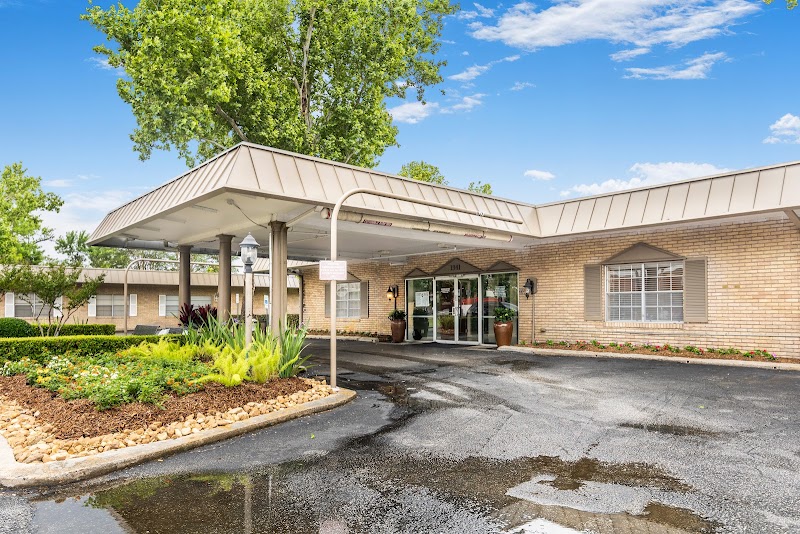
Who Owns and Operates Mememorial City?

MEMEMORIAL CITY NURSING AND REHABILITATION CENTER is owned by a government entity. Government-operated facilities are typically run by state, county, or municipal agencies. The facility is operated by WELLSENTIAL HEALTH, a chain that manages multiple nursing homes. With 187 certified beds and approximately 124 residents (about 66% occupancy), it is a mid-sized facility located in HOUSTON, Texas.
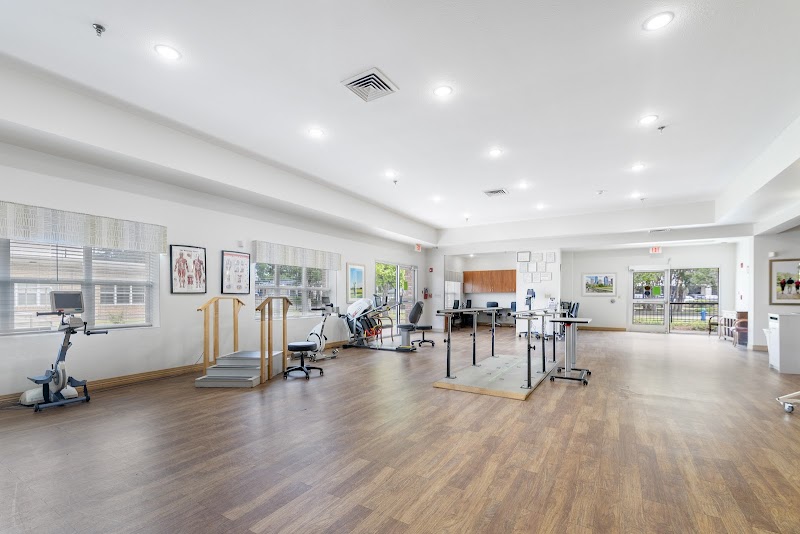
How Does Mememorial City Compare to Other Texas Nursing Homes?

Compared to the 100 nursing homes in Texas, MEMEMORIAL CITY NURSING AND REHABILITATION CENTER's overall rating (2 stars) is below the state average of 2.8, staff turnover (57%) is significantly higher than the state average of 46%, and health inspection rating (2 stars) is below the national benchmark.

What Should Families Ask When Visiting Mememorial City?

Based on this facility's data, families visiting should ask: "What changes have been made since the serious inspection findings, and how are you preventing similar issues?" "How do you ensure continuity of care given staff turnover, and what is your staff retention strategy?" "Can you walk me through typical staffing levels on day, evening, and night shifts?" "Can I visit during a mealtime to observe dining assistance and food quality?" These questions are particularly relevant given the facility's Immediate Jeopardy citations, the facility's high staff turnover rate, and the below-average staffing rating.

Is Mememorial City Safe?

Based on CMS inspection data, MEMEMORIAL CITY NURSING AND REHABILITATION CENTER has documented safety concerns. Inspectors have issued 3 Immediate Jeopardy citations (the most serious violation level indicating risk of serious injury or death). The facility has a 2-star overall rating and ranks #100 of 100 nursing homes in Texas. Families considering this facility should ask detailed questions about what corrective actions have been taken since these incidents.

Do Nurses at Mememorial City Stick Around?

Staff turnover at MEMEMORIAL CITY NURSING AND REHABILITATION CENTER is high. At 57%, the facility is 11 percentage points above the Texas average of 46%. Registered Nurse turnover is particularly concerning at 77%. RNs handle complex medical decisions and coordinate care — frequent RN changes can directly impact care quality. High turnover means new staff may not know residents' individual needs, medications, or preferences. It can also be disorienting for residents, especially those with dementia who rely on familiar faces. Families should ask: What is causing the turnover? What retention programs are in place? How do you ensure care continuity during staff transitions?

Was Mememorial City Ever Fined?

MEMEMORIAL CITY NURSING AND REHABILITATION CENTER has been fined $75,736 across 3 penalty actions. This is above the Texas average of $33,836. Fines in this range indicate compliance issues significant enough for CMS to impose meaningful financial consequences. Common causes include delayed correction of deficiencies, repeat violations, or care failures affecting resident safety. Families should ask facility leadership what changes have been made since these penalties.

Is Mememorial City on Any Federal Watch List?

MEMEMORIAL CITY NURSING AND REHABILITATION CENTER is not on any federal watch list. The most significant is the Special Focus Facility (SFF) program, which identifies the bottom 1% of nursing homes nationally based on persistent, serious quality problems. Not being on this list means the facility has avoided the pattern of deficiencies that triggers enhanced federal oversight. This is a positive indicator, though families should still review the facility's inspection history directly.