Paradigm at Westbury
5201 S Willow Dr, Houston, TX 77035 (713) 721-0297
For profit - Corporation 148 Beds PARADIGM HEALTHCARE Data: November 2025 4 Immediate Jeopardy citations
Trust Grade
0/100
#1076 of 1168 in TX
Last Inspection: March 2025

Within standard 12-15 month inspection cycle. Federal law requires annual inspections.

Overview

Paradigm at Westbury has a Trust Grade of F, which indicates significant concerns about the facility's quality and care. It ranks #1076 out of 1168 nursing homes in Texas, placing it in the bottom half of facilities statewide, and #89 out of 95 in Harris County, meaning only a handful of local options are worse. Although the trend shows some improvement, with issues decreasing from 19 in 2024 to 9 in 2025, the facility still faces serious challenges, as evidenced by the concerning staffing turnover rate of 64%, which is above the Texas average of 50%. Additionally, they have incurred $104,793 in fines, which is higher than 77% of Texas facilities, raising red flags about compliance issues. Specific incidents include failures to maintain a safe environment, inadequate respiratory care leading to hospitalizations, and a lack of supervision for residents who smoke, all of which highlight critical gaps in resident safety and care quality. Overall, while there are some signs of improvement, families should weigh these serious weaknesses against any potential strengths when considering this facility.
Trust Score
F
0/100
In Texas
#1076/1168
Bottom 8%
Safety Record
High Risk
Review needed
Inspections
Getting Better
19 → 9 violations
Staff Stability
⚠ Watch
64% turnover. Above average. Higher turnover means staff may not know residents' routines.
Penalties
✓ Good
$104,793 in fines. Lower than most Texas facilities. Relatively clean record.
Skilled Nurses
⚠ Watch
Each resident gets only 27 minutes of Registered Nurse (RN) attention daily — below average for Texas. Fewer RN minutes means fewer trained eyes watching for problems.
Violations
⚠ Watch
44 deficiencies on record. Higher than average. Multiple issues found across inspections.
★☆☆☆☆
1.0
Overall Rating
★☆☆☆☆
1.0
Staff Levels
★★★☆☆
3.0
Care Quality
★☆☆☆☆
1.0
Inspection Score
Stable
2024: 19 issues
2025: 9 issues

The Good

  • Full Sprinkler Coverage · Fire safety systems throughout facility
  • No fines on record

Facility shows strength in fire safety.

The Bad

1-Star Overall Rating

Below Texas average (2.8)

Significant quality concerns identified by CMS

Staff Turnover: 64%

18pts above Texas avg (46%)

Frequent staff changes - ask about care continuity

Federal Fines: $104,793

Well above median ($33,413)

Significant penalties indicating serious issues

Chain: PARADIGM HEALTHCARE

Part of a multi-facility chain

Ask about local staffing decisions and management

Staff turnover is elevated (64%)

16 points above Texas average of 48%

The Ugly 44 deficiencies on record

4 life-threatening 3 actual harm
Aug 2025 1 deficiency 1 IJ (1 affecting multiple)
CRITICAL (K) 📢 Someone Reported This

A family member, employee, or ombudsman was alarmed enough to file a formal complaint

Immediate Jeopardy (IJ) - the most serious Medicare violation

Respiratory Care (Tag F0695)

Someone could have died · This affected multiple residents

**NOTE- TERMS IN BRACKETS HAVE BEEN EDITED TO PROTECT CONFIDENTIALITY** Based on observation, interview, and record review the facility failed to ensure that residents who need respiratory care are pr...

Read full inspector narrative →
**NOTE- TERMS IN BRACKETS HAVE BEEN EDITED TO PROTECT CONFIDENTIALITY** Based on observation, interview, and record review the facility failed to ensure that residents who need respiratory care are provided such care consistent with professional standards of practices for 5 of 5 residents (CR # 1, Resident #2, Resident #3, Resident #4, and Resident #5) reviewed for respiratory care related to tracheostomy care. The facility failed to train nurses on tracheostomy care, including LVN A. On 8/21/2025, LVN A noticed CR #1's trach appeared to be at an angle and when CR # 1 was repositioned, his entire tracheostomy was out and, on his chest below his chin. Attempts to reinsert the tracheostomy canula were unsuccessful as the stoma was closed. CR # 1 was admitted to the hospital with evidence of prolonged decannulation SNF stay. The facility failed to ensure licensed nursing staff were trained to provide tracheostomy care for CR # 1, Resident # 2, Resident # 3, Resident # 4 and Resident # 5 An Immediate Jeopardy (IJ) situation was identified on 8/27/2025. The IJ template was provided to the facility on 8/27/2025 at 1:15 p.m.,. While the IJ was removed on 8/28/2025 at 4:13 pm the facility remained out of compliance at a scope of pattern and a severity level of potential for more than minimal harm that is not immediate jeopardy because all staff had not been trained and due to the facility's need to evaluate the effectiveness of thee corrective systems. This failure could place residents at risk for respiratory distress, serious injury harm, impairment or death. Record review of CR # 1's face sheet, dated 8/22/2025, revealed he was a [AGE] year-old male that had been admitted on [DATE] with diagnoses of Cerebral Infarction due to unspecified Occlusion and Stenosis of unspecified Cerebral Artery (a medical condition where a blood vessel in the brain becomes blocked or narrowed, leading to a loss of blood flow to the brain.), Type 2 Diabetes Mellitus (a chronic metabolic disorder characterized by high blood sugar (glucose) levels), Hemiplegia-unspecified affecting right dominant side(a condition where there is paralysis or weakness on one side of the body (hemiplegia), and the affected side is the dominant (usually the right) side of the brain, Convulsions (uncontrolled and involuntary rapid tensing and relaxing of muscles, causing the body to shake) and Hypertension (a chronic condition characterized by persistently elevated blood pressure levels). Record review of CR # 1' s MDS, dated [DATE], indicated CR # 1 had a BIMS score of 6 (cognitive impairment). CR # 1 was total dependent and required assistance of two people for all ADLs. CR # 1 was always incontinent (unable to control) of bowel and bladder. CR #1 sometimes make was able to make self-understood ad understood other.Record review of CR #'1 care plan, dated 8/14/2025, revealed it did not address he had a tracheostomy (direct airway into the trachea (windpipe) through a surgical incision in the neck) or the care of the tracheostomy. Record review of CR # 1's physician order report start date 7/17/2025 and no end date revealed, CR # 1 trach care: HOB- elevate head of bed every shift, suctioning-every shift suction, trach tie-every day shift every 7 days, change tubing and mask-every shift every Sunday, 5L O2 via trach collar (to help patients breathe independently after a tracheostomy, to deliver humidified air or medications, and to facilitate weaning from mechanical ventilation)continuously. Titrate to keep O2>90% every shift, disposable inner cannula (is a single-use plastic tube that fits inside the main, or outer, tracheostomy tube) every day shift change, oral care-every shift provide oral care, site dressing-every shift trach site clean.Record review of CR # 1's progress notes documented by LVN A, dated 8/21/2025 at 9:25 pm read in part change of condition identified dislodged tracheostomy tube. [ What do you think is going on with the resident. Nurse in patient's room for medication administration nurse noticed patient's trach is tilted to the side upon assessment when the 4x 4 gauze is removed the trach is observed laying on the patient's chest. An attempt made to replace the trach unsuccessful. The step-down trach unable to enter as well. [ CR # 1] oxygen saturation fluctuating 88%-91% patient bagged. Oxygen saturation increased to 97 %. 911 called, patient transferred to a {local hospital emergency room} for trach replacement.Record review of CR #1's hospital records, dated 8/22/2025, revealed, No distal tracheostomy tract appreciated with tracheoscopy, trach has likely been out for extended period. Stoma (a surgically created opening on the abdomen to an internal organ) significantly stenosed to size barely larger than flexible laryngoscope. Evidence of prolonged decannulation during SNF stay.Record review of CR # 1's hospital progress notes, dated 8/27/2025, read in part [CR # 1] was recently admitted to a local hospital on 6/19/2024 altered mental status , acute metabolic encephalopathy complicated by aspiration pneumonia which required prolonged intubation and eventually trach placement on 7/3/2025. [CR#1] was administered for respiratory monitoring due to trach dislodgement after an unknown period.Record review of Resident # 2's face sheet dated 8/28/2025 revealed Resident # 2 was a [AGE] year-old male that admitted to the facility on [DATE] with diagnoses of acute respiratory failure with hypoxia (a life-threatening condition where the lungs fail to adequately exchange oxygen and carbon dioxide, resulting in low blood oxygen levels), diabetes mellitus (a chronic metabolic disorder characterized by high blood sugar (glucose) levels), narcolepsy without cataplexy (a type of narcolepsy characterized by excessive daytime sleepiness (EDS) but without the sudden loss of muscle tone (cataplexy) that is typically associated with narcolepsy), and tracheostomy status ( refers to a patient having an existing tracheostomy, indicated by a stoma or opening in the neck to the windpipe (trachea), often using a tracheostomy tube).Record review of Resident # 2's MDS, dated [DATE], indicated Resident # 2 was unable to perform the BIMS. Resident # 2 was active diagnosis included Acute Respiratory Failure with Hypoxia (life-threatening condition where the lungs fail to adequately exchange oxygen and carbon dioxide, resulting in low blood oxygen levels) Resident # 2 was total dependent and required assistance of two people for all ADLs. Resident # 2 was always incontinent (unable to control) of bowel and bladder. Resident # 2 was unable to communicate. Resident # 2 rarely self-understood and rarely understood other. Record review of Resident # 2's care plan dated, 8/26/2025, revealed: Focus-Resident # 2 had a tracheostomy and is at risk for changes in secretions, infection, and respiratory distress. Goal: Resident # 2 would not experience no adverse effects through the review date (target date 9/8/2025). Interventions: conduct routine equipment maintenance and changes as indicated, emergency equipment: ambu bag (a portable, handheld device used to provide positive pressure ventilation to patients who are not breathing or are not breathing adequately), and spare trach (a crucial piece of emergency equipment for individuals with a tracheostomy, in case the original tube becomes dislodged, blocked, or damaged), encourage resident to keep head of bed elevated, follow physicians orders: O2 administration, medication administration, labs and x-rays, notify the physician of any adverse findings/changes, and observe for needed suctioning of increased secretions/congestion suctioning-assess for relief, observe for signs and symptoms of infection (redness, swelling, warmth, pain, increased secretions, malodorous secretions, bleeding), and provide tracheostomy site care as ordered. Record review of Resident # 3's face sheet, dated 8/28/2025, revealed Resident # 3 was a [AGE] year-old male that was admitted to the facility on [DATE] with diagnoses of acute and chronic respiratory failure with hypoxia (occur when there isn't enough oxygen in the blood), encephalopathy ( a general term for a condition that affects brain function), respiratory disorders in diseases classified elsewhere (lung or airway conditions caused by an underlying, systemic disease), and tracheostomy status (refers to a patient having an existing tracheostomy, indicated by a stoma or opening in the neck to the windpipe (trachea), often using a tracheostomy tube).Record review of Resident # 3's MDS, dated [DATE], re-entry from an acute hospital. Resident # 3 was unable to perform the BIMS. Resident # 3 was total dependent and required the assistance of two people for ADLs. Resident # 3 was always incontinent (unable to control) of bowel and bladder. Resident # 3 had a tracheostomy. Record review of Resident # 3's care plan, dated 8/26/2025, revealed it did not address he had a tracheostomy or the care of the tracheostomy.Record review of Resident # 4's face sheet, dated 8/28/2025, revealed Resident # 4 was a [AGE] year-old that admitted to the facility on [DATE] with diagnoses of cerebral infarction due to the thrombosis of right middle cerebral artery (an ischemic stroke where a clot blocks the right MCA (middle cerebral artery), starving a portion of the right brain of blood and oxygen) tracheostomy status, atrioventricular block (a condition where the electrical signals that control the heartbeat do not properly travel from the atria (upper chambers of the heart) to the ventricles (lower chambers)), and dependence on supplemental oxygen (the need for continuous or intermittent supplemental oxygen therapy to maintain adequate oxygen levels in the body).Record review of Resident # 4's MDS, dated [DATE], indicated Resident # 4 was unable to conduct BIMS. Resident # 4 was total dependent and required the assistance of two people for ADLs. Resident # 4 was always incontinent of bladder and bowel. Resident # 4 had a tracheostomy. Resident # 4 was unable to communicate with others. Record review of Resident # 4's care plan, dated 7/21/2025, revealed Focus: Resident# 4 had a tracheostomy related to chronic respiratory failure, and is at risk for increased secretion, congestion and infarctions; Goal: Resident # 4's secretions/congestion would be relived with suctioning or medications and will have no occurrence of infection over the next 90 days; Interventions: encourage Resident # 4 to keep head of bed elevated, ensure all equipment is in proper working order each shift, give medication per order-monitor labs/x-rays- report result to physician, keep extra same tracheostomy size equipment and /or next smaller size-down in room; observe for needed suctioning of increased secretions/congestion-provide suctioning -assess for relief, and observe for sign and symptoms of infection-report to physician. Record review of Resident # 5's face sheet dated, 8/28/2025, revealed Resident # 5 was a [AGE] year-old female who admitted to the facility on [DATE] with diagnoses of acute respiratory failure, unspecified whether with hypoxia or hypercapnia (a medical condition in which the lungs fail to adequately exchange oxygen and carbon dioxide gases in the blood), anoxic brain damage (a condition where the brain does not receive enough oxygen, leading to brain cell damage or death), and tracheostomy status. Record review of Resident # 5's MDS, dated [DATE] indicated Resident # 5 was unable to perform BIMS. Resident # 5 was total dependent and required the assistance of two people for all ADLs. Resident # 5 was always incontinent of bowel and had a foley catheter (tube into the bladder to drain urine). Resident # 5 had a tracheostomy. Resident # 5 was unable to communicate. Record review of Resident # 5's care plan, not dated, revealed: Focus: Resident # 5 had a tracheostomy and was at risk for changes in secretions, infection, and respiratory distress; Goal: Resident # 5's tracheostomy would experience no adverse effect through the review date (target date 8/31/2025); Interventions: conduct routine equipment maintenance and changes as indicated, emergency equipment: Ambu Bag and Spare Trach to bedside, encourage resident to keep head of bed elevated, follow Physicians orders: O2 administration, medication administration, labs and x-ray, notify the physician of any adverse findings and changes, observe for signs and symptoms of infection, and provide tracheostomy site care as ordered. Observation of Resident # 2 on 8/26/2025 at 11:06 am revealed he had an ambu bag and emergency tracheostomy supplies at the bedside as well as ample supplies of saline, suction tips and tubing including yankauer ( is a suctioning tool used in medical procedures) and was a 7 Shiley (type of breathing tube, specifically a tracheostomy tube) with adequate supplies of extra Shiley's at bedside. He had Jevity 1.5 hanging and infusing via pump at 85/hr. with water bolus infusing via pump as well at 40ml/hr. Both were dated and labeled 8/26/25. His tracheostomy tubing was connected via bedside concentrator at 4/L/min (refers to supplemental oxygen administered at a flow rate of 4 liters per minute) with humidified air water bottle dated 8/23/25 and trach tubing dated 8/26/25. O2 in use and EBP signs posted with EBP supplies readily available at bedside.Observation of Resident # 4 on 8/26/2025 at 11:37 a.m., revealed Resident # 4's O2 in use and EBP signs posted. Resident was resting in bed appropriately dressed and groomed. His call light was within reach and his facial beard was clean and trimmed as well as his fingernails. He had Jevity 1.5 infusing via pump at 65 ml/hr. with water bag flush connected and infusing via pump at 50 ml/hr. Both bags were dated 8/25/25. Resident was able to nod his head yes and no in response to questions, He nodded yes when asked if he was ok. His bedside concentrator was set at 5/L/min and infusing via trach tubing. Trach tubing was dated 8/25/25.Interview with the RT on 8/26/2025 at 11:28 a.m., she said that she provided facility nursing staff training at the facility yearly and prn. She said that training included return demonstrations and in-services on cleaning, maintenance and changing or trach as well as emergency care. Observation of CR # 1 on 8/27/2025 at 3:10 pm at a local hospital, revealed CR #1 was lying in bed asleep. CR # 1 did not have a tracheostomy at the time of this visit. Hospital Nurse A stated that CR# 1 was stable. Hospital Nurse A declined to provide any additional information regarding CR #1. Interview with the ADON on 8/26/2025 at 6:01 pm she stated that a Respiratory Therapist trained the nursing staff on Tracheostomy care. She stated she had not been trained on Tracheostomy care while working at this facility. Interview with the Administrator on 8/26/2025 at 6:15 pm, investigator inquired about tracheostomy training for nursing staff who were scheduled for 8/26/205 on the pm shift. (LVN A, LVN B, and LVN C). He stated that these nurses had not been trained by this facility on tracheostomy care. He stated he would conduct an Audit on Tracheostomy care training.Interview with LVN A on 8/26/2025 at 6:48 p.m., who said she was CR #1's charge nurse on the evening of 8/21/25. She said she did initial rounds at the beginning of her shift 6pm-6am which included checking CR #1 at the bedside, but only saying hello and CR #1 appeared to be breathing normally and in no apparent distress. LVN A said she did not notice any abnormalities with CR #1's tracheostomy at that time and continued her initial resident rounds. LVN A said she did not recall the time, but more than an hour later she returned to CR #1's bedside to provide medications and obtain vital signs and noticed CR #1's trach appeared to be at an angle, so she asked CNA A to assist her with repositioning the resident and when CR #1 was repositioned she noticed his entire tracheostomy was out and sitting on his chest below his chin. LVN A said she attempted to reinsert the tracheostomy canula but the surface of the stoma was closed. She grabbed the emergency kit at the bedside and attempted to utilize the step down (a downsized tube size) shiley (a type of tracheostomy tube) but that did not work either, so she initiated a code which included activation of 911. LVN A said they did not know how long CR #1's tracheostomy tube had been out. LVN A said she had not been trained at or by the facility to perform tracheostomy care. LVN A said she did not remember any competency or return demonstration trainings or assessments at this facility. Interview with LVN B on 8/26/2025 at 7:20pm revealed she worked at facility for 3 months and had not been trained or in-serviced on Trach care. She said she had worked with 1 current facility tracheostomy resident, CR # 1 and also worked the night CR #1 had his change in condition. LVN B said she did not attempt to reinsert CR #1's Tracheostomy tube on 8/21/25 because it did not look like it could be reinserted without causing additional trauma. LVN B explained that CR #'1 tracheostomy site appeared to have closed already. LVN B said she felt comfortable providing trach care to CR #1 even though she had not been trained by this facility on trach care. Interview with LVN C on 8/26/2025 at 7:37pm who said she had worked at facility for about 1 year and was trained tracheostomy care with a return demonstration about 3 weeks to a month ago. LVN C said the ADON did training with her early in the morning. LVN C said they had never done any training with an RT at this facility and never received trach training certificate at this facility. The surveyor notified the Administrator on 8/27/2025 at 1:15 pm., that they had a current Immediate Jeopardy related to respiratory/tracheostomy care. The IJ template was emailed to the to the Administrator on 8/27/2025 at 1:37 pm and a Plan of Removal was requested. The plan of removal was accepted on 8/27/2025 at 7:20 p.m. and included: Plan of Removal: Date: August 27, 2025 Immediate Action: According to the IJ Template, F695 Respiratory/Tracheostomy care and suctioning. The facility failed to ensure that CR # 1 who needed respiratory care, including tracheotomy care, circuit was attached appropriately causing it to become dislodged. The facility failed to ensure licensed nursing staff were trained to provide tracheostomy care. Resident #1 was transferred on 8/21/2025 to the ER and remains in the hospital.The four tracheostomy residents in house were assessed by the Respiratory Therapist and Director of Nursing on 8/27/25, residents were stable, and no signs of respiratory distress or complications were identified. The Respiratory Therapist validated that each resident had the correct tracheostomy supplies at bedside and the required emergency equipment readily available. On 8/27/25, the Respiratory Therapist provided tracheostomy care education and completed skill validation for the Director of Nursing. On 8/26/25, the Regional Nurse Consultant provided one-on-one training to the nurse on duty, covering tracheostomy care and suctioning procedures. A skills validation was completed during the session to ensure the nurse demonstrated competency with facility protocols. No issues were identified.Action: All licensed nursing staff will receive education and skills validation on tracheostomy care and suctioning, to be provided by a Respiratory Therapist and/or DON/ADON. The training will include: Routine tracheostomy care Suctioning of artificial airways Emergency response procedures, including accidental decannulation Signs and Symptoms of respiratory distress Oxygen TherapyA skills check-off will be completed to verify competency. Licensed nursing staff will not be allowed to work their next scheduled shift until both the education and competency validation have been completed. All newly hired licensed staff will receive this training as part of their orientation process. They will not be allowed to accept independent assignments until their skill check-off has been completed and approved by respiratory therapy or clinical leadership.Responsible: Director of Nursing Completion: August 28, 2025 Action: Ad Hoc QAPI conducted on 8/27/25 with Medical Director, Administrator, DON, & ADON regarding IJ F695.Responsible: Administrator/Director of NursingCompletion: August 27, 2025 Action: Administrator reviewed the facility policy for tracheostomy care and suctioning. No changes were made. Completion: August 27,2025 Monitoring: Observation of Resident #2 on 8/28/2025, revealed Resident # 2 was lying in bed and Resident # 2 did not display signs or symptoms of respiratory distress. A second emergency cannula kit was observed at the bedside. Observation of Resident # 3 on 8/28/2025 revealed Resident # 3 was lying in bed, and Resident # 3 did not display signs or symptoms of respiratory distress. A second emergency cannula kit was observed at the bedside. Observation of Resident # 4 on 8/28/2025 revealed Resident # 4 was lying in bed, and Resident # 4 did not display signs or symptoms of respiratory distress. A second emergency cannula kit was observed at the bedside. Observation of Resident # 5 on 8/28/2025 revealed Resident # 5 was lying in bed, and Resident # 5 did not display sign or symptoms of respiratory distress. A second emergency cannula kit was observed at the bedside. In a telephone interview with LVN B on 8/28/2025 at 11:10 am she stated that she was reeducated on 8/26/2025 by the Regional Nurse and the education included Respiratory training, education and competencies including tracheostomy care, administration of inhalation medication and oxygen services via tracheostomy and the location of the second cannula. She stated that she completed a returned demonstration, and she felt competent performing tracheostomy care. LVN B stated that she previously received tracheostomy training at another facility; she stated she could provide proof of this training. In a telephone interview with LVN C on 8/28/2025 at 11:25 am she stated that she was reeducated on 8/26/2025 by the Regional Nurse and the education included Respiratory training, education and competencies including tracheostomy care, administration of inhalation medication and oxygen services via tracheostomy and the location of the second cannula. She stated that she completed a returned demonstration, and she felt competent performing tracheostomy care. LVN C stated that she previously received tracheostomy training at another facility; she stated she could provide proof of this training. In a telephone interview with LVN A on 8/28/2025 at 2:15 pm she stated that she was reeducated on 8/26/2025 by the Regional Nurse and the education included Respiratory training, education and competencies including tracheostomy care, administration of inhalation medication and oxygen services via tracheostomy and the location of the second cannula. She stated that she completed a returned demonstration, and she felt competent in performing tracheostomy care. LVN A stated that she previously received tracheostomy training at another facility; she stated she could provide proof of this training. On 8/28/2025 telephone interviews were conducted with LVN D, LVN, E, LVN F, LVN G, LVN H, LVN I, LVN J, AND RN A. All staff stated they were in-serviced on tracheostomy care and management. All staff reported the completed a returned demonstration and felt competent in performing tracheostomy care. These staff worked various shifts to include morning shift, night shift and weekend shifts. Record review of the facility policies and procedures for Tracheostomy Management, dated 5/2022, revealed Licensed Nurses providing care for residents with tracheostomies will be trained on tracheostomy care. Precautions/Side Effect: accidental decannulation Record review of the facility policies and procedures for Tracheostomy Care, dated 11/22, read in part Tracheostomy care is performed aseptically for cleaning of the tracheostomy tube and soma site, to prevent plugging of the tracheostomy tube, to prevent airway obstruction, to prevent infection of trach site, and to maintain a patent airway for suctioning. Precaution /side effect(s): accidental decannulation. On 8/28/2025 at 4:13 p.m., the administrator was informed the IJ was removed; however, the facility remained out of compliance at a scope of pattern and a severity level of potential more than minimal harm that is not immediate jeopardy because all staff had not been trained on 8/26/2025.
May 2025 1 deficiency
CONCERN (D) 📢 Someone Reported This

A family member, employee, or ombudsman was alarmed enough to file a formal complaint

Potential for Harm - no one hurt, but risky conditions existed

Safe Environment (Tag F0584)

Could have caused harm · This affected 1 resident

**NOTE- TERMS IN BRACKETS HAVE BEEN EDITED TO PROTECT CONFIDENTIALITY** Based on observation, interview and record review the facility failed to provide a safe, clean, comfortable and homelike enviro...

Read full inspector narrative →
**NOTE- TERMS IN BRACKETS HAVE BEEN EDITED TO PROTECT CONFIDENTIALITY** Based on observation, interview and record review the facility failed to provide a safe, clean, comfortable and homelike environment, for daily living for residents living on 1 of 4 halls (Hall D) reviewed for resident rights in that: 1. Four rooms on Hall D (westside of building) had room temperatures of more than 81 degrees Fahrenheit (rooms 404, 405, 406, and 407). This failure could have caused hyperthermia, hospitalization, and a diminished quality of life. Findings Included: Hall D Observation of Rooms #404, 405, 406, and 407 on 5/1/2025 at 10:34 a.m. had the following room temperatures: room [ROOM NUMBER] -temperature was 84.0 degrees Fahrenheit. room [ROOM NUMBER]- temperature was 82.4 degrees Fahrenheit. room [ROOM NUMBER]- temperature was 82.2 degrees Fahrenheit. room [ROOM NUMBER]- temperature was 81.5 degrees Fahrenheit. Observation on 5/1/2025 at 10:34am of the wall thermostat located between room [ROOM NUMBER] and #404 had a temperature of 86 degrees. Observation on 5/1/2025 at 10:42am revealed a cart across from nursing station on Hall D (400) revealed 2 large coolers, a blue cooler was filled with ice and a yellow and red cooler had water. Observation on 5/1/2025 at 1:14pm, the wall thermostat located between rooms [ROOM NUMBERS] had a temperature of 88 degrees Fahrenheit. Record review of the facility's floor plan revealed: Hall D(400) was a L shaped hall. Rooms 401-407 was at the end of the hall (Westside) and rooms 408-423 were after passed the nursing station to the right (Southwest). Record review of Maintenance room/air temperature logs revealed: -Room temperatures had been taken between 4/25/2025-5/1/2025 4/25/2025 -Temperatures taken at 1pm and 3pm 1:00pm- Rooms 403, 404, 405 and 406 had temperatures of 82 degrees Fahrenheit. 3:00pm- Only room # 403 and 406 had temperatures of 81.9 and rooms [ROOM NUMBERS] had temperatures of 81.9 degrees Fahrenheit. 4/26/2025 and 4/27/2025- None of the rooms were documented with temperatures over 81 degrees Fahrenheit. 4/29/2025- Room temperatures were taken at 8:30am, 11:30am, 1:30pm, 3:30pm, and 5:30pm- room [ROOM NUMBER] room temperature rose to 82 degrees Fahrenheit at 3:30pm. 5/1/2025- Room temperatures were taken at 8:30 and 10am- At 10:00am room# 404 and 406 rose to 82 degrees Fahrenheit. Record review of invoice from a local HVAC company revealed the scope of their work on 4/25/2025 was the following: -Pull permit for removal of old chiller -Remove attic unit and haul away debris -Provide and install (2) 5-ton condensers, (2) air handlers, (2) heat kits, (2) drain pans, (4) float switches, (1) furnace switches, and flush copper lines -Electricians to install dedicated electrical wiring and breakers for (2) air handler units. Record review of TULIP on 5/1/2025 revealed no incidents had been called into CII. Further, the facility was on initially certified on 1/26/1998. An interview with the Maintenance Director on 5/1/2025 at 10:20 am, revealed the HVAC system started having cooling issues on 4/25/2025. He stated that the chillers had to be replaced for two units. He said that 2 units had been ordered but they were waiting on an electrician to come and complete the work. He said the electricians were on their way to the facility and after they completed the electrical work, the system should be up and running. Observation rounds ensued with him. He said portables were installed immediately, but Hall D only had one return for hot air to circulate. He said the portables were immediately placed down Hall D with room numbers 401-407 were located; and two portables were placed on the other part of Hall D where 408-415 because this part of the hall had two return vents. He stated the facility had about 5 fans and they had been disbursed to residents requesting one. He said upper management were aware of not all the residents having a fan in their rooms. He stated that the wall thermometer between rooms #403 and #404 controlled the temperatures in rooms 401-407. An observation and interview with Resident #1 at 10:38am, he stated that the air had been down, and his room was hot for about 6-8 days. Observation of his room revealed he had no fans, and it was warm in this room. He said he did not ask for a fan. He said management knew the air conditioning was down. He said he was doing fine despite the heat. He said he did not want to change rooms. Observation and Interview with Resident #2 on 5/1/2025 at 11:13am, he had been a resident for about one year he stated the air conditioner had been out before but for only two days. He stated the problem with the air conditioner not cooling this time started on last Wednesday (4/24/2025) or Thursday (4/25/2025). He stated staff did bring him a fan after he requested one. Observation of a floor oscillating fan at his bedside another fan was observed on the dresser near the TV and one standing fan facing his roommate. Resident #2 did not have a shirt on. He was covered by a sheet. He stated he was hot and preferred not to have clothing on. An interview with RN A on 5/1/2025 at 11:35am, she stated she worked at the facility part-time and had been an employee for three to four years. She stated most times she worked Hall D and stated that she had been out for about a month and returned to work on April 30th she stated that she did have a few complaints from residents in room [ROOM NUMBER] and 404 but no residents have been sent out to the hospital due to the heat. She said the nurses worked 12-hour shifts and her shift was 6:00 AM until 6:00 PM. She stated that she is constantly rounding and checking for comfort and stated that rooms 404, 403,406 were all located on the [NAME] side of the building where the sun hit. She stated that she offered the residents to come out of the rooms during the day and sit in the dining area and other places that were a little bit cooler. Some residents preferred this, while others wanted to remain in their rooms. She said she none of the residents asked her for a fan. She said the heat could have caused a heat stroke, or hyperthermia. She stated they did not have any residents that were hospitalized due to air conditioning issue. An interview with CNA A on 5/1/2025 at 11:48am, she had worked on hall D for almost a month. She said she normally worked the 6a-2pm shift and Hall A. She stated while working they have been sweating and multiple residents complained about the heat. She said throughout the day, she had been standing in front of the portable to cool off. She said the nurses were doing rounds as well as the CNAs. She said everybody in the building was aware that the air was not working properly. She said it is important for the residents and staff to stay hydrated. She said she had asked the residents if they wanted their doors opened, but opening the doors could have caused privacy issues. She said without air circulating throughout the rooms it was very hot. An interview with RN B on 5/1/2025 at 1:19pm, she said she had been employed for 2 months PRN. She said on Sunday (April 27th) she worked and found it to be hot down Hall D and in the rooms. She said she called Maintenance because he was not usually there on weekends. She said she was told the electrician would be there on the following day to complete the electrical parts for the air conditioning to work. She said her job as a nurse was to ensure that the residents had water and ice to keep cool. She said she offered to open the residents' doors and even to come out during the daytime in cooler areas. She said heat strokes and dehydration could have happened due to the broken air conditioning system. She said the key was keeping the residents hydrated until it was fixed. She stated no residents had been sent out due to the heat. A subsequent observation and interview with the Maintenance Director on 5/1/2025 at 3:03pm, it had been pointed out to him that there was a discrepancy in the temperature logs that were submitted by the Administrator. Observations ensued again and he took temperatures for each of the following rooms: Thermometer located on Hall D now read 87 degrees Fahrenheit near room [ROOM NUMBER]. room [ROOM NUMBER]- 84 degrees room [ROOM NUMBER]- 82.7 degrees room [ROOM NUMBER]- 81.3 degrees room [ROOM NUMBER] - 81.3 degrees He said the vents should be pushing at least 65 degrees from the vents now that the electrical work had been completed. He said it might take longer for the area to cool down. An interview with the DON on 5/2/2025 at 1:08pm, DON, she said she had communicated with the residents, and she was told they were okay and none of them wanted their doors opened for the air to circulate. She said she had no complaints from residents and no requests for fans. She said the air conditioning not working when it was warm outside could have caused residents to have heat exhaustion, and dehydration could have been a concern. She was asked if she would have done anything differently, she said she should have asked the residents about room changes or a fan would be offered in the future even if they say they are ok or do not want to leave the room to go to cooler areas. An interview with the Administrator on 5/2/2025 at 2:04pm, he stated they noticed that the building was getting warm on last week in particular Hall D. He said they had a company come out to charge the system, but it did not hold a charge. He said they immediately ordered the portables. He said the units came in on Monday (4/28/2025) the air conditioning units had to be pulled from the roof and then the new units installed. They had to then schedule the electrician to come out to do all the electrical work. He said the management team did Ambassador rounds and checked to ensure the residents were ok. He said they offered to move them, but no one wanted to be moved. He said he had some rooms they could have gone to, but they preferred to remain in their current rooms. He said the residents that resided in rooms with temperatures over 81 degrees could have suffered from dehydration and other negative results. The facility nurses and staff provided ice and water to the residents. He said he also purchased 20 fans on yesterday (5/1/2025). Record review of the facility's resident rights policy revised on 6/2019 stated it is the policy of this facility that the facility staff will provide the residents with the right to an environment that preserves dignity and contributes to a positive self-image. 7. Create a home-like environment for the residents that included: (e) Proper temperature and ventilation. (h) Comfortable and safe temperature levels. Record review of TULIP on 5/2/2025 revealed there were no incidents called in to HHSC CII to for this issue. Further, the facility was initially licensed on 1/26/1998.
Mar 2025 5 deficiencies
CONCERN (D) 📢 Someone Reported This

A family member, employee, or ombudsman was alarmed enough to file a formal complaint

Potential for Harm - no one hurt, but risky conditions existed

Garbage Disposal (Tag F0814)

Could have caused harm · This affected 1 resident

Based on observation, interview and record review, the facility failed to dispose of garbage and refuse properly for 1 of 1 garbage dumpsters reviewed for disposal of garbage. The facility failed to e...

Read full inspector narrative →
Based on observation, interview and record review, the facility failed to dispose of garbage and refuse properly for 1 of 1 garbage dumpsters reviewed for disposal of garbage. The facility failed to ensure 1 of 1 dumpster lid was secured. This failure could place residents at risk for exposure to germs and diseases carried by vermin and rodents. Finding included: Observation on 03/25/25 at 8:19 AM of the facility's dumpster location revealed the dumpster lid was open with debris on the outside of the dumpster. Interview on 03/27/25 at 10:52 AM with the Dietary Manager , she said she had worked at the facility for 8 months. She said the entire facility used the dumpster, but she knew the kitchen staff were responsible for making sure the dumpster lids were closed. She said some of the staff had a hard time closing the lid on the dumpster. The Dietary Manager said they had to use a stick to open and close the dumpster lid. The Dietary Manager said if the lids were left open it could attract more rodents. Interview on 03/27/25 at 3:31PM with [NAME] A, who worked at the facility for 6 months, he said the dumpster should be always closed. He said the expectation was for the area around the dumpster to be cleaned and the dumpster lid to be closed at all times. He said rodents can get into the dumpster. Interview on 03/28/25 at 10:27 AM with the Administrator who said the dumpster should be closed. He said he was trying to get a new dumpster because it was hard to close. He said making sure the dumpster was closed had been discussed with staff on 03/17/25. He said the risk of having the dumpster open was rodents and vermin. Record review of the facility's Nutrition Services Policies and Procedures policy, revised 06/2019 revealed in part . Policy: Waste will be disposed of in a manner to prevent transmission of disease, nuisance or breeding place for insects and feeding places for rodents and other mammals. Procedure: 5 Cover waste containers and close dumpsters at all times .
CONCERN (E) 📢 Someone Reported This

A family member, employee, or ombudsman was alarmed enough to file a formal complaint

Potential for Harm - no one hurt, but risky conditions existed

Pharmacy Services (Tag F0755)

Could have caused harm · This affected multiple residents

**NOTE- TERMS IN BRACKETS HAVE BEEN EDITED TO PROTECT CONFIDENTIALITY** Based on observation, interview, and record review, the facility failed to provide pharmaceutical services (including procedures...

Read full inspector narrative →
**NOTE- TERMS IN BRACKETS HAVE BEEN EDITED TO PROTECT CONFIDENTIALITY** Based on observation, interview, and record review, the facility failed to provide pharmaceutical services (including procedures that assure the accurate acquiring, receiving, dispensing, and administering of all drugs and biologicals) to meet the needs of each resident. -MA J would have administered the incorrect dosage if not for Surveyor intervention. -Five medications for Resident #66 were not available. -The facility failed to ensure Midodrine (a blood pressure (BP) medication given to elevate hypotension (low blood pressure) was administered 17 times in March to Resident #96 as ordered on 12/01/2024 by the physician. -The facility failed to ensure Resident #72 was not administered insulin outside of the parameters. These failures could place residents at risk of not receiving desired therapeutic outcomes, increased side effects, or a decline in health. Findings included: Resident #66 Record review of the admission Record for Resident #66 revealed he was [AGE] years old and was admitted to the facility on [DATE]. His diagnoses included, but were not limited to, major depressive disorder, muscle weakness, and hypertension (high blood pressure). Record review of the March 2025 Physician's Orders for Resident #66 revealed: Isosorbide Mononitrate ER [extended release] 24-hour 30 mg. Give one by mouth one time a day for hypertension. Duloxetine HCL [hydrochloride] Oral Capsule Delayed Release Particles 60 mg. Give one capsule by mouth in the morning for anxiety. Amlodipine Besylate 10 mg give one tablet by mouth one time a day related to essential hypertension. Calcium + Vitamin D3 oral tablet 600 - 10 mg-mcg (Calcium Carbonate - Cholecalciferol) Give 1 tablet by mouth one time a day for calcium deficiency. Fenofibrate Oral tab 160 mg Give 1 tablet by mouth in the morning for cholesterol. Vitamin D (Ergocalciferol) oral capsule 50 mcg. Give 1 capsule by mouth in the morning for Vitamin D deficiency. Observation on 03/26/25 at 9:10 a.m. revealed MA J prepared to administer medications to Resident #66. LVN I was standing at her medication cart outside of Resident #66' room. Continued observation revealed MA J entered the room and retrieved Resident #66' blood pressure. It was 166 mmHg, and the pulse was 94. She informed LVN I, who said to give the medications. Continued observation revealed MA J returned to her cart and began dispensing medications for Resident #66. The following medications were not available: Eliquis 5 mg (1), Amlodipine 10 mg (1), Isosorbide mononitrate 30 mg (1), Duloxetine HCl 60 mg (1), Calcium 600 + Vitamin D (1), Fenofibrate 160 mg (1), and Vitamin D 50 mg (1). Observation on 03/27/25 at 9:44 a.m. revealed UM K brought 2 tablets of Eliquis 2.5 mg and 2 tablets of Amlodipine 5 mg. MA J placed 2 tablets of Eliquis 2.5 mg and 1 tablet of Amlodipine 5 mg in a med cup. The Surveyor asked MA J what dosage strength the Amlodipine tablet she dispensed was. MA J said It's a 10 mg. MA J closed the drawer of the med cart. The Surveyor asked MA J to look at the emptied Amlodipine blister package. MA J looked at the emptied blister package and said it was 5 mg. MA J then retrieved the other Amlodipine 5 mg tablet and added it to the med cup to complete the 10 mg dosage. MA J entered Resident #66' room and administered the medications. In an interview on 03/27/25 at 1:10 p.m., UM C said Resident #66' Isosorbide Mononitrate 30 mg tablets and Duloxetine HCl 60 mg tablets would not be delivered to the facility until the next day. Record review of Resident #66' March 2025 MAR revealed the resident did not receive the Isosorbide mononitrate 30 mg (1), Duloxetine HCl 60 mg (1), Calcium 600 + Vitamin D (1), Fenofibrate 160 mg (1), or the Vitamin D 50 mg (1) on 03/27/25. In an interview on 03/27/25 at 1:15 p.m. Resident #66 said no one has rechecked his BP since he received his morning medications. At that time LVN I checked Resident #66' BP: 150/94 mmHg and pulse: 103 bpm. In an interview on 03/27/25 at 2:50 p.m. the DON said the medication cards had a blue area on them to indicate when the medication was to be reordered. She said the MA could reorder the medications on the computer program. She said she was not made aware of Resident #66' situation. In an interview on 03/27/25 at 2:55 p.m. UM C said she just called the Nurse Practitioner but has not heard back. She said she rechecked Resident #66' BP, and it was 137/91 mmHg. In an interview on 03/27/25 at 3:00 p.m. the DON said the staff should have rechecked Resident #66' BP 30 minutes after the morning medication administration. Resident #96 Record review of Resident #96's admission face sheet, undated, reflected a [AGE] year-old female admitted to the facility on [DATE] and readmitted [DATE] with diagnoses which included: traumatic subdural hemorrhage (a type of bleeding near the brain), hypertension (high blood pressure), cognitive communication deficit (disruption in communication due to underlying cognitive difficulties causes may include brain injury or stroke). Record review of Resident #96's Annual Minimum Data Set (MDS) dated [DATE] reflected the resident's Brief Interview for Mental Status (BIMS- a score used to assess cognitive function) was not scored which indicated the resident was unable to complete the interview. The resident's skills for daily decision making was score at three which indicated the resident's decision making was severely impaired. The MDS identified Resident #96's active diagnosis was medically complex conditions. Record review of Resident #96's care plan initiated 03/22/2024, revision updated 01/15/2025, reflected: Focus: The resident had a history of hypertension. The resident was at risk for fluctuation in blood pressure values, hypertension, hypotension (low blood pressure) and other complications. Goal: The resident's blood pressure would stay within normal limits. The resident would not have signs or symptoms of hypertension or hypotension. Interventions: Give medications as ordered Record review of Resident #96's order summary report, active orders dated as of 03/26/2025, revealed, Midodrine 10 mg give one tablet by G-tube (A tube through the skin into the stomach to deliver nutrition and medications) three times a day for hypotension. Hold if SBP (systolic blood pressure; the top blood pressure reading from the pressure in the arteries when the heart beats) > (greater than) 110. Order dated 12/01/2024. Record review of Resident #96's March 2025 Medication Administration Record (MAR) dated 03/01/2025 -03/31/2025 reflected, the resident was administered Midodrine 10 mg outside of the physician set parameter of SBP over 110 on: 03/03/2025 at 1:00 PM with BP 118/77 by RN A 03/03/2025 at 9:00 PM with BP 112/66 by LVN B 03/07/2025 at 9:00 AM with BP 119/71 and at 1:00 PM with BP 122/68 by RN A 03/09/2025 at 9:00 PM with BP 112/59 by LVN B 03/12/2025 at 1:00 PM with BP 111/65 by RN A 03/13/2025 at 1:00 PM with BP 122/67 by RN A 03/17/2025 at 1:00 PM with BP 115/62 by RN A 03/18/25 at 1:00 PM with BP 112/67 by RN A 03/21/2025 at 9:00 AM with BP 113/62 and at 1:00 PM with BP 119/61 by RN A 03/21/2025 at 9:00 PM with BP 118/77 by LVN B 03/22/2025 at 9:00 AM with BP 122/67 and at 1:00 PM with BP 111/61 by RN A 03/23/2025 at 9:00 AM with BP 113/67 by RN A 03/25/2025 at 1:00 PM with BP 115/78 by RN A In an interview on 03/26/2025 at 08:40 AM with Resident #96's NP she stated the reason for putting the parameter on the resident's SBP was to keep the Midodrine from being administered over a certain BP reading. The purpose of the medication was to elevate the BP when it was too low. The parameter was to prevent the resident's BP from going to go too high. The NP stated the resident was stable at 110. The resident had chronic low BP and was not at risk for adverse effects. The NP stated the resident was not at risk for hypertension. To prevent the medication from being administered outside parameters again she would change the SBP parameter to 130. In an observation on 03/26/2025 at 9:30 AM revealed Resident #96 was in bed with the head of her bed elevated. In a phone interview on 03/26/2025 at 9:50 AM RN A stated when she gave BP medications, she checked the BP to make sure it was alright to give. RN A stated Resident #96 was consistently low, so she gave the Midodrine to help make the BP go higher. RN A stated she would not have given the medications if the BP was over the ordered parameter. RN A stated she was not sure why she would have given it if the BP was high. In an interview with the DON and record review of the MAR on 03/26/2025 at 10:18 AM the DON stated the initials on the MAR did belong to RN A and the medication was administered. The DON stated according to the physician's order the SBP was over 110 and the medication should have been held not given. The DON stated it was given according to the MAR documentation. The DON stated she did not know why that happened. The DON stated the risk of giving the medication was it could cause hypertension. The DON stated she would begin in-servicing immediately on administering BP meds to prevent this again. In a phone interview on 03/26/2025 at 10:27 AM LVN B stated the Midodrine was not to be given if the resident's BP was over 110 systolic and he would not have given it. LVN B stated she did not know why it was given because the risk was high blood pressure. In a phone interview on 03/26/2025 at 11:27 AM the facility Pharmacist stated Midodrine was to be given for low BP to cause the BP to elevate. The Pharmacist stated the physician ordered the parameter so the resident's BP would remain in a specific set range. He stated the risk of administering the medication when the BP was above the parameter was a result of the BP being too high. In an interview with the Administrator and record review of the MAR at 03/26/2025 at 2:25 PM the Administrator stated clearly the parameter was not followed. He stated the risk was hypertension. To prevent medication from being given outside parameters again they were training the staff on medication administration. He stated they were looking at ways to highlight the parameter on the MAR for it to show better. In an interview on 03/27/2025 at 11:59 AM Unit Manager LVN C stated new nurses were trained on the unit they were hired to work on along with a trainer. The training reviewed looking at the entire order, knowing the greater than and lesser than sign. LVN C stated when a BP was outside the ordered parameter the medication was to be held. The nurse was to document it was held and why it was held such as outside ordered parameters. The risk of giving this medication was resulting in the BP going too high. LVN C stated the expectations were medications were given as ordered and document accordingly. During a follow up interview on 03/28/2025 at 9:11 AM the DON stated the unit managers were responsible for monitoring the medications were administered according to the physician's order and all medications were available daily. The DON stated the administrative team had met with the Medical Director on how to better monitor and following the MAR. Resident #72 Record review of Resident #72's undated, face sheet reflected a [AGE] year-old male admitted to the facility on [DATE] with diagnoses which included: Type 2 Diabetes Mellitus (long term condition in which the body has trouble controlling blood), metabolic encephalopathy (Condition where the brain does not receive enough nutrients or oxygen to function properly), and chronic kidney disease, stage 3 (moderate kidney damage and loss of kidney function). Record review of Resident #72's admission MDS assessment dated [DATE] revealed a BIMS summary score of 13, indicating the resident was cognitively intact. Record review of Resident #72's Care Plan dated 01/26/25 indicated he had a diagnosis of Diabetes Mellitus. Interventions were to give diabetes medications per order, and monitor/document for side effects and effectiveness. Record review of Resident #72's MD order on 03/26/25 revealed orders for: Insulin Glargine Solution100 UNIT/ML Inject 22 unit subcutaneously one time a day for Diabetes, hold if BS less than 120, order date 01/13/2025. Record review of Resident #72's MAR for February 2025 revealed LVN H administered 22 units of Insulin Glargine 100 UNIT/ML on 02/12/25 with a blood sugar reading of 98. Record review of Resident #72's MAR for March 2025 revealed LVN L administered 22 units of Insulin Glargine 100 UNIT/ML on 03/11/25 with a blood sugar reading of 65. In an interview on 03/26/25 at 1:39 PM Resident #72 said last month his BS went too low and he had to eat candy to bring it back up. He said that had happened once since at the facility and denied it being a regular occurrence. He said he knew when his BS was too low or too high. He denied S/S from BS being too high or the need for emergency medication or hospitalization since being admitted to the facility. In a telephone interview on 03/27/25 at 11:48 AM LVN L said she gave the resident food before administering his insulin on 03/11/25. She said she checked Resident #72's blood sugar after he ate but did not record it in the EMR. She said the risk of administering insulin out of parameters set by the MD could place Resident #72 at risk for hypoglycemia (blood sugar levels below the standard range), which could lead to coma or death. In an interview on 03/27/25 at 12: 38 PM LVN C, (unit manager) for 100 and 200 halls revealed medication administration training was conducted with a preceptor to include a check-off. He said the nurses were trained to hold insulin if the BS was not within the parameters per the MD orders. LVN C said the risk of not administering Insulin as ordered or administering too much insulin could cause hypoglycemia or hyperglycemia (blood sugar levels above the standard range), which could result in an adverse reaction or death. In an interview on 03/27/25 at 1:06 PM the ADON said if a resident's blood sugar was outside parameters, the staff should notify the MD, RP and document all interventions. She said the nurse should not give insulin outside of the MD orders because it could place the resident at risk of hypoglycemia or hyperglycemia, which could lead to possible hospitalization. In an Interview on 03/27/25 at 1:19 PM the DON said her expectations were for the nursing staff to read the resident's BS parameters and follow the MD orders. The risk of giving insulin outside the parameters could lead to hospitalization coma and/or death. The DON said if a resident had an elevated or low BS, the staff should immediately notify the MD and follow the MD orders. The DON said hypoglycemia or hyperglycemia could lead to hospitalization or death. An attempt to interview LVN H on 03/27/25 at 1:46 PM was unsuccessful. A voicemail message was provided. In an Interview on 03/27/25 at 6:00 PM the Administrator said the staff needed follow the physician's orders. He said the staff should document and notify the physician if the BS was outside the parameters. He said the risk of administering insulin outside of the physician's orders could lead to a potentially negative outcome. In a telephone interview on 03/27/25 at 6:15PM LVN H said she had on-boarding training on medication administration. She said Resident #72's blood sugar ran high and denied giving him medication when his blood sugar was recorded at 98. She denied that Resident #72 received intervention for S/S of hypoglycemia after the administration of insulin on 02/12/25. LVN H said the risk of administering medication outside of the parameters could lead to hospitalization or death. Record review of the facility's Medication Administration and Management policy revised 6/2019 reflected in part, .3. The authorized licensed or certified/permitted medication aide or by state regulatory guidelines staff member follows the MAR prepared for the patient/resident by identifying the: A. The Right Patient/resident, B The Right Drug, C. The Right Dose, D. The Right Time, E. The Right Route, F. The Right Charting, G. The Right Results, H. The Right Reason. 11. The authorized staff member administers SQ, IM, Intradermal medications as follows: A. Review physicians orders. B. Follow 8 Rights of Medication administration . The facility policy Medication Administration and Management (revised June 2019) revealed in part, .9. Medications are administered no more than one (1) hour before or one (1) hour after the designated medication pass time.
CONCERN (E) 📢 Someone Reported This

A family member, employee, or ombudsman was alarmed enough to file a formal complaint

Potential for Harm - no one hurt, but risky conditions existed

Unnecessary Medications (Tag F0759)

Could have caused harm · This affected multiple residents

**NOTE- TERMS IN BRACKETS HAVE BEEN EDITED TO PROTECT CONFIDENTIALITY** Based on observation, interview, and record review, the facility failed to ensure the medication error rate was not 5 percent or...

Read full inspector narrative →
**NOTE- TERMS IN BRACKETS HAVE BEEN EDITED TO PROTECT CONFIDENTIALITY** Based on observation, interview, and record review, the facility failed to ensure the medication error rate was not 5 percent or greater. The facility had a medication error rate of 16% based on 6 errors for 37 opportunities. Surveyor intervention was required to prevent one MA from administering the incorrect dose of a blood pressure medication. The errors effected 1 resident (Resident #66) of 6 residents reviewed for medication administration. -MA J would have administered the incorrect dosage if not for Surveyor intervention. -Five medications for Resident #66 were not available: Isosorbide Mononitrate (for blood pressure), Duloxetine HCl for (for depression), Calcium 600 + Vitamin D, Fenofibrate (for cholesterol), and Vitamin D. The medications were not administered on 03/27/25. The failures placed resident at risk for inadequate therapeutic outcomes and a decline in health. Findings included: Record review of the admission Record for Resident #66 revealed he was [AGE] years old and was admitted to the facility on [DATE]. His diagnoses included, but were not limited to, major depressive disorder, muscle weakness, and hypertension (high blood pressure). Record review of the March 2025 Physician's Orders for Resident #66 revealed: Isosorbide Mononitrate ER [extended release] 24-hour 30 mg. Give one by mouth one time a day for hypertension. Duloxetine HCL [hydrochloride] Oral Capsule Delayed Release Particles 60 mg. Give one capsule by mouth in the morning for anxiety. Amlodipine Besylate 10 mg give one tablet by mouth one time a day related to essential hypertension. Calcium + Vitamin D3 oral tablet 600 - 10 mg-mcg (Calcium Carbonate - Cholecalciferol) Give 1 tablet by mouth one time a day for calcium deficiency. Fenofibrate Oral tab 160 mg Give 1 tablet by mouth in the morning for cholesterol. Vitamin D (Ergocalciferol) oral capsule 50 mcg. Give 1 capsule by mouth in the morning for Vitamin D deficiency. Observation on 03/26/25 at 9:10 a.m. revealed MA J prepared to administer medications to Resident #66. LVN I was standing at her medication cart outside of Resident #66' room. Continued observation revealed MA J entered the room and retrieved Resident #66' blood pressure. It was 166 mmHg, and the pulse was 94. She informed LVN I, who said to give the medications. Continued observation revealed MA J returned to her cart and began dispensing medications for Resident #66. The following medications were not available: Eliquis 5 mg (1), Amlodipine 10 mg (1), Isosorbide mononitrate 30 mg (1), Duloxetine HCl 60 mg (1), Calcium 600 + Vitamin D (1), Fenofibrate 160 mg (1), and Vitamin D 50 mg (1). Observation on 03/27/25 at 9:44 a.m. revealed UM K brought 2 tablets of Eliquis 2.5 mg and 2 tablets of Amlodipine 5 mg. MA J placed 2 tablets of Eliquis 2.5 mg and 1 tablet of Amlodipine 5 mg in a med cup. The Surveyor asked MA J what dosage strength the Amlodipine tablet she dispensed was. MA J said It's a 10 mg. MA J closed the drawer of the med cart. The Surveyor asked MA J to look at the emptied Amlodipine blister package. MA J looked at the emptied blister package and said it was 5 mg. MA J then retrieved the other Amlodipine 5 mg tablet and added it to the med cup to complete the 10 mg dosage. MA J entered Resident #66' room and administered the medications. In an interview on 03/27/25 at 1:10 p.m., UM C said Resident #66' Isosorbide Mononitrate 30 mg tablets and Duloxetine HCl 60 mg tablets would not be delivered to the facility until the next day. Record review of Resident #66' March 2025 MAR revealed the resident did not receive the Isosorbide mononitrate 30 mg (1), Duloxetine HCl 60 mg (1), Calcium 600 + Vitamin D (1), Fenofibrate 160 mg (1), or the Vitamin D 50 mg (1) on 03/27/25. In an interview on 03/27/25 at 1:15 p.m. Resident #66 said no one has rechecked his BP since he received his morning medications. At that time LVN I checked Resident #66' BP: 150/94 mmHg and pulse: 103 bpm. In an interview on 03/27/25 at 2:50 p.m. the DON said the medication cards had a blue area on them to indicate when the medication was to be reordered. She said the MA could reorder the medications on the computer program. She said she was not made aware of Resident #66' situation. In an interview on 03/27/25 at 2:55 p.m. UM C said she just called the Nurse Practitioner but has not heard back. She said she rechecked Resident #66' BP, and it was 137/91 mmHg. In an interview on 03/27/25 at 3:00 p.m. the DON said the staff should have rechecked Resident #66' BP 30 minutes after the morning medication administration. The facility policy Medication Administration and Management (revised June 2019) revealed in part, .9. Medications are administered no more than one (1) hour before or one (1) hour after the designated medication pass time.
CONCERN (E) 📢 Someone Reported This

A family member, employee, or ombudsman was alarmed enough to file a formal complaint

Potential for Harm - no one hurt, but risky conditions existed

Deficiency F0760 (Tag F0760)

Could have caused harm · This affected multiple residents

**NOTE- TERMS IN BRACKETS HAVE BEEN EDITED TO PROTECT CONFIDENTIALITY** Based on observations, interviews and record review, the facility failed to ensure residents were free from significant medicati...

Read full inspector narrative →
**NOTE- TERMS IN BRACKETS HAVE BEEN EDITED TO PROTECT CONFIDENTIALITY** Based on observations, interviews and record review, the facility failed to ensure residents were free from significant medication errors for 2 of 41 residents (Residents #'s 96 and Resident #72) reviewed for significant medication errors. 1. The facility failed to ensure Midodrine (a blood pressure (BP) medication given to elevate hypotension (low blood pressure) was administered 17 times in March to Resident #96 as ordered on 12/01/2024 by the physician. 2. The facility failed to ensure Resident #72 was not administered insulin outside of the parameters. These failures could place residents at risk of not receiving desired therapeutic outcomes, increased side effects, or a decline in health. Findings included: 1.Record review of Resident #96's admission face sheet, undated, reflected a [AGE] year-old female admitted to the facility on [DATE] and readmitted [DATE] with diagnoses which included: traumatic subdural hemorrhage (a type of bleeding near the brain), hypertension (high blood pressure), cognitive communication deficit (disruption in communication due to underlying cognitive difficulties causes may include brain injury or stroke). Record review of Resident #96's Annual Minimum Data Set (MDS) dated [DATE] reflected the resident's Brief Interview for Mental Status (BIMS- a score used to assess cognitive function) was not scored which indicated the resident was unable to complete the interview. The resident's skills for daily decision making was score at three which indicated the resident's decision making was severely impaired. The MDS identified Resident #96's active diagnosis was medically complex conditions. Record review of Resident #96's care plan initiated 03/22/2024, revision updated 01/15/2025, reflected: Focus: The resident had a history of hypertension. The resident was at risk for fluctuation in blood pressure values, hypertension, hypotension (low blood pressure) and other complications. Goal: The resident's blood pressure would stay within normal limits. The resident would not have signs or symptoms of hypertension or hypotension. Interventions: Give medications as ordered Record review of Resident #96's order summary report, active orders dated as of 03/26/2025, revealed, Midodrine 10 mg give one tablet by G-tube (A tube through the skin into the stomach to deliver nutrition and medications) three times a day for hypotension. Hold if SBP (systolic blood pressure; the top blood pressure reading from the pressure in the arteries when the heart beats) > (greater than) 110. Order dated 12/01/2024. Record review of Resident #96's March 2025 Medication Administration Record (MAR) dated 03/01/2025 -03/31/2025 reflected, the resident was administered Midodrine 10 mg outside of the physician set parameter of SBP over 110 on: 03/03/2025 at 1:00 PM with BP 118/77 by RN A 03/03/2025 at 9:00 PM with BP 112/66 by LVN B 03/07/2025 at 9:00 AM with BP 119/71 and at 1:00 PM with BP 122/68 by RN A 03/09/2025 at 9:00 PM with BP 112/59 by LVN B 03/12/2025 at 1:00 PM with BP 111/65 by RN A 03/13/2025 at 1:00 PM with BP 122/67 by RN A 03/17/2025 at 1:00 PM with BP 115/62 by RN A 03/18/25 at 1:00 PM with BP 112/67 by RN A 03/21/2025 at 9:00 AM with BP 113/62 and at 1:00 PM with BP 119/61 by RN A 03/21/2025 at 9:00 PM with BP 118/77 by LVN B 03/22/2025 at 9:00 AM with BP 122/67 and at 1:00 PM with BP 111/61 by RN A 03/23/2025 at 9:00 AM with BP 113/67 by RN A 03/25/2025 at 1:00 PM with BP 115/78 by RN A In an interview on 03/26/2025 at 08:40 AM with Resident #96's NP she stated the reason for putting the parameter on the resident's SBP was to keep the Midodrine from being administered over a certain BP reading. The purpose of the medication was to elevate the BP when it was too low. The parameter was to prevent the resident's BP from going to go too high. The NP stated the resident was stable at 110. The resident had chronic low BP and was not at risk for adverse effects. The NP stated the resident was not at risk for hypertension. To prevent the medication from being administered outside parameters again she would change the SBP parameter to 130. In an observation on 03/26/2025 at 9:30 AM revealed Resident #96 was in bed with the head of her bed elevated. In a phone interview on 03/26/2025 at 9:50 AM RN A stated when she gave BP medications, she checked the BP to make sure it was alright to give. RN A stated Resident #96 was consistently low, so she gave the Midodrine to help make the BP go higher. RN A stated she would not have given the medications if the BP was over the ordered parameter. RN A stated she was not sure why she would have given it if the BP was high. In an interview with the DON and record review of the MAR on 03/26/2025 at 10:18 AM the DON stated the initials on the MAR did belong to RN A and the medication was administered. The DON stated according to the physician's order the SBP was over 110 and the medication should have been held not given. The DON stated it was given according to the MAR documentation. The DON stated she did not know why that happened. The DON stated the risk of giving the medication was it could cause hypertension. The DON stated she would begin in-servicing immediately on administering BP meds to prevent this again. In a phone interview on 03/26/2025 at 10:27 AM LVN B stated the Midodrine was not to be given if the resident's BP was over 110 systolic and he would not have given it. LVN B stated she did not know why it was given because the risk was high blood pressure. In a phone interview on 03/26/2025 at 11:27 AM the facility Pharmacist stated Midodrine was to be given for low BP to cause the BP to elevate. The Pharmacist stated the physician ordered the parameter so the resident's BP would remain in a specific set range. He stated the risk of administering the medication when the BP was above the parameter was a result of the BP being too high. In an interview with the Administrator and record review of the MAR at 03/26/2025 at 2:25 PM the Administrator stated clearly the parameter was not followed. He stated the risk was hypertension. To prevent medication from being given outside parameters again they were training the staff on medication administration. He stated they were looking at ways to highlight the parameter on the MAR for it to show better. In an interview on 03/27/2025 at 11:59 AM Unit Manager LVN C stated new nurses were trained on the unit they were hired to work on along with a trainer. The training reviewed looking at the entire order, knowing the greater than and lesser than sign. LVN C stated when a BP was outside the ordered parameter the medication was to be held. The nurse was to document it was held and why it was held such as outside ordered parameters. The risk of giving this medication was resulting in the BP going too high. LVN C stated the expectations were medications were given as ordered and document accordingly. During a follow up interview on 03/28/2025 at 9:11 AM the DON stated the unit managers were responsible for monitoring the medications were administered according to the physician's order and all medications were available daily. The DON stated the administrative team had met with the Medical Director on how to better monitor and following the MAR. 2. Record review of Resident #72's undated, face sheet reflected a [AGE] year-old male admitted to the facility on [DATE] with diagnoses which included: Type 2 Diabetes Mellitus (long term condition in which the body has trouble controlling blood), metabolic encephalopathy (Condition where the brain does not receive enough nutrients or oxygen to function properly), and chronic kidney disease, stage 3 (moderate kidney damage and loss of kidney function). Record review of Resident #72's admission MDS assessment dated [DATE] revealed a BIMS summary score of 13, indicating the resident was cognitively intact. Record review of Resident #72's Care Plan dated 01/26/25 indicated he had a diagnosis of Diabetes Mellitus. Interventions were to give diabetes medications per order, and monitor/document for side effects and effectiveness. Record review of Resident #72's MD order on 03/26/25 revealed orders for: Insulin Glargine Solution100 UNIT/ML Inject 22 unit subcutaneously one time a day for Diabetes, hold if BS less than 120, order date 01/13/2025. Record review of Resident #72's MAR for February 2025 revealed LVN H administered 22 units of Insulin Glargine 100 UNIT/ML on 02/12/25 with a blood sugar reading of 98. Record review of Resident #72's MAR for March 2025 revealed LVN L administered 22 units of Insulin Glargine 100 UNIT/ML on 03/11/25 with a blood sugar reading of 65. In an interview on 03/26/25 at 1:39 PM Resident #72 said last month his BS went too low and he had to eat candy to bring it back up. He said that had happened once since at the facility and denied it being a regular occurrence. He said he knew when his BS was too low or too high. He denied S/S from BS being too high or the need for emergency medication or hospitalization since being admitted to the facility. In a telephone interview on 03/27/25 at 11:48 AM LVN L said she gave the resident food before administering his insulin on 03/11/25. She said she checked Resident #72's blood sugar after he ate but did not record it in the EMR. She said the risk of administering insulin out of parameters set by the MD could place Resident #72 at risk for hypoglycemia (blood sugar levels below the standard range), which could lead to coma or death. In an interview on 03/27/25 at 12: 38 PM LVN C, (unit manager) for 100 and 200 halls revealed medication administration training was conducted with a preceptor to include a check-off. He said the nurses were trained to hold insulin if the BS was not within the parameters per the MD orders. LVN C said the risk of not administering Insulin as ordered or administering too much insulin could cause hypoglycemia or hyperglycemia (blood sugar levels above the standard range), which could result in an adverse reaction or death. In an interview on 03/27/25 at 1:06 PM the ADON said if a resident's blood sugar was outside parameters, the staff should notify the MD, RP and document all interventions. She said the nurse should not give insulin outside of the MD orders because it could place the resident at risk of hypoglycemia or hyperglycemia, which could lead to possible hospitalization. In an Interview on 03/27/25 at 1:19 PM the DON said her expectations were for the nursing staff to read the resident's BS parameters and follow the MD orders. The risk of giving insulin outside the parameters could lead to hospitalization coma and/or death. The DON said if a resident had an elevated or low BS, the staff should immediately notify the MD and follow the MD orders. The DON said hypoglycemia or hyperglycemia could lead to hospitalization or death. An attempt to interview LVN H on 03/27/25 at 1:46 PM was unsuccessful. A voicemail message was provided. In an Interview on 03/27/25 at 6:00 PM the Administrator said the staff needed follow the physician's orders. He said the staff should document and notify the physician if the BS was outside the parameters. He said the risk of administering insulin outside of the physician's orders could lead to a potentially negative outcome. In a telephone interview on 03/27/25 at 6:15PM LVN H said she had on-boarding training on medication administration. She said Resident #72's blood sugar ran high and denied giving him medication when his blood sugar was recorded at 98. She denied that Resident #72 received intervention for S/S of hypoglycemia after the administration of insulin on 02/12/25. LVN H said the risk of administering medication outside of the parameters could lead to hospitalization or death. Record review of the facility's Medication Administration and Management policy revised 6/2019 reflected in part, .3. The authorized licensed or certified/permitted medication aide or by state regulatory guidelines staff member follows the MAR prepared for the patient/resident by identifying the: A. The Right Patient/resident, B The Right Drug, C. The Right Dose, D. The Right Time, E. The Right Route, F. The Right Charting, G. The Right Results, H. The Right Reason. 11. The authorized staff member administers SQ, IM, Intradermal medications as follows: A. Review physicians orders. B. Follow 8 Rights of Medication administration .
CONCERN (E) 📢 Someone Reported This

A family member, employee, or ombudsman was alarmed enough to file a formal complaint

Potential for Harm - no one hurt, but risky conditions existed

Food Safety (Tag F0812)

Could have caused harm · This affected multiple residents

Based on observation and interview, the facility failed to store, prepare, distribute, and serve food in accordance with professional standards for food service safety in 1 of 1 kitchen reviewed for f...

Read full inspector narrative →
Based on observation and interview, the facility failed to store, prepare, distribute, and serve food in accordance with professional standards for food service safety in 1 of 1 kitchen reviewed for food procurement. 1. The facility failed to ensure foods were labeled and dated. 2. The facility failed to ensure that all kitchen staff were wearing a beard guard. 3. The facility failed to ensure food was safely stored in designated areas at all times. These failures could place residents who ate food from the kitchen at risk of food borne illness and disease. Findings Included: Observation on 03/25/25 at 8:15 AM during the kitchen tour with the Dietary Manager revealed the following: 1. There was 1 bag of shredded cheddar cheese in the refrigerator that was open but not dated . 2. There was a 50-pound bag of flour in the kitchen's dry storage room that was not properly sealed . In an interview on 03/25/25 at 10:52 AM the Dietary Manager said food should be dated and sealed. She said the flour that she had been using was sealed in a container and the flour observed was just the extra flour that was leftover and not properly sealed. She said the risk of not properly sealing the flour could lead to insects in the flour which could lead to foodborne illnesses. Observation on 03/26/25 at 11:53 AM revealed [NAME] A not wearing a beard guard while in the kitchen. He was prepping to make mashed potatoes. In an interview on 03/26/25 at 11:59 AM the Dietary Manager said everyone with facial hair should wear a beard guard. She said the risk was hair could fall in the food, which could cause food borne illness. In an interview on 03/27/25 at 3:31 PM [NAME] A said he was supposed to wear a beard guard prior to entering the kitchen. He said the risk of not wearing a beard guard could lead to food contamination. In an interview on 03/27/25 at 3:35 PM [NAME] B said all staff with facial hair should have a beard guard. He said the last in-service on beard guards was approximately 2 weeks ago. He said the risk of not wearing a beard guard was hair could drop in the food and cause a food illness. In an interview on 03/28/25 at 10:27 AM the Administrator said his expectations was for all kitchen personnel to wear beard guards when in the kitchen. He said he had address beard guards previously, and the staff had been in-services on both beard guards and appropriated storage and labeling. The surveyor requested policy on 03/28/25 on beard guards, but the policy was not received prior to exit. Record review of the Food and Drug Administration Food Code Policy, dated 2022, read in part, .Section 2-402 Hair Restraints 2-402.11 Effectiveness.(B) FOOD EMPLOYEES shall wear hair restraints such as hats, hair coverings or nets, beard restraints, and clothing that covers body hair, that are designed and worn to effectively keep their hair from contacting exposed FOOD; clean EQUIPMENT, UTENSILS, and LINENS; and unwrapped SINGLE-SERVICE and SINGLE-USE ARTICLES .
Jan 2025 1 deficiency 1 Harm
SERIOUS (G) 📢 Someone Reported This

A family member, employee, or ombudsman was alarmed enough to file a formal complaint

Actual Harm - a resident was hurt due to facility failures

Accident Prevention (Tag F0689)

A resident was harmed · This affected 1 resident

**NOTE- TERMS IN BRACKETS HAVE BEEN EDITED TO PROTECT CONFIDENTIALITY** Based on interview and record review, the facility failed to provide adequate supervision to prevent accidents for 1 (CR#1) of 1...

Read full inspector narrative →
**NOTE- TERMS IN BRACKETS HAVE BEEN EDITED TO PROTECT CONFIDENTIALITY** Based on interview and record review, the facility failed to provide adequate supervision to prevent accidents for 1 (CR#1) of 1 resident reviewed for accidents hazards/supervision. The facility failed to prevent CR#1 from falling from his bed and sustaining a minor head injury on 08/05/24 while CNA A performed a bed bath alone even though the resident required 2-person assist. This failure could place residents at risk of harm, potential accidents, and a diminished quality of life. Findings included: Record review of CR#1's face sheet dated 1/26/25 revealed a [AGE] year-old male admitted to the facility on [DATE]. His diagnoses included acute and chronic respiratory failure with hypoxia, cerebral infarction (blood supply to part of the brain that is blocked or reduced), hemiplegia and hemiparesis following cerebral infarction affecting right dominant side (muscle weakness or partial paralysis on one side of the body that can affect the arms, legs, and facial muscles), history of falling and functional quadriplegia (the lack of ability to use one's limbs or to ambulate due to extreme debility or frailty). Record review of CR #1's quarterly MDS dated [DATE] revealed a BIMS of 0 indicating severe cognitive impairment. Further review of the MDS indicated CR#1 had impairment on both sides of his upper and lower extremities, was dependent on staff for rolling left and right, moving from a sitting position to a lying position, toilet transfers and tub/shower transfers. Record review of CR#1's care plan dated 2/14/24 indicated he was at risk for falls and injuries related to impaired cognition and late effects of Cerebrovascular Accident (blood flow to the brain interrupted, leading to brain tissue damage), and a history of falls. Interventions included staff anticipating the resident's needs, asking for assistance from staff, universal fall precautions, and staff education on 2-person assist, which was added on 8/6/24. Further review of CR#1's care plan also indicated he was prescribed an anticoagulant for embolic stroke and was at risk for increased bleeding and bruising. Record review of the Provider Investigation Report (PIR) was submitted on 8/5/25 with allegations of Resident/Patient/Client Abuse that were inconclusive and signed by the Administrator on 8/12/24. The Provider Response section read in part .MD and family notified of the incident. Staff educated on abuse and neglect. Resident assessed for injuries . The Investigation Summary section read in part . on 8/7/24 administrator was notified by DON that CR #1 had a witness fall .family member was notified of the incident and told the facility that he was upset .family stated felt like the facility neglected CR#1 . CR #1 had a scratch above left eyebrow, neuros initiated, wound care provided, resident was sent to ER .CT results were negative . Several attempts were made to obtain the CT scan results from the hospital before exiting the facility but were unsuccessful. Record review of the CR #1's MAR for the month of August indicated Eliquis oral table 5 mg was administered via PEG-Tube every 12 hours from 8/1/24 to 8/5/24 for atrial fibrillation. Record review of CR #1's electronic health record did not reveal neuro checks documented for the resident on 8/5/24. Several attempts were made to obtain CR #1's neuro checks for 8/5/24 but were unsuccessful. Record review of progress notes on 8/5/25 entered at 9:44 am, by RN A read in part . at approximately 09:30 CNA A notified me that CR#1 had a fall and was on the floor. I began assessing the patient B/P 149/99, p 100, temp 97.3, 02 98% via trach. Patient had a 2 in laceration above left eyebrow. Neuro checks initiated, NP was notified of patient's condition and ordered a STAT CT scan post fall. Patient was transported to hospital. Patient left the facility at approximately 11:48am . Record review of the facility's investigation documents revealed a handwritten and signed statement from CNA A, dated 08/05/24. CNA A wrote, To whom it may concern .I was in the room with CR#1 this morning giving him a bed bath. He was on his left side. I was trying to pull him on his back, and he went over and fell out of the bed. I try to catch him but in the process I fell down. Record review of CNA A's timesheets for 08/01/2024-09/01/2024 revealed CNA A worked 9.25 hours on 08/05/2024, 8 hours on 08/06/2024 , 0 hours 08/07/2024-08/10/2024 and 8.5 hours on 08/11/2024. Telephone interview on 1/24/25 at 3:14 pm with CNA A, she said she worked with CR#1 often. CNA A said CR#1 was a two-person assist, total care, and non-verbal. She said at the time of the alleged incident the other aide was busy, and she thought she could handle giving the resident a bed bath by herself. She said she took the draw sheet on the left side of the resident's bed and when she tried to push him over on his side, the resident rolled off his bed onto the floor. She said CR#1 rolled out of his bed and fell because he was on the edge of his bed. She said she tried to get on the other side of the bed to catch him but in the process, she fell on the floor as she was trying to catch him. She said she immediately began calling for help from the door of the resident's room. She said the wound care nurse and the restorative aide came in the room to assist with the situation. She said did not know everything that was done for the resident after he fell, but knew he ended up being sent to the hospital. She said she knew she was supposed to have assistance from a second person with CR#1 but believed she could handle the bed bath on her own. Interview on 1/24/25 at 6:34 pm with the Administrator, she said the alleged incident was reported to HHSC by the former Administrator. She said she was not aware of the circumstances of the alleged incident. She said she was familiar with the resident and based on his size alone, for the safety of both the aide and the resident, the aide should have known better. She said all CNAs were trained on providing 2-person assists. She said if the incident had occurred while she was the administrator, she would have suspended CNA A and potentially terminated her . She said the risk could have caused a decline in the CR #1's health, or worse, death. Interview on 1/25/25 at 3:47 pm with RN A, she said she was working the day CR#1 had his fall. She said CNA A knew CR#1 was a 2-person assist. RN A said the risk to the resident with not performing a 2-person assist with CR #1 was he could have suffered from internal injuries. RN A said she assessed CR#1 when he was on the floor. She said CR #1 had one facial expression as his baseline, he was not able to communicate, and his pupils were always dilated because he had a head injury. She said CR#1 was lying on his right side and it looked like he hit his head at the base of the feeding pump pole because his eyebrow was touching the leg of the pole. RN A said CR#1 had a cut on his eyebrow which was bleeding. She said the resident's injury was small enough to have a butterfly bandage placed over the cut. RN A said she took vitals, and all vitals were within CR#1's baseline. RN A said she notified the resident's NP, DON, and unit manager. She said she texted the NP regarding the resident's fall, and the NP texted back almost immediately. She said the NP ordered a CT scan for the resident. RN A said she conducted neuro checks on CR#1 every 15 minutes the first hour after his fall and did 1 30-minute check the second hour because the resident was transported to the ER. RN A said there was a book that contained nursing documentation and should have the neuro checks. She said once the book was filled it got moved. Interview on 1/24/25 at 6:34 pm with the ADON, she said she was working the day of the alleged incident with CR#1. She was a unit manager at the time. She said she was working a different hall, so she did not know anything about what took place before or after the resident fell. She said she became aware of the incident that day because CR#1's assigned nurse, RN A, came and told her the resident fell. She said she could not remember the details RN A gave her. She said she could not remember what time of day the incident occurred or the time of day when she spoke with RN A. She said she did not know how the resident fell or what care was provided to the resident afterwards. She said all CNA's had been trained on doing 2-person assists. She said if CNA A knew CR#1 required 2-person assist for a bed bath, she should have waited until a second person was available to give the bath. She said not providing residents with adequate assistance put them at high risk but could not say exactly what the potential outcomes would be. Interview with the Nurse Practitioner on 1/27/25 at 3:57 pm she said according to her notes on 8/5/24, she was notified that CR #1 had a witnessed fall. The Nurse Practitioner said she arrived at the facility shortly after the fall. She said on her documentation, CR #1 had a scratch on the left eyebrow. The Nurse Practitioner said because CR #1 did not have hematoma or bruising, the facility did not have to call 911. She said she would have to look through her records to verify whether the resident was on an anticoagulant on 8/5/24, said she recalled getting notified and ordering a CT scan for the resident. The Nurse Practitioner could not recall if she specified the order for the CT scan as a STAT order . Said even if it was a STAT order, depending on the resident, the need for emergency medical treatment or calling 911 was subjective. The incident took place five months ago, she saw a lot of patients and could not recall the details for this specific resident. She said she could not make a determination on whether the facility should have called 911 for CR#1 on 8/5/24. Several attempts were made to obtain the CT scan results from the hospital before exiting the facility but were unsuccessful. Telephone interview with CNA A on 01/27/25 at 1:48 PM, she said she was suspended from work for 3 days due to the incident with CR#1. She said she was also in-serviced on the electronic system to access resident care plans, abuse and neglect, 2-person assists and total care residents. Record review of the facility's policy on Transfers/Lifts dated 1/2024 read in part . to ensure the safety, dignity, and well-being of residents during transfers and lifts . Hoyer lift- x2 staff members .
Jan 2025 1 deficiency 1 IJ (1 facility-wide)
CRITICAL (L) 📢 Someone Reported This

A family member, employee, or ombudsman was alarmed enough to file a formal complaint

Immediate Jeopardy (IJ) - the most serious Medicare violation

Safe Environment (Tag F0584)

Someone could have died · This affected most or all residents

⚠️ Facility-wide issue

**NOTE- TERMS IN BRACKETS HAVE BEEN EDITED TO PROTECT CONFIDENTIALITY** Based on observation, interview, and record review, the facility failed to provide to a safe, clean, comfortable and homelike en...

Read full inspector narrative →
**NOTE- TERMS IN BRACKETS HAVE BEEN EDITED TO PROTECT CONFIDENTIALITY** Based on observation, interview, and record review, the facility failed to provide to a safe, clean, comfortable and homelike environment, including but not limited to receiving treatment and supports for daily living safely for three of three resident hallways (B, C, D) and facility common areas reviewed for environment. 1. The facility failed to maintain two working HVAC units to distribute heat to halls B and C. 2. The facility failed to maintain temperatures in Halls B, C and D (rooms 201, 209, 211, 215, 313, 314, 315, 317, and 401) were above 71 degrees Fahrenheit (61-70 degrees Fahrenheit). An Immediate Jeopardy (IJ) was identified on 1/10/2025. The I.J. template was provided to the facility on 1/101/2025 at 5:14 p.m. While the IJ was removed on 1/15/2025, the facility remained out of compliance at a scope of widespread with the potential for more than minimal harm, due to the facility's need to evaluate the effectiveness of the corrective systems . These deficient practices could place residents at risk of living in an unsafe, uncomfortable environment and decreased quality of life due. Findings included: Observations on 1/10/2025 at 12:08 p.m. - 1:24 p.m., revealed rooms on B and C halls had cold air blowing from the vents. Hallways B, C, D and the common area temperatures reflected the following (temperatures taken by the Acting Maintenance Dir .): o Hall B thermostat - 64 degrees Fahrenheit o Hall B common area - 57 degrees Fahrenheit o room [ROOM NUMBER] - 65 degrees Fahrenheit o room [ROOM NUMBER] - 67 degrees Fahrenheit o room [ROOM NUMBER] - 68 degrees Fahrenheit o room [ROOM NUMBER] - 65 degrees Fahrenheit o Hall C thermostat - 69 degrees Fahrenheit o room [ROOM NUMBER] - 66 degrees Fahrenheit o room [ROOM NUMBER] - 71 degrees Fahrenheit o room [ROOM NUMBER] - 65 degrees Fahrenheit o room [ROOM NUMBER] - 66 degrees Fahrenheit o Hall D thermostat - 70 degrees Fahrenheit o Hall D common area - 61 degrees Fahrenheit o room [ROOM NUMBER] - 62 degrees Fahrenheit Record review of Outside temperature reflected the following - 1/9/25 low 37 degrees - high 41 degrees 1/10/25 low 37 degrees - high 43 degrees 1/11/25 low 33 degrees - high 41 degrees 1/12/25 low 41 degrees - high 51 degrees 1/13/25 low 39 degrees - high 53 degrees 1/14/25 low 39 degrees - high 52 degrees Interview on 1/10/2025 at 12:10 p.m., the Acting Maintenance Dir. said the heating system was not working properly and had been in and out within the past week. She said the HVAC vendor came out to the facility on 1/7/2025. She said the ADMIN and DON were aware the vendor came out and repairs were needed to the heating unit. She said it was not clear to her the unit was not blowing heat, and she assumed the repairs that were needed was not related to the HVAC system not blowing heat. She said there was a part that needed to be ordered. She said rooms were cold and the air was blowing cold without heat. She said Maintenance A had been checking the temperatures on the halls, but not in the resident rooms. She said she had not been instructed to place portable heaters throughout the facility . Interview and observation on 1/10/2025 at 12:15 p.m. revealed Resident #1 told the ADMIN he was cold. Resident #1 was in bed with a blanket over him . Resident #1 said he was cold, and the blankets were not enough to keep him wrong. Interview and observation on 1/101/2025 at 12:36 p.m., Resident #2 said he was cold. He was observed shivering. Resident #2 had one blanket that covered his waist down. The vent in the room was closed but blowing cold air which could be felt (68 degree Fahrenheit) (temperatures taken by the Acting Maintenance Dir.). The vent was directed toward Residents #2 and #5 head. Interview on 1/10/2025 at 1:17 p.m., Resident #3 said cold air was coming from the vent in his room (62 -64 degrees Fahrenheit - room [ROOM NUMBER] ) (temperatures taken by the facility staff). Resident #3 had on a sweater and jeans. He had a thin blanket on his bed . Interview on 1/10/2025 at 12:45 p.m., the ADMIN said the HVAC vendor was out to the facility on the 1/7/2025 to attempt to make repairs. She said 1/6/2024 was her first full day in the facility since she started on 12/20/2025. She said she was not told cold air was being blown through the vents. She said she instructed Maintenance A to update her when the temperatures fell below 72 degrees in the facility on 1/7/2025. The ADMIN said she was told by Maintenance A and the Acting Maintenance Dir. the temperatures had not fallen below 72 degrees. She said she was told in the morning meeting (approximately 9:00 a.m. on 1/10/2025) by a staff who performed angel rounds (routine rounds to check on residents), the rooms were cold. She said she had not checked the temperatures on the halls or checked how the temperatures felt in the residents' rooms of halls B and C because she was told the temperatures had not fallen below 72 degrees She said there were parts needed to repair the HVAC system. She said she was informed the HVAC system was in and out by Maintenance A and the Acting Maintenance Dir. She said because she had not been in the building full time and was not aware the HVAC heating system was not functioning properly. Interview on 1/10/2025 at 1:17 p.m., Maintenance A said the HVAC system on B and C hall was in and out for a few weeks. He said he was told to take the temperatures and let the ADMIN know if it fell below 72 degrees. He said he did not check the resident rooms or the vents. He said the HVAC vendor came out on 1/7/2025 and he needed to order parts. He said the parts would be in on 1/12/2025. He said the facility was not allowed to put in portable heaters. He said he had not turned off the HVAC unit from blowing cold air. He said the heat was not working. Interview on 1/10/2025 at 1:47 p.m., the ADMIN said she needed to contact the HVAC vendor and get an update on what repairs were needed. She said she would have to contact her corporate management and request portable industrial heaters, since the current units were not blowing heat. Interview on 1/10/2025 at 2:42 p.m., the DON said cold temperatures and residents shivering would indicate the environment was not comfortable. She said she had not instructed the nursing staff to monitor room temperatures or signs and symptoms related to the cold temperatures. She said the resident rooms were cold but she was not aware prior to surveyor intervention. Interview on 1/10/2025 at 3:19 p.m., the ADMIN said the HVAC vendor closed the vents on 1/7/2025 when the temperatures dropped outside in order to stop the cold air that was blowing from the HVAC system. She said they thought by closing the vents it would prevent the room temperatures from dropping even further. She said the facility had approximately 8-10 small heaters that could be used in resident rooms. Interview on 1/10/2025 at 5:01 p.m., the ADMIN said the HVAC vendor needed to secure an electrician because two relays (mechanisms that turn a unit on and off when it reaches a certain temperature) needed to be installed on Hall B. She said this would take about 10-15 minutes to install. Observation on 1/10/2025 at 5:30 p.m. revealed the room temperatures for Hall B (B5, B7 - thermostats) was 67 degrees Fahrenheit and 64 degrees Fahrenheit (temperatures taken by the facility staff). Record review of the facility's policy Emergency Preparedness - Loss of Heating Element (revised date 11/20/2024) revealed the following: Policy - Emergency Preparedness - Loss of Heating Element Policies and Procedures Policy The Facility will ensure the safety and comfort of residents, staff, and visitors in the event of heating system failure, this policy provides guidelines to maintain safe indoor temperatures and minimize risks during cold conditions. Procedure I. Initial Response: Notify the Maintenance Director and Administrator immediately. Contact a licensed HVAC professional to assess and repair the heating system. Ensure the repair company can respond promptly and is familiar with the facility's equipment. 2. Temperature Monitoring: Begin routinely monitoring and recording indoor temperatures in all resident rooms and common areas. 3. Resident Safety and Comfort: Provide residents with extra clothing, blankets, and thermal wear as needed. Relocate residents to warmer areas of the facility if temperatures become unsafe in their rooms. Distribute portable heating elements to maintain comfort in common areas and resident rooms, following fire safety guidelines. 4. Resident Assessment and Monitoring: Nursing staff will assess residents for signs of hypothermia or cold stress as indicated. Increase fluid intake and provide warm beverages or meals, ensuring dietary needs are met. Notify the resident's physician if a resident shows signs of cold-related health concerns. 5. Staff Coordination: Assign additional staff to assist with monitoring residents and maintaining communication with families. Provide staff with clear instructions on their roles and expectations during the event. 6. Communication: Notify residents, families, and responsible parties about the heating issue and actions being taken. 7. Regulatory Compliance: Self-Report Heating Element Loss. Maintain all documentation, including repair logs, temperature records, resident assessments, and communication efforts, for survey readiness . An IJ was identified on 1/10/2025. The IJ template was provided to the Administrator and the DON on 1/10/2025 at 5:14 p.m. The following Plan of Removal submitted by the facility was accepted on 1/11/2025 at 7:48 p.m.: PLAN OF REMOVAL Name of facility: [Facility] Date: 01/10/2025 According to the IJ Template the facility failed to ensure to maintain safe and comfortable temperatures throughout the building when heating units were not functioning for 3 days. Immediate Action Taken 1. On 01/10/2025 DON assessed Residents #1, #2, #3, #4 affected by the uncomfortable temperature and were provided extra blankets and nursing added layers of clothing on affected residents. Residents were offered to be taken to the dining room where the HVAC is operating. Nursing staff immediately began monitoring resident's vitals, temperature, and any other cold-related health concerns. MD was notified and no new orders were given. 2. DON assessed 100% of the residents and identified that no other residents were to be at risk. 01/10/2025. 3. On 01/10/2025 facility purchased anti-tip portal heaters HVAC vendor was contacted to request industrial portable heaters. On 01/10/2025 HVAC vendor arrived and installed 4 industrial portable heaters to compensate for the HVAC failure and will remain in place until HVAC is repaired. 4. On 1/10/25 the administrator and maintenance supervisor routinely rechecked temperatures on Hall B 72, Hall C 70, Hall D 75, room [ROOM NUMBER] room [ROOM NUMBER], room [ROOM NUMBER], room [ROOM NUMBER], Common Area B, room [ROOM NUMBER], room [ROOM NUMBER] and readjusted the temporary HVAC unit until the temperatures reached 71 degrees. On 01/11/2025 temp was 71 degrees. The maintenance director/trained designee will conduct the temperature checks every 2 hours and make adjustment to the temporary heating unit as needed until HVAC is fixed. The administrator will oversee the temperature log for accuracy. 5. On 01/10/2025 a regional contractor assessed the HVAC unit and determined the heater exchange was not functioning, and on 01/11/2025 a certified HVAC specialist conducted a follow-up assessment. Contractor revealed transmitter conductor was not connected. When contractor connected the conductor the HVAC unit started working and hot air started blowing out in the front section of Hall B. The shorter section of Hall B and Hall C require a higher voltage electric wire, requiring electrician to install and then heater exchanger needs to be installed. On 01/13/25 electrician will come to the facility to connect the higher voltage that is required on hallway B and C. 01/13/2025 is the anticipated repair date for when the heater exchange needs to be installed and when the contractor connected the conductor. Facilities [sic] Plan to ensure compliance quickly 1. On 01/10/2025 Administrator and DON reviewed Policies and Procedures for Emergency Preparedness on Loss of Heating Element which will include Educating Staff on Initial Response, How to Monitor Temperature, Ensuring Resident Safety and Comfort, Completing Resident Assessment and Monitoring, Staffing Coordination, Notifying families, and Regulatory Compliance. No change was needed. 2. On 01/10/2025 the Regional Nurse Consultant educated DON and Administrator on emergency preparedness- loss of heating element- topics to include initial response, temperature monitoring, resident safety and comfort, resident assessment and monitoring, communication and regulatory compliance. 3. On 1/10/25 The Administrator and DON educated all staff on emergency preparedness heating elements to include initial response, temperature monitoring, resident safety and comfort, resident assessment and monitoring, communication and regulatory compliance, and reporting failure of HVAC system and temperatures outside of normal range to administrator immediately. Staff will receive education before start of their next shift and new hires will receive education at orientation. Completion date 1/11/25. 4. On 1/10/25 The Administrator educated the Acting Maintenance Director on routine temperature check for HVAC failure and reporting temperature outside of normal range. Educated to also include emergency preparedness heating elements. Completion date 1/10/25. On 01/10/2025 Administrator and DON completed an Ahoc QAPI with Medical Director regarding the Immediate Jeopardy the facility received related to the F921: Safe/Functional/Sanitary/Comfortable/Environment and reviewed plan to sustain compliance. Monitoring of the plan of removal included the following: Observation on 1/11/2025 at 7:58 p.m. revealed temporary industrial heating units were being utilized on Units B (2 industrial heaters), Main common area (1 industrial heater), and Unit C (1 industrial heater). Parts of Unit B and Unit C had temperatures below 72 degrees Fahrenheit (Thermostat B7 on Unit B was 68 degrees Fahrenheit, room [ROOM NUMBER] was 71 degrees Fahrenheit, room [ROOM NUMBER] was 65 degrees Fahrenheit, room [ROOM NUMBER] was 69 degrees Fahrenheit, Unit C - room [ROOM NUMBER] was 66 degrees Fahrenheit, room [ROOM NUMBER] was 65 degrees Fahrenheit, room [ROOM NUMBER] was 66 degrees Fahrenheit, room [ROOM NUMBER] was 67 degrees Fahrenheit, and room [ROOM NUMBER] was 66 degrees Fahrenheit). Residents were observed to have blankets, appropriate clothing, and small heaters (specific rooms and common areas). Observations on 1/11/2025 at 8:00 p.m. revealed signs posted at all nursing stations revealed Monitor Resident For: Shivering, Numbness, Change of Skin Color, Decreased Temperature, and Dry Mucus Membranes. Observations on 1/12/2025 - 1/15/2025 revealed temporary industrial heating units were being utilized on Units B (2 industrial heaters), Main common area (1 industrial heater), and Unit C (1 industrial heater) remained in use until the 2 HVAC units were repaired and the heater for Units B and C were able to maintain a temperature above 71 degrees Fahrenheit. Observation and interview on 1/11/2025 at 8:15 p.m. revealed Resident #1 in bed with two blankets over him. He said he was warm. Resident #1 had a small portable heater in the room and the temperature was 76 degrees Fahrenheit. Observation and interview on 1/11/2025 at 8:19 p.m. revealed Resident #2 had a small portable heater in his room. He said the small heater made a difference, and he was no longer shivering. The temperature was 71 degrees Fahrenheit. Observation on 1/12/2025 at 5:40 p.m. of Resident #3 and Resident #4's room revealed the temperature was 74 degrees Fahrenheit. Observation on 1/13/2025 at 10:06 a.m. revealed temperatures in the common areas, resident room ranged from 67 -78 degrees Fahrenheit. Observation on 1/14/2025 at 3:53 p.m. revealed temperatures in the facility ranged from 73-85 degrees Fahrenheit on Halls A, B, C, and D. Observation on 1/15/2025 at 10:35 p.m. revealed temperatures in the facility ranged from 73-75 degrees Fahrenheit on Halls A, B, C, and D. Interviews were conducted on 1/11/2025 - 1/14/2025 with staff on all shifts RN A, RN B, RN C (day), RN D, LVN B (night) - (Nurses 6:00 a.m. - 6:00 p.m., 6:00 p.m. - 6:00 a.m.), CNA A, CNA B, CMA A (day), CNA C, CNA D (night), CNA E , CNA F (morning)- (6:00 a.m. - 2:00 p.m., 2:00 p.m. - 10:00 p.m., and 10:00 p.m. - 6:00 a.m.), the DON, ADON, ADMIN, Maintenance A, Maintenance Dir., Former Acting Maintenance Dir., HK Supervisor, and Activity Director to verify the in-services were conducted and to validate the staff understanding of the information presented to them. No concerns were found regarding understanding related to emergency preparedness heating elements to include initial response, temperature monitoring, resident safety and comfort, resident assessment and monitoring, communication and regulatory compliance, and reporting failure of HVAC system and temperatures outside of normal range to administrator immediately . Nursing staff reported they monitored residents hourly, checked for signs and symptoms of hypothermia (condition of having a lower body temperature than normal) like shivering, skin color, numbness, offered. Interview on 1/12/2025 at 5:25 p.m., Resident #6 said she did not have any complaints and the nursing staff came into her room to ensure she was comfortable, warm and they checked her vitals. Interview on 1/14/2025 at 3:28 p.m., Maintenance A said the 2 new HVAC units were installed, wired and the appropriate breaker to support the wattage was installed. He said he would begin to open the vents in rooms to ensure the warm air was flowing. He said the temperature was set high but would adjust the temperature to an appropriate level. Record review of the facility's document Ad Hoc QAPI dated 1/10/2025 revealed the following in part: On 01/10/2025 [Facility] to ensure to maintain safe and comfortable temperatures throughout the building when heating units were not functioning for 3 days. Root Cause Analysis: Inclement weather with outside temperatures as low as 38 degrees and high 50 degrees. On 01/10/2025 residents observed to cold due to vent blowing cold air Record review of nurses' notes and vitals dated 1/10/2025 - 1/15/2025, for all affected residents revealed nurses documented monitoring of resident vitals which included resident temperatures were within normal range. Record review of the facility's Temperature logs, dated 1/10/2025 - 1/15/2025, revealed all halls (including Hall B 72, Hall C 70, Hall D 75 (thermostat), room [ROOM NUMBER] room [ROOM NUMBER], room [ROOM NUMBER], room [ROOM NUMBER], Common Area B, room [ROOM NUMBER], room [ROOM NUMBER]) temperatures were monitored hourly until the two HVAC heating units were repaired. Record review of the facility's Education In-Service Attendance Record - Monitoring Temperatures, dated 1/10/2025, by the ADMIN to the HK Supervisor, Maintenance A, and HK A. Summary of training session - Monitor temperature on specified hallways and keep updated logs of monitoring. Notify [ADMIN] [phone number] of any temperature less than 72 degrees Fahrenheit. Record review of the facility's Education In-Service Attendance Record - Emergency Preparedness - Loss of Heating Element, dated 1/10/2025 by RNC to the DON and ADMIN. Record review of the facility's receipt, dated 1/11/2025, for 21 additional blankets. Observation on 1/11/2025 at 7:58 p.m. revealed temporary industrial heating units were being utilized on Units B (2 industrial heaters), Main common area (1 industrial heater), and Unit C (1 industrial heater). Parts of Unit B and Unit C had temperatures below 72 degrees Fahrenheit (Thermostat B7 on Unit B was 68 degrees Fahrenheit, room [ROOM NUMBER] was 71 degrees Fahrenheit, room [ROOM NUMBER] was 65 degrees Fahrenheit, room [ROOM NUMBER] was 69 degrees Fahrenheit, Unit C - room [ROOM NUMBER] was 66 degrees Fahrenheit, room [ROOM NUMBER] was 65 degrees Fahrenheit, room [ROOM NUMBER] was 66 degrees Fahrenheit, room [ROOM NUMBER] was 67 degrees Fahrenheit, and room [ROOM NUMBER] was 66 degrees Fahrenheit). Residents were observed to have blankets, appropriate clothing, and small heaters (specific rooms and common areas). Record review of the facility's email written by the ADMIN, dated 1/13/2025 at 1:53 p.m., in response to the question if there was an update on repairs revealed the following: Yes, just now. Corporate has approved full installation on HVAC units for B, C Hall. This is in addition to the work getting done today. Full installation should be completed today. The goal is to have a fully functional system with zero space heaters and auxiliary heaters in the facility. Record review of HVAC vendor email, dated 1/10/2025 at 5:52 p.m. revealed the following: Upon thorough assessment of the system, it was determined that specific parts were required to address the identified issues. These parts were promptly ordered on January 7, 2025. The scheduled installation of the ordered parts is planned for January 12, 2025, to ensure the HVAC system is restored to proper working condition Record review of HVAC vendor email (dated 1/11/2025 at 4:18 p.m.) revealed the following: I am writing to provide an update on the measures we have taken to address the heating issues at [Facility, located at [Facility Address] On 01/11/2025, I dispatched an HVAC technician to assess and service the two malfunctioning heating units. While the technician was able to keep the units operational, they are not currently functioning at full capacity. To mitigate the impact on the affected areas, we delivered Four 1.25-ton portable .heat pump units yesterday and placed them in the hallways needing supplemental heat. Additionally, this morning, we delivered five more portable heaters, strategically placing them in the affected areas to ensure warmth throughout the facility. This afternoon, the HVAC technician returned to inspect the units again to confirm they are still providing some heat. I will continue to send the technician daily to monitor and maintain the heating units as best as possible while repairs are underway. Furthermore, the portable heaters will remain in place until the issue with the heating units is fully resolved The Administrator was informed the Immediate Jeopardy was removed on 1/15/2025 at 4:13 p.m. The facility remained out of compliance at a severity level of no actual harm with the potential for more than minimal harm that is not immediate jeopardy and a scope of widespread due to the facility's need to evaluate the effectiveness of the corrective systems that were put into place.
Oct 2024 2 deficiencies
CONCERN (D) 📢 Someone Reported This

A family member, employee, or ombudsman was alarmed enough to file a formal complaint

Potential for Harm - no one hurt, but risky conditions existed

Assessment Accuracy (Tag F0641)

Could have caused harm · This affected 1 resident

**NOTE- TERMS IN BRACKETS HAVE BEEN EDITED TO PROTECT CONFIDENTIALITY** Based on observation, interviews, and record reviews, the facility failed to ensure the assessment accurately reflected the resi...

Read full inspector narrative →
**NOTE- TERMS IN BRACKETS HAVE BEEN EDITED TO PROTECT CONFIDENTIALITY** Based on observation, interviews, and record reviews, the facility failed to ensure the assessment accurately reflected the resident's status for 1 of 5 residents (CR #1) whose assessments were reviewed, in that: CR#1's admission weight was not accurate on the initial MDS dated [DATE]. CR#1's significant weight loss was not reflected on her quarterly MDS dated [DATE]. This failure could place residents at-risk for weight loss for not receiving the care and services to increase weight loss due to inaccurate assessments. Findings Included: Record review of CR#1's face sheet, dated 10/15/2024, revealed the resident was a [AGE] year-old female who was admitted to the facility on [DATE]. Her diagnosis included hypotension (low blood pressure), unspecified intestinal obstruction(blockage of part of the small or large intestine), hypertension (high blood pressure), multiple myeloma not having achieved remission (type of white blood cell that becomes cancerous and multiplies), vascular dementia (memory loss), mild protein calorie malnutrition (diet lacking in protein and starch), dysphagia oral phase (difficulty speaking), cognitive communication (difficulty communication because of brain injury) and anxiety (worry and fear). Record review of CR#1's weight record at the facility revealed the following weights were taken: admission weight was 4/12/2024: 99.0 lbs Weekly weights were 4/19/2024: 96.4, 4/26/2024: 100.00 lbs., 5/01/2024: 99.3 lbs., 5/03/2024: 101.3 lbs., 5/10/2024: 101.0 lbs. , 6/02/2024: 98.0 lbs., 7/03/2024: 97.7 lbs., 8/01/2024: 89.6 lbs., 8/30/2024: 100.0 lbs., 9/05/2024: 90.4 lbs., 9/27/2024: 80.1 lbs, 10/01/2024: 80.4 lbs, 10/02/2024: 81.1 and 10/09/2024; 78.04 lbs. Further record review revealed a weight loss of 7.9 % between 7/03/2024 97.7 lbs. and 8/01/2024 89.6 lbs. Record review of the hospital discharge report dated 4/12/2024 for CR#1 revealed that on 4/07/2024 the resident weighed 54.3 kg which was equal to 119.46 lbs. Record review of CR #1's admission MDS, dated [DATE], revealed her BIMS score was 07 of 15 reflecting she had moderate cognitive impairment. Further record review of CR #1's admission MDS Section K0200 revealed a weight of 119 pounds, K0300 coded as no or unknown weight loss. Review of CR #1's quarterly MDS dated [DATE] revealed a BIMS score was 07 of 15 reflecting the resident had moderate cognitive impairment. Further review revealed K0200 a weight of 119 lbs, and K0300 revealed no or unknown weight loss. Review of CR #1's quarterly MDS dated [DATE] revealed a BIMS score was 07 of 15 reflecting the resident had moderate cognitive impairment. Further review reveald K0200 a weight of 119 lbs, and K0300 no or unknown weight loss. Interview on 10/15/2024 at 3.00pm with LVN-A regarding the MDS for CR #1, she said they did not have a MDS nurse. She said the MDS nurse who did CR#1's MDS was no longer working at the facility. She said she was the Unit Manage and stated CR #1 had some weight loss. She said the dietitian had evaluated the resident. She was eating and was receiving supplements while she was at the facility. She then looked at the facility's weight records and compare it with the hospital recorded weight and said the MDS nurse must have gotten the 119 pounds recorded on the initial MDS from the hospital report because the initial weight at the facility was 99.0 lbs. She further stated that the resident weight loss at the facility's was gradual weight loss. At that point she agreed that the weight on the initial and quarterly MDSs were not accurate. She said the MDS persons should have checked the facility's weight records on admission and document on the initial MDS. She said if she was not sure of the resident's weigh she should reweigh the resident. Interview on 10/15/2024 at 4.03 p.m. with the DON, she said they did not currently have a MDS nurse. She said she was new to the facility and was working on MDS and care plan issues. She acknowledged that CR#1's MDS's weights were not accurate. She said they recognized that they had issues with MDSs and would be addressing the issues as soon as the new MDS nurse got on board. She said they would have to make corrections to the MDS to reflect the resident's admission weight. Further interview with the DON revealed that the expectation of the MDS nurse was to physically assessed residents, observe residents, weigh residents, interview staff and residents and conduct a complete assessment before documenting on the MDS. Record review of the facility's Nursing Policies and Procedures dated 06/2019 revealed in part, . Subject Minimum Data Set Policy: It is the policy of this facility that a registered nurse will conduct or coordinate each assessment with the interdisciplinary team. An MDS which is a comprehensive, accurate, standardized reproducible assessment will be completed on each resident using the RAI process. Facility staff complete a comprehensive assessment of each resident's needs, strengths, goals. Life history, and preferences and other guidance for further assessment once problems have been identified. Procedures: 1. Review resident records. 2. If a CAA is triggered, the facility will further assess the resident to determine if the resident is at risk. 3. Interview, observe and physically assess the resident to obtain validation of items identified on the medical record and to collect information for items where no documentation exists. 9. Each assessment must represent an accurate picture of the resident status during the observation period of the MDS.
CONCERN (D) 📢 Someone Reported This

A family member, employee, or ombudsman was alarmed enough to file a formal complaint

Potential for Harm - no one hurt, but risky conditions existed

Deficiency F0657 (Tag F0657)

Could have caused harm · This affected 1 resident

**NOTE- TERMS IN BRACKETS HAVE BEEN EDITED TO PROTECT CONFIDENTIALITY** Based on interview and record review the facility failed to ensure the interdisciplinary team reviewed and revised each resident...

Read full inspector narrative →
**NOTE- TERMS IN BRACKETS HAVE BEEN EDITED TO PROTECT CONFIDENTIALITY** Based on interview and record review the facility failed to ensure the interdisciplinary team reviewed and revised each resident's Care Plan after each assessment, including both the comprehensive and quarterly review assessments for 1 of 5 Residents (CR #1) whose records were reviewed. The facility failed to revise CR #1's Care Plan to reflect her significant weight loss. These deficient practices could result in the residents not receiving the care and services needed to increase weight gain. Findings included: Record review of CR #1's face sheet, dated 10/15/2024, revealed the resident was a [AGE] year-old female who was admitted to the facility on [DATE] 24. Her diagnosis included hypotension ( low blood pressure), unspecified intestinal obstruction(partial of full bockage of the small and large intestine), hypertension (high blood pressure), multiple myeloma not having achieved remission (type of white blood cell that becomes cancerous and multiplies), vascular dementia(memory loss), mild protein calorie malnutrition(diet lacking in protein and starch), dysphagia oral phase (difficulty speaking), cognitive communication (difficulty communication because of brain injury) and anxiety (worry and fear). Record review of CR#1's weight record at the facility revealed the following weights were taken: admission weight was 4/12/2024: 99.0 lbs Weekly weights were 4/19/2024: 96.4, 4/26/2024: 100.00 lbs., 5/01/2024: 99.3 lbs., 5/03/2024: 101.3 lbs., 5/10/2024: 101.0 lbs. , 6/02/2024: 98.0 lbs., 7/03/2024: 97.7 lbs., 8/01/2024: 89.6 lbs., 8/30/2024: 100.0 lbs., 9/05/2024: 90.4 lbs., 9/27/2024: 80.1 lbs, 10/01/2024: 80.4 lbs, 10/02/2024: 81.1 and 10/09/2024; 78.04 lbs. Further record review revealed a weight loss of 7.9 % between 7/03/2024 97.7 lbs. and 8/01/2024 89.6 lbs. Record review of the hospital discharge report dated 4/12/2024 for CR#1 revealed that on 4/07/2024 the resident weighed 54.3 kg which was equal to 119.46 lbs. Record review of CR #1's admission MDS, dated [DATE], revealed her BIMS score was 07 of 15 reflecting she had moderate cognitive impairment. Further record review of CR #1's admission MDS Section K0200 revealed a weight of 119 pounds, K0300 coded as no or unknown weight loss. Review of CR #1's quarterly MDS dated [DATE] revealed a BIMS score was 07 of 15 reflecting the resident had moderate cognitive impairment. Further review revealed K0200 a weight of 119 lbs, and K0300 no or unknown weight loss. Review of CR #1's quarterly MDS dated [DATE] revealed a BIMS score was 07 of 15 reflecting the resident had moderate cognitive impairment. Further review reveald K0200 a weight of 119 lbs, and K0300 no or unknown weight loss. Record review of CR #1's nurse's progress notes dated 6/27/2024 revealed in part, . Nutrition Note RD made aware of RD consult for resident. RD resident is doing better on pureed diet, fortified food. Resident ate >70% on Wednesday lunch. Labs: Na: 129 (L), Res is on 90 ml House 2.0 BID, 30 ml liquid protein BID, also on lactulose, shows non-significant weight loss x 30d, -3% x 30 days, wt stable x admit. BMI underweight, res with multiple myeloma (type of white blood cell that becomes cancerous and multiplies) , and dx of mild protein calorie malnutrition (diet lacking in protein and starch). RD aware of order for3 day calorie count, RD available to track meal intakes prn, but in building regularly on Mondays. Record review of CR #1's Nutrition notes dated 8/14/2024 RD Note revealed, - Consult/Weight Variance follow up: CBW: 89.6lbs Ht: 64in. BMI: 15.4 (severely underweight for age) Weight trends: -8.29% x 30, -9.76% x 90, no data x 180days Diet: regular, puree, regular/thin (fortified foods) Intake: 51-100% most meals per chart Eating ability: independent supervision most meals per chart Supplements: 2.0 supp; 90mL BID (360cals, 15g pro), prostat 30mL BID (200cals, 30g pro) Intake: accepted well per MAR. Increased energy demands r/t multiple myeloma (note diagnoses mild (PCM) may not be meeting estimate needs with current intake significant weight loss. RD visited resident in dining room, severe temporal wasting & overall thin appearance observed. RD spoke with resident, reports ok appetite. Per conversation with staff, good intake most meals & accepts 2.0 supplement well. Megestrol acetate recently added - beneficial as it may increase appetite. To provide additional calories to further support weight stability, increase 2.0 supplement to 90mL PO TID (540cals, 22.5g protein). Rec to also add to weekly weights x 30 days to closely monitor wt trends. Goals: avoid significant weight loss, maintain skin integrity. Record review of CR #1's care plan dated 4/15/24 and revised 7/16/2024 revealed no documentation of the resident being at risk for weight loss or had actual weight loss. Further record review revealed the care plan was not revised after at 7.9% weight loss between 07/03/2024 and 08/01/2024 . Interview on 10/15/2024 at 3:00 PM with LVN A revealed CR #1's initial care plan, dated 4/15/2024, should have addressed the resident risk for weight loss. She said when there was actual weight loss the care plan should be revised to reflect the resident's significant weight loss. She said they currently did not have a MDS person and the nurse who did the MDS and care plan was no longer working at the facility, She said, the resident had actual weight loss and dietitian had evaluated the resident and that her care plan should address the weight loss. At that time she said she would get someone to answer the care plan questions. Interview on 10/15/2024 at 4.03p.m. with the DON, she said they did not have a MDS nurse currently. She said she was new to the facility and was working on MDS and care plan issues. She said they recognized that they had issues with care plans, and they would be addressing the issues as soon as the new MDS nurse got on board next week. She acknowledged that CR #1 's had weight loss and it was not addressed in the care plan. She further stated that the dietitian had evaluated the resident several times and intervention was in place and she did not know why the weight was not addressed She said the weight loss should be addressed in the care plan. Further interview with the DON revealed that the expectation of the MDS/ care plan nurse was to update care plans to address resident's current status . Record of the facility's Nursing Policies and Procedures titled Care Planning dated 6/2019 read revealed in part . Policy It is the policy of this facility that the interdisciplinary team (IDT) shall develop a comprehensive care plan for each resident. Procedure: 1. A comprehensive care plan is developed within seven days of the comprehensive assessment.
Jul 2024 1 deficiency
CONCERN (D) 📢 Someone Reported This

A family member, employee, or ombudsman was alarmed enough to file a formal complaint

Potential for Harm - no one hurt, but risky conditions existed

Safe Environment (Tag F0584)

Could have caused harm · This affected 1 resident

**NOTE- TERMS IN BRACKETS HAVE BEEN EDITED TO PROTECT CONFIDENTIALITY** Based on observation, interview, and record review, the facility failed to ensure residents had a safe, clean, comfortable, and ...

Read full inspector narrative →
**NOTE- TERMS IN BRACKETS HAVE BEEN EDITED TO PROTECT CONFIDENTIALITY** Based on observation, interview, and record review, the facility failed to ensure residents had a safe, clean, comfortable, and homelike environment for 1 of 6 rooms reviewed for homelike environment. The facility failed to ensure Resident #1's and Resident #2's toilet base free was from stains and dirt, bathroom was free from cracked and missing tile, bathroom doorknob was secure to the door, window blinds were in good repair, and room floor was free from dirt and debris. These failures could place residents at risk of a diminished quality of life due to exposure to an environment that is unpleasant, unsanitary, uncomfortable, and unsafe. The findings included: Record review of Resident #1's quarterly MDS assessment, dated 6/21/2024, reflected a [AGE] year-old female admitted on [DATE]. Resident #1 had impaired vision. Resident #1 used Mobility Devices - cane, walker and wheelchair. Resident #1 needed maximal assistance with toileting hygiene. Resident #1 needed partial/moderate assistance with toilet transfer and bed transfer. Additional active diagnoses - muscle weakness (generalized), unspecified lack of coordination, unspecified abnormalities of gait and mobility. Resident #1's BIMS score was an 8 which indicated moderate cognitive impairment. Record review of Resident #1's care plan dated 7/3/2024 revealed the following in part: Focus Falls [Resident #1] is a risk for fall and injuries (date initiated 4/11/2024). Goal [Resident #1] will be free from falls and injuries over the next 90 days (dated initiated 4/11/2024). Interventions Assure . areas are free of clutter. Record review of Resident #2's face sheet revealed a [AGE] year-old female admitted on [DATE] with the following diagnoses: no diagnosis was listed. Record review of Resident #2's 48 hour48-hour baseline care had not been completed. Observation on 7/3/2024 at 11:13 a.m. of Resident #1 and Resident #2's and bathroom revealed: Bathroom tile cracks: There were multiple hairline cracks in various length (slightly larger than the thickness of pencil lead). The first crack was approximately 12 inches long, the second crack was approximately 3.5 inches long. There was a 3 inch by 8.5-inch section of two tiles (side by side) that had missing and loose chipped tile. One tile at the entry of the bathroom door was not level to the other tile around it. Bathroom doorknob: The doorknob was not secure to the door and wobbled in each direction when grabbed. Resident #1's mat had multiple black spots that were gummy in texture. Room - Floor had multiple paper wrappers. When Surveyor walked on the floor, the shoes could be heard sticking to the floor with every step. Room Blinds - Blinds across from Resident 2's bed was bent. Interview on 7/3/2024 at 11:15 a.m., with Resident #1 and their family member revealed Resident #1 said she was not happy about how her room looked. Resident #1 said she did not like how the bathrooms floors were not in good repair and were dirty. Resident #1 said she noticed her bent blinds. The family member said the trash on the floor had been on the floor multiple consecutive days. The family member said the stained rim around the bottom of the toilet was not acceptable. Interview and observation on 7/3/2024 at 1:15 p.m., the ADON said Resident #1 and Resident #2's room should be clean. She said the bathroom floor and toilet needed to be cleaned. She Resident #1's mat should be cleaned or changed out and the trash on the floor needed to be picked up. She said the chipped and loose towel should be fixed because it posed a trip hazard for residents. She said housekeeping was responsible for cleaning the rooms and if repairs were needed then the request should be placed in the maintenance log at the nurse's station. Interview on 7/3/2024 at 1:30 p.m. with HK A, she said she had not cleaned Resident #1 and Resident #2's room yet. She said she was not aware of the broken tile and dirt around the bottom of the toilet. She said the room should have been mopped daily and she was not able to explain why the floor was sticky. She said resident rooms should be cleaned daily. Interview on 7/3/2024 at 1:50 p.m. with Resident #1, she said she noticed the cracked tiles, but she said she used her cane to go around it. She said her bathroom was cleaned sometimes. She said she was not sure when her floor had been mopped. Interview on 7/3/2024 at 2:55 p.m. with the DON, she said they had ambassador rounds to check in on resident and observe the rooms for repairs needed daily. She said she had been in her position for a week and was not sure which staff did the most recent ambassador round for Resident #1 and Resident #2's room. She said CNAs and Nurses should be rounding and reporting to maintenance when repairs were needed. She said Resident #1 was a fall risk because of the chipped tiles. Interview on 7/3/2024 at 3:05 p.m. with the Regional Consultant Nurse, she said the chipped tile was a safety hazard for residents that were a fall risk. She said they had identified the broken tile the day before. She there had not been any safety precautions to keep the residents safe from tripping hazards. She said the bathroom should be cleaned. She said everyone was responsible for ensuring rooms were kept in good repair and cleaned. Record review of facility policy Operations Policies and Procedures (revised 6/2019) revealed the following in part: Subject: Environmental: Resident's Room, Resident's Rights Policy: It is the policy of this facility that the Facility provides the resident with an environment that preserves dignity, privacy and contributes to a positive self-image. Resident rooms are designed and equipped for adequate nursing care comfort and privacy of residents. Promoting and preserving resident independence and self-sufficiency should be considered when arranging the resident living space. Procedures: . 13) The facility must provide a safe, functional, sanitary, and comfortable environment for residents, staff and the public. Record review of facility policy General Resident Area Cleaning/Disinfecting (revised 2/2022) revealed the following in part: Policies and Procedures Policy Routine cleaning of inpatient areas occurs while the patient is admitted , focuses on the patient zones, and aims to remove organic material and reduce microbial contamination to provide a visually clean environment. Procedure Routine Cleaning Daily High-Touch Surfaces, Floors, and Handwashing Sinks Weekly High Surfaces (above shoulder height) such as top of cupboards/vents Walls, Baseboards, Corners Monthly Window Blinds, Privacy Curtains Annually Window Curtains Resident Restrooms/Toilets Clean and disinfect daily - .Considerations: sinks, handles, toilet seat, door handles, floor Resident Floors Floors generally have a low patient exposure and pose a low risk for pathogen transmission. Under normal conditions, they should be cleaned daily, but the use of disinfectant is not necessary.
Jun 2024 2 deficiencies
CONCERN (D) 📢 Someone Reported This

A family member, employee, or ombudsman was alarmed enough to file a formal complaint

Potential for Harm - no one hurt, but risky conditions existed

Infection Control (Tag F0880)

Could have caused harm · This affected 1 resident

Based on observation, interview, and record review, the facility failed to establish and maintain an infection prevention and control program designed to provide a safe, sanitary, and comfortable envi...

Read full inspector narrative →
Based on observation, interview, and record review, the facility failed to establish and maintain an infection prevention and control program designed to provide a safe, sanitary, and comfortable environment and to help prevent the development and transmission of communicable diseases and infections for 1 of 7 staff (CNA A) reviewed for infection control. CNA A failed to perform hand hygiene appropriately while she retrieved ice from the communal ice chest for a resident when she touched high touch areas including the resident door handle, bathroom door handle, resident cup and ice chest lid. This failure could place residents at risk for infection. The findings include: Observation on 6/27/2024 at 10:17 a.m. revealed CNA A responded to a resident who requested ice. CNA A did not wash or sanitize her hands before or after she walked into the room. CNA A knocked on the resident's door, took the cup from the resident, opened the door to the bathroom, poured the residual water that was in the cup. CNA A left out of the resident's room and walked to the to the ice chest located in the nurses' station/common area. CNA A picked up the ice scoop, dipped it in to the ice chest and poured the ice into the resident's cup. CNA A went back into the resident's room and handed the cup to the resident. CNA A did not wash or sanitize her hands after she provided the resident with the ice. Interview on 6/27/2024 at 10:19 a.m., CNA A said she responded to a resident who wanted ice. She said she took the cup from the resident, poured out left over water and scooped ice out of the ice chest. CNA A said she did not sanitize or wash her hands prior to getting the ice. She said she said she forgot. CNA A said she should have sanitized or washed or hands to prevent cross contamination. She said she could have spread germs to the residents. She said she had in-services on hand hygiene and was aware of using hand hygiene before providing care to residents. Interview on 6/27/2024 at 1:48 p.m. with the ADMIN revealed it was the facility policy for staff to wash their hands before they provided any type of care for the residents. He said a staff should have washed their hands before they scooped ice out of the ice chest. The ADMIN said the staff could have contaminated the ice with bacteria and risked exposing the residents to infection. He said all staff were responsible and should use proper hand hygiene. Interview on 6/27/2024 at 3:08 p.m., the DON said staff should sanitize their hands prior to touching a resident's cups and should use a napkin to pick it up. She said the staff's hands should be sanitized or washed prior to using the scooper and reaching into the ice chest to get the ice. She said staff were trained to use proper hand hygiene, so they did not cross contaminate or introduce germs that could place the residents at risk. Record review of the facility policy Nursing Policies and Procedures (revised June 2019) reflected the following in part: Subject: Hand Hygiene Policy: It is the policy of this facility that proper hand hygiene/hand washing technique will be accomplished at all times that handwashing is indicated. Hand Hygiene/Hand washing is the most important component for preventing the spread of infection . Definition of Terms: Hand hygiene. A general term that applies to either hand washing, antiseptic hand wash, antiseptic hand rub, or surgical hand antisepsis . PROCEDURES: 1. Hand hygiene/hand washing is done: Before: A. Before patient/resident contact. B. Before eating or handling food . After: .B. After patient/resident contact.
CONCERN (F) 📢 Someone Reported This

A family member, employee, or ombudsman was alarmed enough to file a formal complaint

Potential for Harm - no one hurt, but risky conditions existed

Food Safety (Tag F0812)

Could have caused harm · This affected most or all residents

Based on observation, interview, and record review, the facility failed to store, prepare, distribute and serve food in accordance with professional standards for food service safety for 1 of 1 kitche...

Read full inspector narrative →
Based on observation, interview, and record review, the facility failed to store, prepare, distribute and serve food in accordance with professional standards for food service safety for 1 of 1 kitchen reviewed for dietary services. 1) Dietary Staff failed to effectively reseal, label and date frozen food items. 2) Dietary Staff failed to effectively reseal, label and date refrigerated food items. 3) [NAME] A failed to handle food with the least amount of contact when she picked up bread with her gloved hand that had touched multiple unclean surfaces and placed the bread onto resident plates for lunch. These failures could place residents at risk for food contamination and foodborne illness. The findings include: 1. During observations with the Dietary Manager on 6/27/24 at 10:05 a.m., the following observation was made in the kitchen walk-in freezer (1 of 1): - (1) transparent blue plastic bag of frozen corn with no label and no open date. - (4) clear plastic bag of frozen personal sized pizzas, no label, no open date, no use by date and was not sealed. The Dietary Manager placed a label on the frozen corn and pizzas and dated them both for 6/27/2024 after surveyor intervention. Observations on 6/27/24 beginning at 10:25 a.m., the following observation was made in the kitchen freezer: - (1) five-pound bag of part-skim mozzarella shredded cheese with no open date (approximately half used). - (1) half of a white onion wrapped in clear plastic with no label, no open date and no use by date. Interview on 6/27/2024 at 11:14 a.m., the Dietary Manager said she along with the dietary staff were responsible and should have ensured opened food items in the freezer and refrigerator were labeled, dated and sealed. She further said the food that was opened was a week old and would have been delivered a week ago. She said the facility received a delivery every Tuesday and the open food would have been from the week before. She said she needed to review the facility policy on food storage. The Dietary Manager said if the food item did not have an expiration date, then the food was thrown out in three days. She said the half an onion did not need an open date or use by date. The Dietary Manager said, I [onion]is a visual thing and you can see when mold is on it. She said, For perishables like onions we do not have to put a date on them. She said she put the current date (6/27/24) on the frozen corn and pizzas because they came last week and she knew the food was not bad. She said she knew the food was good because, any food opened in the refrigerator or freezer came the week before. She said residents were at risk if they ate food that was ate past the foods' use by date. Interview on 6/27/2024 at 11:21 a.m., the Regional Dietician said dairy items (like the open shredded cheese) did not need an open date and the expirations date was what the staff used to determine when the dairy should be discarded. She said she was not at the facility on a normal basis so she could not answer questions about how staff labeled, sealed and dated open food items. She said the Dietary Manager would have to answer food storage questions. 2. Observation on 6/27/2024 at 12:03 p.m. revealed [NAME] A had gloves on at the steam table. [NAME] A continued to where the same gloves as she held a binder and a pen while she documented holding temperatures. [NAME] A did not change gloves and plated food. [NAME] A with the same gloves, ran her left hand down the left side of the plate warmer. She came back to the steam table, picked up three separate pieces of sliced bread and placed them on plates that were placed on a hall cart. Interview on 6/27/2024 at 12:17 p.m., the Dietary Manager said [NAME] A should not have touched multiple unclean surfaces with gloves and pick up bread that was placed on a resident plates. The Dietary Manager said [NAME] A should have changed gloves before she picked up the bread. The Dietary Manager said cross contamination could have occurred between the unclean gloves and bread. She said the residents were at risk and could have become sick from cross contamination. Interview on 6/27/2024 at 2:17 p.m., [NAME] A (with Spanish interpreter on phone) said opened food items should be dated and labeled. She said she and the Dietary Manager were responsible and ensured open food items were dated and labeled in the freezer and refrigerator. [NAME] A said she forgot to label the frozen corn in the freezer. She said she had a food handlers' certificate, which taught her to date and label food. She said food was dated and labeled to ensure residents did not get sick from outdated food served. She said she wore gloves at the steam table because she wanted to protect her hand from sauces and not to have her bare hands on the resident plates. She said she forgot to change gloves when she wrote down the food temperatures before starting food services. She said she picked up the bread with the same gloves she used when she handled the food temperature binder and pen. She said she was trained on hand hygiene but did not remember the date. She said bacteria could be transferred when uncleaned gloves were used. Record review of the facility's policy Employee Sanitation (Approved date October 1, 2018), reflected the following in part: Policy: The Nutrition & Foodservice employees of the facility will practice good sanitation practices in accordance with the state and US Food Codes in order to minimize the risk of infection and food borne illness. 5. Hand washing a. Employees must wash their hands and exposed portions of their arms at designated hand washing facilities at the following times: . iv. Immediately before engaging in food preparation including working with exposed food, clean equipment and utensils, and unwrapped single-service and single-use articles . v. During food preparation, as often as necessary to remove soil and contamination and prevent cross contamination when changing task . 6. Use of Gloves a. Gloves are not a substitute for thorough and frequent hand washing. When using gloves, always wash hands before touching or putting on new gloves . d. Change gloves: i. Between each food preparation task . ii. After touching items, utensils or equipment not related to task . iv. When leaving food preparation area for any reason . Record review of the facility's dietary in-service Handwashing, dated 1/6/2024, reflected the following: .Summary of training session: Proper handwashing through out shift, much was hand after each task. Record review of the facility's dietary in-service Labeling & Dating, dated 12/12/2023, reflected the following: .All incoming grocery should always have a receive date. Any open packets should have an open date and remain in its original packets. Any stored food mush be in container stored w/ date & 3 day discard date. Record review of Federal Drug Administration Food Code 2022 reflected [(C) PACKAGED FOOD shall be labeled as specified in LAW, including 21 Code of Regulation 101 FOOD Labeling, 9 Code of Regulation 317 Labeling, Marking Devices, and Containers, and 9 Code of Regulation 381 Subpart N Labeling and Containers, and as specified under § 3-202.18.
Jun 2024 5 deficiencies
CONCERN (D) 📢 Someone Reported This

A family member, employee, or ombudsman was alarmed enough to file a formal complaint

Potential for Harm - no one hurt, but risky conditions existed

Respiratory Care (Tag F0695)

Could have caused harm · This affected 1 resident

**NOTE- TERMS IN BRACKETS HAVE BEEN EDITED TO PROTECT CONFIDENTIALITY** Based on observation, interview, and record review, the facility failed to ensure that residents who needed respiratory care wer...

Read full inspector narrative →
**NOTE- TERMS IN BRACKETS HAVE BEEN EDITED TO PROTECT CONFIDENTIALITY** Based on observation, interview, and record review, the facility failed to ensure that residents who needed respiratory care were provided such care, consistent with professional standards of practice, the comprehensive person-centered care plan and the residents' goals and preferences for 2 of 4 residents (Residents #4 and #5) reviewed for respiratory care. 1. The facility failed to ensure the filter in Resident #4's oxygen concentrator was not dirty and the water reservoir attached to oxygen concentrator was not empty and replaced in accordance with the facility's changing schedule. 2. The facility failed to ensure Resident #5 oxygen humidifier bottle on the oxygen concentrator had enough water in the bottle to function properly. These failures could place residents who required respiratory treatments at risk of receiving inadequate respiratory treatments and could result in a decline in health. Findings Included: Resident #5 Record review of Resident #5's face sheet undated revealed she was a [AGE] year-old female who was admitted to the facility on [DATE]. Her diagnoses included primary pulmonary hypertension (high blood pressure that affects the arteries in the lungs), shortness of breath (difficulty breathing), dependence on supplemental oxygen (the need for oxygen when the O2 saturation is low), paroxysmal atrial fibrillation (irregular or rapid heartbeat), bradycardia (slow heart beat), chronic systolic congestive heart failure (when the heart does not pump blood effectively), chronic cough (cough lasting more than eight weeks), chronic obstructive pulmonary disease (difficulty breathing) and pleural effusion (fluid around the lungs). Observation on 6/04/2024 at 12:50pm revealed Resident #5 in her wheelchair and her O2 was infusing at 3ml per minutes. The humidifier bottle on the O2 tank had about a teaspoon of water in it which was not enough water to function properly. Record review of Resident #5's care plan dated 5/28/2024 revealed: Focus: Resident #5 will be free from at risk for respiratory distress/failure and any respiratory distress/failure increased episodes of SOB r/t COPD, h/o and will have min/no further SOB, chronic cough, and smoking. Goal: Resident #5 will be free from respiratory distress. No episodes of shortness of breath over the next 90 days. She is dependent on supplemental oxygen via nasal canula. Intervention: Allow breaks when performing task. Check pulse oximetry as ordered. Minimize stress/anxiety - allow to verbalize feelings when appropriate. Observe for s/sx of respiratory infection - report any noted to MD. Provide respiratory treatments as ordered - observe for signs of relief from SOB. In an interview on 6/4/2024 at 12:51pm Resident #5 said they normally do not check the water container on the oxygen tank when it is empty. She said the nurses told her she should call them when the water container was empty. Observation on 6/4/2024 at 2:20pm LVN D was observed coming from the room with the humidifier bottle with a few drops of water in it. In an interview on 6/4/2024 at 2:20pm LVN D said she had just changed the bottle. She said she usually checked the O2 tank at the start of her shift to ensure everything was working properly and that the bottle had water in it. She said she did not check it that morning as she was busy. She said she did not know when the bottle was changed, because she was off for the last two days. Resident #4 Record Review of the undated face sheet for Resident #4 revealed she was a [AGE] year-old, female who was admitted to the facility on [DATE] and readmitted [DATE]. Her diagnoses included Gastro esophageal reflux disease (heart burn), shortness of breath (difficulty breathing), hypertension (high blood pressure), cough, tracheostomy (a procedure to help air and oxygen in the lungs), atrial fibrillation (rapid heart rate that causes poor blood flow), and cerebral infarction (disrupted blood flow to the brain). Record review Resident #4's Quarterly MDS assessment dated [DATE] revealed a BIMS score 0 indicating the resident was severely impaired for cognition. Review of Section O: Special treatment revealed the resident was coded as receiving respiratory treatment and oxygen therapy. Record Review of the care plan dated 6/23/23 revealed Resident #4 was care planned for oxygen therapy at 2-5LPM continuously for sats below 92% and has a Tracheostomy diagnosis. Record review of the physician's orders dated 2/20/23 revealed Resident #4 was to receive 02 at 2L/m via NC Continuously every shift. Additional order dated 6/4/24 revealed Oxygen at 2-4 LPM via nasal cannula continuously. Monitor 02 sat. every shift. Observation on 6/4/24 at 11:37am revealed Resident #4 lying in bed with the canula in her nostrils and O2 infusing at 2.5 liters per minute. Observed the oxygen tank water bottle was dated 5/28/2024 with initials and had approximately ½ teaspoon of water in the bottom. Observation revealed the filter in the back of the oxygen machine to be filled with whitish looking substance. In an interview with the resident's family member on 6/4/24 at 11:40am he said he visited the facility to see his family member at least three times a week. He said he noticed that water was always in the bottle bubbling but today it was empty. During an interview on 6/4/24 at 11:45 with CNA C, he said he was assigned to Resident #4 that day. Regarding the oxygen tank with barely any water, the CNA indicated that he does not service the oxygen tank in anyway, however, the nurses change the water bottle and check the levels. He states at that time he would get the nurse and tell her to come to the resident's room regarding the water bottle on the oxygen tank. In an interview on 6/4/24 at 11:50am with RN B revealed she was the RN assigned to the resident. The nurse was informed that Resident #4's oxygen tank was very low to almost empty of water. The nurse went to the resident's room and checked the water bottle, saturation level, and filter. The nurse indicated that she checked the tank between 8:00am and 9:00am this morning. The nurse stated that she observed there was water in the bottle but could not elaborate how much water. RN stated issues of shortness of breath, may have sinus problems and could cause resident to have mental confusion could occur if resident did not have water in the bottle. Furthermore, it can cause the pulse to become rapid. The nurse checked the resident's oxygen, via finger, and it was 99%. RN B indicated that the filter should be changed more frequently but could not give a time that it should be changed; however, she acknowledged that the filter was very dirty and indicated it could create a situation with the oxygen concentration, which may not be 100% accurate when checked. At that point the Unit Manager retrieved a water bottle at RN B's request, and she changed the bottle. In an interview on 6/4/24 at 1:50pm with the DON, she said the responsibility of the RN was to make rounds and give report. The RN should check the water or the entire oxygen tank during their rounds. When the water bottle was empty, they are required to replace it. The DON stated the oxygen flow without water could lead to resident bleeding, oxygen issues and cause dryness. The DON states RN should check the back filter too. If the filter was dirty, it could cause the machine to malfunction and it would not get appropriate pressure. Record review of the undated Policy Review for Respiratory Training-Oxygen Therapy, revealed under oxygen concentrator section, #10 Routine Maintenance, A. Filter, 1. Clean when visibly soiled.
CONCERN (D) 📢 Someone Reported This

A family member, employee, or ombudsman was alarmed enough to file a formal complaint

Potential for Harm - no one hurt, but risky conditions existed

Deficiency F0761 (Tag F0761)

Could have caused harm · This affected 1 resident

Based on observation, interview and record review, the facility failed to ensure all drugs and biologicals were stored in accordance with currently accepted professional principles in locked compartme...

Read full inspector narrative →
Based on observation, interview and record review, the facility failed to ensure all drugs and biologicals were stored in accordance with currently accepted professional principles in locked compartments for 2 of 2 medication carts reviewed for storage of drugs. The facility failed to ensure medication carts were locked and supervised on two hallways, 100 and 300, reviewed for storage of drugs. This deficient practice could place residents at risk of harm to unauthorized persons for medication misuse and drug diversion. Findings include: Observation on 6/4/2024 at 11:43am revealed the Hall 100 medication cart was unlocked and unattended by the nursing station. There were 3 unidentified residents who were observed near the cart. RN B who had retrieved gloves and other items from the cart and left it unlocked and entered inside a residents' room. The cart was unattended for approximately 12 minutes. In an interview on 6/4/2024 at 11:55am revealed RN B stated she did not realize she had left the cart unlocked and unattended. RN B further stated that the cart should always be locked and if it is left unlocked it can create a dangerous situation because residents could get into the medication cart and take medication that is harmful to them. Observation on 06/06/24 at 3:00 p.m. revealed the Hall 300 medication cart was unlocked and unattended by the nursing station. Two unidentified residents were observed near the cart. At 3:10 p.m. a resident in a wheelchair was propelled past the cart by a family member. Continued observation revealed the cart was unlocked and unattended for 15 minutes. In an interview on 06/06/24 at 3:15 p.m. revealed RN T said she was in a room assisting a resident. Interview on 6/6/24 at 1:50pm with DON revealed the medication carts should be locked at all times. If not locked someone can remove medications from the cart. DON stated medication carts have narcotics and regular medications. Record review of Nursing Policies and Procedures (Medication Administration and Management) Policy revised 6/2019 revealed, Security ad Safety Guidelines #2: Medication cart is kept in sight or locked at all times.
CONCERN (E) 📢 Someone Reported This

A family member, employee, or ombudsman was alarmed enough to file a formal complaint

Potential for Harm - no one hurt, but risky conditions existed

ADL Care (Tag F0677)

Could have caused harm · This affected multiple residents

**NOTE- TERMS IN BRACKETS HAVE BEEN EDITED TO PROTECT CONFIDENTIALITY** Based on observation, interview and record review the facility failed to ensure a resident who was unable to carry out activitie...

Read full inspector narrative →
**NOTE- TERMS IN BRACKETS HAVE BEEN EDITED TO PROTECT CONFIDENTIALITY** Based on observation, interview and record review the facility failed to ensure a resident who was unable to carry out activities of daily living received the necessary services to maintain good nutrition, grooming and personal and oral hygiene for 5 (Resident #5, #6, #7, #8, and #9) of thirty-one residents reviewed for ADL care. The facility failed to ensure Residents #5, #6, #7, #8 and #9 received bath/showers three times a week as per their shower schedule. This failure could place residents at risk of skin breakdown, infection and loss of self-esteem. Findings Included: Resident #5 Record review of Resident #5's face sheet undated revealed she was a [AGE] year-old female who was admitted to the facility on [DATE]. Her diagnoses included primary pulmonary hypertension (high blood pressure that affects the arteries in the lungs), shortness of breath (difficulty breathing), dependence on supplemental oxygen (the need for oxygen when the O2 saturation is low), paroxysmal atrial fibrillation (irregular or rapid heartbeat), bradycardia (slow heart beat), chronic systolic congestive heart failure (when the heart does not pump blood effectively), chronic cough (cough lasting more than eight weeks), chronic obstructive pulmonary disease (difficulty breathing) and pleural effusion (fluid around the lungs). Record review of Resident #5's quarterly MDS assessment, dated 05/20/2024, reflected a BIMS score of 13, which indicated she was cognitively intact. Section GG- Functional Abilities and Goals, question GG0130 indicated Resident #5 needed supervision for ADLs of toileting, showers, and dressing. Record review of Resident #5's care plan dated 10/20/2022 revealed resident has ADL care deficit related to muscle weakness and risk pain, resident at risk for further decline and injury. Goal was to ensure was dress, groomed and clean. Dignity will be maintained and there will be no further decline in ADL functioning or injury over the next 90 days. Intervention: Anticipate needs. Encourage independent functioning as able. Encourage resident to asked for assistance as needed. Ensure call light in reach and answered within a timel manner. Observation on 6/04/2024 at 12:50pm revealed Resident #5 in her wheelchair. The resident was clean and groomed, alert and oriented and could make her needs known. In an interview on 06/04/2024 at 12:50pm with Resident #5 revealed that they have not being getting showers on the weekend. She said her shower days were Tuesdays and Thursday. She said the last time she had a shower was on 5/30/2024. She said they did not get showers on Saturdays because they did not have a shower tech on the weekend. Record review of Resident #5's electronic health record, showering/bathing for May 2024 and June 2024 revealed the last documented shower was 05/30/2024. There was no documentation of shower given for 6/01/2024 and 6/4/2024. Resident #6 Record review of Resident #6's face sheet undated revealed she was a [AGE] year-old female who was admitted to the facility on [DATE]. Her diagnoses included hypertension (high blood pressure), hyperlipidemia (high levels of fat in the blood), type 2 diabetes (high blood sugar), Coronary heart disease (build-up of fatty deposits on the walls of the arteries), and constipation (difficulty passing stool). Record review of Resident #6's quarterly MDS assessment, dated 05/18/2024, reflected Resident #6 had a BIMS score of 11, which indicated she was moderately cognitively impaired. Section GG- Functional Abilities and Goals, question GG0130 indicated Resident #6 needed supervision for ADLs of toileting, showers, and dressing. Record review of Resident #6's care plan dated 12/14/2022 revealed: Focus: Self-care deficit, Resident #6 has self-care deficit regard to lumbar facture history. Goal: Resident will be dressed groomed and clean, and dignity will be maintained. No further decline in ADL's in the next 90 days. Intervention: Anticipate needs - provide prompt assistance, Encourage independent function as able. Encourage resident to ask for assistance for ADL care. Ensure call light is within reach and answer in a timely manner. Provide assistance for ambulation per therapy orders. Provide encouragement and cueing as needed to perform ADL. Provide extensive assistance x1 for bed mobility. Provide extensive assistance x1 for person. Observation on 6/04/2024 at 12:53pm revealed Resident #6 in her wheelchair. She was clean and groomed, alert and oriented and could make her needs known. In an interview on 06/04/2024 at 12:54pm with Resident #6 she said she was not getting showers on the weekend. She said her shower days were Tuesdays and Thursday. She said the last time she had a shower was on Thursday, 5/30/2024. She said they did not get showers on Saturday, and she was waiting to get a shower on Tuesday. She said she did not get a shower on Saturday because they did not have shower techs on the weekend. Further interview on 6/5/2024 at 9:30am with Resident #6 she said she did not get a shower on Tuesday 6/4/2024. Asked at that point if she wanted a shower, she said no because she was cleaned up for the day. She said since Thursday was her shower day she would wait until Thursday. Record review of Resident #6's electronic health record, showering/bathing for May 2024 and June 2024 revealed the last documented shower was 05/30/2024. There was no documentation of shower given for 6/01/2024 and 6/4/2024. Resident #7 Record review of Resident 7's face sheet dated 6/45/2024 revealed she was a [AGE] year-old female who was admitted to the facility on [DATE]. Her diagnoses included primary pulmonary hypertension (high blood pressure), atrial fibrillation (irregular or rapid heartbeat), vascular dementia (memory loss), bipolar disorder (episodes of mood swing) and chronic obstructive pulmonary disease (difficulty breathing). Record review of Resident #7's quarterly MDS assessment, dated 05/20/2024, reflected Resident #7 had a BIMS score of 05, which indicated she was severely cognitively impaired. Section GG- Functional Abilities and Goals, question GG0130 indicated Resident #7 was total care for ADLs of toileting, showers, and dressing. Record review of Resident #7's care plan dated 1/12/2024 revealed: Focus: Resident #7 has ADL self-care deficits related to muscle weakness and impaired cognition and is at risk for further decline in ADL functioning and injury. Goal: Resident #7 will be well dressed, groomed, clean, dignity will be maintained and will have no further decline in ADL functioning or injury over the next 90 days. Intervention: Anticipate needs - provide prompt assistance. Encourage independent function as able. Encourage resident to ask for assistance for ADL cares as needed. Ensure call light is within reach and answer in a timely manner. Provide encouragement and cueing as needed to performed ADL cares. Provide privacy and maintain dignity. Observation on 6/04/2024 at 3:50pm revealed Resident #7 was in her wheelchair. The resident was clean and groomed, alert and oriented and could make her needs known. In an interview on 06/04/2024 at 3:50pm with Resident #7 she said she was not being showered on the weekend. She said her shower days were Tuesdays and Thursday. She said the last time she had a shower was on 5/30/2024. She said they did not get showers on Saturday because they did not have a shower tech on the weekend. Record review of Resident #7's electronic health record, showering/bathing for May 2024 and June 2024 revealed the last documented shower was 05/30/2024. There was no documentation of shower given for 6/01/2024 and 6/4/2024. Resident #8 Record review of Resident #8's face sheet undated revealed he was a [AGE] year-old male who was admitted to the facility on [DATE]. His diagnoses included hypertension (high blood pressure), acute kidney failure (a condition where the kidneys fail to filter waste from the blood), pressure ulcer, disease of the gall bladder (an organ that stores and releases bile). Record review of Resident #8's quarterly MDS assessment, dated 05/20/2024, revealed a BIMS score of 08, which indicated moderate cognitive impairment. Section GG- Functional Abilities and Goals, question GG0130 indicated Resident #8 needed supervision for ADLs of toileting, showers, and dressing. Record review of Resident #8's care plan dated 09/08/2023 for ADL's revealed for: Focus: Resident #8 ADL Self-care deficits regard to muscle weakness and is at risk for further decline in ADL functioning and injury. Goal: Groomed, clean, dignity will be maintained and will have no further decline in ADL functioning or injury over the next 90 days. Encourage independent function as able. Encourage resident to ask for assistance for ADL cares as needed. Intervention: Ensure call light is within reach and answer in a timely manner. Provide encouragement and cueing as needed to perform ADL cares. Provide privacy and maintain dignity. Observation on 6/04/2024 at 12:53pm revealed Resident #8 on his bed. He was clean and groomed, alert and oriented and could make his needs known. In an interview on 06/04/2024 at 12:54pm with Resident #8 he said he was not getting showers on the weekend. He said his shower days were Tuesdays and Thursday and the last time he had a shower was on Thursday, 5/30/2024. He said they did not get showers on Saturdays because they did not have shower techs on Saturdays. Resident #9 Record review of Resident #9's face sheet undated revealed he was a 63 -year-old male who was admitted to the facility on [DATE]. His diagnoses included hypertension (high blood pressure), pressure ulcer, hyperlipidemia, neurogenic bowel (inability to control defecation due to injury), musculoskeletal system, anemia (inadequate healthy blood cells) , atrial fibrillation (rapid heart rate that causes poor blood flow), atherosclerotic heart disease (damage in the heart major blood vessels), dysphagia (difficulty swallowing), severe sepsis (is the body's extreme reaction to an infection), and diabetes (high blood sugar). Record review of Resident #9's quarterly MDS assessment, dated 05/20/2024, revealed a BIMS score of 11, which indicated he was moderately cognitively impaired. Section GG- Functional Abilities and Goals, question GG0130 indicated Resident #9 needed supervision for ADLs of toileting, showers, and dressing. Record review of Resident #9's care plan dated 02/14/2024 for ADL's revealed for: Focus: Resident #9 has self-care deficit related to quadriplegia, and Central Cord Syndrome of cervical spinal cord. He is at risk for further decline in ADL functioning and injury. Goal: Resident #9 will be well dressed, groomed, clean, dignity will be maintained and will have no further decline in ADLs. Intervention: Anticipate needs - provide prompt assistance. Encourage independent function as able. Encourage resident to ask for assistance for ADL cares as needed. Observation on 6/04/2024 at 12:53pm revealed Resident #9 in his bed. He was clean and groomed, alert and oriented and could make his needs known. In an interview on 06/04/2024 at 12:56pm with Resident #9 he said did not get showers, he usually gets a bed bath. He said he did not a get bed bath on the weekend. He said his bath days were Tuesdays and Thursday. Record review of Resident #9's electronic health record, showering/bathing for May 2024 and June 2024 revealed the last documented bed bath was on 05/30/2024. There was no documentation that bed baths were given for 6/01/2024 and 6/4/2024. In an interview on 6/5/2024 at 9:05am with Shower Tech A she said she gives showers on Mondays, Wednesdays, and Fridays to residents in the odd numbered rooms and Tuesdays and Thursdays and Saturdays to the residents in the even numbered room. She said she did not work on Saturdays, so the CNAs are supposed to give showers on the weekend. She said she was not working on 6/4/2024. Her first day working on hall 400 was 6/5/2024. In an interview on 6/5/2024 at 9:10am with CNA G she said that residents in odd numbered rooms were given showers on Mondays, Wednesdays and Fridays and even numbered rooms were given showers on Tuesdays, Thursdays, and Saturdays. She said they did not have shower techs on Saturdays, so CNAs should be giving showers on Saturdays. Further interview revealed that she had worked on the weekend and she was responsible to give Resident #5 and Resident #6 a shower. She said she did not give them a shower. No reasons were given for not giving them a shower. In an interview with CNA L on 6/5/2024 at 9:20am she said residents in odd numbered rooms were given showers on Mondays, Wednesdays and Fridays and Tuesdays, Thursdays, and Saturdays. She said they did not have shower techs on Saturdays, so CNAs are supposed to give showers on Saturdays. CNA L said she worked last weekend. She said she did not work with Resident #5. She said when she works on the weekend, she will give a shower to anyone who needs a shower. In an interview on 06/05/24 at 11:30am with the Regional RN she said residents should be given a shower Monday, Wednesday and Friday or Tuesday, Thursday and Saturday. Regional RN stated residents' showers were provided to residents in odd numbered rooms on Mondays, Wednesdays, and Fridays, and residents in even numbered rooms were Tuesdays, Thursdays, and Saturdays. Regional RN said stated aides were responsible for providing residents showers and the nurse was responsible for signing the shower sheet to confirm the shower was provided. She said that Saturdays should be included on the schedule, and she was going to fix the schedule. She said she will be in-servicing the staff. In an interview on 06/05/2024 at 4:03 p.m., the DON stated ADL care, including showers should be provided to residents according to the schedule and upon request. The DON stated it was all nursing staff responsibility to ensure showers were provided and documented accordingly. The DON stated she would conduct an Inservice on ADL care, the shower schedule and documentation and conduct shower sheet audits to ensure showers were offered, provided and documented regularly. Record review of the facility's policy entitled, Nursing Policies and Procedures revised in 03/2019, read in part . Subject: ACTIVITIES OF DAILY LIVING- HIGHEST LEVEL OF FUNCTIONING Policy: It is the policy of this facility to provide care and services to ensure that a resident is able to maintain their ability to self-perform their activities of daily living, at their level of functioning prior to facility admission, unless circumstances of the individual's clinical condition demonstrate that diminishment in ability was unavoidable. The facility is responsible to provide necessary care to all residents who are unable to carry out activities of daily living on their own to ensure they maintain proper nutrition, grooming, and hygiene. Definitions Activities of daily living (ADLs), refer to tasks related to personal care including, grooming, dressing, oral hygiene, transfer, bed mobility, eating, bathing and communication. Procedure: 1. Review the most current comprehensive or quarterly MDS assessment to identify an inability to perform ADLs, or a risk for decline in any ability to perform ADLs. 2. Monitor conditions which may cause an unavoidable decline in the resident's ability to self-perform ADLs (including but not limited to): C. Resident's or his/her representative's decision to refuse care and treatment offered to restore/maintain functional abilities after the facility has informed and educated about the benefit/risks of the proposed care and treatment. 3. Develop and implement interventions for the resident's preferences, assessed needs, goals for care and treatment, and recognized standards of practice to maintain optimal function of ADL performance. Revised 3/2019 4. Provide assistive devices to maximize independence, including but not limited to the following: M. Wheelchair, walker, rolling walker, cane. 6. Monitors and evaluate the resident's response to care plan interventions, therapy and restorative plans, and treatments. 7. Revise care plan approaches and interventions as appropriate.
CONCERN (E) 📢 Someone Reported This

A family member, employee, or ombudsman was alarmed enough to file a formal complaint

Potential for Harm - no one hurt, but risky conditions existed

Pharmacy Services (Tag F0755)

Could have caused harm · This affected multiple residents

**NOTE- TERMS IN BRACKETS HAVE BEEN EDITED TO PROTECT CONFIDENTIALITY** Based on observation, interview, and record review, the facility failed to establish and maintain a system of records of receipt...

Read full inspector narrative →
**NOTE- TERMS IN BRACKETS HAVE BEEN EDITED TO PROTECT CONFIDENTIALITY** Based on observation, interview, and record review, the facility failed to establish and maintain a system of records of receipt and disposition of all controlled drugs in sufficient detail to enable an accurate reconciliation; and determines that drug records are in order and that an account of all controlled drugs is maintained and periodically reconciled for two residents (CR #40 and CR #41) of five residents reviewed for drug diversion. -CR #40 was discharged , but the resident's controlled medications were not removed from the medication cart. -Controlled medications for CR #40 were diverted from the medication cart. -CR #41 was discharged , but the resident's controlled medications were not removed from the medication cart. The deficient practice increased the risk of drug diversion and increased the risk of having impaired staff. Findings included: CR #40 Record review of the admission Record for CR #40, dated 06/06/24, revealed she was [AGE] years old and was admitted to the facility on [DATE]. Diagnoses included, but were not limited to, end stage renal disease, myopathy ( disease of muscle tissue, and muscle weakness). Record review of the Transfer/Discharge Report for CR #40, dated 06/06/24 revealed she was discharged to an acute care hospital on [DATE]. Record review of the Controlled Drug Administration Record for CR #40's hydrocodone/APAP (acetaminophen) 5-325 mg revealed one tablet was signed out on 01/15/24, and one tablet was signed out on 01/16/24 by RN S. Record review of CR #40's January MAR reflected hydrocodone was not signed as administered on 01/15/24 or 01/16/24. Record review of the Provider Investigation Report (PIR) dated 01/24/24 revealed the Administrator received a call from a nurse regarding missing medications. The Report reflected medication had been signed as being administered for residents who were no longer at the facility. The Report reflected all medications for residents no longer at the facility were removed from the carts. The Report read, in part, .Staff educated on removing narcotics from nursing carts after a patient's discharge. CR #41 Record review of the admission Record for CR #41, dated 06/06/24, revealed he was [AGE] years old and was admitted to the facility on [DATE]. Diagnoses included, but were not limited to, nontraumatic intracerebral hemorrhage (brain bleed), encephalopathy (disease of the brain), and acute respiratory failure. Record review of the Transfer/Discharge Report, dated 06/06/24, revealed he was discharged to an acute care hospital on [DATE]. Observation and interview on 06/06/24 at 2:50 p.m. revealed RN T was by the Hall 300 medication cart. She said discontinued controlled medications were to be given to the DON. Observation at that time revealed a blister pack card of Modafinil (medication to treat narcolepsy) 200 mg, fifteen tablets for CR #41. RN T said CR #41 had been in the hospital for 2 weeks. In an interview on 06/06/24 at 3:17 p.m., the DON said when residents were discharged , the controlled medications were to be brought to her. She was not the DON at the facility in January 2024 when the facility had the drug diversion of CR # 40's medications. The Surveyor informed the DON that CR #41's controlled medication was still in the medication cart, and the resident was discharged . She said she would retrieve the medication. Interview and record review on 06/06/24 at 3:40 p.m. revealed the DON presented the facility policy Storage of Controlled Substances (09/2018), and asked the Surveyor to read Part 10. The Policy read, in part, .10. Controlled substances remaining in the facility after the order has been discontinued or the resident has been discharged are retained in the facility in a securely locked area with restrictive access until destroyed . The DON said the medication was secure in the medication cart. The Surveyor referred to the occurrence in January 2024 when CR #40's controlled medications remained in the cart after she was discharged . The medications were subject of diversion. The DON said it was the facility's responsibility to keep the medications secure.
CONCERN (E) 📢 Someone Reported This

A family member, employee, or ombudsman was alarmed enough to file a formal complaint

Potential for Harm - no one hurt, but risky conditions existed

Food Safety (Tag F0812)

Could have caused harm · This affected multiple residents

Based on observation, interview, and record review, the facility failed to store, prepare, distribute, and serve food in accordance with professional standards for food service safety for 1 of 1 kitch...

Read full inspector narrative →
Based on observation, interview, and record review, the facility failed to store, prepare, distribute, and serve food in accordance with professional standards for food service safety for 1 of 1 kitchen in that. 1. The facility failed to ensure food was properly labeled and dated. 2. The facility failed to ensure that milk temperature was checked at delivery and was at the correct holding temperature. 3. The facility failed to ensure that menu items on the steam table was maintained at the correct holding temperature. 4. The facility failed to ensure that ready to eat foods were not touched with bare hands. These failures could place residents who received meals prepared by the kitchen at risk for food borne illness. Findings included: During observations on 6/04/2024 between 10:45am and 11:15am of the kitchen revealed the following: Cook A was observed putting baked rolls in the pan without wearing gloves. Interview with the Dietary Manager at that time she said the [NAME] should be wearing gloves. At the time she instructed the cook to wear gloves. In the free-standing refrigerator revealed milk was at 45 degrees Fahrenheit when it should be at 41 degrees or below Fahrenheit. In the walker-in freezer were 2 bags with frozen peas with no date. In the dry storage room were 2 plain plastic bags with chips that were not labeled and dated. There was a plain plastic bag with chocolate cake mix that was not labeled or dated. In an interview on 6/04/2024 at 11:15am with the Dietary Manager she said she had gotten the milk less than 2 hours before. She said she did not check the milk temperature on delivery. She also discarded the unlabeled and undated menu items. She said she was not sure the exact dates they were opened. Observation of the steam table at lunch on 06/04/2024 at 12:05pm revealed the following menu items not at the correct holding temperature: Pureed chili mac at 131 degrees and chili mac with no tomatoes at 130 degrees. At the time the Dietary Manager took the menu items back to the kitchen to be reheated to 165 degrees Fahrenheit. In an interview on 06/04/2024 at 12:20pm with the Dietary Manager she said that food on the steam table that was not at the correct holding temperature could cause residents to get sick. At that point she said she was going to in-service the staff. Record review of the facility's policy, titled Nutrition Services Policies and Procedures, dated 2012, stated. Subject: Safe Food Temperatures Policy: It is the policy of this facility that food temperatures will be maintained at acceptable levels during food storage, preparation, holding, serving, delivery, cooling and reheating. The steamtable may not be used to reheat food. 5. When hot pureed, ground, or diced food drops into the danger zone (below 135°F), it must be reheated to 165°F for 15 seconds. 6. Hold hot foods at 140°F or higher during meal service (on the tray line). Hold cold foods at 40 F or If the food temperatures are not within acceptable parameters, reheat the food to at least 165 F for 15 seconds (for hot foods) or discard it. Record review of the facility's policy, titled Nutrition Services Policies and Procedures, dated 08/12/2019, read in part . Subject: Food Safety in Receiving and Storage It is the policy of this facility that food will be received and stored by methods to minimize contamination and bacterial growth. Procedures: Receiving Guidelines 6. Inspect food when it is delivered to the facility and prior to storage for signs of contamination. Food packages shall be in good condition to protect the integrity of the contents so that the food is not exposed to adulteration or potential contaminants. 10. When adding newly delivered food into current inventory, use the FIFO (First In, First Out) method so old stock is rotated to the front and utilized first. Dry Storage Guidelines 3. Containers holding food or food ingredients that are removed from their original packages such as cooking oils, flour, sugar, herbs, and spices are identified with the common name of the food. Maintain the ambient temperature of refrigerators at 34 to 38°F or per state regulations. Maintain the ambient temperature of freezers so that foods are solidly frozen or per state regulations.
Apr 2024 3 deficiencies
CONCERN (D) 📢 Someone Reported This

A family member, employee, or ombudsman was alarmed enough to file a formal complaint

Potential for Harm - no one hurt, but risky conditions existed

Resident Rights (Tag F0550)

Could have caused harm · This affected 1 resident

**NOTE- TERMS IN BRACKETS HAVE BEEN EDITED TO PROTECT CONFIDENTIALITY** Based on observation, interview, and record review the facility failed to treat each resident with respect and dignity and provi...

Read full inspector narrative →
**NOTE- TERMS IN BRACKETS HAVE BEEN EDITED TO PROTECT CONFIDENTIALITY** Based on observation, interview, and record review the facility failed to treat each resident with respect and dignity and provide care in a manner that promoted maintenance or enhancement of his or her quality of life for 1 of 1 resident reviewed for resident rights. (Resident #1) The facility failed to place a privacy cover over Resident #1's urinary catheter bag. This failure could place residents with urinary catheters at risk for decreased quality of life and self-esteem. Findings included: Record review of Resident #1's Face sheet dated 4/30/24 revealed a [AGE] year-old male, admitted on [DATE]. Diagnoses were not listed. Record review of the physician orders dated 4/30/24 indicated Resident #1 was [AGE] years old and admitted to the facility on [DATE] with diagnoses of incontinence (foley catheter). Record review of Resident #1's progress notes dated 4/29/24 at 4:56 pm revealed the following in part: Patient is transferred into facility via stretcher and has to be total care . Foley catheter intact, Record review on 4/30/24 at 2:20 pm of Resident #1's MDS section of the electronic health record revealed an admission MDS had not been started or completed. Record review 4/30/24 at 2:24 pm of Resident #1's electronic health record revealed a care plan was not completed. During an observation on 4/30/24 at 1:10 pm, Resident #1 was lying in his bed with eyes open. His catheter drainage bag did not have a privacy bag and was hanging on the frame of the bed, approximately half filled with yellow urine. In an attempted interview on 4/30/24 at 1:11 pm, Resident #1 did not respond to questions. Resident #1 stared and had random eye movement. In an interview on 4/30/24 at 1:13 pm, ADON said Resident #1 should have had a privacy bag to honor his dignity and privacy. The ADON said Resident #1 was admitted late yesterday evening and the was the reason he did not have a privacy cover. The ADON said the privacy cover should have been placed over the catheter bag at admission. The ADON said it was the responsibility of the admitting Nurse and or the CNA. She said the charge nurse would have been responsible for ensuring the cover was in place. In an interview on 4/30/24 at 1:15 pm, CNA #1 said she had seen Resident #1's catheter bag on the floor earlier, picked it up but did not place a cover over the catheter bag. She said there should be a cover over the bag to maintain dignity. She stated Resident #1 was a new admit and that could have been why the privacy cover was not in place. She said she had been trained during orientation related resident rights and catheter care . Interview on 4/30/24 at 3:00 p.m., the Administrator said a privacy bag should be used with all foley catheter bags. He said Resident #1's privacy and dignity were not honored. He expected drainage bags to be covered at all times to protect resident's dignity. He said he thought all nursing should have been responsible for this task or ensuring it was in place. Administrator said because the resident had not been admitted for 24 hours that is why the privacy bag was not in place. Record review of the facility policy Nursing Policies and Procedures (revised date 5/19), revealed the following in part: .Subject: Catheter Care . Procedures: 1. Provide for privacy and educate resident . Record review of the facility policy Resident Dignity and Privacy (revised date 04/24, revealed . Policy: The facility provides care for residents in a manner that respects and enhances each resident's dignity, . and right to personal privacy.Definition : Dignity - Treating resident with the utmost respect, recognizing their inherent worth and value as individual. It involves honoring their .privacy .while also ensuring their physical and emotional well-being is maintained. Maintain resident privacy during toileting . and other activities of personal hygiene.
CONCERN (D) 📢 Someone Reported This

A family member, employee, or ombudsman was alarmed enough to file a formal complaint

Potential for Harm - no one hurt, but risky conditions existed

Safe Environment (Tag F0584)

Could have caused harm · This affected 1 resident

**NOTE- TERMS IN BRACKETS HAVE BEEN EDITED TO PROTECT CONFIDENTIALITY** Based on observation, interview, and record review, the facility failed to provide a safe, clean, comfortable and homelike envir...

Read full inspector narrative →
**NOTE- TERMS IN BRACKETS HAVE BEEN EDITED TO PROTECT CONFIDENTIALITY** Based on observation, interview, and record review, the facility failed to provide a safe, clean, comfortable and homelike environment, including but not limited to receiving treatment and supports for daily living safely for 1 (Resident #7) of 10 resident rooms reviewed for environment. The facility failed to ensure the window blinds in Resident #7-room [ROOM NUMBER] (bed B next to window) were in good repair. The facility failed to ensure Resident #7 plastic handrail on the bed was in good repair. The failure placed residents at risk of possible injury due to an unsafe environment. Findings included: Record review of Resident #7's face sheet dated 4/30/2024 revealed a [AGE] year-old female admitted on [DATE] (originally 1/13/22) with the following diagnoses legal blindness and unspecified glaucoma (group of eye conditions that damage the optic nerve and can cause vision loss). Resident #7 room was on Unit B. Record review of Resident #7's care plan dated 3/27/24 revealed the following in part: Focus: Resident #7 is at risk for injury related to grabbing/pulling her window curtains (blinds). Interventions: Monitor/record occurrence of for target behavior symptoms (Depression, hallucinations, loose thinking) and document per facility protocol. Date initiated 10/19/22. Review of Resident #7's MDS, dated [DATE], revealed the resident had a BIMS of 7 which indicated severe cognitive impairment. Observation on 4/30/24 at 9:20 a.m. of Resident #7 room revealed broken blinds, within reach of Resident #7, that had sharp jagged edges. Resident #7 was reaching with her right hand towards the window blinds while holding onto the handrail of the bed. Her bed was pushed against the wall and the window. Resident #7's handrail had plastic peeled upward away from the metal frame. The handrail plastic had pointy sharp edges. Interview on 4/30/24 at 9:21 a.m. Resident #7 said she was blind, and she was not sure what has happened to the window blinds or the plastic handrail to her bed . Observation on 4/30/24 at 2:10 p.m. of Resident #7's room, with the Administrator, revealed the bed handrail and window blinds in the same damaged condition as observed in the morning during general observation rounds. Interview on 4/30/24 at 2:11 p.m. with, the Administrator said the damaged window blinds and bed handrails could cause injury to Resident #7. He said all staff that entered the room were responsible and should have made a maintence request. He said when the staff completed the Angle Rounds throughout the week they should have looked at the residents room for repairs needed. Interview on 4/30/24 at 4:26 p.m. with Director of Support Services said there are Angel Rounds ( rounds made by facility staff to engage with resident and document any concerns or repairs needed) done to check the rooms and with the residents on any need that are not met, which included environmental . He said he has not received a work order to repair Resident #7's handrail to her bed or the window blinds. He said an order should have been placed in the maintenance log that is kept at each nurses' station. He said he does frequent round but did not notice the needed repairs in Resident #7's room. He was not sure who completed the Angle Round last for Resident #7 because it varies. Record review of the maintenance log for Unit B revealed there had not been a request for Resident #7 handrail or window blinds. The last maintenance request was 10/2023 which was prior to Resident #7's admission. Director of Support Services reviewed the log.
CONCERN (E) 📢 Someone Reported This

A family member, employee, or ombudsman was alarmed enough to file a formal complaint

Potential for Harm - no one hurt, but risky conditions existed

Deficiency F0925 (Tag F0925)

Could have caused harm · This affected multiple residents

**NOTE- TERMS IN BRACKETS HAVE BEEN EDITED TO PROTECT CONFIDENTIALITY** Based on observation, interview, and record review, the facility failed to maintain an effective pest control program for 4 (301...

Read full inspector narrative →
**NOTE- TERMS IN BRACKETS HAVE BEEN EDITED TO PROTECT CONFIDENTIALITY** Based on observation, interview, and record review, the facility failed to maintain an effective pest control program for 4 (301,407,416, 417) of 10 rooms on halls (300 and 400 halls ) reviewed for pests, in that: 1. Numerous gnats were observed in a resident room on Hall 300 (Resident #6-room [ROOM NUMBER]-B). 2. Numerous gnats were observed in a resident room on Hall 400 (Resident #2-room [ROOM NUMBER]-A, Resident #3-417-A, Resident #4 - 407-B and Resident #5 - 407-A). This deficient practice could place residents at risk of residing in an environment with pests. The findings were: Observation on 4/30/24 at 10:06 a.m. in Resident #2's room revealed the presence of numerous gnats in Resident #2's room on Hall 400. There were numerous gnats on two of Resident #2's training cup spouts. Resident #2 had one cup in her hand that was being used and one sitting on tray the tray table. Interview attempt on 4/30/24 at 10:07 a.m. with Resident #2 did not respond to questions related to gnats in the room. Observation on 4/30/24 at 10:15 a.m. in Resident #3's room revealed gnats around the resident. Interview on 4/30/24 at 10:17 a.m. with Resident #3 said she waves the gnats away. She said she thought pest control would take care of the gnats. She said it was aggravating when she ate, and she normally eats in her room. Observation on 4/30/24 at 11:22 p.m. revealed the presence of gnats in Resident #4's and Resident #5's room. Interview on 4/30/24 at 11:23 p.m. with Resident #4 said he does the best he can with the gnats. He said the gnats have been more obvious in the past couple of months since the temperature has been warmer. He said he has learned to deal with the gnats. Observation on 4/30/24 at 12:35 p.m. with Resident #6 revealed gnats on her food tray of food. Interview on 4/30/24 at 12:36 p.m., Resident #6 said she had to swat the gnats away while she ate her food. She said the gnats annoyed her. Interview on 4/30/24 at 1:46 p.m., Administrator said he had not seen gnats. He said facility staff complete Angel Round daily, which done to check in with residents and address concerns. He said he had not been told about gnats. He said he assumed pest control treats the building once a month and would eliminate any pest. He said a outside contracted service was responsible for the pest control. Interview on 4/30/24 at 2:06 p.m. the Administrator stated he was not sure why the gnats were in the residents' rooms but that pest control came monthly or when needed. Record review of the maintenance log for Unit B revealed there had not been a request for pest controls related to gnats. The last maintenance request was 10/2023 . Record review of the facility policy, Pest Control, revised 8/12/09, revealed, It is the policy of this facility that the facility will maintain an effective pest control program to prevent or eliminate infestation of pest and rodents. Report sighting of live pest immediately to the Pest Management Coordinator to request emergency service to provide additional, unscheduled treatment as necessary.
Feb 2024 2 deficiencies 2 IJ (2 affecting multiple)
CRITICAL (K) 📢 Someone Reported This

A family member, employee, or ombudsman was alarmed enough to file a formal complaint

Immediate Jeopardy (IJ) - the most serious Medicare violation

Accident Prevention (Tag F0689)

Someone could have died · This affected multiple residents

**NOTE- TERMS IN BRACKETS HAVE BEEN EDITED TO PROTECT CONFIDENTIALITY** Based on observations, interviews, and record reviews, the facility failed to ensure each resident received adequate supervision...

Read full inspector narrative →
**NOTE- TERMS IN BRACKETS HAVE BEEN EDITED TO PROTECT CONFIDENTIALITY** Based on observations, interviews, and record reviews, the facility failed to ensure each resident received adequate supervision to prevent accidents for 3 of 14 residents (Resident #1, Resident #2, and Resident #3) reviewed for smoking. 1. The facility failed to secure smoking paraphernalia and supervise smoking for Resident #1, who was paralyzed on one side and had a known history of dropping cigarettes which resulted in multiple burn holes in his clothing and the armrest of his wheelchair. 2. The facility failed to secure smoking paraphernalia and supervise smoking for Resident #2 and Resident #3, who were known to have unsafe smoking habits and were either prescribed oxygen or had a roommate who was prescribed oxygen. An Immediate Jeopardy (IJ) was identified on 02/03/2024 at 8:33 a.m. The IJ template was provided to the facility on [DATE] at 8:33 a.m. While the IJ was removed on 02/04/2024, the facility remained out of compliance at a scope of pattern with the potential for more than minimal harm that is not immediate jeopardy, due to the facility's need to evaluate the effectiveness of the corrective systems. These failures placed smoking residents and their roommates at risk of serious harm/injury from possible accidental cigarette burns and fires from lighter/oxygen ignition. Findings included: Resident #1 Record review of Resident #1's face sheet dated 02/02/2024 revealed he was a [AGE] year-old male who was admitted to the facility on [DATE]. He was diagnosed with diabetes (a chronic health condition that affects how the body turns food into energy; too much sugar in the blood), acute kidney failure (when the kidneys suddenly cannot filter waste from the blood), acute respiratory failure (when the blood does not have enough oxygen or has too much carbon dioxide), vascular dementia (problems with reasoning, planning, judgement, memory, and other thought processes caused by brain damage), bipolar disorder (disorder associated with episodes of mood swings ranging from depressive lows to manic highs), generalized muscle weakness (muscle weakness due to a chronic condition or infection), aphasia (a disorder that affects how you communicate/speak), seizures (a sudden, uncontrolled burst of electrical activity in the brain), hemiplegia (paralysis on one side of the body) and hemiparesis (weakness on one side of the body) following cerebral infarction (disrupted flow to the brain; ischemic stroke) affecting left non-dominant side, and traumatic subdural hemorrhage (a pool of blood between the brain and the outermost covering) with loss of consciousness. Record review of Resident #1's quarterly MDS dated [DATE] revealed he had unclear speech/slurred or mumbled words; he had impaired vision - saw large print, but not regular print in newspaper/books; he had a BIMS score of 4 (severe cognitive impairment); he had functional limitation in range of motion on one side (upper and lower extremity); he was wheelchair bound; he required setup or clean-up assistance with eating; he required supervision or touching assistance with oral hygiene; he required partial/moderate assistance with upper body dressing; he required substantial/maximal assistance with toileting hygiene, bathing, lower body dressing, and personal hygiene; and he was always incontinent of bowel and bladder. Record review of Resident #1's care plan revised 12/12/2023 revealed the following care areas: * Smoking: Resident #1 had a potential for injury related to smoking. He was evaluated to be a safe smoker. His family preferred the facility to keep his cigarettes for him. Resident #1 had impaired cognition related to dementia and encephalopathy (a broad term for any brain disease that alters brain function or structure). Revised 12/01/2023. Goal included: Resident #1's risk for injury and danger to himself and the environment related to smoking in his room, will be minimized with interventions. Interventions included: Evaluation for assistive devices as indicated. Inform resident of facility's smoking policy and potential consequences of noncompliance. Orient to designated smoking area(s). Provide information and education in smoking cessation options as indicated. Reinforce to Resident #1 that smoking is not permitted in rooms, only in designated areas. Smoking apron if indicated. Smoking assessment upon admission, quarterly, annually, and significant change. Smoking material to be maintained by staff if indicated. Supervised Smoker (Date initiated 06/23/2023). * Resident #1 had difficulty with communication related to chronic aphasia, late effects of CVA (stroke). Goal included: Resident #1 will communicate basic needs over the next 90 days. Interventions included: Allow resident time to communicate needs. Approach in a calm manner. Praise resident for all efforts to communicate. Provide writing tablet for resident to communicate with staff. Speech Therapy referral as needed. * ADL self-care deficits: Resident #1 had ADL self-care deficits related to muscle weakness, deconditioning, and dementia. He was at risk for further decline in ADL functioning and injury. Goal included: will be well dressed, groomed, clean, dignity will be maintained and will have no further decline in ADL functioning or injury. Interventions included: Encourage resident to ask for assistance for ADL cares as needed. Ensure call light is within reach and answer in a timely manner. Provide assistance for ambulation per therapy orders. Provide encouragement and cueing as needed to performed ADL cares. Provide extensive assist x1 for eating. Provide extensive assist x1 for personal hygiene/grooming. Provide extensive assist x1 for upper/lower body dressing. Provide extensive assist x2 for bed mobility. Provide extensive assist x2 for toileting/incontinent care. Provide privacy and maintain dignity. Provide total assist x1 for bathing. Provide total assist x1 for locomotion on/off unit. Provide total assist x2 for transfers. * Dementia: Resident #1 has a diagnosis of vascular dementia and metabolic encephalopathy, and is at risk for increased confusion and decline in ADLs as the diseases progress. Goal included: Resident #1's needs will be anticipated and met by staff. Interventions included: Administer medication(s) as ordered by MD. Assist resident with ADLs as needed. Re-assure resident when confusion has increased. Re-orient resident daily as needed. Verbal reminders and cues to assist resident with daily orientation. Record review of Resident #1's, Resident Smoking Behavior Contract dated and signed by Resident #1 on 08/01/2022 revealed, . I understand that I must follow each and every rule governing smoking and should I violate even one rule, even one time, I am aware that the facility may temporarily suspend, revoke, and/or initiate discharge proceedings and I will not be allowed to live in this building . I agree to only soke in the designated area. I agree that, if my assessment shows I need assistance, I will only smoke at the designated times, unless with my family. I agree that, if my assessment shows I need assistance, I am not allowed to have in my possession and must permit the facility to store smoking materials (cigarettes, tobacco, rolling papers, lighters, matches) . I will smoke carefully to minimize risk for burning my clothes or fingers (or any other person). I know that careless smoking will cause my privileges to be suspended. I agree to allow staff to check/search my room for contraband (such as hidden cigarettes, lighters, and matches) at staff discretion Record review of Resident #1's, Smoking Safety Screen dated 07/05/2023 (the name of the staff who completed the assessment was not listed on the document) revealed, 1. Does resident have cognitive loss? (Yes) 2. Does resident have any visual deficits? (Yes) 3. Does the resident have any dexterity problems? (Yes) . Safety: 6. Can resident light own cigarette? (No) 7. Resident Need for Adaptive Equipment - Supervision . 8. Resident Requires supervision to smoke and needs facility to store lighter and cigarettes? (Yes) . 8c. Resident is safe to smoke independently and to store own smoking materials? (No) . Resident #1 wants to smoke more than the designated smoking times. He can become very angry if not given the opportunity to smoke his cigarette. He has good ability to understand others however due to his dementia, his speech is not clear. 2. Team Decision: 2. Safe to smoke with supervision. 3. Rationale/conditions: Resident #1 is safe to smoke with supervision. Resident #1 does not like to be supervised and will go out on pass or go out in order to find cigarettes. This is another reason he is an unsafe smoker. Record review of Resident #1's, Smoking Safety Screen dated 12/01/2023, competed by the Activity Director revealed, 1. Does resident have cognitive loss? (No) 2. Does resident have any visual deficits? (No) 3. Does the resident have any dexterity problems? (Yes) . Safety: 6. Can resident light own cigarette? (Yes) 7. Resident Need for Adaptive Equipment - (Nothing was checked) . 8. Resident Requires supervision to smoke and needs facility to store lighter and cigarettes? (Yes) . 8c. Resident is safe to smoke independently and to store own smoking materials? (No) . Resident can smoke safely without supervision but per the family request, they would like for the facility to store his cigarettes. 2. Team Decision: Safe to smoke without supervision. 3. Rationale/conditions: Resident #1 can smoke safely without supervision but per the family request, they would like for the facility to store his cigarettes. Observation of Resident #1 on 02/02/2024 at 10:00 a.m. revealed he was alert and self-ambulated via wheelchair. Resident #1's left arm and leg were immobile (due to cerebral infarction). Resident #1 was outside in the courtyard smoking a cigarette with Resident #2, Resident #3, and several other residents. No staff were observed outside with the residents for approximately eight minutes until the Activity Assistant went outside. Observation and interview with Resident #1 on 02/02/2024 at 11:30 a.m. revealed he was outside in the courtyard smoking a cigarette unsupervised. Resident #1's speech was slurred, and he also communicated by shaking his head and making other gestures. Resident #1's left arm/hand rested in his lap. The left armrest of his wheelchair was wide and was covered with a black, soft cushion. The cushion had 7-8 holes (the orange-colored foam of the cushion could be seen through the holes) of varied sizes with the largest approximately dime-sized. Resident #1 stated he was allowed to keep his own cigarettes and lighters in a small bag which was hanging from his neck. He stated the facility's staff allowed him to go outside to the smoking area alone as he pleased. He indicated, by holding up his lit cigarette when asked what caused the holes on his armrest, the holes in the cushion of his armrest were caused by cigarettes. Resident #1 demonstrated how he placed lit cigarettes on the cushioned armrest while he reached for his bottle of water which was located on the section of the cushioned armrest behind the lit cigarette, opened it, and drank from it all with his right hand. Resident #1 stretched out the left sleeve of his jacket with his right hand and pointed out 4-6 holes. He indicated the holes on his jacket were caused when the lit cigarettes fell from the cushioned armrest, onto his jacket. He indicated when the lit cigarettes fell from the armrest onto his jacket, he brushed the cigarettes down to the ground with his right hand. He stated that happened multiple times with at least one recent incident (he could not say when the incident occurred). He stated he sometimes burned himself when the cigarettes fell onto his clothes, but he did not have any visible skin injuries. Observation of Resident #1's arm at that time revealed no skin injuries. He stated his clothes never caught on fire and he got scared when the cigarettes fell onto his clothes, but he never reported the incidents to staff. Further review of Resident #1's care plan, revised 12/12/2023, revealed no plan or interventions regarding the burn holes in his clothes or the armrest of his wheelchair. Resident #2 Record review of Resident #2's face sheet dated 02/02/2024 revealed she was a [AGE] year-old female who was admitted to the facility on [DATE]. She was diagnosed with hypertensive heart disease (changes in the left ventricle, left atrium, and coronary arteries as a result of chronic blood pressure elevation), acute and chronic respiratory failure with hypoxia (sudden respiratory failure and over time; when you do not have enough oxygen in your blood), and hemiplegia (paralysis on one side of the body) and hemiparesis (weakness on one side of the body) following cerebrovascular disease affecting right dominant side. Record review of Resident #2's admission MDS dated [DATE] revealed she had a BIMS score of 7 (severe cognitive impairment); she had upper extremity impairment on one side and bilateral (both sides) lower extremity impairments; she ambulated via wheelchair; she required partial/moderate assistance with toileting hygiene, bathing, upper body dressing, and lower body dressing; and she was frequently incontinent of bowel and bladder. Record review of Resident #2's care plan revised on 02/01/2024 revealed the following care areas: * Resident #2 has episodes of inappropriate behaviors and is at risk for further increased episodes and injury as evidenced by: 1) Refusal of Care. 2) Requesting to smoke outside of designated smoking times. 3) Agitation (yelling/hitting walls). Goal included: episodes of inappropriate behaviors will be reduced no more than 2 episodes weekly and will be free from injury. Interventions included: Encourage to attend social activities of preference. Observe for early warning signs of behavior - approach in a calm manner, call by name, remove from unwanted stimuli. Provide psych consult as ordered. * SMOKING: Resident #2 has a potential for injury related to smoking. Goal included: Resident #2's risk for injury related to smoking will be minimized with interventions. Interventions included: Evaluation for assistive devices as indicated. Inform resident of facility's smoking policy and potential consequences of noncompliance. Orient to designated smoking area(s). Provide information and education in smoking cessation options as indicated. * COGNITIVE IMPAIRMENT: Resident #2 has impaired cognition and is at risk for further decline and injury. Goal included: Resident #2's needs will be met, and dignity maintained. Interventions included: Allow time for tasks and responses. Explain all procedures using terms gestures the resident can understand. Involve in care to maintain or increase level of independence. Praise for tasks the resident completes. Repeat information as needed. * SHORTNESS OF BREATH: Resident #2 is at risk for respiratory distress/failure and increased episodes of SOB related to COPD (disease that causes airflow blockage and breathing-related problems) and history of acute/chronic respiratory failure. Goal included: Resident #2 will be free from any respiratory distress/failure and will have minimal/no further episodes of shortness of breath. Interventions included: Allow breaks when performing tasks - do not rush. Apply O2 per order - encourage to take slow, deep breaths. Check pulse oximetry as ordered. Minimize stress/anxiety - allow to verbalize feelings when appropriate. Observe for s/sx of respiratory infection - report any noted to MD. Provide respiratory treatments as ordered - observe for signs of relief from SOB. * ADL SELF CARE DEFCITS: Resident #2 has ADL self-care deficits related to muscle weakness, history of CVA with right hemiplegia, and is at risk for further decline in ADL functioning and injury. Goal included: Resident #2 will be well dressed, groomed, clean, dignity will be maintained and will have no further decline in ADL functioning or injury. Interventions included: Anticipate needs - provide prompt assistance. Encourage independent function as able. Encourage resident to ask for assistance for ADL cares as needed. Ensure call light is within reach and answer in a timely manner. Provide encouragement and cueing as needed to performed ADL cares. Provide privacy and maintain dignity. Record review on 02/03/2024 at 10:35 a.m. of Resident #2's Clinical Physician Orders for February 2024 revealed the following order: * Oxygen @ 2-3 LPM via nasal cannula continuously while in room. Monitor O2 saturation. Every shift. Start Date: 02/02/2024. Revision Date: 02/02/2024 at 6:00 p.m. (while in room was added to the order) Record review on 02/02/2024 at 3:07 p.m. of Resident #2's MAR for February 2024 revealed: * Oxygen @ 2-3 LPM via nasal cannula continuously. Monitor O2 saturation every shift. Order Date: 01/24/2024. The order was followed on 02/01/2024 and 02/02/2024. Observation of Resident #2 on 02/02/2024 at 10:00 a.m. revealed she was outside in the courtyard smoking unsupervised with Resident #1, Resident #3, and several other residents without an apron on. Record review of Resident #2's Smoking Safety Screen dated 02/02/2024 at 10:30 a.m. revealed, 1. Does resident have cognitive loss? (No) 2. Does resident have any visual deficits? (No) 3. Does the resident have any dexterity problems? (No) . Safety: 6. Can resident light own cigarette? (Yes) 6a. Does the resident or the resident's roommate use oxygen? (Yes) . 8. Resident requires supervision to smoke and needs facility to store lighter and cigarettes? (Yes) 8b. Resident is safe to smoke independently but resident/roommate uses oxygen and needs facility to store lighter and cigarettes? (No) . Resident #2 is safe to smoke without supervision however, she uses O2 and needs the facility to store smoking material. Team Decision: safe to smoke without supervision. Rationale/conditions: Resident #2 is safe to smoke without supervision however, she uses O2 and needs the facility to store smoking material. Observation and interview with Resident #2 on 02/02/2024 at 1:15 p.m. revealed she was outside smoking unsupervised with several other resident. Resident #2 was alert and self-ambulated via wheelchair. Resident #2 stated she kept her own cigarettes and lighters and held up a white plastic shopping bag where her smoking supplies were stored. Resident #2's left hand was in a black splint. She stated she was admitted to the facility two months ago and the facility's staff allowed her to go outside and smoke unsupervised whenever she wanted to. She said she was on oxygen, and she knew how to operate her own tank/concentrator when she returned to her room. Resident #2 stated she never smoked around oxygen, dropped cigarettes, or sustained burn holes in her clothes. Resident #3 Record review of Resident #3's face sheet dated 02/04/2024 revealed she was a [AGE] year-old female who was admitted to the facility on [DATE]. She was diagnosed with cerebral aneurysm (a weakness in a blood vessel in the brain that balloons and fills with blood), epilepsy (a disorder in which nerve cell activity in the brain is disrupted, causing seizures), benign neoplasm of the brain (non-cancerous mass of cells that grow relatively slow in the brain), and vascular dementia (brain damage caused by multiple strokes). Record review of Resident #3's quarterly MDS dated [DATE] revealed she had a BIMS score of 8 (moderate cognitive impairment); she ambulated via wheelchair; she required partial/moderate assistance with toileting hygiene, bathing, upper body dressing, and personal hygiene; and she required substantial/maximal assistance with lower body dressing. Record review of Resident #3's care plan revised 11/27/2023 revealed the following care areas: * Communication impairment: Resident #3 has Dysarthria (slurred speech), late effects of CVA, and is at risk for further decline and injury. Goal included: Staff will anticipate and meet needs Resident #3 is not able to effectively communicate. Interventions included: Allow time for resident to digest information - do not rush. Approach in a calm manner using eye contact - call resident by name. Reduce or remove interfering environmental stimuli. Use communication tools, terms, gestures the resident can understand. * Cognitive impairment: Resident #3 has impaired cognition related to intracranial aneurysm and is at risk for further decline and injury. Goal included: Resident #3's needs will be met, and dignity maintained. Interventions included: Allow time for tasks and responses. Explain all procedures using terms gestures the resident can understand. Involve in care to maintain or increase level of independence. Praise for tasks the resident completes. Repeat information as needed. * ADL SELF CARE DEFCITS: Resident #3 has ADL self-care deficits related to history of stroke and is at risk for further decline in ADL functioning and injury. Goal included: Resident #3 will be well dressed, groomed, clean, dignity will be maintained and will have no further decline in ADL functioning or injury. Interventions included: Anticipate needs - provide prompt assistance. Encourage independent function as able. Encourage resident to ask for assistance for ADL cares as needed. Ensure call light is within reach and answer in a timely manner. Provide encouragement and cueing as needed to performed ADL cares. Provide privacy and maintain dignity. Further review of Resident #3's care plan, revised 11/27/2023, revealed smoking was not listed as a care area. Record review of Resident #3's Smoking Safety Screen dated 12/01/2023 revealed, 1. Does resident have cognitive loss? (No) 2. Does resident have any visual deficits? (No) 3. Does the resident have any dexterity problems? (Yes) . Safety: 6. Can resident light own cigarette? (Yes) 6a. Does the resident or the resident's roommate use oxygen? (Yes) 7. Resident Need for Adaptive Equipment. 7a. Smoking apron . 8. Resident requires supervision to smoke and needs facility to store lighter and cigarettes? (Yes) 8b. Resident is safe to smoke independently but resident/roommate uses oxygen and needs facility to store lighter and cigarettes? (No) 8c. Resident is safe to smoke independently and to store own smoking materials? (Do not mark yes if resident or roommate is on oxygen) (No) . Resident #3 does need facility to store her cigarettes, but she refuses to allow us to store them. She also needs a smoking apron but refuses to use one. Team Decision: Safe to smoke with supervision. Rationale/conditions: Resident #3 needs supervision and a smoking apron but she refuses to use one and allow the facility to store them. Observation of Resident #3 on 02/02/2024 at 10:00 a.m. revealed she was outside in the courtyard smoking unsupervised with Resident #1, Resident #2, and several other residents without an apron on. Observation and interview with Resident #3 on 02/02/2024 at 1:20 p.m. revealed she was alert and self-ambulated via wheelchair. Resident #3 stated she was allowed to keep her own smoking supplies. She stated the facility's staff allowed her to go outside and smoke unsupervised whenever she wanted to. Resident #3 stored her cigarettes and lighter in her pocket. She stated she never smoked around anybody with oxygen or got holes in her clothes from cigarettes. Observation of Resident #3's room on 02/04/2024 at 10:30 a.m. revealed her roommate had an oxygen concentrator at bedside in the space between her bed and Resident #3's bed. In an interview with the Activity Assistant in the outside courtyard on 02/02/2024 at 10:10 a.m., she stated she usually supervised resident smoking during her shift. She stated the residents were scheduled to smoke four times per day and were allowed to smoke two cigarettes each time. She stated some of the residents kept their own cigarettes and lighters even though they were not supposed to. She said previously, staff kept all residents' supplies, but after management changed several times, the residents just started keeping their own supplies. She stated there were two residents outside at that time, Resident #2 and Resident #3, who were burners. She said that meant the residents sometimes got burn holes in their clothes (Resident #1 had already went inside the building at that time). She said Resident #1 kept his own cigarettes and lighters. She said the facility was supposed to keep Resident #1's supplies at his family's request, but even though the family member brought the supplies to staff, Resident #1 always came up with cigarettes and lighters. She stated Resident #1 kept his cigarettes and lighters in a stash, but she did not know where the stash was. She stated the staff needed to step up their game regarding storage of smoking supplies and supervision. She said she thought smoking times were 9:00 a.m., 11:00 a.m., 3:00 p.m., and 5:00 p.m., or something like that. She stated the staff shared smoking supervision duties, but she mostly went outside. She said Resident #1's chair had a couple of burn holes that probably happened when he smoked unsupervised. She stated Resident #1 was known to sneak outside to smoke. She stated she worked at the reception desk on weekends, and she often saw Resident #1 go outside and light a cigarette from the window (the outside courtyard was located in the center of the facility with windows all around it). She said she never reported Resident #1's behaviors because all the staff knew about it, and they saw what she saw when he went out and smoked unsupervised. In an interview with the Activity Director on 02/02/2024 at 11:15 a.m., she stated she was hired almost one year ago. She stated managing smoking had been a struggle since she was hired because residents did not follow smoking times and they refused to allow staff to keep their lighters and cigarettes. She stated they care planned the residents' refusal to adhere to the smoking policy. She said there were a lot of smoking residents and the staff tried to stay outside with them while they smoked. She said when the staff saw residents outside, they tried to go out and supervise. She said the staff tried to their best to encourage smoking at scheduled times. She said they tried to explain the importance of supervised smoking to some family members, but they continued to bring the supplies to residents. She said prior to her hire, the facility had residents sign smoking contracts, so some residents had them and some did not. She said Resident #1 kept his own supplies because he refused to give them up and he had been observed outside smoking alone. She said Resident #1's family member wanted her to keep his smoking supplies, but somehow, Resident #1 still got them. She stated Resident #1 refused to wear an apron. In a follow-up interview with the Activity Director on 02/02/2024 at 2:50 p.m., she stated she was responsible for completing each resident's safe smoking assessment. She said she determined if each resident was a safe smoker by observing if they could safely light their own cigarette. She stated she observed while the residents were unaware if they could hold the cigarette, if they dropped the cigarette, and if any ashes fell. She stated she also reviewed the residents' cognition and acuity. She stated Resident #1 had those burn holes in his cushion and his jacket when she was hired and she had been there almost a year. She said to her Resident #1 was a safe smoker. In an interview with the Interim DON on 02/02/2024 at 3:58 p.m., she stated she was the facility's Regional Nurse Consultant, and she was onsite that day because the facility did not have a DON. She said Resident #2 was on oxygen when she went to her room, PRN. She stated Resident #2 did not take her oxygen when she went outside to smoke. The Interim DON said she would go get Resident #2's lighters from her because she was not supposed to have them in her room with the oxygen. She said Resident #1 received weekly skin assessments, so they always monitored him for any burns. In a follow-up interview with the Interim DON on 02/02/2024 at 4:09 p.m., she stated Resident #2 refused to give up her lighter and stated she would bring the lighter to the nurse's station when she completed her breathing treatment. In an interview with LVN C on 02/04/2024 at 11:00 a.m., she stated some of the residents would sneak outside to smoke unsupervised because they kept their own supplies. She stated the staff could take their lighters 10 times, but they still came up with more lighters. In a telephone interview with CNA F on 02/04/2024 at 11:15 a.m., she stated she worked on the 10:00 p.m. - 6:00 a.m. shift and she previously seen residents try to go outside and smoke during her shift. She stated the residents kept their own smoking supplies. She said when she saw residents go outside to smoke, she reported them to her nurse. In a telephone interview with CNA I on 02/04/2024 at 11:30 a.m., he stated he worked on the 2:00 p.m. - 10:00 p.m. shift and as far as he knew, the residents were previously able to smoke at will because they kept their own smoking supplies and he often saw residents smoking unsupervised. Record review of the facility's Smoking Policy revised 06/2019 revealed, To provide a healthy living environment with respect for the health and well-being of each resident, staff member, and visitor. It is also the objective of this policy to communicate to each resident/POA that they are responsible for following each rule and on-going compliance with the Resident Smoking Policy. Policy: It is the policy of this facility to provide smoking policies and procedures supporting residents' preference to smoke. Our policies have been developed to reduce risk related to smoking behaviors and to support the well-being of residents residing in the facility. Smoking will occur in a designated smoking area, at designated times. Residents who desire to smoke will be evaluated to determine level of smoking dependence. A Smoking Behavior Contract must be completed, signed, and followed by each resident/representative who smokes. Failure to honor the Smoking Behavior Contract and the Smoking Policy will be addressed to minimize potential risk to residents residing in the facility, up to and including involuntary discharge of the individual. Notice of Smoking Policy: 1. At the time of admission, each resident and legal representative shall be informed of and receive a written copy of the facility's Smoking Policy. 2. Each resident who desires to smoke shall receive and have explained the Smoking Behavior Contract. The resident/POA is required to complete, sign, and follow the Smoking Behavior Contract. Smoking Safety - Resident Assessment. 1. Residents who desire to smoke will be assessed using the Smoking - safety Screen, documented in the computer system, for their ability to smoke safely. Assessments will be conducted at the time of admission, quarterly and at the time any condition or behavioral change impacts their ability to smoke safely. 2 . A plan of care shall be developed consistent with the resident's smoking risk assessment . 4. Residents who are determined by the interdisciplinary team as needing [NAME][TRUNCATED]
CRITICAL (K) 📢 Someone Reported This

A family member, employee, or ombudsman was alarmed enough to file a formal complaint

Immediate Jeopardy (IJ) - the most serious Medicare violation

Smoking Policies (Tag F0926)

Someone could have died · This affected multiple residents

**NOTE- TERMS IN BRACKETS HAVE BEEN EDITED TO PROTECT CONFIDENTIALITY** Based on observations, interviews, and record reviews the facility failed to follow their own established smoking policy for 3 o...

Read full inspector narrative →
**NOTE- TERMS IN BRACKETS HAVE BEEN EDITED TO PROTECT CONFIDENTIALITY** Based on observations, interviews, and record reviews the facility failed to follow their own established smoking policy for 3 of 14 residents (Resident #1, Resident #2, and Resident #3) reviewed for smoking and compliance. 1. The facility failed to effectively intervene or implement their own smoking policy when Residents #1 was known to be non-compliant and continued to store his own smoking paraphernalia. 2. The facility failed to assess Resident #2 for safe smoking upon admission on [DATE] until 02/02/2024. Resident #2 and Resident #3 did not sign smoking contracts until 02/03/2024. 3. The facility failed to implement their smoking policy and allowed Resident #2, who was prescribed oxygen and Resident #3, whose roommate was prescribed oxygen, to store their own smoking paraphernalia. An Immediate Jeopardy (IJ) was identified on 02/03/2024 at 8:33 a.m. The IJ template was provided to the facility on [DATE] at 8:33 a.m. While the IJ was removed on 02/04/2024, the facility remained out of compliance at a scope of pattern with the potential for more than minimal harm that is not immediate jeopardy, due to the facility's need to evaluate the effectiveness of the corrective systems. These failures placed smoking residents and their roommates at risk of serious harm/injury from possible accidental cigarette burns and fires from lighter/oxygen ignition. Findings included: Resident #1 Record review of Resident #1's face sheet dated 02/02/2024 revealed he was a [AGE] year-old male who was admitted to the facility on [DATE]. He was diagnosed with diabetes (a chronic health condition that affects how the body turns food into energy; too much sugar in the blood), acute kidney failure (when the kidneys suddenly cannot filter waste from the blood), acute respiratory failure (when the blood does not have enough oxygen or has too much carbon dioxide), vascular dementia (problems with reasoning, planning, judgement, memory, and other thought processes caused by brain damage), bipolar disorder (disorder associated with episodes of mood swings ranging from depressive lows to manic highs), generalized muscle weakness (muscle weakness due to a chronic condition or infection), aphasia (a disorder that affects how you communicate/speak), seizures (a sudden, uncontrolled burst of electrical activity in the brain), hemiplegia (paralysis on one side of the body) and hemiparesis (weakness on one side of the body) following cerebral infarction (disrupted flow to the brain; ischemic stroke) affecting left non-dominant side, and traumatic subdural hemorrhage (a pool of blood between the brain and the outermost covering) with loss of consciousness. Record review of Resident #1's quarterly MDS dated [DATE] revealed he had unclear speech/slurred or mumbled words; he had impaired vision - saw large print, but not regular print in newspaper/books; he had a BIMS score of 4 (severe cognitive impairment); he had functional limitation in range of motion on one side (upper and lower extremity); he was wheelchair bound; he required setup or clean-up assistance with eating; he required supervision or touching assistance with oral hygiene; he required partial/moderate assistance with upper body dressing; he required substantial/maximal assistance with toileting hygiene, bathing, lower body dressing, and personal hygiene; and he was always incontinent of bowel and bladder. Record review of Resident #1's care plan revised 12/12/2023 revealed the following care areas: * Smoking: Resident #1 had a potential for injury related to smoking. He was evaluated to be a safe smoker. His family preferred the facility to keep his cigarettes for him. Resident #1 had impaired cognition related to dementia and encephalopathy (a broad term for any brain disease that alters brain function or structure). Revised 12/01/2023. Goal included: Resident #1's risk for injury and danger to himself and the environment related to smoking in his room, will be minimized with interventions. Interventions included: Evaluation for assistive devices as indicated. Inform resident of facility's smoking policy and potential consequences of noncompliance. Orient to designated smoking area(s). Provide information and education in smoking cessation options as indicated. Reinforce to Resident #1 that smoking is not permitted in rooms, only in designated areas. Smoking apron if indicated. Smoking assessment upon admission, quarterly, annually, and significant change. Smoking material to be maintained by staff if indicated. Supervised Smoker (Date initiated 06/23/2023). * Resident #1 had difficulty with communication related to chronic aphasia, late effects of CVA (stroke). Goal included: Resident #1 will communicate basic needs over the next 90 days. Interventions included: Allow resident time to communicate needs. Approach in a calm manner. Praise resident for all efforts to communicate. Provide writing tablet for resident to communicate with staff. Speech Therapy referral as needed. * ADL self-care deficits: Resident #1 had ADL self-care deficits related to muscle weakness, deconditioning, and dementia. He was at risk for further decline in ADL functioning and injury. Goal included: will be well dressed, groomed, clean, dignity will be maintained and will have no further decline in ADL functioning or injury. Interventions included: Encourage resident to ask for assistance for ADL cares as needed. Ensure call light is within reach and answer in a timely manner. Provide assistance for ambulation per therapy orders. Provide encouragement and cueing as needed to performed ADL cares. Provide extensive assist x1 for eating. Provide extensive assist x1 for personal hygiene/grooming. Provide extensive assist x1 for upper/lower body dressing. Provide extensive assist x2 for bed mobility. Provide extensive assist x2 for toileting/incontinent care. Provide privacy and maintain dignity. Provide total assist x1 for bathing. Provide total assist x1 for locomotion on/off unit. Provide total assist x2 for transfers. * Dementia: Resident #1 has a diagnosis of vascular dementia and metabolic encephalopathy, and is at risk for increased confusion and decline in ADLs as the diseases progress. Goal included: Resident #1's needs will be anticipated and met by staff. Interventions included: Administer medication(s) as ordered by MD. Assist resident with ADLs as needed. Re-assure resident when confusion has increased. Re-orient resident daily as needed. Verbal reminders and cues to assist resident with daily orientation. Record review of Resident #1's, Resident Smoking Behavior Contract dated and signed by Resident #1 on 08/01/2022 revealed, . I understand that I must follow each and every rule governing smoking and should I violate even one rule, even one time, I am aware that the facility may temporarily suspend, revoke, and/or initiate discharge proceedings and I will not be allowed to live in this building . I agree to only soke in the designated area. I agree that, if my assessment shows I need assistance, I will only smoke at the designated times, unless with my family. I agree that, if my assessment shows I need assistance, I am not allowed to have in my possession and must permit the facility to store smoking materials (cigarettes, tobacco, rolling papers, lighters, matches) . I will smoke carefully to minimize risk for burning my clothes or fingers (or any other person). I know that careless smoking will cause my privileges to be suspended. I agree to allow staff to check/search my room for contraband (such as hidden cigarettes, lighters, and matches) at staff discretion Record review of Resident #1's, Smoking Safety Screen dated 07/05/2023 (the name of the staff who completed the assessment was not listed on the document) revealed, 1. Does resident have cognitive loss? (Yes) 2. Does resident have any visual deficits? (Yes) 3. Does the resident have any dexterity problems? (Yes) . Safety: 6. Can resident light own cigarette? (No) 7. Resident Need for Adaptive Equipment - Supervision . 8. Resident Requires supervision to smoke and needs facility to store lighter and cigarettes? (Yes) . 8c. Resident is safe to smoke independently and to store own smoking materials? (No) . Resident #1 wants to smoke more than the designated smoking times. He can become very angry if not given the opportunity to smoke his cigarette. He has good ability to understand others however due to his dementia, his speech is not clear. 2. Team Decision: 2. Safe to smoke with supervision. 3. Rationale/conditions: Resident #1 is safe to smoke with supervision. Resident #1 does not like to be supervised and will go out on pass or go out in order to find cigarettes. This is another reason he is an unsafe smoker. Record review of Resident #1's, Smoking Safety Screen dated 12/01/2023, competed by the Activity Director revealed, 1. Does resident have cognitive loss? (No) 2. Does resident have any visual deficits? (No) 3. Does the resident have any dexterity problems? (Yes) . Safety: 6. Can resident light own cigarette? (Yes) 7. Resident Need for Adaptive Equipment - (Nothing was checked) . 8. Resident Requires supervision to smoke and needs facility to store lighter and cigarettes? (Yes) . 8c. Resident is safe to smoke independently and to store own smoking materials? (No) . Resident can smoke safely without supervision but per the family request, they would like for the facility to store his cigarettes. 2. Team Decision: Safe to smoke without supervision. 3. Rationale/conditions: Resident #1 can smoke safely without supervision but per the family request, they would like for the facility to store his cigarettes. Observation of Resident #1 on 02/02/2024 at 10:00 a.m. revealed he was alert and self-ambulated via wheelchair. Resident #1's left arm and leg were immobile (due to cerebral infarction). Resident #1 was outside in the courtyard smoking a cigarette with Resident #2, Resident #3, and several other residents. No staff were observed outside with the residents for approximately eight minutes until the Activity Assistant went outside. Observation and interview with Resident #1 on 02/02/2024 at 11:30 a.m. revealed he was outside in the courtyard smoking a cigarette unsupervised. Resident #1's speech was slurred, and he also communicated by shaking his head and making other gestures. Resident #1's left arm/hand rested in his lap. The left armrest of his wheelchair was wide and was covered with a black, soft cushion. The cushion had 7-8 holes (the orange-colored foam of the cushion could be seen through the holes) of varied sizes with the largest approximately dime-sized. Resident #1 stated he was allowed to keep his own cigarettes and lighters in a small bag which was hanging from his neck. He stated the facility's staff allowed him to go outside to the smoking area alone as he pleased. He indicated, by holding up his lit cigarette when asked what caused the holes on his armrest, the holes in the cushion of his armrest were caused by cigarettes. Resident #1 demonstrated how he placed lit cigarettes on the cushioned armrest while he reached for his bottle of water which was located on the section of the cushioned armrest behind the lit cigarette, opened it, and drank from it all with his right hand. Resident #1 stretched out the left sleeve of his jacket with his right hand and pointed out 4-6 holes. He indicated the holes on his jacket were caused when the lit cigarettes fell from the cushioned armrest, onto his jacket. He indicated when the lit cigarettes fell from the armrest onto his jacket, he brushed the cigarettes down to the ground with his right hand. He stated that happened multiple times with at least one recent incident (he could not say when the incident occurred). He stated he sometimes burned himself when the cigarettes fell onto his clothes, but he did not have any visible skin injuries. Observation of Resident #1's arm at that time revealed no skin injuries. He stated his clothes never caught on fire and he got scared when the cigarettes fell onto his clothes, but he never reported the incidents to staff. Further review of Resident #1's care plan, revised 12/12/2023, revealed no plan or interventions regarding the burn holes in his clothes or the armrest of his wheelchair. Resident #2 Record review of Resident #2's face sheet dated 02/02/2024 revealed she was a [AGE] year-old female who was admitted to the facility on [DATE]. She was diagnosed with hypertensive heart disease (changes in the left ventricle, left atrium, and coronary arteries as a result of chronic blood pressure elevation), acute and chronic respiratory failure with hypoxia (sudden respiratory failure and over time; when you do not have enough oxygen in your blood), and hemiplegia (paralysis on one side of the body) and hemiparesis (weakness on one side of the body) following cerebrovascular disease affecting right dominant side. Record review of Resident #2's admission MDS dated [DATE] revealed she had a BIMS score of 7 (severe cognitive impairment); she had upper extremity impairment on one side and bilateral (both sides) lower extremity impairments; she ambulated via wheelchair; she required partial/moderate assistance with toileting hygiene, bathing, upper body dressing, and lower body dressing; and she was frequently incontinent of bowel and bladder. Record review of Resident #2's care plan revised on 02/01/2024 revealed the following care areas: * Resident #2 has episodes of inappropriate behaviors and is at risk for further increased episodes and injury as evidenced by: 1) Refusal of Care. 2) Requesting to smoke outside of designated smoking times. 3) Agitation (yelling/hitting walls). Goal included: episodes of inappropriate behaviors will be reduced no more than 2 episodes weekly and will be free from injury. Interventions included: Encourage to attend social activities of preference. Observe for early warning signs of behavior - approach in a calm manner, call by name, remove from unwanted stimuli. Provide psych consult as ordered. * SMOKING: Resident #2 has a potential for injury related to smoking. Goal included: Resident #2's risk for injury related to smoking will be minimized with interventions. Interventions included: Evaluation for assistive devices as indicated. Inform resident of facility's smoking policy and potential consequences of noncompliance. Orient to designated smoking area(s). Provide information and education in smoking cessation options as indicated. * COGNITIVE IMPAIRMENT: Resident #2 has impaired cognition and is at risk for further decline and injury. Goal included: Resident #2's needs will be met, and dignity maintained. Interventions included: Allow time for tasks and responses. Explain all procedures using terms gestures the resident can understand. Involve in care to maintain or increase level of independence. Praise for tasks the resident completes. Repeat information as needed. * SHORTNESS OF BREATH: Resident #2 is at risk for respiratory distress/failure and increased episodes of SOB related to COPD (disease that causes airflow blockage and breathing-related problems) and history of acute/chronic respiratory failure. Goal included: Resident #2 will be free from any respiratory distress/failure and will have minimal/no further episodes of shortness of breath. Interventions included: Allow breaks when performing tasks - do not rush. Apply O2 per order - encourage to take slow, deep breaths. Check pulse oximetry as ordered. Minimize stress/anxiety - allow to verbalize feelings when appropriate. Observe for s/sx of respiratory infection - report any noted to MD. Provide respiratory treatments as ordered - observe for signs of relief from SOB. * ADL SELF CARE DEFCITS: Resident #2 has ADL self-care deficits related to muscle weakness, history of CVA with right hemiplegia, and is at risk for further decline in ADL functioning and injury. Goal included: Resident #2 will be well dressed, groomed, clean, dignity will be maintained and will have no further decline in ADL functioning or injury. Interventions included: Anticipate needs - provide prompt assistance. Encourage independent function as able. Encourage resident to ask for assistance for ADL cares as needed. Ensure call light is within reach and answer in a timely manner. Provide encouragement and cueing as needed to performed ADL cares. Provide privacy and maintain dignity. Record review on 02/03/2024 at 10:35 a.m. of Resident #2's Clinical Physician Orders for February 2024 revealed the following order: * Oxygen @ 2-3 LPM via nasal cannula continuously while in room. Monitor O2 saturation. Every shift. Start Date: 02/02/2024. Revision Date: 02/02/2024 at 6:00 p.m. (while in room was added to the order) Record review on 02/02/2024 at 3:07 p.m. of Resident #2's MAR for February 2024 revealed: * Oxygen @ 2-3 LPM via nasal cannula continuously. Monitor O2 saturation every shift. Order Date: 01/24/2024. The order was followed on 02/01/2024 and 02/02/2024. Observation of Resident #2 on 02/02/2024 at 10:00 a.m. revealed she was outside in the courtyard smoking unsupervised with Resident #1, Resident #3, and several other residents without an apron on. Record review of Resident #2's Smoking Safety Screen dated 02/02/2024 at 10:30 a.m. revealed, 1. Does resident have cognitive loss? (No) 2. Does resident have any visual deficits? (No) 3. Does the resident have any dexterity problems? (No) . Safety: 6. Can resident light own cigarette? (Yes) 6a. Does the resident or the resident's roommate use oxygen? (Yes) . 8. Resident requires supervision to smoke and needs facility to store lighter and cigarettes? (Yes) 8b. Resident is safe to smoke independently but resident/roommate uses oxygen and needs facility to store lighter and cigarettes? (No) . Resident #2 is safe to smoke without supervision however, she uses O2 and needs the facility to store smoking material. Team Decision: safe to smoke without supervision. Rationale/conditions: Resident #2 is safe to smoke without supervision however, she uses O2 and needs the facility to store smoking material. Record review of Resident #2's Resident Smoking Behavior Contract revealed it was signed and dated 02/03/2024. Observation and interview with Resident #2 on 02/02/2024 at 1:15 p.m. revealed she was outside smoking unsupervised with several other resident. Resident #2 was alert and self-ambulated via wheelchair. Resident #2 stated she kept her own cigarettes and lighters and held up a white plastic shopping bag where her smoking supplies were stored. Resident #2's left hand was in a black splint. She stated she was admitted to the facility two months ago and the facility's staff allowed her to go outside and smoke unsupervised whenever she wanted to. She said she was on oxygen, and she knew how to operate her own tank/concentrator when she returned to her room. Resident #2 stated she never smoked around oxygen, dropped cigarettes, or sustained burn holes in her clothes. Resident #3 Record review of Resident #3's face sheet dated 02/04/2024 revealed she was a [AGE] year-old female who was admitted to the facility on [DATE]. She was diagnosed with cerebral aneurysm (a weakness in a blood vessel in the brain that balloons and fills with blood), epilepsy (a disorder in which nerve cell activity in the brain is disrupted, causing seizures), benign neoplasm of the brain (non-cancerous mass of cells that grow relatively slow in the brain), and vascular dementia (brain damage caused by multiple strokes). Record review of Resident #3's quarterly MDS dated [DATE] revealed she had a BIMS score of 8 (moderate cognitive impairment); she ambulated via wheelchair; she required partial/moderate assistance with toileting hygiene, bathing, upper body dressing, and personal hygiene; and she required substantial/maximal assistance with lower body dressing. Record review of Resident #3's care plan revised 11/27/2023 revealed the following care areas: * Communication impairment: Resident #3 has Dysarthria (slurred speech), late effects of CVA, and is at risk for further decline and injury. Goal included: Staff will anticipate and meet needs Resident #3 is not able to effectively communicate. Interventions included: Allow time for resident to digest information - do not rush. Approach in a calm manner using eye contact - call resident by name. Reduce or remove interfering environmental stimuli. Use communication tools, terms, gestures the resident can understand. * Cognitive impairment: Resident #3 has impaired cognition related to intracranial aneurysm and is at risk for further decline and injury. Goal included: Resident #3's needs will be met, and dignity maintained. Interventions included: Allow time for tasks and responses. Explain all procedures using terms gestures the resident can understand. Involve in care to maintain or increase level of independence. Praise for tasks the resident completes. Repeat information as needed. * ADL SELF CARE DEFCITS: Resident #3 has ADL self-care deficits related to history of stroke and is at risk for further decline in ADL functioning and injury. Goal included: Resident #3 will be well dressed, groomed, clean, dignity will be maintained and will have no further decline in ADL functioning or injury. Interventions included: Anticipate needs - provide prompt assistance. Encourage independent function as able. Encourage resident to ask for assistance for ADL cares as needed. Ensure call light is within reach and answer in a timely manner. Provide encouragement and cueing as needed to performed ADL cares. Provide privacy and maintain dignity. Record review of Resident #3's Smoking Safety Screen dated 12/01/2023 revealed, 1. Does resident have cognitive loss? (No) 2. Does resident have any visual deficits? (No) 3. Does the resident have any dexterity problems? (Yes) . Safety: 6. Can resident light own cigarette? (Yes) 6a. Does the resident or the resident's roommate use oxygen? (Yes) 7. Resident Need for Adaptive Equipment. 7a. Smoking apron . 8. Resident requires supervision to smoke and needs facility to store lighter and cigarettes? (Yes) 8b. Resident is safe to smoke independently but resident/roommate uses oxygen and needs facility to store lighter and cigarettes? (No) 8c. Resident is safe to smoke independently and to store own smoking materials? (Do not mark yes if resident or roommate is on oxygen) (No) . Resident #3 does need facility to store her cigarettes, but she refuses to allow us to store them. She also needs a smoking apron but refuses to use one. Team Decision: Safe to smoke with supervision. Rationale/conditions: Resident #3 needs supervision and a smoking apron but she refuses to use one and allow the facility to store them. Record review of Resident #3's Resident Smoking Behavior Contract revealed it was signed and dated 02/03/2024. Observation of Resident #3 on 02/02/2024 at 10:00 a.m. revealed she was outside in the courtyard smoking unsupervised with Resident #1, Resident #2, and several other residents without an apron on. Observation and interview with Resident #3 on 02/02/2024 at 1:20 p.m. revealed she was alert and self-ambulated via wheelchair. Resident #3 stated she was allowed to keep her own smoking supplies. She stated the facility's staff allowed her to go outside and smoke unsupervised whenever she wanted to. Resident #3 stored her cigarettes and lighter in her pocket. She stated she never smoked around anybody with oxygen or got holes in her clothes from cigarettes. Observation of Resident #3's room on 02/04/2024 at 10:30 a.m. revealed her roommate had an oxygen concentrator at bedside in the space between her bed and Resident #3's bed. In an interview with the Activity Assistant in the outside courtyard on 02/02/2024 at 10:10 a.m., she stated she usually supervised resident smoking during her shift. She stated the residents were scheduled to smoke four times per day and were allowed to smoke two cigarettes each time. She stated some of the residents kept their own cigarettes and lighters even though they were not supposed to. She said previously, staff kept all residents' supplies, but after management changed several times, the residents just started keeping their own supplies. She stated there were two residents outside at that time, Resident #2 and Resident #3, who were burners. She said that meant the residents sometimes got burn holes in their clothes (Resident #1 had already went inside the building at that time). She said Resident #1 kept his own cigarettes and lighters. She said the facility was supposed to keep Resident #1's supplies at his family's request, but even though the family member brought the supplies to staff, Resident #1 always came up with cigarettes and lighters. She stated Resident #1 kept his cigarettes and lighters in a stash, but she did not know where the stash was. She stated the staff needed to step up their game regarding storage of smoking supplies and supervision. She said she thought smoking times were 9:00 a.m., 11:00 a.m., 3:00 p.m., and 5:00 p.m., or something like that. She stated the staff shared smoking supervision duties, but she mostly went outside. She said Resident #1's chair had a couple of burn holes that probably happened when he smoked unsupervised. She stated Resident #1 was known to sneak outside to smoke. She stated she worked at the reception desk on weekends, and she often saw Resident #1 go outside and light a cigarette from the window (the outside courtyard was located in the center of the facility with windows all around it). She said she never reported Resident #1's behaviors because all the staff knew about it, and they saw what she saw when he went out and smoked unsupervised. In an interview with the Activity Director on 02/02/2024 at 11:15 a.m., she stated she was hired almost one year ago. She stated managing smoking had been a struggle since she was hired because residents did not follow smoking times and they refused to allow staff to keep their lighters and cigarettes. She stated they care planned the residents' refusal to adhere to the smoking policy. She said there were a lot of smoking residents and the staff tried to stay outside with them while they smoked. She said when the staff saw residents outside, they tried to go out and supervise. She said the staff tried to their best to encourage smoking at scheduled times. She said they tried to explain the importance of supervised smoking to some family members, but they continued to bring the supplies to residents. She said prior to her hire, the facility had residents sign smoking contracts, so some residents had them and some did not. She said Resident #1 kept his own supplies because he refused to give them up and he had been observed outside smoking alone. She said Resident #1's family member wanted her to keep his smoking supplies, but somehow, Resident #1 still got them. She stated Resident #1 refused to wear an apron. In a follow-up interview with the Activity Director on 02/02/2024 at 2:50 p.m., she stated she was responsible for completing each resident's safe smoking assessment. She said she determined if each resident was a safe smoker by observing if they could safely light their own cigarette. She stated she observed while the residents were unaware if they could hold the cigarette, if they dropped the cigarette, and if any ashes fell. She stated she also reviewed the residents' cognition and acuity. She stated Resident #1 had those burn holes in his cushion and his jacket when she was hired and she had been there almost a year. She said to her Resident #1 was a safe smoker. In an interview with the Interim DON on 02/02/2024 at 3:58 p.m., she stated she was the facility's Regional Nurse Consultant, and she was onsite that day because the facility did not have a DON. She said Resident #2 was on oxygen when she went to her room, PRN. She stated Resident #2 did not take her oxygen when she went outside to smoke. The Interim DON said she would go get Resident #2's lighters from her because she was not supposed to have them in her room with the oxygen. She said Resident #1 received weekly skin assessments, so they always monitored him for any burns. In a follow-up interview with the Interim DON on 02/02/2024 at 4:09 p.m., she stated Resident #2 refused to give up her lighter and stated she would bring the lighter to the nurse's station when she completed her breathing treatment. In an interview with LVN C on 02/04/2024 at 11:00 a.m., she stated some of the residents would sneak outside to smoke unsupervised because they kept their own supplies. She stated the staff could take their lighters 10 times, but they still came up with more lighters. In a telephone interview with CNA F on 02/04/2024 at 11:15 a.m., she stated she worked on the 10:00 p.m. - 6:00 a.m. shift and she previously seen residents try to go outside and smoke during her shift. She stated the residents kept their own smoking supplies. She said when she saw residents go outside to smoke, she reported them to her nurse. In a telephone interview with CNA I on 02/04/2024 at 11:30 a.m., he stated he worked on the 2:00 p.m. - 10:00 p.m. shift and as far as he knew, the residents were previously able to smoke at will because they kept their own smoking supplies and he often saw residents smoking unsupervised. Record review of the facility's Smoking Policy revised 06/2019 revealed, To provide a healthy living environment with respect for the health and well-being of each resident, staff member, and visitor. It is also the objective of this policy to communicate to each resident/POA that they are responsible for following each rule and on-going compliance with the Resident Smoking Policy. Policy: It is the policy of this facility to provide smoking policies and procedures supporting residents' preference to smoke. Our policies have been developed to reduce risk related to smoking behaviors and to support the well-being of residents residing in the facility. Smoking will occur in a designated smoking area, at designated times. Residents who desire to smoke will be evaluated to determine level of smoking dependence. A Smoking Behavior Contract must be completed, signed, and followed by each resident/representative who smokes. Failure to honor the Smoking Behavior Contract and the Smoking Policy will be addressed to minimize potential risk to residents residing in the facility, up to and including involuntary discharge of the individual. Notice of Smoking Policy: 1. At the time of admission, each resident and legal representative shall be informed of and receive a written copy of the facility's Smoking Policy. 2. Each resident who desires to smoke shall receive and have explained the Smoking Behavior Contract. The resident/POA is required to complete, sign, and follow the Smoking Behavior Contract. Smoking Safety - Resident Assessment. 1. Residents who desire to smoke will be assessed using the Smoking - safety Screen, documented in the computer system, for their ability to smoke safely. Assessments will be conducted at the time of admission, [NAME][TRUNCATED]
Jan 2024 1 deficiency
CONCERN (E) 📢 Someone Reported This

A family member, employee, or ombudsman was alarmed enough to file a formal complaint

Potential for Harm - no one hurt, but risky conditions existed

Deficiency F0919 (Tag F0919)

Could have caused harm · This affected multiple residents

**NOTE- TERMS IN BRACKETS HAVE BEEN EDITED TO PROTECT CONFIDENTIALITY** Based on observation, interview and record review the facility failed to ensure all areas of the resident call system was functi...

Read full inspector narrative →
**NOTE- TERMS IN BRACKETS HAVE BEEN EDITED TO PROTECT CONFIDENTIALITY** Based on observation, interview and record review the facility failed to ensure all areas of the resident call system was functioning for three (Residents #2, 3, and 4) of 114 residents who were able to use the resident call system. The audible alarm of the call system was continuously illuminated on the Tektone system for Resident #2, #3, and #4. This failure could place residents who were not able to use the resident call system at risk for delayed or unmet needs. Findings Included: Observation of the call system located on Unit A on 1/26/2024 at 1:25 p.m. revealed there was a beeping noise and Resident #2, #3 and #4's rooms (Unit C) were illuminating on the call system phone . Observation on 1/26/2024 at 1:35pm, revealed the call light was lit above Residetn #1's room. Observation revealed no staff came to the room to assist Resident #1 by 1:54pm. Observation on 1/26/2024 at 1:57pm, revealed Nurse A sitting at the nursing station where the call system was sounding and illuminated. Observation of Resident #2's room on 1/26/2024 at 2:15 p.m. revealed there was no light illuminated above the room door. Observation of Resident #3'son 1/26/2024 at 2:16 p.m. revealed there was no light illuminated above the room door. Observation of Resident #4's on 1/26/2024 at 2:17 p.m. revealed there was no light illuminated above the room door. Continuous observations of the Tektone call system of units A and C on 1/29/2024 at 9:40 a.m., 11:17a.m., and 12:19 p.m. revealed Resident #2, #3, adn #4's room lights were still illuminated. An interview with Resident #1 at 1 :35pm, revealed he was not sure if the call light was working. He said at one time the light was not working above his door. He said the call light should be treated as his 911 emergency call for assistance from staff. He said if it did not alert them or was illuminated when he do not need assistance, administration should treat it as a major concern. An attempted interview with Resident #2 on 1/26/2024 at 1:52 p.m. revealed she was not interviewable. The light was not illuminated over the door. An interview with Resident #3 on 1/26/2024 at 2:00 p.m. in room revealed he did not press the call light . He said he thought it had been broken for approximately a month if he had to guess. He said he was told maintenance was working on getting it fixed. He yelled out for staff when help is needed. An interview with Resident #4 on 1/26/2024 at 2:03 p.m. in room revealed she was given a bell a couple of weeks ago to ring for staff to come assist her as needed. She sometimes staff said they did not hear the bell. She said therefore, the bell was ineffective. She said she had a cell phone and could call the nursing station if she needed help. An interview with Nurse A on 1/26/2024 at 1:57pm, she said she had just returned from lunch and did not see the light illuminated above Resident #2's room. She said there were 2 aides on the floor before she left for lunch. She said the call light system does not flash for the residents on this hall. She said there was some type of problem with the call system. She said it continued to beep for rooms that were not on this hall . She said the call lights were supposed to be answered immediately when staff saw the light above the room was on. She said the staff were supposed to keep checking for an illuminated light above the room door. She was not sure how long the call system had been broken. She said one room on Unit C light had been buzzing for 5976 minutes and maintenance would come to reset it every few days. An interview with the Maintenance Director on 1/29/2024 at 12:35 p.m. revealed he had been employed at the facility for 3 months. He said he had been working on getting the issues with the call system corrected since he started working at the facility. He said a fuse was blown and it began to pull from other unit systems. He said a local fire and sprinkler company had been out to service it several times and the parts were faulty or the wrong part. He said the transmitter on Unit C was bad and had been ordered. An interview with CNA A on 1/29/2024 at 1:07 p.m., revealed some of the call lights are not working well. She said all staff can stop to help residents, if the light above their rooms are on. She said she does not recall any training on call lights. She does not recall any complaints about the call system or needs not being met. She normally work on Unit C. An interview with CNA B on 1/29/2024 at 1:53 p.m., revealed she always watched for illuminating lights above the door because she can not always hear the audible sound that is at the nursing station. She said she rounded every 2 hours and in between time she looked down the halls for any illuminated lights. She said the beeping sound that came from the Tektone call system beeps for other units. She can not recall how long the system has not been working correctly. She normally worked on Unit A and C. An interview with CNA C on 1/29/2024 at 2:12 p.m., revealed she has been employed at the facility for 1 year. She said all staff are aware that they must pay close attention to illuminated lights. She said it had been about a month or so since the call system worked correctly. She said she could not recall training about the call lights. She stated she check by rounding or some that worked correctly beeped at the nursing station. She usually worked on Unit A. An interview with the Administrator on 1/29/2024 at 2:50 p.m. revealed there were two rooms that had problems with the call system. He said both residents were provided bells so they can ring for staff assistance. He said he was only aware of Resident #3's and Resident #4's were not working. He said the transmitter was bad and one had been ordered with the local fire and sprinkler company. He said his expectation was for staff to ensure residents needs are met. He said he could not put a time on what timely meant in their company policy. However, his expectation is for all residents needs to be met. All staff should stop and ask residents if they can help them. He said he was not aware of more than two rooms that were inoperable. Record review of invoice dated 12/21/2024 revealed that the local fire and sprinkler company did trouble shooting and was not able to correct the issue for Resident #4 The invoice reflected he met with maintenance director to give him a Curbell GEM-000-AGY (mechanical call cord) pad and 10' cord. The two of them tested on e of the new call buttons and it did not work. Connection type was wrong. Parts will need to be returned and reordered with the correct connection type. Record review of invoice dated 1/22/2024 revealed the maintenance director met with him and announced that a few rooms on Unit C had rooms that the nurse call buttons were not activated. He checked Resident #2's, #3's, rooms and rooms [ROOM NUMBERS]. He was able to get Resident #3's room and 304 working properly. Resident #2's light need a IR422P5 (dual patient station with 2 [NAME]). Later, found the IR422p5 was faulty. Record review of the call light policy revised on 3/2019 revealed it read: It is the policy of this facility that the facility staff will provide an environment of meeting the residents' needs.
Jan 2024 3 deficiencies 1 Harm
SERIOUS (G)

Actual Harm - a resident was hurt due to facility failures

Quality of Care (Tag F0684)

A resident was harmed · This affected 1 resident

**NOTE- TERMS IN BRACKETS HAVE BEEN EDITED TO PROTECT CONFIDENTIALITY** Based on interview and record review the facility failed to ensure treatment and care in accordance with professional standards ...

Read full inspector narrative →
**NOTE- TERMS IN BRACKETS HAVE BEEN EDITED TO PROTECT CONFIDENTIALITY** Based on interview and record review the facility failed to ensure treatment and care in accordance with professional standards of practice was provided to 1 of 8 residents (Resident #83) reviewed for quality of care. The facility failed to check Resident #83's vital signs, including his blood sugar, when he experienced a change in condition on 11/28/23. When emergency personnel arrived, they discovered his blood sugar was 48. Resident #83 was admitted to the hospital for symptomatic hypoglycemia. This failure could place residents at risk of decline in health or hospitalization. Findings included: Record review of Resident #83's face sheet dated 12/14/23 revealed a [AGE] year-old male who admitted to the facility on [DATE] and readmitted on [DATE]. His diagnoses included type 2 diabetes, cirrhosis of the liver (severe scarring of the liver that can be caused by many forms of liver diseases and conditions), chronic kidney disease, heart failure, and myocardial infarction (damage to the heart muscle caused by a loss of blood supply due to blocks in the arteries). Record review of Resident #83's Discharge Return Anticipated MDS assessment dated [DATE] revealed a staff assessment for mental status was conducted. The assessment indicated his cognitive skills for daily decision making were moderately impaired. He required staff assistance with ADL care. He had an unplanned discharge to a short-term general hospital. Record review of Resident #83's care plan dated 10/30/23 revealed he was a diabetic and was at risk for fluctuations in blood glucose levels hypo/hyperglycemia (hypoglycemia is a condition resulting when the blood glucose levels drop below the specified limits (72mg/dL. Hyperglycemia is a condition of high blood sugar that affects people with or without diabetes) and other complications. Interventions were to check fasting blood sugar as ordered, monitor for changes in mental status - report any noted to MD/RP and document in the clinical record, monitor for excessive thirst, appetite, or voiding, change in level of consciousness or mood, diaphoresis (sweating that does not occur due to heat but follows a sudden chill feeling in the body) - report to MD. Record review of Resident #83's Order Summary Report for December 2023 revealed orders for: send to (hospital) for further evaluation per family request Dx: facial drooping, disoriented, distended abdominal, weak hand grips, order date 11/28/23. Continue to monitor blood sugar before meals and at bedtime, order date 10/24/23. Finger stick blood sugar notify MD for less than 70 or greater than 350 before meals and at bedtime, order date 10/16/23. Record review of Resident #83's SBAR note effective 11/28/23 and signed by Unit Manager S on 12/4/23 revealed Resident #83 experienced a change in condition which consisted of facial drooping, disorientation, a distended abdomen and weak hand grips. The vitals documented were blood glucose 211 mg/dL (11/28/23 at 7:34 a.m.), blood pressure 140/65 (11/27/23), Pulse 78 (11/27/23), Oxygen 97% (11/28/23 at 7:39 a.m.), Respirations 18 (11/28/23 at 7:07 a.m.), and pain 0 (11/28/23 at 7:37 a.m.). The functional capacity review indicated changes in speech, gastrointestinal system review indicated diarrhea and the recommendation was to transfer resident to the hospital. The resident/RP was notified on 11/28/23 at 8:45 a.m. Record review of Resident #83's Progress Notes dated 11/28/23 at 10:05 a.m. written by RN K revealed the resident was transferred this morning at approximately 8:45 a.m. to the hospital for further evaluation and treatment. Record review of Resident #83's MAR for November 2023 revealed Insulin Glargine 60 units was documented as administered by LVN A on 11/28/23 at the 5:30 a.m. administration time; Resident #83's blood sugar was 211 mg/dL. RN documented that Resident #83's blood sugar was 71 mg/dL on 11/28/23 at the 6:30 a.m. scheduled time. Insulin Glargine was ordered on 11/7/23 and discontinued on 12/5/23. Record review of Resident #83's blood sugar summary dated 12/14/23 revealed his blood sugar was documented as 71 mg/dL by RN K on 11/28/23 at 7:30 a.m. His blood sugar was recorded as 211 mg/dL by LVN A on 11/28/23 at 7:31 a.m. and 11/28/23 at 7:34 a.m. Record review of Resident #83's undated hospital records revealed on 11/28/23 at 10:10 a.m. Resident #38 was seen, and the chief complaint was a [AGE] year-old gentleman was sent to the emergency department from the skilled nursing facility for severe hypoglycemia of 48. The HPI indicated the resident said he did not like the food at the nursing facility and he did get his Humalog and Lantus earlier that morning. Fingerstick glucose was 48 at the outside facility and 59 here, patient did receive IV dextrose (dextrose is a form of sugar. Dextrose 5% in water is used to treat low blood sugar, insulin shock, or dehydration) with improvement in glucose levels to 119 followed by 121. He was admitted under hospitalist service for symptomatic hypoglycemia. In an interview on 12/12/23 at 12:48 p.m. Resident #83 said he recently went to the hospital. He said he was screaming for help at the facility because he was lightheaded, dizzy, and sweating. He said when the ambulance arrived at the facility, they checked his blood sugar, and it was 49. He said the ambulance staff gave him glucose. He said no facility staff came to check on him prior to the ambulance coming. In a telephone interview on 12/13/23 at 1:36 p.m. RN K said on the day of the incident she checked Resident #83's blood sugar around 6:30 or 7:00 a.m. and it was 70 something. She said she offered him orange juice because his blood sugar was low, but he refused. She said he was at his baseline and was not showing any signs or symptoms of hypoglycemia. She said after she checked his blood sugar, she went to care for another resident. She said Unit Manager K called 911 because the dietary aide visited Resident #83. She said emergency personnel arrived at the facility quickly and the captain checked his blood sugar, and it was 48. She said she was waiting on the head of department to assist Resident #83 because he was insisting to go back to the hospital. In an interview on 12/13/23 at 2:35 p.m. Unit Manager K said on the day of the incident a kitchen staff member notified her that she believed Resident #83 had a stroke. She said the CNA's informed her that he was different and was not at his baseline. She said she checked the resident's code status and assessed his hands, eyes, speech, and orientation. She said he was alert and verbal, there was no grip in his left hand, his speech was slurred, mouth was drooping to the left, and he was able to follow the penlight. She said she informed someone to call 911. When the paramedics arrived, they checked his vitals, and his blood sugar was in the 40s. She said his nurse (RN K) was across the hall providing care to another resident. She said RN K informed her that she just took his vitals, and his blood sugar was within normal limits, and he did not need to go to the hospital. She said she did not take his blood sugar because RN K alerted her that she had just taken them and felt like he didn't need to go to the hospital. She said she recalled the nurse saying his blood sugar was 122 but may have mixed it with the blood sugar reading of 211. She said when there is a change in condition, they were to conduct a SBAR, check the vital signs which included blood pressure, O2, blood sugar, listen to their lungs and heart, conduct a pain assessment, fall risk assessment, physical assessment, and check the code status. She said the resident was not showing any signs of hypoglycemia which included altered mental status, slurred speech, sweating, and thirst. She said without taking his blood sugar it was hard to say if he was hypoglycemic. She said if a resident was hypoglycemic, she would get orders from the MD, follow the orders, and notify the RP. If the blood sugar is low, they can give the resident something to drink such as orange juice or something sweet. In an interview on 12/13/23 at 3:02 p.m. the Dietary Manager said the incident with Resident #83 happened early in the morning before breakfast. She said the [NAME] reported to her that Resident #83 did not look right. She said she swiftly went to the front of the facility and told the first nurse she saw (Unit Manager K). She said the floor nurse was in another resident's room with the door closed. She said Resident #83 did not look like his normal self and was not responsive. In a telephone interview on 12/13/23 at 4:42 p.m. RN K said Resident #83's baseline was always calm, like he was not ok. She said when she last saw him, he did not have a droopy face, slurred speech, or loss of hand grips. She said she was unsure of the timeframe between when she last checked his blood sugar and when the paramedics arrived. She said when the Unit Manager K responded to Resident #83, she was assisting another resident. She said Unit Manager K told her she would call 911. She said she did not remember telling the Unit Manager K that she just checked Resident #83's vital signs. She said his last blood sugar was 71 mg/dL and she did not check it again. She said if a resident experienced a change in condition, they were to initiate a SBAR, call the MD/NP, RP, fill in the diagnosis, vitals, and follow the instructions on the SBAR form. She said she did not do a change in condition on Resident #83. In a telephone interview on 12/14/23 at 8:25 am RN K said she nor Unit Manager K checked Resident #83's blood sugar again prior to 911 arriving. She said LVN A was not in the facility during the incident. In an interview on 12/14/23 at 10:05 am the [NAME] said she checked on Resident #83 around 2 p.m. the day prior to the incident. He informed her that he felt bad, his stomach was hurting, he could not eat, and he wanted to go to hospital. She said she notified RN K, and the nurse told her ok. She said when she arrived at the facility the next day (11/28/23) he was not himself. She said he was not at his normal alertness, his mouth was twisted, he was talking out of his head, and he was in a state she never seen him in. She said she went to the kitchen and reported it to the Dietary Manager. She said Unit Manager K came and conducted a stroke test, talked to the resident, saw that he was not himself and immediately called 911. She said she did not see the nurse take his vitals. She said she (the Cook) gave him 2 cups of orange juice prior to EMS arriving. She said when EMS arrived his blood sugar was 48. In an interview on 12/14/23 at 11:17 a.m. the DON said if a resident experienced a change in condition, staff were to check vital signs, do a head-to-toe assessment, and contact the doctor. She said the vitals included the blood pressure, temperature, oxygen, pulse, pain, and blood sugar. She said if the resident was diabetic or showing signs of hypoglycemia staff should check the blood sugar. She said signs of hypoglycemia included lethargy and sweating. She said if the change in condition was an emergency, staff should still check and monitor the vital signs before EMS arrives. She said if a nurse said they just checked the vitals, the nurse responding to the change in condition should recheck the vitals because the resident was not at baseline. She said vital signs should be documented in the nursing notes and on the SBAR form. In an interview on 12/14/23 at 11:45 a.m. the Administrator said he arrived at the facility the morning of the incident (11/28/23), the ambulance was already at the facility. He said the Fire Marshall asked who the last person was to check Resident #83's blood sugar. He said the CNA and nurse said the resident's blood sugar had dropped and it looked like he was seizing. He said he referred the incident over to the previous interim DON and did not receive a report that he could recall. In an interview on 12/14/23 at 11:53 a.m. the Corporate Nurse said when there was a change in condition staff should complete an SBAR, vitals, and notify the family and doctor. She said with Resident #83's change in condition the staff saw he had an immediate change in condition, which was facial drooping/stroke, and they called 911. She said if the resident was having stroke like symptoms, she would expect them to get him oxygen and call 911. She said she would check the blood sugar if the resident was lethargic, sweaty, and not responding. In an interview on 12/14/23 at 12:09 p.m. the Administrator said he expected staff to notify the DON and Administrator on changes in condition. He said on the day of the incident he arrived at the facility around 9:15 a.m. and emergency personnel were present. He said Resident #83 may have been seizing because his blood sugar was low. In an interview on 12/14/23 at 12:14 p.m. the Medical Director said if a resident experienced a change in condition, he would recheck the blood sugar because the resident could be hypoglycemic. He said blood sugar should be part of the vital sign check whether the resident was diabetic or not. He said sometimes nurses would use the last blood sugar based on their level of comfort and experience. He said low blood sugar could exacerbate old stroke symptoms. He said calling 911 was appropriate for the situation but it would have helped to check the resident's blood sugar. He said staff could check the vitals while 911 was on the way. In a telephone interview on 1/5/24 at 2:54 p.m. with the NP, she said Resident #83 had chronic diarrhea and had an active diagnosis of Clostridium difficile (an infection of the large intestine caused by the bacteria clostridium difficile), so having episodes of diarrhea was expected. She said he was non-compliant and refused medications. The nurse documented every time the resident was non-compliant, and the nurses notified her. She said the resident had the right to refuse. She said he was alert and oriented x 3 (knows who he is, where he is and the approximate time). She said she educated the resident on being compliant, but the resident refused to take his medications and wanted to go to the hospital. She said the resident thought he would receive better care at the hospital. She said as a provider she could not do anything as a resident has right to refuse. Record review of the facility's Change in Condition Communication policy dated June 2019 reflected in part, Policy: to improve communication between physicians and nursing staff to promote optimal patient/resident care . Procedures: 1. Complete assessment of the resident which may include but is not limited to: . e. vital signs, TPR, BP, I/O, lung sounds, N/V abdominal assessment, pain, last BM, blood glucose . 2. Complete SBAR . 8. In the event of a life-threatening event - contact 911 immediately Record review of the facility's Hypoglycemia policy dated 12/2021 read in part, .Policy: the facility will respond to hypoglycemic episodes timely to ensure resident safety. Definition: low blood sugar is when your blood sugar levels have fallen low enough that you need to take action to bring them back to your target range. This is usually when your blood sugar is less than 70 mg/dL. Procedures: licensed nurse will monitor residents blood glucose according to physician orders. Licensed nurse with monitor residents blood glucose with signs or symptoms of hypoglycemia. Signs and symptoms of hypoglycemia . inability to concentrate, confusion, slurred speech, slowed reaction time, extreme fatigue, disoriented behavior
CONCERN (D)

Potential for Harm - no one hurt, but risky conditions existed

Unnecessary Medications (Tag F0759)

Could have caused harm · This affected 1 resident

**NOTE- TERMS IN BRACKETS HAVE BEEN EDITED TO PROTECT CONFIDENTIALITY** Based on observation, interview, and record review the facility failed to ensure that the medication error rate was not five per...

Read full inspector narrative →
**NOTE- TERMS IN BRACKETS HAVE BEEN EDITED TO PROTECT CONFIDENTIALITY** Based on observation, interview, and record review the facility failed to ensure that the medication error rate was not five percent or greater. The facility had a medication error rate of 10%, based on 3 errors out of 28 opportunities, which involved 2 (Residents #26 and #64) of 5 residents reviewed for medication errors. 1.MA E administered Baclofen (used to treat muscle spasms) to Resident #64 in the morning when it was scheduled for bedtime (8PM) and did not administer Buspirone (a medication used to treat anxiety) to Resident #64 as ordered by the physician. 2.MA B did not administer the full dose of Clearlax (a medication used to treat constipation) to Resident #26. These failures could place residents at risk of inadequate therapeutic outcomes. Findings included: 1.Record review of Resident #64's face sheet dated 12/14/23 revealed a [AGE] year-old female admitted to the facility on [DATE]. Her diagnoses included anxiety disorder, hemiplegia (total or nearly complete paralysis on one side of the body) and hemiparesis (weakness on one side of the body) following cerebral infarction (a blood vessel blockage in the brain that can cause stroke symptoms such as speech, paralysis, vision, headache, and gait problems) affecting left non-dominant side, major depressive disorder, mood disorder, bipolar disorder, and repeated falls. Record review of Resident #64's admission MDS assessment dated [DATE] revealed a BIMS score of 11 out of 15, which indicated moderate cognitive impairment. She required assistance from staff with ADL care. Record review of Resident #64's care plan dated 12/5/23 revealed she used psychotropic, anxiolytics, opioid, and hypnotic medications related to schizoaffective and bipolar disorders, anxiety and depressive disorders, and insomnia. Interventions were to administer psychotropic medications as ordered by the physician. Record review of Resident #64's Order Summary Report for December 2023 revealed orders for: Baclofen 10 mg give 1 tablet by mouth at bedtime for muscle spasms, order date 11/22/23; Buspirone 10 mg give 20 mg by mouth three times a day for anxiety, order date 12/4/23. Record review of Resident #64's Medication Administration Record for December 2023 revealed Buspirone 10 mg give 20 mg by mouth three times a day for anxiety was scheduled for 9:00 a.m., 1:00 p.m., and 9:00 p.m. Baclofen 10 mg give 1 tablet by mouth at bedtime for muscle spasms was scheduled for 8:00 p.m. In an observation and interview on 12/14/23 at 8:54 am revealed MA E prepared Resident #64's morning medication. She prepared Baclofen 10 mg - 1 tablet, Aspirin 81 mg - 1 tablet, Clopidogrel 75 mg - 1 tablet, Divalproex 500 mg DR - 1 tablet, Lisinopril 20 mg - 1 tablet, Metoprolol succinate 25 mg ER - 1 tablet, Nifedipine cc 60 mg - 1 tablet, and Clearlax 3350 17 grams. MA E said she prepared 7 tablets and one liquid. MA E entered the resident's room and administered 7 tablets to Resident #64 (the resident refused the Clearlax). MA E did not administer Buspirone to Resident #64. MA E administered Baclofen 10 mg to Resident #64, but it did not display on the eMAR to be administered. In an interview on 12/14/23 at 9:33 a.m. MA E said she did not understand how she missed the medication and may have been nervous because she was worried about another medication. She said she usually verified the medications one by one. She said she was trained to verify the medication name and strength but this time she looked at the medication name wrong and verified the strength. She said she should have given Resident #64 two of the Buspirone 10 mg tablets but did not give two of any pills. She said Buspar (buspirone) was for anxiety, and it calmed the resident down. She said the medication she administered to Resident #64 (Baclofen) was for muscle spasms. In an interview on 12/14/23 at 11:17 a.m. the DON said nursing staff should compare the medication blister pack to the order/eMAR when preparing the medication. She said staff should verify the correct strength, time, route, resident name, and name of the medication to ensure they give the right patient the right medication. She said if a medication was scheduled for bedtime which was 8 or 9 p.m., the medication should not be given at 8 or 9 a.m. She said Baclofen was not supposed to be given in the morning. She said staff were supposed to prepare the medication that popped up as due on the eMAR. The DON said she started working at the facility on 12/1/23 and did not have a chance to do medication pass check offs with the staff. She said the previous DON may have done check offs, but she was unable to find the paperwork. 2. Record review of Resident #26's face sheet revealed a [AGE] year-old female who admitted to the facility on [DATE]. Her diagnoses included dementia, anxiety, and diabetes. Record review of Resident #26's quarterly MDS assessment dated [DATE] revealed a BIMS score of 3 out of 15 which indicated severe cognitive impairment. She required extensive assistance with ADL care. Record review of Resident #26's Order History for November and December 2023 revealed an order for Glycolax powder give 17 grams by mouth two times a day for constipation mix in 4-8 ounces beverage of choice, order date 4/25/23. In an observation on 12/13/2023 at 7:52 a.m. revealed MA B prepared Resident #26's Clearlax(Glycolax) for administration. Observation of the inside of the Clearlax measuring top revealed there was the number 17 and an up arrow that pointed to the top of a white area. MA B poured Clearlax powder approximately halfway into the measuring top, which was below the 17-gram line. MA B was asked how much Clearlax powder she poured into the measuring top and MA B poured more powder into the top but the amount was still below the 17 gram line. MA B mixed the powder with water and administered it to Resident #26. In an interview on 12/13/23 at 8:03 am MA B said she was trained to pour the Clearlax powder to the middle line in the measuring top. She said the bottle provided instructions to pour the powder to the line but did not specify which line. She said she was trained to ensure the right medication and dose matched the screen (eMAR). In an interview on 12/14/23 at 11:17 a.m. the DON said Miralax (Glycolax/Clearlax) had a measuring line inside of the top. She said if staff did not pour the powder to the level, the resident would not get the right dosage and it would be considered a medication error. In an interview on 12/14/23 at 12:12 p.m. the Administrator said he expected the residents to receive their medications the right way. In an observation and interview on 12/14/23 beginning at 1:05 p.m. the DON showed the Surveyor the inside of the Miralax top and said the Miralax powder had to go to the top of the white area. The Surveyor showed the DON a picture of the Clearlax administered to Resident #26 by MA B and she said it was not enough. Record review of the facility's Administration Procedures for All Medications policy dated 08/2020 reflected in part, . policy: Medications will be administered in a safe and effective manner. The guidelines in this policy apply to all medications . Procedures: .III. 5 Rights (at a minimum) At a minimum, review the 5 rights at each of the following steps of medication administration. 1. Prior to removing the medication package/container from the cart/drawer: a. check the MAR/TAR for the order . 2. Prior to removing the medication from the container: a. check the label against the order on the MAR
CONCERN (F) 📢 Someone Reported This

A family member, employee, or ombudsman was alarmed enough to file a formal complaint

Potential for Harm - no one hurt, but risky conditions existed

Staffing Data (Tag F0851)

Could have caused harm · This affected most or all residents

Based on interview and record review, the facility failed to follow guidelines for mandatory submission to CMS of staffing information based on payroll data in a uniform format for 103 of 103 resident...

Read full inspector narrative →
Based on interview and record review, the facility failed to follow guidelines for mandatory submission to CMS of staffing information based on payroll data in a uniform format for 103 of 103 residents. The facility failed to submit staffing information to CMS for the 3rd quarter of the fiscal year 2023. The facility's failure could place residents at risk for personal needs not being identified and met, decreased quality of care, decline in health status, and decreased feelings of well-being within their living environment. The findings included: Record review of the facility's staff roster, undated, indicated the following: 11 Certified Medication Aides 38 Resident Care Specialist - CNAs 2 Maintenance Technicians 3 Occupational Therapy Assistants 2 Social Services Directors 12 Dietary Aides 14 Licensed Vocational Nurse - LVNs 2 Speech-Language Pathologists 11 Housekeepers 1 Director of Rehab 2 Restorative Aides 3 Laundry Staff 5 Physical Therapists 1 Business Office Manager 1 Director of Support Services 1 Dietary Manager 4 Cooks 4 Occupational Therapists 9 Registered Nurses - RNs 1 Regional Director of Care Transitions 1 MDS Coordinator RN 1 Activities Assistant 1 Receptionist 1 Administrator 2 Drivers 2 Unit Managers 1 Activities Director Record review of the facility CMS form 671 (Long-term Care Facility Application for Medicare and Medicaid) dated 12/12/2023 indicated a total of 103 residents in the facility. Record review of the PBJ Staffing Data Report, FY Quarter 3 2023 (April 1 - June 30), dated 12/08/2023, revealed the facility had failed to submit data for the quarter. Interview by telephone on 12/14/2023 at 2:14 PM with the [NAME] President of Human Resources revealed she had a report indicating that the PBJ data had been submitted and she would forward that to the local HR representative. Interview on 12/14/2023 at 3:30 PM with the Director of HR revealed she had been with the company for two years and the main things she did was hiring and termination of employees, perform investigations, worked unemployment claims, and recruited employees. She said her she worked at the facility Tuesdays and Thursdays. She said the procedure for submitting the PBJ report was the HR directors input the information such as errors, pending hours and transferred the payroll journal and sent it to the VP of HR and then the VP reported it to CMS. She said she did not know what happened with the Q3 report. She said on her end there were no errors and she sent it to the VP. She said she was last trained on the PBJ report when it first came out last year. She said she submitted her report on her end and it was the VP that sent the final PBJ report to CMS. She said the risk to residents if procedure was not followed was the appropriate information could not be entered. She could not say what the worst thing that can happen to the resident when proper protocols were not practiced. She said she did not know why the failure occurred. Interview by telephone on 12/14/2023 at 3:58 PM with [NAME] President of HR revealed the local HR Director had already talked to her about the PBJ report not being submitted. She said she had worked at the facility for a year. She said her role was VP of HR and she oversaw the HR department. She said she normally worked 24/hours a day, seven days a week. She could not give specific times when she worked. She said the policy or procedure regarding the PBJ report was simply, the HR reps submitted the report, and it was pulled from the HR system. She said the report was overlooked and not submitted on time. She said she was trained last quarter on the PBJ report. She said she was responsible for ensuring protocol was followed regarding the submission of the PBJ report. She said the hours were in the report so there was no risk of RNs not being on the floor. She said the facility had proof there was RN coverage. Interview on 12/14/2023 at 4:05 PM the Administrator said he said he had worked at the facility for 93 days. He said his role was as Administrator and he worked Monday -Friday from 8 AM -5 PM, and on-call as needed. He said for the residents he routinely oversaw that they were ok, and their stay was good as well as addressed any issues that might come up. While reading the policy from his computer he said the policy or procedure regarding the PBJ report was the Administrator and HR were responsible for reporting the quarterly report and would appoint a designee to submit it by the submission date. The facility HR director was responsible for submitting the report. He said the HR director sent the report to the VP of HR. He said he was not aware of what happened regarding submitting the PBJ report. He said he was in-serviced with another company 4-5 months ago but said he had not been trained by Paradigm on the PBJ reporting. He said HR and himself were responsible for ensuring policy was followed. He said the risk to residents if policy was not followed was accurate information was not submitted and ratings were affected, and there was scattered information. He said there could be a limited number of staff and proper information that was provided gave them an overview of staffing. The resident's level care might be affected. He said worst thing that can happen to the resident when proper protocols were not practiced was the level of care could be decreased and potentially death could occur. He said he could not speak on why the failure occurred. The deadline was before he became Administrator. Record review of View CMS Reports undated reflected in part . Facility name, Status: Accepted, Requested By: 8/09/2023, Last Updated: 8/09/2023 Record review of PBJ REPORTING GUIDE dated 04/2022 reflected in part . The Facility will ensure that Payroll Based Journal {PBJ) reports are submitted timely and in accordance with CMS regulations. Quarter 3: April 1 - June 30 August 14. The Facility HR Director and Administrator are responsible for submitting the quarterly PBJ reports and will appoint a designee if they are unable to complete the submission by the due date. PBJ submissions will be completed and submitted through the SimplePBJ system. Additional resources and technical support are available by contacting SimplePBJ .
Nov 2023 1 deficiency
CONCERN (D) 📢 Someone Reported This

A family member, employee, or ombudsman was alarmed enough to file a formal complaint

Potential for Harm - no one hurt, but risky conditions existed

Deficiency F0558 (Tag F0558)

Could have caused harm · This affected 1 resident

**NOTE- TERMS IN BRACKETS HAVE BEEN EDITED TO PROTECT CONFIDENTIALITY** Based on observation, interview, and record review the facility failed to ensure residents received services in the facility wit...

Read full inspector narrative →
**NOTE- TERMS IN BRACKETS HAVE BEEN EDITED TO PROTECT CONFIDENTIALITY** Based on observation, interview, and record review the facility failed to ensure residents received services in the facility with reasonable accommodation of resident needs and preferences except when to do so would endanger the health or safety of the resident or other residents for one (Resident #1) of 5 residents reviewed for call light access. The facility did not ensure a call light was in reach and could be operated by a visually impaired resident (Resident #1). This failure could place resident at risk for not being able to call for assistance from staff. Findings include: Record review of Resident #1 face sheet revealed she was a [AGE] year-old woman who was admitted on [DATE]. Her diagnoses included legal blindness, atrioventricular block (heart block), Type 2 diabetes (causes high blood sugar levels), and major depressive disorder. Record review of Resident #1's MDS stated that she had a MDS (minimum data set) score of 07. Record review of Resident #1's care plan completed 8/31/23 revealed that Resident #1 had impaired visual functioning and was at risk for a decrease in ADL's and injuries. The care plan also reflected Resident #1 was at risk for pain and discomfort r/t decreased mobility and osteoarthritis (degenerative joint disease) of knees and hips. The intervention for the focus area reflected to ensure the call light was in reach and answered in a timely manner. In an observation on 09/07/2023 at 9:55 am revealed Resident #1 was lying in the bed on her left side with her arms contracted to her torso and her legs bent. The bed had been moved two feet away from the back wall and the call light was on the left side on the floor near the wall. The call light was out of reach from the resident. In an interview on 09/07/23 at 9:55 am, Resident #1 revealed that she was legally blind and that she could not see out of her left eye and her vision was low in the right eye. Resident #1 revealed that she needed help all of the time and she had not used her call light in over a year because she could never find it. When she needed help, she would ask her roommate to press her call light or she would yell out to staff for assistance. She stated that she often felt bad about disrupting her roommate but did not have another way to receive help. The Investigator asked the resident if she was able to move her arms and she replied yes and extended her arms outward. The Investigator picked up the call light from the floor and placed it next to the resident and asked if she could press the call light to test functionality. Resident #1 felt around the bed but could not locate the call light that was next to her and the Investigator left the room to find a CNA. In an interview and observation on 09/07/23 at 10:03 am, CNA A stated that she had worked with Resident #1 often wrapped the call cord over the arm of the bed or clipped it on her pillow so she could reach the call light. CNA A grabbed the call light clipped to her gown and placed the call light button near her chest. Resident #1 was asked to press the call light and CNA A walked the resident through finding it. After 3 attempts, CNA A grabbed the call light and placed it in the resident's hand. CNA A stated that although she would clip it the resident's pillow, Resident #1 would move around a lot and the pillow may be on the floor. Resident #1 interjected to that statement and stated that if the call light is clip-able, it should not come off that easy. CNA A verbally walked Resident #1 through on how to press the call light button and the Investigator verified that the light was working properly. In an interview on 09/07/23 at 11:25 am, Resident #1 was lying in bed in the same position. The call light was secured on her gown and the call light was in her hand. Resident #1 revealed that the last time she recalled using her call light was around Christmas of 2022. She stated that she stopped using the call light because she could never find it and eventually stopped worrying about it. In an interview on 09/07/23 at 11:36 am, CNA B stated that when she would work with Resident #1, she would make sure the call light was in reach because she wrapped he light around the arm of the bed and placed it in her hand. She stated that Resident #1 would still call out to staff for assistance, or her roommate would come to the nursing station on behalf of Resident #1 for help. CNA B explained the risk of residents not being able to reach the call light, staff would not be able to know if they needed something or how to help them. In an interview on 09/07/23 at 1:46 pm, the DON revealed that her start date at the facility was on 10/16/23 and she was not familiar with Resident #1. The DON was informed that Resident #1 was legally blind and she did not have her call light in reach. The DON explained that the expectation of call lights for staff was for the lights to be answered within 10 minutes and that she recently performed and in-service over the topic. She explained that the harm in a resident not being able to use the call light appropriately was that she would not be able to get help when needed and suggested that the resident may need a different type of call light. In an interview on 09/07/23 at 2:16 pm with the DON, she revealed that she had gone to Resident #1's room to assess the issue with the call light. She stated she asked Resident #1 to squeeze her hands to test her strength and she was surprisingly very strong. However, she expressed that Resident #1 needed direction when using the standard call button. The DON tried a tap call light device and stated that Resident #1 was able to touch the call light but was not able to properly tap the device to make a signal. She pushed the bed back against the wall and the DON stated that there was another call light device she had in mind and that she would order it that day. Record review of the facility's Education In-Service Attendance Record, revealed an in-service was given on 10/31/23 over the topics of abuse/neglect, resident rights, and call lights. Record review of the facility's Nursing Policies and Procedures revised 03/2019 on the subject Call Lights, Answering Of, revealed: - When leaving room, make sure the call light is within reach.
Nov 2023 2 deficiencies
CONCERN (E) 📢 Someone Reported This

A family member, employee, or ombudsman was alarmed enough to file a formal complaint

Potential for Harm - no one hurt, but risky conditions existed

Deficiency F0808 (Tag F0808)

Could have caused harm · This affected multiple residents

**NOTE- TERMS IN BRACKETS HAVE BEEN EDITED TO PROTECT CONFIDENTIALITY** Based on observations, interviews, and record reviews, failed to provide a therapeutic diet which was prescribed by the attendin...

Read full inspector narrative →
**NOTE- TERMS IN BRACKETS HAVE BEEN EDITED TO PROTECT CONFIDENTIALITY** Based on observations, interviews, and record reviews, failed to provide a therapeutic diet which was prescribed by the attending physician for three residents (Resident #1,#2 and Resident #3) out of 10 residents reviewed for therapeutic diets, in that: The facility failed to provide Residents #1, #2 and #3 with fortified meal plans consistent with the physician's orders. These failures could place residents who received food from the kitchen at risk for decreased meal satisfaction, potential weight loss due to poor meal intake, not having their nutritional needs met, and a decline in health status. Findings included: Resident #1 Record review of Resident #1's admission face sheet \dated 11/3/2023 revealed she was a [AGE] year-old, female who was admitted to the facility on [DATE] and readmitted on [DATE]. Her diagnoses included systolic (congestive) heart failure (heart failure where the heart left ventricle is weak), metabolic encephalopathy (dysfunction in the brain), hypothyroidism (thyroid gland doesn't make enough hormone), unspecified major depression (mental health disorder), chronic kidney disease (gradual loss of kidney function), Type 2 diabetes with diabetic neuropathy (long term high blood sugar which damage the nerve), anemia (not enough healthy red blood cells), stage 3 and stage 4 pressure sores, gastro esophageal disease (heartburn) and hypertension (high blood pressure). Record review of Resident #1's admission MDS, dated [DATE] revealed she has a BIMS of 12 indicating she was cognitively aware for decision making. For transfer, bed mobility, dressing, toilet use, personal hygiene she was extensive assist with one-person physical assist. For Swallowing and Nutrition Status she was coded as having no swallowing issues. Her weight was 193 pounds and was checked as having no weight loss or gain. She was not on a physician prescribed weight loss regimen. She was receiving a regular diet. Record review of Resident #1's quarterly MDS dated [DATE] revealed Resident #1 has a BIMS of 10 indicating she was cognitively aware for decision making. For transfer, bed mobility, dressing she was extensive assist with one-person physical assist. For toilet use, personal hygiene she was limited assist with one person assisted. For eating she was set up only. For Swallowing and Nutrition Status she was coded as having no swallowing issues. Her weight was 154 pounds and was checked as having weight loss. Record review of Resident #1's care plan, that was revised on 10/20/2023 revealed it did not address dietary needs. Record review of Resident #1's physician's order dated 8/14/2023 revealed an order for Concentrated Carbohydrate, no added salt diet regular texture, thin consistency, pleasure food with all meals, fortified foods with all meals. Observation on 11/03/2023 at 12:40 p.m. revealed Resident #1 in the dining room eating lunch. She was self-fed with set up only. Lunch consisted of regular rice, greens and pork. Record review of Resident #1's meal card on 11/03/2023 revealed a regular diet with fortified meal plan. In an interview and observation on 11/03/2023 at 12:45 p.m. with CNA D, she said Resident #1 usually ate in her room. She said she did not have a tray card for her and did not know what she should get. She said she was going to check the hall cart to see if a tray was sent to her room. CNA D went to the hall and brought back a tray with the lunch and the tray card. The meal on the tray consisted of rice, pork and greens. The tray card reflected regular diet with fortified meal plan. In an interview on 11/03/2023 at 12:55p.m. with [NAME] A, she said the fortified meal was fortified mashed potatoes, beef patties with gravy and greens. She said Resident #1 was served fortified mashed potatoes, beef patties and greens. She said Resident #1's tray was placed on the hall cart that went to hall 400. She said she did not know what happened and why Resident #1 did not get a fortified meal tray. In an interview with on 11/03/2023 at 1:00 p.m. Dietary Aide B said she was the one who brought the tray to the hall. She said she was sure that Resident #1 was served mashed potatoes and not rice. She said sometimes the CNAs would switch the resident's tray if a resident asked for a menu item that was on his/or tray but was on another tray. She said she was not sure if that was what happened. In an interview on 11/03/2023 at 1:00 p.m. with the Dietitian, she said Resident #1 was supposed to get fortified mashed potatoes and not rice. She said she had in-serviced staff that day on following the orders on the meal ticket. She said there was no dietary manager to monitor the meal, but they hired a Dietary Manager that would start on 11/6/2023. She said 11/03/2023 was her last day but she was going to leave detailed instructions on what should be done to address the dietary issues when the new manager came. Resident #2 Record review of Resident #2 admission face sheet dated 11/3/2023 revealed she was a [AGE] year-old female who was admitted to the facility on [DATE] and readmitted to the facility on [DATE]. Her diagnoses included dysphagia (difficulty swallowing), altered mental status (change in mental function), osteomyelitis (bone infection), contractures (tightening of the muscles, tendons or skin), acute respiratory failure (a condition where the blood doesn't have enough oxygen or too much carbon dioxide), autistics disorder (a disorder that impairs the ability to communicate and interact), seizures (uncontrolled electrical activity in the brain), hypertension (high blood pressure) multiple sclerosis (disease of the brain and central nerve system), pleural effusion (buildup of fluids in the lungs), hyperlipidemia (too much fat in the blood) and pain. Record review of Resident #2's annual MDS, dated [DATE] revealed she has a BIMS of 06 indicating she was severely impaired for cognition for decision making. For ADLs Resident #2 was coded for dressing, toilet use, personal hygiene as extensive assist with two or more-persons physically assisted. For Swallowing and Nutrition Status she was coded as having swallowing issues. Her weight was 140 pounds and was checked as having no weight loss or gain. She was not on a physician prescribed weight loss regimen. She was receiving a mechanically altered diet. Record review of Resident #2's Quarterly MDS dated [DATE] revealed Resident #1 has a BIMS of 06 indicating she was severely impaired for cognition for decision making. For ADLs Resident #2 was coded for dressing, toilet use, personal hygiene as extensive assist with two or more-persons physically assisted. For Swallowing and Nutrition Status she was coded as having swallowing issues. Her weight was 140 pounds and was checked as having no weight loss or gain. She was not on a physician prescribed weight loss regimen. She was receiving a mechanically altered diet. Record review of Resident #2's care plan dated 10/25/2023 revealed it addressed dysphagia, pureed diet, choking and pureed liquids. The care plan reflected, [Resident #2] is at risk for aspiration r/t Dysphagia. She has orders for pureed diet with honey/moderately thickened liquids. Goal: The resident will have clear lungs, no signs and symptoms of aspiration through the review date. All staff to be informed of resident's special dietary and safety needs. Diet and fluid orders to be followed as prescribed. Record review of physician's order summary dated 4/25/2023 revealed, regular diet puree texture, honey/moderately thick consistency, related to dysphagia oropharyngeal phase, FMP all meals, fortified cereal in a.m., fortified pudding with lunch and dinner. Record review of Resident #2's meal ticket dated 11/02/2023 reflected regular diet puree texture, honey/moderately thick consistency, FMP for all meals, fortified pudding with lunch and dinner. Observation on 11/02/2023 at 12:15 p.m. revealed Resident #2 was observed in the dining room eating lunch. Lunch consisted of pureed roasted beef, pureed cabbage and pureed dressing and thicken liquids. Resident #2 was assisted with eating. No pudding was observed at lunch. Further observation on 11/02/2023 at 5:05 p.m. revealed Resident #2 in the dining room eating dinner. Dinner consisted of pureed tacos, pureed vegetables and thickened liquids. No pudding was observed at dinner. Record review of Resident #2's meal ticket dated 11/03/2023 reflected regular diet puree texture, honey/moderately thick consistency, FMP for all meals, fortified pudding with lunch and dinner. Observation on 11/3/2023 at 12:20 p.m. revealed Resident #2 was assisted with eating. Her lunch meal consisted of pureed mashed, pureed meat and pureed greens and thickened liquids. No fortified pudding was observed on the tray. In an interview with the Dietitian on 11/03/2023 at 12:55p.m. she said that the tray card for Resident #2 was not correct. She said that they did not usually include two fortified menu items at one meal. She said the fortified pudding should not be on the meal ticket. She said she was going to adjust the meal ticket so it would be one fortified menu item at each meal. Resident #3 Record review of Resident #3's admission face sheet dated 11/3/2023 revealed she was a [AGE] year-old female who was admitted to the facility on [DATE] and readmitted on [DATE]. Her diagnoses included metabolic encephalopathy, (brain dysfunction), gastro esophageal reflux disease (heartburn), age related osteoporosis (loss of bone mass and strength due to nutritional metabolic factor that result in fracture), hyperlipidemia (high level of fat in the blood), vitamin B deficiency anemia (not enough health blood cells), major depressive disorder (mental illness), Type 2 diabetes (high blood sugar) anxiety disorder (feeling of fear), seizure (a disturbance of nerve cell activity in the brain), hypertension(high blood pressure), age related cataract (blurry vision), glaucoma (nerve damage in the eye) and dementia with behavior (loss of memory). Record review of Resident#3's quarterly MDS, dated [DATE] revealed a BIMS score of 06 indicating she was severely impaired for cognition for decision making. The MDS coded her for bed mobility, transfer, dressing and toileting as extensive assistance with two or more- persons physical assist. For eating and hygiene she was extensive assistance with one-person physical assist. For Swallowing and Nutrition Status she was coded as having no swallowing issues. Her weight was 128 pounds and was checked as having no weight gain or loss and was not on a physician prescribed weight gain regimen. Record review of care plan dated 9/7/2023 revealed the following: [Resident #3] on a Regular Diet Thin Liquids. He will have adequate nutrition and fluid intake over the next 90 days. Explain and reinforce to the resident the importance of maintaining the diet ordered. Observe/document/report PRN any s/sx of dysphagia: Provide, serve diet as ordered. Observe intake and record q meal. RD to evaluate and make diet change recommendations PRN. Record review of physician's order dated 12/7/2020 revealed a regular diet, regular texture, regular/thin consistency, divided plate and fortified foods with all meals. Record review of Resident #3's meal ticket for lunch and dinner on 11/02/2023 revealed a regular diet, divided plate and fortified meal plan. Observation of lunch on 11/02/2023 at 12:20p.m. revealed Resident #3 in the dining room for lunch. Resident #3's lunch tray consisted of rice, roasted beef and cabbage. Resident #3 and she was assisted with eating. In an interview on 11/02/2023 at 2:00 p.m. with [NAME] A, she said she was running behind and did not have all the ingredients to prepare the fortified mashed potatoes meal. She said as a result no fortified meals were served at lunch. She said the fortified meal was served at breakfast. She said she would ensure that fortified meals would be served tomorrow at lunch. An attempt was made to interview the Dietary Manager on 11/02/2023, but he was not in the facility. Interview with the Administrator on 11/02/2023 at 2:15p.m. revealed that he was at work that morning but left because he was not feeling well. In an interview on 11/02/2023 at 2:30 p.m. with the DON, she said the nurse in the dining room should be checking the meal tickets with the meal tray to ensure that residents were getting what was on their meal ticket. She said she was new, and she was going to ensure that nurses were checking lunch tickets and she would be doing random checks for accuracy. She said the aides should also check the meal tickets with the lunch trays to ensure that residents were getting what was on the meal tickets. She said she would have to in-service the nurses and aides on checking the meal tickets with the trays for accuracy. Further observation of dinner on 11/02/2023 at 5:20 p.m. of dinner revealed Resident #3 in the dining room for dinner. Observation of the meal tray revealed Resident#3 had tacos with refried beans. In an interview on 11/02/2023 at 5:20 p.m. with [NAME] B he said he had just started working at the facility and was still in training. He said he did not know about fortified meals because he was not trained on preparing fortified meals. He then said he did not prepare any fortified menu items In an interview on 11/02/2023 at 5:30 p.m. with RN C, she said residents' meal tickets with fortified meals looked the same as the residents with regular meals. She said she did not see any difference. She said she was not sure who was on a fortified plan program as all the meals looked the same. In an interview on 11/03/2023 at 10:45 a.m. with the Dietitian she said she was aware of the issues in the kitchen and had in-serviced the kitchen staff that morning on fortified meal plans, and to ensure that meals were prepared according to the physician's order. She said she was also working on ensuring that when foods are ordered they were delivered on time. In an interview with the DON on 11/03/2023 at 11:40 a.m. she said staff were expected to check the meal ticket with the tray to ensure residents were getting what was ordered. She said she was going to in-service the staff on checking the meal ticket to ensure that residents were given what the physician ordered. Record review of the undated policy and procedure titled Fortified Food Summary reflected in part . Fortified foods are typically food items included within the menu cycle with added ingredients to make them at higher caloric value. Ensure dietary staff are familiar with Fortified menu cycle and fortified recipes. Do not replace Fortified Foods with supplements as they may not be appropriate for all diets and diet textures. Record review of Nutrition Services Policies and Procedures dated June 2019, reflected in part . Subject: Meal Quality Procedures: 3. Identify each meal tray with a clean meal ticket. Make sure the tray ticket that contains the patient's name, diet order, room number, list all food allergies and reflect food preferences. 4. Check trays for accuracy to ensure that the diet order and tray ticket is followed.
CONCERN (E) 📢 Someone Reported This

A family member, employee, or ombudsman was alarmed enough to file a formal complaint

Potential for Harm - no one hurt, but risky conditions existed

Food Safety (Tag F0812)

Could have caused harm · This affected multiple residents

Based on observation, interview, and record review, the facility failed to store, prepare, distribute, and serve food in accordance with the professional standards for food service safety in 1 of 1 ki...

Read full inspector narrative →
Based on observation, interview, and record review, the facility failed to store, prepare, distribute, and serve food in accordance with the professional standards for food service safety in 1 of 1 kitchen reviewed for kitchen sanitation. 1. The facility failed to ensure food items that were open were sealed and dated. 2. The facility failed to ensure that food in the food pantry was not expired. 3. The facility failed to ensure that the microwave, sugar container, pantry floor and walk-in freezer were free from dust, paper, and food particles. 4. The facility failed to ensure that a cup to scoop flour from the flour bin was in a plastic bag. 5. The facility failed to ensure that the refrigerator always had a thermometer in it. 6. The facility failed to ensure that [NAME] B change gloves or use tongs when plating ready to eat foods. These failures could place residents who ate food served by the kitchen at risk of food-borne illness. Findings included: Observation of the kitchen on 11/02/2023 between 11:00 a.m. - 11:45 a.m. revealed the following: The microwave next to the free-standing freezer had an accumulation of dried food particles on the inside. The cooler near the entrance door did not have a thermometer in it. There was a cup used to scoop up flour that was not in a plastic bag. It was directly in the flour container. The sugar container had dry sugar sticking on the inside and outside of the container. In the walk-in-freezer three was a box with bread dough open to air and not sealed. The walk-in-freezer had food particles and paper on the floor. In the dry food storage room, on the floor was a dead bug, dust and dirt. In the dry food storage room was spaghetti sauce and turkey gravy mixes with no dates (no receive dates or expiration dates). In the dry food pantry there was a container with spaghetti noodles opened to air and not sealed. In the tray cart were two small packs of flour tortillas open to air and not sealed. There were 7 packs of medium tortillas not dated. There were three small packs of tortillas in the cart with an expiration date of 05/14/2023. The base board to the corner of the floor of the dry food storage room was off the wall. The base board opposite of the oven was not properly affixed to the wall. In an interview on 11/02/2023 at 11:30 a.m. [NAME] A said the Dietary Manager was not in. She instructed the Dietary Aide to clean the microwave and sweep the walk-in-freezer. She said she was just helping since the Dietary Manager was not in the building. She said a thermometer should be in the cooler and she then put a thermometer in the cooler. She then discarded the expired and opened food items. Observation of the steam table at dinner on 11/02/2023 at 5:05 p.m. revealed [NAME] B plating tacos. [NAME] B touched the warmer, touched the steam table, picked up plates, and then with same gloves added cheeses and lettuce to the tacos. In an interview with [NAME] B on 11/02/2023 at 5:10 p.m. regarding not changing his gloves or using a spoon or tongs, he said he should have changed his gloves and used tongs. [NAME] B then went to the kitchen and returned with tongs for the lettuce and a scoop for the cheese. In an interview with the Dietitian on 11/03/2023 at 10:30 a.m. she said that the staff should always use tongs or other utensils to pick up ready to eat foods. She said gloves could be used if they changed it when picking up ready to eat foods. She said she was going to in-service the staff on using tongs to pick up ready to eat foods and on food service sanitation. Record Review of the facility's Nutrition Services Policy and Procedure dated 2019 titled Safe Food Preparation revealed: POLICY: During the food production process, food will be handled by methods to minimize contamination and bacterial growth to prevent food borne illness. PROCEDURES: Prepare foods in a sanitary manner with minimal handling. When feasible foods are prepared the same day as service and as close to the time of service as possible. Avoid touching ready to eat foods that are subsequently cooked with bare hands. Use tongs (or other utensils) or gloves instead. Open packages of food are stored in closed containers with tight covers and dated as to when opened. Food and Beverages prepared and served by facility staff for patient/ residents: Food is served with clean sanitized utensils. There is no bare hand contact. Record review of Texas Food Code Chapter 228 Subchapter A Department of state health services and retail food establishments Food Code 2022 read on part . (C) PACKAGED FOOD shall be labeled as specified in LAW, including 21 CFR 101 FOOD Labeling, 9 CFR 317 Labeling, Marking Devices, and Containers, and 9 CFR 381 Subpart N Labeling and Containers, and as specified under § 3-202.18. 3-202.15 Package Integrity. FOOD packages shall be in good condition and protect the integrity of the contents so that the FOOD is not exposed to ADULTERATION or potential contaminants. 3-304.15 Gloves, Use Limitation. (A) If used, single-use gloves shall be used for only one task such as working with ready-to-eat food or with raw animal food, used for no other purpose, and discarded when damaged or soiled, or when interruptions occur in the operation.
Oct 2023 2 deficiencies
CONCERN (D) 📢 Someone Reported This

A family member, employee, or ombudsman was alarmed enough to file a formal complaint

Potential for Harm - no one hurt, but risky conditions existed

Deficiency F0583 (Tag F0583)

Could have caused harm · This affected 1 resident

**NOTE- TERMS IN BRACKETS HAVE BEEN EDITED TO PROTECT CONFIDENTIALITY** Based on observation, interview and record review, the facility failed to ensure the residents' right to privacy during personal...

Read full inspector narrative →
**NOTE- TERMS IN BRACKETS HAVE BEEN EDITED TO PROTECT CONFIDENTIALITY** Based on observation, interview and record review, the facility failed to ensure the residents' right to privacy during personal care for 1 of 4 residents (Resident #1) reviewed for privacy -The facility failed to ensure CNA A and CNA B provided complete privacy during incontinent care for Resident #1. This failure could place residents at risk of a lack of privacy, resulting in low self-esteem and a diminished quality of life. Findings included: Record review of Resident #1's face sheet dated 10/17/23 revealed a [AGE] year-old female admitted to the facility initial on 12/18/18 and readmitted on [DATE]. Resident #1 had diagnoses which included cerebral atherosclerosis ( a disease that occurs when the arteries in the brain becomes hard, thick, narrow due to the build of plaque), encephalopathy (damage or disease that affect the brain), and dementia (loss of cognition functioning: thinking, remembering, and reasoning). Record review of Resident #1's quarterly MDS assessment, dated 07/07/23, revealed on section C0700 which indicated the resident had memory problem. Resident #1's functional status revealed she required extensive assistance with two staff assistance for bed mobility, transfer, dressing, bath, and personal hygiene. Resident #1 was incontinent of bladder and bowel. Record review of Resident #1's care plan-revision date 07/12/23, revealed: Resident #1 had an ADL self-care performance deficit related to dementia. Interventions: resident required extensive/total assist from one staff member participating with toilet use. During an observation and interview on 10/17/23 at 1:54 p.m., it was revealed Resident #1 had no privacy curtain in the room and needed to be changed because she had a bowel movement. CNA A said Resident #1 was changed earlier today, and her roommate was in the room because she refused to leave the room, and they (CNA A and CNA B) changed Resident #1 without a privacy curtain. CNA A said Resident #1 was exposed because her roommate saw Resident #1 naked body during care, and if anybody had come into the room, the person would have seen the exposed body of the resident. CNA A said it was a dignity issue for Resident #1. CNA A said she asked for the privacy curtain to be replaced from the laundry aide, but it was not done , and they went ahead and provided care for the resident. During an interview on 10/17/23 at 1:56 p.m., the corporate nurse said the facility protocol was to replace the privacy curtain when one was taken down to be washed with another privacy curtain. The corporate nurse said the curtain was used to provide privacy for the resident. She said the roommate has the right not to leave the room because the facility did not put the privacy curtain. She said it was a dignity issue if the CNA changed the resident in the room while her roommate was in the room without a privacy curtain. She said she was not told Resident #1's room did not have a privacy curtain . During an observation on 10/17/23 at 2:00 p.m., it revealed CNA A and CNA B provided incontinent care without providing Resident #1 complete privacy. The privacy curtain was pulled between the two residents, which was at the foot of the bed, while the right side of the bed was open, and Resident #1 was by the door, which was the side uncovered. During an interview on 10/17/23 at 2:55 p.m., CNA A said she worked with Resident #1 yesterday during the morning shift, and the room had only the middle curtain but did not have the other curtain, which would cover the rest of the bed. CNA A said to provide complete privacy, the curtain should be pulled completely to cover the bed, close the window blind and the door. CNA A said Resident #1 would be exposed if anybody had come into the room . CNA A said she had training on privacy during care, and the charge nurse monitored the aides when the charge nurses made rounds, and the nurse managers monitored the charge nurse when they made rounds. During an interview on 10/17/23 at 3:00 p.m., CNA B said Resident #1 room had a middle privacy curtain yesterday morning but needed the second privacy curtain, which would cover the entire bed like other rooms in D hall . CNA B said Resident #1 roommate did not want to leave the room the second time they wanted to change Resident #1, and they (CNA A and CNA B) changed her while her roommate was in the room without a privacy curtain. CNA B said they had to wait for the middle privacy curtain because the surveyor wanted to observe Resident #1 care. CNA B said when this surveyor observed Resident #1 incontinent care, only the middle privacy was pulled because the other privacy curtain, which could have gone around the bed, was not in the room. CNA B said Resident #1 could be exposed if anybody walked into the room during care. CNA B said she had in service on privacy while providing care. During an interview on 10/17/23 at 4:20 p.m., the corporate nurse said at least the middle privacy was drawn and the most important one, but she would tell the staff to put back the other privacy curtain. During an interview on 10/17/23 at 4:31 p.m., RN E said she did not know Resident #1 did not have a privacy curtain in the room. RN E said complete privacy was not provided for Resident #1 if the privacy curtain did not cover the bed. RN E said Resident #1's privacy would be violated if anybody other than the staff providing the care saw the resident naked. She said she was the floor nurse and was supposed to monitor the aides, but she had been busy and would have asked housekeeping to hang the privacy curtain. Record review of the facility policy on Dignity: resident right revised 6/2019 read in part . it is the policy of this facility that the facility staff provide the resident with the right to an environment that preserves resident dignity and contributes to a positive self - image .
CONCERN (D) 📢 Someone Reported This

A family member, employee, or ombudsman was alarmed enough to file a formal complaint

Potential for Harm - no one hurt, but risky conditions existed

ADL Care (Tag F0677)

Could have caused harm · This affected 1 resident

**NOTE- TERMS IN BRACKETS HAVE BEEN EDITED TO PROTECT CONFIDENTIALITY** Based on observation, interview, and record review the facility failed to ensure a resident who was unable to carry out activiti...

Read full inspector narrative →
**NOTE- TERMS IN BRACKETS HAVE BEEN EDITED TO PROTECT CONFIDENTIALITY** Based on observation, interview, and record review the facility failed to ensure a resident who was unable to carry out activities of daily living (ADLs) received the necessary services to maintain nutrition, grooming and personal and oral hygiene for 1 of 4 residents (CR #1) reviewed for ADLs. The facility failed to ensure Resident #1 was provided incontinent care in a timely manner, causing her incontinent brief and linen to be saturated with bowel and urine. This failure could place residents at risk for not being provided treatment and care by staff when assistance is needed. Findings included: Record review of Resident #1's face sheet dated 10/17/23 revealed a [AGE] year-old female admitted to the facility initially on 12/18/18 and readmitted on [DATE]. Resident #1 had diagnoses which included cerebral atherosclerosis ( a disease that occurs when the arteries in the brain becomes hard, thick, narrow due to the build of plaque), encephalopathy (damage or disease that affect the brain), and dementia (loss of cognition functioning: thinking, remembering, and reasoning). Record review of Resident #1's quarterly MDS assessment, dated 07/07/23, revealed on section C0700 which indicated the resident had memory problem . Resident #1's functional status revealed she required extensive assistance with two staff assistance for bed mobility, transfer, dressing, bath, and personal hygiene. Resident #1 was incontinent of bladder and bowel. Record review of Resident #1's care plan-revision date 07/12/23, revealed: Resident #1 had an ADL self-care performance deficit related to dementia. Interventions: resident required extensive/total assist from one staff member participating with toilet use. During an observation on 10/17/23 at 2:00 p.m., revealed Resident #1 was in bed and her hospital gown, and top sheet had bowel movement. When CNA A opened Resident #1's incontinent brief, the incontinent brief was saturated with semi formed bowel movement and urine from the front to the lower back and the wet indicator was mashed and almost faded out from front to back. When Resident #1 was turned to the left and then to the right sides by CNA B, it revealed the draw sheet which was folded into four times was saturated with bowel movement and it had defined brown ring around the draw sheet. When CNA A exposed the fitted sheet, it also had brown ring and bowel movement stains. During an interview on 10/17/23 at 2:47 p.m., CNA A said she worked with CNA B, the other aide, in the hallway, and they made rounds every two hours. CNA A said the bowel movement touched Resident #1's gown, top sheet, fitted sheet, and draw sheet. CNA A said Resident #1 had a significant amount of bowel movement and dry brown edges(ring) during incontinent care. She said she did not know what it meant when a resident had a brown ring if the resident had a bowel movement. She said the brown ring could have happened from the urine. She said Resident #1 skin would break down if she was left in a dirty brief for extend time. She said she had skills check off and was in serviced on incontinent care. She said the charge nurse monitored the aides by making rounds, and the nurse managers monitored the charge nurse. During an interview on 10/17/23 at 3:13 p.m., CNA B said Resident #1's gown, top sheet, draw sheet, and bed fitted sheet had a bowel movement. CNA B said there was a brown ring around the bowel movement on the draw sheet and fitted sheet, which could mean Resident #1 had not been changed for more than two hours. CNA B said she would not leave any resident unclean for a long time if she were not busy caring for other residents. CNA B said they (CNA A and her) had a lot of residents who needed two-person assistance, and she worked with CNA A to take care of the residents, and it could have taken more than two hours after Resident #1 was last changed. CNA B said she had in-service on how to provide incontinent care. CNA B said aides are supposed to make incontinent rounds every two hours to keep the resident clean and prevent skin breakdown and urinary tract infection. During an interview on 10/17/23 at 4:01 p.m., the corporate nurse said the aides should make rounds every two hours, and that does not mean they have to provide care. She said she could not tell if the resident was not changed timely, and if the draw sheet had a brown ring, it meant the sheet had to be changed. The corporate nurse said she did not make the round because she was not the charge nurse. The corporate nurse said Resident #1 could have a skin breakdown or get a UTI if she was left for an extended time on a wet and dirty incontinent brief. The corporate nurse said she went and assessed Resident #1, and she did not have any skin breakdown, which meant this was a one-time incident in which Resident #1 was left dirty. During an interview on 10/17/23 at 4:27 p.m., RN E said if Resident #'s draw sheet had a brown ring around the bowel movement, it was without a doubt Resident #1 had not been changed for more than two hours. RN E said Resident #1 would have a skin breakdown and infection if she were not changed often and left on a dirty brief. RN E said the charge nurse monitored the aides and made sure they provided care for Resident #1 promptly, but she had not checked on Resident #1 today because she had been busy. Record review of the facility policy on perineal/incontinent care revised 6/29 read in part . it is the policy of this facility that staff will perform perineal/incontinent care . after each incontinent episode .
May 2023 1 deficiency
CONCERN (D) 📢 Someone Reported This

A family member, employee, or ombudsman was alarmed enough to file a formal complaint

Potential for Harm - no one hurt, but risky conditions existed

Quality of Care (Tag F0684)

Could have caused harm · This affected 1 resident

**NOTE- TERMS IN BRACKETS HAVE BEEN EDITED TO PROTECT CONFIDENTIALITY** Based on interview and record review, facility failed to ensure residents received treatment and care in accordance with profess...

Read full inspector narrative →
**NOTE- TERMS IN BRACKETS HAVE BEEN EDITED TO PROTECT CONFIDENTIALITY** Based on interview and record review, facility failed to ensure residents received treatment and care in accordance with professional standards of practice for two residents (CR #1 and CR#2) of five residents reviewed for quality of care. Facility failed to ensure CR#1 and CR#2 received adequate wound care while they were admitted in the facility Findings included: Review of CR#1's face sheet revealed a [AGE] year-old male who was admitted to the facility on [DATE], CR#1's initial admission to the facility was 09/22/2022. His diagnoses included cerebral infarction, stage 3 pressure ulcers, sepsis, hypertension (high blood pressure), kidney disease, chronic obstructive pulmonary disease, type 2 diabetic mellitus (high levels of sugar in the blood) Review of CR#1's care plan dated 01/05/2023 revealed resident had pressure wounds. Review of CR#1's MDS dated [DATE], Section M revealed resident has pressure wounds. Review of CR #1's TAR (Treatment Administration Record) for the month of - On 12/12, 12/13, 12/16, 12/25, 12/28, 12/30, 01/01/2023 through 01/10/2023, 02/02/2023, there were no wound care for right heel. - On 12/10, 12/11, 12/16, 12/25, 12/28, 12/30, and 01/01/2023 through 01/10/2023 there were no wound care for right buttock. Review of CR#1's Wound care Doctor's note on 1/17/2023 revealed the following: On 1/17/2023 - stage 4 pressure wound of the right heel (measured in length cm x width cm x depth cm) 11cm x 17cm x 2.5 cm had also deteriorated from previous week. - stage 4 pressure wound of right buttock measuring 2.9cm x 2.9cm x 0.2cm had also deteriorated from previous week. on 1/10/2023 - stage 4 pressure wound of the right heel 9cm x 11cm x 2.5 cm had deteriorated from previous week - stage 4 pressure wound of right buttock measuring 2cm x 2.9cm x 0.2cm had deteriorated from previous week Review of CR#2's face sheet revealed a [AGE] year old female who was admitted on [DATE] her diagnoses include severe sepsis, pressure ulcer, essential hypertension, peripheral vascular disease, diabetes mellitus with peripheral angiopathy with gangrene, hypoglycemia, anemia. Review of CR#2's care plan dated 11/01/2022 revealed CR#2 had multiple pressure wounds. Review of CR#2's MDS dated [DATE] revealed CR#2 had multiple wounds. Review of CR#2's TAR for the months of September and October 2022 revealed there was no wound care for the following: - on 09/17, 10/19, there were no wound care for left foot. - on 09/17, 10/19, there were no wound care for right distal foot. - on 09/21, 9/22, 9/23, 9/27, 10/13, 10/16 there were no wound care for left ischium. - on 09/21, 9/22, 9/23, 9/27, 10/11, 10/13, 10/16 there were no wound care for right ischium. - on 09/17, 9/21, 9/22, 9/23, 9/27, 10/11, 10/13, 10/16, there were no wound care for sacral wound. - on 10/13, 10/16, 10/19, there were no wound care for DTI right heel. Review of CR#2's Wound Care Doctor's note revealed the following: - on 10/11/2022, wound to the left foot deteriorated. - on 10/11/2022 and 10/18/2022, wound to the right distal foot deteriorated. - on 10/11/2022, wound to the left ischium deteriorated. - on 10/11/2022, wound to the right ischium deteriorated. On 5/5/2023 at 1:48PM during interview with the wound care nurse LVN B stated she working since [DATE]. She stated if she was not in the building or on her off days, the nurses on the floor would be responsible to perform wound care. She also said the floor nurse does weekly Skin and wound assessment. On 5/5/2023 at 2:48PM during interview with LVN A: working at the facility since 2020, she said she had 3 days training/orientation during hiring on nursing duties such as resident admission, skin/wound assessment. She stated nurses on the floor were responsible for wound care whenever the wound care nurse was not in the building. On 5/5/2023 at 3:14pm during interview with the DON she stated she just joined the company in February 2023 and trying to fix all these deficiencies. Record review of policy titled 'Wound Evaluation' dated 6/2019 revealed It is the policy of this facility to evaluate wounds during dressing changes. Evaluation should be performed on admission weekly and on discovery. line 2 reads in part, Document all treatments performed .
Jan 2023 1 deficiency 1 Harm
SERIOUS (G) 📢 Someone Reported This

A family member, employee, or ombudsman was alarmed enough to file a formal complaint

Actual Harm - a resident was hurt due to facility failures

Accident Prevention (Tag F0689)

A resident was harmed · This affected 1 resident

**NOTE- TERMS IN BRACKETS HAVE BEEN EDITED TO PROTECT CONFIDENTIALITY** Based on observation, interview, and record review, the facility failed to ensure residents received adequate supervision and as...

Read full inspector narrative →
**NOTE- TERMS IN BRACKETS HAVE BEEN EDITED TO PROTECT CONFIDENTIALITY** Based on observation, interview, and record review, the facility failed to ensure residents received adequate supervision and assistance to prevent accidents for one (Resident #1) of five reviewed for accidents and supervision. The facility failed to adequately supervise and properly position Resident #1 in her wheelchair to prevent her from falling. Resident #1, who was a quadriplegic (paralysis of all four limbs), fell face forward from her wheelchair to the floor and sustained a facial injury, pain, and two broken teeth. This failure could place residents at risk of falls and injury. Findings include: Record review of Resident #1's face sheet revealed a [AGE] year-old female admitted on [DATE]. Her diagnosis included: quadriplegia (a pattern of paralysis - which is when you can't deliberately control or move your muscles - that can affect a person from the neck down), cognitive communication deficit, contracture of muscle, and altered mental status. Record review of Resident #1's quarterly MDS assessment dated [DATE] revealed a BIMS score of 8 out of 15 which indicated moderate cognitive impairment. Her assistance needs ranged from extensive to total dependence on two staff for bed mobility, transfers, dressing, eating, toilet use, and personal hygiene. She was impaired on both sides of her upper and lower extremities. She used a wheelchair as a mobility device. Record review of Resident #1's care plan dated 12/20/22 revealed Resident #1 was at high risk for falls. Resident #1 required a customized wheelchair and preferred her wheelchair reclined when up in wheelchair. Resident #1 had a fall without injury on 4/20/22 and a fall with injury on 10/19/22, date initiated: 6/4/21 and revised on 10/20/22. Interventions/tasks included: 10/19/22 Resident #1 experienced a witnessed fall where she slid out of her wheelchair and sustained a facial injury that affected her oral cavity and required suturing. Resident was sent to ER to eval and treat. Neuros upon return. Continue PT (PT to evaluate chair appropriateness). Antibiotic therapy for oral suturing. Pain medication PRN, bolsters, date initiated: 10/19/22, revised on 10/25/22 . ensure resident body is properly aligned in chair when seated. Do not let resident sit in chair too long, date initiated: 6/10/21, revised on 10/20/22 . recline resident's wheelchair after meals, date initiated: 10/20/22 . Record review of Resident #1's incident report dated 10/19/22 written by LVN A read in part, .Resident was observed sliding out of her wheelchair on the floor. Staff were unable to intervene prior to resident sliding out of the chair . Resident experienced an injury to her face. First aide / ROM performed. 911 notified for transfer and resident was transferred to the ER to eval and treat . Record review of MA's witness statement dated 10/19/22 read in part, .witness (Resident #1) sliding from wheelchair, but it was too late to grab her. Immediately called all nurses stat to unit . Record review of Resident #1's progress note dated 10/19/22 at 3:22 p.m. written by LVN A read in part, . (Resident #1) fell from the wheelchair to the floor and sustained two bruises on her lips and was bleeding from the mouth. Two small pieces of teeth were recovered onsite. The fall was witnessed by CMA 911 was called at 2:35 p.m. and transported her to the (hospital) . At the time of departure resident could verbalize her pain which she rated at 8/10 . The (family member) was called at 3:00 p.m. to notify him of the incident but an unknown caller had called him to report about the fall . Record review of Resident #1's progress note dated 10/19/22 at 8:39 p.m. written by LVN A read in part, .Resident came back via EMS transportation from medical appointment at (hospital) with her (family member) present. (Family member) gave report to the writer that the resident had 6 stitches, two of resident front teeth are mouth (sic) . Record review of the staffing schedule dated 10/19/22 revealed LVN A, MA, CNA A, CNA B, and CNA C were assigned to Unit C/D from 6 a.m. - 2 p.m. Record review of Resident #1's progress note encounter dated 10/21/22 written by the NP read in part, .chief complaint / nature of presenting problem: evaluation of traumatic oral injury with loss of teeth and laceration to right upper side of the lip . History of present illness: . on 10/19, I was notified that she fell from chair to for (sic) which she sustained laceration on the right side of her lip, and 2 teeth were recovered from the floor . In an observation on 1/10/23 at 2:29 p.m. Resident #1 was sitting in the common area on Unit C with her wheelchair tilted back at approximately 120 degrees. In an interview on 1/10/23 at 2:33 p.m. with MA, she said on the day Resident #1 fell the staff were in a meeting after lunch around 1 p.m. on another unit, Unit D. She said she left the meeting a little early and returned to Unit C to finish charting. She said Resident #1 was sitting straight up in her chair and the chair was leaning a little back. She said she saw Resident #1 slide out of her wheelchair and went face first. She said she ran over to the resident, but the resident fell to the floor and hit her head. She said she immediately called everyone in the building for assistance. She said LVN A assessed the resident and she had blood coming from her mouth and one of her teeth were missing. She said Resident #1 was normally positioned with her wheelchair tilted back at 30 degrees (if tilted back past 90 degrees, 30 degrees would equal 150 degrees). She said she believed whoever fed the resident for lunch that day forgot to tilt her wheelchair back. She said for the resident to slide out she had to have been upright. She said prior to the resident's fall she did not notice the position of the chair until after everything happened. In an interview on 1/11/23 at 9:51 a.m. with RA A, she said on the day Resident #1 fell in October of 2022 she was in a meeting. She said her wheelchair reclined because it was safer. In an interview on 1/11/23 at 9:58 a.m. with RA B, she said she was in a meeting when Resident #1 fell. She said Resident #1's wheelchair was supposed to recline back to at least 45 degrees (135 degrees). She said the therapy department in serviced staff on reclining the resident before and after the fall. She said she was not supposed to sit straight up because she could fall forward. In an interview on 1/11/23 at 10:23 a.m. with LVN A, he said on the day Resident #1 fell all staff were in a meeting on D unit. He said a CNA was still on C unit providing care for a resident. He said he was going back and forth between the meeting on D unit to monitor residents on C unit because there were residents in the common area, including one resident with behavior problems. He said he did not remember how Resident #1's chair was positioned prior to her fall. He said if the resident was reclined back with her feet up, she could not fall face forward. He said he believed a staff member did not push her back and her sling was too small. He said he assessed the resident, and she was bleeding from her mouth and one of her teeth were cracked. In an observation and interview on 1/11/23 at 10:41 a.m. of Resident #1, she was lying in her bed cradled in a fetal position. She said she did not remember falling out of her chair. In an interview on 1/11/23 at 11:30 a.m. with CNA C, she said on the day Resident #1 fell, she had left for the day and found out the next day. She said she did not know who did not tilt the resident back. She said Resident #1 should be reclined in her wheelchair unless she is eating. She said the resident could go forward and fall if sitting straight up. She said they were trained after the incident on how to position the resident in bed and in her wheelchair when feeding and not feeding. She said when the resident was not eating, she should be reclined back in her wheelchair at a 45-degree angle (135 degrees) with pillows on each side. She said they were reclining the resident prior to her fall because she is in a fetus position, and they could not sit a person like that straight up. She said that was why Resident #1 had the tilt chair for the last 2-3 years. In an interview on 1/11/23 at 11:40 a.m. with the Director of Rehab, she said Resident #1 had a customized wheelchair for three years that fit her body for positioning and cushion. She said training was conducted with staff on positioning of lower extremities, body alignment in the chair and tilting of the chair when the resident started to use the chair. She said the training/protocol was the same prior to and after her fall. She said she instructed the staff to recline the resident back at an angle where the resident could still see the tv and function. She said she should be reclined back at approximately 110 or 120 degrees to decrease risk of falls and to promote comfort and relief. She said she did not know how she fell or how she was positioned that day. She said after the fall she in serviced the staff on proper positioning in the bed and chair. In an interview on 1/11/23 at 12:53 p.m. with the Administrator, she said on the day Resident #1 fell they had just finished a staff meeting. She said residents were sitting in the area on unit C and MA stayed with them while the in-service meeting was held. She said MA ran and said a resident fell on the C/D unit. She said she saw Resident #1 on the floor bleeding. She said she cleared the other residents out of the sitting area and Resident #1 was taken by 911. She said the resident had 2 broken teeth and was sent back to the facility with a dental order. She said the resident had a lot of swelling and her pain was controlled. She said once her stitches and swelling went down, the facility sent her to a community dentist. The community dentist examined her broken teeth and recommended an oral surgeon to pull them. She said the Rehab department assessed her for eating and she did not have any complications. She said the resident slides and was in a specialized wheelchair but was not sure how the resident was regularly positioned. She said her wheelchair did require some tilting and staff were aware of that. She said MA did not say how the resident was positioned in the wheelchair prior to her fall. She said restorative aides assist the residents with feeding. She said no staff acknowledged that they did not tilt the resident's wheelchair back and said she could not confirm or deny if it was tilted. She said the risk of the resident not being appropriately tilted is her falling. She said they concluded that Resident #1's wheelchair was not tilted to the degree it was supposed to be tilted and reeducated the staff on wheelchair positioning. In an interview on 1/11/23 at 1:45 p.m. with MA, she said on the day Resident #1 fell she was positioned much further up than she normally was. She said she was positioned upright at approximately 80 - 85 degrees (100- 95 degrees), with 90 degrees being straight up. She said the resident was normally tilted back in her wheelchair at 45 degrees (135 degrees). She said they were in a meeting that day for quite some time, approximately 45 minutes. She said she was not sure who was on Unit C when she returned. In an interview on 1/11/23 at 1:52 p.m. with CNA A, she said she was in a meeting when Resident #1 fell (on 10/19/22). She said they always reclined the resident back. In an interview on 1/11/23 at 1:57 p.m. with CNA B, she said she was in a meeting when Resident #1 fell. She said the resident's wheelchair was normally always tilted back. In a telephone interview on 1/11/23 at 2:22 p.m. with Resident #2, he said he witnessed Resident #1's fall in October 2022. He said all the staff were in a meeting and Resident #1 was in the common area on Unit C watching tv. He said the resident's chair was not straight up but was not reclined like normal. In a telephone interview on 1/11/23 at 2:53 p.m. with the DON, she said Resident #1's fall occurred before she started working at the facility. She said Resident #1's tooth was broken, and she needed to see a dentist. She said she was unsure of any problems with Resident #1's wheelchair. In an interview on 1/11/23 at 3:39 p.m. with the Administrator, she said the charge nurse, direct care staff, CNA, and anyone that provided care for Resident #1 was responsible for ensuring she was positioned properly. She said she assumed the fall was related to the wheelchair. She said the wheelchair was supposed to be tilted but when the resident ate, she sat up for choking precautions. She said she expected staff to put her wheelchair back in a tilted position after eating because that was her plan of care for safety. She said the Rehab Director's recommendation was for her to tilt back in the specialized chair. Record review of the facility's Accidents and Incidents - Investigating and Reporting policy dated 9/19/21 read in part, . All accidents or incidents involving residents, employees, visitors, vendors, etc., occurring on our premises shall be investigated and reported to the Administrator . 3. This facility is in compliance with current rules and regulations governing accidents and/or incidents involving a medical device . Record review of the facility's Fall Management policy dated 1/2019 read in part, . It is the policy of this facility to evaluate extent of injury after a fall, prevent complications and to provide emergency care .
Oct 2022 9 deficiencies
CONCERN (D)

Potential for Harm - no one hurt, but risky conditions existed

Tube Feeding (Tag F0693)

Could have caused harm · This affected 1 resident

**NOTE- TERMS IN BRACKETS HAVE BEEN EDITED TO PROTECT CONFIDENTIALITY** Based on observation, interview, and record review, the facility failed to ensure residents who are fed by enteral means receive...

Read full inspector narrative →
**NOTE- TERMS IN BRACKETS HAVE BEEN EDITED TO PROTECT CONFIDENTIALITY** Based on observation, interview, and record review, the facility failed to ensure residents who are fed by enteral means received the appropriate treatment and services to prevent complications of enteral feeding for 1 of 1 resident (Resident #4) reviewed for gastrostomy tube management. - LVN B failed to flush Resident #4's gastrostomy tube (G-tube, a tube inserted through the belly that brings nutrition directly to the stomach) with water, as ordered, prior to medication administration. This failure could place residents who have a g-tube, at risk for adverse reactions, inadequate therapy, and a decreased quality of life. Findings Include: Record review of Resident #4's face sheet, dated 10/06/22, revealed, a [AGE] year-old female admitted to the facility on [DATE] with diagnoses which included: unspecified convulsions, type 2 diabetes, Parkinson's disease and gastrostomy status. Record review of Resident #4's quarterly MDS assessment , dated 06/29/22, revealed, the resident had short-term and long-term memory problems, modified independent cognitive skills for daily decision making, disorganized thinking, total dependence on most ADLs, wheelchair-use, and always incontinent of both bladder and bowel. Record review of Resident #4's care plan, dated 08/01/22, revealed, Focus- requires G-tube feeding r/t dysphagia (swallowing difficulties); Goal- free of side effects or complications related to tube feeding; Interventions- Resident #4 needs total assist with tube feeding and water flushes. See MD orders for current feeding orders. Record review of Resident #4's physicians orders, dated 02/27/22, revealed, Flush Enteral Tube with 5-30 mL of free water before and after each intermittent feeding, medication administration, when feeding is interrupted and at least every shift. An observation and interview on 10/05/22 at 7:45 AM revealed LVN B preparing medications for administration via G-tube for Resident #4. At 7:50 AM, LVN B crushed each medication to be administered separately and placed them in individual medication cups and then entered into the resident's room. He checked for the placement of Resident #4's G-tube by injecting air into the residents stomach while listening for bowel sounds and then dissolved the medications in 5-10 mL of water. LVN B reattached the syringe and administered the first medication without first performing a flush with water as directed in the resident's physician's order. He administered the rest of the resident's medications with a 5 mL water flush between each medication and completed a 30 mL flush at the end of administering medications to Resident #4. LVN B said that he did not flush the tubing with water prior to starting administering the medication because he flushed with air when checking for placement. In an interview on 10/05/21 at 9:17 AM, the Regional Nurse Consultant said nursing staff must first check for placement with air and auscultation (listening to sounds from organs with a stethoscope) to make sure the G-tube was still in the resident's stomach and then flush the tubing with water prior to medication administration. She said that flushing the G-tube with air was not appropriate and the purpose of water was to ensure that the resident's G-tube was not clogged. She said failure to perform a water flush, as ordered prior to medication administration, could place residents at risk of adverse reactions. Record review of the facility policy titled Nursing Policies and Procedure, Subject- Enteral Feeding revised 02/2022 revealed, FLUSH: Flush Enteral Tube with 5-30 mL of free water before and after each intermittent feeding, medication administration, when feeding is interrupted and at least every shift. .
CONCERN (D)

Potential for Harm - no one hurt, but risky conditions existed

Pharmacy Services (Tag F0755)

Could have caused harm · This affected 1 resident

**NOTE- TERMS IN BRACKETS HAVE BEEN EDITED TO PROTECT CONFIDENTIALITY** Based on observation, interview, and record review, the facility failed to provide pharmaceutical services (including procedures...

Read full inspector narrative →
**NOTE- TERMS IN BRACKETS HAVE BEEN EDITED TO PROTECT CONFIDENTIALITY** Based on observation, interview, and record review, the facility failed to provide pharmaceutical services (including procedures that assure the accurate acquiring, receiving, dispensing, and administering of all drugs and biologicals) to meet the needs of residents for 1 of 6 residents (Resident #8) reviewed for pharmacy services. - The facility failed to discard expired IV medications prescribed for Resident #8 that were located in the 100 Hall Medication Room. This failure could place residents at risk of not receiving the therapeutic benefit of medications and/or adverse reactions to medications. Findings Include: Record review of Resident #8's face sheet, dated 10/05/22, revealed a 49-yearl old male admitted to the facility on [DATE] and discharged on 09/22/22 at 03:29 AM to an acute care hospital. Record review of Resident #8's physicians orders, dated 09/09/22, revealed Amikacin Sulfate Solution 500 mg/2mL, an antibiotic, administered via IV every 12 hours for 14 days to end on 09/23/22. In an observation and interview on 10/05/22 at 09:00 AM of the inventory of the 100 Hall Med Room refrigerator with LVN C revealed: - 2 expired bags of IV Amikacin 500 mg/100 mL prepared on 09/12/22 and expired on 09/21/22 . - 7 expired bags of IV Amikacin 500 mg/100 mL prepared on 09/15/22 and expired on 09/24/22. - 8 expired bags of IV Amikacin 500 mg/100 mL prepared on 09/19/22 and expired on 09/28/22. LVN C said she was a new hire to the facility and did not know who was responsible for monitoring the medication storage rooms for expired medications or where they should be disposed. She said she would alert the DON and pharmacist of the expired medications. She said Resident #8 was not currently a resident at the facility and she could not explain why his medication was still in the medication storage room. In an interview on 10/05/21 at 9:17 AM, the Regional Nurse Consultant said that when a resident discharged the discharging nurse is responsible from removing the medication from the available inventory. She said Resident #8 was anticipated to return to the facility, so his medications were not removed from the medication room after he discharged to the hospital. The Regional Nurse Consultant said nursing staff are expected to inspect the medication carts and rooms daily for expired medications and the charge nurses are responsible for ensuring the inspections were completed. She said expired IV medications should be discarded in the drug disposal bin located in the medication room because once expired they could lose their efficacy or become contaminated and if used could place residents at risk for adverse reactions. Record review of the facility policy titled Storage of Medications with no revision dated revealed, Procedures: 7- Outdated, contaminated, or deteriorated medications and those in containers that are cracked, soiled or without secure closures are immediately removed from inventory, disposed of according to procedures for medication disposal and reordered from the pharmacy if a current order exists. Expiration Dating: 7- no expired medication will be administered to a resident; 8- All expired medications will be removed from the active supply and destroyed in the facility, regardless of amount remaining. The medication will be destroyed in the usual manner. .
CONCERN (D)

Potential for Harm - no one hurt, but risky conditions existed

Garbage Disposal (Tag F0814)

Could have caused harm · This affected 1 resident

Based on observation, interview and record review, the facility must dispose of garbage and refuse properly for 1 of 1 dumpster reviewed for garbage disposal. -The facility failed to ensure the dumpst...

Read full inspector narrative →
Based on observation, interview and record review, the facility must dispose of garbage and refuse properly for 1 of 1 dumpster reviewed for garbage disposal. -The facility failed to ensure the dumpster lids and doors were secured. This failure could place residents at risk of infection from improperly disposed garbage. Findings include: Observation on 10-04-22 at 8:45 am revealed the facility's dumpster area, which was in the lot behind the dietary department had a commercial -size dumpster 1/2 full of garbage and the door was open. Interview on 10-04-22 at 9:00 am, with the Dietary Food Service Manager she stated that the dumpster lids always must be closed to keep vermin, pests and insects out of the dumpster and from entering the facility. Record review of facility's Nutrition Services Policies and Procedure - Subject Waste Disposal dated June 2019 read in part .Waste will be disposed of in a manner to prevent transmission of disease, nuisance or breeding place for insects and feeding places for rodents and other animals. Procedures: 1. Waste is not disposed of by garbage disposal. It is kept in leak proof non-absorbent containers with close fitting lids. 5. Cover waste containers and close dumpster always . .
CONCERN (E)

Potential for Harm - no one hurt, but risky conditions existed

MDS Data Transmission (Tag F0640)

Could have caused harm · This affected multiple residents

**NOTE- TERMS IN BRACKETS HAVE BEEN EDITED TO PROTECT CONFIDENTIALITY** Based on interview and record review, the facility failed to transmit a resident assessment within the required time frame for 2...

Read full inspector narrative →
**NOTE- TERMS IN BRACKETS HAVE BEEN EDITED TO PROTECT CONFIDENTIALITY** Based on interview and record review, the facility failed to transmit a resident assessment within the required time frame for 2 of 18 residents (CR#1, CR#2) reviewed for resident assessments in that: The facility failed to complete and transmit a discharge MDS within 14 days for CR#1 and CR#2. This failure could place residents at risk of not having their assessments transmitted timely and a delay in reimbursement for services received. Findings include: Record review of CR#1's face sheet revealed she was an [AGE] year-old female that was admitted to the facility on [DATE] and discharged on 06/17/22 to a private home with home health services. CR#1 had diagnoses of bradycardia, atrial fibrillation, heart failure, hypo-osmolality and hyponatremia, history of falling, hypothyroidism, hypertension, rheumatoid arthritis, type 2 diabetes, age related osteoporosis, anemia, venous insufficiency, and pressure ulcer of sacral region. Record review of CR#1's MDS assessment, dated 06/17/22, revealed her discharge MDS, had a completion date of 10/05/22. CR#1 had a discharge date of 06/17/22. Record review of CR#2's face sheet revealed she was a [AGE] year-old female that was admitted to the facility on [DATE] and discharged on 06/12/22 to her home. CR#2 had diagnoses of syncope and collapse, encephalopathy, hypertension, hyperlipidemia, type 2 diabetes, chronic kidney disease, anemia, anxiety disorder, shortness of breath, seizures, and constipation. Record review of CR#2's MDS assessment, dated 06/12/22, revealed her discharge MDS had a completion date of 10/05/22. CR#2 had a discharge date of 6/12/22. In an interview on 10/05/22 at 12:54 PM, the MDS Nurse stated she missed CR#1 and CR#2's discharge MDS. CR#1 and CR#2 slipped through the cracks. She completed them that day. She was the only MDS Nurse and had a lot of duties. The facility used to have two MDS Nurses, but she was doing everything herself. She ran a report daily to see who was admitted and who was discharged from the facility. That was how she determines who needed an MDS. If the nurse or the business office did not remove a resident from the system, they would still show up as a resident in the facility. In an interview on 10/05/22 at 1:30 PM, the Regional Nurse Consultant stated the MDS Nurse was responsible for completing the facility's MDS assessments. She was not sure what happened, but the situation was an honest mistake. The facility was in the process of hiring another MDS Nurse to assist with MDS reports. The DON was responsible for overseeing the MDS process. The facility did not have a DON. In an interview on 10/07/22 at 10:43 AM the Regional Nurse Consultant stated it was important for the facility to accurately complete the MDS to make sure the correct information was sent to the state and residents received the proper care. Record review of the facility's policy Minimum Data Set, dated [DATE] revealed Policy: It is the policy of this facility that a registered nurse will conduct or coordinate each assessment with the interdisciplinary team. An MDS, which is comprehensive, accurate, standardized reproducible assessment will be completed fore\ each resident, using the RAI process .State-specific version of such assessments are completed within timeframes according to applicable law and regulations .Procedures: 1) Review the resident's medical record. This review may include pre-admission activities. Identify resident's status, care and services rendered during the Observation Period for the current assessment. Review is to include, but not limited to: pre-admission, admission, and transfer notes; current plan of care, physicians orders, progress nots, history and physical; nursing, dietary, activity, social service, and therapy notes and assessments; monthly summaries, lab and x-ray reports, consultations, medication administration records, and treatment administration records. .
CONCERN (E)

Potential for Harm - no one hurt, but risky conditions existed

Pressure Ulcer Prevention (Tag F0686)

Could have caused harm · This affected multiple residents

**NOTE- TERMS IN BRACKETS HAVE BEEN EDITED TO PROTECT CONFIDENTIALITY** Based on observation, interview and record review, the facility failed to ensure that residents received the necessary treatment...

Read full inspector narrative →
**NOTE- TERMS IN BRACKETS HAVE BEEN EDITED TO PROTECT CONFIDENTIALITY** Based on observation, interview and record review, the facility failed to ensure that residents received the necessary treatment and services, to promote healing and prevent infection for 1 of 3 residents (Resident #71) reviewed for pressure ulcers in that: 1. The facility failed to ensure nursing staff provided wound care treatment as ordered by the physician to Resident #71 on 09/15/22, 9/16/22, 9/17/22, 9/18/22, 9/22/22, 9/24/22, 9/25/22, 9/26/22, 9/27/22, 9/28/22, 9/30/22. 2. The facility failed to follow up with Wound Care Doctor for the proper treatment orders. These failures could place residents with wounds or who are at risk of developing wounds, at risk of infection, a decline in health, pain, and hospitalization. Findings include: Record review of the admission sheet for Resident #71 revealed he was [AGE] year-old male admitted on [DATE]. His diagnoses included osteomyelitis of vertebra, sacral and sacrococcygeal (buttocks region), paraplegia, and neuromuscular dysfunction of bladder, unspecified. Record review of Resident #71's quarterly MDS assessment, dated 8/3/22, revealed a BIMS score of 15 out of 15 indicating intact cognition. Further review of Section M0100.A revealed The resident had a pressure ulcer/injury, a scar over bony prominence, or a non-removable dressing/device. Coded: No. Section M0150. Is this resident at risk of developing pressure ulcers/injuries? Yes. Record review of Resident #71's care plan, initiated 08/11/22, and revised on 10/5/22 revealed the following: Focus: SKIN CONCERN: Resident#71 has surgical wound with flap closure on his sacrum, and left foot gangrene. All skin issues resolved. Goal: Resident#71's areas will heal without complications over the next 90 days. Interventions: Perform treatments per order - if no improvement after 2 weeks - report to MD. TREATMENT: BETADINE TO SACRAL AREA DAILY AS NEEDED. Record review of the Skin Assessment Shower Schedule revealed Resident #71 was to have skin assessments completed every Friday during 2-10pm shift. Record review of Resident #71's weekly skin observation revealed the assessment was completed on 9/2/22 with no skin concerns noted. Record review of Resident #71's TAR for the month of September 2022 revealed an order dated 9/15/22 to cleanse sacral area with n/s, pat dry ,apply betadine and cover with dry dressing daily one time a day for sacral wound. The wound care was not documented as being performed on 9/15/22, 9/16/22, 9/17/22, 9/18/22, 9/22/22, 9/24/22, 9/25/22, 9/26/22, 9/27/22, 9/28/22, 9/30/22. Record review of Resident #71's nurses notes revealed there was no documentation of resident's refusal of wound care. Record review of Resident #71's physician order, dated 9/15/22 and D/C 10/6/22, revealed an order to cleanse sacral area with n/s, pat dry, apply betadine and cover with dry dressing daily one time a day for sacral wound. Record review of Resident#71's Nurses notes: written by Wound Care Nurse AA on 10/6/2022 at 11:15am read in part .Notification sent to Wound Care Doctor re: visual findings of wound to sacral area and current treatment order . Record review of Resident#71's Nurses notes: written by Wound Care Nurse AA on 10/6/2022 at 12:51pm read in part .Wound Care Doctor reviewed notification re: wound. He states, The wound has small spots of open granulation and new order to cleanse with normal saline or wound cleanser apply collagen and cover with bordered gauze and then load off . (prop the body part to decrease force on wound) Record review of Resident #71's physician order, entered by Wound Care Nurse AA on 10/6/2022 at 12:56 pm, revealed an order to cleanse wound to sacrum with wound cleanser or normal saline, pat dry, apply collagen and cover with bordered gauze, then offload (prop the body part to decrease force on wound). Every day shift for wound care of sacral area. An observation on 10/06/22 at 9:56 a.m., revealed Wound Care Nurse AA performed wound care on Resident #71 assisted by Wound Care Nurse BB. Prior to the start of the treatment, Resident #71 was assisted onto his right side. Observation revealed a dressing dated 10/05/22 on a wound to sacral area approximately 1 cm in diameter. In an interview on 10/4/22 at 9:23 a.m., with Resident #71, he said he was sent from the hospital to the nursing facility for wound care and physical therapy. He said he was not provided wound care treatment daily. He said he was admitted sometime in July 2022 and was seen by the Wound Care Doctor. He said he had only seen the wound care doctor twice at this facility. He said the Wound Care Doctor had prescribed an order for daily dressing changes. He said he was afraid if the nurses did not provide the proper treatment to his wound, it would open back up. During record review and an interview on 10/4/22 at 2:10p.m., the Wound Care Doctor said he came to the facility every Tuesday and Resident #71 was not on his assigned list of residents to be seen. At that time, Surveyor shared Resident #71's concerns regarding his wound care and reviewed resident's wound care orders. The Wound Care Doctor said he was unable to see the resident that day but would ask the DON to send him the pictures of Resident #71's wound for correct treatment orders. In an interview on 10/06/22 at 11:22 a.m., with the Wound Care Nurse AA, she said Resident #71 did not show up in the Wound Care Nurse's TAR. She said, floor nurses might to doing the treatments. In an interview on 10/06/22 at 2:11 p.m., with LVN B, he said floor nurses were responsible for completing the wound care on Resident #71 daily. He said nurses were responsible to complete weekly skin assessments in PCC. LVN B reviewed weekly skin assessment scheduled with the Surveyor. LVN B said that Resident #71 was assigned to get weekly skin check every Friday during 2-10pm shift. In an interview on 10/6/22 at 2:24p.m., this Surveyor reviewed Resident #71's TAR with the Regional Nurse Consultant. The RNC said she was aware the treatments were not being done or documented. Therefore, the pervious Wound Care Nurse was terminated. She said it was important to performed treatments as prescribe to prevent deterioration. She said she was aware weekly skin assessments were not being done. Nurses were responsible for completing and the Wound Care Nurse was to overlook. She said it was important to complete the skin assessment to identify skin concerns. At that time, policy on Clinical documentation was requested. Record review of facility's Pressure Ulcer policy (revised 6/2019) read in part: .7. If the treatment plan is not changed, documentation should be provided as to why current treatment plan is being maintained . No policy on Clinical documentation was provided on exit. .
CONCERN (E)

Potential for Harm - no one hurt, but risky conditions existed

Respiratory Care (Tag F0695)

Could have caused harm · This affected multiple residents

**NOTE- TERMS IN BRACKETS HAVE BEEN EDITED TO PROTECT CONFIDENTIALITY** Based on observation, interview, and record review, the facility failed to ensure residents who needed respiratory care were pro...

Read full inspector narrative →
**NOTE- TERMS IN BRACKETS HAVE BEEN EDITED TO PROTECT CONFIDENTIALITY** Based on observation, interview, and record review, the facility failed to ensure residents who needed respiratory care were provided such care, consistent with professional standards of practice for 2 of 4 residents (Resident #48 and #88) reviewed for respiratory care in that: The facility failed to ensure Resident #48 and Resident #88's physician orders for oxygen use were followed. This deficient practice could place residents, who received oxygen therapy, at risk of receiving incorrect or inadequate oxygen support and could result in a decline in health. Findings include: Record review of Resident #48's face sheet revealed she was a [AGE] year-old female that was admitted to the facility on [DATE] and re-admitted on [DATE] with diagnosis of tracheostomy status, gastrostomy status and bacteremia. Record review of Resident #48's quarterly MDS assessment, dated 8/9/22, revealed she had a BIMS of 00 out of 15 indicating her staff assessment for mental status was not conducted due to the resident being unable to complete the interview. She was assessed as having short term memory problems, long term memory problems, and cognitive skills for daily decision making was severely impaired never/rarely made decision. Further review of Section 0100-Special Treatments, Procedures, and Programs resident was coded for receiving oxygen therapy. Record review of Resident #48's care plan, initiated 5/27/22 and revised on 10/5/22, revealed the following: Focus: TRACHEOSTOMY: Resident has a tracheostomy and is at risk for increased secretions, congestion and infections. Resident has orders to decanulate her tracheostomy for weaning. Keep 02 via N/C as needed. Trach was decannulated Goals: Resident's secretions/congestion will be relieved with suctioning or medications and will have no occurrence of infection over the next 90 days. Interventions: Ensure all equipment is in proper working order each shift. Give medications per order - monitor labs/x-rays - report results to MD. Monitor stoma site, notify md as needed. Observe for s/sx of infection - report to MD. Provide support to prevent anxiety if episodes of SOB occur. Record review of Resident #48's physician order dated 7/30/22 revealed an order for Oxygen @3LPM every shift. An attempted interview and observation on 10/4/22 at 9:35 a.m. of Resident #48 revealed she was lying in her bed. She had a nasal cannula in place and an oxygen concentrator at her bedside. The concentrator was on and set to deliver between 3 to 4 LPM (liters per minute). The oxygen tubing was not dated. There was no oxygen sign on the door. Observation and interview on 10/4/22 at 9:50a.m., with LVN A confirmed Resident #48's concentrator was on and set to deliver between 3 to 4 LPM (liters per minute). The oxygen tubing was not dated. She said she did not know resident's oxygen administration orders. She said there was an option in PCC to enter 02 sat for COVID screening but not to document if the resident was receiving the correct setting. She said the tubing was changed every week by the night shift nurse and as needed. She said there should be a tape with date written to show when the tube was last changed. She said if the night nurses could not get to change the tubing, they would let the day shift nurse know. She said the night shift nurse did not say anything to her about changing tubing at shift change today. She said that the importance of changing the tubing was to prevent infection. Observation and record review on 10/4/22 at 2:11p.m, revealed Resident #48's physician orders was reviewed with LVN A. LVN A said the order was for resident to receive 3 LPM every shift. She said, the CNAs might have bumped into it which changed the setting because it was between 3 and 4 LPM. I will go and change it now. She said it was important to follow physician's order so the resident could get the correct treatment. After Surveyor's questioning, the following physician orders were added in resident's medical record: Record review of Resident #48's physician order dated 10/5/22 at 12:37pm entered Clinical Field Support revealed an order for 02 @ 2-4L via NC Continuously for 02 SAT less than 92% every shift. Record review of Resident #88's face sheet revealed he was a [AGE] year-old male that was admitted to the facility on [DATE] and re-admitted on [DATE] with diagnoses of chronic obstructive pulmonary disease, heart failure and unspecified dementia, unspecified severity, without behavioral disturbance, psychotic disturbance, mood disturbance, and anxiety. Record review of Resident #88's quarterly MDS assessment, dated 9/21/22, revealed a BIMS score of 00 out of 15 for his staff assessment for mental status was not conducted due to the resident being unable to complete the interview. He was assessed as having short term memory problems, long term memory problems, and cognitive skills for daily decision making was severely impaired never/rarely made decision. Further review of Section 0100-Special Treatments, Procedures, and Programs resident was coded NO for receiving oxygen therapy. Record review of Resident #88's care plan initiated 9/17/2020 revised on 9/25/2020 revealed the following: Focus: CHF: Resident #88 has a history of CHF and is at risk for SOB, chest pains, increased edema, and blood pressure AEB. Goal: Resident #88 will have no complaints of SOB, chest pains, increased edema, or B/P over the next 90 days Interventions: Apply O2 for c/o chest pain per MD orders. Monitor for - SOB, chest pains, increased edema, wt. Gain, etc. -report to MD Record review of Resident #88's physician order dated 10/1/22 revealed an order to start oxygen 2-4 liters continuous. Record review of Resident #88's physician order dated 11/25/22 revealed an order for O2@2-3 l/min via N/C as needed for SOB or 02 sat < 94%. An attempted interview and observation on 10/4/22 at 10:15 a.m., of Resident #88 revealed he was sitting on the side of his bed. He had a nasal cannula in place and an oxygen concentrator at his bedside. The concentrator was on and set to deliver between 5 LPM (liters per minute). The oxygen tubing was not dated. There was no oxygen sign on the door. Observation and interview on 10/4/22 at 10:27 a.m., with LVN A confirmed Resident #88's concentrator was on and set to deliver 5 LPM (liters per minute). The oxygen tubing was not dated. She said she did not know resident's oxygen administration orders. During an observation and record review on 10/4/22 at 2:11 p.m, this Surveyor reviewed Resident #88's physician orders with LVN A. LVN A said the order was for resident to receive 2-3 LPM every shift. She said she made her morning rounds at the start of her shift at 6:00 am and saw the residents were receiving oxygen therapy but did not check the setting per physician's orders. She said she went ahead and dated all the resident's tubing with today's date. She said, at my other job we are supposed to change the tubing weekly and date them to prevent infections. She said I don't know about this facility's policy. But, I went ahead and dated because that's the best practice. In an interview on 10/5/22 at 2:31p.m., with the Regional Nurse Consultant, she said oxygen tubing were changed when it got dirty or fell on the floor. She said it was their facility's policy not to date the 02 tubing. She said it was the responsibility of the floor nurses and nurses to make sure oxygen was set at the correct flow rate and to make sure the orders get put into residents orders when received from the physician. Record review of facility's Oxygen Therapy: General Administration & Care (revised 8/2019) read in part: .Policy: it is the policy of this facility that the facility will provide oxygen therapy by means of various administration devices. Procedures: 1. Review physician's order on the chart for completeness: a. Modality, Liters, Frequency. 8. Start O2 flow rate at the prescribed liter flow or appropriate flow for administration device. 12. Post oxygen in Use sing on the patient/resident's room door. 15. Change O2 tubing with any discoloration or contamination. i. Dating/Timing O2 tubing not required as longevity varies according to multiple factors . Record review of facility's Physician Orders policy (revised 6/2019) read in part: .Policy: it is the policy of this facility that qualified licensed nurses will obtain and transcribe orders according to facility practice guidelines . .
CONCERN (E)

Potential for Harm - no one hurt, but risky conditions existed

Food Safety (Tag F0812)

Could have caused harm · This affected multiple residents

Based on observation, interview, and record review, the facility failed to store, prepare, distribute, and serve food in accordance with professional standards for food service safety in 1 of 1 kitche...

Read full inspector narrative →
Based on observation, interview, and record review, the facility failed to store, prepare, distribute, and serve food in accordance with professional standards for food service safety in 1 of 1 kitchen reviewed for food procurement in that: -Food items not labeled and dated in the reach in refrigerator. -Refrigerator had an internal temperature of 45 degrees Fahrenheit in excess of the required ambient temperature of refrigerators at 34 to 38 degrees. These failures could affect residents who ate food from the facility kitchen and place them at risk of food borne illness and disease. Findings include: Observation of the facility's kitchen and interview on 10/04/22 between 8:30 am and 8:40 am with the AM [NAME] revealed the following: A container of chocolate sauce used by date 9/30/22 Package of Sliced Deli Ham used by date 9/27/22 2- bags of shredded Lettuce dated 9/14/22 no used by date Shredded Cheddar Cheese dated 9/16/22 no used by date Package of Mozzarella Cheese No Label No used by date The above food should have been labeled and dated so that the staff will know when the used-by date of the food and should have been discarded after the used by date. Refrigerator temperature was 45 degrees Fahrenheit. The kitchen had an ongoing temperature problem where maintenance will come in and tried fixing the refrigerator temperature; but maintenance not able to fix the problem of keeping the right temperature for food to stay out of Danger Temperature Zone (41 degrees Fahrenheit to 140 degrees Fahrenheit). Interview with the Food Service Manager on 10/04/22 at 10:00 AM she stated that she is responsible for training staff on labeling and storage requirements ensuring dietary requirements are met. She also stated that she is responsible to schedule for cleaning assignment to staff for kitchen equipment. As per refrigeration temperature, the facility disposed all the food that was in the refrigerator. The facility rented a refrigerator to be used to store replaced refrigerated food that were disposed. The facility had put an order/invoice for new refrigeration equipment. Record review of facility's Nutrition Services Policies and Procedures dated 8/12/2019 read in part .Refrigerated Storage Guidelines: 4. Maintain the ambient temperature of refrigerators at 34 to 38 degrees Fahrenheit or per state regulations. 12. Refrigerated, ready to eat Time/Temperature Control Safety Foods are properly covered, labeled, dated with a use -by date and refrigerated immediately. [NAME] them clearly to indicate the date by which the food shall be consumed or discarded. The day of preparation or day original container is opened shall be considered day 1. Discard after three days unless otherwise indicated. Refer to Cold Storage Chart .
CONCERN (E)

Potential for Harm - no one hurt, but risky conditions existed

Medical Records (Tag F0842)

Could have caused harm · This affected multiple residents

**NOTE- TERMS IN BRACKETS HAVE BEEN EDITED TO PROTECT CONFIDENTIALITY** Based on observation, interview, and record review, the facility failed to, in accordance with acceptance professional standards...

Read full inspector narrative →
**NOTE- TERMS IN BRACKETS HAVE BEEN EDITED TO PROTECT CONFIDENTIALITY** Based on observation, interview, and record review, the facility failed to, in accordance with acceptance professional standards and practices, maintain medical records on each resident that are complete, accurately documented, readily accessible, and systemically organized for 2 out of 18 residents (Resident #69 and Resident #3) whose medical records were reviewed for resident records. 1. The facility failed to update Resident #69's physician orders and care plan for discontinued hospice services. 2. The facility failed to complete Resident #3's Nursing Facility Specialized Services Form for PASRR services. These failures could place residents at risk of not receiving needed care or treatments by misleading care providers regarding what care or treatments residents have or have not received. Findings Include: Resident #69 Record review of Resident #69's face sheet revealed she was a [AGE] year-old female that was admitted to the facility on [DATE] with diagnoses of hemiplegia and hemiparesis, cerebrovascular disease, dementia, anxiety disorder, Covid 19, Type 2 diabetes, hyperlipidemia, bipolar disorder, major depressive disorder, persistent mood disorder, insomnia, metabolic encephalopathy, hypertension, and gastro-esophageal reflux disease. Record review of Resident #69's physician orders, dated 10/2022, revealed admitted to [Hospice Company Name] [Hospice Company Phone Number] under care by [Physician Names]. In the event of an emergency or change in condition and the patient is Full Code. call 911 First, then notify Hospice Immedicably after calling 911. Revision Date 5/11/22. Record review of Resident #69's care plan dated 10/04/22 revealed Resident #69 is currently on hospice for Dementia. She has chosen [Hospice Company Name] First for her care. [Phone Number]. Date Initiated: 05/10/2022. In an interview on 10/06/22 at 1:00 PM, the Regional Nurse Consultant stated she was not sure if Resident #69 was on hospice. She called the hospice company and they said she was discharged from hospice. A hospice provider came out on 8/17/22 and saw Resident #69. The hospice company is stating the resident was off services on 8/5/22. She was going to call the family to find out what happened and if Resident #69 was still on hospice. If the resident was discharged from hospice nothing was communicated to the facility. Nobody from hospice communicated with the facility or documented that the resident was not on hospice services anymore. The MDS Nurse was responsible for updating the care plans. In an interview on 10/06/22 at 1:35 PM, the MDS Nurse stated she was not aware that Resident #69 was not on hospice. She was listed as being on hospice on the resident roster and orders. In an interview on 10/06/22 at 1:50 PM, the Regional Nurse Consultant stated she was the interim DON, and she was doing the best she could. Resident #69 did have services provided by the facility and she was being seen by the Nurse Practitioner. The MDS Nurse was responsible for completing the care plan, and the ADON would make sure care plans were completed but the facility did not have an ADON, so the DON was responsible. Record review of Resident #69's progress notes, dated 10/06/22, revealed 10/6/2022 1:02 PM Nursing Note Text: Clarification: resident d/c hospice on 8/5/22 per [Hospice Company Name]. I spoke with hospice yesterday and they stated she was on services since May. Called to speak with hospice nurse today and was told she was discharged from services on 8/5/22. Spoke with RP and NP and they were unaware of hospice discharging resident. orders and care plans updated. Resident #3 Record review of Resident #3's face sheet reflected a [AGE] year-old female admitted to the facility on readmitted to the facility on [DATE]. Resident #3's diagnosis included major depressive disorder, autism, communication deficit, encephalopathy (brain disease), osteomyelitis (bone infection). Resident #3's care plan dated 02/22/2022 stated she had been identified as PASRR positive status related to an intellectual/developmental disability. The care plan also stated she had durable medical equipment through PASRR: Customized Wheelchair. Record review of the Authorization Request for PASRR Nursing Facility Specialized Services dated 10/06/2022 for Resident #3 revealed the facility was sent alerts and the PASRR Support Specialist attempted to contact the facility to complete the service authorization. The facility was contacted on 1/29/2020, 03/06/2020, 03/17/2020, 05/07/2020, 06/01/2020 and 06/02/2020. During an observation and Interview with Resident #3 on 10/06/2022 at 10:40am, she stated everything was going well. When asked if she had a wheelchair, she nodded her head yes and stated she did not know where her wheelchair was. Resident #3 stopped responding to questions being asked, so the interview was ended. The resident was observed lying in bed under blankets. The resident's wheelchair was observed in her restroom. During an interview with the MDS Nurse on 10/07/2022 at 10:35am, she stated she had been employed with the facility for one year. She stated the Director of Rehab was responsible for ordering items for residents that were PASRR positive. She stated she was not sure if the wheelchair for Resident #3 was paid for or not. She stated the wheelchair for Resident #3 was ordered prior to her employment. She stated the risk of not completing the required forms could result in the resident not receiving services. Interview with Director of Rehab (DOR) on 10/06/2022 at 10:46am, she stated she was responsible for ordering equipment when the residents were PASRR positive. She stated she submitted orders to the wheelchair companies and the insurance company bills PASRR directly. The DOR stated Resident #3's equipment was ordered before she became employed with the facility. She stated on her first week of work at the facility, someone from PASRR reached out to her regarding submitting paperwork for Resident #3's wheelchair. She stated she passed the information along to previous the MDS nurse because she was not familiar with the process due to it being her first week of work. She stated the MDS nurse informed her that she would handle it. She stated she was not sure if the payment was processed for Resident #3's wheelchair. She stated the residents would be at risk of not receiving services if the required forms were not completed and the providers would not receive payments for services. During an interview with PASRR Program Specialist on 10/06/2022 at 12:34pm, she stated the PASRR request was submitted on 06/04/2019 and approved 06/06/2019, but the facility never completed the CMWC (Customized Manual Wheelchair) request after the wheelchair was approved. She stated the service provider reached out to her regarding a payment for the item so she began contacting the facility so that the service authorization could be completed. She stated two of the sections on the form were not completed. She stated the facility was supposed to certify the date the item was received, and they were required to upload a receipt and they did not. She stated she reached out to the facility on [DATE] and left a voicemail for the MDS Coordinator and she never got a response. She stated on 03/17/2020 she sent an alert on the online portal, informing the facility that the process was not completed and the receipt certification and status was not completed. She stated on 05/07/2020, another alert was sent informing the facility that the process was still incomplete. She stated on 06/02/2020, she spoke with the DOR and informed her that the time to submit the request, was running out. She stated the DOR informed her she would handle it. She stated on 06/06/2020, the system automatically changed the status to item not received and it was closed. She stated the facility was given 365 days to complete the service authorization. The PASRR Support Specialist stated the service authorization was not completed. Therefore, $7, 441.50 was not paid to the provider for the wheelchair and the provider could no longer bill PASRR to get the payment for this item. On 10/06/2022 at 10:05am PASRR Policy was requested, the Policy requested by surveyor not provided by Regional Clinical Consultant upon exit. Policy regarding Clinical Record Accuracy requested by surveyor 10/06/22 at 3:00 PM, not provided by Regional Clinical Consultant upon exit. .
CONCERN (E)

Potential for Harm - no one hurt, but risky conditions existed

Infection Control (Tag F0880)

Could have caused harm · This affected multiple residents

**NOTE- TERMS IN BRACKETS HAVE BEEN EDITED TO PROTECT CONFIDENTIALITY** Based on observation, interview, and record review, the facility failed to maintain an infection prevention and control program ...

Read full inspector narrative →
**NOTE- TERMS IN BRACKETS HAVE BEEN EDITED TO PROTECT CONFIDENTIALITY** Based on observation, interview, and record review, the facility failed to maintain an infection prevention and control program designed to provide a safe, sanitary and comfortable environment and to help prevent the development and transmission of communicable diseases and infections for 1 of 5 residents (Resident #71) reviewed for infection control, in that: Wound Care Nurse AA failed to perform hand hygiene when moving from a dirty to clean site while performing Resident #71's wound care. This failure could place residents at risk for or infections. Findings included: Record review of the admission sheet for Resident #71 revealed he was [AGE] year-old male admitted on [DATE]. His diagnoses included osteomyelitis of vertebra(a bone infection usually caused by bacteria), sacral and sacrococcygeal region, paraplegia( the inability to voluntarily move the lower parts of the body), and neuromuscular dysfunction of bladder, unspecified. Record review of Resident#71's Quarterly MDS dated [DATE] revealed BIMS score of 15 out of 15 indicating intact cognition. Further review of Section M0100.A. Resident has a pressure ulcer/injury, a scar over bony prominence, or a non-removable dressing/device. Coded: No. Section M0150. Is this resident at risk of developing pressure ulcers/injuries? Yes. Record review of Resident#71's care plan initiated 8/11/22 and revised on 10/5/22 revealed the following: Focus: SKIN CONCERN: Resident#71 has surgical wound with flap closure on his sacrum, and left foot gangrene. All skin issues resolved. Goal: Resident#71's areas will heal without complications over the next 90 days. Interventions: Perform treatments per order - if no improvement after 2 weeks - report to MD. TREATMENT: BETADINE TO SACRAL AREA DAILY AS NEEDED. Record review of Resident #71's physician order, dated 9/15/22 and D/C 10/6/22, revealed an order to cleanse sacral area with n/s, pat dry ,apply betadine and cover with dry dressing daily one time a day for sacral wound. Record review of Resident #71's physician order, entered by Wound Care Nurse AA on 10/6/2022 at 12:56pm, revealed an order for cleanse wound to sacrum with wound cleanser or normal saline, pat dry, apply collagen and cover with bordered gauze, then offload. Every day shift for wound care of sacral area. Observation on 10/06/22 at 9:56 a.m., revealed Wound Care Nurse AA performing wound care on Resident #71 assisted by Wound Care Nurse BB. Prior to start of the treatment, Resident #71 was assisted onto his right side. Observation revealed a dressing dated 10/05/22 on a wound to sacral area approximately 1 cm in diameter. Wound Care Nurse AA did not clean the sacral wound from the inside to out. Wound Care nurse AA then removed her soiled gloves, without sanitizing/washing her hands, donned new gloves and continued the wound care treatment. Wound Care Nurse AA applied betadine and covered with dry dressing. In an interview on 10/06/22 at 11:22 a.m., with Wound Care Nurse AA, she said she started 2 weeks ago at this facility as a Wound Care Nurse/floor nurse. She said she received training on infection control/hand hygiene in orientation. She said, I know we are supposed to wash hands after 2 to 3 gloves changes. She said, I have worked as a floor nurse and had been used to washing hands after 2 to 3 gloves change. In an interview on 10/06/22 at 11:29 a.m., with Wound Care Nurse BB, she said she was the new Wound Care Nurse. She said she stared on 10/4/22 and was on orientation. She said Wound Care Nurse AA should have performed hand hygiene before donning (putting) clean gloves as it placed the risk for cross contamination and infections to the wound. In an interview on 10/6/22 at 12:24p.m., with the DON, she said she expected staff to follow standard infection control techniques. To perform handwashing before the treatment, if hands become soiled, between gloves change, and after as it placed risk for infections. She said staff were provided training on infection control and hand hygiene monthly. She said Wound Care Nurse AA was a new WCN. She said she did Wound Care Nurse AA competency check off upon hire. She said the potential risk to resident due to this failure was cross contamination. Record review of Wound Care Nurse AA's Competency Check Off titled Dressing Change Guidelines dated 9/28/22 read in part: .Treatment Procedure (inside room) 13. [NAME] gloves, utilizing aseptic (clean) technique moisten gauge pad with wound cleanser or normal saline. Clean wound using circular motion starting from center towards the outside. Repeat 2-3 times or as necessary. 19. Remove gloves and discard in appropriate receptacle, wash hands . Record review of facility's Infection Control Program policy (Revised 2/2022) read in part: .Policy: Evidence-based policies and procedures are the foundation of a facility's infection control and prevention program. Goals: D. Maintain compliance with state and federal regulations relating to infection prevention . Record review of facility's Hand Hygiene policy (revised 6/2019) read in part: .Policy: It is the policy of this facility that proper hand hygiene/hand washing technique will be accomplished at all times that handwashing is indicated. Hand hygiene/Hand washing is the most important component for preventing the spread of infection. Procedure: 1 Hand hygiene/hand washing is done: After: H. After removal of medical /surgical or utility gloves. NOTE: Wash hands at end of procedures where gloves changes are not required. For procedures in which change of gloves, e.g , clean gloves to sterile gloves, is indicated follow the specific standard of practice. However, hand washing may not be necessary until completion of the procedure. If glove hands become contaminated as gloves are changed hands can be washed . Record review of facility's Hand Hygiene/Hand Washing policy (revised 6/2019) read in part: .It is the policy of this facility that proper hand washing technique will be used when hand washing is indicated. Employees keep their hands and exposed portions of arms clean. Hand hygiene is the most important component for preventing the spread of infection. Procedures: 2. Wash hands: C. Before putting on gloves, when changing into a fresh pair of gloves, and immediately after removing gloves . .
Understanding Severity Codes (click to expand)
Life-Threatening (Immediate Jeopardy)
J - Isolated K - Pattern L - Widespread
Actual Harm
G - Isolated H - Pattern I - Widespread
Potential for Harm
D - Isolated E - Pattern F - Widespread
No Harm (Minor)
A - Isolated B - Pattern C - Widespread

Questions to Ask on Your Visit

  • "What changes have you made since the serious inspection findings?"
  • "Why is there high staff turnover? How do you retain staff?"
  • "Can I speak with families of current residents?"
  • "What's your RN coverage like on weekends and overnight?"

Our Honest Assessment

Strengths
  • • Licensed and certified facility. Meets minimum state requirements.
Concerns
  • • Multiple safety concerns identified: 4 life-threatening violation(s), 3 harm violation(s), $104,793 in fines. Review inspection reports carefully.
  • • 44 deficiencies on record, including 4 critical (life-threatening) violations. These warrant careful review before choosing this facility.
  • • $104,793 in fines. Extremely high, among the most fined facilities in Texas. Major compliance failures.
  • • Grade F (0/100). Below average facility with significant concerns.
Bottom line: This facility has 4 Immediate Jeopardy findings. Serious concerns require careful evaluation.

About This Facility

What is Paradigm At Westbury's CMS Rating?

CMS assigns Paradigm at Westbury an overall rating of 1 out of 5 stars, which is considered much below average nationally. Within Texas, this rating places the facility higher than 0% of the state's 100 nursing homes. A rating at this level reflects concerns identified through health inspections, staffing assessments, or quality measures that families should carefully consider.
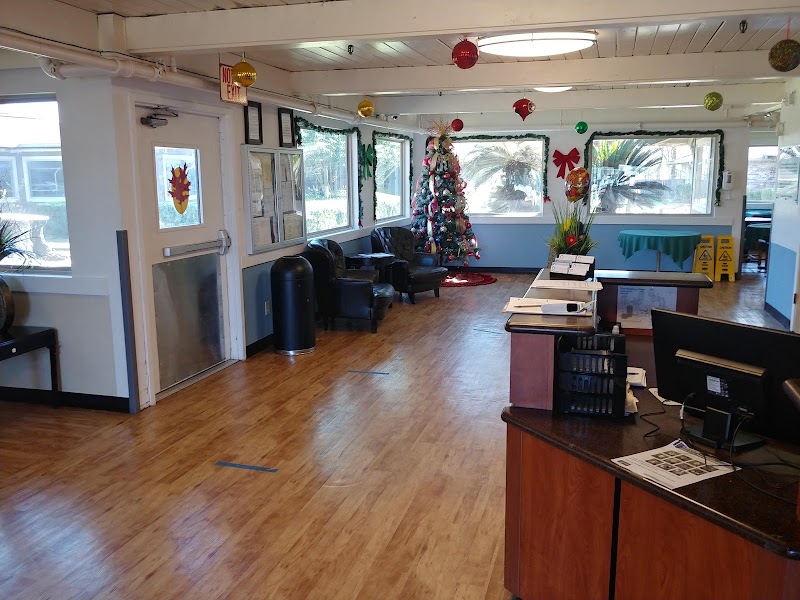
How is Paradigm At Westbury Staffed?

CMS rates Paradigm at Westbury's staffing level at 1 out of 5 stars, which is much below average compared to other nursing homes. Staff turnover is 64%, which is 18 percentage points above the Texas average of 46%. High turnover can affect care consistency as new staff learn residents' individual needs. RN turnover specifically is 75%, which is notably high. RNs provide skilled clinical oversight, so turnover in this role can affect medical care quality.

What Have Inspectors Found at Paradigm At Westbury?

State health inspectors documented 44 deficiencies at Paradigm at Westbury during 2022 to 2025. These included: 4 Immediate Jeopardy (the most serious level, indicating potential for serious harm or death), 3 that caused actual resident harm, and 37 with potential for harm. Immediate Jeopardy findings are rare and represent the most serious regulatory concerns. They require immediate corrective action.

Who Owns and Operates Paradigm At Westbury?

Paradigm at Westbury is owned by a for-profit company. For-profit facilities operate as businesses with obligations to shareholders or private owners. The facility is operated by PARADIGM HEALTHCARE, a chain that manages multiple nursing homes. With 148 certified beds and approximately 109 residents (about 74% occupancy), it is a mid-sized facility located in Houston, Texas.

How Does Paradigm At Westbury Compare to Other Texas Nursing Homes?

Compared to the 100 nursing homes in Texas, Paradigm at Westbury's overall rating (1 stars) is below the state average of 2.8, staff turnover (64%) is significantly higher than the state average of 46%, and health inspection rating (1 stars) is much below the national benchmark.

What Should Families Ask When Visiting Paradigm At Westbury?

Based on this facility's data, families visiting should ask: "What changes have been made since the serious inspection findings, and how are you preventing similar issues?" "How do you ensure continuity of care given staff turnover, and what is your staff retention strategy?" "Can you walk me through typical staffing levels on day, evening, and night shifts?" "Can I visit during a mealtime to observe dining assistance and food quality?" These questions are particularly relevant given the facility's Immediate Jeopardy citations, the facility's high staff turnover rate, and the below-average staffing rating.

Is Paradigm At Westbury Safe?

Based on CMS inspection data, Paradigm at Westbury has documented safety concerns. Inspectors have issued 4 Immediate Jeopardy citations (the most serious violation level indicating risk of serious injury or death). The facility has a 1-star overall rating and ranks #100 of 100 nursing homes in Texas. Families considering this facility should ask detailed questions about what corrective actions have been taken since these incidents.

Do Nurses at Paradigm At Westbury Stick Around?

Staff turnover at Paradigm at Westbury is high. At 64%, the facility is 18 percentage points above the Texas average of 46%. Registered Nurse turnover is particularly concerning at 75%. RNs handle complex medical decisions and coordinate care — frequent RN changes can directly impact care quality. High turnover means new staff may not know residents' individual needs, medications, or preferences. It can also be disorienting for residents, especially those with dementia who rely on familiar faces. Families should ask: What is causing the turnover? What retention programs are in place? How do you ensure care continuity during staff transitions?

Was Paradigm At Westbury Ever Fined?

Paradigm at Westbury has been fined $104,793 across 3 penalty actions. This is 3.1x the Texas average of $34,127. Fines at this level are uncommon and typically indicate a pattern of serious deficiencies, repeated violations, or failure to correct problems promptly. CMS reserves penalties of this magnitude for facilities that pose significant, documented risk to resident health or safety. Families should request specific documentation of what issues led to these fines and what systemic changes have been implemented.

Is Paradigm At Westbury on Any Federal Watch List?

Paradigm at Westbury is not on any federal watch list. The most significant is the Special Focus Facility (SFF) program, which identifies the bottom 1% of nursing homes nationally based on persistent, serious quality problems. Not being on this list means the facility has avoided the pattern of deficiencies that triggers enhanced federal oversight. This is a positive indicator, though families should still review the facility's inspection history directly.