Paradigm at Woodwind Lakes

7215 Windfern Rd, Houston, TX 77040 (713) 466-8933
For profit - Limited Liability company 180 Beds PARADIGM HEALTHCARE Data: November 2025 11 Immediate Jeopardy citations
Trust Grade
0/100
Last Inspection: August 2025

Inspected within the last 6 months. Data reflects current conditions.

Overview

Paradigm at Woodwind Lakes has received a Trust Grade of F, indicating significant concerns regarding the quality of care provided. The facility ranks poorly, with no available state or county ranking, suggesting it may be one of the least favorable options in the area. While the trend shows some improvement, reducing issues from 13 to 12 over the past year, the high number of deficiencies-59 in total, including 11 critical ones-raises alarms. Staffing is average, with a turnover rate of 56%, which is on par with state averages, but this does not indicate strong staff stability. Serious issues have been identified, such as failures to prevent neglect for residents with suicidal ideations, which resulted in life-threatening situations, highlighting both a lack of adequate supervision and failure to implement necessary safety interventions. Overall, potential residents and their families should weigh these serious concerns against the facility's average staffing levels and minor improvements in trend.

Trust Score
F
0/100
In Texas
#112/223
Top 50%
Safety Record
High Risk
Review needed
Inspections
Getting Better
13 → 12 violations
Staff Stability
⚠ Watch
56% turnover. Above average. Higher turnover means staff may not know residents' routines.
Penalties
✓ Good
$255,383 in fines. Lower than most Texas facilities. Relatively clean record.
Skilled Nurses
⚠ Watch
Each resident gets only 28 minutes of Registered Nurse (RN) attention daily — below average for Texas. Fewer RN minutes means fewer trained eyes watching for problems.
Violations
⚠ Watch
59 deficiencies on record. Higher than average. Multiple issues found across inspections.
☆☆☆☆☆
0.0
Overall Rating
☆☆☆☆☆
0.0
Staff Levels
☆☆☆☆☆
0.0
Care Quality
☆☆☆☆☆
0.0
Inspection Score
Stable
2024: 13 issues
2025: 12 issues

The Good

  • Full Sprinkler Coverage · Fire safety systems throughout facility
  • No fines on record

Facility shows strength in fire safety.

The Bad

Staff Turnover: 56%

Near Texas avg (46%)

Frequent staff changes - ask about care continuity

Federal Fines: $255,383

Well above median ($33,413)

Significant penalties indicating serious issues

Chain: PARADIGM HEALTHCARE

Part of a multi-facility chain

Ask about local staffing decisions and management

Staff turnover is elevated (56%)

8 points above Texas average of 48%

The Ugly 59 deficiencies on record

11 life-threatening 2 actual harm
Aug 2025 5 deficiencies
CONCERN (D) 📢 Someone Reported This

A family member, employee, or ombudsman was alarmed enough to file a formal complaint

Potential for Harm - no one hurt, but risky conditions existed

Report Alleged Abuse (Tag F0609)

Could have caused harm · This affected 1 resident

**NOTE- TERMS IN BRACKETS HAVE BEEN EDITED TO PROTECT CONFIDENTIALITY** Based on interview and record review, the facility failed to ensure an allegation of misappropriation of property was reported i...

Read full inspector narrative →
**NOTE- TERMS IN BRACKETS HAVE BEEN EDITED TO PROTECT CONFIDENTIALITY** Based on interview and record review, the facility failed to ensure an allegation of misappropriation of property was reported immediately but not later than 24 hours after the allegation was made to the administrator of the facility and to other officials (including to the State Survey Agency and adult protective services where state law provides for jurisdiction in long-term care facilities) in accordance with State law through established procedures for 2 of 2 residents (CR #142 and Resident# 134) reviewed for reporting.The Prior administrator failed to report to the State Survey Agency the incident of missing money for Resident #134 on 7/22/2025 and CR #142 on 6-9-25.Facility staff did not immediately notify law enforcement of a suspicion of a crime when Resident #134 reported missing money on 7/22/2025 and when resident CR #142 reported missing money on 6-9-2025These failures could affect residents by placing them at risk of misappropriation of property if the reportable allegations are not reported timely after they are discovered.Findings included: Record review of Resident #134's face sheet printed on 8/14/2025 indicated that Resident #134 was a [AGE] year-old female who was originally admitted to the facility on [DATE] and a readmission date of 6/10/2025 with the following diagnoses to include but not limited to: Pneumonia, unspecified atrial fibrillation, muscle wasting and atrophy, acute on chronic systolic (congestive) heart failure, Difficulty in walking, not elsewhere classified, other lack of coordination, muscle weakness (generalized), Type 2 Diabetes Mellitus with diabetic Neuropathy, Cognitive Communication deficit, Chronic Pain, Generalized Anxiety Disorder (mental health disorder), Mixed Hyperlipidemia, History of Falling, Major Depressive Disorder, Gastro-Esophageal Reflux disease without esophagitis (heart burn), and dysphagia, oral phase (difficulty with speech). A record review of Resident #134's Quarterly MDS dated [DATE] revealed; BIMS score of 15 out of 15 indicating resident was cognitively intact. A record review of the facility's concern report dated 7/22/25 revealed: The concern was Reported to the former Administrator by Resident 134. Resident states she's missing $80 from a week or so ago she last had the money in her room under her pillow and when she realized it money was missing. Investigation details: Administrator immediately called residents [family member] and discussed missing $80 and the time frame when money was discovered missing. Investigation/Resolution: Investigation initiated to resolve $80 whereabouts. Admin called [family member] and [family member] stated no need to refund money at this time. Resident encouraged to use trust fund. Resident encouraged to use lock box. In an interview with Resident #134 on 08/14/2025 5:15 PM Resident #134 stated last month she was missing $80 out of her purse. The purse was located under her behind while she was sleeping. The facility didn't do anything about it. She had to borrow money from others to afford the things she wanted. She really wants her money back. She did discuss this with her family member and that's what they agreed on. Resident felt someone came in her room and stole the money from her purse while she was sleeping. Resident appeared upset about the missing money. Record review of CR #142's face sheet printed on 8/14/2025 indicated that CR#142 was a [AGE] year-old male who was originally admitted to the facility on [DATE] and discharged on 7/3/2025 with the following diagnoses to include but not limited to: Local infection of the skin and subcutaneous tissue, other acute osteomyelitis, left ankle and foot, Type 2 Diabetes mellitus with hyperglycemia, need for assistance with personal care, unspecified lack of coordination, muscle weakness (generalized), unspecified abnormalities of gait and mobility, schizoaffective disorder (mental health disorder), osteomyelitis. Record review of CR# 142's admission MDS dated [DATE], revealed resident had a BIMS score of 10 indicating resident was moderately impaired. Record review of facility's Concern report for CR #142 dated 6/9/2025 revealed: Description of concern: Resident walked in his room door was closed seen Laundry aid A going through his things. He tried talking to her but she wouldn't say nothing. The day went by he didn't leave room after that. When getting ready for bed he realized money missing from wallet he did go to report to nurse not sure of name. Investigation/resolution: Laundry aid was in his room. States employee took $18 total from his room on 6/8. Resident states 2 other residents knew he had cash. Record review of facility's Education In-Service Attendance record dated 6/16/25 revealed: Topic: Missing money and abuse coordination when to report, who to report to immediately Present by the former Administrator. Surveyor attempted to contacted CR #142 on 8/12/2025 at 7:55 AM and 8/14/2025 at 8:16 AM via phone call and texts. CR #142 did not respond or call back. In an interview on 08/14/2025 at 12:50PM with the Laundry Aide she stated she does what she likes to call room rages every day in residents' room. She gathers dirty laundry in resident's room. She will also look through residents' drawers and things to see if they were hiding any laundry. When she goes through the drawers, she'll find towels and other linens and remove it. She would never accept money from a resident to go get anything as she's seen people get in trouble for that. She stated she did not take any money. She was in CR #142's room while resident was not in the room on the date of the incident CR #142 reported. CR #142 did walk in while she was doing her room rage to get laundry and she left with laundry in her hands. In an interview with the Administrator on 08/14/2025 at 1:35 PM the Administrator stated that staff were not to go through residents' drawers without the resident's permission and them being present. There was not a need for staff to go through the residents' drawers as that was their personal space. In an interview with the Administrator on 08/13/2025 at 9:53 AM the Administrator came in the room and stated she did not find any self-reports for the grievances regarding missing money. She would need to try and reach out to the previous administrator and find out what her rational was for not reporting. The normal protocol was to report it and then do a thorough investigation and if it was found that the money was taken to reimburse the resident. Yes, the grievances should have been reported. The current administrator is the Abuse coordinator as was the previous Administrator. At time of exit current Administrator did not mention if she had spoken to the previous administrator to get her rationale for not reporting. A phone number for previous administrator was asked for on 8/13/2025 at 8:00 AM and was not provided before exit. On 8/13/2025 at 4:30 PM it was requested from the administrator for their policy regarding reporting. She stated they follow the provider letter regarding reporting. This provider letter was not provided to surveyor before exit.
CONCERN (D)

Potential for Harm - no one hurt, but risky conditions existed

Deficiency F0657 (Tag F0657)

Could have caused harm · This affected 1 resident

**NOTE- TERMS IN BRACKETS HAVE BEEN EDITED TO PROTECT CONFIDENTIALITY** Based on observation, interview, and record review, the facility failed to develop and implement a comprehensive person-centered...

Read full inspector narrative →
**NOTE- TERMS IN BRACKETS HAVE BEEN EDITED TO PROTECT CONFIDENTIALITY** Based on observation, interview, and record review, the facility failed to develop and implement a comprehensive person-centered care -plan for the resident, consistent with the resident rights that include measurable objects and timeframes to meet the residents medical, nursing, and mental psychosocial needs that are identified in the comprehensive assessment for 1 of 9 residents (Resident #8) reviewed for comprehensive care plans. The facility failed to: - Update the comprehensive care plan to resident #8 having a 1/4 right rail on the right side of the bed.This failure could place the resident at risk for not obtaining/maintain their highest practicable wellbeing.Findings include:Record review of Resident #8's undated face sheet, revealed she was a [AGE] year-old female with an initial admission date of, 04/20/2024, with the most recent admission on , 06/10/2025. Resident #8 has diagnosis of, other lack of coordination, Alzheimer's disease with late onset, altered mental status, repeated falls, unspecified lack of coordination, and other symptoms and signs involving cognitive functions and awareness. Record review of Resident #8's Quarterly MDS assessment dated , 06/16/2025 revealed a BIMS score of 7. Resident #8 has mild cognitive impairment when it comes to making decisions. Resident #8 does require assistance with mobility devices, using a wheelchair. Resident #8 does require total dependency for a helper and is unable to complete any mobility functions on her own.Record review of resident #8's physician order dated 08/14/2025 from MD F, revealed an order for right quarter rail.Record review of resident #8's care plan dated 06/29/2025 did not reveal the 1/4 side rail on the right side of the resident bed. Record review of resident #8' consent form for the 1/4 side rail was signed on, 06/12/2025.Observation of resident #8 on, 08/12/2025 at 10:24am revealed bed rail on right side of the bed.In an interview on 08/14/2025 at 9:59am with LVN E stated, the rail on the resident bed was used for positioning. LVN E stated the orders of the resident was checked along with the care plan before assisting the resident and the bed rails should be care planned. The risk of the bed rails not being care planned could cause something to happen and the facility could be in trouble by the state or the family. In an interview on 08/14/2025 at 1:05pm with the DON stated, the MDS team update care plans when needed, but there were other nurses, such as themselves can make updates to the care plan and then put interventions into place. The DON stated that the nurses will write notes on the resident chart to update the care plan, to provide the best possible details for updating a resident's care plan. The DON then stated the care plan for resident #8 was updated today, 08/14/2025 with the consent of the family and physical therapy notes/recommendations to include why a 1/4 right rail would be in the best interest for resident #8. The DON stated the risk to resident #8's care plan not being updated was a mis form of communication on how to care for the resident.In an interview on 08/14/2025 at 1:37pm with LVN W stated, the MDS team was responsible for updating care plans. LVN W stated the risk of the care plan not being updated was the resident not receiving proper care or treatment. LVN W stated that care plans were updated daily by running the order listing which will state if the doctor has new orders for treatment or changes. LVN W stated the care plan for resident #8 was updated after learning there was a 1/4 right rail on the resident bed 08/12/2025. LVN W stated the 1/4 right rail on the bed was used for positioning/assistance for the resident who is bedbound. Record review of Care Plan Revisions Policy revised 05/2022 reflects .1. The comprehensive care plan will be reviewed and revised every quarter, when a resident experiences a status change and as deemed necessary. 2. (a) upon identification of a change in status, the nurse will notify the MDS coordinator, the physician, and the resident representative, if applicable. (c) The care plan will be updated with the new or modified interventions. 3. The MDS coordinator will determine whether a significant change in status assessment is warranted. If so, the assessment will be completed according to established procedures.
CONCERN (D) 📢 Someone Reported This

A family member, employee, or ombudsman was alarmed enough to file a formal complaint

Potential for Harm - no one hurt, but risky conditions existed

Accident Prevention (Tag F0689)

Could have caused harm · This affected 1 resident

**NOTE- TERMS IN BRACKETS HAVE BEEN EDITED TO PROTECT CONFIDENTIALITY** Based on interview, and record review, the facility failed to ensure Residents receive adequate supervision and assistance devic...

Read full inspector narrative →
**NOTE- TERMS IN BRACKETS HAVE BEEN EDITED TO PROTECT CONFIDENTIALITY** Based on interview, and record review, the facility failed to ensure Residents receive adequate supervision and assistance devices to prevent accidents for Resident # 1. The facility failed to ensure CNA A properly transferred Resident # 1 on 07/16/2025. This failure could place Residents at risk of being injured. Findings include: Record review of Resident #1's face sheet retrieved on 08/12/2015 revealed, a [AGE] year-old female who was admitted to the facility on [DATE]. The resident's diagnoses included: Osteomyelitis, primary osteoarthritis-right hip, generalized muscle weakness, lack of coordination, communication deficit, Gastro-Esophageal Reflux, other seizures, bipolar, Dysphagia, anxiety, insomnia, profound intellectual disabilities, muscle wasting, pain, epilepsy, elevated white blood cell count, unspecified multiple injuries, hypermagnesemia, adrenocortical insufficiency, non-pressure chronic ulcer of the skin, hyperosmolality and hypernatremia, hypokalemia, soft tissue disorders, glaucoma. Currently has an out of hospital Do Not Resuscitate order. Record review of Resident # 1’s MDS dated , 06/08/2025, section C0500-BIMS codes as 00 which indicates severe cognitive impairment. Section C0700 was coded 1 which indicates memory problem. GG0115 was coded 2 which indicates functional limitation on both upper and lower extremities.GG0120 was coded C, which indicates she uses a wheelchair. Record review of Resident #1’s care plan, dated 06/23/2025, revealed the Resident requires extensive assistance of 2 staff for transfer. Record review of facility’s resident care specialist job description presented to surveyors on 08/13/2024 revealed: Perform resident care duties as assigned by charge nurse, including but not limited to transporting and transferring, restocking resident room, changing linen, properly positioning resident, bathing, assisting with bowel and bladder needs, assisting with dressing, assisting with eating and hydration, taking vital signs, and caring for resident as needed or directed Record review dated 07/16/2025 presented to survey team on 08/13/2025 at 1:28 pm revealed: a written disciplinary final warning for CNA A. Record review of facility’s nurses’ notes dated 07/22/2025 revealed: Late Entry on 07/22/2025 at 15:54 pm done by Unit Manager: Notified by CNA that resident #1had hit her head on the wall during a transfer, resident's vitals were taken, and area was assessed. Vitals were BP 118/66, pulse 78, respirations 19, temperature 96.9, and O2 sat 96% on room air. ROM was WNL, small, raised area on the back right side of resident's head. No bleeding, and no discoloration noted. Resident's mentation at baseline. Administrator and DON notified. Hospice company contacted, stated neuros were not necessary if resident was at baseline and no bleeding occurred. During an interview Resident #2 on 08/13/2025 at 08:40 am, she stated: on 7/16/2025, she was asleep when the sound of her roommate’s head against the wall woke her up. She stated the hospice aide narrated what happened to the nurse. During an interview with CNA A on 08/13/2025 at 10:17 am, he stated: On 07/16/2025 HA B, asked CNA A to help her put Resident #1 in the bed. CNA A got Resident #1 rolled back into her room because she was in the hallway in her wheelchair. So, we brought her into her room. The lady did not help him, he ended up doing it by himself. So, the height of the wheelchair was higher than the bed. So, he picked Resident # 1 up and put her in the bed, her body leaned due to the centrical force of him putting her in the bed, so her head bumped on the wall. The resident did not show any sign of pain. CNA A went and got his Unit Manager, and he told her what happened. They called the Administrator. HA B gave her statement, CNA A was written up because the resident hit her head. CNA A stated, in the past he has been doing it alone. She was not that big of a person. I usually pick her up and put her down by myself. The transfer could be done by one staff, it could be a two-person transfer. It was usually in the POC if the resident was a 2 or 1 person assist. She has an air mattress which could have contributed to her bumping her head. During an interview with nurse A on 08/13/2025 at 10:29 am, he stated: I was notified by CNA A that, when he was transferring resident #1, she fell back in bed and hit her head against the wall. I went and assed her, I assessed the back of head there was no swelling, no bleeding and no bruising. Her alertness was the same. She was baseline-her normal. The HA B said resident #1was put back in bed roughly which caused her to hit the back of her head. CNA A told HA B to tell the same story to my UM. She wrote a statement. As a prudent nurse when a resident hit their head, we should assess and call the DR. and initiate neuro checks. I called the DR. The UM took over the care. The Dr. said assess for neuro and notify with any changes. During an interview with the UM on 08/13/2025 at 11:03 am, she stated: On 7/16/2025. CNA A transferred resent #1 back to bed because the hospice aide wanted to give a bath. The UM stated per the hospice policy, the hospice aides were not allowed to transfer residents. Nurse B said, CNA A stated when he transferred resident #1, she hit the side of her head on the wall. Resident #1 was on an air, mattress. The UM said CNA A came and reported to her. The UM said CNA A made sure resident #1 was ok. The UM said, she went in and touched resident # 1’s head and felt a small node, but no discoloration. The UM stated, she asked resident #1 if she was ok, and Resident #1 she said she wanted to eat. The UM stated, there was no visible distress, when she rubbed her hand across resident #1’s head. Resident #1 showed no twisted facial emotions that would have expressed pain or discomfort. CNA A checked resident #1’s blood pressure, temperature, heart, breathing and oxygen levels. Nurse B said, she notified the facility administrator, and the Dr. The UM said, the hospice company stated neuros were not necessary because the nurse was coming that same day. The UM stated resident’s care plan, revealed she was a maximum assist. During a telephone interview on 08/13/2025 at1:05 pm with the former administrator, she stated the hospice aide told her that CNA A transferred resident #1 and she hit her head and there was a bump, on a part of her body. The former administrator stated she, investigated. She said the hospice aide told her when the incident occurred, CNA A went and notified the UM and the primary nurse. The former administrator stated she got a verbal statement from the alert roommate, and the hospice aide. She called the guardian on the same day, but there was no response. She did call the next day, the guardian responded. The former administrator stated she also notified hospice clinical director on the same day the incident occurred. She told the guardian and hospice clinical director that the incident did not meet the criteria for reporting based on the guidelines for CMS, because it was accidental. During an interview with the DON on 08/13/2025 at 1:28 pm, she stated, she was off duty when the incident occurred. She was notified when she returned that, resident #1 bumped her head during transfer. She said she has further investigated, as she spoke with the hospice company’s DON . The hospice office agreed they called the incident to the state office. The DON said, the former administrator did an investigation and deemed it was not reportable. The DON stated, she just found out resident # 1 had an inappropriate transfer. Thus, she suspended CNA A today pending investigation. The DON said, the CNAs should be looking at the Kardex to know the required number of staff needed for transfer. The DON said inappropriate transfer can lead to potential injury to both the resident and the staff. During an interview with nurse B on 08/14/2025 at10:47 am. Nurse B said, she knows the required number of staff needed to transfer a resident based on the resident’s functionality. She said, you can look at the ADL transfer section in the chart. It will indicate the maximum number of staff required. It will also indicate if there was need for a Hoyer lift or 2 persons assist. Nurse B stated, if a transfer is done inappropriately, the resident might have skin tear, or an injury to a flexible tissue that connects the bones at a joint. During an interview with the Administrator on 08/14/2025 the Administrator who stated resident #1’s incident occurred before she was hired. She said, training was coordinated by the various department heads. She said inappropriate transfer may result to serious injury. A record review of the facility’s policies and procedures for transfers/lifts, revised on 01/2024. The purpose of this policy is to ensure the safety, dignity, and well-being of residents during transfers and lifts within the nursing home facility. This policy aims to minimize the risk of injury to both residents and staff while promoting efficient and respectful care practices. Factors affecting transfers/lifts. Resident: -Medical status -Physical status -Emotional Status -Mental faculties -Communication -Interference Assessment Each resident's mobility and transfer needs shall be routinely assessed. Individualized care plans shall be developed based on the resident's assessment, outlining appropriate transfer techniques, equipment requirements, and staff assistance levels.
CONCERN (E)

Potential for Harm - no one hurt, but risky conditions existed

Pharmacy Services (Tag F0755)

Could have caused harm · This affected multiple residents

**NOTE- TERMS IN BRACKETS HAVE BEEN EDITED TO PROTECT CONFIDENTIALITY** Based on observation, interview, and record review, the facility failed to provide pharmaceutical services (including procedures...

Read full inspector narrative →
**NOTE- TERMS IN BRACKETS HAVE BEEN EDITED TO PROTECT CONFIDENTIALITY** Based on observation, interview, and record review, the facility failed to provide pharmaceutical services (including procedures that assure the accurate administering of all drugs and biologicals) to meet the needs of 3 of 8 residents (Residents #32, #70 and #60) and failed to establish a system of records of receipt and disposition of all controlled drugs in sufficient detail to enable an accurate reconciliation for 2 of 5 medication carts (LEC MA cart and East Front Nurse cart) reviewed for pharmacy services.The facility failed to ensure the LEC medication aide's cart had accurate narcotic counts for Residents #32 and #70 on 8/14/25.MA W stored Resident #32's Lorazepam (a narcotic used to treat anxiety) on the medication cart incorrectly after not immediately wasting it with a nurse on 8/14/25. The facility failed to ensure the East Front Nurse's cart had accurate narcotic counts for Resident #60 on 8/14/25.These failures could place residents at risk for medication errors, drug diversion, and delay in medication administration.Findings included:1. Record review of Resident #32's face sheet dated 8/14/25 revealed an [AGE] year-old female who admitted to the facility on [DATE]. Her diagnoses included Alzheimer's disease, restlessness and agitation, and generalized anxiety disorder.Record review of Resident #32's quarterly MDS assessment dated [DATE] revealed a BIMS score of 0 out of 15 which indicated severe cognitive impairment. She required supervision or touching assistance with most ADLs.Record review of Resident #32's care plan dated 5/19/25 indicated she had a diagnosis of alteration in mood or exhibition of behavioral symptoms related to anxiety, depression. Interventions were to administer medications as ordered.Record review of Resident #32's MD order dated 8/14/25 revealed an order for Ativan 1 mg (Lorazepam) give 1 tablet by mouth at bedtime, order date 12/12/23.Record review of Resident #32's MAR for August 2025 revealed Lorazepam 1 mg was scheduled for 8:00 p.m. and was last documented as administered on 8/13/25 at 8:00 p.m. Record review on 8/14/25 at 10:41 a.m. of Resident #32's Controlled Drug Administration Record for Lorazepam 1 mg indicated there were 8 pills remaining with the last administration recorded on 8/13/25 at 8:00 p.m.Observation and interview on 8/14/25 at 10:42 a.m. of LEC MA's cart with MA W revealed Resident #32's Lorazepam 1 mg blister pack contained 7 pills. MA W retrieved an unlabeled medication cup that contained 1 Lorazepam pill from the top drawer of the medication cart (which was under one lock) and said it belonged to Resident #32. She said around 9 a.m. she administered Resident #32's medications and pulled the Lorazepam 1 mg in error. She said she was supposed to call the nurse and waste (destroy) it when she pulled it, but the nurse was down the hall. She said the medication was not supposed to stay in the cart because she could accidently give it to someone else. Observation at 10:45 a.m. revealed MA W and LVN E destroyed the Lorazepam 1 mg. She said she had not documented or signed off in the narcotic book on any of the narcotics administered that morning.In an interview on 8/14/25 at 3:05 p.m. LVN E said if the narcotic was accidently popped you could not wait and store it on the cart because it was a narcotic. She said it had to be wasted, and two signatures obtained. She said MA W did not ask her previously to waste the Lorazepam 1 mg. 2. Record review of Resident #70's face sheet dated 8/14/25 revealed a [AGE] year-old female who admitted to the facility on [DATE]. Her diagnoses included unspecified severe dementia, heart disease, and anxiety.Record review of Resident #70's admission MDS assessment dated [DATE] revealed a BIMS score of 0 out of 15 which indicated severe cognitive impairment. She required assistance with ADL care.Record review of Resident #70's care plan revised on 5/26/25 indicated she used anti-anxiety medications related to anxiety disorder. Interventions were to administer anti-anxiety medications as ordered by physician.Record review of Resident #70's MD order dated 8/14/25 revealed an order for Lorazepam 1 mg give 1 tablet by mouth two times a day for anxiety, order date 5/14/25.Record review on 8/14/25 at 10:43 a.m. of Resident #70's Controlled Drug Receipt/Disposition Form for Lorazepam 1 mg indicated there were 6 pills remaining with the last administration recorded on 8/13/25 at 5 p.m. Observation and interview on 8/14/25 at 10:43 a.m. of the LEC MA's cart with MA W revealed Resident #70's Lorazepam 1 mg's blister pack contained 5 pills. MA W said she was supposed to document after administering the narcotic but had not documented or signed off on any of the narcotics administered that morning because there was a lot going on in the LEC (Memory care unit). 3. Record review of Resident #60's face sheet dated 8/14/25 revealed a [AGE] year-old female who readmitted to the facility on [DATE]. Her diagnoses included dementia, schizophrenia, and other chronic pain.Record review of Resident #60's quarterly MDS assessment dated [DATE] revealed her cognitive skills for daily decision making were severely impaired. She required assistance from staff with ADL care.Record review of Resident #60's care plan dated 6/9/25 indicated she had the potential for pain related to chronic disease process. Interventions were to administer analgesics as ordered.Record review of Resident #60's MD order dated 8/14/25 revealed an order for Tramadol 50 mg give 1 tablet enterally every 8 hours as needed for moderate and severe pain, order date 1/23/25.Record review of Resident #60's MAR for August 2025 revealed Tramadol 50 mg was documented as administered on 8/14/25 at 11:20 a.m. by LVN J.Record review on 8/14/25 at 11:49 a.m. of Resident #60's Controlled Drug Administration Record for Tramadol 50 mg indicated there were 33 pills remaining with the last administration recorded on 8/11/25 at 8:30 a.m.Observation and interview on 8/14/25 at 11:49 a.m. of the Front East Nursing cart with LVN J revealed Resident #70's Tramadol 50 mg blister pack contained 32 pills. LVN J said he administered one Tramadol pill to Resident #70 around 11:20 a.m. and had not signed yet. He said he was trained to sign the narcotic book after administering and as soon as he got back to the cart. He said there was a risk of forgetting to sign if not done right away. In an interview on 8/14/25 at 1:26 p.m. the DON said nursing staff should sign the narcotic sheet as soon as the narcotic is popped and given because in the event of an emergency, other staff need to know exactly what was given. She said if the narcotic was not signed off, another person could administer an extra dose to a resident. She said if a resident refused a narcotic, it should be wasted and documented immediately. She said narcotics needing to be wasted could not just sit around in the cart because it was illegal. She said narcotics should be stored under double lock on the medication cart (in the locked narcotic box located in the locked cart) She said the Consultant Pharmacist reviewed narcotic sheets at the facility monthly and staff were trained on narcotic protocol. Record review of the facility's Controlled Substance Prescriptions policy, revised 8/2020, reflected the following, . Policy: Medications included in the Drug Enforcement Administration (DEA) classification as controlled substances and medications classified as controlled substances by state law are subject to special ordering, receipt,and recordkeeping requirements in the facility, in accordance with federal and state laws and regulations. Security and Recordkeeping. 2. Controlled substance medications are stored at the facility under double lock or as required by state regulations, separate from all other medications and counted at each change ofcustody or in accordance with facility policy.
CONCERN (E)

Potential for Harm - no one hurt, but risky conditions existed

Deficiency F0925 (Tag F0925)

Could have caused harm · This affected multiple residents

**NOTE- TERMS IN BRACKETS HAVE BEEN EDITED TO PROTECT CONFIDENTIALITY** Based on observation, interview, and record review the facility failed to maintain and effective pest control program, so the fa...

Read full inspector narrative →
**NOTE- TERMS IN BRACKETS HAVE BEEN EDITED TO PROTECT CONFIDENTIALITY** Based on observation, interview, and record review the facility failed to maintain and effective pest control program, so the facility was free of pest and rodents for 1 of 1 kitchen and 2 of 2 dining rooms reviewed for environment. - Flies were witnessed on residents dining plates, before food was placed on the plate.- Flies were sitting on residents' food, as they were eating.- A roach was identified in the dining area while residents were eating. These failures could place residents at risk of infection, skin irritation, allergies, which could result in unsanitary living conditions and decline in health and well-being. Findings include:In an observation on, 08/13/2025 at 11:48am, in kitchen 1 of 1, revealed flies on the plates that were prepped for serving resident's lunch. In an interview and observation with DM on 08/13/2025 at 11:49am, where the surveyor showed the DM flies that were on the plates. The DM removed 2 plates and took them to the kitchen. The DM stated that she removed the plates and did not cover any additional plates from flies. The DM stated the risk to the flies being left on residents' plates was, it could lead to the resident being sick or possibly a bacterial infection. The DM stated there was also risk the flies could cause bacterial infection if the flies were flying around the food and plates as it was being prepared for the resident. The DM stated the kitchen was being treated by pest control on weekly basis. In an observation on 08/14/2025 in kitchen 1 of 1 at 10:43am, the flies were flying around while food was being prepared for lunch, which was witnessed by the kitchen staff. In an observation on 08/14/2025 in dining room [ROOM NUMBER] of 2 at 12:42pm a roach was identified on the floor while residents were having lunch.In an interview with LVN S on 08/14/2025 at 12:43pm stated she has been working at the facility since February 2025. She was assigned to the dining room for today to monitor residents and ensure there was no choking. LVN S stated that they will remain in the dining room until the last resident. LVN S stated that she has not seen any roaches in the dining area or throughout the building since she has been employed at the facility. LVN S said if there were roaches or flies in the dining room while residents were eating, it could cause infection or even make the resident sick. In an observation on 08/14/2025 in dining room [ROOM NUMBER] of 2 at 12:55pm, flies were seen flying around and landing on the resident's food while the residents were eating.In an interview with CNA B on 08/14/2025 at 12:58pm stated she has been at the facility since July 2024. CNA B stated that she has not seen any flies or roaches in the dining room or in the vicinity of the residents while eating, although it was pointed out of the flies and residents waving their hands to keep the flies from getting on their food. CNA B stated that if she did see a fly or roach, she would kill it and report it to maintenance and remove the resident from the area. The risk to the resident when it comes to roaches and flies around their food during mealtimes was, the resident could develop a rash. In an interview with the ADMN on 08/14/2025 at 1:14pm stated she has been working at the facility for 5 days. The expectation for pest control was there should be none, but they should be on a routine schedule. Communication with herself and the maintenance department should be done with pest control if a situation was identified to ensure the issues were rectified immediately. Since being in the building, she has not witnessed any pest control issues or concerns from the residents or through observation. If flies or roaches were to be identified, they do carry diseases and it's a problem and a safety concerns with cleanliness. Record review of the facility pest control log dated for 08/01/2025, reflected the facility was on weekly service. The facility was treated with replacing 15 fly lights, with unknown sights of treatment. Record review of the facility pest control log dated for 08/08/2025, reflected replacing the fly lights in the dining area and replaced a fly light in the kitchen along with a liquid application in the dishwasher area. Record review of the facility pest control log dated for 08/14/2025, reflected flies in the memory care area and replacement of fly light device in areas throughout the building, including the kitchen. Liquid residual applied in the kitchen near the back door. Record review of the facility's contract with pest control, revised on 04/2024, reflected pest sightings will be documented and communicated to the pest control provider for follow-up. The pest control provider will determine the appropriate treatment method for any identified pest activity. The maintenance director will maintain documentation of all pest control services, treatment, and pest sighting reports for review.
Jul 2025 1 deficiency
CONCERN (D) 📢 Someone Reported This

A family member, employee, or ombudsman was alarmed enough to file a formal complaint

Potential for Harm - no one hurt, but risky conditions existed

Deficiency F0698 (Tag F0698)

Could have caused harm · This affected 1 resident

**NOTE- TERMS IN BRACKETS HAVE BEEN EDITED TO PROTECT CONFIDENTIALITY** Based on interview and record reviewed, the facility failed to ensure that residents who require dialysis receive such services,...

Read full inspector narrative →
**NOTE- TERMS IN BRACKETS HAVE BEEN EDITED TO PROTECT CONFIDENTIALITY** Based on interview and record reviewed, the facility failed to ensure that residents who require dialysis receive such services, consistent with professional standards of practice, the comprehensive person-centered care plan, and the residents' goals and preferences for 1 (Resident #1) of 5 residents reviewed for quality of care. - Resident #1's Dialysis Hand Off Communication Report forms were not completed or incomplete for 22 out of 23 opportunities. This failure placed residents at risk of unrecognized dialysis complications. The findings included: Record review of Resident #1's admission Record, dated 07/11/25, revealed a [AGE] year-old female who admitted to the facility on [DATE]. Her diagnoses included type 2 diabetes mellitus (high levels of sugar in the blood) with diabetic neuropathy (nerve damage), cognitive communication deficit, acute on chronic systolic (congestive) heart failure, and unspecified atrial fibrillation (irregular heart rhythm). Record review of Resident #1's MDS Quarterly Assessment, dated 06/24/25, revealed a BIMS score of 15, indicating she was cognitively intact. Further review revealed resident required a helper to complete toileting, shower/bathe, and upper and lower body dressing. Further review revealed she had an active diagnosis of renal insufficiency, renal failure, or end-stage renal disease and received dialysis.Record review of Resident #1's care plan report, undated, revealed the resident received dialysis Tuesday, Thursday, and Saturday, and was at risk for SOB, chest pain, elevated blood pressure, infected access site, itchy skin, bleeding at access site, etc. AEB DX end stage renal disease. Record review of Resident #1's physician orders, undated, revealed the following orders: Dialysis: May go to Dialysis on: Tuesday, Thursday, Saturday, one time a day every Tue, Thu, Sat for ESRD.start 04/19/25. discontinue 06/04/25.Pre-Dialysis Vital Signs, every day shift every Tue, Thu, Sat for Dialysis.start 03/15/25.discontinue 06/04/25.Post Dialysis Vital Signs, every day shift every Tue, Thu, Sat for Dialysis.start 03/15/25.discontinue 06/04/25.Dialysis: May go to Dialysis on: (Tuesday, Thursday and Saturday).every day shift every Tue, Thu, Sat for Dialysis.start 07/12/25.end indefinite.Pre-Dialysis Vital Signs, one time a day every Tue, Thu, Sat.start 07/12/25.end indefinite.Post-Dialysis Vital Signs, one time a day every Tue, Thu, Sat.start 07/12/25. end indefinite. Record review revealed Resident #1's Dialysis Hand Off Communication Report forms revealed the following:*there was a total of 5 Report forms since May 2025; *There were 0 out of 14 report forms accounted for and reviewed for May 2025, and *5 out of 9 report forms were accounted for and reviewed for July 2025 (7/2, 7/8, 7/12, 7/15, and 7/17). 1 out of the 5 report forms was completed and the other 4 were incomplete. During an interview on 07/22/25 at 1:10 p.m., the Interim DON said the charge nurse completed the top portion of the form and sent it with the resident to dialysis and dialysis completed the bottom portion of the form and the form was returned back to the facility with the resident. She said she did not know how long it had been the process, but it was the current process to keep it in a binder. She said it was the unit managers responsibility to ensure the nurse was completing the process and reviewing the form for changes, but changes were not typical. She said the dialysis process was reviewed monthly by administration. She said when a resident was on dialysis, they have their set date, they received their morning care and medications prior to dialysis, they had their meal, waited for transportation, and during this time they had their vital signs checked and recorded on the dialysis form. She said the form was provided to the transportation service as well as with the resident, and the resident was transported to the dialysis center. She said those that get in house dialysis were usually taken to the dialysis center by the CNA. Record review of the facility's Dialysis - Hemodialysis policy, undated, read in part .2. The facility staff will participate in ongoing communication with the dialysis center by using the Dialysis Communication Form which is filed in the resident's medical record.
Apr 2025 5 deficiencies 1 IJ
CRITICAL (J)

Immediate Jeopardy (IJ) - the most serious Medicare violation

Pressure Ulcer Prevention (Tag F0686)

Someone could have died · This affected 1 resident

**NOTE- TERMS IN BRACKETS HAVE BEEN EDITED TO PROTECT CONFIDENTIALITY** Based on observation, record review, and interview the facility staff failed to ensure residents received treatment and care in ...

Read full inspector narrative →
**NOTE- TERMS IN BRACKETS HAVE BEEN EDITED TO PROTECT CONFIDENTIALITY** Based on observation, record review, and interview the facility staff failed to ensure residents received treatment and care in accordance with professional standards of practice to promote healing and prevent infection, for 1 of 7 residents (CR #1) reviewed for wound care. The facility failed to follow wound care orders for CR#1's sacral wound on 11/07/24, 11/12/24, 11/16/24, 11/23/24, 11/24/24, and 11/27/24. CR#1 was transferred to the hospital after family intervention and was diagnosed with a stage 4 pressure injury (full-thickness skin and tissue loss, exposing muscle, tendon, or bone) with infection and severe sepsis. The noncompliance was identified as past non-compliance. The past non-compliance IJ began on 11/28/24 and ended on 2/20/25. The facility corrected the non-compliance before the survey began. This failure could place residents at risk of deterioration of wound, increased infection, decreased quality of life, and hospitalization. Findings included: 1.Record review of CR#1's Face Sheet (undated) revealed, a [AGE] year-old female who was initially admitted to the facility on [DATE] with diagnoses which included Non-ST elevation Myocardial infarction (heart attack that occurs when blood supply to the heart was reduced, causing damage), Acute respiratory failure with hypoxia (lungs failed to adequately oxygenate the blood), Chronic Obstructive Pulmonary Disease (airway obstruction and chronic inflammation of the lungs), Diabetes Mellitus (chronic metabolic disease characterized by high blood sugar levels), and End Stage Renal Disease (kidney failure). Record review of CR#1's admission MDS assessment dated [DATE] indicated a BIMS summary score of 05, which indicated severe cognitive impairment. The resident did not have pressure ulcers as a diagnosis on the entrance MDS. However, there was an indication for a pressure reducing device for her bed. Record review of CR#1's Comprehensive Care Plan, dated 10/03/24, indicated that CR#1 was at risk for pressure wounds related to alteration in skin integrity and pressure ulcer formation. The goal was to be free from alteration in skin integrity/formation of pressure wounds over the next 90 days. CR#1's interventions included assisting with toileting as indicated and performing weekly skin checks. Record review of CR #1 physician's orders on 11/05/24 indicated sacrum: cleanse site with normal saline, wound sacrum cleanser pat dry, skin prep, apply hydrocolloid sheet 3x weekly (Tuesday, Thursday, and Saturday) and prn. That order was discontinued, and a new sacrum wound care order was started on 11/21/24. The new order was for sacrum wound: cleanse site with Vashe pat dry, apply Santyl ointment (Nickel Thick) as topical, cover with calcium alginate as a primary dressing, and cover with bordered gauze daily and PRN every day. Record review of CR #1's treatment administration record for November 2024 revealed wound care was not performed as ordered on 11/07/24, 11/12/24, 11/16/24, 11/23/24, 11/24/24, and 11/27/24. Record review of CR #1's weekly wound evaluation summary dated 11/01/2024 revealed a new sacral opening. Record review of CR #1's weekly wound evaluation summary dated 11/05/2024 revealed wound to the sacrum which measured 3x2x0.1cm Record review of CR#1's wound care notes on 11/18/24 by NP F revealed that CR#1's chronic sacral wound was measured at 3.4x7x0 cm. Record review of CR#1's wound care notes on 11/25/24 by NP F revealed that CR#1's chronic sacral wound continued to be unstageable but deteriorating and measured at 5x5x0. Record review of nursing notes dated 11/28/24 revealed CR#1's family member notified EMS to have resident CR#1 transferred from the facility to the hospital due to the condition of CR#1's wound. Record review of local hospital's medical records revealed that CR #1 was brought to the ED on 11/28/24 at 8:34 AM from a nursing facility with a sacral wound. After assessment, the resident was admitted to the hospital with stage 4 pressure injury and severe sepsis (life threatening condition where one or more body's organ is damaged from the inflammatory response). Wound cultures were collected and revealed positive for Escherichia. Coli (bacteria found in the intestines). Attempted to interview with the previous wound care nurse on 03/19/25 at 1:39 PM, but she no longer worked for the facility. During an Interview on 03/20/25 at 12:51 PM with contracted Dialysis RN, she said CR #1 had fluid overload and was on dialysis Monday-Friday. She said CR #1 was alert and oriented with some confusion. She said the resident developed a sacral wound; therefore, they would turn her to her side so she would be off the wound while in dialysis. During an interview on 03/20/2025 at 1:00 PM with the ADON, (who started at the facility on 09/23/24), she said CR#1's family would come to the facility regularly. She said the staff would notify the family member of any changes. She said the resident was in the Geri-chair most of the day and out of the bed per the family's request. She said her expectation was for the staff to follow MD orders. She said the risk of not following MD orders was a concern and that staff should always follow the orders. She said the staff conducted in-services on following MD orders recently but could not to provide a date. The ADON said the risk of not following MD orders could worsen the condition/diagnoses or wound. During an interview on 03/20/2025 at 3:24 PM with the DON, she said CR#1 was admitted to the facility without pressure ulcers but developed a pressure wound while at the facility. She said the resident was being treated as ordered, but the staff did not document her treatment. The DON said she could not confirm wound care was perfomed due to insufficient documentation. She said the wound care nurse who performed the treatment was terminated and no longer work at the facility. The DON said there was a new wound care nurse. She said she expected the staff to follow MD orders and document all treatments . The DON said the risk of not performing wound care as ordered could lead to deterioration of the wound. Attempted to interview wound care Nurse Practitioner F on 03/20/25 at 3:51 PM, but she no longer worked for the wound care company. During an interview on 03/20/25 at 4:09 PM, the current wound care nurse, Nurse Practitioner L said Nurse Practitioner F assessed and provided treatment to CR#1, who no longer work for the company. Nurse Practitioner L said her expectation was that the nursing staff followed MD orders. She said some residents were placed on hydrocolloid, which can last up to 7 days; however, the staff should not deviate from the orders. She said if the order said to provide treatment every 3 days, the staff should follow that order. The Wound Care Nurse Practitioner L said the risk of not following the MD's orders was deterioration of the wound. During an interview on 03/20/25 at 5:13 PM with LVN T, wound care nurse, (who started at the facility on 2/24/25), she said her expectation was for staff to follow MD orders for wound care. She said the wound care doctor comes to the facility once a week, and if there were a change or deterioration to the wound, she would assess the wound to include measurements and notify the charge nurse and wound care MD. She said she conducted an in-service on skin assessments last week. She said she educated the CNAs on what to look for on the resident's skin. She said the risk of not following the physician's orders was the wound/ulcer could worsen. During an interview on 03/20/25 at 5:45 PM with the administrator, she said her expectation was the staff follow MD orders. She said she was unaware of what could happen if the staff did not cleanse the wound as ordered by the MD. During an interview on 04/07/25 at 2:12PM, CR#1's family member said she called EMS because CR#1's wound was large and had an odor. She said when she arrived at the local hospital the doctor admitted CR#1 her aunt because she was septic. She said she had E. Coli in her wound. She said after acquiring the wound and becoming septic, CR#1 was never the same. CR#1's family member said they had to perform colostomy (surgical procedure that creates an opening in the abdomen to allow stool to pass out the body) on 12/12/24, and she was discharged to another nursing facility on 12/14/24. During an interview on 04/07/25 at 4:48 PM, the Chief Medical Officer for the wound care company said NP F no longer worked there. She said, based on the photos, CR #1 had a chronic unstageable sacral wound. She said the wound had not significantly changed between the initial visit on 11/18/24, measuring 23.8 cm, and the 2nd visit on 11/25/24, measuring 25cm. She said the interventions, including the dressing that was ordered, were appropriate for wound care. She said the resident had significant comorbidities and was incontinent to bowel and bladder, which could also deteriorate the wound quickly. The chief medical officer said the resident was declining, and based on the appearance of the wound, this skin failure was a phenomenon that was recognized in residents with a terminal condition. During an interview on 04/07/25 at 5:01 PM, LVN M said nurses perform weekly skin assessment on the residents. She said the nurses were responsible for providing wound care if the wound care nurses were unavailable. She said the staff was in-serviced last week on wound care. She said the risk of not performing wound care could lead to further breakdown of the skin or worsen the wound. During an interview on 04/07/25 at 5:36 PM, RN O said nurses perform wound care when the wound care nurse was not available. She said they also have a wound care MD that comes once a week to provide care. RN O said they perform skin assessments on every new admission and conduct weekly skin assessments. She said a wound consult was requested for every resident with a wound, and the MD was contacted if there was a change in the wound. RN O said the last in-service on wound care was conducted last week. She said the risk of not providing wound care was infection. Attempted telephone interview with Dr. T on 04/08/25 at 12:54 PM, left a voicemail message. During an observation of Resident #2's wound care on 04/09/25 at 2:40 PM, the wound care nurse sanitized hands and applied PPE (personal protective equipment), including gown and gloves. She cleaned the bedside table and applied barrier to bedside table. She doffed gloves and washed her hands. She donned gloves, cleaned the unstageable sacral wound with wet gauze, and patted it dry. The wound care nurse doffed gloves, washed her hands, and donned new gloves. She applied Medihoney, calcium alginate, and dressing as ordered. She doffed her gown and gloves and washed her hands. She repositioned the resident to her right side and removed discarded items. During an interview on 04/09/25 at 2:51 PM, RN S said she does wound care as needed. She said she noticed an increase in training in January and February by the wound care nurse. She said she cannot remember the date of her last wound care training. She said in training, the staff was educated on change of condition (odor, increase drainage, increase pain, and increase temperature) and the notification process. She said when providing wound care, the staff should document changes in the wound and notify the MD, RP, and DON. She said staff should reposition residents every 2 hours and change wet and soiled briefs frequently to prevent skin breakdown. Review of the facility's policy titled Wound Evaluation, with a revision date of 06/ 2019, read in part . Procedures: 2. Document all treatments performed and resident response in Point Click Care. 6. Evaluation results are communicated to the members of the interdisciplinary care team through documentation, care plan meetings, and care planning . The noncompliance was identified as past non-compliance. The IJ began on 11/28/24 and ended on 02/20/25. The facility corrected the non-compliance and implemented the following interventions prior to the surveyors entering the facility on 03/18/25: -Record review of QA meetings, with facility clinical staff and regional nursing staff, regarding facility skin system and wound care on 12/06/24, 12/20/24, 01/10/25 and 02/07/25. -Record review of Wwound care nurses were terminated on 12/17/24 and 12/23/24. -Record review of skin sweeps conducted 12/23/24 through 12/31/24. Results indicated no other residents were found to have new or worsening wounds. -Record review of QA Nurse and DON followed-up on all wound care audits and skin assessments. -Outside Wound Care physician rounded on all residents on 02/06/25-02/07/25. -Interviews with staff they who stated they have been in-serviced to report any changes or anything different for the resident. - Record review of in-services and re-education provided to facility staff on 01/06/25, 01/14/25, 01/15/25, 02/05/25, and 02/14/25. Topics included: Wound care; change in conditioning; incontinent care and repositioning for residents with wounds. -Observations during annual recertification 03/18/25-03/20/25 revealed no concerns.
CONCERN (D)

Potential for Harm - no one hurt, but risky conditions existed

Respiratory Care (Tag F0695)

Could have caused harm · This affected 1 resident

**NOTE- TERMS IN BRACKETS HAVE BEEN EDITED TO PROTECT CONFIDENTIALITY** Based on observation, interview, and record review the facility failed to ensure that a resident who needed respiratory care was...

Read full inspector narrative →
**NOTE- TERMS IN BRACKETS HAVE BEEN EDITED TO PROTECT CONFIDENTIALITY** Based on observation, interview, and record review the facility failed to ensure that a resident who needed respiratory care was provided such care, consistent with professional standards of practice, the comprehensive person-centered care plan, and the residents' goals and preferences for 2 of 6 residents (Resident #41 and #495) reviewed for respiratory care. The facility failed to ensure resident #41's had oxygen ordered by the physician. The facility failed to ensure Resident #495's oxygen was set to the 2 LPM indicated in her physician's order. These failures could place residents who receive oxygen at an increased risk for hypercapnia (too much carbon dioxide in the blood), pulmonary oxygen toxicity (damage to the lung lining tissues and air sacs), hypoxemia (low levels of oxygen in the blood, decreasing the oxygen supply to vital organs), and shortness of breath. Findings Included: Record review of Resident #41's undated face sheet, revealed she was a [AGE] year old female admitted to the facility on [DATE] and readmitted on [DATE], with diagnoses that included: COPD (group of lung diseases that cause ongoing breathing problems), dependence on supplemental oxygen, Type II Diabetes Mellitus (body does not make insulin or resists it), repeated falls, severe obesity, depression, insomnia, anxiety, pressure ulcer of the sacrum (buttocks), fracture of upper end of right humerus (upper arm), and fracture of upper end of left humerus. Record review of Resident #41's quarterly MDS assessment, dated 3/10/25, revealed a BIMS score of 15/15 which indicated normal cognition. The resident had an impairment on both sides of her lower extremities and used a wheelchair. Resident #41 was dependent (the helper does all of the effort and the resident does none of the effort with all ADLs). According to the MDS, the resident was on oxygen therapy. Record review of Resident #41's comprehensive care plan, dated 5/22/24 revealed a Focus: The resident had COPD and was on O2 dependent @ 4L/min per NC. The goal was to be free of s/sx of respiratory infections through the review date. Interventions included oxygen settings at 4L/min continuously via nasal cannula. Record review of Resident #41's February 2025 and March 2025 pulse ox records revealed the resident was on oxygen since she was readmitted to the facility on [DATE]. During an observation and interview on 3/18/25 at 11:17am with Resident #41, she had oxygen via nasal cannula on and the oxygen concentrator was set at 3L. The resident said she used the oxygen continuously. Record review of Resident #41's March 2025 Physician Orders revealed no orders for oxygen. Record review of Resident #41's discontinued/completed orders revealed the last order for oxygen was on 8/25/24 at 11:34am for Oxygen @ 4 LPM via nasal cannula as needed. During an interview on 3/20/25 at 10:15am the DON said there should have been an order for the oxygen, and she did not know why there was not one. She said the order should have been put in when she was readmitted because she was on oxygen before. She said she would make sure to get an order. The DON said it could negatively impact the resident if there were no order and the resident was receiving treatment. 2. Record review of Resident #495's undated face sheet revealed an [AGE] year-old female admitted to the facility on [DATE] with diagnoses that included chronic obstructive pulmonary disease with (acute) exacerbation (inflammation of lung tissue due to non-infectious causes, which results in cough without mucus or phlegm, shortness of breath, and fatigue), and Congestive heart failure (chronic condition in which the heart muscle fails to pump blood as it should), and shortness of breath. Record review of Resident #495's admission MDS assessment on 03/17/25 revealed a BIMS summary score of 9, indicating moderate cognitive impairment. Further review of the MDS assessment revealed Resident #495 was on oxygen therapy. Record review of Resident #495's care plan revealed Resident #495 required supplemental oxygen via nasal cannula related to: COPD exacerbation and congestive heart failure. The goal was to maintain adequate oxygen saturation levels and respiratory comfort through the review date. The interventions included to follow physician orders for oxygen therapy delivery. Record review of Resident #495's physician's orders dated 03/12/25, Oxygen at 2 LPM via nasal cannula continuously. Record review of MAR/TAR and vital signs for Resident #495's oxygen saturations from 03/12/25 to 03/19/25 revealed oxygen saturations were at or above 94%. Record review of Resident #495's progress notes indicated no signs or symptoms of respiratory distress (difficulty breathing). During an observation and interview on 03/19/25 at 10:33 AM Resident #495 was in her room, seated in her wheelchair, receiving O2 via NC at 3.5 LPM. She said she had been on O2 continuously for her diagnosis of COPD. When asked if she moved the dial to adjust the flow rate of the O2 she said the nurse set the flow rate and she did not touch the dial. She said the CNA informed her that her oxygen was supposed to be set between 2-4 lpm. During an observation on 03/19/25 at 11:24 AM Resident #495's O2 concentrator was set at 3.5 LPM. During an interview on 03/19/25 at 1:36 PM, CNA J said nurses were responsible for setting flow rates for O2. She said she does not touch the resident's oxygen flow rate and if the resident was having any respiratory distress, she would notify the nurse immediately. During observation and interview on 03/19/25 at 1:38 PM, RN H (Unit Manager), the Unit manager and surveyor observed that Resident #495's O2 concentrator was set at 3.5 LPM. The Unit manager said nurses were responsible for setting oxygen flow rates; however, there was a standing order to increase the O2 from 2-4 lpm if the resident had shortness of breath or oxygen saturations lower than 90%. During an observation and interview on 03/19/25 at 1:49 PM, LVN B and surveyor observed that Resident 495's O2 concentrator was set at 3.5 LPM said nurses were responsible for setting flow rates on O2. He said nurses knew what level to set O2 flow rate by referring to physician's orders. LVN B looked on his computer and found Resident #495's order was for O2 at 2 lpm. He said the risk of receiving too much oxygen could cause the resident natural breathing to be suppressed. During an interview on 03/20/25 at 1:10 PM, the ADON said the regional respiratory therapist comes to the facility to conduct in-services on respiratory therapy. She said the nurses set O2 flow rates and know what rate to set by looking at physician's orders. She said if O2 was set higher than the order the resident could have too much carbon dioxide and could cause the resident to be hospitalized due to an exacerbation. During an interview on 03/20/25 at 1:37 PM, the DON said the residents' O2 flow rate should reflect the MD orders. She said we have standing orders, and the staff can titrate between 2-4 lpm based on nursing judgement. She said there should be documentation based on the oxygen saturations and signs of respiratory distress. She said there could be a negative outcome if oxygen was administered at lower or higher rates than ordered. The DON said the risk of getting too much oxygen was breathing suppression in residents with COPD. During an interview on 03/20/25 at 2:21 PM, the QA nurse said he does on-boarding training with all new hires to include infection control, abuse and neglect, HIPAA, and generalized standards of care. He said the regional respiratory therapist conducted trach care in-services with return demonstration for all new staff. The QA nurse said oxygen therapy was covered during on-boarding which was verified by the shadowing floor nurses. He said there was no paper checklist available to review. During an interview on 03/20/25 at 2:26 PM, the administrator said her expectation was for nursing staff to follow all physician orders. She said the staff does ongoing training and in-services on following MD orders and Respiratory care to include O2. She said the risk of not following orders could lead to a potential for negative outcome. Record review of the facility's oxygen therapy policy, dated 4/2021, read in part, .it is the policy of this community to ensure all oxygen administration is conducted in a safe manner . Procedure: 1. Verify there is an order for oxygen administration to include: a. method of delivery b. flow rate, c. oxygen saturation parameters if indicated .3. Assess resident's respiratory status . 6. Start oxygen flow of rate as ordered. 7. Document resident's response to prn oxygen therapy: a. date and time of oxygen administration b. type of delivery c. oxygen rate d. assessment of resident's respiratory status to include oxygen saturation via pulse oximetry (a quick, noninvasive test that measures the oxygen saturation levels in the blood)
CONCERN (D)

Potential for Harm - no one hurt, but risky conditions existed

Unnecessary Medications (Tag F0759)

Could have caused harm · This affected 1 resident

**NOTE- TERMS IN BRACKETS HAVE BEEN EDITED TO PROTECT CONFIDENTIALITY** Based on observation, interview, and record review the facility failed to ensure that the medication error rate was not five per...

Read full inspector narrative →
**NOTE- TERMS IN BRACKETS HAVE BEEN EDITED TO PROTECT CONFIDENTIALITY** Based on observation, interview, and record review the facility failed to ensure that the medication error rate was not five percent or greater. The facility had a medication error rate of 8% based on 3 errors out of 35 opportunities, which involved 2 of 4 residents (Resident #58 and Resident #8) reviewed for medication errors in that: - LVN B administered Sennoside 8.6 mg (a stool softener) instead of Sennoside 8.6 with Docusate 50 mg and Multivitamins with minerals instead of Multiple Vitamins (without minerals) as ordered by the physician to Resident #58 on 3/19/25. - MA B applied a new Rivastigmine patch (used to treat dementia) to Resident #8 prior to removing the old one on 3/19/25. These failures could place residents at risk of inadequate therapeutic outcomes. Resident #58 Record review of Resident #58's Face Sheet dated 3/19/25 revealed a [AGE] year-old female who readmitted to the facility on [DATE]. Her diagnosis included in part, dementia, protein-calorie malnutrition, and constipation. Record review of Resident #58's annual MDS dated [DATE] revealed a BIMS score of 99 which indicated the resident was unable to complete the interview. The staff assessed her mental status as severely impaired. She was dependent on staff for ADL care. Record review of Resident #58's Care Plan last reviewed 3/17/25 indicated she had a diagnosis of constipation and was at risk for impactions and bowel obstructions. 2/15/23 docusate sodium as ordered. Interventions were to give medications per order. Resident also had an alteration in hematological status related to vitamin deficiency. Intervention was to give medications as ordered. Record review of Resident #58's MD order revealed orders for: Multiple vitamin give 1 tablet via g-tube one time a day for wound, order date 1/23/25, Senna-Time S 8.6 - 50 mg give 1 tablet via g-tube every 12 hours for constipation, order date 1/23/25. Record review of Resident #58's MAR for March 2025 revealed Multiple Vitamin was scheduled for 8:00 a.m. and Senna-Time S 8.6-50 mg (sennosides-docusate) was scheduled for 9:00 a.m. In an observation on 3/19/25 at 9:34 a.m. LVN B prepared Resident #58's medication for administration via g-tube (a surgically placed device used to give direct access to stomach for supplemental feeding, hydration or medicine). He prepared Multivitamins with minerals 1-tablet, Senna 8.6 mg 1-tablet, Vitamin D, Zinc, Tetrabenazine, and Valproic acid and administered them to Resident #58. In an interview on 3/19/25 at 10:14 a.m. LVN B said the facility had the multivitamin with minerals in stock and there was no significant difference between the ordered multiple vitamins and multivitamin with minerals. He said the Sennosides 8.6 mg with Docusate 50 mg was what presented on the eMAR, but he had not seen that medication in the facility and had previously requested it. He said the medication he administered, Senna, did not contain the docusate ingredient. He said he could not say the medications were similar but that is what the facility had in stock. He said when administering medications he verified the MD order, patient, location, dose, direction, and route. He said there was a possibility of risk to the patient. In an observation and interview on 3/19/25 at 2:31 p.m. of the medication supply room revealed there were bottles of Multiple Vitamins available. Central supply staff said Senna plus (sennosides with docusate) was on back order since last week but would hopefully arrive at the facility today. She said she was informed today (3/19/25) to go to the store and purchase Senna plus. In an interview on 3/20/25 at 12:09 p.m. the DON said nursing staff should compare the bottle to the order to ensure the right medication is administered. She said if the medication was running low, staff should be notified so they could go and purchase it. She said nursing staff should verify the name of the medication, dosage, route, and all the resident rights. She said the risk to the resident was that something was given that was not ordered. Resident #8 Record review of Resident #8's Face Sheet dated 3/19/25 revealed a [AGE] year-old female who readmitted on [DATE]. Her diagnosis included dementia. Record review of Resident #8's discharge assessment-return anticipated MDS dated [DATE] revealed the staff assessed her cognitive skills for daily decision making as modified independence. She required assistance from staff with ADL care. Record review of Resident #8's Care Plan dated 3/3/25 revealed the resident had a diagnosis of dementia and was at risk for increased confusion and decline in ADLs as the diseases progressed. Interventions were to administer medications as ordered by the MD. Record review of Resident #8's MD orders revealed an order for Rivastigmine transdermal patch 9.5 mg/hr apply 1 patch transdermally one time a day for psychosis and remove per schedule. Record review of Resident #8's MAR for March 2025 revealed Rivastigmine transdermal patch 9.5 mg/24 hr was scheduled to remove at 7:59 a.m. and apply at 8:00 a.m. In an observation on 3/19/25 at 9:06 a.m. MA B prepared Resident #8's medication for administration including Rivastigmine 9.5 mg patch and 13 additional oral medications. MA B entered Resident #8's room and searched for her old Rivastigmine patch. She identified the old patch on her upper left back. She placed the new patch on her upper right back and then removed the old patch. In an interview on 3/19/25 at 9:26 a.m. MA B said when applying patches, she ensured to date the patch and apply it to a different area. She said she placed the new patch on prior to removing the old one. She said the new one should be placed first so it would not be contaminated by the old one. She said she did not think there was any risk of having two patches on at the same time if she did not leave the old patch on and removed it right away. She said she had patch administration training a long time ago. In an interview on 3/19/25 at 12:09 p.m. the DON said nursing staff should remove the old patch prior to placing a new one to ensure it is not placed in the same location and to ensure multiple patches were not on at the same time. She said that was best practice. In an interview on 3/20/25 at 12:25 p.m. the Administrator said she expected nursing staff to follow all the rights of medication administration and follow the MD recommendations. Record review of the facility's Oral medication Administration policy revised 8/2020 read in part, .2. Review and confirm medication orders for each individual resident on the MAR prior to administering medications to each resident . Record review of the facility's Transdermal Drug Delivery System (Patch) Administration policy revised 8/2020 read in part, .Medications will be administered in a safe and effective manner. The guidelines in this policy detail how to properly place patches and care for application sites . Procedures: 3. Remove the old patch from the body. Fold the old patch in half with the adhesive sides together. Discard the patch according to facility policy . 5. Cleanse the area where the new patch will be placed using a gauze pad wet with clean water and pat dry with another gauze pad . 8. Apply the new patch firmly to the skin . Record review of the undated Highlights of Prescribing Information for Exelon (Rivastigmine) patch from www.accessdata.fda.gov read in part, .Patient Counseling: . How to use the Exelon Patch: . you must remove the previous day's Exelon Patch before applying a new one
CONCERN (D) 📢 Someone Reported This

A family member, employee, or ombudsman was alarmed enough to file a formal complaint

Potential for Harm - no one hurt, but risky conditions existed

Infection Control (Tag F0880)

Could have caused harm · This affected 1 resident

**NOTE- TERMS IN BRACKETS HAVE BEEN EDITED TO PROTECT CONFIDENTIALITY** Based on observation, interview, and record review, the facility failed to establish and maintain an infection prevention and co...

Read full inspector narrative →
**NOTE- TERMS IN BRACKETS HAVE BEEN EDITED TO PROTECT CONFIDENTIALITY** Based on observation, interview, and record review, the facility failed to establish and maintain an infection prevention and control program designed to provide a safe, sanitary, and comfortable environment and to help prevent the development and transmission of communicable diseases and infections, for one of two residents (Resident #2) reviewed for infection control and prevention, in that: The facility failed to ensure the Wound Care Nurse properly changed gloves during wound care for Resident # 2 on 04/09/2025. This failure placed residents with wounds at risk for infection, prolonged healing, worsening of existing pressure injury, new pressure injury formation and hospitalization. Findings included: Record review of Resident #2's admission Record, dated 04/09/25, revealed a [AGE] year-old male who was admitted to the facility on [DATE]. His diagnoses included chronic pain, cellulitis of buttock, muscle wasting and atrophy, cognitive communication deficit, and sepsis. Record review of Resident # 2's MDS assessment dated [DATE] revealed: Section C500-Brief Interview of mental status was coded as 8, which indicated, moderate cognitive impairment. Section GG0115 -Functional ability was coded as 2, indicating impaired on bilateral lower extremities. Resident # 2 was totally dependent on staff for activities of daily living. Section H0300-Bladder and bowel status was coded as 3, always incontinent. Section M0100- Skin Condition was coded an A, Resident # 2 has a pressure ulcer. Section M0150, coded as 1, at risk for developing pressure ulcer. Section M1200-revealed to have pressure reducing devices for bed, pressure ulcer care provided. Section M0300 coded as 1 for stage 3 pressure ulcer. Record review of Resident # 2's care plan dated 02/17/2025 revealed: Pressure injury/injuries-Resident # 2 has a stage 2 pressure injury to his sacrum -left lower buttock. Focus: Has pressure injury/injuries and is at risk for further skin breakdown, infection, worsening of existing pressure injury, new pressure injury formation. Goal: Pressure injuries will show signs and symptoms of improvement through the target date 05/12/2025. Intervention: Perform treatment per order. Record review of wound treatment order for Resident # 2 dated 3/11/2025 revealed: Sacrum. Cleans with wound cleanser/ normal saline (ns), then pat dry. Apply honey then cover with bordered gauze dressing daily and PRN. Every day shift for wound care and as needed. During an observation of Resident # 2's wound care on 04/09/2025 at 11:34 am, Wound Care Nurse (WCN) was assisted by Certified Nurse Assistant (CNA) B. The WCN checked the orders, knocked on the door, went in, introduced himself and explained he would be performing wound care. The WCN cleansed the sterile field on the over bed table. Sanitized, donned gloves, and gathered required supplies. The WCN doffed gloves, sanitized hands, donned gloves and carried supplies into the room and placed on the sterile field. The WCN doffed gloves, performed handwashing, and put gown on. WCN forgot an item, took off gown and placed in trash, and went out to gather additional supplies. Upon returning with supplies the door was closed for privacy. WCN performed handwashing, puts on treatment gown, and donned gloves. CNA B assisted in repositioning resident. WCN cleaned wound bed with ordered cleanser. He used the first gauze in cleansing the wound. He then folded the gauze and reused it with three different strokes on different areas. WCN then used the same gloves he used in cleansing the wound, to apply honey to the wound per wound care order using a wooden tongue blade. WCN used the same dirty gloves to apply a dressing to the wound. WCN performed peri care changed brief and repositioned the resident. Bed was placed in lowest position, and the call light was placed within reach. During an interview with WCN at 11:48 am, the investigator told the WCN he did not change his gloves before applying honey treatment. He said, Ok but I did not touch the honey treatment directly. I used a tongue blade. When asked of the consequences of not changing gloves from wound bed cleansing to applying treatment, the WCN said there was a possibility of infection, the wound can be septic, possible need for antibiotic and possible hospitalization. During an interview with the Director of Nursing (DON), she said if a Resident requires pain medication prior to wound care treatment and it was not administered to the Resident, they will have pain during treatment. She stated Resident #2 was administered pain medication at 11:08 am prior to his wound care. When asked the consequences of a WCN not changing gloves during the different stages of wound treatment, she said cross contamination might occur and a delay in the wound healing. When asked about wound care training for nurses, DON said training was done by Nursing administration and corporate that comes in and assist with trainings. Record review of facility's dressing change policy, undated, reflected Confirm treatment order. prepare equipment and supplies needed outside the room. identify Resident/explain the procedure to the Resident. Asses for pain/ pre-medicate as necessary. Provides for privacy. Perform hand hygiene. Applies personal protective equipment as necessary. Position Resident comfortably. Apply gloves. Removes old dressing. Inspect wound, note any odors. Discard of dressing and gloves appropriately. Perform hand hygiene. Apply gloves. Cleanses wound as ordered, pat dry with gauze. Discard disposable supplies and gloves appropriately. Perform hand hygiene. Apply gloves. Apply medications/ topicals as ordered. Covered with ordered dressing/dressings. Removes gloves and required PPE. Disposes of soiled equipment properly. Assists resident to a comfortable position. Perform hand hygiene. Document completion on the EMAR/ETAR.
CONCERN (E)

Potential for Harm - no one hurt, but risky conditions existed

ADL Care (Tag F0677)

Could have caused harm · This affected multiple residents

**NOTE- TERMS IN BRACKETS HAVE BEEN EDITED TO PROTECT CONFIDENTIALITY** Based on observations, interviews, and record review the facility failed to provide the necessary services for residents who wer...

Read full inspector narrative →
**NOTE- TERMS IN BRACKETS HAVE BEEN EDITED TO PROTECT CONFIDENTIALITY** Based on observations, interviews, and record review the facility failed to provide the necessary services for residents who were unable to carry out activities of daily living (ADL) to maintain good grooming and personal hygiene for 2 (Resident #24 and Resident #100) of 6 residents reviewed for ADLs. - The facility failed to ensure Resident #24 had showers three times a week, throughout February and March 2025. - Resident #100 was not provided nail care. Resident #100's nails were long past the tips of his fingers with a dark substance underneath the nail tip. This failure could place residents who were dependent on staff for ADL care at risk for loss of dignity, risk for infections, and a decreased quality of life. Findings included: 1. Record review of Resident #24's undated face sheet revealed he was a [AGE] year-old male, admitted to the facility on [DATE], with an original admission date of 4/6/23. His diagnoses included Alzheimer's Disease (disorder that primarily affects memory, thinking, and behavior), Diabetes Mellitus (body does not produce insulin or body resists it), lack of coordination, muscle weakness, malaise (extreme tiredness), extrapyramidal and movement disorder (involuntary movements and motor disturbances that affect body's muscles and coordination), dementia (decline in mental ability severe enough to interfere with daily life), cognitive communication deficit (communication difficulty stemming from impaired cognitive processes), and abnormalities of gait and mobility. Record review of Resident #24's quarterly MDS assessment, dated 2/12/25, revealed a BIMS score of 10/15, which indicated moderately impaired cognition. The resident had impairment on both sides of his lower extremities, impairment on one side of his upper extremities, and used a wheelchair. Resident #24 was dependent (the helper does all of the effort and the resident does none of the effort) with ADLs. Record review of Resident #24's care plan, dated 4/9/23, reflected a Focus of ADL SELF CARE DEFICITS: [Resident #24] has ADL self-care deficits and is at risk for further decline in ADL functioning . The goal was for the resident to be well dressed, groomed, clean, and to have his dignity maintained with no further decline in ADL functioning over the next 90 days. The interventions included: Personal Hygiene: 2:2. The Care Plan did not mention baths/showers. An observation and interview on 3/18/25 at 9:55 AM, revealed Resident #24 was laying in his bed. The resident's hair appeared greasy, he had a gown on, and his sheets were dirty. Resident #24 said that he was not getting showers/baths three times a week like he was supposed to. He was unsure of when his last shower/bath was. Record review of Resident #24's February 2025 and March 2025 shower sheets revealed the resident received a bed bath on 2/5/25, 2/19/25, 2/22/25, 2/25/25, and 3/7/25. According to the sheets, the resident refused on 3/11/25 and 3/15/25. According to these dates, since the resident was supposed to receive baths 3 times a week, he missed 13 baths. In an interview on 3/20/25 at 10:10 AM, with the DON she said showers/baths were performed 3 times a week on residents. She said she was not sure which bed received them at night and which one received them during the day, but A bed would get them on one shift and B bed would get them on the other shift. She said she had not heard of any complaints from residents not receiving showers/baths. The DON said the only problem she heard about showers/baths was that the night shift was receiving clean linens too late and then they had to wake up the residents to give them showers/baths and they would refuse. So, she made sure the linens were coming out earlier. She said they had enough staff and had floating CNAs during the week to help out with the residents who needed more help or took more time, so the regular CNAs could focus on the other residents. The DON said they used paper shower sheets to record the baths/showers and the CNAs filled them out and then gave them to the nurses, so the nurses knew if there were any skin issues or refusals. In an interview on 3/20/25 at 4:36pm, with CNA A he said he gave showers/baths and completed the shower sheets. He said if a resident refused a shower/bath he would report it to the nurse and then the nurse would speak to the resident. In an interview on 3/20/25 at 5:17pm with LVN B he said if a resident refused a shower/bath he would go speak to the resident and try to explain the reasons for it. He said if the resident still refused, he would contact the family. He said if a resident did not get a shower/bath they could be exposed to diseases, skin breakdown, and the resident will begin to smell. 2. Record review of Resident #100's clinical record revealed he was admitted to the facility on [DATE] and readmitted on [DATE]. His diagnosis included other specified abnormal findings of blood chemistry, sepsis unspecified organism, other malaise (feeling of discomfort or illness), bipolar disorder unspecified, other Escherichia coli (E. Coli)(bacteria found in the lower intestine of warm-blooded organisms) as the cause of diseases classified elsewhere, other disorders resulting from impaired renal tubular function (functional unit of the kidney) chronic metabolic acidosis (retention of acid in the body), muscle wasting and atrophy not elsewhere classified multiple sites, and non-pressure chronic ulcer of skin of other sites with fat layer exposed. The resident is [AGE] years old. Record review of Resident #100's Quarterly MDS assessment dated [DATE] revealed his BIMs score was 13 out 15 indicating no cognitive impairment. Resident #100 required supervision or touching assistance throughout the activity or intermittently for toileting hygiene, shower/bath, upper body dressing, and personal hygiene. Resident #100 was frequently incontinent for bowel and had a catheter for urinary continence. Record review of Resident #100's Care Plan revised on 03/11/2024 revealed: -Focus: Resident #100 has an ADL self-care performance deficit and is at risk for further decline. -Interventions: Bathing/Showering; extensive assistance for personal hygiene/grooming. In an observation and interview on 03/18/2024 at 9:42am of Resident #100's fingernails revealed that they were long and extended past fingertips, while sitting up in bed. In an interview with Resident #100 stated he was waiting for a bath and nail cut down. Resident #100 was observed with long, yellow nails with a black substance underneath the nails on both hands. Record Review of Resident 100's Kardex on 03/20/2025 revealed he was hospitalized on [DATE] for further testing after a doctor's appointment. In an interview with ADON on 03/20/2025 at 4:46pm revealed the resident can be hard to bathe/shower or even cut nails. The staff did try to reeducate the resident on nail care and cleanliness. ADON stated that if Resident #100 had an appointment, ADL Care should have been administered before leaving the facility if the resident did not refuse. Record Review of Resident #100 Shower/Bath sheet physical copy, signed off by a nurse on 03/20/2025 revealed the resident last known activity was 03/17/2025, which was blank to verify the activity did not occur. Record Review of Resident #100 Shower/Bathe sheet in Kardex on 03/20/2025 revealed the resident was appointed to have a shower/bath on 03/18/2025 at 04:11am and 12:09pm, but the shower/bathe did not occur at those times. Record review of the facility's policy on Activities of Daily Living-Highest Level of Functioning (revised March 2019) read in part: .The facility is responsible to provide necessary care to all residents who are unable to carry out activities of daily living on their own to ensure they maintain proper nutrition, grooming, and hygiene .
Feb 2025 1 deficiency
CONCERN (E) 📢 Someone Reported This

A family member, employee, or ombudsman was alarmed enough to file a formal complaint

Potential for Harm - no one hurt, but risky conditions existed

Safe Environment (Tag F0584)

Could have caused harm · This affected multiple residents

**NOTE- TERMS IN BRACKETS HAVE BEEN EDITED TO PROTECT CONFIDENTIALITY** Based on observation, interview, and record review, the facility failed to ensure residents had a safe, clean, comfortable, and ...

Read full inspector narrative →
**NOTE- TERMS IN BRACKETS HAVE BEEN EDITED TO PROTECT CONFIDENTIALITY** Based on observation, interview, and record review, the facility failed to ensure residents had a safe, clean, comfortable, and homelike environment for 1 of 6 rooms reviewed for homelike environment. The facility failed on 02/20/2025 to ensure Residents #1 and Resident #2 windows on the secure unit (made of out of plexi glass- plastic glass replacement) were sealed, not broken and free from air entering the room through the window. These failures could place residents at risk of a diminished quality of life due to exposure to an environment that is unpleasant, unsanitary, uncomfortable, and unsafe. The findings included: Record review of Resident #1's face sheet dated 2/20/2025 reflected a [AGE] year-old female originally admitted on [DATE] and was last admitted on [DATE]. Resident #1 had the following diagnosis: Anemia (condition where there are not enough healthy red blood cells to carry oxygen to the body's tissues - symptoms include cold hands and feet), reduced mobility, and Alzheimer (a brain disorder that affects memory, thinking, behavior and daily functioning). Record review of Resident #1's annual MDS assessment, dated 1/3/2025, reflected a BIMS score 6 out of 15 which indicated severe cognitive impairment. Section I - Active Diagnoses included Anemia. Record review of Resident #1's care plan revised 1/6/2025 revealed the following in part: Focus [Resident #1] has anemia r/t other chronic disease. Goal [Resident #1] will remain free of s/sx or complications related to anemia through review date (4/6/2025). Interventions Monitor/document/report PRN following s/sx of anemia .feeling of cold . Record review of Resident #2's face sheet dated 2/20/2025 revealed a [AGE] year-old male admitted originally on 4/20/2023 and most recent on 12/18/2023 with the following diagnoses: Dementia (memory loss), adjustment insomnia (disruption in sleep), congestive heart failure, hypertension (high blood pressure) and muscle wasting. Record review of Resident #2's annual MDS assessment, dated 2/13/2025, reflected a BIMS score 6 out of 15 which indicated severe cognitive impairment. Section I - Active Diagnoses included Anemia, Congestive heart failure, Dementia, and Muscle Wasting. Record review of Resident #2's care plan revised 5/14/2024 revealed the following in part: Focus Respiratory illness: [Resident #2] is at risk for developing viral respiratory illnesses such as, but not limited to : COVID-19 (contagious disease caused by the coronavirus), Influenza (an infection of the nose, throat and lungs, which are part of the respiratory system) and RSV (a viral infection of the respiratory tract caused by the virus). Goal [Resident #2] will have no adverse effects from developing or being at risk for respiratory viral illnesses through the review date (2/23/2025). Interventions Monitor for signs/symptoms of respiratory illnesses (fever, chills .). Observation on 2/20/2025 at 8:25 a.m. revealed the outside temperature was 38 degrees Fahrenheit. Observation on 2/20/2025 at 8:33 a.m. of Resident #1 and Resident #2's and room revealed: o Folded white sheets and towels were stacked and covered the window seal. o Strong draft of cool air was felt at the bottom seal of the window. o The middle frame of the window was not secured to the plexi glass (plastic glass replacement) which allowed cool air to enter. o Resident #1 and #2's beds were pushed together and were approximately 4 feet away from the window. Interview and observation on 2/20/2025 at 8:35 a.m., Resident #1 said she it was frequently cold in the room. She said she put on extra clothes to stay warm. Resident #1 had on gloves, nightgown, knitted hat, slippers and a blanket that covered her legs. Resident #1 said she turned on the overhead bed light for warmth. She said she was not sure who placed the blankets on the window seal. She said she was constantly cold in the room. Interview and observation on 2/20/2025 at 8:39 a.m., Resident #2 said he always felt a draft in the room. He said he said he would like it warmer in the room. Resident #2 had on a hoodie, pants and socks. He said he normally dressed like that to stay warm. Interview and observation on 2/20/2025 at 8:45 a.m., LVN A said Resident #1 and #2 have complained about their room feeling cold. LVN A said the facility has provided the residents with extra blankets. She said she was not aware of who placed the blankets on the window seal. She stated it may have been placed there to stop the draft. LVN A placed her hand near the bottom of the window and said she felt the cold draft. She said that could make the room colder. She said Resident #2 had anemia and that could make her colder. She said maintenance was notified through a repair management system. She said previous maintenance had been notified of the drafty windows. Interview and observation on 2/20/2025 at 9:18 a.m. with Maintenance A said Resident #1 and #2's room window needed to be re-calked. He said, the windows were old and needed to be updated. He said he felt the draft of cool air that came through Resident #1's and #2's window and he saw a broken window seam. He said the plexi glass was not sealed properly and was not connected to the window frame. He said air could come in and make the room colder, but he said he could not say how it would affect the residents. She said maintenance was responsible for the window repairs. Interview on 2/20/2025 at 11:30 a.m., Activity Assistant A said she performed ambassador rounds for Resident #1 and #2 today. She said she checked if the room was clean and resident needs were met. She said she was not sure where the draft was coming from, but it could be a draft because the building was old. She said she did not inspect the window in the room. She said was aware that Residents #1 and #2 said their room was cold, but she said residents were purchased blankets recently to aide in keeping them warm. She said she and other staff offer blankets when residents indicated they were cold. Interview on 2/20/2025 at 1:48 p.m. SW said there were two complaints in this month (February 2025) related to cold Resident #1 was cold in the room. She said she made an observation of the room on 2/7/2025 and 2/17/2025 and said the room temperatures were in the range between 71- and 81-degrees Fahrenheit. She said she was not sure of the exact temperature. She said she did not inspect the window in the room. She said she was not able to know how the draft in the room affected the residents and could be answered by nursing. She said Resident #1 was offered one of the comforters the resident had on her bed. She said if the window needed to be repaired the facility would consider a room change for the residents if needed. In a follow up interview on 2/20/2025 at 2:09 p.m. Maintenance Assistant A said he was not aware Residents' #1 and #2 window needed repair until today (2/20/2025). He said he started working for the facility on 1/27/2025. He said he had begun his inspection of the entire building to see what repairs or maintenance related issues needed attention. He said the cold temperatures had prevented him from inspecting all windows. He said he had made adjustments to the thermostats in the secure unit were Resident #1 and #2 resided. He said some of the staff have adjusted the thermostats to their comfort level and may not have been comfortable to the residents. He said he was responsible for window repairs. Interview on 2/20/2025 at 2:20 p.m., DON said she was not aware there was the window needed repair in Resident #1 and 2's room. She said Residents #1 and #2 had made complaints related to the room was cold. She said extra blankets were offered to the residents. She said the nursing staff made rounds periodically throughout the day. She said the temperatures have been cold outside and we adjust the thermostat. The DON said maintenance was responsible for the repairs to windows and the facility. She said nursing staff were responsible for reporting any repairs resident rooms needed. Record review of facility Grievances dated 2/2025 revealed the following: o 2/7/2025 - Environment for Resident #1 - related to cold temperatures in the room. o 2/17/2025 - Environment for Resident #1 - related to cold temperatures in the room. Record review of facility policy Resident Rights (revised 4/2024) revealed the following in part: The facility protects and promotes the rights of each resident. The facility staff will uphold the resident's dignity and individuality, providing care that fosters their quality of life in a respectful environment. The facility provides a clean, safe, comfortable, and home-like environment. Record review of facility policy Operations Policies and Procedures (revised 6/2019) revealed the following in part: Subject: Environmental: Resident's Room, Resident's Rights Policy: It is the policy of this facility that the Facility provides the resident with an environment that preserves dignity, privacy and contributes to a positive self-image. Resident rooms are designed and equipped for adequate nursing care comfort and privacy of residents . Procedures: . 13) The facility must provide a safe, functional, sanitary, and comfortable environment for residents, staff and the public.
Oct 2024 6 deficiencies
CONCERN (D)

Potential for Harm - no one hurt, but risky conditions existed

Incontinence Care (Tag F0690)

Could have caused harm · This affected 1 resident

**NOTE- TERMS IN BRACKETS HAVE BEEN EDITED TO PROTECT CONFIDENTIALITY** Based on observation, interview and record review the facility failed to ensure a resident who was incontinent of bladder receiv...

Read full inspector narrative →
**NOTE- TERMS IN BRACKETS HAVE BEEN EDITED TO PROTECT CONFIDENTIALITY** Based on observation, interview and record review the facility failed to ensure a resident who was incontinent of bladder received appropriate treatment and services to prevent urinary tract infections and to restore continence to the extent possible for 1 of 1 resident (Resident#9) reviewed for incontinent care. - CNA A cleaned Resident #9 from back to front instead of front to back during perineal care (cleaning of the area between the anus and genital) on 10/16/24. This failure could place residents at risk of infection and hospitalization. Findings include: Record review of Resident #9's face sheet, dated 10/16/24, reflected a [AGE] year-old female who was admitted to the facility on [DATE] and initially admitted on [DATE]. Her diagnoses included stroke, ESRD, heart failure, respiratory failure, muscle weakness, depression, anxiety, dementia, diabetes and bipolar disorder. Record review of Resident #9's quarterly MDS, dated [DATE], reflected a BIMS score of 13 out of 15, which indicated intact cognition. She required substantial/maximum assistance with toileting hygiene and personal hygiene. She was frequently incontinent of bowel and bladder. Record review of Resident #9's care plan, with the last review date 09/17/2024, reflected she was verbally aggressive r/t mental illness and ineffective coping skills. She was at risk for alterations in skin integrity and pressure ulcer formation. Interventions included to assist resident for toileting as indicated. She was incontinent of bladder/bowel and at risk for skin breakdown. Interventions included to monitor for incontinence every 2 hours and as needed also to change promptly. On 8/2/24, Resident #9 was on antibiotics for diagnosis of GI: bacterial infection. Interventions included to follow standard precautions to prevent cross-contamination and spread of infection. Resident #9 received dialysis and was at risk of symptoms including infected access site, itchy skin. Observation on 10/16/24 at 6:30 AM revealed CNA A gathered supplies to provide incontinent care to Resident #9. Resident #9 was lying on her back with her knees bent. CNA A washed her hands, put on clean gloves, unfastened the tabs on the adult brief and using cleansing wipes, cleansed the front peri area from front to back. No issues observed. Resident #9 turned to the left side and CNA A cleansed in the direction starting from the sacral area to the rectum and vagina using three separate cleansing wipes. CNA touched the clean brief and positioned under Resident #9, fastened the tabs and touched the resident's clothing to assist with putting pants on. CNA A removed used gloves and put on clean gloves then assisted Resident #9 into the wheelchair. CNA A gathered the garbage then removed gloves and washed her hands. Interview on 10/16/24 at 6:45 AM, CNA A stated she should have wiped in the direction from the front of the resident to the back when the resident turned to her left side. CNA A stated she forgot, and the resident was demanding by wanting things done quickly. CNA A did not have an answer as to why she did not remove the used gloves after cleaning the resident and before touching the clean brief. CNA A stated she changed her gloves and washed her hands. Interview on 10/16/24 at 2:10 PM, LVN C stated the facility policy and procedure was to cleanse females from front to back even if the resident was lying on one side and the reason was to prevent infection. LVN C stated after incontinent care the gloves would be dirty, should be removed and hands washed prior to touching clean briefs, clothing and beddings to prevent cross contamination. Interview on 10/16/24 at 2:45 PM, LVN E stated the facility policy and procedure for incontinent care was to wipe starting from the front of the peri area towards the back. LVN E stated if wiping from back to front, especially if feces was involved, the feces could get into the urinary tract and cause infection. LVN E stated gloves should be removed and hands washed or sanitized after the dirty part of the procedure was completed. LVN E stated the risk would be infection as dirty gloves could spread germs to the resident and spread germs to the nursing staff's clothing. Interview on 10/17/24 at 8:44 AM, the DON stated when performing perineal care for a female resident, cleansing should begin from front to back due to risk of E.coli infection (a group of bacteria that can cause infection in the gastrointestinal tract and other parts of the body). The DON stated after incontinent care the gloves would be dirty, hand hygiene would be performed, and new gloves put on to decrease the spread of infection. The DON stated everything could get contaminated easily between the dirty procedure and clean procedure, so hands should be washed or sanitized, and new gloves put on. The DON stated most residents already did not have good hand hygiene practices. The DON stated the primary risk was infection. Record review of the facility's policy and procedure for Perineal Care, revised on 12/2023, read in part: .The facility will provide perineal care in a manner that maintains privacy, reduces the risk of infection, and promotes skin integrity .Preparation: wash hands thoroughly and apply gloves .positioning: assist the resident into a comfortable position, usually lying on their back with knees bent and legs slightly apart .Cleaning: for female resident, separate the labia and clean from front to back using a clean wipe for each stroke .Applying clean brief: remove soiled gloves and dispose of them properly. Perform hand hygiene thoroughly. Apply new clean gloves. Assist the resident .place a clean brief under them. Secure the brief .Disposal and cleanup: Dispose of soiled wipes, towels and gloves in the appropriate receptacle. Wash hands thoroughly after removing gloves Record review of the facility's Nursing Policies and Procedures for Activities of Daily Living - Highest Level of Functioning, revised 03/2019, read in part: .The facility is responsible to provide necessary care to all residents who are unable to carry out activities of daily living on their own to ensure they maintain proper nutrition, grooming, and hygiene
CONCERN (D)

Potential for Harm - no one hurt, but risky conditions existed

Unnecessary Medications (Tag F0759)

Could have caused harm · This affected 1 resident

**NOTE- TERMS IN BRACKETS HAVE BEEN EDITED TO PROTECT CONFIDENTIALITY** Based on observation, interview, and record review the facility failed to ensure that the medication error rate was not five pe...

Read full inspector narrative →
**NOTE- TERMS IN BRACKETS HAVE BEEN EDITED TO PROTECT CONFIDENTIALITY** Based on observation, interview, and record review the facility failed to ensure that the medication error rate was not five percent or greater. The facility had a medication error rate of 7 % based on 2 errors out of 28 opportunities, which involved 1 of 5 residents (Resident #73) and 1 of 3 staff (MA B) reviewed for medication errors. - The facility failed to ensure MA B did not administer Isosorbide and Carvedilol, medications used to treat high blood pressure, to Resident #73 outside of the physicians order when his blood pressure was below 110/60. This failure could place residents at risk of low blood pressure, falls and hospitalization. Findings include: Record review of Resident #73's face sheet, dated 10/16/24, reflected a [AGE] year-old-male who was admitted to the facility on [DATE] and initially admitted on [DATE]. His diagnoses included inflammation of the colon, stroke, heart failure, kidney failure, diabetes, anemia, presence of cardiac pacemaker, bipolar disorder, anxiety, high blood pressure and high cholesterol. Record review of Resident #73's quarterly MDS, dated [DATE], reflected a BIMS score of 9 out of 15, which indicated moderate cognitive impairment. He required supervision with oral hygiene and toileting hygiene. He was independent with other ADLs. He used a walker for mobility. Record review of Resident #73's care plan, last reviewed on 08/30/24, reflected he had a risk for fluctuations in blood pressure values, hypo/hypertension (low blood pressure and high blood pressure) and other complications. Interventions included check blood pressure, observe for increased edema, dizziness, headache, chest pain; give medications as ordered. Resident #73 was at risk for falls and injuries. Resident #73 has a diagnosis of hypertension. Interventions included to give hypertensive medications as ordered. Monitor for side effects such as orthostatic hypotension (drop in blood pressure when changing positions), increased heart rate and effectiveness. Record review of Resident #73's active physician orders, dated 10/17/24, reflected an order for Carvedilol oral tablet 3.125mg, give one tablet two times a day for high blood pressure. Hold for blood pressure <110/60, heart rate 60. Order date was 07/02/24. Isosorbide Dinitrate-hydralazine oral tablet 20-37.5 mg, give one tablet three times a day for high blood pressure. Hold for blood pressure <110/60, heart rate 60. Order date 07/02/24. Record review of Resident #73's October 2024 MAR reflected MA B documented Resident #73's blood pressure was 107/71, pulse 67 beats per minute and administered Carvedilol and Isosorbide Dinitrate on 10/16/24 at 8:00AM. Observation of medication pass on 10/16/24 at 7:50 AM, MA B checked Resident #73's vital signs. The BP was 107/71 and pulse was 67. MA B prepared Resident #73's 8:00AM medications which included Isosorbide Dinitrate-hydralazine oral tablet 20-37.5 mg 1 tablet and Carvedilol oral tablet 3.125mg 1 tablet then administered to Resident #73. Interview on 10/16/24 at 1:30 PM, MA B stated he gave Resident #73 the blood pressure meds Isosorbide and Carvedilol and was not supposed to because the parameters to hold was 110/60 and Resident's actual blood pressure was 107/71. MA B stated he realized his mistake after the State Surveyor left the area. MA B stated he notified his nurse, LVN D and the unit manager LVN E of the error and he rechecked Resident #73's BP. MA B stated he was very nervous and could not even think about what was going on in the unit at the time. MA B stated the risks of giving BP medications outside of ordered parameters was lowered BP and the resident could sleep all day. MA B stated he received training on medication administration a few weeks ago and started working at the facility one month ago. Interview on 10/16/24 at 2:15 PM, LVN D stated MA B notified him that he administered BP meds to Resident #73 outside of the ordered parameters, then he immediately checked Resident #73's BP and notified the MD. When asked what the risks were, LVN D stated there were no risks because he rechecked Resident #73's BP and he was fine. Interview on 10/16/24 at 2:45 PM, LVN E stated MA B reported the BP medications for Resident #73 should have been held and she notified the MD, received orders to recheck the BP and then rechecked a second time. LVN E stated the nurses or anyone administering the medications was responsible to ensure the MD orders were being followed. LVN E stated the risks would be a drop in the BP, drop in HR, dizziness and other adverse reactions. Interview on 10/16/24 at 8:44 AM, the DON stated medication aides or nurses were responsible to following MD orders and BP parameters prior to giving the medication if it was on the MAR and if out of parameters, they were to recheck and call the MD. The DON stated the risks when BP medications were given outside of the ordered parameters was hypotension (drop in BP), dizziness and fall risk. The DON stated that the management team was responsible for ensuring nursing staff were following physician orders for blood pressure parameters and the management team and pharmacists would periodically audit medication administration and then provide reeducation to the staff as needed. Record review of the facility's Nursing Policies and Procedures, Administration of Drugs, revised on 06/2019, read in part: .It is the policy of the facility that medications shall be administered as prescribed by the attending physician. Procedure .2. If a Certified Medication Aide is administering medications, they must do so according to the Texas administrative Code Title 26, Part 1 Chapter 557, rule 557.105 and organization policies and procedures . 3. Medications must be administered in accordance with the written orders of the ordering/prescribing physician .15. Prior to administering the resident's medication, the nurse should compare the drug and dosage schedule on the resident's MAR with the drug label
CONCERN (D)

Potential for Harm - no one hurt, but risky conditions existed

Deficiency F0760 (Tag F0760)

Could have caused harm · This affected 1 resident

**NOTE- TERMS IN BRACKETS HAVE BEEN EDITED TO PROTECT CONFIDENTIALITY** Based on interview and record review the facility failed to ensure residents were free of significant medication errors for 1 of...

Read full inspector narrative →
**NOTE- TERMS IN BRACKETS HAVE BEEN EDITED TO PROTECT CONFIDENTIALITY** Based on interview and record review the facility failed to ensure residents were free of significant medication errors for 1 of 5 residents (Resident #73) reviewed for pharmacy services. -MA B failed to ensure Resident #73's Isosorbide and Carvedilol (blood pressure medications) were not administered when the blood pressure (a measure of how forcefully the blood goes through the arteries) and heart rate (the number of times the heart beats in 60 seconds) was outside of the ordered parameters on 10/16/24. This failure could place residents at risk of falls from dizziness and reduced blood flow which could result in stroke or heart attack and hospitalization. Findings include: Record review of Resident #73's face sheet, dated 10/16/24, reflected a [AGE] year-old-male who was admitted to the facility on [DATE] and initially admitted on [DATE]. His diagnoses included inflammation of the colon, stroke, heart failure, kidney failure, diabetes, anemia, presence of cardiac pacemaker, bipolar disorder, anxiety, high blood pressure and high cholesterol. Record review of Resident #73's quarterly MDS, dated [DATE], reflected a BIMS score of 9 out of 15, which indicated moderate cognitive impairment. He required supervision with oral hygiene and toileting hygiene. He was independent with other ADLs. He used a walker for mobility. Record review of Resident #73's care plan, last reviewed on 08/30/24, reflected he had a risk for fluctuations in blood pressure values, hypo/hypertension (low blood pressure and high blood pressure) and other complications. Interventions included check blood pressure, observe for increased edema, dizziness, headache, chest pain; give medications as ordered. Resident #73 was at risk for falls and injuries. Resident #73 has a diagnosis of hypertension. Interventions included to give hypertensive medications as ordered. Monitor for side effects such as orthostatic hypotension (drop in blood pressure when changing positions), increased heart rate and effectiveness. Record review of Resident #73's active physician orders, dated 10/17/24, reflected an order for Carvedilol oral tablet 3.125mg, give one tablet two times a day for high blood pressure. Hold for blood pressure <110/60, heart rate 60. Order date was 07/02/24. Isosorbide Dinitrate-hydralazine oral tablet 20-37.5 mg, give one tablet three times a day for high blood pressure. Hold for blood pressure <110/60, heart rate 60. Order date 07/02/24. Record review of Resident #73's October 2024 MAR reflected MA B documented Resident #73's blood pressure was 107/71, pulse 67 beats per minute and administered Carvedilol and Isosorbide Dinitrate on 10/16/24 at 8:00AM. Observation of medication pass on 10/16/24 at 7:50 AM, revealed MA B checked Resident #73's vital signs. The BP was 107/71 and pulse was 67. MA B prepared Resident #73's 8:00 AM medications which included Isosorbide Dinitrate-hydralazine oral tablet 20-37.5 mg 1 tablet and Carvedilol oral tablet 3.125mg 1 tablet then administered to Resident #73. Interview on 10/16/24 at 1:30 PM, MA B stated he gave Resident #73 the blood pressure meds Isosorbide and Carvedilol and was not supposed to because the parameters to hold was 110/60 and Resident's actual blood pressure was 107/71. MA B stated he realized his mistake after the State Surveyor left the area. MA B stated he notified his nurse, LVN D and the unit manager LVN E of the error. MA B stated the risks of giving BP medications outside of ordered parameters was lowered BP and the resident could sleep all day. Interview on 10/16/24 at 2:15 PM, LVN D stated MA B notified him that he administered BP meds to Resident #73 outside of the ordered parameters, then he immediately checked Resident #73's BP and notified the MD. When asked what the risks were, LVN D stated there were no risks d/t he rechecked Resident #73's BP and he was fine. Interview on 10/16/24 at 2:45 PM, LVN E stated MA B reported the BP medications for Resident #73 should have been held and she notified the MD, received orders to recheck the BP and then rechecked a second time. LVN E stated the nurses or anyone administering the medications were responsible to ensure the MD orders were being followed. LVN E stated the risks would be a drop in the BP, drop in HR, dizziness and other adverse reactions. Interview on 10/16/24 at 8:44 AM, the DON stated medication aides or nurses were responsible to follow MD orders and BP parameters prior to giving the medication if it was on the MAR and if out of parameters, they were to recheck and call the MD. The DON stated the risks when BP medications were given outside of the ordered parameters were hypotension (drop in BP), dizziness and fall risk. Record review of the facility's Nursing Policies and Procedures, Administration of Drugs, revised on 06/2019, read in part: .It is the policy of the facility that medications shall be administered as prescribed by the attending physician. Procedure .2. If a Certified Medication Aide is administering medications, they must do so according to the Texas administrative Code Title 26, Part 1 Chapter 557, rule 557.105 and organization policies and procedures . 3. Medications must be administered in accordance with the written orders of the ordering/prescribing physician .15. Prior to administering the resident's medication, the nurse should compare the drug and dosage schedule on the resident's MAR with the drug label Record review of the facility's Education In-Service for Medication Errors, dated 09/03/24, conducted by the QA Nurse read in part: Medication errors in long-term care facilities are a significant concern because they can lead to adverse drug events (ADEs), compromise patient safety, and increase healthcare costs .Common Types of Medication Errors .4. Administration Errors: The most common type of medication errors in LTCFs involves the incorrect administration of drugs. This can include giving the wrong dose, administering medication at the wrong time or failing to administer a prescribed drug. This type of error can be due to staff shortages, lack of training, or miscommunication among caregivers
CONCERN (D)

Potential for Harm - no one hurt, but risky conditions existed

Infection Control (Tag F0880)

Could have caused harm · This affected 1 resident

**NOTE- TERMS IN BRACKETS HAVE BEEN EDITED TO PROTECT CONFIDENTIALITY** Archide, [NAME] Based on observation, interview and record review the facility failed to ensure a resident who was incontinent o...

Read full inspector narrative →
**NOTE- TERMS IN BRACKETS HAVE BEEN EDITED TO PROTECT CONFIDENTIALITY** Archide, [NAME] Based on observation, interview and record review the facility failed to ensure a resident who was incontinent of bladder received appropriate treatment and services to prevent urinary tract infections and to restore continence to the extent possible for 1 of 1 resident (Resident#9) reviewed for incontinent care. - CNA A failed to change gloves and perform hand hygiene after peri care and prior to touching clean items for Resident #9 on 10/16/24. These failures could place residents at risk of infection and hospitalization. Findings include: Record review of Resident #9's face sheet, dated 10/16/24, reflected a [AGE] year-old female who was admitted to the facility on [DATE] and initially admitted on [DATE]. Her diagnoses included stroke, ESRD, heart failure, respiratory failure, muscle weakness, depression, anxiety, dementia, diabetes and bipolar disorder. Record review of Resident #9's quarterly MDS, dated [DATE], reflected a BIMS score of 13 out of 15, which indicated intact cognition. She required substantial/maximum assistance with toileting hygiene and personal hygiene. She was frequently incontinent of bowel and bladder. Record review of Resident #9's care plan, with the last review date 09/17/2024, reflected she was verbally aggressive r/t mental illness and ineffective coping skills. She was at risk for alterations in skin integrity and pressure ulcer formation. Interventions included to assist resident for toileting as indicated. She was incontinent of bladder/bowel and at risk for skin breakdown. Interventions included to monitor for incontinence every 2 hours and as needed also to change promptly. On 8/2/24, Resident #9 was on antibiotics for diagnosis of GI: bacterial infection. Interventions included to follow standard precautions to prevent cross-contamination and spread of infection. Resident #9 received dialysis and was at risk of symptoms including infected access site, itchy skin. Observation on 10/16/24 at 6:30 AM revealed CNA A gathered supplies to provide incontinent care to Resident #9. Resident #9 was lying on her back with her knees bent. CNA A washed her hands, put on clean gloves, unfastened the tabs on the adult brief and using cleansing wipes, cleansed the front peri area from front to back. No issues observed. Resident #9 turned to the left side and CNA A cleansed in the direction starting from the sacral area to the rectum and vagina using three separate cleansing wipes. CNA A did not change gloves or perform hand hygiene and then touched the clean brief, positioned the brief under Resident #9, fastened the tabs and touched the resident's clothing to assist with putting pants on. CNA A removed used gloves and put on clean gloves then assisted Resident #9 into the wheelchair. CNA A gathered the garbage then removed gloves and washed her hands. Interview on 10/16/24 at 6:45 AM, CNA A stated she should have wiped in the direction from the front of the resident to the back when the resident turned to her left side. CNA A stated she forgot, and the resident was demanding by wanting things done quickly. CNA A did not have an answer as to why she did not remove the used gloves after cleaning the resident and before touching the clean brief. CNA A stated she changed her gloves and washed her hands. Interview on 10/16/24 at 2:10 PM, LVN C stated after incontinent care the gloves would be dirty, should be removed and hands washed prior to touching clean briefs, clothing and beddings to prevent cross contamination. Interview on 10/16/24 at 2:45 PM, LVN E stated gloves should be removed and hands washed or sanitized after the dirty part of the procedure was completed. LVN E stated the risk would be infection as dirty gloves could spread germs to the resident and spread germs to the nursing staff's clothing. Interview on 10/17/24 at 8:44 AM, the DON stated after incontinent care the gloves would be dirty, hand hygiene would be performed, and new gloves put on to decrease the spread of infection. The DON stated everything could get contaminated easily between the dirty procedure and clean procedure, so hands should be washed or sanitized, and new gloves put on. The DON stated most residents already did not have good hand hygiene practices. The DON stated the primary risk was infection. Record review of the facility's policy and procedure for Perineal Care, revised on 12/2023, read in part: .The facility will provide perineal care in a manner that maintains privacy, reduces the risk of infection, and promotes skin integrity .Preparation: wash hands thoroughly and apply gloves .positioning: assist the resident into a comfortable position, usually lying on their back with knees bent and legs slightly apart .Cleaning: for female resident, separate the labia and clean from front to back using a clean wipe for each stroke .Applying clean brief: remove soiled gloves and dispose of them properly. Perform hand hygiene thoroughly. Apply new clean gloves. Assist the resident .place a clean brief under them. Secure the brief .Disposal and cleanup: Dispose of soiled wipes, towels and gloves in the appropriate receptacle. Wash hands thoroughly after removing gloves Record review of the facility's nursing policy and procedures, Subject Hand Hygiene/Hand Washing revised 06/2019, read in part: .It is the policy of this facility that proper hand washing technique will be used when handwashing is indicated . Hand hygiene/hand washing is the most important component for preventing the spread of infection . Procedures .2. Wash hands .C. Before putting on gloves, when changing into a fresh pair of gloves, and immediately after removing gloves Record review of the facility's Nursing Policies and Procedures for Activities of Daily Living - Highest Level of Functioning, revised 03/2019, read in part: .The facility is responsible to provide necessary care to all residents who are unable to carry out activities of daily living on their own to ensure they maintain proper nutrition, grooming, and hygiene
CONCERN (E)

Potential for Harm - no one hurt, but risky conditions existed

Deficiency F0804 (Tag F0804)

Could have caused harm · This affected multiple residents

Based on observation, interview and record review the facility failed to ensure each resident received and the facility provided food and drink that was palatable, attractive, and at a safe and appeti...

Read full inspector narrative →
Based on observation, interview and record review the facility failed to ensure each resident received and the facility provided food and drink that was palatable, attractive, and at a safe and appetizing temperature for 1 of 2 meals reviewed for palatability. The facility failed to ensure the lunch meal served on 10/15/2024 was not bland. This failure could place residents at risk of experiencing a decreased quality of life and possible malnutrition. Findings include: Record review of the facility's menu, dated October 15th, 2024, reflected residents were served lunch meal consisting of Beef and Macaroni Casserole, Squash Medley, Peach Shortcake and Coffee/Hot Tea. The Always Available menu reflected grilled cheese sandwich as an alternative meal. Observation of the lunch meal test tray on 10/15/24 at 01:57 PM revealed beef macaroni with fruit salad (watermelon and honeydew) was served with a side of yellow squash and red bell peppers and a cup of juice. The State Surveyors tasted the meal and observed the pasta to be mushy and bland, the squash was too chewy and bland and the juice served was diluted and watery. During an confidential interview with 10 residents revealed most of the meals served were subpar and the meal served for lunch on 10/15/2024 was nasty and they did not want to eat it. In an interview with the Assistant Dietary Manager on 10/17/24 at 12:37 PM, she stated she heard the cook overcooked the pasta. She stated she did not hear any complaints about the meals. She stated she was helping on the line because they needed more assistance with the meal service. She stated she believed they needed to add more staff and train the current staff to move faster in the kitchen and serve their meals in a timely manner. In an interview with the Dietary Manager on 10/17/24 at 12:45 PM, she stated she had been working at the facility for two weeks. She stated the cook was new and seemed inexperienced. She stated the cook overcooked the pasta and the quality of the pasta dish, served on 10/15/2024, she had never seen before. She stated although she did not get any complaints directly from the residents about the food, they did have an abnormal influx of residents who requested the alternative meals such as grilled cheese sandwiches for lunch. She stated the quality of their meals needed to be at a higher standard to ensure residents were eating the meals and getting adequate nutrition. She stated she believed they needed more staff to be able to move faster and they needed more training to ensure better quality of food was served and served on time.
CONCERN (E)

Potential for Harm - no one hurt, but risky conditions existed

Food Safety (Tag F0812)

Could have caused harm · This affected multiple residents

Based on observation, interview and record review the facility failed to store, prepare, distribute and serve food in accordance with professional standards for food service safety in one of one kitch...

Read full inspector narrative →
Based on observation, interview and record review the facility failed to store, prepare, distribute and serve food in accordance with professional standards for food service safety in one of one kitchen reviewed for dietary services. 1. The facility failed to ensure drinks that were poured into individual cups were stored in the fridge with lids or covers, ] and had labels. 2. The facility failed to ensure a pitcher of chopped fruit was dated on labeled. 3. The facility failed to ensure a bin of flour didn't have gaps in the in the cover and was completely sealed. These failures could place residents at risk of foodborne illness. Findings include: Observation of the kitchen on 10/15/2024 at 8:20AM revealed the following: - In fridge #1, a pitcher of chopped fruit was observed without labels or dates. - In fridge #2, two trays of beverages were poured into individual cups without lids/covers and without labels or dates. - a bin of flour had gaps in the in cover and was not completely sealed. In an interview with the Assistant Dietary Manager on 10/15/2024 at 8:30AM, she stated she believed the chopped fruit was used as a garnish but she could not tell how long the fruit had been sitting in the fridge. She stated the fruit should have been labeled. She stated all kitchen staff were responsible for ensuring the drinks in the fridge and the flour bin should both be properly sealed and covered to reduce the risk of contamination and food borne illness. Record review of the facility's policy on food storage, dated 12/01/2011, reflected, .a. To ensure freshness, opened and bulk items are stored in tightly covered containers. All containers are labeled and dated . e. All refrigerated foods are dated, labeled and tightly sealed, including left overs, using clean, nonabsorbent, covered containers t
Sept 2024 1 deficiency
CONCERN (E) 📢 Someone Reported This

A family member, employee, or ombudsman was alarmed enough to file a formal complaint

Potential for Harm - no one hurt, but risky conditions existed

Safe Environment (Tag F0584)

Could have caused harm · This affected multiple residents

Based on observation, interview, and record review, the facility failed to provide a safe, functional, sanitary, and comfortable environment for residents, staff, and the public for 1 of 1 secured uni...

Read full inspector narrative →
Based on observation, interview, and record review, the facility failed to provide a safe, functional, sanitary, and comfortable environment for residents, staff, and the public for 1 of 1 secured unit reviewed for environmental concerns. The facility failed to ensure that floors were clean and devoid of dirt and debris. These failures could place residents at risk of living in an unsafe, unsanitary, and uncomfortable environment. The findings included: Observation on 9/26/24 from 11:45AM to 11:55AM in the secured unit revealed the following: The hallway floor was dirty with dust, dirt, and bits of debris. The floor was sticky and made noises as residents and staff walked down the hallway. A resident was observed walking out of her room barefoot and walking on the dirty hallway floor. The dining room floor was dirty with debris and spilled beverages. The activity room floor was dirty with cracker crumbs, bits of paper, and other trash on the floor. Residents were observed walking across floor with their shoes sticking to the floor and debris on the bottom of their shoes. In an interview on 9/24/24 at 1:15 PM the Housekeeping Supervisor revealed that the floor techs were responsible for keeping the floors clean and were supervised by the Maintenance Manager. She reported the floor techs used to be in the Housekeeping Department under her supervision, but they were moved to the maintenance department about 3 months ago. The Housekeeping Supervisor reported that the floors should be mopped at least once a day. The floor techs should use the floor cleaning machine in the hallways, dining room, and activity room every day. The expectation was that the floor would be clean and not sticky after it was cleaned. She also revealed that the Floor Tech had been to the secured unit that day to clean the floor. In an interview on 9/24/24 at 1:30 PM the Maintenance Manager reported there were 3 floor techs who rotated shifts so that the floor was cleaned every day in the facility. He reported that the floor techs had been instructed to clean high traffic areas first. He also reported that the machine they used to clean the floor was causing the floor to wear out and they needed to get new flooring. He said the cause of the sticky floors was spillage that was not cleaned up properly and from the humidity. He stated that he expected the floors to be cleaned properly every day but that he had not checked the floor techs work to verify it was completed. He revealed that he only did a visual check when there was a complaint. He stated that he would need to do better job at verifying that the floors are thoroughly cleaned in the secured unit. He reported that he felt bad and embarrassed that the floors were dirty and would not want his home to be that way. He stated that the facility was the residents home, and it should be clean. In an interview on 9/24/24 at 3:24 PM the Director of Nursing revealed they were aware that the floors were sticky. To address the floor in the short term they were working on getting a new cleaning product that would clean the floors better and long term we are going to get new floors. Record review of the facility's Operations Policies and Procedures manual that was dated 6/2019, section Environmental: Resident's Room, Resident's Rights, Procedure #13, reflected, The facility must provide a safe, functional, sanitary, and comfortable environment for residents, staff, and the public.
Jan 2024 6 deficiencies
CONCERN (D) 📢 Someone Reported This

A family member, employee, or ombudsman was alarmed enough to file a formal complaint

Potential for Harm - no one hurt, but risky conditions existed

Comprehensive Care Plan (Tag F0656)

Could have caused harm · This affected 1 resident

**NOTE- TERMS IN BRACKETS HAVE BEEN EDITED TO PROTECT CONFIDENTIALITY** Based on observations, interview and record review, the facility failed to ensure a comprehensive care plan was developed for 1 ...

Read full inspector narrative →
**NOTE- TERMS IN BRACKETS HAVE BEEN EDITED TO PROTECT CONFIDENTIALITY** Based on observations, interview and record review, the facility failed to ensure a comprehensive care plan was developed for 1 of 22 residents (Resident #36) reviewed for care plans, in that: Resident #36 was not care planned for oxygen therapy. This failure could place residents at risk for not receiving adequate medical care. Findings included: Record review of Resident #36's face sheet, date1/09/2024, revealed a [AGE] year-old female who was admitted into the facility on [DATE] and diagnosed with chronic obstructive pulmonary disease. Record review of Resident #36's MDS, dated [DATE], reflected the resident was receiving oxygen therapy. Record review of Resident #36's physicians order revealed the resident was to be administered oxygen at 3L via nasal cannula every shift starting 03/25/2023. Record review of Resident #36's vital records, dated 12/0/2023 - 01/09/2024 documented O2% saturation reflected readings ranging from 95-99% from 12/08/2023 to 01/08/2023, with use of O2 nasal cannula, oxygen mask or on room air. Record review of Resident #36's care plan, not dated, did not address the resident's need for oxygen therapy, but specified resident was on hospice for her terminal diagnosis of chronic obstructive pulmonary disorder, was to be given medications and treatments as ordered and was to be monitored for signs or symptoms of increased pain or discomfort. Observations on 01/08/24 at 11:22 AM revealed Resident #36 lying in her bed with her oxygen concentrator on but her nasal cannula out of her nose. CNA S came in to check on Resident #36 and placed the cannula back in her nose. In an interview with LVN B on 01/10/24 at 1:16 PM, she stated she believed Resident #36 had O2 therapy since she admitted , and she would expect to see it on the care plan. She stated the care plan was used as reference as to what care was to be provided for the resident. She stated the MDS Nurse was responsible for keeping care plans updated and to ensure nursing staff know what interventions were in place for the resident. In an interview with the MDS Nurse on 01/10/24 at 01:28 PM, she said the oxygen therapy should have been mentioned on Resident #36's care plan so that all staff can be alerted to that fact about the resident. She said did not know why the oxygen therapy was left out of the care plan. She stated the risk to patient was, in the case the care was not provided, she could go into distress due to lack of oxygen care. In an interview with the DON on 01/10/24 at 01:54 PM, she stated she expected for oxygen therapy to be mentioned on Resident #36's care plan to ensure intervention was known by staff to monitor for any signs of respiratory distress. She stated the MDS nurse was in charge of making sure that it reflected on the care plan appropriately. In an interview with the Administrator on 01/10/2024 at 2:15PM, the care plan policy was requested but not provided prior to exit from the facility.
CONCERN (D) 📢 Someone Reported This

A family member, employee, or ombudsman was alarmed enough to file a formal complaint

Potential for Harm - no one hurt, but risky conditions existed

Deficiency F0700 (Tag F0700)

Could have caused harm · This affected 1 resident

**NOTE- TERMS IN BRACKETS HAVE BEEN EDITED TO PROTECT CONFIDENTIALITY** Based on observations, interview and record review, the facility failed to ensure 1 of 2 residents (Resident #36) was assessed f...

Read full inspector narrative →
**NOTE- TERMS IN BRACKETS HAVE BEEN EDITED TO PROTECT CONFIDENTIALITY** Based on observations, interview and record review, the facility failed to ensure 1 of 2 residents (Resident #36) was assessed for accident supervision, in that: Resident #36 was observed with full size rails installed on her bed and did not have an assessment for bed rail entrapment risk. This failure could place residents who have bed rails installed at risk for entrapment. Findings included: Record review of Resident #36's face sheet, dated 01/09/2024, revealed a [AGE] year-old female who was admitted into the facility on [DATE] and diagnosed with chronic obstructive pulmonary disease. Record review of Resident #36's MDS , dated 11/04/2023, reflected the resident had a BIMS sore of 5, indicating the resident was severely cognitively impaired, and the resident needed touching assistance/supervision to go from lying to sitting on side of bed, but is dependent to go from sitting to standing. Record review of Resident #36's hospice physician orders, dated 01/10/2024 at 2:34PM, revealed in an order effective 01/10/2024, physician communicated, Late order entry for 12/18/2023: DME to include full bed rails for patient safety . Observation on 01/08/24 at 11:22 AM revealed Resident #36 lying in her bed with her full-length side rails installed but with the rail only engaged on the right side of her bed which was up against the wall. The rail on the left side was disengaged or pulled down. In an interview with LVN B on 01/10/24 at 1:18 PM, she stated Resident #36 was placed on hospice a month ago and believed hospice company gave her the bed rails. She stated the therapy department was in charge of doing assessments for safety of use of bed rails. She stated she believed the assessment was necessary to see if the resident was appropriate for the use of the rails, including determining if the resident knew how to maneuver by themselves and use it for assistance in repositioning. She stated if the resident was deemed not appropriate, they would need to be taken off. She stated Resident #36 was also a high fall risk and she could see the potential for injury caused by the use of full-length rails but had never seen both rails engaged. In an interview with the DOR on 01/10/24 at 1:35 PM, she stated it was her fifth day on the job. She stated the therapy department does not typically conduct assessments for residents who were on hospice. She stated she was not aware of any residents who used full-length rails for the past five years due to it being labeled as a restraint. She stated anyone, including nurses could ask for rails to be installed for safety purposes but that was typically rails used for repositioning. She said any resident that they work with would be assessed for safety for rail use, but she has not worked with Resident #36. In an interview with the DON on 01 /10/24 at 1:44 PM, she stated she believed Resident #36 had assist bar bed rails installed before going on hospice but they were placed for repositioning and that the assist bars were no longer than a quarter length of the bed. She stated usually hospice provided full length rails for their residents after the therapy department would assess whether the rails were appropriate for the resident or not. She stated, after reviewing resident records, she did not find any assessments related to bed rails done around the time hospice was ordered for the resident and she was not sure how the full-length rails made it onto Resident #36's bed. She stated it was a safety to risk having the full-length rails because it was seen as a restraint and possibly can cause injury if she gets trapped in it while attempting to get out of bed. She stated she would have to call hospice to get more information on it. In an interview with the Administrator on 01/10/2024 at 2:15PM, the facility's bed rail policy was requested but not provided prior to exit from the facility.
CONCERN (D) 📢 Someone Reported This

A family member, employee, or ombudsman was alarmed enough to file a formal complaint

Potential for Harm - no one hurt, but risky conditions existed

Medical Records (Tag F0842)

Could have caused harm · This affected 1 resident

**NOTE- TERMS IN BRACKETS HAVE BEEN EDITED TO PROTECT CONFIDENTIALITY** Based on observation, interview and record review, the facility failed to ensure complete medical documentation was kept in acco...

Read full inspector narrative →
**NOTE- TERMS IN BRACKETS HAVE BEEN EDITED TO PROTECT CONFIDENTIALITY** Based on observation, interview and record review, the facility failed to ensure complete medical documentation was kept in accordance with professional standards for 1 of 3 residents (Resident #102) reviewed for weight loss in that: Resident #122 did not have weights documented after admission and for a span of nearly two months. This failure placed residents with nutrition-related risks at risk of not having their nutritional needs addressed in a timely manner. Findings included: Record review of Resident #122's face sheet, dated 01/10/2024, revealed a [AGE] year-old female who was admitted into the facility on [DATE] and was diagnosed with dementia, cerebral infarction, and hypertension. Record review of Resident #122's physicians orders, dated 01/10/2024, revealed the resident did not have any standing orders for weight monitoring. Record review of Resident #122's weight records revealed the resident's last documented weight was on 10/27/2023 and 11/03/2023 at 178lbs and there was no additional weights recorded until 01/09/2024. In an interview with CNA F on 01/09/24 at 11:12 AM, she stated she just weighed Resident #122 and her weight was 162 pounds. She stated she did not know whether she increased or decreased in her weight because she did not know what her previous weight was. Record review of Resident #122 weight records revealed the resident was documented to be 178 pounds on 10/27/2023 and 162 pounds on 01/09/2023, reflecting a moderate weight loss of 8.9% within 2 months. Record review of Resident #122's care plan, undated, revealed the goal was to provide the resident adequate nutrition/fluid intake and prevent unplanned weight loss over the next 90 days. In an interview with LVN B on 01/10/24 at 01:04 PM, she Resident #122 ate anywhere from 75-100% of her meals. She stated she did not visually notice any weight loss. She said all residents were supposed to be weighed at least monthly and that it was good to know their weight on a monthly basis to make sure they were not losing weight. She stated the unit manager and charge nurses were responsible for checking to ensure weights were done. She also stated there was not restorative aides in the building and they were typically responsible to keep up with weighing the residents. She said they could have possibly caught if Resident #122 was losing weight earlier if the weight was documented in December. She stated weight loss not caught in time could place residents at risk of losing more weight due to interventions not being placed in time. In an interview with the DON on 01/10/24 at 01:55 PM, she was in charge of overseeing the weights were documented since the restorative aide position had been vacant for about a month. She stated weights were to be documented monthly if the residents were in the building at that time. She stated residents were also supposed to be weighed at within the first 48 hours of re-admitting back into the facility, at least hope to get it within the first 48 hours. She said it was important to document weight loss if any and put any interventions in place for the residents, if necessary. She stated residents with missed weight loss were at risk for malnutrition they needed to be treated to prevent further weight loss. She stated the lack of restorative aides since December 2023 played a factor in missing resident weights, so now aides were in charge of capturing weights when prompted by the DON, herself. Record review of the facility's policy on Weights-Obtaining, dated August 2019, it reflected, . resident weights will be record and monitor at least monthly . upon admission/readmission 1. The weekly [for] 3 weeks . if there is an actual 5% or more gain or loss in one month, notify the resident/family, physician, and clinical dietitian .
CONCERN (E) 📢 Someone Reported This

A family member, employee, or ombudsman was alarmed enough to file a formal complaint

Potential for Harm - no one hurt, but risky conditions existed

Tube Feeding (Tag F0693)

Could have caused harm · This affected multiple residents

**NOTE- TERMS IN BRACKETS HAVE BEEN EDITED TO PROTECT CONFIDENTIALITY** Based on observation, interview, and record review the facility failed to ensure residents who are fed by enteral means received...

Read full inspector narrative →
**NOTE- TERMS IN BRACKETS HAVE BEEN EDITED TO PROTECT CONFIDENTIALITY** Based on observation, interview, and record review the facility failed to ensure residents who are fed by enteral means received the appropriate treatment and services to prevent complications of enteral feeding for 3 of 9 residents (Residents #25, #46, and #437) reviewed for gastrostomy tube management. -The facility failed to ensure Resident's #25, #46, and #437 head of bed (HOB) was elevated at a minimum of 30-degree angle during enteral feeding (a way to deliver food directly to the stomach) via gastrostomy tube (G-tube) (A tube directly inserted through the skin to the stomach to deliver nutrition). -LVN J failed to check for residual before administering medication via G-tube to Resident #25. This failure could place residents who receive enteral feedings by G-tube at risk for injury, aspiration into the lungs (fluid or food enter the lungs accidently), decreased quality of life, hospitalization and decline in health). Findings included: Resident #25 Record review of Resident's #25 face sheet dated 01/08/2024 revealed 79 y/o originally admitted to facility on 06/16/2015 and readmitted on [DATE]. Her diagnoses included dysphagia (difficulty swallowing foods and liquids), Adult failure to thrive (a loss of appetite, eats and drinks less than usual, loses weight), heart failure (heart cannot pump or fill adequately), anorexia (do not eat enough and have an intense fear of being fat). Record review of Resident #25's Care Plan dated 11/20/2023 revealed: Focus: Resident #25 is at risk for aspiration, unplanned weight loss, dehydration and nutritional complication. Goal: Resident #25 will be free of aspiration through the next 90 days. Intervention: elevate head of bed 30-45 degrees during feedings and at least one hour after feeding to prevent aspiration/pneumonia. Focus- resident does not receive anything by mouth and requires tube feeding r/t to difficulty swallowing. Intervention- check for tube placement and gastric contents/residual volume per facility protocol. Record review of Resident #25's quarterly MDS dated [DATE] revealed the resident's BIMS score was 08. Cognitive skills for daily decision making identified Resident #1 was severely impaired. Resident #25 was total assist by one staff for bed mobility. Resident #25 was total assist of one staff for eating. Nutritional Status section identified use of a feeding tube. Record review of Resident #25's Order Summary Report dated 01/08/2024 revealed physician's order Enteral Feeding- Head of Bed every shift Encourage Resident to Keep HOB Elevated @ 30 Degrees or higher with active feeding administration. Order start dated 08/18/2023. Observation on 01/07/2024 at 10:20 AM, entered into Resident #25's room for observation. Resident #25 was observed in bed with the HOB lower than 30 degrees. Resident #25 had tube feeding on a pump running at 60ml per hour to her G-tube. An observation at 01/08/24 at 08:13 AM revealed, LVN J prepared medication for administration to Resident #25. She retrieved 4 solid form medications, 2 liquid medications and 1 liquid proteins and placed them in individual cups At 08:17 AM crushed the tablets, emptied the capsule and at 08:19 AM dissolved and mixed the medications with 5-10 ml of room temperature water. At 08:21 AM she entered to Resident #25's room, and at 08:22 AM she stopped the resident's pump of continuous feed. At 08:25 AM, LVN J checked for Resident #25's G-tube placement by auscultation ( listening to sounds of the stomach with a stethoscope), she did not check for residual feeding. LVN J attached the syringe, and then administered medications to Resident #25. In an interview on 01/08/24 at 12:00 PM, LVN J said prior to administering medications via G-tube nurses are expected to check the medications against the orders. She said nurses must check for placement through auscultation and checking the residual. LVN J said she forgot to check Resident #25 for residual and failure could do so could result in discomfort form fluid overload/overfeeding. In an interview on 01/08/24 at 01:27 PM, the DON before medications can be administered via G-tube nursing staff are expected to check for residual because if the resident has a residual of more than 100 ml the medication will not be absorbed and if medication is administered the resident might suffer from fluid overload so a bowl rest might be needed. On 01/10/24 at 01:35 PM, a request was made to the Administrator for a Medication Administration Competency Assessment for LVN J. No competency assessment completed prior to 01/08/24 was presented for oral medication administration or medication administration via G-tube. Resident #46 Record review of Resident's #46 face sheet dated 01/08/2024 revealed 77 y/o originally admitted to facility on 11/16/2023 and readmitted on [DATE]. Her diagnoses included dysphagia (difficulty swallowing foods and liquids), hypertension (elevated blood pressure), type 2 diabetes (insufficient production of insulin, causing high blood sugar). Record review of Resident #46's Care Plan dated 12/27/2023 revealed: Focus: Resident #46 is at risk for aspiration, unplanned weight loss, dehydration, and nutritional complication. Goal: Resident #46 will be free of aspiration through the next 90 days. Intervention: Keep head of bed elevated at least 30 degrees at all times. Record review of Resident #46's quarterly MDS dated [DATE] revealed the resident's BIMS score not rated. Cognitive skills for daily decision making identified Resident #46 was severely impaired. Resident #46 was dependent on one staff for bed mobility. Resident #46 was total assist of one staff for eating. Nutritional Status section identified use of a feeding tube. Record review of Resident #46's Order Summary Report dated 01/08/2024 revealed physician's order Enteral Feeding- Head of Bed every shift for ENTERAL FEEDING Encourage Resident to Keep HOB Elevated @ 30 Degrees or higher with active feeding administration. Order start dated 12/29/2023. Observation on 01/07/2024 at 10:20 AM, entered into Resident #46's room for observation. Resident #46 was observed in bed with the HOB lower than 30 degrees. Resident #46 had tube feeding on a pump running at 60ml per hour to her G-tube. Interview on 01/07/2024 at 10:40 AM LVN P was interviewed regarding proper head of bed positioning for product infusing, he stated the bed should be 42 to 45°. He said he doesn't know why Resident #46's head of bed was in low position. He reported the reason the head of bed has to be 42 to 45° was to prevent aspiration. Reports he was in serviced about positioning for enteral feeding about two weeks ago. Resident #437 Record review of Resident #437's face sheet dated 01/08/2024 revealed a [AGE] year-old female admitted to the facility on [DATE] and initially admitted [DATE]. Her diagnoses included sepsis (the body's potential life-threatening response to infection), respiratory failure, degeneration of the brain, tracheostomy status (an airway surgically created through the neck into the windpipe to allow direct access to the breathing tube to provide airway), gastrostomy status (a tube directly inserted through the skin to the stomach to deliver nutrition), stroke, quadriplegia (paralysis from the neck down), pressure ulcers, dysphagia (difficulty with swallowing), hypertension, persistent vegetative state (post-coma unresponsiveness). Record review of Resident #437's quarterly MDS (resident assessment and care screening) dated 11/06/2023 revealed her vision, she was rarely/never understood, she rarely/never made herself understood. She was severely impaired and her cognitive skills for daily decision making were severely impaired. She had impairment to both sides of upper extremity limiting her range of motion. She was dependent on staff for all ADLs including the ability to move from a lying to a sitting position. She required a feeding tube for receiving nutrition. Further review revealed she required oxygen therapy, suctioning and tracheostomy care. Record review of Resident #437's order summary report for active orders dated 01/10/2024 revealed physician order for enteral feeding-head of bed, every shift: Encourage resident to keep HOB elevated at 30 degrees or higher with active feeding administration. The order and start date were 10/12/2023. Record review of Resident #437's physician order details, read in part: Order date 10/12/2023 3:06 PM, Communication Method: Prescriber written .Order Summary: Trach Care: HOB, every shift elevate HOB 30-45 degrees, unless contraindicated, during care . Record review of Resident #437's MAR/TAR dated 01/10/2024, 12:22 PM revealed the schedule for January 2024 did not include the physician order to elevate HOB at 30 degrees. Record review of Resident #437's undated care plan revealed the focus: Resident #437 at risk for aspiration, unplanned weight loss, dehydration, and nutritional complications AEB receiving total nutrition/hydration via feeding tube. Goal: Resident #437's feeding tube will remain patent and resident will be adequately nourished without evidence of aspiration. Interventions did not include keep HOB elevated at 30 degrees or higher with active feeding. Further review revealed the focus: Resident #437 had diagnosis of Pneumonia r/t aspiration and immobility. Goal: Resident #437's pneumonia will be resolved without complications by review date. Interventions did not include to keep HOB elevated at 30 degrees or higher with active feeding. Observation and interview on 01/08/2024 at 7:01 AM with the DON regarding Resident receiving enteral product with HOB lower than approximately 30 degrees. She observed with surveyor using Measuring application on state provided mobile phone that the head of bed measured approximately 21 degrees for Resident #46. She stated head of bed (HOB) should be elevated at minimum of 30 degrees to prevent aspiration. She reported the facility policy and procedure states HOB should be at or above 30 degrees. She did not know why the residents HOB was lower than 30 degrees. Observation on 01/08/2024 at 7:30 AM revealed Resident #437 was lying on her back with the HOB raised. The HOB was measured at an elevated angle of 25 degrees using measuring application on state provided mobile phone and witnessed by second State Surveyor. The resident was actively receiving formula via G-tube at 55ml/hr via Kangaroo ePump (enteral feeding pump). Interview on 01/07/24 at 10:50 AM with CNA AJ stated resident who were receiving enteral product must have to head above 30° so that they will not choke/aspirate. She stated signs and symptoms of aspiration was gurgling and coughing. She said the last time she was in serviced regarding tube feeding was one year ago. Interview on 01/07/24 at 11:55 AM with CNA L, regarding positioning for enteral feeding, he stated resident head of bed should be above 30°, to prevent aspiration, or choking. Interview on 01/07/24 at 11:57 AM with CNA K, regarding positioning for enteral feeding she stated resident head of bed should be above 30°, to prevent aspiration, or choking. In an interview and observation on 01/08/2024 at 7:30 AM, the Treatment Nurse was present in Resident #437's room when the HOB was measured at 25 degrees. The Treatment Nurse stated that was not high enough and that she will raise the HOB d/t the resident had a G-tube and could aspirate if it was too low. She stated that raising the HOB would help Resident #437 breath better d/t she had a tracheostomy. The Treatment Nurse raised the HOB to at least 30 degrees. In an interview on 01/08/2024 at 3:30 PM, Resident #437's assigned nurse LVN J stated the HOB should be 30 degrees to prevent aspiration which could lead to infection for Resident #437 who was receiving tube feeding via G-tube. LVN J stated at 6:00 AM she did her rounds and Resident #437 was positioned properly. LVN J stated that night shift was still in the building at the time. LVN J stated night shift could have been doing patient care and forgot to adjust the HOB prior to leaving the resident. LVN J stated all nurses and CNAs were responsible to make sure resident's receiving tube feedings had the HOB raised to 30 degrees. Interview on 01/09/2024 at 7:50 AM the Administrator stated she had limited clinical experience. The Administrator stated she expected the residents on tube feeding should have the head of bed up at or above 30 degrees. The Administrator continued and stated the risk was aspiration. The Administrator stated to prevent this in the future, and the unit managers would monitor the resident daily and continued education. In an interview on 01/10/2024 at 9:45 AM, Activities Assistant/CNA A stated she was assigned to Resident #437 and stated the HOB was to be at 30-degree angle d/t feedings may come back up and risk aspiration. She stated she had in-services every month which included care of the resident with a G-tube and that the DON conducted the in-services. In an interview on 01/10/2024 at 10:00 AM, the DON stated the nurses were responsible to ensure the HOB was at 30 degrees angle and that was the facility policy and procedure. She stated she makes sure the nursing staff were trained by conducting in-services on care of residents with a G-tube and that she and QA Nurse conducted in-services last month (December 2023). She stated she teaches the nursing staff to ensure a 30-degree angle by visually lining up the top of HOB with the top of the headboard. The DON stated she would check resident's HOB to ensure they were at the correct angle as she walks up and down the hallways as well as on rounds. In an interview on 01/10/2024 at 1:25 PM, the QA Nurse stated he has conducted G-tube in-services in the past, as needed and were mostly a one-on-one setting. He did not state a date of last Inservice prior to investigation. He stated that he teaches the nurses to ensure the HOB was at 30 to 45 degrees to prevent aspiration pneumonia. He stated Resident #437's HOB raised to 30 degrees also helps with keeping the airway open d/t her tracheostomy. Record review of Gastrostomy Tube Inservice's record log sheet dated 08/03/2023 revealed training always call nurse to turn off pump before starting here. Do not lower head of bed with pump still infusing. On 09/11/2023 revealed training the head of bed should be at least 30 to 45° while feeding in running in 30 minutes after feeding. On 11/03/2023 revealed training regarding head of bed should be elevated 30° or higher while feeding pump is in use. Call RN or LVN to stop feeding pump while administering care to resident. Record review of the facility policy and procedure for Enteral Feedings revised on 09/2023, read in part: Policy: The facility will provide adequate care for residents with enteral feeding tubes to prevent complications Head of Bed: Encourage Resident to keep HOB elevated at 30 degrees or higher with active feeding administration . Further review of the policy revealed, , residual check- check residual every shift and signs/symptoms of intolerance. If residual <200 reinsert contents and continue feeding; if residual >200, discard contents, hold feeding and notify MD for further orders.
CONCERN (E) 📢 Someone Reported This

A family member, employee, or ombudsman was alarmed enough to file a formal complaint

Potential for Harm - no one hurt, but risky conditions existed

Pharmacy Services (Tag F0755)

Could have caused harm · This affected multiple residents

**NOTE- TERMS IN BRACKETS HAVE BEEN EDITED TO PROTECT CONFIDENTIALITY** Based on observation, interview and record review the facility failed to provide pharmaceutical services (including procedures t...

Read full inspector narrative →
**NOTE- TERMS IN BRACKETS HAVE BEEN EDITED TO PROTECT CONFIDENTIALITY** Based on observation, interview and record review the facility failed to provide pharmaceutical services (including procedures that assure the accurate acquiring, receiving, dispensing, and administering of all drugs and biologicals to meet the needs of 3 of 10 residents (Resident #54, Resident #82 and Resident #98) and 2 of 5 medication Carts (West Front Nursing Cart and East Front Nursing Cart) reviewed for pharmaceutical services. - The facility failed to ensure Resident #98's Pre-Prandial Insulin (insulin taken before a meal) was scheduled and administered with regards to meals and in accordance with manufacturer instructions to administer 15 minutes before or right after a meal. - The facility failed to ensure the [NAME] Front Nursing Cart did not contain expired Lantus Insulin (Insulin Glargine) for Resident #82 with open date of 11/12/23 and expiration date of 12/10/2023, 28 days after opening per the manufacturer's instructions. - The facility failed to ensure the East Font Nursing Cart did not contain expired Basaglar Insulin for Resident #54 with an open date of 12/01/223 and an expiration of 12/29/23, 28 days after opening per the manufacturer's instructions. These failures could place residents at risk of not receiving the desired therapeutic effect of their medications and uncontrolled health conditions. Findings Included: Resident #98 Record review of manufacturer's Highlights of Prescribing Information- HumaLOG revised 08/2023 revealed, Dosage and Administration: Subcutaneous Injection- administer within 15 minutes before a meal or immediately after a meal. Risk factors of hypoglycemia- other factors which may increase the risk of hypoglycemia include changes in meal pattern (nutrient content or timing of meals) . Record review of Resident #98's Face Sheet dated 01/09/23 revealed, a [AGE] year-old female admitted to the facility on [DATE] with diagnoses of: hypertension, high cholesterol, seizures repeated failures and type 2 diabetes. Resident #98 resided on the East Wing. Record review of Resident #98's Quarterly MDS dated [DATE] revealed, intact cognition as indicated by a BIMS score of 15 out of 15, no rejection of care, independent for all ADLs and always continent of bladder of bowel. Record review of Resident #98's undated Care Plan revealed, focus- diabetes at risk for fluctuations in blood glucose levels, hypo/hyperglycemia (low and high blood sugars) and other complications; interventions- check FSBS as ordered and give medications per order. Record review of Resident #98's Order Summary dated 01/08/24 revealed, HumaLOG Insulin - inject under the skin before meals and at bedtime per sliding scale for DM; if 150-200= 4 units; 201-250= 6 units; 251-300 units= 8 units; 301-350 units= 10 units; 351-400= 12 units; 401-700= call MD. Record review of the facility provided Dietary Meal Services Times on 01/08/24 at 02:10 PM revealed the following East Wing meal times: - Breakfast 08:00 AM. - Lunch 01:00 PM - Supper 06:00 AM Record review of Resident #98's January 2024 Medication Audit Report and January 2024 MAR dated 01/08/24 revealed Resident #98 Humalog Insulin was scheduled without regards to meals at 07:00 AM (1 hour before the scheduled breakfast tine), 11:00 AM (2 hours before the scheduled lunch time) and 04:00 PM (2 hours before the scheduled supper time) and received HumaLOG Insulin per the ordered sliding scale outside of manufacturer recommended times in regards to meals on 15 occasions in the month of January: 1. 01/01/24 administered at 06:48 AM scheduled for 07:00 AM 2. 01/01/24 administered at 04:32 PM scheduled for 04:00 PM 3. 01/02/24 administered at 05:08 PM scheduled for 04:00 PM 4. 01/03/24 administered at 08:32 AM scheduled for 07:00 AM 5. 01/03/24 administered at 04:34 PM scheduled for 11 am and then again at 05:35 PM scheduled for 04:00 PM. 6. 01/04/24 administered at 08:41 AM scheduled for 07:00 AM 7. 01/04/24 administered at 04:21 PM scheduled for 04:00 PM 8. 01/05/24 administered at 06:58 AM scheduled for 07:00 AM 9. 01/05/24 administered at 04:18 PM scheduled for 04:00 PM 10. 01/06/24 administered at 06:50 AM scheduled for 04:00 PM 11. 01/06/24 administered at 11:31 AM scheduled for 11: 00 AM 12. 01/06/24 administered at 05:08 PM scheduled for 04:00 PM 13. 01/04/24 administered at 06:53 AM scheduled for 07:00 AM 14. 01/07/24 administered at 04:30 PM scheduled for 04:00 PM 15. 01/08/24 administered at 07:03 AM scheduled for 07:00 AM In an interview on 01/08/24 at 07:37 AM, LVN R said she had already administered insulin to all her residents including Resident #98. She said Resident #98 received her pre-prandial sliding scale insulin at approximately 06:50 AM and the resident had not received her breakfast or received any snacks since the insulin was administered. She said breakfast usually arrived between 7:30 and 8:00 AM and Resident #98's measured at about 360 this morning so the resident received her insulin as ordered. LVN R said sliding scale insulin should be administered close to meals and failure to time meals close to insulin administration appropriately could place residents at risk for low blood sugars. An observation and interview on 01/08/24 at 08:07 AM revealed, Resident #98 did not have her breakfast tray. The surveyor asked CNA R if Resident #98 had received her breakfast and she said the resident's meal must be on the incoming tray. At 08:08 AM, the second meal cart arrived and Resident #98's breakfast tray was delivered 1hr. and 5 minutes after she received her insulin (07:03 AM) and 1hr and 8 minutes after her insulin was scheduled (07:00 AM). An observation an interview on 01/08/24 at 11:55 AM revealed, Resident #98's tray delivered to her bedside 49 minutes after she received her insulin (11:08 AM) and 55 minutes after her insulin was scheduled (11:00 AM). An observation and interview on 01/08/24 at 07:40 AM revealed, Resident #98 well dressed and in no immediate distress standing in her room folding clothes on her bed. She said she received her insulin in the morning way early, she had not had breakfast yet and she normally had breakfast in her room. Resident #98 said she had not received any snacks since she received her insulin and the facility did not offer her morning snacks between her insulin and breakfast. Resident #98 said she was not experiencing any symptoms of low blood sugar but she had experienced low blood sugars in the past after receiving insulin with no breakfast. Record review of the facility policy titled Injectable Medication Administration revised 09/2018 revealed, no specific instructions on insulin administration and meals. Wet Front Nursing Cart Record review of the manufacturer Instructions for use- Lantus revised 05/2019 revealed, do not use Lantus after the expiration date stamped on the label or 28 days after you first use it. Record review of Resident #82's Face Sheet dated 01/08/24 revealed, a [AGE] year-old female who admitted to the facility on [DATE] with diagnoses which included: depression, muscle wasting and type 2 diabetes. Record review of Resident #82's Quarterly MDS dated [DATE] revealed, intact cognition as indicated by a BIMS score of 14 out of 15 and a diagnosis of diabetes. Record review of Resident #82's undated Care Plan revealed, focus- resident is a diabetic, 04/20/23 Insulin Glargine solution; interventions- give medication(s) per order. Record review of Resident #82's Physician Order dated 04/20/23 revealed, Lantus Insulin- inject 20 units SC at bedtime for diabetes. Record review of Resident #82's Physician Order dated 08/13/23 revealed, Lantus Insulin- inject 20 units SC every morning and at bedtime for diabetes. Record review of Resident #82's January 2024 MAR revealed, 20 units of Insulin Glargine was administered on - 01/01/24 scheduled for 10:00 AM and 07:00 PM. - 01/02/24 scheduled for 10:00 AM and 07:00 PM. - 01/03/24 scheduled for 10:00 AM and 07:00 PM. - 01/04/24 scheduled for 10:00 AM and 07:00 PM. - 01/05/24 scheduled for 10:00 AM and 07:00 PM. - 01/06/24 scheduled for 10:00 AM and 07:00 PM. - 01/07/24 scheduled for 10:00 AM and 07:00 PM. In an observation and Interview on 01/08/24 at 08:30 AM, inventory of the [NAME] Front Nursing Cart with LVN G revealed: - An open in-use and expired Lantus Insulin 10 mL vial for Resident #82 with a prescription written date of 04/20/23. pharmacy fill date of 08/02/23, labeled open dated of 11/12/23 and a pharmacy label to discard 28 days after opening. LVN G said nursing staff were expected to check their carts daily for expired medications and since Resident #82's vial of Insulin was opened on 11/12/23, it was expired. She said once insulin expires it becomes less effective and must be discarded in the sharps container. She said use of expired insulin could place residents at risk for uncontrolled blood sugars. East Front Nursing Cart Record review of the manufacturers Instructions for Use- Basaglar revised 11/2022 revealed, Do not use your Pen past the expiration date printed on the Label or for more than 28 days after you first start using the Pen. Record review of Resident #54's Face Sheet dated 01/08/24 revealed, an [AGE] year-old male who admitted to the facility on [DATE] with diagnoses of: irregular heartbeat, high cholesterol, high blood pressure and type 2 diabetes. Record review of Resident #54's Quarterly MDS dated [DATE] revealed, intact cognition as indicated by a BIMS score of 13 out of 15, always incontinent of both bladder and bowel and a diagnosis of diabetes. Record review of Resident #54's undated Care Plan revealed, focus- diabetic at risk of fluctuations in blood glucose levels, updated 07/31/23 Basaglar Kwikpen; intervention- give medications as ordered. Record review of Resident #54's Order Summary dated 01/09/24 revealed: -07/31/23 Basaglar Kwikpen- inject 20 units SC at bedtime for diabetes hold if FSBS is less than 100. Record review of Resident #54's January 2024 MAR printed on 01/08/24 revealed, Basaglar Insulin was administered on 01/04/24. The medication was not administered on any other day. In an observation and Interview on 01/08/24 at 08:55 AM, inventory of the East Front Nursing Cart with the ADON revealed: - An open in-use and expired Basaglar Insulin Pen with an open date of 12/01/23. The ADON said nursing staff should check their carts daily for expired medications and Basaglar was only good for 28 days. She said when insulin expired it was less effective in control blood sugars and should be discarded because use could result in uncontrolled blood sugars. In an interview on 01/08/24 at 01:27 PM, the DON said nursing staff were expected to check their carts as used for expired medications and then unit managers check once weekly. She said all expired insulin must be discarded in the sharps containers because use could place residents at risk for uncontrolled blood sugars or infection if the insulin becomes contaminated. The DON said residents were ordered sliding scale pre-prandial insulins to control blood sugars in anticipation of meals. She said since HumaLOG/pre-prandial insulins were fast acting they should be given 10 minutes before or at meal. She said failure to administer insulin with meals could result in hypoglycemia and the facility did not offer snacks before breakfast. Record review of the facility policy titled Injectable Medication Administration revised 08/2020 revealed, no specific instructions for Insulin Administration. Record review of the facility policy titled Medication Administration and Management revised 06/2019 revealed, Security and Safety Guidelines: 19- outdated medication is destroyed or returned to the pharmacy according to applicable state rules and regulations and a new supply obtained when necessary.
CONCERN (E) 📢 Someone Reported This

A family member, employee, or ombudsman was alarmed enough to file a formal complaint

Potential for Harm - no one hurt, but risky conditions existed

Unnecessary Medications (Tag F0759)

Could have caused harm · This affected multiple residents

**NOTE- TERMS IN BRACKETS HAVE BEEN EDITED TO PROTECT CONFIDENTIALITY** Based on observation, interview, and record review the facility failed to ensure that the medication error rate was not five per...

Read full inspector narrative →
**NOTE- TERMS IN BRACKETS HAVE BEEN EDITED TO PROTECT CONFIDENTIALITY** Based on observation, interview, and record review the facility failed to ensure that the medication error rate was not five percent or greater. The facility had a medication error rate of 25 % based on 7 errors out of 27 opportunities, which involved 2 of 4 residents (Resident #25 and Resident #93) reviewed for medication errors in that: - MA G failed to administer medication as ordered to Resident #93 by administering Sennoside 8.6 mg, a stool softener, instead of Sennoside 8.6 mg- Docusate 50 mg as ordered. - LVN J failed to administer medications as ordered to Resident #25 by administering plain Multivitamins instead of Multivitamins w/ Minerals as ordered. - LVN J failed to administer medications accurately to Resident #25 by administering Sucralfate, a medication that coats the stomach and reduces the absorption of other medication used to treat ulcers with, via G-tube ( a tube inserted through the belly that brings nutrition/medication directly into the stomach) immediately after a feed and with other medications. These failure could place residents receiving medication at risk of inadequate therapeutic outcomes. Resident #93 Record review of Resident #93's Face Sheet dated 01/08/24 revealed, a [AGE] year-old male who admitted to the facility on [DATE] with diagnoses of: liver failure, chronic kidney disease, high potassium and high blood pressure. There was no diagnosis of constipation. Record review of Resident #93's Quarterly MDS dated [DATE] revealed, severely impaired cognition as indicated by a BIMS score of 00 out of 15, use if a wheelchair and always incontinence of both bladder and bowel. Record review of Resident #93's undated Care Plan revealed, focus- diagnosis of constipation and is at risk of impactions and bowel obstructions; interventions- give medications per order. Record review of Resident #93's Order Summary dated 01/08/04 revealed, Sennosides- Docusate 8.6-50 mg give 1 tablet by mouth one time a day for constipation. Record review of Resident #93's January 2024 MAR revealed, MA G administered the stool softener to Resident #93 on: - 01/03/23 scheduled for 07:00 AM - 01//04/23 scheduled for 07:00 AM - 01/08/23 scheduled for 07:00 AM An observation on 01/08/24 at 07:55 AM revealed, MA G prepared for medication administration to Resident #93. She reviewed the resident's MAR, retrieved a bottle of Sennoside 8.6 mg as well as 2 other oral medications and administered all 3 medications to Resident #93. In an observation interview on 01/08/24 at 1:15 AM, MA G said prior to medication administration nursing staff were expected to check the medication label against the MAR. She retrieved a bottle of Sennosides 8.6 mg and said that was the medication she administered to Resident #93 today and it was the same medication she had administered in the past. MA G said she had never noticed that the resident's order was for the combination pill of Sennoside 8.6 mg- Docusate 50 mg and after looking in her cart she confirmed that she had the combination pill of Sennoside 8.6 mg- Docusate 50 mg available in her cart. MA G said she had always been giving that and she had never really seen it referring to the combination pill. MA G said failure to administer the correct medication could result in Resident #93 not getting enough medication and a risk for constipation. Resident #25 Record review of Resident #25's Face Sheet dated 01/08/24 revealed, a [AGE] year-old female who admitted to the facility on [DATE] with diagnoses of: difficulty swallowing, dementia and Gastrostomy. Record review of Resident #25's Quarterly MDS dated [DATE] revealed, moderately impaired cognition as indicated by a BIMS score of 08 out of 15 and use of a feeding tube while a resident. Record review of Resident #25's undated Care Plan revealed, focus- resident does not receive anything by mouth and requires tube feeding r/t to difficulty swallowing. Intervention- check for tube placement and gastric contents/residual volume per facility protocol. Record review of Resident #25's Order Summary dated 01/08/24 revealed, - Ascorbic Acid 500 mg (Vitamin C) 1 tablet via G-tube once daily for supplement. - Cholecalciferol 500 units (Vitamin D) 1 tablet via G-tube once daily for supplement. - Lactulose 10 mg/15 ml- 30 mL via G-tube one time a day for constipation hold for loose stools. - Multivitamin w/ Minerals- via G-tube once daily for severe protein calorie malnutrition. - Sennoside 8.6mg one tablet via G-tube two times a day for constipation - Sucralfate 1 gm/10 mL give 10 ml via G-tube three times a day for ulcer. An observation at 01/08/24 at 08:13 AM revealed, LVN J prepared medication for administration to Resident #25. She retrieved 1 tablet of Ascorbic Acid, 1 capsule of Cholecalciferol, 1 tablet of plain Multivitamin, 1 tablet of Sennoside 8.6 mg, 10 ml of Sucralfate with pharmacy instructions to administer on an empty stomach and 30 ml of Lactulose placing them in individual medicine cups. At 08:17 AM crushed the tablets, emptied the capsule and at 08:19 AM dissolved and mixed the medications with 5-10 ml of room temperature water. At 08:21 AM she entered to Resident #25's room, and at 08:22 AM she stopped the resident's pump of continuous feed. At 08:25 AM, LVN J checked for Resident #25's G-tube placement by auscultation ( listening to sounds of the stomach with a stethoscope), she did not check for residual feeding. LVN J attached the syringe, flushed Resident #25's with 10 cc of water and administered each dissolved solid medication with a 5-10 ml flush in between, she then administered the liquid Sucralfate, then lactulose and a 15 ml flush after the medications. In an observation and interview on 01/08/24 at 12:00 PM, LVN J said prior to administering medications via G-tube nurses were expected to check the medications against the orders. She said nurses must check for placement through auscultation and checking the residual. LVN J said she forgot to check Resident #25 for residual and failure could do so could result in discomfort form fluid overload/overfeeding. She retrieved a bottle of plain Multivitamin and said this was the medication she administered to Resident #25 in the morning. LVN J said she did not notice that she administered plain Multivitamin instead of Multivitamins w/ Minerals as ordered for Resident #25 and this failure could place the resident at risk for under supplementation. LVN J checked her cart for a bottle of Multivitamin w/ Minerals and said she did not have the supplement in her cart but it should be available in the supply room. LVN J said Sucralfate was used to treat ulcers and it should be given before a meal and without other medications because it can stop absorption of medication. She said she should not have administered Sucralfate to Resident #25 with the other medications because the other medications would not have been absorbed and would not be effective. In an interview on 01/08/24 at 01:27 PM, the DON said prior to medication administration nursing staff were expected to ensure medications were not expired and that the medications were the right dose and the right medication prior to administering them. She said Multivitamins and Multivitamins w/ Minerals as well as Sennosides 8.mg and Sennosides 8.6 mg - Docusate 50 mg were not interchangeable. The said failure to administer medications as ordered could place residents at risk for uncontrolled and unmanaged health conditions such as under supplementation and constipation. The DON before medications can be administered via G-tube nursing staff were expected to check for residual because if the resident has a residual of more than 100 ml the medication will not be absorbed and if medication was administered the resident might suffer from fluid overload so a bowl rest might be needed. The DON said Sucralfate was used to coat the stomach to prevent/treat gastric ulcers and should be giving before any feeding and 2 hours before any other medications. She said giving Sucralfate with food could reduce its efficacy placing resident's at risk of unresolved ulcers, bleeding and hospitalization. The DON said administering Sucralfate with other medications could also place residents at risk of not absorbing the other medications properly. Record review of the facility policy titled Medication Administration and Management revised 06/2019 revealed, authorized licensed or certified/permitted medication aide . follows the MAR prepared for the resident by identifying the: the right drug and the right dose. The authorized licensed or certified/permitted medication aide . reads the label on the medications three(3) times before removing the medication from the drawer, before pouring the medication and after pouring the medication. Record review of the facility policy titled Enteral Feedings revised 09/2023 revealed, residual check- check residual every shift and signs/symptoms of intolerance. If residual <200 reinsert contents and continue feeding; if residual >200, discard contents, hold feeding and notify MD for further orders. Record review of the Sucralfate Suspension Prescribing Information with no revision date revealed, Dosage and Administration- CARAFATE should be administered on an empty stomach. Because of the potential of sucralfate to alter the absorption of some drugs, CARAFATE should be administered separately from other drugs when alterations in bioavailability are felt to be critical. In these cases, patients should be monitored appropriately.
Oct 2023 3 deficiencies
CONCERN (D) 📢 Someone Reported This

A family member, employee, or ombudsman was alarmed enough to file a formal complaint

Potential for Harm - no one hurt, but risky conditions existed

PASARR Coordination (Tag F0644)

Could have caused harm · This affected 1 resident

**NOTE- TERMS IN BRACKETS HAVE BEEN EDITED TO PROTECT CONFIDENTIALITY** Based on interview and record review the facility failed to coordinate an assessment with the Preadmission Screening and Residen...

Read full inspector narrative →
**NOTE- TERMS IN BRACKETS HAVE BEEN EDITED TO PROTECT CONFIDENTIALITY** Based on interview and record review the facility failed to coordinate an assessment with the Preadmission Screening and Resident Review program (PASRR) under Medicaid to the maximum extent practicable to avoid duplicative testing and effort for 1 of 1 resident (Resident #7) reviewed for PASRR services. The facility failed to submit a NFSS request for nursing facility specialized services in the LTC Online Portal for Resident #7's physical therapy (PT) specialized services by a specific deadline of 06/10/23. This failure could place residents with a positive PASRR evaluation at risk of not receiving specialized PASRR services which could contribute to a decline in physical, mental, psychosocial well-being and quality of life. Findings included: Record review of Resident #7's face sheet dated 10/18/2023 revealed a [AGE] year-old male who admitted to the facility on [DATE]. His diagnoses included cerebral palsy (a group of disorders that affect movement, muscle tone, balance, and posture), profound intellectual disabilities, muscle wasting and atrophy (decrease in size), and contracture (a condition of shortening and hardening of muscles) of lower leg muscle. Record review of PASRR Compliance Call Report for June 2023 spreadsheet for Resident #7's IDD services PASRR Unit indicated the following: *IDT meeting was held on 05/11/23, *PCSP was created on 05/11/23, *IDT date plus 30 days was 06/10/23. Interview 10/18/23 at 10:50 a.m., with Quality Monitor for PASRR Unit with Texas Health and Human Services confirmed PASRR services have not been provided for Resident #7 since his admission and NFSS form for approval of services was submitted on 10/12/23. Record review of undated Operations Policies and Procedures Subject: PASARR Documentation read in part, This policy is intended as a general guide for the PASARR process. Each facility develops a process for completion of the PASARR requirements as indicated by state specific policy and procedure. This policy did not address the process of submission of PCSP and NFSS forms. The facility did not provide a written document of the PASRR process. Record review of PASRR Comprehensive Service Plan (PCSP) forms which summarizes and documents the IDT meeting with Habilitation Coordinator to plan services were held on 5/11/23 and 8/31/23. The plan was for the Resident was to receive habilitative occupational and physical therapy. No notations of concerns with multiple hospitalizations or Medicaid issues were documented in the meeting minutes. Interview 10/19/23 at 8:20 a.m., with Business Office Manager revealed Resident #7 admitted to the facility on Medicare Part A and was not initially qualified for PASRR services. Business Office Manager reported that Resident #7's Medicaid start date was 8/30/23. Medicaid was delayed due to resident being a ward of the state when he was admitted , and Medicaid had to be changed. Interview 10/19/23 at 1:10 p.m., with MDS Nurse revealed that the Occupational Therapist is responsible for submitting NFSS forms. Medicaid pending caused the delay of services. MDS nurse participates in IDT meeting but does not complete the PASRR forms. Interview 10/19/23 at 2:15 p.m., with Occupational Therapist revealed Resident #7 was in and out of the hospital since admission. He was referred for hospice but was never put on hospice service. Resident went back to the hospital on [DATE] and has not returned. We have been in touch regularly with Habilitative Service Coordinator from The [NAME] Center and she knows all about him. Interview 10/19/23 at 2:33 p.m., with Administrator revealed Resident #7 was referred for hospice but family changed their mind. Resident #7 was on Medicare Part A each time he returned from the hospital and not eligible for Medicaid services. Record review of progress note dated 8/21/23 at 5:34 p.m. revealed MD received consent from family to refer Resident #7 for hospice and referral was faxed to Vantage Hospice. Record review of a progress note dated 9/18/23 at 10:48 a.m. written by MD revealed family had rescinded consent for hospice. Record Review of document titled MESAV Inquiry Report which was provided by Administrator upon request to verify Medicaid status of Resident #7. Record revealed most recent start date of Medicaid to be 5/1/23.
CONCERN (E) 📢 Someone Reported This

A family member, employee, or ombudsman was alarmed enough to file a formal complaint

Potential for Harm - no one hurt, but risky conditions existed

Food Safety (Tag F0812)

Could have caused harm · This affected multiple residents

Based on observation, interview and record review the facility failed to clean and serve in dishes that were in accordance with professional standards for food service safety for 1 of 1 Kitchen observ...

Read full inspector narrative →
Based on observation, interview and record review the facility failed to clean and serve in dishes that were in accordance with professional standards for food service safety for 1 of 1 Kitchen observed in that: 1. The facility failed to adequately clean drinking glasses that were used for serving drinks. 2. The facility served drinks in glasses that had dried, hard white residue around the rims and food debris inside of them. 3. The facility failed to adequately clean plates that were used to serve food to residents. These failures could place residents at risk for food contamination and food borne illness. Findings: Observation: On 10/17/2023 at 12:30 p.m., this Surveyor sampled a glass of lemonade from the kitchen. Surveyor observed white residue around the circling the inside of the rim of the glass. Surveyor observed food particles stuck on the inside of the glass. On 10/17/2023 at 4:05 p.m., this Surveyor observed the Kitchen Manager removing multiple plates that had dried food particles from a clean cart. On 10/17/2023 at 4:10 p.m., this Surveyor observed clean glasses in the kitchen with dried, hard white residue around the rim and food particles stuck inside them on a clean cart. In an interview on 10/17/2023 at 4:10 p.m., with the Kitchen Manager she said the ring around the glass the surveyor drank from was soap scum. She said she could also see the food particles in the glass. She said she did not know kitchen staff were leaving residue and food particles on the glasses and plates. The Kitchen Manager said she had not in serviced the staff on food particles being left on the dishware or glasses and had not in serviced staff on soap scum left on the dishes or glassware. She said the soap scum and food particles left in the glasses and food particles on the plates could cause the residents to get an infection and make them sick. In an interview on 10/17/2023 at 2:00 p.m., with Dishwasher A he said there was not supposed to be soap scum on the drinking glasses. He said there was not supposed to be food particles in the drinking glasses. Dishwasher A said they were to make sure they were using the cup tray when running the glasses through the dishwasher. He said they were supposed to soak glasses that had dried soap scum on them to get it off. He said it was disgusting to have food particles in a glass and soap scum on the rims and the residents could get sick from that. Dishwasher A said he had worked at the facility for a month, and he had been trained on dishwashing recently in the last month. In an interview on 10/19/2023 at 2:07 p.m., with Dietary Aid A she said she had worked at the facility for a month and a half. She said drinking glasses are not supposed to have soap scum and food particles in them. She said this would leave bad bacteria in the glasses and residents could have been sick from this. Dietary Aide A said she had been trained on keeping kitchen dishes clean a month ago. In an interview on 10/19/2023 at 2:30pm with the Administrator she said when glasses have soap scum and food particles in them it was unsanitary, and residents could have contracted infections. Record review of facilities policy titled, Nutrition Services Policies and Procedures, dated 6-2019 read in part . Infection control and sanitation practices are followed to minimize the risk of contamination of food and prevent food borne illness .
CONCERN (E) 📢 Someone Reported This

A family member, employee, or ombudsman was alarmed enough to file a formal complaint

Potential for Harm - no one hurt, but risky conditions existed

Infection Control (Tag F0880)

Could have caused harm · This affected multiple residents

**NOTE- TERMS IN BRACKETS HAVE BEEN EDITED TO PROTECT CONFIDENTIALITY** Based on observation, interview, and record review, the facility did not maintain an infection prevention program designed to pr...

Read full inspector narrative →
**NOTE- TERMS IN BRACKETS HAVE BEEN EDITED TO PROTECT CONFIDENTIALITY** Based on observation, interview, and record review, the facility did not maintain an infection prevention program designed to provide a safe, sanitary, and comfortable environment to help prevent the development and transmission of communicable diseases and infections for 6 of 12 residents (Residents #1, #2, #3, #4, #5, #6) reviewed for infection control. -CNA A failed to change gloves from dirty to clean during incontinent care on Resident #1. -CNA B failed to distribute unpackaged cookies using gloved hands or paper towels to Residents #2, #3 and #4. -MA D failed to disinfect multiuse blood pressure cuff between 2 residents. These failures could place residents who require incontinent care and residents who are given unpackaged foods at risk of cross contamination and infection. Findings included: Record review of Resident #1's face sheet printed on 11/17/2023 at 2:00PM, revealed a [AGE] year-old male admitted to the facility on [DATE] with diagnoses including: dementia, hemiplegia (weakness of the left side of the body), contractures, lack of coordination, local skin infection, pressure ulcer of left heel and right below the knee amputation. Record review of Resident #1's quarterly MDS dated [DATE] revealed he had both short term and long-term memory problems. He had severely impaired cognitive skills for daily decision making. He required extensive assistance of one- or two-person physical assist for toilet use, bed mobility, dressing and personal hygiene. He was always incontinent of urine and bowel. Observation and interview on 10/17/2023 at 11:30AM, CNA A and CNA B donned gloves. Resident #1 was in bed. CNA B was standing on Resident #1's left side and CNA B was standing on Resident #1's right side. Both CNAs unfastened Resident #1's brief. The brief had a very small amount of urine. The CNAs rolled the resident onto his left side. CNA B assisted by holding resident onto his side and handing clean wipes to CNA A. The resident had a bowel movement. CNA A cleaned the fecal material from the resident's anal area using wipes then used more clean wipes to clean the resident's buttocks. CNA A rolled up the soiled brief and placed it into a plastic bag. With the same gloves, CNA A positioned the clean brief beneath the resident, touched the resident's skin and clothing and assisted in rolling the resident onto his back. CNA A then fastened the tabs on the clean brief and handled the bed linen to cover the resident. CNA A removed the used gloves and washed hands at the sink. CNA A stated she did not know the policy and procedures for glove changes during pericare. CNA A stated the gloves were still clean after wiping fecal material and that it was ok to touch the clean brief with the gloves. CNA A stated she started working at the facility 08/2023. CNA A stated her last in-service on infection control and pericare was probably at another facility. CNA B stated she had in-service on pericare last week. In an interview on 10/17/23 at 12:15PM, CNA B stated after cleaning the resident during pericare the gloves would be considered dirty. CNA B stated she would remove the dirty gloves, wash hands, and put new gloves on. CNA B stated the reason to do this was to keep bacteria away from the resident and clean items. Observation on 10/17/2023 at 10:30AM in the locked unit, CNA C had a plate of cookies in her left hand and was touching the cookies with her right hand then placed the cookies into the hands of residents sitting at various tables in the dining room. CNA C handed out cookies to Residents #3, #4, #6 and four additional random residents. The residents ate the cookies after CNA C placed them into the palms of their hands. In an interview on 10/17/2023 at 12:15PM, CNA C stated she started working at the facility 08/15/2023 and that it was her first time handing out snacks. CNA C stated the cookies were loose and not packaged but the sandwiches were wrapped. CNA C stated she asked RN E about how she should distribute the snacks. CNA C stated RN E told her to pass out the snacks and no other directions were given. CNA C stated she felt uncomfortable touching the cookies using her hands and made sure she washed her hands before and after. When asked how she would keep the resident's safe from infection, CNA C stated she would have used paper towels but did not because RN E did not tell her to do this. CNA C stated she had not received an in-service on infection control. In an interview on 10/17/2023 at 12:23PM, RN E stated the cream cookies came in a package and that the staff can use paper towels to handle the cookies. RN E stated the aides know to handwash as well or use sani wipes. RN E stated the aides can also use gloves so not to transfer any infection to the residents. RN E stated good hygiene should be maintained. RN E stated her last in-service on infection control was 2 weeks ago and that the DON or the Nurse Educator conducted the in-service. When asked if she was aware that CNA C was handing out cookies using bare hands, RN E stated she will educate the aide now. In an interview on 10/17/2023 at 1:00PM, the DON stated the cookies should not be out of the packages unless it was a large box. The DON stated she expected the aide to first wash hands, put on clean gloves prior to handling loose cookies d/t infection control reasons. The DON stated the residents might get sick if gloves were not used. The DON stated there was no policy and procedure for handing out snacks, that it was just part of infection control practices. The DON stated gloves should be changed anytime they are soiled, then hands should be washed prior to putting on clean gloves d/t infection control. The DON stated the resident could get contaminated if this was not done. The DON stated gloves were dirty if used to clean fecal material and if gloves were not changed, this could spread infection. The DON stated she will conduct inservices now on pericare and infection control. Observation and interview during medication pass on 10/18/2023 at 8:15AM, MA D used the same digital wrist BP monitor on two residents without disinfecting the BP device in between uses. MA D stated she owned the wrist BP monitor. When asked what the facility policy and procedure was for shared multiuse equipment such as the BP monitor, MA D stated she was supposed to wipe it down with disinfect wipes between residents to prevent cross-contamination. MA D stated the risk to the residents would be infection. When asked why she did not disinfect between resident use, she did not reply with an answer. MA D took disinfect wipes from the medication cart and wiped down the BP monitor. In an interview on 10/18/2023 at 3:40PM, the DON stated she expected the medication aide and all the nursing staff to clean the BP monitor after each use on a resident d/t cross contamination and to minimize the risk of infection for the residents. In an interview on 10/19/2023 at 4:00PM, the QA Nurse stated he did not have an infection control competency checklist for CNA A, CNA C and MA D prior to 10/17/2023. Record review of the facility's policy and procedure titled Hand Hygiene/Hand Washing revised 6/2019 read in part: .It is the policy of this facility that proper hand washing technique will be used when hand washing is indicated .Hand hygiene is the most important component for preventing the spread of infection Further review of the policy did not include handling foods distributed to residents. Record review of the facility policy and procedure titled Medication Administration and Management revised 6/2019 read in part: .Step III. Administering the Medication Pass .7 .H. When indicated break a tablet for proper dosage by 1) wash hands 2) Use a pill splitter to avoid touching the tablet 3) if a pill splitter is unavailable, don gloves and break tablet . Record review of the facility policy and procedure titled Infection Control Program revised 2/2022 read in part: .Evidence-based policies and procedures are the foundation of a facility's infection control and prevention program. Goals: A. Decrease the risk of infections and communicable diseases to residents, employees, volunteers and visitors .The Major Activities of The Infection Control Program: .-Staff Education, Facility should commit openly to staff education and identify methods of delivery . Record review of the facility's policy and procedure titled Perineal/Incontinent Care revised 6/2019 read in part: .It is the policy of this facility that staff will perform perineal/incontinent care with each bath and after each incontinent episode. Procedures .3. Wash hands 4. [NAME] gloves 10. Cleanse anal area by first wiping off excessive fecal material with toilet paper or disposable wipes .Discard soiled wipes. 11. Cleanse skin with incontinent wipe or perineal cleanser and cloths until skin is clear of fecal material. 12. Wash hands, don gloves .14. Reapply appropriate incontinence brief/undergarment . Record review of the facility's policy and procedure titled Infection Control: Cleaning and Disinfecting Resident Care Equipment revised 6/2023 read in part: Description - Using medical devices on more than one person increases the risk of infections. Devices such as blood glucose monitors, blood pressure cuffs .are all devices that can potentially spread infection from one resident to the other Blood Pressure Cuffs - clean with a disinfectant wipe between each resident use .
Aug 2023 1 deficiency 1 IJ
CRITICAL (J) 📢 Someone Reported This

A family member, employee, or ombudsman was alarmed enough to file a formal complaint

Immediate Jeopardy (IJ) - the most serious Medicare violation

Accident Prevention (Tag F0689)

Someone could have died · This affected 1 resident

**NOTE- TERMS IN BRACKETS HAVE BEEN EDITED TO PROTECT CONFIDENTIALITY** Based on observation, interview, and record review the facility failed to ensure resident environment remained as free of accide...

Read full inspector narrative →
**NOTE- TERMS IN BRACKETS HAVE BEEN EDITED TO PROTECT CONFIDENTIALITY** Based on observation, interview, and record review the facility failed to ensure resident environment remained as free of accident hazards as possible and that each resident received adequate supervision and assistance devices to prevent accidents for 2 out of 2 residents (Resident #1 and CR #2) reviewed for adequate supervision. Facility failed to perform timely intervention after multiple reports of closet door malfunctioning. The closet door fell on Resident #1 on 07/22/23 resulting to hospitalization. The noncompliance was identified as Past Non Compliant. The IJ began on 7/22/23 and ended on 7/25/23. The facility corrected the non compliance by removing the doors prior to surveyor entrance. This deficiency exposed residents living in the facility to safety hazard. Findings included: Record review of Resident #1's face sheet revealed Resident #1 was a [AGE] year-old female. She was admitted to the facility on [DATE], her initial admission was 09/28/2017. She was diagnosed with osteoporosis (a bone disease that develops when bone mineral density and bone mass decreases), pain, dementia, disorder of bladder, diarrhea, Major depressive disorder, abnormality of gait and mobility, fall, cataract, muscle weakness, and hypertension. Review of Resident #1's MDS (Minimum Data Set) dated July 31, 2023, section G0110 revealed resident required one-person physical assist with bed mobility, walk in room, walk in corridor, locomotion on and off unit, dressing, eating, toilet use, and personal hygiene. Section I0020 revealed Resident #1 had a medically complex condition Record review of Resident #1's care plan dated 07//12//2023 revealed: 1. Focus: Resident #1 has dementia Goal: Resident #1 will be safe in her environment . 2. Focus: ADL self-care Goal: Resident #1will have no further decline in ADL or injury . Intervention: anticipate needs and provide prompt assistance with the following - Walk in room [ROOM NUMBER]:1 - Walk in corridor 1:1 - Locomotion on unit 1:1 - Locomotion off unit 1:1 - Dressing 1:1 - Personal hygiene 1:1 3. Focus: Resident #1 is at risk for fall and injuries Goal: Resident #1 will be free from falls and injuries . Record review of progress note revealed the following: - On 07/22/2023 at 08:10pm At 7.50 pm Patient fall on the floor in her room attempting getting something in the closets , patient found on the floor face up and the closet door was on top of her, scream help me nurse rush into the room for help, 911 was called paramedics arrived at 08:00pm to access her Blood Pressure was elevated 179/91, Temperature 97.8 Pulse-90, SPO2 98 Pain scale 9 on the scale of 1-10 scale, patient was alert and oriented going to the ER was crying for pain. - On 07/23/2023 at 03:33am Patient returned from the ER at 0200 with the daughter accompany her in the room with 2 new prescription prn cyclobenzaprine 5mg PO and ondansetron 4mg PO prn, presently in her room sleeping vital signs stable daughter sitting by the side of her bed BP 124/70, T 97.2, P 74, R18, SPO2 98 ibuprofen 600mg ever 8 hours given for pain immediately she came back. presently in her bed sleeping. - On 07/23/2023 at 12:41pm Patient vital signs and neurological check completed. Upon check, patient vitals signs are low and neurological signs are abnormal. Daughter requested resident be sent back to the hospital for further evaluation. Pupils dilated, motor weakness noted, withdrawals to external stimulus, confused orientation, slurred speech. Body aches and weakness. Symptoms in relation to fall last evening on night shift. Record review of hospital record revealed Resident #1 was diagnosed with Nausea and Vomiting. Diagnostic CT (Computerized Tomography) scan revealed No CT evidence of acute intracranial abnormality. Physician note revealed Resident #1 likely had concussion, On 08/23/2023 at 2:23pm in an observation of Resident #1 in her room, resident was in bed and sleeping. Family Member 1 was at the bedside, she stated after her mom was back from the hospital on the next day (07/24/2023), the resident (CR#2) across her mom's (Resident #1) room stated that he (CR#2) had complained about the closet door to the therapist (Occupational Therapist A) few days before her mom had the accident, but they (facility) did not do anything about it. Resident's Family member 1 stated CR #2 told her that the Occupational Therapist A took pictures of the closet door of his room when he (CR#2) told him (Occupational Therapist A). Resident Family member 1 stated when she made attempt to get the pictures, Occupational Therapist A stated he did not have picture. On 08/23/2023 at 3:11pm in an interview with CR #2 (Former resident of the facility) via phone, he said about more than a month ago when he first noticed the closet door of his room came off, he stated his family member (Family Member 2) moved the closet door couple of times to one side so he (CR#2) won't have to move them when he needed to use the closet, he said Family Member 3 also helped to move the door too. CR #2 said the Occupational Therapist A who was helping him with therapy saw the closet door at that time and took picture of the closet door, CR #2 stated the Occupational Therapist A stated he was going to show the picture to the management. CR #2 stated but it seemed like the Occupational Therapist A was scared because he later denied that he did not have any picture again. CR #2 stated there was nothing done to address the issue. He stated he first experienced the issue of closet door malfunctioning in his room before the incident of Resident #1 happened (he could not recall exact date). He stated his closet door did not completely come off, but it was disconnected from the frame on one side. On 08/23/2023 at 4:07pm in an interview with Occupational Therapy A, he stated he had been working at the facility for about 4 years. He said CR #2 told him around July that the closet door was faulty. Occupational Therapist A stated he could not recall specific date, but he said it was few days after CR #2 came back from the hospital, he said resident (CR#2) was hospitalized on [DATE] and came back about 3 days after. He said he did not see the closet door, neither did he take any picture. He stated he told the former Administrator, he stated he did not recall the exact date when CR #2 told him, but he told the Administrator (the former Administrator) about it. He stated right now the maintenance had removed all the barn-style doors from the closet. On 08/23/2023 at 4:47pm in an interview with the DON who had been working at the facility for two months, she said she did not know what happened to Resident #1's door, and she (DON) was not in the building at the time of the incident. She stated that immediately the incident happened, all the closet doors were removed for safety reason. She stated prior to that incident, she did not hear of any closet door coming off or having fault. On 08/23/2023 at 5:15pm in an interview with the New Administrator, She Said she was not there in the facility when the Resident #1 fell with the closet door on top of her. She said she did hear about it at the time she started working at the facility about 4 weeks ago. The New Administrator said the closet doors were removed ever before she started working at the facility. On 08/23/2023 at 5:42pm in an interview over the phone with Former Administrator, she said she did not hear about any incident about closet door faulty before the Resident #1's incident happened. She said she was the interim Administrator, and she was only at the facility for a month (the end of June to the end of July). She said they took off the barn door of all the closets for safety. She said she knew that the organization was in the process of remodeling of some of the rooms and that will be up to them to decide what to do with the closets. On 08/23/2023 at 6:03pm in an interview via the phone with the Former Maintenance Staff, he said before the incident of Resident #1's closet door fell off on her, he said a resident and another family member told him that the door fell down and hit the family member's foot. He stated the room was in the new hallway that was just built. He stated he did not recall the name of the resident and the exact date, but he heard a complaint about the closet doors in the past which he told the Administrator (former Administrator), the general contractor and the Regional Staff. On 08/23/2023 at 6:55pm in a phone interview with the Regional Staff, he said he did not remember any maintenance staff telling him about closet door malfunctioning. He said he was notified after the Resident #1 fell and the closet doors were removed. He stated he had no idea who notified him at that time, he said he got notified about it anyway. On 08/30/2023 at 4:02pm in an interview with Nurse A who was the nurse taking care of Resident #1 the day Resident #1 fell. She said the resident screamed for help and they all rushed to the room. Nurse A reported that the resident stated she was trying to pick something in the closet and when she was losing her balance, she grabbed the closet door then the closet door came off and she fell with the closet door. Nurse said resident was crying in pain and pain medication was administered. Nurse A stated Resident #1 was sent to the hospital immediately, but she was back from the hospital within 24-hours in the morning - she stated the incident occurred during the night shift and she was sent to hospital that night, but resident came back in the morning. Nurse said the resident was sent back to hospital the same day she came back because she was having abnormal vital sign, altered mental status and nausea/ vomiting as a result of the fall. On 09/05/2023 at 6:28pm in an interview with Former medication Aide, she stated the closet doors of the new hallway appeared fragile, she said it was not firm like the closet door of other old rooms. She stated she did not hear complaints from any residents but with the look of the closet door hanging on a rail, she said it appeared fragile. On 09/05/2023 at 6:38pm in an interview with family member 2, he stated he came to the facility up to three times a week to visit CR #2, and he was in the building about three to four weeks while the CR #2 was admitted there. He stated they got a lot of things going on at one time there at the facility, he said there was no hot water for almost a month, he said but they got the hot water fixed. He stated every time he came to the facility, he had seen the closet door of CR#2's room in a pretty bad condition. He said it was loose on the top part. He stated complaint was made to the staffs there, but nothing was done for a very long time. On 09/05/2023 at 6:43pm in an interview with the Family member 3, the son of CR #2, he stated the closet door of his father's room was coming off track multiple times. He said the closet door came off track many times and he put it back couple of times too, he said there were multiple times the door was off track He stated every time he would point out the closet door to the staffs - he said he did not know their names, he said I point it out to whoever comes in there, but they said it was the maintenance job. Facility did not have policy on Physical Environment. The noncompliance was identified as Past Non Compliant. The IJ began on 7/22/23 and ended on 7/25/23. The facility corrected the non compliance by removing the doors prior to surveyor entrance. On 9/13/23 at 1:14 p.m., facility administrator was notified of past non compliance IJ. A plaln of removal was not requested. An IJ template was provided to the administrator via email.
Aug 2023 4 deficiencies
CONCERN (D) 📢 Someone Reported This

A family member, employee, or ombudsman was alarmed enough to file a formal complaint

Potential for Harm - no one hurt, but risky conditions existed

ADL Care (Tag F0677)

Could have caused harm · This affected 1 resident

**NOTE- TERMS IN BRACKETS HAVE BEEN EDITED TO PROTECT CONFIDENTIALITY** Based on observation, interview and record review, the facility failed to maintain activities of daily living to maintain good g...

Read full inspector narrative →
**NOTE- TERMS IN BRACKETS HAVE BEEN EDITED TO PROTECT CONFIDENTIALITY** Based on observation, interview and record review, the facility failed to maintain activities of daily living to maintain good grooming and personal hygiene for 1 of 5 of residents (Resident #2) reviewed for ADL care, in that: - Resident #2 was observed in dirty clothes and emitting odors. This failure placed residents at risk of experiencing a decreased quality of life. Findings included: Record review of Resident #2's face sheet revealed a [AGE] year-old male resident who was admitted into the facility on [DATE] and was diagnosed with end stage renal disease and legal blindness. Record review of Resident #2's MDS, dated [DATE] revealed the resident had a BIMS score of 13, indicating the resident's cognition was slightly impaired. It also revealed the resident was in need of physical help in part of bathing activities. Record review of the shower schedule revealed that Resident #2 was supposed to receive a shower on Monday, Wednesday and Friday. Observation and interview with Resident #2 on 08/01/2023 at 11:48 AM, revealed the resident was wearing dirty pants with brown stains and a dirty shirt covered in pink stains. The resident was observed to have a foul odor. Resident #2 stated that he had not had shower since Wednesday last week. In an interview with LVN E on 08/01/2023 at 2:45 PM, she stated that she just observed Resident #2 and agreed that the resident looked disheveled, had a stench and appeared as if he had not had a shower yesterday. She stated Resident #2's showers are supposed to be on Mondays, Wednesdays, and Fridays (7AM - 7PM). Record review of the nursing sign-in sheet, dated 07/31/2023, revealed that CNA S signed in to work with Resident #2 from 7AM to 7PM. Record review of Resident #2's shower sheets, dated 7/31/23 and 7/28/23, revealed the resident had fingernails trimmed, hair washed, face washed, and ears cleaned, but no other cleansing activity, such as shower or bath, were recorded, as well as refusals. Aides who signed off on these shower sheets were unable to be identified. Additional shower sheets through 7/21/23 - 7/26/23 had no documented cleansing activity. In an interview with CNA S on 08/03/2023 at 9:05 AM, she stated she did not remember whether she worked on Monday with Resident #2. She stated Resident #2's appearance and was not bad and she did not notice any smells or resident looking disheveled. She does not do showers for him, he goes by himself to the restroom. She stated that he refused shaving but proceeded to say that Resident #2 did shower and that she sometimes documents his showers on paper or on the computer. In an interview with CNA D on 08/03/2023 at 9:41AM, he stated he was initially assigned to work with Resident #2 on 07/31/2023 but he was put on another hall when arrived for his shift. He stated they use shower sheets to document hygiene activities performed on residents and any refusal is supposed to marked on the shower sheet. In an interview with the DON on 08/04/2023 at 11:47 AM, she stated that CNAs used the shower sheets to document showers, and she will sign the sheet if she finds there is no signature by the charge nurse. She stated that shower sheets dated 7/28/23 and 7/31/23 were both signed off by her although she could not verify if the shower was given to Resident #2 or not. She stated she did not even notice that cleansing activities were left blank, so based on documentation, it is not known whether the resident had a bath/shower for the past two weeks or not. She stated CNA staff were responsible for documenting refusals on shower sheets. The charge nurses are responsible for signing off on showers, but some of them are not monitoring or signing off on the shower sheets, so she did it for them. The DON stated it is important to ensure residents are getting cleaning to prevent sickness and other health problems. Record review of the facility's policy on Activities of Daily Living - Highest Level of Functioning, dated 03/2019, revealed, . The facility is responsible to provide necessary care to all residents who are unable to carry out activities of daily living on their own to ensure they maintain proper nutrition, grooming, and hygiene .
CONCERN (D) 📢 Someone Reported This

A family member, employee, or ombudsman was alarmed enough to file a formal complaint

Potential for Harm - no one hurt, but risky conditions existed

Tube Feeding (Tag F0693)

Could have caused harm · This affected 1 resident

**NOTE- TERMS IN BRACKETS HAVE BEEN EDITED TO PROTECT CONFIDENTIALITY** Based on observation, interview, and record review the facility failed to ensure residents who are fed by enteral means received...

Read full inspector narrative →
**NOTE- TERMS IN BRACKETS HAVE BEEN EDITED TO PROTECT CONFIDENTIALITY** Based on observation, interview, and record review the facility failed to ensure residents who are fed by enteral means received the appropriate treatment and services to prevent complications of enteral feeding for 1 of 4 residents (Resident #1) reviewed for gastrostomy tube management. The facility failed to ensure Resident #1's head of bed (HOB) was elevated at a minimum of 30-degree angle during enteral feeding ( a way to deliver food directly to the stomach) via gastrostomy tube (G-tube) (A tube directly inserted through the skin to the stomach to deliver nutrition). This failure could place residents who receive enteral feedings by G-tube at risk for injury, aspiration into the lungs (fluid or food enter the lungs accidently), decreased quality of life, hospitalization and decline in health). Findings include: Record review of Resident #1's face sheet undated revealed a 56- year-old-female admitted to the facility on [DATE] and readmitted on [DATE]. Her diagnoses included hemiplegia and hemiparesis (muscle weakness or paralysis of one side of the body that can affect arms, legs, facial muscles) following cerebral infarction( disruption of blood to the brain causing parts of the brain to die), sepsis (life threatening complications of an infection) septic shock ( widespread infection causing organ failure), heart failure (heart cannot pump or fill adequately), hypertension (elevated blood pressure), pneumonia (infection that inflames the air sacs of the lungs), dysphagia (difficulty swallowing foods and liquids), chronic respiratory failure (lungs cannot get enough oxygen into the blood or eliminate enough carbon dioxide from the body), dysphasia (impairment in the production of speech). Record review of Resident #1's Care Plan dated 04/12/2023 revealed: Focus: Resident #1 required tube feeding continuous related to dysphagia. Goal: Resident #1 will remain free of side effects or complications related to tube feeding. Intervention: elevate head of bed 30-45 degrees during feedings and at least one hour after feeding to prevent aspiration/pneumonia. Record review of Resident #1's quarterly MDS dated [DATE] revealed the resident's BIMS score was unable to be scored. Cognitive skills for daily decision making identified Resident #1 was severely impaired. Resident #1 was total assist by one staff for bed mobility. Resident #1 was total assist of one staff for eating. Nutritional Status section identified use of a feeding tube. Record review of Resident #1's Order Summary Report dated 08/03/2023 revealed physician's order Enteral feeding- Head of bed every shift encourage resident to keep head of bed elevated at 30 degrees or higher with active feeding administration. Order start dated 07/22/2023. Observation on 08/03/2023 at 8:52 AM, entered into Resident #1's room for observation of incontinent care. Resident #1 was observed in bed with the HOB flat. Resident #1 had tube feeding on a pump running at 60ml per hour to her G-tube. Resident #1 was not able to be interviewed. During the observation CNA A and CNA B were standing next to the resident's bed gathering supplies for incontinent care. Interview on 08/03/2023 at 8:52 AM, at the time of the observation CNA B stated we were supposed to get the nurse to turn off the tube feeding before we lowered the HOB. CNA B stated she just walked into the room to help. CNA B stated the residents HOB was already flat. Observation on 08/03/2023 at 8:53 AM, CNA A walked out of the room. Observation and interview on 08/03/2023 at 8:54 AM, CNA A returned to the room with LVN C. Interview at this time LVN C stated the resident's head was flat and the tube feeding was still running. LVN C turned off the tube feeding pump. Interview on 08/03/2023 at 8:55 AM, CNA A stated the resident's HOB should not be lowered before getting the nurse to stop the feeding. Interview on 08/03/2023 at 9:32 AM, LVN C stated when she went into the room she saw Resident #1's HOB flat while the tube feeding was running. LVN C stated the risk of this was an increased risk of aspiration. The LVN stated the staff had been inserviced to call the nurse to turn off the tube feedings prior to lowering the HOB. Interview on 08/03/2023 at 9:50AM, CNA B stated the HOB was lowered flat prior to turning off the tube feeding. CNA B stated she did not know why this occurred because it was already done before she came into the room. CNA B stated the risk was aspiration. The CNA continued and stated to prevent this again we need to get the nurse to turn off the tube feeding first. Interview on 08/03/2023 at 10:02 AM, CNA A stated she made a mistake by putting the HOB down before she got the nurse to stop the feeding. The risk was the resident could choke on the feeding. CNA A stated to prevent this again she would get the nurse first. The CNA stated she had been inserviced to get the nurse to turn off tube feeding before lowering the head of the bed. The CNA stated she did not know why she did not do it. Interview on 08/03/2023 at 11:00 AM, the DON stated her expectations where the nurses were asked to turn off the tube feeding before the HOB was lowered. The DON continued and stated the risk was aspiration. The DON stated to prevent this the unit managers would make daily rounds to monitor the residents with tube feedings position. Interview on 08/03/2023 at 11:30 AM, the Administrator stated she had limited clinical experience. The Administrator stated she expected the tube feeding to be turned off before the HOB was lowered. The Administrator continued and stated the risk was aspiration. The Administrator stated to prevent this in the future the unit managers would monitor the resident daily and continued education. Record review of the facility policy subject Enteral Feedings Revise dated 02/2022 read in part .Policy: The facility will provide adequate care for residents with enteral feeding tubes to prevent complications. Types Gastrostomy Tube. Head of Bed: Encourage resident to keep HOB elevated at 30 degrees or higher with active feeding administration.
CONCERN (E) 📢 Someone Reported This

A family member, employee, or ombudsman was alarmed enough to file a formal complaint

Potential for Harm - no one hurt, but risky conditions existed

Safe Environment (Tag F0584)

Could have caused harm · This affected multiple residents

**NOTE- TERMS IN BRACKETS HAVE BEEN EDITED TO PROTECT CONFIDENTIALITY** Based on observation interview and record review, the facility failed to maintain a clean, comfortable and home-like environment...

Read full inspector narrative →
**NOTE- TERMS IN BRACKETS HAVE BEEN EDITED TO PROTECT CONFIDENTIALITY** Based on observation interview and record review, the facility failed to maintain a clean, comfortable and home-like environment for 6 of 15 residents (Residents #3, #4, #5, #6, #7, and #8) reviewed for environment, in that: Resident #3 had brown crust on her wheelchair. Residents #4, #5, and #6 had wall plates for wiring disconnected and hanging off the wall. Resident #6 had dried blood stains on his curtains and an overhead lamp that did not work. Resident #7 had a clogged toilet with feces, urine and toilet paper filled nearly to the brim of the toilet and an approximately 6 inch hole in his wall. Resident #8 had a dirty curtain with brown stains on it and a vent covered with black dust. This failure can place residents at risk of experiencing a decrease in their quality of life. Findings included: Record review of Resident #3's face sheet revealed a [AGE] year-old female resident who was admitted into the facility on [DATE] and was diagnosed with hemiplegia and hemiparesis follow cerebral infarction affecting left nondominant side. Record review of Resident #3's MDS, dated [DATE], revealed the resident used a wheelchair for mobility and the resident could not be understood at the time of assessment, therefore no BIMS assessment was completed. Observation and interview with Resident #3 on 08/01/2023 at 10:52 AM, revealed she was sitting in her wheelchair which was covered in brown crust. She stated she did not like her wheelchair being dirty but had just come to terms with it being the way it was. Record review of Resident #4's face sheet revealed a [AGE] year-old male who was admitted into the facility on [DATE] and was diagnosed with adult failure to thrive and major depressive disorder. Observation of Resident #4's room on 08/01/2023 at 11:15 AM, revealed the wall plate cover hanging off the wall with insulated wires protruding out of the wall. Record review of Resident #6's face sheet revealed a [AGE] year-old male resident who was admitted into the facility on [DATE] and was diagnosed with end stage renal disease and major depressive disorder. Record review of Resident #6's MDS, dated [DATE] revealed the resident had a BIMS score of 15, indicating the resident's cognition was intact. Observations and interview with Resident #6's room on 08/01/2023 at 11:24 AM, revealed a dark purple stain approximate 5 inches on his privacy curtain. He stated the stain was his blood that had spilled on the curtain about 6 months ago and had been there ever since due to the facility never changing the curtains. The resident was also observed to have a missing pull string for his overhead lamp and a loose plate cover disconnected from the wall. Record review of Resident #7's face sheet revealed a [AGE] year-old male resident who was admitted into the facility on [DATE] and was diagnosed with dementia. Record review of Resident #7's MDS, dated [DATE] revealed the resident had a BIMS score of 00, indicating the resident's cognition was not intact. Observation and interview with Resident #7's on 08/02/2023 at 12:05 PM, revealed his toilet was stopped up to the brim with water, toilet tissue, urine and feces. He also had an approximately 6 inch hole in the wall behind his door. Resident #7 stated he felt uncomfortable living in a room like this. Record review of Resident #5 face sheet revealed a [AGE] year-old male resident who was admitted into the facility on [DATE] was diagnosed with chronic pain syndrome and major depressive disorder. Observations of Resident #5's room on 08/03/2023, revealed the resident had no overhead lamp and capped wires coming out of the wall without a plate cover. Record review of Resident #8's face sheet revealed a [AGE] year-old female resident who was admitted into the facility on [DATE] and was diagnosed with paraplegia and irritable bowel syndrome. Observations of Resident #8's room on 08/04/2023 at 9:45AM revealed the resident's curtains had multiple brown stains on the privacy curtains. In an interview with Resident #8 on 08/04/2023 at 9:45AM, the resident stated that ever since she had been in the facility, her curtains had never been changed. She had these brown stains on her curtains for a long time and had asked the staff to clean them, but nothing had been done since. In an interview with Housekeeper A and Housekeeper C on 08/02/2023 at 11:30 AM, both of them stated they often hear complaints from residents about their rooms not being cleaned 3 days or more in a row, and said it was due to some housekeepers, including Housekeeper B, not thoroughly cleaning the resident rooms, but only taking out their trash. Housekeeper A stated sees multiple residents with dirty curtains but they do not report it to anyone. Housekeeper A also stated she was Resident #7's toilet stopped up and smelling very bad, although she had reported it to 3 CNAs, no one cared to do anything about it. Housekeeper A stated most of the environmental issues were needed to be dealt with by Maintenance, otherwise this will impact the residents and put them at risk of getting sick. A phone interview with Housekeeper B was attempted at 08/03/2023 at 9:24 AM but was not successful in reaching him. In a phone interview with the Assistant Maintenance Director on 08/02/2023 at 11:11 AM, he stated he worked as an assistant since March 2023 and since then had 3 different Maintenance Directors quit, so he felt as if he was still learning the job. He stated him and the former Maintenance Director, who quit over a week ago, were responsible for bringing the curtains down and giving them to the laundry department to wash, however, the former Maintenance Director was there for only a month and did not get a chance to execute her plan of getting curtains cleaned. He stated stains on the curtain could be a big risk for infection control. In an interview with CNA D on 08/03/2023 at 9:41 AM, he stated he had seen residents with dirty curtains but did not report dirty curtains to anyone because he typically only reported issues addressed by housekeeping, such as stains on the floors, or messy rooms. In a phone interview with CNA J on 08/04/2023 at 9:02 AM she stated a year ago before this company took over in 2018, the facility used to have contract service pressure washers who would come out on schedule to wash resident wheelchairs at night, but since then, that duty has been passed on to the floor techs or maintenance department. She stated she has not seen any regular cleaning of resident wheelchairs by them. She stated she herself cleans residents' wheelchairs if she notices they are dirty, but she does not know what other CNAs do. In a phone interview with CNA F on 08/04/2023 at 9:10AM if you notice a dirty wheelchair, you have to clean it after you get the resident out of the seat. She would not want herself or a family member to stay in a dirty wheelchair for hygienic purposes and because it would not make her feel good as a person. In an interview with the Assistant Maintenance Director on 08/04/2023 at 9:48 AM, he stated they did not have a power washing tool to use to clean wheelchairs with, but the Administrator set up a plan to have all wheelchair cleaned on a monthly basis following surveyor intervention. He stated Resident #7's toilet stops up about every 2 weeks due to him putting paper towels in the toilet, but he did not regularly monitor the resident's toilet to prevent it from getting clogged. He stated he could not answer as to why there were so many holes in the walls, but he just started patching up some holes after surveyor intervention. He stated he did not know about the cover plate coming off the walls and he expected a work order from the nursing department to fix plate covers in resident rooms. He stated he did not know Resident #6's pull sting was broken and that Resident #5 did not have an overhead lamp. He stated the wires coming out of the walls are not a fire hazard because they are capped but do still need to be fixed. The Assistant Maintenance Director stated the importance of maintaining residents' personal rooms is to ensure the residents felt comfortable with where they are living. In an interview with the Administrator on 08/04/2023 at 11:34 AM, she stated she couldn't speak for what happened in the facility before her time in regards to cleaning curtains, wheelchairs, vents, and general maintenance. She stated the facility did not have a power-washer for the wheelchairs, but she just bought a different head to attached on the hose to clean their chairs. It's necessary to keep the environment clean for the residents and to eliminate all possible safety hazards. In an interview with the DON on 08/04/2023 at 11:47 AM, she stated her expectation was to have maintenance or housekeeping to take care of all environmental concerns for the residents. She stated since she had been here for a month, she had noticed many environmental concerns. She stated the primary reason for maintaining a clean environment for the residents is infection control and resident dignity. Record review of the facility's policy on Dignity: Resident's Right, dated 06/2019, revealed, . It is the policy of this facility that the facility staff will provide the resident with the right to an environment that preserves dignity and contribute to a positive self-image . create a home-like environment for the resident that includes . appropriate furnishings and equipment . clean, orderly comfortable, safe environment .
CONCERN (E) 📢 Someone Reported This

A family member, employee, or ombudsman was alarmed enough to file a formal complaint

Potential for Harm - no one hurt, but risky conditions existed

Deficiency F0925 (Tag F0925)

Could have caused harm · This affected multiple residents

**NOTE- TERMS IN BRACKETS HAVE BEEN EDITED TO PROTECT CONFIDENTIALITY** Based on observation interview and record review, the facility failed to maintain an effective pest control program for 5 of 15 ...

Read full inspector narrative →
**NOTE- TERMS IN BRACKETS HAVE BEEN EDITED TO PROTECT CONFIDENTIALITY** Based on observation interview and record review, the facility failed to maintain an effective pest control program for 5 of 15 residents (Residents #9 #6, #2, #10, and #7) reviewed for environment, in that: - Resident #9 was observed with a fly on her body - Residents #6, #2, #10, and #7 were observed to all have multiple live gnats in their rooms. This failure placed residents at risk of experiencing a decrease in their quality of life. Findings include: Record review of Resident #9's face sheet revealed a [AGE] year-old female residents who was admitted into the facility on [DATE] and was diagnosed with a stage 4 pressure ulcer, dementia and anxiety disorder. Observations on 08/01/2023 at 10:34 AM, revealed Resident #9 lying in bed with a fly crawling on her body and face. The resident was observed to flinch as the fly crawled on her face. An interview was attempted at this time, but the resident was nonverbal and unable to communicate with the surveyor at this time. Interview with the ADON on 08/01/2023 at 10:39 AM, she revealed that she acknowledged she saw the fly on the resident's body and she would feel irritated if she was in the resident's situation. She stated they will get the flies taken care of. Record review of Resident #2's face sheet revealed a [AGE] year-old male resident who was admitted into the facility on [DATE] and was diagnosed with end stage renal disease and legal blindness. Record review of Resident #6's face sheet revealed a [AGE] year-old male resident who was admitted into the facility on [DATE] and was diagnosed with end stage renal disease and major depressive disorder. Record review of Resident #6's MDS, dated [DATE] revealed the resident had a BIMS score of 15, indicating the resident's cognition was intact. Observations of 08/01/2023 at 11:24 PM, of Resident #6 and Resident #2's room, revealed the residents were roommates who shared a room and had swarms of gnats in their room. A face towel was observed at their shared sink with over 20 gnats on it. In an interview with Resident #6 on 08/01/2023 at 11:24 PM, he stated that he sees flies in his room often and has seen people spraying the place, but he does not know what else they are doing to manage the bugs. Record review of Resident #10's face sheet revealed a [AGE] year-old male resident who was admitted into the facility on [DATE] and was diagnosed with epilepsy, hemiplegia and major depressive disorder. Record review of Resident #7's face sheet revealed a [AGE] year-old male resident who was admitted into the facility on [DATE] and was diagnosed with dementia. Record review of Resident #7's face sheet revealed a [AGE] year-old male resident who was admitted into the facility on [DATE] and was diagnosed with dementia. Record review of Resident #7's MDS, dated [DATE] revealed the resident had a BIMS score of 00, indicating the resident's cognition was not intact. Observations of 08/02/2023 at 12:06 PM, of Resident #10 and Resident #7's room, revealed the residents were roommates who shared a room and had swarms of gnats in their room. In an interview with Resident #7 on 08/02/2023 at 12:06 PM, he stated that he was tired of living in his room given its condition. In an interview with LVN E on 08/01/2023 at 11:46 AM, she stated that she had performed rounds and went into Resident #2 and #6's room but she did not notice the rag full of gnats were there. She stated their room has been the source of multiple flies due to Resident #6 keeping food in his nightstand. In a phone interview with the Assistant Maintenance Director on 08/02/2023 at 11:11 AM, he stated he worked as an assistant since March 2023 and since then had 3 different Maintenance Directors quit, so he felt as if he was still learning the job. He stated pest control came in one a week, treating the kitchen, therapy, nurses station and resident rooms, since March, targeting flies and gnats. He stated it was still a problem. Before 3 weeks ago, they came up with a better treatment with the previous Maintenance Supervisor, [NAME], but since she left nothing new has come into place, based on his observations. Have seen a couple of flies and got complaints from nurses. They would simply tell the housekeepers to go back and reclean. In an interview with the Administrator on 08/01/2023 at 1:32 PM, she stated it was her second day of work and could not speak for what the facility did for pest control before she came. She said the facility is having pest control services come out on a weekly basis to target pests including gnats and flies. In an interview with CNA D on 08/03/2023 at 9:41 AM, he stated he saw flies and gnats all over the facility, not just specific rooms, but he does not report flies because everyone is familiar with the issue of bugs being everywhere. Record review of the facility's policy on pest control, dated 06/2019, revealed, . it is policy of this facility that the facility will maintain an effective pest control to prevent or eliminate in .
Jul 2023 5 deficiencies 5 IJ (5 affecting multiple)
CRITICAL (K) 📢 Someone Reported This

A family member, employee, or ombudsman was alarmed enough to file a formal complaint

Immediate Jeopardy (IJ) - the most serious Medicare violation

Free from Abuse/Neglect (Tag F0600)

Someone could have died · This affected multiple residents

**NOTE- TERMS IN BRACKETS HAVE BEEN EDITED TO PROTECT CONFIDENTIALITY** Based on observation, interview and record review, the facility failed to ensure the resident's right to be free from neglect fo...

Read full inspector narrative →
**NOTE- TERMS IN BRACKETS HAVE BEEN EDITED TO PROTECT CONFIDENTIALITY** Based on observation, interview and record review, the facility failed to ensure the resident's right to be free from neglect for 2 of 13 residents (Resident #1 and Resident #2) reviewed for neglect. -The facility failed to provide adequate supervision for Resident #1 to prevent harm from suicidal ideations and self-injurious behaviors that resulted in him swallowing a battery, having a plan to swallow razors, and being hospitalized . -The facility failed to adequately educate staff on caring for residents with diagnosis of suicidal ideations and self-harming behaviors. -The facility failed to care plan and put additional services in place for Resident #1 when he admitted to the facility with suicidal ideations and having multiple suicide attempts on 2/6/23 and re-admitted on [DATE] after swallowing another battery. -The facility failed to initiate safety interventions when Resident #1 expressed suicidal ideations, requested to go to the hospital and was found with scissors and razors after he continuously requested medicine for his chronic pain and leaking ileostomy bag and resulted in an actual suicide attempt on 06/17/2023. -The facility failed to notify the NP that Resident #1 had a diagnosis of suicidal ideations, and that Resident #1 was found with a box with scissors and razors inside. -The facility failed to consistently change Resident #1 and Resident #2's ileostomy bag resulting in leaking of stool, burning skin and hospitalization. An Immediate Jeopardy (IJ) was identified on 07/01/23. The IJ template was provided to the facility on 7/1/23 at 2:45 p.m. While the IJ was removed on 07/05/23, the facility remained out of compliance at a scope of pattern and a severity level of actual harm that is not an Immediate Jeopardy because all staff had not been trained on caring for residents with suicidal ideations, neglect, ordering pain medications timely, changing ileostomy bags, and care planning for suicidal ideations. These failures placed residents who have a diagnosis of suicidal ideations at risk of not being properly monitored, not having their immediate needs being met and possibly resulting in hospitalization or death. Findings include: Resident #1 Record review of Resident #1's face sheet dated 6/28/23 revealed a [AGE] year-old male who initially admitted to the facility on [DATE] and re-admitted to the facility on [DATE] with diagnoses of being initially admitting to the facility with suicidal ideations, systemic inflammatory response syndrome (SIRS) of Non-Infectious origin without acute organ dysfunction (exaggerated defense response of the body), cerebral palsy (disorder that affects a persons ability to maintain balance and posture), sepsis due to enterococcus, fistula of intestine (abnormal opening or intestine that allows the contents to leak to another part of the body), idiopathic peripheral autonomic neuropathy (damage of the peripheral [NAME] where cause can not be deermined), intervertebral disc degeneration, lumbar region, residual schizophrenia, scoliosis, bipolar disorder, colostomy status, major depressive disorder, and anxiety. Record review of Resident #1's Care Plan dated 6/26/23 revealed resident complains of increased pain/discomfort and is at risk for further episodes of increased pain/discomfort and injury. Goal: Resident will maintain current levels of ADLs and any pain/discomfort will be relieved within 1 hour of delivery of pain medication or other intervention over the next 90 days. Interventions: Allow to verbalize feelings of pain/discomfort . Resident #1 has a Colostomy due to Medical Condition. Goal: Resident #1 will have no complications from ostomy site over the next 90 days. Intervention: Monitor site for swelling, pain, redness, etc.Apply Nystatin powder to Colostomy Site. Resident #1 has a diagnosis of depression with Goal: have fewer or no episodes of depression and will voice feelings about self over the next 90 days. Interventions/Tasks: Allow [Resident #1] to verbalize feelings of depression. Give medications per order-monitor labs - report abnormalities to MD. Resident #1 has a behavior problem of not waiting on staff to change his colostomy will call the police 911. Intervention: Anticipate and meet [Resident #1's] needs. Resident #1 call 911 due to meds not here. Interventions/Tasks: If reasonable, discuss [Resident #1's] behavior. Explain/reinforce why behavior is inappropriate and/or unacceptable. Further Record review of Resident #1's Care Plan dated 6/26/23 revealed he was not care planned for suicidal ideations when he admitted to the facility with the diagnosis on 2/6/23. Record review of Resident #1's Quarterly MDS dated [DATE] revealed his BIMS Summary Score was 15 indicating he was cognitively intact. Resident #1's functional status revealed walking in room and corridor did not occur, supervision with set up help only for locomotion on and off the unit and eating. Resident #1 required limited assistance with one person assisting for transfer, toilet use, and personal hygiene and he needed extensive assistance with one person physically assisting him for dressing. Record review of Resident #1's Physician Orders dated 6/30/23 revealed: Discontinue Oxycontin 20 mg ER when 30 mg tablet has arrived. One time only for 3 days dated 6/28/23 and ended 7/1/23. Oxycodone HCL Oral tablet 10 mg give 1 tablet by mouth every 4 hours related to systemic inflammatory response syndrome of non-infectious origin without acute organ dysfunction dated 4/11/23. Oxycontin Oral tablet ER 12 Hour Abuse-Deterrent 30 mg give 1 tablet orally every 12 hours for chronic pain. Oxycontin Oral Tablet ER 12 Hour Abuse-Deterrent 20 mg Give 1 tablet orally every 12 hours for chronic pain. Nystatin External Powder 100000 UNIT/GM (Nystatin (Topical)) Apply to colostomy topically three times a day for colostomy site irritated dated 04/04/23. Zinc Oxide External Ointment 20 % (Zinc Oxide (Topical)) Apply to colostomy site topically four times a day for colostomy site irritated dated 02/16/23. Record review of Resident #1's Medication Administration Record for 6/1-6/30/23 revealed: Colostomy Observation every shift Monitor Resident's colostomy. Ensure Colostomy is intact, free from s/s of infection and functioning properly. The box was blank on 6/6/23 at 6 p.m. Colostomy: Empty every shift Licensed Nurse will monitor colostomy and ensure it is emptied every shift and as needed. The box was blank on 6/6/23 at 6 p.m. Observation: Behaviors. Target Behaviors : withdrawn, crying, lack of appetite every shift Monitor Resident for Presence of Behaviors withdrawn, crying, lack of appetite. Document Yes or No to whether Behaviors were Observed. Notify MD as needed for Behaviors. The box was blank on 6/6/23 at 6 p.m. Observation: Pain - Observe every shift. If pain present, complete pain flow sheet and treat trying non-pharmacologic interventions prior to medicating if appropriate. Document in the PNs. every shift for pain observation. The box was blank on 6/6/23 at 6 p.m. Skin: Protective skin barrier ointment after each incontinent episode and PRN every shift. The box was blank on 6/6/23 at 6 p.m. Nystatin External Powder 100000 UNIT/GM (Nystatin (Topical)) Apply to colostomy topically three times a day for colostomy site irritated. The box was blank on 6/6/23 at 6 p.m. Zinc Oxide External Ointment 20 % (Zinc Oxide (Topical)) Apply to colostomy site topically four times a day for colostomy site irritated. The box was blank on 6/6/23 at 9 p.m. Oxycodone HCL Oral Tablet 10 mg. The box was blank on 6/6/23 at 6 p.m. Oxycontin Oral Tablet ER 12 Hour (Oxycodone HCl). The box was blank on 6/6/23, 6/10/23, and 6/11/23 at 9 p.m. Further review of the MAR revealed no documentation to indicate Resident #1 was out of the facility on the days the MAR was blank. Record review of Resident #1's Controlled Drug Administration Record Tablet for Oxycodone IR 10 mg oral date issued 5/3/23 revealed: 6/16/23 at 9 a.m. 6/16/23 at 1 p.m. 6/16/23 at 5 p.m. 6/16/23 at 8 p.m. 6/17/23 at 1 a.m. 6/17/23 at 5 a.m. 6/17/23 at 9 a.m. 6/17/23 at 1 p.m. 6/17/23 at 5 p.m. the last dose was administered and there were 0 tablets left. Record review of Resident #1's progress note dated 6/6/23 at 2:30 a.m. by LVN E revealed, Resident is currently stable .PRN Oxycodone HCl oral tablet 10 mg administered at 7:32 p.m. and 1:32 a.m. respectively due to burning pain on skin. Record review of Resident #1's progress note dated 6/8/23 at 4:06 p.m. by LVN D revealed Resident #1 alert and without. Remains on pain management. Denies of shortness of breath. No fever noted. Around stoma site area with redness and irritated. Routine Colostomy care provided . Record review of Resident #1's progress note dated 6/9/23 at 4:56 a.m. by LVN A revealed Resident #1 alert and without. Remains on pain management. Denies of shortness of breath. No fever noted. Around stoma site area with redness and irritated. Routine Colostomy care provided . Record review of Resident #1's progress notes dated 6/11/23 at 5:54 a.m. by LVN C revealed Resident #1 called 911 because his colostomy was not change prompt, at the time of his call the nurse/writer was on break, colostomy was changed .[Resident #1] alert and without. Remains on pain management. Denies of shortness of breath. No fever noted. Around stoma site area with redness and irritated. Routine Colostomy care provided . Record review of Resident #1's Progress note dated 6/13/23 at 11:07 p.m. by LVN A revealed Confirmed new order from [Doctor] to discontinue patient PRN oxycodone HCL Oral Tablet 10 mg (Oxycodone HCL) every 4 hours. [Resident #1] started on scheduled oxycodone HCl Oral tablet 10 mg (Oxycodone HCl) every 4 hours for his pain management. Resident #1 remains oxycodone HCl oral tablet ER 20 mg (Oxycodone HCl) twice daily. Resident #1 made aware of new changes with his pain medications. Record review of Resident #1's Follow up with Physician dated 6/13/23 at 12 a.m. revealed Past Medical History: Borderline personality disorder, cerebral palsy, depressive disorder, difficult intravenous access, PTSD, self-injury behavior, schizophrenia, chronic enterocutaneous fistula, right ureteropelvic junction renal stone with intermittent obstruction .Social History: .History of multiple suicide attempts via self-mutilating behavior and ingestion of various objects .History of Present Illness: This is a [AGE] year old while male with a past history of significant for PTSD/bipolar disorder with multiple suicide attempts with self-injurious behavior and ingestion of various objects, cerebral palsy, scoliosis, and a chronic enterocutaneous fistula 2/2 self-inflicted stab wound on his abdominal wall that required exploratory laparotomy x2 and excision of infected abdominal wall mesh (11/28/20), extensive adhesiolysis, and partial small bowel resection complicated by chronic draining wound .Patient states that his chronic abdominal pain is now becoming uncontrolled. He states that he is at his wits end and expressing a desire to go back to the hospital. His colostomy continues to leak stool creating a red rash around the site. He still refuses fentanyl patch saying that he doesn't like the way it makes him feel. He is requesting to have the oxy schedule and seeing if that helps. He has appt with surgery on 6/20/23. He also mentions that he is feeling more depressed but not suicidal. Record review of Resident #1's Progress note dated 6/17/23 at 10:15 p.m. by LVN A revealed NP notified that pharmacy only send patient Oxycontin 20 mg. [Resident #1] wasn't happy and was yelling that this can't be happening. NP stated that she did notified Doctor that pharmacy did not deliver [Resident #1] Oxycontin IR 10 mg. NP said she haven't gotten a response from the Doctor yet. [Resident #1] was made aware and did reassure him that we're working on it. Record review of Resident #1's SBAR (Change of Condition) dated 6/18/23 at 12:31 a.m. by LVN A revealed: [Resident #1] complaining of extreme pain to his stomach. [Resident #1] requested to be sent out to the hospital. NP notified .[Resident #1] requested to be sent out to the hospital because he can't take it anymore because of his pain. Nurse caught [Resident #1] holding some tools in his hand. Nurse took away from patient holding 4 disposable shaving razors, a small scissors and a plastic water cover from the kitchen while he was sitting up. NP notified and approved to send him out. Patient was yelling out loud, disturbing the peace of other residents'. Cursing out loud by using different offensive words that are derogatory. Unable to calm patient down. Patient went out via 911 at 11:47 p.m. Record review of Resident #1's Local Hospital Record dated 6/23/23 revealed Pouch was leaking on arrival. Pouch was last changed on 6/19/23 wound ostomy continence note. Changed pouch. Applied marathon liquid skin protectant to peristomal, raw, denuded openings. Applied 1 piece pouch with convex barrier ostomy ring. Good seal achieved. Record review of Resident #1's Progress notes dated 6/25/23 at 7:53 p.m. by LVN B revealed Received [AGE] year-old patient in the building via EMS Stretcher 2 men crew Awake Alert and Oriented x3, with medical history of cerebral palsy, depression, scoliosis, abdominal stab wound post colostomy that been leaking for the past 4 years and known history of drug seeking behavior just discharged from [local hospital]. Upon arrival patient continue to demand for the pain medication on the same spot and called another 911 that he is going back to hospital if nobody gave him immediate attention, medication confirm and verified with the doctor, presently eyes closed in the room continue to monitor throughout the night. Record review of Resident #1's Local Hospital Record Discharge summary dated [DATE] at 7:50 p.m. revealed, Reason for Visit: pain issues complained of abdomen pain from his colostomy, chronic. Takes oxycodone for pain. Nursing facility does not have his short acting oxycodone 10 mg which he gets every 4 hours only long acting 20 mg dose which he received at 9 p.m. tonight. States his colostomy bag is always leaking .His abdominal wall cellulitis may also be irritant dermatitis from the feces. He was started back on his chronic pain medications. Patient initially did not want to return to his facility. He then notified me that he swallowed a battery. Psychiatry was consulted and Cymbalta was increased to 80 mg daily. X-ray of the abdomen was completed that showed metallic cylindrical object in the left upper quadrant. Chest x-ray showed 2 cm focal opacity however he does have a skin tag in that region. GI was consulted and proceeded with EGD on 6/22 and was unable to retrieve foreign body. He was also noted to have elevated liver enzymes may be due to Cymbalta. He was continued on Cymbalta due to benefits of medication. Surgery was consulted. CT abdomen pelvis was completed that showed cylindrical metallic density within the small bowel loop in the lower mid abdomen with moderate stool burden. He was unable to pass battery. GI proceeded with colonoscopy and was able to retrieve the battery. He was restarted on regular diet which he tolerated well .Impression: Ingested foreign body-AAA battery battery-successfully removed by ileoscopy through ileostomy. Record review of Resident #1's Psychological Services Progress Note dated 6/27/23 revealed: Symptoms: (Symptoms that were focused on in this session) Psychological: depression, Physical: Physical decline, Functional/Behavioral challenges: Adjustment difficulty (illness/decline/Loss, Stressors/Changes in Mental Status: Declining health .Results of Psychotherapy: Functional improvement noted .Identified- external emotional triggers, Disposition/Rationale for continued treatment: Symptoms require more attention. In an observation and interview with Resident #1 at the facility on 6/28/23 at 1:20 p.m. revealed Resident #1 rolling around the hallway in his wheelchair. Resident #1 stated he ate a battery and he explained he had an ileostomy bag, and it was leaking. He stated it leaked all the time no matter what the facility did. Resident #1 stated he had it for 4 years and he had trouble with the facility getting ostomy bags all the time and he had trouble with them getting his PRN pain meds to him. Resident #1 stated he had several talks with Administration about these incidents asking them to tighten this up (his pain medication and ostomy bags). Resident #1 stated he spoke with Doctor's in the hospital to make things better and they said there was nothing they could do. He stated before he went to the hospital on 6/17/23, he found out his medicine (oxycodone 10 mg) had lapsed, and he told the nurse to send him to the hospital. He said he had discussions with them several times and LVN A said no they will just send him right back. Resident #1 stated with the state of mind he was in, he thought he would just do something that he had to go. He stated he was in a lot in pain with the ileostomy leaking and it burned his skin and he also had cerebral palsy and scoliosis. Resident #1 stated the state of mind he was in, he said to himself he would do what he had to do to get out of the facility. Resident #1 stated since this incident he spoke with the psych specialist at the facility and she was getting him medication for anxiety and she said if a scenario happened again and the facility ran out of meds then he (Resident #1) would tell the staff he wants to go to the hospital and he did not feel safe. Resident #1 stated since that issue happened the facility had a new unit manager and she stayed on top of the meds, and he stated he was staying on top of the meds also. Observation of Resident #1's ileostomy bag revealed it was leaking onto his brief and his skin. Resident #1 stated he felt that the facility neglected him, and he did not mean to snitch on anyone, but it is what it is. Resident #1 stated he could not remember the Nurses name. Resident #1 stated the staff said they could not make the ileostomy bag stop leaking. Resident #1 stated the ileostomy was not leaking as bad as it was yesterday. He said, the ileostomy bag leaked a lot and that was an understatement and it had burned him in the past where he had to go to the hospital. Resident #1 stated the last time he went to the hospital for the ileostomy burning his skin was a few months ago. In an interview and record review on 6/28/23 at 1:40 p.m. with Unit Manager A, she stated Resident #1 getsfrustrated about his pain meds when the facility does not get them right when they were due. Unit Manager A stated, Resident #1 was asking about his pain meds closer to 6 p.m. on 6/17/23 and he asked for the pain meds and the med aide was in another room and he got frustrated. Unit Manager A stated Oxycodone 10 mg was PRN, but they made it routine a few days before he went out. Unit Manager A stated Resident #1 went out on 6/17/23 and came back on 6/25/23. Record review of Resident #1's narcotic count sheet with Unit Manager A revealed Resident #1 did run out of Oxycontin ER 20 mg on 6/17/23 at 9 p.m. She stated he ran out of meds on 6/17/23 so no meds were given. Unit Manager A did call the local pharmacy on 6/28/23 at 2:13 p.m. and they stated Resident #1's Oxycontin ER 20 mg was delivered on 6/17/23 at 6:45 p.m. with 14 tablets. Unit Manager A stated Resident #1 ran out of Oxycodone 10mg. Record review of Resident #1's narcotic count sheet with Unit Manager A revealed the last Oxycodone 10 mg tablet was given on 6/17/23 and he had 0 pills left. Unit Manager A stated the local pharmacy stated oxycodone 10 mg was delivered on 6/18/23 at 6:32 p.m. Unit Manager A stated Resident #1 missed 1 dose of oxycodone 10 mg on 6/17/23 for 9 p.m. In an interview on 6/28/23 at 2:20 p.m. with the DON she stated thought Resident #1 called 911 on 6/17/23 and they showed up at the building. The DON stated he had not told them that he swallowed the battery. In an interview on 6/29/23 at 1:18 p.m. with LVN A she stated the Doctor messed up. She stated she got report from shift changeon 6/17/23 saying the Nurse got in touch with NP because Resident #1 ran out of meds, and they contacted the Doctor to call the medication in. LVN A stated she received report saying Unit Manager A took care of that, but the pharmacy only brought the oxycodone 20 mg and not the oxycodone 10 mg. LVN A stated the pharmacist said on 6/17/23 Resident #1 ran out of Oxycodone 10 mg and would need a new prescription. LVN A stated she got in touch with the NP and asked the NP to have the Doctor to contact LVN A. LVN A stated Resident #1 was suicidal and if he did not get his medicine, he would start doing things. She stated the Doctor did not respond back and he was supposed to call in those dosages. LVN A stated the meds came in the next day on 6/18/23. LVN A stated on 6/17/23 Resident #1 was screaming, and she realized Resident #1 was trying to cause harm to himself. She stated she told NP that Resident #1 said call 911 and the NP said call 911 . LVN A stated Resident #1 was holding some scissors and razors on 6/17/23 and she removed it from him and she continued to try to get the oxycodone 10 mg by contacting the NP. She stated she called 911 and said he was complaining of pain. LVN A stated Resident #1 was really angry and upset. He said it happened all the time that the facility ran out of his medication. LVN A stated Resident #1 was scheduled to get Oxycodone 20 mg twice a day and she went to his room saying it was his night meds 20mg for 10p.m. LVN A stated she told Resident #1 they did not have the 10 mg because they ran out of the 10 mg and was waiting for the pharmacy. She stated Resident #1 started yelling and raging screaming out of control. LVN A stated Resident #1 just got his oxycodone 20 mg long-acting meds at 9 p.m. and he started screaming and raging at 9p.m. She stated she had to leave Resident #1 to call the NP and he started yelling god dammit and saying things like he was going to harm himself. LVN A stated Resident #1 was mad the previous days because he was out of his medicine. LVN A stated Resident #1 was holding items in his hand, scissors and razors that could harm him. LVN A stated Resident #1 said he was going to harm himself. She stated Resident #1 was holding a pair of scissors, 4 disposable razors, a plastic lid from a plastic cup and he keep saying he was going to hurt himself. LVN A stated she was already aware of Resident #1's history and she took the items from him (Resident #1) and brought it to the Nurse station then she called 911 (Unknown time). LVN A stated 911 came and he told 911 he had a colostomy that was excoriated, and the stomach contents leaked out and he told 911 he was having stomach pain, the facility had been out of his meds for a few days, and he could not take it anymore and he did not want to be at the facility. She stated Resident #1 could not bear the pain and he was insisting to go to the hospital and NP said go ahead and send the resident. LVN A stated she did not know anything about a battery. She stated the only thing Resident #1 was holding in his hand were the scissors and razors and she took them away from him and called 911. LVN A stated she did not trust Resident #1. LVN A stated she did not call anyone to assist her with Resident #1 because the CNA was busy working and Resident #1 was sitting in the wheelchair crying, yelling and screaming god dammit LVN A stated the Doctor did not call in both dosages and they were supposed to call when they had 7 pills in the blister pack. LVN A stated Resident #1 had a history of trying to harm himself. LVN A stated the facility had an adequate supply for ileostomy bags and the only issue was about pain meds for Resident #1. In an interview on 6/29/23 at 1:53 p.m. with Resident #1, he stated prior to him swallowing the battery he had several conversations about having enough ostomy supplies because before the new Unit Manager got there, supplies was an issue. He stated he was having problems getting his prn pain meds when he needed, and he had several conversations with the previous Management (Administrator B). Resident #1 stated before he went to the hospital, he had gone days without his pain medication. He stated on 6/17/23, that evening he took his last prn dose of pain meds oxycodone 10 mg, and they said by the time it was time to get it again, the meds would be at the facility, and he said great. Resident #1 stated the medicine did not come in and they only brought the scheduled pain meds (oxycodone 20 mg) and he had asked for his pain meds (oxycodone 10 mg) and LVN A said the pharmacy only brought in the scheduled pain meds (oxycodone 20 mg). Resident #1 stated it was Saturday night and the next day was Sunday and if they run out on a Saturday you do not get meds until Monday. Resident #1 stated the med aide that day on 6/17/23 said it was his last dose at 5:30 to 6 p.m. and they said his meds should be in by the time the next dose was due. He stated he told the late-night nurse (LVN A) he was out of here (the facility) and that he was going to the hospital where they could take care of him. Resident #1 stated LVN A said let her give him (Resident #1) the scheduled dose and she said she would get a hold of the Doctor and he should let her see what she could do. Resident #1 stated the ostomy supply kept running out, there was the issue with getting prn meds and them running out of pain medication. He said, he had it and he blew up. Resident #1 stated he spoke with Unit Manager A before and he tried to solve the issue. Resident #1 stated it was a little after 9 p.m. on 6/17/23 when LVN A took the scissors from him at 9:45 to 10 p.m. when she saw them in his hand, and he said nothing nothing. Resident #1 stated in the box was razors, scissors and he had hidden batteries in his pocket. Resident #1 stated it was after 9 p.m. when she gave the scheduled meds, and she was having trouble getting hold of the Doctor. Resident #1 stated he told LVN A he wanted to get out of the facility, and she said if you just go for pain meds, they will give you one dose and send him right back. Resident #1 stated he had already told LVN A that he wanted to leave going to the hospital right after 9p.m. He stated LVN A took the scissors and razors, and after she (LVN A) left out of his room at around 9:45 to 10 p.m., Resident #1 shut his room door and swallowed the battery that he got from the TV remote. He stated he went out of his room after he swallowed the battery and continued to blow up and said he did not feel safe at the facility and wanted to go to the hospital, and he was leaving. Resident #1 said LVN A said let her call the Doctor and they sent him out to the hospital. Resident #1 stated LVN A allowed a couple of hours to go by and he was by himself in his room. He stated he stayed in the hallway for a while and LVN A told him to calm down and that he was waking people up, but by this time his ostomy bag was leaking, his skin was burning, and he was hurting. Resident #1 stated he was sent to the hospital in a mess with feces on him and his ostomy bag was still leaking. Resident #1 stated he never told LVN A he swallowed a battery; he told the hospital 24 to 48 hours after he had gotten to the hospital that he swallowed the battery, and they rushed him to emergency. Resident #1 stated when he went into the hallway he stayed until 911 got there. In an interview on 6/29/23 at 2:46 p.m. with the DON she stated if a resident was suicidal the facility would put them on one-on-one observation and call the doctor to let them know. The DON stated the facility would call the psychiatrist and let them know as well so they can come and evaluate the resident. The DON stated she was not sure how the pharmacy in the company operates because she just started working at the facility on 5/22/23 as interim. The DON stated the staff should not leave the resident who was trying to commit suicide by themselves, and she would stay there and get the Doctor on the phone. The DON stated that was why she said if someone was suicidal, they need to be one on one observation. The DON stated she did not know what to say about the battery because the facility did not know he swallowed a battery until he came back from the hospital. The DON stated she understood that you do not turn your back on someone who is suicidal, but where there is a will there is a way, they will swallow even in your presence. In an interview on 6/29/23 at 2:57 p.m. with the Administrator, she stated she did not know what to say about the battery. In an interview on 6/29/23 at 3:00 p.m. with Unit Manager A, she stated the residents were not allowed to have razors and that the residents do not have access to razors, and they were in the supply room. Unit Manager A stated Resident #1 asked for razors today, 6/29/23 to shave himself with and she told him no and the facility would shave him. In an interview on 6/30/23 at 12:54 p.m. with the Medical Director, he stated the nursing home staffhad been aware that Resident #1 was admitted with suicide ideations, and he had been followed by psychiatry and psychology in May 2023. The Medical Director stated Resident #1 denied that the resident made any outcries that he wanted to harm himself since being admitted at the facility. The Medical Director stated he did not know why Resident #1 had scissors or razors. The Medical Director stated he did not have his pain medicine because it was running low, and they were waiting for the attending physician to send in a refill. The Medical Director stated he was not aware the medication was completely out. The Medical Director stated an ileostomy bag was for hygiene and cleanliness, but sometimes due to the person's body or the way they were it may be difficult to keep the bag adhered. The Medical Director stated they want the bag to stay adhered for cleanliness, but if the stool leakage occurs and it was left unattended it could burn the skin. In an interview on 6/30/23 at 1:35 p.m. with the DON she stated she was told Resident #1 was sent to the hospital on 6/17/23. The DON stated if a patient needs to go to the hospital it needs to be from the Doctor or NP and If a resident said they wanted to go to the hospital they have to let the Dr know what's going on and they have to give the okay to send the resident out. The DON stated if the resident was admitted into the facility that means they were not on suicidal watch. She stated the moment the resident was admitted to the facility unless they voice out, they were suicidal they have to ask them what their plan was, then follow the steps of what they need to do. The DON stated it the resident had a diagnosis, there was nothing they would do if they were not voicing that they would hurt themselves. She stated although because the resident have the history of suicidal ideations, they would get psych services involved. The DON stated Resident #1 was not care planned for suicidal ideations and she stated she could not answer why, and she would have to get the MDS Coordinator to see why. The DON stated she did not know how Resident #1 got the scissors and razors. She stated when Resident #1 returned from the hospital on 6/25/23; they did a head-to-toe assessment and documented to make sure there were no new issues. The DON stated if the hospital deemed Resident #1 competent and okay to come back to the facility, then they go by the recommendations of what the hospital asked them to do. The DON stated if the hospital said they need psych services, the facility would follow the recommendations the hospital gave them. The DON stated she did not know why they were running out of medications. The DON stated the facility had a pharmacy and the Nurses have to call the pharmacy to replenish the medication. The DON stated every pharmacy was different, with this pharmacy they need to call them within 3 d[TRUNCATED]
CRITICAL (K) 📢 Someone Reported This

A family member, employee, or ombudsman was alarmed enough to file a formal complaint

Immediate Jeopardy (IJ) - the most serious Medicare violation

Abuse Prevention Policies (Tag F0607)

Someone could have died · This affected multiple residents

**NOTE- TERMS IN BRACKETS HAVE BEEN EDITED TO PROTECT CONFIDENTIALITY** Based on observation, interview and record review, the facility failed to implement their written policies and procedures to pro...

Read full inspector narrative →
**NOTE- TERMS IN BRACKETS HAVE BEEN EDITED TO PROTECT CONFIDENTIALITY** Based on observation, interview and record review, the facility failed to implement their written policies and procedures to prohibit neglect for 2 of 13 residents (Resident #1 and Resident #2) reviewed for neglect. - The facility failed to implement their policy on Neglect to provide goods and services necessary to avoid physical harm, mental anguish, or mental illness for Resident #1 and Resident #2 and when Resident #1 was admitted to the facility with suicidal ideations and multiple suicide attempts on 2/6/23 and then re-admitted to the facility on [DATE] and did not receive comprehensive services to prevent further destructive behaviors. -The facility failed to care plan and put additional services in place for Resident #1 when he admitted to the facility with suicidal ideations and having multiple suicide attempts on 2/6/23 and re-admitted on [DATE] after swallowing another battery. -The facility failed to initiate safety interventions when Resident #1 expressed suicidal ideations, requested to go to the hospital and was found with scissors and razors after he continuously requested medicine for his chronic pain and leaking ileostomy bag and resulted in an actual suicide attempt on 06/17/2023. -The facility failed to notify the NP that Resident #1 had a diagnosis of suicidal ideations, and that Resident #1 was found with a box with scissors and razors inside. -The facility failed to consistently change Resident #1 and Resident #2's ileostomy bag resulting in leaking of stool, burning skin and hospitalization. An Immediate Jeopardy (IJ) was identified on 07/01/23. The IJ template was provided to the facility on 7/1/23 at 2:45 p.m. While the IJ was removed on 07/05/23, the facility remained out of compliance at a scope of pattern and a severity level of actual harm that is not an Immediate Jeopardy because all staff had not been trained on caring for residents with suicidal ideations, neglect, ordering pain medications timely, changing ileostomy bags, and care planning for suicidal ideations. These failures placed residents who have a diagnosis of suicidal ideations at risk of not being properly monitored, not having their immediate needs being met and possibly resulting in hospitalization or death. Findings include: Record review of the Facility's Policy on Abuse, Neglect, & Exploitation Prevention Policy & Procedure revised 9/10/2020 revealed, Our facility prohibits the abuse, mistreatment, neglect, and/or exploitation of residents. We believe that all residents have the right to be free from such actions by anyone, including, but not limited to, facility staff, other residents, consultants, or volunteers, staff of other agencies serving our community .Neglect means failure to provide goods and services necessary to avoid physical harm, mental anguish, or mental illness. Resident #1 Record review of Resident #1's face sheet dated 6/28/23 revealed a [AGE] year-old male who initially admitted to the facility on [DATE] and re-admitted to the facility on [DATE] with diagnoses of being initially admitting to the facility with suicidal ideations, systemic inflammatory response syndrome (SIRS) of Non-Infectious origin without acute organ dysfunction (exaggerated defense response of the body), cerebral palsy (disorder that affects a persons ability to maintain balance and posture), sepsis due to enterococcus, fistula of intestine (abnormal opening or intestine that allows the contents to leak to another part of the body), idiopathic peripheral autonomic neuropathy (damage of the peripheral [NAME] where cause can not be deermined), intervertebral disc degeneration, lumbar region, residual schizophrenia, scoliosis, bipolar disorder, colostomy status, major depressive disorder, and anxiety. Record review of Resident #1's Care Plan dated 6/26/23 revealed resident complains of increased pain/discomfort and is at risk for further episodes of increased pain/discomfort and injury. Goal: Resident will maintain current levels of ADLs and any pain/discomfort will be relieved within 1 hour of delivery of pain medication or other intervention over the next 90 days. Interventions: Allow to verbalize feelings of pain/discomfort . Resident #1 has a Colostomy due to Medical Condition. Goal: Resident #1 will have no complications from ostomy site over the next 90 days. Intervention: Monitor site for swelling, pain, redness, etc.Apply Nystatin powder to Colostomy Site. Resident #1 has a diagnosis of depression with Goal: have fewer or no episodes of depression and will voice feelings about self over the next 90 days. Interventions/Tasks: Allow [Resident #1] to verbalize feelings of depression. Give medications per order-monitor labs - report abnormalities to MD. Resident #1 has a behavior problem of not waiting on staff to change his colostomy will call the police 911. Intervention: Anticipate and meet [Resident #1's] needs. Resident #1 call 911 due to meds not here. Interventions/Tasks: If reasonable, discuss [Resident #1's] behavior. Explain/reinforce why behavior is inappropriate and/or unacceptable. Further Record review of Resident #1's Care Plan dated 6/26/23 revealed he was not care planned for suicidal ideations when he admitted to the facility with the diagnosis on 2/6/23. Record review of Resident #1's Quarterly MDS dated [DATE] revealed his BIMS Summary Score was 15 indicating he was cognitively intact. Resident #1's functional status revealed walking in room and corridor did not occur, supervision with set up help only for locomotion on and off the unit and eating. Resident #1 required limited assistance with one person assisting for transfer, toilet use, and personal hygiene and he needed extensive assistance with one person physically assisting him for dressing. Record review of Resident #1's Physician Orders dated 6/30/23 revealed: Discontinue Oxycontin 20 mg ER when 30 mg tablet has arrived. One time only for 3 days dated 6/28/23 and ended 7/1/23. Oxycodone HCL Oral tablet 10 mg give 1 tablet by mouth every 4 hours related to systemic inflammatory response syndrome of non-infectious origin without acute organ dysfunction dated 4/11/23. Oxycontin Oral tablet ER 12 Hour Abuse-Deterrent 30 mg give 1 tablet orally every 12 hours for chronic pain. Oxycontin Oral Tablet ER 12 Hour Abuse-Deterrent 20 mg Give 1 tablet orally every 12 hours for chronic pain. Nystatin External Powder 100000 UNIT/GM (Nystatin (Topical)) Apply to colostomy topically three times a day for colostomy site irritated dated 04/04/23. Zinc Oxide External Ointment 20 % (Zinc Oxide (Topical)) Apply to colostomy site topically four times a day for colostomy site irritated dated 02/16/23. Record review of Resident #1's Medication Administration Record for 6/1-6/30/23 revealed: Colostomy Observation every shift Monitor Resident's colostomy. Ensure Colostomy is intact, free from s/s of infection and functioning properly. The box was blank on 6/6/23 at 6 p.m. Colostomy: Empty every shift Licensed Nurse will monitor colostomy and ensure it is emptied every shift and as needed. The box was blank on 6/6/23 at 6 p.m. Observation: Behaviors. Target Behaviors : withdrawn, crying, lack of appetite every shift Monitor Resident for Presence of Behaviors withdrawn, crying, lack of appetite. Document Yes or No to whether Behaviors were Observed. Notify MD as needed for Behaviors. The box was blank on 6/6/23 at 6 p.m. Observation: Pain - Observe every shift. If pain present, complete pain flow sheet and treat trying non-pharmacologic interventions prior to medicating if appropriate. Document in the PNs. every shift for pain observation. The box was blank on 6/6/23 at 6 p.m. Skin: Protective skin barrier ointment after each incontinent episode and PRN every shift. The box was blank on 6/6/23 at 6 p.m. Nystatin External Powder 100000 UNIT/GM (Nystatin (Topical)) Apply to colostomy topically three times a day for colostomy site irritated. The box was blank on 6/6/23 at 6 p.m. Zinc Oxide External Ointment 20 % (Zinc Oxide (Topical)) Apply to colostomy site topically four times a day for colostomy site irritated. The box was blank on 6/6/23 at 9 p.m. Oxycodone HCL Oral Tablet 10 mg. The box was blank on 6/6/23 at 6 p.m. Oxycontin Oral Tablet ER 12 Hour (Oxycodone HCl). The box was blank on 6/6/23, 6/10/23, and 6/11/23 at 9 p.m. Further review of the MAR revealed no documentation to indicate Resident #1 was out of the facility on the days the MAR was blank. Record review of Resident #1's Controlled Drug Administration Record Tablet for Oxycodone IR 10 mg oral date issued 5/3/23 revealed: 6/16/23 at 9 a.m. 6/16/23 at 1 p.m. 6/16/23 at 5 p.m. 6/16/23 at 8 p.m. 6/17/23 at 1 a.m. 6/17/23 at 5 a.m. 6/17/23 at 9 a.m. 6/17/23 at 1 p.m. 6/17/23 at 5 p.m. the last dose was administered and there were 0 tablets left. Record review of Resident #1's progress note dated 6/6/23 at 2:30 a.m. by LVN E revealed, Resident is currently stable .PRN Oxycodone HCl oral tablet 10 mg administered at 7:32 p.m. and 1:32 a.m. respectively due to burning pain on skin. Record review of Resident #1's progress note dated 6/8/23 at 4:06 p.m. by LVN D revealed Resident #1 alert and without. Remains on pain management. Denies of shortness of breath. No fever noted. Around stoma site area with redness and irritated. Routine Colostomy care provided . Record review of Resident #1's progress note dated 6/9/23 at 4:56 a.m. by LVN A revealed Resident #1 alert and without. Remains on pain management. Denies of shortness of breath. No fever noted. Around stoma site area with redness and irritated. Routine Colostomy care provided . Record review of Resident #1's progress notes dated 6/11/23 at 5:54 a.m. by LVN C revealed Resident #1 called 911 because his colostomy was not change prompt, at the time of his call the nurse/writer was on break, colostomy was changed .[Resident #1] alert and without. Remains on pain management. Denies of shortness of breath. No fever noted. Around stoma site area with redness and irritated. Routine Colostomy care provided . Record review of Resident #1's Progress note dated 6/13/23 at 11:07 p.m. by LVN A revealed Confirmed new order from [Doctor] to discontinue patient PRN oxycodone HCL Oral Tablet 10 mg (Oxycodone HCL) every 4 hours. [Resident #1] started on scheduled oxycodone HCl Oral tablet 10 mg (Oxycodone HCl) every 4 hours for his pain management. Resident #1 remains oxycodone HCl oral tablet ER 20 mg (Oxycodone HCl) twice daily. Resident #1 made aware of new changes with his pain medications. Record review of Resident #1's Follow up with Physician dated 6/13/23 at 12 a.m. revealed Past Medical History: Borderline personality disorder, cerebral palsy, depressive disorder, difficult intravenous access, PTSD, self-injury behavior, schizophrenia, chronic enterocutaneous fistula, right ureteropelvic junction renal stone with intermittent obstruction .Social History: .History of multiple suicide attempts via self-mutilating behavior and ingestion of various objects .History of Present Illness: This is a [AGE] year old while male with a past history of significant for PTSD/bipolar disorder with multiple suicide attempts with self-injurious behavior and ingestion of various objects, cerebral palsy, scoliosis, and a chronic enterocutaneous fistula 2/2 self-inflicted stab wound on his abdominal wall that required exploratory laparotomy x2 and excision of infected abdominal wall mesh (11/28/20), extensive adhesiolysis, and partial small bowel resection complicated by chronic draining wound .Patient states that his chronic abdominal pain is now becoming uncontrolled. He states that he is at his wits end and expressing a desire to go back to the hospital. His colostomy continues to leak stool creating a red rash around the site. He still refuses fentanyl patch saying that he doesn't like the way it makes him feel. He is requesting to have the oxy schedule and seeing if that helps. He has appt with surgery on 6/20/23. He also mentions that he is feeling more depressed but not suicidal. Record review of Resident #1's Progress note dated 6/17/23 at 10:15 p.m. by LVN A revealed NP notified that pharmacy only send patient Oxycontin 20 mg. [Resident #1] wasn't happy and was yelling that this can't be happening. NP stated that she did notified Doctor that pharmacy did not deliver [Resident #1] Oxycontin IR 10 mg. NP said she haven't gotten a response from the Doctor yet. [Resident #1] was made aware and did reassure him that we're working on it. Record review of Resident #1's SBAR (Change of Condition) dated 6/18/23 at 12:31 a.m. by LVN A revealed: [Resident #1] complaining of extreme pain to his stomach. [Resident #1] requested to be sent out to the hospital. NP notified .[Resident #1] requested to be sent out to the hospital because he can't take it anymore because of his pain. Nurse caught [Resident #1] holding some tools in his hand. Nurse took away from patient holding 4 disposable shaving razors, a small scissors and a plastic water cover from the kitchen while he was sitting up. NP notified and approved to send him out. Patient was yelling out loud, disturbing the peace of other residents'. Cursing out loud by using different offensive words that are derogatory. Unable to calm patient down. Patient went out via 911 at 11:47 p.m. Record review of Resident #1's Local Hospital Record dated 6/23/23 revealed Pouch was leaking on arrival. Pouch was last changed on 6/19/23 wound ostomy continence note. Changed pouch. Applied marathon liquid skin protectant to peristomal, raw, denuded openings. Applied 1 piece pouch with convex barrier ostomy ring. Good seal achieved. Record review of Resident #1's Progress notes dated 6/25/23 at 7:53 p.m. by LVN B revealed Received [AGE] year-old patient in the building via EMS Stretcher 2 men crew Awake Alert and Oriented x3, with medical history of cerebral palsy, depression, scoliosis, abdominal stab wound post colostomy that been leaking for the past 4 years and known history of drug seeking behavior just discharged from [local hospital]. Upon arrival patient continue to demand for the pain medication on the same spot and called another 911 that he is going back to hospital if nobody gave him immediate attention, medication confirm and verified with the doctor, presently eyes closed in the room continue to monitor throughout the night. Record review of Resident #1's Local Hospital Record Discharge summary dated [DATE] at 7:50 p.m. revealed, Reason for Visit: pain issues complained of abdomen pain from his colostomy, chronic. Takes oxycodone for pain. Nursing facility does not have his short acting oxycodone 10 mg which he gets every 4 hours only long acting 20 mg dose which he received at 9 p.m. tonight. States his colostomy bag is always leaking .His abdominal wall cellulitis may also be irritant dermatitis from the feces. He was started back on his chronic pain medications. Patient initially did not want to return to his facility. He then notified me that he swallowed a battery. Psychiatry was consulted and Cymbalta was increased to 80 mg daily. X-ray of the abdomen was completed that showed metallic cylindrical object in the left upper quadrant. Chest x-ray showed 2 cm focal opacity however he does have a skin tag in that region. GI was consulted and proceeded with EGD on 6/22 and was unable to retrieve foreign body. He was also noted to have elevated liver enzymes may be due to Cymbalta. He was continued on Cymbalta due to benefits of medication. Surgery was consulted. CT abdomen pelvis was completed that showed cylindrical metallic density within the small bowel loop in the lower mid abdomen with moderate stool burden. He was unable to pass battery. GI proceeded with colonoscopy and was able to retrieve the battery. He was restarted on regular diet which he tolerated well .Impression: Ingested foreign body-AAA battery battery-successfully removed by ileoscopy through ileostomy. Record review of Resident #1's Psychological Services Progress Note dated 6/27/23 revealed: Symptoms: (Symptoms that were focused on in this session) Psychological: depression, Physical: Physical decline, Functional/Behavioral challenges: Adjustment difficulty (illness/decline/Loss, Stressors/Changes in Mental Status: Declining health .Results of Psychotherapy: Functional improvement noted .Identified- external emotional triggers, Disposition/Rationale for continued treatment: Symptoms require more attention. In an observation and interview with Resident #1 at the facility on 6/28/23 at 1:20 p.m. revealed Resident #1 rolling around the hallway in his wheelchair. Resident #1 stated he ate a battery and he explained he had an ileostomy bag, and it was leaking. He stated it leaked all the time no matter what the facility did. Resident #1 stated he had it for 4 years and he had trouble with the facility getting ostomy bags all the time and he had trouble with them getting his PRN pain meds to him. Resident #1 stated he had several talks with Administration about these incidents asking them to tighten this up (his pain medication and ostomy bags). Resident #1 stated he spoke with Doctor's in the hospital to make things better and they said there was nothing they could do. He stated before he went to the hospital on 6/17/23, he found out his medicine (oxycodone 10 mg) had lapsed, and he told the nurse to send him to the hospital. He said he had discussions with them several times and LVN A said no they will just send him right back. Resident #1 stated with the state of mind he was in, he thought he would just do something that he had to go. He stated he was in a lot in pain with the ileostomy leaking and it burned his skin and he also had cerebral palsy and scoliosis. Resident #1 stated the state of mind he was in, he said to himself he would do what he had to do to get out of the facility. Resident #1 stated since this incident he spoke with the psych specialist at the facility and she was getting him medication for anxiety and she said if a scenario happened again and the facility ran out of meds then he (Resident #1) would tell the staff he wants to go to the hospital and he did not feel safe. Resident #1 stated since that issue happened the facility had a new unit manager and she stayed on top of the meds, and he stated he was staying on top of the meds also. Observation of Resident #1's ileostomy bag revealed it was leaking onto his brief and his skin. Resident #1 stated he felt that the facility neglected him, and he did not mean to snitch on anyone, but it is what it is. Resident #1 stated he could not remember the Nurses name. Resident #1 stated the staff said they could not make the ileostomy bag stop leaking. Resident #1 stated the ileostomy was not leaking as bad as it was yesterday. He said, the ileostomy bag leaked a lot and that was an understatement and it had burned him in the past where he had to go to the hospital. Resident #1 stated the last time he went to the hospital for the ileostomy burning his skin was a few months ago. In an interview and record review on 6/28/23 at 1:40 p.m. with Unit Manager A, she stated Resident #1 getsfrustrated about his pain meds when the facility does not get them right when they were due. Unit Manager A stated, Resident #1 was asking about his pain meds closer to 6 p.m. on 6/17/23 and he asked for the pain meds and the med aide was in another room and he got frustrated. Unit Manager A stated Oxycodone 10 mg was PRN, but they made it routine a few days before he went out. Unit Manager A stated Resident #1 went out on 6/17/23 and came back on 6/25/23. Record review of Resident #1's narcotic count sheet with Unit Manager A revealed Resident #1 did run out of Oxycontin ER 20 mg on 6/17/23 at 9 p.m. She stated he ran out of meds on 6/17/23 so no meds were given. Unit Manager A did call the local pharmacy on 6/28/23 at 2:13 p.m. and they stated Resident #1's Oxycontin ER 20 mg was delivered on 6/17/23 at 6:45 p.m. with 14 tablets. Unit Manager A stated Resident #1 ran out of Oxycodone 10mg. Record review of Resident #1's narcotic count sheet with Unit Manager A revealed the last Oxycodone 10 mg tablet was given on 6/17/23 and he had 0 pills left. Unit Manager A stated the local pharmacy stated oxycodone 10 mg was delivered on 6/18/23 at 6:32 p.m. Unit Manager A stated Resident #1 missed 1 dose of oxycodone 10 mg on 6/17/23 for 9 p.m. In an interview on 6/28/23 at 2:20 p.m. with the DON she stated thought Resident #1 called 911 on 6/17/23 and they showed up at the building. The DON stated he had not told them that he swallowed the battery. In an interview on 6/29/23 at 1:18 p.m. with LVN A she stated the Doctor messed up. She stated she got report from shift changeon 6/17/23 saying the Nurse got in touch with NP because Resident #1 ran out of meds, and they contacted the Doctor to call the medication in. LVN A stated she received report saying Unit Manager A took care of that, but the pharmacy only brought the oxycodone 20 mg and not the oxycodone 10 mg. LVN A stated the pharmacist said on 6/17/23 Resident #1 ran out of Oxycodone 10 mg and would need a new prescription. LVN A stated she got in touch with the NP and asked the NP to have the Doctor to contact LVN A. LVN A stated Resident #1 was suicidal and if he did not get his medicine, he would start doing things. She stated the Doctor did not respond back and he was supposed to call in those dosages. LVN A stated the meds came in the next day on 6/18/23. LVN A stated on 6/17/23 Resident #1 was screaming, and she realized Resident #1 was trying to cause harm to himself. She stated she told NP that Resident #1 said call 911 and the NP said call 911 . LVN A stated Resident #1 was holding some scissors and razors on 6/17/23 and she removed it from him and she continued to try to get the oxycodone 10 mg by contacting the NP. She stated she called 911 and said he was complaining of pain. LVN A stated Resident #1 was really angry and upset. He said it happened all the time that the facility ran out of his medication. LVN A stated Resident #1 was scheduled to get Oxycodone 20 mg twice a day and she went to his room saying it was his night meds 20mg for 10p.m. LVN A stated she told Resident #1 they did not have the 10 mg because they ran out of the 10 mg and was waiting for the pharmacy. She stated Resident #1 started yelling and raging screaming out of control. LVN A stated Resident #1 just got his oxycodone 20 mg long-acting meds at 9 p.m. and he started screaming and raging at 9p.m. She stated she had to leave Resident #1 to call the NP and he started yelling god dammit and saying things like he was going to harm himself. LVN A stated Resident #1 was mad the previous days because he was out of his medicine. LVN A stated Resident #1 was holding items in his hand, scissors and razors that could harm him. LVN A stated Resident #1 said he was going to harm himself. She stated Resident #1 was holding a pair of scissors, 4 disposable razors, a plastic lid from a plastic cup and he keep saying he was going to hurt himself. LVN A stated she was already aware of Resident #1's history and she took the items from him (Resident #1) and brought it to the Nurse station then she called 911 (Unknown time). LVN A stated 911 came and he told 911 he had a colostomy that was excoriated, and the stomach contents leaked out and he told 911 he was having stomach pain, the facility had been out of his meds for a few days, and he could not take it anymore and he did not want to be at the facility. She stated Resident #1 could not bear the pain and he was insisting to go to the hospital and NP said go ahead and send the resident. LVN A stated she did not know anything about a battery. She stated the only thing Resident #1 was holding in his hand were the scissors and razors and she took them away from him and called 911. LVN A stated she did not trust Resident #1. LVN A stated she did not call anyone to assist her with Resident #1 because the CNA was busy working and Resident #1 was sitting in the wheelchair crying, yelling and screaming god dammit LVN A stated the Doctor did not call in both dosages and they were supposed to call when they had 7 pills in the blister pack. LVN A stated Resident #1 had a history of trying to harm himself. LVN A stated the facility had an adequate supply for ileostomy bags and the only issue was about pain meds for Resident #1. In an interview on 6/29/23 at 1:53 p.m. with Resident #1, he stated prior to him swallowing the battery he had several conversations about having enough ostomy supplies because before the new Unit Manager got there, supplies was an issue. He stated he was having problems getting his prn pain meds when he needed, and he had several conversations with the previous Management (Administrator B). Resident #1 stated before he went to the hospital, he had gone days without his pain medication. He stated on 6/17/23, that evening he took his last prn dose of pain meds oxycodone 10 mg, and they said by the time it was time to get it again, the meds would be at the facility, and he said great. Resident #1 stated the medicine did not come in and they only brought the scheduled pain meds (oxycodone 20 mg) and he had asked for his pain meds (oxycodone 10 mg) and LVN A said the pharmacy only brought in the scheduled pain meds (oxycodone 20 mg). Resident #1 stated it was Saturday night and the next day was Sunday and if they run out on a Saturday you do not get meds until Monday. Resident #1 stated the med aide that day on 6/17/23 said it was his last dose at 5:30 to 6 p.m. and they said his meds should be in by the time the next dose was due. He stated he told the late-night nurse (LVN A) he was out of here (the facility) and that he was going to the hospital where they could take care of him. Resident #1 stated LVN A said let her give him (Resident #1) the scheduled dose and she said she would get a hold of the Doctor and he should let her see what she could do. Resident #1 stated the ostomy supply kept running out, there was the issue with getting prn meds and them running out of pain medication. He said, he had it and he blew up. Resident #1 stated he spoke with Unit Manager A before and he tried to solve the issue. Resident #1 stated it was a little after 9 p.m. on 6/17/23 when LVN A took the scissors from him at 9:45 to 10 p.m. when she saw them in his hand, and he said nothing nothing. Resident #1 stated in the box was razors, scissors and he had hidden batteries in his pocket. Resident #1 stated it was after 9 p.m. when she gave the scheduled meds, and she was having trouble getting hold of the Doctor. Resident #1 stated he told LVN A he wanted to get out of the facility, and she said if you just go for pain meds, they will give you one dose and send him right back. Resident #1 stated he had already told LVN A that he wanted to leave going to the hospital right after 9p.m. He stated LVN A took the scissors and razors, and after she (LVN A) left out of his room at around 9:45 to 10 p.m., Resident #1 shut his room door and swallowed the battery that he got from the TV remote. He stated he went out of his room after he swallowed the battery and continued to blow up and said he did not feel safe at the facility and wanted to go to the hospital, and he was leaving. Resident #1 said LVN A said let her call the Doctor and they sent him out to the hospital. Resident #1 stated LVN A allowed a couple of hours to go by and he was by himself in his room. He stated he stayed in the hallway for a while and LVN A told him to calm down and that he was waking people up, but by this time his ostomy bag was leaking, his skin was burning, and he was hurting. Resident #1 stated he was sent to the hospital in a mess with feces on him and his ostomy bag was still leaking. Resident #1 stated he never told LVN A he swallowed a battery; he told the hospital 24 to 48 hours after he had gotten to the hospital that he swallowed the battery, and they rushed him to emergency. Resident #1 stated when he went into the hallway he stayed until 911 got there. In an interview on 6/29/23 at 2:46 p.m. with the DON she stated if a resident was suicidal the facility would put them on one-on-one observation and call the doctor to let them know. The DON stated the facility would call the psychiatrist and let them know as well so they can come and evaluate the resident. The DON stated she was not sure how the pharmacy in the company operates because she just started working at the facility on 5/22/23 as interim. The DON stated the staff should not leave the resident who was trying to commit suicide by themselves, and she would stay there and get the Doctor on the phone. The DON stated that was why she said if someone was suicidal, they need to be one on one observation. The DON stated she did not know what to say about the battery because the facility did not know he swallowed a battery until he came back from the hospital. The DON stated she understood that you do not turn your back on someone who is suicidal, but where there is a will there is a way, they will swallow even in your presence. In an interview on 6/29/23 at 2:57 p.m. with the Administrator, she stated she did not know what to say about the battery. In an interview on 6/29/23 at 3:00 p.m. with Unit Manager A, she stated the residents were not allowed to have razors and that the residents do not have access to razors, and they were in the supply room. Unit Manager A stated Resident #1 asked for razors today, 6/29/23 to shave himself with and she told him no and the facility would shave him. In an interview on 6/30/23 at 12:54 p.m. with the Medical Director, he stated the nursing home staffhad been aware that Resident #1 was admitted with suicide ideations, and he had been followed by psychiatry and psychology in May 2023. The Medical Director stated Resident #1 denied that the resident made any outcries that he wanted to harm himself since being admitted at the facility. The Medical Director stated he did not know why Resident #1 had scissors or razors. The Medical Director stated he did not have his pain medicine because it was running low, and they were waiting for the attending physician to send in a refill. The Medical Director stated he was not aware the medication was completely out. The Medical Director stated an ileostomy bag was for hygiene and cleanliness, but sometimes due to the person's body or the way they were it may be difficult to keep the bag adhered. The Medical Director stated they want the bag to stay adhered for cleanliness, but if the stool leakage occurs and it was left unattended it could burn the skin. In an interview on 6/30/23 at 1:35 p.m. with the DON she stated she was told Resident #1 was sent to the hospital on 6/17/23. The DON stated if a patient needs to go to the hospital it needs to be from the Doctor or NP and If a resident said they wanted to go to the hospital they have to let the Dr know what's going on and they have to give the okay to send the resident out. The DON stated if the resident was admitted into the facility that means they were not on suicidal watch. She stated the moment the resident was admitted to the facility unless they voice out, they were suicidal they have to ask them what their plan was, then follow the steps of what they need to do. The DON stated it the resident had a diagnosis, there was nothing they would do if they were not voicing that they would hurt themselves. She stated although because the resident have the history of suicidal ideations, they would get psych services involved. The DON stated Resident #1 was not care planned for suicidal ideations and she stated she could not answer why, and she would have to get the MDS Coordinator to see why. The DON stated she did not know how Resident #1 got the scissors and razors. She stated when Resident #1 returned from the hospital on 6/25/23; [TRUNCATED]
CRITICAL (K) 📢 Someone Reported This

A family member, employee, or ombudsman was alarmed enough to file a formal complaint

Immediate Jeopardy (IJ) - the most serious Medicare violation

Comprehensive Care Plan (Tag F0656)

Someone could have died · This affected multiple residents

**NOTE- TERMS IN BRACKETS HAVE BEEN EDITED TO PROTECT CONFIDENTIALITY** Based on observation, interview, and record review the facility failed to implement a comprehensive person-centered care plan fo...

Read full inspector narrative →
**NOTE- TERMS IN BRACKETS HAVE BEEN EDITED TO PROTECT CONFIDENTIALITY** Based on observation, interview, and record review the facility failed to implement a comprehensive person-centered care plan for each resident, consistent with the resident rights, that includes measurable objectives and timeframes to meet a resident's medical, nursing, and mental and psychosocial needs that are identified in the comprehensive assessment plan of care for 1 of 13 residents (Resident #1) reviewed for comprehensive care plan in that The Facility failed to care plan for Resident #1 having suicidal ideations upon admission to the facility on 2/6/23 and again when he returned on 6/25/23 from the hospital after having swallowing a battery was not care planned or monitored for suicidal ideations. An Immediate Jeopardy (IJ) was identified on 07/01/23 at 2:45 p.m. While the IJ was lowered on 07/05/23, the facility remained out of compliance at a severity level of actual harm that is not an Immediate Jeopardy and a scope of isolated as the facility continued to monitor the implementation and effectiveness of their plan of removal. This failure placed residents who have a diagnosis of suicidal ideations at risk of not being properly monitored, not having their immediate needs being met and possibly resulting in hospitalization or death. Findings include: Resident #1 Record review of Resident #1's face sheet revealed a [AGE] year-old male who initially admitted to the facility on [DATE] and re-admitted to the facility on [DATE] with the diagnosis of systemic inflammatory response syndrome (SIRS) of Non-Infectious origin without acute organ dysfunction, cerebral palsy, sepsis due to enterococcus, fistula of intestine, idiopathic peripheral autonomic neuropathy, intervertebral disc degeneration, lumbar region, residual schizophrenia, scoliosis, bipolar disorder, colostomy status, major depressive disorder, anxiety, and initially admitted to the facility with suicidal ideations. Record review of Resident #1's Care Plan dated 6/26/23 revealed resident complains of increased pain/discomfort and is at risk for further episodes of increased pain/discomfort and injury. Goal: Resident will maintain current levels of ADLs and any pain/discomfort will be relieved within 1 hour of delivery of pain medication or other intervention over the next 90 days. Interventions: Allow to verbalize feelings of pain/discomfort . Resident #1 has a Colostomy due to Medical Condition. Goal: Resident #1 will have no complications from ostomy site over the next 90 days. Intervention: Monitor site for swelling, pain, redness, etc .Apply Nystatin powder to Colostomy Site. Resident #1 has a diagnosis of depression with Goal: have fewer or no episodes of depression and will voice feelings about self over the next 90 days. Interventions/Tasks: Allow [Resident #1] to verbalize feelings of depression. Give medications per order-monitor labs - report abnormalities to MD. Resident #1 has a behavior problem of not waiting on staff to change his colostomy will call the police 911. Intervention: Anticipate and meet [Resident #1's] needs. Resident #1 call 911 due to meds not here. Interventions/Tasks: If reasonable, discuss [Resident #1's] behavior. Explain/reinforce why behavior is inappropriate and/or unacceptable. Record review of Resident #1's Care Plan revealed he was not care planned for suicidal ideations when he admitted to the facility with the diagnosis on 2/6/23. Record review of Resident #1's Quarterly MDS dated [DATE] revealed Cognitive Pattern BIMS Summary Score was 15 indicating cognitively intact. Resident #1's functional status revealed walking in room and corridor did not occur, supervision with set up help only for locomotion on and off the unit, and eating. Resident #1 required limited assistance with one person assisting for transfer, toilet use, and personal hygiene and he needed extensive assistance with one person physically assisting him for dressing. Record review of Resident #1's Physician Orders dated 6/30/23 revealed: Discontinue Oxycontin 20 mg ER when 30 mg tablet has arrived. One time only for 3 days dated 6/28/23 and ended 7/1/23. Oxycodone HCL Oral tablet 10 mg give 1 tablet by mouth every 4 hours related to systemic inflammatory response syndrome of non-infectious origin without acute organ dysfunction dated 4/11/23. Oxycontin Oral tablet ER 12 Hour Abuse-Deterrent 30 mg give 1 tablet orally every 12 hours for chronic pain. Oxycontin Oral Tablet ER 12 Hour Abuse-Deterrent 20 mg Give 1 tablet orally every 12 hours for chronic pain. Record review of Resident #1's Controlled Drug Administration Record Tablet for Oxycodone IR 10 mg oral date issued 5/3/23 revealed: 6/16/23 at 9 a.m. 6/16/23 at 1 p.m. 6/16/23 at 5 p.m. 6/16/23 at 8 p.m. 6/17/23 at 1 a.m. 6/17/23 at 5 a.m. 6/17/23 at 9 a.m. 6/17/23 at 1 p.m. 6/17/23 at 5 p.m. the last dose was administered and there were 0 tablets left. Record review of Resident #1's SBAR (Change of Condition) dated 6/18/23 at 12:31 a.m. by LVN A revealed: [Resident #1] complaining of extreme pain to his stomach. [Resident #1] requested to be sent out to the hospital. NP notified .[Resident #1] requested to be sent out to the hospital because he can't take it anymore because of his pain. Nurse caught [Resident #1] holding some tools in his hand. Nurse took away from patient holding 4 disposable shaving razors, a small scissors and a plastic water cover from the kitchen while he was sitting up. NP notified and approved to send him out. Patient was yelling out loud, disturbing the peace of other residents'. Cursing out loud by using different offensive words that are derogatory. Unable to calm patient down. Patient went out via 911 at 11:47 p.m. Record review of Resident #1's Progress notes dated 6/25/23 at 7:53 p.m. by LVN B revealed Received [AGE] year-old patient in the building via EMS Stretcher 2 men crew Awake Alert and Oriented x3, with medical history of cerebral palsy, depression, scoliosis, abdominal stab wound post colostomy that been leaking for the past 4 years and known history of drug seeking behavior just discharged from [local hospital]. Upon arrival patient continue to demand for the pain medication on the same spot and called another 911 that he is going back to hospital if nobody gave him immediate attention, medication confirm and verified with the doctor, presently eyes closed in the room continue to monitor throughout the night. Record review of Resident #1's Progress note dated 6/17/23 at 10:15 p.m. by LVN A revealed NP notified that pharmacy only send patient Oxycontin 20 mg. [Resident #1] wasn't happy and was yelling that this can't be happening. NP stated that she did notified Doctor that pharmacy did not deliver [Resident #1] Oxycontin IR 10 mg. NP said she haven't gotten a response from the Doctor yet. [Resident #1] was made aware and did reassure him that we're working on it. Record review of Resident #1's Progress note dated 6/13/23 at 11:07 p.m. by LVN A revealed Confirmed new order from [Doctor] to discontinue patient PRN oxycodone HCL Oral Tablet 10 mg (Oxycodone HCL) every 4 hours. [Resident #1] started on scheduled oxycodone HCl Oral tablet 10 mg (Oxycodone HCl) every 4 hours for his pain management. Resident #1 remains oxycodone HCl oral tablet ER 20 mg (Oxycodone HCl) twice daily. Resident #1 made aware of new changes with his pain medications. Record review of Resident #1's Follow up with Physician dated 6/13/23 at 12 a.m. revealed Past Medical History: Borderline personality disorder, cerebral palsy, depressive disorder, difficult intravenous access, PTSD, self injury behavior, schizophrenia, chronic enterocutaneous fistula, right ureteropelvic junction renal stone with intermittent obstruction .Social History: .History of multiple suicide attempts via self-mutilating behavior and ingestion of various objects .History of Present Illness: This is a 43-yeaar old while male with a past history of significant for PTSD/bipolar disorder with multiple suicide attempts with self injurious behavior and ingestion of various objects, cerebral palsy, scoliosis, and a chronic enterocutaneous fistula 2/2 self-inflicted stab wound on his abdominal wall that required exploratory laparotomy x2 and excision of infected abdominal wall mesh (11/28/20), extensive adhesiolysis, and partial small bowel resection complicated by chronic draining wound .Patient states that his chronic abdominal pain is now becoming uncontrolled. He states that he is at his wits end and expressing a desire to go back to the hospital. His colostomy continues to leak stool creating a red rash around the site. He still refuses fentanyl patch saying that he doesn't like the way it makes him feel. He is requesting to have the oxy schedule and seeing if that helps. He has appt with surgery on 6/20/23. He also mentions that he is feeling more depressed but not suicidal. Record review of Resident #1's progress notes dated 6/11/23 at 5:54 a.m. by LVN C revealed Resident #1 called 911 because his colostomy was not change prompt, at the time of his call the nurse/writer was on break, colostomy was changed .[Resident #1] alert and without. Remains on pain management. Denies of shortness of breath. No fever noted. Around stoma site area with redness and irritated. Routine Colostomy care provided . Record review of Resident #1's progress note dated 6/9/23 at 4:56 a.m. by LVN A revealed Resident #1 alert and without. Remains on pain management. Denies of shortness of breath. No fever noted. Around stoma site area with redness and irritated. Routine Colostomy care provided . Record review of Resident #1's progress note dated 6/8/23 at 4:06 p.m. by LVN D revealed Resident #1 alert and without. Remains on pain management. Denies of shortness of breath. No fever noted. Around stoma site area with redness and irritated. Routine Colostomy care provided . Record review of Resident #1's progress note dated 6/6/23 at 2:30 a.m. by LVN E revealed, Resident is currently stable .PRN Oxycodone HCl oral tablet 10 mg administered at 7:32 p.m. and 1:32 a.m. respectively due to burning pain on skin. Record review of Resident #1's Local Hospital Record Discharge summary dated [DATE] at 7:50 p.m. revealed, Reason for Visit: pain issues complained of abdomen pain from his colostomy, chronic. Takes oxycodone for pain. Nursing facility does not have his short acting oxycodone 10 mg which he gets every 4 hours only long acting 20 mg dose which he received at 9 p.m. tonight. States his colostomy bag is always leaking .His abdominal wall cellulitis may also be irritant dermatitis from the feces. He was started back on his chronic pain medications. Patient initially did not want to return to his facility. He then notified me that he swallowed a battery. Psychiatry was consulted and Cymbalta was increased to 80 mg daily. X-ray of the abdomen was completed that showed metallic cylindrical object in the left upper quadrant. Chest x-ray showed 2 cm focal opacity however he does have a skin tag in that region. GI was consulted and proceeded with EGD on 6/22 and was unable to retrieve foreign body. He was also noted to have elevated liver enzymes may be due to Cymbalta. He was continued on Cymbalta due to benefits of medication. Surgery was consulted. CT abdomen pelvis was completed that showed cylindrical metallic density within the small bowel loop in the lower mid abdomen with moderate stool burden. He was unable to pass battery. GI proceeded with colonoscopy and was able to retrieve the battery. He was restarted on regular diet which he tolerated well .Impression: Ingested foreign body-AAA battery battery-successfully removed by ileoscopy through ileostomy. Record review of Resident #1's Local Hospital Record dated 6/23/23 revealed Pouch was leaking on arrival. Pouch was last changed on 6/19/23 wound ostomy continence note. Changed pouch. Applied marathon liquid skin protectant to peristomal, raw, denuded openings. Applied 1 piece pouch with convex barrier ostomy ring. Good seal achieved. Record review of Resident #1's Psychological Services Progress Note dated 6/27/23 revealed: Symptoms: (Symptoms that were focused on in this session) Psychological: depression, Physical: Physical decline, Functional/Behavioral challenges: Adjustment difficulty (illness/decline/Loss, Stressors/Changes in Mental Status: Declining health .Results of Psychotherapy: Functional improvement noted .Identified- external emotional triggers, Disposition/Rationale for continued treatment: Symptoms require more attention. In an observation and interview with Resident #1 on 6/28/23 at 1:20 p.m. revealed Resident #1 rolling around the hallway. Resident #1 stated he ate a battery and he explained he had an ileostomy bag and it was leaking and it leaked all the time no matter what the facility did. Resident #1 stated he had it for 4 years and he had trouble with the facility getting ostomy bags all the time and he had trouble with them getting his PRN pain meds to him. Resident #1 stated he had swallowed a battery before. Resident #1 stated he had several talks with Administration about these incidents asking them to tighten this up (his pain medication and ostomy bags). Resident #1 stated he spoke with Doctor's in the hospital to make things better and they said it was nothing they could do. He stated before he went to the hospital on 6/17/23, he found out his medicine (oxycodone 10 mg) had lapsed and he told the nurse to send him to the hospital and that he had discussions with them several times and she said no they will just send him right back. Resident #1 stated with the state of mind he was in, he thought he would just do something that he had to go. He stated he was in a lot in pain with the ileostomy leaking and it burned his skin and he also had cerebral palsy and scoliosis. Resident #1 stated the state of mind he was in, he said to himself he would do what he had to do what to get out of the facility. Resident #1 stated since this incident he spoke with the psych specialist at the facility and she was getting him medication for anxiety and she said if a scenario happened again and the facility ran out of meds then he (Resident #1) would tell the staff he wants to go to the hospital and he did not feel safe so he can get what he needed done. Resident #1 stated since that issue happened the facility had a new unit manager and she stayed on top of the meds and he stated he was staying on top of the meds also. Observation of Resident #1's ileostomy bag revealed it was leaking onto his brief and his skin. Resident #1 stated he felt that the facility neglected him and he did not mean to snitch on anyone but it is what it is. Resident #1 stated he could not remember the Nurses name. Resident #1 stated the staff say they could not make the ileostomy bag stop leaking. Resident #1 stated the ileostomy was not leaking as bad as it was yesterday. He said the ileostomy bag leaked a lot and that was an understatement and it had burned him in the past where he had to go to the hospital. Resident #1 stated the last time he went to the hospital for the ileostomy burning his skin was a few months ago. In an interview and record review on 6/28/23 at 1:40 p.m. with Unit Manager A she stated Resident #1 was frustrated about his pain meds when they do not get them right when they are due. Unit Manager A stated Resident #1 was asking about his pain meds closer to 6p.m. and he asked for the pain meds and the med aide was in another room and he got frustrated. One med was PRN, but they made it routine a few days before he went out. Unit Manager A stated Resident #1 went out on 6/17/23 and came back on 6/25/23. Record review of Resident #1's narcotic count sheet with Unit Manager A revealed Resident #1 did run out of Oxycontin ER 20 mg on 6/17/23 at 9 p.m. She stated he ran out of meds on 6/17/23 so no meds were given. Unit Manager A did call the local pharmacy at 2:13 p.m. and they stated Resident #1's Oxycontin ER 20 mg was delivered on 6/17/23 at 6:45 p.m. with 14 tablets. Unit Manager A stated Resident #1 ran out of Oxycodone 10mg. Observation of Resident #1's narcotic count sheet revealed the last tablet was given on 6/17/23 and he had 0 pills left. Unit Manager A stated the local pharmacy stated oxycodone 10 mg was delivered on 6/18/23 at 6:32 p.m. Unit Manager A stated Resident #1 missed 1 dose of oxycodone 10 mg on 6/17/23 for 9 p.m. In an interview on 6/28/23 at 2:20 p.m. with the DON she stated Resident #1 called 911 and they showed up at the building. The DON stated he had not told them that he swallowed the battery. In an interview on 6/29/23 at 1:18 p.m. with LVN A she stated the Doctor messed up. She stated she got report from shift change saying the Nurse got in touch with NP because Resident #1 ran out of meds and they contacted the Doctor to call the medication in. LVN A stated she received report saying Unit Manager A took care of that, but the pharmacy only brought the oxycodone 20 mg and not the oxycodone 10 mg. LVN A stated the pharmacist said Resident #1 ran out of Oxycodone 10 mg and would need a new prescription. LVN A stated she got in touch with the NP and asked the NP to have the Doctor to contact LVN A. LVN A stated Resident #1 was suicidal and if he did not get his medicine he would start doing things. She stated the Doctor did not respond back and he was supposed to call in those dosages. LVN A stated the meds came in the next day on 6/18/23. LVN A stated Resident #1 was screaming, and she realized Resident #1 was trying to cause harm to himself. She stated she told NP and said Resident #1 said call 911 and the NP said call 911 . LVN A stated Resident #1 was holding some scissors and razors and she removed it from him. She stated she called 911 and said he was complaining of pain. LVN A stated Resident #1 was really angry and upset and he said it happened all the time that the facility ran out of his medication. LVN A stated Resident #1 was scheduled to get 20 mg twice a day and she went to his room saying it was his night meds 20mg for 10p.m. LVN A stated she told Resident #1 the did not have the 10 mg because they ran out of the 10 mg and was waiting for the pharmacy. She stated Resident #1 started yelling and raging screaming out of control. LVN A stated Resident #1 just got his oxycodone 20 mg long acting meds at 9 p.m. and he started screaming and raging at 9p.m. She stated she had to leave Resident #1 to call the NP and he started yelling god dam it and saying things like he was going to harm himself. LVN A stated Resident #1 was mad the previous days because he was out of his medicine. LVN A stated Resident #1 was holding items in his hand, scissors and razors that could harm him. LVN A stated Resident #1 said he was going to harm himself. She stated Resident #1 was holding a pair of scissors, 4 disposable razors, a plastic lid from a plastic cup and he keep saying he was going to hurt himself. LVN A stated she was already aware of Resident #1's history and she took the items from him (Resident #1) and brought it to the Nurse station then she called 911 (Unknown time). LVN A stated 911 came and he told 911 he had a colostomy that was excoriated, and the stomach contents leaked out and he told 911 he was having stomach pain, the facility had been out of his meds for a few days and he could not take it anymore and he did not want to be at the facility. She stated Resident #1 could not bear the pain and he was insisting to go to the hospital and NP said go ahead and send the resident. LVN A stated she did not know anything about a battery. She stated the only thing Resident #1 was holding in his hand were the scissors and razors and she took them away from him and called 911. LVN A stated she did not trust Resident #1. LVN A stated she did not call anyone to assist her with Resident #1 because the CNA was busy working and Resident #1 was sitting in the wheelchair crying, yelling and screaming god dam it, god dam it, god dam it. LVN A stated Resident #1 had not received oxycontin for 2 days and he told the previous shift and Unit Manager tried to take care of the meds. LVN A stated she called the pharmacy and they said they need a new prescription, so she called the NP. LVN A stated the Doctor did not call in both dosages and they were supposed to call when they have 7 pills in the blister pack. LVN A stated Resident #1 had a history of trying to harm himself. LVN A stated the facility had an adequate supply for ileostomy bags and the only issue was about pain meds for Resident #1. In an interview on 6/29/23 at 1:53 p.m. with Resident #1 he stated prior to this happening he had several conversations about having enough ostomy supplies because before the new Unit Manager got here supplies was an issue. He stated he was having problems getting his prn pain meds when he needed and he had several conversations with the previous Management (Administrator B). Resident #1 stated before he went to the hospital he has gone days without his pain medication. He stated on 6/17/23, that evening he took his last prn dose of pain meds oxycodone 10 mg and they said by the time it was time to get it again, the meds would be at the facility and he said great. Resident #1 stated the medicine did not come in and they only brought the scheduled pain meds (oxycodone 20 mg) and he had asked for his pain meds (oxycodone 10 mg) and LVN A said the pharmacy only brought in the scheduled pain meds (oxycodone 20 mg). Resident #1 stated it was Saturday night and the next day was Sunday and if they run out on a Saturday you do not get meds until Monday. Resident #1 stated the med aide that day said it was his last dose at 5:30 to 6 p.m. and they said his meds should be in by the time the next dose is due. He stated he told the late night nurse (LVN A) he was out of here (the facility) and that he was going to the hospital where they could take care of him. Resident #1 stated LVN A said let her give him (Resident #1) the scheduled dose and she said she would get a hold of the Doctor and he should let her see what she could do. Resident #1 stated the ostomy supply kept running out, there was the issue with getting prn meds and them running out of pain medication. He said he had it and he blew up. Resident #1 stated he spoke with Unit Manager A before and he tried to solve the issue. It was a little after 9 p.m. He stated LVN A took the scissors from him at 9:45 to 10 p.m. when she saw them in his hand and he said nothing nothing. Resident #1 stated in the box was razors and scissors and he had hidden batteries in his pocket. Resident #1 stated it was after 9 p.m. when she gave the scheduled meds and she was having trouble getting hold of the Doctor. Resident #1 stated he told LVN A he wanted to get out of the facility and she said if you just go for pain meds they will give you one dose and send him right back. Resident #1 stated he had already told LVN A that he wanted to leave going to the hospital right after 9p.m. He stated LVN A took the scissors and razors, and after she (LVN A) left out of his room at around 9:45 to 10 p.m., Resident #1 shut his room door and swallowed the battery. He stated he went out of his room after he swallowed the battery and continued to blow up and said he did not feel safe at the facility and wanted to go to the hospital and he was leaving. Resident #1 said that's fine, let her call the Doctor and they sent him out to the hospital. Resident #1 stated LVN A allowed a couple of hours to go by and he was by himself in his room. He stated he stayed in the hallway for a while and LVN A told him to calm down and that he was waking people up, but by this time his ostomy bag was leaking, his skin was burning and he was hurting. Resident #1 stated he was sent to the hospital in a mess with feces on him and his ostomy bag was still leaking. Resident #1 stated he never told LVN A he swallowed a battery, he told the hospital 24 to 48 hours after he had gotten to the hospital that he swallowed the battery and they rushed him to emergency. Resident #1 stated when he went into the hallway he stayed until 911 got there. In an interview on 6/29/23 at 3 p.m. with Unit Manager A she stated the residents were not allowed to have razors and that the residents do not have access to razors and they are in the supply room. Unit Manager A stated Resident #1 asked for razors today, 6/29/23 to shave himself with and she told him no and the facility would shave him. In an interview on 6/30/23 at 12:54 p.m. with the Medical Director he stated the team had been aware that Resident #1 was admitted with suicide ideations and he had been followed by psychiatry and psychology in May 2023. The Medical Director stated Resident #1 denied that the resident made any outcries that he wanted to harm himself since being admitted at the facility. The Medical Director stated he did not know why Resident #1 had scissors or razors. The Medical Director stated he did not have his pain medicine because it was running low and they were waiting for the attending physician to send in a refill. The Medical Director stated he was not aware the medication was completely out. The Medical Director stated an ileostomy bag is for hygiene and cleanliness, but sometimes due to the persons body or the way they are it may be difficult to keep the bag adhered. The Medical Director stated they want the bag to stay adhered for cleanliness, but if the stool leakage occurs and its left unattended it could burn the skin. In an interview on 6/30/23 at 1:35 p.m. with the DON she stated she was told Resident #1 was sent to the hospital. The DON stated if a patient needs to go to the hospital it needs to be from the Doctor or NP and If a resident said they wanted to go to the hospital they have to let the Dr know what's going on and they have to give the okay to send the resident out. The DON stated if the resident was admitted into the facility that means they are not on suicidal watch. She stated the moment the resident was admitted to the facility unless they voice out they are suicidal they have to ask them what their plan is then follow the steps of what they need to do. The DON stated it the resident had a diagnosis, there was nothing they would do if they were not voicing that they would hurt themselves. She stated although because they have the history of, they would get psych services involved. The DON stated Resident #1 was not care planned for suicidal ideations and she stated she could not answer why and she would have to get the MDS Coordinator to see why. The DON stated she did not know how Resident #1 got the scissors and razors. She stated when Resident #1 returned from the hospital; they did a head to toe assessment and documented to make sure there were no new issues. The DON stated if the hospital deemed Resident #1 competent and okay to come back to the facility, then they go by the recommendations of what the hospital asked them to do. The DON stated if the hospital said they need psych services, the facility would follow the recommendations the hospital gave them. The DON stated she did not know why they were running out of medications. The DON stated the facility had a pharmacy and the Nurses now to call the pharmacy to replenish the medication. The DON stated every pharmacy was different, with this pharmacy they need to call them within 3 days if the resident was running out of medications unless the PRN medication had a 14 day stop date. In an interview on 6/30/23 at 1:50 p.m. with the NP she stated Resident #1 was mentally competent but was in a lot of general pain. She stated Resident #1 was on oxycodone ER release every 12 hours (long acting) and oxycodone 10 mg (a short acting one). The NP stated when she saw Resident #1 he sat in the wheelchair and he looked like he was in a lot of pain. She stated she thought he was used to getting a lot of narcotic meds. The NP stated Resident #1 recently requested to go to the hospital because he ran out of oxycodone. The NP stated the hospital found Resident #1 with a UTI and they treated him with antibiotics. The NP stated when she saw Resident #1, he said he did not want to deal with the pain and he did not want to deal with this kind of life. The NP stated Resident #1 requested to be on hospice, but she was not sure if hospice would accept him. The NP stated Resident #1 did not mention to her that he wanted to harm himself. She stated Resident #1 said he did not want to deal with this kind of pain in his life. The NP stated she spoke with Resident #1 and he was calm and smiling. The NP stated the day he was sent out to the hospital the nurse (LVN A) told her Resident #1 was screaming and threw stuff at her (LVN A) and asked to go to the hospital. The NP stated it was 2 weeks ago on Saturday, 6/17/23 and Resident #1 said he was in a lot of pain. The NP stated he received the pain medication every 4 hours and every 12 hrs. The NP stated she did not know Resident #1 was diagnosed with suicidal ideations. She stated she just started seeing Resident #1 and she just started working at the facility about 3 weeks ago. The NP stated she did not see any documents of suicidal ideations. The NP stated if she was aware she would have put in an order for transfer to psychiatric hospital because Resident #1 needed inpatient psych and therapy. She stated if she saw that she would have asked the nurse to send him to behavioral hospital. The NP stated on 6/17/23, LVN A said Resident #1 was agitated and aggressive. She stated the nurses should document it and give it to the hospital and the hospital should put a psychiatric consult for an inpatient unit. The NP stated Resident #1 was not safe to stay and he needed really close monitoring with that kind of behavior, but at the facility no one can sit with him 24/7. She stated if Resident #1 had that kind of intention it's really hard to prevent it. In an interview on 6/30/23 at 2:07 p.m. with CNA A she stated the facility did not make any changes for Resident #1 when he returned from the hospital. CNA A stated the staff were told to make sure they do not go in the room alone because he can get a little cranky. CNA A stated when Resident #1 did not have his medicine he starts worrying. In an interview on 6/30/23 at 2:20 p.m. with LVN F she stated Resident #1 when he did not have his meds he was in so much pain because of leakage from his ostomy bag. She stated on 6/17/23, she was working and his pain meds were not in the building and he stated he was suicidal. LVN F stated when Resident #1 came back from the hospital she did see him and they made sure that he had his meds in stock and they checked his colostomy. LVN F stated when everything was in place and Resident #1 was assured he had his pain meds he is okay and now they got his pain medication scheduled instead of I being PRN. She stated they scheduled meds so it gives him ease so he knows he has his meds with no additional worry. When he does not have his meds he is not calm and in pain and it gives him a lack of hope. LVN F stated she was leaving the facility late that day and she heard Resident #1 was attempting to hurt himself. LVN F stated she never left the facility at 630 p.m. when her shift ended, but she normally left at 7 p.m. or 7:30 p.m. In an interview on 6/30/23 at 2:29 p.m. with CNA B she stated when Resident #1 did not get his pain meds he was upset and wants to go to the hospital. CNA B stated she heard Resident #1 say he did not want to be at the facility and that he was not happy. CNA B stated the facility never gave her special instructions for Resident #1. In an interview on 6/30/23 at 2:36 p.m. with the MDS Coordinator she stated when Resident #1 was admitted to the facility there were 2 MDS Nurses, one does skilled and the other does long term. The MDS Coordinator stated they just got a violation from the State for care plans. The MDS Coordinator stated they were updating all the previous care plans and she did not know how Resident #1 was over looked and why he was not care planned for suicidal ideations. She stated if Resident
CRITICAL (K) 📢 Someone Reported This

A family member, employee, or ombudsman was alarmed enough to file a formal complaint

Immediate Jeopardy (IJ) - the most serious Medicare violation

Accident Prevention (Tag F0689)

Someone could have died · This affected multiple residents

**NOTE- TERMS IN BRACKETS HAVE BEEN EDITED TO PROTECT CONFIDENTIALITY** Based on observation, interview, and record review the facility failed to ensure each resident receives adequate supervision and...

Read full inspector narrative →
**NOTE- TERMS IN BRACKETS HAVE BEEN EDITED TO PROTECT CONFIDENTIALITY** Based on observation, interview, and record review the facility failed to ensure each resident receives adequate supervision and assistance devices to prevent accidents for 1 (Resident #1) of 13 residents reviewed for accidents, hazards, and supervision. -The facility failed to provide adequate supervision for Resident #1 to prevent harm from suicidal ideations and self-injurious behaviors that resulted in him swallowing a battery, having a plan to swallow razors, and being hospitalized . -The facility failed to adequately educate staff on caring for residents with diagnosis of suicidal ideations and self-harming behaviors. -The facility failed to care plan and put additional services in place for Resident #1 when he admitted to the facility with suicidal ideations and having multiple suicide attempts on 2/6/23 and re-admitted on [DATE] after swallowing another battery. An Immediate Jeopardy (IJ) was identified on 06/30/23. The IJ template was provided to the facility on 6/30/23 at 2:59 p.m. While the IJ was removed on 07/05/23, the facility remained out of compliance at a scope of isolated and a severity level of actual harm that is not an Immediate Jeopardy because all staff had not been trained on accidents and supervision, caring for residents with suicidal ideations, neglect, ordering pain medications timely, changing ileostomy bags, and care planning for suicidal ideations. These failures placed residents who have a diagnosis of suicidal ideations at risk of not being properly monitored, not having their immediate needs being met and possibly resulting in hospitalization or death. Findings include: Record review of Resident #1's face sheet dated 6/28/23 revealed a [AGE] year-old male who initially admitted to the facility on [DATE] and re-admitted to the facility on [DATE] with diagnoses of being initially admitting to the facility with suicidal ideations, systemic inflammatory response syndrome (SIRS) of Non-Infectious origin without acute organ dysfunction (exaggerated defense response of the body), cerebral palsy (disorder that affects a persons ability to maintain balance and posture), sepsis due to enterococcus, fistula of intestine (abnormal opening or intestine that allows the contents to leak to another part of the body), idiopathic peripheral autonomic neuropathy (damage of the peripheral nerves where cause can not be deermined), intervertebral disc degeneration, lumbar region, residual schizophrenia, scoliosis, bipolar disorder, colostomy status, major depressive disorder, and anxiety. Record review of Resident #1's Care Plan dated 6/26/23 revealed resident complains of increased pain/discomfort and is at risk for further episodes of increased pain/discomfort and injury. Goal: Resident will maintain current levels of ADLs and any pain/discomfort will be relieved within 1 hour of delivery of pain medication or other intervention over the next 90 days. Interventions: Allow to verbalize feelings of pain/discomfort . Resident #1 has a Colostomy due to Medical Condition. Goal: Resident #1 will have no complications from ostomy site over the next 90 days. Intervention: Monitor site for swelling, pain, redness, etc.Apply Nystatin powder to Colostomy Site. Resident #1 has a diagnosis of depression with Goal: have fewer or no episodes of depression and will voice feelings about self over the next 90 days. Interventions/Tasks: Allow [Resident #1] to verbalize feelings of depression. Give medications per order-monitor labs - report abnormalities to MD. Resident #1 has a behavior problem of not waiting on staff to change his colostomy will call the police 911. Intervention: Anticipate and meet [Resident #1's] needs. Resident #1 call 911 due to meds not here. Interventions/Tasks: If reasonable, discuss [Resident #1's] behavior. Explain/reinforce why behavior is inappropriate and/or unacceptable. Further Record review of Resident #1's Care Plan dated 6/26/23 revealed he was not care planned for suicidal ideations when he admitted to the facility with the diagnosis on 2/6/23. Record review of Resident #1's Quarterly MDS dated [DATE] revealed his BIMS Summary Score was 15 indicating he was cognitively intact. Resident #1's functional status revealed walking in room and corridor did not occur, supervision with set up help only for locomotion on and off the unit and eating. Resident #1 required limited assistance with one person assisting for transfer, toilet use, and personal hygiene and he needed extensive assistance with one person physically assisting him for dressing. Record review of Resident #1's Physician Orders dated 6/30/23 revealed: Discontinue Oxycontin 20 mg ER when 30 mg tablet has arrived. One time only for 3 days dated 6/28/23 and ended 7/1/23. Oxycodone HCL Oral tablet 10 mg give 1 tablet by mouth every 4 hours related to systemic inflammatory response syndrome of non-infectious origin without acute organ dysfunction dated 4/11/23. Oxycontin Oral tablet ER 12 Hour Abuse-Deterrent 30 mg give 1 tablet orally every 12 hours for chronic pain. Oxycontin Oral Tablet ER 12 Hour Abuse-Deterrent 20 mg Give 1 tablet orally every 12 hours for chronic pain. Record review of Resident #1's Medication Administration Record for 6/1-6/30/23 revealed: Observation: Behaviors. Target Behaviors : withdrawn, crying, lack of appetite every shift Monitor Resident for Presence of Behaviors withdrawn, crying, lack of appetite. Document Yes or No to whether Behaviors were Observed. Notify MD as needed for Behaviors. The box was blank on 6/6/23 at 6 p.m. Observation: Pain - Observe every shift. If pain present, complete pain flow sheet and treat trying non-pharmacologic interventions prior to medicating if appropriate. Document in the PNs. every shift for pain observation. The box was blank on 6/6/23 at 6 p.m. Oxycodone HCL Oral Tablet 10 mg. The box was blank on 6/6/23 at 6 p.m. Oxycontin Oral Tablet ER 12 Hour (Oxycodone HCl). The box was blank on 6/6/23, 6/10/23, and 6/11/23 at 9 p.m. Further review of the MAR revealed no documentation to indicate Resident #1 was out of the facility on the days the MAR was blank. Record review of Resident #1's Controlled Drug Administration Record Tablet for Oxycodone IR 10 mg oral date issued 5/3/23 revealed: 6/16/23 at 9 a.m. 6/16/23 at 1 p.m. 6/16/23 at 5 p.m. 6/16/23 at 8 p.m. 6/17/23 at 1 a.m. 6/17/23 at 5 a.m. 6/17/23 at 9 a.m. 6/17/23 at 1 p.m. 6/17/23 at 5 p.m. the last dose was administered and there were 0 tablets left. Record review of Resident #1's SBAR (Change of Condition) dated 6/18/23 at 12:31 a.m. by LVN A revealed: [Resident #1] complaining of extreme pain to his stomach. [Resident #1] requested to be sent out to the hospital. NP notified .[Resident #1] requested to be sent out to the hospital because he can't take it anymore because of his pain. Nurse caught [Resident #1] holding some tools in his hand. Nurse took away from patient holding 4 disposable shaving razors, a small scissors and a plastic water cover from the kitchen while he was sitting up. NP notified and approved to send him out. Patient was yelling out loud, disturbing the peace of other residents'. Cursing out loud by using different offensive words that are derogatory. Unable to calm patient down. Patient went out via 911 at 11:47 p.m. Record review of Resident #1's progress note dated 6/6/23 at 2:30 a.m. by LVN E revealed, Resident is currently stable .PRN Oxycodone HCl oral tablet 10 mg administered at 7:32 p.m. and 1:32 a.m. respectively due to burning pain on skin. Record review of Resident #1's progress note dated 6/8/23 at 4:06 p.m. by LVN D revealed Resident #1 alert and without. Remains on pain management. Denies of shortness of breath. No fever noted. Around stoma site area with redness and irritated. Routine Colostomy care provided . Record review of Resident #1's progress note dated 6/9/23 at 4:56 a.m. by LVN A revealed Resident #1 alert and without. Remains on pain management. Denies of shortness of breath. No fever noted. Around stoma site area with redness and irritated. Routine Colostomy care provided . Record review of Resident #1's progress notes dated 6/11/23 at 5:54 a.m. by LVN C revealed Resident #1 called 911 because his colostomy was not change prompt, at the time of his call the nurse/writer was on break, colostomy was changed .[Resident #1] alert and without. Remains on pain management. Denies of shortness of breath. No fever noted. Around stoma site area with redness and irritated. Routine Colostomy care provided . Record review of Resident #1's Progress note dated 6/13/23 at 11:07 p.m. by LVN A revealed Confirmed new order from [Doctor] to discontinue patient PRN oxycodone HCL Oral Tablet 10 mg (Oxycodone HCL) every 4 hours. [Resident #1] started on scheduled oxycodone HCl Oral tablet 10 mg (Oxycodone HCl) every 4 hours for his pain management. Resident #1 remains oxycodone HCl oral tablet ER 20 mg (Oxycodone HCl) twice daily. Resident #1 made aware of new changes with his pain medications. Record review of Resident #1's Follow up with Physician dated 6/13/23 at 12 a.m. revealed Past Medical History: Borderline personality disorder, cerebral palsy, depressive disorder, difficult intravenous access, PTSD, self-injury behavior, schizophrenia, chronic enterocutaneous fistula, right ureteropelvic junction renal stone with intermittent obstruction .Social History: .History of multiple suicide attempts via self-mutilating behavior and ingestion of various objects .History of Present Illness: This is a 43-yeaar old while male with a past history of significant for PTSD/bipolar disorder with multiple suicide attempts with self-injurious behavior and ingestion of various objects, cerebral palsy, scoliosis, and a chronic enterocutaneous fistula 2/2 self-inflicted stab wound on his abdominal wall that required exploratory laparotomy x2 and excision of infected abdominal wall mesh (11/28/20), extensive adhesiolysis, and partial small bowel resection complicated by chronic draining wound .Patient states that his chronic abdominal pain is now becoming uncontrolled. He states that he is at his wits end and expressing a desire to go back to the hospital. His colostomy continues to leak stool creating a red rash around the site. He still refuses fentanyl patch saying that he doesn't like the way it makes him feel. He is requesting to have the oxy schedule and seeing if that helps. He has appt with surgery on 6/20/23. He also mentions that he is feeling more depressed but not suicidal. Record review of Resident #1's Nurse notes dated 6/17/23 at 6:57 p.m. by LVN A revealed Only Oxycontin ER 20 mg came in at this time from pharmacy. Nurse spoke with pharmacy on call. He stated Doctor only called in the 20 mg and they still need new prescription for Oxycontin 10 mg. Nurse sent message to the NP request new prescription to be sent to the pharmacy. Record review of Resident #1's Nurse notes dated 6/17/23 at 9:01 p.m. by LVN A revealed oxycodone HCl oral tablet 10 mg. Give 1 tablet orally every 4 hours for chronic pain was pending pharmacy delivery. Record review of Resident #1's Progress note dated 6/17/23 at 10:15 p.m. by LVN A revealed NP notified that pharmacy only send patient Oxycontin 20 mg. [Resident #1] wasn't happy and was yelling that this can't be happening. NP stated that she did notified Doctor that pharmacy did not deliver [Resident #1] Oxycontin IR 10 mg. NP said she haven't gotten a response from the Doctor yet. [Resident #1] was made aware and did reassure him that we're working on it. Record review of Resident #1's Progress notes dated 6/25/23 at 7:53 p.m. by LVN B revealed Received [AGE] year-old patient in the building via EMS Stretcher 2 men crew Awake Alert and Oriented x3, with medical history of cerebral palsy, depression, scoliosis, abdominal stab wound post colostomy that been leaking for the past 4 years and known history of drug seeking behavior just discharged from [local hospital]. Upon arrival patient continue to demand for the pain medication on the same spot and called another 911 that he is going back to hospital if nobody gave him immediate attention, medication confirm and verified with the doctor, presently eyes closed in the room continue to monitor throughout the night. Record review of Resident #1's Local Hospital Record Discharge summary dated [DATE] at 7:50 p.m. revealed, Reason for Visit: pain issues complained of abdomen pain from his colostomy, chronic. Takes oxycodone for pain. Nursing facility does not have his short acting oxycodone 10 mg which he gets every 4 hours only long acting 20 mg dose which he received at 9 p.m. tonight. States his colostomy bag is always leaking .His abdominal wall cellulitis may also be irritant dermatitis from the feces. He was started back on his chronic pain medications. Patient initially did not want to return to his facility. He then notified me that he swallowed a battery. Psychiatry was consulted and Cymbalta was increased to 80 mg daily. X-ray of the abdomen was completed that showed metallic cylindrical object in the left upper quadrant. Chest x-ray showed 2 cm focal opacity however he does have a skin tag in that region. GI was consulted and proceeded with EGD on 6/22 and was unable to retrieve foreign body. He was also noted to have elevated liver enzymes may be due to Cymbalta. He was continued on Cymbalta due to benefits of medication. Surgery was consulted. CT abdomen pelvis was completed that showed cylindrical metallic density within the small bowel loop in the lower mid abdomen with moderate stool burden. He was unable to pass battery. GI proceeded with colonoscopy and was able to retrieve the battery. He was restarted on regular diet which he tolerated well .Impression: Ingested foreign body-AAA battery battery-successfully removed by ileoscopy through ileostomy. Record review of Resident #1's Psychological Services Progress Note dated 6/27/23 revealed: Symptoms: (Symptoms that were focused on in this session) Psychological: depression, Physical: Physical decline, Functional/Behavioral challenges: Adjustment difficulty (illness/decline/Loss, Stressors/Changes in Mental Status: Declining health .Results of Psychotherapy: Functional improvement noted .Identified- external emotional triggers, Disposition/Rationale for continued treatment: Symptoms require more attention. In an observation and interview with Resident #1 on 6/28/23 at 1:20 p.m. revealed Resident #1 rolling around the hallway. Resident #1 stated he ate a battery and he explained he had an ileostomy bag, and it was leaking, and it leaked all the time no matter what the facility did. Resident #1 stated he had it for 4 years and he had trouble with the facility getting ostomy bags all the time and he had trouble with them getting his PRN pain meds to him. Resident #1 stated he had swallowed a battery before. Resident #1 stated he had several talks with Administration about these incidents asking them to tighten this up (his pain medication and ostomy bags). Resident #1 stated he spoke with Doctor's in the hospital to make things better and they said it was nothing they could do. He stated before he went to the hospital on 6/17/23, he found out his medicine (oxycodone 10 mg) had lapsed, and he told the nurse to send him to the hospital and that he had discussions with them several times and she said no they will just send him right back. Resident #1 stated with the state of mind he was in, he thought he would just do something that he had to go. He stated he was in a lot in pain with the ileostomy leaking and it burned his skin and he also had cerebral palsy and scoliosis. Resident #1 stated the state of mind he was in, he said to himself he would do what he had to do what to get out of the facility. Resident #1 stated since this incident he spoke with the psych specialist at the facility and she was getting him medication for anxiety and she said if a scenario happened again and the facility ran out of meds then he (Resident #1) would tell the staff he wants to go to the hospital and he did not feel safe so he can get what he needed done. Resident #1 stated since that issue happened the facility had a new unit manager and she stayed on top of the meds, and he stated he was staying on top of the meds also. Observation of Resident #1's ileostomy bag revealed it was leaking onto his brief and his skin. Resident #1 stated he felt that the facility neglected him, and he did not mean to snitch on anyone, but it is what it is. Resident #1 stated he could not remember the Nurses name. In an interview and record review on 6/28/23 at 1:40 p.m. with Unit Manager A she stated Resident #1 was frustrated about his pain meds when they do not get them right when they are due. Unit Manager A stated Resident #1 was asking about his pain meds closer to 6p.m. and he asked for the pain meds and the med aide was in another room and he got frustrated. One med was PRN, but they made it routine a few days before he went out. Unit Manager A stated Resident #1 went out on 6/17/23 and came back on 6/25/23. Record review of Resident #1's narcotic count sheet with Unit Manager A revealed Resident #1 did run out of Oxycontin ER 20 mg on 6/17/23 at 9 p.m. She stated he ran out of meds on 6/17/23 so no meds were given. Unit Manager A did call the local pharmacy at 2:13 p.m. and they stated Resident #1's Oxycontin ER 20 mg was delivered on 6/17/23 at 6:45 p.m. with 14 tablets. Unit Manager A stated Resident #1 ran out of Oxycodone 10mg. Observation of Resident #1's narcotic count sheet revealed the last tablet was given on 6/17/23 and he had 0 pills left. Unit Manager A stated the local pharmacy stated oxycodone 10 mg was delivered on 6/18/23 at 6:32 p.m. Unit Manager A stated Resident #1 missed 1 dose of oxycodone 10 mg on 6/17/23 for 9 p.m. In an interview on 6/28/23 at 2:20 p.m. with the DON she stated Resident #1 called 911 and they showed up at the building. The DON stated he had not told them that he swallowed the battery. In an interview on 6/29/23 at 1:18 p.m. with LVN A she stated the Doctor messed up. She stated she got report from shift change on 6/17/23 saying the Nurse got in touch with NP because Resident #1 ran out of meds, and they contacted the Doctor to call the medication in. LVN A stated she received report saying Unit Manager A took care of that, but the pharmacy only brought the oxycodone 20 mg and not the oxycodone 10 mg. LVN A stated the pharmacist said on 6/17/23 Resident #1 ran out of Oxycodone 10 mg and would need a new prescription. LVN A stated she got in touch with the NP and asked the NP to have the Doctor to contact LVN A. LVN A stated Resident #1 was suicidal and if he did not get his medicine, he would start doing things. She stated the Doctor did not respond back and he was supposed to call in those dosages. LVN A stated the meds came in the next day on 6/18/23. LVN A stated on 6/17/23 Resident #1 was screaming, and she realized Resident #1 was trying to cause harm to himself. She stated she told NP that Resident #1 said call 911 and the NP said call 911 . LVN A stated Resident #1 was holding some scissors and razors on 6/17/23 and she removed it from him and she continued to try to get the oxycodone 10 mg by contacting the NP. She stated she called 911 and said he was complaining of pain. LVN A stated Resident #1 was really angry and upset. He said it happened all the time that the facility ran out of his medication. LVN A stated Resident #1 was scheduled to get Oxycodone 20 mg twice a day and she went to his room saying it was his night meds 20mg for 10p.m. LVN A stated she told Resident #1 they did not have the 10 mg because they ran out of the 10 mg and was waiting for the pharmacy. She stated Resident #1 started yelling and raging screaming out of control. LVN A stated Resident #1 just got his oxycodone 20 mg long-acting meds at 9 p.m. and he started screaming and raging at 9p.m. She stated she had to leave Resident #1 to call the NP and he started yelling god dammit and saying things like he was going to harm himself. LVN A stated Resident #1 was mad the previous days because he was out of his medicine. LVN A stated Resident #1 was holding items in his hand, scissors and razors that could harm him. LVN A stated Resident #1 said he was going to harm himself. She stated Resident #1 was holding a pair of scissors, 4 disposable razors, a plastic lid from a plastic cup and he keep saying he was going to hurt himself. LVN A stated she was already aware of Resident #1's history and she took the items from him (Resident #1) and brought it to the Nurse station then she called 911 (Unknown time). LVN A stated 911 came and he told 911 he had a colostomy that was excoriated, and the stomach contents leaked out and he told 911 he was having stomach pain, the facility had been out of his meds for a few days, and he could not take it anymore and he did not want to be at the facility. She stated Resident #1 could not bear the pain and he was insisting to go to the hospital and NP said go ahead and send the resident. LVN A stated she did not know anything about a battery. She stated the only thing Resident #1 was holding in his hand were the scissors and razors and she took them away from him and called 911. LVN A stated she did not trust Resident #1. LVN A stated she did not call anyone to assist her with Resident #1 because the CNA was busy working and Resident #1 was sitting in the wheelchair crying, yelling and screaming god dammit LVN A stated the Doctor did not call in both dosages and they were supposed to call when they had 7 pills in the blister pack. LVN A stated Resident #1 had a history of trying to harm himself. LVN A stated the facility had an adequate supply for ileostomy bags and the only issue was about pain meds for Resident #1. In an interview on 6/29/23 at 1:53 p.m. with Resident #1 he stated prior to this happening he had several conversations about having enough ostomy supplies because before the new Unit Manager got here supplies was an issue. He stated he was having problems getting his prn pain meds when he needed, and he had several conversations with the previous Management (Administrator B). Resident #1 stated before he went to the hospital, he has gone days without his pain medication. He stated on 6/17/23, that evening he took his last prn dose of pain meds oxycodone 10 mg, and they said by the time it was time to get it again, the meds would be at the facility, and he said great. Resident #1 stated the medicine did not come in and they only brought the scheduled pain meds (oxycodone 20 mg) and he had asked for his pain meds (oxycodone 10 mg) and LVN A said the pharmacy only brought in the scheduled pain meds (oxycodone 20 mg). Resident #1 stated it was Saturday night and the next day was Sunday and if they run out on a Saturday you do not get meds until Monday. Resident #1 stated the med aide that day said it was his last dose at 5:30 to 6 p.m. and they said his meds should be in by the time the next dose is due. He stated he told the late-night nurse (LVN A) he was out of here (the facility) and that he was going to the hospital where they could take care of him. Resident #1 stated LVN A said let her give him (Resident #1) the scheduled dose and she said she would get a hold of the Doctor and he should let her see what she could do. Resident #1 stated the ostomy supply kept running out, there was the issue with getting prn meds and them running out of pain medication. He said, he had it and he blew up. Resident #1 stated he spoke with Unit Manager A before and he tried to solve the issue. It was a little after 9 p.m. He stated LVN A took the scissors from him at 9:45 to 10 p.m. when she saw them in his hand, and he said nothing nothing. Resident #1 stated in the box was razors and scissors and he had hidden batteries in his pocket. Resident #1 stated it was after 9 p.m. when she gave the scheduled meds, and she was having trouble getting hold of the Doctor. Resident #1 stated he told LVN A he wanted to get out of the facility, and she said if you just go for pain meds, they will give you one dose and send him right back. Resident #1 stated he had already told LVN A that he wanted to leave going to the hospital right after 9p.m. He stated LVN A took the scissors and razors, and after she (LVN A) left out of his room at around 9:45 to 10 p.m., Resident #1 shut his room door and swallowed the battery. He stated he went out of his room after he swallowed the battery and continued to blow up and said he did not feel safe at the facility and wanted to go to the hospital, and he was leaving. Resident #1 said that's fine, let her call the Doctor and they sent him out to the hospital. Resident #1 stated LVN A allowed a couple of hours to go by and he was by himself in his room. He stated he stayed in the hallway for a while and LVN A told him to calm down and that he was waking people up, but by this time his ostomy bag was leaking, his skin was burning, and he was hurting. Resident #1 stated he was sent to the hospital in a mess with feces on him and his ostomy bag was still leaking. Resident #1 stated he never told LVN A he swallowed a battery; he told the hospital 24 to 48 hours after he had gotten to the hospital that he swallowed the battery, and they rushed him to emergency. Resident #1 stated when he went into the hallway he stayed until 911 got there. In an interview on 6/29/23 at 2:46 p.m. with the DON she stated if a resident is suicidal the facility would put them on one-on-one observation and call the doctor to let them know. The DON stated the facility would call the psychiatrist and let them know as well so they can come and evaluate the resident. The DON stated she was not sure how the pharmacy in the company operates because she just started working at the facility on 5/22/23 as interim. The DON stated the staff should not leave the resident who was trying to commit suicide by themselves, and she would stay there and get the Doctor on the phone. The DON stated that was why she said if someone was suicidal, they need to be one on one observation. The DON stated she did not know what to say about the battery because the facility did not know he swallowed a battery until he came back from the hospital. The DON stated she understood that you do not turn your back on someone who is suicidal, but where there is a will there is a way, they will swallow even in your presence. In an interview on 6/29/23 at 2:57 p.m. with the Administrator she stated she did not know what to say about the battery. In an interview on 6/29/23 at 3 p.m. with Unit Manager A she stated the residents were not allowed to have razors and that the residents do not have access to razors, and they are in the supply room. Unit Manager A stated Resident #1 asked for razors today, 6/29/23 to shave himself with and she told him no and the facility would shave him. In an interview on 6/30/23 at 12:54 p.m. with the Medical Director he stated the nursing home staff had been aware that Resident #1 was admitted with suicide ideations, and he had been followed by psychiatry and psychology in May 2023. The Medical Director stated Resident #1 denied that the resident made any outcries that he wanted to harm himself since being admitted at the facility. The Medical Director stated he did not know why Resident #1 had scissors or razors. The Medical Director stated he did not have his pain medicine because it was running low, and they were waiting for the attending physician to send in a refill. The Medical Director stated he was not aware the medication was completely out. The Medical Director stated an ileostomy bag is for hygiene and cleanliness, but sometimes due to the person's body or the way they are it may be difficult to keep the bag adhered. The Medical Director stated they want the bag to stay adhered for cleanliness, but if the stool leakage occurs and its left unattended it could burn the skin. In an interview on 6/30/23 at 1:35 p.m. with the DON she stated she was told Resident #1 was sent to the hospital. The DON stated if a patient needs to go to the hospital it needs to be from the Doctor or NP and If a resident said they wanted to go to the hospital they have to let the Dr know what's going on and they have to give the okay to send the resident out. The DON stated if the resident was admitted into the facility that means they are not on suicidal watch. She stated the moment the resident was admitted to the facility unless they voice out, they are suicidal they have to ask them what their plan is then follow the steps of what they need to do. The DON stated it the resident had a diagnosis, there was nothing they would do if they were not voicing that they would hurt themselves. She stated although because they have the history of, they would get psych services involved. The DON stated Resident #1 was not care planned for suicidal ideations and she stated she could not answer why, and she would have to get the MDS Coordinator to see why. The DON stated she did not know how Resident #1 got the scissors and razors. She stated when Resident #1 returned from the hospital; they did a head-to-toe assessment and documented to make sure there were no new issues. The DON stated if the hospital deemed Resident #1 competent and okay to come back to the facility, then they go by the recommendations of what the hospital asked them to do. The DON stated if the hospital said they need psych services, the facility would follow the recommendations the hospital gave them. The DON stated she did not know why they were running out of medications. The DON stated the facility had a pharmacy and the Nurses now to call the pharmacy to replenish the medication. The DON stated every pharmacy was different, with this pharmacy they need to call them within 3 days if the resident was running out of medications unless the PRN medication had a 14 day stop date. In an interview on 6/30/23 at 1:50 p.m. with the NP she stated Resident #1 was mentally competent but was in a lot of general pain. She stated Resident #1 was on oxycodone ER release every 12 hours (long acting) and oxycodone 10 mg (a short acting one). The NP stated when she saw Resident #1, he sat in the wheelchair, and he looked like he was in a lot of pain. She stated she thought he was used to getting a lot of narcotic meds. The NP stated Resident #1 recently requested to go to the hospital because he ran out of oxycodone. The NP stated the hospital found Resident #1 with a UTI and they treated him with antibiotics. The NP stated when she saw Resident #1, he said he did not want to deal with the pain, and he did not want to deal with this kind of life. The NP stated Resident #1 requested to be on hospice, but she was not sure if hospice would accept him. The NP stated Resident #1 did not mention to her that he wanted to harm himself. She stated Resident #1 said he did not want to deal with this kind of pain in his life. The NP stated she spoke with Resident #1, and he was calm and smiling. The NP stated the day he was sent out to the hospital the nurse (LVN A) told her Resident #1 was screaming and threw stuff at her (LVN A) and asked to go to the hospital. The NP stated it was 2 weeks ago on Saturday, 6/17/23 and Resident #1 said he was in a lot of pain. The NP stated he received the pain medication every 4 hours and every 12 hrs. The NP stated she did not know Resident #1 was diagnosed with suicidal ideations. She stated she just started seeing Resident #1 and she just started working at the facility about 3 weeks ago. The NP stated she did not see any documents of suicidal ideations. The NP stated if she was aware she would have put in an order for transfer to psychiatric hospital because Resident #1 needed inpatient psych and therapy. She stated if she saw that she would have asked the nurse to send him to behavioral hospital. The NP stated on 6/17/23, LVN A said Resident #1 was [TRUNCATED]
CRITICAL (K) 📢 Someone Reported This

A family member, employee, or ombudsman was alarmed enough to file a formal complaint

Immediate Jeopardy (IJ) - the most serious Medicare violation

Administration (Tag F0835)

Someone could have died · This affected multiple residents

**NOTE- TERMS IN BRACKETS HAVE BEEN EDITED TO PROTECT CONFIDENTIALITY** Based on observation, interview and record review, the facility failed to ensure it was administered in a manner that enabled it...

Read full inspector narrative →
**NOTE- TERMS IN BRACKETS HAVE BEEN EDITED TO PROTECT CONFIDENTIALITY** Based on observation, interview and record review, the facility failed to ensure it was administered in a manner that enabled it to use its resources effectively and efficiently to attain or maintain the highest practicable physical, mental, and psychosocial well-being for 1 of 5 residents (Resident #1) reviewed for Administration. -The administration failed to complete a comprehensive review of Resident #1's medical records which detailed his prior and current destructive behaviors including swallowing batteries and stabbing himself and was unaware until this surveyor informed them. -The administration failed to ensure interventions were in place to protect Resident #1 after readmission to the facility. -The administration failed to care plan, implement, and provide care and services to Resident #1 in accordance with facility policies and procedures for suicidal ideations. An Immediate Jeopardy (IJ) was identified on 06/30/23 at 2:59 p.m. The IJ template was provided to the facility on 6/30/23 at 2:59 p.m. While the IJ was removed on 07/05/23, the facility remained out of compliance at a scope of pattern and a severity level of actual harm that is not an Immediate Jeopardy because all staff had not been trained on caring for residents with suicidal ideations, neglect, ordering pain medications timely, changing ileostomy bags, and care planning for suicidal ideations. These failures could affect all residents placing them at risk of the facility not being administered in a way to assist with physical, mental, and psychosocial needs. Findings include: Record review of Resident #1's face sheet dated 6/28/23 revealed a [AGE] year-old male who initially admitted to the facility on [DATE] and re-admitted to the facility on [DATE] with diagnoses of being initially admitting to the facility with suicidal ideations, systemic inflammatory response syndrome (SIRS) of Non-Infectious origin without acute organ dysfunction (exaggerated defense response of the body), cerebral palsy (disorder that affects a person's ability to maintain balance and posture), sepsis due to enterococcus, fistula of intestine (abnormal opening or intestine that allows the contents to leak to another part of the body), idiopathic peripheral autonomic neuropathy (damage of the peripheral nerves where cause cannot be determined), intervertebral disc degeneration, lumbar region, residual schizophrenia, scoliosis, bipolar disorder, colostomy status, major depressive disorder, and anxiety. Record review of Resident #1's Care Plan dated 6/26/23 revealed resident complains of increased pain/discomfort and is at risk for further episodes of increased pain/discomfort and injury. Goal: Resident will maintain current levels of ADLs and any pain/discomfort will be relieved within 1 hour of delivery of pain medication or other intervention over the next 90 days. Interventions: Allow to verbalize feelings of pain/discomfort . Resident #1 has a Colostomy due to Medical Condition. Goal: Resident #1 will have no complications from ostomy site over the next 90 days. Intervention: Monitor site for swelling, pain, redness, etc.Apply Nystatin powder to Colostomy Site. Resident #1 has a diagnosis of depression with Goal: have fewer or no episodes of depression and will voice feelings about self over the next 90 days. Interventions/Tasks: Allow [Resident #1] to verbalize feelings of depression. Give medications per order-monitor labs - report abnormalities to MD. Resident #1 has a behavior problem of not waiting on staff to change his colostomy will call the police 911. Intervention: Anticipate and meet [Resident #1's] needs. Resident #1 call 911 due to meds not here. Interventions/Tasks: If reasonable, discuss [Resident #1's] behavior. Explain/reinforce why behavior is inappropriate and/or unacceptable. Further Record review of Resident #1's Care Plan dated 6/26/23 revealed he was not care planned for suicidal ideations when he admitted to the facility with the diagnosis on 2/6/23. Record review of Resident #1's Quarterly MDS dated [DATE] revealed his BIMS Summary Score was 15 indicating he was cognitively intact. Resident #1's functional status revealed walking in room and corridor did not occur, supervision with set up help only for locomotion on and off the unit and eating. Resident #1 required limited assistance with one person assisting for transfer, toilet use, and personal hygiene and he needed extensive assistance with one person physically assisting him for dressing. Record review of Resident #1's Physician Orders dated 6/30/23 revealed: Discontinue Oxycontin 20 mg ER when 30 mg tablet has arrived. One time only for 3 days dated 6/28/23 and ended 7/1/23. Oxycodone HCL Oral tablet 10 mg give 1 tablet by mouth every 4 hours related to systemic inflammatory response syndrome of non-infectious origin without acute organ dysfunction dated 4/11/23. Oxycontin Oral tablet ER 12 Hour Abuse-Deterrent 30 mg give 1 tablet orally every 12 hours for chronic pain. Oxycontin Oral Tablet ER 12 Hour Abuse-Deterrent 20 mg Give 1 tablet orally every 12 hours for chronic pain. Nystatin External Powder 100000 UNIT/GM (Nystatin (Topical)) Apply to colostomy topically three times a day for colostomy site irritated dated 04/04/23. Zinc Oxide External Ointment 20 % (Zinc Oxide (Topical)) Apply to colostomy site topically four times a day for colostomy site irritated dated 02/16/23. Record review of Resident #1's Medication Administration Record for 6/1-6/30/23 revealed: Colostomy Observation every shift Monitor Resident's colostomy. Ensure Colostomy is intact, free from s/s of infection and functioning properly. The box was blank on 6/6/23 at 6 p.m. Colostomy: Empty every shift Licensed Nurse will monitor colostomy and ensure it is emptied every shift and as needed. The box was blank on 6/6/23 at 6 p.m. Observation: Behaviors. Target Behaviors : withdrawn, crying, lack of appetite every shift Monitor Resident for Presence of Behaviors withdrawn, crying, lack of appetite. Document Yes or No to whether Behaviors were Observed. Notify MD as needed for Behaviors. The box was blank on 6/6/23 at 6 p.m. Observation: Pain - Observe every shift. If pain present, complete pain flow sheet and treat trying non-pharmacologic interventions prior to medicating if appropriate. Document in the PNs. every shift for pain observation. The box was blank on 6/6/23 at 6 p.m. Skin: Protective skin barrier ointment after each incontinent episode and PRN every shift. The box was blank on 6/6/23 at 6 p.m. Nystatin External Powder 100000 UNIT/GM (Nystatin (Topical)) Apply to colostomy topically three times a day for colostomy site irritated. The box was blank on 6/6/23 at 6 p.m. Zinc Oxide External Ointment 20 % (Zinc Oxide (Topical)) Apply to colostomy site topically four times a day for colostomy site irritated. The box was blank on 6/6/23 at 9 p.m. Oxycodone HCL Oral Tablet 10 mg. The box was blank on 6/6/23 at 6 p.m. Oxycontin Oral Tablet ER 12 Hour (Oxycodone HCl). The box was blank on 6/6/23, 6/10/23, and 6/11/23 at 9 p.m. Further review of the MAR revealed no documentation to indicate Resident #1 was out of the facility on the days the MAR was blank. Record review of Resident #1's Controlled Drug Administration Record Tablet for Oxycodone IR 10 mg oral date issued 5/3/23 revealed: 6/16/23 at 9 a.m. 6/16/23 at 1 p.m. 6/16/23 at 5 p.m. 6/16/23 at 8 p.m. 6/17/23 at 1 a.m. 6/17/23 at 5 a.m. 6/17/23 at 9 a.m. 6/17/23 at 1 p.m. 6/17/23 at 5 p.m. the last dose was administered and there were 0 tablets left. Record review of Resident #1's progress note dated 6/6/23 at 2:30 a.m. by LVN E revealed, Resident is currently stable .PRN Oxycodone HCl oral tablet 10 mg administered at 7:32 p.m. and 1:32 a.m. respectively due to burning pain on skin. Record review of Resident #1's progress note dated 6/8/23 at 4:06 p.m. by LVN D revealed Resident #1 alert and without. Remains on pain management. Denies of shortness of breath. No fever noted. Around stoma site area with redness and irritated. Routine Colostomy care provided . Record review of Resident #1's progress note dated 6/9/23 at 4:56 a.m. by LVN A revealed Resident #1 alert and without. Remains on pain management. Denies of shortness of breath. No fever noted. Around stoma site area with redness and irritated. Routine Colostomy care provided . Record review of Resident #1's progress notes dated 6/11/23 at 5:54 a.m. by LVN C revealed Resident #1 called 911 because his colostomy was not change prompt, at the time of his call the nurse/writer was on break, colostomy was changed .[Resident #1] alert and without. Remains on pain management. Denies of shortness of breath. No fever noted. Around stoma site area with redness and irritated. Routine Colostomy care provided . Record review of Resident #1's Progress note dated 6/13/23 at 11:07 p.m. by LVN A revealed Confirmed new order from [Doctor] to discontinue patient PRN oxycodone HCL Oral Tablet 10 mg (Oxycodone HCL) every 4 hours. [Resident #1] started on scheduled oxycodone HCl Oral tablet 10 mg (Oxycodone HCl) every 4 hours for his pain management. Resident #1 remains oxycodone HCl oral tablet ER 20 mg (Oxycodone HCl) twice daily. Resident #1 made aware of new changes with his pain medications. Record review of Resident #1's Follow up with Physician dated 6/13/23 at 12 a.m. revealed Past Medical History: Borderline personality disorder, cerebral palsy, depressive disorder, difficult intravenous access, PTSD, self-injury behavior, schizophrenia, chronic enterocutaneous fistula, right ureteropelvic junction renal stone with intermittent obstruction .Social History: .History of multiple suicide attempts via self-mutilating behavior and ingestion of various objects .History of Present Illness: This is a [AGE] year old while male with a past history of significant for PTSD/bipolar disorder with multiple suicide attempts with self-injurious behavior and ingestion of various objects, cerebral palsy, scoliosis, and a chronic enterocutaneous fistula 2/2 self-inflicted stab wound on his abdominal wall that required exploratory laparotomy x2 and excision of infected abdominal wall mesh (11/28/20), extensive adhesiolysis, and partial small bowel resection complicated by chronic draining wound .Patient states that his chronic abdominal pain is now becoming uncontrolled. He states that he is at his wits end and expressing a desire to go back to the hospital. His colostomy continues to leak stool creating a red rash around the site. He still refuses fentanyl patch saying that he doesn't like the way it makes him feel. He is requesting to have the oxy schedule and seeing if that helps. He has appt with surgery on 6/20/23. He also mentions that he is feeling more depressed but not suicidal. Record review of Resident #1's Progress note dated 6/17/23 at 10:15 p.m. by LVN A revealed NP notified that pharmacy only send patient Oxycontin 20 mg. [Resident #1] wasn't happy and was yelling that this can't be happening. NP stated that she did notified Doctor that pharmacy did not deliver [Resident #1] Oxycontin IR 10 mg. NP said she haven't gotten a response from the Doctor yet. [Resident #1] was made aware and did reassure him that we're working on it. Record review of Resident #1's SBAR (Change of Condition) dated 6/18/23 at 12:31 a.m. by LVN A revealed: [Resident #1] complaining of extreme pain to his stomach. [Resident #1] requested to be sent out to the hospital. NP notified .[Resident #1] requested to be sent out to the hospital because he can't take it anymore because of his pain. Nurse caught [Resident #1] holding some tools in his hand. Nurse took away from patient holding 4 disposable shaving razors, a small scissors and a plastic water cover from the kitchen while he was sitting up. NP notified and approved to send him out. Patient was yelling out loud, disturbing the peace of other residents'. Cursing out loud by using different offensive words that are derogatory. Unable to calm patient down. Patient went out via 911 at 11:47 p.m. Record review of Resident #1's Local Hospital Record dated 6/23/23 revealed Pouch was leaking on arrival. Pouch was last changed on 6/19/23 wound ostomy continence note. Changed pouch. Applied marathon liquid skin protectant to peristomal, raw, denuded openings. Applied 1 piece pouch with convex barrier ostomy ring. Good seal achieved. Record review of Resident #1's Progress notes dated 6/25/23 at 7:53 p.m. by LVN B revealed Received [AGE] year-old patient in the building via EMS Stretcher 2 men crew Awake Alert and Oriented x3, with medical history of cerebral palsy, depression, scoliosis, abdominal stab wound post colostomy that been leaking for the past 4 years and known history of drug seeking behavior just discharged from [local hospital]. Upon arrival patient continue to demand for the pain medication on the same spot and called another 911 that he is going back to hospital if nobody gave him immediate attention, medication confirm and verified with the doctor, presently eyes closed in the room continue to monitor throughout the night. Record review of Resident #1's Local Hospital Record Discharge summary dated [DATE] at 7:50 p.m. revealed, Reason for Visit: pain issues complained of abdomen pain from his colostomy, chronic. Takes oxycodone for pain. Nursing facility does not have his short acting oxycodone 10 mg which he gets every 4 hours only long acting 20 mg dose which he received at 9 p.m. tonight. States his colostomy bag is always leaking .His abdominal wall cellulitis may also be irritant dermatitis from the feces. He was started back on his chronic pain medications. Patient initially did not want to return to his facility. He then notified me that he swallowed a battery. Psychiatry was consulted and Cymbalta was increased to 80 mg daily. X-ray of the abdomen was completed that showed metallic cylindrical object in the left upper quadrant. Chest x-ray showed 2 cm focal opacity however he does have a skin tag in that region. GI was consulted and proceeded with EGD on 6/22 and was unable to retrieve foreign body. He was also noted to have elevated liver enzymes may be due to Cymbalta. He was continued on Cymbalta due to benefits of medication. Surgery was consulted. CT abdomen pelvis was completed that showed cylindrical metallic density within the small bowel loop in the lower mid abdomen with moderate stool burden. He was unable to pass battery. GI proceeded with colonoscopy and was able to retrieve the battery. He was restarted on regular diet which he tolerated well .Impression: Ingested foreign body-AAA battery battery-successfully removed by ileoscopy through ileostomy. Record review of Resident #1's Psychological Services Progress Note dated 6/27/23 revealed: Symptoms: (Symptoms that were focused on in this session) Psychological: depression, Physical: Physical decline, Functional/Behavioral challenges: Adjustment difficulty (illness/decline/Loss, Stressors/Changes in Mental Status: Declining health .Results of Psychotherapy: Functional improvement noted .Identified- external emotional triggers, Disposition/Rationale for continued treatment: Symptoms require more attention. In an observation and interview with Resident #1 at the facility on 6/28/23 at 1:20 p.m. revealed Resident #1 rolling around the hallway in his wheelchair. Resident #1 stated he ate a battery and he explained he had an ileostomy bag, and it was leaking and it burned his skin. He stated it leaked all the time no matter what the facility did. Resident #1 stated he had it for 4 years and he had trouble with the facility getting ostomy bags all the time and he had trouble with them getting his PRN pain meds to him. Resident #1 stated he had several talks with Administration about these incidents asking them to tighten this up (his pain medication and ostomy bags). Resident #1 stated he spoke with Doctor's in the hospital to make things better and they said there was nothing they could do. He stated before he went to the hospital on 6/17/23, he found out his medicine (oxycodone 10 mg) had lapsed, and he told the nurse to send him to the hospital at 9 p.m. He said he had discussions with them several times and LVN A said no they will just send him right back. Resident #1 stated with the state of mind he was in, he thought he would just do something that he had to go. He stated he was in a lot in pain with the ileostomy leaking and it burned his skin and he also had cerebral palsy and scoliosis. Resident #1 stated the state of mind he was in, he said to himself he would do what he had to do to get out of the facility. Resident #1 stated since this incident he spoke with the psych specialist at the facility and she was getting him medication for anxiety and she said if a scenario happened again and the facility ran out of meds then he (Resident #1) would tell the staff he wants to go to the hospital and he did not feel safe. Resident #1 stated since that issue happened the facility had a new unit manager and she stayed on top of the meds, and he stated he was staying on top of the meds also. Observation of Resident #1's ileostomy bag revealed it was leaking onto his brief and his skin. Resident #1 stated he felt that the facility neglected him, and he did not mean to snitch on anyone, but it is what it is. Resident #1 stated he could not remember the Nurses name. Resident #1 stated the staff said they could not make the ileostomy bag stop leaking. Resident #1 stated the ileostomy was not leaking as bad as it was yesterday. He said, the ileostomy bag leaked a lot and that was an understatement and it had burned him in the past where he had to go to the hospital. Resident #1 stated the last time he went to the hospital for the ileostomy burning his skin was a few months ago. In an interview and record review on 6/28/23 at 1:40 p.m. with Unit Manager A, she stated Resident #1 getsfrustrated about his pain meds when the facility does not get them right when they were due. Unit Manager A stated, Resident #1 was asking about his pain meds closer to 6 p.m. on 6/17/23 and he asked for the pain meds and the med aide was in another room and he got frustrated. Unit Manager A stated Oxycodone 10 mg was PRN, but they made it routine a few days before he went out. Unit Manager A stated Resident #1 went out on 6/17/23 and came back on 6/25/23. Record review of Resident #1's narcotic count sheet with Unit Manager A revealed Resident #1 did run out of Oxycontin ER 20 mg on 6/17/23 at 9 p.m. She stated he ran out of meds on 6/17/23 so no meds were given. Unit Manager A did call the local pharmacy on 6/28/23 at 2:13 p.m. and they stated Resident #1's Oxycontin ER 20 mg was delivered on 6/17/23 at 6:45 p.m. with 14 tablets. Unit Manager A stated Resident #1 ran out of Oxycodone 10mg. Record review of Resident #1's narcotic count sheet with Unit Manager A revealed the last Oxycodone 10 mg tablet was given on 6/17/23 and he had 0 pills left. Unit Manager A stated the local pharmacy stated oxycodone 10 mg was delivered on 6/18/23 at 6:32 p.m. Unit Manager A stated Resident #1 missed 1 dose of oxycodone 10 mg on 6/17/23 for 9 p.m. In an interview on 6/28/23 at 2:20 p.m. with the DON she stated thought Resident #1 called 911 on 6/17/23 and they showed up at the building. The DON stated he had not told them that he swallowed the battery. In an interview on 6/29/23 at 1:18 p.m. with LVN A she stated the Doctor messed up. She stated she got report from shift change on 6/17/23 saying the Nurse got in touch with NP because Resident #1 ran out of meds, and they contacted the Doctor to call the medication in. LVN A stated she received report saying Unit Manager A took care of that, but the pharmacy only brought the oxycodone 20 mg and not the oxycodone 10 mg. LVN A stated the pharmacist said on 6/17/23 Resident #1 ran out of Oxycodone 10 mg and would need a new prescription. LVN A stated she got in touch with the NP and asked the NP to have the Doctor to contact LVN A. LVN A stated Resident #1 was suicidal and if he did not get his medicine, he would start doing things. She stated the Doctor did not respond back and he was supposed to call in those dosages. LVN A stated the meds came in the next day on 6/18/23. LVN A stated on 6/17/23 Resident #1 was screaming, and she realized Resident #1 was trying to cause harm to himself. She stated she told NP that Resident #1 said call 911 and the NP said call 911 . LVN A stated Resident #1 was holding some scissors and razors on 6/17/23 and she removed it from him and she continued to try to get the oxycodone 10 mg by contacting the NP. She stated she called 911 and said he was complaining of pain. LVN A stated Resident #1 was really angry and upset. He said it happened all the time that the facility ran out of his medication. LVN A stated Resident #1 was scheduled to get Oxycodone 20 mg twice a day and she went to his room saying it was his night meds 20mg for 10p.m. LVN A stated she told Resident #1 they did not have the 10 mg because they ran out of the 10 mg and was waiting for the pharmacy. She stated Resident #1 started yelling and raging screaming out of control. LVN A stated Resident #1 just got his oxycodone 20 mg long-acting meds at 9 p.m. and he started screaming and raging at 9p.m. She stated she had to leave Resident #1 to call the NP and he started yelling god dammit and saying things like he was going to harm himself. LVN A stated Resident #1 was mad the previous days because he was out of his medicine. LVN A stated Resident #1 was holding items in his hand, scissors and razors that could harm him. LVN A stated Resident #1 said he was going to harm himself. She stated Resident #1 was holding a pair of scissors, 4 disposable razors, a plastic lid from a plastic cup and he keep saying he was going to hurt himself. LVN A stated she was already aware of Resident #1's history and she took the items from him (Resident #1) and brought it to the Nurse station then she called 911 (Unknown time). LVN A stated 911 came and he told 911 he had a colostomy that was excoriated, and the stomach contents leaked out and he told 911 he was having stomach pain, the facility had been out of his meds for a few days, and he could not take it anymore and he did not want to be at the facility. She stated Resident #1 could not bear the pain and he was insisting to go to the hospital and NP said go ahead and send the resident. LVN A stated she did not know anything about a battery. She stated the only thing Resident #1 was holding in his hand were the scissors and razors and she took them away from him and called 911. LVN A stated she did not trust Resident #1. LVN A stated she did not call anyone to assist her with Resident #1 because the CNA was busy working and Resident #1 was sitting in the wheelchair crying, yelling and screaming god dammit LVN A stated the Doctor did not call in both dosages and they were supposed to call when they had 7 pills in the blister pack. LVN A stated Resident #1 had a history of trying to harm himself. LVN A stated the facility had an adequate supply for ileostomy bags and the only issue was about pain meds for Resident #1. In an interview on 6/29/23 at 1:53 p.m. with Resident #1, he stated prior to him swallowing the battery he had several conversations about having enough ostomy supplies because before the new Unit Manager got there, supplies was an issue. He stated he was having problems getting his prn pain meds when he needed, and he had several conversations with the previous Management (Administrator B). Resident #1 stated before he went to the hospital, he had gone days without his pain medication. He stated on 6/17/23, that evening he took his last prn dose of pain meds oxycodone 10 mg, and they said by the time it was time to get it again, the meds would be at the facility, and he said great. Resident #1 stated the medicine did not come in and they only brought the scheduled pain meds (oxycodone 20 mg) and he had asked for his pain meds (oxycodone 10 mg) and LVN A said the pharmacy only brought in the scheduled pain meds (oxycodone 20 mg). Resident #1 stated it was Saturday night and the next day was Sunday and if they run out on a Saturday you do not get meds until Monday. Resident #1 stated the med aide that day on 6/17/23 said it was his last dose at 5:30 to 6 p.m. and they said his meds should be in by the time the next dose was due. He stated he told the late-night nurse (LVN A) he was out of here (the facility) and that he was going to the hospital where they could take care of him. Resident #1 stated LVN A said let her give him (Resident #1) the scheduled dose and she said she would get a hold of the Doctor and he should let her see what she could do. Resident #1 stated the ostomy supply kept running out, there was the issue with getting prn meds and them running out of pain medication. He said, he had it and he blew up. Resident #1 stated he spoke with Unit Manager A before and he tried to solve the issue. Resident #1 stated it was a little after 9 p.m. on 6/17/23 when LVN A took the scissors from him at 9:45 to 10 p.m. when she saw them in his hand, and he said nothing nothing. Resident #1 stated in the box was razors, scissors and he had hidden batteries in his pocket. Resident #1 stated it was after 9 p.m. when she gave the scheduled meds, and she was having trouble getting hold of the Doctor. Resident #1 stated he told LVN A he wanted to get out of the facility, and she said if you just go for pain meds, they will give you one dose and send him right back. Resident #1 stated he had already told LVN A that he wanted to leave going to the hospital right after 9p.m. He stated LVN A took the scissors and razors, and after she (LVN A) left out of his room at around 9:45 to 10 p.m., Resident #1 shut his room door and swallowed the battery that he got from the TV remote. He stated he went out of his room after he swallowed the battery and continued to blow up and said he did not feel safe at the facility and wanted to go to the hospital, and he was leaving. Resident #1 said LVN A said let her call the Doctor and they sent him out to the hospital. Resident #1 stated LVN A allowed a couple of hours to go by and he was by himself in his room. He stated he stayed in the hallway for a while and LVN A told him to calm down and that he was waking people up, but by this time his ostomy bag was leaking, his skin was burning, and he was hurting. Resident #1 stated he was sent to the hospital in a mess with feces on him and his ostomy bag was still leaking. Resident #1 stated he never told LVN A he swallowed a battery; he told the hospital 24 to 48 hours after he had gotten to the hospital that he swallowed the battery, and they rushed him to emergency. Resident #1 stated when he went into the hallway he stayed until 911 got there. In an interview and Record review on 6/29/23 at 2:30 p.m. with Administrator she stated she was not aware that Resident #1 swallowed a battery and she stated she thought the battery was from Resident #1's previous hospitalization when he swallowed the battery. The Administrator stated she was not aware until the State Surveyor informed her that Resident #1 swallowed the battery. The Administrator did review with this Surveyor Resident #1's hospital records where Resident #1 swallowed a battery prior to being admitted to their facility on 2/6/23. When asked why the Administrator was not aware of the battery, she stated she was newly hired and had only been at the facility a few days. In an interview with the Assistant Administrator on 6/29/23 at 2:35 p.m. he stated he was not aware Resident #1 swallowed a battery. In an interview on 6/29/23 at 2:46 p.m. with the DON she stated if a resident was suicidal the facility would put them on one-on-one observation and call the doctor to let them know. The DON stated the facility would call the psychiatrist and let them know as well so they can come and evaluate the resident. The DON stated she was not sure how the pharmacy in the company operates because she just started working at the facility on 5/22/23 as interim. The DON stated the staff should not leave the resident who was trying to commit suicide by themselves, and she would stay there and get the Doctor on the phone. The DON stated that was why she said if someone was suicidal, they need to be one on one observation. The DON stated she did not know what to say about the battery because the facility did not know he swallowed a battery until he came back from the hospital. The DON stated she understood that you do not turn your back on someone who is suicidal, but where there is a will there is a way, they will swallow even in your presence. In an interview on 6/29/23 at 2:57 p.m. with the Administrator, she stated she did not know what to say about the battery. In an interview on 6/29/23 at 3:00 p.m. with Unit Manager A, she stated the residents were not allowed to have razors and that the residents do not have access to razors, and they were in the supply room. Unit Manager A stated Resident #1 asked for razors today, 6/29/23 to shave himself with and she told him no and the facility would shave him. In an interview on 6/30/23 at 12:54 p.m. with the Medical Director, he stated the nursing home staff had been aware that Resident #1 was admitted with suicide ideations, and he had been followed by psychiatry and psychology in May 2023. The Medical Director stated Resident #1 denied that the resident made any outcries that he wanted to harm himself since being admitted at the facility. The Medical Director stated he did not know why Resident #1 had scissors or razors. The Medical Director stated he did not have his pain medicine because it was running low, and they were waiting for the attending physician to send in a refill. The Medical Director stated he was not aware the medication was completely out. The Medical Director stated an ileostomy bag was for hygiene and cleanliness, but sometimes due to the person's body or the way they were it may be difficult to keep the bag adhered. The Medical Director stated they want the bag to stay adhered for cleanliness, but if the stool leakage occurs and it was left unattended it could burn the skin. In an interview on 6/30/23 at 1:35 p.m. with the DON she stated she was told Resident #1 was sent to the hospital on 6/17/23. The DON stated if a patient needs to go to the hospital it needs to be from the Doctor or NP and If a resident said they wanted to go to the hospital they have to let the Dr know what's going on and they have to give the okay to send the resident out. The DON stated if the resident was admitted into the facility that means they were not on suicidal watch. She stated the moment the resident was admitted to the facility unless they voice out, they were suicidal they have to ask them what their plan was, then follow the steps of what they need to do. The DON stated it the resident had a diagnosis, there was nothing they would do if they were not voicing that they would hurt themselves. She stated although because the resident have the history of suicidal ideations, they would get psych services involved. The DON stated Resident #1 was not care planned for suicidal ideations and she stated she could not answer why, and she would have to get the MDS Coordinator to see why. The DON stated she did not know how Resident #1 got the scissors and razors. She stated when Resident #1 returned from the hospital on 6/25/23; they did a head-to-toe assessment and documented to make sure there were no new issues. The DON stated if the hospital deemed Resident #1 competent and okay to come back to the facility, then they go by the recommendations of what the hospital asked them to do. The DON stated if the hospital said they need psych services, the facility would follow the recommendations the hospital gave them. The DON stated she did not know why [TRUNCATED]
Jun 2023 11 deficiencies 4 IJ (4 affecting multiple)
CRITICAL (K) 📢 Someone Reported This

A family member, employee, or ombudsman was alarmed enough to file a formal complaint

Immediate Jeopardy (IJ) - the most serious Medicare violation

Free from Abuse/Neglect (Tag F0600)

Someone could have died · This affected multiple residents

**NOTE- TERMS IN BRACKETS HAVE BEEN EDITED TO PROTECT CONFIDENTIALITY** Based on observation, interview, and record review, the facility failed to ensure each resident was free from abuse for 6 of 25 ...

Read full inspector narrative →
**NOTE- TERMS IN BRACKETS HAVE BEEN EDITED TO PROTECT CONFIDENTIALITY** Based on observation, interview, and record review, the facility failed to ensure each resident was free from abuse for 6 of 25 residents ( Resident #2, Resident #6, Resident #7, Resident #8, Resident #9 and Resident #10) reviewed for abuse. - The facility failed to ensure Resident #2, a resident with severe IDD and behaviors, was free from physical abuse on 03/31/23 from Resident #6 by placing them in the same room resulting in bleeding from the mouth and lacerations to the lip. - The facility failed to ensure Resident #8 was free from repeated physical abuse from Resident #7, resulting in Resident #8 suffering from a busted lip and a cigarette burn over multiple altercations. - The facility failed to ensure Resident #9, and Resident #10 were free from physical abuse from Resident #2, a resident with severe IDD and behaviors by placing them in the same room. On 05/22/23 at 03:21 PM an Immediate Jeopardy (IJ) was identified. While the IJ was removed on 05/29/23 at 07:10 PM, the facility remained out of compliance at an H (severity level of actual harm that is not immediate and a scope of pattern) due to the facility continuing to monitor the implementation and effectiveness of their plan of removal. These failures could place residents at risk of increased abuse, major injury and a decreased quality of life Findings included: Resident #2 Record review of Resident #2's Face Sheet dated 05/23/23 revealed, a [AGE] year-old male who admitted to the facility on [DATE] with diagnoses which included: unspecified dementia, depression, difficulty swallowing, G-tube (a tube that goes into the stomach to provide food and medications), anxiety disorders, left hand contractures, right hand contractures and sever intellectual disabilities. Record review of Resident #2's Quarterly MDS dated [DATE] revealed, unclear speech, s rarely understood, sometimes understands, severely impaired cognition as indicated by a BIMS score of 00 out of 15, no response to resident mood interview questions, no documented behavioral symptoms (physical behaviors directed towards others, verbal behavioral symptoms directed to others or other behavioral symptoms not directed towards others), no rejection of care, no wandering, total dependence on all ADLs, use of a wheelchair, always incontinent of both bladder and bowel, non-traumatic brain dysfunction and left and right hand contractures. Record review of Resident #2's undated Care Plan printed 05/16/23 revealed, focus-IDD Resident #2 has been identified as PASRR positive related to intellectual disability; intervention- provide recommended services (habilitation coordination, independent living skills training and OT). Focus- nonverbal for communication needs/wants; potential for unmet needs/social isolation/boredom, escalating anxiety and agitation; intervention- provide emotional support to resident, refer resident for additional support relative to potential for escalating behaviors, referrals to psychiatric services for medication management and stabilization of behaviors. Focus- 2/09/23 Resident #2 was not hitting his roommate; intervention- resident was moved to another room. No incidents of physical aggression were documented on the Resident #2's care plan. No documentation of the type of Resident #2's behaviors. Record review of Resident #2's Census List starting at admission [DATE] to 05/18/23 revealed, since 01/2023 Resident #2 has had 3 room changes. Record review of Resident #2's Psychiatric assessment dated [DATE] signed by the Psychiatric NP revealed, reason for referral: anxiety, irritability, anger, non-verbal with a history of resistance and combative behaviors. Collateral information: aggression on and off. Record review of Resident #2's Nursing Note dated 02/10/23 at 01:34 PM and signed by LVN B revealed, Resident #2 initiated physical aggression against his roommate (Resident #9) on 02/09/23 LVN B was notified by the housekeeper that she saw Resident #2 hit his roommate while in bed. The roommate was moved out from room immediately. Record review of Resident #2's Nursing Note dated 02/22/23 at 05:46 PM signed by LVN B revealed, Patient is combative , hitting other patients. Patient was seen on his roommate's (Resident #10) body. Roommate (Resident #10) stated take this man out of here, I want peace. Resident #2 was taken to another room. Resident #2 was seen hitting other patients on the hallway, refused to stay in room. Record review of Resident #2's Psychiatric Provider note dated 02/22/23 revealed, Resident #2 was awake and agitated, monitored for behaviors and staff reported Resident #2 has been increasingly agitated and aggressive. He has been attempting to hit staff Orders to send to behavior hospital will be provided. Record review of Resident #2's Nursing Note dated 02/23/23 at 09:15 AM signed by LVN B revealed, Patient is becoming a threat to other patients and staff. He refused to stay in room Patient in hallway hitting everyone passing by. Patient needs to be moved to a psych hospital ASAP . Record review of Resident #2's Psychiatric assessment dated [DATE] signed by the Psychiatric NP revealed, reason for referral: aggression, hitting staff, hitting other residents, safety to self. Collateral Information: Staff reports patient has intermittent aggression towards others and fluctuating mood. Assessment/Plan: increased Risperdal (an antipsychotic) due to physical aggression, reported paranoia and negative symptoms. Severe IDD- is not treated with medications . There was no reference of the resident's appropriateness to have a roommate. Record review of Resident #2's Psychiatric Provider note dated 02/24/23 revealed, behavioral hospital admission denied. Record review of Resident #2's Nursing Note dated 03/31/23 at 11:55 AM signed by LVN C revealed, at about 09:35 AM write noted Resident #2 roommate (Resident #6) standing over residents' wheelchair pushing wheelchair over resident. Resident #2 was noted to be lying on the floor between bed and wheelchair with blood coming from his mouth. LVN C separated the residents and Resident #6 got into bed and stated, somebody better get him before I kill him. Laceration noted to upper lip area, Resident #2 was brought to the nurse's station in a wheelchair at which he was observed to hit another resident while sitting at the nursing station. At this time facility is working on room changes for resident and possible admit to psych facility. Record review of Resident #2's Nursing Note dated 03/31/23 at 01:12 PM signed by LVN B revealed, LVN B was told by staff that at 08:00 AM Resident #2 was hit by his roommate (Resident #6) because he was close to his bed, so the patient was taken out of the room. At 09:00 AM, Resident #2 was returned to his bed because he was throwing himself off the wheelchair at which point another staff saw Resident #6 hitting Resident #2 using a wheelchair. At 11:02, LVN B observed Resident #6 hitting Resident #2 with a shoe. Record review of Resident #2's Social Worker Notes dated 03/31/23 signed by Social Worker A revealed, referral made for inpatient psych evaluation and stay for Resident #2, but admission was denied to resident being unable to advocate for himself. Resident sent out for acute medical ER for evaluation. PLEASE NOTE when resident returns to facility, he will need to go to a different room from previous room with roommate. Record review of Resident #2's Psychiatric assessment dated [DATE] signed by the Psychiatric NP revealed, reason for referral: aggression, hitting staff, hitting other residents, safety to self. Collateral Information: staff reports patient can be irritable and restless. An observation on 05/17/23 at 08:13 AM revealed, Resident #2 sleeping in bed in no immediate distress with contracted left and right hands wearing hand rolls with fingernails approximately ¼ inch long. An observation on 05/17/23 at 11:55 AM revealed, Resident #2 on knees on the floor playing with his gown on the side of his fall mat. Resident #6 Record review of Resident #6's Face Sheet dated 05/17/23 revealed, an [AGE] year-old male who admitted to the facility on [DATE] with diagnoses which included: type 2 diabetes, bipolar disorder, delusional disorders, unspecified psychosis, and hypertension. Record review of Resident #6's undated Care Plan printed 05/17/23 revealed, focus- PASRR positive related to severe mental illness; intervention- continue psychiatrist services at the facility. Focus- diagnosis of bipolar disorder with risk for inappropriate behaviors; Goal- Resident #6 will not harm himself or others; intervention- psych consult, monitor behaviors ever shift. Focus- Resident #6 has displayed frequent episodes of refusal of medications and ADL cares and was at risk for injury; Interventions- keep MD/NP informed of resident's refusal of medications and/or ADL care. Focus initiated on 10/28/21 and revised on 04/20/22- diagnoses of schizophrenia, bipolar disorder, psychosis, delusional disorder. sometimes become aggressive with facility properties and staff. Focus- ADL self-care deficits and is at risk for further decline in ADL functioning and injury; intervention- Resident #6 will be well dressed, groomed and clean; intervention- 1on1 for personal hygiene. Record review of Resident #6's Quarterly MDS dated [DATE] revealed, severely impaired cognition as indicated by a BIMS score of 03 out of 15, no signs of delirium, no rejection of care, supervision with most ADLs, use of a wheelchair and occasionally incontinent of both bladder and bowel. Record review of Resident #6's Psychiatric Subsequent assessment dated [DATE] and signed by the Psychiatric NP revealed, Mental Status Examination- risk of aggression none. Record review of Resident #6's Psychiatric Subsequent assessment dated [DATE] and signed by the Psychiatric NP revealed, Mental Status Examination- risk of aggression none. Record review of Resident #6's Incident and Accident Report dated 03/31/23 signed by LVN B revealed, LVN B was informed by staff that at 08:00 AM Resident #6 was seen hitting his roommate (Resident #2) because he was close to his bed. Another staff also saw roommate Resident #6 hitting Resident #2 with a wheelchair. At 11:02 AM, LVN B also saw Resident #6 hitting Resident #2 with a shoe. Record review of Resident #6's Psychological Services Supportive Care Progress Note from 03/29/23 to 04/19/23 revealed, no reference to Resident #6 assaulting Resident #2 on 3 different occasions on 03/31/23. Record review of Resident #6's Psychiatric Subsequent assessment dated [DATE] and signed by the Psychiatric NP revealed, Collateral Information: staff reports Resident #6 has been refusing his medication for weeks and had behavioral physical incident with his roommate. Mental Status Examination- risk of aggression none. An observation and interview on 05/18/23 at 12:00 PM revealed, Resident #6 lying in bed in no immediate distress. Resident #6 said he did not remember any incidents of physical aggression with Resident #2. In an interview of 05/17/23 at 11:22 AM, LVN B said Resident #6 was usually verbally and physically aggressive and did not want to be disturbed. She said on 03/31/23 Resident #6 attacked Resident #2 on three different occasions of which she witnessed the third. LVN B said she was informed that Resident #6 had hit Resident #2 once in the morning and later- on, in the morning Resident #6 pushed a wheelchair over Resident #2 as he laid on the floor causing Resident #2 to bleed from the mouth. She said Resident #2 was initially removed from the room, but he was later returned to the same room as Resident #6 because there was no other room to place him, and Resident #2 kept throwing himself on the floor and it was at that point that she witnessed Resident #6 hit Resident #2 with a shoe. LVN B said she immediately separated the two residents and placed Resident #2 at the nursing station until he was sent out of evaluation. She said the expectation for resident-to-resident altercations was that the resident's be immediately separated to prevent further abuse and Resident #2 should not have been returned to the same room as Resident #6. In an interview on 05/18/23 at 11:43 AM, the Administrator said she failed to identify that Resident #6 was the perpetrator of abuse against Resident #2 on 03/31/23. She said she believed Resident #1 assaulted Resident #2 and completed her investigation based on that. She could not explain why she believed the assailant was Resident #1 and not Resident #6. The Administrator said she did not look into Resident #6 at all, she did not notify the provider about Resident #6's aggression and no corrective action was taken about Resident #6's assault of Resident #2. She said since she did not investigate Resident #6, she did not know staff identified him as being physically aggressive or that the NP would be removing Resident #6's psych meds due to the resident refusing. The Administrator said based on the information she learned about Resident #6, it was not appropriate for the resident to have a roommate due to him being a danger to others. She said failure to investigate the correct resident could place residents at risk of injury. In an interview on 05/18/23 at 12:56, the Psychiatric NP said Resident #6 had history of aggression and she was never informed of the incidents of abuse between Resident #6 and Resident #2 that occurred on 03/31/23. She said Resident #6 had been refusing all his medications including his psych medications, so her plan was to GDR to discontinue all his medications. The Psychiatric NP said the facility was expected to notify her of any cases of physical aggression in any residents but it would not have mattered in this case because Resident #6 had refused all his medication so she could not make any pharmaceutical interventions and therapist handles non-pharmaceutical interventions. When asked how Resident #6's behaviors would be controlled and if his lack of medication would place others in danger, the Psychiatric NP said if Resident #6 was deemed to be a risk to himself or other then he would have to be sent out to a behavioral hospital Resident #9 Record review of Resident #9's face sheet dated 05/23/23 revealed, a [AGE] year-old male who admitted to the facility on [DATE] with diagnoses which included: dementia and bipolar disorder with psychotic features. Record review of Resident #9's Quarterly MDS dated [DATE] revealed, severely impaired cognition as indicated by a BIMS score of 00 out of 15, total dependence on most ADLs and always incontinent of both bladder and bowel. Record review of Resident #9's undated Care Plan dated 05/25/23 revealed Focus- Resident #6 has potential to be verbally/physically aggressive behaviors related bipolar disorder; interventions- analyze key times, places, circumstances, triggers and what de-escalates behaviors and document. Record review of Resident #9's Psychiatric Subsequent Assessment dated 12/16/22 signed by the Psychiatric NP revealed, mental status examination- risk of aggression: physical. Record review of Resident #9's Psychiatric Subsequent Assessment dated 01/12/23 signed by the Psychiatric NP revealed, mental status examination- risk of aggression: physical. Record review of Resident #9's Progress Notes dated 02/10/23 and signed by LVN B revealed, housekeeper stated she saw Resident #9 being hit by his roommate (Resident #2). Resident #9 was moved out from the room immediately, a head-to-toe assessment was performed and no bruising or bleeding was noted. Record review of Resident #9's Psychiatric Subsequent Assessment dated 03/13/23 signed by the Psychiatric NP revealed, mental status examination- risk of aggression: physical. Collateral Information: no mood or behavior changes reported by staff. Resident #10 Record review of Resident #10's Face Sheet dated 05/23/23 revealed, a [AGE] year-old male admitted to the facility on [DATE] with diagnoses which included: type 2 diabetes, partial traumatic amputation level between knee and ankle and chronic pain syndrome. Record review of Resident #10's quarterly MDS dated [DATE] revealed, severely impaired cognition as indicated by a BIMS score of 00 out of 15, no behaviors, total dependence on most ADLs. Record review of Resident #10's undated Care Plan printed 05/25/23 revealed, focus- below the right knee amputation. Record review of Resident #10's 02/2023 Progress Notes revealed, no documentation of Resident #10 being hit by Resident #2. Record review of Resident #10's Census List printed 05/18/23 revealed, Resident #10 was in room [ROOM NUMBER]-A from 02/11/23 to 02/23/23. In an interview of 05/17/23 at 11:22 AM, LVN B said Resident #2's behaviors involve throwing himself on the floor, throwing himself on roommates, hitting residents and staff. She said Resident #2 will always instigate altercations with his roommates and she feels like Resident #2 should be in a room by himself because of his behaviors. She said Resident #2 was a fall risk so the idea from administration was to place him with a roommate that could watch him and report any falls or injuries Resident #2 may suffer. LVN B said Resident #2 has had multiple altercations with different roommates like Resident #6, Resident #9 and Resident #10. LVN B said Resident #2 had a severe intellectual disability and could not control his behaviors, his behaviors were not intentional and he did not understand what he was doing to others. In an interview on 05/18/23 at 12:43 PM, Resident #31 said his roommate Resident #2 has a history of hitting other residents. He said prior to rooming with Resident #2 the resident had hit him in the hallway so he was concerned about rooming with him in case he hit him, but he guessed that the facility put them together so he could look out for Resident #2 since he falls. Resident #31 said so far, he had not had any issues with Resident #2 because the resident was sick and had not been active. He said Resident #2's behaviors included getting on the floor to just stare at him (Resident #31) and rolling off his own bed blocking the door . Resident #31 said he has not had any issues with Resident #2 so far but if he did, he would hurt Resident #2. In an interview on 05/18/23 at 12:56, the Psychiatric NP said Resident #2 admitted to the facility with a diagnosis of severe IDD. She said his behaviors include jumping off the bed, hitting and touching others and she can see him instigating altercations with other residents. She said that these behaviors are his baseline, and his behaviors c could be troublesome to his roommates. When asked if Resident #2 was appropriate for a roommate, the Psychiatric NP would not answer. Resident #7 Record review of Resident #7's Face Sheet dated 05/23/23 revealed, a [AGE] year-old male admitted to the facility on [DATE] with diagnoses which included: dementia without behavioral disturbance, psychotic disturbance, depression, and anxiety. Record review of Resident #7's quarterly MDS dated [DATE] revealed, moderately impaired cognition as indicated by a BIMS score of 10 out of 15, no potential indicators of psychosis such as hallucinations and delusions. No behavioral symptoms directed towards others, no verbal behavioral symptoms directed towards others, no behavioral symptoms not directed towards others, supervision needed for locomotion on the unit, supervision needed for location off the unit and use of a manual wheelchair. Record review of Resident #7's undated Care Plan revealed, focus- have verbal aggressive behavior (cussing staff) related to dementia. Focus- Resident #7 has been physically aggressive; goal- Resident #7 will demonstrate effective coping skills through the review date. Record review of Resident #7's Incident by Incident Type Report from 11/01/22 to 05/23/23 revealed, Resident #7 initiated 3 separate incidents of physical aggression on 11/19/22, 05/03/23 and 05/17/23. Record review of Resident #7's Psychiatric Subsequent assessment dated [DATE] and signed by the Psychiatric NP revealed, reason for referral: verbal aggression and resistance to care. Collateral information: staff reports patient behaviors have not worsened, patient calmer since medication changes. Mental Status Examination- risk of aggression: none. Record review of Resident #7's Progress Notes dated 11/19/22 at 9:56 PM revealed, Resident #7 assaulted another resident (Resident #8) outside in the smoking area. He punched him on the mouth resulting in a laceration on the lip, the residents were separated and the provider, DON and Administrator were notified. Record review of Resident #7's Progress Notes dated 11/21/22 at 11:16 AM and signed by DON C revealed, Resident #7 had a history of assaulting people and due to his institutionalized mentality, he will continue to strike out physically and he is not appropriate for the facility. Resident #7 as unapologetic about his behavior and has repeatedly stated if he says anything to me, I will hit him again. Staff continued to make frequent rounds monitoring Resident #7's interactions with others. Record review of Resident #7's Progress Notes dated 11/21/22 at 02:09 PM and signed by the Social Worker B, RP notified Resident #7 was not appropriate for continued stay in the interest of safety for others. During past months since admission Resident #7 has had significant physically aggressive behaviors towards other residents. Record review of Resident #7's 'Psychiatric Subsequent Assessment' dated 12/03/22 revealed, patient admits that he recently had an altercation with another resident and stated that it wasn't his fault. Collateral Information: staff reports patient recently punched another resident (Resident #8) in the face . Reports there was an altercation in the smoking area. Record review of Resident #7's Fair Hearing Medicaid Nursing Facility Discharge' letter dated 01/12/23 revealed, the facility could not discharge Resident #7 based on events that occurred on or prior to a discharge letter issued on 11/29/22 because, the hearing officer did not receive evidence from the facility prior to the hearing and a representative from the facility was not present at the hearing on 12/28/22 to explain or support the facility's actions to discharge Resident 7 so the Hearings Officer closed the record without a response from the facility. Record review of Resident #7's Progress Notes dated 05/03/23 at 05:15 AM revealed, Resident #7 struck another resident in dining area, resident was escorted back to room and both parties were divided. Record review of Resident #7's Physician's Notes dated 05/15/23 revealed, Resident #7 continues to be receptive to supportive care and there have been no changes in moods or behaviors. There are no complaints at this time. Record review of Resident #7's Progress Notes dated 05/17/23 at 10:36 PM revealed, at 07:30 AM Resident #8 was brought to the nursing station and told the nurse that Resident #7 hit him in the face and the chest. Resident #7 said Resident #8 called him a derogatory term and that was the reason he punched him in the face. Record review of Resident #7's Social Worker A dated 05/18/23 at 10:44 AM revealed, Resident #7 hit another resident (Resident #8) late in the evening yesterday Resident would benefit from emergency psych evaluation as he was a current threat to other residents due to his disorientation and confusion. An observation and Interview on 05/17/23 at 09:55 AM revealed, Resident #7 lying in bed well-groomed and in no immediate distress. He said a white man in a wheelchair hit him in the back so he came back and hit him back. He said Resident #8 talked about his mother and that was why he hit Resident #8, he said he had not had any other issues with any other residents and no other issues with Resident #7. In an interview on 05/24/23 at 01:16 PM, the Assistant Administrator said there was no incident report on record for the incident involving Resident #7 and #8 on 11/19/22. Resident #8 Record review of Resident #8's Face Sheet printed 06/15/23 revealed, a [AGE] year-old male admitted to the facility on [DATE] with diagnoses which included: paraplegia (paralysis of the legs and lower body), history of traumatic brain injury, type 2 diabetes, mood disorder, assault by unspecified firearm. Record review of Resident #8's quarterly MDS dated [DATE] revealed, intact cognition as indicated by a BIMS score of 15 out of 15, no signs of delirium or hallucinations, no physical behavioral symptoms directed toward others, no verbal behavioral symptoms directed towards others, no other behavioral symptoms not directed toward others, no rejection of care, total dependence on most ADLs and use of a wheelchair. Record review of Resident #8's undated Care Plan revealed, focus- Resident #8 was a smoker with potential for injury. Record review of Resident #8's Incident/Accident Report dated 11/18/22 at 07:30 PM revealed, Resident #7 punched Resident #8 in the mouth at 07:00 PM resulting in a laceration to the lip while outside in the smoke area. Record review of Resident #8's Progress Notes dated 11/19/22 at 07:03 AM revealed, Resident #7 punched Resident #8 on 11/18/22 at 07:00 PM in the mouth when both of them were in the smoking area and Resident #8 had a deep laceration to his lip. Resident #8 stated Resident #7 punched him because he told him to stop assaulting staff because of cigarettes . Resident #8 was assessed, and MD was notified about laceration who gave orders for the resident to be sent out to the hospital for sutures. Resident #8 was sent to the hospital on [DATE] at 07:00 PM. Record review of Resident #8's Progress Notes dated 11/19/22 at 07:33 AM revealed, Resident #8 returned from the hospital on [DATE] at 04:00 AM and did not appear to have stitches. Record review of Resident #8's Progress Notes dated 11/19/22 at 11:31 AM revealed, Resident #8 said Resident #7 threw finger at him and was yelling at him. Resident #8 was escorted out of the dining room to go out during smoke time. Record review of Resident #8's Physician Note dated 11/22/22 revealed, Resident #8 was reportedly punched in the face by another resident (Resident #7). Resident #8 sustained a laceration to the lip; he was sent to the ER however he did not have any sutures placed. Record review of Resident #8's Progress Note dated 05/03/22 revealed, Resident #8 got hit by another resident (Resident #7) on his chest in the dining room. Resident #8 said he was yelling for someone to adjust him properly in his chair and the Resident #7 got irritated wheeled close to him and hit him in the chest. Head to toe assessment completed and Resident #8 had no bruising or swelling noted. Record review of Resident #8's Progress Notes dated 05/17/23 at 07:30 PM revealed, Resident #8 got into a fight with Resident #7 on the smoking patio but the incident was not witnessed. Resident #7 hit Resident #8 on the lips chest and ne ck. Resident #8 was observed to have bruised lips, a purple bruise on the neck/throat area from trauma and Resident #8 reported Resident #7 burned him with a cigarette to which a blister was observed . Record review of Resident #8's Physician Note dated 05/23/23 signed by MD A revealed, chief complaint: follow up for coffee burn, cigarette burn, sunburn and trauma to neck. MD A was notified by staff on 05/23/23 that Resident #8 was in a fight with another resident in which he was punched in the jaw/neck and sustained a cigarette burn to his right arm. Resident #8 still has a bruise to his neck, but the cigarette burn was almost healed. An observation and Interview on 05/21/23 at 06:27 PM revealed, Resident #8 sitting in his wheelchair in his room, well-groomed and in no immediate distress. Resident #8 said he has had multiple altercations with Resident #7 and he didn't feel safe in the facility when Resident #7 was there. He said Resident #7 always curses at him in the hallways, the dining room and in the smoking area every day. Resident #8 said the facility has made no efforts to move Resident #7 so they don't meet in the hallway, change their dinning or smoking breaks and did not ensure they were separated or supervised during meals in the dining room or smoke breaks in the courtyard even though he had made multiple complaints. Resident #8 said Resident #7 has punched him in the chest and lip on multiple occasions causing him to bleed and get stitches. He said in the last incident Resident #7 burned him on his arm with a cigarette. He said the facility have taken no action to ensure he was safe from Resident #7. In an interview on 05/17/23 at 09:00 AM, the Administrator said she was the abuse coordinator and she was responsible for reporting and investigating all allegations of abuse and neglect. She said when there was a resident to resident altercation nursing staff are expected to separate the resident's immediately to ensure their safety, complete head to toe assessments and then notify the family, the MD and then facility administration. She said if residents have a history of physical aggression they should be supervised or separated from others to ensure they are not a danger. The Administrator said failure to take appropriate action following an allegation/incident of abuse places residents at risk of further abuse and injury. In an interview on 05/17/23 at 09:05 AM, DON A said following a resident-to-resident altercation residents must be immediately separated immediately for safety, a head to toe assessment must be completed and documented. She said at no point in time should a resident be returned to the same room as the assailant and in the long term the residents should not be left alone unsupervised in the same area for safety. In an interview on 05/17/23 at 08:45 AM, the Assistant Administrator said on 05/03/23 he heard Resident #8 screaming and observed Resident #7 pushing back. He said the nurses reported that Resident #7 hit Resident #8 twice in the chest because Resident #8 was screaming which agitated Resident #7 and caused him to hit Resident #8 in response. The Assistant Administrator said the residents were separated and there have been no incidents since then. He said there had been previous incidents between Resident #7 and Resident #8 in the smoking area, when Resident #8 took up for the staff so Resident #7 hit him in the face. The Administrator said he believed Resident #8 was triggered by loud noises. In an interview on 05/18/23 at 10:30 AM, the Administrator said she was the facility abuse coordinator and was responsible for investigating all allegations of abuse. She said once an allegation of abuse was made or abuse was observed nursing staff are required to stop the abuse, ensure the resident was safe, the nurse performs a head-to-toe assessment checking for injuries and then report the incident to her. The Administrator said she or the designees are responsible to complete a thorough investigation completing witness statements from staff, any alert residents and any staff or residents who have interactions with the perpetrator. She said the facility staff must perform follow up assessments with residents for a week following the alleged incident of abuse. She said failure to complete detailed investigations and implement facility policies on abuse places residents at risk for further abuse. The Administrator was unable to describe what action was taken to prevent abuse with Resident #2, Resident 5, Resident #6, Resident #7. Resident #8, Resident #9 and Resident #10. In an interview on 05/22/23 at 04:00 PM, the Assistant Administrator said following the incident on 05/18/23 Resident #7 was sent out to a behavioral hospital and he will not be returning. He said Resident #7 and Resident #8 have had multiple altercations in the smoking area and the dining ar[TRUNCATED]
CRITICAL (K) 📢 Someone Reported This

A family member, employee, or ombudsman was alarmed enough to file a formal complaint

Immediate Jeopardy (IJ) - the most serious Medicare violation

Abuse Prevention Policies (Tag F0607)

Someone could have died · This affected multiple residents

**NOTE- TERMS IN BRACKETS HAVE BEEN EDITED TO PROTECT CONFIDENTIALITY** Based on interview and record review the facility failed to implement their written policies and procedures to prohibit and prev...

Read full inspector narrative →
**NOTE- TERMS IN BRACKETS HAVE BEEN EDITED TO PROTECT CONFIDENTIALITY** Based on interview and record review the facility failed to implement their written policies and procedures to prohibit and prevent abuse, neglect, and exploitation of residents and misappropriation of resident property for 7 of 22 Residents (Resident #2, Resident #5, Resident #6, Resident #7, Resident #8, Resident #9, and Resident #10) reviewed for abuse. 1. The facility failed to ensure Resident #2, a resident with severe IDD and behaviors, was free from abuse on 03/31/23 from Resident #6 by placing them in the same room resulting in bleeding and injuries. 2. The facility failed to ensure Resident #8 was free from repeated abuse from Resident #7, resulting in Resident #8 suffering from a busted lip and a cigarette burn over multiple altercations. 3. The facility failed to ensure Resident #9 and Resident #10 were free from abuse from Resident #2, a resident with severe IDD and behaviors by placing them in the same room. 4. The facility failed to perform a detailed investigation and follow her documented provider action taken post investigation for an allegation of abuse regarding Resident #5 by allowing CNA X to return to work with residents who could not speak for themselves in the secure unit. On 05/22/23 at 03:21 PM an Immediate Jeopardy (IJ) was identified. While the IJ was removed on 05/29/23 at 07:10 PM, the facility remained out of compliance at an H (severity level of actual harm that is not immediate and a scope of pattern) due to the facility continuing to monitor the implementation and effectiveness of their plan of removal These failures could place residents at risk of increased abuse, major injury, and decreased quality of life. Findings Included Resident #2 Record review of Resident #2's Face Sheet dated 05/23/23 revealed, a [AGE] year-old male who admitted to the facility on [DATE] with diagnoses which included: unspecified dementia, depression, difficulty swallowing, G-tube (a tube that goes into the stomach to provide food and medications), anxiety disorders, left hand contractures, right hand contractures and sever intellectual disabilities. Record review of Resident #2's Quarterly MDS dated [DATE] revealed, unclear speech, s rarely understood, sometimes understands, severely impaired cognition as indicated by a BIMS score of 00 out of 15, no response to resident mood interview questions, no documented behavioral symptoms (physical behaviors directed towards others, verbal behavioral symptoms directed to others or other behavioral symptoms not directed towards others), no rejection of care, no wandering, total dependence on all ADLs, use of a wheelchair, always incontinent of both bladder and bowel, non-traumatic brain dysfunction and left and right hand contractures. Record review of Resident #2's undated Care Plan printed 05/16/23 revealed, focus-IDD Resident #2 has been identified as PASRR positive related to intellectual disability; intervention- provide recommended services (habilitation coordination, independent living skills training and OT). Focus- nonverbal for communication needs/wants; potential for unmet needs/social isolation/boredom, escalating anxiety and agitation; intervention- provide emotional support to resident, refer resident for additional support relative to potential for escalating behaviors, referrals to psychiatric services for medication management and stabilization of behaviors. Focus- 2/09/23 Resident #2 was not hitting his roommate; intervention- resident was moved to another room. No incidents of physical aggression were documented on the Resident #2's care plan. No documentation of the type of Resident #2's behaviors. Record review of Resident #2's Census List starting at admission [DATE] to 05/18/23 revealed, since 01/2023 Resident #2 has had 3 room changes. Record review of Resident #2's Psychiatric assessment dated [DATE] signed by the Psychiatric NP revealed, reason for referral: anxiety, irritability, anger, non-verbal with a history of resistance and combative behaviors. Collateral information: aggression on and off. Record review of Resident #2's Nursing Note dated 02/10/23 at 01:34 PM and signed by LVN B revealed, Resident #2 initiated physical aggression against his roommate (Resident #9) on 02/09/23 LVN B was notified by the housekeeper that she saw Resident #2 hit his roommate while in bed. The roommate was moved out from room immediately. Record review of Resident #2's Nursing Note dated 02/22/23 at 05:46 PM signed by LVN B revealed, Patient is combative, hitting other patients. Patient was seen on his roommate's (Resident #10) body. Roommate (Resident #10) stated take this man out of here, I want peace. Resident #2 was taken to another room. Resident #2 was seen hitting other patients on the hallway, refused to stay in room. Record review of Resident #2's Psychiatric Provider note dated 02/22/23 revealed, Resident #2 was awake and agitated, monitored for behaviors and staff reported Resident #2 has been increasingly agitated and aggressive. He has been attempting to hit staff Orders to send to behavior hospital will be provided. Record review of Resident #2's Nursing Note dated 02/23/23 at 09:15 AM signed by LVN B revealed, Patient is becoming a threat to other patients and staff. He refused to stay in room. Patient in hallway hitting everyone passing by. Patient needs to be moved to a psych hospital ASAP. Record review of Resident #2's Psychiatric assessment dated [DATE] signed by the Psychiatric NP revealed, reason for referral: aggression, hitting staff, hitting other residents, safety to self. Collateral Information: Staff reports patient has intermittent aggression towards others and fluctuating mood. Assessment/Plan: increased Risperdal (an antipsychotic) due to physical aggression, reported paranoia and negative symptoms. Severe IDD- is not treated with medications. There was no reference of the resident's appropriateness to have a roommate. Record review of Resident #2's Psychiatric Provider note dated 02/24/23 revealed, behavioral hospital admission denied. Record review of Resident #2's Nursing Note dated 03/31/23 at 11:55 AM signed by LVN C revealed, at about 09:35 AM writer noted Resident #2's roommate (Resident #6) standing over residents' wheelchair pushing wheelchair over resident. Resident #2 was noted to be lying on the floor between bed and wheelchair with blood coming from his mouth. LVN C separated the residents and Resident #6 got into bed and stated, somebody better get him before I kill him. Laceration noted to upper lip area, Resident #2 was brought to the nurse's station in a wheelchair at which he was observed to hit another resident while sitting at the nursing station. At this time facility is working on room changes for resident and possible admit to psych facility. Record review of Resident #2's Nursing Note dated 03/31/23 at 01:12 PM signed by LVN B revealed, LVN B was told by staff that at 08:00 AM Resident #2 was hit by his roommate (Resident #6) because he was close to his bed, so the patient was taken out of the room. At 09:00 AM, Resident #2 was returned to his bed because he was throwing himself off the wheelchair at which point another staff saw Resident #6 hitting Resident #2 using a wheelchair. At 11:02, LVN B observed Resident #6 hitting Resident #2 with a shoe. Record review of Resident #2's Social Worker Notes dated 03/31/23 signed by Social Worker A revealed, referral made for inpatient psych evaluation and stay for Resident #2, but admission was denied to resident being unable to advocate for himself. Resident sent out for acute medical ER for evaluation. PLEASE NOTE when resident returns to facility, he will need to go to a different room from previous room with roommate. Record review of Resident #2's Psychiatric assessment dated [DATE] signed by the Psychiatric NP revealed, reason for referral: aggression, hitting staff, hitting other residents, safety to self. Collateral Information: staff reports patient can be irritable and restless. An observation on 05/17/23 at 11:55 AM revealed, Resident #2 on needs on the floor playing with his gown on the side of his fall mat. Resident #6 Record review of Resident #6's Face Sheet dated 05/17/23 revealed, an [AGE] year-old male who admitted to the facility on [DATE] with diagnoses which included: type 2 diabetes, bipolar disorder, delusional disorders, unspecified psychosis, and hypertension. Resident #6 did not have a diagnosis of contractures. Record review of Resident #6's undated Care Plan printed 05/17/23 revealed, focus- PASRR positive related to severe mental illness; intervention- continue psychiatrist services at the facility. Focus- diagnosis of bipolar disorder with risk for inappropriate behaviors; Goal- Resident #6 will not harm himself or others; intervention- psych consult, monitor behaviors ever shift. Focus- Resident #6 has displayed frequent episodes of refusal of medications and ADL cares and was at risk for injury; Interventions- keep MD/NP informed of resident's refusal of medications and/or ADL care. Focus initiated on 10/28/21 and revised on 04/20/22- diagnoses of schizophrenia, bipolar disorder, psychosis, delusional disorder. sometimes become aggressive with facility properties and staff. Focus- ADL self-care deficits and is at risk for further decline in ADL functioning and injury; intervention- Resident #6 will be well dressed, groomed and clean; intervention- 1on1 for personal hygiene. Record review of Resident #6's Quarterly MDS dated [DATE] revealed, severely impaired cognition as indicated by a BIMS score of 03 out of 15, no signs of delirium, no rejection of care, supervision with most ADLs, use of a wheelchair and occasionally incontinent of both bladder and bowel. Record review of Resident #6's Psychiatric Subsequent assessment dated [DATE] and signed by the Psychiatric NP revealed, Mental Status Examination- risk of aggression none. Record review of Resident #6's Psychiatric Subsequent assessment dated [DATE] and signed by the Psychiatric NP revealed, Mental Status Examination- risk of aggression none. Record review of Resident #6's Incident and Accident Report dated 03/31/23 signed by LVN B revealed, LVN B was informed by staff that at 08:00 AM Resident #6 was seen hitting his roommate (Resident #2) because he was close to his bed. Another staff also saw roommate Resident #6 hitting Resident #2 with a wheelchair. At 11:02 AM, LVN B also saw Resident #6 hitting Resident #2 with a shoe. Record review of Resident #6's Psychological Services Supportive Care Progress Note from 03/29/23 to 04/19/23 revealed, no reference to Resident #6 assaulting Resident #2 on 3 different occasions on 03/31/23. Record review of Resident #6's Psychiatric Subsequent assessment dated [DATE] and signed by the Psychiatric NP revealed, Collateral Information: staff reports Resident #6 has been refusing his medication for weeks and had behavioral physical incident with his roommate. Mental Status Examination- risk of aggression none. An observation and interview on 05/18/23 at 12:00 PM revealed, Resident #6 lying in bed in no immediate distress. Resident #6 said he did not remember any incidents of physical aggression with Resident #2. In an interview of 05/17/23 at 11:22 AM, LVN B said Resident #6 was usually verbally and physically aggressive and did not want to be disturbed. She said on 03/31/23 Resident #6 attacked Resident #2 on three different occasions of which she witnessed the third. LVN B said she was informed that Resident #6 had hit Resident #2 once in the morning and later-on, in the morning Resident #6 pushed a wheelchair over Resident #2 as he laid on the floor causing Resident #2 to bleed from the mouth. She said Resident #2 was initially removed from the room, but he was later returned to the same room as Resident #6 because there was no other room to place him, and Resident #2 kept throwing himself on the floor and it was at that point that she witnessed Resident #6 hit Resident #2 with a shoe. LVN B said she immediately separated the two residents and placed Resident #2 at the nursing station until he was sent out of evaluation. She said the expectation for resident-to-resident altercations was that the resident's be immediately separated to prevent further abuse and Resident #2 should not have been returned to the same room as Resident #6. In an interview on 05/18/23 at 11:43 AM, the Administrator said she failed to identify that Resident #6 was the perpetrator of abuse against Resident #2 on 03/31/23. She said she believed Resident #1 assaulted Resident #2 and completed her investigation based on that. She could not explain why she believed the assailant was Resident #1 and not Resident #6. The Administrator said she did not look into Resident #6 at all, she did not notify the provider about Resident #6's aggression and no corrective action was taken about Resident #6's assault of Resident #2. She said since she did not investigate Resident #6, she did not know staff identified him as being physically aggressive or that the NP would be removing Resident #6's psych meds due to the resident refusing. The Administrator said based on the information she learned about Resident #6, it was not appropriate for the resident to have a roommate due to him being a danger to others. She said failure to investigate the correct resident could place residents at risk of injury. In an interview on 05/18/23 at 12:56, the Psychiatric NP said Resident #6 had history of aggression and she was never informed of the incidents of abuse between Resident #6 and Resident #2 that occurred on 03/31/23. She said Resident #6 had been refusing all his medications including his psych medications, so her plan was to GDR to discontinue all his medications. The Psychiatric NP said the facility was expected to notify her of any cases of physical aggression in any residents but it would not have mattered in this case because Resident #6 had refused all his medication so she could not make any pharmaceutical interventions and therapist handles non-pharmaceutical interventions. When asked how Resident #6's behaviors would be controlled and if his lack of medication would place others in danger, the Psychiatric NP said if Resident #6 was deemed to be a risk to himself or other then he would have to be sent out to a behavioral hospital Resident #9 Record review of Resident #9's face sheet dated 05/23/23 revealed, a [AGE] year-old male who admitted to the facility on [DATE] with diagnoses which included: dementia and bipolar disorder with psychotic features. Record review of Resident #9's Quarterly MDS dated [DATE] revealed, severely impaired cognition as indicated by a BIMS score of 00 out of 15, total dependence on most ADLs and always incontinent of both bladder and bowel. Record review of Resident #9's undated Care Plan dated 05/25/23 revealed Focus- Resident #6 has potential to be verbally/physically aggressive behaviors related bipolar disorder; interventions- analyze key times, places, circumstances, triggers and what de-escalates behaviors and document. Record review of Resident #9's Psychiatric Subsequent Assessment dated 12/16/22 signed by the Psychiatric NP revealed, mental status examination- risk of aggression: physical. Record review of Resident #9's Psychiatric Subsequent Assessment dated 01/12/23 signed by the Psychiatric NP revealed, mental status examination- risk of aggression: physical. Record review of Resident #9's Progress Notes dated 02/10/23 and signed by LVN B revealed, housekeeper stated she saw Resident #9 being hit by his roommate (Resident #2). Resident #9 was moved out from the room immediately, a head-to-toe assessment was performed and no bruising or bleeding was noted. Record review of Resident #9's Psychiatric Subsequent Assessment dated 03/13/23 signed by the Psychiatric NP revealed, mental status examination- risk of aggression: physical. Collateral Information: no mood or behavior changes reported by staff. Resident #10 Record review of Resident #10's Face Sheet dated 05/23/23 revealed, a [AGE] year-old male admitted to the facility on [DATE] with diagnoses which included: type 2 diabetes, partial traumatic amputation level between knee and ankle and chronic pain syndrome. Record review of Resident #10's quarterly MDS dated [DATE] revealed, severely impaired cognition as indicated by a BIMS score of 00 out of 15, no behaviors, total dependence on most ADLs. Record review of Resident #10's undated Care Plan printed 05/25/23 revealed, focus- below the right knee amputation. Record review of Resident #10's 02/2023 Progress Notes revealed, no documentation of Resident #10 being hit by Resident #2. Record review of Resident #10's Census List printed 05/18/23 revealed, Resident #10 was in room [ROOM NUMBER]-A from 02/11/23 to 02/23/23. In an interview of 05/17/23 at 11:22 AM, LVN B said Resident #2's behaviors involve throwing himself on the floor, throwing himself on roommates, hitting residents and staff. She said Resident #2 will always instigate altercations with his roommates and she feels like Resident #2 should be in a room by himself because of his behaviors. She said Resident #2 was a fall risk so the idea from administration was to place him with a roommate that could watch him and report any falls or injuries Resident #2 may suffer. LVN B said Resident #2 has had multiple altercations with different roommates like Resident #6, Resident #9 and Resident #10. LVN B said Resident #2 had a severe intellectual disability and could not control his behaviors, his behaviors were not intentional and he did not understand what he was doing to others. In an interview on 05/18/23 at 12:43 PM, Resident #31 said his roommate Resident #2 has a history of hitting other residents. He said prior to rooming with Resident #2 the resident had hit him in the hallway so he was concerned about rooming with him in case he hit him, but he guessed that the facility put them together so he could look out for Resident #2 since he falls. Resident #31 said so far, he had not had any issues with Resident #2 because the resident was sick and had not been active. He said Resident #2's behaviors included getting on the floor to just stare at him (Resident #31) and rolling off his own bed blocking the door. Resident #31 said he has not had any issues with Resident #2 so far but if he did, he would hurt Resident #2. In an interview on 05/18/23 at 12:56, the Psychiatric NP said Resident #2 admitted to the facility with a diagnosis of severe IDD. She said his behaviors include jumping off the bed, hitting and touching others and she can see him instigating altercations with other residents. She said that these behaviors are his baseline, and his behaviors could be troublesome to his roommates. When asked if Resident #2 was appropriate for a roommate, the Psychiatric NP would not answer. Resident #7 Record review of Resident #7's Face Sheet dated 05/23/23 revealed, a [AGE] year-old male admitted to the facility on [DATE] with diagnoses which included: dementia without behavioral disturbance, psychotic disturbance, depression, and anxiety. Record review of Resident #7's quarterly MDS dated [DATE] revealed, moderately impaired cognition as indicated by a BIMS score of 10 out of 15, no potential indicators of psychosis such as hallucinations and delusions. No behavioral symptoms directed towards others, no verbal behavioral symptoms directed towards others, no behavioral symptoms not directed towards others, supervision needed for locomotion on the unit, supervision needed for location off the unit and use of a manual wheelchair. Record review of Resident #7's undated Care Plan revealed, focus- have verbal aggressive behavior (cussing staff) related to dementia. Focus- Resident #7 has been physically aggressive; goal- Resident #7 will demonstrate effective coping skills through the review date. Record review of Resident #7's Incident by Incident Type Report from 11/01/22 to 05/23/23 revealed, Resident #7 initiated 3 separate incidents of physical aggression on 11/19/22, 05/03/23 and 05/17/23. Record review of Resident #7's Psychiatric Subsequent assessment dated [DATE] and signed by the Psychiatric NP revealed, reason for referral: verbal aggression and resistance to care. Collateral information: staff reports patient behaviors have not worsened, patient calmer since medication changes. Mental Status Examination- risk of aggression: none. Record review of Resident #7's Progress Notes dated 11/19/22 at 9:56 PM revealed, Resident #7 assaulted another resident (Resident #8) outside in the smoking area. He punched him on the mouth resulting in a laceration on the lip, the residents were separated and the provider, DON and Administrator were notified. Record review of Resident #7's Progress Notes dated 11/21/22 at 11:16 AM and signed by DON C revealed, Resident #7 had a history of assaulting people and due to his institutionalized mentality, he will continue to strike out physically and he is not appropriate for the facility. Resident #7 as unapologetic about his behavior and has repeatedly stated if he says anything to me, I will hit him again. Staff continued to make frequent rounds monitoring Resident #7's interactions with others. Record review of Resident #7's Progress Notes dated 11/21/22 at 02:09 PM and signed by the Social Worker B, RP notified Resident #7 was not appropriate for continued stay in the interest of safety for others. During past months since admission Resident #7 has had significant physically aggressive behaviors towards other residents. Record review of Resident #7's 'Psychiatric Subsequent Assessment' dated 12/03/22 revealed, patient admits that he recently had an altercation with another resident and stated that it wasn't his fault. Collateral Information: staff reports patient recently punched another resident (Resident #8) in the face. Reports there was an altercation in the smoking area. Record review of Resident #7's Fair Hearing Medicaid Nursing Facility Discharge' letter dated 01/12/23 revealed, the facility could not discharge Resident #7 based on events that occurred on or prior to a discharge letter issued on 11/29/22 because, the hearing officer did not receive evidence from the facility prior to the hearing and a representative from the facility was not present at the hearing on 12/28/22 to explain or support the facility's actions to discharge Resident 7 so the Hearings Officer closed the record without a response from the facility. Record review of Resident #7's Progress Notes dated 05/03/23 at 05:15 AM revealed, Resident #7 struck another resident in dining area, resident was escorted back to room and both parties were divided. Record review of Resident #7's Physician's Notes dated 05/15/23 revealed, Resident #7 continues to be receptive to supportive care and there have been no changes in moods or behaviors. There are no complaints at this time. Record review of Resident #7's Progress Notes dated 05/17/23 at 10:36 PM revealed, at 07:30 AM Resident #8 was brought to the nursing station and told the nurse that Resident #7 hit him in the face and the chest. Resident #7 said Resident #8 called him a derogatory term and that was the reason he punched him in the face. Record review of Resident #7's Social Worker A dated 05/18/23 at 10:44 AM revealed, Resident #7 hit another resident (Resident #8) late in the evening yesterday Resident would benefit from emergency psych evaluation as he was a current threat to other residents due to his disorientation and confusion. An observation and Interview on 05/17/23 at 09:55 AM revealed, Resident #7 lying in bed well-groomed and in no immediate distress. He said a white man in a wheelchair hit him in the back so he came back and hit him back. He said Resident #8 talked about his mother and that was why he hit Resident #8, he said he had not had any other issues with any other residents and no other issues with Resident #7. In an interview on 05/24/23 at 01:16 PM, the Assistant Administrator said there was no incident report on record for the incident involving Resident #7 and #8 on 11/19/22. Resident #8 Record review of Resident #8's Face Sheet printed 06/15/23 revealed, a [AGE] year-old male admitted to the facility on [DATE] with diagnoses which included: paraplegia (paralysis of the legs and lower body), history of traumatic brain injury, type 2 diabetes, mood disorder, assault by unspecified firearm. Record review of Resident #8's quarterly MDS dated [DATE] revealed, intact cognition as indicated by a BIMS score of 15 out of 15, no signs of delirium or hallucinations, no physical behavioral symptoms directed toward others, no verbal behavioral symptoms directed towards others, no other behavioral symptoms not directed toward others, no rejection of care, total dependence on most ADLs and use of a wheelchair. Record review of Resident #8's undated Care Plan revealed, focus- Resident #8 was a smoker with potential for injury. Record review of Resident #8's Incident/Accident Report dated 11/18/22 at 07:30 PM revealed, Resident #7 punched Resident #8 in the mouth at 07:00 PM resulting in a laceration to the lip while outside in the smoke area. Record review of Resident #8's Progress Notes dated 11/19/22 at 07:03 AM revealed, Resident #7 punched Resident #8 on 11/18/22 at 07:00 PM in the mouth when both of them were in the smoking area and Resident #8 had a deep laceration to his lip. Resident #8 stated Resident #7 punched him because he told him to stop assaulting staff because of cigarettes. Resident #8 was assessed, and MD was notified about laceration who gave orders for the resident to be sent out to the hospital for sutures. Resident #8 was sent to the hospital on [DATE] at 07:00 PM. Record review of Resident #8's Progress Notes dated 11/19/22 at 07:33 AM revealed, Resident #8 returned from the hospital on [DATE] at 04:00 AM and did not appear to have stitches. Record review of Resident #8's Progress Notes dated 11/19/22 at 11:31 AM revealed, Resident #8 said Resident #7 threw finger at him and was yelling at him. Resident #8 was escorted out of the dining room to go out during smoke time. Record review of Resident #8's Physician Note dated 11/22/22 revealed, Resident #8 was reportedly punched in the face by another resident (Resident #7). Resident #8 sustained a laceration to the lip; he was sent to the ER however he did not have any sutures placed. Record review of Resident #8's Progress Note dated 05/03/22 revealed, Resident #8 got hit by another resident (Resident #7) on his chest in the dining room. Resident #8 said he was yelling for someone to adjust him properly in his chair and the Resident #7 got irritated wheeled close to him and hit him in the chest. Head to toe assessment completed and Resident #8 had no bruising or swelling noted. Record review of Resident #8's Progress Notes dated 05/17/23 at 07:30 PM revealed, Resident #8 got into a fight with Resident #7 on the smoking patio but the incident was not witnessed. Resident #7 hit Resident #8 on the lips chest and neck. Resident #8 was observed to have bruised lips, a purple bruise on the neck/throat area from trauma and Resident #8 reported Resident #7 burned him with a cigarette to which a blister was observed. Record review of Resident #8's Physician Note dated 05/23/23 signed by MD A revealed, chief complaint: follow up for coffee burn, cigarette burn, sunburn and trauma to neck. MD A was notified by staff on 05/23/23 that Resident #8 was in a fight with another resident in which he was punched in the jaw/neck and sustained a cigarette burn to his right arm. Resident #8 still has a bruise to his neck, but the cigarette burn was almost healed. An observation and Interview on 05/21/23 at 06:27 PM revealed, Resident #8 sitting in his wheelchair in his room, well-groomed and in no immediate distress. Resident #8 said he has had multiple altercations with Resident #7 and he didn't feel safe in the facility when Resident #7 was there. He said Resident #7 always curses at him in the hallways, the dining room and in the smoking area every day. Resident #8 said the facility has made no efforts to move Resident #7 so they don't meet in the hallway, change their dinning or smoking breaks and did not ensure they were separated or supervised during meals in the dining room or smoke breaks in the courtyard even though he had made multiple complaints. Resident #8 said Resident #7 has punched him in the chest and lip on multiple occasions causing him to bleed and get stitches. He said in the last incident Resident #7 burned him on his arm with a cigarette. He said the facility have taken no action to ensure he was safe from Resident #7. In an interview on 05/17/23 at 08:45 AM, the Assistant Administrator said on 05/03/23 he heard Resident #8 screaming and observed Resident #7 pushing back in his wheelchair. He said the nurses reported that Resident #7 hit Resident #8 twice in the chest because Resident #8 was screaming which agitated Resident #7 and caused him to hit him in response. The Assistant Administrator said the residents were separated and there have been no incidents since then. He said there had been previous incidents between Resident #7 and Resident #8 in the smoking area, when Resident #8 took up for the staff so Resident #7 hit him in the face. The Assistant Administrator said he believed Resident #8 was triggered by loud noises. In an interview on 05/22/23 at 04:00 PM, the Assistant Administrator said following the incident on 05/18/23 Resident #7 was sent out to a behavioral hospital and he would not be returning to the facility. He said Resident #7 and Resident #8 have had multiple altercations in the smoking area and the dining area. He said Resident #7 and Resident #8 normally take their smoking break or are sitting in the dining area together and to his knowledge there have never been measures in place to ensure that these two residents were separated. Resident #5 Record review of Resident #5's face sheet, dated 5/18/2023, reflected a [AGE] year-old male admitted to the facility on [DATE] with diagnoses that included Hemiplegia (paralysis of one side of the body), Cognitive Communication Deficit, Unspecified Lack of coordination. Record review of Resident #5's Annual MDS dated [DATE] revealed, severely impaired cognition as indicated by a BIMS score of 00 out of 15, limited to extensive assistance for most ADLs, and personal hygiene and always incontinent of both bladder and bowel. Record review of Resident #5's Care Plan dated 03/16/23 revealed, focus- at risk for confusion, aggression and decline in ADL related to dementia; goal- be able to function in the environment safely; intervention- administer medication as ordered by MD, assist resident with ADL's. Record review of the facility submitted FORM 3613-A Provider 5 day Report signed 04/06/23 by the administrator revealed, CNA X was re-assigned to work with residents to work with residents who could speak up for themselves In an interview on 05/16/23 at 09:00 AM, the Administrator said she was the abuse coordinator and she was responsible for reporting and investigating all allegations of abuse and neglect. She said when there is a resident to resident altercation nursing staff are expected to separate the resident's immediately to ensure their safety, complete head to toe assessments and then notify the family, the MD and then facility administration. She said if residents have a history of physical aggression they should be supervised or separated from others to ensure they are not a danger. The Administrator said failure to take appropriate action following an allegation/incident of abuse places residents at risk of further abuse and inj[TRUNCATED]
CRITICAL (K) 📢 Someone Reported This

A family member, employee, or ombudsman was alarmed enough to file a formal complaint

Immediate Jeopardy (IJ) - the most serious Medicare violation

Investigate Abuse (Tag F0610)

Someone could have died · This affected multiple residents

**NOTE- TERMS IN BRACKETS HAVE BEEN EDITED TO PROTECT CONFIDENTIALITY** Based on observation, interview and record review the facility failed to thoroughly investigated and take measures to prevent fu...

Read full inspector narrative →
**NOTE- TERMS IN BRACKETS HAVE BEEN EDITED TO PROTECT CONFIDENTIALITY** Based on observation, interview and record review the facility failed to thoroughly investigated and take measures to prevent further potential abuse, neglect, exploitation or mistreatment while the investigation is in process, and failed to ensure corrective action must be taken for 12 of 22 Residents (Resident #2, Resident #3, Resident #4, Resident #5, Resident #6, Resident #7, Resident #8, Resident #9, and Resident #10, Resident #20, Resident #21 and Resident #22) reviewed for abuse. 1. The facility failed to thoroughly invesitage allegations of abuse and ensure corrective actions were in place to ensure Resident #2, a resident with severe IDD, history behaviors and history of resident to resident altercations, was free from abuse on 03/31/23 from Resident #6 resulting in bleeding and injuries. 2. The facility failed to investigate Resident #6's allegation of abuse of Resident #2 by failing to identify the correct resident involved in the incident. 3. The facility failed to thoroughly investiage allegations of abuse and ensure corrective actions were in place to ensure Resident #8 was free from repeated abuse from Resident #7, resulting in Resident #8 suffering from a busted lip and a cigarette burn over multiple altercations. 4. The facility failed to thoroughly investigated allegations of abuse ensure corrective actions were in place to ensure Resident #9 and Resident #10 were free from abuse from Resident #2, a resident with severe IDD, history of behaviors and history of resident to resident altercations by placing them in the same room. 5. The facility failed to thoroughly investigate allegations of abuse of Resident #3, Resident #4, Resident #5, Resident #20. Resident #21 and Resident #22. On 05/22/23 at 03:21 PM an Immediate Jeopardy (IJ) was identified. While the IJ was removed on 05/29/23 at 07:10 PM, the facility remained out of compliance at an H (severity level of actual harm that is not immediate and a scope of pattern) due to the facility continuing to monitor the implementation and effectiveness of their plan of removal These failures could place residents at risk of increased abuse, major injury and decreased quality of life. Resident #2 Record review of Resident #2's Face Sheet dated 05/23/23 revealed, a [AGE] year-old male who admitted to the facility on [DATE] with diagnoses which included: unspecified dementia, depression, difficulty swallowing, G-tube (a tube that goes into the stomach to provide food and medications), anxiety disorders, left hand contractures, right hand contractures and sever intellectual disabilities. Record review of Resident #2's Quarterly MDS dated [DATE] revealed, unclear speech, s rarely understood, sometimes understands, severely impaired cognition as indicated by a BIMS score of 00 out of 15, no response to resident mood interview questions, no documented behavioral symptoms (physical behaviors directed towards others, verbal behavioral symptoms directed to others or other behavioral symptoms not directed towards others), no rejection of care, no wandering, total dependence on all ADLs, use of a wheelchair, always incontinent of both bladder and bowel, non-traumatic brain dysfunction and left and right hand contractures. Record review of Resident #2's undated Care Plan printed 05/16/23 revealed, focus-IDD Resident #2 has been identified as PASRR positive related to intellectual disability; intervention- provide recommended services (habilitation coordination, independent living skills training and OT). Focus- nonverbal for communication needs/wants; potential for unmet needs/social isolation/boredom, escalating anxiety and agitation; intervention- provide emotional support to resident, refer resident for additional support relative to potential for escalating behaviors, referrals to psychiatric services for medication management and stabilization of behaviors. Focus- 2/09/23 Resident #2 was not hitting his roommate; intervention- resident was moved to another room. No incidents of physical aggression were documented on the Resident #2's care plan. No documentation of the type of Resident #2's behaviors. Record review of Resident #2's Census List starting at admission [DATE] to 05/18/23 revealed, since 01/2023 Resident #2 has had 3 room changes. Record review of Resident #2's Psychiatric assessment dated [DATE] signed by the Psychiatric NP revealed, reason for referral: anxiety, irritability, anger, non-verbal with a history of resistance and combative behaviors. Collateral information: aggression on and off. Record review of Resident #2's Nursing Note dated 02/10/23 at 01:34 PM and signed by LVN B revealed, Resident #2 initiated physical aggression against his roommate (Resident #9) on 02/09/23 LVN B was notified by the housekeeper that she saw Resident #2 hit his roommate while in bed. The roommate was moved out from room immediately. Record review of Resident #2's Nursing Note dated 02/22/23 at 05:46 PM signed by LVN B revealed, Patient is combative, hitting other patients. Patient was seen on his roommate's (Resident #10) body. Roommate (Resident #10) stated take this man out of here, I want peace. Resident #2 was taken to another room. Resident #2 was seen hitting other patients on the hallway, refused to stay in room. Record review of Resident #2's Psychiatric Provider note dated 02/22/23 revealed, Resident #2 was awake and agitated, monitored for behaviors and staff reported Resident #2 has been increasingly agitated and aggressive. He has been attempting to hit staff Orders to send to behavior hospital will be provided. Record review of Resident #2's Nursing Note dated 02/23/23 at 09:15 AM signed by LVN B revealed, Patient is becoming a threat to other patients and staff. He refused to stay in room Patient in hallway hitting everyone passing by. Patient needs to be moved to a psych hospital ASAP. Record review of Resident #2's Psychiatric assessment dated [DATE] signed by the Psychiatric NP revealed, reason for referral: aggression, hitting staff, hitting other residents, safety to self. Collateral Information: Staff reports patient has intermittent aggression towards others and fluctuating mood. Assessment/Plan: increased Risperdal (an antipsychotic) due to physical aggression, reported paranoia and negative symptoms. Severe IDD- is not treated with medications. There was no reference of the resident's appropriateness to have a roommate. Record review of Resident #2's Psychiatric Provider note dated 02/24/23 revealed, behavioral hospital admission denied. Record review of Resident #2's Nursing Note dated 03/31/23 at 11:55 AM signed by LVN C revealed, at about 09:35 AM write noted Resident #2 roommate (Resident #6) standing over residents' wheelchair pushing wheelchair over resident. Resident #2 was noted to be lying on the floor between bed and wheelchair with blood coming from his mouth. LVN C separated the residents and Resident #6 got into bed and stated, somebody better get him before I kill him. Laceration noted to upper lip area, Resident #2 was brought to the nurse's station in a wheelchair at which he was observed to hit another resident while sitting at the nursing station. At this time facility is working on room changes for resident and possible admit to psych facility. Record review of Resident #2's Nursing Note dated 03/31/23 at 01:12 PM signed by LVN B revealed, LVN B was told by staff that at 08:00 AM Resident #2 was hit by his roommate (Resident #6) because he was close to his bed, so the patient was taken out of the room. At 09:00 AM, Resident #2 was returned to his bed because he was throwing himself off the wheelchair at which point another staff saw Resident #6 hitting Resident #2 using a wheelchair. At 11:02, LVN B observed Resident #6 hitting Resident #2 with a shoe. Record review of Resident #2's Social Worker Notes dated 03/31/23 signed by Social Worker A revealed, referral made for inpatient psych evaluation and stay for Resident #2, but admission was denied to resident being unable to advocate for himself. Resident sent out for acute medical ER for evaluation. PLEASE NOTE when resident returns to facility, he will need to go to a different room from previous room with roommate. Record review of Resident #2's Psychiatric assessment dated [DATE] signed by the Psychiatric NP revealed, reason for referral: aggression, hitting staff, hitting other residents, safety to self. Collateral Information: staff reports patient can be irritable and restless. An observation on 05/17/23 at 11:55 AM revealed, Resident #2 on needs on the floor playing with his gown on the side of his fall mat. Blood was observed on the floor by the resident. Resident #6 Record review of Resident #6's Face Sheet dated 05/17/23 revealed, an [AGE] year-old male who admitted to the facility on [DATE] with diagnoses which included: type 2 diabetes, bipolar disorder, delusional disorders, unspecified psychosis, and hypertension. Record review of Resident #6's undated Care Plan printed 05/17/23 revealed, focus- PASRR positive related to severe mental illness; intervention- continue psychiatrist services at the facility. Focus- diagnosis of bipolar disorder with risk for inappropriate behaviors; Goal- Resident #6 will not harm himself or others; intervention- psych consult, monitor behaviors ever shift. Focus- Resident #6 has displayed frequent episodes of refusal of medications and ADL cares and was at risk for injury; Interventions- keep MD/NP informed of resident's refusal of medications and/or ADL care. Focus initiated on 10/28/21 and revised on 04/20/22- diagnoses of schizophrenia, bipolar disorder, psychosis, delusional disorder. sometimes become aggressive with facility properties and staff. Focus- ADL self-care deficits and is at risk for further decline in ADL functioning and injury; intervention- Resident #6 will be well dressed, groomed and clean; intervention- 1on1 for personal hygiene. Record review of Resident #6's Quarterly MDS dated [DATE] revealed, severely impaired cognition as indicated by a BIMS score of 03 out of 15, no signs of delirium, no rejection of care, supervision with most ADLs, use of a wheelchair and occasionally incontinent of both bladder and bowel. Record review of Resident #6's Psychiatric Subsequent assessment dated [DATE] and signed by the Psychiatric NP revealed, Mental Status Examination- risk of aggression none. Record review of Resident #6's Psychiatric Subsequent assessment dated [DATE] and signed by the Psychiatric NP revealed, Mental Status Examination- risk of aggression none. Record review of Resident #6's Incident and Accident Report dated 03/31/23 signed by LVN B revealed, LVN B was informed by staff that at 08:00 AM Resident #6 was seen hitting his roommate (Resident #2) because he was close to his bed. Another staff also saw roommate Resident #6 hitting Resident #2 with a wheelchair. At 11:02 AM, LVN B also saw Resident #6 hitting Resident #2 with a shoe. Record review of Resident #6's Psychological Services Supportive Care Progress Note from 03/29/23 to 04/19/23 revealed, no reference to Resident #6 assaulting Resident #2 on 3 different occasions on 03/31/23. Record review of the facility Form 3613-A: Provider Investigation Report signed 04/07/23 revealed, Resident #1 was identified as assaulting Resident #2 with a wheelchair on 03/31/23 instead of Resident #6. There was no mention of Resident #6 in the investigation report. Record review of Resident #6's Psychiatric Subsequent assessment dated [DATE] and signed by the Psychiatric NP revealed, Collateral Information: staff reports Resident #6 has been refusion his medication for weeks and had behavioral physical incident with his roommate. Mental Status Examination- risk of aggression none. An observation and interview on 05/18/23 at 12:00 PM revealed, Resident #6 lying in bed in no immediate distress. Resident #6 said he did not remember any incidents of physical aggression with Resident #2. In an interview of 05/17/23 at 11:22 AM, LVN B said Resident #6 was usually verbally and physically aggressive and did not want to be disturbed. She said on 03/31/23 Resident #6 attacked Resident #2 on three different occasions of which she witnessed the third. LVN B said she was informed that Resident #6 had hit Resident #2 once in the morning and later on in the morning Resident #6 pushed a wheelchair over Resident #2 as he laid on the floor causing Resident #2 to bleed from the mouth. She said Resident #2 was initially removed from the room but he was later returned to the same room as Resident #6 because there was no other room to place him and Resident #2 kept throwing himself on the floor and it was at that point that she witnessed Resident #6 hit Resident #2 with a shoe. LVN B said she immediately separated the two residents and placed Resident #2 at the nursing station until he was sent out of evaluation. She said the expectation for resident to resident altercations is that the resident's be immediately separated to prevent further abuse and Resident #2 should not have been returned to the same room as Resident #6. In an interview on 05/18/23 at 11:43 AM, the Administrator said she failed to identify that Resident #6 was the perpetrator of abuse against Resident #2 on 03/31/23. She said she believed Resident #1 assaulted Resident #2 and completed her investigation based on that. She could not explain why she believed the assailant was Resident #1 and not Resident #6. The Administrator said she did not look into Resident #6 at all, she did not notify the provider about Resident #6's aggression and no corrective action was taken about Resident #6's assault of Resident #2. She said since she did not investigate Resident #6, she did not know staff identified him as being physically aggressive or that the NP would be removing Resident #6's psych meds due to the resident refusing. The Administrator said based on the information she learned about Resident #6, it was not appropriate for the resident to have a roommate due to him being a danger to others. She said failure to investigate the correct resident could place residents at risk of injury. In an interview on 05/18/23 at 12:56, the Psychiatric NP said Resident #6 had history of aggression and she was never informed of the incidents of abuse between Resident #6 and Resident #2 that occurred on 03/31/23. She said Resident #6 had been refusing all his medications including his psych medications so her plan was to GDR to discontinue all his medications. The Psychiatric NP said the facility is expected to notify her of any cases of physical aggression in any residents being followed but it would not have mattered in this case because Resident #6 had refused all his medication so she could not make any pharmaceutical interventions and therapist handles non-pharmaceutical interventions. When asked how Resident #6's behaviors would be controlled and if his lack of medication would place others in danger the Psychiatric NP said if Resident #6 is deemed to be a risk to himself or other then he would have to be sent out to a behavioral hospital Resident #9 Record review of Resident #9's face sheet dated 05/23/23 revealed, a [AGE] year-old male who admitted to the facility on [DATE] with diagnoses which included: dementia and bipolar disorder with psychotic features. Record review of Resident #9's Quarterly MDS dated [DATE] revealed, severely impaired cognition as indicated by a BIMS score of 00 out of 15, total dependence on most ADLs and always incontinent of both bladder and bowel. Record review of Resident #9's undated Care Plan dated 05/25/23 revealed Focus- Resident #6 has potential to be verbally/physically aggressive behaviors related bipolar disorder; interventions- analyze key times, places, circumstances, triggers and what de-escalates behaviors and document. Record review of Resident #9's Psychiatric Subsequent Assessment dated 12/16/22 signed by the Psychiatric NP revealed, mental status examination- risk of aggression: physical. Record review of Resident #9's Psychiatric Subsequent Assessment dated 01/12/23 signed by the Psychiatric NP revealed, mental status examination- risk of aggression: physical. Record review of Resident #9's Progress Notes dated 02/10/23 and signed by LVN B revealed, housekeeper stated she saw Resident #6 being hit by his roommate (Resident #2). Resident #6 was moved out from the room immediately, a head to toe assessment was performed and no bruising or bleeding was noted. Record review of Resident #9's Psychiatric Subsequent Assessment dated 03/13/23 signed by the Psychiatric NP revealed, mental status examination- risk of aggression: physical. Collateral Information: no mood or behavior changes reported by staff. There is no documentation Resident #10 Record review of Resident #10's Face Sheet dated 05/23/23 revealed, a [AGE] year-old male admitted to the facility on [DATE] with diagnoses which included: type 2 diabetes, partial traumatic amputation level between knee and ankle and chronic pain syndrome. Record review of Resident #10's quarterly MDS dated [DATE] revealed, severely impaired cognition as indicated by a BIMS score of 00 out of 15, no behaviors, total dependence on most ADLs. Record review of Resident #10's undated Care Plan printed 05/25/23 revealed, focus- below the right knee amputation. Record review of Resident #10's 02/2023 Progress Notes revealed, no documentation of Resident #10 being hit by Resident #2. Record review of Resident #10's Census List printed 05/18/23 revealed, Resident #10 was in room [ROOM NUMBER]-A from 02/11/23 to 02/23/23. In an interview of 05/17/23 at 11:22 AM, LVN B said Resident #2's behaviors involve throwing himself on the floor, throwing himself on roommates, hitting residents and staff. She said Resident #2 will always instigate altercations with his roommates and she feels like Resident #2 should be in a room by himself because of his behaviors. She said Resident #2 was a fall risk so the idea from administration was to place him with a roommate that could watch him and report any falls or injuries Resident #2 may suffer. LVN B said Resident #2 has had multiple altercations with different roommates like Resident #6, Resident #9 and Resident #10. LVN B said Resident #2 had a severe intellectual disability and could not control his behaviors, his behaviors were not intentional and he did not understand what he was doing to others. In an interview on 05/18/23 at 12:43 PM, Resident #31 said his roommate Resident #2 has a history of hitting other residents. He said prior to rooming with Resident #2 the resident had hit him in the hallway so he was concerned about rooming with him in case he hit him, but he guessed that the facility put them together so he could look out for Resident #2 since he falls. Resident #31 said so far, he had not had any issues with Resident #2 because the resident was sick and had not been active. He said Resident #2's behaviors included getting on the floor to just stare at him (Resident #31) and rolling off his own bed blocking the door. Resident #31 said he has not had any issues with Resident #2 so far but if he did, he would hurt Resident #2. In an interview on 05/18/23 at 12:56, the Psychiatric NP said Resident #2 admitted to the facility with a diagnosis of severe IDD. She said his behaviors include jumping off the bed, hitting and touching others and she can see him instigating altercations with other residents. She said that these behaviors are his baseline, and his behaviors could be troublesome to his roommates. When asked if Resident #2 was appropriate for a roommate, the Psychiatric NP would not answer. Resident #7 Record review of Resident #7's Face Sheet dated 05/23/23 revealed, a [AGE] year-old male admitted to the facility on [DATE] with diagnoses which included: dementia without behavioral disturbance, psychotic disturbance, depression and anxiety. Record review of Resident #7's quarterly MDS dated [DATE] revealed, moderately impaired cognition as indicated by a BIMS score of 10 out of 15, no potential indicators of psychosis such as hallucinations and delusions. No behavioral symptoms directed towards others, no verbal behavioral symptoms directed towards others, no behavioral symptoms not directed towards others, supervision needed for locomotion on the unit, supervision needed for location off the unit and use of a manual wheelchair. Record review of Resident #7's undated Care Plan revealed, focus- have verbal aggressive behavior (cussing staff) related to dementia. Focus- Resident #7 has been physically aggressive; goal- Resident #6 will demonstrate effective coping skills through the review date. Record review of Resident #7's Incident by Incident Type Report from 11/01/22 to 05/23/23 revealed, Resident #7 initiated 3 separate incidents of physical aggression on 11/19/22, 05/03/23 and 05/17/23. Record review of Resident #7's Psychiatric Subsequent assessment dated [DATE] and signed by the Psychiatric NP revealed, reason for referral: verbal aggression and resistance to care. Collateral information: staff reports patient behaviors have not worsened, patent calmer since medication changes. Mental Status Examination- risk of aggression: none. Record review of Resident #7's Progress Notes dated 11/19/22 at 9:56 PM revealed, Resident #7 assaulted another resident (Resident #8) outside in the smoking area. He punched him on the mouth resulting in a laceration on the lip, the residents were separated and the provider, DON and Administrator were notified. Record review of Resident #7's Progress Notes dated 11/21/22 at 11:16 AM and signed by DON C revealed, Resident #6 had a history of assaulting people and due to his institutionalized mentality he will continue to strike out physically and he is not appropriate for the facility. Resident #6 was unapologetic about his behavior and has repeatedly stated if he says anything to me I will hit him again. Staff continued to make frequent rounds monitoring Resident #6's interactions with others. Record review of Resident #7's Progress Notes dated 11/21/22 at 02:09 PM and signed by the Social Worker B, RP notified Resident #7 is not appropriate for continued stay in the interest of safety for others. During past months since admission Resident #7 has had significant physically aggressive behaviors towards other residents. Record review of Resident #7's 'Psychiatric Subsequent Assessment' dated 12/03/22 revealed, patient admits that he recently had an altercation with another resident and states that it wasn't his fault. Collateral Information: staff reports patient recently punched another resident in the face. Reports there was an altercation in the smoking area. Record review of Resident #7's Fair Hearing Medicaid Nursing Facility Discharge' letter dated 01/12/23 revealed, the facility could not discharge Resident #7 based on events that occurred on or prior to a discharge letter issued on 11/29/22 because, the hearing officer did not receive evidence from the facility prior to the hearing and a representative from the facility was not present at the hearing on 12/28/22 to explain or support the facility's actions to discharge Resident 7 so the Hearings Officer closed the record without a response from the facility. Record review of Resident #7's Progress Notes dated 05/03/23 at 05:15 AM revealed, Resident #7 struck another resident in dining area, resident was escorted back to room and both parties were divided. Record review of Resident #7's Physician's Notes dated 05/15/23 revealed, Resident #7 continues to be receptive to supportive care and there have been no changes in moods or behaviors. There are no complaints at this time. Record review of Resident #7's Progress Notes dated 05/17/23 at 10:36 PM revealed, at 07:30 AM Resident #8 was brought to the nursing station and told the nurse that Resident #7 hit him in the face and the chest. Resident #7 said Resident #8 called him a derogatory term and that was the reason he punched him in the face. Record review of Resident #7's Social Worker A dated 05/18/23 at 10:44 AM revealed, Resident #7 hit another resident (Resident #8) late in the evening yesterday Resident would benefit from emergency psych evaluation as he is a current threat to other residents due to his disorientation and confusion. An observation and Interview on 05/17/23 at 09:55 AM revealed, Resident #7 lying in bed well-groomed and in no immediate distress. He said a white man in a wheelchair hit him in the back so he came back and hit him back. He said Resident #8 talked about his mother and that is why he hit him, he said he had not had any other issues with any other residents and no other issues with Resident #7. In an interview on 05/24/23 at 01:16 PM, the Assistant Administrator said there was no incident report on record for the incident involving Resident #7 and #8 on 11/19/22. Resident #8 Record review of Resident #8's Face Sheet printed 06/15/23 revealed, a [AGE] year-old male admitted to the facility on [DATE] with diagnoses which included: paraplegia (paralysis of the legs and lower body), history of traumatic brain injury, type 2 diabetes, mood disorder, assault by unspecified firearm. Record review of Resident #8's quarterly MDS dated [DATE] revealed, intact cognition as indicated by a BIMS score of 15 out of 15, no signs of delirium or hallucinations, no physical behavioral symptoms directed toward others, no verbal behavioral symptoms directed towards others, no other behavioral symptoms not directed toward others, no rejection of care, total dependence on most ADLs and use of a wheelchair. Record review of Resident #8's undated Care Plan revealed, focus- Resident #8 was a smoker with potential for injury. Record review of Resident #8's Incident/Accident Report dated 11/18/22 at 07:30 PM revealed, Resident #7 punched Resident #8 in the mouth at 07:00 PM resulting in a laceration to the lip while outside in the smoke area. Record review of Resident #8's Progress Notes dated 11/19/22 at 07:03 AM revealed, Resident #7 punched Resident #8 on 11/18/22 at 07:00 PM in the mouth when both of them were in the smoking area and Resident #8 had a deep laceration to his lip. Resident #8 stated Resident #7 punched him because he told him to stop assaulting staff because of cigarettes. Resident #8 was assessed, and MD was notified about laceration who gave orders for the resident to be sent out to the hospital for sutures. Resident #8 was sent to the hospital on [DATE] at 07:00 PM. Record review of Resident #8's Progress Notes dated 11/19/22 at 07:33 AM revealed, Resident #8 returned from the hospital on [DATE] at 04:00 AM and did not appear to have stitches. Record review of Resident #8's Progress Notes dated 11/19/22 at 11:31 AM revealed, Resident #8 said Resident #7 threw finger at him and was yelling at him. Resident #8 was escorted out of the dining room to go out during smoke time. Record review of Resident #8's Physician Note dated 11/22/22 revealed, Resident #8 was reportedly punched in the face by another resident (Resident #7). Resident #8 sustained a laceration to the lip; he was sent to the ER however he did not have any sutures placed. Record review of Resident #8's Progress Note dated 05/03/22 revealed, Resident #8 got hit by another resident (Resident #7) on his chest in the dining room. Resident #8 said he was yelling for someone to adjust him properly in his chair and the Resident #7 got irritated wheeled close to him and hit him in the chest. Head to toe assessment completed and Resident #8 had no bruising or swelling noted. Record review of Resident #8's Progress Notes dated 05/17/23 at 07:30 PM revealed, Resident #8 got into a fight with Resident #7 on the smoking patio but the incident was not witnessed. Resident #7 hit Resident #8 on the lips chest and neck. Resident #8 was observed to have bruised lips, a purple bruise on the neck/throat area from trauma and Resident #8 reported Resident #7 burned him with a cigarette to which a blister was observed. Record review of Resident #8's Physician Note dated 05/23/23 signed by MD A revealed, chief complaint: follow up for coffee burn, cigarette burn, sunburn and trauma to neck. MD A was notified by staff on 05/23/23 that Resident #8 was in a fight with another resident in which he was punched in the jaw/neck and sustained a cigarette burn to his right arm. Resident #8 still has a bruise to his neck, but the cigarette burn was almost healed. An observation and Interview on 05/21/23 at 06:27 PM revealed, Resident #8 sitting in his wheelchair in his room, well-groomed and in no immediate distress. Resident #8 said he has had multiple altercations with Resident #7 and he didn't feel safe in the facility when Resident #7 was there. He said Resident #7 always curses at him in the hallways, the dining room and in the smoking area every day. Resident #8 said the facility has made no efforts to move Resident #7 so they don't meet in the hallway, change their dinning or smoking breaks and did not ensure they were separated or supervised during meals in the dining room or smoke breaks in the courtyard even though he had made multiple complaints. Resident #8 said Resident #7 has punched him in the chest and lip on multiple occasions causing him to bleed and get stitches. He said in the last incident Resident #7 burned him on his arm with a cigarette. He said the facility have taken no action to ensure he was safe from Resident #7. In an interview on 05/17/23 at 08:45 AM, the Assistant Administrator said on 05/03/23 he heard Resident #8 screaming and observed Resident #7 pushing back in his wheelchair. He said the nurses reported that Resident #7 hit Resident #8 twice in the chest because Resident #8 was screaming which agitated Resident #7 and caused him to hit him in response. The Assistant Administrator said the residents were separated and there have been no incidents since then. He said there had been previous incidents between Resident #7 and Resident #8 in the smoking area, when Resident #8 took up for the staff so Resident #7 hit him in the face. The Assistant Administrator said he believed Resident #8 was triggered by loud noises. In an interview on 05/22/23 at 04:00 PM, the Assistant Administrator said following the incident on 05/18/23 Resident #7 was sent out to a behavioral hospital and he would not be returning to the facility. He said Resident #7 and Resident #8 have had multiple altercations in the smoking area and the dining area. He said Resident #7 and Resident #8 normally take their smoking break or are sitting in the dining area together and to his knowledge there have never been measures in place to ensure that these two residents were separated. Resident #5 Record review of Resident #5's face sheet, dated 5/18/2023, reflected a [AGE] year-old male admitted to the facility on [DATE] with diagnoses that included Hemiplegia (paralysis of one side of the body), Cognitive Communication Deficit, Unspecified Lack of coordination. Record review of Resident #5's Annual MDS dated [DATE] revealed, severely impaired cognition as indicated by a BIMS score of 00 out of 15, limited to extensive assistance for most ADLs, and personal hygiene and always incontinent of both bladder and bowel. Record review of Resident #5's Care Plan dated 03/16/23 revealed, focus- at risk for confusion, aggression and decline in ADL related to dementia; goal- be able to function in the environment safely; intervention- administer medication as ordered by MD, assist resident with ADL's. Record review
CRITICAL (K) 📢 Someone Reported This

A family member, employee, or ombudsman was alarmed enough to file a formal complaint

Immediate Jeopardy (IJ) - the most serious Medicare violation

Accident Prevention (Tag F0689)

Someone could have died · This affected multiple residents

**NOTE- TERMS IN BRACKETS HAVE BEEN EDITED TO PROTECT CONFIDENTIALITY** Based on observation, interview and record review the facility failed to ensure each resident received adequate supervision and ...

Read full inspector narrative →
**NOTE- TERMS IN BRACKETS HAVE BEEN EDITED TO PROTECT CONFIDENTIALITY** Based on observation, interview and record review the facility failed to ensure each resident received adequate supervision and assistance devices to prevent accidents for 7 of 12 residents (Resident #2, Resident #6, Resident #7, Resident #8, Resident #9, Resident #10 and Resident #13) reviewed for supervision. 1. The facility failed to provide adequate supervision for Resident #2, a resident with severe IDD and behaviors, by placing him in the same room as Resident #6 which resulted in Resident #2 suffering from multiple occasions of abuse on 03/31/23. 2. The facility failed to provide adequate supervision for Resident #8 and Resident #7 which resulted in Resident #8 suffering from multiple incidents of abuse by Resident #7 which included a busted lip and a cigarette burn. 3. The facility failed to provide adequate supervision to prevent Resident #9 and Resident #10 from suffering from abuse from Resident #2, a resident with severe IDD and behaviors by placing them in the same room. 4. The facility failed to provide adequate supervision to Resident #13 (identified outside of the IJ), to prevent an injury of unknown origin which resulted in hospitalization with bilateral (both sides) hip fractures which required surgical repair. An Immediate Jeopardy (IJ) situation was identified on 05/22/23 at 03:21 PM. While the IJ was removed on 05/29/23 at 07:10 PM, the facility remained out of compliance at an H (severity level of actual harm that is not immediate and a scope of pattern)due to the facility's need to evaluate the effectiveness of the corrective systems. These failures could place residents at risk of increased abuse, major injury, and a decreased quality of life. Findings include: Resident #2 Record review of Resident #2's face sheet, dated 05/23/23, revealed a [AGE] year-old male who was admitted to the facility on [DATE] with diagnoses which included: unspecified dementia, depression, difficulty swallowing, G-tube (a tube that goes into the stomach to provide food and medications), anxiety disorders, left hand contractures, right hand contractures and sever intellectual disabilities. Record review of Resident #2's Quarterly MDS, dated [DATE], revealed unclear speech, the resident was rarely understood, sometimes understands, had severely impaired cognition as indicated by a BIMS score of 00 out of 15, no response to resident mood interview questions, no documented behavioral symptoms (physical behaviors directed towards others, verbal behavioral symptoms directed to others or other behavioral symptoms not directed towards others), no rejection of care, no wandering, total dependence on all ADLs, use of a wheelchair, always incontinent of both bladder and bowel, non-traumatic brain dysfunction and left and right hand contractures. Record review of Resident #2's, undated, Care Plan, printed 05/16/23, revealed a focus-IDD Resident #2 was identified as PASRR positive related to intellectual disability; intervention- provide recommended services (habilitation coordination, independent living skills training and OT). Focus- nonverbal for communication needs/wants; potential for unmet needs/social isolation/boredom, escalating anxiety and agitation; intervention- provide emotional support to resident, refer resident for additional support relative to potential for escalating behaviors, referrals to psychiatric services for medication management and stabilization of behaviors. Focus- 2/09/23 Resident #2 was not hitting his roommate; intervention- resident was moved to another room. No incidents of physical aggression were documented on the Resident #2's care plan. There was no documentation of Resident #2's type of behaviors. Record review of Resident #2's Census List starting at admission [DATE] to 05/18/23 revealed, since 01/2023 Resident #2 has had 3 room changes. Record review of Resident #2's Psychiatric Assessment, dated 09/16/22, signed by the Psychiatric NP revealed, reason for referral: anxiety, irritability, anger, non-verbal with a history of resistance and combative behaviors. Collateral information: aggression on and off. Record review of Resident #2's Nursing Note, dated 02/10/23 at 01:34 PM, and signed by LVN B revealed, Resident #2 initiated physical aggression against his roommate (Resident #9) on 02/09/23 LVN B was notified by the housekeeper that she saw Resident #2 hit his roommate while in bed. The roommate was moved out from room immediately. Record review of Resident #2's Nursing Note, dated 02/22/23 at 05:46 PM, signed by LVN B, revealed Patient is combative , hitting other patients. Patient was seen on his roommate's (Resident #10) body. Roommate (Resident #10) stated take this man out of here, I want peace. Resident #2 was taken to another room. Resident #2 was seen hitting other patients on the hallway, refused to stay in room. Record review of Resident #2's Psychiatric Provider note, dated 02/22/23, revealed Resident #2 was awake and agitated, monitored for behaviors and staff reported Resident #2 was increasingly agitated and aggressive. He was attempting to hit staff. Orders to send to behavior hospital will be provided. Record review of Resident #2's Nursing Note, dated 02/23/23 at 09:15 AM, signed by LVN B revealed Patient is becoming a threat to other patients and staff. He refused to stay in room . Patient in hallway hitting everyone passing by. Patient needs to be moved to a psych hospital ASAP. Record review of Resident #2's Psychiatric Assessment, dated 02/24/23, signed by the Psychiatric NP, revealed reason for referral: aggression, hitting staff, hitting other residents, safety to self. Collateral Information: Staff reports patient has intermittent aggression towards others and fluctuating mood. Assessment/Plan: increased Risperdal (an antipsychotic) due to physical aggression, reported paranoia and negative symptoms. Severe IDD- is not treated with medications. There was no reference of the resident's appropriateness to have a roommate. Record review of Resident #2's Psychiatric Provider Note, dated 02/24/23, revealed behavioral hospital admission denied. The note did not include the reason Resident #2's behavioral hospital admission was denied. Record review of Resident #2's Nursing Note, dated 03/31/23 at 11:55 AM, signed by LVN C, revealed at about 09:35 AM Resident #2's roommate (Resident #6) was standing over residents' wheelchair pushing wheelchair over resident. Resident #2 was noted to be lying on the floor between bed and wheelchair with blood coming from his mouth. LVN C separated the residents and Resident #6 got into bed and stated somebody better get him before I kill him. Laceration noted to upper lip area, Resident #2 was brought to the nurses station in a wheelchair at which he was observed to hit another resident while sitting at the nursing station. At this time facility is working on room changes for resident and possible admit to psych facility. Record review of Resident #2's Nursing Note, dated 03/31/23 at 01:12 PM, signed by LVN B, revealed LVN B was told by staff that at 08:00 AM Resident #2 was hit by his roommate (Resident #6) because he was close to his bed so the patient was taken out of the room. At 09:00 AM, Resident #2 was returned to his bed because he was throwing himself off the wheelchair at which point another staff saw Resident #6 hitting Resident #2 using a wheelchair. At 11:02 AM, LVN B observed Resident #6 hitting Resident #2 with a shoe. Record review of Resident #2's Social Worker Notes, dated 03/31/23, signed by Social Worker A revealed, referral made for inpatient psych evaluation and stay for Resident #2 but admission was denied due to resident being unable to advocate for himself. Resident sent out for acute medical ER for evaluation. Please Note when resident returns to facility, he will need to go to a different room from previous room with roommate. Record review of Resident #2's Psychiatric Assessment, dated 04/06/23, signed by the Psychiatric NP, revealed reason for referral: aggression, hitting staff, hitting other residents, safety to self. Collateral Information: staff reports patient can be irritable and restless. An observation on 05/17/23 at 11:55 AM revealed, Resident #2 on his knees on the floor playing with his gown on the side of his fall mat. Resident #6 Record review of Resident #6's face sheet, dated 05/17/23, revealed an [AGE] year-old male who was admitted to the facility on [DATE] with diagnoses which included: type 2 diabetes, bipolar disorder, delusional disorders, unspecified psychosis and hypertension. Record review of Resident #6's Quarterly MDS, dated [DATE], revealed the resident had severely impaired cognition as indicated by a BIMS score of 03 out of 15, no signs of delirium, no rejection of care, supervision with most ADLs, use of a wheelchair and was occasionally incontinent of both bladder and bowel. Record review of Resident #6's, undated, Care Plan, printed 05/17/23, revealed, focus- PASRR positive related to severe mental illness; intervention- continue psychiatrist services at the facility. Focus- diagnosis of bipolar disorder with risk for inappropriate behaviors; Goal- Resident #6 will not harm himself or others; intervention- psych consult, monitor behaviors every shift. Focus- Resident #6 has displayed frequent episodes of refusal of medications and ADL care and is at risk for injury; Interventions- keep MD/NP informed of resident's refusal of medications and/or ADL care. Focus initiated on 10/28/21 and revised on 04/20/22- diagnoses of schizophrenia, bipolar disorder, psychosis, delusional disorder. Sometimes became aggressive with facility properties and staff. Focus- ADL self-care deficits and was at risk for further decline in ADL functioning and injury; intervention- Resident #6 will be well dressed, groomed and clean; intervention- 1on1 for personal hygiene. Record review of Resident #6's Psychiatric Subsequent Assessment, dated 03/03/23, and signed by the Psychiatric NP, revealed Mental Status Examination- risk of aggression none. Record review of Resident #6's Psychiatric Subsequent Assessment, dated 03/22/23, and signed by the Psychiatric NP, revealed Mental Status Examination- risk of aggression none. Record review of Resident #6's Incident and Accident Report, dated 03/31/23, signed by LVN B revealed LVN B was informed by staff that at 08:00 AM Resident #6 was seen hitting his roommate (Resident #2) because he was close to his bed. Another staff also saw roommate Resident #6 hitting Resident #2 with a wheelchair. At 11:02 AM, LVN B also saw Resident #6 hitting Resident #2 with a shoe. Record review of Resident #6's Psychological Services Supportive Care Progress Note from 03/29/23 to 04/19/23, revealed no reference to Resident #6 assaulting Resident #2 on 3 different occasions on 03/31/23. Record review of Resident #6's Psychiatric Subsequent Assessment, dated 04/14/23, and signed by the Psychiatric NP, revealed Collateral Information: staff reports Resident #6 has been refusing his medication for weeks and had behavioral physical incident with his roommate. Mental Status Examination- risk of aggression none. An observation and interview on 05/18/23 at 12:00 PM revealed, Resident #6 lying in bed in no immediate distress. Resident #6 said he did not remember any incidents of physical aggression with Resident #2. In an interview of 05/17/23 at 11:22 AM, LVN B said Resident #6 was usually verbally and physically aggressive and did not want to be disturbed. She said on 03/31/23 Resident #6 attacked Resident #2 on three different occasions of which she witnessed the third. LVN B said she was informed Resident #6 had hit Resident #2 once in the morning and later on in the morning Resident #6 pushed a wheelchair over Resident #2 as he laid on the floor causing Resident #2 to bleed from the mouth. She said Resident #2 was initially removed from the room but he was later returned to the same room as Resident #6 because there was no other room to place him and Resident #2 kept throwing himself on the floor and it was at that point she witnessed Resident #6 hit Resident #2 with a shoe. LVN B said she immediately separated the two residents and placed Resident #2 at the nursing station until he was sent out for an evaluation. She said the expectation for resident to resident altercations was the resident's be immediately separated to prevent further abuse and Resident #2 should not have been returned to the same room as Resident #6. In an interview on 05/18/23 at 11:43 AM, the Administrator said she failed to identify Resident #6 was the perpetrator of abuse against Resident #2 on 03/31/23. She said she believed Resident #1 assaulted Resident #2 and completed her investigation based on her. The Administrator said she did not look into Resident #6 at all because she had not identified him as the assailant, she did not notify the provider about Resident #6's aggression and no corrective action was taken about Resident #6's assault of Resident #2. She said since she did not investigate Resident #6 she did not know staff identified him as being physically aggressive or that the NP would be removing Resident #6's psych meds due to the resident refusing. The Administrator said based on the information she learned about Resident #6, it was not appropriate for the resident to have a roommate due to him being a danger to others. She said failure to investigate the correct resident could place residents at risk of injury. In an interview on 05/18/23 at 12:56, the Psychiatric NP said Resident #6 had history of aggression and she was never informed of the incidents of abuse between Resident #6 and Resident #2 that occurred on 03/31/23. She said Resident #6 had been refusing all his medications including his psych medications so her plan was to GDR to discontinue all his medications. The Psychiatric NP said the facility was expected to notify her of any cases of physical aggression in any residents being followed but it would not have mattered in this case because Resident #6 had refused all his medication so she could not make any pharmaceutical interventions and the therapist handled non-pharmaceutical interventions. When asked how Resident #6's behaviors would be controlled and if his lack of medication would place others in danger the Psychiatric NP said if Resident #6 was deemed to be a risk to himself or others then he would have to be sent out to a behavioral hospital. Resident #9 Record review of Resident #9's face sheet, dated 05/23/23, revealed a [AGE] year-old male who was admitted to the facility on [DATE] with diagnoses which included: dementia and bipolar disorder with psychotic features. Record review of Resident #9's Quarterly MDS, dated [DATE], revealed severely impaired cognition as indicated by a BIMS score of 00 out of 15, total dependence on most ADLs and always incontinent of both bladder and bowel. Record review of Resident #9's Care Plan, dated 05/25/23, revealed Focus- Resident #9 had a potential to be verbally/physically aggressive behaviors related bipolar disorder; interventions- analyze key times, places, circumstances, triggers and what de-escalates behaviors and document. Record review of Resident #9's Psychiatric Subsequent Assessment, dated 12/16/22, signed by the Psychiatric NP, revealed, mental status examination- risk of aggression: physical. Record review of Resident #9's Psychiatric Subsequent Assessment, dated 01/12/23, signed by the Psychiatric NP, revealed, mental status examination- risk of aggression: physical. Record review of Resident #9's Progress Notes, dated 02/10/23, and signed by LVN B, revealed the housekeeper stated she saw Resident #9 being hit by his roommate (Resident #2). Resident #6 was moved out from the room immediately, a head to toe assessment was performed and no bruising or bleeding was noted. Record review of Resident #9's Psychiatric Subsequent Assessment, dated 03/13/23, signed by the Psychiatric NP, revealed mental status examination- risk of aggression: physical. Collateral Information: no mood or behavior changes reported by staff. Resident #10 Record review of Resident #10's face sheet, dated 05/23/23, revealed a [AGE] year-old male who was admitted to the facility on [DATE] with diagnoses which included: type 2 diabetes, partial traumatic amputation level between knee and ankle and chronic pain syndrome. Record review of Resident #10's quarterly MDS, dated [DATE], revealed severely impaired cognition as indicated by a BIMS score of 00 out of 15, no behaviors, total dependence on most ADLs. Record review of Resident #10's, undated, Care Plan, printed 05/25/23, revealed, focus- below the right knee amputation. There was no documentation of any behaviors or aggression in Resident #10's care plan. Record review of Resident #10's 02/2023 Progress Notes revealed, no documentation of Resident #10 being hit by Resident #2. Record review of Resident #10's Census List, printed 05/18/23, revealed Resident #10 was in room [ROOM NUMBER]-A from 02/11/23 to 02/23/23. In an interview on 05/17/23 at 11:22 AM, LVN B said Resident #2's behaviors involved throwing himself on the floor, throwing himself on roommates, hitting residents and staff. She said Resident #2 would always instigate altercations with his roommates and she felt like Resident #2 should be in a room by himself because of his behaviors. She said Resident #2 was a fall risk and the idea from administration was to place him with a roommate that could watch him and report any falls or injuries Resident #2 may suffer. LVN B said Resident #2 had multiple altercations with different roommates like Resident #6, Resident #9 and Resident #10. LVN B said Resident #2 had a severe intellectual disability and could not control his behaviors, and he did not do it intentionally and did not understand what he was doing to others. In an interview on 05/18/23 at 12:43 PM, Resident #31 said his roommate Resident #2 had a history of hitting other residents. He said prior to rooming with Resident #2 the resident had hit him in the hallway so he was concerned about rooming with him in case he hit him, but he guessed the facility put them together so he could look out for Resident #2 since he falls. Resident #31 said so far he had not had any issues with Resident #2 because the resident was sick. He said Resident #2 would get on the floor and just stare at him, roll off his bed blocking the door. Resident #31 said he had not had any issues with Resident #2 so far but if he did he would hurt Resident #2. In an interview on 05/18/23 at 12:56, the Psychiatric NP said Resident #2 admitted to the facility with a diagnosis of severe IDD. She said his behaviors included jumping off the bed, hitting and touching others and she could see him instigating altercations with other residents. She said these behaviors were his baseline and it could be troublesome to his roommates. When asked if Resident #2 was appropriate for a roommate, the Psychiatric NP would not answer. Resident #7 Record review of Resident #7's face sheet, dated 05/23/23, revealed a [AGE] year-old male who was admitted to the facility on [DATE] with diagnoses which included: dementia without behavioral disturbance, psychotic disturbance, depression and anxiety. Record review of Resident #7's quarterly MDS, dated [DATE], revealed moderately impaired cognition as indicated by a BIMS score of 10 out of 15, no potential indicators of psychosis such as hallucinations and delusions. No behavioral symptoms directed towards others, no verbal behavioral symptoms directed towards others, no behavioral symptoms not directed towards others, supervision needed for locomotion on the unit, supervision needed for location off the unit and use of a manual wheelchair. Record review of Resident #7's, undated, Care Plan revealed, focus- have verbal aggressive behavior (cussing staff) related to dementia. Focus- Resident #7 has been physically aggressive; goal- Resident #7 would demonstrate effective coping skills through the review date. Record review of Resident #7's Incident by Incident Type Report from 11/01/22 to 05/23/23, revealed Resident #7 initiated 3 separate incidents of physical aggression on 11/19/22, 05/03/23 and 05/17/23. Record review of Resident #7's Psychiatric Subsequent Assessment, dated 11/18/22, and signed by the Psychiatric NP, revealed reason for referral: verbal aggression and resistance to care. Collateral information: staff reports patient behaviors have not worsened, patent calmer since medication changes. Mental Status Examination- risk of aggression: none. Record review of Resident #7's Progress Notes, dated 11/19/22 at 9:56 PM, revealed Resident #7 assaulted another resident (Resident #8) outside in the smoking area. He punched him on the mouth which resulted in a laceration on the lip, the residents were separated and the provider, DON and Administrator were notified. Record review of Resident #7's Progress Notes, dated 11/21/22 at 11:16 AM, and signed by DON C revealed Resident #6 had a history of assaulting people and due to his institutionalized mentality he would continue to strike out physically and he was not appropriate for the facility. Resident #6 was unapologetic about his behavior and repeatedly stated if he says anything to me I will hit him again. Staff continued to make frequent rounds monitoring Resident #6's interactions with others. Record review of Resident #7's Progress Notes, dated 11/21/22 at 02:09 PM, and signed by the Social Worker B, RP notified Resident #7 was not appropriate for continued stay in the interest of safety for others. During past months since admission Resident #7 had significant physically aggressive behaviors towards other residents. Record review of Resident #7's 'Psychiatric Subsequent Assessment, dated 12/03/22, revealed patient admits he recently had an altercation with another resident and stated it wasn't his fault. Collateral Information: staff reports patient recently punched another resident in the face. Reports there was an altercation in the smoking area. Record review of Resident #7's Fair Hearing Medicaid Nursing Facility Discharge letter, dated 01/12/23, revealed the facility could not discharge Resident #7 based on events that occurred on or prior to a discharge letter issued on 11/29/22 because, the hearing officer did not receive evidence from the facility prior to the hearing and a representative from the facility was not present at the hearing on 12/28/22 to explain or support the facility's actions to discharge Resident #7 so the Hearings Officer closed the record without a response from the facility. Record review of Resident #7's Progress Notes, dated 05/03/23 at 05:15 AM, revealed Resident #7 struck another resident in the dining area, the resident was escorted back to his room and both parties were divided. Record review of Resident #7's Physician's Notes, dated 05/15/23, revealed Resident #7 continued to be receptive to supportive care and there were no changes in moods or behaviors. There were no complaints at this time. Record review of Resident #7's Progress Notes, dated 05/17/23 at 10:36 PM, revealed at 07:30 AM Resident #8 was brought to the nursing station and told the nurse Resident #7 hit him in the face and the chest. Resident #7 said Resident #8 called him a derogatory term and that was the reason he punched him in the face. Record review of Resident #7's Social Worker A, dated 05/18/23 at 10:44 AM, revealed Resident #7 hit another resident (Resident #8) late in the evening yesterday. Resident would benefit from emergency psych evaluation as he was a current threat to other residents due to his disorientation and confusion. An observation and interview on 05/17/23 at 09:55 AM revealed Resident #7 lying in bed well-groomed and in no immediate distress. He said a white man in a wheelchair hit him in the back so he came back and hit him back. He said Resident #8 talked about his mother and that was why he hit him. He said he had not had any other issues with any other residents and no other issues with Resident #7. In an interview on 05/24/23 at 01:16 PM, the Assistant Administrator said there was no incident report on record for the incident involving Residents #7 and #8 on 11/19/22. He said following any accident/incidents which include resident to resident altercations, an accident/incident report must be completed to detail the event but he did not know why the incident had not been document Resident #8 Record review of Resident #8's face sheet, printed 06/15/23, revealed a [AGE] year-old male who was admitted to the facility on [DATE] with diagnoses which included: paraplegia (paralysis of the legs and lower body), history of traumatic brain injury, type 2 diabetes, mood disorder, assault by unspecified firearm. Record review of Resident #8's quarterly MDS, dated [DATE], revealed intact cognition as indicated by a BIMS score of 15 out of 15, no signs of delirium or hallucinations, no physical behavioral symptoms directed toward others, no verbal behavioral symptoms directed towards others, no other behavioral symptoms not directed toward others, no rejection of care, total dependence on most ADLs and use of a wheelchair. Record review of Resident #8's, undated, Care Plan revealed, focus- Resident #8 was a smoker with potential for injury. Record review of Resident #8's Incident/Accident Report, dated 11/18/22 at 07:30 PM, revealed Resident #8 punched Resident #7 in the mouth at 07:00 PM which resulted in a laceration to the lip while outside in the smoke area. Record review of Resident #8's Progress Notes, dated 11/19/22 at 07:03 AM, revealed Resident #7 punched Resident #8 on 11/18/22 at 07:00 PM in the mouth when both of them were in the smoking area and Resident #8 had a deep laceration to his lip. Resident #8 stated Resident #7 punched him because he told him to stop assaulting staff because of cigarettes. Resident #8 was assessed and MD was notified about the laceration and gave orders for the resident to be sent out to the hospital for sutures. Resident #8 was sent to the hospital on [DATE] at 07:00 PM. Record review of Resident #8's Progress Notes, dated 11/19/22 at 07:33 AM, revealed Resident #8 returned from the hospital on [DATE] at 04:00 AM. Record review of Resident #8's Progress Notes, dated 11/19/22 at 11:31 AM, revealed Resident #8 said Resident #7 pointed a finger at him and was yelling at him. Resident #8 was escorted out of the dining room to go out during smoke time. Record review of Resident #8's Physician Note dated 11/22/22 revealed, Resident #8 was reportedly punched in the face by another resident (Resident #7). Resident #8 sustained a laceration to the lip, he was sent to the ER however he did not have any sutures placed. Record review of Resident #8's Progress Note, dated 05/03/22, revealed Resident #8 got hit by another resident (Resident #7) on his chest in the dining room. Resident #8 said he was yelling for someone to adjust him properly in his chair and Resident #7 got irritated, wheeled close to him and hit him in the chest. Head to toe assessment completed and Resident #8 had no bruising or swelling noted. Record review of Resident #8's Progress Notes, dated 05/17/23 at 07:30 PM, revealed Resident #8 got into a fight with Resident #7 on the smoking patio but the incident was not witnessed. Resident #7 hit Resident #7 on the lips, check and neck. Resident #8 was observed to have bruised lips, a purple bruise on the neck/throat area from trauma and Resident #8 reported Resident #7 burned him with a cigarette to which a blister was observed. Record review of Resident #8's Physician Note, dated 05/23/23, signed by MD A revealed chief complaint: follow up for coffee burn, cigarette burn, sunburn and trauma to neck. MD A was notified by staff on 05/23/23 that Resident #8 was in a fight with another resident in which he was punched in the jaw/neck and sustained a cigarette burn to his right arm. Resident #8 still had a bruise to his neck but the cigarette burn was almost healed. An observation and interview on 05/21/23 at 06:27 PM revealed, Resident #8 sitting in his wheelchair in his room, well-groomed and in no immediate distress. Resident #8 said he had multiple altercations with Resident #7 and he didn't feel safe in the facility when Resident #7 was there. He said Resident #7 always cursed at him in the hallways , the dining room and in the smoking area every day. Resident #8 said the facility made no efforts to move Resident #7 so they don't meet in the hallway, change their dinning or smoking breaks and did not ensure they were separated or supervised during meals in the dining room or smoke breaks in the courtyard even though he had made multiple complaints. Resident #8 said Resident #7 punched him in the chest and lip on multiple occasions causing him to bleed and get stitches. He said in the last incident Resident #7 burned him on his arm with a cigarette. He said the facility have taken no action to ensure he was safe from Resident #7. In an interview on 05/17/23 at 08:45 AM, the Assistant Administrator said on 05/03/23 he heard Resident #8 screaming and observed Resident #7 pushing back. He said the nurses reported Resident #7 hit Resident #8 twice in the chest because Resident #8 was screaming which agitated Resident #7 and caused him to hit him in response. The Assistant Administrator said the residents were separated and there were no incidents since then. He said there had been previous incidents between Resident #7 and Resident #8 in the smoking area, when Resident #8 took up for the staff so Resident #7 hit him in the face. The Administrator said he believed Resident #8 was triggered by loud noises. In an interview on 05/22/23 at 04:00 PM, the Assistant Administrator said following the incident on 05/18/23 Resident #7 was sent out to a behavioral hospital and he would not be returning. He said Resident #7 and Resident #8 had multiple altercations in the smoking area and the dining area. He said Resident #7 and Resident #8 normally took their smoking break or dining area together and to his knowledge there had never been measures in place to ensure these two residents were separated. He could not provide a reason why interventions were not put into place or why additional supervision was not provided to Resident #7 or Resident #8 to prevent further altercations. In an interview on 05/16/23 at 09:00 AM, the Administrator said she was the abuse coordinator and she was responsible for reporting and investigating all allegations of abuse and neglect. She said when there was a resident to resident altercation nursing staff were expected to separate the resident's immediately to ensure their safety, complete head to toe assessments and then notify the family, the MD and then the facility administration. She said if residents had a history of physical aggression they should be supervised or separated from others to ensure they were not a danger to others. The Administrator said failure to provide adequate supervision following an allegation/incident of abuse placed residents at risk of further abuse and injury. In an interview on 05/16/23 at 09:05 AM, DON A said following a resident to resident altercation residents must be immediately separated for safety, a head to toe assessment must be completed and documented. She said at no point in time should a resident be returned to the same room as the assailant and in the long term the residents should not be left alone unsupervised in the same area for safety. In an interview on 05/18/23 at 10:30 AM, the Administrator said she was the facility abuse coordinator and was responsible for investigating all allegations of abuse. The Administrator was unable to describe what action or supervision was provided to prevent abuse with Resident #2, Resident #6, Resident #7, Resident #8, Resident #9 and Reside[TRUNCATED]
SERIOUS (G) 📢 Someone Reported This

A family member, employee, or ombudsman was alarmed enough to file a formal complaint

Actual Harm - a resident was hurt due to facility failures

Quality of Care (Tag F0684)

A resident was harmed · This affected 1 resident

**NOTE- TERMS IN BRACKETS HAVE BEEN EDITED TO PROTECT CONFIDENTIALITY** Based on interview and record review the facility failed to ensure, based on the comprehensive assessment of a resident, residen...

Read full inspector narrative →
**NOTE- TERMS IN BRACKETS HAVE BEEN EDITED TO PROTECT CONFIDENTIALITY** Based on interview and record review the facility failed to ensure, based on the comprehensive assessment of a resident, residents received treatment and care in accordance with professional standards of practice the comprehensive person-centered care plan and the residents choices 2 of 12 residents (Resident #11 and Resident #12) reviewed for quality of care. 1. The facility failed to take appropriate action following Resident #11's fall by picking the resident up before completing an assessment and starting neurological checks 3 hours after the fall. 2. The facility failed to ensure Resident #12, who had suffered from a hip fracture and did not walk which resulted in the resident suffering from pain and discomfort and was unable to receive dialysis. 3. The facility failed to assess Resident #12 after returning to the facility after she was denied dialysis due to being too ill. These failures could place residents at risk for a delay of care or treatment, pain and suffering. Findings include: Resident # 11 Record review of Resident #11's face sheet, dated [DATE], revealed a [AGE] year-old male who was admitted to the facility on [DATE] with diagnoses which included: fracture of the left thumb, skin infection, type 2 diabetes, depression and unspecified intellectual disabilities. Record review of Resident #11's Annual MDS, dated [DATE], revealed serious mental illness, intellectual disability, moderately impaired cognition as indicated by a BIMS score of 08 out of 15, total dependence on most ADLs, use of a wheelchair and always incontinent of both bladder and bowel. Record review of Resident #11's Care Plan, printed [DATE], revealed a focus of- high risk for falls related to diabetes, not aware of the safety need, and history of falls and ambulating without assistance. Interventions- encourage Resident #11 to accept assistance from staff with ambulation and transfers; follow facility fall protocol. Record review of Resident #11's Progress Notes, dated [DATE] and printed on [DATE], at 04:48 PM revealed, no reported falls on [DATE]. Record review of Resident #11's Neurological Record, dated [DATE], revealed neurological checks were not started on Resident #11 until 10:45 PM. Record review of the facility submitted email to CII dated [DATE] at 08:33 PM revealed, Resident #11's family member reported she found the resident on the floor and he told her he fell taking himself to the bathroom because no one would. Resident #8's family member claimed an agency nurse told him you gonna stay on the floor, I am not gonna pick you up, and then closed the door to silence his cries for help. Record review of Resident #11's Clinical Assessments, printed on [DATE] at 04:55 PM, revealed no skin or fall assessments were completed after Resident #11's fall on [DATE]. In an interview on [DATE] at 04:18 PM revealed Resident #11's family member said when she arrived at the facility on [DATE] she found the resident on the floor so she began to scream for help. She said the nurse never came to help pick Resident #11 off the floor and she was instead helped by a Janitor to place Resident #11 back in bed. Resident #11's family member said the nurse never assessed the resident following the fall. In an interview on [DATE] at 09:00 AM the Administrator said Resident #11 reported to his family that Agency Nurse B would not help the resident go to the bathroom and he had an unwitnessed fall. She said Resident #11 said the nurse closed the door on him as he lay on the bathroom floor in order to mute his cries for help. She said Resident #11 was not sent out to the hospital because the Resident could recall what happened. The Administrator said when she was notified about the allegation against Agency #2 she immediately so she sent the nurse home. An observation and interview on [DATE] at 11:15 AM revealed, Resident #11 well dressed and in no immediate distress sitting in wheelchair in right outside of his door, the resident had were no visible bruises or injuries Resident #11 said he fell on [DATE] and [DATE], hit his head on both occasions but only went to the hospital on [DATE]. He said the nursing staff picked him up and he felt safe in the facility. In an interview on [DATE] at 08:26 AM, Agency Nurse B when she arrived for her evening shift at around 6:30 AM she did a cursory inspection of her residents and she observed Resident #11 in his wheelchair. Agency Nurse B said no more than 20 minutes after her arrival to her shift she heard Resident #11's family member scream and when she went to investigate she found the resident on the floor of the bathroom. She said she immediately left to get a Hoyer lift and extra assistance but there was no one on the floor so by the time she returned to Resident #1 and his family member had a member of the floor staff helping Resident #11 up. Agency Nurse B could not identify the floor staff that helped Resident #1 up. She said she was unable to initiate any assessments before the resident was picked up off the floor. Agency Nurse B said she was not trained on the facility fall policy prior to working at the facility so she was overwhelmed by the incident. She said due to the family members complaint, she was told to leave the facility shortly after the incident so she did not get to document anything and did not start Neuros. In an interview on [DATE] at 08:56 AM, RN C said Agency Nurse B informed her Resident #11 was on the floor so they both went to look for a CNA but by the time they returned to Resident #11 a member of the dietary [NAME] had helped the resident up. She Said Agency Nurse B was responsible for ensuring the facility fall protocol was followed following Resident #11's fall and she did not know what the agency nurse did or did not do. She said shortly after the incident Agency Nurse B said she was sent home by the Administrator and left a little after 07:00 PM. RN C said she contacted the Unit Manager at 07:15 PM for coverage when the Agency Nurse left and the Unit Manager did not arrive at the facility until 10:36 PM. She said during that time between Agency Nurse B leaving and the Unit Manager arriving she was not assigned to take care of Agency Nurse B's patients and she did not perform any assessments on Resident #11 or any other residents. RN C said there was no nurse coverage for Agency Nurse B's residents. In an interview on [DATE] at 09:11 AM, the Unit Manager said she received a call from the Administrator stating Resident #11's family member reported that when the resident fell and the Agency Nurse shut the door to silence his screams, the Administrator told Agency Nurse B to go home after completing her witness statement and she (unit manager) would have to cover. The Unit Manager said she arrived at the facility at 10:30 PM and started neurological checks on Resident #11 at 10:45 PM. She said to her knowledge no neuro checks were initiated prior to her arrival, there was no documentation of any assessments and no one was covering the patients between Agency Nurse B's departure and her arrival. She said the failure to assess patients before moving them could place them at risk for further injury and a delay in the initiation of neuro checks could result in late identification of a neurological problem. In an interview on [DATE] at 12:10 PM, DON B said after a resident fell nursing staff were expected to assess the patient prior to moving to prevent further injury, initiate neurological checks and notify the NP especially if the resident could not tell staff how the fall occurred. She said failure to assess residents timely could result in a delay in care. Record review of the facility policy titled Fall Management, revised 01/2019, revealed in the event of a fall: 1- the resident will not be moved until a nurse evaluates the resident's condition. 2- the resident will be checked for any abnormalities i.e., confusion, level of consciousness. 3- obtain vital signs; 4- complete Range of Motion; 5- initiate neurological checked when residents hit their head or have an unwitnessed fall. 11- document all appropriate information in the medical record. Follow- up documentation is required for 72 hours post fall. Resident #12 Record review of Resident #12's face sheet, dated [DATE], revealed a [AGE] year-old female who was admitted to the facility on [DATE] with diagnoses which included, [NAME], left hip fracture and dependence on renal dialysis. The Resident discharged from the facility on [DATE] due to cardiac arrest. Record review of Resident #12's, undated, Care Plan revealed, Focus- dialysis, Resident #12 is at risk for SOB, chest pain; interventions- give medications as ordered, observe feet and hands for edema during rounds. The care plan did not address if Resident #12 was non-weight bearing for her hip fracture or her method of ambulation. Record review of Resident #12's Progress Notes from admission ([DATE]) to discharge ([DATE]) printed on [DATE] at 12:55 PM revealed: - [DATE], there were no notes on Resident #12 to reflect her status. - [DATE] at 06:43 PM, revealed Resident #12 did not receive her dialysis on that day because transportation company organized by the facility to take the resident to the facility picked Resident #12 up and dropped her off late. There was no documentation of the Resident #12 being unable to get dialysis because she was too ill. -[DATE], there were no notes on Resident #12 to reflect her status. -[DATE] at 04:40 AM, Resident #12 received 1 tablet of Hydrocodone 10-325 mg due to complaints of pain. -[DATE] at 12:45 PM sgined by LVN H, nurse was notified by CNA of resident unresponsive. Upon entering patient room patient noted torso laying supine with legs on floor. Unresponsive. No pulse. Warm. Patient moved to floor and CPR initiated at 1155. 911 called. Blood sugar 213. AED applied by EMS no shock advised CPR continued by EMS. Patient history and meds provided to EMS and sheriff deputy. Patient transferred to the hospital and family notified. There were no other notes between 04:40 AM and 12:45 PM on [DATE] to reflect Reisdent #12's status. Record review of Resident #12's Clinical Assessments from admission ([DATE]) to discharge ([DATE]) printed on [DATE] at 12:55 PM revealed, there were no clinical assessments documented after Resident #12 was refused dialysis due to her pain and shortness of breath. Record review of Resident #12' PT Evaluation and Plan of Treatment signed on [DATE] revealed, current referral- Resident #12 was referred to PT due to new onset of decrease in functional mobility, decrease ins strength, decreased coordination, falls/fall risk, fracture, reduced balance when moving, reduced balance when still and pain. Ambulation: required supervision or touching assistance to walk 10 feet, Resident #12's PLOF was independent. The PT assessments for walking 50 feet with two turns, walking 150 feet, walking 10 feet on uneven surfaces and 1 step (curb) were not attempted due to medical conditions or safety concerns. Pain Assessment: intermittent achy pain rated at 6 out of 10 (0 being no pain and 10 being unspeakable pain) when at rest and intermittent achy pain rated at 8 out of 10 when in motion. Record review of facility email correspondence dated [DATE] at 09:31 AM written by the transportation agency to the facility Regional Director of Operations revealed, the transit driver said Resident #12 exited her room with her walker maybe about 25 to 30 feet then they decided she would take too long to get to the front door so they put her in a wheelchair and I took her from there. Record review of facility email correspondence dated [DATE] at 09:31 AM written by the transportation agency to the facility Regional Director of Operations revealed, the transit driver reported that when Resident #12 arrived at the dialysis center they were informed the resident did not have an appointment, the dialysis center said they would not dialyze her and that Resident #12 had to come back (to the dialysis center) via stretcher in order to be seen. Record review of Resident #12's EMR revealed, no documented assessments for Resident #12 after returning from dialysis because she was too ill to receive treatment. In an interview on [DATE] at 11:15 AM, the Administrator said he did not know why Resident #12 was denied her dialysis treatment. In an interview on [DATE] at 11:20 AM, the Admissions Coordinator said on [DATE] Resident #12 was walking slowly to the transport to receive dialysis and by the time she arrived at her appointment the dialysis staff said she was not appropriate for dialysis. She said since Resident #12 was too ill to receive dialysis the team sent her back. The Admissions Coordinator could not describe Resident #12's symptoms and could not name who she notified of the reason Resident #12 was denied dialysis. In an interview on [DATE] at 11:31, LVN G said she did not remember specifics about how Resident #12 ambulated and she was not informed that the resident was refused dialysis due to pain and SOB. In an interview on [DATE] at 10:39 AM, the Dialysis Center Administrator said when Resident #12 arrived for dialysis on [DATE] she was ill. The resident was walking into the center with a walker and to their knowledge she was supposed to be on a stretcher due to her fracture, so the dialysis staff placed her in a wheelchair but the resident was in too much pain. The Dialysis Center Administrator said their facility did not have the kind of mediation to control Resident #12's pain, the resident was experiencing heavy breathing and Resident #12 told the nurse she could not sit through dialysis because she was in pain. She said the nurse asked Resident #12 if she would like to go to the hospital, which Resident #12 said no. The Dialysis Center Administrator said she attempted to call the facility but no one answered so she sent a note with the driver advising of the situation. She said Resident #12 should not be walking due to her fracture and the pain prevented Resident #12 from receiving dialysis was as a result of her walking. In an interview on [DATE] at 10:17 AM, the PT Director said Resident #12 was very pleasant and cooperative. He said Resident #12 was not safe to walk because she was not weight bearing on her left leg and the resident should not have been walking on her own without direct supervision. The PT Director said Resident #12 experienced pain rated on a scale of 08 out of 10 due to ambulation and when she got tired she experienced SOB. He said Resident #12 walking put her at risk for compromised healing. In an interview on [DATE] at 01:55 PM, MD A said he was not notified that Resident #12 did not receive her dialysis or the resident was too ill to receive dialysis. He said he expected nursing staff to notify him of any change of conditions in Resident #12 and the resident be assessed immediately in order to identify and treat any acute health conditions. MD A said if Resident #12 was found to be unstable the resident would have been sent out to the ER for further evaluation but the resident would have been treated in the facility if she was determined to be stable. In an interview on [DATE] at 06:01 PM, LVN H said she did not remember specific details about Resident #12's ambulation or refusal of dialysis. In an interview on [DATE] at 01:05 PM, DON B said she was not aware of the details surrounding Resident #12's dialysis or her ambulation but a resident who had been assessed as being unsafe to walk by PT should not be walking because of a risk for pain. She said residents should be evaluated based on their symptoms and if Resident #12 could not have dialysis due to SOB and Pain, nursing staff should have assessed her when she returned to the facility to identify any acute health conditions The DON said a delay in dialysis could result in SOB, discomfort or the resident could code. In an interview on [DATE] at 12:10 PM, DON B said all residents should be assessed when they had a change of condition and the NP should be notified. She said the NP/provider could then give new orders for treatment or to send the resident out to the hospital for further evaluation. She said nursing staff should have assessed Resident #12 upon her return to the facility since she was noted to be to ill and failure to assess the residents for change of condition like that experienced by Resident #12 could result in worsening of condition.
SERIOUS (H) 📢 Someone Reported This

A family member, employee, or ombudsman was alarmed enough to file a formal complaint

Actual Harm - a resident was hurt due to facility failures

ADL Care (Tag F0677)

A resident was harmed · This affected multiple residents

**NOTE- TERMS IN BRACKETS HAVE BEEN EDITED TO PROTECT CONFIDENTIALITY** Based on observation, interview and record review the facility failed to ensure a resident who was unable to carry out activitie...

Read full inspector narrative →
**NOTE- TERMS IN BRACKETS HAVE BEEN EDITED TO PROTECT CONFIDENTIALITY** Based on observation, interview and record review the facility failed to ensure a resident who was unable to carry out activities of daily living received the necessary services to maintain good nutrition, grooming and personal and oral hygiene for 6 of 25 residents ( Resident #1, Resident #2, Resident #3, Resident #4, Resident #5 and Resident #6) reviewed for ADL care. 1. The facility failed to provide nail care for Resident #1 who suffered from contractures which resulted in overgrown nails that became embedded into his skin. The resident developed a skin infection which required antibiotic treatment and surgical intervention to remove the nail. 2. The facility failed to provide nail care to Resident #2, Resident #3, Resident #4 and Resident #5 who had contractures which resulted in nail lengths approximately ranging from ¼- ½ inch. 3. The facility failed to provide nail care to Resident #6, which resulted in soiled nails and nail lengths of approximately ½ inch. These failures could place residents at risk of decreased quality of life, skin infections, bone infections and ultimately amputation. Findings included: Resident #1 Record review of Resident #1's face sheet, dated 05/16/23, revealed an [AGE] year-old male who was admitted to the facility on [DATE] with diagnoses of: type 2 diabetes and contracture of the unspecified hand. Record review of Resident #1's Annual MDS, dated [DATE], revealed severely impaired cognition as indicated by a BIMS score of 03 out of 15, extensive to total assistance for most ADLs, total dependence on staff for personal hygiene and always incontinent of both bladder and bowel. Record review of Resident #1's Care Plan, dated 03/16/23, revealed focus- potential impairment to skin integrity of the (bilateral hands) related to contractures; goal- resident will be free from injury (bilateral hands) and other body parts, resident will maintain or develop clean and intact skin; intervention- follow facility protocols for treatment if injury, keep skin clean and dry. Record review of Resident #1's NP Progress Note, signed 05/04/23, revealed Patient seen today while in his room. He is awake and comfortable. His vitals are acceptable and he shows no signs of acute distress There was no mention of Resident #1's overgrown fingernails. Record review of Resident #1's Progress Notes, dated 05/06/23 at 01:08 PM, written by Agency Nurse A, revealed, upon applying palm guard to the resident's left hand as ordered the patient was observed to have 4th and 5th fingers on his right hand contracted with fingernails curling into the skin, wet and smelling. The 4th finger was swollen and mild bleeding was observed. Agency Nurse A left a notification in the MD binder for the provider to follow up. Record review of Resident #1 Physician's Order, dated 05/09/23, revealed, Bactrim DS Oral 800-160 mg, an antibiotic, give 1 tablet by mouth every 12 hours for nail infection to right 4th and 5th finger for 7 days. Record review of Resident #1's NP Progress Notes, signed 05/11/23, revealed Patient seen today while in his room. His right hand is swollen, mainly around the fourth and fight digit. The fingers are red and swollen with some bleeding present. The nails are ingrown and infected and infection will be treated. Otherwise, his current pain is managed, and he is currently afebrile . Skin- 4th/5th digit ingrown nail on right hand, erythematous (red), bleeding, swollen. Diagnoses/Assessment/Plan: Infection, nail, ingrowing . begin Bactrim DS BID for 7 days. Record review of Resident #1's NP Progress Notes, signed 05/13/23, revealed Resident #1 was started on Bactrim secondary to ingrown nails. His bleeding has improved, but the swelling and tenderness remain. Record review of Resident #1's Hand Surgeon Progress Note, dated 05/17/23, revealed, Assessment: Nail deformity, cellulitis of finger of right hand. Treatment- the affected digit was washed with Betadine (an antiseptic) and saline. Patient will need surgery to remove the overgrown nail. Patient was stated on Augmentin (an antibiotic). Record review of Resident #1's Hand Surgeon Surgery Information Sheet, dated 05/17/23, revealed procedure- debridement of necrotic (dead) tissue right ring. Description of medical care and surgical procedures: cellulitis (bacterial infection of the skin), nail deformity and abscess (a pocket of pus); Irrigation and debridement of necrotic tissue of the right ring finger and palm. Record review of Resident #1's MD Progress Notes, signed 05/18/23, revealed, Patient was seen due to concern of finger infection. Patient has severe contractures of the right hand and fingers and has an elongated nail that is curved along the base of the finger and is now cutting into the same finger causing bleeding and swelling, redness, and pain of that finger. I am unclear how long his fingers have been in the contracted state for. Patient refuses any attempts at having a cue tip placed between his fingers to allow me to see the wound due to the pain. He was started on Bactrim about one week prior by NP. Musculoskeletal: right 4th finger with severe contracture with elongated nail with puncture wound of the same finger with bleeding and associated swelling, redness and tenderness. Diagnosis/Assessment/Plan: Cellulitis of fingernail of right, plan- cellulitis of fingernail of right hand-continue with Bactrim and treat for 14 days. Record review of Resident #1's Progress Notes from 01/01/2023 to 05/16/23, revealed no documentation of continuous refusal of nail care for Resident #1. Record review of Resident #1's Skin Observations from 01/01/23 to 05/16/23, revealed no documentation of overgrown nails or indications of skin infection. An observation on 05/16/23 at 12:00 PM revealed, Resident #1 sitting in a wheelchair in the hallway in front of his room. The resident had right and left hand contractures, a palm guard was on the left hand and no palm guard was on the right hand. Resident #1's right 4th and 5th finger were severely contracted on his right hand and blood was observed on the side of his 4th finger. His 4th fingernail was deformed, overgrown at approximately 1 inch long, embedded in the skin on the tip of his finger, curved and contouring down his finger. An observation on 05/16/23 at 12:35 PM revealed, Resident #1's fingernails were dirty on both hands with thick brown debris were underneath his nails, with the ring (4th) finger and pinky (5th) finger contracted. Resident #1's nails on the 4th and 5th finger were long until the nails had curled underneath digging into the resident's skin resembling bird claws. There was red dry drainage on the inner aspect of the 4th finger and the resident's right hand had a foul smelling odor. Resident #1 was unable to fully extend his 4th and 5th finger because he said it hurt and when he attempted to extend the two fingers a deep indention on the palm of the hand was observed where the small finger was resting. An additional observation of Resident #1's left had revealed, the hand was contracted with thick brown debris under his nails. In an interview on 05/16/23 at 12:40 PM, Resident #1 said he observed blood on his finger when he woke up the morning of 05/16/23. He said the nursing staff had not provided any care to his bleeding finger. In an interview on 05/16/23 at 12:45 PM, CNA A said he was Resident #1's assigned CNA. He said the resident did not have a dressing on his finger when he provided care to him in the morning but did not remember if there was blood on Resident #1's finger. In an interview on 05/16/23 at 01:35 PM, CNA A said CNAs did not provide nail care to residents with contractures, he said nurses were responsible for cleaning/filing/trimming of the nails of residents with contractures. He said he had only provided care to Resident #1 for 1 week and during that time he had observed a foul odor coming from the resident's right hand as well as the resident's overgrown and heavily soiled fingernails. CNA A said he notified Resident #1's nurse of his observation, and the only hand hygiene he performed on the resident was wiping the resident's hands clean with a wet paper towel due to the resident's contractures. In an interview on 05/16/23 at 02:05 PM, the Director of Rehab said Resident #1 did not receive current PT/OT services. He said Resident #1 had contractures on both hands and in residents with contractures palm guards were used to protect the resident's palms from skin breakdown. The Director of Rehabilitation said he saw Resident #1 a week ago and the resident had a palm guard on his left hand and he did not know if Resident #1 had orders for his right hand. He said long nails in residents with contractures placed them at risk for skin damage and there was a potential for infection. In an interview on 05/16/23 at 07:02 PM, Family Member #1 said she was not notified by the facility that the resident declined nail care or that the resident had ingrown nails that required antibiotic treatment. In an interview on 05/17/23 at 09:36 AM, the NP said she assessed Resident #1's right hand and his 4th and 5th nails were well overgrown. She said she received notification in the physician binder on the prior week that nursing staff observed bleeding and swelling to Resident #1's finger. The NP said when she visited the Resident #1 his nail was embedded to the skin, and his finger was swollen, she prescribed Bactrim, an antibiotic, and ordered a podiatrist consult. The NP said prior to that notification she had not been notified of the facility having any issues with Resident #1's fingernails or any refusal of care. She said Resident #1's nails should not have gotten that long, they were well overgrown. and had not received prior notification the resident having excessively long nails or any signs of infection. The NP said Resident #1 should have had palm guards on his right hand and that in addition to proper nail care would have prevented Resident #1's infection of his 4th and 5th fingers. In an interview on 05/17/23 at 10:20 AM, Agency Nurse A said she worked with Resident #1 on 05/06/23. She said Resident #1 had an order for the application of palm guards to the left hand and after applying the guard as ordered she observed the resident had contractures on his right hand but didn't have orders so she inspected Resident #1's right hands. She said Resident #1's right hand had a fouls smell, his fingers were swollen, had mild bleeding with drainage so she tried to clean it as much as possible. Agency Nurse A said Resident #1's fingernails were so long they had bent over taking the shape of his contracted finger, they had not been cut for a long time. She said she reviewed Resident #1's chart and there were no notes, so she took the initiative to investigate. Agency Nurse A said she notified the therapy department, who said they would assess the patient on the next Monday and she completed a notification to the NP in the provider notification binder. In an interview on 05/17/23 at 01:55 PM, MD A said Resident #1's hand contractures were so severe that it made it hard to cut his nails leaving his nails overgrown. He said he had received no previous notifications of issues with the resident's fingernails prior to the NP identifying the infection. The MD said based on the level of contractures Resident #1 should have had palm guards on both his hands. He said he did not have specific instructions for nail care in residents with contractures but expected nursing staff provided nail care to maintain a short length and prevent the nail from embedding in the skin. In an interview on 05/19/23 at 10:58 AM, the Hand Surgeon said he assessed Resident #1 on 05/17/23 and he observed Resident #1's finger nails to be excessively long and it was impossible to cut without surgical intervention because the resident would need a nerve block to cut the fingernail. He said Resident #1's fingers were inflamed infected and very painful so the patient would first complete a course of antibiotics which would help the inflammation. The Hand Surgeon said Resident #1's cellulitis and a soft tissue infection of the palm was as a result of overgrown nails in a resident with contractures that became embedded in the skin. In an interview on 06/15/23 at 12:00 PM, the Corporate Nurse said the facility could not locate shower sheets for Resident #1. Resident #2 Record review of Resident #2's face sheet, dated 05/23/23, revealed a [AGE] year-old male who was admitted to the facility on [DATE] with diagnoses which included: unspecified dementia, depression, difficulty swallowing, G-tube (a tube that goes into the stomach to provide food and medications), anxiety disorders, left hand contractures, right hand contractures and severe intellectual disabilities. Record review of Resident #2's Quarterly MDS, dated [DATE], revealed unclear speech, rarely understood, sometimes understands, severely impaired cognition as indicated by a BIMS score of 00 out of 15, no response to resident mood interview questions, no documented behavioral symptoms (physical behaviors directed towards others, verbal behavioral symptoms directed to others or other behavioral symptoms not directed towards others), no rejection of care, no wandering, total dependence on all ADLs, use of a wheelchair, always incontinent of both bladder and bowel, non-traumatic brain dysfunction and left and right hand contractures. Record review of Resident #2's, undated, Care Plan revealed no focus area addressing Resident #2's contractures or nail care. An observation on 05/17/23 at 08:13 AM revealed, Resident #2 was asleep in bed with the left hand contracted and the right hands wore hand rolls with the finger nails approximately ¼ inch long. The resident was not interviewable. Resident #3 Record review of Resident #3's face sheet, dated 5/18/2023, revealed a [AGE] year-old male who was admitted to the facility on [DATE] with diagnoses which included Metabolic encephalopathy (a condition in which brain function is disturbed either temporarily or permanently due to different diseases or toxins in the body), Hemiplegia (paralysis of one side of the body), Contracture of muscle, Left Hip, Left knee, Left upper arm and Right upper arm. Record review of Resident #3's MDS dated [DATE] revealed, the resident had severely impaired cognition as indicated by a BIMS score of 00 out of 15, extensive to total assistance for most ADLs, total dependence on staff for personal hygiene and always incontinent of both bladder and bowel. Record review of Resident #3's Care Plan, dated 5/10/2023, revealed focus- potential impairment to skin integrity of the bilateral hands, bilateral lower extremities related to contractures; goal- resident will be free from injury (bilateral hands, bilateral lower extremities) and other body parts, resident will maintain or develop clean and intact skin; intervention- follow facility protocols for treatment if injury, keep skin clean and dry. An observation on 5/17/2023 at 8:34 AM revealed Resident #3 lying in bed with the head of bed at 30 degrees, bed in a low position with a pressure relief mattress, lying on his back with his left arm/hand contracture noted. There were no palm protective barrier noted between fingers and palm of hand, fingernails approximately 1/8th of inch long. In an observation and Interview on 5/17/2023 at 12:52 DON A said Resident #3's fingernails were too long and needed to be filed. Resident #4 Record review of Resident #4's face sheet, dated 5/18/2023, revealed a [AGE] year-old male who was admitted to the facility on [DATE] with diagnoses which included Vascular Dementia (Vascular dementia is a form of dementia caused by brain damage resulting from restricted blood flow in the brain. It affects someone's thinking skills: such as reasoning, planning, judgement and attention), Hemiplegia (paralysis of one side of the body), Contracture of muscle, left upper arm, and acquired absence of right leg below knee. Record review of Resident #4's MDS ,dated 02/03/2023, revealed severely impaired cognition as indicated by a BIMS score of 00 out of 15, extensive assistance for ADLs, personal hygiene and was always incontinent of both bladder and bowel. Record review of Resident #4's Care Plan, dated 5/15/2023, revealed focus- potential impairment to skin integrity related to incontinence of bowel/ bladder, dementia, poor circulation; goal- resident will be free from injury and other body parts, resident will maintain or develop clean and intact skin; intervention- follow facility protocols for treatment if injury, keep skin clean and dry. An observation on 5/17/23 at 8:32 AM revealed Resident #4 observed lying in bed with the head of the bed at 30 degrees, the bed was in a low position with a pressure relief mattress in place, eyes closed, lying on left side with left hand contracture noted, no pal protective barrier noted between fingers and palm of hand, fingernails were approximately 3/16th inch long. In an observation and interview on 5/17/2023 at 12:50, DON A said Resident #4's nails were too long needed to be filed. Resident #5 Record review of Resident #5's face sheet, dated 5/18/2023, revealed a [AGE] year-old male who was admitted to the facility on [DATE] with diagnoses which included Hemiplegia (paralysis of one side of the body), cognitive communication deficit and unspecified lack of coordination. Record review of Resident #5's Annual MDS, dated [DATE], revealed severely impaired cognition as indicated by a BIMS score of 00 out of 15, limited to extensive assistance for most ADLs, and always incontinent of both bladder and bowel. Record review of Resident #5's Care Plan, dated 03/16/23, revealed focus- at risk for confusion, aggression and decline in ADL related to dementia; goal- be able to function in the environment safely; intervention- administer medication as ordered by MD, assist resident with ADL's. An observation on 5/16/23 at 11:10 AM revealed Resident #5 sitting in his wheelchair in the common area, left hand contracted, no palm protective barrier noted, fingernails on the left hand were ½ inch long. Resident #6 Record review of Resident #6's face sheet, dated 05/17/23, revealed an [AGE] year-old male who was admitted to the facility on [DATE] with diagnoses which included: type 2 diabetes, bipolar disorder, delusional disorders, unspecified psychosis and hypertension. Resident #6 did not have a diagnosis of contractures. Record review of Resident #6's Quarterly MDS, dated [DATE], revealed severely impaired cognition as indicated by a BIMS score of 03 out of 15, no signs of delirium, no rejection of care, supervision with most ADLs, use of a wheelchair and occasionally incontinent of both bladder and bowel. Record review of Resident #6's, undated, Care Plan, printed 05/17/23, revealed focus-- Resident #6 has displayed frequent episodes of refusal of medications and ADL cares and is at risk for injury; Interventions- keep MD/NP informed of resident's refusal of medications and/or ADL care. Focus initiated on 10/28/21 and revised on 04/20/22- diagnoses of schizophrenia, bipolar disorder, psychosis, delusional disorder. Sometimes became aggressive with facility properties and staff. Focus- ADL self-care deficits and was at risk for further decline in ADL functioning and injury; intervention- Resident #6 will be well dressed, groomed and clean; intervention- 1on1 for personal hygiene. An observation and interview on 05/18/23 at 12:00 PM revealed Resident #6 lying in bed in no immediate distress. Resident #6's nails were over ½ long on both hands with heavy dark debris under his nails. Resident #6 said he wanted his nails cut, had no problems with the staff cutting his nails and he could not remember when his nails were last cut. Resident #6 was not observed to have any contractures. In an Interview on 5/17/2023 at 12:55 PM, the Director of Nurse stated nail care was important in residents with contractures to prevent the nail from becoming embedded in the skin. She stated she was not previously aware of any resident with nail care issues including residents with contractures. The Director of Nursing stated aides were responsible for filling nails, had to provide nail care to residents with contractures and nail care needs were monitored during the shower schedule. In an interview on 05/17/23 01:55 PM, MD A said he did not have specific orders for nail care in residents with contractures but expected nursing staff to provide nail care to maintain a short length and prevent the nail from embedding in the skin. He said nail care was an expected nursing duty. MD A said he was not aware/informed of any facility residents with significant issues regarding nail care. In an interview on 05/18/23 at 12:17 PM, the DON A said nail care was important in residents with contractures because overgrown nails could become embedded in the skin causing skin infections. She said CNAs were responsible for nail care and nurses should help aides with nail care in residents with contractures. The DON A said there was no policy specifically for nail care and nail care was monitored with the shower schedule. In an interview on 05/23/23 at 04:36 PM, the Administrator said the facility did not have a policy that specifically addressed nail care in residents with contractures. Record review of the facility's, undated, policy titled Nursing Policies and Procedures: Nail Care revealed, it is the policy of this facility that the facility staff will assist the residents with nail care as needed. Residents who are unable to care for their own finger or toenails require staff assistance in keeping nails clean and trimmed.
CONCERN (D) 📢 Someone Reported This

A family member, employee, or ombudsman was alarmed enough to file a formal complaint

Potential for Harm - no one hurt, but risky conditions existed

Report Alleged Abuse (Tag F0609)

Could have caused harm · This affected 1 resident

**NOTE- TERMS IN BRACKETS HAVE BEEN EDITED TO PROTECT CONFIDENTIALITY** Based on observation, interview and record review the facility failed to ensure all alleged violations involving abuse was repor...

Read full inspector narrative →
**NOTE- TERMS IN BRACKETS HAVE BEEN EDITED TO PROTECT CONFIDENTIALITY** Based on observation, interview and record review the facility failed to ensure all alleged violations involving abuse was reported immediately, or not later than 24 hours if the events that caused the allegation do not involve abuse and do not result serious bodily injury, and reported to the administrator of the facility and to other officials (including to the State Survey Agency and adult protective services where state law provides for jurisdiction in long-term facilities) in accordance with State law through established procedures for 2 of 22 residents (Resident #5 and Resident #22) reviewed for abuse. 1. The facility failed to report an allegation of abuse between Resident #5 and Resident #22 . This failure could place residents at risk of psychological harm, emotional distress, and further abuse. Findings included: Resident #5 Record review of Resident #5's face sheet, dated 5/18/2023, reflected a [AGE] year-old male admitted to the facility on [DATE] with diagnoses that included Hemiplegia (paralysis of one side of the body), Cognitive Communication Deficit, Unspecified Lack of coordination. Record review of Resident #5's Annual MDS dated [DATE] revealed, severely impaired cognition as indicated by a BIMS score of 00 out of 15, limited to extensive assistance for most ADLs, and personal hygiene and always incontinent of both bladder and bowel. Record review of Resident #5's Care Plan dated 03/16/23 revealed, focus- at risk for confusion, aggression and decline in ADL related to dementia; goal- be able to function in the environment safely; intervention- administer medication as ordered by MD, assist resident with ADL's. Record review of Resident #5's Nursing Note dated 01/25/23 revealed, CNA reported that Resident #5 was found in room fighting and exchanging blows with Resident #22. Both parties were redirected, no physical injury noted at the time of the incident. Observed 5/15/2023 at 11:10 am Resident #5 sitting in common area in wheelchair with green shirt, denies being hit, stated he felt safe, had no odor, left hand contracture noted, no protective barrier noted . Resident #22 Record review of Resident #22 face sheet, dated 6/15/2023, reflected a [AGE] year-old male admitted to the facility on [DATE] with diagnoses that included Hemiplegia (paralysis of one side of the body), Cognitive Communication Deficit, Unspecified Lack of coordination. Record review of Resident #22's Annual MDS 06/06/2023 revealed, severely impaired cognition as indicated by a BIMS score of 00 out of 15, extensive to total assistance for most ADLs, total dependence on staff for personal hygiene and is occasionally incontinent of both bladder and bowel. Record review of Resident #22's Care Plan dated 03/17/23 revealed, focus- has behavior problem r/t irritability and anger; goal- resident has fewer episodes of anger and irritability; intervention-give medications per MD order, address contributing sensory defects. Record review of nurse note on 01/25/2023 13:26 Revealed Resident #22 and Resident #5 were exchanging blows. Resident #22 head to toe skin check done with no injury noted or reported . In an interview on 05/16/23 at 09:00 AM, the Administrator said she was the abuse coordinator, and she was responsible for reporting and investigating all allegations of abuse and neglect. The Administrator said failure to take appropriate action following an allegation/incident of abuse places residents at risk of further abuse and injury. In an interview on 05/25/23 at 02:00 PM the Administrator said she was unaware of an incident between Resident #5 and Resident #22, so the incident was neither reported nor investigated. Record review of the facility policy titled Nursing Policies and Procedures- Abuse/Neglect revised 06/2019 revealed, Abuse is the willful infliction of injury, unreasonable confinement, intimidation or punishment with resulting physical harm, pain or mental anguish. Instances of abuse of all residents, irrespective of any mental or physical condition, cause physical harm, pain or mental anguish. Abuse includes: Physical, verbal, mental, sexual, neglect . Neglect is the failure of the facility, its employees or service providers to provide goods and services to a resident that are necessary to avoid physical harm, pain, mental anguish, or emotional distress . Neglect may or may not be intentional. The administrator is the abuse coordinator in this facility and is responsible for developing and implementing the abuse prevention training curriculum, and conducting the investigation in situations of alleged abuse/neglect. Physical abuse . potential aggressors include but are not limited to, facility staff, other residents, state employees. Family members, guardian and other visitors. Verbal abuse includes but is not limited to the use of oral, written or gestured language. If abuse/neglect is suspected the facility will: 1- take immediate steps to assure the protection of the resident(s), this may involve the separation of the alleged abuser and/or provision of medical care. 2- The facility shall report immediately, but no later than 2 hours after the allegation is made, if the event that cause the allegation involve abuse or result in seriously bodily injury, or no later than 24 hours if the events that cause the allegation do not result in serious bodily injury to the administrator of the facility and to other officials in accordance with State law through established procedures. 3- the facility's leadership will conduct a careful and deliberate investigation, centering on the facts, observations and statements from the alleged victim and witnesses, of any allegation received of suspected abuse, neglect or exploitation or mistreatment and will implement immediate action to safeguard resident.
CONCERN (D) 📢 Someone Reported This

A family member, employee, or ombudsman was alarmed enough to file a formal complaint

Potential for Harm - no one hurt, but risky conditions existed

Deficiency F0725 (Tag F0725)

Could have caused harm · This affected 1 resident

**NOTE- TERMS IN BRACKETS HAVE BEEN EDITED TO PROTECT CONFIDENTIALITY** Based on observation, interview and record review, the facility failed to provide services by sufficient numbers of staff on a 1...

Read full inspector narrative →
**NOTE- TERMS IN BRACKETS HAVE BEEN EDITED TO PROTECT CONFIDENTIALITY** Based on observation, interview and record review, the facility failed to provide services by sufficient numbers of staff on a 1 of 5 residents (Resident #11) reviewed for sufficient staff. - The facility failed to ensure residents had nursing coverage before sending Agency Nurse B home before her coverage arrived resulting in residents being unsupervised for approximately 3 hours. This failure could place residents on the secure unit at risk of a diminished quality of life abuse, neglect, and severe injury. The findings included: Record review of Resident #11's Face Sheet dated 05/23/23 revealed, a [AGE] year-old male who admitted to the facility on [DATE] with diagnoses which included: fracture of left thumb, skin infection, type 2 diabetes, depression and unspecified intellectual disabilities. Record review of Resident #11's Annual MDS dated [DATE] revealed, serious mental illness, intellectual disability, moderately impaired cognition as indicated by a BIMS score of 08 out of 15, total dependence on most ADLs, use of a wheelchair and always incontinent of both bladder and bowel. Record review of Resident #11's Care Plan printed 05/16/23 revealed, focus- high risk for falls related to diabetes, not aware of the safety need, and history of falls and ambulating without assistance. Record review of the facility submitted email to CII dated 05/14/23 at 08:33 PM revealed, Resident #11's family member reported that she found the resident on the floor, and he told her he fell while going to the bathroom because no one would help him. Resident #11's family member claimed an agency nurse told him you gonna stay on the floor, I'm not gonna pick you up, and then closed the door to silence his cries for help. Record review of Resident #11's Progress Notes dated 05/14/23 revealed no reported falls on 05/14/23. Record review of Resident #11's Neurological Record dated 05/14/23 revealed, neurological checks were not started on Resident #11 until 10:45 PM. Record review of the facility submitted 3613-A Provider Investigation Report dated 05/22/23 revealed, Resident #11's family member reported that she found the resident on the floor and he told her he fell while going to the bathroom because no one would. Resident #8's family member claimed an agency nurse told him you gonna stay on the floor, I'm not gonna pick you up, and then closed the door to silence his cries for help. In an interview on 05/16/23 at 09:00 AM the Administrator said on 05/14/23 she was notified that Resident #11 reported to his family that Agency Nurse B would not help the resident go to the bathroom and he had an unwitnessed fall. She said Resident #11 said the nurse closed the door on him as he lay on the bathroom floor in order to mute his cries for help. She said Resident #11 was not sent out to the hospital because the resident could recall what happened. The Administrator said when she was notified about the allegation against Agency #2 she immediately sent the agency nurse home. An observation and interview on 05/16/23 at 11:15 AM revealed, Resident #11 well dressed and in no immediate distress sitting in wheelchair in right outside of his door. Resident #11 said he fell on [DATE] and 05/15/23, hit his head on both occasions but only went to the hospital on [DATE]. In an interview on 05/17/23 at 08:26 AM, Agency Nurse B when she arrived for her evening shift at around 6:30 AM she did a cursory inspection of her residents and she observed Resident #11 in his wheelchair. Agency Nurse B said no more than 20 minutes after her arrival to her shift she heard Resident #11's family member scream and when she went to investigate she found the resident on the floor of the bathroom. She said she immediately left to get a Hoyer lift and extra assistance but there was no one on the floor so by the time she returned to Resident #1 and his family member had a member of the floor staff helping Resident #11 up. Agency Nurse B could not identify the floor staff that helped Resident #1 up. She said she was unable to initiate any assessments before the resident was picked up off the floor. Agency Nurse B said she was not trained on the facility fall policy prior to working at the facility so she was overwhelmed by the incident. She said due to the family members complaint, she was told to leave the facility shortly after the incident so she did not get to document anything and did not start Neuros. In an interview on 05/17/23 at 08:56 AM, RN C said on 05/14/23 Agency Nurse B informed her Resident #11 was on the floor so they both went to look for a CNA but by the time they returned to Resident #11 a member of the dietary [NAME] had helped the resident up. She Said Agency Nurse B was responsible for ensuring the facility fall protocol was followed following Resident #11's fall and she did not know what the agency nurse did or did not do. She said shortly after the incident Agency Nurse B said she was sent home by the Administrator and left a little after 07:00 PM. RN C said she contacted the Unit Manager at 07:15 PM for coverage when the Agency Nurse left and the Unit Manager did not arrive at the facility until 10:36 PM. She said during that time between Agency Nurse B leaving and the Unit Manager arriving she was not assigned to take care of Agency Nurse B's patients and she did not perform any assessments on Resident #11 or any other residents. RN C said there was no nurse coverage for Agency Nurse B's residents. In an interview on 05/17/23 at 09:11 AM, the Unit Manager said she received a call from the Administrator stating Resident #11's family member reported that when the resident fell and the Agency Nurse shut the door to silence his screams, the Administrator told Agency Nurse B to go home after completing her witness statement and she (unit manager) would have to cover. The Unit Manager said she arrived at the facility at 10:30 PM and started neurological checks on Resident #11 at 10:45 PM. She said to her knowledge no neuro checks were initiated prior to her arrival, there was no documentation of any assessments and no one was covering the patients between Agency Nurse B's departure and her arrival. She said the failure to assess patients before moving them could place them at risk for further injury and a delay in the initiation of neuro checks could result in late identification of a neurological problem. In an interview on 06/15/23 at 12:10 PM, DON B said after a resident fell nursing staff were expected to assess the patient prior to moving to prevent further injury, initiate neurological checks and notify the NP especially if the resident could not tell staff how the fall occurred. She said failure to assess residents timely could result in a delay in care.
CONCERN (D) 📢 Someone Reported This

A family member, employee, or ombudsman was alarmed enough to file a formal complaint

Potential for Harm - no one hurt, but risky conditions existed

Deficiency F0919 (Tag F0919)

Could have caused harm · This affected 1 resident

**NOTE- TERMS IN BRACKETS HAVE BEEN EDITED TO PROTECT CONFIDENTIALITY** Based on observation, interview, and record review, the facility failed to be adequately equipped to allow residents to call for...

Read full inspector narrative →
**NOTE- TERMS IN BRACKETS HAVE BEEN EDITED TO PROTECT CONFIDENTIALITY** Based on observation, interview, and record review, the facility failed to be adequately equipped to allow residents to call for staff assistance through a communication system which relays the call directly to a centralized staff work area, for 1 of 1 residents (Resident #15) reviewed for resident call system. - The facility failed to ensure Resident #15's call light was not broken. -This failure could place residents at risk of not being able to get staff assistance when they require it. Findings included: Record review of Resident #15's face sheet, dated 5/18/2023, reflected a [AGE] year-old male admitted to the facility on [DATE] with diagnoses that included Metabolic encephalopathy (a condition in which brain function is disturbed either temporarily or permanently due to different diseases or toxins in the body), Reduced mobility, Unspecified Intellectual Disability, muscle weakness, muscle wasting and atrophy, not elsewhere classified, unspecified lower leg. Record review of Resident #15's MDS dated [DATE] revealed, moderately impaired cognition as indicated by a BIMS score of 08 out of 15, extensive assistance for most ADLs, including personal hygiene and always incontinent of both bladder and bowel. Record review of Resident #15's Care Plan dated 3/29/2023 revealed, focus potential impairment to skin integrity related to decreased mobility and incontinence; goal - resident will be free of injury, resident will maintain or develop clean and intact skin; intervention - follow facility protocols for treatment if injury, keep skin clean and dry. Observation on 5/17/23 at 8:45 am Resident #15's room revealed there was no call light cord available. The call light cord was missing but a device was plugged into the port. Interview on 5/17/23 at 10:00 am the Administrator stated she didn't know how often the call light system is tested. She reported the maintenance department was responsible to test the system. All call lights that were broken should have been changed out with working call light. The process of reporting broken call lights included the resident tells staff, staff report to maintenance by telling them personally or utilize the computer system, the computer generates a ticket notification for maintenance. The expectations for call light system is they are needed for emergency, help and assistance. It is the responsibility of all staff member to make sure call light are within reach of residents and broken call lights be reported to maintenance staff. She stated call lights should never be wrapped around the base of the bed, under bed wheels or under sheets or mattress as this would pose a risk to the resident and their ability to call out assistance and an emergency situation could occur. Interview on 5/17/23 at 11:05 am the Maintenance Director and Maintenance Technician, regarding call light system, Maintenance Technician stated the call light system maintenance is performed monthly and he was not aware of any concerns with the call light system. He denied knowing a call light cord was broken at the wall in room on the 200 hall. Record Review of Nursing Policies and Procedures; Revised 3/2019 Subject: Call Lights-Answering of revealed, Policy: It is the policy of this facility that the facility staff will provide an environment of meeting the resident's needs. Procedure: 7. When leaving room, facility staff will place the call light within the resident's reach.
CONCERN (E) 📢 Someone Reported This

A family member, employee, or ombudsman was alarmed enough to file a formal complaint

Potential for Harm - no one hurt, but risky conditions existed

Deficiency F0558 (Tag F0558)

Could have caused harm · This affected multiple residents

**NOTE- TERMS IN BRACKETS HAVE BEEN EDITED TO PROTECT CONFIDENTIALITY** Based on observation and interviews, the facility failed to ensure residents receive services in the facility with reasonable ac...

Read full inspector narrative →
**NOTE- TERMS IN BRACKETS HAVE BEEN EDITED TO PROTECT CONFIDENTIALITY** Based on observation and interviews, the facility failed to ensure residents receive services in the facility with reasonable accommodation of resident needs and preferences for 7 of 7 residents (Residents #3, Resident #4, Resident #14, Resident #16, Resident #17, Resident #18 and Resident #19) reviewed for accomodation of needs. - The facility failed to ensure Residents #3, Resident #4, Resident #14, Resident #16, Resident #17, Resident #18, and Resident #19 had accessible call lights at their bedside. This failure could place residents at risk of not being able to get staff assistance when they require it. Findings included: Record review of Resident #3's face sheet, dated 5/18/2023, reflected a [AGE] year-old male admitted to the facility on [DATE] with diagnoses that included Metabolic encephalopathy (a condition in which brain function is disturbed either temporarily or permanently due to different diseases or toxins in the body), Hemiplegia (paralysis of one side of the body), Contracture (A permanent tightening of the muscles, tendons, skin, and surrounding tissues that causes the joints to shorten and stiffen) .of muscle, Multiple sites, Contracture of muscle, Left upper arm, Contracture of muscle, Right upper arm, Contracture Left Hip, and Contracture Left knee. Record review of Resident #3's MDS dated [DATE] revealed, severely impaired cognition as indicated by a BIMS score of 00 out of 15, extensive to total assistance for most ADLs, total dependence on staff for personal hygiene and always incontinent of both bladder and bowel Record review of Resident #3's Care Plan dated 5/10/2023 revealed, focus- potential impairment to skin integrity of the both hands and both legs related to contractures; goal- resident will be free from injury (bilateral hands, bilateral lower extremities) and other body parts, resident will maintain or develop clean and intact skin; intervention- follow facility protocols for treatment if injury, keep skin clean and dry. Record review of Resident #4's face sheet, dated 5/18/2023, reflected a [AGE] year-old male admitted to the facility on [DATE] with diagnoses that included Vascular Dementia (Vascular dementia is a form of dementia caused by brain damage resulting from restricted blood flow in the brain). It affects someone's thinking skills: such as reasoning, planning, judgement and attention), Hemiplegia (paralysis of one side of the body), Contracture of muscle, Left upper arm, and Acquired absence of Right leg below knee. Record review of Resident #4's MDS dated [DATE] revealed, severely impaired cognition as indicated by a BIMS score of 00 out of 15, extensive assistance for ADLs, personal hygiene and was always incontinent of both bladder and bowel. Record review of Resident #4's Care Plan dated 5/15/2023 revealed, focus- potential impairment to skin integrity related to incontinence of bowel/ bladder, dementia, poor circulation; goal- resident will be free from injury and other body parts, resident will maintain or develop clean and intact skin; intervention- follow facility protocols for treatment if injury, keep skin clean and dry. Record review of Resident #14's face sheet, dated 5/18/2023, reflected a [AGE] year-old male admitted to the facility on [DATE] with diagnoses that included Metabolic encephalopathy (a condition in which brain function is disturbed either temporarily or permanently due to different diseases or toxins in the body), Seizures (uncontrolled electrical disturbance in the brain which can cause changes in behavior, movements, feelings, and consciousness), and nontraumatic subdural hemorrhage (a type of bleed inside your head). Record review of Resident #14's MDS dated [DATE] revealed, severely impaired cognition as indicated by a BIMS score of 00 out of 15, extensive assistance for most ADLs including personal hygiene and always incontinent of both bladder and bowel. Record review of Resident #14's Care Plan dated 1/23/2023 revealed, focus potential impairment to skin integrity related to incontinence, ADL self-care deficits, resident will maintain or develop clean and intact skin; intervention - follow facility protocols for treatment if injury, keep skin clean and dry. Record review of Resident 16's face sheet, dated 5/18/2023, reflected a [AGE] year-old female admitted to the facility on [DATE] with diagnoses that included muscle weakness (Generalized), contracture, right knee, left knee, Contracture of muscle, Multiple sites, lack of coordination, functional quadriplegia (paralysis of all four limbs). Record review of Resident #16's MDS dated [DATE] revealed, moderately impaired cognition as indicated by a BIMS score of 08 out of 15, extensive to total assistance for most ADLs, to include personal hygiene and always incontinent of both bladder and bowel. Record review of Resident #16's Care Plan dated 02/03/2023 revealed, focus potential impairment to skin integrity of the (right knee, left knee) related to contractures; goal - resident will be free of injury (right knee, left knee) resident will maintain or develop clean and intact skin; intervention - follow facility protocols for treatment if injury, keep skin clean and dry. Record review of Resident #17's face sheet, dated 5/18/2023, reflected a [AGE] year-old female admitted to the facility on [DATE] with diagnoses that included Hemiplegia (paralysis of one side of the body), Vascular Dementia (Vascular dementia is a form of dementia caused by brain damage resulting from restricted blood flow in the brain), and Osteoarthritis (degenerative joint disease that worsens over time, often resulting in chronic pain). Record review of Resident #17's MDS dated [DATE] revealed, moderately impaired cognition as indicated by a BIMS score of 10 out of 15, extensive assistance for most ADLs, total dependence on staff for personal hygiene and always incontinent of both bladder and bowel. Record review of Resident #17's Care Plan dated 05/02/2023 revealed, focus potential impairment to skin integrity, ADL self-care performance deficit; goal - resident will be free of injury -resident will maintain or develop clean and intact skin; intervention - follow facility protocols for treatment if injury, keep skin clean and dry. Record review of Resident #18's face sheet, dated 5/18/2023, reflected a [AGE] year-old female admitted to the facility on [DATE] with diagnoses that included Scoliosis (degenerative joint disease that worsens over time, often resulting in chronic pain), Cognitive Communication deficit (difficulty with communication), and history of R tibia fracture (inner and larger of the two bones of the lower leg). Record review of Resident #18's MDS dated [DATE] revealed, moderately impaired cognition as indicated by a BIMS score of 11 out of 15, extensive to total assistance for most ADLs, including total dependence with personal hygiene and always incontinent of both bladder and bowel. Record review of Resident #18's Care Plan dated 04/11/2023 revealed, focus potential impairment to skin integrity and ADL' self-care related to congenital deformity of hip; goal - resident will be free of injury, resident will maintain or develop clean and intact skin; intervention - follow facility protocols for treatment if injury, keep skin clean and dry. Record review of Resident #19's face sheet, dated 5/18/2023, reflected a [AGE] year-old female admitted to the facility on [DATE] with diagnoses that included Huntington's disease (A condition that leads to progressive degeneration of nerve cells in the brain that affects movement, cognitive functions, and emotions), Metabolic encephalopathy (a condition in which brain function is disturbed either temporarily or permanently due to different diseases or toxins in the body), and functional quadriplegia (paralysis of all four limbs). Record review of Resident #19's MDS dated [DATE] revealed, no cognitive difficulty as indicated by a BIMS score of 15 out of 15, extensive to total assistance for most ADLs, total dependence on staff for personal hygiene related to indwelling catheter and ostomy. (An ostomy is a surgical procedure that creates an opening in your abdominal wall). Record review of Resident #19's Care Plan dated 03/23/2023 revealed, focus potential risk for falls related to Huntington's disease; goal - resident will be free of injury through falls, resident will maintain strength and mobility - follow facility protocols for treatment if injury. Observed and interviewed on 5/17/23 at 8:32 am Resident #4 lying in bed with head of bed at 30 degrees in low position, lying on his left side. The resident reported he and his roommate had to yell to get help. Observed the call light not accessible to the resident. The call light cord was under bed A. Observation and interview on 5/17/23 at 8:34 am revealed Resident #3 was lying in bed with the head of bed at 30 degrees in low position, lying on his back. The resident reported he and his roommate had to yell to get help. Observed the call light was not accessible to the resident. The call light cord was under the wheel of bed A. Interview on 5/17/23 at 8:35 am CNA Z stated call lights and call light cords should be accessible to residents and everyone was responsible to assure call lights are within reach of resident. She stated it was important for residents to have access to the call light for assistance and to prevent accidents and emergencies. Observed CNA Z pick up R#3's call light from the floor and remove the call light cord from under R#4's bed wheel before leaving the room, making both call lights available to residents. Observation on 5/17/23 at 8:42 am of Resident #14's room revealed the call light cord was not available as it was behind the bed side cabinet. Observation on 5/17/23 at 8:49 am of Resident #16's, had revealed the call light was not available; it was behind the bedside cabinet. Observation on 5/17/23 at 8:53 am of Resident #17's room revealed the call light was not available; it was hung over bed and dangling on the floor. Observation on 5/17/23 at 9:00 am of Resident #18's room revealed the call light was not available; it was hung on bed frame dangling onto floor. Observation on 5/17/23 at 9:02 am of Resident #19's room revealed the call light was not available; it was under the bedside table on the floor. Interview on 5/17/23 at 10:00 am the Administrator stated she didn't know how often the call light system is tested. She reported the maintenance department was responsible to test the system. All call lights that were broken should have been changed out with working call light. The process of reporting broken call lights included the resident tells staff, staff report to maintenance by telling them personally or utilize the computer system, the computer generates a ticket notification for maintenance. The expectations for call light system is they are needed for emergency, help and assistance. It is the responsibility of all staff member to make sure call light are within reach of residents and broken call lights be reported to maintenance staff. She stated call lights should never be wrapped around the base of the bed, under bed wheels or under sheets or mattress as this would pose a risk to the resident and their ability to call out assistance and an emergency situation could occur. Interview on 5/17/23 at 11:05 am the Maintenance Director and Maintenance Technician, regarding call light system, Maintenance Technician stated the call light system maintenance is performed monthly and he was not aware of any concerns with the call light system. He denied knowing a call light cord was broken at the wall in room on the 200 hall. Record Review of Nursing Policies and Procedures; Revised 3/2019 Subject: Call Lights-Answering of revealed, Policy: It is the policy of this facility that the facility staff will provide an environment of meeting the resident's needs. Procedure: 7. When leaving room, facility staff will place the call light within the resident's reach.
CONCERN (E) 📢 Someone Reported This

A family member, employee, or ombudsman was alarmed enough to file a formal complaint

Potential for Harm - no one hurt, but risky conditions existed

Pharmacy Services (Tag F0755)

Could have caused harm · This affected multiple residents

**NOTE- TERMS IN BRACKETS HAVE BEEN EDITED TO PROTECT CONFIDENTIALITY** Based on observation, interview and record review the facility failed to provide pharmaceutical services (including procedures t...

Read full inspector narrative →
**NOTE- TERMS IN BRACKETS HAVE BEEN EDITED TO PROTECT CONFIDENTIALITY** Based on observation, interview and record review the facility failed to provide pharmaceutical services (including procedures that assured the accurate acquiring, receiving, dispensing, and administering of all drugs and biologicals) to meet the needs of each resident for 2 of 13 residents (Resident #1 and Resident #13) reviewed for pharmacy services. - The facility failed to administer Bactrim, an antibiotic, to Resident #1 as ordered as indicated by a blank MAR with no nursing note on 05/10/23, 05/12/23 and 05/14/23 for doses scheduled at 09:00 PM. - The facility failed to acquire and administer Bitvary , a medication to treat HIV, for administration to Resident #13 on 05/18/23 as ordered. The findings included: Resident #1 Record review of Resident #1's face sheet dated 05/16/23 revealed, an [AGE] year-old male who admitted to the facility on [DATE] with diagnoses of: diabetes, type 2 diabetes and contracture of the unspecified hand. Record review of Resident #1's Annual MDS dated [DATE] revealed, severely impaired cognition as indicated by a BIMS score of 03 out of 15, extensive to total assistance for most ADLs, total dependence on staff for personal hygiene and always incontinent of both bladder and bowel. Record review of Resident #1's Care Plan dated 03/16/23 revealed, focus- potential impairment to skin integrity of the (bilateral hands) related to contractures; goal- resident will be free from injury (bilateral hands) and other body parts, resident will maintain or develop clean and intact skin; intervention- follow facility protocols for treatment if injury, keep skin clean and dry. Record review of Resident #1's Physician's Order dated 05/09/23 revealed, Bactrim DS Oral 800-160 mg, an antibiotic, give 1 tablet by mouth every 12 hours for nail infection to right 4th and 5th finger for 7 days with an end date 05/16/23. Record review of Resident #1's May MAR revealed, no documented evidence the resident was administered his Bactrim antibiotic as seen with blank MAR entries on the following days. - 05/10/23 for the scheduled 09:00 PM - 05/12/23 for the scheduled 09:00 PM - 05/14/23 for the scheduled 09:00 PM Record review of Resident #1's Progress Notes from 05/10/23 to 05/14/23 revealed, no documented reason for the missed Bactrim doses. An observation on 05/16/23 at 12:00 PM revealed, Resident #1 sitting in a wheelchair in the hallway in front of his room. The resident had right and left hand contractures, a palm guard on the left hand and no palm guard on the right hand. Resident #1's 4th and 5th fingers were severely contracted on his right hand and blood was observed on the side of his 4th finger. His 4th fingernail was deformed, overgrown at approximately 1 inch long, embedded in the skin on the tip of his finger, curved and contouring down his finger. An observation on 05/16/23 starting at 12:35 PM revealed, Resident #1's fingernails were dirty on both hands with thick brown debris underneath his nails, with ring (4th) finger and pinky (5th) finger contracted. Resident #1's nails on the 4th and 5th finger were long until the nails had curled underneath digging into the resident's skin resembling bird claws. There was red dry drainage on the inner aspect of the 4th finger and the resident's right hand had a foul-smelling odor. Resident #1 was unable to fully extend his 4th and 5th finger because he said it hurt and when he attempted to extend these two finder a deep indention on the palm of the hand was observed where the small finger was resting. An additional observation of Resident #1's left had revealed, left hand contracted with thick brown debris under his nails. In an interview on 05/17/23 at 09:36 AM, the NP said she prescribed antibiotics for Resident #1's right hand 4th and 5th fingers infection. She said she was not informed the resident missed doses of his antibiotics and failure to administer antibiotics as ordered could place residents at risk for continued infection or lead to resistance. In an interview on 05/17/23 at 01:15 PM, MD A said he was not informed that Resident #1 had missed doses of his antibiotic. Resident #13 Record review of Resident #13's Face Sheet dated 05/25/23 revealed, a [AGE] year-old male who admitted to the facility on [DATE] with diagnoses of hypertension, hepatitis B, Latent Syphilis and epilepsy. Resident #13 discharged to the hospital on [DATE] at 11:32 PM. Record review of Resident #13's Face Sheet dated 06/15/23 revealed, Resident #13 returned to the facility from the hospital on [DATE]. A record request was made to the Administrator on 03/23/23 at 01:12 for Resident #13's MDS; it was not provided prior to exit on 06/15/23. A record request was made to the Administrator on 03/23/23 at 07:53 AM for Resident #13's Care Plan; it was not provided prior to exit on 06/15/23. Record review of Resident #13's Physician's Order dated 05/12/23 revealed, Biktarvy oral tablets- 1 tablet by mouth one time a day. Record review of Resident #13's MAR dated 05/18/23 revealed, Resident #13 received a dose of Biktarvy on 05/18/23 scheduled at 08:00 PM. Record review of Resident #13's Pharmacy [NAME] Notes dated 05/26/23 revealed, the facility had a high cost protocol. Emails were sent to the facility from 05/12/23 to 05/23/23 to obtain approval to dispense Resident #13's Biktarvy order. The pharmacy received an email response from DON A Do not send. Record review of email communications between the facility and the pharmacy dated 05/15/23 at 04:48 PM revealed, the pharmacy asked the DON if the pharmacy should send Resident #13's Biktarvy to the facility. DON A replied that the pharmacy should not send Resident #13's Biktarvy. Record review of Resident #13's Pharmacy Prescription History Report dated 05/25/23 at 02:49 PM revealed, the pharmacy did not fill Biktarvy for Resident #13. Record review of the facility undated Emergency Kit Inventory Report revealed, the facility did not have Biktarvy in the kit for emergency use. In an observation an interview on 05/22/23 at 03:00 PM inventory of the locked unit med cart with MA A revealed, Resident #11 did not have Biktarvy in the facility. MA A said Resident #13 was hospitalized due to a change in his respiratory condition but his medications remained in the cart since his return was anticipated. She said there was no Biktarvy left for Resident #13. In an interview on 05/25/23 at 11:30 AM, the Prior Facility DON said that Resident #13 discharged to the nursing facility with a maximum of 5 doses of Biktarvy (sufficient to last from 05/13/23 through 05/17/23) and he received a dose prior to discharging from their facility on 05/12/23. In an interview on 05/25/23 at 12:16 PM, RN E said Resident #13 admitted with a few tablets of Biktarvy from his previous facility. She said she worked with Resident #13 on Monday (05/14/23) and on 05/14/23 she entered a request for the Biktarvy to be reordered and she called Resident #13's family to see if they had any but they did not. RN E said medications were to be ordered 7-8 days before running out, with deliveries arriving the next day but since it was a HIV medication the DON was handling it. She said on Tuesday, 05/15/23, she observed that Resident #13 had only 2 tablet of Biktarvy left so she notified the DON again since he would have no Biktarvy available starting 05/18/23. In an interview on 06/15/23 at 12:10 PM, DON B said she was unaware that Resident #13 missed one dose of his Biktarvy on 05/18/23. She said with new admissions nursing staff were expected to go through the medication list, to check if the medication is high cost. DON B said high cost medications were not automatically ordered and required approval from the facility administration ( Administrator and DON). She said the pharmacy contacts the facility to get approval from the DON or Administrator who can then provide approval to the pharmacy to supply the high cost medications cost medication.
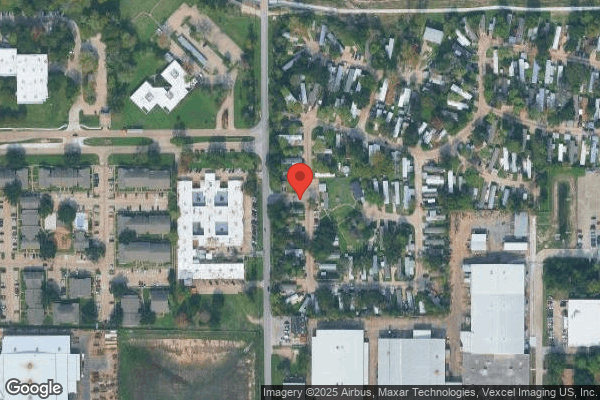
Jun 2023 1 deficiency
CONCERN (D) 📢 Someone Reported This

A family member, employee, or ombudsman was alarmed enough to file a formal complaint

Potential for Harm - no one hurt, but risky conditions existed

Pressure Ulcer Prevention (Tag F0686)

Could have caused harm · This affected 1 resident

**NOTE- TERMS IN BRACKETS HAVE BEEN EDITED TO PROTECT CONFIDENTIALITY** defecencies cited Based on interview and record review, the facility failed to ensure that a resident with pressure ulcers rece...

Read full inspector narrative →
**NOTE- TERMS IN BRACKETS HAVE BEEN EDITED TO PROTECT CONFIDENTIALITY** defecencies cited Based on interview and record review, the facility failed to ensure that a resident with pressure ulcers receives necessary treatment and services consistent with professional standards of practice, to promote healing, prevent infection and prevent new pressure ulcers from developing for 1 (CR #1) of 5 residents reviewed for pressure ulcers in that: -The NF did not consult with the wound care doctor to get wound care orders for CR #1 who was admitted to the NF on 03/30/2023 until 04/06/2023. This failure placed resident at risk for infections and unwanted hospitalization. Findings included: CR #1 Record review of CR #1's face sheet dated 06/06/2023 revealed a [AGE] year-old male admitted to facility on 03/30/2023 with the following diagnoses; chronic kidney disease, chronic obstructive pulmonary disease (a group of lung disease that block the air flow making it difficult to breathe), hyperlipidemia (high cholesterol), type 2 diabetes mellitus, dependence on renal dialysis, heart failure, anemia (low red blood cell count), hypertension (elevate blood pressure), pressure ulcer of the sacral (bottom of the spine) region stage 4, and malaise (feeling of discomfort and lack of well-being). Record review of CR #1's MDS dated [DATE] revealed BIMS score of 9 (cognition moderately impaired). Further record review revealed that CR #1 required limited assistance with bed mobility and eating. CR #1 required extensive assistance with transfer, dressing, and total dependence for toilet use and personal hygiene. Further record review revealed that resident was always incontinent of bowel and 1 stage 4 pressure ulcer that was present upon admission. Record review of CR #1's baseline care plan dated 03/31/2023 revealed that resident was care planned for pressure injury but did not specify specific goals and interventions. Record review of CR #1's hospital records dated 03/14/2023 revealed in part: .[CR #1] doing ok in rehab unit; will eventually go to SNF .Has sacral wound with vac .Has several other wounds including left heel wound .Doing better with po intake but not enough to meet his nutritional requirement. On appetite stimulant .left heel wound and sacral infected, status post I and D on 01/11 in OR .Wound Culture from 01/10 growing Enterococcus and Staph Aureus (bacterias) .CT of abdomen (belly)/pelvis (hip bone) on 01/11 notes the posterior decubitus ulcer, extends to distal sacrum and coccyx is possible concern osteomyelitis .Wound Vac Finished antibiotics .sacral wound currently being treated with NPWT . Record review of CR #1's labs done at the hospital on [DATE] revealed in part: WBC (white blood cell count) was: 10.6 Record review of CR #1's Physician Orders included the following: -03/31/2023: Consult wound care -04/06/2023: Wound of the sacrum clean with wound cleanser or normal saline, pat dry, apply santyl/alginate and cover with dry dressing. Change dressing daily every day. -04/06/2023: Wound to right lateral leg clean with wound cleanser or normal saline, pat dry, apply collagen powder and cover wound with dry dressing, change dressing daily every day shift. -04/06/2023: Wound to right knee clean with wound cleanser or normal saline, pat dry, apply collagen powder and cover with dry dressing. Change dressing every day shift. -04/06/2023: Unstageable of the left heel paint with betadine and leave open to air every day shift. Record review of CR #1's TAR for the month of April 2023 revealed that the NF began ordered wound care treatment for CR #1 on 04/06/2023. Record review of CR #1's blood work included the following: -Date 04/03/2023 CR #1's WBC was 12.28 (elevated) with normal range of 4.80-10.80 -Date 04/06/2023 WBC of 9.7 Record review of CR #1's Physician Progress Notes dated 04/06/2023 revealed in part .Pressure ulcer of sacral region, stage 4 needs wound care. Wound of the sacrum clean with wound cleanser or nomal saline pat dry apply Santyl/Alginate and cover wound with dry dressing, change dressing daily .No active discharge, the wound does not appear infected at this time . Record review of CR #1's Nursing Progress Notes dated 03/31/2023 documented by RN A read in part: .CR #1 was transferred from hospital by EMS. He is alert, oriented times 3, multiple wounds to sacrum, L (left) knee, R (right) shoulder, dialysis catheter to R (right) chest. Vital signs T (temperature) 97.6, P(pulse) 97, R (respirations), BP (Blood Pressure) 121/60, O2 (Oxygen) saturation 99%. He is not in distress, will continue to monitor . Further review of CR #1's Nursing Progress Notes dated from 03/31/2023 revealed no further documentation of CR #1's wounds until 04/06/2023 documented by MDS Coordinator revealed in part in part: .Wound specialists notify of wounds new order noted treatment in progress sacrum 9x13x2cm, left heel 9x8cm, right lateral leg 5x2.5cm, right knee 1x1.5cm .no odor Further review of CR #1's Nursing Progress Notes dated 04/09/2023 (although CR #1's transfer to the hospital was not related to delay in wound treatment, the surveyor providing the reason for transfer to the hospital) documented by RN A revealed in part: .SBAR Summary: Change of Condition identified: Altered Mental Status .vital signs BP 130/86, P-86, R- 16,, O2 saturation 98% room air .Resident was observed altered mental status, lethargic, shallow respirations. Called 911 and resident transferred to the hospital for further management . Record review of CR #1's hospital records dated 04/09/2023 revealed the following admitting diagnoses: delirium (confusion), urinary tract infection associated with indwelling urethral catheter, hyponatremia (low sodium), hypokalemia (low potassium), and pressure injury of skin sacral region. Interview on 04/15/2023 at 12:23 pm, DON C said CR #1 was admitted to the NF on 03/30/2023. DON C said she had to confirm what shift CR #1 was admitted on . Further interview with DON C revealed CR #1 admitted to the NF on the evening shift at 7:22pm. DON C said RN A probably documented late due to RN inputting CR #1's medications in the system. DON C said the doctor did not give an order to culture CR #1's wounds. DON C said when CR #1 was admitting to the NF, the NF did not have a wound care nurse. DON C said the NF had not had a wound care nurse since mid-March 2023. DON C said the NF's MDS Coordinator was the interim wound care nurse until the NF hired a new wound care nurse. DON C said when the MDS Coordinator was not available to do wound care, the nurses on the units had to do the wound care dressing changes. DON said the nursing facility staff including the CNA's done 12-hour shifts and the admitting nurse should have consulted the wound care doctor regarding a wound consult. Interview on 04/15/2023 at 1:52 pm via phone RN A said she was the admitting nurse for CR #1 on 03/30/2023. RN A said there was an order to consult wound care. RN A said she communicated to the oncoming nurse, whose name she could not remember, that CR #1 had an order to consult wound care. RN A said the MDS Coordinator was the wound care nurse. RN A said after admitting CR #1 on 03/30/2023, she was off work and did not return to work until the following week. RN A said she had to change CR #1's wound dressings sometimes if the dressing became soiled. RN A said she used normal saline to clean the wounds and apply a wet to dry normal saline dressing. RN A said when she admitted CR #1 to the NF, she only saw orders for medications but not an order for wound dressing changes. RN A said when she admitted CR #1, she did observe CR #1's wound to the sacrum by pulling back the dressing to observe the wound tissue that was pink, red in color with drainage being brown reddish in color but no odor. RN A said CR #1 wounds looked the same when she returned to work the following week and she had to do a dressing change for CR #1. Interview on 04/15/2023 at 2:40 pm DON C said the nurses gave verbal report regarding the resident's care. DON C said the nurses were supposed to document care provided to the residents in PCC on the 24-hour communication form. DON C was unable to produce this information to the surveyor. DON C said she would have to contact another staff member who had gone to lunch to see if they could assist in retrieving the 24-hour communication form regarding CR #1. DON said she believed the reason she could not locate the 24-hour communication for CR #1 was because CR #1 had been discharged from the NF. DON C said she had been working at the NF since the middle of February of 2023. DON C said she had been working with the Regional Team trying to repair patient care systems and wound care was one of them. DON C said a department from HHSC-Rapid Response Team had come to the NF in April from 4th-6th of 2023; helping the NF with system failures. DON C said a PIP was done regarding the NF delaying wound care orders for CR #1. DON C said when HHSC-Rapid Response Team came to the NF, she became busy and the ADON was leading the morning meetings. DON C said the ADON failed to discuss CR #1's wound care treatment plan in the morning meetings and CR #1's wound care treatment was missed. DON C said the NF had 2 ADON's one for each unit and both missed addressing CR #1's wound care. DON C said the MDS Coordinator, who was also the interim wound care nurse, knew that all residents admitted to the NF must have a complete skin assessment. DON C said the MDS Coordinator was aware of that and just did not do a skin assessment on CR #1 within 24-hours after being admitted to the NF. Interview on 06/06/2023 at 10:28 am MDS Coordinator said she only assisted with wound care on the weekends and that the NF did not have a Wound Care Nurse. Therefore, the unit nurses were doing the wound care dressing changes. The MDS Coordinator said she did not see CR #1 upon admission on [DATE]. The MDS Coordinator saw she did remember changing CR #1's dressings to his wounds that was on the sacral, believe on one of his knees, and a heel and believed the date was 04/06/2023. The MDS Coordinator said she must have seen CR #1 after he was assessed by the Wound Care Doctor. Interview on 05/16/2023 at 10:30 am, the Wound Care Nurse said she had been working at the NF for 20 years, resigned November of 2022, and then returned February of 2023 on a PRN basis. The Wound Care Nurse said when she returned in February of 2023, she was not working as the Wound Care Nurse but worked as a unit nurse on the west wing. The Wound Care Nurse said she started working as the NF Wound Care Nurse full time about a month ago. The Wound Care Nurse said she performed a head-to-toe skin assessment on all new admissions and the new admissions plan of care were supposed to be discussed in the morning meetings. The Wound Care Nurse said the Wound Care Doctor came to the NF every week. Interview on 06/06/2023 at 10:35 am LVN B who was the nurse that documented after RN A said she worked at the NF full time and did not remember CR #1. LVN B said she had been in-serviced that whenever a resident was admitted to the NF, the admitting nurse was supposed to call the attending doctor to do a medication reconciliation. LVN B said if the new admission had wounds, get an order for a wound consult. LVN B said the Wound Care Nurse is supposed to review new admission orders along with doing a skin assessment. Interview on 06/06/2023 at 11:00 am, the Administrator said CR #1 was not discussed in the morning meeting and did not have a reason why. The Administrator said the NF was ensuring that all new admissions health care needs were being in the morning meetings at present. The Administrator said the nursing staff had been in-serviced on new admissions with skin issues, documenting all wounds, discharge orders, and wound consults. The Administrator said it was Quality Assurance that came to the NF prior to surveyor entering the NF and discovered that CR #1 did not receive wound care orders until 04/06/2023. The Administrator said she called the incident in to the state. Further interview with the Administrator said she confirmed with the NF Regional Nurse that the MDS Coordinator was supposed to be the interim Wound Care Nurse until the NF hired a new Wound Care Nurse. Interview on 06/06/2023 at 1:35pm DON D said she was the new DON for the NF. DON D said a head-to-toe skin assessment must be done on all new admissions at the time of admission by the admitting nurse following up with the Wound Care Nurse also doing a head-to-toe skin assessment. DON D said if a new admission is admitted with wounds, the admitting nurse should get a wound consult order when he or she call the attending physician for medication reconciliation. DON D said if the admitting nurse did not see any orders for wound care on a new admission that was admitted to the NF, the admitting nurse could do the following: call the facility were the resident was coming from to confirm what dressing changes were being done prior to resident being admitted to the NF, call the attending physician at the NF to get wound treatment for dressing changes. Record review revealed that the NF had done a Quality Assurance Performance Improvement Plan regarding Wound treatment orders missed upon admission with a time of completion dated 04/28/2023. Record review revealed that the NF had done in-services with the Nursing staff on new admissions with skin issues dated 04/10/2023 that revealed the following: -Admitting nurse is responsible for a complete head to toe assessment documenting all wounds -Confirming hospital discharge treatment orders with PCP/in house doctor -Placing treatment orders in PCC and wound consult order if necessary -New admission orders to be verified within 24-hours of admission and on Mondays for weekend admissions Record review revealed that the NF had done Disciplinary Action for RN A signed 04/14/2023 regarding new admissions, wound care orders not entered chart upon admission, wound care orders not verified by the MD upon admission, and skin assessment not consistent with hospital discharge paperwork or wound location on resident.
Mar 2023 4 deficiencies
CONCERN (D) 📢 Someone Reported This

A family member, employee, or ombudsman was alarmed enough to file a formal complaint

Potential for Harm - no one hurt, but risky conditions existed

Assessment Accuracy (Tag F0641)

Could have caused harm · This affected 1 resident

**NOTE- TERMS IN BRACKETS HAVE BEEN EDITED TO PROTECT CONFIDENTIALITY** Based on interview, and record review the facility failed to have assessments that accurately reflected the resident's status fo...

Read full inspector narrative →
**NOTE- TERMS IN BRACKETS HAVE BEEN EDITED TO PROTECT CONFIDENTIALITY** Based on interview, and record review the facility failed to have assessments that accurately reflected the resident's status for one (Resident #9) of 6 residents reviewed for resident assessments. The facility failed to ensure Resident #9's MDS Assessments accurately reflected the presence of the AICD, a small electronic device implanted into the chest to monitor and correct abnormal hearth rhythm . This failure could place residents at risk of not having accurate assessments, which could compromise their health. Findings included: Record review of Resident #9's face sheet revealed a [AGE] year-old male admitted to the facility on [DATE] and discharged on 12/06/2022. His diagnoses included congestive heart failure, COPD, end stage renal disease requiring dialysis, HTN, ventricular tachycardia (heart rate higher than 120 beats per minute), anemia, diabetes and dementia. Record review of Resident #9's admission MDS dated [DATE] revealed a BIMS score of 5 out of 15 indicating severe cognitive impairment. He required extensive assistance with all ADLs. Section I, Active Diagnosis revealed he also had hypertension, GERD, BPH, septicemia (blood infection), arthritis, anxiety disorder. The MDS did not include the presence of an AICD. Record review of Resident #9's undated care plan revealed there was no care plan or intervention for an AICD. Record review of Resident #9's hospital transfer paperwork, revealed he had a history of non-sustained ventricular tachycardia (NSVT) s/p automated implantable cardioverter defibrillator (AICD), s/p interrogation: normal functioning device, 1 episode of ventricular tachycardia (VT) on 10/29/2022. Record review of Resident #9's physician's progress noted dated 11/22/2022 revealed, Plan: #Nonishcemic cardiomyopathy with ejection fraction (the percentage of blood leaving the heart each time it contracts) of 25% s/p AICD - AICD interrogated in the hospital; volume control with hemodialysis, continue on Coreg (Carvedilol) and BiDil (isosorbide-hydralazine). In an interview on 03/29/2023 at 11:00 AM, the MDS Nurse stated she had been working at the facility since 2020. She stated if a resident had a pacemaker, it would be found under diagnosis or in the hospital records. The MDS nurse stated the unit manager, and the DON would see the hospital referral packet for the new resident before she would see the hospital packet, then she would review the hospital records to include verifying diagnoses. Record review of the facility's nursing policies and procedures for the subject: pacemaker - cardiac, revised on 06/2019 read in part: 1. The facility will admit patients/residents with pacemakers that have been in place for at least twenty-four hours. 2. The nursing staff will take measures to maintain proper functioning of pacemaker and provide documentation of pacemaker activity per physician orders. Procedures: 1. Identify insertion site, date insertion, type of pacemaker and preset rate. 2. Check preset pacemaker every 6 months per manufacturer's guidelines unless otherwise ordered by physician Note: A. Microwave ovens, diathermy, or heavy electrical appliances can cause electrical malfunction of the older model pacemaker . Record review of the facility's nursing policies and procedures for MDS Primary Assessment, revised 06/2019, revealed in part: Policy: The facility will complete its state-specific version of the MDS based on the Primary Reason for Assessment within the required timeframes according to applicable law and regulations Procedures: .Note: Plan of Care is based on individual assessments and needs of the patient/resident. Record review of the Long-Term Care Facility Resident Assessment Instrument 3.0 User's Manual, version 1.17.1, dated October 2019, reflected, The RAI process has multiple regulatory requirements. Federal regulations at 42 CFR 483.20 (b)(1)(xviii), (g), and (h) require that (1) the assessment accurately reflects the resident's status.
CONCERN (D) 📢 Someone Reported This

A family member, employee, or ombudsman was alarmed enough to file a formal complaint

Potential for Harm - no one hurt, but risky conditions existed

Incontinence Care (Tag F0690)

Could have caused harm · This affected 1 resident

**NOTE- TERMS IN BRACKETS HAVE BEEN EDITED TO PROTECT CONFIDENTIALITY** Based on observation, interview, and record review the facility failed to ensure that nurses' aides are able to demonstrate comp...

Read full inspector narrative →
**NOTE- TERMS IN BRACKETS HAVE BEEN EDITED TO PROTECT CONFIDENTIALITY** Based on observation, interview, and record review the facility failed to ensure that nurses' aides are able to demonstrate competency in skills and techniques necessary to care for residents' needs for 2 of 3 residents (Resident #8 and #7) reviewed and observed for incontinence care. - CNA A failed to cleanse Resident #8's penis during incontinence care. - The facility failed to secure Resident #7's indwelling foley catheter to prevent it from pulling. These failures could affect any resident requiring incontinent care, any residents with indwelling urinary catheters and place them at risk of discomfort or developing an infection. Findings included: Resident #8 Record review of Resident #8's face sheet revealed a [AGE] year-old male admitted on [DATE]. His diagnoses included subdural hematoma (bleeding within the brain), metabolic encephalopathy (problems with metabolism causing brain dysfunction), schizophrenia, diabetes, and impaired renal tubular function (disorder of the kidneys). Record review of Resident #8's admission MDS dated [DATE] revealed he had short-term and long-term memory problems and his cognitive skills for daily decision making were severely impaired. He required extensive assistance with bed mobility and was totally dependent on staff for transfers, dressing, eating, toilet use and personal hygiene. He was always incontinent of bowel and bladder. Record review of Resident #8's care plan revealed Resident #8 had bowel and bladder incontinence and was at risk for skin breakdown AEB cognitive impairment, date initiated was 02/08/2023. Interventions included monitor for s/sx of skin breakdown and report to MD and RP. Observation on 02/08/2023 at 2:30 PM, Resident #8 was alert and sitting on the edge of the bed. The brief and bed linen were soaked with urine. CNA A, CNA B and CNA C sanitized their hands and donned clean gloves. CNA A removed Resident #8's brief and placed it in the trash bin, removed gloves and donned clean gloves. CNA C was handing out cleansing wipes to CNA A. CNA B was assisting with turning the resident. CNA A used a cleansing wipe and cleansed the lower abdomen and top of pubic area, used a new cleansing wipe to clean the right groin and used a new cleansing wipe to clean the left groin area. The resident was uncooperative and clenching his thighs together. The resident kept putting his hands to his groin area. CNA A used a fresh wipe and cleansed the right and left scrotum. CNA A cleansed from the base of the penis up the shaft. CNA A did not cleanse the top of the penis. CNA B assisted the resident to roll onto his left side. CNA A cleansed the peri anal area from front to back with a new cleansing wipe. CNA A cleansed the peri-anal area two more times using new cleansing wipes. CNA A cleansed the resident's buttocks with new cleansing wipes, rolled the soiled bottoms sheets, removed gloves, hand sanitized and donned clean gloves. CNA A and CNA B positioned the clean brief and clean bottom sheet under the resident's buttocks then secured the brief. CNA A assisted the resident in putting on a pair of pants. CNA B handled the soiled sheets and placed into a plastic bag, removed gloves, disposed of gloves, and walked out of the room with the soiled linen bag down the hall and opened the soiled linen door then placed the bag into the barrel, closing the door. In an interview on 02/08/2023 at 2:45 PM, CNA A stated incontinent care for a male was the same as for a female. CNA A stated he began cleaning front to back and groin area because this is how he was taught at CNA school. CNA A stated he did not wipe the tip of the penis because he did not want germs to go inside the penis from other parts of the groin. CNA B stated she should have washed her hands after removing gloves, before leaving the room to prevent cross contamination. CNA B stated she usually washes her hands after returning from the soiled linen room. She stated she will sanitize the door handle of the soiled utility room because she touched it without washing her hands first after removing dirty gloves. In an interview on 02/08/2023 at 3:28PM, the DON stated she would expect the CNAs to start by cleaning the penis first and work the way down to prevent bacteria from entering the penis possibly causing a bladder infection. The DON stated she expects the CNAs to perform hand hygiene between glove changes. Resident #7 Record review of Resident #7's face sheet undated revealed a [AGE] year-old female admitted on [DATE] and initially admitted on [DATE]. Her diagnoses included anoxia brain damage, chronic respiratory failure with hypoxia, cognitive communication deficit, intracranial injury, sepsis and tracheostomy status. Record review of Resident #7's quarterly MDS dated [DATE] revealed she had no speech, rarely/never made herself understood and rarely/never understood others. Her cognitive skills for daily decision making were severely impaired. She was totally dependent on staff in performing all ADLs. She had a urinary catheter and was always incontinent of bowel. Record of Resident #6's undated care plan revealed the had a foley catheter and was at risk for increased UTIs and skin breakdown, dated initiated was 02/28/2023. Interventions included change foley catheter, tubing and bag per order and monitor for s/sx of infection. There was no intervention regarding securing the foley catheter. Record of Resident #6's physician order revealed an order to use a catheter securing device to reduce excessive tension on the tubing and facilitate urine flow. Rotate site of securement daily and PRN every shift for indwelling catheter. Order start date was 08/09/2022. Monitor for potential complications of indwelling urinary catheter use such as redness, irritation, s/sx of infection, obstruction, urethral erosion, bladder spasms, hematuria or leakage around the catheter every shift. Order start date was 08/09/2022. In an observation and interview on 03/29/2023 at 8:45 AM, Resident #7 had a brief on and the urinary foley catheter was not anchored to Resident #7's thigh. LVN B stated the foley catheter should have an anchor and did not know why there was none there. LVN B stated it was important so it would drain properly and to reduce tugging on the patient and to reduce any paint to the patient. LVN B stated she would make sure she puts an anchor on for Resident #7. In an interview on 03/29/2023 at 10:15 AM, the Administrator stated the foley catheter should have an anchor on Resident #7 to prevent pulling it out of the urethra. Record review of the facility nursing policies and procedures for Perineal/Incontinent Care, revised on 06/2019 read in part: Policy: It is the policy of this facility that staff will perform perineal/incontinent care with each at and after each incontinent episode. Procedures: .9. For male patient/resident: a. Gently raise penis and place bath towel underneath. i. Gently grasp shaft of penis Apply cleanser as directed. Wash tip of penis at urethral meatus first. Using circular motion, cleanse from meatus outward .iv. Wash shaft of penis with gentle but downward strokes .v. Gently cleanse scrotum . Record review of the facility nursing policies and procedures for hand hygiene/hand washing revised on 06/2019, read in part: Policy: it is the policy of this facility that proper handwashing technique will be used when hand washing is indicated .Procedures: .2. Wash hands: C. Before putting on gloves, when changing into a fresh pair of gloves, and immediately after removing gloves .J. After contact with soiled or contaminated articles, such as articles that are contaminated with body fluids . Record review of the facility nursing policies and procedures for Catheter Care, revised on 06/2019, read in part: Policy: It is the policy of this facility that indwelling urinary catheters will be cleaned and maintained to reduce risk of urinary tract infections or other urinary complications. Procedures: .8. Remove any anchoring device, if present and free catheter tubing . Record review of Catheter-Associated Urinary Tract Infection (CAUTI), Last update: June 6, 2019, www.cdc.gov/infection control guidelines, revealed in part: .II. Summary of Recommendations Table 1. Modified HICPAC Categorization Scheme* for Recommendations: Category IB: A strong recommendation supported by low quality evidence suggesting net clinical benefits or harms or an accepted practice (e.g., septic technique) supported by low to very low quality evidence . II. Proper Techniques for Urinary Catheter Insertion E. Properly secure indwelling catheters after insertion to prevent movement and urethral traction. (Category IB)
CONCERN (D) 📢 Someone Reported This

A family member, employee, or ombudsman was alarmed enough to file a formal complaint

Potential for Harm - no one hurt, but risky conditions existed

Respiratory Care (Tag F0695)

Could have caused harm · This affected 1 resident

**NOTE- TERMS IN BRACKETS HAVE BEEN EDITED TO PROTECT CONFIDENTIALITY** Based on observation, interview, and record review, the facility failed to ensure that a resident who needs respiratory care, in...

Read full inspector narrative →
**NOTE- TERMS IN BRACKETS HAVE BEEN EDITED TO PROTECT CONFIDENTIALITY** Based on observation, interview, and record review, the facility failed to ensure that a resident who needs respiratory care, including tracheotomy care and tracheal suctioning, is provided such care, consistent with professional standards of practice, the comprehensive person-centered care plan, the residents' goals and preferences for 2 of 2 residents (Resident #6 and Resident #7) reviewed for respiratory care. -LVN A failed to maintain sterility of the inner cannula during tracheostomy care for Resident #6 -Resident #7's nebulizer cup, tubing to the nebulizer cup, suction canister, nasal cannula and humidifier bottle was not changed in over 7 days. The nebulizer cup for Resident #7 was stored without a bag for protective covering. These failures could affect all residents receiving breathing treatments or oxygen therapy placing them at risk of receiving incorrect, inadequate oxygen support, infection and could result in a decline in health and hospitalization. Findings included: Resident #6 Record review of Resident #6's face sheet revealed a [AGE] year-old female admitted on [DATE] and initially admitted on [DATE]. Her diagnoses included dysphagia following a stroke, anxiety disorder, chronic respiratory failure, anemia, bacterial infection, sepsis and tracheostomy status. Record review of Resident #6's annual MDS dated [DATE] revealed a BIMS score of 00 indicating severe cognitive impairment. She required extensive assistance in performing all activities of daily living (ADLs). She was incontinent to bowel and incontinent to bladder. Section C0100. Special treatment, procedures and program was coded for receiving oxygen therapy, suctioning and tracheostomy care. Record of Resident #6's care plan last reviewed on 03/09/2023 revealed the resident had a tracheostomy and was at risk for increased secretions, congestion, and infections r/t respiratory failure. Interventions included change disposable inner cannula, in the afternoon for airway patency. Record of Resident #6's physician order revealed an order dated 3/28/2023 for Trach care: Disposable Inner Cannula every day shift, change Shiley size 4 Inner Cannula daily and as needed. Observation on 03/28/2023 at 8:00 AM, Resident #6 was alert, sitting upright and cooperative. LVN A wore a facemask LVN A washed hands, donned clean gloves, moved the trach collar to one side, removed drain sponge from under Resident #6's trach flange, disposed into trash, removed the inner cannula, disposed into trash, removed gloves, and sanitized hands. LVN A opened the sterile trach kit, partially opened the package of the new sterile inner cannula, donned sterile gloves. LVN A picked up gauze sponge soaked in normal saline, using her left hand cleaned around the trach. LVN A opened the inner cannula package using both hands. LVN A's left hand touched the outside of the package. LVN A removed the inner cannula with her left hand, touching the white portion only. As LVN A inserted the sterile cannula, she touched the inner sterile tubing of the cannula. LVN A applied the new drain sponge under the flange of the trach tube. In an interview on 03/28/2023 at 8:40 AM, LVN A stated she thought her left hand was the sterile hand because she was left-handed and did not think she touched the inner cannula. LVN A stated she was nervous. LVN A stated if the inner tubing of the sterile inner cannula was touched, the risk to the resident was infection. LVN A stated she thinks her last in-service training for trach care was about one month ago and that she keeps messing up since Rapid Response team has been here a lot. In an interview on 03/28/2023 at 1:00 PM, the DON stated that trach care was a sterile procedure and that the sterile hand should handle the new inner cannula without touching the inner portion due to the risk of infection. Resident #7 Record review of Resident #7's face sheet undated revealed a [AGE] year-old female admitted on [DATE] and initially admitted on [DATE]. Her diagnoses included anoxia brain damage, chronic respiratory failure with hypoxia (below normal level of oxygen in the blood), cognitive communication deficit, intracranial injury, sepsis and tracheostomy status. Record review of Resident #7's quarterly MDS dated [DATE] revealed she had no speech, rarely/never made herself understood and rarely/never understood others. Her cognitive skills for daily decision making were severely impaired. She was totally dependent on staff in performing all ADLs. Section C0100. Special treatment, procedures and program was coded for receiving oxygen therapy, suctioning and tracheostomy care. Record of Resident #7's undated care plan revealed the resident had a tracheostomy and was at risk for increased secretions, congestion, and infections. Date initiated was 03/07/2023. Interventions included, observe for needed suctioning of increases secretions/congestion. Observe for s/sx of infection. Provide O2, tracheostomy care and tubing change per MD order. Resident #6 had PNA r/t aspiration. Date initiated was 03/10/2023. Interventions included to auscultate lung sounds. Record of Resident #7's physician order revealed an order to change RT bedside supplies: nebulizer kit, oxygen tubing, oxygen adapter, suction set-up, oral yankauer (a suctioning tool), trach mask, water humidifier at bedtime every 7 days. Order date was 03/16/2023 and start date was 03/20/2023. Budesonide Suspension 0.5 mg/2ml, 2ml via trach one time a day for SOB. Order date was 07/22/2022. In an observation and interview on 03/29/2023 at 7:35 AM, Resident #7, had her eyes open, was coughing and expelled a moderate amount of thin, frothy, white, sputum from her trach. The nasal cannula, humidifier container, nebulizer cup and suction canister was dated 03/20/23. The NS 100ml bottle was dated as opened on 03/28 at 6:00 AM. Observation on 03/29/2023 at 8:40 AM, LVN B donned goggles and facemask, washed hands, donned clean gloves, and listened to Resident #7's lungs using a stethoscope. Oxygen saturation monitoring device was on the resident's finger. Reading was 100%. The neb cup was clipped onto the nebulizer machine and the tubing was connected to the nebulizer machine. There was no baggy over the neb cup. LVN B poured the liquid Budesonide into the neb cup, attached to the T connector, and connected to Resident #7's trach tube and turned the nebulizer machine on. After the breathing treatment was complete. LVN B disconnected the apparatus and replaced the mist collar. In an interview of 03/29/2023 at 8:55 AM, LVN B stated the opened bottle of NS was good for 24 hours and confirmed the date written on the bottle was 3/28 6:00 AM. She stated the neb cup, tubing and all the other respiratory tubing should be changed every Sunday and were good for 7 days. She stated it would be important to cover the neb cup and tubing to keep from getting bacteria into it and the risk to the resident was infection as the breathing treatment goes straight into the lungs. She stated, we don't want Resident #7 to get sick. In an interview with the Administrator and the DON, the Administrator stated applying constant suction when inserting suction catheter into a trach may cause a decrease in oxygen saturation rate, hypoxia and discomfort to the resident. The DON stated she was unsure what the risks would be if the nebulizer cup was not stored with a cover and that she would have to check on the policy. The DON stated it was the responsibility of the night shift nurses to change the respiratory tubing every week. In an interview on 03/30/2023 at 9:45 AM, LVN C stated after use, she would rinse the neb cup with tap water and store in a clean baggy to keep from contaminants and to help prevent infection. LVN C said anything can fall into the cup or a resident can touch or drop it. LVN C stated a bottle of NS must be dated once opened and not sure about how long it would be good for. In an interview on 03/30/2023 at 9:55 AM, LVN D stated she would clean the neb cup after each use and if she were unsure whether it was clean, she would replace it. LVN D stated she would store it in a baggy to cover and help keep it clean. She stated if anything should get into the neb cup the resident could inhale it and could get an infection. Record review of the facility nursing policies and procedures for Tracheostomy Care, revised 11/2022 read in part: Policy: It is the policy of this facility that Tracheostomy care is performed aseptically for cleaning of the tracheostomy tube and stoma site, to prevent plugging of the tracheostomy tube, to prevent airway obstruction, to prevent infection of trach site, and to maintain a patent airway for suctioning Precautions/side effects: .Infection . Record review of the facility policy and procedure for Suctioning an Artificial Airway, date revised 11/2022, read in part: Policy: Maintain a patent airway by removing obstructing secretions in residents who are unable to effectively clear their airway. Procedure: 1. Follow standard precautions .9. Prepare equipment, don (put on) sterile gloves .12. Insert the suction catheter into the trach tube until resistance is felt, pull back slightly 13. Slowly withdraw the catheter and apply intermittent suction by occluding and releasing the suction port with the thumb . Record review of the facility's undated policy and procedure for Respiratory Training - Nebulizer (Breathing Treatments) read in part: .What are breathing treatments: .Breathing treatments involve inhaling medications in mist form using a nebulizer device. Common diagnoses: asthma, pneumonia .Procedure: .6. Place prescribed medication in the nebulizer medication cup .10. Run nebulizer until medication is finished delivering 11. Remove mouthpiece/mask and store in clean bag . Record review of the Vixone Nebulizer Mask Kit manual by westmedinc.com, revealed the cleaning instructions read: The Vixone nebulizer must be disassembled and cleaned periodically in order to operate correctly. Westmed recommends disassembly and cleaning of all nebulizer components at the end of each treatment. Wash and dry your hands. Disassemble the Nebulizer Acute Care Setting: Rinse all nebulizer component parts per acute care setting cleaning protocol. Vixone small volume medication nebulizer tips: The VixOne single-patient use nebulizer, identified by the clear plastic bowl, is designed for single-patient use in the hospital. Discard at 7-day intervals. Record review of 0.9% Sodium Chloride Irrigation USP, 100ml bottle by Steri care Solutions revealed the label read: Not for injection. Contains no antimicrobial agent or added substance. Sterile, nonpyrogenic single use. Discard unused portion.
CONCERN (E) 📢 Someone Reported This

A family member, employee, or ombudsman was alarmed enough to file a formal complaint

Potential for Harm - no one hurt, but risky conditions existed

Tube Feeding (Tag F0693)

Could have caused harm · This affected multiple residents

**NOTE- TERMS IN BRACKETS HAVE BEEN EDITED TO PROTECT CONFIDENTIALITY** Based on observation, interview and record review, the facility failed to ensure a resident who was fed by enteral means receive...

Read full inspector narrative →
**NOTE- TERMS IN BRACKETS HAVE BEEN EDITED TO PROTECT CONFIDENTIALITY** Based on observation, interview and record review, the facility failed to ensure a resident who was fed by enteral means received the appropriate treatment and services to restore, if possible, oral eating skills and to prevent complications of enteral feedings which included but not limited to aspiration pneumonia, diarrhea, vomiting, dehydration, metabolic abnormalities and nasal-pharyngeal ulcers for 5 of 5 resident (Resident #1, #2, #3, #4 and #5) reviewed for enteral feedings. The facility failed to provide Resident #1, #2, #3, #4 and #5 with enteral feeding as ordered by the physician as evidenced by: -Resident #1 received 570 ml of water per a day via enteral feed, instead of 990 ml per physician orders. -Resident #2 received 2022kcal of Jevity 1.5, instead of 2100-2400kcal per day and 450ml of water instead of 660ml per day as ordered per recommendations of the nutritionist. -Resident #3 received 1582.5kcal of Jevity 1.5 per day instead of 1980kcal per day and 640ml of water instead of 960ml per day as ordered per recommendations of the nutritionist. -Resident #4 received 2350.5kcal of Glucerna 1.5 per day, instead of 2645-3090kcal per day and 820ml of water instead of 1100ml as ordered per recommendations of the nutritionist. -Resident #5 received of Jevity 1.5 instead of Osmolite 1.2 and 540ml of water per day instead of 720ml as physician ordered. This failure could place residents at risk for weight loss, dehydration, and could compromise healing of wounds and other health and nutrition-related diseases. Findings included: Resident #1 Record review of Resident #1's admission face sheet revealed a [AGE] year-old male who was admitted to the facility on [DATE] and initially admitted on [DATE]. His diagnoses included metabolic encephalopathy (problems with metabolism causing brain dysfunction), muscle wasting, mild protein malnutrition, Alzheimer's disease, nutritional deficiencies, anorexia, dementia and difficulty with chewing and swallowing food. Record review of Resident #1's comprehensive MDS dated [DATE] revealed a BIMS score of 9, indicating he had moderate cognitive impairment. He required extensive assistance for all ADLs. Record review of Resident #1's Nutritional Assessment for Skilled Facilities dated 02/03/2023, revealed Resident #1 was assessed for tube feeding and read in part: . he was underweight. Patient continues hospice care. RD will recommend updated TF order r/t available formulary per regional RN request. New TF order will meet kcal/protein/fluid at 100% will continue to follow . Record review of Resident #1's Physician's Order Summary Report printed on 03/02/2023 at 10:52 AM, revealed the enteral feed order for Jevity 1.5 @ (65 ml/hr) with 45 ml/hr H2O flush via G-Tube continuously x 22 hours. Two hours accounts for ADL care. (Provides 2145 kcals, 91g protein, 1087ml (formula, free water) FW + 990 ml (flush fluid) = 2077ml total water (TW) every shift. Start date 01/17/2023. Observation on 02/08/23 at 10:45 AM, revealed Resident #1 was in bed, alert and non-communicative. The tube feeding connected to the resident was Jevity 1.5 CAL and water. The kangaroo ePump (enteral feeding pump), was set at a continuous rate of 65ml/hr for the Jevity 1.5 and 45ml/hr for the water. The DON changed the infusion screen to the history screen view. The history screen revealed the resident received a total of 1554ml(2331 Kcal) of Jevity 1.5 and 570ml of water over the last 24hour period. Resident #2 Record review of Resident #2's admission face sheet revealed a [AGE] year-old female who was admitted to the facility on [DATE] and initially admitted on [DATE]. Her diagnoses included gastro-esophageal reflux disease, gastrostomy status (she had a tube into the stomach for feeding), dementia, Alzheimer's disease and dysphagia (difficulty with chewing and swallowing food). Record review of Resident #2's quarterly MDS dated [DATE] revealed she had short term and long-term memory problems. Her cognitive skills for daily decision making were severely impaired. She was totally dependent on staff for all ADLs. She had a feeding tube for nutritional approaches. Record review of Resident #2's care plan last reviewed on date 10/25/2022, revealed the resident was not to have anything by mouth and required tube feeding. Administer Jevity 1.5 per G-Tube via pump as ordered. Resident #2 was at risk for weight loss. Interventions included RD to evaluate quarterly and PRN. Observe caloric intake, estimate needs. Make recommendations for changes to tube feedings as needed. Resident #2 had potential fluid deficit r/t dx of dysphagia and need for gastrostomy tube (G-tube). Administer medications as ordered. Resident #2 had stage 4 pressure wound to right lateral ankle and was at risk for further skin breakdown, infection, worsening of existing pressure wounds. Resident participated in the Complimentary Alternative Therapies Program (CAT) to promote hydration/wellness as evidenced by wound/healing skin health. Interventions included monitor for s/sx of dehydration. Record review of Resident #2's Nutritional Assessment for Skilled Facilities dated 10/12/2022 revealed the resident's estimated nutritional needs were 2100-2400kcal per day. Record review of Resident #2's Physician's Order Summary printed 03/02/2023 at 10:52 AM, revealed the enteral feed order for Jevity 1.5 CAL @ 75 ml/hr with 30 ml/hr free water flush via G-tube continuously x 22 hours accounts for ADL care every shift. Start date 02/08/2023. The order did not include the number of total calories provided. Observation on 02/08/23 at 10:50 AM, revealed Resident #2 was in bed asleep. The tube feeding connected to the resident was Jevity 1.5 CAL and water. The kangaroo epump (was set at 75ml/hr for the Jevity 1.5 and 30ml/hr for the water. The DON checked the infusion history screen. The history screen revealed the resident received a total of 1348ml(2022 kcal) of Jevity 1.5 and 510ml of water over the last 24hour period. In an interview on 02/08/2023 at 10:50 AM, the DON stated the pumps were all set at continuous, and 2 hours hold allowed for patient care. Resident #3 Record review of Resident #3 admission face sheet revealed a [AGE] year-old female who was admitted to the facility on [DATE] and initially admitted on [DATE]. Her diagnoses included Huntington's disease, metabolic encephalopathy (problems with metabolism causing brain dysfunction), gastrostomy status (she had a tube into the stomach for feeding), muscle wasting, protein calorie malnutrition, dementia, dysphagia, muscle wasting and pressure ulcer of the sacral region. Record review of Resident #3's quarterly MDS dated [DATE] revealed a BIMS score of 00, indicating severe cognitive impairment. She was totally dependent on staff for all ADLs. She had a feeding tube for nutritional approaches. Record review of Resident #3's care plan last reviewed on date 09/07/2022, revealed the resident is at risk for malnutrition r/t Huntington's disease. Interventions included was to provide tube feeding as ordered. Record review of Resident #3's nutrition note dated 01/06/2023 at 14:03 PM and written by the nutritionist read in part: .Current Body Weight: 119.5# . the resident's estimated needs: 1815-2150kcal. Patient with significant weight loss x 90/180days Patient with inadequate energy intake r/t increased nutritional needs d/t wound healing AEB weight losses x 90/180days. RD will recommend updated TF order that meets patient increased kca/protein/fluid needs at 100% Recommendation: Jevity 1.5 at 60ml/hr with 40ml/hr H2O flush x22hours. Provides 2 hours of bowel rest. Provides 1980kcals . Record review of Resident #3's Physician's Order Summary revealed enteral feed order for Jevity 1.5/Isosource 1.5 @ (60ml/hr) with 40 ml/hr H2O flush via G-Tube continuously x 22 hours. 2 hours accounts for ADL care. (Provides 1980 kcals, 84g protein, 1003ml FW + 880 ml (flush fluid) = 1883ml TW) every shift. OK to substitute Isosource 1.5 if Jevity 1.5 not available. Start date 01/06/2023. Observation on 02/08/23 at 10:55 AM, revealed Resident #3 was in bed asleep. The tube feeding connected to the resident was Jevity 1.5 Kcal and water. The kangaroo epump (was set at 60ml/hr for the Jevity 1.5 and 40ml/hr for the water. The DON checked the infusion history screen. The history screen revealed the resident received a total of 1055ml ( 1582.5 kcal ) of Jevity 1.5 and 640ml of water over the last 24-hour period. Resident #4 Record review of Resident #4's admission face sheet revealed a [AGE] year-old female who was admitted to the facility on [DATE]. Her diagnoses included dementia, Diabetes, encephalitis (inflammation of the brain), gastrostomy status (she had a tube into the stomach for feeding), dysphagia, and pressure ulcer of the sacral region. Record review of Resident #4's admission MDS dated [DATE] revealed a BIMS score of 10, indicating moderate cognitive impairment. She required extensive assistance with some ADLs and totally dependent on staff for other ADLs. She had a feeding tube while in the hospital and while a resident at the facility for nutritional approaches. Record review of Resident #4's care plan last reviewed on date 03/09/2023, revealed the resident was at risk for aspiration, unplanned weight loss, dehydration, and nutritional complications AEB she required nutrition/hydration via feeding tube. Interventions were to assess abdomen and placement of tube prior to feeding. Record review of Resident #4's Nutritional Assessment for Skilled Facilities dated 02/01/2023 revealed there was no data available to assess weight changes. The resident had pressure injuries to the skin. Estimated nutritional needs were 2645-3090kcal. Nutrition Summary and interventions for plan of care: The resident had increased nutrition needs r/t wound healing at 100%. Recommended Glucerna 1.5 @ 80ml/hr with 50ml/hr water flush x 22 hours. Provides 2 hours of bowel rest. Record review of Resident #4's Physician's Order Summary revealed enteral feed order for Glucerna 1.5 @ (80ml/hr) with 50 ml/hr H2O flush via G-Tube continuously x 22 hours. 2 hours accounts for ADL care. (Provides 2640 kcals, 145g protein, 1338ml FW + 1100 ml (flush fluid) = 2436ml (TW) every shift. Start date 02/01/2023. Observation on 02/08/23 at 11:00 AM, revealed Resident #4 was in bed. The tube feeding connected to the resident was Glucerna 1.5 and water. The kangaroo epump (was set at 80ml/hr for the Jevity 1.5 and 50ml/hr for the water. The DON checked the infusion history screen. The history screen revealed the resident received a total of 1567ml of Glucerna 1.5 and 870ml of water over the last 24-hour period. Resident #5 Record review of Resident #5's admission face sheet revealed a [AGE] year-old male who was admitted to the facility on [DATE]. His diagnoses included protein calorie malnutrition, vitamin D deficiency, gastrostomy status (a tube into the stomach for feeding), Alzheimer's disease, cerebral palsy, encephalopathy (disease or damage to the brain), osteomyelitis and pressure ulcer. Record review of Resident #5's admission MDS dated [DATE] revealed Section C, Cognitive Pattern was blank. The resident required extensive assistance with some ADLs and total dependence on staff for other ADLs. He had a feeding tube for nutritional approaches. Record review of Resident #5's undated care plan, revealed the resident was at risk for aspiration, unplanned weight loss, dehydration, and nutritional complications r/t dysphagia, receiving total nutrition/hydration via feeding tube. Revision date was 2/04/2023. Interventions included give all feedings/water flushes via feeding tube as ordered. Resident #5 had nutritional problem r/t protein-calorie malnutrition. Date initiated was 01/11/2023. Interventions included provide and serve supplements and tube feedings per orders. Record review of Resident #5's Nutritional Assessment for Skilled Facilities dated 01/06/2023 read in part: . there was no data available to assess weight changes. The resident had pressure injuries to the skin. Nutrition Summary and interventions for plan of care: Tube feed orders that meet patient kcal/per/fluid needs at 100%. Recommended Jevity 1.5 @ 50ml/hr with 40ml/hr water flush x 22 hours. Provided 2 hours of bowel rest. (Provides 1650kcals, 70g protein . Record review of Resident #5's Physician's Order Summary, downloaded from PCC on 02/08/2023 at 12:22 PM revealed enteral feed order for Osmolite 1.2 @ (65ml/hr) with 30ml/hr H2O flush via G-Tube continuously x 22 hours. 2 hours accounts for ADL care. (Provides 1716 kcals, 79g protein, 1173ml FW + 660 ml (flush fluid) = 1833ml TW, every shift. Start date 02/03/2023. Record review of Resident #5's February 2023 MAR/TAR revealed LVN A initialed that Osmolite 1.2 @ 65ml/hr with 30ml/hr H2O flush via G-Tube continuously x 22 hours was started on 02/08/2023 at 6:00 AM. Record review of Resident #5's 02/08/2023 physician orders printed on 02/08/2023 at 3:22 PM, revealed Enteral Feeding Order (Jevity 1.5) @ 50ml/h with 40ml/hr free water flush via G-tube continuously x 22 hours. 22 hours accounts for ADL care, every shift. (Provides 1650kcals, 70gProtein, 8361 ml FW + 880ml FF = 1716ml TW) Observation on 02/08/23 at 11:05 AM, revealed Resident #5 was in the therapy room and sitting up in a wheelchair. The tube feeding connected to the resident was Jevity 1.5 and water. The kangaroo epump (was set at 65 ml/hr for the Jevity 1.5 and 30 ml/hr for the water. The pump was on hold. The resident was not actively receiving the feedings. The DON checked the infusion history screen. The history screen revealed the resident received a total of 1644 ml of Jevity 1.5 and 1101ml of water over the last 24-hour period. In an interview and observation on 02/08/2023 at 3:15 PM, LVN A, was assigned to care for Resident #5. LVN A said Jevity 1.5 was hanging on the IV pole for Resident #5. When asked who was responsible for hanging and verifying the physician orders, she stated the nurses were responsible. LVN A stated the formulas kept in the med room were the formulas her residents were receiving and that her residents were receiving Glucerna and Jevity. The med room in hall 100 had Fibersource, Glucerna 1.5, Jevity 1.2 and Jevity 1.5. LVN A stated there was only Glucerna and Jevity and no Osmolite 1.2. LVN A checked the electronic health records for Resident #5 and said she did not see the order for the TF. LVN A stated she did not know how it went from an Isocal order to no order. LVN A stated the facility did not have Jevity 1.5 when there was a shortage recently and that was when Resident #5 was switched to Isocal. When asked what would happen if Resident #5 did not have an order for Jevity 1.5, LVN A stated she would speak with the DON to find out why there was no order. In an interview on 02/08/2023 at 3:28 PM, the DON stated the TF orders for Resident #5 were just being entered into PCC. The DON stated a new nurse was being trained on how to enter orders and that was why the orders for Jevity was not in the system. The DON stated if the TF pump was on hold for an extended period the resident may not receive the calorie intake needed. When asked what the 22-hour totals should be when checking the history of infused volumes on the pumps for all residents receiving TF, the DON said the totals should match the flow rate settings. The DON stated the 6:00 AM nurse should be checking all rights of medications, for TF it should be the right formula, right rate and right water flush rate. When asked what the risks are if Resident #5 was receiving a different formula of higher concentration and higher rate, the DON stated the resident may get fluid overload, weight gain or potential GI problems. In an interview on 02/08/23 at 02:04 PM, the MD said the 1.2 CAL and 1.5 CAL products are not equivalent without a flow rate change. In an interview on 02/08/23 at 2:28 PM, the Nutritionist said the facility uses 5 enteral products. Jevity 1.2, Jevity 1.5 and Osmolite 1.2 while diabetics received Glucerna 1.2 and Glucerna 1.5. She said the difference between the 1.2 and 1.5 products was the total calories, the 1.2 products were a total of 1,200 kcal (1.2 CAL) while the 1.5 products were 1,500 kcal (1.5 CAL) per container. The nutritionist said resident total caloric needs are calculated and the product choice and the flow rate determine the total calories received by the resident. She said that the 1.2 CAL and 1.5 CAL products of Jevity are interchangeable only when the flow rate is changed to ensure the resident receives the correct total caloric intake. The nutritionist said the facility has had recent supply issues, causing changes between the 1.2Kcal and 1.5 CAL products but nursing staff are expected to inform her so the correct flow rate could be calculated. She said there were no standing orders to change between the 1.2 CAL and 1.5 CAL products. The nutritionist said Resident #5 should be receiving Osmolite 1.2 at 65 ml/hr. and she has not received a call from the facility to change it to Jevity 1.5 CAL. The nutritionist said failure to administer the correct Kcal product as ordered could place residents at risk of insufficient calories/hydration, inadequate wound healing and weight loss or weight gain. In an interview on 02/08/23 at 2:51 PM, the NP said the facility has had recent troubles with backorders of the different Kcal products. She said the 1.2 CAL and 1.5 CAL products were not interchangeable 1 to 1 because the 1.2 CAL product had less calories per container. She said there was no standing order to change between the 2 products because the flow rate had to be calculated. The NP said failure to administer the correct Kcal product could place residents at risk of volume and digestion issues. Record review of facility nursing policy and procedures for Enteral Feedings, revised on 2/2022 read in part: Policy: The facility will provide adequate care for residents with enteral feeding tubes to prevent complications Feeding/Flush Orders: Facility will obtain physician orders for Enteral Feeding (formula and flush orders). Facility will follow physician orders and document feedings on the EMAR/Enteral MAR.
Jan 2023 1 deficiency
CONCERN (D) 📢 Someone Reported This

A family member, employee, or ombudsman was alarmed enough to file a formal complaint

Potential for Harm - no one hurt, but risky conditions existed

ADL Care (Tag F0677)

Could have caused harm · This affected 1 resident

**NOTE- TERMS IN BRACKETS HAVE BEEN EDITED TO PROTECT CONFIDENTIALITY** Based on observation, interview, and record review, the facility failed to ensure residents who are unable to carry out the acti...

Read full inspector narrative →
**NOTE- TERMS IN BRACKETS HAVE BEEN EDITED TO PROTECT CONFIDENTIALITY** Based on observation, interview, and record review, the facility failed to ensure residents who are unable to carry out the activities of daily living received the necessary services to maintain grooming and personal hygiene care for two (Resident #1 and #2) of two residents reviewed for ADL care. The facility failed to ensure Resident #1 was provided personal hygiene care (oral care) and clean bed linen. The facility failed to ensure Resident #2 was provided personal hygiene care (oral care). This failure could place residents who were unable to carry out personal hygiene, at risk of infection, pain, hospitalization and a decreased sense of well-being. Findings included: Resident #1 Record review of Resident #1's face sheet revealed a [AGE] year-old female who was admitted to the facility on [DATE] and originally admitted on [DATE]. Resident #1's diagnoses included dementia, Alzheimer's disease, mood disorder, psychotic disorder, dysphagia (difficulty swallowing), aphasia (difficulty with comprehension and communication), stroke, Gastrostomy status (feeding tube through the abdomen into the stomach), multiple muscle contractures, epilepsy, hypertension (persistent elevated blood pressure), GERD (acid reflux) and chronic pain. Record review of Resident #1's annual MDS assessment dated [DATE] revealed, she had short term and long-term memory problems. She had severely impaired cognitive skills for daily decision making. She required extensive two-person assistance with personal hygiene including brushing teeth. She was totally dependent on one person assistance with eating including intake of nourishment by other means such as tube feeding. Section K (swallowing/nutrition status) of the MDS, revealed she had a feeding tube. She required extensive to total dependency assistance of one to two persons for bed mobility, transfers, dressing and toilet use. Record review of Resident #1's care plan last reviewed on 10/25/2022 read in part: .Focus- Resident #1 has dental concerns and is at risk for increased pain and infection . date initiated and revised on 04/18/2022. Goal - Resident #1 will receive adequate nutrition/hydration, pain will be relieved with pain medications or other intervention and no s/sx of infection will occur over the next 90 days .target date 10/11/2022. Interventions - Encourage oral care at least twice daily and as needed. Date initiated 04/18/2022 Observe for pain, excessive bleeding, etc. - report to MD. Provide dental care as needed, date initiated 04/18/2022 . Record review of Resident #1's active physician orders revealed an order for Peridex Solution 0.12% (Chlorhexidine Gluconate), give 5 ml by mouth two times a day for oral care. Swab mouth with 5 ml solution. Date ordered 08/18/2022. Oral care every shift for halitosis (bad breath) related to muscle weakness. Date ordered 11/01/2022. Observation on 01/11/2023 at 12:00PM, revealed Resident #1 was alert, non-communicative, followed instructions when asked to open mouth and smile. Resident #1's teeth were yellow, filmy with white chunks between teeth and along the gum line. No odor was detected through the KN95 facemask. She had multiple wounds to both feet and ankles. The bed sheets had dried, crusty, brown, drainage under the resident's feet. The pillows had dark stains. Observation and Interview on 01/11/2023 at 2:05PM, in Resident #1's room, CNA A looked at the bedsheet and stated that yes, the bedsheets for Resident #1 were dirty. CNA A stated when her residents have dirty sheets, she would always change them. CNA A stated she did not change Resident #1's bed sheets because she was just helping CNA B with incontinent care and that she was not assigned to Resident #1. CNA A stated that maybe the night shift did not see the dirty sheets or did not change Resident #1. CNA B was unavailable for interview. Interview on 01/11/2023 at 2:26PM, ADON stated she was just helping out for the day and stated yes, Resident #1's bed sheets had drainage from the wounds to the heels and she had just changed them when the mattress was changed out and just prior to when Surveyor entered Resident #1's room. The ADON stated Resident #1 needed oral care and that she had just completed that. The ADON stated the bed sheets should be changed by any nursing staff who sees the need to change them. The ADON stated the aides or nurses can do oral care and should be done to help keep infection down especially since Resident #1 was on tube feeding and receiving oxygen. Interview on 01/12/2023 at 8:35AM, CNA A stated Resident #1 had yellow teeth and yes, there were white particles between the teeth and gums on 01/11/2023 at 2:05PM. Resident #2 Record review of Resident #2's face sheet revealed a [AGE] year-old female who was admitted on [DATE] and originally admitted on [DATE]. Resident #2's diagnoses included Alzheimer's disease, dementia, muscle weakness, contractures of muscle, tumor of windpipe and lungs; diabetes, schizoaffective disorder, psychosis, mild protein-calorie malnutrition, GERD, hypothyroidism (condition where the thyroid fails to release certain crucial hormones), hyperlipidemia (high cholesterol), history of falls and fracture to left leg. Record review of Resident #2's quarterly MDS assessment dated [DATE] revealed, a BIMS score of 1 out of 15 indicating severe cognitive impairment. She required extensive one person assistance with personal hygiene including brushing teeth. She required extensive assistance of two person for dressing. She required extensive assistance of one person for bed mobility, eating and toilet use. Record review of Resident #2's care plan last reviewed on 10/25/2022 red in part: .Focus-Resident #2 requires extensive/total assistance with ADLS related to cognition and physical impairment. Date revised on 03/18/2019. Goal- Resident #2 will maintain a sense of dignity by being clean, dry, odor free and well-groomed over the next 90 days. Date initiated 04/26/2018. Interventions /tasks- .Set-up, assist, give - shower, oral, hair, nail care per schedule and PRN. Date initiated 03/18/2019. Record review of Resident #2's active physician orders as of 01/12/2023 revealed an order to observe for pain every shift, date ordered 11/16/2022. Admit to hospice care, order date 08/22/2022. Further review of physician's order indicated no orders for oral care. Record review of Resident #2's dental treatment note dated 07/14/2022 read in part .Tissue Status: Needs Attention. Gross calculus buildup: yes .Treatment Notes: .Overall very poor oral hygiene. Moderate buildup of calculus and soft debris all quads. Dexterity concerns patient experiencing .sensitivity. Recommend sensitivity toothpaste until area can be reevaluated on unit for possible treatment Observation and interview on 01/12/2023 at 9:33AM, Resident #2's teeth had white particles between the teeth and along gum line. The teeth were yellow, gray in color and filmy. Resident #2 stated It was a long time since she had brushed her teeth and they do not help or offer oral care. Resident #2 stated she should brush her teeth daily like she did at home. She stated it makes her feel bad when her teeth are not clean. Observation and interview on 01/12/2023 at 10:00AM with LVN A, who was assigned to Resident #2, looked at Resident #2's teeth. LVN A was asked to describe what he saw. LVN A stated he was unsure what the teeth looked like. LVN A stated he was just called in to fill in for a nurse who had to leave early. LVN A stated he thought teeth should be cleaned daily but was unsure. Observation and interview on 01/12/2023 at 1:47PM the Regional Nurse Consultant looked at Resident #2's teeth and stated that they had definitely not been brushed. Regional Nurse Consultant stated the CNAs were responsible for oral care and it should be done twice a day in the AM and the PM. She stated the risks to residents would be gingivitis, decreased appetite and weight loss. Record review of the facility's Nursing Policies and Procedures for AM Care, revised on date 06/2019 read in part: .It is the policy of this facility that the nursing staff will assist the resident with their hygiene and self-care needs to prepare resident for morning activities and to observe resident's general condition. Procedure - Supplies: .Oral hygiene equipment .18. Give resident set-up for oral hygiene and /or administer procedures . Record review of the facility Nursing Policies and Procedures for Activities of Daily Living - Highest Level of Functioning, revised on 03/2019, read in part: .The facility is responsible to provide necessary care to all residents who are unable to carry out activities of daily living on their own to ensure they maintain proper nutrition, grooming, and hygiene . Record review of the facility admission Packet, revised June 2021, read in part: .Section V. Facility Rights and Obligations .Facility Services. The Facility will provide the Resident with basic room and board as well as nursing and personal care and other ancillary items and services needed for the Resident's health, safety, and well-being, consistent with the orders of the Resident's Attending Physician and the Resident's plan of care
Nov 2022 4 deficiencies
CONCERN (D) 📢 Someone Reported This

A family member, employee, or ombudsman was alarmed enough to file a formal complaint

Potential for Harm - no one hurt, but risky conditions existed

Incontinence Care (Tag F0690)

Could have caused harm · This affected 1 resident

**NOTE- TERMS IN BRACKETS HAVE BEEN EDITED TO PROTECT CONFIDENTIALITY** Based on observation, interview and record review, the facility failed to ensure a resident who was incontinent of bladder recei...

Read full inspector narrative →
**NOTE- TERMS IN BRACKETS HAVE BEEN EDITED TO PROTECT CONFIDENTIALITY** Based on observation, interview and record review, the facility failed to ensure a resident who was incontinent of bladder received appropriate treatment and services to prevent urinary tract infects for 1 of 2 residents (Resident #31) reviewed for incontinence, in that; CNA AA did not spread Resident #31's labia and clean around the Resident's meatus (opening) of insertion site of an indwelling urinary catheter during incontinent care. This failure could affect residents with indwelling urinary catheter placing them at risk for urinary tract infections (UTI), urethral erosions, discomfort and decrease quality of life. Findings included: Review of Resident #31's face sheet (not dated) revealed the resident was a [AGE] year-old female admitted on [DATE] and re-admitted on [DATE] with diagnosis that included pressure ulcer of sacral region, stage 4 (skin injuries that occur in the sacral region of the body, near the lower back and spine), end stage renal disease (is a medical condition in which a person's kidneys cease functioning on a permanent basis leading to the need for a regular course of long-term dialysis or a kidney transplant to maintain life) and urinary tract infection (is an infection in any part of your urinary system, which includes your kidneys, bladder, ureters, and urethra). Review of Resident #31's care plan initiated 9/27/22 and revised on 11/9/22 revealed the following: Focus: I have a Indwelling Catheter: Goal: The resident will be/remain free from catheter-related trauma through review date. Interventions: Change catheter per order. Shows on [NAME]. Monitor for s/sx of discomfort on urination and frequency. Monitor/record/report to MD for s/sx UTI: pain, burning, blood-tinged urine, cloudiness, no output, deepening of urine color, increased pulse, increased temp, Urinary frequency, foul smelling urine, fever, chills, altered mental status, change in behavior, change in eating patterns . Review of Resident #31's Quarterly MDS assessment, dated 10/07/2022 revealed BIMS score of 03 out of 10 indicating severely impaired cognition. Further review of Section H0100. Appliances A. Indwelling catheter (including suprapubic catheter and nephrostomy tube) coded-yes. H0300. Urinary Continence was coded always incontinent. H0400. Bowel Continence was coded 9- Not rated. Record review of Resident #31's physician order dated 9/21/22 revealed an order to monitor Urinary Output every shift Licensed Nurse will monitor resident's urinary output. Ensure catheter is emptied every shift. Notify MD for changes in output status. Review of Resident #31's physician order dated 10/26/22 revealed an order for Bactrim Tablet 400-80 MG(Sulfamethoxazole-Trimethoprim) Give 1 tablet by mouth every 12 hours for UTI for 7 Days. The order was discontinued on 11/02/2022. Review of Resident #31's physician order dated 10/11/22 revealed an order to monitor for potential complications of indwelling urinary catheter use such as redness, irritation, signs/symptoms of infection, obstruction, urethral erosion, bladder spasms, hematuria, or leakage around the catheter every shift. Record review of Resident #31's physician order dated 10/11/22 revealed an order to use catheter securing device to reduce excessive tension on the tubing and facilitate urine flow. Rotate site of securement daily and PRN every shift. Record review of Resident #31's physician order dated 10/11/22 revealed an order to change urinary catheter PRN as needed. Observation on 11/08/2022 beginning at 10:05 a.m., Resident #31 lying on an air mattress. CNA AA provided Resident #31 incontinent care and indwelling catheter care assisted by LVN A. Both LVN A and CNA AA donned gloves without washing/sanitizing their hands. CNA AA turned the resident to her left side and placed the foley bag on the bed while she provided care for the resident. The foley had 100 ml's of urine. The foley catheter was not secured. CNA AA then opened the resident's brief revealing a large amount of loose feces which had slipped through the brief on the draw sheet. CNA AA did not spread Resident #3's labia and the resident's urinary meatus and the base of the indwelling urinary catheter to thoroughly clean the area. CNA AA then removed her gloves. CNA AA did not sanitize or wash her hands. CNA AA assisted Resident #31 to turn onto her right side to clean her buttocks. At this time, LVN A stated, she has too much poop we need to give her a bed bath. I will go and get a basin. LVN A removed her gloves, did not sanitize, or wash her hands and left the resident's room. Resident #31 had a large bowel movement. CNA AA wiped Resident #31's buttocks and left feces remaining on her inner buttock. CNA AA was ready to place a clean brief on the resident with assistance from LVN A without cleaning the visible feces from her inner thigh, or inner buttocks. CNA AA then placed a clean brief and a towel on the resident. CNA AA stated, resident does not have any clothes. Therapy was going to find resident clothes. I will go look. CNA AA took the soiled linen that was in a plastic bag and left the room without washing/sanitizing her hands. Interview on 11/08/2022 at 2:35 p.m., CNA AA stated she received training from other CNAs on the floor upon hire. CNA AA stated she should have cleaned Resident #31's skin thoroughly before she placed the clean brief on her. CNA AA stated there was feces on the wipe when the state surveyor asked her to clean the resident again. CNA AA said she forgot to open Resident #31's labia to clean it because she had so much poop. CNA AA stated she always wiped the buttocks down in the perineal area. CNA AA stated the failure placed the Resident #31 at risk for skin breakdown and infections. CNA AA stated she did not have her hand sanitizer on her. CNA AA stated DON randomly checked on CNAs. CNA AA stated she did not remember when the DON last spot checked her. CNA AA stated she did not recall doing CNA competency checks for incontinent care at the time of hire 3 months ago. CNA AA stated she placed the Foley bag on the bed throughout the care because I did not want it to pull when I repositioned her because the foley was not secured to her leg. CNA AA stated she did know that urine could flow back into the resident's bladder, because of the bag being on the same level as the bladder. CNA AA stated, The urine could sit there and give a resident a UTI. CNA AA stated she has not had skills check-off (training) on Foley care. CNA AA stated she did not see a leg strap to hold the foley in place. CNA AA stated, LVN A was in the room. She saw it as well but didn't do anything as well to secure the foley. Interview on 11/08/22 at 11:26 a.m., LVN A stated CNA AA did not properly clean Resident #31. The resident still had visible BM on her thighs. LVN A stated the foley should be secured to the leg to hold foley in place to prevent pulling. LVN A stated, I didn't see a securing device, I will go put one now. LVN A stated, The CNA should not have placed the Foley bag on the bed. The urine could flow back into the bladder because it was at the same level as the bladder. The germs from the bag could travel into the resident's bladder, and the resident may get an infection. Interview on 11/09/22 beginning at 10:56 a.m., with DON and the Clinical Field Support. The DON stated the foley should be hanging below the bladder and when CNA turned Resident #31, the bag should be hung on the side the resident was turned. stated the CNA should not have placed the Foley bag on the bed because it was at the same level as the bladder. it's not going to drain if it stays with resident on bed. The foley should be secure to prevent pulling. She said both CNA and the nurse were responsible to make sure foley was secured. The DON said competency check off should have been completed upon hire. She said, just started doing peri care check off it's in motion right now. Interview on 11/10 /22 at 10:59 a.m., DON stated, I am unable to find CNA AA's competency check off (training) for peri care/catheter care. DON stated the CNAs watched videos on how to perform care upon hire. DON stated she was in process of completing peri care check off with staff. Review of facility's Cather Care policies and procedures (revised 6/2019) read in part: .Policy: it is the policy of this facility that indwelling urinary catheters will be cleaned and maintained to reduce risk of urinary tract infections or other urinary complications. Procedures: 2. Perform hand hygiene and apply clean gloves. 9. With non-dominate hand: A. Female: Gently retract labia to fully expose urethral meatus and catheter insertion site. 12. Cleanse area well at catheter insertion, taking care not to pull on catheter or advance further into urethra . Record review of facility's Cather Care-Urinary competency checkoff (not dated) read in part: .1. Perform hand hygiene and apply clean gloves. 10. With non-dominant hand: Female: gently retract labia to fully expose urethral meatus and catheter insertion site. 13. Cleanse area at catheter insertion site, taking care not to pull on catheter or to advance the catheter further into the urethra. 14. Using a clean wipe, clean catheter tubing using one wipe per stroke, in a circular motion. Clean from the most proximal (closest to the body) to the most distal (farthest for the body). Continue cleaning in this manner until tubing is clean . Record review of facility's Peri-Care competency checkoff (not dated) read in part: .4. Washes hands, applies disposable gloves and other PPE as indicated. FEMALE: 9. Cleanses the upper thighs. 10. Cleanses labia majora, carefully among folds. 11. Wipes in the direction from perineum to rectum (clean to dirty). 12. Separates labia with hand to expose urethral meatus. 19. Discard soiled gloves, wash hands and don clean gloves .
CONCERN (D) 📢 Someone Reported This

A family member, employee, or ombudsman was alarmed enough to file a formal complaint

Potential for Harm - no one hurt, but risky conditions existed

Medical Records (Tag F0842)

Could have caused harm · This affected 1 resident

**NOTE- TERMS IN BRACKETS HAVE BEEN EDITED TO PROTECT CONFIDENTIALITY** Based on observation, interview and record review, the facility failed to ensure complete medical documentation was kept in acco...

Read full inspector narrative →
**NOTE- TERMS IN BRACKETS HAVE BEEN EDITED TO PROTECT CONFIDENTIALITY** Based on observation, interview and record review, the facility failed to ensure complete medical documentation was kept in accordance with professional standards for 1 of 3 residents (Resident #102) reviewed for weight loss. Resident #102 did not have weekly weights documented after admission for one month. This failure placed residents with nutrition-related risks at risk of not having their nutritional needs addressed in a timely manner. Findings included: Review of Resident #102's face sheet revealed a [AGE] year-old male who was admitted into the facility on [DATE] and was diagnosed with alcoholic cirrhosis of the liver, chronic kidney disease and hypertension. Resident #102's baseline care plan, not dated, revealed the resident was on a renal diet. Review of MD order's revealed Resident #102 had an active order for a renal diet starting 11/04/2022. Observation of Resident #102 on 11/08/2022 at 10:44AM revealed the resident lying in bed eating snacks. The resident appeared underweight with visible bony prominence on his legs. Review of Resident #102's vitals revealed Resident 102's height was 66 in. with documented weights was 140lbs on 10/08/2022 and 111.5lbs on 11/08/2022, reflecting a 29.5lbs of 21% weight loss within one month. The resident's BMI dropped from 22.6 to 18, placing him in the underweight range. Interview on 11/09/2022 at 1:14PM, LVN M stated patients with weight loss are seen by the dietitian, have their meal intakes documented and are weighed on a weekly basis. LVN M stated everyone was seen by the dietitian at least once upon admission and more frequently if there was any weight loss. She stated residents are weighed weekly upon admission into the facility and the reason weights might be missed is due to a turnover of nursing staff. However, nurses are responsible for catching opportunities to re-weigh residents. Interview on 11/09/2022 at 1:15PM DON stated she has been in charge of documenting resident weights since onboarding in the beginning of October 2022 and all weights taken since October should be accurate. DON stated weights are being missed because there was no restorative aides, who were usually in charge of such tasks, working at the facility. When asked about Resident #102's weight loss of 29.5lbs in one month. DON stated there is no way that Resident #102 could have weighed 140lbs upon admission and believes Resident #102 may have been weighed with their wheelchair, although, she cannot remember whether he was or not. DON stated Resident #102 should have had weekly weights after admission but that did not happen due to a breakdown in their system. Interview on 11/09/2022 at 2:35PM, Dietitian stated she assesses new admits, residents with weight loss and all residents annually. Dietitian stated residents with weight losses or with a low BMI, are triggered for assessment and review. Dietitian stated Resident #102 had not made it on the list for assessment until yesterday after the weight of 111.5lbs was plugged in. Dietitian stated weights not being checked frequently enough present the risk of not catching significant weight losses in time. The facility's policy on obtaining weights, dated August 2019, stated the resident weights are to be recorded A. upon admission/readmission, i. then weekly x 3 weeks, ii. monthly and/ or per physician orders . It also revealed that, . If there is a 5% or more gain or loss in one month, notify the resident/family, physician and clinical dietitian.
CONCERN (D) 📢 Someone Reported This

A family member, employee, or ombudsman was alarmed enough to file a formal complaint

Potential for Harm - no one hurt, but risky conditions existed

Infection Control (Tag F0880)

Could have caused harm · This affected 1 resident

**NOTE- TERMS IN BRACKETS HAVE BEEN EDITED TO PROTECT CONFIDENTIALITY** Based on observation, interview and record review, the facility failed to maintain an infection and prevention control program t...

Read full inspector narrative →
**NOTE- TERMS IN BRACKETS HAVE BEEN EDITED TO PROTECT CONFIDENTIALITY** Based on observation, interview and record review, the facility failed to maintain an infection and prevention control program that included, at a minimum, a system for preventing and controlling infections involving 2 of 2 staff (LVN A and CNA AA) and 1 of 4 residents (Resident #31) reviewed for infection control. CNA AA and LVN A failed to properly change gloves and wash or sanitize their hands when moving from a dirty area to a clean area when providing incontinent care to Resident #31. This failure could place residents who required incontinent care at risk for cross contamination, infection, delay in treatment and hospitalization Findings included: Review of Resident #31's face sheet, (not dated), revealed the resident was a [AGE] year-old female admitted on [DATE] and re-admitted on [DATE] with diagnosis that included pressure ulcer of sacral region, stage 4 (skin injuries that occur in the sacral region of the body, near the lower back and spine), end stage renal disease (is a medical condition in which a person's kidneys cease functioning on a permanent basis leading to the need for a regular course of long-term dialysis or a kidney transplant to maintain life) and urinary tract infection (is an infection in any part of your urinary system, which includes your kidneys, bladder, ureters, and urethra). Record review of Resident #31's care plan initiated 9/27/22 and revised on 11/9/22 revealed the following: Focus: I have a Indwelling Catheter: Goal: The resident will be/remain free from catheter-related trauma through review date. Interventions: Change catheter per order. Shows on [NAME]. Monitor for s/sx of discomfort on urination and frequency. Monitor/record/report to MD for s/sx UTI: pain, burning, blood- tinged urine, cloudiness, no output, deepening of urine color, increased pulse, increased temp, Urinary frequency, foul smelling urine, fever, chills, altered mental status, change in behavior, change in eating patterns . Review of Resident #31's Quarterly MDS assessment, dated 10/07/2022 revealed BIMS score of 03 out of 10 indicating severely impaired cognition. Further review of Section H0100. Appliances A. Indwelling catheter (including suprapubic catheter and nephrostomy tube) coded-yes. H0300. Urinary Continence was coded always incontinent. H0400. Bowel Continence was coded 9- Not rated During initial observation rounds and an interview on 11/08/2022 at 10:05 a.m., Resident #31 was lying on an air mattress. CNA AA provided Resident #31 incontinent care and indwelling catheter care assisted by LVN A. Both LVN A and CNA AA donned gloves without washing/sanitizing their hands. CNA AA turned the resident to her left side and placed the foley bag on the bed while she provided care for the resident. The foley had 100 ml's of urine. The foley catheter was not secured. CNA AA then opened the resident's brief revealing a large amount of loose feces which had slipped through the brief on the draw sheet. CNA NN did not spread Resident #3's labia to thoroughly clean the area and the resident's urinary meatus and the base of the indwelling urinary catheter. She then removed her gloves. CNA AA did not sanitize or wash her hands. CNA AA assisted Resident #31 to turn onto her right side to clean her buttocks. At this time, LVN A said, she has too much poop we need to give her a bed bath. I will go and get a basin. LVN A removed her gloves, did not sanitize, or wash her hands and left the resident's room. Resident #31 had a large bowel movement. CNA AA wiped Resident #31's buttocks and left feces remaining on her inner buttock. CNA AA was ready to place a clean brief on the resident with assistance from LVN A without cleaning the visible feces from her inner thigh, or inner buttocks. CNA AA then placed a clean brief and a towel on the resident. CNA AA said, resident does not have any clothes. therapy was going to find resident clothes. I will go look. CNA AA took the soiled linen that was in a plastic bag and left the room without washing/sanitizing her hands. Interview on 11/08/2022 at 2:35 p.m., CNA AA, stated Resident #31 had diarrhea, the gloves were dirty after cleaning the resident and she should have removed them, hand sanitized, and put on clean gloves. CNA AA stated this was to prevent cross-contamination and for infection control. CNA AA stated she was in-serviced (trained) on handwashing/infection control 3 months ago upon hire. CNA AA stated she was unable to recall exact date. Interview on 11/08/22 at 11:26 a.m., LVN A, stated CNA AA did not properly clean Resident #31. Resident #31 still had visible BM on her thighs that placed resident at risk for infections. LVN A stated she did not have her hand sanitizer on her and forgot to perform hand hygiene during the delivery of incontinent care to Resident #31. LVN A stated her actions in not performing hand hygiene while changing gloves could result in cross contamination. LVN A stated she was an agency nurse and did not recall doing in-service (training) on infection control at this facility. Interview on 11/09/22 beginning at 10:56 a.m., this Surveyor shared incontinent care/foley care observation from earlier with DON and the Clinical Field Support . DON stated she expected staff to make sure they provided complete and proper incontinent care to prevent UTI. DON stated staff should perform hand hygiene before, during, after and when visibly soiled to prevent cross contamination. DON stated staff were in serviced on infection control quarterly and as needed. Review of facility's Hand Hygiene/Hand washing policy (Revised 6/2019) read in part: .policy: it is the policy of this facility that proper hand washing technique will be used when hand washing is indicated. Employees keep their hands and exposed portions of arms clean. Hand hygiene is the most important component for preventing the spread of infection. Procedures: 2. Wash hands: C. Before putting on gloves, when changing into a fresh pair of gloves, and immediately after removing gloves. 3. Wash hands with soap and water when hands are visibly dirty, contaminated, or soiled . Review of facility's Infection Control Program policy (Revised 2/2022) read in part: .Policy: Evidence-based policies and procedures are the foundation of a facility's infection control and prevention program. Goals: D. Maintain compliance with state and federal regulations relating to infection prevention. The goals of the infection control program are to maintain compliance with state and federal regulations relating to infection prevention and control. To provide a healthy living environment with respect for the health and well-being of each resident, staff member and visitor. It is also objective of this policy to develop and maintain a written plan for infection prevention and control. This plan will be implemented and enforced through the infection control program .
CONCERN (E) 📢 Someone Reported This

A family member, employee, or ombudsman was alarmed enough to file a formal complaint

Potential for Harm - no one hurt, but risky conditions existed

Deficiency F0698 (Tag F0698)

Could have caused harm · This affected multiple residents

**NOTE- TERMS IN BRACKETS HAVE BEEN EDITED TO PROTECT CONFIDENTIALITY** Based on observation, interview, and record review, the facility failed to ensure that residents who required dialysis received ...

Read full inspector narrative →
**NOTE- TERMS IN BRACKETS HAVE BEEN EDITED TO PROTECT CONFIDENTIALITY** Based on observation, interview, and record review, the facility failed to ensure that residents who required dialysis received such services, consistent with professional standards of practice, the comprehensive person-centered care plan, and the residents' goals and preferences for 2 (Resident #31and #384) of 3 residents reviewed for dialysis. The facility failed to ensure Resident #31 and #384 had orders to receive dialysis. To monitor the dialysis access site. Monitor post-dialysis for any signs or symptoms of infection or bleeding. This failure could place the resident who received dialysis at risk for complications and not receiving proper care and treatment to meet their needs. Findings included: Review of Resident #31's face sheet, (not dated), revealed the resident was a [AGE] year-old female admitted on [DATE] and re-admitted on [DATE] with diagnosis that included pressure ulcer of sacral region, stage 4 (skin injuries that occur in the sacral region of the body, near the lower back and spine), end stage renal disease (is a medical condition in which a person's kidneys cease functioning on a permanent basis leading to the need for a regular course of long-term dialysis or a kidney transplant to maintain life) and urinary tract infection (is an infection in any part of your urinary system, which includes your kidneys, bladder, ureters, and urethra). Review of Resident #31's Quarterly MDS, dated [DATE] revealed a BIMS score of 03 out of 10 indicating severely impaired cognition. Further review revealed Section O0100. Special Treatment, procedures, and program. J: dialysis was coded-yes. Review of Resident #31's Care plan initiated 9/27/22 and revised on 11/19/22 read in part: . Focus: DIALYSIS: [Resident #31] receives dialysis and is at risk for SOB, chest pain, elevated blood pressure, infected access site, itchy skin, N/V, bleeding at access site, etc AEB. Dx: Dialysis Frequency: Fistula location: AV SHUNT. Dialysis center info: Name: Address: Ph: Chair time: Transport pickup time. Goals: [Resident #31] will be free from s/sx and complication r/t receiving dialysis over the next 90 days. Interventions: Give medications as ordered. Labs as ordered - report results to MD. Observe feet and hands for edema during rounds/PRN. Renal Vite for supplement . Observation and interview on 11/08/2022 beginning at 10:05 a.m., revealed Resident#31 was resting on an air mattress in her room. Resident #31 stated her brief needed to be changed. Resident #31stated she went to dialysis but could not recall the days she went or the chair time. Review of Resident#31's physician order dated 11/10/22 revealed an order for Dialysis: May go to Dialysis on: M-F in house dialysis every day shift every Mon, Tue, Wed, Thu, Fri. Following surveyor's questioning physician orders, the orders were entered on 11/9/2022 at 12:08 pm by Clinical Field Support in Resident#31's electronic medical records. Review of Resident#31's physician order dated 11/10/22 revealed a Patient weight to be collected Monday - Friday morning at 5 am and documented one time a day every Mon, Tue, Wed, Thu, Fri for pre dialysis weight. Interview on 11/08/2022 beginning at 11:22 a.m., LVN A stated she was an agency nurse. LVN A stated during shift report (shift change) the night nurse did not mention Resident#31 went to dialysis. This Surveyor reviewed Resident #31's physician order with LVN A. LVNA stated, there is an order dated 9/21/22 to Check Vital Signs post-dialysis every shift x 24 hours one time a day every Mon, Tue, Wed, Thu, Fri. LVN A stated she would go ask the DON when was resident's chair time. Interview on 11/09/2022 beginning at 9:30 a.m., LVN C and RN D stated they were dialysis nurses, and they were contracted out. RN D said the dialysis center was not part of the nursing facility. She said Resident #31 received in house dialysis Monday, Wednesday, and Friday. RN D stated, We have a prescription (orders) from Resident #31's doctor to receive dialysis Monday, Wednesday and Friday. Nursing should call her doctor and get an order for dialysis in their system as well for continuity of care. Review of Resident #384's face sheet, (not dated), revealed the resident was a [AGE] year-old female admitted on [DATE] with diagnosis that included dependence on renal dialysis, end stage renal disease (is a medical condition in which a person's kidneys cease functioning on a permanent basis leading to the need for a regular course of long-term dialysis or a kidney transplant to maintain life) and unspecified kidney failure (occurs when your kidneys suddenly become unable to filter waste products from your blood). Review of Resident #384's comprehensive MDS dated [DATE] revealed a BIMS score of 12 out of 15 indicating intact cognition. Further review of Section O0100. Special Treatment, procedures, and program. J: dialysis was coded-no Review of Resident #384's Baseline Care plan dated 10/24/2022 read in part: .H. Safety Risks: 10. Does the resident require dialysis? Yes . Review of Resident#384 consolidated physician order for the month of November 2022 revealed there was no order to receive dialysis, monitor the dialysis assess site, monitor post-dialysis for any signs or symptoms of infection or bleeding. Following surveyor's questioning physician orders were entered on 11/9/2022 at 12:08 pm by Clinical Field Support in Resident #384's electronic medical records. Review of Resident#384's physician order dated 11/10/22 revealed ; Dialysis: May go to Dialysis on: M-F in house dialysis every day shift every Mon, Tue, Wed, Thu, Fri. Review of Resident #384's physician order dated 11/10/22 revealed; to auscultate and Palpate AV Shunt; Check for bruit and thrill x 2 in 8 hours post-return from dialysis. Document in Progress Notes everyday shift. Review of Resident #384's nurses notes dated 11/08/2022 at 3:04 pm documented by LVN A read in part: .Off going nurse advised writer that resident has in house dialysis, resident refused dialysis at this time . Further review of the nurses notes reveled there was no documentation that the physician was notified of the refusal of dialysis for Resident #384. Review of Resident #384's nurses notes dated 11/08/2022 at 3:06 pm documented by LVN A read in part: .Offered to escort resident to dialysis, resident refused . Further review of the nurses notes reveled there was no documentation that the physician was notified of the refusal of dialysis for Resident #384. Interview on 11/08/2022 at 10:30 a.m., Resident #384 stated she missed her dialysis this morning. Resident #384 stated she was scheduled to go Monday through Friday at 6am but she changed the chair time to 7am so she could eat breakfast before going to dialysis. Resident #384 stated night shift nurse needed to make sure the CNA got her up and dressed before 7am for her to go to in house dialysis. Observation and interview on 11/08/2022 at 11:26 a.m., LVN A stated night shift nurse told her during shift report (shift change) that Resident #384 refused to go to dialysis this morning. LVN A stated she would try again to see if Resident #384 would change her mind and go to dialysis this afternoon. This Surveyor reviewed Resident's physician orders with LVN A. LVN A stated, I don't see dialysis order or to assess catheter site. Interview on 11/09/2022 at 9:30 a.m., LVN C and RN D stated they were dialysis nurses, and they were contracted out. She said Resident #384 received in house dialysis Monday through Friday and to receive IV ABT during dialysis Monday, Wednesday and Friday. RN D said, we have prescription from Resident #384's doctor to receive dialysis Monday thru Friday. LVN C said resident missed dialysis yesterday (Tuesday, 11/08/22). She said, when the resident missed dialysis it increases their risk because the blood isn't cleaning, toxicity, they are unable to urinate, so the toxin stays in the body. The doctor needed to be notified to check for adverse side effect. Interview on 11/09/2022 at 10:02 a.m., RN E stated she has worked with Resident #384 and knew that Resident #384 went to in house dialysis Monday through Friday at 6am. But the resident wanted to change the chair time to 9am or 9:30am. This Surveyor reviewed Resident #384's physician orders and nurses notes for the month of November 2022 with RN E. RN E stated, I don't see dialysis order. RN E stated there should be dialysis order to include the days and chair time. RN E stated the admission nurse should have entered the dialysis orders in to the Residents electronic system. RN E stated this facility used agency nurses a lot. RN E stated there should be an order, so the agency nurses would know when to take the resident to in house dialysis. RN E stated the process was that the doctor would transcribe orders on the communication sheet and the nurses were responsible to enter the information in resident's medical record. RN E stated if the resident refused to go to dialysis, the nurse needed to notify the doctor, RP and document in the nurses notes. RN E stated, Looking at nurses notes I don't see if the doctor or the family was notified of the refusal of dialysis on 11/08/2022. Interview on 11/09/2022 at 10:56 a.m., DON and the Clinical field support reviewed Resident #31 and Resident #384's physician orders with this surveyor. DON stated there should be an order to receive dialysis and assess the site. The DON said, usually the admitting nurse entered the order when resident starts dialysis. She said the nurses assess the site and monitored for sign and symptoms to make sure for patent dialysis access and should document in MAR. She said ADON, Unit Manger and herself were responsible to check the orders for accuracy. She said she started 4 weeks ago at this facility. ADON and treatment nurse quit a week ago. Unit manager started one week ago and quit over the weekend. She said, Now she and the new Unit Manager checked orders on admission or attempt to check the orders next day. She said if the resident missed dialysis. Nurses supposed to notify the Doctor. The important of notifying the doctor of missing dialysis, is to monitor adverse effect. Clinical field support said, we will do sweep of all dialysis resident orders to make sure dialysis orders were entered in PCC (electronic medical records). Review of facility's Dialysis Services policy (Revised 6/2019) reflected in part: .Procedures: 5. Facility nursing staff will follow-up with MD's (as appropriate) and the dialysis center regarding admitting orders for dialysis services. 14. Nursing staff will monitor port site for signs of bleeding and infection. 15. Nursing staff will monitor for bruits and thrills at port site .
Understanding Severity Codes (click to expand)
Life-Threatening (Immediate Jeopardy)
J - Isolated K - Pattern L - Widespread
Actual Harm
G - Isolated H - Pattern I - Widespread
Potential for Harm
D - Isolated E - Pattern F - Widespread
No Harm (Minor)
A - Isolated B - Pattern C - Widespread

Questions to Ask on Your Visit

  • "What changes have you made since the serious inspection findings?"
  • "Why is there high staff turnover? How do you retain staff?"
  • "Can I speak with families of current residents?"
  • "What's your RN coverage like on weekends and overnight?"

Our Honest Assessment

Strengths
  • • Licensed and certified facility. Meets minimum state requirements.
Concerns
  • • Multiple safety concerns identified: 11 life-threatening violation(s), Special Focus Facility, 2 harm violation(s), $255,383 in fines, Payment denial on record. Review inspection reports carefully.
  • • 59 deficiencies on record, including 11 critical (life-threatening) violations. These warrant careful review before choosing this facility.
  • • $255,383 in fines. Extremely high, among the most fined facilities in Texas. Major compliance failures.
  • • Grade F (0/100). Below average facility with significant concerns.
Bottom line: This facility is on CMS's Special Focus list for poor performance. Consider alternatives strongly.

About This Facility

What is Paradigm At Woodwind Lakes's CMS Rating?

Paradigm at Woodwind Lakes does not currently have a CMS star rating on record.

How is Paradigm At Woodwind Lakes Staffed?

Staff turnover is 56%, which is 10 percentage points above the Texas average of 46%. High turnover can affect care consistency as new staff learn residents' individual needs.

What Have Inspectors Found at Paradigm At Woodwind Lakes?

State health inspectors documented 59 deficiencies at Paradigm at Woodwind Lakes during 2022 to 2025. These included: 11 Immediate Jeopardy (the most serious level, indicating potential for serious harm or death), 2 that caused actual resident harm, and 46 with potential for harm. Immediate Jeopardy findings are rare and represent the most serious regulatory concerns. They require immediate corrective action.

Who Owns and Operates Paradigm At Woodwind Lakes?

Paradigm at Woodwind Lakes is owned by a for-profit company. For-profit facilities operate as businesses with obligations to shareholders or private owners. The facility is operated by PARADIGM HEALTHCARE, a chain that manages multiple nursing homes. With 180 certified beds and approximately 135 residents (about 75% occupancy), it is a mid-sized facility located in Houston, Texas.

How Does Paradigm At Woodwind Lakes Compare to Other Texas Nursing Homes?

Compared to the 100 nursing homes in Texas, Paradigm at Woodwind Lakes's staff turnover (56%) is near the state average of 46%.

What Should Families Ask When Visiting Paradigm At Woodwind Lakes?

Based on this facility's data, families visiting should ask: "What changes have been made since the serious inspection findings, and how are you preventing similar issues?" "How do you ensure continuity of care given staff turnover, and what is your staff retention strategy?" "Can I visit during a mealtime to observe dining assistance and food quality?" "How do you handle medical emergencies, and what is your hospital transfer rate?" These questions are particularly relevant given the facility's Immediate Jeopardy citations and the facility's high staff turnover rate.

Is Paradigm At Woodwind Lakes Safe?

Based on CMS inspection data, Paradigm at Woodwind Lakes has documented safety concerns. Inspectors have issued 11 Immediate Jeopardy citations (the most serious violation level indicating risk of serious injury or death). The facility is currently on the Special Focus Facility watch list (a federal program monitoring the lowest-performing 1% of nursing homes nationwide). The facility has a 0-star overall rating and ranks #100 of 100 nursing homes in Texas. Families considering this facility should ask detailed questions about what corrective actions have been taken since these incidents.

Do Nurses at Paradigm At Woodwind Lakes Stick Around?

Staff turnover at Paradigm at Woodwind Lakes is high. At 56%, the facility is 10 percentage points above the Texas average of 46%. High turnover means new staff may not know residents' individual needs, medications, or preferences. It can also be disorienting for residents, especially those with dementia who rely on familiar faces. Families should ask: What is causing the turnover? What retention programs are in place? How do you ensure care continuity during staff transitions?

Was Paradigm At Woodwind Lakes Ever Fined?

Paradigm at Woodwind Lakes has been fined $255,383 across 2 penalty actions. This is 7.2x the Texas average of $35,633. Fines at this level are uncommon and typically indicate a pattern of serious deficiencies, repeated violations, or failure to correct problems promptly. CMS reserves penalties of this magnitude for facilities that pose significant, documented risk to resident health or safety. Families should request specific documentation of what issues led to these fines and what systemic changes have been implemented.

Is Paradigm At Woodwind Lakes on Any Federal Watch List?

Paradigm at Woodwind Lakes is currently on the Special Focus Facility (SFF) watch list. This federal program identifies the roughly 1% of nursing homes nationally with the most serious and persistent quality problems. SFF facilities receive inspections roughly twice as often as typical nursing homes. Factors in this facility's record include 11 Immediate Jeopardy findings and $255,383 in federal fines. Facilities that fail to improve face escalating consequences, potentially including termination from Medicare and Medicaid. Families considering this facility should ask for documentation of recent improvements and what specific changes have been made since the designation.