PARK MANOR OF CYPRESS STATION
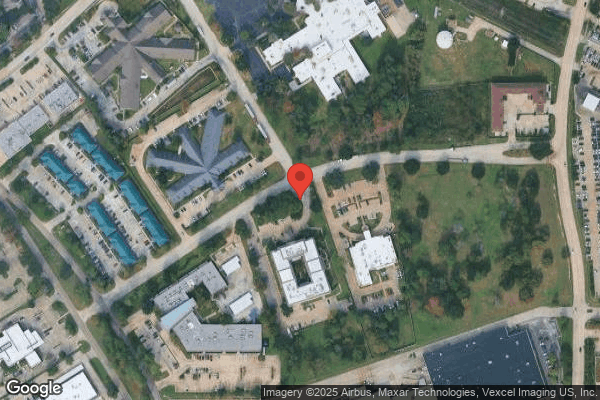
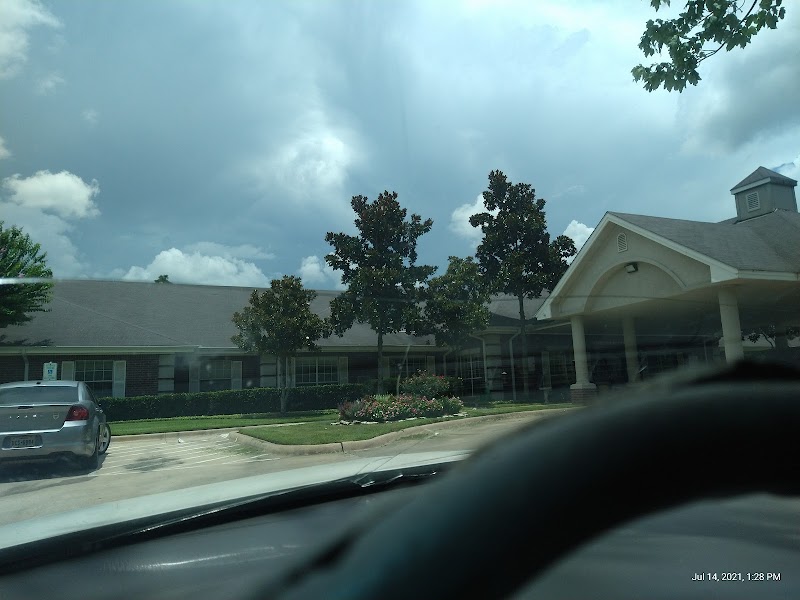
420 LANTERN BEND DR, HOUSTON, TX 77090 (832) 249-6500
For profit - Limited Liability company 125 Beds HMG HEALTHCARE Data: November 2025 4 Immediate Jeopardy citations
Trust Grade
0/100
#1064 of 1168 in TX
Last Inspection: June 2025

Inspected within the last 6 months. Data reflects current conditions.

Overview

Park Manor of Cypress Station in Houston, Texas, has received a Trust Grade of F, indicating a poor level of care and significant concerns about the facility's operations. Ranked #1064 out of 1168 nursing homes in Texas, they are in the bottom half, and at #85 out of 95 in Harris County, there are only a few local options that are better. Unfortunately, the facility is worsening, with the number of health and safety issues increasing from 6 in 2024 to 8 in 2025, and high staff turnover at 66% compared to the Texas average of 50%. While the nursing staff coverage is average, specific incidents raise alarms; for example, a resident wandered out of the facility unattended, and other residents who experienced unwitnessed falls were not transferred to the hospital in a timely manner, leading to serious injuries. Despite having a good quality measures rating, these critical issues highlight the need for families to carefully consider their options.

Trust Score
F
0/100
In Texas
#1064/1168
Bottom 9%
Safety Record
High Risk
Review needed
Inspections
Getting Worse
6 → 8 violations
Staff Stability
⚠ Watch
66% turnover. Above average. Higher turnover means staff may not know residents' routines.
Penalties
○ Average
$43,726 in fines. Higher than 62% of Texas facilities. Some compliance issues.
Skilled Nurses
⚠ Watch
Each resident gets only 25 minutes of Registered Nurse (RN) attention daily — below average for Texas. Fewer RN minutes means fewer trained eyes watching for problems.
Violations
⚠ Watch
27 deficiencies on record. Higher than average. Multiple issues found across inspections.
★☆☆☆☆
1.0
Overall Rating
★★☆☆☆
2.0
Staff Levels
★★★★☆
4.0
Care Quality
★☆☆☆☆
1.0
Inspection Score
Stable
2024: 6 issues
2025: 8 issues

The Good

  • 4-Star Quality Measures · Strong clinical quality outcomes
  • Full Sprinkler Coverage · Fire safety systems throughout facility
  • No fines on record

Facility shows strength in quality measures, fire safety.

The Bad

1-Star Overall Rating

Below Texas average (2.8)

Significant quality concerns identified by CMS

Staff Turnover: 66%

20pts above Texas avg (46%)

Frequent staff changes - ask about care continuity

Federal Fines: $43,726

Above median ($33,413)

Moderate penalties - review what triggered them

Chain: HMG HEALTHCARE

Part of a multi-facility chain

Ask about local staffing decisions and management

Staff turnover is elevated (66%)

18 points above Texas average of 48%

The Ugly 27 deficiencies on record

4 life-threatening
Jun 2025 8 deficiencies 1 IJ (1 affecting multiple)
CRITICAL (K) 📢 Someone Reported This

A family member, employee, or ombudsman was alarmed enough to file a formal complaint

Immediate Jeopardy (IJ) - the most serious Medicare violation

Accident Prevention (Tag F0689)

Someone could have died · This affected multiple residents

**NOTE- TERMS IN BRACKETS HAVE BEEN EDITED TO PROTECT CONFIDENTIALITY** Based on interview and record review, the facility failed to ensure each resident received adequate supervision for 3 of 4 resid...

Read full inspector narrative →
**NOTE- TERMS IN BRACKETS HAVE BEEN EDITED TO PROTECT CONFIDENTIALITY** Based on interview and record review, the facility failed to ensure each resident received adequate supervision for 3 of 4 residents (CR #1, Resident#2, and Resident #3) reviewed for accidents and supervision. -CR #1 walked out of the facility unattended with a wander guard (device designed to prevent wandering in elderly) and was missing for approximately 1 hour and 9 minutes on 07/20/2024 and was located nearby an apartment complex. -The facility failed to ensure that Resident#2 had orders in place to monitor placement and functioning of a wanderguard from 07/23/2023-06/10/2025. -The facility failed to ensure that Resident#3 had orders in place to monitor placement and functioning of a wanderguard from 03/24/2025-06/10/2025. An Immediate Jeopardy (IJ) was identified on 06/11/2025. The IJ template was provided to the facility on [DATE] 5:43 PM. While the IJ was removed on 06/13/2025, the facility remained out of compliance scoped at pattern with no actual harm and potential for more than minimal harm due to the facility's need to complete in-service training and evaluate the effectiveness of their corrective systems. These failures could place all residents at risk of harm due to elopement. Findings Include: Resident CR#1 Record review of CR #1's face sheet revealed she was an [AGE] year-old female admitted to the facility on [DATE] with a primary diagnoses of anemia (condition where there are not enough healthy red blood cells or hemoglobin to carry oxygen to the body's tissues) Alzheimer's (a brain disorder that slowly destroys memory and thinking skills), and dementia (memory loss and difficulties with thinking, problem-solving, or language), and discharged from the facility, 06/09/2025. Record review of CR#1's quarterly MDS assessment dated [DATE] revealed a BIMS score of 4 to indicate she had severe cognitive impairment with a wander/elopement alarm for daily use. Record review of CR#1's undated care plan revealed: Focus: an elopement risk/wanderer AEB impaired safety awareness exit seeking. 07/20/2024 elopement resident was placed on Q 15 min checks until seen by psych(psychiatric) Date Initiated: 03/07/2024 Revision on: 07/26/2024. Goal: Safety will be maintained through the review date. Interventions: Check for wander guard proper functioning daily. Check for wanderguard placement every shift. Focus: CR#1 is at risk for falls. Goal: CR#1 to be free from falls through the next review date, which is targeted for 07/24/2025. Interventions: CR#1 last fall was on, 03/22/2025 with no injury. The facility staff is to be sure CR#1's call light is within reach for the resident to use for assistance as needed. Record review of CR#1's Progress Notes dated 07/20/2024 at 9:59 PM signed by the LVN D read in part, .At about 8:30pm, resident was found wheeling herself back to her room. Resident's wanderguard was assessed and it was in good condition and functioning properly .At about 8:45pm, CNA came to writer, who was on 100 hall and notified writer that resident was neither in her bed in in her bathroom .Writer, CNA, CNA Coordinator and CMA (300/400 hall) immediately went into the room on all four halls before continuing the search around the premises and as far as the gas stations to the left and right of the facility. Writer returned and notified on-call staff, DON, Administrator and Resident's family. Resident was escorted into the building at about 9:59pm in her wheelchair by two emergency response staff, the Administrator and resident's daughter .Resident was fitted with a new wanderguard, which is functioning appropriately . Resident #2 Record review of Resident #2's face sheet revealed she was an [AGE] year-old female admitted to the facility on [DATE] with a primary diagnosis of Alzheimer's (a brain disorder that slowly destroys memory and thinking skills. Record review of Resident #2's admission MDS assessment dated [DATE] and quarterly MDS assessment dated [DATE] revealed she had a wander/elopement alarm for daily use and the resident does not require any assistive devices or staff assistance and has the ability to walk on their own, according to the MDS assessment. Record review of Resident #2's undated care plan revealed: Focus: an elopement risk/wanderer r/t (related to) wanders in facility exit seeking. Date Initiated: 03/22/2023 Revision on: 07/23/2024. Goal: Safety will be maintained through the review date. Interventions: Check for wander guard proper functioning daily. Check for wanderguard placement every shift. Focus: Resident #2 is at risk for fall with impaired mobility and fluctuation in cognition. Goal: Resident #2 will be free of falls the review date of, 07/16/2025. Interventions: Resident #2 has been free of falls since, 04/17/2023.wanderi Record review of Resident #2's Progress Notes dated 03/26/2025 at 9:28 a.m. signed by the Social Worker read in part, .Resident exit seeks at times, has a wander guard . Record review of Resident #2's Progress Notes dated 11/19/2024 at 12:49 p.m. signed by the Social Worker read in part, .Resident exit seeks at times, has a wander guard . Record review of Resident #2's electronic medical records physician orders reflected that orders to check the residents wanderguard functioning and placement daily each shift started 3/21/2023 and ended 07/27/2023. Record review of Resident #2's electronic medical records physician orders reflected that orders to check the residents wanderguard functioning and placement daily each shift started 06/10/2025. Resident #3 Record review of Resident #3's face sheet revealed he was a [AGE] year-old male admitted to the facility on [DATE] with a primary diagnosis of Cerebral Infraction (stroke) with secondary diagnosis of schizophrenia(a mental disorder that involves a range of problems with thinking, behavior and emotion) and cognitive communication deficit (results from impaired functioning of cognitive processes, including attention, memory, perception, insight, judgment, organization, orientation, and language). Record review of Resident #3's quarterly MDS assessment dated [DATE] revealed he was severely impaired for cognitive skills for daily decision making, and he had a wander/elopement alarm for daily use and and the resident does require assistive device with a manual wheelchair as they are unable to walk on their own, according to the MDS assessment. Record review of Resident #3's undated care plan revealed: Focus: an elopement risk/wanderer r/t exit seeking. Date Initiated: 03/24/2025 target date: 09/06/2025. Goal: Safety will be maintained through the review date. Interventions: Check for wander guard proper functioning daily. Check for wanderguard placement every shift. Record review of Resident #3's electronic medical records physician orders reflected orders to have a wanderguard on at all times started 03/24/2025. Record review of Resident #3's electronic medical records physician orders reflected that orders to check the residents wanderguard functioning and placement daily each shift started 06/10/2025. In an interview on 06/10/2025 at 12:10 p.m., the Administrator who stated he started at the facility in September of 2022 and the DON who stated she started at the facility in 2020. Both said that any resident that was high risk of elopement or exit seeking upon admission or anytime during the stay at the facility have interventions of a wanderguard to prevent elopement. Both said that residents with a wanderguard orders to monitor the function and placement of the guard every shift and it is documented on the MAR. Both said that CR #1 was able to elope from the facility while wearing a wanderguard. Both said that CR #1 was last seen at 8:30 p.m. inside the facility, then at 8:45 p.m. a visitor (name unknown) saw CR#1 outside of the facility and returned to the facility at 9:59 p.m. by a mobile response team. Both said that there was a concern identified that CR#1's wander guard did not alert staff that she eloped from the facility, and there was a facility investigation, report filed with State Survey Agency (SSA), a Quality Assurance and Performance Improvement (QAPI) was held in August of 2024, and Performance Improvement Plan (PIP) initiated July of 2024 to address concerns by ensuring all residents with an active wanderguard had daily monitoring for placement and functioning. The following policies were requested, Incident and accidents, Elopement/Wandering, and Wanderguard. In an interview on 06/10/2025 at 1:22 p.m., the DON a request was made for a policy wander guard placement and function testing. Interview on 06/10/2025 at 1:45 p.m. with MA A, who said that she started at the facility in December of 2024. She said while working on 07/20/2024 a visitor (name unknown) reported to her at 8:45pm that she saw an unknown resident that fit the description of CR#1 walking down the street. She said that she told CNA B to initiate the facility elopement code, and she proceeded to search for resident outside on facility grounds and in the community by car but was unsuccessful in locating CR#1. She said that she was notified that the resident was located by law enforcement sometime after 9pm and returned to the facility. She said that she did not hear the door alarm sound to indicate that CR#1's wander guard functioned to alert staff of the elopement. Interview on 06/10/2025 at 1:57 p.m., with CNA B, who said she started at the facility in October of 2022, and she is also the staffing coordinator. She said that on 07/20/2025 she worked the floor, and right before 9 p.m. a visitor (name unknown) saw unknown resident that fit the description of CR #1 walking down the street and reported to MA A. She said that facility elopement code was initiated when she reported it to LVN D the unit manager and LVN E the assigned nurse, and MA A started search for CR #1 outside of the facility immediately. She said that when CR #1 was not located inside of the facility the search was expanded by car to the community by MA A, CNA B, LVN D, MA F, CNA G, and herself. She said that CR #1 was located by a mobile response team sometime after 9 pm and returned to the facility before 10pm. She said that she did not hear a door alarm to sound to indicate that CR #1's wander guard functioned to alert staff of the elopement. Record review on 06/10/2025 of a facility provided list of current residents with a wanderguard that included Resident#2 and Resident #3. Observation on 06/10/2025 at 2:30 p.m., the DON tested the wanderguard of Resident #3 for placement and functioning using a facility device while Resident #3 was seated in his wheel chair in the main dining room, and by physically taking Resident #3 to the door located at the main entrance of facility, and it was observed to be in place and functioning. Resident #3 was not interviewable. Observation on 06/10/2025 at 2:45 p.m., Unit Manager/RN to test the wanderguard of Resident #2 for placement and functioning using a facility device at the bedside, and it was observed to be in place and functioning. Resident #2 asked the Unit Manager/RN when the wanderguard would be removed because she had for a long time. Unit Manager/RN said the wanderguard was still needed for safety. In an interview on 06/10/2025 at 3:37 p.m., CNA G said that she started at the facility in 2018. She said that she was working the on 07/20/2024 when CR#1 eloped from the facility. She said that she last saw CR#1 in the lobby at 8:30pm. She said that facility elopement code was initiated, and she assisted in the search of the resident off the facility grounds. She said that the CR#1 was located by law enforcement, but she was unsure of the time she was found or when she returned to the facility. She said that she did not hear a door alarm to sound to indicate that CR#1's wander guard functioned to alert staff of the elopement. In an interview on 06/11/2025 at 8:05 a.m., Resident #2 at the besides, said that she had a bracelet on her ankle to tell staff if she leaves the building. She said that she did not need the bracelet, and she had it for a long time. She said that staff checks every day with the box to make sure it works, and she did not take it off. In an effort to complete a phone interview on 06/11/2025 at 9:24 a.m., with former employee, LVN E, a message was left. In an effort to complete a phone interview on 06/11/2025 at 9:25 a.m. with former employee, MA F, the number was disconnected. In a phone interview on 06/11/2025 at 9:26 a.m. with the Medical Director, who said he participated in a QAPI to address concerns of an elopement in August of 2024, but he could not recall the residents name involved. He said that the resident was able to elope from the facility while wearing a wanderguard. He said that a plan was developed to train staff on the elopement process, monitor resident at high risk for elopement with a wanderguard with monitoring for placement and testing the function of the wanderguard each shift. He said that staff should follow their elopement process and monitor residents to prevent elopements, if not there is risk that residents can elope, and there is always the potential for harm with each elopement. In an interview on 06/11/2025 at 10:20 a.m. with LVN D, who said that she last worked at the facility in October of 2024 as a Unit Manager. She said that she worked on 07/20/2025 when CR#1 eloped. She said that a medication aide (MA A) was told by a visitator (name unknown) at 8:45pm that a resident that fit the description of CR#1 was seen walking down the street. She said that she was notified by the staffing coordinator (CNA B), that a medication aide (MA A) had started to search outside immediately, and the facility elopement code was initiated with a search inside the facility and outside the facility for 30 minutes. She said that when CR#1 was not located the search was expanded by car to the community by two medication aides (MA A and MA F), staffing coordinator (CNA B), the assigned CNA (CNA G), and herself. She said that CR#1 was located by a mobile response team sometime after 9pm and returned to the facility at 9:50pm. She said that she did not hear a door alarm to sound to indicate that CR#1's wander guard functioned to alert staff of the elopement. She said that CR#1's wander guard was tested prior to the elopement an upon returning to the facility and it was functioning but still replaced. She said that residents that are high risk for elopement must have orders in place to test for functioning and ensure placement every shift. She said that there is a policy and procedure in place to prevent elopement, if not followed the risk is elopement, and there can be harm with every elopement. Record review on 06/11/2025 at 12 pm of document titled QAPI and dated 08/15/2025 read in part, . Problem: Elopement risks Goal: Ensure all residents with wonder guards are monitored closely and all preventative measures are being followed. Root Cause: Staff aren't monitoring them close enough. Action Items: Ensure staff are doing daily checks of functionality of the wander guards. Person Responsible: Administrator/designee Follow up date: 7/18/2024. Date Resolved or reevaluated: ongoing Reviewed in QAPI: Monthly . Record review on 06/11/2025 at 12:05 pm of document titled PIP and dated 07/22/2024 read in part, .Focus Area: Resident Elopement Prevention Revie date: Random and PRN Background: A recent elopement incident involving a resident has highlighted the need for enhanced protocols and safe guards to prevent unauthorized departures. This PIP aims to address the gaps and reinforced safety measures, particularly with residents who wear wander guards. Goals: Prevent further residents elopement incidents. Ensure proper functioning and regular testing of wander guard devices. Reinforce staff awareness regarding high risk residents. Enhanced elopement risk assessment and response protocols. Action plan: Ensure all wander guard devices are tested for proper function and alarm response. Log results Conduct standardized elopement risk assessments upon admission, quarterly, and with any change in condition. Residents identified as elopement risks will have checks every 2 hours. Provide inservice on elopement protocols Record review on 06/11/2025 at 12:10 p.m. of document titled Wanderguard Functionality from 07/20/2024-09/30/2024 to indicated that wanderguards was checked for functioning and placement daily, but the document did not provide information as to which residents was assessed. In an interview on 06/11/2025 at 1:00 p.m. the DON, who said there was only two residents during the PIP that was at risk for elopement with a wanderguard, CR#1 and Resident #2. She said that CR#1 and Resident #2 would have been the only residents apart of the daily audit to test placement and functioning of wanderguards, and the nurses would have documented that the guards were placed and functioning on the MAR. She said that she documented the residents involved with the PIP in a written statement, she provided a copy, and the record was reviewed. She agreed to email the document with the MAR for each resident 07/20/2024-09/30/2024 as evidence that that task was completed as part of the PIP. She agreed to email the following policies Incident and accidents, Elopement/Wandering, and Wanderguard. In an interview and observation on 06/11/2025 at 2:15 p.m., with LVN H, who said that she started in January 2025 at the facility, and she works the 400 hall from 6:00am-2:00pm. She said that residents are assessed for elopement at admission, readmission, and quarterly for elopement. She said that residents at high risk for elopement or with exit seeking behavior have orders for a wander guard. She said that residents with a wanderguard have orders for a nurse to check placement and function each shift, and the task is documented on MAR. She said that if a task is not documented it did not happen, and if there are no orders there is no way to document on the MAR. She said that if there is no monitoring for placement and functioning of a wanderguard a resident could elope if the wanderguard is taken off or it does not work. She said that the risk to a resident would be elopement, and there was a chance for harm for any elopement. She said that there were two residents on 400 hall with a wanderguard to include Resident#2. She was observed to check Resident#2's electronic medical records and confirmed there were no orders in place until 06/10/2025 to check placement and functioning of the wanderguard. She said that she thought Resident#2 had orders, she checked daily, and thought she documented on the MAR. She said that Resident#2 had a wanderguard since she started working at the facility. In an interview and observation on 06/11/2025 at 2:20pm with RN I, who said that she started in March 2025 at the facility, and she works the 400 hall from 2:00pm-10:00pm. She said that residents are assessed for elopement at admission, readmission, and quarterly for elopement. She said that residents at high risk for elopement or with exit seeking behavior have orders for a wander guard. She said that residents with a wanderguard have orders for a nurse to check placement and function each shift, and the task is documented on MAR. She said that if a task is not documented it did not happen, and if there are no orders there is no way to document on the MAR. She said that if there is no monitoring for placement and functioning of a wanderguard a resident could elope if the wanderguard is taken off or it does not work. She said that the risk to a resident would be elopement, and there was a chance for harm for any elopement. She said that there were two residents on 400 hall with a wanderguard to include Resident#2. She was observed to check Resident#2's electronic medical records and confirmed there were no orders in place until 06/10/2025 to check placement and functioning of the wanderguard. She said that she thought Resident#2 had orders, she checked daily, and thought she documented on the MAR. She said that Resident#2 had a wanderguard since she started working at the facility. In an interview and observation on 06/11/2025 at 2:25 p.m. LVN J, said that she started at the facility in March 2025, and she works the 200 and 100 hall from 6:00am -2:00pm. She said that residents are assessed for elopement at admission, readmission, and quarterly for elopement. She said that residents at high risk for elopement or with exit seeking behavior have orders for a wander guard. She said that residents with a wanderguard have orders for a nurse to check placement and function each shift, and the task is documented on MAR. She said that if a task is not documented it did not happen, and if there are no orders there is no way to document on the MAR. She said that if there is no monitoring for placement and functioning of a wanderguard a resident could elope if the wanderguard is taken off or it does not work. She said that the risk to a resident would be elopement, and there was a chance for harm for any elopement. She said that there was one resident on 200 hall with a wanderguard, Resident #3. She was observed to check Resident#3's electronic medical records and confirmed there were no orders in place until 06/10/2025 to check placement and functioning of the wanderguard. She said that she thought Resident#3 had orders, she checked daily, and thought she documented on the MAR. She said that Resident#3 had a wanderguard since March or April of 2025. In an interview and observation on 06/11/2025 at 2:30pm with RN K, who said that she started at the facility 11 years ago, and she works the 200 and 100 hall from 2:00pm. She said that residents are assessed for elopement at admission, readmission, and quarterly for elopement. She said that residents at high risk for elopement or with exit seeking behavior have orders for a wander guard. She said that residents with a wanderguard have orders for a nurse to check placement and function each shift, and the task is documented on MAR. She said that if a task is not documented it did not happen, and if there are no orders there is no way to document on the MAR. She said that if there is no monitoring for placement and functioning of a wanderguard a resident could elope if the wanderguard is taken off or it does not work. She said that the risk to a resident would be elopement, and there was a chance for harm for any elopement. She said that there was one resident on 200 hall with a wanderguard, Resident #3. She was observed to check Resident#3's electronic medical records and confirmed there were no orders in place until 06/10/2025 to check placement and functioning of the wanderguard. She said that she thought Resident#3 had orders, she checked daily, and thought she documented on the MAR. She said that Resident#3 had a wanderguard since March of 2025. In an interview on 06/11/2025 at 3:20 pm with the DON, who said residents are assessed for elopement at admission, readmission, and quarterly for elopement. She said that residents at high risk for elopement or with exit seeking behavior have orders for a wander guard. She said that residents with a wanderguard have orders for a nurse to check placement and function each shift, and the task is documented on MAR. She said that if a task is not documented it did not happen, and if there are no orders there is no way to document on the MAR. She said that if there is no monitoring for placement and functioning of a wanderguard a resident could elope if the wanderguard is taken off or it does not work. She said that the risk to a resident would be elopement, and there was a chance for harm for any elopement. She said that Resident#2 did not have a wanderguard during the time of the QAPI and PIP. She said that Resident#2's order was discontinued because she was no longer exit seeking, and the order was received on 06/10/2025 when Resident#2 started showing behaviors of exit seeking. She did not provided answer when asked why Resident#3's orders started on 6/10/2025, when he has had a wanderguard since March of 2025. In an interview on 06/11/2025 at 3:30 p.m., the Administrator, who said residents are assessed for elopement at admission, readmission, and quarterly for elopement. He said that residents at high risk for elopement or with exit seeking behavior have orders for a wander guard. He said that residents with a wanderguard have orders for a nurse to check placement and function each shift, and the task is documented on MAR. He said that if a task is not documented it did not happen, and if there are no orders there is no way to document on the MAR. He said that if there is no monitoring for placement and functioning of a wanderguard a resident could elope if the wanderguard is taken off or it does not work. He said that the risk to a resident would be elopement, and there was a chance for harm for any elopement. He said that Resident #2 and Resident #3 had a wanderguard, both should have orders to check placement and function each shift, and both have had the guards in place for some time. He said that he did not know for how long Resident #2 had the guard, it was in place when CR#1 eloped last year, and Resident #2 should have been a part of the PIP to ensure monitoring for placement and functioning. He said that it would not be a true statement that Resident #2 only got the guard on 06/10/2025. He said that he did not know why the DON would say that Resident #2 only got the guard on 6/10/2025 and that was concerning for him to know. Requested the following policies were requested, Incident and accidents, Elopement/Wandering, and Wanderguard. The policies for Incident and Accidents, Elopement/Wandering, and Wanderguard on 06/10/2025 at 12:10 p.m., and on 06/11/2025 at 1:00pm and 3:30pm, and were not received prior to exit. A policy for testing wanderguards for placement and functioning on 06/11/2025 at 1:22 p.m. and was not received prior to exit. Record review of policy titled, Wandering Unsafe Resident, with a revised date of December 2008 read in part, The facility will strive to prevent unsafe wandering while maintaining the least restrictive environment for residents who are at risk for elopement . Safety Interventions 4. Interventions to try to maintain safety will be included in the residents are plan. This was determined to be an Immediate Jeopardy (IJ) on 06/11/2025. The Administrator was notified on 06/11/2025. The IJ template was provided to the facility on [DATE] at 5:43pm. In an interview on 06/12/2025 at 9:49 a.m. the CO-Medical Director, who said that he was notified about the IJ being called, and he had been included on the POR. He said that all treatments and care should have orders, should be documented, and standard. The following Plan of Removal (POR) submitted by the facility was accepted on 06/12/2025 at 1:14 p.m. The plan of removal reflected the following: Facility Name: Date: June 12th, 2025 Plan of Removal F 689 Accidents/Hazards Facility submits the following Plan of Removal for the alleged failure to ensure the resident environment remained free of accidents, and hazards each resident received adequate supervision to prevent accidents for CR #1, Resident #2, and Resident #3. What corrective actions have been implemented for the identified residents? A. Resident CR#1 discharged from facility on 6/09/2025. B. On 6/11/2025, Resident #2 medical record was reviewed by the Clinical Services Director to ensure Wanderguard orders were in place, with instructions to verify proper placement every shift and ensure proper functioning daily. Care plans reviewed for residents with Wanderguards and updated if indicated. Wanderguard devices are in place and have been verified to be functioning correctly by the DON on 6/11/2025. C. On 6/11/2025, Resident #3 medical record was reviewed by the Clinical Services Director to ensure Wanderguard orders were in place, with instructions to verify proper placement every shift and ensure proper functioning daily. Care plans reviewed for residents with Wanderguards and updated if indicated. Wanderguard devices are in place and have been verified to be functioning correctly by the DON on 6/11/2025. D. On 6/11/2025 at 06:31 pm the Administrator notified the Medical Director of alleged deficient practice. E. On 6/11/2025 the DON/Nurse Managers completed a 100% elopement risk assessment of all residents residing in the facility for risk of elopement, and no new residents were identified to be at risk. F. On 6/11/2025 DON/Nurse Managers audited the residents' orders that require a Wanderguard, no concerns were identified. G. On 6/11/2025 the DON/Nurse Managers and Administrator were in-serviced on the Elopement Policy by the Regional [NAME] President of Operations and the Clinical Services Director. H. On 6/11/2025 the license nurses were trained on testing the Wanderguard device. I. On 6/11/2025 the DON received a written warning on the Elopement Policy by the Administrator. J. The Clinical Services Director reviewed facility Elopement Policy on 6/11/2025 no revisions were deemed necessary. How were other residents at risk to be affected by this deficient practice identified? A. Residents that are at risk for elopement have the potential to be affected by the alleged deficient practice. What does the facility need to change immediately to keep residents safe and ensure it does not happen again? A. An in-service was initiated on 6/11/2025 by the Corporate Clinical Service Director, DON, and Nurse Managers with the licensed nursing staff on the Elopement Policy and obtaining orders for residents that requires a Wanderguard. Licensed nurses will not be allowed to return to work until they receive this in-service. Completion date 6/11/2025. B. An in-service was initiated on 6/11/2025 by the Nurse Managers and the Administrator with the facility frontline staff on the residents that requires a Wanderguard and obtaining orders. Completion date 6/11/2025. C. Newly hired nurses will be in-serviced by the DON/designee on the Elopement Policy and obtaining orders for residents that require a Wanderguard. Licensed nurses will not be allowed to work until they receive this in-service. Completion date 6/11/2025. D. Newly hired frontline staff will be in-serviced by the DON/designee on the residents that requires a Wanderguard. They will not be allowed to work until they receive this in-service. Completion date 6/11/2025. E. New Admissions and Readmissions Elopement Assessment and Risk Management will be reviewed daily in the morning meeting to identify residents at risk for elopement and ensure adequate supervision in place, monitoring of Wanderguard placement and proper functionality. The Charge Nurse will monitor the placement and functionality of the Wanderguard devices daily and document on the resident's MAR. The DON/designee will monitor the placement and functionality of the devices 3x week X 6 weeks and review will be documented on an audit report form. Quality Assurance An impromptu Quality Assurance and Performance Improvement review of the plan of removal was completed on 6/11/2025 with the Medical Director. The Medical Director has reviewed and agrees with this plan. The Plan of Removal was confirmed for the IJ by mon[TRUNCATED]
CONCERN (D) 📢 Someone Reported This

A family member, employee, or ombudsman was alarmed enough to file a formal complaint

Potential for Harm - no one hurt, but risky conditions existed

Deficiency F0557 (Tag F0557)

Could have caused harm · This affected 1 resident

Deficiency Text Not Available

Read full inspector narrative →
Deficiency Text Not Available
CONCERN (D) 📢 Someone Reported This

A family member, employee, or ombudsman was alarmed enough to file a formal complaint

Potential for Harm - no one hurt, but risky conditions existed

Incontinence Care (Tag F0690)

Could have caused harm · This affected 1 resident

**NOTE- TERMS IN BRACKETS HAVE BEEN EDITED TO PROTECT CONFIDENTIALITY** Based on observation, interview, and record review, the facility failed to ensure residents who were incontinent of bladder rece...

Read full inspector narrative →
**NOTE- TERMS IN BRACKETS HAVE BEEN EDITED TO PROTECT CONFIDENTIALITY** Based on observation, interview, and record review, the facility failed to ensure residents who were incontinent of bladder received appropriate treatment and services to prevent urinary tract infections and to restore continence to the extent possible for 2 of 3 residents (Resident #9 and Resident #90) reviewed for incontinent care. -The facility failed to ensure CNA A cleaned Resident #9 properly during incontinent care on 6/10/25. -The facility failed to ensure CNA G cleaned Resident # 90's indwelling Foley catheter properly and followed proper hand hygiene during incontinent care on 6/11/25. -Resident #90 did not have a STATLOCK to secure the Foley catheter. These failures could place residents at risk for pain, infection, injury, and hospitalization. Finding included: Record review of a face sheet print date of 6/12/25 reflected, Resident #9 was a [AGE] year old female admitted [DATE]. Resident #9's diagnoses included abnormalities of gait and mobility, lack of coordination, weakness, acute kidney failure, osteoarthritis (a common joint condition that occurs when the cartilage that cushions the ends of bones gradually wears down), other lack of coordination, pain in right knee, pain in right ankle and joints of right foot, muscle wasting and atrophy, multiple sites unsteadiness on feet, pain in left knee, repeated falls, hypo-osmolality and hyponatremia, benign neoplasm of meninges ( tumor arising from the membranes covering the brain and spinal cord), hypothyroidism ( a condition where the thyroid gland doesn't produce enough thyroid hormones to regulate metabolism and energy use), muscle weakness (generalized), other abnormalities of gait and mobility, cognitive communication deficit, muscle wasting and atrophy, covid-19, dysphagia, oral phase, other chronic allergic conjunctivitis, major depressive disorder, recurrent, moderate, Alzheimer's disease with late onset, dementia( progressive neurodegenerative disorder that primarily affects memory, thinking and behavior) psychotic disturbance ( a person is having trouble distinguishing between what is real and what is not) and acute cystitis( inflammation of the bladder without hematuria ( blood in the urine). Record review of Resident #9's quarterly MDS dated [DATE] reflected a BIMS of 7 which indicated the residents cognition was severely impaired. Record review of section H (Bowel and Bladder) in the MDS reflected incontinent of bowel and bladder. Record review of Resident #9's care plan dated 4/30/25 indicated she had an ADL Self Care Performance Deficit and required assistance with all ADLs. Observation of incontinent care on 06/10/25 at 11:36 AM, done by CNA A , revealed Resident #9 was lying in the bed on her back, CNA A unfastened the brief , using the wet wipes, she did not separate the labia to clean, resident had large bowel movement, CNA A used the same wet wipe to clean the groin, and did not clean around resident buttocks and changed gloves. Attempted interview with CNA A on 6/10/25, unable she left for the day. On 6/11/25 at 5:30 PM and on 6/13/25 at 1:33 PM via telephone and there was no response. 2.Record review of Resident #90's face sheet printed 06/12/25, indicated Resident #90 was admitted on [DATE]. Resident #90's diagnoses included the following: essential (primary) hypertension (high blood pressure), gastro-esophageal reflux disease (gastric reflux) without esophagitis, acute kidney failure (sudden kidney failure), acute posthemorrhagic anemia, melena( blood in the stool), other asthma ( chronic lung condition causes the airways inflamed and narrow, making it difficult to breathe), chronic obstructive pulmonary disease (a common lung disease causing restriction of airflow and breathing problems), other symptoms and signs involving cognitive functions and awareness, muscle weakness (generalized, cognitive communication deficit, gastrointestinal hemorrhage, elevated white blood cell count, benign prostatic hyperplasia (enlarge prostrate)without lower urinary tract symptoms, obstructive and reflux uropathy, unspecified, hypertensive heart disease without heart failure, other symptoms and signs involving appearance and behavior acute (illness that develops quickly) and chronic (lasting for a long time) respiratory failure with hypoxia (lack of oxygen to sustain bodily functions), neuromuscular (affecting the nerves controlling the muscles) dysfunction of the bladder, sepsis (infection in the blood). Record review of Resident #90's admission MDS assessment dated [DATE], Section C (Cognitive Patterns) reflected a BIMS score of 5 which indicated severe impairment in thinking. Section H (Bladder and Bowel) reflected resident had an indwelling catheter. Resident #90's functional status revealed he was independent with supervision of staff with bed mobility, transfer, and toilet use. Further review revealed Resident #90 had an indwelling Foley catheter. Record review of Resident #90's physician order dated from May 2025 read in part . change Foley catheter with 18 inch catheter and 10cc bulb on the 1st of each month dated 3/23 . keep catheter from kinks and drainage bag lower than bladder at all times dated 4/29/25. Observation on 6/11/25 at 2:32 p.m. of indwelling catheter and incontinent care for Resident #90 performed by CNA J, Resident #90 was sitting on the wheelchair with catheter bag hung on the side of the wheelchair. CNA J washed her hands, donned a gown and transferred the resident to bed and removed the residents pants. Resident #90's indwelling catheter was not secured to the thigh to prevent pulling. CNA J used wet wipes cleaned visible part of the catheter tubing about ½ inch of catheter, she did not clean the catheter in a circular motion from the insertion site. Interview on 06/11/25 at 2:52 PM, CNA J said she was very nervous, during the care, she said the nurses was responsible for ensuring that a statlock /secure strap was attached to the Foley. She said she had an in-service a month ago on indwelling Foley. Interview on 06/11/25 at 3:00 PM, LVN H said it was the responsibility of the nurse to assess residents that had a Foley catheter to ensure that a Statlock was in place every shift to prevent the Foley catheter from being pulled out. LVN H said it placed the resident at risk for pain, bleeding, and infections. LVN H said she was Resident #90's nurse. Interview on 06/11/25 at 6:05 PM, the DON said residents with an indwelling Foley catheter should have a statlock/secure strap in place to prevent pulling the Foley tubing out. The DON said it was the nurses that were supposed to ensure that this device was in place. The DON said the nurses should be assessing the resident at least once a shift. The DON said if the residents Foley tubing is dislodged with the bulb still inflated, the incident could cause the resident discomfort as well as more discomfort in inserting a new Foley catheter and catheter should be cleaned in a circular motion and 4 inches away from insertion site. The DON said it ultimately fell on her to ensure that the nurses were carrying out this task and the CNAs were trained to open labia and clean to prevent infection. Record review of the facility policy for Catheter Care Urinary dated 3/31/2016 revealed: For the female: Use a washcloth with warm water and soap to cleanse around the meatus. Cleanse the glans using circular strokes from the meatus outward. Change the position of the washcloth with each cleansing stroke. With a clean washcloth, rinse with warm water using the above technique. Return foreskin to normal position. 16. Use a clean washcloth with warm water and soap to cleanse and rinse the catheter from insertion site to approximately four inches outward.
CONCERN (D)

Potential for Harm - no one hurt, but risky conditions existed

Pharmacy Services (Tag F0755)

Could have caused harm · This affected 1 resident

**NOTE- TERMS IN BRACKETS HAVE BEEN EDITED TO PROTECT CONFIDENTIALITY** Based on observation, interview, and record review the facility failed to provide pharmaceutical services (including procedures ...

Read full inspector narrative →
**NOTE- TERMS IN BRACKETS HAVE BEEN EDITED TO PROTECT CONFIDENTIALITY** Based on observation, interview, and record review the facility failed to provide pharmaceutical services (including procedures that assure the accurate acquiring, receiving, dispensing, and administering of all drugs and biologicals) to meet the needs of each resident for 2 of 6 residents (Resident #72 and Resident #23) reviewed for drug administration in that: - Resident #72's medication Calcium Carbonate(used as an antacid to relieve heartburn, acid indigestion and upset stomach) was provided 2 hours and 45 minutes late on 06/10/2025. - Resident#72's medication Diphenoxylate/atropine 2.5 mg (to treat severe diarrhea) was provided 2 hours and 45 minutes late on 06/10/2025. - Resident #72's medication Dicyclomine 40 mg (drug used to treat irritable bowel syndrome) was provided 2 hours 45 minutes late on 06/10/2025. - Resident #23's Lisinopril (used alone or together with other medicines to treat high blood pressure) not given as ordered on 6/10/25. The nurse surveyor had to intervened. This deficient practice could affect residents who receive medication and place them at risk for not receiving a therapeutic effect. The findings were: Record review of Resident #72'S face sheet, dated 6/10/25, revealed Resident #72 was admitted to the facility on [DATE] and re-admitted on [DATE] with diagnoses lymphedema( a condition where swelling occurs, usually in the arms or leg, due to a problem with the lymphatic), cachexia ( wasting syndrome), adult failure to thrive, irritable bowel syndrome with diarrhea, cellulitis( bacterial skin) unspecified, muscle weakness (generalized), major depressive disorder, single episode, moderate, adjustment disorder with mixed anxiety and depressed mood, irritable bowel syndrome, unspecified, other malaise, acute embolism and thrombosis ( sudden blood clot) of unspecified deep veins of left lower extremity, rhabdomyolysis ( muscles break down, releasing harmful substances into your bloodstream), dehydration, fracture of unspecified part of neck of right femur, subsequent encounter for closed fracture with delayed healing(s, cellulitis of left lower limb. Record review of Resident #72'S quarterly MDS, dated [DATE], revealed Resident #72 had a BIMS score of 14, signifying moderate cognitive impairment. Record review of Resident#72's physician orders obtained, revealed the following: Order date was 7/18/23: Diphenoxylate-Atropine Tablet 2.5-0.025 MG *Controlled Drug*=Give 1 tablet by mouth before meals for IBS AND Give 1 tablet by mouth every 12 hours as needed for IBS. Order date was 5/6/24: Tums Oral Tablet Chewable 500 MG (Calcium Carbonate (Antacid) Give 1 tablet by mouth before meals and at bedtime for indigestion. Order date was 3/12/25: Dicyclomine HCl Tablet 20 MG Give 2 tablet by mouth before meals and at bedtime related to IRRITABLE BOWEL SYNDROME. Record review of the MAR on 6/10/25 reflected the following medications was initialed as given: Diphenoxylate-Atropine Tablet 2.5-0.025 MG *Controlled Drug* Give 1 tablet by mouth before meals for IBS (Scheduled time on MAR was 7:00 am, 11:00 am, 4:00 pm). Tums Oral Tablet Chewable 500 MG (Calcium Carbonate (Antacid)) Give 1 tablet by mouth before meals and at bedtime for indigestion (Scheduled time on MAR was 06:30 am, 11:30 am, 4:30 p.m. and 8:00 p.m.). Dicyclomine HCl Tablet 20 MG Dicyclomine HCl Tablet 20 MG Give 2 tablet by mouth before meals and at bedtime related to IRRITABLE BOWEL SYNDROME, (Scheduled time on MAR was 06:30 am, 11:30 am, 4:30 pm and 8:00 p.m.). Observation of medication pass on 6/10/25 at 10:55 AM, MA B, Resident #72 was lying in bed he said I normally get my med Dicyclomine and most medication before 7AM, they mess up med all the time Interview with MA B on 6/10/25 at 10:55 AM, she said the meal tray was served for breakfast between 7:00 AM to 7:15 AM. Interview with Resident #72 on 6/12/25 at 11:10 AM, he said regarding his medication he had complained to Nurse T about not getting his medication in a timely manner, he was supposed to take some of his medication before breakfast to help his stomach and it has been going on for 2 months and he wish they keep his medication schedule time. Interview with LVN T on 6/12/25 at 11:22 AM, regarding Resident #72's, concerns about medication timing, she said, Resident #72 spoke to him about 2 months ago about then MA who no longer works for the facility and MA did apologize to Resident #72 and he had not complained anymore. The MA then started passing medication on 100 hall because of Resident #72. 2.Record review of Resident 23's face sheet, dated 6/10/25, revealed Resident #23 was a [AGE] year old female admitted to the facility on [DATE] and re-admitted on [DATE] with diagnoses osteoarthritis (degenerative joint disease in which the tissues in the joint break down over time) ) anemia, ( low number of red blood cell in the blood) unsteadiness on feet lack of coordination, cellulitis of unspecified part of limb, muscle wasting and atrophy, not elsewhere classified, unspecified site(m, constipation, unspecified, pain in unspecified joint, other lack of coordination, essential (primary) hypertension, covid-19, chronic obstructive pulmonary disease, unspecified, major depressive disorder, recurrent severe without psychotic features, difficulty in walking, not elsewhere classified, muscle weakness (generalized), type 2 diabetes mellitus (high glucose in the blood) with diabetic retinopathy (eye condition that can cause vision loss or blindness due to damage to the retina caused by diabetes) without macular edema, other abnormalities of gait and mobility, insomnia due to other mental disorder, major depressive disorder, recurrent, moderate, type 2 diabetes mellitus with hyperglycemia, type 2 diabetes mellitus with diabetic polyneuropathy(peripheral nerves throughout weakness are damaged or not working properly, body mass index adult, epigastric pain, other malaise, other chronic pain, urinary tract infection, site not specified, hydroureter, type 2 diabetes mellitus without complications, peripheral vascular disease,, anxiety disorder, Alzheimer's disease( a brain disorder that slowly destroys memory and eventually, the ability to carry out simple tasks) with late onset, primary insomnia, acute bronchitis, unspecified, chronic obstructive pulmonary disease with (acute) lower respiratory infection, polyneuropathy, unspecified, morbid (severe) obesity due to excess calories, chronic systolic (congestive) heart failure,, cataract (white opacity of the eye) extraction status, eye, dysphagia( difficulty swallowing), other sequelae of cerebral infarction (stroke), heart failure, history of falling, atherosclerotic heart disease ( fatty materials like build up inside your arteries). Record review of Resident#23'S quarterly MDS, dated [DATE], revealed Resident #23 had a BIMS score of 15, signifying no cognitive impairment. Record review of Resident #23's physician orders revealed the following: Order date 3/28/25: Lisinopril Oral Tablet 10 MG (Lisinopril) Give 1 tablet by mouth one time a day (morning) Hypertension Hold for BP 105/60 Observation on 6/10/25 at 11:05 AM, during medication pass with MA B, Resident #23 was lying in bed, she checked Resident #23's blood pressure (BP127/65) she picked up a blister packet of Lisinopril tabs 5 mg and punched with other medication in medicine cup. The blister packet had Lisinopril tab 5 mg Give 2 tablets =10 mg. MA B at 11:08 AM was about to administer Resident #23's medications when surveyor stopped MA B and she added another Lisinopril tab 5 mg MA B stated it should be 10mg , 2 tablets and thank you very much During an interview on 6/12/25 at 12:30 PM., MA B when asked what training did she have to ensure the right time was given the right medication, MA B stated, she said she started working for the facility about two weeks ago and she always start her medication pass on 200 hall and then 100 hall. MA B said she had training before she started working in the facility but was overshadowed when she started work with facility. MA B stated the rights of medication administration include the right resident, right dose, right documentation, right route, and right time. When asked why it was important to ensure the right resident was given the right medication at the right time MA B stated, Because if it's the wrong person, you could harm them if they don't need it. MA B said she would start her medication pass on 100 hall because Resident #72 had medication due before breakfast. During an interview on 6/12/25 at 1:55 PM, the DON stated, we have the [medication administration] competency that's done upon hire and we do it annually as a refresher and we also do it as needed. Corporate will come in and they'll do an observation, and they'll make recommendations. It's a lot of [as needed] from time to time. The DON stated the facility's consulting pharmacist will also visit to do cart audits and medication administration observations. The DON stated the facility also conducted random medication cart checks weekly and these audits included checking if medication was given at the right time. When asked what sort of negative effects could occur to the resident if a medication was given at the wrong time, the DON stated, Depending on the medication, itself, it can have an effect where it's running into another medication that it shouldn't be given near and if you're not going an appropriate amount of time you can give something too close together. You can get sedations; you can get all sorts of outcomes by not following when the medication is supposed to be given. Record review of the facility's Administering Medications policy dated December 2012 read in part, . Medications shall be administered in a safe and timely manner, and as prescribed .
CONCERN (D) 📢 Someone Reported This

A family member, employee, or ombudsman was alarmed enough to file a formal complaint

Potential for Harm - no one hurt, but risky conditions existed

Deficiency F0760 (Tag F0760)

Could have caused harm · This affected 1 resident

**NOTE- TERMS IN BRACKETS HAVE BEEN EDITED TO PROTECT CONFIDENTIALITY** Based on observation, interview, and record review the facility failed to ensure residents were free of any significant medicati...

Read full inspector narrative →
**NOTE- TERMS IN BRACKETS HAVE BEEN EDITED TO PROTECT CONFIDENTIALITY** Based on observation, interview, and record review the facility failed to ensure residents were free of any significant medication errors for 1 of 6 residents (Resident #506) reviewed for significant medication errors. LVN M failed to administer Clopidogrel (Plavix is an antiplatelet drug you can take to prevent blood clots) to Resident #23 as ordered by the physician. This failure could result in increased side effects and hospitalization. Findings include: Record review of Resident #506's face sheet, dated 6/11/25, revealed Resident #506 was admitted to the facility on [DATE]. Diagnoses included, disorders of brain, hyperlipidemia ( high fat in the blood), essential (primary) hypertension( high blood pressure) (, malignant neoplasm of parietal lobe, chronic kidney disease, stage 3( kidneys are damaged and can't filter blood as well as they should), combined forms of age-related cataract(lens of your becomes cloudy) , bilateral, chronic obstructive pulmonary disease (the airways and air sacs in your lungs get damaged) , unspecified, occlusion and stenosis ( narrowing)of right carotid artery, occlusion and stenosis of right middle cerebral artery, hemiplegia(weakness), unspecified affecting left nondominated side and gastrostomy tube( is a surgically place device used to give direct access to your stomach for nutrition, fluid and medications). Record review of Resident #506's physician orders revealed the following: Order date 6/10/25: Plavix Oral Tablet 75 MG (Clopidogrel Bisulfate) 1 tablet via G-Tube one time a day for hyperlipidemia. Observation on 6/11/25 at 9:25 AM, during medication pass with LVN M, Resident #506 was lying in bed. LVN M picked up a blister packet of Clopidogrel 75 mg 1 tablet crushed and diluted with 20cc of water in medication cup, she then checked Resident #506's GT for placement, flushed with 30cc of water before and administered Clopidogrel 75 mg. LVN M did not stir or rinse the medication cup. LVN M had lot of residue of Clopidogrel in the medication cup and after medication administration, she discarded medication cup. The nurse surveyor picked up medication cup and show her the residual and proceeded to show the DON who said that is a lot of medication in the medicine cup Interview with LVN M on 6/11/25 at 9:45 AM, she said if medication was not given in totality resident would not get required effects of the medication. During an interview on 6/12/25 at 1:55 PM, with the ADM, DON, regional nurse, and regional ADM on. The ADM said the risk of not getting the medication as ordered by the doctor and in a timely manner could lead to not be effective and his expectation was zero medication error rate. The DON said not giving medication as ordered by the doctor could cause more health issues and potent of the medication in the blood and she would be in-servicing the staff. Review of the facility policy revised 2012 and titled administering medications reflected, Medications shall be administered in a safe and timely manner, and as prescribed 3. Medications must be administered in accordance with the orders, including any required time frame. 4. Medications must be administered within one (1) hour of their prescribed time, unless otherwise specified (for example, before and after meal orders).
CONCERN (D) 📢 Someone Reported This

A family member, employee, or ombudsman was alarmed enough to file a formal complaint

Potential for Harm - no one hurt, but risky conditions existed

Deficiency F0761 (Tag F0761)

Could have caused harm · This affected 1 resident

Based on observation, interview, and record review the facility failed to properly store, label, and/or secure medications and biologicals for 1 of 3 medication carts (400 hall medication cart) and 1 ...

Read full inspector narrative →
Based on observation, interview, and record review the facility failed to properly store, label, and/or secure medications and biologicals for 1 of 3 medication carts (400 hall medication cart) and 1 of 1 medication storage room reviewed for drug storage. 1. The facility failed to ensure medications that required a prescription were labeled with the appropriate information including open date in the medication room in the refrigerator. 2. 400-hall medication cart had medication open not dated. These failures could place residents at risk of not receiving the appropriate medications and not reaching the intended therapeutic dose and possible exacerbation of health conditions. Findings include: Observation on 06/11/25 at 12:50 PM with LVN M, in the Medication room refrigerator revealed the following: 1. Haloperidol 2mg/ml Quantity 30mls open not dated 2.Gabapentin solution 250/5ml Quantity 84 mls open with no date Interview with LVN M on 6/11/25 at 12:50 PM, she said any elixir open should have an open date on it for its potency. Observation of the medication cart on 400 hall on 6/11/25 at 12:55 PM reflected: Gabapentin ( used to help manage seizures and nerve pain) Solution 250/5ml and quantity 473 ml. Had give 10mls per GTube TID, the bottle had labeled Refrigerate 3 times on it after opening, there was no open date. Interview on 6/12/25 at 10:00 AM, LVN H said she did not administer the medication and she did not see the label and if the medication is not stored as ordered by the pharmacist it could lose the effectiveness. During an interview on 06/12/2025 at 1:55 PM, the DON and ADM, stated all liquid medication opened should have an open label on it and follow pharmacist recommendations. The DON stated the nurses was responsible for ensuring the proper labeling and storage of the medications. Record review of the facility policy on Medication Storage revised April of 2007 reflected in part: .The nursing staff shall be responsible for maintaining medication storage AND preparation areas in a clean, safe, and sanitary manner .The facility shall not use discontinued, outdated, or deteriorated drugs or biologicals. All such drugs shall be returned to the dispensing pharmacy or destroyed .
CONCERN (D) 📢 Someone Reported This

A family member, employee, or ombudsman was alarmed enough to file a formal complaint

Potential for Harm - no one hurt, but risky conditions existed

Infection Control (Tag F0880)

Could have caused harm · This affected 1 resident

**NOTE- TERMS IN BRACKETS HAVE BEEN EDITED TO PROTECT CONFIDENTIALITY** Based on observation, interview, and record review, the facility failed to maintain an infection and prevention control program ...

Read full inspector narrative →
**NOTE- TERMS IN BRACKETS HAVE BEEN EDITED TO PROTECT CONFIDENTIALITY** Based on observation, interview, and record review, the facility failed to maintain an infection and prevention control program that included, at a minimum, a system for preventing and controlling infections for 2 of 2 residents (Resident #9 and Resident #90) and 2 of 2 staff (CNA A and CNA J) reviewed for incontinent care and to help prevent the development and transmission of communicable diseases and infections for 1 (Resident #71) of 28 residents reviewed for infection control. The facility failed to ensure CNA A washed or sanitized her hands after doffing (taking off) dirty gloves after providing incontinent care on 6/10/25 for Resident #9. The facility failed to ensure CNA J washed or sanitized her hands after doffing (taking off) dirty gloves after providing incontinent care on 6/11/25 for Resident #90. This deficient practice placed residents at risk for cross contamination and the spread of infection. Finding included: Record review of Resident #9's face sheet print date of 6/12/25 reflected a [AGE] year old female with a date of admission of 2/20/20. Resident #9's diagnoses included abnormalities of gait and mobility, lack of coordination, weakness, acute kidney failure, osteoarthritis (a common joint condition that occurs when the cartilage that cushions the ends of bones gradually wears down), other lack of coordination, pain in right knee, pain in right ankle and joints of right foot, muscle wasting and atrophy, multiple sites unsteadiness on feet, pain in left knee, repeated falls, hypo-osmolality and hyponatremia, benign neoplasm of meninges ( tumor arising from the membranes covering the brain and spinal cord), hypothyroidism ( a condition where the thyroid gland doesn't produce enough thyroid hormones to regulate metabolism and energy use), muscle weakness (generalized), other abnormalities of gait and mobility, cognitive communication deficit, muscle wasting and atrophy, covid-19, dysphagia, oral phase, other chronic allergic conjunctivitis, major depressive disorder, recurrent, moderate, Alzheimer's disease with late onset, dementia( progressive neurodegenerative disorder that primarily affects memory, thinking and behavior) psychotic disturbance ( a person is having trouble distinguishing between what is real and what is not) and acute cystitis( inflammation of the bladder without hematuria ( blood in the urine). Record review of Resident #9's quarterly MDS dated [DATE] reflected a BIMS of 7 which indicated resident cognition was severely impaired. Record review of section H (Bowel and Bladder) in the MDS reflected incontinent of bowel and bladder. Record review of Resident #9's care plan dated 4/30/25 indicated an ADL Self Care Performance Deficit, and required assistance with all ADLs. Observation of incontinent care on 06/10/25 at 11:36 AM, done by CNA A , Resident #9 was lying in the bed on her back, CNA A unfastened the residents brief , using the wet wipes, she did not open/separate labia to clean, resident had large bowel movement, CNA A used the same wet wipe to clean the groin, she changed gloves, did not wash hands or use hand sanitizer. Resident draw sheet was soiled, CNA A doffed soiled gloves without washing hands, opened door went to parked housekeeping cart on the hallway and grabbed trash bag, and then went to the clean linen room and picked up clean draw sheet, and came back to Resident #9 room, resident had another bowel movement, , CNA A cleaned BM several times without washing hands doffed gloves and donned another pair of clean gloves to pick up clean brief and place it resident and fasten. Unable to interview CNA A on 6/10/25 because she left for home, called twice on 6/11/25 at 5:30 PM and on 6/13/25 at 1:33 PM there were no response, the DON said CNA A worked PRN. The DON did not provide CNA A's personnel file as requested. Record review of Resident #90's face sheet dated 06/12/25 revealed an [AGE] year old male who was admitted on [DATE]. diagnoses included the following: essential (primary) hypertension (high blood pressure), gastro-esophageal reflux disease (gastric reflux) without esophagitis, acute kidney failure (sudden kidney failure), acute posthemorrhagic anemia, melena( blood in the stool), other asthma ( chronic lung condition causes the airways inflamed and narrow, making it difficult to breathe), chronic obstructive pulmonary disease (a common lung disease causing restriction of airflow and breathing problems), other symptoms and signs involving cognitive functions and awareness, muscle weakness (generalized, cognitive communication deficit, gastrointestinal hemorrhage, elevated white blood cell count, benign prostatic hyperplasia (enlarge prostrate)without lower urinary tract symptoms, obstructive and reflux uropathy, unspecified, hypertensive heart disease without heart failure, other symptoms and signs involving appearance and behavior acute (illness that develops quickly) and chronic (lasting for a long time) respiratory failure with hypoxia (lack of oxygen to sustain bodily functions), neuromuscular (affecting the nerves controlling the muscles) dysfunction of the bladder, sepsis (infection in the blood). Record review of Resident #90's admission MDS assessment dated [DATE], Section C (Cognitive Patterns) reflected a BIMS score 5 which indicated severe cognitive impairment. Section H (Bladder and Bowel) reflected resident had an indwelling catheter. Resident #90's functional status revealed he was independent with supervision of staff with bed mobility, transfer, and toilet use. Record review of Resident #90's physician order dated from May 2025 read in part . change Foley catheter with 18 inch catheter and 10cc bulb on the 1st of each month dated 3/23 . keep catheter from kinks and drainage bag lower than bladder at all times dated 4/29/25. Record review of the facility antibiotic stewardship dated 3/28/25 to 4/1/25 revealed resident was treated with Ciprofloxacin for urinary tract infection. (Ciprofloxacin is prescribed for the treatment of various bacterial infections) Observation on 6/11/25 at 2:32 p.m. of indwelling catheter and incontinent care for Resident #90 performed by CNA G, Resident #90 was sitting on the w/chair with catheter bag hung on the side of the wheelchair. CNA washed her hands, donned gown and transferred the resident to bed, donned clean gloves, picked up wet wipe packet and placed on Rsident #90's bed, while cleaning Resident #90's F/C with the wet wipes, it fell on the floor, CNA J picked wet wipes off the floor and throw it in the trash can without changing gloves, then picked up a clean brief to put on Resident #90, while repositioning the resident the brief fell on the floor, CNA picked it up and placed on the resident and fastened. In an interview with CNA J on 6/11/25 at 2:50 PM, she said during F/C and incontinent care , she said she was nervous, she had in-service a month ago on 300 hall, she said she forgot to change her gloves and it could lead to cross contamination and infection. Interview on 06/11/25 at 6:05 PM, the DON said the nurse should have sanitized her hands in between each glove changes. She stated not doing so could result in spread of germs and the facility's policy for staff to wash or sanitize hands when going from a dirty to clean surface. She stated staff had been in-serviced on infection control and hand hygiene. She stated if hand hygiene or sanitizing was not performed when going from a dirty to clean surface, it could cause an infection. Record review of the facility's Skills Checklist-Treatment dated 02/19/2025 revealed CNA J demonstrated competency in handwashing. Review of facility policy, titled Hand Hygiene revised 12/2023 revealed Use an alcohol-based hand rub containing at least 62% alcohol; or alternatively, soap (antimicrobial or non-antimicrobial) and water for the following situations: Before donning [putting on] sterile gloves after removing gloves .
CONCERN (E) 📢 Someone Reported This

A family member, employee, or ombudsman was alarmed enough to file a formal complaint

Potential for Harm - no one hurt, but risky conditions existed

Unnecessary Medications (Tag F0759)

Could have caused harm · This affected multiple residents

**NOTE- TERMS IN BRACKETS HAVE BEEN EDITED TO PROTECT CONFIDENTIALITY** Based on observations, interviews, and record reviews the facility failed to ensure that it was free of a medication error rate ...

Read full inspector narrative →
**NOTE- TERMS IN BRACKETS HAVE BEEN EDITED TO PROTECT CONFIDENTIALITY** Based on observations, interviews, and record reviews the facility failed to ensure that it was free of a medication error rate of below 5 percent (%) or greater. The facility had a medication error rate of 22%, based on 8 out of 37 opportunities, which involved 3 of 6 residents (Resident #72, Resident # 23 and Resident #506) and 2 of 3 staff (MA B and LVN M) reviewed for medication administration errors. MA B administered Calcium Carbonate(used as an antacid to relieve heartburn, acid indigestion and upset stomach), Diphenoxylate/atropine 2.5 mg, and Dicyclomine 40 mg (drug used to treat irritable bowel syndrome) more than 2 hours and 45 minutes after the scheduled time to Resident #72 on 6/10/25. MA B failed to administer Lisinopril (used to treat high blood pressure), Cetirizine HCL (used to treat allergy symptoms like runny nose sneezing, itchy eyes and hives), Lidocaine external (medication use to local anesthetic for pain), Buspirone (medication use to treat anxiety disorders) as ordered by the Physician to Resident #23 on 6/10/25. LVN M failed to administer Clopidogrel ( Plavix is an antiplatelet drug you can take to prevent blood clots) to Resident #23 as ordered by the physician. These failures could place residents at risk for not receiving therapeutic effects of their medications and possible adverse reactions. The findings included: Record review of Resident #72's face sheet, dated 6/10/25, revealed Resident #72 was admitted to the facility on [DATE] and re-admitted on [DATE] with diagnoses lymphedema(a condition where swelling occurs, usually in the arms or leg, due to a problem with the lymphatic), cachexia ( wasting syndrome), adult failure to thrive, irritable bowel syndrome with diarrhea, cellulitis(bacterial skin) unspecified, muscle weakness (generalized), major depressive disorder, single episode, moderate, adjustment disorder with mixed anxiety and depressed mood, irritable bowel syndrome, unspecified, other malaise, acute embolism and thrombosis (sudden blood clot) of unspecified deep veins of left lower extremity, rhabdomyolysis (muscles break down, releasing harmful substances into your bloodstream), dehydration, fracture of unspecified part of neck of right femur, subsequent encounter for closed fracture with delayed healing cellulitis of left lower limb. Record review of Resident #72s quarterly MDS, dated [DATE], revealed Resident #72 had a BIMS score of 14 which indicated no cognitive impairment. Resident #72 was dependent of staff for all ADLs. Record review of Resident#72's physician orders revealed the following: - Order date was 7/18/23: Diphenoxylate-Atropine Tablet 2.5-0.025 MG *Controlled Drug*=Give 1 tablet by mouth before meals for IBS AND Give 1 tablet by mouth every 12 hours as needed for IBS - Order date was 5/6/24: Tums Oral Tablet Chewable 500 MG (Calcium Carbonate (Antacid) Give 1 tablet by mouth before meals and at bedtime for indigestion. - Order date was 3/12/25: Dicyclomine HCl Tablet 20 MG Give 2 tablet by mouth before meals and at bedtime related to IRRITABLE BOWEL SYNDROME. Record review of the MAR and time schedule dated 6/10/25 reflected the following medications were initialed as given to Resident #72: Diphenoxylate-Atropine Tablet 2.5-0.025 MG *Controlled Drug* Give 1 tablet by mouth before meals for IBS (Scheduled time on MAR was 7:00 am, 11:00 am, 4:00 pm). MA B initialed on MAR for Diphenoxylate-Atropine Tablet 2.5-0.025 as given at 7:00 AM Tums Oral Tablet Chewable 500 MG (Calcium Carbonate (Antacid) Give 1 tablet by mouth before meals and at bedtime for indigestion (Scheduled time on MAR was 06:30 am, 11:30 am, 16:30 pm and 20:00). MA B initialed on MAR for Tums Oral Tablet Chewable 500 MG as given at 6:30 AM Dicyclomine HCl Tablet 20 MG, Give 2 tablets by mouth before meals and at bedtime related to IRRITABLE BOWEL SYNDROME, (Scheduled time on MAR was 06:30 am, 11:30 am, 16:30 pm and 20:00). MA B initialed on MAR for MA B initialed on MAR for Dicyclomine HCl Tablet 20 MG as given at 6:30 AM. Observation on 6/10/25 at 10:55AM, during medication pass with MA B, Resident #72 was lying in bed he said I normally get my med Dicyclomine and most medication before 7AM, they mess up med all the time MA B picked up blister packet and punched of Diphenoxylate-Atropine Tablet 2.5-0.025 MG and Dicyclomine HCl Tablet 20 MG, with other medications in the medication cup and administered to Resident #72 by mouth. MA B administered Tums Oral Tablet Chewable 500 MG to Resident #72. Interview with MA B on 6/10/25 at 10:55 AM, she said the meal tray was served for breakfast between 7:00 AM to 7:15 AM. 2.Record review of Resident 23's face sheet, dated 6/10/25, revealed Resident #23 was a [AGE] year old female admitted to the facility on [DATE] and re-admitted on [DATE] with diagnoses osteoarthritis,( degenerative joint disease in which the tissues in the joint break down over time) ) anemia, ( low number of red blood cell in the blood ) unsteadiness on feet lack of coordination, , cellulitis of unspecified part of limb, muscle wasting and atrophy, not elsewhere classified, unspecified site(m, constipation, unspecified, pain in unspecified joint, other lack of coordination, essential (primary) hypertension, covid-19, chronic obstructive pulmonary disease, unspecified, major depressive disorder, recurrent severe without psychotic features , difficulty in walking, not elsewhere classified, muscle weakness (generalized), type 2 diabetes mellitus (high glucose in the blood) with diabetic retinopathy ( eye condition that can cause vision loss or blindness due to damage to the retina caused by diabetes) without macular edema, other abnormalities of gait and mobility, insomnia due to other mental disorder, major depressive disorder, recurrent, moderate, type 2 diabetes mellitus with hyperglycemia, type 2 diabetes mellitus with diabetic polyneuropathy(peripheral nerves throughout weakness are damaged or not working properly, body mass index adult, epigastric pain, other malaise, other chronic pain, urinary tract infection, site not specified, hydroureter, type 2 diabetes mellitus without complications, peripheral vascular disease,, anxiety disorder, Alzheimer's disease( a brain disorder that slowly destroys memory and eventually, the ability to carry out simple tasks) with late onset, primary insomnia, acute bronchitis, unspecified, chronic obstructive pulmonary disease with (acute) lower respiratory infection, polyneuropathy, unspecified, morbid (severe) obesity due to excess calories, chronic systolic (congestive) heart failure,, cataract (white opacity of the eye) extraction status, eye, dysphagia( difficulty swallowing), other sequelae of cerebral infarction (stroke), heart failure, history of falling, atherosclerotic heart disease ( fatty materials like build up inside your arteries). Record review of Resident#23's quarterly MDS, dated [DATE], revealed Resident #23 had a BIMS score of 15, signifying no cognitive impairment. Resident #23 was dependent of staff for all ADLs. Record review of Resident#23's physician orders revealed the following: Order date 3/28/25: Lisinopril Oral Tablet 10 MG (Lisinopril) Give 1 tablet by mouth one time a day (morning) Hypertension Hold for BP 105/60 Order date 5/8/25: for Zyrtec Allergy Oral Capsule (Cetirizine HCl) Give 5 mg by mouth one time a day for Nasal congestion. Order date5/12/25: Buspirone HCl Oral Tablet 10 MG (Buspirone HCl) Give 1 tablet by mouth one time a day for anxiety. Order date 5/10/25: Lidocaine External Patch 5 % (Lidocaine) Apply to Right Knee topically one time a day for pain remove patch at 8 pm. Record review of the June 2025 MAR indicated on 6/10/25 the following medications was initialed as given: Lisinopril Oral Tablet 10 MG (Lisinopril) Give 1 tablet by mouth one time a day (morning) Zyrtec Allergy Oral Capsule (Cetirizine HCl) Give 5 mg by mouth one time a day. (morning) Buspirone HCl Oral Tablet 10 MG (Buspirone HCl) Give 1 tablet by mouth one time a day. (Morning) Lidocaine External Patch 5 % (Lidocaine) Apply to Right Knee topically one time a day for pain remove patch at 8 pm. (morning) Observation of the medication pass on 6/10/25 at 11:05 AM, MA B entered Resident #23's room, the resident was lying in bed, she checked the blood pressure ( was BP 127/65) she picked up a blister packet and punched out: - Buspirone Oral Tablet 7.5 mg. - Cetirizine (HCl) 10mg - Lisinopril tab 5 mg po and punched with other medication in medicine cup. The blister packet had Lisinopril tab 5 mg Give 2 tablets =10 mg. MA B at 11:08 AM was about to administered Resident #23's medications when surveyor stopped MA B and she added another Lisinopril tab 5 mg MA B stated it should be 10mg ,2 tablets and thank you very much. - MA B did not administer Lidocaine External Patch 5 % to Right Knee. Interview with MA B on 6/12/25 at 11:22 AM, she said not giving the medications as ordered was an oversight and she did not check the medication dosage and she would be very careful, she did not realize that Buspirone HCl Oral Tablet was 10 MG not 7.5mg on the blister, the ZyrTEC Allergy Oral Capsule (Cetirizine HCl) Give 5 mg by mouth one time a day for Nasal congestion, and Lisinopril Oral Tablet 5 MG (Lisinopril) was poured 1 tablet by mouth one time a day. Interview with MA B on 6/12/25 at 11:45 AM, regarding lidocaine 5% not given as ordered by the doctor. She said she did not give it to the resident because she always refused and was asked why she initialed the medication as given with no documentation MA B said she was sorry and was shown the blister packet of Buspirone HCl Oral Tablet 7.5 mg and Cetirizine 10 mg bottle in the medication cart for 100 hall, MA B said she was very sorry and would be more careful, she said not giving the medication as ordered could lead to resident not getting well, because it would not be effective. Record review of Resident #506's face sheet, dated 6/11/25, revealed Resident #506 was admitted to the facility on [DATE].Diagnoses included, disorders of brain, hyperlipidemia ( high fat in the blood), essential (primary) hypertension( high blood pressure) (, malignant neoplasm of parietal lobe, chronic kidney disease, stage 3( kidneys are damaged and can't filter blood as well as they should), combined forms of age-related cataract(lens of your becomes cloudy) , bilateral, chronic obstructive pulmonary disease (the airways and air sacs in your lungs get damaged) , unspecified, occlusion and stenosis ( narrowing)of right carotid artery, occlusion and stenosis of right middle cerebral artery, hemiplegia(weakness), unspecified affecting left nondominated side and gastrostomy tube( is a surgically place device used to give direct access to your stomach for nutrition, fluid and medications). Record review of Resident #506's physician orders obtained, revealed the following: Order date 6/10/25: Plavix Oral Tablet 75 MG (Clopidogrel Bisulfate) 1 tablet via G-Tube one time a day for hyperlipidemia. Observation on 6/11/25 at 9:25 AM, during medication pass with LVN M, Resident #506 was lying in bed. LVN M picked up a blister packet of Clopidogrel 75 mg 1 tablet crushed and diluted with 20cc of water in medication cup, she then checked Resident #506's GT for placement, flushed with 30cc of water before and administered Clopidogrel 75 mg. LVN M did not stir or rinse the medication cup. LVN M had a lot of residue of Clopidogrel in the medication cup and after medication administration, she discarded the medication cup. The nurse surveyor picked up the medication cup and showed her the residual and proceeded to show the DON who said that is a lot of medication in the medicine cup Interview with LVN M on 6/11/25 at 9:45 AM, said if medication was not given in totality resident would not get required effects of the medication. During an interview on 6/12/25 at 1:55 PM, the ADM, DON, regional nurse and regional ADM said the risk of not getting the medication as ordered by the doctor and in a timely manner could lead to not be effective and his expectation was zero medication error rate. The DON said not giving medication as ordered by the doctor could cause more health issues and potent of the medication in the blood and she would be in-servicing the staff. In an interview on 6/13/22 at 1:27 PM, the DON stated the staff were supposed to administered medications per the physician orders and the facility policy. She stated she was not aware that the medications was being administered late. After being informed on the time the medications was administered and the scheduled time, she stated the medications was administered late. Review of the facility policy revised 2012 and titled administering medications reflected, Medications shall be administered in a safe and timely manner, and as prescribed 3. Medications must be administered in accordance with the orders, including any required time frame. 4. Medications must be administered within one (1) hour of their prescribed time, unless otherwise specified (for example, before and after meal orders).
May 2024 6 deficiencies
CONCERN (D)

Potential for Harm - no one hurt, but risky conditions existed

Pharmacy Services (Tag F0755)

Could have caused harm · This affected 1 resident

**NOTE- TERMS IN BRACKETS HAVE BEEN EDITED TO PROTECT CONFIDENTIALITY** Based on observation, interview, and record review the facility failed to provide pharmaceutical services (including procedures ...

Read full inspector narrative →
**NOTE- TERMS IN BRACKETS HAVE BEEN EDITED TO PROTECT CONFIDENTIALITY** Based on observation, interview, and record review the facility failed to provide pharmaceutical services (including procedures that assure the accurate acquiring, receiving, dispensing, and administering of all drugs and biologicals) to meet the needs of 1 of 8 residents (Residents #12) reviewed for pharmacy services. -The facility failed to dispose of Resident #12's Rivastigmine's patches appropriately. These failures could result in increased side effects and hospitalization. Findings include: Record review of Resident #12's face sheet dated 5/9/24 revealed a [AGE] year-old female who readmitted on [DATE]. Her diagnosis included Alzheimer's disease, cognitive communication deficit, major depressive disorder, anxiety, psychotic disorder, and other reduced mobility. Record review of Resident #12's annual MDS assessment dated [DATE] revealed a BIMS score of 9 out of 15 which indicated moderate cognitive impairment. She required assistance from staff for ADL care. Record review of Resident #12's care plan dated 5/8/24 revealed she had impaired cognitive function/impaired thought processes related to dementia. Her interventions were to administer medications as ordered. Record review of Resident #12's Physician orders revealed an order for Rivastigmine patch 9.5 mg/24 hr apply 1 one time a day for dementia, order date 5/4/24. In an Observation and Interview on 5/7/24 at 8:31 a.m. of Resident #12's room with the Wound Care Nurse revealed there were three light brown patches on the floor with Rivastigmine printed on them. Two patches were undated, and one patch was dated 4/27/24. The Wound Care Nurse placed the patches in a Ziploc bag and said they were for Resident #12's behaviors. Interview on 5/7/24 at 11:04 a.m. the Wound Care Nurse said Rivastigmine patches should be disposed of in the sharps container (a puncture-resistant, leak proof container designed to safely dispose of sharp objects that could potentially cause injury or spread infection). Interview on 5/7/24 at 1:11 p.m. the DON stated patches should be disposed of in the trash. She said they should not be on the floor because it was not a good presentation and did not belong on the floor. She said the patch was not a narcotic and was unsure if it still contained medication. Interview on 5/7/24 at 1:27 p.m. the Administrator said patches should be disposed of in the trash can because of infection control. He said he did not know why the patches were on the floor and nurses were responsible for ensuring they were in the trash. Record review of the facility's Administering Medications policy dated December 2012 read in part, . Medications shall be administered in a safe and timely manner, and as prescribed . .
CONCERN (D)

Potential for Harm - no one hurt, but risky conditions existed

Deficiency F0760 (Tag F0760)

Could have caused harm · This affected 1 resident

**NOTE- TERMS IN BRACKETS HAVE BEEN EDITED TO PROTECT CONFIDENTIALITY** Based on observation, interview, and record review the facility failed to ensure residents were free of any significant medicati...

Read full inspector narrative →
**NOTE- TERMS IN BRACKETS HAVE BEEN EDITED TO PROTECT CONFIDENTIALITY** Based on observation, interview, and record review the facility failed to ensure residents were free of any significant medication errors for 1 of 8 residents (Resident #32) reviewed for significant medication errors. -MA N attempted to administer Eliquis 5 mg (a blood thinner) to Resident #32 instead of Eliquis 2.5 mg according to Physician orders. Surveyor intervened. This failure could result in increased side effects and hospitalization. Findings include: Record review of Resident #32's face sheet dated 5/9/24 revealed a [AGE] year-old male who readmitted on [DATE]. His diagnosis included Alzheimer's disease, heart failure, peripheral vascular disease (a common condition in which narrowed arteries reduce blood flow to the arms or legs), and cognitive communication deficit. Record review of Resident #32's quarterly MDS assessment dated [DATE] revealed a BIMS score of 15 out of 15 which indicated intact cognition. He required supervision or touching assistance with ADL care. Record review of Resident #32's care plan dated 1/23/24 revealed he was on anticoagulant therapy related to peripheral vascular disease. His interventions were to administer medication as ordered. Record review of Resident #32's Physician Orders revealed an order for Apixaban 2.5 mg give 1 tablet two times a day for prophylactic, order date 5/8/24. Record review of Resident #32's MAR for May 2024 revealed Apixaban 2.5 mg 1 tablet by mouth two times a day for prophylactic was scheduled for 8:00 a.m. and 4:00 p.m. In an Observation and Interview on 5/8/24 at 8:33 a.m. of Resident #32's morning medication pass with MA N revealed she prepared Eliquis (Apixaban) 5 mg (whole tablet), Midodrine 10 mg, and Pantoprazole 40 mg for Resident #32. She locked the medication cart and entered the resident's room. As she prepared to administer the medication to Resident #32 this Surveyor intervened. This Surveyor asked MA N to retrieve the Eliquis (Apixaban) blister pack from the cart. MA N retrieved Eliquis 5 mg (whole tablet) again. She said Oh and then said she did not have Eliquis 2.5 mg on the cart. MA N cut the 5 mg pill in half. MA N said she previously asked another nurse about cutting the pill but then said she would ask the DON. MA N asked the DON for Eliquis 2.5 mg and the DON said she would retrieve it from the emergency pharmacy kit. MA N said when she passed medications she verified the medication name, strength, and resident's name to the system. She said she thought she saw 5 mg on the MAR and was used to the resident receiving the 5 mg. She said Eliquis was a blood thinner and if he received more than prescribed his blood would be thinner than normal and he could die. Interview on 5/9/24 at 11:51 a.m. the DON said it was important for nursing staff to follow physician orders and verify the right medication, dose, time, and protocol for medication pass. She said Eliquis was for DVT (deep vein thrombosis, a condition in which the blood clots form in veins located deep inside the body) and Resident #32 was previously on 5 mg, but it was changed to 2.5 mg twice per day because he was bleeding. She said if he received more Eliquis than prescribed he could have bleeding and bruises. She said the Unit Manager, DON, charge nurse, and the person passing the medication was responsible for accuracy. Record review of the facility's Administering Medications policy dated December 2012 read in part, . Medications shall be administered in a safe and timely manner, and as prescribed .7. The individual administering the medication must check the label to verify the right resident, right medication, right dosage, right time and right method of administration before giving the medication . .
CONCERN (D) 📢 Someone Reported This

A family member, employee, or ombudsman was alarmed enough to file a formal complaint

Potential for Harm - no one hurt, but risky conditions existed

Infection Control (Tag F0880)

Could have caused harm · This affected 1 resident

**NOTE- TERMS IN BRACKETS HAVE BEEN EDITED TO PROTECT CONFIDENTIALITY** Based on observations, interviews, and record reviews, the facility failed to maintain an infection prevention and control progr...

Read full inspector narrative →
**NOTE- TERMS IN BRACKETS HAVE BEEN EDITED TO PROTECT CONFIDENTIALITY** Based on observations, interviews, and record reviews, the facility failed to maintain an infection prevention and control program designed to provide a safe, sanitary, and comfortable environment and to help prevent the development and transmission of communicable diseases and infections for 1 (Resident #74) of 6 residents viewed for infection control. -CNA R did not wear appropriate PPE when providing care to Resident #74 during incontinence care. This failure could place residents and staff at risk for cross-contamination, spread of infection and could potentially affect all others in the building. Findings include: Record review of Resident #74's undated face sheet revealed she was a [AGE] year-old female admitted on [DATE] with an original admission date of 12/6/23. She had diagnoses of osteomyelitis (bone infection) of right tibia and fibula (lower leg bones), infection following a procedure, non-ST elevation myocardial infarction (heart attack), chronic obstructive pulmonary disease (group of lung diseases that block airflow and make it difficult to breathe), infection and inflammatory reaction due to internal left knee prosthesis (infection and inflammation due to left knee replacement), and sepsis (infection through the body). Record review of Resident #74's Quarterly MDS assessment dated [DATE] revealed a BIMS score of 15 out of 15 which indicated normal cognition. The resident had impairment on both sides of her upper extremities and impairment on one side of her lower extremities. She required substantial/max assist with toileting hygiene, lower body dressing, putting on/taking off footwear, and personal hygiene. She required partial/moderate assistance with showers/baths. She had an indwelling catheter (tube into bladder to drain urine) and was always incontinent of bowel. The MDS had diagnoses listed as acute osteomyelitis (bone infection) of right tibia and fibula (bones of lower leg), infection following a procedure, infection and inflammation due to internal left knee prosthesis. The MDS revealed she had recent knee replacement surgery, had a surgical wound, and was receiving surgical wound care. Record review of Resident #74's care plan dated 12/7/23, revealed a Focus: Resident has a foley catheter (tube into bladder to drain urine) (Initiated: 12/8/23, Revised: 12/8/23). Goal: Resident will be/refrain free from catheter-related trauma through review date (Initiated: 12/8/23, Target: 7/14/24). Interventions: Catheter: Change catheter as indicated. Focus: Resident has potential impairment to skin integrity r/t surgical wound to the LT knee (Initiated: 1/12/24, Revised: 4/4/24). Goal: Will be free from injury through the review date (Initiated: 1/12/24, Target: 7/14/24). Interventions: Observe skin injury for abnormalities, failure to heal, s/sx of infection, maceration (skin breakdown from liquid), etc. and report to MD. Focus: Resident will utilize enhanced Barrier Precautions-at risk for infection r/t Indwelling Medical Device, Wounds (Initiated: 4/9/24, Revised: 4/9/24). Goal: Resident will reduce risk of infection through next review (Initiated: 4/9/24, Target: 7/14/24). Interventions: Sanitize hands before entering and leaving the resident's room. Wear gloves and gown during high-contact care activities for resident with indwelling medical devices, wounds and colonized or infection with a CDC targeted MDRO. Record review of Resident #74's Physician's Progress Notes revealed a note from 4/29/24 that was signed by NP A on 5/2/24 at 1:54pm that read, A [AGE] year-old female with medical history of .left knee prosthetic infection. Status post a left knee revision on 3/20/24 with prosthetic reimplantation complicated with MRSA and now on IV antibiotics .Surgical incisions healing well . Record review of Resident #74's Progress Notes revealed a note on 5/8/24 at 11:41pm by Charge Nurse J that read, Resident has PICC line to right upper arm in place without any s/sx of infection. Vancomycin 500mg is on hold. Resident received meropenem 500mg day 37/42 for osteomyelitis [bone infection]. Foley catheter [tube into bladder to drain urine] care was perform in place . Record review of Resident #74's Physician Orders revealed the following orders from MD A: -FC: Foley Catheter 16 FR 10 cc bulb to bedside drainage, Diagnosis: Neurogenic bladder (lack of bladder control) with urinary retention. Ordered on 4/2/24 at 10:00pm. -PICC to Right arm: Flush each lumen (opening to the PICC line) with 10ml of NS Q shift. Ordered on 4/4/24 at 6:00am. -Monitor surgical site Right tibia and fibula (lower leg bones) .Ordered on 4/3/24 at 2:00pm. -Meropenem Intravenous Solution Reconstituted 500mg, 500mg IV Q12hr. Ordered on 4/3/24 at 3:00pm. In an Observation on 5/7/24 at 7:10am, Resident #74 had an Enhanced Barrier Precautions sign taped to her door with a cart full of PPE outside of her door. The resident was asleep in bed and had a foley bag hanging on the bed. In an Observation and Interview on 5/8/24 at 9:28am, CNA R was observed providing incontinence care and personal care to Resident #74 with gloves on but no gown. CNA R said EBP meant staff have to wear PPE if the resident had a line, foley (line into bladder to drain urine), or wound and they were providing care for the resident. She said the resident had a line for antibiotics and had a foley (line into bladder to drain urine). She said she forgot to wear the PPE and she could get contaminated from the resident or contaminate the resident herself. Interview with the DON on 5/8/24 at 10:37am, she said she expected staff to wear gown and gloves when providing resident care to resident's on EBP. She said it was to prevent contamination from staff to the resident and from the resident to the staff. She said CNA R should have been wearing a gown and she would perform a 1-1 in-service with her. Record review of the facility's policy and procedure on Enhanced Barrier Precautions (effective 4/1/24) read in part: This policy outlines the guidelines and procedures to implement enhanced barrier precautions to prevent the spread of infectious diseases among residents and staff. Enhanced Barrier Precautions (EBP) refers to an infection control intervention designed to reduce transmission of multidrug-resistant organisms that employs targeted gown and glove use during high contact resident care activities .EBP are used in conjunction with standard precautions and expand the use of PPE to donning of gown and gloves during high-contact resident care activities that provide opportunities for transfer of MDRO's to staff hands and clothing. EBP are indicated for resident with any of the following: Infection or colonization with a CDC-targeted MDRO when Contact Precautions do not otherwise apply. Wounds and/or indwelling medical devices even if the resident is not known to be infected or colonized with a MDRO. For residents for whom EBP are indicated, EBP is employed when performing the following high-contact resident care activities: Dressing, Bathing/showering, Transferring, Providing hygiene, Changing linens, Changing briefs or assisting with toileting, Device care or use: central line [deeper, longer IV], urinary catheter [tube into bladder to drain urine], feeding tube [tube into stomach for nutrition], tracheostomy/ventilator [hole in throat for oxygen], Wound care: any skin opening requiring a dressing. Wounds generally include chronic wounds, not shorter-lasting wounds, such as skin breaks or skin tears covered with an adhesive bandage (e.g., Band-Aid) or similar dressing. Examples of chronic wounds include, but are not limited to, pressure ulcers, diabetic foot ulcers, unhealed surgical wounds, and venous stasis ulcers [lack of circulation]. Indwelling medical device examples include central lines [deeper, longer IV], urinary catheters [tube into bladder to drain urine], feeding tubes [tube into stomach for nutrition], and tracheostomies [tube into throat for oxygen]. A peripheral intravenous line (not a peripherally inserted central catheter) is not considered an indwelling medical device for the purpose of EBP .Facilities have discretion on how to communicate to staff which residents require the use of EBP. CMS supports facilities in using creative (e.g., subtle) ways to alert staff when EBP use is necessary to help maintain a home-like environment, as long as staff are aware of which residents require the use of EBP prior to providing high-contact care activities . .
CONCERN (D)

Potential for Harm - no one hurt, but risky conditions existed

Deficiency F0919 (Tag F0919)

Could have caused harm · This affected 1 resident

**NOTE- TERMS IN BRACKETS HAVE BEEN EDITED TO PROTECT CONFIDENTIALITY** Based on observations, interviews, and record review, the facility failed to be equipped to allow residents to call for staff th...

Read full inspector narrative →
**NOTE- TERMS IN BRACKETS HAVE BEEN EDITED TO PROTECT CONFIDENTIALITY** Based on observations, interviews, and record review, the facility failed to be equipped to allow residents to call for staff through a communication system which relays the call directly to a centralized staff work area for 1 of 6 residents (Resident #18) reviewed for call lights. -The facility failed to ensure Resident #18's call button by her bed was working. This failure could place residents at risk of injury, pain, and hospitalization. The findings include: Record review of Resident #18's undated face sheet revealed she was a [AGE] year-old female admitted on [DATE] with an original admission date of 12/14/22. She had diagnoses of cerebral infarction due to occlusion/stenosis of left middle cerebral artery (stroke due to an artery in the brain being clogged), type 2 diabetes (body does not produce insulin or resists it), aphasia (trouble speaking), scabies (contagious, intensely itchy skin condition caused by a tiny, burrowing mite), vascular dementia (problems with reasoning, planning, judgment, memory caused by brain damage from impaired blood flow to brain), repeated falls, hemiplegia and hemiparesis following cerebral infarction affecting right dominant side (paralysis and numbness after a stroke on the right side), and dysphagia (trouble swallowing). Record review of Resident #18's Quarterly MDS assessment dated [DATE] revealed a BIMS score of 2 out of 15, which indicated severely impaired cognition. She had impairment on one side of her upper and lower extremities and used a wheelchair. According to the MDS the resident was substantial/max assist with toileting hygiene, showers/baths, lower body dressing, and personal hygiene. She was always incontinent of bowel and bladder. The assessment revealed she had open lesions other than ulcers, rashes, or cuts, and was on isolation for active infectious disease. Record review of Resident #18's care plan dated 12/15/22, revealed a Focus: Resident is at risk for falls r/t impaired mobility (Initiated: 1/16/23, Revised: 1/18/23). Goal: Resident will be free of falls through the review date (Initiated: 1/16/23, Target: 6/27/24). Interventions: Be sure the resident's call light is within reach and encourage the resident to use it for assistance as needed. The resident needs prompt response to all requests for assistance. Focus: Resident has rash (to the back) r/t Dx of scabies (contagious, intensely itchy skin condition caused by a tiny, burrowing mite), isolation in place (Initiated: 4/24/24, Revised: 4/24/24). Goal: Will have no s/sx of infection of the rash through the review date (Initiated: 4/24/24, Target: 6/27/24). Interventions: Avoid scratching and keep hands and body parts from excessive moisture. Observe skin rashes for increased spread or signs of infection. Seek medical attention if skin becomes bloody or infected. Focus: The resident has an ADL self-care performance deficit r/t impaired mobility (Initiated: 12/29/22, Revised: 12/29/22). Goal: Resident will be cleaned, well-groomed, appropriately dressed and weight maintained through next review date (Initiated: 12/29/22, Target: 6/27/24). Interventions: Toilet Use: The resident requires extensive assist x 1 staff participation to use toilet. Bed Mobility: The resident requires extensive assist x 1 staff participation to reposition and turn in bed. Focus: Resident requires isolation due to contact isolation for scabies (contagious, intensely itchy skin condition caused by a tiny, burrowing mite) (Initiated: 4/24/24, Revised: 4/24/24). Goal: Resident will not have any psychosocial concerns and will no longer require isolation within the next 90 days (Initiated: 4/24/24, Target: 6/27/24). Interventions: Assure isolation is time limited. Follow facility isolation policy. Provide for in room visits and activities. Record review of Resident #18's Physician Orders revealed the following orders from MD A: -Contact Isolation Precautions for Scabies (contagious, intensely itchy skin condition caused by a tiny, burrowing mite), every shift for 17 days. Ordered on 4/25/24 at 9:33am. In an Observation of Resident #18 on 5/7/24 at 6:54am, she had a contact isolation sign on her door. She was asleep in bed. Her call light was clipped to her bed and when the button was pushed the light on the wall did not come on and neither did the light outside the door. In an Observation and interview with Resident #18 on 5/8/24 at 9:10am, the call light was still not working. The resident was confused and not able to say how she reached staff if she needed help. Interview with CNA M on 5/8/24 at 9:15am, she said Resident #18 used her call button when she needed to reach staff. She was not aware the call light was not working and said she last checked on her after breakfast and she was fine at that time and did not need anything. The CNA said she checked on residents at least every 2hrs. She also said that leadership checked call bells every day. Interview with LVN L on 5/8/24 at 9:18am, she said Resident #18 calls staff with her call bell. LVN L did not know her call bell was not working. She said she gave her ice at about 7:45am and the resident was ok at that time. She said staff check the call bells daily when they go in at the beginning of the day. She said she was going to put in a request for maintenance to come fix it. LVN L said if the resident did not have a working call bell, lots of things could happen to the resident, including a fall. Interview with the DON on 5/8/24 at 10:50am, she said leadership checked call bells every morning during Angel Rounds. She said they did not check every room but would pick a few call bells randomly to try. She said no one had checked Resident #18's in the last few days. She said if the resident did not have a working call bell the resident could fall, but the resident was total care so she should be checked on at least every 2hrs. Record review of the facility's policy and procedure on Answering the Call Light (revised March 2012) read in part: The purpose of this procedure is to respond to the resident's requests and needs .Demonstrate the use of the call light. Ask the resident to return the demonstration so that you will be sure that the resident can operate the system .Be sure that the call light is plugged in at all times. When the resident is in bed or confined to a chair be sure the call light is within easy reach of the resident. Some residents may not be able to use their call light. Be sure you check these residents frequently. Report all defective call lights to the Nurse Supervisor promptly . .
CONCERN (D)

Potential for Harm - no one hurt, but risky conditions existed

Deficiency F0925 (Tag F0925)

Could have caused harm · This affected 1 resident

**NOTE- TERMS IN BRACKETS HAVE BEEN EDITED TO PROTECT CONFIDENTIALITY** Based on observation, interview, and record review, the facility failed to maintain an effective pest control program for 1 of 8...

Read full inspector narrative →
**NOTE- TERMS IN BRACKETS HAVE BEEN EDITED TO PROTECT CONFIDENTIALITY** Based on observation, interview, and record review, the facility failed to maintain an effective pest control program for 1 of 8 residents (Resident #12) reviewed for pests, in that: -Resident #12 had one medium sized roach and approximately five small black ants crawling in bed with her. This failure could place residents at risk of residing in an environment with pests. Findings included: Record review of Resident #12's face sheet dated 5/9/24 revealed a [AGE] year-old female who readmitted on [DATE]. Her diagnosis included Alzheimer's disease, cognitive communication deficit, major depressive disorder, anxiety, psychotic disorder, and other reduced mobility. Record review of Resident #12's annual MDS assessment dated [DATE] revealed a BIMS score of 9 out of 15 which indicated moderate cognitive impairment. She required assistance from staff for ADL care. Observation and Interview on 5/7/24 at 8:31 a.m. of Resident #12 revealed she was lying in bed. Resident #12 did not respond to this Surveyor's greeting. There was one roach crawling on the bed sheet near the head of the bed. This Surveyor left the room to alert staff. The Wound Care Nurse returned to the room with this Surveyor and observed approximately five small black ants crawling on the resident's bed sheet. The roach was no longer on the bed but was observed crawling down the call light toward the floor. The Wound Care Nurse stepped on the roach and said the bugs on the bed looked like ants. The Wound Care Nurse said she would notify a CNA to change the bedding and provide care for Resident #12. In an Observation and Interview on 5/7/24 at 8:40 a.m. of Resident #12 in bed revealed small black ants crawling on the sheet. CNA L said the bug looked like an ant and she would wash the resident's bottom to make sure she was clean. Interview on 5/7/24 at 1:11 p.m. the DON said Resident #12 may have had a night snack in her room. She said bugs should not be present in the room or the facility because it was unsanitary, and the resident could get bitten. She said staff conducted room rounds daily and as needed to ensure there were no pests or food crumbs. She said all staff were responsible to report if pests were seen. Interview on 5/7/24 at 1:27 p.m. the Administrator said the facility had a little problem with sugar ants and sometimes the residents left sweets out. He said there was no problem with roaches. He said pest control treated the facility monthly and in an emergency. He said the exterminator treated Resident #12's room (today) and said the bugs were sugar ants. He said it was important that the facility stayed free of pests because he did not want the resident to be bitten or susceptible to infection. He said staff were responsible for checking for pests and sweets that were left out. Record review of the facility's pest control invoice dated 5/7/24 revealed the facility received an emergency service to treat little black ants. Record review of the facility's Pest Control policy dated May 2008 read in part, Our facility shall maintain an effective pest control program . 1. This facility maintains an on-going pest control program to ensure that the building is kept free of insects and rodents . .
CONCERN (F)

Potential for Harm - no one hurt, but risky conditions existed

Food Safety (Tag F0812)

Could have caused harm · This affected most or all residents

Based on observation, interview, and record review, the facility failed to store, distribute, and serve food in accordance with professional standards for food service safety in the facility's only ki...

Read full inspector narrative →
Based on observation, interview, and record review, the facility failed to store, distribute, and serve food in accordance with professional standards for food service safety in the facility's only kitchen. -The facility did not ensure plates in the kitchen were free of debris. These failures could place residents at risk of cross-contamination and foodborne illness. Findings include: Observation on 5/8/2024 at 11:43 AM revealed all foods were at an appropriate temperature. Two divided plates were observed under the steam table, on a shelf, with a small black substance on them, and one of the divided plates also had a metallic substance on it. The plates were on the top of two stacks of plates which were to be used for serving meals. Photographs were taken. Interview on 5/8/2024 at 11:53 PM with the DM, she said the black debris and metallic substance on two divided plates on the steam table was not appropriate. The DM said the staff should ensure cleanliness while working, and prior to serving any meals. The DM said the reason staff should ensure there was never any debris or other substances on a plate which would be used to serve residents was to avoid cross contamination or bacteria. The DM said the staff should check the plates or other dining items before placing any food on the plates. The DM said the plates were checked after being washed, and so she believed the black debris and metallic substance on the two divided plates came from either the steam table or when foil was taken off a dish coming out of the oven. The DM said the two divided plates were not acceptable for serving food to residents. The DM pulled two stacks of divided plates from the steam table area and took them to the dish washing area to be rewashed and sanitized after the black debris and metallic substance were identified during the survey process. Interview on 5/9/2024 at 11:03 AM with the Admin, he said he expected the kitchen to be cleaned at all times, and any spills or other messes to be cleaned immediately. The Admin said the substances on the two divided plates which were observed on 5/8/2024 during the survey should not have been on the steam table. The Admin said he expected that the plates should be cleaned prior to serving. The Admin said the dietary department was contracted, but the facility was moving to an in-house dietary department in the summer of 2024. The Admin said the staff do not go into the kitchen, but he did and he typically did not have any concerns with the sanitary conditions in the kitchen. Record review of the facility's Ware Washing policy dated 9/2017 revealed a policy statement which read All dishware, and utensils will be cleaned and sanitized after each use. Record review of the facility's Manual Ware Washing policy dated 9/2017 revealed a policy statement which read All cookware, dishware, and service ware that is not processed through the dish machine will be manually washed and sanitized. .
Sept 2023 5 deficiencies 3 IJ (2 affecting multiple)
CRITICAL (J) 📢 Someone Reported This

A family member, employee, or ombudsman was alarmed enough to file a formal complaint

Immediate Jeopardy (IJ) - the most serious Medicare violation

Accident Prevention (Tag F0689)

Someone could have died · This affected 1 resident

**NOTE- TERMS IN BRACKETS HAVE BEEN EDITED TO PROTECT CONFIDENTIALITY** Based on interview and record review the facility failed to ensure each resident receives adequate supervision and assistance de...

Read full inspector narrative →
**NOTE- TERMS IN BRACKETS HAVE BEEN EDITED TO PROTECT CONFIDENTIALITY** Based on interview and record review the facility failed to ensure each resident receives adequate supervision and assistance devices to prevent accident for 2 of 11 residents (Resident #6 and CR #7) reviewed for accidents in that: -The facility failed to implement Resident #6 care plan to monitor resident to prevent fall from wheelchair developing a right frontal contusion and displaced fracture of the right frontal calvarium (section of the skull). -The facility failed to take proper precautions when CR #7 who x-ray results revealed loss of normal cervical lordosis (improper alignment of the neck) experienced an unwitnessed fall. CR #7 had a fractured C1 & C2 (neck region). An IJ was identified on 09/21/2023. While the IJ was removed on 09/25/2023, the facility remained out of compliance at a scope of isolated and a severity level of actual harm that is not IJ due to the facility continuing to monitor the implementation and effectiveness of their corrective systems. This failure could place other residents in the NF with unwitnessed falls with injuries at risk for unwanted hospitalization and death. Findings: Resident #6 Record review of Resident #6 face sheet revealed an 86year old male admitted to the NF on 05/01/2019 with the following diagnoses that included: nontraumatic subarachnoid hemorrhage (bleeding between the brain and the tissue covering the brain-08/25/2023), cerebral infarction (disruption of blood flow to the brain, Parkinson's Disease (disorder that effects movement), contracture (shortening and hardening of the muscles), history of falling, heart failure, hypertension (high blood pressure), hypotension (low blood pressure), dementia (impairment of the brain causing memory loss and judgement), and metabolic encephalopathy (disorder of the brain caused by a chemical imbalance in the blood). Record review of Resident #6 MDS dated [DATE] revealed that resident had a BIMS score of 2 indicating that resident cognition level was severely impaired. Further review revealed that Resident #6 required extensive assistance with bed mobility, transfer, dressing, eating, and total assistance with toileting and personal hygiene. Record review of Resident #6 Care Plan revealed that resident was being care planned for falls related to poor balance dated 07/04/2023 with an intervention that included keep resident on visible area for close monitor. Record review of Resident #6 Nursing Progress Notes dated 08/19/2023 documented by LVN M at 5:21pm revealed in part: .Resident observed on the floor at the top of the 200 hallway. He is observed face down on the floor, in front of his wheelchair. He was assessed for injuries and pain, then assisted back into his wheelchair x 3 staff. He is noted with a small amount of running, bright red blood coming out of his nose, nose pinched together for a few seconds, bleeding stopped, no visible injuries noted. Family member arrived shortly afterward and were informed of the incident and requested an ice pack to apply to his nose. A few minutes later, family member requested would like for resident be transported to the hospital to have a CT SCAN. Regular EMS phoned to transport resident to hospital .5:53pm regular transportation here to transport resident to the hospital per family request . Record review of Resident #6 hospital records dated 08/19/2023 that a CT of the head was done with the following impression: right frontal contusion (injured skin or tissue where blood vessels have burst suddenly) .small volume subarachnoid hemorrhage . Record review of the NF investigation report revealed that Resident #6 CT scan at the hospital showed that resident had a displaced fracture in the right frontal calvarium (skull) with extension into the right orbital (bony space that contains the eyeball) roof. Interview on 09/19/2023 at 1:27pm RP of Resident #6 said she did not receive a call from the NF regarding resident fall. The RP said when she arrived at the NF, resident had redness, bruising, and swelling to the side of his eye, could not remember which eye it was. The RP said she had to request that Resident #6 be sent out to the hospital. The RP said it took the NF about 30 minutes to transport resident to the hospital. Interview on 09/19/2023 at 2:32pm LVN M said she worked at the NF on weekends part time 6am-6pm shift. LVM M said on 08/19/2023 she was called by RN N telling her that Resident #6 was on the floor and that resident had been placed back in his wheelchair. LVN M said when she saw resident, he was sitting in his wheelchair with blood on the side of his nose as well as on the outside of his nose. LVN M said she pinched resident nostrils and cleaned it with a wet towel and the bleeding stopped. LVN M said she assessed resident for injuries and initiated neuro checks on resident. LVN M said she called the RP and the doctor. LVN M said the RP wanted to send resident out to the hospital. LVN M told the surveyor what all took place around Resident #6 fall on 08/19/2023 was documented in the nurse's notes. LVN M said the last time she received in-service on falls was last week but could not remember the last time she received in- services on unwitnessed falls. Interview on 09/19/2023 at 7:17pm RN N said he observed Resident #6 on hall 200 near his room in the hallway close to the nurse station. RN N said resident was sitting in his wheelchair bleeding from his nostrils with LVN and a CNA standing around resident. RN N said he was trying to stop the bleeding coming from resident nostrils which he was able to stop the bleeding. RN N said Resident #6 was not complaining of pain, but his words were not clear, and that resident spoke in allow tone. RN N said he did not notify the doctor. RN N said he assumed that the primary care nurse called the doctor and the RP. Resident CR #7 Record review of CR #7 face sheet revealed a 73year old female admitted to the NF on 12/08/2021 diagnoses that included the following: Alzheimer's Disease, nontraumatic subarachnoid hemorrhage from right middle cerebral artery, encephalopathy (brain disease that alters the brain function), dementia (loss of memory and judgement), insomnia (difficulty falling asleep), hypertension (high blood pressure), atrial fibrillation (irregular heart beat), rheumatoid arthritis (disorder affecting many joints including the hands and feet), and muscle weakness. Record review of CR #7's x-ray of the spine cervical 2-3 views dated 02/27/2023 impression revealed: mild arthritis and loss of the normal cervical lordosis (condition that pushes the neck further forward than it should be or usually is). Record review of CR #7's MDS dated [DATE] revealed that CR #7 had BIMS score of 5 indicating that CR #7 cognition was severely impaired. Further review revealed that CR #7 required supervision with bed mobility, transfer, eating, and toilet use. Further review revealed that CR #7 required limited assistance with dressing and personal hygiene. Record review of CR #7 Care Plan dated 12/15/2021 and revised 08/28/2023 revealed that resident was being care planned for falls and having an actual fall on 08/19/2023 and revised 08/28/2023 with an intervention that included the following: observe/document/report to MD as needed for s/sx (signs and symptoms): pain, bruises, change in mental status, new onset: confusion, sleepiness, inability to maintain posture, agitation. Further record of CR #7's Care Plan did not reveal that CR #7 was being care planned for or loss of the normal cervical lordosis. Record review of CR #7's Nursing Progress Notes revealed in part: Documented by LVN G on 08/19/2023 at 6:28am .Resident noted lying on floor with blanket and pillow. When sked why she was on the floor, resident replied I am tired and want to sleep here .Resident educated to sleep in bed and not on floor. Resident assisted from floor to bed via staff .Resident resting quietly . Documented by LVN O on 08/19/2023 at 10:24am revealed in part: .Resident reported to this nurse that she fell on the floor during 10pm-6am shift. Resident is complaining of neck pain, bruises also noted on the left elbow. Resident also reported biting her tongue. NP in the building and notified . At 10:34am New order for X-ray left elbow, radius, and humerus, left shoulder. X-ray called with the x-ray order . Documented by the DON dated 08/19/2023 at 10:52am revealed in part: .Resident was found sleep on the floor next to her bed .now she is complaining of pain .The NP at the facility give new order for place C-collar (cervical/neck brace) send to hospital for fall and c/o neck pain do not move pt/or stand . Documented by LVN O on 09/18/2023 at 12:20pm revealed in part: 911 call placed, EMS and transferred resident to the hospital .C collar in place . Record review of the NF Investigation report dated 08/19/2023 revealed that CR #7 was observed laying on floor, complained of pain, sent to the hospital and MRI revealed that that CR #7 had mildly displaced acute fractures of the anterior arch of C1 and C2. Interview on 09/14/2023 at 10:54am the hospital staff RN-ZZ said CR #7 was admitted to the hospital with a cervical fracture on 08/19/2023. RN ZZ said CR #7 was transferred to SICU and later to hospice services. RN ZZ said CR #7 passed away on 08/29/2023. Interview on 09/14/2023 at 12:20pm Administrator said CR #7 had a fall and was sent to the hospital. The Administrator said it was discovered at the hospital that CR #7 had a neck fracture. The Administrator said while CR #7 was at the hospital she developed pneumonia as well. The Administrator said CR #7 had been placed on in-patient hospice Interview on 09/18/2023 at 11:23am LVN G said she worked on 08/19/2023 on the 10pm-6am shift. LVN G said when she arrived at work, CR #7 was sitting in her wheelchair at the front entrance and did not agree to go to bed until 3:00am. LVN G said she made rounds on the residents around 5:00am and that CR #7 was resting in bed. LVN G said she made her last rounds on the residents at 6:00am and went she arrived at CR #7's room, CR #7 was on the floor on the left side of her bed wrapped in a blanket with a pillow resting under her head. LVN G said CR #7 said she wanted to lay on the floor. LVN G said she told CR #7 no and that she needed to get back in the bed. LVN G said she checked CR #7 for range of motion with no complaints of discomfort. LVN G said she called for help and that LVN H with the assistance of the CNA, CR #7 was put back in bed. LVN G said she had been working at the NF for 3 years but practicing as a nurse for 7 months. LVN G said when a resident with confusion was found on the floor and no one know what happened, the course of action to take was to do range of motion assessing for pain. LVN G said she did not do a complete head to toe skin assessment before placing CR #7 back in bed. LVN G said she had been in- serviced on falls and that it was okay to move a resident with an unwitnessed fall after assessing their range of motion. LVN G said it was okay to move a resident that was conscious but not a resident that was unconscious. LVN G said she was not aware of the NF policy on un-witnessed falls. LVN G said she was just trying to keep CR #7 comfortable. LVN G said it was not normal behavior for CR #7 to lay on the floor. Interview on 09/18/2023 at 12:55pm LVN O said she worked the weekend shift 6am-10pm and was the nurse that relieved LVN G on 08/19/2023. LVN O said she had received in report from LVN G letting her know that CR #7 was found on the floor with no injuries and that LVN G had initiated neuro checks. LVN O said when she arrived at CR #7 room, CR #7 was in bed and denied pain. LVN O said she continued the neuro checks per facility protocol and that when she returned to CR #7 room again, CR #7 was complaining of elbow pain. LVN O said she could not remember which elbow it was but noticed a little red bruise to the elbow. LVN O said at this time (could not remember the time), the NP was at the NF. LVN O said later, CR #7 started to complain of pain to her neck. LVN O said the NP assessed CR #7 asking resident to turn her neck, but CR #7 was unable to turn her neck. LVN O said the NP gave orders to place a C collar on resident neck and send to the hospital. Further interview on 09/18/2023 at 12:55pm with LVN O said she had been in- serviced on falls to check the resident status of orientation, if confused do not move the resident because resident may have injured themselves. LVN O said resident would be sent to the hospital for further evaluation. Interview on 09/18/2023 at 1:35pm LVN H said she worked the night shift 10pm- 6am full time. LVN H said when CR #7 was found on floor in her room with pillow under head, she assisted LVN G along with the CNA in placing CR #7 back in bed. LVN H said CR #7 did not complain of pain. LVN G said the doctor and RP needed to be notified immediately about a fall witnessed or unwitnessed. Interview on 09/19/2023 at 11:10am CNA Q said she worked the 10pm-6am shift and was the CAN for CR #7. CNA Q said she was coming up the hallway around 5:45am-6:00am making her last rounds on the resident when she saw the nurse in CR #7 room. CNA Q said when she arrived at CR #7's room, CR #7 was on the floor with her bed in the. CNA Q said CR #7 was asked where she was going but CR #7 could not say. CNA Q said resident was not complaining of pain. CNA Q said right after she assisted with placing CR #7 back in bed, CR #7 began to complain of pain saying that her neck hurt. Record review of the NF Policy on Quality of Care: Safety and Supervision of Residents revised December 2007 revealed in part: .Our facility strives to make the environment as free from accident hazards as possible. Resident safety and supervision and assistance to prevent accidents are facility-wide priorities .Resident supervision is a core component of the systems approach to safety . The * Administrator was notified on 09/21/00 at 3:04 p.m., an Immediate Jeopardy situation (IJ) was identified due to the above failure. The *Administrator was provided the IJ template on 09/21/23 at 3:04 PM and a Plan or Removal (POR) was requested. The facility POR was accepted on 09/23/20 at 3:00 PM and indicated: PLAN OF REMOVAL F689 Name of facility: Park Manor Cypress Station Date: 09/23/2023 Immediate Action Impact Statement: On 9/21/23 the state surveyor entered to continue an abbreviated survey at Park Manor of Cypress Station at 420 Lantern Bend Dr, Houston, Texas 77090. On 9/21/23 the facility was provided notification that the Survey Agency has determined that the conditions at the center constitute Immediate Jeopardy to resident health due to failure of the facility of developing and implementing a system ensuring that all nursing staff are in-serviced/trained on the importance of sending a resident to a higher level of care that experience an unwitnessed fall with head injuries via 911. How were other residents at risk to be affected by this deficient practice identified? The facility completed an audit to address all unwitnessed falls in residents with head injury in the last 30 days to ensure the residents received treatment and care in accordance with professional standard of practice. All residents with unwitnessed falls have the potential to be affected by this deficient practice, no other residents were identified as being affected. Audit completed on 9/21/2023 by Director of Nursing. What corrective actions have been implemented for the identified resident? Resident CR # 7 was discharged to hospital on 8/19/2023. Resident #6 readmitted to facility and is in stable condition. Resident's care plan was updated with fall incident and interventions to prevent further falls. Staff were educated on resident's updated plan of care for fall. Nurses on duty for the above residents received 1:1 in-service by Director of Nursing on unwitnessed fall protocol that included the assessment of resident and following the Care Path Fall Tool attached. CNAs were in-serviced by Director of Nursing on fall protocol that included not to move a resident post fall and to immediately notify the license nurse to assess resident. What corrective actions were taken? 5. The following actions were initiated immediately on 9/21/23. f. On 9/21/23 an audit was completed by the Director of Nursing and/or designee to identify all unwitnessed falls in the last 30 days to ensure these residents received treatment and care in accordance with professional standard of practice. No residents were identified to be affected by deficient practice. Residents with falls in the last 30 days had their care plan for fall reviewed for interventions and effectiveness by Director of Nursing/designee on 9/21/2023. g. Director of Nursing was educated on 9/21/23 by Clinical Services Director on the protocol of unwitnessed fall with major/serious injury being sent to a higher level of care for further evaluation via 911 based on resident assessment by licensed nurse using the Care Path Fall Tool attached. h. Initiated in-services on 9/21/23 with licensed nurses by Director of Nursing /Designee on protocol of unwitnessed fall with major/serious injury will be sent to a higher level of care for further evaluation via 911 based on resident assessment by licensed nurse using the Care Path Fall Tool attached. Completed by 9/22/2023. Staff unable to come to receive education will not be allowed to provide direct care until in-service is completed on protocol of unwitnessed fall with major/serious injury will be sent to a higher level of care for further evaluation via 911 based on resident assessment by licensed nurse using the Care Path Fall Tool attached. 6. How will the system be monitored to ensure compliance? a. The Director of Nurses/Administrator will review falls in morning meeting starting on 9/22/23 and ongoing to ensure unwitnessed falls with/or suspected major/serious injury are appropriately addressed. Any identified concerns will be addressed immediately, and additional training will be provided as needed. b. The weekend supervisor and/or designee was in-serviced on 9/21/23 by Director of Nursing/ Designee on identifying all residents experiencing falls on Saturdays and Sundays to ensure that any resident that experiences an unwitnessed fall with major/serious injury will be sent to a higher level of care for further evaluation via 911 based on resident assessment by licensed nurse using the Care Path Fall Tool attached. c. Newly hired staff and PRN staff will be educated by the Director of Nursing/Designee to send residents that experience an unwitnessed fall with/or suspected major/serious injury to a higher level of care for further evaluation care via 911 based on resident assessment by licensed nurse using the Care Path Fall Tool. Completed by 9/22/2023. Staff unable to come to receive education will not be allowed to provide direct care until training is completed on protocol for unwitnessed falls with/or suspected major/serious injury. Quality Assurance An impromptu Quality Assurance and Performance Improvement review of the plan of removal was completed on 9/21/23 with the Medical Director. The Medical Director has reviewed and agrees with this plan that includes the Fall Policy updated on neglect policy and fall protocol including unwitnessed falls with/or without injuries. Unwitnessed falls will be sent to a higher level of care for further evaluation via 911 based on resident assessment by licensed nurse using the Care Path Fall Tool attached. The surveyor confirmed the plan of removal had been implemented sufficiently to remove the IJ by the following: Interview on 09/24/2023 at 11:36am RN P said she worked the 6am-6pm shift and had been in-serviced on abuse and neglect, falls unwitnessed or witnessed and the resident on anticoagulants that experienced injury especially head injury to send resident out to the hospital via 911 services. Interview on 09/24/2023 at 11:42am LVN RR said she worked at the NF PRN on the 6am- 2pm shift. LVN RR said she had been in-serviced on abuse and neglect, falls assessing residents with witnessed and un-witnessed falls. LVN RR said after assessing the resident and there are complaints of pain do not move the resident, check to see if the resident is on any blood thinners, send to the hospital via 911 for further evaluation, notifying the doctor and the RP. Interview on 09/24/2023 at 11:50am LVN R said she worked at the NF full time 8am-5pm. LVN RR said she had been in-serviced on falls witnessed and unwitnessed to do a head-to-toe assessing for pain or any injuries. LVN R said if the resident hit their head neuro checks had to be initiated per facility protocol. LVN RR said she was in-serviced to check to see if the resident was on any blood thinners and prepare to send the resident to the hospital 911. LVN RR said if an injury is suspected, do not move the resident, and send to hospital 911 for further evaluation being sure to notify the doctor and RP and document all actions taken. Interview on 09/24/23 at 12:00pm CNA S said she worked at the NF full time on the weekends 6am-10pm and had been in-serviced on falls. CNA S said if a resident had fall that was witnessed or un-witnessed do not move the resident and get the nurse right away to assess the resident. Interview on 09/24/2023 at 12:05pm CNA V said she worked the 6am-2pm shift and had been in-serviced on abuse and neglect, falls, not to move the resident but alert the nurse so that the resident could be assessed for any injuries. Interview on 09/24/2023 at 12:08pm CNA K said she worked the 6am-2pm shift on certain days and the 2pm-10pm shift on certain days. CNA K said she had been in-serviced on abuse and neglect, falls, and the prevention of falls (keeping the resident call light in reach). CNA K said if a resident had a fall, she was not to move the resident instead stay with the resident and call for the nurse. CNA K said she had also been in-serviced on going into the computer to look at the resident POC to see what interventions had been put in place to care for the resident needs and follow the interventions. Interview on 09/24/2023 at 12:17pm CNA U said she worked the 6am-2pm and had been in- serviced on that when a resident fall to stay with the resident and call the nurse. CNA U said she had also been in-serviced on abuse and neglect. Interview on 09/24/2023 at 1:05pm CNA X said she worked the 2pm-10pm shift. CNA X said she had been in-serviced on falls and fall risk, keeping the resident's bed in low position, call lights in reach, fall matts on the floor at the bed side. CNA X said if she witnessed a fall or unwitnessed a fall, she was not to move the resident but stay with the resident and call the nurse right away. Interview on 09/24/2023 at 1:33pm CNA I said she worked various shifts pending where the staffing needs were. CNA I said she had been in-serviced on falls witnessed and unwitnessed not to move the resident, stay with the resident and alert the nurse. CNA I said she was also in-serviced that if she was not familiar with the resident care needs, she could look at the resident POC in the computer. Interview on 09/24/2023 at 8:10pm RN A (worked 6pm-6am) said he had been further in- service on falls to assess the resident for injuries and if so, do not to move the resident and call 911 to send the resident out to the hospital right away to be evaluated. Interview on 09/24/2023 at 8:20pm RN F said she worked the 2pm-10pm shift and had been in-serviced on abuse and neglect as well as falls. RN F said she had been further in-serviced on falls that if there were injuries or suspected injuries to not move the resident and call 911 to have resident sent out to the hospital 911. Interview on 09/24/2023 at 8:27pm CNA Y via phone said she worked the 10pm-6am shift and had been in-serviced on abuse and neglect and falls to not move the resident and call the nurse. Interview on 09/25/2023 at 10:30am LPN Z said she worked the 6am-2pm shift and sometimes the 2pm-10pm shift. LPN Z said she had been in-serviced on falls witnessed and un- witnessed. LPN Z said she had also been in-service on how to look on the computer to review the resident (s) plan of care and their interventions. LPN Z said if a resident had a fall, she would assess the resident for injuries, review the resident medications to see if they were on any blood thinners; LPN Z said if the resident had injuries or suspected injuries, she was in- serviced not to move the resident, call 911 to have resident transported to the hospital right away for further evaluation. LPN Z said she had also been in-serviced on abuse and neglect. Interview on 09/25/2023 at 10:36am LVN C said she had been further in-serviced on falls witnessed or unwitnessed assess range of motion. LVN c said if the resident complained of pain, do not move the resident, and arrange to have resident sent to the hospital via 911. Interview on 09/25/2023 at 10:42pm CNA AA said she worked the 6am-2pm shift and that she had received in-service on residents falling and to not leave the resident alone and call the nurse. CNA AA said she had also received in-services on abuse and neglect. Interview on 09/25/2023 at 10:47am CNA CC said she worked the 6am-2pm shift and had been in-serviced on abuse and neglect, falls witnessed and unwitnessed to not move the resident but stay with the resident and call the nurse. Interview on 09/25/2023 at 10:54am CNA DD said she worked the 6am-2pm shift and that she had been in-serviced on fall preventions, keeping the bed in the low locked position with the call light in reach. CNA DD said she had also been in-serviced that if a resident fell, to stay with the resident, don't move the resident and call the nurse. Interview on 09/25/2023 at 11:16am via phone LVN BB said she worked the 6pm-6am shift. LVN BB said she had been in-serviced on falls witnessed and un-witnessed. LVN BB said if the resident had fallen and was alert and oriented able to tell what happened and hit his head, she would not move the resident, checked to see if the resident was on any blood thinners, initiate neuro checks, call the physician and the RP, and prepare to send the resident to the hospital via 911. LVN BB said she had also been in-serviced on abuse and neglect and who to report it to which was the Administrator. Interview on 09/25/2023 at 11:30am CNA FF via phone said she worked the 10pm-6am shift. CNA FF she had been in-serviced on abuse and neglect and to report to the Administrator. CNA FF said she was in-serviced on falls when a resident had a fall to not move the resident and call foe the nurse. CNA FF said she had been in-serviced on fall preventions by keeping the resident bed in a low position with call light in reach. On 09/25/2023 at 12:26 p.m., the Administrator, Clinical Service Director was informed that the IJ was removed, however, the facility remained out of compliance at a scope of a isolated and severity of actual harm that is not IJ as the facility was continuing to monitor the implementation and effectiveness of their plan of removal.
CRITICAL (K) 📢 Someone Reported This

A family member, employee, or ombudsman was alarmed enough to file a formal complaint

Immediate Jeopardy (IJ) - the most serious Medicare violation

Free from Abuse/Neglect (Tag F0600)

Someone could have died · This affected multiple residents

**NOTE- TERMS IN BRACKETS HAVE BEEN EDITED TO PROTECT CONFIDENTIALITY** Based on interview and record review the facility failed to ensure residents have the right to be free from neglect for 3 of 11 ...

Read full inspector narrative →
**NOTE- TERMS IN BRACKETS HAVE BEEN EDITED TO PROTECT CONFIDENTIALITY** Based on interview and record review the facility failed to ensure residents have the right to be free from neglect for 3 of 11 residents (Resident #1, Resident # 6, and CR #7) reviewed for neglect in that: -The facility system for obtaining medical care for un-witnessed falls was not effective in protecting the health & safety of residents as follows: -The facility failed to transfer Resident #1 to the hospital immediately when resident had an unwitnessed fall on 09/11/2023 at 4:23 a.m. sustaining a head injury. Resident #1 was receiving the medication Eliquis (blood thinner) and was not transferred to the hospital until 8:00 a.m. Resident #1 is scheduled for surgery on 9/14/23 due to brain bleed. -The NF delayed in calling the physician and sending Resident #6 to a higher level of care to be evaluated when Resident #6 had an unwitnessed fall with head injury on 08/19/2023. -The NF delayed sending CR #7 to a higher level of care when CR #7 had an unwitnessed fall on 08/19/2023 at 6:28am. CR #7 was not sent to the hospital until 12:20pm where it was discovered that CR #7 had a fractured C1 & C2 (neck region). An IJ was identified on 09/21/2023. While the IJ was removed on 09/25/2023, the facility remained out of compliance at a scope of a pattern that is not IJ due to the facility continuing to monitor the implementation and effectiveness of their corrective systems This failure place residents who have unwitnessed falls at risk of increase injury, pain, and death. Findings: Record review of Resident #1 face sheet revealed a 64year old male admitted to the NF on 12/09/2022. Resident #1 diagnoses included the following: hemiplegia (paralysis that affects one side of the body) & hemiparesis (weakness) following cerebral infarction (disrupted blood to the brain), congestive heart failure (when the heart does not pump blood adequately), atrial fibrillation (irregular heartbeat), cognitive communication deficit (impairment in an individual's mental capacity), muscle weakness, hyperlipidemia (elevated cholesterol), and hypertension (high blood pressure). Record review of Resident #1's MDS dated [DATE] revealed that resident had a BIMS score of 11(signifying mild mental impairment). Further review revealed that resident required limited assistance with bed mobility, transfer, and personal hygiene. Further review revealed that resident required supervision with dressing, eating, and toilet use. Record review of Resident #1s' Physician Orders revealed the following orders: -aspirin oral tablet 325mg give 1 tablet by mouth every 6 hours as needed for pain, order date 08/04/2023, -Eliquis oral tablet 2.5mg give 1 tablet by mouth two times a day for atrial fibrillation, order date 02/17/2023. Record review of Resident #1's MAR dated September 2023 revealed that the NF was administering the medication aspirin and Eliquis as ordered by the physician. Record review of Resident #1's Nursing Progress Notes revealed the following: -dated 09/11/2023 documented by RN A at 5:50am the following: .Called NF transportation for patient pick up time within 1 to 1.5 hour arrival . -documented by LVN D on 09/11/2023 at 8:08am: .Resident left facility via EMS regular transportation with family member .swelling noted left .and skin tear to right knee .resident alert and responsive . Record review of Resident #1's hospital records dated 09/11/2023 revealed that a CT (computerized x- ray) of the head without contrast was done with the following: Intra orbital (foreign object inside of a space caused by a trauma) hemorrhage (bleeding) in the left orbit with periorbital tissue swelling and mild proptosis .mildly depressed left medial orbital wall fracture .bilateral nasal bone fracture with overlying soft tissue swelling. Interview on 09/13/2023 at 12:55 p.m., RN A said he worked on 09/10/2023 the 6pm-6am shift and was Resident #1's nurse. RN A said he found Resident #1 on the floor in his room at the foot of his bed laying on his right side. RN A said the time was around 4am-5am. RN A said Resident #1 told him that he was trying to transfer himself from his wheelchair to his bed. RN A said Resident #1 told him that he had hit his head. RN A said he did not see any signs of injury such as a knot on the head or any bleeding. RN A said resident was placed back in his wheelchair with the assistance of a CNA who name he could not remember. RN A said he called the family of Resident #1 as well as the doctor who gave the order to send resident to the hospital. RN A said regular transportation was call to transport resident to the hospital instead of 911 services because Resident #1 vital signs was stable, there was no bleeding, and resident was conscious. Further interview with RN A said he was not aware that Resident #1 was receiving the blood thinner Eliquis twice a day. RN A said if a resident experienced a fall with a head injury and receiving blood thinners should be transported to the hospital immediately for further evaluation because resident could be bleeding internally. Interview on 09/13/2023 at 1:40 p.m., family member of Resident #1 said resident was still at the hospital experiencing bleeding from the brain. The family member said Resident #1 was scheduled to have surgery on 09/14/2023 to relieve the pressure. The family member said the NF called her a little after 5:00 a.m. informing her that Resident #1 had fallen. The family member said she made it to the NF around 5:40 a.m. and that Resident #1 was complaining of pain to the right side of his neck and back, and left side of his head. The family member said Resident #1 left side of face was swelling extending from the forehead near the left eye. The family member said there was no sense of urgency to transport Resident #1 to the hospital. The family member said she went to let a male nurse know Resident #1 had swelling to his head. The family member said when the male nurse looked at Resident #1, he admitted resident had swelling to his head and told her that help was on the way. The family member said she then went to the nurse station and spoke to a female nurse asking when Resident #1 was going to be transported to the hospital. The family member said the female nurse told her that she had called transportation and was told that that they were in route to the NF. The family member said it was after 8:00am when Resident #1 left the NF on the way to the hospital. Interview on 09/13/2023 at 2:02 p.m., the Unit Manager said she worked at the NF from 8am-5pm. The Unit Manager said on 09/11/2023 she arrived at the NF around 7:45am and began making rounds on the Hallways. The Unit Manager said she saw Resident #1 family member at the nurse station asking when the ambulance was coming to take resident to the hospital because he had experienced a fall in his room. The Unit Manager said when she arrived at Resident #1's room, resident was sitting in his room in his wheelchair. The Unit Manager said Resident #1 was not able to tell her what had happen to him. The Unit Manager said she learned that Resident #1 had fallen on the 10pm-6am. The Unit Manager said the nurse on the night shift (10pm-6am) had already given report to the oncoming LVN D who was working the morning shift. The Unit Manger said in the event of an emergency the Nursing staff would call 911 services and not the NF transportation System (non-emergency). Interview on 09/14/2023 at 1:17 p.m., the DON said according to the Nursing Progress Notes, Resident #1 was in his wheelchair and tried to transfer on his own to his bed fell and hit his head. The DON said resident was transferred to the hospital and resident family member was with him. The DON said she spoke with RN A who said Resident #1 was yelling for help. The DON said when RN A arrived at Resident #1's room, resident was on the floor reporting that he had hit his head. The DON said RN A assessed Resident #1 and done ROM on resident along with offering the resident something for pain. The DON said based on the Nursing documentation, Resident #1 was not in any pain. The DON said she learned later from the hospital that Resident #1 CT scan of the head was positive for hemorrhage (bleeding). The DON said she informed the Administrator of the hospital findings, and the Administrator called the incident in to the state. The DON said the NF initiated in-service with the staff on fall precautions, abuse, and neglect based on the NF policy. The DON said she was aware that Resident #1 was on a blood thinner and was transported to the hospital via the NF transportation. The DON said it was a case by case (pending on the resident (s) level of consciousness, vital signs, pain, distress, etc.) that determined if a resident is sent out by normal transportation or 911 services. The DON said the NF transportation could take up to 1- 2 hours to transport a resident to the hospital. The DON said she was aware that it took the NF almost 4 hours to send resident to higher level of care. The DON said she could not say if the course of action taken regarding Resident #1's unwitnessed fall with a head injury receiving blood thinners was right or wrong course of action and again that it was a case-by-case situation. The surveyor asked the DON what was the NF policy regarding a resident on blood thinners experiencing a fall with head injuries? The DON said she did not know what the NF policy was on falls with head injuries in relation to residents taking anticoagulants/blood thinners and would have to go read it. Further interview with the DON said the NF did not have a policy regarding falls as it relates to blood thinners. The DON was asked for the NF Policy on Abuse and Neglect. The NF provided the surveyor a Policy on Abuse Investigation and Report. Interview on 09/15/2023 at 12:22 p.m., LVN D said she worked the morning shift full time. LVN D said RN A gave her report on 09/11/2023 at 6:30 a.m. LVN D said RN A reported that Resident #1 had fallen in his room. LVN D said she asked RN A if he had called 911 services and RN A said no. LVN D said when she assessed Resident #1, resident left eye was swollen and he had a skin tear to his right knee. LVN D said Resident #1 could not tell her exactly what had happened just that he had fallen on the floor. Resident #6 Record review of Resident #6 face sheet revealed an [AGE] year-old male admitted to the NF on 05/01/2019 with the following diagnoses that included: nontraumatic subarachnoid hemorrhage (bleeding between the brain and the tissue covering the brain-08/25/2023), cerebral infarction (disruption of blood flow to the brain, Parkinson's Disease (disorder that effects movement), contracture (shortening and hardening of the muscles), history of falling, heart failure, hypertension (high blood pressure), hypotension (low blood pressure), dementia (impairment of the brain causing memory loss and judgement), and metabolic encephalopathy (disorder of the brain caused by a chemical imbalance in the blood). Record review of Resident #6's MDS dated [DATE] revealed that resident had a BIMS score of 2 indicating that resident cognition level was severely impaired. Further review revealed that Resident #6 required extensive assistance with bed mobility, transfer, dressing, eating, and total assistance with toileting and personal hygiene. Record review of Resident #6's Care Plan dated 02/24/2023, revealed that resident was being care planned for falls related to poor balance dated 07/04/2023 with an intervention that included keep resident on visible area for close monitor. Record review of Resident #6's Nursing Progress Notes dated 08/19/2023 documented by LVN M at 5:21p.m., revealed in part: .Resident observed on the floor at the top of the 200 hallway. He is observed face down on the floor, in front of his wheelchair. He was assessed for injuries and pain, then assisted back into his wheelchair x 3 staff. He is noted with a small amount of running, bright red blood coming out of his nose, nose pinched together for a few seconds, bleeding stopped, no visible injuries noted. Family member arrived shortly afterward and were informed of the incident and requested an ice pack to apply to his nose. A few minutes later, family member requested would like for resident be transported to the hospital to have a CT SCAN. Regular EMS phoned to transport resident to hospital .5:53pm regular transportation here to transport resident to the hospital per family request . Record review of Resident #6 hospital records dated 08/19/2023 indicated that a CT of the head was done with the following impression: right frontal contusion (injured skin or tissue where blood vessels have burst suddenly) .small volume subarachnoid hemorrhage . Record review of the NF investigation report dated 09/11/2023revealed that Resident #6's CT scan at the hospital showed that resident had a displaced fracture in the right frontal calvarium (skull) with extension into the right orbital (bony space that contains the eyeball) roof. Interview on 09/19/2023 at 1:27 p.m., the RP of Resident #6 said she did not receive a call from the NF regarding resident fall. The RP said when she arrived at the NF, resident had redness, bruising, and swelling to the side of his eye, could not remember which eye it was. The RP said she had to request that Resident #6 be sent out to the hospital. The RP said it took the NF about 30 minutes to transport resident to the hospital. Interview on 09/19/2023 at 2:32 p.m., LVN M said she worked at the NF on weekends part time 6am-6pm shift. LVM M said on 08/19/2023 she was called by RN N telling her that Resident #6 was on the floor and that resident had been placed back in his wheelchair. LVN M said when she saw resident, he was sitting in his wheelchair with blood on the side of his nose as well as on the outside of his nose. LVN M said she pinched resident nostrils and cleaned it with a wet towel and the bleeding stopped. LVN M said she assessed resident for injuries and initiated neuro checks on resident. LVN M said she called the RP and the doctor. LVN M said the RP wanted to send resident out to the hospital. LVN M told the surveyor what all took place around Resident #6 fall on 08/19/2023 was documented in the nurse's notes. LVN M said the last time she received in-service on falls was last week but could not remember the last time she received in- services on unwitnessed falls. Interview on 09/19/2023 at 7:17 p.m., RN N said he observed Resident #6 on hall 200 near his room in the hallway close to the nurse station. RN N said resident was sitting in his wheelchair bleeding from his nostrils with LVN and a CNA standing around resident. RN N said he was trying to stop the bleeding coming from resident nostrils which he was able to stop the bleeding. RN N said Resident #6 was not complaining of pain, but his words were not clear, and that resident spoke in allow tone. RN N said he did not notify the doctor. RN N said he assumed that the primary care nurse called the doctor and the RP. Resident CR #7 Record review of CR #7's face sheet revealed a [AGE] year-old female admitted to the NF on 12/08/2021 diagnoses that included the following: Alzheimer's Disease, nontraumatic subarachnoid hemorrhage from right middle cerebral artery, encephalopathy (brain disease that alters the brain function), dementia (loss of memory and judgement), insomnia (difficulty falling asleep), hypertension (high blood pressure), atrial fibrillation (irregular heartbeat), rheumatoid arthritis(Disorder affecting many joints including the hands and feet), and muscle weakness. Record review of CR #7's x-ray of the spine cervical 2-3 views dated 02/27/2023 impression revealed: mild arthritis and loss of the normal cervical lordosis (condition that pushes the neck further forward than it should be or usually is). Record review of CR #7's MDS dated [DATE] revealed that CR #7 had BIMS score of 5 indicating that CR #7's cognition was severely impaired. Further review revealed that CR #7 required supervision with bed mobility, transfer, eating, and toilet use. Further review revealed that CR #7 required limited assistance with dressing and personal hygiene. Record review of CR #7's Care Plan dated 12/15/2021 and revised 08/28/2023 revealed that resident was being care planned for falls and having an actual fall on 08/19/2023 and revised 08/28/2023 with an intervention that included the following: observe/document/report to MD as needed for s/sx (signs and symptoms): pain, bruises, change in mental status, new onset: confusion, sleepiness, inability to maintain posture, agitation. Further record of CR #7's Care Plan did not reveal that CR #7 was being care planned for or loss of the normal cervical lordosis. Record review of CR #7's Nursing Progress Notes revealed in part: Documented by LVN G on 08/19/2023 at 6:28am .Resident noted lying on floor with blanket and pillow. When asked why she was on the floor, resident replied I am tired and want to sleep here .Resident educated to sleep in bed and not on floor. Resident assisted from floor to bed via staff .Resident resting quietly . Documented by LVN O on 08/19/2023 at 10:24 a.m., revealed in part: .Resident reported to this nurse that she fell on the floor during 10pm-6am shift. Resident is complaining of neck pain, bruises also noted on the left elbow. Resident also reported biting her tongue. NP in the building and notified . At 10:34 a.m. New order for X-ray left elbow, radius and humerus, left shoulder. X-ray called with the x-ray order . Documented by the DON dated 08/19/2023 at 10:52am revealed in part: .Resident was found sleep on the floor next to her bed .now she is complaining of pain .The NP at the facility give new order for place C-collar (cervical/neck brace) send to hospital for fall and c/o neck pain do not move pt/or stand . Documented by LVN O on 09/18/2023 at 12:20pm revealed in part: 911 call placed, EMS and transferred resident to the hospital .C collar in place . Record review of the NF Investigation report dated 08/19/2023 revealed that CR #7 was observed laying on floor, complained of pain, sent to the hospital and MRI revealed that that CR #7 had mildly displaced acute fractures of the anterior arch of C1 and C2. Interview on 09/14/2023 at 10:54 a.m., the hospital staff RNZZ said CR #7 was admitted to the hospital with a cervical fracture on 08/19/2023. RN ZZ said CR #7 was transferred to SICU and later to hospice services. RN ZZ said CR #7 passed away on 08/29/2023. Interview on 09/14/2023 at 12:20 p.m., the Administrator said CR #7 had a fall and was sent to the hospital. The Administrator said it was discovered at the hospital that CR #7 had a neck fracture. The Administrator said while CR #7 was at the hospital she developed pneumonia as well. The Administrator said CR #7 had been placed on in-patient hospice. Interview on 09/18/2023 at 11:23 a.m., LVN G said she worked on 08/19/2023 on the 10pm-6am shift. LVN G said when she arrived at work, CR #7 was sitting in her wheelchair at the front entrance and did not agree to go to bed until 3:00 a.m. LVN G said she made rounds on the residents around 5:00 a.m. and that CR #7 was resting in bed. LVN G said she made her last rounds on the residents at 6:00 a.m., and when she arrived at CR #7's room, CR #7 was on the floor on the left side of her bed wrapped in a blanket with a pillow resting under her head. LVN G said CR #7 said she wanted to lay on the floor. LVN G said she told CR #7 no and that she needed to get back in the bed. LVN G said she checked CR #7 for range of motion with no complaints of discomfort. LVN G said she called for help and that. LVN H with the assistance of the CNA, CR #7 was put back in bed. LVN G said she had been working at the NF for 3 years but practicing as a nurse for 7 months. LVN G said when a resident with confusion was found on the floor and no one know what happened, the course of action to take was to do range of motion assessing for pain. LVN G said she did not do a complete head to toe skin assessment before placing CR #7 back in bed. LVN G said she had been in- serviced on falls and that it was okay to move a resident with an unwitnessed fall after assessing their range of motion. LVN G said it was okay to move a resident that was conscious but not a resident that was unconscious. LVN G said she was not aware of the NF policy on un-witnessed falls. LVN G said she was just trying to keep CR #7 comfortable. LVN G said it was not normal behavior for CR #7 to lay on the floor. Interview on 09/18/2023 at 12:55 p.m., LVN O said she worked the weekend shift 6am-10pm and was the nurse that relieved LVN G on 08/19/2023. LVN O said she had received in report from LVN G letting her know that CR #7 was found on the floor with no injuries and that LVN G had initiated neuro checks. LVN O said when she arrived at CR #7 room, CR #7 was in bed and denied pain. LVN O said she continued the neuro checks per facility protocol and that when she returned to CR #7 room again, CR #7 was complaining of elbow pain. LVN O said she could not remember which elbow it was but noticed a little red bruise to the elbow. LVN O said at this time (could not remember the time), the NP was at the NF. LVN O said later, CR #7 started to complain of pain to her neck. LVN O said the NP assessed CR #7 asking resident to turn her neck, but CR #7 was unable to turn her neck. LVN O said the NP gave orders to place a C collar on resident neck and send to the hospital. Further interview on 09/18/2023 at 12:55 p.m., LVN O said she had been in- serviced on falls to check the resident status of orientation, if confused do not move the resident because resident may have injured themselves. LVN O said resident would be sent to the hospital for further evaluation. Interview on 09/18/2023 at 1:35 p.m., LVN H said she worked the night shift 10pm- 6am full time. LVN H said when CR #7 was found on floor in her room with pillow under head, she assisted LVN G along with the CNA in placing CR #7 back in bed. LVN H said CR #7 did not complain of pain. LVN G said the doctor and RP needed to be notified immediately about a fall witnessed or unwitnessed. Interview on 09/19/2023 at 11:10 a.m., CNA Q said she worked the 10pm-6am shift and was the CAN for CR #7. CNA Q said she was coming up the hallway around 5:45am-6:00am making her last rounds on the resident when she saw the nurse in CR #7 room. CNA Q said when she arrived at CR #7's room, CR #7 was on the floor with her bed in the. CNA Q said CR #7 was asked where she was going but CR #7 could not say. CNA Q said resident was not complaining of pain. CNA Q said right after she assisted with placing CR #7 back in bed, CR #7 began to complain of pain saying that her neck hurt. Record revie of the NF Policy on Anticoagulant-Clinical Protocol revised April 2007 revealed in part: .The staff and physician will identify and address potential complications in individuals reveiving anticoagulation . Record review of the NF Policy on Falls revised September 2012 revealed in part: .The physician will identify medical conditions affecting fall risk and the risk for significant complications of falls (for example, increase fracture risk in someone with osteoporosis or increase risk of bleeding in someone taking an anticoagulant). The Administrator was notified on 09/21/00 at 3:04 p.m., an Immediate Jeopardy situation (IJ) was identified due to the above failure. The Administrator was provided the IJ template on 09/21/202300 at 3:04 PM and a Plan or Removal (POR) was requested. The facility POR was accepted on 09/24/202300 at 3:00p.m. and indicated: PLAN OF REMOVAL F600 Name of facility: Park Manor Cypress Station Date: 09/21/2023 Immediate Action Impact Statement: On 9/21/23 the state surveyor entered to continue an abbreviated survey at Park Manor of Cypress Station at 420 Lantern Bend Dr, Houston, Texas 77090. On 9/21/23 the facility was provided notification that the Survey Agency has determined that the conditions at the center constitute Immediate Jeopardy to resident health due to failure of the to ensure each resident was free from neglect. How were other residents at risk to be affected by this deficient practice identified? The facility completed an audit to address all unwitnessed falls in residents with head injury in the last 30 days to ensure the residents received treatment and care in accordance with professional standard of practice. All residents with unwitnessed falls have the potential to be affected by this deficient practice, no other residents were identified as being affected. Audit completed on 9/21/2023 by Director of Nursing. What corrective actions have been implemented for the identified resident? Resident CR # 7 was discharged to hospital on 8/19/2023. Resident #6 readmitted to facility and is in stable condition. Resident #1 re-admitted to facility on 9/19/2023 in stable condition and had care plan updated with the fall preventions interventions. Nurses on duty for the above residents received 1:1 in-service by Director of Nursing on unwitnessed fall protocol that included the assessment of resident and following the Care Path Fall Tool attached. CNAs were in-serviced by Director of Nursing on fall protocol that included not to move a resident post fall and to immediately notify the license nurse to assess resident. What corrective actions were taken? 3. The following actions were initiated immediately on 9/21/23 c. On 9/21/23 an audit was completed by the Director of Nursing and/or designee to identify all unwitnessed falls in the last 30 days to ensure these residents received treatment and care in accordance with professional standard of practice. No residents were identified to be affected by deficient practice. d. Director of Nursing was educated on 9/21/23 by Clinical Services Director on signs and symptoms of neglect, reporting neglect, Abuse Coordinator and protocol an unwitnessed fall with/or suspected major/serious injuries are sent to a higher level of care for further evaluation via 911 based on resident assessment by licensed nurse using the Care Path Fall Tool attached. e. Initiated in-services on 9/21/23 with licensed nurses by Director of Nursing /Designee on signs and symptoms of neglect, reporting neglect, Abuse Coordinator, and protocol on unwitnessed fall with major/serious injury will be sent to a higher level of care for further evaluation via 911 based on resident assessment by licensed nurse using the Care Path Fall Tool attached. Completed by 9/22/2023. Staff unable to come to receive education will not be allowed to provide direct care until in-service is completed on signs and symptoms of neglect, reporting neglect, Abuse Coordinator, and protocol on unwitnessed fall with major/serious injury will be sent to a higher level of care for further evaluation via 911 based on resident assessment by licensed nurse using the Care Path Fall Tool attached. Nursing staff was in-serviced on fall interventions on 9/22/2023 by Director of Nursing. Fall interventions are entered for each resident in their care plan that is easily accessible to nurses via PCC care plan tab and for CNAs under Kardex in their POC documentation tool for each resident. Nursing staff was in-serviced on these tools on 9/22/2023 by Director of Nursing. 4. How will the system be monitored to ensure compliance? a. The Director of Nurses/Administrator will review falls in morning meeting starting on 9/22/23 and ongoing to ensure no neglect occurred on unwitnessed falls with/or suspected major/serious injury. Any identified concerns will be addressed immediately, and additional training will be provided as needed. b. The weekend supervisor and/or designee was in-serviced on 9/21/23 by Director of Nursing/ Designee on signs and symptoms of neglect, reporting neglect, Abuse Coordinator, and protocol on unwitnessed fall with major/serious injury will be sent to a higher level of care for further evaluation via 911 based on resident assessment by licensed nurse using the Care Path Fall Tool attached. The Weekend Manager will monitor compliance during Saturdays and Sundays and ensure no neglect occurred on unwitnessed falls with/or suspected major/serious injury. c. Newly hired staff and PRN staff will be educated by the Director of Nursing/Designee on signs and symptoms of neglect, reporting neglect, Abuse Coordinator, and protocol on unwitnessed fall with major/serious injury will be sent to a higher level of care for further evaluation via 911 based on resident assessment by licensed nurse using the Care Path Fall Tool attached. Completed by 9/22/2023. Staff unable to come to receive education will not be allowed to provide direct care until training is completed on signs and symptoms of neglect, reporting neglect, Abuse Coordinator, and protocol on unwitnessed fall with major/serious injury will be sent to a higher level of care for further evaluation via 911 based on resident assessment by licensed nurse using the Care Path Fall Tool attached. Quality Assurance An impromptu Quality Assurance and Performance Improvement review of the plan of removal was completed on 9/21/23 with the Medical Director. The Medical Director has reviewed and agrees with this plan that includes the Fall Policy updated on neglect policy and fall protocol including unwitnessed falls with/or without injuries. Unwitnessed falls be sent to a higher level of care for further evaluation via 911 based on resident assessment by licensed nurse using the Care Path Fall Tool attached. The surveyor confirmed the plan of removal had been implemented sufficiently to remove the IJ by the following: Interview on 09/24/2023 at 11:36am RN P said she worked the 6am-6pm shift and had been in-serviced on abuse and neglect, falls unwitnessed or witnessed and the resident on anticoagulants that experienced injury especially head injury to send resident out to the hospital via 911 services. Interview on 09/24/2023 at 11:42am LVN RR said she worked at the NF PRN on the 6am- 2pm shift. LVN RR said she had been in-serviced on abuse and neglect, falls assessing residents with witnessed and un-witnessed falls. LVN RR said after assessing the resident and there are complaints of pain do not move the resident, check to see if the resident is on any blood thinners, send to the hospital via 911 for further evaluation, notifying the doctor and the RP. Interview on 09/24/2023 at 11:50am LVN R said she worked at the NF full time 8am-5pm. LVN RR said she had been in-serviced on falls witnessed and unwitnessed to do a head-to-toe assessing for pain or any injuries. LVN R said if the resident hit their head neuro checks had to be initiated per facility protocol. LVN RR said she was in-serviced to check to see if the resident was on any blood thinners and prepare to send the resident to the hospital 911. LVN RR said if an injury is suspected, do not move the resident, and send to hospital 911 for further evaluation being sure to notify the doctor and RP and document all actions taken. Interview on 09/24/23 at 12:00pm CNA S said she worked at the NF full time on the weekends 6am-10pm and had been in-serviced on falls. CNA S said if a resident had fall that was witnessed or un-witnessed do not move the resident and get the nurse right away to assess the resident. Interview on 09/24/2023 at 12:05pm CNA V said she worked the 6am-2pm shift and had been in-serviced on abuse a[TRUNCATED]
CRITICAL (K) 📢 Someone Reported This

A family member, employee, or ombudsman was alarmed enough to file a formal complaint

Immediate Jeopardy (IJ) - the most serious Medicare violation

Quality of Care (Tag F0684)

Someone could have died · This affected multiple residents

**NOTE- TERMS IN BRACKETS HAVE BEEN EDITED TO PROTECT CONFIDENTIALITY** Based on interview and record review, the facility failed to ensure that residents received treatment and care in accordance wit...

Read full inspector narrative →
**NOTE- TERMS IN BRACKETS HAVE BEEN EDITED TO PROTECT CONFIDENTIALITY** Based on interview and record review, the facility failed to ensure that residents received treatment and care in accordance with professional standards of practice and the comprehensive person-centered care plan for 1 of 11 residents (Resident #1) reviewed for quality of care in that: -The facility failed to transfer Resident #1 to the hospital in a timely manner when resident had an unwitnessed fall on 09/11/2023 at 4:23 a.m. and sustained a head injury. Resident #1 was receiving Eliquis (blood thinner). Resident #1 was not transferred to the hospital until after 8:00 a.m. Resident #1 is scheduled to have surgery on 9/14/23 due to brain bleed. - The facility failed to call 911 services to transport Resident #1 to a higher level of care instead, used their non-emergency transportation to send resident to the hospital. -The NF delayed in calling the physician and sending Resident #6 to a higher level of care to be evaluated when Resident #6 had an unwitnessed fall with head injury on 08/19/2023. -The NF delayed sending CR #7 to a higher level of care when CR #7 had an unwitnessed fall on 08/19/2023 at 6:28am. CR #7 was not sent to the hospital until 12:20pm where it was discovered that CR #7 had a fractured C1 & C2 (neck region). An Immediate Jeopardy (IJ) was identified on 09/14/2023. While the IJ was removed on 09/17/2023, the facility remained out of compliance at a scope of pattern and a severity level of actual harm that is not IJ due to the facility continuing to monitor the implementation and effectiveness of their corrective systems. This failure could place residents that sustain a fall with head injuries on blood thinners at risk for delayed treatment that could lead to severe injury, intracranial hemorrhage and/or death. Findings Record review of Resident #1 face sheet revealed a [AGE] year-old male admitted to the NF on 12/09/2022. Resident #1 diagnoses included the following: hemiplegia (paralysis that affects one side of the body) & hemiparesis (weakness) following cerebral infarction (disrupted blood to the brain), congestive heart failure (heart does not pump blood as well as it should), atrial fibrillation (irregular heartbeat), cognitive communication deficit (impairment in an individual's mental capacity), muscle weakness, hyperlipidemia (elevated cholesterol), and hypertension (high blood pressure). Record review of Resident #1's MDS dated [DATE] revealed that resident had a BIMS score of 11(signifying mild mental impairment). Further review revealed that resident required limited assistance with bed mobility, transfer, and personal hygiene. Further review revealed that resident required supervision with dressing, eating, and toilet use. Record review of Resident #1s' Physician Orders revealed the following orders: -aspirin oral tablet 325mg give 1 tablet by mouth every 6 hours as needed for pain, order date 08/04/2023, -Eliquis oral tablet 2.5mg give 1 tablet by mouth two times a day for atrial fibrillation, order date 02/17/2023. Record review of Resident #1's MAR for the month of September 2023 revealed the resident was receiving the medication aspirin and Eliquis as ordered by the physician. Record review of Resident #1's Care Plan revealed that resident was care planned for falls dated 02/24/2023 with an intervention to determine possible causative factors and implement interventions. Further review revealed that Resident #1 was care planned for anticoagulant therapy dated 01/31/2023 with interventions that included administer medication as ordered, labs as ordered, reporting abnormal lab results, and report skin abnormalities. Record review of Resident #1's Nursing Progress Notes revealed the following: -dated 09/11/2023 documented by RN A at 5:50 am the following: .Called NF transportation for patient pick up time within 1 to 1.5 hour arrival . -dated 09/11/2023 documented by Unit Manager at 6:28a.m. .This writer making rounds, observed resident sitting in his wheelchair on the side of his bed. Noted with raised area above left eye. Resident verbal and able to express needs at this time. EMS in route for transport to ER. -documented by LVN D on 09/11/2023 at 8:08 am: .Resident left facility via EMS regular transportation with family member .swelling noted left .and skin tear to right knee .resident alert and responsive . LVN D documentation did not specify what he meant when he documented left. Record review of Resident #1's hospital records dated 09/11/2023 [AGE] year-old admitted to the emergency department form NF for fall on Eliquis. Patient reports that he was standing up whenever he slipped on his socks and fell, hitting his head. Did not lose consciousness. Complaining of neck pain and right shoulder pain. Brought to the emergency department via EMS. No interventions prior to arrival. C-collar placed on arrival to the emergency department .CT (computerized x- ray) of the head without contrast was done with the following: Intra orbital (foreign object inside of a space caused by a trauma) hemorrhage (bleeding) in the left orbit with periorbital tissue swelling and mild proptosis .mildly depressed left medial orbital wall fracture .bilateral nasal bone fracture with overlying soft tissue swelling. Further review revealed that severe spinal stenosis secondary to DISH (Diffuse idiopathic skeletal hyperostosis-condition affecting the spine). Plan is tentatively for OR (Operating Room) tomorrow. Interview on 09/13/2023 at 12:55 p.m., RN A said he worked on 09/10/2023 the 6pm-6am shift and was Resident #1's nurse. RN A said he found Resident #1 on the floor in his room at the foot of his bed laying on his right side. RN A said the time was around 4am-5am. RN A said Resident #1 told him that he was trying to transfer himself from his wheelchair to his bed. RN A said he did range of motion on Resident #1 and that he could move his extremities without complaints of pain. RN A said he initiated neuro checks. RN A said Resident #1 told him that he had hit his head. RN A said he did not see any signs of injury such as a knot on the head or any bleeding. RN A said resident was placed back in his wheelchair with the assistance of a CNA who name he could not remember. RN A said he called the family of Resident #1 as well as the doctor who gave the order to send resident to the hospital. RN A said regular transportation was called to transport resident to the hospital instead of 911 services because Resident #1's vital signs was stable, there was no bleeding, and resident was conscious. Further interview with RN A said he was not aware that Resident #1 was receiving the blood thinner Eliquis twice a day. RN A said if a resident experienced a fall with a head injury and receiving blood thinners they should be transported to the hospital immediately for further evaluation because resident could be bleeding internally. Interview on 09/13/2023 at 1:40 p.m., family member of Resident #1 said resident was still at the hospital experiencing bleeding from the brain and that the hospital said they were going to have to do surgery on the neck to relieve some pressure. The family member said Resident #1 was scheduled to have surgery on 09/14/2023 to relieve the pressure. The family member said the NF called her a little after 5:00 a.m. informing her that Resident #1 had fallen. The family member said she made it to the NF around 5:40 a.m. and that Resident #1 was complaining of pain to the right side of his neck and back, and left side of his head. The family member said Resident #1 left side of face was swelling extending to the forehead near the left eye. The family member said there was no sense of urgency to transport Resident #1 to the hospital. The family member said she went to let a male nurse know Resident #1 had swelling to his head. The family member said when the male nurse looked at Resident #1, he admitted resident had swelling to his head and told her that help was on the way. The family member said she then went to the nurse station and spoke to a female nurse asking when Resident #1 was going to be transported to the hospital. The family member said the female nurse told her that she had called transportation and was told that that they were in route to the NF. The family member said it was after 8:00 a.m. when Resident #1 left the NF on the way to the hospital. Interview on 09/13/2023 at 2:02 p.m., the Unit Manager said she worked at the NF from 8am-5pm and had been working at the NF for 11 years. The Unit Manager said on 09/11/2023 she arrived at the NF around 7:45 a.m. and began making rounds on the Hallways. The Unit Manager said she saw Resident #1's family member at the nurse station asking when the ambulance was coming to take resident to the hospital because he had experienced a fall in his room. The Unit Manager said when she arrived at Resident #1's room, resident was sitting in his room in his wheelchair. The Unit Manager said Resident #1 was not able to tell her what had happened to him. The Unit Manager said she learned that Resident #1 had fallen on the 10pm-6am shift. The Unit Manager said the nurse on the night shift (10pm-6am) had already given report to the oncoming nurse LVN D who was working the morning shift. The Unit Manger said in the event of an emergency the Nursing staff would call 911 services and not the NF transportation System (non-emergency). An attempted interview and observation on 09/14/2023 at 10:31a.m. with Resident #1 was unsuccessful due to hospital staff informing the surveyor that Resident #1 was in surgery. Interview on 09/14/2023 at 1:17 p.m., the DON said according to the Nursing Progress Notes, Resident #1 was in his wheelchair and tried to transfer on his own to his bed fell and hit his head. The DON said resident was transferred to the hospital and resident family member was with him. The DON said she soke with RN A who said Resident #1 was yelling for help. The DON said when RN A arrived at Resident #1's room, resident was on the floor reporting that he had hit his head. The DON said RN A assessed Resident #1 and done ROM on resident along with offering the resident something for pain. The DON said based on the Nursing documentation, Resident #1 was not in any pain. The DON said she learned later from the hospital that Resident #1 CT scan of the head was positive for hemorrhage. The DON said she informed the Administrator of the hospital findings, and the Administrator called the incident in to the state. The DON said the NF initiated in-service with the staff on fall precautions and abuse and neglect based on the NF policy. The DON said she was aware that Resident #1 was on a blood thinner and was transported to the hospital via the NF transportation. The DON said it was a case by case (pending on the resident (s) level of consciousness, vital signs, pain, distress, etc.) that determined if a resident is sent out by normal transportation or 911 services. The DON said the NF transportation could take up to 1- 2 hours to transport a resident to the hospital. The DON said she was aware that it took the NF almost 4 hours to send resident to higher level of care. The DON said she could not say if the course of action taken regarding Resident #1's unwitnessed fall with a head injury receiving blood thinners was the right course of action and again that it was a case-by-case situation. The surveyor asked the DON what was the NF policy regarding a resident on blood thinners experiencing a fall with head injuries? The DON said she did not know what the NF policy was on falls with head injuries in relation to residents taking anticoagulants/blood thinners and would have to go read it. Further interview with the DON said the NF did not have a policy regarding falls as it relates to blood thinners. Interview on 09/15/2023 at 12:22 p.m., LVN D said she worked the morning shift full time. LVN D said RN A gave her report on 09/11/2023 at 6:30 a.m. LVN D said RN A reported that Resident #1 had fallen in his room. LVN D said she asked RN A if he had called 911 services and RN A said no. LVN D said when she assessed Resident #1, the resident's left eye was swollen, and he had a skin tear to his right knee. LVN D said Resident #1 could not tell her exactly what had happened just that he had fallen on the floor. Resident #6 Record review of Resident #6 face sheet revealed an [AGE] year-old male admitted to the NF on 05/01/2019 with the following diagnoses that included: nontraumatic subarachnoid hemorrhage (bleeding between the brain and the tissue covering the brain-08/25/2023), cerebral infarction (disruption of blood flow to the brain, Parkinson's Disease (disorder that effects movement), contracture (shortening and hardening of the muscles), history of falling, heart failure, hypertension (high blood pressure), hypotension (low blood pressure), dementia (impairment of the brain causing memory loss and judgement), and metabolic encephalopathy (disorder of the brain caused by a chemical imbalance in the blood). Record review of Resident #6's MDS dated [DATE] revealed that resident had a BIMS score of 2 indicating that resident cognition level was severely impaired. Further review revealed that Resident #6 required extensive assistance with bed mobility, transfer, dressing, eating, and total assistance with toileting and personal hygiene. Record review of Resident #6's Care Plan dated 02/24/2023, revealed that resident was being care planned for falls related to poor balance dated 07/04/2023 with an intervention that included keep resident on visible area for close monitor. Record review of Resident #6's Nursing Progress Notes dated 08/19/2023 documented by LVN M at 5:21p.m., revealed in part: .Resident observed on the floor at the top of the 200 hallway. He is observed face down on the floor, in front of his wheelchair. He was assessed for injuries and pain, then assisted back into his wheelchair x 3 staff. He is noted with a small amount of running, bright red blood coming out of his nose, nose pinched together for a few seconds, bleeding stopped, no visible injuries noted. Family member arrived shortly afterward and were informed of the incident and requested an ice pack to apply to his nose. A few minutes later, family member requested would like for resident be transported to the hospital to have a CT SCAN. Regular EMS phoned to transport resident to hospital .5:53pm regular transportation here to transport resident to the hospital per family request . Record review of Resident #6 hospital records dated 08/19/2023 indicated that a CT of the head was done with the following impression: right frontal contusion (injured skin or tissue where blood vessels have burst suddenly) .small volume subarachnoid hemorrhage . Record review of the NF investigation report dated 09/11/2023revealed that Resident #6's CT scan at the hospital showed that resident had a displaced fracture in the right frontal calvarium (skull) with extension into the right orbital (bony space that contains the eyeball) roof. Interview on 09/19/2023 at 1:27 p.m., the RP of Resident #6 said she did not receive a call from the NF regarding resident fall. The RP said when she arrived at the NF, resident had redness, bruising, and swelling to the side of his eye, could not remember which eye it was. The RP said she had to request that Resident #6 be sent out to the hospital. The RP said it took the NF about 30 minutes to transport resident to the hospital. Interview on 09/19/2023 at 2:32 p.m., LVN M said she worked at the NF on weekends part time 6am-6pm shift. LVM M said on 08/19/2023 she was called by RN N telling her that Resident #6 was on the floor and that resident had been placed back in his wheelchair. LVN M said when she saw resident, he was sitting in his wheelchair with blood on the side of his nose as well as on the outside of his nose. LVN M said she pinched resident nostrils and cleaned it with a wet towel and the bleeding stopped. LVN M said she assessed resident for injuries and initiated neuro checks on resident. LVN M said she called the RP and the doctor. LVN M said the RP wanted to send resident out to the hospital. LVN M told the surveyor what all took place around Resident #6 fall on 08/19/2023 was documented in the nurse's notes. LVN M said the last time she received in-service on falls was last week but could not remember the last time she received in- services on unwitnessed falls. Interview on 09/19/2023 at 7:17 p.m., RN N said he observed Resident #6 on hall 200 near his room in the hallway close to the nurse station. RN N said resident was sitting in his wheelchair bleeding from his nostrils with LVN and a CNA standing around resident. RN N said he was trying to stop the bleeding coming from resident nostrils which he was able to stop the bleeding. RN N said Resident #6 was not complaining of pain, but his words were not clear, and that resident spoke in allow tone. RN N said he did not notify the doctor. RN N said he assumed that the primary care nurse called the doctor and the RP. Resident CR #7 Record review of CR #7's face sheet revealed a [AGE] year-old female admitted to the NF on 12/08/2021 diagnoses that included the following: Alzheimer's Disease, nontraumatic subarachnoid hemorrhage from right middle cerebral artery, encephalopathy (brain disease that alters the brain function), dementia (loss of memory and judgement), insomnia (difficulty falling asleep), hypertension (high blood pressure), atrial fibrillation (irregular heartbeat), rheumatoid arthritis(Disorder affecting many joints including the hands and feet), and muscle weakness. Record review of CR #7's x-ray of the spine cervical 2-3 views dated 02/27/2023 impression revealed: mild arthritis and loss of the normal cervical lordosis (condition that pushes the neck further forward than it should be or usually is). Record review of CR #7's MDS dated [DATE] revealed that CR #7 had BIMS score of 5 indicating that CR #7's cognition was severely impaired. Further review revealed that CR #7 required supervision with bed mobility, transfer, eating, and toilet use. Further review revealed that CR #7 required limited assistance with dressing and personal hygiene. Record review of CR #7's Care Plan dated 12/15/2021 and revised 08/28/2023 revealed that resident was being care planned for falls and having an actual fall on 08/19/2023 and revised 08/28/2023 with an intervention that included the following: observe/document/report to MD as needed for s/sx (signs and symptoms): pain, bruises, change in mental status, new onset: confusion, sleepiness, inability to maintain posture, agitation. Further record of CR #7's Care Plan did not reveal that CR #7 was being care planned for or loss of the normal cervical lordosis. Record review of CR #7's Nursing Progress Notes revealed in part: Documented by LVN G on 08/19/2023 at 6:28am .Resident noted lying on floor with blanket and pillow. When asked why she was on the floor, resident replied I am tired and want to sleep here .Resident educated to sleep in bed and not on floor. Resident assisted from floor to bed via staff .Resident resting quietly . Documented by LVN O on 08/19/2023 at 10:24 a.m., revealed in part: .Resident reported to this nurse that she fell on the floor during 10pm-6am shift. Resident is complaining of neck pain, bruises also noted on the left elbow. Resident also reported biting her tongue. NP in the building and notified . At 10:34 a.m. New order for X-ray left elbow, radius and humerus, left shoulder. X-ray called with the x-ray order . Documented by the DON dated 08/19/2023 at 10:52am revealed in part: .Resident was found sleep on the floor next to her bed .now she is complaining of pain .The NP at the facility give new order for place C-collar (cervical/neck brace) send to hospital for fall and c/o neck pain do not move pt/or stand . Documented by LVN O on 09/18/2023 at 12:20pm revealed in part: 911 call placed, EMS and transferred resident to the hospital .C collar in place . Record review of the NF Investigation report dated 08/19/2023 revealed that CR #7 was observed laying on floor, complained of pain, sent to the hospital and MRI revealed that that CR #7 had mildly displaced acute fractures of the anterior arch of C1 and C2. Interview on 09/14/2023 at 10:54 a.m., the hospital staff RNZZ said CR #7 was admitted to the hospital with a cervical fracture on 08/19/2023. RN ZZ said CR #7 was transferred to SICU and later to hospice services. RN ZZ said CR #7 passed away on 08/29/2023. Interview on 09/14/2023 at 12:20 p.m., the Administrator said CR #7 had a fall and was sent to the hospital. The Administrator said it was discovered at the hospital that CR #7 had a neck fracture. The Administrator said while CR #7 was at the hospital she developed pneumonia as well. The Administrator said CR #7 had been placed on in-patient hospice. Interview on 09/18/2023 at 11:23 a.m., LVN G said she worked on 08/19/2023 on the 10pm-6am shift. LVN G said when she arrived at work, CR #7 was sitting in her wheelchair at the front entrance and did not agree to go to bed until 3:00 a.m. LVN G said she made rounds on the residents around 5:00 a.m. and that CR #7 was resting in bed. LVN G said she made her last rounds on the residents at 6:00 a.m., and when she arrived at CR #7's room, CR #7 was on the floor on the left side of her bed wrapped in a blanket with a pillow resting under her head. LVN G said CR #7 said she wanted to lay on the floor. LVN G said she told CR #7 no and that she needed to get back in the bed. LVN G said she checked CR #7 for range of motion with no complaints of discomfort. LVN G said she called for help and that. LVN H with the assistance of the CNA, CR #7 was put back in bed. LVN G said she had been working at the NF for 3 years but practicing as a nurse for 7 months. LVN G said when a resident with confusion was found on the floor and no one know what happened, the course of action to take was to do range of motion assessing for pain. LVN G said she did not do a complete head to toe skin assessment before placing CR #7 back in bed. LVN G said she had been in- serviced on falls and that it was okay to move a resident with an unwitnessed fall after assessing their range of motion. LVN G said it was okay to move a resident that was conscious but not a resident that was unconscious. LVN G said she was not aware of the NF policy on un-witnessed falls. LVN G said she was just trying to keep CR #7 comfortable. LVN G said it was not normal behavior for CR #7 to lay on the floor. Interview on 09/18/2023 at 12:55 p.m., LVN O said she worked the weekend shift 6am-10pm and was the nurse that relieved LVN G on 08/19/2023. LVN O said she had received in report from LVN G letting her know that CR #7 was found on the floor with no injuries and that LVN G had initiated neuro checks. LVN O said when she arrived at CR #7 room, CR #7 was in bed and denied pain. LVN O said she continued the neuro checks per facility protocol and that when she returned to CR #7 room again, CR #7 was complaining of elbow pain. LVN O said she could not remember which elbow it was but noticed a little red bruise to the elbow. LVN O said at this time (could not remember the time), the NP was at the NF. LVN O said later, CR #7 started to complain of pain to her neck. LVN O said the NP assessed CR #7 asking resident to turn her neck, but CR #7 was unable to turn her neck. LVN O said the NP gave orders to place a C collar on resident neck and send to the hospital. Further interview on 09/18/2023 at 12:55 p.m., LVN O said she had been in- serviced on falls to check the resident status of orientation, if confused do not move the resident because resident may have injured themselves. LVN O said resident would be sent to the hospital for further evaluation. Interview on 09/18/2023 at 1:35 p.m., LVN H said she worked the night shift 10pm- 6am full time. LVN H said when CR #7 was found on floor in her room with pillow under head, she assisted LVN G along with the CNA in placing CR #7 back in bed. LVN H said CR #7 did not complain of pain. LVN G said the doctor and RP needed to be notified immediately about a fall witnessed or unwitnessed. Interview on 09/19/2023 at 11:10 a.m., CNA Q said she worked the 10pm-6am shift and was the CAN for CR #7. CNA Q said she was coming up the hallway around 5:45am-6:00am making her last rounds on the resident when she saw the nurse in CR #7 room. CNA Q said when she arrived at CR #7's room, CR #7 was on the floor with her bed in the. CNA Q said CR #7 was asked where she was going but CR #7 could not say. CNA Q said resident was not complaining of pain. CNA Q said right after she assisted with placing CR #7 back in bed, CR #7 began to complain of pain saying that her neck hurt. Record review of the NF Policy on Falls revised September 2012 revealed in part: .The physician will identify medical conditions affecting fall risk and the risk for significant complications of falls ( .increased risk of bleeding in someone taking an anticoagulant) . Record review of the NF Policy on Anticoagulation revised April 2007 revealed in part: The staff and physician will identify and address potential complications in individuals receiving anticoagulation; for example, someone with a fall risk . The Administrator and DON was notified on 09/14/2023 at 1:56 p.m., an Immediate Jeopardy situation (IJ) was identified due to the above failure. The Administrator was provided the IJ template on 09/14/2023 at 1:56 P.M. and a Plan or Removal (POR) was requested. The facility POR was accepted on 09/15/2023 at 10:14a.m. and indicated: PLAN OF REMOVAL F684 Name of facility: Park Manor Cypress Station Date: 09/14/2023 Immediate Action Impact Statement: On 9/14/23 an abbreviated survey was initiated at Park Manor of Cypress Station at 420 Lantern Bend Dr, Houston, Texas 77090. On 9/14/23 the facility was provided notification that the Survey Agency has determined that the conditions at the center constitute Immediate Jeopardy to resident health due to failure to ensure that resident received treatment and care in accordance with professional standards of practice, the comprehensive person-centered care plan and resident choice. How were other residents at risk to be affected by this deficient practice identified? The facility completed an audit to address all falls in residents on blood thinners in the last 30 days to ensure the residents received treatment and care in accordance with professional standard of practice. All residents on blood thinners that had a fall have the potential to be affected by this deficient practice, no other residents were identified as being affected. What corrective actions have been implemented for the identified resident? Resident with deficient practice was discharged to hospital on 9/11/2023. Nurse on duty received 1:1 in-service on falls in residents receiving anticoagulant medications. What corrective actions were taken? 1. The following actions were initiated immediately on 9/14/23 a. On 9/14/23 an audit was completed by CSD (Clinical Services Director) and/or designee to identify all residents on anticoagulants who had a fall in the last 30 days to ensure these residents received treatment and care in accordance with professional standard of practice. No residents were identified to be affected by deficient practice. b. Director of Nursing was educated on 9/14/23 by Clinical Services Director on process of care for residents on anticoagulants when experience a fall with head injury are sent to a higher level of care for further evaluation via 911 based on resident assessment by licensed nurse. a) Initiated in-services on 9/14/23 with licensed nurses by Director of Nursing /Designee to send residents that are on anticoagulant medications and sustain a head injury to a higher level of care for further evaluation care via 911 based on resident assessment by licensed nurse. Completed by 9/15/2023. Staff unable to come to receive education will not be allowed to provide direct care until training is completed. 2. How will the system be monitored to ensure compliance? b) The Director of Nurses/Administrator will review falls in morning meeting starting on 9/15/23 and ongoing to ensure falls on residents taking anticoagulant medications are appropriately addressed. Any identified concerns will be addressed immediately, and additional training will be provided as needed. c) The weekend supervisor and/or designee was in-serviced on 9/14/23 by Director of Nursing/ Designee on identifying all residents experiencing falls on Saturdays and Sundays and ensure that any resident on anticoagulant medication that experiences a fall with head injury are sent to a higher level of care via 911 based on resident assessment by licensed nurse. d) Newly hired staff and PRN staff will be educated by the Director of Nursing/Designee on residents taking blood thinners that sustain a head injury are sent to a higher level of care for further evaluation care via 911 based on resident assessment by licensed nurse. Completed by 9/15/2023. Staff unable to come to receive education will not be allowed to provide direct care until training is completed. Quality Assurance An impromptu Quality Assurance and Performance Improvement review of the plan of removal was completed on 9/14/23 with the Medical Director. The Medical Director has reviewed and agrees with this plan that includes the Fall Policy updated with residents on anticoagulant medications will be send via 911 transport based on license nurse assessment. The surveyor confirmed the plan of removal had been implemented sufficiently to remove the IJ by the following: Interview on 09/15/2023 at 12:11 p.m., LVN C who worked the morning shift 6am-2p.m. said she received in-service on falls with head injuries. LVN C said if a resident had a fall with head injuries, she was to call 911 to transport resident to the hospital to be further evaluated. Interview on 09/15/2023 at 12:14 p.m., LVN B who worked the morning shift 6am-p.m. said she had been in-serviced on the following: fall precautions and the new protocol that if resident had a fall with head injuries and on blood thinners, the resident had to be sent to a higher level of care to be further evaluated. LVN B said if the resident denied pain after the fall to continue doing neuro checks per NF protocol. LVN B said if the resident began to show a change in condition with the neuro checks, she was to call the physician and the RP. Interview on 09/15/2023 at 12:22 p.m., LVN D said she worked the morning shift 6am-2pl time. LVN D said she had been in-serviced on that when a resident experience a fall with head injuries and on blood thinners, she had to send resident to the hospital via 911 services. Interview on 09/15/2023 at 4:52 p.m., LVN E said she worked the 2pm-10pm shift full time Monday through Friday. LVN E said she had been in-serviced on falls. LVN E said if a resident fell with head injuries and was taking blood thinners, that resident had to be sent to the hospital via 911 services. Interview on 09/15/2023 at 4:55 p.m., RN F said she worked the 2pm-10pm shift full time. RN F said she had been in-serviced on falls. RN F said if a resident had fallen and hit their head and was taking blood thinners, the resident had to be transported to the hospital via 911 services[TRUNCATED]
CONCERN (D) 📢 Someone Reported This

A family member, employee, or ombudsman was alarmed enough to file a formal complaint

Potential for Harm - no one hurt, but risky conditions existed

Deficiency F0558 (Tag F0558)

Could have caused harm · This affected 1 resident

**NOTE- TERMS IN BRACKETS HAVE BEEN EDITED TO PROTECT CONFIDENTIALITY** Based on observation, interview, and record review, the facility failed to ensure resident rooms were adequately equipped to all...

Read full inspector narrative →
**NOTE- TERMS IN BRACKETS HAVE BEEN EDITED TO PROTECT CONFIDENTIALITY** Based on observation, interview, and record review, the facility failed to ensure resident rooms were adequately equipped to allow residents to call for staff assistance through a communication system which relays the call directly to a staff member or to a centralized staff work area for 1 (Resident #5) of 15 residents reviewed for resident call system. The facility failed to make sure the call light was in reach for Resident #5. This failure could place residents at risk of being unable to obtain assistance for activities of daily living or in the event of an emergency. Findings include: Record review of Resident #5's face sheet revealed that that she is a [AGE] year-old woman. Her diagnoses were a cerebral infraction (blood clot blocked the flow of blood and oxygen to the brain), Type 2 Diabetes, abnormalities of gait and mobility, history of falling, and a need for assistance with personal care. Record review of Resident #5's care plan revealed that she had a BIMS score of 05. In an interview on 09/13/23 at 10:47am, Resident #5 said that she has had some trouble with her call light. She stated that the facility staff have told her that she has been pushing the wrong call light. In an observation on 09/13/23 at 10:51am, Resident #5 attempted to push the call light, however she could not locate the light. She checked in the bed and around the arms of both sides of the bed and the call light could not be found. Behind Resident #5's bed, there is a plastic nightstand with an artificial [NAME] (a [NAME] or necklace of flowers given in Hawaii as a token of welcome or [NAME]) hanging from a lamp. The call light is clipped to the [NAME] and out of sight and reach of the resident. In an on observation on 09/13/23 at 10:54am, Resident #5 stated that she needed to use the call light for assistance. The investigator pulled the called light from the nightstand and placed it in reach of the resident to push and sat it back in its original placement on the nightstand. In an interview on 09/13/23 at 10:54am with Resident #5, she stated that she had been having a problem getting help with her call light for a while. She said that every time staff had come in to show her, she could not find the call light. She expressed right now I have pushed the call light, but I needed it before this so that I can get my pamper changed. In the past, Resident #5 stated that she had needed her call light at night and could not reach it. She could not recall how many times, but she expressed that it had been more than 3. Resident #5 also stated that she had told her attending nurse that she had not been able to locate the call light for a couple of days. In an observation on 09/13/23 at 10:58am, a staff member from medical records walked into the room and turned the call light off. The investigator informed staff that the resident needed a CNA to assist the resident with changing her diaper. The staff member left the room to find a care staff who worked that hall. In an interview on 09/13/23 at 11:00am, Resident #5 stated I want to be changed so bad, I have needed to be changed for the past hour. In an interview on 09/13/23 at 11:01pm, CNA I came into the room and asked how she could be of assistance. The investigator let the CNA know that Resident #5 needed to be changed. She replied that CNA K was on lunch from 10:45am-11:15am . In an interview on 09/13/23 at 11:06am, CNA K returned from her lunch break early. She stated that as a CNA, she was responsible for changing the beds of residents. After the linen had been changed, she would make sure the call light was clipped to the bed so that residents could reach it. She stated that she could not recall having a conversation with Resident #5 about her call light. In an interview on 09/13/23 at 11:10am, the investigator lead CNA K into Resident #5's room and showed her call light clipped to the [NAME] behind the bed and not clipped to the bed. CNA K stated she may have placed it there on accident, but she would normally clip it to the bed or somewhere in reach. She stated that having the call light in reach was important because if a resident tried to get up and reach the light themselves they could fall. If the light was not in reach, if a resident was having an emergency or feeling bad, they would not be able to get help. CNA K unclipped the call light from the [NAME] and clipped it back to the bed. The interview ended and the investigator stepped out of the room so that CNA K could perform incontinent care for Resident #5. In an interview on 09/13/23 at 1:05pm, the DON stated that CNA's are responsible for changing linen on the beds, but this could be done by anyone in the nursing department. She explained that the call light should be placed within the resident's reach. The risk of not having a call light in reach could be a fall, delay in care, and/or complaints from patients and families. Record review of the facility's policy titled Answering the Call Light, revised March 2012 stated that: (5). When the resident is in bed or confined to a chair, be sure to make sure the call light is within easy reach of the resident.
CONCERN (E) 📢 Someone Reported This

A family member, employee, or ombudsman was alarmed enough to file a formal complaint

Potential for Harm - no one hurt, but risky conditions existed

Deficiency F0804 (Tag F0804)

Could have caused harm · This affected multiple residents

**NOTE- TERMS IN BRACKETS HAVE BEEN EDITED TO PROTECT CONFIDENTIALITY** Based on observation, interview and record review, the facility failed to provide food that was palatable, and at a safe and app...

Read full inspector narrative →
**NOTE- TERMS IN BRACKETS HAVE BEEN EDITED TO PROTECT CONFIDENTIALITY** Based on observation, interview and record review, the facility failed to provide food that was palatable, and at a safe and appetizing temperature for 3 of 5 residents reviewed for food temperature. The facility failed to provide food that was palatable for 3 of 4 (R#2 #3,#4) residents served (Regular,) at 2 of the 3 meals observed. The facility failed to have sufficient staff to deliver meals to the resident rooms in the required time frame. These failures could place residents at risk of decreased food intake, hunger, and unwanted weight loss. The findings included: Electronic Record Review of Resident #2 face sheet dated 7.27.21, revealed an [AGE] year-old admitted to the facility on [DATE] with a primary diagnosis revealed unspecified dementia (unspecified severity, without behavioral disturbance, psychotic disturbance, mood disturbance and anxiety. Record Review of Resident #2 Annual MDS dated 8.4.23 (BIMS -11) revealed a BIMS (Moderately Impaired Cognition) score of 11. Record Review of Resident #4 face sheet reveal she was admitted [DATE] and readmitted [DATE]. Record Review of Annual MDS dated 8.2.23 revealed a BIM score of 15 (Cognitive Intactness). Record Review of Resident #3 face sheet dated 5.31.22 Record Review of Resident #3's Annual MDS dated 6.9.23 revealed BIM Score of 5 (Severe Cognitive Impairment). Observations revealed the facility's mealtime posting, which is visible on the nurse's station located in the entrance areas for all visitors and residents to see, Breakfast at 7am; Lunch at 12:00PM and Dinner at 5PM. There are 4 resident hallway living areas. The postings in each hallway, 100, 200, 300 and 400 revealed, Mealtimes, Breakfast at 7:10am, Lunch at 12:10pm, and Dinner at 5:10PM. Observation on 9/13/2023 at 12:24 p.m., the Dining Tray delivered to conference room for staff. The menu was meat loaf, potatoes and gravy and carrots. The meat loaf's temp was taken using the Investigator's temperature gauge and it was 70 degrees, potatoes were a little warm and cooked carrots were cool to the taste. Observation on 9/14/23 at 7:10AM,. some residents were seated in the dining area, while staff was entering with other residents. At 7:25am, an intercom message for all staff to assist with residents in the dining room. At this time, a kitchen employee emerged from the kitchen area with the tray stands with trays. The DON was assisting with placing trays on the tables where residents were seated. There were another staff person doing the same. Observation on 9/14/23 at 7:30AM, observed trays on the 100-resident hallway corridor. The administrator along with another employee were passing the trays out to the rooms. Observation and interview on 9/14/23 At 7:50AM, Resident #3 was not eating her Oatmeal, Eggs & Toast. She stated the entire meal was cold and she could not eat it. She stated the Kitchen area is nasty. Stated by time you send your plate back to the kitchen when the staff return its almost the next feeding schedule. She stated sometimes she just has to accept what she gets since this facility is her only option. Observation on 9/14/23 at 7:57AM, this surveyor observed trays still on the cart in the 400- hallway corridor to be passed out. The Administrator arrived and began passing trays to residents who were in their room waiting for their breakfast meal. Observation and interview on 9/14/23 at 8:00AM, Resident #4 lifted the cover from the top of her plate. She had just received her tray. Resident #4 was served Grits and Coffee, this surveyor observed both, the grits and coffee, to be cold, which was confirmed by the resident. Resident #4 put a piece of butter on the grits, and it did not melt. This surveyor felt the outside of the coffee cup and it was not warm. Resident #4 said, this is the norm most times, but there is nothing you can do. The resident stated complaining does not help and complaints just goes on death ears. Observation on 9/14/23 at 12:00PM of the kitchen area, the dietary manager was asked to test the food on the serving table. The initial test revealed the following: Lasagna 192.9 degrees Green beans 181 degrees Puree green beans 145 degrees Mash potatoes 120 degrees Gravy 134 degrees Potato salad 44.4 degrees Puree bread 92.7 The dietary manager was asked to ensure the gravy was at the correct temperature along with the lasagna and green beans. The second test revealed the following: Lasagna at 145 Green Beans 145 Mash Potatoes at 130 Puree at 140 (green Beans) The dietary manager was asked a third time to address the food temperature for the Mashed Potatoes, which she did, and the final temperature was 150 degrees. The Dietary Manager revealed if the food on the stream table was at least 135 degree it was acceptable. She was asked to produce the dining/nutrition policy. The noon meal was served in the dining room at approximately 12:44PM. Observation and interview on 9/14/23 at 12:46PM, the Dietary Manager delivered the test tray as requested, the tray had Lasagna, drinks and salad was served. [NAME] Beans were not on the tray and when asked, the dietary manager indicated the green beans was for residents with a special diet. The dietary manager was asked to observe as this surveyor tested the temperature of the lasagna with thermometer. this surveyor asked the dietary manager what the results of the food temperature revealed, and she responded, 100 degrees. The dietary manager reiterated the food on the steam table is supposed to be at least 135. She further stated it (Lasagna) drops temps when you cut into it. This surveyor asked if each resident should have food that is warm like everyone else. She stated she don't know anything about that, she just knows that food temperature drops when it is cut and leave the serving line. She states the dining room is fed first and then the residents in their room are fed. When asked if she feels it is right for the people in their rooms to receive often cold food, she refused to answer. Dietary Manager stated she did not know what the policy said about the food temperature. Observation on 9/17/2023 at 12:10PM, this surveyor observed dining room residents' meal beginning to be served. There are 4 hallways with residents who eat in their rooms. The 300-hallway had the first cart of trays delivered at 12:37PM. 100-hallway had the tray cart delivered at 12:40pm. The 400-hallway tray cart was delivered at 1:00PM. Lastly, the 200-hallway tray cart was delivered at 1:05PM. The cart is placed in the front of the hallway for staff to take plates off and deliver it to the resident's room. Observation on 9/18/23 at 12:40PM, 100 Resident Hall trays delivered 12:38PM; 400 Resident Hall trays delivered at 12: 40PM; 300 Resident Hall trays delivered 12:42PM; 200 Resident Hall trays delivered at 12:51pm. Observation revealed the facility's mealtime posting, which is visible on the nurse's station located in the entrance areas for all visitors and residents to see, Breakfast at 7am; Lunch at 12:00PM and Dinner at 5PM. There are 4 resident hallway living areas. The postings in each hallway, 100, 200, 300 and 400 revealed, Mealtimes, Breakfast at 7:10am, Lunch at 12:10pm, and Dinner at 5:10PM. Interview on 9/13/2023 at 10:50AM, Resident #2- Stated he has been at the facility for 2 years. Resident states she has complained about her Food. She says her cold food is served warm and warm food is served cold. She states she does not eat in the dining area. She said the staff leaves the tray at the end of the hallway and by time they serve me the food it is not at an adequate temperature. She states the workers are not wearing, gloves or hairnets. Resident #2 states in the morning her coffee is cold, and they don't give her sugar or cream, the grits are cold and there is no butter. She says she has made several unsuccessful attempts to call ombudsman office. She's left messages and no one responds. Interview on 9/14/23 at 1:05 PM, the DON stated that there have been complaints/grievances from residents regarding the temperature of the food. She stated the residents who eat in their rooms are fed after the dining room residents. She stated all the residents should have food that has an adequate temperature. She stated if a resident's food is not warm enough, they can ask staff (CNA) to return their plate to kitchen, then the food is warmed up by microwave and brought back to them. The DON was unable to say how long this process would take. Interview on 9/17/2023 at 1:18 PM, CNA A stated she has been working here at the facility for almost a year. She states she is a staffing coordinator, and she coordinates the CNA's schedule for supervision in each hallway. She states there are times when residents complain about their food not being warm enough. She states that whenever a tray is delivered to A room and the patient or resident does not like the food temperature then the staff returned the tray immediately and having warmed up and take him back to the patient for their approval. She states missus manner is sometimes difficult however she is a resident and staff will accommodate her. She states miss manner refuses showers which is documented by the CNA's. Interview on 9/18/2023 at 11:15AM, the Dietary Manager stated the residents eat 7:00am, 12:00pm and 5:00pm. She stated there are schedules posted in the hallways for the residents who eat in their rooms. Those posted times are 7:10am. 12:10pm and 5:10pm. She stated she and the Administrator was discussing the issues regarding trays getting residents who are eating in their rooms. She states there is a feeding time of 1 1/2hours for all residents. When asked for the documentation in policy, she stated there is no documentation or policy to support the feeding timeline. Interview on 9/18/2023 at 11:32AM, the Dietary District Manager, stated he is contracted through the facility. Therefore, he nor the dietary manager is directly employed by the facility. Dietary District Manager stated the contracted He states the dietary department is contracted through his company. Dietary District Manager states the times for resident feeding are 7am, 12, and 5pm. States the facility in conjunction with the healthcare services group agree on the time; however, the ultimate decision for the feeding schedule is up to the facility. Dietary District Manager stated Dietary is ready at the posted times but must wait for facility staff members assigned to specific hallways to come into the dining areas to assist with placing trays on the table. Some of the staff are also required to feed the residents. He states if there is a waiting period it's because there isn't enough staff in the dining area, which is based on facility management and not dietary services. Interview on 9/18/2023 at 12:52PM, CNA J said she works 400-hall. She stated sometimes she gets complaints from residents because food is cold. She stated the afternoon trays are typically delivered between 1:00pm -1:15pm. Record Review revealed of the Resident Nutrition Services policy (Revised 9/2017). According to the policy, #5 states, To minimize the risk of foodborne illness, the time that potentially hazardous foods remain in the danger zone (41F to 135F) will be kept to a minimum. Foods that are left without a source of heat (for hot foods) or refrigeration (for cold foods) longer than 2 hours will be discarded.
Mar 2023 5 deficiencies
CONCERN (D)

Potential for Harm - no one hurt, but risky conditions existed

Comprehensive Care Plan (Tag F0656)

Could have caused harm · This affected 1 resident

**NOTE- TERMS IN BRACKETS HAVE BEEN EDITED TO PROTECT CONFIDENTIALITY** The facility failed to implement a comprehensive person-centered care plan for 1 of 19 residents (Resident #141) reviewed for ca...

Read full inspector narrative →
**NOTE- TERMS IN BRACKETS HAVE BEEN EDITED TO PROTECT CONFIDENTIALITY** The facility failed to implement a comprehensive person-centered care plan for 1 of 19 residents (Resident #141) reviewed for care plans, in that: - LVN F failed to ensure Resident #141's tube feeding order was followed. This failure placed all residents at risk for not having their physician orders follow and receiving inadequate care. Findings included: Record review of Resident #141's face sheet, dated 03/16/2023, revealed an [AGE] year-old, female, diagnosed with aphasia, dementia and acute respiratory failure with hypoxia who was admitted into the facility on [DATE]. Observation and interview on 03/14/2023 at 9:40AM, revealed Resident #141 was unable to respond to interview questions and the resident was receiving tube feeding formula, Glucerna 1.2 at a rate of 60ml/hr. Record review off Resident #141's care plan, dated 03/16/2023, revealed the resident required a tube feeding due to impaired swallowing. Record review of Resident #141's physician's order, dated 03/15/2023, revealed resident had an active order for tube feeding, . give Glucerna 1.2 @ 50cc/hr per GT X 22Hrs every shift. In an interview with LVN E, on 03/16/2023 at 12:45PM, she stated she had just finished providing care for Resident 141 and saw her enteral feeding set at 60ml. She stated she checks the gastric residuals and administers medication via tube feeding for Resident #141. She stated she had seen the order previously when she first started working with the resident after admission. but saw the order was originally at 50ml/hr. She stated that LVN F was the nurse usually responsible for setting up the resident's tube feeding during night shift and she did not adjust the tube feeding rate herself. She stated she did not check the orders again to reconcile the flow rate but she assumed the order had changed. She said she relied on LVN F who hung to tube feeding to set the rate correctly according to physician's orders. In an interview with LVN F, on 03/16/2023 at 3:55PM, he stated he set Resident #141's flow rate for tube feeding at 50ml/hr and even wrote 50 cc/hr on the bag. He stated He could not picture himself setting it at 60ml/hr if he knew the order and he often checks the tube feed during his rounds and did not notice the flow rate being set incorrectly. He said he was the main person who set the rates and changed the tubing as needed. He stated the flow rate could have been set incorrectly due to human error but also knew he was not the only person going in that room so he is not sure if other nurses or family members could have tampered with the tube feeding. He stated the implications for not having followed the doctor's orders for resident's tube feeding could have been weight gain, nutrition deficits depending if it was greater or lesser than what was ordered. In an interview with the DON, on 03/16/2023 at 1:35PM, she stated the nurses on the floor were supposed to check to ensure the tube feeding rate was set as what was ordered. She stated the implications in the case of Resident #141 could had been fluid overload from the rate being set too high compared to was what ordered. Record review of the facility's policy on enteral nutrition, dated December 2008, revealed Adequate nutritional support though enteral feeding will be provided to residents as ordered.
CONCERN (D)

Potential for Harm - no one hurt, but risky conditions existed

Pharmacy Services (Tag F0755)

Could have caused harm · This affected 1 resident

**NOTE- TERMS IN BRACKETS HAVE BEEN EDITED TO PROTECT CONFIDENTIALITY** Based on observation, interview, and record review, the facility failed to provide pharmaceutical services (including procedures...

Read full inspector narrative →
**NOTE- TERMS IN BRACKETS HAVE BEEN EDITED TO PROTECT CONFIDENTIALITY** Based on observation, interview, and record review, the facility failed to provide pharmaceutical services (including procedures that assure the accurate acquiring, receiving, dispensing, and administering of all drugs and biologicals) to meet the needs of 1 of 5 residents (Resident #79) reviewed for pharmacy services. -The facility failed to acquire medication from an appropriate source by receiving Resident #79's HIV medication from a clinic without a prescription. - The facility failed to ensure expired medication was not administered to Resident #79. These failures could place residents at risk of not receiving the therapeutic benefit of medications and/or adverse reactions to medications. Finding Included: Record review of Resident #79's face sheet dated 03/14/23 revealed, a [AGE] year-old male admitted to the facility on [DATE] with diagnoses which included: dehydration and cellulitis (a bacterial skin infection). The diagnosis list did not include HIV. Record review of Resident #79's admission MDS dated [DATE] revealed, use of corrective lenses, intact cognition as indicated by a BIMS score of 15 out of 15, worsening of behaviors, limited assistance with most ADLs and occasionally incontinent of both bladder and bowel. Record review of Resident #79's undated care plan revealed, focus- impaired immunity related to asymptomatic HIV infection status. Record review of Resident #79's Physician's Orders dated Kaletra (Lopinavir and Ritonavir) 200 mg/50mg, a medication used to treat HIV, give 2 tablets at bedtime. Record review of Resident #79's March 2023 MAR revealed, Kaletra was administered on: 03/9/23, 03/10/23, 03/11/23, 03/12/23 and 03/13/23. An observation and interview on 03/14/23 at 08:55 AM, inventory of the 300/400 Hall Medication Aide Cart with MA B revealed: An open an in use bottle of Kaletra with Resident #79's first name written on the cap and the altered pharmacy label. The pharmacy label on the bottle had a fill date of 10/06/20, discard by date of 10/06/21 with instructions to take 2 tablets twice daily. The pharmacy on the label was not the location the facility collected the medication from, and the label had been altered by tearing off the patient name and prescriber information. Only 110 pills remained from the initial quantity of 120. 5 doses had been dispensed since Resident #79's order required 2 tablets to be administered at bedtime In an interview with the DON at 09:15 AM, the DON said that the bottle of Kaletra for Resident #79 was not provided by a pharmacy or the resident's family but was instead picked up from a clinic by the Director of Business Development from a clinic and the containers were sealed. The DON said that medications can be received from the facility's contracted pharmacy, the resident's home medications or sometimes from the VA hospital. She said medications are signed for when received from the pharmacy and staff are expected to check the expiration dates, but since Resident #79's Kaletra was not delivered by the pharmacy there was no record of its receipt or the nursing staff that received it. The DON said she did not know if a physician's clinic was an approved source for the acquisition of medications nor could she explain how the facility received and administered expired Kaletra to Resident #79. She said expired medications cannot be used because it becomes less effective and would not treat the patients disease state effective . In an interview on 03/14/23 at 01:00 PM, the Director of Business Development said he was instructed to pick up medication for Resident #79 from a clinic. He said it was the second time he had been to the clinic and when he arrived a receptionist at the front desk handed him a bag with Resident #79's name. The Director of Business development said the bag did not have any kind of prescription details and he did not have to sign for it. In an interview on 03/14/23 at 01:16 PM, the MD said that he does not have a pharmacy or have dispensing authority. He said his practice sometimes gives out samples for his patients but he did not know the sample provided was expired nor a medication previously dispensed to another patient. The MD said the medication given to the facility representative was not dispensed pursuant to a prescription. Record review of the facility policy titled 'Storage of Medications' revised 04/2007 revealed, 3- Drug Containers that have missing, incomplete, improper, or incorrect labels shall be returned to the pharmacy for proper labels before storing. 4- the pharmacy shall not use discontinued, outdated, or deteriorated drugs or biologicals. All such drugs shall be returned to the dispensing pharmacy or destroyed.
CONCERN (D)

Potential for Harm - no one hurt, but risky conditions existed

Deficiency F0919 (Tag F0919)

Could have caused harm · This affected 1 resident

Based on observation, interview, and record review the facility failed to adequately equip all residents to call for staff assistance through a communication system for 1 of 24 residents (Resident #1)...

Read full inspector narrative →
Based on observation, interview, and record review the facility failed to adequately equip all residents to call for staff assistance through a communication system for 1 of 24 residents (Resident #1) reviewed for call device. The facility failed to ensure the call device system worked in Resident #1's room. This failure could place residents at risk for delayed care or response in the event of an emergency due to resident being unable to directly contact staff in a timely manner. Findings included: Observation on 03/14/23 at 7:46 a.m., Resident #1 was lying in bed, unable to move self. Resident #1 requested for surveyor to reposition her. Surveyor requested resident to press her call light. Resident said that she cannot work it. Observed residents call light wrapped tightly around partial rail, next to right hand. Resident #1's roommate said that resident's call button does not work. Neither resident sure specifically of how long this has been an issue. Surveyor pressed button then walked outside of the room to check. Surveyor observed that the call light was not on. Upon re-entering the room, resident's roommate said that if the resident needs something, she (the roommate) presses her own call light on the resident's behalf. Surveyor asked if issue has been reported. Roommate said that staff should know because she (roommate) is the one that calls on Resident #1's behalf. Roommate pressed her own call light on behalf of Resident #1. Staff entered room within 2 minutes and provided assistance. Observation and interview on 3/15/23 at 11:40 a.m. Resident #1 was slumped sideways in bed, pillow partially under resident's head and hanging over right side of head and shoulder. Expression of discomfort on Resident #1's face. Roommate was not in room at this time. Surveyor called in aid from hallway, CNA S said she was unaware that the call light was not working. CNA S washed her hands and repositioned resident. CNA S said the consequences of a resident being unable to use call light was the resident could be in trouble and not be able to get help when needed. Observation and interview on 3/15/23 at 12:45 PM, the DON and Charge Nurse Y were in Resident #1's room to check on resident. Charge Nurse Y and the DON said they were not aware the call light was not working. Surveyor requested that they test Resident #1's call light themselves. Asked how do you ensure that call lights are in working order? DON stated that she periodically checks by pressing a call light and timing staff response. Stated she usually does this when there is a problem or complaint. Surveyor asked when is the last time the call light for resident's room was checked? DON stated that it has not been checked lately, maybe 1 to 2 months ago but unsure. DON added that the call light gets checked when an issue is reported. Surveyor asked what could be the result of a resident having a non-functioning call light? DON stated it could be a potentially harmful situation if a resident needed help and could not get it. Interview on 03/15/23 at 12:58 p.m., the Maintenance Manager stated that before today, he had not received a maintenance request for a non-working call light in Resident #1's room. The maintenance manager showed work order app to surveyor; surveyor present when maintenance request came in for call light at 1:00 p.m . Interview on 3/17/23 at approximately 11:45am, administrator states that all call lights are expected to be working properly and promptly addressed, if for whatever reason, they fail to work. Record review of the facility's call light policy (revised October 2010) , the purpose of the Answering Call Light policy is to respond to the residents' requests and needs. Per policy, all defective call lights should be reported to the nurse supervisor promptly.
CONCERN (E)

Potential for Harm - no one hurt, but risky conditions existed

Unnecessary Medications (Tag F0759)

Could have caused harm · This affected multiple residents

**NOTE- TERMS IN BRACKETS HAVE BEEN EDITED TO PROTECT CONFIDENTIALITY** Based on observation, interview, and record review, the facility failed to ensure that the medication error rate was not five pe...

Read full inspector narrative →
**NOTE- TERMS IN BRACKETS HAVE BEEN EDITED TO PROTECT CONFIDENTIALITY** Based on observation, interview, and record review, the facility failed to ensure that the medication error rate was not five percent (%) or greater. The facility had a medication error rate of 8 percent based on 3 errors out of 35 opportunities, which involved 3 of 5 residents (Resident #12, Resident #25 and Resident #42) reviewed for medication errors. - Charge Nurse Y failed to ensure Resident #25 received her right dose of fluticasone, a nasal spray used for allergies and congestion, by allowing the resident to self- administer 2 sprays in each nostril instead of 1. - MA A failed to appropriately administer Resident #42's medication as ordered by crushing Metoprolol Succinate ER, an extended release blood pressure medication that should not be crushed. - Charge Nurse Y failed to administer the correct medication to Resident #12 as ordered by administering Multivitamins with Minerals instead of Multivitamin as ordered. These failures could place residents at risk of inadequate therapeutic outcomes, increased negative side effects, and a decline in health. Findings Included: Record review of Resident #25's face sheet dated 03/14/23 revealed, a [AGE] year-old female who admitted to the facility with diagnoses which included: heart failure, type 2 diabetes, and hypertension. Record review of Resident #25's Quarterly MDS dated [DATE] revealed, moderately impaired vision, use of corrective lenses, intact cognition as indicated by a BIMS score of 15 out of 15, use of a wheelchair and supervision with most ADLs. Record review of Resident #25's undated care plan revealed, focus- risk for allergic reaction; intervention- monitor for signs and symptoms of possible allergic reactions such as: hives, rash, swelling, watery eyes, wheezing and report finding to MD as needed. Record review of Resident #25's Physician's Order dated 11/14/22 revealed, Flonase (Fluticasone) 50 mcg- 1 spray in each nostril 2 times a day. Record review of Resident #25's March 2023 MAR revealed, on 03/14/23 Charge Nurse Y administered Fluticasone 50 mcg to Resident #25. An observation on 03/14/23 at 07:30 AM revealed, Charge Nurse Y preparing medication for administration to Resident #25. She retrieved a bottle of Fluticasone nasal spray, told Resident #25 that it was time for her nasal spray and Charge Nurse Y handed Resident #25 the nasal spray and turned around. Resident #25 self-administered 2 sprays in each nostril while Charge Nurse Y had her back facing the resident. In an interview on 3/14/23 at 11:23 AM, Charge Nurse Y said during medication administration staff must first verify the patient identifiers and then the medications and the orders against the MAR. She said Resident #25 was alert so she normally administered her own Fluticasone nasal spray. Charge Nurse Y said she would normally inform Resident #25 of her dose of medication, hand the resident the nasal spray and then watch her self-administer 1 spray in each nostril but today she forgot to confirm the dose to be administered to the resident. She said she did not know why she turned her back to Resident #25 and she did not see the resident administer 2 prays instead of 1 spray in each nostril. Charge Nurse Y said that failure to inform residents of the dose to be administered and observe resident's self administer medication places residents at risk of administering the wrong dose which could lead to side effects. Resident #42 Record review of Resident #42's face sheet dated 03/14/23 revealed, a [AGE] year-old female admitted to the facility on [DATE] with diagnoses which included down syndrome and hypertension. Record review of Resident #42's admission MDS dated [DATE] revealed, use of corrective lenses, severely impaired cognition a indicated by a BIMS score of 04 out of 15, extensive assistance with most ADLs and always incontinent of both bladder and bowel. Record review of Resident #42's undated care plan revealed, focus-hypertension r/t abnormal blood pressure reading; goal- remain free of complications related to hypertension; intervention- take blood pressure readings under the same conditions each time if possible. Record review of Resident #42's Physician's Orders dated 01/12/23 revealed, Metoprolol Succinate ER 25 mg- give 1 tableted by mouth one time a day. Record review of Resident #42's Order Summary Report dated 03/14/23 revealed, Resident #42 did not have an order to crush medications. An observation on 03/14/23 at 7:45 AM revealed, MA A preparing medication for administration to Resident #42 she retrieved 1 tablet of Metoprolol Succinate ER 25 mg as well as 2 other solid form medications, crushed them together, mixed then with pudding and administered them to Resident #42. In an interview on 03/14/23 at 11:35 AM, MA A said that ER medications could not be crushed and she did not notice that the prescription of Metoprolol for Resident #42 was an ER tablet. She said ER medications have a special coating that determines how it gets distributed in the body and crushing ER medications placed residents at risk of not getting the desired dose. Resident #12 Record review of Resident #12's face sheet dated 03/14/23 revealed, a [AGE] year-old female admitted to the facility on 07/15/22 with diagnoses which included: quadriplegia, dementia, type 2 diabetes, hypertension, muscle wasting and dysphagia (difficulty swallowing). Record review of Resident #12's Quarterly MDS dated [DATE] revealed, moderately impaired cognition as indicated by a BIMS score of 10 out of 15, extensive assistance with most ADLs and use of a wheelchair. Record review of Resident #12's undated care plan revealed, focus- requires tube feeding r/t dysphagia, resisting eating and poor po intake. Record review of Resident #12's Physician Order dated 07/15/22 revealed, Multivitamin Tablet- give 1 tablet via G-tube , a tube inserted through the belly that brings nutrition directly to the stomach one time a day for wound healing. An observation on 03/14/23 at 8:43 AM revealed, Charge Nurse Y preparing medication for administration to Resident #12 via G-tube. She retrieved one tablet of Multivitamin with minerals as well as 6 other solid and liquid medications, crushed each medication placed them in individual medication cups and entered into the Resident #12's room. Charge Nurse Y entered into Resident #12's room, dissolved the medications in water and after checking placement of the resident's g-tube she administered the medications with water flushes before and after each medication. In an interview on 03/14/23 at 11:23, Charge Nurse Y said prior to administering medications nursing staff most check the medication against the order to verify accuracy. She said the facility had two types of multivitamins, one with minerals and another without. Charge Nurse Y said she did not notice she gave the vitamins with minerals instead and the 2 multivitamins were not interchangeable. She said administering the wrong multivitamin could place residents at risk of over supplementation. In an interview on 03/14/23 at 11:46 AM, the DON said that prior to administering medications nursing staff must ensure it is the right person, right medication, right dose, right route and right time. She said all medications must be checked against the MAR prior to administration and that Multivitamins with minerals and plain Multivitamins were not the same medication. The DON said medications should be crushed according to the physicians order and ER medications are released into the body for a longer period of time so crushing an ER tablet impacts how the medication is released. She said that all residents must be assessed for self-administration of medications by an interdisciplinary team and she could not find any documentation to prove Resident #12 was assessed for self-administration of medications. The DON said even nursing staff must observe the entire medication administration process to ensure the resident gets the right dose and does not suffer from any adverse reactions. She said failure to administer medications as order could place the resident at risk of not getting the right dose, ineffective therapy or adverse reactions. Record review of Charge Nurse Y's 'Medication Administration Observation Report dated 01/24/23 revealed, 6- correct medication verified by visual check of med label and MAR, competency met. Record review of the facility provided Medications Not To Be Crushed list revised 04/2022 reveal, Metoprolol extended release due to time release and the medication is scored and con be broken in half. Alternate dosage forms e.g., liquids, crushable immediate release tablets . for the product are available. Record review of the facility policy titled Crushing Medications revised 04/2007 revealed, Medications shall be crushed only when its appropriate and safe to do so, consistent with physicians order. 2- the nursing staff and/or consultant shall notify any Attending Physician who gives an order to crush a drug that the manufacturer states should not be crushed (for example, long-acting, enteric coated medications.) Record review of the facility policy titled Administering Oral Medications revised 10/2010 revealed, 3- place MAR within easy viewing distance; 5- select the drug from the unit dose drawer or stock supply; 6- check the label on the medication and confirm the medication name and dose with the MAR; 7- Check the expiration date on the medication. Return any expired medications to the pharmacy; 8- check the medication dose. Re-check to confirm the proper dose. Record review of the facility policy titled Self-Administration of Medications revised 12/2016 revealed, Residents have the right to self-administer medications if the interdisciplinary team has determined it is clinically appropriate and safe for the resident to do so.
CONCERN (E)

Potential for Harm - no one hurt, but risky conditions existed

Deficiency F0761 (Tag F0761)

Could have caused harm · This affected multiple residents

**NOTE- TERMS IN BRACKETS HAVE BEEN EDITED TO PROTECT CONFIDENTIALITY** Based on observation, interview, and record review, the facility failed to ensure that drugs and biologicals were labeled in acc...

Read full inspector narrative →
**NOTE- TERMS IN BRACKETS HAVE BEEN EDITED TO PROTECT CONFIDENTIALITY** Based on observation, interview, and record review, the facility failed to ensure that drugs and biologicals were labeled in accordance with professional principles and stored in locked compartments under proper temperature controls for 2 of 2 medication carts. (300/400 Hall Medication Aide Cart, 300 Hall Nursing Cart) - The facility failed to ensure the 300/400 Hall Medication Aide Cart did not contain medication without appropriate pharmacy labels. - The facility failed to ensure the 300 Hall Nursing Cart did not contain insulin pens with no open date This failure could place residents at risk of adverse medication reactions. Findings included: 300/400 Hall Medication Aide Cart Record review of Resident #79's face sheet dated 03/14/23 revealed, a [AGE] year-old male admitted to the facility on [DATE] with diagnoses which included: dehydration and cellulitis (a bacterial skin infection). The diagnosis list did not include HIV. Record review of Resident #79's admission MDS dated [DATE] revealed, use of corrective lenses, intact cognition as indicated by a BIMS score of 15 out of 15, worsening of behaviors, limited assistance with most ADLs and occasionally incontinent of both bladder and bowel. Record review of Resident #79's undated care plan revealed, focus- impaired immunity related to asymptomatic HIV infection status. Record review of Resident #79's Physician's Orders dated Kaletra (Lopinavir and Ritonavir) 200 mg/50mg, a medication used to treat HIV, take 2 tablets at bedtime. An observation and interview on 03/14/23 at 08:55 AM, inventory of the 300/400 Hall Medication Aide Cart with MA B revealed: - An open an in use bottle of Kaletra with Resident #79's first name written on the cap and the altered pharmacy label. The pharmacy label on the bottle had a fill date of 10/06/20, discard by date of 10/06/21 with instructions to take 2 tablets twice daily . The pharmacy on the label was not the location the pharmacy collected the medication, and the label had been altered by tearing off the patient name and prescriber information. Only 110 pills remained from the initial quantity of 120. MA B said the medication was for Resident #79. She said he had not administered the medication to the resident on 03/14/23, did not know the medication was expired and did not know why the label was altered. MA B said staff are supposed to check their carts daily for expired medications. MA B said when medication expires it could be spoiled, it could no longer be used and must be discarded in the drug disposal bin located in the medication storage room. 300 Hall Nursing Cart Record review of Resident #100's face sheet dated 03/14/23 revealed, a [AGE] year-old male admitted to the facility on [DATE] with diagnoses which included: type 2 diabetes, heart failure and hypertension. Record review of Resident #100's undated care plan revealed, focus- diabetic ulcer r/t diabetes, intervention- monitor blood sugar levels. Record review of Resident #100's Physician's Orders dated 03/06/23 revealed, Insulin Lispro- inject as per sliding scale. Record review of Resident #100's March MAR revealed, on 03/14/23 Resident #100 did not receive Admelog for his 6:30 AM and 11:30 AM doses because his blood sugar was lower than the required sliding scale. Record review of Resident #101's face sheet dated 03/14/23 revealed, a [AGE] year-old female who admitted to the facility on [DATE] with diagnoses which included: heart failure and hypertension. There was no included diagnoses of diabetes. Record review of Resident #101's Annual MDS dated [DATE] revealed, moderately impaired cognition as indicated by a BIMS score of 12 out of 15. Record review of Resident #101's undated care plan revealed, focus- diabetes; interventions- diabetes medication as ordered. Record review of Resident #101's Physician's Order dated 02/07/23 revealed, Admelog insulin- inject as per sliding scale. Record review of Resident #101's March MAR revealed, Resident #101 received 2 units of Admelog scheduled for 06:30 AM. An observation and interview on 03/14/23 at 09:00 AM, inventory of the 300/400 Hall Nursing Cart with LVN A revealed: - An open and in use Insulin Lispro pen for Resident #100 with no open date. - An open and in use Insulin Admelog pen for Resident #101 with no open date. LVN A said staff are supposed the check their carts daily for expired and inappropriately labeled medications daily as used. All insulin pens/vials must be labeled with the date opened to track the expiration date because once insulin expires it becomes less efficacious. She said since the pens did not have open dates they could no longer be used and must be discarded in the sharps container and reordered. In an interview on 3/14/23 at 11:46 AM the DON said, nursing staff are expected to check their carts frequently for expired and inappropriately labeled medication. She said once insulin is opened it should be labeled with the open date in order to track its expiration date. She said since the open dates were not present then the pens could not be used because the expiration date could not be determined. The DON said when insulin expires it can lose its efficacy leaving blood sugars untreated. She said all prescriptions should have a pharmacy label that includes patient identifiers, the route of administration, and the dose to be administered. The DON said, if a medication is inappropriately labeled it must be sent back to the pharmacy because use could place residents at risk for medication administration error. Record review of the facility policy titled 'Labeling of Medication Containers' revised 04/2007 revealed, 1-medication labels must be legible at all times. 2- any medication packaging or container that are inadequately or improperly labeled shall return to the issuing pharmacy. 3- Labels for individual drug containers shall include all necessary information such as: resident's name, prescribing physician's name, name/address/telephone number of issuing pharmacy; the name, strength and quantity of the drug, the date the medication was dispensed and directions for use. Record review of the facility policy titled 'Storage of Medications' revised 04/2007 revealed, 3- Drug Containers that have missing, incomplete, improper, or incorrect labels shall be returned to the pharmacy for proper labels before storing. 4- the pharmacy shall not use discontinued, outdated, or deteriorated drugs or biologicals. All such drugs shall be returned to the dispensing pharmacy or destroyed.
Feb 2023 3 deficiencies
CONCERN (D) 📢 Someone Reported This

A family member, employee, or ombudsman was alarmed enough to file a formal complaint

Potential for Harm - no one hurt, but risky conditions existed

Report Alleged Abuse (Tag F0609)

Could have caused harm · This affected 1 resident

**NOTE- TERMS IN BRACKETS HAVE BEEN EDITED TO PROTECT CONFIDENTIALITY** Based on interview, and record review, the facility failed to ensure that all alleged violations involving abuse, neglect, explo...

Read full inspector narrative →
**NOTE- TERMS IN BRACKETS HAVE BEEN EDITED TO PROTECT CONFIDENTIALITY** Based on interview, and record review, the facility failed to ensure that all alleged violations involving abuse, neglect, exploitation, or mistreatment, including injuries of unknown source, were reported immediately to the State Survey Agency, for one closed record resident or CR#1. 1.The facility failed to immediately report CR #1's fall to State Agency which resulted in serious injury on 11/05/2022. This failure could place residents at risk for abuse and/or neglect. Findings included: Record review of CR #1's face sheet revealed an [AGE] year-old female admitted to the facility on [DATE]. Her diagnoses were Cognitive communication deficit, unspecified Dementia (memory loss), Chronic Kidney Disease, Paroxysmal Atrial Fibrillation, and UTI (urinary tract infection). Record Review : Medical record review from self-reporting of fall from facility by Administrator was dated on 11/07/2022. The LVN and Cna who was on duty when resident CR#1 fell was not in-serviced on fall prevention per facility policy on falls. In addition, not compliant with timely reporting of falls by State Agency. Record Review on 2/23/23 medical records revealed on diagnosis admissions on page 2, it stated resident does not have a history of falls. MDS LVN charted and coded that patient had history of falls on her discharged documentation and coded it in the diagnosis. Interview on 2/23/23 at 1:42pm with the Administrator, This surveyor asked why wasn't the fall reported 2 days later. He responded by reporting the fall on the next business day. Per State Agency and CMS rules states falls should be reported within 24 hours especially if injury is indicated. Further review, resident/CR#1 fell on [DATE] and was not reported until 11/07/2022 and is in Tulip. Interview on 2/23/23 at 11:48am with the DON, she stated, we did report it and that they had good rapport with resident family and did send her to the hospital the same day of the fall. Interview on 2/23/23 at 11:00am with LVN, LVN stated when someone falls, I usually do my checks for health to make sure they are all right by assessment, contact family and doctor and report to DON or Administrator. Interview on 2/23/23 at 11:08am with can, she stated leave the resident and go get the nurse and assist the nurse and usually the nurse will ask me what happened, and I will tell her and the nurse will report it to the DON or the Administrator.
CONCERN (E) 📢 Someone Reported This

A family member, employee, or ombudsman was alarmed enough to file a formal complaint

Potential for Harm - no one hurt, but risky conditions existed

Resident Rights (Tag F0550)

Could have caused harm · This affected multiple residents

**NOTE- TERMS IN BRACKETS HAVE BEEN EDITED TO PROTECT CONFIDENTIALITY** Based on interview and record review the facility failed to provide a 30-day written notice of transfer or discharge for residen...

Read full inspector narrative →
**NOTE- TERMS IN BRACKETS HAVE BEEN EDITED TO PROTECT CONFIDENTIALITY** Based on interview and record review the facility failed to provide a 30-day written notice of transfer or discharge for resident CR#1 The facility failed to have documentation of a 30-day written notice of transfer or discharge for resident. This failure could affect all residents and place them at risk of improper discharge and not having notice to provide them with time to place for a safe discharge or to appeal a discharge. Findings: Record review of CR #1's face sheet revealed an [AGE] year-old female re-admitted to the facility on [DATE] and disscharged on 12/3/2022. Her diagnoses were Cognitive communication deficit, Dementia (memory loss), Chronic Kidney Disease, Paroxysmal Atrial Fibrillation, and UTI (urinary tract infection). Interview on 2/22/23 at 2:45pm with MDS LVN 3yrs employment. This surveyor asked what is the process for discharging a resident? She replied process goes a nominate from insurance orders from doctor, family is contacted, notified of decision and financial options are discussed (for example, private pay, 30 -day notice or cannot meet need) social worker will set up PT/OT/Home health. Transfer of care when done. Record Review of CR#1had Medicare A & B, the facility stops billing United Healthcare on 11/5/22 (date of fall resulting in right hip fracture and surgery with blood transfusion. United Healthcare on 11/18/22 billed and covered). Record Review of CR#1 medical file reveals there is no documentation of denial of appeal for insurance denial or appeal in which was the basis of why CR#1 was being discharged by facility due to funds ending. Record Review of CR#1 medical file reveals family and resident was approached about alternatives for discharge on [DATE]. Interview on 2/22/2023 at 3:09 pm with LSW who have stated that she has 10 years in this position when asked how long she has worked as an LSW. This surveyor asked what is the process for discharge? LSW responded notice of non-coverage comes from MDS, LVN, we will help resident with appeal if family asks for help. They can stay in facility until agreement is reached. I am responsible for transfer of care and follow up 2 weeks after discharge for 30-day nonpayment. Do not involve ombudsman unless 30-day notice is taken place. Record Review on 2/23/23 of medical record reveal for CR#1 on page 2 of prior admission diagnoses, it states resident does not have a history of falls. MDS LVN charted and coded that patient had history of falls in her discharged documentation. Interview 2/22/23 at 10:01 am MDS LVN. This surveyor asked about care planning policy and process. She replied documentation on day 21 for care plan, assessment done by day 14, admissions-same day or by day 7. Within 2 weeks to submit to Medicare for insurance and compliance, complete health history (i.e., medication, diagnosis, progress notes. I have never had anyone person denied for Medicare/Medicaid of non-payment, skill criteria. Interview with Administrator at 10:16 am on 2/22/23. This surveyor asked who has access to the 30-day notices for resident discharge other than the MDS LVN? His reply: Field account manager that also issues the 30- day notice for non-payment. No record of 30-day notice on non-payment from Medicare, no appeal letter documentation. Interview on 2/23/23 at 10:45 am. This surveyor called insurance agent from UnitedHealthcare Appeals and Grievance number and asked if there was an appeal or grievance filed on behalf of resident or CR#1 and asked about insurance coverage. Insurance agent responded that resident/ CR#1 had continuation of coverage was from 12/1/2021. She added No denial, appeals or rejection of coverage documented. The facility stated that resident CR#1 coverage was ending on 11/30/2022 and prompted facility discharge. Interview on 2/23/23 at 1:39pm, This surveyor called representative with Home Health where CR#1 was getting care from them after discharge. Representative from Home Health, who verified admission date of care was from 12/9/222 to 12/28/22 and she had insurance with United Healthcare Star Plus when she started services with them. Facility stated due to no insurance coverage resident CR#1 was being discharged . Interview on 2/23/23 at 1:47pm with Administrator followed up with previous request of any documentation about insurance appeal or claim being denied for basis of discharged resident CR#1. The facility provides paperwork with United Healthcare stating that Kepro denied claim and stated resident does not qualify for services based on information sent. Please see denial letter. Record Review: Medical record reveals late added handwritten entry documentation by LSW states family were notified of discharge and agreed to transfer of care with signature confirmation. Upon review of this added documentation the signature of POA is unrecognizable. In addition, Physician and NP stated they did not feel resident did not get the transfer of care and discharge properly
CONCERN (E) 📢 Someone Reported This

A family member, employee, or ombudsman was alarmed enough to file a formal complaint

Potential for Harm - no one hurt, but risky conditions existed

Infection Control (Tag F0880)

Could have caused harm · This affected multiple residents

**NOTE- TERMS IN BRACKETS HAVE BEEN EDITED TO PROTECT CONFIDENTIALITY** Based on observation, interview, and record review, the facility failed to establish and maintain an infection prevention and co...

Read full inspector narrative →
**NOTE- TERMS IN BRACKETS HAVE BEEN EDITED TO PROTECT CONFIDENTIALITY** Based on observation, interview, and record review, the facility failed to establish and maintain an infection prevention and control program designed to provide a safe, sanitary and comfortable environment and to help prevent the development and transmission of communicable diseases and infections for 4 out of 7 residents. 1.The facility failed to ensure facility staff sanitized the blood pressure cuff between use on Resident #5 and Resident #6. 2.The facility failed to ensure facility staff sanitized the blood pressure cuff between use on Resident #3 and Resident #4. These failures could place residents receiving direct care from facility staff at increased risk of contracting life-threatening illnesses and infections. Findings included: In an interview with LVN A on 2/22/23 at 11:00 AM, she stated the facility provides frequent trainings infection control and the use of PPE. LVN A stated, according to the training she's received at the facility, staff that provided direct care to residents could use the hand sanitizer dispensers in resident's rooms to clean their hands as opposed to washing their hands. LVN A stated she was also trained to wash her hands in between providing care to no more than 3 residents, when her hands were visibly soiled, when she came in contact with blood or bodily fluids, and after pericare was performed. LVN A stated although she was unsure of the number of residents she provided care to prior to caring for Resident #1, she washed her hands frequently. LVN A stated although she did not wash her hands prior to providing care to Resident #1, who was bleeding, she would wash her hands prior to providing care to the next resident. In an interview with the DON on 2/22/23 at 1:15 PM, she stated that the infection control nurse was responsible for ensuring all necessary staff were trained on the facility's infection control and prevention policies and procedures. The DON stated that staff who provided direct care to residents were expected to wash their hands before and after providing direct care, after handling blood or bodily fluids and if their hands were visibly soiled. The DON stated that although, those were instances that were staff were required to wash their hands, the DON said the staff was aware they needed to wash their hands as often as possible to prevent spread of infections. Record review of Resident #5's face sheet revealed he was a [AGE] year-old male who was admitted to the facility on [DATE] from an acute care hospital. He was diagnosed with Type 2 Diabetes, hypertension and a previous COVID positive diagnosis. Record review of Resident #5's care plan, revised on 12/16/2022, revealed he had heart disease, related to Diabetes diagnosis; and was bowel and bladder incontinent due to impaired mobility. Record review of Resident #6's face sheet revealed she was a [AGE] year-old female who was admitted to the facility on [DATE] from an acute care hospital. She was diagnosed with heart failure, chronic respiratory failure, and stage 3 kidney disease. Record review of Resident #6's care plan, revised on 2/6/2023, revealed she received oxygen therapy related to respiratory illness; abnormal blood pressure readings related to hypertension; and, was incontinent due to impaired mobility. Observation of Infection Control Rounds on Hall 400 and 300 on 2/22/23 at 3:00 PM revealed the following: Med Tech A was observed on Hall 400, as she checked Resident #5's blood pressure in his room prior to administering Resident #5's medication. Med Tech A entered Resident #5's room and sanitized her hands using the automatic dispenser at the entrance of the room. Med Tech A checked Resident #5's blood pressure, then returned the blood pressure machine to the medication cart. Med Tech A sanitized her hands, using hand sanitizer on the medication cart, and administered Resident #5's medication. Med Tech A documented the administration of Resident #5's medication. Med Tech A moved the medication cart from Hall 400 to Hall 300. Med Tech A entered Resident #6's room and sanitized her hands using the automatic dispenser at the entrance of the room. Med Tech A checked Resident #6's blood pressure then returned the blood pressure machine to the medication cart. Med Tech A sanitized her hands using hand sanitizer on the medication cart. Med Tech A administered Resident #6's medication and documented the administration of Resident #6's medication. Med Tech A did not sanitize the blood pressure machine in between use on residents #5 and #6. In an interview with Med Tech A on 02/22/23 at 3:15 PM, she said it was only necessary for Med Tech A to disinfect the blood pressure machine she used prior to administering medications to residents was after checking blood pressure on a COVID positive resident. Med Tech A said she received frequent trainings, in-services, and even reminders from management regarding infection control. Med Tech A said according to the training she received, she's required to wash her hands after providing care to 6 to 7 residents. Med Tech A said every resident room had hand sanitizer dispensers that all staff used when they entered into a room. Med Tech A said she also kept hand sanitizer and disinfecting wipes on her medication cart to use as necessary. Record review of Resident #4's face sheet revealed she was a [AGE] year-old female who was admitted to the facility on [DATE] from an unknown previous place. She was diagnosed with Type 2 Diabetes, heart disease, and hypertension. Record review of Resident #4's care plan, revised on 2/6/2023, revealed she had abnormal blood pressure readings related to hypertension; and, had an ADL self-care performance deficit related to impaired mobility. Record review of Resident #3's face sheet revealed she was an [AGE] year-old female who was admitted to the facility on [DATE] from an assisted living facility. She was diagnosed with hypertensive heart disease, Type 2 Diabetes and Alzheimer's Disease. Record review of Resident #3's care plan, revised on 2/6/2023, revealed she had abnormal blood pressure readings related to hypertension; had bladder incontinence related to impaired mobility and fluctuation in cognition; and, had an ADL self-care performance deficit related to impaired mobility Observation of Infection Control Rounds on Hall 100 on 2/23/23 at 8:43 AM, revealed the following: Med Tech B was observed using the hand sanitizer on her medication cart. Resident #3 wheeled herself out of her room to have her medications administered to give her roommate privacy while she got dressed for the day. Med Tech B checked Resident #3's blood pressure, then returned the blood pressure machine to the medication cart. Med Tech B sanitized Med Tech B's hands, and administered Resident #3's medications. Med Tech B documented Resident 3's administration of medications. Resident #3 wheeled herself down the hall to attend the morning activity. Med Tech B sanitized her hands and began to prep Resident #4's medication as Resident #4 exited her room. Med Tech B sanitized her hands again, then checked Resident #4's blood pressure with the blood pressure machine. Med Tech B did not sanitize the blood pressure machine in between use on residents. Med Tech B sanitized her hands, and administered Resident #4's medications. Med Tech B documented the administration of Resident #4's medications. Resident #4 was assisted by a facility staff, down the hall in her wheelchair, to the morning activity. In an interview with Med Tech B on 2/23/23 at 9:00 AM, she said she was currently considered PRN staff, but had previously been full time at the facility. Med Tech B said she had just completed her courses to become a nurse. Med Tech B stated the infection control nurse, and the staffing coordinator usually provided some sort of training tip or reminder during the morning staff meetings. Med Tech B said she received all types of training when she first began working with the facility. Med Tech B said according to the training she received, she was required to wash her hands before and after providing care to residents, if her hands were visibly soiled, and if she handled bodily fluids or secretions. Med Tech B said she kept hand sanitizer and disinfecting wipes on her medication cart at all times. Med Tech B said the only COVID positive residents in the facility were on the 300 Hall, so it was not necessary for Med Tech B to sanitize the blood pressure machine on her cart. Med Tech B said the only time it was necessary to sanitize a blood pressure machine was if a staff was working with a COVID positive resident. In an interview with CNA B on 2/23/2023 at 12:15 PM, she said she worked for the facility for almost 4 months. CNA B said that she received training on infection control during her orientation. CNA B stated she was trained to wash her hands before she provided any type of care to the residents. CNA B stated she washed her hands as often as possible, but also used the hand sanitizer dispensers in the resident rooms when necessary. CNA B said she was not required to disinfect any surfaces while cleaning in resident rooms. In an interview with the Staff Supervisor on 2/23/23 at 12:45 PM, she said she was responsible for supervising the CNA's and ensuring the facility had adequate staff coverage during each shift. Staff Supervisor stated she consistently provided her staff with training on infection control policies and procedures. Staff Supervisor stated between herself and the infection control nurse, the staff received in-services on handwashing, cleaning duties and properly wearing PPE. Staff Supervisor stated that staff were expected to wash their hands after handling bodily fluids and bowel movements, after cleaning or disinfecting areas in a resident's room, or if their hands were soiled. In an interview with LVN B on 2/23/22 at 2:00 PM, she stated she was the facility's infection control nurse and respiratory therapist. LVN B stated she was responsible for overseeing all aspects of infection control and prevention and transmission-based precautions. LVN B stated she was responsible for ensuring staff received training, tracking COVID testing and working with the Supply Manager to ensure the facility had a sufficient supply of PPE. LVN A stated that she required staff to complete certain CDC and CMS QSEP training regarding PPE, handwashing, proper donning and doffing, and infection control and prevention. LVN B said the staff that provide direct care to residents were trained and expected to wash their hands after providing care to a maximum of 3 residents or if their hands were visibly soiled. LVN B stated that all medication carts were stocked with disinfecting wipes and were to be used to disinfect any and everything on the cart, if necessary. LVN B stated that the Med Techs assigned to work with COVID positive residents were trained to disinfect the blood pressure cuff on their carts before and after use with the COVID positive residents. LVN B stated that all medication carts were deep cleaned and disinfected once a week by a Med Tech. LVN B stated that the staff were trained to disinfect the blood pressure machines or anything else that may become soiled on the medication cart, as necessary. LVN B stated that residents were susceptible to COVID, C. Diff, UTI's and several infections when staff that provided direct care to residents failed to wash their hands. LVN B stated that residents were also susceptible to COVID, C. Diff, UTI's and other infections as a result of blood pressure machines not being disinfected. Record review of the facility policy, dated August 2015, titled, Handwashing/Hand Hygiene Policy Statement, Interpretation and Implementation, revealed the following: 6. Wash hands with soap and water .when hands are visibly soiled .and after contact with infectious diarrhea . 7. Use an alcohol-based hand rub containing at least 62% alcohol; or, alternatively soap and water for the following situations: a. Before and after direct care contact with residents; c. Before preparing or handling medications. i. After contact with resident's intact skin; j. After contact with blood or bodily fluids; l. After contact with objects (e.g. medical equipment) in the immediate vicinity of the resident . Further review of the policy revealed, no information regarding the necessity of handwashing/ hand hygiene related to COVID-19. Record review of the facility policy, dated July 2014, titled, Policies and Practices - Infection Control, revealed the following: 2. The objectives of our infection control policies and practices are to prevent .control infections in the facility .maintain a safe, sanitary environment for personnel, residents, visitors and the general public . d. Establish guidelines for implementing Isolation Precautions, including Standard and Transmission Based Precautions. Further review of the policy revealed no documented information regarding infection control practices. Further review of the policy also revealed, no information regarding infection control and prevention related to COVID-19.
Understanding Severity Codes (click to expand)
Life-Threatening (Immediate Jeopardy)
J - Isolated K - Pattern L - Widespread
Actual Harm
G - Isolated H - Pattern I - Widespread
Potential for Harm
D - Isolated E - Pattern F - Widespread
No Harm (Minor)
A - Isolated B - Pattern C - Widespread

Questions to Ask on Your Visit

  • "What changes have you made since the serious inspection findings?"
  • "Why is there high staff turnover? How do you retain staff?"
  • "Can I speak with families of current residents?"
  • "What's your RN coverage like on weekends and overnight?"

Our Honest Assessment

Strengths
  • • Licensed and certified facility. Meets minimum state requirements.
Concerns
  • • Multiple safety concerns identified: 4 life-threatening violation(s), $43,726 in fines, Payment denial on record. Review inspection reports carefully.
  • • 27 deficiencies on record, including 4 critical (life-threatening) violations. These warrant careful review before choosing this facility.
  • • $43,726 in fines. Higher than 94% of Texas facilities, suggesting repeated compliance issues.
  • • Grade F (0/100). Below average facility with significant concerns.
Bottom line: This facility has 4 Immediate Jeopardy findings. Serious concerns require careful evaluation.

About This Facility

What is Park Manor Of Cypress Station's CMS Rating?

CMS assigns PARK MANOR OF CYPRESS STATION an overall rating of 1 out of 5 stars, which is considered much below average nationally. Within Texas, this rating places the facility higher than 0% of the state's 100 nursing homes. A rating at this level reflects concerns identified through health inspections, staffing assessments, or quality measures that families should carefully consider.

How is Park Manor Of Cypress Station Staffed?

CMS rates PARK MANOR OF CYPRESS STATION's staffing level at 2 out of 5 stars, which is below average compared to other nursing homes. Staff turnover is 66%, which is 20 percentage points above the Texas average of 46%. High turnover can affect care consistency as new staff learn residents' individual needs. RN turnover specifically is 75%, which is notably high. RNs provide skilled clinical oversight, so turnover in this role can affect medical care quality.

What Have Inspectors Found at Park Manor Of Cypress Station?

State health inspectors documented 27 deficiencies at PARK MANOR OF CYPRESS STATION during 2023 to 2025. These included: 4 Immediate Jeopardy (the most serious level, indicating potential for serious harm or death) and 23 with potential for harm. Immediate Jeopardy findings are rare and represent the most serious regulatory concerns. They require immediate corrective action.

Who Owns and Operates Park Manor Of Cypress Station?

PARK MANOR OF CYPRESS STATION is owned by a for-profit company. For-profit facilities operate as businesses with obligations to shareholders or private owners. The facility is operated by HMG HEALTHCARE, a chain that manages multiple nursing homes. With 125 certified beds and approximately 97 residents (about 78% occupancy), it is a mid-sized facility located in HOUSTON, Texas.

How Does Park Manor Of Cypress Station Compare to Other Texas Nursing Homes?

Compared to the 100 nursing homes in Texas, PARK MANOR OF CYPRESS STATION's overall rating (1 stars) is below the state average of 2.8, staff turnover (66%) is significantly higher than the state average of 46%, and health inspection rating (1 stars) is much below the national benchmark.

What Should Families Ask When Visiting Park Manor Of Cypress Station?

Based on this facility's data, families visiting should ask: "What changes have been made since the serious inspection findings, and how are you preventing similar issues?" "How do you ensure continuity of care given staff turnover, and what is your staff retention strategy?" "Can you walk me through typical staffing levels on day, evening, and night shifts?" "Can I visit during a mealtime to observe dining assistance and food quality?" These questions are particularly relevant given the facility's Immediate Jeopardy citations, the facility's high staff turnover rate, and the below-average staffing rating.

Is Park Manor Of Cypress Station Safe?

Based on CMS inspection data, PARK MANOR OF CYPRESS STATION has documented safety concerns. Inspectors have issued 4 Immediate Jeopardy citations (the most serious violation level indicating risk of serious injury or death). The facility has a 1-star overall rating and ranks #100 of 100 nursing homes in Texas. Families considering this facility should ask detailed questions about what corrective actions have been taken since these incidents.

Do Nurses at Park Manor Of Cypress Station Stick Around?

Staff turnover at PARK MANOR OF CYPRESS STATION is high. At 66%, the facility is 20 percentage points above the Texas average of 46%. Registered Nurse turnover is particularly concerning at 75%. RNs handle complex medical decisions and coordinate care — frequent RN changes can directly impact care quality. High turnover means new staff may not know residents' individual needs, medications, or preferences. It can also be disorienting for residents, especially those with dementia who rely on familiar faces. Families should ask: What is causing the turnover? What retention programs are in place? How do you ensure care continuity during staff transitions?

Was Park Manor Of Cypress Station Ever Fined?

PARK MANOR OF CYPRESS STATION has been fined $43,726 across 3 penalty actions. The Texas average is $33,516. While any fine indicates a compliance issue, fines under $50,000 are relatively common and typically reflect isolated problems that were subsequently corrected. Families should ask what specific issues led to these fines and confirm they've been resolved.

Is Park Manor Of Cypress Station on Any Federal Watch List?

PARK MANOR OF CYPRESS STATION is not on any federal watch list. The most significant is the Special Focus Facility (SFF) program, which identifies the bottom 1% of nursing homes nationally based on persistent, serious quality problems. Not being on this list means the facility has avoided the pattern of deficiencies that triggers enhanced federal oversight. This is a positive indicator, though families should still review the facility's inspection history directly.