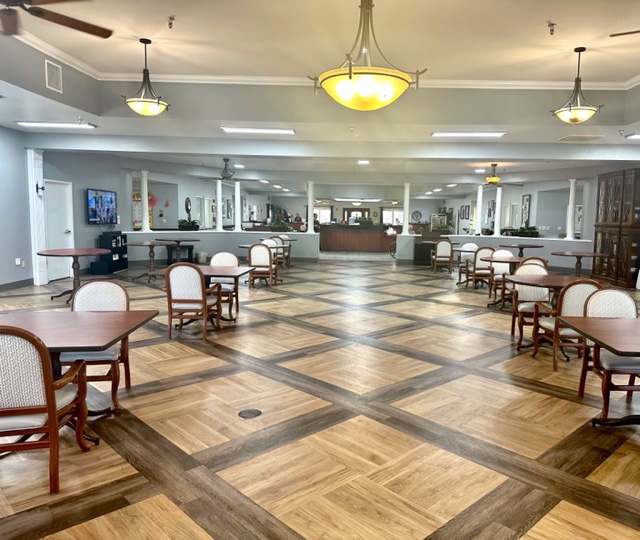
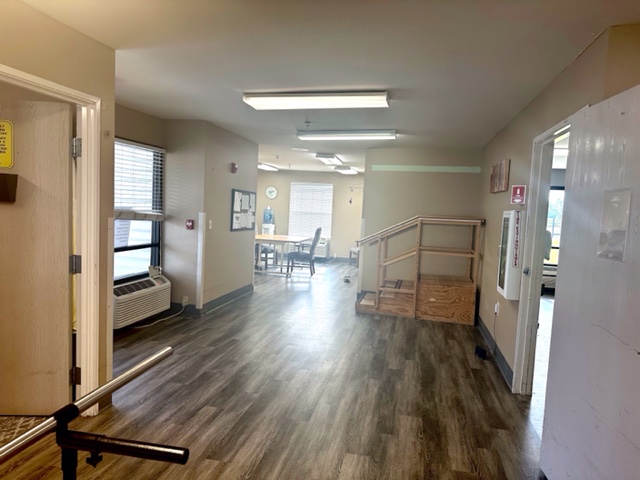
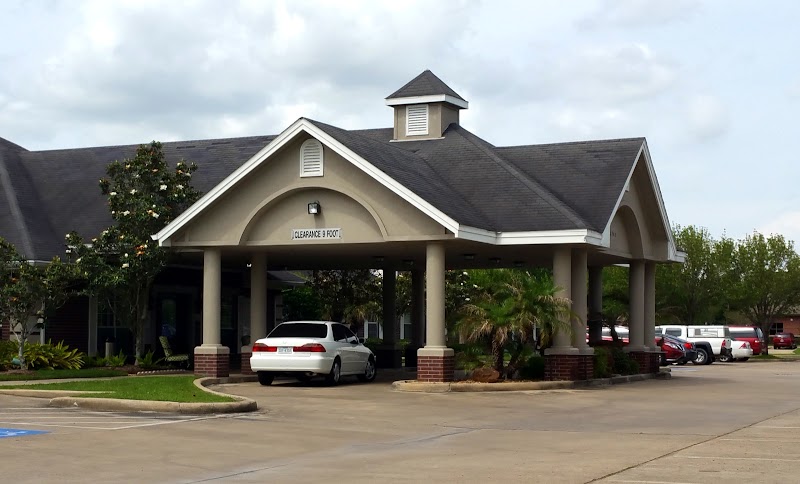
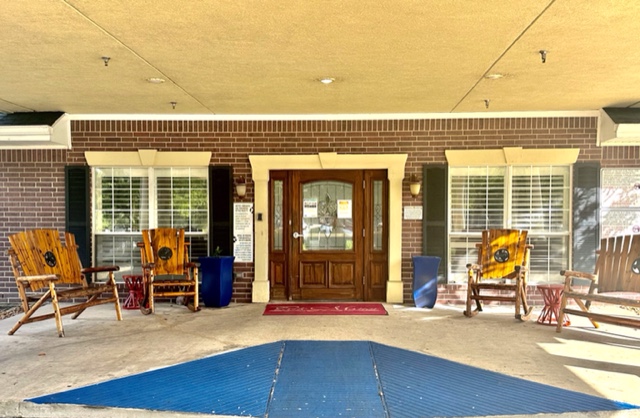
PARK MANOR OF SOUTH BELT

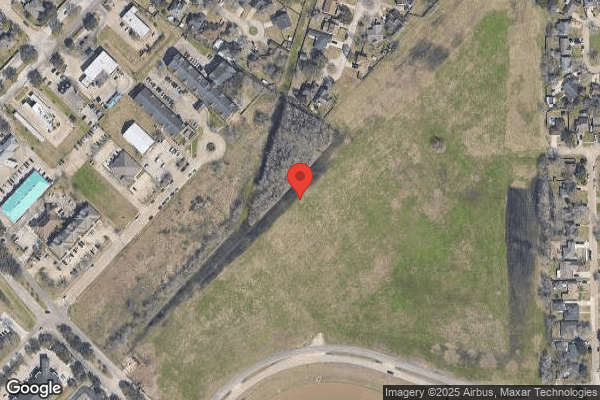
11902 RESOURCE PKWY, HOUSTON, TX 77089 (281) 922-6802
For profit - Limited Liability company 120 Beds HMG HEALTHCARE Data: November 2025
Trust Grade
80/100
#305 of 1168 in TX
Last Inspection: June 2025

Inspected within the last 6 months. Data reflects current conditions.

Overview

Park Manor of South Belt in Houston, Texas, has a Trust Grade of B+, indicating it is above average and recommended for families seeking care. It ranks #305 out of 1168 facilities in Texas, placing it in the top half, and #28 out of 95 in Harris County, meaning there are only a few better local options. The facility's performance trend is stable, with 10 concerns identified consistently over recent inspections, suggesting ongoing issues that need attention. Staffing is a mixed bag; while the turnover rate is lower than the state average at 45%, it still received a below-average rating of 2 out of 5 stars. Although the facility has no fines, which is promising, there have been concerning incidents, such as failures in properly managing medications and infection control practices, which could pose risks to resident safety.

Trust Score
B+
80/100
In Texas
#305/1168
Top 26%
Safety Record
Low Risk
No red flags
Inspections
Holding Steady
5 → 5 violations
Staff Stability
○ Average
45% turnover. Near Texas's 48% average. Typical for the industry.
Penalties
✓ Good
No fines on record. Clean compliance history, better than most Texas facilities.
Skilled Nurses
○ Average
Each resident gets 33 minutes of Registered Nurse (RN) attention daily — about average for Texas. RNs are the most trained staff who monitor for health changes.
Violations
○ Average
10 deficiencies on record. Average for a facility this size. Mostly minor or procedural issues.
★★★★☆
4.0
Overall Rating
★★☆☆☆
2.0
Staff Levels
★★★★☆
4.0
Care Quality
★★★★☆
4.0
Inspection Score
Stable
2023: 5 issues
2025: 5 issues

The Good

  • 4-Star Quality Measures · Strong clinical quality outcomes
  • Full Sprinkler Coverage · Fire safety systems throughout facility
  • No fines on record
  • Staff turnover below average (45%)

    3 points below Texas average of 48%

Facility shows strength in quality measures, fire safety.

The Bad

Staff Turnover: 45%

Near Texas avg (46%)

Typical for the industry

Chain: HMG HEALTHCARE

Part of a multi-facility chain

Ask about local staffing decisions and management

The Ugly 10 deficiencies on record

Jun 2025 5 deficiencies
CONCERN (D)

Potential for Harm - no one hurt, but risky conditions existed

Incontinence Care (Tag F0690)

Could have caused harm · This affected 1 resident

**NOTE- TERMS IN BRACKETS HAVE BEEN EDITED TO PROTECT CONFIDENTIALITY** Based on observation, interview and record review, the facility failed to ensure that a resident who enters the facility with an...

Read full inspector narrative →
**NOTE- TERMS IN BRACKETS HAVE BEEN EDITED TO PROTECT CONFIDENTIALITY** Based on observation, interview and record review, the facility failed to ensure that a resident who enters the facility with an indwelling catheter received appropriate treatment and services to prevent urinary tract infections for 1 (Resident #78) of 19 residents reviewed for catheters, as evidenced by: -Resident #78 did not have a STATLOCK (catheter stabilization device) to secure Foley catheter (flexible tube inserted into bladder to drain urine). This failure placed the residents at risk of their Foley catheters getting dislodged, unwanted pain, trauma, infections, and decreasing their quality of life. Resident # 78 Record review of Resident #78's admission face sheet undated revealed a [AGE] year-old-male admitted to the facility on [DATE]. Resident diagnoses included pressure wound stage IV (damage to skin and underlying tissue related to pressure), paraplegia ( paralysis of the lower half of the body), neuromuscular dysfunction of the bladder (nerves controlling he bladder are damaged leading to difficulties storing and emptying the bladder). Record review of Resident #78's admission MDS dated [DATE] reflected a BIMS score of 15 which indicated the resident's cognition was intact. Further review section H (Bowel bladder) reflected that resident had an indwelling catheter. Record review of Resident #78's Comprehensive Care Plan dated 05/29/2025 reflected: Focus: Resident had a foley catheter related to neurogenic bladder. Goal: Resident would remain catheter trauma free Interventions: check tubing for kinks each shift Record review of Resident #78's Physician Order for 06/01/2025 reflected the following order: -Dated 05/29/2025 Foley catheter size_16Fr and balloon size_10 cc for neurogenic bladder (nerves controlling he bladder are damaged leading to difficulties storing and emptying the bladder).change -Foley catheter care every shift and as needed. Observation and interview on 06/24/2025 at 12:45 PM revealed Resident #78 in bed awake, alert, and oriented. Resident # 78 had a foley drainage bag hanging on the right side of his bed. The observation revealed the catheter tubing was laying over his right leg without a Statlock (catheter stabilization device that secures a catheter in place, helps to minimize catheter movement and accidental removal) to prevent Foley tubing from accidently being dislodged or pulling on the tube. Resident #78 stated he did not have anything currently holding the tubing in place to his leg and he stated he never had anything. In an interview on 06/25/2025 at 3:56 PM the DON stated catheter tubes were to be secured in place with a statlock. The purpose of the statlock was to keep the tube from pulling causing injury to the resident's urethra. The DON stated if a CNA finds a resident without the tube secured, they were to notify the nurse. To prevent this from happening again they can make it standard protocol on the Medication Administration Record/ Treatment Administration Record so it will have to be assessed daily. In an interview with the Administrator on 06/25/2025 at 4:10 PM he stated he knew the tube was to be secured to help minimize the risk of injury from it moving. The Administrator stated it was best practice to secure the tube and they can add it to the MAR. In an interview on 06/26/2025 at 9:20 AM CNA D stated if she saw a resident and the catheter was not secured she would notify the nurse. The CNA stated the purpose of the tube being secured was to keep the tube from pulling. CNA D stated in the past she did see Resident #78 not have his tube secured and she did notify the nurse. In an interview on 06/26/2025 at 9:36 PM LVN E stated if a resident did not have a statlock she would get one. LVN E stated the purpose was to prevent the tube pulling and damage Record review of the facility policy on Catheter Care, Urinary revised April 2010 reflected in part: The purpose of this procedure is to prevent urinary tract infections . 2. Ensure that the catheter remains secured with a securement device such as a leg strap to reduce friction and movement at the insertion site. (Note: Catheter tubing should be strapped to the resident's inner thigh) .
CONCERN (D)

Potential for Harm - no one hurt, but risky conditions existed

Medical Records (Tag F0842)

Could have caused harm · This affected 1 resident

**NOTE- TERMS IN BRACKETS HAVE BEEN EDITED TO PROTECT CONFIDENTIALITY** Based on observation, interview, and record review, the facility failed to maintain medical records in accordance with accepted ...

Read full inspector narrative →
**NOTE- TERMS IN BRACKETS HAVE BEEN EDITED TO PROTECT CONFIDENTIALITY** Based on observation, interview, and record review, the facility failed to maintain medical records in accordance with accepted medical standards and practices and failed to maintain medical records for 2 residents (Resident #69 and Resident #11) that were accurately documented. -LVN B initialed Resident #69's treatments as been completed prior to the treatments being provided. -Resident #69 had bilateral edema that was not being charted correctly. -LVN B changed documentation after being asked about Resident #69's edema. -LVN B initialed Resident #11's treatment as been completed prior to the treatments being provided. These failures placed residents at risk for not receiving care and worsening of skin conditions. Findings included: Resident #69 Record review of the admission Record for Resident #69 revealed she was [AGE] years old and was admitted to the facility on [DATE]. Diagnoses included, but were not limited to, mild cognitive impairment, anxiety disorder, and abnormal findings of blood chemistry. Observation and interview on 06/24/25 at 10:30 a.m. with Resident #69 revealed she said she had hit her leg on the shower chair, and it never healed. She said it gets blistered, then pops. She said the facility did not cover it. She said her family member had asked for wound care to come, but she has not been seen by wound care. Observation at that time revealed both of her feet were edematous. There was an open area on her left lower leg that had multiple blistered and burst blisters visible. Open bloody areas were visible. The wound was not covered. There was scant bloody drainage visible on the sheet. Record review of a Change in Condition Evaluation for Resident #69, dated 06/23/25, revealed the resident exhibited increased edema to her left lower leg. The Summary section read, in part, .pt left leg +2 edema and right leg +1 edema There is increased weeping in left leg. The Evaluation was signed by LVN B. Record review on 06/24/25 at 10:48 a.m. of the June 2025 TAR for Resident #69 revealed the treatment Apply barrier cream to bilateral lower extremities qd one time a day for Skin Integrity. Had been initialed as completed by LVN B. LVN B had also documented Resident #69 had zero edema on 06/23/25 and in the morning of 06/24/25. In an interview on 06/24/25 at 10:52 a.m. with LVN B, revealed she said Resident #69 had edema. LVN B said she had addressed it with the doctor yesterday. She said Resident #69 was receiving wound care. LVN B said the wound care Resident #69 was receiving was a barrier cream. LVN B said she had not applied the barrier cream yet today. When asked if the initials on the TAR indicating the 06/24/25 treatment had already been completed were hers, she acknowledged they were. LVN B pulled up Resident #69's TAR on the computer and again said she had not completed the treatment yet. The TAR had her initials in the box for 06/24/25 indicating the treatment had been done. She said she was supposed to sign the TAR after the treatment was completed. In an interview on 06/24/25 at 4:32 p.m., the DON said Resident #69's legs have been like that since November. She said Resident #69's edema was probably 3 to 4. In an interview on 06/24/25 at 4:40 p.m., LVN C, (the facility Infection Control Nurse) said Resident #69 usually had edema. She assessed Resident #69's edema and said Top of left foot pitted. Slow rebound. Left is greater than right. Pitting in both. In an interview on 06/24/25 at 4:45 p.m. LVN B said Yes, I saw her [Resident #69]. She has edema every day. That doesn't happen overnight. I always chart in the morning. She said she would change her entry in the TAR. Record review on 06/25/25 at 11:19 a.m. of the June 2025 TAR for Resident #69 revealed the resident's edema documentation for 06/24/25 morning assessment was changed from 0 to 3+. The edema for the mid-day assessment had been changed from 0 to 2+. Resident 11 Record review of the admission Assessment for Resident #11 revealed she was [AGE] years old and was admitted to the facility on [DATE]. Diagnoses included contractures of both legs, muscle wasting and atrophy, and muscle weakness. Record review of the Quarterly MDS assessment for Resident #11, dated 05/20/25 revealed she had severely impaired cognition. Record review of the Care Plan for Resident #11 revealed she had very high risk for developing pressure sores. One of the interventions read, in part, .Apply creams as ordered. Record review on 06/24/25 at 11:18 a.m. of the June 2025 TAR for Resident #11 revealed LVN B had initialed she had applied barrier cream to Resident #11's bilateral buttocks and sacral area that morning. In an interview on 06/24/25 at 11:22 a.m. LVN B said she did not apply the barrier cream to Resident #11, even though she signed that she did. She said the CNAs apply it. Observation and interview on 06/24/25 at 11:37 a.m. revealed LVN B was at Resident #11's bedside. She said she had not observed the resident's sacral area yet today. The nurse loosened Resident #11's brief. There was no barrier cream on the resident. When the surveyor informed LVN B she had already initialed the barrier cream had been applied, LVN B said I'm not going to say anything else. In an interview on 06/25/25 at 1:20 p.m., LVN C said the nurse should document after the treatment wasis provided or at that time if she was at the cart. The risk was, that if she got called off to a code or something, the other nurse may not know to do the treatment. In an interview on 06/25/25 at 1:45 p.m., the DON said the nurse should sign/initial the TAR during the activity, and some sign it right before they enter the resident's room. The Survey team requested the policy regarding documentation, no policy was provided by the facility.
CONCERN (E) 📢 Someone Reported This

A family member, employee, or ombudsman was alarmed enough to file a formal complaint

Potential for Harm - no one hurt, but risky conditions existed

Investigate Abuse (Tag F0610)

Could have caused harm · This affected multiple residents

**NOTE- TERMS IN BRACKETS HAVE BEEN EDITED TO PROTECT CONFIDENTIALITY** Based on interview and record review the facility failed to thoroughly investigate and report findings to the State Survey Agenc...

Read full inspector narrative →
**NOTE- TERMS IN BRACKETS HAVE BEEN EDITED TO PROTECT CONFIDENTIALITY** Based on interview and record review the facility failed to thoroughly investigate and report findings to the State Survey Agency within 5 working days of the incident and the corrective action taken if the alleged violation was verified for 9 (Resident #39, Resident #44, Resident #79, CR #1, CR #2, CR #3, CR #4, CR #5, CR #6) of 18 residents reviewed for abuse. The facility failed to conduct a thorough investigation when discrepancies were found between the MAR and narcotic reconciliation sheets for Resident #39, Resident #44, Resident #79, CR #1, CR #2, CR #3, CR #4, CR #5, and CR #6 that were not found in the facility's investigation report. This failure could place residents at risk of not receiving their prescribed medications, experiencing untreated pain, and a decreased quality of life. Findings included: Record review of the provider investigation report written by the Administrator dated 4/2/25 documented RN B noticed that RN A had not followed proper protocol for checking out a narcotic medication. The DON and ADON conducted the investigation. Upon further investigation, RN B and RN C noticed that RN A had forged their signatures for PRN narcotics multiple times. The DON and ADON interviewed RN A, and the report stated RN A refused to answer questions. RN A was asked to take a drug test, the drug was positive for cocaine and opiates. RN A was placed on suspension pending investigation and later terminated. The investigation revealed only 2 residents were impacted by this action, Resident #39 and Resident #44. Resident #39 and Resident #44 were interviewed and stated they did not request the PRN narcotic in question and not administered the narcotic medication. Resident #39 and Resident #44 were assessed by the nursing team, no adverse effects were found on either resident. Record review of Resident #39's face sheet dated 6/25/25 indicated she was a [AGE] year-old female who was admitted to the facility on [DATE] with diagnoses of spinal stenosis lumbar region without neurogenic claudication (a condition where the spinal canal in the lower back narrows), vascular dementia (a general term describing problems with reasoning, planning, judgment, memory and other thought processes caused by brain damage from impaired blood flow to the brain), spinal stenosis cervical region (a condition where the spinal canal in the neck narrows, compressing the spinal cord and nerves) and polyneuropathy (the simultaneous malfunction of many peripheral nerves throughout the body). Record review of Resident #39's most recent quarterly MDS assessment dated [DATE] indicated she had a BIMS score of 13 indicating cognition was intact. Further review of the quarterly MDS assessment indicated Resident #39 received a scheduled pain medication regimen and PRN pain medications in the last five days. Record review of Resident #39's February 2025 MAR indicated Resident #39's Norco was not administered 2/4/25-2/27/25. However, on 2/1/25-1 tablet, 2/2/25-2 tablets, 2/3/25-1 tablet, and 2/28/25- 1 tablet was administered. Record review of Resident #39's March 2025 MAR indicated Resident #39's Norco was not administered 3/1/25-3/12/25, 3/14/25-3/19/25, 3/21/25-3/24/25, and 3/26/25- 3/30/25. However, on 3/13/25-1 tablet, 3/20/25-1 tablet, 3/25/25-1 tablet, and 3/31/25-1 tablet were administered. Record review of Resident #39's narcotic reconciliation log for Norco indicated 81 doses were administered on 2/10/25, 2/12/25- 2/27/25, 3/1/25-3/2/25, 3/6/25-3/7/25, 3/11/25, 3/17/25- 3/21/25, 3/24/25- 3/27/25 and 3/31/25. Interview on 6/26/25 at 12:33 pm. with the DON, she said RN B texted her because she saw her name was on the narcotic count sheet for Resident #44's oxycodone on 3/31/25. RN B said she had not administered oxycodone. The DON said when she conducted her investigation, she focused on residents in the 200 hall, which were long term residents. She said she pick some residents from the 300 hall, which were short-term. She said RN A worked both halls. The DON said she chose residents who were alert and went back a couple of months on the narcotic count sheets. She said she noticed a few counts were off here and there and then ramped up for the month of March. Interview on 6/27/25 at 3:03 p.m. with the DON and Administrator. The DON said she was not aware of any issues with controlled substances other than the incident with RN A that was self-reported. The DON said she was not aware of the missing 56 tablets of hydrocodone for Resident #39 for the month of February. The Administrator and DON said the facility had addressed the issues of controlled substances by giving in-services to staff and daily clinical reviews of the narcotic count sheets. The DON said the expectation for nurses when administering narcotics was, they should sign the narcotic out, indicate pain level, and document on the MAR. The DON said if nurses see that the narcotic count was off, they should notify her. The DON said to prevent future issues with narcotic counts the facility will continue to monitor. The DON said the risk to the resident when a narcotic was not documented on the MAR would be minimal risk because the nurses check the narcotic count sheet before administering the medication. The DON said the risk to the resident when a pain medication was not given to the resident would be the resident could have pain and the doctor would have to be notified. Record review of facility document titled Investigation Best Practices, not dated read in part . 4. Determine 'when' the incident occurred (time or time frame). 9. Complete a comprehensive record review, which may include . Medication Administration Records . Record review of the Abuse and Neglect policy dated April 2007 read in part . 4. The physician and staff will help identify risk factors for abuse within the facility . for example, problems related to staff knowledge, skill, or performance that might affect how the residents are being cared for .
CONCERN (E) 📢 Someone Reported This

A family member, employee, or ombudsman was alarmed enough to file a formal complaint

Potential for Harm - no one hurt, but risky conditions existed

Pharmacy Services (Tag F0755)

Could have caused harm · This affected multiple residents

**NOTE- TERMS IN BRACKETS HAVE BEEN EDITED TO PROTECT CONFIDENTIALITY** Based on interview and record review, the facility failed to provide pharmaceutical services, including procedures that assured ...

Read full inspector narrative →
**NOTE- TERMS IN BRACKETS HAVE BEEN EDITED TO PROTECT CONFIDENTIALITY** Based on interview and record review, the facility failed to provide pharmaceutical services, including procedures that assured the accurate acquiring, receiving, dispensing, and administering of all drugs and biologicals to meet the needs of each resident and failed to establish a system of records of receipt and disposition of all controlled drugs in sufficient detail to enable an accurate reconciliation for 9 (Resident #39, Resident #44, Resident #79, CR #1, CR #2, CR #3, CR #4, CR #5, CR #6) of 18 residents reviewed for pharmacy services. The facility failed to ensure the reconciliation of controlled drug sheets compared to MAR for Resident #39, Resident #44, Resident #79, CR #1, CR #2, CR #3, CR #4, CR #5, CR #6 to ensure every controlled drug that was administered and documented as administered in the MAR reflected the correct quantity on the controlled drug/disposition form. These failures could place residents at risk of medication error and drug diversion due to not reconciling every shift nor accounting for all controlled drugs administered and/or wasted. Findings included: Record review of Resident #39's face sheet dated 6/25/25 indicated she was a [AGE] year-old female who was admitted to the facility on [DATE] with diagnoses of spinal stenosis lumbar region without neurogenic claudication (a condition where the spinal canal in the lower back narrows), vascular dementia (a general term describing problems with reasoning, planning, judgment, memory and other thought processes caused by brain damage from impaired blood flow to the brain), spinal stenosis cervical region (a condition where the spinal canal in the neck narrows, compressing the spinal cord and nerves) and polyneuropathy (the simultaneous malfunction of many peripheral nerves throughout the body). Record review of Resident #39's most recent quarterly MDS assessment dated [DATE] indicated she had a BIMS score of 13 indicating cognition was intact. Further review of the quarterly MDS assessment indicated Resident #39 received a scheduled pain medication regimen and PRN pain medications in the last five days. Record review of Resident #39's comprehensive care plan dated 8/20/24 indicated she had potential for pain secondary to lumbar and cervical stenosis with interventions that included: administer analgesia as per orders, anticipate the resident's need for pain relief and respond immediately to any complaint of pain, and observe/document for side effects of pain medication. Record review of Resident #39's physician orders with a start date 6/29/24, indicated she was prescribed Norco oral tablet 7.5- 325mg, 1 tablet by mouth every 6 hours as needed for moderate pain. Record review of Resident #39's February 2025 MAR indicated Resident #39's Norco was not administered 2/4/25-2/27/25. However, on 2/1/25-1 tablet, 2/2/25-2 tablets, 2/3/25-1 tablet, and 2/28/25- 1 tablet was administered. Record review of Resident #39's March 2025 MAR indicated Resident #39's Norco was not administered 3/1/25-3/12/25, 3/14/25-3/19/25, 3/21/25-3/24/25, and 3/26/25- 3/30/25. However, on 3/13/25-1 tablet, 3/20/25-1 tablet, 3/25/25-1 tablet, and 3/31/25-1 tablet were administered. Record review of Resident #39's narcotic reconciliation log for Norco indicated 81 doses were administered on 2/10/25, 2/12/25- 2/27/25, 3/1/25-3/2/25, 3/6/25-3/7/25, 3/11/25, 3/17/25- 3/21/25, 3/24/25- 3/27/25 and 3/31/25. Interview on 6/24/25 at 2:45 pm, Resident #39 remembered she was told RN A was charting medication that was given to her but did not receive it. Resident #39 could not recall if she was in pain around that time because she said she received her pain medication whenever she requested it. Record review of Resident #44's face sheet dated 6/24/25 indicated he was a [AGE] year-old male admitted to the facility on [DATE] with diagnoses of acute chronic systolic heart failure, respiratory failure, hematemesis (vomiting blood), multiple sites of contracture of muscle, chronic pain, and osteoarthritis (a type of arthritis that occurs when flexible tissue at the ends of bones wears down). Record review of Resident #44's most recent quarterly MDS assessment dated [DATE] indicated he had a BIMS score of 10 indicating cognition was moderately impaired. Further review of the quarterly MDS assessment indicated Resident #44 received a scheduled pain medication regimen and PRN pain medications in the last five days. Record review of Resident #44's comprehensive care plan dated 6/26/24 indicated he had risks for potential complications associated with pain r/t chronic pain bilateral lower leg contracture with interventions that included: administer analgesia as per orders, evaluated the effectiveness of pain interventions, and observe for side effects of pain medication. Record review of Resident #44's physician orders with a start date of 2/15/25, indicated he was prescribed oxycodone HCL oral tablet 20mg, 1 tablet by mouth every 6 hours as needed for pain. Record review of Resident #44's March 2025 MAR indicated Resident #44's oxycodone was not administered on 3/5/25, 3/12/25, 3/17/25, 3/24/25, and from 3/27/25-3/31/25. However, on 3/1/25-3/4/25-6 tablets, 3/6/25-3/11/25-10 tablets, 3/13/25-3/16/25-7 tablets, 3/18/25-3/23/25-13-tablets, 3/25/25-3/26/25-3 tablets were administered. Record review of Resident #44's narcotic reconciliation log for oxycodone indicated 10 doses were administered from 3/23/25- 3/25/25, 3/26/25-3/27/25, 3/29/25, and 3/31/25. Interview on 6/24/25 at 2:53 pm, with Resident #44, he said he remembered hearing a nurse was signing out for meds, he could not recall which nurse. Resident #44 said he did not have any issues dealing with pain around that time. Resident #44 said his pain medications were PRN, and he knew he was receiving the correct pill because he was able to identify it as a little white pill. Record review of Resident #79's face sheet dated 6/27/25 indicated he was a [AGE] year-old male admitted to the facility on [DATE] with diagnoses of Type 2 diabetes, chronic osteomyelitis (an infection in a bone that can affect one or more parts of a bone), Stage 4 pressure ulcer of right hip, and Stage 4 pressure ulcer of left hip. Record review of Resident #79's most recent quarterly MDS assessment dated [DATE] indicated he had a BIMS score of 15 indicating cognition was intact. Further review of the quarterly MDS assessment indicated Resident #79 did not receive a scheduled pain medication regimen or PRN pain medications in the last five days. Record review of Resident #79's comprehensive care plan dated 6/5/25 indicated he had not been care planned for pain interventions. Record review of Resident #79's physician orders with a start date of 11/19/24 indicated he was prescribed Tramadol HCL tablet 50 mg every 6 hours as needed for pain. Record review of Resident #79's February 2025 MAR indicated Resident #79's Tramadol was not administered from 2/1/25- 2/2/25, 2/4/25, 2/6/25- 2/10/25, 2/12/25-2/13/25, and from 2/16/25- 2/28/25. However, on 2/3/25-1 tablet, 2/5/25-1 tablet, 2/11/25-1 tablet, 2/14/25-1 tablet, and 2/15/25- 1 tablet was administered. Record review of Resident #79's narcotic reconciliation log for tramadol indicated 3 doses were administered between 2/3/25-2/4/25, and 2/12/25. Interview on 6/26/25 at 4:53 pm, Resident #79 he said he had chronic pain from neuropathy. Back in February, he was told by a couple of nurses he did not have pain medication. When asked if the nurses still worked at the facility he responded, I'd rather not say. Resident #79 said the way he found out he had pain medication was he requested for his medical records. Resident #79 said he has not had any issues receiving his pain meds after he requested his records. Record review of CR #1's face sheet dated 6/26/25 indicated he was a [AGE] year-old male admitted to the facility on [DATE] with diagnoses of spinal stenosis lumbar region without neurogenic claudication (a condition where the spinal canal in the lower back narrows), polyosteoarthritis (arthritis that affects five or more joints at the same time), stiffness of unspecified joint, osteomyelitis of vertebra (a rare bone infection that inflames and infects a spinal disc), and burn of first degree of right thigh. Record review of CR #1's most recent comprehensive MDS assessment indicated he had a BIMS score of 15 indicating cognition was intact. Further review of the comprehensive MDS assessment indicated CR #1 received a scheduled pain medication regimen and PRN pain medications in the last five days. Record review of CR #1's comprehensive care plan dated 3/15/25 indicated he had not been care planned for pain interventions. Record review of CR #1's physician orders with a start date of 3/21/25 indicated he was prescribed Tramadol HCL oral tablet 50 mg, every 6 hours as needed for pain. Record review of CR #1's March 2025 MAR indicated CR #1's tramadol was not administered from 3/22/25-3/23/25, and 3/30/25. However, on 3/21/25- 1 tablet, 3/24/25-1 tablet, 3/25/25- 1 tablet, 3/26/25-3 tablets, 3/27/25- 1 tablet, 3/28/25- 3 tablets, 3/29/25-3 tablets, and 3/31/25- 3 tablets were administered. Record review of CR #1's narcotic reconciliation log for tramadol indicated 8 doses were administered from 3/22/25-3/23/25, 3/27/25, and from 3/29/25- 3/30/25. Record review of CR #2's face sheet dated 6/26/25 indicated she was a [AGE] year-old female admitted to the facility on [DATE] with diagnoses of sepsis, Type 2 diabetes, thyrotoxicosis (a rare and life-threatening condition that occurs when the thyroid gland releases a large amount of thyroid hormones in a short period), hyperlipidemia (a condition in which there are high levels of fat particles in the blood). Record review of CR #2's most recent comprehensive MDS assessment dated [DATE] indicated she had a BIMS score 15 indicating cognition was intact. Further review of the comprehensive MDS assessment indicated CR #2 did not receive a scheduled pain medication regimen or PRN pain medications in the last five days. Record review of CR #2's comprehensive care plan dated 3/27/25 indicated she had pain with interventions that included: administer analgesia as per orders, anticipate the resident's need for pain relief and respond immediately to any complaint of pain, evaluate the effectiveness of pain interventions. Record review of CR #2's physician orders with a start date of 3/26/25 indicated she was prescribed hydrocodone-acetaminophen oral tablet 7.5- 325 mg tablet every 6 hours as needed for pain. Record review of CR #2's March 2025 MAR indicated CR #2's hydrocodone was not administered from 3/26/25-3/27/25 and from 3/29/25-3/30/25. However, on 3/28/25- 1 tablet and 3/31/25- 3 tablets were administered. Record review of CR #2's narcotic reconciliation log for hydrocodone indicated 7 doses were administered between 3/27/25- 3/30/25. Record review of CR #3's face sheet dated 6/26/25 indicated he was an [AGE] year-old male admitted to the facility on [DATE] with diagnoses of secondary malignant neoplasm of liver, malignant neoplasm of colon, Type 2 diabetes, pain in right shoulder. Record review of CR #3's most recent comprehensive MDS assessment dated [DATE] indicated he had a BIMS score 15 indicating cognition was intact. Further review of the comprehensive MDS assessment indicated CR #3 received a pain medication regimen in the last five days. Record review of CR #3's comprehensive care plan dated 2/27/25 indicated he had not been care planned for pain interventions. Record review of CR #3's physician orders with a start date of 3/6/25 indicated he was prescribed tramadol HCL oral tablet 50 mg every eight hours as needed for pain management. Record review of CR #3's March 2025 MAR indicated CR #3's tramadol was not administered on 3/6/25, 3/8/25-3/9/25, and from 3/11/25-3/31/25. However, on 3/7/25-1 tablet, 3/10/25-1 tablet was administered. Record review of CR #3's narcotic reconciliation log for tramadol indicated 5 doses were administered between 3/8/25 thru 3/9/25. Record review of CR #4's face sheet dated 6/26/25 indicated she was a [AGE] year-old female admitted to the facility on [DATE] with diagnoses of cerebral infarction, end stage renal disease, hyperlipidemia. Record review of CR #4's most recent comprehensive MDS assessment dated [DATE] indicated she had a BIMS score 15 indicating cognition was intact. Further review of the comprehensive MDS assessment indicated CR #4 received PRN pain medications and received non-medication intervention for pain in the last five days. Record review of CR #4's comprehensive care plan dated 3/11/25 indicated she had not been care planned for pain interventions. Record review of CR #4's physician orders with a start date of 3/12/25 indicated she was prescribed hydrocodone-acetaminophen oral tablet 5- 325 mg every 6 hours as needed for pain. Record review of CR #4's March 2025 MAR indicated CR #4's hydrocodone was not administered from 3/15/25- 3/22/25, and from 3/24/25- 3/31/25. However, from 3/12/25 thru 3/14/25- 5 tablets, and 3/23/25- 1 tablet was administered. Record review of CR #4's narcotic reconciliation log for hydrocodone indicated 4 doses were administered between 3/22/25 thru 3/23/25. Record review of CR #5's face sheet dated 6/26/25 indicated she was a [AGE] year-old female admitted to the facility on [DATE] with diagnoses of unilateral primary osteoarthritis-right knee, Type 2 diabetes with diabetic neuropathy. Record review of CR #5's most recent comprehensive MDS assessment dated [DATE] indicated she had a BIMS score of 15 indicating cognition was intact. Further review of the comprehensive MDS assessment indicated CR #5 received a scheduled pain medication regimen, received PRN pain medications, and received non-medication intervention for pain in the last five days. Record review of CR #5's comprehensive care plan dated 3/12/25 indicated she had pain r/t osteoarthritis, right artificial knee joint replacement/swelling with interventions that included: administer analgesia as per orders, anticipate the resident's need for pain relief, evaluate the effectiveness of pain interventions. Record review of CR #5's physician orders with a start date of 3/11/25 indicated she was prescribed hydrocodone-acetaminophen oral tablet 10- 325 mg every 6 hours as needed for moderate pain. Record review of CR #5's March MAR indicated CR #5's hydrocodone was not administered on 3/11/25, 3/16/25, 3/19/25-3/20/25, 3/22/25-3/23/25, and from 3/27/25 thru 3/31/25. However, on 3/12/25- 1 tablet, 3/13/25- 1 tablet, 3/14/25, 1 tablet, 3/15/25- 1 tablet, 3/17/25-1 tablet, 3/18/25- 1 tablet, 3/21/25- 1 tablet, 3/24/25- 1 tablet, 3/25/25- 2 tablets, and 3/26/25- 1 tablet was administered. Record review of CR #5's narcotic reconciliation log for hydrocodone indicated 2 doses were administered on 3/17/25 and 3/28/25. Record review of CR #6's face sheet dated 6/26/25 indicated she was an [AGE] year-old female admitted to the facility on [DATE] with diagnoses of cellulitis of right lower limb, acute kidney failure, Type 2 diabetes. Record review of CR #6's most recent comprehensive MDS assessment dated [DATE] indicated she had a BIMS score of 10 indicated cognition was moderately impaired. Further review of the comprehensive MDS assessment indicated CR #6 did not receive a scheduled pain medication regimen or PRN pain medications in the last five days. Record review of CR #6's comprehensive care plan dated 4/14/25 indicated she had potential for pain r/t diabetes mellitus, CHF, history of recurrent falls, and osteoarthritis with interventions that included: administer pain meds as ordered, evaluate the effectiveness of pain interventions, observe/document for side effects of pain medication. Record review of CR #6's physician orders with a start date of 11/6/24 indicated she was prescribed tramadol HCL oral tablet 50 mg every 6 hours as needed for pain management. Record review of CR #6's February 2025 MAR indicated CR #6's tramadol was not administered from 2/1/25- 2/2/25, 2/5/25-2/8/25, and from 2/10/25-2/28/25. However, on 2/3/25-1 tablet, 2/4/25- 1 tablet, and 2/9/25- 1 tablet was administered. Record review of CR #6's March 2025 MAR indicated CR #6's tramadol was not administered from 3/1/25-3/6/25, 3/8/25, 3/11/25, 3/15/25- 3/26/25, and from 3/28/25- 3/31/25. However, on 3/7/25- 1 tablet, 3/9/25- 1 tablet, 3/10/25- 1 tablet, 3/12/25- 1 tablet, 3/13/25- 1 tablet, 3/14/25- 1 tablet, and 3/27/25- 1 tablet was administered. Record review of CR #6's narcotic reconciliation log for tramadol indicated 3 doses were administered on 2/14/25, and from 3/10/25 thru 3/11/25. Interview on 6/25/25 at 3:03 p.m. with the Nurse Practitioner for pain management. She said she was not aware of narcotics missing. The NP said Resident #39 was prescribed Norco for spinal stenosis and chronic knee pain. The NP said for Resident #44, he was prescribed Oxycodone for pain in his back, hips, and knees. The NP said there was not an increase for pain medication for Resident #39 and Resident #44 for the month of March. She said residents were at risk for increased pain if pain medications were not administered. The NP said when medications are not documented on the MAR, residents were at risk of oversedation if they got too many pain meds. Interview on 6/25/25 at 10:21 a.m. with RN A, she said the DON called her and spoke to her about PRN medications and signing out for other nurses. RN A said she would do the counts at the beginning of her shift with the morning nurse, RN C, and do counts at the end of her shift with different night nurses. She said RN B was the night nurse that was there most of the time. RN A said she worked 200 hall and sometimes cover the 300 hall. RN A said sometimes the narcotic count would not match because staff would forget to sign off on the narcotic sheet. RN A said the DON would have her and other nurses go back and sign the narcotic sheet as far back as a week. RN A said the DON suspended her on 4/1/25 for failing to follow facility policy when administering narcotics and changing times and dates of narcotics given. RN A never returned to the facility because she said she did not agree with what the DON accused her of, it was her word against the DON. Interview with RN B on 6/25/25 at 12:13 p.m. She said she was the night nurse and worked from 10 p.m. to 6 a.m. RN B said she noticed her name was forged on the count sheet on 4/1/25 at 12:00 a.m. RN B said she counted the medications with the evening nurse, she was not sure if it was RN A. RN B said she notified the ADON and DON as soon as she noticed her signature was forged. RN B said when she administered pain medication she always signed in the system and signed on the narcotic sheet. She said documented PRN medications and pain scale for the residents. RN B said the narcotic count sheet and MAR should match. She said the risk to the resident if they did not get their pain meds was the resident would still be in pain. RN B said the DON would need to be notified if there was a discrepancy between the narcotic count sheet and MAR. Interview on 6/25/25 at 12:45 p.m. with RN C, she said RN A signed out narcotics under her name a few times, she said it was mostly under a night shift nurse's name. RN C said she signed out medications as soon as it was administered. For instance, if she gave a narcotic at 11:06 pm she would sign for it at 11:06 pm. RN C said she had to go back and sign the narcotic sheet because she would get busy. She said sometimes she would have to go back a day or so to sign the narcotic sheet. RN C said the narcotic count sheet should match the MAR. She said the nurses counted narcotics at the beginning and end of shift. RN C said she did not see any discrepancies for the month of March. RN C said the risk to the resident when they did not receive their medication would be their pain would be harder to control. She said the risk to the resident when the narcotic count sheet is signed but not documented on the MAR would be overdose. Interview on 6/26/25 at 12:33 pm. with the DON, she said RN B texted her because she saw her name was on the narcotic count sheet for Resident #44's oxycodone on 3/31/25. RN B said she had not administered oxycodone. The DON said when she conducted her investigation, she focused on residents in the 200 hall, which were long term residents. She said she pick some residents from the 300 hall, which were short-term. She said RN A worked both halls. The DON said she chose residents who were alert and went back a couple of months on the narcotic count sheets. She said she noticed a few counts were off here and there and then ramped up for the month of March. Interview on 6/27/25 at 3:03 p.m. with the DON and Administrator. The DON said she was not aware of any issues with controlled substances other than the incident with RN A that was self-reported. The DON said she was not aware of the missing 56 tablets of hydrocodone for Resident #39 for the month of February. The Administrator and DON said the facility had addressed the issues of controlled substances by giving in-services to staff and daily clinical reviews of the narcotic count sheets. The DON said the expectation for nurses when administering narcotics was, they should sign the narcotic out, indicate pain level, and document on the MAR. The DON said if nurses see that the narcotic count was off, they should notify her. The DON said to prevent future issues with narcotic counts the facility will continue to monitor. The DON said the risk to the resident when a narcotic was not documented on the MAR would be minimal risk because the nurses check the narcotic count sheet before administering the medication. The DON said the risk to the resident when a pain medication was not given to the resident would be the resident could have pain and the doctor would have to be notified. Record review of the Controlled Substances policy dated 12/2012 read in part . 9. Nursing staff must count controlled medications at the end of each shift . the nurse coming on duty and the nurse going off duty must make the count together . they must document and report and discrepancies to the Director of Nursing Services . Record review of the Documentation of Medication Administration policy dated 4/2007 read in part . 1. A nurse . shall document all medications administered to each resident's medication administration record .
CONCERN (E) 📢 Someone Reported This

A family member, employee, or ombudsman was alarmed enough to file a formal complaint

Potential for Harm - no one hurt, but risky conditions existed

Infection Control (Tag F0880)

Could have caused harm · This affected multiple residents

**NOTE- TERMS IN BRACKETS HAVE BEEN EDITED TO PROTECT CONFIDENTIALITY** Based on observation, interview, and record review, the facility failed to maintain an infection prevention and control program ...

Read full inspector narrative →
**NOTE- TERMS IN BRACKETS HAVE BEEN EDITED TO PROTECT CONFIDENTIALITY** Based on observation, interview, and record review, the facility failed to maintain an infection prevention and control program designed to provide a safe, sanitary and comfortable environment and to help prevent the development and transmission of communicable diseases and infections for 2 residents (Resident #69 and Resident #8) of 6 residents reviewed for Infection Control. -LVN B failed to follow proper hand hygiene while providing treatment to Resident #69's wounds on her lower legs. -Resident #69 had an open wound but was not on Enhanced Barrier Precautions. -The facility failed to ensure CNA D followed proper infection control, for Resident # 8 during incontinent care. CNA D failed to clean from front to back when the resident was incontinent of stool. These failures placed residents at risk for cross contamination and the spread of infection. Findings included: Resident #69 Record review of the admission Record for Resident #69 revealed she was [AGE] years old and was admitted to the facility on [DATE]. Diagnoses included, but were not limited to, mild cognitive impairment, anxiety disorder, and abnormal findings of blood chemistry. Record review of a Change in Condition Evaluation for Resident #69, dated 06/23/25, revealed the resident exhibited increased edema to her left lower leg. The Summary section read, in part, .pt left leg +2 edema and right leg +1 edema There is increased weeping in left leg. The Evaluation was signed by LVN B. Record review of the Weekly Skin Review for Resident #69, dated 06/24/25, revealed her left lower leg had red/pink dry skin patches. The measurements were reflected as 9.5 x 9.0 x 0.2 cm. The right leg had redness surrounding a weeping scabbed wound. The report read, in part, .Res has new weeping wound to LLE, previously pink dry patchy skin. Res had change in condition, 3+ bilateral lower ext edema present. Consulted with wound care specialist _____ [Physician A] on tx plan over the phone, ordered - cleanse with ns/wc pat dry apply vashe gauze apply ABD pad, cover with kerlix dressing qd . Observation and interview on 06/24/25 at 10:30 a.m. with Resident #69 revealed she said she had hit her leg on the shower chair, and it never healed. She said it gets blistered, then pops. She said the facility did not cover it. She said her family member sister had asked for wound care to come, but she has not been seen by wound care. Observation at that time revealed both of her feet were edematous. There was an open area on her left lower leg that had multiple blistered and burst blisters visible. Open bloody areas were visible. The wound was not covered. There was scant bloody drainage visible on the sheet. Observation on 06/24/25 at 10:58 a.m. revealed LVN B provide wound care for Resident #69 . There was no Enhanced Barrier Precautions sign on the door. LVN B placed some barrier cream in a 30 cc cup. She did not wash her hands, and donned gloves. With her gloved hand, LVN B applied barrier cream to Resident #69's wound on her left leg. Observation revealed there was drainage visible on the right leg wound. Without sanitizing her hands, LVN B used the same gloves to apply barrier cream to the open area on the right leg. The surveyor asked LVN B if there was drainage from the right leg wound. LVN B answered, A little. LVN B doffed her gloves and washed her hands. The Surveyor asked LVN B if it was ok to apply the barrier cream to the right leg wound with the same gloves as she used on the left. LVN B responded, No. Cross contamination. In an interview on 06/24/25 at 12:05 p.m., LVN C, (the facility Infection Control Nurse) said Resident #69 should be on Enhanced Barrier Precautions (EBP) if the wound was open. LVN C then observed Resident #69 and said she would place her on EBP. In an interview on 06/25/25 at 1:20 p.m., LVN C said LVN B should have washed her hands and changed gloves after treating Resident #69's left leg, before treating the right leg. She said if the wound on the left leg was infected, it could spread to the wound on the right leg. In an interview on 06/25/25 at 1:45 p.m., the DON said if the wound was open, LVN B should have washed her hands and changed gloves after treating Resident #69's left leg. She said the risk would be the spread of infection. Resident #8 Record review of Resident #8's face sheet undated reflected date of admission was 5/25/2023 and readmitted [DATE]. Resident #8's diagnoses Alzheimer's Disease, Cellulitis (common and potentially serious bacterial infection of the skin) of face, personal history of urinary tract infections, dementia, and anxiety Record review of Resident #8's care plan dated 04/04/2025 revealed:.Focus: Resident #8 had bladder incontinence related to dementia and the inability to hold her urineGoals: Resident's risk for septicemia (serious bloodstream infections) will be minimized/prevented by prompt recognition and treatment of urinary tract infection symptomsInterventions: The resident used disposable briefs change as needed Record review of Resident #8's quarterly MDS assessment dated [DATE], Section C (Cognitive Patterns) reflected a BIMS score was three indicating severe impairment in cognition. Section H (Bladder and Bowel) reflected resident was frequently incontinent of bowel and bladder. Resident #8 was dependent in staff for toileting hygiene. Observation on 06/25/2025 at 10:08 AM during incontinent care for Resident #8 by CNA D assisted by LVN A and LVN B,. Resident #8 was positioned on her right side. Resident # 8 had a soft stool at her anal area. CNA A wiped from the resident's anal area moving to her front peri area for five separate wipes. In an interview on 06/25/2025 at 10:23 AM CNA D stated she was supposed to wipe away from the uterus. CNA D stated she wiped toward the uterus . CNA D stated the resident did have stool and she wiped her 5 times toward the front. The CNA was in-serviced about 2 weeks ago. She stated she was nervous. CNA D stated the risk to the resident was an infection. In an interview on 06/25/2025 at 10:28AM LVN A stated she witnessed CNA D wipe Resident #8 in the wrong direction. LVN A stated she witnessed the resident had stool and the CNA wiped the stool toward the front of the resident. LVN A stated the risk was infection. In an interview on 06/25/2025 at 11:32 AM LVN B stated she witnessed the CNA wipe Resident #8 from back to front for 5 wipes. LVN B stated she should have wiped front to back. LVN B stated she saw the resident was incontinent of stool and the CNA wiped from back to front. The risk was infection. In an interview on 06/25/2025 at 1:03 PM LVN C stated she had been the infection control preventionist for five years. LVN C stated the CNAs were in-serviced annually and as needed for incontinent care. LVN C stated proper cleaning for incontinent care was from front to back. The LVN stated if the CNA cleaned back to front that was incorrect technique and the risk was contamination and infection. To prevent this they we would increase in-services on peri care. In an interview on 06/25/2025 at 4:13 PM the Administrator stated he heard the resident was cleaned by wiping in the right direction. He said the risk was infection. They would try to prevent by re-inservicing. 1. Record review of the The facility policy Handwashing/Hand Hygiene (revised August 2015) read, in part, .2. All personnel shall follow the handwashing/hand hygiene procedures to help prevent the spread of infections to other personnel, residents, and visitors .2. Use an alcohol-based hand rub containing at least 62% alcohol; or, alternatively, soap (antimicrobial or non-antimicrobial) and water for the following situations: .h. Before moving from a contaminated body site to a clean body site during resident care;
Mar 2023 2 deficiencies
CONCERN (D)

Potential for Harm - no one hurt, but risky conditions existed

Drug Regimen Review (Tag F0756)

Could have caused harm · This affected 1 resident

**NOTE- TERMS IN BRACKETS HAVE BEEN EDITED TO PROTECT CONFIDENTIALITY** Based on interviews, and record review, the facility failed to act upon the recommendations of the pharmacist report of irregula...

Read full inspector narrative →
**NOTE- TERMS IN BRACKETS HAVE BEEN EDITED TO PROTECT CONFIDENTIALITY** Based on interviews, and record review, the facility failed to act upon the recommendations of the pharmacist report of irregularities for 1 of 6 residents (Resident #307), reviewed for the Drug Regimen Review (DRR). The facility failed to review and act on, Resident #307's allergy to sertraline, reported by the pharmacist as a high priority on the DRR report, dated 2/24/23. This failure could place residents at risk from maintaining their highest practicable level of physical, mental, and psychosocial well-being, and could place them at risk for adverse consequences related to medication therapy. The findings included: Record review of resident #307's face sheet, printed 3/3/23, revealed she was a [AGE] year-old female who admitted to the facility on [DATE] with diagnoses of fracture of left femur (fracture of the left thigh bone), wedge compression fracture of unspecified thoracic vertebra (fracture of the vertebra in the spine that is in the chest area, that causes a wedge shape), nontraumatic intracerebral hemorrhage (bleeding in the brain, not caused by injury), pleural effusion (fluid between the tissues that line the lungs and the chest cavity), dysphagia (trouble swallowing), muscle weakness, muscle wasting and atrophy (muscles become smaller from nonuse), hypertension (high blood pressure), Alzheimer's disease (brain disorder that slowly destroys memory and thinking skills, and eventually the ability to carry out simple tasks), repeated falls, and acute kidney failure (sudden/short onset of kidneys not working properly). Per original face sheet, seen on 3/2/23, sertraline was one of the allergies listed. Once the Surveyor brought the allergy concern to the facility's attention at the end of the day on 3/2/23, the facility removed the allergy listed on the face sheet. Record review of resident #307's initial MDS dated [DATE], revealed a BIMS score of 5 out of 15, indicating severe impairment with cognition. Also, on question N2001 of the MDS it asked, Did a complete drug regimen review identify potential clinically significant medication issues? The answer was marked as No - No issues found during review. Record review of resident #307's Care Plan dated 2/22/23 revealed Ms is at risk for allergic reaction r/t allergies to the following: .sertraline . Ms .will have no allergic reactions through the next review date: Monitor for signs and symptoms of possible allergic reactions such as: hives, rash, swelling, watery eyes, wheezing and report finding to MD as indicated. Notify MD if patient has an allergic reaction to new medications or food for further instructions. Provide MD and other medical professionals a list of allergies when reviewing medications. Review list of allergies prior to administration of medications. The Care Plan also revealed the resident has withdrawn and uses antidepressant medication. At risk for side effects. She will be free from discomfort or adverse reactions related to antidepressant therapy through the review date: Behavior monitoring for withdrawn medication; sertraline document # of behaviors exhibited during the shift. Give antidepressant medication ordered by physician. Report to nurse s/sx of following: mood change, change in normal behavior, hallucinations/delusions, suicidal ideations, withdrawal, constipation, decline in function/adls. Also revealed in Care Plan, Ms .has impaired cognitive function/impaired thought processes r/t Alzheimer's. She will improve decision making ability by next review date: Administer meds as ordered. Observe/document/report to MD any changes in cognitive function, specifically changes in: .Review medications and observe possible causes of cognitive deficit: new medications or dosage increases .drug interactions, errors or adverse drug reactions, drug toxicity. Record review of resident #307's history and physical received from the hospital, with date of visit 2/12/23, revealed sertraline was one of the resident's allergies. Record review of resident #307's facility admission note dated 2/21/23, listed sertraline was one of her allergies. Record review of resident #307's physician orders revealed an order with a start date of 2/22/23, for Sertraline HCL 50mg tablet, Give 1 PO QD for depression. Resident #307 also had a physician's order with a start date of 2/22/23 for monitoring side effects of antidepressant medication every shift, and to chart all appropriate codes: 0=none, 1=sedation/drowsiness, 2=increased falls/dizziness, 3=hypotension (low blood pressure), 4=anxiety/agitation, 5=blurred vision, 6=sweating/rashes, 7=weakness, 8=headache, 9=dystonia (involuntary muscle contraction), 10=urinary retention/hesitancy, 11=anticholinergic symptoms (dry mouth, constipation, bowel obstruction, dilated pupils, decreased sweating), 12=cardiac abnormalities, 13=tremors, 14=appetite chg/wt chg, 15=insomnia, 16=confusion, 17=tardive dyskinesia (uncontrollable, repetitive movements of the face, torso, and other parts of the body), 18=suicidal ideation every shift. Record review of facility's DRR revealed a report dated 2/24/23 from the pharmacist, marked high priority that stated, Resident #307 has an allergy listed to sertraline and is receiving sertraline. Please review. The report was reviewed and signed by the DON, but undated. Record review of resident #307's MAR for February 2023 revealed she received Sertraline HCL 50mg 1 PO QD for depression, on 2/21/23 through 2/28/23 at 6:00am. Record review of resident #307's MAR for March 2023 revealed she received Sertraline HCL 50mg 1 PO QD for depression, on 3/1/23, 3/2/23, and 3/3/23 at 6:00am. There were no records of any documentation in resident #307's chart that stated the sertraline allergy was reviewed by the facility or Medical Doctor, or if it was okay to continue the medication. There also were no records of documentation in the chart between the facility and the family regarding the allergy before the Surveyor notified the facility about the concern on 3/2/23. An interview with the NP on 3/2/23 at 4:30pm revealed resident #307 had sertraline listed as an allergy in her chart in the EMR, however the NP was not sure what the allergy was to the medication. The NP also confirmed the resident was taking sertraline even though it was listed as an allergy in her chart. The Surveyor showed the NP the DRR report dated 2/24/23, with the DON's signature on it. Per the NP she had no knowledge of the DRR and was never told about it. Also, per the NP, the facility staff should have contacted her or the doctor, through phone, fax, or the communication book, and she was not aware of any contact. The NP said confusion was a symptom of an allergic reaction, and garbled/incoherent speech could be a component of that. The NP said the reason the resident was taking sertraline, even though it was listed as an allergy, was because she was taking it at the hospital and the facility continued it when she got to the facility. Per the NP, the facility restarted the sertraline the resident was taking at the hospital, and because the hospital was giving it, the resident most likely did not have a true allergic reaction. The NP said it could have been that the resident did not like one of the side effects, or something that was normal for the medication, and if there was not a true allergy listed or identified, they continued the medication. Per the NP, this was just a theory, as she was not sure if this is what happened. However, the NP stated the facility should have notified her of the discrepancy right away. An interview with the DON on 3/3/23 at 12:00pm revealed that if there was a change in the resident's status, the facility reported it to the attending provider or to the Medical Director. Per the DON the Medical Director's office was right across the street from the facility, so he was at the facility all the time. Also, the DON stated the facility had the Director's cell phone number, and the doctors at the facility were attentive and easy to communicate with. Per the DON, to ensure orders for medication monitoring were implemented, there were 2-3 different people that checked the orders. The DON stated the admitting nurse first put the orders in, the DON checked the orders second, the MDS nurse checked them, and finally the ADON checked the orders. So, per the DON, orders went through several checks for mistakes. The DON stated the staff performed walking rounds and even the managers would make rounds, to assess for significant adverse consequences to the residents. She stated the staff also gave good end of shift reports, and the nurses sent residents to the hospital if they felt like they did not improve and required interventions they did not need before. The DON also stated assessments (like if the resident had a reaction or side effect) were important, and performed often, to decide if medication needed to be initiated, continued, reduced, discontinued, or otherwise modified. Per the DON the facility evaluated residents all the time, to see if modification of medication was necessary, and it was a group effort. She stated anyone in the facility, could and would, speak up and say something if they noticed the resident acted different. When asked about the DRR process, the DON stated the physicians did not review it right away, and it could take a few days or be something the facility investigated. When the DRR report with the DON's signature on it, was shown to her, the DON stated the facility started giving sertraline to resident #307 because the resident received the medication at the hospital. The DON stated she spoke to the family, and they confirmed the resident was not allergic to sertraline. The Surveyor explained to the DON that there was no documentation in Resident #307's chart indicating any communication with family, nor was there any documentation in the chart that the MD had reviewed the DRR report of the allergy. The DON stated the allergy was addressed and confirmed, and that she had spoken to the physician about it, because her signature was at the bottom of the DRR. However, per the DON, I guess there's no documentation from the doctor saying that he knew about it and that it was ok. The DON stated the risk of taking the medication if she was allergic to it, would be an allergic reaction, and an allergic reaction could cause grogginess or sleepiness. Record review of the facility's Medication Regimen Reviews policy (revised April 2007) read in part: The Consultant Pharmacist shall review the medication regimen of each resident at least monthly. Policy Interpretation and Implementation: 1. The Consultant Pharmacist will perform a medication regimen review for every resident in the facility . 5. The primary purpose of this review is to help the facility maintain each resident's highest practicable level of functioning by helping them utilize medications appropriately and prevent or minimize adverse consequences related to medication therapy to the extent possible. 6. As part of the MRR, the Consultant Pharmacist will: a. Evaluate whether any medication in a drug regimen present potentially significant drug-drug or drug-food interactions; b. Determine if the resident is receiving the correct medications as ordered; . e. Be alert to medications with potentially significant medication-related adverse consequences and to actual signs and symptoms that could represent adverse consequences; and f. Identify medication errors, including those related to documentation. 7. The Consultant Pharmacist will document his/her findings and recommendations on the monthly drug/medication regimen review report. 8. The Consultant Pharmacist will provide a written report to physicians for each resident with an identified irregularity. If the situation is serious enough to represent a risk to a person's life, health, or safety, the Consultant Pharmacist will contact the Physician directly to report the information to the Physician, and will document such contacts. If the Physician does not provide pertinent response, or the Consultant Pharmacist identifies that no action has been taken, he/she will then contact the Medical Director, or-if the Medical Director is the Physician of Record-the Administrator . 10. Copies of drug/medication regimen review reports, including physician responses, will be maintained as part of the permanent medical record. Record review of the facility's Charting and Documentation policy (revised July 2017) read in part: All services provided to the resident, progress toward the care plan goals, or any changes in the resident's medical, physical, functional or psychosocial condition, shall be documented in the resident's medical record. The medical record should facilitate communication between the interdisciplinary team regarding the resident's condition and response to care. Policy Interpretation and Implementation: .2. The following information is to be documented in the resident medical record: a. Objective observations; b. Medications administered; . d. Changes in the resident's condition; e. Events, incidents or accidents involving the resident . 3. Documentation in the medical record will be objective (not opinionated or speculative), complete, and accurate. Record review of the facility's Administering Medications policy (revised March 2011) read in part: Medications shall be administered in a safe and timely manner, and as prescribed. Policy Interpretation and Implementation: .2. The Director of Nursing Services will supervise and direct all nursing personnel who administer medications and/or have related functions . 4. If a dosage is believed to be inappropriate or excessive for a resident, or a medication has been identified as having potential adverse consequences for the resident or is suspected of being associated with adverse consequences, the person preparing or administering the medication shall contact the resident's Attending Physician or the facility's Medical Director to discuss the concerns . 7. The following information must be checked/verified for each resident prior to administering medications: a. Allergies to medications; .
CONCERN (E)

Potential for Harm - no one hurt, but risky conditions existed

Food Safety (Tag F0812)

Could have caused harm · This affected multiple residents

Based on observation, interview and record review, the facility failed to store food in accordance with professional standards for food safety in 1 of 1 kitchen reviewed for kitchen sanitation --the f...

Read full inspector narrative →
Based on observation, interview and record review, the facility failed to store food in accordance with professional standards for food safety in 1 of 1 kitchen reviewed for kitchen sanitation --the facility stored expired food items in the dry goods storage area This failure placed residents at risk of complications from foodborne illness and compromised health status. Findings include: Observation of the dry goods storage area on 3/1/23 at 9:05 am revealed (10) 12-ounce cans of evaporated milk on a shelf with expiration date of 1/14/23. The Dietary Manager said the cans of evaporated milk should not be on the shelf since they were past the expiration date. She said the cans were received in November, and it was an oversight that they were still on the shelf and took the cans off the shelf and put them in the trash. She said the staff member who took the deliveries would check the expiration dates. The Dietary Manager said the risk of someone ingesting expired milk could be death. In an interview on 3/3/23 at 12:20 pm, the DON said the cans of evaporated milk should not be on the shelf since they were expired. She said risk of someone ingesting expired milk could be gastrointestinal (stomach) issues. Record review of the facility policy Food Storage: Dry Goods, revised 9/2017, revealed: all dry goods will be appropriately stored in accordance with the FDA Food Code
Feb 2023 3 deficiencies
CONCERN (D) 📢 Someone Reported This

A family member, employee, or ombudsman was alarmed enough to file a formal complaint

Potential for Harm - no one hurt, but risky conditions existed

Deficiency F0675 (Tag F0675)

Could have caused harm · This affected 1 resident

**NOTE- TERMS IN BRACKETS HAVE BEEN EDITED TO PROTECT CONFIDENTIALITY** Based on observation, interview, and record review, the facility failed to provide the necessary care and services to maintain t...

Read full inspector narrative →
**NOTE- TERMS IN BRACKETS HAVE BEEN EDITED TO PROTECT CONFIDENTIALITY** Based on observation, interview, and record review, the facility failed to provide the necessary care and services to maintain the highest practicable physical and psychosocial well-being consistent with the resident's comprehensive assessment and plan of care for 1 (Residents #1) of 4 residents reviewed for quality of life. -The facility failed to ensure Resident #1 received the name brand prescription medication for her seizures specifically ordered by her physician. This deficient practice could contribute to residents decline in physical and psychosocial well-being. Finding included: Record review of a face sheet dated 02/26/23 indicated Resident #1 was a [AGE] year-old female admitted on [DATE]. Her diagnoses included cerebral palsy (a group of disorders that affect a person's ability to move and maintain balance and posture), post traumatic seizures (a sudden, uncontrolled burst of electrical activity in the brain that result from brain damage caused by physical trauma), conversion disorder with seizures or convulsions (a condition where a mental health issue disrupts how your brain works), and major depressive disorder (a mental health disorder characterized by persistently depressed mood or loss of interest in activities, causing significant impairment in daily life). Record review of a physician order dated 11/05/21 indicated Resident #1 had an order for Lamictal (name brand). It was electronically signed by the physician on 11/06/21. Record review of the MDS dated [DATE] indicated Resident #1 had adequate hearing without a hearing device, had adequate vision with corrective lenses, her speech could be unclear, she was usually able to make herself understood, she understood others clearly, she was cognitively intact with a Brief Interview for Mental Status score of 15 out of 15, she had no behaviors, and had diagnoses of cerebral palsy, seizure disorder, and depression. Record review of the Care Plan dated 01/19/23 indicated Resident #1 had Cerebral Palsy and history of seizures with potential for complications associated with seizure activity. Interventions were initiated on 01/19/23. Noted an intervention of seizure medication as ordered by doctor was initiated on 02/22/2023. Record review of an e-mail provided by the ADON dated 02/22/23 indicated the pharmacy was requesting an approval or denial to charge the facility for Resident #1's Lamictal for a 6 day supply it read in part .Generic is covered, but note indicates prescriber wants brand Reason for charge: Not covered by Medicaid Record review of the Progress Notes dated 02/22/23 for Resident #1 had no indication the physician was notified of the change in the medication. Record review of a physician order dated 02/22/23 indicated Resident #1 had an order for lamotrigine (generic for Lamictal). It was electronically signed by the physician on 02/26/23. Record review of the February 2023 MAR indicated Resident #1 had a new order for lamotrigine and was administered the lamotrigine twice daily on 02/22, 20/23, 02/24, 02/25, and one dose on 02/26. According to the Texas Preferred Drug List effective January 26, 2023 Preferred drugs are medications recommended by the Texas Drug Utilization Review Board for their efficaciousness, clinical significance, cost-effectiveness, and safety. Formulary: Everyone in Medicaid adheres to the same formulary. The Medicaid formulary includes legend and over-the-counter drugs .Preferred Drug List: HHSC arranges the Medicaid Preferred Drug List by the therapeutic class and contains a subset of many, but not all, drugs on the Medicaid formulary. Drugs identified on the PDL as preferred are available without prior authorization unless clinical prior authorization is associated with the drug. Some drugs are subject to both non-preferred and clinical prior authorizations. HHSC makes PDL changes twice a year during January and July. HHSC will announce other changes based on exceptional circumstances Anticonvulsants: PA Criteria (client must meet at least one of the listed PA criteria): All of the agents in the Anticonvulsants class are preferred . Lamictal name brand was listed. According to the Texas Health and Human Services Vendor Drug Program accessed on 02/26/23 at https://www.txvendordrug.com/formulary/formulary-search/drugs/lamictal-100-mg-tablet-37 Drug Details General Brand Name: LAMICTAL 100 MG TABLET Generic Name: lamotrigine Manufacturer: GLAXOSMITHKLINE NDC: 00173064460 Package size: 60EA Drug Information Family Planning drug: No Diabetic Supply Drug: No HTW drug: No HTWPlus drug: No Long-acting reversible contraception product: No Refill-to-soon Utilization*: 75% Specialty Drug +: No Drug Pricing Retail Pharmacy Cost: 20.85373 Retail Pharmacy Eff Date: 01/17/2023 Specialty Pharmacy Cost: 20.48878 Specialty Pharmacy Eff Date: 01/17/2023 Long-term Care Pharmacy Cost: 20.35324 Long-term Care Pharmacy Eff Date: 01/17/2023 340B Rate: 9.32834 Program Coverage Medicaid Effective date: 03/01/2002 Compound-only use: No PDL PA Required: No PDL Class: ANTICONVULSANTS FFS Clinical PA Required ++: No Part B Cost-share Drug**: No Part D Wrap-around Drug***: No Premium Preferred Generic Incentive ++: No During an observation and interview on 02/26/23 at 10:55 a.m. Resident #1 was clean, well-groomed with no unpleasant odor. She was playing on her computer. She did not exhibit any distress. Resident #1 said she had an issue with her seizure medication. She said the MA on Wednesday (02/22/23) told her she noticed she did not have the resident's seizure medication Lamictal. She said the MA reported to the CN. She said the CN called the pharmacy and they said it was no longer paid for by Medicaid. She said the generic was sent instead on 02/22/23. She said when she tried the generic of the Lamictal in 2009 she had a reaction to it and was put in the hospital at which time they told her family she had a reaction to the generic. She said she contacted Medicaid on 02/22/23 and they told her the Lamictal was still on their list of medications they will pay for. She said she talked with the ADON and was told the pharmacy sent information that Medicaid no longer covered the Lamictal. She said she was afraid not take something because her seizures can get bad enough that she had to be placed in a medical coma. She said she was not taking the full dose she normally has because she was afraid to take the full dose but she was afraid of having a seizure so she did not refuse the medication. During an observation and interview on 02/26/23 at 01:25 p.m. MA B said she worked weekends only and was not aware of the change in Resident #1's Lamictal until she came on duty yesterday. She said she had worked at the facility for several years and Resident #1 had always been on the name brand Lamictal. MA B pulled Resident #1's medication card. The medication was Lamotrigine (generic) and not the Lamictal (name brand). During an interview on 02/26/23 at 01:30 p.m. RN C said she worked the weekends only and Resident #1 made her aware of the issue with the Lamictal yesterday. She said as far as she knew according to the resident the ADON and DON were handling the situation with the pharmacy and the medication. During an interview on 02/26/23 at 02:00 p.m. the Corporate Nurse said he had contacted the pharmacy but because it was the weekend the supervisors were not available. During an interview on 02/26/23 at 02:20 p.m. the DON said she was told on 02/22/23 about the issue with the medication and had spoke with the pharmacy at the time and was told the name brand was no longer covered by Medicaid. She said she thought Resident #1 had been on the generic medication before and had no issues. She said she did not realize the resident had a previous reaction to the medication.
CONCERN (E) 📢 Someone Reported This

A family member, employee, or ombudsman was alarmed enough to file a formal complaint

Potential for Harm - no one hurt, but risky conditions existed

Notification of Changes (Tag F0580)

Could have caused harm · This affected multiple residents

**NOTE- TERMS IN BRACKETS HAVE BEEN EDITED TO PROTECT CONFIDENTIALITY** Based on interview and record review the facility failed to immediately inform the physician and/or Resident/Responsible Party (...

Read full inspector narrative →
**NOTE- TERMS IN BRACKETS HAVE BEEN EDITED TO PROTECT CONFIDENTIALITY** Based on interview and record review the facility failed to immediately inform the physician and/or Resident/Responsible Party (RP) when there was a need to alter treatment for 2 of 4 residents reviewed for notification of changes. (Residents #2 and #3) - The facility failed to notify the physician and RP Residents #2 and #3 did not receive medications when admitted from the hospital. This failure could place residents at risk of not having notifications made for health related issues. Findings included: 1. Review of the face sheet dated 02/26/23 indicated Resident #2 was a [AGE] year-old male admitted on [DATE]. His diagnoses included Hepatitis B (viral liver infection), hepatocellular carcinoma (HCC) (liver cancer) with brain metastases (spread to the brain), atrial fibrillation (an irregular and often very rapid heart rhythm), hypertension (high blood pressure), thyrotoxicosis (too much thyroid hormone), and type 2 diabetes (condition that affects the way the body processes blood sugar). Record review of the hospital Discharge Instructions dated 02/23/23 indicated Resident #2: - had left occipital hemorrhagic HCC (bleeding in the brain from liver cancer) with no surgical management and currently on dexamethasone, Keppra (levetiracetam), and valproic acid, and - he was to receive the following medications: - dexamethasone (anti-inflammatory medication) daily for 3 days with next dose due 02/24/23 at 09:00 a.m.; - insulin glargine (to treat diabetes) daily with next dose due 02/24/23 at 08:00 a.m.; - levetiracetam (anti-convulsant medication) every 12 hours with next dose due 02/23/23 at 09:00 p.m.; - metoprolol (high blood pressure medication) every 12 hours with next dose due 02/23/23 at 09:00 p.m.; - divalproex (anti-convulsant medication) twice daily with next dose due 02/23/23 at 09:00 p.m.; - alprazolam (anti-anxiety medication) daily with next dose due 02/24/23 at 09:00 a.m.; - cholestyramine (cholesterol medication) daily for 14 days with next dose due 02/24/23 at 09:00 a.m.; - entecavir (antiviral medication to treat Hepatitis B) daily 2 hours before or after a meal with next dose due 02/24/23 at 08:00 a.m.; - icosapent (cholesterol medication) every 12 hours with next dose due 02/23/23 at 09:00 p.m.; - irbesartan (high blood pressure medication) daily with next dose due 02/24/23 at 09:00 a.m.; - tenovir (Vemlidy (antiviral medication to treat Hepatitis B) daily with next dose due 02/24/23 at 09:00 a.m.; and - Trazodone (antidepressant) at bedtime with next dose due 02/23/23 at 09:00 p.m Record review of the February 2023 MAR indicated Resident #2 did not receive the following medications on 02/23/23 at 09:00 p.m.: - icosapent with documentation left blank, - Keppra (levetiracetam) with documentation left blank, - metoprolol with documentation left blank, - divalproex with documentation marked X, and - Trazodone with documentation marked X. Record review of the Progress Notes for Resident #2 indicated on 02/23/23 there was no documentation for the 09:00 p.m. medication missed doses and no documentation the physician or RP was notified. Record review of the admission form dated 02/23/23 indicated Resident #2 arrived to the facility at 08:00 p.m There was no documentation of the physician, or the RP being notified of missed doses of medications. Record review of the February 2023 MAR indicated Resident #2 did not receive the following medications on 02/24/23 at 09:00 a.m.: - icosapent with 9=other See Nurse Note for documentation, - insulin glargine with documentation left blank, - alprazolam with 9=other See Nurse Note for documentation, - cholestyramine with 9=other See Nurse Note for documentation, - dexamethasone with 9=other See Nurse Note for documentation, - entecavir with 9=other See Nurse Note for documentation, - irbesartan with 9=other See Nurse Note for documentation, and - tenovir with 9=other See Nurse Note for documentation. Documentation of his vital signs indicated his blood pressure was 109/58, pulse was 74, and temperature was 97.9 (all within normal limits). Record review of the Progress Notes dated 02/24/23 for Resident #2 indicated the following: - at 09:07 a.m. a Medication Administration Note indicated the Entecavir oral tablet 0.5 mg give 1 tablet by mouth one time a day was not available. - at 09:07 a.m. a Medication Administration Note indicated the Icosapent Ethyl oral capsule 1 GM give 2 capsules by mouth every 12 hours was not available. - at 09:09 a.m. a Medication Administration Note indicated the Tenofovir Alafenamide Fumarate oral tablet 25 mg give 1 tablet by mouth one time a day was not available. - at 09:09 a.m. a Medication Administration Note indicated the Irbesartan oral tablet 300 mg give 1 tablet by mouth one time a day was not available. - at 09:23 a.m. a Medication Administration Note indicated Dexamethasone oral tablet 4 mg give 0.5 tablet by mouth one time a day was awaiting medication from the pharmacy. - at 09:23 a.m. a Medication Administration Note indicated Cholestyramine Light oral powder 4GM/dose give 4 grams by mouth one time a day was awaiting medication from the pharmacy. - at 01:38 p.m. a Medication Administration Note indicated the alprazolam oral tablet 0.5 mg give 1 tablet by mouth one time a day was awaiting medication from the pharmacy. There was no documentation of the physician, or the RP being notified of missed doses of medications. Record review of the Skilled Nurse Note dated 02/24/23 for Resident #2 had no indication the physician or RP were notified of the missed doses of medications. At 10:37 p.m. he complained of a headache and was administered Tylenol 325 mg. His temp was 97.9, pulse was 65 and regular, and his blood pressure was 148/61 (all within normal limits). Record review of the February 2023 MAR indicated Resident #2 did not receive the following medications on 02/25/23 at 09:00 a.m.: - cholestyramine with 9=other See Nurse Note for documentation - entecavir with 9=other See Nurse Note for documentation - tenovir with 9=other See Nurse Note for documentation. Documentation of his vital signs indicated his blood pressure was 142/82, pulse was 70, and temperature was 97.6. Record review of the Progress Notes date 02/25/23 for Resident #2 indicated the following: - at 09:51 a.m. a Medication Administration Note indicated the Tenofovir Alafenamide Fumarate oral tablet 25 mg Give 1 tablet by mouth one time a day was pending pharmacy delivery. - at 09:52 a.m. a Medication Administration Note indicated the Cholestyramine Light oral powder 4 GM/dose give 4 grams by mouth one time a day was pending pharmacy delivery. There was no documentation of the physician, or the RP being notified of missed doses of medications. Record review of the Skilled Nurse Note dated 02/25/23 for Resident #2 had no indication the physician or RP were notified of the missed doses of medications. He was resting with no signs or symptoms of distress or discomfort. Record review of the February 2023 MAR indicated on 02/26/23 at 09:00 a.m. Resident #2 did not receive tenovir with 9=other See Nurse Note for documentation. Documentation of his vital signs indicated his blood pressure was 132/70, pulse was 78, and temperature was 97.7 (all within normal limits). Record review of the Progress Notes for Resident #2 indicated on 02/26/2023 at 09:43 a.m. a Medication Administration Note indicated the Tenofovir Alafenamide Fumarate oral tablet 25 mg give 1 tablet by mouth one time a day was pending pharmacy delivery. There was no documentation of the physician, or the RP being notified of missed dose of medication. Record review of the Skilled Nurse Note dated 02/26/23 for Resident #2 had no indication the physician or RP were notified of the missed doses of medications. During an observation and interview on 02/26/23 at 10:15 a.m. Resident #2 was in bed. He was clean, neat, and had no odors. He did not appear to be in any distress or discomfort. Wife was at the bedside. Neither the resident nor his wife could speak English. Surveyor asked if okay and gestured a thumbs up and the resident gestured a thumbs up. His wife nodded her head yes in agreeance with him. During an interview on 02/26/23 at 01:15 p.m. the ADON said Resident #2's medications had to have insurance approvals and delayed the medications being filled. She said the DON gave approval for the last medication to be filled. She said the physician was to be notified immediately when a medication was not available to administer to determine what they want to do. During an interview and record review on 02/26/23 at 01:25 p.m. the ADON provided surveyor with an e-mail dated 02/24/23 at 01:58 p.m. indicated the DON gave approval for 15 days of medication at a time for Resident #2's Vemlidy (tenovir). The ADON said the date was Friday and she did not know why the medication still was not here. During an interview on 02/26/23 at 01:45 p.m. LVN A said the MAs did not let her know Resident #2's medications were not all here yesterday or today. She said she only worked the weekend and did not receive in report of medications not delivered by the pharmacy. She said she had just called the physician of the medication missed doses at this time because the CN should notify the physician of missed doses to determine what needs to be done. She said she received an order to administer the medication when available from the pharmacy. She said she could have even contacted the family to bring Resident #2's from home because of the type of medication it was. She said the MA not informing her was a discussion she had with the ADON and DON. During an interview on 02/26/23 at 02:20 p.m. the DON said she did not know why the medication had not been sent by the pharmacy when it was approved by her to be sent. She said there was a communication breakdown between her staff and the pharmacy also. 2. Review of the face sheet dated 02/26/23 indicated Resident #3 was a [AGE] year-old male admitted on [DATE]. His diagnoses included nontraumatic intracerebral hemorrhage (bleeding into the substance of the brain), atrial fibrillation (an irregular and often very rapid heart rhythm), hypotension (low blood pressure), and type 2 diabetes (condition that affects the way the body processes blood sugar). Record review of the hospital Discharge Instructions dated 02/23/23 indicated Resident #3: - chronic kidney disease stage 3, a bone tumor, intracerebral hemorrhage, and severe sepsis with septic shock (immune system has an extreme reaction to an infection) - he was to receive the following medications: - clopidogrel (antiplatelet medication) daily with next dose due 02/24/23 at 09:00 a.m., - rifampin (to treat Tuberculosis) every 8 hours for 14 days with next dose due 02/23/23 at 04:00 p.m., - allopurinol (used to treat acid buildup from improper kidney function) daily with next dose due 02/24/23 at 09:00 a.m., - dapagliflozin (to treat diabetes) daily with next dose due 02/24/23 at 09:00 a.m., and - metformin (to treat diabetes) daily with a meal with next dose due 02/24/23 at 09:00 a.m Record review of the February 2023 MAR indicated Resident #3 did not receive rifampin on 02/23/23 at 11:00 p.m. Record review of the admission form dated 02/23/23 indicated Resident #3 arrived at the facility at 06:49 p.m. There was no documentation of the physician, or the RP being notified of the missed dose of medication. Record review of the Progress Notes dated 02/23/2023 for Resident #3 indicated: -at 11:15 p.m. a Medication Administration Note rifampin oral capsule 150 mg give 2 capsules via PEG-Tube every 8 hours for tuberculosis for 14 Days was to be delivered by pharmacy. There was no documentation of the medication was administered. -at 11:56 p.m. his blood sugar was 119. There was no documentation of the physician or RP being notified of the missed doses of medications. Record review of the February 2023 MAR indicated Resident #3 did not receive rifampin on 02/24/23 at 07:00 a.m Record review of the Progress Notes dated 02/24/2023 at 02:52 p.m. indicated for Resident #3's Medication Administration Note rifampin oral capsule 150 mg give 2 capsules via PEG-Tube every 8 hours for tuberculosis for 14 Days was awaiting medication from pharmacy. There was no documentation of the physician or RP being notified of the missed dose of medication. Record review of the February 2023 MAR indicated Resident #3 did not receive the following medications on 02/24/23: - allopurinol morning dose with documentation left blank, - clopidogrel morning dose with documentation left blank, - dapagliflozin morning dose with documentation left blank, and - metformin morning dose with documentation left blank. Documentation on the MAR indicated his temperature was 97.3 Record review of the Progress Notes dated 02/24/2023 for Resident #3 had no indication why the medications were not administered or notification of the physician and RP of the missed doses of medications. At 07:49 a.m. his blood sugar was 90. Record review of the Skilled Nurse Note dated 02/24/23 for Resident #3 had no indication the physician or RP were notified of the missed doses of medications. During an observation and interview on 02/26/23 at 10:25 a.m. Resident #3 was in bed. He was clean, neat, and had no odors. He did not appear to be in any distress or discomfort. He was not able to speak English. Surveyor asked if okay and gestured a thumbs up and resident nodded his head yes. During an interview on 02/26/23 at 01:25 p.m. MA B said initial doses of medications were administered by the CNs not the MAs. She said if a medication dose was missed because the medication was received yet she was to notify the CN so they could contact the pharmacy and the physician. During an interview on 02/26/23 at 01:30 p.m. RN C said initial doses of medications were administered by the CNs. She said if a medication was not able to be given due to unavailable from the pharmacy the CN should contact the physician/NP to let them know a dose of medication would be missed. She said documentation should be in the Nursing Progress Notes or the Skilled Nurse Note. She said there should also be something on the nursing 24-hour report to make the oncoming nurse aware. During an interview on 02/26/23 at 02:20 p.m. the DON said the physician was to be notified immediately when a resident had a missed dose of medication or a change the medication was needed. An Ordering Medication policy, Physician Order policy, and Change in Condition policy were requested upon entrance. Surveyor was provided with a Medication Utilization and Prescribing policy and a Medication and Treatment Orders Policy. Both policies had no significant information.
CONCERN (E) 📢 Someone Reported This

A family member, employee, or ombudsman was alarmed enough to file a formal complaint

Potential for Harm - no one hurt, but risky conditions existed

Deficiency F0760 (Tag F0760)

Could have caused harm · This affected multiple residents

**NOTE- TERMS IN BRACKETS HAVE BEEN EDITED TO PROTECT CONFIDENTIALITY** Based on interviews and record review, the facility failed to ensure residents were free from significant medication errors for ...

Read full inspector narrative →
**NOTE- TERMS IN BRACKETS HAVE BEEN EDITED TO PROTECT CONFIDENTIALITY** Based on interviews and record review, the facility failed to ensure residents were free from significant medication errors for 2 of 4 residents (Residents #2 and # 3) reviewed for significant medication errors. - The facility failed to ensure medications were received from the pharmacy in a timely manner for Residents #2 and #3 when admitted from the hospital and resulting in missed doses of the medications. This failure could place residents at risk of not receiving the therapeutic effect of the mediations and could result in declining health status. Findings included: 1. Review of the face sheet dated 02/26/23 indicated Resident #2 was a [AGE] year-old male admitted on [DATE]. His diagnoses included Hepatitis B (viral liver infection), hepatocellular carcinoma (HCC) (liver cancer) with brain metastases (spread to the brain), atrial fibrillation (an irregular and often very rapid heart rhythm), hypertension (high blood pressure), thyrotoxicosis (too much thyroid hormone), and type 2 diabetes (condition that affects the way the body processes blood sugar). Record review of the hospital Discharge Instructions dated 02/23/23 indicated Resident #2: - had left occipital hemorrhagic HCC (bleeding in the brain from liver cancer) with no surgical management and currently on dexamethasone, Keppra (levetiracetam), and valproic acid, and - he was to receive the following medications: - dexamethasone (anti-inflammatory medication) daily for 3 days with next dose due 02/24/23 at 09:00 a.m.; - insulin glargine (to treat diabetes) daily with next dose due 02/24/23 at 08:00 a.m.; - levetiracetam (anti-convulsant medication) every 12 hours with next dose due 02/23/23 at 09:00 p.m.; - metoprolol (high blood pressure medication) every 12 hours with next dose due 02/23/23 at 09:00 p.m.; - divalproex (anti-convulsant medication) twice daily with next dose due 02/23/23 at 09:00 p.m.; - alprazolam (anti-anxiety medication) daily with next dose due 02/24/23 at 09:00 a.m.; - cholestyramine (cholesterol medication) daily for 14 days with next dose due 02/24/23 at 09:00 a.m.; - entecavir (antiviral medication to treat Hepatitis B) daily 2 hours before or after a meal with next dose due 02/24/23 at 08:00 a.m.; - icosapent (cholesterol medication) every 12 hours with next dose due 02/23/23 at 09:00 p.m.; - irbesartan (high blood pressure medication) daily with next dose due 02/24/23 at 09:00 a.m.; - tenovir (Vemlidy (antiviral medication to treat Hepatitis B) daily with next dose due 02/24/23 at 09:00 a.m.; and - Trazodone (antidepressant) at bedtime with next dose due 02/23/23 at 09:00 p.m Record review of the February 2023 MAR indicated Resident #2 did not receive the following medications on 02/23/23 at 09:00 p.m.: - icosapent with documentation left blank, - Keppra (levetiracetam) with documentation left blank, - metoprolol with documentation left blank, - divalproex with documentation marked X, and - Trazodone with documentation marked X. Record review of the Progress Notes for Resident #2 indicated on 02/23/23 there was no documentation for the 09:00 p.m. medication missed doses and no documentation the pharmacy was contacted for the missing medications. Record review of the admission form dated 02/23/23 indicated Resident #2 arrived to the facility at 08:00 p.m There was no documentation of the pharmacy being notified of missed doses of medications. Record review of the February 2023 MAR indicated Resident #2 did not receive the following medications on 02/24/23 at 09:00 a.m.: - icosapent with 9=other See Nurse Note for documentation, - insulin glargine with documentation left blank, - alprazolam with 9=other See Nurse Note for documentation, - cholestyramine with 9=other See Nurse Note for documentation, - dexamethasone with 9=other See Nurse Note for documentation, - entecavir with 9=other See Nurse Note for documentation, - irbesartan with 9=other See Nurse Note for documentation, and - tenovir with 9=other See Nurse Note for documentation. Documentation of his vital signs indicated his blood pressure was 109/58, pulse was 74, and temperature was 97.9 (all within normal limits). Record review of the Progress Notes dated 02/24/23 for Resident #2 indicated the following: - at 09:07 a.m. a Medication Administration Note indicated the Entecavir oral tablet 0.5 mg give 1 tablet by mouth one time a day was not available. - at 09:07 a.m. a Medication Administration Note indicated the Icosapent Ethyl oral capsule 1 GM give 2 capsule by mouth every 12 hours was not available. - at 09:09 a.m. a Medication Administration Note indicated the Tenofovir Alafenamide Fumarate oral tablet 25 mg give 1 tablet by mouth one time a day was not available. - at 09:09 a.m. a Medication Administration Note indicated the Irbesartan oral tablet 300 mg give 1 tablet by mouth one time a day was not available. - at 09:23 a.m. a Medication Administration Note indicated Dexamethasone oral tablet 4 mg give 0.5 tablet by mouth one time a day was awaiting medication from the pharmacy. - at 09:23 a.m. a Medication Administration Note indicated Cholestyramine Light oral powder 4GM/dose give 4 gram by mouth one time a day was awaiting medication from the pharmacy. - at 01:38 p.m. a Medication Administration Note indicated the alprazolam oral tablet 0.5 mg give 1 tablet by mouth one time a day was awaiting medication from the pharmacy. There was no documentation of the pharmacy being contacted about the medications. Record review of the Skilled Nurse Note dated 02/24/23 for Resident #2 had no indication the pharmacy was contacted of the missed doses of medications. At 10:37 p.m. he complained of a headache and was administered Tylenol 325 mg. His temp was 97.9, pulse was 65 and regular, and his blood pressure was 148/61 (all within normal limits). Record review of the February 2023 MAR indicated Resident #2 did not receive the following medications on 02/25/23 at 09:00 a.m.: - cholestyramine with 9=other See Nurse Note for documentation - entecavir with 9=other See Nurse Note for documentation - tenovir with 9=other See Nurse Note for documentation. Documentation of his vital signs indicated his blood pressure was 142/82, pulse was 70, and temperature was 97.6. Record review of the Progress Notes date 02/25/23 for Resident #2 indicated the following: - at 09:51 a.m. a Medication Administration Note indicated the Tenofovir Alafenamide Fumarate oral tablet 25 mg Give 1 tablet by mouth one time a day was pending pharmacy delivery. - at 09:52 a.m. a Medication Administration Note indicated the Cholestyramine Light oral powder 4 GM/dose give 4 gram by mouth one time a day was pending pharmacy delivery. There was no documentation of the pharmacy was contacted for the missing medications. Record review of the Skilled Nurse Note dated 02/25/23 for Resident #2 had no indication the pharmacy was contacted for the missing medications. He was resting with no signs or symptoms of distress or discomfort. Record review of the February 2023 MAR indicated on 02/26/23 at 09:00 a.m. Resident #2 did not receive tenovir with 9=other See Nurse Note for documentation. Documentation of his vital signs indicated his blood pressure was 132/70, pulse was 78, and temperature was 97.7 (all within normal limits). Record review of the Progress Notes for Resident #2 indicated on 02/26/2023 at 09:43 a.m. a Medication Administration Note indicated the Tenofovir Alafenamide Fumarate oral tablet 25 mg give 1 tablet by mouth one time a day was pending pharmacy delivery. There was no documentation the pharmacy was contacted for the missing medications. Record review of the Skilled Nurse Note dated 02/26/23 for Resident #2 had no indication the pharmacy was contacted for the missing medications. During an observation and interview on 02/26/23 at 10:15 a.m. Resident #2 was in bed. He was clean, neat, and had no odors. He did not appear to be in any distress or discomfort. Wife was at the bedside. Neither the resident nor his wife could speak English. Surveyor asked if okay and gestured a thumbs up and the resident gestured a thumbs up. His wife nodded her head yes in agreeance with him. During an interview on 02/26/23 at the ADON said Resident #2's medications had to have insurance approvals and delayed the medications being filled. She said the DON gave approval for the last medication to be filled. She said the physician was to be notified immediately when a medication was not available to administer to determine what they want to do. During an interview and record review on 02/26/23 at the ADON provided surveyor with an e-mail dated 02/24/23 at 01:58 p.m. indicated the DON gave approval for 15 days of medication at a time for Resident #2's Vemlidy (tenovir). The ADON said the date was Friday and she did not know why the medication still was not here. During an interview on 02/26/23 at 01:45 p.m. LVN A said the MAs did not let her know Resident #2's medications were not all here yesterday or today. She said she only worked the weekend and did not receive in report of medications not delivered by the pharmacy. She said she had just called the physician of the medication missed doses at this time because the CN should notify the physician of missed doses to determine what needs to be done. She said she received an order to administer the medication when available from the pharmacy. She said she could have even contacted the family to bring Resident #2's from home because of the type of medication it was. She said the MA not informing her was a discussion she had with the ADON and DON. During an interview on 02/26/23 at 02:20 p.m. the DON said she did not know why the medication for Resident #2 had not been sent by the pharmacy when it was approved by her to be sent. She said there was a communication breakdown between her staff and the pharmacy also. 3. Review of the face sheet dated 02/26/23 indicated Resident #3 was a [AGE] year-old male admitted on [DATE]. His diagnoses included nontraumatic intracerebral hemorrhage (bleeding into the substance of the brain), atrial fibrillation (an irregular and often very rapid heart rhythm), hypotension (low blood pressure), and type 2 diabetes (condition that affects the way the body processes blood sugar). Record review of the hospital Discharge Instructions dated 02/23/23 indicated Resident #3: - chronic kidney disease stage 3, a bone tumor, intracerebral hemorrhage, and severe sepsis with septic shock (immune system has an extreme reaction to an infection) - he was to receive the following medications: - clopidogrel (antiplatelet medication) daily with next dose due 02/24/23 at 09:00 a.m., - rifampin (to treat Tuberculosis) every 8 hours for 14 days with next dose due 02/23/23 at 04:00 p.m., - allopurinol (used to treat acid buildup from improper kidney function) daily with next dose due 02/24/23 at 09:00 a.m., - dapagliflozin (to treat diabetes) daily with next dose due 02/24/23 at 09:00 a.m., and - metformin (to treat diabetes) daily with a meal with next dose due 02/24/23 at 09:00 a.m Record review of the February 2023 MAR indicated Resident #3 did not receive rifampin on 02/23/23 at 11:00 p.m. Record review of the admission form dated 02/23/23 indicated Resident #3 arrived at the facility at 06:49 p.m. There was no documentation of the physician, or the RP being notified of the missed dose of medication. Record review of the Progress Notes dated 02/23/2023 at 11:15 p.m. indicated a Medication Administration Note rifampin oral capsule 150 mg give 2 capsules via PEG-Tube every 8 hours for tuberculosis for 14 Days was to be delivered by pharmacy. There was no documentation of the medication was administered. There was no documentation of the physician or RP being notified of the missed doses of medications. At 11:56 p.m. his blood sugar was 119. Record review of the February 2023 MAR indicated Resident #3 did not receive rifampin on 02/23/23 at 07:00 a.m Record review of the Progress Notes dated 02/24/2023 at 02:52 p.m. indicated a Medication Administration Note rifampin oral capsule 150 mg give 2 capsules via PEG-Tube every 8 hours for tuberculosis for 14 Days was awaiting medication from pharmacy. There was no documentation of the pharmacy was contacted for the missing medication. Record review of the February 2023 MAR indicated Resident #3 did not receive the following medications on 02/24/23: - allopurinol morning dose with documentation left blank, - clopidogrel morning dose with documentation left blank, - dapagliflozin morning dose with documentation left blank, and - metformin morning dose with documentation left blank. Documentation on the MAR indicated his temperature was 97.3 Record review of the Progress Notes dated 02/24/2023 for Resident #3 had no indication why the medications were not administered, or notification of the pharmacy was contacted for the missing medications. At 07:49 a.m. his blood sugar was 90. Record review of the Skilled Nurse Note dated 02/24/23 for Resident #3 had no indication the pharmacy was contacted for the missing medications. During an observation and interview on 02/26/23 at 10:25 a.m. Resident #3 was in bed. He was clean, neat, and had no odors. He did not appear to be in any distress or discomfort. He was not able to speak English. Surveyor asked if okay and gestured a thumbs up and resident nodded his head yes. During an interview on 02/26/23 at 01:25 p.m. MA B said initial doses of medications were administered by the CNs not the MAs. She said if a medication dose was missed because the medication was received yet she was to notify the CN so they could contact the pharmacy and the physician. During an interview on 02/26/23 at 01:30 p.m. RN C said initial doses of medications were administered by the CNs. She said the facility had an E Kit they could pull medications from if the medication had not arrived from the pharmacy and if the medication was in the E Kit. She said if a medication had not been received from the pharmacy, then she would call to find out what the holdup was. She said if a medication was not able to be given due to unavailable from the pharmacy the CN should contact the physician/NP to let them know a dose of medication would be missed. She said documentation should be in the Nursing Progress Notes or the Skilled Nurse Note. She said there should also be something on the nursing 24-hour report to make the oncoming nurse aware. During an interview on 02/26/23 at 02:20 p.m. the DON said she knows there had been a shortage of rifampin but did not know why follow up was not done by staff or the pharmacy to let them know. She said there seemed to be a communication issue between her staff and with the pharmacy. She said the residents missing the medications they missed are significant medications and a medication error was to be filled out.
Understanding Severity Codes (click to expand)
Life-Threatening (Immediate Jeopardy)
J - Isolated K - Pattern L - Widespread
Actual Harm
G - Isolated H - Pattern I - Widespread
Potential for Harm
D - Isolated E - Pattern F - Widespread
No Harm (Minor)
A - Isolated B - Pattern C - Widespread

Questions to Ask on Your Visit

  • "Can I speak with families of current residents?"
  • "What's your RN coverage like on weekends and overnight?"

Our Honest Assessment

Strengths
  • • Grade B+ (80/100). Above average facility, better than most options in Texas.
  • • No major safety red flags. No abuse findings, life-threatening violations, or SFF status.
  • • No fines on record. Clean compliance history, better than most Texas facilities.
  • • 45% turnover. Below Texas's 48% average. Good staff retention means consistent care.
Concerns
  • • No significant concerns identified. This facility shows no red flags across CMS ratings, staff turnover, or federal penalties.
Bottom line: Generally positive indicators. Standard due diligence and a personal visit recommended.

About This Facility

What is Park Manor Of South Belt's CMS Rating?

CMS assigns PARK MANOR OF SOUTH BELT an overall rating of 4 out of 5 stars, which is considered above average nationally. Within Texas, this rating places the facility higher than 99% of the state's 100 nursing homes. This rating reflects solid performance across the metrics CMS uses to evaluate nursing home quality.

How is Park Manor Of South Belt Staffed?

CMS rates PARK MANOR OF SOUTH BELT's staffing level at 2 out of 5 stars, which is below average compared to other nursing homes. Staff turnover is 45%, compared to the Texas average of 46%. This relatively stable workforce can support continuity of care.

What Have Inspectors Found at Park Manor Of South Belt?

State health inspectors documented 10 deficiencies at PARK MANOR OF SOUTH BELT during 2023 to 2025. These included: 10 with potential for harm.

Who Owns and Operates Park Manor Of South Belt?

PARK MANOR OF SOUTH BELT is owned by a for-profit company. For-profit facilities operate as businesses with obligations to shareholders or private owners. The facility is operated by HMG HEALTHCARE, a chain that manages multiple nursing homes. With 120 certified beds and approximately 102 residents (about 85% occupancy), it is a mid-sized facility located in HOUSTON, Texas.

How Does Park Manor Of South Belt Compare to Other Texas Nursing Homes?

Compared to the 100 nursing homes in Texas, PARK MANOR OF SOUTH BELT's overall rating (4 stars) is above the state average of 2.8, staff turnover (45%) is near the state average of 46%, and health inspection rating (4 stars) is above the national benchmark.

What Should Families Ask When Visiting Park Manor Of South Belt?

Based on this facility's data, families visiting should ask: "Can you walk me through typical staffing levels on day, evening, and night shifts?" "Can I visit during a mealtime to observe dining assistance and food quality?" "How do you handle medical emergencies, and what is your hospital transfer rate?" "Can I speak with family members of current residents about their experience?" These questions are particularly relevant given the below-average staffing rating.

Is Park Manor Of South Belt Safe?

Based on CMS inspection data, PARK MANOR OF SOUTH BELT has a clean safety record: no substantiated abuse findings (meaning no confirmed cases of resident harm), no Immediate Jeopardy citations (the most serious violation level indicating risk of serious injury or death), and is not on the Special Focus Facility watch list (a federal program monitoring the lowest-performing 1% of nursing homes). The facility has a 4-star overall rating and ranks #1 of 100 nursing homes in Texas. While no facility is perfect, families should still ask about staff-to-resident ratios and recent inspection results during their visit.

Do Nurses at Park Manor Of South Belt Stick Around?

PARK MANOR OF SOUTH BELT has a staff turnover rate of 45%, which is about average for Texas nursing homes (state average: 46%). Moderate turnover is common in nursing homes, but families should still ask about staff tenure and how the facility maintains care continuity when employees leave.

Was Park Manor Of South Belt Ever Fined?

PARK MANOR OF SOUTH BELT has no federal fines on record. CMS issues fines when nursing homes fail to meet care standards or don't correct problems found during inspections. The absence of fines suggests the facility has either maintained compliance or corrected any issues before penalties were assessed. This is a positive indicator, though families should still review recent inspection reports for the full picture.

Is Park Manor Of South Belt on Any Federal Watch List?

PARK MANOR OF SOUTH BELT is not on any federal watch list. The most significant is the Special Focus Facility (SFF) program, which identifies the bottom 1% of nursing homes nationally based on persistent, serious quality problems. Not being on this list means the facility has avoided the pattern of deficiencies that triggers enhanced federal oversight. This is a positive indicator, though families should still review the facility's inspection history directly.