PARK MANOR OF WESTCHASE

11910 RICHMOND AVE, HOUSTON, TX 77082 (281) 497-2838
For profit - Individual 125 Beds HMG HEALTHCARE Data: November 2025 5 Immediate Jeopardy citations
Trust Grade
0/100
#1066 of 1168 in TX
Last Inspection: February 2025

Within standard 12-15 month inspection cycle. Federal law requires annual inspections.

Overview

Park Manor of Westchase in Houston, Texas, has received a Trust Grade of F, indicating significant concerns about the care and services provided. Ranking #1066 out of 1168 facilities in Texas places it in the bottom half overall, and #87 of 95 in Harris County suggests that only a few local options are better. The facility is worsening, with issues increasing from 3 in 2024 to 10 in 2025, signaling a troubling trend. Staffing is rated poorly at 1 out of 5 stars, and while turnover is average at 50%, this still raises concerns about staff consistency and resident care. Additionally, the facility faces serious issues, including critical incidents like inadequate wound care leading to infections and amputations, and failures in supervision resulting in falls and major injuries, all of which highlight significant gaps in resident safety and care standards.

Trust Score
F
0/100
In Texas
#1066/1168
Bottom 9%
Safety Record
High Risk
Review needed
Inspections
Getting Worse
3 → 10 violations
Staff Stability
⚠ Watch
50% turnover. Above average. Higher turnover means staff may not know residents' routines.
Penalties
○ Average
$109,932 in fines. Higher than 67% of Texas facilities. Some compliance issues.
Skilled Nurses
⚠ Watch
Each resident gets only 21 minutes of Registered Nurse (RN) attention daily — below average for Texas. Fewer RN minutes means fewer trained eyes watching for problems.
Violations
⚠ Watch
28 deficiencies on record. Higher than average. Multiple issues found across inspections.
★☆☆☆☆
1.0
Overall Rating
★☆☆☆☆
1.0
Staff Levels
★★★★☆
4.0
Care Quality
★☆☆☆☆
1.0
Inspection Score
Stable
2024: 3 issues
2025: 10 issues

The Good

  • 4-Star Quality Measures · Strong clinical quality outcomes
  • Full Sprinkler Coverage · Fire safety systems throughout facility
  • No fines on record

Facility shows strength in quality measures, fire safety.

The Bad

1-Star Overall Rating

Below Texas average (2.8)

Significant quality concerns identified by CMS

Staff Turnover: 50%

Near Texas avg (46%)

Higher turnover may affect care consistency

Federal Fines: $109,932

Well above median ($33,413)

Significant penalties indicating serious issues

Chain: HMG HEALTHCARE

Part of a multi-facility chain

Ask about local staffing decisions and management

The Ugly 28 deficiencies on record

5 life-threatening 1 actual harm
Jun 2025 1 deficiency
CONCERN (D) 📢 Someone Reported This

A family member, employee, or ombudsman was alarmed enough to file a formal complaint

Potential for Harm - no one hurt, but risky conditions existed

Deficiency F0655 (Tag F0655)

Could have caused harm · This affected 1 resident

**NOTE- TERMS IN BRACKETS HAVE BEEN EDITED TO PROTECT CONFIDENTIALITY** Based on interview and record review the facility failed to develop and implement a baseline for each resident that included ins...

Read full inspector narrative →
**NOTE- TERMS IN BRACKETS HAVE BEEN EDITED TO PROTECT CONFIDENTIALITY** Based on interview and record review the facility failed to develop and implement a baseline for each resident that included instructions needed to provide effective and person-centered care for the resident that met professional standards of care within 48 hours of the resident's admission for 1 of 5 residents ( Resident # 1) reviewed for care plans. The facility failed to develop a comprehensive care plan which addressed and included measurable objectives and timeframes related to Resident # 1's pressure wound of the left lateral thigh (a position or direction that is away from the midline or middle of the body) thigh which she had since her admission 4/24/2025. This deficient practice could affect any resident and contribute to residents not having their needs met according to their assessment. The findings were: Review of Resident # 1's face sheet, dated 6/5/2025, revealed she was admitted to the facility on [DATE] with diagnoses including: Conversion Disorders with Seizures or Convulsions (functional neurological symptom disorder), Schizophrenia (a chronic brain disorder that affects a person's ability to think, feel, and behave clearly), Bipolar Disorder (a mental illness characterized by extreme shifts in mood, energy, and activity levels, impacting a person's ability to carry out daily tasks), Muscle Wasting and Atrophy (the decrease in size and strength of muscle tissue). Review of Resident # 1's Care Plan initiated on 4/28/2025 revealed there was no indication that Resident # 1 had a pressure wound of the left lateral thigh. This care plan revealed the following: focus-Resident # 1 had a Urinary Tract Infection and was at risk for adverse reactions. The goal was Resident # 1's Urinary Tract Infection would be resolved without complications by the review date. The interventions were to check resident during rounds for incontinence, encourage adequate fluid intake, give antibiotic therapy as ordered, observe/document/report to MD for s/sx of UTI: frequency (how often something occurs or repeats over a specific period of time) , urinary urgency (a sudden, compelling urge to urinate that is difficult), malaise (pain), foul smelling urine, dysuria (painful or burning urination), fever (a temporary increase in body temperature, usually above 100.4°F (38°C), and is often a sign that your body is fighting off an infection), nausea and vomiting (common symptoms that can be caused by a variety of factors, including infections), flank pain (pain in the side of the body, specifically between the lower ribs and the hip), Supra-pubic pain (pain in the lower abdomen above the pubic bone), hematuria (blood in urine), cloudy urine, Altered mental status (a change in a person's level of awareness, thinking, or behavior). Females to wipe and cleanse from front to back. Clean peri area well after bowel movement. Review of Resident #1's MDS assessment, dated 4/28/2025, revealed her BIMS score was 13 of 15 reflecting Resident # 1 was cognitively intact; she required partial assistance with self-care, indoor mobility and functional cognition; substantial/maximal assistance with lower body dress, shower/bathing; partial/moderate assistance with upper body dress, oral hygiene and eating, roll left to right, sit to lying, lying to sitting, sit to stand, chair/bed to chair transfer and walk 10 feet; always incontinent with urinary and bowel. Resident # 1 was at risk of developing pressure ulcers/injuries. Resident # 1 had one or more unhealed pressure ulcers/injuries; 1 stage 4 pressure ulcer present upon admission, and MASD; pressure ulcer/injury care, and applications of ointments/medications. Record review of Resident # 1's , Wound Care Physicians progress notes, dated 4/30/2025, 5/2/2025 and 5/9/2025, revealed Resident # 1 had a wound on her left lateral thigh. Record review of local hospital Physical Exam, dated 4/23/2025 revealed Resident # 1 had a pressure ulcer left buttock (stage III/unstageable-the ulcer is so covered with slough or eschar that the full depth of tissue damage cannot be assessed). Record review of local hospital Physician's Attestation, dated 4/20/2025, revealed Resident # 1 had a large pressure ulcer on left buttock: at least stage III/unstageable. No sign of active infection. Continue local wound care. Will get wound care consult. Turn patient every 2 hours. Record review of Internal Medicine Physician's progress notes, dated 4/26/2025, revealed in part [Resident # 1] had a stage 3 ulcer on left buttock and follow up recent Sepsis (a life-threatening condition that arises when the body's response to an infection spirals out of control, damaging its own tissues and organs)/UTI/Syncope (a temporary loss of consciousness caused by a sudden decrease in blood flow to the brain) and possible seizure (a sudden, temporary change in brain activity that can cause a variety of effects, including muscle spasms, loss of consciousness, and changes in behavior or awareness). Record review of ambulance communication form for Non-Emergency Transports, dated 4/24/2025, revealed that Resident # 1 was transported from a local hospital to the nursing facility. Resident # 1 was bed confined and could not support herself while seated in a wheelchair due to seizures, weakness and unable to ambulate. Resident # 1 had a pressure ulcer. In an interview with LVN A on 6/6/2025 at 11:54 am she stated that she provided care to Resident # 1 two or three days before Resident # 1 was discharged to the local hospital. She stated that Resident # 1 did not have a UTI. She stated that Resident # 1 had a pressure sore on the sacrum area (the region of the lower back, specifically the part of the spine located at the base of the lumbar vertebrae) She stated that she did not know when Resident # 1 developed her pressure ulcer. She stated that she reviewed the care plans for every resident that she provided care to. In an interview with LVN C on 6/6/2025 at 3:56 pm she stated that she provided care to Resident # 1. She stated that Resident # 1 did not have a UTI. She stated that Resident # 1 was admitted with a pressure sore on the left hip. She stated that a wedge was used as a pressure ulcer prevention. She stated that Resident # 1 was also repositioned every two hours. She stated that she did not observe Resident #1's pressure ulcer as the wound care nurse provided care to this ulcer. She stated that she reviewed her resident's care plan. She stated that Resident # 1 was care planned for the pressure ulcer. In an interview with the Wound Care Nurse on 6/6/2025 at 4:19 pm he stated that he provided wound care to Resident # 1. He stated that Resident # 1 was admitted to the nursing facility on 4/24/2025 with a pressure ulcer to the left hip He said that the wound care Physician ordered Santyl on 4/25/2025 and they proceeded with treatment which was once daily. He stated that he put the interventions in place and educated Resident # 1. He stated that Resident # 1's pressure ulcer was located on the left lateral thigh. He stated that the pressure ulcer interventions included positioning pillow and wedges to offload. He stated that Resident # 1's interventions were documented on Resident #1's care plan. He stated that the MDS nurse completed the care plan. In an interview with RN A on 6/6/2025 at 4:48 pm she stated that she was the MDS and Care Plan coordinator. She stated that she completed the MDS for all residents. She stated that she completed the Care Plan for Long Term Care residents. She stated that the Care Plan for SNF residents was completed by another nurse and this nurse was no longer with this nursing facility. RN A stated that she completed the MDS for Resident #1 and the MDS reflected that Resident # 1 had a pressure ulcer. She stated that she did not complete the Care Plan for Resident # 1 and she did not know why Resident # 1 was not care planned for a pressure ulcer. She stated that the wound care nurse also completed the care plan for residents who were receiving wound care. RN A stated that all residents should have an individualized care plan as this would ensure effective and personalized care was provided to the resident. In an interview with the DON on 6/6/2025 at 5:00 pm she stated that Resident # 1 was admitted to the nursing facility for skilled nursing. She stated that Resident # 1 was admitted with a pressure ulcer. She stated that she could not remember where the pressure ulcer was located. She stated that Resident # 1 was seen by the Wound Care Physician the following day after she was admitted . She stated that Resident # 1 had wound care treatment every day. She stated that the Wound Care Physician visited Resident # 1 once a week. She stated that Wound Care or MDS nurse should have completed the care plan for Resident # 1. The DON stated that she did not know why Resident # 1 was not care planned for the pressure ulcer. She stated that Resident # 1 had an UTI prior to her admission to the nursing facility. She stated that Resident #1's UTI was resolved prior to admission. She stated that she did not know why Resident was care planned for a UTI. In an interview with Wound Care Nurse on 6/11/2025 at 9:30 a.m., he stated he completed care plans within 21 days of admission and in the care plan he documented the wounds; this was for all residents with wounds. He stated that Resident # 1 did not have a care plan as they had 21 days to complete the care plan, and Resident # 1 was discharged from the facility on the 21st day. He stated that Resident # 1 went to the hospital for abnormal laboratory values. He stated that the day Resident # 1 was hospitalized , Resident # 1 was scheduled to be seen by the wound care Physician, but Resident # 1 went to the hospital before the Wound Care Physician could see her. He stated that Resident # 1 did not acquire any additional wounds while in house. He stated that Resident # 1 did not have a wound vac (a medical device that uses suction to help heal wounds that are slow to close) while at this facility. In an interview with RN B on 6/11/2025 at 12:55 p.m., she stated the wound care nurse did the care plan for wounds. She stated that the care plan should be completed within 20-21 days upon admission. RN B stated that if a Resident was admitted with a wound this would be included in the baseline care plan. She stated that Resident # 1 had one wound on admission, and she did not know how many wounds Resident # 1 had when she was discharged from the facility. RN B denied providing wound care to Resident # 1. In an interview with the Administrator on 6/11/2025 at 2:53 pm, she stated that care plans were completed by the MDS coordinator. She stated that she did not know why Resident # 1 was not care planned for a pressure ulcer. \ Record review of the facility's Care Plans, Comprehensive Person-Centered, policy revised December 2016, revealed in part A comprehensive, person-centered care plan that includes measurable objectives ad timetables to meet the resident's physical, psychosocial and functional needs is developed and implemented for each resident 8) The comprehensive, person-centered care plan will a) include measurable objectives and timeframes; b) describe the services that are to be furnished to attain or maintain the resident's highest practicable, physical, mental and psychosocial well-being; c) include the resident's stated goals upon admission and desired outcomes; g) incorporate identified problem areas; incorporate risk factors associated with identified problems; 10) identifying problem areas and their causes, and developing interventions that are targeted and meaningful to the resident and the endpoint of the interdisciplinary process; 12) the comprehensive, person-centered care plan is developed within seven days of the completion of the required comprehensive assessment ( MDS).
Feb 2025 9 deficiencies 1 IJ
CRITICAL (J)

Immediate Jeopardy (IJ) - the most serious Medicare violation

Accident Prevention (Tag F0689)

Someone could have died · This affected 1 resident

**NOTE- TERMS IN BRACKETS HAVE BEEN EDITED TO PROTECT CONFIDENTIALITY** Based on interview and record review the facility failed to ensure the resident environment remained as free of accident hazards...

Read full inspector narrative →
**NOTE- TERMS IN BRACKETS HAVE BEEN EDITED TO PROTECT CONFIDENTIALITY** Based on interview and record review the facility failed to ensure the resident environment remained as free of accident hazards as possible and that each resident received adequate supervision and assistance devices to prevent accidents for 1 out of 23 residents (CR #1) reviewed for adequate supervision. -CR #1 left the faciity on [DATE] on pass and did not return. The facility did not know where he was and did not make attempts to locate CR#1. This deficiency exposed residents living in the facility to potential harm, injury or death due to not being adequately monitored. An Immediate Jeopardy (IJ) was identified on 02/21/2025. The IJ template was provided to the facility on [DATE] at 11:13am. While the IJ was removed on 02/21/2025 at 1:40pm with the Administrator, DON, and Regional VP of Operations. While the IJ was lowered, the facility remained out of compliance at a scope of isolation and a severity of harm with potential for more than the minimal harm that is not an immediate jeopardy because all staff had not been trained on adequate supervision when residents leave the facility and elopement protocols. Findings: Record review of CR #1's face sheet dated 02/20/25 revealed a [AGE] year-old male was admitted to the facility on 10/28//24. CR #1 had diagnoses included: cerebral infraction (stroke), traumatic subdural hemorrhage (bleeding that happens between the brain and the skull), hemiplegia and hemiparesis affecting right dominant side (paralysis on one side of the body, and weakness on one side of the body), Raynaud's Syndrome without gangrene (decreased blood flow to the fingers), acute metabolic acidosis (collection of conditions that often occur together and increased risk of diabetes, stroke and heart disease), and pigmentary glaucoma (right eye, severe stage) (pigments flakes from the iris and blocks the eyes drainage system). Record review of CR #1's admission MDS assessment dated [DATE] revealed CR #1 BIMS was 15 which indicated intact cognition. CR #1 required touching to limited assistance with ADL with one staff assistant. Further review revealed the resident was incontinent of bowel and bladder. Record review of CR #1's care plan revision on 02/06/25 revealed CR #1 had ADL self-care performance deficit, requires assistance. Interventions: ensure frequently used items are within reach. Further review revealed CR#1 had the potential for S/S of complications of cardiac problem related to coronary artery disease. Intervention: document and report to MD for S/S of fatigue, muscle weakness, nausea, and vomiting. CR#1 has cerebral vascular accident. Intervention: observe/document/report MD for neurological deficits: level of consciousness, dizziness, and weakness. CR #1 was on anticoagulant therapy (when residents take blood thinners for treatment of heart diseases) related to cerebral infraction. Intervention: observe/document/report to MD S/S of anticoagulant complications: sudden severe headaches, bruising, SOB, sudden changes in mental status. Record review of CR #1's AMA documentation was dated 01/16/25 at 6:00 a.m. and signed by the Physician. Record review of CR #1's on-pass sign-out sheet revealed CR #1 signed out on 01/16/25 and did not sign back in. Record review of CR #1 progress note dated 01/16/25 by LVN QQ read CR #1 out on pass this a.m., in stable condition. Record review of the hospital record dated 01/16/25 revealed CR # 1 was admitted to the hospital at 8:28 p.m., with admitting diagnosis code: Stroke. The records stated that he was at home watching TV and woke up with some vomiting which was unusual for him and unable to move his right hand and had some numbness. He then took himself to the hospital. Interview on 2/19/2025 at 5:20pm with the Administrator and the DON, the Administrator said CR #1 was his own RP. When he left no one at the facility was able to contact him. CR#1 went out on pass often. The Administrator said she did not know if the Ombudsman was informed that CR#1 left the facility. The DON said CR#1 was medically stable when he left the faciity on [DATE]. Record review of the facility's incident/accident log from September 2024 to February 2025 revealed CR#1 was not listed as having any incidents or accidents. Interview on 2/20/2025 at 2:33pm with MA B stated she worked all shifts. She stated observed CR#1 leaving theh facility with his backpack on 1/16/2025 around 9:30 am to 10:00 am and did not know if CR#1 had told someone he was leaving. MA B said CR#1 did not complain about any health conditions at the time. She did not know if CR#1 was coming back or not, but CR#1 left frequently, and she figured he would come back. MA B said resident would tell their nurse who has the logbook and residents would sign out and sign in when they arrive back to the facility. CR#1 would stay out for not long, and he would run a couple of errands and come back. MA B did not know if CR#1 came back that particular day or not, and when the resident did not return, the DON asked staff if anyone saw him leave so MA B told her she saw CR#1 exit the facility with his backpack. MA B did write a statement on what she saw. She worked until 5pm the next day, and remembered the facility was looking for CR#1 before that time. The DON called the code, asked staff to look down the hall for CR#1 and also searched his room, activities room, and staff conducted a perimeter search outside the facility. MA B said she did not get an update on what happened to CR#1 after he left. CR#1 was quiet, reserved and kept to himself and he did not have a roommate while he was at the facility. MA B said CR#1 was oriented times three (he was oriented to himself, place and time). MA B said residents who leave would get assessed by a nurse before they left and after they come back. Interview on 2/20/2025 at 3:09pm, LVN QQ stated he worked 6a-2pm and he said he was on duty on 01/16/2025 when CR#1 left. He was not sure when CR#1 signed out. LVN QQ saw CR#1 come up to the front desk that day but LVN QQ was not paying close attention to him. CR#1 would say he was grown and that he didn't like when staff asked him where he went. To LVN QQ's knowledge, CR#1 never left the facility without signing out. LVN QQ did not look for CR#1 because he would always come back the next shift. The facility had a sign out book sitting on the counter and each resident had their own sheet. CR#1 knew how to access his own sheet because the book is in alphabetical order. The last time LVN QQ saw CR#1, he left in a stable condition. LVN QQ would visually look at residents before they left, and to him CR#1 was walking and LVN QQ didn't see anything going on that was concerning. LVN QQ could not remember much as he was working down the hall. LVN QQ found out CR#1 did not return to the facility the next day. Interview on 2/20/2025 at 4:10pm, LVN B stated she worked on 2p-10p shift. She said the facility tells residents nurses need to know where they're going so nurses can account for residents. Nurses talked to residents to make sure they're fine before leaving. Nurses are to conduct assessments before and after residents come back to make sure they're fine, if they have any pain, and how their outing was. She said CR#1 was alert and oriented times four. CR#1 knew the binder/book and several occasions LVN B told him to let people know when he was leaving. LVN B got a report that day that he left. He would leave as early as 6am and come back between 7:00 pm to 8:00 pm. When it was 9:00pm that day, LVN B sent a message to the DON to let her know CR#1 did not come back yet. LVN B called the phone number on CR#1's facesheet but it was not active, and she documented the call attempt. She heard the DON came to the facility that night but she left at 11:00 pm before the DON came. LVN B did not do any other documentation for CR#1, and on her rounds she did not see him either and that was unusual to her. When LVN B returned to work the next day, she knew the DON reached out to CR#1's physician but did not know what else the DON did as part of management duties. LVN B knew CR#1 still did not come back the next day. Interview on 2/20/2025 at 4:25pm with the DON, she said when the facility had a brand new resident, they educate them on on-pass protocols and initiate a new sing out sheet. Residents were taught to sign in, sign out and always let staff know they are going out. The binder was accessible to residents. For alert residents they could sign themselves out and let a nurse know verbally that they were leaving. The DON said for residents on skilled, they needed to be back by midnight and if not insurance would not pay. Before residents left on-pass, the facility would make sure they received therapy. For CR#1's case, the nurse called the DON and she made attempts to contact him that night and the next morning. The DON had progress notes documenting the attempts. The DON said she did not call the police because CR#1 was awake, alert and he left the facility every day and it was nothing new. She did not recall consulting with corporate if this incident was reportable or not. The DON did not worry because CR#1 left in a stable condition while at the facility. She said a visual assessment consisted of visually making sure the resident was stable, capable, alert and did not have shortness of breath. She said she found out CR#1's status of being in the hospital on [DATE]. Interview with MD A on 2/20/2025 at 4:57pm, he was CR#1's primary physician. He said the facility notified him that CR#1 left on 1/16/2025 and he was told on 1/17/2025 that CR#1 did not return. MD A said he and the facility waited a full day to see if they could find the resident and conducted a search. He said the facility did everything they could. The facility informed him on 1/16/2025 at night that CR#1 left and when MD A came on 1/17/2025 for rounds he signed the AMA paperwork. MD A said he signed the AMA paperwork because CR#1 left and did not come back, and that's what MD A said the protocol was and that's what had done. CR#1 would go to appointments, but this time was different. The facility told MD A that they tried to look for the resident. The MD said he was trying to get CR#1 a long-term care bed. CR#1 had a lot of co-morbidities, and he was a very sick resident so that's why he needed to be at a facility like this one. CR#1 had agreed to be a LTC resident. MD A said CR#1 could make some decisions on his own and that cognitive impairment was not too bad. The facility still had not found CR#1 the next day. The Administrator was at the facility on 1/17/2025 and MD A and they both did the AMA paperwork. The facility did mention to him that CR#1 was found, and he did not receive any other updates. The nurses told MD A that CR#1 went out that day without telling anyone which was normal for CR#1. MD A said he was worried about CR#1 and told the facility to keep looking out for CR#1 and get in touch with emergency services and any of CR#1's contacts since that was the usual protocol. If CR#1 was found through emergency services, they would have notified the facility. If MD A knew the resident went to the hospital, he would have gone there to check on him, or the hospital would communicate with the facility about the resident, and MD A would find out about the resident's condition through the facility. Interview with the Administrator on 02/20/2025 at 5:20pm, she said that the facility would see if residents were able to come and go on-pass based on cognition and also if residents were their own RP. The facility would also involve a resident's emergency contact, especially if residents left and came back with someone listed in their records. CR#1's physician was aware he would leave and come back. it was not uncommon for CR#1 to sign out and leave the facility. The facility required residents going out on-pass to sign in and out of the facility and nurses are to make sure residents were alert and make note of resident status. Nurses would assess the resident to make sure they were stable, but the Administrator did not know if nurses checked resident vitals. In her point of view, residents can leave on-pass if they are able to self-direct their own care and that residents' physicians would know if they were able to take care of themselves. it was not uncommon for CR#1 to sign out and leave the facility. was high-functioning with a BIMS score of 15 (he was cognitively intact) and would leave with his FM and took public transportation from what she understood. The Administrator said nurses assessed residents throughout the day so not assessing when residents left on-pass would not be harmful to residents. MA A saw CR#1 leave with his backpack and LVN QQ said CR#1 left when he came to the facility on his shift at 6a-2p. She said nurses are expected to come to the facility 15 minutes before the start of their shift. The Administrator said the facility called his phone number in his clinicals, but it did not work. The phone number for his family member also did not work. The Administrator called the rehab facility CR#1 was at from 1/23/2025 to 2/12/2025 and they had the same phone number she had. If a resident signed out and did not come back, the facility would make an attempt to reach the person to get a timeline, but his number was not work at the time and the facility documented attempts to reach him. The police were not notified. The facility did not note the resident to be missing, since he was daily directing his own care. The facility did not suspect the resident was in danger or missing based off of his habits. The Administrator said CR#1 told someone he was not feeling well, packed his bags and left the facility, telling someone he was going to the hospital. According to hospital records the Administrator received on 2/20/2025, the resident stated he was at home watching TV when he went to the hospital. On a number of occasions, CR#1 said he would go back to his prior arrangement. The resident met with someone who was helping him go to a group home and the Administrator said she would look for the documentation. She reported CR#1 leaving to the corporate side and to CR#1's physician. No one in corporate said CR#1 leaving was reportable to her knowledge. After CR#1's physician was notified, CR#1 was given AMA and the physician did not give any orders to continue to look for the resident given CR#1's health status, cognitive status and his habits. Record review of the facility's policy on Signing Residents Out last revised August 2006, the policy read in part, 1. Each resident leaving the premises (excluding transfers/discharges) must sign out . 3. Staff observing a resident leaving the premises and having doubts about the resident being properly signed out, should notify their supervisor at once .6. Inquiries concerning the signing out of residents should be referred to the Director of Nursing Services or to the Administrator. Record review of the facility's policy on Discharging the Resident without a Physician's Approval revised October 2012, the policy read in part, This was determined to be an IJ on 02/21/2025 at 11:13am. The DON was notified. The Administrator and DON were provided with the IJ template on 02/21/2025 at 1:19pm and a Plan of Removal was requested. The following plan of removal was accepted on 02/21/2025 at 4:12pm. Plan of Removal [Facility Name] Plan of Removal F689 2/21/2025 [Facility Name] submits the following Plan of Removal for the alleged failure to ensure residents remain free from accidents and hazards. What corrective actions have been implemented for the identified residents? CR#1 is no longer a resident at the time of this plan of removal. No corrective action possible to be taken for CR#1. How were other residents at risk to be affected by this deficient practice identified? An audit of all residents who go out on pass within the last 30 days was conducted by the DON on 2/21/25 to ensure that adequate supervision and follow-up was completed for these residents. At the time of the audit, it was noted that there are fifteen residents who routinely go out on pass and no additional supervision or follow-up was required. These residents were verified to be in-house by the DON on 2/21/25. All residents who leave out on pass have the potential to be affected by this alleged deficient practice. All residents who reside in the facility have the right to go out on pass and physician orders are not required to do so. What does the facility need to change immediately to keep residents safe and ensure it does not happen again? CR#1 is no longer a resident of the facility as of 2/21/25. All nursing staff, including CNAs, CMAs and nurses to be in-serviced by DON/Designee on ensuring adequate supervision for residents who leave out on pass and do not return. Additionally, they will be in-serviced on reviewing care plan interventions specific to residents going out on pass. This will be completed by 2/21/25. This includes notifying the administrator, DON and appropriate law enforcement agencies when a resident does not return from being out on pass. What corrective actions were taken? 1. The following actions were initiated immediately on 2/21/25. a. On 2/21/25 an audit was completed by DON (Director of Nursing) to ascertain all residents who go out on pass to ensure that their care plans reflected as such. The facility PPS nurse received this list from the DON and will update and revise all resident care plans for those who go out on pass. This will be completed by end of business 2/21/2025. b. DON and Administrator were educated on 2/21/25 by RVP (Regional [NAME] President of Operations) and CSD (Regional Clinical Services Director) on ensuring adequate supervision and follow up for residents who leave out on pass and do not return. c. Newly hired nurses and CNAs to be in-serviced during orientation by DON/Designee on proper procedure for residents who leave out on pass and do not return. d. In-services conducted by DON with nursing staff (CNAs, LVNs, RNs, CMAs) on 2/21/2025 regarding residents signing out on pass, reviewing and completion of the resident sign out book, and what to do if they do not return from being out on pass. This would include notifying the Administrator, MD and DON, attempting to contact the resident or RP, searching the premises, and (if resident is unable to be contacted or located) notifying local law enforcement and APS. In-services for all nursing staff to be completed by end of day 2/21/2025. e. Nursing staff will not be allowed to provide direct care until completion of in-services regarding residents signing out on pass, what to do if residents do not return from being out on pass and following care plan interventions. f. The facility chief nursing officer reviewed and revised the facility sign-out policy on 2/21/25 to reflect actions needed when a resident does not return from being out on pass. g. All residents who reside in the facility have the right to go out on pass and physician orders are not required to do so. h. Facility social worker/designee to audit and correct all active resident charts to verify contact information is up to date for the resident and/or RP. This will be completed by end of day 2/22/25. How will the system be monitored to ensure compliance? Nursing staff will review residents sign out book during shift change to identify any residents who are out on pass. If a resident is out on pass greater than eight hours the nursing staff will attempt to contact the resident or RP to ascertain their whereabouts and wellbeing. If unable to reach the resident or RP the nursing staff will notify the DON, MD, and appropriate law enforcement agencies. DON/Designee will review resident sign out book as part of the morning meeting process to ensure residents and staff are following the facility out on pass policy. Quality Assurance An impromptu Quality Assurance and Performance Improvement review of the plan of removal was completed on 2/21/22 with the Medical Director. The Medical Director has reviewed and agrees with this plan. Monitoring/Observations/Interviews/Record Reviews Record review of the IJ plan binder: -The facility's policy for signing residents out last revised 02/21/2025, read in part, If a resident who has signed out has not returned the same day, then the staff will notify the DON and/or the Administrator. Facility staff will attempt to contact the resident/responsible party to determine whether the resident will be returning to the facility on another date. If the resident or responsible party cannot be reached, then the DON and/or the Administrator will initiate an immediate search of the premises. If the resident is not found during this search, then the DON/Administrator will notify local law enforcement/APS. -QAPI Signature page dated 2/21/25 related to CR#1's discharge 1/16/25, Administrator and Medical Director signed along with facility department heads. In-service sheet dated 2/21/2025 regarding team update on resident safety. -List of 25 residents highlighted with history of OPT (going out on past) in past 30 days, care plans were updated to include focus area of going out on pass with interventions which included ensuring resident has facility information, ensuring resident signs the out on pass book and notify when resident returns, and staff will verify resident has returned at the end of their shift monitoring if there is any change in condition, initiated 02/21/2025. -1 to 1 in-service record dated 02/21/2025, topic included residents leaving AMA versus residents out on pass, policy education and review. It read in part, out on pass isn't considered AMA if they don't return. A search must be performed as they are a missing resident. If they want to leave, they must fill out AMA paperwork or if refused to sign must make intentions known otherwise if any resident who leaves will be treated as a missing resident regardless of his or her BIMS. The in-service was completed by the Regional Nurse and Regional VP of Operations -In-service for nursing staff dated 02/21/2025 from 9:30am to 9:50 am completed by the Administrator which covered the Signing Resident Out policy last revised August 2006. This included sign-in, sign-out procedure, out on pass procedure including residents exiting the building must sign out and if staff recognized a resident had not returned that it be reported to Administrator. -In-service for nursing staff dated 02/21/2025 at 10:00 am completed by the DON, which covered residents who have gone out in the past and have not returned to the facility is considered missing residents. -In-service for staff dated 02/21/2025 at 3:40pm and ongoing, which covered checking resident care plans and interventions for those who go out on pass, residents signing out for a pass, nursing documentation being completed, ensuring residents return in stable condition, and reporting a resident not returning within eight hours to management. -Blank sign out sheet with the following columns: date, resident out on pass (yes or no), shift 6-2, shift 2-10, shift 10-6, and DON/Admin initial. -Complete census of residents dated 02/21/2025 at 6:49pm with a note, As of 7:30pm 2/21/25, all phone numbers verified and/or corrected and signed by the Administrator. Residents were marked as being their own RP or marked as updated. -Signing Residents Out policy last revised 02/21/2025 read in part, If a resident who has signed out has not returned the same day, then the staff will notify the DON and/or the Administrator. Facility staff will attempt to contact the resident/responsible party to determine whether the resident will be returning to the facility on another date. If the resident or RP cannot be reached, then the DON and/or the Administrator will initiate an immediate search of the premises. If the resident is not found during this search, then the DON/Administrator will notify local law enforcement/APS . Interview with the DON on 2/22/2025 at 9:20am, she said she did an audit for 23 residents and will update their care plan. Interview with RN W on 2/22/2025 at 9:27am, she said she received education on when a resident wanted to go out, she would check their condition and if they're able to make a healthy decision, check their physical condition, check who their RP was, check on transportation, if they needed skilled care during their time on-pass, if they required medication before leaving, check that the resident's contact information is current and let them know to call if they needed the facility's help. She was also educated on checking vital signs, documenting how long they will stay outside, educate the family about conditions to look out for, and see if the nursing supervisor approved resident's on-pass. If residents did not return according to the provided timeline, she would call their phone number to see if they were okay and tell her supervisor about the situation. Residents have the right to go and the facility should make sure they were safe. She said no residents had left the building on-pass on 2/21/2025 that she was aware of. Interview with CNA C on 2/22/2025 at 11:36am, she worked 6:00 am to 2:00pm. She was in-serviced on making sure residents told a nurse and signed out before leaving. If staff see residents leaving out the door to call them and verify they followed the protocols. CNA C said staff have to know who residents are leaving with, and if staff have not seen residents return for eight hours, to let a nurse know and they will call the resident to find out how they are. Interview with CNA B on 2/22/2025 at 11:42am, she worked 6:00 am to 2:00 pm and 2:00pm to 10:00pm. She received inservices on confirming with residents who were leaving on why they are going out, if they signed out yet and making sure they check with nurses at the facility. Interview with LVN C on 2/22/2024 at 11:54am, he said he worked 10:00 pm to 6:00 am shift. He was inserviced on making sure residents leaving are competent and finding out who is responsible for them. Nurses are to make sure residents come back, and if they do not staff will initiate a search by calling the resident's RP. If staff are unable to get hold of the person, to notify the DON and Administrator. Leaving is not considered AMA. Nurses document procedures such as going out on pass and documenting the resident's current status, who they are leaving with, how they are before leaving, where they are going and when they are coming back to the facility. Nurses document in the resident's medical records and a physical sheet for residents on each hall. Interview with the DON on 2/22/2025 at 12:02pm, she in-serviced staff on what to do when residents go out on pass, including checking the resident's care plan, filling out the sign out form and documenting on-pass residents in each nurse's log and to check that before each shift to know which residents are coming back on that shift. Nurses are to help residents sign out, ask where they're going and document in residents' progress notes, make sure phone numbers are working, add vital signs and making sure residents want any medication for pain before leaving. If residents do not appear well, nursing staff are to report to the DON so that the resident and/or family members can be educated to make sure residents stay staff. If residents haven't returned, staff are to call the resident. If they have not returned and if they don't answer, report to management (Unit manager, Administrator, Social Worker, DON). If a resident is unable to be found, the facility will search the area. If the resident is unable to be found, the facility will call hospitals and police after 24 hours. The DON said that going forward, the facility will visit the resident's address on file if they do not return to the facility after being out on-pass. The DON said that CR#1 was going out every day and never had any problems with health. He did have medical conditions but no severe changes in conditions while at the facility. The DON said management estimated that CR#1 was able to take care of himself. The DON was notified 01/16/2025 around 9:00 pm through text and she called CR#1 at home and he did not answer. She also called early in the morning the next day. The DON said if residents are not located, they could be on the street in hot or cold weather. The DON will monitor the effectiveness of implemented procedures by reviewing resident sign-out logs for each hall at the end of the day for 30 days. The DON will continue to educate and in-service staff on what to do when residents are leaving a facility and what staff do if they have not returned. Interview with the AD on 02/22/2025 at 12:15pm, she was in-serviced on resident rights, asking residents where they are going if they leave the building. Staff should also check to make sure residents told their nurse and that the nurses are aware of residents leaving on-pass. If she noticed residents have not returned she would report it right away to the DON and Administrator. She would also assist with locating residents. Interview with CNA F on 2/22/2025 at 12:25pm, she said she worked 10:00 pm to 6: 00 am and sometimes helped with 6:00 am to 2:00 pm shift. CNA F said she was in- serviced on asking residents leaving the building where they are going, if they signed out, if they spoke to their nurse, and when they're coming back. She would notify her nurse if the resident has not returned. She would communicate concerns with the nurse on residents out on-pass. She had in-services on resident rights in the past. Interview with the Receptionist on 2/22/2025 at 12:29pm, she said she was in-serviced on stopping residents leaving and making sure they were signed out or direct them to the nurse's station. Interview with the Administrator on 2/22/2025 at 12:38pm, she said she was in-serviced by the Regional VP of Operations on 2/21/2025. She conducted in-services for department managers, coordinators and direct care staff about the new sign-in and sign-out policy and what needed to be done if residents leave, including redirecting them to nurse's station to sign in the log book, educating nurses on confirming a resident's RP, having contact information of the resident or family member, making sure residents return and reporting immediately to her or the DON if residents do not return. The Administrator said staff are to conduct follow-ups by calling the resident's RP and confirming an expected time to come back. If staff cannot get a response, they are to search the facility and premises and get law enforcement involved and calling the location resident said they were going. The Administrator said CR#1 signed out and the follow-up did not take place at the time. She was informed on 01/16/2025 late in the evening. She said CR#1 was not considered missing due to him frequently leaving the facility on-pass, but if a resident was noted to be missing and had not come back when they said they would, the facility would conduct a search and notify law enforcement. The Administrator said based off the conditions of CR#1 at the time and his habits, the facility felt he left the facility of his own choosing and was not in immediate danger. She discussed CR#1 with the DON, notified the doctor who gave us the discharge directives which was the AMA paperwork. The Administrator will monitor the implemented procedures with continuing to follow the sign-in and sign-out log and shift reports which they were already doing. She will also monitor the new separate logs for each hall in which nurses will review before starting the shift. Staff are expected to send a message to the DON and the Administrator for the time being when residents go out so they can[TRUNCATED]
CONCERN (D)

Potential for Harm - no one hurt, but risky conditions existed

Resident Rights (Tag F0550)

Could have caused harm · This affected 1 resident

**NOTE- TERMS IN BRACKETS HAVE BEEN EDITED TO PROTECT CONFIDENTIALITY** Based on observation, interview, and record review, the facility failed to treat each resident with respect and dignity and care...

Read full inspector narrative →
**NOTE- TERMS IN BRACKETS HAVE BEEN EDITED TO PROTECT CONFIDENTIALITY** Based on observation, interview, and record review, the facility failed to treat each resident with respect and dignity and care for each resident in a manner and in an environment that promotes maintenance or enhancement of his or her quality of life for 1 of 21 (Resident #44) residents for dignity. -RT A pushed Resident #44 into the dining room with his catheter bag strapped onto his leg which had urine in it and was exposed with no privacy cover. This failure could put residents at risk of psychosocial distress from failure to protect their dignity. Findings included: Record review of Resident #44's face sheet last captured 02/20/2025 revealed a [AGE] year-old male originally admitted on [DATE] and most recently admitted on [DATE]. His medical diagnoses included cognitive communication deficit, muscle wasting and atrophy (decrease in muscle function), Type 2 Diabetes Mellitus, and Alzheimer's Disease. Record review of Resident #44's Quarterly MDS dated [DATE] revealed a BIMS (assessment for resident's cognition) score of 00, indicating severe cognitive impairment. Resident #44 required partial assistance with eating, oral hygiene and upper body dressing and required total assistance with toileting, showering or bathing self, lower body dressing and putting on and taking off footwear. Record review of Resident #44's care plan last revised on 02/06/2025 revealed Resident #44 was care-planned for attempts pulling the FC (foley catheter) tubing out secondary to poor decision making and will place foley bag on top of the bed even after being educated on having the bag needed to lower than bladder, with interventions including: monitoring behaviors and documenting number of episodes and reminding and educating resident on importance of keeping the foley catheter tubing locked. Observation on 02/18/2025 at 12:25pm, Resident #44 was wheeled into the dining room by RT A with the resident's exposed foley bag strapped to his left leg with some urine noted in the bag. Resident #44 was wearing shorts at the time. Interview with ADON on 02/18/2025 at 12:25pm, she said that the foley bag being exposed was an issue with dignity and that she would not want people to know she had one. She said she would not have brought Resident #44 to the dining room without covering up the bag or have the resident wear long pants, which is why the Activities Director brought out a blanket to cover his waist down. Interview with RT A on 02/20/2025 at 9:30am, he said that the catheter bag needed to be covered and having it exposed affects a resident's dignity and privacy. RT A said he was coming down the hall and saw Resident #44 was coming from the gym, and when RT A saw his catheter bag exposed, he asked a staff member why his catheter bag was not covered. RT A then saw another resident about to fall in the hall so RT A left Resident #44 near the door of the resident's room to assist the other resident. When RT A came back to Resident #44's room, Resident #44 pointed to the dining room, so RT A wheeled him there and forgot to check on if the catheter bag was covered. He stated being trained on resident privacy and dignity . Record review of the facility's policy on urinary leg draining bags last revised October 2010 read in part, General Guidelines .4. Maintain privacy of drainage bag under resident clothing.
CONCERN (D)

Potential for Harm - no one hurt, but risky conditions existed

ADL Care (Tag F0677)

Could have caused harm · This affected 1 resident

**NOTE- TERMS IN BRACKETS HAVE BEEN EDITED TO PROTECT CONFIDENTIALITY** Based on observation, interview, and record review the facility failed to ensure a resident who was unable to carry out activiti...

Read full inspector narrative →
**NOTE- TERMS IN BRACKETS HAVE BEEN EDITED TO PROTECT CONFIDENTIALITY** Based on observation, interview, and record review the facility failed to ensure a resident who was unable to carry out activities of daily living (ADLs) received the necessary services to maintain nutrition, grooming and personal and oral hygiene for 1 of 5 residents (Resident #31) reviewed for ADLs. The facility failed to ensure Resident #31was provided personal grooming (facial hair on the chin and under the chin) by facility staff. This failure could place residents at risk for not receiving the assistance needed for daily care and services Findings included: Record review of Resident #31's sheet dated 02/19/25 revealed a [AGE] year-old female was initially admitted to the facility on 10/04//21 and readmitted on [DATE]. Resident #31 had diagnoses included: chronic kidney disease (a condition where kidneys are damaged and cannot filter blood properly), diabetes mellitus (body do not produce enough insulin or use it properly) and heart failure (heart cannot pump enough blood to meet the body's needs). Record review of Resident #31's Quarterly MDS assessment dated [DATE] revealed Resident BIMS was 09 which indicated moderately impaired cognition. Resident #31 required extensive assistance with ADL with one staff assistant. Further review revealed the resident was incontinent of bowel and she had an indwelling catheter. Record review of Resident # 31's care plan revision on 11/20/24 revealed Resident #31 had ADL self-care performance deficit related to confusion, and impaired balance. Interventions: personal hygiene read the resident requires assistance of 1 staff participation with personal hygiene and oral care. During an observation on 02/18/25 at 9:50 a.m., Resident #31 had a facial hair on and under on her chin, and under her chain was black and white hair. During an interview on 02/18/25 at 9:50 a.m., Resident #31 said she wanted her facial hair shaved, and she had told the aides to shave her, but the aides did not, and she could not remember the aide's names. During an interview on 02/18/24 at 12:58 p.m., CNA C said she saw Resident #31 had facial hair on her chin and under her chin but did not shave Resident #31 because her shower days were during the evening shift. CNA C said the aides are responsible for shaving Resident #31, and she should be shaved on shower days and as needed. CNA C said Resident #31 shower days are on Tuesday, Thursday, and Saturday during the evening shift. CNA C said if Resident #31 wanted to be shaved and she was not shaved, Resident #31 may feel bad. CNA C said she had skills, such as check-off and in-service on ADL, which included shaving. CNA C said her training included asking the resident if the resident needed shaving whenever the resident had facial hair, and CNA C did not respond when she was asked why she did not ask Resident #31 if she needed to be shaved. CNA C said the nurses monitored the aide when the nurse made rounds. During an interview on 02/19/25 at 8:04 a.m., the IP said Resident #31 showers are scheduled three times a week and are on Tuesday, Thursday, and Saturday. The IP said Resident #31 should be shaved by the aide on shower days and as needed. The IP said Resident #31 should not have to ask to be shaved because it was part of the ADL care. The IP stated that unless the resident did not wish to be shaved, it was part of Resident #31's right to refuse care. The IP said Resident #31 would not feel very good because ladies want to look nice. The IP said the aides were responsible for shaving Resident #31, and the charge nurses monitored the aides. The IP said the nurse managers monitored the nurses during rounding. The IP said the aides had skills -check off, but she was unsure if it included shaving. The IP said the aides should check off on the POC if the aide shaved a resident. During an observation on 02/19/25 at 9:00 a.m., Resident #31 still had facial hair on her chin and under her chain. Resident #31 said she was not showered by the aide yesterday, and she thinks the aide showered two days ago, but the aide did not shave her. Resident #31 said CNA E did not ask if she needed to be shaved today. During an interview on 02/19/25 at 10::11 a.m., LVN S said when he made rounds yesterday (02/18/25) and today (2/19/25), he did not notice any facial on Resident #31chin. LVN S said the aides are supposed to shave Resident #31 on shower days and PRN. LVN S said none of the aides had told him that Resident #31 refused to shave. LVN S said Resident #31 would be depressed because female residents do not want facial hair. LVN S said CNA E did not tell him today (02/19/25) that Resident #31 refused to shave. During an interview on 02/19/25 at 10:53 a.m., the DON said the aide should ask the resident if the resident needed shaving, and Resident #31 wanted her daughter to shave her. The DON said the facility had no documentation of Resident #31 refusing to be shaved or wanting her daughter to shave her. The DON said Resident #31 would feel bad if she wanted her facial hair shaved, but the staff did not. The DON said she had never heard Resident #31 refuse to shave. During an interview on 01/20/25 at 12:04 p.m., FM #1 said she did not tell the facility that Resident #31 preferred for her to pluk or shave her. FM #1 said she lives out of state, and she even told the facility for staff to pluck or shave Resident #31, and she would pay for the services. FM #1 said Resident #31 had not told her she wanted her to be the person to shave her. Record review of the facility policy on shaving dated 2001MED - PASS, Inc. Revised December 2007 read in part . the purpose of this procedure is to promote cleanliness and to provide skin care .
CONCERN (D)

Potential for Harm - no one hurt, but risky conditions existed

Incontinence Care (Tag F0690)

Could have caused harm · This affected 1 resident

**NOTE- TERMS IN BRACKETS HAVE BEEN EDITED TO PROTECT CONFIDENTIALITY** Based on observation, interview, and record review, the facility failed to ensure residents who were incontinent of bladder rece...

Read full inspector narrative →
**NOTE- TERMS IN BRACKETS HAVE BEEN EDITED TO PROTECT CONFIDENTIALITY** Based on observation, interview, and record review, the facility failed to ensure residents who were incontinent of bladder received appropriate treatment and services to prevent urinary tract infections and to restore continence to the extent possible for 1 of 3 residents (Resident #31) reviewed for incontinent care. The facility failed to ensure CNA C did not place foley bag on Resident #31's bed during foley care. The facility failed to ensure CNA C properly cleaned Resident #31during incontinent care. This failure could place residents at risk for pain, infection, injury, and hospitalization. Findings included: Record review of Resident #31's sheet dated 02/19/25 revealed a [AGE] year-old female was initially admitted to the facility on 10/04//21 and readmitted on [DATE]. Resident #31 had diagnoses included: chronic kidney disease (a condition where kidneys are damaged and cannot filter blood properly), diabetes mellitus (body do not produce enough insulin or use it properly) and heart failure (heart cannot pump enough blood to meet the body's needs). Record review of Resident #31's Quarterly MDS assessment dated [DATE] revealed Resident BIMS was 09 which indicated moderately impaired cognition. Resident #31 required extensive assistance with ADL with one staff assistant. Further review revealed the resident was incontinent of bowel and she had an indwelling catheter. Record review of Resident # 31's care plan initiated on 12/20/23 revealed Resident #31 had Indwelling Catheter dx: neurogenic bladder Interventions: Position catheter bag and tubing below the level of the bladder. Check for incontinence during rounds, wash, rinse, dry perineum and change clothing PRN after incontinence episodes. Record review of Resident #31's order summary report for February 2025 read in part . FC: Foley catheter 16 FR 10 cc bulb to bedside drainage, diagnosis: neurogenic bladder ordered date 02/27/24 . During an observation on 01/18/25 at 9:54 a.m., CNA C placed Resident #31's Foley bag on the bed while she provided incontinence and Foley care for Resident #31. The IP was in Resident #31's room, and she observed the care with the surveyor. Resident #31's foley bag was on the bed from 9:54 a.m. to 10:10 a.m. until the IP told CNA C to put the foley bag down below Resident # 31's bladder. CNA C wiped Resident #31's peri area during the incontinent and foley care. Still, she did not separate the labia (fleshy folds of skin that make up the external female genitalia), and she also did not separate the buttocks when she cleaned the bowel movement. When CNA C wiped the foley catheter French towards the body, instead of wiping away from the body, she did not anchor the foley French close to the insertion site to prevent the foley French from pulling when she cleaned the catheter French. The IP asked CNA C if she had finished cleaning Resident #31 and she said yes. Then the IP asked CNA C to separate Resident #31 buttocks and clean it again. When CNA C separated Resident #31's buttocks, she cleaned in between the buttocks and the anal three times, and there was bowel movement on the wipes. Then CNA C separated Resident #31's labia, revealing the area was red. When CNA C wiped the inside of the labia area, Resident #31 shouted, OUCH, and there was bowel movement and a tinge of red streaks when she wiped Resident #31 three more times. During an interview on 02/18/25 at 1:03 p.m., CNA C said she left the Foley bag on top of the bed when she provided Foley and incontinent care for Resident #31 until the IP told her to place the bag below Resident #31 bladder, and she hung the foley bag on the rail of the bed. CNA C said she had in-service on Foley care and was told to have the Foley bag below the bladder so the urine would flow down. CAN C said she placed the bag on the bed, which was on the same level as the bladder and the urine would flow back and could cause infection (UTI) for Resident #31. During an interview on 02/18/25 at 1:03 p.m., CNA C said she should have separated Resident #31 labia and buttocks to clean Resident #31 properly. CNA C said when the IP told her to clean Resident #31, she did it three more times, and there was a bowel movement on the wipes. She said if she did not clean Resident #31 well, she could have all kinds of infections. CNA C did not state what types of infection. CNA C said she had an in-service on Foley care and incontinent care, and the trainer said to use soap and water and clean the area until it is clean. During an interview on 02/19/25 at 8:13 a.m., the IP Said CNA C should not have placed the foley bag on the bed because the urine would backflow into Resident #31, and it could cause infection such as UTI. The IP said the nursing staff was responsible for ensuring the Foley bag was placed below the bladder. The IP said CNA C should have separated the labia and cleaned the area and the buttocks properly. The IP said when she asked CNA C to clean the buttocks and peri area after she said she was done cleaning Resident #31. The IP said CNA C cleaned out bowel movement residue both from the peri area and the rectum three more times, and the wipes had bowel movements. During an interview on 02/19/25 at 10::08 a.m., LVN S said CNA C should place Resident #31 foley bag at the foot of the bed or on the rail below the resident's bladder for the urine to flow through gravity. LVN S said the urine would flow back into Resident #31 bladder because CNA C placed the Foley on the bed at the same level as the bladder, and it could cause infection (UTI). During an interview on 02/19/25 at 10:36 a.m., the DON said she expected CNA C to follow facility protocol on Foley care, and the IP would train CNA C before she started working on the floor, and she was trained. The DON said the Foley bag should not be above or at the same bladder level. The DON said the IP educated the aides not to put the Foley bag on the bed because the urine would flow back to the resident, and it would cause UTI. The DON said the staffing coordinator, the IP, and herself monitored the nurse during rounding, and the nurse monitored the aides. The DON said if CNA C did not separate the labia area and if she did not appropriately clean, Resident #31 could get an infection. The DON said CNA C should anchor the tubing clean in a circular motion and wipe away from the resident, not towards the resident, to prevent UTI. During an interview on 02/19/25 at 3:03 p.m., the Administrator said CNA C should not have placed the foley bag on the same level of the bladder because the urine would flow back into Resident #31 bladder and Resident #31 could have an infection. The Administrator said CNA C should clean Resident #31's peri and rectum areas properly to prevent infection and skin breakdown. Record review of the facility's policy on Peri Care dated 2001 MED - PASS, Inc. Revised October 2010 read in part . the purpose of this procedure are to provide cleanliness and comfort to the resident, to prevent infection and skin irritation, and to observe the resident's skin condition .steps in the procedure #9b(1) separate labia and wash area downward from front to back . note: if the resident has an indwelling catheter, gently wash the juncture of the tubing from the urethra down the catheter about 3 inches. Gently rinse and dry the area .
CONCERN (D)

Potential for Harm - no one hurt, but risky conditions existed

Tube Feeding (Tag F0693)

Could have caused harm · This affected 1 resident

**NOTE- TERMS IN BRACKETS HAVE BEEN EDITED TO PROTECT CONFIDENTIALITY** Based on observation, interview, and record review, the facility failed to provide care and services to prevent complications fo...

Read full inspector narrative →
**NOTE- TERMS IN BRACKETS HAVE BEEN EDITED TO PROTECT CONFIDENTIALITY** Based on observation, interview, and record review, the facility failed to provide care and services to prevent complications for 1 of 3 residents reviewed with gastrostomy tubes. (g-tubes) (Resident #76) CNA F did not inform the nurse to turn off Resident #76's gastrostomy tube feeding prior to providing care. CNA F lowered the head of Resident #76's bed to a flat position for incontinent care while the g-tube feeding continued to infuse. This failure could place residents with g- tubes at risk for complications, aspiration, and pneumonia. Findings included: Record review of Resident #76's sheet dated 02/19/25 revealed a [AGE] year-old female was initially admitted to the facility on [DATE] and readmitted on [DATE]. Resident #76 had diagnoses included: PEG tube (a feeding tube placed into the stomach), diabetes mellitus (body do not produce enough insulin or use it properly) and hypertension (blood vessels have persistently raised pressure). Record review of Resident #76's Quarterly MDS assessment dated 12/1024 revealed Resident BIMS was 06 which indicated severely impaired cognition. Resident #76 required extensive assistance with ADL with one staff assistant. Further review revealed the resident PEG tube. Record review of Resident # 76's care plan initiated on 06/24/24revealed Resident #76 had requires tube feeding related to dysphagia. Intervention: keep HOB elevated 45 degrees during and thirty minutes after tube feed. Observe side effects of feed intolerance/ aspiration: diarrhea, N/V, increased cough, Record review of Resident #76's physician for February 2025 read in part . GT: head of bed elevated at 30 to 45 degrees except to allow for ADL care ordered date 06/07/24 . GT: flush GT with H2O at 38 ML/HR for 22 hours VIA pump QD . GT: give Jevity 1.5 at 60CC/HR for 22 hours ordered date 01/08/25 . During an observation on 02/19/25 at 9:30 a.m., it was revealed Resident #76 was lying on the bed with the head of the bed flat while G tube feeding was infusing. CNA F continued to provide incontinent care, and when he finished giving care, he still left Resident #76 head of flat. During an observation and interview on 02/19/25 at 9:49 a.m., LVN S said he observed Resident #76's head of the bed was flat, and the feeding was running. LVN S said Resident # 76 feeding should not be running while CNA F was providing incontinent care. LVN S said the head of the bed should not be flat because of aspiration, and if Resident #76 starts to aspirate and the resident was not found on time, that could be fatal for Resident#76. LVN S said CNA F should have told the nurse he was about to provide incontinent care so the nurse would turn off the G tube. After CNA F had provided the incontinent care for Resident #76, CNA F would tell the nurse, and the nurse would come and turn the feeding pulp on and make sure Resident #76's head of the bed was not flat. LVN S said the head of the bed should be between 35 and 40 degrees. LVN S said the charge nurse monitored the aides, but he did not know how the aides missed calling him. LVN S said the unit managers monitored the nurses during rounding. During an interview on 02/19/25 at 11:01 a.m., the DON said Resident #76's feeding should be placed on hold by the nurse while CNA F provided care for the resident. The DON said the feeding should be on hold to prevent Resident #76 from vomiting and abdominal pain. The DON said the facility has a standing order and protocol for residents on G tube, which is that the head of the bed should be elevated while the feeding is running and pulsed during care so the head of the bed can be lowered. The DON said CNA F was trained to tell the nurse to come to turn off the plump and to turn it back on aftercare. During an interview on 02/19/25 at 1:02 p.m., CNA F said the feeding was not stopped when he provided care for Resident #76 because he forgot about it. CNA F said the head of the bed was down, and he did not know what could happen to Resident #76 with the head of the bed down while the feeding was going on. CNA F said he had training on how to work with a resident with a G tube, and he did not remember what could happen to Resident #76, and the nurse monitored the aides during rounding. Record review of the facility undated training for staff on handling patients with PEG tubes during ADL care read in part .important steps before starting ADL care: 1. if a CAN is caring for a resident with a peg tube, they must call the nurse to pause the feeding before starting activities of daily living. This is particularly important if the care involves position changes, turning the patient, . that could increase the risk of aspiration. Reasons to pause feeding during ADL care .1. aspiration risk . repositioning the patient while they are being fed can lead to reflux and increase the risk of aspiration . resume feeding only once the patient is returned to a safe, upright position .
CONCERN (D)

Potential for Harm - no one hurt, but risky conditions existed

Respiratory Care (Tag F0695)

Could have caused harm · This affected 1 resident

**NOTE- TERMS IN BRACKETS HAVE BEEN EDITED TO PROTECT CONFIDENTIALITY** Based on observation, interview, and record review the facility failed to ensure that a resident who needed respiratory care and...

Read full inspector narrative →
**NOTE- TERMS IN BRACKETS HAVE BEEN EDITED TO PROTECT CONFIDENTIALITY** Based on observation, interview, and record review the facility failed to ensure that a resident who needed respiratory care and services, including oxygen administration was provided such care, consistent with professional standards of practice for 1 of 3 residents (Resident #81) reviewed for respiratory therapy in that: The facility failed to ensure Resident #81's oxygen was set according to physician orders. This failure could place residents at risk of respiratory distress. The findings were: Record review of Resident #81's face sheet dated 02/19/25 revealed a 66 years- old female was admitted to the facility on [DATE]. Resident #66 had diagnoses included: cerebral infraction (brain injury occurs when blood flow to the brain is blocked), hypertension (when blood against the walls of arteries is consistently too high), heart failure (heart cannot pump enough blood to meet the body's needs) and aphasia(language disorder that affects communication). Record review of Resident #81 admission MDS assessment dated [DATE] revealed Resident #81 had a BIMS of 00 out of 15 indicated severely impaired cognition. further review revealed Resident #81 was on oxygen therapy. Record review of Resident #81 care plan dated 02/03//25 revealed Resident#81 had potential for respiratory distress related to CVA, HX of TIA, CHF on oxygen therapy. Intervention: give nebulizer treatment and oxygen therapy as ordered. oxygen settings: 02 via nasal cannula @ 3L continuously. Record review of Resident#81's physician's order dated February 2025 read in part . O2: O2 at 3L/minute via nc continuously every shift stated 01/31//25 . During an observation on 02/18/25 at 10:31 a.m., revealed Resident #81 oxygen concentrator was set on 3.5L During an observation on 02/18/25 at 10:32 a.m., CNA C said the setting on the oxygen concentrator was between 3 and 4 L. During an observation and interview on 02/18/25 at 10:37 a.m., LVN S said the setting on the oxygen was 3.5 L. LVN S said he did not know how many liters of oxygen Resident #81 should be on. LVN S Resident #81 was moved to this hall yesterday (02/17/24). During an interview on 02/19/25 at 7:56 a.m., the IP said if the doctor's order said 2 to 3 L, Resident #81's should be set according to the order. The IP said it should not be above the order because Resident #81 could have COPD, and it would not be safe for the resident because it could do more harm than good. The IP said the charge nurses are responsible for making sure the setting on the concentrator was set according to the order. The IP said the nurse managers also check the sets on the oxygen concentrator when they make rounds. The IP said the nurse managers monitored the nurses, and the nurses had skills checks off, and it included oxygen administration. During an interview on 02/19/25 at 10::03 a.m., LVN S said Resident #81 setting on the oxygen concentrator should be set at what the physician ordered. LVN S said he did not get a report from the outgoing nurse and did not know why the concentrator was set at 3. 5 L. LVN S said the resident would have some adverse effects, but he could not verbalize what effect. During an interview on 02/19/25 at 10:27 a.m., the DON said LVN S or any other nurse did not tell her Resident #81 was having any respiratory issues, and they increased the O2 setting on the concentrator. The DON said the facility follows the physician's order. The DON said if Resident #81 was given more oxygen than ordered, the CO2 would increase, and Resident #81 would be more confused than usual. The DON said the charge nurse on the floor was responsible for monitoring the oxygen setting. The DON said the unit managers and the DON monitor the nurses during rounding. She said the nurses had a skills check-off, which included oxygen administration before working with residents with oxygen. Oxygen policy as requested from the administrator and DON on 02/19/25 at 4:29 p.m., through email and the policy was not provided upon exit.
CONCERN (E) 📢 Someone Reported This

A family member, employee, or ombudsman was alarmed enough to file a formal complaint

Potential for Harm - no one hurt, but risky conditions existed

MDS Data Transmission (Tag F0640)

Could have caused harm · This affected multiple residents

**NOTE- TERMS IN BRACKETS HAVE BEEN EDITED TO PROTECT CONFIDENTIALITY** Based on Record review and interview, the facility failed to transmit encoded, accurate, and complete MDS data to the CMS System...

Read full inspector narrative →
**NOTE- TERMS IN BRACKETS HAVE BEEN EDITED TO PROTECT CONFIDENTIALITY** Based on Record review and interview, the facility failed to transmit encoded, accurate, and complete MDS data to the CMS System within 14 days after a facility completes the resident's assessment for 2 out of 3 residents, (CR #96 and CR #97) reviewed for MDS transmission. -The facility failed to transmit a completed Discharge MDS assessment for CR #96 within 14 days of completion. -The facility failed to transmit a completed Discharge MDS assessment for CR #97 within 14 days of completion. These failures could place residents at-risk of not having their assessment completed and submitted timely, which could result in denial of services and or payment for services. Findings included: Record review of CR #96's admission Record revealed a [AGE] year-old male. CR #96 had an admission date of [DATE] and discharge date of [DATE]. CR #96 diagnoses included acute on chronic systolic (congestive) heart failure (refers to a sudden worsening of symptoms in a patient who already has a chronic condition of systolic heart failure, meaning their heart muscle is weakened and cannot pump blood effectively, causing congestion in the body due to fluid buildup) and other abnormalities of gait (any unusual or irregular patterns of walking or movement that aren't categorized as a specific, well-defined gait abnormality). Record review of CR # 96's Discharge MDS assessment dated [DATE] revealed the assessment was not transmitted to CMS. Record review of CR #96's Discharge plan of care dated [DATE] revealed that CR #96 was discharged home with home health, PT, OT, and transition to home. CR #97 Record review of CR #97's admission Record revealed a [AGE] year old male. CR #97 had an admission date of 10/ 11/2024 and discharge date of [DATE]. CR #97 diagnoses included Traumatic subdural hemorrhage with loss of consciousness status unknown (means a bleeding collection of blood within the brain's outer layer (subdural space) caused by a head injury, where the medical team cannot determine whether the patient lost consciousness following the injury due to a lack of information or the patient's condition at the time of assessment; essentially, it indicates a head injury with a potential brain bleed where the level of consciousness is not definitively known) and Epilepsy (A group of disorders marked by problems in the normal functioning of the brain. These problems can produce seizures, unusual body movements, a loss of consciousness or changes in consciousness, as well as mental problems or problems with the senses). Record review of CR # 97's Discharge MDS assessment dated [DATE] revealed the assessment was not transmitted to CMS. Record review of CR #97's Discharge summary dated [DATE] read Note Text: Resident discharged home with his personal belongings. Discharge instructions and he verbalized understanding. Picked up by family member and resident ambulated on his own out of facility to personal car. An interview on [DATE] at 9:37 am with the MDS Coordinator she said that the Discharge MDS assessments for CR #96 and CR #97 should have been transmitted to CMS within 14 days and they were not. She said the facility uses the RAI Manual. She said there would be no harm to the resident, but the negative outcome would be that the facility would not be in compliance. She said the facility also has another staff member to help with MDS assessments when needed, the facility transmits assessments weekly, the MDS assessments that were not transmitted were missed. During an interview on [DATE] at 1:46 pm, with the Administrator she said that the expectation would be that the MDS assessments were transmitted based on policy. She said the negative outcome would be that the facility would not be in compliance with the regulations. An interview on [DATE] at 9:27 am with RN W, she said she has completed and transmitted CMS assessments at other facilities and has been placed to assist with assessments currently but has never had to assist because they prior MDS Coordinator and the current MDS Coordinator have never needed her assistance. She said that the RAI Manual was used as the facility policy for assessments. Record review of the CMS's RAI Version 3.0 Manual, Chapter 5: Submission and Correction of The MDS Assessment revised 11/2019 revealed:5.1 Transmitting MDS data- All Medicare and/or Medicaid-certified nursing facilities or agents of those facilities must transmit required MDS data records to CMS. 5.2 Timeliness Criteria- completion timing. For all other comprehensive MDS assessments, Annual assessment updates. the completion may be no later than 14 days from the ARD. Upon a resident's entry, discharge to community, discharge to another facility or discharge deceased , a subset of items but be completed within 7 days of the Event Date.
CONCERN (E)

Potential for Harm - no one hurt, but risky conditions existed

Deficiency F0761 (Tag F0761)

Could have caused harm · This affected multiple residents

**NOTE- TERMS IN BRACKETS HAVE BEEN EDITED TO PROTECT CONFIDENTIALITY** Based on observation and interview the facility failed to ensure drugs and biologicals used in the facility were labeled in acco...

Read full inspector narrative →
**NOTE- TERMS IN BRACKETS HAVE BEEN EDITED TO PROTECT CONFIDENTIALITY** Based on observation and interview the facility failed to ensure drugs and biologicals used in the facility were labeled in accordance with professional principles, and included the appropriate accessory and cautionary instructions, and the expiration date when applicable for and 3 (shared medication cart between Hall 100 and 400, 200 and 300 ) of 6 medication carts reviewed for medication storage. - The facility failed to ensure the 200,300, shared 100 and 400 hall medication carts did not contain eyedrops, ointment, and nasal spray that were opened but not labeled with the resident's name and not dated. This failure could place residents at risk of adverse medication reactions and infections. Findings Include: During observation on 02/19/25 at 2:50 PM, the following medications were found in the medication carts for 200 hall with LVN AA: Serevent Diskus (Salmeterol Xinafoate inhalation powder) open and not dated Trelegy Ellipta 200 mcg inhalation power open and not dated Nystatin & Triamcinolone Acetonide 60gms open and not dated Diclofenac Sodium topical gel 1% (NSAID) arthritis pain reliever open and not dated Interview with LVN AA on 2/19/25 at 2:50 PM, LVN AA asked the surveyor if she could date the medication because she was not sure when it was open. She said the reason for dating the medications was for the medication not to be used after 30 days for it to be effective. During observation on 02/19/25 at 3:05 PM, the following medications were found in the medication carts for 300 hall with LVN BB: Refresh Optive Mega -3 with 4 vials open and not dated Refresh Optive Mega -3 with 2 vials open and not dated Refresh Optive Mega -3 with 2 vials open and not dated Interview with LVN BB on 2/19/25 at 3:05 PM, LVN BB said she checks the medication cart for 300 halls daily for expired medications. LVN BB said eyedrops when medication open should be dated, to help the nurses know when to discard it after 30 days. During observation on 02/19/25 at 3:30 PM, the following medications were found in the medication carts shared between 100 and 400 hall with MA A. 1. Fluticasone USP 50 mcg nasal spray open and not dated 2. Fluticasone USP 50 mcg nasal spray open and not dated 3. Fluticasone USP 50 mcg nasal spray open and not dated 4. Fluticasone USP 50 mcg nasal spray open and not dated 5. Fluticasone USP 50 mcg nasal spray open and not dated 6. Fluticasone USP 50 mcg nasal spray open and not dated 7 Fluticasone USP 50 mcg nasal spray open and not dated 8. Fluticasone USP 50 mcg nasal spray open and not dated 9. Fluticasone USP 50 mcg nasal spray open and not dated 10. Allergy Nasal Spray open and not dated 11. Refresh Plus lubricant eye-30 single vial Interview with MA A on 02/19/25 at 3:30PM regarding medication not dated she said the resident gets it in the morning and not dating could cause harm to the resident because it will not be effective and she would showing the medication to the DON. In an interview with DON 2/19/25 at 4:00 PM, she said was not sure if they were supposed to labeled above medications when opened and the pharmacist was in the facility on 2/18/25 and said everything was fine. DON said they were going to look into their policy. Record review of the facility policy of storage of medications revised April 2007 :Policy Statement : The facility shall store all drugs and biologicals in a safe, secure, and orderly manner. Policy interpretation and implementation did not address the labelling and dating of medications when opened. According to the United [NAME] health trust, recommendations were that drops and ointments are used within one month (https://www.ghc.nhs.uk/wp-content/uploads/CHST-Expiry-Dates-of-Medication.pdf).
CONCERN (E)

Potential for Harm - no one hurt, but risky conditions existed

Infection Control (Tag F0880)

Could have caused harm · This affected multiple residents

**NOTE- TERMS IN BRACKETS HAVE BEEN EDITED TO PROTECT CONFIDENTIALITY** Based on observation, interview and record review the facility failed to establish and maintain an infection prevention and cont...

Read full inspector narrative →
**NOTE- TERMS IN BRACKETS HAVE BEEN EDITED TO PROTECT CONFIDENTIALITY** Based on observation, interview and record review the facility failed to establish and maintain an infection prevention and control program designed to provide a safe, sanitary and comfortable environment and to help prevent the development and transmission of communicable diseases and infections for 3 of 4 residents (Resident #31, Residents #41 and Resident #76) reviewed for infection control practices. - The facility failed to ensure CNA C followed proper infection control and hand hygiene for Resident #31 during Foley and incontinent care. - CNA AA did not utilize appropriate hand hygiene during Foley catheter care for Resident #41 - CNA AA did not utilize appropriate hand hygiene during incontinent for Resident #41 - The facility failed to ensure CNA F Donned proper PPE while providing incontinent care for Resident # 76 who was in enhanced barrier precaution isolation. These failures could place residents at risk of infection or a decline in health. The findings include: Resident #31 Record review of Resident #31's sheet dated 02/19/25 revealed a [AGE] year-old female was initially admitted to the facility on 10/04//21 and readmitted on [DATE]. Resident #31 had diagnoses included: chronic kidney disease (a condition where kidneys are damaged and cannot filter blood properly), diabetes mellitus (body do not produce enough insulin or use it properly) and heart failure (heart cannot pump enough blood to meet the body's needs). Record review of Resident #31's Quarterly MDS assessment dated [DATE] revealed Resident BIMS was 09 which indicated moderately impaired cognition. Resident #31 required extensive assistance with ADL(activity of daily living) with one staff assistant. Further review revealed the resident was incontinent of bowel and she had an indwelling catheter. Record review of Resident # 31's care plan initiated on 12/20/23 revealed Resident #31 had Indwelling Catheter dx: neurogenic bladder(lack of bladder control) Interventions: Position catheter bag and tubing below the level of the bladder. Check for incontinence during rounds, wash, rinse, dry perineum(patch od sensitive skin between virginal opening and anus) and change clothing PRN after incontinence episodes. Record review of Resident #31's order summary report for February 2025 read in part . FC: Foley catheter 16 FR 10 cc bulb to bedside drainage, diagnosis: neurogenic bladder ordered date 02/27/24 . During an observation on 01/18/25 at 9:54 a.m., when CNA C was providing Foley and incontinent care for Resident #31, CNA C placed a clear plastic bag on the clean field, and it was touching the clean incontinent brief and wipe packet. CNA C placed the used wipes, which had bowel movements, and used incontinent briefs, which also had bowel movements, in the clear plastic bag. CNA C changed dirty gloves with bowel movements three times without sanitizing or washing her hands. When CNA C was about to DON(putting on gloves)the fourth gloves, the IP told her to go and wash her hands. During an interview on 02/18/25 at 12:54 p.m., CNA C said she should not have placed the thrash bag on the clean field and had the soil linen and wipes in the bag because of cross-contamination. CNA C said she forgot to wash her hands after she changed gloves three times, which had a bowel movement. CNA C said the IP told her to wash her hands when she was about to [NAME] the fourth glove without washing or sanitizing her hands. CNA C said it was an infection control issue because she did not wash her hands. CNA C said she had been in service on infection control and was educated to wash or sanitize her hands when she changed gloves to prevent cross-contamination. She stated the nurses monitored the aides when the nurses made rounds. During an interview on 02/19/25 at 8:20 a.m., the IP said CNA C should not have placed a trash bag on a clean field on a bedside table with clean supplies for incontinent care to prevent cross-contamination. The IP said CNA C changed dirty gloves three times without washing or sanitizing her hands, and on the fourth change, she told CNA C to go and wash her hands because of cross-contamination. During an interview on 02/19/25 at 10:49 a.m., the DON said CNA C should sanitize her hands after removing dirty gloves. The DON said CNA C should have sanitized her hands when she changed the used gloves to prevent cross-contamination. The DON said CNA C should not place her trash on the clean field to avoid cross-contamination. The DON said the IP had in-service on hand washing with the nursing staff, the nurses monitored the aides during rounding, and the nurse managers monitored the nurses. During an Interview on 02/19/25 at 3:04 p.m., the Administrator said that CNA C placed the dirty line bag on the clean field and did not wash her hands when she changed the dirty gloves during foley and incontinent care was an infection control issue, which was cross-contamination. Resident #41 Record review of Resident #41's face sheet, dated 02/19/2025, reflected a [AGE] year-old male who was admitted to the facility on [DATE]. Resident #41 had diagnoses which included: metabolic encephalopathy ( a brain condition that occurs due to an imbalance of chemicals in the blood) acute cystitis with hematuria (a bladder infection that causes blood in the urine), essential (primary) hypertension, (high blood pressure) hyperlipidemia( high levels of fat in the blood), Parkinson's disease with dyskinesia movements(a condition where a person with Parkinson's disease experiences involuntary muscle movement) and Foley catheter (soft, plastic or rubber tube that is inserted into the bladder to drain the urine). Record review of Resident's #41 admission MDS assessment, dated 01/18/2025, reflected the BIMS score was 10, which indicated the resident's cognition was moderately impaired. Resident #41 had an indwelling catheter. Record review of Resident #41's care plan, date 01/30/25, reflected the resident was at risk of urinary tract infections. Interventions included for caregiver teaching to include good hygiene practices, wipe, and cleanse from front to back and clean peri area well after bowel movement in order to help prevent bacteria in urinary tract. Record review of physician's order dated 1/14/25 Order Summary: FC: Foley Catheter 16FR 10cc bulb to bedside drainage, Foley catheter care Q shift and PRN : Diagnosis: urinary obstruction. Observation on 02/19/25 8:49 AM Resident#41 was lying in bed, HOB at 35-degree, resident was lying on the right side with F/C hanging on the left of the bed frame not secured. Incontinent care performed by CNA AA and CNA BB assisting. CNA AA entered Resident #41's room with enhanced precaution and washed hands (don gown and gloves). CNA AA cranked resident #41's bed to the position of comfort, without changing the gloves, she used the same gloved hands removed resident's cover sheet, then positioned resident on his back, open up Resident #41's brief, the indwelling catheter tubing was under resident draw sheet with Resident #41, lying on it in the bed. Resident #41 had 200 yellow urine in the drainage bag and large BM. Using the wet wipes CNA AA cleaned the groin several times and cleaned F/C straight down twice not in a circular motion, then repositioned to his right side, using the same gloves got the wipes and cleaned the buttock with large, bowel movement several times. C.NA AA then changed gloves without washing hands or using hand sanitizers, before donning a clean gloves, she then touched resident #41's call light to call for the treatment nurse for the soiled dressing to the sacral area. At 2/19/25 at 9:06 AM treatment LVN QQ came in to change the treatment. Interview with CNA BB on 2/19/25 at 9:25AM, about the F/C and incontinent care, she said CNA AA did not washed her hands after changing gloves, and she did not cleaned the F/C in a circular motion and F/C was not secured and it should be positioned on the same side Resident #41 was lying to avoid pulling. C.NA BB said she had in-services for incontinent and F/C training last month. Interview with CNA AA on 2/19/25 at 9:27 AM, about the incontinent and Foley catheter care, she thinks she did not do a good job, she said she was very nervous, and she forgot to changed her gloves and not changing gloves can cause cross contamination and infection. CNA AA had been working in the facility for 10 months and she had training for 6 weeks for incontinent and indwelling catheter care. Interview with the LVN QQ on 2/20/25 at 9:52 AM, LVN QQ been here a year in December 2024, 6-2p M-F, on 200 Hall which he worked has 2 residents with Foley catheter. CNAs and I monitor the Foley catheter. LVN QQ said he check the catheter when entered the facility, he said he checked on Resident #41l yesterday, I don't recall checking on the catheter today during multiple visits. LVN QQ said he was checking to make sure its flowing, making sure any sediment, blood in urine or if it's kinked up. It should have a stat lock to hold it. I don't know what it's called, could be safe lock. We lock it to hold it in place, stable, to prevent yanking, stretching, and causing trauma to the resident. If the urine isn't flowing and can be blocked. LVN QQ said he check it a couple of times a day, in the morning and see what the amount residents have in their bag and empty it. I will check it later in the afternoon. When I go in and out I do check on the bag. LVN QQ said he had in-services on catheter care, he doesn't remember when. Resident #41 does not have a history of UTI. Lack of Foley care can cause obstruction. In the continued interview, he was asked who was responsible for checking indwelling catheter was secured and monitoring it. LVN QQ said he was responsible and he checks it every so often and did not say when last the indwelling catheter was checked. During an interview on 2/20/25 at 5:25 PM, the DON revealed staff should be utilizing appropriate hand hygiene practices to prevent an infection. The DON revealed it was necessary to sanitize or wash the hands between glove changes. The DON stated she would conduct in-services now on peri care and infection control. Resident #76 Record review of Resident #76's sheet dated 02/19/25 revealed a [AGE] year-old female was initially admitted to the facility on [DATE] and readmitted on [DATE]. Resident #76 had diagnoses included: PEG tube (a feeding tube placed into the stomach), diabetes mellitus (body do not produce enough insulin or use it properly) and hypertension (blood vessels have persistently raised pressure). Record review of Resident #76's Quarterly MDS assessment dated 12/1024 revealed Resident BIMS was 06 which indicated severely impaired cognition. Resident #76 required extensive assistance with ADL with one staff assistant. Further review revealed the resident had a PEG tube. Record review of Resident # 76's care plan initiated on 06/24/24revealed Resident #76 had requires tube feeding related to dysphagia. Intervention: keep HOB elevated 45 degrees during and thirty minutes after tube feed. Observe side effects of feed intolerance/ aspiration: diarrhea, N/V, increased cough, Record review of Resident #76's physician for February 2025 read in part . GT: head of bed elevated at 30 to 45 degrees except to allow for ADL care ordered date 06/07/24 . GT: flush GT with H2O at 38 ML/HR for 22 hours VIA pump QD . GT: give Jevity 1.5 at 60CC/HR for 22 hours ordered date 01/08/25 . During an observation on 02/19/25 at 9:54 a.m. revealed CNA F was providing incontinent care for Resident #76, who was in the EBP room, and he did not wear a protective gown. During an interview on 02/19/25 at 9:57 a.m., LVN S said CNA F should have worn the protective gown while he provided incontinent care for Resident #76 because she was on EBP. LVN S said he observed CNA F providing incontinent care without a gown, and that was when he gave CNA F a gown and told him to stop and don the gown. LVN S said the rationale for wearing a gown was to prevent cross-contamination because Resident #76 had a G tube and wound. LVN S said the nurse monitors the aides while the nurse managers monitor the nurses. LVN S said he had in service on infection control, including PPE. During an interview on 02/19/25 at 10:58 a.m., the DON said CNA F should have worn the gown while providing care for Resident # 76 in isolation to prevent cross-contamination. During an interview on 02/19/25 at 11:59 a.m., CNA F said he should have worn the gown while providing incontinent care for Resident #76 because she was in on enhanced barrier precaution and to prevent cross-contamination. CNA F said he had infection control training, including PPE. CNA F said the charge nurse monitored the aides during rounding. During an interview on 02/19/25 at 3:04 p.m., the Administrator said CNA F should have worn the disposable gown while he provided care for Resident #76 on enhanced barrier precautions to prevent cross-contamination. Record review of the facility undated in service on the importance of following up on ABP policy read in part . enhanced barrier precaution are essential to prevent the spread of infectious disease among staff and patients any patient placed on enhanced barrier precautions should be cared for in a safe, sanitary, and comfortable environment to help prevent the development and transmission of communicable diseases and multi drug resistance organism infection. when providing a daily living activities care for the patients, staff members must wear gowns . Goals . provide proper personal protective equipment as needed . Record review of facility hand washing/hand hygiene dated 2001 MED - PASS, Inc. Revised August 2015 read in part . the facility considers hand washing the primary means to prevent the spread of infections . policy implementation #7b . before and after direct contact with resident . #7m . after removing gloves .#9 . the use of gloves does not replace hand washing .
Jun 2024 2 deficiencies
CONCERN (D) 📢 Someone Reported This

A family member, employee, or ombudsman was alarmed enough to file a formal complaint

Potential for Harm - no one hurt, but risky conditions existed

Incontinence Care (Tag F0690)

Could have caused harm · This affected 1 resident

**NOTE- TERMS IN BRACKETS HAVE BEEN EDITED TO PROTECT CONFIDENTIALITY** Based on observation, interview, and record review the facility failed to ensure Residents who are incontinent of bowel received...

Read full inspector narrative →
**NOTE- TERMS IN BRACKETS HAVE BEEN EDITED TO PROTECT CONFIDENTIALITY** Based on observation, interview, and record review the facility failed to ensure Residents who are incontinent of bowel received appropriate treatment and services to prevent urinary tract infections for 1of 7 residents (Resident #3) reviewed for incontinent care in that: -Resident #3 did not receive incontinent care that followed infection control protocols. CNA A did not follow acceptable hand-sanitizing practices during incontinent care for Resident #3. These failures placed residents requiring incontinent care at risk of infections with the potential for complications and hospitalization. Findings include: Record review of Resident #3's face sheet dated 06/06/2024 revealed a [AGE] year-old admitted to the facility on [DATE] with the following diagnoses: metabolic encephalopathy (neurological disorder resulting in an alteration in mental status), dysphagia (difficulty swallowing food or liquid), cognitive communication deficit, acute kidney failure, morbid obesity due to excess calories, hemiplegia affecting the left side (paralysis), atherosclerotic heart disease (lesions on the arteries in the heart), hyperlipidemia (high levels of fat in the blood), glaucoma, and hypertension (high blood pressure). Record review of Resident #3's MDS (a resident assessment tool) dated 05/20/2024 revealed a BIMS score of 10, indicating moderately impaired cognition. Further record review revealed that Resident A required extensive assistance with activities and was always incontinent, meaning the helper does more than half the task for toileting. There was no UTI within the last 30 days of completing the MDS. Record review of Resident #3's care plan dated 05/20/2024 revealed that she has bowel incontinence and impaired mobility. Interventions include placing the call light within reach and providing peri-care after each incontinent episode by washing, rinsing, drying perineum, and changing clothing as needed after incontinence episodes. Interview on 06/06/24 at 11:41 a.m. with Resident #3, she said the staff do change her when she was dirty, and she was changed about two hours ago and she was wet, and she needed to be changed again. Observation and interview on 06/06/24 at 11:54 a.m., CNA A provided care for Resident #3, the CNA cleaned the resident's vagina area. CNA A wore gloves but did not wear a gown prior to providing care. Resident A had a series of bowel movements (BM); the CNA wiped Resident #3 three times, and on the fourth time the wipe did not have any BM on it. There was still a thin line of feces on the incontinent brief and a golf-sized BM attached to the resident rectum. CNA A said the resident could not push the BM out by herself most of the time. She then wiped the resident's rectum 8 more times and each time she wiped more BM came out of Resident #3's rectum. CNA A said wiping the resident helps her to have a BM. After every wipe, CNA A would change her gloves. CNA A did not sanitize her hand in between any glove changes. Interview on 06/06/24 at 1:51 p.m. with CNA A, with CNA B and the DON present, CNA A stated she has been at the facility for 1 year and 5 months. CNA A said the precautions by the door said she was supposed to put on PPE when she went into the room. She said she totally forgot and state surveyors conducting observations caught her off guard. CNA A said she did not sanitize her hands when she changed her gloves sometimes because she did not have any sanitizer in the room. She said using hand sanitizer was a precaution for bacteria. CNA A said she wiped BM from Resident #3's vagina, and there was BM still in her rectum. CNA A said she just finished showering Resident #3, that that while Resident #3 was in the shower she had a big BM, so CNA A cleaned her vagina while Resident #3 was sitting on the shower chair. CNA A said there was a little smear of BM on the incontinent brief because Resident #3 could not push out the BM in one sitting. She said if the resident had BM in her vagina the resident could have infection. CNA A said she had skills check off and in-services on incontinent care for residents. She said the nurse monitors the aides. She said she had in-services on infection control, and it included hand washing, donning (putting on PPE) and doffing (removing PPE) and PPE. Interview on 06/06/24 at 2:18 p.m., with the DON, said she expected the staff to don on gown and gloves before they go into a resident's room for incontinent care. She said it was for protection from different microorganisms. The DON said if the staff did not don PPE, they could spread germs. The DON said, You heard what the aide said, that she forgot. The DON said CNA A should have donned her PPE before going into her room and should have sanitized her hands between glove change to reduce the spread of germs. The DON said she thinks the BM in Resident #3's vagina was left over from the shower because you could not clean the vagina area well with the resident sitting on the shower chair. She said the resident could get infection, UTI, and bacteria can build up. The DON said when she became disabled, she expected the staff to clean her well and that she expected the same level of care for the resident. Record review of CNA A's in-service on incontinent care checks and pericarp dated 01/14/2024 revealed it was signed by CNA A. Record review of the facility's Infection Control Policies and Practices document revised August 2007 revealed that the objectives of their infection control policies are to prevent, detect, investigate and control infections in the facility and establish guidelines for implementing Standard precautions and that all personnel will be trained on our infection control policies and practices upon hire and periodically thereafter, including where and how to find and use pertinent procedures and equipment related to infection control. Record review of the facility's Handwashing/Hand Hygiene policy statement revised August 2015 revealed that all personnel are to use an alcohol-based hand rub for such situations including before and after direct contact with residents, before moving from a contaminated body site to a clean body site during resident care, after contact with a resident's intact skin, blood or bodily fluids, after handling contaminated equipment and after removing gloves. Record review of the facility's Perineal Care document revised October 2010 revealed that required equipment and supplies for performing this procedure included soap (or other authorized cleansing agent) and personal protective equipment. It also stated that after removing gloves and discarding them into a designated container, the personnel should wash and dry their hands thoroughly.
CONCERN (D) 📢 Someone Reported This

A family member, employee, or ombudsman was alarmed enough to file a formal complaint

Potential for Harm - no one hurt, but risky conditions existed

Infection Control (Tag F0880)

Could have caused harm · This affected 1 resident

**NOTE- TERMS IN BRACKETS HAVE BEEN EDITED TO PROTECT CONFIDENTIALITY** Based on observation, interview, and record review, the facility failed to establish, and maintain an infection prevention and c...

Read full inspector narrative →
**NOTE- TERMS IN BRACKETS HAVE BEEN EDITED TO PROTECT CONFIDENTIALITY** Based on observation, interview, and record review, the facility failed to establish, and maintain an infection prevention and control program designed to provide a safe, sanitary and comfortable environment and to help prevent the development and transmission of communicable diseases and infections for 3 of 7 residents (Residents #3, #5 and #9) reviewed for infection control procedures in that: -CNA A did not use an alcohol-based sanitizer between changing gloves while providing incontinent care to Resident #3. -LVN A did not clean Resident #5's peri-wound (the area around a wound) before applying dressing during wound care. -LVN A did not remove his gown and gloves after leaving Resident B's room and came back in again and continued providing care to Resident #5. -LVN A did not remove his gown and gloves after leaving Resident #9's room and came back in again and continued providing care to Resident #9. These failures placed residents at risk of developing infections, communicable diseases and or hospitalization. Findings included: Record review of Resident #3's facesheet dated 06/06/2024 revealed a [AGE] year-old admitted to the facility on [DATE] with the following diagnoses: metabolic encephalopathy (neurological disorder resulting in an alteration in mental status), dysphagia (difficulty swallowing food or liquid), cognitive communication deficit, acute kidney failure, morbid obesity due to excess calories, hemiplegia affecting the left side (paralysis), atherosclerotic heart disease (lesions on the arteries in the heart), hyperlipidemia (high levels of fat in the blood), glaucoma, and hypertension (high blood pressure). Record review of Resident #3's quarterly MDS (a resident assessment tool) dated 05/20/2024 revealed a BIMS score of 10, indicating moderately impaired cognition. Further record review revealed that Resident A required extensive assistance with activities and was always incontinent, meaning the helper does more than half the task for toileting. There was no UTI within the last 30 days of completing the MDS. Record review of Resident #3's care plan dated 05/20/2024 revealed that she has bowel incontinence and impaired mobility. Interventions include placing the call light within reach and providing peri-care after each incontinent episode by washing, rinsing, drying perineum, and changing clothing as needed after incontinence episodes. Record review of Resident #5's facesheet dated 06/06/2024 revealed a [AGE] year-old originally admitted to the facility on [DATE]. Their medical diagnoses included: dementia, hyperlipidemia (high fat content in the blood), heart failure, peripheral vascular disease (accumulation of fat and cholesterol in the arteries), Anxiety Disorder, and hypertension (high blood pressure). Record review of Resident #5's quarterly MDS dated [DATE] revealed the BIMS was not completed because the resident is rarely or never understood. The Staff Assessment for Mental status revealed the resident is severely impaired and never or rarely makes their own decisions. Further review revealed that for toileting hyigene, Resident #5 is dependent, meaning the helper does all of the effort of this activity. Record review of Resident #5's care plan dated 05/15/2024 revealed that Resident #5 is incontinent of bowel and bladder with potential for skin breakdown, with interventions including checking skin daily, checking resident on rounds and change promptly. Resident #5 also has an ADL self care performance deficit due to dementia and impaired mobility, and requires extensive assist with 1-2 staff participating in toilet use care. Record review of Resident #9's facesheet dated 06/06/2024 revealed a [AGE] year-old originally admitted on [DATE]. Their medical diagnoses included: dysphagia (difficulty swallowing), Type 2 Diabetes Mellitus, acute kidney failure, Anxiety Disorder, Bipolar Disorder, Major Depressive Disorder, Hypothyroidism (decreased production of hormones from the thyroid gland), and Hypertension (high blood pressure). Record review of Resident #9's quarterly MDS dated [DATE] revealed a BIMS score of 6, which indicates severe cognitive impairment. Further review revealed that for toileting hyigene, Resident #9 is dependent, meaning the helper does all of the effort of this activity. Record review of Resident #9's care plan revised on 02/15/2024 revealed that Resident #9 has bladder incontinence and is at risk for pressure ulcers. Interventions include: checking the resident during rounds and as required for incontinence, washing, rinsing and drying perineum and changing clothing as needed after incontinence episodes. Observation of Resident #5's wound measurement on 06/06/24 on 9:24 a.m. revealed the measurement by the WCD (Wound Care Doctor) of the resident's wound at 1.0x1.0cm. The WCD said the wound was 100% granulating tissues. He told the aide to reposition this resident every 2 to 3 hours. Observation and interview of Resident #5's wound care procedure 06/06/24 at 9:30 a.m., revealed the wound care nurse LVN A had cleaned the wound bed and padded it dry, but he did not clean the peri-wound and was about to apply dressing when the surveyor intervened. LVN A said he cleaned the wound itself but did not clean the peri-wound. LVN A wore the gown and the gloves he provided care for the resident and left the resident room and went to the treatment cart without doffing to get supplies and then came back and continued providing incontinent care. He said he should not have worn his gloves and gown outside and came back in because they were contaminated. Observation on 06/06/24 at 9:34 a.m., Resident #9's wound was measured by the WCD at 1.03 x 0.9 x 0.2 cm. The WCD said the wound treatment could be discontinued if the area keeps improving. He told LVN A to keep turning the resident every 2 to 3 hours. LVN A performed care for the resident, and he went outside the resident's room again with his gown and gloves that he used to provide wound care for the resident. LVN A then re-entered Resident #9's room and continued to provide incontinent care with the same gloves and gown. Based on observation, interview, and record review, the facility failed to establish, and maintain an infection prevention and control program designed to provide a safe, sanitary and comfortable environment and to help prevent the development and transmission of communicable diseases and infections for 3 of 7 residents (Residents #3, #5 and #9) reviewed for infection control procedures in that: -CNA A did not use an alcohol-based sanitizer between changing gloves while providing incontinent care to Resident #3. -LVN A did not clean Resident #5's peri-wound (the area around a wound) before applying dressing during wound care. -LVN A did not remove his gown and gloves after leaving Resident B's room and came back in again and continued providing care to Resident #5. -LVN A did not remove his gown and gloves after leaving Resident #9's room and came back in again and continued providing care to Resident #9. These failures placed residents at risk of developing infections, communicable diseases and or hospitalization. Findings included: Record review of Resident #3's facesheet dated 06/06/2024 revealed a [AGE] year-old admitted to the facility on [DATE] with the following diagnoses: metabolic encephalopathy (neurological disorder resulting in an alteration in mental status), dysphagia (difficulty swallowing food or liquid), cognitive communication deficit, acute kidney failure, morbid obesity due to excess calories, hemiplegia affecting the left side (paralysis), atherosclerotic heart disease (lesions on the arteries in the heart), hyperlipidemia (high levels of fat in the blood), glaucoma, and hypertension (high blood pressure). Record review of Resident #3's quarterly MDS (a resident assessment tool) dated 05/20/2024 revealed a BIMS score of 10, indicating moderately impaired cognition. Further record review revealed that Resident A required extensive assistance with activities and was always incontinent, meaning the helper does more than half the task for toileting. There was no UTI within the last 30 days of completing the MDS. Record review of Resident #3's care plan dated 05/20/2024 revealed that she has bowel incontinence and impaired mobility. Interventions include placing the call light within reach and providing peri-care after each incontinent episode by washing, rinsing, drying perineum, and changing clothing as needed after incontinence episodes. Record review of Resident #5's facesheet dated 06/06/2024 revealed a [AGE] year-old originally admitted to the facility on [DATE]. Their medical diagnoses included: dementia, hyperlipidemia (high fat content in the blood), heart failure, peripheral vascular disease (accumulation of fat and cholesterol in the arteries), Anxiety Disorder, and hypertension (high blood pressure). Record review of Resident #5's quarterly MDS dated [DATE] revealed the BIMS was not completed because the resident is rarely or never understood. The Staff Assessment for Mental status revealed the resident is severely impaired and never or rarely makes their own decisions. Further review revealed that for toileting hyigene, Resident #5 is dependent, meaning the helper does all of the effort of this activity. Record review of Resident #5's care plan dated 05/15/2024 revealed that Resident #5 is incontinent of bowel and bladder with potential for skin breakdown, with interventions including checking skin daily, checking resident on rounds and change promptly. Resident #5 also has an ADL self care performance deficit due to dementia and impaired mobility, and requires extensive assist with 1-2 staff participating in toilet use care. Record review of Resident #9's facesheet dated 06/06/2024 revealed a [AGE] year-old originally admitted on [DATE]. Their medical diagnoses included: dysphagia (difficulty swallowing), Type 2 Diabetes Mellitus, acute kidney failure, Anxiety Disorder, Bipolar Disorder, Major Depressive Disorder, Hypothyroidism (decreased production of hormones from the thyroid gland), and Hypertension (high blood pressure). Record review of Resident #9's quarterly MDS dated [DATE] revealed a BIMS score of 6, which indicates severe cognitive impairment. Further review revealed that for toileting hyigene, Resident #9 is dependent, meaning the helper does all of the effort of this activity. Record review of Resident #9's care plan revised on 02/15/2024 revealed that Resident #9 has bladder incontinence and is at risk for pressure ulcers. Interventions include: checking the resident during rounds and as required for incontinence, washing, rinsing and drying perineum and changing clothing as needed after incontinence episodes. Observation of Resident #5's wound measurement on 06/06/24 on 9:24 a.m. revealed the measurement by the WCD (Wound Care Doctor) of the resident's wound at 1.0x1.0cm. The WCD said the wound was 100% granulating tissues. He told the aide to reposition this resident every 2 to 3 hours. Observation and interview of Resident #5's wound care procedure 06/06/24 at 9:30 a.m., revealed the wound care nurse LVN A had cleaned the wound bed and padded it dry, but he did not clean the peri-wound and was about to apply dressing when the surveyor intervened. LVN A said he cleaned the wound itself but did not clean the peri-wound. LVN A wore the gown and the gloves he provided care for the resident and left the resident room and went to the treatment cart without doffing to get supplies and then came back and continued providing incontinent care. He said he should not have worn his gloves and gown outside and came back in because they were contaminated. Observation on 06/06/24 at 9:34 a.m., Resident #9's wound was measured by the WCD at 1.03 x 0.9 x 0.2 cm. The WCD said the wound treatment could be discontinued if the area keeps improving. He told LVN A to keep turning the resident every 2 to 3 hours. LVN A performed care for the resident, and he went outside the resident's room again with his gown and gloves that he used to provide wound care for the resident. LVN A then re-entered Resident #9's room and continued to provide incontinent care with the same gloves and gown. Interview on 06/06/24 at 11:41 a.m. with Resident #3, she said the staff do change her when she was dirty, and she was changed about two hours ago and she was wet, and she needed to be changed again. Observation on 06/06/24 at 11:54 a.m., CNA A provided care for Resident #3, the CNA cleaned the resident's vagina area. CNA A wore gloves but did not wear a gown prior to providing care. Resident #3 had a series of bowel movements (BM); the CNA wiped Resident A three times, and on the fourth time the wipe did not have any BM on it. There was still a thin line of feces on the incontinent brief and a golf-sized BM attached to the resident's rectum. CNA A said the resident could not push the BM out by herself most of the time. She then wiped the resident's rectum 8 more times and each time she wiped more BM came out of Resident #3 ' s rectum. CNA A said wiping the resident helps her to have a BM. After every wipe, CNA A would change her gloves. CNA A did not sanitize her hand in between any glove changes. Interview on 06/06/24 at 1:51 p.m. with CNA A, with CNA B and the DON present, CNA A stated she has been at the facility for 1 year and 5 months. CNA A said the precautions by the door said she was supposed to put on PPE when she went into Resident #3's room. She said she totally forgot and state surveyors conducting observations caught her off guard. CNA A said she did not sanitize her hands when she changed her gloves sometimes because she did not have any sanitizer in the room. She said using hand sanitizer was a precaution for bacteria. CNA A said she had skills check off and in-services on incontinent care for residents. She said the nurse monitors the aides. She said she had in-services on infection control, and it included hand washing, donning (putting on PPE) and doffing (removing PPE) and PPE. Interview on 06/06/24 at 2:18 p.m., with the DON, the DON said CNA A should have should have sanitized her hands between glove change to reduce the spread of germs. She said the resident could get infection, UTI, and bacteria can build up. The DON said when she became disabled, she expected the staff to clean her well and that she expected the same level of care for the resident. Interview on 06/06/24 at 2:39 p.m., LVN A said, he was also the Wound Care Nurse. LVN A said he did not clean the peri-wound on Resident #5 and was about to apply the dressing when the surveyor intervened. He said it was important to clean the peri wound to keep the bacteria from entering the wound. He said the wound could get infected if the bacteria from the peri-wound entered the wound. He said he wore the PPE (gloves and gown) out the room and he should not have worn them outside because they were contaminated. He said the Infection Control Preventionist (ICP) and the DON monitored him during care to make sure he was providing the care appropriately. He said he had skills check off on wound care, and infection control which included hand washing and PPE. Interview on 06/06/2024 at 3:26pm with the Administrator, he said the staff would be retrained for the infection control issues which include donning and doffing of PPE. The administrator said the staff could make mistakes when they perform for somebody, but it was not an excuse. Interview on 06/06/2024 at 3:27pm with the DON, she said LVN A should have donned and doffed the PPE the right way after he had provided wound care for the residents. The DON said peri-wound should be cleaned properly. She said if the peri-wound was not cleaned the bacteria from the peri wound could get into the wound, new microorganisms and necrosis and that sort of thing could happen and the wound could get worse. She said the DON and the ICP makes random rounds and monitor the wound care nurse. Interview on 06/06/24 at 3:54 pa.m. with the ICP, she said the staff coordinator used to do the in-services on incontinent care, but that person no longer work for the facility. She said her expectation for her nursing staff was that for residents on Enhanced Barrier Precautions (an infection control intervention designed to reduce transmission of multidrug-resistant organisms in nursing homes) they don their PPE inside the resident's room by the doorway before they touch the resident; for residents isolation PPE has to be donned outside the room. She said the staff must doff inside the room before leaving the room. She said the staff should doff PPE in the room because it has been contaminated after staff provided care. Record review of the facility's Wound Care policy revised December 2011 revealed that this procedure requires PPE, including gowns, gloves, masks as needed. Personnel are to wear gloves when physically touching the wound or holding a moist surface over the wound and wash tissue around the wound with antiseptic or normal saline solution. Record review of the facility's Infection Control Policies and Practices document revised August 2007 revealed that the objectives of their infection control policies are to prevent, detect, investigate and control infections in the facility and establish guidelines for implementing Standard precautions and that all personnel will be trained on our infection control policies and practices upon hire and periodically thereafter, including where and how to find and use pertinent procedures and equipment related to infection control. Record review of the facility's Handwashing/Hand Hygiene policy statement revised August 2015 revealed that all personnel are to use an alcohol-based hand rub for such situations including before and after direct contact with residents, before moving from a contaminated body site to a clean body site during resident care, after contact with a resident's intact skin, blood or bodily fluids, after handling contaminated equipment, after removing gloves, and before and after entering isolation precaution settings. Interview on 06/06/24 at 1:51 p.m. with CNA A, with CNA B and the DON present, CNA A stated she has been at the facility for 1 year and 5 months. CNA A said the precautions by the door said she was supposed to put on PPE when she went into Resident #3's room. She said she totally forgot and state surveyors conducting observations caught her off guard. CNA A said she did not sanitize her hands when she changed her gloves sometimes because she did not have any sanitizer in the room. She said using hand sanitizer was a precaution for bacteria. CNA A said she had skills check off and in-services on incontinent care for residents. She said the nurse monitors the aides. She said she had in-services on infection control, and it included hand washing, donning (putting on PPE) and doffing (removing PPE) and PPE. Interview on 06/06/24 at 2:18 p.m., with the DON, the DON said CNA A should have should have sanitized her hands between glove change to reduce the spread of germs. She said the resident could get infection, UTI, and bacteria can build up. The DON said when she became disabled, she expected the staff to clean her well and that she expected the same level of care for the resident. Interview on 06/06/24 at 2:39 p.m., LVN A said, he was also the Wound Care Nurse. LVN A said he did not clean the peri-wound on Resident #5 and was about to apply the dressing when the surveyor intervened. He said it was important to clean the peri wound to keep the bacteria from entering the wound. He said the wound could get infected if the bacteria from the peri-wound entered the wound. He said he wore the PPE (gloves and gown) out the room and he should not have worn them outside because they were contaminated. He said the Infection Control Preventionist (ICP) and the DON monitored him during care to make sure he was providing the care appropriately. He said he had skills check off on wound care, and infection control which included hand washing and PPE. Interview on 06/06/2024 at 3:26pm with the Administrator, he said the staff would be retrained for the infection control issues which include donning and doffing of PPE. The administrator said the staff could make mistakes when they perform for somebody, but it was not an excuse. Interview on 06/06/2024 at 3:27pm with the DON, she said LVN A should have donned and doffed the PPE the right way after he had provided wound care for the residents. The DON said peri-wound should be cleaned properly. She said if the peri-wound was not cleaned the bacteria from the peri wound could get into the wound, new microorganisms and necrosis and that sort of thing could happen and the wound could get worse. She said the DON and the ICP makes random rounds and monitor the wound care nurse. Interview on 06/06/24 at 3:54 pa.m. with the ICP, she said the staff coordinator used to do the in-services on incontinent care, but that person no longer work for the facility. She said her expectation for her nursing staff was that for residents on Enhanced Barrier Precautions (an infection control intervention designed to reduce transmission of multidrug-resistant organisms in nursing homes) they don their PPE inside the resident's room by the doorway before they touch the resident; for residents isolation PPE has to be donned outside the room. She said the staff must doff inside the room before leaving the room. She said the staff should doff PPE in the room because it has been contaminated after staff provided care. Record review of the facility's Wound Care policy revised December 2011 revealed that this procedure requires PPE, including gowns, gloves, masks as needed. Personnel are to wear gloves when physically touching the wound or holding a moist surface over the wound and wash tissue around the wound with antiseptic or normal saline solution. Record review of the facility's Infection Control Policies and Practices document revised August 2007 revealed that the objectives of their infection control policies are to prevent, detect, investigate and control infections in the facility and establish guidelines for implementing Standard precautions and that all personnel will be trained on our infection control policies and practices upon hire and periodically thereafter, including where and how to find and use pertinent procedures and equipment related to infection control. Record review of the facility's Handwashing/Hand Hygiene policy statement revised August 2015 revealed that all personnel are to use an alcohol-based hand rub for such situations including before and after direct contact with residents, before moving from a contaminated body site to a clean body site during resident care, after contact with a resident's intact skin, blood or bodily fluids, after handling contaminated equipment, after removing gloves, and before and after entering isolation precaution settings.
Jan 2024 1 deficiency
CONCERN (D) 📢 Someone Reported This

A family member, employee, or ombudsman was alarmed enough to file a formal complaint

Potential for Harm - no one hurt, but risky conditions existed

Safe Environment (Tag F0584)

Could have caused harm · This affected 1 resident

**NOTE- TERMS IN BRACKETS HAVE BEEN EDITED TO PROTECT CONFIDENTIALITY** Based on observations and interviews, the facility failed to provide a safe, functional, sanitary, and comfortable environment f...

Read full inspector narrative →
**NOTE- TERMS IN BRACKETS HAVE BEEN EDITED TO PROTECT CONFIDENTIALITY** Based on observations and interviews, the facility failed to provide a safe, functional, sanitary, and comfortable environment for 2 of 6 (Resident #2 and Resident #4) residents reviewed for environmental concerns in that: The facility failed to provide a safe, clean and sanitary restroom for Resident #2 on 01/31/24. The facility failed to provide a safe, clean and sanitary resident room for Resident #4 on 01/31/24. These failures place residents at risk of infection and safety hazards due to an unsafe, unsanitary and uncomfortable environment. Findings included: 1. Record review of Resident #2's face sheet dated 01/31/24, revealed she was an [AGE] year-old woman admitted to the facility on [DATE] with diagnoses of Cerebral Infarction (necrotic tissue in the brain due to disrupted blood supply and restricted oxygen supply); and Essential Hypertension (abnormally high blood pressure that is not the result of a medical condition); Hyperlipidemia (above normal lipid {fat} levels in the blood, which includes triglycerides and cholesterol); and, Anxiety (an emotion characterized by feelings of tension, worried thoughts, and physical changes like increased blood pressure). Record review of Resident #2's quarterly MDS dated [DATE], revealed the resident's BIMS score was 11, which indicated moderate cognitive impairment. Resident #2 used a wheelchair and required moderate assistance for toileting hygiene; maximum assistance for toilet transfer; supervision for eating and oral hygiene; maximum assistance for dressing and personal hygiene; and frequently experienced bowel and bladder incontinence. Record review of Resident #2's care plan revealed, she had an ADL self-care performance deficit which required assistance for toilet use, toilet hygiene and toilet transfer; a history of hoarding and rummaging which required the resident's room to be checked daily; and was considered a moderate fall risk related to deconditioning, gait/balance, vision and hearing problems. Resident #2's care plan did not reveal a history of or interventions for the resident exhibiting behaviors related to toilet use or spreading the resident's own feces in her restroom or resident room. Record review of Resident #2's progress notes did not reveal any incidents of the resident exhibiting behaviors related to toilet use and spreading the resident's own feces in her restroom or resident room. In an observation of Resident #2's room on 01/31/24 at 10:18 AM, the following was revealed: the restroom had two small brown spots, that appeared to be feces, near the grab bar on the wall. The water in the commode was cloudy and full of feces remnants, while the rest of the bowl was covered in dried feces particles. A trash bag of soiled briefs was sitting on top of the trash can on the floor, between the right side of the sink and the toilet. Abed pan sat inside of a clear plastic drawstring bag hanging in between the left side of the sink and the wall. In an interview with Resident #2 on 01/31/24 at 10:18 AM, she said she could not remember how long she lived at the facility. She said she used the toilet in her restroom to urinate and defecate every day. She said she had to have help from staff to get from her wheelchair to the toilet, and from the toilet back into her wheelchair. She said she could not remember the last time she used the restroom, but she thought it was today. She said she also wore briefs because sometimes she could not make it to the toilet to urinate. She said she did not know if the soiled briefs in the trash bag were worn by her. She said she did not know who put the trash bag in her restroom or where it came from. She said staff came by to clean her room every day. She said she did not think they cleaned her room today, but if they did not, somebody would come and do it. She said they (facility staff) knew her toilet was messed up . She said maintenance already came to fix the toilet. She said they (facility staff) told her when she put too much stuff in the toilet, that was what would happen . She said they (facility staff) told her to use the bed pan to take the water out of the toilet when it started to back up and get high. She said her toilet was backed up right now, but they (facility staff) fixed it. She said the toilet backed up and was fixed before but did not know when. In an interview with the Central Supply Coordinator on 01/31/24 at 10:22 AMShe said housekeeping had not cleaned resident rooms on the 300 hall yet. She said all staff were responsible for reporting maintenance issues. She said staff could use the computers to submit information, or notify maintenance verbally face to face. She said housekeeping cleaned all resident rooms each day. She said if any staff saw a toilet soiled with feces and a trash bag of soiled briefs in a resident's restroom, the staff was responsible for verbally notifying housekeeping, then housekeeping would address the situation immediately. She said she would notify housekeeping of the condition of Resident #2's restroom and ensure the situation was addressed. 2. Record review of Resident #4's face sheet dated 01/31/24, revealed he was an [AGE] year-old man admitted to the facility on [DATE] with diagnoses of Metabolic Encephalopathy (metabolic issues {low or high glucose levels, low or high sodium levels, low thiamine level, low oxygen, low blood flow, high carbon dioxide levels, overabundance of fluid around the brain, kidney dysfunction or liver dysfunction} that cause brain dysfunction); Type 2 Diabetes with Hyperglycemia (blood glucose levels greater than 180 mg/dL one to two hours after eating in insulin resistant bodies); Chronic Pulmonary Disease (persistent or recurring inflammatory lung disease that causes obstructed airflow from the lungs); Dementia with other Mood Disturbances (loss of memory, language, problem-solving, and other thinking abilities severe enough to interfere with daily life and includes symptoms such as depression, anxiety, psychosis, agitation, aggression, disinhibition or sleep disturbances); and, Restlessness and Agitation (a sense of inner tension, irritability, fidgeting, finger tapping or other repetitive movements). Record review of Resident #4's quarterly MDS dated [DATE], revealed the resident's BIMS score was 3, which indicated severe cognitive impairment. Resident #4 used a wheelchair and walker; continuously exhibited disorganized thinking; impairments on the left and right side of his upper and lower extremities; required maximum assistance for toileting hygiene, bathing, dressing and personal hygiene; supervision for oral hygiene; and moderate assistance with eating. Record review of Resident #4's care plan revealed, he was a moderate fall risk related to confusion, hypotension, and impaired balance; had a goal to minimize/prevent the risk Septicemia related to an inability to control urination; was to be offered a bed pan as needed; received diuretic therapy; and bowel incontinence care during rounds as needed. Resident #4's care plan did not reveal a history of or interventions for the resident exhibiting behavior related to toilet use or urinating in the resident's room. Resident #4's progress notes did not reveal any incidents of the resident exhibiting behavior related to toilet use or urinating in the resident's room. In an interview with Resident #4 on 01/31/24 at 10:25 AM, he said he was okay and did not provide any further responses. In an observation of Resident #4's room on 01/31/24 at 10:28 AM, the following was revealed: the resident was in his restroom with the door closed. An area of the floor, approximately three feet long and 2 feet wide, beneath the residents bed was covered in dried dark urine . The rest of the room was free of clutter and clean. In an interview with the Central Supply Coordinator at 10:29 AM, she agreed the substance on the floor underneath Resident #4's bed was urine. She said she did not know if housekeeping had already cleaned rooms on the 100 hall. She said she would notify housekeeping Resident #4's room needed attention immediately . In an interview with the Administrator on 01/31/24 at 10:33 AM, he said he was not aware of any concerns regarding the cleanliness of resident rooms. He said he would check with the necessary staff to get more information about Resident #4's and #2's room and correct any issues. In an interview with the Administrator on 01/31/24 at 11:50 AM, he said he had been the administrator since 1/10/24. He said it was his expectation for staff to notify housekeeping and maintenance of emergency situations immediately, so they could be addressed as quickly as possible. He said the facility used an electronic system on all the tablets and computers accessible to all staff where they could log in and put in a work order for maintenance issues. He said if it was an emergency, the staff could also send a text message to the Maintenance Director. He said the housekeeping services were contracted out, but the Housekeeping Supervisor attended facility morning meetings and was very involved with what was happening in the facility. He said she also went behind housekeeping staff to observe and addressed any concerns with cleanliness in resident rooms. He said everyone needed to be more diligent about notifying the necessary staff to address situations like Resident #2's and Resident #4's. He said after addressing the incidents this morning, he was made aware Resident #2 and Resident #4 had similar incidents in the past. He said the facility would address the incidents by ensuring additional room checks and cleaning were implemented throughout each day for Resident #2 and Resident #4. In an interview with the DON on 01/31/24 at 12:01 PM, she said she has worked at the facility since 12/4/24. She said whatever microorganisms were present in the feces left behind in Resident #2's restroom could cause the resident to get an infection, or possibly e. coli (a group of bacteria that causes infections in the gastrointestinal tract, urinary tract and other parts of the body). She said Resident #4, or the staff might have been prone to a fall, due to the urine on the floor in Resident #4's room. She said if Resident #4 encountered the urine he would have been at risk of an infection, based on whatever microorganisms that may have been present in the urine at the time of contact. In an interview with the DON on 01/31/24 at 2:44 PM, she said she wanted to share that both Resident #2 and Resident #4 were care planned for exhibiting behavior related to toileting. She said Resident #4 often spread her feces in places like her restroom and in her bed. She said Resident #4 urinating in his bed was a constant thing because he was bladder incontinent. She said Resident #4 was supposed to have a bed pan on his bedside table as an intervention. Record review of the policy, revised 09/05/2017, titled, Bathroom Cleaning revealed the following: DRY Steps: 1. Pull trash. Wipe can and if necessary replace liner . WET Steps: .5. Sanitize commode, tank, bowl & base . 6. Spot Clean - Walls . Additional information: Proper cleaning prevents the spread of infection . Record review of the policy, revised 09/05/2017, titled, Daily Patient Room Cleaning revealed the following: .5. Damp mop floor with germicide solution . Every room to be cleaned is that resident's home - Treat it as such .
Dec 2023 3 deficiencies
CONCERN (D)

Potential for Harm - no one hurt, but risky conditions existed

ADL Care (Tag F0677)

Could have caused harm · This affected 1 resident

**NOTE- TERMS IN BRACKETS HAVE BEEN EDITED TO PROTECT CONFIDENTIALITY** Based on observation, interview, and record review the facility failed to ensure a resident who was unable to carry out activiti...

Read full inspector narrative →
**NOTE- TERMS IN BRACKETS HAVE BEEN EDITED TO PROTECT CONFIDENTIALITY** Based on observation, interview, and record review the facility failed to ensure a resident who was unable to carry out activities of daily living (ADLs) received the necessary services to maintain nutrition, grooming and personal and oral hygiene for 1 of 4 residents (Resident #80) reviewed for ADLs. The facility failed to ensure Resident #80 was provided incontinent care in a timely manner, causing her incontinent brief and linen saturated with urine. This failure could place residents at risk for discomfort, infection, and dignity issues. Findings included: Record review of Resident #80's face sheet dated 12/21/23 revealed a [AGE] year-old female admitted to the facility on [DATE].Resident #80 had diagnoses which included morbid obesity (weight is more than 80 to 100 pounds above ideal weight), anxiety disorder (an emotion characterized thoughts and physical changes), and hypertension (a condition which the blood vessels have persistently raised pressure) Record review of Resident #80's quarterly MDS assessment, dated 11/23/23 revealed: Resident #80 revealed BIMS of 13 indicated intact cognation Resident #80's functional status revealed she required extensive assistance with two staff assistance for bed mobility, transfer, dressing, bath, and personal hygiene. Resident #80 was incontinent of bladder and bowel. Record review of Resident 80's care plan initiated 09/06/23 revealed the resident was incontinent of bowel and bladder. Intervention: Check for incontinence during rounds; wash, rinse, dry perineum and change clothing PRN (as needed) after incontinence episodes. During an observation and interview on 12/20/23 at 9:42 a.m., Resident # 80 said she said CNA J comes to change her and sometimes it takes long time about 30 minutes after she puts on her call light. During an interview on 12/21/23 at 10:20 a.m., Resident #80 said she was last changed at 3:00 a.m . by the night aide, and she had put the call light on about an hour before CNA J came. Resident # 80 said CNA J was showering another resident, and she said she had to wait until she finished showering the resident. Resident #80 said CNA J had not checked on her since CNA J came to work this morning. During an observation on 12/21/233 at 10:58 a.m., it revealed Resident #80's incontinent brief was saturated with urine, and the wet indicator lines was mashed and the filing in the brief was broken in chunks. The draw sheet and the flat linen was soaked with urine and the room had ammonia odor. When CNA J was pulling the incontinent brief from under Resident #80 the brief broke apart and the fillings fell off on the sheet. During an interview on 12/21/23 at 11:57 a.m., CNA J said she had not changed Resident #80 since she came to work this morning between 6:30 a.m. and 7:00a.m. because she had to get residents up for breakfast. CNA J said after breakfast, she had to shower some residents. CNA J said she was in the middle of a shower for a resident when she saw Resident #80's light . CNA J said she went and told Resident #80 she had to wait until she finished showering the resident. CNA J said she was supposed to make rounds every two hours but did not because she was busy. CNA J said Resident #80's incontinent brief, flat sheet, and draw sheet were soaked with urine, and the cotton filler was broken apart and on the flat sheet when she was removing the brief from under Resident #80. CNA J said if Resident #80 was left wet for a long time, Resident #80 could have skin breakdown. CNA J said she had in-service and skills check-off for incontinent care. CNA J said the charge nurse monitors the aides When she makes random rounds. During an interview on 12/21/23 at 2:54 p.m., the ADON said CNA J should have made rounds every two hours for incontinent care for Resident #80. The ADON said if Resident #80 was left seated on an incontinent brief that was saturated with urine Resident #80 could have a skin breakdown and UTI (urinary tract infection). The ADON said the nurse monitored the aides to make sure they were providing care appropriately, and the unit manager and ADON monitored the nurse when they made random rounds. During an interview on 12/21/23 at 3:27 p.m., the DON said CNA J should have made rounds every two hours and as needed and provided care for Resident #80. which would have prevented Resident #80 from lying on a wet incontinent for extended hours, which could cause skin breakdown and infection. Record review of the facility policy on perineal care dated 2001 MED - PASS, Inc. (Revised October 2010) read in part . The purposes of this procedure are to provide cleanliness and comfort to the resident, to prevent infections and skin irritation, and to observe the resident's skin condition .
CONCERN (E)

Potential for Harm - no one hurt, but risky conditions existed

Incontinence Care (Tag F0690)

Could have caused harm · This affected multiple residents

**NOTE- TERMS IN BRACKETS HAVE BEEN EDITED TO PROTECT CONFIDENTIALITY** Based on observation, interview, and record review, the facility failed to ensure residents who were incontinent of bladder rece...

Read full inspector narrative →
**NOTE- TERMS IN BRACKETS HAVE BEEN EDITED TO PROTECT CONFIDENTIALITY** Based on observation, interview, and record review, the facility failed to ensure residents who were incontinent of bladder received appropriate treatment and services to prevent urinary tract infections and to restore continence to the extent possible for 3 of 4 residents (Resident #87, Resident #27, and Resident #80) reviewed for incontinent care. - The facility failed to ensure Resident #87's privacy bag, foley bag and tubing were not placed on the floor. - The facility failed to ensure Resident # 27's privacy bag, foley bag and tubing were not touching the floor, and LVN O followed appropriate procedure and infection control during foley care for Resident #27. - The facility failed to ensure CNA J cleaned Resident #80 completely during incontinent care. These failures could place residents at risk for pain, infection, injury, and hospitalization. Findings included: Resident #87 Record review of Resident #87's face sheet dated 12/21/23 revealed an [AGE] year-old male admitted to the facility on [DATE] and readmitted [DATE]. Resident #87 had diagnoses which atrial fibrillation (irregular and often very rapid heart rate), benign prostatic hyperplasia(condition that occurs when the prostate gland enlarges, potentially slowing or blocking the urine stream), and hypertension(a condition which the blood vessels have persistently raised pressure) Record review of Resident #87's 5-day MDS assessment, dated 10/28/23 revealed: Resident #87 revealed BIMS of 03 indicated severely impaired cognation Resident #87's functional status revealed he required limited assistance with bed mobility, transfer, dressing, bath, and personal hygiene. Resident #87 was frequently incontinent of bowel and had foley. Record review of Resident 87's care plan initiated 11/17/23 revealed the resident had indwelling catheter Intervention: Change catheter as indicated, check tubing for kinks each shift. Record review of Resident #87's December 2023 order summary report read foley catheter 16 - FR - 10 cc bulb to bedside drainage, diagnosis: acute kidney failure active date 11/17/23. During observation and interview on 12/20/23 at 9:21 a.m., revealed that Resident #87's privacy bag was lying on the floor and that half of the foley and tubing were on the floor, too. Resident # 87 was not able to state why or how long the bag and tubing had been on the floor. During observation and interview on 12/20/23 at 9:22 a.m., the Treatment nurse said the privacy bag, foley bag, and tubing were on the floor. The treatment nurse picked up the privacy bag, placed the Foley bag back into the privacy bag, hung the bag on the bed frame, and walked out of the room. During an interview on 12/20/23 at 12:18 p.m., The treatment nurse said she should have changed the Foley bag and the privacy bag before she hung it back on the bed frame. She said the germs on the floor could have gotten on the bags and tube, and if the germ came into contact with Resident #87, he could have an infection. During an interview on 12/20/23 at 4:30 p.m., the Unit manager said Resident #87 foley bag and tubing should not be on the floor to prevent Resident #87 from getting UTI. The Unit manager said she monitors the nurse while the nurse monitors the aides to prevent the bags and tubing from touching the floor. During an interview on 12/21/23 at 2:36 p.m., the ADON said Resident #87 Foley should be hung on the side of the bed by the nursing staff, and when in W/C, the aides should hang the Foley bag on the side of the W/C. The ADON said it was inappropriate for the Foley bag, tubing, and privacy bag to be on the floor. The ADON said the treatment nurse should have changed the Foley bag, tubing, and privacy bag to prevent the germs from traveling into Resident #87's bladder and causing a UTI. The ADON said the clinical staff should monitor residents with Foley. Resident #27 Record review of Resident #27's face sheet dated 12/21/23 revealed a [AGE] year-old female admitted to the facility on [DATE] and readmitted on [DATE]. Resident #27 had diagnoses which included neuromuscular dysfunction of bladder (lack of bladder control due to a brain, spinal cord or nerve problem), diabetes mellitus(disorder in which the body does not produce enough or respond to normally to insulin) and hypertension(a condition which the blood vessels have persistently raised pressure) Record review of Resident #27's quarterly MDS assessment, dated 12/09/23 revealed: Resident #27 revealed BIMS of 13 indicated intact cognation Resident #27's functional status revealed she required limited assistance with bed mobility, transfer, dressing, bath, and personal hygiene. Resident #1 was incontinent of bowel and had foley. Record review of Resident 27's care plan initiated 09/29/23 revealed the resident had indwelling catheter related to obstructive uropathy. Intervention: change catheter as ordered, position catheter bag and tubing below the level of the bladder. Record review of Resident 27's Licensed Nurse MAR dated for December 2023 read Foley catheter 16 FR 10 CC bulb to bedside drainage, diagnosis: urine retention start date 09/28/23. During an observation and interview on 12/20/23 at 12:02 p.m., revealed Resident #27's Foley bag, privacy bag, and tubing were touching the floor. Resident #27 said CNA J came and lowered her bed about an hour ago, and maybe that was when her Foley touched the floor. Resident #27 said she could not see the Foley touching the floor. During an observation and interview on 12/20/23 at 12:03 p.m., LVN O said she observed Resident #27's Foley privacy bag, Foley bag, and Foley tubing were touching the floor. LVN O elevated the bed, which prevented the Foley from touching the floor. LVN O said the bags and tubing had been contaminated, and the germs could go up to Resident #27's bladder, and she could have a UTI. LVN O said she should have disinfected the privacy bag and tubing or changed the Foley bag. During an interview on 12/20/23 at 12:11 a.m., CNA J said she did not know Resident #27's Foley bag, privacy bag, and tubing were touching the floor. CNA J said it was an infection control issue because the foley bags and tube had been contaminated, and Resident #27 could get an infection. CNA J said she had a skills check-off on Foley care. CNA J said the nurse monitored the aides when the nurse made random rounds. During an interview on 12/20/23 at 12:25 p.m., LVN O said she said she should have disinfected the privacy bag and tubing or changed the Foley bag for Resident #27 to prevent the spread of germs from the floor instead of elevation the bed with the contaminated Foley bags and tubing. LVN O said she had in-service and a skills check-off on working with a resident with Foley. During an observation on 12/20/23 at 2:05 p.m., LVN O and the Unit Manager provided Foley care for Resident #27. LVN O placed the Foley bag on the bed between Resident #27's legs for 10 minutes while LVN O provided Foley care for Resident #27. During an interview on 12/21/23 at 2:31 p.m., LVN O said she placed the Foley bag on the bed while she provided Foley care for Resident #27. LVN G said it was infection control issue because the urine would flow back into Resident #27's bladder, and the resident could get an infection. LVN O said she had a skills check-off for a resident who had a Foley. LVN O said the IP would monitor the nurses when she made random rounds. During an interview on 12/20/23 at 4:16 p.m., the Unit manager said LVN O placed the foley bag on Resident #27's bed during foley care, and she did not say anything to her because she thought she could not tell to put the foley below the bladder. The unit manager said the urine in the bag and tubing was going back to Resident #27 bladder, and it could cause UTI for Resident # 27. The Unit manager said she would be the person who monitored the nurses for Foley care, and she had not observed LVN O while she provided Foley care until today. Resident #80 Record review of Resident #80's face sheet dated 12/21/23 revealed a [AGE] year-old female admitted to the facility on [DATE].Resident #80 had diagnoses which included morbid obesity (weight is more than 80 to 100 pounds above ideal weight), anxiety disorder (an emotion characterized thoughts and physical changes), and hypertension (a condition which the blood vessels have persistently raised pressure) Record review of Resident #80's quarterly MDS assessment, dated 11/23/23 revealed: Resident #80 revealed BIMS of 13 indicated intact cognation Resident #80's functional status revealed she required extensive assistance with two staff assistance for bed mobility, transfer, dressing, bath, and personal hygiene. Resident #80 was incontinent of bladder and bowel. Record review of Resident 80's care plan initiated 09/06/23 revealed the resident was incontinent of bowel and bladder. Intervention: Check for incontinence during rounds; wash, rinse, dry perineum and change clothing PRN (as needed) after incontinence episodes. During an observation of incontinent care on 12/21/23 at 11:01 a.m. revealed CNA J did not separate Resident # 80's labia when she provided incontinent care. During an interview on 12/21/23 at 12:08 p.m., CNA J said she did not separate Resident #80's labia during incontinent care. CNA J said if the labia were not separated and cleaned correctly, the area could have some germs, which could cause Resident #80 to develop UTI. CNA J said she had a skills check-off, which included peri care, and the floor nurse monitored the aides when the nurse made random rounds. During an interview on 12/21/23 at 2:54 p.m., the ADON said CNA J should have separated Resident #80's labia and cleaned properly (first cleaned left, right, and in the middle) to prevent infection, which could cause UTI for Resident #80. The ADON said CNA J should have had skills - check off before she started working on the floor. During an interview on 12/21/23 at 3:23 p.m., the DON said CNA J should have separated Resident #80's labia and cleaned left, right, and then in the middle. The DON said Resident #80 labia was not cleaned properly. The DON said it could harbor bacteria and cause infection for Resident #80. Record review of the facility policy dated 2001 MED-PASS, Inc. (Revised October 2010) read in part . The purposes of this procedure are to provide cleanliness and comfort to the resident, to prevent infections and skin irritation, and to observe the resident's skin condition . steps of the procedure #9b (1) . Separate labia and wash area downward from front to back . Record review of the facility policy dated 2001 MED-PASS, Inc. (Revised September 2014) read in part . The purpose of this procedure is to prevent catheter-associated urinary tract infections . maintaining unobstructed urine flow . 3. The urinary drainage bag must be held or positioned lower than the bladder at all times to prevent the urine in the tubing and drainage bag from flowing back into the urinary bladder.
CONCERN (E) 📢 Someone Reported This

A family member, employee, or ombudsman was alarmed enough to file a formal complaint

Potential for Harm - no one hurt, but risky conditions existed

Deficiency F0698 (Tag F0698)

Could have caused harm · This affected multiple residents

**NOTE- TERMS IN BRACKETS HAVE BEEN EDITED TO PROTECT CONFIDENTIALITY** Based on interview and record review, the facility failed to ensure dialysis service were provided consistently with professiona...

Read full inspector narrative →
**NOTE- TERMS IN BRACKETS HAVE BEEN EDITED TO PROTECT CONFIDENTIALITY** Based on interview and record review, the facility failed to ensure dialysis service were provided consistently with professional standards of practice for 1 of 3 resident reviewed for dialysis services. (Resident #244) The facility failed to consistently document Resident #244's dialysis communication form. This failure could place residents who received dialysis at risk for complications and not receiving proper care and treatment to meet their needs. Findings included: Record review of Resident #244's face sheet dated 12/21/23 indicated Resident #244 was a [AGE] year-old female and admitted on [DATE] with diagnoses including thrombosis due to vascular prosthetic devices, implants and grafts, essential (primary) hypertension ( your blood is pumping with more force than normal through your arteries) end stage renal disease (is when you have permanent kidney failure that requires a regular course of dialysis or a kidney transplant) and dependence on renal dialysis (is a type of treatment that helps your body remove extra fluid and waste products from your blood when the kidneys are not able to). Record review of Resident #244's admission MDS assessment dated [DATE] indicated Resident #244 was understood and understood others, adequate hearing, clear speech, and adequate vision. The MDS indicated Resident #244 had a BIMS score of 12 which indicated moderately intact cognition. The MDS indicated Resident #244 received dialysis Monday-Wednesday- Friday. Record review of Resident #244's care plan dated 11/09/23 indicated Resident #244 needed dialysis (HEMO) related to renal failure. Intervention included monitor vital signs every shift and prn. Notify MD of significant abnormalities. Record review of Resident #244's dialysis communication forms reflected there were no dialysis forms for the following dates: 11/10/23, 11/13/23, 11/15/23, 11/17/23, 11/20/23, 11/22/23, 11/24/23, 11/27/23, and 11/29/23. Further review of the dialysis communication forms on Resident # 244's active chart reflected there were no information on the resident assessment and observation post-dialysis section for the following dates: 12/1/23,12/06/23, 12/08/23, 12/11/23, 12/13/23, and 12/20/23. During an interview on 12/22/23 at 9:48 AM, ADON A said the charge nurses filled out the top portion of the dialysis communication for before the resident left for dialysis. She said the nurse who accepted the resident back from dialysis was responsible for the bottom portion of the communication form. She said medical records scanned the forms into the resident's misc. section. She said the bottom portion was important to be filled to know any changes after dialysis treatment and the information is reported to the oncoming shift. ADON A stated she would check medical record office for Resident #244's dialysis communication form. During an interview on 12/22/23 at 10:00 AM, ADON A stated she checked medical records for Resident #244's dialysis communication forms and did not find the following dates: 11/10/23, 11/13/23, 11/15/23, 11/17/23, 11/20/23, 11/22/23, 11/24/23, 11/27/23, and 11/29/23. ADON A stated there were no forms scanned into the misc. section of the resident's active record. During an interview on 12/22/23 at 10:19 AM, LVN A said when a resident returned from dialysis the communication form should be filled out with the resident's vital signs by the PM nurses. He said if the vital signs were not documented on the communication form, then some people put them in a progress note. He said the dialysis communication forms were placed in the medical record log and scanned into the resident's chart. During an interview on 12/22/23 at 2:51 PM, the DON said the 2:00 PM to 10:00 PM shift nurse were responsible for filling out the information on the dialysis communication forms. She said the nurse assigned to the resident when they returned should fill out the bottom portion. She said it was important to obtain and document the resident's vital signs to make sure they are stable post dialysis. During an interview on 12/22/23 at 3:05 PM, LVN B said Resident #244 returned from dialysis before she started her shift. She said 2:00 PM to 10:00 PM were responsible to fill out the dialysis communication form when the resident return from dialysis. She said when the resident returned from dialysis, the resident's dialysis site should be checked for bleeding and check with resident to see if the resident ate. She said it was important to check vital signs and document on the communication form. She said not checking vital signs such as the blood pressure could risk not noticing complications. She said the resident could have low blood pressure, the dialysis site/port could need care, or the resident could not have eaten and become sick. She stated she missed checking the dialysis communication forms and had not called the dialysis center because the center would not return calls. She stated she had not reported the omitted forms to the ADON or DON. During an interview on 12/22/23 at 4:35 PM, the DON said she expected the nursing staff to fill out the dialysis communication form every day the resident received dialysis. She said nursing management should ensure this happened. She said the facility did not have a dialysis policy.
Sept 2023 1 deficiency 1 IJ (1 affecting multiple)
CRITICAL (K) 📢 Someone Reported This

A family member, employee, or ombudsman was alarmed enough to file a formal complaint

Immediate Jeopardy (IJ) - the most serious Medicare violation

Pressure Ulcer Prevention (Tag F0686)

Someone could have died · This affected multiple residents

**NOTE- TERMS IN BRACKETS HAVE BEEN EDITED TO PROTECT CONFIDENTIALITY** Based on observation, interview and record review, facility failed to ensure residents received treatment and care in accordance...

Read full inspector narrative →
**NOTE- TERMS IN BRACKETS HAVE BEEN EDITED TO PROTECT CONFIDENTIALITY** Based on observation, interview and record review, facility failed to ensure residents received treatment and care in accordance with professional standards of practice to promote healing, prevent infection and prevent new ulcers from developing for three (CR #1, Resident #2, and Resident #3) of three residents reviewed for treatment of pressure ulcer. The facility failed to ensure CR #1, Resident #2, and Resident #3, received treatment and care in accordance with professional standards of practice, The facility failed to provide daily wound care for CR #1, Resident #2, and Resident #3, resulting in re-infection of wounds, hospitalization, and amputation of CR #1's right foot. Wounds were getting infected and some of the pressure ulcers increased in size and not improving. The facility failed to follow physician orders and treat pressure wounds daily for CR#1 Residents #2 and Resident #3, for multiple days. The facility failed to document wound care provided to CR #1, Resident #2, and Resident #3 on multiple days. The facility failed to provide wound care training for nurses who were responsible to provide wound care. An Immediate Jeopardy (IJ) was identified on 09/15/2023 While the IJ was removed on 09/18/2023 at 2:52pm, the facility remained out of compliance at a severity of actual harm that is not immediate jeopardy with a scope identified as pattern due to the facility's need to evaluate the effectiveness of the corrective systems. These deficiencies could expose residents who received wound care at the facility to low quality of care, wound deterioration, worsening of condition, infection, sepsis, and hospitalization. Findings include CR #1 Review of face sheet revealed CR #1 was a [AGE] years old woman who was initially admitted to the facility on [DATE], current admission was on 05/23/2023. Her diagnoses include type 2 diabetes, metabolic encephalopathy, anemia, sepsis, acute pyelonephritis, cognitive communication impairment, and neuromuscular dysfunction. Review of MDS dated [DATE] sections M0100 and M0300 revealed CR #1 had stage 4 pressure ulcers. Review of care plan dated 7/20/2023 revealed resident (CR #1) had stage 4 pressure wounds with potential for further skin breakdown related to limited mobility. The goal, according to the care plan, was to ensure the pressure injury will show signs of healing and remain free from infection. The intervention was to Administer treatment as ordered and monitor for effectiveness. Assist resident with turning and repositioning during rounds. Review of admission assessment on 05/23/2023 revealed resident had sacrum wound however, there was no detail assessment of the wound documented. Record review of wound care orders revealed the following: - 05/23/2023 Stage 4 pressure wound sacrum full thickness: everyday shift Treatment order: Cleanse wound to sacrum with ns, pat dry and apply medi honey/alginate calcium and cover with dry dressing. - 06/15/2023: Unstageable due to necrosis of right heel: everyday shift Treatment order: Cleanse w/ NS, pat dry, apply betadine to eschar on rt heel. Review of Treatment Administration Record (TAR) revealed there were no documentation of wound care provided for CR #1 on the following dates: 5/8/23, 5/13/23, 5/15/23, 5/16/23, 05/25/23, 06/02/23, 06/23/23, 06/26/23, 06/27/23, 06/28/23, 06/29/23, 7/8/23, 7/11/23, 7/15/23, 7/17/23, 7/22/23, 7/23/23, 7/30/23, 08/21/23, 08/25/23. Further review of Treatment Administration Record revealed that wound care were not provided daily according to the physician's orders. Review of Weekly Skin assessment dated [DATE] revealed: - Left heel pressure wound unstageable measuring 2.5cm x 2.5cm x 0.05cm. - Right heel pressure wound unstageable measuring 5cm x 8cm x 0.05cm. - Sacrum pressure wound unstageable measuring 7cm x 7cm x 0.3cm Review of Weekly Skin assessment dated [DATE] revealed: - Right heel pressure wound stage 4 measuring 5cm x 6.5cm x 0.05cm. - Sacrum pressure wound unstageable measuring 10cm x 12cm x 0.2cm Further review of the Weekly Skin Assessments revealed the assessment conducted by the facility did not include descriptions of the pressure ulcers such as drainage, odor or general look of the pressure ulcer. Review of Wound Care Doctor's note dated 08/29/2023 revealed: - Stage 4 pressure wound of the right heel full thickness. Wound Size (L x W x D): 5.0cm x 6.5cm x 0.5cm. Surface Area: 32.50 cm². Exudate: Moderate Serous. Thick adherent black necrotic tissue (eschar): 80 %. Slough: 20 %. Wound progress: Not Improved. Primary Dressing(s):Hypochlorous acid solution (vashe) apply once daily for 30 days: Moisten gauze with Vashe and place over wound, followed by ABD, kerlix and tape. - Stage 4 Pressure wound sacrum full thickness: Objective Control Infection, Healing Wound Size (L x W x D): 10 x 11 x 0.2 cm. Surface Area: 110.00 cm². Cluster Wound open ulceration area of 88.00 cm². Exudate: Moderate Serous. Thick adherent black necrotic tissue (eschar): 70 %. Other viable tissues: 10 % (Dermis, SubQ). Skin: 20 %. Wound progress: Improved evidenced by decreased surface area Primary Dressing(s):Leptospermum honey apply once daily for 23 days: Use either the medi-honey gauze, or honey with calcium alginate.; Alginate calcium apply once daily for 23 days Review of Wound Care Doctor's note dated 08/22/2023 revealed: - Stage 4 pressure wound of the right heel full thickness: Objective Control Infection Wound Size (L x W x D): 5.0 x 6.5 x 0.05 cm. Surface Area: 32.50 cm². Exudate: Moderate Serous. Thick adherent black necrotic tissue (eschar): 100 %. Wound progress: Not Improved. Primary Dressing(s): Leptospermum honey apply once daily for 30 days; Alginate calcium apply once daily for 30 days - Stage 4 pressure wound sacrum full thickness: Objective Control Infection, Healing Wound Size (L x W x D): 10 x 12 x 0.2 cm. Surface Area: 120.00 cm². Cluster Wound open ulceration area of 96.00 cm². Exudate: Moderate Serous. Thick adherent black necrotic tissue (eschar): 70 %. Other viable tissues: 10 % (Dermis, SubQ). Skin: 20 % Wound progress: Not Improved. Primary Dressing(s): Leptospermum honey apply once daily for 30 days: Use either the medi-honey gauze, or honey with calcium alginate.; Alginate calcium apply once daily for 30 days Review of Wound Care Doctor's note dated 08/15/2023 revealed: - Unstageable (due to necrosis) of the right heel full thickness: Objective Control Infection Wound Size (L x W x D): 5.0 x 6.5 x 0.05 cm. Surface Area: 32.50 cm². Exudate: None Thick adherent black necrotic tissue (eschar): 100 %. Wound progress: Not Improved Primary Dressing(s): Betadine apply once daily for 9 days: Apply Betadine to dry eschar, cover wound. Review of Wound Care Doctor's note dated 08/08/2023 revealed: - Unstageable (due to necrosis) of the right heel full thickness: Objective Control Infection Wound Size (L x W x D): 5 x 6 x 0.05 cm. Surface Area: 30.00 cm². Exudate: None Thick adherent black necrotic tissue (eschar): 100 %. Wound progress: Not Improved Primary Dressing(s): Betadine apply once daily for 16 days: Apply Betadine to dry eschar, cover wound. Review of Wound Care Doctor's note dated 07/25/2023 revealed: - Unstageable (due to necrosis) of the right heel full thickness: Objective Control Infection Wound Size (L x W x D): 5 x 6 x 0.05 cm. Surface Area: 30.00 cm². Exudate: None Thick adherent black necrotic tissue (eschar): 100 %. Wound progress: Not Improved Primary Dressing(s): Betadine apply once daily for 30 days: Apply Betadine to dry eschar, cover wound. Review of Wound Care Doctor's note dated 07/18/2023 revealed: - Unstageable (due to necrosis) of the right heel full thickness: Objective Control Infection Wound Size (L x W x D): 5 x 6 x 0.05 cm. Surface Area: 30.00 cm². Exudate: None Thick adherent black necrotic tissue (eschar): 100 %. Wound progress: Not Improved Primary Dressing(s): Betadine apply once daily for 9 days: Apply Betadine to dry eschar, cover wound. Record review of CR #1's blood sugar in the month of August 2023 was between 87 mg/dL to 476 mg/dL. Review of progress note dated 09/01/2023 documented by Nurse I revealed CR #1 was sent to the hospital on [DATE] for change in condition. CR #1 was back to the facility same day. On 09/02/23 CR #1 was sent to the hospital again for change in condition. Progress note revealed resident (CR #1) to be clammy and pale in color vs obtained at 76/54-102-95.6-20-90% on room air. Resident with labored breathing, 911 was called to transport to hospital RP was notified of transport, on call NP notified of residents condition. Order obtained to send out to ER. Review of hospital record during CR #1's hospitalization starting on 9/02/2023 revealed: - admission diagnoses: Septic Shock, UTI, osteomyelitis of right calcaneus, - On 09/06/2023 Pre-procedure diagnosis: Right foot infection with osteomyelitis. Unstageable sacral and left gluteal decubitus. - Procedure Performed: Right below knee amputation. Excisional sharp debridement of sacral and left gluteus. - Findings: decubitus 14cm x 30cm x 1.5cm On 09/07/2023 at 3:08pm in an interview with the ADON who stated CR #1 was sent to the hospital because CR #1's hemoglobin level was low. She stated CR #1 was on antibiotic for infection and they were doing follow-up lab on her. The ADON stated when they did the lab, they discovered CR #1's hemoglobin was low, and they sent her to the hospital. The ADON was shown the TARs with the missed days of wound care, the ADON stated oh! My . she said she would find out what happened. On 09/19/2023 at 9:53am in an interview with the Wound Care Doctor, she stated she always saw all the residents with wounds every week. She said everything was going on well with CR #1 until August 29, 2023. She stated she evaluated CR #1's wound during wound care rounding on August 29th, and she noticed the wound on resident's right foot was not looking good and she cultured it. The Wound Care Doctor stated the result came back with infection according to how she suspected it. She stated the result came back with: Isolate (Aerobic, result 1): Proteus mirabilis isolated moderate ESBL on 08/31/2023. Isolate (Aerobic, result 2): Light growth Klebsiella pneumoniae isolated on 09/01/23. The Wound Care Doctor also stated the CR #1's pressure ulcer at the sacrum was not as big as it was in the hospital. On 09/08/2023 at 9:55am Surveyor observed CR #1 at the hospital the Family member, she stated the last time she changed her, the sore at the bottom was little. She stated recently, about two to three weeks ago (did not remember date) when she helped to turn the resident while still at the facility, she found the sore at the bottom was so big and she asked what happened. She said the DON was in a meeting and the other lady (she did not know name) she spoke with stated she should not worry that they would take care of her. Resident #2 Review of face sheet revealed Resident #2 was a [AGE] years old male who was initially admitted to the facility on [DATE]. His current admission was on 03/08/2023 with diagnoses of quadriplegia, neuromuscular dysfunction of bladder, type 2 diabetes, osteomyelitis, pressure ulcer, essential primary hypertension, and anemia. Review of MDS dated [DATE] section M0100 and section M0300 revealed Resident #2 had stage 4 pressure ulcers. Review of care plan dated 06/14/2023 revealed Resident #2 had multiple pressure injuries with intervention to administer treatments as ordered and monitor for effectiveness. Record review of physician order for wound care revealed: - 03/16/2023 Stage 4 pressure wound Sacrum full thickness: everyday shift Treatment order: cleanse sacrum wound with normal saline, pat dry, apply anasept, apply calcium alginate to wound bed, cover with dry dressing. - 05/26/2023: Stage 4 pressure wound Left Ischium: cleanse wound with normal saline pat dry apply anasept/calcium alginate and cover with dressing daily - 03/16/2023: Stage 4 pressure wound Right ischium: everyday shift Treatment order: cleanse with normal saline/ wound cleanser, pat dry, apply anasept to alginate calcium, cover with dry dressing Resident #2's Wound Care Doctor's note revealed the Following: 08/29/2023 - Stage 4 pressure wound sacrum full thickness: Objective Control Infection, Manage Exudate Wound Size (L x W x D): 8.2 x 7.0 x 1.0 cm. Surface Area: 57.40 cm². Exudate: Moderate Serous. Slough: 80 %. Granulation tissue: 20 %. Wound progress: Not Improved Primary Dressing(s): Alginate calcium apply once daily for 30 days; Santyl apply once daily for 30 days 08/22/2023 - Stage 4 pressure wound sacrum full thickness: Objective Control Infection, Manage Exudate. Wound Size (L x W x D): 7.0 x 7.5 x 0.5 cm. Surface Area: 52.50 cm² Exudate: Moderate Serous. Slough: 20 %. Granulation tissue: 80 %. Wound progress: Not Improved. Primary Dressing(s): Alginate calcium apply once daily for 9 days; Sodium hypochlorite gel (anasept) apply once daily for 16 days 08/15/2023 - Stage 4 pressure wound right heel full thickness: Objective Control Infection, Manage Exudate. Wound Size (L x W x D): 4.0 x 3.5 x 0.2 cm. Surface Area: 14.00 cm². Cluster Wound open ulceration area of 11.20 cm². Exudate: Moderate Serous. Slough: 20 % Granulation tissue: 30 %. Other viable tissues: 30 % (Muscle, Fascia, Tendon, SubQ). Skin: 20 %. Wound progress: Not Improved. Primary Dressing(s): Alginate calcium apply once daily for 16 days; Sodium hypochlorite gel (anasept) apply once daily for 23 days: Apply Anasept to subcutaneous tissue portion of the wound - Stage 4 pressure wound sacrum full thickness: Objective Control Infection, Manage Exudate. Wound Size (L x W x D): 7.0 x 7.2 x 0.5 cm. Surface Area: 50.40 cm². Exudate: Moderate Serous. Granulation tissue: 80 %. Other viable tissues: 20 % (Fascia, Muscle). Wound progress: Not Improved Primary Dressing(s): Alginate calcium apply once daily for 16 days; Sodium hypochlorite gel (anasept) apply once daily for 23 days - Stage 4 pressure wound of the right ischium full thickness: Objective Control Infection, Manage Exudate Wound Size (L x W x D): 7.5 x 3.0 x 1.1 cm. Surface Area: 22.50 cm². Exudate: Moderate Serous. Granulation tissue: 70 %. Other viable tissues: 30 % (Muscle). Wound progress: Not Improved Primary Dressing(s): Sodium hypochlorite gel (anasept) apply once daily for 23 days; Alginate calcium apply once daily for 23 days - Stage 4 pressure wound of the left ischium full thickness: Objective Control Infection, Manage Exudate. Wound Size (L x W x D): 4.5 x 2.5 x 0.2 cm. Surface Area: 11.25 cm² Periwound radius: Maceration. Exudate: Moderate Serous. Granulation tissue: 80 % Other viable tissues: 20 % (Muscle, Fascia, SubQ). Wound progress: Not Improved Primary Dressing(s): Alginate calcium apply once daily for 23 days; Sodium hypochlorite gel (anasept) apply once daily for 23 days: Apply Anasept to calcium alginate and place over wound Review of Treatment Administration Record revealed there was no documentation of wound care provided to Resident #2 on the following days: 04/08/23, 04/09/23, 04/11/23, 04/16/23, 04/23/23, 04/29/23, 04/30/23, 05/13/23, 05/15/23, 05/16/23, 05/18/23, 05/25/23, 06/09/23, 06/15/23, 06/21/23, 06/22/23, 06/28/23, 07/05/23, 07/07/23, 07/11/23, 07/17/23, 07/21/23, 07/22/23, 07/24/23, 08/21/23. Further review of Treatment Administration Record revealed that wound care were not provided daily according to the physician's orders. Review of progress notes revealed no documentation of wound care performed or attempts made to perform wound care for Resident #2 on the dates listed above. Review of Resident #2's census revealed Resident #2 was in-house from 03/08/2023 till the time of this investigation. Review of Physician note dated 05/11/2023 revealed Multiple open wounds .Wound culture pending. Preliminary report shows Mixed gram negative and gram-positive cocci isolated. Sensitivity report pending. Review of Physician note dated 05/17/2023 revealed Resident #2's wound culture to right buttock on 5/12/23 grew streptococcus and MRSA and Acinetobacter. Review of Physician note dated 08/31/2023 revealed the result of wound culture done on 08/30/23 showed heavy E.coli isolated ESBL. On 09/08/2023 at 5:12pm during observation and interview of Resident #2 in his room, he stated his wound got infected. He said he did not know how the wound was doing if it was getting better or not. He stated, well, I get wound care most of the time. On 09/17/2023 at 7:58am attempt to observe wound care to be performed on Resident #2, he declined to let Surveyor observe his wound, he said he was not comfortable with someone observing his wound. Resident #3 Review of face sheet revealed Resident #3 was initially admitted to the facility on [DATE] with diagnoses of type 2 diabetes, pressure ulcer, cerebral infarction,. atherosclerosis, hemiplegia and hemiparesis, hypertension. Resident #3's current admission was 05/22/2023 with new diagnoses of osteomyelitis of vertebral sacral region. Review of MDS dated [DATE] section M0100 through section M0300 revealed Resident #3 had pressure ulcers. Review of care plan dated 08/02/2023 revealed Resident #3 had pressure injuries to sacrum, left hip and right hip, with intervention to administer treatments as ordered and monitor for effectiveness. Review of Treatment Administration Record revealed there were no wound care provided for Resident #3 for the following days: 08/25/23, 7/2/23, 7/5/23, 7/6/23, 7/7/23, 7/9/23, 7/10/23, 7/11/23, 7/17/23, 7/21/23, 7/22/23, 7/24/23, 7/31/23, 06/08/23, 06/21/23, 06/22/23, 06/23/23, 06/26/23, 06/28/23. Further review of Treatment Administration Record revealed that wound care were not provided daily according to the physician's orders. Review of the Wound Care Doctor's note revealed the following: 08/29/2023 - Stage 4 pressure wound of the right hip full thickness: Objective Control Infection, Healing Wound Size (L x W x D): 2.0 x 2.5 x 0.7 cm. Surface Area: 5.00 cm². Exudate: Moderate Serous. Slough: 10 %. Granulation tissue: 80 %. Other viable tissues: 10 % (Muscle) Wound progress: Not Improved. Primary Dressing(s): Alginate calcium apply once daily for 30 days; Leptospermum honey apply once daily for 23 days 08/22/2023 - Stage 4 pressure Left hip full thickness: Objective Control Infection. Wound Size (L x W x D): 0.6 x 0.5 x 2.0 cm. Surface Area: 0.30 cm². Periwound radius: Mild erythema. Undermining: 4 cm. at 6 o'clock. Exudate: Moderate Serous. Other viable tissues: 100 % (Muscle, Fascia, SubQ). Wound progress: Not Improved Primary Dressing(s): Gauze packing strips (plain) 1/2 apply once daily for 30 days: Moisten with Vashe and pack into the wound.; Hypochlorous acid solution (vashe) apply once daily for 30 days. 08/15/2023 - Stage 4 pressure wound sacrum full thickness: Objective Control Infection. ound Size (L x W x D): 4.4 x 2.5 x 0.5 cm. Surface Area: 11.00 cm². Exudate: Moderate Serous. Slough: 10 %. Granulation tissue: 80 %. Other viable tissues: 10 % (Fascia, Muscle). Wound progress: Not Improved. Primary Dressing(s): Alginate calcium apply once daily for 9 days; Leptospermum honey apply once daily for 9 days Secondary Dressing(s): Foam w/border (silicone-sacrum) apply once daily for 9 days Peri Wound Treatment: Zinc ointment apply once daily for 9 days - Stage 4 pressure wound of the right hip full thickness: Objective Control Infection, Healing Wound Size (L x W x D): 2.0 x 2.0 x 0.3 cm. Surface Area: 4.00 cm². Exudate: Moderate Serous. Slough: 10 %. Granulation tissue: 80 %. Other viable tissues: 10 % (Muscle) Wound progress: Not Improved. Primary Dressing(s): Alginate calcium apply once daily for 16 days; Leptospermum honey apply once daily for 9 days Secondary Dressing(s): Gauze island w/ bdr apply once daily for 30 days Peri Wound Treatment: Skin prep apply once daily for 30 days 08/08/2023 - Stage 4 pressure Left hip full thickness: Objective Control Infection. Wound Size (L x W x D): 0.6 x 0.5 x 2.0 cm. Surface Area: 0.30 cm². Undermining: 4 cm. at 6 o'clock. Exudate: Moderate Serous. Other viable tissues: 100 % (Muscle, Fascia, SubQ). Wound progress: Not Improved. Primary Dressing(s): Gauze packing strips (iodoform) 1/2 apply once daily for 23 days: Pack wound daily with 1/2 iodoform gauze and cover with a dry dressing. Secondary Dressing(s): Gauze island w/ bdr apply once daily for 9 days Peri Wound Treatment: Skin prep apply once daily for 9 days Review of progress note revealed Resident #3 was sent out to hospital on [DATE] for peg tube placement. Review of hospital note dated 05/19/23 revealed Resident #3 was diagnosed with sacral osteomyelitis during the hospitalization. Review of Resident #3's census revealed resident was sent to the hospital on 5/13/2023 and came back on the 5/22/2023 On 09/08/2023 at 12:38pm in an interview with the Wound Care Nurse who stated she was working at the facility helping out with everything she said she was currently filling-in the position of the wound care nurse since the beginning of September 2023. She stated the Former Wound Care Nurse quit at the end of August 2023. She said if the wound care nurse was not here the floor nurses wound do the wound care. She said she documented all the wound care on TAR for all the care she had been doing since she became the wound care nurse. The Wound Care Nurse stated she was not sure if the Former Wound Care Nurse forgot to document on those days that wound care were missing on the TAR. She stated she was sure they were doing wound care and the Wound Care Doctor was always making rounding every week. On 09/08/2023 at 1:09pm attempt to call the Former Wound Care Nurse was made for interview. There was no response, the line stated, the person you are trying to reach is not accepting any call at this time . There was no prompt to leave voice message, but text message was sent. On 09/19/2023 at 11:57am, another attempt made to contact the Former Wound Care Nurse, but the line was 'saying' the same thing the person you are trying to reach . On 09/08/2023 at 1:26pm in an interview with Nurse A, she said she had been working at the facility for two years, she said the facility had a wound care nurse. She said sometime if the wound care nurse was not in the building, it was the floor nurse that would be responsible for wound care. On 09/08/2023 at 1:33pm in an interview with Nurse B who was the assigned nurse for Residnet #3 on 100 hall on 06/08/23, 06/21/23, 06/22/23, 06/23/23, 7/6/23, 7/7/23, 7/10/23, and 08/25/23 when there were no documentation of wound care. She stated she could not tell why wound care was missed on those multiple days. She stated the treatment nurse was always in charge of wound care. She stated she had been working at the facility for four years, she did wound care sometimes in the past when the wound dressing came off and she documented in the TAR. She said there was always a wound care nurse in the building Monday to Friday, she stated if the wound care nurse was not in the building the nurses were to do wound care. On 09/08/2023 at 1:49pm in an interview with Nurse C, she stated she had been working at the facility for three weeks. She said she did not usually do wound care, because the facility had wound care nurse. She stated if the wound care nurse was not in the building the nurses would do the wound care. She said she did wound care only two times since she started working at the facility. She stated she had wound care training from her former job, but she never had any training or hands-on checklist at the facility. She stated they asked her if she knew how to do wound and she told them she could do wound care. On 09/08/2023 at 2:06pm in an interview with CNA B who stated she had been working at the facility for one month. She said they turn resident every two hours. She said she did not see or notice any outdated dressing on any resident. On 09/08/2023 at 2:11pm in an interview with Nurse D who had been working at the facility for three years. She said she did not usually do wound care, she stated only if the dressing came off. She said the Wound Care nurse was always at the facility doing wound care and the wound care nurse was responsible to do wound care at all times when the wound care nurse was in the building. She stated she did not know about how the wound care was missed on those, so she never had to do wound care. She said they turn resident every two hours; CNAs document the ADLs. She said they did train for her - said she watched video and they did check offs for her by the former DON. On 09/18/23 at 10:42am in an interview with Nurse L who had been working at the facility for about 8 years. He stated he had taken care of both CR #1 and Resident #2 in the past. He stated they have wound care nurse, but if there was no wound care nurse in the building, he said the nurses would do the wound care. He stated he sometimes he would do wound care for resident when the wound care nurse did not come to work. He stated they document in the elctronic system and that was where he documented his wound care. Surveyor asked about the days that he worked and there were no wound care documented on those days. He stated he was not aware of that and cannot say anything for it. He said when the wound care nurse was not in the building and he did wound, he always documented his wound care. He stated it is normally said if you don't document it is not done. On 09/08/2023 at 4:52pm in an interview with Nurse E who was working at the facility since 2020. She said she usually worked on 200 hall where Resident #2's room was located. She stated it was possible that she was working on those days (05/15/23, 05/16/23, 05/18/23, 05/25/23, 06/09/23, 06/15/23, 06/21/23, 06/22/23, 06/23/23, 06/28/23, 07/05/23, 07/06/23, 07/07/23, 07/11/23, 07/21/23, 07/24/23, 08/21/23) but she stated it had been a long time ago and she would not remember. She said if the wound care nurse was in the building, the wound care nurse wound do the wound and should document. She stated when she did PRN wound dressing change, if the dressing comes off or becomes saturated, she documented in the TAR. On 09/13/2023 at 4:02pm in an interview with the ADON about the wound care missing on multiple days. She stated, if you can't find it then I have no idea. The ADON stated the wound care nurse was responsible for the wound care and should document everything she did The ADON also said the DON was the supervisor over the wound care nurse to oversee what the nurses were doing. She said both the DON, the Administrator and the wound care nurse already quit, he said, they all quit at the same time. On 09/15/2023 at 10:43am surveyor called the Wound care Doctor but there was no response, message left on the voicemail. On 09/15/2023 at 10 45am Surveyor called the Attending Physician, the call went to voice message and there was no prompt to leave message. On 09/15/2023 at 10 48 am in an interview with the Nurse Practitioner who was working with the Attending Physician, he stated he worked with the Attending Physician and saw the residents (CR #1, Resident #2, and Resident #3) regularly. He stated they (Nurse practitioner and the Attending Doctor) consulted the wound specialist (Wound Care Doctor) to follow up with the treatment of the residents wound. He said they gave recommendations such as offloading, turning the resident every two hours, good nutrition/ hydration, and wound care order was also given by the wound care specialist. He stated it was up to the facility to make sure all these recommendations were being done. He stated he believed that the nurses were doing what the wound care Doctor recommended, he said the expectation was that the staffs at the facility followed the order. He stated, I am pretty sure that was done, but I am not there every single day He stated he was sure indication was given about the needed recommendation to care for the wound. He stated, if the order is there, the order will be followed up by the nursing staff, he stated, we gave the order. He said he had no idea that the wound care was not being done as no one told him that. Surveyor asked if the resident could be affected, if the wound could get worse if those recommendations (repositioning, offloading) and order for daily dressing change were not being followed. He stated, of course yes. He stated the recommendations were given so the residents wound did not get worse and if the recommendations were not followed the residents would be affected. Review of policy titled 'Charting and Documentation' dated July 2017 revealed, in part, All services provided to the resident, progress toward the care plan goals, or any changes in the resident's medical, physical, functional or psychosocial condition, shall be documented in the resident's medical record .The following information is to be documented in the resident medical record: a. Objective observations; b. Medications administered; c. Treatments or services performed; d. Changes in the resident's condition; e. Events, incidents or accidents involving the resident; and f. Progress toward or changes in the care plan goals and objectives . 7. Documentation of procedures and treatments will include care-specific details, including: a. The date and time the procedure/treatment was provided; b. The name and title of the individual(s) who provided the care; c. The assessment data and/or any unusual findings obtained during the procedure/treatment; d. How the resident tolerated the procedure/treatment; e. Whether the resident refused the procedure/treatment; f. Notification of family, physician or other staff, if indicated; and g. The signature and title of the individual documenting Review of policy titled pressure Ulcers/Skin Breakdown dated March 2014 revealed, in part, 1. The nursing staff and Attending Physician will assess and document an individual's significant risk fac-tors for developing pressure sores; for example, immobility, recent weight loss, and a history of pressure ulcer(s). 2. In addition, the nurse shall describe and document/report the following: a.&n[TRUNCATED]
Sept 2023 7 deficiencies 3 IJ
CRITICAL (J) 📢 Someone Reported This

A family member, employee, or ombudsman was alarmed enough to file a formal complaint

Immediate Jeopardy (IJ) - the most serious Medicare violation

Free from Abuse/Neglect (Tag F0600)

Someone could have died · This affected 1 resident

**NOTE- TERMS IN BRACKETS HAVE BEEN EDITED TO PROTECT CONFIDENTIALITY** Based on interview and record review, the facility failed to ensure the resident's right to be free from neglect for 1 of 20 res...

Read full inspector narrative →
**NOTE- TERMS IN BRACKETS HAVE BEEN EDITED TO PROTECT CONFIDENTIALITY** Based on interview and record review, the facility failed to ensure the resident's right to be free from neglect for 1 of 20 residents (CR #1) reviewed for neglect. - The facility failed to ensure CR #1 had adequate supervision to prevent an accident on [DATE] which resulted in a fall with major injury (left femur fracture) requiring surgery on [DATE]. CR #1 passed away on [DATE] after being released back to the facility from the hospital. The facility failed to read and notify the NP accurately of X-Ray results of CR #1's impression of left femur fracture. - The facility failed to update CR #1's care plan and put interventions in place after continued falls. The facility failed to adequately educate staff on caring for residents with high risk for fall. - An Immediate Jeopardy (IJ) was identified on [DATE] at 5:23 PM. While the IJ was removed on [DATE] at 4:53 PM, the facility remained out of compliance at a scope of isolated and severity of actual harm with potential for more than minimal harm that is not immediate jeopardy, CR #1 sustained serious injury and passed away. These failures could placed residents at risk of neglect Findings included: Record review of CR #1's face sheet revealed an [AGE] year-old male, admitted on [DATE], readmitted on [DATE], and expired on [DATE]. CR #1 diagnoses included cerebrovascular disease ( a disease of the heart or blood vessels), contusion ( any collection of blood out a blood vessel) of eyeball and orbital tissues, unspecified eye, lack of coordination, muscle weakness ( Generalized), cognitive communication deficit, dysphagia (difficulty swallowing ), oral phase, altered mental status, dementia ( the loss of cognitive functioning, thinking, remembering, and reasoning-to such an extent that it interferes with a person's daily life and activities) unspecified severity, without behavioral disturbance, psychotic (when people lose some contact with reality) disturbance, mood disturbance and anxiety. Record review of CR #1's Quarterly MDS dated [DATE] revealed CR #1 had a BIMSs score of 3 out of 15 which indicated he was severely cognitively impaired. He required extensive assistance with two persons physical assist with bed mobility. He required extensive assistance and one-person physical assistance for dressing, extensive assistance and one person's assistance for toilet use, supervision, and one-person physical assist for eating, and extensive assistance and two persons assistance for transfer. He also required extensive assistance and one-person assistance for personal hygiene. Record review of Progress Note dated [DATE], written by LVN A revealed CR #1 fell at the facility at 2:00 p.m. on [DATE] and the x-ray was completed between 4:00p.m.-5:00p.m. On [DATE], his x-ray results came back at 9:55p.m. CR #1 was transported to the hospital on [DATE] at 1:13 PM. Record review of CR #1's Progress Notes dated [DATE] (Late entry) at 17:18 PM (5:18 PM) entered by LVN A, read in part, . CNA called the nurse from the nurse's station to activity room. Nurse arrived and saw resident lying on his left side on the floor. Resident complained of pain on the left leg when the nurse asked the resident. Assessment was done, no skin tear noted, no bruise noted, resident was able to move all his extremities, the CNA and the nurse assisted resident back to the wheelchair. CR #1 stated he was attempting to transfer himself without help from wheelchair to regular chair. Resident was assisted to bathroom after the fall without difficulty, no abnormality noted to both lower limbs or no sign and symptoms of pain noted. Tylenol prn 325mg 2 tablet was given as prescribed .NP gave orders for X-ray of left hip, femur ( thigh bone), knee ( joint flexes that is used to kneel), Tibia -fibula (two long bones in the lower leg), ulna radius (one of two bones that make up the forearm), shoulder, left forearm. DON notified; RP notified. Vitals blood Pressure 139/76, Respiration 18, Pulse 80, temperature.97.6, O2 sat 97% room. Neurological in place. Record review of CR #1's Progress Notes dated [DATE] (Late entry) at 22:00 PM (10:00 PM) entered by LVN B, read in part, . radiological labs received and seen at 2159 (9:59 PM). Examination: left hip, left femur, left knee, left tibia/fibula, left shoulder, left humerus ( upper arm bone) left elbow, left forearm. results received and reported to the oncoming nurse. NP notified of results. No NP's name and no impression from the left hip X-Ray noted. Record review of CR #1's comprehensive care plan dated [DATE] revealed that although high fall risk was care planned, all goals and interventions were either created or revised on [DATE] after several falls which occurred on [DATE], [DATE], [DATE], [DATE], [DATE], [DATE], and [DATE]. The date initiated was on [DATE].CR #1 care plan was not revised until [DATE]. CR #1 passed away on [DATE]. Further review of CR #1's interventions revealed comprehensive care plan dated [DATE] had not been updated since [DATE] that he is a high risk for falls, related to balance problem, history of falls, unaware of safety needs, vision problem, as evidence by Fall Risk and assessment score 19. There were no fall risk interventions in place after his fall on [DATE]. Record review of CR #1's fall incident and accident report revealed on the following dates: [DATE]: Incident Location: CR #1's room: Resident slipped out of his wheelchair trying to get in the bathroom. [DATE]: Incident Location: CR #1's room: Resident lower himself to the floor from his wheelchair. He had a bowel movement and urinated on the floor. [DATE]: Incident Location: CR #1's room: Resident slipped to the floor while transferring to bed without assistance. [DATE]: Incident Location: CR #1's room: Resident ambulate without assistance. [DATE]: Incident Location: Activity room on 300 hall: CR #1 found on the floor. Record review of CR #1's nurse's progress note documented by LVN A dated [DATE] at 11:00 AM written by revealed that a provider from private agency called for an update on the resident. Provider notified of radiological lab results and impression of the left hip, left femur, left knee, left tibia/fibula, left shoulder, left humerus, left elbow, left forearm. Record review of CR #1's Progress Notes dated [DATE] at 13:05 PM (1:05 PM) entered by LVN A, indicated resident was picked by EMS via stretcher to be transferred to ER. Resident ate his lunch. Resident was calm and quiet. Paperwork was sent along with X-RAY results. RP and NP were notified of the transfer to ER. Interview with the DON on [DATE] at 11:14 AM, said CR#1 expired on [DATE], she said CR #1 fell on [DATE] in the activity room., it was not witnessed by another resident in the activity room because the activity assistant was busy transporting the resident to activity and there was nobody in the activity room. The DON said the facility was remodeling the dining area where they always have activities. She stated the resident was trying to transfer from the wheelchair to a chair when he fell, X-ray was done, and resident was sent to the hospital. The DON said the process of reporting X-ray report, was to call the on call doctor and notify. DON said the LVN B did not notify the on call NP of the impressions on the X-Ray and there were no new orders on [DATE]. Interview with Activity Director on [DATE] at 3:40 PM, she said she had been working in the facility for 5 years and they usually use the dining room for activities or activity room at end of 300 hall and always invite the residents for activity by assisting resident to activity room. Interview with the LVN A on [DATE] at 12:41 PM, LVN A said she was called to the activity room on 300 hall by a CNA, LVN A said she saw CR #1 lying on left side on the floor, CR #1 assessment was done. The DON, NP and RP was notified. This occurred at the change of shift at 2:00 PM, LVN A did not remember which CNA called her to CR #1's room. LVN A said while assessing CR #1 lying on his left side on the floor, CR #1 was saying ouch, ouch. She then assisted CR #1 to the wheelchair then transported him to his room. The NP gave her an order for an X-Ray at about 2:30 PM. LVN A said she was not around when the X-ray was done to CR #1. LVN A said an x-ray was ordered and it was done on 2p.m.-10 p.m. shift. LVN A said CR #1 was totally dependent on staff for transfer from wheelchair to bed and from bed to wheelchair and he was cognitively impaired. Interview with Activity Assistant B on [DATE] at 1:05 PM, he said he was transporting residents while CR #1 was in the activity room on 300 hall with other residents. He saw CR #1 on the floor. LVN A was already checking CR #1 and was taken to the room. Activity Assistant B confirmed that CR #1 was not able to ambulate, CR #1 was propelled by staff in the wheelchair. Interview on [DATE] at 10:30 AM, CNA A said she works 6:00 AM to 2:00 PM, she used to assist CR #1 with everything. She said she would transfer him to the wheelchair and bed, assist with incontinent care. She said his balance was unsteady. She said CR#1 was cognitively impaired and was not able to verbalize needs, CR#1 should not be left unattended. Interview on [DATE] at 10:41 AM, with CNA B said she works 2:00 PM to 10:00 PM when came to work the [DATE] she was told CR #1 got up from the wheelchair and fell in the activity room. CNA B said she had been working at the facility for a year. She said there are two CNAs on each hall and CR#1 should not be left unattended. Interview on [DATE] at 12:10 PM, the Administrator said he was told by LVN A that CR #1 had fallen in the activity room while Activity Assistant B was busy transporting residents for activities. The Administrator said CR #1 was left unattended with other residents. Administrator was responsible for abuse/neglect training. Interview with CR #1's NP on [DATE] at 4:00 PM, she said she was off duty from 6:00 PM on [DATE] and she saw CR #1's X-Ray faxed result on [DATE] at about 11:00 AM and that was why she called the facility to send him to the hospital. NP said she always see her residents daily in the facility and the licensed staff would call the on-call NP after hour (after 6:00 PM) to notify NP about the laboratory and X-ray reports. Interview on [DATE] at 2:12 PM, with LVN B he said he worked 2:00 PM to 10:00 PM for 3 months and he worked with CR #1. LVN B said he got the report on [DATE] from LVN A about CR #1's fall and the X-Ray technician came to the facility between 4:00PM and 5:00 PM and the result of the X-Ray came in at 9:55 PM. LVN B said he called NP agency on-call he was not sure the NP he spoke to and there was no new order. He read all examination to left hip, left femur, left knee, left tibia/fibula, left shoulder, left humerus, left elbow, left forearm. LVN B said he did not read the impressions to the on-call person. LVN B was supposed to read ( Impression: Sub capital Left femoral neck fracture and Acute impacted sub capital left femoral neck fracture) Record review of CR#1's X-Ray exams result dated [DATE] revealed: Left hip 2 views: History: AP and cross table lateral do not manipulate. Findings: Right hip hemiarthroplasty ( partial hip replacement). An impacted sub capital left femoral neck fracture is noted. No other fracture or dislocation. IMPRESSION: Acute impacted sub capital left femoral neck fracture Record review of CR #1's Hospital interpretation & Diagnostics: Lab results interpretation Result: Recent Impressions: Cat Scan- CT Pelvis W/O Contrast [DATE] Impression: Sub capital Left femoral neck fracture CR #1 sustained a left sub-capital femoral neck fracture upon admission to the hospital, on [DATE]. Interview with LVN A on [DATE] at 2:40 PM, LVN A said she worked 10:00 PM to 6:00 PM shift on [DATE] and LVN B told her about CR#1's X-Ray result and stated no order from the on-call NP. LVN A said she faxed X- Ray results to CR #1's regular NP at 11:00 PM on [DATE]. Interview on [DATE] at 12:01 PM, with MDS Coordinator A, said she had been the MDS nurse at the facility for 3 months and was behind was still learning/training with the cooperate nurses. She said she had been a nurse for just one year she is responsible for doing the MDS assessments, LTC's, annual and quarterly, newly admitted . She got her information from hospital records, therapist notes, CNA notes and wound care nurse notes. She said the nurses are responsible for acute care plans and care plan meetings. She said whatever triggers are from the MDS, they are added to the care plan. She said on [DATE], she said did not do the intervention process on the care plan because she does not create the care plans. She said the nurses and the DON are responsible for completing the fall risk assessments. Interview on [DATE] at 12:10 PM the Administrator said he was told LVN A hat CR #1 had fallen on [DATE], an X-ray was done and LVN B was not able to explain the impression on the X-ray result to the on call NP and this lead to a delay transferring CR #1 to the hospital. Interview on [DATE] at 3:52 PM, with RP, she said CR #1 had many falls, CR #1 did not fall in his room because he had camera in the room. RP said on [DATE] LVN A called her about CR #1 fall at 2:00 PM. On [DATE] the visiting NP found an X-Ray on [DATE] and called the RP and said that CR #1 was going to the hospital. she said CR #1 had declined after the surgical procedure done on [DATE] in the hospital NP said CR #1 had dementia Interview on [DATE] at 12:23p.m., with the ADON, she said the fall risk assessments are done on admission or when a resident has a fall and quarterly. ADON said does admission and quarterly assessments. She said if a resident falls, the nurses were supposed to assess the resident. She said if the resident can move, the nurse will put them back in the bed and notify the DON and their responsible party. She said the nurse will also take the resident's vitals. She said she knows a resident is a fall risk because they will have a yellow star at the foot of the bed. She said it will also be listed in the Kardex. She said the Kardex is in a binder on each station and in the PCC. She said when the nurse does an assessment for fall precautions, they determine what is care planned by meeting with the resident and the resident's family and they put the plans in place from there. She said if there is a fall at the facility, they take the post worksheets to the morning meetings. She said the DON puts the interventions in place with the nurse and address it with IDT team. ADON knew different form of abuse/neglect who to report it to including the state agency Interview on [DATE] at 2:01p.m., with LVN D said if a resident falls on her watch, she will call for assistance, complete a pain assessment, and if there is a head injury, she will have the resident sent out to the hospital. She said she will also notify the family, complete a progress not and a fall risk assessment. She said a fall risk assessment is completed when a resident is discharged or quarterly and if they have a fall. She said you will update the resident's care plan if they have a new fall or if the current plan isn't working. She said you know a resident is a fall risk because they will have a yellow star by the door and wheelchair. Interview on [DATE] at 6:00 PM, with the DON, said if a resident has a fall, she will assess them to make sure there are no injuries, call doctor and call the family. Residents will not be unattended while in activity. She said normally the nurse does the fall risk assessment, but lately she has been doing it. She said if there is a fall with a resident, she will review what happened, and will conduct a morning meeting to see what needs should to be implemented for the care of the resident. She said the policy said, once there is a fall, they must do something about it which is to adjust the care plan and make an intervention. She did in-services on ANE. She said everyone on duty has been trained since they called the immediate jeopardy on the facility. She had She said the 2pm-10pm needs more training, but first shift and night shift has been trained. She said she had been coming in to work on different shifts to train each employee. Interview on [DATE] at 6:30 PM, the DON said the resident was left unsupervised with the activity assistant. The activity assistant was transporting residents while CR #1 was alone in the activity room with other residents. She said CR #1 fell and they found him on the floor. She said he complained of pain to the left hip and an x-ray was ordered by the morning nurse (LVN A) and who also completed an assessment. She said that CR #1 was transported to the hospital and the family was notified. The DON said CR #1 was able to ambulate and able to make needs known and she in-services with LVN B on to document the name of the medical personal on and how to read X-ray results noting the impressions. In-services completed on [DATE]. Interview on [DATE] at 6:30 PM, the DON and the Administrator said the root cause was leaving CR #1 and other residents unattended and not calling the X-Ray in a timely. DON said she discussed the IDT fall in the morning meetings. Interview on [DATE] at 6:34 PM, the Administrator, said when a resident has a fall, the DON will call him, no matter the time. He said he will ask what happened and if the resident was able to explain what happened to them. He said he will have a stand-up meeting and standdown meeting. He said he will have a case management meeting, where the falls are discussed. He said the Quality Specialists have assignments and everyone has a sheet of the fall risk assessments. He said he does not participate in creating the care plans. He said he is a part of the huddle meetings and go over resident devices. Record review of facility policy Abuse, Neglect, Misappropriation of Property, date, on 10/2011 revealed: According to Nursing Home Reform Act of 1987, all residents in nursing homes are entitled to receive quality care and live in an environment that improves or maintains the quality of their physical and mental health. This entitlement includes freedom from neglect, abuse, and misappropriation of funds. Neglect and abuse are criminal acts whether they occur inside or outside a nursing home. Residents do not surrender their rights to protection from criminal acts when they enter a facility. This information sheet presents resident rights with regard to neglect and abuse, and steps to take if these rights are jeopardized. Neglect: Neglect is the failure to care for a person in a manner, which would avoid harm and pain, or the failure to react to a situation which may be harmful. Neglect may or may not be intentional. For example, a caring aide who is poorly trained may not know how to provide proper care. Abuse: Abuse means causing intentional pain or harm. This includes physical, mental verbal, psychological, and sexual abuse, corporal punishment, unreasonable seclusion, and intimidation. Record Review of the facility's policy titled Fall and Post-Fall Management, undated, read in part, . Each resident must be assessed on admission, quarterly and any change in condition for potential risk for falls in order to take a preventative approach for the resident as well as staff safety. Identify residents at risk for falls during ADL execution by resident individually or with staff assistance. Initiate preventative approaches. Provide appropriate strategies and interventions directed to resident, environmental factors, and staff. Provide learning opportunities. Monitor and evaluate resident outcome . This was determined to be an Immediate Jeopardy (IJ) on [DATE] at 5:23 PM, due to the above failures. The Administrator, DON, Executive Director and Regional RN were notified. The Administrator was provided the Immediate Jeopardy template on [DATE] at 5:23 PM. The following Plan of Removal was submitted and accepted on [DATE] at 4:53 PM. Plan of Removal Park Manor Of Westchase [DATE] Submission #3 Immediate action: Other residents affected: a. CR #1 died on [DATE] b. On [DATE] an audit of Fall Risk Assessment was completed. Any resident who was identify as being at high risk for falls was assessed and their care plan reviewed to ensure current interventions were appropriate. There were 19 total residents identified, no other residents were affected. Facilities Plan to Ensure Compliance: What corrective actions have been implemented for the identified residents? 1. The following action items were implemented immediately on [DATE]. a. CR #1 died on [DATE]. b. On [DATE] an audit of Fall Risk Assessments was completed. Any resident who was identified as being at high risk for falls was assessed and their care plan reviewed to ensure current interventions were appropriate. There were 19 total residents identified, no other residents were affected. 2. What does the facility need to change immediately to keep residents safe and ensure it does not happen again? a. An in-service was initiated with licensed nurses on [DATE], by the Director of Nursing/designee, on implementing timely interventions post fall to include transfers to the hospital as indicated by the resident assessment. b. An in-service was initiated with licensed nurses on [DATE], by the DON/designee on immediately notifying the DON and/or Administrator of any falls with major injury such as a fracture. c. An in-service was initiated with licensed nurses on [DATE], by the DON/designee on neglect, to include falls with fractures. d. An in-service was initiated with licensed nurses on [DATE], by the DON/designee on reporting radiology results timely to the resident's nurse practitioner and/or physician when the results are received. The education included notifying the DON if the nurse practitioner and/or physician do not respond timely to the notifications. e. An in-service was initiated with direct care staff on [DATE], by the DON/designee on ensuring interventions are in place to prevent falls, including keeping a high-risk resident in an area that can be easily visualized by staff for safety when out of their room. f. An in-service was initiated with the Unit Managers, ADON, and MDS staff, by the DON on updating the care plan with new interventions timely after each fall. g. The Director of Nurses/designee will complete in-servicing on implementing timely interventions post fall, physician notification of radiology results, neglect and implementing timely fall interventions post fall and updating the care plan timely with interventions to prevent falls by [DATE]. Any direct care staff member not in-serviced by [DATE] will not be allowed to work until the in-servicing is completed. h. The DON/designee will in-service new hires during orientation on resident neglect, fall prevention and timely notification of radiology results to the physician and/or Nurse practitioner. i. Educated/In-serviced nursing staff to notify the DON if X-Ray services do not respond in a timely manner Monitoring: The Administrator, DON, ADON and Rehab Director will conduct random weekly checks, on all shifts, on the high risk fall residents or any new admits implementing timely interventions post fall, physician notification of radiology results, neglect and implementing timely fall interventions post fall, and updating the care plan timely with interventions to prevent falls by [DATE]. Any direct care staff member not in-serviced by [DATE] will not be allowed to work until the in-servicing is completed. 3. How will the system be monitored to ensure compliance? a. The DON and Nurse Manger provided staff training and education on all high fall risk residents to assure assessments and care plans are updated. b. The DON and or Designee will review all radiology results to ensure they were communicated to the physician timely, and that interventions were implemented and added to the care plan to try to prevent falls. c. The DON and/or Nurse Managers will round on high fall risk residents daily to ensure safety measures are in place. Surveyor Monitored the plan of removal as follows: Observations were started on [DATE] and continued through [DATE]. Observation of Residents (#2, #3, #4, #5, #6, #7, #8, #9, #10, #11, #12, #13, #14, #15, #16, #17, #18, #19) revealed bedrooms were free of clutter and adaptive devices were available for residents at risk for falls. Interviews were conducted on [DATE], [DATE], [DATE] with staff across all three shifts, including weekdays, weekends, and multiple departments. The staff interviewed regarding the plan of removal: Administrator, DON, ADON, MDS Coordinator A, CNA A, CNA B, CNA C, LVN A, LVN B, LVN C, LVN D, LVN E, LVN F, LVN G, MA A, MA B, MA C,CNA D, CNA E, CNA F, CNA G, CNA H, CNA I, CNA J, CNA K, LVN H and LVN I. All staff interviewed verbalized adequate understanding of plan of remove training received including Abuse, Neglect and Expectation, Universal Fall Precautions policy/procedures, Kardex system, and Fall Prevention Procedures. Record review of the facility POR Binder revealed: Staff were in-serviced on [DATE], [DATE], regarding Fall Interventions and Intervention for high - Risk Fall. Universal Fall Precautions policy/procedure. Timely interventions Post Falls. Reporting, incidents, Kardex system and Fall Prevention Procedures. Reporting Radiology Results Timely. Immediately notify DON and /or Administrator. Reporting Abuse and neglect, Neglect and Resident's Rights Record review of QAPI sign-in sheet revealed the facility held a QAPI on [DATE] to discuss and implement corrective action for CR#1's fall. Record review of the following Residents (#2, #3, #4, #5, #6, #7, #8, #9, #10, #11, #12, #13, #14, #15, #16, #17, #18, #19 and CR #1) revealed Kardex Reports for residents at risk for falls had interventions in place to address falls. Record review of Kardex Binder revealed the facility had a binder at Nurse Station for halls #1, #2, #3 and #4 Record review of the following Residents (CR #1 #2, #3, #4, #5, #6, #7, #8, #9 #10 and #11, #12, #13, #14, #15, #16, #17, #18, #19) revealed no care plans for residents at risk for falls. Record review of facility falls and fall risk, managing revised [DATE]: Policy Statement: Based on previous evaluations and current data, the staff will identify interviews related to the resident's specific risks and causes to try to minimize complications from falling. Policy interpretation and Implementation. Prioritizing Approaches to Managing Falls and Fall risk . 5. If underlying causes cannot be readily identified or corrected, staff will try various interventions, based on assessment of the nature or category of falling, until falling is reduced or stopped or until the reason for the continuation of the falling is identified as unavoidable. 6.In conjunction with the attending physician, staff will identify and implement relevant interventions (e.g., hip padding or treatment of osteoporosis, as applicable) to try to minimize serious consequences of falling. Monitoring Subsequent Falls and Fall Risk 1. The staff will monitor and document each resident's response to interventions intended to reduce falling or the risks of falling. 2. If interventions have been successful in preventing falling, staff will continue the interventions or reconsider whether these measures are still needed if a problem that required the intervention( e.g., dizziness or weakness) has resolved. 3. If the resident continues to fall, staff will re-evaluate the situation and whether it is appropriate to continue or change current interventions. As needed, the Attending Physician will help the staff reconsider possible causes that may not previously have been identified. 4. The staff and/or physician will document the basis for conclusions that specific irreversible risk factors exit that continue to present a risk for falling or injury due to falls. Record review of facility Safety and Supervision of Residents revised [DATE]: Policy Statement: Our facility strives to make the environment as free from accident hazards as possible. Resident safety and supervision and assistance to prevent accidents are facility -wide priorities. Policy Interpretation and Implementation . 4. Employees shall be trained on potential accident hazards and demonstrate competency on how to identify and report accident hazards, and try to prevent avoidable accidents 5. The QAPI committee and staff shall monitor interventions to mitigate accident hazards in the facility and modify necessary. Individualized, Resident-Centered Approach to Safety 1. Our individualized, resident-centered approach to safety addresses safety and accident hazards for individual residents. 2. The interdisciplinary care team shall analyze information obtained from assessments and observations to identify any specific accident hazards or risks for individual residents. 3. The care team shall target interventions to reduce individual risks related to hazards in the environment, including adequate supervision and assistive devices. 4. Implementing interventions to reduce accident risks and hazards shall include the following: a. Communicating specific interventions to all relevant staff, b. Assigning responsibility for carrying out interventions. c. Providing training as necessary. d. Ensuring that interventions are implemented e. Documenting interventions. 5. Monitoring the effectiveness of interventions shall include the following: a. Ensuring that interventions are implemented correctly and consistently b. Evaluating the effectiveness of interventions. c. Modifying or replacing interventions as needed and d. Evaluating the effectiveness of new or revised interventions The Administrator was informed the Immediate Jeopardy was removed on [DATE] at 2:45PM. The facility remained out of compliance at a scope of isolated and severity of actual harm with potential for more than minimal harm that is not immediate jeopardy, CR #1 sustained serious injury and passed due to the facili[TRUNCATED]
CRITICAL (J) 📢 Someone Reported This

A family member, employee, or ombudsman was alarmed enough to file a formal complaint

Immediate Jeopardy (IJ) - the most serious Medicare violation

Abuse Prevention Policies (Tag F0607)

Someone could have died · This affected 1 resident

**NOTE- TERMS IN BRACKETS HAVE BEEN EDITED TO PROTECT CONFIDENTIALITY** Based on interview and record review, the facility failed to implement policies and procedures that prohibit and prevent abuse, ...

Read full inspector narrative →
**NOTE- TERMS IN BRACKETS HAVE BEEN EDITED TO PROTECT CONFIDENTIALITY** Based on interview and record review, the facility failed to implement policies and procedures that prohibit and prevent abuse, neglect, and exploitation of residents for 1 of 20 residents CR #1(Closed Record) reviewed for abuse and neglect policies. The facility failed to ensure CR #1 had adequate supervision to prevent an accident which resulted in a fall with major injury (left femur fracture) requiring surgery on [DATE]. The facility failed to read and notify the NP accurately of X-Ray results of CR #1's impression of left femur fracture resulting in delayed treatment. The facility failed to update CR #1's care plan and put interventions in place after continued falls, An Immediate Jeopardy (IJ) was identified on [DATE] at 5:23 PM. While the IJ was removed on [DATE] at 4:53 PM, the facility remained out of compliance at a scope of isolated and severity of actual harm with potential for more than minimal harm that is not immediate jeopardy, CR #1 sustained serious injury and passed away due to the facility's need to evaluate the effectiveness of the corrective systems. This failure could place residents at risk of lack of communication with families and providing physicians following allegations of Abuse, Neglect, and Exploitation. Findings included: Record review of CR #1's face sheet revealed an [AGE] year-old male, date of admission was [DATE], readmission on [DATE], and died on [DATE]. CR #1's diagnoses included cerebrovascular disease ( a disease of the heart or blood vessels), contusion ( any collection of blood out a blood vessel) of eyeball and orbital tissues, unspecified eye, lack of coordination, muscle weakness (Generalized), cognitive communication deficit, dysphagia (difficulty swallowing ), oral phase, altered mental status, dementia (the loss of cognitive functioning, thinking, remembering, and reasoning-to such an extent that it interferes with a person's daily life and activities) unspecified severity, without behavioral disturbance, psychotic (when people lose some contact with reality) disturbance, mood disturbance and anxiety. Record review of CR #1's Quarterly MDS dated [DATE] revealed CR #1 had a BIMSs score of 3 out of 15 which indicated he was severely cognitively impaired. He required extensive assistance with two persons physical assist with bed mobility. He required extensive assistance and one-person physical assistance for dressing, extensive assistance and one person's assistance for toilet use, supervision, and one-person physical assist for eating, and extensive assistance and two persons assistance for transfer. He also required extensive assistance and one-person assistance for personal hygiene. Record review of Progress Notes documented by LVN A revealed CR #1 fell at the facility at 2:00p.m. on [DATE] and the x-ray was completed between 4:00p.m.-5:00p.m. [DATE], his x-ray results came back at 9:55p.m. CR #1 was transported to the hospital on [DATE] at 1:13 PM. Record review of CR #1's Progress Notes dated [DATE] (Late entry) at 5:18 PM entered by LVN A, read in part, . CNA called the nurse from the nurse's station to activity room. Nurse arrived and saw resident lying on his left side on the floor. Resident complained of pain on the left leg when the nurse asked the resident. Assessment was done, no skin tear noted, no bruise noted, resident was able to move all his extremities, the CNA and the nurse assisted resident back to the wheelchair. CR #1 stated he was attempting to transfer himself without help from wheelchair to regular chair. Resident was assisted to bathroom after the fall without difficulty, no abnormality noted to both lower limbs or no sign and symptoms of pain noted. Tylenol prn 325mg 2 tablet was given as prescribed .NP gave orders for X-ray of left hip, femur, knee, Tibia-fibula, ( chin bone) ulna radius, shoulder, left forearm. DON notified; RP notified. Vitals blood Pressure 139/76, Respiration 18, Pulse 80, temperature.97.6, O2 sat 97% room.Neurological in place. Record review of CR #1's Progress Notes dated [DATE] (Late entry) at 22:00 PM entered by LVN B, read in part, . radiological labs received and seen at 2159. Examination: left hip, left femur, left knee, left tibia/fibula, left shoulder, left humerus, left elbow, left forearm. results received and reported to the oncoming nurse. NP notified of results. No NP's name and no impression from the left hip X-Ray noted. Record review of CR #1's comprehensive care plan dated [DATE] revealed that although high fall risk was care planned, all goals and interventions were either created or revised on [DATE] which was well after several falls which occurred on [DATE], [DATE], [DATE], [DATE], [DATE], [DATE], and [DATE]. The date initiated was on [DATE] and was revised on [DATE]. The resident passed away on [DATE]. Record review of CR #1's fall incident and accident report revealed on the following dates: [DATE]: Incident Location: CR #1's room: Resident slipped out of his wheelchair trying to get in the bathroom. [DATE]: Incident Location: CR #1's room: Resident lower himself to the floor from his wheelchair. He had a bowel movement and urinated on the floor. [DATE]: Incident Location: CR #1's room: Resident slipped to the floor while transferring to bed without assistance. [DATE]: Incident Location: CR #1's room: Resident ambulate without assistance. [DATE]: Incident Location: Activity room on 300 hall: CR #1 found on the floor. Further review of CR #1's interventions revealed comprehensive care plan have had not been updated since [DATE]. He is a high risk for falls, related to balance problem, history of falls, unaware of safety needs, vision problem, AEB Fall Risk and assessment score 19. There were no fall risk interventions in place after his fall on [DATE]. Record review of CR #1's of nurse's progress note documented by LVN B revealed that a provider from Health Agency called for an update on the resident. Provider notified of radiological lab results and impression of the left hip, left femur, left knee, left tibia/fibula, left shoulder, left humerus, left elbow, left forearm. Record review of CR #1's Progress Notes dated [DATE] at 13:05 PM entered by LVN A revealed Resident was picked by EMS via stretcher to be transferred to ER. Resident ate his lunch. Resident was calm and quiet. Paperwork was sent along with X-RAY results. RP and NP were notified of the transfer to ER. Interview with the DON (Director of Nurses) on [DATE] at 11:14 AM, she said resident CR#1 expired on [DATE]., sShe said the resident fell on [DATE] in the activity room, it was witnessed by another resident in the activity room because the activity assistant was busy transporting the resident to activity and there was nobody in the activity room. The DON said the facility was remodeling the dining area where they always have activity. She stated that resident was trying to transfer from the wheelchair to a chair when he fell, X-ray was done, and resident was sent to the hospital. The DON said LVN B did not notify the on call NP of the impressions on the X-Ray and there werhoe no new orders on [DATE]. Interview with Activity Director on[DATE] at 3:40PM, she said she have been working in the facility for 5 years and they usually use dining room for activity or activity room at room at end of 300 hall always invite the residents for activity by assisting resident to activity room and not leaning resident not attended to. Interview with the LVN A on [DATE] at 12:41 PM, LVN A said she was called to the activity room on 300 hall by a C.NA. LVN A said she saw CR #1 lying on left side on the floor, CR #1 assessment was done. DON, NP and RP was notified. This occurred at the change of shift at 2:00 PM LVN A said while assessing CR #1 lying on left side on the floor, CR #1 was saying ouch, ouch. She then assisted CR #1 to the wheelchair then transported him to his room. NP gave her an ordered for X-Ray at about 2:30 PM. LVN A said she was not around when X-ray was done to CR #1. LVN A said an x-ray was ordered and it was done on 2p.m.-10p.m. shift. LVN A said CR #1 was totally dependent on staffs for transfer from wheelchair to bed and from bed to wheelchair, was cognitively. Interview with Activity Assistant B on [DATE] at 1:05 PM, he said was transporting residents while CR #1 was in the activity room on 300 halls with other residents. He said CR #1 fell found him on the floor and LVN A was already checking CR #1 and was taken to the room. Activity Assistant B confirmed that CR #1 was not able to ambulate, CR #1 was propelled by staff on the wheelchair. Interview on [DATE] at 10:30 AM with CNA A said she works 6:00 AM to 2:00 PM, she used to assist CR #1 with everything. She said she would transfer him to the wheelchair and bed, assist with incontinent care. She said his balance was unsteady. She said CR#1 was cognitively impaired was not able to verbalize needs. Interview on [DATE] at 10:41 AM, with CNA B said she works 2:00 PM to 10:00 PM when came to work on [DATE] she was told CR #1 got up from the wheelchair and fell in the activity room. C.NA B said she has been working at the facility for a year. She said there are two CNAs on each hall. Interview on [DATE] at 12:10 PM the Administrator said he was told by LVN A that CR #1 had fallen in the activity room while activity assistant B was busy transporting residents for activities. The Administrator said CR #1 was left unattended with other residents. He said CR #1. Interview with CR #1's NP on [DATE] at 4:00 PM, she said she was off duty from 6:00 PM on [DATE] and she saw CR #1's X-Ray faxed result on [DATE] at about 11:00AM and that was why she called the facility to send him to the hospital. Interview on [DATE] at 2:12 PM with LVN B he said he worked 2:00PM to 10:00 PM for 3 months and he worked with CR #1. LVN B said he got the report from LVN A about CR #1 fall and X-Ray technician came to the facility between 4:00PM and 5:00 PM and the result of the X-Ray came in at 9:55 PM. LVN B said he called on team, he was not sure the NP he spoke with and there was no new order. He read all examination to left hip, left femur, left knee, left tibia/fibula, left shoulder, left humerus, left elbow, left forearm. LVN B said he did not read the impressions to the on-call person and he knew different forms of abuse/neglect who to report it to, including the state. Record review of CR#1 X-Ray exams result dated [DATE] from the facility revealed: Left hip 2 views : History: AP and cross table lateral do not manipulate. Findings: Right hip hemiarthroplasty ( partial hip replacement) . An impacted sub capital left femoral neck fracture is noted. No other fracture or dislocation. IMPRESSION: Acute impacted sub capital left femoral neck fracture Record review of CR #1 Hospital interpretation & Diagnostics: Lab results interpretation Result: Recent Impressions: Cat Scan- CT Pelvis W/O Contrast [DATE] Impression: Sub capital Left femoral neck fracture CR #1 sustained a left sub-capital femoral neck fracture upon admission to the hospital, on [DATE]. Interview with the LVN A on [DATE] at 2:40 PM, LVN A said she worked the 10:00 PM to 6:00 PM shift on [DATE] and LVN B told her about CR#1's X-Ray result and stated no new order from the on-call NP. LVN A said she faxed the X- Ray result to CR #1's regular NP at 11:00 PM on [DATE] because she saw the impression of fracture on the X-ray . Interview on [DATE] at 12:01 PM with MDS Coordinator A, said she has been the MDS nurse at the facility for 3 months and was behind was still learning/training with the cooperate nurses. She said she has been a nurse for just one year she is responsible for doing the MDS assessments, LTC's, annual and quarterly, newly admitted . She got her information's from hospital records, therapist notes, C.NA notes and wound care nurse notes. She said the nurses are responsible for acute care plans and care plan meetings. She said whatever triggers are from the MDS, they are added to the care plan She said on [DATE], she said did not do the intervention process on the care plan because she does not create the care plans. She said the nurses and the DON are responsible for completing the fall risk assessments. Interview on [DATE] at 12:10 PM the Administrator said he was told by LVN A that CR #1 had fallen on [DATE], X-ray was done and LVN B was not able to explain the impression on X-ray result to on call NP and this lead to delay transferring CR #1 to the hospital. Administrator and DON were responsible for ANE and they do random rounds and talk to residents. Interview on [DATE] at 3:52 PM, with RP, she said CR #1 had many falls, CR #1 did not fall in his room because he had camera in the room. RP said on [DATE] the nurse called her about CR #1 fall at 2:00 PM. On [DATE] the visiting NP found X-Ray on [DATE] and call RP that CR #1 was going to the hospital. RP said NP said the facility did not receive a death certificate for CR #1, she said CR #1 had declined after the surgical procedure. NP said CR #1 had diagnosis of dementia. Interview on [DATE] at 12:23p.m., with the ADON, she said the fall risk assessments are done on admission or when a resident has a fall and quarterly. She said admission assessments that are done quarterly, is assigned to her. She said if a resident falls, she is supposed to assess the resident. She said if the resident can move, the nurse will put them back in the bed and notify the DON and their responsible party. She said the nurse will also take the resident's vitals. She said she knows a resident is a fall risk because they will have a yellow star at the foot of the bed. She said it will also be listed in the Kardex. She said the Kardex is in a binder on each station and in the PCC. She said when the nurse does an assessment for fall precautions, they determine what is care planned by meeting with the resident and the resident's family and they put the plans in place from there. She said if there is a fall at the facility, they take the post worksheets to the morning meetings. She said the DON puts the interventions in place with the nurse and address it with IDT team. Interview on [DATE] at 2:01p.m., with LVN D said if a resident falls on her watch, she will call for assistance, complete a pain assessment, and if there is a head injury, she will have the resident sent out to the hospital. She said she will also notify the family, complete a progress not and a fall risk assessment. She said a fall risk assessment is completed when a resident is discharged or quarterly and if they have a fall. She said you will update the resident's care plan if they have a new fall or if the current plan isn't working. She said you know a resident is a fall risk because they will have a yellow star by the door and wheelchair. Interview on [DATE] at 6:00 PM, with the DON, said if a resident has a fall, she will access them to make sure there are no injuries, call doctor and call the family. Residents will not be left unattended while in activity. She said normally the nurse does the fall risk assessment, but lately she has been doing it. She said if there is a fall with a resident, she will review what happen, and will conduct a morning meeting to see what needs should to be implemented for the care of the resident. She said the policy said, once there is a fall, they must do something about it which is to adjust the care plan and make an intervention. She said everyone on duty has been trained on falls, ANE since they called the immediate jeopardy on the facility. She said the 2pm-10pm needs more training, but first shift and night shift has been trained. She said she has been coming in to work on different shifts to train each employee. Interview on [DATE] at 6:30 PM with the DON said the resident was left unsupervised with the activity assistant. The activity assistant was transporting residents while CR #1 was alone in the activity room with other residents. She said the CR #1 fell and they found him on the floor. She said he complained of pain to the left hip and an x-ray was ordered by the morning nurse (LVN A) and completed an assessment. She said that CR #1 was transported to the hospital and the family was notified. DON said CR #1 was able to ambulate and able to make needs known and she in-services LVN B on to document the name of the medical personal on and how to read X-ray results noting the impressions Followed-up interview on [DATE] at 6:30 PM, the DON and the Administrator, said the root cause was leaving CR #1 and other residents unattended and not calling X-Ray in a timely. DON said she discussed the IDT fall in the morning meetings. Interview on [DATE] at 6:34 PM, with the Administrator, said when a resident has a fall, the [NAME] DON will call him, no matter the time. He said he will ask what happened and if the resident was able to explain what happened to them. He said he will have a stand-up meeting and standdown meeting. He said he will have a case management meeting, where the falls are discussed. He said the Quality Specialists have assignments for any fall intervention and everyone has a sheet of the fall risk assessments. He said he does not participate in creating the care plans. He said he is a part of the huddle meetings and go over resident devices. Record Review of the facility's policy titled Fall and Post-Fall Management, 10/2011, read in part, . Each resident must be assessed on admission, quarterly and any change in condition for potential risk for falls in order to take a preventative approach for the resident as well as staff safety. Identify residents at risk for falls during ADL execution by resident individually or with staff assistance. Initiate preventative approaches. Provide appropriate strategies and interventions directed to resident, environmental factors, and staff. Provide learning opportunities. Monitor and evaluate resident outcome . Record review of facility policy Abuse, Neglect, Misappropriation of Property, date, on 10/2011 revealed: According to Nursing Home Reform Act of 1987, all residents in nursing homes are entitled to receive quality care and live in an environment that improves or maintains the quality of their physical and mental health. This entitlement includes freedom from neglect, abuse, and misappropriation of funds. Neglect and abuse are criminal acts whether they occur inside or outside a nursing home. Residents do not surrender their rights to protection from criminal acts when they enter a facility. This information sheet presents resident rights with regard to neglect and abuse, and steps to take if these rights are jeopardized. Neglect: Neglect is the failure to care for a person in a manner, which would avoid harm and pain, or the failure to react to a situation which may be harmful. Neglect may or may not be intentional. For example a caring aide who is poorly trained may not know how to provide proper care. Abuse: Abuse means causing intentional pain or harm. This includes physical, mental verbal, psychological, and sexual abuse, corporal punishment, unreasonable seclusion and intimidation. This was determined to be an Immediate Jeopardy (IJ) on [DATE] at 5:23 PM, due to the above failures. The Administrator, DON, Executive Director and Regional RN were notified. The Administrator was provided the Immediate Jeopardy template on [DATE] at 5:23 PM. The following Plan of Removal was submitted and accepted on [DATE] at 4:53 PM. Plan of Removal [DATE] Submission #3 Immediate action: Other residents affected: a. CR #1 died on [DATE] b. On [DATE] an audit of Fall Risk Assessment was completed. Any resident who was identify as being at high risk for falls was assessed and their care plan reviewed to ensure current interventions were appropriate. There were 19 total residents identified, no other residents were affected. Facilities Plan to Ensure Compliance: Resident with alleged deficient practice died on [DATE]. How were other residents at risk to be affected by this deficient practice identified? a. Nursing staff completed audit on all residents with high fall risk on [DATE]. All residents that have high fall risk were identified at risk to be affected by the alleged deficient practice, none found to be affected. Nursing staff audited the 72 hours Summary Report for all residents residing in the facility on [DATE] for any changes in condition, none identified. There were 19 total residents identified, no other residents were affected. What does the facility need to change immediately to keep residents safe and ensure it does not happen again? a. An in-services was initiated by DON and/or designee on [DATE] with all staff on how to identifying residents who trigger for high fall risk and ensuring that safety measures are in place. b. An in -services was initiated on [DATE] by DON and/or designee with licensed nurses on reporting radiology results in a timely manner to the resident's nurse practitioner, and/or physician when results are received. Nursing staff must notify the DON if the nurse practitioner and/or physician do not respond in a timely manner. c. An in-service was initiated on [DATE] with licensed nurses that residents that triggered for high fall risk must have appropriate care plan interventions in place including placing residents who are at high-risk for falls in an area that can be easily visualized by staff for safety when out of room. Staff educated that the DON and/or administrator must be notified immediately of any falls with major injuries such as fracture. d. An in-service was initiated on [DATE] with ADON, and MOS staff by DON on updating care plans with new interventions timely after each fall including transfers to hospital as indicated by the resident assessment. e. Newly hired licensed nursing staff will be trained during the orientation process on reporting injuries related to falls and identifying residents who are at high risk for falls upon admission. f. The Director of Nurses/designee will complete in-servicing on implementing timely interventions post fall, physician notification of radiology results, abuse/neglect and implementing timely fall interventions post fall and updating the care plan timely with interventions to prevent falls by [DATE]. Any direct care staff member not in-serviced by [DATE] will not be allowed to work until the in-servicing is completed. Monitoring: The Administrator, DON, ADON and Rehab Director will conduct random weekly checks, on all shifts, on the high risk fall residents or any new admits implementing timely interventions post fall, physician notification of radiology results, neglect and implementing timely fall interventions post fall, and updating the care plan timely with interventions to prevent falls by [DATE]. Any direct care staff member not in-serviced by [DATE] will not be allowed to work until the in-servicing is completed. a. The DON and Nurse Manger provided staff training and education on all high fall risk residents to assure assessments and care plans are updated. b. The DON and or Designee will review all radiology results to ensure they were communicated to the physician timely, and that interventions were implemented and added to the care plan to try to prevent falls. c. The DON and/or Nurse Managers will round on high fall risk residents daily to ensure safety measures are in place. Surveyor Monitored the plan of removal as follows: Observations were started on [DATE] at different times, 8:30 AM, 9:30 AM, 11:00 AM, 2:30 PM, 3:30 PM, 4:30 PM, 5:50 PM, [DATE], 8:40 AM, 10:30 AM, 11:40 AM, 1:30 PM, 3:45 PM, 5:00 PM and continued through [DATE], 11:00 AM, 1:30 PM, 2:30 PM, 3:00 PM, 11:30 PM, 12:30 PM. Observation of Resident ((#2, #3, #4, #5, #6, #7, #8, #9, #10, #11, #12, #13, #14, #15, #16, #17, #18, #19) revealed bedrooms were free of clutter and adaptive devices were available for residents at risk for falls. Interviews were conducted on [DATE], [DATE], [DATE] with staff across all three shifts, including weekdays, weekends, and multiple departments. The staff interviewed regarding the plan of removal: Administrator, DON, ADON, MDS Coordinator A, CNA A, CNA B, CNA C, LVN A, LVN B, LVN C, LVN D, LVN E, LVN F, LVN G, MA A, MA B, MA C,CNA D, CNA E, CNA F, CNA G, CNA H, CNA I, CNA J, CNA K, LVN H and LVN I. All staff interviewed verbalized adequate understanding of plan of remove training received including Universal Fall Precautions policy/procedures, ANE, Kardex system, and Fall Prevention Procedures. Record review of the facility POR Binder revealed: Staff were in-serviced on [DATE], [DATE], regarding Fall Interventions and Intervention for high - Risk Fall. Universal Fall Precautions policy/procedure. Timely interventions Post Falls. Reporting, incidents, Kardex system and Fall Prevention Procedures. Reporting Radiology Results Timely. Immediately notify DON and /or Administrator. Reporting Abuse and neglect, Neglect and Resident's Rights. Record review of QAPI sign-in sheet revealed the facility held a QAPI on [DATE] to discuss and implement corrective action for CR#1's fall. Record review of the following residents (#2, #3, #4, #5, #6, #7, #8, #9, #10, #11, #12, #13, #14, #15, #16, #17, #18, #19 and CR #1) revealed Kardex Reports for residents at risk for falls had interventions in place to address falls. Record review of Kardex Binder revealed the facility had a binder at Nurse Station for halls #1, #2, #3 and #4 Record review of the following residents ( CR #1 #2, #3, #4, #5, #6, #7, #8, #9, #10 and #11, #12, #13, #14, #15, #16, #17, #18, #19) revealed no care plans and intervention for residents at risk for falls in place to address falls. During an interview on [DATE] at 1:59p.m. with Regional RN said, she believes the facility currently has an IJ because of the resident's history of falls. She said the resident did not need a 1 on1 supervision, but because he had so many falls, it was a concern. She said when the residents are participating in activities, instead of staff taking residents back and forth, they should call for other staff members to come and get them. She said she wanted to make sure there is a system in place to move the residents back and forth to the activities area and that is a common area where other staff can see them. During an interview on [DATE] at 2:32p.m. the Administrator said, he believes the facility is currently has an IJ because there was a resident that fell and sustained a major injury. He said he has made sure that everybody understands how important it is to supervise residents. He said a big part of the morning meetings and meeting with quality assurance, is to make sure high-risk residents are always monitored. He said if there is a change in the environment, staff should know those changes and adapt to those changes. He said it is hard to do your job if you do not understand how to do certain things. He said he knows how staff is interacting with the residents by monitoring, walking around and observing what is happening on the floor and educating them with in-service trainings. During an interview on [DATE] at 1:33p.m. the ADON house said, she doesn't know why the facility has an IJ. She said she knew the incident that happened with the resident and that he had a fall. She said she was not working the day the resident had the fall. She said she could improve her work by being thorough with her documentation. She said all staff need to always monitor the residents at the facility. She said the fall risk residents she be around the nurse's station so that someone can keep a close eye on the residents. She said things would have gone differently if she was present at work during the incident with the resident. She said would have put interventions in place and care planned the falls based on how the falls happened. She said some of the trainings for staff are ongoing. She said she had a broad view on how to care for the residents. She said the purpose of having in-service training is so that staff understands how to take care of the residents. She said things change and staff must continue to receive training to adapt to those changes. She said she knows that staff can do their job because she follows ups with them every day and she have them to show her how to perform their job duties. During an interview on [DATE] at 1:42p.m. with RN she said the facility has an IJ because there was a resident with frequent falls, and they did not move to prevent him for falling and it resulted in his death. She said she learned that when they have a problem everyone has a problem. She said direct staff had a better idea for interventions that she does. She said she shared with the team that a resident had a fall. She said they went back and reviewed what was going on with the resident. She said for now on she is going to pay closer attention to the residents that are high risk for falls. She said the care plans will be closely directed to the resident. She said she will work closer with the activities director and document to show that the residents are being monitored. She said staff need to be educated and reeducated when things are ongoing regarding in-service. She said she would go back and ask questions to staff and have them to demonstrate on the computer what they are supposed to be doing to make sure they understand how to do their job properly. She said staff needs more training on how to create care plans. She said the care plans was not being done correctly since she has been at the facility. She said the care plans needs to be individualized. Record review of facility falls and fall risk, managing revised [DATE]: Policy Statement: Based on previous evaluations and current data, the staff will identify interviews related to the resident's specific risks and causes to try to minimize complications from falling. Policy interpretation and Implementation. Prioritizing Approaches to Managing Falls and Fall risk . 5. If underlying causes cannot be readily identified or corrected, staff will try various interventions, based on assessment of the nature or category of falling, until falling is reduced or stopped or until the reason for the continuation of the falling is identified as unavoidable. 6.In conjunction with the attending physician, staff will identify and implement relevant interventions (e.g., hip padding or treatment of osteoporosis, as applicable) to try to minimize serious consequences of falling. Monitoring Subsequent Falls and Fall Risk 5. The staff will monitor and document each resident's response to interventions intended to reduce falling or the risks of falling. 6. If interventions have been successful in preventing falling, staff will continue the interventions or reconsider whether these measures are still needed if a problem that required the intervention( e.g., dizziness or weakness) has resolved. 7. If the resident continues to fall, staff will re-evaluate the situation and whether it is appropriate to continue or change current interventions. As needed, the Attending Physician will help the staff reconsider possible causes that may not previously have been identified. 8. [TRUNCATED]
CRITICAL (J) 📢 Someone Reported This

A family member, employee, or ombudsman was alarmed enough to file a formal complaint

Immediate Jeopardy (IJ) - the most serious Medicare violation

Accident Prevention (Tag F0689)

Someone could have died · This affected 1 resident

**NOTE- TERMS IN BRACKETS HAVE BEEN EDITED TO PROTECT CONFIDENTIALITY** Based on interview and record review, the facility failed to ensure each resident received adequate supervision and assistance d...

Read full inspector narrative →
**NOTE- TERMS IN BRACKETS HAVE BEEN EDITED TO PROTECT CONFIDENTIALITY** Based on interview and record review, the facility failed to ensure each resident received adequate supervision and assistance devices to prevent accidents for 1 of 20 residents (CR #1 (Closed Record)) reviewed for free of accidents, hazards, supervision, and devices., in that: The facility failed to ensure CR #1 had adequate supervision to prevent an accident on [DATE] which resulted in a fall with major injury (left sub-capital femoral neck fracture that resulted to him having surgery) on [DATE]. CR #1 declined and passed away on [DATE] after being released back to the facility from the hospital. The Facility failed to implement interventions after each incident of fall for CR #1 on, [DATE], [DATE] and [DATE], An Immediate Jeopardy (IJ) was identified on [DATE] at 5:23 PM. While the IJ was removed on [DATE] at 4:53 PM, the facility remained out of compliance at a scope of isolated and severity of actual harm with potential for more than minimal harm that is not immediate jeopardy, CR #1 sustained servious injury and passed away due to the facility's need to evaluate the effectiveness of the corrective systems. This failure could affect residents who require assistance with ADLs and place them at risk for physical harm, pain, mental anguish, or emotional distress. Findings included: Record review of CR #1 of face sheet revealed [AGE] year-old male, date of admission was [DATE] readmission on [DATE] died on [DATE] diagnosis included cerebrovascular disease ( a disease of the heart or blood vessels), contusion ( any collection of blood out a blood vessel) of eyeball and orbital tissues, unspecified eye, lack of coordination, muscle weakness ( Generalized), cognitive communication deficit, dysphagia( difficulty swallowing ), oral phase, altered mental status, dementia ( the loss of cognitive functioning, thinking, remembering, and reasoning-to such an extent that it interferes with a person's daily life and activities) unspecified severity, without behavioral disturbance, psychotic ( when people lose some contact with reality) disturbance, mood disturbance and anxiety. Record review of CR #1's Quarterly MDS dated [DATE] revealed CR #1 had a BIMSs score of 3 out of 15 which indicated he was severely cognitively impaired. He required extensive assistance with two persons physical assist with bed mobility. He required extensive assistance and one-person physical assistance for dressing, extensive assistance and one person's assistance for toilet use, supervision, and one-person physical assist for eating, and extensive assistance and two persons assistance for transfer. He also required extensive assistance and one-person assistance for personal hygiene. Record review of CR #1's Comprehensive Care Plan revealed that although his fall risk was care planned, all goals and interventions were either created or revised on [DATE] which was well after several falls and occurred on [DATE], [DATE], [DATE], [DATE], [DATE], [DATE], and [DATE]. The date initiated was on [DATE] and was revised on [DATE]. The resident passed away on [DATE]. Record review of CR #1's Comprehensive Care Plan revealed that he is a high risk for falls, related to balance problem, history falls, unaware of safety needs, vision problem, AEB Fall Risk and assessment score 19 meaning high risk. There were no fall risk interventions in place after his fall on [DATE]. The interventions have not been updated since [DATE]. Record review of CR #1's fall incident and accident report revealed on the following dates: [DATE]: Incident Location: CR #1's room: Resident slipped out of his wheelchair trying to get in the bathroom. [DATE]: Incident Location: CR #1's room: Resident lower himself to the floor from his wheelchair. He had a bowel movement and urinated on the floor. [DATE]: Incident Location: CR #1's room: Resident slipped to the floor while transferring to bed without assistance. [DATE]: Incident Location: CR #1's room: Resident ambulate without assistance. [DATE]: Incident Location: Activity room on 300 hall: CR #1 found on the floor. Record review of CR #1's care plan conference summary dated [DATE] addressed recent combative behavior towards other resident, falls related to cognitive decline. Recommendation for memory care unit due to recent behaviors and room safety. There were no outcome of the conference. The conference consists of the facility Administrator, DON, SW, ADON and RP, Ombudsman very via telephone. Record review of Progress Notes documented by LVN A revealed CR #1 fell at the facility at 2:00p.m. on [DATE] and the x-ray was completed between 4:00p.m.-5:00p.m. On [DATE], his x-ray results came back at 9:55p.m. CR #1 was transported to the hospital on [DATE] at 1:13 PM. Record review of CR #1's Progress Notes dated [DATE] (Late entry) at 5:18 PM entered by LVN A, read in part, . CNA called the nurse from the nurse's station to activity room. Nurse arrived and saw resident lying on his left side on the floor. Resident complained of pain on the left leg when the nurse asked the resident. Assessment was done, no skin tear noted, no bruise noted, resident was able to move all his extremities, the CNA and the nurse assisted resident back to the wheelchair. CR #1 stated he was attempting to transfer himself without help from wheelchair to regular chair. Resident was assisted to bathroom after the fall without difficulty, no abnormality noted to both lower limbs or no sign and symptoms of pain noted. Tylenol prn 325mg 2 tablet was given as prescribed .NP gave orders for X-ray of left hip, femur, knee, Tibia-fibula, ulna radius, shoulder, left forearm. DON notified; RP notified. Vitals blood Pressure 139/76, Respiration 18, Pulse 80, temperature.97.6, O2 sat 97%room. Neurological in place. Record review of CR #1's Progress Notes dated [DATE] (Late entry) at 10:00 PM entered by LVN B, read in part, . radiological labs received and seen at 9:59 PM. Examination: left hip, left femur, left knee, left tibia/fibula (shin), left shoulder, left humerus, left elbow, left forearm. results received and reported to the oncoming nurse. NP notified of results. No NP's name and no impression from the left hip X-Ray noted. There was no new order. Record review of CR #1's of nurse's progress note documented by LVN B revealed that a provider from Health Agency called for an update on the resident's X-ray. Provider notified of radiological lab results and impression of the left hip, left femur, left knee, left tibia/fibula, left shoulder, left humerus, left elbow, left forearm. Record review of CR #1's Progress Notes dated [DATE] at 13:05 PM entered by LVN A read, Resident was picked by EMS via stretcher to be transferred to ER. Resident ate his lunch. Resident was calm and quiet. Paperwork was sent along with X-RAY results. RP and NP were notified of the transfer to ER. Record review on [DATE] of CR #1's neurological assessment checks dated [DATE] revealed it was done by LVNA at 1:59 PM. Interview with the DON (Director of Nurses) on [DATE] at 11:14 AM, said resident CR#1 expired on [DATE]. sShe said the resident fell on [DATE] in the activity room, it was witnessed by another resident in the activity room because the activity assistant was busy transporting residents and there was nobody in the activity room. The DON said the facility was remodeling the dining area where they always have activities. She stated that CR#1 was trying to transfer from the wheelchair to a chair when he fell, an X-ray was done, and the resident was sent to the hospital. The DON said LVN B did not notify the on call NP of the impressions on the X-Ray and there were no new orders on [DATE]. Interview with the Activity Director on [DATE] at 3:40PM, she said she had been working in the facility for 5 years and they usually use the dining room for activity or activity room at end of 300 hall. Activities always invite the residents for activity by assisting residents to the activity room and residents should not be left unattended. Interview with the LVN A on [DATE] at 12:41 PM, LVN A said she was called to the activity room on 300 hall by a CAN CNA (Unknown). LVN A said she saw CR #1 lying on left side on the floor, an assessment was completed for CR #1. The DON, NP and RP were notified. This incident occurred during change at 2:00 PM. LVN A said while assessing CR #1 he was lying on his left side on the floor. CR #1 was saying ouch, ouch. She then assisted CR #1 to the wheelchair then transport him to his room. The NP gave her an ordered for X-Ray at about 2:30 PM. LVN A said she was not around when X-ray was completed. LVN A said an x-ray was ordered and it was done on the 2p.m.-10p.m. shift. LVN A said CR #1 was totally dependent on staffs for transfer from wheelchair to bed and from bed to wheelchair and monitored closely by keeping high risk for fall LVN A did SBAR assessment and documented in the progress note on [DATE]. Interview with Activity Assistant B on [DATE] at 1:05 PM, he said he was transporting residents while CR #1 was in the activity room on the 300 halls with other residents. He said CR #1 fell and they found him on the floor. LVN A was already checking CR #1 and took him to the room. Activity Assistant B confirmed that CR #1 was not able to ambulate, CR #1 was propelled by staff in the wheelchair. Activity Assistant B said he was not sure how long CR #1 was on the floor, he said probably was left unsupervised for about 10 to 20 minutes, he was transporting other residents for activity. Interview on [DATE] at 10:30 AM with CNA A said she worked 6:00 AM to 2:00 PM, she used to assist CR #1 with everything. She said she would transfer him to the wheelchair and bed, assist with incontinent care. She said his balance was unsteady. She said CR#1 was cognitively impaired and was not able to verbalize needs. Interview on [DATE] at 10:41 AM, with CNA B said she works the 2:00 PM to 10:00 PM shift. When she came to work the next morning, she was told CR #1 got up from the wheelchair and fell in the activity room. CNA B said she had been working at the facility for a year. She said there are two CNAs on each hall. Interview on [DATE] at 12:10 PM the Administrator said he was told by staff that CR #1 had fallen in the activity room while Activity Assistant B was busy transporting residents for activities. The Administrator said CR #1 was left unattended with other residents. He said CR #1 had history of falls. Interview with CR #1's NP on [DATE] at 4:00 PM, she said she was off duty on [DATE] at 6:00 PM and she saw CR #1's faxed X-Ray result on [DATE] at about 11:00AM and that was why she called the facility to send him to the hospital. NP said on call person should have sent CR #1 out to the hospital. Interview on [DATE] at 2:12 PM with LVN B he said he worked 2:00 PM to 10:00 PM for 3 months and he worked with CR #1. LVN B said he got the report from LVN A about CR #1 ' s fall and the X-Ray technician came to the facility between 4:00PM and 5:00 PM and the result of the X-Ray came in at 9:55 PM. LVN B said he called the on call NP team at 9:55 PM, he spoke to a NP, but he was not sure which NP he spoke with and there were no new orders. He read all examination to left hip, left femur, left knee, left tibia/fibula, left shoulder, left humerus, left elbow, left forearm. LVN B said he did not read the x-ray impressions to the on-call person. Interview with the DON (Director of Nurses) on [DATE] at 11:14 AM, she said LVN B did not notify on call NP of the impressions on the X-Ray and there were no new orders on [DATE] from the on call NP. DON said LVN B was a new nurse and she had a 1 on 1 in-service with LVN B. Record review of CR#1 X-Ray exams result dated [DATE] from the facility revealed: Left hip 2 views: History: AP and cross table lateral do not manipulate. Findings: Right hip hemiarthroplasty ( partial hip replacement). An impacted sub capital left femoral neck fracture is noted. No other fracture or dislocation. IMPRESSION: Acute impacted sub capital left femoral neck fracture Record review of CR #1 Hospital interpretation & Diagnostics: Lab results interpretation Result: Recent Impressions: Cat Scan- CT Pelvis W/O Contrast [DATE] Impression: Sub capital Left femoral neck fracture CR #1 sustained a left sub-capital femoral neck fracture upon admission to the hospital, on [DATE]. Interview with the LVN A on [DATE] at 2:40 PM, LVN A said she worked the 10:00 PM to 6:00 PM shift on [DATE] and LVN B told her about CR#1's X-Ray result and stated no order was given from the on-call NP. LVN A said she faxed X- Ray result to CR #1's regular NP at 11:00 PM on [DATE]. Interview on [DATE] at 12:01 PM with MDS Coordinator A, said she has been the MDS nurse at the facility for 3 months and was still learning/training with the cooperate nurses. She said she had been a nurse for just one year and she is responsible for doing the MDS assessments, LTC's, annually, quarterly, and the newly admitted . She got her information from the hospital records, therapist notes, CNA notes and wound care nurse notes. She said the nurses are responsible for acute care plans and care plan meetings. She said whatever triggers are from the MDS, they are added to the care plan. She said on [DATE], she said did not do the intervention process on the care plan because she does not create the care plans. She said the nurses and the DON are responsible for completing the fall risk assessments. Interview on [DATE] at 12:10 PM the Administrator said he was told by staff that CR #1 had fallen on [DATE], an X-ray was done and LVN B was not able to explain the impression on the X-ray result to the on call NP and this lead to delay in transferring CR #1 to the hospital. Interview on [DATE] at 3:52 PM, with RP, she said CR #1 had many falls, CR #1 did not fall in his room because he had camera in the room. RP said on [DATE] the nurse called her about CR #1 fall at 2:00 PM. On [DATE] the visiting NP found X-Ray on [DATE] and call RP that CR #1 was going to the hospital. RP said NP said the facility did not receive a death certificate for CR #1, she said CR #1 had declined after the surgical procedure. NP said CR #1 had dementia. Interview on [DATE] at 12:23p.m., with the ADON, she said the fall risk assessments are completed upon admission, quarterly or when a resident had a fall. She said admission and quarterly assessment were assigned to her for review. She said if a resident falls, she was supposed to assess the resident. She said if the resident can move, the nurse would put them back in the bed and notify the DON and their responsible party. She said the nurse will also take the resident's vitals. She said she knows a resident is a fall risk because they will have a yellow star at the foot of the bed. She said it will also be listed in the Kardex. She said the Kardex is in a binder on each station and in the PCC. She said when the nurse does an assessment for fall precautions, they determine what is care planned by meeting with the resident and the resident's family and they put the plans in place from there. She said if there is a fall at the facility, they take the post worksheets to the morning meetings. She said the DON puts the interventions in place with the nurse and address it with IDT team. Interview on [DATE] at 2:01p.m., with LVN D said if a resident falls on her watch, she will call for assistance, complete a pain assessment, and if there is a head injury, she will have the resident sent out to the hospital. She said she will also notify the family, complete a progress note and a fall risk assessment. She said a fall risk assessment is completed when a resident is discharged or quarterly and if they have a fall. She said you will update the resident's care plan if they have a new fall or if the current plan isn't working. She said you know a resident is a fall risk because they will have a yellow star by the door and wheelchair. Interview on [DATE] at 6:00 PM, with the DON, said if a resident has a fall, she will assess them to make sure there are no injuries, call the doctor, and call the family. Residents should not be left unattended while in activities. She said normally the nurse does the fall risk assessment, but lately she has been doing it. She said if there is a fall with a resident, she will review what happen, and will conduct a morning meeting to see what needs should to be implemented for the care of the resident. She said the policy said, once there is a fall, they must do something about it which is to adjust the care plan and implement interventions. She said everyone on duty has been trained since they called the immediate jeopardy on the facility. She said the 2pm-10pm needs more training, but first shift and night shift has been trained. She said she has been coming in to work on different shifts to train each employee. Interview on [DATE] at 6:30 PM with the DON said the resident was left unsupervised with the activity assistant. The activity assistant was transporting residents while CR #1 was alone in the activity room with other residents. She said the CR #1 fell and they found him on the floor. She said he complained of pain to the left hip and an x-ray was ordered by the morning nurse (LVN A) and who completed an assessment. She said that CR #1 was transported to the hospital and the family was notified. The DON said CR #1 was able to ambulate and able to make needs known and she in-services with LVN B on documenting the name of the medical personnel and on how to read X-ray results noting the impressions. Followed-up interview on [DATE] at 6:30 PM, with the DON and the Administrator, said the root cause was leaving CR #1 and other residents unattended and not calling x-ray results timely into the physician. She said she discussed the IDT fall in the morning meetings. Interview on [DATE] at 6:34 PM, with the Administrator, said when a resident has a fall, the DON will notify him, no matter the time. He said he will ask what happened and if the resident was able to explain what happened to them. He said he will have a stand-up meeting and stand-down meeting. He said he will have a case management meeting, where the falls are discussed. He said the Quality Specialists have assignments and everyone has a sheet of the fall risk/intervention assessments. He said he does not participate in creating the care plans. He said he is a part of the huddle meetings and goes over resident devices. Record Review of the facility's policy titled Fall and Post-Fall Management, undated, read in part, . Each resident must be assessed on admission, quarterly and any change in condition for potential risk for falls in order to take a preventative approach for the resident as well as staff safety. Identify residents at risk for falls during ADL execution by resident individually or with staff assistance. Initiate preventative approaches. Provide appropriate strategies and interventions directed to resident, environmental factors, and staff. Provide learning opportunities. Monitor and evaluate resident outcome . This was determined to be an Immediate Jeopardy (IJ) on [DATE] at 5:23 PM. The Administrator, DON, Executive Director and Regional RN were notified. The Administrator was provided the Immediate Jeopardy template on [DATE] at 5:23 PM. The following Plan of Removal was submitted and accepted on [DATE] at 4:53 PM. Plan of Removal [DATE] Submission #3 Immediate action: Other residents affected: CR #1 died on [DATE] On [DATE] an audit of Fall Risk Assessment was completed. Any resident who was identify as being at high risk for falls was falls was assessed and their care plan reviewed to ensure current interventions were appropriate. There were 19 total residents identified, no other residents were affected. Facilities Plan to Ensure Compliance: What does the facility need to change immediately to keep residents safe and ensure it does not happen again? What corrective actions have been implemented for the identified residents? The following action items were implemented immediately on [DATE]. CR #1 died on [DATE]. On [DATE] an audit of Fall Risk Assessments was completed. Any resident who was identified as being at high risk for falls was assessed and their care plan reviewed to ensure current interventions were appropriate. There were 19 total residents identified, no other residents were affected. 2. What does the facility need to change immediately to keep residents safe and ensure it does not happen again? An in-service was initiated with licensed nurses on [DATE], by the Director of Nursing/designee, on implementing timely interventions post fall to include transfers to the hospital as indicated by the resident assessment. Any direct care staff member not in-serviced by [DATE] will not be allowed to work until the in-servicing is completed An in-service was initiated with licensed nurses on [DATE], by the DON/designee on immediately notifying the DON and/or Administrator of any falls with major injury such as a fracture. Any direct care staff member not in-serviced by [DATE] will not be allowed to work until the in-servicing is completed An in-service was initiated with licensed nurses on [DATE], by the DON/designee on neglect, to include falls with fractures. Any direct care staff member not in-serviced by [DATE] will not be allowed to work until the in-servicing is completed An in-service was initiated with licensed nurses on [DATE], by the DON/designee on reporting radiology results timely to the resident's nurse practitioner and/or physician when the results are received. The education included notifying the DON if the nurse practitioner and/or physician do not respond timely to the notifications. Any direct care staff member not in-serviced by [DATE] will not be allowed to work until the in servicing is completed An in-service was initiated with direct care staff on [DATE], by the DON/designee on ensuring interventions are in place to prevent falls, including keeping a high-risk resident in an area that can be easily visualized by staff for safety when out of their room. Any direct care staff member not in-serviced by [DATE] will not be allowed to work until the in-servicing is completed An in-service was initiated with the Unit Managers, ADON, and MOS staff, by the DON on updating the care plan with new interventions timely after each fall. Any direct care staff member not in-serviced by [DATE] will not be allowed to work until the in servicing is completed The Director of Nurses/designee will complete in-servicing on implementing timely interventions post fall, physician notification of radiology results, neglect and implementing timely fall interventions post fall, and updating the care plan timely with interventions to prevent falls by [DATE]. Any direct care staff member not in-serviced by [DATE] will not be allowed to work until the in-servicing is completed. The DON/designee will in-service new hires during orientation on resident neglect, fall prevention and timely notification of radiology results to the physician and/or Nurse practitioner. CSD, DON and/or designee will complete one on one education with activity assistant and activity director that all residents who are at high risk for falls are not left alone when out of bed in an area that is not visible to staff. J. Educated/In-serviced nursing staff to notify the DON if X-Ray services do not respond in a timely manner. Monitoring: The Administrator, DON, ADON and Rehab Director will conduct random weekly checks, on all shifts, on the high risk fall residents or any new admits implementing timely interventions post fall, physician notification of radiology results, neglect and implementing timely fall interventions post fall, and updating the care plan timely with interventions to prevent falls by [DATE]. Any direct care staff member not in-serviced by [DATE] will not be allowed to work until the in-servicing is completed. For the next 30 days the DON and ADON will monitor the nursing staff per week given to determine retention of knowledge the universal fall precaution protocol. The results of these audits will be reviewed in the Quality Assurance and Performance Improvement meeting monthly for 6 months or until 100% compliance is achieved x3 consecutive months. The QAPI Committee will continue to monitor monthly to identify any trends or patterns and make recommendations to revise the plan of correction as indicated. Surveyor Monitored the plan of removal as follows: Observations were started on [DATE] at different times, 8:30 AM, 9:30 AM, 11:00 AM, 2:30 PM, 3:30 PM, 4:30 PM, 5:50 PM, [DATE], 8:40 AM, 10:30 AM, 11:40 AM, 1:30 PM, 3:45 PM, 5:00 PM and continued through [DATE], 11:00 AM, 1:30 PM, 2:30 PM, 3:00 PM, 11:30 PM, 12:30 PM. Observations were started on [DATE] and continued through [DATE]. Observation of Resident ((#2, #3, #4, #5, #6, #7, #8, #9, #9, #10, #11, #12, #13, #14, #15, #16, #17, #18, #19) revealed bedrooms were free of clutter and adaptive devices were available for residents at risk for falls. Interviews were conducted on [DATE], [DATE], [DATE] with 23 with staff across all three shifts, including weekdays, weekends, and multiple departments. The staff interviewed regarding the plan of removal: Administrator, DON, ADON, MDS Coordinator A, CNA A, CNA B, CNA C, LVN A, LVN B, LVN C, LVNC, LVN D, LVN E, LVN F, LVN G, MA A, MA B, MA C,CNA D, CNA E, CNA F, CNA G, CNA H, CNA I, CNA J, CNA K, LVN H and LVN I. All staff interviewed verbalized adequate understanding of plan of remove removal training received including Universal Fall Precautions policy/procedures, Kardex system, and Fall Prevention Procedures. Record review of the facility POR Binder revealed: Staff were in-serviced on [DATE], [DATE], regarding Fall Interventions and Intervention for high - Risk Fall. Universal Fall Precautions policy/procedure. Timely interventions Post Falls. Reporting, incidents, Kardex system and Fall Prevention Procedures. Reporting Radiology Results Timely. Immediately notify DON and /or Administrator. Reporting Abuse and neglect, Neglect and Resident's Rights. Record review of QAPI sign-in sheet revealed the facility held a QAPI on [DATE] to discuss and implement corrective action for CR#1's fall. Record review of the following residents (#2, #3, #4, #5, #6, #7, #8, #9, #9, #10, #11, #12, #13, #14, #15, #16, #17, #18, #19 and CR #1) revealed Kardex Reports for residents at risk for falls had interventions in place to address falls. Record review of Kardex Binder revealed the facility had a binder at Nurse Station for halls #halls #1, #2, #3 and #4 Record review of the following residents (CR #1) #2, #3, #4, #5, #6, #7, #8, #9, #9, #10 and #11, #12, #13, #14, #15, #16, #17, #18, #19) revealed no care plans for residents at risk for falls. During an interview on [DATE] at 1:59p.m. with Regional RN said, she believes the facility currently has an IJ because of the resident's history of falls. She said the resident did not need a 1 on1 supervision, but because he had so many falls, it was a concern. She said when the residents are participating in activities, instead of staff taking residents back and forth, they should call for other staff members to come and get them. She said she wanted to make sure there is a system in place to move the residents back and forth to the activities area and that is a common area where other staff can see them. During an interview on [DATE] at 2:32p.m. the Administrator said, he believes the facility is currently has an IJ because there was a resident that fell and sustained a major injury. He said he has made sure that everybody understands how important it is to supervise residents. He said a big part of the morning meetings and meeting with quality assurance, is to make sure high-risk residents are always monitored. He said if there is a change in the environment, staff should know those changes and adapt to those changes. He said it is hard to do your job if you do not understand how to do certain things. He said he knows how staff is interacting with the residents by monitoring, walking around and observing what is happening on the floor and educating them with in-service trainings. During an interview on [DATE] at 1:33p.m. ADON said, she doesn't know why the facility has an IJ. She said she knew the incident that happened with the resident and that he had a fall. She said she was not working the day the resident had the fall. She said she could improve her work by being thorough with her documentation. She said all staff need to always monitor the residents at the facility. She said the fall risk residents she be around the nurse's station so that someone can keep a close eye on the residents. She said things would have gone differently if she was present at work during the incident with the resident. She said would have put interventions in place and care planned the falls based on how the falls happened. She said some of the trainings for staff are ongoing. She said she had a broad view on how to care for the residents. She said the purpose of having in-service training is so that staff understands how to take care of the residents. She said things change and staff must continue to receive training to adapt to those changes. She said she knows that staff can do their job because she follows ups with them every day and she have has them to show her how to perform their job duties. During an interview on [DATE] at 1:42p.m. with RN, she RN she said the facility has an IJ because there was a resident with frequent falls, and they did not move to prevent him for falling and it resulted in his death. She said she learned that when they have a problem everyone has a problem. She said direct staff had a better idea for interventions that she does. She said she shared with the team that a resident had a fall. She said they went back and reviewed what was going on with the resident. She said for now on she is going to pay closer attention to the residents that are high risk for falls. She said the care plans will be closely directed to the resident. She said she will work closer with the activities director and document to show that the residents are being monitored. She said staff need to be educated and reeducated when things are ongoing regarding in-service. She said she would go back and ask questions to staff and have them to demonstrate on the computer what they are supposed to be doing to make sure they understand how to do their job properly. She said staff needs more training on how to create care plans. She said the care plans was not being done correctly since she has been at the facility. She said the care plans needs to be individualized. Record review of facility falls and fall risk, managing revised [DATE]: Policy Statement: Based on previous evaluations and current da[TRUNCATED]
SERIOUS (G) 📢 Someone Reported This

A family member, employee, or ombudsman was alarmed enough to file a formal complaint

Actual Harm - a resident was hurt due to facility failures

Deficiency F0777 (Tag F0777)

A resident was harmed · This affected 1 resident

**NOTE- TERMS IN BRACKETS HAVE BEEN EDITED TO PROTECT CONFIDENTIALITY** Based on observation, interview, and record review the facility failed to promptly notify the ordering physician, physician assi...

Read full inspector narrative →
**NOTE- TERMS IN BRACKETS HAVE BEEN EDITED TO PROTECT CONFIDENTIALITY** Based on observation, interview, and record review the facility failed to promptly notify the ordering physician, physician assistant, nurse practitioner, or clinical nurse specialist of results that fall outside of clinical reference ranges in accordance with facility policies and procedures for notification of a practitioner or per the ordering physician order for 1 (CR #1) of 20 residents reviewed for radiology services in that: -The facility failed to report CR#1's ( Closed Record) x-ray results of a fracture of the left hip, femur, in a prompt manner. CR #1 fell on [DATE] at 2:00 PM, X-Ray done and NP got result on [DATE] and CR #1 transferred to hospital at 1:13 PM on [DATE] - CR #1 had a hip fracture that had delayed treatment which caused harm to the resident. This failure has the potential to place residents who receive diagnostic testing for delayed treatment and hospitalizations. Findings: Record review of CR #1 of face sheet revealed [AGE] year-old male, date of admission was [DATE] readmission on [DATE] died on [DATE] diagnosis included cerebrovascular disease (a disease of the heart or blood vessels), contusion (any collection of blood out a blood vessel) of eyeball and orbital tissues, unspecified eye, lack of coordination, muscle weakness ( Generalized), cognitive communication deficit, dysphagia (difficulty swallowing), oral phase, altered mental status, dementia (the loss of cognitive functioning, thinking, remembering, and reasoning-to such an extent that it interferes with a person's daily life and activities) unspecified severity, without behavioral disturbance, psychotic (when people lose some contact with reality) disturbance, mood disturbance and anxiety. Record review of CR #1's Quarterly MDS dated [DATE] revealed CR #1 had a BIMs score of 3 out of 15 which indicated he was severely cognitively impaired. He required extensive assistance with two persons physical assist with bed mobility. He required extensive assistance and one-person physical assistance for dressing, extensive assistance and one person's assistance for toilet use, supervision, and one-person physical assist for eating, and extensive assistance and two persons assistance for transfer. He also required extensive assistance and one-person assistance for personal hygiene. Record review of Progress Notes revealed CR #1 fell at the facility at 2:00p.m. on [DATE] and the x-ray was completed between 4:00p.m.-5:00p.m. On [DATE], his x-ray results came back at 9:55p.m. CR #1 was transported to the hospital on [DATE] at 1:13 PM. Record review of CR #1's of nurse's progress note revealed that a provider from OPTUM Health called for an update on the resident. Provider notified of radiological lab results and impression of the left hip, left femur, left knee, left tibia/fibula, left shoulder, left humerus, left elbow, left forearm. Record review of CR #1's Progress Notes dated [DATE] at 13:05 PM entered by LVN A Resident was picked by EMS via stretcher to be transferred to ER. Resident ate his lunch. Resident was calm and quiet. Paperwork was sent along with X-RAY results. RP and NP were notified of the transfer to ER. Interview with the DON (Director of Nurses) on [DATE] at 11:14 AM, said resident CR#1 expired on [DATE], she said resident fell on [DATE] in the activity room, it was witnessed by another resident in the activity room because the activity assistant was busy transporting the resident to activity and there was nobody in the activity room. DON said the facility was remodeling the dining area where they always have activity. She stated that resident was trying to transfer from the wheelchair to a chair when he fell, X-ray was done, and resident was sent to the hospital. DON said LVN B did not notify on call NP of the impressions on the X-Ray and there were no new orders on [DATE]. Interview with Activity Director on[DATE] at 3:40 PM, she said she have been working in the facility for 5 years and they usually use dining room for activity or activity room at room at end of 300 hall always invite the residents for activity by assisting resident to activity room. Interview with the LVN A on [DATE] at 12:41 PM, LVN A said she was called to the activity room on 300 hall by a CNA. LVN A said she saw CR #1 lying on left side on the floor, CR #1 assessment was done. DON, NP and RP was notified. This occurred at the change of shift at 2:00 PM, LVN A said while assessing CR #1 lying on left side on the floor, CR #1 was saying ouch, ouch. She then assisted CR #1 to the wheelchair then transport him to his room. NP gave her ordered for X-Ray at about 2:30 PM. LVN A said she was not around when X-ray was done to CR #1. LVN A said an x-ray was ordered and it was done on 2p.m.-10p.m. shift. LVN A said CR #1 was totally dependent on staffs for transfer from wheelchair to bed and from bed to wheelchair, was cognitively impaired. Interview with Activity Assistant B on [DATE] at 1:05 PM, he said was transporting residents while CR #1 was in the activity room on 300 halls with other residents. He said CR #1 fell and they found him on the floor. LVN A was already checking CR #1 and was taken to the room. Activity assistant B confirmed that CR #1 was not able to ambulate, CR #1 was propelled by staff on the wheelchair. Interview with DON on [DATE] at 4:00 PM, regarding CR # waiting for 17 hours before transferring CR #1 to the hospital for left hip fracture, she said X-Ray company has to be called and depending on where they were that determines their response. DON said she was going to do in-services on notifying NP/MD. Record review of in-services done on [DATE] revealed DON had: Educated/In-serviced nursing staff to notify the DON if X-Ray services do not respond in a timely manner Record review of the facility policy dated 2005 (Revised [DATE]) for Lab and Diagnostic Test Result-Clinical Protocol: 1. A physician can be notified by phone, fax, voicemail, e-mail, mail, pager or a telephone message to another person acting as the physician's agent ( for example, office staff). a. Facility staff should document information about when, how and to whom the information was provided and the response. This should be done in the progress notes section of the medical record and not on the lab results report because test results should be correlated with other relevant information such as the individual's overall situation, current symptoms, advance directives, prognosis .
CONCERN (D) 📢 Someone Reported This

A family member, employee, or ombudsman was alarmed enough to file a formal complaint

Potential for Harm - no one hurt, but risky conditions existed

Report Alleged Abuse (Tag F0609)

Could have caused harm · This affected 1 resident

**NOTE- TERMS IN BRACKETS HAVE BEEN EDITED TO PROTECT CONFIDENTIALITY** Based on observation, interview and record review, the facility failed to ensure allegations of abuse and neglect are thoroughly...

Read full inspector narrative →
**NOTE- TERMS IN BRACKETS HAVE BEEN EDITED TO PROTECT CONFIDENTIALITY** Based on observation, interview and record review, the facility failed to ensure allegations of abuse and neglect are thoroughly investigated and report results of the investigation to the stage agency within 5 working days of the incident for 1 of 5 residents (Resident #19) reviewed for allegations of neglect as evidence by: The facility did not complete an investigation regarding Resident #19's complaint and report the findings to the agency within 5 working days. This failure could place residents at the facility in jeopardy of having their complaints and concerns reported and investigated for potential mental, physical, or emotional abuse. Findings included: Record review of Resident #19's face sheet revealed a [AGE] year-old female who was admitted on [DATE] and readmitted on [DATE]. Her diagnosis was morbid obesity (a complex chronic disease in which a person has a body mass index (BMI) of 40 or higher or a (BMI) of 35 or higher and is experiencing obesity-related health conditions), essential hypertension (occurs when you have abnormally high blood pressure that's not the result of a medical condition), gastro-esophageal reflux disease (occurs when stomach acid or bile flows into the pipe and irritates the lining), and dermatitis (inflammation of the skin). Record review of Resident #19's Comprehensive MDS assessment dated [DATE] revealed Resident #19 had a BIMs score of 11 indicating the resident was moderately cognitively impaired. The resident required extensive assistance with two persons physical assist with bed mobility. She required extensive assistance and one-person physical assistance for dressing, total dependence and one person's assistance for toilet use, supervision for eating, and extensive assistance and two persons assistance for transfer. She also requires extensive assistance and one-person assistance for personal hygiene. During observation and interview on 7/18/2023 at 10:48a.m., with Resident #19, revealed her lying in bed with a bed tray over her bed. She had an oxygen machine, and the machine was in use. She said she was once assigned to 100 hall and was moved to 400 hall because she had an incident with a CNA B. She said she requested for CNA B to be removed as her direct aid. She said when CNA B changed her adult brief, he would ask her to open her legs and would put his head between her legs and look at her private area. She said she found out after she made her complaint that CNA B could only work 100 hall because he had similar complaints. She said she liked her roommate on 100 hall and did not want to be moved. During an interview on 7/18/2023 at 3:03p.m. with the Administrator, he said he does not remember a complaint from Resident #19 being provided to him. He said CNA B has worked multiple hallways. He said he has given education and trainings. He said he does not remember Resident #19 complaining about staff doing something to her. He said CNA B would have given bedside manner training. He said he would have reported it if Resident #19 made allegations to him that something inappropriate happened. He said a grievance was not filed. In an interview on 09/01/23 at 2:43 PM ADON stated Resident #19 requested to be moved to another hallway. The ADON could not recall the reason why. Resident #19 was on the 100 hallway and then she requested to be moved to the 400 hallway. In an interview on 09/01/23 at 2:56 PM the Social Worker stated she was informed that Resident #19 changed rooms a few months ago. The Social Worker was on leave the time of the move. Resident #19 was moved on 5/25/23 from 100 hall to 400 hall. The Social Worker was not a part of the discussions when Resident #19 changed rooms. Resident #19 is currently at the hospital. The Social Worker later heard that the Resident #19 was made uncomfortable by a staff member but could not provide any further details. During an interview on 9/1/2023 at 5:04p.m., with CNA B said it has been a long time since he worked with Resident #19. He said they moved her from 100 hall to the opposite hall. He said it has been less than a year since Resident made allegations against him. He said he has always worked 100 hall. He said when he came back to work after being off for two days, he was told that a female resident did not want a male aide to provide care for her. He said it was a general statement. He said nothing happened between him and Resident #19. He said he never worked with her alone. During an interview on 9/1/2023 at 3:21pm LVN D said she has been working at the facility since 2020. She said she has never heard of a male staff member being inappropriate with a female resident. She said Resident #19 came to her hall (400) and never complained about a male staff member. She said Resident #19 can communicate well. She said she makes sense and talks sensibly. She said if she found out something inappropriate was going on with a staff member and a resident, she would report it immediately to the Administrator, and the DON. During a follow-up telephone interview on 9/1/2023 at 3:47p.m., with the Administrator, said the allegations made by Resident #19 was not investigated because she never reported an allegation of abuse. He said he assigned a new aide to assist with Resident #19 since she did not like the care technique CNA B provided. He said Resident #19 only said that CNA B was too rough, and he thought she had a preference. He said Resident #19 requested to be move. He said he does not have issue with reporting abuse. He said there were no allegation of sexual assault, or any abuse. During a follow-up interview on 9/1/2023 at 5:26p.m. the Executive Director said the Administrator should have reported to the state when he was made aware of the allegations by the surveyor. He said it should have been documented as well. He will report the incident to the state agency. Record Review of the facility's policy titled Abuse Investigations, (revised 12/2009) read in part . All reports of resident abuse, neglect, and injuries of unknown source shall be promptly and thoroughly investigated by facility management. Should an incident or suspected incident of resident abuse, mistreatment, neglect, or injury of unknown source be reported, the Administrator, or his/her designee, will appoint a member of management to investigate the alleged incident. The Administrator will provide any supporting documents relative to the alleged incident to the person in charge of the investigation. The Administrator will provide a written report of the results of all abuse investigations and appropriate action taken to the state survey and certification agency, the local police department, the ombudsman, and others as may be required state or local laws, within (5) working days of the reported incident.
CONCERN (D) 📢 Someone Reported This

A family member, employee, or ombudsman was alarmed enough to file a formal complaint

Potential for Harm - no one hurt, but risky conditions existed

Investigate Abuse (Tag F0610)

Could have caused harm · This affected 1 resident

**NOTE- TERMS IN BRACKETS HAVE BEEN EDITED TO PROTECT CONFIDENTIALITY** Based on observation, interview and record review, the facility failed to ensure allegations of abuse and neglect are thoroughly...

Read full inspector narrative →
**NOTE- TERMS IN BRACKETS HAVE BEEN EDITED TO PROTECT CONFIDENTIALITY** Based on observation, interview and record review, the facility failed to ensure allegations of abuse and neglect are thoroughly investigated and report results of the investigation to the stage agency within 5 working days of the incident for 1 of 5 residents (Resident #19) reviewed for allegations of neglect as evidence by: The facility did not complete an investigation regarding Resident #19's complaint and report the findings to the agency within 5 working days. This failure could place residents at the facility in jeopardy of having their complaints and concerns reported and investigated for potential mental, physical, or emotional abuse. Findings included: Record review of Resident #19's face sheet revealed a [AGE] year-old female who was admitted on [DATE] and readmitted on [DATE]. Her diagnosis was morbid obesity (a complex chronic disease in which a person has a body mass index (BMI) of 40 or higher or a (BMI) of 35 or higher and is experiencing obesity-related health conditions), essential hypertension (occurs when you have abnormally high blood pressure that's not the result of a medical condition), gastro-esophageal reflux disease (occurs when stomach acid or bile flows into the pipe and irritates the lining), and dermatitis (inflammation of the skin). Record review of Resident #19's Comprehensive MDS assessment dated [DATE] revealed Resident #19 had a BIMs score of 11 indicating the resident was moderately cognitively impaired. The resident required extensive assistance with two persons physical assist with bed mobility. She required extensive assistance and one-person physical assistance for dressing, total dependence and one person's assistance for toilet use, supervision for eating, and extensive assistance and two persons assistance for transfer. She also requires extensive assistance and one-person assistance for personal hygiene. During observation and interview on 7/18/2023 at 10:48a.m., with Resident #19, revealed her lying in bed with a bed tray over her bed. She had an oxygen machine, and the machine was in use. She said she was once assigned to 100 hall and was moved to 400 hall because she had an incident with a CNA B. She said she requested for CNA B to be removed as her direct aide. She said when CNA B changed her adult brief, he would ask her to open her legs and would put his head between her legs and look at her private area. She said she found out after she made her complaint that CNA B could only work 100 hall because he had similar complaints. She said she liked her roommate on 100 hall and did not want to be moved. During an interview on 7/18/2023 at 3:03p.m. with the Administrator, he said he does not remember a complaint from Resident #19 being provided to him. He said CNA B has worked multiple hallways. He said he has given education and trainings. He said he does not remember Resident #19 complaining about staff doing something to her. He said CNA B would have given bedside manner training. He said he would have reported it if Resident #19 made allegations to him that something inappropriate happened. He said a grievance was not filed. In an interview on 09/01/23 at 2:43 PM ADON stated Resident #19 requested to be moved to another hallway. The ADON could not recall the reason why. Resident #19 was on the 100 hallway and then she requested to be moved to the 400 hallway. In an interview on 09/01/23 at 2:56 PM the Social Worker stated she was informed that Resident #19 changed rooms a few months ago. The Social Worker was on leave the time of the move. Resident #19 was moved on 5/25/23 from 100 hall to 400 hall. The Social Worker was not a part of the discussions when Resident #19 changed rooms. Resident #19 is currently at the hospital. The Social Worker later heard that the Resident #19 was made uncomfortable by a staff member but could not provide any further details. During an interview on 9/1/2023 at 5:04p.m., with CNA B said it has been a long time since he worked with Resident #19. He said they moved her from 100 hall to the opposite hall. He said it has been less than a year since Resident made allegations against him. He said he has always worked 100 hall. He said when he came back to work after being off for two days, he was told that a female resident did not want a male aide to provide care for her. He said it was a general statement. He said nothing happened between him and Resident #19. He said he never worked with her alone. He said she is overweight, and he needed someone to assist him with care. He said he has never trained anyone on how to take care of Resident #19. During an interview on 9/1/2023 at 3:21pm LVN D said she has been working at the facility since 2020. She said she has never heard of a male staff member being inappropriate with a female resident. She said Resident #19 came to her hall (400) and never complained about a male staff member. She said Resident #19 can communicate well. She said she makes sense and talks sensibly. She said if she found out something inappropriate was going on with a staff member and a resident, she would report it immediately to the Administrator, and the DON. During a follow-up telephone interview on 9/1/2023 at 3:47p.m., with the Administrator, said the allegations made by Resident #19 was not investigated because she never reported an allegation of abuse. He said he assigned a new aide to assist with Resident #19 since she did not like the care technique CNA B provided. He said Resident #19 only said that CNA B was too rough, and he thought she had a preference. He said Resident #19 requested to be moved. He said he does not have issue with reporting abuse. He said there were no allegation of sexual assault, or any abuse. During a follow-up interview on 9/1/2023 at 5:26p.m. the Executive Director said the Administrator should have started an investigation when he was made aware of the allegations by the surveyor and established if the alleged allegations happened. He said it should have been documented as well. Record Review of the facility's policy titled Abuse Investigations, (revised 12/2009) read in part . All reports of resident abuse, neglect, and injuries of unknown source shall be promptly and thoroughly investigated by facility management. Should an incident or suspected incident of resident abuse, mistreatment, neglect, or injury of unknown source be reported, the Administrator, or his/her designee, will appoint a member of management to investigate the alleged incident. The Administrator will provide any supporting documents relative to the alleged incident to the person in charge of the investigation. The Administrator will provide a written report of the results of all abuse investigations and appropriate action taken to the state survey and certification agency, the local police department, the ombudsman, and others as may be required state or local laws, within (5) working days of the reported incident.
CONCERN (E) 📢 Someone Reported This

A family member, employee, or ombudsman was alarmed enough to file a formal complaint

Potential for Harm - no one hurt, but risky conditions existed

Comprehensive Care Plan (Tag F0656)

Could have caused harm · This affected multiple residents

**NOTE- TERMS IN BRACKETS HAVE BEEN EDITED TO PROTECT CONFIDENTIALITY** Based on interview and record review the facility failed to revise the comprehensive care plan for 1 of 5 residents (CR #1) revi...

Read full inspector narrative →
**NOTE- TERMS IN BRACKETS HAVE BEEN EDITED TO PROTECT CONFIDENTIALITY** Based on interview and record review the facility failed to revise the comprehensive care plan for 1 of 5 residents (CR #1) reviewed for care plans in that: -- CR #1's care plan was not revised by staff after multiple falls and a fall with injury. Interventions in place were not current and updated on the plan of care. This failure affected 1 resident and placed an additional 20 residents with falls at risk of not having their individually assessed needs met to prevent further falls and to prevent resident injury, hospitalizations, and deaths. Findings include: Record review of CR #1's admission sheet revealed he was an [AGE] year-old male who was admitted to the facility on [DATE] and 7/09/2019 and re-admitted on [DATE]. His diagnoses included lack of coordination, muscle weakness, cognitive communication deficit, fall on same level (unspecified, subsequent encounter), displaced fracture of base neck of left femur (subsequent encounter for closed fracture with routine healing), chronic pain syndrome, anxiety disorder, cellulitis, and dysphagia. Record review of Resident #1's quarterly MDS assessment dated [DATE] revealed he had a BIMS score 03 indicating severely impaired. Record review of CR #1's Comprehensive Care Plan revealed that although his fall risk was care planned, all goals and interventions were either created or revised on 7/17/2023 which was well after several falls and occurred on 3/11/2022, 2/2/2023, 2/24/2023, 5/13/2023, 5/20/2023, 5/28/2023, and 7/6/2023. The date initiated was on 10/12/2021 and was revised on 7/17/2023. Record review of CR #1's Comprehensive Care Plan revealed that he is a high risk for falls, r/t balance problem, HX of falls, unaware of safety needs, vision problem, AEB Fall Risk and assessment score 19 meaning high risk. There were no fall risk interventions in place after his fall on 7/5/2023. The interventions have not been updated since 8/30/2020. During an interview on 07/20/2023 at 10:57a.m., with the [NAME] Nurse, said she was the person responsible for writing the care plans. She said at the time of the incident, was no longer employed at the facility. She said the facility had a new MDS nurse they had recently assigned, and the care plans would be checked every morning and the nurses were supposed to send out care plan letters and the care plans were reviewed by the Interdisciplinary Team. During an interview on 7/21/2023 at 12:01 PM with MDS Coordinator A, said she has been the MDS nurse at the facility for 3 months and was behind on the comprehensive care plans and was still learning/training with the cooperate nurses. She said she has been a nurse for just one year. She said she was responsible for doing the MDS assessments, LTC's, annual and quarterly, and newly admitted residents. She said she received her information from the hospital records, therapist notes, CNA notes and wound care nurse notes. She said the nurses are responsible for acute care plans and care plan meetings. She said the triggers are from the MDS, and they are added to the care plan. She said on the MDS assessment if it said limited assistance for toilet use, it means that resident needs assistance to go to the bathroom. She said extensive assistance means he needs someone to help him all the time. She said she knows that CR #1 used his wheelchair, and he would say different words or wrote them down. She said he could not articulate his words. She said limited toilet use means moderate assist which means someone might need to watch him but not assist or they can help clean him. She said it was a difference when it comes to extensive assistance and limited assistance. She said if there was a care plan that says limited assistance and a MDS that says extensive assistance in a certain care area, it is a problem because it can affect the proper guidance or care that is needed for the resident. She said she cannot answer why the MDS assessment did not match the care plan. She said CR #1 was able to move around, and he was able to go leave his bed and go to the bathroom. She said when she did the MDS assessment for CR #1, he seemed to need extensive assistance. She said on 7/21/2023, she said did not do the intervention process on the care plan because she does not create the care plans. She said the nurses and the DON are responsible for completing the fall risk assessments. During an interview on 7/23/2023 at 1:42p.m. with DON, she said the facility has an IJ because there was a resident with frequent falls, and they did not move to prevent him for falling and it resulted in his death. She said she learned that when they have a problem everyone has a problem. She said direct staff had a better idea for interventions that she does. She said she shared with the team that a resident had a fall. She said they went back and reviewed what was going on with the resident. She said for now on she is going to pay closer attention to the residents that are high risk for falls. She said the care plans will be closely directed to the resident. She said she will work closer with the activities director and document to show that the residents are being monitored. She said staff need to be educated and reeducated when things are ongoing regarding in-service. She said she would go back and ask questions to staff and have them to demonstrate on the computer what they are supposed to be doing to make sure they understand how to do their job properly. She said staff needs more training on how to create care plans. She said the care plans was not being done correctly since she has been at the facility. She said the care plans needs to be individualized. Record Review of the facility's policy requested on 7/22/2023 was not provided by the facility.
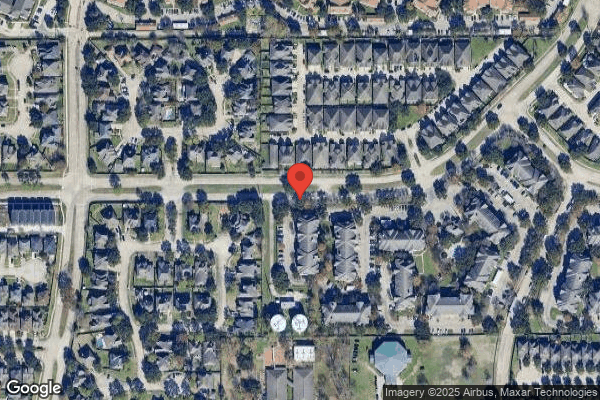
Aug 2023 2 deficiencies
CONCERN (D) 📢 Someone Reported This

A family member, employee, or ombudsman was alarmed enough to file a formal complaint

Potential for Harm - no one hurt, but risky conditions existed

Comprehensive Care Plan (Tag F0656)

Could have caused harm · This affected 1 resident

**NOTE- TERMS IN BRACKETS HAVE BEEN EDITED TO PROTECT CONFIDENTIALITY** Based on observation, interview and record review, the facility failed to develop and implement an accurate comprehensive person...

Read full inspector narrative →
**NOTE- TERMS IN BRACKETS HAVE BEEN EDITED TO PROTECT CONFIDENTIALITY** Based on observation, interview and record review, the facility failed to develop and implement an accurate comprehensive person- centered care plan for 1 of 5 residents (Resident #1) The facility failed to ensure Resident #1's comprehensive care plan included the resident's use of oxygen and pacemaker. This failure could place residents at risk of not being provided with the necessary care or services and having personalized plans developed to address their specific needs. Findings included: Electronic record review of Resident #1's face sheet revealed an [AGE] year-old who was initially admitted to the facility on [DATE] and re-admitted [DATE] with a diagnoses of End stage renal disease, essential (Primary) Hypertension, Gastrointestinal hemorrhage, anxiety disorder, major depressive disorder, presence of cardia pacemaker, (Congestive) heart failure. Record review of Resident #1's Last quarterly MDS dated [DATE] revealed resident was not assessed for a BIMS score. Section O did not reveal: Oxygen in use while in the facility . Record review of Resident #1's annual Comprehensive Care Plan dated 8/11/23 revealed she was not care planned to be on oxygen or for her pacemaker. Record review of Resident #1's physician's order dated 8/11/23 revealed O2 at 2 L/Minute via NC continuously, O2 at 2 L/Minute via NC PRN, O2 at 2 L/Minute via NC PRN and O2 sats Q Shift and PRN. A review of Resident #1's MDS assessment dated [DATE] did not list Resident #1 to have a pacemaker. Observation and interview on 8/22/23 at 11:15a.m., revealed Resident #1 was in bed alert and oriented. Her left upper arm had bandages resulting from dialysis appointment. Observation revealed Resident #1 had a nasal cannula in one nostril and her oxygen machine was set at 03 level. Resident #1 was told the nasal cannula was on incorrectly as it was only in one nostril (right) and the other part was on the side of the right nostril. Resident #1 removed the cannula, looked at it, smiled and put it back on correctly. Resident #1 stated the oxygen made her feel better. Interview on 8/24/23 at 3:30 p.m., with the DON regarding care planning. She stated all (herself, ADON, MDS, SW, Dietary and the resident) are responsible for care planning. She stated, regarding the O2 orders, staff should have identified that error. Interview on 8/24/23 at 3:50 p.m., with the ADON regarding care planning. She stated while all staff are responsible for care planning, she and the Unit Manager, and PPS are responsible for ensuring accuracy when a resident is readmitted . The ADON stated the resident's O2 orders came in a batch order, and it was the responsibility of the nurse to review the orders and document. She stated she only reviewed the discharges. Interview on 8/24/23 at 4:15 p.m., with LVN/PPS Nurse regarding care plans. She stated Resident #1 had not had her care plan completed due to running behind schedule. She stated she is running behind on the completing skills need section for Resident #1's assessment. She stated Resident #1's pacemaker was not on the assessment if there was not an order. Interview on 8/24/23 at 4:45 p.m., with Unit Manager. Unit Manager stated she does not review the care plans. She stated the ADON advised her that she would review new admits. The unit manager stated she never viewed Resident #1's assessment. Interview on 8/24/23 at 5:00 p.m., with Administrator regarding care planning. The administrator stated he had not viewed Resident #1's care plan. He stated he has not seen an accuracy issue with care planning. He did say there are systems for readmitting a resident. He stated the resident is discussed during the morning meetings and at that time the discussion is to complete the necessary documents. A review of the undated facility's policy on Comprehensive assessments and the Care Delivery Process reveals comprehensive assessments conducted to assist in developing person-centered care plans.
CONCERN (D) 📢 Someone Reported This

A family member, employee, or ombudsman was alarmed enough to file a formal complaint

Potential for Harm - no one hurt, but risky conditions existed

Respiratory Care (Tag F0695)

Could have caused harm · This affected 1 resident

**NOTE- TERMS IN BRACKETS HAVE BEEN EDITED TO PROTECT CONFIDENTIALITY** Based on observation, interview and record review, the facility failed to ensure that a resident who needs respiratory care was ...

Read full inspector narrative →
**NOTE- TERMS IN BRACKETS HAVE BEEN EDITED TO PROTECT CONFIDENTIALITY** Based on observation, interview and record review, the facility failed to ensure that a resident who needs respiratory care was provided such care, consistent with professional standards of practice for 1 of 5 residents (Resident #1) reviewed for respiratory orders in that: The facility failed to set the flow rate at 2 liters of oxygen per the order for Resident #1. The facility failed to confirm the correct order for oxygen when her orders revealed 2L PRN and 2L continuously. The facility failed to provide Resident #1 with her oxygen while leaving facility to go to dialysis. These deficient practices could affect the residents who used oxygen and could result in residents receiving incorrect or inadequate respiratory support and could result in a decline in health. Findings Included: Electronic record review of Resident #1's face sheet revealed an [AGE] year-old who was initially admitted to the facility on [DATE] and re-admitted [DATE] with a diagnoses of End stage renal disease, essential (Primary) Hypertension, Gastrointestinal hemorrhage, anxiety disorder, major depressive disorder, presence of cardia pacemaker, (Congestive) heart failure. Record review of Resident #1's Last quarterly MDS dated [DATE] Section C revealed resident was not assessed for a BIMS score. Section O did not reveal: Oxygen in use while in the facility. Record review of Resident #1's physician's order dated 8/11/23 revealed O2 at 2 L/Minute via NC continuously, O2 at 2 L/Minute via NC PRN, O2 at 2 L/Minute via NC PRN and O2 sats Q Shift and PRN. Observation and interview on 8/22/23 at 11:15a.m., revealed Resident #1 was in bed alert and oriented. Her left upper arm had bandages resulting from dialysis appointment. Observation revealed she had a nasal cannula in one nostril and oxygen machine operating at 3 liters. Resident #1 was told the nasal cannula was on incorrectly as it was only in one nostril (right) and the other part was on the side of the right nostril. Resident #1 removed the cannula, looked at it, smiled and put it back on correctly. Resident #1 stated the oxygen made her feel better. Observation and interview on 8/22/23 at 11:45 a.m., revealed LVN #1 was in Resident #1's room, looked at the oxygen levels and exited the room without adjusting the oxygen levels. Observation and interview on 8/22/23 at 11:47 a.m., revealed LVN #2 in Resident #1's room. LVN #2 stated she works the 6am-2pm shift and conducted rounds this morning. LVN #2 said she checked Resident #1's nasal cannula only. She stated at 9am she checked her oxygen levels, which was at 97%. LVN #2 was asked what the level (black ball) on oxygen tank should be set at and she stated 2. LVN #2 was asked to explain why the oxygen level is set at 3 and she stated it could be due to resident lying flat down on her back. LVN #2 was asked about the dual orders for Resident #1's oxygen (PRN and Continuous). She stated the order is not unusual. She stated if Resident #1 experiences shortness of breath, then she puts on the nasal cannula oxygen, and if not, then she gets oxygen as needed. Observation and interview on 8/22/23 at 11:55 a.m., LVN #1 returned to Resident #1's room. LVN #1 was asked if he knew what Resident #1's settings on her oxygen tank should be? LVN #1, said, oxygen settings should be set on 2. Investigator asked if he could show me the oxygen level and then stated the level is set at 3. LVN #1 immediately stated, this level is not right because it should have been set at 2. Investigator asked what was the doctor's order for Resident #1'soxygen level? He stated the doctor's orders was for PRN and Continuously. When asked what order he follows, LVN #1 stated, it depends, but if R #1 has trouble breathing, he will leave the oxygen on continuous. LVN #1 stated he checks the oxygen every shift. Interview on 8/22/23 at 1:00 p.m., with Administrative Assistance (AA) at DADC. Resident #1 has been going since 7/19/2021, three times weekly. Sometimes she has oxygen and sometimes she doesn't. The AA stated she was checked often and sometimes they must give her oxygen. She has been given two liters of oxygen since February 23rd, 2023. She stated she should be transported with oxygen. Stated it is probably because the nurse/facility did not give it to her. There are no notes. Stated R #1's last day at the facility was 8/21/23 at 3:15 p.m. Telephone interview on 8/22/23 at 1:15 with DN. Stated resident has always put her on oxygen. He stated Resident #1 always said she need oxygen. Stated Resident #1 was ambulatory transferred on stretcher. He stated Resident #1 did not appear to be in distress. He stated the EMS, and his facility has oxygen. Telephone interview on 8/23/23 at 2:13 p.m., with the physician revealed that any order with PRN and Continuously would be confusing to nursing staff. She stated she did not give a PRN order, only a Continuously order for Oxygen Level 2. An interview on 8/24/23 at 2:00 p.m. LVN #1 revealed he did not read the physician orders, however, documented that he acknowledged the orders. LVN #1 revealed he never discussed the orders with the doctor, he confirmed to making a mistake. Interview on 8/24/23 at 2:30 p.m., the DON revealed nursing staff should follow doctors' orders; however, even checking the MAR system for Resident #1, she did not catch the O2 orders. The DON stated these orders were an automated order for oxygen and the facility should call doctor to get a specific order. Interview on 8/24/23 at 2:45 p.m., the ADON revealed the nurses do the assessment, which are prepopulated when a resident is admitted or re-admitted . The ADON revealed she and the Unit Manager follow-up on all assessments, however, did not notice the physician orders that was noted by LVN #1. A review of the undated facility's policy on administering medications revealed medications shall be administered in a safe and timely manner, and as prescribed.
Oct 2022 2 deficiencies
CONCERN (D)

Potential for Harm - no one hurt, but risky conditions existed

Safe Environment (Tag F0584)

Could have caused harm · This affected 1 resident

**NOTE- TERMS IN BRACKETS HAVE BEEN EDITED TO PROTECT CONFIDENTIALITY** Based on observation, interview and record review the facility failed to provide a safe, clean, comfortable, and homelike enviro...

Read full inspector narrative →
**NOTE- TERMS IN BRACKETS HAVE BEEN EDITED TO PROTECT CONFIDENTIALITY** Based on observation, interview and record review the facility failed to provide a safe, clean, comfortable, and homelike environment for 1 (Resident # 234) of 6 residents observed for housekeeping services in that: The wall and floor beside Resident # 234's bed had dark brown liquid splatter stains. These failures could place residents at risk of living with unclean, uncomfortable, un-homelike rooms. The findings include: Record review of Resident #234's admission face sheet revealed she was admitted to the facility on [DATE]. She was [AGE] years old. Her diagnoses included: Hypertension (high blood pressure) and Osteomyelitis (bone infection caused by bacteria or other germs). Record review of Resident #234's MDS assessment dated [DATE] revealed a BIMS of 12 out of 15 indicating moderately impaired cognition. She required 1-2-person assistance with her activities of daily living, which may include: bathing/showering, dressing, grooming, personal hygiene, toileting, medication administration, and mobility. During observation and interview on 10/05/22 at 10:21 am, of Resident # 234's room revealed brown liquid splatter stains on the wall and floor beside Resident #234's bed. Resident # 234 stated the housekeeper came into her room emptied the trash can and left without cleaning anything. Resident # 234 stated she was a clean person and it bothered her to live in such a filthy room. During observation on 10/06/22 at 9:41 am revealed the brown liquid splatter stains on the wall and floor beside Resident #234's bed was still visible. During observation and interview on 10/06/22 at 9:58 am with the Housekeeping Manager revealed the brown liquid splatter stains still on the wall and floor beside Resident # 234's bed. The housekeeping Manager stated the room should have been cleaned up including the wall and floor. The Housekeeping manager stated the risk of not sanitizing and disinfecting rooms properly is infection control. During an interview on 10/06/22 at 10:09 am Housekeeper A stated she did not see the stains on the wall and floor in Resident # 234's room but she will go back and clean it up because it had to be sanitized and disinfected to prevent germs. During observation and interview on 10/06/22 at 10:13 am the Administrator was called into Resident #234's room and observed the brown liquid splatter stains on the wall and floor beside Resident # 234's bed. The Administrator stated the stains should have been cleaned up because the risk is that the resident's physical environment is not being cleaned. Record review of a current facility policy titled Cleaning and Disinfection of Environmental Surfaces revised date June 2009 revealed in part, Environmental surfaces will be cleaned and disinfected according to current CDC recommendations for disinfection of healthcare facilities and the OSHA Bloodborne Pathogens Standards. 9. Housekeeping surfaces (e.g., floors, tabletops) will be cleaned on a regular basis, when spills occur, and when surfaces are visibly soiled. 11. Walls, blinds and window curtains in resident areas will be cleaned when theses surfaces are visibly contaminated or soiled. The roster listed a census of 12 on the isolation 200 hall.
CONCERN (D)

Potential for Harm - no one hurt, but risky conditions existed

Deficiency F0761 (Tag F0761)

Could have caused harm · This affected 1 resident

**NOTE- TERMS IN BRACKETS HAVE BEEN EDITED TO PROTECT CONFIDENTIALITY** Based on observation, interviews, and record review the facility failed to ensure in accordance with State and Federal laws, all...

Read full inspector narrative →
**NOTE- TERMS IN BRACKETS HAVE BEEN EDITED TO PROTECT CONFIDENTIALITY** Based on observation, interviews, and record review the facility failed to ensure in accordance with State and Federal laws, all drugs and biologicals were stored securely in locked compartments for one (Nurse Medication Cart 200 Hall) of six medication carts observed for storage of medications. The facility failed to ensure the Nurse Medication Cart 200 Hall was secured when unattended. This deficient practice could place residents at risk for loss of prescribed medications, resident's safety, and drug diversion. Findings included: Observation on 10/06/2022 at 8:14 AM while accompanied by the DON revealed Nurse Medication Cart 200 Hall was sitting unlocked on the 200 Hall between rooms [ROOM NUMBERS]. The Nurse Medication Cart was unattended by staff. There were no residents in the hall at the time. The DON called for the nurse to return to the medication cart. Inventory of the Nurse Medication Cart accompanied by the DON revealed: Drawer #1: Vitamin supplement tablets, heparin vial for injection (anticoagulant), artificial tears eye drops, Tylenol, Aspirin, mucus relief tablets, iron tablets, melatonin, tums, insulin syringes, needles; Drawer#2: Resident individual medication packs and a closed unlocked narcotic box with narcotics; Drawer#3: Respiratory and liquid medications. Drawer #4: Miscellaneous medication supplies. Observation and interview on 10/06/2022 at 8:17AM revealed LVN G arrived at the Nurse Medication Cart 200 Hall. LVN G stated the nurse was responsible for locking the medication carts, medication carts should be locked when unaccompanied to avoid a patient from getting into the medication cart and medications. LVN G stated the risk of the medication cart not being locked was a resident can take something out that could cause harm. The LVN stated his plan to prevent this from occurring again was to pay more attention to his actions. In an interview on 10/06/2022 at 8:19 AM the DON stated The risk of an unlocked medication cart was drug diversion, someone can open the medication cart and take something out they should not have. In an interview on 10/06/2202 at 10:10 AM the Administrator stated he expected all unaccompanied medication carts would be secured. Record review of the facility's policy, Storage of Medications Revised Dated April 2007 read in part . Policy Statement: The facility shall store all drugs and biological in a safe, secure and orderly manner . 2. The nursing staff shall be responsible for maintaining medication storage AND preparation areas in a clean, safe, and sanitary manner . 7. Compartments (including, but not limited to, drawers, cabinets, rooms, refrigerators, carts, and boxes.) containing drugs and biologicals shall be locked when not in use, and trays or carts used to transport such items shall not be left unattended if open or otherwise potentially available to others .
Understanding Severity Codes (click to expand)
Life-Threatening (Immediate Jeopardy)
J - Isolated K - Pattern L - Widespread
Actual Harm
G - Isolated H - Pattern I - Widespread
Potential for Harm
D - Isolated E - Pattern F - Widespread
No Harm (Minor)
A - Isolated B - Pattern C - Widespread

Questions to Ask on Your Visit

  • "What changes have you made since the serious inspection findings?"
  • "Can I speak with families of current residents?"
  • "What's your RN coverage like on weekends and overnight?"

Our Honest Assessment

Strengths
  • • Licensed and certified facility. Meets minimum state requirements.
Concerns
  • • Multiple safety concerns identified: 5 life-threatening violation(s), 1 harm violation(s), $109,932 in fines. Review inspection reports carefully.
  • • 28 deficiencies on record, including 5 critical (life-threatening) violations. These warrant careful review before choosing this facility.
  • • $109,932 in fines. Extremely high, among the most fined facilities in Texas. Major compliance failures.
  • • Grade F (0/100). Below average facility with significant concerns.
Bottom line: This facility has 5 Immediate Jeopardy findings. Serious concerns require careful evaluation.

About This Facility

What is Park Manor Of Westchase's CMS Rating?

CMS assigns PARK MANOR OF WESTCHASE an overall rating of 1 out of 5 stars, which is considered much below average nationally. Within Texas, this rating places the facility higher than 0% of the state's 100 nursing homes. A rating at this level reflects concerns identified through health inspections, staffing assessments, or quality measures that families should carefully consider.

How is Park Manor Of Westchase Staffed?

CMS rates PARK MANOR OF WESTCHASE's staffing level at 1 out of 5 stars, which is much below average compared to other nursing homes. Staff turnover is 50%, compared to the Texas average of 46%.

What Have Inspectors Found at Park Manor Of Westchase?

State health inspectors documented 28 deficiencies at PARK MANOR OF WESTCHASE during 2022 to 2025. These included: 5 Immediate Jeopardy (the most serious level, indicating potential for serious harm or death), 1 that caused actual resident harm, and 22 with potential for harm. Immediate Jeopardy findings are rare and represent the most serious regulatory concerns. They require immediate corrective action.

Who Owns and Operates Park Manor Of Westchase?

PARK MANOR OF WESTCHASE is owned by a for-profit company. For-profit facilities operate as businesses with obligations to shareholders or private owners. The facility is operated by HMG HEALTHCARE, a chain that manages multiple nursing homes. With 125 certified beds and approximately 108 residents (about 86% occupancy), it is a mid-sized facility located in HOUSTON, Texas.

How Does Park Manor Of Westchase Compare to Other Texas Nursing Homes?

Compared to the 100 nursing homes in Texas, PARK MANOR OF WESTCHASE's overall rating (1 stars) is below the state average of 2.8, staff turnover (50%) is near the state average of 46%, and health inspection rating (1 stars) is much below the national benchmark.

What Should Families Ask When Visiting Park Manor Of Westchase?

Based on this facility's data, families visiting should ask: "What changes have been made since the serious inspection findings, and how are you preventing similar issues?" "Can you walk me through typical staffing levels on day, evening, and night shifts?" "Can I visit during a mealtime to observe dining assistance and food quality?" "How do you handle medical emergencies, and what is your hospital transfer rate?" These questions are particularly relevant given the facility's Immediate Jeopardy citations and the below-average staffing rating.

Is Park Manor Of Westchase Safe?

Based on CMS inspection data, PARK MANOR OF WESTCHASE has documented safety concerns. Inspectors have issued 5 Immediate Jeopardy citations (the most serious violation level indicating risk of serious injury or death). The facility has a 1-star overall rating and ranks #100 of 100 nursing homes in Texas. Families considering this facility should ask detailed questions about what corrective actions have been taken since these incidents.

Do Nurses at Park Manor Of Westchase Stick Around?

PARK MANOR OF WESTCHASE has a staff turnover rate of 50%, which is about average for Texas nursing homes (state average: 46%). Moderate turnover is common in nursing homes, but families should still ask about staff tenure and how the facility maintains care continuity when employees leave.

Was Park Manor Of Westchase Ever Fined?

PARK MANOR OF WESTCHASE has been fined $109,932 across 2 penalty actions. This is 3.2x the Texas average of $34,178. Fines at this level are uncommon and typically indicate a pattern of serious deficiencies, repeated violations, or failure to correct problems promptly. CMS reserves penalties of this magnitude for facilities that pose significant, documented risk to resident health or safety. Families should request specific documentation of what issues led to these fines and what systemic changes have been implemented.

Is Park Manor Of Westchase on Any Federal Watch List?

PARK MANOR OF WESTCHASE is not on any federal watch list. The most significant is the Special Focus Facility (SFF) program, which identifies the bottom 1% of nursing homes nationally based on persistent, serious quality problems. Not being on this list means the facility has avoided the pattern of deficiencies that triggers enhanced federal oversight. This is a positive indicator, though families should still review the facility's inspection history directly.