PARKWAY PLACE

1321 PARK BAYOU DR, HOUSTON, TX 77077 (281) 556-9200
Non profit - Corporation 42 Beds BUCKNER RETIREMENT SERVICES Data: November 2025 3 Immediate Jeopardy citations
Trust Grade
34/100
#308 of 1168 in TX
Last Inspection: May 2025

Inspected within the last 6 months. Data reflects current conditions.

Overview

Parkway Place has received a Trust Grade of F, indicating significant concerns about the quality of care, which is below acceptable levels. It ranks #308 out of 1168 facilities in Texas, placing it in the top half, but the low trust grade suggests that potential residents may want to investigate further. The facility is showing signs of improvement, as it reduced issues from 9 in 2024 to just 2 in 2025. Staffing is a relative strength, with a 4/5 rating and a turnover rate of 44%, which is below the Texas average, indicating that staff are generally stable and familiar with the residents. However, the facility has faced significant fines totaling $48,991, which is higher than 85% of Texas facilities, raising concerns about compliance issues. Specific incidents noted in inspections include a resident being transferred improperly, leading to serious injuries, and a failure to consult with a physician after a resident fell, which could delay necessary medical care. These critical findings highlight both the need for improvements in care practices and the importance of ongoing monitoring to ensure resident safety. While there are positive aspects such as good staffing and RN coverage, families should weigh these against the serious deficiencies identified.

Trust Score
F
34/100
In Texas
#308/1168
Top 26%
Safety Record
High Risk
Review needed
Inspections
Getting Better
9 → 2 violations
Staff Stability
○ Average
44% turnover. Near Texas's 48% average. Typical for the industry.
Penalties
✓ Good
$48,991 in fines. Lower than most Texas facilities. Relatively clean record.
Skilled Nurses
✓ Good
Each resident gets 51 minutes of Registered Nurse (RN) attention daily — more than average for Texas. RNs are trained to catch health problems early.
Violations
⚠ Watch
17 deficiencies on record. Higher than average. Multiple issues found across inspections.
★★★★☆
4.0
Overall Rating
★★★★☆
4.0
Staff Levels
★★★★★
5.0
Care Quality
★★★☆☆
3.0
Inspection Score
Stable
2024: 9 issues
2025: 2 issues

The Good

  • 4-Star Staffing Rating · Above-average nurse staffing levels
  • 5-Star Quality Measures · Strong clinical quality outcomes
  • Full Sprinkler Coverage · Fire safety systems throughout facility
  • No fines on record
  • Staff turnover below average (44%)

    4 points below Texas average of 48%

Facility shows strength in staffing levels, quality measures, fire safety.

The Bad

Staff Turnover: 44%

Near Texas avg (46%)

Typical for the industry

Federal Fines: $48,991

Above median ($33,413)

Moderate penalties - review what triggered them

Chain: BUCKNER RETIREMENT SERVICES

Part of a multi-facility chain

Ask about local staffing decisions and management

The Ugly 17 deficiencies on record

3 life-threatening
May 2025 2 deficiencies
CONCERN (D)

Potential for Harm - no one hurt, but risky conditions existed

Pharmacy Services (Tag F0755)

Could have caused harm · This affected 1 resident

**NOTE- TERMS IN BRACKETS HAVE BEEN EDITED TO PROTECT CONFIDENTIALITY** Based on observation, interview and record review, the facility failed to provide pharmaceutical services (including procedures ...

Read full inspector narrative →
**NOTE- TERMS IN BRACKETS HAVE BEEN EDITED TO PROTECT CONFIDENTIALITY** Based on observation, interview and record review, the facility failed to provide pharmaceutical services (including procedures that assure the accurate administering of all drugs and biologicals) to meet the needs of each resident for 1 (Resident #28) of 6 residents reviewed for medication administration. The facility failed on -Medication Aide A failed to administer Resident #28 acetaminophen (Tylenol) extra strength 500mg every 12hours by mouth (8:00AM & 8:00PM) as ordered by the physician and at the scheduled time. Resident #28's medication was provided 1 hour and 53 minutes late on 05/28/2025. This failure placed resident at risk for unwanted pain and decrease in quality of life. Findings included: Record review of Resident #28's face sheet dated 05/28/25 revealed an [AGE] year-old female admitted to the facility on [DATE]. Resident diagnoses included the following: contusion (injury to soft tissue involving the blood vessels, causing blood to leak into surrounding areas resulting in swelling, pain, and discoloration) of left lower leg, hypertension (high blood pressure), osteoarthritis (when the tissue at the ends of bones began to wear down causing stiffness and pain) of left knee, and cellulitis (bacterial infection of the skin and tissues beneath the skin) of left lower limb (arms and legs). Record review of Resident #28's admission MDS dated [DATE] reflected a BIMS score of 15 indicating that resident cognition was intact. Further review of MDS section J (Pain Management) revealed that resident received scheduled pain medication regimen. Record review of Resident #28 Comprehensive Care Plan dated 05/13/25 reflected resident was being care planned for pain and was able to adequately verbalize pain with an intervention that included: .administer analgesics as ordered . Record review of Resident #28's Physician Order Summary Report for the month of May 2025 reflected the following order: -Dated 05/15/225 acetaminophen 500mg 2 tablets by mouth every 12 hours. -Dated 05/28/25 acetaminophen 500mg give 2 tablets as needed one time for pain. Record review of Resident #28 MAR for the month of May 2025 reflected the facility was giving medication Tylenol ES 500mg 2 tablets by mouth every 12 hours at 8:00AM and 8:00PM. Observation on 05/28/25 at 10:50 AM of Resident #28 sitting on the side of her bed waiting for her morning medications. At this time resident was observed requesting her medication Tylenol ES from MA A saying it was time for the medication. Observation on 05/28/25 at 10:53AM of medication pass for Resident #28 by MA A. MA administered Resident #28's medication acetaminophen 500mg extra strength 2 tablets by mouth. Interview on 05/28/25 at 10:58AM with MA A who said she was late passing Resident #28's medication acetaminophen. MA A said the reason she was late was because some of the residents sometimes liked to talk and she therefore got behind. Interview on 05/28/25 at 11:00AM with the DON who said she would have to call Resident #29's physician for the medication acetaminophen extra strength provided late to inform of the incident. The DON said she would also have to do a medication variance. Further interview with the DON said when a medication was not administered per physician orders, it was considered a medication error especially if there was a specific time for the medication to be administered. The DON said medication could be administered 1 hour before or 1 hour after the set time. The DON said MA A could have called herself or the ADON to assist her with medication pass. The DON said when a resident pain medication was not administered at the scheduled time, it placed the resident (s) particularly at risk for pain. Interview on 05/28/25 at 1:43AM with MA A said she worked at the facility full time on the morning shift from 8:00AM-8:00PM. MA A said she realized around 9:30AM that she was getting behind on her medication pass but did not reach out for help because the surveyor was observing her. MA A said when a resident pain medication was not administered at the schedule time, it placed resident at risk for increase pain and their blood pressure becoming elevated. Record review of the facility policy on Administration of Medication revised 04/09/24 reflected in part: .Medications ordered for specific times will be given as ordered. Medications with specific times may be given 1 hour before the assigned time to 1 hour after the assigned time .
CONCERN (D)

Potential for Harm - no one hurt, but risky conditions existed

Infection Control (Tag F0880)

Could have caused harm · This affected 1 resident

**NOTE- TERMS IN BRACKETS HAVE BEEN EDITED TO PROTECT CONFIDENTIALITY** Based on observation, interview, and record review, the facility failed to establish and maintain an infection prevention and co...

Read full inspector narrative →
**NOTE- TERMS IN BRACKETS HAVE BEEN EDITED TO PROTECT CONFIDENTIALITY** Based on observation, interview, and record review, the facility failed to establish and maintain an infection prevention and control program designed to provide a safe, sanitary, and comfortable environment and to help prevent the development and transmission of communicable diseases and infections, for two Residents (Resident #7 and Resident #28, and Resident #29), of 6 residents observed for care and procedures, in that: The facility failed when MA A failed to sanitize a blood pressure machine prior to and after taking Resident #7, Resident #28, and Resident #29's blood pressure on 05/28/2025. This failure placed residents at risk for cross contamination and infections. Findings included: Record review of Resident #7 face sheet dated 05/30/25 revealed a [AGE] year-old female admitted to the facility on [DATE]. Resident diagnoses included: acute kidney failure (sudden loss of kidney function when the kidneys cannot filter waste from the blood)), hemiplegia (paralysis or severe weakness on one side of the body), cerebral infarction (disruption in blood flow to the brain), and hypertension (high blood pressure). Record review of Resident #28's face sheet dated 05/28/25 revealed an [AGE] year-old female admitted to the facility on [DATE]. Resident diagnoses included the following: contusion (injury to soft tissue involving the blood vessels, causing blood to leak into surrounding areas resulting in swelling, pain, and discoloration) of left lower leg, hypertension (high blood pressure), osteoarthritis (when the tissue at the ends of bones began to wear down causing stiffness and pain) of left knee, and cellulitis (bacterial infection of the skin and tissues beneath the skin) of left lower limb (arms and legs). Record review of Resident #29's face sheet dated 05/28/25 revealed a [AGE] year-old female admitted to the facility on [DATE]. Resident diagnoses included A-Fib (irregular often fast heart rate that commonly cause poor blood flow), osteoarthritis (flexible tissue at the ends of the bones wears done), hypertension (high blood pressure), and glaucoma (eye condition that damages the nerve in the eye that could lead to vision loss). Observation on 05/28/25 at 10:21AM MA A removed the blood pressure machine from the top of the medication cart and went to Resident #28's room to take resident blood pressure without sanitizing the blood pressure machine. MA A went back to the medication cart and placed the blood pressure machine on top of the cart and sanitized her hands. MA A did not sanitize the blood pressure machine. MA A began to prepare Resident #28 medications for administration. When done administering Resident #28 medication, she proceeded down the hallway. Observation on 05/28/25 at 10:44AM MA A going into Resident 7's room to take resident blood pressure without sanitizing the blood pressure machine. Resident #7 had enhanced barrier precaution infection control signage on her door. MA A went into the room and took Resident #7's blood pressure. When MA A was done taking resident blood pressure, she came out of the room and placed the blood pressure machine on top of the medication cart and sanitized her hands but did not sanitize the blood pressure machine. Observation on 05/28/25 at 11:03AM MA A went to Resident #29's room to take resident blood pressure. MA A did not sanitize the blood pressure machine prior to usage or afterwards. When done taking resident blood pressure, MA A left the room, sanitized her hands, and placed the blood pressure machine on top of the medication cart. Interview on 05/28/25 at 11:53AM with LVN C said all residents care equipment (blood pressure machine, blood sugar machine, etc.) should be sanitized prior to and after usage due to equipment being used on more than one resident. LVN C said this was done to avoid cross contamination and infections. Interview on 05/28/25 at 1:43AM with MA A said she worked at the facility full time on the morning shift from 8:00AM-8:00PM. MA A said she was supposed to sanitize resident care equipment in between usage. MA A said when the resident care equipment was not sanitized prior to and afterward usage, it placed the resident at risk for infections. MA A said the last time she received in-service on infection control was a week ago. Interview on 05/28/25 at 1:50PM with the DON said nursing staff should be sanitizing resident care equipment before and after each use to prevent cross contamination and infections. The surveyor requested from the DON the facility policy on the sanitizing of resident care equipment. Record review of the facility policy on Infection Control revised January 23.2025 reflected in part: .Standard Precautions are used when caring for residents at all times, regardless of their suspected or confirmed infection status .
Sept 2024 3 deficiencies 3 IJ (1 affecting multiple)
CRITICAL (J) 📢 Someone Reported This

A family member, employee, or ombudsman was alarmed enough to file a formal complaint

Immediate Jeopardy (IJ) - the most serious Medicare violation

Notification of Changes (Tag F0580)

Someone could have died · This affected 1 resident

**NOTE- TERMS IN BRACKETS HAVE BEEN EDITED TO PROTECT CONFIDENTIALITY** Based on interviews, observation, and records reviewed, the facility failed to immediately consult with the resident's physician...

Read full inspector narrative →
**NOTE- TERMS IN BRACKETS HAVE BEEN EDITED TO PROTECT CONFIDENTIALITY** Based on interviews, observation, and records reviewed, the facility failed to immediately consult with the resident's physician and notify the resident representative when there was a significant change in the resident's condition or need to alter treatment significantly for 1 of (Resident 1) of 9 residents reviewed for notify of changes. -LVN A failed to report Resident #1's change in condition to the MD/NP after she fell on [DATE] when CNA B performed a two person transfer alone. Resident #1 suffered a right transverse impacted fracture of the proximal humeral metaphysis (broken upper arm) and a right periprosthetic fracture (broken knee bone). On 09/21/24 an Immediate Jeopardy (IJ) was identified. While the IJ was removed on 09/24/24, the facility remained out of compliance at a severity level of no actual harm with potential for more than minimal harm and a scope of isolated due to the facility continuing to monitor the implementation and effectiveness of their Plan of Removal. This failure could place residents at risk of not receiving immediate medical attention and required notifications being made when there is a change in their condition, which could lead to worsening of conditions and serious injury or harm. The findings included: Record review of Resident #1's Face Sheet, dated 08/16/24, revealed an [AGE] year-old female who was admitted to the facility on [DATE]. The resident's diagnoses included aphasia (language disorder that affects speaking or understanding language), hemiplegia (one sided paralysis or weakness caused by brain or spinal cord problems) affecting right dominant side, and muscle wasting and atrophy (loss of muscle leading to shrinking and weakening). Record review of Resident #1's admission MDS Assessment, dated 05/30/24, revealed a BIMS score of 6, indicating severe cognitive impairment. Further review revealed she was dependent (the assistance of 2 or more helpers was required for the resident to complete the activity) on toileting, showering/bathing, dressing, sit-to stand, and chair/bed-to-chair transfer. Record review of Resident #1's care plan, effective date 05/20/24, revealed the resident had impaired bed mobility, and a communication problem and was rarely understood in ability to express ideas and wants. Further review revealed resident was at risk for falls related to diagnosis of right hemiparesis. Goals included transfers to be completed by staff (transfer boards/lift) as required over the next 90 days and interventions included using the transfer board/lift devices. The care plan did not reflect what type of board/lift device was to be used or how many staff were to assist with the transfer. Record review of Nurse A's nursing note late entry entered 08/07/24 at 21:57 p.m. (9:57p.m.) with an effective date of 08/06/24 at 19:20 p.m. (7:20p.m.) revealed he .heard CNA shouting to my name for help around 1900ish (7ish), I hurried to her location and found resident's not in cloths [sic]hanging on sit to stand both hands in air and legs dropped on the floor. [Nurse A] and CNA lowered resident to floor and lifted her with the Hoyer lift mat to the shower chair. As at time writer assessed resident's body there was no [sic] any bruise noted. Record review of incident/accident reports revealed for Resident #1 revealed the following: *8/07/24 completed by Nurse B at 7:46 a.m., revealed the resident's leg dropped during transfer with sit to stand lift for shower and resident was noted with bruise to left leg. Resident denied pain and there was no apparent injury at this time. *8/07/24 completed by the DON at 16:23 p.m. (4:23 p.m.), revealed she assessed the resident after the family member verbalized concern about resident care. Upon assessment observed bruise on right shoulder, right lower arm, and leg. When repositioned resident, resident verbalized pain and pain medication was administered. The NP was notified and said she was going to order x-ray and a pain medication. The type of incident/injury noted was fall while bring assisted. Record review of nursing note , entered by Nurse C, dated 08/08/24 at 9:50 a.m., revealed the resident was sent out to the hospital on [DATE]. Record review of hospital Facesheet, print date 08/10/24, revealed Resident #1 was sent out to the hospital on [DATE]. Record review of the Resident #1's hospital discharge paperwork, dated 08/12/24, reflected in part .per orthopedics humerus fracture, nonsurgical, keep in sling. Further review revealed since Resident #1 was immobile and bedbound since her CVA in February there was no benefit of surgical repair of periprosthetic fracture. Resident #1 returned to the facility after discharge on 08/12/24. Observation on 08/16/24 at 9:45 a.m. of several video footage clips, dated 08/06/24, revealed the fall incident began at 19:02:20 p.m. and ended at 19:08:49 p.m. The footage revealed CNA B attempted to use a sit to stand lift (sitting down and standing up from a seat without using your hands for assistance) to transfer Resident #1 from the bed to the shower chair located in the bathroom. During the transfer, Resident #1's arms started sliding up and back from the support vest (helps support upper body) placed around the resident's back and under the arms as CNA B started to move the lift forward and away from the bed. CNA B went towards the bedroom door, returns quickly, stands to the left of the resident, supporting her by her left arm until Nurse A enters the room and helps her lower Resident #1 to the floor. Observation and attempted interview on 08/30/24 at 8:50 a.m., revealed Resident #1 was lying in bed watching television. Resident said yes when asked if she was fine. Resident said yes, yes when asked if she remembered the incident when she fell, and then her hands and voice started shaking. Interview was ended as not to upset the resident. During an interview on 08/16/24 at 10:37 a.m., the Administrator said CNA B disclosed she used the sit to stand lift to transfer Resident #1 when she knew to use the Hoyer lift. She said she transferred the resident on her own when she knew she needed to have another person with her. She said lift transfers required two persons. She said CNA B said she just wanted to hurry and give the resident a shower for the day. She said CNA B said the sit to stand lift was right there in the hallway and said she looked down the hall to see if someone was there to assist but did not see anyone. She said she was in the middle of the transfer when the resident started slipping from the lift pad and she called out for help. She said the outgoing nurse, Nurse A, went to Resident #1's room and assisted CNA B in lowering the resident to the ground. She said they proceed to get the resident onto the shower chair and the resident was given her shower. She said the resident did not exhibit any pain. She said Nurse A assessed her at that time and did not see any signs of injury. She said it was not until the following morning, 8/7/24, that CNA B told Nurse B about the incident. She said Nurse B assessed the resident and indicated bruising on the left leg. The Administrator said the family had cameras in the resident's room. She said the family called the DON on 8/7/24 at approximately 4:30 p.m. and the DON assessed the resident on the evening of 8/7/24 and there was bruising on the right shoulder, right lower arm, and left leg. She said an x-ray order was obtained on the 8/7/24 and on 8/8/24. She said the x-ray company still had not come out to the facility and so they obtained an order to send the resident out to the hospital that morning, 08/08/24. She said the resident went to the hospital and at the hospital the x-ray showed an impacted fracture of the proximal humeral metaphysis and that the x-ray of leg was inconclusive, but the CT scan of right lower extremity showed a right periprosthetic fracture of the right distal femur. She said the family decided not do surgery. She said the resident returned to the facility on the 8/12/24. She said on 8/8/24, CNA B was suspended pending the investigation and was terminated at the end the investigation on 8/15/24 because it was concluded that she did not follow appropriate procedure for transferring the resident leading to injury to the resident. She said Nurse A did not follow the proper procedure for documenting and reporting the incident and therefore was issued a final written warning. She said an ANE in-service training was started and completed last week on 8/8/24. She said Nurse A received one on one training about reporting and following through on incidents. She said the potential harm could result in injury. Record review of CNA B's witness statement revealed in part .on the 6th of August, 2024 and between 7 p.m. and 8 p.m.I decided to use the sit and stand Hoyer lift to transfer the patient by myself .I placed the Hoyer lift pad on her back and across her chest .As I was transferring .[Resident #1] started sliding off the lift and I quickly called [Nurse A] .to come and assist me .we then transferred [Resident #1] to the shower chair and I gave her a shower .I did not notice any bruise or any discomfort at that time .I did not report this incident to the night shift nurse because [Nurse A], the day shift nurse is aware and he assessed the resident. Between 9 p.m. and 10 p.m.I observed a bruise on her right leg, and I notified the night shift [Nurse B], and the night shift nurse went and assessed the resident. I have been taking care of this resident even when she was in another hall and when she came to my present hall . During an interview on 08/16/24 at 12:28 p.m., CNA B said it was time to take Resident #1 a shower and she did not get anyone to help her with the transfer because she did not find anyone to help her, and she did not want the resident to fall asleep before she got her showered. She said she used the sit to stand lift. She said they told her she was suspended pending an investigation. Record review of Nurse A's witness statement revealed in part .I assessed residents and no bruise and pain, or discomfort noted. During an interview on 08/16/24 at 11:28 p.m., Nurse A said he was around the nurse's station when CNA B called out for his help. He said when he got to Resident #1's room, her hands were up, and feet were on the floor. He said they lowered the resident to the floor, and he asked CNA B to bring the shower chair. He said they lifted the resident off the floor and put her in the shower chair. He said once the resident was in the shower chair, Nurse A checked the resident's body and did not see any bruises or injuries. Nurse A said he left the room and after that CNA B took the resident a shower. He said he did not do an incident or change in condition report and did not notify the nurse practitioner or doctor because his shift was almost over. He said he did not report it to the oncoming shift nurse because he thought he was just there to help CNA B. He said the resident was a two person assist and said CNA B used a sit to stand lift. He said CNA B did not ask for his help to transfer the resident. He said he received training on completing reports, having the incoming nurse take over, and on Hoyer lifts. He was able to verbalize an understanding of the trainings. During a telephone interview on 08/16/24 at 2:00 p.m., Nurse B said on Wednesday morning, 08/07/24, CNA B told her Resident #1's left leg was bruised. She said she asked CNA B what happened, and CNA B told her last night, 08/06/24, during the transfer for Resident #1's shower, the resident's leg dangled and dropped. Nurse B said she assessed the resident, completed an incident report, called the doctor, notified the DON, and the family. During a follow up interview on 8/29/24 at 4:04 p.m. with CNA B she said she knew Resident #1 was a two-person transfer. She said she had never transferred Resident #1 alone before that day. She said the Hoyer was not working and that was why she used the sit-to-stand lift. During an interview on 8/29/24 at 9:53 a.m. with the Occupational Therapist she stated she had been working at the facility since September 2024 and typically worked from 8 a.m. to 5 p.m. She said Hoyer lifts always required 2 persons to transfer. She said she was familiar with Resident #1 who was a Hoyer lift transfer. She said Resident #1 had paralysis of the right upper and lower side of her body and also had morbid obesity, so she recommended a Hoyer lift be used to transfer. She said she also put it in her assessment notes under the list of precautions section that the resident was a Hoyer lift transfer. She said Resident #1 was unable to bear weight on her legs and could not stand. She said she would not attempt to have Resident #1 stand. She said Resident #1 was not appropriate for a sit to stand lift because she could not stand a little bit and would not even try/initiate to stand. She said one would have to be able to stand a little bit. During an interview on 09/19/24 at 4:30 p.m., the NP said she was notified by telephone about the bruise to Resident #1's lower left leg very early, around 5 a.m., on Wednesday, 08/07/24, by Nurse B. She said Nurse B, did not know anything about a fall at that time. She said she told Nurse B to monitor the bruise and notify the resident's family that a bruise to the lower left leg was found. She said Nurse B went to the resident's room with the telephone, while she was on the line, and the resident did not have any complaints about pain. She said and the resident did not have any history of trauma at that time of the conversation. She said later, 08/07/24, at approximately 1:08 p.m. the family member told her about the bruises, by text message, on the resident's arm and leg. She said resident's family member said he received a call that morning, 08/07/24, from the facility about the bruise on the resident's leg. He said there was also a bruise on her arm above the right elbow that was not mentioned to him. He also mentioned there was an issue with the Hoyer. She said later at one point, by telephone, he mentioned the camera and fall and that he would show her the videos the next day, 08/08/24, but she said she never saw the video because Resident #1 was sent out to the hospital. She said at approximately 9:49 p.m., on 08/07/24, Resident #1's family member sent her pictures of resident's arm and leg. She said she told him that she would see Resident #1 tomorrow, 08/08/24. She said she told him she would put Resident #1 on Tylenol 3 for pain, that she spoke to the DON, Nurse C, and an order for x-rays was placed. She said the x-rays were never done and guessed they were delayed. She said she saw the resident on Thursday, 08/08/24, fed her breakfast, and based on her assessment, she suspected a fracture of her right arm and gave the order to send her out to the hospital. She said the resident did not move her right side normally but believed it would hurt. She said x-rays and CT scans were done in the hospital. She said the resident had a fracture in her arm and knee. During an interview on 5:34 p.m., Nurse C said she was not sure what day the incident occurred. She said she noticed Resident #1's bruise the day she returned to work on Wednesday, 08/07/24, day shift, she made her morning rounds. She said CNA E, was in the resident's room and told her that the resident's left leg was swollen. She told CNA E that she had not received a report yet and was going to go get it from Nurse, B. She said after she finished her morning rounds, Nurse B gave her a verbal report and mentioned that the resident hit her left leg last night when she was transferring to the shower. She said at that point she did not know anything about a fall and neither did Nurse B. She said when she took the resident's blood sugar that morning, 08/07/24, the resident did not show any signs or had any complaints of pain. She said at lunch, resident's family member came to her and asked her if she was aware that the resident had a bruise on her arm, and she told him no. She said she told him she knew that Resident #1 hit her leg last night when she was being transferred to the shower. She said she went to the dining room, looked at the resident's arm, noticed a bruise on her arm, and asked CNA E if she noticed the bruise when she got the resident dressed. She said CNA E told her there was not a bruise that morning, 08/07/24. She said when the family member was wheeling the resident out of the dining room and went over the threshold on the floor Resident #1 grimaced, and she could see she was in pain. She said she contacted the NP and informed her about the bruise on her arm and got an order for Tylenol #3. She said she believes she got the x-ray order that Wednesday, 08/07/24, and remembered it being a stat order, but the x-ray vendor never came. The NP gave an order to go ahead and send resident to the hospital on [DATE]. During an interview on 09/19/24 at 7:19 p.m., the MD said he was informed by the Administrator about Resident #1's fall but could not recall on what day or time. He said the Administrator told him she was going to self-report Resident #1's incident to the State agency. He said someone (did not know who) mentioned the bruise to the NP, the NP mentioned it to him later and said she suspected a fracture and sent the resident out to the hospital. He said at the hospital a fracture was found. He said it would depend what he would have done had he been notified on the day Resident #1 had her fall on 08/06/24. He said initially Resident #1 had no complaints of pain or deformities. He said he could understand the facility waiting until the next day to inform. He said if there were obvious signs of deformities or bone exposure, he would have sent the resident out to the hospital, but if there were no signs of deformities or bone exposure then, there would not necessarily be a need to send the resident out to the hospital on the same day of the fall. He said to his knowledge a bruise was identified next day. He said a bruise alone would not prompt the resident to be sent out to the hospital. He said to his knowledge, the resident was not complaining of pain and not in distress. During a follow-up interview on 9/20/24 at 8:17 a.m., Nurse A said he has been working at the facility since February of 2024. He said since he was still on the clock when Resident #1 fell, it was his responsibility to inform the oncoming nurse about what happened so the nurse could do the follow-up. He said he knows he did not do the right thing. He said it could affect the resident if she was in pain because the pain could get intense, and she could not be feeling well. During an interview on 09/20/24 at 11:12 p.m., the DON said she found out about Resident #1's fall from resident's family member on 08/07/24 by telephone between 5 p.m. and 6 p.m. She said the family told her he did not like the way they cared for Resident #1, and he just looked at the camera and noticed that Resident #1 was on the floor with no clothes on and saw Nurse A and the other nurse (name unknown) in the room. She said she told him she did not know Resident #1 fell and that she was just learning about it from him. She said he was upset, and she told him she was going to find out what happened. She said she called Nurse B and Nurse B said she did not know about the fall and that CNA B only told her about the bruise that happened when she was transferring Resident #1. She said she asked Nurse B if anyone told her Resident #1 fell and she said no one told her. She said she went to the resident's room and assessed her. She said the resident could talk and when she asked her if she was in pain, she said no. She said upon assessment she noticed that her right shoulder, right lower arm, and left leg were bruised. She said when she repositioned her, Resident #1 verbalized pain, and Tylenol was administered. She said on the evening of 08/07/24 at 7:08 p.m. the NP ordered an x-ray and Tylenol #3. She said that night, 08/07/24, she called Nurse A, and he said the x-ray company had not been there yet. She said she called the x-ray company that same night, 08/07/24, and was told they would be there soon. She said on 08/08/24 the NP was at the facility, fed Resident #1 in the morning, and the resident was not in pain. She said the NP made an order to send Resident #1 out to the hospital since the x-ray company had not come yet. During an interview on 09/20/24 at 2:15 p.m., CNA E she said she worked, 08/07/24, from 7 a.m. to 7 p.m. She said CNA B told her Resident #1 had a bruise on her leg but did not recall which leg CNA B told her. She said she told CNA B okay, made her rounds, offered Resident #1 to get out of bed, which she said yes, and got her dressed. She said when she was dressing her, she saw that her leg was swollen but there were no bruises on her body. She said she and Nurse C transferred Resident #1 to her wheelchair using the Hoyer lift. She said she then took the resident to the dining room, passed out trays, and went back on the floor. She said it was either before or after lunch when resident's family member came to her and told her you must be careful with my mom. She said he told her you know she fell. She said she told him she would call Nurse C and he asked her to put his mom back into bed. She said when she was changing Resident #1's blouse to put on her gown, she saw a big bruise on her upper right arm. She said she did not know how it was possible because it was not there that morning. She said resident's family member said you know she fell, and she told him no she did not know. She said she asked him when and he told her last night. She said the resident did not complain of any pain when she dressed her or when she changed her and put her back into bed. She said the resident could not hold a conversation but could say some words and understood what she said. She said she tried to feed her, but she did not eat much, she was not talking, and was not in any pain. In an interview on 09/22/24 at 1:01 p.m., the NP said she did not remember if staff mentioned to her that the resident was experiencing pain or if the notification came from the nurse. She said after the family member notified her about the fall on 08/07/24, she called the DON who said she was already aware. She said she had not been notified by the facility prior to her conversation with the DON. She said she asked the DON to assess the resident (incident report indicated NP notified at 5 p.m.). She said it did not sound like the resident was in bad shape. She said the phone conversation between her, and resident's family member took place approximately between 3-4 p.m. She said the x-ray orders were placed when the DON was in the resident's room conducting the assessment. She said the resident already had an order for Tylenol and was given that in the meantime. She said the resident was on Eliquis and that could have caused a bruise, but she did not know about the fall. She said she did not ask the DON why she was not notified about the fall once the DON learned about the fall. During a follow-up interview on 09/23/24 at 6:30 a.m., Nurse B she said CNA B notified her about the bruise on Resident #1's left leg between 6 a.m. and 7 a.m. on 08/07/24 and she went and assessed the resident from head to toe. She said CNA B did not mention a fall and neither did Nurse A. She said she saw a bruise on Resident #1's left leg (middle of her thigh to her shin) and no other bruises on her body. She said she asked the resident about pain and Resident #1 said she did not have any pain. She said she notified the DON, family, and NP. She said the DON said okay. She said the family member said okay and thanked her for letting him know and that they would look at the camera. She said the NP said to go and ask the resident if she was in pain and the resident denied pain. She said later sometime in the afternoon/evening that day, 08/07/24, the DON called her and asked her what really happened, and she told her what she put in her notes is what she was told what happened. She said she was off on the 8th and the 9th. She said on 08/07/24 she gave a verbal report to the oncoming Nurse C between 7 a.m. and when she went home. She said the resident's baseline was a 1 in cognition but was not much verbal. She said Resident #1 would say hello and the resident would slowly say hello back. She said you could get a little information from her, but she did not talk much. She said the resident would repeat what was said to her and could respond slowly with a yes or no. Record review of TULIP revealed the facility made a self-report to the State Agency on 08/08/2024. Record review of the facility's Notification of Changes policy, revised 07/16/24, read in part . 1. the nurse will immediately notify the resident/resident's responsible representative (consistent with his/her authority) and physician for the following changes . an accident involving the resident, which results in injury and has the potential for requiring physician intervention . a significant change in the resident's physical, mental, or psychosocial status that is a deterioration in the health, mental or psychosocial status in either life threatening conditions or clinical complication .2. The nurse will notify the resident/resident's representative and the resident's physician for non-immediate change of condition in a timely manner .3. Document the notification . Record review of the facility's Falls policy, revised 07/16/24, read in part . Fall refers to unintentionally coming to rest on the ground, floor, or other lower level, but not as a result of an overwhelming external force .4. In case of all falls and incidents, notify the family/responsible party and the physician of record .5. The nurse will complete protocols involving falls and incidents . The DON and Administrator were notified on 09/21/24 at 5:45 p.m. and IJ situation was identified due to the above failures and the IJ template was provided. The following Plan of Removal (POR) was accepted on 09/22/24 at 5:31 p.m.: Plan of Removal Date Notified of Immediate Jeopardy: September 21, 2024 Date Removal Plan Developed: September 21, 2024 The facility failed to report Resident #1's change of condition to the MD/NP after she fell on 8/06/24 when CNA B performed a two person transfer alone. Resident #1 suffered an arm and knee fracture. Resident #1 was sent to the hospital for evaluation and returned to the facility with new orders and the plan of care was updated to reflect changes. C.N.A. B's employment was terminated based on the investigation performed by the facility for not following policy and procedure related to Hoyer lift transfers. Nurse A was counseled and received disciplinary action and was provided one on one training on 8/13/24, in regard to completing incident reports and notifying oncoming nurse of incidents in report, as well as notifying family and physician. Resident #1 is stable and has resumed feeding herself with little assistance. Resident #1 remains in the bed per family request and is turned and positioned by staff members. Resident #1 is able to communicate with staff and let basic needs be known. Resident #1 has routine and PRN pain medication for pain management. Resident #1 is at her PLOF, apart from remaining in the bed, which is at the request of the family. Actions to Address System Failure & Date Complete: [NAME] and ADON will develop and in-service nurses and CNAs regarding the following: oImmediate reporting of incidents and change of condition by nurse to NP/MD. oCompletion of incident reports for incidents that occur while nurse is still on the clock. oNurse will notify MD/NP and family member of change of condition. oCNA must report incidents to nurse immediately. oNursing staff will be required to complete training prior to giving direct care to residents. [NAME] BE COMPLETED by 9/22/24 DON and ADON will review incidents and change in conditions from 8/6/24 to current to ensure facility process is followed through to completion. No concerns based on the audit. TO BE COMPLETED BY 9/22/24 DON and ADON to conduct a chart audit from 8/6/24 to current to determine that all changes of condition have been reported to the NP/MD. No concerns based on the audit. COMPLETED 9/22/24 Senior Director of Clinical Services reviewed the incident reporting process in the EMR and system is thorough. At this time no changes to the process are required. COMPLETED 9/22/24 When the NP for the Medical Director was notified of the incident on 8/7/24 at 8am, the Medical Director was informed of the incident. COMPLETED 8/7/24 A QAPI meeting was held on 8/19/24 and 9/16/24. The incident involving Resident #1 was discussed and Facility Investigative Report was reviewed with no changes made. Facility will continue to review any issues with change of condition processes at monthly QAPI meetings and make recommendations as necessary. COMPLETED 9/22/24 On 09/23/24-09/24/24, surveyor monitoring confirmed the facility implemented their plan or removal (POR) to sufficiently remove the IJ by: 1. Record review revealed in-services were developed and staff were in-serviced regarding the following: o Immediate reporting of incidents and change of condition by nurse to NP/MD. 12 nurses attended the in-service training, dated 09/21/24, and LVN A was in attendance. o Completion of incident reports for incidents that occur while nurse was still on the clock. 12 nurses attended the in-service, dated 09/21/24, and LVN was in attendance, o Nurse will notify MD/NP and family member of change of condition. 12 nurses attended the in-service training, dated 09/21/22, and LVN A was in attendance, o CNA must report incidents to nurse immediately. 18 CNAs attended the in-service training, dated 09/21/24. 2. Record review revealed the DON and ADON completed an audit on incidents and change in conditions from 8/6/24 to current and no concerns were found. 3. Record review revealed the DON and ADON completed a chart audit from 8/6/24 to current to determine that all changes of condition had been reported to the NP/MD. No concerns were found. 4. Record review of LVN A's documentation of his disciplinary action final warning, dated 08/15/24, revealed he was counseled for not completing an incident report when he assisted CAN to lower resident to the floor. He did not call the family, doctor, or report it to the night nurse during report. 5. Record review of the official notification letter, dated, 08/15/24, to CAN B revealed her employment with the facility .was terminated effective Thursday, 08/15/24, due to violation of the [facility's] Professional Behavior in the Workplace Policy . The notification said .Upon conclusion of the investigation, it was substantiated that [CNA B] did violated the policy . 6. Record review of Resident #1's care plan, reviewed 09/10/24, reflected she was at risk for falls, Further review revealed her goals included transfers would be completed by the staff (Hoyer lift) as required, and interventions included Hoyer Lift to transfer. 7. Interview on 09/24/24 at 11:58 a.m. with the Senior Director of Clinical Services revealed the incident reporting process in the electronic medical record (EMR) and system was thorough and no changes to the process were required at this time. 8. Interview on 09/23/24 at 2:02 p.m. with the MD revealed he was notified by the Administrator and that the NP also mentioned to him Resident #1's incident. 9. Interviews were conducted from 09/23/24 to 09/24/24 with staff from all shifts: Administrator, DON, ADON, 1 RN, 5 LVNs, 9 CNAs, and 2 MAs. Nursing staff verbalized an understanding of who and when to complete incident reports for incidents/change in condition that occurred while a nurse was still on the clock and who to notify in the event of an incident/change in condition. Nurses also verbalized an understanding of who to notify (MD/NP and family). CAN staff verbalized an understand[TRUNCATED]
CRITICAL (J) 📢 Someone Reported This

A family member, employee, or ombudsman was alarmed enough to file a formal complaint

Immediate Jeopardy (IJ) - the most serious Medicare violation

Deficiency F0776 (Tag F0776)

Someone could have died · This affected 1 resident

**NOTE- TERMS IN BRACKETS HAVE BEEN EDITED TO PROTECT CONFIDENTIALITY** Based on interviews, observations, and records reviewed, the facility failed to obtain radiology or other diagnostic services to...

Read full inspector narrative →
**NOTE- TERMS IN BRACKETS HAVE BEEN EDITED TO PROTECT CONFIDENTIALITY** Based on interviews, observations, and records reviewed, the facility failed to obtain radiology or other diagnostic services to meet the needs of its residents in a timely manner for 1 (Resident #1) of 7 residents reviewed for radiology services. -The facility failed to obtain radiology services for Resident #1 in a timely manner after she fell on [DATE] and bruises appeared on 08/07/24. Resident #1 suffered a right transverse impacted fracture of the proximal humeral metaphysis (broken upper arm) and a right periprosthetic fracture (broken knee bone). On 09/21/24 an Immediate Jeopardy (IJ) was identified. While the IJ was removed on 09/24/24, the facility remained out of compliance at a severity level of no actual harm with potential for minimal harm and a scope of isolated due to the facility continuing to monitor the implementation and effectiveness of their plan of removal. These failures could place resident at risk of results in delayed diagnosis, medical treatment, and hospitalization. The findings included: Record review of Resident #1's Face Sheet, dated 08/16/24, revealed an [AGE] year-old female who was admitted to the facility on [DATE]. The resident's diagnoses included aphasia (language disorder that affects speaking or understanding language), hemiplegia (one sided paralysis or weakness caused by brain or spinal cord problems) affecting right dominant side, and muscle wasting and atrophy (loss of muscle leading to shrinking and weakening). Record review of Resident #1's admission MDS Assessment, dated 05/30/24, revealed a BIMS score of 6, indicating severe cognitive impairment. Further review revealed she was dependent on toileting, showering/bathing, dressing, sit-to stand, and chair/bed-to-chair transfer. Record review of Resident #1's care plan, effective date 05/20/24, revealed the resident had impaired bed mobility, may not be able to adequately verbalize pain related to diagnosis of aphasia following cerebral infarction, and a communication problem and was rarely understood in ability to express ideas and wants. Further review revealed resident was at risk for falls related to diagnosis of right hemiparesis. Goals included transfers to be completed by staff (transfer boards/lift) as required over the next 90 days and interventions included using the transfer board/lift devices. The care plan did not reflect what type of board/lift device was to be used or how many staff were to assist with the transfer. Observation on 08/16/24 at 9:45 a.m. of several video footage clips, dated 08/06/24, revealed the fall incident began at 19:02:20 p.m. and ended at 19:08:49 p.m. The footage revealed CNA B attempted to use a sit to stand lift (sitting down and standing up from a seat without using your hands for assistance) to transfer Resident #1 from the bed to the shower chair located in the bathroom. During the transfer, Resident #1's arms started sliding up and back from the support vest (helps support upper body) placed around the resident's back and under the arms as CNA B started to move the lift forward and away from the bed. CNA B called out for help and Nurse A entered the room and helped lowered Resident #1 to the floor. Observation and attempted interview on 08/30/24 at 8:50 a.m., revealed Resident #1 was lying in bed watching television. Resident said yes when asked if she was fine. Resident said yes, yes when asked if she remembered the incident when she fell, and then her hands and voice started shaking. Interview was ended as not to upset the resident. During a telephone interview on 08/16/24 at 2:00 p.m., Nurse B said on Wednesday morning, 08/07/24, CNA B told her Resident #1's left leg was bruised. She said she asked CNA B what happened, and CNA B told her last night, 08/06/24, during the transfer for Resident #1's shower, the resident's leg dangled and dropped. Nurse B said she assessed the resident, completed an incident report, called the doctor, notified the DON, and the family. During an interview on 09/19/24 at 4:30 p.m., the NP said she was notified by telephone about the bruise to Resident #1's lower left leg very early, around 5 a.m., on Wednesday, 08/07/24, by Nurse B. She said Nurse B, did not know anything about a fall at that time. She said she told Nurse B to monitor the bruise and notify the resident's family that a bruise to the lower left leg was found. She said Nurse B went to the resident's room with the telephone, while she was on the line, and the resident did not have any complaints about pain. She said and the resident did not have any history of trauma at that time of the conversation. She said later, 08/07/24, at approximately 1:08 p.m. the family member told her about the bruises, by text message, on the resident's arm and leg. She said resident's family member said he received a call that morning, 08/07/24, from the facility about the bruise on the resident's leg. He said there was also a bruise on her arm above the right elbow that was not mentioned to him. He also mentioned there was an issue with the Hoyer. She said later at one point, by telephone, he mentioned the camera and fall and that he would show her the videos the next day, 08/08/24, but she said she never saw the video because Resident #1 was sent out to the hospital. She said at approximately 9:49 p.m., on 08/07/24, Resident #1's family member sent her pictures of resident's arm and leg and said he was concerned that the bruise could lead to blood clot formation. She said she told him that she would see Resident #1 tomorrow, 08/08/24, and the chances of a deep vein thrombosis was almost impossible. She said she let him know that it could cause a hematoma, bruises would look worse before they looked better, and bruises should resolve in 1-2 weeks. She said she told him she would put Resident #1 on Tylenol 3 for pain, that she spoke to the DON, Nurse C, and an order for x-rays was placed. She said the x-rays were never done and guessed they were delayed because of the vendor but was not sure of the reason. She said from experience the vendor could have staffing issues. She said she saw the resident on Thursday, 08/08/24, fed her breakfast, and based on her assessment, she suspected a fracture of her right arm and gave the order to send her out to the hospital. She said the resident did not move her right side normally but believed it would hurt. She said x-rays and CT scans were done in the hospital. She said the resident had a fracture in her arm and knee. She said surgical intervention was not needed. During an interview on 09/19/24 at 5:34 p.m., Nurse C said CNA E, was in the resident's room and told her that the resident's left leg was swollen. She told CNA E that she had not received a report yet and was going to go get it from Nurse, B. She said after she finished her morning rounds, Nurse B gave her a verbal report and mentioned that the resident hit her left leg last night when she was transferring to the shower. She said at that point she did not know anything about a fall and neither did Nurse B. She said when she took the resident's blood sugar that morning, 08/07/24, the resident did not show any signs or had any complaints of pain. She said at lunch, resident's family member came to her and asked her if she was aware that the resident had a bruise on her arm, and she told him no. She said she told him she knew that Resident #1 hit her leg last night when she was being transferred to the shower. She said she went to the dining room, looked at the resident's arm, noticed a bruise on her arm, and asked CNA E if she noticed the bruise when she got the resident dressed. She said CNA E told her there was not a bruise that morning, 08/07/24. She said when the family member was wheeling the resident out of the dining room and went over the threshold on the floor Resident #1 grimaced, and she could see she was in pain. She said she contacted the NP and informed her about the bruise on her arm and got an order for Tylenol #3. She said she believes she got the x-ray order that Wednesday, 08/07/24, and remembered it being a stat order, but the x-ray vendor never came. She said she asked night Nurse A on Thursday, 08/08/24, morning if the x-ray company had been out, and he said no. She said she called the x-ray company Thursday, 08/08/24, morning and was told they were going to send someone out, but the NP gave an order to go ahead and send resident to the hospital on [DATE]. She said she did not recall exactly what the x-ray vendor said as to why they had not come out to complete the x-rays on 08/07/04 but said she recalled them just saying they could not get to the resident on 08/07/24. She said she gave Resident #1 Tylenol #3. She said the resident was sent out to the hospital the following day, 08/08/24. During an interview on 09/19/24 at 7:19 p.m. the MD said he was informed by the Administrator about the resident's fall but could not recall on what day or time. He said the Administrator told him she was going to self-report Resident #1's incident to the State Agency. He said someone (unknown) mentioned the bruise to the NP and the NP mentioned it to him later and said she suspected a fracture and sent the resident out to the hospital. He said at the hospital a fracture was found. He said it would depend what he would have done had he been notified on the day Resident #1 had her fall on 08/06/24. He said initially the resident had no complaints of pain or deformities. He said he could understand the facility waiting until the next day to inform. He said if there were obvious signs of deformities or bone exposure, he would have sent the resident out to the hospital, but if there were no signs of deformities or bone exposure then, there would not necessarily be a need to send the resident out to the hospital on the same day of the fall. He said to his knowledge a bruise was identified next day. He said a bruise alone would not prompt the resident to be sent out to the hospital. He said to his knowledge, the resident was not complaining of pain and not in distress. During a telephone interview on 09/20/24 at 9:24 a.m., a representative with the radiology company said a normal priority order was placed on 8/7/24 and cancelled on 8/8/24. He said Nurse C called in the order on 08/07/24 and scheduled it for 08/08/24. During an interview on 09/20/24 at 10:16 a.m., the ADON said she heard about the x-ray orders during the morning meeting on 08/08/24 and that they were waiting for the x-rays to be done. She said she did not know if the x-ray order was a stat order. She said she did not know why there was a delay with the x-ray order. She said the night shift nurse (name unknown) called and checked about the order and then called again on 08/08/24. She said she did not recall if the nurse said what the x-ray company said. She said on 08/08/24 the x-ray company showed up, but the resident was on the way out to the hospital. She said none of the staff ever mentioned that the resident was experiencing any pain. She said if it was a stat order, the x-ray company should have come between 4 to 6 hours. She said if it was a normal x-ray order it would determine when the vendor would come out. If it was called in in the morning, they would come that day. If it was called past 4 p.m. then most likely if would be the following day. She said the affect is that you don't know what is wrong with the resident because the x-ray is supposed to confirm something such as if there is a fracture or not. She said in the meantime, you would just treat the symptoms you see and make the resident comfortable as much as you can. During an interview on 09/20/24 at 10:46 a.m., the NP said the x-ray order would have been a stat order because the Resident #1 had a bruise. She said had she been notified of the fall on 08/06/24 it would depend on the assessment that would determine what the next plan would be. She said if there was pain, there would have been x-rays and if she hit her head she would be sent out to the hospital. She said every fall was not the same. She said the family member told her it was a fall on 08/07/24 and when she called the facility, she spoke with the DON and was told that they already knew. During an interview on 09/20/24 at 11:12 p.m., the DON said she found out about Resident #1's fall from resident's family member on 08/07/24 by telephone between 5 p.m. and 6 p.m. She said the family told her he did not like the way they cared for Resident #1, and he just looked at the camera and noticed that Resident #1 was on the floor with no clothes on and saw Nurse A and the other nurse (name unknown) in the room. She said she told him she did not know Resident #1 fell and that she was just learning about it from him. She said he was upset, and she told him she was going to find out what happened. She said she called Nurse B and Nurse B said she did not know about the fall and that CNA B only told her about the bruise that happened when she was transferring Resident #1. She said she asked Nurse B if anyone told her Resident #1 fell and she said no one told her. She said she went to the resident's room and assessed her. She said the resident could talk and when she asked her if she was in pain, she said no. She said upon assessment she noticed that her right shoulder, right lower arm, and left leg were bruised. She said when she repositioned her, Resident #1 verbalized pain, and Tylenol was administered. She said on the evening of 08/07/24 at 7:08 p.m. the NP ordered an x-ray and Tylenol #3. She said that night, 08/07/24, she called Nurse A, and he said the x-ray company had not been there yet. She said she called the x-ray company that same night, 08/07/24, and was told they would be there soon. She said on 08/08/24 the NP was at the facility, fed Resident #1 in the morning, and the resident was not in pain. She said the NP made an order to send Resident #1 out to the hospital since the x-ray company had not come yet. She said the x-ray company arrived on 08/08/24 but did not complete the x-rays as resident was already leaving to the hospital. She said she does not think the x-ray order was a stat order. She said a stat order takes about 4-6 hours and a regular order at maximum can take the next day. She said she did not know why there was a delay. She said when they found out there was a delay, they sent Resident #1 to the hospital. During a follow-up interview on 09/23/24 at 6:30 a.m., Nurse B said CNA B did not mention a fall and neither did Nurse A. She said she saw a bruise on left leg (middle of her thigh to her shin) and no other bruises on her body. She said she asked Resident #1 about pain, and she said she said she did not have any pain. During an interview on 09/23/24 at 2:02 p.m. the MD said usually an x-ray order was stat when you have an obvious deformity or severe pain, but it all depends on the patient and their circumstances. He said it also depends on the goals of care such as comfort or quality of life (palliative care). He said his understanding was the resident was more palliative care. He said most important is the deformity that one could see in the clinical exam and the symptoms of the patient that will decide if order is stat or routine. He said based on the information that he received from the NP and the DON it was acceptable to get a routine x-ray. He said the NP told him Resident #1 was having some pain and it could have been with some of the movement because she was paralyzed. During an interview on 09/23/24 at 2:24 p.m., Nurse C said she placed the x-ray order on 08/07/24 in the evening before her shift ended. She said she received the order via text from the NP, and it did not specify if it was a stat or routine order which meant it would have had to be routine if it did not say stat. She said a stat order had to say stat or she could have texted her back and asked if it was stat or routine to clarify but normally, the NP would have said stat. She said she did not clarify with the NP if it was stat or routine order. She said all stat x-ray orders said stat. Record review of CNA B's witness statement revealed in part .on the 6th of August, 2024 and between 7 p.m. and 8 p.m.I decided to use the sit and stand Hoyer lift to transfer the patient by myself .I placed the Hoyer lift pad on her back and across her chest .As I was transferring .[Resident #1] started sliding off the lift and I quickly called [Nurse A] .to come and assist me .we then transferred [Resident #1] to the shower chair and I gave her a shower .I did not notice any bruise or any discomfort at that time .I did not report this incident to the night shift nurse because [Nurse A], the day shift nurse is aware and he assessed the resident. Between 9 p.m. and 10 p.m.I observed a bruise on her right leg, and I notified the night shift [Nurse B], and the night shift nurse went and assessed the resident. I have been taking care of this resident even when she was in another hall and when she came to my present hall . Record review of Nurse A's witness statement revealed in part .I assessed residents and no bruise and pain, or discomfort noted. Record review of Nurse A's nursing note entered 08/07/24 at 21:57 p.m. with an effective date of 08/06/24 at 19:20 p.m. revealed he .heard CNA shouting to my name for help around 1900ish, I hurried to her location and found resident's not in cloths hanging on sit to stand both hands in air and legs dropped on the floor. Writer and CNA lowered resident to floor and lifted her with the Hoyer lift mat to the shower chair. As at time writer assessed resident's body there was no [sic] any bruise noted. Record review of nursing note dated 08/08/24 at 9:50 a.m., revealed the resident was sent out to the hospital on [DATE]. Record review of incident/accident report revealed 2 were completed on 08/07/24 for Resident #1. Nurse B completed the first incident report on 08/07/24. The report revealed the resident's leg dropped during transfer with sit to stand lift for shower and resident was noted with bruise to left leg. Resident denied pain and there was no apparent injury at this time. Record review of the 2nd incident/accident report revealed it was completed by the facility's DON on 08/07/24. The report revealed the DON assessed the resident after the son verbalized concern about resident care. Upon assessment the DON observed bruise on right shoulder, right lower arm, and leg. When DON went to reposition resident, resident verbalized pain and pain medication was administered. The NP was notified and said she was going to order x-ray and a pain medication. The type of incident/injury noted was fall while bring assisted. Record review of the Resident #1's hospital discharge paperwork, dated 08/12/24, revealed .Details of stay as per assessment plan are as follows: 1. Humerus fracture (S42.309A) Reviewed CT: Acute comminuted right humerus surgical neck fracture (break of the humerus bone in the upper arm). Orthopedic surgery was consulted from ED: non operative management for now and sling .12. Right knee pain (M25.561) CT confirms periprosthetic fracture and recommend ortho evaluation. Discussed with [Dr.] , since patient is bedbound since her CVA, does not walk or transfer, per [family member] has been using a Hoyer lift at facility does not need surgery . Resident #1 returned to the facility after discharge on [DATE]. The DON and Administrator were notified on 09/21/24 at 5:45 p.m. an IJ situation was identified due to the above failures and the IJ template was provided. The following Plan of Removal (POR) was submitted by the facility and accepted on 9/22/24 at 5:31 p.m.: Plan of Removal Date Notified of Immediate Jeopardy: September 21, 2024 Date Removal Plan Developed: September 21, 2024 The facility failed to obtain radiology services for Resident #1 in a timely manner after she fell on [DATE] and bruise appeared on 8/7/24. Resident #1 suffered an arm and knee fracture from the fall. Resident #1 is stable and has resumed feeding herself with little assistance. Resident #1 remains in the bed per family request and is turned and positioned by staff members. Resident #1 is able to communicate with staff and let basic needs be known. Resident #1 has routine and PRN pain medication for pain management. Resident #1 is at her PLOF, apart from remaining in the bed, which is at the request of the family. Actions to Address System Failure & Date Complete: DON and ADON will develop and in-service nurses regarding the following: oObtaining radiology orders from NP/MD following an incident or resident change in condition when there is concern for injury. oWhen Stat order is received, following up with NP/MD if radiology has not been completed within four hours to obtain order to send to ER if applicable. oNurses will need to complete training prior to direct care with residents. TO BE COMPLETED by 9/22/24 DON and/or designee will review incidents and change in conditions daily to ensure that radiology orders are obtained and followed through to completion. TO BE COMPLETED BY 9/22/24 DON and ADON will audit current radiology orders and orders back to 8/6/24 to ensure that they are completed in a timely manner. After review of orders, there were no delays in radiology services at this time. COMPLETED 9/22/24 When the NP for the Medical Director was notified of the incident on 8/7/24 at 8am, the Medical Director was informed of the incident. COMPLETED 8/7/24 A QAPI meeting was held on 8/19/24 and 9/16/24 there were no issues with radiology services identified at either time. Facility will continue to review radiology services at monthly QAPI meetings and make recommendations as necessary. COMPLETED 9/22/24 Radiology Services process was reviewed and no changes are needed. Facility to obtain radiology services per the NP/MD orders. If STAT services are ordered, expectation is within four hours. If radiology services are not fulfilled within the 4 hours, nurse is to reach out to NP/MD to obtain order to send resident to hospital if applicable. COMPLETED 9/22/24 On 09/23/24-09/24/24 the surveyor monitoring confirmed the facility implemented their plan of removal sufficiently to remove the IJ by: 1. Record review revealed in-services were developed and nurses were in-serviced regarding the following: o Obtaining radiology orders from NP/MD following an incident or resident change in condition when there is concern for injury. 12 nurses attended the in-service on 09/21/2024, and LVN A was in attendance. o When Stat order is received, following up with NP/MD if radiology has not been completed within four hours to obtain order to send to ER if applicable. 12 nurses attended the in-service on 09/21/2024, and LVN A was in attendance. 2. Record review revealed the DON and ADON completed reviews of incidents and change in conditions to ensure radiology orders were obtained and followed through completion. 3. Record review revealed the DON and ADON audited radiology orders back from 08/06/24 to ensure they were completed timely and found no delays. 4. Interview with the NP revealed she was notified about Resident #1's incident on 08/07/24. 5. Interviews were conducted from 09/23/24 to 09/24/24 with nurses from all shifts: DON, ADON, 1 RN, and LVNs. Nursing staff verbalized an understanding of when to obtain radiology orders from the MD/NP following an incident or resident change in condition when there is a concern for injury, when to follow up on a stat order and the timeframe of when a stat order should be completed, and what to do if there is a delay with a radiology. The Administrator was notified the Immediate Jeopardy was removed on 09/24/2024 at 12:06 p.m. The facility remained out of compliance at a severity level of no actual harm with the potential for more than minimal harm that was not immediate jeopardy and a scope of isolated due to the facility's need to evaluate the effectiveness of the corrective systems that were put into place.
CRITICAL (K) 📢 Someone Reported This

A family member, employee, or ombudsman was alarmed enough to file a formal complaint

Immediate Jeopardy (IJ) - the most serious Medicare violation

Accident Prevention (Tag F0689)

Someone could have died · This affected multiple residents

**NOTE- TERMS IN BRACKETS HAVE BEEN EDITED TO PROTECT CONFIDENTIALITY** Based on observation, interviews, and records reviewed, the facility failed to ensure that each resident received adequate super...

Read full inspector narrative →
**NOTE- TERMS IN BRACKETS HAVE BEEN EDITED TO PROTECT CONFIDENTIALITY** Based on observation, interviews, and records reviewed, the facility failed to ensure that each resident received adequate supervision and assistance devices to prevent accidents for 3 (Resident #1, Resident #2, and Resident #3) of 6 residents reviewed for accidents. -CNA B performed a two person transfer alone using a sit to stand lift instead of a full Hoyer lift when resident was unable to stand on 08/06/24. Resident #1 suffered a right transverse impacted fracture of the proximal humeral metaphysis (broken upper arm) and a right periprosthetic fracture (broken knee bone). -Observation of a Hoyer lift transfer revealed the Hoyer pad/sling was not properly placed under Resident #3's bottom. -CNAs E and F performed a sit to stand transfer for Resident #2 using a cracked footrest and failed to use the calve strap for safety on 08/30/24. On 08/30/24 an Immediate Jeopardy (IJ) was identified. While the IJ was removed on 09/03/24, the facility remained out of compliance at a severity level of no actual harm with potential for more than minimal harm and a scope of patterned due to the facility continuing to monitor the implementation and effectiveness of their plan of removal. These failures could place residents at risk for injuries, pain, hospitalization, and/or death. The findings included: Resident #1 Record review of Resident #1's Face Sheet, dated 08/16/24, revealed an [AGE] year-old female who was admitted to the facility on [DATE]. The resident's diagnoses included aphasia (language disorder that affects speaking or understanding language), hemiplegia (one sided paralysis or weakness caused by brain or spinal cord problems) affecting right dominant side, and muscle wasting and atrophy (loss of muscle leading to shrinking and weakening). Record review of Resident #1's admission MDS Assessment, dated 05/30/24, revealed a BIMS score of 6, indicating severe cognitive impairment. Further review revealed she was dependent (the assistance of 2 or more helpers was required for the resident to complete the activity) on toileting, showering/bathing, dressing, sit to stand, and chair/bed-to-chair transfer. Record review of Resident #1's care plan, effective date 05/20/24, revealed the resident had impaired bed mobility, and a communication problem and was rarely understood in ability to express ideas and wants. Further review revealed resident was at risk for falls related to diagnosis of right hemiparesis. Goals included transfers to be completed by staff (transfer boards/lift) as required over the next 90 days and interventions included using the transfer board/lift devices. The care plan did not reflect what type of board/lift device was to be used or how many staff were to assist with the transfer. Observation and attempted interview on 08/30/24 at 8:50 a.m., revealed Resident #1 was lying in bed watching television. Resident said yes when asked if she was fine. Resident said yes, yes when asked if she remembered the incident when she fell, and then her hands and voice started shaking. Interview was ended as not to upset the resident. Observation on 08/16/24 at 9:45 a.m. of several video footage clips, dated 08/06/24, revealed the fall incident began at 19:02:20 p.m. and ended at 19:08:49 p.m. The footage revealed CNA B attempted to use a sit to stand lift (sitting down and standing up from a seat without using your hands for assistance) to transfer Resident #1 from the bed to the shower chair located in the bathroom. During the transfer, Resident #1's arms started sliding up and back from the support vest (helps support upper body) placed around the resident's back and under the arms as CNA B started to move the lift forward and away from the bed. CNA B went towards the bedroom door, returns quickly, stands to the left of the resident, supporting her by her left arm until Nurse A enters the room and helps her lower Resident #1 to the floor. During an interview on 08/16/24 at 10:37 a.m., the Administrator said CNA B disclosed she used the sit to stand lift to transfer Resident #1 when she knew to use the Hoyer lift. She said she transferred the resident on her own when she knew she needed to have another person with her. She said lift transfers required two persons. She said CNA B said she just wanted to hurry and give the resident a shower for the day. She said CNA B said the sit to stand lift was right there in the hallway and said she looked down the hall to see if someone was there to assist but did not see anyone. She said she was in the middle of the transfer when the resident started slipping from the lift pad and she called out for help. She said the outgoing nurse, Nurse A, went to Resident #1's room and assisted CNA B in lowering the resident to the ground. She said they proceed to get the resident onto the shower chair and the resident was given her shower. She said the resident did not exhibit any pain. She said Nurse A assessed her at that time and did not see any signs of injury. She said it was not until the following morning, 8/7/24, that CNA B told Nurse B about the incident. She said Nurse B assessed the resident and indicated bruising on the left leg. The Administrator said the family had cameras in the resident's room. She said the family called the DON on 8/7/24 at approximately 4:30 p.m. and the DON assessed the resident on the evening of 8/7/24 and there was bruising on the right shoulder, right lower arm, and left leg. She said an x-ray order was obtained on the 8/7/24 and on 8/8/24. She said the x-ray company still had not come out to the facility and so they obtained an order to send the resident out to the hospital that morning, 08/08/24. She said the resident went to the hospital and at the hospital the x-ray showed an impacted fracture of the proximal humeral metaphysis and that the x-ray of leg was inconclusive, but the CT scan of right lower extremity showed a right periprosthetic fracture of the right distal femur. CNA B was suspended pending the investigation and was terminated at the end the investigation on 8/15/24 because it was concluded that she did not follow appropriate procedure for transferring the resident leading to injury to the resident. She said she also had the maintenance director look at all the Hoyer lifts to ensure they were all in working order which she said they were. She said he also checked them on a weekly basis During an interview on 08/16/24 at 11:28 p.m., Nurse A said he was around the nurse's station when CNA B called out for his help. He said when he got to Resident #1's room, her hands were up, and feet were on the floor. He said they lowered the resident to the floor, and he asked CNA B to bring the shower chair. He said they lifted the resident off the floor and put her in the shower chair. He said once the resident was in the shower chair, Nurse A checked the resident's body and did not see any bruises or injuries. He said the resident was a two person assist and said CNA B used a sit to stand lift. He said CNA B did not ask for his help to transfer the resident. During an interview on 08/16/24 at 12:28 p.m., CNA B said it was time to take Resident #1 a shower and she did not get anyone to help her with the transfer because she did not find anyone to help her, and she did not want the resident to fall asleep before she got her showered. She said she used the sit to stand lift. She said she received training on Hoyer lifts. She said they told her she was suspended pending an investigation. During a follow up interview on 8/29/24 at 4:04 p.m. with CNA B she said she knew Resident #1 was a two-person transfer. She said she had never transferred Resident #1 alone before that day. She said the Hoyer was not working and that was why she used the sit-to-stand lift. During an interview on 8/29/24 at 9:53 a.m. with the Occupational Therapist she stated she had been working at the facility since September 2024 and typically worked from 8 a.m. to 5 p.m. She said Hoyer lifts always required 2 persons to transfer. She said she was familiar with Resident #1 who was a Hoyer lift transfer. She said Resident #1 had paralysis of the right upper and lower side of her body and also had morbid obesity, so she recommended a Hoyer lift be used to transfer. She said she also put it in her assessment notes under the list of precautions section that the resident was a Hoyer lift transfer. She said Resident #1 was unable to bear weight on her legs and could not stand. She said she would not attempt to have Resident #1 stand. She said Resident #1 was not appropriate for a sit to stand lift because she could not stand a little bit and would not even try/initiate to stand. She said one would have to be able to stand a little bit. In an interview on 8/30/24 at 9:50 a.m. with CNA B she said the battery was not working, she changed the battery out but still did not work. She said the one in the yellow hall was the one that was not working. She said they trained her on how to use the sit to stand lift and the Hoyer lift. She said she could not remember who trained her. She said she put it on her incident report to let the DON know it was not working. She said she did not remember who the other CNA was that she worked with. During an interview on 8/29/24 at 11:54 a.m. with the ADON she said CNAs have access to the Care Plan Reports. She said they can access a resident's care plan by going into their online computer system, My Unity. She said they also have an ADL cheat sheet located in the shower book that tells them if a resident needs assistance with transfers, what type of assistance, and how many people. During an interview on 8/29/24 at 3:05 p.m., with the MDS Coordinator she said when she gets the information from the staff, she would update the care plan. She said it was mentioned to her that Resident #1 required a Hoyer lift (not certain when it was mentioned). She said the CNAs would know the type of lift required by asking the nurse. She said the CNAs also had access to care plans through their computer system. She said Resident #1 had always been a Hoyer transfer. Record review of CNA B's witness statement revealed in part .on the 6th of August, 2024 and between 7 p.m. and 8 p.m.I decided to use the sit and stand Hoyer lift to transfer the patient by myself .I placed the Hoyer lift pad on her back and across her chest .As I was transferring .[Resident #1] started sliding off the lift and I quickly called [Nurse A] .to come and assist me .we then transferred [Resident #1] to the shower chair and I gave her a shower .I did not notice any bruise or any discomfort at that time .I did not report this incident to the night shift nurse because [Nurse A], the day shift nurse is aware and he assessed the resident. Between 9 p.m. and 10 p.m.I observed a bruise on her right leg, and I notified the night shift [Nurse B], and the night shift nurse went and assessed the resident. I have been taking care of this resident even when she was in another hall and when she came to my present hall . Record review of Nurse A's witness statement revealed in part .I assessed residents and no bruise and pain, or discomfort noted. Record review of Nurse A's nursing note entered 08/07/24 at 21:57 p.m. with an effective date of 08/06/24 at 19:20 p.m. revealed he .heard CNA shouting to my name for help around 1900ish, I hurried to her location and found resident's not in cloths hanging on sit to stand both hands in air and legs dropped on the floor. Writer and CNA lowered resident to floor and lifted her with the Hoyer lift mat to the shower chair. As at time writer assessed resident's body there was no any bruise noted. Record review of nursing note dated 08/08/24 at 9:50 a.m., revealed the resident was sent out to the hospital on [DATE]. Record review of incident/accident report revealed 2 were completed on 08/07/24 for Resident #1. Nurse B completed the first incident report on 08/07/24. The report revealed the resident's leg dropped during transfer with sit to stand lift for shower and resident was noted with bruise to left leg. Resident denied pain and there was no apparent injury at this time. Record review of the 2nd incident/accident report revealed it was completed by the facility's DON on 08/07/24. The report revealed the DON assessed the resident after the son verbalized concern about resident care. Upon assessment the DON observed bruise on right shoulder, right lower arm, and leg. When DON went to reposition resident, resident verbalized pain and pain medication was administered. The NP was notified and said she was going to order x-ray and a pain medication. The type of incident/injury noted was fall while bring assisted. Record review of hospital Facesheet, print date 08/10/24, revealed Resident #1 was sent out to the hospital on [DATE]. Record review of the Resident #1's hospital discharge paperwork, dated 08/12/24, reflected in part .per orthopedics humerus fracture, nonsurgical, keep in sling. Further review revealed since Resident #1 was immobile and bedbound since her CVA in February there was no benefit of surgical repair of periprosthetic fracture. Resident #1 returned to the facility after discharge on [DATE]. Resident #2 Record review of Resident #2's face sheet, dated 09/2/24, revealed an [AGE] year-old female who was admitted to the facility on [DATE]. The resident's diagnoses included Alzheimer's disease, dysphagia (difficulty swallowing), oropharyngeal phase, dementia with agitation, repeated falls, asthma, bradycardia (heart beats slower), hypertension (high blood pressure), osteoporosis (brittle bones), and difficulty walking. Record review of Resident #2's MDS Assessment, dated 8/7/24, revealed no BIMS score and resident was dependent on staff for eating, oral hygiene, toileting hygiene, shower/bathe self, upper body dressing, lower body dressing, putting on/taking off footwear, personal hygiene, rolling left and right, sit to lying, lying to sitting on side of bed, sit to stand, chair/bed-to-chair transfer, toilet transfer and walking was not applicable. Resident #2 ambulated with a manual wheelchair. Record review of Resident #2's care plan, effective date 08/2/24, revealed the resident was at risk for falls related to impaired safety awareness with the goal of completing transfers with the assistance of 1-2 people as required over the next 90 days. Resident #2 had interventions to use Hoyer Lift for transfer and a wheelchair for ambulation. Observation on 8/30/24 at 9:20 am of a sit to stand lift transfer revealed Resident #2 was being transferred by CNA E and CNA F. Observation revealed Resident #2 was told she was being put back in bed. Observation revealed CNA F stated the sit to stand lift was not working and CNA E showed her how to turn the sit to stand lift on. Observation revealed the CNA's brought the sit to stand close to Resident # 2 and put her feet on top of the footrest of the sit to stand lift. Observation revealed the calve strap was not applied. Observation revealed the staff picked Resident #2's arms up and placed them on the sit to stand lift to have her hold onto the bar. Observation revealed Resident #2 was transferred to the bed without the calve strap being applied. In an interview on 8/30/24 at 10:08 a.m., CNA E said they did not use the leg straps on the sit-to-stand lift because it was a restraint and they do not restrain the residents. In an interview with on 9/5/24 at 10:28 am with the PT she stated Resident #2 was a memory care patient and it depended on if she was able to follow the instructions. She stated Resident #2 should automatically be on Hoyer lift because she could not walk before. The PT stated it was because of Resident #2's memory that was the problem. In an interview on 9/5/24 at 10:36 am with CNA E she stated she assisted Resident #2 and before they used the Sit to stand lift to transfer Resident #2, but now he was a Hoyer lift transfer. She stated Resident #2 used a Sit to stand lift with 2 people and now they use the Hoyer lift. Resident #3 Record review of Resident #3's face sheet, dated 09/3/24, revealed an [AGE] year-old male who was admitted to the facility on [DATE]. The resident's diagnoses included metabolic encephalopathy (brain disorder), osteomyelitis, Parkinson's disease, dysphagia (difficulty swallowing), left foot drop (muscles in the foot are too weak to lift the front of the foot, making it difficult to walk or stand), and lack of coordination. Record review of Resident #3's MDS Assessment, dated 7/27/24, revealed BIMS summary score of 7 indicating severe cognitive impairment. His mobility device was a wheelchair and he had partial/moderate assistance from staff for rolling left and right, sit to lying, sit to stand, chair/bed-to-chair transfer, and was dependent on staff for tub/shower transfer and walking 10 feet. Record review of Resident #3's Care Plan effective date 7/30/24 revealed impaired bed mobility with interventions to keep bed in lowest positions as indicated, floor mats as indicated, utilize the following transfer aids was left blank, bed in the lowest position, floor mats. Resident #3 was to be out of bed daily (as tolerated) as required and the intervention was to transfer using the Hoyer lift devices. In an observation of a Hoyer Lift transfer on 9/2/24 at 5:40 pm revealed CNA G preparing to transfer Resident #3 with the Hoyer Lift and Resident #3's family member was observed in the room. Observation of the Hoyer transfer revealed the Hoyer sling was not placed under the resident's bottom so that while he was in the air his bottom was not supported. Observation revealed the Hoyer sling was on Resident #3's back. In an interview on 9/2/24 at 5:57 pm with CNA G she stated usually Resident #3 did not lay straight. She stated the Hoyer pad was supposed to cover the behind. She stated she was not the one who put the sling down and that Resident #3's position was always so hard to get the sling right. CNA G stated if they had someone who laid flat it would be better because they would not be as contracted as Resident #3. In an interview on 9/2/24 at 6:15 pm with Resident #3's family member she stated Resident #3's lower part of the Hoyer sling was not supporting the legs. She stated the facility staff were using the Sit to Stand lift to transfer Resident #3 before and most of the time they transferred Resident #3 with 1 person. She stated her main concern was the safety concern for transferring Resident #3 from what she saw today, 9/2/24. She stated she did not think the green sling was the one they used before and that they used a blue sling. In an interview on 9/5/24 at 10 am with the PT she stated she did the evaluation on the residents to see if they were appropriate for a sit to stand or a Hoyer lift. She stated she started working at the facility in 2016. She stated Resident #3 was on and off therapy when she started working here. She stated he was still able to walk, but he was a Parkinson's patient, and he had a fall. The PT stated now Resident #3 had contractures and had a hard time standing up. She stated when they did the evaluation Resident #3 could barely stand and was able to transfer with 1 to 2 people. She stated they were using a Hoyer lift and then they changed to the Sit to stand Lift because his sitting stance got better. The PT stated something else happened and they did a restorative program to prevent atrophy and the progression of contractures, so they were able to transfer him using the Hoyer lift. She stated the last time she saw Resident #3 was June 2023. The PT stated if the resident cannot control his trunk and cannot stand, they cannot use the Sit to stand lift. She stated they usually tell the staff if the resident cannot help, cannot follow commands, or cannot sit up in the wheelchair then it is automatically a Hoyer lift because they will need 2 to 3 more people. Record review of Facility Sit to Stand lift list, undated revealed Resident #2, Resident #3 were transferred by Sit to Stand lift. In an interview on 9/5/24 at 10:41 am with the DON she stated the therapist assessed all the residents to see whether they were supposed to use a Sit to stand lift or Hoyer lift. The DON stated Resident #3 was using the Sit to stand lift before, but now he was on Hoyer. She stated Resident #2 was transferred by Sit to stand, but now Hoyer. In an interview on 9/5/24 at 10:55 am with the OT she stated she was able to look on the nursing screen to see if they have poor trunk control. She stated the residents who are using a Hoyer lift to transfer do not have trunk control and they need more than 1 person to assist. She stated they screen the residents every quarter for changes in condition. The OT stated Resident #3 was here when he got here. He stated Resident #3 needed help with poor trunk control and that was why he was in the reclining chair, and he cannot stand, he needs more than 1 person, he might grab them, and its best to have 2 people for safety of the Hoyer lift. She started working here a year ago. The OT stated when Resident #3 was admitted to the facility, he should have been on the Hoyer lift for transfers and now he should be on Hoyer. The OT stated Resident #2 was dependent on nursing, but it is appropriate to use the Hoyer lift. In an observation and interview on 8/30/24 at 11:01 a.m. the Director of Rehab demonstrated how to use the sit to stand lift revealed 2 large cracks in the foot stand on the right and left side of the footrest. The Director of Rehab stated the foot strap should be used for safety. She said it would not hold someone who weighed up to the maximum weight. Observation revealed the sit to stand lift was located on the blue hall. In an interview on 8/30/24 at 11:32 a.m. with the DON she said maintenance was checking the sit to stand lift that had cracks on the footrest right now. She said they do quarterly training and spot checking too. She said they did a general training this month and spot checking every day. She said the steps for sit to stand was knock on the resident's door, ask resident if they are in pain, move the chair very close to the bed and first make sure the lift was working. Sit to stand used straps around waist, attach strap to lift hooks, strap in back to hold legs, the bed and lift are close, and you let the resident know and direct resident to put hands on bar. She said partner will be there to assist. Put residents bottom on the bed, lower resident. Procedure was to use leg straps if the resident wants them to be used b/c they cannot force them to use. They have a contract with a local company as a backup. Protocol was for a local company to look at the lifts once a year, but if something is wrong with it, they will look at it sooner. Observation on 08/30/2024from 9:27 a.m. to11:12 a.m. revealed 3 of 3 sit to stand lifts had cracked footrests and none of them had the calve strap used for the safety of the resident. During an interview on 8/29/24 at 4:44 p.m. with the Director of Facilities Management he said the facility has 2 Hoyer lifts 2 sit to stand lifts and to his knowledge none of the Hoyer lifts have been broken he said both Hoyer lifts were new and or obtained in August of 2023. Observation on 8/30/24 at 12:34 pm with the DON revealed 2 Sit to Stand Lifts were cracked on both sides. The DON stated she just had them removed from the floor after the Sit to Stand was found with the crack in it with the Director of Rehab. The DON stated they have ordered 2 more Sit to Stand Lifts. The DON stated she did not know where the calve straps were and that they were normally in the residents' rooms. In an observation and interview on 8/30/24 at 12:37 p.m., with the Director of Facilities Management he stated the facility use to have an outside company that came in and did inspections but stopped about a year ago. Inspections are done weekly on all the lifts. He said a quick inspection was done last week. He said he did not notice that the footrest was broken and did not know if it was something he missed. He said the straps should be in storage where the nurses are located. He said he missed one of the lifts and said there was only two sit to stand but there are three. Observation with the Director of facilities management revealed he could not locate where the calve straps were as he looked in their storage area and he stated that he did not remember seeing a calve strap. In an interview on 8/31/24 at 12:08 pm with the DON she stated right now they do not have the sit to stand lifts on the floor in the facility. The DON stated they got rid of the 3rd sit to stand lift because it had a small cut in the plastic. She stated they took all of them off the floor and ordered two new ones. The DON stated they took all the knots out of the Hoyer lift slings and if they could not take the knots out, they cut them off the Hoyer Lift and took them off the floor. The DON stated she asked the staff why they put the knots in the Hoyer lift slings and they said they did not know. She stated they have enough slings, but to be safe they ordered 15 more for the Hoyer Lift. Record review of facility's policy on Mechanical Lift Transfer revised July 16, 2024 revealed, Transfer of a resident between two surfaces will be executed in a manner that protects the wellbeing of the resident .Procedure: The interdisciplinary team to include nursing, the therapy department, and others as identified, will evaluate each resident's transfer status during the admission process to determine appropriate equipment needs for transferring the resident safely. During the evaluation process, specific transfer needs will be identified including type of equipment needed and number of staff needed for transferring the resident. On 8/30/24 at 3:03 p.m., the DON and Administrator were notified of the Immediate Jeopardy due to the above failures. The IJ template was left with the DON and a plan of removal was requested at that time. In an interview on 8/31/24 at 12:12 pm with the DON she stated the facility had an IJ because a CNA used the wrong Lift for Resident #1 and in the process the resident sustained a major injury. She stated CNA B used the wrong equipment and she did not follow the protocol by asking someone to help her while using the equipment and in the process the resident sustained an injury. In an interview on 9/1/24 at 12:20 pm with Administrator B she stated they had 3 sit to stand lifts and all 3 sit to stand lifts needed to be taken out because the foot stand had cracks in them. She stated they ordered the 2 new sit to stand lifts and they will arrive on Friday, 9/6/24. She stated the first sit to stand lift will not come until Wednesday, 9/4/24. She stated the facility had an IJ because they had mechanical sit to stands on the floor that were not in working order. She stated they must make sure the employees are not using any lifts by themselves. The following Plan of Removal (POR) was submitted by the facility and accepted on 8/31/24 at 10:14 a.m.: Plan of Removal Date Notified of Immediate Jeopardy: August 30, 2024 Date Removal Plan Developed: August 30, 2024 The facility failed to safely transfer Resident #1 when CNA B performed a two person transfer alone using a sit to stand lift instead of a full Hoyer lift when resident was unable to stand on 08/06/24. Resident #1 suffered an impacted transverse fracture of the proximal humeral metaphysis, right distal femur periprosthetic fracture with valgus deformity - non weight baring, and a left proximal humerus fracture, transverse. The facility failed to ensure Hoyer lifts were maintained and of good working condition. Resident #1 was sent to the hospital for evaluation and returned to the facility with new orders and the plan of care was updated to reflect changes. C.N.A. B's employment was terminated based on the investigation performed by the facility for not following policy and procedure related to Hoyer lift transfers. Actions to Address System Failure & Date Complete: DON and ADON will develop and in-service staff regarding the following: o The appropriate lift to be used on each resident. o The procedure on how to use a sit-to-stand lift and a Hoyer lift. The DON and ADON will read the instructions for use when new stands arrive and will In-Service the staff based upon these instructions. New lifts are pending delivery date at this time. o The number of staff required to use any lift. o Using the correct pad during lift transfers and any calf straps that are required for the sit-to-stand lifts. o Inspect the lifts and pads before use to ensure that they are in good condition. o What to do if a lift or pad is found to not be in good condition. TO BE COMPLETED by 9/1/24 Central Supply Director inspected all pads and removed any knots in the slings and inspected all for wear and tear. All not found to be in good condition were thrown away. COMPLETED 8/30/24 The two sit to stand lifts that were found to not be in good working order were removed from the floor immediately and discarded. COMPLETED 8/30/24 The Maintenance Director created a TELS work order and inspected all current Hoyer lifts in the facility. COMPLETED 8/30/24 The Maintenance Director placed an order for two new sit to stand lifts for the facility. COMPLETED 8/30/24 The Maintenance Director has ordered the lifts and at this time is awaiting a delivery date confirmation. The Maintenance Director placed an order for 25 additional slings (in various sizes) to have on hand at the facility when needed. COMPLETED 8/30/24 All residents that used a sit to stand lift today were assessed by their nurse for any adverse effect or injury. COMPLETED 8/30/24 Therapy evaluated the 4 current residents using a sit-to-stand lift and recommended that they could use a Hoyer lift until the new sit to stands arrive. All residents, responsible parties and MD were notified. The MD for all residents affected was the Medical Director. COMPLETED 8/30/24 All Care Plans for these current residents were updated to reflect the change in lift to be used. COMPLETED 8/30/24 The facility is currently evaluating the current policy/procedure for transfers and or lift use and revising as necessary in consultation with the Medical Director TO BE COMPLETED 9/1/24 The facility is currently evaluating the root-cause of the system break down related to the lifts not being in working order and putting a system in place for future evaluation of lifts. TO BE COMPLETED 9/1/24 [TRUNCATED]
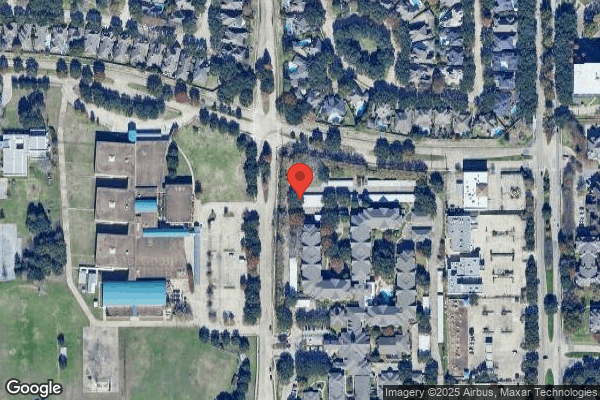
Apr 2024 6 deficiencies
CONCERN (D)

Potential for Harm - no one hurt, but risky conditions existed

Unnecessary Medications (Tag F0759)

Could have caused harm · This affected 1 resident

**NOTE- TERMS IN BRACKETS HAVE BEEN EDITED TO PROTECT CONFIDENTIALITY** Based on observation, interview, and record review the facility failed to ensure that the medication error rate was not five per...

Read full inspector narrative →
**NOTE- TERMS IN BRACKETS HAVE BEEN EDITED TO PROTECT CONFIDENTIALITY** Based on observation, interview, and record review the facility failed to ensure that the medication error rate was not five percent or greater. The facility had a medication error rate of 7% based on 4 errors out of 27 opportunities, which involved 2 of 6 residents (Resident #3, and Resident #22) reviewed for medication errors in that: 1-MA J administered calcium 600 instead of calcium 600 with vitamin D3 600 mg-12.5 mcg to Resident # 3. 2-RN G left a substantial amount of metoprolol tartrate 25 mg tablet in the portion cup after medication was administrated through g tube to Resident #22. These failures could place residents at risk for increased negative side effects, and a decline in health. Findings included: 1 Record review of Resident #3's face sheet dated 04/4/24 revealed a [AGE] year-old male admitted to the facility on [DATE]. Resident #3 had diagnoses which included: dementia (lack of cognitive functioning, thinking, remembering, and reasoning), vitamin deficiency (the condition of a long - term lack of a vitamin), and vascular parkinsonism (a motor syndrome that manifests as rigidity, tremors). Record review of Resident #3's physician order dated April 2024 read in part . Calcium 600 with Vitamin D3 600 mg-12.5 mcg (500 unit) capsule (2) capsule oral capsule oral .Notes: Instructions: Vitamin deficiency, unspecified order date 2/2/24 . Record review of Resident #3's MAR dated April 2024 read in part . Calcium 600 with Vitamin D3 600 mg-12.5 mcg (500 unit) capsule (2) capsules oral one time a day order date: 2/2/2024 . During an observation and interview on 04/04/24 at 7:14 a.m., MA J was about to administer calcium 600 instead of calcium 600 with Vitamin D3 600 mg-12.5 mcg to Resident # 3 when Surveyor intervened. MA J said Resident #3's family wanted the resident to take this instead, and that had been administered to Resident #3. MA J said she was unsure if the NP was aware, and MA J administered the medication. During an interview on 04/04/24 at 11:47 a.m., the NP said if MA J did not give the medication as it was ordered, then it was a medication error. The NP said she did not recollect getting any phone call about giving Resident #3 calcium 600 instead of the prescribed medication, which was Calcium 600 with Vitamin D3. During an interview on 04/04/24 at 3:29 p.m., the DON said MA J did not follow the order in the computer for Rresident #3 when MA J administered the wrong medication. The DON said there were different adverse outcomes for Resident #3, and she could not say which one it could be. The DON said MA J was trained in medication administration, and she should have followed the medication rights. The DON said the DON, ADON, and the nurses monitor the medication aides when they make rounds. 2 Record review of Resident #22's face sheet dated 04/4/24 revealed a [AGE] year-old male admitted to the facility on [DATE]. Resident #22 had diagnoses which included: hypertension (when the pressure in the blood vessels is too high), gastrostomy (a tube inserted through the wall of the abdomen directly into the stomach), and heart failure (when the heart muscle cannot pump enough blood to meet the body's needs blood and oxygen). Record review of Resident #22's physician order dated April 2024 read in part . metoprolol tartrate 25 mg tablet (1) tablet G-tube Notes: BP and/or Pulse Hold: Systolic Blood Pressure< 110 Hold; Pulse < 55 Therapeutic Range: BP and/or Pulse Hold: Pulse is< 55.00 , Systolic Blood Pressure is< 110.00 Essential (primary) hypertension ordered date: 3/21/2024 . During an observation on 04/04/24 at 9:33 a.m., RN G administered metoprolol 25mg tartrate through the G-tube for Resident #22 but left a substantial amount of the medication in the portion cup after she had administered the medication. During an interview on 04/04/24 at 9:50 a.m., RN G said she left a substantial amount of the metoprolol in the medication portion after she had administered the medication to Resident #22. RN G said she should have rinsed the medicines from the cup and administered it to Resident #22. RN G said Resident #22 did not get the prescribed dose of his medication, and the medication would not have the expected outcome. RN G said she had skill checkoffs on medication administration through the G tube, and the DON and ADON monitored the nurse when they made random rounds. During an interview on 04/04/24 at 3:56 p.m., the DON said her expectation from RN G was for her to administer all the medication in the portion cup to Resident #22. The DON said if a lot of medication was left in the portion, Resident #22 would not get the prescribed dose. The DON said she could not tell what type of negative outcome could be for Resident #22 because it depended on the resident. A medication administration policy was requested administrator on 04/04/24 at 12:43 p.m., but not provided upon exit
CONCERN (E)

Potential for Harm - no one hurt, but risky conditions existed

Incontinence Care (Tag F0690)

Could have caused harm · This affected multiple residents

**NOTE- TERMS IN BRACKETS HAVE BEEN EDITED TO PROTECT CONFIDENTIALITY** Based on observation, interview, and record review, the facility failed to ensure residents who were incontinent of bladder rece...

Read full inspector narrative →
**NOTE- TERMS IN BRACKETS HAVE BEEN EDITED TO PROTECT CONFIDENTIALITY** Based on observation, interview, and record review, the facility failed to ensure residents who were incontinent of bladder received appropriate treatment and services to prevent urinary tract infections and to restore continence to the extent possible for 2 of 2 residents (Resident #21, and Resident #135) reviewed for incontinent care. 1. The facility failed to ensure Wound Care nurse did not place Resident #21's foley bag on the bed during foley care. 2. The facility failed to ensure Resident # 135's foley bag, privacy bag and tubing were not lying on the floor. This failure could place residents at risk for pain, infection, injury, and hospitalization. Findings included: Record review of Resident #21's face sheet dated 04/04/24 revealed a [AGE] year-old female admitted to the facility on [DATE]. Resident #21 had diagnoses which included: atrial fibrillation (irregular heart beat), neuromuscular dysfunction of bladder (lack of bladder control), and pressure ulcer of sacral region (wound on a boney area is subjected to prolong pressure.) Record review of Resident #21's quarterly MDS assessment, dated 02/08/24 revealed: Resident #21 had a BIMS score of 15 out of 15 which indicated intact cognation. Resident #21's functional status revealed she was dependent on staff with bed mobility, transfer, and toilet use. Further review revealed Resident#21 had an indwelling foley catheter. Record review of Resident #21's care plan initiated 01/30/24 revealed the resident was at risk for infection related to indwelling catheter, DX: Neurogenic bladder. Intervention: keep tubing below the bladder and free of kinks or twists. Record review of Resident #21's physician order dated April 2024 read in part . Foley catheter Instructions: 18FR, Therapeutic Range: quadriplegia, unspecified Order Date: 4/11/2023 . During an observation on 04/03/24 at 2:26 p.m., the wound care nurse placed Resident #21's Foley bag on the bed from 2:58 p.m. to 3:24 p.m. during Foley care, and the urine backed up into the Foley tube. During an interview on 04/04/24 at 3:36 p.m., the Wound care nurse said she should not have told CNA T to place the bag on the bed during Foley care. The wound care nurse said the Foley bag should be placed below the bladder at all times to prevent the urine from backing into Resident #21's bladder, which could cause UTI for Resident #21, and she saw the urine backed up into the tube. The wound care nurse said she had a skills check-off on how to work with a resident with Foley. The wound care nurse said the DON and ADON monitor the nurse when they make random rounds. During an interview on 04/03/24 at 4:08 p.m., CNA T said she placed Resident #21's Foley bag on the bed during foley care. CNA T said she had training on working with a resident with a Foley and was to place the Foley bag below the bladder to prevent the urine from backing up to the tube and into Resident #21's bladder. CNA T said she placed the Foley bag on the bed so that the tubing would not pull off during care, and the wound care nurse told her to put the Foley bag on the bed. During an interview on 04/05/24 at 8:11 a.m., the DON said CNA T should have hung the Foley bag on the bed rail and below Resident #21's bladder. The DON said that when they turned Resident #21, CNA T should have moved the Foley bag to the side Resident #21 was turned to and placed below the bladder. The DON said the Wound care nurse should not have asked CNA T to put the Foley bag on Resident #21's bed because the Foley bag was at the same level as the bladder and could cause urine to back up into Resident #21's bladder. The DON said she did not know what could be a negative outcome for Resident #21 if the urine backed into her bladder. The DON said the Wound care nurse had a skills check-off on Foley care, and the nurse managers monitored the nurses when they made random rounds. During an interview on 04/05/24 at 12:40 p.m., the ADON said the Foley bag should always be below the bladder, even when the wound care nurse provided foley care for Resident #21. The ADON said Resident #21 could get UTI if the urine flowed back into Resident #21's bladder. The ADON said the IP trained the nurses on Foley care before they worked with residents with Foley. The ADON said the DON and she made random rounds and monitored the nurses. 2. Record review of Resident #135's face sheet dated 04/05/24 revealed a [AGE] year-old female admitted to the facility on [DATE]. Resident #135 had diagnoses which included: atrial fibrillation (irregular heartbeat), neuromuscular dysfunction of bladder (lacks bladder control), and central pain syndrome (damage to or dysfunction of the central nervous system). Record review of Resident #135's quarterly MDS assessment, dated 03/30/24 revealed: Resident #135 had a BIMS score of 12 out of 15 which indicated moderately impaired cognation. Resident #135's functional status revealed she was moderately to dependent on staff with bed mobility, transfer, and toilet use. Further review revealed Resident#135 had an indwelling foley catheter. Record review of Resident 135's care plan initiated 03/23/24 revealed the resident was at risk for infection related to indwelling catheter, DX: Neurogenic bladder voiding trial was done on 03/28/24, and Resident # 135 failed to void. Foley was reinserted. Intervention: keep tubing below the bladder and free of kinks or twists. Record review of Resident #135's physician order dated April 2024 read in part . Change Foley Catheter Monthly Instructions: 16Fr foley every month, retention of urine, order date: 3/29/2024 . During an observation and interview on 04/04/24 at 9:24 a.m., revealed Resident #135 was in bed when her Foley bag, privacy bag, and tubing were lying on the floor. Resident #135 said she did not know the bag was on the floor. During an observation and interview on 04/04/24 at 9:26 a.m., CNA M said she just finished assisting Resident #135 and lowered her bed, and she did not notice the Foley bag, privacy bag, and tubing was lying on the floor. CNA M picked up the Foley bag and said it was disconnected. CNA M connected the Foley bag, placed it back in the privacy bag, and hung it on the bed rail. CNA M said the Foley bag should not touch the floor because it was cross-contamination. CNA M said she had in-service and skills check-off on Foley care before she started working on the floor. CNA M said the nurse monitored the aides when the nurse made random rounds. During an interview on 04/04/24 at 9:33 a.m., RN G said the Foley bag, privacy bag, and tubing should not lay on the floor because of infection control. RN G said CNA M should have told her so that she would change the Foley and privacy bag. During an interview on 04/05/24 at 7:59 a.m., the DON said the Foley bag, privacy bag, and tubing should not touch the floor to prevent Resident #135 from getting an infection. The DON said CNA M should have told the nurse that Resident #135's Foley bag, privacy bag, and tubing were on the floor. The DON said CNA M was trained to work with residents with Foley. Record review of the facility's undated skills check list for: providing catheter care for indwelling did not reveal where foley, privacy bag and tubing should place during care or while resident was in bed.
CONCERN (E)

Potential for Harm - no one hurt, but risky conditions existed

Deficiency F0761 (Tag F0761)

Could have caused harm · This affected multiple residents

**NOTE- TERMS IN BRACKETS HAVE BEEN EDITED TO PROTECT CONFIDENTIALITY** Based on observations, interviews, and record review, the facility failed to ensure that drugs and biologicals were stored in lo...

Read full inspector narrative →
**NOTE- TERMS IN BRACKETS HAVE BEEN EDITED TO PROTECT CONFIDENTIALITY** Based on observations, interviews, and record review, the facility failed to ensure that drugs and biologicals were stored in locked compartments and accessed only by authorized personnel for 3 of 6 residents (Resident #22, Resident #3 and Resident#136) reviewed for medication storage in that: Resident #22 had a tube of antifungal cream on the bed side table and did not have an order to self-administer. The facility failed to ensure MA J did not leave Resident #3's rivastigmine 9.5 mg transdermal patch on top of the medication cart unattended. The facility failed to ensure RN G did not leave a bottle of Lantus insulin on top of the nurse's cart unattended. These failures could place residents at risk of loss of their medications, inadequate therapeutic outcomes, or decline in health. Findings included: Record review of Resident #22's face sheet dated 04/4/24 revealed a [AGE] year-old male admitted to the facility on [DATE]. Resident #22 had diagnoses which included: hypertension (when the pressure in the blood vessels is too high), gastrostomy (a tube inserted through the wall of the abdomen directly into the stomach), and heart failure (when the heart muscle cannot pump enough blood to meet the body's needs blood and oxygen). Record review of Resident #22's admission MDS assessment dated [DATE] revealed a BIMS score of 11 out of 15 which indicated moderately impaired cognition. Further review revealed the resident was dependent on staff for medication administration. Record review of Resident #22's physician order dated April 2024 did not reveal Resident #22 had an order for the antifungal cream. Record review of Resident # 22's undated care plan did not reveal Resident had any intervention for the antifungal cream. During an observation and interview on 04/03/24 at 11:08 a.m., revealed Resident #22 had a tube of antifungal cream on his bedside table. Resident #22 said he did not know how or why he got the antifungal cream. During an interview on 04/03/24 at 11:10 a.m., RN G said Resident #22 should not have the antifungal cream by his bedside because it was a medication, and he could not use it without a physician's order. RN G also said Resident #22 could not have any medication at his bedside because the staff did not assess him to see if he could do self-medication. RN G said she had in-service and skills checkoffs on medication storage and administration and educated residents on self-medication. During an interview on 04/04/24 at 3:51 p.m., the DON said Resident #22 should only have the antifungal cream in his room if the resident was assessed and qualified to have medication in the room. The DON said Resident #22 was not assessed for self-medication, which meant he was not qualified for medication in his room. The DON said the staff should not store medicines in Resident #22 room. The DON said she did not know any negative outcome for Resident #22 if he had used the antifungal cream without order or if he did not use it correctly. During an interview on 04/05/24 at 12:54 p.m., the ADON said Resident #22 should only have antifungal cream in his room if he had the order to have the medication on his bedside. The ADON said she was unsure if Resident #22 was assessed so that he could have medication by the bedside. The ADON said all medicines are stored in the medication cart or the medication room. The ADON said they (ADON, DON, and nurses) made rounds checking on residents for safety and how care was provided for the residents, and that included if any medication was left unattended in a resident's room. 2. Record review of Resident #3's face sheet dated 04/4/24 revealed a [AGE] year-old male admitted to the facility on [DATE]. Resident #3 had diagnoses which included: dementia (lack of cognitive functioning, thinking, remembering, and reasoning), vitamin deficiency (the condition of a long - term lack of a vitamin), and vascular parkinsonism (a motor syndrome that manifests as rigidity, tremors). Record review of Resident #3's physician order dated April 2024 read in part . rivastigmine 9.5 mg/24-hour transdermal patch (1) patch, transdermal 24 hours Notes: vascular dementia. Order Date: 3/1/2024 . Record review of Resident #3's admission MDS assessment dated [DATE] revealed a BIMS score of 04 out of 15 which indicated severely impaired cognition. Further review revealed the resident was dependent on staff for medication administration. During an observation on 04/04/24 at 7:14 a.m., MA J left Resident #3's rivastigmine 9.5mg on top of the medication cart during medication administration. MA J went into Resident #3's room and administered medication to the resident, but the medication cart was out of her sight. During an interview on 04/04/24 at 7:40 a.m., MA J said she left Resident #3's patch on top of the cart, went into Resident #3, and administered the oral medication first because she thought Rivastigmine 9.5 mg was not a medication and that was why she left it on top the medication cart which was out of her sight. MA J said she had skills check off on medication administration and storage, and staff should store all medications in the medication cart. MA J said if medication was left on top of the cart, then the cart should be within sight. MA J did not respond to what could happen to any medication that was left unattended. MA J said the nurse monitors the medication aides when the nurse makes rounds. During an interview on 04/04/24 at 3:39 p.m., the DON said MA J should have taken the patch with her into the resident room or put it back inside the cart. The DON said another resident, or anybody could have picked it up. 3. Record review of Resident #136's face sheet dated 04/4/24 revealed a 79 -year-old male admitted to the facility on [DATE]. Resident #136 had diagnoses which included: acute respiratory failure (when lungs cannot release enough oxygen into the blood), diabetes mellitus (the body does not control the amount of glucose in the blood), and Parkinson (a brain condition that causes problems with movement, mental health, sleep, pain and other health issues). Record review of Resident #136's physician order dated April 2024 read in part . insulin glargine (U-100) 100 unit/ml subcutaneous solution (10 units) VIAL (ML) Subcutaneous Notes: Instructions: type 2 diabetes mellitus with hyperglycemia Date: 4/3/2024 . Record review of Resident #136's admission MDS assessment was not due because the resident was a new admit. Record review of Resident #136's care plan dated 04/02/24 revealed Resident # 136 has potential for hypoglycemia/hyperglycemia related to diabetes mellitus. Intervention: Resident will receive Insulin as ordered by physician. During an observation on 04/04/24 at 7:4 a.m., RN G left Resident #136's insulin glargine vial on top of the nurse's medication cart, went into Resident #136's room, administered medication to Resident #136, and the nurse's medication cart was out of sight. During an interview on 04/04/24 at 7:54 a.m., RN G said she left Resident #136's insulin glargine (Lantus) vial of 100 units/ml on top of the medication cart instead of putting it back inside the medication cart. RN G said other residents could have taken the medication. RN G said insulin glargine (Lantus) was not stored properly, and she had a skills check-off on medication administration and medication storage. RN G said the ADON and DON monitor the nurses when they make random rounds. During an interview on 04/04/24 at 3:44 p.m., the DON said RN G should have placed Resident #136's insulin glargine (Lantus) vial 100 units/ml inside the cart and locked the cart before she went to administer insulin to Resident #136. The DON said the insulin glargine (Lantus) should not be left unattended because somebody can pick it up. The DON said the nurse had medication administration and medication storage. The DON said she and the ADON monitored the nurses during random rounds. Record review of the facility policy on storage of medication revised January 23, 2024, read in part . #7. any compartments containing drugs and biologicals shall be locked when not in use and are not to be left unattended if open .
CONCERN (E)

Potential for Harm - no one hurt, but risky conditions existed

Food Safety (Tag F0812)

Could have caused harm · This affected multiple residents

Based on observation and interview, the facility failed to store, prepare, distribute, and serve food in accordance with professional standards for food service safety in 1 of 1 kitchen reviewed for f...

Read full inspector narrative →
Based on observation and interview, the facility failed to store, prepare, distribute, and serve food in accordance with professional standards for food service safety in 1 of 1 kitchen reviewed for food procurement. 1. The facility failed to ensure expired foods were not discarded. 2. The facility failed to ensure foods were labeled and dated. 3. The Facility failed to ensure food was safely stored in designated areas at all times. These failures could place residents who ate food from the kitchen and place them at risk of food borne illness and disease. Findings Included: Observation of the facility's kitchen on 04/03/24 at 8:15 AM revealed the following leftover foods found in the walk in refrigerator was not discarded prior to the use by date. 1. A Plastic Container of Pot Roast was dated 3/27/24 with use by date 4/01/24 2. A Plastic Container of Salmon fillet had no label and was not dated. 3. A Plastic Container of Cod fish with used by date 3/31/24 4. A Plastic Container of Beef Steak with used by date 3/29/24 5. A Plastic Container of mixed vegetable with a use by date 3/27/24 6. Two Plastic Containers of Potato Salad had an expiry date 3/29/24 Observation of the facility storeroom on 04/03/24 at 8:20 AM revealed 4 cases of cooking oil stored on the floor. Interview with the Dietary Food Service Manager on 04/03/24 at 8:25 AM she stated the leftover food stored in the refrigerator should have been used or discarded prior to use by date. She further stated that all food shall be stored 6 inches off the floor. Record review of the facility's policies and procedures for shelf life and dating guidelines dated 10/2023 read in part .1. The day you make or open an item, prepared foods dates include prepared and use by date (5-day rule). All items should include name of product and 2 dates (Open/prepared food date and use by date) All food items are to be discarded on the date that they expire. Food is to be safely stored in designated areas at all times. All products are to be stored at least 6 inches off the floor.
CONCERN (E)

Potential for Harm - no one hurt, but risky conditions existed

Garbage Disposal (Tag F0814)

Could have caused harm · This affected multiple residents

Based on observation, interview and record review the facility failed to dispose of garbage and refuse properly for 1 of 1 dumpster reviewed for Food and nutrition services. -The facility failed to e...

Read full inspector narrative →
Based on observation, interview and record review the facility failed to dispose of garbage and refuse properly for 1 of 1 dumpster reviewed for Food and nutrition services. -The facility failed to ensure the dumpster lids and doors were secured. This failure could place residents at risk of infection from improperly disposed garbage. Findings included: Observation on 04-03-24 at 8:45 am, revealed the facility's dumpster area, which was in the lot behind the dietary department had a commercial -size dumpster ¾ full of garbage and the door was wide open. In an interview on 04-03-24 at 8:45 am, with the Food Service Manager, she stated that the dumpster doors must always be closed to keep vermin, pests, and insects out of the dumpster and from entering the facility. Record review of facility's Nutrition Services Policies and Procedures on waste disposal was not received. Requested copy of Policy & Procedure for Waste Disposal on 4-03-24 from the Food Service Manager, 4-04-24 from the Food Service Manager and on 4-05-24 prior to exit from the Administrator. Facility did not have a copy of the policy and procedure
CONCERN (E)

Potential for Harm - no one hurt, but risky conditions existed

Infection Control (Tag F0880)

Could have caused harm · This affected multiple residents

**NOTE- TERMS IN BRACKETS HAVE BEEN EDITED TO PROTECT CONFIDENTIALITY** Based on observation, interview and record review, the facility failed to maintain an infection control program designed to prev...

Read full inspector narrative →
**NOTE- TERMS IN BRACKETS HAVE BEEN EDITED TO PROTECT CONFIDENTIALITY** Based on observation, interview and record review, the facility failed to maintain an infection control program designed to prevent the development and transmission of infection for 3 of 5 residents (Resident #21, Resident #153, and Resident #24) observed for infection control. 1. The facility failed to ensure Wound Care Nurse did not place Resident #21's foley bag on the bed during foley care. 2. The facility failed to ensure Wound care Nurse followed infection control procedure while providing wound care for Resident #21. 3. The facility failed to ensure Resident # 135's foley bag, privacy bag and tubing from lying on the floor. 4. The facility failed to ensure CNA M followed proper infection control procedure while providing incontinent care for Resident # 24. These failures could place the residents at risk for infection. Findings include: 1. Record review of Resident #21's face sheet dated 04/04/24 revealed a [AGE] year-old female admitted to the facility on [DATE]. Resident #21 had diagnoses which included: atrial fibrillation (irregular heart beat), neuromuscular dysfunction of bladder (lack of bladder control), and pressure ulcer of sacral region (wound on a boney area is subjected to prolong pressure.) Record review of Resident #21's quarterly MDS assessment, dated 02/08/24 revealed: Resident #21 had a BIMS score of 15 out of 15 which indicated intact cognation. Resident #21's functional status revealed she was dependent on staff with bed mobility, transfer, and toilet use. Further review revealed Resident#21 had an indwelling foley catheter. Record review of Resident #21's care plan initiated 01/30/24 revealed the resident was at risk for infection related to indwelling catheter, DX: Neurogenic bladder. Intervention: keep tubing below the bladder and free of kinks or twists. Record review of Resident #21's physician order dated April 2024 read in part . Foley catheter Instructions: 18FR, Therapeutic Range: quadriplegia, unspecified Order Date: 4/11/2023 . Record review of Resident #21's physician's order dated April 2024 read in part . cleanse stage 4 pressure injury of the sacrum with NS/wound cleanser, pat dry, apply collagen powder with alginate rope to wound bed, apply zinc barrier cream peri wound and cover with BDR apply once daily and PRN . During an observation on 04/03/24 at 2:26 p.m., the wound care nurse placed Resident #21's Foley bag on the bed from 2:58 p.m. to 3:24 p.m. during Foley care, and the urine backed up into the Foley tube. During an interview on 04/04/24 at 3:36 p.m., the Wound care nurse said she should not have told CNA T to place the bag on the bed during Foley care. The wound care nurse said the Foley bag should be placed below the bladder at all times to prevent the urine from backing into Resident #21's bladder, which could cause UTI for Resident #21, and she saw the urine backed up into the tube. The wound care nurse said she had a skills check-off on how to work with a resident with Foley. The wound care nurse said the DON and ADON monitor the nurse when they make random rounds. During an interview on 04/03/24 at 4:08 p.m., CNA T said she placed Resident #21's Foley bag on the bed during foley care. CNA T said she had training on working with a resident with a Foley and was to place the Foley bag below the bladder to prevent the urine from backing up to the tube and into Resident #21's bladder. CNA T said she placed the Foley bag on the bed so that the tubing would not pull off during care, and the wound care nurse told her to put the Foley bag on the bed. During an interview on 04/05/24 at 8:11 a.m., the DON said CNA T should have hung the Foley bag on the bed rail and below Resident #21's bladder. The DON said that when they turned Resident #21, CNA T should have moved the Foley bag to the side Resident #21 was turned to and placed below the bladder. The DON said the Wound care nurse should not have asked CNA T to put the Foley bag on Resident #21's bed because the Foley bag was at the same level as the bladder and could cause urine to back up into Resident #21's bladder. The DON said she did not know what could be a negative outcome for Resident #21 if the urine backed into her bladder. The DON said the Wound care nurse had a skills check-off on Foley care, and the nurse managers monitored the nurses when they made random rounds. During an interview on 04/05/24 at 12:40 p.m., the ADON said the Foley bag should always be below the bladder, even when the wound care nurse provided foley care for Resident #21. The ADON said Resident #21 could get UTI if the urine flowed back into Resident #21's bladder. The ADON said the IP trained the nurses on Foley care before they worked with residents with Foley. The ADON said the DON and she made random rounds and monitored the nurses. 2. During an observation on 04/03/24 at 3:00 p.m., the wound care nurse, assisted by CNA T, provided wound care for Resident #21. Instead of cleaning the wound bed, the wound care nurse dabbed it three times and repeated it three different times. During an interview on 04/03/24 at 4:15 p.m., the wound care nurse said she was trying to get the gauze into Resident #21's wound bed and did not mean to pad the wound bed. The wound care said she was supposed to clean the wound bed and then pad it with dry gauze to dry the wound bed before she applied the collagen powder. She said she did not clean out the microbes and debris from the wound bed when she padded the wound. The wound care nurse said the wound bed should be cleaned to help provide healing and prevent infection. She said she was trained in wound care treatment and had skills checkoffs. The wound care nurse said the DON and ADON randomly monitored her when she provided wound care to the residents. During an interview on 04/04/24 at 8:19 a.m., the DON said the wound care nurse should have cleaned Resident #21's wound bed and pat dry. She said the wound bed should be cleaned to keep the wound clean, which prevents the wound from being infected and improves healing. The DON said the wound care nurse was trained to provide wound treatment and should follow the physician's order. The DON said several adverse outcomes could happen to a wound if it were not properly cleaned, and she said she could not think of any adverse outcome now. During an interview on 04/05/24 at 12:43 p.m., the ADON said the wound care nurse should have cleaned Resident #21's wound bed and then padded it dry. The ADON said if Resident #21's wound was not cleaned properly, it could become infected. The ADON said the wound care nurse should follow the doctor's order. The ADON said the DON or herself observed the wound care when they randomly made rounds. During an interview on 04/05/24 at 4:14 p.m., the wound care doctor said that, in her professional opinion, the wound care nurse should have wiped the wound instead of dabbing on the wound bed. The doctor said that when a wound is wiped, debris and microbes were cleaned out of the wound, which improves the healing of the wound. 3. Record review of Resident #135's face sheet dated 04/05/24 revealed a [AGE] year-old female admitted to the facility on [DATE]. Resident #135 had diagnoses which included: atrial fibrillation (irregular heartbeat), neuromuscular dysfunction of bladder (lacks bladder control), and central pain syndrome (damage to or dysfunction of the central nervous system). Record review of Resident #135's quarterly MDS assessment, dated 03/30/24 revealed: Resident #135 had a BIMS score of 12 out of 15 which indicated moderately impaired cognation. Resident #135's functional status revealed she was moderately to dependent on staff with bed mobility, transfer, and toilet use. Further review revealed Resident#135 had an indwelling foley catheter. Record review of Resident 135's care plan initiated 03/23/24 revealed the resident was at risk for infection related to indwelling catheter, DX: Neurogenic bladder voiding trial was done on 03/28/24, and Resident # 135 failed to void. Foley was reinserted. Intervention: keep tubing below the bladder and free of kinks or twists. Record review of Resident #135's physician order dated April 2024 read in part . Change Foley Catheter Monthly Instructions: 16Fr foley every month, retention of urine, order date: 3/29/2024 . During an observation and interview on 04/04/24 at 9:24 a.m., revealed Resident #135 was in bed when her Foley bag, privacy bag, and tubing were lying on the floor. Resident #135 said she did not know the bag was on the floor. During an observation and interview on 04/04/24 at 9:26 a.m., CNA M said she just finished assisting Resident #135 and lowered her bed, and she did not notice the Foley bag, privacy bag, and tubing was lying on the floor. CNA M picked up the Foley bag and said it was disconnected. CNA M connected the Foley bag, placed it back in the privacy bag, and hung it on the bed rail. CNA M said the Foley bag should not touch the floor because it was cross-contamination. CNA M said she had in-service and skills check-off on Foley care before she started working on the floor. CNA M said the nurse monitored the aides when the nurse made random rounds. During an interview on 04/04/24 at 9:33 a.m., RN G said the Foley bag, privacy bag, and tubing should not lay on the floor because of infection control. RN G said CNA M should have told her so that she would change the Foley and privacy bag. During an interview on 04/05/24 at 7:59 a.m., the DON said the Foley bag, privacy bag, and tubing should not touch the floor to prevent Resident #135 from getting an infection. The DON said CNA M should have told the nurse that Resident #135's Foley bag, privacy bag, and tubing were on the floor. The DON said CNA M was trained to work with residents with Foley. 4. Record review of Resident #24's face sheet dated 04/04/24 revealed a [AGE] year-old male admitted to the facility on [DATE]. Resident #24 had diagnoses which included: hypertension (pressure in your blood vessels is too high), heart failure (heart muscle cannot pump enough to meet the body's need for blood and oxygen), and Parkinson's disease (a brain condition movement, mental health, sleep, pain and other health issues). Record review of Resident #24's quarterly MDS assessment, dated 02/12/24 revealed: Resident #24 had a BIMS score of 03 out of 15 which indicated severely impaired cognition. Resident #24's functional status revealed he was dependent on staff with bed mobility, transfer, and toilet use. Record review of Resident 24's care plan effective date 02/22/24 read in part . Resident #24 is always incontinent of bowel movement. Intervention: Use pads/briefs to manage incontinence . During an observation on 04/04/24 at 1:00 p.m., incontinent care was provided for Resident #24 by CNA M. CNA M did not remove Resident #24's personal items which were on the bedside table (snack in a paper packet and the resident water pitcher). CNA M did not clean Resident #24's bedside table and placed a barrier on the bed before she placed her supplies on the bedside table. CNA M provided care for Resident #24 with the same gloves, which she wiped the Resident's rectum and had a bowel movement. CNA M wiped Resident's rectum 5 times, and she went into the wipe container four times with the same gloves. She wiped the rectum, which had a bowel movement. She applied a clean incontinent brief on Resident #24, changed the draw sheets, pulled the Resident up in bed, and covered Resident #24 with a clean flat sheet with the same gloves she had provided care for Resident. CNA M did not disinfect Resident #24's bedside table after she provided care for the Resident. During an interview on 04/04/24 at 1:20 p.m., CNA M said she forgot to clean Resident #24's bedside table and placed a barrier before she placed her supply on the bedside table or removed the resident snack and water pitcher because it was an infection control issue. CNA M said she forgot to change her glove before she took wipes from the container or applied a clean incontinent brief on Resident #24, changed the draw sheet, and pulled the resident up in bed. CNA M said it was cross-contamination because she touched the clean briefs and linen with the used gloves. CNA M said she had a skills check-off and in-service on infection control and how to provide incontinent care. She said the nurses monitored the aides when the nurse made rounds. During an interview on 04/05/24 at 9:01 a.m., the DON said it was an infection control issue when CNA M used the same gloves, she wiped the rectum, took wipes from the container, applied a clean brief, and assisted Resident #24 to a comfortable position because she contaminated the clean supplies with the dirty gloves. The DON said CNA M contaminated all the clean areas because she was supposed to change her gloves when going from dirty to clean. The DON said CNA M should have cleaned Resident #24's bedside table before and after use. She said the nurses monitored the aides when the nurses' made rounds, and the ADON and her monitored the nurses when they made random rounds. During an interview on 04/05/24 at 12:48 p.m., the ADON said CNA M should have changed her gloves after she wiped Resident #24's rectum before she took wipes from the container, or CNA M should have pulled wipes out before CNA M started providing care for Resident #24 to prevent cross-contamination because she contaminated the wipes in the packet. The ADON said CNA M should change her gloves when going from dirty to clean, and she contaminated the clean briefs and linens. She stated the nurses monitored the aides when the nurse made rounds, and the DON or herself monitored the nurse when they made random rounds. Record review of the facility's undated skills check list for: providing catheter care for indwelling did not reveal where foley, privacy bag and tubing should place during care or while resident was in bed. Record review of facility policy revised January 23, 2024, read in part . we will provide wound care in accordance with wound care standards and physician orders . Record review of the facility policy on handwashing revised 01/04/20 read in part . Handwashing is the most important procedure to follow to prevent the spread of Infection . Record review of the facility policy on infection control revised January 23, 2024, read in part .follows the Centers for Disease Control and Prevention's (CDC) guidelines for infection control practices .
Nov 2023 1 deficiency
CONCERN (E) 📢 Someone Reported This

A family member, employee, or ombudsman was alarmed enough to file a formal complaint

Potential for Harm - no one hurt, but risky conditions existed

Food Safety (Tag F0812)

Could have caused harm · This affected multiple residents

**NOTE- TERMS IN BRACKETS HAVE BEEN EDITED TO PROTECT CONFIDENTIALITY** Based on observation, interview and record review the facility failed to store, prepare, distribute, and serve food in accordanc...

Read full inspector narrative →
**NOTE- TERMS IN BRACKETS HAVE BEEN EDITED TO PROTECT CONFIDENTIALITY** Based on observation, interview and record review the facility failed to store, prepare, distribute, and serve food in accordance with professional standards for food service safety in 1 of 1 kitchen reviewed for kitchen sanitation. 1. The facility failed to ensure food items that were opened were sealed, labeled and dated . 2. The facility failed to ensure expired foods were not stored with unexpired foods . 3. The facility failed to ensure equipment was cleaned . 4. The facility failed to ensure foods stored in the refrigerator were used by the used by dates. These failures could place residents at risk of food-borne illness. Findings include: Observation of the facility's kitchen on 11/10/2023 between 11:30 a.m. and 1:30 p.m., revealed the following: -In the bakery section of the kitchen were two boxes in the freezer, one with bread rolls and one with biscuits were opened to the air and were not sealed. - In the free-standing refrigerator were shrimp, dated 11/05/2023, to be discarded after 11/25/2023, Mixed vegetables, dated 11/06/2023, to be discarded after 11/30/2023, cooked rice, dated 11/04/2023 to be discarded 11/10/2023. - The walk-in-cooler revealed slices of cheesecake opened to the air and not covered. Observation of the walk-freezer revealed the following food items that were opened, not labeled, dated or sealed: -Uncooked chicken in a plain plastic was opened to air and not sealed, labeled or dated. -An egg roll in a plain box was opened to the air and not sealed, labeled or dated. -Donuts in a plain blue plastic were opened to air and not sealed, labeled or dated. -Blue cheese was opened to air and was not sealed. Observation of the convection oven to the back of the kitchen revealed an accumulation of burnt food particles in the oven. The metal rack in the oven was black. The walk-in-freezer had bits of paper and food particles on the floor. Observation of the dry storage room revealed the following : -Mango peach tea was open to the air and was not sealed. -Instant vanilla and instant chocolate pudding were not dated. -Shell pasta in plain pasta were not labeled and not dated. -Pantanella Orzo and pearl [NAME] were not dated. In an interview with [NAME] A on 11/10/2023 at 1:45 p.m., she said foods should be discarded after three days and frozen foods after 7 days. She said foods were placed in the refrigerator to thaw out which might take up to two days. She said the used dates were the wrong dates on the food items . At that point, she told one of the aides to sweep the walk-in-freezer. Interview on 11/10/2023 at 1:50 p.m., Dietary Aide B said the foods should be disposed of after 7 days. She then said she was not sure if it was 3 or 7 days . In an interview on 11/10/2023 at 2:05 p.m. with Dietary Staff G, she said the equipment was cleaned once a month and as needed. She said the oven was last cleaned in October. She said she was going to clean the oven at the end of her shift . In an interview on 11/10/2023 at 1:10 p.m. with the Food Service Director, he said leftovers should be used within 72 hours. He said if it was not used within that time, it should be discarded. He said frozen foods had a longer shelf life, it's usually 7 days. He said if foods were not labeled, sealed and dated then it could lead to food spoilage, because one would not know exactly when to discard the foods and that could cause resident to get sick if they were not labeled and dated properly. He said he was going to in-service the staff on the storage of foods, sealing, labeling, dating of foods and cleaning of equipment. In an interview on 11/10/2023 at 5:30 p.m., the Interim Administrator said the Food Service staff were expected to label, seal and date foods when they were opened. He said they should have a cleaning schedule to clean equipment routinely and as needed. He said he was going to talk to the Food Service Director, on in-servicing food service staff. Record review of the facility's Nutrition Services Policies and Procedures, dated 8/12/2019, read in part .Refrigerated Storage Guidelines: 12. Refrigerated, ready to eat Time/Temperature Control Safety Foods are properly covered, labeled, dated with a use -by date and refrigerated immediately. [NAME] them clearly to indicate the date by which the food shall be consumed or discarded. The day of preparation or day original container is opened shall be considered day 1. Discard after three days unless otherwise indicated. Refer to Cold Storage Chart Record review of Texas Food Code Chapter 228 Subchapter A Department of state health services and retail food establishments Food Code 2022 read on part . (C) Packaged Food shall be labeled as specified in LAW, including 21 CFR 101 FOOD Labeling, 9 CFR 317 Labeling, Marking Devices, and Containers, and 9 CFR 381 Subpart N Labeling and Containers, and as specified under § 3-202.18. 3-202.15 Package Integrity. FOOD packages shall be in good condition and protect the integrity of the contents so that the food is not exposed to adulteration or potential contaminants.
Mar 2023 5 deficiencies
CONCERN (D)

Potential for Harm - no one hurt, but risky conditions existed

Deficiency F0578 (Tag F0578)

Could have caused harm · This affected 1 resident

**NOTE- TERMS IN BRACKETS HAVE BEEN EDITED TO PROTECT CONFIDENTIALITY** Based on interview and record review the facility failed to ensure residents the right to formulate an advance directive for 1 (...

Read full inspector narrative →
**NOTE- TERMS IN BRACKETS HAVE BEEN EDITED TO PROTECT CONFIDENTIALITY** Based on interview and record review the facility failed to ensure residents the right to formulate an advance directive for 1 (Resident #138) of 16 residents reviewed for advance directives. Resident #138's electronic health record did not reflect her Out of Hospital Do Not Resuscitate (OOH-DNR) status. This failure could place residents at risk of not having their end of life wishes implemented or respected. Findings included: Record review of Resident #138's face sheet revealed a [AGE] year-old female admitted to the facility on [DATE]. Her diagnoses included pneumonitis (inflammation of lung tissue due to non-infectious causes), acute respiratory failure (a serious condition that makes it difficult to breathe on your own), acute kidney failure, atrial fibrillation (a disease of the heart characterized by irregular and often faster heartbeat), dementia, and hypertension (high blood pressure). Record review of Resident #138's care plan dated [DATE] revealed there was no advance directive entered. Record review of Resident #138's physician orders for [DATE] revealed there was no advance directive order. Record review of Resident #138's electronic health record revealed there was no DNR indicator next to her name on the ribbon. The advance directive section showed no data to display. Record review of Resident #138's Out-Of-Hospital Do-Not-Resuscitate (OOH-DNR) Order revealed it was signed by Resident #138 on [DATE]. Two witnesses and the physician signed it on [DATE]. In an interview on [DATE] at 1:15 p.m. the Director of Social Services said she was responsible for inputting the code status in the residents' electronic health record. She said she was not putting code statuses in the electronic health record because she was not trained on how to do it. She said advance directives were supposed to be in the electronic chart so nurses would know how to treat the resident if they were found unresponsive or if there was a medical issue. She said if advance directives were not uploaded to the electronic chart the resident would be treated as full code. She said if the code status was not in the system the resident's right may not be honored. In an interview on [DATE] at 2:23 pm RN G said if Resident #138 coded (an emergency requiring resuscitation), she would start CPR because there was no advance directive in her electronic chart. She said whoever did not have an advance directive in their electronic chart would be treated as full code. She said a resident with DNR status would have DNR marked by their name on the electronic chart. In an interview on [DATE] at 2:32 p.m. the Director of Operations said Medical Records and the Director of Social Services positions were new. He said in the next hour the facility would have the advance directives uploaded to the residents' electronic health record. He said the facility saw an opportunity with advance directives and they conducted a performance improvement plan to correct it. In a telephone interview on [DATE] at 12:35 p.m. the PRN Social Worker said she trained the Director of Social Services on advance directives and said her responsibility was to ensure the OOH-DNR forms were completed correctly. She said after verifying the accuracy of the form she would give it to the DON or BOM to scan into the resident's electronic health record and mark the code status. She said the residents' code status would be visible in the left upper corner on the resident's electronic health record. In an interview on [DATE] at 1:57 p.m. the DON said the Director of Social Services was responsible for validating the OOH-DNR, scanning it into the resident's electronic chart, and confirming the code status was listed on the ribbon (located on the upper left corner by the resident's name). She said if a resident coded, she would expect the nurse to look at the patients face sheet to confirm the code status. She said it was important for a resident's code status to be in the electronic chart so the nurse could treat the patient according to their preferred status, either full code with CPR or DNR with no CPR. She said if the advance directive was not in the chart there was a risk that the resident would not get the treatment they needed, and the facility could go against the resident's will. In an interview on [DATE] at 2:50 p.m. the Administrator said she expected the Director of Social Services to scan the advance directives in the resident's electronic chart and indicate the code status. She said the Director of Social Services was new and they needed to monitor better. She said the facility did not follow up as well as they should have on the advance directives. She said it was important for facility staff to know the wishes of the residents because that is what drove them. Record review of the facility's Advance Directives/Self-Determination policy dated [DATE] read in part, . Service standard: advanced directives provide guidance for medical treatment . 1 . communities recognize that the best health care is based upon a partnership of trust and communication between the resident, the resident's physician, and the community. 3 . will make every reasonable attempt to honor advance directives and resident wishes as expressed by the resident or health care decision-makers when the resident is no longer able to make decisions . 5. The social worker will work along with nursing and administration to assure that the appropriate procedures for advance directives and self-determination are followed and documented accordingly.
CONCERN (D)

Potential for Harm - no one hurt, but risky conditions existed

Comprehensive Care Plan (Tag F0656)

Could have caused harm · This affected 1 resident

**NOTE- TERMS IN BRACKETS HAVE BEEN EDITED TO PROTECT CONFIDENTIALITY** Based on interview and record review the facility failed to develop and implement person-centered care plans for each resident w...

Read full inspector narrative →
**NOTE- TERMS IN BRACKETS HAVE BEEN EDITED TO PROTECT CONFIDENTIALITY** Based on interview and record review the facility failed to develop and implement person-centered care plans for each resident which included measurable objectives and timeframes to meet a resident's medical, nursing, mental and psychosocial needs that were identified in the comprehensive assessment for 1 (Resident #22) of 8 residents reviewed for care plans. The facility failed to update Resident #22's care plan to reflect a fall and interventions that occurred on 3/5/23. This failure could place residents at risk of not receiving care based on identified needs. Findings included: Record review of Resident #22's face sheet revealed an [AGE] year-old female admitted to the facility on [DATE]. Her diagnosis included surgical aftercare, syncope (fainting resulting from certain stressful triggers which lead to sudden drop in blood pressure and heart rate) and collapse, difficulty in walking, muscle weakness, need for assistance with personal care, and cognitive communication deficit. Record review of Resident #22's admission MDS assessment dated [DATE] revealed a BIMS score of 14 out of 15 which indicated intact cognition. She required extensive assistance of one person for toilet use. She had one fall with no injury since admission. Record review of Resident #22's care plan dated 3/10/23 indicated the resident was at risk for falls related to weakness. Interventions included call light, bedside table, and telephone within reach of resident. Assist resident to wear non-slick footwear that fits, assess risk for falls and implement fall prevention plan as indicated based on current level of functioning, assist resident to desired location. Make sure ambulatory assistive device remains close to resident, bed in lowest position, evaluate resident fall risk on admission, quarterly, and after a fall. Resident #22's fall that occurred on 3/5/23 along with the interventions were not listed on her care plan. Record review of Resident #22's Incident Report dated 3/5/23 written by LVN D revealed resident stated that she was trying to wheel herself from the bathroom, while doing that, her wheelchair bumped into the wall, and she fell. Neurological checks were initiated and there was no apparent injury. The final disposition completed by the DON on 3/10/23 revealed the investigation findings were the resident wheeled herself from the bathroom without assistance. Interventions included: resident was educated to use the call light for assistance, therapy to re-evaluate and treat as indicated, continue skilled therapy to regain strength and endurance. The interventions were not documented on the care plan following the fall. In an interview on 3/9/23 at 11:50 a.m. LVN D said she assessed Resident #22 after her fall on 3/5/23. She said the resident informed her she came out of her bathroom and hit the bump on the floor with her wheelchair and fell. The resident informed her there was no call light available, so she used her cell phone to call her family member. LVN D said after the fall she instructed the resident to use her call light and ask the nurse for assistance with the restroom. In an interview on 3/10/23 at 10:50 a.m. the MDS Nurse said she was responsible for updating care plans every time a MDS was due (i.e., admission, hospital, change in condition). She said she would also update the care plan if a resident had a fall. She said she did not update Resident #22's care plan after her fall because she was still working on her MDS assessment. She said her care plan should be updated right away with the fall interventions. She said the IDT discussed interventions for falls, but she was unsure what the intervention was for Resident #22. She said the care plan informed staff on how to take care of the resident. She said if the fall and interventions were not on the care plan staff would not know how to take care of the resident. In an interview on 3/10/23 at 11:08 a.m. the DON said the fall intervention for Resident #22 was to push the call button for help. She said she would update the care plan and had not updated it yet because she just returned to work. She said the MDS nurse was responsible for ensuring the care plan was updated with fall interventions. In an interview on 3/10/23 at 2:53 p.m. the Administrator said they discussed falls in the clinical meetings. She said interventions should be documented on the care plan within a day or as soon as the incident happened. She said care plans told clinical staff how to address the resident. Record review of the facility's Resident Plan of Care policy dated 1/25/23 read in part, .utilizing the resident assessment (MDS) an interdisciplinary team will develop a plan of care for each resident with input from the resident and/or family . 2. A comprehensive care plan will be developed within 7 days of completion of the resident's comprehensive assessment (MDS). The interdisciplinary team develops it . 4. The care plan will identify problem areas and interventions needed to meet the needs of the resident . 5. Assessments of residents are on-going and care plans are revised as information about the resident and his/her condition changes. 6. The interdisciplinary team is responsible for updating the care plan: a. when there has been a significant change in the resident's condition. b. when the desired outcome is not met .
CONCERN (D) 📢 Someone Reported This

A family member, employee, or ombudsman was alarmed enough to file a formal complaint

Potential for Harm - no one hurt, but risky conditions existed

Incontinence Care (Tag F0690)

Could have caused harm · This affected 1 resident

**NOTE- TERMS IN BRACKETS HAVE BEEN EDITED TO PROTECT CONFIDENTIALITY** Based on observation, interview, and record review the facility failed to ensure residents who were incontinent of bladder recei...

Read full inspector narrative →
**NOTE- TERMS IN BRACKETS HAVE BEEN EDITED TO PROTECT CONFIDENTIALITY** Based on observation, interview, and record review the facility failed to ensure residents who were incontinent of bladder received appropriate treatment and services to prevent urinary tract infections and to restore continence to the extent possible for 1 of 2 residents (Resident #14) reviewed for incontinent care. CNA A failed to properly cleanse Resident #14 during incontinent care. CNA A failed to change gloves and perform hand sanitization during incontinent care for Resident #14. This failure could place residents at risk for urinary tract infections (UTI), urethral erosions (tearing of the urethra), discomfort, skin breakdown, and a decreased quality of life. Findings included: Record review of the admission sheet for Resident #14 revealed a [AGE] year-old female admitted to the facility on [DATE]. Her diagnoses included d diagnosis included dysphagia (difficulty swallowing) Idiopathic) normal pressure hydrocephalus, atrial fibrillation (fast heart rate), lack of coordination, Vitamin B12 deficiency anemia, Alzheimer's disease, Hypothyroidism, Urinary tract infection and repeated fall. Record review of Resident #14's admission MDS, dated [DATE], revealed a BIMS score of blank out of 15, which indicated severe cognitive impairment. She required extensive one-to-two-person assistance with bed mobility, toilet use and personal hygiene. She required extensive assistance of 2-person assistance with transfers. She was occasionally incontinent of bowel and bladder. Record review of Resident # 14's care plan, on 02/24/2023 read in part: .Problem-Resident #14 has frequent urinary incontinence putting her at risk for having a UTI, initiated on 03/23/2022. Goal: Resident #14 at risk for septicemia will be minimized/prevented via prompt recognition and treatment of symptoms of UTI through the review date .Interventions: Clean peri-area with each incontinence episode Check every two hours and as needed for incontinence. Wash, rinse, and dry perineum .Problem-Resident #14 has incontinence putting her at risk for having skin breakdown .Interventions: Keep skin clean and dry. Provide peri care with all incontinent episodes . Record review of physician's order dated 03/03/23 revealed Resident #14 Ertapenem 1 gram solution for injection 1 Time Daily for 7 for urinary tract infection completed on 03/09/23. Observation and interview on 02/23/2023 at 9:46 AM performed by CNA A revealed Resident #14 was lying in bed on her back. CNA A performed hand sanitization and donned (put on) clean gloves. CNA A unfastened the disposable brief. Using wet cleansing wipes, CNA A cleansed Resident #14's left groin from top to bottom, with a new cleansing wipe cleansed right groin from top to bottom and with a new cleansing wipe did not separate the labia to clean. CNA A and cleansed the labia area downward from top to bottom. CNA A rolled Resident #14 to her left side, resident had large loose bowel movement and she cleaned the resident, the right gloves got soiled with feces, CNA A doff (took off) soiled right hand gloves, using her left hand picked up cleaned gloves from her uniform pocket don ( put on) the right glove, while using cleansing wipes to rectal area. Resident #14 was still having bowel movement that soiled the draw sheet, CNA A rolled up the urine and feces soiled brief and placed in a plastic bag. With the same gloves, CNA A using the same gloves picked up cleaned brief and draw sheet from Resident #14's drawer and positioned the clean incontinent brief under the resident, rolled the resident back onto her back and secured the fasteners of the brief. CNA A touched the bed linens and adjusted the covers over the resident. CNA A removed the gloves, disposed into the plastic bag, tied up the bag, performed hand sanitization, walked out of the room, and deposited the garbage bag in the dirty utility room. When asked why she did not cleanse the labia as the first step, CNA A stated that it was too hard to open her legs. She stated she should have removed the used gloves, washed hands, donned clean gloves prior to touching the clean brief and bed linen to prevent cross contamination. Further interview with CNA A she had in-service with the lead CNA three weeks ago and she did not have her hand sanitizer on because the facility has sanitizer on the wall in the room. In an interview on 03/09/2023 at 1:50 PM, with Lead CNA AA stated that 's should have separated the labia in order to prevent urinary infections. He stated it was his expectation that CNA A would have ensured the rectum and vagina were fully cleaned before she completed the incontinence care. Interview on 03/09/23 at 02:14 PM. the DON stated the handwashing policy was soap and water for at least 20 seconds. The DON stated when changing gloves, hand sanitizer is to be used before putting on clean gloves. DON said the negative outcome is the potential for infection is greatly increased. DON stated the CNA AA does the checkoffs for new hires, yearly, or as needed. DON said she has not done any in-services and monitoring on incontinent. Interview on 03/09/2023 at 3:15 PM with the Administrator said the facility did not have a Policy and Procedure specifically for incontinent care and that best practices should be used. She said the facility was not required to have a P&P for incontinent care. Record review of the facility's check list Basics of Care for the resident who has urinary incontinence . 1. Perform hand hygiene and gloves .5. Cleanse inner legs and outer peri area along the outside of labia, using a clean area of washcloth or wipe for each swipe of peri area. Soiled gloves and washcloths or wipes exchanged for clean ones,
CONCERN (D)

Potential for Harm - no one hurt, but risky conditions existed

Pharmacy Services (Tag F0755)

Could have caused harm · This affected 1 resident

**NOTE- TERMS IN BRACKETS HAVE BEEN EDITED TO PROTECT CONFIDENTIALITY** Based on observation, interview, and record review the facility failed to provide pharmaceutical services (including procedures ...

Read full inspector narrative →
**NOTE- TERMS IN BRACKETS HAVE BEEN EDITED TO PROTECT CONFIDENTIALITY** Based on observation, interview, and record review the facility failed to provide pharmaceutical services (including procedures that assure the accurate administering of all drugs and biologicals) to meet the needs of 1 (Resident #28) of 6 residents reviewed for pharmacy services. LVN D did not administer Lisinopril 10 mg (a high blood pressure medication) to Resident #28 as ordered by the physician. This failure could place residents at risk of not receiving desired therapeutic outcomes, increased side effects, or a decline in health. Findings included: Record review of Resident #28's face sheet revealed a [AGE] year-old female admitted on [DATE]. Her diagnoses included cerebral infarction (stroke), hypertension (high blood pressure), hemiplegia (paralysis of one side of the body) following cerebral infarction, and gastrostomy status (an opening into the stomach from the abdominal wall, made surgically for the introduction of food). Record review of Resident #28's admission MDS assessment dated [DATE] revealed a BIMS score of 9 out of 15 which indicated moderate cognitive impairment. She was totally dependent with 1-2 staff for ADL assistance. Record review of Resident #28's Physician Order Sheet for March 2023 revealed an order for Lisinopril 10 mg 1 tablet one time daily, order date 2/18/23. Record review of Resident #28's March 2023 Treatments record revealed Lisinopril 10 mg was scheduled for 9:00 a.m. The medication was signed off as administered by LVN D on 3/9/23 for the 9:00 a.m. scheduled time. In an observation and interview on 3/9/23 at 9:13 a.m., LVN D prepared the following medications for Resident #28: Amlodipine 5 mg (1 tablet), Sertraline 25 mg (1 tablet), Carvedilol 6.25 mg (1 tablet), Famotidine 20 mg (1 tablet), and Methylphenidate 10 mg (1 ½ tablets). LVN D looked in the medication cup and said she had 5 ½ tablets to two State Surveyors. She crushed the medications together, entered the resident's room and administered the medication via g-tube. After medication administration she returned to the computer and documented that she administered Resident #28's morning medications which included Lisinopril 10 mg. LVN D did not prepare or administer Lisinopril 10 mg to Resident #28. In an interview on 3/9/23 at 11:50 am with LVN D she said she did not provide any additional medications to Resident #28 since the morning pass at 9:00 a.m. She said during the morning medication pass she administered either 5 1/2 or 6 1/2 tablets to Resident #28. LVN D said she remembered popping the lisinopril but that would have made 6 1/2 tablets. She said she checked the medications against the electronic record to verify that all medications were in the cup. She said she would recheck the resident's blood pressure and notify her NP. In an interview on 3/10/23 at 2:09 p.m. the DON said when administering medications nurses should compare the medication blister pack to the physician order and pop the medication in the cup. She said it was important for Resident #28 to receive her blood pressure medication and not miss it because her blood pressure could rise. In an interview on 3/10/23 at 2:57 p.m. the Administrator said she expected any medication order to be carried out. In an interview on 3/10/23 at 4:08 pm the Director of Operations said there was no policy for medication administration. He said the expectation was to following nursing standards and physician orders.
CONCERN (D) 📢 Someone Reported This

A family member, employee, or ombudsman was alarmed enough to file a formal complaint

Potential for Harm - no one hurt, but risky conditions existed

Infection Control (Tag F0880)

Could have caused harm · This affected 1 resident

**NOTE- TERMS IN BRACKETS HAVE BEEN EDITED TO PROTECT CONFIDENTIALITY** Based on observation, interview, and record review the facility failed to maintain an infection prevention and control program d...

Read full inspector narrative →
**NOTE- TERMS IN BRACKETS HAVE BEEN EDITED TO PROTECT CONFIDENTIALITY** Based on observation, interview, and record review the facility failed to maintain an infection prevention and control program designed to provide a safe, sanitary and comfortable environment and to help prevent the development and transmission of communicable diseases and infections for 1 of 2 resident (Resident #14) reviewed for infection control. The facility failed to ensure CNA A performed hand hygiene between dirty and clean care while providing incontinent care to Resident #14. These failures could place residents who require wound care and incontinent care at an increased risk for infection, decline in health and hospitalization. Findings included: Record review of the admission sheet for Resident #14 revealed a [AGE] year-old female admitted to the facility on [DATE]. Her diagnoses included d diagnosis included dysphagia (difficulty swallowing) Idiopathic) normal pressure hydrocephalus, atrial fibrillation (fast heart rate), lack of coordination, Vitamin B12 deficiency anemia, Alzheimer's disease, Hypothyroidism, Urinary tract infection and repeated fall. Record review of Resident #14's admission MDS, dated [DATE], revealed a BIMS score of blank out of 15, which indicated severe cognitive impairment. She required extensive one-to-two-person assistance with bed mobility, toilet use and personal hygiene. She required extensive assistance of 2-person assistance with transfers. She was occasionally incontinent of bowel and bladder. Record review of Resident # 14's care plan, on 02/24/2023 read in part: .Problem-Resident #14 has frequent urinary incontinence putting her at risk for having a UTI, initiated on 03/23/2022. Goal: Resident #14 at risk for septicemia will be minimized/prevented via prompt recognition and treatment of symptoms of UTI through the review date .Interventions: Clean peri-area with each incontinence episode Check every two hours and as needed for incontinence. Wash, rinse and dry perineum .Problem-Resident #14 has incontinence putting her at risk for having skin breakdown .Interventions: Keep skin clean and dry. Provide peri care with all incontinent episodes . Observation and interview on 02/23/2023 at 9:46 AM performed by CNA A revealed Resident #14 was lying in bed on her back. CNA A performed hand sanitization and donned (put on) clean gloves. CNA A unfastened the disposable brief. Using wet cleansing wipes, CNA A cleansed Resident #14's left groin from top to bottom, with a new cleansing wipe cleansed right groin from top to bottom and with a new cleansing wipe did not separate the labia to clean. CNA A and cleansed the labia area downward from top to bottom. CNA A rolled Resident #14 to her left side, resident had large loose bowel movement and she cleaned the resident, the right gloves got soiled with feces, CNA A doff (took off) soiled right hand gloves, using her left hand picked up cleaned gloves from her uniform pocket don the right glove, while using cleansing wipes to rectal area. Resident #14 was still having bowel movement that soiled the draw sheet, CNA A rolled up the urine soiled brief and placed in a plastic bag. With the same gloves, without washing hand, CNA A using the same gloves picked up cleaned brief and draw sheet from Resident #14's drawer and positioned the clean incontinent brief under the resident, rolled the resident back onto her back and secured the fasteners of the brief. CNA A touched the bed linens and adjusted the covers over the resident. CNA A removed the gloves, disposed into the plastic bag, tied up the bag, performed hand sanitization, walked out of the room, and deposited the garbage bag in the dirty utility room. When asked why she did not cleanse the labia as the first step, CNA A stated that it was too hard to open her legs. She stated she should have removed the used gloves, washed hands, donned clean gloves prior to touching the clean brief and bed linen to prevent cross contamination. Further interview with CNA A she had in-service with the lead CNA three weeks ago In an interview on 03/09/2023 at 1:50 PM, with Lead CNA AA stated that CNA should have separated the labia in order to prevent urinary infections. He stated it was his expectation that CNA A would have ensured the rectum and vagina were fully cleaned before she completed the incontinence care. Interview on 03/09/2023 at 2:15PM with the DON, she said she expected the nurse doing wound care to hand wash or hand sanitize before starting and when removing old dressing. Hand sanitizes or wash hands if really soiled. She said hand wash should be done before they change gloves. The DON said she will do in-service with the nurse regarding wound care. During incontinent care she said she expected the CNA A to have performed hand hygiene between glove changes, before touching clean items and before putting on barrier skin cream. She said she monitors staff for infection control compliance by doing staff skills checklists. Interview on 03/09/2023 at 3:15 PM with the Administrator said the facility did not have a P&P specifically for incontinent care and that best practices should be used. She said the facility was not required to have a P&P for incontinent care. Record review of the facility's policy on Infection Control - Hand Hygiene Revision January 25, 2023:: Procedure as outlined by the CDC: (Centers for Disease Control and Prevention and the World Health Organization.) . Washing your hands is easy, and it's one of the most effective ways to prevent the spread pf germs. Clean hands can stop germs from spreading from one person to another and throughout an entire community- from your home and workplace to childcare facilities and hospitals Use hand Sanitizer when you can't use soap and water. You can use an alcohol -based hand sanitizer that contains at least 60% alcohol if soap and water are not available.
Understanding Severity Codes (click to expand)
Life-Threatening (Immediate Jeopardy)
J - Isolated K - Pattern L - Widespread
Actual Harm
G - Isolated H - Pattern I - Widespread
Potential for Harm
D - Isolated E - Pattern F - Widespread
No Harm (Minor)
A - Isolated B - Pattern C - Widespread

Questions to Ask on Your Visit

  • "What changes have you made since the serious inspection findings?"
  • "Can I speak with families of current residents?"
  • "What's your RN coverage like on weekends and overnight?"

Our Honest Assessment

Strengths
  • • 44% turnover. Below Texas's 48% average. Good staff retention means consistent care.
Concerns
  • • Multiple safety concerns identified: 3 life-threatening violation(s), $48,991 in fines. Review inspection reports carefully.
  • • 17 deficiencies on record, including 3 critical (life-threatening) violations. These warrant careful review before choosing this facility.
  • • $48,991 in fines. Higher than 94% of Texas facilities, suggesting repeated compliance issues.
  • • Grade F (34/100). Below average facility with significant concerns.
Bottom line: This facility has 3 Immediate Jeopardy findings. Serious concerns require careful evaluation.

About This Facility

What is Parkway Place's CMS Rating?

CMS assigns PARKWAY PLACE an overall rating of 4 out of 5 stars, which is considered above average nationally. Within Texas, this rating places the facility higher than 99% of the state's 100 nursing homes. This rating reflects solid performance across the metrics CMS uses to evaluate nursing home quality.

How is Parkway Place Staffed?

CMS rates PARKWAY PLACE's staffing level at 4 out of 5 stars, which is above average compared to other nursing homes. Staff turnover is 44%, compared to the Texas average of 46%. This relatively stable workforce can support continuity of care.

What Have Inspectors Found at Parkway Place?

State health inspectors documented 17 deficiencies at PARKWAY PLACE during 2023 to 2025. These included: 3 Immediate Jeopardy (the most serious level, indicating potential for serious harm or death) and 14 with potential for harm. Immediate Jeopardy findings are rare and represent the most serious regulatory concerns. They require immediate corrective action.

Who Owns and Operates Parkway Place?

PARKWAY PLACE is owned by a non-profit organization. Non-profit facilities reinvest revenue into operations rather than distributing to shareholders. The facility is operated by BUCKNER RETIREMENT SERVICES, a chain that manages multiple nursing homes. With 42 certified beds and approximately 34 residents (about 81% occupancy), it is a smaller facility located in HOUSTON, Texas.

How Does Parkway Place Compare to Other Texas Nursing Homes?

Compared to the 100 nursing homes in Texas, PARKWAY PLACE's overall rating (4 stars) is above the state average of 2.8, staff turnover (44%) is near the state average of 46%, and health inspection rating (3 stars) is at the national benchmark.

What Should Families Ask When Visiting Parkway Place?

Based on this facility's data, families visiting should ask: "What changes have been made since the serious inspection findings, and how are you preventing similar issues?" "Can I visit during a mealtime to observe dining assistance and food quality?" "How do you handle medical emergencies, and what is your hospital transfer rate?" "Can I speak with family members of current residents about their experience?" These questions are particularly relevant given the facility's Immediate Jeopardy citations.

Is Parkway Place Safe?

Based on CMS inspection data, PARKWAY PLACE has documented safety concerns. Inspectors have issued 3 Immediate Jeopardy citations (the most serious violation level indicating risk of serious injury or death). The facility has a 4-star overall rating and ranks #1 of 100 nursing homes in Texas. Families considering this facility should ask detailed questions about what corrective actions have been taken since these incidents.

Do Nurses at Parkway Place Stick Around?

PARKWAY PLACE has a staff turnover rate of 44%, which is about average for Texas nursing homes (state average: 46%). Moderate turnover is common in nursing homes, but families should still ask about staff tenure and how the facility maintains care continuity when employees leave.

Was Parkway Place Ever Fined?

PARKWAY PLACE has been fined $48,991 across 2 penalty actions. The Texas average is $33,569. While any fine indicates a compliance issue, fines under $50,000 are relatively common and typically reflect isolated problems that were subsequently corrected. Families should ask what specific issues led to these fines and confirm they've been resolved.

Is Parkway Place on Any Federal Watch List?

PARKWAY PLACE is not on any federal watch list. The most significant is the Special Focus Facility (SFF) program, which identifies the bottom 1% of nursing homes nationally based on persistent, serious quality problems. Not being on this list means the facility has avoided the pattern of deficiencies that triggers enhanced federal oversight. This is a positive indicator, though families should still review the facility's inspection history directly.