Seven Acres Jewish Senior Care Services
6200 N Braeswood Blvd, Houston, TX 77074 (713) 778-5700
Non profit - Corporation 144 Beds Independent Data: November 2025 1 Immediate Jeopardy citation
Trust Grade
53/100
#576 of 1168 in TX
Last Inspection: May 2025

Inspected within the last 6 months. Data reflects current conditions.

Overview

Seven Acres Jewish Senior Care Services in Houston, Texas, has a Trust Grade of C, which means it is average - positioned in the middle of the pack among nursing homes. It ranks #576 out of 1,168 facilities in Texas, placing it in the top half, and #48 out of 95 in Harris County, indicating that only a few local options are better. The facility's trend is improving, having reduced its issues from four in 2024 to one in 2025. Staffing appears to be a strength, with a 3/5 star rating and a turnover rate of 0%, significantly lower than the Texas average, suggesting that staff are stable and familiar with residents. However, there are some concerns, such as $39,160 in fines, which is average but still raises questions about compliance. There were critical incidents noted, including a resident suffering compression fractures due to improper use of a lift and another resident leaving the facility unsupervised, which highlights potential supervision issues. Additionally, there were concerns about expired food items in the kitchen and mold in community bathrooms, suggesting that while there are strengths, there are also significant areas needing improvement.
Trust Score
C
53/100
In Texas
#576/1168
Top 49%
Safety Record
High Risk
Review needed
Inspections
Getting Better
4 → 1 violations
Staff Stability
○ Average
Turnover data not reported for this facility.
Penalties
○ Average
$39,160 in fines. Higher than 72% of Texas facilities. Some compliance issues.
Skilled Nurses
○ Average
Each resident gets 33 minutes of Registered Nurse (RN) attention daily — about average for Texas. RNs are the most trained staff who monitor for health changes.
Violations
○ Average
9 deficiencies on record. Average for a facility this size. Mostly minor or procedural issues.
★★★☆☆
3.0
Overall Rating
★★★☆☆
3.0
Staff Levels
★★★★☆
4.0
Care Quality
★★★☆☆
3.0
Inspection Score
Stable
2024: 4 issues
2025: 1 issues

The Good

  • 4-Star Quality Measures · Strong clinical quality outcomes
  • Full Sprinkler Coverage · Fire safety systems throughout facility
  • No fines on record

Facility shows strength in quality measures, fire safety.

The Bad

3-Star Overall Rating

Near Texas average (2.8)

Meets federal standards, typical of most facilities

Federal Fines: $39,160

Above median ($33,413)

Moderate penalties - review what triggered them

The Ugly 9 deficiencies on record

1 life-threatening
May 2025 1 deficiency 1 IJ
CRITICAL (J) 📢 Someone Reported This

A family member, employee, or ombudsman was alarmed enough to file a formal complaint

Immediate Jeopardy (IJ) - the most serious Medicare violation

Accident Prevention (Tag F0689)

Someone could have died · This affected 1 resident

**NOTE- TERMS IN BRACKETS HAVE BEEN EDITED TO PROTECT CONFIDENTIALITY** Based on observation, interview, and record review, the facility failed to ensure the residents environment remained as free of ...

Read full inspector narrative →
**NOTE- TERMS IN BRACKETS HAVE BEEN EDITED TO PROTECT CONFIDENTIALITY** Based on observation, interview, and record review, the facility failed to ensure the residents environment remained as free of accident hazards as is possible and ensure each resident received adequate supervision for two (Resident #35 and Resident #1) of six residents reviewed for accidents and hazards. 1. The facility failed to ensure Resident #35 was free of accident hazards when CNA A used a mechanical standing lift (a medical device that assists individuals with limited mobility in transitioning from a seated to a standing position) while showering the resident, which resulted in the resident's foot slipping from the lift, falling to her knees, and sustaining compression fractures (a break in a vertebrae and then collapses to) the L1, L3, L4, and L5 vertebrae on 2/11/25. 2. The facility failed to ensure Resident #1 was adequately supervised to prevent her from leaving the facility unsupervised on 03/25/2025. An Immediate Jeopardy was identified on 04/30/25. The Immediate Jeopardy template was provided to the facility on [DATE] at 5:50 pm. While the Immediate Jeopardy was removed on 5/4/25, the facility remained at a level of no actual harm at a scope of isolated that was not immediate jeopardy due to the facility's need to evaluate the effectiveness of the corrective systems. These failures could place residents at risk for harm, pain, and injury. Findings included: Record review of Resident #35's face sheet, dated 4/29/25, revealed an [AGE] year-old female admitted to the facility on [DATE]. Diagnoses included: wedge compression fracture of unspecified lumbar vertebra, polyneuropathy (the simultaneous malfunction of many peripheral nerves throughout the body), unspecified dementia (a group of thinking and social symptoms that interfere with daily functioning), pain in unspecified lower leg, low back pain, other osteoporosis without current pathological fracture. Record review of Resident #35's comprehensive MDS dated [DATE] indicated she had a BIMS score of 6 which indicated a severe cognitive impairment. Further review of the comprehensive MDS indicated she was dependent on staff for toileting, shower/bathe self, lower body dressing, putting on/taking off footwear, personal hygiene, roll left and right, chair/bed-to-chair transfer, toilet transfer, and tub/shower transfer. Record review of Resident #35's care plan dated 1/9/25 indicated she was limited in her ability to transfer due to impaired mobility; she was unable to ambulate or stand. Interventions included: assist with transferring using the full body lift (a type of lift used to assist caregivers in lifting and transferring individuals who are unable to move themselves independently) , 2-person assist, keep call light within reach, monitor extremities to avoid injury, notify nurse if any injury occurs, provide 2-person assistance for transferring, and when transferring, resident should be face-to-face with caregiver. Record review of the Physical Therapy Plan of Care dated 2/22/24 indicated Resident #35 was at a level of maximum assist (76-99% assist) with transfers. Further review of Resident #35's care plan dated 1/9/25 indicated she was at risk for falling r/t impaired mobility, decreased muscle strength. Resident #35 uses w/c for mobility with full staff assistance. Fall r/t standing lift 2/11/25. Interventions included: transfer to hospital for evaluation, keep bed in lowest position with brakes locked, keep call light in reach at all times, keep personal items and frequently used items within reach when appropriate. Record review of the incident/accident report for February 2025 indicated on 2/11/25 Resident #35 was lowered to her knees in front of shower chair to ER for eval fx L1. Record review of Resident #35's progress note dated 2/11/25 at 5:21 pm by LVN A reflected the following: Reported by CNA A resident was being showered and CNA A was using stand up lift to transfer back to wheelchair after shower. Resident's foot slipped off the pedal causing the sling to move upward. CNA A loosened sling and she was lowered to her knees in front of shower chair. This is the position this writer observed when called to the shower room at 4:30 pm. No LOC. 3-11 supervisor called to floor at 4:35 pm and 911 was called at 4:39 pm by supervisor. RP called at 4:39 pm. T 97.4, P 56, R 20, B/P 143/67, O2 sat on RA 96%. ROM x4 extremities. No internal or external rotation of the feet or negs noted. NVS WNL. Resident stated, I hurt all over. EMS here at 4:55 pm. Resident in transit via stretcher to hospital at 5:10 pm. Interview with Resident #35 on 4/30/25 at 8:58 am, she said she could not remember the incident that happened in the shower, she could not remember if she was injured. Resident #35 said she remembered going to the hospital but could not remember why she was there. Interview with CNA A on 4/30/25 at 12:32 pm, she said before she gave Resident #35 a shower, she tested the standing lift in the shower room. After testing the standing lift, CNA A said she brought Resident #35 in her wheelchair to the shower room and hooked her up to the standing lift. CNA A said as she was lifting Resident #35 up with the lift, she noticed Resident #35's leg slip off the platform of the lift. CNA A said she called for help and CNA B came over to assist. CNA A and CNA B unhooked Resident #35 from the lift and lowered her to the floor. RN A was notified and came to the shower room to assess Resident #35. CNA A said she could not remember if Resident #35 said anything at that time. CNA A said after RN A assessed Resident #35, she, CNA B and RN A got her off the floor and put her in the wheelchair. CNA A said she was wheeled back to her room and put her in the bed. CNA A said she and CNA B stayed in the room with the resident while RN A stood in the hallway and waited for EMS to arrive. CNA A said EMS showed up within 20 minutes. CNA A said she was suspended for 3 days and was fired. Interview with CNA A on 5/2/25 at 12:30 pm, she said LVN A told her to take Resident #35 to her room and transfer her to the bed. She said at the time of the incident Resident #35 was supposed to be transferred using a standing lift. CNA A said she had seen the Family Member use a standing lift on Resident #35 as well. CNA A said the charge nurse would tell her if a resident was standing lift or Hoyer. CNA A said the risk to the resident when the wrong type of lift was used was an accident can happen. Interview with CNA B on 4/29/25 at 6:08 pm, she said she was in the shower room with her resident when CNA A called for help. CNA B said when she came over to help, she saw Resident #35 on her knees on the platform of the lift and the sling was around her chest area. CNA B said Resident #35 was not alert, but her eyes were open. CNA B said she held Resident #35 from underneath her arms until RN A came. CNA B said she and RN A tried to lift Resident #35 to put her in the wheelchair but were unable to. CNA B said she went back to her resident in the shower room once LVN A showed up. CNA B said she was not aware of any injury to Resident #35. Interview with RN A on 4/30/25 at 7:26 pm, she said she was giving out medication in room [ROOM NUMBER] when she was alerted by CNA C to go to the shower room. RN A said by the time she got to the shower room; she saw Resident #35 kneeling on the floor. RN A said Resident #35 was leaning sideways towards the tub. RN A said she stood in between the shower tub and the resident so Resident #35 was leaning on her lap. RN A said LVN A checked Resident #35's vitals. After Resident #35's vitals were taken, RN A said the resident was transferred to her wheelchair by Hoyer lift. RN A said Resident #35 was taken back to her room and EMS showed up shortly after. RN A said Resident #35 has always used the standing lift. RN A said Resident #35 was now on Hoyer lift since she came back from the hospital. Interview with CNA C on 5/2/25 at 10:53 am, she said she was in the shower room next door when she was called for help. CNA C said she saw Resident #35 on the floor. CNA C got RN A to help Resident #35. CNA C said she, CNA A and LVN A put Resident #35 in her wheelchair. CNA C said once Resident #35 was in her wheelchair, she went back to the shower room next door. CNA C said at the time of the incident, staff were using a standing lift for Resident #35. CNA C said there was an assignment binder located at the nurse's station that shows what type of lift each resident uses. CNA C said she was not sure how often the binder was updated. CNA C said the risk to the resident when the wrong type of lift was used could cause injury to the resident. Interview with LVN A on 5/1/25 at 3:20 pm, she said she was at the nurse's station when she was alerted Resident #35 was on the floor. LVN A said when she went to the shower room, she saw Resident #35 on the floor. She said Resident #35 was on her knees in front of the shower tub. LVN A said she assessed Resident #35 while she was on the floor. LVN A said Resident #35 stated I hurt all over. LVN A said CNA A and CNA C assisted Resident #35 off the floor and into her wheelchair using the Hoyer lift. LVN A said CNA A told her that she was alone when she was operating the standing lift. LVN A said the RN Supervisor told the CNA A and CNA C to keep Resident #35 in the shower room. LVN A said she was not sure who took Resident #35 back to her room, she thought it was CNA A and CNA C. She said the RN Supervisor made the phone calls to EMS, family, MD, DON, and Administrator. LVN A said the risk to the resident when the wrong type of lift was used was, they could fall because the resident would not be able to bear weight on their legs. Interview with the Nurse Practitioner on 4/30/25 at 2:23 pm, she said she remembered getting a phone call about the shower incident with Resident #35. The NP said because of the fall, Resident #35 sustained a fracture to the superior end plate of L1 and chronic compression fracture of the L3 to L5 vertebrae. The NP said this type of fracture can happen when a person sits or lands hard on a surface. She said this type of injury could not happen if a person slid down slowly onto the floor. The NP said the risk to the resident when the wrong type of lift is used could be major injury. Interview with the Physical Therapist on 5/1/25 at 11:51 am, he said Resident #35 has been on a Hoyer lift for at least a year. The Physical Therapist said Resident #35 was not a good candidate for the stand-up lift, because she was not able to roll on her own and did not follow directions. He said Resident #35's family requested to have her out of bed daily. He said the risk to a resident when the inappropriate lift is not used was they could fall. Interview with Resident #35's Family Member on 4/29/25 at 4:44 pm, she said LVN A initially told her about the shower incident. The Family Member said CNA A was by herself when she loosened the sling and Resident #35 fell to her knees. The Family Member said none of the staff told her Resident #35 hit her head. The Family Member said CNA B told her the sling was around Resident #35's neck and was choking her. The Family Member said when Resident #35 was hospitalized , Resident #35 had an egg sized hematoma on her forehead, scratches on the side of her face, and her shins were bruised . The Family Member said Resident #35 had an L1 fracture that required a kyphoplasty procedure (a surgical procedure used to treat painful compression fractures of the spine) and her L3, L4, and L5 vertebrae were fused. The Family Member said Resident #35's flexibility and functional ability will never be the same after the accident. The Family Member said before the shower incident she used the standing lift to transfer Resident #35 and requested staff to use the standing lift as well. Interview with the DON on 4/30/25 at 3:11 pm, she said the CNAs were expected to follow the policies and procedures for transfers when using the lifts and listen to the nurses. The DON said Resident #35 was supposed to be on a full body lift and not the standing lift. The DON said Resident #35's Family Member requested to use the standing lift. The DON said they had a meeting with the Family Member around 10/15/24 and gave her the PT evaluation. PT had recommended full body lift for Resident #35. The DON said the risk to the resident when the wrong type of lift was used was injury to the resident. Record review of the Transfer Techniques policy dated 6/13/16 and last reviewed on 2/12/25 under section Mechanical lift using lift equipment read in part . If resident requires lift equipment, nursing staff are to ensure .the correct lift is being used .all residents require 2 person transfer with lift equipment . On 4/30/25 at 5:50 p.m., the Administrator was informed that an Immediate Jeopardy situation was identified due to the above failures. The following Plan of Removal was submitted by the facility and accepted on 5/2/25 at 3:15 p.m.: PLAN OF REMOVAL - Version 6 Name of Facility: Submitted Date: May 2, 2025 F689 Free from Accidents and Incidents The facility failed to use the proper lift on Resident #35 because CNA A used a standing lift, at the request of the family member, instead of following the plan of care which required a Hoyer lift for transfer resulting in an injury to the resident. 1. On February 18, 2025, CNA A was terminated. 2. On May 1, 2025, documentation of the identified accident was included in the Ad Hoc Quality Assurance Performance Improvement (QAPI) meeting. The documentation confirmed that the CNA used the incorrect lift due to the family request and the incorrect number of staff to perform the transfer, despite having been trained regarding the appropriate procedure. 3. On May 1, 2025, the CEO/LNHA, Director of Nursing, and Medical Director re-reviewed the [facility name] policies on Reporting Accidents and Incidents and Transfer Techniques. No policy changes or recommendations were made because of this review. 4. On May 2, 2025, Resident #35 had a therapy evaluation completed that revealed the resident continues to require a full body mechanical lift for transfer. A meeting was held with the resident's family member, and she was informed of the findings that the resident continues to require a full body Hoyer mechanical lift for transfers. 5. On May 2, 2025, the progress notes (nurses notes) were reviewed for Resident #35 from January 11, 2025, to February 11, 2025. The progress notes did not reveal that any other staff members utilized the stand-up lift to care for the resident. 6. On May 2, 2025, Staff that cared for R#35 from January 11, 2025 to February 11, 2025, were interviewed by the Director of Nursing to determine if they cared for the resident utilizing the stand-up lift. Some staff members interviewed admitted to using the standing lift to transfer Resident #35 per the family request. 7. From May 1, 2025 through May 2, 2025 all nursing (CNA, CMA, LVN, RN) employees, were reeducated by the Director of Nursing, Unit Manager, or Nursing Supervisors and a competency assessment was conducted for following the plan of care despite requests from family members and the location and use of the resident transfer list assignment sheet. Nursing staff (CNA, CMA, LVN, RN) working after May 2, 2025, will not be allowed to work without completion of the competency assessment. 8. On May 2, 2025, the DON, Unit Managers, and Supervisors conducted an audit to review all residents requiring the use of a mechanical lift. Point of Care documentation and progress notes were reviewed for a two-person transfer using the appropriate lift from April 1, 2025 through April 30, 2025. New residents will be assessed by therapy on admission for transfer needs and the DON, Unit Managers, MDS Coordinators, or Nursing Supervisors will update the care plan and the transfer assignment sheet at that time of the evaluation. Existing residents with changes in transfer status will be referred to therapy for an evaluation and determination of the appropriate transfer method. At that time the DON, Unit Manager, MDS Coordinator, or Nursing Supervisor will update the care plan and the transfer assignment sheet. Sincerely, Chief Executive Officer Monitoring of the plan of removal included the following (5/2/25 - 5/4/25 ): Monitoring observation on 05/02/2025 4:35 PM. Observation of sit to stand mechanical lift transfer for Resident #4 by CNA B and CNA L. Resident #4 sitting in wheelchair in room. CNA B moved the lift in front of the Resident #4. Resident #4 placed her feet on the platform. CNAs placed the safety belt around the Resident #4's waist connected the loops to both hooks on both sides of the lift. Resident #4 was holding on with both hands and began to lift. CNA's checked if they were high enough Resident #4 requested to go a little higher. Resident #4 was raised a small amount higher. CNA L announced she was removing the chair and removed the chair from under the resident. The lift was turned and positioned Resident #4 over the bed at the side of the bed. Resident #4 was lowered and positioned on the side of the bed. Tolerated well by Resident #4. Record review of the Special Interview Report dated 2/12/25 indicated CNA A was suspended on 2/12/25 during investigation and terminated on 2/18/25. Record review of the QAPI meeting sign in sheet indicated the QAPI meeting was held on 5/1/25 at 9:00 pm for removal of the IJ. The DON, ADON, MDS Coordinators, CEO, and Medical Director attended. Record review of the PT Evaluation and Plan of Treatment dated 5/2/25 indicated Resident #35 required total assist for bed mobility and transfer activities. Hoyer lift was recommended as Resident #35 was not able to tolerate static sitting balance on the edge of the bed for more than 30 seconds. Stand up lift was not recommended. Record review of the Curriculum Specific to the Plan of Removal dated 5/2/25, indicated all nursing staff were re-educated on Following the Plan of Care Despite Family Request, Location of the Lift Assignment Sheet. Record review of the Competency Checklist for Total Mechanical Lift and Sit/Stand Mechanical Lift listed check points for pre-operations check and lift operation. Interviews were conducted on 5/2/25 - 5/4/25 with staff on all shifts (7:00 a.m. - 3:00 p.m., 3:00 p.m. - 11:00 p.m., and 11:00 p.m. - 7:00 a.m.) and included RN B, RN C, LVN A, LVN B, LVN C, LVN D, CMA A, CMA B, CMA C, CNA B, CNA D, CNA E, CNA F, CNA G, CNA H, CNA I, and CNA J to verify the in-services were conducted and to validate the staff understanding of the information presented to them. Nursing staff knew where to locate the transfer lift assignment sheet for the [NAME] and [NAME] Units. Nursing staff knew what to do in the event a new resident came into the facility and the resident was not listed on the assignment sheet. Nursing staff knew to follow the care plan despite any requests from family members regarding using the type of lifts. Nursing staff knew mechanical lifts required 2-person assist. The Chief Financial & Administrative Officer was notified on 5/4/25 at 12:22 p.m., the Immediate Jeopardy was removed. The facility remained out of compliance at a severity level of no actual harm with the potential for more than minimal harm that is not immediate jeopardy and a scope of isolated due to the facility's need to evaluate the effectiveness of the corrective systems that were put into place. 2. Record review of Resident #1's undated face sheet reflected Resident #1 was an [AGE] year-old female who admitted to the facility on [DATE] with diagnoses which included: dementia (confusion and forgetfulness), acute kidney failure (kidneys suddenly cannot filter waste from the blood), weakness, and syncope and collapse (loss of consciousness). Record review of Resident #1's Quarterly MDS Assessment, dated 03/13/2025, reflected Resident #1 had a BIMs score of 4, which indicated severe cognitive impairment. Record review of Resident #1's revised care plan, dated 10/09/24, reflected that Resident #1 had cognition loss, confusion, and poor judgment. The interventions included no harm/injury. Record review of Resident #1's Elopement Risk Assessment completed on 03/25/2025 indicated that she was not a high risk for elopement and did not display any abnormal behaviors or exhibit a change of mental status prior to elopement. Record review of Resident #1's physician orders reflected a new order on 03/26/25 for placement of the Wander guard. Record review of Resident #1's progress note dated 03/25/2025 at 9:30 PM, written by LVN A, revealed that Resident #1 was observed sitting in a wheelchair in the facility's parking lot at 8:45 PM by another resident's family member. The family member returned Resident #1 to the facility, and the supervisor and RP were notified of the incident. During an observation and interview on 05/01/2025 at 12:05 PM Resident #1 was alert and oriented lying down in bed and said she did not remember the incident. During an interview on 04/30/25 at 3:39 PM, CNA V said she was informed that Resident #1 was looking for her family member and was found outside the facility. She said she was a very confused resident who normally stays in her room. She said the doors were monitored by security when she leaves at 11 PM, so she was unsure how the resident could get out. She said the risk to the resident was that the resident could fall out of her wheelchair, or someone could harm her. She said she was in-serviced on 03/28/25 on elopement because Resident #1 was found outside of the facility. During an Interview on 04/30/25 at 4:12 PM, CNA C said she works the 3-11pm shift but was not at work when Resident #1 was found outside. She said she was in-serviced on elopement in March after the incident and was in-serviced on abuse and neglect approximately 1-2 weeks ago. She said the risk to the resident being found outside in the parking lot was that she could get injured. Attempted telephone interview on 05/01/25 at 9:03 AM with RP, surveyor left a voicemail. During an interview on 05/01/25 at 2:44 PM, the ADON said she left around 7-8 PM on the day of the incident and denied any change of condition with Resident #1. She said she was not exit-seeking before incident and was not at high risk for elopement. She said Resident # 1 was confused and forgetful and preferred staying in her room. She said the NP, RP, and DON were notified on the day of the incident. She said the NP ordered a Wander Guard that was placed on the resident's wheelchair. She said the Wander Guard was recently removed after frequent monitoring, and it was found that the resident was no longer exit-seeking. She said that it was not safe for a resident with cognition concerns to leave because they could get injured, or someone could harm them. During an interview on 05/01/25 at 3:19 PM, LVN A said she was familiar with Resident #1 and remembered the incident in March when she was found outside in the facility's parking lot. She said the resident went downstairs that day, and a family member saw her in the parking lot and brought her back into the facility. She said she did not know how long she was outside but remembered seeing her in the hall 1 hour prior to returning to the floor. She said when she returned to the floor, she did a head-to-toe assessment, and no injuries were noted. She said she also did every 30-minute observation for her shift, and labs were drawn. She said the NP, RP, and DON were notified of the incident immediately. LVN A denied that the resident was exit-seeking before or after the incident. She said the risk of her leaving the facility was falling out of the wheelchair or someone harming her. During an interview on 05/01/25 at 3:43 PM, the administrator said the resident was talking with the security guard in the lobby at 8:30 PM. She stayed in the lobby for 5 mins (8:35 PM). She said she watched the video and could see the security guard on the phone and watching the resident on the camera. She said another resident's family member brought the resident back into the facility at 8:50 PM. She said the facility did an in-serviced after the incident on elopement, and the security guard on duty was not allowed to return to the facility. She said they also had other security staff in-serviced and educated on elopement procedures and protocols before they could work at the facility. During an Interview on 05/01/25 at 4:09 PM, CNA K said she was not assigned to Resident #1 on the day of the incident. She said that she was aware that the resident went downstairs and was found outside of the facility. She denied having any elopement concerns with Resident #1 before or after the incident. She said after the incident the staff was trained to notify the charge nurse/supervisor if there was a missing resident. CNA K said the risk of having an elopement was that Resident #1 could fall out of the wheelchair and injury herself. During a telephone interview on 05/04/25 at 9:40 AM, the RP said the facility called him between 8 and 9 PM to inform him that Resident #1 was found outside the building. He said he was surprised because she had never tried to leave the facility before and preferred to stay in her room. He said he was also surprised because security was always at the front desk at 8:00 PM, and he was not sure how she could leave the facility. The RP denied injury to Resident #1 and said a wander guard was placed on her w/c that was recently removed. Observation on the facility's security camera on 05/04/25 reflected: 03/25/25 at 8:35PM: Resident #1 left out of the facility's doors leading outside in her wheelchair following behind another resident's family member. 8:38PM: The family member who initially left returned to the front desk by the security guard and points towards outside. 8:39PM: The security officer can be seen checking the security cameras and calling on the phone. 8:43 PM: The resident can be seen via the outside security cameras in the parking lot sitting in her wheelchair. 8:44PM: The security officer goes outside to check on resident at the edge of the driveway, bending over next to the resident. 8:48 PM: The security officer returns and can be seen looking through a binder and using the phone. 8:49 PM: another resident's family member wheels Resident #1 back into the facility lobby. Record review of the facility's policy titled Wandering and Elopement of Residents revised 10/13/2023, read in part . Policy: To attempt to maintain the safety of our Residents, while allowing them maximum independence. Potential Risks for Wandering and Elopement: 2. Residents who have dementia/Alzheimer .
Feb 2024 4 deficiencies
CONCERN (D) 📢 Someone Reported This

A family member, employee, or ombudsman was alarmed enough to file a formal complaint

Potential for Harm - no one hurt, but risky conditions existed

Pharmacy Services (Tag F0755)

Could have caused harm · This affected 1 resident

**NOTE- TERMS IN BRACKETS HAVE BEEN EDITED TO PROTECT CONFIDENTIALITY** Based on observation, interview, and record review, the facility failed to provide pharmaceutical services, including procedures...

Read full inspector narrative →
**NOTE- TERMS IN BRACKETS HAVE BEEN EDITED TO PROTECT CONFIDENTIALITY** Based on observation, interview, and record review, the facility failed to provide pharmaceutical services, including procedures that assure the accurate dispensing of all drugs and biologicals to meet the needs of one resident (Resident #22) of four residents observed for medication pass. -Residents #22 was administered one tablet medications (Metoprolol ER [Extended Release]) that was crushed, even though crushing the medication was contraindicated. -The tablet of Metoprolol ER was crushed, which likely prevented the medication to be metabolized for its intended extended time release. -The MA combined 9 medications together by crushing 8 together and adding the contents of the capsule. The medications were than administered together to Resident #22. The failure could place residents at risk for adverse reactions to medications that were intended to be time-released and for complications of combining crushed medications together. Findings include: Record review of the Face Sheet for Resident #22 revealed she was [AGE] years old and was admitted to the facility on [DATE]. Diagnoses included, but were not limited to, cerebral infarction (stroke), Type 2 diabetes mellitus, bipolar disorder, history of high blood pressure, heart failure, and allergies. Record review of the MDS assessment for Resident #22 dated 12/27/2023 revealed a BIMS score of 6, indicative of severe cognitive impairment. Record review of Resident #22's Care Plan dated 01/04/2023 revealed it did not address crushing medications or opening capsules. Observation on 02/14/2024 at 7:45 a.m. revealed MA A at her medication cart preparing medications for Resident #22. MA A dispensed one of each of the following medications into a small paper medication cup: *Cymbalta 60 mg tablet *Divalproex Sodium 125 mg capsule *Gabapentin 300 mg tablet *Hydrochlorothiazide 50 mg tablet *Metformin 500 mg tablet *Metoprolol ER (extended release) 25 mg tablet *Montelukast 10 mg tablet *Amlodipine 10 mg tablet *Cetirizine 10 mg tablet Continued observation revealed MA A place all 8 of the tablets into a plastic sleeve and crush them with a pill crusher. MA A then poured the crushed medications into a 30 cc plastic cup. MA A opened the capsule of Divalproex Sodium and poured the contents into the cup. MA A then opened a small container of grape jelly. MA A added the jelly to the cup of crushed medications. MA A entered Resident #22's room. MA A administered the medications orally to Resident #22, using a wooden spoon. MA A then gave Resident #22 approximately 200 cc of water. Record review of the facility document entitled 'Medications Not To Be Crushed' (revised December 2014) revealed Metoprolol ER was not to be crushed. The rationale was reflected as the medication formulation was time release. Review of the Metoprolol ER manufacturer package insert (revised January 2018) revealed in part .2.4 Administration Metoprolol succinate extended-release capsules should be swallowed whole. For patients unable to swallow an intact capsule, alternative administration options are available. In an interview on 02/14/2024 at 08:35 a.m., MA A said she crushed one medication by mistake, the Metoprolol ER. In an interview on 02/15/2024 at 07:45 a.m. the DON said the medications that should not have been crushed may have not had the effect they were intended to have. She said medications should not be crushed together because they could affect each other. In a telephone interview on 02/15/2024 at 3:23 p.m. NP C said she was unaware that medications for Resident #22 were being crushed and mixed. When the surveyor informed her which medications were crushed, she acknowledged some of them should not have been crushed. She said that each crushed medication should be administered individually, not mixed. The facility policy Medication Administration (revised 07/06/2023) read in part .3. Medications are administered in accordance with written orders of attending physicians, manufacturer's specifications, and professional standards of practice.
CONCERN (D)

Potential for Harm - no one hurt, but risky conditions existed

Unnecessary Medications (Tag F0759)

Could have caused harm · This affected 1 resident

Deficiency Text Not Available

Read full inspector narrative →
Deficiency Text Not Available
CONCERN (E) 📢 Someone Reported This

A family member, employee, or ombudsman was alarmed enough to file a formal complaint

Potential for Harm - no one hurt, but risky conditions existed

Safe Environment (Tag F0584)

Could have caused harm · This affected multiple residents

**NOTE- TERMS IN BRACKETS HAVE BEEN EDITED TO PROTECT CONFIDENTIALITY** Based on observation, interview, and record reviews, the facility failed to provide a safe, functional, sanitary, and comfortabl...

Read full inspector narrative →
**NOTE- TERMS IN BRACKETS HAVE BEEN EDITED TO PROTECT CONFIDENTIALITY** Based on observation, interview, and record reviews, the facility failed to provide a safe, functional, sanitary, and comfortable environment for residents, staff, and the public for 1 of 6 community bathrooms (shower #2) reviewed for physical environment in that: -Shower #2 on the second floor had mold on shower mattress and pillow. This failure could place residents at risk of infection leading to a diminished quality of life. Findings Included: Observation and interview on 02/13/2024 at 2:10 PM, LVN A accompanied surveyor to shower room [ROOM NUMBER] revealed shower #2 had a wedge pillow and the shower mattress covered with black and gray spots. LVN A said, That's mold. She said it was everyone's responsibility to keep the equipment clean. She said, housekeeping was in here earlier. Observation and interview on 02/13/2024 at 2:32 PM, revealed CNA A was in shower room [ROOM NUMBER], attempting to clean the spots off the shower pillow. She said the black and gray spots noted were mildew. She said she had to wait for more cleaning products to get them cleaned. Observation on 02/13/2024 at 3:16 PM, LVN B accompanied surveyor to shower room [ROOM NUMBER] revealed shower #2 still had a wedge pillow and the shower mattress covered with black and gray spots. LVN B said, they're just stains. LVN B attempted to scrape off the spots, but the spots would not disappear. LVN B said housekeeping was responsible for cleaning community bathrooms including the bed and pillows in the shower room after each resident use. LVN B said the staff called housekeeping to clean because they were always present on the floor. Observation on 02/15/2024 at 9:14 am revealed shower room [ROOM NUMBER] with no wedge pillow observed in the room or on the shower mattress. Shower #2 still had shower mattress covered with black and gray spots. Interview on 02/15/24 at 02:51 PM with the housekeeping director, he said housekeeping was only responsible for the upkeep of the shower room walls, toilet and floors. He said the pillows and shower mattress beds in the shower rooms used by resident were the nursing staff's responsibility for sanitizing them between each resident's use. He said housekeeping staff did not clean nor mop showers in between resident use of showers. The Housekeeping Director said community showers were cleaned and disinfected after all residents showered and/or at the end of each shift. Interview on 02/15/2024 at 3:14 PM with the Director of Nursing, she said housekeeping was responsible for the cleanliness of the resident showers which included cleaning the floors, toilet, sink, and bathroom surfaces. The Director of Nursing said CNAs were responsible for the equipment which included the shower beds, pillows, and chairs; She said each piece of equipment needed to be cleaned and disinfected with spray by the CNAs between resident's use. Record review of the facility's Policy titled; Environmental Services Policy revised on 03/30/2020 read in part . Shower Cleaning: disinfect all surfaces Record review of the facility's Policy, titled; Nursing Department Policy effective date 2/22/2001 read in part . Procedure II. E. Clean shower and bathroom
CONCERN (F) 📢 Someone Reported This

A family member, employee, or ombudsman was alarmed enough to file a formal complaint

Potential for Harm - no one hurt, but risky conditions existed

Food Safety (Tag F0812)

Could have caused harm · This affected most or all residents

Based on observation, interview, and record review the facility failed to store, prepare, distribute and serve food in accordance with professional standards for food service safety for 1 of 1 kitchen...

Read full inspector narrative →
Based on observation, interview, and record review the facility failed to store, prepare, distribute and serve food in accordance with professional standards for food service safety for 1 of 1 kitchen observed for kitchen sanitation. Several food items in the refrigerator had use by dates that were expired but were still observed in refrigerator during initial kitchen observation. This failure could have the potential to affect residents who ate food from the facility's kitchen placing them at risk of foodborne illness. Findings included: Observation of the kitchen with the COO on 02/13/24 at 8:29 a.m revealed in the refrigerator there were: a. Two blocks of [NAME] American Cheese in an unopened plastic wrap with used by date of 3/29/23. b. Cottage Cheese in a plastic container had a used by date of 2/09/24. The stated, these items should not be in the refrigerator. She pulled the identified expired food items from refrigerator and discarded them. In an interview on 02/13/24 at 8:39 a.m. with the COO, who stated that foods in the refrigerator that have exceeded the dates noted on the packaging should be discarded and not still in the refrigerator. In an Interview on 2/15/24 at 8:50 a.m., the Dietary Manager stated the food items stored in the refrigerator should have been discarded after the used by dates were exceeded. The dietary manager stated that Kitchen Staff E checked expired food items weekly. He stated that if the facility served expired food, the resident could get sick and have an upset stomach, which could lead to death. The dietary manager stated a Labeling and Dating Inservice was performed by the Registered Dietitian on 02/15/24 at 7:00am. The Dietary Manager stated he will also Inservice the evening kitchen staff later today. Interview with Kitchen Staff E on 02/15/24 at 11:34 a.m. She stated she was responsible for incoming food supply and checking expiration dates daily in the dairy cooler when she worked. She usually discarded expired foods and rotate foods based on upcoming expiration dates. She stated, I put food items that are expiring sooner to the front of the cooler shelf, and the items that are expiring later are placed toward the back of the cooler if there was room or to the side if there is no room left. She stated that if residents ate expired food items, the resident could become sick. Record review of the facility's Food and Nutrition Policy & Procedure undated revealed that Food products are routinely checked for expiration dates and use by dates and discarded when identified.
Jan 2023 4 deficiencies
CONCERN (D) 📢 Someone Reported This

A family member, employee, or ombudsman was alarmed enough to file a formal complaint

Potential for Harm - no one hurt, but risky conditions existed

Medical Records (Tag F0842)

Could have caused harm · This affected 1 resident

**NOTE- TERMS IN BRACKETS HAVE BEEN EDITED TO PROTECT CONFIDENTIALITY** Based on observation, interview and record review, the facility failed to coordinate assessments with the pre-admission screenin...

Read full inspector narrative →
**NOTE- TERMS IN BRACKETS HAVE BEEN EDITED TO PROTECT CONFIDENTIALITY** Based on observation, interview and record review, the facility failed to coordinate assessments with the pre-admission screening and resident review program (PASARR) to the maximum extent practicable to avoid duplicative testing and effort for 1 of 5 (Resident #50) reviewed for PASARR. -Resident #50 with diagnoses of mental illness did not receive a PASARR Level II screening. This failure could place residents at risk of not receiving needed care and services, causing a possible decline in mental health. Findings include: Review of Resident #50's face sheet, undated revealed Resident #50 was a [AGE] year-old female, admitted to the facility on [DATE], with the following diagnoses: bipolar disease (a brain disorder that causes changes in a person's mood, energy, and ability to function), paranoid personality disorder 9 a mental condition in which a person has a long-term pattern of distrust and suspicion of others) and unspecified mood [affective] disorder (mental disorders that primarily affect a person's emotional state). Review of Resident #50's admission MDS dated [DATE], revealed, in the section pertaining to PASARR, the assessment indicated Resident #50 did not have a serious mental illness. Review of the admission PASARR Level I for Resident #50 dated 03/01/2021 revealed it indicated yes to the question: Is there evidence or an indicator this is an individual that has a Mental Illness? Review of Resident #50's clinical record revealed there was no evidence that Resident #50 had a PASARR Level II Screening. Record review and interview on 01/19/23 at 1:04 p.m., the DON provided a copy of documentation dated 03/08/2021 indicating Resident # 50 was eligible for PASARR Specialized Services. In an interview on 01/19/23 at 12:39 p.m., with the MDS Coordinator. MDS Coordinator said the Director of Nursing (DON) was responsible for completing the PASARR. PASARR I was completed for all residents of the facility. MDS Coordinator said after the results were sent to the state agency immediately upon completion of the PASARR I. Following a positive PASARR I determination the state agency would make contact with the facility to organize an interview of the resident to determine the resident was eligible for additional therapeutic services. MDS coordinator said she did not complete any follow-up related to the PASARR system. MDS Coordinator said the DON would be responsible for any follow-up concerning the PASARR system. In an interview on 01/19/23 at 12:46 p.m., with the DON, she said the facility had reached out to the state agency yesterday 1/18/2023 after Surveyor's questioning of Resident#50's PASARR 11 screening. The DON said she requested information regarding the PASARR II interview and services for Resident #50. DON said the facility had not yet heard back from the state agency as of today (1/19/23). DON said PASARR I indicated a resident was eligible for PASARR II services but there was no communication from the state agency after PASARR I. She said she should have made a phone call to follow-up on the status of the interview. DON said there was no policy in place to address when a PASARR I with a positive determination was not followed up by the state agency to schedule PASARR II interview. DON said a resident may not receive the services he/she needed if the PASARR II interview was not completed. Review of Facility's Coordination-Pre-admission Screening and Resident Review (PASARR program) policy (not dated) read in part: .2. Coordination includes: a. incorporating the recommendations from the PASARR level ll determination and the PASARR evaluation report into a resident's assessment, care planning, and transitions of care. b. Referring all level ll residents and all residents with newly evident or possible serious mental disorder, intellectual disability, or a related condition for level ll resident review upon a significant change in status assessment .
CONCERN (E)

Potential for Harm - no one hurt, but risky conditions existed

Deficiency F0761 (Tag F0761)

Could have caused harm · This affected multiple residents

**NOTE- TERMS IN BRACKETS HAVE BEEN EDITED TO PROTECT CONFIDENTIALITY** Based on observation, interview, and record review, the facility failed to store all drugs and biologicals in locked compartment...

Read full inspector narrative →
**NOTE- TERMS IN BRACKETS HAVE BEEN EDITED TO PROTECT CONFIDENTIALITY** Based on observation, interview, and record review, the facility failed to store all drugs and biologicals in locked compartments under proper temperature controls, and permit only authorized personnel to have access for 1 of 5 residents (Resident #199) and 1 of 2 Nurse Medication Carts reviewed for medications in that: -The facility failed to ensure the Nurse Medication Cart Second Floor B Side was locked when unattended. -The facility failed to ensure Resident #199 did not have medication in her room. These failures could affect all residents and place them at risk for medication diversion, being administered the wrong medication, injury, and hospitalization. Findings include: Observation on 01/17/2023 at 12:37 PM, revealed the Nurse Medication Cart Second Floor B Side was parked in the hall across from the nurse's station unlocked no staff, visitors, or residents were in the area. Observation on 01/17/2023 at 12:40 PM, revealed LVN A returned to the Nurse Medication Cart Second Floor B Side. LVN A stated the reason she left the medication cart was because she rushed to the dining room to make sure the resident she gave insulin too received his lunch immediately. LVN A stated when leaving the medication cart it was the nurse working on the cart's responsibility to push the lock in and make sure it was locked before leaving it. LVN A stated she did not lock the medication cart prior to leaving due to being rushed. LVN A stated the risk of leaving the medication cart unlocked was that a resident would be able to get into the medication cart and get medicines from it. The medication cart was to be locked when it was unattended. Inventory of the Nurse Medication Cart Second Floor B Side at 1/17/2023 at 12:40PM time accompanied by LVN A revealed: Drawer 1: insulins, eye lid scrub pads, eye drops, Drawer 2: locked empty narcotic box, resident individual medications, MiraLAX (laxative for constipation), nasal allergy sprays, Drawer #3: Betadine (skin antiseptic), nystatin cream (antifungal), lidocaine patches (pain patches), Drawer #4: Gloves, medication administration supplies. In an interview on 01/18/2023 at 2:45 PM, the DON stated her expectations were the medication carts were not to be left unlocked when unattended. The DON stated medication carts were to be locked by the staff member working on the cart. The DON stated the staff working on the cart was responsible for locking the cart. The risk of an unlocked medication cart was that anyone could take medications out of the medication cart. The plan was to inservice the staff that the medications carts were to be locked when leaving it. The staff have been inserviced in the past regarding locking medication carts. In an interview with the Administrator, he stated the staff member working on the medication cart was the one responsible for making sure the cart was locked when out of their sight. The Administrator stated it was important to lock medication carts to prevent the resident from access to the medications in the medication cart. The administrator stated the unlocked medication cart could affect the resident in two ways one was a medication may be taken out of the cart and not available to administer when needed or a resident may take a medication they should not have. The Administrator stated the plan to prevent this again the DON has begun inservices for all staff working on the medication cart. Resident #199 Record review of the admission sheet (undated) for Resident #199 revealed an [AGE] year-old female admitted to the facility on [DATE]. Her diagnoses included depression (a mood disorder that causes a persistent feeling of sadness and loss of interest), pressure ulcer of left buttock, stage 3 (an injury that affects areas of the skin and underlying tissue) and hypertension (A condition in which the force of the blood against the artery walls is too high). Record review of Resident #199's Comprehensive MDS assessment, dated 01/14/2023, revealed a BIMS score was blank her staff assessment for mental status was conducted due to the resident was unable to complete the brief interview for mental status questions. She was assessed as having short term memory problems, long term memory problems, and cognitive skills for daily decision making was severely impaired never/rarely made decision. Record review of Resident #199's care plan, dated 01/18/2023 revealed the following care plan: Problem: cognitive loss/ dementia. Have mild cognitive impairment as evidenced by need for assistance with daily decisions, forgetfulness at times. Goal: I will utilize my existing cognitive abilities. I will have choice and control in decision making. Approach: Staff will provide reminders as needed. Staff will encourage reminiscence to stimulate memory. Staff will help me explore and focus on my strengths and talents. Staff will honor my right to have choice and control. Resident #199 was not care planned for having meds at bedside. During an observation and interview on 1/7/23 at 10:03 a.m., of Resident #199, in her room, revealed a bottle of Women's multivitamin with iron, bacitracin [NAME] ointment and pill reminder box with pills in it sitting on top of the bedside table. Resident #199 said her friend brought OTC/meds sitting at bedside 3 days ago. Resident #199 was unable to name the pills in the pill reminder box. Record review of Resident #199's physician's order revealed Resident #199 was not prescribed the above-mentioned medication. There were no orders for self-administration. During an observation and interview on 1/17/23 at 11:39 a.m. with LVN B, she said residents were not supposed to have any medications at bedside because they could react with any other medications given to them per their orders. She said she did not know how the medications got in her room. LVN B said the resident did not have orders for it. LVN B asked Resident #199 you know who brought these meds. Resident #199 said, 3 days ago my friend brought it. LVN B took the medication and told Resident #199, If you need these medications, we have it at the facility, but I need to get an order for it. I am going to have to take it with me and give it to my supervisor. She said we needed to verify any allergy or adverse effect of the medication before giving it to the resident. She said the doctor had to approve it first. In an interview on 1/18/23 at 2:40 p.m., the DON said residents were not allowed to have medication in their rooms. She said if a resident was deemed safe to self-administer medication, they would also need a doctor's order. She said Resident #199 was not deemed safe to have medications in her room. She said nurses made rounds and were responsible for checking the rooms for medications. She said Resident #199 told her that her friend brought those meds night before yesterday. She said 11-7am shift nurse should have noticed that. She said risk for leaving OTC at bedside was not safe med administration, might not be right dose, have adverse effect, OTC meds could interact with prescribed meds, overdose and wanders can get hold of meds. Record review of facility's Medication Storage Bedside Medication storage policy (dated 05/16) read in part: .5. All nurses and nursing aides are required to report to the charge nurse on duty any medications found at bedside not authorized for bedside storage and to give unauthorized medications to the charge nurse for return to the family or responsible party. Families or responsible parties are reminded of this procedure and related policy when necessary . Record review of the facility's policy, Medication Administration dated November 2017 read in part Policy: To administer oral medication in an organized, accurate and safe manner . Procedures 4. Unlock medication cart. Cart may remain unlocked only when in direct line of sight and control by the nurse or medication aide who is administering medication .
CONCERN (E)

Potential for Harm - no one hurt, but risky conditions existed

Infection Control (Tag F0880)

Could have caused harm · This affected multiple residents

**NOTE- TERMS IN BRACKETS HAVE BEEN EDITED TO PROTECT CONFIDENTIALITY** Based on observation, interview, and record review, the facility failed to maintain an infection prevention and control program ...

Read full inspector narrative →
**NOTE- TERMS IN BRACKETS HAVE BEEN EDITED TO PROTECT CONFIDENTIALITY** Based on observation, interview, and record review, the facility failed to maintain an infection prevention and control program designed to provide a safe, sanitary and comfortable environment and to help prevent the development and transmission of communicable diseases and infections for 1 of 5 residents (Resident#53) reviewed for infection control, in that: - The Wound Care Nurse failed to perform hand hygiene when moving from a dirty to clean site, while performing Resident #53's wound care. This failure could place residents at risk for or infections. Findings included: Record review of the admission sheet for Resident #53 revealed he was [AGE] year-old male admitted on [DATE] and re-admitted on [DATE]. His diagnoses included pressure ulcer of right buttock (an injury that breaks down the skin and underlying tissue), stage 3, Alzheimer's disease (a brain disorder that slowly destroys memory and thinking skills and, eventually, the ability to carry out the simplest tasks) and pressure ulcer of other site, unstageable (an injury that breaks down the skin and underlying tissue). Record review of Resident #53's Comprehensive MDS assessment, dated 11/07/2022, revealed a BIMS score of 99 out of 15. Staff assessment for mental status was conducted due to the resident was unable to complete the brief interview for mental status questions. He was assessed as having short term memory problems, long term memory problems, and cognitive skills for daily decision making was severely impaired never/rarely made decision. Further review of Section M0150 revealed Resident #53 was at risk of developing pressure ulcer or injuries. Section M0210. Does this resident have one or more unhealed pressure ulcers/injures? Coded yes. Record review of Resident #53's care plan, initiated 11/18/22 and revised on 01/13/2023, revealed the following: Problem: I have a diagnosis of a pressure ulcer. Location/stage: Right ischial/stage 3; 12/7/22 RE-classified as stage 4. Goal: Ulcer will heal without complications. Approach: Treatment per MD orders. If wound care treatment is not responding or declining to current treatment notify MD/NP every week and prn. Record review of Resident #53's physician order, dated 01/11/2023, revealed an order to cleanse wound with normal saline, apply Alginate w/ silver , cover wound with dry absorptive dressing daily. Record review of Resident #53's Wound Care evaluation dated 01/11/2023 read in part: .S/S of Infection: confirmation description & Treatment plan: signs & symptoms present, Topical Antibiotics prescribed. Assessment Notes: fractured bone within wound bed indicates clinical osteomyelitis but [family member] does not want aggressive IV antibiotics . Observation on 01/19/2023 at 10:02 a.m., revealed the WCN provided wound care for Resident #53. The WCN was assisted by the Unit Manager. Without performing hand hygiene and donning clean gloves the WCN gathered the supplies from the treatment cart (contaminated them by opening several packages of 4 x 4 gauze, dry dressing, package of silver alginate, 2 prefilled normal saline syringes, 2 swab sticks and placed two dry 4 x 4 gauze in 2 separate medication cups) placed on the bedside table in the hallway, then brought them in to Resident #53's room. The WCN assisted Resident#53 turn onto his left side. Unfastened the brief and tucked a clear trash bag under the resident. Observation revealed there was a dressing on the resident's right ischial area. The dressing contained a moderate amount of bloody drainage. There was no date visible on the dressing. Continued observation revealed WCN removed the dressing and discarded it into the clear trash bag tucked under the resident. The resident exhibited an open area on the right ischial area, of approximately 4cm, with superficial depth. The WCN did not clean the right ischial wound from the inside to out. WCN nurse used the contaminated swab to insert the silver alginate to pack the wound. The WCN changed gloves 2 times during the wound care and placed her dirty gloves, dirty 4 x 4 gauzes on the resident bed pad. Contaminating the resident's bed pad. The WCN picked up soiled gauze, dirty gloves and placed it back in the clear trash bag tucked under the resident. The WCN then placed the trash bag on the bedside table. The WCN then fasten the same dirty brief, touched the bed linens, fixed resident's shirt, repositioned and covered the resident. The WCN did not clean the resident's bedside table. Placed Resident's water cup from the side table on to the bedside table. The WCN exited the room without sanitizing her hands with the clear trash bag. In an interview on 01/19/2023 at 10:15a.m., with the WCN , she said she was not a certified wound care nurse. She said she started working at this facility a month ago. She said she had received 3 days of training on the floor with another wound care nurse. She said she did not recall having to do wound care competency checks with the DON. She said the facility provided in-servicing on infection control upon orientation. She said she could not recall the exact date. She said she performed hand hygiene when Surveyors asked to observed wound care. She said, I had to go look for help. Grabbed the Unit Manager to assist and prior to that had to help another resident that was high fall risk. She said she did not recall performing hand hygiene prior to setting up supplies on the hallway as she was nervous. She said, I did not wash my hands prior to leaving the room because the trash bag was dirty. I had to carry the trash bag out of the room. I washed my hands after I threw the trash bag away. When Surveyors shared the wound care observation from earlier, the WCN . The Wound Care Nurse said, I disagree. Have a good day and turned her back. In an interview on 1/19/23 at 10:26 a.m., with the DON, she said she expected staff to follow standard infection control techniques; to perform handwashing before the treatment, between gloves change and after, before leaving the room as it placed risk for infections. She said staff were provided training on infection control and hand hygiene often. She said the WCN was observed by the downstairs WCN and person that provided wound care supplies. She said she had not spot-checked the WCN. She said the potential risk to the resident, due to this failure, was cross contamination. At this time, WCN competency check off was requested. In a telephone interview with the Wound Care Doctor on 1/19/23 at 11:36 a.m., he said, Resident #53's wound is bad, super bad, has foul odor and bone infection. He said he was using Silver Alginate as topical antibiotic. He said silver fought infection and Alginate absorbed heavy drainage due to infection. He said Resident #53 needed IV antibiotics to treat osteomyelitis but the family member refused aggressive treatment. He said, all we can do now is to provide proper wound care as the bone infection will not treat itself without 6 weeks of IV antibiotics). WCN competency check off was not provided upon exit. Record review of facility's Infection Control policy (dated 1/2/21) read in part: .Purpose: to establish need for infection control policies in the facility. [facility name] has multiple policies for infection control. Each organism causing an infection may be difficult to resolve if treated in the same fashion . Record review of facility's Handwashing Technique policy dated 11/30/16 read in part: .Policy: All staff will use correct handwashing techniques as follows: A. All staff should wash their hands with soap and water whenever the potential exists for contact with blood, bodily fluids, mucus membranes and/or non-intact skin. Hand sanitizers not to be used if hands are visibly soiled. B. Hand washing should be done at the following times: Prior to wearing gloves and after removing gloves. Before & after changing a dressing. Purpose: To provide correct and effective handwashing technique by staff which will reduce the spread of infections among staff, residents, families and visitors .
MINOR (C)

Minor Issue - procedural, no safety impact

Garbage Disposal (Tag F0814)

Minor procedural issue · This affected most or all residents

**NOTE- TERMS IN BRACKETS HAVE BEEN EDITED TO PROTECT CONFIDENTIALITY** Based on observation, interview and record review, the facility must dispose of garbage and refuse properly for 1 of 1 dumpster ...

Read full inspector narrative →
**NOTE- TERMS IN BRACKETS HAVE BEEN EDITED TO PROTECT CONFIDENTIALITY** Based on observation, interview and record review, the facility must dispose of garbage and refuse properly for 1 of 1 dumpster reviewed for garbage disposal. -The facility failed to ensure the dumpster lids and doors were secured. This failure could place residents at risk of infection from improperly disposed garbage. Findings include: Observation on 01-17-23 at 8:30 am revealed the facility's dumpster area, which was in the lot behind the dietary department had a commercial -size dumpster ¾ full of garbage and the door was open. Interview on 01-17-23 at 8:45 a.m., with the Executive Chef he stated that the dumpster lids always must be closed to prevent infestation with rodents and bugs out of the dumpster and from entering the facility. He stated that he will do an in-service training with the facility staff. Record review of facility policy and procedure on waste disposal dated 01/01/23, indicated: Procedure : 3. The dumpster doors are to be closed after each deposit and are to remain closed when not in use. 5. If any [facility name] employee observes the dumpster doors being left open when not in use, please close them or call Housekeeping at ext. 737/239/289 or cell phone number [PHONE NUMBER].6. Housekeeping Porters and Dining Services utility employees are the normal people that take garbage to the dumpsters.
Understanding Severity Codes (click to expand)
Life-Threatening (Immediate Jeopardy)
J - Isolated K - Pattern L - Widespread
Actual Harm
G - Isolated H - Pattern I - Widespread
Potential for Harm
D - Isolated E - Pattern F - Widespread
No Harm (Minor)
A - Isolated B - Pattern C - Widespread

Questions to Ask on Your Visit

  • "What changes have you made since the serious inspection findings?"
  • "Can I speak with families of current residents?"
  • "What's your RN coverage like on weekends and overnight?"

Our Honest Assessment

Strengths
  • • Licensed and certified facility. Meets minimum state requirements.
Concerns
  • • Multiple safety concerns identified: 1 life-threatening violation(s), $39,160 in fines. Review inspection reports carefully.
  • • 9 deficiencies on record, including 1 critical (life-threatening) violation. These warrant careful review before choosing this facility.
  • • $39,160 in fines. Higher than 94% of Texas facilities, suggesting repeated compliance issues.
  • • Grade C (53/100). Below average facility with significant concerns.
Bottom line: Mixed indicators with Trust Score of 53/100. Visit in person and ask pointed questions.

About This Facility

What is Seven Acres Jewish Senior Care Services's CMS Rating?

CMS assigns Seven Acres Jewish Senior Care Services an overall rating of 3 out of 5 stars, which is considered average nationally. Within Texas, this rating places the facility higher than 99% of the state's 100 nursing homes. This mid-range rating indicates the facility meets federal standards but may have areas for improvement.
How is Seven Acres Jewish Senior Care Services Staffed?
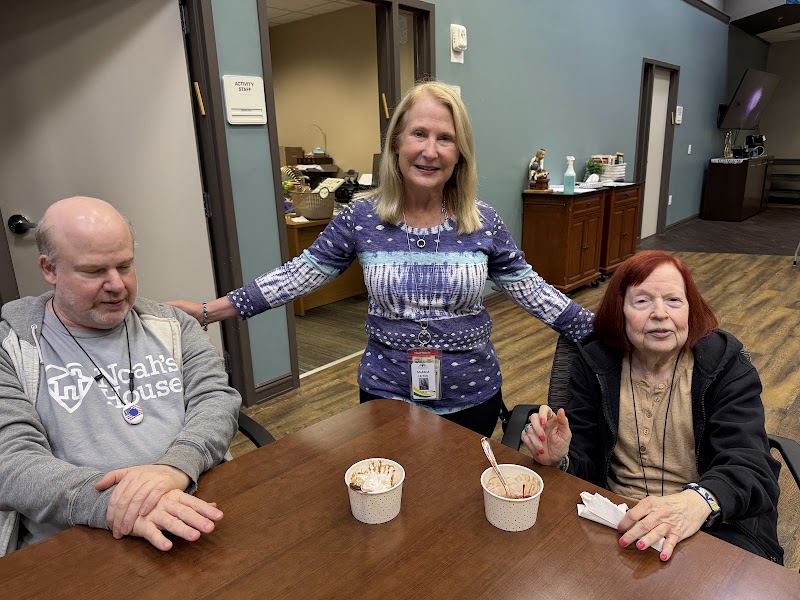
CMS rates Seven Acres Jewish Senior Care Services's staffing level at 3 out of 5 stars, which is average compared to other nursing homes.

What Have Inspectors Found at Seven Acres Jewish Senior Care Services?

State health inspectors documented 9 deficiencies at Seven Acres Jewish Senior Care Services during 2023 to 2025. These included: 1 Immediate Jeopardy (the most serious level, indicating potential for serious harm or death), 7 with potential for harm, and 1 minor or isolated issues. Immediate Jeopardy findings are rare and represent the most serious regulatory concerns. They require immediate corrective action.

Who Owns and Operates Seven Acres Jewish Senior Care Services?

Seven Acres Jewish Senior Care Services is owned by a non-profit organization. Non-profit facilities reinvest revenue into operations rather than distributing to shareholders. The facility operates independently rather than as part of a larger chain. With 144 certified beds and approximately 79 residents (about 55% occupancy), it is a mid-sized facility located in Houston, Texas.

How Does Seven Acres Jewish Senior Care Services Compare to Other Texas Nursing Homes?

Compared to the 100 nursing homes in Texas, Seven Acres Jewish Senior Care Services's overall rating (3 stars) is above the state average of 2.8 and health inspection rating (3 stars) is at the national benchmark.

What Should Families Ask When Visiting Seven Acres Jewish Senior Care Services?

Based on this facility's data, families visiting should ask: "What changes have been made since the serious inspection findings, and how are you preventing similar issues?" "Can I visit during a mealtime to observe dining assistance and food quality?" "How do you handle medical emergencies, and what is your hospital transfer rate?" "Can I speak with family members of current residents about their experience?" These questions are particularly relevant given the facility's Immediate Jeopardy citations.

Is Seven Acres Jewish Senior Care Services Safe?

Based on CMS inspection data, Seven Acres Jewish Senior Care Services has documented safety concerns. Inspectors have issued 1 Immediate Jeopardy citation (the most serious violation level indicating risk of serious injury or death). The facility has a 3-star overall rating and ranks #1 of 100 nursing homes in Texas. Families considering this facility should ask detailed questions about what corrective actions have been taken since these incidents.

Do Nurses at Seven Acres Jewish Senior Care Services Stick Around?

Seven Acres Jewish Senior Care Services has not reported staff turnover data to CMS. Staff turnover matters because consistent caregivers learn residents' individual needs, medications, and preferences. When staff frequently change, this institutional knowledge is lost. Families should ask the facility directly about their staff retention rates and average employee tenure.

Was Seven Acres Jewish Senior Care Services Ever Fined?

Seven Acres Jewish Senior Care Services has been fined $39,160 across 1 penalty action. The Texas average is $33,470. While any fine indicates a compliance issue, fines under $50,000 are relatively common and typically reflect isolated problems that were subsequently corrected. Families should ask what specific issues led to these fines and confirm they've been resolved.

Is Seven Acres Jewish Senior Care Services on Any Federal Watch List?

Seven Acres Jewish Senior Care Services is not on any federal watch list. The most significant is the Special Focus Facility (SFF) program, which identifies the bottom 1% of nursing homes nationally based on persistent, serious quality problems. Not being on this list means the facility has avoided the pattern of deficiencies that triggers enhanced federal oversight. This is a positive indicator, though families should still review the facility's inspection history directly.