Sharpville Residence and Rehabilitation Center

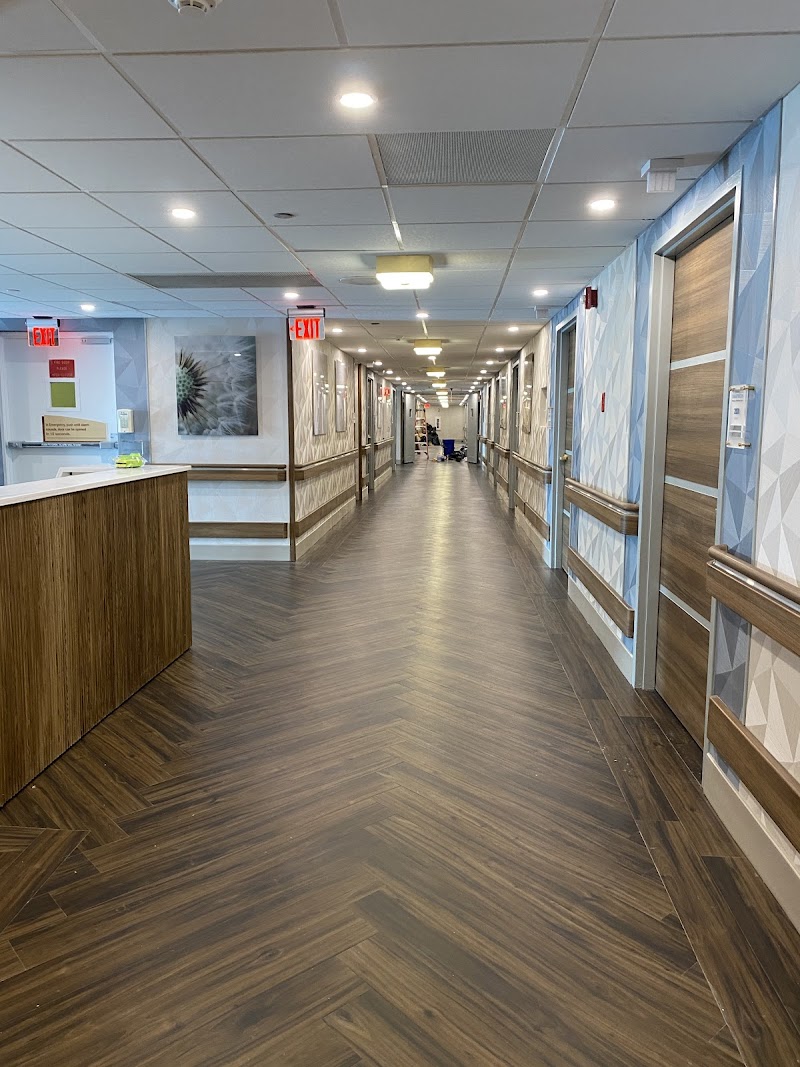
7505 Bellerive, Houston, TX 77036 (713) 774-9611
Government - Hospital district 134 Beds CHAMBERS COUNTY PUBLIC HOSPITAL DISTRICT NO. 1 Data: November 2025
Trust Grade
80/100
#348 of 1168 in TX
Last Inspection: June 2024

Within standard 12-15 month inspection cycle. Federal law requires annual inspections.

Overview

Sharpville Residence and Rehabilitation Center in Houston, Texas, has a Trust Grade of B+, indicating it is above average and recommended for families considering care options. It ranks #348 out of 1168 facilities in Texas, placing it in the top half, and #31 out of 95 in Harris County, meaning there are only 30 local options rated higher. However, it's important to note that the facility's trend is worsening, increasing from 3 issues in 2023 to 5 in 2024. Staffing is relatively strong with a turnover rate of 31%, significantly lower than the state average of 50%, but the RN coverage is only rated average. While there have been no fines, which is a positive sign, the facility has faced concerning incidents. For example, two residents did not receive necessary respiratory care as per their medical orders, which could lead to serious health issues. Additionally, there was a medication error rate of 9%, indicating that some residents did not receive their prescribed medications. Lastly, the kitchen failed to follow food safety standards, putting residents at risk for foodborne illnesses. Overall, while there are strengths regarding staff stability and no fines, the facility has critical areas that need improvement to ensure resident safety and care quality.
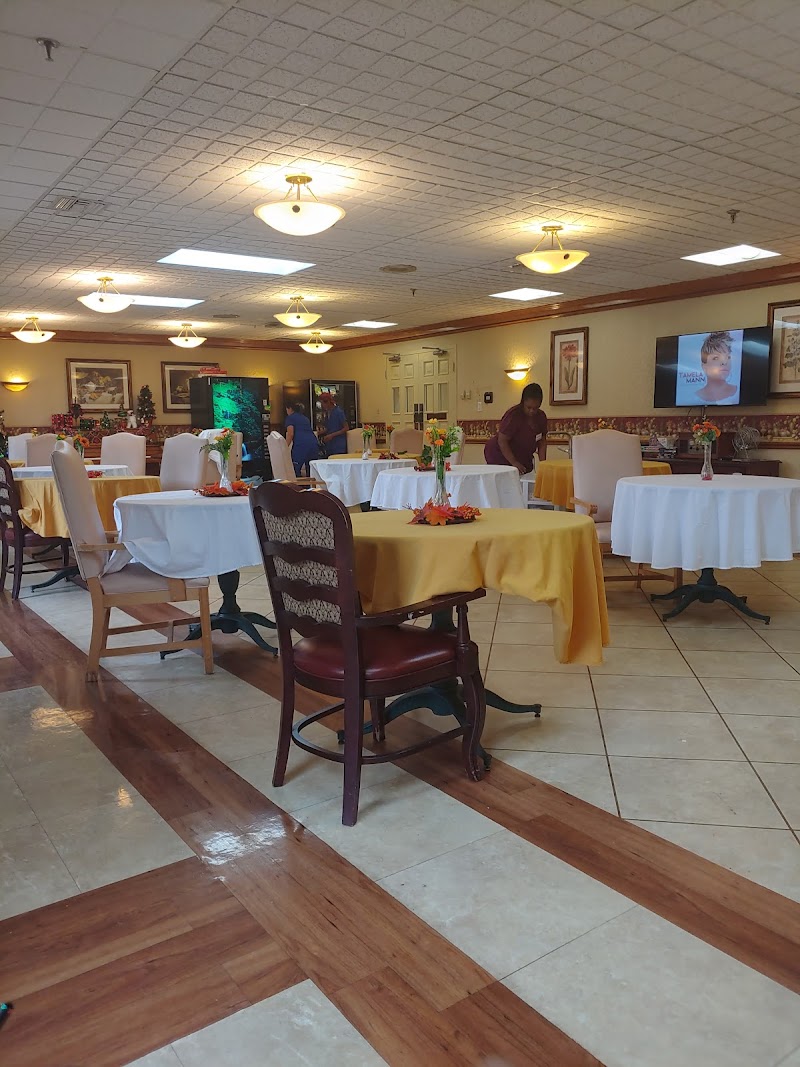
Trust Score
B+
80/100
In Texas
#348/1168
Top 29%
Safety Record
Low Risk
No red flags
Inspections
Getting Worse
3 → 5 violations
Staff Stability
○ Average
31% turnover. Near Texas's 48% average. Typical for the industry.
Penalties
✓ Good
No fines on record. Clean compliance history, better than most Texas facilities.
Skilled Nurses
⚠ Watch
Each resident gets only 18 minutes of Registered Nurse (RN) attention daily — below average for Texas. Fewer RN minutes means fewer trained eyes watching for problems.
Violations
⚠ Watch
11 deficiencies on record. Higher than average. Multiple issues found across inspections.
★★★★☆
4.0
Overall Rating
★★★☆☆
3.0
Staff Levels
★★★★☆
4.0
Care Quality
★★★★☆
4.0
Inspection Score
Stable
2023: 3 issues
2024: 5 issues

The Good

  • 4-Star Quality Measures · Strong clinical quality outcomes
  • Full Sprinkler Coverage · Fire safety systems throughout facility
  • No fines on record
  • Staff turnover below average (31%)

    17 points below Texas average of 48%

Facility shows strength in quality measures, fire safety.

The Bad

Staff Turnover: 31%

14pts below Texas avg (46%)

Typical for the industry

Chain: CHAMBERS COUNTY PUBLIC HOSPITAL DIS

Part of a multi-facility chain

Ask about local staffing decisions and management

The Ugly 11 deficiencies on record

Jun 2024 5 deficiencies
CONCERN (D)

Potential for Harm - no one hurt, but risky conditions existed

Laboratory Services (Tag F0770)

Could have caused harm · This affected 1 resident

**NOTE- TERMS IN BRACKETS HAVE BEEN EDITED TO PROTECT CONFIDENTIALITY** Based on observation, interview and record review the facility failed to obtain laboratory services to meet the needs of its res...

Read full inspector narrative →
**NOTE- TERMS IN BRACKETS HAVE BEEN EDITED TO PROTECT CONFIDENTIALITY** Based on observation, interview and record review the facility failed to obtain laboratory services to meet the needs of its residents for 1 of 5 residents (Resident #29) reviewed for laboratory services. The facility did not obtain CBC levels for Resident #29 following orders on 6/6/2024. This failure could place residents at risk of not receiving treatment and services to meet their needs. Findings included: Record review of Resident #29's facesheet dated 06/11/2024 revealed an [AGE] year-old female originally admitted to the facility on [DATE]. Resident #29's medical diagnoses included Alzheimer's Disease, dementia, hyperosmolality (a serious complication of diabetes that causes very high blood sugar and dehydration), hypernatremia (high concentration of sodium in the blood), hypertension (high blood pressure), acute kidney failure, and dysphagia (difficulty swallowing). Record review of Resident #29's quarterly MDS assessment, dated 04/11/2024 revealed a BIMS (a brief interview to gauge a resident's cognitive intactness) was not completed due to the resident being rarely or never understood. Record review of Resident #29's doctor visit summary dated 04/17/2024 revealed she was in a vegetative state. Record review of Resident #29's medical chart, her last CBC labs with differential (a lab that counts a person's different types of cells to give their healthcare providers a picture of their overall health) was on 02/08/2024, 01/25/2024, and 10/12/2023. Record review of Resident #29's MAR and TAR for June 2024 captured 06/11/2024 at 3:05pm, resident had a Lipid (fat) panel including CBC scheduled for 06/06/2024, which read, one time only for lab until 06/07/2024. The order for 6/7/2024 was initialed by RN B. The MAR and TAR further stated Resident #29 was receiving Eliquis Tablet 2.5 MG (medication given to prevent blood clots) via G-tube (a tube connected to a person's stomach through which medicine, nutrition and hydration can be given. She was also scheduled for anticoagulant monitoring via low platelet count. During an observation on 6/11/2024 at 3:44pm, Resident #29 was lying in bed and did not appear to be in respiratory distress. Resident #29 did not respond to questions. During an observation on 6/12/2024 at 10:02am, Resident #29 was sleeping in bed, no discomfort. Interview with on 6/14/2024 at 11:00am with RN B, she stated that Resident #29 was her resident. Resident #29 had a CBC test scheduled for 6/24/2024 in her orders but RN B was unaware of the test ordered on 6/6/2024. She said she did not remember the earlier order dated 6/6/2024 nor signing for that order on 6/6/2024. Interview with the DON on 6/13/2024 at 4:09pm, the DON was shown Resident #29's lab orders for 6/6/2024. She said there was a lab order for 6/24/2024 but not for 6/6/2024. When asked why there would be two orders in the system, the DON replied that the two orders placed on 6/6/2024 and 6/24/2024 could be routine labs done for long-term care residents or in preparation for residents' doctor's visits. The DON would need to look into the lab order placed on 6/6/2024, as she needs to look for the original labs in the system. The facility did not provide the lab results by the end of survey.
CONCERN (E)

Potential for Harm - no one hurt, but risky conditions existed

Respiratory Care (Tag F0695)

Could have caused harm · This affected multiple residents

**NOTE- TERMS IN BRACKETS HAVE BEEN EDITED TO PROTECT CONFIDENTIALITY** Based on observation, interview and record review, the facility failed to ensure residents who needed respiratory care were prov...

Read full inspector narrative →
**NOTE- TERMS IN BRACKETS HAVE BEEN EDITED TO PROTECT CONFIDENTIALITY** Based on observation, interview and record review, the facility failed to ensure residents who needed respiratory care were provided such care, consistent with professional standards of practice, for oxygen therapy for two of two residents (Resident # 29 and Resident #186) reviewed for respiratory care. -The facility failed to follow the physician orders for Resident #29's oxygen administration. -The facility failed to provide tracheal care and suctioning according to professional standards for Resident #186. These deficient practices could result in the resident's not receiving the care and services ordered by the physician and a decline in health status and oxygen deprivation. Findings included: Record review of Resident #29's facility admission record dated 06/11/2024 revealed an [AGE] year-old female originally admitted to the facility on [DATE]. Resident #29's medical diagnoses included Alzheimer's Disease, dementia, hyperosmolality (a serious complication of diabetes that causes very high blood sugar and dehydration), hypernatremia (high concentration of sodium in the blood), hypertension (high blood pressure), acute kidney failure, and dysphagia (difficulty swallowing). Record review of Resident #29's quarterly MDS assessment, dated 04/11/2024 revealed a BIMS (Brief Interview for Mental Status) was not completed due to the resident being rarely or never understood. Further review showed Resident #29 was receiving oxygen therapy at the facility. Record review of Resident #29's care plan last reviewed on 05/22/2024 revealed she was on supplemental oxygen for Respiratory Failure. Interventions included: administering oxygen per doctor's order, receiving monitoring for symptoms of respiratory distress and report to doctor as needed, and being provided extension tubing or portable oxygen apparatus as needed. Record review of Resident #29's order summary report dated June 2024 revealed on 02/14/2023 she had an order to apply continuous O2 sat (saturation) at 2L (liters) per minute every shift for SOB (shortness of breath). On 12/01/2022 Resident #29 had an order to check O2 sat every shift and as needed. Further review revealed her oxygen saturations for June 2024 were within normal range. During an observation on 6/11/2024 at 9:33am, Resident #29's concentrator was set on 1.5L. Resident #29 was sleeping in bed and appeared comfortable and not in respiratory distress. During an observation on 6/11/2024 at 3:44pm, Resident #29's concentrator was set on 1.5L. Resident #29 was lying in bed and did not appear to be in respiratory distress. During an observation on 6/12/2024 at 10:02am, Resident #29's concentrator was set at 1.5L. She was sleeping in bed, no discomfort or respiratory distress was noted. Her humidifier was dated 06/12/2024. Resident #186 Record review of the facility admission record dated 6/14/2024 revealed an admission date of 5/29/2024. Resident #186 was an [AGE] year-old male with diagnoses that included dysphagia (difficulty swallowing), tracheostomy status ((also called a tracheotomy) is a procedure where a hole is made at the front of the neck. A tube is inserted through the opening and into the windpipe (trachea) to help you breathe) and gastrostomy status (a surgical opening into the stomach for nutritional support or gastric decompression). Record review of Resident #186's care plan revealed a care plan to address Tracheostomy Status: Resident #186 has a tracheostomy r/t traumatic subdural hemorrhage with loss of consciousness: Resident # 186 will have no abnormal drainage around the trach site through the review date. 06/12/24 11:31 AM Resident #186 was at risk chronic pain r/t Wound at sacrum: Resident #186 will display a decrease in behaviors of inadequate pain control: irritability, agitation, restlessness, grimacing, perspiring, hyperventilation, and groaning through the review date. Record review of Resident # 186's admission MDS dated [DATE], revealed the BIM score was blank. Resident was documented to be total dependent for all ADL's. Record review of Resident #186's physician orders for June 2024 with a start date pf of 5/29/2024 revealed the following orders: -Change Shiley (Shiley inner cannulas that twist to lock in place are reusable) 6 disposable inner cannula at bedtime for Patent airway. -Change trach tie as needed. -Change trach tie at bedtime every Monday, Wednesday and Friday for maintenance and infection control. -The resident is on Enhanced Barrier Precautions regarding tracheostomy care/wound care: Use a gown and gloves for high-contact resident care. If there is a risk of splash or spray, use a face shield as needed. Every shift for prevention spread of infection. [NAME] gloves and gown before high contact resident care. Remove gown and gloves and handwash/sanitize hands, before exiting the room and before providing care to another resident. -Trach care every 12 hours for maintenance/infection prevention. -Tracheal suction every 6 hours for Patent airway. -Clean the sacrum wound with normal saline, pat dry, and apply med honey and calcium alginate. Cover with 4 x 4 form dressing. Every day shift for wound with a start date of 6/2/2024. -Wash wound with NS, pat dry. Apply calcium alginate to wound bed, cover with dry dressing, one time a day for wound. Record review of Resident #186's care plan, no date provided revealed a care plan to address Tracheostomy Status: Resident #186 has a tracheostomy r/t traumatic subdural hemorrhage with loss of consciousness: Resident #186 will have no abnormal drainage around the trach site through the review date. 06/12/24 11:31 am Resident #186 is at risk chronic pain r/t Wound at sacrum: Resident #186 will display a decrease in behaviors of inadequate pain control: irritability, agitation, restlessness, grimacing, perspiring, hyperventilation, and groaning through the review date. Record review of Resident #186's Treatment Administration Record for June 2024 revealed tracheal suction every 6 hours for patent airway was provided on 6/1/2024 through 6/13/2024. Observation on 6/11/2024 at 10:00 am, revealed Resident #186 lying in bed, trach in place, oxygen was in place, resident appeared to be asleep. Observation of Resident #186 on 6/12/2024 at 1:15 PM, resident was observed lying in bed with the head at a 30-degree angle. Resident #16's oxygen concentrator read 3.5L/min. Observation on 06/12/2024 at 1:26 PM revealed Resident #186 was in bed with audible moist breath sounds. Respiratory Therapy (RT) was at bedside observing tracheostomy care, LVN A stated resident was not usually this moist and they changed the resident's inner cannula every day. LVN A set up a clean field on the bedside table, checked oxygen saturation checked and it was 99%. She changed gloves without washing hands or using hand sanitizer, grabbed the sterile suction catheter kit tray, opened it, then doff gloves without washing hands, picked up the sterile gloves, don sterile gloves then picked up normal saline at Resident #186's bed side, poured it in the tray. LVN A picked up the suction tubing from the sterile suction kit connected it to the suction machine at Resident #186's bed side. LVN A then used the sterile gloved right hand to removed oxygen mask on Resident #186's trach, then inserted suction catheter into the tracheostomy tube x 2 times, then rinsed tubing with normal saline LVN A donned clean gloves, picked up Trach Care Kit without changing gloves. LVN A opened the sterile Trach Care Kit, using the same gloves picked up sterile 4x4 gauze, brush and sterile gloves placed on the bedside table. LVN A, using the same gloves, removed tracheostomy inner canula, then picked a syringe 10 ml normal saline (NS) covered with plastic wrap, LVN A unwrapped NS the rinsed tracheostomy inner cannula x 2 times, then re-inserted it to trach site. In an interview on 06/12/2024 at 1:54 PM, LVN A stated she did not wash her hands during trach care or do suctioning right. She stated she should have used sterile technique throughout, and she had last in-service on tracheostomy care in 1 month ago and not suctioning tracheostomy with cleaned technique could result infection or cardiac arrest. She stated she works with Resident #186 most of the time. In an interview with RT on 6/12/24 at 2:00 PM regarding tracheostomy care she observed LVN A performed , she said LVNA did not maintained sterile technique and she had in-services with LVN A about a month ago with return demonstration. RT said she was to retrain all the staff and she thought she was just nervous. In an interview on 06/12/2024 at 5:45 PM, when Surveyor described the observed trach care, suctioning for Resident #186, the DON stated tracheostomy care should be done using sterile procedure. The DON said the last in-services on tracheostomy was last month. The DON said LVN A always worked with Resident #186, and she was going to have more training with the nurses on tracheostomy care and not maintaining sterile technique could result in respiratory tract infection. During an interview on 6/12/2024 at 10:02am with RN A, she stated that Resident #29 was her resident, and that Resident #29 gets continuous oxygen. RN A said she checks Resident #29's oxygen every hour and checks the humidifier daily. RN A said that in the last few days she noticed Resident #29's concentrator dipping after she sets it to 2L per physician order, but she has not told the DON yet. She said Resident #29's oxygen saturation levels have been normal in the last few days. RN A said that she reads the oxygen level by looking down at the machine from a standing position, not sitting directly in front of the machine. RN A had in-services the previous week on how to care for residents on oxygen therapy. Interview with the DON on 6/12/2024 at 2:25pm, she said none of her nurses have told her about oxygen concentrator issues, but that she would look into it. The DON said her expectations for her nurses are that they follow procedures correctly. If residents do not get the right amount of oxygen therapy as prescribed by their physicians, it could cause them distress and they would not be able to breathe properly. She said her staff had an in-service on oxygen and respiratory therapy the previous week and that she will do an in-service on how to accurately read the oxygen concentrator immediately. Record review of the facility policy entitled Oxygen Administration dated copyright 2022, read in part, Oxygen is administered under orders of a physician .The resident's care plan shall identify the interventions for oxygen therapy, based upon the resident's assessment and orders, such as when to administer such as continuous or intermittent .equipment setting for the prescribed flow rates. Record review of the facility policy and procedure entitled Tracheostomy Care dated copyright 2021, read in part . Policy: The facility will ensure that residents who need respiratory care, including tracheostomy care and tracheal suctioning, is provided such care consistent with professional standards of practice, the comprehensive person-centered care plan and resident goals and preferences. Record review of the facility policy and procedure entitled Tracheostomy Care-Suctioning, dated , read in part . Policy: The facility will ensure that residents who need respiratory care, including tracheal suctioning, are provided such care consistent with professional standards of practice, the comprehensive person-centered care plan and resident goals and preferences. Tracheal suctioning is performed by a licensed nurse to clear the throat and upper respiratory tract of secretions that may block the airway.
CONCERN (E) 📢 Someone Reported This

A family member, employee, or ombudsman was alarmed enough to file a formal complaint

Potential for Harm - no one hurt, but risky conditions existed

Unnecessary Medications (Tag F0759)

Could have caused harm · This affected multiple residents

**NOTE- TERMS IN BRACKETS HAVE BEEN EDITED TO PROTECT CONFIDENTIALITY** Based on observation, interview, and record review, the facility failed to ensure that the medication error rate was not five pe...

Read full inspector narrative →
**NOTE- TERMS IN BRACKETS HAVE BEEN EDITED TO PROTECT CONFIDENTIALITY** Based on observation, interview, and record review, the facility failed to ensure that the medication error rate was not five percent (%) or greater. The facility had a medication error rate of 9% based on 3 errors out of 32 opportunities, which involved 3 of 9 residents (Resident #29, Resident #14 and Resident #6) reviewed for medication errors. 1. RN A did not administer Sodium Chloride (a prescription medicine used to replenish lost water and salt in your body due to certain conditions like low salt syndrome) to Resident #29 as ordered by the physician. 2. MA A did not administer Losartan Potassium ( a drug used to lower blood pressure) to Resident #14 as ordered by the Physician. 3. RN B did not administer Valproic Acid ( a drug works by lowering seizures) to Resident #6 as ordered by the physician. These failures could place residents at risk of not receiving the intended therapeutic benefits of prescribed medications. Findings included: Record review of Resident #29's face sheet revealed a female admitted on [DATE]. Her diagnoses sodium deficiency displacement of other gastrointestinal prosthetic devices ( tube surgically inserted in stomach used to feeding and medication administration), implants and grafts, Alzheimer's disease( a brain disorder that slowly destroys memory and thinking skills, eventually affecting a person's ability to perform simple tasks), cerebral infarction ( death of brain tissue due to a lack of blood flow to the brain), acute respiratory failure with hypoxia ( lack of oxygen to the brain). Record review of Resident #29's quarterly MDS assessment dated [DATE] revealed a BIMS score of blank out of 15 which indicated severely cognitive impairment. She needed extensive assistance of 1-2 staff for ADLs. Record review of Resident #29's Physician Order Report for 08/28/2023 revealed an order for Sodium Chloride oral tablet Give 1 gram via peg-tube two times a day. Record review of Resident #29's MAR revealed Sodium Chloride oral tablet Give 1 gram via peg-tube two times a day. Scheduled time was for 9:00 AM and 5:00 PM In an observation and interview on 6/11/24 at 8:55 PM RN A prepared and administered Sodium Chloride 500 mg 1 tablet from the bottle. RN A then crushed Sodium Chloride 1 tablet and dilute in water and administered with other medication via GT . In an interview on 6/13/24 at 10:00 Am with RN regarding not giving Sodium Chloride as ordered by the doctor, she said she did not check the order well and she should have given 2 tablets. She said she had in-services on medication administration, and she had been working on and off for the facility for 7 years. She knew not giving the medication correctly could result in having medication error and the medication would not be effective. 2. Rrecord review of resident #14's face sheet revealed a female admitted on [DATE]. her diagnoses type 2 diabetes mellitus ( high blood glucose) with diabetic neuropathy ( nerve problem), chronic kidney disease, stage 3 morbid (severe) obesity due to excess calories ( excess fat due too much food consumption), anemia in other chronic diseases classified elsewhere, bipolar disorder ( abnormal mood swing), essential (primary) hypertension ( high blood pressure). Record review of Resident #14's quarterly MDS assessment dated [DATE] revealed a BIMS score of 15 out of 15 which indicated no cognitive impairment. She needed extensive assistance of 1-2 staff for ADLs. Record review of Resident #14's Physician Order Report for 01/12/2024 revealed an order for Losartan Potassium Oral Tablet 25 MG (Losartan Potassium) Give 1 tablet by mouth one time a day for Hypertension Hold for SBP< 110, DBP< 60, HR <60. Observation on 6/12/24 at 8:05 AM, MA A did not administered Losartan Potassium Oral Tablet 25 MG with other medications she administered to Resident #14. MA A initialed Losartan Potassium Oral Tablet 25 MG with other medications given at 8:00 AM In a telephone interview on 6/13/24 at 2:30 PM, MA A said was off duty and thought she did administer all medication to Resident #14, she said she got was in-serviceds on medication. 3. Record review of Resident #6's face sheet revealed a female admitted on [DATE]. Her diagnoses type 2 diabetes mellitus ( high blood glucose) gastrostomy infection, epilepsy ( seizure), without type 2 diabetes mellitus with diabetic neuropathy ( nerve pain), unspecified status epilepticus, aphasia ( unable to talk), severe intellectual disabilities, chronic kidney disease, dysphagia(difficulty swallowing) Record review of Resident #6's quarterly MDS assessment dated [DATE] revealed a BIMS score was blank out of 15 which indicated severely cognitive impairment. She needed extensive assistance of 1-2 staff for ADLs. Record review of Resident #6s Physician Order Report for 03/07/2024 revealed an order for 3/7/24 Valproic Acid Oral Solution 250 MG/5ML (Valproate Sodium) Give 10 ml via G-Tube every 12 hours for Seizure. Observation on 6/12/24 at 8:18 AM, RN B poured Valproic Acid Oral Solution 250 MG/5ML 12 ml in a medication cup and others medication via G-Tube. In an interview with RN B on 6/13/24 at 10:00 AM, regarding not administering Valproic Acid Oral Solution 250 MG/5ML 10 mls as ordered by the physician's she said would be more careful . In an interview on 6/13/24 at 12:38 PM the DON said the staff should read the MAR and blister packet before medication administration to Residents. She said she expected nursing staff to ensure the medication order and inventory matched because the correct dosage needed to be provided to the resident. In an interview on 6/13/24 at 12:46 PM the Administrator said he expected nursing staff to follow the physician orders. Record review of facility's policy on Medication Administration undated: Policy: Medications are administered by licensed nurses, or other staff who are legally authorized to do so in this state , as ordered by the physician and in accordance with professional standards of practice, in a manner to prevent contamination or infection.
CONCERN (E)

Potential for Harm - no one hurt, but risky conditions existed

Food Safety (Tag F0812)

Could have caused harm · This affected multiple residents

Based on observation and interview, the facility failed to store, prepare, distribute, and serve food in accordance with professional standards for food service safety in 1 of 1 kitchen reviewed for f...

Read full inspector narrative →
Based on observation and interview, the facility failed to store, prepare, distribute, and serve food in accordance with professional standards for food service safety in 1 of 1 kitchen reviewed for food procurement. 1. The facility failed to ensure expired foods were discarded. 2. The facility failed to ensure foods were labeled and dated. 3. The Facility failed to ensure food was stored in designated areas at all times. 4. The facility failed to thaw frozen 2-5 lb. rolls of frozen ground beef. These failures could place residents who ate food from the kitchen at risk of food borne illness and disease. Findings Included: Observation of the facility kitchen on 06/11/24 at 8:15 AM revealed the following. 1. A Plastic Container of Pureed sausage saved from breakfast dated 6/05/24 use by date 06/10/24 2. A Plastic container of Sour cream dated 5/21/24 no use by date 3. A Plastic Container of 2-5lb ground beef submerged in water with temperature of 78.8 degrees Fahrenheit , the ground beef Temperature was 67.4 degrees Fahrenheit. 4. Several boxes food on floor kitchen, walk in refrigerator, in freezer and in storeroom. 5. Scoop left in flour bin. 6. Sugar bin and thickener bin not covered. Interview with the Dietary Food Service Manager on 06/11/24 at 8:25 AM she stated the leftover food stored in the refrigerator should have been used or discarded prior to use by date, she further stated that all food shall be stored 6 inches off the floor. She also stated that the proper thawing of frozen meat water should be running with a temperature of 70 or below degrees Fahrenheit and the meat should have at temperature of 41 degrees or lower. The Dietary Food Service Manager in-serviced the Dietary staff on Thawing and Cooling Procedure and a post test on 6/10/24; Procedure on Expired Products on 6/12/24; Procedure on Dietary Leftover Food and Procedure on dating /opening products on 6/12/24. Record review of facility's policies and procedures for Food Safety for Residents dated 2022 read in part .cover, label with name, date stored and Record review of facility's policies and procedures for Food Storage dated 2022 read in part .store all items at least 6 inches above the floor with adequate clearance between goods and other contamination.
CONCERN (E) 📢 Someone Reported This

A family member, employee, or ombudsman was alarmed enough to file a formal complaint

Potential for Harm - no one hurt, but risky conditions existed

Infection Control (Tag F0880)

Could have caused harm · This affected multiple residents

**NOTE- TERMS IN BRACKETS HAVE BEEN EDITED TO PROTECT CONFIDENTIALITY** Based on observation, interview, and record review, the facility failed to establish and maintain an infection prevention and co...

Read full inspector narrative →
**NOTE- TERMS IN BRACKETS HAVE BEEN EDITED TO PROTECT CONFIDENTIALITY** Based on observation, interview, and record review, the facility failed to establish and maintain an infection prevention and control program designed to provide a safe, sanitary, and comfortable environment and to help prevent the development and transmission of communicable diseases and infections, for five of six residents, (Resident #5, Resident #10, Resident #13, Resident #136 and Resident #186) and three of four staff (LVN A, LVN B, CNA A, RN A) reviewed for infection control and prevention, in that: 1. Resident #186's pressure sore treatment was not done with the clean technique. 2. CNA A did not perform hand hygiene before or after Resident #10 nor Resident #13's incontinence/indwelling catheter care. 3.4. LVN did not follow proper technique in cleaning accu-check machine between Resident #136 and Resident #5. These failures placed residents at risk for the development and transmission of infectious diseases, urinary infections, respiratory infections, hospitalizations and death. Findings included: Record review of Resident #186's facility admission record dated 6/14/2024 revealed an admission date of 5/29/2024. Resident #186 was an [AGE] year-old male with diagnoses that included dysphagia (difficulty swallowing), tracheostomy status ((also called a tracheostomy) is a procedure where a hole is made at the front of the neck. A tube is inserted through the opening and into the windpipe (trachea) to help you breathe) and gastrostomy status (a surgical opening into the stomach for nutritional support or gastric decompression). Record review of Resident#186's baseline care plan dated 5/29/2024 revealed care plans for tracheostomy care, suctioning and skin risk-pressure ulcer at sacrum. Record review of Resident #186's care plan, dated 06/12/24 11:31 am reflected: -Resident #186 is at risk chronic pain r/t Wound at sacrum: Resident #186 will display a decrease in behaviors of inadequate pain control: irritability, agitation, restlessness, grimacing, perspiring, hyperventilation, and groaning through the review date. Record review of Resident #186's admission MDS dated [DATE], revealed that the Brief Interview for Mental Status was blank. Section GG for ADL's revealed Resident #186 was total dependent on staff. Observation of Resident #186's pressure ulcer on 6/12/24 at 1:01 PM, performed by RN A, she cleaned the stage 2 pressure ulcer to the sacral area stage 2, RNA poured normal saline on 4 x4 gauze, with gloved hand she cleaned, RN A cleaned the wound in a circular form around the wound. In an interview with RN A on 6/12/24 at 1:18 PM regarding cleaning Resident #186's pressure ulcer, RN A said she always cleaned the pressure wound in a circular motion and she had in-services on wound cleaning, and she could not remember when she had in-services on wound care. In an interview with the DON on 6/12/24 at 4:30 PM regarding the cleaning pressure ulcer wounds she said, nurses were supposed to clean pressure ulcer from the center outward. Record review of Resident #10's face sheet revealed an [AGE] year-old resident who was originally admitted to the facility on [DATE]. Her medical diagnoses included cerebrovascular disease (variety of medical conditions that affect the blood vessels of the brain and the cerebral circulation), type 2 diabetes mellitus, hyperlipidemia (high levels of fat in the blood), hypothyroidism (the thyroid gland does not produce enough hormones), Anxiety Disorder, Malignant Neoplasm of Female Breast, Hypertension (high blood pressure), Hemiplegia and Hemiparesis following cerebral infarction (stroke) affecting left non-dominant side, dysphagia (difficulty swallowing), and generalized muscle weakness. Record review of Resident #10's quarterly MDS dated [DATE], the resident's BIMS (brief interview that measures cognitive intactness) score was a 14, indicating she was cognitively intact. Further review showed the resident was always incontinent of urine and bowel. Record review of Resident #10's care plan dated 05/22/2024, her focus areas included: -I have bowel incontinence, dated 11/28/2023. Interventions included: checking resident every two hours and assisting with toileting as needed, provide bedpan/beside commode, provide peri care after each incontinent episode, take resident to toilet each day to try to establish a bowel pattern: I have an ADL self-care performance deficit r/t Hemiplegia and Hemiparesis affecting Left non-dominant side s/p cerebrovascular attack, Interventions included: Toilet use, with the resident being totally dependent on one staff for toilet use. Record review of Resident #13's face sheet revealed an [AGE] year-old who was originally admitted to the facility on [DATE]. Her medical diagnoses included Type 2 diabetes mellitus (high glucose in the blood), urinary tract infection, immunodeficiency due to conditions classified elsewhere, inflammatory Poly arthropathy, retention of urine, vascular dementia, without behavioral disturbance, psychotic disturbance, mood disturbance, and anxiety. Record review of Resident #13's admission MDS dated [DATE], the resident's BIMS (brief interview that measures cognitive intactness) score was blank, indicating she was cognitively intact. BIMS score of blank meaning Resident #13 was severely impaired. Resident #13 was always continent of urine using indwelling catheter and incontinent bowel. Record review of Resident #13's care plan revised 05/08/2024 revealed resident was care-planned for the following: Resident #13 has an ADL (Activities of Daily Living) self-care performance deficit r/t (related to) Activity intolerance, impaired balance. -Interventions for Toilet Use: The resident is totally dependent on (x 1) staff for toilet use, Resident #13 has bowel incontinence r/t immobility, poor gait & balance -Interventions: Check resident frequently and assist with toileting as needed, Provide peri care after each incontinent episode Record review of Resident #13's MAR (Medication Administration Record) for May 2024 revealed resident was on Macrobid (medication used for urinary tract infection for 7 Days) and she just completed on 5/18/24. Observation of Resident # 13's Foley catheter care on 06/11/24 at 08:52 AM was lying in bed, with eyeglasses on, she had indwelling catheter. Further observation on 6/11/24 at 10:00AM, CNA A was at bedside to perform incontinent / indwelling catheter care, don gloves but did not wash hands., CNA A placed indwelling, Foley catheter on the bed with 50cc of yellow urine in the bag and urine along the tubing, she wipe resident, groin, and perineal area, she did not open the labia to cleaned, she cleaned the tubing, she repositioned resident on her left side, then pulled down the brief from the back, Resident #13 had large bowel movement (BM), CNA A then change gloves, did not washed hands or use hand sanitizer and picked a cleaned gloves from her uniform pocket, cleaned in/between the buttocks, she did not cleaned around the buttock did not change gloves, then placed a clean brief on Resident #13. Observation on 6/11/24 at 10:25 AM Resident #10 was lying in bed, CNA A washed hands and donned (put on) clean gloves, using the wet wipes, CNA A cleaned Resident #10's groin, and did not open the labia to clean. CNA A repositioned to the left side, Using the wet wipes, CNA A cleaned in between buttocks, she did not clean the around the buttocks. The CNA A picked up cleaned brief put it on Resident #10 without changing gloves. CNA A used the same gloves throughout the procedure. Interview with CNA A on 6/11/24 at 11:30 AM, regarding Resident #10's incontinent and indwelling catheter care, she said she started working December 2023, and she thought she did a good job. C.NA A was off duty and was not picking telephone calls. During an interview with the DON on 06/13/2024 at 2:25 PM., the DON stated that during the incontinent care of a female resident, Staff should wipe the peri area, then open the labia and clean downward and clean the indwelling catheter in a circular motion. The DON said she was going to start incontinence care skills checks. DON said the ADON and they do incontinent monitoring. The DON stated that if staff performed peri care deviating from policy, residents risked possible urinary infections. The DON did not have policy for incontinent and Foley catheter care. In an interview on 06/13/2024 at 2:35 PM, the Administrator stated her expectation was that incontinent care and hand washing were always done to prevent infection. Interview with ADON on 6/13/24 at 4:15 PM she said Resident#13 just completed Macro antibiotic bid on 5/18/24 for UTI (urinary tract infection). Record review of Resident #5's face sheet revealed [AGE] year-old resident who was originally admitted to the facility on [DATE]. Her medical diagnoses included type 2 diabetes mellitus without complications (high levels of fat in the blood), morbid (severe) obesity due to excess calories, diabetic neuropathy, unspecified psychosis not due to a substance or known physiological condition. Record review of Resident #5's admission MDS dated [DATE], the resident's BIMS (brief interview that measures cognitive intactness) score was a 15, indicating she was cognitively intact. Record review of Resident #5's Care plan revealed he had an ADL self-care performance deficit r/t impaired mobility New Goal The resident will improve current level of function through the review date. Record review of Resident #5's physician's order dated 05/14/2024, revealed accu-check before each meal. Record review of Resident #136's face sheet revealed [AGE] year-old resident who was originally admitted to the facility on [DATE] re-admitted [DATE]. Her medical diagnoses included type 2 diabetes mellitus without complications (high levels of fat in the blood), morbid (severe) obesity due to excess calories ( excess weight gain) multiple myeloma (blood cancer) not having achieved remission. Record review of resident #136's quarterly MDS dated [DATE], the resident's BIMS (brief interview that measures cognitive intactness) score was a 08, indicating she was moderately cognitively intact. Record review of Resident #136's Care plan I have an ADL self-care performance deficit r/t impaired mobility New Goal The resident will improve current level of function through the review date. - Record review of Resident #136's physician's order dated 03/28/2024, revealed accu-check before each meal. Observation on 6/11/24 at 4:19 PM of Resident #136's care blood glucose (BG) done by LVN B, LVN B picked up accu-check from the medication cart to Resident #136's room, she used the lancet and struck Resident #136's finger and drop blood on blood glucose strip. BG was 142mg/dl. Observation on 6/11/24 at 4:33 PM, LVN B did not wipe down the accu-check machine, between Resident #136's and Resident #5's BG checks. LVN B checked Resident #5's BG was 213mg/dl. In an interview with LVN B on 6/11/24, at 4:38 PM she was very sorry for not wiping the accu-checks in-between the Resident #136 and Resident #5. It could cause contamination. She said she had in-services on infection control. In an interview with DON on 6/12/24 at 5:00PM regarding accu-check machine cleaning during blood glucose checks. DON said LVN B were supposed to clean the accu-check machine between residents BG checks to prevent infection. DON said she would be conducting in-services on accu-check. Record review of undated policy for Hand Hygiene revealed: Hand hygiene is a general term for cleaning your hands by handwashing with soap and water or the use of an antiseptic hand rub, also known as alcohol-based hand rub (ABHR). Policy Explanation and Compliance Guidelines: 1. Staff will perform hand hygiene when indicated, using proper technique consistent with accepted standards of practice. 2. Hand hygiene is indicated and will be performed under the conditions listed in, but not limited to, the attached hand hygiene table. 3. Alcohol-based hand rub with 60 to 95% alcohol is the preferred method for cleaning hands in most clinical situations. Wash hands with soap and water whenever they are visibly dirty, before eating, and after using the restroom. 4. Hand hygiene technique when using an alcohol-based hand rub: a. Apply to palm of one hand the amount of product recommended by the manufacturer. b. Rub hands together, covering all surfaces of hands and fingers until hands feel dry. c. This should take about 20 seconds. 5. Hand hygiene technique when using soap and water: a. Wet hands with water. Avoid using hot water to prevent drying of skin. b. Apply to hands the amount of soap recommended by the manufacturer. c. Rub hands together vigorously for at least 20 seconds, covering all surfaces of the hands and fingers. d. Rinse hands with water. e. Dry thoroughly with a single-use towel. f. Use clean towel to turn off the faucet. 6. Additional considerations: a. The use of gloves does not replace hand hygiene. If your task requires gloves, perform hand hygiene prior to donning gloves, and immediately after removing gloves. b. Bar soap is approved for a resident's personal use only. Keep bar soap clean and dry in protective containers (i.e. plastic case or bag). Record review of undated policy for catheter care revealed Catheter Care Under Policy Explanation . #9. Ensure drainage bag is located below the level of the bladder to discourage backflow of urine. Record review of the facility policy undated for clean dressing change: Policy: It is the policy of this facility to provide wound care in a manner to decrease potential for infection and /or cross-contamination. Physician's orders will specify type of dressing and frequency of changes. Policy explanation and compliance guidelines: 12. Cleanse the wound as ordered, taking care to not contaminate other skin surfaces or other surfaces of the wound (i.e. clean outward from the center of the wound). Pat dry with gauze.
Oct 2023 1 deficiency
CONCERN (D) 📢 Someone Reported This

A family member, employee, or ombudsman was alarmed enough to file a formal complaint

Potential for Harm - no one hurt, but risky conditions existed

Pharmacy Services (Tag F0755)

Could have caused harm · This affected 1 resident

**NOTE- TERMS IN BRACKETS HAVE BEEN EDITED TO PROTECT CONFIDENTIALITY** Based on observation, interview, and record review the facility failed to provide pharmaceutical services including procedures t...

Read full inspector narrative →
**NOTE- TERMS IN BRACKETS HAVE BEEN EDITED TO PROTECT CONFIDENTIALITY** Based on observation, interview, and record review the facility failed to provide pharmaceutical services including procedures that assure the accurate acquiring, receiving, dispensing, and administering of all drugs and biologicals to meet the needs of 1 of 4 residents (Resident #1) reviewed for pharmacy services, in that: -The facility failed to ensure Resident #1was monitored during medication administration. This failure could place residents at risk of not receiving their medications, chocking and respiratory distress. Findings included: Record review of Resident #1's admission face sheet dated 10/19/23 revealed a [AGE] year-old female who was initially admitted to the facility on [DATE] and readmitted [DATE]. Her diagnoses included cerebrovascular disease (a result of disrupted blood flow to the brain), diabetes mellitus (metabolic disease involving Hight blood glucose levels) dysphagia (impairment or difficulty in swallowing), hypertension (blood is pumping with more force than normal through arteries) and seizures (a burst of uncontrolled electrical activity between brain cells). Record review of Resident #1's Quarterly MDS assessment, dated 08/31/23, revealed the BIMS score was 10, which indicated moderate impaired cognition. Further review of the MDS revealed he required limited to extensive assistance with one to staff assist with all ADL. Record review of Resident #1's care plan initiated 09/08/21 and revealed the following: Resident #1 has a seizure disorder: intervention: give medication as ordered. Monitor/document for effectiveness. Resident #1 has cerebral vascular accident. Intervention: monitor and document ability to chew and swallow. If resident is presenting with problem, obtain order for speech therapy to evaluate. Resident #1 has constipation related to limited mobility and the use of pain medication. Intervention: administer medications for the side effects of constipation, keep physician informed of any problem. During an observation and interview on 10/19/23 at 11:04 a.m., Resident #1 had three medications in her mouth toward the back of her tongue and two in the medication cup. Resident #1 placed the medication cup with the two pills inside the trash can. She was drinking water and moving her head backward and forward, but she could not swallow the medication. Then, Resident #1 brought the medicine to the front of her mouth, crushed the pills with her teeth, and drank water three times. Resident #1 was in the room by herself and was not observed by any staff while taking her medications. During an observation and interview on 10/19/23 at 11:22 a.m., LVN V said she was Resident # 1 nurse and MA M should not have left Resident #1 to take her medication unattended. LVN V said the aide did not follow the five rights of medication administration. LVN V took the medication cup from the trash and said the medication in the cup was for constipation. LVN V said Resident #1 could choke on her pill and cause respiratory distress; if she did not take her medication as ordered, the medicine would not be effective. LVN V said the floor nurse should monitor the medication aides and make sure the medication was administered properly. LVN V said the nurse managers monitored the nurses by making random rounds. During an interview on 10/19/23 at 11:26 a.m., LVN D said she reported to Resident # 1's doctor, FM, and the DON. LVN D said MA M would be in serviced, and she would be suspended pending investigation. LVN D said another MA would be placed in the hall to pass medication. During an Interview on 10/19/23 at 11:30 a.m., MA M said she should have stayed with Resident #1 when she was taking her medication. MA M said Resident #1 may not have taken all her medications, which could cause the medicine not to be effective or choke on the pills, which could cause respiratory distress. MA M said Resident #1 takes a long time to take her medication, and she stays with her because she takes her medication slowly. MA M said she should have told LVN V to monitor the resident when she left the room. She said she had skills check off on medication administration and storage. During an interview on 10/19/23 at 3:50 p.m., the ADON said MA M should have stayed with Resident #1 when she administered the medication and monitored the resident as she swallowed the medicines to prevent the incident of not taking all her medication and Resident #1 placed two pills in the trash. The ADON said since Resident #1 did not take medicine as ordered, there could be side effects; if it was blood pressure medication or blood thinner, the resident could have a stroke, heart attack, and blood clot, and the resident could choke, which causes respiratory distress. The ADON said the charge nurse monitors the medication aide by making rounds during medication administration. The ADON said the nurse managers monitor the nurses by making random rounds. The ADON said she made rounds before the incident. During an interview on 10/19/23 at 4:41 p.m., the DON said her expectation for MA M was to stay at the bedside until Resident #1 finished swallowing her medications. DON said MA M should wait until Resident #1 swallowed her medicines for safety and the medication was administered properly. DON said there was a potential for aspiration, and Resident #1 could get sick and have respiratory changes. DON stated if one of the medications Resident #1 did not take was her blood pressure, it could cause elevated blood pressure. DON said if a time-release medication were chewed by Resident #1, it would change the absorption rate, and it could have advised rate because it could change the therapeutic rate in Resident's blood. DON said none of the nurses or medication aides had told her that it takes Resident #1 a while to take her medication. DON said she would review Resident #1 medication and see if any of her medication could be changed to crushable or liquid form. The DON said after the incident happened, the following steps were taken : MA M was suspended. Another medication aide was to take over the floor. The doctor to review Resident #1 medications, and the doctor said to call the pharmacy for recommendations and call her back for approval. The DON said she was waiting for the pharmacy to call her with the recommendations, and when she called the doctor for approval, she would ask the doctor or the NP (nurse practitioner) to come and see and assess Resident #1. Record review of the facility policy on pharmacy services Copyright 2023 the compliance store, LLC. Read in part . compliance guidelines: #1 the facility will provide pharmaceutical services include . administering of all routine drugs .
Apr 2023 2 deficiencies
CONCERN (D) 📢 Someone Reported This

A family member, employee, or ombudsman was alarmed enough to file a formal complaint

Potential for Harm - no one hurt, but risky conditions existed

Deficiency F0761 (Tag F0761)

Could have caused harm · This affected 1 resident

**NOTE- TERMS IN BRACKETS HAVE BEEN EDITED TO PROTECT CONFIDENTIALITY** Based on observation, interviews, and record review the facility failed to ensure in accordance with State and Federal laws, all...

Read full inspector narrative →
**NOTE- TERMS IN BRACKETS HAVE BEEN EDITED TO PROTECT CONFIDENTIALITY** Based on observation, interviews, and record review the facility failed to ensure in accordance with State and Federal laws, all drugs and biologicals were stored securely in locked compartments for one (Nurse Medication Cart [NAME] Hall) of four medication carts observed for storage of medications. The facility failed to ensure the Nurse Medication Cart [NAME] Hall was secured when unattended. This failure could place residents at risk for loss of prescribed medications, resident's safety, and drug diversion. Findings included: Observation of [NAME] Hall during tour on 04/16/2023 at 9:31 AM revealed [NAME] Hall Nurse Medication Cart parked in the hall at room [ROOM NUMBER] unlocked and unattended. No residents or visitors were in the hall. One staff member was observed three rooms away passing ice. Continued observation at 9:36 AM revealed LVN A returned to the [NAME] Hall Nurse Medication Cart from room [ROOM NUMBER]. In an interview on 04/16/2023 at 9:37 AM, LVN A stated she left the medication cart because she heard a resident needed help. LVN A stated she was thinking of resident safety. LVN A stated she did not intend to leave the medication cart unlocked. LVN A stated the medication cart was to be locked at all times when left unattended. The LVN stated the staff working on the cart was responsible for locking it. LVN A stated the risk of the unlocked medication cart was someone could remove a medication off the cart they should not have. Observation on 04/16/2023 at 9:38 AM during an inventory of Nurse Medication Cart [NAME] Hall accompanied by LVN A revealed: Left side of medication cart: -Drawer #1: Vitamins, stool softener, acidophilus, iron folic acid, zinc, fish oil, melatonin, vitamin B1, Tylenol, Aspirin, glucose monitoring supplies; -Drawer #2: Resident's individual medication packets, liquid Dilantin (antiseizure medication); -Drawer #3: Respiratory medication and respiratory treatment supplies, Lidocaine topical patches; -Drawer #4: Alcohol wipes, medication administration supplies; Right Side of Cart: -Drawer #1: Insulin, glucose monitoring supplies; -Drawer #2: Locked narcotic box with medications for nine residents; -Drawer #3: Locked narcotic box with medications for two residents; -Drawer #4: Liquid medications Colace, protein supplement, Miralax. In an interview on 04/18/2023 at 9:10 AM, the DON stated her expectations were for the medication carts to be locked when left unattended. The DON stated it was the responsibility of the staff working on the medication cart to ensure it was locked prior to leaving it. The DON continued and stated a risk of an unlocked medication cart was that someone could move a medication off the medication cart they should not have access to. The DON stated to prevent this from occurring again she will in-service and impress on the staff the risk of not locking a medication cart. She stated there was no reason for not locking it before walking away. In an interview on 04/18/2023 at 9:46 AM, the Administrator stated she expected all medication carts to be locked when unattended. The Administrator stated the risk of not locking a medication cart was a medication can be removed. She stated the only person supposed to have access to the medication carts were the nurses or medication aides. Record review of the facility's policy titled Medication Storage dated 2022 read in part It is the policy of this facility to ensure all medications housed on our premises will be stored in the pharmacy and/or medication rooms according to the manufactures' recommendations and sufficient to ensure proper sanitation, temperature, light, ventilations, moisture control, segregation, and security. Policy Explanation and Compliance Guidelines 1. General Guidelines: a. All drugs and biologicals will be stored in locked compartments (i.e., medication carts, cabinets, drawers, refrigerators, medication rooms) under proper temperature controls .
CONCERN (D) 📢 Someone Reported This

A family member, employee, or ombudsman was alarmed enough to file a formal complaint

Potential for Harm - no one hurt, but risky conditions existed

Food Safety (Tag F0812)

Could have caused harm · This affected 1 resident

Based on observation, interview, and record review, the facility failed to store, prepare, distribute, and serve food in accordance with professional standards for food service safety in 1 of 1 kitche...

Read full inspector narrative →
Based on observation, interview, and record review, the facility failed to store, prepare, distribute, and serve food in accordance with professional standards for food service safety in 1 of 1 kitchen reviewed for food procurement in that: -The facility failed to ensure food items with an expired use by date were removed from the refrigerator. -A food item was not cooled properly before being placed in the walk-in refrigerator and was 100 degrees Fahrenheit when tested with a thermometer. These failures could affect residents who ate food from the facility kitchen and place them at risk of food borne illness and disease. Findings include: Observation of the facility's kitchen and interview on 04/16/23 between 8:30 am and 8:40 am with the Dietary [NAME] A revealed a container of cooked macaroni with a use by date of 04/10/23 in the walk-in refrigerator. Observed on 4/16/23 at 8:35 AM revealed a container of breakfast pork sausage with a temperature of 100 degrees Fahrenheit when tested, in the walk-in refrigerator. Interview with the Dietary [NAME] A on 04/16/23 at 8:35 AM, she stated that the container of cooked macaroni should have been used or discarded prior to the used by date. Interview with the Dietary [NAME] A on 04/16/23 at 8:40 AM, she stated that she did not follow the facility's proper procedure to cool the breakfast pork sausage prior to storing the food in the walk-in refrigerator. Dietary [NAME] A was not able to articulate the proper cooling procedure. Interview with the Dietary Manager on 04/17/23 at 9:00 AM she said that she was responsible for training staff on labeling and storage requirements ensuring dietary requirements were met. A form will be used where the staff will document the food temperature from the steam table and document time to cooling food rapidly prior to storing in the walk in refrigerator therefore food temperature is not on the danger zone ( Cold food with a temperature of 40 degrees F or lower and hot food with a 135 degrees Fahrenheit or higher) to be in the safe temperature zone. Record review of facility's Policy Food Safety Requirements dated 2022 Read in part .c. Preparation of food, including thawing, cooking, holding, and reheating. C. Refrigerated Storage .Practices to maintain safe refrigerated storage include: ii Placing hot food in container (e.g.Shallow pan) that permit the food to cool rapidly. iv Labeling, dating, and monitoring refrigerated food including, but not limited to leftovers, so it is used by its use-by date or/discarded. .
Feb 2022 3 deficiencies
CONCERN (D)

Potential for Harm - no one hurt, but risky conditions existed

Comprehensive Care Plan (Tag F0656)

Could have caused harm · This affected 1 resident

**NOTE- TERMS IN BRACKETS HAVE BEEN EDITED TO PROTECT CONFIDENTIALITY** Based on observation, interviews, and record review the facility failed to develop and implement a comprehensive person-centered...

Read full inspector narrative →
**NOTE- TERMS IN BRACKETS HAVE BEEN EDITED TO PROTECT CONFIDENTIALITY** Based on observation, interviews, and record review the facility failed to develop and implement a comprehensive person-centered care plan for each resident which included measurable objectives and timeframes to meet a resident's medical, nursing, and mental and psychosocial needs that were identified in the comprehensive assessment for 1 of 24 residents (Resident #31) reviewed for comprehensive assessments. These deficient practices could affect residents with comprehensive care plans and may result in inadequate care. The findings included: Resident #31 Review of Resident #31's face sheet undated revealed she was a [AGE] year-old female, admitted to the facility on [DATE] and readmitted on [DATE]. Her diagnoses included presence of cardiac pacemaker, heart failure, morbid obesity (condition of being overweight to a degree that is dangerous to one's health), respiratory failure, chronic obstructive pulmonary disease (diseases that cause airflow blockage and breathing-related problems). Record review of Resident #31's care plan dated 11/18/2021 revealed it did not include a focus, goal or interventions for Resident #31's pacemaker. Record review of Resident #31's re-admission MDS dated [DATE] revealed in part the following: Section I - Presence of cardiac pacemaker Record review of Resident #31's H&P dated 12/18/2021 revealed the following in part: Single AP (antero-posterior - central position) view of the chest is provided. Left chest wall pacer device . Record review of Resident #31's physician order dated 2/9/2022 at 10:48 a.m. revealed in part the following: Diagnoses: Presence of Cardiac pacemaker Interview on 2/10/2022 at 3:05 p.m. with the DON said resident care plans should be comprehensive and include specific medical diagnosis. The DON said Resident #31's pacemaker status should be included in her care plan so the pacemaker could be monitored. The DON said Resident #31's pacemaker status should have been identified by all staff that assisted in her admission on [DATE]. The DON said it must have been missed the pacemaker because she was not aware Resident #31 had a pacemaker. The DON said we should talk to Resident #31's cardiologist or primary care physician. The DON said it is important to monitor Resident #31's pacemaker because Resident #31 has heart failure and if the pacemaker is not functioning properly it could affect Resident #31 negatively. Record review of admissision progress note dated 12/22/2021 documented by admitting nurse revealed it was not documented that Resident #31 had a pacemaker. Interview was attempted on 2/11/2021 at 1:10 p.m. with Resident #31's admitting nurse, a voicemail was left and there was not a return phone call. Record review of facility policy Comprehensive Care Plan and Care Plan Meetings not dated revealed the following in part: Purpose: Each resident will have a person-centered comprehensive care plan developed and implemented to meet his/her preference and goals and address the resident's medical, physical, mental and psychosocial needs. .This community will help develop and implement a comprehensive person-centered care plan for each resident that includes: c. Services are furnished to attain or maintain the resident's highest practicable physical, mental and psychosocial well-being . 2. The comprehensive care plan will be developed by the Interdisciplinary Team using the MDS is assess the resident's clinical condition . The services provided or arranged by the community, as outlined by the comprehensive care plan, must: Meet professional standards of quality and the services provided or arranged by the facility .
CONCERN (D)

Potential for Harm - no one hurt, but risky conditions existed

Respiratory Care (Tag F0695)

Could have caused harm · This affected 1 resident

**NOTE- TERMS IN BRACKETS HAVE BEEN EDITED TO PROTECT CONFIDENTIALITY** Based on observation, interview, and record review the facility failed to ensure residents who need respiratory care were provid...

Read full inspector narrative →
**NOTE- TERMS IN BRACKETS HAVE BEEN EDITED TO PROTECT CONFIDENTIALITY** Based on observation, interview, and record review the facility failed to ensure residents who need respiratory care were provided such care, consistent with professional standards of practice for 1 (Resident #8) of 3 resident reviewed for respiratory care. -The facility failed to follow the physician orders for Resident #8's oxygen. This failure placed residents who received oxygen therapy at risk of respiratory complications. Findings included: Record review of Resident #8's face sheet revealed a [AGE] year-old -female was admitted to the on 05/16/2011 and readmitted on [DATE]. Her diagnoses were neurologic neglect syndrome (a deficit in attention to and awareness of one side of field of vision is observed), hemiplegia (total or paralysis of one side of the body), hypertension(high or raised blood pressure), and degenerative disease of nervous(cells of the central nervous system stop working). Record review of Resident #8's annual MDS dated [DATE] revealed BIMS at 06 indicating severely impaired cognition. It also revealed resident required extensive assist with 2 to 3 staff assistance for ADL care. Further review of the resident MDS did not mention the resident was on oxygen. Record review of Resident#8's care plan dated 02/08/22revealed the resident had shortness of breath related to degenerative disease of the nervous system, intervention: oxygen per medical doctor order. Record review of Resident#8's clinical physician order for February 2022 revealed may use oxygen at 2 liters via nasal cannular every shift for shortness of breath stare date 02/20/21. Record review of Resident # 8's TAR (treatment administration record) for February 2022 read: use oxygen at 2 liters via nasal cannular every shift for shortness of breath/wheezing start date 02/20/21 Observation and interview on 02/08/22 at 11:19 a.m., with RA A, who was attending to the resident, said the oxygen concentrator was set at 4 liters and she did not adjust the concentration setting. She said the nurses set the oxygen levels on the machine. Resident #8 was observed lying on her back and she did not respond to any greetings. Observation and interview on 02/08/22 at 12:43 p.m., with LVN D, she said the oxygen was set at 4L, and it is at the correct level. She said the order in the chart read 2 to 4 liters, and somebody made a mistake when it was entered in the computer. She said the nurse who received the oxygen order writes it and transcribes it to the treatment administration record. Observation and interview 02/08/22 at 12: 45 p.m., with LVN D, revealed the doctor's order was written to be administered at 2 liters on the physician order. LVN D then said it was her fault, She should have checked the setting on the oxygen concentrator and made sure oxygen was set according to the doctor's order which was 2 liters when she made rounds. She said oxygen should not be increased or decreased without a doctor's order. She said not administering the oxygen according to the doctor's order could harm the resident's respiration. She said she did skills checks on oxygen before working with a resident with oxygen. Observation and interview on 02/08/22 at 12:57 p.m., with ADON, she looked up the oxygen order on the computer and said the oxygen order was written on 02/19/2021 for at 2L. she said the nurses are responsible for writing orders from the doctor and transcribing the order to the treatment administration record. Observation and interview on 02/08/22 at 1:00 p.m., with ADON, she said the O2 was at 4L instead of 2 L. She stated her expectation for the nurses was to do rounds and check the setting on the 02 concentrators and make sure the setting on the concentrator matched the physician order. She said the setting must not be changed without a doctor's order because it is considered a medication. ADON stated that giving the resident more oxygen than what was ordered could cause a negative side effect because oversaturation of oxygen has a negative effect on the resident, such as oxygen toxicity. Interview on 02/09/22 at 10:28 a.m., the DON she said oxygen is considered medication and it should be administered per the doctor's order. She said it could have an adverse reaction. It can cause the opposite effect; instead of increasing the oxygen circulation, it will cause the opposite effect, and it may cause harm to the resident. She said the nurses had skills check before working with the resident; also, LVN D was in - service on oxygen administration and monitoring. She said the nurse should check the oxygen setting during rounds to make sure oxygen is set according to the doctor's order. The DON stated she and ADON trained the nurses, and they monitor nurses randomly daily. The DON said she would retrain the nurses, and the resident would be assessed, and her doctor would be notified too. She also said the resident doctor was notified by the ADON after she interviewed the surveyor on 02/08/22 about 1:15 p.m. and the doctor gave order to monitor the resident. Interview on 02/10/22 at 8:52 a.m., with RN E she said she was the nurse who worked on the night on 02/07/22, and LVN D took over from her on the morning of 02/08/22. She said she did not change the setting on the oxygen concentrator, but it was on 2 liters when she checked but did not remember what time it was. She said she had skills check off on oxygen during floor orientation. Record review of the undated facility policy on oxygen administration read . to administer oxygen to the resident when insufficient oxygen is being carried by the blood to the tissues . Procedure . #1. Check physician's order for liter flow . and method of administration .
CONCERN (D)

Potential for Harm - no one hurt, but risky conditions existed

Deficiency F0919 (Tag F0919)

Could have caused harm · This affected 1 resident

**NOTE- TERMS IN BRACKETS HAVE BEEN EDITED TO PROTECT CONFIDENTIALITY** Based on observations, interviews and record review, the facility failed to ensure resident rooms were adequately equipped to al...

Read full inspector narrative →
**NOTE- TERMS IN BRACKETS HAVE BEEN EDITED TO PROTECT CONFIDENTIALITY** Based on observations, interviews and record review, the facility failed to ensure resident rooms were adequately equipped to allow residents to call for staff assistance through a communication system which relays the call directly to a staff member or to a centralized staff work area for 1 of 24 resident's (Resident #31) reviewed for resident call system, in that: The facility failed to ensure Resident #31's had a working call light. This failure could have placed residents at risk of being unable to obtain assistance when needed. The findings include: Review of Resident #31's face sheet undated revealed she was [AGE] year-old female, admitted to the facility on [DATE] and readmitted on [DATE]. Her diagnoses included presence of cardiac pacemaker, heart failure, morbid obesity (condition of being overweight to a degree that is dangerous to one's health), respiratory failure, chronic obstructive pulmonary disease (diseases that cause airflow blockage and breathing-related problems). Record review of Resident #31's re-admission MDS dated [DATE] revealed she had a BIMS of 7 which indicated she was severely cognitively impaired. Record review of Resident #31's care plan dated 11/18/2021 revealed the care plan did not address the call light. Observation and Interview on 2/11/2022 at 9:20 a.m. revealed Resident #31's firmly pressed her call light button, and it did not signal. The call light did not light up or signal at the site of the call light plug, the light above the resident door, or at the nurse's station call light indicator. Resident #31 said she tried to notify the staff by pushing her call light that she wanted to get up out of bed and go to the dining room for an activity. Resident #31 said she had pushed the call light about 20 minutes ago and there was no response from staff. She said she was ready to get out of bed. Resident #31 pressed the call light in surveyor's presence and the call light system did not light up in the room or at the nurse's station. Interview on 2/11/2022 at 9:25 a.m. with CNA P said she was assigned to Resident #31's hall. CNA P said she was not aware Resident #31 call light was not functioning. CNA P said she does not monitor if the call lights were functioning properly and that was maintenance's responsibility. She said it was important for the call light system to function properly to notify staff when a resident needed assistance. Interview on 2/11/2022 at 9:28 a.m. with RN G said she was prn and was not aware Resident #31's call light was not working. RN G said she had not been trained or told to monitor call lights and if they were working properly. She said they check on residents a least every 2 hours and they can use the call light if they need assistance. RN G said it was important for the call light to function and alert staff by lighting up so resident will not go without assistance. Interview on 2/11/2022 at 9:52 a.m. with Maintenance Director said he checked to ensure the call lights were working properly, but was not on a specific schedule. He said he has sometimes incorporated checking the call lights on Monday's but not consistently every Monday. He said he checked the maintenance log and did not see a work order request for any call lights. He said the residents use the call lights for assistance and the call light should be in working condition. The Maintenance Director said he was responsible to ensure the call light system was functioning. Interview on 2/11/2022 at 10:15 a.m. with the DON said the Maintenance Director was responsible for ensuring the call light systems were working properly in the building. The DON said the call light function when pressed by the residents was to ensure they were assisted when needed. The DON said there was not a specific schedule of when call lights were checked to ensure they were working. She said the facility did not have a specific policy on call light maintenance. Record review on 2/11/2022 at 9:30 a.m. of the maintenance log binder (12/2021 - 2/11/2022) at the East Nurses station revealed there was not a work order request for Resident #31's non-functioning call button. Record review of undated facility policy Call Lights revealed the following in part: Purpose: Ensure the safety of our residents. Procedure: Providing a safe environment for our residents is key. 1. Answer call lights promptly.
Understanding Severity Codes (click to expand)
Life-Threatening (Immediate Jeopardy)
J - Isolated K - Pattern L - Widespread
Actual Harm
G - Isolated H - Pattern I - Widespread
Potential for Harm
D - Isolated E - Pattern F - Widespread
No Harm (Minor)
A - Isolated B - Pattern C - Widespread

Questions to Ask on Your Visit

  • "Can I speak with families of current residents?"
  • "What's your RN coverage like on weekends and overnight?"

Our Honest Assessment

Strengths
  • • Grade B+ (80/100). Above average facility, better than most options in Texas.
  • • No major safety red flags. No abuse findings, life-threatening violations, or SFF status.
  • • No fines on record. Clean compliance history, better than most Texas facilities.
  • • 31% turnover. Below Texas's 48% average. Good staff retention means consistent care.
Concerns
  • • 11 deficiencies on record. Higher than average. Multiple issues found across inspections.
Bottom line: Generally positive indicators. Standard due diligence and a personal visit recommended.

About This Facility

What is Sharpville Residence And Rehabilitation Center's CMS Rating?

CMS assigns Sharpville Residence and Rehabilitation Center an overall rating of 4 out of 5 stars, which is considered above average nationally. Within Texas, this rating places the facility higher than 99% of the state's 100 nursing homes. This rating reflects solid performance across the metrics CMS uses to evaluate nursing home quality.
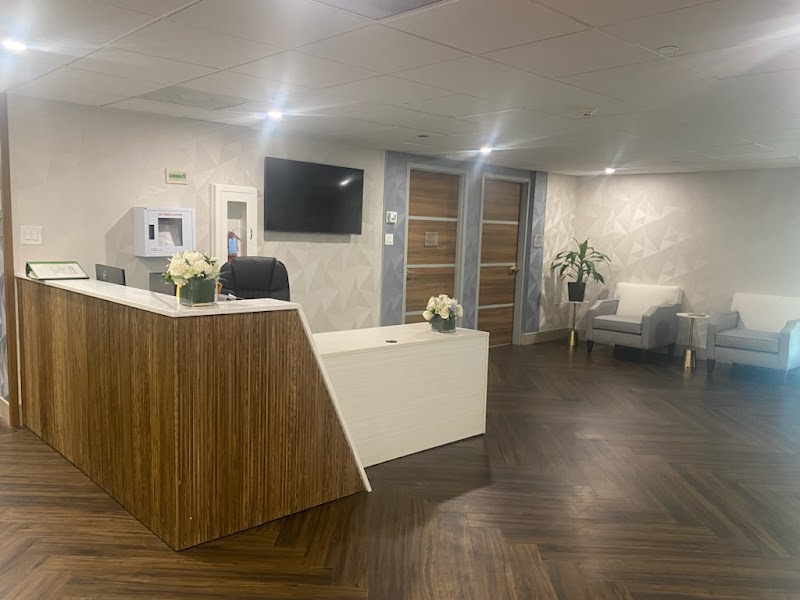
How is Sharpville Residence And Rehabilitation Center Staffed?

CMS rates Sharpville Residence and Rehabilitation Center's staffing level at 3 out of 5 stars, which is average compared to other nursing homes. Staff turnover is 31%, compared to the Texas average of 46%. This relatively stable workforce can support continuity of care.

What Have Inspectors Found at Sharpville Residence And Rehabilitation Center?

State health inspectors documented 11 deficiencies at Sharpville Residence and Rehabilitation Center during 2022 to 2024. These included: 11 with potential for harm.
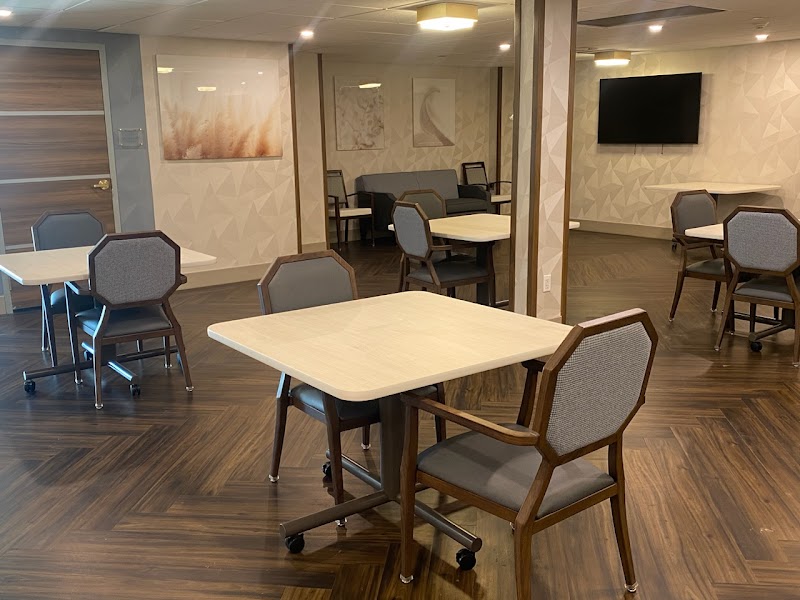
Who Owns and Operates Sharpville Residence And Rehabilitation Center?

Sharpville Residence and Rehabilitation Center is owned by a government entity. Government-operated facilities are typically run by state, county, or municipal agencies. The facility is operated by CHAMBERS COUNTY PUBLIC HOSPITAL DISTRICT NO. 1, a chain that manages multiple nursing homes. With 134 certified beds and approximately 93 residents (about 69% occupancy), it is a mid-sized facility located in Houston, Texas.

How Does Sharpville Residence And Rehabilitation Center Compare to Other Texas Nursing Homes?

Compared to the 100 nursing homes in Texas, Sharpville Residence and Rehabilitation Center's overall rating (4 stars) is above the state average of 2.8, staff turnover (31%) is significantly lower than the state average of 46%, and health inspection rating (4 stars) is above the national benchmark.

What Should Families Ask When Visiting Sharpville Residence And Rehabilitation Center?

Based on this facility's data, families visiting should ask: "Can I visit during a mealtime to observe dining assistance and food quality?" "How do you handle medical emergencies, and what is your hospital transfer rate?" "Can I speak with family members of current residents about their experience?"

Is Sharpville Residence And Rehabilitation Center Safe?

Based on CMS inspection data, Sharpville Residence and Rehabilitation Center has a clean safety record: no substantiated abuse findings (meaning no confirmed cases of resident harm), no Immediate Jeopardy citations (the most serious violation level indicating risk of serious injury or death), and is not on the Special Focus Facility watch list (a federal program monitoring the lowest-performing 1% of nursing homes). The facility has a 4-star overall rating and ranks #1 of 100 nursing homes in Texas. While no facility is perfect, families should still ask about staff-to-resident ratios and recent inspection results during their visit.

Do Nurses at Sharpville Residence And Rehabilitation Center Stick Around?

Sharpville Residence and Rehabilitation Center has a staff turnover rate of 31%, which is about average for Texas nursing homes (state average: 46%). Moderate turnover is common in nursing homes, but families should still ask about staff tenure and how the facility maintains care continuity when employees leave.

Was Sharpville Residence And Rehabilitation Center Ever Fined?

Sharpville Residence and Rehabilitation Center has no federal fines on record. CMS issues fines when nursing homes fail to meet care standards or don't correct problems found during inspections. The absence of fines suggests the facility has either maintained compliance or corrected any issues before penalties were assessed. This is a positive indicator, though families should still review recent inspection reports for the full picture.

Is Sharpville Residence And Rehabilitation Center on Any Federal Watch List?

Sharpville Residence and Rehabilitation Center is not on any federal watch list. The most significant is the Special Focus Facility (SFF) program, which identifies the bottom 1% of nursing homes nationally based on persistent, serious quality problems. Not being on this list means the facility has avoided the pattern of deficiencies that triggers enhanced federal oversight. This is a positive indicator, though families should still review the facility's inspection history directly.