SOLERA AT WEST HOUSTON
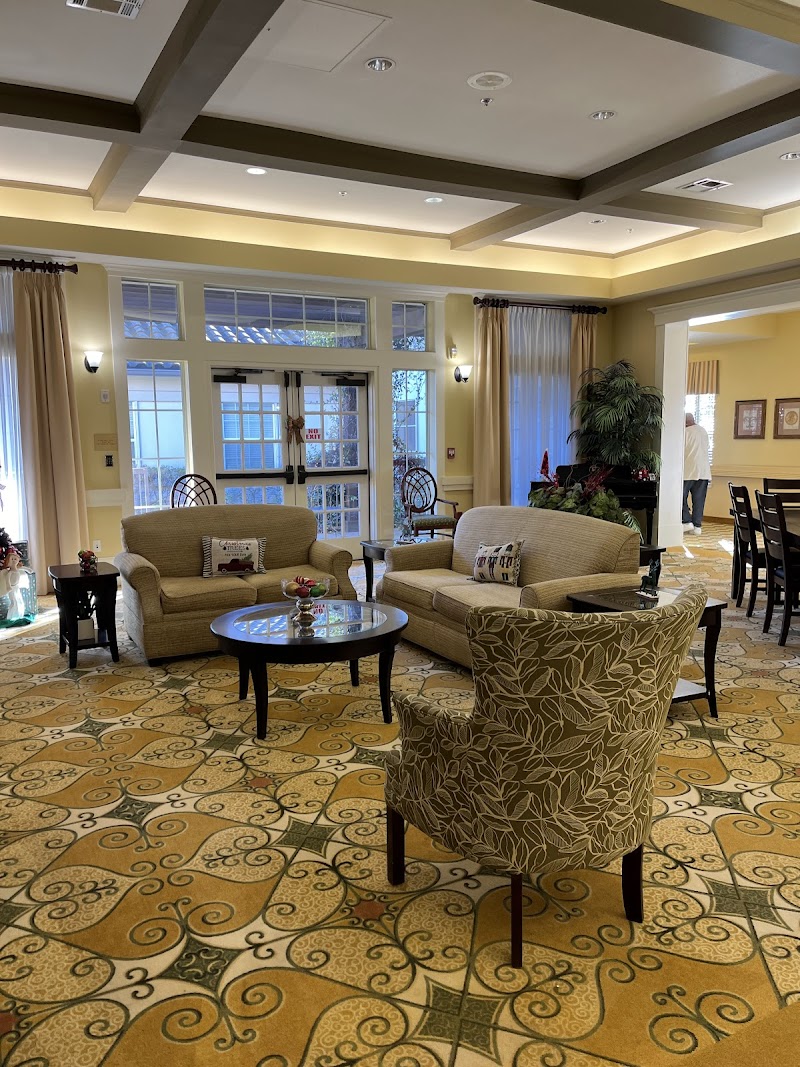
2101 GREENHOUSE ROAD, HOUSTON, TX 77084 (281) 599-5540
For profit - Limited Liability company 112 Beds CANTEX CONTINUING CARE Data: November 2025 1 Immediate Jeopardy citation
Trust Grade
16/100
#839 of 1168 in TX
Last Inspection: July 2025

Inspected within the last 6 months. Data reflects current conditions.

Overview

Solera at West Houston has received a Trust Grade of F, indicating significant concerns about the quality of care, which places it in the poor category. In Texas, it ranks #839 out of 1168, meaning it falls in the bottom half of facilities, and #69 of 95 in Harris County, suggesting that there are better options nearby. While the facility is showing some improvement, reducing issues from 15 in 2024 to 12 in 2025, the overall situation remains concerning. Staffing has a rating of 2 out of 5 stars, with a turnover rate of 44%, which is slightly below the state average, indicating some stability among staff. However, there are serious issues, including a critical finding of sexual abuse and a serious incident of verbal abuse towards a resident. Additionally, the facility has a total of 31 issues, with 1 being critical and 1 serious, which raises alarms about resident safety and care.

Trust Score
F
16/100
In Texas
#839/1168
Bottom 29%
Safety Record
High Risk
Review needed
Inspections
Getting Better
15 → 12 violations
Staff Stability
○ Average
44% turnover. Near Texas's 48% average. Typical for the industry.
Penalties
⚠ Watch
$17,651 in fines. Higher than 84% of Texas facilities, suggesting repeated compliance issues.
Skilled Nurses
⚠ Watch
Each resident gets only 27 minutes of Registered Nurse (RN) attention daily — below average for Texas. Fewer RN minutes means fewer trained eyes watching for problems.
Violations
⚠ Watch
31 deficiencies on record. Higher than average. Multiple issues found across inspections.
★★☆☆☆
2.0
Overall Rating
★★☆☆☆
2.0
Staff Levels
★★★★☆
4.0
Care Quality
★★☆☆☆
2.0
Inspection Score
Stable
2024: 15 issues
2025: 12 issues

The Good

  • 4-Star Quality Measures · Strong clinical quality outcomes
  • Full Sprinkler Coverage · Fire safety systems throughout facility
  • No fines on record
  • Staff turnover below average (44%)

    4 points below Texas average of 48%

Facility shows strength in quality measures, fire safety.

The Bad

2-Star Overall Rating

Below Texas average (2.8)

Below average - review inspection findings carefully

Staff Turnover: 44%

Near Texas avg (46%)

Typical for the industry

Federal Fines: $17,651

Below median ($33,413)

Minor penalties assessed

Chain: CANTEX CONTINUING CARE

Part of a multi-facility chain

Ask about local staffing decisions and management

The Ugly 31 deficiencies on record

1 life-threatening 1 actual harm
Jul 2025 4 deficiencies
CONCERN (E)

Potential for Harm - no one hurt, but risky conditions existed

Deficiency F0655 (Tag F0655)

Could have caused harm · This affected multiple residents

**NOTE- TERMS IN BRACKETS HAVE BEEN EDITED TO PROTECT CONFIDENTIALITY** Based on observation, interview, and record review, the facility must develop and implement a baseline care plan that included t...

Read full inspector narrative →
**NOTE- TERMS IN BRACKETS HAVE BEEN EDITED TO PROTECT CONFIDENTIALITY** Based on observation, interview, and record review, the facility must develop and implement a baseline care plan that included the instructions needed to provide effective and person-centered care of the resident that meet professional standards of quality care and include the minimum healthcare information necessary to properly care for residents for 3 (Residents #139,#140, and #143) of 5 residents reviewed for baseline care plans -Resident #139 had a tracheostomy and an enteral feeding tube that were not baseline care planned. -Residents 139, #140, and #143's baseline care plans did not designate the code status of the residents. The failures could place the residents at risk for not receiving the care and services needed and placed them at risk for deteriorating health. Findings included: Resident #139 Record review of the admission Record for Resident #139 revealed he was [AGE] years old and was admitted to the facility on [DATE]. Diagnoses included, but were not limited to, acute respiratory failure, tracheostomy status, and dysphagia (inability to swallow). His code status was reflected as Full Code. Record review of the Physician's Orders for Resident #139, dated 07/25/25, revealed the resident had an indwelling urinary catheter. The Orders reflected the resident was to have blood glucose monitoring four times daily. The Orders reflected the resident had an enteral feeding tube. Review of the electronic medical record for Resident #139 revealed there was an entry MDS assessment, but no admission MDS. Record review of the Care Plan initiated 07/18/25 revealed Resident #139 was on EBP because he had a tracheostomy. However, the Care Plan did not reflect any care instructions or precautions related to the tracheostomy. The Care Plan did not mention Resident #139 had an enteral feeding tube. The Care Plan did not mention the resident required blood glucose monitoring. The Care Plan did not reflect the code status of the resident. Observation on 07/22/25 at 8:05 a.m. revealed Resident #139 was lying in his bed in his room. He was awake and alert. He had a tracheostomy, a catheter, and an enteral feeding tube. Resident #140 Record review of the admission Record for Resident #140 revealed he was [AGE] years old and was admitted to the facility on [DATE]. Diagnoses included, but were not limited to, acute kidney failure, type 2 diabetes mellitus, and hypertension (high blood pressure). His code status was reflected as Full Code. The baseline care plan dated 07/17/25 for Resident #140 read, in part, Resident request Code Status of [Specify]: Full Code/DNR. Date initiated 07/17/25. The baseline care plan did not reflect the resident's code status. The baseline care plan dated 07/17/25 for Resident #140 read, in part, The resident expresses (SPECIFY) desire for/little or no activity involvement r/t Date initiated 07/17/25. The baseline care plan did not specify the possible reason for the decreased desire to participate in activities. The baseline care plan dated 07/17/25 for Resident #140 read, in part, The resident has an ADL self-care performance deficit r/t Date initiated 07/17/25. The baseline care plan did not specify a possible reason for the deficit. The baseline care plan dated 07/17/25 for Resident #140 read, in part, The resident has altered cardiovascular status r/t Date initiated 07/17/25. The baseline care plan did not provide what contributed to the altered cardiovascular status. Resident #143 Record review of the admission Record for Resident #143 revealed he was [AGE] years old and was admitted to the facility on [DATE]. Diagnoses included, but were not limited to, acute respiratory failure, severe sepsis with septic shock, and pneumonia. His code status was reflected as Full Code. The baseline care plan dated 07/17/25 for Resident #143 read, in part, Resident request Code Status of [Specify]: Full Code/DNR. Date initiated 07/17/25. The baseline care plan did not reflect the resident's code status. The baseline care plan dated 07/17/25 for Resident #143 read, in part, The resident expresses (SPECIFY) desire for/little or no activity involvement r/t Date initiated 07/17/25 The baseline care plan did not specify the possible reason for the decreased desire to participate in activities. The baseline care plan dated 07/17/25 for Resident #143 read, in part, The resident has an ADL self-care performance deficit r/t Date initiated 07/17/25. The baseline care plan did not specify a possible reason for the deficit. The baseline care plan dated 07/17/25 for Resident #143 read, in part, The resident wishes to (SPECIFY return/be discharged ) to (SPECIFY home, another facility) Date initiated: 07/17/25 The baseline care plan did not specify where the resident wished to be discharged to. The baseline care plan dated 07/17/25 for Resident #143 read, in part, The resident has impaired cognitive function/dementia or impaired thought processes r/t Date initiated 07/17/25 The baseline care plan did not reveal the possible cause of the impaired thought processes. The baseline care plan dated 07/17/25 for Resident #143 read, in part, .The resident has a communication problem r/t Date initiated: 07/17/25 The baseline care plan did not provide a possible reason or description of the communication problem. The baseline care plan dated 07/17/25 for Resident #143 read, in part, The resident has an infection of the (SPECIFY) Date initiated 07/17/25 The baseline care plan did not specify where the infection was. In an interview on 07/24/25 at 12:12 p.m., the DON said MDS Coordinator A was responsible for care plans. He said he reviewed care plans, but had not had a chance to review the new admission (baseline) care plan. He said the care plans were used to document patient care and goals. It was used to address acute issues and how the facility would address them.At that time, the DON reviewed the baseline care plan for Resident #139. He confirmed there was no care plan for the enteral feeding tube. He reviewed the baseline care plan for the tracheostomy. The DON said Looks pretty short. Only Enhanced Barrier Precautions. He should have an area for the trach care plan. He said a possible outcome would be the resident would not receive proper care. He said It could be bad for their health and treatment goals. The DON reviewed he baseline care plans of Residents #140 and #143. He said he could not tell the code status of either resident from the baseline care plan. He said the baseline care plans should be personalized, and should have specific information. The facility policy Care Plans - Baseline (revised March 2022) read, in part, .The baseline care plan includes instructions needed to provide effective, person-centered care of the resident that meet professional standards of quality care and must include the minimum healthcare information necessary to properly care for the resident including, but not limited to the following:. Initial goals based on admission orders and discussion with the resident/representative;1. Physician orders;2. Dietary orders;.
CONCERN (E)

Potential for Harm - no one hurt, but risky conditions existed

Comprehensive Care Plan (Tag F0656)

Could have caused harm · This affected multiple residents

**NOTE- TERMS IN BRACKETS HAVE BEEN EDITED TO PROTECT CONFIDENTIALITY** Based on observation, interview and record review the facility failed to develop and implement a comprehensive person-centered c...

Read full inspector narrative →
**NOTE- TERMS IN BRACKETS HAVE BEEN EDITED TO PROTECT CONFIDENTIALITY** Based on observation, interview and record review the facility failed to develop and implement a comprehensive person-centered care plan that includes measurable objectives and timeframes to meet a resident's medical, nursing, mental and psychosocial needs that are identified in the comprehensive assessment for 2 (Resident #9 and #47) of 21 residents reviewed for comprehensive care plans. The facility failed to ensure that Resident #47 has a comprehensive care plan that included all care areas triggered on her assessment. The facility failed to ensure that Resident #9 comprehensive care plan included her hospice service and oxygen. These failures could place residents at risk of not receiving proper care and service to develop and improve their mental, physical and psychosocial well-being. Findings Included Resident#47 Record review of Resident#47 admission face sheet dated 7/25/2025 revealed she was an [AGE] year-old female who was admitted to the facility on [DATE]. Her diagnoses included urinary tract infection(infection of the urinary tract), hypertension (high blood pressure), osteoporosis(a disease of the bone) , gastro esophageal reflux disease (heart burn), chronic obstructive pulmonary disease ( a lung disease that blocks air flow making it difficult to breath), chronic kidney disease (the inability to filter from the blood), atrial fibrillation (irregular/rapid heart rate that causes poor blood flow. , protein calorie malnutrition ( insufficient intake of both protein and calories), muscle weakness(decrease strength in the muscle) and lack of coordination (impaired balance due to damage nerves, brain of muscles). Record review of Resident #47's admission MDS dated [DATE] revealed she coded as having a BIMS score of 14 indicating she was cognitively aware, was occasionally incontinent of bladder and bowel and had a fall with fracture in the last 6 months. Further record review revealed Resident #47 was triggered for incontinence, pressure sore, nutrition, activities of daily living, falls and dehydration. Record review of the care plan initiated 6/18/2025 revealed it did not address falls dehydration and incontinent care. Further record review revealed the care plan was updated on 7/25/2025 to address dehydration and falls but did not address incontinent care. Observation on 7/22/2025 at 10:00am Resident #47 was observed in her room she was alert and oriented and good make her needs known. She was clean and without any offensive odor. Call light was observed to be reached. In an interview on 7/22/2025 at 10:00am, Resident #47 said they answer her call light. She said she had to ask for help because she did not want to fall again. She said she fell at home and that was why she was in the facility for rehabilitation. She said she rehab was working with her, and she was able to move around much better. In an interview on 7/25/2025 at 10:15 am with the MDS Coordinator she said all triggered areas should be captured on the care plan. She said if the area were not captured on the care plan, they would not have a full picture on how to take care of the residents and they would not know what resident's daily needs were. She said moving forward they going to ensure that all triggered area were captured on the care plan and completed by day 21. Resident #9Record review of Resident #9's face sheet dated July 25th, 2025, revealed she was a [AGE] year-old female who was admitted to the facility on [DATE]. Her diagnoses included malignant neoplasm of the lungs(cancer that begins in the lungs), chronic obstructive pulmonary disease(lung disease that blocks air flow), hypertension(high blood pressure), acute metabolic acidosis (too much acid accumulates in the body), lack of coordination(impaired balance due to brain or muscle damage), chronic respiratory failure with hypoxia (lungs cannot adequately exchange oxygen and carbon dioxide leading to insufficient carbon dioxide and oxygen in the body), muscle weakness(decreased strength in the muscles)weak, lack coordination (impaired balance or coordination due to damage brain, nerves or muscle) hyperlipidemia (high levels of fat in the blood), acute kidney failure, metastatic breast cancer with brain tumor(where the cancer cells spread from the original cancer cell to the brain, and atrial fibrillation (irregular/rapid heartbeat causing poor blood flow). Record review of Resident #9's admission MDS dated [DATE] revealed the resident was coded as having a BIMS score of 5 indicating she was severely impaired for cognition, For ADL's the resident was code as dependent of staff for eating, oral hygiene, toileting, shower, upper body dressing, putting/on taking off footwear, and personal hygiene. For Special Care she was coded as being on hospice care. For incontinence she was coded as always incontinent of bowel and bladder. Record review of Resident #9's admission nurses notes dated 6/26/2025 revealed the resident was admitted on respite care with hospice. Her primary diagnosis was metastatic breast cancer with brain tumor. Record review of physician order dated 6/26/2025 revealed order for 02 via nasal canula at 2LPM. Record review of the Resident #9's care plan initiated 7/1/2025 revealed the care plan did not address hospice care and oxygen use for Resident #9. Further review of Resident #9's care plan revealed the care plan was updated to address hospice care and oxygen use on 7/25/25 after the surveyor's intervention. In an interview on 7/25/2025 at 10:15am MDS Coordinator B said she was aware the resident was on respite care by a hospice company when she was first admitted to the facility. She said Resident #9 was a private paid resident then place on hospice. She said, the initial care plan should have address hospice care. She said not updating the care plan to address the resident's status will prevent the resident from getting the care and services needed to improve their quality of life. She said moving forward she was going to ensure that care plan captures all triggered areas and completed by day 21. In an interview on 07/25/2025 2:50 pm, the DON said the expectation of the MDS Nurses were to ensure all care areas that were triggered on the MDS should be captured on the care plan. He said the IDT team should come together along with the family and work on the plan of care. He said he will be in servicing the nursing staff on MDS and care plan accuracy, and ensuring they were done in a timely manner. Record review of the Care Plans Comprehensive Person-Centered dated March 2022 read in part.Policy StatementA comprehensive, person-centered care plan that includes measurable objectives, timetables to meet the resident's physical, psychosocial and functional needs is developed and implemented for each resident.Policy Interpretation and Implementation1. The Interdisciplinary Team in conjunction with the resident and his/her family or legal representative develops and implements a comprehensive, person-centered care plan for each resident.2. The comprehensive person-centered care plan is developed within (7) days of the completion of the MDS assessment (admission, annual or significant change in status) and no more than 21 days after assessment.
CONCERN (E)

Potential for Harm - no one hurt, but risky conditions existed

Deficiency F0761 (Tag F0761)

Could have caused harm · This affected multiple residents

**NOTE- TERMS IN BRACKETS HAVE BEEN EDITED TO PROTECT CONFIDENTIALITY** Based on observation, interview, and record review, the facility failed to ensure all drugs and biologicals were stored in locke...

Read full inspector narrative →
**NOTE- TERMS IN BRACKETS HAVE BEEN EDITED TO PROTECT CONFIDENTIALITY** Based on observation, interview, and record review, the facility failed to ensure all drugs and biologicals were stored in locked compartments and permit only authorized personnel for three of five medication carts observed in common areas accessible to staff and residents. -Three unlocked and unattended medication carts were observed in areas accessible to residents, staff, and visitors. This failure could place residents at risk of ingesting medications not prescribed to them and placed the facility at risk for drug diversion. Findings included:Observation on 07/22/25 at 10:55 a.m. revealed an unlocked/unattended medication cart in front of room [ROOM NUMBER]. The cart was facing the door, which was closed. There was no staff visible from the cart. At 10:56 a.m. revealed MA A opened the door of room [ROOM NUMBER] and exited the room. MA A said the medication cart should have been locked. She said she thought she had locked it. MA A open the top drawer of the medication cart without using keys. Observation revealed the top drawer of the cart contained multiple plastic containers of various over the counter medications. Observation and interview on 07/22/25 at 11:33 a.m. revealed an unlocked/unattended medication cart in front of room [ROOM NUMBER]. The medication cart was facing the door, which was closed. There was no staff visible in the area. At 11:38 a.m. revealed the DON was walking in the hallway approaching the cart. At that time LVN G exited room [ROOM NUMBER]. She said she did not have a key to the medication cart, and that the keypad lock was inoperable. She said a MA had the key. She said this was the second room she went to where she had to leave the cart unlocked. The DON was present, and told LVN G that she could not leave the medication cart unlocked and unattended.Observation and interview on 07/23/25 at 11:20 a.m. revealed an unlocked and unattended medication cart in front of room [ROOM NUMBER]. The medication cart was facing the door, which was closed. At 11:21 a.m. LVN H walked up to the medication cart. She stated it was unlocked. She said I stopped what I was doing because another resident needed me. In an interview on 07/24/25 at 12:12 p.m. the DON said the medication carts should have been secured. He said a resident could get into the medications and ingest medications that were not meant for them. The facility policy Security of Medication Cart (revised April 2007) read, in part, The medication cart shall be secured during medication passes.Policy Interpretation and Implementation1. The nurse must secure the medication cart during the medication pass to prevent unauthorized entry.1.4.Medication carts must be securely locked at all times when out of the nurse's view.
CONCERN (E)

Potential for Harm - no one hurt, but risky conditions existed

Food Safety (Tag F0812)

Could have caused harm · This affected multiple residents

Based on observation, interview and record review, the facility failed to ensure that foods are store, prepare, distribute, and serve food in accordance with professional standards for food service sa...

Read full inspector narrative →
Based on observation, interview and record review, the facility failed to ensure that foods are store, prepare, distribute, and serve food in accordance with professional standards for food service safety in one of one kitchen in that:1.Foods were not sealed, labeled, and dated.2.Plates with dried food particles were stored with clean plates.3. Food items on the steam table was not maintained at 135 degrees F and above.4. Equipment were clean.5. Dry storage room free of dented cans. These failures could place residents who ate food prepared by the kitchen at risk for food borne disease and illness. Findings included: Observation of the kitchen on 07/22/2025 at 9:10 AM revealed the following:1.The coffee machine had an accumulation of brown stains on the coffee machine. At the time the DM immediately started to clean the coffee machine.2.Plates and bowls with stains and food particles in them were stock with clean plates and bowls. Observation on 7/22/2025 at 9:30 am revealed the deep fat fryer had very dark oil and burnt food particles in it. Observation on 7/22/2025 at 9:35 am of the dry storage room revealed the following:1. 1- 6lbs. dented can of beans.2. 1 single serving plastic container of cheerios was open not sealed. Observation on 7/22/2025 at 9:40 am of the walk-in-freezer revealed the following:1. 1 plastic bag with chicken tenders that was open not sealed.2. 1 plastic bag with mixed vegetables open not sealed3. 1 box with French toast open not sealed. 4. Instant vanilla pudding and chocolate pudding mix not dated. Observation on 7/23/2025 at 12:15pm of the steam table revealed two menu items not at the correct holding temperature:1. Baked fish at 76 degrees 2. Cream pie was at 42 degrees.The fish was reheated to 160 and above and the cream pie was chilled to 41 degrees and below. In an interview on 7/22/2025 at 9:20 AM the Dietary Manager said the coffee machine was clean daily. The Dietary Manager said when cleaning the dishes they should pre rinse ensuring that there was no food in the plates and bowls, and then put in the machine to wash rinse and sanitized. He said after the washing procedure they should check to ensure there were no food particles in the plates and bowls and then they would pack them away. In an interview with the DM on 7/22/2025 at 10:00am he said all food particles should clean from the plates, and they should wash rinse and sanitized allow to air dry and then check to ensure they were clean with no food particles before they were packed away. The DM he said the deep fat fryer was cleaned on Fridays and the coffee machine was cleaned daily. He said he had used the fryer cooked the previous day to cook and that was why the oil was black. Interview with the DM on 7/22/2025 at 10:45 am he said he was going to in-service the staff ensuring that when foods were open, they should be sealed, labeled and dated. In an interview on 7/23/2024 at 12:45 PM Dietary Staff A said food not served at the correct food temperature could get resident sick. He said he was going to ensure that food was always at the correct temperature during meal service. Record review of the policy on Food Temperatures dated May 2008 read in part.Policy:The Dietary Services Manager shall check food temperature routinely.Procedures.1. All hot and cold food items must be served to the resident at a palatable temperature. All hot food must be held at a minimum of 145 degrees Fahrenheit.2. All cold foods must hold at 40 degrees F or below.6. Temperatures should be taken periodically to ensure hot foods stay above 145 degrees F and cold foods stay below 40 degrees F during the tray line period. Record review of the policy on Food Storage dated read in part. Policy: Sufficient storage facilities are provided to keep foods safe, wholesome, and appetizing. Food is stored, prepared, and transported at an appropriate temperature and by methods designed to prevent contamination. Refrigeration:a. Temperatures for refrigerators should be between 40 degrees Fahrenheit or lower. Thermometers should be checked at least twice daily. (See Freezer and Refrigerator Temperature Form).b. Every refrigerator must be equipped with an internal thermometer. e. All foods should be covered, labeled and dated.f. All foods should be stored to allow air circulation.g. Refrigerated foods should be stored upon delivery and careful rotation procedures should be followed
Apr 2025 8 deficiencies
CONCERN (D) 📢 Someone Reported This

A family member, employee, or ombudsman was alarmed enough to file a formal complaint

Potential for Harm - no one hurt, but risky conditions existed

Comprehensive Care Plan (Tag F0656)

Could have caused harm · This affected 1 resident

**NOTE- TERMS IN BRACKETS HAVE BEEN EDITED TO PROTECT CONFIDENTIALITY** Based on observation, interview and record review the facility failed to develop and implement a comprehensive person-centered ...

Read full inspector narrative →
**NOTE- TERMS IN BRACKETS HAVE BEEN EDITED TO PROTECT CONFIDENTIALITY** Based on observation, interview and record review the facility failed to develop and implement a comprehensive person-centered care plan for each resident that includes measurable objectives and timeframes to meet a resident's medical, nursing, and mental and psychosocial needs and describes the services that are to be furnished to attain or maintain the resident's highest practicable physical, mental, and psychosocial well-being for 2 of 7 residents (Resident #10 and Resident #22) reviewed. -The facility failed to ensure that Resident #10's status of full code was a focus area in the resident's comprehensive care plan and no intervention was in place. -The facility failed to ensure that Resident #10's status of allergies was a focus area in the resident's comprehensive care plan and no intervention was in place. -The facility failed to ensure that Resident #10's status of impaired thought processes was a focus area in the resident's comprehensive care plan and no intervention was in place. -The facility failed to ensure that Resident #10's status of cellulitis was a focus area in the resident's comprehensive care plan and no intervention was in place. -The facility failed to ensure that Resident #10's status of nutritional problems and use of a feeding tube (also called a g-tube) were a focus area in the resident's comprehensive care plan and no intervention was in place. -The facility failed to ensure that Resident #22's status of nutritional problems and use of a feeding tube were a focus area in the resident's comprehensive care plan and no intervention was in place. These deficient practices could affect residents by not providing and meeting resident-specific care and needs and lead to a worsening of health. The findings included: Resident #10 Record review of Resident #10's facility admission record dated 4/25/25 revealed an [AGE] year-old female admitted on [DATE] with diagnoses that included cellulitis of both right and left lower limbs (Cellulitis is usually a superficial infection of the skin (left). But if severe (right) or if left untreated, it can spread into the lymph nodes and bloodstream. Cellulitis usually affects the lower legs, but it can occur on the face, arms and other areas.), bipolar disorder (bipolar disorder is a mental health condition characterized by significant mood swings.), mild protein-calorie malnutrition (Protein calorie malnutrition is a type of undernutrition. Undernutrition happens when you don't consume enough essential nutrients, or when you use/excrete the nutrients faster than they are replaced.), and cognitive communication deficit (cognitive communication deficit refers to difficulties in communication that arise from impairments in cognitive processes such as attention, memory, perception, and executive function). Record review also revealed that her advanced directive was full code. Record review of Resident #10's admission MDS dated [DATE] revealed Resident #10 had a BIMS score of 13 out of 15 indicating she was cognitively intact. Resident #10 was dependent to requiring substantial/maximal assistance with ADL's. She was always incontinent of bladder and frequently incontinent of bowel. Record review of section I (active diagnoses) diagnoses included malnutrition, bipolar disorder, cellulitis of both right and left lower limbs. Record review of Resident #10's comprehensive care plan revealed there were no care plans to address full code, allergies, impaired thought processes, cellulitis, and nutritional problems. Interview on 4/24/25 at 1:45 pm with the Corporate Nurse, she said that the care plans were important to follow a resident's plan of care and that a negative outcome could be the resident not receiving care. Interview on 4/24/25 at 1:47 pm with the DON said that the areas of full code, allergies, impaired thought processes, cellulitis, and nutrition problems should have had a comprehensive care plan, the care plan was important because it showed what the residents needed, and a negative outcome could be the resident not receiving those things. On 4/24/25 at 2:00 pm, an interview with MDS Nurse K, she said the importance of comprehensive and base line care plans were that the care plans provided a picture of the resident and how to take care of their needs. Staff that were responsible for the care plans included Circle of Excellence, IDT team which included Social Work, Nurses, Managers, and Therapy. Interview on 4/24/25 at 2:10 pm with MDS Nurse M, she said that the facility used the RAI Manual to complete assessments, that the care plans were important to provide care to the residents. Resident #22 Record review of Resident #22's face sheet revealed a [AGE] year-old female originally admitted on [DATE] and most recently readmitted on [DATE]. Her medical diagnoses included: Type 2 Diabetes Mellitus (high blood sugar), unspecified severe protein-calorie malnutrition, Metabolic Disorder (a group of diseases which can increase negative health outcomes such as high fat, high blood sugar, and high blood pressure), dysphagia (difficulty swallowing), and cognitive communication deficit. Record review of Resident #22's care plan captured 4/22/2025, she did not have a feeding tube-specific focus area. Record review of Resident #22's Order Summary report dated 04/24/2025, she had the following: -Enteral Feed Order every night shift, open system container or gravity feeding with a start date of 03/01/2025. -Enteral Feed Order every shift, continuous feed, check every 4-6 hours prior to irrigation and PRN (Confirm with physician regarding withholding feedings) -Enteral Feed Order every shift Diabetisource AC (Advanced-Control) 70 ml/hour 18 hours per day via feeding tube with a start date of 04/13/2025. Record review of Resident #22's PPS (Prospective Payment System, an alternate form for residents) MDS dated [DATE], she had a BIMS score of 00, indicating severe cognitive impairment related to thinking and memory. She required total assistance for all her ADLs, including eating, toileting and dressing. Resident #22 was marked as receiving a feeding tube at the facility. She was marked as admitting to the facility with parenteral/IV feeding. Observation of Resident #22 on 4/22/2025 at 1:29pm, she was sleeping in an elevated bed in no visible discomfort. Her feeding was located next to her bed, with tubes kink-free and off the ground. Interview with MDS Nurse A on 4/25/2025 at 9:51am, she checked Resident #22's record on her computer and said resident should have enteral feeding on her care plan if she was on it. MDS Nurse A then said Resident #22 had care plans for being a one-person set-up and supervision, which could include feeding. She then said she could add it and confirmed that Resident #22 was admitted with g-tube to the facility. Interview with the DON on 4/25/2025 at 10:15am, he said Resident #22's g-tube should have been care-planned based off the physician's orders. A risk to not placing g-tube in the care plan would be the resident receiving the incorrect order. Record review of the facility policy and procedure entitled Care Plans, Comprehensive Person-Centered, dated revised March 2022, read in part .A comprehensive, person-centered care plan that includes measurable objectives and timetables to meet the resident's physical, psychosocial and functional needs is developed and implemented for each resident .the comprehensive, person-centered care plan is developed within seven (7) days of the completion of the required MDS assessment (Admission, Annual or Significant Change in Status), and no more than 21 days after admission .the comprehensive, person-centered care plan includes measurable objectives and timeframes; describes the services that are to be furnished to attain or maintain the resident's highest practicable physical, mental, and psychosocial well-being.
CONCERN (D) 📢 Someone Reported This

A family member, employee, or ombudsman was alarmed enough to file a formal complaint

Potential for Harm - no one hurt, but risky conditions existed

Accident Prevention (Tag F0689)

Could have caused harm · This affected 1 resident

**NOTE- TERMS IN BRACKETS HAVE BEEN EDITED TO PROTECT CONFIDENTIALITY** Based on observation, interview, and record review, the facility failed to ensure residents received adequate supervision and as...

Read full inspector narrative →
**NOTE- TERMS IN BRACKETS HAVE BEEN EDITED TO PROTECT CONFIDENTIALITY** Based on observation, interview, and record review, the facility failed to ensure residents received adequate supervision and assistance devices to prevent accidents for 1 of 2 residents (Resident #2) reviewed for accidents and for food trays left out in the halls after meals. -The facility failed to ensure CNA C used gait belt when she transferred Resident #2 from bed to walker and walked the resident to the bathroom. -There was a food cart with nine food trays eaten with cutlery left out in the hall observed on 4/23/2025 at 4:43am. This failure could place residents who required assistance from staff to transfer out of bed and ambulatory residents at risk for accidents and injury. The findings were: RESIDENT #2 Record review of Resident #2's face sheet dated 04/25/25 revealed a [AGE] year-old female was admitted to the facility on [DATE] and readmitted on [DATE]. Resident #2 diagnoses included: Parkinson's disease (a progressive neurodegenerative disorder leading to movement related to tremors, slow movement, and rigidity), hypertension (force of blood against the walls of the arteries is consistently too high), and diabetes mellitus (a condition where the body has trouble regulating blood sugar levels). Record review of Resident #2's quarterly MDS assessment dated [DATE] revealed a BIMS score of 13 indicating intact cognition. Further review revealed Resident #2 needed moderate assistance with transfer with one staff assist. Record review of Resident #2's care plan dated 03/13/25 revealed Resident #2 had ADL self - care performance. Interventions: transfer: the resident requires 1 x2 staff assistance for transfers. Further review revealed the resident had Parkinson's affecting. Interventions: adaptive devices as recommended by therapy or MD. Monitor for safe use. Monitor/document to ensure appropriate use of safety/assistive devices. During an observation on 04/22/25 at 3:16 p.m., CNA C assisted Resident #2 by holding the resident's left arm with both of her hands and pulling on Resident #3 while she was still lying on the bed, but she could not get the resident out of the bed without a gait belt. CNA C then pulled the back of Resident #2's pants with one hand and one arm under Resident #3 left armpit, pulled her up from the bed, and asked her to hold onto her walker because she could walk. Resident #3 was wobbling, and she told the resident to walk, when she did not move, she moved the resident's walker forward. Resident #3 shuffled as she walked. When Resident #2 walked to the restroom door, the resident's gait became very unsteady, and she almost lost her balance while the aide was walking on the resident's right side. The surveyor alerted the aide, and CNA C walked to the resident's back and assisted the resident. During an observation on 4/24/2025 at 4:43am, a food cart was observed in a resident hall directly in front of the kitchen door entrance with nine eaten food trays which were unsealed, with used cutlery on trays. During an interview on 04/22/25 at 3:35 p.m., CNA C said she did not use a gait belt to transfer Resident #3 because the resident did not have a gait belt and asked where she was expected to get a gait belt. She did not respond when asked if she had any training on using a gait belt and what could have happened to Resident#3 during transfer without a gait belt. During an interview on 04/23/25 at 9:38 a.m., the DON said CNA C should have transferred Resident # 2 with a gait belt because she was one person assist. He said if the staff did not use a gait belt, then the resident could fall and fracture her bone. The DON said if the staff was walking the resident, the staff should walk slightly behind and to the side with a hand on the gait belt to support the resident and prevent the resident from falling. Interview with LVN O on 4/24/2025 at 4:43am, they said the trays were from residents who preferred to have a later dinner. They said that a risk of leaving the trays out and not bringing them inside the Kitchen was that any resident could come and eat off the tray. They said that it was also an infection control issue. Interview with the Administrator on 4/24/2025 at 5:19am, he said staff were supposed to transfer residents with a gait belt. There could be potential for residents to fall if a gait belt was not used. He also said food trays should be placed in the dining room and placed in the kitchen after dinner and he had them moved after it was observed by surveyors. He would do education on that, and a risk to residents would be someone could go eat the food that was left out, which is the reason why food is to be taken out of resident's' rooms after they're done eating. Interview with the Unit manager on 4/24/2025 at 10:56am, she said that food trays were usually left outside on the cart after dinner but that the trays should have been taken off the hall and pushed into the closed kitchen door. If residents passed and tried to eat it. it would have caused harm as they could have been on a different diet. Staff who assist a resident to the restroom should wait outside the bathroom door and not leave the resident's room for safety reasons, in case the resident fell. Staff should use a gait belt when doing a one-person transfer with a resident, and this would be done for the staff's and resident's safety. The Unit Manager said she did in-services on transferring with gait belt, and staff were aware they need to use a gait belt. Interview with the ADON on 4/24/2025 at 12:09pm, she said staff were to use a gait belt for one-person assist. Without a gait belt that could cause staff injury during transfer or resident and staff could fall causing injury to the resident. Staff had been trained on proper transfers. Resident #2 could have fallen, hit her head or dislocated her shoulder. Interview with the DON on 4/25/2025 at 12:22pm, he said food trays should be in the kitchen after dinner. Residents with poor or impaired cognition could grab something, causing cross-contamination. Staff could get sick, and cutlery could cause injury to residents if used. Record review of facility Continuing Care Network - Nursing Policy & Procedure Mobility Section 10 - Transfers read in part . when transferring a patient even with minimal assistance) always place a belt around his waist . note: if at all unsure of transfer process, seek help or consult with PT or OT for further instruction . A policy was requested on accidents and hazards. The facility stated they did not have a specific policy.
CONCERN (D) 📢 Someone Reported This

A family member, employee, or ombudsman was alarmed enough to file a formal complaint

Potential for Harm - no one hurt, but risky conditions existed

Garbage Disposal (Tag F0814)

Could have caused harm · This affected 1 resident

Based on observation, interview and record review, the facility failed to dispose of garbage and refuse properly for 1 of 8 resident halls observed for proper garbage disposal. The facility failed to...

Read full inspector narrative →
Based on observation, interview and record review, the facility failed to dispose of garbage and refuse properly for 1 of 8 resident halls observed for proper garbage disposal. The facility failed to dispose of garbage when a food tray cart safely and properly with nine trays that were eaten including cutlery laying on the trays were seen outside the Kitchen entrance on 4/24/2025. This failure could place residents at risk of eating food incompatible with their prescribed diet and which could attract pests. Findings included: During an observation on 4/24/2025 at 4:43am, a food cart was observed in a resident hall directly in front of the kitchen door entrance with nine eaten food trays which were unsealed, with used cutlery on trays. Interview with LVN O on 4/24/2025 at 4:43am, they said the trays were from residents who preferred to have a later dinner. LLVN O said that a risk of leaving the trays out and not bringing them inside the Kitchen was that any resident could come and eat off the tray. LVN O said that it was also an infection control issue. Interview with the Administrator on 4/24/2025 at 5:19am, who said food trays should be placed in the dining room and placed in the kitchen after dinner and he had them moved the food cart after it was observed by surveyors. He would do education on that, and a risk to residents would be someone could go eat the food that was left out, which was the reason why food was to be taken out of resident's rooms after they're done eating. Interview with the Unit manager on 4/24/2025 at 10:56am, who said that food trays were usually left outside on the cart after dinner but that the trays should have been taken off the hall and pushed into the closed kitchen door. If residents passed by and tried to eat the food, it would have caused harm as they could have been on a different diet. Interview with the DON on 4/25/2025 at 12:22pm, who said food trays should be in the kitchen after dinner. Residents with poor or impaired cognition could grab something, causing cross-contamination. Staff could get sick, and cutlery could cause injury to residents if used. Record review of the facility's policy on food-related garbage and refuse disposal last revised October 2017, it read in part that, 1. All food waste shall be kept in containers . 5. Garbage and refuse containing food wastes will be stored in a manner that is inaccessible to pests. Record review of the facility's policy on food-related garbage and refuse disposal last revised October 2017, it read in part that, 1.All food waste shall be kept in containers . 5. Garbage and refuse containing food wastes will be stored in a manner that is inaccessible to pests.
CONCERN (E) 📢 Someone Reported This

A family member, employee, or ombudsman was alarmed enough to file a formal complaint

Potential for Harm - no one hurt, but risky conditions existed

Deficiency F0583 (Tag F0583)

Could have caused harm · This affected multiple residents

**NOTE- TERMS IN BRACKETS HAVE BEEN EDITED TO PROTECT CONFIDENTIALITY** Based on observation, interview and record review, the facility failed to ensure the residents' right to privacy during personal...

Read full inspector narrative →
**NOTE- TERMS IN BRACKETS HAVE BEEN EDITED TO PROTECT CONFIDENTIALITY** Based on observation, interview and record review, the facility failed to ensure the residents' right to privacy during personal care for 3 of 4 residents (Resident #1 and Resident #2) reviewed for privacy in that: -The facility failed to ensure CNA B provided privacy during incontinent care for Resident #1. -The facility failed to ensure CNA C provided privacy during toilet use for Resident #2. -The facility failed to ensure CNA L provided privacy during incontinent care for Resident #3. These deficient practices could place residents at-risk of loss of dignity due to lack of privacy. Findings included: RESIDENT #1 Record review of Resident #1's face sheet dated 04/24/25 revealed a [AGE] year-old female was admitted to the on 03/26/25. Resident #1 diagnoses included: metabolic encephalopathy (a condition where brain function is disrupted), hypertension (force of blood against the walls of the arteries is consistently too high), and cognitive communication deficit (someone has difficulty communicating because their thinking processes, like memory, attention, and reasoning) Record review of Resident #1's admission assessment dated [DATE] revealed on BIMS of 02 indicating severely impaired cognition. Further review revealed Resident #1 dependent on staff for ADL care with one to two staff assist. Record review of Resident #1's undated care plan revealed Resident #1 had ADL self - care performance deficit related to dementia and impaired balance. Interventions: The resident requires assistance with 1 or x2 staff for toileting. This may fluctuate with weakness, fatigue, or weight bearing status. During an observation on 04/22/25 at 1:30 p.m., CNA B entered Resident #1's room without knocking on the resident's room door when she went to provide incontinent care and did not close the window blind while she provided incontinent care for Resident #1. RESIDENT #2 Record review of Resident #2's face sheet dated 04/25/25 revealed a [AGE] year-old female was initial admitted to the facility on [DATE] and readmitted on [DATE]. Resident #2 diagnoses included: Parkinson's disease (a progressive neurodegenerative disorder leading to movement related to tremors, slow movement, and rigidity), hypertension (force of blood against the walls of the arteries is consistently too high), and diabetes mellitus (a condition where the body has trouble regulating blood sugar levels). Record review of Resident #2's quarterly assessment dated [DATE] revealed on BIMS of 13 indicating intact cognition. Further review revealed Resident #2 needed moderate assistance with trans fer with one staff assist. Record review of Resident #2's care plan dated 03/13/25 revealed Resident #2 had ADL self - care performance. Interventions: transfer: the resident requires 1 x2 staff assistance for transfers. During an observation on 04/22/25 at 3:26 p.m., CNA C entered Resident #2 without knocking on the resident's room door before she entered the resident's room. CNA C left the restroom door open when she pulled down Resident #2's pant and incontinent brief and placed her on the toilet while the two visitors could see the resident exposed body. During an observation on 04/22/25 at 3:26 p.m., CNA C entered Resident #2's room without knocking on the resident's room door before she entered the resident's room. CNA C left the restroom door open when she pulled down Resident #2's pants and incontinent brief and placed her on the toilet while the two visitors could see the resident's exposed body. Resident #3 Record review of Resident #3's face sheet dated 04/25/25 revealed a [AGE] year-old female was admitted to the facility on [DATE]. Resident #3 diagnoses included: urinary tract infection (an infection in any part of the urinary system), ovarian cyst (a fluid filled sac that developed on or inside an ovary), and diabetes mellitus (a condition where the body has trouble regulating blood sugar levels). Record review of Resident #3's admission assessment MDS dated [DATE] revealed on BIMS of 15 indicating intact cognition. Further review revealed Resident #3 incontinent of bowel and bladder and dependent on staff for ADL care with one to two staff assist. Record review of Resident #3's undated care plan revealed Resident #3 had ADL self - care performance deficit related to activity intolerance and impaired balance. Interventions: The resident requires assistance with 1 or x2 staff for toileting. This may fluctuate with weakness, fatigue, or weight bearing status. During an observation on 04/24/25 at 4:06 a.m., while CNA L was providing incontinent care for Resident #3 and she ran out of wipes, she left Resident #3 uncovered from the waist down to her feet and left the room to get another wipe packet. During an interview on 04/22/25 at 1:57 p.m., CNA B said she did not knock on the door before she entered Resident #1, and it was a dignity issue because the resident's room was her home, and the resident could feel disrespected. CNA B also forgot to close the window blind while she provided incontinent care for Resident #1. CNA B said she had in-service on privacy, and dignity which included closing the door and the blind to protect resident dignity. CNA B said the nurse monitors the aides during rounds throughout the shift. During an interview on 04/22/25 at 3:42 p.m., CNA C said when she went to assist Resident #2 in using the toilet, she should have knocked on her room door before she entered because her room was her home. She also said it was a sign of respect. CNA C said she did not close the restroom door before she pulled Resident #2's pants and incontinent brief down and exposed her body while she had two visitors in the room who were able to see the resident's exposed body. CNA C said it was a dignity issue. CNA C said she had training on privacy and dignity and was educated to knock and announce herself before entering a resident room and provide complete privacy during any care. During an interview on 04/23/25 at 9:30 p.m., the DON said CNA B should have closed the door and the window blind to provide complete privacy. The DON said that since the window blind was not closed, anybody who walked past the window during the incontinent care could see the exposed body part of Resident#1. During an interview on 04/23/35 at 9:32 a.m., the DON said CNA B should have knocked on Resident #1's door before she entered Resident #1's room for privacy and dignity. He said the resident's room was the resident home. The DON said Resident #2 could become upset because CNA B violated her personal space. He said the nurse and staffing coordinator monitored the aides, the nurse managers monitored the nurses, and all the staff were trained before working on the floor according to the facility policy. During an interview on 04/23/25 at 9:38 a.m., the DON said CNA C should have knocked on the door before she entered Resident #2's room, and her bathroom door should have been closed to prevent the visitors in her room from seeing the resident exposed body because it was dignity issue. He said the nurses monitored the aides throughout the shift, and the nurse managers monitored the nurses during random rounding. The DON said the aides were trained according to the facility policy on privacy and dignity. During an interview on 04/24/25 at 4:56a.m., CNA L said she should have covered Resident #3 to provide privacy and dignity for the resident. CNA L said she had in service on privacy and was educated to cover the resident whenever a resident was left unattended. CNA L said the nurses monitored the aides throughout the shift. During an interview on 04/24/25 at 4:59 a.m., LVN M said CNA L should have covered Resident #3 before she left the resident, which would have provided privacy for Resident #3. LVN M said Resident #3 could feel bad or uncomfortable because she was exposed. LVN M said the nurses monitored the aides throughout the shift, and the nurse managers monitored the nurses during random rounds. Interview with the Administrator on 4/24/2025 at 5:19am, he said staff were supposed to knock and ask for a resident's permission to enter the room. Residents could feel a little annoyed if staff did not knock. Privacy is to be maintained by closing the door at a minimum for private rooms, and for shared rooms curtains and blinds should be used. If these actions were not done, a resident's privacy could be compromised. Before assisting a resident with removing their clothes in the restroom, staff should ask residents before closing the bathroom door. Interview with the Unit manager on 4/24/2025 at 11:01am, staff should knock on the door before entering room because another aide might be in there, and also due to privacy and it would just be proper thing to do when entering someone's room. If a resident's room was barged into, it would make them feel bad because they should have privacy, in case they were doing something they didn't want others to know. When providing incontinent care, staff should make sure doors, windows and blinds were closed. If windows were open, someone could walk by and see the care being provided to the resident and that would not be considered respecting a resident's privacy. Staff have received competency training on privacy, and it would be on their skills check-off list and also it would be common sense. Nurses and aides received training and a skills check-off upon hire. A nurse would go into a room and train staff, and the skills check-off list should be completed before going on to the floor. Nurses and unit managers would monitor aides. Interview with the ADON on 4/24/2025 at 11:55am, she said staff needed to knock before entering a room. Staff must then let the resident know who they are and provide a name badge . If residents did not know who entered the room, they could feel uncomfortable or scared since they are in an unfamiliar place. During patient care, staff should close the doors, curtains and blinds for privacy. If this was not done, staff would not be providing total privacy for residents. Someone could see them in the middle of care which would be an issue with dignity. Staff should cover residents back up after leaving the room, and if not, they were not providing the resident with dignity and privacy. The facility in-serviced staff accordingly. During an interview on 04/25/25 at 12:20 p.m., the DON said CNA L did not provide dignity to Resident #3 when she left the resident uncovered and walked out of the room. The DON said the nurses monitored the aides throughout the shift. The DON said aides were trained according to the facility's policy . Record review of the facility policy on dignity dated 2001 MED - PASS, Inc, (Revised August 2009) read in part . Policy Interpretation and Implementation .1. Residents shall be treated with dignity and respect at all times .6. Residents' private space and property shall be respected at all times 6a. staff will knock and request permission before entering residents' rooms .10. Staff shall promote, maintain and protect resident privacy, including bodily privacy during assistance with personal care and during treatment procedures.
CONCERN (E) 📢 Someone Reported This

A family member, employee, or ombudsman was alarmed enough to file a formal complaint

Potential for Harm - no one hurt, but risky conditions existed

ADL Care (Tag F0677)

Could have caused harm · This affected multiple residents

**NOTE- TERMS IN BRACKETS HAVE BEEN EDITED TO PROTECT CONFIDENTIALITY** Based on observation, interview, and record review the facility failed to ensure a resident who was unable to carry out activiti...

Read full inspector narrative →
**NOTE- TERMS IN BRACKETS HAVE BEEN EDITED TO PROTECT CONFIDENTIALITY** Based on observation, interview, and record review the facility failed to ensure a resident who was unable to carry out activities of daily living (ADLs) received the necessary services to maintain nutrition, grooming and personal and oral hygiene for 2 of 3 residents (Resident #1and Resident #3) reviewed for ADLs. - The facility failed to ensure Resident #1 and Resident #3 were provided incontinent care in a timely manner by facility staff. These failures could place residents at risk for not receiving incontinent care needed to maintain personal hygiene which could lead to skin breakdown, pressure injuries or infection. Findings included: RESIDENT #1 Record review of Resident #1's face sheet dated 04/24/25 revealed a [AGE] year-old female was admitted to the on 03/26/25. Resident #1 diagnoses included: metabolic encephalopathy (a condition where brain function is disrupted), hypertension (force of blood against the walls of the arteries is consistently too high), and cognitive communication deficit (someone has difficulty communicating because their thinking processes, like memory, attention, and reasoning). Record review of Resident #1's admission MDS assessment dated [DATE] revealed BIMS score of 02 indicating severely impaired cognition. Further review revealed Resident #1 was dependent on staff for ADL care with one to two staff assist. Record review of Resident #1's undated care plan revealed Resident #1 had ADL self - care performance deficit related to dementia and impaired balance. Interventions: The resident requires assistance with 1 or x2 staff for toileting. This may fluctuate with weakness, fatigue, or weight bearing status. During an interview on 04/22/25 at 1:26 p.m., CNA B said Resident #1 was assigned to her today, and she came to work at 6:10 a.m. CNA B said she provided incontinent once for Resident # 1 at 7:00 a.m. CNA B said she would change her now. During an observation on 04/22/25 at 1:30 p.m., Resident #1's incontinent brief was saturated from front to back, and the incontinent line on the brief was mashed and faded when CNA B opened the resident's incontinent brief. During an interview on 04/22/25 at 1:40 p.m., CNA B said Resident #1's incontinent brief was very wet with urine, and the wet indicator lines faded. CNA B said when she went to check on the resident the second time in the day (time unknown) she did not check to see if Resident #1 was wet because she had a lot of residents (14). CNA B said she should make rounds every two hours and change residents. CNA B said Resident #1 could have a skin breakdown because she was left in a wet incontinent brief. CNA B said she had a skills check-off on incontinent care and rounding. CNA B said she was educated to do rounding and incontinent care every two hours and to change the resident to prevent skin breakdown and infection. She stated the nurse monitors the aides during rounds throughout the shift. During an interview on 04/23/25 at 9:09 a.m., the DON said the aides should make rounds every two hours. He stated CNA B should check the resident's brief during rounding. The DON said if Resident #1 was left in a wet incontinent brief for an extended time, it could lead to skin breakdown. He stated the nurse monitored the aides and the staffing coordinator, while the nurse managers monitored the nurses during random rounding. He said the aides were trained before they started working on the floor on rounding and providing incontinent care. The DON responded that he would provide documentation of the care areas covered during CNA training. During an interview on 04/24/25 at 10:56 a.m., the Unit Manager said aides should check on residents every two hours. The Unit Manager said aides should check non-interviewable residents' incontinent briefs during rounds to make sure the resident was dry or wet and provide care. The Unit Manager said CNA B should not have left Resident #1 in a soiled brief for so long because her skin could break down. She said the aides had skill checkoffs before working with residents on the floor. The Unit Manager said the nurse monitored the aides, and the nurse managers monitored the nurses during rounding. Resident #3 Record review of Resident #3's face sheet dated 04/06/25 revealed a [AGE] year-old female was admitted to the on 03/26/25. Resident #3 diagnoses included: malignant neoplasm of bilateral ovaries (cancerous tumors are present in both ovaries), diabetes mellitus (a condition where the body has trouble regulating blood sugar levels), and cystitis (inflammation of the bladder). Record review of Resident #3's admission MDS assessment dated [DATE] revealed BIMS score of 15 indicating intact cognition. Further review revealed Resident #3 was dependent on staff for ADL care with one to two staff assist. Record review of Resident #3's care plan revision dated 04/24/25 revealed Resident #3 had ADL self - care performance deficit related to activity intolerance and impaired balance. Interventions: The resident requires assistance with 1 or x2 staff for toileting. This may fluctuate with weakness, fatigue, or weight bearing status. During an observation on 04/24/25 at 4:06 a.m., incontinent care for Resident #3 provided by CNA L which revealed Resident #3's incontinent brief had feces from the lower back to the pubic area and the draw sheet was stained with feces. The feces was semi-dry. During an interview on 04/24/25 at 4:52 a.m., CNA L said she had not changed Resident #3 because she was working in another hall and came over to this hall around 1:30 a.m., and she had not made her way to Resident #3. CNA L said Resident #3 had a bowel movement, which was not fresh. CNA L said Resident #3's skin could break down if she did not change Resident #3 often. She stated the nurses monitored the aides throughout the shift. She said she was educated to make rounds every two hours and changed the resident to prevent skin breakdown. During an interview on 04/24/25 at 4:59 a.m., LVN M said the aide makes rounds every two hours to check the resident and change if the resident is dirty. LVN M said CNA L should have changed Resident #3 timely to prevent the resident skin from breaking down. She said the nurses monitored the aides throughout the shift. LVN M said she made rounds and saw Resident #3 but did not check the resident incontinent brief. During an interview on 04/24/25 at 11:55 a.m., the ADON said the aides round every two hours. The ADON said CNA L should change Resident #3 often to prevent her skin from breaking down. The ADON said nurses monitored the aides while the nurse managers monitored the nurse, and the staff had in serviced on incontinent care. ADL policy was requested but it was not provided. Record review of the facility in- service on staff rounding dated 10/20/25 through 01/23/25 read in part . staff (nurses and CNA's) must round every 2 hours and as needed, and charge should alternate with the CNA's .
CONCERN (E) 📢 Someone Reported This

A family member, employee, or ombudsman was alarmed enough to file a formal complaint

Potential for Harm - no one hurt, but risky conditions existed

Incontinence Care (Tag F0690)

Could have caused harm · This affected multiple residents

**NOTE- TERMS IN BRACKETS HAVE BEEN EDITED TO PROTECT CONFIDENTIALITY** Based on observation, interview, and record review, the facility failed to ensure residents who were incontinent of bladder rece...

Read full inspector narrative →
**NOTE- TERMS IN BRACKETS HAVE BEEN EDITED TO PROTECT CONFIDENTIALITY** Based on observation, interview, and record review, the facility failed to ensure residents who were incontinent of bladder received appropriate treatment and services to prevent urinary tract infections and to restore continence to the extent possible for 2 of 3 residents (Resident #1 and Resident #3) reviewed for incontinent care. The facility failed to ensure CNA B properly cleaned Resident #1 during incontinent care when CNA B did not separate Resident #1's labia on 04/22/2025. The facility failed to ensure CNA L properly cleaned Resident #3 during incontinent care when CNA L did not separate Resident #3's labia during incontinent care on 04/24/2025. This failure could place residents at risk for pain, infection, injury, and hospitalization. Findings included: 1. Record review of Resident #1's face sheet dated 04/24/25 revealed a [AGE] year-old female was admitted to the on 03/26/25. Resident #1 diagnosis included: metabolic encephalopathy (a condition where brain function is disrupted), hypertension (force of blood against the walls of the arteries is consistently too high), and cognitive communication deficit (someone has difficulty communicating because their thinking processes, like memory, attention, and reasoning) Record review of Resident #1's admission assessment dated [DATE] revealed on BIMS of 02 indicating severely impaired cognition. Further review revealed Resident #1 dependent on staff for ADL care with one to two staff assist. Record review of Resident #1's undated care plan revealed Resident #1 had ADL self - care performance deficit related to dementia and impaired balance. Interventions: The resident requires assistance with 1 or x2 staff for toileting. This may fluctuate with weakness, fatigue, or weight bearing status. During an observation on 04/22/25 at 1:30 p.m., CNA B did not separate Resident #1's labia when she cleaned the resident during incontinent care. CNA B was about to apply a clean incontinent brief when the surveyor intervened, and the aide separated Resident#1's labia and cleaned the area three times. There was a brown substance on the wipes. During an interview on 04/22/25 at 1:40 p.m., CNA B said she tried to separate Resident #1's labia, but she did not because her legs were straight. CNA B stated if she did not clean Resident #1's labia well, the skin could get irritated and infected. CNA B said she had training in providing incontinent care. She said she was educated to bend the resident's leg at the knee, open the labia clean side, side, and middle, and ensure the resident was clean. She said the nurse monitors the aides during rounds throughout the shift. During an interview on 04/23/25 at 9:15 a.m., the DON said staff should completely clean Resident #1's labia. He stated CNA B should open the labia and clean. The DON said if CNA B did not clean Resident #1's labia area properly, it could result in infection. He said the staff should have a skills check-off before working on the floor. The DON said he would refer to the facility protocol and policy to see what was taught to the staff and get back to the surveyor. 2. Record review of Resident #3's face sheet dated 04/06/25 revealed a [AGE] year-old female was admitted to the on 03/26/25. Resident #1 diagnosis included: malignant neoplasm of bilateral ovaries (cancerous tumors are present in both ovaries), diabetes mellitus (a condition where the body has trouble regulating blood sugar levels), and cystitis (inflammation of the bladder) Record review of Resident #3's admission assessment dated [DATE] revealed on BIMS of 15 indicating intact cognition. Further review revealed Resident #3 dependent on staff for ADL care with one to two staff assist. Record review of Resident #3's care plan revision dated 04/24/25 revealed Resident #3 had ADL self - care performance deficit related to activity intolerance and impaired balance. Interventions: The resident requires assistance with 1 or x2 staff for toileting. This may fluctuate with weakness, fatigue, or weight bearing status. During an observation on 04/24/25 at 4:06 a.m., CNA L did not separate Resident #3's labia during incontinent care for Resident #3. The surveyor intervened when CNA L was about to apply a clean incontinent brief. CNA L separated the resident labia and cleaned three more times, and there were bowel movements on the wipes. During an interview on 04/24/25 at 4:56 a.m., CNA L did not separate Resident #3's labia when she provided incontinent care and when she was about to place clean incontinent brief, and the surveyor intervened. CNA L said she wiped the resident several times and the wipes had bowel movement. CNA L said if she did not clean Resident #3 correctly, the resident could have infection, rashes, and skin breakdown. CNL L said she had been in service for incontinent care and was educated to separate the labia and clean the labia area properly. She stated the nurses monitored the aides throughout the shift. During an interview on 04/24/25 at 4:59 a.m., LVN M said CNA L should have separated Resident #3's labia and cleaned properly to prevent the resident from getting any infection. LVN M stated the nurses monitored the aides throughout the shift, and the nurse manager monitored the nurses during random rounds. During an interview on 04/24/25 at 11:55 a.m., the ADON said CNA L should have cleaned Resident #3 genitalia from front to back, and the labia should be separated cleaned front to back, wiped side, side, and middle with a different wipe each time. The ADON said if CNA L did not appropriately clean Resident #3 labia area, Resident #3 could have a UTI, and her private area would smell bad. Interview with the Administrator on 4/24/2025 at 5:19am, he said that staff were supposed to make rounds at least every two hours. If residents were left in their soiled briefs for a prolonged period of time without being changed, they could get a UTI. Interview with the Unit Manager on 4/24/2025 at 10:56am, she said aides should be checking on residents every two hours. Aides should check on non-interviewable residents during rounds to make sure if they're wet or dry. If they're in the soiled brief for so long, their skin would break down. Female genitalia should be wiped from front to back. Staff should raise residents' legs up and open and clean the labia to make sure every part of the area was clean. If residents were not cleaned properly, they could develop UTIs. During incontinent care, staff should come in with a bag and all the items they needed so they do not have to leave the room. Staff should change gloves before getting new wipes, and if they did not that would mean they were not being sanitary and causing an infection control issues especially if the staff's gloves were soiled. Staff should not bring soiled gloves outside a resident's room because that could spread their infection to another person. Gloves should not be carried in the back pocket because that would not be a sterile practice, and having something else in the pocket with the glove could cause infection. Staff should wash their hands before leaving a room. Nurses and aides received training and a skills check-off upon admissions. A nurse would go into a room and train staff, and the skills check-off list should be completed before going on to the floor. Nurses should be monitoring aides on the floor, and managers monitor the nurses. Interview with the ADON on 4/24/2025 at 11:58am, she said staff should put supplies in a bag and have everything they need to provide resident care before entering a room. Staff should place dirty briefs and used supplies in a bag. Staff should use wash their hands before donning PPE. During incontinent care, staff should not be using used gloves to pull wipes from the container because that would be infection control. Female genitalia should be cleaned from front to back, and the labia should be cleaned front to back with staff spreading and wiping each side and throwing away the wipe in between sides. When incontinence care is completed, staff should tie the bag with soiled items, wash their hands before leaving the room to avoid infection control issues. If incontinence care is not provided as instructed, residents could develop smells or a UTI, develop skin breakdown, pressure ulcers. Residents could develop open areas if they were in a soiled diaper for extended periods of time. Incontinent care policy was requested but was not provided prior to exit.
CONCERN (E) 📢 Someone Reported This

A family member, employee, or ombudsman was alarmed enough to file a formal complaint

Potential for Harm - no one hurt, but risky conditions existed

Food Safety (Tag F0812)

Could have caused harm · This affected multiple residents

Based on observations, interviews, and record review the facility failed to store, prepare, distribute, and serve food in accordance with professional standards for food service safety in 1 of 1 kitch...

Read full inspector narrative →
Based on observations, interviews, and record review the facility failed to store, prepare, distribute, and serve food in accordance with professional standards for food service safety in 1 of 1 kitchen reviewed for food procurement. 1. The facility failed to ensure foods were dated as opened/prepared discarded after used date of 2 - 3 days per facility policy. These failures could place residents at risk of food borne illness and disease. Findings Included: Observation of the 1 of 1 facility kitchen freezer on 04/22/2025 at 8:56 a.m., revealed the following: 1. 1-gallon ziplocked sealed bag full of frozen premade waffles unlabeled/undated. 2. 4-single waffles sealed in saran wrap unlabeled/undated. In an observation on 04/22/2025 at 08:56 a.m., during the initial tour with Dietary Manager (DM) of 1 of 1 walk-in freezers in 1 of 1 kitchen observed 1-gallon ziplocked sealed bag full of frozen premade waffles unlabeled/undated and 4-premade waffles sealed in saran wrap unlabeled/undated. In an interview on 04/22/2025 at 08:56 a.m., Dietary Manager (DM) stated the waffles were served for breakfast on 04/20/2025. He stated Swing [NAME] (SC) served the waffles and it had been her responsibility to ensure that the waffles were labeled and dated before storing. He stated it was importance for foods to be labeled to know when it had surpassed its serve by dated and when it needed to be discarded. He stated food items were to be labeled to identify its content and dated to identify when its shelf life had expired, and the items needed to be discarded. In an interview on 04/22/2025 at 03:24 p.m., SC stated that she had worked for the facility for 10-years. She stated she had not cooked or served any waffles on 04/20/2025. She stated 2-weeks ago, she cooked chicken and waffles for a dinner meal. She stated on 04/20/2025, she served toast. She stated she had not used nor left the waffles and it had been someone else who left the waffles unlabeled/undated. She stated she would normally use the waffles seal them in a bag and replace back into the box it came in within the freezer. She stated on 04/21/2025 the DM who was responsible for ordering foods, performed an inventory check to determine what food items needed to be reordered. She stated being that he had gone into the freezer he should have seen that the waffles were not labeled and ensured they were labeled. She stated that everyone in the kitchen had access to the freezer and were responsible for properly storing and labeling food items. She stated once a food item was opened for use, it was to be used within 3-days and/or thrown out. She stated that the importance of labeling and properly storing food items after opening, was to ensure that that it had not remained longer than it shelve life, avoid becoming freezer burnt, and was not served to residents after those 3-days. She stated serving resident improperly stored food could cause them to become ill. She stated that she had an in-service (training) with her staff on labeling foods a couple of months ago. In an interview on 04/23/2025 at 09:09 a.m., the Director of Nursing stated that the DM had been responsible for ensuring that the food storage policy and procedures were relied to the kitchen staff. She stated it had been her expectation that the kitchen staff followed storing and labeling procedures appropriately and according to the policies. She stated the importance of labeling food was to know what food was stored and how long it had been stored and when to discharged . She stated the negative outcomes of storing unlabeled food could be serving spoiled food that could make the residents ill. Record review of facility's in-service training report dated 04/22/2025 reflected: Topic Labeling and dating evaluation, comments, or suggestion. Presented by DM manager and signed by the dietary staff to include SC. Record review of facility's policies and procedures titled Food Storage Nutrition Services Policy & Procedures . Food Production and Food Safety POLICY: dated March 2009; Rev 3/2019. Sufficient storage facilities are provided to keep foods safe, wholesome, and appetizing. Food is stored, prepared, and transported at an appropriate temperature and by methods designed to prevent contamination. 9. Leftover food is stored in covered containers or wrapped carefully and securely. Each item is clearly labeled and dated before being refrigerated. Leftover food was used within 2-3 days or discarded. 16. Frozen Foods: Foods should be covered, labeled, and dated.
CONCERN (E) 📢 Someone Reported This

A family member, employee, or ombudsman was alarmed enough to file a formal complaint

Potential for Harm - no one hurt, but risky conditions existed

Infection Control (Tag F0880)

Could have caused harm · This affected multiple residents

**NOTE- TERMS IN BRACKETS HAVE BEEN EDITED TO PROTECT CONFIDENTIALITY** Based on observation, interview and record review, the facility failed to maintain an infection control program designed to prev...

Read full inspector narrative →
**NOTE- TERMS IN BRACKETS HAVE BEEN EDITED TO PROTECT CONFIDENTIALITY** Based on observation, interview and record review, the facility failed to maintain an infection control program designed to prevent the development and transmission of infection for 3 of 4 residents (Resident #1, Resident #2, and Resident #3) and 4 of 5 staff (CNA B, CNA C, CNA L, CNA F) observed for infection control. 1-The facility failed to ensure CNA B followed appropriate infection control and hand hygiene procedure during incontinent care for Resident #1 on 04/22/2025. 2-The facility failed to ensure CNA C followed appropriate infection control and hand hygiene procedure while assisting resident to the bathroom for Resident #2 on 04/22/2025. 3-The facility failed to ensure CNA L followed appropriate infection control and hand hygiene procedure during and after incontinent care for Resident #3 when she was seen leaving a resident's room with gloves on 04/24/2025. 4-The facility failed to ensure CNA F followed appropriate infection control when two plastic bags with soiled items were left opened and on the floor outside a resident's room observed on 04/24/2025. These failures could place the residents at risk for infection. Findings included: 1-Record review of Resident #1's face sheet dated 04/24/25 revealed a [AGE] year-old female was admitted to the on 03/26/25. Resident #1 diagnosis included: metabolic encephalopathy (a condition where brain function is disrupted), hypertension (force of blood against the walls of the arteries is consistently too high), and cognitive communication deficit (someone has difficulty communicating because their thinking processes, like memory, attention, and reasoning) Record review of Resident #1's admission assessment dated [DATE] revealed on BIMS of 02 indicating severely impaired cognition. Further review revealed Resident #1 dependent on staff for ADL care with one to two staff assist. Record review of Resident #1's comprehensive care plan revealed Resident #1 had ADL self - care performance deficit related to dementia and impaired balance. Interventions: The resident requires assistance with 1 or x2 staff for toileting. This may fluctuate with weakness, fatigue, or weight bearing status. During an observation on 04/22/24 at 1:30 p.m., CNA B walked into Resident #1's room and donned (put on) gloves without sanitizing or washing her hands. CNA B provided incontinent care to Resident #1 with the same gloves throughout, pulled wipes from the container with the same dirty gloves she used to clean the resident, and did not change gloves when she went from dirty to clean. She used the same gloves, applied barrier cream, and applied a clean incontinent brief on Resident #1. CNA B removed her gloves and left Resident #1's room after she provided care and did not wash or sanitize her hands. 2-Record review of Resident #2's face sheet dated 04/25/25 revealed a [AGE] year-old female was initial admitted to the facility on [DATE] and readmitted on [DATE]. Resident #2 diagnosis included: Parkinson's disease (a progressive neurodegenerative disorder leading to movement related to tremors, slow movement, and rigidity), hypertension (force of blood against the walls of the arteries is consistently too high), and diabetes mellitus (a condition where the body has trouble regulating blood sugar levels) Record review of Resident #2's quarterly assessment dated [DATE] revealed on BIMS of 13 indicating intact cognition. Further review revealed Resident #2 needed moderate assistance with transfer with one staff assist. Record review of Resident #2's care plan dated 03/13/25 revealed Resident #2 had ADL self - care performance. Interventions: transfer: the resident requires 1 x2 staff assistance for transfers. During an observation on 04/22/25 at 3:16 p.m., CNA C did not wash her hands before she put on gloves when assisting Resident #2 in the restroom. She removed her gloves when she finished attending to Resident #2 in the restroom and left the resident's room without washing her hands. 3-Record review of Resident #3's face sheet dated 04/25/25 revealed a [AGE] year-old female was initial admitted to the facility on [DATE]. Resident #3 diagnosis included: urinary tract infection (an infection in any part of the urinary system), ovarian cyst (a fluid filled sac that developed on or inside an ovary), and diabetes mellitus (a condition where the body has trouble regulating blood sugar levels) Record review of Resident #3's admission assessment MDS dated [DATE] revealed on BIMS of 15 indicating intact cognition. Further review revealed Resident #3 incontinent of bowel and bladder and dependent on staff for ADL care with one to two staff assist. Record review of Resident #3's comprehensive care plan revealed Resident #3 had ADL self - care performance deficit related to activity intolerance and impaired balance. Interventions: The resident requires assistance with 1 or x2 staff for toileting. This may fluctuate with weakness, fatigue, or weight bearing status. During an observation on 04/24/25 at 4:06 a.m., CNA L did not wash or sanitize her, took gloves from her uniform pocket, and put on the gloves. CNA L used the same gloves she was wiping the bowel movement and pulled wipes from the wipe packet. When she ran out of wipes, she removed her gloves and left Resident #3's room without washing her hands. When CNA L returned, she did not wash her hands, took gloves from her uniform pocket again, and continued to clean Resident #3's bowel movement. She still pulled wipes from the container and her gloves, which had bowel movements. CNA L removed her gloves after providing incontinent care for Resident #3 and left the room without washing her hands. 4-Observation on 4/24/2025 at 4:00am, there were briefs in original bags and about 8 white bedsheets stacked on top of a wheelchair. There were also two untied plastic bags with used briefs and gloves inside them, with gloves partly outside the bag on the floor. A later observation on 4:43am, CNA L was observed walking out of a resident's rooms with gloves on. At the same time, a food tray cart with approximately nine trays were seen eaten with cutlery outside the Kitchen entrance. During an interview on 04/22/25 at 1:48 p.m., CNA B said she was supposed to wash or sanitize her hands before she donned (put on) gloves and wash her hands before going from dirty to clean and after providing incontinent care for Resident #1. CNA B said she did not wash her hands or change gloves while she provided incontinent care for Resident #1. CNA B said she used the same gloves she wiped the resident to take wipes from the packet and it could have contaminated the wipes in the packet because you do not go from dirty to clean. CNA B said she had a skill check off on infection control and was educated not to use dirty gloves to take wipes from the clean packet and to wash her hands before and after providing care for residents. She said the nurse monitors the aides throughout the shift. During an interview on 04/22/25 at 3:42 p.m., CNA C said she did not wash her hands before and after attending to Resident #2 in the restroom. CNA C said she should have washed her hands to prevent cross-contamination. CNA B said the nurse monitored the aide throughout the shift. CNA C said she was in serviced on infection control and was educated to wash or sanitize her hands before and after providing care for the resident. During an interview on 04/23/25 at 9:23 a.m., the DON said CNA C should wash her hands before she donned gloves and after doffing (took off) when she finished assisting residents in the bathroom. The DON said hand washing would prevent the spread of germs. The DON also said CNA B should have pulled enough wipes from the wipe container and should not go back into the wipe container because there was a risk of cross-contamination. The DON said CNA B should change gloves when going from dirty to clean while providing incontinent care for Resident #1 because of cross-contamination. He said the aides were provided skills check-off and had been in-serviced (an in-service is a training for staff typically as a periodic refresher on a topic related to their duties)on infection control and ADL care, which included incontinent care. The DON said the staff were educated according to the facility policy. During an interview on 04/24/25 at 4:59 a.m., LVN M said CNA L should wash her hands before and after providing incontinent Care for Resident #3. LVN M said CNA L should not have used the gloves from her uniform pockets or the same dirty gloves and pulled wipes from the wipe container because it was cross-contamination. LVN M said she had in service on hand washing and PPE (Personal Protective Equipment). LVN M said the nurses monitored the aides throughout the shift, and the nurse managers monitored the nurses during rounding. During an interview on 04/24/25 at 5:54 a.m., CNA L said she did not wash her hands, and she donned the gloves she took from her uniform pockets, and it was infection control (cross-contamination). She said she used the same gloves to wipe bowel movements and pull out the wipes from the wipe packets. CNA L said she left the room without washing or sanitizing her hands when she took off her gloves and left the room when she went to get another packet of wipes. CNA L said that when she came back, she did not wash or sanitize her hands, donned other gloves taken from her uniform pocket, and continued to provide incontinent care for Resident #3. She said she continued pulling wipes from the new packet with the same dirty gloves she used to wipe her bowel movements. CNA L stated that was an infection control issue (cross-contamination). She said she had an in-service on hand washing and PPE. She stated the nurses monitored the aides throughout the shift. She said she was educated to wash hands before and after taking care of a resident and to change gloves when going from dirty to clean. During an interview on 04/24/25 at 11:55 a.m., the ADON said CNA C should have washed her hands before and after providing care for Resident #2. She said the aides had in-service on infection control, including hand washing and PPE. The ADON said the nurses monitored the aides during rounds, and the nurse managers monitored nurses during random rounds. In a later interview on 4/24/2025 at 11:58am, she said staff should put supplies in a bag and have everything they need to provide resident care before entering a room. Staff should place dirty briefs and used supplies in a bag. Staff should use wash their hands before donning PPE. During incontinent care, staff should not be using used gloves to pull wipes from the container because that would be infection control. Female genitalia should be cleaned from front to back, and the labia should be cleaned front to back with staff spreading and wiping each side and throwing away the wipe in between sides. When incontinence care is completed, staff should tie the bag with soiled items, wash their hands before leaving the room to avoid infection control issues. If incontinence care is not provided as instructed, residents could develop smells or a UTI, develop skin breakdown, pressure ulcers. Residents could develop open areas if they were in a soiled diaper for extended periods of time. The ADON said staff were not supposed to use gloves from their pocket as that is an infection control issue. Staff were not supposed to come out of a resident's room with opened soiled bags and should not have left them sitting on the floor but be taken immediately to the dirty linen room. Confused residents could grab it or fall over it. Staff should be using trash bags to bring in clean items to resident rooms. If items were transported on the wheelchair without bags, that would be infection control. She said staff were in-serviced on infection control. Interview with CNA F on 4/24/2025 at 4:43am, who said she was using the wheelchair observed by the surveyor was not how items were usually transported down the hall, she usually used carts. CNA F said the bedsheets were clean. Interview with CNA L on 4/24/2025 at 4:43am, who said she wore her gloves outside the room because she was carrying a dirty bag and used the gloves to carry the bag to the soiled linen room and didn't want to touch it. She said she forgot about it and shouldn't have done it because it was an infection control issue. Interview with LVN O on 4/24/2025 at 4:43am, who said that any resident could come and eat the used trays that were left outside the kitchen, which was a potential for infection control. LVN O also said aides usually used wheelchairs to transport items, and that was clean linen on the wheelchair that CNA F was using. Interview with the Administrator on 4/24/2025 at 5:19am, he said clean linens should not be stored on the wheelchair without being transported in plastic bags, because that could cause an infection control issue. Gloves should not be in a staff's pocket and pulled out for use, as that would also be an infection control concern. Regarding CNA F leaving bags with soiled items on the floor after changing residents, the Administrator said items should have been taken to the dirty room. He also said food trays should be placed in the dining room and placed in the kitchen after dinner and he had them moved the left cart after it was observed by surveyors. He would do education on that, and a risk to residents would be someone could go eat the food that was left out, which was the reason why food was to be taken out of resident's rooms after they're done eating. Interview with the DON on 4/25/25 at 12:17 p.m., the DON said staff are not supposed to carry gloves in the uniform pocket and use the gloves on the resident because of cross-contamination. The DON said all staff should wash or sanitize their hands before and after providing care for the residents. The DON said CNA L should have pulled out enough wipes before she started to give incontinent care to Resident #3 to prevent cross-contamination. He said the aides were in service on infection control, which covered hand washing and PPE. He said the nurses monitored the aides throughout the shift, and the nurse managers monitored the nurses during random rounds. In a later interview with the DON on 4/25/2025 at 12:22pm, he said clean linen should be transported in bags on supply carts. If that, that could cause cross-contamination. Before leaving a room, staff should tie up bags with dirty items inside to prevent any escape of things in the bag into the atmosphere to avoid cross-contamination. Food trays should be in the kitchen after dinner. Residents with poor or impaired cognition could grab something, causing cross-contamination. Staff could get sick, and cutlery could cause injury to residents if used. Interview with the Unit Manager on 4/24/25 at 11:04am, female genitalia should be wiped from front to back. Staff should raise residents' legs up and open and clean the labia to make sure every part of the area was clean. If residents were not cleaned properly, they could develop UTIs. During incontinent care, staff should come in with a bag and all the items they needed so they do not have to leave the room. Staff should change gloves before getting new wipes, and if they did not that would mean they were not being sanitary and causing an infection control issues especially if the staff's gloves were soiled. Staff should not place bags containing soiled items on the floor but should take bags directly to the dirty linen room for disposal. Staff should not place linens on wheelchairs around the facility without placing them in plastic bags, and that was not how linen was supposed to be stored and could cause infection control issues to be passed on. Record review of the facility policy on Infection Control dated 2001 (Revised October 2018)) read in part . 1. The facility must establish an infection prevention and control program (IPCP) that must include . A system for preventing, identifying, reporting, investigating, and controlling infections and communicable diseases. This applies to all Patients, staff, volunteers, visitors, and other individuals providing services under a contractual arrangement based upon the facility assessment .Policy Interpretation and Implementation . Personnel who perform tasks that may involve exposure to blood/body fluids are provided appropriate personal protective equipment (PPE) at no charge . 2. Personal protective equipment provided to our personnel includes but is not necessarily limited to: 2b. gloves (sterile, non-sterile, heavy- duty and/or puncture-resistant) . Record review of the facility policy on hand washing dated 2001 (Revised August 2019) read in part . policy statement . This facility considers hand hygiene the primary means to prevent the spread of infections . Policy interpretation and implementation . #2. All personnel shall follow the handwashing/hand hygiene procedures to help prevent the spread of infections to other personnel, residents, and visitors . #8. Hand hygiene is the final step after removing and disposing of personal protective equipment . #9. The use of gloves does not replace hand washing/hand hygiene. Integration of glove use along with routine hand hygiene is recognized as the best practice for preventing healthcare-associated infections . applying and removing gloves .#1. Perform hand hygiene before applying non-sterile gloves . #5. Perform hand hygiene .
Dec 2024 1 deficiency 1 IJ
CRITICAL (J) 📢 Someone Reported This

A family member, employee, or ombudsman was alarmed enough to file a formal complaint

Immediate Jeopardy (IJ) - the most serious Medicare violation

Free from Abuse/Neglect (Tag F0600)

Someone could have died · This affected 1 resident

**NOTE- TERMS IN BRACKETS HAVE BEEN EDITED TO PROTECT CONFIDENTIALITY** Based on observation, interview, and record review, the facility failed to ensure each resident has the right to be free from ab...

Read full inspector narrative →
**NOTE- TERMS IN BRACKETS HAVE BEEN EDITED TO PROTECT CONFIDENTIALITY** Based on observation, interview, and record review, the facility failed to ensure each resident has the right to be free from abuse, neglect, misappropriation of resident property, and exploitation for 1 of 8 (Resident #1) residents reviewed for abuse and neglect. The facility failed to ensure that Resident #1 was free from sexual abuse when staff observed Resident #1 being touched inappropriately by CR #2 on 12/26/2024. The noncompliance was identified as Past Non-Compliance. The IJ began on 12/26/2024 and ended on 12/27/2024. The facility corrected the noncompliance before the survey began. This failure placed residents at risk of experiencing abuse and neglect. Findings include: Record review of Resident #1's face sheet dated 12/27/2024 revealed she was a [AGE] year-old female who was admitted to the facility on [DATE]. She was diagnosed with anxiety disorder, unspecified, Malignant neoplasm of uterus (A cancerous tumor), Unspecified kidney failure (A condition where the kidneys are not functioning properly), Hypothyroidism (When the thyroid gland doesn't make enough thyroid hormones to meet your body's needs, Unspecified Dementia, Unspecified severity, without behavioral disturbance, psychotic disturbance, mood disturbance and anxiety, heart failure. Record review of Resident #1's quarterly MDS (minimum data set) assessment dated [DATE] revealed she had difficulty communicating some words or finishing thoughts but was able if prompted or given time; she missed some part/intent of the message but comprehended most conversation; she had a BIMS score of 7 (severe cognitive impairment); she did not exhibit any behavioral symptoms or rejection of care; she was partial dependent on staff (helper did less than half the effort. Helper lifts or holds trunk or limbs and provides more than half the efforts) for toileting hygiene, showers, and personal hygiene; she required partial/moderate assistance from staff (helper did more than half the efforts Helper lifts or holds trunk or limbs but provides more than half the effort.) for chair/bed-to-chair transfers, (helper does more than half the effort. Helper lifts or holds trunk or limbs but provides more than half the effort). Record review of Resident #1's care plan revised 12/21/2024 revealed: * Communication: Resident is sometimes understood in ability to express ideas and wants. Goal included: Resident will communicate requests, needs, and feelings over the next 90 days. Interventions included: Allow adequate time to express self; complete word or sentence if Resident is unable to do so. Ask short simple questions that can be answered, yes or no. If restless, assess for pain/discomfort or other physical needs (fluid, hunger, incontinence). * Resident is Short-term memory impaired-unable to recall after 5 minutes. Goal included: Resident will participate in ADLs and facility routines/activities over the next 90 days. Interventions included: Encourage/help Resident participate on recreational activities. Maintain consistent routine; introduce change slowly to reduce confusion. Provide clocks, calendars, and a schedule of facility routines. Provide direct guidance when Resident is unable to follow through with instructions. Re-orient to time, location, events, and activities as needed. Use cues to enhance participation in self-care. Report any decline in ability to participate/perform ADL care. Record review of Resident #1's nursing progress notes for December 2024 revealed: * On 12/26/2024, at 9:30 p.m. DON wrote, Received call from RP, caregiver of Resident #1, stating person was in Resident's room near the bed. Spoke with RP again requesting permission to transport Resident to hospital or sexual assault exam. RP states from her view of the camera, the person was not able to open Resident legs wide enough to get full access to Resident's genitalia for sexual intercourse. RP states taking Resident to hospital and revealing to her touching was inappropriate and nonmedical would be more upsetting to Resident than the act of touching by the male perpetrator. * On 12/27/2024, at 12:00 a.m. LVN A wrote, Call from DON, telling staff to go at once to Resident #1's room. DON stated, he received a call from Resident #1's RP. RP stated a person was in Resident #1's room near the bed. Staff and LVN A ran to Resident #1's room, only to find male resident standing over female resident (Resident #1). Assisted male resident out of female resident's room and explained to him, he is not to be in other resident's room and especially not a female resident's room. Assessed female resident at this time to make sure she was alright and free from any injuries. Female resident was lying in bed on her back with shirt pulled up and her breast exposed, diaper open and diaper was located under female resident. DON calls again letting staff know, he spoke with Resident #1's RP. At this time DON requested permission to transport female resident to hospital for sexual assault exam. DON stated, RP said from her view of the camera, the person was not able to open Resident #1's leg wide enough to get full access to Resident #1's genitalia for sexual intercourse. RP also stated, taking Resident #1 to hospital and revealing to her the touching was inappropriate and nonmedical would be more upsetting to mom than the act being touch by the male resident. Police called and are in building talking to staff and female Resident's RP who are here at the facility at this time. DON made aware of police wanting to send resident to the hospital and family member refusing. Record review of Resident #1's EMR (electronic medical record) dated 12/27/2024 revealed, Neuro-checks were completed. Record review of CR #2 face sheet dated 12/27/2024 revealed he was a [AGE] year-old male who was admitted to the facility on [DATE]. He was diagnosed with Sepsis, unspecified organism. Anxiety disorder, hemiplegia, essential (primary) hypertension, disease of stomach and duodenum, unspecified, unspecified Dementia, moderate, with agitation, major depressive disorder. Record review of CR #2's quarterly MDS assessment dated [DATE] revealed he had the ability to express ideas and wants, clear comprehension in ability to understand others, sees fine detail, such as regular print in newspaper/books.; he had a BIMS score of 12; he did not have any history of elopement, wandering or inappropriate behaviors. Record review of CR #2's nursing progress notes for December 2024 revealed: On 12/27/2024, at 1:21 a.m. RN D wrote, Report received from the outgoing nurse that CR #2 was found in the female resident's room with the diaper pulled down and the female breast exposed. The nurse redirected him to his room. The family called, no response. DON notified. On 12/27/2024, at 4:25 a.m., RN D wrote, The Sheriff's Officers and the investigator Deputy from Sheriff's Department came in for the investigation, carried out the DNA test from the resident, and transferred CR #2 to the County jail. Family Member unable to contact with several attempts. DON notified and able to speak with Deputy Investigator. On 12/27/2024, at 11:42 a.m., ED (executive director) wrote, CR #2's family returned the facility's calls from 12/26/20204 regarding incident. ED spoke to family and notified of incident and CR #2's current location. CR #2's family stated, oh my thank you for letting us know. ED asked if this type of behavior had ever happened before. Family stated, no. ED asked if the family had any questions and family stated, no. ED thanked family member for her time and instructed to reach out to him if she had any further questions or concerns. Observation of Resident #1 on 12/27/2024, at 3:56 p.m. revealed she in her room lying in bed with RP at bedside. There were no concerns observed. Resident #1 was dressed and alert but not interview-able. The bed was in low position, call light was in reach and hydration was present. There was no environmental concerns or foul odors. RP asked to step out of the room, and she refused interview with Resident. Interview with Resident #1's RP on 12/27/2024 at 3:57 p.m. she stated she viewed the electronic monitoring of Resident #1, and she observed an unknown male (CR#2) at 9:33 p.m. in Resident#1's room. RP stated during the observation, the male resident was observed touching Resident #1 inappropriately. RP stated she contacted the DON and at 9:34 p.m., staff entered the room and removed the male resident (CR#2) from Resident #1's room. She stated the facility called the police and charges were filed. She stated the facility offered to send Resident #1 to the hospital, but she declined. She stated the resident have Dementia and she think that the male resident that entered her room was a physician that came to examine her, and she would like to keep things that way. She stated the resident hallucinates at times and she thinks bringing up the incident and telling her what really happened would do more harm to the resident. She stated she did not have any concerns with the facility. She stated the facility did everything they were supposed to do and reacted immediately when she informed them of what was going on in the resident's room. In an interview with LVN E on 12/27/2024 at 4:09 p.m., she stated he worked yesterday (12/26/2024) on 100 hall from 2:00 p.m.-10:00 p.m. She stated there was in incident with a Resident on resident, between CR #2 and Resident #1. She stated the DON called at 9:30 p.m. and stated the RP of Resident #1 saw a male in the room on camera. The assigned nurse (LVN A), CNA C, and another nurse, LVN B, went to the room (Resident #1's room). She stated CR #2 was standing over Resident #1 and her breast and brief exposed and he was foundling breast. She stated the residents were separated and head to toe assessments were completed. CR #2 was placed on 1:1 supervision with CNA C. She stated Law enforcement came and CR #2 was arrested. She stated Resident #1 was moved to another room to be closer to the nurse station. LVN E stated CR #2 has dementia but is alert and oriented x3. She stated he had not had behaviors before of wandering into rooms or inappropriate sexual behaviors. She stated she last saw CR #2 at the nurse station around 8:30 p.m. drinking coffee. She stated they round every two hours. She stated she did not see CR #2 go into the room of Resident #1. She stated she had been trained on abuse neglect, she was knowledgeable on types of abuse, to include sexual abuse. She stated if abuse is suspected it should be reported to the DON and ED immediately. She stated she was also trained if resident on resident abuse; to separate immediately, assess residents, and report. In an interview with LVN A on 12/27/2024 at 4:12 p.m., she stated she rounded around 8:00 p.m. and CR #2 was seen at the nursing station drinking coffee in the bistro. She stated she stated she left the hall around 8:30 p.m. to do a new admission and CR #2 was still at the bistro. She stated she returned to the hall around 9:00 p.m. to chart and CR #2 was no longer at the bistro. She stated 9:30 p.m. the DON called and reported that the RP of Resident #1 informed that a male was on the camera in the room foundling Resident #1. LVN A, LVN B, CNA C went to Resident #1's room. LVN A stated the door was closed and the wheelchair was blocking it, but she pushed it open. She stated CR #2 was fully cloth and standing over Resident #1. Resident #1's breast was exposed, and her brief was open. CR #2 had his hand between Resident #1's legs and his other hand on Resident #1 breast. LVN A stated she asked CR #2 what he was doing and he was startled and tried to cover Resident #1 with the sheet. LVN A stated she was not aware that CR #2 could stand up on own because he is usually in a wheelchair and has to be transferred. LVN A stated LVN B and CNA C transferred CR #2 to his wheelchair and took him to his room. CNA C remained with CR#2 until Law enforcement arrived. She stated she and LVN B completed a head to toe assessment on Resident #1 and there were no injuries. LVN A reported she contacted Law enforcement while LVN B called the medical director and RP's. She stated the DON called the ED. She stated the RP of Resident #1 came to the facility and she refused to have Resident #1 transferred of to hospital for medical evaluation. LVN A stated Law enforcement arrived about 11:00 p.m. She stated that CR #2 was arrested right before 1:00 a.m. LVN A stated CR #2 did not have behaviors of wandering in rooms or inappropriate touching prior to the incident. LVN A stated the staff rounds every two hours and she did not see CR #2 go into Resident #1's room. LVN A stated she had been trained on abuse neglect, she was knowledgeable on types, to include sexual abuse; and if resident on resident abuse to separate immediately, assess residents, and report. LVN A stated abuse should be reported to the DON and ED immediately. In an interview with CNA C on 12/27/2024 at 4:25 p.m., she stated she stated she stated she worked at the facility on last night (12/26/2024). She stated she was assigned to 300 and 400 halls. She stated there was an incident on last night in which she was informed by the DON to go to Resident #1's room due to a male resident being in the room. She stated when she entered the room, she observed the male resident- CR#2 standing over Resident #1. She stated Resident #1's shirt up above her breast in which her breast was exposed and her diaper was exposed. She stated it is unknown if CR #2 lifted the resident's shirt or the resident lifted her own shirt since she did not witness it. She stated she had never observed anything like that in the facility. She stated it was her first time working with the resident. She stated CR #2 was removed from the room and placed on one to one until law enforcement arrived. She stated she checks on the residents every two hours. She stated she has been trained on abuse and neglect and was knowledgeable about the different types of abuse. She stated any concerns of abuse is reported to the ED who is the abuse coordinator. She stated if there is resident on resident abuse, she is trained to separate them immediately, assess and report it. In an interview with CNA F on 12/27/2024 at 4:41 p.m., she stated she worked on 12/26/2024 and she was assigned to hall 700. She stated she last worked hall 200, 2 months ago. She stated she was informed by staff of the incident that occurred between Resident #1 and CR #2. She stated she was familiar with CR #2 due to working with him in the past and stated he was alert and oriented. She stated he did not have behaviors of going into rooms of residents or inappropriate behavior prior to this incident. She stated she had been trained on abuse and neglect, she was knowledgeable on types to include sexual abuse, and should be reported to DON and ED immediately. She stated she was trained if resident on resident abuse to separate immediately and report. She said that they must round every 2 hours, but she does 30 minutes. In an interview with CNA G on 12/27/2024 at 4:47 p.m., she stated she did not work on yesterday (12/26/2024) or the day prior (12/25/2024). She stated she had been trained on abuse and neglect, she was knowledgeable on types, and abuse should be reported to the DON and ED immediately. She stated she was trained if resident on resident abuse occurs to separate immediately and report. She said that they have to round every 2 hours, but she does 30 minutes. She stated she returned to work today and during morning report she was told that a male resident on 300 halls abused another female resident. She stated she was informed the male resident was touching the female resident inappropriately. She stated that the male resident was arrested, and female resident room was changed. She stated the staff had abuse and neglect in-service because of it. She stated they round every two hours. Male resident is usually in w/c and can ambulate on the hall but did not observe him wandering in other rooms or have inappropriate behaviors. In an interview with CNA H on 12/27/2024 at 4:55 p.m., she stated she had worked at the facility for 4 months. She stated her hall assignments rotate. She worked last night (12/26/2024) on hall 200 from 2:00 p.m.-10:00 p.m. She stated the DON called to check Resident #1 room because the family saw a male in the room. She stated the nursing staff went to the room. She stated the male was the resident in room with Resident #1 She stated the male resident had open the diaper of the female residents. She stated she did not know what happened to the male resident or female resident; she just know that the police were called. She stated she was not at the facility when police came. She stated the male resident is usually in a wheelchair and can ambulate on the hall but she did not ever observe him wandering in other rooms or have inappropriate behaviors. She stated she had been trained on abuse and neglect, she was knowledgeable on types to include sexual abuse, she stated abuse and neglect should be reported to the DON and ED immediately. She stated she was trained if resident on resident abuse to separate immediately and report. She said that they have to round every 2 hours, but she does 30 minutes. In a phone interview with LVN B on 12/27/2024 at 5:16 p.m., she stated she worked on last night (12/26/2024) on hall 200 from 2:00 p.m.- 10:00 p.m. She stated trained on abuse and neglect. She stated she was knowledge on types of abuse to include sexual, and they report it immediately to the ED. She stated she was trained when there is resident to resident abuse to separate them immediately, assess, head to toe assessment, and report. She stated she was at the nursing station charting at about 9:30 p.m. and the DON called and informed to check on Resident #1, and she went to room with CNA C and Nurse assigned LVN A. She stated when they approached the room the door was close. She stated upon entering the room the female resident was in bed, her shirt was over her head, breast was exposed, and her brief was open. She stated the male resident was standing over the female resident fully clothes, he was touching her breast with one hand, and other the other hand was near her brief. She stated he was asked what he was doing, and he jumped and pulled the cover over her. She stated she immediately got him in his wheelchair and took him to his room. She stated the aide was asked to stay 1:1 with male resident. She stated she did not know that the resident could ambulate out wheelchair without help. She stated she and the assigned nurse went to assess the female resident, she had no visible injuries, and she was not interview-able. She stated they then assessed the male resident, and he did not have any injuries. She reported the DON said that they should call RP's, MD's and 911. She stated the family of the female resident was enroute and came to the facility. She stated she called the RP of the male resident and left a message. She stated the assigned nurse called the MD. She stated law enforcement came to the facility, did an interview with them and she left. She stated she was not sure what happened to the male resident because her shift ended. She stated that at 8:30 p.m. the male resident was at the bistro near nursing station drinking coffee in his wheelchair, but she did not see him leave but assumed he went back to the room. She stated she did not see the male resident go into the room of the female resident. She stated the male resident said that the female resident called him into the room and told him to do it. She stated the male resident is alert and oriented x4. She stated the female resident is alert and oriented x1. In an interview with DON on 12/27/2024 at 5:39 p.m., he stated he has been employed at the facility for 4 months. He stated he was off duty at home on [DATE] and at about 9:30 p.m., he was contact by RP of Resident #1. He stated RP informed that there was male in the room standing over Resident #1 from what she could see from electronic monitoring in the room. He stated RP informed that the male was touching the resident. The DON stated RP described the resident as a black male, and stated he was touching Resident #1's legs. The DON stated he called the assigned nurse and had her go to the room of Resident #1, and he remained on the phone. DON stated the nurse informed that the male resident, CR #2, was in the room. DON stated the nurse reported that CR #2's hands were touching Resident #1 near her brief and her breast were exposed. The DON stated he instructed the nurse, to separate the residents, 1:1 supervision for CR #2, head to assessment for both residents, call police, call MD, and RP to CR #2. He stated he called the RP back for Resident #1, who was in route to the facility. He stated he called the ED. He stated that Resident #1's room was changed closer to the nurse's station. The DON reported CR #2 was arrested by the Sheriff's Department, because he admitted to being in the room uninvited. He reported that CR#2 was alert and oriented x 3-4, so the DA picked up charges. He stated that initially the plan was to transfer CR #2 to a behavioral hospital because he does have a Dementia diagnosis, but law enforcement refused. He stated that the electronic monitoring was live stream, and RP said she was unable to provide a copy. The DON stated they tried to send Resident #1 to the hospital, but RP refused because she could see that there was not a sexual assault that warranted hospital transfer; she stated it would upset the resident even more. The DON stated CR #2 did not have behaviors of inappropriate sexual contact or behaviors of wandering into other resident's rooms. DON stated CR #2 was admitted as a skill resident, and then moved to long term care. He stated he was not aware of CR #2 to have criminal history of sexually in appropriate behaviors prior to admission. The DON reported CR #2 would not have been admitted to the facility if he had a history of sexual assault. He stated the facility has taken the following steps since the incident has occurred: Changed the female resident room close to nurse station, Male resident placed on 1;1 until police arrested, Head to toe assessment for both resident, Safety surveys with residents on the hall, and adjoining hall and In-servicing. In an interview with SW on 12/27/2024 at 6:30 p.m., she stated she had been employed at the facility since April 2023. She stated she had been trained on abuse and neglect; she was knowledgeable about different types of abuse to include sexual. She stated abuse should be reported immediately to the ED. She stated residents should be separated immediately if resident/resident abuse occurs. She stated she is unable to touch residents so she would notify nursing staff to get involved immediately. She stated on last night (12/26/2024) there was resident/resident incidents involving, Resident #1 and CR #2. She stated she did not witness the incident but she was informed of what occurred. She stated she spoke the RP of Resident #1, and she was informed that the RP observed on camera that Resident #1's shirt was up above her head. She stated Resident #1 was assessed and her room was changed for more supervision. She stated CR#2 was arrested after being interviewed by police. She stated she completed a well-being assessment with the Resident #1 and safety check surveys with other residents throughout the building ongoing. She stated CR #2 was alert and oriented, and she was unsure if he had a diagnosis of Dementia. She stated CR #2 did not have behavior of inappropriate touching or wandering into residents. She stated he did not have any criminal history in lined with behaviors of sexual inappropriate behaviors. In an interview with Executive Director (ED) on 12/27/2024 at 6:38 p.m., he stated he had been employed at the facility since March of 2022 and he was the Abuse Coordinator. He stated he was contacted by the DON at 9:36 p.m. informing that CR #2 was seen on camera in a resident's room from RP. He stated he gave the following instructions: Nurses to assess both residents, Nurses were to call 911, Nurses were to call MD. He stated RP of Resident #1 was aware and in route to the facility, so he informed staff to contact RP of CR #2. He stated CR #2 was to be placed on 1:1 supervision until LE came and he left out the facility. He stated they made efforts to get electronic monitoring from RP but was unsuccessful due to the video being live feed only. He stated he started his investigations and Law enforcement was notified, he made a self-report last night, safe surveys with residents were initiated by the social worker and on-going, abuse and neglect in-services initiated and on-going, the social worker completed assessment for emotional issues with Resident #1, Resident #1's room was changed and she was moved closer to the nursing station, witness statements have been initiated and ongoing, efforts to send Resident #1 to the hospital was unsuccessful because RP refused. He stated Law enforcement arrested CR #2 because he admitted to going into Resident #1's room when he should not have. He stated it was initially planned to send CR #2 to the behavioral hospital due to his Dementia diagnosis, but Law enforcement did not agree. He stated the Medical Director was contacted. He stated he will continue with safe surveys, frequent rounding, and in-services. He stated CR #2 did not have behaviors of wandering into resident's rooms or inappropriate touching. He stated CR#2 did not have criminal history upon admission of any sexual behaviors, and if he had he would not have been admitted . In an interview with LVN I on 12/30/2024 at 5:27 p.m., she stated she has been employed at the facility for 6 months. She stated she is assigned to 800 hall. She stated she works 2-10 shift Monday through Friday. She stated she did not witness the resident-on-resident incident and she was not familiar with the residents. She stated she was trained on abuse and neglect daily. LVN I was knowledgeable about the different types of abuse and who to report abuse to. She stated if she suspected abuse or neglect, she would inform the ED who is also the abuse coordinator know and if he is not available, she would let another administrator know. She stated staff checks on the residents every 2 hours. In an interview with CNA J on 12/30/2024 at 5:31 p.m., she stated she had been employed at the facility for 2.5 years. She stated she was assigned to the 300 hall today. She stated she works all over but mostly hall 300. She stated she was familiar with CR #2 and she had worked with him in the past. She stated she had never observed the resident being inappropriate with other residents. She stated she has never observed the resident wandering into other residents' rooms. She stated she was trained on abuse and neglect 2 days ago as well as today. She stated they were trained on what to do if they see a resident abusing another resident (separate), then who they would report it to (ED; Abuse Coordinator). She stated she checks on the resident every 30 minutes. In an interview with CNA K on 12/30/2024 at 5:36 p.m., she stated she has been employed at the facility for one year. She stated she was assigned to hall 700 and 800 today but she typically works all over. She stated they always get training for abuse and neglect. She stated if abuse or neglect is suspected she would report it to the ED, ED assistant or the DON. She stated if she observed resident to resident abuse, she would separate the residents and report it. She stated she checks on the residents any time their light is on and they are to position the residents every 2 hours. Record review of the facility's document titled, Abuse Protocol dated April 2019 revealed, 1. The Patient has the right from Abuse, neglect, mistreatment of resident property, and exploitation. This includes but is not limited to freedom from corporal punishment, involuntary seclusion, and any physical or chemical restraint not required in treating the Patients symptoms 2. Our Facility will not condone Patient abuse, neglect, mistreatment or misappropriation of Patient property and exploitation (collectively. Patient Abuse) by anyone, including staff members, other Patient, family members, legal guardians, sponsors, friends, and other individuals. Record review of the facility's policy entitled, Resident Rights revised February 2021 revealed, Federal and state laws guarantee certain basic rights to all residents of this facility. These rights include the resident's right to: . c. be free from abuse, neglect, misappropriation of property and exploitation . Record review of the facility's Emergency QAPI plan dated, 12/26/2024 revealed; On Thursday 12/26/2024 facility self-reported allegation of reside to resident inappropriate touching. Male resident was found in female resident room. Facility held an emergency QAPI meeting with the Medical Director on 12/27/2024 regarding steps to ensure the safety of all residents. Steps Taken regarding incident: *RPs, Police, Ombudsman, Physician, Medical Director immediately notified *Facility immediately assessed female resident, no negative findings. RP refused to have patient sent to ER. *Facility conducted psychosocial mental evaluation, no negative findings. *Facility immediately placed male resident 1:1 until discharged from facility. *Facility to initiate safe surveys at random to ensure facility residents feel safe. *Facility to initiate immediate discharge notice to male patient to ensure he does not return. *DON/Designee initiated abuse/neglect in-service with all staff with continue weekly x 4 weeks. *The leadership team will monitor safe surveys weekly to ensure patients feel safe and secure in the facility and are free from abuse. *The leadership team will monitor through daily rounds to ensure patients feel safe and secure. Will report any negative findings to the administrator immediately. Record review of In-Service Training Report dated 12/27/2024- on going revealed all staff all were educated by the ED and Assistant ED regarding recognizing and reporting abuse and neglect. Record review of the facilities document titled, Patient Abuse Investigation Questionnaire dated 12/28/2024 revealed, Questionnaires with residents were completed by the activity director. Interviews were conducted with staff on 12/27/2024 between 2:15 p.m. until 8:30 p.m. and on 12/30/2024, between 3:30p.m.-6:00 p.m. including LVN A, LVN B, CNA C, RN D, LVN E, CNA F, CNA G, CNA H, SW, LVN I, CNA J, and CNA K to verify the in-services were conducted and to validate the staff understanding of the information presented to them. No concerns were found regarding understanding of requirements, training material, and expectations. LVN A, LVN B, CNA C, RN D, LVN E, CNA F, CNA G, CNA H, SW, LVN I, CNA J, and CNA K were able to explain the importance of recognizing abuse and neglect and reporting as well as immediately reporting abuse to the abuse coordinator. The noncompliance was identified as Past Non-Compliance. The IJ began on 12/26/2024 and ended on 12/27/2024. The facility corrected the noncompliance before the survey began. On 12/27/2024 at 8:20 p.m., the facility's Administrator and Regional Director of Clinical Services were notified of the past noncompliance IJ. A plan of removal was not requested. An IJ template was provided to the Administrator on 12/30/2024 at 8:20 p.m.
Sept 2024 2 deficiencies
CONCERN (E) 📢 Someone Reported This

A family member, employee, or ombudsman was alarmed enough to file a formal complaint

Potential for Harm - no one hurt, but risky conditions existed

Pressure Ulcer Prevention (Tag F0686)

Could have caused harm · This affected multiple residents

**NOTE- TERMS IN BRACKETS HAVE BEEN EDITED TO PROTECT CONFIDENTIALITY** Based on record review and interview the facility staff failed to ensure residents with pressure ulcers received treatment and c...

Read full inspector narrative →
**NOTE- TERMS IN BRACKETS HAVE BEEN EDITED TO PROTECT CONFIDENTIALITY** Based on record review and interview the facility staff failed to ensure residents with pressure ulcers received treatment and care in accordance with professional standards of practice, the comprehensive care plan, and the residents' choices to promote healing, prevent infection, and prevent new ulcers from developing for one (Resident #1) of 5 residents reviewed for wound care. The facility failed to perform wound care for Resident #1 when her bandages became soiled with urine. The facility failed to request a PRN order to change the bandage on Resident #1's sacral wound if it became soiled. This failure could place residents at risk for infection, deterioration of the wound and diminished quality of care. Findings included: Record review of Resident #1 face sheet reviewed 9/18/24 revealed a forty-year-old woman who was admitted to the facility on [DATE]. Her admitting diagnoses were an urinary tract infection, osteomyelitis of vertebra (form of spinal infection), pressure ulcer of the sacral region stage IV, and quadriplegia (paralysis of all four limbs. Record review of Resident #1's baseline care plan completed on 9/9/24 documented that Resident #1 needed assist x2 at bed rest, she was a fall risk, her bed should be in the lowest position. Resident #1 had a stage IV pressure ulcer to her sacrum., was a 2 person assist with bathing, and dependent on staff for meals. Her care plan also reflected that Resident #1 wore a nephrostomy (a procedure that creates an artificial opening in the skin and kidney to allow urine to drain directly from the kidney) bag and a colostomy (a surgical procedure that creates an opening in the abdomen to allow stool to pass into an external pouch) bag. Record review of Resident #1's Nursing Admissions assessment dated [DATE] by LVN A, documented that Resident #1 was oriented x4 to person/place/situation, had no memory loss, had clear speech, and she had a stage IV pressure ulcer to her sacrum upon admission. Under the gastrointestinal section, she was identified to be incontinent, and she utilized a colostomy bag. The Indwelling Cather Risk Assessment highlighted that the risks included but were not limited to symptoms of blockage of the catheter associated with bypassing urine, expulsion of the catheter, pain, and discomfort. Record review of Resident #1's BIMS score reviewed 9/18/24 undated revealed a score 15 out of 15, meaning the resident was cognitively intact with decision making. Record review of Resident #1's hospital discharge record dated 9/6/24 reflected that Resident #1 was to continue wound care for Stage IV pressure ulcer of sacral region, but she was advised that she would benefit from consulting with a plastic surgeon for flap management of her multiple ulcers. Records stated that her wounds on the sacrum were chronic, but she would also benefit from moisture control and frequent repositioning. Record review of Resident #1's initial wound care progress note dated 9/11/24 by the WCD documented that Resident #1 had a stage 4 pressure wound to the sacrum that measured 23.5x 19.5x 1 cm (LxWxH), with moderate serous (clear watery fluid), and 20% slough (the yellow/white material in the wound be). Treatment was to apply hypochlorous (weak, unstable acid) acid solution vashe and ABD pad once daily for 30 days. The WCD noted the resident had this wound for well over a year and she had written a consultation for a plastic surgeon evaluation. The WCD communicated with Resident #1 that her current treatment was to control infection and drainage, but she would need more aggressive surgical intervention if she attempted to close such a large chronic wound. The objective for wound care was to control infection and manage exudate (drainage). Record review of Resident #1's wound care progress note dated 9/18/24 by the WCD documented that Resident #1 had a stage 4 pressure wound to the sacrum that measured 23x 18x 1 cm (LxWxH), with moderate serous (clear watery fluid), and 20% slough (the yellow/white material in the wound be). Record review of the Resident #1's Physician Orders dated 9/18/24 reflected that wound care orders for stage IV sacral wound were to cleanse with wound cleaner, pat dry, apply Dakin's moist gauze, ABD (pads designed to provide high absorbency of wound exudate), and cover daily. Further review reflected there was not a PRN for this order. In an interview on 9/18/24 at 12:17 pm, CNA A stated she had worked at the facility for 10 years and she normally worked the 2pm- 10pm shift, but she had come in the morning of 9/18/24 to assist . She stated when she worked with Resident #1, she used a bed pad and briefs because there was so much water coming out of the wound. She stated the resident she had a colostomy bag coming from her body and she did not require her diaper changed because she did secrete waste (fecal matter or urine) in her diaper . CNA A stated the residents was always wet because of the wound that covered her entire buttock. She stated Resident #1 was total care, able to communicate her needs, and was able to use the call light on her own. In an interview with 9/18/24 at 12:38 pm, LVN A stated he had worked at the facility for 10 years and he worked the 6am- 2pm shift. LVN A stated the nurses changed the bandages as needed for wound care residents, but it was mainly done by the wound care nurse. LVN A stated Resident #1 was admitted with wounds and described them as bad. He stated the resident wore a brief just to wear one, but she did not physically need it because she did not use the restroom naturally. He explained because the wound was a stage IV and large, he would think there would be a lot of drainage. LVN A stated when Resident #1 first entered the facility, she had 2 waste bags attached to her, but one of the bags came out and she had to be sent to a urologist to try and get it replaced. In an observation and interview on 9/18/24 at 12:48 pm with Resident #1, The room had a strong odor in the air, but it could not be identified of what it was. Resident #1 stated that she was admitted to the facility on [DATE] for wound care. She stated the wound on her bottom caused her a lot of pain and although she had a waste bag (nephrostomy), she would still leak urine to the point where her diaper would be soaked, and the wound would burn. She stated the aides would only change the wetness from under her, but they would not change her bandages because they stated they were not allowed to touch the wound. The male nurse (DON) informed her the wound care nurse had not been available and the facility only had one wound care nurse. Resident #1 stated the DON told her the other nurses could perform wound care, but they had not been doing it. In a follow up interview on 9/18/24 at 1:55pm. Resident #1 stated she did not know when she would leak urine because she was a paraplegic and partially paralyzed from the waist down. However, she was able to tell when she had soiled herself because she would begin to feel icky, it would start to seep out from under the sides of her body, and she would start smelling urine. She explained she had let the aides know she was leaking and she did not know where they thought the fluid was coming from. She said she knew that she was leaking urine and it was not drainage from the wound was because of the smell of urine and she knew the difference. She stated leaking urine had always been an issue and when admitted , she came in with a pure wick (external catheter that allows for simple, non-invasive urine output management in female patients) in between her legs. In an interview on 9/18/24 at 2:21 pm, CNA B stated she had worked at the facility for one month. She stated Resident #1 as a 2-person total assist, and she would be wet on her back and bottom because of the drainage from the wound. She stated the resident's sheets would be wet and they would place a disposable pad on top of her sheets to prevent this. CNA B stated Resident #1's bandage and pads would be wet before she received wound care, but she changed her before wound care started and so the bed pad would be dry. CNA B stated on 9/17/24, Resident #1 was soaked so she changed her brief and repositioned her before she received wound care from the DON. She stated her vaginal area would be wet but expressed Resident #1 had never told her she had an incontinence episode. CNA B believed the drainage was due to her wound. In an interview and observation on 9/18/24 at 1:27 pm, the RRN stated that before she stepped into her current role in November of 2023, she used to be the DON at the facility. She stated if a resident received wound care to their sacral region, the best practice would be to have PRN orders in place. The RRN pulled up the treatment orders for Resident #1 and stated she did not see any PRN orders. The RRN stated because she had a nephrostomy and coloscopy bag, both types of body waste should be excreted in the appropriate bags. She stated a nephrostomy bag was hooked into the left and/or right kidney. She stated if the body was not producing urine, the tubes would take the urine directly from the source. The RRN stated that she believed Resident #1 may had the sensation, but she would not be truly urinating. She called the WCD during this interview and asked her to join them inside of the conference room. In an interview on 9/18/24 at 1:41 pm, the WCD stated that she had seen Resident #1 in the morning of 9/18/24. She explained Resident #1 was leaking urine from her urethra and the nephrostomy bag would not completely remove it, but urology was not her expertise so she could not explain how or why. The WCD stated Resident #1 was not going to be completely dry and her bandages should be changed if they were soaked through. She stated all sacral wounds have a PRN order to be changed and the RRN informed her that no PRN orders were associated with this treatment. The WCD told the RRN to put in a PRN order for Resident #1's bandage to be changed every time it was soiled and stated the wound did not get worst from last week to the current week. The State Investigator informed the WCD that the aides witnessed a substantial amount of drainage coming from Resident #1's wound and the WCD stated no it's not, it's urine and explained that she knew what urine smelled like. The WCD stated that all urine would soak through the bandage and the aids should have notified the nurse if the bandage was soiled or had fallen off. The WCD explained that if a nurse needed to change a bandage and the did not have an order, they would need to reach out and get one. She would have hoped that a nurse would have gotten a PRN order before changing the bandages on a wound. In an interview on 9/18/24 at 2:54 pm with the DON, he stated that he had been working at the facility for almost 3 months. He stated the admission process for a new resident was the admission department would let the nurses know through text that a new admit was coming to the facility and the nurse working at the time of arrival was responsible for completing the initial assessment. He stated if the wound care nurse was available, she would also do the skin assessment, but if she was not then the nurse doing the admission would put in an interim order for wound care. He stated that as a nurse manager, he would review the admission assessment to make sure it was completed, but he would not preform another evaluation of the resident unless there was a complaint or a concern. He stated when Resident #1 was admitted , she had 2 nephrostomy bags that were positioned into each kidney, but one had fallen out. She did go see a urologist, but they were not able to put the bag back in due to internal damage, so it was left out. Resident #1 was also not able to tolerate a catheter due to previous damage to her urethra. He stated even with the use of a nephrostomy bag, Resident #1 could still experience leakage because the nephrostomy bag would not catch everything. He explained that if her bandages were soiled, there should be a PRN order to address it. The DON stated the facility's wound care nurse was out and the floor nurses were currently completing wound care. He stated the facility did not use a pure wick (an External Catheter for females) and did not know Resident #1 was admitted with a pure wick. He stated he did not know that she was still urinating. The DON stated the harm in a resident having a soiled bandage over a wound could be infection. If a resident had a soiled bandage, it could allow bacteria to grow, infect the skin, and infect the tissues that were trying to heal. In an interview on 9/18/24 at 3:52 pm, LVN A stated she used to be one of the wound care nurses at the facility but currently worked the floor due to a decrease in the census. She stated when she performed the initial assessment with Resident #1, she did notice she had a pure wick in between her legs but she did not think anything of it. The facility did not use pure [NAME], so LVN A took it out and discarded it. LVN A stated the day of the assessment, an aide informed her that when they changed her brief, the brief was soiled, but they said it was due to drainage from the wound and they cleaned her up and put on a new brief. LVN A stated when she did wound care for Resident #1, she did not see a lot of drainage and she was not aware that Resident #1 would leak urine. She stated the harm in a resident having urine-soaked bandages over a wound would be a decline and a decreased healing process. Record review of the facility's Wound Care policy revised October 2010 reflected that in preparation for wound care, nurses should: 1. Verify that there is a physician's order for this procedure. 2. Review the resident's care plan to assess for any special needs of the resident. a. For example, the resident may have PRN orders for pain medication to be administered prior to would care.
CONCERN (E) 📢 Someone Reported This

A family member, employee, or ombudsman was alarmed enough to file a formal complaint

Potential for Harm - no one hurt, but risky conditions existed

Incontinence Care (Tag F0690)

Could have caused harm · This affected multiple residents

**NOTE- TERMS IN BRACKETS HAVE BEEN EDITED TO PROTECT CONFIDENTIALITY** Based on record review and interview the facility staff failed to ensure that a resident who is incontinent of bladder receives ...

Read full inspector narrative →
**NOTE- TERMS IN BRACKETS HAVE BEEN EDITED TO PROTECT CONFIDENTIALITY** Based on record review and interview the facility staff failed to ensure that a resident who is incontinent of bladder receives appropriate treatment and services to prevent urinary tract infections and to restore continence to the extent possible for one (Resident #1) of five residents reviewed incontinent care. The facility failed to address the leakage of urine from Resident #1's urethra, causing her stage VI pressure ulcer to the sacrum to burn. This failure could place residents at risk for infection, deterioration of the wound and diminished quality of care. Findings included: Record review of Resident #1 face sheet reviewed 9/18/24 revealed a forty-year-old woman who was admitted to the facility on [DATE]. Her admitting diagnoses were an urinary tract infection, osteomyelitis of vertebra (form of spinal infection), pressure ulcer of the sacral region stage IV, and quadriplegia (paralysis of all four limbs. Record review of Resident #1's baseline care plan completed on 9/9/24 documented that Resident #1 needed assist x2 at bed rest, she was a fall risk, her bed should be in the lowest position. Resident #1 had a stage IV pressure ulcer to her sacrum., was a 2 person assist with bathing, and dependent on staff for meals. Her care plan also reflected that Resident #1 wore a nephrostomy (a procedure that creates an artificial opening in the skin and kidney to allow urine to drain directly from the kidney) bag and a colostomy (a surgical procedure that creates an opening in the abdomen to allow stool to pass into an external pouch) bag. Record review of Resident #1's Nursing Admissions assessment dated [DATE] by LVN A, documented that Resident #1 was oriented x4 to person/place/situation, had no memory loss, had clear speech, and she had a stage IV pressure ulcer to her sacrum upon admission. Under the gastrointestinal section, she was identified to be incontinent, and she utilized a colostomy bag. The Indwelling Cather Risk Assessment highlighted that the risks included but were not limited to symptoms of blockage of the catheter associated with bypassing urine, expulsion of the catheter, pain, and discomfort. Record review of Resident #1's BIMS score reviewed 9/18/24 undated revealed a score 15 out of 15, meaning the resident was cognitively intact with decision making. Record review of Resident #1's hospital discharge record dated 9/6/24 reflected that Resident #1 was to continue wound care for Stage IV pressure ulcer of sacral region, but she was advised that she would benefit from consulting with a plastic surgeon for flap management of her multiple ulcers. Records stated that her wounds on the sacrum were chronic, but she would also benefit from moisture control and frequent repositioning. Record review of the Resident #1's Physician Orders dated 9/18/24 reflected that wound care orders for stage IV sacral wound were to cleanse with wound cleaner, pat dry, apply Dakin's moist gauze, ABD (pads designed to provide high absorbency of wound exudate), and cover daily. Further review reflected there was not a PRN for this order. In an interview on 9/18/24 at 12:17 pm, CNA A stated she had worked at the facility for 10 years and she normally worked the 2pm- 10pm shift, but she had come in the morning of 9/18/24 to assist . She stated when she worked with Resident #1, she used a bed pad and briefs because there was so much water coming out of the wound. She stated the resident she had a colostomy bag coming from her body and she did not require her diaper changed because she did secrete waste (fecal matter or urine) in her diaper . CNA A stated the residents was always wet because of the wound that covered her entire buttock. She stated Resident #1 was total care, able to communicate her needs, and was able to use the call light on her own. In an interview with 9/18/24 at 12:38 pm, LVN A stated he had worked at the facility for 10 years and he worked the 6am- 2pm shift. LVN A stated the nurses changed the bandages as needed for wound care residents, but it was mainly done by the wound care nurse. LVN A stated Resident #1 was admitted with wounds and described them as bad. He stated the resident wore a brief just to wear one, but she did not physically need it because she did not use the restroom naturally. He explained because the wound was a stage IV and large, he would think there would be a lot of drainage. LVN A stated when Resident #1 first entered the facility, she had 2 waste bags attached to her, but one of the bags came out and she had to be sent to a urologist to try and get it replaced. In an observation and interview on 9/18/24 at 12:48 pm with Resident #1, The room had a strong odor in the air, but it could not be identified of what it was. Resident #1 stated that she was admitted to the facility on [DATE] for wound care. She stated the wound on her bottom caused her a lot of pain and although she had a waste bag (nephrostomy), she would still leak urine to the point where her diaper would be soaked, and the wound would burn. She stated the aides would only change the wetness from under her, but they would not change her bandages because they stated they were not allowed to touch the wound. The male nurse (DON) informed her the wound care nurse had not been available and the facility only had one wound care nurse. Resident #1 stated the DON told her the other nurses could perform wound care, but they had not been doing it. In a follow up interview on 9/18/24 at 1:55pm. Resident #1 stated she did not know when she would leak urine because she was a paraplegic and partially paralyzed from the waist down. However, she was able to tell when she had soiled herself because she would begin to feel icky, it would start to seep out from under the sides of her body, and she would start smelling urine. She explained she had let the aides know she was leaking and she did not know where they thought the fluid was coming from. She said she knew that she was leaking urine and it was not drainage from the wound was because of the smell of urine and she knew the difference. She stated leaking urine had always been an issue and when admitted , she came in with a pure wick (external catheter that allows for simple, non-invasive urine output management in female patients) in between her legs. In an interview on 9/18/24 at 2:21 pm, CNA B stated she had worked at the facility for one month. She stated Resident #1 as a 2-person total assist, and she would be wet on her back and bottom because of the drainage from the wound. She stated the resident's sheets would be wet and they would place a disposable pad on top of her sheets to prevent this. CNA B stated Resident #1's bandage and pads would be wet before she received wound care, but she changed her before wound care started and so the bed pad would be dry. CNA B stated on 9/17/24, Resident #1 was soaked so she changed her brief and repositioned her before she received wound care from the DON. She stated her vaginal area would be wet but expressed Resident #1 had never told her she had an incontinence episode. CNA B believed the drainage was due to her wound. In an interview and observation on 9/18/24 at 1:27 pm, the RRN stated that before she stepped into her current role in November of 2023, she used to be the DON at the facility. She stated if a resident received wound care to their sacral region, the best practice would be to have PRN orders in place. The RRN pulled up the treatment orders for Resident #1 and stated she did not see any PRN orders. The RRN stated because she had a nephrostomy and coloscopy bag, both types of body waste should be excreted in the appropriate bags. She stated a nephrostomy bag was hooked into the left and/or right kidney. She stated if the body was not producing urine, the tubes would take the urine directly from the source. The RRN stated that she believed Resident #1 may had the sensation, but she would not be truly urinating. She called the WCD during this interview and asked her to join them inside of the conference room. In an interview on 9/18/24 at 1:41 pm, the WCD stated that she had seen Resident #1 in the morning of 9/18/24. She explained Resident #1 was leaking urine from her urethra and the nephrostomy bag would not completely remove it, but urology was not her expertise so she could not explain how or why. The WCD stated Resident #1 was not going to be completely dry and her bandages should be changed if they were soaked through. She stated all sacral wounds have a PRN order to be changed and the RRN informed her that no PRN orders were associated with this treatment. The WCD told the RRN to put in a PRN order for Resident #1's bandage to be changed every time it was soiled and stated the wound did not get worst from last week to the current week. The State Investigator informed the WCD that the aides witnessed a substantial amount of drainage coming from Resident #1's wound and the WCD stated no it's not, it's urine and explained that she knew what urine smelled like. The WCD stated that all urine would soak through the bandage and the aids should have notified the nurse if the bandage was soiled or had fallen off. The WCD explained that if a nurse needed to change a bandage and the did not have an order, they would need to reach out and get one. She would have hoped that a nurse would have gotten a PRN order before changing the bandages on a wound. In an interview on 9/18/24 at 2:54 pm with the DON, he stated that he had been working at the facility for almost 3 months. He stated the admission process for a new resident was the admission department would let the nurses know through text that a new admit was coming to the facility and the nurse working at the time of arrival was responsible for completing the initial assessment. He stated if the wound care nurse was available, she would also do the skin assessment, but if she was not then the nurse doing the admission would put in an interim order for wound care. He stated that as a nurse manager, he would review the admission assessment to make sure it was completed, but he would not preform another evaluation of the resident unless there was a complaint or a concern. He stated when Resident #1 was admitted , she had 2 nephrostomy bags that were positioned into each kidney, but one had fallen out. She did go see a urologist, but they were not able to put the bag back in due to internal damage, so it was left out. Resident #1 was also not able to tolerate a catheter due to previous damage to her urethra. He stated even with the use of a nephrostomy bag, Resident #1 could still experience leakage because the nephrostomy bag would not catch everything. He explained that if her bandages were soiled, there should be a PRN order to address it. The DON stated the facility's wound care nurse was out and the floor nurses were currently completing wound care. He stated the facility did not use a pure wick (an External Catheter for females) and did not know Resident #1 was admitted with a pure wick. He stated he did not know that she was still urinating. The DON stated the harm in a resident having a soiled bandage over a wound could be infection. If a resident had a soiled bandage, it could allow bacteria to grow, infect the skin, and infect the tissues that were trying to heal. In an interview on 9/18/24 at 3:52 pm, LVN A stated she used to be one of the wound care nurses at the facility but currently worked the floor due to a decrease in the census. She stated when she performed the initial assessment with Resident #1, she did notice she had a pure wick in between her legs but she did not think anything of it. The facility did not use pure [NAME], so LVN A took it out and discarded it. LVN A stated the day of the assessment, an aide informed her that when they changed her brief, the brief was soiled, but they said it was due to drainage from the wound and they cleaned her up and put on a new brief. LVN A stated when she did wound care for Resident #1, she did not see a lot of drainage and she was not aware that Resident #1 would leak urine. She stated the harm in a resident having urine-soaked bandages over a wound would be a decline and a decreased healing process. Record review of the facility's Wound Care policy revised October 2010 reflected that in preparation for wound care, nurses should: 1. Verify that there is a physician's order for this procedure. 2. Review the resident's care plan to assess for any special needs of the resident. a. For example, the resident may have PRN orders for pain medication to be administered prior to would care.
Jun 2024 7 deficiencies
CONCERN (D)

Potential for Harm - no one hurt, but risky conditions existed

Incontinence Care (Tag F0690)

Could have caused harm · This affected 1 resident

**NOTE- TERMS IN BRACKETS HAVE BEEN EDITED TO PROTECT CONFIDENTIALITY** Based on observation, interview, and record review, the facility failed to ensure residents who are incontinent of bladder recei...

Read full inspector narrative →
**NOTE- TERMS IN BRACKETS HAVE BEEN EDITED TO PROTECT CONFIDENTIALITY** Based on observation, interview, and record review, the facility failed to ensure residents who are incontinent of bladder receives appropriate treatment and services to prevent urinary tract infections and to restore continence to the extent possible for 1 (Resident #48 ) of 5 residents reviewed for quality of care. 1. The facility failed to ensure Residents #48's urinary catheter leg strap was in place to secure the catheter. This failure could place residents with foley/urinary catheters at risk of catheter pulling causing pain and/or infection due to improper care practices and cross contamination. Findings include: Record review of Resident #48's admission record dated 06/17/2024, revealed a [AGE] year-old female admitted to the facility 05/28/2024. Record review of Resident #48's history and physical dated 05/28/2024, revealed a [AGE] year-old female with a past medical history of Chronic kidney disease, stage 3, edema (swelling), dyspnea (difficulty breathing), Other disorders of phosphorus metabolism, glaucoma ( increased intra ocular pressure ), Irritable bowel syndrome without diarrhea, Multiple sclerosis, Vitamin B12 deficiency anemia due to intrinsic factor deficiency, dementia (impaired ability to remember, think, or make decisions that interferes with doing everyday activities), depression (mood disorder that causes a persistent feeling of sadness and loss of interest) and breast cancer. Record review of Resident #48's initial MDS assessment, dated 06/08/2024, revealed a BIMS score of 05 indicating the resident had severe cognitive impairment. Further review revealed Section H - Bladder and Bowel revealed Resident #48 had an indwelling catheter. Record review of Resident #48's Care Plan initiated on 05/30/2024, reflected Resident #48 had an Indwelling Catheter. Intervention step includes: Ensure tubing is anchored to the resident's leg or linens so that tubing is not pulling on the urethra. Record review of Resident #48's Order Summary dated 05/28/2024, reflected orders to Urinary Catheter to gravity drainage every shift for neurogenic bladder . Ensure catheter strap in place and holding every shift change as needed. During Oobservation and interview of Resident #48 on 6/18/24 at 2:05PM, Resident #48 was sitting on a chair in her room, and the indwelling catheter had 200cc urine in the bag, the tubing had blood stained urine and Resident #48's family member was very concern about the blood stained urine along the tubing ., Resident #48's family member said Resident #48 was in the hospital for 3 weeks and did have blood in the catheter and she was concerned that her blood Ppressure had been running high and resident was only placed on clonidine twice. At 2:15 PM RN A and C.NA A transferred Resident #48 from the chair to bed and the indwelling catheter was not secured. RN A said she did not know how long Resident #48 a catheter strap on did not have ., RN A said the nurses were supposed to check the catheter strap every shift. RN A said the risk of not having the catheter strap in place was the catheter being pulled out that may cause pain and discomfort. RN A said Resident #48 had any issues with UTIs and she was going to notify the doctor . Record review of physician order dated 6/18/24 had anreflected an order for Resident #48's urinalysis and culture and sensitivity lab and on 6/20/24 Resident #48 was placed on antibiotic of Cefepime 2 gram solution intravenous every 24 hours for 10 days ( starting 6/20/2024 ending 6/30/24). During observation and interview on 05/06/2024 at 2:32 p.m., visited Resident #16 with RN C. Observation revealed resident did not have a catheter strap on to her leg or linen. RN A said she did not know how long Resident #48 did not have a catheter strap on. RN A said the risk of not having the catheter strap in place was the catheter being pulled out that may cause pain and discomfort. Interview on 6/19/24 at 12:30 PM the DON stated the indwelling catheter needs to be secure at all times. The DON stated if a CNA sees the catheter secure strap were was not in place,. the C.NA were was supposed to notify a nurse to replace it. The DON stated the risk of not having the catheter secured could cause trauma due to pulling and infection. Review of the facility policy Catheter Care dated 02/13/2007, reads in part, Check the resident frequently to be sure he or she is not lying on the catheter and to keep the catheter and tubing free of kinks. Keep
CONCERN (D)

Potential for Harm - no one hurt, but risky conditions existed

Deficiency F0761 (Tag F0761)

Could have caused harm · This affected 1 resident

**NOTE- TERMS IN BRACKETS HAVE BEEN EDITED TO PROTECT CONFIDENTIALITY** Based on observations and interviews, the facility failed to ensure drugs and biologicals were stored in locked compartments and...

Read full inspector narrative →
**NOTE- TERMS IN BRACKETS HAVE BEEN EDITED TO PROTECT CONFIDENTIALITY** Based on observations and interviews, the facility failed to ensure drugs and biologicals were stored in locked compartments and labeled in accordance with currently accepted professional principles and include the appropriate accessory and cautionary instructions, and the expiration date when applicable for 3 1 of 6 medication carts, and 1 of 2 medication rooms (Medication Room-Hall 500 to 800 and Medication cart 100, 500 and 600) reviewed for medication storage. - There was Azelastine Spray 0.1 % and Fluticasone Propionate 50 mg that were opened, and not dated found ?in the medication cart for Hall 100 - There was Humulin insulin that was opened and not dated in the medication room for halls 500-800 - 1 bottle of Daily Multivitamin formula + iron expired medication found in medication cart for Hall 500/600. - Evencare G2 glucose control solution, 3 bottles Drug buster, Even Care G2: 1. Low control solutions 2. High control solution, 2 Shiley ( Tracheostomy tube cuffed with inner cannula), 15 Intron safety IV Catheter, 1 -22 FR 30cc ribbed balloon - Foley catheter, Entral flor nutrition delivery system feeding were expired in medication room [ROOM NUMBER] to 800. This deficient practice could place residents at risk of harm for medication misuse and drug effectivness. Findings included: Observation on [DATE] at 5:02 PM revealed? of the Medication cart for 100 Hall. revealed Azelastine Spray 0.1 % and Fluticasone Propionate 50 mg per spray were found in the bottom of the medication cart drawer, open and not dated., was identified was identified by MA B. In an interview with the medication aide? MA B on [DATE] at 5:15 PM she said she should have dated it, and when opened, it was good for 30 days. She checks the medication cart once a month. Observation of 500 and 600 medication cart had Daily Multivitamin formula + iron expired 4/24 Interview with MA C on [DATE] at 3:50PM she said she checks her medication cart weekly for expired meds and she knew that giving expired could cause the medication not effective. Medication room [ROOM NUMBER]-800 hall The following medications expired Evencare G2 glucose control solution expired 10-12-2021 3 bottles Drug buster ( Drug Disposal system) expired [DATE] 16 oz ( Uses: Drug buster can be used for most non-hazardous medication - Please check with federal , state, tribal and local laws and regulations for specific compliance on proper drug disposal. Even Care G2: 1. Low control solutions 2. High control solution expired [DATE] 2 Shiley ( Tracheostomy tube cuffed with inner cannula) expired 01//09/2024 Refrigerator: 1 vial of Humulin insulin N(NPH) 100units/ml house stocked, was opened and not dated Interview with LVN on [DATE] at 4:27 PM, said insulin while open was good for 20 days . 15 Introcan safety IV Catheter expired [DATE] 1 -22 FR 30cc ribbed balloon - Foley catheter silicone used by 04-30-2022 Entral flor nutrition delivery system feeding tube expiration 02-24 2023 Assure ( Odor eliminator clear lubricant 8 oz (236mls) expired 07-09-2023 Interview with LVN C on [DATE] at 4:00 p.m. said the night nurses check the high and low glucose level In an interview with Visiting DON on [DATE] at 4:20 pm she said the central supply and nurses were supposed to check the medication room and chart for expired to remove them. In an interview with [DATE] at 12:53 PM with the nurse consultant and Admin. the central
CONCERN (D)

Potential for Harm - no one hurt, but risky conditions existed

Garbage Disposal (Tag F0814)

Could have caused harm · This affected 1 resident

Based on observation, interview and record review the facility failed to dispose of garbage and refuse properly for dumpster A of 2 dumpster reviewed for Food and nutrition services. -The facility fa...

Read full inspector narrative →
Based on observation, interview and record review the facility failed to dispose of garbage and refuse properly for dumpster A of 2 dumpster reviewed for Food and nutrition services. -The facility failed to ensure dumpster A lids and doors were secured. This failure could place residents at risk of infection from improperly disposed garbage. Findings included: Observation on 06-18-24 at 8:45 am, revealed the facility's dumpster area, which was in the lot behind the dietary department had a commercial -size dumpster A ¾ full of garbage and the door was open. In an interview on 06-18-24 at 8:45 am, with the Food Service Manager, he stated that the dumpster doors must always be closed to keep vermin, pests, and insects out of the dumpster and from entering the facility. He further stated that housekeeping, and nursing also discard their waste garbage in the dumpster. It is the responsibility of staff from dietary, nursing and housekeeping for ensuring the dumpster doors are kept closed. Dumpster doors are monitored by dietary, nursing and housekeeping as they put waste in the dumpster. Record review of facility's Policies and Procedures on waste disposal dated December 2023 revealed that waste will be disposed of in a manner to prevent transmission of disease, nuisance or breeding place for insects and feeding places for rodents and other mammals.5.Waste containers and dumpsters have lids covering them when not in use and not overflowing. Dumpster doors should remain closed at all times. Any facility staff bringing trash to the dumpster should check all doors to ensure they are closed . Director of Maintenance /designee should make daily rounds to check for debris.
CONCERN (D)

Potential for Harm - no one hurt, but risky conditions existed

Deficiency F0925 (Tag F0925)

Could have caused harm · This affected 1 resident

**NOTE- TERMS IN BRACKETS HAVE BEEN EDITED TO PROTECT CONFIDENTIALITY** Based on observation, interview, and record review, the facility failed to maintain an effective pest control program so that th...

Read full inspector narrative →
**NOTE- TERMS IN BRACKETS HAVE BEEN EDITED TO PROTECT CONFIDENTIALITY** Based on observation, interview, and record review, the facility failed to maintain an effective pest control program so that the facility was free of pests in 1 of 6 resident rooms (Resident #23): - Sugar Ants were on bedside table and nightstand in Resident #23's room and in a bathroom near the main entrance. These failures could place residents at risk for infections. The findings include: Record review of Resident #23's Face sheet dated 06/20/2024 revealed a [AGE] year-old female who admitted to the facility on [DATE] with diagnoses that included: acute and chronic respiratory failure, with hypoxia or hypercapnia (difficulty breathing due to drop in oxygen intake), acute embolism and thrombosis of deep veins (restricted blood flow causing clots) of right upper and left lower extremities, acute kidney failure (decreased urine output causing swelling in lower extremities), unspecified, acute upper respiratory infection (infection of the nose and throat), adjustment disorder with anxiety, adjustment disorder with mixed anxiety and depressed mood, anxiety disorder due to known physiological condition, and paranoid schizophrenia (delusional thought process). Record review Resident #23's assessment dated [DATE], revealed resident had a BIMS of 14 indicating cognitively intact. Record review of Resident #23's Care Plan, dated 06/09/2024, revealed: Problem: The resident was at risk for pain limited range of motion, decreased mobility immobility, depression. STATUS: Active (Current). Goals: Resident and family/caregiver will actively participate in assessment of pain, establishing pain management goals, and plan. STATUS: Active (Current). Interventions: when assessing resident for pain, speak slowly and clearly, and loud enough for Resident to hear. If using hearing aid, make certain that it is in place and functional. Assess Resident for ability to read the pain scale. STATUS: Active (Current). Interventions: Monitor resident for signs of depression with respect to pain management. STATUS: Active (Current). Record Review Resident #23's Skin Clinical Note dated 06/19/2024 revealed, upon assisting with incontinent care LVN G was informed by the patient that she thinks she might have ants in her bed, the linen were assessed, the brief were assessed also the skin were assessed from head to toe, no skin irritations were noted, also the linen were clear , the night stand were clear, all drawers were free of ants, will continue to monitor the skin and linen for ants or any other insect. Active. During an observation and interview on 06/18/2024 at 10:59 a.m., Resident #23 stated that she had ants that were crawling all over her bedside table. She stated that a staff had come in and wiped it down the table and removed the ants. She stated that ants were in her room all the time. She stated she was unable to get up, move or turn herself in the bed without staff assistance. She stated she tells the staff, they spray, but the ants still were present. No ants were observed on the resident's bedside table, nightstand, walls, floor, under the bed, bathroom, or windowsill. During an interview on 06/18/24 at 11:09 a.m., CNA S stated that she was Resident #23's CNA and the resident had asked her to wipe off the bedside table because it had been sticky. She stated she had not seen any ants and the resident had not mentioned seeing any ants. During an interview on 06/19/24 at 11:07 a.m., the DON stated that she was not aware of any pest control (ants) complaints from Resident #23 or any other residents. She stated that the resident cannot walk or turn herself in bed. She stated staff have to do all the work to get her out of the bed into a wheelchair. She stated there were no reports from staff during the morning meetings that any residents had ants in their rooms. She stated the resident's family was in close contact with her and that they had never mentioned any issues or complaints relating to ants. She stated that the resident had a diagnosis of schizophrenia, that may contribute to confusion. During an observation and interview on 06/19/2024 at 03:37 p.m., ants were observed on Resident #23's bedside table and nightstand on and around a box of sugar packets. Resident #23 stated that she was glad someone else had seen the ants because everyone thought she was crazy for saying she had ants in her room. She stated that the ants were also in the bed and were biting her. No ants were observed on the resident or in or around the bed. During an interview on 06/19/24 at 4:16 p.m., Administrator (ADM) was informed of ants in the Resident #23's room and that the resident had complaint of ants biting her. He was shown a video of ants on resident's bedside table and nightstand. He stated he would have the DON attend to the resident and have the maintenance director bring the facility's maintenance and pest control log for review. During an observation on 06/19/2024 at 4:24 p.m. ant seen in women's bathroom off facility's main entrances. During an interview on 06/19/24 at 04:31 p.m., the Maintenance Director stated he had been with the facility for 1-year. He stated that a pest control company serviced the facility every Tuesday beginning about a month ago. He stated previously, the company had only serviced once a month. He stated that the services schedule was increased due to the warmer weather attracting more pests into the building. He stated the company serviced 10-rooms every visit starting on the 100 halls. He stated the kitchen, dining rooms, halls, and café' were also all serviced during each contractor visit along with any areas reported to have had pest sightings. He stated the compound laid by the contractor targeted all species of roaches and ants. He stated that Resident #23's room was on the 400-hall and had not yet been serviced by the company. He stated about a month ago, exact date unknown, he was in Resident #23's room repairing her bed when the resident informed him, she had ants in her room. He stated he observed a few sugar ants on her nightstand feeding off sugar packets and candy. He stated that the resident's nightstand was sticky and advised her to keep the sweet items in bags to prevent pests. He stated he sprayed the resident's room with an over the counter purchased ant killing chemical. He stated since that occurrence, he had no other reports of ants in the resident's room. He stated that he had not informed the ADM or DON of the ant sighting. He stated he had not documented the sighting or treatment. He stated it was sometimes common that if he sees a problem to just address it and it was not always documented. He stated that housekeeping would be going into resident's room to clean. He stated once housekeeping finished, he would spray. During an interview on 06/19/24 at 04:37 p.m., the ADM was informed of the ant sighting in the women's bathroom off the facility's main entrance. ADM stated Resident #23 had been physically assessed by LVN G and there were not indications of redness, skin tears or signs of ant bites on the resident. He stated her skin was clear and intact. He stated that the resident was moved to the dining area and her bedsheets removed, and the room would be deep cleaned by housekeeping. He stated he had not seen any ants when he went into the room. He stated he had spoken with the resident the day before and had not seen any ants in her room at that time either. During an interview on 06/20/24 at 01:03 p.m., the ADM stated all staff were responsible for reporting pest control sightings or complaints to the Maintenance Director verbally or by writing in the maintenance logbook kept at the nurse's stations. He stated that the managers were discussing whether to change pest control providers. He stated that the pest control came every Tuesday and sprayed 10-rooms at a time, which would allow for every room to be sprayed every 6-months. He stated the main areas of the dining room, activities, and kitchen would also be sprayed. He stated he had not been aware of any ant issues nor ants in Resident #23's room. During an interview on 06/20/24 at 02:53 p.m., LVN G stated that she assessed Resident #23 after it was reported she had been bitten by ants. She stated the resident's skin was intake with no scratches or marks. She stated they stripped and examined the bed and found no ants. She stated that maintenance would be performing pest control and the resident would be moved to a new room. She stated her family and physician were informed. She stated in events when pests are seen, staff are to make note in the maintenance log and inform the maintenance director and housekeeping of the sighting. Record review of the facility's maintenance log from the month of January 2024 to June 2024. There were no ant sightings reported. Record review of the One Time Service Contract dated 06/06/2019 and renewed 03/2023 read in part: Spike in ant activity in resident rooms. Confirmed rover (pharaoh) ant activity inside patient rooms. Recommended power spraying for rover/sugar ants during climate changes, construction, or major landscaping. Pest control company recommended a one-time Power Spraying to control a spike of general pest and occasional invaders. Coverage Area as: Building Exterior and Other: Target: Rover & Pharaoh Ants. Record review of the Pest Control Vendor Service invoices dated 12/11/2023, 12/24/2023, 01/23/2024, 02/12/2024. 02/26/2024, 03/12/2024: Exterior General Pest Control Workorder, 03/27/24, 04/08/2024, 04/17/2024: Exterior General Pest Control Workorder, 04/22/2024: Pest Control Workorder, 04/30/2024: Pest Control Workorder 05/07/2024, 05/13/2024, 05/14/2024, 05/15/2024: Exterior General Pest Control Workorder, 05/21/2024, and 05/28/2024. The invoices did not specify targeted areas of product used. Record review of the facility's policy, titled Pest Control Policy revised date May 2008: Pest Control Policy Statement Our facility shall maintain an effective pest control program. Policy Interpretation and Implementation 1. This facility maintains an on-going pest control program to ensure that the building is kept free of insects and rodents. Record review of the facility's In-Service Training Report dated 05/17/2024 revealed: All staff were to contact maintenance or housekeeping with pest control needs as soon as possible. Conducted by Housekeeping Manager.
CONCERN (E)

Potential for Harm - no one hurt, but risky conditions existed

Pharmacy Services (Tag F0755)

Could have caused harm · This affected multiple residents

**NOTE- TERMS IN BRACKETS HAVE BEEN EDITED TO PROTECT CONFIDENTIALITY** Based on observation, interview, and record review, the facility failed to ensure 1 of 6 residents (Resident #141) reviewed for ...

Read full inspector narrative →
**NOTE- TERMS IN BRACKETS HAVE BEEN EDITED TO PROTECT CONFIDENTIALITY** Based on observation, interview, and record review, the facility failed to ensure 1 of 6 residents (Resident #141) reviewed for medication administration were free of significant medication errors. Facility failed to administer medications according to physican ordeers: multivitamin with folic acid (medication used to treat or prevent vitamin deficiency due to poor diet, or certain illnesses for 6 Days (was not available in stock) to Resident #14. This failure could place residents at risk of harm, injury, illness or hospitalization. Findings included: Record review of the face sheet dated 06/19/24, for Resident #141 revealed that the resident was admitted to the facility on [DATE]. Resident #141's diagnoses included acute kidney failure with tubular necrosis ( small ducts in the kidneys that filter blood and remove waste and fluid are demaged) ; essential (primary) hypertension ( high blood pressure); occlusion and stenosis of unspecified carotid artery ( blockage and narrowing of neck artery); chronic viral Hepatitis alcoholic cirrhosis of liver (cancer of the liver) without ascites ( accumulation of fluid in abdominal cavity). Record review of the admission MDS assessment dated [DATE] revealed that Resident #141 had a BIMS score of 10 indicating that the resident was moderately cognitively impaired. Resident #141 had impaired range of motion, both upper and lower body, on both sides of his body, and was completely dependent on staff for all her ADLs and movement in bed. Record Review of Resident #141's MAR dated from 06/07/24-06/30/24 revealed Multivitamin with folic acid 400 mcg tablet (1) tablet oral one time daily and time on the MAR was 9:00 am. Record review of rResident #141's physician's order summary revealed, multivitamin with folic acid 400 mcg tablet (1) tablet oral one time daily for ninety days for vitamin deficiency. The order date was 06/07/24. Observation and interview during medication observation on 06/18/2024 from at 8:35am revealed MA A did not administer multivitamin with folic acid 400 mcg tablet (1) tablet oral one time daily to rResident #141. Further observation revealed multivitamin with folic acid 400 mcg was not available in the facility. Record review of the mar MAR dated 06/08/24 to 06/18/24 revealed MA A had initialed multivitamin with folic acid 400 mcg tablet (1) tablet oral one time daily as given to Resident #141 at 9:00 AM. Interview with MA A on 6/20/24 at 11:334 AM MA said the facility did not have multivitamin with Folic acid in stock and she had requested it from the pharmacy and it has not come in yet. asked if MA A notified the charge nurse or the DON, MA said it is on me. Interview with DON on 5/30/24 at 5:33 PM, she said MA A should have notifiedy the charge nurse about multivitamin with folic acid 400 mcg not being available in the facility. DON said she was going to call the doctor to notify him The DON said that she was responsible for and over saw the training of all staff administering medications and that staff had been trained on medication administration and the facility was in process of hiring a DON.
CONCERN (E)

Potential for Harm - no one hurt, but risky conditions existed

Food Safety (Tag F0812)

Could have caused harm · This affected multiple residents

Based on observation, record review and interview, the facility failed to store, prepare, distribute, and serve food in accordance with professional standards for food service safety in 1 of 1 kitchen...

Read full inspector narrative →
Based on observation, record review and interview, the facility failed to store, prepare, distribute, and serve food in accordance with professional standards for food service safety in 1 of 1 kitchen reviewed for food procurement. 1. The facility failed to ensure expired foods were not discarded 2. The facility failed to ensure food was labeled and dated. 3. The Ice Scoop was left inside the ice maker These failures could place residents who ate food from the kitchen at risk of food borne illness and disease. Findings Included: Observation of the facility kitchen on 06/18/24 at 8:17 AM revealed that the following foods were not discarded prior to the use by date . Highly perishable foods not dated should be discarded due to spoilage and bacterial growth if stored for longer time 1. Rice dated 06/11/24 no used by date 2. Plastic container of Sliced Cheese no label, no use by date. 3. Plastic container of sliced Bologna no label, no use by date. 4. Plastic container of deli ham dated 06/10 24, use by date 06/13/24. 5. Plastic container of Shredded cheese dated 06 /04/24 no use by date. Observation of the facility ice machine on 06/18/24 at 8:17 AM revealed that the ice scoop was left inside the ice bin. Interview with the Dietary Food Service Manager on 06/18/24 at 8:25 AM he stated the leftover food stored in the refrigerator should have been used or discarded prior to the use by date . He further stated that he will in-service dietary staff for proper handling,, storing , dating leftover food for compliance. Record review 0f Policy and Procedure -Food Storage dated/revised 03/2019 read in part 5. Plastic containers with tight fitting covers must be used for storing foods. All containers must legible and accurately labeled including the date, the package was open . 7. Scoops are not to be stored in food containers but kept covered in a protected area near the container.
CONCERN (E)

Potential for Harm - no one hurt, but risky conditions existed

Infection Control (Tag F0880)

Could have caused harm · This affected multiple residents

**NOTE- TERMS IN BRACKETS HAVE BEEN EDITED TO PROTECT CONFIDENTIALITY** Based on observation, interview, and record review, the facility failed to establish and maintain an infection prevention and co...

Read full inspector narrative →
**NOTE- TERMS IN BRACKETS HAVE BEEN EDITED TO PROTECT CONFIDENTIALITY** Based on observation, interview, and record review, the facility failed to establish and maintain an infection prevention and control program designed to provide a safe, sanitary, and comfortable environment and to help prevent the development and transmission of communicable diseases and infections, for three of three residents, (Resident #14, Resident #393 and Resident #397) and three of four staff (LVN C) reviewed for infection control and prevention, in that: 1. LVN C did not follow proper technique in cleaning the accu-check machine (monitor for checking blood sugar levels) between Resident #393 and Resident #397. 2. Resident #14's external urinary catheter tubing was found on the ground and touching the carpet floor. These failures placed residents at risk for the development and transmission of infectious diseases, urinary infections, respiratory infections, hospitalizations and death. Findings included: Record review of Resident #393's face sheet revealed a [AGE] year-old resident who was originally admitted to the facility on [DATE]. His medical diagnoses included nontraumatic acute subdural hemorrhage, glaucoma, sleep disorder (unspecified), hyperglycemia, high cholesterol, type 2 diabetes mellitus, and primary hypertension. Record review of Resident #393's admission MDS assessment dated [DATE], reflected the resident's BIMS (brief interview that measures cognitive intactness) score was a 08, indicating she was moderately cognitively impaired. Record review of Care plan dated 05/08/24 reflected I have an ADL self-care performance deficit r/t impaired mobility New Goal The resident will improve current level of function through the review date Record review of Resident #393's physician's order dated 06/03/2024, revealed accu-check before each meal. Observation on 6/18/24 at 11:45 AM revealed Resident #393's blood glucose (BG) being checked by LVN C., LVN C picked up the accu-check from the medication cart and went to Resident #393's room, then she used the lancet and struck Resident #393's finger and dropped blood on the blood glucose strip. Record review of Resident #397's face sheet revealed she was originally admitted to the facility on [DATE] . Her medical diagnoses included type 1 diabetes mellitus ( Insulin dependence) without complications (high levels of fat in the blood), Osteomyelitis of vertebrate, anemia Record review of Resident' #397s admission MDS assessment dated [DATE], reflected the resident's BIMS (brief interview that measures cognitive intactness) score was a 15, indicating he was cognitively intact. Record review of Care plan dated 06/04/24 reflected I have an ADL self-care performance deficit r/t impaired mobility New Goal The resident will improve current level of function through the review date Record review of Resident #397's physician's order dated 05/28/2024, revealed accu-check before each meal. Observation on 6/18/24 at 12:49 PM revealed Resident #397's blood glucose (BG) being checked by LVN C., Resident #397 BG 376mg/dl done by LVN C she did wipe the machine . In an Interview with LVN C on 6/18/24, at 1:00 PM she was very sorry for not wiping the accu checks machine in -between the residents. It could cause contamination. She said she had in-services on infection control. She forget to clean accu-check. In an interview with DON on 6/20/24 at 5:00PM regarding accu- check machine cleaning during blood glucose checks. DON said LVN C were was supposed to clean the accu-check machine between residents' BG checks to prevent infection. DON said she would be conducting in-services on accu-check. Record review of Resident #14's facesheet captured on 6/19/2024 revealed an [AGE] year-old who was originally admitted to the facility on [DATE]. Their medical diagnoses included: history of cystitis (inflammation of the bladder), hemiplegia following cerebral infarction affecting right dominant side (partial paralysis following a stroke), Guillain-Barre Syndrome (disorder where the immune system attacks the nerves, causing weakness and paralysis), Type 2 Diabetes Mellitus, Major Depressive Disorder, Essential Hypertension (high blood pressure), Aphasia (difficulty speaking), and contracture (hand). Record review of Resident #14's MDS Quarterly Review dated 05/16/2024 revealed her BIMS (a short interview that helps identify cognitive intactness) score is an 11, suggesting moderately impaired cognition. Further review revealed Resident #14 is always incontinent (urinary) and requires substantial to maximal assistance with maintaining toileting hygiene, meaning the person assisting her does more than half the effort of the activity. Record review of Resident #14's care plan captured on 6/20/2024 revealed areas of focus: -Urinary Continence: resident is always incontinent Goals: Check for incontinence, changed if wet/soiled, Use pads/briefs to manage incontinence -Has an external catheter, per family request and the resident is at risk for UTI's Goals: external catheter tubing and bag/cannister per order, monitor urine for odor, color, sediments and amount and report abn's to MD, catheter Care per order, LN to apply external catheter as ordered by MD. Record review of Resident #14's medical records revealed she did not have an active UTI. Record review of Resident #14's laboratory results revealed they tested positive for E. coli on 4/26/2024 and 5/23/2024. Resident #14 had an abnormal comprehensive urine culture result on 2/5/2024. Observation on 6/19/2024 at 1:54pm of Resident #14's room, revealed the tube connecting the catheter to the urine collection container was on the floor. Observation and interview on 6/19/2024 at 8:46am with Resident #14, they were lying in bed eating breakfast. They said that they are doing good at the facility and had no concerns. Observation and interview on 6/19/2024 at 3:00pm with Resident #14, they were lying in bed. Resident #14 said that a nurse places the external catheter on them at night so that Resident #14 does not need to be changed throughout the night. Interview on 6/19/2024 at 3:10pm with CNA X, they stated that Resident #14's representative brought in the external catheter and that one person does most of it. CNA X said that if the tube was on the floor, it might have been knocked off Resident #14's rail by housekeeping. CNA X said that cross-contamination can be a negative outcome for the resident if the tube was on the floor. CNA X said that Resident #14's representatives brought instructions for the external catheter to the facility and taped it to the wall next to the resident's bed. CNA X said they will ask the DON if there are bags that nursing staff can use to put the tubing in when it is not in use. CNA X said that they have had in-services on infection control with the ADON in the past week. Interview on 6/19/2024 at 3:33pm with Resident #14's representative, they said that starting in February 2024 they brought in the external catheter because Resident #14 had frequent UTI's. They said that it has helped. The representative said that they usually hang the tubing around Resident #14's headboard, but that they will get something to elevate the equipment off the floor. Interview on 6/20/2024 at 1:00pm with the DON, they said that Resident #14's family really wanted the resident to have the external catheter so the facility sought approval from the resident's MD before allowing it in the room. The DON said they provided training for staff on how to use the equipment. The DON said the tubing being on the floor could cause the resident to develop an infection. Record review of the facility's Infection Control Program Policy and Procedures revised March 2019, reflected the facility is to ensure that they have adequate procedures for the routine care, cleaning, and disinfection of environmental surfaces, beds, bedrails, bedside equipment, and other frequently touched surfaces.
Jun 2024 2 deficiencies
CONCERN (D) 📢 Someone Reported This

A family member, employee, or ombudsman was alarmed enough to file a formal complaint

Potential for Harm - no one hurt, but risky conditions existed

Incontinence Care (Tag F0690)

Could have caused harm · This affected 1 resident

**NOTE- TERMS IN BRACKETS HAVE BEEN EDITED TO PROTECT CONFIDENTIALITY** Based on observation, interview, and record review, the facility failed to ensure that residents received appropriate treatment ...

Read full inspector narrative →
**NOTE- TERMS IN BRACKETS HAVE BEEN EDITED TO PROTECT CONFIDENTIALITY** Based on observation, interview, and record review, the facility failed to ensure that residents received appropriate treatment and services to prevent urinary tract infections for 1 of 6 residents (Resident #1) who were reviewed for incontinent care, in that: CNA A did not spread and clean Resident #1's labia and clean around the resident's bottom during incontinent care. These failures could affect residents who received incontinent care performed by facility staff and could result in urinary tract infections. Findings Included: Resident #1 Record review of Resident #1's admission face sheet revealed she was admitted to the facility on [DATE]. Her diagnoses included cerebral infarction due to thrombosis (when blood clots blocks blood flow to the brain), hypertension (high blood pressure), chronic pain (pain that last for a long time), diabetes (high blood sugar), bacteria pneumonia (infection of the lungs cause by bacteria), seborrheic dermatitis( itchy scaley patches), rash (temporary break out red, bumpy or scaly patches on the skin), and cellulitis of the abdominal wall (skin infection). Record review of Resident #1's MDS dated [DATE] for cognition revealed the resident was severely impaired for cognition. For ADL, the resident was dependent on staff for care and was always incontinent of bowel and bladder. Record review of Resident #1's care plan dated 11/09/20 revealed the resident was always incontinent of bowel and bladder: Goal - ensure that there was no evidence of skin break down over the next 90 days. Intervention: Apply moisture barrier to buttocks. Check skin for areas of redness and report changes to the nurse. Observation on 6/6/24 at 10:33 AM, revealed incontinent care for Resident #1 was done by CNA A and assisted by CNA B. CNA A washed her hands and donned clean gloves, she undo Resident#1's brief that was soiled with urine. Using the wet wipes CNA A, cleaned the groin area but did not open the labia to clean it. She repositioned the resident to her right side and clean between the resident's buttocks but did not clean around the buttocks. She changed her gloves and without washing her hands or using hand sanitizer she applied antiseptic ointment on Resident #1's buttocks and placed a clean brief on her. In an interview with CNA B on 6/6/24 at 10:53 AM, regarding the incontinent care performed by CNA A, she said CNA A did not open Resident #1's labia to clean it, she changed gloves without washing her hands and applied ointment to the resident's buttocks. She said had been in-services on incontinent care monthly. In an interview with CNA A on 6/6/24 at 11:00 AM, regarding the incontinent care, she performed, she said I missed a step by not washing my hands after changing gloves. She was then asked by the surveyor about not opening Resident #1's labia to clean it and cleaning around the buttocks, CNA A said she forgot. CNA A said, not performing proper incontinent care could cause infection. Further interview with CNA A revealed she was hired 5 months ago, and a nurse monitored her and had skilled care checks done. Interview with the filled-in DON on 6/6/24 at 5:45 PM she said staffs should perform incontinent care without the potential for residents to acquire infection. She said they should open the labia and clean it. She said she was going to do one and one in-service with CNA A and observed her perform incontinent care. Record review of CNA A's personnel file revealed that the date of hire was 12/21/2023 and the skilled check for perineal care skills checklist was checked as completed on 3/14/2024. Record review of the perineal care skills checklist revised: January 2015 . read in part . 4. Using gentle downward one stroke method, clean from front to back of the perineum. Use a separate cleaning wipe for each of the outer skin folds and the labia area.
CONCERN (D) 📢 Someone Reported This

A family member, employee, or ombudsman was alarmed enough to file a formal complaint

Potential for Harm - no one hurt, but risky conditions existed

Infection Control (Tag F0880)

Could have caused harm · This affected 1 resident

**NOTE- TERMS IN BRACKETS HAVE BEEN EDITED TO PROTECT CONFIDENTIALITY** Based on observation, interview, and record review the facility failed to establish and maintain an infection control program de...

Read full inspector narrative →
**NOTE- TERMS IN BRACKETS HAVE BEEN EDITED TO PROTECT CONFIDENTIALITY** Based on observation, interview, and record review the facility failed to establish and maintain an infection control program designed to provide a safe, sanitary and comfortable environment to help prevent the development and transmission of communicable diseases and infections for 1 of 6 residents (Resident #1) reviewed for infection control as evidence by: CNA A did not wash hands or use hand sanitizer after changing gloves and then applied antiseptic ointment to Resident #1's buttocks. These failures could affect residents who received incontinent care performed by facility staff and could result in urinary tract infections. Findings Included: Resident #1 Record review of Resident #1's admission face sheet revealed she was admitted to the facility on [DATE]. Her diagnoses included cerebral infarction due to thrombosis (when blood clots blocks blood flow to the brain), hypertension (high blood pressure), chronic pain (pain that last for a long time), diabetes (high blood sugar), bacteria pneumonia (infection of the lungs cause by bacteria), seborrheic dermatitis( itchy scaley patches), rash (temporary break out red, bumpy or scaly patches on the skin), and cellulitis of the abdominal wall (skin infection). Record review of Resident #1's MDS dated [DATE] for cognition revealed the resident was severely impaired for cognition. For ADL, the resident was dependent on staff for care and was always incontinent of bowel and bladder. Record review of Resident #1's care plan dated 11/09/20 revealed the resident was always incontinent of bowel and bladder: Goal - ensure that there was no evidence of skin break down over the next 90 days. Intervention: Apply moisture barrier to buttocks. Check skin for areas of redness and report changes to the nurse. Observation on 6/6/24 at 10:33 AM, revealed incontinent care for Resident #1 done by CNA A and assisted by CNA B. CNA A washed her hands and donned clean gloves, she undo Resident#1's brief that was soiled with urine. Using the wet wipes CNA A, cleaned the groin area but did not open the labia to clean it. She repositioned the resident to her right side and clean between the resident's buttocks but did not clean around the buttocks. She changed her gloves and without washing her hands or using hand sanitizer she applied antiseptic ointment on Resident #1's buttocks and placed a clean brief on her. In an interview with CNA B on 6/6/24 at 10:53 AM, regarding the incontinent care performed by CNA A. She said CNA A changed her gloves but did not washed her hand and applied ointment to the resident's buttocks. She said had been in-services on incontinent care monthly. In an interview with CNA A on 6/6/24 at 11:00 AM, regarding the incontinent care, she performed, she said I missed a step by not washing my hands after changing gloves. She was then asked by the surveyor about not opening Resident #1's labia to clean it and not cleaning around the buttocks, CNA A said she forgot. CNA A said, not performing proper incontinent care could cause infection. Further interview with CNA A revealed she was hired 5 months ago, and a nurse monitored her and had skilled care checks done. Interview with the filled-in DON on 6/6/24 at 5:45 PM she said staffs should perform incontinent care without the potential for residents to acquire infection. She said they should open the labia and clean it and should change gloves or use hand sanitizer or wash hands when a task was completed She said she was going to do one and one in-service with CNA A and observed her perform incontinent care. Record review of the Patient Care Management 8 Infection Controldated November 2017 did not address hand washing.
May 2024 1 deficiency
CONCERN (D) 📢 Someone Reported This

A family member, employee, or ombudsman was alarmed enough to file a formal complaint

Potential for Harm - no one hurt, but risky conditions existed

Free from Abuse/Neglect (Tag F0600)

Could have caused harm · This affected 1 resident

**NOTE- TERMS IN BRACKETS HAVE BEEN EDITED TO PROTECT CONFIDENTIALITY** Based on interviews, and record review, the facility failed to ensure residents were free from mental and emotional abuse for 1 ...

Read full inspector narrative →
**NOTE- TERMS IN BRACKETS HAVE BEEN EDITED TO PROTECT CONFIDENTIALITY** Based on interviews, and record review, the facility failed to ensure residents were free from mental and emotional abuse for 1 resident (Resident #1) reviewed for abuse. The facility failed to prevent CNA A from committing emotional and mental abuse by aggressively pulling Resident #1's blanket off of her and using profanity at LVN A outside of the resident's room. This failure placed resident at risk of possible emotional and mental anguish, abuse, and neglect. The noncompliance was identified as past noncompliance (PNC) and began on 04/08/2024 and ended on 04/08/2024. The facility corrected the noncompliance before the investigation began on 05/15/2024 at 11:24 a.m. Findings Included: Record review of Resident #1's face sheet dated 04/12/2024 revealed an [AGE] year-old female who was admitted to the facility on [DATE] with diagnoses that included cystitis (an infection of the bladder that almost always follows a bacterial infection in the urine), Guillain-Barre syndrome (immune system attacks the nerves inability to move the legs, arms and/or face (paralysis), type 2 diabetes mellitus (body has trouble controlling blood sugar and using it for energy) with unspecified complications, hyperlipidemia (restriction on blood flow), unspecified major depressive disorder, single episode, unspecified, neuropathy (muscle weakness, pain, cramps, and numbness), muscle weakness, contracture ( permanent tightening of the muscles, tendons, skin, and nearby tissues that causes the joints to shorten and become very stiff. permanent tightening of the muscles, tendons, skin, and nearby tissues that causes the joints to shorten and become very stiff), unspecified hand, and syndrome unrelated to migraine (head pain). Record review of Resident #1's annual MDS assessment dated [DATE] revealed a BIMS score of 11 (suggests moderately impaired cognition). Record review of Resident #1's Care Plan with a print date of 05/15/2024 revealed, Problems: Resident was at risk for psychosocial wellbeing related to history of conflicts with family, friends, roommate, other patients, or staff. Goals: Resident was to have fewer than 0-3 conflicts with family, friends, roommate, other patients, or staff over the next 90 days. Interventions: Approach with warm, positive attitude with each contact: All staff. Assist resident to set realistic expectations regarding activities of daily living (ADL's). Provide emotional support as needed (PRN). She resident she was accepted: All staff. Have social worker (SW) available to speak with the resident if needed: SW. Problems Disciplines Frequency Resident received antidepressant drugs on a regular basis. Goals Symptoms of depression will be controlled/managed with minimal side effects over the next 90 days. Psychological mental health services to evaluate and treat as indicated. Problems: Urinary continence: Resident was always incontinent. Skin would remain intact during the next 90 days. Check for incontinence; change if wet/soiled. Clean skin with mild soap and water. Apply moisture barrier starting 04/09/2024. Check skin for areas of redness. Report any changes to the nurse. One (1) time daily starting 04/09/2024. Patients who relied on nursing staff for positioning would be turned and repositioned every 2 hours and as needed. Use pads/briefs to manage incontinence. During an interview on 05/15/2024 at 12:26 p.m. CNA B stated that on 04/07/2024 at 11 p.m. she was working the 3rd shift when CNA A asked her to assist with Resident #1. She stated when she entered resident's room, Resident #1 needed repositioning in bed. She stated that her and CNA A repositioned the resident and found that the resident and her bedding were wet. She stated that the resident denied that her or her bedding were wet and refused to allow staff to change her or the bedding. She stated that CNA A attempted to convince and explain to the resident that she did not want to leave the resident in a soiled brief and bedding, but the resident repeatedly refused. She stated that CNA A and resident went back and forth about the soiled bedding. She stated with some encouragement, resident agreed to have her brief changed, and they left the room. She stated shortly thereafter, the resident pushed the call light and asked that LVN A come speak to her. She stated that she did not witness any profanity, yelling, or covers that were ripped off of resident. She stated that she was to report all allegations of abuse: physical, verbal, financial and emotional to the unit manager and/or the Executive Director (ED). She stated they had ANE training in the last month and all the time, randomly. During an interview on 05/15/2024 at 12:40 p.m. LVN B stated that on 04/07/2024 at 11 p.m. Resident #1 reported that CNA A used profanity and yelled at her when providing patient care, which was considered verbal abuse. She stated it could be considered emotional abuse if the resident experienced destress from the verbal abuse. She stated she spoke to CNA A outside of the resident's room and CNA A denied using profanity but stated that the resident had been difficult during patient care and that she could not deal with the resident. She stated she began coaching CNA A about not using profanity and yelling in front of the resident when CNA A began yelling and cussing at her. She stated on the morning of 04/08/2024, she reported the incident to the DON. She stated other forms of abuse were physical and financial abuse and that she had in-services on ANE a few times a year and as needed. During an interview on 05/15/2024 at 12:52 p.m. the Family member stated that Resident #1 had a diagnosis of dementia and often had forgotten words and events but was also clear and articulate at times and remembered and spoke accurately. She stated on the evening of 04/08/2024, she was visiting with Resident #1 when the resident told her that on 04/07/2024 the resident pushed the call light in the late evening and CNA A came into the room to assist. She stated that the resident told CNA A that she needed the covers removed from her feet. She stated that the resident had a neuropathy diagnosis and weight from the blankets often caused the resident pain in her feet and legs. She stated that the resident needed staff to remove the blanket because she did not have the physical mobility to remove the blankets herself. The resident told her when she asked CNA A to remove the blankets, CNA A stated she did not know why anyone would want to remove blankets from their legs, snatched the blankets off the resident and began to exit the resident's room as the resident's blankets fell to the floor. She stated that the resident told her that another staff (LVN A) came back into the room, picked up the resident's covers and apologized for CNA A's actions. She stated when LVN A left the resident's room the resident told her she heard a verbal commotion in the hall outside her room for what sounded like CNA A and LVN A speaking roughly and using profanity. She stated after the resident shared the information; she reported the incident to the unit manager LVN B. She stated the following day, she received a call from the ED who informed her that CNA A would no longer assist the resident and that he would investigate the allegation. She stated that she came to the facility on [DATE] during the 10 p.m. to 6 a.m. shift and CNA A was not on shift. She stated that she spoke to LVN A who told her that CNA A was rude and aggressive towards the resident. She stated that CNA B approached her speaking rude and aggressive and stated that the resident was the one who had spoken rough and rude to her and CNA A. During an interview on 05/15/2024 at 02:55 p.m. Resident #1 stated that she could not recall the details, but she had a traumatic incident with a CNA (CNA A) whose name and description she could not recall that caused her to feel terrified. She stated that she had pressed the call light to have the staff remove a blanket from atop her legs. She stated CNA A came into the room with a bad attitude and spoke to her kind of ugly. She stated the CNA came into her room, threw her blanket off to the side of the bed, walked out, and her blanket fell to the floor. She stated another CNA (CNA B) came into the room and picked up the cover and was very nice to her. She stated that she had not seen CNA A since that evening and things had been fine since. She stated the CNA may have been having a hard time, but she should not have brought that to her. She stated that the ED came by to check on her a few days later and assured her that he had taken care of the situation. During an interview on 05/15/2024 at 03:01 p.m. the Housekeeper stated that she would report any reports of ANE to the ED and that she had an been in-serviced on ANE a few months ago. She stated verbal, physical, sexual, emotional, and financial were all forms of abuse. She stated resident abuse could cause depression, behaviors, and secultion and refusal to accept meals or participate in activities. During an interview on 05/15/2024 at 03:08 p.m. CNA C stated that if she witnessed ANE, she would notify the ED immediately. She could not recall the last in-service on ANE but were provided all the time and maybe within the last 2-weeks. She stated verbal, physical, sexual, emotional, and financial were all forms of abuse. She stated abuse could cause depression and an ability for resident to thrive. During an interview on 05/15/2024 at 03:12 p.m. LVN C stated that that if she witnessed or received a report of ANE she would immediately report it to the unit manager. She stated that in-service on ANE within the last few weeks. She stated verbal, physical, sexual, emotional, and financial were all forms of abuse. She stated abuse could cause failure to thrive, depression, and seclusion. During an interview on 05/15/2024 at 03:35 p.m. the DON stated that on 04/08/24 during the morning meeting LVN B reported that in the late hours of 04/07/2024 when CNA A and CNA B were providing patient care to Resident #1 there was a ruckus in the room. She stated that LVN B told her that CNA A and LVN A were arguing back and forth outside of the Resident's room. She stated that it was also reported by LVN A (exact date and time unknown) that CNA A had communicated with her rudely and disrespectfully, using profanity and yelling at her when confronting her about the ruckus in the resident's room. She stated she could not recall what was exactly stated between CNA A and LVN A. She stated that the SW spoke to the resident. She stated that staff were not to speak about a resident's care or diagnosis outside of their room so that the resident, family, or other residents would not think that the staff were speaking about them negatively. She stated that the facility was the resident's home, and they should not have to hear anyone yelling or having a disagreement outside of their bedroom door, and there were no expectations. She stated when such an event took place, it should be reported to their unit manager. She stated that CNA A was terminated for breaking company policy when engaging with LVN A. She stated it was all staff's responsibility to report ANE to herself or to the ED. She stated staff were in-serviced on ANE In-services randomly, routinely, and as needed. She stated verbal, physical, sexual, emotional, and financial were all forms of abuse. She stated abuse could result in failure to thrive and a decline in emotional and physical health. During an interview on 05/15/2024, at 03:50 p.m. the SW stated that she was asked by the DON to speak to Resident #1 regarding an incident that took place on 04/07/2024. She stated that the resident told her that CNA A and LVN A were arguing outside her room. She stated that the resident reported that that CNA A needs to get her stuff in order before coming to care for her and that she would rather CNA A not take care of her. She stated the resident never stated that any of the staff yelled or used profanity. She stated after interviewing the resident she selected a random sample of residents and preformed safety surveys. She stated she asked questions to ensure that the residents felt safe in the facility and staff were taking care of their needs. She stated she had no complaints. She stated that if she received or witnessed a report of ANE she would intervene to ensure the resident was safe and the perpetrator was removed and then report the incident to the DON and ED immediately. She stated she had received an in-service on ANE within the last 5 months. She stated verbal, physical, sexual, emotional, and financial were all forms of abuse. She stated abuse could cause the resident to withdraw, have behaviors, become depressed, refuse care and meals, decline in health. During an interview on 05/15/2024 at 03:55 p.m. LVN C stated that she was not on shift 04/07/2024 but received a message from CNA A that Resident #1's bedding and brief were soiled, and the resident had refused changing. She stated on 04/08/2024 she spoke to CNA A on the phone who explained that the resident refused changing and she was able to convince the resident to be changed, but not the bedding. She stated when she returned to shift on 04/09/2024 she learned during the morning meeting CNA A and LVN A had fussed in front of the resident on 04/07/2024. She stated that CNA A and LVN A did not care for each other. She stated on 04/09/2024, she spoke to Resident #1 who could not remember everything about the changing incident on 04/07/2024. She stated that ANE in-services were provided randomly and as needed. She stated staff received an ANE in-services a few weeks ago. She stated verbal, physical, sexual, emotional, and financial were all forms of abuse. During an interview on 05/15/2024 at 04:07 a.m. ED stated that Resident #1's Family visited the resident all the time. On 04/08/2024, Resident #1 reported to the Family that staff were loud in the resident's presence, were performing poor care and customer service, and felt it was borderline verbal abuse. He stated he initiated a grievance on the Family's behalf and began an investigation of the incident. He stated that CNA A was suspended during the investigation that began on 04/08/2024. He stated during an interview on 04/08/2024, Resident #1 stated that CNA A needed to check her attitude at the door as she had acted inappropriate while providing care. He stated that the resident did not articulate exactly what CNA A had done. He stated he asked the SW to assess the resident and initiated a referral for an assessment by mental health services. He stated he interviewed CNA A who admitted that she had acted inappropriately near resident's room while speaking to LVN A loudly but denied any inappropriate actions in the resident's room. He stated that he interviewed LVN A and determined that CNA A had raised her voice and spoke uncooperatively and unprofessional on the evening of 04/07/2024 while outside the resident's room. He stated that on 04/12/2024 it was determined that CNA A's behavior represented poor customer services and workplace behavior and she was terminated. He stated that CNA A had no previous negative interactions noted in her employee file. He stated that all staff including CNA A received on-going in-services on ANE and customer service. He stated verbal, physical, sexual, emotional, and financial were all forms of abuse. Record review of CNA A's Background Screening dated 11/21/22 02:02 a.m. Record review of CNA A's signed acknowledgement of receipt of Safety Policy dated 11/21/2022, Texas Employee Misconduct Registry Acknowledgement dated 11/21/2022, Employee Injury Acknowledgement 11/21/2022, Arbitration Policy and Acknowledgement dated 11/21/2022, and Nonexempt Employee Handbook dated 11/21/2022. Record review of CNA A's Misconduct Registry/Licenses Verification dated 01/24/2024. Active Medication Aide licenses through 07/25/2024. Employability check dated 07/28/2024. The following evidence was completed by the facility to correct the noncompliance prior to the investigation: 1. Record review of Resident #1's Grievance report dated 04/08/2024, the Family member stated that CNA A was rough with sheets. Tossed sheets off the resident. LVN A came into the resident's room and CNA A started cussing at LVN A. Patient felt staff were very unprofessional. The ED met with the resident at length and discussed incident. The resident stated when she used her call light CNA A came promptly to assist saying she was going to do this and that but that the resident only pushed the call bell to have the blanket moved. The resident then reiterated she was in healthcare her whole life and that the CNA's were just dumb, that they need more education. The resident stated that when CNA A left the room, she heard someone say something to someone in the hall that she should listen better and not have been disrespectful. The ED asked if the resident felt abused, Resident replied, no. 2. Record review of 04/08/2024 In-Service Training Report revealed: CNA A Personal Attendance Record on ANE conducted by DON for all staff. 3. Record review of Resident #1's Progress Note dated 04/12/20024 at 2024 17:21 revealed: SW spoke with the LPC at the psychiatric services today. Reportedly, Resident #1 had not recognized the LPC who meets with the resident for weekly sessions. LPC noted that the resident's behavior appeared odd to her. Resident stated to LPC that she did not know who the LPC was and was not comfortable speaking to her. LPC reported to SW that the resident may have a hard time sleeping last night. The resident stated she did not like that the first meeting with the LPC would be discussed with the resident's family. 4. Record Review of CNA A's 04/12/2024 Coaching and Counseling record revealed: Type of violation. Staff suspended pending investigation of verbal abuse. CNA A was suspended pending investigation of verbal abuse that occurred on 04/07/2024. Investigation concluded no verbal abuse took place; however, CNA A did not provide quality customer service to the patient. Employee's interactions with LVN A cursing and yelling loudly in the hall were direct violations of company policy that would not be tolerated from any employee at the facility. Recommendation: staff termination. Signed by the ED on 04/12/2024. CNA A refused to sign. 5. Record review of Facility Provider Report dated 04/12/2024 revealed: On 04/08/2024 Resident #1 reported that after pressing call light, that a CNA was rude and argumentative. CNA A confirmed resident was upset stated she did not need to be helped or changed. CNA B entered the room to assist and began arguing and with CNA A. Resident seen by psychiatric services and found to have mild cognitive impairment. 6. Record review of Resident #1's Physician Progress Note dated 04/12/2024. Psychosocial Well-Being Patient had conflict with family, friends, roommate, other patients, or staff. Yes: might have been this weekend. A staff member was verbally aggressive towards her during the night shift. It was only that once and I told her that's not how you talk to people. Resident had not had any issues with anyone else and reported not seeing that staff member since this incident. 7. Record review of Resident #1's Behavioral Health Solution. Psychological Services Progress Notes. Service information: Date of Service: 04/09/2024 Time: 11:00 a.m. to 11:40 a.m. Prognosis: Good FAST: 3-Mild Cognitive Decline. 8. Record review of Patient Abuse Investigation Questionnaires dated 04/08/2024 revealed 8 residents were interviewed reporting feeling safe with all their needs being met. Record review of Abuse Protocol dated of April 2019 revealed: The Patient has the right to be free from Abuse, neglect, mistreatment of resident property, and exploitation. This includes but was not limited to freedom from corporal punishment, involuntary seclusion, and any physical or chemical restraint not required in treating the Patient's symptoms. 2. Our Facility will not condone Patient abuse, neglect, mistreatment or misappropriation of Patient property and exploitation (collectively Patient Abuse) by anyone, including staff members, other Patient, consultants, volunteers, staff of other agencies serving the Patient, family members, legal guardians, sponsors, friends, or other individuals. Record review of Homelike Environment revised date of February 2021 revealed: Policy Statement. Residents were provided with a safe, clean, comfortable, and homelike environment and encouraged to use their personal belongings to the extent possible. Policy Interpretation and Implementation 1. Staff provides person-centered care that emphasizes the residents' comfort, independence and personal needs and preferences. Record review of Resident Rights Policy Statement dated of February 2021 revealed: Employees shall treat all residents with kindness, respect, and dignity. Policy Interpretation and Implementation 1. Federal and state laws guarantee certain basic rights to all residents of this facility. These rights include the resident's right to: a. a dignified existence: b. be treated with respect, kindness, and dignity; c. be free from abuse, neglect, misappropriation of property, and exploitation. d. be free from corporal punishment or involuntary seclusion, and physical or chemical restraints not required to treat the resident's symptoms; e. self-determination.
Mar 2024 2 deficiencies 1 Harm
SERIOUS (G) 📢 Someone Reported This

A family member, employee, or ombudsman was alarmed enough to file a formal complaint

Actual Harm - a resident was hurt due to facility failures

Free from Abuse/Neglect (Tag F0600)

A resident was harmed · This affected 1 resident

**NOTE- TERMS IN BRACKETS HAVE BEEN EDITED TO PROTECT CONFIDENTIALITY** Based on interview and record review the facility failed to ensure the resident's right to be free from abuse for 1 of 6 residen...

Read full inspector narrative →
**NOTE- TERMS IN BRACKETS HAVE BEEN EDITED TO PROTECT CONFIDENTIALITY** Based on interview and record review the facility failed to ensure the resident's right to be free from abuse for 1 of 6 residents (Resident #1), in that:. CNA C was seen on camera being verbally abusive aggressive towards Resident #1 which resulted in the resident feeling unsafe at the facility. This failure could place residents receiving care at risk of experiencing continued psychological distress and declining mental health. Findings included: Record review of Resident #1's clinical notes dated 3/20/24 at 1:29am by the Social Worker, resident is alert and oriented x4 (a measure indicating an individual is aware of their surroundings, knows who they are, where they are and what time it is, a positive sign of cognitive function). Record review of Resident#1's facesheet dated 3/21/24 revealed he was admitted on [DATE] with diagnoses of transverse myelitis (spinal cord inflammation, causing pain, muscle weakness and paralysis), paraplegia (the loss of the ability to move the legs and lower body), ocular hypertension (pressure increases within the eye and can cause damage and vision loss), anxiety disorder (group of mental illnesses that cause constant fear, worry and restlessness) and hyperlipidemia (abnormally high levels of lipids or fats in the blood). Record review of Resident #1's MDS dated [DATE] revealed that his BIMS (Brief Interview for Mental Status, an assessment to determine cognitive function) score was 13. Record review of Resident #1's care plan dated 3/8/2024 revealed: -Resident has a diagnosis of Anxiety Disorders manifested by Verbal Distress -Resident has a diagnosis of Anxiety Disorder with physical manifestations of anxiety. -Resident requires extensive assistance with: turning/positioning in bed, transfers, dressing, toileting, locomotion on and off his wheelchair -Resident is totally dependent on the staff for bathing Record review of the facility's grievance log revealed there was no record of the incident on 3/19/24. Record review of the facility's Incident/Accident report log date revealed no record of the incident on 3/19/24. Record review of Resident #1's Grievance Reports revealed that on 8/17/23 Resident #1's family member reported to the facility that a staff member was rude. The former DON met with Resident #1 alone, who stated he did not have an issue with the nurse but feels like she talks loudly at times. The DON stated she will provide education and guidance to the nurse on customer service. DON also provided her number to Resident #1 and told him to call with any concerns. On 12/28/23, Resident #1's family member said the facility did not allow resident to go to bed at his preferred time. Resident #1 told the staff that he does not have a problem. On 2/28/2024, Resident #1's family member said she believed a staff member bumped Resident #1's toes while transferring him and that the staff blocked the camera. The facility educated staff on ensuring no items are obstructing the camera's view going forward. The facility also conducted an interview to determine if there were incidents where Resident #1 could have been injured; therapy also evaluated Resident #1 for wheelchair safety. Interview with Resident #1's family member on 3/21/24 at 1:10pm, she said on 3/19/24 around 9:00pm she has video evidence of CNA F and CNA C being rude to Resident #1 and accusing him and his family member of being verbally and racially abusing staff members. She denied this and stated that she does raise her voice but has never been racist towards staff. She was difficult to follow as she required frequent redirection back to answering questions. She mentioned several incidents of inadequate care which ended in her asking Administration to limit certain staff from providing care to Resident #1. Additional interview with Resident #1's family member on 3/21/24 at 3:06pm, she stated that she reported this incident on 3/20/2024 as a grievance to the front desk. She said when the DON returned to the facility the morning of 3/21/2024, she went to Resident #1's room and discussed the incident with her around 1:00pm that day and after watching the videos told the family member the facility is looking into it. Interview with Resident #1 on 3/21/2024 at 3:20pm, he stated that he felt like he was not treated with dignity and respect regarding the incident with CNA C. He said he felt unsafe being at the facility. During an interview with CNA A on 3/22/2024 at 10:50am, she stated she had abuse in-services the previous week, including reporting injuries of unknown origins and who to report to including the state. Interview with CNA G on 3/21/24 at 3:20 PM, said that the facility uses 2 staffs for Hoyer lift transfer from bed to wheelchair and from wheelchair to bed . She had abuse training and knew who to report to including the state. Interview with the DON on 3/21/2024 at 4:31pm, she said that in the video Resident #1 showed her, she witnessed an employee making inappropriate comments toward a resident. She said Resident #1's family member has grievances almost every day, and that it's not the resident but his family member who doesn't like a lot of staff. She is inconsistent about which staff she wants to provide care to Resident #1. The DON stated she has received reports of the resident's family member being verbally aggressive. She feels that it's unfair that the family member treats staff like this, but she tells staff that it's part of the job. She reviews the grievance log and investigates abuse and neglect. Interview with the Administrator on 3/21/24 at 4:46pm, he stated that he is the Abuse Coordinator at the facility. He has tried to set up a meeting with the resident and the Ombudsman but was told the request had to come from the resident or their representative. He said Resident #1's family member has refused to meet with the facility's Ombudsman. Interview with CNA H on 3/22/24 at 10:48 AM, said she had abuse training and knew who to report to including the state. Interview with CC.NA I on 3/21/24 at 3:55 PM, reflected that she worked for the facility for 3 years on Resident #1's hall. She had abuse training and knew who to report to including the state. Interview via telephone with C.CNA F on 3/22/24 at 10:15 AM, he said he had worked with facility for 6 months. He said he had weekly training on abuse and neglect. Attempted interview via telephone with the alleged perpetrator C.CNA C on 3/22/24 at 11:30AM and 12:00 PM with number provided and left message on voice mail and no response. Interview with the Administrator on 3/22/24 at 11:55am, he stated that Resident #1's wife has told 90% of the staff they don't want them to care for him, and that does not leave many people left. Resident's wife is also verbally abusive to staff, and that he records incidents in Administration notes . Record review of Resident #1's camera revealed that on 03/19/2024 between 9:13pm to 9:41pm, CNA F and CNA C were in resident's room providing care during a transfer from wheelchair to bed using a mechanical lift. During the transfer the video revealed: -At 9:17pm, CNA C addressed Resident #1, Is it your bath day today? I'm not giving you a bath today, shit. -At 9:20pm, C.NA C asked Resident #1, And nobody can come in here. What's your problem? What's going on? Ya'll call black people monkeys? Huh? When Resident #1 responded that blacks are all humans with whites, C.CNA C asked So why do you all call them monkeys? Your family does. That's not nice. -At 9:22pm, CNA C stated Resident #1 and his family member call black people monkeys and that's why nobody wants to come in to assist the resident. She then said that Resident #1 tells his family about negative stuff, and you know she don't play about [Resident #1]. -At 9:32pm, CNA C said not even a nurse can even come in here, boy this is some dumb shit. Immediately after, CNA C turns to face the camera, shook her right index finger while addressing Resident #1's family, you need some help, before turning to the resident and saying not even a nurse can come in here. Call your family, tell her to look in the camera, call her right now, act like we're mistreating you. Record review of C.CNA C's personnel files revealed that the last background check was conducted 10/2/2023 and found no concerns. Record review of C.CNA F's personnel files revealed that the last background check was conducted 11/22/23 and found no concerns. Record review of the facility's Abuse and Neglect in-service for All Staff revealed it was conducted on 3/14/2024. Record review of the facility's Abuse Prohibition Policy dated April 2019 stated that: 1. The patient has the right to be free of abuse, neglect, mistreatment of resident property and exploitation . Our Facility will not condone patient abuse, neglect . 2. The Abuse prevention Coordinator will assure that all Facility staff is in-serviced on recognizing abuse, abuse prevention and abuse reporting upon employment, and as necessary to maintain an abuse free environment. It further defines abuse as: the willful infliction of injury .intimidation or punishment with resulting physical harm or pain or mental anguish, and that willful means the individual must have acted deliberately, not that the individual must have intended to inflict injury or harm. It goes on to say that verbal abuse is defined as any use of oral, written or gestured language that includes disparaging and derogatory terms to the patient or their families, or within their hearing distance, to describe Patient, regardless of their age, ability to comprehend, or disability.
CONCERN (D) 📢 Someone Reported This

A family member, employee, or ombudsman was alarmed enough to file a formal complaint

Potential for Harm - no one hurt, but risky conditions existed

Accident Prevention (Tag F0689)

Could have caused harm · This affected 1 resident

**NOTE- TERMS IN BRACKETS HAVE BEEN EDITED TO PROTECT CONFIDENTIALITY** Based on observations and record reviews, the facility failed to ensure that residents received adequate supervision to prevent ...

Read full inspector narrative →
**NOTE- TERMS IN BRACKETS HAVE BEEN EDITED TO PROTECT CONFIDENTIALITY** Based on observations and record reviews, the facility failed to ensure that residents received adequate supervision to prevent accidents for 1 of 6 residents (Resident #1) whose care was reviewed in that: CNA F did not transfer Resident #1 using a mechanical lift with two-person assist. CNA F transferred Resident #1 alone. This failure could place residents who required supervision at risk for injury. Findings included: Record review of Resident#1's facesheet dated 3/21/24 revealed he was admitted on [DATE] with diagnoses of transverse myelitis (spinal cord inflammation, causing pain, muscle weakness and paralysis), paraplegia (the loss of the ability to move the legs and lower body), ocular hypertension (pressure increases within the eye and can cause damage and vision loss), anxiety disorder (group of mental illnesses that cause constant fear, worry and restlessness) and hyperlipidemia (abnormally high levels of lipids or fats in the blood). Record review of Resident #1's MDS dated [DATE] revealed that his BIMS (Brief Interview for Mental Status, an assessment to determine cognitive function) score was 13. Further review of his MDS revealed that for chair or bed-to-chair transfers he is dependent on assistance, or helper does ALL the effort. Resident does none of the effort tot complete the activity. Or, the assistance of 2 or more helpers is required for the resident to complete the activity. Record review of Resident #1's care plan dated 3/8/2024 revealed: -Transfers (to/from: bed chair wheelchair, standing position) - Resident requires extensive assistance. -RESIDENT PREFERS TO BE PUT IN THE BED AT 8P AND UP BY 7AM Goal: Resident will complete transfers with the assistance of 1-2 people/lift devices as required. Staff will attempt to accommodate residents' preferences. Interventions: Resident to be out-of-bed in chair. Transfer using the transfer board/lift devices. Record review of Resident #1's clinical notes dated 3/20/24 at 1:29am by the Social Worker, resident is alert and oriented x4 (a measure indicating an individual is aware of their surroundings, knows who they are, where they are and what time it is, a positive sign of cognitive function). Record review of Resident #1's Electronic Monitoring form revealed it was signed by his family member on 2/3/2024 approving for camera installation and presence in his room. Record review of Resident #1's camera recording dated 3/19/24 from 9:16pm to 9:37pm revealed that CNA F and CNA C were present in Resident #1's room during his transfer from wheelchair to bed. CNA F transferred Resident #1 alone using a mechanical lift between 9:22pm and 9:24pm. During the transfer, CNA C was sitting in a chair and did not assist CNA F. Observation of Resident #1 on 3/21/24 at 1:00 PM revealed the resident was sitting in an electric wheelchair while eating lunch. Observation of Resident #1 on 3/21/24 at 4:00 PM revealed the resident sitting on high-motorized wheelchair, resident had supra-pubic catheter (a hollow flexible tube used to drain urine from the bladder through a cut in the abdomen) intact with dressing dated 3/21/24 with 80mls of yellow urine in the bag. Record review of the website Caring.com regarding how to operate a mechanical lift revealed that Most . lifts require two people to operate them, and many residential care communities have policies that mandate two lift operators for safety reasons. Typically, during two-person operation, one person engages the unit's controls while the other person handles and guides the individual being transferred. However, with the proper equipment, a well-trained caregiver may operate the unit independently. Many fully mechanized lifts, including ceiling models, are specifically designed to be operated by a single person. However, one-person operation is only possible if the caregiver can roll the individual onto their side to position the sling or if the individual being transferred can perform this action themselves. (Can One Person Operate a Hoyer Lift? - Caring.com) Interview with Resident #1 on 3/21/2024 at 1:10pm, resident stated on 03/19/2024 in the evening, he had a one-person transfer with a mechanical lift. Interview with Resident #1's family member on 03/21/2024 at 1:10pm, they stated the evening of 03/19/2024 they were watching the camera in Resident #1's room and noticed he was transferred via mechanical lift with one-person. They stated when he was at the hospital there would always be two people assisting during the transfer. Interview with CNA G on 3/21/24 at 3:20 PM, she said she checks Resident #1's catheter every 2 hours and they use 2 staffs for mechanical lift transfer from bed to wheelchair and from wheel chair to bed. She had abuse training and knew who to report to including the state. Interview with the Administrator on 3/21/24 at 4:46pm, he stated that he hires companies to come in to train on equipment, including the mechanical lift. Interview with CNA A on 3/22/2024 at 10:50am, she stated that mechanical lifts require two people assisting for resident safety. She stated she had abuse in-services the previous week. Interview with CNA H on 3/22/24 at 10:48 AM, she said she checks Resident #1's catheter every 2 hours and they use 2 staffs for mechanical lift transfer from bed to wheelchair and from wheelchair to bed. She had abuse training and knew who to report to including the state. Interview with CNA I on 3/21/24 at 3:55 PM, reflected that she worked for the facility for 3 years on 200 Hall,. sShe said Resident #1's family member always call her the B word. The wife threw water at her and said black bitch and would repeat it daily when CNA I works with Resident #1. She reported it to the DON and she was moved to another hall. CNA I said she could not recall the exact date when the wife threw water but that Resident #1 did not have electronic monitoring at that time. She had abuse training and knew who to report to including the state. Interview with CNA J on 3/21/24 at 4:18 PM, she said she worked for 3 months from 2:00PM to 10:00 PM on various halls, including Resident #1's hall. She had not seen Resident #1's family member verbally abusive to her but that she heard staff say that the family member would pour water on the floor and asked the staff to clean it up. She stated the facility uses 2 staffs to transfer a resident with a mechanical lift. Interview via telephone with CNA F on 3/22/24 at 10:15 AM, he said he had worked with facility for 6 months. He needed help to transfer Resident #1 from the wheelchair to bed via mechanical lift and he called CNA C who came to assist him, and she was talking to Resident #1. He did not pay attention to what he was saying, and that CNA C did assist him with the transfer via mechanical Lift. He said they should always use 2 staffs with mechanical lift transfer for safety and he had weekly training on abuse and neglect. Attempted interview with CNA C on 3/22/24 at 11:30AM and 12:00 PM with number provided and left message on voice mail with no response. Record review of the facility's policy Transfers: Method, Equipment, and Preparation, revised July 2014, stated If for some reason a Patient is unable to bear weight on his legs, it will be necessary for two people to transfer him in and out of bed.
Apr 2023 4 deficiencies
CONCERN (D) 📢 Someone Reported This

A family member, employee, or ombudsman was alarmed enough to file a formal complaint

Potential for Harm - no one hurt, but risky conditions existed

Deficiency F0761 (Tag F0761)

Could have caused harm · This affected 1 resident

Based on observation, interview, and record review the facility failed to ensure drugs and biologicals used in the facility were labeled in accordance with currently accepted professional principles ,...

Read full inspector narrative →
Based on observation, interview, and record review the facility failed to ensure drugs and biologicals used in the facility were labeled in accordance with currently accepted professional principles , included the appropriate accessory and cautionary instructions, and the expiration date when applicable for 2 of 3 medication carts ( Medication Aide Cart for 700, and 800 hall) reviewed for medication storage. The facility failed to ensure the Medication Aide Cart for 700 and 800 halls did not contain opened medications that were not labeled with open date. The facility failed to ensure the Medication Aide Cart for 800 hall have medications stored in their original delivery packet. These failures could place residents at risk of not receiving the therapeutic benefit of medication or adverse reactions to medications. Findings Include: Observation on 04/26/23 at 3:44 PM, the Medication Aide Cart for 700 and 800 halls revealed the following. Medication revealed on 800 hall Medication Aide Cart had one bottle of artificial tear drop open and not dated. Medication revealed on 700 hall Medication Cart Aide had 1, Eye drop (Bremonidine sol 0.2% instill 1 drop into each eye twice a day) Open and not dated. 2.Rhopresso sol 0.02% instill 1 drop into each eye twice apply day open, no date. - Ger-Lanta- antacid and anti-gas expired 3/2023. Interview with MA B on 04/26/23 at 3:57 PM he said he worked 2:00PM to 10:00PM, since 11/2022, he always checks the Medication Aide Cart weekly for expired medications and he knew if medication expired it would not be effective and it can hurt the resident and residents not benefitting from it. Interview with DON on 04/27/23 at 2:45PM she said Medication Aide Cart should be checked weekly for any expired medication and all eyedrops open should be dated. Expired medication may cause harm to residents. Record review of facility policy on storage of medications bated 2001 MED-PASS, Inc. (Revised November 2020) read . store all drugs and biologicals in a safe, secure, and orderly manner . #2 . drugs and biologicals are stored in the packaging, containers, or other dispensing system in which they are received .
CONCERN (D) 📢 Someone Reported This

A family member, employee, or ombudsman was alarmed enough to file a formal complaint

Potential for Harm - no one hurt, but risky conditions existed

Infection Control (Tag F0880)

Could have caused harm · This affected 1 resident

**NOTE- TERMS IN BRACKETS HAVE BEEN EDITED TO PROTECT CONFIDENTIALITY** Based on observation, interview, and record review, the facility failed to establish and maintain an infection prevention and co...

Read full inspector narrative →
**NOTE- TERMS IN BRACKETS HAVE BEEN EDITED TO PROTECT CONFIDENTIALITY** Based on observation, interview, and record review, the facility failed to establish and maintain an infection prevention and control program designed to provide a safe, sanitary, and comfortable environment and to help prevent the development and transmission of communicable diseases and infections and follow accepted national standards. The facility failed to ensure RN A follow proper hand hygiene and infection control procedure while providing accucheck for Resident # 70. These deficient practices could affect residents and place them at risk for infection and reinfection. Finding included: Resident # 70's face sheet revealed a [AGE] year-old male admitted on [DATE]. He has diagnoses including atrial fibrillation (quivering or irregular heartbeat), urinary tract infraction, type 2 diabetes mellitus with hyperglycemia and ketoacidosis, essential (primary) hypertension (high blood or raised blood pressure) and hyperlipidemia (excess fats in the blood.). Record review of resident # 70's admission MDS assessment dated [DATE] revealed a BIMS score of 08 indicated moderate cognitive impairment. He required extensive assist with ADL with one staff assistance. Observation on 04/26/23 at 11:07 AM with RN A performed hand and sanitation donned cleaned gloves and wiped down glucose machine with alcohol pad, entered resident # 70's room. RN A removed the reading strip without wiping the machine, placed glucose machine in small basket of supplies of alcohol and lancets. RN A returned to the medication cart, placed basket on the top of the medication cart, doffed gloves with out washing hands or using hand sanitizer. RN A donned cleaned gloves then open medication cart before preparing insulin medication. She placed the glucometer and strip container in the first drawer of the medication cart without disinfecting the glucometer. RN A administered insulin to resident # 70, then doffed gloves without washing hands or using hand sanitizer, pushed the medication cart to park at the nurses' station. Interview on 04/26/23 at 1:20PM, RN A; she said she forgot to wash her hands after checking accucheck she should have disinfected the glucometer before she placed it in the cart. She said she forgot to wipe the accucheck machine. RN A said she had skill check off on accucheck and infection control. Interview on 04/27/23 at 1:25 PM with DON, she said she should have disinfected the glucometer before placing back into the cart. Then wash or sanitize her hands after performing the blood sugar check. When she gets to the cart, she will disinfect the glucometer before placing back into the cart. She said that it was infection control because she did not wipe and wash her hands. She said the nurse had in-service and skills check off on accucheck and infection control. She stated that RN A could spread germs to the resident and negatively affect the resident. Record review of the facility policy on hand washing dated 2001 MED - PASS, Inc. (Revised August 2015) read . this facility considers hand hygiene the primary means to prevent the spread of infection . all personal shall be trained and regularly in - serviced on the importance of hand hygiene in preventing the transmission of healthcare - associated infection . before and after direct contact with residents . after removing gloves . hand hygiene is the final step after removing and disposing of personal protective equipment . the use of gloves does not replace hand washing . perform hand hygiene before applying non - sterile gloves .
CONCERN (E) 📢 Someone Reported This

A family member, employee, or ombudsman was alarmed enough to file a formal complaint

Potential for Harm - no one hurt, but risky conditions existed

Unnecessary Medications (Tag F0759)

Could have caused harm · This affected multiple residents

**NOTE- TERMS IN BRACKETS HAVE BEEN EDITED TO PROTECT CONFIDENTIALITY** Based on observations, interviews, and record reviews the facility failed to ensure that the medication error rate was not five ...

Read full inspector narrative →
**NOTE- TERMS IN BRACKETS HAVE BEEN EDITED TO PROTECT CONFIDENTIALITY** Based on observations, interviews, and record reviews the facility failed to ensure that the medication error rate was not five percent or greater. The facility had a medication error rate of 7%, based on 2 errors out of 26 opportunity which involved 2 (Resident #250 and Resident # 78) of 7 residents reviewed for medication errors. -RN A left substantial quantity of crushed medications in medication cup. After administered a Seroquel to resident # 78 thus doses of medication ordered were not administered. (Error # 1) -MA A did not administer Sucralfate oral suspension as ordered by the doctor. Zinc Sulfate 50mg., Zinc (220mg) tablet oral one time daily, Citalopram 20mg (tablet) 1 oral time daily were not administering according to physician's order to Resident #250. (Error # 2) These failures could place residents at risk of incomplete therapeutic outcomes, increased negative side effects, and decline in health. Findings Included: Resident # 78 Record review of resident # 78's face sheet revealed a 40 -year-old female was admitted to the facility on [DATE]. Her diagnoses were schizoaffective disorder ( a serious mental disorder in which people interpret abnormally) , hypothyroidism ( underactive thyroid) not enough thyroxine is produced for the body's needs), gastro-esophageal reflux ( the backward flow stomach acid into the tube that connects your throat to your stomach), constipation, restlessness and agitation condition in which a person is unable to relax and be still), generalized anxiety disorder ( feelings of fear, dread and uneasiness that may occur as a reaction to stress), sedative, (sleep medication hypnotic or anxiolytics dependence ( unable to sleep dependence on sleeping pills. Record review of resident# 78's quarterly MDS dated [DATE] revealed BIMS of 05 indicated severely impaired cognition. It also revealed the resident needed total care assist with ADL with two to three staff assistance. Further review revealed resident had G-tube for feeding. Observation on 04/26/23 of G-Tube medication administration with RN A for resident # 78, lying in bed, RN A crushed Seroquel 50 mg. tablet (2 tab) tablet diluted it with G-Tube and RN A left most of the medication. She had diluted in cup and was leaving resident room; the surveyor shows the medication cup with medication to her and the ADON that was assisting. ADON said RN A add to rinse the medication for resident to have all her medication. RN A went back and administer to resident via G-Tube. Interview on 04/26/23 at 12:00 PM with RN A, she said there was some medications left in the cup, and she rinsed the cup. She said the resident did not get the ordered dose of Seroquel and medications. She said if the resident did not get the ordered doses of the medications, then the resident will not have the desired effect of the medication, and it can have a negative effect on the resident. RN A said she should have stirred the medications with a spoon or tongue blade. That was why she did not mix the medicines. She said she had skills check off on G-Tube medication administration. Record review of Physician's order dated 4/20/23 revealed, Seroquel 100 mg. tablet three times daily. Record review of Physician's order dated 3/01/23 G-Tube revealed check for resident notes: check G-Tube for resident. If more than 60 cc's, hold feedings for 2 hours and recheck. Notify MD if residual remains above 60 cc's after holding 2 hours. G-Tube - check placement, check G-Tube for proper placement of injected air or visual inspection of aspirated stomach content prior to installing medication and/or initiating a feeding. Check every shift. Resident #250 Resident # 250 's face sheet revealed a 78- year -old female was admitted to the facility on [DATE]. Her diagnoses were Fusion of spine lumbar region (surgical procedure used to correct problem with the small bones in the spine (vertebrae), immunization, chronic atrial fibrillation , chronic diastolic ( congestive ) heart failure ( a condition that develops when your heart does not pump enough blood for your body's needs) ,chronic obstruction pulmonary disease, ( small airways in the lungs damaged making it harder for air to get in and out)gout ( causes inflammation in the joint very painful),Vitamin D deficiency , gastro-esophageal reflux disease with esophagitis. Record review of resident # 250's admission MDS dated [DATE] revealed BIMS of 07 indicated moderately impaired cognitive. It also revealed the resident needed total care assist with ADL with two to three assistances. Record review of Physician's order dated 4/15/23 revealed the following: Zinc Sulfate 50 mg. (220mg) tablet (1) tablet one time daily starting 4/16/23. Citalopram 20 mg. tablet (1) oral one time daily starting 4/16 23. Sucralfate 100mg /dl oral suspension 10 (ml) suspension oral (final dose form) four times daily: Notes take 10ml by mouth 4 times a day before meals and nightly for 30 days. (Times: 9:00 AM, 3:00PM, 9:00 PM and 03:00AM). Record review of the facility menu on 04/25/23 had posted times for breakfast was 7:30 AM, Lunch 12:30 PM and dinner 5:30 PM Observation on 4/25 /23 at 10:30 AM with MA A revealed the following medications not administered to resident # 250 Zinc Sulfate 50 mg. Zinc (220mg) tablet (1) tablet oral one time daily and Citalopram 20mg tablet (1) oral one time daily. MA A poured sucralfate 100mg/dl oral suspension, oral, take 10ml by mouth after meal. Interview with MA A on 04/25/23 at 10:40 AM regarding breakfast she said resident ate breakfast at 8:00 AM and resident # 250 nodded head that he had breakfast. Interview on 4/25/23 at 2:35 PM with MA A regarding medication omitted and initialed as given on the MAR on 4/25/23, she said she was sorry and would be more careful. She said she was nervous and stated she did have medication skilled checked when she started working with the facility two years ago. She knew not administering medication could result in resident #250 not getting well. In an interview with the DON on 4/27/23 at 3:38 PM she said that staff should be checking the dosage of medication being administered including the strength of the OTC medications. DON said she had an in-service on 4/26/23 the 5 rights of medication (the right patient, the right drug, the right drug dosage, the right route for standard for safe medication practices). DON said the pharmacist came in to observe the nurses and MA medication administration on 4/27/23. Record review of the facility skills check off on 4/26/23. Record review of the facility skills check off for medication administration revealed MA A did skill check off on 04/26/23. Record review of the facility policy on medication administration dated 2001 MED -PASS, Inc (Revised April 2019) read . medications are administered in a safe and timely manner, and as prescribed . Record review of the facility medication administration through a feeding tube dated May 2012: Updated March 2019 read if tablets are crushed, crush to a fine powder and dissolve in water .
CONCERN (E)

Potential for Harm - no one hurt, but risky conditions existed

Food Safety (Tag F0812)

Could have caused harm · This affected multiple residents

Based on observation, interview, and record review, the facility failed to store, prepare, distribute, and serve food in accordance with professional standards for food service safety in 1 of 1 kitche...

Read full inspector narrative →
Based on observation, interview, and record review, the facility failed to store, prepare, distribute, and serve food in accordance with professional standards for food service safety in 1 of 1 kitchen reviewed for food procurement in that: Food items with an expired used by date. These failures could affect residents who ate food from the facility kitchen and place them at risk of food borne illness and disease. Findings include: Observation of the facility's kitchen and interview on 04/25/23 between 8:15 am and 8:30 am with the Food Service Manager revealed the following: A plastic container of sliced Swiss Cheese with a used by date 03/10/23 in the walk-in refrigerator. A plastic container of sliced honey baked ham with a used by date 04/21/23 in the walk-in refrigerator A container of cooked carrots with a used by date 04/24/23 in the walk-in refrigerator A container of chili with a used by date 04/24/23 in the walk-in refrigerator Interview with the Dietary Food Service Manager on 04/25/23 at 8:35 AM, she stated that the container of food items with expired used by date should have been used or discarded prior to the used by date. Interview with the Dietary Food Service Manager on 04/17/23 at 9:00 AM she stated that she was responsible for training staff on labeling and storage requirements ensuring dietary requirements were met. She further stated that she will in- service the dietary staff on refrigerated storage, practices to maintain safe refrigerated storage, labeling, dating, and monitoring refrigerated food. Record review of facility's Policy Food Safety Storage dated 03/2019 Read in part .Leftover food is stored in covered containers or wrapped carefully and securely. Each item is clearly labeled and dated before being refrigerated. Leftover food is used within 2-3 days or discarded.
Understanding Severity Codes (click to expand)
Life-Threatening (Immediate Jeopardy)
J - Isolated K - Pattern L - Widespread
Actual Harm
G - Isolated H - Pattern I - Widespread
Potential for Harm
D - Isolated E - Pattern F - Widespread
No Harm (Minor)
A - Isolated B - Pattern C - Widespread

Questions to Ask on Your Visit

  • "What changes have you made since the serious inspection findings?"
  • "What safeguards are in place to prevent abuse and neglect?"
  • "Can I speak with families of current residents?"
  • "What's your RN coverage like on weekends and overnight?"

Our Honest Assessment

Strengths
  • • 44% turnover. Below Texas's 48% average. Good staff retention means consistent care.
Concerns
  • • Multiple safety concerns identified: Federal abuse finding, 1 life-threatening violation(s), 1 harm violation(s). Review inspection reports carefully.
  • • 31 deficiencies on record, including 1 critical (life-threatening) violation. These warrant careful review before choosing this facility.
  • • $17,651 in fines. Above average for Texas. Some compliance problems on record.
  • • Grade F (16/100). Below average facility with significant concerns.
Bottom line: This facility has a substantiated abuse finding. Extreme caution advised. Explore alternatives.

About This Facility

What is Solera At West Houston's CMS Rating?

CMS assigns SOLERA AT WEST HOUSTON an overall rating of 2 out of 5 stars, which is considered below average nationally. Within Texas, this rating places the facility higher than 0% of the state's 100 nursing homes. A rating at this level reflects concerns identified through health inspections, staffing assessments, or quality measures that families should carefully consider.

How is Solera At West Houston Staffed?

CMS rates SOLERA AT WEST HOUSTON's staffing level at 2 out of 5 stars, which is below average compared to other nursing homes. Staff turnover is 44%, compared to the Texas average of 46%. This relatively stable workforce can support continuity of care.

What Have Inspectors Found at Solera At West Houston?

State health inspectors documented 31 deficiencies at SOLERA AT WEST HOUSTON during 2023 to 2025. These included: 1 Immediate Jeopardy (the most serious level, indicating potential for serious harm or death), 1 that caused actual resident harm, and 29 with potential for harm. Immediate Jeopardy findings are rare and represent the most serious regulatory concerns. They require immediate corrective action.
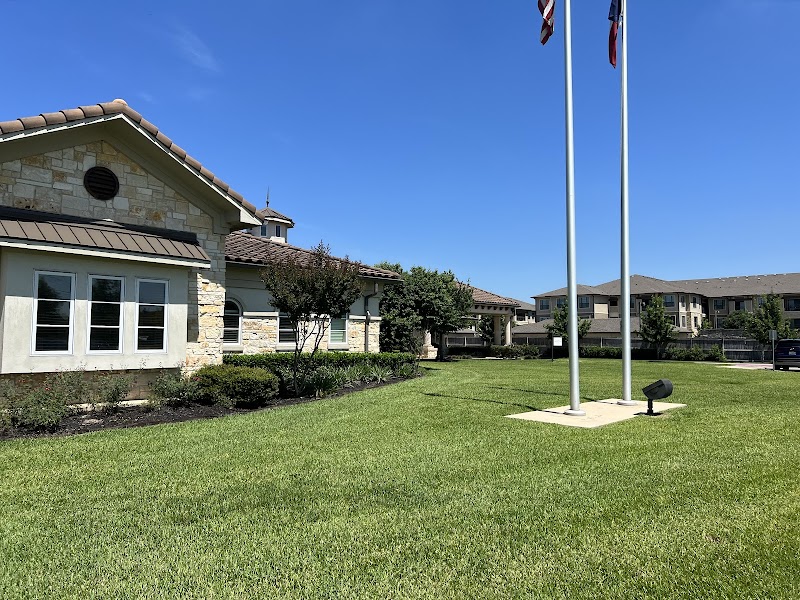
Who Owns and Operates Solera At West Houston?

SOLERA AT WEST HOUSTON is owned by a for-profit company. For-profit facilities operate as businesses with obligations to shareholders or private owners. The facility is operated by CANTEX CONTINUING CARE, a chain that manages multiple nursing homes. With 112 certified beds and approximately 99 residents (about 88% occupancy), it is a mid-sized facility located in HOUSTON, Texas.
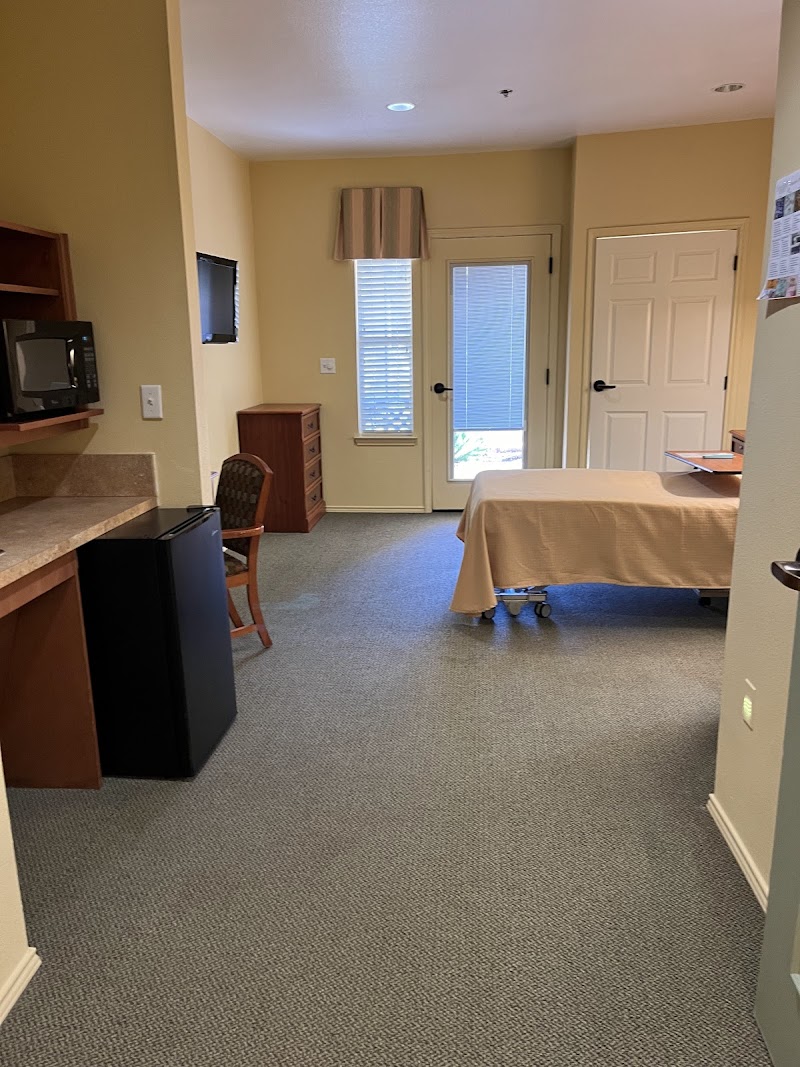
How Does Solera At West Houston Compare to Other Texas Nursing Homes?

Compared to the 100 nursing homes in Texas, SOLERA AT WEST HOUSTON's overall rating (2 stars) is below the state average of 2.8, staff turnover (44%) is near the state average of 46%, and health inspection rating (2 stars) is below the national benchmark.

What Should Families Ask When Visiting Solera At West Houston?

Based on this facility's data, families visiting should ask: "What changes have been made since the serious inspection findings, and how are you preventing similar issues?" "What safeguards and monitoring systems are in place to protect residents from abuse or neglect?" "Can you walk me through typical staffing levels on day, evening, and night shifts?" "Can I visit during a mealtime to observe dining assistance and food quality?" These questions are particularly relevant given the facility's Immediate Jeopardy citations, the substantiated abuse finding on record, and the below-average staffing rating.

Is Solera At West Houston Safe?

Based on CMS inspection data, SOLERA AT WEST HOUSTON has documented safety concerns. The facility has 1 substantiated abuse finding (meaning confirmed case of resident harm by staff or other residents). Inspectors have issued 1 Immediate Jeopardy citation (the most serious violation level indicating risk of serious injury or death). The facility has a 2-star overall rating and ranks #100 of 100 nursing homes in Texas. Families considering this facility should ask detailed questions about what corrective actions have been taken since these incidents.

Do Nurses at Solera At West Houston Stick Around?

SOLERA AT WEST HOUSTON has a staff turnover rate of 44%, which is about average for Texas nursing homes (state average: 46%). Moderate turnover is common in nursing homes, but families should still ask about staff tenure and how the facility maintains care continuity when employees leave.

Was Solera At West Houston Ever Fined?

SOLERA AT WEST HOUSTON has been fined $17,651 across 2 penalty actions. This is below the Texas average of $33,255. While any fine indicates a compliance issue, fines under $50,000 are relatively common and typically reflect isolated problems that were subsequently corrected. Families should ask what specific issues led to these fines and confirm they've been resolved.

Is Solera At West Houston on Any Federal Watch List?

SOLERA AT WEST HOUSTON is not on any federal watch list. The most significant is the Special Focus Facility (SFF) program, which identifies the bottom 1% of nursing homes nationally based on persistent, serious quality problems. Not being on this list means the facility has avoided the pattern of deficiencies that triggers enhanced federal oversight. This is a positive indicator, though families should still review the facility's inspection history directly.