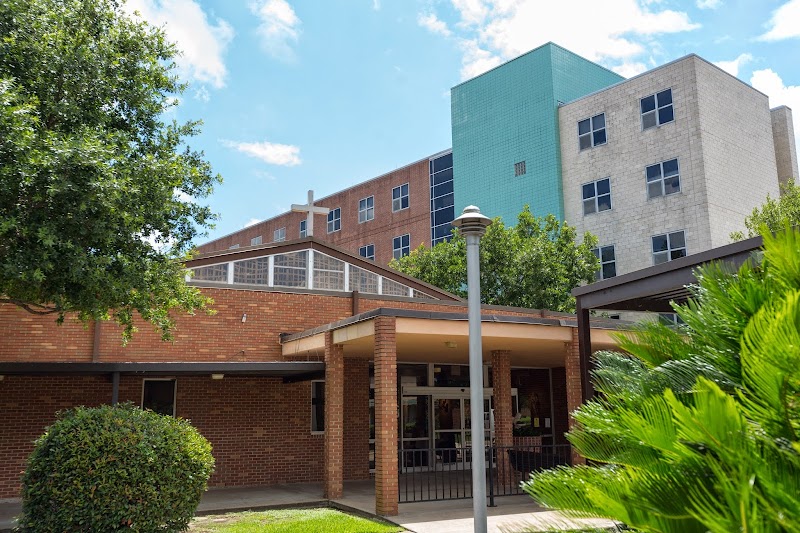
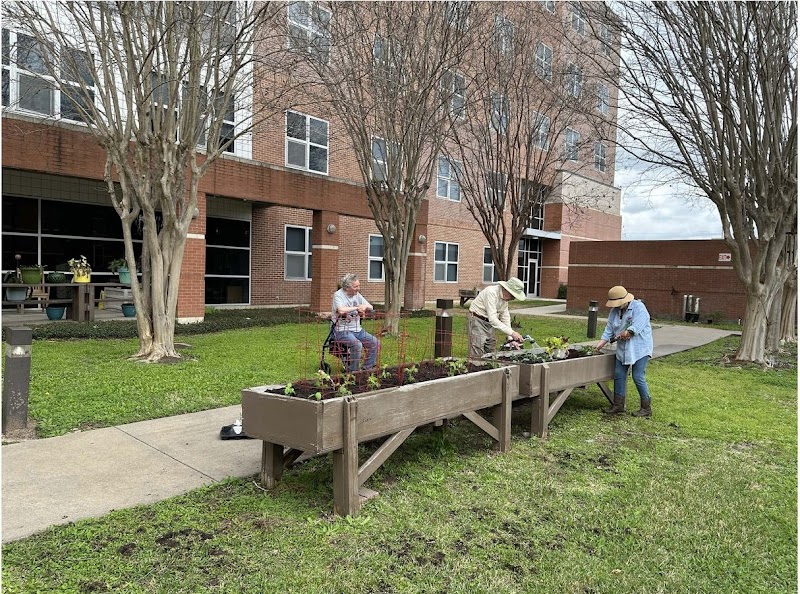
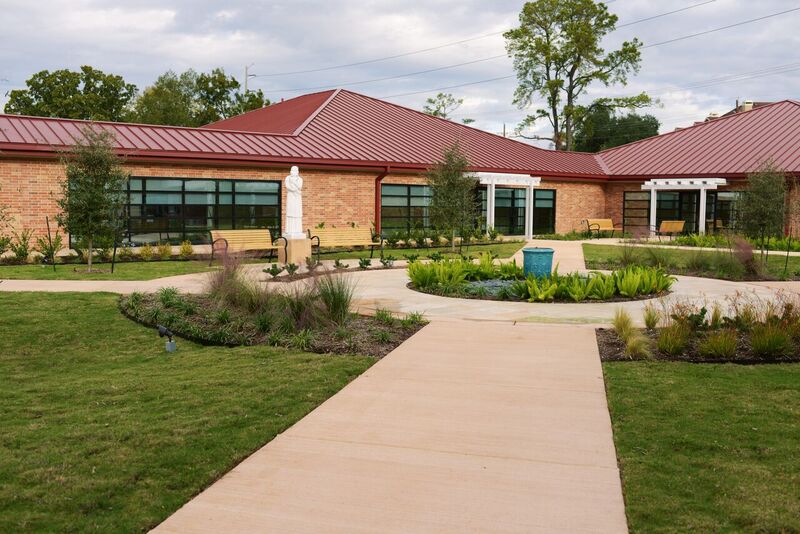
ST DOMINIC VILLAGE NURSING HOME

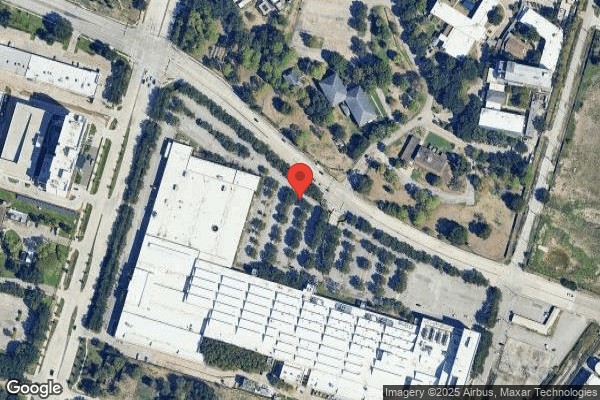
2409 E HOLCOMBE BLVD, HOUSTON, TX 77021 (713) 741-8701
Non profit - Church related 158 Beds Independent Data: November 2025 1 Immediate Jeopardy citation
Trust Grade
38/100
#568 of 1168 in TX
Last Inspection: May 2025

Inspected within the last 6 months. Data reflects current conditions.

Overview

St. Dominic Village Nursing Home has received a Trust Grade of F, indicating poor quality with significant concerns. Ranking #568 out of 1168 in Texas and #47 out of 95 in Harris County places it in the top half of facilities, but the low trust grade raises alarms for families considering it. The facility is showing improvement, as issues decreased from four in 2024 to three in 2025, although the remaining problems are serious. Staffing is a strength with a perfect 5/5 star rating and a turnover rate of 47%, which is below the state average. However, the facility faced $42,031 in fines, which is concerning, and has troubling inspection findings, including incidents of abuse where residents were not protected from inappropriate behavior and where a caregiver pushed a resident's face into bed railings, highlighting serious risks to resident safety.

Trust Score
F
38/100
In Texas
#568/1168
Top 48%
Safety Record
High Risk
Review needed
Inspections
Getting Better
4 → 3 violations
Staff Stability
⚠ Watch
47% turnover. Above average. Higher turnover means staff may not know residents' routines.
Penalties
○ Average
$42,031 in fines. Higher than 74% of Texas facilities. Some compliance issues.
Skilled Nurses
✓ Good
Each resident gets 47 minutes of Registered Nurse (RN) attention daily — more than average for Texas. RNs are trained to catch health problems early.
Violations
⚠ Watch
11 deficiencies on record. Higher than average. Multiple issues found across inspections.
★★★☆☆
3.0
Overall Rating
★★★★★
5.0
Staff Levels
★★★★☆
4.0
Care Quality
★★☆☆☆
2.0
Inspection Score
Stable
2024: 4 issues
2025: 3 issues

The Good

  • 5-Star Staffing Rating · Excellent nurse staffing levels
  • 4-Star Quality Measures · Strong clinical quality outcomes
  • Full Sprinkler Coverage · Fire safety systems throughout facility
  • No fines on record

Facility shows strength in staffing levels, quality measures, fire safety.

The Bad

3-Star Overall Rating

Near Texas average (2.8)

Meets federal standards, typical of most facilities

Staff Turnover: 47%

Near Texas avg (46%)

Higher turnover may affect care consistency

Federal Fines: $42,031

Above median ($33,413)

Moderate penalties - review what triggered them

The Ugly 11 deficiencies on record

1 life-threatening
May 2025 3 deficiencies 1 IJ
CRITICAL (J) 📢 Someone Reported This

A family member, employee, or ombudsman was alarmed enough to file a formal complaint

Immediate Jeopardy (IJ) - the most serious Medicare violation

Free from Abuse/Neglect (Tag F0600)

Someone could have died · This affected 1 resident

**NOTE- TERMS IN BRACKETS HAVE BEEN EDITED TO PROTECT CONFIDENTIALITY** Based on observations, interviews, and record reviews the facility failed to ensure residents were free from sexual abuse and ph...

Read full inspector narrative →
**NOTE- TERMS IN BRACKETS HAVE BEEN EDITED TO PROTECT CONFIDENTIALITY** Based on observations, interviews, and record reviews the facility failed to ensure residents were free from sexual abuse and physical abuse for three of ten residents (Resident #61, #52 and #48) reviewed for abuse. -The facility failed to have a policy and procedure in place to address the determination of capacity to consent to sexual activity for residents who lacked the cognitive ability to consent. On 2/25/25 RA A witnessed inappropriate sexual behavior between two residents who had dementia. Resident #61 had his mouth on Resident #52's breast. -The facility failed to ensure Resident #48 was free of abuse when CNA A pushed Resident #48's face into his bed railings while providing incontinence care. This failure was identified as Non-Immediate Jeopardy. An Immediate Jeopardy situation was identified on 04/30/25. The IJ template was provided to the facility on [DATE] at 05:23 PM. While the IJ was removed on 05/03/25 at 1:00 PM the facility remained out of compliance at a scope of isolated and a severity level of no actual harm with potential for more than minimal harm that is not immediate jeopardy due to the facility's need to evaluate the effectiveness of the corrective systems. This deficient practice could place residents at risk of non-consensual sexual relations, physical pain, psychosocial distress and feeling uncomfortable. Findings include: Record review of the provider investigation report submitted to the state by the Administrator dated 3/04/2025 revealed in part: .Description of the Allegation: On 2/25/25 a staff member walked into the room of the listed female resident (Resident #52), observed the listed male resident (Resident #61) with his mouth on the breast of the female. The male was asked to leave the room without incident. The male resident was placed on one-to-one supervision until his transfer to a psychiatric/behavioral hospital for further evaluation/treatment. Both residents have a diagnosis of Dementia. Both residents have the capacity to be interviewed, however the female resident does not have the capacity to make informed decisions. The female resident was assessed for injuries. None were found or reported RP/Physician notified. RP reported that she did not want to send female resident to SANE-Sexual Assault Nurse Examiner. Resident is currently being followed by psychiatric services Incident reported to law enforcement .RPs, Physicians, Ombudsman notified. Staff in-serviced on Abuse. Other residents interviewed, no other incidents were reported or found. All residents are being monitored for both comfort and safety. Investigation Summary: Confirmed. Male resident placed on one to one supervision until transfer to psychiatric/behavioral hospital . Further review revealed police incident #0252699-25 and a witness statement from RA A confirming she witnessed Resident #61 in Resident #52's room with his mouth on her breast and was reported to the nurse on duty and the DON, he was asked to leave the room. The report included the facility's Abuse and Neglect policy as well as policy for Patient Care with Dignity, Respect and Safety. The report included staff in-service sign in sheet dated 2/25/25 and resident safe surveys conducted by the SW. Record review of Resident #61's face sheet dated 04/01/2025 revealed an [AGE] year-old male admitted to the facility on [DATE] and readmitted on [DATE]. His diagnoses included dementia, cognitive communication deficit, muscle weakness and unsteady on his feet. Record review of Resident #61's admission MDS (a resident assessment tool) dated 8/13/2024 indicated he had a BIMS score of 11 out of 15 indicating moderately impaired cognition. He had no physical behavioral symptoms directed towards others. He used a walker for mobility. Record review of Resident #61's quarterly MDS dated [DATE] revealed a BIMS score of 10 out of 15 indicating moderate impaired cognition. Resident #61 had no physical behavioral symptoms directed towards others. Record review of Resident #61's undated care plan, downloaded from the electronic health records at entrance on 04/01/25, revealed the care plan did not address an inappropriate sexual incident on 2/25/2025 involving Resident #52 or sexual behaviors towards any other individuals. Record review of Resident #52's face sheet dated 04/01/2025 revealed a [AGE] year-old female admitted to the facility on [DATE]. Her diagnoses included dementia, depression, and cognitive communication deficit. Record review of Resident #52's admission MDS dated [DATE] revealed a BIMS score of 7 out of 15 indicating severe cognitive impairment. Further review of the admission MDS revealed she had no physical behavioral symptoms directed towards others. Record review of Resident #52 quarterly MDS dated [DATE] revealed a BIMS score of 6 out of 15 indicating severe cognitive impairment. Resident #52 sometimes felt lonely or isolated from others. Resident #52 had no physical behavioral symptoms directed towards others. Record review of Resident #52 undated care plan downloaded from the electronic health records at entrance on 04/01/25 revealed, Focus - Resident #52 received anti-anxiety medications daily for anxiety, date initiated 12/10/24. Interventions included: monitor/document/report PRN any adverse reactions to anti-anxiety therapy to include unexpected side effects: Mania, hostility, rage, aggressive or impulsive behavior, hallucinations. Further review revealed the care plan did not address an inappropriate sexual incident on 2/25/2025 involving Resident #61 or sexual behaviors towards any other individuals. Record review of Resident #61's progress note dated 2/25/25 at 3:16 PM and written by LVN C revealed when Resident #61 was observed with his mouth on Resident #1's chest, immediate intervention was provided to separate the residents and ensure safety. Resident #61 was redirected, and the resident was placed on one-on-one observations. Record review of the facility's one-on-one Behavior Monitoring Form dated 2/25/25 and 2/26/25 revealed Resident #61 was checked hourly after the incident starting on 2/25/25 at 3:00 PM and ending on 2/27/25 at 6:00 AM. CNA B and CNA C documented no behaviors were observed. The form was signed by the supervisor LVN C. Record review of Resident #61's Behavioral Health Diagnostic Assessment from the facility dated 03/14/2025 written by the Psychologist indicated the reason for referral was anxiety and the assessment indicated there was no sexual acting out. Record review of Resident #52's Behavioral Health Plan of Care from the facility dated 03/14/25 and written by the Psychologist indicated a primary diagnosis of adjustment disorder, anxiety, depression, and a secondary diagnosis of mild dementia with psychotic disturbance. The therapy focused on reducing symptoms of depression and anxiety. The resident was not a good historian and was occasionally confused. Further review revealed the sexual activity incident on 2/25/25 was not addressed. In an interview on 04/01/25 at 09:30 AM, RA A said back in February 2025 she walked into a resident room, and she witnessed Resident #52 and Resident #61 engaging in sexual activity. She said Resident #52 had her shirt up and Resident #61 was sucking on her breast. RA A said she tried to intervene and separate the residents but Resident #52 said she wanted Resident #61 to stay. RA A said she did not think Resident #52 was cognizant enough to give consent, so she immediately notified her nurse. In an interview on 04/01/25 at 11:45 AM, the DON stated the MDS nurse would normally be the one to update the care plan and he expected this after the incident with Residents #61 and #52. In an interview on 04/01/25 at 1:00 PM, the ADON stated the care plan should have been updated as soon as possible after the occurrence between Resident #61 and #52. The ADON stated she did not know why it was not updated but it should be as Resident #52 had behaviors and if there were specific approaches that were not reflected in the care plan, it would affect the care of the resident. The ADON stated Resident #61's care plan should also be updated for the same reason. In a telephone interview on 04/01/25 at 1:15 PM, the MDS Nurse stated she was one of the MDS nurses in charge of the long-term care residents and that the unit managers were responsible for updating care plans if behaviors for Residents #61 and #52 were involved since they were the ones who usually conduct the care conferences with the family and resident. The MDS nurse stated other responsible staff would be the SW and ADON. In an interview on 04/01/25 at 1:45 PM, the SW stated the care plan for Resident #61 and #52 should have been updated due to behavior issues and the purpose of the care plan was to reflect everything about the resident. The SW stated the incident could happen again if the care plan was not updated. Telephone interview on 4/1/2025 at 6:58 PM, Resident #61's RP stated he was unsure about whether he was ok with Resident #61 having sexual relations and he would wait until the next care conference to discuss it with the facility. The RP said Resident #61 had some degree of Alzheimer's but was not a predator. In an observation and interview on 04/02/25 at 8:45 AM, Resident #61 was in his room lying on his bed awake and alert. Resident #61 stated he was moved to room [ROOM NUMBER] a few days ago and did not know the reason for the move. In an observation and interview on 4/16/2025 at 2:14 PM, Resident #52 denied the incident about a male resident coming into her room and sucking on her breast. She said it was a fairytale and never happened. She stated she did not recognize Resident #61's name. The resident was not in any distress. Interview on 4/16/2025 at 4:20 PM, the DON stated according to the staff he was told Resident #52 was holding her shirt up and Resident #61 had his mouth on her breast. The DON stated there were no other incidents, that that was a situation they had never faced before. The DON stated there was no real reason for Resident #61 and #52 to be able to consent since they both have dementia. Resident #61 had never done anything like that before and had never been a trouble resident. The DON stated that capacity to consent forms for residents with dementia may be in the facility admission Packet, it may state the RP makes the decisions and that he would have to look and see what he could find as he was not sure. Interview on 4/16/2025 at 5:18 PM, Resident #61 stated he admitted he often went by Resident #52's room to make sure she ate. He would not say what he did and began using expletives and the interview ended. Telephone interview on 4/16/25 at 5:41 PM, Resident #61's RP stated that he was not sure about consenting for him to have sexual relations because he was only his nephew. He asked the surveyor if the elderly were still having sex in the nursing home. He did not provide an answer when asked if Resident #61 could consent to sexual relations. Telephone interview on 4/17/2025 at 9:14 AM, Resident #52's RP stated she would not prevent it if Resident #52 chose to have a male resident in her room, that she would let her live out her days the way she would like to and that if a sexual interaction happened again, she would not do anything. The RP stated something like that had never happened before. The RP stated the facility had never asked for consent to have sexual relations. The RP stated Resident #52 could not make decisions for herself and that she was like a [AGE] year-old. Interview on 4/17/2025 at 11:38 PM the Administrator stated Residents #61 and #11 had an established friendship that both families were aware of and were OK with. Resident #52 had not been deemed incompetent because she would tell him that she could make her own decisions. The Administrator stated the facility did not have consent forms for sexual activity. The Administrator stated there was no specific assessment for capacity to consent to sexual activity. The Administrator stated there was no specific policy when, how, who determined capacity to consent to sexual activity and where it would be documented. The Administrator stated we make it clear in resident rights and abuse policy we would be infringing on their rights. The Administrator stated at the time we assessed that neither resident was at risk. The Administrator stated, If it would happen again, they would be in the same situation, and he would not know how it would be addressed. The Administrator stated there were no policy revisions made after the investigation. The Administrator stated Resident #61 was moved from 400 hall to 200 hall due to the process of making a specialized are on Hall 400. On 04/17/2025 at 11:33 AM, an attempt was made to call Resident #61's physician. A voicemail and text message were sent to return Surveyor's call. No call back was received. Telephone interview on 4/17/2025 at 11:57 AM, Resident #52's Physician stated she had been notified about the incident. She stated Resident #52 did not have the capacity to consent to have sexual relations with other residents. She said at her stage of dementia, she would not understand fully what was happening. She said she was not a psychiatric doctor and not sure if she could have suffered any psycho-social harm but Resident #52 would possibly understand pain or injury. Telephone interview on 4/17/2025 at 12:27 PM, RA A stated she saw Resident #61 with Resident #52 at the entrance to Resident #52's room and noticed Resident #61 doing inappropriate things to Resident #52. RA A stated she tried to make Resident #61 leave but Resident #52 did not want him to leave. RA A called out for a nurse and nurse (unknown name) was able to get Resident #61 to leave. RA A stated she was instructed by the Administrator to sit with Resident #61. Telephone interview on 4/17/2025 at 3:00 PM, Resident #52's Psychologist stated she was not notified of the incident. Resident #52 would not have the capacity to consent to sexual relations due to her dementia worsening over the past 6 months. In a telephone interview on 04/18/25 at 1:30 PM, LVN C stated nursing staff were monitoring Resident #61 round the clock after the incident and remained by his side until he was transferred to the hospital on 2/27/25. LVN C stated Resident #61 had no behaviors and was always pleasant, friendly, and kept to himself. LVN C stated she worked quickly to get him to the behavioral hospital as soon as a bed was available. LVN C stated she had never seen sexual inappropriate behavior by Resident #61 or any resident before. LVN C confirmed she signed the one-on-one Behavior Monitoring Form dated 2/25/25 and 2/26/25. In a telephone interview on 04/18/25 at 3:50 PM, CNA C stated she observed Resident #61 every time he moved and followed him if he stepped out of the room. CNA C stated Resident #61 remained in his room and had no behaviors. CNA C stated she did sign the monitoring sheets dated 2/25/25 to 2/26/25 and confirmed her initials. Record review of the facility's Abuse and Neglect Prohibition Policy and Procedure, revised 02/24/2016 read in part Policy: Each resident has the right to be free from mistreatment, neglect, abuse, involuntary seclusion, injuries of unknown origin, and misappropriations of property .Definitions: .Sexual abuse includes, but is not limited to, sexual harassment, sexual coercion or sexual assault .Investigation: 1. The facility will conduct an investigation on any alleged abuse/neglect, injuries of unknow origin, or misappropriation of resident property in accordance with state law . Further review of the policy did not address capacity to consent to sexual activity and how to assess capacity to consent to sexual activity. Record review of a copy of the facility's undated admission Packet revealed consent to sexual activity was not addressed. Record review of the facility's QAPI committee policy and procedure, written April 2024 revealed in part .It is the policy of the facility to establish a multi-disciplinary team whose responsibility is to monitor and evaluate systems of care, management practices, clinical care, residents' choice and quality of life to ensure our residents receive the highest quality of care possible .Our purpose entails identifying problems, initiating a plan of action to resolve problems, evaluate the results of actions taken to ensure effectiveness, review and revise action plans as necessary to obtain effectiveness and to review and revise facility policies, procedures and protocols when necessary . This failure resulted in an identification of an Immediate Jeopardy (IJ) on 04/30/25. The Administrator was informed and provided the IJ template on 04/30/25 at 5:23 PM. A Plan of Removal (POR) was requested. The following Plan of Removal submitted by the facility was accepted on 05/02/25 at 03:13 PM. Plan of Removal: Item 1 was a revised Policy and Procedure for Sexual Abuse, which was completed on 5/1/25. The revision included an assessment and process to determine a resident's capacity to consent to sexual activity. This was completed on 5/2/25. Item 2 was placing Resident #61 on one-to-one supervision until a third mental health evaluation could be completed to determine if the resident was a threat to himself or other residents. Resident #61 was also evaluated to determine capacity to consent to sexual activity. This was completed on 5/2/25. Item 3 was Resident #52 being re-evaluated for her ability to consent to sexual activity, updating care plan, and ongoing psychosocial services. This was competed on 5/2/25. Item 4 was the process for enforcement of the new policy for residents that are found to have engaged in sexual activity. This was completed on 5/1/25. Item 5 was staff in-service on revised Policy and Procedure for Sexual Abuse. No staff was permitted to work until receiving the in-service. This was completed on 5/2/25. Monitoring of Plan of Removal: Record review of the facility policy titled Resident Sexual Activities dated April 2025 revealed the purpose of the policy was to establish policies and procedures for addressing both consensual /non-consensual sexual interactions involving residents, including investigation, and documentation. Procedures for the policy were: 1.Residents whose Brief Interview for Mental Status (BIMS) is 10 or below will be assessed for capacity to consent to sexual activity. 2. If the resident has demonstrated the ability to consent to sexual activity, the facility will provide adequate accommodation for space and privacy. Residents may be provided with basic education such as the use of condoms, sexually transmitted diseases etc. 3. If a resident has not demonstrated the ability to consent to a sexual activity, his/her responsible party will be notified of the sexual behavior (s) or desire to participate in one; in conjunction with the responsible party or medical power of attorney a plan to ensure the resident's safety from unwanted sexual acts(s) will be developed and implemented. 4. If a resident is a recipient of an unwanted sexual act by another resident the following steps will be taken: 1. Provide adequate monitoring for the resident until the person initiating the unwanted sexual act is either removed from the facility and or threat is neutralized. 2. If the person initiating the unwanted sexual act is a resident, this person will be placed on one-to-one monitoring until he/she is evaluated by a licensed mental health professional, discharged from the facility or deemed safe to remain in the facility, by a licensed professional. 5. When it has been determined that a sexual act between residents has occurred, all involved residents will be interviewed to determine if the act was consensual, and their response will be documented in the medical record. For residents which have been determined to not have the ability to consent to a sexual activity, the party responsible or power of attorney can record the response on behalf of the resident. 6. The facility's ombudsman will continue to be notified of reportable incidents of abuse and be utilized as a resource to advocate for resident rights. 7. The resident's care plan will be updated accordingly. Record review revealed the facility completed an assessment tool to determine a resident's capacity to consent to sexual related activities will be completed by any resident whose BIMS Score is 10 or below. The assessment tool submitted specifically addressed the residents understanding of what may be defined as a sexual activity and his/her ability to willingly consent without duress or coercion. The assessment would be administered and scored by a licensed mental health professional. A Licensed Mental Health Professional (LMHP) is a certified practitioner in the field of mental health, with the education, training, and licensure to provide a range of mental health services. Observation and record review from 5/1/25 to 5/5/25 throughout the survey revealed Resident #61 was placed on 1:1 supervision on 2-25-25 and remained on 1:1 supervision until he was sent to a behavioral health hospital on 2-27-25 for evaluation. He returned to the facility on 3-11-25 with no special instructions for supervision and returned with medications for hyper-sexual activity. Those medications were subsequently removed by his primary physician. There have been no sexual or other behaviors post interaction with Resident #52. Resident #61 was again placed on 1:1 supervision from 4/18/25 to 4/24/25 due to concerns from state surveyor. The resident was re-evaluated by a mental health professional on 4-24-25 and was subsequently able to consent to sexual related activities. His care plan was updated 4-24-25. In addition, the submitted assessment was administered to Resident #61, he had the capacity to consent to sexual activity. The resident was again placed on 1:1 supervision during the Plan of Removal and Monitoring and remained on until 5/2/25. The psychological re-assessment was completed by Psychiatric Nurse Practitioner on 5-2-25 and Resident #61 had not been found be a threat to himself, staff, or other residents. Record review revealed Resident #52 was evaluated on 5/2/25 by Psychiatric Nurse Practitioner and it was determined that she does have capacity to consent to sexual behavior. Review of staff in-service records regarding revised policy and procedure for sexual abuse was conducted on 5/3/25. Observed sign in sheets dated 5/1/25, 5/2/25, and 5/3/25 for education regarding new policy. Staff listed below were interviewed and were able to verbalize multiple types of abuse to include sexual abuse. They reported that they had received in- service specifically for resident with resident sexual activity. Staff were able to report that they are aware that upon admit that all residents will be assessed by the BIMS tool for mental status. Resident that receives 10 or less will then be given a more in-depth questionnaire concerning their ability to make consent regarding sexual activity and need to be assessed by a qualified mental health professional. Those residents who qualify and are able to give consent to sexual activity will be given privacy and education regarding condoms and sexual transmitted disease. Nurses were able to report if the resident was unable to consent to sexual activity she would notify the administrator, representative, POA. All staff reported in the event a resident was found to be involved in sexual activity and consent had not been received the resident would then be placed on one-on-one and assessed by a qualified medical professional. Staff will begin documenting sexual activity consent in the chart when it is consensual. In the event the sexual activity is not consensual the sexual activity, the residents would be separated and the event would be reported to the administrator. The care plan would be updated. 5.3.25 at 11:10 am LVN D 5.3.25 at 11:20 am CNA D 5.3.25 at 11:32 am LVN E 5.3.25 at 11:38 am LVN F 5.3.25 at 12:00 am CNA E 5.3.25 at 12:07 am RN B 5.3.25 at 12:16 pm RN C Interviews with the Administrator and DON from 5/1/25 to 5/5/25 throughout the survey revealed that residents that were found to have engaged in a sexual activity without another resident consent or with a resident that did not have the capacity to consent will be monitored one on one until a determination has been made by a licensed mental health professional regarding their ability to remain in the facility or until an alternate placement has been secured. The facility's nursing administration will be responsible for the scheduling and monitoring of residents placed on one-to one supervision. Daily oversight will be provided to ensure that the facility has the resources to do so, and that the supervision is carried out. The facility's Administrator will assist the nursing administration with the task. The facility was informed the immediacy was removed on 05/03/25 at 01:02 PM. The facility remained out of compliance at a scope of isolated at a severity level of no actual harm that was not immediate due to the facility's need to evaluate the effectiveness of the corrective systems that were put into place. Failure identified outside of IJ Resident #48 Record review of Resident #48's face sheet, dated 04/02/25, revealed, a [AGE] year-old male who was admitted to the facility on [DATE]. Resident #48 had diagnoses which included: type 2 diabetes, retention of urine, generalized muscle weakness, hemiplegia and hemiparesis (conditions causing weakness and paralysis on one side of the body) affecting right dominant side following a stroke ( brain tissue damage caused by blocked blood flow to the brain) and morbid obesity due to excessive calories. Record review of Resident #48's MDS, dated [DATE], revealed intact cognition as indicated by a BIMS score of 15 out of 15. Resident #48 had no verbal or physical behavioral symptoms directed towards others, no rejection of care, total dependence on staff for toileting hygiene and always incontinence of bowel. Record review of Resident #48's Care Plan, completed on 02/14/25 , revealed focus- ADL self-care deficit due to right hemiplegia, interventions- toileting: total assist with 1 staff, side rails- observe for injury or entrapment related to side rail use, reposition as necessary to avoid injury. An observation and interview on 04/01/25 at 08:37 AM revealed Resident #48 in bed with no pants with an incontinence brief visible. The resident had a blanket draped over his lower abdomen to mid-thigh. Resident #48 said in the previous month (February) when CNA A was providing incontinence care she rolled him on his side and his face was pushed into the bed railing. He said he screamed at CNA A to stop, she did not apologize, and he did not know if the CNA did it intentionally. He said CNA A was typically rough and rude during incontinence care and after the incident he requested she did not provide him care any longer. Resident #48 said the incident did not make him feel bad about himself or unsafe in the facility because CNA A was suspended and then terminated after the incident. He said he did not experience pain or sustain any injuries from the incident and the rest of the facility staff were fast and helpful even when he did not request for help. In an interview on 04/01/25 at 10:55 AM, LVN A said in February of 2025, Resident #48 reported he no longer wanted CNA A to provide care to him. She said the resident reported CNA A pushed his face into the bed rails when providing incontinence care and he had to yell at CNA A to stop. She said she notified the ADON and DON of the incident immediately following the incident. LVN A said other unidentified residents complained about CNA A's care in the past due to the staff being rough/rude. In an interview on 04/01/25 at 09:25 PM, CNA A said she was terminated from the facility following the incident with Resident #48. CNA A said when she provided incontinence care to Resident #48 with an unnamed student CNA, the resident did not have any complaints and there were no issues. She said when she turned Resident #48 on his side to clean, his peri area, she did not push the resident's face into the railing, he did not tell her to stop. CNA A said Resident #48 used a draw sheet, a piece of bedding used in healthcare settings to assist with repositioning patients to minimize friction and strain, since the resident was a large gentleman and his size made it impossible for her to push his face into the railing. In an interview on 04/01/25 at 11:13 AM, the DON said Resident #48 reported CNA A was rough when she turned him to wipe his backside during incontinence care, and the resident did not sustain any injuries or experience a change of condition following the incident. He said when he interviewed CNA A she apologized and claimed she did not push the resident into the railings. The DON said residents had previously complained about CNA A being assertive and some residents found her threatening. He said it was just CNA A's nature, and even with staff the way she talked could come off as combative so they had 1on1 conversations with her to see if she could change the way she talked. The DON said after the incident with Resident #48, management realized they tried everything, but she was not getting better and since she was not a good fit she was terminated. The DON said he did not think CNA A was a safety risk to residents emotionally or physically while she was employed at the facility. In an interview on 04/01/25 at 12:19 PM, the Administrator said the facility had no records of 1on1 conversations with CNA A regarding resident care . In an interview on 04/02/25 at 10:05 AM, the ADON said when performing incontinence care there needed to be 2 people who could assist with turning using the positioning sheet that way the other person not providing care could prevent the resident from hitting the railing. She said a pillow could also be used to prevent a resident from hitting the rails when turned to the side during incontinence care. The ADON said Resident #48 was alert, oriented and communicated his needs well. She said he did not have behaviors that would deem the resistant to care but he refused aspects of care in the past centered around catheter care. The ADON said sometime in February Resident #48 said when CNA A provided incontinence care she turned him over and his face touched the railing. She said all staff were trained and expected to be empathetic with residents, to be patient, kind, have a gentle touch and voice and honor the residents wishes. The ADON said CNA A was friendly and had a stern appearance which could be an issue for someone not knowing her. She said from everything she saw, CNA A had a gently voice
CONCERN (D) 📢 Someone Reported This

A family member, employee, or ombudsman was alarmed enough to file a formal complaint

Potential for Harm - no one hurt, but risky conditions existed

Deficiency F0761 (Tag F0761)

Could have caused harm · This affected 1 resident

Based on observation, interview and record review the facility failed to ensure in accordance with State and Federal laws, all drugs and biologicals were stored in locked compartments under proper tem...

Read full inspector narrative →
Based on observation, interview and record review the facility failed to ensure in accordance with State and Federal laws, all drugs and biologicals were stored in locked compartments under proper temperature controls and permitted only authorized personnel to have access to the keys for 1 of 1 medication carts (Unit 2-B Nursing Cart) reviewed for medication storage . The facility failed to ensure Unit 2-B Nursing cart revealed was not unlocked and unattended with medication on top of the cart. This failure could place residents at risk of adverse reactions to medications and misappropriation of medications. Findings include: An observation on 04/01/25 at 09:03 AM of the unlocked and unattended Unit 2-B Nursing cart revealed, a vial which contained Resident #16's Timolol eye drops, a medication used to treat glaucoma, on the top of the cart. The cart was in front of a patient room with the drawers easily accessible and facing the hall . In an observation and interview on 04/01/25 at 09:10 AM, inventory of the Unit 2-B Nursing Cart with LVN B revealed all drawers in the cart were unlocked and contained: Drawer 1 - More than 30 Lancets, a device with a small needle used to prick fingers to collect blood for blood sugar monitoring. - More than 10 pen needles, a short needle attached to pens used to inject medications under the skin. - Open and in use Basaglar and Novolog Insulin pens for Resident #16 - Open and in use Novolog Insulin and Insulin Glargine pens for Resident #2 - An open an in-use Humalog Insulin pen for Resident #8 - An open and in use Novolog 70-30 Insulin pen for Resident #1 - An open and in use Humalog Insulin pen - Alcohol prep Pads Drawer 2 - Topical medications including Nystatin 100,000, an anti-fungal, unit per gram for Resident #57. Drawer 3 - Multiple syringes which contained needles in sealed packets - 3 nail clippers - Hydrocortisone 1% cream - Syringe containing Saline for line flush Drawer 4 - Fluticasone Nasal Spray for Resident #51 - Inhaler for Resident #33 - Syringes which contained needles in sealed packets LVN B said all medications should be stored in nursing carts and carts must be locked when not under direct supervision of nursing staff. She said she left Resident #16's medication on top of the cart and forgot to lock the cart because another resident needed help. LVN B said unattended medications and unlocked medication carts could place residents at risk for medication errors or injuries if needles were accessed. In an interview on 04/01/25 at 11:13 AM, the DON said nursing carts were expected to be locked when not in use and under continuous supervision of staff to ensure the resident and medication safety. He said unlocked nursing carts and accessible medications placed residents at risk of unauthorized access to carts, medications errors or puncture injuries. Record review of the facility's policy titled Medication Administration revised 08/2024 revealed, 12- Never leave medication cart unlocked/ If the cart must be left due to an emergency, the cart is to be locked. All medications insured the cart and secured at all times, so they are inaccessible to resident. Do not leave medication on top of cart unattended.
CONCERN (E) 📢 Someone Reported This

A family member, employee, or ombudsman was alarmed enough to file a formal complaint

Potential for Harm - no one hurt, but risky conditions existed

Comprehensive Care Plan (Tag F0656)

Could have caused harm · This affected multiple residents

**NOTE- TERMS IN BRACKETS HAVE BEEN EDITED TO PROTECT CONFIDENTIALITY** Based on observation, interview and record review the facility failed develop and implement a comprehensive person-centered care...

Read full inspector narrative →
**NOTE- TERMS IN BRACKETS HAVE BEEN EDITED TO PROTECT CONFIDENTIALITY** Based on observation, interview and record review the facility failed develop and implement a comprehensive person-centered care plan for each resident, consistent with resident rights, that included measurable objectives and time frames to meet a residents' mental, nursing and mental and psychosocial needs that were identified in the comprehensive assessment for 3 of 7 Residents (Resident #61, Resident #52 and Resident #17) reviewed for care plans. The facility failed to ensure Resident #61's care plan with interventions for the inappropriate sexual interaction on 2/25/2025 was documented in a timely manner. The facility failed to ensure Resident #52's care plan with interventions for the inappropriate sexual interaction on 2/25/2025 was documented in a timely manner. The facility failed to ensure Resident #17's care plan accurately reflected the resident's behaviors which included yelling without stimulus, fighting the air . These deficient practices could place residents at risk of nonconsensual sexual relations and not receiving proper care and services. The findings include: Record review of Resident #61's face sheet, dated 04/01/2025, revealed an [AGE] year-old male who was admitted to the facility on [DATE] and readmitted on [DATE]. His diagnoses included dementia , heart failure, COPD (chronic obstructive pulmonary disease) (a lung condition caused by damage to the airway), diabetes, muscle weakness and cognitive communication deficit. Record review of Resident #61's quarterly MDS (resident assessment tool), dated 02/12/2025, revealed a BIMS score of 10 out of 15, which indicated moderate impaired cognition. Resident #61 had no potential indicators of psychosis, no presence of behavioral symptom, no rejection of care. Resident #61 had functional limitations and impairment to one side of the upper extremity. He used a walker for mobility. He required supervision or moderate assistance from staff for most ADLs. Record review of Resident #61's, undated, care plan revealed an inappropriate sexual incident on 2/25/2025 which involved Resident #52 was not addressed until 4/2/25. Further review revealed readmission from the hospital on 3/11/2025 was also not addressed until 4/2/25. Resident's care plan stated that the resident would not be allowed to be alone in any female resident's room. Record review of Resident #52 face sheet, dated 04/01/2025, revealed a [AGE] year-old female who was admitted to the facility on [DATE]. Her diagnoses included dementia, age-related physical debility, muscle weakness, depression, and cognitive communication deficit. Record review of Resident #52 quarterly MDS, dated [DATE], revealed a BIMS score of 6 out of 15, which indicated severe cognitive impairment. Resident #52 sometimes felt lonely or isolated from others. Resident #52 had no potential indicators of psychosis, no presence of behavioral symptom, no rejection of care Resident #52 required moderate to maximal assistance from staff with most ADLs and used a wheelchair for mobility. Record review of Resident #52, undated, care plan revealed Focus - Resident #52 received anti-anxiety medications daily for anxiety, date initiated 12/10/24. Interventions included: monitor/document/report PRN any adverse reactions to anti-anxiety therapy to include unexpected side effects: Mania, hostility, rage, aggressive or impulsive behavior, hallucinations. Further review revealed a sexual activity incident on 2/25/2025 which involved Resident #61 was not addressed until 4/2/25. Resident #61 and Resident #52 are not to be alone together in either of their rooms. Residents will be allowed to visit in the common areas. Record review of the facility's incident report, dated 2/25/2025, read in part: .Description of the Allegation: On 2/25/25 a staff member walked into the room of the listed female resident (Resident #52), observed the listed male resident [Resident #61] with his mouth on the breast of the female. The male was asked to leave the room without incident .[Resident #52] was assessed head to toe and no injuries found or reported Record review of Resident #52's progress note, dated 2/26/2025 at 5:22 PM, written by SW revealed a telephone conversation between Resident #52's RP, the Administrator, and the SW. The progress note revealed the RP was asked if it were ok if Resident #52 and Resident #61 wanted to be in a consensual relationship, that it would be care planned accordingly. The progress note revealed RP planned to meet with the rest of the family within the week to discuss their thoughts on the matter. Further review of Resident #52's progress notes, dated 02/26/2025 to 04/01/2025, revealed no documentation of follow up with Resident #52's RP until 4/2/25. Record review of Resident #61's progress note, dated 2/25/2025 at 3:48 PM, written by the ADON revealed Resident #61's RP was notified via telephone that Resident #61 had an inappropriate interaction with another resident and would be sent to the hospital for a behavioral evaluation. Observation on 4/01/2025 at 10:55 AM, revealed Resident #52 was in a wheelchair, self-propelling down the hallway. Resident #52 was cleanly dressed and in no distress. In an interview on 04/01/25 at 09:30 AM, RA A said back in February she walked into a resident room, and she witnessed Resident #52 and Resident #61 engaging in sexual activity. She said Resident #52 had her shirt up and Resident #61 was sucking on her breast. RA A said she tried to intervene and separate the residents but Resident #52 said she wanted Resident #61 to stay. RA A said she did not think Resident #52 was cognizant enough to give consent, so she immediately notified her nurse . In an interview on 4/01/2025 at 11:45 AM, the DON stated on 2/25/2025 it was reported to him Resident #52 and Resident #61 were observed at the doorway of Resident #152's room. Resident #52 had her shirt up and Resident #61's mouth was on her breast. The DON stated the staff immediately intervened and separated the residents. The DON stated as far as he knew, the RP of Resident #52 did not have any problems with the friendship between Residents #52 and #61, even if it was sexual. The DON stated the MDS nurse was responsible to update care plans and expected the care plans for both Residents #61 and #52 to be updated after the incident. In a telephone interview on 4/01/2025 at 6:50 PM, Resident #61's RP stated the facility notified the RP regarding the incident on 2/25/25. In an observation and interview on 4/02/2025 at 8:45 AM, revealed Resident #61 was lying on his bed awake, alert and not in distress. He stated he just got moved to his current room from another room and did not know why he was moved. In an interview on 4/2/2025 at 1:00 PM, the ADON stated usually the MDS nurse would update care plans. The ADON stated the care plan was what drove the resident's care and would need to be updated to reflect the occurrence between Residents #61 and #52. The ADON stated Resident #52 had behaviors and it should be updated to include a new approach. The ADON stated she did not know why the care plans were not updated and would have to check to see if there was information needed before the update . The ADON stated if approaches were not listed in the care plan, this would affect the care of Resident #61 and Resident #52. In a telephone interview on 4/2/2025 at 1:15 PM, MDS A stated she was one of the MDS nurses in charge of the long-term care residents. MDS A stated the unit managers were the ones responsible to update any behaviors since they were the ones responsible to conduct care conferences with the family and resident. MDS A stated other responsible staff would be the SW and the ADON. In an interview on 4/2/2025 at 1:45 PM, the SW stated the care plans for Residents #61 and #52 should be updated because it was a behavior related incident. The SW stated the purpose of the care plan was to reflect everything about the resident and if not updated the incident could happen again. Resident # 17 Record review of Resident #17's face sheet, dated 04/02/25, revealed a [AGE] year-old female who was admitted to the facility on [DATE]. Resident #17 had diagnoses which included: type 2 diabetes, high cholesterol, pain in left leg, unspecified altered mental status, and cognitive communication deficit. Record review of Resident #17's MDS, dated [DATE], revealed severe cognitive impairment as indicated by a BIMS score of 07 out of 15. She had no potential indicators of psychosis, no Hallucinations (experiences without real external input) or delusions (beliefs that are held contrary to reality), no physical behavioral symptoms towards others like hitting, kicking, pushing; no verbal behavioral symptoms towards others like threatening others, screaming and cursing at others and no other behavioral symptoms not directed towards other like verbal/vocal symptoms like screaming, and physical symptoms such as hitting or scratching self. Resident #17 had lower extremity impairment to both sides that limited her range of motion and was always incontinent of both bladder and bowel. Record review of Resident #17's Care Plan, completed on 02/13/25, revealed Focus: At times resident yells out due to cognitive deficit; intervention- 1:1 beside in-room visits and activities if unable to attend out of room events. Focus- resident has a behavior problem Yells at staff; interventions: Intervene as necessary to protect the rights and safety of others. Approach/Speak in a calm manner. Divert attention. Remove from situation and take to alternate location as needed. An observation on 04/01/25 at 09:35 AM revealed, Resident #17 in bed in the fetal position under a blanket. The resident's bed was low to the ground and fall mats were located next to the bed. She appeared well dressed, well-groomed and in no immediate distress. The resident was confused and answered yes to all questions and her responses were sometimes unrelated to the questions being asked. In an interview on 04/01/25 at 11:13 AM, the DON said Resident #17 was constantly yelling and was receiving psych services. She was bed bound and her behaviors were typically late in the evening and early in the morning. The DON said the resident sometimes fought and yelled unprovoked and without any stimulus. In an interview on 04/02/25 at 12:20 PM, the ADON said Resident #17 was confused and had behaviors such as screaming out unprovoked, rolling out of bed but those behaviors had become less frequent. She said all Resident #17's behaviors should have been documented in the chart and MDS because documentation drives the care, accurate care. The ADON said the MDS when completed should accurately reflect the patient, painting a clear picture. She said an inaccurate MDS could place residents at risk of error. In an interview on 04/02/25 at 01:17 PM, MDS A said resident MDSs were completed through an interdisciplinary process, but she went over the document. She said the MDS should accurately reflect the residents', and she only knew Resident #17 screamed and yelled when she needed services like repositioning. MDS A said she was never notified or observed any documentation in Resident #17's chart that she had behaviors such as yelling unprovoked or fighting the air . In an interview on 04/02/25 at 01:30 PM, LVN B said she was Resident #17's nurse. She said Resident #17's usual behavior included yelling out unprovoked, but she had not noticed her fighting without stimulus . On 04/02/25 at 01:2 PM, a written request was made to the Administrator for the facility policy on accuracy of assessment. The policy was not provided prior to exit. Record review of the facility's policy and procedure for Health Care Plans, revised in March 2024, read in part: .It is the policy . to involve all disciplines in the development of a resident health care plan that recognizes the resident's right to achieve his/her personal health goals. Purpose: To ensure the development of a comprehensive, person-centered care plan that includes measurable objectives and timetables to meet the resident's physical, psychosocial and functional needs is developed and implemented for each resident .1. An interdisciplinary team approach is used to develop a plan of care that meets the specific needs identified. 2. The process for meeting the goals includes providing supportive care, treating a disease or condition, rehabilitating physical or psychosocial impairment, and promoting health .6. Assessments of residents are ongoing, and care plans are revised as information about the residents and the residents' condition change .8. The interdisciplinary Team must review and update the care plan: c. When the resident has been readmitted to the facility from a hospital stay
Feb 2024 4 deficiencies
CONCERN (D)

Potential for Harm - no one hurt, but risky conditions existed

Deficiency F0645 (Tag F0645)

Could have caused harm · This affected 1 resident

**NOTE- TERMS IN BRACKETS HAVE BEEN EDITED TO PROTECT CONFIDENTIALITY** Based on interview, and record review, the facility failed to coordinate assessments with the Preadmission Screening and Residen...

Read full inspector narrative →
**NOTE- TERMS IN BRACKETS HAVE BEEN EDITED TO PROTECT CONFIDENTIALITY** Based on interview, and record review, the facility failed to coordinate assessments with the Preadmission Screening and Resident Review (PASARR) program to the maximum extent practicable for 1 of 5 residents (Resident #17) reviewed for PASARR. The facility failed to update the PASARR Level 1 forms for Resident #17 to indicate mental health illness. This failure could place residents requiring PASARR services at risk of not having their special needs assessed and met by the facility. Findings included: Record review of Resident #17's admission Record, dated 12/28/2023, revealed an 84 -year-old male who admitted to the facility on [DATE]. Resident # 17 face sheet dated 02/08/2024 revealed that Resident # 17 had an active diagnosis of (PTSD) Post Traumatic Stress Disorder (a mental health condition that develops following a traumatic event characterized by intrusive thoughts about the incident, recurrent distress/anxiety, flashback and avoidance of similar situations.) with an onset documented as of 12/28/2023. Record review of Resident #17 clinical record, Resident #17 was diagnosed with Post Traumatic Stress Disorder (PTSD) with an onset documented as of 12/28/2024. PASRR Level 1 Screening for Resident #17 dated for 12/28/2023 indicated incorrect documentation of no mental health illness. As result of the incorrect documentation, it was determined that resident was not eligible for PASRR specialized services. Record review of Resident #17's care plan dated 12/28/2023 read in part Resident #17 uses psychotropic medications related to insomnia and anxiety but did not make mention of Post Traumatic Stress Disorder (PTSD). Interview on 02/06/24 at 10:43 am, Resident #17 stated that he often becomes anxious with staff as he felt that staff does not understand him. Resident #17 stated that he was abused as a child and as an adult he served in Navy. Resident #17 revealed that he often has trouble sleeping at night. He stated that he received his medications but did not know what medications he had been taking. Resident #17 denied receiving any services and support related to coping with PTSD and anxiety. Interview with MDS Coordinator on 02/06/24 at 11:56 AM revealed she had worked at the facility as an MDS Coordinator since December/2023. MDS Coordinator revealed that she was not aware why an updated PASRR Level I had not been completed for Resident #17 after identifying that Resident #17 was diagnosed with PTSD with an onset documented as of 12/28/2023. Interview with MDS Coordinator on 02/07/24 at 2:00 PM revealed that she was responsible for completing the PASRR. She stated that she completed a PASSR Level 1 referral update on 02/07/2024 after surveyors' interview on 02/06/2024. She confirmed that Resident #17's PASSR Level 1 on admission was negative and he was diagnosed with PTSD with an onset documented as of 12/28/2023. MDS Coordinator stated that she did not know that she had to submit an updated PASSR Level 1 indicating that Resident #17 had an active diagnosis of PTSD. The MDS Coordinator did not state whether she had received any training regarding PASSR . MDS Coordinator did not reveal how monitoring was conducted to ensure it was done timely and accurately. She did not know why the referral had not been completed on 12/28/23 and she said that it would be important for a resident to receive PASARR services if they qualified. The MDS Coordinator said that the potential risk to a resident for not having the corrected referral submitted to identify mental health illness, would be that the resident would not receive the necessary services qualified for. Record review of the facility's Resident Assessment-Coordination with PASARR Program policy dated implemented 6/2023 and Date Revised: 06/2023 revealed 9. Any resident who exhibits a newly evident or possible serious mental disorder, intellectual disability, or a related condition will be referred promptly to the state mental health or intellectual disability authority for a level II resident review .b. A resident whose intellectual disability or related was not previously identified and evaluated through PASARR.
CONCERN (D)

Potential for Harm - no one hurt, but risky conditions existed

Deficiency F0692 (Tag F0692)

Could have caused harm · This affected 1 resident

**NOTE- TERMS IN BRACKETS HAVE BEEN EDITED TO PROTECT CONFIDENTIALITY** Based on observation, interview, and record review, the facility failed to ensure residents maintained acceptable parameters of ...

Read full inspector narrative →
**NOTE- TERMS IN BRACKETS HAVE BEEN EDITED TO PROTECT CONFIDENTIALITY** Based on observation, interview, and record review, the facility failed to ensure residents maintained acceptable parameters of nutritional status, such as usual body weight for 1 of 5 residents (Residents #31) reviewed for nutrition. - The facility failed to ensure the implementation of the Registered Dietitian's recommendations that included Fortified meals for Resident #31. This failure could place residents at risk for weight loss and decline in health status. Findings include: Record review of Resident #31's Face Sheet dated 02/06/24 revealed, an [AGE] year-old female who admitted to the facility on [DATE] with diagnoses of: Alzheimer's Disease, and hypertension. Record review of Resident #31's MDS assessment dated [DATE] revealed, severely impaired cognition as indicated by a BIMS score of 01 out of 15, no malnutrition, no specified therapeutic diet, and set-up and clean up assistance for eating. Record review of Resident #31's undated Care Plan revealed, no weight related care areas. Record review of Resident #31's weight dated 01/08/24 revealed, 89.8 lbs. Record review of Resident #31's Diet Requisition Form dated 01/08/24 revealed, the resident was on a regular diet. Record review of Resident #31's weight dated 01/17/24 revealed, 90.0 lbs. Record review of Resident #31's Nutrition/Dietary Note dated 01/22/24 at 11:16 AM revealed, Resident #31 was 90.5 lbs. with a BMI was 16.6 (underweight) and her ideal body weight was 136-147 lbs. Oral intake likely adequate to meet estimated nutritional needs; however resident BMI indicates she is underweight. Resident may benefit from fortified food plan to promote weight gain. Goals:1. Gradual weight gain with a BMI goal >20; 2. Maintain adequate oral intake and start fortified food plan, all meals, indefinitely. Record review of Resident #31's weight dated 01/23/24 revealed, 90.5 lbs. Record review of an email dated 01/25/24 at 08:00 AM revealed, an email from the dietician that read Attached are the recommendations from my last visit. I will be returning on Friday of this week. The email had Resident #31's dietary recommendation of start fortified food plan, all meals, indefinitely and it was addressed to the facility CEO, Administrator, DON, ADON and Unit Manager A. Record review of Resident #31's Order Summary Report dated 02/07/24 at 01:58 PM revealed, no entered orders for a fortified diet. Record review of Resident #31's Meal Tickets and Diet Requisition Form presented on 02/07/24 at 03:11 PM revealed, the resident was ordered and received a regular diet. She was not ordered or receiving fortified meals. An observation on 02/06/24 at 10:24 AM revealed, Resident #31 well dressed and in no immediate distress in her room. The resident appeared thin but not frail and confused. Resident #31 was unable to answer the surveyor's questions. In an interview on 02/07/24 at 02:50 PM, the ADON said after her weekly visit the dietician emails her recommendations and these recommendations are forwarded to the unit managers for order entry and implementation. She said if a resident had a dietary recommendation for fortified meals there should be a corresponding order entered. After reviewing Resident #31's EMR the ADON said there was no order for fortified meals entered for Resident #31. The ADON said the nurse managers are responsible for ensuring dietary orders are entered and implemented accurately. In an interview on 02/07/24 at 03:11 PM, Dietary Staff A said the dietician communicated her recommendations to the nursing team who then enter the orders into the system and sometime the nurse manager will deliver the orders to her for implementation. She said dietary recommendations are usually entered with 24 hours and then implemented on the next meal ticket. Dietary Staff A said Resident #31 did not have an order for fortified meals and the resident had the same ordered regular diet since admission on [DATE]. In an observation and interview on 02/08/24 at 09:37 AM, Nurse Manager A said she was the nurse responsible for entering dietary orders for Resident #31's unit and residents are seen by the dietician weekly and new dietary orders are normally implemented within 24 hours. She said after the dietician sees a resident, she sends an email to nursing administration and the nurse manager is responsible for transcribing the new dietary orders into the system. Nurse Manager A said once the order is entered the nurse will print out the order and physically deliver it to the dietary department. She said she kept a binder of all new dietary orders that she signed off on once she implemented them. Observation of the binder revealed a print out on 01/24/24 with the dietician's orders. There were 5 resident names highlighted, including Resident #31, and all resident names had a check beside their orders except for Resident #31. Unit Manager A said she did not know why she failed to enter and implement Resident #31's new dietary orders and failure to implement dietary recommendations as orders could place residents at risk for untreated weight issues or weight loss. On 02/08/24 at 09:58 AM, an attempt was made to contact the dietician. A voicemail was left, but the dietician did not return the call prior to exit. Record review of the facility policy titled Dietary Services, Certified Dietician revised 09/2022 revealed, 1- the certified dietician must conduct assessments of residents to ensure proper intake; 3- the certified dietician must issues recommendations that will be reviewed by physician for approval then transcribed into the EMR and implemented by dietary services.
CONCERN (D)

Potential for Harm - no one hurt, but risky conditions existed

Pharmacy Services (Tag F0755)

Could have caused harm · This affected 1 resident

Based on observation, interview and record review the facility failed to provide pharmaceutical services (including procedures that assure the accurate acquiring, receiving, dispensing, and administer...

Read full inspector narrative →
Based on observation, interview and record review the facility failed to provide pharmaceutical services (including procedures that assure the accurate acquiring, receiving, dispensing, and administering of all drugs and biologicals to meet the needs for 1 of 4 medication Carts (Station 1 PRN Nursing Cart) reviewed for pharmaceutical services. - The facility failed to ensure the Station 1 PRN nursing cart did not contain an expired bottle of Vitamin C 250 mg. This failure could place residents at risk of not receiving the desired therapeutic effect of their medications and uncontrolled health conditions. Findings Included: In an observation on 02/08/24 at 07:10 AM, inventory of the Station 1 PRN Nursing Cart with LVN A revealed: - An expired, open and in use stock bottle of Vitamin C 250 mg with a manufacturer's expiration date of 01/2024. LVN A said nursing staff are expected to check their medication carts daily for expired medications as they use the medications and then weekly. She said when supplements expire they might be less effective so they should be discarded because use could result in adverse reactions and under supplementation. In an interview on 02/08/24 at 07:40 AM, the DON said nursing staff are expected to check their carts daily as medication is used for inappropriately labeled and expired medications, while nursing management/unit managers also audit the carts once a week and randomly. He said expired medications must be removed and placed in the drug disposal bin in the medication room because it could result in adverse reactions. Record review of the facility policy titled Medication Administration revised 08/2022 revealed, 14. All multi-use containers must be labeled with opening date. If container is found to be opened and not labeled, it must be discarded. 15. All medication on the medication cart must be audited as needed, and any unlabeled, loose or expired medications must be removed and placed in medication destruction. 16. All expired and discontinued medications are reviewed and destroyed monthly by the pharmacy consultant.
CONCERN (D)

Potential for Harm - no one hurt, but risky conditions existed

Deficiency F0761 (Tag F0761)

Could have caused harm · This affected 1 resident

**NOTE- TERMS IN BRACKETS HAVE BEEN EDITED TO PROTECT CONFIDENTIALITY** Based upon observation, interview and record review the facility failed to ensure drugs and biologicals used in the facility mus...

Read full inspector narrative →
**NOTE- TERMS IN BRACKETS HAVE BEEN EDITED TO PROTECT CONFIDENTIALITY** Based upon observation, interview and record review the facility failed to ensure drugs and biologicals used in the facility must be labeled in accordance with currently accepted professional principles, and under proper temperature controls for 1 out of 8 Residents (Resident #43) and 1 of 4 medication carts ( Station 3 Medication Cart) reviewed for drug labeling and storage. - The facility failed to ensure the Station 3 Medication Cart did not contain an in-use insulin pen for Resident #43 with no open date. This failure could place residents at risk of adverse medication reactions and drug diversions. Findings included: Record review of Resident #43's Face Sheet dated 02/06/24 revealed, a [AGE] year-old male who admitted to the facility on [DATE] with diagnoses of anxiety disorder, high cholesterol and type 2 diabetes. Record review of Resident #43's Quarterly MDS assessment dated [DATE] revealed, intact cognition as indicated by a BIMS of 14 out of 15, partial/moderate assistance with most ADLs and always continent of both bladder and bowel. Record review of Resident #43's undated Care Plan revealed, focus- resident has diabetes and requires insulin; intervention- diabetes medication as ordered by doctor. Record review of Resident #43's Order Summary Report dated 02/08/24 revealed, HumaLOG Injection Solution 100 UNIT/ML (Insulin Lispro) Inject as per sliding scale: if 0 - 69 = 0; 70 - 99 = 20; 100 - 150 = 30; 151 - 200 = 40; 201 - 250 = 50; 251 - 300 = 60; 301 - 350 = 70; 351 - 400 = 80 Above 400 call MD, subcutaneously three times a day for diabetes. In an observation on 02/08/24 at 07:27 AM, inventory of the Station 3 Medication Cart with LVN B revealed: - An open and in-use Insulin Lispro Pen for Resident #43 with no open date. LVN B said nursing staff are expected to check their carts daily as medications are used for inappropriately labeled medications. She said insulin pens must be labeled with the date opened in order to track the expiration date. LVN B said when insulin expires it can not be used and must be discarded in the drug disposal bin. She said since the insulin pen did not have an open date it should not be used because it could be expired and if used it could result in uncontrolled blood sugars. In an interview on 02/08/24 at 07:40 AM, the DON said nursing staff are expected to check their carts daily as medication is used for inappropriately labeled and expired medications, while nursing management/unit managers also audited the carts once a week and randomly. The DON said all multidose insulin pens/containers must be labeled with the date open/removed from the refrigerator in order to track the expiration. He said when insulin expired it could become unstable and less effective and use can result in uncontrolled/ineffective control of blood sugars. The DON said if an insulin pen did not have an open date it cannot be used and must be discarded in the drug disposal bins located in the medication room. Record review of the facility policy titled Medication Administration revised 08/2022 revealed, 14. All multi-use containers must be labeled with opening date. If container is found to be opened and not labeled, it must be discarded. 15.All medication on the medication cart must be audited as needed, and any unlabeled, loose or expired medications must be removed and placed in medication destruction. 16. All expired and discontinued medications are reviewed and destroyed monthly by the pharmacy consultant.
Dec 2022 4 deficiencies
CONCERN (D) 📢 Someone Reported This

A family member, employee, or ombudsman was alarmed enough to file a formal complaint

Potential for Harm - no one hurt, but risky conditions existed

Deficiency F0567 (Tag F0567)

Could have caused harm · This affected 1 resident

**NOTE- TERMS IN BRACKETS HAVE BEEN EDITED TO PROTECT CONFIDENTIALITY** Based on interview, and record review, the facility failed to manage the personal funds of the resident deposited with the facil...

Read full inspector narrative →
**NOTE- TERMS IN BRACKETS HAVE BEEN EDITED TO PROTECT CONFIDENTIALITY** Based on interview, and record review, the facility failed to manage the personal funds of the resident deposited with the facility for 2 (Resident #29 and Resident #46) of 2 residents reviewed for with resident rights. The facility failed to ensure Resident #29 and Resident #46 trust fund accounts were spent down to avoid being over the amount allowed to have Medicaid Insurance benefits. This failure could place 2 residents, whose funds are managed by the facility, of losing their Medicaid insurance benefits Findings Included: Resident #29 An interview on 12/8/22 at 8:48 am with the CFO (Chief Financial Officer), he said he handled trust funds spending down trust fund balances and the remaining monies were from the Covid Relief money for Resident #29 and Resident #46, by sending out emails notifying Activities/ Management that the money is over or close to the 2,000-dollar limit. Residents #29 and Resident #46 that have over 2, 000 they investigated pre planned burial plans, but he thought they already had them, but their money will be spent down in the next couple of months. An interview on 12/8/22 at 10:41 am with the Administrator, she said that she was aware of the trust fund balances for Resident #29 and Resident #46 exceeding the amount limit requirements for trust funds with residents with Medicaid. She said that the money is from the Covid Relief funds and the facility have made and continue to make efforts to spend the money down. She said the facility has been in contact with the responsible parties and Medicaid regarding the trust fund accounts and spending. An interview on 12/8/222 at 10:46 am with the Activities Director, she said that the CFO will send emails to management when a trust fund account requires spending down. She said she would then purchase items for residents based on their likes and needs. An interview on 12/8/22 at 11:25 am with the former DON/Contract RN, he confirmed receiving emails from the CFO to spend down monies from the trust fund and would approve spending on items needed by the resident. Review of Resident #29's face sheet dated 12/8/22 revealed she was [AGE] years old year old, admitted to the facility on [DATE] and re-admitted on [DATE] with diagnoses that included traumatic amputation and dysphagia (medical term for swallowing difficulties). Review of Resident #29''s Annual MDS assessment dated [DATE] revealed her BIMS (Brief Interview for Mental Status) score was 8 (minimaly impaired cognitively). Review of Resident #29's care plan dated 7/31/2019 revealed she was care planned for areas of care including confusion due to dementia and swallowing. Review of the facility patient fund balances report dated 11/30/22 revealed Resident #29 had a trust fund balance of $2,844.05. Resident #46 Review of Resident #46's face sheet dated 12/8/22 revealed she was [AGE] years old, admitted to the facility on [DATE] and re-admitted on [DATE] with diagnoses that included Dementia and muscle weakness. Review of Resident # 46's Annual MDS dated [DATE] under section C-Cognitive Patterns revealed she was severely impaired cognitively. Review of Resident #46's care plan dated 3/12/19 revealed a care plan in the area of Cognitive loss/Dementia. Review of the facility 's patient fund balances report dated 11/30/22 revealed Resident #46 had a trust fund balance of $3,538.9. Review of the facility's policy and procedure entitled Resident Trust Funds' dated revised July 2017 read in part . The CFO will monitor the trust funds and will work to spend down the resident's balance to keep the trust fund under the Medicaid approved asset limits. .
CONCERN (D) 📢 Someone Reported This

A family member, employee, or ombudsman was alarmed enough to file a formal complaint

Potential for Harm - no one hurt, but risky conditions existed

Assessment Accuracy (Tag F0641)

Could have caused harm · This affected 1 resident

Based on interview and record review, the facility failed to ensure assessments accurately reflected resident's status for 1 of 7 residents (CR #105) reviewed for their MDS. - The facility failed to p...

Read full inspector narrative →
Based on interview and record review, the facility failed to ensure assessments accurately reflected resident's status for 1 of 7 residents (CR #105) reviewed for their MDS. - The facility failed to prevent CR #105 from being inaccurately assessed for being hospitalized when she was instead discharged to community. These failures placed residents at risk for receiving unnecessary services or inadequate care. Findings included: Record review of CR #105's MDS, Section A, dated 10/25/2022, revealed the resident was discharged due to hospitalization. Record review of the CR #105's medical records revealed a medication list and discharge summary on file indicating resident was being discharged home with home health services. In an interview on 12/09/22 at 10:06AM, MDS Nurse A said he incorrectly selected hospitalization on the drop-down list for CR #105, instead of discharge to community due to human error. He said she was a skilled resident. So CR#105's discharge was planned as a scheduled discharge. Review of MDS for CR #105 revealed she had a Return Not Anticipated, dated 10/25/22, which in section A indicated she had been discharged to hospital instead of the community. He said that he did submit the admission and discharge assessments, both original and corrected, to CMS. He said that he used the RAI Manual to complete MDS assessments and for submission of MDS assessments. Record review of the facility's healthcare planning policy, dated September 2012, revealed the purpose of the policy is, . to develop and implement a comprehensive health care plan on each individual resident that summarizes the needs of the resident and the potential and actual problems the resident presents. The RAI Manual, dated October 2019, stated, . The RAI process has multiple regulatory requirements. Federal regulations at 42 CFR 483.20 (b)(1)(xviii), (g), and (h) require that (1) the assessment accurately reflects the resident ' s status . .
CONCERN (D) 📢 Someone Reported This

A family member, employee, or ombudsman was alarmed enough to file a formal complaint

Potential for Harm - no one hurt, but risky conditions existed

Comprehensive Care Plan (Tag F0656)

Could have caused harm · This affected 1 resident

**NOTE- TERMS IN BRACKETS HAVE BEEN EDITED TO PROTECT CONFIDENTIALITY** Based on observation, interview, and record review, the facility failed to implement a comprehensive person-centered care plan f...

Read full inspector narrative →
**NOTE- TERMS IN BRACKETS HAVE BEEN EDITED TO PROTECT CONFIDENTIALITY** Based on observation, interview, and record review, the facility failed to implement a comprehensive person-centered care plan for 1 of 6 residents (Resident #12) reviewed for weight loss. 1. The facility failed to ensure Resident #12 had monthly weights documented, as care planned, for the month of July. 2. The facility failed to ensure Resident #12's meal intake records were not being documented as care planned. These failures placed residents with nutrition-related risks at risk of not having their nutritional needs addressed in a timely manner. Findings included: Record review of Resident #12's face sheet revealed a [AGE] year-old female who was admitted into the facility on [DATE] and was diagnosed with atrial fibrillation and Alzheimer's disease. Record review the physician orders revealed Resident #12 had an active order for pureed diet and fortified food plan starting 11/16/2022. Resident #12's care plan, dated 12/08/2022, revealed the resident was at risk for weight loss related to aging dementia, variable nutritional intake and limited mobility with a goal of maintaining a weight between 150lbs to 160lbs over the next 90 days. Listed interventions for her weight loss included, weekly weight after admission or until stable; monthly thereafter, monitoring and recording amount of meals consumed, and staff are to notify charge nurse if resident persistently leaves 25% or more on meal trays. Record review of Resident #12's vitals revealed resident's weights for the past 6 months were as follows: 6/13/22 - 164.2lbs 8/3/22 - 127.2lbs 9/6/22 - 132.6lbs 10/10/22 - 126.4lbs 11/3/22 - 123lbs Record review of Resident #12's meal intake for the month of December, revealed the resident's meal intake was not recorded on 12/1/2022 - 12/4/2022, 12/7/2022 for breakfast and lunch, and 12/8/2022 for breakfast. Observation on 12/08/2022 at 10:25AM revealed Resident #12 lying with breakfast tray at bedside her with 25-50% of her pureed breakfast meal consumed. In an interview with Charge Nurse D on 12/08/2022 at 10:30AM, he stated all residents were to have their meal intake documented and they were documented for Resident #12 as well. He stated Resident #12 was ordered nutritional shakes, fortified food plan, and supplements to help with her weight loss that has been an ongoing issue for the past few months. In an interview with CNA V on 12/08/2022 at 10:45AM, she stated she assisted Resident #12 with feeding and that day, she ate 50% of her breakfast meal. In an interview with RNA on 12/09/2022 at 10:24AM, she said she knew Resident #12 had not been eating well, received supplements, needed assistance with feedings, and experienced significant weight loss a couple of months ago. She said her process for documenting monthly weights included her printing reports listing all residents in need of monthly weights, weighing the residents, and documenting the weights. She stated she printed a report for weekly weights. She said she worked on the floor as an aide, while doing her best to complete her workload of monthly weights and asked for help when needed. However, if the monthly weight for Resident #12 were not completed in July, then it meant she dropped the ball. In an interview on 12/09/22 at 11:29AM, Unit Manager A ([NAME] RN) said RNA was responsible for obtaining resident weights in the weight loss program and she was the only restorative aide right now with a CNA assigned to assist her. She said that the DON was responsible for the oversight of the weight program at the facility. She said the DON kept a log of who was being weighed and tracked weights. She said the system for meal intake documentation involved the charge nurses reviewing the meal intake records after the CNAs documented thee meal intake percentage and if there was an issue with meal consumption, the charge nurses were to notify the unit managers. She said that she was familiar Resident #12's weight loss and eating habits. She said that she did not update care plans and would have to ask the MDS person about care plans. In an interview on 12/09/22 at 12:33PM, the former DON said RNA was responsible for taking the weight and reporting any discrepancies to the Unit Manager. He stated if Resident 12's care plan calls for the weights to be checked weekly or monthly, then it should be followed and all residents are to have the percent meal intake recorded for every meal per facility policy. In a phone interview on 12/09/22 at 01:04 PM, the Dietitian said she was familiar with Resident #12 and was aware of resident's decline in intake and said the resident often refused most food and supplements. She said that she always asked the restorative and nursing aides for more recent weights to use for her nutrition assessments on residents. In an interview on 12/09/2022 at 1:40 PM, CNA V stated meal intake percentage should have been documented for all residents per the facility's policy. She stated it was important to track how well the patient was eating. She stated the reason for missing documentation in the meal intake record was likely due to the reason of the staff on duty not having the time to fill in the intake records. When asked if she has ever missed the opportunity to document the resident's meal intake for that reason, she did not answer the question and stated she tried to take the meal intake sheet in the residents' rooms with her or sometimes wrote the percentage eaten down on the bottom of the meal ticket to document on the meal intake form later at the end of her shift. In an interview on 12/09/22 at 03:19 PM, Charge Nurse D who said that he reviewed documentation of meal intake records and said that he was not aware of any missing documentation for that week or the month of December. When asked if the CNAs did not complete the documentation as instructed, he did not answer the question but stated they should be reprimanded if they did not. He said negative outcomes or a decline in a resident could be missed if the documentation was not completed and that he would be the first person to reprimand the CNAs and then escalate it up to the unit manager and so on. He said that he did not hear regularly from his CNAs that residents were consuming less than 50% of their meals. Record review of the facility's weight policy, dated August 2021, stated, . all residents are weighed monthly and more often as order by a physician. Record review of the facility's meal intake policy, dated November 2008, stated . 1) The staff responsible for assisting the resident with meals, or the staff member picking up the resident's tray at the end of a meal shall record the meal intake of the resident after each meal. 2) all resident will have documentation daily. 3) Nurses are responsible for ensuring that the meal intake sheets are filled out each shift and are also responsible for having them filled out if is not done . Record review of the facility's healthcare planning policy, dated September 2012, revealed the purpose of the policy is, . to develop and implement a comprehensive health care plan on each individual resident that summarizes the needs of the resident and the potential and actual problems the resident presents. .
CONCERN (D) 📢 Someone Reported This

A family member, employee, or ombudsman was alarmed enough to file a formal complaint

Potential for Harm - no one hurt, but risky conditions existed

Deficiency F0761 (Tag F0761)

Could have caused harm · This affected 1 resident

Based on observation, interview, and record review the facility failed to ensure drugs and biologicals used in the facility were labeled in accordance with currently accepted professional principles, ...

Read full inspector narrative →
Based on observation, interview, and record review the facility failed to ensure drugs and biologicals used in the facility were labeled in accordance with currently accepted professional principles, included the appropriate accessory and cautionary instructions, the expiration date when applicable for 2 ( Hall 2-B and Hall 3 Medication Carts) out of 3 hall medication carts, reviewed for medication storage. - The facility failed to ensure the Hall 2-B and Hall 3 Medication Cart stored protein supplements had an open date. These failures could place residents at risk of not receiving the therapeutic benefit of medications or adverse reactions to medications. Findings Included: Hall 2-B Medication Cart In an observation and interview on 12/07/22 at 07:38 AM, inventory of the Hall 2-B Medication Cart with MA A revealed: - an open and in use bottle of Pro-Stat, a protein supplement, with no open date and manufacturer's instructions to discard 3 months after opening. MA A said that when a bottle of Pro-Stat was opened it must be labeled with the date in order to track the expiration date and nursing staff checked their carts daily for expired medications. She said she did not know that the protein supplement expired after 3 months and since there was no open date it should be treated as expired. MA A said the bottle of Pro-Stat must be discarded in the trash because its use could place residents at risk for side effects and GI upset. Hall 3 Medication Cart In an observation and interview on 12/07/22 at 07:56 AM, inventory of the Hall 3 Medication Cart with LVN A revealed: - an open and in use bottle of Pro-Stat, a protein supplement, with no open date and manufacturer's instructions to discard 3 months after opening. LVN A said when multidose bottles like Pro-Stat are opened they must be labeled with the date in order to track the expiration and nursing staff are expected to check their carts for expired and inappropriately labeled medications daily as used. She said since the bottle of protein supplement did not have an open date it could not be used and must be discarded. She said the use of expired protein supplement could no longer be used because it could place residents at risk for GI upset. In an interview on 12/07/22 at 11:43 AM, the DON said nursing staff were expected to check their carts daily as used for loose pills and expired or inappropriately labeled medications. He said multi-dose protein supplement bottles should be labeled with the date opened in order to track the expiration date. The DON said he didn't know the shelf life of Pro-Stat and if there is no open date, it should be treated as expired and could no longer be used. He said expired or inappropriately labeled medications should be discarded in the drug disposal bin located in the medication room because its use could place resident's at risk for intoxication or GI upset. Record review of the facility policy titled Medication Administration revised September 2018 revealed, General Statements: . 14- All multi-use containers must be labeled with opening date. If container is found to be opened and not labeled, it must be discarded. .
Understanding Severity Codes (click to expand)
Life-Threatening (Immediate Jeopardy)
J - Isolated K - Pattern L - Widespread
Actual Harm
G - Isolated H - Pattern I - Widespread
Potential for Harm
D - Isolated E - Pattern F - Widespread
No Harm (Minor)
A - Isolated B - Pattern C - Widespread

Questions to Ask on Your Visit

  • "What changes have you made since the serious inspection findings?"
  • "What safeguards are in place to prevent abuse and neglect?"
  • "Can I speak with families of current residents?"
  • "What's your RN coverage like on weekends and overnight?"

Our Honest Assessment

Strengths
  • • Licensed and certified facility. Meets minimum state requirements.
Concerns
  • • Multiple safety concerns identified: Federal abuse finding, 1 life-threatening violation(s), $42,031 in fines. Review inspection reports carefully.
  • • 11 deficiencies on record, including 1 critical (life-threatening) violation. These warrant careful review before choosing this facility.
  • • $42,031 in fines. Higher than 94% of Texas facilities, suggesting repeated compliance issues.
  • • Grade F (38/100). Below average facility with significant concerns.
Bottom line: This facility has a substantiated abuse finding. Extreme caution advised. Explore alternatives.

About This Facility

What is St Dominic Village's CMS Rating?

CMS assigns ST DOMINIC VILLAGE NURSING HOME an overall rating of 3 out of 5 stars, which is considered average nationally. Within Texas, this rating places the facility higher than 99% of the state's 100 nursing homes. This mid-range rating indicates the facility meets federal standards but may have areas for improvement.

How is St Dominic Village Staffed?

CMS rates ST DOMINIC VILLAGE NURSING HOME's staffing level at 5 out of 5 stars, which is much above average compared to other nursing homes. Staff turnover is 47%, compared to the Texas average of 46%.

What Have Inspectors Found at St Dominic Village?

State health inspectors documented 11 deficiencies at ST DOMINIC VILLAGE NURSING HOME during 2022 to 2025. These included: 1 Immediate Jeopardy (the most serious level, indicating potential for serious harm or death) and 10 with potential for harm. Immediate Jeopardy findings are rare and represent the most serious regulatory concerns. They require immediate corrective action.

Who Owns and Operates St Dominic Village?

ST DOMINIC VILLAGE NURSING HOME is owned by a non-profit organization. Non-profit facilities reinvest revenue into operations rather than distributing to shareholders. The facility operates independently rather than as part of a larger chain. With 158 certified beds and approximately 87 residents (about 55% occupancy), it is a mid-sized facility located in HOUSTON, Texas.

How Does St Dominic Village Compare to Other Texas Nursing Homes?

Compared to the 100 nursing homes in Texas, ST DOMINIC VILLAGE NURSING HOME's overall rating (3 stars) is above the state average of 2.8, staff turnover (47%) is near the state average of 46%, and health inspection rating (2 stars) is below the national benchmark.

What Should Families Ask When Visiting St Dominic Village?

Based on this facility's data, families visiting should ask: "What changes have been made since the serious inspection findings, and how are you preventing similar issues?" "What safeguards and monitoring systems are in place to protect residents from abuse or neglect?" "Can I visit during a mealtime to observe dining assistance and food quality?" "How do you handle medical emergencies, and what is your hospital transfer rate?" These questions are particularly relevant given the facility's Immediate Jeopardy citations and the substantiated abuse finding on record.

Is St Dominic Village Safe?

Based on CMS inspection data, ST DOMINIC VILLAGE NURSING HOME has documented safety concerns. The facility has 1 substantiated abuse finding (meaning confirmed case of resident harm by staff or other residents). Inspectors have issued 1 Immediate Jeopardy citation (the most serious violation level indicating risk of serious injury or death). The facility has a 3-star overall rating and ranks #1 of 100 nursing homes in Texas. Families considering this facility should ask detailed questions about what corrective actions have been taken since these incidents.

Do Nurses at St Dominic Village Stick Around?

ST DOMINIC VILLAGE NURSING HOME has a staff turnover rate of 47%, which is about average for Texas nursing homes (state average: 46%). Moderate turnover is common in nursing homes, but families should still ask about staff tenure and how the facility maintains care continuity when employees leave.

Was St Dominic Village Ever Fined?

ST DOMINIC VILLAGE NURSING HOME has been fined $42,031 across 5 penalty actions. The Texas average is $33,499. While any fine indicates a compliance issue, fines under $50,000 are relatively common and typically reflect isolated problems that were subsequently corrected. Families should ask what specific issues led to these fines and confirm they've been resolved.

Is St Dominic Village on Any Federal Watch List?

ST DOMINIC VILLAGE NURSING HOME is not on any federal watch list. The most significant is the Special Focus Facility (SFF) program, which identifies the bottom 1% of nursing homes nationally based on persistent, serious quality problems. Not being on this list means the facility has avoided the pattern of deficiencies that triggers enhanced federal oversight. This is a positive indicator, though families should still review the facility's inspection history directly.