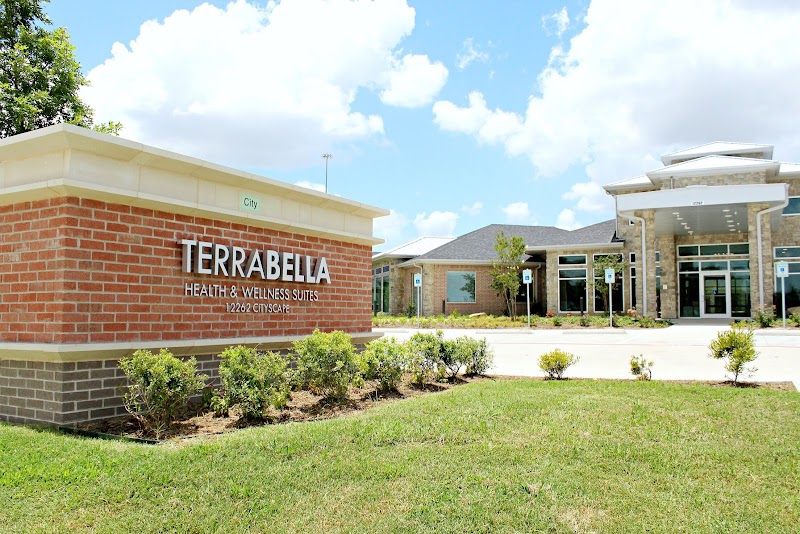
Terra Bella Health and Wellness Suites
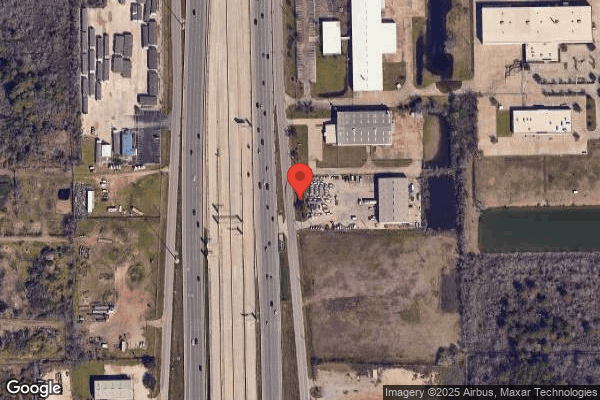

12262 Cityscape Ave, Houston, TX 77047 (346) 998-3500
For profit - Corporation 128 Beds FUNDAMENTAL HEALTHCARE Data: November 2025 12 Immediate Jeopardy citations
Trust Grade
0/100
#1134 of 1168 in TX
Last Inspection: December 2024

Within standard 12-15 month inspection cycle. Federal law requires annual inspections.

Overview

Terra Bella Health and Wellness Suites has received a Trust Grade of F, indicating poor performance with significant concerns about care. Ranking #1134 out of 1168 facilities in Texas places them in the bottom half, and #93 out of 95 in Harris County suggests that there are only two local options rated worse. While the facility is showing some improvement, having reduced issues from 13 in 2024 to 10 in 2025, they still face serious challenges. Staffing is a major concern, with a turnover rate of 70%, much higher than the state average, and they have incurred $207,395 in fines, which is higher than 91% of Texas facilities and indicates repeated compliance issues. Specific incidents include a failure to provide necessary podiatry care for a resident, leading to complications like gangrene and a bone infection, and an overall lack of proper treatment plans tailored to residents' needs, raising serious red flags for potential neglect.
Trust Score
F
0/100
In Texas
#1134/1168
Bottom 3%
Safety Record
High Risk
Review needed
Inspections
Getting Better
13 → 10 violations
Staff Stability
⚠ Watch
70% turnover. Very high, 22 points above average. Constant new faces learning your loved one's needs.
Penalties
⚠ Watch
$207,395 in fines. Higher than 94% of Texas facilities. Major compliance failures.
Skilled Nurses
⚠ Watch
Each resident gets only 24 minutes of Registered Nurse (RN) attention daily — below average for Texas. Fewer RN minutes means fewer trained eyes watching for problems.
Violations
⚠ Watch
68 deficiencies on record. Higher than average. Multiple issues found across inspections.
★☆☆☆☆
1.0
Overall Rating
★☆☆☆☆
1.0
Staff Levels
★★★☆☆
3.0
Care Quality
★☆☆☆☆
1.0
Inspection Score
Stable
2024: 13 issues
2025: 10 issues

The Good

  • Full Sprinkler Coverage · Fire safety systems throughout facility
  • No fines on record

Facility shows strength in fire safety.

The Bad

1-Star Overall Rating

Below Texas average (2.8)

Significant quality concerns identified by CMS

Staff Turnover: 70%

24pts above Texas avg (46%)

Frequent staff changes - ask about care continuity

Federal Fines: $207,395

Well above median ($33,413)

Significant penalties indicating serious issues

Chain: FUNDAMENTAL HEALTHCARE

Part of a multi-facility chain

Ask about local staffing decisions and management

Staff turnover is very high (70%)

22 points above Texas average of 48%

The Ugly 68 deficiencies on record

12 life-threatening 5 actual harm
Jul 2025 5 deficiencies 3 IJ (3 affecting multiple)
CRITICAL (K) 📢 Someone Reported This

A family member, employee, or ombudsman was alarmed enough to file a formal complaint

Immediate Jeopardy (IJ) - the most serious Medicare violation

Free from Abuse/Neglect (Tag F0600)

Someone could have died · This affected multiple residents

**NOTE- TERMS IN BRACKETS HAVE BEEN EDITED TO PROTECT CONFIDENTIALITY** Based on observation, interviews and record reviews, the facility failed to protect the resident's right to be free from abuse, ...

Read full inspector narrative →
**NOTE- TERMS IN BRACKETS HAVE BEEN EDITED TO PROTECT CONFIDENTIALITY** Based on observation, interviews and record reviews, the facility failed to protect the resident's right to be free from abuse, neglect, and exploitation for 1 of 5 residents (CR #1) reviewed for neglect.-The facility failed to have structures and processes in place to ensure CR #1's wound was identified, and interventions were implemented. CR #1, who had PAD (a specific form of PVD in which there is narrowing of blood vessels taking blood to the extremities, leading to low or no oxygen), diabetes and a previous right-side AKA, did not receive podiatry services and nail care from admission on [DATE] until she discharged to the hospital on [DATE] (9 months). CR #1's had a wound to her left big toe documented in weekly skin assessments from 01/29/25 until 06/17/25, and there were no interventions implemented prior to hospitalization. At the hospital, CR #1 was diagnosed with gangrene and osteomyelitis (bacterial bone infection), with a recommendation for a left side AKA and ultimately placed on hospice services. An Immediate Jeopardy (IJ) was identified on 07/10/2025. The IJ template was provided to the Administrator on 07/10/2025 at 12:44 PM. While the immediacy was removed on 07/14/2025 at 3:18 PM, the facility remained out of compliance at a scope of pattern and severity level of no actual harm that is not immediate jeopardy, due to the facility's need to evaluate the effectiveness of the corrective systems. These failures could place residents at risk of decline in health, infection, amputation, and death.Findings included:Record review of CR #1's Face Sheet dated 06/22/25 revealed, a 69-year-olf female who admitted to the facility on [DATE] at 12:45 PM with diagnoses which included: Alzheimer's Disease, unspecified dementia with anxiety, hypertension (high blood pressure), acquired absence of right leg above knee (right above the knee amputation) and type 2 diabetes with other circulatory complications. Diagnosis of open wound of left great toe without damage to nail was added on 06/15/25; and unspecified wound, left foot initial encounter was added on 06/16/25. There was no documented diagnosis of PVD.Record review of CR #1's Quarterly MDS dated [DATE] revealed, severely impaired cognitive skills for daily decision making, resident was unable to complete a brief interview of mental status, lower extremity functional limitation in range of motion. CR #1 needed substantial/maximal assistance to : roll left and right, move from sitting to lying and lying to sitting on side of bed, was totally depended on to transfer from chair to bed and vice versa, evaluation of her ability to walk 10 ft, toilet transfer, tub/shower transfer or go from sit to stand was not attempted due to her medical condition or safety concerns. Active diagnoses of anemia, hypertension, diabetes, hyperlipidemia(high cholesterol), Alzheimer's Disease, seizure disorder, depression; there were no diagnosis of PVD or any circulatory complications.Record review of CR #1's undated Care Plan revealed, Focus- risk of falls due to immobility, muscle weakness and diabetes; Problem- CR #1 will be free from injury; approach- encourage resident to use environmental devices such as hand grips, handrails etc. Problem start date of 06/13/25- CR #1 has a diabetic ulcer to the left great toe; Goal target date 09/13/25- resident's wound will decrease in size with no complications as evidenced by wound documentation; Approach start date 06/13/25- nurse to complete wound documentation daily, refer to wound care doctor as needed, wound team to evaluate wound(s), treatments and healing status weekly. Problem start date of 06/16/25- CR#1 has trauma to left great toe; Goal target date: 09/16/25- wound will decrease in size as evidenced by wound documentation with no complications and comfort will be maintained; Approach start date: 06/16/25- CNA to inspect skin, especially over bony prominences, during bathing and personal care. Nurse to complete wound observation weekly. There was no mention of podiatry care or services or her vascular disease.Record review of CR #1's Physician's Orders revealed, Start Date 09/18/24; Description- Consult: Podiatry, Ophthalmology, dental as needed .Record review of CR #1's Progress Notes from admission on [DATE] to discharge on [DATE] revealed, There was no documentation that CR #1 received podiatry care while at the facility with the following relevant entries included:-09/17/24 at 12:45 PM signed by LVN L- resident's skin is warm to touch, dry and no fresh injuries. The resident had an old scar from the above knew amputation. The resident requires assistance with feeding and is total care. -09/19/24 at 07:00 PM signed by Wound Nurse A- New admission skin assessment completed. Patient's skin intact and dry. Patient has a right knee amputation, old scar intact and dry, left lower leg has old scares, left great toe has old scab 0/8X0.5X0.1 cm, no exudate, no pain, no odor or s/sx of infection.-06/12/25 at 11:27 PM signed by LVN D: upon assessment, the resident's left great toes appears bruised. No signs or symptoms of pain noted. Foot pulses were felt, no sign of compromised circulation. Foot is warm and dry to touch.-06/13/25 at 02:06 PM signed by Wound Care Nurse A revealed, nurse informed writer that patients left great toe appears to have bruising, writer assessed and observed a diabetic ulcer to left, great toe 08X0.5cm, no exudate, no odor or s/sx of infection, no pain. cleansed with normal saline, patted dry with sterile gauze, applied skin prep and left open to air. Called and spoke with patient's family and discussed the assessment and plan of care.-06/15/25 at 07:05 AM signed by LVN D- during morning rounds, the aired reported that CR #1's big toe appeared to be bleeding and bruised. Upon assessment, observed active bleeding from the toe, with bruising extending up the foot and lower leg. Resident verbalized pain upon palpation of the affected area. NP notified for further evaluation and management.- 06/15/25 at 07:05 AM signed by LVN D- NP ordered STAT Xray to the affected toe and leg06/16/25 at 05:34 PM signed by Wound Care Nurse B, nurse reported CR #1's left great toe has bruises and bleeding. Upon assessment, noted trauma to left toe measuring 1.2X2X0.1 cm with moderate bright red sanguineous exudate (bloody fluid), mild swelling noted, purple discoloration to left great toe extending to foot, no odor, no s/sx of infection. NP made aware, wound cleaned with normal saline, pat dry with sterile gauze, applied Bactroban (antibiotic ointment) and covered wound with gauze, procedure tolerated by patient. Requested for podiatry service to the Social Worker-06/16/25 at 05:46 PM signed by RN A- X-ray of the left foot was completed during this shift in response to an existing wound. Resident tolerated the procedure without any complications. Left foot wound remains covered with dressing intact; no signs of active bleeding, or foul odor noted. Awaiting radiology results at this time.-06/16/25 at 06:25 PM signed by RN A- C-ray results were received and reviewed by NP as negative for fracture. -06/17/25 at 04:31 PM signed by Wound Care Nurse A- CR #1 family stopped by the office to ask questions regarding resident wounds, family was informed that patient has a diabetic ulcer to the left great toe and its being treated with skin prep daily and left open to air, trauma to the left great toe and it's being treated with Bactroban and covered with gauze daily, patient has been added to the podiatry list by the Social Worker and the WCD will be rounding on Thursday and will further assess patient's wounds and family will receive a weekly call with an update. Family expressed concerns of patient getting gangrene due to past experience of getting the right leg amputated and wanted to send patient out to get antibiotics. Family educated on the use of Bactroban ointment and informed and no s/sx of infection observed at this time, but Wound Care Nurse A can only give information on the assessment of wounds and the treatments put into place by the WCD via telehealth.06/17/25 at 06:35 PM signed by RN A, CR #1 noted with a diabetic wound to the left foot. During a family visit today[SP2] , the resident's family expressed concern that the foot might be infected and requested that the resident be transported to the emergency room for further evaluation. Upon assessment, no signs or symptoms of infection were noted. Contacted EMS for non-emergency transportation, resident transported to the hospital for further evaluation.Record review of CR #1's Point of Care History from 09/17/24 to 06/17/25 revealed, no documentation of toenail care to CR #1.Record review of CR #1's Shower Sheets from 09/17/24 to 06/17/25 revealed, the only documented nail care was on 05/29/25 and no clarification was made if it was finger or toenail care. Record review of CR #1's Weekly skin Assessments from admission on [DATE] to discharge on [DATE] revealed, the first documentation of any area of concern on CR #1's toe was made by LVN T on 01/29/25. Varied staff continued to document the area of concern as a scab or chronic scab. There was no notification or interventions noted.01/29/25 signed by LVN T- Skin warm dry and intact, scab to L great toe.02/02/25 signed by LVN T- Scab to left great toe. No new skin issues noted.02/11/25 signed by LVN T- Scab to left great toe. No new skin issues noted.02/18/25 signed by LVN S- no skin issues02/21/25 signed by Wound Care Nurse B- no new skin issue noted, right leg amputated, old scab to left great toe.02/25/25 signed by LVN T- old scab to left great toe. Right AKA with old scar. Skin warm, dry and intact.03/05/25 signed by Wound Care Nurse B- no new skin issue noted03/12/25 signed by LVN T- old scab/scar noted to left great toe.03/19/25 signed by LVN S- old scab to left great toe; skin intact.03/26/25 signed by LVN T- old scab to left great toe; skin warm, dry and intact.04/01/25 signed by LVN G- no new concerns.04/09/25 signed by LVN T- old scab to left great toe.04/15/25 signed by LVN D- no skin alterations.04/23/25 signed by LVN T- old scab L great toe.04/30/25 signed by LVN D- no skin alterations.05/06/25 signed by LVN T- chronic scab to left great toe.05/14/25 signed by LVN D- no skin alterations.05/20/25 signed by LVN T- chronic scab to left great toe.05/28/25 signed by LVN D- no skin alterations.06/01/25 signed by LVN B- no skin alterations.06/04/25 signed by LVN T- chronic scab/dry patch to left great toe.06/11/25 signed by LVN D- no new skin problems noted at this time, skin within limits.06/12/25 signed by LVN D- resident left big toe has bruising on the top of toe. Record review of CR #1's Assessments from 09/17/24 to 06/17/25 revealed, no documented CIC or SBAR regarding CR #1's left great toe.Record review of CR #1's Final X-ray Report dated 06/16/25 at 03:13 PM revealed, negative for acute disease, mild bone weakening and degenerative changes present.Record review of CR #1's Wound Management Detail Report revealed there were no previously documented wounds prior to 06/13/25:06/13/25 at 11:16 PM signed by Wound Care Nurse A: Wound Type: Diabetic Ulcer; Wound location left big toe; 0.8X0.5 cm, with no odor or drainage; depth of injury- through the dermis (skin) and down to the subcutaneous (under the skin) tissue, muscle.06/16/25 at 06:08 PM signed by Wound Care Nurse B: Wound Type: Trauma; Wound Location: Left big toe; to left great toe measuring 1.2x2x0.1cm with moderate bright red sanguineous exudate (bloody fluid), mild swelling noted, purple discoloration to left great toe extending to foot, no odor, no s/sx of infection. Record review of CR #1's NP Progress Note dated 06/16/25. During the weekend nursing report of bruising and pain left first toe unclear how this happened. STAT x-ray ordered, wound care team following applied Bactroban. Physical Exam-Skin: Extremities- right AKA, left first toe swelling and tenderness; Musculoskeletal: :left first toe tenderness swelling and bruising, right AKA. Left first toe open wound minimal drainage/no bleeding. Diagnosis/Assessment and Plan left first toe swelling and report of some bleeding during the weekend, wound care team following, trauma wound left great toe unclear how this happened. Discussed with the wound doctor. xray shows no fracture. Open wound- left great toe trauma wound nailbed, wound care team following continue care treatments monitored closely. Left great toe pain likely due to trauma wound, ordered Acetaminophen 650 mg twice daily for 7 days and monitor.Record review of CR #1's Physician Order dated 06/17/25 revealed, daily wound treatment: diabetic ulcer left big toe. Cleanse with ns, pat dry with sterile gauze apply skin prep and leave open to air daily.Record review of CR #1's Assessments from 09/17/24 to 06/17/25 revealed, no documented CIC or SBARs regarding the area of concern identified by LVN T on the weekly skin assessment dated [DATE].Record review of CR #1 Hospital Records dated 06/17/25 revealed, CR #1 had a right foot diabetic foot ulcer in 07/2024 and then an above the knee amputation. She presented with left first toe ulceration and discharge and her final admitted diagnoses were toe infection and gangrene (death of body tissue due to lack of blood infection or a serious infection) of the toe. Record review of CR #1's Hospital Hospitalist Consult dated 06/18/25 revealed, CR #1 had a PMH of significant dementia, diabetes, hypertension, high cholesterol, severe PAD (vascular disease in which narrowing of the blood vessels result in the limbs not receiving oxygen), right heel wound with AKA who presents with left foot wound.Record review of CR #1 Hospital Podiatrist Consult dated 06/18/25 revealed, gangrene over 50% of the left foot, acute signs infection extending from the big toe to the middle of the top of his foot, with minimal pulses in the foot and pain when touching the big left toe.Record review of CR #1's Internal Medical Progress Note dated 06/18/25 revealed, left big toe with dry gangrene with variating tone skin changes extending to the ankle. Record review of CR #1's Hospital Vascular Surgery consult dated 06/19/25 revealed, left 1st toe with dry gangrene with no drainage, redness on the top of the foot and no withdrawing with pain when touched.Record review of CR #1's Hospital Vascular Ultrasound dated 06/20/25 revealed, significant blockage of blood flow to the lower leg and foot.Record review of CR #1's Hospital Podiatrist Consult dated 06/23/25 revealed, CR #1s left food infection had improved. Extensive conversation with multiple family members at bedside, although no urgent findings in the lower extremity, concerns for gas and osteomyelitis are stable within the digit and no systemic signs of infection. Given contralateral amputation, gangrene with vascular disease on clinical exam, patient in need of leg amputation. However, since family refuses amputation, conservative treatment options are unlikely to be successful without improved arterial flow to the foot.Record review of CR #1's Hospital Infectious Disease consult dated 06/24/25 revealed, without an amputation, conservative treatment options are unlikely to be successful especially in the setting of impaired arterial blood flow.Record review of CR #1's Hospital Palliative Care Consult dated 06/24/25 revealed, CR #1's family decided against leg amputation as was recommended as they do not believe that it would improve her quality of life and would likely cause her to suffer. The family discussed alternatives to pursuing leg amputation, and hospice was discussed as a way to provide CR #1 care to keep her comfortable.Record review of email communications between the Social Worker and Medical Records dated 07/09/25 revealed, CR #1 had no documented visits or services with podiatry.An observation of pictures of CR #1's left foot dated 06/13/25 at 03:14 PM revealed, resident's foot was dry and flaky. Toenails on her three lesser toes were long and curled around the tip of her toes; with an appearance that they had not been cut for months. Bruising was observed to the upper foot by the great toe and a thick deep callus with a dark/black hole in the center. Her great toenail was thickened and yellow but attached to the nail bed.An observation of pictures of CR #1's left foot dated 06/16/25 at 06:33 PM revealed, the skin on the tip of her left toe to be open. The wound to the tip was shiny and red, with dry blood on the nail bed under the nail. Her left great toenail appeared to be lifted off the nail bed with visible dry black blood under.An observation on 06/22/25 at 05:00 PM revealed, CR #1 lying in a hospital bed. The resident had no leg on the right side and her left foot was surrounded with a dressing, the tip of her great toe was exposed and red irritated skin with a circular callused area visible. CR#1 was confused and non-interviewable; she reference people and things that were not in the room.In an interview on 07/08/25 at 02:41 PM, the Hospital Podiatrist said CR #1 had significant history of PVD that resulted in her having an AKA on her right leg in 08/2024, and her vascular disease was so significant it caused her severe dementia. He said a resident with history of diabetes, PVD and a previous AKA should have had routine podiatrist visit. The Hospital Podiatrist said in the hospital CR#1 was diagnosed with osteomyelitis (bacterial bone infection) that needed to be treated with IV antibiotics in order to save the limb. He said routine podiatry would have prevented the acute traumatic event (toe infection) but due to her extensive PVD, CR#1 would have eventually needed an amputation in the future. The Hospital Podiatrist said from what he saw CR #1's left great toenail was lifted from the nail bed but there was no active or raging infection visible, the resident's WBCs were normal, and she did not have a fever during her entire stay. He said since an AKA would not better the CR#1's quality of life and the residents significant dementia, CR #1's family decided to place her on palliative (end of life) care. In an interview on 07/09/25 at 10:43 AM, Wound Care Nurse B said when she saw CR #1 on 06/16/25 she had a left great toe arterial ulcer and dried blood on her nailbed. She said Wound Care Nurse A had previously contacted the doctor, so she did the treatment for the day and CR #1's big toe had no active bleeding, but it was purple. Wound Care Nurse B said after treatment she requested a podiatry consult for the resident and CR #1 never had any podiatrist services prior to her request on 06/16/25 and the Social Worker was responsible for ensuring residents received podiatry services. She said she did not know how CR #1 suffered from the injury to her nailbed, but LVN D would be the best person to talk about the initial injury. In an interview on 07/09/25 at 11:04 AM, the Social Worker said she facilitated podiatry services for facility residents. She said anyone with feet could receive podiatry services but often not skilled because of funding, since the services will come from their pool of money, unless the resident had issues with their feet. The Social Worker said some issues that trigger podiatry services were ingrown or thick and long toenails, and if a resident had these issues she would ask their family/RP if they would like podiatry services and if they said yes she would send a referral to the podiatrist. She said a resident with diagnoses of vascular disease, diabetes and a previous AKA should have been followed by Podiatry, she said she was notified by nursing staff on 06/16/25 and she put in a podiatrist referral but CR #1 went to the hospital the next day so she was never seen by a podiatrist. The Social Worker said only nurses were allowed to cut the nails of diabetics [SP5] but after looking at the picture of CR #1's toenails she said facility nurses would not touch that, that would be podiatry and based on the picture CR#1 should have received podiatry care. She said after reviewing CR #1's chart there was no evidence to show the resident received podiatry care from admission till discharge and she had no records of placing a podiatry referral. The Social Worker said she did not remember being notified by a floor nurse or wound care nurse that CR #1 required podiatry services, and she does not know about referrals unless notified by the facility staff or family. In an interview on 07/09/25 at 11:39 AM, Wound Care Nurse A said CR #1 had a diabetic foot ulcer/callused area on her left great toe and she found out about in on the day she assessed it (06/13/25). She said the first day she saw it, the area was dry and callused, and it had been there for a while but there was nothing for her to follow at the time. Wound Care Nurse A said a resident that had a chronic area like what she observed on CR #1 should have been referred to podiatry and she did not recall the ulcer/callus being on CR #1's foot on admission so it was facility acquired. She said nurses do weekly skin assessments while the wound care nurse does the admission and readmission skin assessments, and they should always document what they saw. After reviewing the CR #1's chart Wound Care Nurse A said the first documentation of the left toe area of concern post admission was documented by 01/29/25 signed by LVN T and she should have notified the wound care team because diabetics wound injuries can be progress to a diabetic foot ulcer so they could watch it. She said diabetic foot management was important because diabetics can have prolonged wound healing, which could impact circulation, and a high-risk infection and podiatry should be involved because that was what they specialize in. Wound Care Nurse A said CR #1 should have been followed by podiatry based on her history and how her toes looked. She said based on the pictures of CR #1's toes between 06/13/25 and 06/16/25, the residents toenails appeared that she had not received nail care for a period she cannot say and based on the appearance of her toenails podiatry would have been responsible to cut CR #1's nails. Wound Care Nurse A said she did not know if CR #1 received podiatry services prior to her being alerted in June but she was placed on the list once she became aware. She said a podiatrist was required to cut resident's like CR #1's to prevent infections. Wound Care Nurse A said the facility podiatry protocol started when a floor nurse notified the wound care nurse of a foot concern, after the wound care nurse assess the resident, they notified the social worker who would then put in the referral and notified the physician who would then round on the resident. She said to her knowledge the facility protocol to request a podiatry referral was not followed because she was never notified of CR #1's foot concern. Wound Care Nurse A said podiatry care in residents like CR #1 was important to prevent the long nails that can become imbedded or snag leading to trauma. She said a resident with PVD who had unaddressed foot care could result in infection, gangrene and ultimately infection, Wound Care Nurse A said CR #1 had 2 issues with her big toe, when she first saw her it was suspected trauma to the big toe, there was discoloration to the top of the foot and blood on the edge of the nail but she had no idea how the trauma occurred. She said it looked like CR #1 snagged her left on something. Later on, CR #1 suffered from a diabetic foot ulcer on the tip of her great toe.In an interview on 07/09/25 at 12:20 PM, Wound Care Nurse B who was acting as the Interim DON at the time of the interview said the wound care team was never notified of any concerns to CR #1's feet prior to 06/13/25. She said when a resident had PVD and diabetes there was a concern that any wound could lead to a severe infection and with insufficient oxygen it can lead to necrosis (tissue death), so special focus should be placed on foot care. She said any toenail care provided to residents with extensive PVD, diabetes, or thick fungus nails should be provided by podiatry and CR #1's records showed had no documentation of any toenail care. Wound Care Nurse B said unkempt nails, can lead to scratches & wounds, and if the nail snagged on something it could result in trauma. Wound Care Nurse B said there were 2 different problems on CR #1's great toe, the 1st was a callus that had been there for a while that developed into an ulcer and then there was some kind of trauma but no one in the facility knows how it happened. She said the NP saw CR #1 and said the resident had suffered from trauma to her great toe. She said improper foot care in a resident with extensive PVD, diabetes and AKA could lead to worsening of a wound, improper circulation causing infection, necrosis, osteomyelitis and eventually amputation if not properly treated.In an interview on 07/09/25 at 12:35PM, the MD said CR #1 had extensive vascular disease and had an avulsed toenail (when toenail is partially or completely torn away from the nail bed). He said it looked like the toenail got hit on something and suffered some sort of trauma. The MD said the expectation for a resident like CR #1 who had vascular disease, diabetes and a previous AKA was for their foot or feet to get continuous evaluation by nursing to identify any issues. He said residents with vascular disease and diabetes should be followed by podiatry because they can trim resident nails without damage to reduce the risk of infection. The MD said infection was a concern in residents with PVD because they do not have adequate blood floor to the feet to take care of the infection and if not properly/timely treated could result in damage to the digit (toe), cellulitis (skin infection), sepsis (blood infection) and gangrene. He said his expectation was that nursing staff should have notified the primary doctor and wound care nurse of any foot concerns so that the appropriate treatment would be started. The MD said prior to mid-June he was not aware CR #1 had any chronic foot ulcers/calluses and he did not know she had long toenails or needed podiatry services because she was never on any list for any foot concerns. In an interview on 07/10/25 at 02:32 PM, Wound Care Nurse B who was the interim DON at the time said neglect was the failure to provide care for the resident. She said prior to admission the MDS Nurse and DON reviews the resident's chart looking at diagnosis, present history, medication list, plan and therapy needed to ensure the facility was able to meet the resident needs. Wound Care Nurse B said failure to provide services was neglect, which could result in deterioration/worsening of health conditions, untreated health conditions, infections, and other conditions. She said based on CR #1's diagnosis of diabetes and previous AKA she should have had a podiatrist evaluation and been followed by the podiatrist. In an interview on 07/09/25 at 12:59 PM, ADON A said she was the ADON on CR #1's Hall. She said she was never aware of or notified of anything/concerns on CR #1's toes. She said in residents like CR #1 with diabetes, vascular disease, and a previous AKA nursing staff were concerned about feet especially any discoloration, openings or change in tissues because they can lead to ulcers and wounds which were made worse due to the resident having bad circulation. ADON A said infections in residents with PVD can lead to major wounds and ultimately amputation, so nail care was especially important to prevent scratches or other trauma. She said the Podiatrist was responsible for nail care in residents like CR #1 and their services were initiated when a CNA or family notify nursing administration of the residents need for podiatry services. ADON A said she was never notified that CR #1 needed podiatry services, and prior to June she was unaware CR #1 had a scabs, bruising, calluses, or areas of concerns on her toes. She said LVN T never alerted her of any concerns to her toes. ADON A said based on the record she reviewed and the presentation of CR #1 the area of concern documented for the 1st time on LVN T's documented skin assessment on 01/29/25 should have been a CIC and CNAs should have documented on the residents toes which included toenail length or the presence of any injuries/calluses etc. After looking at the pictures of CR #1's left great toe on 06/13/25 & 06/16/25, ADON A said she was never aware of anything like what the pictures showed until after CR #1 discharged from the facility. She said she investigated the trauma CR #1 suffered to her toenail between 06/13/25 and 06/16/25 and none of the nursing staff was aware of how the trauma occurred. ADON A said in the pictures presented it appeared CR #1 had not received nailcare for several months as the nails appeared to be double that of the nailbed with the 2-4th toenails curing around the tip of her toes. She said it was never on their radar that CR #1 had not received podiatry care while at the facility. In an interview on 07/09/25 at 01:22 PM, the NP said she was notified over the weekend (06/13 to 06/15/25) that CR #1 had bruising to her toe and foot, so she ordered and Xray of the foot which came back as negative for any acute findings. She said when she saw CR #1 on 06/16/25 the resident was experiencing pain and, there was an open area with a scab to her great toe. The NP said the wound care nurse already spoke to the wound care doctor and ordered a podiatry consult but no one knew what happened. She said there was bruising on the toes and foot, minor swelling, no drainage or other signs of infection and CR #1's left foot particularly the toe appeared to have suffered trauma. The NP said residents with diabetes, PVD and a previous AKA were expected to have their feet monitored for infection and receive podiatry follow up monthly to prevent infection that could lead to osteomyelitis. She said CR #1 was one of her residents and she did not have any wounds or areas of concern prior to mid-June. The NP said the first time she saw CR #1's feet she had concerns it was a fracture, the resident had a dry wound, but the resident's family was very concerned because this was how CR #1's right side AKA started and wanted her to go to the hospital for treatment. She said she did not think that CR #1 needed to go to the hospital at the time because it looked like bruising from trauma not cellulitis. The NP said she did not know that CR #1 had not received podiatry services from admission but after she saw her, she was referred to podiatry. In an interview on 07/09/25 at 03:33 PM, CNA K said she sometimes provided care to CR #1, and she was not aware of any wounds at the tip of her toes. She said she never assisted with showers because the resident was on afternoon showers but when showering residents staff were expected to look for anything new from head to toe. CNA K said staff may not specifically look at the tip of the toe. In an interview on 07/09/25 at 04:23 PM, LVN D said during daily rounds on 06/12/25 it looked like CR #1 had stubbed her toe, it was light red, so she documented it and notified the wound care nurse. She said CR #1's toe appeared the same the next day but on the following day it looked like it was bleeding, so she texted the NP. LVN D said she worked with CR #1, and she thought the resident had a circular scab on the tip of her toe, but she cannot say if it was the chronic scab she documented on her weekly skin assessments, she said I always just saw it on her toe. LVN D said diabetics were expected to have weekly observations with emphasis on their feet, but she never notified anyone of the chronic scab on CR #1's foot because she thought the facility was already monitoring it, so it was not a change of condition and CR #1's nails were fine they were not long. LVN D said nurses performed toenail care and she could not think of the top of her head which residents required a podiatry referral but from what she could remember CR #1's toenails were normal and did not require a podiatrist. She said long toenails in a diabetic resident with vascular complications could lead to the nail splitting, getting snagged, damage, infection and if untreated it can quickly turn into a complicated situation leading to amputation.In an interview on 07/11/25 at 09:19 AM, the Former DON, said she served as the [NAME] from 04/07/25 to 06/27/25 so she was not the DON when CR #1 admitted to the facility. She said she only has general knowledge about CR #1 because as the DON she
CRITICAL (K) 📢 Someone Reported This

A family member, employee, or ombudsman was alarmed enough to file a formal complaint

Immediate Jeopardy (IJ) - the most serious Medicare violation

Comprehensive Care Plan (Tag F0656)

Someone could have died · This affected multiple residents

**NOTE- TERMS IN BRACKETS HAVE BEEN EDITED TO PROTECT CONFIDENTIALITY** Based on observation, interview, and record review, the facility failed develop and implement a comprehensive person-centered ca...

Read full inspector narrative →
**NOTE- TERMS IN BRACKETS HAVE BEEN EDITED TO PROTECT CONFIDENTIALITY** Based on observation, interview, and record review, the facility failed develop and implement a comprehensive person-centered care plan for each resident, consistent with resident rights, that included measurable objectives and time frames to meet a residents' mental, nursing and mental and psychosocial needs that were identified in the comprehensive assessment for 1 of 5 Residents (CR #1 ) reviewed for care plans. - The facility failed to develop and implement a plan of care for CR #1's PAD ( a specific form of PVD in which there is narrowing of blood vessels taking blood to the extremities, leading to low or no oxygen), which resulted in CR #1 not receiving podiatry care from admission on [DATE] till she discharged to the hospital on [DATE] (9 months) where she was diagnosed with a osteomyelitis (bacterial bone infection), with a recommendation for a left side AKA and ultimately placed on hospice services. An Immediate Jeopardy (IJ) was identified on 07/09/2025. The IJ template was provided to the Administrator on 07/09/2025 at 04:57 PM. While the immediacy was removed on 07/14/2025 at 3:18 PM, the facility remained out of compliance at a scope of pattern and severity level of no actual harm that is not immediate jeopardy, due to the facility's need to evaluate the effectiveness of the corrective systems. This failure could place residents at risk of not having their needs met, injuries, infections, unwanted hospitalization, amputation leading to a decrease in quality of life and death. Findings include: Record review of CR #1's Face Sheet dated 06/22/25 revealed, a 69-year-olf female who admitted to the facility on [DATE] at 12:45 PM with diagnosis which included: Alzheimer's Disease, unspecified dementia with anxiety, hypertension (high blood pressure), acquired absence of right leg above knee (right above the knee amputation) and type 2 diabetes with other circulatory complications. Diagnosis of open wood of left great toe without damage to nail was added on 06/15/25; and unspecified wound, left foot initial encounter was added on 06/16/25. There was no documented diagnosis of PVD. Record review of CR #1's Quarterly MDS dated [DATE] revealed, severely impaired cognitive skills for daily decision making, resident was unable to complete a brief interview of mental status, lower extremity functional limitation in range of motion. CR #1 needed substantial/maximal assistance to : roll left and right, move from sitting to lying and lying to sitting on side of bed, was totally depended on to transfer from chair to bed and vice versa, evaluation of her ability to walk 10 ft, toilet transfer, tub/shower transfer or go from sit to stand was not attempted due to her medical condition or safety concerns. Active diagnoses of anemia, hypertension, diabetes, hyperlipidemia(high cholesterol), Alzheimer's Disease, seizure disorder, depression; there were no diagnosis of PVD or any circulatory complications. Record review of CR #1's undated Care Plan revealed, Focus- risk of falls due to immobility, muscle weakness and diabetes; Problem- CR #1 will be free from injury; approach- encourage resident to use environmental devices such as hand grips, handrails etc. Problem start date of 06/13/25- CR #1 has a diabetic ulcer to the left great toe; Goal target date 09/13/25- resident's wound will decrease in size with no complications as evidenced by wound documentation; Approach start date 06/13/25- nurse to complete wound documentation daily, refer to wound care doctor as needed, wound team to evaluate wound(s), treatments and healing status weekly. Problem start date of 06/16/25- CR#1 has trauma to left great toe; Goal target date: 09/16/25- wound will decrease in size as evidenced by wound documentation with no complications and comfort will be maintained; Approach start date: 06/16/25- CNA to inspect skin, especially over bony prominences, during bathing and personal care. Nurse to complete wound observation weekly. There was no mention of podiatry care or services, her circulatory complications or vascular disease.Record review of CR #1's Progress Notes from admission on [DATE] to discharge on [DATE] revealed, There was no documentation that CR #1 received podiatry care while at the facility with the following relevant entries.Record review of CR #1's Point of Care History from 09/17/24 to 06/17/25 revealed, no documentation of toenail care to CR #1.Record review of CR #1's Wound Management Detail Report dated 06/22/25 revealed there were no previously documented wounds prior to 06/13/25:06/13/25 at 11:16 PM signed by Wound Care Nurse A: Wound Type: Diabetic Ulcer; Wound location left big toe; 0.8X0.5 cm, with no odor or drainage; depth of injury- through the dermis (skin) and down to the subcutaneous (under the skin) tissue, muscle.06/16/25 at 06:08 PM signed by Wound Care Nurse B: Wound Type: Trauma; Wound Location: Left big toe; to left great toe measuring 1.2x2x0.1cm with moderate bright red sanguineous exudate (bloody fluid), mild swelling noted, purple discoloration to left great toe extending to foot, no odor, no s/sx of infection. Record review of CR #1 Hospital Records dated 06/17/25 revealed, CR #1 had a right foot diabetic foot ulcer in 07/2024 and then an above the knee amputation. She presented with left first toe ulceration and discharge and her final admitted diagnoses were toe infection and gangrene (death of body tissue due to lack of blood infection or a serious infection) of the toe. Record review of CR #1's Hospital Hospitalist Consult dated 06/18/25 revealed, CR #1 had a PMH of significant dementia, diabetes, hypertension, high cholesterol, severe PAD (vascular disease in which narrowing of the blood vessels result in the limbs not receiving oxygen), right heel wound with AKA who presents with left foot wound.Record review of CR #1 Hospital Podiatrist Consult dated 06/18/25 revealed, gangrene over 50% of the left foot, acute signs infection extending from the big toe to the middle of the top of his foot, with minimal pulses in the foot and pain when touching the big left toe.Record review of CR #1's Internal Medical Progress Note dated 06/18/25 revealed, left big toe with dry gangrene with variating tone skin changes extending to the ankle. Record review of CR #1's Hospital Vascular Surgery consult dated 06/19/25 revealed, left 1st toe with dry gangrene with no drainage, redness on the top of the foot and no withdrawing with pain when touched.Record review of CR #1's Hospital Vascular Ultrasound dated 06/20/25 revealed, significant blockage of blood flow to the lower leg and foot.Record review of CR #1's Hospital Podiatrist Consult dated 06/23/25 revealed, CR #1s left food infection had improved. Extensive conversation with multiple family members at bedside, although no urgent findings in the lower extremity, concerns for gas and osteomyelitis are stable within the digit and no systemic signs of infection. Given contralateral amputation, gangrene with vascular disease on clinical exam, patient in need of leg amputation. However, since family refuses amputation, conservative treatment options are unlikely to be successful without improved arterial flow to the foot.Record review of CR #1's Hospital Infectious Disease consult dated 06/24/25 revealed, without an amputation, conservative treatment options are unlikely to be successful especially in the setting of impaired arterial blood flow.Record review of CR #1's Hospital Palliative Care Consult dated 06/24/25 revealed, CR #1's family decided against leg amputation as was recommended as they do not believe that it would improve her quality of life and would likely cause her to suffer. The family discussed alternatives to pursuing leg amputation, and hospice was discussed as a way to provide CR #1 care to keep her comfortable.Record review of email communications between the Social Worker and Medical Records dated 07/09/25 revealed, CR #1 had no documented visits or services with podiatry.An observation of pictures of CR #1's left foot dated 06/13/25 at 03:14 PM revealed, resident's foot was dry and flaky. Toenails on her three lesser toes where long and curled around the tip of her toes; with an appearance that they had not been cut for months. Bruising was observed to the upper foot by the great toe and a thick deep callus with a dark/black hole in the center. Her great toenail was thickened and yellow but attached to the nail bed.An observation of pictures of CR #1's left foot dated 06/16/25 at 06:33 PM revealed, the skin on the tip of her left toe to be open. The wound to the tip was shiny and red, with dry blood on the nail bed under the nail. He left great toenail appeared to be lifted off the nail bed with visible dry black blood under.An observation on 06/22/25 at 05:00 PM revealed, CR #1 lying in a hospital bed. The resident had no leg on the right side and her left foot was surrounded with a dressing, the tip of her great toe was exposed and red irritated skin with a circular callused area visible. CR#1 was confused and non-interviewable; she reference people and things that were not in the room.In an interview on 07/08/24 at 02:41 PM, the Hospital Podiatrist said CR #1 had significant history of PVD that resulted in her having an AKA on her right leg in 08/2024, and her vascular disease was so significant it caused her severe dementia. He said a resident with history of diabetes, PVD and a previous AKA should have had routine podiatrist visit. The Hospital Podiatrist said in the hospital CR#1 was diagnosed with osteomyelitis (bacterial bone infection) that needed to be treated with IV antibiotics in order to save the limb. He said routine podiatry would have prevented the acute traumatic event (toe infection) but due to her extensive PVD, CR#1 would have eventually needed an amputation in the future. The Hospital Podiatrist said from what he saw CR #1's left great toenail was lifted from the nail bed but there was no active or raging infection visible, the resident's WBCs were normal, and she did not have a fever during her entire stay. He said since an AKA would not better the CR#1's quality of life and the residents significant dementia, CR #1's family decided to place her on palliative (end of life) care.In an interview on 07/09/25 at 11:04 AM, the Social Worker said a resident with diagnoses of vascular disease, diabetes and a previous AKA should have been followed by Podiatry, The Social Worker said only nurses were allowed to cut the nails of diabetes but after looking at the picture of CR #1's toenails she said facility nurses would not touch that, that would be podiatry and based on the picture CR#1 should have received podiatry care. She said after reviewing CR #1's chart there was no evidence to show the resident received podiatry care from admission till discharge and she had no records of placing a podiatry referral. The Social Worker said she did not remember being notified by a floor nurse or wound care nurse that CR #1 required podiatry services, and she does not know about referrals unless notified by the facility staff or family.In an interview on 07/09/25 at 12:35PM, the MD said prior to mid-June he was not aware CR #1 had any chronic foot ulcers/calluses and he did not know she long toenails or needed podiatry services because she was never on any list of any foot concerns.In an interview on 07/14/25 at 01:36 PM, the MDS coordinator said she was responsible for completing MDS assessments and care plans for long term care residents including CR #1, She said the MDS paints the entire picture of the resident including the level of care needed, level of ADLs, everything the facility is doing for the resident and it is a 7-day look back. The MDS nurse said the MDS functions to make sure appropriate level of care is given to a resident and it triggers CAAS which are care areas that are used to develop the residents plan of care. She said when a resident admits the MDS nurse enters the residents admitting diagnosis which can be retrieved from the hospital documents or provided by the facility doctor. The MDS Nurse said if there was an MDS discrepancy it would not trigger a care area that the resident might need services for, and the area may not make it to the resident's plan of care. She said the care plan painted a picture of the resident and functioned as their plan of care and addressed their diagnosis, medications, diet, wounds, etc. She said failure to not having a plan of care for a resident's diagnosis could place them at risk of not getting appropriate care, resulting in an untreated disease, or worsening health condition. After reviewing CR #1's records, the facility's diagnosis of diabetes with vascular complications should have been documented as PVD in the resident's MDS. She said PVD is when a resident did not get sufficient blood flow which brings oxygen to their peripheral (limbs) which leads to loss of feeling, loss of blood and ultimately a loss of a limb. The MDS nurse said when the resident admitted to the facility, nursing staff should have gotten clarification for what CR #1's circulatory complication was in order for her to receive adequate care she needed. She said after reviewing CR #1's chart, the resident did not have a plan of care for her circulatory condition, and the typical plan of care for PVD included podiatry services. The MDS nurse said the resident's circulatory complications did not make it into the residents plan of care because the CAAs were not triggered by the MDS.In an interview on 07/21/25 at 01:45 PM, Wound Care Nurse B said the facility failed to get clarification on what the diagnosis of the resident's circulatory complication was which then impacted her MDS, the plan of Care and ultimately resulted in the failure to provide podiatrist services.In an interview on 07/21/25 at 03:05 PM, the MDS Nurse said the facility's failure to provide CR #1' podiatry services started from the failure to get the correct diagnosis of PVD from the doctor and that trickled down.Record review of the facility policy Person-Centered Care Plan revised 10/1/2020 revealed, 3. The person-centered care plan is interdisciplinary and created to guide facility staff in providing the treatment, care, and services necessary for the patient/resident to obtain and maintain the highest physical, mental, and psychosocial well-being possible. The plan is also used to promote patient/resident and family involvement in planning care.Record review of the facility policy Care Plan Process, Person-Centered Care revised 05/05/25 revealed, The facility will develop and implement a baseline and comprehensive care plan for each resident that includes the instructions needed to provide effective and person-centered care of the resident that meet professional standards of quality care. PROCEDURES: 1. Following RAI Guidelines develop and implement a comprehensive person- centered care plan that includes measurable objectives and timeframes to meet a resident's medical, nursing, and mental and psychosocial needs that are identified in the comprehensive assessment.Record review of the facility policy Foot Care revised 05/05/23 revealed, Policy: the facility ensures foot care is provided in a manner that is consistent with professional standards of practice. Foot care includes treatment to prevent complications form conditions such as diabetes, peripheral vascular disease, or immobility. Procedures: 1- Upon admission a resident will be assessed for any diagnosis or condition that poses a risk to foot health (diabetes, peripheral vascular disease, ingrown toenails, hammer toes, etc.). 2- Residents with a diagnosis or condition that places them at risk will be scheduled for routine foot care by the podiatrist. 3- Social services will validate the residents payer source coverage for podiatric visits and will discuss any payment issues with resident/legal representative prior to podiatric visit. 4- Social services will assist the resident in transportation to the podiatrist's office if the podiatrist does not see residents within the facility. 5- Nail trimming will be completed by the nursing assistant as necessary unless the following conditions are present; which require the skill of a licensed staff member. A- a resident has an at-risk diagnosis and has refused podiatric care. 6- The resident's care plan will reflect the need for podiatric services and any services that are provided by licensed nursing staff. An IJ was Identified on 07/09/2025. The Administrator was notified of the IJ, and the template was provided to the facility on [DATE] at 04:57 PM. The following Plan of Removal submitted by the facility was accepted on 07/11/2025 at 12:10 PM.PORThe facility failed to provide diabetic foot care which included podiatry services to CR#1. The facility failed to take action when an area of concern was first documented on 1/29/25 and 6/13/25 when it was the area became red, swollen with drainage.Resident #1 was discharged to the hospital on 6/17/25Residents in house will be assessed for any diagnosis or condition that poses a risk to foot health by the Director of Nursing/Designee by 7/10/25. 60 residents were identified with diagnosis or conditions that pose a threat to foot health. Eleven Residents not currently followed by podiatry were referred to podiatry services on 7/10/25Skin assessments will be conducted on residents inhouse on 7/10/25 by Nursing Leadership to identify skin integrity concerns on the feet. Findings will be communicated to the Director of Nursing/Designee. The Director of Nursing/designee will validate change of condition completed, provider and responsible party notified and interventions implemented on 7/10/25.Residents identified will be referred to podiatry by 7/10/25 by the Social Services Director.Podiatry services plan to visit facility to begin visits 7/14/25. Eleven residents were identified as needing a podiatry visit, a virtual visit was conducted on 7/10/25 with the medical director. No urgent needs were identified by the medical director during the visit and no new orders were given.Director of Nursing/designee will review by skin assessments from the last 7 days on 7/10/25 to validate provider notified, responsible party notified and interventions implemented. No new issues were identified.Residents identified will have provider notified for further direction and responsible party notified by 7/10/25 by the Director of Nursing/DesigneeResidents identified will have care plan's updated to validate appropriate interventions by the Director of Nursing/Designee by 7/10/25.Director of Nursing, Assistant Director of Nursing, and Social Services Director were reeducated by the Clinical Consultant by 7/10/25 on admission skin assessment including: identifying any diagnosis or condition that poses a risk to foot health (e.g., peripheral vascular disease, ingrown toenails, diabetes, hammer toes, etc.) when diagnosis or conditions posing a risk to foot health are identified, physician will be notified for treatment orders and social services will be notified for podiatry referral updating the care plan to reflect the current/new approaches during clinical morning meeting, concerns identified on a stop and watch form will be validating that concerns were addressed with physician and orders obtained and implemented.Licensed nurses will be re-educated by the Director of Nursing/Designee by 7/10/25 on the admission skin assessment including: identifying any diagnosis or condition that poses a risk to foot health (e.g., peripheral vascular disease, ingrown toenails, diabetes, hammer toes, etc.) when diagnosis or conditions posing a risk to foot health are identified, physician will be notified for treatment orders and social services will be notified for podiatry referral updating the care plan to reflect the current/new approaches Certified Nursing Assistants will complete skin checks during care to identify any skin integrity concerns. Any skin integrity concern is reported to the charge nurse upon discovery through use of stop and watch form. The licensed nurse will act upon the information communicated by evaluating the area of concern and notifying the physician for a treatmentLicensed Nurses will be re-educated by the Director of Nursing/Designee by 7/10/25 on change of condition including: Identifying, assessing and reporting acute change in condition, including abnormal vital signs, pain, changes in skin integrity and notifying the provider for further directionCertified Nursing Assistants will be reeducated by the Director of Nursing/Designee by 7/10/25 on: identifying and reporting changes in residents skin integrity to the licensed nurse upon discovery, skin integrity concerns identified will documented on a stop and watch form by the certified nursing assistant are given to the licensed nurse. The carbon copy will be placed in the Director of Nursing/Designee's box for reviewThis reeducation will be completed by 7/10/25. Target staff who have not received the re-education by this date will receive prior to their next scheduled shift and will be presented in New Hire and Agency Orientation.The Director of Nursing /Designee will review admission and weekly skin assessments Monday - Friday in clinical morning meeting beginning 7/11/25 to validate at risk residents with a diagnosis or condition that poses a risk to foot health (e.g., peripheral vascular disease, ingrown toenails, diabetes, hammer toes, etc.) have been identified with notifications to physician for treatment orders and social services for podiatry referral.The Director of Nursing/Designee will review residents identified at risk or with diagnosis or conditions that pose a risk to foot health in clinical morning meeting Monday - Friday to validate appropriate assessments are completed, care plans are updated with appropriate interventions, provider notified for treatment orders and responsible party notificationsDirector of Nursing or Designee will review the Facility Activity report and 24-hour report to identify any documentation regarding a change of condition and validate that the resident hasbeen assessed appropriately and provider notified. This will be completed Monday through Friday in the Clinical Morning meeting and by the weekend supervisor on the weekendsThe Director of Nursing/Designee will validate in clinical morning meeting any skin integrity concerns identified on a stop and watch form are addressed with physician and orders obtained and implemented.The Director of Nursing/Designee will validate following a podiatrist visit to the facility that residents with a podiatry referral were assessed by the podiatrist during their visit.Ad Hoc QAPI will be held on 7/9/25.The Medical Director was notified of the Immediate Jeopardy on 7/9/25 and updated of contents of this plan. Monitoring of the POR In an interview on 07/13/25 at 10:05 AM, day shift staff MA J said the facility abuse coordinator was the Administrator and she received an inservice on ANE, change of conditions, skin assessments, and care plans in the last 2 days. She said neglect was failure to provide services and she had not observed any in the building. MA J said when a CNA is providing showers, they were expected to observe the resident from head to tip of their toes and notify the nurse if there was anything out of the norm, document it on the shower sheet, the POC and complete a stop and watch form located at the nursing station. In an interview on 07/13/25 at 10:09 AM, day shift staff RN I said the facility administrator was the abuse coordinator, and she received training on ANE, change in condition, foot care, and care plans within the last week. She said neglect was failure to provide services and she had not observed any in the building. She said residents were to receive weekly skin assessments that assess the resident from head to toe for anything outside of normal limits. She said if something was identified the nurse must document it as a CIC, SBAR notify the MD and wound care team. She said diagnosis of diabetes, neuropathy and vascular disease placed residents at risk of foot issues, so residents with qualifying diagnosis should receive podiatry care and if they did not have an order staff should call the doctor to receive one. She said when a resident has a CIC nursing staff should make sure to update the residents care plan ensuring there were appropriate interventions in place. RN I said if a resident had a missing diagnosis nursing staff can add it to the residents chart after verification from the resident's MD. In an interview on 07/13/25 at 10:23 AM, day shift staff LVN E said the facility administrator was the abuse coordinator, and she received an in-service on ANE, CIC, foot care and care plans yesterday. She said neglect was failure to provide care and she had not observed any in the facility. LVN E said when performing a resident weekly skin assessments nursing staff must inspect the resident from head to toe, documenting everything they see on the chart, complete a CIC/SBAR for anything outside of the normal, and notify the MD and wound care team. She said residents with diabetes, PVD and neuropathy have increased risk for foot problems so they must observe them closely and ensure they have podiatry services in place. LVN E said nursing staff must notify the RN of any missing diagnosis or issues that need to get updated in the care plan. In an interview on 07/13/25 at 10:29 AM, day shift staff LVN O said the facility administrator was the abuse coordinator, and she received an in-service on ANE, CIC, foot care and care plans this morning. She said neglect was failure to provide care and she had not observed any in the facility. LVN O said when performing weekly skin assessments staff must document all changes in the residents chart, complete a CIC/SBAR and notify the care team. She said any changes in a resident should then be updated in their care plan and any missed diagnosis or care areas should be brought to the attention of the ADON and DON. In an interview on 07/13/25 at 10:35 AM, day shift staff RN C said the facility administrator was the abuse coordinator, and he received training on ANE, change in condition, foot care, and care plans earlier this week. He said neglect was failure to provide services and he had not observed any in the building. RN C said when a resident experienced a new skin condition, they must document it in the residents chart as a CIC/SBAR and notify the wound care team who then notifies podiatry. He said diabetics and those with PVD and neuropathy were at an increased risk of complications with their feet, so podiatry was important . RN C said if a resident was missing a diagnosis or focus area on their care plan, the must notify the care coordinator to make updates. In an interview on 07/13/25 at 10:48 AM, day shift staff CNA AD said the facility administrator was the abuse coordinator, and she received training on ANE, change in condition, foot care, and care plans in the last 3 days. She said neglect was not meeting the residents' need and she had not observed any in the building. CNA AD said when staff observe changes in skin during showers, they must document it in the residents chart and notify nursing administration. In an interview on 07/13/25 at 10:55 AM, day shift staff RN J said the facility administrator was the abuse coordinator, and she received training on ANE, change in condition, foot care, and care plans this morning. She said neglect was failure to provide services and she had not observed any in the building. She said new admits with diabetes should have orders for podiatry evaluation and any changes in a residents skin seen during skin assessments must be documented as a CIC/SBAR and notifications sent to the MD, and nursing administration. RN J said if a resident had a change of condition or if staff notice a missing diagnosis or care area, they must notify MD for clarification. In an interview on 07/14/25 at 06:56 AM, night shift staff CNA D said she last received an in-service on ANE, change in condition, foot care, and care plans within the last 3 days and the facility abuse coordinator was the administrator. She said abuse was the failure to provide care and she had not observed any in the building. CNA D said when providing showers staff must observe the resident from head to toe, and any abnormalities should be documented in the shower sheet, POC, reported to the nurse and a stop and watch completed. In an interview on 07/14/25 at 06:56 AM, night shift staff LVN X said she last received an in-service on ANE, change in condition, foot care, and care plans yesterday and the facility abuse coordinator was the administrator. She said the facility had insufficient staff and she had witnessed a delay in care and medication but had no safety concerns about the staffing level. LVN X said when performing skin assessments, residents must be observed from head to toe and for diabetics there should be extra focus on pressure ulcers and foot care. She said if staff observed any variations from the norm, they must complete a CIC/SBAR, notify the MD, ask for necessary consultations and notify the PCP. LVN X said residents with vascular disease, diabetes and neuropathy were at risk of issues with foot health and they can lose their foot due to the lack of blood supply to the area. She said if a resident was missing a diagnosis or care area staff must contact the physician for clarification to ensure the diagnosis and care plan is updated. In an interview on 07/14/25 at 06:56 AM, night shift staff CNA M said she last received an in-service on ANE, change in condition, foot care, and care plans within the last 2 days and the facility abuse coordinator was the administrator. She said she had not observed any neglect in the building and staff must observe residents from head to toe during showers. Any changes observed in skin must be documented in the POC, shower sheet and in a stop and watch. CNA M said if a resident had long, and thick nails CNAs must notify nurse and request podiatry services. In an interview on 07/14/25 at 07:14 PM, night shift staff RN J said the facility administrator was the abuse coordinator, and she received training on ANE, change in condition, foot care, and care plans in the last 1-2 days. She said neglect was failure to provide care and she had not observed any in the building. RN J said foot care was important in diabetes because it was important to catch things early to prevent infection. She said any changes in a residents skin seen during skin assessments must be documented as a CIC/SBAR and notifications sent to the MD, and nursing administration to get podiatry services for the resident. RN J said if a resident had a change of condition or if staff notice a missing diagnosis or care area, they must notify MDS nurse to ensure the resident record is updated. In an interview on 07/14/25 at 07:22 AM, night shift staff CNA S said she last received an in-service on ANE, change in condition, foot care, and care plans was yesterday and the facility abuse coordinator was the administrator. She said she had not observed any neglect in the building and staff must observe residents from head to toe during showers. Any changes observed in skin must be documented in the POC, shower sheet and in a stop and watch. She said failure to identify and notify skin changes could place the resident at risk of worsening and escalation of the condition. In an interview on 07/14/25 at 07:22 AM, night shift staff CNA I said she last received an in-service on ANE, change in condition, foot care, and care plans 2 days ago and the facility abuse coordinator was the administrator. She said she had not observed any neglect in the building and staff must observe residents from head to toe during showers. Any changes observed in skin must be documented in the POC, shower sheet and in a stop and watch. She said failure to identify and notify skin changes would leave the issue untreated which could lead to infection. In an interview on 07/14/25 at 07:32 AM, night shift staff LVN Y said he last received an in-service on ANE, change in condition, foot care, and care plans yesterday and the facility abuse coordinator was the administrator. He said venous disorder, diabetes, and hammer toes placed residents at an increased risk for foot problems. LVN Y said when performing skin assessments, residents must be observed from head to toe and for diabetics there should be extra focus on pressure ulcers and foot car
CRITICAL (K) 📢 Someone Reported This

A family member, employee, or ombudsman was alarmed enough to file a formal complaint

Immediate Jeopardy (IJ) - the most serious Medicare violation

Deficiency F0687 (Tag F0687)

Someone could have died · This affected multiple residents

**NOTE- TERMS IN BRACKETS HAVE BEEN EDITED TO PROTECT CONFIDENTIALITY** Based on observations, interviews, and record review the facility failed to ensure residents received proper treatment and care ...

Read full inspector narrative →
**NOTE- TERMS IN BRACKETS HAVE BEEN EDITED TO PROTECT CONFIDENTIALITY** Based on observations, interviews, and record review the facility failed to ensure residents received proper treatment and care to maintain mobility and good foot health, and provide foot care and treatment, in accordance with professional standards of practice, including to prevent complications from the resident's medical condition(s) and assist the resident in making appointments with a qualified person for 1 of 5 residents (CR #1) reviewed for foot care - The facility failed to provide foot care or attain podiatry services for CR #1, a diabetic patient with severe PAD (a form of PVD in which narrowing of the blood vessels limit blood flow to the limbs) and a history of AKA from admission on [DATE] till she discharged on 06/17/25 to the hospital where she was diagnosed with osteomyelitis (a bone infection) that needed antibiotics, an AKA was recommended resulting in the family placing the resident on end of life care. An Immediate Jeopardy (IJ) was identified on 07/09/2025. The IJ template was provided to the Administrator on 07/09/2025 at 04:57 PM. While the immediacy was removed on 07/14/2025 at 3:18 PM, the facility remained out of compliance at a scope of pattern and severity level of no actual harm that is not immediate jeopardy, due to the facility's need to evaluate the effectiveness of the corrective systems. This failure could place residents at risk for injuries, infections, unwanted hospitalization, an amputation leading to a decrease in quality of life and death. Findings Included: Record review of CR #1's Face Sheet dated 06/22/25 revealed, a 69-year-olf female who admitted to the facility on [DATE] at 12:45 PM with diagnoses which included: Alzheimer's Disease, unspecified dementia with anxiety, hypertension (high blood pressure), acquired absence of right leg above knee (right above the knee amputation) and type 2 diabetes with other circulatory complications. Diagnosis of open wound of left great toe without damage to nail was added on 06/15/25; and unspecified wound, left foot initial encounter was added on 06/16/25. There was no documented diagnosis of PVD. Record review of CR #1's Quarterly MDS dated [DATE] revealed, severely impaired cognitive skills for daily decision making, resident was unable to complete a brief interview of mental status, lower extremity functional limitation in range of motion. CR #1 needed substantial/maximal assistance to : roll left and right, move from sitting to lying and lying to sitting on side of bed, was totally depended on to transfer from chair to bed and vice versa, evaluation of her ability to walk 10 ft, toilet transfer, tub/shower transfer or go from sit to stand was not attempted due to her medical condition or safety concerns. Active diagnoses of anemia, hypertension, diabetes, hyperlipidemia(high cholesterol), Alzheimer's Disease, seizure disorder, depression; there were no diagnosis of PVD or any circulatory complications. Record review of CR #1's undated Care Plan revealed, Focus- risk of falls due to immobility, muscle weakness and diabetes; Problem- CR #1 will be free from injury; approach- encourage resident to use environmental devices such as hand grips, handrails etc. Problem start date of 06/13/25- CR #1 has a diabetic ulcer to the left great toe; Goal target date 09/13/25- resident's wound will decrease in size with no complications as evidenced by wound documentation; Approach start date 06/13/25- nurse to complete wound documentation daily, refer to wound care doctor as needed, wound team to evaluate wound(s), treatments and healing status weekly. Problem start date of 06/16/25- CR#1 has trauma to left great toe; Goal target date: 09/16/25- wound will decrease in size as evidenced by wound documentation with no complications and comfort will be maintained; Approach start date: 06/16/25- CNA to inspect skin, especially over bony prominences, during bathing and personal care. Nurse to complete wound observation weekly. There was no mention of podiatry care or services or her vascular disease.Record review of CR #1's Physician Orders revealed, Start Date 09/18/24; Description- Consult: Podiatry, Ophthalmology, dental as needed .Record review of CR #1's Progress Notes from admission on [DATE] to discharge on [DATE] revealed, There was no documentation that CR #1 received podiatry care while at the facility with the following relevant entries.-06/12/25 at 11:27 PM signed by LVN D: upon assessment, the resident's left great toes appears bruised. No signs or symptoms of pain noted. Foot pulses were felt, no sign of compromised circulation. Foot is warm and dry to touch.-06/13/25 at 02:06 PM signed by Wound Care Nurse A revealed, nurse informed writer that patients left great toe appears to have bruising, writer assessed and observed a diabetic ulcer to left, great toe 08X0.5cm, no exudate, no odor or s/sx of infection, no pain. cleansed with normal saline, patted dry with sterile gauze, applied skin prep and left open to air. Called and spoke with patient's family and discussed the assessment and plan of care.-06/15/25 at 07:05 AM signed by LVN D- during morning rounds, the aired reported that CR #1's big toe appeared to be bleeding and bruised. Upon assessment, observed active bleeding from the toe, with bruising extending up the foot and lower leg. Resident verbalized pain upon palpation of the affected area. NP notified for further evaluation and management.- 06/15/25 at 07:05 AM signed by LVN D- NP ordered STAT Xray to the affected toe and leg-06/16/25 at 05:34 PM signed by Wound Care Nurse B, nurse reported CR #1's left great toe has bruises and bleeding. Upon assessment, noted trauma to left toe measuring 1.2X2X0.1 cm with moderate bright red sanguineous exudate (bloody fluid), mild swelling noted, purple discoloration to left great toe extending to foot, no odor, no s/sx of infection. NP made aware, wound cleaned with normal saline, pat dry with sterile gauze, applied Bactroban (antibiotic ointment) and covered wound with gauze, procedure tolerated by patient. Requested for podiatry service to the Social Worker-06/16/25 at 05:46 PM signed by RN A- X-ray of the left foot was completed during this shift in response to an existing wound. Resident tolerated the procedure without any complications. Left foot wound remains covered with dressing intact; no signs of active bleeding, or foul odor noted. Awaiting radiology results at this time.-06/16/25 at 06:25 PM signed by RN A- C-ray results were received and reviewed by NP as negative for fracture. -06/17/25 at 04:31 PM signed by Wound Care Nurse A- CR #1 family stopped by the office to ask questions regarding resident wounds, family was informed that patient has a diabetic ulcer to the left great toe and its being treated with skin prep daily and left open to air, trauma to the left great toe and it's being treated with Bactroban and covered with gauze daily, patient has been added to the podiatry list by the Social Worker and the WCD will be rounding on Thursday and will further assess patient's wounds and family will receive a weekly call with an update. Family expressed concerns of patient getting gangrene due to past experience of getting the right leg amputated and wanted to send patient out to get antibiotics. Family educated on the use of Bactroban ointment and informed and no s/sx of infection observed at this time, but Wound Care Nurse A can only give information on the assessment of wounds and the treatments put into place by the WCD via telehealth.06/17/25 at 06:35 PM signed by RN A, CR #1 noted with a diabetic wound to the left foot. During a family visit today, the resident's family expressed concern that the foot might be infected and requested that the resident be transported to the emergency room for further evaluation. Upon assessment, no signs or symptoms of infection were noted. Contacted EMS for non-emergency transportation, resident transported to the hospital for further evaluation.Record review of CR #1's Point of Care History from 09/17/24 to 06/17/25 revealed, no documentation of toenail care to CR #1.Record review of CR #1's Shower Sheets from 09/17/24 to 06/17/25 revealed, the only documented nail care was on 05/29/25 and no clarification was made if it was finger or toenail care. Record review of CR #1's Wound Management Detail Report dated 06/22/25 revealed there were no previously documented wounds prior to 06/13/25:06/13/25 at 11:16 PM signed by Wound Care Nurse A: Wound Type: Diabetic Ulcer; Wound location left big toe; 0.8X0.5 cm, with no odor or drainage; depth of injury- through the dermis (skin) and down to the subcutaneous (under the skin) tissue, muscle.06/16/25 at 06:08 PM signed by Wound Care Nurse B: Wound Type: Trauma; Wound Location: Left big toe; to left great toe measuring 1.2x2x0.1cm with moderate bright red sanguineous exudate (bloody fluid), mild swelling noted, purple discoloration to left great toe extending to foot, no odor, no s/sx of infection.Record review of CR #1's Physician Order dated 06/16/25 revealed, PRN wound treatment. Trauma to the left great toe; cleanse with ns apply sterile gauze and Bactroban (topical antibiotic) and cover wound with gauze as needed.Record review of CR #1's NP Progress Note dated 06/16/25. During the weekend nursing report of bruising and pain left first toe unclear how this happened. STAT x-ray ordered, wound care team following applied Bactroban. Physical Exam-Skin: Extremities- right AKA, left first toe swelling and tenderness; Musculoskeletal: :left first toe tenderness swelling and bruising, right AKA. Left first toe open wound minimal drainage/no bleeding. Diagnosis/Assessment and Plan left first toe swelling and report of some bleeding during the weekend, wound care team following, trauma wound left great toe unclear how this happened. Discussed with the wound doctor. xray shows no fracture. Open wound- left great toe trauma wound nailbed, wound care team following continue care treatments monitored closely. Left great toe pain likely due to trauma wound, ordered Acetaminophen 650 mg twice daily for 7 days and monitor.Record review of CR #1's Final X-ray Report dated 06/16/25 at 03:13 PM revealed, negative for acute disease, mild bone weakening and degenerative changes present.Record review of an undated investigation summary signed by ADON A revealed, on 06/12/25 LVN A observed what appeared to be bruising to the left great toe of CR #1 and then on 06/15/25 she observed active bleeding to the left great toe, bruising extending from the upper foot to the left lower leg and pain when touched. LVN D notified the NP who gave a STAT order for c-rays of the left lower extremity. On 06/16/25, she interviewed CNA D, CNA K, CNA N, CNA AC, and none of them knew how the resident was injured or saw anything out of the ordinary with the resident's toes.Record review of CR #1 Hospital Records dated 06/17/25 revealed, CR #1 had a right foot diabetic foot ulcer in 07/2024 and then an above the knee amputation. She presented with left first toe ulceration and discharge and her final admitted diagnoses were toe infection and gangrene (death of body tissue due to lack of blood infection or a serious infection) of the toe. Record review of CR #1's Hospital Hospitalist Consult dated 06/18/25 revealed, CR #1 had a PMH of significant dementia, diabetes, hypertension, high cholesterol, severe PAD (vascular disease in which narrowing of the blood vessels result in the limbs not receiving oxygen), right heel wound with AKA who presents with left foot wound. Record review of CR #1 Hospital Podiatrist Consult dated 06/18/25 revealed, gangrene over 50% of the left foot, acute signs infection extending from the big toe to the middle of the top of his foot, with minimal pulses in the foot and pain when touching the big left toe. Record review of CR #1's Internal Medical Progress Note dated 06/18/25 revealed, left big toe with dry gangrene with variating tone skin changes extending to the ankle. Record review of CR #1's Hospital Vascular Surgery consult dated 06/19/25 revealed, left 1st toe with dry gangrene with no drainage, redness on the top of the foot and no withdrawing with pain when touched. Record review of CR #1's Hospital Vascular Ultrasound dated 06/20/25 revealed, significant blockage of blood flow to the lower leg and foot. Record review of CR #1's Hospital Podiatrist Consult dated 06/23/25 revealed, CR #1s left food infection had improved. Extensive conversation with multiple family members at bedside, although no urgent findings in the lower extremity, concerns for gas and osteomyelitis are stable within the digit and no systemic signs of infection. Given contralateral amputation, gangrene with vascular disease on clinical exam, patient in need of leg amputation. However, since family refuses amputation, conservative treatment options are unlikely to be successful without improved arterial flow to the foot. Record review of CR #1's Hospital Infectious Disease consult dated 06/24/25 revealed, without an amputation, conservative treatment options are unlikely to be successful especially in the setting of impaired arterial blood flow. Record review of CR #1's Hospital Palliative Care Consult dated 06/24/25 revealed, CR #1's family decided against leg amputation as was recommended as they do not believe that it would improve her quality of life and would likely cause her to suffer. The family discussed alternatives to pursuing leg amputation, and hospice was discussed as a way to provide CR #1 care to keep her comfortable. Record review of email communications between the Social Worker and Medical Records dated 07/09/25 revealed, CR #1 had no documented visits or services with podiatry.An observation of pictures of CR #1's left foot dated 06/13/25 at 03:14 PM revealed, resident's foot was dry and flaky. Toenails on her three lesser toes were long and curled around the tip of her toes; with an appearance that they had not been cut for months. Bruising was observed to the upper foot by the great toe and a thick deep callus with a dark/black hole in the center. Her great toenail was thickened and yellow but attached to the nail bed.An observation of texts and pictures of CR #1's foot dated 06/15/25 taken by LVN D sent to Wound Care Nurse A revealed, [CR #1's] toe kind of look worse and its bleeding. The picture revealed the CR #1's toenail bleeding in the right upper corner and under the nail, with her nail elevated off the nail bed.An observation of pictures of CR #1's left foot dated 06/16/25 at 06:33 PM revealed, the skin on the tip of her left toe to be open. The wound to the tip was shiny and red, with dry blood on the nail bed under the nail. He left great toenail appeared to be lifted off the nail bed with visible dry black blood under.An observation of pictures of CR #1's left foot dated 06/17/25 at 04:24 PM, CR #1's left great toenail was lifted from the nail bed.In an interview on 06/22/25 at 10:45 AM, Family Member #1 said on Friday 06/13/25 the facility notified CR #1's family that the resident had a diabetic foot ulcer but there were no issues. The facility staff said the facility would treat the ulcer and reassured the family that it was basic and normal and at 3 PM the following Friday the podiatrist would visit CR #1. Family Member #1 said on 06/16/25 the facility then notified them that the foot was bleeding so she came to the facility and saw the resident. Family Member #1 said on 06/17/25 when she went to see CR #1 facility staff could not tell them if and when the podiatrist was coming. She said Wound Care Nurse B said CR #1's wound was treated with Bactrim (topical antibiotic) and CR #1 now had a foot ulcer and an injury to the toenails. Family Member #1 said she suspected something happened over the weekend based on how the area deteriorated. They said CR #1's right foot was previously amputated after a similar situation so she was concerned the resident had gangrene and demanded CR #1 be sent to the hospital for treatment. Family Member #1 said CR #1's hospital physicians said the resident had osteomyelitis (bone infection) and must have had it for a while so she required an AKA. They said the family had asked for an oral antibiotic in the facility but their request was denied and the hospital physician said the topical antibiotic used by the facility would not have made CR #1's foot infection better. Family Member #1 said the hospital gave the family 2 options, hospice or an amputation, and since an AKA would worsen CR #1's quality of life so the family decided to place the resident on hospice care. An observation on 06/22/25 at 05:00 PM revealed, CR #1 lying in a hospital bed. The resident had no leg on the right side and her left foot was surrounded with a dressing, the tip of her great toe was exposed and red irritated skin with a circular callused area visible. CR#1 was confused and non-interviewable; she reference people and things that were not in the room. In an interview on 06/22/25 at 05:15 PM, the Hospital Nurse said CR #1 suffered from a diabetic ulcer and an injury at the toenail. She said the nail appeared to be partially detached from the nail bed from suspected trauma but there was no indication of pain.On 06/26/25 at 06:09 PM, Family Member #1 notified the surveyor via text message that CR #1 had been transferred to another facility from the hospital to receive hospice care. In an interview on 07/08/25 at 02:41 PM, the Hospital Podiatrist said CR #1 had significant history of PVD that resulted in her having an AKA on her right leg in 08/2024, and her vascular disease was so significant it caused her severe dementia. He said a resident with history of diabetes, PVD and a previous AKA should have had routine podiatrist visit. The Hospital Podiatrist said in the hospital CR#1 was diagnosed with osteomyelitis (bacterial bone infection) that needed to be treated with IV antibiotics in order to save the limb. He said routine podiatry would have prevented the acute traumatic event (toe infection) but due to her extensive PVD, CR#1 would have eventually needed an amputation in the future. The Hospital Podiatrist said from what he saw CR #1's left great toenail was lifted from the nail bed but there was no active or raging infection visible, the resident's WBCs were normal, and she did not have a fever during her entire stay. He said since an AKA would not better the CR#1's quality of life and the residents significant dementia, CR #1's family decided to place her on palliative (end of life) care. In an interview on 07/09/25 at 10:43 AM, Wound Care Nurse B said when she saw CR #1 on 06/16/25 she had a left great toe arterial ulcer and dried blood on her nailbed. She said Wound Care Nurse A had previously contacted the doctor, so she did the treatment for the day and CR #1's big toe had no active bleeding, but it was purple. Wound Care Nurse B said after treatment she requested a podiatry consult for the resident and CR #1 never had any podiatrist services prior to her request on 06/16/25 and the Social Worker was responsible for ensuring residents received podiatry services. She said she did not know how CR #1 suffered from the injury to her nailbed, but LVN D would be the best person to talk about the initial injury. In an interview on 07/09/25 at 11:04 AM, the Social Worker said she facilitated podiatry services for facility residents. She said anyone with feet could receive podiatry services but often not skilled because of funding, since the services will come from their pool of money, unless the resident had issues with their feet. The Social Worker said some issues that trigger podiatry services were ingrown or thick and long toenails, and if a resident had these issues she would ask their family/RP if they would like podiatry services and if they said yes she would send a referral to the podiatrist She said a resident with diagnoses of vascular disease, diabetes and a previous AKA should have been followed by Podiatry, she said she was notified by nursing staff on 06/16/25 and she put in a podiatrist referral but CR #1 went to the hospital the next day so she was never seen by a podiatrist. The Social Worker said only nurses were allowed to cut the nails of diabetics but after looking at the picture of CR #1's toenails she said facility nurses would not touch that, that would be podiatry and based on the picture CR#1 should have received podiatry care. She said after reviewing CR #1's chart there was no evidence to show the resident received podiatry care from admission till discharge and she had no records of placing a podiatry referral. The Social Worker said she did not remember being notified by a floor nurse or wound care nurse that CR #1 required podiatry services, and she does not know about referrals unless notified by the facility staff or family. In an interview on 07/09/25 at 11:39 AM, Wound Care Nurse A said CR #1 had a diabetic foot ulcer/callused area on her left great toe and she found out about in on the day she assessed it (06/13/25). She said the first day she saw it, the area was dry and callused, and it had been there for a while but there was nothing for her to follow at the time. Wound Care Nurse A said a resident that had a chronic area like what she observed on CR #1 should have been referred to podiatry and she did not recall the ulcer/callus being on CR #1's foot on admission so it was facility acquired. She said nurses do weekly skin assessments while the wound care nurse does the admission and readmission skin assessments, and they should always document what they saw. After reviewing the CR #1's chart Wound Care Nurse A said the first documentation of the left toe area of concern post admission was documented by 01/29/25 signed by LVN T and she should have notified the wound care team because diabetics wound injuries can be progress to a diabetic foot ulcer so they could watch it. She said diabetic foot management was important because diabetics can have prolonged wound healing, which could impact circulation, and a high-risk infection and podiatry should be involved because that was what they specialize in. Wound Care Nurse A said CR #1 should have been followed by podiatry based on her history and how her toes looked. She said based on the pictures of CR #1's toes between 06/13/25 and 06/16/25, the residents toenails appeared that she had not received nail care for a period she cannot say and based on the appearance of her toenails podiatry would have been responsible to cut CR #1's nails. Wound Care Nurse A said she did not know if CR #1 received podiatry services prior to her being alerted in June but she was placed on the list once she became aware. She said a podiatrist was required to cut resident's like CR #1's to prevent infections. Wound Care Nurse A said the facility podiatry protocol started when a floor nurse notified the wound care nurse of a foot concern, after the wound care nurse assess the resident, they notified the social worker who would then put in the referral and notified the physician who would then round on the resident. She said to her knowledge the facility protocol to request a podiatry referral was not followed because she was never notified of CR #1's foot concern. Wound Care Nurse A said podiatry care in residents like CR #1 was important to prevent the long nails that can become imbedded or snag leading to trauma. She said a resident with PVD who had unaddressed foot care could result in infection, gangrene and ultimately infection, Wound Care Nurse A said CR #1 had 2 issues with her big toe, when she first saw her it was suspected trauma to the big toe, there was discoloration to the top of the foot and blood on the edge of the nail but she had no idea how the trauma occurred. She said it looked like CR #1 snagged her left on something. Later on, CR #1 suffered from a diabetic foot ulcer on the tip of her great toe. In an interview on 07/09/25 at 12:20 PM, Wound Care Nurse B who was acting as the Interim DON at the time of the interview said the wound care team was never notified of any concerns to CR #1's feet prior to 06/13/25. She said when a resident had PVD and diabetes there was a concern that any wound could lead to a severe infection and with insufficient oxygen it can lead to necrosis (tissue death), so special focus should be placed on foot care. She said any toenail care provided to residents with extensive PVD, diabetes, or thick fungus nails should be provided by podiatry and CR #1's records showed had no documentation of any toenail care. Wound Care Nurse B said unkempt nails, can lead to scratches & wounds, and if the nail snagged on something it could result in trauma. Wound Care Nurse B said there were 2 different problems on CR #1's great toe, the 1st was a callus that had been there for a while that developed into an ulcer and then there was some kind of trauma but no one in the facility knows how it happened. She said the NP saw CR #1 and said the resident had suffered from trauma to her great toe. She said improper foot care in a resident with extensive PVD, diabetes and AKA could lead to worsening of a wound, improper circulation causing infection, necrosis, osteomyelitis and eventually amputation if not properly treated. In an interview on 07/09/25 at 12:35PM, the MD said CR #1 had extensive vascular disease and had an avulsed toenail (when toenail is partially or completely torn away from the nail bed). He said it looked like the toenail got hit on something and suffered some sort of trauma. The MD said the expectation for a resident like CR #1 who had vascular disease, diabetes and a previous AKA was for their foot or feet to get continuous evaluation by nursing to identify and issues. He said residents with vascular disease and diabetes should be followed by podiatry because they can trim resident nails without damage to reduce the risk of infection. The MD said infection was a concern in residents with PVD because they do not have adequate blood floor to the feet to take care of the infection and if not properly/timely treated could result in damage to the digit (toe), cellulitis (skin infection), sepsis (blood infection) and gangrene. He said his expectation was that nursing staff should have notified the primary doctor and wound care nurse of any foot concerns so that the appropriate treatment would be started. The MD said prior to mid-June he was not aware CR #1 had any chronic foot ulcers/calluses and he did not know she had long toenails or needed podiatry services because she was never on any list for any foot concerns. In an interview on 07/09/25 at 12:59 PM, ADON A said she was the ADON on CR #1's Hall. She said she was never aware of or notified of anything/concerns on CR #1's toes. She said in residents like CR #1 with diabetes, vascular disease, and a previous AKA nursing staff were concerned about feet especially any discoloration, openings or change in tissues because they can lead to ulcers and wounds which were made worse due to the resident having bad circulation. ADON A said infections in residents with PVD can lead to major wounds and ultimately amputation, so nail care was especially important to prevent scratches or other trauma. She said the Podiatrist was responsible for nail care in residents like CR #1 and their services were initiated when a CNA or family notify nursing administration of the residents need for podiatry services. ADON A said she was never notified that CR #1 needed podiatry services, and prior to June she was unaware CR #1 had a scabs, bruising, calluses, or areas of concerns on her toes. She said LVN T never alerted her of any concerns to her toes. ADON A said based on the record she reviewed and the presentation of CR #1 the area of concern documented for the 1st time on LVN T's documented skin assessment on 01/29/25 should have been a CIC and CNAs should have documented on the residents toes which included toenail length or the presence of any injuries/calluses etc. After looking at the pictures of CR #1's left great toe on 06/13/25 & 06/16/25, ADON A said she was never aware of anything like what the pictures showed until after CR #1 discharged from the facility. She said she investigated the trauma CR #1 suffered to her toenail between 06/13/25 and 06/16/25 and none of the nursing staff was aware of how the trauma occurred. ADON A said in the pictures presented it appeared CR #1 had not received nailcare for several months as the nails appeared to be double that of the nailbed with the 2-4th toenails curing around the tip of her toes. She said it was never on their radar that CR #1 had not received podiatry care while at the facility. In an interview on 07/09/25 at 01:22 PM, the NP said she was notified over the weekend (06/13 to 06/15/25) that CR #1 had bruising to her toe and foot, so she ordered and Xray of the foot which came back as negative for any acute findings. She said when she saw CR #1 on 06/16/25 the resident was experiencing pain and, there was an open area with a scab to her great toe. The NP said the wound care nurse already spoke to the wound care doctor and ordered a podiatry consult but no one knew what happened. She said there was bruising on the toes and foot, minor swelling, no drainage or other signs of infection and CR #1's left foot particularly the toe appeared to have suffered trauma. The NP said residents with diabetes, PVD and a previous AKA were expected to have their feet monitored for infection and receive podiatry follow up monthly to prevent infection that could lead to osteomyelitis. She said CR #1 was one of her residents and she did not have any wounds or areas of concern prior to mid-June. The NP said the first time she saw CR #1's feet she had concerns it was a fracture, the resident had a dry wound, but the resident's family was very concerned because this was how CR #1's right side AKA started and wanted her to go to the hospital for treatment. She said she did not think that CR #1 needed to go to the hospital at the time because it looked like bruising from trauma not cellulitis. The NP said she did not know that CR #1 had not received podiatry services from admission but after she saw her, she was referred to podiatry. In an interview on 07/09/25 at 03:33 PM, CNA K said she sometimes provided care to CR #1, and she was not aware of any wounds at the tip of her toes.In an interview on 07/09/25 at 04:23 PM, LVN D said during daily rounds on 06/12/25 it looked like CR In an interview on 07/09/25 at 04:23 PM, LVN D said during daily rounds on 06/12/25 it looked like CR #1 had stubbed her toe, it was light red, so she documented it and notified the wound care nurse. She said CR #1's toe appeared the same the next day but on the following day it looked like it was bleeding, so she texted the NP. LVN D said she worked with CR #1, and she thought the resident had a circular scab on the tip of her toe, but she cannot say if it was the chronic scab she documented on her weekly skin assessments, she said I always just saw it on her toe. LVN D said diabetics were expected to have weekly observations with emphasis on their feet, but she never notified anyone of the chronic scab on CR #1's foot because she thought the facility was already monitoring it, so it was not a change of condition and CR #1's nails were fine they were not long. LVN D said nurses performed toenail care and she could not think of the top of her head which residents required a podiatry referral but from what she could remember CR #1's toenails were normal and did not require a podiatrist. She said long toenails in a diabetic resident with vascular complications could lead to the nail splitting, getting snagged, damage, infection and if untreated it can quickly turn into a complicated situation leading to amputation.In an interview on 07/10/25 at 02:32 PM, Wound Care Nurse B who was the interim DON at the time said neglect was the failure to provide care for the resident. She said prior to admission the MDS Nurse and DON reviews the resident's chart looking at diagnosis, present history, medication list, plan and therapy needed to ensure the facility was able to meet the resident needs. Wound Care Nurse B said failure to provide services was neglect, which could result in deterioration/worsening of health conditions, untreated health conditions, infections, and other conditions. She said based on CR #1's diagnosis she should have had a podiatrist evaluation and been followed by the podiatrist based on her diagnosis of diabete
CONCERN (D) 📢 Someone Reported This

A family member, employee, or ombudsman was alarmed enough to file a formal complaint

Potential for Harm - no one hurt, but risky conditions existed

Assessment Accuracy (Tag F0641)

Could have caused harm · This affected 1 resident

**NOTE- TERMS IN BRACKETS HAVE BEEN EDITED TO PROTECT CONFIDENTIALITY** Based on observation, interview, and record review, the facility failed to ensure assessments accurately reflected the resident'...

Read full inspector narrative →
**NOTE- TERMS IN BRACKETS HAVE BEEN EDITED TO PROTECT CONFIDENTIALITY** Based on observation, interview, and record review, the facility failed to ensure assessments accurately reflected the resident's status for 1 of 5 residents (CR #1) reviewed for accuracy of assessments. - The facility failed to identify CR # 1's diagnosis of vascular diseases (narrowing of the blood vessels that result in oxygen not getting sent to the limbs also called PVD) and document it in her MDS(s) which resulted in CR #1 not having a plan of care for her diagnosis. These failures could place residents at risk of a compromised plan of care, worsening of health conditions, infection, injury, and amputation. Findings include: Record review of CR #1's Face Sheet dated 06/22/25 revealed, a 69-year-olf female who admitted to the facility on [DATE] at 12:45 PM with diagnosis which included: Alzheimer's Disease, unspecified dementia with anxiety, hypertension (high blood pressure), acquired absence of right leg above knee (right above the knee amputation) and type 2 diabetes with other circulatory complications. Diagnosis of open wound of left great toe without damage to nail was added on 06/15/25; and unspecified wound, left foot initial encounter was added on 06/16/25. There was no documented diagnosis of PVD. Record review of CR #1's Quarterly MDS dated [DATE] revealed, severely impaired cognitive skills for daily decision making, resident was unable to complete a brief interview of mental status, lower extremity functional limitation in range of motion. Active diagnoses of anemia, hypertension, diabetes, hyperlipidemia(high cholesterol), Alzheimer's Disease, seizure disorder, depression; there were no diagnosis of PVD or any circulatory complications. Record review of CR #1's undated Care Plan revealed , Focus- risk of falls due to immobility, muscle weakness and diabetes; Problem- CR #1 will be free from injury; approach- encourage resident to use environmental devices such as hand grips, handrails etc. Problem start date of 06/13/25- CR #1 has a diabetic ulcer to the left great toe; Goal target date 09/13/25- resident's wound will decrease in size with no complications as evidenced by wound documentation; Approach start date 06/13/25- nurse to complete wound documentation daily, refer to wound care doctor as needed, wound team to evaluate wound(s), treatments and healing status weekly. Problem start date of 06/16/25- CR#1 has trauma to left great toe; Goal target date: 09/16/25- wound will decrease in size as evidenced by wound documentation with no complications and comfort will be maintained; Approach start date: 06/16/25- CNA to inspect skin, especially over bony prominences, during bathing and personal care. Nurse to complete wound observation weekly. there was no mention of podiatry care or services or her vascular disease. Record review of email communications between the Social Worker and Medical Records dated 07/09/25 revealed, CR #1 had no documented visits or services with podiatry. An observation of pictures of CR #1's left foot dated 06/13/25 at 03:14 PM revealed, resident's foot was dry and flaky. Toenails on her three lesser toes where long and curled around the tip of her toes; with an appearance that they had not been cut for months. Bruising was observed to the upper foot by the great toe and a thick deep callus with a dark/black hole in the center. Her great toenail was thickened and yellow but attached to the nail bed.An observation of pictures of CR #1's left foot dated 06/16/25 at 06:33 PM revealed, the skin on the tip of her left toe to be open. The wound to the tip was shiny and red, with dry blood on the nail bed under the nail. He left great toenail appeared to be lifted off the nail bed with visible dry black blood under.An observation on 06/22/25 at 05:00 PM revealed, CR #1 lying in a hospital bed. The resident had no leg on the right side and her left foot was surrounded with a dressing, the tip of her great toe was exposed and red irritated skin with a circular callused area visible. CR#1 was confused and non-interviewable; she reference people and things that were not in the room.In an interview on 07/08/24 at 02:41 PM, the Hospital Podiatrist said CR #1 had significant history of PVD that resulted in her having an AKA on her right leg in 08/2024, and her vascular disease was so significant it caused her severe dementia. He said a resident with history of diabetes, PVD and a previous AKA should have had routine podiatrist visit. The Hospital Podiatrist said in the hospital CR#1 was diagnosed with osteomyelitis (bacterial bone infection) that needed to be treated with IV antibiotics in order to save the limb. He said routine podiatry would have prevented the acute traumatic event (toe infection) but due to her extensive PVD, CR#1 would have eventually needed an amputation in the future. The Hospital Podiatrist said from what he saw CR #1's left great toenail was lifted from the nail bed but there was no active or raging infection visible, the resident's WBCs were normal, and she did not have a fever during her entire stay. He said since an AKA would not better the CR#1's quality of life and the residents significant dementia, CR #1's family decided to place her on palliative (end of life) care.In an interview on 07/14/25 at 01:36 PM, the MDS coordinator said she was responsible for completing MDS assessments for long term care residents including CR #1. She said the MDS paints the entire picture of the resident including the level of care needed, level of ADLs, everything the facility was doing for the resident and it was a 7-day look back. The MDS nurse said the MDS functions to make sure appropriate level of care was given to a resident and it triggers CAAS which were care areas that were used to develop the residents plan of care. She said when a resident admits, the MDS nurse enters the residents admitting diagnosis which can be retrieved from the hospital documents or provided by the facility doctor. The MDS Nurse said if there was an MDS discrepancy it would not trigger a care area that the resident might need services for, and the area may not make it to the resident's plan of care. She said failure to not having a plan of care for a resident's diagnosis could place them at risk of not getting appropriate care, resulting in an untreated disease, or worsening health condition. After reviewing CR #1's records, the facility's diagnosis of diabetes with vascular complications should have been documented as PVD in the resident's MDS. She said PVD was when a resident did not get sufficient blood flow which brings oxygen to their peripheral (limbs) which leads to loss of feeling, loss of blood and ultimately a loss of a limb. The MDS nurse said when the resident admitted to the facility, nursing staff should have gotten clarification for what CR #1's circulatory complication was in order for her to receive adequate care she needed. She said after reviewing CR #1's chart, the resident did not have a plan of care for her circulatory condition, and the typical plan of care for PVD included podiatry services. The MDS nurse said the resident's circulatory complications did not make it into the residents plan of care because the CAAs were not triggered by the MDS.In an interview on 07/21/25 at 01:45 PM, Wound Care Nurse B said the facility failed to get clarification on what the diagnosis of the resident's circulatory complication was which then impacted her MDS, the plan of Care and ultimately resulted in the failure to provide podiatrist services.In an interview on 07/21/25 at 03:05 PM, the MDS Nurse said the facility's failure to provide CR #1' podiatry services started from the failure to get the correct diagnosis of PVD from the doctor and that trickled down.Record review of the facility policy Minimum Data Set (MDS) revised 05/05/23 revealed, POLICY: A licensed nurse will conduct or coordinate each assessment with the interdisciplinary team. An MDS, which is a comprehensive, accurate, standardized reproducible assessment will be completed for each resident, using the RAI process. Facility staff complete a comprehensive assessment of each resident's needs, strengths, goals, life history, and preferences, and offer guidance for further assessment once problems have been identified. The comprehensive assessment is completed initially and periodically. Quarterly and Significant Change assessments are completed as required, following the RAI specific guidelines. State-specific versions of such assessments are completed within the required timeframes according to applicable law and regulations. The Facility uses the RAI specified by CMS (which includes the MDS, utilization guidelines and the CAAs) to assess each resident and develop a comprehensive care plan. The facility is responsible for addressing all the needs and strengths of each resident. Each staff member will note their liability for the accuracy of the data recorded by signing (electronically) their name and identifying the MDS sections and questions to which they provided responses. A registered nurse (RN) must sign and certify that the assessment is completed. PROCEDURES: 1. Review the resident's medical record. This review may include pre-admission activities. Identify resident's status, care and services rendered during the Observation Period for the current assessment. Review is to include, but not be limited to pre-admission, admission, and transfer notes; current plan of care, physicians' orders, progress notes, history and physical; nursing, dietary, activity, social service, and therapy notes and assessments; monthly summaries, lab and x- ray reports, consultations, medication administration records, treatment administration records, and resident, staff and family interviews. 2. If a Care Area Assessment (CAA) is triggered, the facility will further assess the resident to determine whether the resident is at risk of developing, or currently has a weakness or need associated with that CAA, and how the risk, weakness or need affects the resident. Supplemental information must be gathered and analyzed by the facility based on the triggered CAAs prior to developing the comprehensive care plan. Documentation of the facility's rationale for deciding whether or not to proceed with care planning for each area triggered is recorded in the medical record. The Facility addresses all risks identified within the context of the MDS assessment, even if they do not cause a CAA to trigger. 9. Each assessment must represent an accurate picture of the resident's status during the observation period of the MDS.
CONCERN (D) 📢 Someone Reported This

A family member, employee, or ombudsman was alarmed enough to file a formal complaint

Potential for Harm - no one hurt, but risky conditions existed

Deficiency F0761 (Tag F0761)

Could have caused harm · This affected 1 resident

**NOTE- TERMS IN BRACKETS HAVE BEEN EDITED TO PROTECT CONFIDENTIALITY** Based on observation, interview, and record review the facility failed to ensure in accordance with State and Federal laws, all ...

Read full inspector narrative →
**NOTE- TERMS IN BRACKETS HAVE BEEN EDITED TO PROTECT CONFIDENTIALITY** Based on observation, interview, and record review the facility failed to ensure in accordance with State and Federal laws, all drugs and biologicals were stored in locked compartments under proper temperature controls and permitted only authorized personnel to have access to the keys for 1 of 1 medication carts (100 Hall Nurse Cart) reviewed for medication storage . - LVN D failed to ensure the 100-200 Hall Nursing cart was locked when not under direct supervision of authorized staff. This failure could place residents at risk of adverse reactions to medications and misappropriation of medications.Findings included: An observation on 07/10/25 starting at 08:55 AM revealed, an unlocked and unattended nursing cart in front of room [ROOM NUMBER] and #115. The back of the cart was pushed against, and the drawers were exposed to the hallway. At 09:00 AM LVN D walked from behind the double doors that led to the hall with the dining area and kitchen and walked up to the unattended cart.In an observation and interview on 07/10/25 at 09:01 AM, inventory of the 100 Hall Nurse Cart with LVN D revealed,Drawer 1- OTC medications, syringes, prescription medication, > 30 lancets (a device with a small needle used to prick fingers to collect blood for blood sugar monitoring.), >100 pen needles (needles attached to insulin pens).Drawer 2- liquid OTC and RX Only medications, solid form Resident prescription medications.Drawer 3- inhalation solutions, inhalers, and topical creamsLVN D said nursing carts should be locked when unsupervised to prevent unauthorized access to the carts contents. She said unlocked carts could place residents at risk of injury and adverse drug reactions if they consumed medications from the cart. LVN D said she left her cart unattended because she was interrupted by a resident request during medication pass.In an interview on 07/11/25 at 09:29 AM, Wound Care Nurse B who was acting as the Interim DON at the time said nursing carts were to be locked when unsupervised to prevent unauthorized access by residents especially the cognitively impaired. She said unlocked nursing carts could place residents at risk for adverse drug reactions and overdose.Record review of the facility policy Medication Management revised 07/01/16 revealed, Security and Safety Guidelines: 1. Staff who are not authorized or permitted into the Medication Room or having access to a medication cart, are supervised by authorized personnel when accessing for non-clinical reasons. 2. The Medication room is always locked when not in use and in direct line of sight. 3. The medication cart is locked when not in use and in direct line in sight. 4. Keys to the medication room and cart are kept with the authorized staff and are the responsibility of the person assigned those keys.
Apr 2025 1 deficiency
CONCERN (D) 📢 Someone Reported This

A family member, employee, or ombudsman was alarmed enough to file a formal complaint

Potential for Harm - no one hurt, but risky conditions existed

Deficiency F0805 (Tag F0805)

Could have caused harm · This affected 1 resident

**NOTE- TERMS IN BRACKETS HAVE BEEN EDITED TO PROTECT CONFIDENTIALITY** Based on interview and record review, the facility failed to ensure food was prepared in a form designed to meet individual need...

Read full inspector narrative →
**NOTE- TERMS IN BRACKETS HAVE BEEN EDITED TO PROTECT CONFIDENTIALITY** Based on interview and record review, the facility failed to ensure food was prepared in a form designed to meet individual needs for 1 (Resident #1) of 17 residents reviewed for food form. The facility failed to ensure Resident #1 was served a pureed (blended or mashed to a smooth pudding like consistency) lunch tray on 03/28/2025 as ordered by her physician. Resident #1 was served a mechanical soft (soft chopped, ground foods) lunch tray. This failure could place residents at risk of consuming foods that could cause aspiration (food or liquids enter the airway) or choking. Findings included: Record review of Resident #1's face sheet (undated) revealed a [AGE] year-old female admitted to the facility on [DATE]. The resident's diagnoses included dysphagia (difficulty swallowing foods or liquids). Record review of Resident #1's annual MDS assessment (a standardized assessment to collect data on residents' health, functional status and care needs) dated 02/05/2025 revealed Resident #1 rarely or never made herself understood. Resident #1 rarely or never had the ability to understand others. Resident #1's BIMS (test used to evaluated cognitive function) was unable to be scored. The resident's Cognitive Skills for Daily Decision Making was scored at three which indicated her cognition was severely impaired. The resident rarely or never made decisions. The MDS revealed Resident #1 required substantial to maximum assistance to eat. Resident #1's active diagnoses included dysphagia. The MDS read Resident #1's Nutritional Approaches were mechanically altered diet included pureed. Record review of Resident #1's care plan problem 'start' dated 02/06/2025 and edited 03/14/2025 revealed the following: Problem: Resident #1 was at risk of choking and aspiration related to difficulty swallowing. Goal: Resident #1 would not choke or aspirate. Approach: Monitor Resident #1's diet consistency. Speech Therapy to evaluate as needed. Record review of Resident #1's care plan problem 'start' dated 02/06/2025 and edited 04/15/2025 revealed the following: Problem: Resident #1 received regular pureed diet. Goal: Resident #1 would have adequate nutrition and fluid intake. Approach: Serve diet as ordered Record review of Resident #1's nurses progress notes by RN A dated 03/28/2025 read in part .Entered Resident #1's room. Observed the resident was delivered the wrong consistency tray. The tray was removed. The tray was taken to the kitchen. The dietary manager was notified. The CNA told the ADON she may have had four bites. The food was removed from Resident #1's mouth. had no signs or symptoms of coughing, choking, gagging, wheezing, difficulty breathing, vomiting or drooling. The resident's physicians' team was notified. Record review of Resident #1's physician order report dated 04/01/2025- 04/30/2025 revealed pureed diet with diagnosis of dysphagia. The Order was dated 02/27/2024. In a phone interview on 04/23/2025 at 11:09 AM, the RD stated he was notified Resident #1 was delivered a diet that was not pureed. The RD stated Resident #1 had not swallowed the food. The RD stated the tray was removed, and the issue was corrected. The risk to the resident was aspiration. During a phone interview on 04/23/20255 at 12:01 PM, Resident #1's family member stated one day Resident #1 received a mechanical soft tray in place of a pureed diet. Resident #1's family member stated her mouth was cleaned with a towel. In a phone interview on 04/25/2025 at 8:15 AM, the Dietary Aide stated the cook put the food on the plates. The Dietary Aide stated she was rushed, she read the ticket wrong and picked up a mechanical soft plate not the pureed plate for Resident #1. The Dietary Aide stated she was the one responsible for putting the incorrect plate on the tray. The Dietary Aide stated this occurred during lunch when fixing the hall trays. She continued the interview and stated the risk to the resident was choking, she would slow down and fix Resident #1's tray first. During an interview on 04/25/2025 at 11:08 AM, CNA C stated the lunch trays were delivered. CNA C stated she believed the trays were already checked by RN A because she did not see the nurse in the hall when she took the tray off the cart. Most the time they communicated orally. CNA C stated she removed the tray for Resident #1 and went to her room. CNA C stated Resident #1 was sitting up in her chair and she gave her one bite. CNA C continued she attempted to give the resident a second bite, but she squeezed her lips together. CNA C stated RN A came in the room and stated the resident had the wrong tray. The CNA stated RN A checked the resident. The resident was alert, breathing good and not coughing. CNA C stated RN A removed the tray from the room and the ADON came into the room. CNA C stated she thought the RN did check the trays. CNA C stated she did not see the ticket on the tray. CNA C stated the nurses review the resident's care with the CNA's in the morning. The CNA continued and stated she the risk to the resident was aspiration . During an interview on 04/25/2025 at 11:17 AM, RN A stated she was in a resident's room when the lunch trays arrived. RN A stated she left the resident's room and saw the lunch cart on the 400 hall. RN A stated she went in to Resident #1's room, she saw CNA C was feeding the resident the wrong diet with the correct meal ticket. RN A stated she removed the tray and assessed the resident. RN A stated Resident #1 was not having any changes in her level of alertness or breathing. RN A stated she reported to the ADON and took the tray to the kitchen and reported to the dietary manager. RN A stated she returned to the room the ADON was with the resident. RN A reported they cleaned the resident's mouth to remove any food. RN A stated she did not swallow anything. RN A stated the pureed diet arrived and the resident ate her lunch. RN A stated the nurse was responsible for making sure the correct diet was provided to the resident. RN A stated the kitchen provided the meals to the units, the nurse was to check the tray with the meal ticket before the CNA passed the tray to the resident. Risk to the resident was aspiration, choking and death. During an interview on 04/25/2025 at 11:54 PM, the Dietary Manager stated when the kitchen staff prepared the tray for Resident #1 our staff put the wrong plate on the tray. The Dietary Manager stated the nurses on the floor were to make sure the trays and the tickets were correct before it was served. The Dietary Manager stated the dietary aide was responsible for making sure the correct plate was with the correct meal ticket. The Dietary Manager stated the Dietary aide was rushed. The Dietary aide was in-serviced and disciplined. The Dietary Manager stated the risk was choking and stated she takes pictures of the trays before leaving her kitchen. During an interview on 04/25/2025 at 12:01 PM, the ADON stated RN A was in a room with another resident when the lunch trays arrived on the unit. The ADON stated the RN saw the trays were being passed. The ADON stated RN A notified her of the incident and she went into the room Resident #1 was sitting up in the chair we cleaned her mouth. The ADON stated the resident was assessed, she was at her normal alertness, she had no tearing, shortness of breath, facial redness, drooling, or breathing changes. She ate her normal tray when it arrived. The ADON stated responsibility for making sure the correct tray and meal ticket matched started in the kitchen, then the nurses on the units and the CNA before feeding the resident. The ADON stated the physician was notified, they got a stat (immediate) chest x-ray, respiratory assessment, swallowing assessment, speech assessment and MBSS (modified barium swallowing study) (A special x-ray to evaluate swallowing function and if food is getting into the lungs). In an interview on 04/25/2025 at 12:16 PM, speech therapist stated she was called in to evaluate Resident #1 because the resident received the wrong food. The speech therapist stated the ticket was correct but the plated food was not. The speech therapist stated she had been assessing the resident since this occurred. The risk to the resident could have been aspiration. During a phone interview on 04/25/2025 at 12:36 PM, Resident #1's physician stated the physicians were notified of the incident on 03/28/2025. The physician stated a chest x-ray was ordered, speech therapy and swallowing studies were ordered. The physician stated the risk to the resident could have been an aspiration event. In an interview on 04/25/25 at 1:44 PM, the DON stated she was told that this occurred prior to her employment. The DON stated the plan was to double check the meal before serving to prevent this again. The DON stated the risk could have been aspiration or choking. In an interview on 04/25/2025 at 2:02 PM, the Administrator she stated the dietary aide did not put the plate on the tray that matched the ticket. The Administrator stated the tray was not checked prior to the CNA starting to feed the resident. The Administrator stated it was caught and handled immediately. The Administrator stated responsibility for the correct diet was with dietary services, the nurses, and the CNA. The Administrator stated the risk was choking.
Feb 2025 2 deficiencies 1 IJ (1 affecting multiple)
CRITICAL (K) 📢 Someone Reported This

A family member, employee, or ombudsman was alarmed enough to file a formal complaint

Immediate Jeopardy (IJ) - the most serious Medicare violation

Pressure Ulcer Prevention (Tag F0686)

Someone could have died · This affected multiple residents

**NOTE- TERMS IN BRACKETS HAVE BEEN EDITED TO PROTECT CONFIDENTIALITY** Based on observations, interviews, and record review, the facility failed to ensure a resident received care, consistent with pr...

Read full inspector narrative →
**NOTE- TERMS IN BRACKETS HAVE BEEN EDITED TO PROTECT CONFIDENTIALITY** Based on observations, interviews, and record review, the facility failed to ensure a resident received care, consistent with professional standards of practice, to prevent ulcers and not develop pressure ulcers for 1 of 8 residents, CR #1, reviewed for pressure ulcers. 1. LVN A failed to follow the facility's protocol and initiate adequate wound interventions when CNA B noted CR #1 had redness to her buttocks area on 01/04/2025 until 01/20/2025 when CR #1 was noted to have a stage 3 (a full-thickness tissue loss where the subcutaneous fat layer is visible within the wound, but the bone, tendon, or muscle is not exposed) sacral pressure ulcer, and an unstageable pressure injury (a type of pressure ulcer where the depth of the wound cannot be determined due to the presence of slough or eschar) (the wound was initially staged as a 3, but was changed to unstageable on 02/06/2025) to her right buttock. 2. The facility failed to ensure nurses completed comprehensive weekly skin assessments for CR #1 and resulted in a delay in initiating wound care. An IJ was identified on 02/20/2025 at 12:48 p.m. The IJ template was provided to the facility on [DATE] at 12:48 p.m. While the IJ was removed on 02/21/2025 at 1:49 p.m., the facility remained out of compliance at a scope of pattern with severity level at a potential for more than minimal harm that is not immediate jeopardy because all staff had not been trained on 02/21/2025. These failures placed bedbound residents and those susceptible to skin injury at risk of experiencing pain and possible infection from developing avoidable pressure wounds. Findings included: Record review of CR #1's face sheet dated 02/19/2025 revealed she was an [AGE] year-old female who was admitted to the facility on [DATE]. She was diagnosed with dementia (the loss of cognitive functioning), hemiplegia (paralysis that affects only one side of the body) and hemiparesis (muscle weakness or partial paralysis on one side of the body) following cerebrovascular disease (a medical emergency that encompasses a range of conditions affecting the brain's blood vessels and circulation) affecting the left non-dominant side, functional quadriplegia (a condition in which a person is unable to move all four limbs due to factors other than a spinal cord injury), muscle wasting and atrophy (loss of muscle mass and strength), mild protein-calorie malnutrition (a condition where someone is not getting enough protein and calories in their diet), peripheral vascular disease (a circulatory condition in which narrowed blood vessels reduce blood flow to the limbs), chronic kidney disease (longstanding disease of the kidney leading to renal failure), diabetes mellitus (too much sugar in the blood), blindness in one eye, and hypertension (a condition in which the force of the blood against the artery walls is too high). CR #1 was discharged to an acute care hospital on [DATE] (unrelated to the pressure ulcers). Record review of CR #1's quarterly MDS dated [DATE] revealed her vision was severely impaired; she had a BIMS score of 12 (moderate cognitive impairment); she did not exhibit behaviors related to rejection of care; her upper and lower extremities had limited range of motion; she used a wheelchair for mobility; she required supervision or touching assistance from staff for eating and oral hygiene; she was dependent on staff for toileting, showering/bathing, lower body dressing, sitting to lying/lying to sitting, and transferring; she required substantial/maximal assistance from staff for rolling to the left/right while lying on her back; she required moderate assistance from staff for personal hygiene; she was always incontinent of bowel and blader; and she was at risk for developing pressure ulcers. Record review of CR #1's care plan, revised on 02/14/2025 revealed the following care areas: * Pressure Ulcer/Injury: The resident has xerosis (rough, dry skin) with hardened dry skin [and] scaly plaques to bilateral lower legs. Goal included: The resident's wound will decrease in size as evidenced by wound documentation with no complications and comfort will be maintained. Approach included: CNA to inspect skin, especially over bony prominences, during bathing and personal care. Licensed Nurse to complete wound observation weekly. Wound care as ordered. Wound team to determine etiology (the cause of a disease), evaluate wound(s), treatment(s), and healing weekly. * Pressure Ulcer/Injury: CR #1 has a current wound/disruption of skin surface: Stage 3 to the right buttocks. Goal included: The resident's wound will decrease in size as evidenced by wound documentation with no complications and comfort will be maintained. Approach included: Wound care as ordered. * Pressure Ulcer/Injury: CR #1 has a current wound/disruption of skin surface: stage 4 (the most severe of a pressure sore, where the wound extends deep into the tissue, exposing muscle, tendon, or bone, often with significant damage to surrounding tissue and a high risk of infection) to the sacral. Goal included: CR #1's wound will decrease in size as evidenced by wound documentation with no complications and comfort will be maintained. Approach included: Wound care as ordered. * Pressure Ulcer/Injury: CR #1 is at risk for skin breakdown due to impaired mobility and incontinence of bowel and bladder. Goal included: Skin will remain clean, dry, and intact without evidence of breakdown. Approach included: Assist with repositioning as needed. Monitor for incontinence per routine rounds and PRN, change promptly. Monitor for skin break down, report to M.D. and RP. Provide pressure relieving and positioning devices as needed. * Behavioral Symptoms: CR #1 has mood, and behavior needs related to her diagnosis of: Dementia, blindness, osteoarthritis (type of arthritis that occurs when flexible tissue at the end of bones wears down), reduced mobility as evidenced by agitation, short temper, refusing to get out of the bed, refusing care, medications, lab draws, and showers. Goal included: CR #1 will have a reduction in identified behaviors, will allow needed care for health and safety as evidenced by documentation in the medical record. Approach included: Encourage CR #1 to become involved with activities that she enjoys, even in room or one on one as needed. Will respect choice to refuse participation. Ensure all physical needs are met such as pain, hunger, thirst, toileting needs, labs, adequate sleep. Give medications as ordered, monitor for side effects and effectiveness, notify physician of changes, attempt GDR as able. Refer to psych as needed. Resident may refuse to take her medications. Medication Techs must notify Nurse in charge, ADON or DON for refusals. Documentation must be noted at that time. * ADLs Functional Status/Rehabilitation Potential: CR #1 is limited in mobility related to BLE impairments and requires the use of a wheelchair. Goal included: will safely help propel self with the use of wheelchair. Approach included: Allow sufficient time to complete activity. Instruct in proper technique. * ADLs Functional Status/Rehabilitation Potential: [CR #1] will maintain a sense of dignity by being clean, dry, odor free, and well groomed. Approach included: Bathing: Assist of 1 (prefers Bed Bath). Bed Mobility: Assist of 1-2. Eating: Assist of 1 (Blind). Toileting: Assist of 1. Transfer: Assist of 1-2 utilizing Hoyer Lift * Continence Status (Bowel/Bladder): CR #1 has Functional Incontinence of Bowel and Bladder and is at risk for skin breakdown. Goal included: CR #1 will remain clean, dry, and odor free and no occurrence of skin break down will occur thru the next review date. Approach included: Assess for causes of incontinence. Encourage fluid intake within dietary limits. Monitor for incontinence per routine rounds and PRN, change promptly and apply a protective skin barrier to skin. Monitor for s/s of skin break down - report to physician and responsible party. Record review of CR #1's Observations (the observation tab of the facility's computer system) in the electronic record revealed the following observations: * 01/03/2025, 2:53 p.m. - Form: Focused Observation. Short Description: --Invalid--Skin; Skin. Reason for invalidation: Incorrect Data. Schedule Details: Unscheduled. Created By: LVN A. * 01/04/2025, 12:41 p.m. - Form: Focused Observation. Short Description: Skin; Skin. Schedule Details: Unscheduled. Created By: LVN A. * 01/10/2025, 5:02 p.m. - Form: Focused Observation. Short Description: skin assessment; Skin. Schedule Details: Weekly Skin - 7:00 a.m. - 7:00 p.m. Scheduled: 01/10/2025. Due 01/11/2025. * 01/13/2025, 1:54 p.m. - Form: Braden Scale for Predicting Pressure Sore Risk. Short Description: Braden. Schedule Details: Unscheduled. Created By: Treatment LVN C. * 01/13/2025, 1:55 p.m. - Form: Skin Risk Analysis and Interventions. Short Description: Skin Risk Analysis. Schedule Details: Unscheduled. Created By: Treatment LVN C. * 01/20/2025, 4:37 p.m. - Form: Focused Observation. Short Description: Skin; Skin. Schedule Details: Unscheduled. Created By: Treatment LVN C. Further review of CR #1's Observations revealed no weekly skin assessments/observations were completed for the week of January 12-18, 2025. Record review of CR #1's Focused Observation dated 01/03/2025 at 2:53 p.m. (created by LVN A) revealed . Observation Type: Weekly. Short Description: Skin . Alteration in skin? No. Comments: no new areas. Record review of CR #1's Focused Observation dated 01/04/2025 at 12:41 p.m. (created by LVN A) revealed . Observation Type: Weekly. Short Description: Skin . Alteration in skin? Yes. Comments: Patient has reddish area to left buttock, wound care nurse notified. Record review of CR #1's Focused Observation dated 01/10/2025 at 5:02 p.m. (created by LVN D) revealed . Observation Type: Weekly. Short Description: skin assessment . Alteration in skin? No. Comments: no new skin issues. Record review of CR #1's Focused Observation dated 01/20/2025 at 4:37 p.m. (created by Treatment LVN C) revealed . Observation Type: Daily. Short Description: Skin. Reason for Skilled Service: Observation and assessment . Alteration in skin? Yes. Comments: Right buttock and sacrum. Record review of the facility's Activity Report (24-hour Report) dated 01/04/2025 revealed no entries related to CR #1. Record review of CR #1's Progress Notes for December 2024 - January 2025 revealed no documentation/entries from 12/24/2024 - 01/20/2025. Record review of CR #1's Progress Note dated 01/20/2025 revealed Treatment LVN C wrote, CNA reported patient had a wound on her buttock. I went and assessed, and patient has a stage 3 pressure injury to the right buttock, full thickness, light serous exudate (a clear, watery fluid produced in response to inflammation or injury), 2.5x1.5x0.1 cm, no odor or s/s of infection, no pain, granulation (new, pink or red, fleshy tissue that forms in the healing process of wounds) noted, peri wound (the area of skin around the wound) intact and dry. I cleansed with normal saline, patted dry with sterile gauze, applied alginate, and covered with a bordered foam. Patient has a stage 3 pressure injury to the sacrum, full thickness, light serous exudate, 2.5x1.5x0.1 cm, no odor or s/s if infection, no pain, granulation noted, peri wound intact and dry. I cleansed with normal saline, patted dry with sterile gauze, applied alginate, and covered with a bordered foam. Wound Care Doctor notified, new order. I called and spoke with the patient's RP and notified her of the new skin integrity issues and the plan of care. RP informed that the Wound Care Doctor will further assess patient on Thursday, and she will receive a weekly call with an update on the wounds. RP voiced no concerns. Record review of CR #1's Progress Note dated 01/23/2025 revealed RN E wrote, Patient was seen by Wound Care Doctor during wound rounds. Patient was evaluated and plan of care in place. Patient has stage 3 Pressure injury to sacral measuring 1.5x0.8x0.2 cm with moderate sero-sanguineous exudate (a combination of blood and serum that drains from a wound), red in color, no pain, no odor noted, bright red firm granulation present . Patient has trauma wound to left gluteal fold measuring 2.5x0.9x0.1 cm full thickness with moderate serous exudate . Patient has xerosis to lower extremities . Record review of CR #1's wound care notes for January 2025 and February 2025 revealed the following: . 01/23/2025 (CR #1 was assessed by the facility's regular wound care doctor) . Wound #1: Wound Location: Sacral. Wound Type: Pressure Ulcer. Acquired at Facility: Yes . Wound Measurements: 1.5x0.8x0.2 cm . Stage: Stage 3 Pressure Injury. Moderate serosanguinous exudate. Color: Bright Red . Wound #2: Wound Location: Left Gluteal fold. Wound Type: Trauma Wound. Acquired at Facility: Yes . Wound Measurements: 2.5x0.9x0.1 cm . Full Thickness, moderate serous exudate . . 02/06/2025 (CR #1 was assessed by a wound care doctor filling-in for the regular wound care doctor) . Wound #1. Wound Location: Sacral. Wound Type: Pressure Ulcer. Acquired at Facility: Yes . Wound Measurements: 3x1x0.2 cm . Stage: Stage 3 Pressure Injury. Wound Progress: Improving. Moderate serous exudate. Color: Clear . Wound #3 (unknown why the wound care doctor labeled it #3) Wound Location: Right Buttock. Wound Type: Pressure Ulcer. Acquired at Facility: Yes . Wound Measurements: 1x3x0 cm . Stage: Unstageable Pressure Injury Obscured full-thickness skin and tissue loss. Moderate serous exudate . Record review of CR #1's Shower Sheets for January 2025 revealed the following: * 01/04/2025 (day shift staff 0 7:00 a.m. - 7:00 p.m.): New Skin Issues? No . Comments: None . Signed by CNA G. * 01/04/2025 (night shift staff - 7:00 p.m. - 7:00 a.m.): New Skin Issues? No . Comments: Bed bath . Signed by CNA F. * 01/14/2025 (night shift staff): New Skin Issues? No . Comments: Shower . Signed by CNA F. * 01/18/2025 (night shift staff): New Skin Issues? No . Comments: Shower. Signed by CNA F. Observation and interview with CR #1 on 02/19/2025 at 3:11 p.m. revealed she was in bed at an acute care hospital. CR #1's eyes were closed, and she did not respond verbally or non-verbally to questions. CR #1's hospital nurse touched her head and eyes, and CR #1 began to wave her hand to remove the nurse's hand from her head. CR #1 never made any sound or gestures to indicate she understood or heard interview questions. The hospital nurses stated CR #1 had been nonresponsive since she was admitted to the hospital. In an interview with Treatment LVN C on 02/19/2025 at 11:30 a.m., she stated she was responsible for doing wound care treatments Monday - Friday and another treatment nurse, Treatment LVN H, did wound care on weekends (Saturday and Sunday). She stated floor nurses were responsible for completing each residents' weekly skin assessments. She stated CR #1's wounds (right buttock and sacral) were facility acquired. She said on 01/20/2025, a CNA (CNA B) told her CR #1 had a wound on her buttocks. She said she and CNA B went to assess CR #1 and there were two wounds, a stage 3 on her right buttocks and a stage 3 on her sacrum. She said when the wound care doctor assessed CR #1 on 01/23/2025, he changed the right buttocks wound to an unstageable. She said when she found the wounds on 01/20/2025, she asked the floor nurses and CNA's (she did not specify who she asked) why nobody saw the wounds and reported them to her when they saw redness or excoriation (a wound or abrasion caused by scratching), because the wounds did not just appear overnight. Treatment LVN C said no redness was reported to her regarding CR #1. She said she reviewed CR #1's electronic record and saw that nobody charted/documented about CR #1's skin issue since LVN A wrote she had redness on 01/04/2025. She said Treatment LVN H was the wound nurse on duty on 01/04/2025, she was usually very thorough. She said LVN A probably did not report the redness to Treatment LVN H because she (Treatment LVN H) would have reported it to her, and she would have started a treatment plan. Treatment LVN C said she almost lost her mind (she was very upset) when CNA B reported the wounds on 01/20/2025. She said if the floor nurses and CNAs were doing their jobs, the wounds would not have gotten that bad. She said if the staff saw something, they should have reported it to her or the weekend wound care nurse. She said even though LVN A's note said he reported the redness, she knew he did not. She said he failed to describe the redness he saw. She said something as minor or small as redness could have been eliminated with treatment. She said the CNAs told her either they had not cared for CR #1, or they just did not see it. She stated if the floor nurses were doing their skin assessments, they would have found the wounds. She said CR #1 never said anything about the wounds. She said CR #1 was the type of person who would only speak when you asked her questions. She said if you did not ask, CR #1 would not say anything. She said CR #1 never complained of pain or discomfort once they started treatment. She said once she found the wounds, she contacted the wound care doctor and CR #1's RP. She said after she found the wounds on 01/20/2025, she got CR #1 on an air mattress and wedge. She said she also made sure the CNAs repositioned CR #1 regularly to offload the wounds. She stated she had never seen CR #1 before 01/20/2025 because she only assessed and treated residents with wounds. She said LVN A was a full-time nurse at that time (01/04/2025), but as of 02/14/2025, he was PRN. An attempt was made to contact LVN A by phone on 02/19/2025 at 12:16 p.m. A voicemail message was left. He returned the call on 02/19/2025 at 2:58 p.m. and left a message. More attempts to contact LVN A by phone were made on 02/19/2025 at 3:54 p.m., and 02/21/2025 at 10:45 a.m. A text message was left for him on 02/19/2025 at 6:23 p.m. The calls and text were never returned. In an interview with RN E on 02/19/2025 at 12:10 p.m., she stated she sometimes filled-in for Treatment LVN C when she was off. She stated she treated CR #1's wounds on 02/10/2025 and 02/14/2025. She said CR #1 did not complain of pain or discomfort. She said if a resident was found to have redness, the floor nurse would notify the wound care nurse after doing an assessment. She said the nurse would also contact the wound doctor and get orders to start treating the redness, which would likely be barrier cream. She said if they catch the redness, it does not always turn into a wound. She said the redness would turn into a wound if the skin experiences friction and pressure. In a telephone interview with Treatment LVN H on 02/19/2025 at 3:56 p.m. she stated she only worked at the facility on Saturdays and Sundays. She said LVN A never told her CR #1 had any redness. She stated she only found out about CR #1's wounds after she showed up on the wound list the weekend after 01/20/2025. She said she never would not have assessed CR #1 otherwise because she only did wound care on weekends and the floor nurses did skin assessments. She said redness did not usually turn into a stage 3 wound overnight. She said some wounds developed quickly, but usually there was a progression from redness to stage 3. She said if the nurses were doing what they were supposed to do, such as doing skin assessments when they pop up on the electronic MAR, they would have caught the issue before it turned into a wound. She said LVN A should have written a progress note describing the redness and noting who it was reported to. She said LVN A should have reported the redness to CR #1's doctor as well. She said if the redness was reported to her, she would have written another progress note and said what treatment she did and who she reported it to. In a telephone interview with LVN I on 02/19/2025 at 10:33 p.m., she stated she worked the night shift and often cared for CR #1. She stated staff repositioned CR #1 regularly prior to finding the wounds and after they found the wounds. She stated CR #1's skin assessments were scheduled for every Friday on the day shift, so she never did one for her. She stated she never observed CR #1 with redness and only found out about the wounds after they were noted on 01/20/2025. In a telephone interview with CNA F on 02/19/2025 at 10:50 p.m., she stated she often cared for CR #1 on the night shift. She stated she did not recall when she observed CR #1's wounds, but approximately 2.5 - 3 weeks ago, she reported the wound to LVN I. She said she thought she observed the wound as soon as it popped up. She said she saw one little spot on CR #1's back sometime in the beginning of January 2025. She said the spot was very small between CR #1's buttocks (cheeks) and it was a little red with a small opening. She said they started doing wound treatments on the wound pretty much immediately after that because she saw the dressings on it. She said she saw one spot and it did not get bigger, but a second spot formed maybe a couple of days after the first spot. She said she did not care for CR #1 that many days in a row. She said LVN I treated the wound right after she reported it. She stated she reported the wound many days before the holiday in January (01/20/2025 was a holiday), but she could not recall what day it was. In an interview with the ADON on 02/20/2025 at 9:20 a.m., she stated the facility did not currently have a DON to oversee the wound care program, so they had a consultant or corporate DON (Clinical Services Director) who came in, and the wound care nurse worked with the wound care doctor. She stated the facility's staff worked as a team to oversee the wound care program. She said if redness was observed on a resident, the nurse should alert the wound care nurse, the RP, and the resident's NP so they can all monitor it and get interventions in place. She said if a nurse observed redness, they should complete a skin observation, progress note, and they should document whatever orders came from that. She stated LVN A did not follow normal procedure because he should have made a skin assessment/observation and completed a progress note, which would have alerted the other nurses. She said LVN A should have notified the wound care nurse and then followed up. She said the CNAs should have been looking for skin issues during showers/bed baths too. She said if redness was not reported, assessed, and treated, it could progress into a wound. She said she could not say a stage 3 wound would have progressed overnight. She said a wound could progress rapidly, but she did not have the expertise to say it could happen that fast. She said she never saw CR #1's wounds. She said every resident should have a weekly skin assessment. She said the ADONs (the facility had two ADONs, but this one was responsible for CR #1's care) were responsible for making sure weekly skin assessments were done. She said CR #1's skin assessments were done weekly to her knowledge. She said she ran a report on Mondays (for Monday - Sunday each week), and she checked off the list as the skin assessments were completed and documented for the week. She reviewed CR #1's electronic record and said CR #1 did miss a skin assessment and she could have missed it by mistaking the focused skin observation for a skin assessment (there was no focused skin observation January 12 - 18, 2025). She said she would normally make sure they all got done. In an interview with CNA B on 02/20/2025 at 10:15 a.m., she stated she often cared for CR #1 on the day shift. She said during care, she looked at CR #1's, entire back side. She said before CR #1 had a wound, she noticed redness the second week of January 2025. She said she observed that CR #1 had a bed sore (the redness) on the right-side buttocks and she let LVN A know. She said LVN A told her to use skin protector (barrier cream) on CR #1's sore but it was not working, and it got worse. She said she cared for CR #1 other times, and she saw the sore get worse, so she let Treatment LVN C know. She said when she initially saw the sore, it was like a red baby rash. She said when she told LVN A about it, he went and looked at it, but she was not sure he alerted the wound care nurse. She said she did not think LVN A alerted the wound care nurse because she notified Treatment LVN C in mid-January 2025 because the wound had progressed. She said the redness never went away, it progressed into the wound. She said CNA F also noted the redness because when she switched off with her during shift change, they talked about it and CNA F also used barrier cream on CR #1. She said she and CNA F both repositioned CR #1 every two hours. She said after she notified Treatment LVN C, they started doing wound care on CR #1's wounds. She said prior to seeing CR #1 with redness on 01/04/2025, she never had any skin issues. She said she did not know if LVN A notified CR #1's doctor about the redness. She said after Treatment LVN C started treating CR #1's wounds, they started clearing up. She said CR #1 was scheduled to have showers/bed baths on Tuesdays, Thursdays, and Saturdays during the night shift. In an interview with LVN D on 02/20/2025 at 10:30 a.m., she stated she was familiar with CR #1, and she worked with her a lot in the past. She said she was responsible for doing weekly skin assessments. She said the floor nurses had a set schedule for skin assessments. She said the skin assessment schedule was posted and they were also set on each resident's electronic MAR. She said if the skin assessment popped up on the computer, then they have to do it. She said she had not done many skin assessments on CR #1 because she was not on her regular hall. She said she did not recall the last time she did one for CR #1, but if she wrote no new skin issues, it could have been that she did not see anything. She said CR #1 could have developed something over a couple of days. She said she did not recall seeing any redness or wounds at that time (01/10/2025). She said the nurses had to look between the residents' buttocks during a skin assessment. She said if she saw any redness, she would have documented it. She said if the nurses saw redness, they had to let the wound nurse know, call the doctor, and call the wound doctor. She said if she saw redness, she would have called the doctor then. She said the doctor may have said to add barrier cream and regular repositioning, but they still had to let the wound care nurse know. She said not reporting redness could lead to it getting overlooked and it could turn into a wound or something worse. She stated 01/10/2025 was on a Friday and if that was CR #1's regular day for a skin assessment, it would have popped up on her computer to do it. In an interview with the wound care doctor on 02/20/2025 at 11:15 a.m., he stated he was filling-in for the regular wound care doctor while he was on vacation. He said he recalled CR #1 a little. He said CR #1 had two wounds and both were pressure wounds. He stated he could not say how quickly a stage 3 wound developed because it depended on the patient. He said if someone reported that a patient had redness, he would recommend repositioning regularly and barrier cream. He said relieving the pressure would cause the redness to go away in one day. In a telephone interview with CR #1's RP on 02/20/2025 at 12:10 p.m., she stated nobody ever notified her CR #1 had any redness. She said she was only notified when CR #1 developed wounds two weeks ago (she could not recall the date). In a follow-up interview with Treatment LVN C on 02/20/2025 at 12:31 p.m., she stated after she found CR #1's wounds on 01/20/2025, she spoke to LVN A and asked him how CR #1 got the wounds, and nobody saw them or reported them. She said LVN A said it was just red, the day he saw it. She said she asked LVN A what they were doing about the redness, and he said he told the CNA to do barrier cream. She said she told him CR #1's wounds were more than just red at that time, and he said he had been off a few days and the wounds looked different than when he saw it. Treatment LVN C said for redness, she would have instructed the nurses to do barrier cream with zinc with each incontinence episode. She said the CNAs could only administer regular barrier cream without zinc, but the nurses could administer the cream with zinc. She stated failing to follow-up and monitor CR #1's redness could have resulted in progression into a wound and possible infection if it was not caught in time. In a telephone interview with CR #1's physician on 02/21/2025 at 10:09 a.m., she stated she had been responsible for CR #1's care for several years. She said to her knowledge, this was the first time CR #1 ever had any skin issues. She said she did not recall anybody notifying her about any skin issue or redness in early January 2025. She said she did not recall anybody telling her about a stage 3 wound, but she worked with eight nurse practitioners, and they may have received notification. She said one NP usually visited CR #1. She said if the facility called her about CR #1's redness, she would have instructed them to use barrier cream, offload the wounds, avoid access moisture with frequent brief changes, and notify the wound care doctor for treatment. She stated failing to monitor CR #1's redness closely for changes could have contributed it to developing into a stage 3 wound. In an interview with the Clinical Services Director on 02/21/2025 at 11:19 a.m., she stated she was a consultant and was not employed through the facility. She stated she helped the facility with systems and made suggestions and recommendations for improvements. She stated she previously looked at the facility's wound care program and put an action plan in place. She said when a CNA observed redness, they should notify the nurse immediately. She said the nurse should assess the resident and notify the doctor, family, and the treatment nurse. She said the nurse should also communicate with the rest of the team, including the oncoming nurses and CNAs. She said the nurse should get orders from the doctor and implement the orders. She said if the redness was noted in the middle of the night, the nurse should leave a note for the treatment nurse notifying they found something on the resident. She said the nurse should also leave a note in the facility's 24-hour communication book. In a telephone interview with CR #1's NP on 02/21/2025 at 12:04 p.m., she stated she rounded at the facility every Monday and Thursday and she visited CR #1 weekly. She stated nobody ever told her CR #1 had any wounds until now (02/21/2025). She stated she laid eyes on CR #1 weekly and checked in with the nurses, but she never did a head-to-toe assessment. She said had the staff told her CR #1 had redness or any skin changes, she would have instructed them to add
SERIOUS (H) 📢 Someone Reported This

A family member, employee, or ombudsman was alarmed enough to file a formal complaint

Actual Harm - a resident was hurt due to facility failures

ADL Care (Tag F0677)

A resident was harmed · This affected multiple residents

**NOTE- TERMS IN BRACKETS HAVE BEEN EDITED TO PROTECT CONFIDENTIALITY** Based on observations, interviews, and record review, the facility failed to ensure a resident who was unable to carry out activ...

Read full inspector narrative →
**NOTE- TERMS IN BRACKETS HAVE BEEN EDITED TO PROTECT CONFIDENTIALITY** Based on observations, interviews, and record review, the facility failed to ensure a resident who was unable to carry out activities of daily living received the necessary services to maintain good grooming for 1 of 8 residents (CR #1) reviewed for ADL's. 1. The facility failed to ensure CR #1's hair was adequately washed and combed for an unknown period and resulted in a thick accumulation of a brown, flakey substance on her entire scalp, and a large amount of matted hair in the back of her head which had to be cut off. 2. The facility failed to ensure CR #1's nails were cut and appropriately groomed which resulted in an accumulation of a dark brown/black substance underneath the nails. 3. The facility failed to notify CR #1's RP and physician that she had matted hair and an accumulation of a brown, flakey substance on her scalp which resulted in a delay in treatment/care. These failures placed dependent residents at risk of experiencing scalp itch, odors, infection, skin tears, and undesirable haircuts. Findings included: Record review of CR #1's face sheet dated 02/19/2025 revealed she was an [AGE] year-old female who was admitted to the facility on [DATE]. She was diagnosed with dementia (the loss of cognitive functioning), hemiplegia (paralysis that affects only one side of the body) and hemiparesis (muscle weakness or partial paralysis on one side of the body) following cerebrovascular disease (a medical emergency that encompasses a range of conditions affecting the brain's blood vessels and circulation) affecting the left non-dominant side, functional quadriplegia (a condition in which a person is unable to move all four limbs due to factors other than a spinal cord injury), muscle wasting and atrophy (loss of muscle mass and strength), mild protein-calorie malnutrition (a condition where someone is not getting enough protein and calories in their diet), peripheral vascular disease (a circulatory condition in which narrowed blood vessels reduce blood flow to the limbs), chronic kidney disease (longstanding disease of the kidney leading to renal failure), diabetes mellitus (too much sugar in the blood), blindness in one eye, and hypertension (a condition in which the force of the blood against the artery walls is too high). CR #1 was discharged to an acute care hospital on [DATE] (unrelated to the pressure ulcers). Record review of CR #1's quarterly MDS dated [DATE] revealed her vision was severely impaired; she had a BIMS score of 12 (moderate cognitive impairment); she did not exhibit behaviors related to rejection of care; her upper and lower extremities had limited range of motion; she used a wheelchair for mobility; she required supervision or touching assistance from staff for eating and oral hygiene; she was dependent on staff for toileting, showering/bathing, lower body dressing, sitting to lying/lying to sitting, and transferring; she required substantial/maximal assistance from staff for rolling to the left/right while lying on her back; she required moderate assistance from staff for personal hygiene; she was always incontinent of bowel and blader; and she was at risk for developing pressure ulcers. Record review of CR #1's care plan, revised on 02/14/2025 revealed the following care areas: * Behavioral Symptoms: CR #1 has mood, and behavior needs related to her diagnosis of: Dementia, Blindness, Osteoarthritis (type of arthritis that occurs when flexible tissue at the end of bones wears down), Reduced Mobility as evidenced by agitation, short temper, refusing to get out of the bed, refusing care, medications, lab draws and showers. Goal included: CR #1 will have a reduction in identified behaviors, will allow needed care for health and safety as evidenced by documentation in the medical record. Approach included: Encourage CR #1 to become involved with activities that she enjoys, even in room or one on one as needed. Will respect choice to refuse participation. Ensure all physical needs are met such as pain, hunger, thirst, toileting needs, labs, adequate sleep. Give medications as ordered, monitor for side effects and effectiveness, notify physician of changes, attempt GDR as able. Refer to psych as needed. Resident may refuse to take her medications. Medication Techs must notify Nurse in charge, ADON or DON for refusals. Documentation must be noted at that time. * ADLs Functional Status/Rehabilitation Potential: CR #1 is limited in mobility related to BLE impairments and requires the use of a wheelchair. Goal included: will safely help propel self with the use of wheelchair. Approach included: Allow sufficient time to complete activity. Instruct in proper technique. * ADLs Functional Status/Rehabilitation Potential: [CR #1] will maintain a sense of dignity by being clean, dry, odor free, and well groomed. Approach included: Bathing: Assist of 1 (prefers Bed Bath). Bed Mobility: Assist of 1-2. Eating: Assist of 1 (Blind). Toileting: Assist of 1. Transfer: Assist of 1-2 utilizing Hoyer Lift. Record review of CR #1's Progress Notes for December 2024 - January 2025 revealed no documentation/entries from 12/24/2024 - 01/20/2025. Further review of the progress notes revealed no documentation to indicate CR #1 refused any showers/bed baths, hair washes, hair combing, or nail care. There was no documentation regarding CR #1's thick brown scalp accumulation and none regarding the matted hair on the back of her head. Record review of CR #1's Shower Sheets for January 2025 and February 2025 revealed the following: * 01/01/2025: New Skin Issues? No . Nail Care Complete? No. Comments: Bed bath. Signed by CNA F. * 01/04/2025: New Skin Issues? No . Nail Care Complete? Yes. Comments: None . Signed by CNA G. * 01/04/2025: New Skin Issues? No . Nail Care Complete? No. Comments: Bed bath . Signed by CNA F. * 01/14/2025: New Skin Issues? No . Nail Care Complete? No. Comments: Shower . Signed by CNA F. * 01/18/2025: New Skin Issues? No . Nail Care Complete? Yes. Comments: Shower. Signed by CNA F. * 01/25/2025: New Skin Issues? No . Nail Care Complete? No. Comments: bed bath. Signed by an unknown staff member. * 01/28/2025: New Skin Issues? No . Nail Care Complete? Yes. Comments: Blank. Signed by CNA F. * 01/30/2025: New Skin Issues? No . Nail Care Complete? Yes. Comments: Blank. Signed by CNA S. * 02/01/2025: New Skin Issues? No . Nail Care Complete? Yes. Comments: Blank. Signed by CNA F. * 02/04/2025: New Skin Issues? No . Nail Care Complete? Yes. Comments: Blank. Signed by CNA S. * 02/06/2025: New Skin Issues? No . Nail Care Complete? Yes. Comments: Blank. Signed by CNA F. * 02/11/2025: New Skin Issues? No . Nail Care Complete? Yes. Comments: Blank. Signed by CNA F. * 02/15/2025: New Skin Issues? No . Nail Care Complete? Yes. Comments: Blank. Signed by CNA F. Observation and interview with CR #1 on 02/19/2025 at 3:11 p.m. revealed she was in bed at an acute care hospital. CR #1's eyes were closed, and she did not respond verbally or non-verbally to questions. CR #1's hospital nurse touched her head and eyes, and CR #1 began to wave her hand to remove the nurse's hand from her head. CR #1's entire scalp was covered with a thick brown, flakey substance. The hospital nurse said CR #1 may have seborrheic dermatitis on her scalp or she may just have an accumulation of natural oil and hair products. The hospital nurse said it appeared as though nobody had agitated or scratched CR #1's scalp (while washing it) for some time. She said CR #1 may need a special shampoo if she had dermatitis. CR #1 also had a large amount of matted hair in the back of her head. On one side, the matted hair resembled the shape of the palm of a hand and measured approximately 4x3 inches. There was a smaller piece on the other side of CR #1's head that was connected to the larger piece. The smaller piece was shaped like a small, flat light bulb. Observation of CR #1's nails revealed they were all yellowish in color and most of the nails were long and had a dark brown/black substance underneath them. CR #1 never made any sound or gestures to indicate she understood or heard interview questions. The hospital nurse stated CR #1 had been nonresponsive since she was admitted to the hospital. In a telephone interview with LVN I on 02/19/2025 at 10:33 p.m., she stated she worked the night shift and often cared for CR #1. She stated CR #1 required total care and was confused, so staff had to anticipate her needs. She said she witnessed CNAs give CR #1 bed baths and she observed them wash her hair. She stated she observed staff wet CR #1's hair, then scrub her scalp and rinse it by pouring water over it from a basin. She said CR #1's hair had been matted for a while (she could not recall how long). She said they (she did not specify who they was) tried to brush CR #1's hair out. She said she was not sure if anybody ever notified CR #1's RP about the matted hair, but she did not. She said she never observed any accumulation on CR #1's scalp. She said the facility had a beauty shop and the beautician came once per week, but she did not think CR #1 ever went to the beauty shop. She said when a resident's hair was matted, they usually tried to resolve it by cutting it off. She said she was not sure why they never cut CR #1's matted hair off. In a telephone interview with CNA F on 02/19/2025 at 10:50 p.m., she stated she had worked at the facility for about four months, and she often cared for CR #1 on the night shift. She stated CR #1's hair was matted in the back for as long as she had been caring for her. She said the first time she bathed CR #1, she attempted to wash her hair with warm water and soap. She said she tried to massage CR #1's scalp and used a basin to rinse the soap out. She said she never noticed any accumulation on CR #1's scalp, but her hair could not be combed. She said she never attempted or inquired about cutting CR #1's hair because the matting was there when she started working there. In an interview with CNA B on 02/20/2025 at 10:15 a.m., she stated she had worked at the facility for a year-and-a-half, and she often cared for CR #1 on the day shift. She said CR #1's showers were scheduled for Tuesdays, Thursdays, and Saturdays on the night shift. She said the night shift CNA tried to wash CR #1's hair, but it was already matted. She said CR #1 was the type of resident who really did not want anybody to touch her. She stated CR #1 always had the brown, flakey accumulation on her scalp for as long as she had been working there. She said she did not know if CR #1's RP knew about the matting and brown accumulation, but the RP did know CR #1 refused to get out of bed. She said the facility had a beauty shop, but she was not sure if CR #1 ever went. She said she tried to comb CR #1's hair, but she was tender headed (her scalp was sensitive to pulling) and she did not let her. She said she was responsible for showering CR #1's roommate and she also cleaned CR #1's nails at that time, so the night shift CNA would only have to shower CR #1. In a telephone interview with CR #1's RP on 02/20/2025 at 12:10 p.m., she stated nobody ever called her to let her know CR #1's hair was matted or that she had the thick accumulation on her scalp. She stated CR #1 was always laying down when she visited her, so she never thought to look at the back of her head. She said the front of CR #1's hair always looked combed. She said the facility had a beautician and the staff could have sent CR #1 to the beauty shop any time. She said she had to cut off all CR #1's hair from the back on 02/19/2025. She said she also tried to scratch CR #1's scalp to remove the flakey, brown material, but all of it did not come off. She said she cut and cleaned CR #1's nails at the hospital as well. She said when she saw CR #1 at the hospital on [DATE], she called the facility to ask them about her hair. She said the facility staff (she did not know who she spoke with) told her they bathed and washed CR #1's hair on Tuesdays, Thursdays, and Saturdays. She said the accumulation on CR #1's scalp looked like cradle cap (crusting and white or yellow scales on a baby's scalp which occurs because of excessive oil production by skin glands surrounding hair follicles) that a baby would have. In a telephone interview with CR #1's physician on 02/21/2025 at 10:09 a.m., she stated she had been responsible for CR #1's care for several years. She stated some residents got seborrheic dermatitis on their scalps, but nobody ever notified her that CR #1 had any issues because she would have ordered a special shampoo. She said CR #1 was always in bed, so she never saw the back of her head. In an interview with the ADON on 02/24/2025 at 11:35 a.m., she stated she was not aware CR #1 had matted hair or an accumulation on her scalp. She said she previously told the staff that even when CR #1 refused care, they should keep asking and encourage her. She said she previously called CR #1's RP to ask her about encouraging CR #1 to accept assistance with ADLs and taking medication. She said if she knew about CR #1's scalp and hair, she would have notified her RP. She said the nurses and CNAs were responsible for letting her (the ADON) know about these issues (the matted hair and scalp accumulation) so she could speak with CR #1's RP. She said the brown accumulation was probably caused by not washing CR #1's hair or putting oil on her hair, letting it build-up, and not washing it. She said the build-up could have caused CR #1 to have skin irritation and itch. Record review of the facility's policy titled, Activities of Daily Living, Optimal Function revised 05/05/2023 revealed, Definition: Activities of daily living (ADLs) refer to tasks related to personal care including, grooming, dressing, oral hygiene, transfer, bed mobility, eating, bathing, and communication system. Policy: The facility provides care and services to ensure that a resident's abilities in activities of daily living do not diminish unless circumstances of the individual's clinical condition demonstrate that such diminution was unavoidable. The facility provides necessary care to all residents that are unable to carry out activities of daily living on their own to ensure they maintain proper nutrition, grooming, and hygiene . 3. Facility staff develop and implement interventions in accordance with the resident's assessed needs, goals for care, preferences, and recognized standards of practice that address the identified limitations in ability to perform ADLs .
Feb 2025 2 deficiencies
CONCERN (D) 📢 Someone Reported This

A family member, employee, or ombudsman was alarmed enough to file a formal complaint

Potential for Harm - no one hurt, but risky conditions existed

Deficiency F0557 (Tag F0557)

Could have caused harm · This affected 1 resident

**NOTE- TERMS IN BRACKETS HAVE BEEN EDITED TO PROTECT CONFIDENTIALITY** Based on observation, interview, and record review, the facility failed to ensure residents were treated with respect and dignit...

Read full inspector narrative →
**NOTE- TERMS IN BRACKETS HAVE BEEN EDITED TO PROTECT CONFIDENTIALITY** Based on observation, interview, and record review, the facility failed to ensure residents were treated with respect and dignity, for 1 (Resident #1) of 5 reviewed for privacy and dignity in that: The wound care nurse announced outside of Resident #1's door that she needed to go in to do wound care on his sacrum. This failure could place residents at risk for embarrassment and lower self-esteem. Findings Included: Record review of Resident #1's face sheet revealed he was a [AGE] year-old male admitted to the facility on [DATE] with the following diagnoses : Quadriplegia(loss or impairment of movement in all four limbs), chest pain, cardiovascular disorder(heart condition that include diseased vessels), lack of coordination, methicillin resistant staphylococcus aureus infection(bacterial infection that is resistant to several antibiotics), bipolar(a disorder associated with episodes of mood swing), insomnia(a common sleep disorder) ,essential hypertension (a chronic, life-long condition of elevated blood pressure), bilateral hand contracture((a condition that causes the skin in the palm to thicken and tighten), muscle wasting and atrophy of right and left shoulders (a condition where the muscles in the shoulder gradually shrink and lose muscle mass) , neuromuscular dysfunction of bladder(condition where the nerves controlling bladder function are damaged). Record review of Resident #1's MDS assessment dated [DATE] revealed: Section C500- Brief Interview of mental status was coded as 15 (which represented cognitively intact). Section GG0115- Functional Limitation in Range of Motion: Upper body and lower body extremities was coded (2)- impairment on both sides. Section GG0120- Functional Abilities revealed eating, oral care, toileting, showers and upper/lower body dressing was coded as (1) dependent. Section M0200- Skin Condition revealed A. Resident has a pressure ulcer; B. Formal assessment instrument; C. Ostomy were all checked for all applied. Risk for pressure ulcer 1. Yes Unhealed pressure sore 1. Yes 1. Number of stage 4 pressure ulcers had (1) meaning one stage 4 2. Number of stage 4 pressure ulcers present upon admission (1) Section M1200-Skin Condition revealed Resident #1 to have pressure reducing device for bed, pressure ulcer care provided and application of nonsurgical dressing. Record review of Resident #1's care plan dated 1/20/2025 revealed: Problem: Pressure Ulcer/injury- Resident #1 has a Stage 4 pressure injury to his sacrum Goal: Resident #1 ulcer will decrease in size and will not exhibit signs of infection as evidenced by wound documentation for 90 days. Approach: Assess, evaluate, and treat pain each shift, prior to dressing changes and during wound care. EBP during wound care or close contact with wound. PPE required: gloves, gowns, face protection if procedure has risk of splashes or sprays. Licensed nurse to complete wound observation weekly. Observation and interview on 2/7/2025 at 11:08 am revealed the Wound care nurse entered Resident #1's room and announced the wound care she would be providing and asked if he was okay for the Surveyor to observe the care. He agreed. Then, she went back to her cart that was located outside of his room. After she prepared all the supplies to provide the wound care, she knocked on the half-opened door and announced from the hallway before entering the room, that she was coming in to do the wound care on his sacrum. An interview with the Wound Care Nurse on 2/7/2025 at 11:49 am revealed when she was asked about announcing Resident #1's care from the hallway, at first, she denied that she had said anything. Then, she said, I did? She said it was never okay to discuss a resident's care from the hallway. She said it could cause him to be embarrassed. She said she was just nervous. She said when Resident #1 did not respond for her to enter, she repeated her announcement. She stated she did not want to enter his room without the resident saying it was okay to enter. An interview with Resident #1 on 2/7/2025 at 11:54 am revealed he did not know she had announced his wound care from the hallway. He said he must not have heard her. He said he would not want everyone on his hall to know his business. An interview with the Administrator on 2/7/2025 at 5:07 pm she said she would have to ask the WCN if she had indeed announced his care from the hallway, but that would be a dignity concern. She said it could cause the residents embarrassment. She said she could not speak on the incident because she needed to speak with the nurse about it. Record review of Resident Rights policy Section XI revised June 2017 revealed the facility will provide the patient/resident with his/her right to privacy and security. 1. Provided the patient/resident with visual and auditory privacy in at least the following activities: B. In conversations C. During treatment.
CONCERN (D) 📢 Someone Reported This

A family member, employee, or ombudsman was alarmed enough to file a formal complaint

Potential for Harm - no one hurt, but risky conditions existed

Infection Control (Tag F0880)

Could have caused harm · This affected 1 resident

**NOTE- TERMS IN BRACKETS HAVE BEEN EDITED TO PROTECT CONFIDENTIALITY** Based on observation, interview, and record review, the facility failed to establish and maintain an infection prevention and co...

Read full inspector narrative →
**NOTE- TERMS IN BRACKETS HAVE BEEN EDITED TO PROTECT CONFIDENTIALITY** Based on observation, interview, and record review, the facility failed to establish and maintain an infection prevention and control program designed to provide a safe, sanitary, and comfortable environment and to help prevent the development and transmission of communicable diseases and infections, for one of five residents (Resident #1) reviewed for infection control and prevention, in that: -The facility failed to ensure the Wound Care Nurse properly performed clean wound treatment for Resident #1 on 02/07/2025. This failure placed residents with pressure ulcers at risk for infection, prolonged healing, and hospitalization. Findings included: Record review of Resident #1's face sheet revealed he was a [AGE] year-old male admitted to the facility on [DATE] with the following diagnoses : Quadriplegia (loss or impairment of movement in all four limbs), chest pain, cardiovascular disorder (heart condition that include diseased vessels), lack of coordination, methicillin resistant staphylococcus aureus infection (bacterial infection that is resistant to several antibiotics), bipolar (a disorder associated with episodes of mood swing), insomnia, essential hypertension (a chronic, life-long condition of elevated blood pressure), bilateral hand contracture (a condition that causes the skin in the palm to thicken and tighten), muscle wasting and atrophy of right and left shoulders (a condition where the muscles gradually shrink and lose muscle mass) , neuromuscular dysfunction of bladder (condition where the nerves controlling bladder function are damaged). Record review of Resident #1's MDS assessment dated [DATE] revealed: Section C500- Brief Interview of mental status was coded as 15, which indicated, cognitive intactness. Resident #1 was totally dependent on staff for all activities of daily living. Section GG0115- Functional Limitation in Range of Motion: Upper body and lower body extremities was coded (2)- impairment on both sides. Section GG0120- Functional Abilities revealed eating, oral care, toileting, showers, and upper/lower body dressing was coded as (1) dependent. Section M0200- Skin Condition revealed A. Resident has a pressure ulcer; B. Formal assessment instrument; C. Ostomy were all checked for all applied. Risk for pressure ulcer 1. Yes Unhealed pressure sore 1. Yes 1. Number of stage 4 pressure ulcers had (1) meaning one stage 4 2. Number of stage 4 pressure ulcers present upon admission (1) Section M1200 Skin Condition- revealed to have pressure reducing device for bed, pressure ulcer care provided and application of nonsurgical dressing. Section H0100 revealed he is incontinent of bowel and bladder. Record review of Resident #1's care plan dated 1/20/2025 revealed: Problem: Pressure Ulcer/injury- Resident #1 has a Stage 4 pressure injury to his sacrum Goal: Resident #1 ulcer will decrease in size and will not exhibit signs of infection as evidenced by wound documentation for 90 days. Approach: Assess, evaluate, and treat pain each shift, prior to dressing changes and during wound care. EBP during wound care or close contact with wound. Personal Protective Equipment (PPE ) required: gloves, gowns, face protection if procedure has risk of splashes or sprays. Licensed nurse to complete wound observation weekly. Record review of wound treatment order for Resident #1 dated 1/15/2025-1/30/2025 revealed: Daily treatment: Stage 4 pressure injury to sacrococcygeal- Negative Pressure Wound Therapy (NPWT) dressing change every Monday & Thursday by wound care nurse. Pro re nata (PRN) Wound Treatment- Stage 4 pressure injury sacral - Cleanse with normal saline, pat dry with sterile gauze, apply alginate with silver and cover wound with bordered foam. Record review of resident # 1's wound management measurement reveals the following measurements: 01/16/2025. Length 7 cm, width 5 cm and depth 1.1 cm. 01/23/2025. Length 7 cm, width 5 cm, and depth 1.8 cm. 01/30/2025 Length 7 cm, width 4.5 cm, and depth 1.5 cm 02/06/2025. Length 6 cm, width 4 cm, and depth 2 cm. During an observation of Resident #1's wound care on 02/07/2025 at 11:08 am, the Wound Care Nurse was assisted by LVN A. She checked the orders. Knocked on the door, went in introduced herself and explained she will be doing wound care. She cleansed the sterile field on the over-bed table. Allowed the sterile field to air dry. Applied a drape on the sterile field. Gathered the required supplies with the same gloves she uses to open the treatment cart drawers. She doffed her gloves, she sanitized her hands but was not letting them dry off. She sanitized the scissors and pen she used. Put on treatment gown. Knocked on the door a second time to go in with the sterile field. This time still standing outside the door, she said, I am coming to do your treatment on the sacral area. Privacy provided by closing door and window. Performed hand washing, and don gloves. LVN A, also performed hand washing and donned gloves. LVN A, rolled Resident # 1 on his left side, reposition the indwelling catheter foley bag and removed the wedge from underneath the resident. Wound Care Nurse, with clean gloves, took off the old dressing and discarded it in a trash. She doffed gloves, sanitized hands; not letting her hands dry. She donned gloves with difficulty because she did not let the sanitizer dry. Wound care nurse cleaned the wound in a circular motion, using separate moist gauzes for each area. Wound care nurse dried from outer to inner part of the wound. She did not doff her gloves to don clean gloves to apply wound treatment and dressing. She used the same gloves from patting the wound bed to applying treatment and dressing. During an interview with the Wound care nurse on at 02/07/2025 at 11:57 am, after wound treatment for Resident # 1, she denied that she followed the facility protocol. She agreed she did not change her gloves. She stated she used the same gloves used in drying and touching the wound bed to apply treatment and dressing because that was how she was taught. She stated the facility's pre-mock survey nurse told her she did not have to change her gloves if it was the same wound. She said the consequences of not changing gloves during wound care could re-infect the wound causing prolonged healing time. She also agreed that she made an error not allowing her sanitized hands to dry prior to donning gloves. During an interview with the Nurse Consultant on 02/07/2025 at 01:52 pm, she stated she had been in that position for two years . She said she came to the facility 2-3 days a week. She said, I would think they would do hand hygiene, change gloves after cleansing the wound bed, prior to applying treatment and dressing. She said the facility was following a policy which came from a nursing book. She said the Wound Care Nurse should be following the company's policy. Record review of facility's wound care checklist dated 7/1/2013 provided by the Nurse consultant revealed the following performance criteria: Explain procedure to resident, provide privacy, wash hands, put on disposable gloves and PPE as necessary. Position resident comfortably, drapes to expose only wound site. Instructs resident not to touch wound supplies. Assembles equipment. Removes all dressing. Inspects wound, notes any odors, measures as needed. Discards old dressing and gloves appropriately. Wash hands. Prepares sterile field on over-bed table. Prepares dressing. Puts on sterile gloves. Cleanses wound as ordered, from least contaminated to most. Uses dry gauze to pat wound bed from center outwards. Applies dressing. Dispose soiled equipment and supplies properly. Assist resident to comfortable and safe position. Remove gloves and PPE, wash hands. Document as appropriate.
Dec 2024 4 deficiencies
CONCERN (D) 📢 Someone Reported This

A family member, employee, or ombudsman was alarmed enough to file a formal complaint

Potential for Harm - no one hurt, but risky conditions existed

Deficiency F0645 (Tag F0645)

Could have caused harm · This affected 1 resident

**NOTE- TERMS IN BRACKETS HAVE BEEN EDITED TO PROTECT CONFIDENTIALITY** Based on interview and record review, the facility failed to ensure the coordination of assessments with the Pre-admission Scree...

Read full inspector narrative →
**NOTE- TERMS IN BRACKETS HAVE BEEN EDITED TO PROTECT CONFIDENTIALITY** Based on interview and record review, the facility failed to ensure the coordination of assessments with the Pre-admission Screening and Resident Review (PASRR) program was provided for 1 of 4 residents reviewed for PASRR screenings (Resident #104). The facility did not correctly identify Resident #104 as having mental illness in her PASRR Level 1 Screening. This failure could place residents with documented mental illness diagnoses at risk of not receiving needed care and services in the appropriate setting. Findings included: Record review of Resident #104 's face sheet, not dated revealed a [AGE] year-old female with diagnoses of metabolic encephalopathy (a disorder that affects brain function), depression, major depressive disorder (a mental health disorder characterized by persistently depressed mood or loss of interest in activities). Record review of physician orders dated 11/19/24 indicated Resident #104 was prescribed Mirtazapine 7.5 mg once daily and Sertraline 50mg once daily for depression. Record review of the most recent comprehensive MDS dated [DATE] indicated Resident #104 had a BIMS of 9 which indicated moderate cognitive impairment. Resident #104 had active diagnoses of anxiety disorder and depression and was taking an antidepressant. Record review of Resident #104's care plan dated 11/15/24 indicated Resident #104 received antidepressant medication r/t dx depression. Approaches included: assess/record effectiveness of drug treatment, monitor and report signs of sedation, hypotension, or anticholinergic symptoms, monitor resident's mood and response to medication, and psych consult for medication management and GDR. Record review of the PASRR level 1 screening from the facility dated 10/04/24 indicated Resident #104 was negative for mental illness, intellectual disability, and developmental disability. Interview with Resident #104 on 12/17/24 at 10:03 am, she said her only concern was a wound on her belly, she said the wound was healing. Interview with the MDS Coordinator on 12/19/24 at 11:05 am, she said she had worked at the facility for 6 months. She said the process for PASRR was they conducted their assessment according to the information form the PASRR from the hospital had. If there was a discrepancy found, they fill out form 1012 and verify with physician if the resident had the correct diagnoses. The MDS Coordinator said she would fill out form 1012 for Resident #104, and she was not sure why Resident #104's PASRR was missed. She said there was supposed to be another MDS Nurse that would look behind and then the Corporate MDS nurse would assist. She was the only MDS Coordinator currently at this facility. The MDS Coordinator said the risk to the resident would be they would not qualify for services they need. Interview with the Corporate MDS Nurse on 12/19/24 at 11:58 am, she said the hospital issued the initial PASRR and if the facility identified a positive PASRR for a resident then they would fill out form 1012. She said Resident #104 was receiving psych services from the facility. The Corporate MDS Nurse said the MDS nurses should check for accuracy of the resident's records. Record review of the PASRR Documentation Policy dated 11/1/17 read in part . 1) all applicants to a Medicaid-certified nursing facility be evaluated for a serious mental disorder and/or intellectual disability; 2) be offered the most appropriate setting for their needs, and 3) receive the services they need in those settings .
CONCERN (D)

Potential for Harm - no one hurt, but risky conditions existed

Tube Feeding (Tag F0693)

Could have caused harm · This affected 1 resident

**NOTE- TERMS IN BRACKETS HAVE BEEN EDITED TO PROTECT CONFIDENTIALITY** Based on observation, interview and record review, the facility failed to ensure that a residents fed by enteral means received ...

Read full inspector narrative →
**NOTE- TERMS IN BRACKETS HAVE BEEN EDITED TO PROTECT CONFIDENTIALITY** Based on observation, interview and record review, the facility failed to ensure that a residents fed by enteral means received the appropriate treatment and services to prevent complications of enteral feedings, for 1 (Resident #85) of 6 residents that were reviewed for feeding tubes. The facility failed to ensure RN A verified G-tube (Gastrostomy tube a surgically placed tube directly into the stomach to deliver food and medicine) placement. RN A failed to aspirate (the act of withdrawing fluid from the stomach to check G-tube placement and measure stomach content) prior to administering water flushes and medications. RN A failed to administer G-tube water flushes and medications by gravity (the use of gravity to move the water flushes and medications through the G-tube into the resident). This failure could place residents at risk for adverse reactions, inadequate therapy, and a decreased quality of life. Finding included: Record review of Resident #85's face sheet undated reflected he was a [AGE] year-old male admitted to the facility on [DATE]. Resident #85 had diagnoses which included: nontraumatic subarachnoid hemorrhage (bleeding in the brain without trauma), dysphagia (swallowing difficulties), aphasia (language disorder that makes it difficult to speak), cognitive communication deficit, and gastrostomy status. Record review of Resident #85's quarterly MDS assessment dated [DATE] revealed his BIMS score was not completed. Resident #85's cognitive skills for daily decision making were scored as modified independence, which indicated some difficulty in new situations only. The resident was always continent of bowel and bladder. The MDS revealed Resident #85 required supervision for the resident to sit to stand, chair to bed transfer and walk 10 feet. The MDS identified Resident #85's active diagnoses were neurological conditions, aphasia and dysphagia. Record review of Resident #85's care plan last review dated 12/11/2024 revealed: Problem Category: Nutritional Status. Resident #85 received enteral nutrition (feeding by G-tube) support to meet 100% energy, protein and hydration needs. Goal: prevent weight loss, dehydration, aspiration, choking, nausea, vomiting and diarrhea Approach: Resident received enteral nutrition support Glucerna 1.2 at 65cc an hour for 22 hours with water flush 225 cc every 6 hours. Record review of Resident #85's Physician Order Report dated 11/17/2024-12/17/2024 revealed placement verification. Check Residual. If residual was 150ml or less reinsert volume into stomach and continue feeding. If residual was greater than 150ml, hold feeding and notify physician. Every Shift. Order start dated 03/07/2023. Record review of Resident #85's Enteral Administration History dated 12/01/2024-12/17/2024 reflected every shift. Continued review of the administration record revealed RN A documented she checked the G-tube residual on the first shift 7:00AM-7:00PM on 12/17/2024. During an observation on 12/17/2024 at 1:38 PM of medication administration for Resident #85 revealed RN A checked the resident's vital signs. RN A washed her hands. The RN crushed Resident #85's Metoprolol (blood pressure medication) 25 mg one half tablet. RN A added 10ml water to the medication cup. RN A measured 2 medication cups with 30 ml water to flush the G-tube before and after the medication. Resident #85 was awake and alert sitting up straight in bed. The resident was non-verbal. RN A withdrew the 30ml of water with the syringe and slowly pushed the water using the syringe plunger into the G-tube. RN A withdrew the medication using the syringe. The medication was administered slowly into the G-tube using the syringe plunger. The water flush was withdrawn using the syringe. RN A did not aspirate for stomach content prior to administering the resident's flushes and medication. RN A did not allow the flushes and medication to flow by gravity. RN A slowly administered the water flush to the G-tube by the syringe plunger. Resident #85 was sitting up watching TV. Observation of the resident after the medication administration revealed the resident tolerated the procedure. The resident pulled up his pants to cover his abdomen. Resident #85 got himself up out of bed to walk in the room. During an observation on 12/17/2024 at 3:00 PM revealed Resident #85 sitting up in bed alert. During an interview on 12/17/2024 at 3:11 PM RN A stated she did check Resident #85's residual earlier in the morning. RN A stated she did not check it when she administered the Metoprolol. RN A stated she knew she should have checked the residual again before she administered the medication. RN A stated the residual was to be checked to make sure the resident's food and medications were digested. RN A added checking the residual was to make sure there was not too much in the resident's stomach. RN A stated she did use the plunger to administer the flushes and the medication because the resident's g-tube clogged so easily. RN A stated it was hard to get a good gravity flow. RN A stated she knew when administering anything in the tube it was to go by gravity. RN A added by using the plunger it could put force on the tube. It could push more air in the resident. RN A stated she would go back to basic nursing procedure and follow protocol next time. During an interview on 12/18/2024 at 1:07 PM the DON stated RN A reported to her yesterday that she made errors when administering the medications to Resident #85. The DON stated she reported first she did not aspirate for the residual, second she did not administer the medication by gravity. The DON stated the g-tube was to be aspirated to make sure the tube was in the correct place, to make sure there was not too much in the resident's stomach. The risk of not aspirating to check residual was not knowing if the tube was in the correct place and placing too much fluid in the resident's stomach. The DON stated flushes and medications administered by G-tube were to be administered by gravity, not pushed with the plunger. The risk of pushing with the plunger was putting too much force on the tube. There was a risk of aspiration from pushing the medications in. The DON stated an inservice with RN A and the other nurses was done on 12/17/2024. The nurses would be monitored to make sure the medications were given correctly. The DON stated the nurses were responsible for administering the medications correctly. The nurses were aware to check residual and administer medications to the g-tube correctly. In an interview on 12/18/2024 at 1:38 PM the Administrator stated her expectations for administering medications were the physician's orders were followed. The administrator state she expected best practice and protocol were followed. The Administrator stated she did not have a clinical background and was not sure of the risk. The administrator stated inservices have been conducted to reeducate the staff. The Administrator stated the facility followed the Lippincott Nursing Procedures 9th edition as the policy. Record review of the facility policy revision dated May 5, 2024 titled Enteral Feeding- Administering Medications read in part Policy; The licensed nurse will administer medications prescribed by the physician to be given by enteral tube, using the appropriate method according to recognized standards of practice. The licensed nurse will verify correct tube placement on those devices that are not inserted directly into the gut, per current clinical standards of practice .Cross Reference: Lippincott Nursing Procedures 9th Ed., Enteral Tube Drug Instillation, pages 303-305. Record review of Lippincott Nursing Procedures titled Enteral Tube Drug Instillation undated read in part .Implementation . Verify enteral tube placement . Aspirate tube contents and inspect visual characteristics. A picture in the policy identified the use of gravity .
CONCERN (D) 📢 Someone Reported This

A family member, employee, or ombudsman was alarmed enough to file a formal complaint

Potential for Harm - no one hurt, but risky conditions existed

Garbage Disposal (Tag F0814)

Could have caused harm · This affected 1 resident

Based on observation, interview and record review, the facility failed to dispose of garbage and refuse properly for 1 of 2 dumpsters reviewed for garbage disposal. The facility failed to ensure 1 of...

Read full inspector narrative →
Based on observation, interview and record review, the facility failed to dispose of garbage and refuse properly for 1 of 2 dumpsters reviewed for garbage disposal. The facility failed to ensure 1 of 2 dumpster lids was secured. This failure could place residents at risk of infection for exposure to germs and diseases carried by rodents from improperly disposed garbage. Findings included: Observation on 12/17/24 at 8:47am, revealed the facility's dumpster area, which was in the back area of the facility. The dumpster on the left side: lid was wide open. Interview on 12/18/2024 at 11:35am, with the Cook, he said if the lid is not closed on the dumpster, it can draw bugs, flies, rodents, roaches, and raccoons. The cook said if the pest was to roam around the dumpster the pest could possibly go toward the facility. The cook said if pests would surround the facility, it would become a safety issue for the residents. Interview on 12/18/2024 at 11:41am, with the Dietary Manager, she said all the workers know they are supposed make sure the lid is always closed. She said if the dumpster lid is not closed gnats, bugs or any pest can surround the dumpster. She said when the pests and rodents surround the dumpster, they could possibly get to the facility which could cause a problem with the residents. Record review of the Facility's Nutrition Policies and Procedures dated 6/20/2023 reflected Policy: .Waste will be disposed of in a manner to prevent transmission of disease, nuisance or breeding place for insects and feeding places for rodents and other mammals .Procedures: 5. Always cover waste containers and close dumpsters . 7. Keep area around refuse dumpsters clean, odor free and without cracks. Record review of the Facility's Food-Related Garbage and Rubbish Disposal policy, revised April 2006 revealed . 2. All garbage and rubbish containers shall be provided with tight-fitting lids or covers and must be covered when stored or not in continuous use. 5. Garbage and rubbish containing food wastes will be stored in a manner that is inaccessible to vermin. 7. Outside dumpsters provided by garbage pick-up services will be kept closed and free of surrounding litter.
CONCERN (E) 📢 Someone Reported This

A family member, employee, or ombudsman was alarmed enough to file a formal complaint

Potential for Harm - no one hurt, but risky conditions existed

Food Safety (Tag F0812)

Could have caused harm · This affected multiple residents

Based on observations, interviews, and record review the facility failed to store, prepare, distribute, and serve food in accordance with professional standards for food service safety for 1 for 1 kit...

Read full inspector narrative →
Based on observations, interviews, and record review the facility failed to store, prepare, distribute, and serve food in accordance with professional standards for food service safety for 1 for 1 kitchen . A 13.7 quart container of brown sugar was not labeled and not sealed in the facility kitchen. This deficient practice could place residents who received meals from the main kitchen at risk for food borne illness. Findings included: Observation in the facility kitchen on 12/17/2024 at 08:25 am revealed one 13.7-quart clear full-size container of 25lb brown sugar was left open to air and not labeled. In an interview with the [NAME] on 12/18/2024 at 11:34 am, he said if the container of brown sugar is left open anything can fall inside. He said chemicals and pests can fall inside of the sugar. He said if the sugar is left open the sugar can become contaminated. He said once the sugar is contaminated the residents can become sick. He said making sure the container is labeled and the lid is completely closed can prevent contamination. He said by properly storing the items it would prevent the need to throw away sugar. In an interview with the Dietary Manager on 12/18/2024 at 11:41 am, she said she noticed the brown sugar lid was not covered on the container. She said she noticed the container of brown sugar was not labeled. She said by the brown sugar being left open anything can fall in and cause contamination. She said by leaving the brown sugar open it can cause the residents to become extremely sick. She said she expected her workers to follow policy and procedures. In an interview with the Administrator on 12/23/2024 at 3:18pm, she said the staff in the kitchen should have the brown sugar in the container labeled and stored per policy. She said by the sugar being open to air it can cause the residents to become sick. She said she expected the kitchen staff to store and label all foods properly following policies and procedures. Record review of the facility's Nutrition Policies and Procedures dated June 2023 reflected .Policy: Food will be received and stored by methods to minimize contamination and bacterial growth Dry Storage Guidelines: 2. Tightly seal opened packages to prevent contamination or place food in covered containers .3. Containers holding food or food ingredients that are removed from their original packages such as cooking oils, flour, sugar, herbs, and spices are identified with the common name of the food.
Nov 2024 1 deficiency
CONCERN (D) 📢 Someone Reported This

A family member, employee, or ombudsman was alarmed enough to file a formal complaint

Potential for Harm - no one hurt, but risky conditions existed

Respiratory Care (Tag F0695)

Could have caused harm · This affected 1 resident

**NOTE- TERMS IN BRACKETS HAVE BEEN EDITED TO PROTECT CONFIDENTIALITY** Based on observation, interview, and record review, the facility failed to ensure that residents who needed respiratory care, we...

Read full inspector narrative →
**NOTE- TERMS IN BRACKETS HAVE BEEN EDITED TO PROTECT CONFIDENTIALITY** Based on observation, interview, and record review, the facility failed to ensure that residents who needed respiratory care, were provided such care, consistent with professional standards of practice for 1 (Residents #1) of 5 residents reviewed for respiratory care. The facility failed to ensure Resident #1's oxygen tubing was labeled and dated. The facility failed to make sure Resident #1's oxygen humidifier was connected to his oxygen port on his side of the room. These failures could place residents at risk for respiratory compromise and infection. Findings included: Record review of Resident #1's face sheet reflected a [AGE] year-old male resident admitted to the facility on [DATE] with diagnoses which included Nontraumatic intracranial hemorrhage (when a blood vessel in the brain ruptures and causes bleeding:), Human Immunodeficiency virus (virus that attacks cells that help the body fight infection, making a person more vulnerable to other infections and diseases.), Hemiplegia and hemiparesis (related conditions that cause weakness or paralysis on one side of the body), and Chronic obstructive pulmonary disease (lung disease that block airflow and causes difficulty breathing). Record review of Resident #1's quarterly MDS assessment dated [DATE], revealed a BIMS summary score of 13 indicating cognitively intact . Record review of Resident #1's care plan, initiated 08/17/24 and edited on 11/14/24, reflected that he was at risk for respiratory distress/shortness of breath due to diagnosis of COPD with the use of O2 as needed, with goals to include applying O2 as ordered, changing O2 tubing/nasal cannula/mask/humidification system weekly, and changing tubing/mask weekly. Record review of Resident #1's physician orders dated 09/10/24 reflected the following orders: Equipment oxygen: Change O2 tubing/nasal cannula/mask/humidification system weekly once a day on Sunday; 07:00 PM - 07:00 AM. Oxygen @ 2L per minute via nasal cannula PRN to maintain O2 saturations >90% Record review of Resident #1's Treatment Administration Report (TAR) dated November 2024 reflected the following entry: Change O2 tubing/nasal cannula/mask/humidification system weekly, once a day on Sunday starting on 09/10/24. Interview and observation on 11/13/24 at 9:46 AM with Resident #1, who was sitting in his wheelchair, alert and oriented with a female at the bedside. His humidifier was observed closer to his roommate's bed. Resident #1 said that he does not know why they are using the oxygen port for his roommates' bed and has asked the staff to switch it since he was placed in room over 2 months ago. The humidifier was dated 11/07/24 and less than 1/8 until empty. No date was noted on the O2 tubing. The resident said he did not know the last time the O2 tubing was changed. He said he asked the nursing staff why his O2 was connected to his roommate's side of the room, but the staff never answered his question. He said the oxygen tubing sometimes gets pinched because it was caught between the bed and so far away. Resident #1 said he did not want to pull it because he could not see if the tubing was connected because the privacy curtain separates the 2 beds, and he did not want to disconnect the tubing accidentally. He said he had to make sure he did not move too fast or move around too much in his bed. He said if his O2 becomes disconnected, he would have difficulty breathing, and that would make him anxious. Interview and observation on 11/13/24 at 10:48 AM with LVN A, who had worked at the facility for 1 month. LVN A said he did not know why the nasal cannula was not labeled and dated or why the humidifier was not dated for Sunday, 11/10/24. He said, based on his training, the humidifier and O2 tubing should be changed every Sunday as he noted the date on the humidifier to be initial and dated for Thursday, 11/07 instead of Sunday, 11/10 with no date noted on the O2 tubing. He said he was trained on O2 therapy when onboard approximately 1 month ago. He said the risk of not labeling the O2 tubing and/or humidifier as ordered could lead to infection. Interview and observation on 11/13/24 at 11:06 AM with the DON, who observed the humidifier almost empty and connected to the roommate's side of the room with the date of 11/07 on the humidifier and no date noted on the NC tubing. She said her expectation was to change the humidifier and nasal cannula every Sunday as ordered by the MD. She said the risk of not changing the nasal cannula tubing and humidifier as ordered was that it could cause infection control issues and dry out the nasal cavity if the humidifier ran out of water. Interview on 11/14/2024 at 12:07 PM with Interim/Mobile DON, who said the staff should be changing O2 tubing and the nasal cannula every Sunday night unless there was an issue. She said the staff are trained on O2 therapy during on-boarding during their skills check-off. The risk to the resident would be respiratory distress. Interview on 11/14/24 at 3:16 PM with the Administrator, who had been working at the facility for close to 2 years. She said starting this week, there had been 3 CNAs on the hall. She said daily staffing was calculated based on several factors, including acuity and census. She said she thought that there was enough staff on the units based on her calculations. She said O2 therapy, treatment and equipment change should be as order and per policy. She said the risk of not changing the O2 nasal cannula and humidifier every week would cause infection control concerns. Record review of the facility Oxygen Therapy policy revised 02/12/24 read in part . Procedure: 15. Label tubing and humidifier with date, time, and RC practitioner initials .
Aug 2024 3 deficiencies
CONCERN (D) 📢 Someone Reported This

A family member, employee, or ombudsman was alarmed enough to file a formal complaint

Potential for Harm - no one hurt, but risky conditions existed

ADL Care (Tag F0677)

Could have caused harm · This affected 1 resident

**NOTE- TERMS IN BRACKETS HAVE BEEN EDITED TO PROTECT CONFIDENTIALITY** Based on observation, interview, and record review the facility failed to ensure a resident who was unable to carry out activiti...

Read full inspector narrative →
**NOTE- TERMS IN BRACKETS HAVE BEEN EDITED TO PROTECT CONFIDENTIALITY** Based on observation, interview, and record review the facility failed to ensure a resident who was unable to carry out activities of daily living received the necessary services to maintain good grooming, and personal hygiene for one of six residents (Residents #1) reviewed for ADL care. The facility failed to ensure staff provided consistent care with grooming and hygiene for Resident #1. This failure could place residents who were dependent on staff for ADL care at risk of not receiving needed hygiene care which could cause skin breakdown, a loss of dignity and self-worth. Findings included: Record review of Resident #1's admission face sheet revealed a [AGE] year old female who was admitted to the facility on [DATE]. Her diagnoses included Chronic obstructive pulmonary disease (difficulty breathing), hypertension (high blood pressure), diabetes (high blood sugar), congestive heart failure(condition where the heart can't pump blood well enough to meet the body's needs), malnutrition(not eating enough of the right food or the body unable to use the food one eat), asthma(difficulty breathing), dyskinesia (involuntary movement), hyperkalemia (high level of potassium in the blood), Coronary artery disease (buildup of plaque in the artery limiting blood flow), hemiplegia (paralysis or weakness on one side of the body) schizophrenia(the ability to think, feel and behave clearly) and depression (a mental disorder that affects a person's thought, feeling and behavior). Record review of Resident #1's quarterly MDS dated [DATE] revealed a BIMS score of 3 indicating the resident was severely impaired for cognitive for decision making. Resident #1 required substantial/maximum assist with toileting and shower/bathe dependent and incontinent of bowel and bladder. Record review of Resident #1's care plan, with an onset date of 10/12/2021, reflected ADLs were care planned for Resident#1 requires assistance with ADL's d/t impaired cognition, impaired mobility and incontinence of bowel and bladder. Goal: Will maintain a sense of dignity by being clean, dry, odor free and well-groomed over next 90 days. Approach: BATHING: Total with 1-2 person assist. BED MOBILITY: Extensive with 1-2 person assist. Extensive with 1-2 person assist. EATING: Extensive with 1 person assist. Encourage independence, praise when attempts are made. TOILETING: Extensive/Total with 1-2 person assist. Observation on 08/06/2024 at 11:50am revealed Resident#1 was in bed, bed in low position, with fall mat at the right side of the bed. Resident #1 was alert and oriented with some confusion. Resident #1's right hand was in a fist position and left hand was not folded together. Resident #1's right hand nails were long and dirty with brown stuff and pressed into the palm of the hand making an indentation. The left-hand fingernails were also long and dirty with brown stuff in them. Resident #1's hair was matted. In an interview on 08/06/2024 at 11:58am with CNA G said she was responsible for taking care of Resident #1 that day. She said Resident #1 was contracted and confirmed she did not have anything in her hand. At that point she said they always tries to clean the Resident #1's hand but she would refuse at times. She said she tried to clean the hand earlier but did not finish. She said she had reported the resident's long nails to the nurse, and they told her someone was going to trim the resident's nails. The CNA was asked, at that time to clean the resident contracted hand with wipes, the CNA gently put wipes in the resident right hand and proceeded to clean the hand. In between the fingers were black lines that looked like a buildup. When the CNA removed the wipes, they were brown/yellowish in color. At that time CNA G said she was not able to identify the substance on the wipes. At that time CNA G said sometimes the resident will put food in her hands so she did not know if it was food. In an interview with LVN E on 08/06/2024 at 12:05pm she said Resident #1 should have a hand roll. She said she did not know why she did not have a hand roll. She said she was going to clean Resident #1's hand and put a hand roll in it. Observation and interview on 08/06/2024 at 12:10pm revealed the DON looked at Resident #1's hand and said the nails were long and needed to be cut. She said she was going to ensure they were trimmed. At that time the DON saw the ADON and told her to medicate the resident and to cut her nails. At that point she said she was going to get therapy involved. She said the aides were not supposed to cut resident's nail. She said the Podiatrist was the one who was supposed to cut the resident's nails, but nursing can also cut resident's nails. In an interview on 08/06/2024 at 4pm with CNA G she said she was not that one who usually gave Resident #1 her shower. She said Resident #1 usually got her shower on the 6:00pm to 6:00am shift and she did not know if the staff had washed the resident hair the previous night. She said she usually her up in the morning, cleaned her up and combed her hair. She said she did not comb the residents hair that morning. She also said the resident sometimes refused to have her hair combed and refused incontinent care . In an interview on 08/06/2024 at 4:45pm with LVN C she said she did not actually work with the resident, but she saw the resident's hair and her hair could do with some hair care. She said the staff who provide care should comb the resident's hair. Record review of the facility Nursing Policies and Procedures dated May 5, 2023, read in part . Subject: Activities of Daily Living (ADL) refer to task related to personal care including grooming, oral hygiene, transfer, eating, bathing and communication system. Policies: The facilities should provide the necessary care to all residents that are unable to carry out ADL's on their own to ensure they maintain proper nutrition grooming and hygiene.
CONCERN (D) 📢 Someone Reported This

A family member, employee, or ombudsman was alarmed enough to file a formal complaint

Potential for Harm - no one hurt, but risky conditions existed

Deficiency F0688 (Tag F0688)

Could have caused harm · This affected 1 resident

**NOTE- TERMS IN BRACKETS HAVE BEEN EDITED TO PROTECT CONFIDENTIALITY** Based on observation, interview, and record review, the facility failed to ensure residents with limited range of motion receive...

Read full inspector narrative →
**NOTE- TERMS IN BRACKETS HAVE BEEN EDITED TO PROTECT CONFIDENTIALITY** Based on observation, interview, and record review, the facility failed to ensure residents with limited range of motion received appropriate treatment and services to increase range of motion and/or prevent further decrease in range of motion for one (Resident #1) of six residents reviewed for range of motion. The facility failed to have interventions in place to address Resident #1's hand contracture. This failure could place residents with ROM issues at risk for decline in range of motion, decreased mobility, and worsening contractures. Findings included: Record review of Resident #1's admission face sheet revealed a [AGE] year-old female who was admitted to the facility on [DATE]. Her diagnoses included Chronic obstructive pulmonary disease (difficulty breathing), hypertension (high blood pressure), diabetes (high blood sugar), congestive heart failure(condition where the heart can't pump blood well enough to meet the body's needs), hemiplegia (paralysis or weakness on one side of the body) schizophrenia(the ability to think, feel and behave clearly) and depression (a mental disorder that affects a person's thought, feeling and behavior). Record review of Resident #1's quarterly MDS dated [DATE] revealed a BIMS score of 3 indicating the resident was severely impaired for cognition for decision making. Resident #1 required substantial/maximum assist with toileting and shower/bathe dependent and decline in range of motion to one side of the upper and lower extremities. Observation on 08/06/2024 at 11:50am revealed Resident#1 was in bed, bed was in a low position, with fall mat at the right side of the bed. Resident #1 was alert and oriented with some confusion. Resident #1's right hand was in a fist position and left hand was not folded together. Resident #1's right hand nails were long and dirty with brown stuff and pressed into the palm of the hand with an indentation. The left-hand fingernails were also long and dirty with brown stuff under them. Resident #1's hair was matted. In an interview on 08/06/2024 at 11:58am with CNA G said she was responsible for taking care of Resident #1 that day. CNA G said Resident #1 was contracted and confirmed she did not have any hand roll in her hand. At that time, she said they always tried to clean the Resident #1's hand but she would refuse at times. She said she had reported the resident's long nails to the nurse, and they said someone was going to trim the resident's nails. She said she tried earlier to clean the resident hand but did not complete it. CNA G was asked at the time to clean the resident contracted hand with wipes, the CNA gently put wipes in the resident right hand and proceeded to clean the hand. When she removed the wipes, they were brown/yellowish in color. In between the fingers were black lines that looked like a buildup. She said she was not able to identify the substance on the wipes. At that time CNA G said sometimes the resident will put food in her hands so she did not know if it was food. In an interview on 8/6/2024 at 12:05pm with LVN E she said Resident #1 should have hand rolls. She did not know why Resident #1 did not have any hand roll in her hand. She said she was going to clean the hand and put hand roll in the hand. Interview and observation on 08/06/2024 at 12:10pm with the DON revealed she looked at Resident #1's hand and said the nails were long and needed to be cut. She said she was going to ensure the nails were trimmed, and that the resident had hand roll in her hand. At that time the DON saw the ADON and asked her to medicate the resident and cut her nails. The DON then said she was going to get therapy involved with Resident#1's contracture. She said the staff should put a hand roll in the resident's hand. She said the aides were not supposed to cut resident's nail. She said the Podiatrist was the one who was supposed to cut the resident's nails, but the nurses can also cut resident's nails. Record review of Care plan dated Problem Start Date: 10/10/2021 Resident #1 has a history of CVA with right hemiplegia and dysphagia. Resident#1 will maintain current levels of ADLs and not have another CVA thru the next review, administer medications as ordered. Assist with ADLs and comfort measures as needed. Encourage socialization and activity attendance as tolerated. Keep M.D. and R.P. informed of resident's progress. The care plan does not include interventions to address the hand contracture. In an interview on 8/29/2024 at 1:15pm with MDS Coordinator LVN A she said the care plan should address approaches that were put in place to address range of motion. She said she was going to update the care plan to address Resident #1's contractures . Interview with the Administrator on 8/29/2024 regarding Resident #1 contracture she said she was going to check Therapy to see if they were working with Resident #1. She said the resident was on therapy schedule for therapy. Record of the therapy report revealed that Resident #1 was picked up by therapy as of 8/27/2024 after the contracture issues was brought to the facility's attention. Resident was assessed and therapy started working with the resident to address active range of motion to right shoulder and hand roll to right hand and hygiene and grooming task. Review of Resident #1's electronic medical record revealed that there are no interventions to address the resident's hand contracture. Record review of the Restorative Nursing Policies and Procedures dated 2/29/2024 read in part . Subject: Joint Mobility/Range of Motion Program and Splinting. Policy: Patient/resident will be assessed for joint mobility limitation upon admission, readmission quarterly, annually and significant changes through the comprehensive nursing assessment. A restorative program will be implemented through the care plan to increase, maintain, or prevent deterioration of joint mobility and to maximize physical function when referral to therapy.
CONCERN (E) 📢 Someone Reported This

A family member, employee, or ombudsman was alarmed enough to file a formal complaint

Potential for Harm - no one hurt, but risky conditions existed

Assessment Accuracy (Tag F0641)

Could have caused harm · This affected multiple residents

**NOTE- TERMS IN BRACKETS HAVE BEEN EDITED TO PROTECT CONFIDENTIALITY** Based on interviews and record reviews the facility failed to ensure assessments accurately reflected the resident status for 2 ...

Read full inspector narrative →
**NOTE- TERMS IN BRACKETS HAVE BEEN EDITED TO PROTECT CONFIDENTIALITY** Based on interviews and record reviews the facility failed to ensure assessments accurately reflected the resident status for 2 of 6 residents (Resident #1 and Resident #2) reviewed for MDS assessment accuracy. The facility failed to ensure Resident #1, and Resident #2's behaviors were not accurately coded on their quarterly MDS assessments. This failure could place residents at risk for not receiving care and services to meet their needs. Findings included: Resident #1 Record review of Resident #1's admission face sheet revealed a [AGE] year-old female who was admitted to the facility on [DATE]. Her diagnoses included Chronic obstructive pulmonary disease (difficulty breathing), hypertension (high blood pressure), diabetes (high blood sugar), congestive heart failure(condition where the heart cant pump blood well enough to meet the body's needs), malnutrition(not eating enough of the right food or the body unable to use the food one eat), asthma(difficulty breathing), dyskinesia (involuntary movement), irritable bowel syndrome(intestinal disorder causing pain in the belly), hyperkalemia (high level of potassium in the blood), Coronary artery disease (buildup of plaque in the artery limiting blood flow), hemiplegia (paralysis or weakness on one side of the body) schizophrenia(the ability to think, feel and behave clearly) and depression (a mental disorder that affects a person's thought, feeling and behavior). Record review of Resident #1's quarterly MDS dated [DATE] revealed a BIMS score of 3 indicating the resident was severely impaired for cognitive decision making. Record review of Section E:100 Potential indicators of psychosis the resident was coded has having delusional symptoms. Section E:200 Behavioral Symptoms: Physical, verbal and other behavioral symptoms the resident was coded has having no behavior. Section E: 800 Rejection of care and wandering, the resident was coded as no behavior exhibited. Record review of nurse's notes dated 07/15/2024 written by LVN G, Resident refused her BS fingerstick. NP L and Family Member notified. This nurse was advised by NP L to try again, in which resident refused. All parties made aware. Record review of the nurse's notes for Resident #1 dated 7/17/2024 written by LVN F, Staff attempted to provide shower x2; then attempted to provide bed bath. Resident became combative and continued to refuse. Attempted to notify RP; no answer. In an interview on 08/06/2024 at 11:58am with CNA G she said she was responsible for taking care of Resident #1 that day. She said Resident #1 was contracted and usually she would put a washcloth in her hand. At that time, she said they always tried to clean the Resident #1's hand but she would refuse sometimes. CNA G said Resident #1 would refuse care at times. Resident#2 Record review of Resident #2's admission face sheet revealed a [AGE] year-old female who was admitted to the facility on [DATE]. Her diagnoses included Unspecified dementia with anxiety(memory loss feeling of fear and restlessness), Chronic obstructive pulmonary disease (difficulty breathing), Unspecified lack of coordination ( voluntary muscle movement), Cellulitis(skin infection), protein-calorie malnutrition (inadequate protein intake), Anxiety disorder due to known physiological condition(a mental disorder or fear), Heart failure (a condition in which the heart does not pump blood as well as it should), Pain in right leg, Sciatica nerve pain), osteoarthritis (wearing of the flexible tissue at the end of the bone). Record review of Resident #2's quarterly MDS dated [DATE] revealed a BIMS score of 15 indicating the resident was cognitively aware for decision making. Record review of Section E :100 Potential indicators of psychosis the resident was coded has having no symptoms. Section E:200 Behavioral Symptoms: Physical, verbal and other behavioral symptoms the resident was coded has having no behavior. Section E: 800 Rejection of care and wandering, the resident was coded as no behavior exhibited. Record review of nurse's notes dated 06/11/2024 written by LVN G, Resident refused her lidocaine patch. Physician notified, as well as emergency contact. No n/o. Call light in reach. Record review of nurse's notes dated 06/07/2024 written by LVN G, Resident offered pain medication after verbalizing right arm pain, however declined medication after offered, stating it doesn't hurt anymore. All parties made aware; Neuro checks started. Record review of nurse's notes dated 06/06/2024 written by LVN D, Resident was sitting in bed, watching tv. Nurse and nurse aide went into room and offered shower for resident and offered to change bed linen. Resident stated that she will clean herself and did not want her linen changed at the moment. Resident did request window to open a little bit. Nurse opened window to resident's desired preference. RP and management notified. In an interview on 8/07/2024 at 4:10pm with MDS Coordinator LVN A she said when she does the MDS review, she reviews the nurse's notes, activities of daily living, interview residents and staff to complete the MDS. She said she was not the one who did the behavior section of the MDS. She said the Social Worker does the behavior section of the MDS. In an interview with the Social Worker on 08/07/2024 at 4:20pm she said when she does the MDS review, she reviews the nurse's notes, activities of daily living, interview residents who can communicate, nurses, and CNA's to complete the behavior section of the MDS. She said she usually looked at behavior that occurs during the 7- day look-back period and code the behaviors on the MDS. She said she did not know how she missed the documentation on the resident's behavior. In an interview on 8/29/2024 at 2:00pm with CNA G said she worked with Resident #2, and she changed her every two hours. She said she was a heavier wetter. She said sometimes when she tries to change the resident, she will refuse to be changed and sometimes she also refused for her bed linen to be changed . During an interview on 8/29/2024 at 4:00pm with the Administrator regarding the behavior coding on Resident #2's MDS she said Resident #2 has behavior of refusing care and sometimes she refused for her bed linen to be changed. She said she should be coded for behavior on the MDS.
Jun 2024 1 deficiency
CONCERN (D) 📢 Someone Reported This

A family member, employee, or ombudsman was alarmed enough to file a formal complaint

Potential for Harm - no one hurt, but risky conditions existed

Safe Environment (Tag F0921)

Could have caused harm · This affected 1 resident

**NOTE- TERMS IN BRACKETS HAVE BEEN EDITED TO PROTECT CONFIDENTIALITY** Based on interviews and record review, the facility failed to provide a safe, functional, sanitary, and comfortable environment ...

Read full inspector narrative →
**NOTE- TERMS IN BRACKETS HAVE BEEN EDITED TO PROTECT CONFIDENTIALITY** Based on interviews and record review, the facility failed to provide a safe, functional, sanitary, and comfortable environment for 1 of 1 (Resident #1) residents reviewed for environmental concerns in that: The facility failed to provide a safe, clean and sanitary resident room and wheelchair for Resident #1 on 04/20/24 when family member reported a strong smell of ammonia in the room. Resident's family member noticed the underlay that belonged in the resident's bed, and the resident's night gown were lying on the resident's wheelchair, soaking wet with urine. These failures place residents at risk of infection and safety hazards due to an unsafe, unsanitary and uncomfortable environment. Findings included: Record review of Resident #1's face sheet dated 06/10/24, revealed she was [AGE] year-old woman admitted to the facility on [DATE] with diagnoses of Dementia (impaired ability to remember, think, or make decisions that interferes with doing everyday activities), Dysphagia (difficulty swallowing), Cellulitis (deep infection of the skin caused by bacteria), Muscle wasting and atrophy (wasting or thinning of muscle mass). Record review of Resident #1's quarterly MDS dated [DATE], revealed the resident's BIMS score was 0, which indicated severe cognitive impairment. Resident #2 used a wheelchair and was dependent on staff for all ADL's. Record review of Resident #1's care plan revealed, she had contractures and was at risk for skin break down, increased pain from affected areas and injuries. Interventions included being provided pressure relieving devices on beds and chairs. She had impaired communication evidenced by reduced ability to understand others. Interventions included reducing or removing all interfering environmental stimuli. The resident had functional incontinence of bowel and bladder due to impaired cognition, related to Dementia. Interventions included monitoring for incontinence per routine rounds and as needed, changing briefs promptly and applying protective skin barrier. She required assistance with ADL's due to impaired cognition, impaired mobility and incontinence of bowel and bladder. Interventions included extensive 1-2 person assist with bed mobility, dressing, toileting and transfer. Record review of Resident #1's progress notes did not reveal any incidents regarding soiled items in the resident's room. Record review of Grievance Summary, dated 04/20/24, revealed the following: Weekend Supervisor reports RP made c/o strong urine from the resident. She stated the source of the odor was her gown and bed pad .Summary of Actions Taken: Resident changed and cleaned up .staff member swapped out for another aide on the unit immediately by the weekend supervisor. In an interview with Family Member on 06/06/24 at 8:43 AM, said Family Member B arrived at the facility on the morning of Sunday, 04/21/24, and there was a strong smell of ammonia in the room. She said the Family Member B noticed the underlay that belonged in the resident's bed, and the resident's night gown were lying on the resident's wheelchair, soaking wet with urine. She said the Family Member B called her and told her what was going on. She said she told Family Member B to look for the Weekend Supervisor, but Family Member B could not find the supervisor. She said she called the weekend supervisor and asked her to go to the resident's room to see what was going on. She said the weekend supervisor went down to the resident's room, and she headed to the facility to see what was going on for herself. She said when she arrived at the facility, the resident had been changed, but her mattress and cover were soaking wet. She said she used the alcohol based and Clorox wipes the facility used to sanitize the mattress. She said she told the Weekend Supervisor she wanted to file a grievance. She said she did not know who was responsible for leaving the resident's room in that condition. She said she was told there was a new aide working that day. She said from what she could tell, the new aide changed the resident's brief, but put the resident back on the soaking wet mattress and cover. She said she did not know the new staff's name. She said she tried to have a conversation with the aide about what had occurred, but no longer felt comfortable speaking to her without facility management present. She said another aide that was working at the other end of the resident's hall introduced herself and informed her she would be the aide providing care to the resident for the rest of the shift. She said she wanted to know what really happened and who left the resident lying in urine and with urine-soaked items in her room. In an interview with the Social Worker on 06/10/24 at 11:20 AM, she said she became aware in the incident with Resident #1 because every grievance entered in the facility's new electronic filing system was automatically sent to her. She said the DON also verbally let her know the DON put the grievance from the resident's family member in the system, handled the situation and closed the grievance out in the system. She said the DON mainly gave her an FYI to let her know the grievance had been filed. She said if she was informed about the situation first, she would have been the one to enter the grievance, and let the DON handle it because it would have been a nursing concern. She said the family member did not discuss anything regarding the incident or grievance with her, other than asking for a copy of the grievance. She said she could not recall specifics from the grievance but could access the electronic form. She said the grievance showed the incident on 04/20/24, and not 04/21/24. She said the grievance form was completed by the DON. She said the grievance form said 'resident was changed and cleaned up, bed lowered, and staff member swapped out for another immediately. All care concerns addressed, apologies extended to the responsible party, and education had been provided to the responsible staff.' She said the Weekend Supervisor would have been the staff to address the immediate concerns, extend apologies and at least start education for staff, if it was necessary, since she was working when the incident occurred. In an interview with RN A on 12:50 PM 06/10/24, she said she did recall there was an incident where the resident's sister asked her questions about the resident's room. She said she could not remember the exact date this occurred. She said she did work on the weekends sometimes too. She said she did work on 04/20/24 and 04/21/24. She said she came into work at 7:00 AM and started her rounds on her residents. She said the day Resident #1's family member was asking questions, she remembered rounding on the resident's room, and she did not notice any foul odors. She said the resident was also dry and clean when she saw her. She said later that morning, a family member asked RN A if the resident had been changed and mentioned a soiled sheet that was left on the resident's wheelchair. She said the Weekend Supervisor was also notified of the incident. She said there was a new aide working with the resident that day. She said she went and looked at the resident after being alerted by family member, and the resident was still dry and clean. She said the aide did forget to remove the soiled linen from the resident's wheelchair. She said the soiled sheet was the only thing left behind on the wheelchair. She said the resident's bed was not wet either. She said the new aide said she just forgot to pick the sheet up after getting the resident changed. She said she did not know what else was done because the Weekend Supervisor handled the situation. In an interview with the Weekend Supervisor on 06/10/24 at 1:14 PM, she said RN A was the nurse responsible for the resident's care on 04/20/24, and the aide working at the time was new. She said it was the aide's first time out on the floor after finishing orientation. She said got a telephone call from Resident #1's family member. She said the family member told her she needed to go and see how they (the staff) left the resident. She said she thought the family member was implying the resident was soaked in urine at that time. She said she went to Resident #1's room to speak to the family member at the facility. She said the family member told her the resident was clean, but the room smelled like ammonia or urine. She said the family member also said there was a nightgown and sheet soaked in urine. She said the nightgown was in the closet at this point, but the sheet was still in the wheelchair, when she made it to the resident's room. She said she called RN A into the resident's room to hear the family's concerns too. She said the family member's actual complaint was about the smell permeating through the room and the soiled sheet. She said the new aide told her she did not remember putting the soiled items on the resident's wheelchair, or in her closet. She said she was not able to determine who left the items left in the resident's wheelchair. the aide said she did not remember placing the items in the wheelchair or the closet that day. She said she could not track down how old the urine on the items in question, was. She said she spoke with the overnight aide who was new also. She said the overnight aide told her she left the resident clean and dry before handing the shift over to the aide on the morning of 04/20/24. She said the gown that was found soiled in urine, was the gown she placed on the resident to wear for the day on 04/20/24. She said the overnight aide told her Resident #1 had the gown on the last time she saw the resident before the end of her shift. She said the aide working the day shift on 04/20/24 could have been overwhelmed because it was her first time out on the floor. She said the new aide could have forgotten to grab those two items to take them to laundry. She said she did not recall beginning any inservices or training with aides, but she did the investigative groundwork. She said she did speak with RN A about doing a thorough check on the residents to ensure they were clean, dry and in good condition. She said she also spoke to RN A about following up with the aides if she found anything out of place with the residents while doing rounds. She said Resident #1 was at risk of biohazard waste exposure, but the resident was not compromised or in any sort of distress at the time of the incident. She said the resident was laying on her left side, peacefully in her bed. She said she did not feel the resident was placed at any sort of risk because there was no need for any sort of medical interventions due to the urine on the items in the room. In an interview with CNA A on 06/10/24 at 1:44 PM, she said she did not remember the exact date the incident occurred. She said she was working on the back of the 400 hall when Resident #1's family member stepped out of the room and asked CNA A if she was the resident's aide and she told the family member no. She said the family member asked the CNA to come into Resident #1's room. She said the family member showed CNA A the pad that had urine on it. She said she got the pad and took it to the linen room to be washed. She said she also went ahead and changed the resident's brief too. She said when she changed the resident, she was not wet or soiled, nor was her bed. She said the issue was the wet pad. She said sometimes the pads were in the bed with the resident and sometimes they were in the wheelchair because they were for the resident to sit on. She said this happened around 9:00 AM or 10:00 AM. She said the aide that worked overnight would have been CNA B. She said she could not remember the new aide's name. She said the new aide no longer worked at the facility. In an interview with the Administrator on 06/10/24 at 2:10 PM, she said she could not remember the incident with Resident #1 off the top of her head, but she went through each of the grievances with the Social Worker. She said she was not sure whether any training or inservices were done following the incident on 04/20/24. She said they were using a new electronic system to file their grievances and they were in the process of training all of the departments to upload any re-education documents and curriculum to go along with re-education being mentioned in a grievance as part of a resolution. She said she would have to go and review documentation to verify whether the aides working at the time were re-educated on anything after the incident. She said the DON was no longer working at the facility and she was the one who handled this grievance specifically. She said she was glad the soiled items were not on the resident's body or bed. She said the items should have immediately been discarded or taken to laundry. She said whoever was providing care to the resident at the time, should have been bagged the linens and handled them. She said she was not there on the weekend, so she was not sure what was done to rectify the situation. She said the weekend supervisor would have handled everything from beginning to end; customer service with the family, beginning re-education, if necessary, and looking into what occurred. She said the Weekend Supervisor would have also followed up with the DON to ensure she was aware, and the situation was handled appropriately as well. She said there would have been an odor and she did not want the resident at risk of being exposed to the smell of urine. Record review of the facility's Policies and Procedures titled General Cleaning dated 03/2006 stated that: This routine procedure will clean and disinfect patient/resident rooms and patient/resident bathrooms thereby providing a clean, safe decontaminated environment for our patients/residents. When Used: This is a daily routine cleaning procedure. Spot cleaning may be repeated as required. Expected Results: Patient/resident rooms and bathrooms that are clean, sanitary odor free and safe .
Jan 2024 4 deficiencies 1 IJ (1 affecting multiple)
CRITICAL (K) 📢 Someone Reported This

A family member, employee, or ombudsman was alarmed enough to file a formal complaint

Immediate Jeopardy (IJ) - the most serious Medicare violation

Pressure Ulcer Prevention (Tag F0686)

Someone could have died · This affected multiple residents

**NOTE- TERMS IN BRACKETS HAVE BEEN EDITED TO PROTECT CONFIDENTIALITY** Based on observation, interview and record review, the facility failed to ensure residents with pressure ulcers received necessa...

Read full inspector narrative →
**NOTE- TERMS IN BRACKETS HAVE BEEN EDITED TO PROTECT CONFIDENTIALITY** Based on observation, interview and record review, the facility failed to ensure residents with pressure ulcers received necessary treatment and services, consistent with professional standards of practice, to promote healing, prevent infection and prevent new ulcers from developing for 2 of 14 residents (Resident#3 and #4) reviewed for pressure ulcers. -The facility failed to provide adequate treatment services to heal pressure ulcers for Resident #3's wound infection on the right buttock, stage 4 pressure ulcer injury that was noted on doctor's order for 12/29/2023. -The facility failed to ensure supplies were available for the ADON to provide adequate wound care treatment to Residents #3 and #4 on 1/14/2024. The ADON made her own dry dressing while providing treatment to Residents #3's and Resident #4's pressure ulcer by using gauze and tape. There were no sacral dressings or border gauze available for use. -The facility failed to follow the physician's orders while providing wound care treatment to Resident #3. The ADON did not give Bactroban which was an order given by the doctor to treat Resident #3's pressure ulcer. -The facility failed to ensure ADON A performed hand hygiene when moving from a dirty to clean site, while performing Resident #3's wound care on 01/14/2023. These failures could place residents with pressure ulcers at risk for developing new pressure ulcers or a decline in existing pressure ulcers. An Immediate Jeopardy (IJ) was identified on 01/15/2024 at 3:11 PM. While the IJ was removed on 01/18/2024 at 3:30 PM, the facility remained out of compliance at a scope of isolated and severity of no actual harm with potential for more than minimal harm that was not immediate jeopardy, due to the facility's need to evaluate the effectiveness of the corrective systems. These findings included: Resident#3 Resident #3's face sheet revealed he was a [AGE] year-old man, admitted to the facility on [DATE] and readmitted on [DATE]. His diagnosis included, quadriplegia, abnormal blood-gas level (may be due to lung, kidney, metabolic diseases, or medicines), urinary tract infection (an infection in any part of the urine system, the kidneys, bladder, or urethra), need assistance for personal care, pain in unspecified joint, type 2 diabetes (a chronic condition that affects the way the body processes blood sugar), and neurogenic bowel (loss of normal bowel function, caused by a nerve problem). Record review of Resident #3's quarterly MDS assessment dated [DATE] revealed BIMS score of 13, indicating cognition is intact. Further review of Resident 3's MDS revealed he needed total dependence for bed mobility and transfer and needed two persons physical assistance. He was total dependence for eating and toilet use and needed one-person physical assistance. Record review of Resident #3's care plan dated 11/30/2023 revealed Resident #3's problem is pressure ulcer injury. It revealed, Resident #3 has a stage 4 pressure injury to his sacrum. The goal: wound to heal without complications. Approach: follow MD orders as provided by MD, provide low air loss mattress, report any abnormal conditions to MD immediately, medicate for pain as needed. It also revealed stage III pressure injury to Rt elbow, pressure ulcer will heal without complications. Goal: keep clean and dry as possible, minimize skin exposure to moisture, lab work as ordered by physician. Record Review of Resident #3's physician orders dated 1/11/2024 revealed, wound number: 7, wound location: right buttock, wound type: stage 4 pressure ulcer, acquired wound condition: chronic, wound status: not healed. Cleanse wound with normal saline, apply Santyl, apply Bactroban, apply alginate, cover wound with dry absorptive dressing, and change dressing daily. The benefits of risk debridement with alternatives were discussed with Resident #3 who agreed with procedure on 1/11/2024. Record Review of Resident #3's physician orders dated 12/28/2023 revealed Resident 3's wound is infected and was acquired on 6/23/2021. Wound #7 S/S (signs and symptoms) infection confirmation description and treatment plan. Signs and symptoms present, systemic antibiotics prescribed, topical antibiotics prescribed. Observation and interview on 1/13/2024 beginning at 4:16p.m. with Resident #3, revealed him lying in bed with a bed table over him and he was watching television. He had an air mattress and boots on both feet. He also had a catheter. The resident is lying on a draw sheet. The wound Care Nurse and CNA A revealed that Resident #3 had an ABD pad and tape covering his wound in place of the dry dressing that was documented in the physician orders. The ABD pad was covering a sacral wound on the left and right buttocks. Resident #3 said the facility ran out of supplies. He said they ran out of bandages and the strap to hold his catheter cord in place. He said staff comes and change his wounds, but they do not use the correct supplies to cover his wounds. Nurse Surveyor Observation on 1/14/24 at 12:50p.m. revealed the ADON provided wound care for Resident #3. The ADON was assisted by CNA A. The ADON gathered the supplies at the treatment cart in the hallway before bringing them into Resident #3's room. Prior to initiation of the treatment, Resident #3 was assisted onto his right side. The ADON unhooked the foley catheter from the right side of the bedframe and placed the catheter on the bed next to Resident 3's legs. The ADON removed the Resident #3's soiled, left buttock, wound dressing, and placed it in the trash can, sitting by the foot of his bed. The dressing contained a moderate amount of serosanguinous drainage. No foul odor was noted. There was no date visible on the dressing. Continued observation revealed an open area of approximately 3 centimeters in diameter. The ADON then cleansed the pressure wound with the normal saline solution x2. The ADON, with soiled gloves, applied Santyl and Silver Alginate to the wound bed, covered with Kerlix super sponges measured 6x6-3/4 and hypafix adhesive non-woven fabric band. The ADON said, I am making dry dressing. The ADON removed her gloves, washed her hands, donned clean gloves, and removed sacral area dressing. Continued observation revealed an open area of approximately 3 centimeters in diameter. The ADON then cleansed the pressure wound with the Normal saline solution x2. Continued observation revealed an open area of approximately 3 centimeters in diameter. The ADON then cleansed the pressure wound with the normal saline solution x2. With the soiled gloves grabbed scissor and cut a small piece of Silver Alginate and placed it onto the wound bed. Covered with Kerlix super sponges measured 6x6-3/4 and hypafix adhesive non-woven fabric band. ADON removed soiled gloves and washed her hands. Resident #3 was assisted onto his left side by CNA A while the ADON donned clean gloves. The ADON removed the Resident #3's soiled Right buttock wound dressing and placed in the trash can sitting by the foot of his bed. The dressing contained a moderate amount of serosanguinous drainage. Foul odor was noted. There was no date visible on the dressing. Continued observation revealed an open area of approximately 5 centimeters in diameter. The ADON then cleansed the pressure wound with the Normal saline solution x1. ADON removed her soiled gloves without washing or sanitizing her hands and said, I need to go get gauze and went to her cart. She returned a few seconds later and sanitized her hands, donned clean gloves, and cleansed the pressure wound with Normal saline solution x1. Applied Santyl to the wound bed. Removed her soiled gloves, without washing or sanitizing her hands and said, I need to go get Silver Alginate and went to her cart. Returned in few second sanitized her hand, donned clean gloves then applied Silver Alginate to the wound bed. Covered with Kerlix super sponges measured 6x6-3/4 and hypafix adhesive non-woven fabric band. (The ADON failed to apply Bactroban and Alginate as per physician orders -wound evaluation dated 1/11/24). Resident #3's foley was on the bed while the ADON provided wound care. Interview on 1/14/2024 at 2:45p.m. with the ADON. The Interviewer reviewed Resident #3's physician's order with the ADON. The ADON said she did not see the order for Bactroban and Calcium Alginate for Right buttock wound in the Matrix. The ADON said she did not have Bactroban in the wound care nurse's cart. The ADON said she was unable to find the border dressing in the wound care cart. She said, I don't know where the wound care nurse kept the dressing. Therefore, I made my own dry dressing using the gauze and tape. The ADON said the foley should have been placed below and not on the bed with the Resident #3 during wound care. She said the risk would be contamination and back flow of urine. Follow-up interview on 1/14/2024 at 4:28p.m. with ADON A and ADON B., ADON A said the Wound Care Doctor rounded with the Wound Care Nurse every Thursday and sent over the wound evaluation to the facility on Friday. The ADON said the Wound Care Nurse would then go over the wound evaluation for new order, recommendation, etc. She said the DON was assisting the Wound Care Nurse with entering new orders from the wound evaluation in the Matrix . She said she did not get a chance to look over 1/11/24 recent wound evaluations. She said the Administrator sent the wound evaluation to the Interviewer on yesterday (1/13/24) and she forwarded the same email to the Interviewer today (1/14/24). She said the new orders were not entered from the last Wound Care Doctor's visit on 1/11/24. Therefore, she was not aware Resident #3 had an order for Bactroban. She said Bactroban was used to treat infections. She said it was important to follow physician's order for proper wound care. The Interviewer shared Resident #3's Wound Care from earlier that day (1/14/2024) during the wound care treatment. The ADON said she should have washed/sanitized her hands after cleaning the wound, dirty to clean and prior to placing the clean dressing on the wound. The ADON she was waiting for the Wound Care Nurse to get to the facility. She said when she found out that Wound Care Nurse quit on them today 1/14/2024, she had to take care and to the wound care for the Surveyor. She said there was no border dressing in the wound care nurse cart. So, I made my own . It's clean environment. The gauze did not have to be sterile. Interview on 1/14/2024 at 5:04p.m. with the Wound Care Doctor, he said in the past he had concerns with Resident #3's wounds with infections. Resident #3 was placed on systemic antibiotics. He said he ordered Bactroban prophylactic last Thursday's visit (1/11/24) because the Resident #3 was incontinent of bowel. The Wound Care Doctor said, it's unorthodox using gauze. He said gauze did not have absorption capability like a typical boarder dressing. He said giving the fact the facility is in short supply. He said it would affect the wound if no proper infection control was used during wound care. Observation and interview on 1/15/2024 beginning at 4:28p.m. with Resident #3 revealed him lying in bed watching television. He said staff came in this morning and gave him a new dressing. He said he was feeling fine. Observation and interview on 1/18/2024 beginning at 1:58p.m revealed Resident #3 lying in bed with a blanket covering him up to his chest. He had the television on and a bed tray over his bed. He said staff has been working on his wound and has been covering it properly. He said they changed his dressing daily and he was in no pain. Resident#4 Resident #4's face sheet revealed he was a [AGE] year-old woman, admitted to the facility on [DATE]. Her diagnosis is dementia, muscle weakness, pressure ulcer of right hip stage 3, dysphagia (difficulty swallowing foods or liquids, arising from the throat or esophagus ., hypertension, and contracture right hand (an abnormal thickening of tissues in the palm of the hand. Record review of Resident #4's quarterly MDS assessment dated [DATE] revealed a BIMS score of 99, indicating resident was unable to complete interview. Further review of Resident #4's MDS revealed she was needed extensive assistance and one-person physical assistance for bed mobility, total dependence and two persons physical assistance for transfer and total dependence and one-person physical assistance for eating and toilet use. Record review of Resident #4's care plan dated 8/3/2023 revealed Resident #4's problem was pressure ulcer/injury. Resident #4 was at risk for skin breakdown. Long term target date: 12/8/2023, skin will remain clean, dry, and intact without evidence of breakdown through the nest review date. Approach: monitor for incontinence per routine rounds and prn change promptly, monitor for skin breakdown report to M.D. and R.P. Record Review of Resident #4's physician orders dated 1/11/2024 revealed, wound number: 2, wound location: right hip, wound type: stage 3 pressure injury. Clean wound with normal saline, fill wound with iodoform, cover wound with dry absorptive dressing, change dressing daily, reposition per facility protocol, and off load wound. Observation on 1/13/2024 1:45p.m. with Resident #4, revealed her lying asleep in bed. The bed was in a low position. There is a floor mat on the right side of the bed. There is a blue blanket covering resident up to her chest. There is a wheelchair in her room. The television was on and there are pillows on the resident's right side. Observation on 1/13/2024 at 4:23p.m. with Resident #4 revealed her with a border gauze on her buttocks. It is a small patch. The Wound care Nurse said she used the last border gauze on the Resident #4 and tonight she will have to use something else to substitute for the dressing. Observation on 1/15/2024 at 4:03p.m. with Resident #4 revealed her lying asleep in bed. She has a blanket covering her up to her chest. The call light is on top of the blanket. The television was on and the bed was in a low position. Floor mat was on the left side of the bed. Interview on 1/13/2024 at 1:00p.m. with Family Member A said, she spoke to the Wound Care Nurse and informed her that Resident #4, did not have a dry dressing on her wound. She said she asked the ADON and the Social Worker to look at the wound. She said they looked at the wound and they were baffled when they notice there was not a dry dressing covering Resident #4's wound. She said they told her they would train their CNAs better. She said staff lied about having medical supplies. She said for two weeks or more there were no medical supplies to treat the resident's wounds. She said the ADON apologized to her on 1/11/2024 for not having supplies. She said it was also verified by the medical records department that they were out of supplies. She said she had copies of the grievances she made concerning Resident #4's wounds. She said she comes to visit Resident #4 every day. She said Resident #4's other family comes to visit her at night. Family Member A said she sanitized the walls and doors in Resident #4's room. She said Resident #4 cannot do anything for herself. She said would like for Resident #4 to be treated with dignity and loyalty. Interview on 1/13/2024 at 2:40p.m. the Wound Care Nurse said she had been working at the facility for 6 months. She said she changed the resident's dressings daily. She said she did admissions skin checks, and readmission from the hospital. She said she did treatments for skin and wounds. She said she used sacral dressings, 4X4 border gauze, and waterproof dressings to treat the wounds. She said normally she would have what she needed to treat the resident's wounds, but lately she did not have what she needed. She said she had been using ABD pads and Kerlix in place of the dressings. She said she had been using those items because she did not have the normal dry dressings that she normally used. She said the facility is low on supplies. She said the Central Supply person who oversees the ordering of the supplies, could not put in the orders because she had to receive permission from the Administrator. She said the Central Supply person was told by the Administrator not to order the supplies due to budget. She said the DON told her to put in an order and she put in an order last week, but when shipment came it was not on the order list. She said she was not sure if they will have supplies next week. She said the facility had been without supplies for a month now. Observation on 1/13/2024 at 3:36p.m. revealed, on the wound care cart, there was only Alginate strips (absorb wound fluid resulting in gels that maintain a physiology moist environment) on the cart. There were no other supplies available on the wound care cart. There was an empty box of border gauze. Interview on 1/13/2024 at 3:40p.m. with the Wound Care Nurse, said she ran out of border gauze weeks ago. She said had to use abdominal pads and tape in place of the regular dressings. Follow-up interview on 1/13/2024 at 4:50p.m. with the Wound Care Nurse said she informed the Doctor that the facility ran out of supplies, and they have been substituting the dressings with ABD (abdominal gauze) pads. She said she told him they have not ordered wound care supplies. She said the Doctor told her he has never heard of that before. She said he told her that the facility needs to get supplies. Interview on 1/14/2024 at 11:50a.m. with the Wound Care Doctor , he said the Wound Care Nurse left a message regarding the shortage of supplies at the facility. He said the dry dressings and the border gauze are primary dressings and secondary dressing would be the abdominal pads. He said primary dressings are more important. He said Resident #4's wound was not doing well. He said Resident #4's wound was a medical copiability. He said wounds are stable for most residents. He said ABD pads were okay to use as a secondary dressing. He said he preferred the facility to use border gauze which is the primary dressing and order more supplies. Observation on 01/14/24 at 3:13p.m. revealed the ADON provided wound care for Resident #4. The ADON was assisted by CNA A. The ADON gathered the supplies at the treatment cart in the hallway before bringing them into Resident #4's room. Prior to initiation of the treatment, Resident #4 was assisted onto her left side. The ADON removed the Resident #4's soiled right hip area wound dressing and placed it in the trash can, sitting by the foot of her bed. The dressing contained a moderate amount of serosanguinous drainage. No foul odor was noted. The dressing was dated 1/13/24. Continued observation revealed an open area of approximately 0.3 centimeters in diameter. The ADON then cleansed the pressure wound with the normal saline solution x2, filled wound with iodoform and covered with 6x6-3/4 gauze and tape. The ADON said, the tape is not staying I will have to re-do the wound care. Observation on 1/14/24 at 3:40p.m. revealed CNA A provided Resident #4 with incontinence care. CNA A removed Resident #4's brief and tucked it under the resident's buttocks. CNA A did not spread Resident #4's labia to thoroughly clean the area and the resident's urinary meatus. CNA A assisted Resident #4 to turn onto her right side to clean her buttocks. CNA A, without removing her soiled gloves, tucked clean brief under the Resident 4's buttocks. CNA A opened Resident #4's side drawer and looked for wipes. With soiled gloves, CNA A applied (Vaseline-per family's request) on the Resident #4's buttocks. Then, removed her right-hand soiled glove (left-hand soiled glove on) and fasten the brief. CNA A completed perineal care and with the same soiled gloves on, touched the Resident #4's clean shirt, brief, sheet, and blanket. Observation on 1/14/2024 at 3:46p.m., ADON removed the gauze and tape recently placed on Resident #4's Right hip wound and placed a boarder dressing dated 1/14/24. The ADON said, We were able to find 3 boxes of the boarder dressings in the Hall 100's nurses' cart. Interview on 1/14/24 at 3:55p.m. with CNA A, she said she had been working at the facility for 3 years as a full-time employee. CNA A said she did not spread Resident #4's labia and clean her meatus during incontinent care. She said, I should have cleaned her properly. I got nervous. She said the failure placed Resident #4 at risk for infections. She said she could not recall doing CNA competency checks for incontinent care at the time of hire. She said she received training from school on how to perform incontinent care. She said she did not recall receiving training on proper incontinent at this facility at the time of hire. CNA A said she had not performed hand hygiene during the delivery of incontinent care to Resident #4, I was nervous. CNA A said her actions in not performing hand hygiene while changing gloves could result in cross contamination. She said she had completed in-service on infection control 2 to 3 months ago and could not recall the exact date. Interview on 1/15/2024 at 4:33p.m. with the Administrator, she said wound care supplies came in earlier in the day on 1/15/2024 from the company they order supplies from. Observation on 1/15/2024 at 4:39p.m. there were no supplies in the wound care office and there were no supplies on the wound care cart. Observation on 1/15/2024 at 4:45p.m. in central supply room, revealed border dressings: 16 boxes, sacral dressings - 0, Opti foam gentle-silicone faced foam boarder dressings: 4 boxes, alginate: 2 large boxes, 3 small boxes, and 8 strips. Kerlix: 13 super sponges and 13-25 comes in pack. Interview on 1/15/2024 at 4:51p.m., the Central Supply person said, she ordered supplies every week. She said she ordered whatever the wound care nurse told her to order. She said no one came to her and informed her that border gauze and sacral dressings were needed. She said she would leave a sheet of paper for staff to fill out if they were low on supplies. She said she would also put it in the nurse's station. She said she never told anyone that she was unable to order supplies due to budget. She said she had been working at the facility since May. Interview on 1/15/2024 at 5:03pm with the Administrator, she said the Central Supply person gets with the Wound Care Nurse and the DON to go over the order list and discuss what supplies are needed. She said before it is ordered the DON will review it. She said no one has come to her in months to tell her that they were low on supplies. She said not even the DON. She said there was a concern about supplies that was expressed by a family member. She said she went to the ADON and asked if they had supplies and the ADON checked to see if they had supplies and she said the supplies were there. Interview on 1/16/2024 at 5:05p.m., DON said she looked at orders that were given to her by the Central Supply person and the Wound Care Nurse would write down what supplies were needed. She said she would print the list and bring it to the morning meetings to confirm the orders. She said the Central Supply person would give the order list to the Administrator for submission. She said the last time an order was placed was on 1/12/2024. She said she did not notice that she was low on supplies. She said she went on vacation December 2023 and came back 1/3/2024. She said when she returned from vacation, the Central Supply person told her she was instructed not to order supplies by the Administrator. She said she told her to go ahead and order the supplies and if there was any blow back , like any repercussions, it was on her. She said had she known they were low on supplies, she would have ordered it before she left for vacation. Interview on 1/16/2024 at 5:21p.m. with the ADON, she said the Wound Care Nurse would sit with the Central Supply person and the Central Supply person would give the order to the Administrator and the Administrator would submit the order. She said the DON would ask the Central Supply person if she needed wound care supplies. She said the Central Supply person told the DON they had just enough supplies until a new order came in. She said when the DON returned from vacation they were out of supplies. Observation and interview on 1/16/2024 beginning at 5:30p.m. with the ADON. In the central supply room, revealed 3 boxes of sacral dressings, 5 dressings in each box. The ADON said they did not order many sacral dressings due to budget. She said there was a process of ordering sacral dressings. She said the order was placed on Friday and it may come in on Tuesday. Follow-up interview on 1/17/2024 at 1:52p.m. with the DON, she said she was trained on 1/16/2024 and she is now responsible for ordering wound care supplies and will make sure they have enough supplies for the facility. She said she will take the invoice and compare it to the order, to make sure everything was delivered, and nothing was on back order. She said she was going to make sure supplies are available and would make sure the proper care was provided per the physician's order. She said if the supplies are not available, she said it could be an adverse reaction to the resident if they don't have what the physician ordered. Interview on 1/17/2024 at 2:06pm, with the Environmental Services Supervisor over housekeeping and laundry. She said she had ordered supplies at the facility in the past. She said the last time she ordered for central supplies was either march or April of 2023. She said she had not ordered anything recently. She said the Central Supply person took over her position when she was promoted as a supervisor over laundry. She said when she first started working with laundry there were a few items she needed that was not available, but she said that was only for less than a week. She said when she was short, she went to another building and restocked the supplies. Record Review of the facility's policy titled Pressure Ulcers, dated 1/18/2017, read in part, .Pressure ulcers will be evaluated and treated in accordance with professional standards of practice to heal and prevent pressure ulcers unless clinically unavoidable. Evaluate the pressure ulcer initially for location; stage (see specific policy), size (in em's), sinus tracts, undermining, tunneling, exudate (type, odors), necrotic tissue, and the presence and or absence of granulation tissue and epithelialization. Determine and record the date of onset for each pressure ulcer identified as Stage II or greater. The date of onset is included in the information for the wound on the weekly wound tracking sheet and carried over week to week until healed. If a wound deteriorates to a higher stage, the original onset date is retained. For example, a Stage II pressure ulcer with an onset date of August 1 of this year that deteriorates to a Stage III or Stage IV, will continue to be tracked with an onset date of August, the concern is with the original date of the insult to the skin. Re-evaluate pressure ulcers at least weekly. If the patient's/resident's condition or the condition of the wound deteriorates, or if there is no significant progress within a reasonable time frame (2 weeks), the treatment plan should be re-evaluated. If the treatment plan is not changed, documentation should be provided as to why current treatment plan is being maintained . This was determined to be an Immediate Jeopardy (IJ) on 01/15/24 at 3:011 PM. The Administrator was notified. The Administrator was provided the Immediate Jeopardy template on 01/15/24 at 3:12 PM. The following Plan of Removal was submitted and accepted on 01/16/24 at 2:00 PM. Plan of Removal January 16, 2024 Immediate action: Other residents affected: o F686-- The facility failed to ensure Resident #1, Resident #2, and Resident #3, received adequate treatment services to heal pressure ulcers. o The facility failed to ensure supplies were available to provide adequate wound care treatment. o The facility failed to follow the doctor's order while providing wound care treatment. o Resident #1, Resident #2 and Resident #3's wound care orders were confirmed with wound physician to validate accuracy and needed supplies on 1/16/24. Nursing Management will validate proper medicine and supplies are being used by visual inspection on 1/16/24. o An audit of notes from the wound physician's current resident list will be completed by The Director of Nursing/Designee on 1/15/24 to identify new physician orders. Any orders identified will be implemented at time of discovery. o A physician order audit will be completed by the Director of Nursing/Designee on current residents with pressure wounds to validate appropriate supplies are available. If supplies are not available, physician will be notified for additional orders until supplies can be obtained from supplier. Supplies will be ordered and delivered to facility by 1/16/24. o Assistant Director of Nursing/designee will complete assessments on current residents with pressure wounds to identify signs and symptoms of infection on 1/15/24. If signs and symptoms of infection are present, physician will be notified upon discovery and additional orders obtained if directed. No additional residents with signs and symptoms of infection identified. One resident is being treated for infection since 1/3/24. Facilities Plan to Ensure Compliance and Monitoring: o Director of Nursing educated the wound physician on 1/16/24 to ensure a verbal exit with the Director of Nursing/Designee occurs prior to the physician leaving the building ensuring new orders are identified, carried out timely and supplies are available. o Licensed nurses were re-educated by the Director of Nursing/Designee on the exit process for the wound physician on 1/15/24 that includes ensuring a verbal exit is completed with the Director of Nursing/Designee prior to the physician leaving the building to ensure new are orders are identified, carried out timely and supplies are available. o Central Supply Person was reeducated by the Administrator/Designee on need for wound care supplies to be ordered timely and as needed per physician orders on 1/15/24. o Central Supply person will be provided a list of the current wound care case load and supplies needed by the Director of Nursing/Designee by 1/16/23. o Central Supply person will attend morning meeting to identify additional supplies needed through new orders or any supply issues. o Central Supply will order supplies per facility process weekly to ensure wound supplies are available for wound care. Any issues with supplies or anticipated issues with supplies will be discussed with the Director of Nursing upon notification so additional arrangements can be made to obtain supplies or physician notified for recommendations. o Licensed nurses will receive reeducation on wound care by the Director of Nursing/Designee by 1/16/24 including: o Providing treatment and care per physician's order o Validating supplies are available. If supplies are not available, notifying the physician for additional orders and notifying the Director of Nursing of need for supplies. o Licensed Nurses not receiving this education 1/15/24 will receive prior to their next scheduled shift and this will be completed in New Hire and agency orientation. o Licensed Nurses will have wound care competencies
CONCERN (D) 📢 Someone Reported This

A family member, employee, or ombudsman was alarmed enough to file a formal complaint

Potential for Harm - no one hurt, but risky conditions existed

Comprehensive Care Plan (Tag F0656)

Could have caused harm · This affected 1 resident

**NOTE- TERMS IN BRACKETS HAVE BEEN EDITED TO PROTECT CONFIDENTIALITY** Based on observation, interview, and record review, the facility failed to implement a comprehensive person-centered care plan f...

Read full inspector narrative →
**NOTE- TERMS IN BRACKETS HAVE BEEN EDITED TO PROTECT CONFIDENTIALITY** Based on observation, interview, and record review, the facility failed to implement a comprehensive person-centered care plan for each resident to attain or maintain the resident's highest practicable physical, mental, and psychosocial well-being for 1 of 4 residents (Resident #3) reviewed for care plans in that: -The facility failed to ensure Resident #3 received Bactroban and Calcium Alginate as ordered by the Wound Care Doctor on 01/11/2024. This failure could place residents at-risk of not receiving needed medication and delay necessary medical treatment. Finding included: Record review of the admission sheet for Resident #3 revealed he was [AGE] year-old male admitted on [DATE] and re-admitted on [DATE]. His diagnoses included: quadriplegia (a form of paralysis that affects all four limbs, plus the torso), pressure ulcer of sacral region, stage 4 (deep wounds that may impact muscle, tendons, ligaments, and bone) and type 2 diabetes mellitus with hyperglycemia (a condition that happens because of a problem in the way the body regulates and uses sugar as a fuel). Record review of Resident#3 Comprehensive MDS assessment, dated 01/02/2024, revealed a BIMS score of 13 out of 15 indicating intact cognitively. Resident required total dependence from two person physical assist from staff for bed mobility, transfer, eating and toilet use. Further review of Section M0210. Unhealed Pressure Ulcers/Injuries-Does this resident had one or more unhealed pressure ulcers/injuries? Coded: Yes. D. Stage 4: Full thickness tissue loss with exposed bone, tendon or muscle. Slough or eschar may be present on some parts of the wound bed. Often included undermining and tunneling. Number of Stage 4 pressure ulcers. Coded-3 Record review of Resident#3's care plan, initiated 07/18/2020 and revised on 11/04/2023, revealed the following: Focus: (Resident#3) has a Stage 4 pressure injury to his Sacrum. Goal: wound to heal without complications. Target Date: 03/29/2024. Approach: Follow MD orders as provided by MD Provide low air loss mattress Report any abnormal conditions to MD immediately Medicate for pain as needed. Record review of Resident#3's physician order dated 08/17/2023 revealed an order to cleanse left buttock wound with ns, pat dry, apply Santyl, silver alginate and cover with dry dressing once a day 7:00am-7:00pm. Record review of Resident#3's physician order dated 09/06/2023 revealed an order to cleanse right buttock wound with ns, pat dry, apply alginate w/silver, apply Santyl and cover with dry dressing once a day 7:00am-7:00pm. Record review of Resident#3's physician order, dated 11/10/2023 revealed an order to cleanse sacral wound with ns/wound cleaner, pat dry, apply alginate w/silver, apply Santyl and cover with dry dressing once a day 7:00am-7:00pm. Record review of Resident#3's physician order for the month of January 2024 revealed there was no order entered in resident's EMR for Bactroban. Record review of Resident#3's Wound Care evaluation dated 01/11/2024 revealed read in part: . Wound #2-Right Buttock-Stage 4. Length: 5.9, Width: 2.7, Depth: 0.4cm. Physician Order- Clean with NS, apply Santyl, Bactroban, Alginate and cover with dry dressing daily. S/S of Infection-S/S Present: Yes. Confirmation Description & Treatment Plan: Signs & Symptoms Present , Systemic Antibiotics Prescribed, Topical Antibiotics Prescribed . Observation on 01/14/24 at 12:50p.m., revealed ADON A provided wound care for Resident #3. ADON A was assisted by CNA A. ADON A gathered the supplies at the treatment cart in the hallway before bringing them into Resident's room. Prior to initiation of the treatment, Resident was assisted on to his right side. The ADON A unhooked the foley catheter from the right side of the bedframe and placed the catheter on the bed next to resident's legs. ADON A removed the resident's soiled Left buttock wound dressing and placed in the trash can sitting by the foot of resident's bed. The dressing contained a moderate amount of serosanguinous drainage. No foul odor was noted. There was no date visible on the dressing. Continued observation revealed an open area of approximately 3 centimeters in diameter. The ADON A then cleansed the pressure wound with the Normal saline solution x2. ADON A with soiled gloves applied Santyl and Silver Alginate to the wound bed, covered with Kerlix super sponges measured 6x6-3/4 and hypafix adhesive non-woven fabric band. The ADON A said, I am making dry dressing. ADON A removed her gloves. Washed her hands. Donned clean gloves and removed sacral area dressing. Continued observation revealed an open area of approximately 3 centimeters in diameter. The ADON A then cleansed the pressure wound with the Normal saline solution x2. Continued observation revealed an open area of approximately 3 centimeters in diameter. The ADON A then cleansed the pressure wound with the Normal saline solution x2. With the soiled gloves grabbed scissor and cut a small piece of Silver Alginate and placed it onto the wound bed. Covered with Kerlix super sponges measured 6x6-3/4 and hypafix adhesive non-woven fabric band. ADON A removed soiled gloves and washed her hands. The resident was assisted on to his left side by the CNA while the ADON A donned clean gloves ADON removed the resident's soiled Right buttock wound dressing and placed in the trash can sitting by the foot of resident's bed. The dressing contained a moderate amount of serosanguinous drainage. Foul odor was noted. There was no date visible on the dressing. Continued observation revealed an open area of approximately 5 centimeters in diameter. The ADON A then cleansed the pressure wound with the Normal saline solution x1. ADON A removed her soiled gloves without washing or sanitizing her hands and said, I need to go get gauze and went to her cart. Returned in few second sanitized her hand, donned clean gloves, and cleansed the pressure wound with Normal saline solution x1. Applied Santyl to the wound bed. Removed her soiled, without washing or sanitizing her hands and said, I need to go get Silver Alginate and went to her cart. Returned in few second sanitized her hand, donned clean gloves then applied Silver Alginate to the wound bed. Covered with Kerlix super sponges measured 6x6-3/4 and hypafix adhesive non-woven fabric band. (ADON A failed to apply Bactroban and calcium alginate as ordered by the Wound Care Doctor on 01/11/2024). Record review and interview on 01/14/24 beginning at 2:45p.m., Surveyor reviewed Resident #3's physician's order/Wound Care evaluation dated 01/11/24 with the ADON A. ADON A said she did not see the order for Bactroban and Calcium Alginate for Right buttock wound in Resident#3's Electronic medical record. The ADON A said she did not have Bactroban in the wound care nurse's cart. In an interview on 01/14/24 at 4:28p.m., with ADON A and ADON B. ADON A said the Wound Care Doctor rounded with the Wound Care Nurse every Thursday and sent over the wound evaluation to the facility on Friday. She said the Wound Care Nurse would then go over the wound evaluation for new order, recommendation, etc. she said the DON was assisting WCN with entering new orders from the wound evaluation in the electronic medical record. She said she did not get a chance to look over 01/11/24 recent wound evaluations. She said the Administrator sent the wound evaluation to the Surveyor yesterday (01/13/24) and she forwarded the same email to the Surveyor today (01/14/24). She said the new orders were not entered from the last wound care doctor's visit on 01/11/24 in the EMR. Therefore, she was not aware Resident #3 had an order for Bactroban. She said Bactroban was used to treat infections. She said it was important to follow physician's order for proper wound care. In a telephone interview on 01/14/24 at 5:04p.m., with the Wound Care Doctor, he said in the past he had concerns with Resident #3's wounds with infections. Resident was placed on systemic ABT. He said he ordered Bactroban prophylactic on last Thursday's visit (1/11/24) because the resident was incontinent of bowel. No policy on care plan provided on exit. Record review of facility's Physician Orders policy dated (May 5, 2023) revealed read in part: .Policy: The qualified licensed nurse will obtain and transcribe orders according to Facility Practice Guidelines. ADMISION: 1.The qualified licensed nurse completes an admission medication regimen review from the transfer record from an acute care hospital, home, or other entity. Refer to the admission Medication Regimen Review in Pharmacy Services policy and procedure manual.2. A call is placed to the physician to confirm the orders and request any additional orders as needed. In the event the physician writing the transfer orders is not credentialed by the facility, the designated attending physician is contacted to confirm the transfer orders and request any additional orders .
CONCERN (E) 📢 Someone Reported This

A family member, employee, or ombudsman was alarmed enough to file a formal complaint

Potential for Harm - no one hurt, but risky conditions existed

Incontinence Care (Tag F0690)

Could have caused harm · This affected multiple residents

**NOTE- TERMS IN BRACKETS HAVE BEEN EDITED TO PROTECT CONFIDENTIALITY** Based on observation, interview, and record review, the facility failed to ensure a resident who was incontinent of bladder rece...

Read full inspector narrative →
**NOTE- TERMS IN BRACKETS HAVE BEEN EDITED TO PROTECT CONFIDENTIALITY** Based on observation, interview, and record review, the facility failed to ensure a resident who was incontinent of bladder receives appropriate treatment and services to prevent urinary tract infections for 2 of 3 residents (Resident ##3 and #4) observed for urinary incontinence. -CNA A did not practice proper technique while providing incontinent care for Resident #4. -ADON A placed catheter bag on the bed while performing wound care on Resident #4. -Resident #3 did not have the strap to his catheter that keeps the catheter from dislodging during an observation with the Interviewer on 1/13/2024, who was initially checking on residents who had pressure ulcers. These failures placed residents with indwelling catheters at risk for increased infections and hospitalization. Findings include: Resident#4 Record review of the admission sheet for Resident #4 revealed she was [AGE] year-old female admitted on [DATE]. Her diagnoses included: dementia (a group of thinking and social symptoms that interferes with daily functioning), pressure ulcer of right hip, stage 3 (full thickness tissue loss. Subcutaneous fat may be visible, but bone, tendon, or muscle are not exposed) and hypokalemia (low levels of potassium in blood). Record review of Resident#4 Comprehensive MDS assessment, dated 12/01/2023, revealed a BIMS score of 99 out of 15 indicating severely impaired cognitively. Resident required total dependence from two-person physical assist from staff for transfer, eating and toilet use. Further review of Section M0210. Unhealed Pressure Ulcers/Injuries-Does this resident had one or more unhealed pressure ulcers/injuries? Coded: Yes. C. Stage. 3: Full thickness tissue loss. Subcutaneous fat may be visible, but bone, tendon or muscle is not exposed. Slough may be present but does not obscure the depth of tissue loss. May include undermining and tunneling. Number of Stage 3 pressure ulcers. Coded-1 Record review of Resident#4's care plan, initiated 03/09/2023 and revised on 08/17/2023, revealed the following: Focus: (Resident#4) was at risk for unavoidable skin breakdown d/t impaired cognition, contractures, impaired communication, impaired mobility and incontinence of bowel and bladder. Goal: Skin will remain clean, dry and intact without evidence of breakdown thru the next review date. Long Term Goal Target Date: 12/08/2023. Approach: Monitor for incontinence per routine rounds and prn, change promptly. Monitor for skin break down, report to M.D. and R.P. Give meds per order, monitor labs - report abnormal to M.D. Observation on 1/14/24 at 3:40p.m., revealed CNA A provided Resident #4 with incontinence care. CNA A removed Resident's brief and tucked it under the resident's buttocks. CNA A did not spread Resident's labia to thoroughly clean the area and the resident's urinary meatus. CNA A assisted Resident to turn onto her right side to clean her buttocks. CNA A without removing her soiled gloves, tucked clean brief under the resident's buttocks. CNA A opened resident's side drawer and looked for wipes. With soiled gloves CNA A applied (Vaseline-per family's request) on the resident's buttocks. Then, removed her right-hand soiled glove (left-hand soiled glove on) and fasten the brief. CNA completed perineal care and with the same soiled glove on, touched the Resident's clean shirt, brief, sheet, and blanket. In an interview on 01/14/24 at 3:55p.m., with CNA A, she said she had been working at the facility for the last 3 years as a full-time employee. CNA A said she did not spread Resident's labia and clean the resident's meatus during incontinent care. She said, I should have cleaned her properly. I got nervous. She said the failure placed the resident at risk for infections. She said she could not recall doing CNA competency checks for incontinent care at the time of hire. She said she received training from CNA school on how to perform incontinent care. She said she did not recall receiving training on proper incontinent at this facility at the time of hire. CNA A said she had not performed hand hygiene during the delivery of incontinent care to Resident I forgot. CNA A said her actions in not performing hand hygiene while changing gloves could result in cross contamination. She said she had completed in-service on infection control either 2 or 3 months ago and could not recall the exact date. In an interview on 1/14/24 at 4:28p.m., with the ADON A and ADON B Surveyor shared incontinent care observation from earlier. ADON A said she expected CNAs to follow policy and procedures while providing care. ADON B said she was the infection preventionist. She said she expected staff to follow standard infection control techniques; to perform handwashing before the treatment, between gloves change and after moving from dirty to clean site as it placed risk for infections. She said staff were provided in-service on different topics to include infection control/hand washing on going bases. She said CNA A had missed the last training held on (12/18/23) as she was out with COVID. She said the potential risk to the resident, due to this failure, was cross contamination. Resident#3 Resident #3's face sheet revealed he was a [AGE] year-old man, admitted to the facility on [DATE] and readmitted on [DATE]. His diagnosis included, quadriplegia, abnormal blood-gas level (may be due to lung, kidney, metabolic diseases, or medicines), urinary tract infection (an infection in any part of the urine system, the kidneys, bladder, or urethra), need assistance for personal care, pain in unspecified joint, type 2 diabetes (a chronic condition that affects the way the body processes blood sugar), and neurogenic bowel (loss of normal bowel function. It is caused by a nerve problem). Record review of Resident #3's quarterly MDS assessment dated [DATE] revealed BIMS score of 13, indicating cognition is intact. Further review of Resident 3's MDS revealed he needed total dependence for bed mobility and transfer and needed two persons physical assistance. He was total dependence for eating and toilet use and needed one-person physical assistance. Record review of Resident #3's care plan dated 10/26/2023 revealed Resident #3's problem start date: 11/4/2023, category: indwelling catheter, Resident #3 requires an indwelling urinary catheter R/T Neurogenic bladder d/t spinal cord injury. Goal: Resident #3 will have care managed appropriately as evidenced by not exhibiting signs of infection or urethral trauma. Approach start date: 11/4/2023, use catheter a strap. Assure enough slack was left in the catheter between the meatus and strap. Observation and interview on 1/13//2024 beginning at 4:16p.m. with Resident #3 revealed him lying in bed with a bed table over him. He was watching television. He had an air mattress and heel pressure relief boots on both feet. He also had a catheter. Resident #3 was lying on a draw sheet. He had on a t-shirt and briefs. He said the facility ran out of bandages and the strap to hold his catheter cord in place. Interview on 1/14/2024 at 1:35p.m. with Resident #3 said the strap to his catheter has been missing for a week. He said when the nurses come to change him, they pull the strap out of place. Interview with LVN B said the strap to the catheter keeps the catheter in place and it keeps it from pulling out of place. He said the catheter was in Resident #3's growing area. He said if the strap was not attached to the catheter, it could pull out of place and cause trauma and pain to the resident. Interview on 1/14/2024 at 1:43p.m. with the ADON, she said the strap to the catheter keeps the catheter from dislodging. She said if the strap was dislodged, then Resident #3 will have to go to the hospital. She said Resident #3 can develop an infection by trying to put the catheter back in. She said it could cause Resident #3 pain. She said it was the nurse's responsibility to replace the strap. In an interview on 1/14/24 at 2:45p.m., The ADON said the foley should have been placed below and not on the bed with the resident during wound care. She said the risk would be contamination and back flow of urine. Follow-up interview on 1/14/2024 at 3:36p.m. with LVN B, he said some days he works the 400 hall where Resident #3 resides. He said the times he worked with Resident #3; he did not notice that the strap to the catheter was missing. He said normally there would be a strap there to keep the catheter in place. He said no one brought it to his attention. He said he would change the Resident #3s catheter every month. He said he went and got a strap from the DON. He said he did not know where she got it from because there were no straps in the supply room. Record Review of the facility's policy titled Pressure Ulcers, dated 1/18/2017, read in part, . Indwelling or intermittent urinary catheterization will be used for those patients/residents whose medical condition requires intervention for urinary elimination, or for those patients/residents whose condition requires intervention for urinary elimination techniques to protect skin surfaces. Catheters are only used in those circumstances in which no alternative is available. Use is primarily restricted to: Overflow incontinence with symptomatic infections/ or r-enal dysfunctions present. Resident has acute urinary retention (diagnosis of Neurogenic Bladder) or bladder outlet obstruction (diagnosis of Obstructive Uropathy). Need for accurate measurement of urinary output . Record review of facility's Perineal Care/Incontinent Care policy dated (7/1/2016) revealed read in part: .Procedures: 8. For female patient/resident: A. Wash Labia Majora. 1) Separate labia to expose urethra meatus and vaginal orifice. Apply cleanser as directed. Wash downward from pubic area toward rectum in one smooth stroke. Use separate section of cloth for each stroke. 2) Retract labia from thigh, washing carefully in skin folds from perineum to rectum. Repeat on opposite side using separate section of washcloth. 3) If perinea! cleanser used, then pat dry .
CONCERN (E) 📢 Someone Reported This

A family member, employee, or ombudsman was alarmed enough to file a formal complaint

Potential for Harm - no one hurt, but risky conditions existed

Infection Control (Tag F0880)

Could have caused harm · This affected multiple residents

**NOTE- TERMS IN BRACKETS HAVE BEEN EDITED TO PROTECT CONFIDENTIALITY** Based on observation, interview, and record review, the facility failed to maintain an infection prevention and control program ...

Read full inspector narrative →
**NOTE- TERMS IN BRACKETS HAVE BEEN EDITED TO PROTECT CONFIDENTIALITY** Based on observation, interview, and record review, the facility failed to maintain an infection prevention and control program designed to provide a safe, sanitary and comfortable environment and to help prevent the development and transmission of communicable diseases and infections for 2 of 4 residents (Resident #3 and #4) and 2 of 4 staff (ADON A and CNA A) reviewed for infection control, in that: -The facility failed to ensure ADON A performed hand hygiene when moving from a dirty to clean site, while performing Resident #3's wound care on 01/14/2023. -CNA A failed to properly change gloves and wash or sanitize her hands when moving from a dirty area to a clean area when incontinent care was provided to Resident #4 on 01/14/2023. These failures could place residents at risk for cross contamination, infections, delay in treatment and hospitalization. Findings included: Record review of the admission sheet for Resident #3 revealed he was [AGE] year-old male admitted on [DATE] and re-admitted on [DATE]. His diagnoses included: quadriplegia (a form of paralysis that affects all four limbs, plus the torso), pressure ulcer of sacral region, stage 4 (deep wounds that may impact muscle, tendons, ligaments, and bone) and type 2 diabetes mellitus with hyperglycemia (a condition that happens because of a problem in the way the body regulates and uses sugar as a fuel). Record review of Resident#3 Comprehensive MDS assessment, dated 01/02/2024, revealed a BIMS score of 13 out of 15 indicating intact cognitively. Resident required total dependence from two-person physical assist from staff for bed mobility, transfer, eating and toilet use. Further review of Section M0210. Unhealed Pressure Ulcers/Injuries-Does this resident had one or more unhealed pressure ulcers/injuries? Coded: Yes. D. Stage 4: Full thickness tissue loss with exposed bone, tendon, or muscle. Slough or eschar may be present on some parts of the wound bed. Often included undermining and tunneling. Number of Stage 4 pressure ulcers, Coded-3. Record review of Resident#3's care plan, initiated 07/18/2020 and revised on 11/04/2023, revealed the following: Focus: (Resident#3) has a Stage 4 pressure injury to his Sacrum. Goal: wound to heal without complications. Target Date: 03/29/2024. Approach: Follow MD orders as provided by MD Provide low air loss mattress report any abnormal conditions to MD immediately Medicate for pain as needed. Record review of Resident#3's physician order dated 08/17/2023 revealed an order to cleanse left buttock wound with ns, pat dry, apply Santyl, silver alginate and cover with dry dressing once a day 7:00am-7:00pm. Record review of Resident#3's physician order dated 09/06/2023 revealed an order to cleanse right buttock wound with ns, pat dry, apply alginate w/silver, apply Santyl and cover with dry dressing once a day 7:00am-7:00pm. Record review of Resident#3's physician order, dated 11/10/2023 revealed an order to cleanse sacral wound with ns/wound cleaner, pat dry, apply alginate w/silver, apply Santyl and cover with dry dressing once a day 7:00am-7:00pm. Record review of Resident#3's Wound Care evaluation dated 01/11/2024 revealed read in part: Wound#1 Sacral -Stage 4 Length: 3.8, Width: 0.4, Depth: 0.4cm. Physician Order- clean with NS, apply Alginate /w Silver and cover with dry dressing daily. Wound #2-Right Buttock-Stage 4. Length: 5.9, Width: 2.7, Depth: 0.4cm. Physician Order- Clean with NS, apply Santyl, Bactroban, Alginate and cover with dry dressing daily. Wound#3-Left Buttock-Stage 4 Length: 3.4, Width: 1.8, Depth: 0.3cm. Physician Order- Clean with NS, apply Alginate w/silver and cover with dry dressing daily . Observation on 01/14/24 at 12:50p.m., revealed ADON A provided wound care for Resident #3. ADON A was assisted by CNA A. ADON A gathered the supplies at the treatment cart in the hallway before bringing them into Resident's room. Prior to initiation of the treatment, Resident was assisted on to his right side. The ADON A unhooked the foley catheter from the right side of the bedframe and placed the catheter on the bed next to resident's legs. ADON A removed the resident's soiled Left buttock wound dressing and placed in the trash can sitting by the foot of resident's bed. The dressing contained a moderate amount of serosanguinous drainage. No foul odor was noted. There was no date visible on the dressing. Continued observation revealed an open area of approximately 3 centimeters in diameter. The ADON A then cleansed the pressure wound with the Normal saline solution x2. ADON A with soiled gloves applied Santyl and Silver Alginate to the wound bed, covered with Kerlix super sponges measured 6x6-3/4 and hypafix adhesive non-woven fabric band. The ADON A said, I am making dry dressing. ADON A removed her gloves. Washed her hands. Donned clean gloves and removed sacral area dressing. Continued observation revealed an open area of approximately 3 centimeters in diameter. The ADON A then cleansed the pressure wound with the Normal saline solution x2. Continued observation revealed an open area of approximately 3 centimeters in diameter. The ADON A then cleansed the pressure wound with the Normal saline solution x2. With the soiled gloves grabbed scissor and cut a small piece of Silver Alginate and placed it onto the wound bed. Covered with Kerlix super sponges measured 6x6-3/4 and hypafix adhesive non-woven fabric band. ADON A removed soiled gloves and washed her hands. The resident was assisted on to his left side by the CNA while the ADON A donned clean gloves ADON removed the resident's soiled Right buttock wound dressing and placed in the trash can sitting by the foot of resident's bed. The dressing contained a moderate amount of serosanguinous drainage. Foul odor was noted. There was no date visible on the dressing. Continued observation revealed an open area of approximately 5 centimeters in diameter. The ADON A then cleansed the pressure wound with the Normal saline solution x1. ADON A removed her soiled gloves without washing or sanitizing her hands and said, I need to go get gauze and went to her cart. Returned in few second sanitized her hand, donned clean gloves, and cleansed the pressure wound with Normal saline solution x1. Applied Santyl to the wound bed. Removed her soiled, without washing or sanitizing her hands and said, I need to go get Silver Alginate and went to her cart. Returned in few second sanitized her hand, donned clean gloves then applied Silver Alginate to the wound bed. Covered with Kerlix super sponges measured 6x6-3/4 and hypafix adhesive non-woven fabric band. In an interview on 01/14/24 at 4:28p.m., with ADON A and ADON B. Surveyor shared wound care observation from earlier. The ADON A said she should have washed/sanitized her hands after cleaning the wound, dirty to clean and prior to placing the clean dressing on the wound as this failure placed risk for infections. Record review of the admission sheet for Resident #4 revealed she was [AGE] year-old female admitted on [DATE]. Her diagnoses included: dementia (a group of thinking and social symptoms that interferes with daily functioning), pressure ulcer of right hip, stage 3 (full thickness tissue loss. Subcutaneous fat may be visible, but bone, tendon, or muscle are not exposed) and hypokalemia (low levels of potassium in blood). Record review of Resident#4 Comprehensive MDS assessment, dated 12/01/2023, revealed a BIMS score of 99 out of 15 indicating severely impaired cognitively. Resident required total dependence from two-person physical assist from staff for transfer, eating and toilet use. Further review of Section M0210. Unhealed Pressure Ulcers/Injuries-Does this resident had one or more unhealed pressure ulcers/injuries? Coded: Yes. C. Stage. 3: Full thickness tissue loss. Subcutaneous fat may be visible, but bone, tendon or muscle is not exposed. Slough may be present but does not obscure the depth of tissue loss. May include undermining and tunneling. Number of Stage 3 pressure ulcers. Coded-1 Record review of Resident#4's care plan, initiated 03/09/2023 and revised on 08/17/2023, revealed the following: Focus: (Resident#4) was at risk for unavoidable skin breakdown d/t impaired cognition, contractures, impaired communication, impaired mobility and incontinence of bowel and bladder. Goal: Skin will remain clean, dry and intact without evidence of breakdown thru the next review date. Long Term Goal Target Date: 12/08/2023. Approach: Monitor for incontinence per routine rounds and prn, change promptly. Monitor for skin break down, report to M.D. and R.P. Give meds per order, monitor labs - report abnormal to M.D. Observation on 1/14/24 at 3:40p.m., revealed CNA A provided Resident #4 with incontinence care. CNA A removed Resident's brief and tucked it under the resident's buttocks. CNA A did not spread Resident's labia to thoroughly clean the area and the resident's urinary meatus. CNA A assisted Resident to turn onto her right side to clean her buttocks. CNA A without removing her soiled gloves, tucked clean brief under the resident's buttocks. CNA A opened resident's side drawer and looked for wipes. With soiled gloves CNA A applied (Vaseline-per family's request) on the resident's buttocks. Then, removed her right-hand soiled glove (left-hand soiled glove on) and fasten the brief. CNA completed perineal care and with the same soiled glove on, touched the Resident's clean shirt, brief, sheet and blanket. In an interview on 01/14/24 at 3:55p.m., with CNA A, she said she had been working at the facility for the last 3 years as a full-time employee. CNA A said she did not spread Resident's labia and clean the resident's meatus during incontinent care. She said, I should have cleaned her properly. I got nervous. She said the failure placed the resident at risk for infections. She said she could not recall doing CNA competency checks for incontinent care at the time of hire. She said she received training from CNA school on how to perform incontinent care. She said she did not recall receiving training on proper incontinent at this facility at the time of hire. CNA A said she had not performed hand hygiene during the delivery of incontinent care to Resident I forgot. CNA A said her actions in not performing hand hygiene while changing gloves could result in cross contamination. She said she had completed in-service on infection control either 2 or 3 months ago and could not recall the exact date. In an interview on 01/14/24 at 4:28p.m., with ADON A and ADON B Surveyor shared incontinent/wound care observation from earlier. ADON B said she was the infection preventionist. She said she expected staff to follow standard infection control techniques; to perform handwashing before the treatment, between gloves change and after moving from dirty to clean site as it placed risk for infections. She said staff were provided in-service on different topics to include infection control/hand washing on going bases. She said CNA A had missed the last training held on (12/18/23) as she was out with COVID. She said the potential risk to the resident, due to this failure, was cross contamination. In a telephone interview on 01/14/24 at 5:04p.m., with the Wound Care Doctor, he said it would affect the wound if no proper infection control was used during wound care. Record review of facility's Infection Prevention and Control policies and procedures dated (Revision: 9/2011) revealed read in part: .Subject: Hand Hygiene/Handwashing. Policy: Proper hand hygiene/ hand washing technique will be accomplished at all times that handwashing is indicated. Procedures: After-A. After contact with soiled or contaminated articles, such as articles that are contaminated with body fluids. B. After patient/resident contact. C. After contact with a contaminated object or source where there is a concentration of microorganisms, such as, mucous membranes, non-intact skin, body fluids or wounds. D. After toileting or assisting others with toileting, or after personal grooming. H. After removal of medical/surgical or utility gloves . Record review of facility's Infection Prevention and Control policies and procedures dated (May 15, 2023) read in part: .Subject: Infection Prevention And Control Program and Plan. PURPOSE: To establish a facility wide program that incorporates a system for preventing, identifying reporting, investigating and controlling infections and communicable diseases. The program covers all residents, staff, consultants, students in the facility's nurse aide training program or from affiliated academic institutions, volunteers, visitors, and other individuals providing services under a contractual agreement and is based on the individual facility assessment following accepted national standards. 8.DEPARTMENT RESPONSIBILITIES: A. All department managers are oriented to infection control and prevention policies and procedures that relate to their department. B. Department Managers take responsibility for implementing such standards, and to verify staff understand and take an active role in infection prevention and control .
Nov 2023 2 deficiencies 2 IJ (2 affecting multiple)
CRITICAL (K) 📢 Someone Reported This

A family member, employee, or ombudsman was alarmed enough to file a formal complaint

Immediate Jeopardy (IJ) - the most serious Medicare violation

Pharmacy Services (Tag F0755)

Someone could have died · This affected multiple residents

**NOTE- TERMS IN BRACKETS HAVE BEEN EDITED TO PROTECT CONFIDENTIALITY** Based on observation, interview, and record review, the facility failed to provide pharmaceutical services (including procedures...

Read full inspector narrative →
**NOTE- TERMS IN BRACKETS HAVE BEEN EDITED TO PROTECT CONFIDENTIALITY** Based on observation, interview, and record review, the facility failed to provide pharmaceutical services (including procedures that assure the accurate acquiring, receiving, dispensing, and administering of all drugs and biologicals) to meet the needs of 1 resident (Resident #1) of 5 residents reviewed for pharmacy services, in that: -Resident #1's Lacosamide (anticonvulsant) medication was not refilled when needed. -Resident #1's Lacosamide medication ran out. -Resident #1 missed 9 doses of Lacosamide (anticonvulsant medication) that lead to Resident #1 having a tonic-clonic seizure (uncontrolled tightening and loosening of muscles that cause convulsions) and resulted in hospitalization. An Immediate Jeopardy (IJ) was identified on 11/13/2023. While the IJ was removed on 11/14/2023, the facility remained out of compliance at a scope of isolated with potential for more than minimal harm, due to the need to evaluate the effectiveness of the corrective systems. Findings include: Record review of the Face Sheet (undated) for Resident #1 revealed he was [AGE] years old and was admitted to the facility on [DATE]. Diagnoses included, but were not limited to, epilepsy (a brain condition that causes recurring seizures, cognitive communication deficit), and lack of coordination. Record review of the Quarterly MDS assessment dated [DATE] revealed Resident #1 scored 15/15 on the BIMS, indicative of intact cognition. Record review of the Care Plan (edited 10/11/2023) for seizure disorder revealed .Administer medications as ordered per MD. Record review of the Physician's Order Report dated 10/07/2023 to 11/10/2023 revealed Resident #1 was to receive Lacosamide, 10 mg/ml, 20 ml via his gastrostomy tube twice daily for seizure activity. Record review of the November 2023 MAR for Resident #1 revealed he was not administered Lacosamide once on 11/02/2023, and both doses on 11/03/2023 - 11/06/2023, a total of 9 missed doses. Record review of the PN dated 11/06/2023 at 10:34 p.m., written by * revealed Resident #1 was noted to be aphasic (unable to talk) and was staring off into space. The PN reflected the resident had drooping to one side of his mouth, and his face exhibited uncontrollable twitching. Resident #1 was sent to the hospital via 911. In an interview on 11/10/2023 at 2:28 p.m. the DON said Resident #1, while in the hospital, had said he did not receive his medication while at the facility. She said that prompted her to review the MAR. She said she discovered he had missed four days of the Lacosamide. She said she interviewed the nurses. She said that on 10/31/2023 LVN A tried to refill the prescription, but the pharmacy said it was a controlled medication, and it required a prescription. She said the pharmacy did not receive the refill prescription. She said the resident missed three days of the medication. In an interview on 11/10/2023 at 3:55 p.m., LVN A said she re-ordered Resident #1's Lacosamide before it ran out. She said she had ordered it on 11/30/2023 through the portal. She said they were supposed to send an e-script (electronic prescription). She presented a screenshot of the e-script that showed she sent the e-script to the NP on 10/30/2023 at 1:39 p.m. She said the resident had enough Lacosamide to last until 11/02/2023. She said she called the doctor's office on 11/02/2023, and they said they would send the e-script to the pharmacy. She did not recall who she spoke with. She said she passed on in her report that the medication should be arriving. She said she worked on 11/03/2023. When the pharmacy delivered, Resident #1's Lacosamide was not delivered. She said she intended to call the physician, but got busy with other duties. She said she was off duty the next three days. When she returned on 11/07/2023, Resident #1 had already been sent to the hospital. Record review of Resident #1's hospital (Hospital #1) record Emergency Department Triage dated 11/06/2023 at 10:55 p.m. revealed the Chief Complaint was Resident #1 was having stroke-like symptoms when EMS arrived, but was having a tonic-clonic seizure episode in the ED. The active diagnosis was reflected as 'seizure.' Record review of Resident #1's hospital (Hospital #1) record ED Final Report dated 11/07/2023 at 2:35 a.m. revealed he presented with seizure activity and was administered Versed 10 mg to resolve the seizure. The report reflected Resident #1 was moaning with pain and his level of consciousness was 'stuporous.' The Critical Care Note read in part .The patient presents with an illness or injury that acutely impaired one or more vital organ systems. There was a high probability of imminent or life-threatening deterioration in the patient's condition during their evaluation in the ED . The resident was transferred to the ICU at Hospital #2 on 11/07/2023. Observation and interview on 11/12/2023 at 9:50 a.m. revealed Resident #1 was in Hospital #2. He was awake and alert, lying in bed. He said he had a seizure but did not recall anything about missing medications. An attempt to contact the physician and the NP on 11/13/2023 at 10:28 a.m. was unsuccessful. An Immediate Jeopardy (IJ) was identified on 11/13/2023 at 1:35 p.m., due to the above failures. The Administrator and the DON were notified. The Administrator was provided the IJ Template at 1:40 p.m. The following Plan of Removal was submitted by the facility, and was accepted on 11/13/2023 at 5:48 p.m.: Plan of Removal POR 11/13/23 F760 Medication Error The identified resident no longer resides in the facility. A review of the medication administration compliance report was completed by the Director of Nursing/designee to identify any medications not available. No residents were identified with medications not available. MAR to cart audit, validating that there is a medication available in the medication cart for each physician's order will be completed by 11/13/23 to validate that there is a medication for any physician's order. This will be accomplished by the Director of Nursing or designee. Nursing Management will be re-educated on the following by the Clinical Consultant by 11/13/23 the following: Reviewing Medication Administration compliance report Monday - Friday in clinical morning meeting to review and resolve any issues regarding missed / unavailable medications. The RN weekend supervisor will review the Medication Administration Compliance report on the weekend to review and resolve any issues regarding missed/unavailable medications. Addressing unavailable medications when licensed nurses and/or Certified Medication Aides report that medications are not available. This will be documented by the licensed nurse or Certified Medication Aide on the 24-hour report for review by nursing management. The Director of Nursing will then document the clinical morning meeting agenda for tracking until resolved. Nurse Leadership hired after this date will complete this education presented in orientation by Clinical Consultant or designee. Nursing Management on personal time off will be educated prior to returning to work by the Clinical Consultant Licensed nurses and Certified Medication Aides will be re-educated on medication management by the Director of Nursing/designee on 11/13/23. Any licensed nurse or Certified Medication Aide on personal time off or not receiving this education by this date will receive prior to their next scheduled shift. This will be presented in new hire orientation and to agency personal. The following process for medication management will be implemented beginning 11/13/23 if a medication is not available: 1. The Licensed Nurse upon identification of a needed medication will Check the E-Kit inventory kit list to see if the medication needed is in the E-Kit and obtain and administer if it is included and then follow the re-order process. 2. The Licensed Nurse will then call the pharmacy and ask for the medication to be delivered within 4 hours, or the after-hours pharmacy number and ask for the med to be delivered within 4 hours. If the med will be delivered and will result in a late medication administration, the Doctor MUST be notified upon discovery and order written to be given when arrives from the pharmacy. 3. If a reordered medication requires a physician signature prior to dispensing, the Licensed Nurse will contact the on call provider upon discovery to request the required signature. The Licensed Nurse will call the pharmacy after 1 hour of speaking to the physician to verify the required signature for the medication has been received. 4. The Director of Nursing/designee MUST be notified by the licensed nurse upon discovery that required signature has not been received by the pharmacy, but no later than the end of shift. 5. Medication re-ordering process to prevent medication unavailability concerns. a. Medication aides and nurses will reorder medications when there is a four -to- five- day supply of medication remaining using the resupply button in Matrix to communicate with the pharmacy a refill is needed. The Director of Nursing will supervise the process implemented for medication not available Monday - Friday in Clinical Morning Meeting and the RN supervisor will supervise the process on the weekend. This re-education will be completed by 11/13/23. Any licensed nurse or Certified Medication Aide not receiving by this date will receive prior to the next scheduled shift. This will be presented to agency personnel and in new hire orientation. Licensed nurses and certified medication aides will not be able to work or administer medication until they receive this training. This will be accomplished by the Director of Nursing or designee. Medication compliance report to be reviewed daily Monday - Friday as part of the clinical morning meeting process beginning 11/14/23 in the clinical morning meeting. This will be an ongoing practice. Any concern will be addressed at the time of discovery. This will be accomplished by the Director of Nursing or designee. A MAR to Cart audit will be completed weekly for 4 weeks, or until substantial compliance is achieved to validate that medications are available for physician's orders. This will be accomplished by the Director of Nursing or designee. This practice will start on 11/13/23. Medical Director was notified of the Immediate Jeopardies and the contents of this plan on 11/13/23 by the Administrator. Monitoring for implementation of the POR was conducted on 11/14/2023: In an interview on 11/14/2023 at 1:13 p.m. MA B said she had received an in-service regarding medication re-ordering. She said she was to notify the ADON if the medication was not available. She said she was to check the medication room. In an interview on 11/14/2023 at 1:15 p.m., Agency nurse LVN C said she had received the in-service regarding medications. She said if a medication was not available, she was to check the E-kit, notify the DON, and call the pharmacy. In an interview on 11/14/2023 at 1:18 p.m., MA D said she received the in-service regarding medications. She said if a medication was not available, she was to alert the Charge Nurse. She said she or the Charge Nurse would see if the medication was available in the medication room. The Charge Nurse was then to call the pharmacy. In an interview on 11/14/2023 at 1:20 p.m., LVN A said she had received the in-service regarding medications. She said if a medication was not available, first check the cart. If it was not available in the facility call the pharmacy. Notify the DON and ADON. She said if the medication required a signature, make sure the pharmacy received the e-script. She said she would also check the E-kit. In an interview on 11/14/2023 at 2:15 p.m., ADON E said the ADONs were to review the Medication Administration Compliance Report daily. He said the report was not part of the MAR but had data to show when medication administrations were missed and new medication orders. He said on the weekends the Weekend Supervisor was to check the report, and the ADONs review the weekend activity on Monday mornings. In an interview on 11/14/2023 at 2:40 p.m. ADON F said the ADONs review the Medication Administration Compliance Report daily. She said she has been reviewing the report twice daily. She said the Weekend Supervisor reviews the report on the weekends. She said the nurses are now attending the morning meetings, and missed medications are reviewed. She said she or ADON E would be conducting new hire training. Record review confirmed the medication carts were audited as noted in the POR. Record review confirmed the Medication Administration Compliance Reports were being reviewed. Record review of the in-service Med Mgmt (Medication Management) Refills initiated 11/13/2023 revealed 8 nurses and 2 MAs with medication administration duties had attended. In an interview on 11/14/2023 at 3:10 p.m. the Administrator said the nurse should have notified the DON and the ADONs. The staff should have been more persistent. She said now they have been trained to notify Nurse Management. Record review of the facility in-service entitled Pharmacy Services Policies and Procedures, Section 7 - Medication Procurement (in-service date 09/27/2023) revealed .1. A clarification order must be written to edit an existing order . The policy read, in part, .2. Examples of orders that may need clarification include, but are not limited to the following J. Other orders that are unclear or questioned by the pharmacist . The Policy also read, in part, .The facility should contact the Physician/Prescriber when staff is notified by the Pharmacy of an order requiring clarification . The Administrator was informed the Immediate Jeopardy was removed on 11/14/2023 at 2:40 p.m. However, the facility remained out of compliance at a scope of isolated and severity level of actual harm with potential for more than minimal harm that is not immediate jeopardy, due to the facility's need to evaluate the effectiveness of the corrective systems.
CRITICAL (K) 📢 Someone Reported This

A family member, employee, or ombudsman was alarmed enough to file a formal complaint

Immediate Jeopardy (IJ) - the most serious Medicare violation

Deficiency F0760 (Tag F0760)

Someone could have died · This affected multiple residents

**NOTE- TERMS IN BRACKETS HAVE BEEN EDITED TO PROTECT CONFIDENTIALITY** Based on observation, interview, and record review, the facility failed to ensure 1 resident (Resident #1) of 5 residents review...

Read full inspector narrative →
**NOTE- TERMS IN BRACKETS HAVE BEEN EDITED TO PROTECT CONFIDENTIALITY** Based on observation, interview, and record review, the facility failed to ensure 1 resident (Resident #1) of 5 residents reviewed for medications was free of any significant medication errors, in that: -Resident #1's Lacosamide (anticonvulsant) medication was not refilled when needed. -Resident #1's Lacosamide medication ran out. -Resident #1 missed 9 doses of Lacosamide (anticonvulsant medication) that lead to Resident #1 having a tonic-clonic seizure (uncontrolled tightening and loosening of muscles that cause convulsions) and resulted in hospitalization. An Immediate Jeopardy (IJ) was identified on 11/13/2023. While the IJ was removed on 11/14/2023, the facility remained out of compliance at a scope of isolated with potential for more than minimal harm, due to the need to evaluate the effectiveness of the corrective systems. Findings include: Record review of the Face Sheet (undated) for Resident #1 revealed he was [AGE] years old and was admitted to the facility on [DATE]. Diagnoses included, but were not limited to, epilepsy (a brain condition that causes recurring seizures, cognitive communication deficit), and lack of coordination. Record review of the Quarterly MDS assessment dated [DATE] revealed Resident #1 scored 15/15 on the BIMS, indicative of intact cognition. Record review of the Care Plan (edited 10/11/2023) for seizure disorder revealed .Administer medications as ordered per MD. Record review of the Physician's Order Report dated 10/07/2023 to 11/10/2023 revealed Resident #1 was to receive Lacosamide, 10 mg/ml, 20 ml via his gastrostomy tube twice daily for seizure activity. Record review of the November 2023 MAR for Resident #1 revealed he was not administered Lacosamide once on 11/02/2023, and both doses on 11/03/2023 - 11/06/2023, a total of 9 missed doses. Record review of the PN dated 11/06/2023 at 10:34 p.m., written by * revealed Resident #1 was noted to be aphasic (unable to talk) and was staring off into space. The PN reflected the resident had drooping to one side of his mouth, and his face exhibited uncontrollable twitching. Resident #1 was sent to the hospital via 911. In an interview on 11/10/2023 at 2:28 p.m. the DON said Resident #1, while in the hospital, had said he did not receive his medication while at the facility. She said that prompted her to review the MAR. She said she discovered he had missed four days of the Lacosamide. She said she interviewed the nurses. She said that on 10/31/2023 LVN A tried to refill the prescription, but the pharmacy said it was a controlled medication, and it required a prescription. She said the pharmacy did not receive the refill prescription. She said the resident missed three days of the medication. In an interview on 11/10/2023 at 3:55 p.m., LVN A said she re-ordered Resident #1's Lacosamide before it ran out. She said she had ordered it on 11/30/2023 through the portal. She said they were supposed to send an e-script (electronic prescription). She presented a screenshot of the e-script that showed she sent the e-script to the NP on 10/30/2023 at 1:39 p.m. She said the resident had enough Lacosamide to last until 11/02/2023. She said she called the doctor's office on 11/02/2023, and they said they would send the e-script to the pharmacy. She did not recall who she spoke with. She said she passed on in her report that the medication should be arriving. She said she worked on 11/03/2023. When the pharmacy delivered, Resident #1's Lacosamide was not delivered. She said she intended to call the physician, but got busy with other duties. She said she was off duty the next three days. When she returned on 11/07/2023, Resident #1 had already been sent to the hospital. Record review of Resident #1's hospital (Hospital #1) record Emergency Department Triage dated 11/06/2023 at 10:55 p.m. revealed the Chief Complaint was Resident #1 was having stroke-like symptoms when EMS arrived, but was having a tonic-clonic seizure episode in the ED. The active diagnosis was reflected as 'seizure.' Record review of Resident #1's hospital (Hospital #1) record ED Final Report dated 11/07/2023 at 2:35 a.m. revealed he presented with seizure activity and was administered Versed 10 mg to resolve the seizure. The report reflected Resident #1 was moaning with pain and his level of consciousness was 'stuporous.' The Critical Care Note read in part .The patient presents with an illness or injury that acutely impaired one or more vital organ systems. There was a high probability of imminent or life-threatening deterioration in the patient's condition during their evaluation in the ED . The resident was transferred to the ICU at Hospital #2 on 11/07/2023. Observation and interview on 11/12/2023 at 9:50 a.m. revealed Resident #1 was in Hospital #2. He was awake and alert, lying in bed. He said he had a seizure but did not recall anything about missing medications. An attempt to contact the physician and the NP on 11/13/2023 at 10:28 a.m. was unsuccessful. An Immediate Jeopardy (IJ) was identified on 11/13/2023 at 1:35 p.m., due to the above failures. The Administrator and the DON were notified. The Administrator was provided the IJ Template at 1:40 p.m. The following Plan of Removal was submitted by the facility, and was accepted on 11/13/2023 at 5:48 p.m.: Plan of Removal POR 11/13/23 F760 Medication Error The identified resident no longer resides in the facility. A review of the medication administration compliance report was completed by the Director of Nursing/designee to identify any medications not available. No residents were identified with medications not available. MAR to cart audit, validating that there is a medication available in the medication cart for each physician's order will be completed by 11/13/23 to validate that there is a medication for any physician's order. This will be accomplished by the Director of Nursing or designee. Nursing Management will be re-educated on the following by the Clinical Consultant by 11/13/23 the following: Reviewing Medication Administration compliance report Monday - Friday in clinical morning meeting to review and resolve any issues regarding missed / unavailable medications. The RN weekend supervisor will review the Medication Administration Compliance report on the weekend to review and resolve any issues regarding missed/unavailable medications. Addressing unavailable medications when licensed nurses and/or Certified Medication Aides report that medications are not available. This will be documented by the licensed nurse or Certified Medication Aide on the 24-hour report for review by nursing management. The Director of Nursing will then document the clinical morning meeting agenda for tracking until resolved. Nurse Leadership hired after this date will complete this education presented in orientation by Clinical Consultant or designee. Nursing Management on personal time off will be educated prior to returning to work by the Clinical Consultant Licensed nurses and Certified Medication Aides will be re-educated on medication management by the Director of Nursing/designee on 11/13/23. Any licensed nurse or Certified Medication Aide on personal time off or not receiving this education by this date will receive prior to their next scheduled shift. This will be presented in new hire orientation and to agency personal. The following process for medication management will be implemented beginning 11/13/23 if a medication is not available: 1. The Licensed Nurse upon identification of a needed medication will Check the E-Kit inventory kit list to see if the medication needed is in the E-Kit and obtain and administer if it is included and then follow the re-order process. 2. The Licensed Nurse will then call the pharmacy and ask for the medication to be delivered within 4 hours, or the after-hours pharmacy number and ask for the med to be delivered within 4 hours. If the med will be delivered and will result in a late medication administration, the Doctor MUST be notified upon discovery and order written to be given when arrives from the pharmacy. 3. If a reordered medication requires a physician signature prior to dispensing, the Licensed Nurse will contact the on call provider upon discovery to request the required signature. The Licensed Nurse will call the pharmacy after 1 hour of speaking to the physician to verify the required signature for the medication has been received. 4. The Director of Nursing/designee MUST be notified by the licensed nurse upon discovery that required signature has not been received by the pharmacy, but no later than the end of shift. 5. Medication re-ordering process to prevent medication unavailability concerns. a. Medication aides and nurses will reorder medications when there is a four -to- five- day supply of medication remaining using the resupply button in Matrix to communicate with the pharmacy a refill is needed. The Director of Nursing will supervise the process implemented for medication not available Monday - Friday in Clinical Morning Meeting and the RN supervisor will supervise the process on the weekend. This re-education will be completed by 11/13/23. Any licensed nurse or Certified Medication Aide not receiving by this date will receive prior to the next scheduled shift. This will be presented to agency personnel and in new hire orientation. Licensed nurses and certified medication aides will not be able to work or administer medication until they receive this training. This will be accomplished by the Director of Nursing or designee. Medication compliance report to be reviewed daily Monday - Friday as part of the clinical morning meeting process beginning 11/14/23 in the clinical morning meeting. This will be an ongoing practice. Any concern will be addressed at the time of discovery. This will be accomplished by the Director of Nursing or designee. A MAR to Cart audit will be completed weekly for 4 weeks, or until substantial compliance is achieved to validate that medications are available for physician's orders. This will be accomplished by the Director of Nursing or designee. This practice will start on 11/13/23. Medical Director was notified of the Immediate Jeopardies and the contents of this plan on 11/13/23 by the Administrator. Monitoring for implementation of the POR was conducted on 11/14/2023: In an interview on 11/14/2023 at 1:13 p.m. MA B said she had received an in-service regarding medication re-ordering. She said she was to notify the ADON if the medication was not available. She said she was to check the medication room. In an interview on 11/14/2023 at 1:15 p.m., Agency nurse LVN C said she had received the in-service regarding medications. She said if a medication was not available, she was to check the E-kit, notify the DON, and call the pharmacy. In an interview on 11/14/2023 at 1:18 p.m., MA D said she received the in-service regarding medications. She said if a medication was not available, she was to alert the Charge Nurse. She said she or the Charge Nurse would see if the medication was available in the medication room. The Charge Nurse was then to call the pharmacy. In an interview on 11/14/2023 at 1:20 p.m., LVN A said she had received the in-service regarding medications. She said if a medication was not available, first check the cart. If it was not available in the facility call the pharmacy. Notify the DON and ADON. She said if the medication required a signature, make sure the pharmacy received the e-script. She said she would also check the E-kit. In an interview on 11/14/2023 at 2:15 p.m., ADON E said the ADONs were to review the Medication Administration Compliance Report daily. He said the report was not part of the MAR but had data to show when medication administrations were missed and new medication orders. He said on the weekends the Weekend Supervisor was to check the report, and the ADONs review the weekend activity on Monday mornings. In an interview on 11/14/2023 at 2:40 p.m. ADON F said the ADONs review the Medication Administration Compliance Report daily. She said she has been reviewing the report twice daily. She said the Weekend Supervisor reviews the report on the weekends. She said the nurses are now attending the morning meetings, and missed medications are reviewed. She said she or ADON E would be conducting new hire training. Record review confirmed the medication carts were audited as noted in the POR. Record review confirmed the Medication Administration Compliance Reports were being reviewed. Record review of the in-service Med Mgmt (Medication Management) Refills initiated 11/13/2023 revealed 8 nurses and 2 MAs with medication administration duties had attended. In an interview on 11/14/2023 at 3:10 p.m. the Administrator said the nurse should have notified the DON and the ADONs. The staff should have been more persistent. She said now they have been trained to notify Nurse Management. Record review of the facility in-service entitled Pharmacy Services Policies and Procedures, Section 7 - Medication Procurement (in-service date 09/27/2023) revealed .1. A clarification order must be written to edit an existing order . The policy read, in part, .2. Examples of orders that may need clarification include, but are not limited to the following J. Other orders that are unclear or questioned by the pharmacist . The Policy also read, in part, .The facility should contact the Physician/Prescriber when staff is notified by the Pharmacy of an order requiring clarification . The Administrator was informed the Immediate Jeopardy was removed on 11/14/2023 at 2:40 p.m. However, the facility remained out of compliance at a scope of isolated and severity level of actual harm with potential for more than minimal harm that is not immediate jeopardy, due to the facility's need to evaluate the effectiveness of the corrective systems.
Oct 2023 6 deficiencies 1 IJ (1 affecting multiple)
CRITICAL (K) 📢 Someone Reported This

A family member, employee, or ombudsman was alarmed enough to file a formal complaint

Immediate Jeopardy (IJ) - the most serious Medicare violation

Deficiency F0760 (Tag F0760)

Someone could have died · This affected multiple residents

**NOTE- TERMS IN BRACKETS HAVE BEEN EDITED TO PROTECT CONFIDENTIALITY** Based on observation, interview, and record review, the facility failed to ensure 1 resident (Resident #8) of 8 residents was fr...

Read full inspector narrative →
**NOTE- TERMS IN BRACKETS HAVE BEEN EDITED TO PROTECT CONFIDENTIALITY** Based on observation, interview, and record review, the facility failed to ensure 1 resident (Resident #8) of 8 residents was free of any significant medication errors, in that: -Resident #8's thyroid medication was discontinued without a physician order. -Resident #8 missed 30 daily doses of the thyroid medication. The noncompliance was identified as past noncompliance (PNC). The Immediate Jeopardy (IJ) began on 08/23/23 and ended on 09/28/23. The facility corrected the noncompliance before the survey began. The failure led to Resident #8 having a TSH lab value that was Critical High. Findings include: Record review of the Resident Face Sheet for Resident #8 (no date) revealed she was [AGE] years old and was admitted to the facility on [DATE]. Diagnoses included, but were not limited to, cognitive communication deficit (decreased ability to speak and understand), hypothyroidism (disorder of the endocrine system in which the thyroid does not produce enough thyroid hormone), and dementia (a group of thinking and social symptoms that interferes with daily functioning). Record review of Resdient#8's Quarterly MDS assessment dated [DATE] revealed Resident #8's BIMS score was 3 out of 15 indicative of severely impaired cognition. The MDS reflected the resident had medically complex conditions that included anemia, heart failure, hypothyroidism (disorder of the endocrine system in which the thyroid does not produce enough thyroid hormone), and hypertension (high blood pressure). Record review of Resident#8's Care Plan initiated 03/22/2021 and revised on 08/17/23 revealed the following care plan: Problem: Resident#8 has a DX of Hypothyroidism. Goal: Resident#8 will have no unaddressed complications r/t hypothyroidism thru the next review date 11/17/2023. Approach(s): Monitor lab as per MD order, report result to MD. Administer medication as ordered per MD. Record review of the August 2023 and September 2023 MAR for Resident #8 revealed she received Levothyroxine, 100 mcg daily at 5:00 p.m. from 08/04/2023 to 08/22/2023. The Levothyroxine was not administered from 08/23/2023 to 09/23/2023. The Levothyroxine 100 mcg daily was administered from 09/24/2023 to the time of the end of the investigation (10/28/2023). Record review of Resident#8's Prescription Order dated 08/23/2023 revealed the Levothyroxine 100 mcg was discontinued by LVN E on 08/23/2023 at 1:35 p.m. The sheet reflected DC Created Date: 08/23/2023 at 01:35 PM. DC Verified By: LVN E. DC Sign Date 08/23/2023. DC Note: Per pharmacy. Order DC'D on 07/29/2023 . Record review of the current Levothyroxine order, dated 09/24/2023 revealed the resident was to receive 100 mcg of Levothyroxine nightly at 5:00 p.m. Record review of the lab result dated 09/27/2023 for Resident #8 revealed a TSH level of 54.592 ulU/ml, with the reference range of 0.450-5.330 ulU/ml. The 54.592 ulU/ml level placed the resident at risk for lethargy, weakness, and low heart rate. Record review of a Nurse Progress Note dated 09/27/2023 at 4:00 a.m. revealed an order was received to repeat the lab in four weeks. The repeat lab had not been drawn as of the exit of the investigation on 10/28/23. Record review of the Provider investigation report dated 09/26/23 written by the DON revealed read in part: .Call placed to NP to inquire if she had given any order to discontinue the residents Levothyroxine on 08/23/23. NP stated No and that she was notified on 09/24/2023, she gave order to restart medication at 100mcg and lab ordered, once resulted she could better determine if the level was therapeutic. She states she researched the issue as well when she received the information on 09/24/23 and found no order was given from their medical group to discontinue the medication . Record review of the facility's Medication Error worksheet in the PIR reflected the NP C was informed on 09/24/2023 at 5:22 p.m. that the resident had not been receiving the Levothyroxine. Record review of Resident#8's nurses note dated 9/26/23 at 11:14am revealed read in part: .Resident awake and alert at her normal baseline no verbal/nonverbal s/s distress, lethargy or hyperactivity observed, no goiter, sweating, abnormal tremors noted . Record review of SBAR for Resident#8 dated 9/24/23 read in part: .Situation: The change in condition, symptoms, or signs observed and evaluated is/are-No s/s missed thyroid meds. This started on 9/24/23. Things that make the condition or symptom worse are not providing medication per order. Things that make the condition or symptom better are therapeutic range of levels. Appearance: Resident is in her gerichair [reclining padded wheelchair] at her current baseline, talking with staff passing by as per usual, does not appear to be in distress. Review And Notify: NP on 9/24/23 at 5:10pm. Labs ordered CBC, BMP, TSH new orders pending lab results. Resident awake and alert at baseline since missed doses of levothyroxine, assessment reveals no change from prior condition. Absent of lethargy, hyperactivity, - goiter, sweating, no abnormal tremors . In an interview via telephone on 10/18/2023 at 4:45 p.m. a family member of Resident #8 said the resident did not receive her thyroid medication (Levothyroxine) for one month. She said she noticed differences in the resident's behavior. Resident was having panic attacks. Looking around. Something was off. It was so, so bad. Family member said she looked at the resident's medications and noticed the Levothyroxine was not being administered. The nurse went back through the med list. The latter part of September 2023 and the levothyroxine was not given for 4 weeks. In an interview on 10/19/2023 at 3:10 p.m., the DON said the Levothyroxine for Resident #8 had been reinstated. The DON said that a nurse had attempted to reorder the Levothyroxine when the resident's supply became low. The pharmacy said it had been discontinued. The nurse took the pharmacy's word and discontinued the medication. The DON said she spoke with NP C. NP C said not to discontinue it. NP C said to re-start the Levothyroxine at the same dose. A lab was drawn and the THS level was 'critical high (lab value that indicated the resident could be at risk of experiencing lethargy, weakness, or low heart rate).' She said she notified the MD and NP C. An order was received to continue with the current dose and redraw the lab. The facility reported the medication error to HHS (Intake #453991). She said an in-service was conducted. Before a medication is discontinued, a clarification order from the MD or NP must be obtained. Observation on 10/27/23 at 9:22a.m., revealed Resident#8 was setting on her gerichair. Resident mumbled for about 5 minutes while being interviewed and could not answer appropriately to the questions asked about her stay at the facility and medications. Record review and interview with the DON on 10/27/23 at 10:30a.m., she said Pt's family member brought it to nurse's attention on 9/24/23. Family member visited the Pt in the evenings and knew pt's medication regimen. Weekend Supervisor was in the facility when the pt's family member brought to their attention who then asked charge nurse to assess the resident and call the doctor. The DON said meds should not be discontinued unless an order was received by the MD/NP. She said Resident#8 was sent to the hospital on 7/29/23 and returned on 8/3/23. Resident resumed all her meds along with the thyroid med. Levothyroxine medication supply was running low. So, the charge nurse went to re-order the medication. The pharmacy sent notification via fax that med was d/c'd on 7/29/23. Instead of nurse calling to clarify the order the nurse d/c'd the order in Matrix (electronic medical record). She said Charge nurse LVN E discontinued the medication. The DON said LVN E went prn and then stopped coming. LVN E's last day of work was 9/28/23. This Surveyor reviewed Resident#8's progress notes with the DON. The Surveyor explained that there was no record review of the order/progress note related to the medication being discontinued or the communication with the pharmacy. The DON said nurses could check off the box to d/c med in matrix and write a reason for discontinuing the med. Or they can d/c the med and make a progress note. In this situation LVN E wrote the reason per pharmacy order dc'd and did not make a progress note. The DON said the orders were reconciliated by the physician at the beginning of the month. If the order was dropped off after then, the physician would not know until they came to see the resident. In a telephone interview on 10/27/23 at 10:58a.m., with NP C, she said the DON brought it to her attention on 9/24/23 that resident missed one month of thyroid med. NP C said risk to the resident would be hypothyroid symptoms such as increase weakness, lethargy, and low heart rate. She said the resident was not having symptoms. She said she ordered to resume med, check lab work, and follow up lab work in 4 to 6 weeks. She said NP/MD would not discontinue thyroid medication abruptly they would adjust the med dose according to the lab results. NP C said she and the physician visited Resident #8 once per month. At that time, they would assess the resident and check the orders. She said the resident was not showing any symptoms. She said they would have to wait for the lab results. In a telephone interview on 10/27/23 at 11:09a.m., with Pharmacy Tech, she said if the Pt stayed out of the facility for more than 24 hours then all the meds would be discontinued. She said when the Pt returned to the facility the nurses needed to re-admit all med orders. She said in her system it showed that the Pt was discharged from the facility on 7/29/23 therefore, the Levothyroxine order was discontinued on their end. She said the pharmacy received new order on 9/24/23. In a telephone interview on 10/27/23 at 11:18a.m., with LVN E, she said she had not worked at this facility for over 2 months and did not recall discontinuing any meds without clarifying or getting d/c order from the doctor. She said, the facility made up that documentation. In an interview on 10/27/23 at 1:03p.m., with the Business Office Manager, she said when the census line changes for example if the pt went to the hospital, discharged or had a room change. She waits couple of days and places resident on leave in their system. After the resident had been out of the facility for 3 midnights then she discharges the resident from the facility by back dating to the date the resident was sent to the hospital. She said when she discharges resident from her system. It discharges from the pharmacy system as well. She said the pharmacy asked for the census sometime weekly to check for the discrepancy to confirm when the resident went out. Record review of the facility in-service entitled Pharmacy Services Policies and Procedures, Section 7 - Medication Procurement (in-service date 09/27/2023) revealed .1. A clarification order must be written to edit an existing order . The policy read, in part, .2. Examples of orders that may need clarification include, but are not limited to the following J. Other orders that are unclear or questioned by the pharmacist . The Policy also read, in part, .The facility should contact the Physician/Prescriber when staff is notified by the Pharmacy of an order requiring clarification . It was determined these failures placed Resident #8 in an Immediate Jeopardy (IJ) situation from 08/23/2023 to 09/23/2023.The DON/Regional Nurse were notified and provided with the IJ template on 10/28/23 at 10:32am. The facility took the following action to correct the non-compliance on 09/28/2023. Record review of the facility's time sheet revealed LVN E worked on 8/23/23. LVN E's last day worked at this facility was 9/28/23. Record review of the facility's Inservice dated 9/27/23 revealed 16 nurses were in serviced by the DON/ADON on Clarification of orders. Record review of Admit/Discharge report audit from 8/1/23 to 9/30/23 was completed by ADON A, ADON B, Night charge nurse and oversight by the Regional Nurse. In an interview on 10/27/23 at 12:40p.m., with the DON, she said after it was brought to facility's attention. The ADONs, herself and the night charge nurse audited admit/discharge report from 08/01/23 to 9/30/23 to match meds with hospital discharge med list. She said moving forward residents who have been discharged and readmitted would have readmission orders reconciled against Matrix orders entered by the admitting nurse and notify MD/ NP for clarifications of any discrepancies, notify RP, any changes will also be documented in the medical record. Any pharmacy or ancillary orders that medications are discontinued will also be clarified with the MD/NP. The nurses were re-educated on Matrix physician order entry for accurate and complete order entry against the hospital readmission orders. clarification of order. The re-education was completed by 09/28/23. Any licensed nurse not receiving this re-education would receive prior to their next scheduled shift. The education would also be presented to new hires in the orientation process. Nurse management will validate administration compliance, admission/ readmission and new diabetic orders as part of the clinical meeting process and by charge nurse on the weekends including validation of accurate and complete entry into Matrix. The data will be reviewed in the quality assurance performance improvement committee meeting for three months for review and recommendations. Any concern identified will be addressed at time of discovery. Interviews were conducted on 10/27/23 and 10/28/23 with nurses on various shift they verified the understanding of in service/facility's protocol.
CONCERN (D) 📢 Someone Reported This

A family member, employee, or ombudsman was alarmed enough to file a formal complaint

Potential for Harm - no one hurt, but risky conditions existed

Report Alleged Abuse (Tag F0609)

Could have caused harm · This affected 1 resident

**NOTE- TERMS IN BRACKETS HAVE BEEN EDITED TO PROTECT CONFIDENTIALITY** Based on interview and record review, the facility failed to ensure an alleged violation involving an event not resulting in bod...

Read full inspector narrative →
**NOTE- TERMS IN BRACKETS HAVE BEEN EDITED TO PROTECT CONFIDENTIALITY** Based on interview and record review, the facility failed to ensure an alleged violation involving an event not resulting in bodily injury was reported not later than 24 hours of the incident to the state survey agency in accordance with state law through established procedures for 1 of 18 residents reviewed for reporting of allegations, in that (CR#1). -Facility failed to report to the state survey agency within 24 hours when CR#1's family member had a firearm in the resident's room This failure placed residents at risk for their health and safety due to the facility not reporting incidents as/when required. Findings include: Record review of CR#1's face sheet revealed a 93- year-old female with admission date 11/11/22 with diagnoses including Parkinson's disease (disorder of the central nervous system affecting movement), dementia (progressive loss of intellectual functioning), heart disease (restriction of blood flow to the heart), kidney failure (loss of ability to filter waste from the blood), hypertension (high blood pressure). CR#1 was coded DNR (do not resuscitate). Record review of Provider Investigation Report dated 8/27/2023, with date reported to HHSC 8/22/23, revealed incident date 7/9/23 at 6:00 pm, a family member of CR#1 had a firearm in the resident's room and, according to CR#1's responsible party, showed the gun to another family member and then put the firearm away. The RP told the family member to leave, and RN D told him to leave the premises. 911 was called and all residents were moved out of the halls and into their rooms until police gave an all clear. No residents or staff were harmed. Record review of facility Investigation Summary revealed on July 9, 2023, at approximately 6pm, staff member called RN D to CR#1's room. CR#1 had passed away earlier in the day, was on Hospice services and was coded DNR. Family members were gathered in the room. RN D went to CR#1's room and spoke to the Responsible Party, who said her family member, while in the room where several other family members had gathered saw a man he did not know with his family member and showed a gun to the man. CR#1's Responsible Party told her family member to leave and as he was leaving, he pulled out the gun and pointed it at the man, put it away and walked out of the room. 911 was called. RN D told the RP's family to leave the facility. RN D said she never saw the gun. As the men were leaving, the police were entering the facility. The police told RN D about the family member's firearm and the RP told the man to leave. RN D had made sure all residents and staff were out of the halls and in their rooms until police gave an all clear. No residents or staff were harmed. In an interview on 10/18/23 at 11:30 am, the Administrator said the incident was not called in right away because no one was hurt and no one in the facility except the resident's responsible party saw the gun. She said the man with the gun left the facility after the weekend supervisor told him to leave. When asked why it was called in a month after the incident, she said when surveyors were in the facility for another visit, they told her it needed to be called in to the state. She said she always followed the reporting protocol for incidents, and after thinking about it, she decided to call this one in to the state. Attempts for contact with RN D were unsuccessful. Messages were left with no return call on 8/21/23 and 8/22/23. Record review of MD progress note dated 7/4/23 revealed resident was seen in-person and was a [AGE] year-old female with multiple chronic comorbidities and DNR status. Resident was exhibiting increased lethargy and decreased oral intake, with diminished breath sounds throughout and appeared chronically ill. Hospice services were discussed with the family. Laboratory testing was ordered. MD was kept informed of her condition and progress. Record review of CR#1's progress note dated 7/4/23 revealed resident was transitioning toward end-of-life and not eating or drinking, Hospice nurse and family were at bedside and resident was made comfortable. Progress notes dated 7/5/23 through 7/8/23 revealed CR#1 was exhibiting signs of transitioning including fever, agitation, not verbally responsive, shortness of breath, and fluctuating and diminishing vital signs. Hospice and MD were notified and were involved with end-of-life care. Progress note dated 7/9/23 revealed vital signs were absent, resident was assessed by nurse, Hospice and MD were notified and resident was pronounced dead at 2:59 pm. Record review of facility Emergency Disaster and Life Safety policy, dated 8/1/23, revealed, in part: . when a person has been identified as possessing a firearm and is using or threatening to use that firearm, immediately place a call to law enforcement by dialing 911 .direct mobile patients, residents and visitors to evacuate the area of known threat, assist dependent residents to evacuate the area of known threat, staff not in the active area should stay away from the location due to active threat .law enforcement determines when event is concluded . Record review of Long Term Care Regulatory Provider Letter dated July 10, 2019 revealed, in part: .a NF must report to HHSC the following types of incidents immediately, but not later than 24 hours after the incident occurs or is suspected .an incident that does not result in serious bodily injury and involves: .emergency situations that pose a threat to resident health and safety .
CONCERN (D)

Potential for Harm - no one hurt, but risky conditions existed

Unnecessary Medications (Tag F0759)

Could have caused harm · This affected 1 resident

**NOTE- TERMS IN BRACKETS HAVE BEEN EDITED TO PROTECT CONFIDENTIALITY** Based on observation, interview, and record review the facility failed to ensure that the medication error rate was not five per...

Read full inspector narrative →
**NOTE- TERMS IN BRACKETS HAVE BEEN EDITED TO PROTECT CONFIDENTIALITY** Based on observation, interview, and record review the facility failed to ensure that the medication error rate was not five percent or greater. The facility had a medication error rate of 6 % based on 2 errors out of 30 opportunities, which involved one of nine residents (Resident # 93) and one of four employees (MA A) reviewed for medication errors, in that:. MA A failed to administer metformin (medication for diabetes) with a meal as recommended by pharmacy. MA A failed to ensure Resident #93 had a physician's order for Vitamin C 500 Mg prior to administering. These failures could affect residents and put them at risk for not receiving the intended therapeutic benefit of their medication and or adverse outcomes. Findings: Record review of Resident #93's admission face sheet undated revealed, a [AGE] year old male who admitted to the facility on [DATE] with diagnosis which included type 2 diabetes (elevated blood glucose), vitamin deficiency, hypertensive heart disease without heart failure (changes in the left ventricle, left atrium and coronary arteries as a result of chronic blood pressure elevation), cognitive communication deficit (difficulty with thinking and how someone uses language) and moderate protein calorie malnutrition (inadequate intake of protein, calories and other essential nutrients characterized by muscle wasting and loss of subcutaneous fat). Record review of Resident #93's Quarterly MDS dated [DATE] revealed, the resident's BIMS was 99 which indicated it was unable to be completed. Resident #93's cognitive skills for daily decision making was severely impaired. Resident #93's active diagnosis Diabetes Mellitus. Record review of Resident #93's care plan revised dated 09/06/2023 revealed: Problem: Resident #93 was a diabetic; Goal: Diabetic status will remain stable as evidenced by Resident #93's blood sugar staying with in normal limits. Approach: Administer medications as ordered by MD Record review Resident #93's Physician Order Report dated 09/18/2023 -10/18/2023 revealed: -Metformin 1,000 Mg one tablet orally twice a day. Start dated 03/03/2023. -Continued review of the physician's order revealed no order to administer Vitamin C 500 Mg. Record review of Resident #93's Medication Administration History dated 10/01/2023-10/18/2023 revealed: Metformin 1,000 Mg one tablet orally twice a day at 8:00 AM and 4:00 PM. The medication administration history revealed the medication was initialed as administered at 8:00 AM and 4:00 PM daily from 10/01/2023 -10/18/2023. The Medication Administration History revealed no Vitamin C 500 Mg. Observation and interview on 10/18/2023 at 8:12 AM revealed Resident #93's Metformin container indicated take with food. MA A administered Metformin 1000 Mg and Vitamin C 500 Mg to Resident # 93. Resident #93 was sleeping in bed when this surveyor and MA A arrived in room. Resident #93 woke to sounds in room to take medications. There was no food or snacks in Resident #93's room. Resident # 93 was not verbal and not able to be interviewed. Interview at this time MA A stated breakfast had not come yet. Observation on 10/18/2023 at 8:40 AM revealed Resident #93's breakfast tray was delivered to the bedside. Resident # 93 began to eat breakfast. Observation and interview on 10/18/2023 at 2:46 PM MA A observed the metformin medication packet. MA stated the packet read to give with food. MA A stated she did not see the instructions from pharmacy to give with food. MA A stated this was the first time she gave the medication without food. MA A stated she gave Resident #93 Vitamin C. MA A stated she thought she read Resident #93 was on Vitamin C on the MAR. Interview on 10/18/2023 at 4:10 PM the DON stated she expected the pharmacy instructions to be followed with medication administration. The DON stated the instructions were to take with food. The DON stated we have nutritional snacks and crackers available. The DON stated something should have been given to the resident to eat. The DON stated the risk was the resident's blood sugar could go lower. The DON stated she will put the metformin on the nurse MAR for better monitoring of the medication. The DON stated she was not aware the medication was administered without food . Record review and interview on 10/18/2023 at 4:18 PM the DON reviewed Resident #93's physician's order. The DON stated she did not see a physician's order for Vitamin C 500 mg. The DON stated the resident was ordered multiple vitamins with vitamin C. The DON interview continued and stated there was not a separate vitamin C order. The DON stated the vitamin C should not have been given without a physician's order. The DON stated she and the weekend supervisor monitor the MAR and physician's order. The DON stated the risk of getting too much of any medication cannot be safe. The DON stated the resident should not get any medication that was not ordered by the physician. The DON stated she will do more education and more random medication administration observations. Interview on 10/18/2023 at 4:40 PM the Administrator stated she expected the medications to be given as directed. The Administrator stated medications were to be administered as directed and all were to have physician's orders. The Administrator stated she was not clinical she did not know the resident risks. The Administrator stated they will reeducate the staff. Interview on 10/19/2023 at 8:02 AM the DON stated she discussed that no food was given with the metformin with the NP and pharmacist. The DON stated the NP and pharmacist both stated to her there was not a risk of the blood sugar going low. The food was to help prevent stomach upset. The DON stated she reviewed all Resident #93's previous physician's orders. The DON stated she never saw the resident was on Vitamin C 500 Mg separate from the multiple vitamin with vitamin C the resident already received. The DON stated the staff member administering the medication was responsible for the accuracy of medication administration. Telephone interview on 10/19/2023 at 9:38 AM the facility pharmacist stated the risk of metformin without food was nausea and vomiting. The pharmacist stated the vitamin C would not be anything to worry about. The pharmacist stated the vitamin c needed to have a physician's order to administer. Telephone interview on 10/19/2023 at 1:15 PM Resident #93's NP stated the metformin was to be given with food to prevent upset stomach. The NP stated it was such a short period of time he would not be at risk of his blood sugar dropping low. The NP stated she would not recommend anyone taking metformin without food. The NP stated she only expected the resident to have the vitamin C included in the multiple vitamin. The NP stated there was not an order for a separate vitamin C. The NP stated there was no risk to the resident getting the extra vitamin C. The NP stated she told the nurses to make sure there was a physician's order before giving any medications. Record review of the facility policy Subject: Medication Management Program revised dated May 5, 2023 read in part .4. Authorized staff must understand: D. The 8 Rights for administering medication: 2. The Right Drug . Administering the Medication Pass 5. The authorized staff member validates the following information is documented on the MAR: A. Correct physician's order and diagnosis for each medication .
CONCERN (D) 📢 Someone Reported This

A family member, employee, or ombudsman was alarmed enough to file a formal complaint

Potential for Harm - no one hurt, but risky conditions existed

Laboratory Services (Tag F0770)

Could have caused harm · This affected 1 resident

**NOTE- TERMS IN BRACKETS HAVE BEEN EDITED TO PROTECT CONFIDENTIALITY** Based on interview and record review, the facility failed to obtain timely laboratory services to meet the needs of 1 (Resident ...

Read full inspector narrative →
**NOTE- TERMS IN BRACKETS HAVE BEEN EDITED TO PROTECT CONFIDENTIALITY** Based on interview and record review, the facility failed to obtain timely laboratory services to meet the needs of 1 (Resident #8) of 4 residents reviewed for laboratory services. -The facility did not follow up on Resident #8's TSH lab ordered by the physician on 10/24/23. The failure placed the resident at risk for a delay in identifying or diagnosing a problem, adjusting medications, and ensuring treatment needs were identified and addressed. Findings included: Record review of the Resident Face Sheet for Resident #8 (no date) revealed she was [AGE] years old and was admitted to the facility on [DATE]. Diagnoses included, but were not limited to, cognitive communication deficit (decreased ability to speak and understand), hypothyroidism (disorder of the endocrine system in which the thyroid does not produce enough thyroid hormone), and dementia (a group of thinking and social symptoms that interferes with daily functioning). Record review of Resdient#8's Quarterly MDS assessment dated [DATE] revealed Resident #8's BIMS score was 3 out of 15 indicative of severely impaired cognition. The MDS reflected the resident had medically complex conditions that included anemia, heart failure, hypothyroidism (disorder of the endocrine system in which the thyroid does not produce enough thyroid hormone), and hypertension (high blood pressure). Record review of Resident#8's Care Plan initiated 03/22/2021 and revised on 08/17/23 revealed the following care plan: Problem: Resident#8 has a DX of Hypothyroidism. Goal: Resident#8 will have no unaddressed complications r/t hypothyroidism thru the next review date 11/17/2023. Approach(s): Monitor lab as per MD order, report result to MD. Administer medication as ordered per MD. Record review of Resident#8's physician order dated 10/24/23 for TSH; [DX: Hypothyroidism, unspecified] Once-One Time; 05:00AM. Record review of Lab's Patient Service Log dated 10/24/23 read in part: .Resident #8 TSH unsuccessful . Record review of Resident#8's nurses notes for the month of October 2023 revealed there was no documentation of TSH lab follow up. Record review of Resident#8's physician order dated 10/27/23 at 11:45am entered by LVN B for TSH; [DX: Thyrotoxicosis with diffuse goiter without thyrotoxic crisis or storm] STAT-immediately; STAT In a telephone interview on 10/27/23 at 10:58a.m., with NP C she said she ordered to check lab work, and follow up lab work in 4 to 6 weeks. In an interview on 10/27/23 at 12:40p.m., with the DON, she said we have been dealing with this lab for a minute. The lab Director said he was going to do an internal investigation on missed lab, and someone would be at the facility in hour and half to do the STAT lab. She said NP C was aware of missed lab and said to get it done as it takes 2 to 3 days for results. She said with delayed lab result the facility would not be able to ensure the medication was therapeutic to the patient. She said her expectation was that the nurse should follow up on labs. She said the facility had changed the lab process and initiated lab tracker for the nurses to document followed by ADON A checking the tracker daily. Record review and interview on 10/27/23 at 1:29p.m., with ADON A, the ADON A reviewed lab's patient service log with the Surveyor. The ADON A said lab came to draw the lab for Resident #8 on 10/24/23 but it was unsuccessful. She said the lab failed to relay the message to the nurse. She said the lab usually came to the facility on Sunday, Monday, Tuesday, and Thursday. She said she was responsible to track labs daily. She said 10/25/23(Wednesday) was not the lab day so she called the lab to inquire when they would be back to the facility. She said she could not get a hold of anybody at the lab. She said she called again on 10/26/23(Thursday) but could not get a hold of anybody at the lab. She said today 10/27/23 (Friday) she got lab's Director's phone number and the Director said that he would do an internal investigation on his side and would send someone to the facility to do STAT lab. She said it was important to check the levels of the medication to make sure it was therapeutic for the resident. Record review and interview on 10/27/23 at 4:11p.m., with LVN B, she said ADON A asked her this morning to order STAT TSH for Resident#8. LVN B reviewed Resident#8's physician order with the Surveyor. LVN B said lab ordered on 10/24/23 was missed. She said she was in-serviced on the new lab tracker worksheet implemented yesterday 10/26/23. She said there was a lab tracker binder at the nurses station. Nurses were to document Resident Name and room number, date and time ordered, date and time to be drawn, labs and test ordered, date and time results received, date and time MD notified, Date and time RP notified and if the results were normal, abnormal, critical. Record review of the facility's in-service dated 10/25/23 conducted by the DON. In-Service Title: Lab Process/admission Checklist to nurses read in part: .Nurse receiving order will document on lab tracker. Nurse to check periodically Q shift for results and complete tracker, follow thru with notifications ADON to new tracker daily for compliance . Record review of facility's Laboratory Testing policy (Revision: May 5, 2023) read in part: .Policy: To provide laboratory services that are accurate and timely, ensuring the utility of laboratory testing for diagnosis, treatment, prevention or assessment is maximized. 3. Orders for diagnostic services will be promptly carried out as directed in the physician's or physician extender order .
CONCERN (E) 📢 Someone Reported This

A family member, employee, or ombudsman was alarmed enough to file a formal complaint

Potential for Harm - no one hurt, but risky conditions existed

Notification of Changes (Tag F0580)

Could have caused harm · This affected multiple residents

**NOTE- TERMS IN BRACKETS HAVE BEEN EDITED TO PROTECT CONFIDENTIALITY** Based on interview and record review, the facility failed to immediately notify the RP of 1 resident (Resident #8) of 8 resident...

Read full inspector narrative →
**NOTE- TERMS IN BRACKETS HAVE BEEN EDITED TO PROTECT CONFIDENTIALITY** Based on interview and record review, the facility failed to immediately notify the RP of 1 resident (Resident #8) of 8 residents reviewed for medications when there was a need to alter a treatment (medication) significantly, in that: -Resident #8's RP was not notified when her thyroid medication was discontinued. The failure placed the resident at risk for the RP not knowing the resident's course of treatment. Findings include: Record review of the Resident Face Sheet for Resident #8 (no date) revealed she was [AGE] years old and was admitted to the facility on [DATE]. Diagnoses included, but were not limited to, cognitive communication deficit (decreased ability to speak and understand), hypothyroidism (disorder of the endocrine system in which the thyroid does not produce enough thyroid hormone), and dementia. Record review of the Quarterly MDS assessment dated [DATE] revealed Resident #8 scored 3/15 on the BIMS, indicative of severely impaired cognition. The MDS reflected the resident had medically complex conditions that included anemia, heart failure, hypothyroidism (low thyroid hormone), and hypertension (high blood pressure). Record review of the Care Plan (edited 08/17/23) for hypothyroidism revealed .Administer medication as ordered per MD. Record review of the August 2023 and September 2023 MAR for Resident #8 revealed she received Levothyroxine, 100 mcg daily at 5:00 p.m. from 08/04/2023 to 08/22/2023. The Levothyroxine was not administered from 08/23/2023 to 09/23/2023. The Levothyroxine 100 mcg daily was administered from 09/24/2023 to the time of the end of the investigation (10/19/2023). Record review of the current Levothyroxine order, dated 09/24/2023 revealed the resident was to receive 100 mcg of Levothyroxine nightly at 5:00 p.m. In an interview via telephone on 10/18/2023 at 4:45 p.m. a family member of Resident #8 said the resident did not receive her thyroid medication (Levothyroxine) for one month. She said she noticed differences in the resident's behavior. Resident was having panic attacks. Looking around. Something was off. It was so, so bad. Family member said she looked at the resident's medications and noticed the Levothyroxine was not being administered. The nurse went back through the med list. The latter part of September 2023 and the levothyroxine was not given for 4 weeks. In an interview on 10/19/2023 at 3:10 p.m., the DON said the Levothyroxine for Resident #8 had been reinstated. The DON said that a nurse had attempted to reorder the Levothyroxine when the resident's supply became low. The pharmacy said it had been discontinued. The nurse took the pharmacy's word and discontinued the medication. The DON said she spoke with NP C. NP C said not to discontinue it. NP C said to re-start the Levothyroxine at the same dose. She said she notified the MD and NP C. Record review and interview with the DON on 10/27/23 at 10:30a.m., she said Pt's family member brought that the Levothyroxine not being administered to the nurse's attention on 9/24/23. Family member visited the Pt in the evenings and knew pt's medication regimen. Weekend Supervisor was in the facility when the pt's family member brought to their attention who then asked charge nurse to assess the resident and call the doctor. Record review of the facility's Mitigation Plan dated 9/26/23 revealed read in part: .Notify MD/NP for clarifications of any discrepancies, notify RP, any changes will also be documented in the medical record .
CONCERN (E)

Potential for Harm - no one hurt, but risky conditions existed

Food Safety (Tag F0812)

Could have caused harm · This affected multiple residents

Based on observation, interview, and record review, the facility failed to store, prepare, distribute, and serve food in accordance with professional standards for food service safety in 1 of 1 kitche...

Read full inspector narrative →
Based on observation, interview, and record review, the facility failed to store, prepare, distribute, and serve food in accordance with professional standards for food service safety in 1 of 1 kitchen reviewed for food service. -A basket for the deep fryer contained fried food residue from the previous evening meal preparation. -Frozen food items that were opened were not labelled or dated. The failure placed all residents who ate food prepared by the kitchen at risk for foodborne illness. Findings include: Observation on 10/17/2023 at 8:25 a.m. revealed a deep fryer basket was hanging above the deep fryer. The basket contained remnants of deep-fried food. There was also a set of oily metal tongs in the basket that appeared to have been used during the cooking process. Interview on 10/17/2023 at 8:26 a.m. with the DM revealed she asked the [NAME] if the deep fryer was used that morning, and the [NAME] said it had not been used. The DM said the basket appeared to have some remnants of corn flake chicken from the night before. The DM said the basket should have been cleaned last night after it cooled off. She said the basket should have been run through the sanitizer. Observation on 10/17/2023 beginning at 8:28 a.m. of the walk-in freezer revealed the following items were previously opened and were not labelled or dated: 1. A small transparent plastic bag that contained French fries. 2. A small transparent plastic bag that contained one chicken patty. 3. A small transparent plastic bag that contained several sausage patties. 4. An opened box that contained two loose egg rolls. 5. An unsealed large transparent plastic bag of hash brown potatoes. In an interview on 10/19/2023 at 3:12 p.m. the DM said having open bags of food could cause possible contamination or freezer burn. She said not writing dates on the opened bags could hinder not knowing how long that food had been in the freezer. In an interview on 10/19/2023 at 3:15 p.m. the RD said not labelling food could prevent knowing the food was outdated. He said it could cause foodborne illness. He said the bags should have the preparation date and a 3-day discard date. Record review of the facility policy Food Safety in Receiving and Storage (revised 08/01/2020) revealed .3. Place food that is repackaged in a leak-proof, pest-proof, non-absorbent, sanitary container with a tight-fitting lid. Label both the container and its lid with the common name of the contents, the date it was transferred to the new container, and the discard date .
Oct 2023 2 deficiencies
CONCERN (D) 📢 Someone Reported This

A family member, employee, or ombudsman was alarmed enough to file a formal complaint

Potential for Harm - no one hurt, but risky conditions existed

Comprehensive Care Plan (Tag F0656)

Could have caused harm · This affected 1 resident

**NOTE- TERMS IN BRACKETS HAVE BEEN EDITED TO PROTECT CONFIDENTIALITY** Based on record review and interview, the facility failed to develop a comprehensive care plan to meet the resident's medical, n...

Read full inspector narrative →
**NOTE- TERMS IN BRACKETS HAVE BEEN EDITED TO PROTECT CONFIDENTIALITY** Based on record review and interview, the facility failed to develop a comprehensive care plan to meet the resident's medical, nursing, mental, and psychosocial needs for 1 of 4 residents (CR #1) reviewed for care plans. Facility failed to careplan CR #1 for weight loss. This failure could place residents at risk of not receiving the care required to meet their individualized needs. Findings include. Review of face sheet revealed CR #1 was a [AGE] years old female who was admitted to the facility on [DATE] with diagnoses of Muscle wasting and atrophy, joint Pain, need for assistance with personal care, hypertensive crisis, supraventricular tachycardia (a rapid heartbeat that develops when the normal electrical impulses of the heart are disrupted), Cardiac arrhythmia (electrical impulses in the heart not functioning properly), Pressure ulcer of sacral region, stage 4, Hyperlipidemia (A condition in which there are high levels of fat particles in the blood), lack of coordination, and cognitive communication deficit. Review of MDS assessment dated [DATE] revealed CR #1's weight was 120 pounds. The assessment revealed CR#1 had no 5% weight loss/gain in the last month or loss/gain of 10% or more in last 6 months. Review of Vital signs revealed CR #1's weight in the following days: - 6/7/23 = 111.9 Lbs - 7/8/23 = 108 Lbs - 7/25/23 = 103 Lbs - 8/4/23 = 99.9 Lbs Record review of CR#1's Dietitian note dated 07/08/2023 revealed DON report resident with 5# [pound] decline past week, weight: 103#/ BMI: 15.75. Goals: maximize energy intake to prevent weight loss, promote appetite, weight gain 3 = 5# [pounds] x 90 days. RD rec SLP screen, add Remeron, increase 2 Kcal HN to 200cc's QID, if weight loss proceeds rec GT should aggressive nutritional interventions be desired by RP. Review of care plan created 06/12/2023 and revised 07/05/2023 revealed there was no care plan for CR #1 for weight loss. On 10/06/2023 at 2:14pm in an interview with the Dietitian, He stated he did not remember the resident. He said he went to multiple facilities, and he saw many residents every week. He stated, you will have to look at my notes. He stated generally when a resident had weight loss, he would look at their diagnosis, body mass, calories, BMI and would do nutritional recommendations such as health shakes. He stated depending on the type of diet the resident was placed on, they would also recommend bed pass snacks at the evening time, and he would re-evaluate the resident at the following month. He stated they usually start with adding nutrition supplement to resident's diet and encouraging them to eat. He stated they could go as far as recommending G-tube if they had exhausted all option and the resident still losing weight. On 10/10/2023 at 12:52pm during interview with the DON, she stated she did not know why weight loss was not included in the CR #1's care plan. She stated the MDS nurse was the one responsible for doing the MDS and Care Plan for residents. She stated CR #1's weight loss was identified, and they found out that resident was losing weight because she was not eating well, and because she had dysphagia. The DON said they tried to downgrade her diet to puree, but the RP which was a family member did not want it, and she (DON) thought that was the reason resident was losing weight. She stated resident was drinking the supplement recommended by dietitian and ordered by the physician. The DON stated it was important to do careplan for residents in order to know how to care for every aspect of the residents' needs. She stated if careplan for it is not in place, it will not stop the care for the resident. She said it is just important to document so that anyone who look in the record will see what they were doing for the resident and to make decision. The DON stated the Dietitian followed all residents and evaluated them every month, and when any resident has weight loss, the dietitian would give recommendations which they would follow for the resident. On 10/10/2023 at 1:02pm attempt to contact the MDS nurse. The DON stated the MDS nurse was not in the office today (10/10/2023). Record review of the facility policy titled 'Weighing The Resident' dated May 5, 2023 reads in part, Patient/Resident weights will be recorded and monitored at least monthly .Review significant, unplanned changes and insidious gradual weight loss or gain trends in weights at the weekly long-term care coordination meeting .Update the plan of care with goals and approaches/ interventions listed.
CONCERN (D) 📢 Someone Reported This

A family member, employee, or ombudsman was alarmed enough to file a formal complaint

Potential for Harm - no one hurt, but risky conditions existed

ADL Care (Tag F0677)

Could have caused harm · This affected 1 resident

**NOTE- TERMS IN BRACKETS HAVE BEEN EDITED TO PROTECT CONFIDENTIALITY** Based on observation, interview and record review, facility failed to ensure resident who is unable to carry out activities of d...

Read full inspector narrative →
**NOTE- TERMS IN BRACKETS HAVE BEEN EDITED TO PROTECT CONFIDENTIALITY** Based on observation, interview and record review, facility failed to ensure resident who is unable to carry out activities of daily living receives the necessary services to maintain good nutrition, grooming, and personal and oral hygiene for 1 (CR #1) out of 4 residents reviewed for ADL care. Facility failed to provide oral hygiene and hydration for CR #1. CR #1 had a change in condition and was sent to the hospital. This failure could place residents who were dependent on staff to perform personal hygiene at risk of poor personal hygiene, decreased self-esteem, or decreased quality of life. Findings include Review of face sheet revealed CR #1 a [AGE] years old female who was admitted to the facility on [DATE] with diagnoses of supraventricular tachycardia (a rapid heartbeat that develops when the normal electrical impulses of the heart are disrupted), Cardiac arrhythmia (electrical impulses in the heart not functioning properly), joint Pain, Muscle wasting, need for assistance with personal care, Pressure ulcer of sacral region, stage 4, hypertensive crisis, Hyperlipidemia (A condition in which there are high levels of fat particles in the blood), lack of coordination, and cognitive communication deficit. Record review of MDS dated [DATE] section G revealed CR #1 required support for all ADLs (Activities of Daily Living). MDS also revealed that CR#1 required one person assistant with personal hygiene including brushing teeth, washing and drying face. Review of Careplan dated 06/21/2023 revealed CR #1 required assistance with ADLs with the goal to maintain a sense of dignity by being clean, dry, odor free and well groomed. On 08/15/20223 at 10:45am in an interview with CR #1's Family Member who stated CR #1 was dehydrated, Family Member said CR #1 had stuffs in her mouth, how could they have feed her and give her medications with all the stuffs in her mouth? Family Member presented pictures of CR #1 taken on the day she was sent to the hospital. Review of picture revealed CR#1's mouth appeared with patches of dark substance on her tongue, the front lower teeth, and upper lip. The substance appeared to have dried. Review of progress note dated 08/12/2023 at 9:30pm documented by Nurse C revealed Nurse C entered room to administer scheduled medications at 08:45pm, and upon assessment, CR #1 was noted to be unresponsive, both eyes moving rapidly side to side, sclera of eyes very red, twitching movements to right upper extremity noted. Nurse C obtained vital signs which were: blood pressure = 121/78, heart rate = 132, oxygen saturation = 93% on room air, respiration rate 21. CR #1 was not responsive to her name: eyes briefly stopped moving when name was called. 911 was called by weekend supervisor. Crash cart retrieved and placed at bedside CR #1 was placed on 2Liters oxygen via nasal cannula - oxygen went up to 99%. HFD arrived and took over care at 9:10pm and resident was sent to hospital. Review of CR #1's hospital record dated from 08/12/2023 revealed CR #1 was diagnosed with dehydration with hypernatremia (too much sodium in the blood), hyperchloremia (too much chloride in the blood), and azotemia (too much nitrogen and other waste products in he blood). CR #1's sodium was elevated at 159mmol/L Review of CR #1's ADL record for personal hygiene revealed the following: 1. On 08/12/2023 ADL self-Performance: Limited assistance ADL Support Provided: One-person physical assist 2. On 08/08/2023 through 08/11/2023 ADL self-Performance: Total dependence ADL Support Provided: One-person physical assist On 08/15/2023 at 12:45pm in an interview with CNA A, she stated she had been working at the facility almost a year, she stated the CNAs were responsible to do oral hygiene and other ADLs for residents who were dependent. She stated she provided ADL care including oral hygiene for her assigned residents, she said if there was any issue or concern the CNAs would notify the nurse on the floor, and she did not take care of CR #1 recently, and did not notice anything in CR #1's mouth as of the last time she saw the resident. On 08/16/2023 at 11:26am in an interview with CMA F she stated she was a medication Aide, she stated CR #1 usually got her medications crushed and mixed with pudding before giving it to her. She said at around 2pm was when she gave medication to CR #1 last, CMA F stated CR #1's mouth was not like that in the picture. She stated CR #1 swallowed the medication she gave her, and she also drank the whole bottle of the Ensure with the medication. She said the last time she gave resident medication was 2:00pm. She stated she went to CR #1's room at around 6pm to check on her and to offered her to drink water, but she (CR #1) did not drink at that time. She said at that time CR #1's dinner tray was still on the table. She said she called the Nurse A on the floor to come see that the resident had not eaten. She said she could not feed the resident because she did not know why the resident had not eaten the food, she stated she was not sure if doctor ordered CR #1 not to eat or if CR #1 was about to do a lab draw or procedure, she stated she was not sure. She said she was a medication aide and she sometimes went round to give water to residents. She stated the nurse (Nurse A) came in and was speaking to the resident when she (CMA F) went out of the room. On 08/16/2023 at 11:42am in an interview with Nurse A who worked day shift (7a-7p) on 08/12/2023, he said all I remembered was I came in the next day and was told that the resident was sent to the hospital. He stated CR #1 was crying that morning, but she got pain medication, Nurse A said he believed resident (CR #1) was crying for pain because as soon as she got medication, she stopped crying. Nurse A said the medication was given around 7-8 am. He stated after he administered the medication, CR #1 was okay. Nurse A said he went into CR #1's room when someone (he did not remember who) told him that the resident's food tray was on the table. He said it was around 6pm when he saw the tray, he asked the Aide (CNA B) why residents had not been fed, the Aide stated she was still passing the tray and would feed resident immediately after passing tray. Nurse A said he did not notice anything of such in CR #1's mouth at the time he saw CR #1, which was around 6pm. He said he did not recall if resident's mouth was like it was in the picture, he said I just don't remember, he stated at that time when he saw resident last at around 6pm, he said resident (CR #1) was not in distress. Nurse A said CR #1 was not a verbal person and did not talk much but could make gesture. On 08/16/2023 at 2:10pm in an interview with RN B, she stated she was the weekend supervisor and she worked 12 hours shift. She stated she shifted her time to be able to see the evening shift too, so she said she got to work on Saturday 08/12/2023 at around 10am so she could work till late evening with the night shift. She said the resident (CR #1) was generally not verbal but could say one word like 'yes', RN B said around 8:00pm at around the change of shift, the nurse (Nurse A) told her that resident was not responding. She said when she came to the resident's room, she was not responding to any verbal or painful stimulus. RN B stated CR #1 was having twitching to her upper right shoulder and right side of her face, and her pulse was too rapid, she stated definitely in the 100s, she said CR #1's oxygen saturation was low and they put her on oxygen and they got her oxygen saturation up to the 90s. She said she called 911. She also stated she did sternal rub on her (CR #1) and the second time she did the sternal rub, resident (CR#1) responded and moved her shoulder towards nurse's hand as she robbed her chest before the 911 arrived. She said she did not notice anything in her mouth at that time, but she noticed her lips were dry like if she had sputum on her lips and it dried up. She said she did not open resident's mouth to see if there was anything there, she said resident did not have any airway issue like chocking to indicate or prompt her to want to see resident's mouth, but she noticed the tip of her (CR #1) tongue was a little patched she said she did not see through to the back of resident's tongue. She said the charge nurses were in the position to make sure the CNAs did their job and if they had any issue she (RN B) would step in to address any issue. She stated the she was concerned mainly about the situation of the patient as regards her change in condition, she said she did not address the mouth care issue immediately. She said she addressed the mouth care issue after the resident was sent to the hospital, she did in-service on the following day Sunday 08/13/2023 after she got the pictures from the resident's daughter. On 08/16/2023 at 2:39pm in an interview with Nurse C, he said worked night shift on 08/12/2023, when she went to give resident (CR#1) her medication, she noticed resident was not in her baseline, and she did vitals and after, she called the weekend supervisor (RN B) who further assessed the patient and they called 911. She said she did not eventually administer the medication because of CR #1's change in condition. She said she noticed something like chocolate on resident's lips, she did not see anything in resident's mouth, but the mouth was dry. She said she looked at CR #1's mouth but did not see anything in her mouth. She said the lips looked like a chocolate pudding was on the lips. She said the CNAs were responsible to do mouthcare for resident and the nurses supervised them. She said she had not checked yet with the CNA to know if the CNA did mouth care, because it was around past 8:00pm about an hour into her shift. She said she did not remember who the CNA was. She stated mouth care was important for proper hygiene and to make sure no issues in resident's mouth and the mucous membrane was moist. She said she addressed the issue of the mouth care with the CNA and asked if the CNA had done the mouth care, but the CNA said she had not done it because it was at the beginning of the night shift, and they were doing rounding. On 0816/2023 at 2:47pm the DON attempted to call the CNA B, agency staff who was working with the resident (CR #1) day shift, but the line was not through. The line stated .the number you dialed has been changed, disconnected or is no longer in service . On 08/16/2023 at 2:52pm interview with the DON, she stated she was not in the building when the resident (CR #1) had a change in condition and was transferred to hospital. She stated the expectation was for CNAs to provide ADL care including mouth care to residents daily and at when needed. She stated the resident's (CR #1) family member came to the facility the day after CR #1 was hospitalized and showed picture of the resident's mouth. The DON stated the facility did in-service training for all nursing staff regarding ADLs. Record review of facility policy titled 'Activities Of Daily Living, Optimal Function' dated May 5, 2023 revealed in part, .The facility provides necessary care to all residents that are unable to carry out activities of daily living on their own to ensure they maintain proper nutrition, grooming, and hygiene.
Aug 2023 3 deficiencies 2 IJ
CRITICAL (J) 📢 Someone Reported This

A family member, employee, or ombudsman was alarmed enough to file a formal complaint

Immediate Jeopardy (IJ) - the most serious Medicare violation

Free from Abuse/Neglect (Tag F0600)

Someone could have died · This affected 1 resident

Deficiency Text Not Available

Read full inspector narrative →
Deficiency Text Not Available
CRITICAL (J) 📢 Someone Reported This

A family member, employee, or ombudsman was alarmed enough to file a formal complaint

Immediate Jeopardy (IJ) - the most serious Medicare violation

Quality of Care (Tag F0684)

Someone could have died · This affected 1 resident

Deficiency Text Not Available

Read full inspector narrative →
Deficiency Text Not Available
CONCERN (D) 📢 Someone Reported This

A family member, employee, or ombudsman was alarmed enough to file a formal complaint

Potential for Harm - no one hurt, but risky conditions existed

Report Alleged Abuse (Tag F0609)

Could have caused harm · This affected 1 resident

**NOTE- TERMS IN BRACKETS HAVE BEEN EDITED TO PROTECT CONFIDENTIALITY** Based on interview and record review, the facility failed to ensure that all alleged violations involving abuse, neglect, exploi...

Read full inspector narrative →
**NOTE- TERMS IN BRACKETS HAVE BEEN EDITED TO PROTECT CONFIDENTIALITY** Based on interview and record review, the facility failed to ensure that all alleged violations involving abuse, neglect, exploitation or mistreatment, including injuries of unknown source and misappropriation of resident property, are reported immediately, but not later than 2 hours after the allegation is made, if the events that cause the allegation involve abuse or result in serious bodily injury, or not later than 24 hours if the events that cause the allegation do not involve abuse and do not result in serious bodily injury, to the administrator of the facility and to other officials (including to the State Survey Agency and adult protective services where state law provides for jurisdiction in long-term care facilities) in accordance with State law through established procedures for 1 (CR#1) out of 8 residents reviewed for allegation of neglect. The facility failed to report to the SSA when on 06/13/2023 CR #1 choked while eating in her room. CR#1 was transferred to a local hospital where she later died. The facility failed to report to the SSA when on 06/19/2023 the RP of CR #1 alleged that staff at the facility where not trained properly to handle the care of CR#1 after she choked while eating in her room. This failure could place residents at risk for injuries, abuse, and/or neglect Findings included: Record review of CR #1's undated face sheet revealed she was a [AGE] year-old female, admitted into the facility on [DATE] with primary diagnoses of metabolic encephalopathy (condition affecting the brain). CR#1 discharged to a local hospital on [DATE]. Record review of CR#1's admission MDS dated [DATE] revealed a BIMS score of 11, to indicated that CR#1 had a cognition level that was moderately impaired in section C. Section K of the MDS was not triggered for therapeutic diet or swallowing disorder. Record review of CR#'1 undated care plan revealed: Problem Start Date: 06/09/2023: Nutritional Status, regular diet. Goal: Resident will have adequate nutrition and fluid intake thru the next review date. Approach: DM to monitor /discuss food preferences. Offer snacks within dietary limits. Service diet as ordered and offer subs if less than 75% eaten. Record review of CR #1's undated physician order summary report with dietary orders for regular diet with start date of 06/02/2023. Record Review of the facility incident and accident report dated 04/21/2023-07/21/2023 did not reflect CR#1 was involved in an incident or accident on 06/13/2023. Review of CR#1's progress note documented by LVN A dated and time stamped on 06/13/2023 at 1:37pm read in part, . While rounding was told by a staff that the resident needed me. Upon arrival patient was sitting up on the bed and appeared to be chocking. Two staffs and [family member] were on the phone calling 911. A mouth sweep and Heimlich performed by another staff and pieces of chicken were removed. No results from Heimlich patient became unresponsive but had a weak pulse. CPR started and AED. CPR continued for approximately 15-20 minutes and 911 arrived and took over Record review of the undated facility investigation for CR#1 signed by DON C read in part . Resident assessed sitting up on side of bed. Heimlich provided after three attempted of Heimlich and no results. AED placed, CPR started, and 911 called simultaneously. CPR continued until 911 arrived and took over continue CPR. RP and MD notified. The conclusion of investigation revealed that the resident was seen immediately after staff alerted and the events transpired as noted in the timeline from the nursing notes. Record review of CR#1's medical records from a local hospital dated 06/13/2023 to include EMS narrative read in part, .dispatched to possible cardiac arrest. Arrive to find female in nursing home performing CPR with AED attached. Staff state PT was eating when she became lethargic and unresponsive. PT moved to floor no pulse continue CPR .PT initial rhythm found to be asystole. Continue 3 min cycles of CPR and intermittent vent .Airway examined for any possible obstructions suction copious amounts of food from airway. ETCO2 improves. Continue 3 mins cycles of CPR and EPI Medication . Record review of CR#1's medical records from a local hospital dated 06/13/2023 read in part, . [AGE] year old female presents from SNF for cardiac arrest. She was being fed by family at SNF when she became unresponsive. Bystander CPR was initiated when no pulse palpated. EMS arrived and continued in route. She reportedly had 1 hour of downtime. Noted to have large amount of food in oropharynx so aspiration is suspected. Family decided to proceed to comfort measures. Time of death 10:57 PM . In a phone interview on 06/20/2023 at 10:54am with the RP, he said that CR#1 choked while eating in her room and at some time she became nonresponsive. He said that CR#1's Paramour was at the bedside when the incident occurred. He said CR#1 was sent to the hospital and died at the hospital. He said that the incident was captured on electronic monitor in the room of CR#1. He said his concern was staff caused CR#1's death when they did not start CPR and Heimlich immediately. He said that there was a lot staff in the room, and they did not appear to have appropriate training to handle the situation. He said that he spoke to the Administrator on 6/18/2023 about his concerns that staff seen on the electronic monitoring did not start care immediately and needed more training. He said that the Administrator requested a copy of the video, and said she would look into his concerns. He said that he was unsure if he would provide the video to the facility, but agreed to send video to SSA. In an observation on 06/20/2023 at 12:09pm of electronic monitoring video received from RP to be undated with no audio. CR#1 could be seen in the recording with her Paramour at the bedside with lunch tray next to the bed and call light in reach. CR#1 could be seen laying across the bed independently eating from the tray with Paramour present from the start of the video until 18 minutes into the video. 20 minutes into the video CR#1 appeared to be in distress, she was not viewed to utilize the call light, and her Paramour was not visible in the video. CR #1's Paramour was not viewed returning in the video until 24 minutes into the video. CR #1's Paramour was viewed assisting CR#1 from a laying position to a seated position on the side of the bed, handing CR#1 a trash can, but he was not seen to utilize the call light. CR#1's Paramour was seen to leave the view of the video 26 minutes into the video, the COTA entered the room at 27 minutes into the video with an unknown person, and started an assessment of CR #1, the Physical Therapist started Heimlich 29 minutes into the video, and the video ended at 29 minutes and 30 seconds. In a phone interview on 06/20/2023 at 1:06pm with contractor LVN A, she said that she worked at the facility on 06/13/2023 and she was assigned the hall of CR#1. She said that CR#1 was sent out to the hospital after she choked on food, and she became unresponsive. She said that when the incident started, she was passing medication on the opposite side of the hall. She said that when she entered the room multiple staff whose names, she could not recall were present in the room assisting CR#1. She said that staff present and relative were calling 911, but they were having problems getting through. She said that she remained in the room to observe until EMS arrived. She said that when she worked at the facility on 06/15/2023 she was told that CR#1 expired while at the hospital. In a phone interview on 06/20/2023 at 1:50pm with CNA B, she said that she worked on 06/13/2023. She said that while she was on break, CR#1 choked on food and 911 was called. She said that when she returned from break multiple staff were in the room, she remained in the hallway, and she never entered the room. She said that an investigation was done because CR#1 died at the hospital. In an interview on 06/20/2023 at 2:00pm with the DON C, she said that she worked on 06/13/2023 and assisted in the code for CR#1 after she became unresponsive. She said when she made it to the room CPR was being performed and staff were trying to contact EMS. She said EMS finally arrived, took over CPR, and CR#1 was taken to the hospital. She said that the staff involved in the CODE involving CR#1 included, COTA, Physical Therapist, SP, LVN E, ADON G, LVN A, and CNA B. She said that on 06/14/2023 during the morning stand up meeting it was announced that CR#1 expired at the hospital. She said that she completed an investigation to ensure that the code was handle correctly by the staff involved and she concluded that no errors were made. She said that the information was given to the ADMIN. She said that the incident was not reported to the SSA because it was never made clear that CR#1's death was linked to choking, and staff only assumed she choked. She said that the Administrator spoke with the family, she was not sure of the date, and they expressed concerns with how the facility handled the code. In an interview on 06/20/2023 at 2:19 pm with LVN E, she said that she has worked at the facility since 2021 as the MDS Coordinator, and she worked on 06/13/2023 when CR#1 was sent out to the hospital. She said that she was coming back from lunch when she was told that a nurse was needed in the room of CR#1. She said that when she entered the room CR#1 was the COTA, Physical Therapist, and Paramour. She said that CR#1 was observed sitting on the side of the bed. She said that COTA told her family at beside said CR#1 was having trouble breathing, then said that she may be choking, and the Heimlich and finger sweep had been performed. She said that she started the Heimlich with COTA completing finger sweep twice. She said that she called out for the crash cart and AED. She said that she performed CPR until EMS arrived. She said that other staff and relative were trying to get through to EMS, but they were placed on hold, or the call would drop. She said that she found out the CR#1 passed the next day. She said that there was a facility investigation. In an interview on 06/20/2023 at 3:16pm with the ADMIN, she said she was the facilities Abuse Coordinator. She said that on 06/13/2023 CR#1 became unresponsive and was sent out to the hospital. She said that DON C and ADON F said that CR#1 coded while eating, it was unsure if she actually choked, staff performed Heimlich, and nothing came out. She said that the ADON F and DON C said that they did an investigation, nothing was wrong, and staff had done everything correctly. She said that since there were no concerns identified by the ADON F and DON she did not report to the SSA. She said she was made aware that CR#1 expired at the hospital on [DATE], after the admission coordinator announced it during the stand-up meeting. She said that the Admission's Coordinator follow-ups on all residents sent out to the hospital. She said that she spoke with the RP on 06/19/2023, he had concerns with the staff in the room when CR#1 choked, and he felt they needed more training based on the video recording in the room. She said that she did not report concerns made by the RP to the SSA on 06/19/2023 because she wanted to view the video recording first. In a phone interview on 06/20/2023 at 3:22pm with the Paramour, he said that on 06/13/2023 he was visiting CR#1. He said that CR#1 was in her room eating lunch. He said that he could not remember if she was sitting or lying in the bed while eating. He said that he left the room for about 5 minutes. He said that when he came back in the room the resident was on the side of the bed, and she was having trouble breathing. He could not remember if the residents call light was on or if he pressed the call light. He said that he left the room to get a nurse but there was no one on the hall. He said that there were some staff next door that came to help. He said that he could remember that they did the Heimlich. He said that more staff came into the room, and they started doing CPR. He said that staff tried to call 911 but could not get through. He said that he started calling 911 too, and he was not able to get through. He said that someone finally got through. He said that he was concerned that he could not find someone to help, and it was hard to get through to 911. In an interview on 06/20/2023 at 4:21pm with SP, she said that she has been contracted to provide therapy services at the facility for 4 years. She said that she worked on 06/13/2023. She said that the Physical Therapist asked for help at the room of CR#1 because they were having trouble getting through to 911. She said that when she got to the room Physical Therapist, COTA, and Paramour were trying to get through to 911 unsuccessfully. She said that there were multiple nurses in the room and CPR as being performed. She said that she tried calling 911 she was immediately placed on hold. She said that COTA finally got through to 911 and she left the room. In an interview on 06/20/2023 at 4:33pm with the Physical Therapist, he said that he has been contracted to provide therapy services at the facility for 2-3 years. He said that on the day of the incident the COTA and he were next door providing therapy services to another resident. He said that the Paramour of CR#1 could be heard asking for help, and he said that CR#1 was having trouble breathing. He said that the COTA went to help while he remained with their resident, but minutes later COTA yelled out to him that she needed help and to get a nurse. He said that when he left the room he could see an unknown staff at the opposite end of the hall, he yelled out for them to get a nurse, and he entered the room of CR#1. He said that CR#1 was not talking, her eyes were open, and she would not respond verbally. He said that CR#1 was not making motions to indicate that she was choking. He said that the COTA was checking the air of CR#1, she asked the Paramour what she had been doing before she started having trouble breathing, and the Paramour said she was eating and may have choked. He said that he moved the Paramour out the way, got behind CR#1, he started the Heimlich, but nothing came out. He said that nursing staff came into the room and took over. He said that the COTA, Paramour, and other staff were trying to call 911, but they were not able to get through. He said that everyone on the phones were yelling that the line was busy. In an interview on 07/21/2023 at 10:15am with the ADMIN, she said that DON C had resigned on 06/20/2023. She agreed to provide abuse and neglect policy and policy for incident and accidents. In an interview on 07/21/2023 at 12:32pm with DON D, she said that she started at the facility on 07/03/2023. She said that any allegations of abuse or neglect should be investigated and reported to the SSA. She said that an incident of resident choking should be investigated and reported to the SSA by the abuse coordinator who was the ADMIN regardless of findings to ensure that facility follow appropriate steps. She agreed to provide abuse and neglect policy and policy for incident and accidents. In an interview on 07/21/2023 at 12:05pm with the COTA, she said that she has provide contracted therapy services at the facility for three years. She said that on the day of the incident she was next door with the Physical Therapist providing therapy services to another resident whose name she could not remember with the relative of the unknown resident at the bedside. She said that she heard someone yelling for help, and it was CR# 1's Paramour. She said that the Paramour said that he thought CR#1 was having trouble breathing but he did not say she was choking. She said that she left the room to help CR#1 with the paramour, and the unknown residents relative followed. She said that when she entered the room, CR#1 was setting on the side of the bed, she was not responding verbally, and she was not showing signs of choking. She said that she started to assess CR#1 after she put on gloves, and she completed a finger swipe of the mouth with no food particles inside of her mouth. She said that she yelled for the Physical Therapist to get a nurse. She said that Physical Therapist entered the room and said that a nurse was on the way. She said that the Paramour sat next to CR#1, and she asked him what had the resident being doing before she started having trouble breathing. She said that the Paramour said that the resident had been in eating and he thought she was choking. She said that she was standing in front of CR#1, Physical Therapist got behind CR#1, Physical Therapist started the Heimlich, but nothing came out. She said that she called 911, but she was placed on hold. She said that multiple nursing staff came into the room and took over. She said that she thought that the Physical Therapist, SP, and Paramour were calling 911 but were having trouble getting through. She said that she was finally able to get through. In a phone interview on 07/21/2023 at 1:00pm with the Medical Director, he said that he was not aware of any incident involving a resident choking at the facility. He said that if there was an incident, he would believe that the facility would investigate to ensure that appropriate steps were taken leading to resident being sent out, and there should be a self-reported incident made to the SSA if there were concerns or allegations of foul play or system failure. In an interview on 07/21/2023 at 4:19pm with the ADMIN, she said that she had not received the video recording from the RP or spoken to the RP since the video was requested. She said that she did not report to the SSA as the facility did not nothing wrong on the date CR#1 was sent out to the hospital. She said that when CR#1 left the facility she was alive and expired at the hospital. She said how was the facility to know what happened while CR#1 while at the hospital, and SSA may want to get hospital records. She said that the facility had not requested hospital records, and the facility does not get the records if a resident were sent out and expired at the hospital. In an interview on 07/21/2023 at 4:40pm with ADON F, she said that she started at the facility in April of 2023. She said that she was not at work on 06/13/2023, but she learned that the rCR#1 coded and was sent out to the hospital. She said that if CR#1 was perceived to be choking, the event lead to her being unresponsive, she was sent out, and expired she would think it would have been reported to SSA. She said that it is the responsibility of the ADMIN who is the abuse coordinator to complete self reports. She said that nursing staff would give the clinical information to the ADMIN, and the ADMIN would decide to report to SSA. In an interview on 08/05/2023 at 2:16pm with ADON G, she said that any allegations of abuse or neglect should be investigated and reported to the SSA. She said that an incident of resident choking should be investigated and reported to the SSA by the abuse coordinator who was the Administrator regardless of findings to ensure that facility follow appropriate steps. She agreed to provide abuse and neglect policy and policy for incident and accidents. Record review of the facility policy titled, Abuse, Neglect, Exploitation, or Mistreatment with revised dated 10/23/2019 read in part, .2. The facility shall report immediately, but not later than 2 hours after the allegation is made if the events that cause the allegation involve abuse or result in serious bodily injury, to the administrator of the facility and to other officials (including to the State Survey Agency and adult protective services where state law provides for jurisdiction in long-term care facilities) in accordance with state law through established procedures . Record review of the facility policy titled Accident/Incident Reporting-Patient/Resident dated11/01/2017 read in part, .Policy: The facility's leadership will follow the established guidelines for the reporting of accidents and incidents. In the event of a state reportable incident, the facility's leadership will notify the state regulatory agency according to applicable law and regulation. Definitions: An incident is any adverse outcome associated as a direct consequence of treatment or care (example: medication and treatment errors). An accident is an unexpected, unintended event that can result in bodily injury.
Apr 2023 7 deficiencies 1 Harm
SERIOUS (G) 📢 Someone Reported This

A family member, employee, or ombudsman was alarmed enough to file a formal complaint

Actual Harm - a resident was hurt due to facility failures

Pressure Ulcer Prevention (Tag F0686)

A resident was harmed · This affected 1 resident

**NOTE- TERMS IN BRACKETS HAVE BEEN EDITED TO PROTECT CONFIDENTIALITY** Based on observation, interview and record review, the facility failed to provide necessary treatment and services to promote he...

Read full inspector narrative →
**NOTE- TERMS IN BRACKETS HAVE BEEN EDITED TO PROTECT CONFIDENTIALITY** Based on observation, interview and record review, the facility failed to provide necessary treatment and services to promote healing and prevent worsening pressure sores for 1 of 6 resident (Resident #1) reviewed for pressure sores. - The facility failed to identify, obtain treatment to Resident #1's pressure ulcer to the top of his right foot extending to right medial (inner) foot. These failures could place resident at risk of development of new pressure sores, worsening of current sores, infection, amputation, pain, and suffering. Findings included: Review of Resident #1's face sheet dated 01/18/23, revealed a [AGE] year-old male admitted to the facility on [DATE] with diagnoses of pressure ulcer of sacral stage 4 ( bedsore - a deep wound reaching the muscles ligaments or bones), metabolic encephalopathy ( problem in the brain cause by chemical imbalance in the blood), end stage renal ( medical condition which result in one's kidney cease functioning on a permanent basis leading to the long term use of dialysis), lack of coordination, insomnia, cough, anemia (low iron binding in the blood) chronic obstructive pulmonary disease ( disease that cause airflow blockage and breathing -related problem), muscle wasting and atrophy( decreased in size of a body part, cell, organ or other tissue ) abnormalities of gait and mobility, essential (primary) hypertension, fracture of coccyx( tailbone) Obesity (excess body weight), mixed, hyperlipidemia (high fat in the blood), pain in right shoulder and anxiety disorder Record review of Resident #1's admission MDS, dated [DATE], revealed a BIMS score of 08 out of 15, which indicated the resident's cognition was mildly impaired with stage 4. ( Section M - Skin Condition, F. Unstageable- slough and/or eschar). Resident #1's functional status revealed he required extensive assistance with bed mobility, transfer, dressing, and personal hygiene. Resident #1 was always of incontinent of bowel and continent of bladder. Record review care plan dated 03/27/23 problem started category: Pressure ulcer ( unstageable pressure ulcer at right hip, stage IV pressure ulcer at left lateral heel left buttock) goal : Skin will remain clean, dry and intact without evidence of breakdown thru the next review date Record review of Resident #1's physician's order dated 03/16/23 revealed he had a DTI to the right heel and an order to paint with betadine and LOTA, every shift. First 07:00 AM -07:00 PM. Record review of Resident #1's physician's order dated 04/06/23 revealed he had an unstageable (Full thickness tissue loss in which actual, depth of the ulcer is completely obscured by slough( yellow, tan, gray, green or brown and /or eschar ( tan, brown, or black) in the wound bed, at the right medial ankle and an order to paint with betadine and LOTA, every shift. First 07:00 AM -07:00 PM. Record review of Resident #1's physician's order revealed no new order for top right foot extending to medial foot measuring approximately 4cm (length) by 5 cm (width) with dark slough(skin peeling can have causes that aren't due to underlying disease) draining serous(excessive serous fluid could be a sign of too much unhealthy bacteria on the surface of the wound) foul odor fluid. Observation on 04/13/23 at 9:30 AM of RN A performing wound care for Resident #1 assisted from CNA C. RN A placed a box of gloves on the foot of the bed. RN A washed her hands and donned gloves, removed soiled dressing. Further observation revealed RN A did not wash her hands and donned gloves, used normal saline, poured it on a 4 by 4 gauze, then cleaned the pressure ulcer to right foot ankle. RN A cleaned the top right foot extending to the medial foot measuring approximately 4cm (length) by 5 cm (width) with dark slough draining serous foul odor fluid and the right heel with slough. The pressure ulcer had slough with a foul odor and serous drainage, RN A then doff gloves without washing hands applied betadine and taped In an interview on 04/13/23 at 10:10 AM, with RN A regarding physician's order to top of right foot ulcer extending to the medial side of the foot, with no physician's orders for the treatment. RN A said she was using the same order to the right heel. RN A said she was just helping the floor nurse and Resident #1 was not her regular resident. She said the facility wound care nurse quit last week, and she was very sorry and would notify the wound care doctor. RN A said she was trained to identify new ulcers and report them to the doctor. RN A knew not obtaining treatment order could result in sepsis and the ulcer should be identified by location and size. Interview with the wound care doctor on 04/13/23 at 12:39 PM, he said he visit the facility once a week on Thursday and RN A just told him of Resident #1's top of right foot ulcer extending to the medial side of the foot, and just debrided ( surgical removal) the slough, he said the wound was infected and will changed the treatment. Interview with the travel DON on 04/14/23 at 2:30 PM she said she was the DON and she was responsible for staff training about wound care. The DON said each ulcer should be identified and documented weekly. The DON said she started working with facility 4 days ago. She stated the nurse was also responsible for ensuring that any ulcer had treatment and documented on the weekly skin sheet log. The DON said the facility was in a process of hiring a new treatment nurse and she be in-servicing nursing staff on the identification of new pressure areas and time limits in which action must be taken. In an interview on 04/14/23 at 2:30 PM, the Administrator said nursing management would in-serviced on newly admitted residents to ensure there were no missing wound care, pressure ulcer or medication orders. The Administrator said all identified discrepancies were addressed. Record review of the facility's weekly wound tracking worksheet dated 4/6/23 revealed Resident #1's skin assessment was not listed on the wound sheet and further review of Resident #1's physican's orders on 4/14/23 revealed no documentation of new Physician's order. On 4/14/23 requested for Resident #1's physician's orders for top of right foot ulcer extending to the medial side of the foot treatment, none was provided. Record review of the facility policy titled Pressure Ulcers revised 9/23/17 reveled, 2- Determine and record the date of onset for each pressure ulcer identified as state 2 or greater. The date of onset is included in the information for the wound on the weekly wound tracking sheet and carried over week to week until healed .6- re-evaluate pressure ulcers at least weekly. If the patient/resident's condition or the condition of the wound deteriorates, or if there is no significant progress within a reasonable time frame (2 weeks), the treatment plan should be re-evaluated. 7- if the treatment plan is not changed, documentation should be provided as to why current treatment plan is being maintained. Record review of the facility policy titled Physician and Other Communication/Change in Condition revised 10/16/2017 revealed, 3- Notify the physician of the change in medical condition. (The physician notification grid may be used as a reference tool regarding the acceptable notification timeframe.) The nurse will document all assessments and change in the patient's/resident's condition in the medical record. Record review of the facility policy admission Orders revised 11/01/17 revealed, Policy: The facility's leadership and designated licensed staff, at the time of patient/resident admission, will obtaining physician orders for the patient/resident's immediate care. Procedures- On or before the patient/resident is admitted , the physician provides the facility with the following written information, which includes but is not limited to: . e- written treatment orders that are necessary to maintain or improve the patient/resident's functional abilities.
CONCERN (D) 📢 Someone Reported This

A family member, employee, or ombudsman was alarmed enough to file a formal complaint

Potential for Harm - no one hurt, but risky conditions existed

Incontinence Care (Tag F0690)

Could have caused harm · This affected 1 resident

**NOTE- TERMS IN BRACKETS HAVE BEEN EDITED TO PROTECT CONFIDENTIALITY** Based on observations, interviews, and record reviews, the facility failed to ensure a resident who was incontinent of bladder r...

Read full inspector narrative →
**NOTE- TERMS IN BRACKETS HAVE BEEN EDITED TO PROTECT CONFIDENTIALITY** Based on observations, interviews, and record reviews, the facility failed to ensure a resident who was incontinent of bladder received appropriate treatment and services to prevent urinary tract infections for 1 of 5 residents (Residents #4) reviewed for indwelling catheters. -The facility failed to ensure Resident #4 Foley catheter (F/C) (tubing inserted into the bladder to drain urine) was secured to her leg to prevent stress or pulling on the catheter site. These failures could place residents at risk for discomfort, urethral trauma, and urinary tract infections. Findings include: Review of Resident #4's face sheet dated 12/06/22, revealed a [AGE] year-old female admitted to the facility on [DATE] with diagnosis of anemia (low iron binding in the blood) chronic obstructive pulmonary disease, muscle wasting and atrophy (decreased in size of a body part, cell, organ or other tissue), abnormalities of gait and mobility, essential (primary) hypertension, fracture of coccyx ( tailbone), Obesity (excess body weight), pressure ulcer of sacral region, quadriplegia (paralysis of all extremities), hyperlipidemia (high fat in the blood) and neuromuscular( electrical transmission from the brain) dysfunction of bladder urinary tract infection, retention of urine and osteoarthritis (inflammation bony joints). Record review of Resident #4's admission MDS, dated [DATE], revealed a BIMS score of 12 out of 15, which indicated the resident's cognition was mildly impaired. Resident #4's functional status revealed she required extensive assistance with bed mobility, transfer, dressing, and personal hygiene. Resident #4 was always of incontinent of bowel and continent of bladder using an indwelling catheter. Record review of Resident #4's physician's order dated 12/14/2022 revealed to use a catheter securing device to reduce excessive tension on the tubing and facilitate urine flow and to rotate the site of securement daily and as needed every shift. Review of Resident #4's care plan initiated 12/14/22 revealed plan for presence or care for Foley catheter on Resident #4. Record review of Resident #4's care plan, dated 12/14/2022, revealed: -Focus: Resident #4 admitted with an indwelling foley catheter due to obstructive uropathy( blockage in your urinary tract). -Goal: The resident will be and remain free from catheter-related trauma through the review date -Interventions: Check tubing for kinks and ensure that collection bag was not touching the floor upon routine rounds, Monitor and document for pain or discomfort due to the catheter Observation on 4/13/2023 at 9:15 AM revealed during pressure ulcer treatment, with LVN B and CNA D assisting revealed Resident #4's Foley catheter tubing was over her left leg not secured in place with a leg strap. Further observation of Resident #4 for incontinent and indwelling catheter care on 04/13/23 at 10:47 AM performed by CNA D revealed Resident #4 was lying in bed with a small bowel movement. Resident #4 had a Foley catheter that was not secured to the resident's leg. CNA D used wet wipes, cleaned Resident #4's perineal (skin between your genitals) area and did not clean indwelling catheter from the insertion site. CNA D used the same gloves throughout cleaning Resident #4, removing the soiled brief Resident #4 and applying clean brief on resident. Interview with CNA D on 04/13/23 at 11:23 AM revealed she had been working with facility for 6 months and had incontinent training with the state trainer and the nurses secured F/C, she would always let the nurses know if F/C needs securing. C.NA D said the state watched her perform incontinent care. When asked about the incontinent and F/C care, CNA said, I think did a good job, when the surveyor asked her why she did not clean indwelling catheter, using the same gloves throughout the procedure and not securing the catheter. CNA D said she was very sorry, and that not cleaning the F/C and using the same gloves throughout the procedure could cause infection and contamination. CNA D said she had skills checked off for incontinent care when hired by the nurse who no longer worked with the facility and did not remember her name. Interview with LVN B on 04/13/23 at 12:00 PM regarding F/C not secured to Resident #4's thigh, she said she agency nurse and it was her first time working in the facility and she would ask the DON for the F/C securing device. Interview with the travel DON on 04/13/23 at 2:30 PM she said she was not aware of the issues regarding Resident #4's Foley catheter. The travel DON explained it was the facility policy and protocol to strap the Foley catheter. The DON said she was responsible for staff training; and she started working with facility 4 days ago. She stated the nurse was also responsible for ensuring the catheter was strapped. The travel DON said the plan was to in-service to make sure the CNA knew they could also replace the leg strap on the indwelling catheter and not cleaning indwelling catheter could result to urinary tract infection. Interview on 04/13/2023 at 2:30 PM the Administrator stated her expectation was that the catheters were secured in place. The Administrator stated he did not know why that occurred; the staff was normally very good about making sure the catheter straps were on. She stated the risk of not securing the tube was it could result in infection or trauma. Requested for C.NA D's skilled checks for incontinent, F/C care on 04/13/2023 at 12:00 PM from the DON and Administrator was not provided before exit. Review of Lippincott Manual of Nursing Practice 9th Edition 2009, page 783 indicated the following regarding securing a urinary catheter: General Considerations: Secure the indwelling catheter to patient's thigh using tape, strap, adhesive anchor, or other securement device. Review of the facility's policy on Subject: Catheter-Urinary Catheter, Cleaning and Maintenance dated 07/1/2016 reflected the following: Policy: Indwelling urinary catheters will be cleaned and maintained to reduce risk of urinary tract infections or other urinary complications. Purpose: To perform catheter care as part of routine perineal care, after bowel incontinence or when secretions have accumulated around the urinary meatus Procedure . 10. Observe urethral meatus and surrounding tissues for inflammation, swelling and discharge. Ask resident if he/she is experiencing any pain or discomfort in the area . 12. Cleanse area well at catheter insertion, taking care not to pull on catheter or advance further into urethra 13. Using a clean cloth, clean Foley tubing using one stroke per cloth in a circular motion and cleaning from closet to the body outward. Continue to wipe until clean Review of the policy titled Handwashing/Hand Hygiene, dated 2021, revealed Record review of facility Infection Prevention and Control Policies and Procedures: Hand Hygiene/Hand Washing. The read in part . Proper hand hygiene/hand washing technique will be accomplished at all times that handwashing is indicated . The policy continued . hand washing is the most important component for prevention of infection spread . Procedures continued hand hygiene/hand washing . is done before patient/resident contact, eating or handling food, starting work, smoking or eating, before taking part in a medical or surgical procedure . Hand Hygiene . is done after contact with soiled or contaminated articles such as articles that are contaminated with body fluids, after patient/resident contact, after contact with a contaminated object or source where there is a concentration of microorganisms, such as, mucous membranes, non-intact skin, body fluids or wounds .
CONCERN (D) 📢 Someone Reported This

A family member, employee, or ombudsman was alarmed enough to file a formal complaint

Potential for Harm - no one hurt, but risky conditions existed

Pharmacy Services (Tag F0755)

Could have caused harm · This affected 1 resident

**NOTE- TERMS IN BRACKETS HAVE BEEN EDITED TO PROTECT CONFIDENTIALITY** Based on observation, interview, and record review, the facility failed to provide pharmaceutical services including procedures ...

Read full inspector narrative →
**NOTE- TERMS IN BRACKETS HAVE BEEN EDITED TO PROTECT CONFIDENTIALITY** Based on observation, interview, and record review, the facility failed to provide pharmaceutical services including procedures that assure the accurate acquiring, receiving, dispensing, and administering of all drugs and biologicals to meet the needs of each resident for of 7 residents (Resident #43 and #48) reviewed for pharmacy services. LVN B used Resident #1's and CR #1's medication during pressure ulcer treatment on Resident #4. This failure could place residents who receive medications at risk of not receiving the intended therapeutic benefits of the medications. Finding included: Resident #4 Review of Resident #4's face sheet dated 12/06/22, revealed a [AGE] year-old female admitted to the facility on [DATE] with diagnosis of anemia (low iron binding in the blood) chronic obstructive pulmonary disease, muscle wasting and atrophy (decreased in size of a body part, cell, organ or other tissue), abnormalities of gait and mobility, essential (primary) hypertension, fracture of coccyx ( tailbone), Obesity (excess body weight), pressure ulcer of sacral region, quadriplegia (paralysis of all extremities), hyperlipidemia (high fat in the blood) and neuromuscular( electrical transmission from the brain) dysfunction of bladder urinary tract infection, retention of urine and osteoarthritis (inflammation bony joints). Record review of Resident #4's admission MDS, dated [DATE], revealed a BIMS score of 12 out of 15, which indicated the resident's cognition was mild impaired with stage 4 sacral pressure ulcer. Resident #4's functional status revealed she required extensive assistance with bed mobility, transfer, dressing, and personal hygiene. Resident #4 was always of incontinent of bowel and continent of bladder using an indwelling catheter. Record of physician's order dated 02/23/23 revealed left heel: cleanse with normal saline solution, pat dry, apply Bactroban, apply Bactroban, apply Santyl, apply alginate, cover with dry dressing daily. Observation on 4/14/2023 at 9:15 AM revealed LVN B preparing for pressure ulcer treatment for Resident #4. LVN B used the resident bedside table on the hallway. She picked up the Santyl ointment, squeezed some ointment in the medicine cup, ointment had Resident #1's name on it from the pharmacy and then picked up Mupirocin ointment that had (CR #1) name from the pharmacy label on and squeezed it in another medicine cup, poured normal saline (NS,) on 4 by 4 gauzes. LVN B entered Resident #4's room on the 200 hall with CNA D assisting, and the treatment cart was left on the hallway not locked. The surveyor able to open the treatment cart. Observation on 04/14/23 at 9:30 AM revealed wound care for Resident #4 was conducted by LVN B with assist from CNA D. LVN B washed her hands and donned gloves. She removed the old dressing from Resident #4's left heel pressure ulcer, changed gloves and used hand sanitizer, and donned cleaned gloves. LVN B used 4 by 4 gauze and wet with normal saline, cleaned the left heel in a circular motion, pad dry and applied Santyl ointment then calcium alginate and taped. LVN B then doff her soiled gloves, used hand sanitizer, then donned clean gloves, wet 4 by 4 gauzes with normal saline, cleaned the left ankle, then applied skin prep then applied Mupirocin ointment over the skin on her back. In interview and observation on 04/14/23 at 1:45 PM, with LVN B regarding not using the right medications for treatment for the right resident. LVN B checked the Santyl ointment and Mupirocin ointment and noted it was for Resident #1 and CR #1. LVN B said she was very sorry she did not check. LVN B was aware of the 5 rights of medication ( right patient, ) and not locking the treatment cart, confused resident could open the cart taking medication by mouth that should not be taken by mouth. Interview on 04/14/23 at 2:04 PM, the DON said the agency nurse had orientation before resuming work that morning and every nurse knew not to use another resident's medication and she was going to perform in-services. Requested for the facility policy for medication administration on 04/14/23 at 12:30 PM from the DON and none provided before exit.
CONCERN (D) 📢 Someone Reported This

A family member, employee, or ombudsman was alarmed enough to file a formal complaint

Potential for Harm - no one hurt, but risky conditions existed

Deficiency F0761 (Tag F0761)

Could have caused harm · This affected 1 resident

**NOTE- TERMS IN BRACKETS HAVE BEEN EDITED TO PROTECT CONFIDENTIALITY** Based on observation, interview and record review the facility failed to provide pharmaceutical services to ensure the accurate ...

Read full inspector narrative →
**NOTE- TERMS IN BRACKETS HAVE BEEN EDITED TO PROTECT CONFIDENTIALITY** Based on observation, interview and record review the facility failed to provide pharmaceutical services to ensure the accurate acquiring, receiving, dispensing, administering, and securing of medications for 1 of 1 treatment cart reviewed for pharmacy services in that: The facility failed to ensure treatment cart was not locked when left unattended in the hallway. These failures could place residents at risk of not having the medication available due to possible drug diversion and at risk of not receiving the intended therapeutic benefit of the medication. Findings Included: Observation on 4/14/23 at 9:00 AM on the 400 hall revealed LVN B was in room [ROOM NUMBER]B performing treatment. The treatment cart was left on the hallway unattended not locked, the pushed in lock was cover with a clear taped. Inside the unlocked treatment cat were lots of bottles normal saline, wound cleanser bottles, Santyl ointments, collagen powders, calcium alginate, triple antibiotic, Mupirocin ointments, bandages, and 4 by 4 gauzes. The surveyor was able to open the cart by pulling out the drawer Resident #4 Review of Resident #4's face sheet dated 12/06/22, revealed a [AGE] year-old female admitted to the facility on [DATE] with diagnosis of anemia (low iron binding in the blood) chronic obstructive pulmonary disease, muscle wasting and atrophy (decreased in size of a body part, cell, organ or other tissue), abnormalities of gait and mobility, essential (primary) hypertension, fracture of coccyx ( tailbone), Obesity (excess body weight), pressure ulcer of sacral region, quadriplegia (paralysis of all extremities), hyperlipidemia (high fat in the blood) and neuromuscular( electrical transmission from the brain) dysfunction of bladder urinary tract infection, retention of urine and osteoarthritis (inflammation bony joints). Record review of Resident #4's admission MDS, dated [DATE], revealed a BIMS score of 12 out of 15, which indicated the resident's cognition was mild impaired with stage 4 sacral pressure ulcer. Resident #4's functional status revealed she required extensive assistance with bed mobility, transfer, dressing, and personal hygiene. Resident #4 was always of incontinent of bowel and continent of bladder using an indwelling catheter. Record of physician's order dated 02/23/23 revealed left heel: cleanse with normal saline solution, pat dry, apply Bactroban, apply Bactroban, apply Santyl, apply alginate, cover with dry dressing daily. Observation on 4/14/2023 at 9:15 AM revealed LVN B preparing for pressure ulcer treatment for Resident #4. LVN B used the resident bedside table on the hallway. She picked up the Santyl ointment, squeezed some ointment in the medicine cup, ointment had Resident #1's name on it from the pharmacy and then picked up Mupirocin ointment that had (CR #1) name from the pharmacy label on and squeezed it in another medicine cup, poured normal saline (NS,) on 4 by 4 gauzes. LVN B entered Resident #4's room on the 200 hall with CNA D assisting, and the treatment cart was left on the hallway not locked. The surveyor able to open the treatment cart. Observation on 04/14/23 at 9:30 AM revealed wound care for Resident #4 was conducted by LVN B with assist from CNA D. LVN B washed her hands and donned gloves. She removed the old dressing from Resident #4's left heel pressure ulcer, changed gloves and used hand sanitizer, and donned cleaned gloves. LVN B used 4 by 4 gauze and wet with normal saline, cleaned the left heel in a circular motion, pad dry and applied Santyl ointment then calcium alginate and taped. LVN B then doff her soiled gloves, used hand sanitizer, then donned clean gloves, wet 4 by 4 gauzes with normal saline, cleaned the left ankle, then applied skin prep then applied Mupirocin ointment over the skin on her back. In interview and observation on 04/14/23 at 1:45 PM, with LVN B regarding treatment cart not locked on the hallway. LVN B said she it was her first day working in the facility and the treatment cart key was missing. LVN B was aware of not locking the treatment cart, confused resident could open the cart taking medication by mouth that should not be taken by mouth. Interview on 04/14/23 at 2:04 PM, the DON stated regarding the treatment cart not being locked, she stated nurses were responsible for checking the treatment and medication carts were locked before working away from the cart and she not aware that treatment cart key was missing. The DON said the agency nurse had orientation before resuming work that morning and every nurse and she was going to perform in-services. Requested for the facility policy for locking treatment cart on 04/14/23 at 12:30 PM from the DON and none provided before exit.
CONCERN (D) 📢 Someone Reported This

A family member, employee, or ombudsman was alarmed enough to file a formal complaint

Potential for Harm - no one hurt, but risky conditions existed

Dental Services (Tag F0791)

Could have caused harm · This affected 1 resident

**NOTE- TERMS IN BRACKETS HAVE BEEN EDITED TO PROTECT CONFIDENTIALITY** Based on observation, interview and record review the facility failed to ensure that an infected tooth was extracted for 1 of 6 ...

Read full inspector narrative →
**NOTE- TERMS IN BRACKETS HAVE BEEN EDITED TO PROTECT CONFIDENTIALITY** Based on observation, interview and record review the facility failed to ensure that an infected tooth was extracted for 1 of 6 residents (Resident#5) reviewed for dental services for residents with Medicaid payor source. This failure to immediately extract Resident #5 tooth placed him at risk for pain, infection, and hospitalization. This failure placed all residents with emergency dental needs at risk for not receiving timely dental services. Findings Include: Record review of Resident #5 face sheet revealed that he was a [AGE] year-old male that was admitted on [DATE] with the following diagnosis: Cerebral infarction(a disruption of blood flow to the brain due to problems with the blood vessel that supply it), Coronary artery disease (a condition that affect the heart), type 2 diabetes, other seizures, gastro-esophageal reflux disease and hypertension. Medicaid was indicated as the residents' payor source. Record review of Resident #2 MDS dated [DATE] under Section G stated: How resident maintains personal hygiene which includes: hair, brushing teeth, shaving, washing face and hands. The code assigned under self-performance was (3)- extensive assistance. ADL support was (1) person assist. Section GG of the MDS under oral hygiene has the code (01)- which meant dependent. Section L listed oral/dental did not have either selected for this section. Section B- Speech was listed as (2)- no, absence of words. Section C- indicated a score of (0) for brief interview of mental status (resident is rarely or never understood). Record review on 4/13/23 of Resident #5 care plan dated 3/29/23, revealed that the resident had a mechanical soft diet with ground meats. An interview with Resident #5 on 4/13/23 @10:27am, revealed that he opened his mouth to show me the tooth that hurt him. He nodded his head up and down when asked if his tooth was hurting. He did not speak. He nodded his head up and down when asked if the facility was aware of his teeth pain. Observation on 4/13/2023 at 10:28am, revealed Resident #5 tooth on the top right side of his mouth was a grayish-black color and swollen gums. An interview with Agency CNA A on 4/14/2023 at 10:48am, revealed her to state that she was told to rinse and swab Resident #5 mouth with Listerine. She said she did not brush his teeth. She said she is not sure if he has seen a dentist. She said he was holding his jaw this morning like he was in pain. He nodded his head up and down when she asked if his tooth hurt. She said she understood this to mean it was hurting. She informed me that she works for an agency and does not work at this facility daily. Record review of the Geriatric Onsite Dental Care record on 4/13/23, Resident #5 had complaints of toothache on 2/27/2023. Findings were Calculus (calcified dental plaque) buildup: Moderate to severe, oral hygiene: Poor; Gum health: poor; and Gingival inflammation (the part of your gum around the base of your teeth, becoming inflamed) was generalized. The recommended treatment says #9 is broken but attached to #10 crown. Will leave unless symptomatic. An interview with SW on 4/13/2023 @11:05am she stated that the Dental company comes to the facility monthly. She said that she is responsible for letting them know which residents need to be seen and if there is an emergency service that must be provided. She said that Resident #5's RP did mention that he was having pain, but she is not sure of the date. She said that he was seen in February 2023, and he was on her list to be seen on 4/7/2023. Record Review of the list of residents treated on 4/7/2023 revealed that Resident #5 was not on that list. She stated that she would follow-up to find out why he was not seen. An interview with the Administrator on 4/13/2023 at 3:07pm revealed her to state that the SW usually handles all dental and podiatry requests. She said that she was not sure why the Resident had not been seen by the dentist. She denied being informed of his dental concern. An interview with Resident #5 RP on 4/14/2023@ 2:17pm, revealed her to state that she made several verbal and email requests that the SW inform the dental service to immediately extract that tooth that was hurting him. An email was first sent on 1/18/23, in which both the ADON and SW was informed that Resident #5 needed to see a dentist. The email read in part . please schedule a dentist appointment for Resident #5. He is experiencing mouth pain. The SW responded on 1/22/23 via email and said that she would ensure he was seen on the next visit. She said although he was seen in February, they did not extract that tooth. She said that these requests were made in January, February and March 2023 and SW nor ADON gave her a reason as to why this tooth had not been extracted. Record review of grievances from 4/1-4/14/2023, revealed that the Resident #5 POA filed a grievance with the facility on 4/13/23. The verbal grievance stated that Resident #5 had dental concerns. Record review on 4/14/23 of policy for dental (oral health) services revised on 11/1/17 stated in part .The facility leadership will assist in obtaining routine and 24-hour emergency dental care services as an important part of the total health program. The facility will provide Medicaid patients/residents without charge, all emergency dental services, as well as those routine dental services that are covered under the State Plan. Upon exit on 4/14/2023, SW did not provide any documentation as to why Resident #5 was not seen on 4/7/2023.
CONCERN (E) 📢 Someone Reported This

A family member, employee, or ombudsman was alarmed enough to file a formal complaint

Potential for Harm - no one hurt, but risky conditions existed

Infection Control (Tag F0880)

Could have caused harm · This affected multiple residents

**NOTE- TERMS IN BRACKETS HAVE BEEN EDITED TO PROTECT CONFIDENTIALITY** Based on observation, interview and record review the facility failed to maintain an infection prevention and control program de...

Read full inspector narrative →
**NOTE- TERMS IN BRACKETS HAVE BEEN EDITED TO PROTECT CONFIDENTIALITY** Based on observation, interview and record review the facility failed to maintain an infection prevention and control program designed to provide a safe, sanitary and comfortable environment and to help prevent the development and transmission of communicable diseases and infections for 4 of 4 residents reviewed for infection control (Residents #1 #4, #6 & #7) in that -CNA C failed to demonstrate acceptable hand sanitizing and changing of gloves when providing incontinent care for Resident #7. -CNA E failed to demonstrate acceptable hand sanitizing and changing of gloves when providing incontinent care for Resident #6 -CNA D failed to demonstrate acceptable hand sanitizing and changing of gloves when providing incontinent care for Resident #4 -RN A failed to demonstrate acceptable hand sanitizing and changing of gloves when providing treatment care for Residents #1 and #6 These failures could place residents at risk for exposure to infections. Findings include: Resident #7 Review of Resident #7's face sheet dated 03/16/21, revealed a [AGE] year-old male admitted to the facility on [DATE] with diagnosis of epilepsy, convulsion (seizure), cerebrovascular ( stroke) disease affecting, contracture ( not able to move)left hand and left elbow, type 2 diabetes, muscle spasm, neuromuscular (nerves muscle ) dysfunction of bladder, chronic obstructive pulmonary disease, muscle wasting and atrophy (decreased in size of a body part, cell, organ or other tissue), abnormalities of gait and mobility, urinary tract infection, dysphagia (difficulty swallowing), gastro-esophageal reflux disease (gastric reflux) without esophagitis, and vitamin deficiency. Record review of Resident #7's quarterly MDS, dated [DATE], revealed a BIMS score of 0 out of 15, which indicated the resident's cognition was severely impaired. Resident #7's functional status revealed she required extensive assistance with bed mobility, transfer, dressing, and personal hygiene. Resident #7 was always of incontinent of bowel and continent of bladder. Record review of care plan initiated 02/07/22 addressed incontinent care of bowel and bladder to be done as needed and every 2 hours to prevent skin breakdown. Observation of Resident #7 for incontinent care on 04/12/23 at 11:08 AM performed by CNA C revealed Resident #7 was lying in bed with a small bowel movement and soaked with urine. Resident #7 had urine all over his peri-area ( skin genital area) and beddings. CNA C washed her hands and donned (put on) cleaned gloves, and using the wet wipes cleaned the peri area. CNA C changed her gloves without washing her hands or using hand sanitizer. CNA C changed her soiled gloves with fecal matter several times ( changed gloves over 4 times) and she did not use hand sanitizer or wash her hands after changing her soiled gloves. CNA C then picked up a clean brief and placed it on Resident #7. Interview on 04/13/23 at 1:48 PM CNA C said she was an agency nurse aide and had been working at the facility for approximately 1 week. CNA C said she thought she did a great job. CNA C confirmed changing gloves without washing hands or using sanitizer. CNA C said she did not receive training for hand washing and she messed up. CNA C said changing gloves without washing her hands or using hand sanitizer could lead to UTI. Resident #6 Review of Resident #6's face sheet dated 03/22/21, revealed a [AGE] year-old female with diagnosis of repeated falls, urinary tract infection, rotator cuff ( shoulder joint) tear or rupture, cognitive communication impairment, iron deficiency anemia, insomnia, right shoulder, muscle wasting and atrophy, abnormalities of gait and mobility, urinary tract infection, and vitamin deficiency. Record review of Resident #6's quarterly MDS, dated [DATE], revealed a BIMS score of 3 out of 15, which indicated the resident's cognition was severely impaired. Resident #6's functional status revealed she required extensive assistance with bed mobility, transfer, dressing, and personal hygiene. Resident #6 was always of incontinent of bowel and continent of bladder. Record review of care plan initiated 03/22/21 addressed incontinent care of bowel and bladder to be done every 2 hours and as needed to prevent skin breakdown. Observation of Resident #6 for incontinent care on 04/13/23 at 2:52 PM performed by CNA E revealed Resident #6 was lying in bed with a small bowel movement and urine. CNA E washed her hands and donned cleaned gloves. Using the wet wipes she cleaned the peri area, and repositioned the resident to her right side. CNA E changed her gloves without washing her hands or using hand sanitizer. CNA E picked up a cleaned brief and put it on the resident. Interview on 04/13/23 at 1:48 PM CNA E said she was an agency nurse aide and had been working at the facility for approximately 3 weeks. CNA E said she thought she did a good job. CNA E confirmed changing gloves without washing hands or using sanitizer and she did not have any hand sanitizer on her . CNA E said she did not receive training for hand washing. Resident #4 Review of Resident #4's face sheet dated 12/06/22, revealed a [AGE] year-old female admitted to the facility on [DATE] with diagnosis of anemia (low iron binding in the blood) chronic obstructive pulmonary disease, muscle wasting and atrophy (decreased in size of a body part, cell, organ or other tissue), abnormalities of gait and mobility, essential (primary) hypertension, fracture of coccyx ( tailbone), Obesity (excess body weight), pressure ulcer of sacral region, quadriplegia (paralysis of all extremities), hyperlipidemia (high fat in the blood) and neuromuscular( electrical transmission from the brain) dysfunction of bladder urinary tract infection, retention of urine and osteoarthritis (inflammation bony joints). Record review of Resident #4's admission MDS, dated [DATE], revealed a BIMS score of 12 out of 15, which indicated the resident's cognition was mild impaired with stage 4 sacral pressure ulcer. Resident #4's functional status revealed she required extensive assistance with bed mobility, transfer, dressing, and personal hygiene. Resident #4 was always of incontinent of bowel and continent of bladder using an indwelling catheter. Observation of Resident #4 for incontinent and indwelling catheter care on 04/13/23 at 10:47 AM performed by CNA D. Resident #4 was lying in bed with a small bowel movement , C.NA D using wet wipes cleaned Resident #4's perineal ( genital area )and did not clean the indwelling catheter from the insertion site. CNA D used the same gloves throughout cleaning, removing the soiled brief and applying clean brief on Resident #4. Interview with CNA D on 04/13/23 at 11:23 AM, she said she had been working with facility for 6 months and had incontinent training with the state, the state trainer watched her performed incontinent care. When asked regarding incontinent and F/C care, C.NA said, I think did a good job, when surveyor asked her why she did not clean indwelling catheter, using the same gloves throughout the procedure and not securing catheter. C.NA D said she was very sorry, she said not cleaning F/C and using the same gloves throughout the procedure and could cause infection and contamination. CNA D said she had skilled checked off for incontinent care when hired by the nurse who no longer worked with the facility and do not remember her name. Resident #1 Review of Resident #1's face sheet dated 01/18/23, revealed a [AGE] year-old male admitted to the facility on [DATE] with diagnoses of pressure ulcer of sacral stage 4 ( bedsore - a deep wound reaching the muscles ligaments or bones), metabolic encephalopathy ( problem in the brain cause by chemical imbalance in the blood), end stage renal ( medical condition which result in one's kidney cease functioning on a permanent basis leading to the long term use of dialysis), lack of coordination, insomnia, cough, anemia (low iron binding in the blood) chronic obstructive pulmonary disease ( disease that cause airflow blockage and breathing -related problem), muscle wasting and atrophy( decreased in size of a body part, cell, organ or other tissue ) abnormalities of gait and mobility, essential (primary) hypertension, fracture of coccyx( tailbone) Obesity (excess body weight), mixed, hyperlipidemia (high fat in the blood), pain in right shoulder and anxiety disorder Record review of Resident #1's admission MDS, dated [DATE], revealed a BIMS score of 08 out of 15, which indicated the resident's cognition was mildly impaired with stage 4. ( Section M - Skin Condition, F. Unstageable- slough and/or eschar). Resident #1's functional status revealed he required extensive assistance with bed mobility, transfer, dressing, and personal hygiene. Resident #1 was always of incontinent of bowel and continent of bladder. Record review care plan dated 03/27/23 problem started category: Pressure ulcer ( unstageable pressure ulcer at right hip, stage IV pressure ulcer at left lateral heel left buttock) goal : Skin will remain clean, dry and intact without evidence of breakdown thru the next review date Observation on 04/13/23 at 9:30 AM wound care for Resident #1 performed by RN A and CNA C assisting. RN A placed a box of gloves on the foot of the bed. RN A washed her hands and donned gloves and removed the old bandage dressing left foot. RN A did not change her gloves. RN A used the same gloves to pick up the normal saline, poured it on a 4 by 4 gauze, then cleaned the pressure ulcer to Resident #1's left lateral (outer )foot area in a circular motion. Without changing gloves RN A picked up another 4 by 4 gauze and cleaned the left heel area in a circular motion, twice with the same gauze, then folded same gauze to clean. Both pressure ulcers were draining serous fluid with foul odors She then doffed her gloves did not sanitize her hand, then applied betadine and taped. The box of gloves fell twice on the floor. RN A picked up the box of gloves from the floor, placed it at the foot of bed and continued with Resident #1's treatment. Further observation revealed RN A did not wash her hands and donned gloves, used normal saline, poured it on a 4 by 4 gauze, then cleaned the pressure ulcer to Resident #4's right foot ankle. RN A used normal saline on 4 by 4 gauze cleaned the top right foot, medial (Inner to body mid line) foot, right heel with slough. The pressure ulcer had slough with foul odor and serous drainage, then changed gloves without washing hands applied taped. Further observation RN A revealed she did not wash her hands and donned gloves, got the bottle of normal saline, and poured it on 4by 4 gauze. She then cleaned Resident #4's left hip stage 4 had slough in a circular motion, twice with the same gauze, then folded same gauze to clean, then applied Santyl and calcium alginate. She then doffed gloves and did not sanitize her hands. Further observation revealed RN A did not washed hands and donned gloves, poured normal saline on 4by 4 gauze, then cleaned Resident #4's right hip stage 4 had slough in a circular motion, twice with the same gauze, then folded same gauze to clean, then applied Santyl and calcium alginate. She then doffed gloves and did not sanitize hand or wash hands Resident #6 Review of Resident #6's face sheet dated 03/22/21, revealed a [AGE] year-old female with diagnosis of repeated falls, urinary tract infection, rotator cuff tear or rupture, cognitive communication impairment, iron deficiency anemia, insomnia, right shoulder, muscle wasting and atrophy, abnormalities of gait and mobility, urinary tract infection, and vitamin deficiency. Record review of Resident #6's quarterly MDS, dated [DATE], revealed a BIMS score of 3 out of 15, which indicated the resident's cognition was severely impaired. Resident #6's functional status revealed she required extensive assistance with bed mobility, transfer, dressing, and personal hygiene. Resident #6 was always of incontinent of bowel and continent of bladder. Resident #6's care plan addressed the need of incontinent care every 2 hours and as needed to prevent skin breakdown Observation on 04/13/23 at 9:30 AM revealed wound care for Resident #6, conducted by RN A with assist from CNA E. RN A washed her hands and donned gloves. She removed the old dressing from the left hip pressure ulcer documented as stage 3. RN A did not change her gloves. RN A used the same gloves to picked up the normal saline and poured it on a 4 by 4 gauze, then cleaned the pressure ulcer to the resident's left hip area in a circular motion. She then applied Collagen powder and calcium alginate on the wound without cleaning the wound. Interview with RN A on 04/12/23 at 4:30 PM regarding her technique of cleaning Resident #1's and Resident #6's pressure ulcers and also changing soiled gloves without washing her hands or using hand sanitizer, RN A said she forgot to sanitize or wash her hands and she was helping another nurse and the treatment nurse quit last week. RN A said not sanitizing or washing her hands could cause infection or sepsis (infection). Requested for RN A personnel file on 4/13/23 at 12:00 PM from the DON. DON did not find RN A's personnel file. Interview with the travel DON on 04/13/23 at 2:30 PM she said she expected nurses to wash their hands or use hand sanitizer with gloves change and she would be doing in-services, and the facility was in the process of hiring a treatment nurse. Record review of the facility policy on infection control dated, revised 2021, reflected in part . the facility's infection control policies and practices are intended to facilitate maintaining a safe, sanitary and comfortable environment and to help prevent and manage transmission of disease and infection. Review of the policy titled Handwashing/Hand Hygiene, dated 2021, revealed Record review of facility Infection Prevention and Control Policies and Procedures: Hand Hygiene/Hand Washing. The read in part . Proper hand hygiene/hand washing technique will be accomplished at all times that handwashing is indicated . The policy continued . hand washing is the most important component for prevention of infection spread . Procedures continued hand hygiene/hand washing . is done before patient/resident contact, eating or handling food, starting work, smoking or eating, before taking part in a medical or surgical procedure . Hand Hygiene . is done after contact with soiled or contaminated articles such as articles that are contaminated with body fluids, after patient/resident contact, after contact with a contaminated object or source where there is a concentration of microorganisms, such as, mucous membranes, non-intact skin, body fluids or wounds .
CONCERN (E) 📢 Someone Reported This

A family member, employee, or ombudsman was alarmed enough to file a formal complaint

Potential for Harm - no one hurt, but risky conditions existed

Deficiency F0940 (Tag F0940)

Could have caused harm · This affected multiple residents

Based on observation, interview and record reviews, the facility failed to ensure both agency and facility staff who provided direct care services to residents had appropriate competencies to provide ...

Read full inspector narrative →
Based on observation, interview and record reviews, the facility failed to ensure both agency and facility staff who provided direct care services to residents had appropriate competencies to provide nursing and related services for 9 of 9 staff (RN A, CNAs A, C, D, E, LVNs A, B and C and MA A) reviewed for competencies. The failure could result in an increased risk of abuse, neglect, or misappropriation for residents in the facility. Findings Include: In an interview with Agency LVN A on 4/14/23 at 11:35am, revealed her to state that she works for an agency. She said that the facility did not provide any training before she began to work with the residents. She said that this is her 2nd time working at this facility. She said that although there was no orientation, basic nursing care is the same. In an interview with Agency MA A on 4/14/23 at 11:42am, revealed her to state that she works for an agency and has not had any training provided by the facility. She informed me that there was not orientation provided by the facility. She said that you check the assignment book for the hall that you will work and take care of the resident needs. An interview with the Administrator 4/14/23 at 12:07pm, revealed her to state that the staff coordinator oversaw the completion of competencies and training. She stated that she would gather the agency staff competencies and background checks. Facility staff records were requested for RN A, CNAs A, C, D, E, LVNs A, B, and C, and MA A. She stated that she has been without a staff coordinator for several months, but recently hired one that will start on 4/17/23. She said that it was the duty of the DON to ensure that competencies were completed. She said that the DON was no longer employed with the facility. She said that HR would be going through some boxes to organize staff training and competencies. She stated that she would provide the contract with the staffing agency and policy. She stated that HR could provide a listing of all current staff. An interview with the Interim DON on 4/14/23 at 12:17pm, revealed that she was not sure about the competencies of the agency staff. She is the Interim DON for the company and has been at the facility for about 3 days. She stated that she noticed that several systems were not in place. She denied having personnel records with competencies. She said that she had not seen a book or log with nurse or CNA competencies so she started one today and will require all agency staff have an orientation and competency check prior to working on the floor. An interview with HR on 4/14/23 at 1:03pm, revealed her to state that she had been employed at the facility for only a couple of months and she was not sure who verifies the agency staff competencies or training. She stated that the Administrator showed her two boxes of files and was told that their personnel records/competencies were in those boxes. LVNs A, B and C, CNAs A, C, D, E, MA A and RN A personnel files were requested. She provided a current staff listing with dates of hire. Record review on 4/14/2023 of current facility staff listing provided by HR, listed the following dates of hire for the personnel records requested: CNA D- 5/16/2022 CNA E- 4/8/2021 LVN C-11/3/2021 RN A- 1/10/2023 Record review on 4/14/23 of the logbook that the Mobile/Interim DON created on today (4/14/23), revealed the following to be covered prior to agency staff working a shift: Personnel policies and procedures - time clock utilization, lunch breaks, parking, dress code, smoking policy, sexual harassment, and drug free workplace. Infection Control- Universal precautions, hand washing/hygiene, tuberculosis prevention, isolation policies, state/facility specific information. Abuse prohibition- Abuse policy and procedures, abuse coordinator information, reporting suspicious crimes. Emergency Disaster Plan with general safety policies, incident/accident reporting, Falls, COVID-19 prevention, and response. The last page requested staff to sign that they have received and read the above information. An interview with the Administrator on 4/14/23 at 1:45pm, she stated that she was able to download the background and license verifications for the agency staff, but do not have documentation of their competencies completed. She said that she would try to get the competencies from the agency for LVN A and B, CNAs A, C and MA A. She said that the result of staff not having competencies can cause residents to be neglected or abused. She said that it is her goal to connect all the dots and ensure all staff have competencies completed and are documented. She said that HR was working on gathering the competencies for their staff. An interview with HR on 4/14/23 at 1:56pm, revealed her to state that she was still looking through the boxes of personnel records. She admitted that she was not able to find documentation of competencies for their staff RN A, LVN C, CNAs D, or E . She said that she could not find any agency competency records for LVN A, B and CNAs A, C or MA A. The Administrator did not provide competencies for agency or current staff, a contract for agency staffing nor did she provide a policy concerning agency employees prior to exit on 4/14/23. HR did not provide competencies for agency or current staff prior to exit on 4/14/23.
Feb 2023 2 deficiencies
CONCERN (D) 📢 Someone Reported This

A family member, employee, or ombudsman was alarmed enough to file a formal complaint

Potential for Harm - no one hurt, but risky conditions existed

Infection Control (Tag F0880)

Could have caused harm · This affected 1 resident

Based on observation, interview and record review, the facility failed to maintain an infection prevention and control program designed to provide a safe, sanitary, and comfortable environment and to ...

Read full inspector narrative →
Based on observation, interview and record review, the facility failed to maintain an infection prevention and control program designed to provide a safe, sanitary, and comfortable environment and to help prevent the development and transmission of communicable diseases and infections for five of five Residents fed by two of two staff (Hospice Aide A and CNA A) in the dining room at lunch. -Hospice Aide A failed to use hand hygiene prior to and between assisting two residents with eating a meal. -CNA A failed to use hand hygiene prior to and between assisting three residents with eating a meal. These failures could have affected residents by possible exposure to infections and cross contamination to the residents, that could cause illness. Findings include: Observation on 1/31/23 at 12:41 PM a resident was brought to the dining room by Hospice Aide A. She went to the warming cart to get the resident's food. Hospice Aide A did not wash her hands prior to bringing the food to the resident. She took the cover off the plate, opened the drinks, opened the straw, opened the utensils, and placed the straw in the cup. Hospice Aide A proceeded to assist another resident at the same table without washing her hands. She opened the second resident's drink, utensils, and straw, and placed the straw in the drink. Hospice Aide A was not wearing gloves. Interview on 1/31/2312:46 PM, Hospice Aide A said the procedure she had observed in the past at the facility for feeding residents was to bring the residents to the dining room, set up the food, and assist with feeding the resident. Hospice Aide A said that staff should wash their hands prior to assisting different residents. She said if staff did not wash their hands between assisting different residents preparing to eat their meals, the staff could pass germs between the residents. Hospice Aide A said she should have washed her hands prior to assisting the second resident with her food. Observation on 1/31/23 12:50 PM, CNA A brought a resident to the dining room. CNA A then parked the resident's wheelchair and set the parking brake. CNA A obtained the resident's food from the warming cart. CNA A opened the food tray, utensils, and drink for the resident. CNA A went to the handwashing sink and retrieved paper towels and gave towels to two additional residents. CNA A did not wash her hands while assisting residents with their lunches. CNA A was not wearing gloves. Interview on 1/31/23 12:52 PM, CNA A said residents were either fed in the dining room or in their rooms. CNA A said there were more residents in the dining room than normal. She said if staff fed multiple residents at a time that was done at a feeding table. CNA A said staff should wash their hands prior to feeding another resident. She said if staff did not wash their hands before feeding separate residents it could cause cross contamination. CNA A said she should have washed her hands after setting the parking brake before passing the food, and she also should have washed her hands after assisting the resident with her food and passing paper towels to other residents. Record review of facility Infection Prevention and Control Policies and Procedures (undated): Hand Hygiene/Hand Washing. The read in part . Proper hand hygiene/hand washing technique will be accomplished at all times that handwashing is indicated . The policy continued . hand washing is the most important component for prevention of infection spread . Procedures continued hand hygiene/hand washing . is done before patient/resident contact, eating or handling food, starting work, smoking or eating, before taking part in a medical or surgical procedure . Hand Hygiene . is done after contact with soiled or contaminated articles such as articles that are contaminated with body fluids, after patient/resident contact, after contact with a contaminated object or source where there is a concentration of microorganisms, such as, mucous membranes, non-intact skin, body fluids or wounds . after smoking or eating . Interview on 2/1/23 at 9:04 AM, IP A said she was the Infection Preventionist (IP). IP A said she had been employed by the facility for nine months. IP A said handwashing was to consist of washing the hands for 20 seconds or longer and thoroughly drying the hands starting at the tips. IP A said handwashing should be completed by staff between every resident interaction. IP A said staff not washing their hands in accordance with the policy could cause the spread of viruses or contamination. IP A said if a staff member touched the parking brake of a wheelchair and then provided food to a resident without washing the staff's hand between the action that could cause injury by spreading disease or illness. IP A said staff from outside agencies, such as a hospice provider, were given the same training staff of the facility would receive. IP A said if an employee with an outside agency was observed providing inappropriate care the agency would be contacted and with a request to retrain the outside agency employee. .
CONCERN (E) 📢 Someone Reported This

A family member, employee, or ombudsman was alarmed enough to file a formal complaint

Potential for Harm - no one hurt, but risky conditions existed

Grievances (Tag F0585)

Could have caused harm · This affected multiple residents

Based on interviews and record reviews, the facility failed to implement a Grievance Policy that allowed residents to file a grievance and to ensure that a policy was in place to process grievances fo...

Read full inspector narrative →
Based on interviews and record reviews, the facility failed to implement a Grievance Policy that allowed residents to file a grievance and to ensure that a policy was in place to process grievances for the entire facility. The facility failed to follow their own grievance policy by making prompt efforts to resolve the resident's grievance. -The facility failed to complete all steps taken to investigate the grievance and a summary of the pertinent findings or conclusion regarding the concerns. -The facility failed to identify the corrective action taken because of the grievance. -The facility failed to identify trends and practice improvement opportunities. This failure could cause grievances to not be filed due to no assurance of anonymity and this could cause the facility to miss trending problems and grievances to be left unresolved. The findings included: Record review of the facility's policy titled Resident Rights: Complaints/ Grievances Process revision date of 7/6/22 read in part . The facility's leadership will support the patient's/ resident's right to voice complaints/ grievances to the facility or other agencies/ entities that hear grievances regarding concerns they have about services and treatment . After receiving a grievance/ complaint, the facility's leadership will seek a problem resolution and will keep the patient/ resident informed of the progress toward resolution . The facility must establish a grievance policy to ensure the prompt resolution of all grievances regarding the residents' rights . Ensuring that all written grievance decisions include .the steps taken to investigate the grievance, a summary of the pertinent findings or conclusion regarding the resident's concerns, a statement as to whether the grievance was confirmed or not confirmed, any corrective action taken or to be taken by the facility as a result of the grievance . Identifying trends and practice improvement opportunities . A record review of the Resident Council Minutes dated 11/25/22 at 10:00 a.m., revealed old and new business concerns of call lights not answered. The action taken was a grievance. The person responsible was nursing. A record review of the November 2022 Complaint/ Grievance logs revealed no form identifying concerns of call lights not being answered by the resident council members during that timeframe. There were eight grievance logs completed in November 2022 and five were assigned to nursing. Record review of all the forms assigned to nursing identified the investigation section was blank and the plan to resolve section was blank. The five grievance logs assigned to nursing revealed the actions taken were reeducation of staff. The Resolution section was completed and signed by the social worker who identified each grievance was resolved and complainant was satisfied. The complainant remarks section was blank. A record review of Resident Council Minutes dated 12/29/22 at 4:00 p.m., identified under old business 11-7 call light responses ongoing. The council identified under new business an issue was call light responses by the 3-11pm and 11-7 a.m. shifts, action taken was a grievance, and person responsible was nursing. A record review of December 2022 of facility Complaint/ Grievance logs revealed no form identifying concerns of call lights not being answered on 3-11 or 11-7a.m. by the resident council members during that timeframe. There were two grievance logs completed in December 2022 and one was assigned to nursing. A record review of the complaint/ grievance assigned to nursing dated on 12/10/22 revealed concerns of ADL/ incontinent care had not been completed because the CNA was ill. The investigation section was blank and the plan to resolve section was blank. The action step taken was CNA was relieved of duty due to illness and signed and dated by ADON B on 12/10/22. The Resolution section was completed and signed by the social worker who identified the grievance was resolved and complainant was satisfied. The complainant remarks identified the complainant thanked the social worker dated 12/10/22. A record review of Resident Council Minutes dated 1/26/23 at 2:30 p.m., identified under old business call light responses ongoing and residents' grievance not resolved. The council identified under new business an issue were call light response, lack of care, and aides are too impatient lack of compassion. The action taken for each of these issues was a grievance, and person responsible was nursing. A record review of the January 2023 Complaint/ Grievance logs revealed no form identifying concerns of call lights not being answered by the resident council members during that timeframe. There was a total of six grievance logs completed in January 2022 and five were assigned to nursing. A record review of a grievance dated on 1/4/23 completed by the social worker identified a resident had a concern on 1/3/23 at 6 a.m. the resident asked to get out of bed, she was left in bed until after 9:00 a.m. On 1/4/23 Resident assisted to the toilet at 2:00 p.m., the therapist came in to assist after 3:00 p.m., CNA did not come back. Record review of the form that was assigned to nursing on 1/4/23 identified the investigation section revealed employee stated resident refused to get out of bed. After speaking to the resident, she denied the refusal. The plan to resolve section revealed employee had been verbally redirected and documented. The action step taken was staff had been reassigned and will not work with that resident again, signed by ADON A on 1/5/23. The Resolution section was completed and signed by ADON A who identified the grievance was resolved and complainant was satisfied. The complainant remarks section was blank, dated 1/5/23. A record review of a complaint/ grievance completed by the Medical Records personnel for a resident who reported on 1/11/23 identified concerns revealed lack of care. Investigation assigned to nursing on 1/11/23. Findings of investigation identified Resident. Plan to resolve complaint/ grievance revealed education of staff to do rounds and if resident refused care to notify doctor, signed by ADON B dated 1/12/23. Post investigation completed by Social Worker on 1/12/23 indicated the complaint/ grievance was resolved and the complainant was satisfied. A record review of a complaint/ grievance completed by the Medical Records personnel for a resident who reported on 1/11/23 identified concerns of lack of care. Investigation assigned to nursing on 1/11/23. Findings of investigation identified Resident refuses care. Plan to resolve complaint/ grievance section was blank. Section expected results of action taken revealed educated of staff to continue to ask resident to assist, signed by ADON B dated 1/12/23. Post investigation completed by Social Worker on 1/12/23 indicated the complaint/ grievance was resolved and the complainant was satisfied. A record review of a complaint/ grievance completed by the Medical Records personnel for a resident who reported on 1/11/23 identified concerns in detail: lack of care. Investigation assigned to nursing on 1/11/23. Findings of investigation identified Resident refuses care. Refusals are documented. The facility plans to resolve complaint/ grievance section revealed re-educate resident to accept care. The section for expected results of action taken revealed re-educated of staff to continue to ask resident to assist, signed by ADON B dated 1/12/23. Post investigation completed by Social Worker on 1/13/23 indicated the complaint/ grievance was resolved and the complainant was satisfied. A record review of a complaint/ grievance completed by the weekend social worker dated 1/15/23 for a resident's family member revealed a concern of daughter stated and took pictures of resident's urine soaked and stained linen this evening. The investigation was assigned to nursing and the findings of the investigation revealed the resident was left soiled and unattended by the assigned staff. No reports of resident behavior were reported. The plan to resolve complaint/ grievance was employee assigned had been reassigned due to poor job performance. Verbal and written education given signed and dated by ADON B on 1/16/23. The resolution was signed and dated on 1/18/23 by ADON B that the complaint/ grievance was resolved, and the complainant was satisfied. The complainant remarks revealed the family was concerned this staff member would no longer provide care for her relative. A record review of the residents' council meeting notes for dates November 2022, December 2022, and January 2023 noted concerns with the food provided by the facility. The November meeting notes indicated all residents in attendance at the meeting were displeased with the food. The December meeting notes indicated the food was served cold. The January meeting notes indicated the food served did not match what was indicated on the menu. Interview on 1/31/23 at 12:58 p.m., with a family member who wanted to speak to the surveyor about the care that her mother was provided. She said her mother had lived at the facility for about four years and the care provided had declined. She said she had spoke to management about the care concerns, but care had not improved. A record review of a Concern/ Grievance dated 12/10/22 was completed by that family member related to ADL/ incontinent concerns as noted above. Interview on 2/1/23 at 12:20 p.m., with the Social Worker said the process for a new completed grievance form was to identify the concern and assign it to the responsible person or department head. She said that each department does their own investigations and follow-up. The social worker said that there was a daily IDT meeting and that all department heads were required to attend to discuss any concerns. She said she was unaware if the grievances were discussed in an IDT group. She said the administrator had recently talked to her about changing the grievance process, but it had not been discussed or initiated yet. Interview on 2/1/23 at 1:23 p.m., with the DON said she was not officially aware of the grievances in writing but had been verbally aware. She said ADL care was a major concern and the executive staff have discussed those concerns. She said the ADON's assist with completing the process and signing off on the grievance reports. She said the social worker was the only person who was re-educating staff and residents on the grievance process. Interview on 2/1/2022 at 1:54 p.m., with the DON and the Administrator. The administrator said she was informed of the grievance log concerns. She said she was working with the social services director and improving the grievance process and follow-up with the concerns. She said she wanted to introduce a tracking and trending process for grievances. She said she was in the process of implementation for the new grievance process and re-educating staff about the process. She said she conducted daily rounds, but no specific concerns had been brought up by the residents. She said no resident had complained about the food. The administrator said she would begin to sign off on the grievances to ensure education is completed appropriately. She said there should have been documentation of the education provided. She said the daily IDT meeting had not been discussing facility grievances. She said she had initiated the new grievance process with the Social worker but planned to have an in-service with the staff and ADON's as well. She is taking on the accountability of making sure the grievance process is done accurately will improve the quality of care. .
Nov 2022 9 deficiencies 2 IJ
CRITICAL (J) 📢 Someone Reported This

A family member, employee, or ombudsman was alarmed enough to file a formal complaint

Immediate Jeopardy (IJ) - the most serious Medicare violation

Quality of Care (Tag F0684)

Someone could have died · This affected 1 resident

**NOTE- TERMS IN BRACKETS HAVE BEEN EDITED TO PROTECT CONFIDENTIALITY** Based on interview and record review, the facility failed to ensure that residents received treatment and care in accordance wit...

Read full inspector narrative →
**NOTE- TERMS IN BRACKETS HAVE BEEN EDITED TO PROTECT CONFIDENTIALITY** Based on interview and record review, the facility failed to ensure that residents received treatment and care in accordance with professional standards of practice and the comprehensive person-centered care plan for 1 of 10 residents (CR #1) reviewed for quality of care. -The facility failed to obtain stat orders for UA C & S, CBC, and BMP that was ordered on [DATE] by the NP. CR #1 had begun to complain of a burning sensation when urinating on [DATE]. CR #1 was found unresponsive and was sent to the hospital on [DATE]. CR #1 was intubated and transferred to ICU where he later passed away on [DATE], discharge diagnosis of acute community cardiac arrest (sudden loss of heart function, breathing, and consciousness), MRSA carrier (a bacteria resistant to treatment with usual antibiotics), chronic right lower lobe infiltrate (substance denser than air such as blood, pus, protein within the lungs), chronic left hydronephrosis (excess fluid in a kidney due to a backup of urine) and hyroureter (abnormal enlargement of the ureter caused by any blockage that prevents urine from draining into the bladder), and chronic prostatomegaly ( prostate enlargement). On [DATE] at 1:00pm an Immediate Jeopardy (IJ) was identified. While the IJ was removed on [DATE] at 3:00 p.m., the facility remained out of compliance at a severity level of a J and a scope of J due to the facility continuing to monitor the implementation and effectiveness of their Plan of Removal. This failure could place all facility residents at risk of not receiving timely care when experiencing a change in condition that can lead to hospitalization and death. Findings included: Record review of CR #1's face sheet revealed a [AGE] year-old male admitted to the facility on [DATE] with the following diagnoses: dementia (memory loss and judgement), difficulty walking, macular degeneration (eye disease that causes vision loss), hypertension (high blood pressure), chronic kidney disease, hyperlipidemia (high cholesterol) legal blindness, unstable angina (chest pain), atherosclerosis (harden of the arteries) coronary artery (arteries that surrounds and supply the heart) of transplanted heart, and benign prostatic hyperplasia (prostate enlargement). Record review of CR #1's MDS dated [DATE] revealed CR #1 had a BIMS score of 10 indicating cognition level being moderately impaired. CR #1's functional status revealed he required extensive assistance with bed mobility, dressing, and personal hygiene. CR #1 required limited assistance with transfer and toilet use. Further review revealed that CR #1 was always incontinent of bowel and bladder. Record review of CR #1's Care Plan dated [DATE] and revised [DATE] revealed that CR #1 was being care planned for risk for decreased cardiac output due to increase cardiac load related to chronic kidney disease with an intervention to monitor labs as ordered and report abnormalities to MD. Record review of CR #1's Physician Orders dated [DATE] revealed an order for UA (test of the urine) with C & S (a test to find germs such as bacteria in the urine) to be collected on Sunday night. Further review revealed a stat order (to done right way) dated [DATE] for UA C & S, CBC (blood test to evaluate the overall health and detect a wide range of disorders), and BMP (blood test checking for the levels of different substances in the blood). Record review of CR #1's lab report at 10:59am for UA C & S collected on [DATE] revealed urine culture: three or more organisms are present. This culture is considered mixed and will not be processed any further. Such a urine culture does not meet the NHSN criteria . Record review of CR #1's Nursing Progress Notes dated [DATE] documented by LPN E at 3:21pm revealed in part: .C & S result shows specimen contaminated, notified the NP, resident c/o pain and burning with urination, received new order to recollect UA with C & S stat and CBC, BMP .attempted to recollect urine, unsuccessful at this time, resident unable to urinate at this time, encouraged fluids, report given to oncoming nurse . Record review of the NF's 24hour report revealed that CR #1 C & S pending with no date on the 24hour report. Further review revealed a sheet dated [DATE] with no documentation regarding CR #1 stat labs and another sheet read UA C & S pending, not dated. Further review of the 24hour record dated [DATE] with no documentation regarding the status of CR #1 stat labs. Record review of the NF staffing schedule dated [DATE] for the evening shift revealed that LVN T was assigned to room [ROOM NUMBER], where CR #1 was residing. Record review of CR #1's NP Progress Notes dated [DATE] revealed in part: .Chief Complaint: Dysuria .UA was contaminated with no results. Repeat stat UA and culture and labs ordered pending. Patients seen awake in bed. He remains afebrile. Encouraged to increase po fluids, proper perineal care. Staff to report labs once they return . Record review of CR #1's Nursing Progress Notes dated [DATE] documented by RN F at 10:36am revealed in part: .Writer enters resident's room at approximately 8:13am as CNA was attempting to arouse resident with verbal stimuli . Writer applying sternal pressure with no response, not able to detect a pulse. Primary nurse at bedside checking blood glucose (400's), writer called for the crash cart, continued to get BP, NC increased to 12 liters, and placed call to HFD via 911 for medical support resident having some agonal respirations. NC replaced with 100% NRB mask .As board was being placed, writer was informed that resident was a DNR and at that time, resident begin to moan and was beginning to arouse. First HFD arrived at approximately 8:20am, assessed resident and preparing for transport and left the facility at 8:37am .RP was informed of planned transport to hospital . Record review of CR #1's hospital ER records dated [DATE] with a discharge date of [DATE] revealed in part: .Patient was admitted to the ED on [DATE] at 8:57am chief complaint possible STEMI .presenting with generalized weakness that started 1 weak ago prior to arrival .Brought in by HFD who noted heart rate in the 120's dropping to rate in the 40's before arriving to the ED .A EKG was taken on route showing possible STEMI .Patient endorsing UTI having burning sensation .Once in the ED patient actively vomiting with shortness of breath before coding .CPR was started, and shock was administered when CR #1 went into v-tach (abnormal heart rhythm) .Severity is severe .Patient was intubated . clinical impression cardiac arrest, acute myocardial infarction, and acute anemia . Further review of CR #1's ER records revealed the following: RBC: 2.38 (normal 4.40-6) Hgb: 6 (normal 14-18) Lymphocytes: 67 (normal 25-45) AST: 504 (normal 10-50) ALT: 486 (normal 5-50) Troponin: 249 (normal 0-19) WBC: 40.74 (normal 4.5-11) Interview on [DATE] at 8:15am with an individual regarding CR #1, said that CR #1 passed away in the hospital and would have to look at the date. The individual said the doctor at the hospital said CR #1's death was due to negligence. The individual said the doctor at the hospital said when CR #1 arrived at the hospital, his condition was critical and that his condition had gotten too bad to treat. The individual said the doctor had asked what the NF was giving CR #1 to treat his infection. The individual said she spoke to the previous DON whom she had learned stopped working at the NF on [DATE]. The individual said when the previous DON reviewed CR #1 records, she began to cry saying that the NF had failed CR #1 because they did not follow-up with CR #1's labs. The individual said the previous DON kept apologizing. Attempted interview on [DATE] via phone at 12:17pm with previous DON, no answer, left voicemail with a call back number. Interview on [DATE] at 2:38pm the Administrator said the ADON assisted the DON in helping with monitoring resident's clinical systems but did not know what systems in specific. Interview on [DATE] at 3:00pm with RN G via phone said she worked at the NF full time 7am-7pm shift. RN G said she remembered CR #1 who resided in room [ROOM NUMBER]. RN G said she did not remember any pending labs on CR #1. RN G said she was the nurse that collected the UA C & S for CR #1 on [DATE]. RN G said she normally worked the 300-hall. RN G said on [DATE] Hall 200 needed a nurse. RN G said she collected the UA C & S for CR #1 by having CR #1 clean his penis, void, and midway, resident emptied the rest of the urine in the specimen container. RN G said when the urine specimen was collected, she placed the container specimen in the fridge to be picked up. RN G said the lab picked up CR #1's UA C & S the same day she collected the urine specimen because the lab technician was already at the NF. RN G said she did not know why the urine specimen was not collected sooner. RN G said she was just told on [DATE] that the UA needed to be collected. RN G said if a resident was not able to void or urinate, she would have placed a call to the doctor to see if she could get an order for a straight catheter to obtain the urine specimen. Interview on [DATE] at 3:26pm with the DON, she said it was the Unit Nurses that was responsible in ensuring labs were being done and the ADON and herself to monitor that it was being done. The DON said she always double checked and discussed in her morning meetings with the nursing staff regarding resident clinicals at her other place of work. The DON said she could not speak for the NF previous DON. Further interview with the DON said if a nurse could not obtain a urine specimen with the resident voiding/urinating, the nurse should notify the doctor and get an order to straight cath the resident to obtain the specimen. The DON said when the doctor orders a UA C & S, they were looking for any infections or microorganisms. The DON said if an infection was present in the urine and left untreated, the infection could exacerbate, and the resident health will deteriorate. The DON said sepsis could occur which was very serious because the infection was in the blood stream. Interview on [DATE] at 3:47pm with LPN D, she said she worked on [DATE] on the 3pm-11pm shift and was the nurse for CR #1. LPN D said she did not collect a UA C & S for CR #1 and was not aware that a UA C & S needed to be recollected. LPN D said she never received in report that a urine specimen needed to be collected on CR #1 and most of the time it was the morning shift that collected the specimens. LPN D said she communicated with the nurse concerning resident condition or status through verbal reports. LPN D said she did hear that CR #1 was sent to the hospital after being found unresponsive. Interview on [DATE] at 4:00pm, the ADON said CR #1 went to the hospital but did not know why. The ADON said she later heard CR # 1 needed oxygen because he was experiencing shortness of breath. The ADON said it was herself and the DON who was responsible for monitoring the labs. The ADON said labs were also discussed in morning meetings and that she did hear that CR #1's urine had been collected but needed to be recollected due to specimen being contaminated. The ADON said by that time, CR #1 had already gone to the hospital. The ADON said she did not investigate what was going on with CR #1's urine specimen and that it was the previous DON that was involved with that and that was all she could remember about it. The ADON said the previous DON did tell her that CR #1 was in the hospital in ICU. The ADON said she done chart auditing for new admissions. The ADON said the NF did not have any specific person that done chart auditing on the rest of the residents residing in the NF. The ADON said she did remember asking LPN E about CR #1's urine being collected but she did not make sure that the order had been fully carried out and just trusted the nurses to do what they were supposed to do. Interview on [DATE] at 4:40pm the Administrator said the previous DON's last day to work at the NF was on [DATE]. The Administrator said she was told that CR #1 became unresponsive, and the nurse gave resident oxygen. The Administrator did not say when she was informed of CR #1's change in condition. The Administrator said the nurse was about to start CPR and about that time, CR #1 became aroused and was sent to the hospital. Interview on [DATE] at 11:47am via phone with RN F said she was the weekend supervisor. RN F said on [DATE] she was going to get a tray off the cart, when she heard CNA S calling CR #1's name 3 (three) times. RN F said it was then when she realized something was not right and therefore went to CR #1's room. RN F said she saw CNA S standing over CR #1. RN F said although CR #1 had agonal breathing (gasping for air), she could not palpate a pulse. RN F said other staff members were coming to CR #1's room and she told someone to bring the crash cart which was right down the hall and to get vital signs. RN F said she did not do any compressions and when the crash cart got to the room, she began to push the back board under resident back with force and that was when resident moaned. RN F said it was at that time that someone said resident was a DNR. RN F said she did not remember any oxygen being administered or if the time of day was in the morning or noon. RN F said CR #1 was sent out to the hospital right away. RN F said she had not seen CR #1 on [DATE] prior to change in condition nor was she aware of any stat or pending labs for CR #1. CR #1 said she believed the nurse that was caring for CR #1 on [DATE] was an Agency Nurse and that talk amongst the staff members saying the incident happen suddenly. Record review of the NF Policy on Resident Rights revised [DATE] revealed in part: .The facility provides equal access to quality care regardless of, diagnosis, condition, or payment source . Record review of the NF policy on Laboratory Testing revised [DATE] revealed in part: .To provide laboratory services that are accurate and timely, ensuring the utility of laboratory testing for diagnosis, treatment, prevention or assessment is maximized .Orders for diagnostic services will be promptly carried out as directed in the physician's order .The appropriate licensed individual will complete a telephone order electronically/or handwritten requisition, placed in laboratory requisition binder. The nurse or other licensed individual will document in the medical record .Note on 24-hour report .Should the attending physician order a blood test .cultures .they shall be obtained and completed as soon as practical .Critical/STAT test shall be reported to the physician as the results are obtain .Note in Nurses notes .note on 24-hour report . Record review of the NF policy on Reports: 24 Hour Reporting revised [DATE] revealed in part: .The nursing staff will complete a 24 Hour Report on each unit/floor, each shift, 7 days per week. The 24 Hour Report will include, among other things, any status changes in patient/resident conditions, appropriate notifications and the verifications of documentation of any changes .The nurse will note any new orders .The licensed nurse will check the boxes to identify appropriate Lab/X-Ray status each shift . An Immediate Jeopardy (IJ) was identified on [DATE] at 1:00PM, due to the above failures. The Administrator and DON was notified of the IJ and the IJ template was provided on [DATE] at 1:00 PM. Interview on [DATE] at 2:20pm, LPN E said she worked Monday through Friday from 7am to 3pm. LPN E said she only remembered that CR #1's UA C & S had to be recollected because the first specimen was contaminated. LPN E said CR #1 was very alert and oriented and was always inquiring about his lab results whenever labs were ordered on him. LPN E said she called the NP telling her what had happened regarding CR #1's UA C &S asking what she wanted to do. LPN E said the NP gave an order for STAT labs. LPN E said she called the lab but could never get an answer. LPN E said she waited on the phone for 10-15 minutes. LPN E said no one in the lab ever came to the phone. LPN E said it was at the end of her shift when she tried to get a UA C & S for CR #1, CR #1 was unable to void, and she therefore gave the oncoming nurse LVN T report to follow up on CR #1 stat labs telling LVN T she was unable to obtain a UA C & S. LPN E said LVN T witnessed her being on the phone trying to contact someone in the lab regarding CR #1's stat labs. LPN E said she told LVN T to follow-up on CR #1's stat labs. LPN E said when labs were ordered stat, the nurse was supposed to call the lab and get a confirmation number and document in the progress notes. LPN E said the labs were also put in the system under labs and the lab company could view the lab orders as well. LPN E said when she returned to work the next day, LVN T reported that he was able to collect the UA C & S. LPN E said she never got to review the results because CR #1 had gone to the hospital. LPN E said she never saw the stat CBC and BMP results for CR #1. LPN E said the nurses received report on the residents verbally at shift change and the 24-hour report sheet. Interview on [DATE] at 7:58am via phone, the NP said the NF had notified her of CR #1's UA C & S specimen was contaminated. The NP said she gave the NF a STAT order for UA C & S due to the delay in lab results and added the blood work CBC and BMP. The NP said she wanted to see if CR #1 urine had any WBCs in it and if CR # 1 was experiencing any kidney abnormalities. The NP said she could not speak for the NF as to why they did not collect the labs she had ordered. Interview on [DATE] at 9:50am with the Administrator, she said she did not know how the resident labs were being tracked to ensure that labs were being carried out per physician orders. Interview on [DATE] at 10:14am with the ADON said the NF was tracking labs by using a lab tracker online as well as on paper. The ADON said she could not answer what happened regarding CR #1's stat lab orders. The ADON said the previous DON was overseeing that the labs were being done and updated. The ADON said the nurses on the units communicated by doing verbal report and documenting on the 24-hour report to ensure the continuity of care. The ADON said she reviewed the 24-hour nursing report and the previous DON reviewed the final report in the morning meetings. The ADON said the previous DON would designate who was going to follow-up with any concerns such as abnormal labs or pending labs, family concerns/follow ups, physician notifications, etc. The ADON said she had to admit there was a break in the NF system in communication because the communication was not consistent. The ADON said after she reviewed the 24hour reports, there was a lot of information missing such as dates or dates not being consistent, labs not reported if they were done or not, or if it was communicated with the following shift. The ADON said everything was running together, which made it hard to understand or follow. The ADON said the NF was going to have to do a lot of re-educating with the Nursing staff. The ADON said the NF utilized the 24hour report sheet to help guide them in the morning meetings regarding the resident's care. The ADON said the 24hour report sheet was also compared with the NF Activity Report which was basically another 24hour report sheet as a backup system discussing the resident care needs. The ADON said the previous DON was over both report systems. The ADON said with these two report systems, the NF could access a resident or all residents to review their medical records. The ADON said she assisted the DON with these reports. The ADON said she did not know why the staff did not obtain the UA C & S that was ordered on CR #1 on [DATE] and waited to [DATE]. The ADON said after reviewing CR #1's Nursing Progress Notes, the NF lab services came to the NF on Sunday, Monday, and Tuesday's unless the labs were STAT. The ADON said after further reviewing CR #1's medical records on [DATE], the nurse could have done 3 things: call the doctor and asked for a straight cath, get an order for an indwelling catheter, or ask to send CR #1 to the hospital. The ADON said the NF failed to communicate and document what was going on with resident labs. The following Plan of Removal was submitted by the facility and accepted on [DATE] at 12:35 p.m. PLAN OF REMOVAL Date:[DATE] Immediate action: Identified resident is not currently in facility as of [DATE]. Residents who reside in the facility and have physician orders for laboratory testing have the potential to be affected by the alleged deficient practice. An audit of physician ordered laboratory tests for the past 30 days for current residents was initially completed on [DATE] by the Director of Nursing / designee to identify root cause analysis for STAT labs not completed timely. Current lab audit in progress from [DATE] through [DATE] to validate current lab orders have been obtained and to validate results received and verified. To Facilities Plan for compliance: Licensed nurses will be re-educated by the Director of Nursing / designee on the following: Laboratory Testing Policy and Procedure with focus on orders given by the physician for laboratory testing are to be documented at the time the order is received and implemented timely. Lab tracking form implementation for daily audit of lab orders, collections, and results. This was implemented on [DATE]. Shift to shift report is to be given to oncoming nurse for effective communication regarding resident care and treatment; such as changes of condition, new orders, abnormal labs and any significant events. This was implemented on [DATE]. Change in Condition Policy and Procedure with focus on change in condition assessment, documentation, and reporting to primary care physician, Residents' responsible party, and orders to be carried out as a result of the change in condition such as routine and STAT labs, transfer to higher level of care, or any other Physician order changes. The Physician Notification/Change of Condition policy and Laboratory Testing Policy was reviewed by Clinical Consultant and facility leadership and no revisions recommended. Certified Nursing Assistants were re-educated regarding the expectation that if resident continues or complains of a symptom to report these changes immediately to charge nurse This re-education will be initiated on [DATE]. Any licensed nurse or Certified Nursing Assistant not receiving this training by [DATE] will receive prior to next scheduled shift. This information will be presented to licensed agency staff and in new hire orientation. The Director of Nursing / designee will review laboratory test results with utilization of the lab tracking form in the Clinical Morning meeting Monday through Friday and the charge nurse will review on the weekends to validate that any physician's order change as a result of abnormal or critical laboratory results was implemented timely. The Director of Nursing / designee will review the 24 hour report and will attend shift to shift report daily for 5 days or until compliance has been achieved to validate that communication is occurring related to the care and treatment of the residents. The Director of Nursing / designee will re-educate Medical Records regarding procedure for uploading laboratory results into the Electronic Medical Records for weekly review at long term care coordination meeting. The medical director was notified of the Immediate Jeopardy on [DATE]. An Ad Hoc Quality Assurance Performance Improvement meeting was held on [DATE] to discuss the contents of this plan. Policies were reviewed and used for training purposes. No revisions were necessary. Interview on [DATE] at 4:36pm with LVN T via phone, said he was not CR #1's nurse and could not remember anything regarding any stat labs for resident. _________________________________________ On [DATE] the surveyor confirmed the plan of removal had been implemented sufficiently to remove the IJ by the following: Interview with LPN I on [DATE] at 12:00pm, she said she was working Hall 200 and worked Monday through Friday 7am-3pm. LPN I said she had been in-serviced on the NF Laboratory Policy and documentation. LPN I said she was in-serviced on filling out the 24hour report sheet regarding a resident labs, pending labs, checking for results of labs, and notifying the physician of lab results. LPN I said when a lab order was received, it must be put in the computer under labs and checked whether it is a standard lab or stat lab. LPN I said she was in-serviced on the importance of communicating effectively to the oncoming nurse through verbal report and 24hour report so nothing was missed involving the residents care. Interview on [DATE] at 12:10pm with LVN J on the 300 Hall said she was a new nurse at the NF and had received a lot of in-services, one being Labs. LVN J said she had been in-serviced on checking physician orders in the system, following up on all labs ensuring there were no pending orders and if so follow up to see what was going on, communicating through verbal and 24hour reports, and reporting findings to the physician and ADON. Interview on [DATE] at 1:20pm with LVN K on Hall 100 said she worked at the NF part time on the 7am-3pm shift. LVN K said she had been in-serviced on lab orders and how to track lab orders. LVN K said when a lab order was received, the order must be placed in the computer under lab section specifying if the lab was a stat lab or standard lab. LVN K said if the order was a stat lab, she needed to call the lab. LVN K said she also had to document in the Nursing Progress Notes the step taken and document labs on the 24hour report sheet. LVN K said a copy was to be given to the ADON and a copy placed in the Physician Orders. LVN K said the nurse was also to follow up on the labs and communicate the results to the Physician or NP as well as the resident family. Interview on [DATE] at 1:30pm interview with CNA L said she worked Hall 100 during the 7am-3pm shift. CNA L said she had been in-serviced on testing for the COVID-19, N-95 mask, and Infection Control, and changes in resident condition such as vital signs, skin issues, bowel and bladder changes, pain, appetite, upset stomach, and report to the nurse right away. Interview on [DATE] at 1:40pm with CNA M said she worked on the 200 Hall during the 7am-3pm and had been in-serviced on infection control, dining room assignments, and reporting to the nurse immediately if notice any changes in a resident condition. Interview on [DATE] at 1:50pm with LVN O said she worked at the NF PRN, and she was working on the 400-Hall 7am-7pm. LVN O said she had received in-services on stat labs and standard labs. LVN O said stat labs had to be called in, input in the system under labs, documented in the Progress Notes, and on the 24hour report sheet. LVN O said critical labs had to be communicated to the doctor immediately. LVN O said a copy of the requisition had to placed inside of the lab book that was kept at the nurse station and that each nurse should be checking at the beginning of their shift the lab requisition book as well as all labs ordered in the computer. LVN O said this was done to ensure all labs were done or and if there were any pending labs to follow up on. Interview on [DATE] at 7:25am with LVN T via phone said he normally worked the night shift and had been in-serviced on the NF Lab Policy. LVN T said he was in-serviced on when receiving order from the doctor for labs, he had to enter lab order in the computer, call the lab, document in the progress notes and on the 24hour report sheet, give a verbal report to the oncoming nurse, watch for any pending labs, provide the lab results to the physician or NP. LVN T said this was done to ensure that no labs were missed and done in a timely manner. Interview on [DATE] at 7:33am with LVN P said she worked the 11:00pm-7:00am shift and had been in-serviced on how to process lab orders received from the doctor or NP. LVN P said the order must be put in the computer and documented in the Nursing Progress Notes as well as on the 24hour sheet. LVN P said this information also had to be communicated to the nurse in verbal report at the change of shift. LVN P said a stat lab had to be called in to the lab as well as put in the computer and documented in the progress notes. LVN P said the RP of the resident had to be notified of the physician orders, and to notify the physician of the lab results. LVN P said if she was unable to obtain the specimen ordered, she would have to notify the doctor or NP to see what steps the doctor wanted take. Interview on [DATE] 7:42am with RN F said she had been in-serviced on labs and the NF policy regarding labs. RN F said if the nurse was unable to collect the ordered specimen, the doctor needed to be called for any further orders. RN F said all labs were to be documented in the nurse progress notes and on the 24hour report sheet. RN F said would communicate in shift report what actions were taken regarding processing lab. RN F said a copy of the order was provided to the DON/ADON and copy was also in the resident records. RN F said she was also in-serviced on the SBAR being filled out when a resident had a change in condition. Interview on [DATE] at 8:17am with LPN Q said she worked the 3pm-11pm shift and had been in-serviced on all lab orders to place in the progress notes and discussed with the oncoming nurse in shift report. LPN Q said all lab orders were to be put in the computer and if a stat lab to call the lab in first documenting the actions taken. LPN Q said if a nurse did not have access to the labs, that nurse could still call the lab in whether the lab was a standard lab or stat lab and get a confirmation number. LPN Q said the nurses were to check the fax machine for incoming lab results and notifying the doctor of the lab results. Interview on [DATE] at 10:42am with LVN R said she had been in-serviced that all labs were put in the computer, documented on the 24hour report sheet, and communicated to the oncoming nurse during shift report. LVN R said the DON/ADON was provided a copy of the lab order to make sure the lab (s) was done. LVN R said the physician was to be notified of the lab results or if unable to get the lab or specimen so that further orders may be given. LVN R said the resident RP was notified as well. Interview on [DATE] at 12:pm with LPN E said she had been in-serviced on carrying out lab orders by taking the order and putting in the computer under the lab section, contacting the resident family regarding the new order, documenting in the nursing progress notes and on the 24hour report, and communicate at shift change in verbal report with the oncoming nurse. LPN E said once the order was signed off, she had to place the copy of the order in the ADON's box so she could have it at the morning meetings. LPN E said if a specimen was unable to be obtain, she would notify the physician or NP for further orders. LPN E said if the order was a stat lab, she would do everything the same as a standard lab except she would call the stat lab in to the lab company and get a confirmation number of the order lab. LPN E said she was also in-serviced on making sure the 24hour report sheets were completely filled out [TRUNCATED]
CRITICAL (J) 📢 Someone Reported This

A family member, employee, or ombudsman was alarmed enough to file a formal complaint

Immediate Jeopardy (IJ) - the most serious Medicare violation

Pressure Ulcer Prevention (Tag F0686)

Someone could have died · This affected 1 resident

**NOTE- TERMS IN BRACKETS HAVE BEEN EDITED TO PROTECT CONFIDENTIALITY** Based on observation, interview and record review, the facility failed to provide necessary treatment and services to promote he...

Read full inspector narrative →
**NOTE- TERMS IN BRACKETS HAVE BEEN EDITED TO PROTECT CONFIDENTIALITY** Based on observation, interview and record review, the facility failed to provide necessary treatment and services to promote healing and prevent worsening pressure sores for 1 of 6 resident (Resident #3) reviewed for pressure sores. - The facility failed to timely identify, treat and prevent the development of Resident #3's pressure ulcer, resulting in the resident developing osteomyelitis (a bone infection). - The facility failed to perform wound care on Resident #3's right ankle pressure ulcer as per physician's orders - The facility failed to administer Medication to Resident #3 for treatment of her osteomyelitis. On 10/26/22 at 2:30 PM an immediate Jeopardy (IJ) was identified. While the IJ was removed on 11/02/22, the facility remained out of compliance at a severity level of actual harm and scope isolated due the facility continuing to monitor the implementation and effectiveness of their Plan of Removal. These failures could place resident at risk of development of new pressure sores, worsening of current sores, infection, amputation, pain and suffering. Findings included: Record review of Resident #3's face sheet revealed, a [AGE] year-old female who admitted to the facility on [DATE] with diagnoses which included: dementia, anxiety, muscle wasting and atrophy, left hand contracture, seizures, depression and hemiplegia and hemiparesis. The resident discharged to the hospital on [DATE] and returned to the facility on [DATE]. Record review of Resident #3's admissions MDS dated [DATE] revealed use of corrective lenses and moderately impaired cognition as indicated by a BIMS score of 8 out of 15. The Resident required extensive assistance and 2 + person physical assist for bed mobility, transfer and dressing as well and total dependence for bathing, used a wheelchair. The resident was always incontinent of both bladder and bowel, was at risk of developing pressure ulcers/injuries, required a pressure reducing device for bed, did not admit to the facility with any unhealed pressure ulcers/injuries and required applications of ointments/medications. Record review of Resident #3's care plan revised 10/13/22 revealed, Problem- Pressure Ulcer; Goal- Heel protectors given to resident and heel off loaded; Approach- Offload heel and ensure heel protectors in place. Problem- risk for skin breakdown related to impaired cognition, impaired mobility and incontinence of bowel and bladder; Goal- skin will remain clean, dry and intact without evidence of breakdown through the next review date; Approach- monitor for skin breakdown, report to MD and RP, provide pressure relieving and positioning devices as needed, assist with repositioning as needed. Record review of Resident #3's Progress Notes dated 08/05/22 at 4:35 PM revealed, Head to toe skin assessment performed . skin without cracks or opening. No bruising, no lesions or disruptions in skin. Record review of Resident #3's Observation Report dated 8/5/22 at 4:37 PM revealed, resident was at risk for pressure ulcers as indicated by a Braden Scale Score of 17. Record review of Resident #3's TAR for 08/2022 through 09/2022 revealed, the resident had no orders for repositioning/turning or off loading or ensuring pressure relieving devices were in place. Record review of Resident #3's Observation Report dated 9/14/22 at 10:59 PM revealed, Resident #3 did not have any skin issues. Record review of Resident #3's Observation Report dated 9/21/22 at 9:43 PM written by LPN Q revealed, Skin- comments: redness under left breast/abrasion to rt. Thigh and pressure area to right foot. Record review of Resident #3's Progress Notes dated 09/21/22 at 11:02 PM revealed written by LPN Q, resident noted with pressure area to right foot and redness under breast. The note did not contain information of nursing management, NP, MD or RP notification of the resident's right ankle pressure area. Record review of Resident #3's Therapy Screening Form dated 09/22/22 at 10:55 AM completed by OT A revealed, observation details- other ulcer to R foot . comments: Resident has an ulcer to the R foot. Resident currently on skilled therapy services. Record review of Resident #3's Observation Report dated 9/29/22 at 11:57PM written by LPN Q revealed, Skin-comments: redness under bilateral breast/treatment in place, abrasion back of right upper thigh and open area to the right ankle. Record review of Resident #3's Progress Notes dated 09/30/22 at 3:13 PM written by ADON A revealed, Noted 2.5X2.5 to Right ankle with minimal yellow slough and minimal drainage. Notified Wound Care MD for wound care notification and orders. New orders: Santyl and Alginate daily. Left Message for RP. Wound Care Nurse notified. Record review of Resident #3's Physician's Orders for 09/30/22 revealed, Clean R ankle with NS, Pat Dry, Apply Santyl and Calcium with Alginate daily and wrap with Kerlix. Record review of Resident #3's Wound Care Administration History TAR for 10/01/22 to 10/19/22 revealed, Resident #3 did not receive wound care on 10/17/22 or 10/19/22. Record review of Resident #3's Physician's Orders dated 10/13/22 revealed, order for offload heel and ensure heel protectors in place every shift. Record review of Resident #3's Observation Report dated 10/04/22 at 3:13 AM written by LPN Q revealed, patient at high risk for pressure ulcer. Record review of Resident #3's Observation Report dated 10/05/22 at 6:35 PM written by LPN Q revealed, comments: right foot wound treatment in place. Record review of Resident #3's Wound Assessment Details dated 10/06/22 written by the Wound Care MD revealed, Wound Status: Wound Location- right, lateral ankle; Wound Type- Pressure Ulcer; Date Acquired- 09/30/22; Acquired at Facility-Yes. Wound Descriptions: Wound Encounter- initial; Wound Progress- Initial Exam; Stage- Unstageable Pressure Injury Obscured full thickness skin and tissue loss. Wound Orders: Cleanse wound with normal saline . apply Santyl (collagenase), apply Bactroban, apply alginate, cover wound with dry absorptive dressing, change dressing daily, float heels with pillows. Record review of Resident #3's Hospital Wound Care Notes dated 10/09/22 revealed, Pressure Injury Prevention Measures- 1- turn and reposition every 2 hours and PRN. 2- Use of protective dressings and offloading devices to prevent injury. Record review of Resident #3's Hospital Discharge Record dated 10/13/22 revealed, the resident was discharged to the hospital on [DATE] due to Dilantin toxicity and readmitted to the facility on [DATE] Record review of Resident #3's Hospital Case Management Consult dated 10/13/22 revealed, Special Instructions Patient will require 6 weeks of antibiotics including meropenem 1 g IV every 8 hours as well as oral Doxycycline 100 mg twice a date. Record review of Resident #3's Hospital Discharge Records printed 10/13/22 at 13:28 PM revealed, ongoing problem- resistance pseudomonas, wound of right ankle. Take the antibiotics Meropenem which is an IV medication and Doxycycline which is an oral medication to trat bone infection in the ankle. Record review of Resident #3's Observation Report dated 10/13/22 at 6:15 PM written by ADON B revealed, Resident #3 had a 5 cm X 3 cm, 0.1 cm deep stage III pressure ulcer, with loss of epidermis. The wound was located on Resident #3's R ankle. Record review of Resident #3's Physicians Orders dated 10/19/22 revealed, no orders for IV meropenem antibiotics or orders to maintain the resident's central line or change the dressing covering the central line. Record review of Resident #3's facility Physician's Orders for 10/2022 revealed, no orders for repositioning/turning until 10/20/22. Record review of Resident #3's Physician Orders dated 10/20/22 run at 09:43 AM revealed Turn and Reposition every 2 hours and as needed Every Shift First 07:00 AM - 03:00 PM, Second 03:00 PM - 11:00PM, Third 11:00 PM - 07:00AM. Record review of Resident #3's TAR run on 11/02/22 revealed, Resident #3 received her first dose of Meropenem 1 g Intravenously every 8 hours for 6 weeks on 10/20/22 at 2 PM. Record review of Resident #3's Pressure Ulcer Healing Chart dated 11/02/22 revealed, the only entry for Resident #3's right ankle ulcer was entered by ADON B on 10/07/22 at 12:53 PM. An observation and interview on 10/19/22 at 9:27 AM revealed, Resident #3 lying in bed with no pressure relieving device on her right foot. The resident had an undated transparent dressing covering a central line (a line placed in the upper chest to administer medication via IV) that was dirty, dark brown old blood was observed under the transparent dressing and the edges of the dressing were lifting off the patient's skin and appeared yellow in color. Resident #3 said she had a central line located under the dressing that she received at the hospital to get IV medication, but she had not received any since arriving at the facility. She said since she readmitted to the facility nursing staff had not cleaned the area under the dressing or provided any care to her central line. In an interview on 10/19/22 at 10:00 AM, RN G said she did not know why Resident #3 had a central line. She said the resident returned from the hospital with the central and normally such lines were used to administer IV medications. RN G reviewed Resident #3's chart and said that the resident had no orders for IV medications or orders to maintain the central line. She said the dressing on the central line appeared to be from the hospital because the dressing on the central line was different from what was used at the facility. RN G said normally when a resident had a central line or a PICC line there should be orders to flush the line daily as well as a weekly dressing change. She said on her recent shifts she had not personally cared for the Resident #3's central line and there was nothing in the resident's EMR that indicated any other staff cared for the resident's line. RN G said the admitting nurse was responsible for ensuring all central/PICC lines were documented and orders for care/use are entered. She said she was not the admitting nurse so she could not tell why Resident #3 was missing orders for her central line, but she would escalate it to her DON. In an interview on 10/19/22 at 11:00 AM, ADON B said that when a resident arrives with a central line, the admitting nurse reconciles the medications/orders and completes a skin assessment. She said if a resident had a central/PICC line, the nurse would remove the hospital dressing to examine in and redress it including a label of the date and signature. She said dressing covering IV access sites were expected to be changed every 7 days. ADON B said if a resident's EMR did not contain an IV order, a task would not appear on the TAR, but nurses should use their professional judgement to ensure that care was provided to the access site and the dressing was changed. She said resident's that admit with IV access that was not going to be administered any antibiotics should be assessed for discontinuation of the line by escalating the issue to the physician. ADON B said that Resident #3 readmitted to the facility with a central line, but she was not on any IV antibiotics. She said she did not know why Resident #3 had a central line. In an interview on 10/19/22 at 1:04 PM, the MD said that she was unaware that Resident #3 had a central line and had no knowledge of her requiring medication to be administered via IV. She said normally when a resident admits with an IV line the MD and the nursing staff would assess the line and then discontinue it if there was no need for it. She said IV lines should be cared for per the facility nursing protocol and that all dressings should be dated and signed on the day they were placed. The MD said she was unaware if Resident #3 was supposed to be on IV antibiotics for her osteomyelitis or that the medication was not being administered. In an interview on 10/19/22 at 1:43 PM, the NP said that she identified a discrepancy on 10/14/22, the day after the resident readmitted from the hospital, that showed the resident should be receiving IV meropenem for treatment of her bone infection but there were no orders for it. The NP said she had an unknown nursing staff contact the hospital infection disease doctor to get clarification on the missing antibiotic. The NP said she didn't know that care was not being provided to the resident's central line and that her expectation was for the facility to follow nursing protocol in entering orders and providing care. In an interview on 10/19/22 at 2:09 PM, LVN J said she was new and was training with ADON B on the day Resident #3 readmitted to the facility and ADON B was the admitting nurse even though she wrote the note in the EMR. She said she completed the head-to-toe assessment for Resident #3 and ADON B was responsible for the rest. In an interview on 10/19/22 at 2:20 PM, ADON B said she was not the admitting nurse for Resident #3, and she didn't even work on that day. She said she was unaware of a missing IV antibiotic or the resident's diagnosis of osteomyelitis. In an interview on 10/19/22 at 2:32 PM, ADON A said ADON B was the admitting nurse on 10/13/22 when Resident #3 returned to the facility. She said Resident #3 was originally on her unit, but the hospital nurse gave a report stating the resident has ESBL (resistant bacteria) in her urine, so she required isolation and only ADON B's unit had single rooms available. ADON A said LPN I took the call from the hospital noted that Resident #3 had a central line, ESBL in the urine and required IV antibiotics. She said LPN I personally provided a verbal and physical report to ADON B about Resident #3's needs upon readmission. In an interview on 10/19/22 at 2:36 PM, LPN I said she received report from the hospital over the phone that Resident #3 had a central line, required IV meropenem for osteomyelitis and had ESBL in her urine. She said since Resident #3 required isolation, only ADON B's unit could readmit the resident since she required a single room. LPN I said she gave a verbal and paper report to ADON B regarding Resident #3's central line, isolation and IV antibiotic needs. In an interview on 10/19/22 at 2:42 PM, ADON B said that she was Resident #3's admitting nurse on 10/13/22 but she doesn't remember the details on Resident #3's admission to her unit. She said she had so many patients and received a lot of reports so she couldn't keep track of everything. ADON B said she could not locate the physical report given to her by LPN I about Resident #3. In an interview on 10/19/22 at 3:00 PM, the Administrator said she and the nursing staff were aware that Resident #3 would be readmitting with an order for IV meropenem. She said prior to returning to the facility the hospital contacted her to discuss Resident #3's need for IV antibiotics and weekly labs to ensure the facility could provide it before discharging her. The administrator said she assured the hospital that the facility could administer the IV medication and complete the weekly labs for Resident #3. The Administrator said when a resident admits to the facility the admitting nurse was responsible for reconciling any medication or care orders, communicating it to the physician who approves and then the admitting nurse enters the orders into the EMR. She said ADON B was responsible for ensuring Resident #3's IV antibiotic and central line care orders were entered into the EMR. An observation and interview on 10/20/22 at 5:10 PM with LPN U revealed, Resident #3 well dressed, well fed, in no immediate distress lying in bed. The resident's right ankle had a wound the approximate size of a golf ball, with a red appearance and missing the outer layer of skin. The resident's leg was not in a protective device, the wound was open with no dressing laying on a towel and pink drainage was observed. As LPN U raised the resident's foot in order to visualize the wound, the towel fibers were observed to adhere to the wound and Resident #3 grimaced as the fibers detached from the open wound. After reviewing Resident #3's EMR, LPN U said the resident was supposed to have a wound dressing that was wrapped with Krelex and the last time a dressing change was documented was 10/18/22 at 8:51 AM, but the resident had orders for daily dressing changes/wound care. LPN U said she was not Resident #3's nurse and was just covering for the assigned nurse who was on a meal break, so she did not know why there was no dressing on the resident's right ankle wound or why wound care was not performed since 10/18/22. LPN U said for wounds like those on Resident #3's ankle she would not recommend taking off the dressing prior to baths since it was open, and the resident had a organism but instead change the dressing after a bath if it became wet. She said at the very least Resident #3's wound should have been redressed immediately after her bath that occurred prior to 2:30 PM. In an interview on 10/20/22 at 5:17 PM, CNA T said that Resident #3's dressing was removed prior to a bath that occurred before 2:30 PM that day. She said Resident #3's nurse removed the dressing so it wouldn't get wet during the bath, and she elevated Resident #3's leg to ensure water/soap did not enter the wound during the bath. CNA T said Resident #3's nurse was responsible for redressing the wound after the shower and she did not know why it had not occurred. In an interview on 10/26/22 at 10:07 AM, Wound Care Nurse #2 said she just started in her position within the last week. She said she didn't know the prior history of Resident #3's right ankle pressure ulcer. She said currently the wound was an open circular spot that was pink/red, with slight red drainage, no pus or signs of infection and appeared to be healing. In an interview on 10/26/22 at 10:09 AM, the ADON said Resident #3's pressure ulcer was first identified on 09/30/22 and when once she was notified, she immediately notified the physician and got orders for treatment of Resident #3's wounds. She said pressure ulcers were initially observed as redness in pressure points and to prevent their development pressure relieving practices were put in place. After reviewing Resident #3's weekly observations, ADON A said on 9/21/22 LPN Q documented a pressure area to the right ankle but she did not see any documentation that care was provided to the area, pressure relieving devices were put in place or notification was made to the RP/DON or MD. She said once the area of concern was identified on 9/21/22 by LPN Q there should have been notification to the MD/RP and DON as well as continuous monitoring/evaluation of the area to ensure there was no deterioration to the patient's skin. In an interview on 10/26/22 at 10:56 PM, the NP said she was never informed of the pressure area on Resident #3's right ankle prior to discharge to the hospital on [DATE] and readmission to the facility on [DATE]. In an interview on 10/26/22 at 11:04 PM, Wound Care Nurse #1 said he was notified by ADON A on an unknown dated of the pressure area, and he observed it to be a red open skin area to the right ankle, so he completed an SBAR and performed wound care as ordered. Wound Care Nurse #1 said there were a lot of complaints from residents and other nursing staff that wound care was not being performed as ordered or sometimes at all. In an interview on 10/26/22 at 11:54 AM, LPN Q said when she first identified the pressure area on Resident #3, she noted it in her weekly skin observation form and informed ADON A. She said when she assessed Resident #3 the next time, she did not observe any wound care on the resident's ankle, there were no orders for wound care and there was no documentation to show any action was taken. LPN Q said after establishing action was not taken about her previous notification of Resident #3's pressure area she informed ADON A again as well as documented in the physician communication binder and notified the wound care doctor. In an interview on 10/26/22 at 2:18 PM, LPN Q said the first time she saw Resident #3's pressure area, it was purple intact skin that was about the size of a quarter but the next time she saw the wound it was open and bigger. She said the resident did not complain about any pain, but she immediately escalated the issue to ADON A again and Wound Care Nurse #1 took care of it immediately. In an interview on 11/03/22 at 10:58 PM, the Wound Care MD said that he first saw Resident #3's pressure ulcer on 10/06/22 but he was unable to stage it due to the presence of slough. He said he saw the resident on 10/20/22 and 10/28/22 and per his notes the resident's wound was improving. The Wound Care MD said he was never informed that Resident #3 did not receive the IV antibiotic required to treat her osteomyelitis and the expectation was that he should have been informed of such situations. He said wound care orders for medication and physical treatment must be followed by nursing staff and failure to do so could result in worsening of the wound or infection. In an interview on 11/03/22 at 12:00 PM the Mobile DON said that when a CNA notifies a change in a resident's skin, they must immediately notify the charge nurse and the charge nurse should assess the resident, notify the resident's physician, family, DON, and administrator. She said if the wound care nurse was present at the time they could also complete the assessment, but ultimately the charge nurse was responsible that action was taking on any newly identified wounds. She said once the resident's physician was notified the nurse should receive any new orders and enter them into the EMR and from there care should be provided as ordered. She said the risk of not timely identifying a new pressure area and providing wound care as ordered was delay in treatment and potentially a decline in status. Record review of the facility policy titled Wound Documentation revised 6/01/15 revealed, Policy- documentation of wounds will be performed consistently using approved forms 6- tracking of all wounds will be completed weekly on the wound tracking worksheet. Record review of the facility policy titled Wound Evaluations revised 06/01/15 revealed, evaluation results are communicated to the members of the care team through documentation, care plan meetings, and care planning. Record review of the facility policy titled Dressing Change Wound Evaluation revised 06/01/15 revealed, with each dressing change the clinician should observe and document the following: general appearance, drainage, surrounding skin and wound odor. Document all procedures performed and resident response (including pain/discomfort to the resident) on the appropriate form. Record review of the facility policy titled Licensed Nurse Skin Checks revised 06/01/15 revealed, Weekly, the licensed nurse performs a head-to-toe check of the resident's skin paying attention to . bony prominences. Observing for: redness, rashes, bruising, open areas . document the actions taken in the nurses note along with a summary of all persons who were notified and their responses. Record review of the facility document titled Physician Communication Grid revised 7/01/16 revealed, Condition-Pressure ulcer; Treatment required within 4 hours- New stage III or higher, any break in skin associated with fever or signs of infection; Routine Physician Notification (within 24 hours)- New Stage II or less. Record review of the facility document titled Practice Guidelines for Prevention and Management of Pressure Ulcers revised 9/07/17 revealed, Ongoing Evaluations: Patients/residents at risk for pressure ulcer development and those with wounds should be monitored daily for changes in their skin condition. This may occur during the course of the resident's daily care and/pr bathing. The CNA should perform a head-to-toe check of the resident's skin paying attention to: surfaces that come in contact with the bed and chair. Bony prominences . Any abnormal findings/changes (redness, rashes, bruises, open areas etc.) should be documented on appropriate facility forms (if utilized) and reported to licensed nurse assigned to the resident for evaluation and Follow up. Abnormal findings/changes should be reported to the resident's primary care provider and family/RP by the licensed nurse per facility protocol Movement or Management of Tissue Load- The care plan for a resident at risk or friction Record review of the facility policy titled Pressure Ulcers revised 9/23/17 reveled, 2- Determine and record the date of onset for each pressure ulcer identified as state 2 or greater. The date of onset is included in the information for the wound on the weekly wound tracking sheet and carried over week to week until healed .6- re-evaluate pressure ulcers at least weekly. If the patient/resident's condition or the condition of the wound deteriorates, or if there is no significant progress within a reasonable time frame (2 weeks), the treatment plan should be re-evaluated. 7- if the treatment plan is not changed, documentation should be provided as to why current treatment plan is being maintained, Record review of the facility policy titled Physician and Other Communication/Change in Condition revised 10/16/2017 revealed, 3- Notify the physician of the change in medical condition. (The physician notification grid may be used as a reference tool regarding the acceptable notification timeframe.) The nurse will document all assessments and change in the patient's/resident's condition in the medical record. Record review of the facility policy admission Orders revised 11/01/17 revealed, Policy: The facility's leadership and designated licensed staff, at the time of patient/resident admission, will obtaining physician orders for the patient/resident's immediate care. Procedures- On or before the patient/resident is admitted , the physician provides the facility with the following written information, which includes but is not limited to: . e- written treatment orders that are necessary to maintain or improve the patient/resident's functional abilities. This was determined to be an Immediate Jeopardy (IJ) on 10/25/22 at 03:30 PM. The Administrator was notified. The Administrator was provided with the IJ template on 10/26/22 at 11:38 AM. The following plan of removal was submitted by the facility and was accepted on 10/28/22 at 2:27 PM. - Resident #3 started receiving treatment for her pressure ulcer per her Physician's order. - Resident #3 started receiving IV antibiotics per physician's order for her osteomyelitis and was improving. - The facility completed a skin sweep on residents residing in the facility beginning on 10/26/22. The Skin sweep identified 4 additional residents with previously unidentified skin issues, treatments were initiated per physician's orders and the resident's care plans were updated accordingly. This was completed on 11/01/22. - The facility's Practice Guidelines for Prevention and Management of Pressure Ulcers revised on 2017 was reviewed by clinical consultants, the DON and Administrator and no need for revision were identified. - The facility completed in-services training on reporting, identification, and treatment of newly identified pressure ulcer with CNAs and Nursing. This was started on 10/26/22 and completed on 11/02/22. This training will be continuous for new hires as well as PRN staff. - The DON, ADON, Staff Development Coordinator and wound nurses were re-educated to review weekly skin observations/assessments in the clinical morning meetings. This was completed on 10/26/22 and new employee after this date would complete this education at orientation under the DON or designee. - The DON, Mobile DON, weekend nursing supervisors and wound care nurses reviewed the documented weekly resident skin observations in each resident's EMR to ensure that any new skin issues identified had an immediate measure implement to prevent deterioration and physician notification occurred as indicated. This was starting on 10/26/22 and continues on a daily basis. - Braden Scale for predicting pressure sore risks were completed for all facility resident's and appropriate interventions were verified and put in place for all resident's identified at risk of development of pressure ulcers. This was started on 10/26/22 and completed on 11/01/22. - Residents with identified wounds who were receiving wound care were EMR were audited to ensure all identified residents were receiving wound care as ordered. No discrepancies were identified. This was completed on 10/26/22. Monitoring An observation on 10/26/22 at 9:45 AM revealed, MAs passed medications, floor nurses completed treatments and CNAs providing care. No prolonged call bells, no injuries/incidents, no residents calling out for help. An observation on 10/27/22 at 7:18 AM revealed, MAs passed medications, floor nurses completed treatments and CNAs providing care. No prolonged call bells, no injuries/incidents, no residents calling out for help. Nursing staff An observation on 10/27/22 at 7:38 AM revealed, Resident #3 sleeping in bed. The resident appeared to be in no immediate distress with her right foot in a pressure relieving device. Resident #3's right ankle dressing was not visible to the surveyor. An observation on 10/28/22 at 07:12 AM revealed, MAs passed medications, floor nurses completed treatments and CNAs providing care. No prolonged call bells, no injuries/incidents, no residents calling out for help. Resident #3 appeared to be in no immediate distress, lying in bed with both legs in pressure relieving devices. An observation on 10/29/22 at 1:14 PM revealed floor nurses completed treatments and CNAs providing care. No prolonged call bells, no injuries/incidents, no residents calling out for help. Resident #3 was well dressed in no immediate distress and responsive. She said she was doing well, and she had not yet received wound care today. The resident's central line dressing and right ankle dressing were labeled with the date 10/28/22, appeared to be clean and dry. An observation on 10/30/22 at 1:01 PM revealed, MAs passed medications, floor nurses completed treatments and CNAs providing care. No prolonged call bells, no injuries/incidents, no residents calling out for help. Resident #3 appeared to be in no immediate distress with both legs in pressure relieving devices. Resident #3 stated she was feeling better, and her wound care was performed daily. An observation on 10/31/22 at 10:10 AM revealed, MAs passed medications, floor nurses completed treatments and CNAs providing care. No prolonged call bells, no injuries/incidents, no residents calling out for help. Resident #3 was sleeping in bed and appeared to be in no immediate distress. An observation on 11/01/22 at 9:23 AM revealed, MAs passed medications, floor nurses completed treatments and CNAs providing care. No prolonged call bells, no injuries/incidents, no residents calling out for help. Resident #3 was not available for observation. An observation on 11/02/22at 9:39 AM revealed, MAs passed medications, floor nurses completed treatments and CNAs providing care. No prolonged call bells, no injuries/incidents, no residents calling out for help. Resident #3 was sleeping in bed in no immediate distress with both lower legs in pressure relieving devices. In an interview on 10/27/22 at 7:25 PM, LVN J said she had not received any additional/new in-servicing or training on identification and treatment of pressure ulcers. In an interview on 10/27/22 at 07:27 AM, LVN I said he had not received any additional/new in-servicing or training on identification and treatment of pres[TRUNCATED]
SERIOUS (G) 📢 Someone Reported This

A family member, employee, or ombudsman was alarmed enough to file a formal complaint

Actual Harm - a resident was hurt due to facility failures

Deficiency F0658 (Tag F0658)

A resident was harmed · This affected 1 resident

**NOTE- TERMS IN BRACKETS HAVE BEEN EDITED TO PROTECT CONFIDENTIALITY** Based on interview and record review, the facility failed to ensure services provided by the facility met professional standards...

Read full inspector narrative →
**NOTE- TERMS IN BRACKETS HAVE BEEN EDITED TO PROTECT CONFIDENTIALITY** Based on interview and record review, the facility failed to ensure services provided by the facility met professional standards of quality for 1 of 5 residents (Resident #3) reviewed for professional standards. - The facility failed to provide a bed bath to Resident #3 with 2 people as indicated in her MDS resulting in the resident falling out of the bed and sustaining a laceration to the forehead and a fracture. This failure could place resident at risk for falls and injuries. Findings Included: Record review of Resident #3's face sheet revealed, a [AGE] year-old female who admitted to the facility on [DATE] with diagnoses which included: dementia, anxiety, muscle wasting and atrophy, left hand contracture, seizures, depression and hemiplegia and hemiparesis. Record review of Resident #3's admissions MDS dated [DATE] revealed use of corrective lenses and moderately impaired cognition as indicated by a BIMS score of 8 out of 15. The Resident required extensive assistance and 2 + person physical assist for bed mobility, transfer and dressing as well and total dependence for bathing, used a wheelchair and was always incontinent of both bladder and bowel. Record review of Resident #3's care plan revised 10/13/22 revealed, Problem- risk for falls related to impaired cognition, impaired mobility, incontinence and use of psychotropic meds. 8/17/22- resident fell from bed while care was being provided, sustained forehead laceration. Goal- Resident #3 will not experience injuries from falls, Approach- 2 person assist when ADLs are provided with bathing or incontinence care start date 8/17/22. Problem: Resident #3 requires assistance with ADLs related to impaired cognition, impaired mobility and incontinence created 8/16/22. Approach- Bathing: Total with 1 person assist, Bed Mobility- Extensive with 1-2 person assist, Dressing- Extensive with 1-2 person assist. Record review of Resident #3's Progress Notes dated 8/17/22 at 9:31 AM by ADON A revealed, Staff was providing care for resident while in bed when resident rolled to the floor hitting her forehead. Resident sustained a laceration across her forehead. 911 notified. Gauze and Kerlix were provided to minimize bleeding with ice pack. Notified MD and RP. Resident transferred via 911 to the hospital. Record review of Resident #3's Hospital Discharge Instructions dated 8/21/22 at 4:21 PM revealed, Patient requires follow up with orthopedic surgery outpatient within 1 week to evaluate her new right femoral fracture during this hospitalization . forehead laceration, accidental fall from bed. Record review of Resident #3's Progress Notes dated 08/21/22 at 8:42 PM by RN G revealed, Resident #3 arrived from the hospital on a stretcher at about 5:56 PM with an admitting diagnosis of right femoral (thigh area) fracture that was braced. On assessment forehead seen with suture line of about 12 sutures. Dark purple color seen below the eyelids. Upper lips X 2 suture line. Resident needs 2 person assist with ADLS. In an interview on 10/19/22 at 08:40 AM, the Administrator said that Resident #3 was receiving a bed bath on 08/17/22 with only CNA F and when the resident was rolled to her side, the CNA removed her hands from the resident to wet the towel and the resident rolled off to the ground. She said the resident was bleeding from her head so CNA F immediately notified the nurse who immediately sent Resident #3 to the hospital for further evaluation. The Administrator said that when Resident #3 returned from the hospital she was diagnosed with a femur fracture. She said the facility investigation revealed that Resident #3's ADL profile did not specify how many staff were required for a bed bath , but her Bed Mobility indicated a 2-person assist was required. She said Resident #3's ADL profile was updated to match her bed mobility of 2 person assist. The Administrator said CNA F was no longer employed at the facility. An observation and interview on 10/19/22 at 9:27 AM revealed, Resident #3 lying in bed with 2 visible scars covering approximately ½ of the width of her forehead. Resident #3 said in August 2022 while receiving a bed bath, she experienced a seizure and rolled off the bed onto the floor slashing her forehead, broke her leg and had to get stitches. She said during the bed bath, the CNA rolled her onto her side but did not have hands on her/ support her which resulted in her fall. Resident #3 said she the CNA had not left the room but was not beside her when she fell. In an interview on 10/19/22 at 01:04 PM, the MD said that she was informed that Resident #3 had a fall while she was receiving care. She said the resident could not sit up by herself or reposition herself so she would not have been able to roll herself out of bed. The MD said the resident suffered a femur fracture from the fall, but she was not aware that the resident reported she had a seizure. An attempt was made to interview CNA F on 10/19/22 at 02:08 PM. The surveyor was not able to get in touch with the staff. In an interview on 10/25/22 at 10:32 AM, the Administrator said that Resident #3's fall was due to the CNA failing to provide care with 2 people as indicated by the resident's assessments. She said that in August after the resident's fall CNAs were re-educated on making sure that care was provided per the resident's profile and management audited all resident records to update ADLs to reflect the level of assist required for both bed mobility and bed baths. In an interview on 11/03/22 at 12:51 PM, the Mobile DON said that when performing care staff should provide the level of care as indicated in the resident's ADL profile. She said during turning and reposition of a person receiving a bed bath the resident's bed mobility level of care should be used an to ensure the safety of the resident. The Mobile DON said failure to provide care as required placed residents at risk of injury. Record review of the facility's in-service record titled 2-person Assist dated 08/17/22 revealed, Any bed transfers for a 2-person assist must have 2 people for showers, bed baths, dressing, grooming, repositioning. The training was completed by CNAs, RNs, and LVNs. Record review of the facility policy titled Activities of Daily Living Optimal Function revised 08/30/17 revealed, the document contained no specific instructions on how to complete ADLs or the level of assistance needed while completing ADLs.
SERIOUS (G) 📢 Someone Reported This

A family member, employee, or ombudsman was alarmed enough to file a formal complaint

Actual Harm - a resident was hurt due to facility failures

Accident Prevention (Tag F0689)

A resident was harmed · This affected 1 resident

**NOTE- TERMS IN BRACKETS HAVE BEEN EDITED TO PROTECT CONFIDENTIALITY** Based on observation, interview and record review the facility failed to ensure that each resident received adequate supervision...

Read full inspector narrative →
**NOTE- TERMS IN BRACKETS HAVE BEEN EDITED TO PROTECT CONFIDENTIALITY** Based on observation, interview and record review the facility failed to ensure that each resident received adequate supervision and assistance devices to prevent accidents for 1 of 5 residents (Resident #3) reviewed for supervision. -The facility failed to provide adequate supervision to Resident #3 during a bed bath by not holding the resident while she lie on her side resulting in the resident falling out of bed. Resident #3's fall caused a laceration to the forehead which required stitches and a femoral fracture. This failure could place residents at risk for major injuries due to inadequate supervision. Findings Included: Record review of Resident #3's face sheet revealed, a [AGE] year-old female who admitted to the facility on [DATE] with diagnoses which included: dementia, anxiety, muscle wasting and atrophy, left hand contracture, seizures, depression and hemiplegia and hemiparesis. Record review of Resident #3's admissions MDS dated [DATE] revealed use of corrective lenses and moderately impaired cognition as indicated by a BIMS score of 8 out of 15. The Resident required extensive assistance and 2 + person physical assist for bed mobility, transfer and dressing as well and total dependence for bathing, used a wheelchair and was always incontinent of both bladder and bowel. Record review of Resident #3's care plan revised 10/13/22 revealed, Problem- risk for falls related to impaired cognition, impaired mobility, incontinence and use of psychotropic meds. 8/17/22- resident fell from bed while care was being provided, sustained forehead laceration. Goal- Resident #3 will not experience injuries from falls, Approach- 2 person assist when ADLs are provided with bathing or incontinence care start date 8/17/22. Problem: Resident #3 requires assistance with ADLs related to impaired cognition, impaired mobility and incontinence created 8/16/22. Approach- Bathing: Total with 1 person assist, Bed Mobility- Extensive with 1-2 person assist, Dressing- Extensive with 1-2 person assist. In an interview on 10/19/22 at 08:40 AM, the Administrator said that Resident #3 was receiving a bed bath with only CNA F. When the resident was rolled to her side, the CNA removed her hands from the resident to wet the towel and the resident rolled off to the ground. She said the resident was bleeding from her head so CNA F immediately notified the nurse who immediately sent Resident #3 to the hospital for further evaluation. The Administrator said when Resident #3 returned from the hospital she was diagnosed with a femur fracture. She said at no point during a bed bath for a resident that requires a 2 person assist should the resident be left unattended or unsupported. The Administrator said even though it was accident, failure to properly support Resident #3 resulted in the fall and ultimately the resident's injury and hospitalization. An observation and interview on 10/19/22 at 9:27 AM revealed, Resident #3 lying in bed with 2 visible scars covering approximately ½ of the width of her forehead. Resident #3 said in August while receiving a bed bath she experienced a seizure and rolled off the bed onto the floor slashing her forehead, broke her leg and had to get stitches. She said during the bed bath the CNA rolled her onto her side but did not have hands on her/ support her which resulted in her fall. Resident #3 said she the CNA had not left the room but was not beside her when she fell. In an interview on 10/19/22 at 01:04 PM, the MD said that she was informed that Resident #3 had a fall while she was receiving care. She said the resident could not sit up by herself or reposition herself so she would not have been able to roll herself out of bed. The MD said the resident suffered a femur fracture from the fall but she was not aware that the resident reported she had a seizure. An attempt was made to interview CNA F on 10/19/22 at 02:08 PM. The surveyor was not able to get in touch with the staff. In an interview on 10/25/22 at 10:32 AM, the Administrator said that Resident #3's fall was due to the CNA failure to support the resident at all times during the bed bath. She said that in August after the resident's fall CNAs were re-educated on making sure that adequate support/supervision was provided to residents during ADL care. In an interview on 11/03/22 at 12:51 PM, the Mobile DON said that when performing care staff should provide the level of care as indicated in the resident's ADL profile. She said at no point during a bed bath should a resident be left unsupported or unsupervised. She said failure to provide adequate supervision during ADLs could place residents at risk for falls and injury. Record review of Resident #3's Progress Notes dated 8/17/22 at 9:31 AM by ADON A revealed, Staff was providing care for resident while in bed when resident rolled to the floor hitting her forehead. Resident sustained a laceration across her forehead. 911 notified. Gauze and Kerlix were provided to minimize bleeding with ice pack. Notified MD and RP. Resident transferred via 911 to the hospital. Record review of Resident #3's Hospital Discharge Instructions dated 8/21/22 at 4:21 PM revealed, Patient requires follow up with orthopedic surgery outpatient within 1 week to evaluate her new right femoral fracture during this hospitalization . forehead laceration, accidental fall from bed. Record review of Resident #3's Progress Notes dated 08/21/22 at 8:42 PM by RN G revealed, Resident #3 arrived from the hospital on a stretcher at about 5:56 PM with an admitting diagnoses of right femoral (thigh area) fracture that was braced. On assessment forehead seen with suture line of about 12 sutures. Dark purple color seen below the eyelids. Upper lips X 2 suture line. Resident needs 2 person assist with ADLS. Record review of the facility policy titled Fall Management revised 07/21/22 revealed, The facility provides assistive devices and/or therapies based on individual resident needs to facilitate mobility increase balance awareness, transfers, safe toileting, or other areas to assist the resident with fall prevention. The document did not address the level of assistance necessary for resident care/supervision and the prevention of accidents/incidents. Record review of the facility policy titled Activities of Daily Living Optimal Function revised 08/30/17 revealed, the document contained no specific instructions on how to complete ADLs or the level of assistance/supervision needed while completing ADLs.
CONCERN (D) 📢 Someone Reported This

A family member, employee, or ombudsman was alarmed enough to file a formal complaint

Potential for Harm - no one hurt, but risky conditions existed

Report Alleged Abuse (Tag F0609)

Could have caused harm · This affected 1 resident

**NOTE- TERMS IN BRACKETS HAVE BEEN EDITED TO PROTECT CONFIDENTIALITY** Based on interview and record review, the facility failed to ensure allegations of injury of unknown origin was reported immedia...

Read full inspector narrative →
**NOTE- TERMS IN BRACKETS HAVE BEEN EDITED TO PROTECT CONFIDENTIALITY** Based on interview and record review, the facility failed to ensure allegations of injury of unknown origin was reported immediately, but not later than 24 hours after the incident occurred to other officials (including to the State Agency) for 1 of 10 residents (CR #2) reviewed for reporting. -The facility failed to report to the state when CR #2 had an unwitnessed fall with head injury (laceration to forehead) on 09/10/2022. CR #2 was sent to the hospital on [DATE]. The Administrator said the family member of CR #2 reported to the facility on [DATE] that the hospital said CR #2 had incurred a broken neck and nose. The facility did not notify the State Agency until 09/20/2022. This failure could place residents at risk for abuse or neglect not being reported to the State Agency by the NF in a timely manner. Findings included: Record review of CR #2's face sheet revealed an 83yearold female admitted to the NF originally on 10/11/2021 and again on 04/18/2022 with the following diagnoses; myasthenia gravis (weakness and rapid fatigue of the muscle under voluntary control), open angle glaucoma of the right eye (pressure build up inside of the eye) and low vison of the other eye, heart failure, neuromuscular (muscles and the nerves that are connected to them) dysfunction of the bladder, hypertension (high blood pressure), age related osteoporosis without current pathological fracture, and dementia (impairment of at least two brain functions such as memory and loss of judgement). Record review of CR #2's Physician's Order dated 04/18/2022 revealed an order for aspirin one tablet 81mg oral once a day. Record review of CR #2's MAR for the month of September 2022 revealed that the NF was administering aspirin 1 tablet 81 mg oral once a day. Record review of CR #2's MDS dated [DATE] revealed CR #2 had a BIMS score of 3 indicating that CR #2's cognition level was severely impaired. CR #2's functional status revealed the following: extensive assistance with bed mobility, transfer, dressing, and personal hygiene, limited assistance with walk in room, eating, and toilet use. Further review of the MDS revealed that CR #2 was frequently incontinent of urine and bowel. Further review revealed that CR #2 was not coded for falls. Record review of CR #2 's Care Plan dated 04/21/2022 revealed that CR #2 was being care planned for falls related to impaired cognition, impaired mobility, and incontinence of bowel and bladder. Further review revealed that CR #2 was also being care planned for being at risk for increase bleeding related to blood thinner agent. Record review of CR #2's Progress Note documented by LVN T on 09/10/2022 at 3:26am revealed in part: .Resident found on the floor beside her bed in her room. Head to toe assessment completed and resident was able to move all extremity without pain at this time. Observed injury to resident forehead and hematoma with bleeding, pressure dressing applied to stop bleeding. Ice pack applied and resident was assisted back to her bed with help of assistant. Resident alert and awake, no c/o pain noted at this time. V/s: T: 97.6, P: 66, R :20, BP 146/90, O2 sat at 96% (R/A). Called provider on call and she said to send resident to hospital. Resident RP notified via phone. 911 called and resident was sent to hospital for further evaluation and treatment . Interview on 09/23/2022 at 9:30am the Administrator said the incident involving CR #2 happened on 09/10/2022 on the night shift in the morning at 3:26am. The Administrator said nurse LVN T was the nurse on duty caring for CR #2. The Administrator said CR #2 had an unwitnessed fall and was found on the floor in her room with laceration above her left eye with no complaints of pain. The Administrator said that was all she knew regarding CR #2's fall and that she was still investigating the incident. The Administrator said she had not spoken to LVN T and had been trying to contact LVN T who worked the night shift. The Administrator said CR #2 could ambulate with the use of a walker. The Administrator said she was familiar with the state guidelines with reporting abuse and neglect but did not report CR #2's fall with injuries to the state because CR #2's fall was not a major injury. The Administrator said she had been trying to contact the hospital where CR #2 had gone to but had been unsuccessful in getting any information on CR #2's. The Administrator said she had learned on 09/18/2022 from CR #2's family member that CR #2 had passed away. The Administrator said the family member of CR #2 reported to the NF that CR #2 had a fractured nose and neck. The Administrator said she had requested for CR #2's hospital records when she learned for CR #2's passing on 09/18/2022. The Administrator said she was wanting to see if resident had fallen at the hospital. The Administrator said she was the NF Abuse Coordinator. Record review on 09/23/2022 of the NF Provider Investigation Report revealed that the NF reported the incident regarding CR #2 unwitnessed fall with laceration to the forehead on 09/10/2022 on 09/20/2022. Interview on 09/23/2022 at 10:45am via phone with LVN T said he worked the night shift 11pm-7am on 09/10/2022 and was the nurse taking care of CR #2 when CR #2 was found on the floor in her room by CNA. LVN T said it was CNA A and CNA B that called him to CR #2's room saying that CR #2 was on the floor. LVN T said he could not remember the time maybe around 3:00am and would have to look at his documentation. LVN T said it took EMS about 15 minutes to arrive to the NF. LVN T said when the CNA's had called him to CR #2's room, he was at the nurse station. LVN T said when he arrived to CR #2's room, CR #2 was on the floor close to her bed laying on her left side. LVN T said CR #2 was bleeding on her forehead heavily and he immediately got ice to stop the bleeding. LVN T said when he managed to stop the bleeding to CR #2's forehead, he applied a dressing to resident forehead while CR #2 was still on the floor. LVN T said when he assessed CR #2, she was able to move all her extremities and did not complaint of any pain. LVN T said he and the CNA's assisted CR #2 back to bed. LVN T said initially CR #2 was refusing to be put in bed saying no. LVN T said CR #2 tried to get in bed by herself, but he and the other staff members (3 CNA's) were able to assist resident to stand and get in bed. LVN T said he told CNA C who was the assigned to CR #2 to stay with CR #2 while he called 911. LVN T said he notified the doctor and the RP that CR #2 had a fall and had to be sent to the hospital. The Administrator said she had not completed her investigation, but did call the incident in to the state Interview on 09/23/2022 at 11:42am via phone CNA C said she worked the 11pm-7am on 09/09/2022 and was assigned to CR # 2. CNA C said when she came to work, she made rounds at 11:00pm and changed CR #2's brief. CNA C said CR #2 was residing in room [ROOM NUMBER]-A bed. CNA C said the second time she made rounds on CR #2 was around 3:00am or after. CNA C said she was in room [ROOM NUMBER] when the LVN T called her to CR #2's room saying that CR #2 was on the floor. CNA C said when she arrived to CR #2's room, CR #2 was on the floor bleeding from the forehead. CNA C said she could not remember what side CR #2 was laying on. CNA C said CR # 2 was confused and counting 1, 2, 3, 4,5. CNA C said CR #2 never refused to be put back in bed after being found on the floor. CNA C said she believed CR #2 was confused and did not think she could walk, but she always counted. CNA C said LVN T called 911. Interview on 09/23/2022 at 12:58pm with the Administrator said after speaking with staff including the Physical Therapy, CR #2 was confused but could ambulate with the assistance of a walker. The Administrator said her conclusion regarding CR #2's fall was CR #2 may have tripped and fell. The Administrator said CR #2 had episodes of syncope and thought she could do things but could not. Interview on 09/23/2022 at 1:22pm, the ADON said she had spoken with LVN T regarding CR #2 found on floor in room with injuries. The ADON said LVN T told her that CR #2 was found on the floor and that he had to send CR # 2 to the hospital due to a laceration on the forehead. The ADON said LVN T told her an aide had found CR #2 on the floor from what she understood. The ADON said she did not speak to any of the CNA's or other nurses on duty on 09/09/2022 on the 11pm-7am shift. The ADON said she had been the ADON for 7 months at the NF and that usually if there was an incident with no injuries, the staff would just text her to let her know. The ADON said if there was an incident with injuries, the staff would call her. The ADON said she did receive a call from LVN T during his shift regarding CR #2 fall with injury saying he had placed a dressing to CR # 2's forehead, and that CR #2 was sent to the hospital. The DON said she told LVN T that she would follow-up when she came to the facility. The ADON said she did not investigate further because LVN T had told her what he had done, and she went by what he told her. Attempted interview with the family of CR #2 on 09/26/2022 at 12:05pm unsuccessful. Interview on 09/26/2022 at 12:32pm via phone with CNA A, she said she worked the 11pm-7am on 09/09/2022 but was not assigned to CR #2. CNA A said she recalled the incident regarding CR #2. CNA A said the time was around 12:48am going on 1:00am in the morning when she was on hall 200 looking for a staff member to assist with helping another resident when she heard a noise. CNA A said she went to see where the noise had come from checking the resident rooms. CNA A said when she arrived to CR #2's room, she turned on the light and found CR #2 on the floor laying on one of her arms (could not remember which arm). CNA said there was blood all on the floor and on CR #2's forehead and hair. CNA A said CR #2 was holding her head and kept saying that her head was hurting. CNA A said she started screaming for help. CNA A said CNA C who was assigned to CR #2 came to CR #2's room as well as LVN T. CNA A said after LVN T assessed CR #2 by asking her to move her extremities and other things. CNA A said LVN T told her and CNA C to put CR #2 in the bed. CNA A said it was herself, CNA C, and LVN T that put CR #2 in bed. CNA A said CR #2 kept complaining of pain saying that her head was hurting. CNA A said CR #2 never refused for them to put her back in bed. CNA A said she had asked CR #2 what had happened, and CR #2 said she had fallen. CNA A said she thought CR #2 became confused and was trying to take herself to the bathroom. CNA A said she had been working at the NF for a year and initially CR #2 was alert and oriented to person, place, and time, and was able to have a full conversation with CR #2. CNA A said initially CR #2 could walk with the assistance of a walker and take herself to the bathroom, but as time went on, CR #2 health had decline requiring two persons assist, wore a brief, and required incontinent care for bowel and bladder. CNA A said CR #2 could not walk to the shower with assistance and had to be placed in a shower chair when receiving showers. CNA A said CR#2 had a large body frame. Record review on 09/29/2022 of the NF Investigation Summary on CR #2 unwitnessed fall with head injury on 09/10/2022 dated 09/26/2022 documented by the Administrator revealed in part: .It appears that CR #2 got up from the bed and began ambulating about the room. It is unknown where CR #2 was going but it's suspected that she may have been headed to restroom. It's further suspected that she either tripped or lost her balance due to unsteady gait. While the walker was near CR #2, it's unknown if CR #2 was using the walker or not. CR #2 was observed about an hour before by both nurse and assigned CNA. The nurse stated that he did not believe CR #2 was on the floor for an extended period of time because the blood was fresh and flowing. While it's confirmed that VR #2 had a fall, the exact cause of the fall is unknown. There is no suspected abuse or neglect in this incident . Record review of the NF Policy for Abuse, Neglect, Exploitation, or Mistreatment regarding Reporting/Response revised 10/01/2020 revealed in part: .Immediately and verbally report all alleged violations concerning abuse, neglect, or misappropriation of property to the Facility Abuse Coordinator, the Administrator and to other officials in accordance with state law including the State Survey and Certification Agency .Conduct an internal investigation, at the direction of the FAS Legal Department if applicable and report to enforcement agencies within five (5) working days or as prescribe by state law .
CONCERN (E) 📢 Someone Reported This

A family member, employee, or ombudsman was alarmed enough to file a formal complaint

Potential for Harm - no one hurt, but risky conditions existed

Assessment Accuracy (Tag F0641)

Could have caused harm · This affected multiple residents

**NOTE- TERMS IN BRACKETS HAVE BEEN EDITED TO PROTECT CONFIDENTIALITY** Based on interview and record review the facility failed to accurately assess each resident's status for 2 of 4 residents (Resid...

Read full inspector narrative →
**NOTE- TERMS IN BRACKETS HAVE BEEN EDITED TO PROTECT CONFIDENTIALITY** Based on interview and record review the facility failed to accurately assess each resident's status for 2 of 4 residents (Resident #2, Resident #3) reviewed for assessment accuracy in that: - The facility failed to document signs and symptoms of a possible swallowing disorder on Resident #2's Annual MDS - The facility failed to document Resident #3's pressure ulcer on her Discharge MDS These failures could place residents at risk of not having accurate assessments, which could compromise their plan of care. Findings included: Resident #2 Record review of Resident #2's face sheet revealed, a [AGE] year-old male admitted to the facility on [DATE] with diagnoses which included: phantom limb syndrome, gastrostomy status and dysphagia. Record review of Resident #2's Annual MDS dated [DATE] revealed, severely impaired cognition as indicated by a BIMS score of 5 out of 15, no potential indicators of psychosis, other behavioral symptoms not directed towards others daily and rejection of care occurring ever 1 to 3 days. The MDS did not indicate the resident had a swallowing disorder, under section K swallowing disorder- none of the above was checked but dysphagia was listed in section I as an additional diagnosis. Record review of Resident #2's care plan revised 9/26/22 revealed, Problem- Resident #2 is at risk for choking and aspiration related to difficulty swallowing; Goal- resident will not choke or aspirate through next review date; Approach- document difficulty swallowing. Record review of Resident #3's Physician's Order dated 10/28/20 revealed, may crush medications as appropriate. Record review of Resident #3's Physician's Order dated 08/05/22 revealed, Enteral Feeding: Glucerna 1.2 @ 70 ml/hr for 12 hours every shift. Record review of Resident #3's Dietary Order dated 08/29/22 revealed, Regular, easy to chew, minced and moist meats. An observation on 10/02/22 at 9:30 AM revealed, Resident #2 lying in bed in no immediate distress. A continuous enteric feed was observed hanging at the resident's bed side. Resident #2 was non-cooperative to complete an interview, he would not answer any questions asked by the surveyor. Record review on 10/05/22 at 09:26 AM revealed, Resident has been refusing to take his Valproic Acid and other meds po. Notified NP with the assessment of refusal . New orders are to change all medications to Gtube. In an interview on 10/25/22 at 10:32 AM, the Administrator said after investigating Resident #2's administration discrepancy, it was established that the medication was not administered to the resident because Resident #2 had refused the medication. She said after completing an investigations she determined that over the months of April to October of 2022 Resident #2 refused all his medications due to his dysphagia. The Administrator said Resident #2's medication regimen was switched to g-tube administration due to his noncompliance with his oral medication regimen. Resident #3 Record review of Resident #3's face sheet revealed, a [AGE] year-old female who admitted to the facility on [DATE] with diagnoses which included: dementia, anxiety, muscle wasting and atrophy, left hand contracture, seizures, depression and hemiplegia and hemiparesis. The resident discharged to the hospital on [DATE] and returned to the facility on [DATE]. Record review of Resident #3's Discharge MDS dated [DATE] revealed, under determination of pressure ulcer/injury risk Resident #3 was not identified as having a pressure ulcer/injury and NO was answered to the question does the resident have one or more unhealed pressure ulcers/injuries. No information was provided under section M0300- current number of unhealed pressure ulcers/injuries at each stage. Record review of Resident #3's care plan revised 10/13/22 revealed, Problem- Pressure Ulcer; Goal- Heel protectors given to resident and heel off loaded; Approach- Offload heel and ensure heel protectors in place. Problem- risk for skin breakdown related to impaired cognition, impaired mobility and incontinence of bowel and bladder; Goal- skin will remain clean, dry and intact without evidence of breakdown through the next review date; Approach- monitor for skin breakdown, report to MD and RP, provide pressure relieving and positioning devices as needed, assist with repositioning as needed. Record review of Resident #3's Observation Report dated 9/21/22 at 9:43 PM written by LPN Q revealed, Skin- comments: redness under left breast/abrasion to rt. Thigh and pressure area to right foot. Record review of Resident #3's Progress Notes dated 09/21/22 at 11:02 PM revealed , resident noted with pressure area to right foot and redness under breast. The note did not contain information of nursing management, NP, MD or RP notification of the resident's right ankle pressure area. Record review of Resident #3's Therapy Screening Form dated 09/22/22 at 10:55 AM completed by OT A revealed, observation details- other ulcer to R foot . comments: Resident has an ulcer to the R foot. Resident currently on skilled therapy services. Record review of Resident #3's Observation Report dated 9/29/22 at 11:57PM written by LPN Q revealed, Skin-comments: redness under bilateral breast/treatment in place, abrasion back of right upper thigh and open area to the right ankle. Record review of Resident #3's Progress Notes dated 09/30/22 at 3:13 PM written by ADON A revealed, Noted 2.5X2.5 to Right ankle with minimal yellow slough and minimal drainage. Notified Wound Care MD for wound care notification and orders. New orders: Santyl and Alginate daily. Left Message for RP. Wound Care Nurse notified. Record review of Resident #3's Physician's Orders for 09/30/22 revealed, Clean R ankle with NS, Pat Dry, Apply Santyl and Calcium with Alginate daily and wrap with Kerlix. Record review of Resident #3's Observation Report dated 10/05/22 at 6:35 PM written by LPN Q revealed, comments: right foot wound treatment in place. Record review of Resident #3's Wound Assessment Details dated 10/06/22 written by the Wound Care MD revealed, Wound Status: Wound Location- right, lateral ankle; Wound Type- Pressure Ulcer; Date Acquired- 09/30/22; Acquired at Facility-Yes. Wound Descriptions: Wound Encounter- initial; Wound Progress- Initial Exam; Stage- Unstageable Pressure Injury Obscured full thickness skin and tissue loss. Wound Orders: Cleanse wound with normal saline .apply Santyl (collagenase), apply Bactroban, apply alginate, cover wound with dry absorptive dressing, change dressing daily, float heels with pillows. In an interview on 10/19/22 at 3:00 PM, the DON said that the MDS were completed by gathering information from the interdisciplinary team and the resident's records and it was expected to be a true reflection of the resident at that moment in time. She said Resident #3's MDS should have recorded her pressure ulcer that was identified on 09/30/22. The DON said the nursing staff who submit the MDS was responsible for the accuracy of the contents of the submitted resident assessment. The DON said the facility used the RAI manual to complete the MDS. In an interview on 11/03/22 at 12:00 PM, the Mobile DON said that assessment MDS's were expected to be completed timely and accurately and they were a combination of chart review, resident observations, and interviews. She said that the resident should be physically seen in order to complete an accurate assessment and failure to accurately complete a resident's MDS creates an inaccurate representation of the resident's state. Record review of the CMS document titled Long-Term Care Facility Resident Assessment Instrument 3.0 User's Manual revised 10/2019 revealed, Section M- document risk, presence, appearance and change of pressure ulcers as well as other skin ulcers, wounds or lesions. Also includes treatment categories related to skin injury or avoiding injury. In addition, an accurate assessment requires collecting information from multiple sources, some of which are mandated by regulations. Those sources must include the resident and direct care staff on all shifts, and should also include the resident's medical record, physician, and family, guardian, or significant other as appropriate or acceptable. It is important to note here that information obtained should cover the same observation period as specified by the MDS items on the assessment and should be validated for accuracy (what the resident's actual status was during that observation period) by the IDT completing the assessment. As such, nursing homes are responsible for ensuring that all participants in the assessment process have the requisite knowledge to complete an accurate assessment.
CONCERN (E) 📢 Someone Reported This

A family member, employee, or ombudsman was alarmed enough to file a formal complaint

Potential for Harm - no one hurt, but risky conditions existed

Pharmacy Services (Tag F0755)

Could have caused harm · This affected multiple residents

**NOTE- TERMS IN BRACKETS HAVE BEEN EDITED TO PROTECT CONFIDENTIALITY** Based on observation, interview, and record review, the facility failed to provide pharmaceutical services, which included proce...

Read full inspector narrative →
**NOTE- TERMS IN BRACKETS HAVE BEEN EDITED TO PROTECT CONFIDENTIALITY** Based on observation, interview, and record review, the facility failed to provide pharmaceutical services, which included procedures that assured the accurate acquiring, receiving, dispensing, and administering of all drugs and biologicals, to meet the needs of each resident for 4 of 4 residents (Resident #1, Resident #2 and Resident #3, CR #1) reviewed for pharmacy services. - The facility failed to adequately assess Resident #1 for the impact of her dysphagia on medication administration resulting in the resident refusing medications for 3 months. - The facility failed to properly assess Resident #2 for the impact of his dysphagia on medication administration resulting in the resident not receiving medications for 3-6 months. - The facility failed to ensure that the medication cart did not contain expired medications for Resident #2. - The facility failed to enter admission orders for Resident #3 resulting in the resident not receiving IV antibiotics for a bone infection for 7 days. - The facility failed to ensure they did not administer expired medication to CR #1. These failures could place residents at risk of not receiving the therapeutic benefit of medications, deterioration of health, infection, hospitalization, and death. Findings included: Resident #1 Record review of Resident #1's face sheet revealed, an [AGE] year-old female admitted to the facility on [DATE] with diagnoses which included: dementia without behavioral disturbance, anxiety, anemia, CKD, blindness, muscle weakness, hypertension, cardiovascular disease and dysphagia (difficulty swallowing). Record review of Resident #1's MDS dated [DATE] revealed, intact cognition as indicated by a BIMS score of 14 out of 15, extensive assistance for most ADLs, and a diagnosis of dysphagia following cerebrovascular disease. Record review of Resident #1's Care Plan revised 07/19/22 revealed Problem- GERD with medications as for relief, Approach- administer medications as ordered per MD. Problem- high risk for increase bleeding related to blood thinning agent, Approach- administer medications as ordered. Problem- diagnoses of high cholesterol, Approach- administer medications as ordered. Problem- history of PVD; Approach- Administer anticoagulants as ordered per MD. Problem- diagnosis of hypertension; Approach= administer medications as ordered. Problem- diagnoses of CAD and risk of decreased cardiac output and pain; administer medications as ordered. Problem- diabetic and is at risk of frequent infections, Pressure /Venous/ Stasis Ulcers, Vision Impairment, Hyper/Hypoglycemia, Renal Failure, Cognitive Impairment and Physical Impairment. Attempts to control diabetes by: oral hypoglycemic and diet; Approach- administer medications as ordered. Problem- risk for choking and aspiration related to difficulty swallowing, Approach- speech therapy to evaluate as needed, there were no specific instructions about medication administration related to dysphagia. Resident #1's care plan did not include the patient refusing medications. Record review of Resident #1's Physician Order Report: 08/01/2022 - 08/31/2022 revealed the following scheduled medications: - Colace 100 mg- 1 tablet by mouth daily for constipation - Famotidine 20 mg- 1 tablet by mouth at bedtime for GERD - Simvastatin (for high cholesterol) 10 mg- 1 tablet by mouth at bedtime - Metformin 1000 mg- 1 tablet by mouth twice a day for diabetes - Vitamin B-12 500mg- 1 tablet by mouth once a day. Discontinued on 10/07/22 - Ferrous sulfate 325 mg (iron supplement)- 1 tablet by mouth once a day. Discontinued on 10/07/22 - Amlodipine 5 mg (for high blood pressure)- 1 tablet by mouth. Discontinued on 10/07/22 - Clonidine 10 mg- 1 tablet by mouth once a day for hypertension. Discontinued on 10/07/22 - Furosemide 40 mg- 1 tablet by mouth once a day for hypertension. Discontinued on 10/07/22 - MiraLAX- 17 gram by mouth once a day for constipation. - Carafate 1 gram- 1 tablet by mouth four times a day. Discontinued on 10/07/22 - Clopidogrel 75 mg ( to prevent blood clots)- 1 tablet by mouth once a day - Tradjenta 5 mg (for diabetes)- 1 tablet by mouth once a day Record review of Resident #1's August MAR revealed, Resident #1 refused administration of all her oral medications everyday in August: Amlodipine for HTN, Carafate (an antacid sometimes used to treat ulcers), clonidine for HTN, Colace for constipation, Vitamin B-12, Ferrous sulfate for anemia, Furosemide for HTN, Metformin for diabetes, MiraLAX for constipation, clopidogrel (an antiplatelet to prevent blood clots), Simvastatin for high cholesterol, Tradjenta for Diabetes and kidney disease. Resident #3 accepted administration of only her prescribed eye drops. Record review of Resident #1's NP Progress Note dated 08/29/22 revealed, Chief complaint- an [AGE] year-old elderly female multiple chronic conditions seen today for reports of refusion medications. Patient has been refusing medications for the past 3 months. Patient educated on importance, benefits and risks however patient became easily agitated and continue to refuse to comply with treatment plan. Record review of Resident #1's September MAR revealed, Resident #1 refused administration of all her oral medications everyday in September: Amlodipine for HTN, Carafate (an antacid sometimes used to treat ulcers), clonidine for HTN, Colace for constipation, Vitamin B-12, Ferrous sulfate for anemia, Furosemide for HTN, Metformin for diabetes, MiraLAX for constipation, clopidogrel (an antiplatelet to prevent blood clots), Simvastatin for high cholesterol, famotidine for heart burn/acid reflux, Tradjenta for Diabetes and kidney disease. Resident #3 accepted administration of only her prescribed eye drops. Record review of Resident #1's NP Progress Note dated 09/12/22 revealed, Chief complaint- an [AGE] year-old elderly female multiple chronic conditions seen today for follow-up for management of hypertension and diabetes type 2. Record review of Resident #1's 10/01/22 to 10/14/22 MAR revealed, Resident #1 refused administration of all her oral medications everyday in September: Amlodipine for HTN, Carafate (an antacid sometimes used to treat ulcers), clonidine for HTN, Colace for constipation, Vitamin B-12, Ferrous sulfate for anemia, Furosemide for HTN, Metformin for diabetes, MiraLAX for constipation, clopidogrel (an antiplatelet to prevent blood clots), Simvastatin for high cholesterol, famotidine for heart burn/acid reflux, Tradjenta for Diabetes and kidney disease. Resident #3 accepted administration of only her prescribed eye drops. Record review of Resident #1's Progress Notes dated 07/01/22 to 10/06/22 revealed, no notes about Resident #1 refusing her medications. An observation and interview on 10/19/22 at 9:00 AM revealed, Resident #1 lying in bed in no immediate distress. She said she refused her oral medications because they were too big, and they choked her. Resident #1 said the facility had not offered to crush her medications or place it in pudding, and she would take her medications if they didn't choke her or taste bad. An interview on 10/19/22 at 9:15 AM, MA D said Resident #1 refused administration of her medications all the time and it was the resident's right to refuse. She said that she had never asked the Resident #1 why she refused her medications and never offered to crush the pills or place them in a pudding because the resident was very alert and could not be tricked. MA D said even though Resident #1 refused her oral medications she always accepted her eyedrops. In an interview on 10/19/22 at 09:20 AM, LPN I said Resident #1 typically refused medication administration and when that occurred, she would just attempt to administer the medication to her at a different time. She said she doesn't know why the resident refused her medications and never asked, the resident would just say I said so and I don't need it. In an interview on 10/19/22 at 01:04 PM, the MD said she was never alerted of Resident #1's refusal of medications. She said when a resident refuses medication she talks to them to identify why and what measures could be taken but ultimately you cannot force the resident because it was their right to refuse care. In an interview on 10/19/22 at 01:43 PM, the NP said Resident #1 had refused her medications since June. The NP said the resident had diabetes and refusal of medications initially caused an increase in her HbA1c, so she placed a consult for psychiatric services and left medications in place. She said that the resident never told her that her medications caused her to choke but she never asked Resident #1 specifically if she had trouble swallowing medications. She said approximately 2 months agon (10/07/22) she discontinued some of Resident #1's medications due to her noncompliance and referred her to a cardiologist for management. Record review of Resident #1's Progress Notes dated 10/07/22 at 03:22 PM revealed, the NP discontinued Resident #3's amlodipine, clonidine, Vitamin B-12, Ferrous Sulfate, Furosemide and Tradjenta due to her refusal of medications. The NP referred Resident #1 to a cardiologist. In an interview on 10/19/22 at 03:09 PM, ADON A said she was never informed by her nursing staff or the NP that Resident #1 refused her medications over a 3-month period. She said she was unaware that Resident #1 refused her medications because the pills were too big, and they choked her. ADON A said the expectation was that every time a resident refused medication MAs and Nurses must explain the importance of the medication to the resident and try to convince them to take it but if the resident still refuses, they should be given time and administration should be attempted at a later time. She said that refusal of medication should be communicated to the nurse, the ADON, DON and the RP. Record review of Resident #1's Progress Notes dated 10/19/22 at 6:29 PM completed by ADON A revealed notified resident has been refusing medications from the med-aide on a daily basis . resident will be redirected and offered meds to be crushed and mixed with something soft of choice as available. Will notify ST services to evaluate swallowing to ensure that there are no difficulties when swallowing medications. In an interview on 10/25/22 at 09:45 AM, the RP said she was unaware that Resident #1 had refused her medications over a 3-month period and to her knowledge the facility had not accessed for the impact of dysphagia on the resident's ability to swallow medication. In an interview on 10/25/22 at 10:23 AM, the Administrator said on 10/20/22, the day after the surveyor notified the facility of Resident #1's fear of choking on her medication, she observed MA D administering medication to Resident #1. The administrator said when MA D attempted to administer medication to Resident #1, the resident refused but after she reeducated the MA about asking why Resident #1 refused and offering methods of administration. The Administrator said, MA D returned to Resident #1 and asked her why she did not want her medication to which the resident expressed it was hard to swallow, MA D then offered to crush and place the medication in a sweet pudding/jelly, the resident agreed and mediation administration to Resident #1 was successful. She said following that incident the entire staff was educated on asking why residents refuse medications and offering different administration methods to help the residents take their medications. Resident #2 Record review of Resident #2's face sheet revealed, a [AGE] year-old male admitted to the facility on [DATE] with diagnoses which included: phantom limb syndrome, gastrostomy status and dysphagia. Record review of Resident #2's Annual MDS dated [DATE] revealed, severely impaired cognition as indicated by a BIMS score of 5 out of 15, no potential indicators of psychosis, other behavioral symptoms not directed towards others daily and rejection of care occurring ever 1 to 3 days. The MDS did not indicate the resident had a swallowing disorder, under section K swallowing disorder- none of the above was checked. Record review of Resident #2's care plan revised 9/26/22 revealed, Problem- Resident #2 is at risk for choking and aspiration related to difficulty swallowing; Goal- resident will not choke or aspirate through next review date; Approach- document difficulty swallowing. Problem- bipolar disorder and is at risk for disturbed thought process; Goal- resident will not be harmed or harm others. Record review of Resident #2's Physician Order dated 03/31/22 revealed, Valproic Acid solution 250 mg/5m liquid used to treat bipolar disorder-5 ml by mouth twice a day and Amiodarone 100 mg, used to treat irregular heartbeat- 1 tablet daily. Record review of Resident #2's Pharmacy RX History Report dated 9/30/22 revealed, the pharmacy filled 30 tablets (30-day supply that should last until 04/30/22) of Amiodarone to the facility on [DATE]. The pharmacy did not deliver Amiodarone 100 mg for Resident #3 to the facility between 04/01/2022 to 08/09/22. The pharmacy filled 473 ml of Valproic acid (a 47-day supply) on 03/31/22 which should have lasted until 05/17/22. Record review of Resident #2's MAR from 05/01/2022 to 08/09/22 revealed, Amiodarone was documented as administered to Resident #2 by MA A and MA B daily even though the pharmacy had not provided the medication to the facility. Record review of Resident #2's MAR from 05/17/22 to 10/03/22 revealed Valproic acid was documented as administered to Resident #2 by MA A and MA B twice daily even though there was not sufficient medication provided to the facility for all the documented administrations. Record review of Resident #2's Progress Notes from 05/01/2022 to 10/03/22 revealed, no record of Resident #2 refusing his medications. Records did not indicate any worsening of Resident #2's mood due to the failure to administer valproic acid. Record review of Resident #2s Vital Reports from 03/31/22 to 08/10/22 revealed no elevated HR for Resident #2 due to failure to receive his Amiodarone. In an observation and interview on 09/27/22 at 12:14 PM, inventory of the Med Aide Medication Cart with MA A revealed: - an in use and expired blister back of Amiodarone 200 mg filled by the pharmacy on 09/16/21 with an expiration date of 06/30/22. MA A said that the medication was administered to Resident #2 as ordered and she was unaware it was expired. She said nursing staff were expected to check their carts daily for expired medications as used. She said that there had been no issues administering medications to Resident #2 or receiving medication orders from the Pharmacy. MA A said she was never trained to check the back of the cart for a different expiration date than placed on the sticker. In an interview on 9/28/22 at 1:07 PM, Pharmacy Staff #1 said that the prescription on Amiodarone 200 mg was discontinued on 11/17/21 and Resident #2 was switched to Amiodarone 100 mg on 11/17/21. She said Amiodarone 100 mg was dispensed to the facility on [DATE] for a 30-day supply and the next fill after that was not until 8/10/22. In an interview on 9/28/22 at 4:28 PM, Pharmacy Staff #2 said that the pharmacy did not fill any Amiodarone for Resident #2 between 04/01/22 and 08/09/22 and the last fill for Valproic Acid was 03/31/22. An observation on 10/02/22 at 9:30 AM revealed, Resident #2 lying in bed in no immediate distress. A continuous enteric feed was observed hanging at the resident's bed side. Resident #2 was non-cooperative to complete an interview, he would not answer any questions asked by the surveyor. In an interview on 10/03/22 at 1:46 PM, the DON said that there were no other medications received for Resident #2 outside of the facility contracted pharmacy. In an interview on 10/03/22 at 4:17 PM MA B said even though the bottle of valproic acid was opaque she would approximate that the volume remaining in the bottle was approximately 50% or 23 days out of the 47-day supply dispensed. She said that medications were administered to Resident #2 as ordered and there were no issues administering the medication or receiving the medication from the pharmacy. She said when administering medication staff must first introduce themselves to the resident to inform them, they would be receiving medications then prepare the medications for administration. She said after medications were administered, they were documented in the resident's EMR but if the medication was refused it was documented as refused. In an interview on 10/03/22 at 4:30 PM, the ADON, DON and Administrator said they could not explain the discrepancy in documentation of medications that were not present in the facility. In an interview on 10/25/22 at 10:32 AM, the Administrator said after investigating Resident #2's administration discrepancy it was established that the medication was not administered to the resident because Resident #2 had refused the medication. She said after completing an investigations she determined that over the months of April to October of 2022 Resident #2 refused all his medications due to his dysphagia and the MA A and MA B completed documentation inaccurately stating they administered the medication. The administrator said the expectation was for all documentation to be entered timely and accurately and that Resident #2's medication regimen was switched to g-tube administration due to his noncompliance with his oral medication regimen. Resident #3 Record review of Resident #3's face sheet revealed, a [AGE] year-old female who admitted to the facility on [DATE] with diagnoses which included: dementia, anxiety, muscle wasting and atrophy, left hand contracture, seizures, depression and hemiplegia and hemiparesis. Record review of Resident #3's admissions MDS dated [DATE] revealed use of corrective lenses and moderately impaired cognition as indicated by a BIMS score of 8 out of 15. The Resident required extensive assistance and 2 + person physical assist for bed mobility, transfer and dressing as well and total dependence for bathing, used a wheelchair. The resident was always incontinent of both bladder and bowel, was at risk of developing pressure ulcers/injuries, required a pressure reducing device for bed, did not admit to the facility with any unhealed pressure ulcers/injuries and required applications of ointments/medications. Record review of Resident #3's care plan revised 10/13/22 revealed, Problem- Pressure Ulcer; Goal- Heel protectors given to resident and heel off loaded; Approach- Offload heel and ensure heel protectors in place. Problem- risk for skin breakdown related to impaired cognition, impaired mobility and incontinence of bowel and bladder; Goal- skin will remain clean, dry and intact without evidence of breakdown through the next review date; Approach- monitor for skin breakdown, report to MD and RP, provide pressure relieving and positioning devices as needed, assist with repositioning as needed. Resident #3's care plan did not include her diagnoses of osteomyelitis or her need for IV antibiotics. Record review of Resident #3's Hospital Case Management Consult dated 10/13/22 revealed, Special Instructions Patient will require 6 weeks of antibiotics including meropenem 1 g IV every 8 hours as well as oral Doxycycline 100 mg twice a date. Record review of Resident #3's Hospital Discharge Records printed 10/13/22 at13:28 PM revealed, ongoing problem- resistance pseudomonas, wound of right ankle. Take the antibiotics Meropenem which is an IV medication and Doxycycline which is an oral medication to trat bone infection in the ankle. Record review of Resident #3's Physicians Orders dated 10/19/22 revealed, no orders for IV meropenem antibiotics or orders to maintain the resident's central line or change the dressing covering the central line. Record review of Resident #3's TAR run on 11/02/22 revealed, Resident #3 received her first dose of Meropenem 1 g Intravenously every 8 hours for 6 weeks on 10/20/22 at 2 PM. An observation and interview on 10/19/22 at 9:27 AM revealed, Resident #3 lying in bed with no pressure relieving device on her right foot. The resident had an undated transparent dressing covering a central line (a line placed in the upper chest to administer medication via IV) that was dirty, dark brown old blood was observed under the transparent dressing and the edges of the dressing were lifting off the patient's skin and appeared yellow in color. Resident #3 said she had a central line located under the dressing that she received at the hospital to get IV medication, but she had not received any since arriving at the facility. She said since she readmitted to the facility nursing staff had not cleaned the area under the dressing or provided any care to her central line. In an interview on 10/19/22 at 10:00 AM, RN G said she did not know why Resident #3 had a central line. She said the resident returned to the hospital from the hospital with the central and that normally such lines are used to administer IV medications. RN G reviewed Resident #3's chart and said that the resident had no orders for IV medications. In an interview on 10/19/22 at 11:00 AM, ADON B said that Resident #3 readmitted to the facility with a central line, but she was not on any IV antibiotics, she said she did not know why Resident #3 had a central line. In an interview on 10/19/22 at 1:04 PM, the MD said that she was unaware that Resident #3 had a central line and had no knowledge of her requiring medication to be administered via IV. She said normally when a resident admits with an IV line the MD and the nursing staff would assess the line and then discontinue it if there was no need for it. The MD said she was unaware if Resident #3 was supposed to be on IV antibiotics for her osteomyelitis or that the medication was not being administered. In an interview on 10/19/22 at 1:43 PM, the NP said that she identified a discrepancy on 10/14/22, the day after the resident readmitted from the hospital, that showed the resident should be receiving IV meropenem for treatment of her bone infection but there were no orders for it. The NP said she had nursing staff contact the hospital infection disease doctor to get clarification on the missing antibiotic. The NP said she didn't know that care was not being provided to the resident's central line and that her expectation was for the facility to follow nursing protocol in entering orders and providing care. In an interview on 10/19/22 at 2:20 PM, ADON B said she was not the admitting nurse for Resident #3, and she didn't even work on that day. She said she was unaware of a missing IV antibiotic or the resident's diagnosis of osteomyelitis. In an interview on 10/19/22 at 2:32 PM, ADON A said ADON B was the admitting nurse on 10/13/22 when Resident #3 returned to the facility She said Resident #3 was originally on her unit but the hospital nurse gave a report stating the resident has ESBL (resistant bacteria) in her urine so she required isolation and only ADON B's unit had single rooms available. ADON A said LPN I took the call from the hospital noted that Resident #3 had a central line, ESBL in the urine and required IV antibiotics. She said LPN I personally provided a verbal and physical report to ADON B about Resident #3's needs upon readmission. In an interview on 10/19/22 at 2:36 PM, LPN I said she received report from the hospital over the phone that Resident #3 had a central line, required IV meropenem for osteomyelitis and had ESBL in her urine. She said since Resident #3 required isolation since she had resistant organisms in her urine only ADON B's unit could readmit the resident since she required a single room. LPN I said she gave a verbal and paper report to ADON B regarding Resident #3's central line, isolation and IV antibiotic needs. In an interview on 10/19/22 at 2:42 PM, ADON B said that she was Resident #3's admitting nurse on 10/13/22 but she doesn't remember the details on Resident #3's admission to her unit. She said she had so many patients and received a lot of reports so she can't keep track of everything. ADON B said she could not locate the physical report given to her by LPN I about Resident #3. In an interview on 10/1/19/22 at 3:00 PM, the Administrator said she and the nursing staff were aware that Resident #3 would be readmitting with an order for IV meropenem. She said prior to returning to the facility the hospital contacted her to discuss Resident #3's need for IV antibiotics and weekly labs to ensure the facility could provide it before discharging her. The administrator said she assured the hospital that the facility could administer the IV medication and complete the weekly labs for Resident #3, The Administrator said when a resident admits to the facility the admitting nurse is responsible for reconciling any medication or care orders, communicating it to the physician who approves and then the admitting nurse enters the orders into the EMR. She said ADON B was responsible for ensuring Resident #3's IV antibiotic and central line care orders were entered into the EMR. Record review of MA A's Medication Administration competency assessment dated [DATE] revealed, Performance Criteria: 14- if medication is not administered, circle times on the MAR, initial it and documents progress notes as to why the medication was not giver; Criteria Met. CR #1 Record review of CR #1's face sheet revealed an [AGE] year-old male admitted to the facility on [DATE] with the following diagnoses: dementia (memory loss and judgement), difficulty walking, macular degeneration (eye disease that causes vision loss), hypertension (high blood pressure), chronic kidney disease, hyperlipidemia (high cholesterol) legal blindness, unstable angina (chest pain), and pain. CR #1 discharged to the hospital on [DATE] at 9:17 PM. Record review of CR #1's MDS dated [DATE] revealed CR #1 had a BIMS score of 10 indicating cognition level being moderately impaired. CR #1's functional status revealed he required extensive assistance with bed mobility, dressing, and personal hygiene. CR #1 required limited assistance with transfer and toilet use. Further review revealed that CR #1 was always incontinent of bowel and bladder. Record review of CR #1's Care Plan revised 06/20/2022 revealed, Problem- CR #1 complains of pain on both sides of the lower extremities and is at risk for increased pain related to impaired mobility and diagnoses of neuropathy; Goal- CR #1's pain/discomfort will be controlled and relieve with appropriate intervention; Approach- Administer pain medication as ordered by Physician., assess location, frequency, duration of pain and document,, report increase pain trend to MD. An observation on 09/27/22 at 9:52 AM, revealed a medication blister pack containing 120 tablets of tramadol 50 mg for CR #1 with a fill date of 09/11/21 and expiration date of 12/30/21. The blister pack had 29 pills remaining. Record review of CR #1's Physician Order dated 05/21/21 revealed, Tramadol 50 mg- 1 tablet every 6 hours as needed. Record review of CR #1 Pharmacy RX History Report dated 09/30/22 revealed, the pharmacy filled 120 tablets of Tramadol 50 mg for a 30 days supply for CR #1 on 9/11/21. Record review of CR #1's Controlled Substant Receipt/Record/Disposition form revealed, the pharmacy filled 120 tabs on Tramadol 50 mg with directions Take 1 Tablet every 6 hours as needed for pain scale 6-10 with an expiration date of 12/30/21. The medication in the cart was administered from 09/28/21 to 08/07/22 with the final quantity being 29. The facility administered 20 doses of the Tramadol 50 mg after the medication expired on 12/30/21. There was no receipt date of the medication or signature for the nurse that received the medication. Record review of MA B's Medication Administration competency assessment dated [DATE] revealed, Performance Criteria: 14- if medication is not administered, circle times on the MAR, initial it and documents progress notes as to why the medication was not giver; Criteria Met. Record review of the facility policy titled Medication Management Program revised 7/13/21 revealed, Guidelines for Implementing an efficient medication pass: 8- documentation of medications administered is completed according to state and Federal requirements. The initials and verifying signature are generally required. Administering the Medication Pass: 12- Immediately after administering the medication to the resident, the authorized staff or licensed nurse will return to the medication cart and document mediation administration with initials on the MAR. If a medication is not administered, the authorized staff or licensed nurse must explain why. In an interview on 9/27/22 at 12:50 PM, the DON said that nursing staff were expected to check their carts daily for expired medications as they were used. She said charge nurses check the carts weekly and the pharmacy consultant audits the carts on a monthly basis. She said prior to administering medication nursing staff must check the expiration date on the front sticker as well as the date on the back of the blister pack. The DON said after medication expires it can experience in loss in potency and if used on a resident it could fail to provide the desired therapeutic effect. She said that CR #1 was administered expired Tramadol over a 7-month period and its use could have yielded decreased pain control. In an interview on 11/03/22 at 12:00 PM, the Mobile DON said when newly admitted / readmitted residents enter the facility the admitting nurse was responsible for reviewing the admissions orders, notifying the physician and ensuring the orders were entered into the system. She said that nursing staff administering medications were expected to investigate why a resident was refusing medication, notify the physician and document the occurrence in the progress notes. The Mobile DON said if a resident refuses medication it should be documented as a refusal and the charge nurse/ADON/DON must be notified if the resident continues to refuse medication. She said failure to proper document refusal of medications and administer medications can result in residents not receiving medications for a prolonged period in time leaving them at risk for untreated health conditions and deteriorating health. Record review of the facility policy admission Orders revised 11/01/17 revealed, Policy: The facility's leadership and designated licensed staff, at the time of patient/resident admission, will obtaining physician orders for the patient/resident's immediate care. Procedures- On or before the patient/resident is admitted , the physician provides the facility with the following written information, which includes but is not limited to: . e- written treatment orders that are necessary to maintain or improve the patient/resident's functional abilities.
CONCERN (E) 📢 Someone Reported This

A family member, employee, or ombudsman was alarmed enough to file a formal complaint

Potential for Harm - no one hurt, but risky conditions existed

Medical Records (Tag F0842)

Could have caused harm · This affected multiple residents

**NOTE- TERMS IN BRACKETS HAVE BEEN EDITED TO PROTECT CONFIDENTIALITY** Based on interview and record review, the facility failed to maintain medical records on each resident, in accordance with accep...

Read full inspector narrative →
**NOTE- TERMS IN BRACKETS HAVE BEEN EDITED TO PROTECT CONFIDENTIALITY** Based on interview and record review, the facility failed to maintain medical records on each resident, in accordance with accepted professional standards and practices, that were complete and accurately documented for 1 of 5 residents (Resident #2) whose records were reviewed for resident identifiable records. - The facility failed to completely and accurately document administration of medication to Resident #2 by documenting administration of medication that did not occur over a 3-to-6-month period. This failure could place residents at risk of having incomplete or inaccurate records and inadequate care. Findings Included: Record review of Resident #2's face sheet revealed, a [AGE] year-old male admitted to the facility on [DATE] with diagnoses which included: phantom limb syndrome, gastrostomy status and dysphagia. Record review of Resident #2's Annual MDS dated [DATE] revealed, severely impaired cognition as indicated by a BIMS score of 5 out of 15, no potential indicators of psychosis, other behavioral symptoms not directed towards others daily and rejection of care occurring ever 1 to 3 days. Record review of Resident #2's care plan revised [DATE] revealed, Problem- Resident #2 was at risk for choking and aspiration related to difficulty swallowing; Goal- resident will not choke or aspirate through next review date; Approach- document difficulty swallowing. Problem- bipolar disorder and is at risk for disturbed thought process; Goal- resident will not be harmed or harm others. Problem- receiving antipsychotic medication for treatment of Bipolar Disorder and Schizophrenia; Goal- behavior will be controlled with current regimen; Approach- Medications will be given as ordered by MD. Record review of Resident #2's Physician Order dated [DATE] revealed, Valproic Acid solution 250 mg/5m liquid, 5 Record review of Resident #2's Pharmacy RX History Report dated [DATE] revealed, the pharmacy filled a 30 tablets (30 day supply that should last until [DATE]) of Amiodarone to the facility on [DATE]. The pharmacy did not deliver Amiodarone 100 mg for Resident #3 to the facility between [DATE] to [DATE]. The pharmacy filled 473 ml of Valproic acid (a 47 day supply) on [DATE] which should have lasted until [DATE]. Record review of Resident #2's MAR from [DATE] to [DATE] revealed, Amiodarone was documented as administered to Resident #2 by MA A and MA B daily even though the pharmacy had not provided the medication to the facility. Record review of Resident #2's MAR from [DATE] to [DATE] revealed Valproic acid was documented as administered to Resident #2 by MA A and MA B twice daily even though there was not sufficient medication provided to the facility for all the documented administrations. Record review of Resident #2's Progress Notes from [DATE] to [DATE] revealed, no record of Resident #2 refusing his medications. Records did not indicate any worsening of Resident #2's mood due to the failure to administer valproic acid. Record review of Resident #2s Vital Reports from [DATE] to [DATE] revealed no elevated HR for Resident #2 due to failure to receive his Amiodarone. In an observation and interview on [DATE] at 12:14 PM, inventory of the MA Medication Cart with MA A revealed: - an in use and expired blister back of Amiodarone 200 mg with an expiration date of [DATE]. MA said that the medication was administered to Resident #2 as ordered and she was unaware it was expired. She said there were no issues getting medication for Resident #2 nor were there problems administering medications to the resident. In an interview on [DATE] at 1:07 PM, Pharmacy Staff #1 said that the prescription on Amiodarone 200 mg was discontinued on [DATE] and Resident #2 was switched to Amiodarone 100 mg on [DATE]. She said Amiodarone 100 mg was dispensed to the facility on [DATE] for a 30 day supply and the next fill after that was not until [DATE]. In an interview on [DATE] at 4:28 PM, Pharmacy Staff #2 said that the pharmacy did not fill any Amiodarone for Resident #2 between [DATE] and [DATE] and the last fill for Valproic Acid was [DATE]. An observation on [DATE] at 9:30 AM revealed, Resident #2 lying in bed in no immediate distress. A continuous enteric feed was observed hanging at the resident's bed side. Resident #2 was non cooperative to complete an interview, he would not answer any questions asked by the surveyor. In an interview on [DATE] at 1:46 PM, the DON said that there were no other medications received for Resident #2 outside of the facility contracted pharmacy. In an interview on [DATE] at 4:17 PM MA B said even though the bottle of valproic acid was opaque she would approximate that the volume remaining in the bottle was approximately 50% or 23 days out of the 47 day supply dispensed. She said that medications were administered to Resident #2 as ordered and there were no issues administering the medication or receiving the medication from the pharmacy. She said when administering medication staff must first introduce themselves to the resident to inform them they would be receiving medications then prepare the medications for administration. She said after medications are administered they are documented in the resident's EMR but if the medication is refused it is documented as refused. In an interview on [DATE] at 4:30 PM, the ADON, DON and Admittatur said they could not explain the discrepancy in documentation of medications that were not present in the facility. In an interview on [DATE] at 10:32 AM, the Administrator said after investigating Resident #2's administration discrepancy it was established that the medication was not administered to the resident because Resident #2 had refused the medication. She said after investigating the incident she discovered that over the months of April to October Resident #2 refused all of his medications due to his dysphagia and the MA A and MA B completed documentation inaccurately stating they administered the medication. The administrator said the expectation is for all documentation to be entered timely and accurately and that Resident #2's medication regimen was switched to g-tube administration due to his noncompliance with his oral medication regimen. In an interview on [DATE] at 12:00 PM, the Mobile DON said that prior to medication administration nursing staff should first verify the MAR against the order, the residents rights then introduce themselves to the resident informing them they will be administering medications as they check parameters necessary for medication administration. She said once the medication is administered the nursing staff would then document its administration and all refused medications should be documented in the MAR and escalated to the nurse. The Mobile DON said all documentation should be completely timey and accurately and failure to do so could result in untreated health conditions. Record review of MA A's Medication Administration competency assessment dated [DATE] revealed, Performance Criteria: 14- if medication is not administered, circle times on the MAR, initial it and documents progress notes as to why the medication was not giver; Criteria Met. Record review of MA B's Medication Administration competency assessment dated [DATE] revealed, Performance Criteria: 14- if medication is not administered, circle times on the MAR, initial it and documents progress notes as to why the medication was not giver; Criteria Met. Record review of the facility policy titled Medication Management Program revised [DATE] revealed, Guidelines for Implementing an efficient medication pass: 8- documentation of medications administered is completed according to state and Federal requirements. The initials and verifying signature are generally required. Administering the Medication Pass: 12- Immediately after administering the medication to the resident, the authorized staff or licensed nurse will return to the medication cart and document mediation administration with initials on the MAR. If a medication is not administered, the authorized staff or licensed nurse must explain why.
CONCERN (E) 📢 Someone Reported This

A family member, employee, or ombudsman was alarmed enough to file a formal complaint

Potential for Harm - no one hurt, but risky conditions existed

Infection Control (Tag F0880)

Could have caused harm · This affected multiple residents

**NOTE- TERMS IN BRACKETS HAVE BEEN EDITED TO PROTECT CONFIDENTIALITY** Based on observation, interview, and record review, the facility failed to maintain an infection prevention and control program ...

Read full inspector narrative →
**NOTE- TERMS IN BRACKETS HAVE BEEN EDITED TO PROTECT CONFIDENTIALITY** Based on observation, interview, and record review, the facility failed to maintain an infection prevention and control program designed to provide a safe, sanitary, and comfortable environment and to help prevent the development and transmission of communicable diseases and infections for 10 of 11 staff members (CNA P, CNA R, CAN T, LVN I, LVN K, LVN J, LPN I, MA C, MA D, and MA E) reviewed for infection control. - The facility staff failed to wear masks appropriately while the facility was in outbreak status (a facility with positive residents). - The facility failed to close doors to rooms of resident who were positive with COVID. These failures could place residents at risk for the transmission of COVID-19. Findings included: Record review of the undated facility COVID-19 tracking document revealed, an initial outbreak began on 10/11/22 involving 2 residents and a second outbreak started on 10/28/22 resulting in 28 positive residents and 6 staff. An observation on 10/20/22 at 5:05 PM revealed, CNA T walking down the 300/400 hall with her mask under her chin. An observation and interview on 10/20/22 at 5:22 PM revealed, MA C walking down the 300/400 hall with no mask on. She said there were no exceptions to mask wearing and masks should be worn covering the mouth and nose at all times while on the nursing floor. MA said the facility was wearing masks due to COVID-19 and failure to wear masks appropriately placed residents at risk of contracting COVID. She said that she couldn't breathe and that was why she had her mask down even though it was against facility policy, An observation and interview on 10/20/22 at 5:22 PM revealed, LVN K on the 300/400 Hall with a surgical mask below her nose . She said the facility mask policy was, all staff to wear N-95 masks during an outbreak covering both nose and mouth and the facility was wearing masks to prevent the spread of COVID. She said that there were no exceptions to the mask policy on the nursing floor and failure to wear masks appropriately placed residents at risk of contracting COVID. An observation and interview on 10/26/22 at 9:47 AM revealed, MA D at the end of the 200 hall with an N95 mask below her chin. She said the facility mask policy was that surgical masks/N95 masks were to be worn during outbreak covering both the mouth and nose and there were no exceptions to the rule. MA D said facility staff were wearing masks to prevent the spread of COVID and she would not explain why she removed her mask. An observation and interview on 10/26/22 at 9:51 AM revealed, LPN I standing in front of a resident room on the 200 hall preparing medication for administration with her N95 mask below her nose. She said she didn't know what the facility mask policy was currently, but masks should be worn covering the nose and mouth except for when eating in the break room and outside of the patient care area, She said the risk of not wearing masks correctly or at all was transmission and contraction of COVID. LPN I said she removed her mask because it was too hot and it was making it hard for her to breathe. An observation on 10/26/22 at 10:06 AM revealed, room [ROOM NUMBER] with isolation signs and PPE on the front door with the door wide open. An observation on 10/26/22 at 10:06 AM revealed, room [ROOM NUMBER] with isolation signs and PPE on the front door with the door wide open. An observation and interview on 10/27/22 at 7:25 AM revealed, LVN J at the 300/400 hall nursing station with her N95 mask below her chin. She said the facility mask policy was N95 masks during outbreak covering both the mouth and nose due to COVID-19 and there were no exceptions on the nursing floor. LVN J said failure to wear masks correctly or at all place residents at risk of contracting and spreading COVID. An observation and interview on 10/27/22 at 7:27 AM revealed, CNA P walking down the hall from the 400 to 300 hall with no mask on. She said she had just taken off her mask and needed a new one. She said the facility policy required N95 masks to be worn at all times covering both the mouth and the nose in order to prevent the spread of COVID. An observation and interview on 10/27/22 at 07:28 AM revealed, LVN I sitting at the 300/400 hall nursing station with a surgical mask on. She said she was PRN agency staff, and she was not informed of the proper PPE required in the building. She could not answer questions on the COVID status of the building. In an interview on 10/27/22 at 07:30 AM, CNA R said that the last 2 rooms (314 and 316) on the 300 hall were COVID positive residents and the PPE required to enter the room was N95 mask, goggles or face shield, gown and gloves. He said he was not sure if resident rooms containing COVID patients have to have the doors closed but the doors were typically left open and he had not been educated otherwise. An observation and interview on 10/28/22 at 07:18 AM reveled, MA E sitting at the 100/200 hall nursing station with no mask on. She said sometimes she does not wear masks at the nursing station, and she wasn't sure if the facility had any positive residents. MA E said facility staff were wearing masks to prevent the spread of COVID and other infections. An observation an interview on 10/28/22 at 07:44 AM revealed, MA C entering into a COVID positive resident room with only a KN95 mask on for medication administration. The resident's door was observed to have PPE bins with gowns, gloves, face shield and isolation sign but MA C did not don them prior to entering the room. She said that the facility PPE policy was N95 Mask , gown, gloves and face shield when entering a positive resident's room and she was supposed to fully going when she entered the room but didn't . MA C did not give a reason why she didn't wear the appropriate PPE when entering the positive resident's room MA C said the reason for wearing PPE in COVID positive rooms was to protect the staff entering room and failure to wear PPE as approved created the risk for contracting and transmitting COVID-19. In an interview on 11/03/22 at 9:43 AM, the IP said the facility currently had 28 positive residents with 20 on the 100 hall. 4 on the 200 Hall, 3 in the 300 hall and 1 resident in the hospital. There were no positive residents on the 400 hall and 50 percent of the residents were symptomatic. She said the outbreak started on 10/28/22. The IP said the spread most likely occurred due to a staff member since not all residents were not mobile, only a staff providing care could expose multiple residents. She said when under outbreak status facility staff must wear N95 masks in the building but must wear full PPE (N95, gloves, gown, face shield or goggles) when preparing care to residents with COVID. The IP said the facility did not have a quarantine wing and each positive resident isolation within their room so the doors must be closed . She said the facility was wearing PPE to prevent the spread of COVID and masks must be worn covering both the nose and mouth tightly. She said failure to wear PPE incorrectly or at all creates a risk of contracting and spreading COVID. In an interview on 11/03/22 at 10:44 AM, an anonymous staff said that the outbreak was severe on the 100 and 200 hall because of the staff. The staff said that there were few ambulatory residents on the 100 and 200 hall but they did not enter into other resident rooms but the staff, especially those in the 100 Hall, were none compliant with their PPE use. The anonymous staff said that the outbreak on that started on 10/28/22 started on the 100 hall but aides working the 100 hall also worked part of the 200 hall and that is how it spread to the 200 hall. The anonymous staff said she was concerned that aides providing care to both positive and negative residents created high risk for COVID-19 reansmission. Record review of the facility policy titled CORONAVIRUS-DISEASE (COVID-19) revised 06/29/21 revealed, 6- during periods of increased respiratory infection in facility, staff and residents will follow current CDC guidelines for PPE . 10- facility staff should practice droplet precautions, in addition to strict standard precautions, when examine a resident/patient with respiratory infection 11- it is imperative that facility staff always practice basic infection control measures, which includes standard precautions, using meticulous hand hygiene and when indicated, appropriate use of personal protect equipment. Record review of the facility policy titled PPE requirements for employees, contracted staff, consultants and visitors revised 09/29/22 revealed, 4- Employees, contracted staff, and consultants will don the following PPE for the duration of time in the facility . D- N95 mask covering the nose and mouth for individuals that work on a unit or area of the facility with an open COVID unit due to outbreak. E- All individuals that enter into a resident's room that in in transmission-based precautions due to illness will wear the appropriate PPR for illness/transmission-based precautions. In cases of COVID-19 full PPE will be required including N95 mask.
Jun 2022 14 deficiencies 1 Harm
SERIOUS (G)

Actual Harm - a resident was hurt due to facility failures

Pressure Ulcer Prevention (Tag F0686)

A resident was harmed · This affected 1 resident

**NOTE- TERMS IN BRACKETS HAVE BEEN EDITED TO PROTECT CONFIDENTIALITY** Based on observation, interview and record review, the facility failed to ensure residents received treatment and care in accord...

Read full inspector narrative →
**NOTE- TERMS IN BRACKETS HAVE BEEN EDITED TO PROTECT CONFIDENTIALITY** Based on observation, interview and record review, the facility failed to ensure residents received treatment and care in accordance with professional standards of practice, the comprehensive person-centered care plan and the residents' choices for one (Resident #43) of three residents reviewed for wounds. 1. The failed to provide wound care treatment for pressure ulcer as ordered for Resident 43 on 6/29/22 2. Wound Care Nurse failed to transcribe and follow wound care orders for new facility acquired stage 3 pressure ulcer to R43's left posterior thigh ordered by the Wound Care Doctor on 6/23/22 3. Wound Care Nurse failed to transcribe and follow new order for Resident's Sacrum Stage 4 Pressure Ulcer ordered by the Wound Care Doctor on 06/16/22 and 6/23/22. Stage 4 Pressure Ulcer required debridement of dead tissue. These failures could place residents at risk for developing infections and deterioration of their wounds. Findings included: Resident #43 Record review of the admission sheet for Resident #43 revealed she was a [AGE] year-old female who admitted to the facility on [DATE] and re-admitted on [DATE]. Her diagnoses included: osteomyelitis of vertebra (a bone infection usually caused by bacteria) sacral and sacrococcygeal region, Pressure ulcer of sacral region, stage 4 (Full thickness tissue loss with exposed bone, tendon or muscle. Slough or eschar may be present on some parts of the wound bed. Often includes undermining and tunneling), altered mental status (a disruption in how your brain works that causes a change in behavior). Record review of Resident#43's Comprehensive MDS, dated [DATE] revealed a BIMS score 03 out of 15 indicating severely impaired cognition. She required extensive assistance with bed mobility, dressing, toilet use, and personal hygiene. Section M0300- Stage 4: - Full thickness tissue loss with exposed bone, tendon or muscle. Slough or eschar may be present on some parts of the wound bed. Often includes undermining and tunneling. Number of Stage 4 pressure ulcer- coded yes. Number of these stage 4 pressure ulcers that were present upon admission/entry or reentry: coded -1. Record review of Resident#43's Care plan initiated 4/12/22 and revised on 6/23/22 revealed the following: Problem: Resident#43 has a pressure ulcer to sacral area. Goal: Resident#43's ulcer will heal without complications. Target Date: 08/02/2022. Approach: Treatment per MD order. Record review of Resident#43's physician order dated 5/15/22 revealed an order for PRN wound treatment: change dressing if soiled. Special instructions: Drainage: S=Saturated, M=Moist, D=Dry General Appearance; R=Red, Y=Yellow, B=Black, w=White, P=Pink, F=Firm, N=Normal as needed. Record review of Resident#43's physician order dated 06/27/2022 01:28 PM entered by Wound care Nurse for STAGE 4 PRESSURE INJURY TO SACRUM; Cleanse with NS, pat dry, apply skin prep, apply bactroban, fill wound cavity with calcium alginate, cover with silicone dressing, change QD and discontinued on 6/29/22 by the Wound Care Nurse. Record review of Resident#43's physician order dated 6/29/22 entered by Wound care Nurse for STAGE 4 PRESSURE INJURY TO SACRUM; Cleanse with 1/4 strength dakin's solution, pat dry, apply skin prep around wound edge, fill wound cavity with calcium alginate, cover with silicone dressing, change QD. 03:00 AM - 07:00 PM Record review of Resident#43's physician order dated 06/29/2022 01:12 PM entered by Wound Care Nurse for Daily Wound Treatment: LEFT POSTERIOR THIGH: Cleanse with NS, apply calcium alginate, cover with dry absorptive dressing, change QD. Record review of Resident#43's physician order dated 06/21/2022 1:00pm for WOUND CULTURE (SACRUM) one time at 8:00pm entered by Wound Care Nurse. Record review of Resident#43's Laboratory result for wound culture read in part: .collected 6/21/2022 at 1:01pm Test Not Performed. Final-Approved 06/22/2022 5:04pm Order choice: wound culture was not performed due to specimen integrity/improper storage. Nurse N/A notified: will be collected next routines. 6/22/22 5:03pm . Record review of Resident#43's Laboratory result for wound culture read in part: .collected 6/21/2022 at 1:01pm Test Not Performed. Final-Approved 06/27/2022 4:03pm Order choice: wound culture was not performed due to Mislabeled/Missing info. Nurse N/A notified: will be collected next routines. 6/27/2022 4:02pm . Record review of Resident#43's Wound Care Evaluation dated 6/16/22 read in part: .Wound Number: 1, Wound location: sacral, Wound type: pressure ulcer, dated acquired: 5/14/21, Acquired at facility: No, Wound Measurements: Length (cm): 6.5, Width (cm): 9, Depth (cm): 2.7. Wound progress: No change. Odor: Mild. Wound Orders: wound #1 Sacral cleanse wound with ¼ strength Dakin's solution apply Santyl (collagenase), apply Bactroban, apply Alginate, apply -skin prep around wound edge, cover wound with dry absorptive dressing. Change dressing daily. Debridement performed for Assessment: Wound #1 Sacral. Post Debridement Measurements: Length: (cm)-6.5, Width: (cm)-9, Depth: (cm)-2.7 . Record review of Resident#43's Wound Care Evaluation dated 6/23/22 read in part: .Wound Number: 1, Wound location: sacral, Wound type: pressure ulcer, dated acquired: 5/14/21, Acquired at facility: No, Wound Measurements: Length (cm): 10, Width (cm): 9, Depth (cm): 2.3. Wound progress: No change. Odor: Mild. Wound Orders: wound #1 Sacral cleanse wound with ¼ strength Dakin's solution apply Santyl (collagenase), apply Bactroban, apply Alginate, apply -skin prep around wound edge, cover wound with dry absorptive dressing. Change dressing daily. Wound #6 Left, Posterior Thigh. Wound Number: 6, Wound location: Left, Posterior Thigh, Wound Type: Pressure Ulcer, Date Acquired: 6/23/2022, Acquired at facility: Yes. Wound Measurements Length: (cm)-5, Width: (cm)-6, Depth: (cm)-0.1. Wound encounter: initial, Wound progress: initial exam, Stage 3 pressure injury. Wound Order: cleanse wound with normal saline, apply Alginate, cover wound with dry absorptive dressing, change dressing daily . Observation and attempted interview on 6/29/22 at 12:04 p.m., revealed Resident #43 was resting on an air mattress. She was alert and well groomed. The resident mumbled for 5 minutes while being interviewed and could not make her self-understood and did not respond appropriately to asked questions about her pressure sore/injuries. Observation on 6/29/22 at 12:10p.m., revealed the Wound Care Nurse (WCN) provided wound care for Resident #43. The WCN was assisted by Certified Nurse Aide (CNA) O. The WCN gathered the supplies at the treatment cart in the hallway before bringing them into Resident #43's room. Prior to initiation of the treatment, Resident #43 was assisted on to her right side. WCN removed the resident's soiled sacral area wound dressing and placed in the trash can sitting by the foot of resident's bed. The dressing contained a moderate amount of serosanguinous drainage. Foul odor was noted. There was no date visible on the dressing. Continued observation revealed an open area of approximately 10 centimeters in diameter. The WCN then cleansed the pressure wound with the dakin's solution, pat dried, applied Calcium Alginate to the wound bed, covered with dry dressing. The WCN did not use skin prep, Bactroban and Santyl as ordered by the Wound Care doctor on 6/16/22 and 6/23/22. Further observation revealed WNC removed the resident's soiled left posterior thigh wound dressing and placed in the trash can sitting by the foot of resident's bed. An open area of approximately 5 centimeters in diameter noted. The WCN then cleansed the pressure wound with the dakin's solution, patted dry, applied Calcium Alginate to the wound bed, and covered with dry dressing. The left posterior thigh treatment order was not in resident's MAR/TAR. In an interview on 6/29/22 at 12:37p.m., with the WCN, she confirmed she forgot to put the skin prep and Bactroban prior to placing Calcium Alginate and dry dressing. She said the skin prep, protected the skin and helped reduce friction during removal of soiled dressing. This Surveyor reviewed resident's physician's order and Wound Care Evaluation dated 6/16/22 and 6/23/22 with the WCN. WCN said she forgot to apply skin prep, Bactroban and Santyl. She said she remember getting the new order from the wound care doctor for Santyl and left posterior thigh but got busy and forgot to transcribe the new treatment order in matrix. She said Wound Care doctor came once a week on Thursday and by the end of the day, he updated his notes. She said she printed those wound evaluation and updated the orders the same day. She said only she had access to the wound care doctor's notes. She said she performed wound care treatments Monday to Friday for the whole building. She said there was another nurse that performed wound care on the weekends. She said weekend WCN did not have access to wound care doctor's notes. When asked since she forgot to transcribe the new wound care orders from 6/16/22 and 6/23/22, how would the weekends nurse know the what the new orders were and if the dressing soiled/dislodge how would the floor nurses know the new treatment orders. WCN said, I was never orientated I was thrown in as a WCN. She said the no one from management spot checked her. She said the wound care doctor rounded with her every Thursday, but he did the wound care/debridement. She said he had not seen her do wound care treatment on residents. She said she was responsible for performing treatments, updating care plans, updating new wound care orders. In an interview on 6/29/22 at 2:24p.m., with the DON, this surveyor shared the observations from earlier. The DON said her expectation was for wound dressings to be changed daily and as needed if soiled or dislodged according to physician's orders. She said no one was supervising and ensuring the WCN was performing wound treatments daily and correctly. She said wound care doctor came weekly on Thursdays and sent his notes by the end of day on Thursday. She said the WCN notified her of the wound care observations findings. She said she spoke to WCN and there was a plan in place now that she had to look though WCD's notes every Thursday. She needed to create a progress notes every Thursday stating if there were any new treatment orders were given, wound progress and any recommendation from the wound care doctor. She said she told WCN that the progress notes had to be consistent with the wound care doctor's rounds. She said she should be rounding once a week with WCN to make sure treatments were done accurately. But have not rounded with her. She said it was important to follow physician's orders and perform wound care as ordered to prevent infections and prevent wounds from worsening and deteriorating. At that time the WCN skill competency check off was requested. Record review and interview on 6/30/22 at 11:40a.m., with the WCN of wound care evaluation dated 6/16/22, 6/23/22 and Resident's MAR/TAR/physician orders. She said she was not a certified wound care nurse, but had previous wound care experience from her other job. She said she started approximately 4 weeks ago as a WCN. She said she observed a new wound on Resident #43's left thigh on Wednesday (6/22/22) and the Wound care doctor saw it for the first time on Thursday (6/23/22) and gave new treatment orders. She said she transcribed left thigh wound care order yesterday after Surveyor's questionings. She said she looked though wound care doctor's notes and updated the orders yesterday (6/29/22) as there were discrepancy. She said, I have been behind on things and forgot to put the order in. This Surveyor reviewed wound care evaluation dated 6/16/22, 6/23/22 and Resident's MAR/TAR/physician orders with the WCN. WCN confirmed she failed to transcribe sacrum stage 4 wound care order correctly. The order entered today was missing Santyl and Bactroban as ordered. She said she just gave access to DON to view Wound care doctor's notes online. She said Wound Care Doctor rounded with her this morning and asked for sacrum wound culture results and ordered stat sacrum x-ray. She said she followed up with the lab today and found out that the culture was mislabeled, and the lab was unable to run that culture. She said the culture was ordered on 6/21/22. The weekend wound care nurse collected the culture on 6/20/22 and placed it in the refrigerate and the lab said it should not be refrigerated. 2nd time weekend wound care nurse mislabeled the culture. She said she would re-collect the culture tomorrow because the wound care doctor had debrided (To remove dead, contaminated, or adherent tissue and/or foreign material) the wound and applied treatment this morning. She said she needed to enter an order for stat (urgent or rush) x-ray for sacrum as the wound care doctor was suspecting osteomyelitis (inflammation or swelling that occurs in the bone). In a telephone interview on 6/30/22 at 12:29p.m., with the Wound Care Doctor, he said Resident #43 had history of bone infection and was on antibiotics. He said he had suspected bone infection and had ordered wound culture and an x-ray to restart antibiotics. He said he discussed with WCN that morning regarding the wound cultures, and she said the facility was waiting on the results. So he ordered a stat sacrum x-ray. In an interview on 6/30/22 at 1:08p.m., with the DON, she said there was no training needed for wound care nurse. Any nurse could do the treatment. Wound Care Nurse did not have to be certified. She said she was unable to find the competency check for WCN. She said she spoke with the Wound Care Doctor today and have asked him to send her and the WCN an email with progress notes after each visit on Thursdays. So, she could follow up to see if there was change or no change in wounds. She said she had also discussed with WCN that she needed to write a Progress notes saying she rounded with the wound care doctor weekly. At this time policy on pressure ulcers was requested. No policy on Pressure Ulcers was provided on exit. Record review of facility's Physician Orders policy (revision: 7/1/2016) read in part: .Policy: The qualified licensed nurse will obtain and transcribe orders according to facility practice guidelines. Medication/Treatment: 2. Transcribe the order onto the Medication Administration Record (MAR) or Treatment Record as appropriate . Record review of facility's Dressing Change Wound Evaluation policy (revision: 6/1/2015) read in part: .Policy: An evaluation will be performed with each dressing change. Procedure: The evaluation is the ongoing process of noting wound characteristic each time a clinician sees that wound. The evaluation is the basis of that clinician's opinion on wound progress. 1. With each dressing change the clinician should observe and document the following: A. General appearance. B. Drainage. C. Surrounding skin. D. Wound odor . Record review of facility's Documentation-Licensed Nursing policy (revision: 7/1/2016) read in part: .Policy: Documentation pertaining to the patient/resident will be recorded in accordance with regulatory requirement. Procedure: The nursing staff will be responsible for recording care and treatment, observations and assessments and other appropriate entries in the patient/resident clinical record.
CONCERN (D)

Potential for Harm - no one hurt, but risky conditions existed

Deficiency F0657 (Tag F0657)

Could have caused harm · This affected 1 resident

**NOTE- TERMS IN BRACKETS HAVE BEEN EDITED TO PROTECT CONFIDENTIALITY** Based on observations, interviews and record reviews, the facility failed to ensure that the comprehensive care plan was reviewe...

Read full inspector narrative →
**NOTE- TERMS IN BRACKETS HAVE BEEN EDITED TO PROTECT CONFIDENTIALITY** Based on observations, interviews and record reviews, the facility failed to ensure that the comprehensive care plan was reviewed and revised by an interdisciplinary team for 3 (Residents #5, #37, and #46) of 17 residents reviewed for care plan revisions in that: 1. -Resident #5's catheter status was not updated on her care plan dated 11/29/21. 2.- Resident # 5's care plan was not updated to include her falls on 01/11/22, 11/29/21, 11/27/21 and 11/20/21 3.- Resident # 37's care plan was not revised to reflect her PASRR comprehensive service plan recommendations 4.- Resident #46's care plan did not have documentation to address her risk for pressure ulcers. These failures could place residents at risk for inadequate care. The findings included: Resident #5 Record review of Resident #5's clinical record face sheet undated revealed a-[AGE] year-old female admitted to facility on 11/11/21. Her diagnoses included: dementia without behaviors, stage 3 pressure ulcer, major depressive disorder, - single episode, and muscle wasting. Record review of Resident #5's care plan dated 11/29/21 read in part . Problem Start Date: 04/13/2022; Category: Indwelling Catheter [Resident #5] has a Midline catheter placed for IV Antibiotic. Goals: Midline catheter will remain in place for the course, of her antibiotic therapy. Created: 04/13/2022 Dressing. -Problem Start Date: 11/29/2021; Category: Falls. Resident #5 is at risk for falls due to impaired cognition, impaired mobility, incontinence and use of psychotropic meds. Goals: Resident #5 will not experience major injuries from falls thru the next review date of 06/24/22 Record review of Resident #5's Physician orders dated 05/29/22-06/29/22, revealed no evidence of orders for catheter and no orders for intravenous medication. Observation on 06/28/22 at 10: 30 AM, revealed Resident #5 was in bed alert and oriented. Observation revealed no evidence of catheter. During an interview on 06/29/22 at 9:10AM, CNA K said she had not seen Resident #5 with any catheter. In an interview with the ADON on 06/29/22 at 2:00PM, she said Resident #5 did not have any catheter and had not seen her with any catheter since admission. She said the care plan revision was the responsibility all interdisciplinary team members. She looked at Resident #5's care plan and said nothing. She said not revising and updating the care plan could result in inadequate care for residents. Resident #37 Record review of Resident #37's clinical record face sheet undated revealed a-[AGE] year-old female admitted to facility on 01/15/20 and re-admitted on [DATE]. Her diagnoses included: dementia, impacted cerumen (earwax buildup), unsteady feet, major depressive disorder, epilepsy, and seizures. Record review of Resident #37's annual MDS assessment dated [DATE] revealed she was checked for serious mental illness and intellectual disability. Her BIM score was 9 indicating that she was moderately impaired cognitively. Record review of PASRR comprehensive service plan dated 05/10/22 revealed the following recommendation-. Durable Medical Equipment, Specialized PT/OT/ST, alternate placement, behavioral support, Day habilitation, Independent Living Skills Training, and service coordination. Record review of Resident # 37's care plan dated 11/19/21 revealed she was care planned for psychosocial wellbeing as- PASRR has determined that Ms. [NAME] is in need of specialized services due to mild intellectual disabilities and bipolar/Major, Depressive Disorder. Specialized services will assist in helping to achieve optimal functioning. Goal- Facility will ensure Resident #37 will receive referrals, and assessments to identify my needs related to the diagnosis of mild intellectual disabilities and bipolar/major depressive disorder. Identified resources will be coordinated and incorporated into daily care and allow resident #37 to achieve optimal functioning thru the next review date. Approach: read in part- Recommendations from PASRR level II determination and the PASRR evaluation report in the resident assessment, care plan and any transitions of care. Durable Medical Equipment (pressure reducing mattress), Specialized PT/OT/ST, Independent Living Skills Training to practice her handwriting, and the Habilitation Coordination for ongoing monitoring. Edited: 04/13/2022 Record #46 Record review of Resident #46's face sheet revealed she was a [AGE] year-old female that was admitted to the facility on [DATE] with a diagnosis of cerebral infarction (an area of necrotic tissue in the brain), contracture of right hand, magnesium deficiency, dysphagia, muscle wasting atrophy, vascular dementia, hypertension, pressure ulcer of the sacral region stage 3, and pain. Record review of Resident #46's Quarterly MDS dated [DATE] revealed she had a BIMS of 7 which meant she had severe cognitive impairment. Resident was documented to have a stage 3 pressure ulcer. Resident #46 was at risk for developing pressure ulcers. Record review of Resident #46's admission MDS dated [DATE] revealed Resident #46's Care Area Assessment triggered for Pressure Ulcer. Resident #46 was at risk for developing pressure ulcers. Record review of Resident #46's physician orders dated 06/30/22 revealed Sacrum; cleanse with NS, pat dry, apply zinc oxide Once a day; 7:00 AM - 7:00 PM Start date 01/29/22. Record review of Resident #46's care plan revealed no interventions for Resident's risk for developing pressure ulcers or the development the stage 3 pressure ulcer to her sacrum. During an interview with MDS Coordinator on 06/29/22 at, she said it was the responsibility of all interdisciplinary team to review and revised the care plan as necessary. During an interview with the DON on 06/28/22 at 4:15 PM, she said all residents' evaluations should have been care planned and carried out. In an interview on 06/30/22 at 9:52 AM, the DON stated Resident #46 did not have a pressure ulcer, her order was for preventative care. In an interview on 06/30/22 at 12:30 PM, the DON stated Resident #46 should have had a care plan for risk of pressure ulcer. She stated she Resident #46 was at risk for pressure ulcers and was triggered on MDS. Record review of Facility's policy titled Nursing Policies and procedures -Person centered Care Plan Process dated 07/01/16 read in part- 3 Following RIA Guidelines develop and implement a comprehensive person-centered care plan that include measurable objective and time frame es to meet a resident's medical, nursing and mental and physical of the comprehensive assessment.
CONCERN (D)

Potential for Harm - no one hurt, but risky conditions existed

Tube Feeding (Tag F0693)

Could have caused harm · This affected 1 resident

**NOTE- TERMS IN BRACKETS HAVE BEEN EDITED TO PROTECT CONFIDENTIALITY** Based on observation, interview, and record review, the facility failed to ensure enteral feeding was infused as ordered by the ...

Read full inspector narrative →
**NOTE- TERMS IN BRACKETS HAVE BEEN EDITED TO PROTECT CONFIDENTIALITY** Based on observation, interview, and record review, the facility failed to ensure enteral feeding was infused as ordered by the physician for 1 (Resident #22) of 21 residents reviewed for enteral feeding. -Facility staff failed to follow physician orders to provide 22 hours of continuous feeding for Resident #22. This failure could place the resident at risk for dehydration and/or metabolic abnormalities. Findings: Record review revealed Resident #22 was a [AGE] year-old female that was admitted to the facility on [DATE] with diagnoses of dementia, nasal congestion, diabetes, gastrointestinal stromal tumor, anemia, pain, urinary tract infection, atopic dermatitis, hypertension, cognitive communication deficit, dysphagia, gastronomy status, paranoid schizophrenia, acute cholecystic, and insomnia. Record review of Resident #22's MDS assessment dated [DATE] revealed she had a BIMS of 10 which meant she had moderate cognitive impairment. Resident #22 received 51% or more of total calories through tube feeding. Resident #22 received 501 cc/day or more of average fluid intake by feeding tube. Record review of Resident #22's Physician Orders dated 06/28/22 revealed Enteral Feeding: Formula Glucerna 1.2 cal Strength Rate 55 ml/hr via g-tube X22 hours with a start date of 03/10/22. Record review of Resident #22's Physician Orders dated 06/28/22 revealed Enteral Feeding Flush tube with 70 cc per hour x 22 hours. Record review of Resident #22's Care Plan dated 04/05/22 revealed Resident #22 was at nutrition and dehydration risk related to receiving tube feeding secondary to dysphagia. Resident #22 received Glucerna 1.2 at 55cc/hr for 22 hours via g-tube. Staff are to flush feeding and water as ordered. Observation on 06/28/22 at 9:47 AM revealed Resident #22 was lying in bed sleep, the resident's feeding g-tube was disconnected, and the g-tube pump was off. Glucerna 1.2 cal feeding bag with bottle with 1000 ml was hung on the pole. Documentation on feeding label was dated 6/28/22 at 8:00 AM with a feeding rate of 55 ml/hr. The water bag containing 1000 ml, was hung on the pole. Documentation on Water bag 6/28/22 at 8:00 AM, 20 ml/hr flush. In an interview on 06/28/22 at 11:59 AM, LVN A stated he was an agency nurse. He stated he got busy and did not connect the tube feeding. The feeding was supposed to start at 8:00 AM. He got caught up doing something else. She received continuous feeding during his shift, and he believed she had bowel rest during the night shift. In an interview on 06/28/22 at 12:45 PM, LVN A stated the nurse on the previous shift hung the bag. In an interview on 06/28/22 at 12:48 PM, ADON stated Resident #22's g-tube feeding was supposed to start at 8:00 AM. The resident got a two-hour bowel rest from 6AM to 8 AM and back on by 8:00 AM, depending on the time it was stopped. The resident can go off an hour before or after but should have been started by 9:00 AM. She did not understand why it was not started and how the nurse got busy. It was important for the nurse to follow the feeding order times, so residents received the proper nutrition. In an interview on 06/28/22 at 3:39 PM, LVN A stated Resident's g-tube was not connected when he arrived at 7AM. He was not sure what happened or if someone disconnected it. In an interview on 06/28/22 at 4:07 PM, LVN B stated she hung Resident #22's bag at 6:00 AM. Resident #22 went on bowel rest at 6:00 AM. She hung and primed the feeding bags, because agency staff do not know where the feeding bags are. Resident #22 went on bowel rest from 6am to 8am. She should not have primed the feeding bags. In an interview on 06/29/22 at 2:30 PM, the DON stated she had been at the facility for two weeks, and some of the systems are broken. LVN B should not have primed the bags because at that point, it exposed the feeding to air. It was important to follow the physician order with feedings to make sure patients are getting their proper nutrients and are not losing weight. Record review of the facility policy Enteral and Parenteral Feedings dated 08/01/2020 revealed Nutritionally complete enteral (tube) or parenteral feedings may be indicated for patients or residents who are unable to obtain adequate nutritional intake orally and whose clinical condition demonstrates that enteral/parenteral feedings are unavoidable. General Guidelines: 1. Obtain a Physician's order for all enteral and parenteral feedings.
CONCERN (D)

Potential for Harm - no one hurt, but risky conditions existed

Deficiency F0698 (Tag F0698)

Could have caused harm · This affected 1 resident

**NOTE- TERMS IN BRACKETS HAVE BEEN EDITED TO PROTECT CONFIDENTIALITY** Based on observation, interview, and record review, the facility failed to ensure that residents who required dialysis received ...

Read full inspector narrative →
**NOTE- TERMS IN BRACKETS HAVE BEEN EDITED TO PROTECT CONFIDENTIALITY** Based on observation, interview, and record review, the facility failed to ensure that residents who required dialysis received such services, consistent with professional standards of practice, the comprehensive person-centered care plan, and the residents' goals and preferences for 1 (Resident #76) of 21 resident reviewed for dialysis. The facility failed to ensure Resident #76 had documented pre and post dialysis assessments on file. This failure could affect residents at the facility on dialysis by contributing to inadequate dialysis care. The findings were: Record review of Resident #76's face sheet revealed she was a [AGE] year-old female who as admitted to the facility on [DATE] with diagnoses of vascular dementia, diabetes, lack of coordination, hypertension, dysphagia, end stage renal disease, arteriovenous fistula, urinary tract infection, altered mental status, and cognitive communication disorder. Record review of Resident #76's MDS assessment dated [DATE] revealed she had a BIMS of 6 which meant she had severe cognitive impairment. Resident #76 was diagnosed with renal insufficiency, renal failure, or end stage renal disease. One of Resident #76's special treatments was dialysis. Record review of Resident #76's physician orders dated 06/29/22 revealed Dialysis Tue/Thur/Sat at 11:00 AM with a start date of 11/17/21. Record review of Resident #76's Care Plan dated 05/19/22 revealed Resident #76 received dialysis three times a week on Tuesdays, Thursdays, and Saturdays. Resident #76 was at risk for increased shortness of breath, chest pains, blood pressure, itchy skin, nausea/vomiting, infection and bleeding from access site. Staff were supposed to monitor dialysis access site for any active bleeding and monitor Resident #76 for increased complications from dialysis. Record review of Resident #76's clinical records revealed no evidence of the Dialysis Resident Communication Reports for 06/4/22, 06/7/22, 06/14/22, 06/16/22, 06/18/22, 06/21/22, 06/23/22, 06/28/22. The reports were not completed under This information to be filled out by receiving facility post dialysis documentation on 6/2/22, 6/9/22, and 6/11/22. Observation on 06/28/22 at 9:41 AM revealed Resident #76 was sitting in wheelchair in bedroom, bandage on right upper chest. In an interview on 06/29/22 at 1:23 PM LVN D, stated the facility nurse was supposed to fill out dialysis communication report pre and post dialysis assessments. In an interview on 06/29/22 at 1:35 PM, LVN A stated the facility nurse filled out the pre dialysis assessment and the dialysis clinic filled out the post dialysis assessment. In an interview on 06/29/22 at 1:48 PM, the DON stated the Dialysis Resident Communication Report form was supposed to be filled out, at pre dialysis, by the facility's nurse, and the post dialysis receiving facility section was supposed to be filled out by the facility nurse, but this could be confusing because someone could think it was supposed to be filled out by the dialysis center. They did not have a section in the electronic record to place pre and post dialysis assessments. There would also need to be a physician's order for the section to pop up on the MAR/TAR. The facilities system was broken. In an interview on 06/29/22 at 2:30 PM, the DON stated she had been at the facility for two weeks, she had been trying to fix issues, the facility had some broken systems. It was important to assess the resident for any changes pre and post dialysis to determine if dialysis needed to be continued. The nurse would monitor any weight loss or weight gain. The resident could have low blood pressure or an elevated temperature which may indicate an infection. Record review of the facility policy Shunt Care - Arteriovenous dated 10/31/17 revealed 3. Post Dialysis Care: A. Follow universal policy precautions. B. Take vital signs upon return from dialysis. Do not take blood pressure on the arm with the shunt. If blood pressure variance occurs, or the patient/resident status warrants, take vital signs as needed and/or ordered by the physician. C. Check for bruit upon return from dialysis and then once per shift. D. Inspect the shunt site for color, warmth, redness, and edema. E. Leave the dressing in place for twenty-four (24) hours after dialysis unless contraindicated or as ordered by the physician. Inspect the dressing for evidence of drainage. F. If bleeding is apparent, don gloves and apply direct pressure over the shunt puncture site. When applying pressure, be sure that pulsation can be felt. Notify the physician immediately!
CONCERN (D)

Potential for Harm - no one hurt, but risky conditions existed

Laboratory Services (Tag F0770)

Could have caused harm · This affected 1 resident

**NOTE- TERMS IN BRACKETS HAVE BEEN EDITED TO PROTECT CONFIDENTIALITY** Based on interview and record review, the facility failed to obtain timely laboratory services to meet the needs of 1 (Resident ...

Read full inspector narrative →
**NOTE- TERMS IN BRACKETS HAVE BEEN EDITED TO PROTECT CONFIDENTIALITY** Based on interview and record review, the facility failed to obtain timely laboratory services to meet the needs of 1 (Resident #43) of 2 residents reviewed for laboratory services. -The facility did not follow up on Resident #43's wound cultures ordered by the physician on 6/21/22. This failure affected one resident and placed her at risk for a delay in identifying or diagnosing a problem, adjusting medications, and ensuring treatment needs were identified and addressed. Findings included: Record review of the admission sheet for Resident #43 revealed she was a [AGE] year-old female who admitted to the facility on [DATE] and re-admitted on [DATE]. Her diagnoses included: osteomyelitis of vertebra (a bone infection usually caused by bacteria) sacral and sacrococcygeal region, Pressure ulcer of sacral region, stage 4 (Full thickness tissue loss with exposed bone, tendon or muscle. Slough or eschar may be present on some parts of the wound bed. Often includes undermining and tunneling), altered mental status (a disruption in how your brain works that causes a change in behavior). Record review of Resident#43's Comprehensive MDS, dated [DATE] revealed a BIMS score 03 out of 15 indicating severely impaired cognition. She required extensive assistance with bed mobility, dressing, toilet use, and personal hygiene. Section M0300- Stage 4: - Full thickness tissue loss with exposed bone, tendon or muscle. Slough or eschar may be present on some parts of the wound bed. Often includes undermining and tunneling. Number of Stage 4 pressure ulcer- coded yes. Number of these stage 4 pressure ulcers that were present upon admission/entry or reentry: coded -1. Record review of Resident#43's Care plan initiated 4/12/22 and revised on 6/23/22 revealed the following: Problem: Resident#43 has a pressure ulcer to sacral area. Goal: Resident#43's ulcer will heal without complications. Target Date: 08/02/2022. Approach: Treatment per MD order. Record review of Resident#43's physician order dated 06/21/2022 for WOUND CULTURE (SACRUM) one time at 8:00pm entered by Wound Care Nurse. Record review of Resident#43's nurses notes revealed there was no documentation of wound culture follow up. In an interview on 6/30/22 at 12:14p.m., with the WCN, she said she wanted some time off, so she switched days with the weekend treatment nurse sometime in June. She said the weekend wound care nurse texted her that he collected the wound culture and placed it in the fridge on 6/20/22. She said it took 4 to 5 days for the results. So, she followed up on 6/24/22 and found out that the culture was not supposed to be refrigerated. She said, I did not know culture was not supposed to be refrigerated either. She said the weekend wound care nurse collected sample again on 6/26/22 and the lab picked up the sample on 6/27/22. She said the lab run from Sunday thru Thursday. She said if she would have collected the sample on Friday it would have to be sitting that is why she asked weekend nurse to collect the sample on Sunday to be picked up by the lab on Monday at 9:00am. She said there was no follow up prior to today 6/30/22. Record review and interview on 6/30/22 at 12:10p.m., with the DON, she said there was a delay in getting the wound culture as ordered due to improper storage. The culture was refrigerated. The DON reviewed lab results with the Surveyor. The DON said 6/21/22 results comments stated that wound culture was not performed due to specimen improper storage. Nurse N/A notified. Will be collected next routines 6/22/22. She said but the lab did not notify any nurse. There was no nurse name listed. She said looking at the lab results it seemed there was no follow up prior to 6/27/22. She said she would clarify with the WCN for the delay. She said a new wound culture was collected on 6/27/22. But it was mislabeled/missing information. DON presented Resident #43's wound culture results dated 6/27/22 to the surveyor. The DON said she just spoke to a lab representative if they could run the sample they had because the facility did not know what was mislabeled. She said the culture was ordered on 6/21/22 and today was 6/30/22 it was already late. She said WCN could not collect the sample today because wound care doctor debrided and performed treatment this morning. Would have to wait till tomorrow to recollect. She said lab comes Sunday thru Thursday. She said her expectation was that the nurse should follow up on wound culture. The lab order was not considered complete until the doctor had seen the results. She said wound culture take few days but the nurse within next day at least should follow up to see if the lab got the culture. There should be communication with the lab. Record review of facility's Laboratory Testing policy ( Revision: 7/1/2016) read in part: .Policy: To provide laboratory services that are accurate and timely, ensuring the utility of laboratory testing for diagnosis, treatment, prevention or assessment is maximized. Culture Test: 1. Should the attending physician order cultures, they shall be obtained and completed as soon as practical. 4. Note in Nurses notes. 5. Note on 24 hour report .
CONCERN (D)

Potential for Harm - no one hurt, but risky conditions existed

Deficiency F0883 (Tag F0883)

Could have caused harm · This affected 1 resident

**NOTE- TERMS IN BRACKETS HAVE BEEN EDITED TO PROTECT CONFIDENTIALITY** Based on record review and interviews, the facility failed to document if the resident received the influenza or pneumococcal im...

Read full inspector narrative →
**NOTE- TERMS IN BRACKETS HAVE BEEN EDITED TO PROTECT CONFIDENTIALITY** Based on record review and interviews, the facility failed to document if the resident received the influenza or pneumococcal immunization, did not receive the influenza or pneumococcal immunization due to medical contraindication or refusal for 1 of 5 Residents (Resident #46) whose medical records were reviewed for influenza and pneumonia vaccine: Resident #46's medical record had no evidence of the influenza or pneumonia vaccine being administered or offered. This failure could place residents at risk for influenza or pneumonia infections. The findings were: Record review of Resident #46's face sheet revealed she was a [AGE] year-old female that was admitted to the facility on [DATE] with diagnoses of cerebral infarction, contracture of right hand, magnesium deficiency, dysphagia, muscle wasting atrophy, vascular dementia, hypertension, and pain. Record review of Resident #46's MDS assessment dated [DATE], revealed she had a BIMS of 7 which meant she had severe cognitive impairment. Record review of Resident #46's electronic medical records revealed no documentation of offers for influenza or pneumonia vaccines. Record review of the facility vaccination binder revealed Resident #46 had no documentation that she was offered or educated on the influenza or pneumonia vaccines. In an interview on 06/20/22 at 2:00 PM, Resident #46 stated she was never offered the flu or pneumonia vaccine at the facility. In an interview on 06/30/22 at 1:50 PM, the DON stated Resident #46 did not have a flu or pneumonia consent form on file. She was not sure why the form was not completed. The DON had just started two weeks ago and the staff that admitted the resident were no longer at the facility. Record review of the facility's policy Immunization Recommendations for Patients, Residents and Health Care Workers dated 07/15/21 revealed 7. The facility makes influenza immunizations available to employees, patients, and residents. The facility offers pneumococcal immunizations to patients and residents who are risk for pneumococcal infection. 8. The facility will be responsible for immunizations needed because of work-related exposure incidents. Federal and State laws and regulations are followed, including the National Childhood Vaccine Injury Act (NCVIA). The facility will obtain and comply with state-specific requirements.
CONCERN (E)

Potential for Harm - no one hurt, but risky conditions existed

Assessment Accuracy (Tag F0641)

Could have caused harm · This affected multiple residents

**NOTE- TERMS IN BRACKETS HAVE BEEN EDITED TO PROTECT CONFIDENTIALITY** Based on observation, interview, and record review, the facility failed to ensure the MDS assessment accurately reflects the res...

Read full inspector narrative →
**NOTE- TERMS IN BRACKETS HAVE BEEN EDITED TO PROTECT CONFIDENTIALITY** Based on observation, interview, and record review, the facility failed to ensure the MDS assessment accurately reflects the resident's status for 1 (Resident #5) of 17 residents reviewed for MDS assessment accuracy. 1. The facility did not include Resident #5's admitting diagnoses of stage 3 pressure ulcer of left hip and major depressive disorder on her admission MDS assessment dated [DATE]. 2.The facility did not accurately assess Resident #5 for her dentures on her admission MDS assessment 3.The facility did not accurately assess Resident #5 for her fall on 11/11/21 her quarterly MDS assessment dated [DATE] 4. The facility did not include Resident #32's primary diagnoses on her admission MDS. 5. Resident #32's admission and MDS did not reflect her dental need.(use of full dentures) No natural teeth These failures could place residents at risk for not receiving care and services to meet their needs. Findings included: Record review of Resident #5's undated face sheet revealed a-[AGE] year-old female admitted to facility on 11/11/21. Her diagnoses included dementia without behavior, stage 3 pressure ulcer (admitting diagnoses), major depressive disorder, and muscle wasting. Record review of Resident #5's admission MDS assessment dated [DATE] signed as completed on 11/23/21, revealed section I on active diagnoses had a diagnosis of hemiplegia or hemiparesis. Section L-Dental broken or loose fitting full or partial denture, no teeth or toot, fragment was checked as none of the above. Record review of Resident #5's Quarterly MDS assessment dated [DATE] signed as completed on 03/22/22 revealed section J-1700 through 1800 had 0 checked; indicating no fall since admission, re-admission or entry. Record review of facility accidents and incidents list provided for the past 6 months ( November 1st 2021 through May 2022) revealed Resident #5 had falls on the following days: 01/11/22- witnessed 8:15AM fall in resident's room. 11/20/21 11:20AM- found on the floor in resident's room 11/27/21 1:00AM-unwitnessed fall in resident's room 11/29/227:30AM - resident's room found on the floor Observation and interview on 06/29/22 at 9:00AM, revealed Resident #5 was in her room having breakfast. Her pair of dentures were in front of her on her bed side table. Resident #5 said she had full dentures. Observation and interview on 06/29/22 at 1:20PM, Resident #5 was observed in the dining room, upset, because she did not like what was served. She requested a substitute. Observation revealed she had her dentures on her lap. In an interview, she said her dentures hurts when she tried to eat with them. She said no one had asked her about her dentures, but she hoped to see a dentist sometimes. During an interview with the MDS Coordinator on 06/28/22 at 3:40PM, she said was new to the position of MED coordinator was still learning. She said she did not complete Resident #5's admission and Quarterly MDS assessments. During an interview with the ADON on 06/28/22 at 4:00PM, she said all MDS assessments should accurately reflect Resident's condition. She said there was a time when a traveling MDS staff was completing the assessments. She looked at the MDS and said nothing. Record review of facility's policy dated 07/12/16 title Minimum Data Set (MDS - Policy read in part- A registered Nurse will conduct or coordinate each assessment with the interdisciplinary team. An MDS, which is a comprehensive, accurate standardized reproducible assessment will be completed for each resident, using the RAI process
CONCERN (E)

Potential for Harm - no one hurt, but risky conditions existed

Pharmacy Services (Tag F0755)

Could have caused harm · This affected multiple residents

**NOTE- TERMS IN BRACKETS HAVE BEEN EDITED TO PROTECT CONFIDENTIALITY** Based on observation, interview, and record review, the facility failed to provide pharmaceutical services including procedures ...

Read full inspector narrative →
**NOTE- TERMS IN BRACKETS HAVE BEEN EDITED TO PROTECT CONFIDENTIALITY** Based on observation, interview, and record review, the facility failed to provide pharmaceutical services including procedures that assure the accurate acquiring, receiving, dispensing, and administering of all drugs and biologicals to meet the needs of each resident for 2 of 7 residents (Resident #43 and #48) reviewed for pharmacy services. -The facility failed to ensure Resident #43 and #48's medications were available and administered as ordered by the physician. This failure could place residents who receive medications at risk of not receiving the intended therapeutic benefits of the medications. Finding included: Resident #48 Record review of the admission sheet for Resident #48 revealed she was a [AGE] years old female admitted to the facility on [DATE]. Her diagnosis included type 2 diabetes mellitus with diabetic nephropathy, iron deficiency anemia (a condition in which blood lacks adequate healthy red blood cells) and neuromuscular dysfunction of bladder (when a person lacks bladder control due to brain, spinal cord or nerve problems). Record review of Resident#48's Comprehensive MDS, dated [DATE] revealed a BIMS score 06 out of 15 indicating severely impaired cognitively. She required extensive assistance with bed mobility, dressing, toilet use, and personal hygiene. Record review of Resident #48's Care plan initiated 2/5/22 and revised on 6/1/22 revealed the following: Problem: Resident #48 has history of anemia and is at risk for increased weakness and low H&H. Goal: Will continue to maintain current ADL functions and H&H will be within normal limits thru the next review date. Approach: Give meds per order-monitor for side effects-report to MD. Record review of Resident #48's physician order dated 2/7/22 revealed an order to administer multivit-min-iron fum-folic ac 7.5 mg iron-400 mcg' amt: 1 tab; oral once a day at 8:00am. Record review of Resident #48's physician order dated 2/7/22 revealed an order to administer lactulose solution; 10 gram/15 mL; amt: 15 ml; oral Twice A Day 08:00 AM, 08:00 PM Record review of Resident #48's physician order dated 2/5/22 revealed an order to administer Tamsulosin capsule; 0.4mg; amt: 1 cap; oral once a day at 10:00am. Record review of Resident #48's physician order dated 2/7/22 revealed an order to administer Toprol XL (metoprolol succinate) tablet extended release 24 hr; 25 mg; amt: 1 tab; oral Special Instructions: Hold for SBP < 110 or HR < 60. Once A Day 10:00 AM. Record review of Resident #48's nurse's notes revealed no documented evidence the doctor was notified of the missed doses for the medications prescribed. During med pass observation on 6/28/22 at 9:59 a.m., MA DD failed to administer 4 prescribed medications. multivit-min-iron fum-folic ac 7.5 mg iron-400 mcg' amt: 1 tab; oral once a day at 8:00am. Lactulose solution; 10 gram/15 mL; amt: 15 ml; oral Twice A Day 08:00 AM, 08:00 PM. Tamsulosin capsule; 0.4mg; amt: 1 cap; oral once a day at 10:00am. Toprol XL (metoprolol succinate) tablet extended release 24 hr; 25 mg; amt: 1 tab; oral Special Instructions: Hold for SBP < 110 or HR < 60. Once A Day 10:00 AM. In an interview on 6/28/22 at 1:26 p.m., with LVN D, she stated if the meds were not available the medication aide needed to let the nurse know so the nurse could check the e-kit. She stated the emergency kit did not have all the medications. LVN D said the nurse should follow up with pharmacy and notify the doctor that the dose was missed and document the doctor's response if the new order was given, or the order was put on hold till meds arrived at the facility. In an interview on 6/28/22 at 1:33 p.m., MA DD stated she did not have Multivit-min-iron fum-folic ac 7.5 mg iron-400 mcg' available in the cart. She stated it was an over-the-counter medication. She stated she got busy and forgot to check OTC stock in central supply. She stated Resident #48 did not have Tamsulosin capsule 0.4mg and Toprol XL (metoprolol succinate) tablet extended release 24 hr, 25mg. She stated she documented that she gave the medications, but she did not have the above listed medications available in the cart. She stated when this Surveyor was done with med pass observation, she checked overflow and both the meds Tamsulosin capsule 0.4mg and Toprol XL (metoprolol succinate) tablet extended release 24 hr, 25mg were not available. She stated Resident #48's Toprol XL came in today (6/28/22) an hour later Surveyor watched med pass with her. Tamsulosin capsule 0.4mg would probably come in later today. She stated cut off time for the pharmacy was 5pm. She stated if one ordered med from the pharmacy between 3pm to 5pm meds came in next day. If ordered after 9pm it comes in 2 days later. She said Medication aides could order meds by fax or from the computer integrated through matrix. MA DD reviewed Resident #48's meds with this Surveyor. MA DD stated it doesn't show on the computer if my relief ordered this medication. She might have faxed the refile request. Looking in the computer there is no telling if anyone ordered Resident #48's Tamsulosin 0.4mg. She stated the facility's policy was to have at least 7 days of supplies on hand when ordering from pharmacy and for the OTC when the bottle was half way completed to let the central supply know to order more. She stated she worked 3 days a week from 8am to 9pm and was off 2 days. Resident #43 Record review of the admission sheet for Resident #43 revealed she was a [AGE] years old female admitted to the facility on [DATE] and re-admitted on [DATE]. Her diagnosis included osteomyelitis of vertebra, sacral and sacrococcygeal region, Pressure ulcer of sacral region, stage 4, altered mental status. Record review of Resident#43's Comprehensive MDS, dated [DATE] revealed a BIMS score 03 out of 15 indicating severely impaired cognitively. She required extensive assistance with bed mobility, dressing, toilet use, and personal hygiene. Record review of Resident #43's physician order dated 5/24/22 revealed an order for multivitamin tablet; amt: 1 tab; oral Once A Day at 08:00 AM. Record review of Resident #43's nurse's notes revealed no documented evidence the doctor was notified of the missed doses for the medications prescribed. During med pass observation on 6/29/22 at 9:38 a.m., MA EE prepared, dispensed, and administered 10 medications to Resident #43. MA EE failed to administer multivitamin tablet; amt: 1 tab; oral Once A Day at 08:00 AM. In an interview on 6/29/22 at 1:30p.m., MA EE stated she had multivitamin with iron and multivitamin with mineral she did not have multivitamin itself over the counter medication in her cart. She stated she went to get it from central supply this morning, but it was not there as well. She stated she notified the charge nurse and documented med not available. Record review and interview on 6/29/22 at 1:46p.m., with CNA/Central Supply, she looked at the med order list and stated last week on Friday (6/24/22) someone asked for multivitamin OTC. It was ordered on (Friday 6/24/22) and was getting in the shipment today (6/29/22). She stated when ordered by Friday shipment from their preferred vendor comes in on Monday. But it was running late it will come in today (Tuesday 6/29/22). She stated she started 3 weeks ago as central supply coordinator but have not placed any orders yet she was still learning to stock supplies. She stated previous Medical record/central supply placed the order for OTCs on Friday (6/24/22). In an interview on 6/29/22 at 1:53p.m., with CNA/Central Supply and Medical record/central supply, Medical record/central supply stated she had told nursing staff many times that they needed to let central supply know ahead of time 2 weeks before the med was about to run out. She stated she could go to their preferred vendors website and order directly. She stated if there was a med, that she could not find in their system was not on the format she would let the Administrator know so the Administrator could go and find it by the item number. This Surveyor asked if central supply had multivit-min-iron fum-folic ac 7.5 mg iron-400 mcg OTC available. She stated she and the new central supply coordinator were not nurses and did not have drugs knowledge. She stated nobody notified them that they needed that medication. She stated if anyone wanted a particular medication that was not available in central supply OTC they needed to write the name of the medication on the med list sitting on the central supply table for them to order no later than Friday. She reviewed the list of meds ordered on Friday 6/24/22 with this Surveyor. She stated she has never seen this med name (multivit-min-iron fum-folic ac 7.5 mg iron-400 mcg) and did not know what OTC it was. She stated anyone can go to the store. DON, charge nurse, med aides and get the OTC and bring back the receipt for reimbursement. She stated, we may have to go to the store to get it or tell the nurse to have the doctor change the order. In an interview on 6/29/22 at 2:24pm with the DON. She stated she was not alerted that meds were not available during med pass. She stated multivitamin was OTC and easily available. She stated multivit-min-iron fum-folic ac 7.5 mg iron-400 mcg was all extra iron and folic acid. The nurse needed to call the doctor and change the order to have house stock multivitamin with mineral or get the prescription for pharmacy. She stated the process for ordering from Pharmacy was med aids needed to pull the sticker from blister packet and fax, but this facility had integrated through matrix where they could order directly from the computer. Expectation was to have 7 days supplies on hand which was the last row on the blister pack when they should be ordering. She stated med aides should be communicating letting the charge nurse, ADON and herself when out of meds. In an interview on 6/30/22 at 1:40p.m., with the DON, she said the facility did not have a policy on pharmacy services/ordering meds.
CONCERN (E)

Potential for Harm - no one hurt, but risky conditions existed

Deficiency F0757 (Tag F0757)

Could have caused harm · This affected multiple residents

**NOTE- TERMS IN BRACKETS HAVE BEEN EDITED TO PROTECT CONFIDENTIALITY** Based on observation, interview, and record review, the facility failed to ensure each resident's drug regimen was free from the...

Read full inspector narrative →
**NOTE- TERMS IN BRACKETS HAVE BEEN EDITED TO PROTECT CONFIDENTIALITY** Based on observation, interview, and record review, the facility failed to ensure each resident's drug regimen was free from the administration of unnecessary drugs (in the presence of adverse consequences which indicate the dose should be reduced or discontinued/for excessive duration/without adequate indications for use/duplicate therapy), for 1 of 6 residents (Resident #5) reviewed for unnecessary psychotropic medications. -Resident #5 was started on the antipsychotic Seroquel (for dementia) without adequate indication for its use. -Resident #5 was receiving antipsychotic Seroquel for dx of dementia and without adequate indications for continuing the same dose. These failures could place residents who receive psychoactive medications at risk of decline in physical and mental health status. Findings included: Resident #5 Record review of Resident #5's clinical record face sheet undated revealed a-[AGE] year-old female admitted to facility on 11/11/21. Her diagnoses included dementia without behavior, stage 3 pressure ulcer, major depressive disorder, - single episode, and muscle wasting Record review of Resident #5's admission MDS assessment, dated 11/18/21, revealed Hemiplegia or hemiparesis (partial weakness or loss of strength on one side of the body) as active diagnoses and dementia. No psychiatric disorders. Mood interview score 0, noted no thoughts that she would be hurting herself in some way. Sshe usually made herself understood and usually understooand others. Resident #5's BIMs score was coded as 7 indicateding she had severe cognitive impairment. Record review of Resident #5's Physician Order, dated 05/29/22 through 06/29/22, revealed to start Quetiapine (Seroquel 25mg tab oral two times a day 8AM and 8PM). Record Review of Resident #5's care plan dated 12/11/21, revealed (Resident #5) was at risk for adverse consequences- related to receiving antipsychotic medication for treatment of Dementia with behaviors. Approach: Assess if the resident's behavioral symptoms present a danger to the resident and/or others. Record review of Resident #5's MAR/TAR, dated 06/01/22 through 06/29/22, revealed Resident #5 started Seroquel on 03/14/22 (open ended) and received Seroquel 25 mg tablet PO two times a day. Record review of her MAR revealed no documentation of behavior monitoring. Record review of her nurs's notes revealed no documentation of behavior. Record review of Pharmacy review book for March, April, May and June reveal no drug reviews for Resident #5. Observation on 06/28/22 at 11:00AM, revealed Resident #5 was in her room alert and oriented. In an interview on 06/30/22 at 1:50 PM, the DON stated there was no justification for Resident #5 to be on Seroquel. She said Resident #5 did not have behaviors, she had a diagnosis of dementia, and there was no diagnosis for her to be on Seroquel. Record review of the facility provided policy on Pharmacy services and procedures: Subject: 6.6 Psychotropic drug use of .Based on comprehensive assessment of a resident, the facility will ensure A that Resident who have not used psychotropic drug are not given these drugs unless the medication is necessary to treat a specific condition as diagnosed and documented in the clinical record. B Resident who use psychotropic drugs receive, gradual dose reduction and behavioral intervention, unless clinically contradicted, to discontinue these drugs .
CONCERN (E)

Potential for Harm - no one hurt, but risky conditions existed

Unnecessary Medications (Tag F0759)

Could have caused harm · This affected multiple residents

**NOTE- TERMS IN BRACKETS HAVE BEEN EDITED TO PROTECT CONFIDENTIALITY** Based on observation, interview, and record review, the facility failed to ensure that the medication error rate was not five pe...

Read full inspector narrative →
**NOTE- TERMS IN BRACKETS HAVE BEEN EDITED TO PROTECT CONFIDENTIALITY** Based on observation, interview, and record review, the facility failed to ensure that the medication error rate was not five percent (5%) or greater. The facility had a medication error rate of 20%, based on 7 errors out of 35 opportunities, which involved 2 of 5 residents (Resident #48 and #43), and 2 of 4 staff (Medication Aide DD, Medication Aide EE) reviewed for medication errors. -Medication Aide DD did not administer medications to Resident# 48 according to physician's orders -Medication Aide EE did not administer a medication to Resident# 43 according to physician's orders - Medication Aide DD failed to administer 4 of Resident #48's medications. - Medication Aide EE failed to administer 1 of Resident #43's medication. These failures could place residents at risk for not receiving therapeutic effects of their medications and possible adverse reactions. Finding included: Resident #48 Record review of the admission sheet for Resident #48 revealed she was a [AGE] year-old female who admitted to the facility on [DATE]. Her diagnosis included type 2 diabetes mellitus with diabetic nephropathy, iron deficiency anemia and neuromuscular dysfunction of bladder. Record review of Resident#48's Comprehensive MDS, dated [DATE] revealed a BIMS score 06 out of 15 indicating severely impaired cognition. She required extensive assistance with bed mobility, dressing, toilet use, and personal hygiene. Record review of Resident #48's Care plan initiated 2/5/22 and revised on 6/1/22 revealed the following: Problem: Resident #48 has history of anemia and is at risk for increased weakness and low H&H. Goal: Will continue to maintain current ADL functions and H&H will be within normal limits thru the next review date. Approach: Give meds per order-monitor for side effects-report to MD. During med pass observation on 6/28/22 at 9:59 a.m., MA DD prepared, dispensed, and administered 10 medications to Resident #48 of which 2 medications were administered outside of the prescribed administration time. The medications were Decubi Vite (multivit-folic acid-zinc-vit c); 400-50-500 mcg-mg-mg; amt: 1; oral once a day at 8:00am. Vitamin B12 tablet; 500mcg; amt: 1 tab; oral once a day at 8:00am. Further observation revealed MA DD failed to administer 4 prescribed medications. multivit-min-iron fum-folic ac 7.5 mg iron-400 mcg' amt: 1 tab; oral once a day at 8:00am. Lactulose solution; 10 gram/15 mL; amt: 15 ml; oral Twice A Day 08:00 AM, 08:00 PM. Tamsulosin capsule; 0.4mg; amt: 1 cap; oral once a day at 10:00am. Toprol XL (metoprolol succinate) tablet extended release 24 hr; 25 mg; amt: 1 tab; oral Special Instructions: Hold for SBP < 110 or HR < 60. Once A Day 10:00 AM. Record review of Resident #48's physician order dated 2/1/22 revealed an order to administer Decubi Vite (multivit-folic acid-zinc-vit c); 400-50-500 mcg-mg-mg; amt: 1; oral once a day at 8:00am. Record review of Resident #48's physician order dated 2/7/22 revealed an order to administer multivit-min-iron fum-folic ac 7.5 mg iron-400 mcg' amt: 1 tab; oral once a day at 8:00am. Record review of Resident #48's physician order dated 2/7/22 revealed an order to administer Vitamin B12 tablet; 500mcg; amt: 1 tab; oral once a day at 8:00am. Record review of Resident #48's physician order dated 2/7/22 revealed an order to administer lactulose solution; 10 gram/15 mL; amt: 15 ml; oral twice a day 08:00 AM, 08:00 PM Record review of Resident #48's physician order dated 2/5/22 revealed an order to administer Tamsulosin capsule; 0.4mg; amt: 1 cap; oral once a day at 10:00am. Record review of Resident #48's physician order dated 2/7/22 revealed an order to administer Toprol XL (metoprolol succinate) tablet extended release 24 hr; 25 mg; amt: 1 tab; oral Special Instructions: Hold for SBP < 110 or HR < 60. Once A Day 10:00 AM. Record review of Resident #48's MAR for the month of June 2022 revealed the following documented by MA DD read in part: .Late-given on time 6/28/22 at 10:26am for the following: Decubi Vite (multivit-folic acid-zinc-vit c); 400-50-500 mcg-mg-mg; amt: 1; oral once a day at 8:00am. Vitamin B12 tablet; 500mcg; amt: 1 tab; oral once a day at 8:00am. Multivit-min-iron fum-folic ac 7.5 mg iron-400 mcg' amt: 1 tab; oral once a day at 8:00am. Further record review revealed lactulose solution; 10 gram/15 mL; amt: 15 ml; oral Twice A Day 08:00 AM, 08:00 PM. Last given N/A-6/28/22 10:34am. Reason-drug/item unavailable. Tamsulosin capsule; 0.4mg; amt: 1 cap; oral once a day at 10:00am. Last given-6/28/22 10:26am. This medication was not administered during med pass observation. Toprol XL (metoprolol succinate) tablet extended release 24 hr; 25 mg; amt: 1 tab; oral Special Instructions: Hold for SBP < 110 or HR < 60. Once A Day 10:00 AM. Last given-6/28/22 10:26am. This medication was not administered during med pass observation. Record review of Resident #48's nurse's notes revealed no documented evidence the doctor was notified of the missed doses for the medications prescribed. In an interview on 6/28/22 at 1:26 p.m., with LVN D, she stated MA DD did not notify her of any missed dose/med not available for Resident #48. In an interview on 6/28/22 at 1:33 p.m., MA DD stated her medication pass today (6/28/22) consisted of some medications administered late and missed. MA DD stated her shift started at 8:00am, and she had to count narcotics, set her cart up and by the time she got down the hall it was past the med administration time. MA DD stated the medications were scheduled to be administered at 8 AM and she could have a grace of 1 hour prior and 1 hour post 8 AM to administer medications safely. MA DD stated she did not alert the hall charge nurse or the Director of Nursing to the late medication administration. She stated the medications had to be administered as prescribed as some meds were given with food, some blood pressure meds had perimeters, so she had to stick to the time frame. At this time, the surveyor reviewed med pass observation from earlier and Resident #48's MAR with MA DD. MA DD stated she did not have Multivit-min-iron fum-folic ac 7.5 mg iron-400 mcg' available in the cart. She stated it was an over-the-counter medication. She stated she got busy and forgot to check OTC stock in central supply. She stated Resident #48 did not have Tamsulosin capsule 0.4mg and Toprol XL (metoprolol succinate) tablet extended release 24 hr, 25mg. She stated she documented that she gave the medications, but she did not have the above listed medications available in the cart. She stated when this surveyor was done with med pass observation, she checked overflow and both the meds Tamsulosin capsule 0.4mg and Toprol XL (metoprolol succinate) tablet extended release 24 hr, 25mg were not available. She stated Resident #48's Toprol XL came in today (6/28/22) an hour later . MA DD stated she went down the list and documented that that she administered the medications without looking at the name of the medication today (6/28/22) at 10:26am before moving to next resident for med pass. She stated she was aware she administered 8am medications late, but in the (matrix-electric charting) it asked to make a comment when the medication was given late. Therefore, she charted given on time because some meds were scheduled for 8am and some for 10am. Resident #43 Record review of the admission sheet for Resident #43 revealed she was a [AGE] year-old female admitted to the facility on [DATE] and re-admitted on [DATE]. Her diagnosis included osteomyelitis of vertebra, sacral and sacrococcygeal region, Pressure ulcer of sacral region, stage 4, altered mental status. Record review of Resident#43's Comprehensive MDS, dated [DATE] revealed a BIMS score 03 out of 15 indicating severely impaired cognition. She required extensive assistance with bed mobility, dressing, toilet use, and personal hygiene. During med pass observation on 6/29/22 at 9:38 a.m., MA EE prepared, dispensed, and administered 10 medications to Resident #43. MA EE failed to administer multivitamin tablet; amt: 1 tab; oral Once A Day at 08:00 AM. Record review of Resident #43's physician order dated 5/24/22 revealed an order to administer multivitamin tablet; amt: 1 tab; oral Once A Day at 08:00 AM. Record review of Resident #43's nurse's notes revealed no documented evidence the doctor was notified of the missed doses for the medications prescribed. In an interview on 6/29/22 at 1:30p.m., MA EE stated she had multivitamin with iron and multivitamin with mineral, but she did not have multivitamin itself over the counter medication in her cart. She stated she went to get it from central supply this morning, but it was not there. She stated she notified the charge nurse and documented med not available. In an interview on 6/29/22 at 2:24pm, the DON stated she started two weeks and 2 days ago at this facility. She stated, I am aware there were lots of cracks that needed to be fixed. Med pass times had to be spread out no way everybody's med was to be administered at 8am. The DON stated medications were scheduled to be administered at 8 AM and med aides could have a grace of 1 hour prior and 1 hour post 8 AM to administer medications. She stated there was one med aide per hall. Max there were 34 to 35 residents per hall. She stated the med pass time had to be spread out. I have not been able to get my hands in to fix that. Med aides have special schedules; some work 8am to 8pm, some work 7am to 3pm. It doesn't work with med pass. The DON stated she was not alerted to the late medication pass and meds not available yesterday or today and was not aware if the charge nurse alerted the physician. She stated the expectation was for medications to be administered as ordered by the physician and standards of practice. The DON stated the risk to residents could have been a possible reduction in therapeutic efficacy of the medications. The DON stated the med aides should not be documenting given on time when clearly it was given later during med pass observation. She stated she was not familiar, proficient with matrix charting system. She stated maybe during med administration they had to pick the option when it says late. But they should not be commenting given on time when it was given late. Record review of facility's Medication Management Program (revision 7/13/2021) read in part: .Policy: The facility implements a Medication Management program to meet the pharmaceutical needs of patients and residents according to established standards of practice and regulatory requirements. 7. Medications are administered no more than one (1) hour before to one (1) hour after the designated medication pass time. Administering the Medication Pass: 3. The authorized licensed or certified/permitted medication aids or by state regulatory guidelines staff member follows the MAR prepared for the patient/resident by identifying the : A) The Right Patient/Resident. B) The Right Drug. C) The Right Dose. D) The Right Time. E) The Right Route. F) The Right Charting. G) The Right Results. H) The Right Reason. 7. The authorized staff member reads the label on the medication three (3) times. A. Before removing the medication from the drawer. B. Before dispensing the medication. C. After dispensing the medication. 12. Immediately after administering the medication to the resident, the authorized staff or licensed nurse will return to the medication cart and document medication administration with initials on the MAR. If a medication is not administered, the authorized staff or licensed nurse must explain why it was not given. 16. If a medication is unavailable, contact the pharmacy and document accordingly . Record review facility's Competency: Medication Administration (revision: 7/1/2013) read in part: .2. Compares medication label with order transcribed to MAR. 5. Write correct time of administration in appropriate column on MAR. 6. Compares medication with MAR, as to name of medication, dose, frequency, time and route. 14. If medication is not administered, circles time on the MAR, initials it and documents progress notes as to why medication not given . Record review of facility's Documentation policy (revised 7/1/2016) read in part: .Policy: Documentation pertaining to the patient/resident will be recorded in accordance with regulatory requirement. Medication and Treatments: 4. If a scheduled medication is withheld or not given as ordered, the nurse documents this and lists the reason for the patient/resident not receiving the medication. The attending physician or physician extender must be notified. Route of administration must be charted .
CONCERN (E)

Potential for Harm - no one hurt, but risky conditions existed

Food Safety (Tag F0812)

Could have caused harm · This affected multiple residents

Based on observation, interview, and record review, the facility failed to store, prepare, distribute, and serve food in accordance with professional standards for food service safety for one of one k...

Read full inspector narrative →
Based on observation, interview, and record review, the facility failed to store, prepare, distribute, and serve food in accordance with professional standards for food service safety for one of one kitchen reviewed for kitchen sanitation and storage. 1. - can opener in the kitchen had dark substance around the cutting blades and the can opener's holder 2. - Food items were not labeled and/or dated. 3. - Food items were not properly stored and/or sealed. These failures could affect residents by causing food-borne illnesses. Findings included: Observation of the kitchen and an interview with [NAME] Z on 06/28/22 at 09:00 AM, revealed the following items were unlabeled and undated in the walk-in cooler: - observation of the can opener revealed dark build up substances around the cutting blade and on the can opener's holder. - 2 trays of sandwiches covered with plastic wrap. [NAME] Z said they were prepared the Yesterday 06/27/22 - Puree Pecan in a plastic container, - chicken salad in a plastic container - white rice in a plastic container - cream of chicken, Red cabbage in plastic containers, - mixed salad in a large bowl covered with plastic wrap - two unidentified take-out plates unidentified by [NAME] Z - 1 large bag of shredded carrots partially sealed - unlabeled and undated - I bag of shredded carrot undated and unlabeled - 3 and a half gallons of milk with expiration dates of June 06/26/22. Milk was used on 06/28/22 for breakfast. The Dietary Manager looked at the expiration date and took them out. he said these should not be use. During an interview with the Dietary Manager on 06/28/22 at 11:00AM, He said he was new tohe worked at the facility for about two weeks old and was trying to clean up. He said all food in the walk-in cooler, freezer and refrigerator should be labeled and dated. He said he had in-serviced with his staff. He took out the undated and unlabeled items out offrom the walk-in cooler. Record review of the facility's Food & Nutrition Services Policy & Procedure Manual dated 08/01/2020 Food safety in receiving and storage revealed- #12 Refrigerated ready to eat time/Temperature control for safety foods (TCS) are properly covered, labeled dated with a used by date and refrigerated immediately. [NAME] them clearly to indicate the date by which the food shall be consumed or discarded the day of preparation or the day original container is opened shall be considered day 1. Discard after three days unless otherwise indicated.
CONCERN (E)

Potential for Harm - no one hurt, but risky conditions existed

Infection Control (Tag F0880)

Could have caused harm · This affected multiple residents

**NOTE- TERMS IN BRACKETS HAVE BEEN EDITED TO PROTECT CONFIDENTIALITY** Based on observation, interview, and record review, the facility failed to maintain an infection prevention and control program ...

Read full inspector narrative →
**NOTE- TERMS IN BRACKETS HAVE BEEN EDITED TO PROTECT CONFIDENTIALITY** Based on observation, interview, and record review, the facility failed to maintain an infection prevention and control program designed to provide a safe, sanitary and comfortable environment and to help prevent the development and transmission of communicable diseases and infections for 2 of 5 residents (Residents #12 and #48) reviewed for infection control, in that: 1. MA DD did not disinfect the wrist blood pressure monitor in between Resident #12 and #48 when checking their vital signs. 2. MA DD did not wash or sanitize her hands before entering Resident #12 and # 48 room to check their vital signs. These failures could place residents at risk for cross contamination and the spread of infection. Findings included: Resident #12 Record review of the admission sheet for Resident #12 revealed she was a [AGE] year-old female who admitted to the facility on [DATE]. Her diagnosis included hypertension, protein deficiency anemia and Crohn's disease of both small and large intestine without complications. Record review of Resident #12's physician order dated 3/20/22 revealed an order for Vital Signs Daily Once A Day 07:00 AM - 07:00 PM. Observation of medication pass on 6/28/22 at 9:35 a.m., revealed MA DD opening and closing drawers, touching her computer screen, and then entering into Resident #12's room with a wrist blood pressure monitor. MA DD came out of Resident #12's room with gloves on and placed the blood pressure monitor on top of the medication cart before documenting the vitals. She then removed her gloves and, without washing or sanitizing her hands or the equipment MA DD prepared, dispensed, and administered 4 medications to Resident #12. She then went to Resident #48's room. Resident #48 Record review of the admission sheet for Resident #48 revealed she was a [AGE] year-old female admitted to the facility on [DATE]. Her diagnosis included type 2 diabetes mellitus with diabetic nephropathy, iron deficiency anemia and neuromuscular dysfunction of bladder. Record review of Resident#48's Comprehensive MDS, dated [DATE] revealed a BIMS score 06 out of 15 indicating severely impaired cognition. She required extensive assistance with bed mobility, dressing, toilet use, and personal hygiene. Record review of Resident #48's Care plan initiated 2/5/22 and revised on 6/1/22 revealed the following: Problem: Resident #48 has history of anemia and is at risk for increased weakness and low H&H. Goal: Will continue to maintain current ADL functions and H&H will be within normal limits thru the next review date. Approach: Give meds per order-monitor for side effects-report to MD. Observation on 6/28/22 at 9:59am revealed the MA DD donned a new pair of gloves and checked Resident #48's vitals with the same equipment used on Resident #12 without washing or sanitizing her hands or the equipment. The MA DD placed the equipment on top of the medication cart and documented the vitals. She then removed her gloves and, without washing or sanitizing her hands and the equipment, MA DD prepared, dispensed, and administered 10 medications to Resident #48. In an interview on 6/28/22 at 10:41a.m., with MA DD, she stated she was going room to room checking residents' vitals as part COVID screening. She said she was aware that she needed to wipe all multi use equipment between residents. The surveyors explained observation with the MA DD earlier and she stated she was nervous and forgot. She stated she received training on infection control almost every month. She stated not washing hands and sanitizing multi use equipment increases the risk for spreading infections and cross contamination. She confirmed she did not sanitize the wrist blood pressure monitor in between Resident #12 and #48. In an interview on 6/29/22 at 2:24pm with the DON, she stated residents are to be screened for COVID-19 symptoms once per shift. She stated the Medication Aides checked vitals including blood pressure for their assigned residents. She said her expectation for the staff was to wash their hands after touching the medication cart surfaces, computer screens and before entering a resident's room. Disinfecting the blood pressure cuff and changing gloves in between. She stated, you don't use the same gloves on two different residents. Just like that blood pressure cuff should be disinfected in between each resident. She stated wiping down all equipment after each use reduces the risk for infection and cross contamination. Record review of the facility policy Infection Prevention and Control Program Plan dated 02/17/21 Purpose: To establish a facility wide program that incorporates a system for preventing, identifying, reporting, investigating and controlling infections and communicable diseases. The program covers all residents, staff, volunteers, visitors, and other individuals providing services under a contractual agreement and is based on the individual facility assessment following accepted national standards 5. Infection Control and Prevention Policies and Procedure - The Infection Prevention and Control Program consists of currently acceptable infection control standards, practices, and activities. Examples of these are: A. Surveillance for healthcare acquired infection (HAI) identification; data analysis, and evaluation. B. Periodic environmental surveillance. C. Active involvement of department heads. D. Implementation of applicable policies and procedures. E. Implementation of appropriate corrective actions using performance improvement process. F. Antibiotic stewardship. G. Communicable disease notification. H. Compliance with applicable federal, state, and location regulations concerned with patients/residents and employees.
CONCERN (E)

Potential for Harm - no one hurt, but risky conditions existed

Deficiency F0919 (Tag F0919)

Could have caused harm · This affected multiple residents

**NOTE- TERMS IN BRACKETS HAVE BEEN EDITED TO PROTECT CONFIDENTIALITY** Based on observation, record review, and interview, the facility failed to ensure it was adequately equipped to allow residents ...

Read full inspector narrative →
**NOTE- TERMS IN BRACKETS HAVE BEEN EDITED TO PROTECT CONFIDENTIALITY** Based on observation, record review, and interview, the facility failed to ensure it was adequately equipped to allow residents to call for staff assistance through a communication system which relays the call directly to a staff member or to a centralized staff work area for 2 of 4 halls (400 Hall, 200 Hall) reviewed for call systems, The facility failed to install a functioning call light system for residents, #36(room [ROOM NUMBER]), #74(room [ROOM NUMBER]), #92 (421), and #104 (room [ROOM NUMBER]). This failure could place residents at risk for a delay in care and services, increased falls, excessive wait times, pain, and a decreased quality of life. Finding included: Resident #36 Record review of the admission sheet for Resident#36 revealed a [AGE] year-old male admitted to the facility on [DATE] in room [ROOM NUMBER]. His diagnoses included quadriplegia, major depressive disorder, and respiratory failure,. Record Review of Resident#36's comprehensive MDS assessment dated [DATE] revealed the BIMS score 15 out of 15; indicating Resident #36's cognition was intact. Further review of the MDS revealed he required extensive assistant from one-person physical assist for toilet use and personal hygiene. Record review of Resident#36's care plan revised on 03/31/22 revealed the following: Focus: Resident #36 is at risk for falls due to impaired cognition that fluctuates, impaired mobility, incontinence, and use of psychotropic medication and use of opioids. Goal: Will not experience major injuries from falls through the next review date of 07/01/2022. Intervention: Ensure call light is in reach. Resident #74 Record review of the admission sheet for Resident#74 revealed an [AGE] year-old female admitted to the facility on [DATE] in room [ROOM NUMBER]. Her diagnoses included dementia and major depressive disorder. Record Review of Resident#74's comprehensive MDS assessment dated [DATE] revealed the BIMS score 0 out of 15; indicating Resident #74's cognition was severely impaired. Record review of Resident#74's care plan dated on 05/20/2022 revealed the following: Focus: Resident #74 is at risk for falls due impaired cognition, impaired mobility, incontinence of bowel and bladder and use of psychotropic medication. Goal: Will not experience major injuries from falls through the next review date 08/20/22. Intervention: Ensure call light is in reach. Record review of the admission sheet for Resident#92 revealed a [AGE] year-old male admitted to the facility on [DATE] in room [ROOM NUMBER]. His diagnoses included chronic kidney disease, type 2 diabetes mellitus, nontraumatic intracerebral hemorrhage, and atherosclerotic heart disease. Resident #92 Record Review of Resident#92's comprehensive MDS assessment dated [DATE] revealed the BIMS score 14 out of 15; indicating Resident #92's cognition was intact. Record review of Resident#92's care plan dated on 06/09/2022 revealed the following: Focus: Resident #92 is at risk for falls due to unsteady gait at times. Goal: Will not experience major injuries from falls through the next review date 09/15/2022. Intervention: Ensure call light is in reach. Resident #104 Record review of Resident #104's(room [ROOM NUMBER]) face sheet revealed he was a [AGE] year-old male that was admitted to the facility on [DATE] with a diagnoses of end stage renal disease, diarrhea, chronic pain, muscle weakness, lack of coordination, dependence of renal dialysis, gout, mixed hyperlipidemia, diabetes, chronic obstructive pulmonary disease, and hypertension. Record review of Resident #104's MDS dated [DATE] revealed he had a BIMS of 8 which meant he had moderate cognitive impairment. Resident #104 required extensive 2-person assistance with transfers, extensive 1-person assistance with dressing, toilet use, bed mobility, and personal hygiene. In an observation on 06/28/22 at 11:00am, revealed that Resident#74 in room [ROOM NUMBER] did not have a functioning call light. In an interview and observation on 06/28/2022 at 11:10am, with Resident #92 in room [ROOM NUMBER]. Resident#94 stated that his call light had not worked for over one year. He stated that staff did not respond fast due to him not having a call light. He stated that on 06/08/2022 he waited for more than one hour for staff. He stated that he walked to the nurse's station to get assistance. Observed Resident #92 to press the call light and it was not functioning. In an interview and observation on 06/28/21 at 11:15am with MA I and Resident #92. Resident #92 told MA I that his call light was not functioning and that it had not functioned for months. MA I observed the resident press the call light and walked to the hallway to check if it was functioning. MA I stated that residents call light was not functioning. MA I stated that she would submit a maintenance request to inform the maintenance department that residents call light was out. In an observation on 06/28/21 at 11:17am, Resident #92 was in the hall way yelling at MA I, MA J, and CNA L that they were aware that his call light has not worked in months and had not done anything about it. Observation of CNA L asking Resident#92 where was his bell, and Resident #92 responded that he had thrown it in the trash. He stated that he had thrown the bell in the trash because it was degrading. In an interview on 06/28/21 at 11:19am with CNA L, she stated that the residents on the 400 Hall with odd numbered rooms have not had functioning call lights for a long time and she was not sure of the exact time the call lights stopped functioning. She stated that a company will come to fix the call lights and they will work for a few weeks then go back out. She stated that the residents with non-functioning call lights should have a bell in their room. In an interview on 06/28/21 at 11:21am with MA J revealed the residents on the 400 Hall with odd numbered rooms have not had functioning call lights for a long time and she was not sure of the exact time the call lights stopped functioning. She stated that a company will come to fix the call lights and they will work for a few weeks then go back out. She stated that the residents with non-functioning call lights should have a bell in their room. Observation on 06/28/22 at 11:52 AM revealed the call light did not work when pressed in room [ROOM NUMBER]. Interview on 06/28/22 at 11:52 AM, Resident #104 in room [ROOM NUMBER] stated, the call light had been out since he been at the facility. The staff don't come when you hit the bell. Observation on 06/29/22 at 8:30am of the Maintenance Director walking down the 400 Hall with a box labeled bells, and he was observed entering odd numbered rooms. Observation on 06/29/22 at 9:00am revealed that the following rooms on the 400 Hall did not have functioning call lights, but the rooms had a bell as an alternate means to communicate 401, 407, 409, 411, 413, 415, 417, and 419. In an interview and observation on 06/29/22 at 9:14am, with Resident #36 in room [ROOM NUMBER]. He stated that his call light did not work and had not worked in months. He stated that he was never provided with a bell. He stated that he yelled for help if he needed it. Observation of Resident #36 revealed he pressed the call light and it was not functioning. In an interview and observation on 06/29/22 9:15am, with RN M. She stated that she worked at the facility since January of 2021. She stated that the call light system on the 400 Hall has not been working for months. She stated that repairs have been made on and off, but she was not sure for how long. She stated that it only effected the residents with odd numbered rooms. She stated that residents are to have a bell in their room to use. She stated that there was no training provided on how to provide care while the call system was down. She made an observation that Resident #36 did not have a functioning call light or bell. She stated that she would contact the Maintenance Director that that the room did not have a bell. Observation on 06/29/22 at 9:19am revealed Resident #74 in room [ROOM NUMBER] did not have a functioning call light, and had not been provided a bell as an alternative means for a call system. In an interview and observation on 06/29/22 9:20am, with LVN N. She stated that she has worked at the facility 8 months. She stated that the call light system on the 400 Hall has not been working since she started working at the facility. She stated that it only effects the residents with odd numbered rooms. She stated that residents are to have a bell in their room to use. She stated that there was no training provided on how to provide care while the call system was down. She made an observation that the Resident #74 did not have a functioning call light or bell. She stated that she would contact the Maintenance Director that that the room did not have a bell. In an interview on 06/29/22 at 9:55am, with the Maintenance Director, he stated that maintenance requests can be made verbally, by text message, completing a ticket, or by logging into the maintenance binder that is kept at the nurses' stations for each hall. He stated that the call light system was struck by lightning last year, and the company have completed multiple service requests to repair the system. He stated that the last repair was completed 4-5 months ago, and they were still waiting on a part to repair the call lights that are not working. He stated that it had been recommended that the entire system be replaced, and a quote was provided in the amount of $100, 000. He stated that corporate office has not approved the quote and they are trying to get two additional quotes from other companies to replace the system. He stated that, currently, the odd numbered rooms on the 400 Hall and room [ROOM NUMBER], 201, and 205 do not have functioning call lights. He stated that residents without a functioning call light are to have a silver bell in their room as an alternate. He stated that he provided 8 bells on 06/29/22 to residents that did not have functioning call lights in 7 rooms on the 400 Hall and room [ROOM NUMBER]. He stated that he was not aware that residents in room [ROOM NUMBER] and 201 did not have bells, and he would provide the residents in the rooms with a bell. He stated that call lights should be checked monthly. He stated that he was not aware that residents did not have bells in their room and he was only notified on 06/29/22. In an interview with the Administrator on 06/29/22 10:12am, she stated that she has been working at the facility for 6 months. She stated that when she started, the call lights in the odd numbered rooms of the 400 Hall were not functioning. She stated that she was told that the system was struck by lightning, but she was not sure of the date. She stated that Total Fire Safety have come to repair the system multiple times. She stated that the facility was currently awaiting a part, but it had been recommended to replace the system. She stated that the corporate office was requiring three bids before approving to replace the system, and there was currently one from Total Fire Safety at $90,000.00. She stated that she could provide the invoices to repair and replace the call light system. She stated that if a resident did not have a functioning call light they should have a bell in the room. She stated that if a resident was not able to use the bell they were to be moved to a room with a functioning call light. She stated that call lights should be checked monthly. The last time she checked was in February of 2022, and residents were provided bells as an alternative. She stated that she was not aware of any residents with nonfunctioning call lights to not have a bell. She stated that if there is not a bell in the resident's room, staff should have requested a bell from maintenance. She stated that there had been no training since she started at the facility on bells as an alternative call system for residents with nonfunctioning call lights. Observation on 06/29/22 at 2:00pm revealed that the residents in rooms [ROOM NUMBER] were provided a silver bell as an alternative to a functioning call light. Record review on 06/29/22 at 3:00pm revealed the facility was provided a quote from Total Fire and Safety Inc on 04/29/22 to replace the call light system with a grand total of $95, 445.26, that will expire on 07/01/22. Further review of invoices from Total Fire and Safety Inc dated 06/08/21, 06/29/21, 08/18/21, 08/19/21, 10/7/21, and 03/14/22 for repairs to the facilities call light system. Further review revealed that the invoice dated on 06/08/21 indicated that call light system was struck by lightning, and the invoice dated 03/14/22 revealed that repairs were made to the 400-hall odd numbered rooms, and troubleshooting the system was difficult and time consuming, with more work to do on return trips. In an interview on 06/29/2022 3:44pm, with the ADON, she stated that the call light system is not functioning on the 400 Hall in rooms with odd numbers. She stated that each resident has been provided with a bell as an alternative means to a functioning call light. She stated that she was not made aware until 06/29/2022 that some residents did not have a bell. She stated that monthly checks on call lights system should be completed by the maintenance department. She stated that there was an in-service training completed on call lights and call bells, she was not sure of the date, and agreed to provide a copy. In an interview on 06/30/2022 at 12:39pm, with the DON revealed that she has worked at the facility for two weeks. She stated that she was notified that the call light system was not working until 06/29/2022. She stated that she was told that the residents effected were in the odd numbered rooms of the 400 Hall, and that each resident has a silver bell as an alternate to a functioning call light. She stated that she was not aware that resident did not have bells on 06/29/2022. She stated that the maintenance department is responsible for checking rooms for a functioning call light system monthly. She stated that an Inservice was started on 06/29/2022 to train staff on call lights and call bells. Documentation of monthly call system checks since March of 2022 was requested on 06/29/2022 3:30pm, with the Maintenance Director but not received before exiting the facility. Record review of the Maintenance and Grievance log which did not reveal maintenance requests or grievances regarding call lights for the past six months. Record review of the Maintenance/Housekeeping Policies and Procedures for Equipment and Utilities Management Program dated 07/26/2017 which revealed that nurse call systems should be systematically inspected and log each month and verify that buzzers and alarm bells work.
CONCERN (E)

Potential for Harm - no one hurt, but risky conditions existed

Safe Environment (Tag F0921)

Could have caused harm · This affected multiple residents

**NOTE- TERMS IN BRACKETS HAVE BEEN EDITED TO PROTECT CONFIDENTIALITY** Based on observation, interview, and record review, the facility failed to provide a safe, clean, comfortable, and homelike envi...

Read full inspector narrative →
**NOTE- TERMS IN BRACKETS HAVE BEEN EDITED TO PROTECT CONFIDENTIALITY** Based on observation, interview, and record review, the facility failed to provide a safe, clean, comfortable, and homelike environment for residents, staff and on 1 of 4 hallways (200 hallway) reviewed for environment in that: 1. The walls and electrical socket were damaged in room [ROOM NUMBER]. 2. The siderails were chipped and the paint was scuffed on the 200 hallway. These failures could affect residents by placing them at risk for injuries and a diminished quality of life due to the lack of well-kept environment. Findings include: Observation on 06/28/22 at 9:28 AM in room [ROOM NUMBER] revealed multiple areas of paint peeling off the wall and the electrical socket cover was broken. Observation on 06/28/22 at 1:46 PM revealed the side rails were damaged. [NAME] was chipped and paint was missing on side rail near rooms #203, #204, #218, #211, #210, #220, #214, and near the utility closet. In an interview on 06/09/22 at 10:55 AM, the Maintenance Director stated, in room [ROOM NUMBER], he needed to contact the company to get a bumper on the bed to protect the wall. The bed was damaging the electrical socket and wall. He stated he was going to call the company, and check to see if he had previous documentation from the company (documentation was not provided to surveyor by the Maintenance Supervisor upon exit). He stated he was responsible for fixing the wall. He tried to keep up with the side rails. He said he would repair the rails by using putty. It was a cosmetic issue, but he did not feel a resident could cut themselves with the damaged wood. He stated the staff bump into the rails with carts or wheelchairs causing the damage. Record review of the facility's policy Maintenance/Housekeeping dated 03/2006 revealed The center performs routine maintenance on floors, walls, fixtures and equipment. 1. Each center maintains a standard work order system with employee in-service training and a designated area where work order requests are to be prepared and picked up. 2. A work order log is maintained by the Maintenance Department. 3. The Director and/or Executive Director/Administrator is responsible for initiating work order requests for all special project work and work that may result from preventative maintenance inspections.
Understanding Severity Codes (click to expand)
Life-Threatening (Immediate Jeopardy)
J - Isolated K - Pattern L - Widespread
Actual Harm
G - Isolated H - Pattern I - Widespread
Potential for Harm
D - Isolated E - Pattern F - Widespread
No Harm (Minor)
A - Isolated B - Pattern C - Widespread

Questions to Ask on Your Visit

  • "What changes have you made since the serious inspection findings?"
  • "What safeguards are in place to prevent abuse and neglect?"
  • "Why is there high staff turnover? How do you retain staff?"
  • "Can I speak with families of current residents?"
  • "What's your RN coverage like on weekends and overnight?"

Our Honest Assessment

Strengths
  • • Licensed and certified facility. Meets minimum state requirements.
Concerns
  • • Multiple safety concerns identified: Federal abuse finding, 12 life-threatening violation(s), Special Focus Facility, 5 harm violation(s), $207,395 in fines. Review inspection reports carefully.
  • • 68 deficiencies on record, including 12 critical (life-threatening) violations. These warrant careful review before choosing this facility.
  • • $207,395 in fines. Extremely high, among the most fined facilities in Texas. Major compliance failures.
  • • Grade F (0/100). Below average facility with significant concerns.
Bottom line: This facility has a substantiated abuse finding. Extreme caution advised. Explore alternatives.

About This Facility

What is Terra Bella Health And Wellness Suites's CMS Rating?

CMS assigns Terra Bella Health and Wellness Suites an overall rating of 1 out of 5 stars, which is considered much below average nationally. Within Texas, this rating places the facility higher than 0% of the state's 100 nursing homes. A rating at this level reflects concerns identified through health inspections, staffing assessments, or quality measures that families should carefully consider.

How is Terra Bella Health And Wellness Suites Staffed?

CMS rates Terra Bella Health and Wellness Suites's staffing level at 1 out of 5 stars, which is much below average compared to other nursing homes. Staff turnover is 70%, which is 24 percentage points above the Texas average of 46%. High turnover can affect care consistency as new staff learn residents' individual needs. RN turnover specifically is 62%, which is notably high. RNs provide skilled clinical oversight, so turnover in this role can affect medical care quality.

What Have Inspectors Found at Terra Bella Health And Wellness Suites?

State health inspectors documented 68 deficiencies at Terra Bella Health and Wellness Suites during 2022 to 2025. These included: 12 Immediate Jeopardy (the most serious level, indicating potential for serious harm or death), 5 that caused actual resident harm, and 51 with potential for harm. Immediate Jeopardy findings are rare and represent the most serious regulatory concerns. They require immediate corrective action.

Who Owns and Operates Terra Bella Health And Wellness Suites?

Terra Bella Health and Wellness Suites is owned by a for-profit company. For-profit facilities operate as businesses with obligations to shareholders or private owners. The facility is operated by FUNDAMENTAL HEALTHCARE, a chain that manages multiple nursing homes. With 128 certified beds and approximately 108 residents (about 84% occupancy), it is a mid-sized facility located in Houston, Texas.

How Does Terra Bella Health And Wellness Suites Compare to Other Texas Nursing Homes?

Compared to the 100 nursing homes in Texas, Terra Bella Health and Wellness Suites's overall rating (1 stars) is below the state average of 2.8, staff turnover (70%) is significantly higher than the state average of 46%, and health inspection rating (1 stars) is much below the national benchmark.

What Should Families Ask When Visiting Terra Bella Health And Wellness Suites?

Based on this facility's data, families visiting should ask: "What changes have been made since the serious inspection findings, and how are you preventing similar issues?" "What safeguards and monitoring systems are in place to protect residents from abuse or neglect?" "How do you ensure continuity of care given staff turnover, and what is your staff retention strategy?" "Can you walk me through typical staffing levels on day, evening, and night shifts?" These questions are particularly relevant given the facility's Immediate Jeopardy citations, the substantiated abuse finding on record, the facility's high staff turnover rate, and the below-average staffing rating.

Is Terra Bella Health And Wellness Suites Safe?

Based on CMS inspection data, Terra Bella Health and Wellness Suites has documented safety concerns. The facility has 1 substantiated abuse finding (meaning confirmed case of resident harm by staff or other residents). Inspectors have issued 12 Immediate Jeopardy citations (the most serious violation level indicating risk of serious injury or death). The facility is currently on the Special Focus Facility watch list (a federal program monitoring the lowest-performing 1% of nursing homes nationwide). The facility has a 1-star overall rating and ranks #100 of 100 nursing homes in Texas. Families considering this facility should ask detailed questions about what corrective actions have been taken since these incidents.

Do Nurses at Terra Bella Health And Wellness Suites Stick Around?

Staff turnover at Terra Bella Health and Wellness Suites is high. At 70%, the facility is 24 percentage points above the Texas average of 46%. Registered Nurse turnover is particularly concerning at 62%. RNs handle complex medical decisions and coordinate care — frequent RN changes can directly impact care quality. High turnover means new staff may not know residents' individual needs, medications, or preferences. It can also be disorienting for residents, especially those with dementia who rely on familiar faces. Families should ask: What is causing the turnover? What retention programs are in place? How do you ensure care continuity during staff transitions?

Was Terra Bella Health And Wellness Suites Ever Fined?

Terra Bella Health and Wellness Suites has been fined $207,395 across 7 penalty actions. This is 5.9x the Texas average of $35,153. Fines at this level are uncommon and typically indicate a pattern of serious deficiencies, repeated violations, or failure to correct problems promptly. CMS reserves penalties of this magnitude for facilities that pose significant, documented risk to resident health or safety. Families should request specific documentation of what issues led to these fines and what systemic changes have been implemented.

Is Terra Bella Health And Wellness Suites on Any Federal Watch List?

Terra Bella Health and Wellness Suites is currently an SFF Candidate, meaning CMS has identified it as potentially qualifying for the Special Focus Facility watch list. SFF Candidates have a history of serious deficiencies but haven't yet reached the threshold for full SFF designation. The facility is being monitored more closely — if problems continue, it may be added to the official watch list. Families should ask what the facility is doing to address the issues that led to this status.