
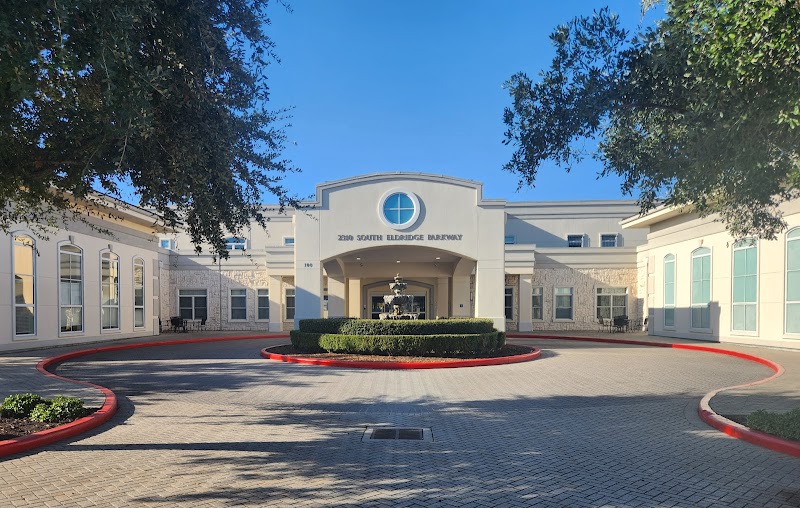
THE CONCIERGE

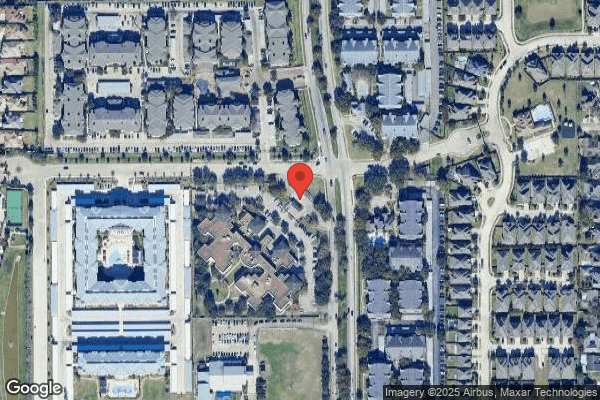
2310 SOUTH ELDRIDGE PARKWAY, HOUSTON, TX 77077 (281) 558-3900
For profit - Partnership 148 Beds Independent Data: November 2025 4 Immediate Jeopardy citations
Trust Grade
0/100
#1118 of 1168 in TX
Last Inspection: March 2025

Within standard 12-15 month inspection cycle. Federal law requires annual inspections.

Overview

The Concierge in Houston, Texas, has a Trust Grade of F, indicating significant concerns about the quality of care provided. With a state rank of #1118 out of 1168, they fall in the bottom half of Texas nursing facilities, and they rank #91 out of 95 in Harris County, meaning there are very few local options that are worse. The facility is worsening, with reported issues increasing from 4 in 2024 to 13 in 2025. While staffing turnover is impressively low at 0%, the overall staffing rating is only 1 out of 5 stars, which is poor and suggests staff may not be adequately trained or supported. Additionally, the facility has faced $28,741 in fines, which is concerning and indicates recurring compliance problems. Specific incidents of concern include a failure to notify a resident's physician for 12 hours when the resident's condition worsened, resulting in a hospital admission for pneumonia and septic shock. Another critical issue involved not providing timely emergency transport for a resident with dangerously low blood pressure and high pulse, delaying necessary care for over 24 hours. There were also serious lapses in providing proper respiratory care for a resident with a tracheostomy, raising risks of infection and complications. While there are strengths in staffing stability, the overall care quality is troubling, making it essential for families to carefully consider their options.

Trust Score
F
0/100
In Texas
#1118/1168
Bottom 5%
Safety Record
High Risk
Review needed
Inspections
Getting Worse
4 → 13 violations
Staff Stability
○ Average
Turnover data not reported for this facility.
Penalties
○ Average
$28,741 in fines. Higher than 67% of Texas facilities. Some compliance issues.
Skilled Nurses
○ Average
RN staffing data not reported for this facility.
Violations
⚠ Watch
22 deficiencies on record. Higher than average. Multiple issues found across inspections.
★☆☆☆☆
1.0
Overall Rating
★☆☆☆☆
1.0
Staff Levels
★★★★☆
4.0
Care Quality
★★☆☆☆
2.0
Inspection Score
Stable
2024: 4 issues
2025: 13 issues

The Good

  • 4-Star Quality Measures · Strong clinical quality outcomes
  • Full Sprinkler Coverage · Fire safety systems throughout facility
  • No fines on record

Facility shows strength in quality measures, fire safety.

The Bad

1-Star Overall Rating

Below Texas average (2.8)

Significant quality concerns identified by CMS

Federal Fines: $28,741

Below median ($33,413)

Moderate penalties - review what triggered them

The Ugly 22 deficiencies on record

4 life-threatening
Mar 2025 10 deficiencies
CONCERN (D)

Potential for Harm - no one hurt, but risky conditions existed

Comprehensive Assessments (Tag F0636)

Could have caused harm · This affected 1 resident

**NOTE- TERMS IN BRACKETS HAVE BEEN EDITED TO PROTECT CONFIDENTIALITY** Based on record review and interview, the facility failed to assess each resident annual assessment using the Annual Minimum Dat...

Read full inspector narrative →
**NOTE- TERMS IN BRACKETS HAVE BEEN EDITED TO PROTECT CONFIDENTIALITY** Based on record review and interview, the facility failed to assess each resident annual assessment using the Annual Minimum Data Set (MDS) form specified by the state and approved by Center for Medicare and Medicaid Services (CMS) for review of 12-closed record and 1 of 5 Residents (Resident #1) reviewed for annual assessments. The facility failed to complete Resident #1's MDS Assessment within 124 days (11/08/2024 through 03/20/2025) of the previous MDS assessment. This failure could place all residents at-risk of not having their assessments completed timely. The findings included: Record review of Resident #1's Facesheet dated 03/20/2025 revealed Resident #1 was an 88-years old female who admitted to the facility on [DATE]. Resident's diagnosis included, but were not limited to unspecified dementia (group of symptoms effecting memory, thinking and social abilities), unspecified severity, without behavioral disturbance, psychotic disturbance (disassociation with reality), mood disturbance, and anxiety, bipolar disorder (mental illness/mood disorder causing periods of depression and periods of abnormal elevated mood), schizophrenia (mental illness/mood disorder causing hallucinations, delusions, and disorganized thinking) unspecified, encephalopathy (disorder disease of the brain causing disorientation, memory loss, and in severe cases, dementia or seizures), peripheral vascular disease (progressive disorder that causes narrowing or blocking of the blood vessels outside the heart leading to symptoms such as pain, numbness, weakness, skin discoloration, and slow wound healing), and hypertension (elevated blood pressure due to the consistent force of blood pushing against the artery walls). Record review of Resident #1's Quarterly MDS Quarter (Q2) dated 02/08/2025 with and Annual Review Date (ARD) of 02/08/2025 had an In Progress status. Completion due by 02/22/2025 - 26 days overdue. During an interview on 03/20/2025 at 4:24 p.m., MDS Coordinator stated that she was responsible for ensuring that Resident #1's MDS assessment was uploaded timely. She stated that she had no excuse, but that the MDS had been completed on 03/20/2025 and could not be uploaded until completed. She stated that the facility had been working on timely uploads and had made it a QAPI/MDS topic. She stated process to upload time, was a work in progress. She stated the importance of an updating and uploading care plans was to ensure compliance, ensure timely payments, avoid state citations, and ensure patient received adequate care. During an interview on 03/20/2025 at 4:57 p.m., the Administrator stated that MDS assessments were to be completed annually and quarterly. He stated it had been his expectation that MDS assessments were completed and submitted within the required time frames, but that he was aware that some had not been uploaded timely. He stated he that MDS assessment were ongoing. He stated that he hired a clinical oversight nurse to help build a new Care Plan/MDS completion and uploading process. He stated that had recently hired a new Care Plan/MDS assistant. He stated that importance of timely submission was to ensure resident's most recent care goals and interventions were reflected. During an interview on 03/20/2025 at 05:09 p.m. DON stated that it was important to have an updated MDS uploaded timely to ensure that staff were aware of residents' current risks. She stated failure would affect the reflection on the resident's care plan. She stated if the care plan had not reflected current goals, the care plans could not reflect current interventions. She stated the staff relied on interventions to initiate care for the residents and without, the staff would not know what care each resident required. Record review of Policy titled Resident Assessment revised dated October 2023 revealed, Policy Statement Comprehensive assessment of each resident is completed at intervals designed by Omnibus Budget Reconciliation Act (OBRA) regulations and PPS requirements. Data from the Minimum Data Set (MDS) is submitted to the Internet Quality Improvement Evaluation System (iQIES) as required. Policy Interpretation and Implementation. 1. OBRA-Required Assessments are federally mandated, and therefore, must be performed for all residents of Medicare and/or Medicaid certified nursing homes. OBRA assessments include: a. admission Assessment; b. Quarterly Assessment; c. Annual Assessment . 3. Comprehensive MDS assessments include both the completion of the MDS as well as completion of the Care Area Assessment (CAA) process and care planning. Comprehensive MDSs in [NAME] Admission, Annual, Significant Change in Status Assessment (SCSA), and Significant Correction of a Prior Assessment (SCPA). 4. Non-Comprehensive MDS assessments include a select number of items from the MDS used to track the resident's status between comprehensive assessments a d to ensure monitoring of critical indicators of the gradual onset of significant changes in resident status. They do not include completion of the CAA process and care planning. Non-comprehensive assessments include Quarterly assessments and Situation, Complication, Question and Answer (SCQAs).
CONCERN (D)

Potential for Harm - no one hurt, but risky conditions existed

Deficiency F0638 (Tag F0638)

Could have caused harm · This affected 1 resident

**NOTE- TERMS IN BRACKETS HAVE BEEN EDITED TO PROTECT CONFIDENTIALITY** Based on interview and record review the facility failed to assess a resident using the quarterly review instrument specified by...

Read full inspector narrative →
**NOTE- TERMS IN BRACKETS HAVE BEEN EDITED TO PROTECT CONFIDENTIALITY** Based on interview and record review the facility failed to assess a resident using the quarterly review instrument specified by the State and approved by CMS not less frequently than once every 3 months for review of 1 of 5 Residents (Resident #1) and 12-closed records reviewed for assessments. The facility failed to complete a quarterly assessment for Resident #1 every 3 months (11/08/2024 through 03/20/2025). This failure could place residents at risk for not getting an accurate assessment and could result in lack of care. Findings include: Record review of Resident #1's Facesheet dated 03/20/2025 revealed Resident #1 was an 88-years old female who admitted to the facility on [DATE]. Review of Resident #1's last completed MDS assessment dated [DATE] revealed a Brief Interview of Mental Status (BIMS) score of 03 which indicated sever impaired cognition. Further review of Resident #1's MDS tracking record revealed the previous completed MDS was completed on 08/08/2024. The next MDS listed was a quarterly dated 02/08/2025 to be completed by 02/22/2025 that had an in progress status as of 03/20/2025 at 2:36 p.m. and showed 26-days overdue. During an interview on 03/20/2025 at 4:24 p.m., MDS Coordinator stated that she had not completed Resident #1's MDS assessment due by 02/22/2024 until 03/20/2025. Record review of policy titled MDS' - Completion and Submission Timeframes dated Revised October 2023 reflected: Our facility will conduct and submit resident assessments in accordance with current federal - and state submission timeframes. Policy Interpretation and Implementation. 1. The assessment coordinator or designee is responsible for ensuring that resident assessments are submitted to CMS' internet Quality Improvement Evaluation (iQIES). In accordance with current federal and state guidelines. 2. Timeframes for completioi1 and submission of assessments is based on the current requirements published in the Resident Assessment Instrument Manual.3. Submission of MDS records to the iQIES is electronic. A hard copy of each record submitted is maintained in the resident's clinical record for a period of fifteen (15) months from the date submitted.
CONCERN (D)

Potential for Harm - no one hurt, but risky conditions existed

MDS Data Transmission (Tag F0640)

Could have caused harm · This affected 1 resident

**NOTE- TERMS IN BRACKETS HAVE BEEN EDITED TO PROTECT CONFIDENTIALITY** Based on interview and record review, the facility failed to transmit ensure an MDS was completed and electronically transmitted...

Read full inspector narrative →
**NOTE- TERMS IN BRACKETS HAVE BEEN EDITED TO PROTECT CONFIDENTIALITY** Based on interview and record review, the facility failed to transmit ensure an MDS was completed and electronically transmitted to the CMS System for 14 days after completion resident assessment within the required time frame for 1 of 5 (Resident #1) and 12 closed records, reviewed for data transmission in that: The facility failed to complete and transmit Resident #1's quarterly MDS. This failure could place residents at risk of not having their assessments transmitted timely and an incomplete record. Findings Include: Record review of Resident #1's Facesheet dated 03/20/2025 revealed Resident #1 was an 88-years old female who admitted to the facility on [DATE]. Record review on 03/20/2025 at 02:35 p.m., revealed that Resident #1's quarterly assessment due 02/22/2025 showed an In Progress status and had not been uploaded. During an interview on 03/20/2025 at 4:24 p.m., MDS Coordinator stated Resident #1's MDS assessment was due by 02/22/2024. She stated it was transmitted late, 03/20/2025 and it had been her responsibility to upload timely. Record review of policy titled Care-Plans, Comprehensive Person-Centered revised dated March 2022. Policy Statement. A comprehensive, person-centered care plan that includes measurable objectives and timetables to meet the resident's physical; psychosocial and functional needs is developed and implemented for each resident. Policy Interpretation and Implementation. 1. The interdisciplinary team (IDT), in conjunction with the resident and his/her family or legal representative develops and-implements, a comprehensive, person-centered care plan for each resident. 2. The comprehensive, person-centered care plan is developed within seven (7) days of the completion of the required MDS assessment (Admission, Annual or Significant Change in Status), and no more than 21 days after admission .
CONCERN (D)

Potential for Harm - no one hurt, but risky conditions existed

Comprehensive Care Plan (Tag F0656)

Could have caused harm · This affected 1 resident

**NOTE- TERMS IN BRACKETS HAVE BEEN EDITED TO PROTECT CONFIDENTIALITY** Based on observation, interview and record review, the facility failed to develop and implement a comprehensive person-centered ...

Read full inspector narrative →
**NOTE- TERMS IN BRACKETS HAVE BEEN EDITED TO PROTECT CONFIDENTIALITY** Based on observation, interview and record review, the facility failed to develop and implement a comprehensive person-centered care plan for each resident that includes measurable objectives and timeframes to meet a resident's medical, nursing, and mental and psychosocial needs that are identified in the comprehensive assessment for 1 (Resident #42) of 11 residents reviewed for comprehensive care plans. - Resident # 42 was not care planned on 03/10/2025 for a PICC line insertion ordered on 03/07/25. These failure place resident at risk for infections and unwanted hospitalization. Findings included: Record review of Resident #42's face sheet dated 03/19/25 revealed a [AGE] year-old female admitted to the facility on [DATE]. Resident diagnoses included the following: sepsis (serious condition in which the body responds improperly to an infection), hypertension (elevated blood pressure), neuropathy (nerve damage), metabolic encephalopathy (when the brain is not functioning properly cause by a wide range of factors), pneumonia (infection in one or both lungs), and depression. Record review of Resident #42's admission MDS dated [DATE] revealed a BIMS score of 11 indicating that resident cognition was intact. Further review section O (Special Treatments, Procedures, and Programs) reflected that resident was receiving IV antibiotic medications. Record review of Resident #42's Care Plan dated 03/10/25 did not reflect that resident was being car planned for having a PICC line. Record review of Resident #42's Physician Order Summary Report for the month of March 2025 reflected the following orders: -Dated 03/07/25 Cefazoline (antibiotic) intravenous (administration of fluid or medications in the vein) 2 grams three times a day for infected left knee wound until 04/10/25. Record review of Resident #42's MAR for the month of March 2025 reflected that the facility was administering resident antibiotic Cefazoline as ordered by the physician. Interview and observation on 03/18/25 at 9:32AM of Resident #42 resting in bed a wake. Resident had a PICC line to her upper right arm. Resident said she was receiving IV antibiotic therapy through her PICC line. Interview on 03/20/25 at 4:25 PM with the MDS Coordinator said she was aware that Resident #42 had a PICC line and after she reviewed resident care plan the MDS Coordinator said she thought an IV peripheral (a short catheter placed in a superficial vein) was the same as PICC line (a longer catheter threaded into a larger vein near the heart) , the MDS Coordinator said resident was not care planned for a PICC line insertion. The MDS Coordinator said it was important that each resident had an individual comprehensive care plan to ensure that the nurses would know how to care for the resident. The MDS Coordinator said she would revise resident care plan to include PICC line insertion. Interview on 3/20/25 at 5:06PM with the DON said she was responsible in making sure that all the residents had individualized comprehensive care plans. The DON said when a resident was not care planned properly, the correct interventions cannot be followed to address goals. The DON said the facility had a total of 7 residents with central lines. The DON said although Resident #42 was care planned for an IV, a PICC Line insertion was not the same as a regular peripheral IV. The DON said if a PICC line was dislodge and resident continue to receive medications through the line, it placed the resident at risk for infiltration (fluids infusing in the surrounding tissue and not in the vein as intended) and possibly an embolism (foreign substance such as blood clot that travels through the blood stream and blocks a blood vessel). Record review of the facility policy on Care Plans, Comprehensive Person-Centered revised March of 2022 reflected in part: .A Comprehensive, person-centered care plan includes measurable objectives and timetable to meet the resident physical, psychosocial and functional needs is developed and implemented for each resident .
CONCERN (D)

Potential for Harm - no one hurt, but risky conditions existed

Deficiency F0658 (Tag F0658)

Could have caused harm · This affected 1 resident

**NOTE- TERMS IN BRACKETS HAVE BEEN EDITED TO PROTECT CONFIDENTIALITY** Based on observation, interview and record review, the facility failed to ensure services provided by the facility, as outlined ...

Read full inspector narrative →
**NOTE- TERMS IN BRACKETS HAVE BEEN EDITED TO PROTECT CONFIDENTIALITY** Based on observation, interview and record review, the facility failed to ensure services provided by the facility, as outlined by the comprehensive care plan, met professional standards of quality for one (Resident #392) of one resident observed for gastrostomy tube feedings. The facility failed to ensure LVN B administered medication and water to Resident #392 via her gastrostomy tube (g-tube) by following physician's order These failures could place residents at risk for fluid overload weight loss, aspiration pneumonia, and abdominal discomfort. Findings included: Review of Resident #392's admission Assessment reflected she was a [AGE] year old female who was admitted to the facility on [DATE]. Her diagnoses included gastrostomy tube (a small opening into the abdomen and inserted a tube directly into the stomach allowing for food and liquids to be delivered directly into the stomach), dysphagia (difficulty swallowing), pneumonitis ( swelling and irritation, also called inflammation, of lung tissue) due to inhalation of food and vomit, hyponatremia ( lower than normal sodium/salt in blood stream), chronic thromboembolic pulmonary hypertension ( cause by chronic pulmonary embolism (blood clots that form scar-like tissue in the lung's arteries, leading to blockage or narrowing of these arteries) and seizure disorder ( is a condition where someone experiences recurring seizures, which are sudden bursts of abnormal electrical activity in brain that can cause temporary changes in behavior). Record review of Resident # 392's admission MDS dated [DATE] indicate a BIMS score 09 reflected moderate cognitive impairment. The MDS indicated that Resident # 392's was totally dependent on two or more staff for bed mobility, transfers, locomotion, dressing, eating, toilet use, and personal hygiene. Review of Resident #392's Baseline Care Plan, dated 02/28/25, reflected the following : Resident Dietary Orders as tube feeding, bolus. Goal: No signs of symptoms of aspiration Intervention: elevate head of bed at 35 degrees at all times Review of Resident #392's Physician's Orders dated 2/26/25 reflected the following orders: Had NPO ( Nothing per oral) GT: Flush feeding tube with 30 ml water before and after administration of meds, flush with 10 cc between each medication every shift. Observation and interview on 03/19/25 at 8:10 a.m. revealed LVN B was in process of passing medications to Resident #392. During medication pass for Resident # 392, LVN B crushed the following medications. LVN B attached 60 cc of G-Tube syringe, she checked for placement and instilled 60 cc of water before administering medications. Sodium Chloride tab 1gm 2 tablets dissolve in 20cc water via G-Tube Atenolol 100 mg 1tablet diluted with 5cc of water via G-Tube Atorvastatin 10 mg 1 tablet diluted with 5cc of water via G-Tube Calcium 600mg + D5 mcg 1 tablet diluted with 5cc of water via G-Tube Eliquis 2.5 mg 1 tablet diluted with 5cc of water via G-Tube Fluoxetine 20mg 1 cap diluted with 5cc of water via G-Tube Furosemide 40 mg 1 tablet diluted with 5cc of water via G-Tube Lamotrigine 25 mg 1 tablet diluted with 5cc of water via G-Tube LVN B used 630cc of water total of flush via Resident #392's G-Tube. LVN B had (7 ounces x 3 cups: each cup had 210 cc of water =630cc). During medications administration on 3/19/25 at 8:10 a.m., Resident #392 complained to LVN B of being too full, while administering medication. In an interview with LVN B on 3/19/25 at 8:45 a.m., regarding the amount of water instilled via Resident #392's G-Tube during medication administration, LVN B said I was trying make sure that the medications were all gone via tubing . LVN B was asked by the surveyor, how much water was Resident #392 supposed to get with medication pass, LVN B checked Resident #392's MAR and added total water was 140 cc and said she did not calculate the amount of water she gave, it was 630 cc. LVN B said giving Resident #392's too much water could cause fluid overload and aspiration and confirmed hearing resident complaining of being too full. In an interview on 03/19/25 at 5:21 p.m. the DON said she expected her nurses to ask for help if they felt uncomfortable or needed help with a task. She said she expected nurses to give medications, water via G-Tube as ordered by the physician, and if they had a question about an order, they needed to call the physician for clarification. DON said LVN B did not have any orientation on G-Tube, the ADON hired LVN B. ADON should have given LVN B skills orientation on hired. In an interview with ADON on 3/19/25 at 5:56 p.m. she said another RN, who no longer works for the facility was the one that gave LVN B orientation. Record review of LVN B competency skills orientation had hired date on 1/14/2025 and there was no signature on the competency skills orientation performance objectives. Review of the facility's Administering Medications through an Enteral Tube policy, dated November 2018, reflected: Procedure Purpose: The purpose of this procedure is to provide guidelines for the safe administration of medications through an enteral tube. Preparation: 1. Verify that there is a physician's medication order for this procedure. 2. Review the resident's care plan to assess for any special needs of the resident. 3. Assemble the equipment and supplies as needed. 9. Dilute Medication: a. Remove plunger from syringe. Add medication and appropriate amount of dilute. B. Dilute crushed (powdered) medication with at least 30 ml purified water (or prescribed amount) c. Dilute liquid medication with 30 ml or more (depending on viscosity) purified water. Remove plunger from syringe and insert into tubing. .Allow medication to flow down tube via gravity . Managing Complications. If the feeding tube becomes clogged, intervention should occur immediately. Warm water should be tried first. Do Not force-flush tube or use a rigid object in an attempt to clear the tube. If clog is persistent, contact the Medical Doctor (MD) if the above techniques fail . Review of the Texas Administrative Code Title 22, Part 11, Chapter 217, Standards of Nursing Practice (TAC§217.11(1)(T)] ), retrieved from http://www.bon.texas.gov/rr_current/217-11. asp on 03/18/19, reflected the following: (1) Standards Applicable to All Nurses. All vocational nurses, registered nurses and registered nurses with advanced practice authorization shall: . (G) Obtain instruction and supervision as necessary when implementing nursing procedures or practices. (H) Make a reasonable effort to obtain orientation/training for competency when encountering new equipment and technology or unfamiliar care situations; .
CONCERN (D)

Potential for Harm - no one hurt, but risky conditions existed

ADL Care (Tag F0677)

Could have caused harm · This affected 1 resident

**NOTE- TERMS IN BRACKETS HAVE BEEN EDITED TO PROTECT CONFIDENTIALITY** Based on observation, interview, and record review the facility failed to provide the necessary services to maintain grooming an...

Read full inspector narrative →
**NOTE- TERMS IN BRACKETS HAVE BEEN EDITED TO PROTECT CONFIDENTIALITY** Based on observation, interview, and record review the facility failed to provide the necessary services to maintain grooming and personal care for 2 (Resident #195 and Resident #192) of 7 residents reviewed for ADL care, in that: - The Ffacility failed to give Resident #195 his schedule showers on Tuesday, Thursday, and Saturday on a consistent basis. - The facility failed to ensure Resident #192 was provided incontinent care in a timely manner. These failures placed residents a risk for skin break down, offensive odors, and decrease in quality of life. Findings: Resident #195 Record review of Resident #195's face sheet dated 03/20/25 revealed a [AGE] year-old female was admitted to the facility on [DATE]. Resident #195 had diagnoses included: diabetes mellitus (Body do not produce enough insulin or cannot effectively use insulin), hypertension (blood pushing against the artery walls is consistently too high) and absence of right leg below knee (surgical removal of right). Record review of Resident #195's admission MDS assessment dated [DATE] revealed the BIMS was 12 which indicated moderately impaired cognition. Resident #195 needed moderate assist with ADLs with one staff assistance. Record review of Resident #195's undated care plan revealed Resident #195 requireds assistance with all ADLs. Interventions: provide ADL care daily. Record review of the facility showers sheets for Resident #195's unit with the DON for March 2025 revealed there were no shower sheets for Resident #195. The DON said no shower sheets it would mean Resident #195 did not get any shower. During an observation and interview on 03/18/25 at 10:03 a.m., Resident #195 said she was admitted to the facility on [DATE], and she asked about her shower, and the staff told her she would get a shower on Thursday. Resident #195 said she was told she could not get a shower because of the wound on her foot. Resident #195 said she asked about getting a bed bath, and the staff said she would give her a bed bath on Thursday, but the staff had not given any bed bath or shower up to today. Resident #195 said she could not remember the names of the staff she talked to about showers or bed baths. She showered her arms and legs and said see how dry and ashy my skin is. Resident #195 said the staff had not applied lotion on her, and when she asked the staff to apply lotion, the staff did not apply the cream. Resident #195 said her skin is itching, and she does not feel clean. During an observation and interview on 03/19/25 at 9:22 a.m., Resident #195 said she asked the staff again for a shower or bed bath yesterday (3/18/25), and the staff did not give her a shower again. During an interview on 03/20/25 at 2:08 p.m., the DON said the facility had scheduled showers three times a week and as needed for all residents. The DON said she was unaware that Resident #195 was refusing to shower, and that the unit manager was in charge of Resident #195's unit. The DON said Resident #195 would have skin breakdown, dry skin, and smell bad, and she stated the resident would feel so bad. The DON said the aides are responsible for giving Resident #195 a shower, and the aide would notify the change nurse if Resident #195 refused to shower. The charge nurse would go to the resident and encourage the resident to take a shower. The DON said if Resident #195 refused, the nurse would document on Resident #195's chart that the resident refused to shower. During an interview on 03/20 /25 at 2:41 p.m., CNA N said she did not shower Resident # 195 because she refused to shower. CNA N said she told her nurse but could not remember the nurse's name, so the nurse asked her to sign the shower sheet. CNA N said she gave the shower sheet to the nurse. CNA N said residents are showered every other day. She said if Resident #195 did not get a shower, the resident would not smell good, and the resident's skin would be dry and even break down. CNA N said Resident #195 would feel bad if she did not get a shower. She said she had in-service and skill check-offs on showering residents. She said the unit manager trained her on how to shower a resident last year, and if the resident refused to shower, then the aide would tell the nurse and document the refusal on the shower sheet. During an interview on 03/20/25 at 2:55 p.m., CNA K said she could not remember if she gave a shower to Resident #195. CNA K said the aide filled out the shower sheets when a resident was given a shower. She said the aides are responsible for showering residents, and if the resident refused, then she would write refuse on the shower sheets. CNA K said Resident #195's skin would be dry and itching, and the resident would not feel comfortable. CNA K said she had skills check-off and in-service on the shower. She said she was told to gather all the supplies, take them to the shower room, and take the resident to the shower room. If the resident refused, she would tell the nurse and document it on the shower sheet. CNA K said the nurse monitored the aides throughout the shift. During an interview on 03/20/25 at 3:33 p.m., RN S said none of her aides had told her Resident #195 refused to shower. RN S said Resident #195's skin would look dry and itching, and the resident would not feel good. She said the nurse monitors the aide throughout the shift. RN S said she would sign the shower sheet but did not remember signing any shower sheets for Resident #195. She said the nurse manager monitors the nurse during random rounding. She said she had in-service on skin integrity. During an interview on 03/20/25 at 4:49 p.m., the Unit Manager said the aides give showers to residents every other day unless the resident requested or refused. The Unit Manager said the aide could document on the shower sheet or put it on the POC if a resident was given a shower or not. The unit Manager said the aide should report to the nurse if any resident refused to shower, and the nurse would go and talk to the resident. If the resident refused, then the nurse would not have to document the resident refusal on the progress note because the nurse would sign the shower sheet that the resident refused. The Unit Manager said Resident #195 would feel dirty if she did not get a shower. She said she looked for Resident #195 shower sheet but could not find any shower sheets for Resident #195. She stated the resident skin would feel dry and unclean. Resident #192 Record review of Resident #192's face sheet dated 03/20/25 revealed an [AGE] year-old female was admitted to the facility on [DATE]. Resident #192 had diagnoses included: diabetes mellitus (Body do not produce enough insulin or cannot effectively use insulin), hypertension (blood pushing against the artery walls is consistently too high) and atrial fibrillation (irregular and often rapid heartbeat). Record review of Resident #192's admission MDS assessment dated [DATE] revealed Resident BIMS was 12 which indicated moderately impaired cognition. Resident #192 needed extensive assistance with ADL with one to two staff assistants. Record review of Resident #192's care plan initiated on 03/19/25 revealed Resident #192 had bladder/bowel incontinence related to mobility. Interventions: check for incontinence as needed. During an observation and interview on 03/19/25 at 8:30 a.m., Resident #192 was lying in bed on her back, and she had a hospital gown on. The Resident's gown was wet, and Resident #192 said you finally came to change me. The surveyor asked Resident #192 what happened, and she said she was soaked with urine. She had been asking for help, and none of the staff had come to change her. Resident #192 said the last time the staff changed her was at midnight. Resident #192 said she had her call light on, and none of the staff had come to change her. Resident #192 said her bottom was burning, and she pointed her hand down to her perineal and abdominal fold. During an observation and interview on 03/19/25 at 8:44 a.m., Resident #192 pulled her call light again, and staff went into her room and turned off her call light. The housekeeping Manager said Resident #192 pulled her call light because she had been waiting for a while for the aide to come and change her because she was wet. She said she was going to get an aide to change the resident. During an observation on 03/19/25 at 9:00 a.m., incontinent care for Resident #192 revealed the resident hospital gown, disposal draw sheet, cloth draw sheet, and fitted bed linen were wet with urine. Resident #192 incontinent brief was saturated from front to back. The inside of the incontinent brief was dark yellow, and the wet indicator faded out. Resident #192 was soaked with urine from her lower back to the upper part of her upper thigh. Resident #192 had redness and excoriation under her abdominal fold, peri area and buttocks and in-between her buttocks. During an interview on 03/19/25 at 9:44 a.m., CNA O said Resident #192 was assigned to her, and she came to work at 6:00 a.m. CNA O said she went and checked Resident #192's blood pressure and she asked her if she was okay, and the resident said she was fine. CNA O said she checked the residents blood pressure between 6:15 a.m. and 6:30 a.m. CNA O said she observed Resident #192 disposable draw sheet, cloth draw sheet, resident gown, and fitted linen were saturated with urine while they were providing incontinent care. She stated the residents incontinent brief was also saturated, and the wet indicator line was no longer visible. CNA O said Resident #192 peri area could become red, causing skin breakdown and infection. CNA O said she had training on incontinent care, and aides make rounds every two hours and as needed. CNA O said the nurse monitored the aides throughout the shift. During an interview on 03/19/25 at 10:20 a.m., CNA J said she was not the aide for Resident #192 but was told to go and provide incontinent care. CNA J said Resident #192's gown, disposable pad, and draw sheet were wet from urine. She stated the resident incontinent brief was saturated, and the wet indicator line was very faded out. CNA J said the aides are supposed [NAME] make rounds every two hours and PRN make rounds every two hours. She said it was more than two hours because the urine inside the brief was dark yellow. CNA J said Resident #192 skin could break down, and she could have a UTI. During an interview on 03/20/25 at 11:58 a.m., the DON said the aides should make rounds at the start of the shift, at least every couple of hours, and as needed throughout the shift. The DON said Resident #192 could get skin breakdown or have an infection UTI if she was left in a wet, incontinent brief for an extended time. The DON said the floor nurses monitored the aides throughout the shift, and the unit manager monitored the nurses during random rounds. During an Iinterview on 03/20/25 at 4:25 p.m., the Unit Manager said the aides are responsible for making rounds for incontinent care and the aides should make rounds every two hours. The Unit Manager said if Resident #192 was left in a saturated incontinent brief for an extended period of time, the resident's skin could break down. The Unit Manager did not respond to what was considered extended time. She said the nurses monitored the aides during rounds, and she monitored the nurses during random rounds. Record review of the facility policy on Activities of Daily Living (ADL), Supporting revised March of 2018 reflected in part: .Residents who are unable to carry out activities of daily living independently will receive the services necessary to maintain good nutrition, grooming and personal and oral hygiene .
CONCERN (D)

Potential for Harm - no one hurt, but risky conditions existed

Deficiency F0760 (Tag F0760)

Could have caused harm · This affected 1 resident

**NOTE- TERMS IN BRACKETS HAVE BEEN EDITED TO PROTECT CONFIDENTIALITY** Based on observations, interviews, and record reviews, the facility failed to ensure that residents were free of significant med...

Read full inspector narrative →
**NOTE- TERMS IN BRACKETS HAVE BEEN EDITED TO PROTECT CONFIDENTIALITY** Based on observations, interviews, and record reviews, the facility failed to ensure that residents were free of significant medication errors for 1 (Resident #392) of 7 residents reviewed for pharmacy services. The facility failed to ensure Resident #392 was free of significant medication errors when Resident #392, atorvastatin (medication to treat high cholesterol), Lamotrigine (medication to treat seizure), and Fluoxetine (which is an antidepressant) was administered by LVN B on 03/19/2025. LVN B failed to administer 3 medications to Resident #392 via PEG tube (feeding tube) in a manner that was not in accordance with accepted professional standards and principles. She crushed the medications into a powder form in each medication cup, dissolved it in water, LVN B did not ensure she got all the medication out of the medication cup during administration. This failure could place residents at risk of adverse reaction related to taking medications not ordered by the physician. Findings included: Review of Resident #392's admission Assessment reflected she was a [AGE] year old female who was admitted to the facility on [DATE]. Her diagnoses included gastrostomy tube (a small opening into the abdomen and inserted a tube directly into the stomach allowing for food and liquids to be delivered directly into the stomach), dysphagia (difficulty swallowing), pneumonitis ( swelling and irritation, also called inflammation, of lung tissue) due to inhalation of food and vomit, hyponatremia ( lower than normal sodium/salt in blood stream), chronic thromboembolic pulmonary hypertension ( cause by chronic pulmonary embolism (blood clots that form scar-like tissue in the lung's arteries, leading to blockage or narrowing of these arteries) and seizure disorder ( is a condition where someone experiences recurring seizures, which are sudden bursts of abnormal electrical activity in brain that can cause temporary changes in behavior). Record review of Resident # 392's admission MDS dated [DATE] indicate a BIMS score 09 reflected moderate cognitive impairment. The MDS indicated that Resident # 392's was totally dependent on two or more staff for bed mobility, transfers, locomotion, dressing, eating, toilet use, and personal hygiene. Review of Resident #392's Physician's Orders dated 02/26/25 reflected the following orders: Had NPO ( Nothing per oral) only GT: Flush feeding tube with 30 ml water before and after administration of meds, flush with 10 cc between each medication every shift. Record review of Resident #392's physician's summary order's and MAR had start date of 3/14/25 for the followings medications: 1.FLUoxetine HCl Oral Tablet 20 MG (use to treat depression, and sometimes obsessive compulsive disorder and bulimia) Give 1 tablet via G-Tube one time a day for Depression. 2. Lamotrigine Oral Tablet 25 MG (used to treat partial seizures, primary generalized tonic- clonic, bipolar 1 disorder maintenance and lennox-Gastaut syndrome) Give 1 tablet via G-Tube two times a day for Seizure. 3. Atorvastatin Calcium Oral Tablet 10 MG (a class of medicines used to lower cholesterol) Give 1 tablet via G-Tube one time a day for Hyperlipidemia Observation and interview on 03/19/25 at 8:10 a.m. revealed LVN B was passing medications to Resident #392. During medication pass for Resident # 392, LVN B crushed the following medication. Atorvastatin 10 mg 1 tablet diluted with 5cc of water via G-Tube and was floating in the water. Lamotrigine 25 mg 1 tablet diluted with 5cc of water via G-Tube LVN B attached 60 cc of G-Tube syringe, she checked for placement and instilled 60 cc of water before administering medications. LVN had did not administer all the medication via the syringe, she had medication left in the 2 medicine cups and discarded medication cups, LVN B kept pouring water via the syringe. In an interview with LVN B on 3/19/25 at 8:45 a.m., LVN B said I was trying make sure that the medications were all gone via tubing . LVN B said she forgot to rinse those medication cups and knew Resident #392's not getting all her medication during medication pass, could affect therapeutic drug level in her blood. In an interview with the DON on 3/19/25 at 5:21 p.m., regarding medications LVN B not administering all medication as ordered by the doctor. DON said not administering medication via G-tube in totality as ordered could affect therapeutic level in resident blood. DON said LVN B did not have any orientation on G-Tube, the ADON hired LVN B. ADON should have given LVN B skills orientation on hired . In an interview with ADON on 3/19/25 at 5:56 p.m. she said another RN, who no longer works for the facility was the one that gave LVN B orientation. Record review of LVN B competency skills orientation had hired date on 1/14/2025 and there were no signature on the competency skills orientation performance objectives. Record Review of facility's policy Medication Administration Procedures with revised date of April 2019 revealed . 4. Medications are administered in accordance with prescriber orders, including any required time frame. 5.Medication administration times are determined by resident need and benefit, not staff convenience. Factor that are considered include: a. enhancing optimal therapeutic effect of the medication, b. preventing potential medication or food interactions.
CONCERN (E)

Potential for Harm - no one hurt, but risky conditions existed

Deficiency F0679 (Tag F0679)

Could have caused harm · This affected multiple residents

Based on observation, interviews, and record review the facility failed to provide, based on the preferences of each resident, activities designed to meet the interests of and support the physical, me...

Read full inspector narrative →
Based on observation, interviews, and record review the facility failed to provide, based on the preferences of each resident, activities designed to meet the interests of and support the physical, mental, and psychosocial well-being of each resident for 5 of 5 confidential residents reviewed for activities. The facility failed to provide activities to meet the residents' interests on Saturdays and Sundays for 5 confidential residents. These failures placed residents at risk for decline in quality of life, social and mental psychosocial wellbeing. Findings Include: During a confidential group interview on 03/19/2025 and 10:04 a.m., with 5 confidential residents, all residents stated that there are no weekend activities. They stated that they could attend church on Sundays, but no other activities were provided. They stated that they would love to have weekend activities, as it was boring. They stated that the only time they had weekend activities was when the Activities Director was on shift during the weekend once a month. During an interview with the Activities Director on 03/19/2025 and 03:09 p.m., she stated that she worked Monday through Friday from 8:30 a.m. to 5:00 p.m., providing activities to the residents. She stated on weekends she was off, except once a month when she was the manager on duty she would offer Bingo on Saturdays. She stated on weekends, residents had free time to do whatever they wanted. She stated she would leave uno, coloring books and dominos out on each unit. She stated that she had also encouraged the resident council president who liked to lead dominos games to get out her room and encourage others to join and introduce herself to other new residents. She stated she would leave canvases and paint but would not want to leave residents unsupervised with the paint. She stated that the facility was in the process of hiring an assistant activities director, but she had been the only staff offering resident's activities for many years. She stated that census has increase quite a bit during the last 3 years as well. During an interview with the Administrator on 03/19/2025 at 03:33 p.m., he stated that that facility had not had a weekends activities director. He stated that he was difficult to staff a weekend activities director. He stated that the Activities Director came in 1x a month and offered activities, otherwise residents were offered self-guided activities. He stated he was looking to have an assistant activities director join next week. Record Review of the Activities Calendar for January 2025, the following Saturday dates 01/04/2025, 01/11/2025, 01/18/2025, and 01/25/2025 had Independent Activities (Available on Each Unit), Jig Saw puzzle on the Units, Puzzles, Checkers, Cards,10:00 matinee movies. On the following Sunday dates 01/05/2025, 01/12/2025, 01/19/2025, and 01/26/2025, 10:00 Sunday Matinee, 1:00 Church / Pastor, 4:00 Self-Guided activities. Record Review of the Activities Calendar for February 2025, the following Saturday dates 02/01/2025, 02/08/2025 and 03/15/2025 and 03/28/2025 had Independent Activities (Available on Each Unit), 10:00 matinee movies. On the following Sunday dates 02/02/2025, 03/16/2025, and 02/22/202510:00 Sunday Matinee, 1:00 Church / Pastor, 4:00 Self-Guided Reading. Record Review of the Activities Calendar for March 2025, the following Saturday dates 03/01/2025, 03/15/2025 and 03/29/2025 had Independent Activities (Available on Each Unit), Jig Saw puzzle, Deck of cards and 10:00 matinee movies. On 03/08/2025 Independent Activities (Available on Each Unit) Adult Coloring, Deck Of Cards, Dominos, and 10:00 matinee movies. On 03/22/2025 Independent Activities (Available on Each Unit), Jig Saw puzzle, 9:00 Bingo and 10:00 matinee movies. On the following Sunday dates 03/02/2025, 03/09/2025, 03/16/2025, 03/23/2025, 03/30/2025, Independent Activities (Available On Each Unit), 1:00 Church / Pastor, 4:00 Self-Guided activities. During a review of Facility's policy Activity Programs dated revised June 2018, revealed: Policy Statement. Activity programs are designed to meet the interests of and support the physical, mental and psychosocial well a-being of each resident. Policy Interpretation and Implementation. 1. The activities program is provided to support the well-being of residents and to encourage both independence and community interaction . 4. Activities are considered any endeavor, other than routine AD Ls, in which the resident participates, that is intended to enhance his or her sense of well-being and to promote or enhance physical, cognitive or emotional health. 5. Our activity programs are designed to encourage maximum individual participation and are geared to the individual resident's needs. 6. Activities are scheduled 7 (seven) days a week and residents are given an opportunity to contribute to the planning, preparation, conducting, cleanup and critique of the programs. 7. Our activity programs consist of individual, small group and large group activities that are designed to meet the needs and interests of each resident. Activity programs include activities that promote: a. self-esteem; b. comfort, c. pleasure, d. education; e. creativity; f. success; and g. independence
CONCERN (E)

Potential for Harm - no one hurt, but risky conditions existed

Deficiency F0694 (Tag F0694)

Could have caused harm · This affected multiple residents

**NOTE- TERMS IN BRACKETS HAVE BEEN EDITED TO PROTECT CONFIDENTIALITY** Based on observation, interview and record review, the facility failed to ensure that parenteral fluids were administered consis...

Read full inspector narrative →
**NOTE- TERMS IN BRACKETS HAVE BEEN EDITED TO PROTECT CONFIDENTIALITY** Based on observation, interview and record review, the facility failed to ensure that parenteral fluids were administered consistent with professional standards of practice and in accordance with physician orders, the comprehensive person-centered care plan, and the resident's goals and preferences for 1 out of 7 residents (Resident # 42) reviewed who were receiving parenteral fluids. -The facility failed to change Resident # 42's PICC line (a longer catheter threaded into a larger vein near the heart) dressing every 7 days as ordered by the physician. -LVN B failed to measure Resident #42's external PICC line catheter prior to removing the old dressing to ensure that the tip of the catheter had not dislodged. -LVN B failed to properly remove Resident #42's PICC line dressing to prevent dislodgement. These failures placed resident at risk for infections, injuries, unwanted hospitalization, and decrease in quality of life. Findings: Record review of Resident #42's face sheet dated 03/19/25 revealed a [AGE] year-old female admitted to the facility on [DATE]. Resident diagnoses included the following: sepsis (serious condition in which the body responds improperly to an infection), hypertension (elevated blood pressure), neuropathy (nerve damage), metabolic encephalopathy (when the brain is not functioning properly cause by a wide range of factors), pneumonia (infection in one or both lungs), and depression. Record review of Resident #42's admission MDS dated [DATE] revealed a BIMS score of 11 indicating that resident cognition was intact. Further review section O (Special Treatments, Procedures, and Programs) reflected that resident was receiving IV antibiotic medications. Record review of Resident #42's Care Plan dated 03/10/25 did not reflect that resident was being care planned for having a PICC line. Record review of Resident #42's Physician Order Summary Report for the month of March 2025 reflected the following orders: -Dated 03/07/25 Cefazoline (antibiotic) intravenous (administration of fluid or medications in the vein) 2 grams three times a day for infected left knee wound until 04/10/25. -Dated 03/15/25 Change IV dressing every 7 days and PRN every evening shift on Sunday. -Dated 03/20/25 Stat chest X-ray to verify PICC line placement. Record review of Resident #42's MAR reflected that the facility was administering resident antibiotic Cefazoline as ordered by the physician. Observation on 03/18/25 at 9:32AM of Resident #42 resting in bed awake. Resident had a PICC line to her upper right arm. The dates on the dressings read: Date of insertion 02/28/25, changed 03/07/25, and next date to be changed 03/14/25. Resident said she was receiving IV antibiotic therapy . Observation on 03/20/25 at 9:35AM, Resident #42 awake in bed watching TV. Observation of resident PICC line to the right arm with dressing that reflected the following: -Date of insertion 02/28/25 -Dressing change date: 03/07/25 -Next date to change: 03/14/25 Record Review on 03/20/25 of Resident #42's TAR for the month of March 2025 reflected that resident PICC had been changed on 03/16/25 by LVN D. Interview on 03/20/25 at 9:50AM, LVN B said she was the nurse for Resident #42. After LVN B observed the PICC line dressing, LVN B said the last time resident dressing had been changed was on 03/07/25 and the dressing needed to be changed. LVN B said she worked at the facility PRN. LVN B said she worked at the facility on 03/19/25 and was Resident #42's nurse on that day. LVN B said the reason she did not change the PICC line dressing on 03/19/25 was because she got busy and lost track of time. LVN B said she would change Resident #42's PICC line dressing. LVN B said PICC line dressings were supposed to be changed weekly. LVN B said if the dressing was not changed weekly, it placed the resident at risk for infections and skin breakdown. LVN B said although she worked at the facility on a PRN basis, she had been in-serviced on central line dressing changes . Interview on 03/20/25 at 10:44AM, the DON said PICC line dressing changes was supposed to be changed every 7 days to decrease infections. The DON said it was the Unit Manager who was supposed to make sure that the nurses were doing this along with the ADON as well as herself. The DON said each of them were assigned to a unit to make sure that the unit nurses were completing this task along with other assignments . Interview on 03/20/25 at 10:50AM, the ADON said she was assigned to the unit that Resident #42 resided on. The ADON said she ensured that the nurses were completing their assignments by making rounds typically on a Monday. The ADON said she was out sick on Monday 03/17/25. The ADON said she was not trying to make excuses because there was an order in place to change resident PICC line dressing every 7 days. The ADON said if Resident #42's dressing to her PICC line was not being changed as ordered, it placed resident at risk for an infection. The ADON said she was also the facility Infection Control Preventionist. Interview on 03/20/25 via phone at 12:30PM, RN E said she worked at the facility PRN. RN E said she was familiar with Resident #42. RN E said she worked at the facility on 03/15/25 on a Saturday. RN E said she was aware that resident had a PICC line. RN E said she looked everywhere in the facility for a central line dressing kit but could not find one. RN E said she did not recall reaching out to the DON or anyone else regarding where the central dressing kits were stored. RN E said the protocol was to reach out to upper management if she could not locate a specific item regarding the care of a resident. RN E did not reply when ask why she did not. RN E said if Resident #42's PICC line dressing was not changed as order, it placed the resident at risk for infection. RN E said she gave report to the oncoming nurse who name she did not recall and told her that the PICC line dressing for Resident #42 needed to be changed on 3/16/25 due to her not being able to find a central line dressing change kit. RN E said the nurse did not respond but kept writing and taking report. Observation on 03/20/25 at 2:25PM of PICC line dressing change for Resident #42 by LVN B. LVN B entered the room with 2 central line dressing change kits, sanitized her workspace, and washed her hands. LVN B said the reason she took 2 central dressing kits in Resident #42's room was because this technique made her feel more comfortable. LVN B began to open one of the kits and removed a sterile pair of gloves to remove resident old PICC line dressing. Prior to removing the old dressing, LVN B did not measure the length of the external tubing starting at the site to compare at the end of dressing change to ensure the catheter tubing remained in the same place. While removing the old dressing, LVN B began to remove the adhesive dressing by pulling away from the PICC line site instead toward the site to prevent dislodging the PICC line. LVN B proceeded to remove the Statlock (an adhesive device that sticks to the arm to secure placement and prevent excessive movement). The PICC line site was free of any redness, drainage, or swelling. LVN B walked away from the bedside to sanitize her hands and returned to open the second kit placing on a new set of sterile gloves to clean the PICC line site. When LVN B finished cleaning the site, she placed a transparent (thin see-through film dressing) dressing over the site and then tried to measure the external catheter tubing. Interview on 03/20/25 at 2:52PM with LVN B said she thought she did okay but was nervous when changing Resident #42's PICC line dressing. LVN B said she forgot to measure the external length of resident PICC line prior to removing the old dressing. LVN B said if the PICC line was dislodged, it placed the resident at risk for medications not being infused properly. LVN B said it also placed the resident at risk of for an infection or a blood clot. Interview on 03/20/25 at 3:05PM with the ADON said central line kits were kept on the units as well as in the Central Supply Room. The ADON said if a nurse is having difficulty locating supplies and it was on a weekend, the protocol is to contact whoever was on call for the weekend. The ADON said the administrative staff took turns for call that consisted of herself, the DON, and the Unit Manger but if the nurse was unable to contact person designated for on call, the other administrative staff members were easily accessible via phone. Observation on 03/20/25 at 3:08PM of the facility Central Supply Room having 5 central line dressing kits. Interview on 03/20/25 at 4:25PM with the DON said the facility had a total of 7 residents with central lines. The DON said LVN B had received in-service on Central Line dressing changes and would provide the survey a copy of LVN B's training. The DON said it was the pharmacy that ordered central line kits for the facility on residents that had a central line/PICC line. The DON said although the central supply room had 5 central line dressing kits with other central line dressing kits on the units, she was going to request a PAR level of 10 (the minimum quantity of an item that should be on hand to meet resident demand) central line kits be always accessible in the central supply room. Further interview with the DON said when the nurse is removing the old central line dressing, the dressing should be removed by taking the dressing off moving toward the PICC line site to avoid dislodging the PICC line. The DON said prior to the nurse removing the dressing, the external tubing of the PICC line should be measured to ensure the line had not moved after the dressing change was done. The DON said a measurement should be taken prior to removing the old dressing to ensure the catheter had not moved. The DON said the purpose of the StatLock is to prevent the PICC line from dislodging and that the nurse should not have removed the StatLock. The DON said if a PICC line is dislodge and resident continue to receive medications through the line, it placed the resident at risk for infiltration (fluids infusing in the surrounding tissue and not in the vein as intended) and possibly an embolism (foreign substance such as blood clot that travels through the blood stream and blocks a blood vessel). The DON said she would call the physician for an x-ray of the PICC line to ensure the catheter tip of the PICC line was still in the right place internally before administering anything else through the PICC line. The DON said she was going to in-service LVN B along with the other nurses on central line/PICC line dressing changes. The DON was asked for LVN B's training on PICC line dressing changes. The DON did not provide LVN B's training on PICC line dressing changes. Interview on 03/20/25 at 4:36PM with LVN D said she worked the 2PM-10PM shift full time. LVN D said she made a mistake when she documented on resident TAR for the month of March 2025 on the 16th that she had changed resident PICC line dressing when she did not. LVN D said she became busy on that day and forgot to complete the task of changing resident PICC line dressing. LVN D said she was not supposed to document that she completed a task until after the task was done. LVN D did not say why she done this. Record review of in-service dated 03/20/25 reflected that the DON had in-service the Nursing staff including LVN B on PICC line dressing changes . Record review of the facility policy on Central Venous Catheter Care Dressing Changes revised March of 2022 reflected in part: .The purpose of this procedure is to prevent complications associated with intravenous therapy including catheter related infections that are associated with contaminated, loosened, soiled, or wet dressings .maintain sterile dressings for all central vascular access devices .change dressing at least every 7 days .measure the length of the external central vascular access device with each dressing change .remove the dressing in the direction of the catheter insertion (from the hub of the catheter toward the head) to avoid dislodging the catheter .
CONCERN (E)

Potential for Harm - no one hurt, but risky conditions existed

Unnecessary Medications (Tag F0759)

Could have caused harm · This affected multiple residents

**NOTE- TERMS IN BRACKETS HAVE BEEN EDITED TO PROTECT CONFIDENTIALITY** Based on observation, interview and record review, the facility failed to ensure that its medication error rate was not 5 percen...

Read full inspector narrative →
**NOTE- TERMS IN BRACKETS HAVE BEEN EDITED TO PROTECT CONFIDENTIALITY** Based on observation, interview and record review, the facility failed to ensure that its medication error rate was not 5 percent or greater. The medication error rate was 14 percent with 5 errors out of 35 opportunities involving 1 of 3 staff members (LVN B) and 2 of 7 residents (Resident #392, Resident #393) reviewed for medication administration. - LVN B administered 3 medications to Resident #392 via PEG tube (feeding tube) in a manner that was not in accordance with accepted professional standards and principles. She crushed the medications into a powder form in each medication cup, dissolved it in water, LVN B did not ensure she got all the medication out of the medication cup during administration. - LVN B failed to administer doxycycline monohydrate and did not follow order when she also administered antacids, vitamins or iron without waiting for 2 hours as ordered for Resident #393. This failure could place residents at risk of their medications not being administered in accordance with professional standards of practice or physician's orders, which could place residents at an increased risk of experiencing adverse effects such as drug to drug interactions or alterations in therapeutic drug levels. Findings Include: Review of Resident #392's admission Assessment reflected she was an [AGE] year old female who was admitted to the facility on [DATE]. Her diagnoses included gastrostomy tube (a small opening into the abdomen and inserted a tube directly into the stomach allowing for food and liquids to be delivered directly into the stomach), dysphagia (difficulty swallowing), pneumonitis ( swelling and irritation, also called inflammation, of lung tissue) due to inhalation of food and vomit, hyponatremia ( lower than normal sodium/salt in blood stream), chronic thromboembolic pulmonary hypertension ( cause by chronic pulmonary embolism (blood clots that form scar-like tissue in the lung's arteries, leading to blockage or narrowing of these arteries) and seizure disorder ( is a condition where someone experiences recurring seizures, which are sudden bursts of abnormal electrical activity in brain that can cause temporary changes in behavior). Record review of Resident # 392's admission MDS dated [DATE] indicated a BIMS score 09 reflected moderate cognitive impairment. The MDS indicated that Resident # 392's was totally dependent on two or more staff for bed mobility, transfers, locomotion, dressing, eating, toilet use, and personal hygiene. Review of Resident #392's Physician's Orders dated 02/26/25reflected the following orders: Had NPO ( Nothing per oral) only GT: Flush feeding tube with 30 ml water before and after administration of meds, flush with 10 cc between each medication every shift. Record review of Resident #392's physician's summary order's and MAR had start date of 3/14/25 for the followings medications: 1. FLUoxetine HCl Oral Tablet 20 MG (use to treat depression, and sometimes obsessive compulsive disorder and bulimia) Give 1 tablet via G-Tube one time a day for Depression. 2. Lamotrigine Oral Tablet 25 MG ((used to treat partial seizures, primary generalized tonic- clonic, bipolar 1 disorder maintenance and lennox-Gastaut syndrome) Give 1 tablet via G-Tube two times a day for Seizure. 3. Atorvastatin Calcium Oral Tablet 10 MG (( a class of medicines used to lower cholesterol) Give 1 tablet via G-Tube one time a day for Hyperlipidemia. Observation and interview on 03/19/25 at 8:10 a.m., revealed LVN B was passing medications to Resident #392. During medication pass for Resident # 392, LVN B crushed the following medication. Atorvastatin 10 mg 1 tablet diluted with 5cc of water via G-Tube and was floating in the water. Fluoxetine 20mg 1 cap diluted with 5cc of water via G-Tube Lamotrigine 25 mg 1 tablet diluted with 5cc of water via G-Tube LVN B attached 60 cc of G-Tube syringe, she checked for placement and instilled 60 cc of water before administering medications. LVN had did not administered all the medication via the syringe, she had medication left in the 3 medicine cups and discarded medication cups, LVN B kept pouring water via the syringe. In an interview with LVN B on 3/19/25 at 8:45 a.m LVN B said I was trying make sure that the medications were all gone via tubing . LVN B said she forgot to rinse those medication cups and knew Resident #392's not getting all her medication during medication pass, could affect therapeutic drug level in her blood. Resident #393 Record review of Resident #393 was admitted date was 3/11/25 and the diagnosis included: sepsis, unspecified organism, acquired absence of left leg below knee, acquired absence of right leg below knee, type 2 diabetes mellitus with hyperglycemia ( a condition where the body either doesn't produce enough insulin or doesn't use insulin properly, leading to high blood sugar levels), morbid (severe) obesity due to excess calories ( is a severe form of obesity characterized by a body mass index (BMI) of 40 or higher which is related to health complications), major depressive disorder, recurrent ( is a mental health condition that causes a persistently low or depressed mood and a loss of interest in activities that once brought joy) gastro-esophageal reflux disease with esophagitis ( gastric reflux), hyperlipidemia ( a medical condition characterized by abnormally high levels of fats( lipids) in the blood). Record review of Resident # 393's admission MDS dated [DATE] indicate BIMS score 12 reflected moderate cognitive impairment. The MDS indicated that Resident #393's was totally dependent on two or more staff for bed mobility, transfers, locomotion, and personal hygiene. Record review of Resident #393's physician's summary order's and MAR had start date of 3/12/25 for the followings medications: - Multivitamin Oral Tablet (Multiple Vitamin) Give 1 tablet by mouth one time a day for Supplement. - Vitamin C 500 mg tablet po Give 1 tablet by mouth one time a day for Supplement -Doxycycline Monohydrate 100 MG Capsule, Give 1 capsule by mouth two times a day for Stomp wound for 10 Days TAKE WITH FULL GLASS, OF WATER TAKE WITH FOOD /IF STOMACH UPSET MAY CAUSE INCREASE PHOTOSENSITIVITY, NO ANACIDS, VITS OR IRONWITHIN 2 HOURS Observation on 3/19/25 at 9:00 a.m., during medication administration to Resident #393, LVN B punched Vitamin C 500 mg 1 tablet, Multivitamin 1 tablet, Doxycycline Monohydrate 100 MG Capsule and other medications and administered to Resident #393's by mouth. LVN B did not wait for 2 hours before administering Multivitamin Oral Tablet and Vitamin C 500 mg tablet po. Observation on 3/19/25 at 9:00 a.m.,of Doxycycline Monohydrate 100 MG Capsule by mouth blister packet had highlighted Take with /Full glass of water take W/Food if stomach upset occurs May Cause increased Photosensitivity. No antacid, vitamins, irons, dairy within 2 hours. - In an interview with LVN B on 3/19/25 at 2:00 PM after showing her the blister packet of Doxycycline Monohydrate 100 MG Capsule regarding administering Doxycycline with vitamin C, multivitamin, she said she did not look at the label on the blister packet and she had in-services on medication pass on insulin and she had been a nurse for many years, she knew giving Doxycycline with vitamin C, multivitamin, could cause stomach upset. In an interview with the DON on 3/19/25 at 5:21 p.m., regarding medications blister packet pharmaceutical recommendation on medications blister packet not being followed, she said the staff are expected to follow pharmaceutical recommendation to avert drug interaction and the G-tube medication should be given in totality as ordered by the doctor. The DON said not administering medication as ordered could affect therapeutic level in resident blood. The DON said LVN B did not have any orientation on G-Tube, the ADON hired LVN B. ADON should have given LVN B skills orientation on hired. In an interview with the ADON on 3/19/25 at 5:56 p.m. she said another RN, who no longer works for the facility was the one that gave LVN B orientation. Record review of LVN B competency skills orientation had hired date ofn 1/14/2025 and there was no signature on the competency skills orientation performance objectives. Record Review of facility's policy Medication Administration Procedures with revised date of April 2019 revealed . 4. Medications are administered in accordance with prescriber orders, including any required time frame. 5.Medication administration times are determined by resident need and benefit, not staff convenience. Factor that are considered include: a. enhancing optimal therapeutic effect of the medication, b. preventing potential medication or food interactions. 10. The individual administering the medication checks the label THREE(3) times to verify right resident, of medication should always be adhered to which includes the right medication, right dosage, right time and right method (route) of administration before giving the medication and the right dose.
Mar 2025 3 deficiencies
CONCERN (D) 📢 Someone Reported This

A family member, employee, or ombudsman was alarmed enough to file a formal complaint

Potential for Harm - no one hurt, but risky conditions existed

Medical Records (Tag F0842)

Could have caused harm · This affected 1 resident

**NOTE- TERMS IN BRACKETS HAVE BEEN EDITED TO PROTECT CONFIDENTIALITY** Based on record review and interview, the facility failed to maintain medical records in accordance with accepted professional s...

Read full inspector narrative →
**NOTE- TERMS IN BRACKETS HAVE BEEN EDITED TO PROTECT CONFIDENTIALITY** Based on record review and interview, the facility failed to maintain medical records in accordance with accepted professional standards and practices that were accurately documented for 1 of 5 (Resident #7) residents reviewed for accurate medical records. -LVN C and LVN D failed to document why Resident #7's Tramadol Hcl Oral Tablet 100 MG for pain every 8 hours was not given on 2/13/2025 at 2:00am and 10:00am. This failure could place residents at risk of having care provided based on inaccurate monitoring and documentation. Findings included: Record review of Resident #7's face sheet, she was a [AGE] year-old female originally admitted on [DATE] and last admitted on [DATE]. Her medical diagnoses included: encephalitis (inflammation of the brain, often due to infection) and encephalomyelitis (inflammation of the brain and spinal cord), dysphagia (difficulty swallowing), and cognitive communication deficit. She passed away on 02/13/2025. Record review of Resident #7's care plan. she had a focus area for potential for alteration in comfort r/t pain, with interventions including administering pain control medication as ordered, monitor for effectiveness of medication and notify MD (doctor) if ineffective and side effects/adverse reaction from pain med. Record review of Resident #7's Physician Orders, she had orders for Tramadol HCl Oral Tablet 100 MG, give 1 tablet by mouth three times a day for Pain Every 8 hours with a start date of 02/09/2025. Record review of Resident #7's progress notes for February 2025, there was no reason documented on 2/13/2025 for why Resident #7 did not receive her Tramadol HCl Oral Tablet 100MG. Record review of Resident #7's MAR/TAR for February 2025 revealed on 2/13/25 at 2:00 AM a code of 9 and on 02/13/25 at 10:: AM a code of 5 documented for Resident #7's Tramadol Hcl Oral Tablet 100 MG for pain every 8 hours.5=Hold/See Nurse Notes and 9=Other/See Nurse Notes Interview with LVN A on 3/6/2025 at 1:00pm, she said that she must have held the medication for Resident #7 on 2/13/2025 at 10:00am due to her nearing passing away and that the doctor had ordered that her medications be administered sublingually (medication placed below the tongue and dissolved) but was unable to locate her notes. She said she normally documented reasons for why medication was not given and telling the resident's NP or Physician. Interview with the Unit Manager on 3/6/25 at 2:00pm, she said that nurses should be documenting in a resident's progress notes why medication was held so that everyone can know what happened, if medication was spit out or not. Interview with the DON on 3/6/25 at 3:55pm, she said that the nurses should have gotten an order from the physician to put Tramadol on hold or discontinued since Resident #7 had been on Morphine for her pain. If Resident #7 took Tramadol and Morphine at the same time that could have caused drowsiness. Record review of the facility's Administering Medications policy last revised April 2019 reflected in part, Medications are administered in accordance with prescriber orders, including any required time frame. If a dosage is believed to be inappropriate or excessive for a resident, or a medication has been identified as having potential adverse consequences for the resident or is suspected of being associated with adverse consequences, the person preparing or administering the medication will contact the prescriber to discuss the concerns.
CONCERN (E) 📢 Someone Reported This

A family member, employee, or ombudsman was alarmed enough to file a formal complaint

Potential for Harm - no one hurt, but risky conditions existed

ADL Care (Tag F0677)

Could have caused harm · This affected multiple residents

**NOTE- TERMS IN BRACKETS HAVE BEEN EDITED TO PROTECT CONFIDENTIALITY** Based on observation, interview, and record review the facility failed to provide the necessary services to maintain grooming an...

Read full inspector narrative →
**NOTE- TERMS IN BRACKETS HAVE BEEN EDITED TO PROTECT CONFIDENTIALITY** Based on observation, interview, and record review the facility failed to provide the necessary services to maintain grooming and personal care for 2 (Resident #2 and Resident #1) of 7 residents reviewed for ADL care, in that: - The facility failed to ensure Resident #2 was provided personal grooming (dry patches and flaky skin) by facility staff. - The Facility failed to give Resident #1 his schedule showers on Tuesday, Saturday, and Saturday on a consistent basis. These failures placed resident a risk for skin break down, offensive odors, and decrease in quality of life. Findings: Resident #2 Record review of Resident #2's face sheet dated 03/03/25 revealed a [AGE] year-old male was admitted to the facility on [DATE]. Resident #2 had diagnoses included: human immunodeficiency virus disease (virus that damages the body's immune system.), hypertension (blood pushing against the artery walls is consistently too high) and cerebral infarction (strike that occur when blood floor to the brain is blocked). Record review of Resident #2's Quarterly MDS assessment dated [DATE] revealed Resident BIMS was 04 which indicated severely impaired cognition. Resident #2 depended on staff with ADL assistance with one to two staff assistant. Record review of Resident # 2's care plan revision on 03/05/25 revealed Resident #2 had ADL self-care performance deficit related to confusion, and limited mobility. Interventions: bathing: The resident is totally dependent on staff to provide a bath as necessary. Personal hygiene : The resident requires total assistance with personal hygiene care Record review of Resident #2's NP's progress note dated 03/03/25 revealed NP saw Resident #2 and did not document any issues on the Resident #1's skin and toenails. During an observation on 03/05/25 at 9:43 a.m., during wound care, it revealed Resident #2 had ashy dry patches and flaky skin from below the knee, but from the ankle to the sole of the feet had more caked-up dry skin. During an interview on 03/05/25 at 10:22 a.m., the Wound care nurse said Resident #1 had ashy, dried skin; some skin was flaking off, and others were caked up from below the knee to the soles of his feet. The wound care nurse said Resident #2 had more dried patches of skin on the top and bottom of his feet and had some flaky skin around the pressure ulcer on both heels. She said Resident #2 had dry, flaky skin that could cause the Resident #2 skin to crack, which could cause an open wound. The Wound care nurse said Resident #2's baseline was dry skin because his skin had been dry and flaky since she started working in the facility. The Wound care nurse said she had not reported Resident #2 dry skin on the legs to the floor nurse or the DON. The Wound care nurse said she had not had any skills check-off or in-service on skin assessment in this facility. The wound care nurse said she did not know who monitored the nurse to ensure the nurse provided care for the resident. The Wound care nurse said the charge nurse monitored the aides during rounding. During an interview on 03/05/24 at 10:45 a.m., LVN V said she was Resident #2's nurse. LVN V said the aides shower Resident #2 and should apply lotion on the resident on shower days and daily. LVN V said none of his aides reported to her that Resident #2 skin was dry. LVN V said she did not notice Resident #2 skin was dry when she worked with her yesterday, and none of the aides from yesterday told her Resident # 2 was dry and flaky. LVN V said she just saw Resident #2's skin; his skin was ashy and dry, and some skin was flaking off from below his knees to his feet. She said if Resident #2's skin was not taken care of, it could cause the skin to crack and open, which could cause skin breakdown. She said the charge nurse monitored the aides, and the nurse managers monitored the nurse during random rounding. During an interview on 03/06/25 at 10:10 a.m., the NP said he was unsure if the facility notified him that Resident #2 skin was dry and flaky. The NP said he suspected Resident #2 had vascular diseases and the skin would be dry and flaky; even after staff applied lotion, it would not stop the resident skin from being dry and flaky. The NP said he may order lotion for the resident and see if it helps. The NP said if Resident #2's skin continues to be dry and flaky, the area could open and get infected. During an interview on 03/06/25 at 11:41 a.m., the DON said Resident #2 had dry and scaley skin on his legs and feet. The DON said none of the staff told her about Resident #2's dry skin. The DON said she would have told the staff to clean the skin and apply lotion on the skin daily. The DON said the wound care nurse does skin assessment for Resident #2 on Wednesdays, and she should have documented that Resident #2's skin was dry and flaky and notified the floor nurse that Resident #2's skin was dry and flaky. The DON said the nurse manager for the unit monitors the nurses during random rounding while the floor nurse monitors the aides during rounding. She said the nurse had a skills - check upon employment. During an interview on 03/06/25 at 12:46 p.m., CNA R said she had been working in the facility for a month, and Resident #2 skin had been dry and flaky below the knees to his feet. CNA R said she did not tell the nurse or DON because she thought that the dry and flaky skin was normal for Resident #2. CNA R said the floor nurse monitored the aides when she made random rounds. CNA R said when she gave Resident #2 a bed bath on his shower days, she applied the facility lotion on the resident, but it did not relieve the dry skin. She said Resident #2 was dry and flaky, and his skin would break down. During an interview on 03/06/25 at 1:23 p.m., the unit manager said none of the staff told her Resident #2 had dry skin. The unit manager said Resident #2's skin would crack if the aides did not apply lotion on shower days and as needed. The Unit Manager said the floor nurse monitored the aides during rounding throughout the nurse's shift, while the nurse managers monitored the nurses during random rounding. RESIDENT #1 Record review of Resident #1's face sheet dated 03/06/25 revealed a [AGE] year-old male admitted to the facility on [DATE]. Resident diagnoses included: neurogenic bladder (lack of urine control), cerebral aneurysm (a weakness in a blood vessel in the brain that balloons and fills with blood), subarachnoid hemorrhage (bleeding in the space between the brain and the tissue covering the brain), epilepsy (seizures), central cord syndrome (spinal cord injury), pain, and weakness. Record review of Resident #1's quarterly MDS dated [DATE] reflected a BIMS score of 9 indicating that resident cognition was moderately impaired. Further review section GG Functional Abilities reflected that resident had limitations in range of motion to upper and lower extremities and was dependent upon staff for showers/bath self. Record review of Resident #1's Comprehensive Care Plan dated 07/01/24 and revised 03/05/25 reflected that resident was being care planned for ADL self-care performance deficit r/t limited mobility. The intervention included transfer: the resident requires total assistance with transfer. Further review of Resident #1's care plan did not reflect resident being care planned for refusing showers. Observation on 03/05/25 at 12:42PM on Sage 2 Unit revealed Resident #1 at the bed side sitting up in wheelchair. Interview on 03/05/25 at 12:42PM with Resident #1 said he was supposed to receive showers on Tuesday, Thursday, and Saturdays. Resident said the last time he had received a shower was on last Thursday (02/27/25) but did not receive his shower on Tuesday 03/04/25. Resident said he received his showers on the evening shift between 4:00PM-6:00PM. Resident said he had not been receiving his showers 3 times a week consistently. Resident said when the staff did not provide him with a shower, they would just say they did not have the time and was busy. Resident said he could not remember the CNA told him that. Interview on 03/06/25 at 2:08PM with RN A for the 6am-2pm shift said when the CNA's provide the resident with a shower, the nurse will sign the shower sheet that it had been done or refused. Record Review of Resident #1's shower sheet for the month of February 2025: -02/04/25(Tuesday), -02/08/25 (Saturday) and -02/15/25 (Saturday) reflected that resident did not receive a shower on the following days and RN C was working on these following days: Record Revie of Resident #1's shower sheet for the month March 2025 reflected that resident did not receive a shower on 03/04/24 (Tuesday). Interview on 03/06/25 at 2:12PM with LVN B said she worked the 2PM-10PM shift and that the only place that she was aware of where the CNA document that they had provided a resident with a shower was on the shower sheet. LVN B said the nurse would sign the sheet indicating that the resident received their shower or not. LVN B said she ensured that the resident's was receiving their schedule showers by asking the CNA's and sign her signature in the shower book. LVN B said if the resident was not receiving their schedule showers it placed the resident at risk of feeling uncomfortable and it could compromise their skin integrity. Interview on 03/06/25 at 2:27PM with nurse RN C said he worked at the facility on Sage 2 Unit providing care for residents in rooms 85-96 full time on the evening shift 2PM-10PM shift. RN C said he had been working at the facility for a month and 1 week. RN C said when the CNAs came on duty, he provided them their shower assignment. RN C said he signed the shower sheet indicating if the resident had a shower or refused their shower. RN C said after reviewing the shower sheets for Resident #1, he said Resident #1 sometimes refused his showers because of exhaustion or pain. When RN C was asked whenever resident was in pain or exhausted, did he medicate for the pain or if resident was exhausted, did he allow resident to rest and revisit Resident #1 to provide a shower. RN C did not answer the question asked. Further interview with RN C said when residents were not provided their showers on a consistent basis, it placed the resident at risk for skin ailments such as skin break down, odor, and not feeling good about themselves. RN C said if resident care was not documented, it was considered not done. Record Review of Resident #1's POC reflected no documentation of resident refusing their showers. Interview on 03/06/25 at 3:48PM with the DON said after reviewing Resident #1's POC, the DON said it did not reflect resident refusing his showers. The DON said when a resident was not receiving their showers on a consistent basis, it could place resident at risk for skin breakdown, odors, and cause psychological effects due to the resident not feeling clean or good about themselves. The DON said the facility would have to work on ensuring all residents received their schedule showers on a consistent basis and documenting not only on the shower sheet butt in the POC as well. The DON said the unit nurses were supposed to make sure that the CNA's were giving the residents their schedule showers and the Unit Manager was supposed to be following up to ensure that this was being done. Interview on 03/07/25 at 8:09AM Resident #1 said when he did not receive his showers, it made him feel itchy and unclean because he sweats a lot. Resident #1 said he received his shower on 03/06/25 and that the CNA that provided him the shower was the same CNA that was making up excuses why she could not shower him. Record review of Resident #1's shower sheet revealed the CNA who provided Resident #1's shower was CNA D. Interview on 03/07/25 at 8:20AM with the Unit Manager said she was the only unit manager at the facility. The Unit Manager said she was supposed to check the shower sheets but sometimes she missed checking them. The Unit Manager said it was really the Unit Nurses that was supposed to check the resident shower sheets and sign them to ensure residents were receiving their showers three times a week. The Unit Manager said she was the back-up to ensure that it was being done. 03/07/25 at 8:55AM An attempted interview via phone with CNA D, no answer, left a voicemail with a call back number. CNA D did not return the call prior to the exit. Record review of the facility policy on Activities of Daily Living (ADL), Supporting revised March of 2018 reflected in part: .Residents who are unable to carry out activities of daily living independently will receive the services necessary to maintain good nutrition, grooming and personal and oral hygiene .
CONCERN (E) 📢 Someone Reported This

A family member, employee, or ombudsman was alarmed enough to file a formal complaint

Potential for Harm - no one hurt, but risky conditions existed

Deficiency F0687 (Tag F0687)

Could have caused harm · This affected multiple residents

**NOTE- TERMS IN BRACKETS HAVE BEEN EDITED TO PROTECT CONFIDENTIALITY** Based on observations, interviews and record reviews, the facility failed to ensure residents received proper treatment and care...

Read full inspector narrative →
**NOTE- TERMS IN BRACKETS HAVE BEEN EDITED TO PROTECT CONFIDENTIALITY** Based on observations, interviews and record reviews, the facility failed to ensure residents received proper treatment and care to maintain mobility and good foot health for one (Resident #2) of four residents reviewed for food care. Resident #2 was not seen by a podiatrist for long, thick, and deformed toenails. This failure placed residents at risk of not receiving foot care consistent with professional standards of practice. Findings included: Record review of Resident #2's sheet dated 03/03/25 revealed a [AGE] year-old male was admitted to the facility on [DATE]. Resident #2 had diagnoses included: human immunodeficiency virus disease (virus that damages the body's immune system.), hypertension (blood pushing against the artery walls is consistently too high) and cerebral infarction (strike that occur when blood floor to the brain is blocked). Record review of Resident #2's Quarterly MDS assessment dated [DATE] revealed Resident BIMS was 04 which indicated severely impaired cognition. Resident #2 depended on staff with ADL assistance with one to two staff assistant. Record review of Resident # 2's care plan revision on 03/05/25 revealed Resident #2 had ADL self-care performance deficit related to confusion, and limited mobility. Interventions: bathing: The resident is totally dependent on staff to provide a bath as necessary. Personal hygiene: The resident requires total assistance with personal hygiene care. Record review of Resident #2's NP's progress note dated 03/03/25 revealed NP saw Resident #2 and did not document any issues on the Resident #1's skin and toenails. Record review of Resident #2's podiatrist report dated 03/05/25 read in part . assessment: Onychomycosis(nail fungus) Callus (thick, hardened layer of soft skin)of foot Atherosclerosis(fatty deposits build up inside of an artery) )of native arteries of extremities with intermittent claudication, bilateral legs . Patient complaints of long, painful, thick, toenails . DERMATOLOGICAL EXAM: Skin appear to be dry, wrinkled, flaky, with mild cracks . Toenails are noted to be discolored, dystrophlc(poor or degeneration of muscle or tissue), long, thick, with subungal(beneath toenail) debris and periungal (occurring around toenail) skin redness and irritation on toes 1-5 on the right and left foot. Remaining nails are dystrophic . Mycotlc(caused by a fungus) nails debrlded(removal of damagedor infected tissue, ) x 1O with sharp nail nippers Calluses debrided with tissue [NAME] without . During an observation on 03/05/25 at 9:43 a.m. revealed all of Resident #2's toenails were long, calcified, and discolored (Khaki brown). The right second-foot toe was long, curved downward, and touched the skin. The third toenail on the right foot toe was long and pointed upwards, while the other toes on the right foot were long and pointed forward. All the toenails on the left foot were long and pointed forward. During an interview on 03/05/25 at 10:35 a.m., the Wound care nurse said some of Resident #2's toenails on both feet were long while some were straight; one was growing upward, and one was coved downward. She said the podiatrist cut the resident's toenails. She said she told the social worker about the residents' toenails for about two weeks, and podiatry comes to the facility once every three months. The Wound care nurse said Resident #2's toenails had been long since she started working (December 19, 2024). The Wound care nurse said Resident #2 could scratch himself with long toenails and could get a fungi infection if the podiatrist and the staff did not provide proper foot care to Resident #2. She said she did not have a skills check on nail care or in-service and did not know who monitored the nurses. During an interview on 03/05/24 at 10:45 a.m., LVN V said she saw Resident #2's toenails were long and discolored, and she had not reported it to the unit manager or SW (social worker). LVN V said if Resident #2 hits his toenails, it could cause injury. LVN V said she had a skills check-off on skin and toenails. LVN V said if the staff did not provide foot care for Resident #2, his toenails could crack, and the resident could get infected. LVN V said Resident #2's toenails had been long since she started working in the facility (November 2024). LVN V did not respond when asked why she did not report to the nurse managers or social worker that Resident #2's toenails were long. During an interview on 03/05/25 at 1:50 p.m., the Podiatrist said the social worker texted around 11:00 a.m. It was the first time the facility informed him about Resident #2's toenails. He said the SW texted him about Resident #2 and asked if he could see him today. She sent Resident #2's face sheet to his office, and his office said they do not accept his insurance, and the SW said the administrator said the facility would pay. The Podiatrist said Resident #2 had long sub-fungal toenails. He said he took care of Resident #2's toenails; they look good now. He said you could read the notes, and he gave the hard copy to the administrator. He said if he had been notified earlier, he would have taken care of Resident #2's nails before now, and maybe he would not have tiny cracks and fungi. During an interview on 03/06/25 at 9:01 a.m., SW said she was unaware Resident #2's toenails were long until yesterday, when the administrator notified her to inform the podiatrist to come yesterday and cut Resident #2's feet. During an interview on 03/06/25 at 9:13 a.m., the Administrator said the wound care nurse told him that Resident #2's toenails were long, and he told the SW to contact the podiatrist on 03/05/25. The Administrator said if Resident #2 had long nails with fungus and if it was not treated promptly, the fungus infection could worsen. He said the unit managers and DON monitored the nurses. The Administrator said the facility offers foot care from a podiatrist as needed because most residents are short-stay. During an interview on 03/06/25 at 10:10 a.m., the NP said he was not aware Resident #2's toenails were long and had fungus. He said if the facility had notified him, he would written a consult for the podiatrist before yesterday (03/05/25). During an interview on 03/07/25 at 7:46 a.m., the DON said none of the nurses or aides told her Resident #2 had long toenails, and if she knew, she would have asked the nurse to get a podiatrist consult before Wednesday (03/05/25). The DON said if the staff and podiatrist had provided foot care for Resident #2 earlier, it would have prevented fungus infection. Record review of the facility policy on foot care dated 2001 MED - PASS, Inc (revised February 2018) read in part .the purpose of this procedure are to clean, trimmed nails, and prevent infection . Record review of the facility policy on foot care dated2001 MED - PASS, Inc (revised October 2022) read in part . residents receive appropriate . care and food health .
Feb 2024 4 deficiencies 2 IJ
CRITICAL (J)

Immediate Jeopardy (IJ) - the most serious Medicare violation

Respiratory Care (Tag F0695)

Someone could have died · This affected 1 resident

**NOTE- TERMS IN BRACKETS HAVE BEEN EDITED TO PROTECT CONFIDENTIALITY** Based on observation, interview, and record review the facility failed to ensure that a resident who needs respiratory care, inc...

Read full inspector narrative →
**NOTE- TERMS IN BRACKETS HAVE BEEN EDITED TO PROTECT CONFIDENTIALITY** Based on observation, interview, and record review the facility failed to ensure that a resident who needs respiratory care, including tracheostomy care and tracheal suctioning is provided such care, consistent with professional standards of practice, the comprehensive person-centered care plan, the resident goals and preference for 1 (Resident #81) of 1 reviewed for tracheostomy care. -LVN A failed to reconnect Resident #81's trach to oxygen after removing it to gather trach supplies. -LVN A failed to properly secure Resident #81's trach when removing the trach tie. -LVN A failed to clean Resident #81's trach stoma to prevent infection. An IJ was identified on 02/16/2024. The IJ template was provided to the facility on [DATE] at 5:44PM. While the IJ was removed on 02/19/2024 at 10:55AM, the facility remained out of compliance at a scope of isolated and a severity of no actual harm with the potential for more than minimal harm that is not an immediate jeopardy because all staff had not been trained on tracheostomy care. The failures has the potential to place resident(s) with tracheostomies at risk of not receiving the necessary care and services needed to meet their medical goals resulting in a decline in health or harm. Findings included : Record review of Resident #81's face sheet revealed a [AGE] year old female admitted to the facility on [DATE] with the following diagnoses that included: intracranial hemorrhage (bleeding on the brain), respiratory failure (serious condition making it difficult to breathe), encephalopathy (brain disease that alters the way the brain function), tracheostomy (procedure to help air and oxygen reach the lungs by creating a surgical opening in the neck), dysphagia (difficulty swallowing), narcolepsy (condition that cause one to fall asleep suddenly without warning), hypertension (elevated blood pressure), epilepsy (temporary uncontrolled stiffening and jerking of arms and legs or loss of awareness), and dependence on supplemental oxygen ( oxygen therapy that provides one with extra oxygen to breathe). Record review of Resident #81's physician's orders for the month of February 2024 revealed the following orders: -Dated 02/14/2024 Ambu bag (device used to provide respiratory support to an individual), extra trach tube and O2 tank at the bedside. -Dated 02/14/2024 Change disposable inner cannula daily and PRN. -Dated 02/14/2024 Change trach tubing collar weekly and PRN, date all pieces of tubing. -Dated 02/14/2024 Oxygen via tracheostomy collar at 35% (4L) every shift. -Dated 02/14/2024 Suction tracheostomy q shift and PRN. -Dated 02/14/2024 Trach care every shift and PRN -Dated 02/15/2024 Tracheostomy cuff Shiley size 6 in place. Record review of Resident #81's Baseline Care Plan dated 02/14/2024 revealed special treatment that included oxygen therapy and tracheostomy care. Observation on 02/16/24 at 10:35 AM revealed Resident #81 was resting in bed with the head of bed elevated, receiving continuous feedings via a gastrostomy tube (insertion of a surgical tube in the stomach to provide nutrition). The resident's tracheostomy was connected to oxygen at 4 liters per minute. The resident had a fenestrated (having one or more openings) gauze around the trach site that appeared clean and dry. Resident trach was secured with a trach tie. Further observation was made of the resident having respiratory/trach supplies in the room at the bed side that included suctioning kits, inner cannulas, an Ambu bag, etc. Further observation was done with LVN A preparing to provide trach care for the resident. LVN A disinfected the resident's bedside table and placed the trach supplies on the bedside table and washed her hands. LVN A told the surveyor that Resident #81 had already been suctioned and did not need to be suctioned at this time. The surveyor told the nurse that she could proceed with care. LVN A proceeded to check the resident's pulse oximetry that was at 96%. At 10:36AM LVN A proceeded with care by removing the oxygen from the resident's trach and placing the oxygen mask on the resident's chest. LVN A then completely removed the trach tie from around the resident's neck along with the dressing to the trach site, disposing of materials in a trash can at the resident's' bedside. At this time the resident coughed with the trach moving. LVN A placed her fingers at the trach site to prevent the trach from dislodging while proceeding to clean around the resident's trach site, not starting at the stoma (surgery to create an opening from an area inside the body to the outside) site and moving away from the stoma, instead using the same wipe to clean more than one time near the stoma site. Further observation was made of the resident beginning to move her left hand toward the trach site. Resident oxygen was still resting on her chest. The surveyor asked LVN A at 10:39AM to check the resident's oxygen saturation. Resident oxygen saturation was 90%. The surveyor asked the nurse to place the resident back on her oxygen and secure the trach with trach tie to prevent further decrease in resident oxygen level . Resident oxygen saturation had increase to 94%. Resident call light was alarmed by LVN A for the ADON to come to room. Further observation was made of the resident's physician entering the resident room with a student. The physician began to assess the resident and observed that the resident was not wearing a trach tie and told the nurse to put a trach tie on Resident #81. LVN A proceeded to place a trach tie on the resident but did not secure the right side of resident the trach tie. LVN A applied a 4 x 4 gauze that was not fenestrated gauze to the resident's stoma site. The 4 x 4 gauze was not neatly placed around the trach stoma site. Observation was made of Resident #81 beginning to cough. The surveyor asked LVN A to secure the right side of the resident's trach tie and if she could place a fenestrated gauze (gauze with an opening through which secretions can drain). After LVN A placed a fenestrated gauze around the resident's stoma site, and secured the trach tie, the resident stopped coughing. Interview on 02/16/24 at 11:00AM LVN A said the last time she had worked at facility with residents that had tracheostomies was about 7-8 years ago. LVN A said she had been a nurse for 40 years and had been working at the facility for 2 years. LVN A said she had not been in-serviced on trach care while working at the facility. Interview on 02/16/24 at 11:08AM the ADON and DON said the last training that the facility had done on trach care was about 6 months ago but would have to check to be certain. The ADON and DON said Resident #81 had arrive at the NF about 2 days ago. Further interview, with the DON and ADON said they were not at the facility when Resident #81 arrived at the facility because Resident #81 was admitted to the facility on the night shift. The ADON said the facility had not admitted any residents (s) with a tracheostomy in a long time. The ADON said Resident #81 should have never been admitted to the facility because the facility had not admitted a resident with a trach in a long time. Interview on 02/16/2024 at 4:00PM the DON said he and the ADON had not in-serviced the staff on trach care and that the facility Respiratory Therapist would be coming to the facility on [DATE] to in-service the staff on tracheostomy care. The DON said he had given the nursing staff the facility policy on tracheostomy care after Resident #81 was admitted to the facility. Further interview the DON said he had asked LVN A after Resident #81 was admitted to the facility if she was comfortable in providing trach care. The DON said LVN A said she was comfortable with caring for residents with a trach. The DON said he gave a trach training last year sometime and that LVA A should have received the training. The DON was not able to produce documentation that an in-service was done with the nursing staff on tracheostomy care in 2022. Interview on 02/19/2024 at 1:03PM the Respiratory Therapist said the last time she had come to the facility was sometime in 2023. The Respiratory Therapist said when she came to the facility in 2023, she was following up with the facility to see if she could be of service and at that time, the facility did not have any residents with tracheostomies. The Respiratory Therapist said she was contracted with the facility and came to the facility on an as needed basis. The Respiratory Therapist said she preferred to be called in advance prior to a new admission so that she could educate the staff and provide guidance for the facility. The Respiratory Therapist said the reason staff should be using a spilt gauze to place around the trach stoma after cleaning was to help absorb any secretions around the stoma. Interview on 02/22/2024 at 2:00PM the Administrator said the last time the NF had admitted a resident with a tracheostomy was in 2022. The Administrator said he started working at the facility in August of 2022 and the DON began working at the facility in September of 2022. The Administrator said whenever a resident was considered for admission to the facility, the marketing team would send the referral to the facility that included the business office as well as the DON and ADON. The Administratorion said the DON and ADON reviewed the residents' medical records and acknowledged they receive the referral. The Administrator said no one in administration was caught off guard on any new admission. The Administrator said the facility knew that Resident #81 was going to be admitted to the facility but did not know the exact day that resident was going to be admitted . Record review of the facility last in-service on tracheostomy care revealed it was done in 2022 . Record review of the facility policy on Tracheostomy Care revised October 2023 revealed in part: .With moistened gauze starting at the 12 o'clock position of the stoma, wipe toward the 3 o'clock position. Begin again with a new gauze square at 12 o'clock and clean toward 9 o'clock. To clean the lower half of the site, start at the 3 o'clock position and clean toward 6 o'clock; then wipe from 9 o'clock to 6 o'clock, using a clean moistened square for each wipe. Continue this pattern on the surrounding skin and tube flange (projecting flat rim, collar that maintain position) .Apply fenestrated gauze pad around the insertion skite, touching only outer edges .Replace neck ties: A two person technique is recommended, with one person holding the tracheostomy tube in place while the other secures the ties .If resident's condition is unstable, or if the stoma is less than two weeks old, apply new ties before removing old ties . The Administrator and DON were notified on 02/16/23 at 5:44 PM that an IJ situation had been identified due to the above failures. The IJ template was provided. The following plan of removal was submitted by the facility on 02/17/2024 and accepted on 02/17/2023 at 11:08AM. PLAN OF REMOVAL Date: 2/16/2024 The facility failed to ensure that Resident #81 who required respiratory care, including tracheostomy care was provided such care consistent with professional standards of practice when the facility failed to provide adequate care and in service staff on tracheostomy care prior to and after resident was admitted to the facility on [DATE]. Immediate action: LVN A was removed from providing care to Resident #1 on 2/16/2024 and would not be permitted to work until trained and return demonstration is complete. On 2/16/2024 an AdHoc QAPI meeting was held with the Director of Nursing, Executive Director, Medical Director, and Co-Medical Director. Reviewed: IJ Template, Resident #1's chart, and plan of removal. The policy on tracheostomy care in-service was initiated by the DON and will run concurrent with training provided by Respiratory Therapist. Respiratory Therapist initiated training on 2/16/2024 on Respiratory Assessments, O2 Therapy, Nebulizer Therapy, Suctioning, Tracheotomy Training & Emergency Procedures. Nursing staff caring for Resident #1 will be trained prior to next working shift. New hires (licensed nurses) will receive education before working. Licensed Nurses will not be able to work until training is completed. Training and competency checks will be completed by 2/18/2024. No other residents are affected as this is the only resident admitted to the facility . Assessment was completed on Resident #1 by an RN with no adverse findings on 2/16/2024. The DON/Designee will make random rounds on all patients requiring tracheostomy care to ensure staff competency initiated on 2/17/2024. The DON/Designee will ensure that staff is trained prior to the admission of any patients that require tracheostomy care by reviewing referrals prior to admission. The DON or designee will review clinicals for new admissions to identify any specialized needs initiated on 2/16/2024. The Admissions Director was educated on process of reviewing referrals by the DON or designee prior to admissions on 2/17/2024. The Administrator will review education records of staff to ensure they are properly trained in specialized areas to be implemented on 2/16/2024. ________________________________________________________________________ The surveyor confirmed the plan of removal had been implemented sufficiently to remove IJ by the following: Interview on 02/17/2024 at 11:48AM LVN C said she worked at the facility PRN on all shifts. LVN C said she had been in- serviced on tracheostomy care and that the skill was a sterile procedure when performing trach suctioning and cleaning around the stoma site. LVN C said the trach had to always be secured when providing care. LVN C said prior to suctioning the resident she was supposed to assess the resident's lung sounds and check the resident's oxygen saturation by placing the pulse oximetry on the resident's finger and to not remove the pulse oximetry until trach suction had been completed. LVN C said when cleaning the trach stoma site, she had to clean starting at the site moving away from the stoma, one wipe at a time. Interview on 02/17/2024 at 1:06PM LVN D said she worked on the weekends double shift from 6AM-10PM full time. LVN D said she had been in-serviced on tracheotomy care to assess the lung sounds prior to and after suctioning along with checking the resident's pulse oximetry. LVN D said she was also in-serviced to always ensure that the trach was secured. LVN D said when cleaning around the stoma she was supposed to clean starting near the stoma site, moving away from the stoma and being careful to not introduce bacteria to the stoma site, one wipe at time. LVN D said she was in-serviced that when she had to replace or change the tie around the trach to untie one string at a time to prevent the trach from dislodging. LVN D said she was to apply a split gauze to the stoma site after cleaning around the stoma site to better absorb any moisture. LVN D said she was in-serviced that when suctioning the resident or cleaning the stoma, it was a sterile technique. Interview on 02/17/2024 at 1:12PM LVN E said she worked the weekend shift form 6AM-10PM full time. LVN E said she had been in-serviced on trach care regarding suctioning, cleaning of the stoma site, assessing the resident's lung sounds prior to and after suctioning, checking the oxygen saturation before, during, and after suctioning the resident. LVN E said if the resident's trach dislodged, she was in-serviced to place a new trach immediately and if met with resistance to down size with a smaller trach reassessing the resident and informing the physician what took place. LVN E said when cleaning the stoma to clean at the stoma, moving away one wipe at a time, going in a clock motion to prevent infection. LVN E said she was in-service to always make sure resident trach was secure during care and afterwards and only loosen one tie at a time when changing or having to clean the stoma site. Interview on 02/18/2024 at 1:30PM LVN F said she worked at the facility full time from 6:00AM to 10PM and had been in- serviced on the following regarding tracheostomy care: trach suctioning and stoma care was a sterile procedure, assessing the resident prior, during, and after trach suctioning by observing respirations, oxygen saturation, and lung sounds, cleaning of the stoma, how to remove the trach tie without dislodging the trach, what to do if a trach dislodged (replace immediately with the same size trach, if meet resistance to downsize to a small trach size), assess the resident for any distress, notify the physician of happenings, and how to dispose of soiled material placing in a red biohazard bag. Interview on 02/18/2024 at 1:38PM RN G said he worked at the facility PRN on various shifts. RN G said he had been in-serviced on how to care for a resident with a tracheostomy. RN G said when performing trach suctioning and cleaning the stoma was a sterile technique. RN G said before performing suctioning, the lung sounds, and oxygen saturation should be assessed prior leaving the pulse oximeter on the resident to monitor the oxygen saturation throughout the procedure. RN G said before starting the procedure, the workspace should be disinfected. RN G said once he placed on his sterile gloves, the dominant hand should be establish being careful not to break sterile procedure. RN G said when cleaning the stoma, he was in-serviced to clean the stoma site one wipe at a time moving away from the stoma. RN G said when cleaning the stoma, the trach did not have to be removed but loosened enough to clean around the site and that the nurse should use a split gauze to apply around the stoma site. RN G said when changing the trach tie. oOne tie should be removed at a time to prevent the trach from dislodging. RN G said if the trach dislodged, he would replace with a new trach same size and if he could not get the trach back in, he would get a smaller size to reinsert. RN G said the same size trach should always be kept at the bedside along with a smaller one size down. Interview on 02/18/2024 at 2:12PM LVN H said she worked at the facility on the weekends from 2PM-6AM. LVN H said she had been in-serviced on trach care, that it was a sterile procedure to prevent infections. LVN H said before suctioning the resident, she was in-serviced to disinfect her workspace, wash her hands prior to the procedure, and then assess the resident's lung sounds and oxygen saturation. LVN H said when not suctioning the resident, the oxygen needed to be connected to the resident. LVN H said the pulse oximeter needed to be kept on the resident's finger so the nurse could monitor the resident's oxygen saturation throughout the procedure. LVN H said she was also in-service that the resident head of bed was elevated when suctioning the resident and to always know what hand her dominant hand was to suction the resident, so she did not contaminate the procedure. LVN H said when cleaning the resident's stoma, she had to make sure that resident's trach tie was secured enough in case the resident coughed to prevent the trach from dislodging. LVN H said when cleaning the trach stoma, she would start clockwise at the 12:00 o'clock position cleaning the stoma moving outward one wipe at a time to avoid reintroducing bacteria to the stoma site and when done would apply a split gauze to the stoma site. LVN H said when changing the trach tie she would remove one tie at a time always keeping one tie in place. LVN H said if the trach came out and she could not insert a new trach the same size, she would insert the next trach size down from the original size. LVN H said she would also provide the resident with oxygen if needed and call the doctor. Interview on 02/18/2024 at 7:00PMvia phone RN I said he was working the 2PM-10AM and had been in-serviced on tracheostomy care on how to perform sterile technique when suctioning, changing the inner cannula, and cleaning the stoma. RN I said he had to check the resident oxygen saturation and listen to the lung sounds before suctioning, oxygenate the resident in between suction, when changing the trach tie, untie one side at a time to prevent the risk of the trach coming out. RN I said if the trach dislodged, he would reinsert immediately and if he had to would insert a smaller size trach if met resistance. RN I said he would then assess the resident and oxygenate as needed. RN I said he would send the resident out if unstable and call the physician. Interview on 02/18/2024 at 7:27PM via phone LVN B said she worked every weekend shift from 2PM-6AM. LVN B said she had received an in-service on how to care for a resident with a tracheostomy. LVN B said trach suctioning was a sterile technique to prevent resident from getting an infection. LVN B said resident oxygen level had to be taken before suctioning incase the resident needed to be oxygenated as well as assessing the lung sounds. LVN B said when changing resident trach tie, only remove one tie at a time to prevent the trach from coming out. LVN B said if the resident's trach came out, she would try and insert the trach immediately or get a smaller size if could not reinsert the original size trach. LVN B said she would continue to assess the resident and if the resident was unstable, she would call 911 right away, notify the doctor, continue to observe the resident and administer further care, one being oxygen, if needed. Observation on 02/19/2024 at 9:56AM revealed tracheostomy care on Resident #81 (who was resting in bed with head of bed elevated receiving continuous gastrostomy feedings) by LVN J. LVN J washed his hands, disinfected his workspace/bedside table, and placed the trach supplies (normal saline, suction kit with sterile gloves) on his workspace/bedside table. LVN J paused the resident's continuous gastrostomy feedings, washed his hands again, listened to the resident's lung sounds and checked the resident's oxygen saturation which was 98% and left the pulse oximetry on the resident's finger. LVN J then put on a pair of clean gloves after sanitizing his hands and began to open the suction kit and normal saline container without contaminating his sterile field. LVN J placed on his sterile gloves confirming that his right hand would be his dominant hand and suctioned the resident intermittently pulling the suction catheter out of the trach with no concerns identified. Resident #81 tolerated the procedure with minimum reaction or distress noted. Interview on 02/19/2024 at 10:15AM LVN J said he had been in-serviced that when he provide trach suctioning, or changing out the inner cannula the procedure was invasive, and therefore was a sterile procedure to prevent infections. LVN J said he was also in-serviced that if the trach came out, he was to get a new trach the same size and put it back in. LVN J said if he was unable to get the same size trach back in, he would get the next size down to insert. LVN J said he was in-serviced to the keep trach supplies at the bedside including a smaller trach size for emergency purposes. LVN J said if he had to change the trach ties, he was in-serviced to change one tie at time to keep the trach from coming out. On 2/19/2024 at 10:55AM the Administrator was informed the IJ was removed, however, the facility remained out of compliance at a scope of isolation and severity of harm that is not an immediate jeopardy the facility was continuing to monitor the implementation and effectiveness of their plan of removal.
CRITICAL (J)

Immediate Jeopardy (IJ) - the most serious Medicare violation

Deficiency F0726 (Tag F0726)

Someone could have died · This affected 1 resident

**NOTE- TERMS IN BRACKETS HAVE BEEN EDITED TO PROTECT CONFIDENTIALITY** Based on observation, interview, and record review the facility failed to ensure that the nursing staff were able to demonstrat...

Read full inspector narrative →
**NOTE- TERMS IN BRACKETS HAVE BEEN EDITED TO PROTECT CONFIDENTIALITY** Based on observation, interview, and record review the facility failed to ensure that the nursing staff were able to demonstrate competency in skills and techniques necessary to provide tracheostomy care for 1 (Resident #81) of 1 resident reviewed for tracheostomy care. -LVN A failed to reconnect Resident #81's trach to oxygen after removing to gather trach supplies. -LVN A failed to properly secure Resident #81's trach when removing the trach tie. -LVN A failed to clean Resident #81's trach stoma to prevent introducing micro-organism (bacteria) inside of tracheostomy. An IJ was identified on 02/16/2024. The IJ template was provided to the facility on [DATE] at 5:44PM. While the IJ was removed on 02/19/2024 at 10:55AM, the facility remained out of compliance at a scope of isolated and a severity of no actual harm with the potential for more than minimal harm that is not an immediate jeopardy because all staff had not been trained on tracheostomy care. This failure has the potential to place resident(s) with tracheostomies at risk of not receiving the necessary care and services needed to meet their medical goals resulting in a decline in health or harm. Findings included: Record review of Resident #81 face sheet revealed a 77year old female admitted to the facility on [DATE] with the following diagnoses that included: intracranial hemorrhage (bleeding on the brain), respiratory failure (serious condition making it difficult to breathe), encephalopathy (brain disease that alters the way the brain function), tracheostomy (procedure to help air and oxygen reach the lungs by creating a surgical opening in the neck), dysphagia (difficulty swallowing), narcolepsy (condition that cause one to fall asleep suddenly without warning), hypertension (elevated blood pressure), epilepsy (temporary uncontrolled stiffening and jerking of arms and legs or loss of awareness), and dependence on supplemental oxygen ( oxygen therapy that provides one with extra oxygen to breathe). Record review of Resident #81's physician orders for the month of February 2024 revealed the following orders: -Dated 02/14/2024 Ambu bag (device used to provide respiratory support to an individual), extra trach tube and O2 tank at the bedside -Dated 02/14/2024 Change disposable inner cannula daily and PRN -Dated 02/14/2024 Change trach tubing collar weekly and PRN date all pieces of tubing -Dated 02/14/2024 oxygen via tracheostomy collar at 35% (4L) every shift -Dated 02/14/2024 Suction tracheostomy q shift and PRN -Dated 02/14/2024 trach care every shift and PRN -Dated 02/15/2024 tracheostomy cuff Shiley size 6 in place Record review of Resident #81's Baseline Care Plan dated 02/14/2024 revealed special treatment that included oxygen therapy and tracheostomy care. Observation on 02/16/24 at 10:35 AM Resident #81 was resting in bed with head of bed elevated receiving continuous feedings via gastrostomy tube. Resident tracheostomy was connected to oxygen at 4 liters. Resident had a fenestrated gauze around trach site that appeared clean and dry. Resident trach was secured with a trach tie. Further observation was made of resident having respiratory/trach supplies in room at the bed side that included suctioning kits, inner cannulas, Ambu bag, etc. Further observation was done with LVN A preparing to provide trach care for resident. LVN A disinfected resident bedside table and placed trach supplies on the bedside table and washed her hands. LVN A told the surveyor that Resident #81 had already been suctioned and did not need to be suctioned at this time. The surveyor told the nurse that she could proceed with care. LVN A proceeded to check resident pulse oximetry that was at 96%. At 10:36AM LVN A proceeded with care by removing the oxygen from resident trach and placing on resident's chest. LVN A then completely removed the trach tie from around resident neck along with the dressing to trach site disposing of materials in a trash can at residents' bedside. At this time resident coughed with the trach moving. LVN A placed her fingers at the trach site to prevent the trach from dislodging while proceeding to clean around resident trach site, not starting at the stoma site and moving away from the stoma, instead using the same wipe to clean more than one time near the stoma site. Further Observation was made of resident beginning to move her left hand toward trach site. Resident oxygen was still resting on her chest. The surveyor asked LVN A at 10:39AM to check resident oxygen saturation. Resident oxygen saturation was 90%. The surveyor asked the nurse to place resident back on her oxygen and secure trach with trach tie. Resident oxygen saturation had increase to 94%. Resident call light was alarmed for the ADON to come to room. Further observation was made of resident physician entering resident room with a student. The physician began to assess resident and observed that resident was not wearing a trach tie and told the nurse to put a trach tie on Resident #81. LVN A proceeded to place a trach tie on resident but did not secure the right side of resident trach tie and applied a 4 x 4 gauze and not fenestrated gauze to resident stoma site. The 4 x 4 gauze was not neatly gathered around the trach stoma site with observations made of resident appearing to be comfortable beginning to cough. The surveyor asked LVN A to secure the right side of resident trach tie and if she could place a fenestrated gauze (gauze with an opening through which secretions can drain). After LVN A placed a fenestrated gauze around resident stoma site, and secured the trach tie, resident stopped coughing and appeared comfortable. Interview on 02/16/24 at 11:00AM LVN A said the last time she had worked at facility with residents that had tracheostomies was about 7-8 years ago. LVN A said she had been working at the facility for 2 years and had never received in-service on tracheostomy care. Interview on 02/16/24 at 11:08AM the ADON and DON said the last training that the facility had done on trach care was about 6 months ago but would have to check to be certain. The DON and ADON said they were unaware that Resident #81 was being admitted to the facility and that resident was admitted after they had left the faciity on the night shift. Further interview on 02/16/2024 at 4:00PM the DON said he and the ADON had not in-serviced the staff on trach care and that the facility Respiratory Therapist would be coming to the facility on [DATE] to in-service the staff on tracheostomy care. The DON said he had given the nursing staff the facility policy on tracheostomy care. Further interview with the DON said LVN A said she was comfortable with caring for residents with a trach. The DON said he gave a trach training last year sometime and that LVA A should have received the training. The DON was not able to produce documentation that in-service was done with the nursing staff on tracheostomy care in 2022. Record review on 02/16/2024 of the facility last in-service on tracheostomy care was in 2022. 02/19/2024 at 12:30PM Interview with the Administrator said he did not know if the facility had a skills competency check list for the nurses and would have to ask the DON. The Administrator said he did know that the facility gave a 3-day orientation for all new hires. The Administrator said he did not know in detail what was done in the 3-day orientation with new employees. Interview on 02/19/2024 at 1:03PM the Respiratory Therapist said the last time she had come to the facility was sometime in 2023. The Respiratory Therapist said when she came to the facility in 2023, she was following up with the facility to see if she could be of service and at that time, the facility did not have any resident (s) with tracheostomies. The Respiratory Therapist said she was contracted with the facility and came to the facility on an as needed basis. The Respiratory Therapist said she preferred to be called in advance prior to a new admission so that she could educate the staff and provide guidance for the facility. The Respiratory Therapist said the reason staff should be using a spilt gauze to place around the trach stoma after cleaning was to help absorb any secretions around the stoma. The Respiratory Therapist said she assessed Resident #81, and the resident was stable, not having in copious secretions from her tracheostomy. The Respiratory Therapist said she had also assessed the facility respiratory/tracheostomy supplies and that the facility had adequate supplies. The Respiratory Therapist said after assessing the nursing staff skills in trach care, the in-service was much needed. The Respiratory Therapist said because the facility had a resident at the facility with a tracheostomy, she would be coming to the facility on a weekly basis. Interview on 02/19/2024 at 1:30PM the DON said new nurses got at least a 3-day orientation that consisted of going over the facility's policy and procedures, medication pass, electronic medical record/PCC. The DON said the facility did not have a written skills competency check off list that he was aware of and if they did, the facility was not utilizing the competency check off list. The DON said when the facility hired a nurse, they just asked if the nurse was competent in doing certain skills . The DON said since the facility had incurred an IJ in the area of trach care, the facility was discussing on potentially setting up a skills area for new hires to demonstrate their skills or pairing them with a chosen preceptor. 02/19/2024 at 2:00PM Interview with the Administrator said he just learned on 02/18/2024 that the NF did have a Nursing Competency Skills Checklist, but the facility was just not using the form and could not provide a reason why the facility was not using the form. The Administrator said moving forward the facility would be utilizing the Nursing Competency Skills Checklist. The Administratorion said the DON and ADON reviewed each resident admission referral and must acknowledge they receive the referral and therefore no one in administration was caught off guard on any new admission. The Administrator said the facility knew that Resident #81 was going to be admitted to the facility just did not know the exact day that resident was going to be admitted . The Administrator said the facility did not have a specific policy on staff training. Record review of the facility policy for the Director of Nursing Job Description revealed in part: .The DON is a registered nurse who oversees and supervises the care of the residents. The DON also provides direct resident/patient care .Develop and conduct in-services for the clinical staff . The Administrator and DON were notified on 02/16/23 at 5:44 PM that an IJ situation had been identified due to the above failures. The IJ template was provided. The following plan of removal was submitted by the facility on 02/17/2024 and accepted on 02/17/2023 at 11:08AM. PLAN OF REMOVAL Date: 2/16/2024 The facility failed to ensure that Resident #81 who required respiratory care, including tracheostomy care was provided such care consistent with professional standards of practice when the facility failed to provide adequate care and in service staff on tracheostomy care prior to and after resident was admitted to the facility on [DATE]. Immediate action: LVN A was removed from providing care to Resident #1 on 2/16/2024 and would not be permitted to work until trained and return demonstration is complete. On 2/16/2024 an AdHoc QAPI meeting was held with the Director of Nursing, Executive Director, Medical Director, and Co-Medical Director. Reviewed: IJ Template, Resident #1's chart, and plan of removal. The policy on tracheostomy care in-service was initiated by the DON and will run concurrent with training provided by Respiratory Therapist. Respiratory Therapist initiated training on 2/16/2024 on Respiratory Assessments, O2 Therapy, Nebulizer Therapy, Suctioning, Tracheotomy Training & Emergency Procedures. Nursing staff caring for Resident #1 will be trained prior to next working shift. New hires (licensed nurses) will receive education before working. Licensed Nurses will not be able to work until training is completed. Training and competency checks will be completed by 2/18/2024. No other residents are affected as this is the only resident admitted to the facility . Assessment was completed on Resident #1 by an RN with no adverse findings on 2/16/2024. The DON/Designee will make random rounds on all patients requiring tracheostomy care to ensure staff competency initiated on 2/17/2024. The DON/Designee will ensure that staff is trained prior to the admission of any patients that require tracheostomy care by reviewing referrals prior to admission. The DON or designee will review clinicals for new admissions to identify any specialized needs initiated on 2/16/2024. The Admissions Director was educated on process of reviewing referrals by the DON or designee prior to admissions on 2/17/2024. The Administrator will review education records of staff to ensure they are properly trained in specialized areas to be implemented on 2/16/2024. ________________________________________________________________________ The surveyor confirmed the plan of removal had been implemented sufficiently to remove IJ by the following: Interview on 02/17/2024 at 11:48AM LVN C said she worked at the facility PRN on all shifts. LVN C said she had been in- serviced on tracheostomy care and that the skill was a sterile procedure when performing trach suctioning and cleaning around the stoma site. LVN C said the trach had to always be secured when providing care. LVN C said prior to suctioning the resident she was supposed to assess the resident's lung sounds and check the resident's oxygen saturation by placing the pulse oximetry on the resident's finger and to not remove the pulse oximetry until trach suction had been completed. LVN C said when cleaning the trach stoma site, she had to clean starting at the site moving away from the stoma, one wipe at a time. Interview on 02/17/2024 at 1:06PM LVN D said she worked on the weekends double shift from 6AM-10PM full time. LVN D said she had been in-serviced on tracheotomy care to assess the lung sounds prior to and after suctioning along with checking the resident's pulse oximetry. LVN D said she was also in-serviced to always ensure that the trach was secured. LVN D said when cleaning around the stoma she was supposed to clean starting near the stoma site, moving away from the stoma and being careful to not introduce bacteria to the stoma site, one wipe at time. LVN D said she was in-serviced that when she had to replace or change the tie around the trach to untie one string at a time to prevent the trach from dislodging. LVN D said she was to apply a split gauze to the stoma site after cleaning around the stoma site to better absorb any moisture. LVN D said she was in-serviced that when suctioning the resident or cleaning the stoma, it was a sterile technique. Interview on 02/17/2024 at 1:12PM LVN E said she worked the weekend shift form 6AM-10PM full time. LVN E said she had been in-serviced on trach care regarding suctioning, cleaning of the stoma site, assessing the resident's lung sounds prior to and after suctioning, checking the oxygen saturation before, during, and after suctioning the resident. LVN E said if the resident's trach dislodged, she was in-serviced to place a new trach immediately and if met with resistance to down size with a smaller trach reassessing the resident and informing the physician what took place. LVN E said when cleaning the stoma to clean at the stoma, moving away one wipe at a time, going in a clock motion to prevent infection. LVN E said she was in-service to always make sure resident trach was secure during care and afterwards and only loosen one tie at a time when changing or having to clean the stoma site. Interview on 02/18/2024 at 1:30PM LVN F said she worked at the facility full time from 6:00AM to 10PM and had been in- serviced on the following regarding tracheostomy care: trach suctioning and stoma care was a sterile procedure, assessing the resident prior, during, and after trach suctioning by observing respirations, oxygen saturation, and lung sounds, cleaning of the stoma, how to remove the trach tie without dislodging the trach, what to do if a trach dislodged (replace immediately with the same size trach, if meet resistance to downsize to a small trach size), assess the resident for any distress, notify the physician of happenings, and how to dispose of soiled material placing in a red biohazard bag. Interview on 02/18/2024 at 1:38PM RN G said he worked at the facility PRN on various shifts. RN G said he had been in-serviced on how to care for a resident with a tracheostomy. RN G said when performing trach suctioning and cleaning the stoma was a sterile technique. RN G said before performing suctioning, the lung sounds, and oxygen saturation should be assessed prior leaving the pulse oximeter on the resident to monitor the oxygen saturation throughout the procedure. RN G said before starting the procedure, the workspace should be disinfected. RN G said once he placed on his sterile gloves, the dominant hand should be establish being careful not to break sterile procedure. RN G said when cleaning the stoma, he was in-serviced to clean the stoma site one wipe at a time moving away from the stoma. RN G said when cleaning the stoma, the trach did not have to be removed but loosened enough to clean around the site and that the nurse should use a split gauze to apply around the stoma site. RN G said when changing the trach tie. oOne tie should be removed at a time to prevent the trach from dislodging. RN G said if the trach dislodged, he would replace with a new trach same size and if he could not get the trach back in, he would get a smaller size to reinsert. RN G said the same size trach should always be kept at the bedside along with a smaller one size down. Interview on 02/18/2024 at 2:12PM LVN H said she worked at the facility on the weekends from 2PM-6AM. LVN H said she had been in-serviced on trach care, that it was a sterile procedure to prevent infections. LVN H said before suctioning the resident, she was in-serviced to disinfect her workspace, wash her hands prior to the procedure, and then assess the resident's lung sounds and oxygen saturation. LVN H said when not suctioning the resident, the oxygen needed to be connected to the resident. LVN H said the pulse oximeter needed to be kept on the resident's finger so the nurse could monitor the resident's oxygen saturation throughout the procedure. LVN H said she was also in-service that the resident head of bed was elevated when suctioning the resident and to always know what hand her dominant hand was to suction the resident, so she did not contaminate the procedure. LVN H said when cleaning the resident's stoma, she had to make sure that resident's trach tie was secured enough in case the resident coughed to prevent the trach from dislodging. LVN H said when cleaning the trach stoma, she would start clockwise at the 12:00 o'clock position cleaning the stoma moving outward one wipe at a time to avoid reintroducing bacteria to the stoma site and when done would apply a split gauze to the stoma site. LVN H said when changing the trach tie she would remove one tie at a time always keeping one tie in place. LVN H said if the trach came out and she could not insert a new trach the same size, she would insert the next trach size down from the original size. LVN H said she would also provide the resident with oxygen if needed and call the doctor. Interview on 02/18/2024 at 7:00PMvia phone RN I said he was working the 2PM-10AM and had been in-serviced on tracheostomy care on how to perform sterile technique when suctioning, changing the inner cannula, and cleaning the stoma. RN I said he had to check the resident oxygen saturation and listen to the lung sounds before suctioning, oxygenate the resident in between suction, when changing the trach tie, untie one side at a time to prevent the risk of the trach coming out. RN I said if the trach dislodged, he would reinsert immediately and if he had to would insert a smaller size trach if met resistance. RN I said he would then assess the resident and oxygenate as needed. RN I said he would send the resident out if unstable and call the physician. Interview on 02/18/2024 at 7:27PM via phone LVN B said she worked every weekend shift from 2PM-6AM. LVN B said she had received an in-service on how to care for a resident with a tracheostomy. LVN B said trach suctioning was a sterile technique to prevent resident from getting an infection. LVN B said resident oxygen level had to be taken before suctioning incase the resident needed to be oxygenated as well as assessing the lung sounds. LVN B said when changing resident trach tie, only remove one tie at a time to prevent the trach from coming out. LVN B said if the resident's trach came out, she would try and insert the trach immediately or get a smaller size if could not reinsert the original size trach. LVN B said she would continue to assess the resident and if the resident was unstable, she would call 911 right away, notify the doctor, continue to observe the resident and administer further care, one being oxygen, if needed. Observation on 02/19/2024 at 9:56AM revealed tracheostomy care on Resident #81 (who was resting in bed with head of bed elevated receiving continuous gastrostomy feedings) by LVN J. LVN J washed his hands, disinfected his workspace/bedside table, and placed the trach supplies (normal saline, suction kit with sterile gloves) on his workspace/bedside table. LVN J paused the resident's continuous gastrostomy feedings, washed his hands again, listened to the resident's lung sounds and checked the resident's oxygen saturation which was 98% and left the pulse oximetry on the resident's finger. LVN J then put on a pair of clean gloves after sanitizing his hands and began to open the suction kit and normal saline container without contaminating his sterile field. LVN J placed on his sterile gloves confirming that his right hand would be his dominant hand and suctioned the resident intermittently pulling the suction catheter out of the trach with no concerns identified. Resident #81 tolerated the procedure with minimum reaction or distress noted. Interview on 02/19/2024 at 10:15AM LVN J said he had been in-serviced that when he provide trach suctioning, or changing out the inner cannula the procedure was invasive, and therefore was a sterile procedure to prevent infections. LVN J said he was also in-serviced that if the trach came out, he was to get a new trach the same size and put it back in. LVN J said if he was unable to get the same size trach back in, he would get the next size down to insert. LVN J said he was in-serviced to the keep trach supplies at the bedside including a smaller trach size for emergency purposes. LVN J said if he had to change the trach ties, he was in-serviced to change one tie at time to keep the trach from coming out. On 2/19/2024 at 10:55AM the Administrator was informed the IJ was removed, however, the facility remained out of compliance at a scope of isolation and severity of harm that is not an immediate jeopardy the facility was continuing to monitor the implementation and effectiveness of their plan of removal.
CONCERN (E)

Potential for Harm - no one hurt, but risky conditions existed

Deficiency F0730 (Tag F0730)

Could have caused harm · This affected multiple residents

Based on interviews and record reviews the facility failed to complete a performance review at least every 12 months for 2 of 5 nursing staff (CNA M, CNA N) reviewed for training. The facility did no...

Read full inspector narrative →
Based on interviews and record reviews the facility failed to complete a performance review at least every 12 months for 2 of 5 nursing staff (CNA M, CNA N) reviewed for training. The facility did not complete a performance review at least once every 12 months on CNAs M and N. This failure could place residents at risk by being cared for by nurse aides with inadequate training and skills and not being provided the in-services needed based on these reviews. Findings included: Record review of personnel files revealed no documentation of a performance review being done to the following employees annually: -CNA M, hired on 11/26/2009 -CNA N, hired on 1/24/2020 During an interview on 02/16/2024 at 5:31pm with the Administrator, he said the facility does a general orientation for new staff but no performance review. During another interview on 02/20/2024 at 10:00 am with the Administrator, he said that the facility did not complete regular performance checks for staff and that there was not a specific policy on staff training nor performance reviews. The Administrator said he reinstated checks last year to review staff performance to determine appropriate pay increases and has completed one review so far. He said he will begin checks immediately.
CONCERN (E)

Potential for Harm - no one hurt, but risky conditions existed

Unnecessary Medications (Tag F0759)

Could have caused harm · This affected multiple residents

**NOTE- TERMS IN BRACKETS HAVE BEEN EDITED TO PROTECT CONFIDENTIALITY** Based on observation, interview, and record review the facility failed to ensure that its medication error rates are not 5 perce...

Read full inspector narrative →
**NOTE- TERMS IN BRACKETS HAVE BEEN EDITED TO PROTECT CONFIDENTIALITY** Based on observation, interview, and record review the facility failed to ensure that its medication error rates are not 5 percent or greater. There were 3 errors out of 36 opportunities which resulted in an 8 percent error rate involving Resident # 79 and Resident #80. -LVN A failed to administer Resident #79's omeprazole 20mg before their meal. -LVN fFailed to administer Resident #80's omeprazole 20mg before their meal. -LVN Failed to administer Resident #80 lidocaine patch 5% as ordered by the physician. These failures placed residents at risk for not receiving therapeutic benefits of their medication. Findings: Resident #79 Record review of Resident #79's face sheet dated 02/18/2024 revealed that resident was an [AGE] year old female admitted to the facility on [DATE] with diagnoses that included the following: transient cerebral ischemic attack (a brief stroke-like attack), hydrocephalus (build up of fluid within in the brain), hypertension (high blood pressure), and traumatic subdural hemorrhage (head injury). Record review of Resident #79's admission MDS dated [DATE] in progress to be completed revealed that resident had a BIMS score of 14 indicating the resident's cognition was intact. Record review of Resident #79's physician orders revealed the following: -Omeprazole 20 capsule delayed release, give1 tablet by mouth one time a day for gerd (digestive disease in which stomach acid or bile irritates the food pipe lining). Observation on 02/16/24 at 8:37AM revealed Resident #79 was in bed eating breakfast that consisted of a boiled egg (taken a bite off egg), a rice crispy cereal (had eaten 100%), a bagel (had not eaten), had consumed 50 % of grape juice, a carton of milk that had been opened, and the resident had consumed approximately 50 % of her coffee. Further observation on 02/16/24 at 8:45AM revealed LVN A administered the medication omeprazole 20mg 1 capsule by mouth to Resident #79. The omeprazole instructions reflected to administer the medication omeprazole 20mg by mouth one capsule in the morning on an empty stomach before eating. Resident #80 Record review of Resident #80's face sheet dated 02/18/2024 revealed a [AGE] year old male admitted to the facility on [DATE] with the diagnoses that included the following: anemia (low red blood cell count), cardiac pacemaker (electrical device place in the chest or abdomen to treat abnormal heart rhythm that cause the heart to beat too slow or miss a beat), heart disease, chest pain, gout, and malignant neoplasm (abnormal cell growth) of prostate (small walnut shaped organ below the bladder and in front of the rectum), and gout (form of arthritis that cause severe pain, swelling, redness, and tenderness in the joints). Record review of Resident #80's MDS dated [DATE]/2023 revealed that resident had a BIMS score of 9 indicating the resident's cognition was moderately impaired. Record review of Resident #80's physician orders included the following: -Dated 11/08/2023, Lidocaine external patch 5%, apply to hip topically one time a day for pain -Dated 11/10/2023, Omeprazole oral capsule delayed release 40mg, give 1 capsule by mouth one time a day for stomach acid. -Dated 02/14/2024, D/C Lidocaine Patch external patch 5% to hip topically one time a day -Dated 02/14/2024, Lidocaine external patch 4%, apply to hip topically one time a day for pain. Observation on 02/16/24 at 9:05AM revealed Resident #80 was awake resting in bed. Resident #80 said he had just finished eating his breakfast. Observation on 02/16/24 at 9:08AM revealed LVN A administered Resident #80 medications that included the following: Omeprazole 20mg 1 capsule by mouth, the medication instruction reflected to (take on an empty stomach before eating). Further observation was made of LVN A administering medicationa Lidocaine patch 5% to both of the resident knees. Interview on 02/16/24 at 9:12AM Resident #80 said he experienced pain in his hips that extended down to his legs. Interview on 02/16/24 at 9:15AM LVN A, after reviewing Resident #80's medication orders, said the resident's lidocaine patch use to be administered on his knees. Further interview on 02/16/24 at 12:20PM LVN A said regarding the medication omeprazole, after reading the instructions, said she should have administered the medication for Resident #79 and Resident 80 before the residents had eaten. Interview on 02/16/24 at 3:04PM the Pharmacist said the medication omeprazole should be administered on an empty stomach at least 30-60 minutes because it decreased the stomach acidity (body produces more than the required amount of acid to breakdown food) and lessened GI irritation that cause discomfort such as heartburns or indigestion. Record review of the facility policy on Administering Medications revised April 2019 revealed in part: Medications are administered in a safe and timely manner, and as prescribed .
Dec 2023 1 deficiency
CONCERN (D) 📢 Someone Reported This

A family member, employee, or ombudsman was alarmed enough to file a formal complaint

Potential for Harm - no one hurt, but risky conditions existed

Accident Prevention (Tag F0689)

Could have caused harm · This affected 1 resident

**NOTE- TERMS IN BRACKETS HAVE BEEN EDITED TO PROTECT CONFIDENTIALITY** Based on observations, interview, and record review, the facility failed to ensure that each resident received adequate supervis...

Read full inspector narrative →
**NOTE- TERMS IN BRACKETS HAVE BEEN EDITED TO PROTECT CONFIDENTIALITY** Based on observations, interview, and record review, the facility failed to ensure that each resident received adequate supervision for 1 (Resident # 1) of 5 residents reviewed for supervision. The facility failed to ensure Resident # 1 received supervision while in the elevator. The facility failed to monitor and supervise Resident # 1 as she was unable to operate the elevator. This failure could place residents at risk of being in an unsafe environment or serious injuries as Resident #1 was in the elevator alone for over seven minutes. Finding included: Record review of Resident # 1 admission dated 10/20/2023, revealed a [AGE] year old female with admission date of 10/20/2023 and diagnoses which include [NAME] Syndrome ( a disorder of the colon in the absence of an anatomic lesion that obstructs the flow of intestinal content, obesity (overweight), hypokalemia (blood level that is below normal), Embolism (obstruction of an artery, typically by a clot of blood or an air bubble, Thrombosis ( the formation of a blood clot with blood vessels, Gastroenteritis ( inflammation of the stomach and intestines). Record review of Resident # 1's Care Plan dated 11/2/2023 revealed that Resident # 1was a 2 person transfer or Hoyer lift as needed. Resident # 1 was provided total assistance for ADL's bed mobility, transfers, dressing, toileting, hygiene/grooming, and bathing. Record review of Resident # 1's Minimum Data Set (MDS) dated [DATE] revealed Brief Interview for Mental Status Score (BIMS) was 15. Resident # 1 had lower extremities impairment on both sides. Resident # 1 used a manual wheelchair for mobility. Resident # 1 needed assistance with the ability to wheel 150 feet in a corridor or similar space. Record review of Resident # 1's Progress Note dated 11/1/2023 at 7:10 p.m. written by LVN1 revealed Note Text: Resident is wheeled from downstairs therapy to upstairs nurse's unit desk area by therapy. Resident voices that she has returned. Associate care givers communicate to charge nurse that resident demands to be transferred from the wheelchair that she is in, transferred to bed for brief change and additional request of care: followed by transferring her following care to another wheelchair and wheel her back downstairs during serving meal/ supper time. Nurse supports the care. Three care associates assist resident to her room and provides the care of residents' request in meeting the challenge of putting the wheelchair leg rest on. After repeated tries one of the care associates comes to the nurse and voices, they are unable to put the leg rest on. The nurse implements multiple repeated tries to put the leg rest on. Improper fitting and did not lock/ snap in place moving and touching residents' skin that over lays her wheelchair seating. Resident states to just place the leg rest in her lap and wheel her onto the elevator because there are a lot of people that said that they would be there to help her. The nurse states Are you sure? Resident voices yes,, There will be someone there to help me. There's a lot of people that said that they will be there to help me. Resident assisted to/ on the elevator by the nurse. As the nurse is leaving the elevator one of the caregivers are seen leaving the restroom. The nurse communicates the need for assistance, but the care giver on her way in the middle of completing meals. Nursing calls down to the first floor/ receptionist asking is there any one down there to assist Resident # 1. The resident voices that a lot of people said that they would be there to help her. Is she there? Do see her? Receptionist says I don't see her/ let me see if therapy is here. As the nurse walks to go downstairs via the elevator meeting there the resident/ family discharging/ leaving. The elevator door is opening, and Resident # 1 is there crying loudly. The nurse continues to assist resident downstairs on the elevator with part of the exiting family. There we meet OT/ PT assist and the receptionist. 20-30 minutes working with leg rest attachment/ stability. While assistance is being provided resident is making calls on her cell phone to family, 911 (police), message to a lawyer/friends voicing being left on the elevator alone. Continue care provided until complete between the nurse, OT/ PT. Resident wheeled to the Atrium/ Lobby of her desire. Communication with D.O.N. and Administration. Continued. Frequently monitored. Observation of video footage from the facility, date and time not legible revealed Resident # 1 being placed in the elevator (second floor) by LVN1. Video footage of both the first and second floor were viewed simultaneously. It appeared that Resident # 1 was placed in the elevator (second floor) and Resident # 1 remained in the elevator for approximately 7 minutes with the door closed. Visitor # 1 approached the elevator as she was leaving the facility. The elevator door opened, and Resident # 1 was sitting in the wheelchair in the elevator. The visitor sought help for Resident # 1 and Nurse 1 entered the elevator. Resident # 1, LVN1 and the visitor were in the elevator, and they went to the first floor. Staff and visitors were observed assisting Resident # 1. Observation of video footage provided by Resident # 1, undated, revealed Resident # 1 in the elevator with the door closed. Resident # 1 was observed holding the footrest from the wheelchair and Resident # 1 was in the middle of the elevator. It appeared that Resident # 1 was unable to reach the button to the elevator, therefore, Resident # 1 push the call button to retrieve to the first or second floor or call for assistance. In an interview with Resident # 1 on 12/7/2023 at 10:50 am, she stated that on 11/1/2023 (between 5pm and 5:30 pm) LVN1, had a problem putting her footrest on her wheelchair. She stated that she was supposed to be going to therapy. She stated that she told LVN1 to put the leg rest on her lap and she would get someone downstairs to put the leg rest on the wheelchair. Resident # 1 stated that she was in a larger wheelchair, and she was able to push herself while in the chair. Resident # 1 stated that she thought LVN 1 was going down with her on the elevator. She stated that LVN 1 put her in the elevator, and she pushed the button. She stated that she asked Nurse 1 not to leave her on the elevator by herself. Resident # 1 stated that the way LVN1 placed her in the elevator she could not maneuver the wheelchair and she could not reach the buttons on the elevator. Resident # 1 stated that she was on the elevator for approximately 20 minutes before someone arrived. She stated that Visitor 1 arrived at the elevator, and she stated that when the elevator opened, she scared Visitor 1 as she was having an anxiety attack. Resident # 1 stated that Visitor 1 went to the nurse's station and LVN 1 came to assist her. She stated that she told Resident # 1 that she did not want her to help her as she left her alone in the elevator. She stated that she, LVN 1 and Visitor 1 rode the elevator to the first floor. She stated that the Occupational Therapist and the Physical Therapist Assistant overheard her yelling, and both came to check on her. She stated that both the Occupational Therapist and the Physical Therapist Assistant helped with placing the footrest on the wheelchair. Resident # 1 stated that she called the Administrator and the Director of Nursing. She stated that the Administrator did not answer. She stated that the Director of Nursing answered, and Resident # 1 told the Director of Nursing what happened. She stated that she was upset because the Director of Nursing insisted that LVN1 provide care to her. She stated that she refused care from LVN 1 because she left her in the elevator alone. She stated that it was hot in the elevator. Resident # 1 stated that she was not injured or harmed because of being stuck in the elevator. She stated that she was scared and anxious. In an interview with the Occupational Therapist on 12/7/2023 at 1:30 pm she stated that she and the Physical Therapist Assistant was working on paperwork when she heard Resident # 1 yelling and crying. She stated that she went to see what was going on. She stated that Resident # 1 told her that LVN1 left her in the elevator unattended. She stated that Resident # 1 stated that she did not want LVN1 to assist her. She stated that Resident # 1 was holding the footrest for the wheelchair on her lap. She stated that she tried calming Resident # 1 down. She stated that Resident # 1 was in a bariatric chair. She stated that the bariatric chair is big, and it is too heavy for Resident # 1 to maneuver by herself. In an interview with LVN1 on 12/7/2023 at 2:15 pm she stated that the incident occurred on 11/1/2023 about 4:30 pm. She stated that she was having challenges putting the leg rest on Resident # 1's wheelchair. She stated that Resident #1 suggested that she take the footrest off the chair and put them on her lap. She stated that Resident # 1 asked her to roll her into the wheelchair as she wanted to go down to the first floor. She stated that Resident # 1 told her that their staff members on the first floor would assist her. LVN1 stated that she was not aware of any policy which stated a resident cannot ride the elevator alone. She stated that when Resident # 1 asked her to place her in the elevator she stated that she was accommodating the resident's request. LVN1 stated that Resident # 1 was in a larger wheelchair, however, she was able to propel by herself while using this wheelchair. LVN1 stated that she pushed the button for Resident # 1 to go down. LVN1 stated that she called the reception desk to let the staff know that Resident # 1 was coming down. LVN1 stated that the Receptionist stated that she did not see Resident # 1 and she would check to see if Resident # 1 went to the therapy department. LVN1 stated that she went to check the elevator when she was approached by Visitor 1 who informed her that Resident # 1 was left alone in the elevator. She stated that she, Resident #1 and Visitor 1 took the elevator to the first floor. She stated that Resident # 1 was yelling and crying. LVN1 stated that she attempted to calm Resident # 1 down. She stated that when they arrived the first floor staff assisted with Resident # 1. LVN1 stated that the Occupational Therapist and the Physical Therapist Assistant calmed Resident # 1 down. She stated that the Occupational Therapist and the Physical Therapist Assistant placed the footrest on Resident # 1's wheelchair. The Nurse stated that she spoke with both Physical Therapist Assistant and the Physical Therapist and both denied having an appointment with Resident # 1. LVN1 stated that Resident # 1 refused to let her complete an assessment. She stated that Resident # 1 later agreed to let the nurse complete a physical assessment. LVN1 stated that Resident # 1 was not in distress and there were no noted concerns. In an interview with the Physical Therapist Assistant on 12/7/2023 at 3:00 pm she stated that she did not know what happened on the second floor. She stated that she was completing paperwork when the Occupational Therapist asked her to assist with placing the footrest on Resident # 1's wheelchair. She stated that Resident # 1 proceeded to tell her that Nurse 1 left her alone in the elevator. She stated that LVN1 proceeded to tell her that Resident # 1 told her that she had an appointment with the therapy department. She stated that both Resident # 1 and Nurse 1 was trying to tell their side. She stated that she was there to assist with placing the footrest on Resident # 1's wheelchair. The Physical Therapist Assistant stated that the footrest legs were not an appropriate fit for this wheelchair. She stated that they do not use this bariatric wheelchair, however, Resident # 1 insisted that she used this chair. She stated that Resident # 1 has a smaller wheelchair, but she refuses to use it. She stated she had not seen Resident # 1 self-propel with the bariatric wheelchair. The Physical Therapist Assistant stated that the situation was intense as Resident # 1 was yelling and crying. She stated that once the legs were placed on the wheelchair, she pushed Resident # 1 to the front of the building as this was the resident's request. In an interview with the Administrator on 12/7/2023 at 3:15 pm he stated that he was not on duty when the incident occurred. He stated that he missed a call from Resident # 1 on the date of the incident. He stated that Resident # 1 did speak with the Director of Nursing on the date of the incident. He stated that he and Resident # 1 discussed the incident the following day. He stated that an internal investigation was completed, and an incident was reported. He stated that his investigation included interviews with LVN1 and Resident # 1 and watching the facilities video footage. He stated that LVN1 stated that Resident # 1 wanted to go downstairs to the atrium. LVN1 had difficulty locking the footrest on Resident # 1's wheelchair. He stated that LVN1 stated that Resident # 1 requested that LVN1 place the footrest on Resident # 1 lap and Resident # 1 would get someone in the therapy department to place the footrest on the wheelchair. He stated that LVN1 admitted to wheeling Resident # 1 into the elevator and LVN1 pushed the button for Resident # 1 to go the first floor. The Administrator stated that he met with Resident # 1 who stated that LVN1 left her in the elevator alone for 20 minutes. He stated that Resident # 1 stated that she wanted to go to the first floor. He stated that Resident # 1 stated that staff had difficulty placing the footrest onto Resident # 1's wheelchair. He stated that LVN1 attempted to place the footrest onto the wheelchair but was not successful. He stated that Resident # 1 stated that she told Nurse 1 to place the footrest on Resident #1's lap and Resident # 1 would get someone in the physical therapy department to place the footrest on the wheelchair. He stated that Resident# 1 stated that LVN1 pushed her into the elevator and left her there for 20 minutes. The Administrator stated that he reviewed the facilities video footage. The video footage was of the outside of the elevator both first and second floor. He stated that the video footage revealed that Resident # 1 was placed in the elevator by Nurse 1. He stated that Resident # 1 remained in the elevator alone for 8 minutes. The Administrator stated that the visitor opened the elevator and saw Resident #1 sitting in the wheelchair in the elevator. The Administrator stated that Resident # 1 had 2 wheelchairs - a small wheelchair and a bariatric wheelchair. He stated that Resident # 1 does not like the smaller wheelchair. The Administrator stated that Resident # 1 can maneuver, by herself, in the smaller wheelchair. He stated that Resident # 1 could not maneuver alone in the larger wheelchair as the wheels are large. The Administrator stated there was no facility policy regarding resident usage of the elevators. In an interview with the Director of Nursing on 12/7/2023 at 3:45 p.m. he stated that he received a call from Resident # 1 on the date of the incident. He stated that he did not remember the date or the time. He stated that Resident # 1 called him and stated that she was left alone in the elevator by staff. He stated that the time of the call Resident # 1 did not identify which staff. He stated that he contacted LVN1 . He stated that Nurse 1 told him what happened, but LVN1 did not mention she was the person that left Resident # 1 in the elevator. He stated that he directed Nurse to complete an assessment on Resident # 1. He stated he learned the next date that LVN1 was the staff who left Resident # 1 in the elevator.
Nov 2023 2 deficiencies 2 IJ (2 affecting multiple)
CRITICAL (K) 📢 Someone Reported This

A family member, employee, or ombudsman was alarmed enough to file a formal complaint

Immediate Jeopardy (IJ) - the most serious Medicare violation

Notification of Changes (Tag F0580)

Someone could have died · This affected multiple residents

**NOTE- TERMS IN BRACKETS HAVE BEEN EDITED TO PROTECT CONFIDENTIALITY** Based on observation, interviews, and record reviews, the facility failed to immediately consult with the resident's physician w...

Read full inspector narrative →
**NOTE- TERMS IN BRACKETS HAVE BEEN EDITED TO PROTECT CONFIDENTIALITY** Based on observation, interviews, and record reviews, the facility failed to immediately consult with the resident's physician when there was a significant change in the resident's condition or need to alter treatment significantly for 1of 5 residents (CR#1) reviewed for physician notification. The facility failed to notify the physician of Resident #1's continued change in condition, including low blood pressure and high pulse rate, for approximately 12 hours. After approximately 12 hours Resident #1 was sent to the hospital via emergency transport and was admitted with Pneumonia, Acute Kidney Failure, and Septic Shock and was placed on life-support. An IJ was identified on 11/6/2023. The IJ template was provided to the facility on [DATE] at 4:13pm. While the IJ was removed on 11/8/2023, the facility remained out of compliance at a scope of Isolated and a severity level of actual harm because the facility needs to measure the effectiveness of their plan. This failure could affect residents by placing them at risk of delayed treatment that has the propensity to lead to death. Findings Included: Record review of CR #1 face sheet revealed a [AGE] year-old female admitted to the NF on 10/26/2023. CR#1 diagnoses included the following: chronic respiratory failure with hypercapnia (occurs when the respiratory system cannot adequately remove carbon dioxide), candida esophagitis (weakened immune system), sickle-cell trait (inherited blood disorder), demyelinating disease of central nervous system (central nervous system disorder), chronic inflammatory demyelinating polyneuritis (Progressive weakness and reduced senses in the arms and legs), Congestive heart failure (A chronic condition that prevent the heart from pumping blood as well as it should). Record review of CR#1's MDS dated [DATE] did not reveal a BIMS score. Record review of CR#1's baseline care plan dated 10/26/23 and revised on 10/30/23 revealed allowing residents to make decision regarding treatment, care and provide opportunities for resident to make choices. Record review of CR#1's Physician Orders revealed the following orders: - Start Date-10/26/23 2200-D/C Date 11/2/23 1639 HydrAlazine HCI Oral Tablet 50 MG (Hydralazine)-Give 1 tablet by mouth every 8 hours for High blood Pressure Hold for BP<110/60 or HR <60 - Start Date-11/01/2023 1400-D/C Date-11/01/2023 1907 revealed an order for NS via IV Perlpheral (3L) at 75cc r/t dehydration every shift for fluids - Start Date-11/01/23 2200-D/C Date 11/02/2023 1639-NS via Clysis (introducing large amount of fluids into the body) (3L) at 75cc r/t dehydration every shifter for fluids - Start Date-11/01/2023 2200 - D/C Date-11/02/2023-Sodium Chloride Intravenous 0.9% (Sodium Chloride)- Use 75 ml/hr ml/hr Intravenously every shift for dehydration until 11/3/23 23:59 3L via Clysis Record Review of CR#1's Progress Notes revealed the following: Record review of vitals revealed blood pressure completed on 11/1/2023 at 5:34am - blood pressure 90/68 Pulse 74 Record review of vitals revealed blood pressure completed on 11/1/2023 at 1:54pm- blood pressure 86/56 Pulse 65 Record review of vitals revealed blood pressure completed on 11/1/2023 at 5:28pm -blood pressure 75/55 Pulse 120 Record review of vitals revealed blood pressure completed on 11/2/2023 at 5:20am - blood pressure 102/57 Pulse 130 Record review of vitals revealed blood pressure completed on 11/2/2023 at 7:00am - blood pressure 63/48 Pulse 136 Record review of the SBAR summary Late Entry, created by LVN A on 11/2/23 at 10:23pm effective 11/1/23 at 7:20pm on 11/1/2023 at 12:02 revealed a change in condition: Temp: T 97.9 - 11/1/2023 3:54 Route: Forehead (non-contact) Weight: W 176.8 lb - 11/2/2023 10:52 Scale: Mechanical Lift Pulse Oximetry: O2 92.0% - 11/1/2023 13:54 Method: Room Air Blood Glucose: BS 113.0 - 11/1/2023 11:23 In an interview with FM A on 11/2/2023 at 12:25pm revealed a concern with CR#1 vitals since the early morning of 11/1/2023. The concerns were based on her level of care and her current health condition. FM A stated CR#1 had not eaten or had any fluids by mouth in 4 days and was severely dehydrated. There was a concern by the RP that nursing personnel showed no urgency in attending to CR#1's medical needs. FM A was informed on 11/1/2023 at or close to 10:00am, by the SW, that the nursing staff had ordered a doppler from the pharmacy due to nursing staff having a difficult time locating a vein. It would take at least 4 hours for the doppler to arrive to the facility. After 8 hours without follow up from the social worker or nursing staff, RP A asked RN A what was the status of the doppler. RN A informed RP A that they were changing directions because the doppler had not arrived. Interview with LVN A on 11/2/23 at 1:55pm revealed received information from LVN B about 6:30am on 11/2/23. was that CR# 1 was trending low blood pressure. LVN A was given an order to do a straight catheter (tube inserted through a narrow opening into a body cavity)and start resident on 3 liters saline 75cc hourly until her scheduled transportation arrived between 7:00 AM and 9:00 AM this morning. However, CNA A checked CR#1's vitals on her initial rounds and immediately reported blood pressure 55 / 44 and pulse was high as it was between 136 and 140. LVN A confirmed what she was told by CNA A by taking CR#1's vitals again. This time the resident bp was 63/48 and showed signs of Tachycardia (elevated heart rate). The DON contacted and permission given to send CR#1 out 911. Interview on 11/2/23 at 3:54pm with CNA A revealed she took CR#1 vitals at the beginning of her shift 6a-2p). She stated she took CR#1 blood pressure, and it was low, but her pulse was high and breathing through her mouth appearing to need oxygen, which none was in the vicinity. She stated she immediately reported this to LVN A. CNA A was informed, by LVN A to get CR#1 ready because she (CR#1) was going out 911. Telephone interview with LVN B on 11/2/23 at 4:14pm revealed on 11/1/23 at approximately 10:00pm they met with RN A for shift change briefing. LVN B was informed by RN A that there was a lot going on with CR#1and FM. FM's has requested a pain pump and RN A informed FM that is not a procedure they did at the facility. LVN B informed him the family wanted CR#1 transferred to a pnotes/dx?referred hospital for a G-Tube (tube placed in stomach). LVN B stated there was no clear instructions and was unsure what was really going on. LVN B was getting ready to administer CR#1's blood pressure medication. The blood pressure as 88/61 blood pressure, which was too low. No medication was given based on the orders to hold if bp was less than 110/60. Instead, he propped her legs up because she had an IV running sodium chloride at about 0.9% running at 75 milliliters' an hour. LVN B stated RN A directed him to follow-up with transportation that was reserved for CR#1 to be picked-up between 7am-9am and taken to the hospital of choice for the FM. LVN B spoke with FM around 11:00pm on 11/1/2023 with the confirmation. Also, LNV B stated he took CR#1's vitals around 5:00am on 11/2/2023. Prior to administering CR#1's blood pressure medication, the blood pressure read 106/54 and heart rate was around 120. Because the blood pressure was out of parameters of the doctors' orders, he did not administer. LVN B also stated CR#1 responded to him calling her name. Observation of CR#1 on 11/3/23 at 9:00am at hospital revealedCR#1 was highly sedated; eyes closed no distress noted and non-interviewable. Her RP was at her bedside. RP stated she was waiting on her siblings to get to the hospital as the doctor(s) wanted to have a consultation with all of the family members. Interview with ER physician on 11/3/2023 at 9:30am revealed CR#1 arrived yesterday (11/2/2023), via, ambulance and had to be placed immediately on ventilator (Breathing machine). He stated, CR#1 is in critical condition and is not going to make it. In fact, is dying. Further stated, CR#1's current diagnosis is Pneumonia, Acute Kidney Failure and Septic Shock. In a telephone interview with Facility Physician on 11/3/23 at 1:29pm- He stated he completed his rounds on 11/1/23 at 5:00am. During his assessment of CR#1 the blood pressure was 90/68 and pulse 74. An IV for fluids was ordered at that time. Later in the afternoon toward evening hours, Physician A received a telephone call and was informed that CR#1 was dehydrated, and access needed changing (change the entrance of fluid in the body). An order was completed to change access and start clysis to LLA, d/t DVT in bilateral upper extremities. NS %0.9 running at 75 cc/hr via gravity. Further interview with the Facility Physician stated neither he or his NP were ever notified of the changes in CR#1's vitals. Also Stated, based on CR#1's medical history when admitted into the facility, if he had known of the low blood pressure, he would have ordered CR#1 transferred to the hospital via EMS 911. In a telephone interview with the NP on 11/3/23 at 2:04pm. it was revealed she was notified by RN A on 11/1/23 at 9:39pm that CR#1's condition had changed, and the FM had requested CR#1 be transferred, via, transportation back to the hospital. The NP stated if the FM wanted CR#1 to go to hospital then send her out. On 11/2/23 NP received a text message from LVN A that CR#1 went to the hospital, via, 911 ambulance. NP stated at no time was she informed by the nursing staff of the decrease in vitals or the increase in pulse rate. During a telephone interview with RN A on 11/3/23 at 2:39PM- revealed CR#1 was a little responsive with yes or no questions asked throughout the evening of 11/1/2023. When touched or moved CR#1 would groan as if she was in a lot of pain. During this time, RN A stated she did not call the doctor to tell of the declining blood pressure because she felt the doctor already had been notified of the low blood pressure and she was waiting for IV rehydration that was ordered from the pharmacy. RN A stated she took CR#1's blood pressure earlier in the afternoon, stated it was low, but did not notate it nor can she remember what it was. RN A took the blood pressure again and it was 75/55 and pulse 120. CR#1 was not responding verbally at this time. When asked, why she didn't call the doctor when the vitals were 75/55 and pulse 120, RN A stated she is not sure what she was wondering at the time. RN A stated the doctor should have been called. An interview with the DON on 11/3/23 at 3:37pm - revealed he was notified on 11/2/2023 by LVN A of CR#1's declining vitals and S-Bar and that they RP wanted to wait for transportation to a hospital of choice. The DON informed LVN A to use her nursing skills and if the CR#1 needed to go 911 then call 911. The DON was not notified that CR#1's vitals were declining; but notified the resident was having a change in condition on 11/1/23 at 1:00pm. Based on the CR#1 blood pressure going from 102/57 (130) to 63/48 (136) the call to 911 should have been made. During a telephone interview with the pharmacist on 11/7/2023 at 11:16am it was revealed a verbal order for CR#1 and was called in on 11/1/23 at or around 6:22pm. The prescription was filled and went out during the 8:00pm delivery. There were no other orders. Received an email from the pharmacist on 11/7/2023 at 11:45am - that revealed an email of the fax that was sent to the pharmacy for an order of Sodium Chloride Hydration (3bags). The order was called in on 11/1/23 at 1816 (6:16pm) by RN A. A Policy Review of the Significant Change in Condition revised February 2021, The nurse will notify the resident's attending physician or physician on call when there has been a(an): significant change in the resident's physical/emotional/mental condition. The following Plan of Removal submitted by the facility was accepted on 11/7/2023 at 9:31am., after multiple revisions. FACILITY'S PLAN OF REMOVAL DATED 11/06/23. Immediate action: CR # 1 was sent to the emergency room on [DATE] via 911 services. On 11/6/2023 an ADHOC QAPI meeting was held with the Director of Nursing, Executive Director, Medical Director and Co-Medical Director. Reviewed: IJ Template, CR #1's chart, and Plan of Removal. Director of Nursing initiated in-service on 11/6/2023 with all nursing staff changes of condition. Topics included: assessing resident blood pressure, respirations, and pulse, reporting abnormal vital signs to the physician upon identification of the abnormality, reporting abnormal vital sign trends to the Physician upon identification of the abnormality, notify the Physician of delays in care to include: unable to obtain iv access and delays in pharmacy delivery, and ensuring residents are sent to the emergency room for emergent conditions (such as severe hypotension) upon identification of the emergent condition. All nursing staff will be trained before working their next shift. New hires (licensed nurses) will receive education in orientation. Licensed Nurses will not be able to work until training is completed. Training will be completed by 11/7/2023. The Director of Nursing initiated in-service with CNAs on 11/6/23 regarding vital signs. Topics included assessing the resident's blood pressure and reporting abnormal vital signs to the charge nurse immediately. All CNAs will be trained before working their next shift. New hires (CNAs) will receive education in orientation. CNAs will not be able to work until training is completed. Training will be completed by 11/7/2023. On 11/6/23 the Director of Nursing completed a 100% audit of residents' vital signs and physician orders from 11/1/23 to present. The audit included reviewing residents' vital signs for abnormalities or abnormal trends and ensuring these were communicated with the physician timely. The audit also included reviewing new physician orders from 11/1/23 to current to ensure implementation and no delays of care. No adverse findings were noted. The DON/Designee will review Point Click Care vitals report daily to audit abnormalities in residents' vitals to include blood pressure, pulse and respirations to ensure that at the sign of abnormalities physician is promptly notified. Monitoring Review of the Plan of Removal revealed each medical staff member (RN's, LVN's and CNA's) were in-serviced, between 11/6/2023 and 11/8/2023 on Urgency in the notifications when resident vitals are abnormal, any changes in resident conditions, if blood pressure and heart rate are out of the normal parameters an immediate notification to nursing and physician is required and documentation of date, time of the occurrence. Monitoring interviews on 11/7/2023 through 11/8/2023 with 39 staff across three shifts to include 6AM-2PM, 2PM-10PM & 10PM-6AM (RN's, LVN's, CNA's) indicated they had been in-serviced on Urgency, Changes in Conditions, assessing blood pressure parameters and how to identify and who to immediately report changes to and the importance of documentation in the system immediately. During the interviews each staff member were asked to provide an example of what they felt was urgency and what they would do. All CNA's interviewed indicated they would immediately contact the RN or LVN if the vitals are too low, or the resident has a change in condition. They also indicated if necessary and they are unable to contact the RN/LVN/DON or anyone else and the need occurs they would call 911 then complete the appropriate documentation afterwards. The RN and LVN indicated the same. They also indicated that it was imperative for them not to wait to document, but to document all occurrences. The DON will closely monitor changes in conditions with patients by completing an audit daily and reviewing all new physician orders from 11/1/23 to present and foregoing. He stated prior to the IJ he was auditing bi-weekly; however, feels it is more important to complete the audits daily. The Executive Director was notified the IJ lowered on 11/8/2023 at 11:05am and the facility remained out of compliance at a scope of Isolated and a severity level of actual harm because the facility needs to measure the effectiveness of their plan.
CRITICAL (K) 📢 Someone Reported This

A family member, employee, or ombudsman was alarmed enough to file a formal complaint

Immediate Jeopardy (IJ) - the most serious Medicare violation

Quality of Care (Tag F0684)

Someone could have died · This affected multiple residents

**NOTE- TERMS IN BRACKETS HAVE BEEN EDITED TO PROTECT CONFIDENTIALITY** Based on interview, and record review the facility failed to ensure that residents received treatment and care in accordance wit...

Read full inspector narrative →
**NOTE- TERMS IN BRACKETS HAVE BEEN EDITED TO PROTECT CONFIDENTIALITY** Based on interview, and record review the facility failed to ensure that residents received treatment and care in accordance with professional standards of practice and the residents' choices for 1 of 5 residents (CR# 1) reviewed for quality of care. The facility failed to ensure that CR #1 received treatment and care in accordance with professional standards of practice. The facility failed to call 911 services to transport CR#1 to a higher level of care, instead, attempted to use their non-emergency transportation to send resident to the hospital when CR #1 ' s blood pressure was extremely low and pulse extremely high. The facility failed to transfer CR #1 to the hospital in a timely manner when resident ' s vitals began to decline. The facility initially became aware of CR#1 ' s declining vitals 11/1/23 at 5:34am and 911 was called 11/2/23 at 7:00am, 24 hours after the facility was made aware of CR#1 ' s condition. An IJ was identified on 11/6/2023. The IJ template was provided to the facility on [DATE] at 4:13pm. While the IJ was removed on 11/8/2023, the facility remained out of compliance at a scope of Isolated and a severity level of actual harm because the facility needs to measure the effectiveness of their plan. This failure could affect residents by placing them at risk of delayed treatment that has the propensity to lead to death. Findings Included: Record review of CR #1 face sheet revealed a [AGE] year-old female admitted to the NF on 10/26/2023. CR#1 diagnoses included the following: chronic respiratory failure with hypercapnia (occurs when the respiratory system cannot adequately remove carbon dioxide), candida esophagitis (weakened immune system), sickle-cell trait (inherited blood disorder), demyelinating disease of central nervous system (central nervous system disorder), chronic inflammatory demyelinating polyneuritis (Progressive weakness and reduced senses in the arms and legs), Congestive heart failure (A chronic condition that prevent the heart from pumping blood as well as it should). Record review of CR#1's MDS dated [DATE] did not reveal a BIMS score. Record review of CR#1's baseline care plan dated 10/26/23 and revised on 10/30/23 revealed allowing residents to make decision regarding treatment, care and provide opportunities for resident to make choices. Record review of CR#1's Physician Orders revealed the following orders: - Start Date-10/26/23 2200-D/C Date 11/2/23 1639 HydrAlazine HCI Oral Tablet 50 MG (Hydralazine)-Give 1 tablet by mouth every 8 hours for High blood Pressure Hold for BP<110/60 or HR <60 - Start Date-11/01/2023 1400-D/C Date-11/01/2023 1907 revealed an order for NS via IV Perlpheral (3L) at 75cc r/t dehydration every shift for fluids - Start Date-11/01/23 2200-D/C Date 11/02/2023 1639-NS via Clysis (introducing large amount of fluids into the body) (3L) at 75cc r/t dehydration every shifter for fluids - Start Date-11/01/2023 2200 - D/C Date-11/02/2023-Sodium Chloride Intravenous 0.9% (Sodium Chloride)- Use 75 ml/hr ml/hr Intravenously every shift for dehydration until 11/3/23 23:59 3L via Clysis Record Review of CR#1's Progress Notes revealed the following: Record review of vitals revealed blood pressure completed on 11/1/2023 at 5:34am - blood pressure 90/68 Pulse 74 Record review of vitals revealed blood pressure completed on 11/1/2023 at 1:54pm- blood pressure 86/56 Pulse 65 Record review of vitals revealed blood pressure completed on 11/1/2023 at 5:28pm -blood pressure 75/55 Pulse 120 Record review of vitals revealed blood pressure completed on 11/2/2023 at 5:20am - blood pressure 102/57 Pulse 130 Record review of vitals revealed blood pressure completed on 11/2/2023 at 7:00am - blood pressure 63/48 Pulse 136 Record review of the SBAR summary Late Entry, created by LVN A on 11/2/23 at 10:23pm effective 11/1/23 at 7:20pm on 11/1/2023 at 12:02 revealed a change in condition: Temp: T 97.9 - 11/1/2023 3:54 Route: Forehead (non-contact) Weight: W 176.8 lb - 11/2/2023 10:52 Scale: Mechanical Lift Pulse Oximetry: O2 92.0% - 11/1/2023 13:54 Method: Room Air Blood Glucose: BS 113.0 - 11/1/2023 11:23 In an interview with FM A on 11/2/2023 at 12:25pm revealed a concern with CR#1 vitals since the early morning of 11/1/2023. The concerns were based on her level of care and her current health condition. FM A stated CR#1 had not eaten or had any fluids by mouth in 4 days and was severely dehydrated. There was a concern by the RP that nursing personnel showed no urgency in attending to CR#1's medical needs. FM A was informed on 11/1/2023 at or close to 10:00am, by the SW, that the nursing staff had ordered a doppler from the pharmacy due to nursing staff having a difficult time locating a vein. It would take at least 4 hours for the doppler to arrive to the facility. After 8 hours without follow up from the social worker or nursing staff, RP A asked RN A what was the status of the doppler. RN A informed RP A that they were changing directions because the doppler had not arrived. Interview with LVN A on 11/2/23 at 1:55pm revealed received information from LVN B about 6:30am on 11/2/23. was that CR# 1 was trending low blood pressure. LVN A was given an order to do a straight catheter (tube inserted through a narrow opening into a body cavity)and start resident on 3 liters saline 75cc hourly until her scheduled transportation arrived between 7:00 AM and 9:00 AM this morning. However, CNA A checked CR#1's vitals on her initial rounds and immediately reported blood pressure 55 / 44 and pulse was high as it was between 136 and 140. LVN A confirmed what she was told by CNA A by taking CR#1's vitals again. This time the resident bp was 63/48 and showed signs of Tachycardia (elevated heart rate). The DON contacted and permission given to send CR#1 out 911. Interview on 11/2/23 at 3:54pm with CNA A revealed she took CR#1 vitals at the beginning of her shift 6a-2p). She stated she took CR#1 blood pressure, and it was low, but her pulse was high and breathing through her mouth appearing to need oxygen, which none was in the vicinity. She stated she immediately reported this to LVN A. CNA A was informed, by LVN A to get CR#1 ready because she (CR#1) was going out 911. Telephone interview with LVN B on 11/2/23 at 4:14pm revealed on 11/1/23 at approximately 10:00pm they met with RN A for shift change briefing. LVN B was informed by RN A that there was a lot going on with CR#1and FM. FM's has requested a pain pump and RN A informed FM that is not a procedure they did at the facility. LVN B informed him the family wanted CR#1 transferred to a pnotes/dx?referred hospital for a G-Tube (tube placed in stomach). LVN B stated there was no clear instructions and was unsure what was really going on. LVN B was getting ready to administer CR#1's blood pressure medication. The blood pressure as 88/61 blood pressure, which was too low. No medication was given based on the orders to hold if bp was less than 110/60. Instead, he propped her legs up because she had an IV running sodium chloride at about 0.9% running at 75 milliliters' an hour. LVN B stated RN A directed him to follow-up with transportation that was reserved for CR#1 to be picked-up between 7am-9am and taken to the hospital of choice for the FM. LVN B spoke with FM around 11:00pm on 11/1/2023 with the confirmation. Also, LNV B stated he took CR#1's vitals around 5:00am on 11/2/2023. Prior to administering CR#1's blood pressure medication, the blood pressure read 106/54 and heart rate was around 120. Because the blood pressure was out of parameters of the doctors' orders, he did not administer. LVN B also stated CR#1 responded to him calling her name. Observation of CR#1 on 11/3/23 at 9:00am at hospital revealedCR#1 was highly sedated; eyes closed no distress noted and non-interviewable. Her RP was at her bedside. RP stated she was waiting on her siblings to get to the hospital as the doctor(s) wanted to have a consultation with all of the family members. Interview with ER physician on 11/3/2023 at 9:30am revealed CR#1 arrived yesterday (11/2/2023), via, ambulance and had to be placed immediately on ventilator (Breathing machine). He stated, CR#1 is in critical condition and is not going to make it. In fact, is dying. Further stated, CR#1's current diagnosis is Pneumonia, Acute Kidney Failure and Septic Shock. In a telephone interview with Facility Physician on 11/3/23 at 1:29pm- He stated he completed his rounds on 11/1/23 at 5:00am. During his assessment of CR#1 the blood pressure was 90/68 and pulse 74. An IV for fluids was ordered at that time. Later in the afternoon toward evening hours, Physician A received a telephone call and was informed that CR#1 was dehydrated, and access needed changing (change the entrance of fluid in the body). An order was completed to change access and start clysis to LLA, d/t DVT in bilateral upper extremities. NS %0.9 running at 75 cc/hr via gravity. Further interview with the Facility Physician stated neither he or his NP were ever notified of the changes in CR#1's vitals. Also Stated, based on CR#1's medical history when admitted into the facility, if he had known of the low blood pressure, he would have ordered CR#1 transferred to the hospital via EMS 911. In a telephone interview with the NP on 11/3/23 at 2:04pm. it was revealed she was notified by RN A on 11/1/23 at 9:39pm that CR#1's condition had changed, and the FM had requested CR#1 be transferred, via, transportation back to the hospital. The NP stated if the FM wanted CR#1 to go to hospital then send her out. On 11/2/23 NP received a text message from LVN A that CR#1 went to the hospital, via, 911 ambulance. NP stated at no time was she informed by the nursing staff of the decrease in vitals or the increase in pulse rate. During a telephone interview with RN A on 11/3/23 at 2:39PM- revealed CR#1 was a little responsive with yes or no questions asked throughout the evening of 11/1/2023. When touched or moved CR#1 would groan as if she was in a lot of pain. During this time, RN A stated she did not call the doctor to tell of the declining blood pressure because she felt the doctor already had been notified of the low blood pressure and she was waiting for IV rehydration that was ordered from the pharmacy. RN A stated she took CR#1's blood pressure earlier in the afternoon, stated it was low, but did not notate it nor can she remember what it was. RN A took the blood pressure again and it was 75/55 and pulse 120. CR#1 was not responding verbally at this time. When asked, why she didn't call the doctor when the vitals were 75/55 and pulse 120, RN A stated she is not sure what she was wondering at the time. RN A stated the doctor should have been called. An interview with the DON on 11/3/23 at 3:37pm - revealed he was notified on 11/2/2023 by LVN A of CR#1's declining vitals and S-Bar and that they RP wanted to wait for transportation to a hospital of choice. The DON informed LVN A to use her nursing skills and if the CR#1 needed to go 911 then call 911. The DON was not notified that CR#1's vitals were declining; but notified the resident was having a change in condition on 11/1/23 at 1:00pm. Based on the CR#1 blood pressure going from 102/57 (130) to 63/48 (136) the call to 911 should have been made. During a telephone interview with the pharmacist on 11/7/2023 at 11:16am it was revealed a verbal order for CR#1 and was called in on 11/1/23 at or around 6:22pm. The prescription was filled and went out during the 8:00pm delivery. There were no other orders. Received an email from the pharmacist on 11/7/2023 at 11:45am - that revealed an email of the fax that was sent to the pharmacy for an order of Sodium Chloride Hydration (3bags). The order was called in on 11/1/23 at 1816 (6:16pm) by RN A. A Policy Review of the Significant Change in Condition revised February 2021, The nurse will notify the resident's attending physician or physician on call when there has been a(an): significant change in the resident's physical/emotional/mental condition. The following Plan of Removal submitted by the facility was accepted on 11/7/2023 at 9:31am., after multiple revisions. FACILITY'S PLAN OF REMOVAL DATED 11/06/23. Immediate action: CR # 1 was sent to the emergency room on [DATE] via 911 services. On 11/6/2023 an ADHOC QAPI meeting was held with the Director of Nursing, Executive Director, Medical Director and Co-Medical Director. Reviewed: IJ Template, CR #1's chart, and Plan of Removal. Director of Nursing initiated in-service on 11/6/2023 with all nursing staff changes of condition. Topics included: assessing resident blood pressure, respirations, and pulse, reporting abnormal vital signs to the physician upon identification of the abnormality, reporting abnormal vital sign trends to the Physician upon identification of the abnormality, notify the Physician of delays in care to include: unable to obtain iv access and delays in pharmacy delivery, and ensuring residents are sent to the emergency room for emergent conditions (such as severe hypotension) upon identification of the emergent condition. All nursing staff will be trained before working their next shift. New hires (licensed nurses) will receive education in orientation. Licensed Nurses will not be able to work until training is completed. Training will be completed by 11/7/2023. The Director of Nursing initiated in-service with CNAs on 11/6/23 regarding vital signs. Topics included assessing the resident's blood pressure and reporting abnormal vital signs to the charge nurse immediately. All CNAs will be trained before working their next shift. New hires (CNAs) will receive education in orientation. CNAs will not be able to work until training is completed. Training will be completed by 11/7/2023. On 11/6/23 the Director of Nursing completed a 100% audit of residents' vital signs and physician orders from 11/1/23 to present. The audit included reviewing residents' vital signs for abnormalities or abnormal trends and ensuring these were communicated with the physician timely. The audit also included reviewing new physician orders from 11/1/23 to current to ensure implementation and no delays of care. No adverse findings were noted. The DON/Designee will review Point Click Care vitals report daily to audit abnormalities in residents' vitals to include blood pressure, pulse and respirations to ensure that at the sign of abnormalities physician is promptly notified. Monitoring Review of the Plan of Removal revealed each medical staff member (RN's, LVN's and CNA's) were in-serviced, between 11/6/2023 and 11/8/2023 on Urgency in the notifications when resident vitals are abnormal, any changes in resident conditions, if blood pressure and heart rate are out of the normal parameters an immediate notification to nursing and physician is required and documentation of date, time of the occurrence. Monitoring interviews on 11/7/2023 through 11/8/2023 with 39 staff across three shifts to include 6AM-2PM, 2PM-10PM & 10PM-6AM (RN's, LVN's, CNA's) indicated they had been in-serviced on Urgency, Changes in Conditions, assessing blood pressure parameters and how to identify and who to immediately report changes to and the importance of documentation in the system immediately. During the interviews each staff member were asked to provide an example of what they felt was urgency and what they would do. All CNA's interviewed indicated they would immediately contact the RN or LVN if the vitals are too low, or the resident has a change in condition. They also indicated if necessary and they are unable to contact the RN/LVN/DON or anyone else and the need occurs they would call 911 then complete the appropriate documentation afterwards. The RN and LVN indicated the same. They also indicated that it was imperative for them not to wait to document, but to document all occurrences. The DON will closely monitor changes in conditions with patients by completing an audit daily and reviewing all new physician orders from 11/1/23 to present and foregoing. He stated prior to the IJ he was auditing bi-weekly; however, feels it is more important to complete the audits daily. The Executive Director was notified the IJ lowered on 11/8/2023 at 11:05am and the facility remained out of compliance at a scope of Isolated and a severity level of actual harm because the facility needs to measure the effectiveness of their plan.
Sept 2023 1 deficiency
CONCERN (E) 📢 Someone Reported This

A family member, employee, or ombudsman was alarmed enough to file a formal complaint

Potential for Harm - no one hurt, but risky conditions existed

Incontinence Care (Tag F0690)

Could have caused harm · This affected multiple residents

**NOTE- TERMS IN BRACKETS HAVE BEEN EDITED TO PROTECT CONFIDENTIALITY** Based on interview and record review, the facility failed to ensure residents who were incontinent of bladder and bowel and unab...

Read full inspector narrative →
**NOTE- TERMS IN BRACKETS HAVE BEEN EDITED TO PROTECT CONFIDENTIALITY** Based on interview and record review, the facility failed to ensure residents who were incontinent of bladder and bowel and unable to carry out activities of daily living (ADLs) and received necessary services to maintain personal hygiene for 3 of 3 residents reviewed for ADLs, (Resident #s 1, 2, and 3) The facility did not provide Resident #1 with incontinent care for more than 10 hours on 09/12/23 and 09/16/23. The facility did not provide Resident #2 with incontinent care for more than 10 hours on t. On 09/09/23, Resident #2 had a colostomy bag that overflowed leaving feces on the resident, resident's wheelchair, and floor. The facility did not provide Resident #3 with incontinent care for more than 10 hours on 09/14/2023, 09/15/2023 and 09/16/23. Resident #3 was incontinent of urine, required assistance with ADLs This failure could place residents who were dependent on staff for assistance with incontinence care at risk for embarrassment, rashes, infections, discomfort, and skin break down. Record review of the Face Sheet for Resident #1 dated 09/19/2023 reflected a [AGE] year-old male admitted to the facility on [DATE] with the following diagnoses: cerebral infarction (disruption in blood flow to the brain), chronic systolic (congestive heart failure), atherosclerotic heart disease of native coronary artery without angina pectoris (fat and cholesterols collect on the inner walls of the heart arteries), uncomplicated, constipation, hyperlipidemia (fat buildup in the blood), essential (primary) hypertension (high blood pressure), type 2 diabetes mellitus with hyperglycemia (high rise in blood sugar), other psychoactive substance abuse, uncomplicated, and vitamin D deficiency. Rcord review of Resident #1's Base Line Care Plan dated 09/11/2023, reflected the following: Resident #1 required extensive assistance with bed mobility, transfer, dressing and limited assistance with toileting and personal hygiene. Mobility: gait disturbance/unsteady gait. (No cognitive status noted.) Record review of Resident #1's Daily Skilled Notes dated 09/17/2023 reflected the following: Resident #1 was incontinent of bladder with pad and brief usage. Resident #1 was total dependent in the following areas: ADL bed mobility, transfer, locomotion, toileting, with one-person assist for bed-mobility and locomotion, and two-person transfer. Record review of the Face Sheet for Resident #2 dated 09/16/2023 reflected an [AGE] year-old male admitted to the facility on [DATE] with the following diagnoses: orthopedic aftercare, displaced comminuted fracture of shaft of left femur (realignment of snapped thigh bone), type 2 diabetes mellitus (blood cells resisting sugars) without complications, (primary) hypertension (high blood pressure), cardiac murmur (uneven blood flow through the heart), nonrheumatic aortic (inflammation of heart valves) stenosis. Record review of Resident #2's Minimum Data Set (MDS) assessment, dated 08/16/2023, reflected a Brief Interview for Mental Status (BIMS) score of 13 out of 15 resulting in intact cognitive function. The MDS reflected Resident #2 required extensive assist with bathing and toileting with 1-person assist, and total dependency for bed mobility, transfers, and lower body dressing with 2-person assist. Resident #2 was always incontinent of bladder and required the use of pads and briefs and is bowel incontinent and required a colostomy bag. Record review of Resident #2's Care Plan dated 09/04/2023, reflected the following: Resident was incontinent of bladder and bowel with impaired mobility. Brief Use: The resident used disposable briefs. Incontinence: Check resident routinely as required for incontinence. Wash, rinse, and dry perineum (space between the anus and scrotum on a male). Change clothing PRN after incontinence episodes. Monitor and document intake and output as per facility policy. Goal: Resident was to remain free from skin breakdowns due to incontinence and brief use through the review date. The resident had a colostomy and to remain clean and free from odor thru next review. Resident was to be assisted in keeping skin around colostomy cleaned daily. Keep accurate record of bowel movement, color, and consistency of stool. Observe skin for breakdown. Replace colostomy according to policy. Record review of the Face Sheet for Resident #3 reflected a [AGE] year-old male initially admitted to the facility on [DATE] and readmitted on [DATE] with the following diagnoses: retention of urine, hyperlipidemia (fat buildup in the blood), constipation, generalized anxiety disorder, vitamin B-12 deficiency anemia, vitamin D deficiency, hypothyroidism (hormone deficiency), Parkinson's disease (brain condition causing uncontrollable movements), atherosclerotic heart disease of native coronary artery without angina pectoris (fat buildup in the blood), atrial fibrillation (irregular/rapid heart rate), hemiplegia (muscle weakness/paralysis one side of body), tremor, lack of coordination, muscle weakness, insomnia, unsteady on feet, cognitive communication deficit, and Todd's paralysis (seizure followed by temporary paralysis). Record review of Resident #3's MDS assessment, dated 08/16/2023, reflected a BIMS score of 13 out of 15 resulting in intact cognitive function. The MDS reflected Resident #3 required extensive assist with bed mobility, toileting, and personal hygiene with 1-person assist. Resident #3 required total dependency for transfers with 2-person assist. The MDS reflected Resident #3 was frequently incontinent of bladder with no toileting program currently being used to manage the resident's bowel continence. Record review of Resident #3's Care Plan dated 07/21/2023, reflected the following: Resident was incontinent of bladder and bowel and mobility and cognitive status. Goal: Resident will be assisted for toileting as needed and have no avoidable skin injuries. Interventions: Resident was to be checked every 2-hours and checked as needed. Observe patterns of incontinence, and initiate toileting schedule if indicated. Provide bedside pan or bedside commode. Provide peri care after each incontinence episode. Dependent on transfers, hoyer-lift. In an interview on 09/16/2023 at 10:21a.m. Resident #2 could provide any statements related to his peri care. In an interview on 09/16/2023 at 10:30 a.m. Resident #2's family member stated that the resident's colostomy bag was to be changed daily. She stated that the bag was not changed on 09/06/2023, 09/07/2023 and 09/08/2023. She stated she kept mentioning it to the staff (exact times, names, and titles unknown) that the bag needed changing before it bursts. On 09/09/2023, the resident's colostomy bag busted. She stated it made a huge mess all over the resident, his wheelchair, and the floor. She stated that staff had to come clean it up. She stated on 09/06/2023, 09/07/2023, 09/08/2023 and 09/09/2023 on or about 04:00 a.m. she pushed the call light for the resident to be changed, but no one came. She stated that she waited until 07:30 a.m. and finally changed the resident herself. She stated that the resident's brief was soaked through his clothes, bedsheet to the mattress. She stated that the family had to change his bed sheet 2-times a day from the resident being soaked with urine to the bed. In an interview on 09/16/2023 at 12:02 p.m. Resident #1 stated that he pressed the call bell at 04:00 a.m. today for a bowel change and no one came. He stated he called out for help and kept pushing the call light, but still no one came. He stated he then called his significant other, and she did not answer either and then became scared he was going to be left alone in his feces. He stated his significate other arrived at about 8:00 a.m. and changed his brief. He stated he could not remember the last time staff came in the room. He stated his significate other changed his brief when she came into the facility today. In an interview on 09/16/2023 at 12:05 p.m. Resident #1's family member stated that she changed the resident's brief on 09/15/2023 around 08:00 p.m. before she left from visiting. She stated that the resident called her phone several times between 4:00 and 8:00 a.m. (exact times unknown) on 09/16/2023 but did not answer because she was asleep and then had gotten ready to go to the facility. She stated she arrived at the facility around 7:30/8:00 a.m. and the resident was soaked in urine and feces. She stated that she disrobed the resident, changed his brief, wiped him down, and put a new shirt on him. She stated that his sheets were soaked, and she had to get new sheets and remade his bed. She stated that the resident had only been in the facility 5-days, and every day when she came in the mornings, she had to change the resident's-soaked brief. She stated that the staff do not get the resident up, do not change the resident's briefs, nor help wash his face or brush his teeth. In an interview on 09/19/2023 at 09:15 a.m. Resident #3 stated that he was changed for bed in the evenings (exact time differs). He stated he pushed the call bell at 05:00 a.m. every morning to have his brief changed, but no one came to check on him or change him until closer to 07:30 a.m. He stated it did not make him feel good to sit that long without anyone coming to see what he needed. In an interview on 09/19/2023 at 01:28 p.m. the DON stated staff on all shifts and during the night are to make resident rounds every two hours and perform incontinent care has needed. He stated that residents are to be changed every two hours even through the night unless it is care planned not to disturb a resident. He stated it is not acceptable for a resident to go all through the night and not have their brief changed. He stated that it is not acceptable for a resident to have to wait from 04:00 a.m. or 05:00 a.m. until 07:30 a.m. to have their brief changed. Residents sitting in briefs for long periods of times could increase the chance of infections and cause discomfort for the residents. He stated there were no complaints and he was not aware of any residents waiting long periods of time for peri care nor sitting in heavily soiled bedding as a result. In an interview on 09/19/2023 at 01:56 p.m. the Administrator stated that staff performed peri changes every 2 hours. He stated that monthly he made unannounced/undocumented visits to the facility between 10:00 p.m. and 06:00 a.m. and randomly checked residents to see if they were dry. He stated that he had found no issues. He stated routinely management made undocumented angel rounds, asking residents had they received the quality of care from staff. He stated there had been no complaints or grievances related to peri care. He stated if resident were being left in soiled briefs from bedtime until morning that would not be acceptable, and that would be an issue that would need to have been addressed immediately. He stated there were no complaints and he was not aware of any residents waiting long periods of time incontinent care or sitting in heavily soiled bedding. In an interview on 09/19/2023 at 02:06 p.m. CNA A stated that she worked 6:00 a.m. to 2:00 p.m. Monday - Friday prn. She stated residents are to be checked every 2-hours. She stated she checked on her residents more than every 2-hours and when the residents pressed their call bells. She stated that residents who were incontinent were to be checked and changed every two hours as needed. She stated when she started her shift, she changed residents and began getting them ready for the day. She stated that they change the sheets and most of the time the bedsheets were dry. She cannot name anyone resident was repeatedly soaked through. In an interview on 09/19/2023 at 2:52 p.m. CNA B stated that she worked 6:00 a.m. to 2:00 p.m. 09/07/2023, 09/12/2023 and 09/16/2023. She stated that Resident #1, Resident #2 and Resident #3 were heavy wetters (brief always full). She stated that she performed rounds every 2-hours and as needed to check on residents. She stated if residents were incontinent, she would check and change the resident as needed. She stated sometimes residents would soak through their sheets, but there was not any particular resident on any particular shift that frequently soak through or had complaints about not being changed during rounds. In an interview on 09/28/2023 at 2:15 p.m. CNA C stated that she worked 10pm to 6am on 09/07/2023, 09/08/2023, 09/12/2023, and 09/14/2023. She stated when her shifts started at 10:00 p.m. she began taking resident vitals and checked to see what residents needed incontinent care and changed them. She stated she would check the residents again at 12:00 a.m., 2:00 a.m. and between 4:45 a.m. and 5:00 a.m. She stated that Resident #1, Resident #2, and Resident #3 are heavy wetters. Resident #1 was a quiet man and had no complaints related to incontinent care. Resident #2 was a quiet man. She stated she does not remember his family every being in the facility during her shift. She stated that he had a colostomy bag, no foley, was incontinent and was a heavy wetter. She stated she checked him when she came on shift during her 10:00 a.m. rounds, her 12:00 a.m. rounds, 2:00 a.m. rounds, and her 4:00 a.m. rounds. She stated sometimes she had to let air out his colostomy bag. She stated that his colostomy bag was never full, never came off, or needed to be changed on her shift. She stated if he had been, she would have to alert the nurse who would perform the change. She stated RN was the nurse on shift when she worked and female nurse whose name she did not know. Resident #3 was an intelligent and talkative man. She stated he would often be asleep when she came on shift. She stated at 12:00 a.m. most mornings he would press the call light for pain medication and to be changed. He would be wet again at the 2:00 a.m. and changed, and his last change would be between 4:45 a.m. and 5:00 a.m. before she left shift. In an interview on 09/28/2023 at 02:30 p.m. CNA D stated she worked the 10:00 p.m. to 6:00 a.m. shift on 09/09/2023, 09/12/2023, and 09/14/2023. She stated when she started her shifts at 10:00 p.m. she performed vital checks on the residents and checked to see if the residents needed incontinent care. She stated she did not change residents at that time because there was only one vital sign checking machine. She stated she performed resident vitals first, then passed it on to the next CNA, and then she went back to the residents who needed incontinent care to change their briefs. She stated that rounds took her about 2-hours to complete and rounds were roughly every two hours: 10:00 p.m., 12:00 a.m., 02:00 a.m., and 04:00 a.m. She stated Resident #1 incontinent and was a heavy wetter. She stated sometimes she did not disturb him when he was asleep for incontinent care (exact dates and times unknown). She stated sometimes he would soak through his briefs onto his bed sheets, and she had to change the bedding (exact dates and times unknown). She stated that the family had called and complained that he was not being changed enough (exact date and time unknown). She stated thereafter the resident was moved to the other end of the hall (exact date and time unknown) and she no longer provided the resident care. She stated Resident #2 was incontinent and had a colostomy bag. She stated when he was first admitted (exact date and time unknown) she did not know he was a heavy wetter. She stated that during rounds she would ask him was he wet, and he would tell her no. She stated when she would come back on the next round, again he told her no when she asked was, he wet. She stated she would check him anyway and found that he had soaked through his brief and onto his bedding. She stated that he had done that on a few occasions (exact dates and times unknown) and realized that he may not know he is wet when she asked him. She stated moving forward (exact date and time unknown), when she checked in on him during her rounds, she changed his brief know matter if he said he was wet or not. She stated Resident #3 did not like to wait on his incontinent care. She stated sometimes when she was helping other residents he would yell out and would not stop yelling until she changed him. She stated that he would yell so loudly that he would awaken the other residents. She stated she would try and change him first to keep him from waiting too long. In an interview on 09/29/2023 at 08:56 a.m. the Administrator stated that were no blanket policy on ADL care. Record review of the signed staffing scheduled revealed that CNA B worked 6:00 a.m. to 2:00 p.m. on 09/07/2023, 09/12/2023, and 09/16/2023. CNA C worked 10pm to 6am on 09/07/2023, 09/08/2023, 09/12/2023, and 09/14/2023. CNA D worked 10:00 p.m. to 6:00 a.m. on 09/09/2023, 09/12/2023, and 09/14/2023. Record review of progress notes dated 09/11/2023 - 09/14/2023 revealed Resident #1 had no notes related to resident's peri care. There were no progress notes before 09/11/2023 and no notes after 09/14/2023. Record review of progress note dated 08/19/2023 at 08:45 p.m. revealed Resident #2's family reported swelling around colostomy bag with some discomfort. Progress note dated 08/20/2023 at 04:36 a.m. revealed colostomy bag changed, and resident made no complaints on that shift. Progress note dated 08/29/23 at 11:00 a.m. change of condition reported. Evaluation: abnormal pain, constipation or impaction observation, evaluation, and recommendation: Resident colostomy site swollen, painful, and stools looked hard. Provider response: Sent resident to hospital. Functional status evaluation: Needed more assistance with ADLs, resident had pain, resident constipated, and resident had not had a bowel movement in 3-days. Progress note dated 08/29/2023 at 11:18 a.m. revealed family at bedside, resident sent to hospital due to pain, and swelling around colostomy site. Record review of progress notes dated 09/07/2023 - 09/16/2023 revealed Resident #3 had no progress/nursing notes related to his peri care. Record review of Personal Care Policy Perineal Care revised date of February 2018 revealed: Purpose: The purpose of the procedure was to provide cleanliness and comfort to the resident, to prevent infections and skin irritation, and to observe the resident's skin condition. Preparation: 1. Review the resident's care plan to assess for any special needs of the resident. Record review of facility grievances dated March 2023 - September 2023 revealed no incontinent care complaints or complaints related to Resident #1, #2, or #3.
Jan 2023 1 deficiency
CONCERN (D)

Potential for Harm - no one hurt, but risky conditions existed

Deficiency F0573 (Tag F0573)

Could have caused harm · This affected 1 resident

**NOTE- TERMS IN BRACKETS HAVE BEEN EDITED TO PROTECT CONFIDENTIALITY** Based on interview and record review, the facility failed to ensure residents' right to access personal and medical records pert...

Read full inspector narrative →
**NOTE- TERMS IN BRACKETS HAVE BEEN EDITED TO PROTECT CONFIDENTIALITY** Based on interview and record review, the facility failed to ensure residents' right to access personal and medical records pertaining to themselves for one of two residents reviewed for resident's rights (CR #4), in that: The facility failed to provide CR #4's RP a Medication Administration Record upon verbal request. This failure placed residents at risk of a decreased quality of life and psychosocial well-being due to their rights not being upheld. Findings included: Record review of CR#4's face sheet, revealed an [AGE] year-old female resident who was admitted into the facility on [DATE] and was discharged on 12/09/2022. The resident was diagnosed with metabolic encephalopathy, dementia and urinary tract infection. The resident's RP was identified as emergency contact #1. In a phone interview with CR #4's RP on 01/05/2023 at 10:26AM, the RP stated she came in yesterday to request the MAR from the administrator but had refused multiple times to provide her with the records because he did not want to release documents with nursing staffs' names or signatures. She stated she gained Medical POA status and wanted the records to know which medications CR #4 took at which times during her stay, and she did not care if nursing information is redacted, she just wanted the MAR. Record review of CR #4's medical power of attorney, signed 10/26/2004, showed the RP to be the resident's first alternate agent. In an interview with the Administrator and DON on 01/05/2023 beginning at 11:19AM, the DON stated he had talked to CR #4's family member's shortly after the resident's discharge and showed him the MAR on his screen after they denied the family a printout. The Administrator stated the RP and other family members verbally requested for all CR #4's medical records, including the MAR, within the week of the resident's discharge. He stated he refused to print the MAR for the RP because it was not one of the records the facility usually gave out due to concerns regarding possible violation of nurses' privacy. He stated he allowed for one of CR #4's family members to see the MAR on computer screen just to show they had nothing to hide, but only allowed for them to keep a copy of the order summary of all active and discharged medications during the Resident CR #4's stay at the facility. He said the order summary essentially had the information they were looking for. The Administrator said he thought he resolved the matter with the family in December so the RP's return back yesterday morning on 01/04/2023 was a surprise to him. He stated he was not sure if he would still give her the MAR and was waiting on his hire ups to tell him what to do. Record review of the Authorization to Disclose Protected Health Information form, filled out by the RP, dated 12/05/2022, revealed the RP checked off to receive all health information, including, past/present medications, physician's orders. The MAR was not listed as an option. Record review of the facility's policy on Release of Information, dated November 2009, stated, .8. The resident may initiate a request to release such information contained in his/her records and charges to anyone he/she wishes. Such requests will be honored only upon the receipt of a written, signed and dated request from the resident or representative .
Understanding Severity Codes (click to expand)
Life-Threatening (Immediate Jeopardy)
J - Isolated K - Pattern L - Widespread
Actual Harm
G - Isolated H - Pattern I - Widespread
Potential for Harm
D - Isolated E - Pattern F - Widespread
No Harm (Minor)
A - Isolated B - Pattern C - Widespread

Questions to Ask on Your Visit

  • "What changes have you made since the serious inspection findings?"
  • "Can I speak with families of current residents?"
  • "What's your RN coverage like on weekends and overnight?"

Our Honest Assessment

Strengths
  • • Licensed and certified facility. Meets minimum state requirements.
Concerns
  • • Multiple safety concerns identified: 4 life-threatening violation(s), $28,741 in fines, Payment denial on record. Review inspection reports carefully.
  • • 22 deficiencies on record, including 4 critical (life-threatening) violations. These warrant careful review before choosing this facility.
  • • $28,741 in fines. Higher than 94% of Texas facilities, suggesting repeated compliance issues.
  • • Grade F (0/100). Below average facility with significant concerns.
Bottom line: This facility has 4 Immediate Jeopardy findings. Serious concerns require careful evaluation.

About This Facility

What is The Concierge's CMS Rating?

CMS assigns THE CONCIERGE an overall rating of 1 out of 5 stars, which is considered much below average nationally. Within Texas, this rating places the facility higher than 0% of the state's 100 nursing homes. A rating at this level reflects concerns identified through health inspections, staffing assessments, or quality measures that families should carefully consider.

How is The Concierge Staffed?

CMS rates THE CONCIERGE's staffing level at 1 out of 5 stars, which is much below average compared to other nursing homes.

What Have Inspectors Found at The Concierge?

State health inspectors documented 22 deficiencies at THE CONCIERGE during 2023 to 2025. These included: 4 Immediate Jeopardy (the most serious level, indicating potential for serious harm or death) and 18 with potential for harm. Immediate Jeopardy findings are rare and represent the most serious regulatory concerns. They require immediate corrective action.

Who Owns and Operates The Concierge?

THE CONCIERGE is owned by a for-profit company. For-profit facilities operate as businesses with obligations to shareholders or private owners. The facility operates independently rather than as part of a larger chain. With 148 certified beds and approximately 104 residents (about 70% occupancy), it is a mid-sized facility located in HOUSTON, Texas.

How Does The Concierge Compare to Other Texas Nursing Homes?

Compared to the 100 nursing homes in Texas, THE CONCIERGE's overall rating (1 stars) is below the state average of 2.8 and health inspection rating (2 stars) is below the national benchmark.

What Should Families Ask When Visiting The Concierge?

Based on this facility's data, families visiting should ask: "What changes have been made since the serious inspection findings, and how are you preventing similar issues?" "Can you walk me through typical staffing levels on day, evening, and night shifts?" "Can I visit during a mealtime to observe dining assistance and food quality?" "How do you handle medical emergencies, and what is your hospital transfer rate?" These questions are particularly relevant given the facility's Immediate Jeopardy citations and the below-average staffing rating.

Is The Concierge Safe?

Based on CMS inspection data, THE CONCIERGE has documented safety concerns. Inspectors have issued 4 Immediate Jeopardy citations (the most serious violation level indicating risk of serious injury or death). The facility has a 1-star overall rating and ranks #100 of 100 nursing homes in Texas. Families considering this facility should ask detailed questions about what corrective actions have been taken since these incidents.

Do Nurses at The Concierge Stick Around?

THE CONCIERGE has not reported staff turnover data to CMS. Staff turnover matters because consistent caregivers learn residents' individual needs, medications, and preferences. When staff frequently change, this institutional knowledge is lost. Families should ask the facility directly about their staff retention rates and average employee tenure.

Was The Concierge Ever Fined?

THE CONCIERGE has been fined $28,741 across 2 penalty actions. This is below the Texas average of $33,366. While any fine indicates a compliance issue, fines under $50,000 are relatively common and typically reflect isolated problems that were subsequently corrected. Families should ask what specific issues led to these fines and confirm they've been resolved.

Is The Concierge on Any Federal Watch List?

THE CONCIERGE is not on any federal watch list. The most significant is the Special Focus Facility (SFF) program, which identifies the bottom 1% of nursing homes nationally based on persistent, serious quality problems. Not being on this list means the facility has avoided the pattern of deficiencies that triggers enhanced federal oversight. This is a positive indicator, though families should still review the facility's inspection history directly.