THE HEIGHTS OF NORTH HOUSTON
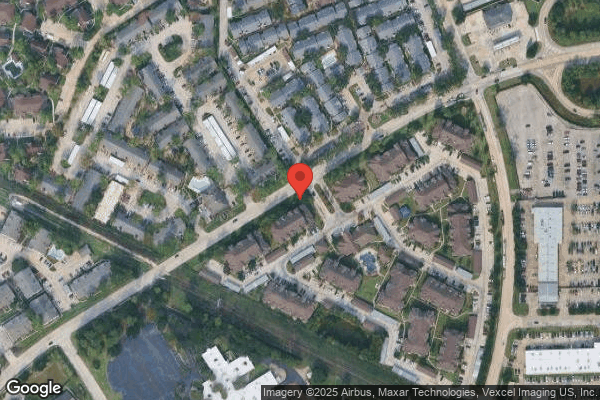

303 HOLLOW TREE LANE, HOUSTON, TX 77090 (832) 705-8700
For profit - Corporation 131 Beds TOUCHSTONE COMMUNITIES Data: November 2025 2 Immediate Jeopardy citations
Trust Grade
21/100
#585 of 1168 in TX
Last Inspection: March 2024

Within standard 12-15 month inspection cycle. Federal law requires annual inspections.

Overview

The Heights of North Houston has received a Trust Grade of F, indicating significant concerns about the quality of care provided, which places it in the bottom tier of nursing homes. It ranks #585 out of 1168 facilities in Texas, meaning it is in the lower half overall, and #50 out of 95 in Harris County, suggesting limited better options nearby. The facility is improving, having reduced its issues from six in 2024 to two in 2025, but it still faces serious challenges. Staffing is a relative strength with a turnover rate of 33%, well below the Texas average, although it only received a 2 out of 5 stars for staffing overall. However, it has concerning fines totaling $86,014, which are higher than 76% of Texas facilities, and critical incidents include a resident falling due to a malfunctioning Hoyer lift and another resident falling during care because only one staff member assisted, both resulting in serious injuries. Overall, while there are some strengths, such as staffing stability, the facility's significant fines and critical safety issues raise serious red flags for potential residents and their families.

Trust Score
F
21/100
In Texas
#585/1168
Top 50%
Safety Record
High Risk
Review needed
Inspections
Getting Better
6 → 2 violations
Staff Stability
○ Average
33% turnover. Near Texas's 48% average. Typical for the industry.
Penalties
⚠ Watch
$86,014 in fines. Higher than 87% of Texas facilities, suggesting repeated compliance issues.
Skilled Nurses
⚠ Watch
Each resident gets only 21 minutes of Registered Nurse (RN) attention daily — below average for Texas. Fewer RN minutes means fewer trained eyes watching for problems.
Violations
⚠ Watch
29 deficiencies on record. Higher than average. Multiple issues found across inspections.
★★★☆☆
3.0
Overall Rating
★★☆☆☆
2.0
Staff Levels
★★★★★
5.0
Care Quality
★★☆☆☆
2.0
Inspection Score
Stable
2024: 6 issues
2025: 2 issues

The Good

  • 5-Star Quality Measures · Strong clinical quality outcomes
  • Full Sprinkler Coverage · Fire safety systems throughout facility
  • No fines on record
  • Staff turnover below average (33%)

    15 points below Texas average of 48%

Facility shows strength in quality measures, fire safety.

The Bad

3-Star Overall Rating

Near Texas average (2.8)

Meets federal standards, typical of most facilities

Staff Turnover: 33%

13pts below Texas avg (46%)

Typical for the industry

Federal Fines: $86,014

Well above median ($33,413)

Moderate penalties - review what triggered them

Chain: TOUCHSTONE COMMUNITIES

Part of a multi-facility chain

Ask about local staffing decisions and management

The Ugly 29 deficiencies on record

2 life-threatening 1 actual harm
Jun 2025 1 deficiency
CONCERN (E) 📢 Someone Reported This

A family member, employee, or ombudsman was alarmed enough to file a formal complaint

Potential for Harm - no one hurt, but risky conditions existed

Pharmacy Services (Tag F0755)

Could have caused harm · This affected multiple residents

**NOTE- TERMS IN BRACKETS HAVE BEEN EDITED TO PROTECT CONFIDENTIALITY** Based on interview, and record review the facility failed to have an established system of records of receipt and disposition of...

Read full inspector narrative →
**NOTE- TERMS IN BRACKETS HAVE BEEN EDITED TO PROTECT CONFIDENTIALITY** Based on interview, and record review the facility failed to have an established system of records of receipt and disposition of all controlled drugs in sufficient detail to enable an accurate reconciliation and failed to determine that drug records were in order and that an account of all controlled drugs were maintained and periodically reconciled for 1 (CR #1) of 5 residents reviewed for pharmacy services. - The facility failed to document CR #1's ABH cream on her May 2025 MAR. - The facility failed to document CR #1's Morphine on her April 2025 MAR. - The facility failed to document CR #1's Morphine on her May 2025 MAR. These failures could place residents at risk for inaccurate administration of medication, over medication, or drug diversion. Findings include: Record review of #CR 1's undated face sheet reflected she was a [AGE] year-old female, who admitted to the facility on [DATE], with diagnoses of senile degeneration of brain (also known as dementia: progressive decline in cognitive function, impacting memory, reasoning, and daily tasks), type 2 diabetes mellitus (body does not make insulin or resists it), Alzheimer's disease (progressive brain disorder that slowly destroys memory and thinking skills), dementia with psychotic disturbance (dementia with seeing/hearing/believing things that are not real), generalized anxiety disorder, adjustment disorder with anxiety and depressed mood (anxiety and depressive symptoms in response to a stressor), insomnia (unable to sleep), polyneuropathy (nerve pain), palliative care (hospice), and hypertension (high blood pressure). Record review of #CR 1's Quarterly MDS Assessment, dated 4/29/25, reflected she had a BIMs score of 2 out of 15, which indicated severely impaired cognition. The MDS also revealed she had fluctuating inattention and disorganized thinking (lack of coherence, clarity, and logic). She was substantial/max assistance (helper does more than half the effort) with all of her ADLs. CR #1 was frequently incontinent of bowel and bladder. The MDS revealed CR #1 was on an antipsychotic (medications to manage psychosis and other psychotic disorders), antianxiety, opioid, and an anticonvulsant, and she was on hospice. Record review of #CR 1's Comprehensive Care Plan, dated 1/24/25 revealed a Focus: Admit to facility with Hospice for dx: senile degeneration of the brain (Initiated: 1/27/25). The goal was to have comfort, quality of life and dignity protected and honored. The interventions included administering medications/treatments as recommended by the doctor, coordinating care with the hospice team, and having the hospice nurse coming to visit. Focus: CR #1 required anti-anxiety medication r/t senile degeneration of brain and h/o anxiety/agitation (Initiated: 1/24/25, Revised: 6/24/25). The goal was to have no complications r/t anti-anxiety meds through review date. The interventions included multiple GDRs, administering meds as ordered, family education, and monitoring side effects. Focus: CR #1 required psychotropic (medications that affect mental state) medications (Initiated: 1/24/25, Revised: 6/24/25). The goal was to experience less than daily behavioral episodes of targeted behaviors. Interventions included administering ordered medications, diverting attention, and educating family on behaviors. Focus: CR #1 was at risk for pain r/t senile degeneration of brain (Initiated: 1/24/25, Revised: 6/24/25). The goal was to maintain a tolerable comfort level through the review date. Interventions included administering medications to relieve pain. Record review of #CR 1's Physician's Orders revealed the following orders from MD G: - Morphine Sulfate Oral Solution 20mg/5ml, Give 2.5ml PO Q4hr PRN pain, SOB. Ordered on 3/18/25. - ABH 1mg/25mg/1mg/1ml mg/ml (Ativan [treats anxiety] 1mg, Benadryl [helps with sleep] 25mg, Haldol [helps with hallucinations] 1mg) Apply to inner wrist topically at bedtime r/t dementia with psychotic disturbance. Ordered on 5/7/25. - ABH 1mg/25mg/1mg/1ml mg/ml (Ativan 1mg, Benadryl 25mg, Haldol 1mg) Apply to inner wrist topically Q4hr PRN for anxiety. Ordered on 5/7/25. Record review of CR #1's April 2025 MAR revealed the following days/times of Morphine administration documentation: - 4/2/25 at 10:26am - 4/4/25 at 2:15am - 4/19/25 at 9:34am Record review of CR #1's April 2025 Morphine Controlled Drug Receipt/Disposition Form revealed the following missing dates/times of administration: - 4/3/25 at 12:00pm - 4/12/25 at 3:00pm - 4/13/25 at 10:00am Record review of CR #1's May 2025 MAR revealed no documentation of Morphine administration. Record review of CR #1's May 2025 Morphine Controlled Drug Receipt/Disposition Form revealed the following missing dates/times of administration: - 5/28/25 at 11:30am - 5/28/25 at 3:30pm - 5/28/25 at 11:30am Record review of CR #1's May 2025 MAR revealed the following dates/times of ABH cream administration: - 5/1/25 at 10:25pm - 5/2/25 at 6:31pm - 5/3/25 at 8:35pm - 5/4/25 at 12:37am - 5/4/25 at 7:38am - 5/4/25 at 3:37pm - 5/5/25 at 9:38am - 5/5/25 at 10:03pm - 5/6/25 at 8:58am - 5/6/25 at 7:42pm - 5/7/25 at 8:13pm - 5/8/25 at 8:28am - 5/9/25 at 12:08am - 5/10/25 at 7:40pm - 5/11/25 at 7:10pm - 5/12/25 at 8:16pm - 5/13/25 at 3:52pm - 5/15/25 at 7:10am - 5/15/25 at 7:29pm - 5/16/25 at 9:24pm - 5/16/25 at 11:29pm - 5/17/25 at 10:44pm - 5/18/25 at 9:49pm - 5/19/25 at 1:00pm - 5/19/25 at 9:13pm - 5/20/25 at 2:56pm - 5/20/25 at 9:23pm - 5/21/25 at 10:13am - 5/21/25 at 7:18pm - 5/22/25 at 11:00am - 5/22/25 at 8:12pm - 5/23/25 at 8:01pm - 5/24/25 at 8:10pm - 5/25/25 at 9:10am - 5/25/25 at 7:22pm - 5/26/25 at 10:13am - 5/26/25 at 7:34pm - 5/27/25 at 10:37am - 5/27/25 at 8:02pm - 5/29/25 at 2:36am - 5/29/25 at 7:06pm - 5/30/25 at 7:12pm - 5/31/25 at 8:59pm Record review of CR #1's May 2025 ABH Controlled Drug Receipt/Disposition Form revealed the following missing dates/times of administration: - 5/7/25 8:30am - 5/10/25 8:00pm - 5/12/25 7:00am - 5/14/25 11:00pm - 5/24/25 3:00am - 5/25/25 1:00pm - 5/28/25 8:00am - 5/28/25 2:00pm - 5/28/25 8:00pm CR #1 passed away on 6/24/25, and was unable to confirm receipt of medication. In an interview with the DON on 6/26/25 at 1:30pm, she said the staff members probably forgot to check off the medication on the MAR but gave the medication to CR #1. She said she was starting in-services on filling out the MAR and accurate documentation on the Controlled Substance Log. In an interview with LVN R on 6/26/25 at 1:50pm regarding the missing entries on the Controlled Drug Log for CR #1, she said she did not remember what happened, but she was pretty sure she gave the medication and forgot to document it on the MAR. Attempted to interview LVN S on 6/26/25 at 3:35pm but was unsuccessful. His mailbox was full, and a message could not be left. In an interview with the DON on 6/27/25 at 10:30am, she said she stayed late on 6/26/25 and audited all of the Controlled Substance Logs with resident's MARs to ensure accuracy. She said she also performed in-services with all staff on the importance of accurate documentation. She said there was not a procedure in place to check the Controlled Drug Log against the resident's MAR, but she did QAPI it and now the logs would be checked 2-3 times a week. She said if the Controlled Drug Log did not match the resident's MAR, it could indicate a drug diversion. In an interview with RN D on 6/27/25 at 12:55pm, she said she remembered she gave the first dose of ABH on 5/25/25 at 9:00am to CR #1 and it did not work so she had to go back later and give another dose around lunch time after CR #1 slapped a CNA in the face. She said it was crazy trying to get CR #1 to calm down and she must have forgotten to check the medication off on the MAR. In a telephone interview with LVN A on 6/27/25 at 1:12pm regarding missing entries on the MAR for CR #1, she said she must have forgotten to check them off. She said she was usually pretty good about her controlled medication documentation but sometimes CR #1 was hard to handle, and she would have to hurry and give her medications, and she must have forgotten to chart it. In a telephone interview with LVN R on 6/27/25 at 2:04pm regarding missing entries of Morphine on CR #1's MAR, she said she was pretty sure she wasted the Morphine at 11:30am on 5/28/25 and that was why there were 2 entries for 11:30am. She said she was pretty sure she gave it at 3:30pm. Record review of the facility's policy and procedure on Controlled Drugs (Revised January 2023) read in part: To provide guidance on the process where Controlled Drugs are inventoried and administered as required by state and federal agencies. When administering a controlled medication, identify the medication in the resident eMAR, review the control sheet and indicate the remaining accordingly. Administer the medication and sign the eMAR and control sheet accordingly. The eMAR should not be signed until after the medication administration. Record the results of medications administered as necessary. Maintain a declining inventory record per resident per drug on all Controlled drugs. Records should be accurate and include: Name of the resident .Date and time of administration .If a medication was missed, not administered, was not refused the nurse should complete a medication error report. Admin/DNS/Designee will notify local and state [agencies] if appropriate . Record review of the facility's policy and procedure on Medication Administration (Revised January 2023) read in part: Resident medications are administered in an accurate, safe, timely, and sanitary manner .Initial the electronic administration record after the medication is administered to the resident.
May 2025 1 deficiency
CONCERN (E) 📢 Someone Reported This

A family member, employee, or ombudsman was alarmed enough to file a formal complaint

Potential for Harm - no one hurt, but risky conditions existed

Safe Environment (Tag F0584)

Could have caused harm · This affected multiple residents

**NOTE- TERMS IN BRACKETS HAVE BEEN EDITED TO PROTECT CONFIDENTIALITY** Based on observations and interviews, the facility failed to ensure the right to a safe, clean, comfortable and homelike environ...

Read full inspector narrative →
**NOTE- TERMS IN BRACKETS HAVE BEEN EDITED TO PROTECT CONFIDENTIALITY** Based on observations and interviews, the facility failed to ensure the right to a safe, clean, comfortable and homelike environment for 3 of 4 resident bathrooms (room [ROOM NUMBER], 218 and 411) reviewed for environmental concerns in that: The facility failed to maintain a clean and homelike environment on 05/6/2025 as followed: -The toilet in room [ROOM NUMBER] was not kept clean and had a large yellow stain in the bowl. -The toilet seats in rooms [ROOM NUMBERS] had yellow stains. -The floors in the bathroom of room [ROOM NUMBER] were not in good condition. The floors were covered in black tread tape (tape that prevents slipping) that was peeling off and no longer intact. These failures could place residents at risk of a diminished quality of life due to exposure to an environment that is was unpleasant, unsanitary, and unsafe. The findings included: An observation on 5/6/2025 at 12:22pm in room [ROOM NUMBER] revealed the toilet seat had yellow staining in patches and streaks covering the seat. An observation on 5/6/2025 at 2:15pm in room [ROOM NUMBER] revealed the bathroom floors were covered in black tread tape (tape that prevents slipping). The strips were peeling and coming off the floor. The strips were no longer intact. The toilet had a yellow stain in the bowl where the water sits and up to the water line. An observation on 5/8/2025 at 9:02am in room [ROOM NUMBER] revealed the toilet seat had yellow staining in patches and streaks covering the seat. In an observation and interview on 5/8/2025 at 10:45am, The Housekeeping Regional Supervisor stated he worked for a contracted company that was responsible for housekeeping services. When we viewed the toilet in room [ROOM NUMBER], there was yellow discoloration in the bowl where the water sits and up to the water line. The Housekeeping Regional Supervisor flushed the toilet, and the yellow stain was still in the bowl. He said the chemicals they used to clean the toilets were not as strong as they used to be. He said the facility had hard water and caused discoloration. He said they used pumice stones on stains like this one, but they tried not to use it too much because it could damage the porcelain. We observed the tread tape on the floor. He said they mop over the strips. He said he knew it was not the best outcome, acknowledging the strips were peeling. He said if anyone wanted to remove the strips, maintenance staff would need to take care of it. He said they use the power scrub devise on the floors but could not remove the stripping. In an interview on 5/8/25 at 1:25pm, the Maintenance Director stated the tread tape in the bathroom of room [ROOM NUMBER] were placed there at the request of a former family member a few years ago. He said they were only located in one bathroom. He said the toilet seat in room [ROOM NUMBER] and 411 need to be replaced. He said the toilet seat was yellowed and may be a result of the chemicals they use to clean them. He said facility staff did an audit of the bathrooms not too long ago, and these toilet seats may have been missed. In an interview on 5/8/25 at 3:00pm, the Maintenance Director stated the toilet in room [ROOM NUMBER] has been cleaned with bleach to remove the yellow stain in the bowl. He said the contract housekeeping company cannot use harsh chemicals, including bleach, therefore it was not removed before today. He stated the housekeeping staff usually told him when something needed to be bleached and he will do it himself.
Mar 2024 6 deficiencies 1 IJ
CRITICAL (J) 📢 Someone Reported This

A family member, employee, or ombudsman was alarmed enough to file a formal complaint

Immediate Jeopardy (IJ) - the most serious Medicare violation

Accident Prevention (Tag F0689)

Someone could have died · This affected 1 resident

**NOTE- TERMS IN BRACKETS HAVE BEEN EDITED TO PROTECT CONFIDENTIALITY** Based on observation, interview, and record review the facility failed to ensure the resident environment remained as free of ac...

Read full inspector narrative →
**NOTE- TERMS IN BRACKETS HAVE BEEN EDITED TO PROTECT CONFIDENTIALITY** Based on observation, interview, and record review the facility failed to ensure the resident environment remained as free of accident hazards and each resident received adequate supervision to prevent accidents for 1 (CR #100) of 1 resident reviewed for adequate supervision. -The facility failed to provide adequate supervision and training of the staff when they incorrectly identified CR #100 as having left the facility with a family member on 05/22/2023 but later identified him as eloped on 05/23/2023. This failure placed residents living in the facility at risk of harm due to avoidable accidents by inadequately monitoring and documenting resident whereabouts, with the potential of the residents eloping from the facility while still requiring care and treatment. This noncompliance was identified as Past Non-Compliant. The IJ began on 5/22/23 and ended on 5/24/23. The facility corrected the noncompliance by providing in-servicing and hands-on training regarding elopement for facility staff prior to state entrance. On 02/29/2024 at 10:54 a.m., facility administrator was notified of past noncompliance IJ. A plan of removal was not requested. An IJ template was provided to the administrator by email. Findings include: Record review of CR #100's face sheet revealed a [AGE] year-old male who was admitted to the facility on [DATE]. His diagnoses include cerebral infarction with aphasia, dysphagia, lack of coordination, cognitive communication deficit, depression, and anxiety. Review of CR #100's MDS (Minimum Data Set) dated April 28, 2023, section C revealed a BIMS (Brief Interview for Mental Status) score of 7. Section G regarding resident's Activities of Daily Living (ADL) Assistance revealed resident needs supervision and one person assisting with bed mobility, transferring and toilet use. It also revealed resident requires limited, one-person assistance with dressing, eating and personal hygiene. Record review of CR #100's care plan dated 05/03/2023 revealed: 1. Focus: I have impaired cognitive function/dementia or impaired thought process r/t (related to) aphasia following acute CVA (cerebral vascular accident, a stroke) . -Goal: I will improve current level of cognitive function . -Interventions: 1. Keep my routine consistent and try to provide consistent caregivers as much as possible in order to decrease confusion .2. Ask yes/no questions in order to determine my needs. 2. I am at risk for discharge concerns r/t resident not able to stay at SNF (Skilled Nursing Facility) -Goal: Resident .will not experience AMA (this stands for against medical advice, used when a resident discharges from a health care institution against the advice of their doctor), or will not experience any negative outcomes as a result -Interventions: 1. Coordinate a care plan meeting as indicated. Include resident/patient and representative as indicated. 2. Refer to Social Services as needed. Record review of CR #100's progress notes dated 5/22/23 revealed RN B recorded resident as D/C (discharged ) home but no nurse progress notes or documentation detailing where the resident went to after he was last seen at the facility on 5/22/23. Record review of facility's grievance log from March 2023 to February 2024 revealed no concerns from CR #100 or family members. Record review of the facility's daily staffing sheet for May 22, 2023, when CR #100 eloped from the facility revealed that LVN C was working on resident's hall on day shift and RN B was working on resident's hall on night shift. Record review of LVN A's statement dated 5/23/23 revealed that she received a report from the day nurse LVN B that two residents had discharged , including CR #100, and when she walked the hall with the nurse both of them saw nobody in resident's room. LVN #1 said she never set her eyes on the resident and relied on LVN B's statement and discharged the resident in PCC, charting that he went home. Record review of CNA A's statement dated 5/23/23 revealed she last saw CR #100 around 6:50pm, as he was going towards the front of the building. When she asked where he was going, he said he was going to meet his wife. CNA A stated resident was acting normally. She saw him with a pullup in his hand. She told resident's nurse he was going to wait for his wife in the front lobby and she went to talk to him. Interview with CR #100's wife at 2/27/24 at 12:44pm, she said staff told her CR #100 informed them he was waiting for someone, but the wife told the staff she did not know anyone by the name CR #100 provided. She said she did not have transportation at the time so would not have been able to visit. She said CR #100's cognitive memory was 50% and he could not walk well. She said the police found CR #100 around a week and a half later sitting on his rollator, and that he was dirty and had lost his phone. The hospital informed resident's wife he had a diaper rash. She said the facility's told her their cameras face the front and did not capture him leaving. She said he never exhibited exit-seeking at his previous facilities. Interview with DON on 2/28/24 at 3:30pm, she last saw CR #100 sitting at the front entrance on 5/22/23 between 6-6:30pm. Resident #1 told her that his wife was coming to pick him up. DON said resident was pleasant and said he had eaten when asked. She didn't think nothing of it and trusted his nurse would sign him out on pass. When she came to work the following morning on 5/23/23, DON found out resident was marked as discharged in PCC. When she looked at his records, she did not locate any discharge paperwork. When she interviewed the nurse who worked the day shift of 5/22/23 , she said she thought the resident was leaving on pass. When she talked to the night nurse who took over the shift, she reported the day nurse told her the resident had been discharged . The night nurse marked the resident as discharged in the system. The DON said when she found out the resident was missing, she called a Code Pink, and the staff members did a full search of the facility and surrounding area by foot and car. The search was unsuccessful, so the Administrator notified the police for assistance. The DON also called CR #100's wife, who said resident is upset at her for not letting him come home and won't take her calls. The wife told the DON he has eloped multiple times before, but that she never told anyone at this facility. The DON then called resident's doctor who said resident is alert and oriented and therefore able to make the decision to discharge AMA. The DON called nearby shelters and hospitals. The facility conducted interviews of staff who worked with the resident on 5/22/23, including LVNs, CNAs, and housekeeping regarding resident's behavior. The DON said that LVN B was an agency nurse and did not return to the facility after 5/22/23 so she was unable to collect a witness statement. The facility reviewed cameras but was not able to see the resident exit the building. Based on the doctor's conclusion resident left AMA , the facility ended the search since he was able to leave on his own. When asked what should have been done, the DON said the nurses should have checked the sign-out binder, called the DON to confirm and reviewed PCC for discharge orders. During another interview with the DON on 2/29/24 at 9:50am, she stated the facility has not used agency staff since September 2023. She said the facility conducted in-services after the resident left, including rounding and census count during shift change, signing out residents, codes and elopement drills, anticipating elopement risk and identifying exit-seeking behaviors. She also said discharges are discussed during morning daily clinical meetings and that nurses receive resident discharge packets for the day so that staff are kept in the loop. She also said after the incident, nurses are required to provide a full 24-hour report both written and verbal. Interview with [NAME] County Police Department on 2/28/24 at 8:00am, the representative stated that a formal request for the police report on CR#100's missing persons case would need to be filled out and submitted to the legal department. The form has been submitted and is pending as of 03/12/2024. Attempted interview with RN B on 2/28/24 at 4:20pm and a voicemail was left. Attempted interview with LVN C on 2/28/24 at 1:01pm, LVN C was the one of the last staff to see resident at the facility. LVN C hung up after introduction. LVN C did not answer during the second attempt at 1:03pm; a voicemail was left. Interview with CR #100's physician on 2/29/24 at 11:44am, he stated that he had 4 visits with the resident between April and May 2023. He stated the resident was pretty stable, medically stable and that his visits were uneventful but that he left AMA (against medical advice). After the resident eloped, the DON called him regarding resident's right to leave. The physician said he told her he thought the resident could make his own decisions and therefore felt he was competent enough to leave on his own. When asked what his visits with the resident was like, the physician said he felt the resident was lucid and oriented every time he talked to the resident. He said during the last two visits with physician's NP, the resident could ambulate 150 ft (feet) with supervision. Physician did mention towards the end of his stay the resident was refusing physical therapy. Interview with the SW on 2/28/24 at 2:12pm, she said she conducts the BIMS score for residents. She said that CR #100 had a cognitive deficit, and she documents her assessments in PCC. She said that the resident never expressed wanting to leave the facility. She said she conducted initial social services assessments mainly with resident's wife. Interview with RN A on 2/28/24 at 9:19am, she said she did not know the resident. She said residents are assessed for elopement during admission and if they exhibit exit-seeking behaviors, such as saying I don't belong here or I don't belong here. If that happens, RN A will conduct an assessment and tell the DON who will conduct her own assessment for residents. She said she had elopement and Code Pink training in February. If residents are missing, staff will search each hall. If residents have a wanderguard it will sound an alarm. If residents aren't found after the search, staff will tell the Administrator and DON. Interview with LVN A on 2/28/24 at 1:12pm, they stated they did not know Resident #1 since they work on a different hall. They said they have in-services on elopement and abuse neglect twice a week. They said they round on residents every 30 minutes. When residents exhibit exit-seeking, they are placed on 1-to-1 monitoring and the DON was informed. An assessment would then conducted and if they determine a wanderguard is needed resident's representative will sign the form and resident will be placed with one. Wanderguards are checked for function every shift. When asked what they would do if they can't find a resident, they said they would check that the resident didn't go out on pass or an appointment and check all the rooms. If resident can't be located, they will notify staff to assist. If they still cannot locate resident, they will tell the DON, Administrator and the resident's physician. Interview with CNA B on 2/28/24 at 1:30pm, she stated that she did not know the resident and did not work on his floor. When asked what she would do if a resident said they want to go home, she would check to see if they have any appointments. If not, she would redirect the resident and inform her Charge Nurse or DON of resident's behavior. If a resident cannot be located, she would search the building; if unsuccessful she would go to the nurse's station and call a Code Pink. If that is unsuccessful, someone would call the DON. CNA B had an in-service on abuse and neglect two weeks ago. She said they have elopement in-services and drills every few months. Interview with Staff A on 2/29/23 at 10:00am, they stated that CR #100 had cognitive impairment. They said he had orientation, memory, reasoning, and safety awareness deficits. Resident was verbal and never mentioned wanting to leave. Interview with Staff B on 2/29/23 at 10:10am, they stated that CR #100 was very cooperative. He was in rehab for endurance and strengthening so he could achieve his goal of living alone. Staff B was surprised and never thought the resident would leave and he never had any discussion or complaints about leaving facility. Interview with Staff C on 3/1/24 at 9:30am, she stated that she did not know the resident. She said if a resident was missing, she would look in all the rooms on her hall. If unsuccessful, she would call a Code Pink and have all staff search the building. If resident is still missing, someone will let the Administrator and DON know. Since resident eloped, she has not heard of another elopement that she's aware of. Interview with the facility receptionist on 3/1/24 at 9:16am, she stated that when she sees residents walking towards the door, she makes sure they have signed the on-pass binder (on-pass was when the resident has received permission to leave the facility) at the nurse's station. She said if residents leave with family they are expected to electronically check in, then go to the nurse's station to sign the on-pass binder before residents can leave. Observation on 3/1/24 at 11:45am, a sign near guest check-in stated that guests should sign check-in binder at the nurse's station before leaving with residents. Record review of facility's Elopement policy dated January 2023 revealed the guideline on facility response to being unable to locate a resident as follows: 1. .immediately initiate a search of the entire community both inside and outside premises 2. Search all rooms within the community . 3. Conduct a complete head count of all residents . 4. If the resident is not located .notify the Administrator/DNS immediately 5. Confirm all doors and windows are secured. Check all door locking systems, door alarms .exit seeking alarm devices . Further review of the facility's Elopement policy stated that the facility is supposed to review sign out logs and confirm with family, notify the MD (resident's physician), Administrator/DON, medical director and initiate an investigation and implement and develop a 4-step response plan. Additional steps are to assess current residents for elopement and provide services such as wanderguards (which are bracelets that activate an alarm when residents get close to any exit doors) and/or placing residents on Memory Unit if needed, and to refer residents to psychiatric/psychological services. Record review of facility's Resident's Rights policy dated October 2022 states that resident rights include: all care necessary for them to have the highest possible level of health .to discharge themselves from the community unless they have been adjudicated mentally incompetent. Record review of the facility's Admissions Packet dated 10/12/2020 states that residents may leave the facility for therapeutic home visits called out-on-pass, with permission of resident's attending physician and RP (responsible party). Administration will be notified of all passes in advance and the resident will be signed in and out at the nurse's office. The The facility corrected the noncompliance by providing in-servicing and hands-on training regarding elopement for facility staff prior to state entrance, as evidenced below: Record review of facility's Discharge Assessment in-service acknowledgement dated 5/22/23 revealed charge nurses received training for how to discharge a resident in the online portal. Record review of the facility's daily staffing sheet for May 22, 2023, when CR #100 eloped from the facility revealed that LVN C was working on resident's hall on day shift and RN B was working on resident's hall on night shift. Record review of facility's Residents leaving AMA in-service acknowledgement dated 5/23/23 revealed nursing staff receiving training on the process for when a resident requests AMA. The steps included: notify the doctor, notify the DON, notify the responsible party, have the resident fill out the release form, and writing a process note stating the resident choosing to leave AMA, the time they left and how they left. Record review of facility's Discharge and Residents Leaving Facility in-service acknowledgement dated 5/23/23 revealed nursing staff receiving education on documenting resident leaving the facility, including how the resident left and where the resident was in route to, and a note after resident return, if applicable. The signature page included RN B the nurse who marked Resident #1 as discharged without verifying physician orders. Record review of facility's Shift Change Rounds/Resident Count in-service acknowledgement dated 5/23/23 revealed nursing staff receiving education on being expected to perform room to room rounds during shift change and checking the census for their hall. Residents who are not accounted or not discharged from PCC (Point Click Care, electronic medical record system) are treated as a missing person/elopement and that the DON and Administrator must be notified immediately. The signature page included LVN A, the nurse who marked CR #100 as discharged without verifying physician orders. Record review of facility's Calling a Code: Elopement/Missing Resident in-service acknowledgement dated 5/24/23 revealed facility staff receiving education what to do when a resident is unaccounted for at a facility. Record review of facility's Code Pink Drill in-service acknowledgement dated 5/24/23 revealed nursing staff receiving education on what to do when a resident was missing or eloped.
CONCERN (D) 📢 Someone Reported This

A family member, employee, or ombudsman was alarmed enough to file a formal complaint

Potential for Harm - no one hurt, but risky conditions existed

PASARR Coordination (Tag F0644)

Could have caused harm · This affected 1 resident

**NOTE- TERMS IN BRACKETS HAVE BEEN EDITED TO PROTECT CONFIDENTIALITY** Based on observation, interview, and record review the facility failed to refer all level II residents and all residents with ne...

Read full inspector narrative →
**NOTE- TERMS IN BRACKETS HAVE BEEN EDITED TO PROTECT CONFIDENTIALITY** Based on observation, interview, and record review the facility failed to refer all level II residents and all residents with newly evident or possible serious mental disorder, intellectual disability, or a related condition for level II resident review upon a significant change in status assessment for 1 of 3 residents (Resident #13) reviewed for coordination of PASRR and assessments. The facility failed to request, submit and coordinate the PASRR assessment and screening in the Simple LTC portal to ensure therapeutic services (physical, speech and occupational) were completed for Resident #13 . This failure could place residents at risk of not receiving necessary care and services in accordance with individually assessed needs. Findings included: Resident #13 On [DATE] at 1:00 pm a telephone interview with an anonymous person revealed that the facility did not complete and submit PCSP forms to coordinate PT, OT, and ST services for Resident #13. During this interview, it was revealed that Resident #13 did not receive specialized PT, OT, or ST therapies due to this failure. On [DATE] at 8:20 am, an interview with the Director of Rehab, it was revealed that the therapy department fills out a request for specialized services then the MDS Coordinators complete the form, MDS Coordinator A usually submits the therapy documentation for long-term-care. She said that Resident #13 refused PT at one point, and she would try to find the dates for Resident #13's PASRR submissions. On [DATE] at 8:25 am an interview with MDS Coordinator A, it was revealed that PT,OT and ST fill out a request form for specialized services and she was not sure when they filled it out, but she had been in contact with the PASRR representative, and she was aware of the status. An interview on [DATE] at 12:24 pm with the Senior Director of Clinical Reimbursement, it was revealed that Resident #13 refused PT services and that Resident #13 received OT and ST services and never missed treatment even though the request for treatments were not in the portal . Interview on [DATE] at 4:27 pm with MDS Coordinator A, it was revealed that she could not confirm the habilitative services per Simple LTC portal, that the submitted request for PT was not approved and expired in January of 2023 and the OT and ST submitted request expired in [DATE]. On [DATE] at 1:37 pm with Physical Therapist A, it was revealed that PT, OT, and ST therapist were the ones responsible for completing the assessments, the assessments are then sent to MDS Coordinators, and the Director of Rehab does the rest of the process. It was revealed that the most recent request for PT was last year (date unknown) and they never received authorization and there were new requested submitted on [DATE] for all services (PT, OT and ST). Surveyor B requested to interview the Director of Rehab again to but was informed that she had already caught a flight and was not available. A specific policy and procedure for submitting the PT/OT and ST assessments and request was requested but not received. Record review of Resident # 13's facility admission record dated [DATE] revealed a [AGE] year-old female with an initial admission date of [DATE] and admission date of [DATE] with diagnoses that included cerebral infarction (the pathologic process that results in an area of necrotic tissue in the brain), deaf; nonspeaking (deaf people who cannot speak an oral language or have some degree of speaking ability) and Schizoaffective Disorder (mental health disorder that is marked by a combination of schizophrenia symptoms, such as hallucinations). Record review of Resident # 13's quarterly MDS dated [DATE] with an ARD of [DATE] revealed a BIMS score of 1, severe cognitive impairment. The MDS revealed Resident # 13 required 2-person assistance with bed mobility, transfers, and ADL's. Record review of Resident # 13's care plan, date initiated [DATE], revised on [DATE] revealed a care plan to address, narrate and document interventions for Resident #13's PASRR needs as follows: Resident was considered PASRR +:Initial Meeting held [DATE] with services of OT and ST recommended and will be initiated. PASRR quarterly meeting held [DATE]. Will continue current plan of care with no changes recommended. Translator was made available. Quarterly PASRR meeting held [DATE]. Continue POC. No changes to report . I will maintain my highest level of functional well-being with regards to my care and any PASRR special services that I may have in place throughout my next review date. Date Initiated: [DATE], Created on: [DATE], Revision on: [DATE] Target Date: [DATE] .Coordinate my plan of care with my Service Coordinator as indicated. Date Initiated: [DATE], created on: [DATE] . Invite my representative and/or responsible party to attend my care plan meeting as scheduled. Date Initiated: [DATE] Created on: [DATE]. Revision on: [DATE] Record review of the Texas Health and Human Services Pre-admission Screening and Resident Review (PASRR) Evaluation Report, date of PASRR Evaluation [DATE], for Resident #13 revealed recommendations for Physical Therapy (PT) Specialized Assessment Speech Therapy (ST), Occupational Therapy (OT) Specialized Assessment Physical Therapy (PT) Speech Therapy (ST) and a Customized Manual Wheelchair (CMWC) in a Nursing Facility setting. Record review of the PASRR Evaluation dated [DATE] requested but the surveyor only received 2 pages which only revealed that Resident #13 was evaluated by a Qualified Intellectual Disability Professional (QIDP) Record review of the SimpleLTC documentation dated [DATE] revealed documentation IDD Specialized Comments read in part .Family/MPOA(Medical Power of Attorney) prefers for Resident #13 to be assessed for Habilitative OT/ST and is not interested in other NFSS, Resident #13 is in agreement. Record review of the NFSS Submissions page in the Simple LTC portal revealed that on [DATE] the assessments and submittal for OT, ST and PT rehab services were performed for Resident #13 and were pending state review. Record review of a screenshot of the NFSS Submissions page in the facility portal revealed that on [DATE] the assessments and submittal for OT, ST and PT rehab services were performed for Resident #13. Record Review of OT Treatment encounter notes dated [DATE] for Resident #13 read in part .patients reported no change in function and precautions are for safety, fall, deaf and mute. Record Review ST Treatment encounter notes dated [DATE] for Resident #13 read in part .patients reported no change in function and precautions are for communication, aspiration, confusion and PEG tube. Record Review of PT Evaluation/Plan of treatment and notes revealed a certification for [DATE] through [DATE] and a PT Discharge summary dated [DATE]. A PT Evaluation and Plan of treatment with a certification period of [DATE] to [DATE]. Observation on [DATE] at 9:52 am Resident #13 was observed to be lying in her bed and appeared to be asleep. Her face was covered with a blanket and a staff member explained that she preferred to sleep with her face covered. The call-light was attached to her bed and within reach. The room appeared to be clean, odorless and her specialized wheelchair was at the foot of her bed. Record review of the facility policy entitled Specialized Rehabilitative Services dated revised [DATE], read in part . Specialized services for MI or MR .for a resident with MI or MR, the community will ensure that the individual receives the services necessary to assist him or her in maintaining or achieving as much independence and self-determination as possible. The Preadmission Screening and Resident Review (PASRR) indicates specialized services required by the resident. The state is required to list those services in the report, as well as to provide or arrange for the provision of the services. Even if the state determines that the resident does not require specialized services, the community is still responsible for providing all services necessary to meet the resident's mental health or mental retardation needs. The community provides interventions that complement, reinforce, and are consistent with any specialized services (as defined by the resident's PASRR). The individual's plan of care specifies how the community integrates relevant activities to achieve consistency and enhancement of PASRR goals. Mental health rehabilitative services for MI and MR may include but are not limited to: consistent implementation during the resident's daily routine and across settings of systematic plans that are designed to change inappropriate behaviors .development, maintenance, and consistent implementation across settings of those programs designed to teach individuals the daily living skills they need to be more independent and self- determining, including but not limited to grooming, personal hygiene, mobility, nutrition, vocational skills, health, drug therapy, mental health education, money management, and maintenance of the living environment. Record review of the Texas Health and Human Services Guide for Completing the PASRR Evaluation (PE) dated [DATE], read in part . Documenting and Submitting an IDT Meeting into the LTC Portal For an individual with a positive PE portion of the interdisciplinary team (IDT) meeting is held within 14 days of an individual's admission or for a resident review, within 14 days after the LTC Online Portal generates a notification to the LA to complete a PE. The IDT is held to determine whether the individual is best served in a NF or community setting. The IDT is also used to identify which of the recommended specialized services the individual, or LAR on the individual's behalf, wants to receive. The IDT meeting is documented on the PASRR Comprehensive Service Plan (PCSP) Form and information from the PCSP is entered into the LTC Online Portal.
CONCERN (D) 📢 Someone Reported This

A family member, employee, or ombudsman was alarmed enough to file a formal complaint

Potential for Harm - no one hurt, but risky conditions existed

Pharmacy Services (Tag F0755)

Could have caused harm · This affected 1 resident

Based on observation, interview, and record review the facility failed to provide pharmaceutical services that include procedures to ensure accurate acquiring, receiving, dispensing, administering of ...

Read full inspector narrative →
Based on observation, interview, and record review the facility failed to provide pharmaceutical services that include procedures to ensure accurate acquiring, receiving, dispensing, administering of all drugs and disposingof expired medications for 2 of 4 medication carts residents (Nurse's cart for 100 and 200 hall) reviewed for medication storage. -The facility failed to ensure the nurse's cart for 100 hall,s did not have expired Lemon Glycerin swab sticks expired date 10/2023. -The facility failed to ensure the nurse's cart for 300 halls did not have expired lubricating jelly expired date 09/2023. These failures could place the residents in the facility at risk for not receiving needed medications to maintain optimum health, resulting in deterioration in their condition. Findings include: Observation on 02/28/24 at 4:48 p.m., of the nurse medication cart for 100 and 300 halls revealed the following: The medication listed below were in the original packet expired. -16 Lemon Glycerin swab sticks (Triple pack) expired date 10/2023. - 4 Sachet Lubricating jelly 3gm expired date 09/2023 Interview with LVN B on 02/28/24 at 4:48 PM, LVN B said she only worked as needed and she checked 100 hall medication cart whenever she worked. LVN B said she did not know the Lemon Glycerin swabs was expired until the surveyor A showed her. LVN B said she always checked the medication cart when she comes on duty for expired medication. Interview with RN A on 02/28/24 at 4:53 PM, RN A said she checked 300 hall medication cart whenever she works and lubricating jelly was only used for residents on as needed suppository. Interview with the DON on 02/29/24 at 3:00 PM, she said she just audited the medication carts and she missed those medications and lubricating jelly was not used. Interview with the DON on 03/01/2024 at 11:55 a.m. revealed whatever nurse was on shift and the medication aide checked the medication cart for expired medications. The DON said the nurse and medication aide monitored medications and the pharmacist comes to the facility once a month to document and checked for expired medications. The DON knew that giving residents expired medications could change chemical composition of the drugs over time which can render them unsafe or ineffective. Record review of facility policy on storage of medications, dated 2001 MED-PASS, Incorporated. (Revised April 2019) read . store all drugs and biologicals in a safe, secure and orderly manner .#5 .Discontinued, outdated or deteriorated drugs or biologicals are returned to the dispensing pharmacy or destroy. .
CONCERN (D)

Potential for Harm - no one hurt, but risky conditions existed

Infection Control (Tag F0880)

Could have caused harm · This affected 1 resident

**NOTE- TERMS IN BRACKETS HAVE BEEN EDITED TO PROTECT CONFIDENTIALITY** Based on observation, interview, and record review the facility failed to maintain an infection control program designed to prev...

Read full inspector narrative →
**NOTE- TERMS IN BRACKETS HAVE BEEN EDITED TO PROTECT CONFIDENTIALITY** Based on observation, interview, and record review the facility failed to maintain an infection control program designed to prevent the development and transmission of infections for 1 of 2 residents (Resident #30) reviewed for infection control. 1.CNA A failed to perform hand hygiene appropriately while providing incontinent care for Resident #30 by not changing gloves and washing hands . These failures could place residents at risk for transmission of diseases and organisms. The findings included: Record review of Resident # 30's face sheet dated 02/29/24 revealed a [AGE] year-old female admitted to the facility on [DATE] re-admitted [DATE] with a diagnosis that included: [Dementia] a condition characterized by progressive or persistent loss of intellectual functioning, especially with impairment of memory. Cerebrovascular disease ( stroke), paraplegia ( inability to voluntarily move the lower parts of the body), muscle wasting and atrophy, (aphasia) is a disorder that affects how you communicate [ Depressive disorder] is a mood disorder that causes a persistent feeling of sadness and loss of interest. Record review of Resident # 30's Quarterly MDS dated [DATE], revealed Resident #30 had a BIMS score of 01, which indicated severe cognitive Impairment. The BIMS documented she had both long and short-term memory problems and could not recall the current season. She required extensive to total assistance of two or more staff for all ADLs. She was always incontinent of bowel and continent of bladder. Resident #30 was indicated to always incontinent of bladder and bowel and was dependent on assistance with her activities of daily living. Review of Resident # 30's care plan dated 01/09/2019, revealed a problem of Bladder Incontinence with interventions clean peri area with each incontinence episode. Goal: will remain clean, dry, and odor free with no occurrence of skin breakdown throughout the review date. Interventions: Monitor for incontinence every 2 hours or as needed, change promptly, and apply protective skin barrier; monitor for sign and symptom of skin break down and report abnormal findings to physician, assess for causes of incontinence, labs as ordered by MD, monitor for s/s of infection and notify physician. Observation on 02/29/24 at 9:32 AM. revealed that while providing incontinent care for Resident #30, CNA A using wet wipes. She did not open the labia to clean, did not change gloves, and repositioned the resident to her left side. Using wet wipes she cleaned in between the buttocks with bowel movement, did not clean around the buttocks then used the same gloves and picked up a clean brief put on the Resident #30. The resident was rolled to her back, and the brief was secured. CNA A pulled the blanket up to cover her legs. CNA A used the same gloves throughout while performing incontinent care, used the same gloves to open Resident #30's dresser and picked resident clean pants and top. During an interview on 03/01/2024 at 3:25 PM CNA A she said she was nervous and forgot to open the labia to clean and cleaned the buttocks before applying the cleaned brief on Resident #30. CNA A said she had received incontinence care training within the last year, and she knew by not opening the labia to cleaned and not changing gloves could cause urinary tract infection. In an interview with the DON on 02/29/24 at 3:53PM, she stated CNA A was one of the facility's lead aides that monitored other staff during orientation with for incontinent care. DON said not washing hands after changing gloves could cause urinary tract infections. DON said C.NA A knew she should clean around the buttocks before placing a clean brief. DON said she would be performing more in-services for incontinent care. Review of the facility's policy titled; Handwashing/Hand Hygiene revised on 04/12/2019. Policy Statement This facility considers hand hygiene the primary means to prevent the spread of infections. Policy Interpretation and Implementation 1. All personnel shall be trained and regularly in-serviced on the importance of hand hygiene in preventing the transmission of healthcare-associated infections. 2. All personnel shall follow the handwashing/hand hygiene procedures to help prevent the spread of infections to other personnel, residents, and visitors. 3. The use of gloves does not replace hand washing/hand hygiene. Integration of glove use along with routine hand hygiene is recognized as the best practice for preventing healthcare-associated infections. 4. Single-use disposable gloves should be used: 1. before aseptic procedures; 2. when anticipating contact with blood or body fluids; and 3. when in contact with a resident, or the equipment or environment of a resident, who is on contact precautions.
CONCERN (E)

Potential for Harm - no one hurt, but risky conditions existed

Incontinence Care (Tag F0690)

Could have caused harm · This affected multiple residents

**NOTE- TERMS IN BRACKETS HAVE BEEN EDITED TO PROTECT CONFIDENTIALITY** Resident #30 Bladder and Bowel Incontinence Based on observation, interview, and record review the facility failed to ensure re...

Read full inspector narrative →
**NOTE- TERMS IN BRACKETS HAVE BEEN EDITED TO PROTECT CONFIDENTIALITY** Resident #30 Bladder and Bowel Incontinence Based on observation, interview, and record review the facility failed to ensure residents who are incontinent of urine received appropriate treatment and services to prevent urinary tract infection for 2 out of 7 residents (Resident #30 and Resident #66) reviewed for Foley catheter care. -LVN T failed to secure Resident #66 foley catheter tubing to prevent pulling on tubing . CNA A did not separate Resident #30's labia to clean during incontinent, clean around the buttocks and did not perform appropriate hand hygiene with glove changes throughout the care. This failure placed resident at risk for Foley catheter dislodgement, unwanted pain, and infections. Findings included: Record review of Resident #66's face sheet dated 07/03/2021 revealed an 76year old female admitted to the facility on [DATE] with the included diagnoses: dementia (a group of conditions characterized by my memory loss and judgement), acquired absence of left leg above the knee, peripheral disease (poor blood circulation), and retention of fluid (fluid buildup in the body tissues). Record review of Resident #66's MDS dated [DATE] revealed that resident had a BIMS score of 2 indicating that resident cognition was severely impaired. Record review of Resident #66's Physician orders revealed the following order: -Dated 12/28/2023 Foley catheter 16 Fr dx: obstructive and reflux uropathy (when urine cannot drain through the urinary tract), check drainage each shift every day and night shift. Record review of Resident #66's care plan dated 02/02/2022 revealed that resident required an indwelling catheter 16 Fr/10 cc balloon with the following interventions: -Provide catheter secure band/tape as indicated. -Check tubing for kinks each shift and during each encounter. -Monitor for s/sx of discomfort and abnormalities report findings. Observation on 02/29/2024 at 11:42AM of staff CNA R and CNA S transferring Resident #66 from wheelchair to bed using a mechanical Hoyer lift. During transferred while staff was lifting resident out of the wheelchair with the mechanical Hoyer lift, resident began to complain of discomfort saying that she was experiencing pain in her vaginal area. The staff (CNA R and CNA S paused to see if resident Foley catheter tubing was pulling. At this time, it was observed that resident Foley catheter tubing was not secured to resident leg. The staff repositioned resident tubing to ensure that resident tubing was intact. When the staff transferred resident to her bed, further observation was made of resident bottom clothing with a wet spot. On the back of her pants. Further observation was made of resident brief soiled with pale yellow fluids and there was no urine observed in resident Foley catheter tubing or in Foley bag. CNA R and CNA S proceeded to provided resident Foley catheter care with no further concerns identified. Interview on 02/29/2024 at 12:10PM CNA R said she did not place resident in her wheelchair but another CNA did. CNA R said because Resident #66 had an indwelling Foley catheter, she should have had a stat loc on her leg to secure resident tubing to prevent the risk of the Foley catheter being pulled out. CNA R said it was the nurses that placed the stat locs on the residents to prevent the foley from being pulled out. CNA R said she would inform the nurse regarding resident Foley catheter tubing not draining properly as well as resident complaints of vaginal discomfort. Interview on 02/29/2024 at 12:15PM CNA S said she was just assisting CNA R with transferring Resident #66. CNA S said although she was a CNA and CMA , her role had changed to the staffing coordinator. Interview on 02/29/2024 at 12:20PM LVN T said after observing Resident #66's Foley catheter said she did not observe urine in resident tubing or bag, or a stat loc on resident leg to prevent Foley catheter being pulled out. LVN T said it was the nurses that were responsible for assessing the residents that had an indwelling Foley catheter ensuring that their Foley tubing was secured to leg. LVN T said she assessed Resident #66's Foley once a shift. LVN T said she did not recall assessing Resident #66 to see if her Foley catheter tubing was secured. After LVN T began to maneuver resident Foley tubing checking to see if the tube was in place, resident tubing began to flow with clear yellow fluids. Resident # 66 was no longer complaining of vaginal discomfort. LVN T went to get a stat loc to secure resident Foley tubing. Interview on 02/29/2024 at 1:00PM DON said it was the nurses that were responsible in assessing the residents with a Foley catheter to ensure that a stat loc was present to prevent the Foley catheter from being pulled out. The DON said the nurses should be assessing residents with Foley catheters at least once a shift and as needed. The DON was asked for the facility policy on Foley catheter. Record review of the facility policy on Incontinence and Catheterization revised January 2023 revealed in part: . Assessment and evaluation .Assessments also include consideration of the resident's overall condition, risk factors, and information about the resident's continence status, rationale for using a catheter, environmental factors related to continence programs, and the resident's responses to catheter/continence services . Record review of Resident # 30's face sheet dated 02/29/24 revealed a [AGE] year-old female admitted to the facility on [DATE] re-admitted [DATE] with a diagnosis that included: [Dementia] a condition characterized by progressive or persistent loss of intellectual functioning, especially with impairment of memory. Cerebrovascular disease ( stroke), paraplegia ( inability to voluntarily move the lower parts of the body), muscle wasting and atrophy, (aphasia) is a disorder that affects how you communicate [ Depressive disorder] is a mood disorder that causes a persistent feeling of sadness and loss of interest. Record review of Resident # 30's Quarterly MDS dated [DATE], revealed Resident #30 had a BIMS score of 01, which indicated severe cognitive Impairment. Resident #30 was indicated to always incontinent of bladder and bowel (inability of the body to control the evacuative functions of urination or defecation) and was dependent on assistance with her activities of daily living. Review of Resident # 30's care plan dated 01/09/2019, revealed a problem of Bladder Incontinence with interventions clean peri area with each incontinence episode. Goal: will remain clean, dry, and odor free with no occurrence of skin breakdown throughout the review date. Interventions: Monitor for incontinence every 2 hours or as needed, change promptly and apply protective skin barrier; monitor for sign and symptom of skin break down and report abnormal findings to physician, assess for causes of incontinence, labs as ordered by MD, monitor for s/s of infection and notify physician. Observation on 02/29/24 at 9:32 AM. revealed that while providing incontinent care for Resident #30, CNA A using wet wipes. She did not open the labia to clean, did not change gloves, and repositioned the resident to her left side. Using wet wipes she cleaned in between the buttocks with bowel movement, did not clean around the buttocks then used the same gloves and picked up a clean brief put on the Resident #30. During an interview on 03/01/2024 at 3:25 PM CNA A revealed that she was nervous and forgot to open the labia to clean and cleaned the buttocks before applying the cleaned brief on Resident #30. CNA A said she had received incontinence care training within the last year, and she knew by not opening the labia to cleaned could cause urinary tract infection. Review of annual skills check for CNA A revealed CNA A passed competency for Perineal care/incontinent care on 07/18/2023. During an interview with the DON on 03/01/2024 at 3:25 PM., the DON stated that during the incontinent care of a female resident, Staff should wipe the peri area, then open the labia and clean downward. The DON said she was going to start incontinence care skills checks . The DON stated that if staff performed peri care deviating from policy, residents risked possible urinary infections. In an interview on 03/01/2024 at 3:35 PM, the Administrator stated his expectation was that incontinent care and hand washing were always done to prevent infection. Review of the facility's staff skills competencies on Perineal care (female Resident), dated 12/12/23, revealed: Purpose: The purposes of this procedure are to provide cleanliness and comfort to the resident, to prevent infections and skin irritation, and to observe the resident's skin condition . For a female resident: Wet washcloth and apply soap or skin cleansing agent. Wash perineal area, wiping from front to back. 1. Separate labia and wash area downward from front to back. (Note: If the resident has an indwelling catheter, gently wash the juncture of the tubing from the urethra down the catheter about 3 inches. Gently rinse and dry the area.) 2. Continue to wash the perineum moving from inside outward to the thighs. Rinse perineum thoroughly in same direction, using fresh water and a clean washcloth. 3. If the resident has an indwelling catheter, hold the tubing to one side and support the tubing against the leg to avoid traction or unnecessary movement of the catheter. 4. Gently dry perineum.
CONCERN (E)

Potential for Harm - no one hurt, but risky conditions existed

Unnecessary Medications (Tag F0759)

Could have caused harm · This affected multiple residents

**NOTE- TERMS IN BRACKETS HAVE BEEN EDITED TO PROTECT CONFIDENTIALITY** Based on observation, interview, and record review, the facility failed to ensure that the medication error rate was not five pe...

Read full inspector narrative →
**NOTE- TERMS IN BRACKETS HAVE BEEN EDITED TO PROTECT CONFIDENTIALITY** Based on observation, interview, and record review, the facility failed to ensure that the medication error rate was not five percent (%) or greater. The facility had a medication error rate of 8% based on 2 errors out of 25 opportunities, which involved 2 of 5 residents (Resident #36, and #75) reviewed for medication errors. 1.- MA B did not administer Turmeric capsule (a medication that helps the inflammation, metabolic syndrome, arthritis, hyperlipidemia, kidney) to Resident #75. 2.- LVN A poured (26mls) wrong dosage of Potassium Chloride 10mg/ml and was about to administered via GTube ( Gastrostomy tube) to Resident #36 . These failures could place residents at risk of inadequate therapeutic outcomes, increased negative side effects, and a decline in health. Findings included: 1. Record review of Resident #75's face sheet revealed a [AGE] year-old female admitted on [DATE] and was re-admitted on [DATE]. Her diagnosis included: hyperlipidemia (is an excess of lipids or fats in the body ), head of left femur fraction, (Alzheimer's disease) is a brain disorder that slowly destroys memory and thinking skills and eventually, the ability to carry out the simplest tasks), age -related physical debility and unsteady gait. Record review of Resident #75's quarterly MDS assessment dated [DATE] revealed a staff assessment for mental status was conducted. BIMS score was 09.The resident's cognitive skills for daily decision making was moderately impaired. She was totally dependent on one staff for dressing and eating; and two staff for transfers and toilet use. She required extensive assistance of one staff for personal hygiene and two staff for bed mobility. Record review of Resident #75's order summary report for 2/22/ 2024 revealed an order of Turmeric Curcumin Capsule 5-1000 mg ( black pepper -Tumeric) Give 3 capsule by mouth two times a day for supplement. Record review of Resident #75's medication administration record for February 2024 revealed Turmeric Curcumin Capsule 5-1000 mg 3 capsules (3000mg) was documented as administered on 02/27/22 at 8:35 AM by MA B. In an observation on 02/27/24 at 8:35 PM MA B prepared Resident #75's morning medications for administration. She prepared Turmeric Curcumin Capsule form 500 mg bottle ( 3 capsules (1500mg) was given to by mouth to Resident #75 with other medications). Instead of T Turmeric Curcumin Capsule 3000 mg being given. In an interview on 02/28/24 at 4:14 pm with DON regarding Turmeric Curcumin Capsule that MA A gave the wrong dose of 500 mg instead of 3000 mg. DON was shown the Turmeric Curcumin Capsule bottle 500 mg. DON said she was going to notify the doctor and she then ordered Turmeric Curcumin Capsule 1000 mg to correct the medication error. In an interview on 02/29/24 at 10:21 AM, the DON said nursing staff were trained to look at the blister pack, bottles and match the eMAR (electronic medication administration record)for dosage, route, frequency, and medication name. She said staff were expected to give medication as ordered by the physician and if they did not it was a medication error. In an interview with MA B on 03/01/2024 at 11:30 AM regarding Turmeric Curcumin Capsule 5-1000mg ( 500 mg 3capsules instead of 1000 mg 3 capsules to Resident #75), MA B said she was very sorry, and he had in-service from the DON and she had been working with the facility for over 5 years and she had training before on medication administration. She knew the 5 rights that included wrong medication, administering at the wrong time, administering the wrong dosage strength, administering by the wrong route, omitting a medication, and/or administering to the wrong resident. 2. Record review of Resident #36's face sheet revealed a [AGE] year-old female admitted on [DATE]. Her diagnoses included: Gastrostomy status, ( G-Tube is a surgical procedure used to insert a tube, often referred to as a G-Tube for feeding), seizures ( sudden, uncontrolled electrical activity between brain cells( also called neurons or nerve cell causes temporary abnormalities in muscle tone or movements stiffness, twitching or limpness), cerebral infarction (stroke) and hemiplegia (paralysis of one side of the body. Record review of Resident #36's annual MDS assessment dated [DATE] revealed a BIMS score of 04 out of 15 which indicated severe cognitive impairment. She required extensive assistance of 2 staffs for bed mobility, dressing, and personal hygiene. She was totally dependent on 2 staffs for transfers and toilet use. Record review of Resident #36's care plan dated 02/18/24 revealed the resident had G-Tube. The intervention was to take diabetes medication as ordered by the doctor. Record review of Resident #36's order summary report for October 10, 2023, revealed an order for Potassium Chloride 20 milliequivalent (mEeq )/15millimiter(ml ) solution (10%) Give 20 mls via g-tube one time a day Record review of Resident #36's medication administration record for 2/2024 revealed Potassium Chloride 20meq/15mls solution (10%) Give 20 mls via g-tube one time a day was administered to Resident #36 by LVN A on 02/27/24 at the 8:55AM scheduled time. In an observation on 02/27/24 at 8:55 AM LVN A poured Potassium Chloride 26mls in a medication cup, LVN A checked Potassium Chloride solution and said it was 20 mls, and crushed other medications and was going to administer when the surveyor A called her attention and she wasted 6mls before administering through (via) g-tube. LVN A said she having problem reading the lines on the medication cups. LVN A said not giving medication as ordered was medication errors and she would be more careful. In an interview on 12/30/22 at 10:21 a.m. the DON said she expected staff to give Potassium Chloride 20meq/15ml solution (10%). Give 20 mls via g-tube one time a day as ordered by the physician She said nursing staff were not medical doctors and would not know what the outcome would be if not given as ordered. Record review of the facility's Pharmacy Services: Provision of Medications and Biologicals dated February 2017 read in part, .Medication errors: medication errors include, but are not limited to administering the wrong medication, administering at the wrong time, administering the wrong dosage strength, administering by the wrong route, omitting a medication, and/or administering to the wrong resident .
Apr 2023 2 deficiencies 1 IJ (1 affecting multiple)
CRITICAL (K) 📢 Someone Reported This

A family member, employee, or ombudsman was alarmed enough to file a formal complaint

Immediate Jeopardy (IJ) - the most serious Medicare violation

Accident Prevention (Tag F0689)

Someone could have died · This affected multiple residents

**NOTE- TERMS IN BRACKETS HAVE BEEN EDITED TO PROTECT CONFIDENTIALITY** Based on observation, interview, and record review the facility failed to ensure resident environment remained as free of accide...

Read full inspector narrative →
**NOTE- TERMS IN BRACKETS HAVE BEEN EDITED TO PROTECT CONFIDENTIALITY** Based on observation, interview, and record review the facility failed to ensure resident environment remained as free of accident hazards as possible and that each resident received adequate supervision and assistance devices to prevent accidents for 2 out of 2 residents (Resident #1 and CR #2) reviewed for adequate supervision. 1. The facility failed to ensure the Hoyer lift being used to transfer Resident #1 was in good condition, the sling broke and Resident #1 fell on the floor, resulting in injuries while being transferred, Resident #1 sustained head and hip injuries and pain from the fall requiring transfer to hospital for further evaluation and higher level of care. 2. The facility failed to ensure CR #2 was assisted by 2 persons during incontinent care. CR #2 fell off the bed during incontinent care while being assisted by one staff and Sustained deep laceration and bleeding from her legs requiring transfer to hospital for higher level of care for the injuries and surgical intervention. The resident expired from complications post surgical treatment at the hospital. An Immediate Jeopardy (IJ) situation was identified on [DATE] at 9:52 AM. While the IJ was removed on [DATE] at 12:10 PM, the facility remained out of compliance at the severity of actual harm that is not immediate jeopardy with a scope identified as pattern due to the facility's need to evaluate the effectiveness of the corrective systems. These failures placed residents at risk of harm, injury, and hospitalization. Findings include: Review of Resident #1's face sheet revealed a [AGE] year old woman admitted to the facility [DATE] with diagnoses of Hemiplegia and hemiparesis, Type 2 diabetes, muscle wasting, lack of coordination, Chronic obstructive pulmonary disease, heart failure, contusion of scalp, and hypertension. Review of Resident #1's Kardex record revealed, she currently required Hoyer lift for transfer from bed to chair and from chair to bed. Review of Resident #1's progress note documented by LVN C at [DATE] at 08:08am revealed Res noted on floor in room lying on back next to bed. Golf ball-sized hematoma noted to back of head on right side. CNAs were resent x 2. Incident happened while attempting to transfer from bed to w/c via Hoyer. Res c/o pain to back of head. MD notified. Order given to send to ER via911. RP informed of status. Res able to move left extremities and head without difficulty. In an interview on [DATE] at 12:50 p.m. with Resident #1, she stated she saw that the straps on the Hoyer lift sling were rotting, she stated she could tell the difference in the color of the straps of the sling, and she told them (the two CNAs who transferred her) it was rotten. Resident #1 stated when she was being lifted up with the Hoyer lift the slings broke loose, and she fell and hit her head on the floor. She stated 4 staff members helped her and she was sent to the hospital. She stated she had an injury on top of her head, and it had not gone away yet because the top of her head was still sore. Resident #1 stated her head hurt for 2 or 3 days and then her head was spinning. She stated her vision had been blurry since the incident. Resident #1 stated the doctor came by one day and he did examine her. He looked at her head. In an interview on [DATE] at 1:48 PM Resident #1 stated she was still having pain at her hip and head due to the fall. She said the nurse gave her pain medication. In an interview on [DATE] at 1:46 PM with CNA K on 100 hall, stated he had been working with the facility for three months; he started working in [DATE]. The Surveyor asked to know what training regarding a Hoyer lift he received during hiring. He stated they watched video. Further interview with CNA K revealed there was no hands on training, return demonstration on Hoyer lift operation, and safety check observation for him during hiring. Observation and interview on [DATE] at 2:03 PM revealed in room [ROOM NUMBER]A the Surveyor observed Resident #1 being transferred with Hoyer lift by two CNAs (CNA J and CNA L). Both CNAs failed to observe or inspect the Hoyer lift and the sling for safety, to make sure both the sling and the Hoyer lift were in a good working condition before they transferred Resident #1. In an interview with CNA J, she stated she had received in service training in the past week on how to use the Hoyer lift. CNA J did not state the reason why she did not perform a safety check on the Hoyer lift and the sling before they transferred Resident #1. In an interview with CNA L, she stated she was trained about using a Hoyer lift before she came to the facility. She also said she received training a few weeks ago around February 2023. In an interview on [DATE] at 2:55 PM with CNA P, working in the building as an agency staff, she stated it's been about eight months since she started coming to the building which she was off and on about 8 months ago. She said she just came back working at the building and today ([DATE]) was her first day coming back. She said she did not receive any training about how to use Hoyer lift in the building, she said I know how to use it because she had been using a Hoyer lift for a long time. She said, They know I know how to use it. The Surveyor asked how the facility knew that she could use a Hoyer lift, she said I told them I know how to use it. CNA P stated she did not go through any formal training on the use of Hoyer lifts and there was no return demonstration oh check off done for her before she started taking care of the residents in the building. In an interview on [DATE] at 3:08 PM with CNA A, she said she started working at the facility [DATE]. She said she had been working as a CNA for 11 years. She said CNA M was the primacy caregiver for Resident #1. She stated she was called to assist her, and they were transferring the resident as they usually did for all residents during a transfer. She also said she believed the Hoyer lift was okay before they used it because that was what they used all the time. However, she stated they hooked up Resident #1 on the sling but it split on us. She said the sling split at the top side of the sling. The Surveyor asked if she inspected the sling or noticed if the sling was ripping fore they did the transfer. She stated, Not the part that it split. She stated At the bottom part, the blue part looked like it was [NAME]. She said they only used the black part (the loop) at the bottom of the sling. She said the top part appeared okay but the top was the part that broke. She stated it never occurred to her that the sling could break because the part of the sling loop that broke was okay, however she did not take the time to inspect other parts of the sling altogether. She stated when the sling broke, the resident fell on the floor. She said the resident said she had no pain, but she had a little swelling on her head. She said the nurse came to assess the Resident #1 and was transferred to hospital for further check up. She said the same day the incident happened the Director of Clinical Education took her to another resident to observe how they did the transfer on Resident #1. CNA A did not state specifically if they performed safety checks/inspections on the sling before they used it. She stated there was no previous training observation and/or return demonstration on safety inspection of Hoyer lifts and slings at the time of her hiring at the facility. In an interview on [DATE] at 3:27 PM CNA M stated she started working with the facility on [DATE]. She stated Resident #1 fell when they (CNA A and CNA M) were transferring her from bed to wheelchair, because the sling broke. She stated she was trained on how to use Hoyer lift after the incident. She stated however, she did not have any return demonstration training or check off on Hoyer lift transfers and/or safety inspection of Hoyer lifts during her hiring process. CNA M stated the training she got at the facility was on video. She stated also that she had been using a Hoyer lift for up to 2 years before she became a CNA and she told them at the facility that she knew how to use it. In an interview on [DATE] at 4:02 PM with the DON, the Surveyor asked about their training for nursing staff for Hoyer lifts, and she stated they usually trained their staff during hiring with 15 minutes video. She said all their new staff watched the video before they let them take care of residents. The Surveyor asked if there was any checklist/observation of return demonstration from the staff using a Hoyer lift, and she stated they had a checklist and return demonstration which they used for in servicing their staff. She stated she was not sure if there was any before she got to the facility. However, further interview with the DON revealed that since she became the DON at the facility, there was no return demonstration observed for the nursing staff during the hiring process training and there was no checklist in place prior to the occurrence of the incident. She stated further that they had, since the incident occurred, been training every staff, and making sure they got the in service before they got to work with the residents. She stated the Director of Clinical Education was the one who always handled training with staff during the hiring process and the tool she used was the 15 minutes video. The DON stated further that when the incident happened, the company who made the Hoyer lift was called to come in and train them (facility staff). When asked about how often the company trained them, she stated she did not know the last time the company came to train the facility, and they never had any issue with the Hoyer lift before the incident happened. In an interview on [DATE] at 5:25 PM with Laundry Staff A, who had been working with the facility since [DATE], she stated she had been working as a laundry staff up to 7 years and she had been laundering the sling same way washing and drying in low heat. She stated no one ever told her not to dry the sling in the dryer. She said she followed the manufacturer's recommendation to dry on low heat. She stated since she had been working at the facility, she had been using the dryer on low heat to dry the sling and no one ever instructed her not to do so even including her supervisor. She said the same day the incident happened with Resident #1, she was written up after the incident occurred, and her supervisor told her never to use the dryer to dry the sling. She said the facility brought rack the next day and installed it on the wall at the back of the door for her to hang the slings on whenever she washed them. When asked Laundry Staff A stated she never used bleach to wash the sling since after COVID 19 protocol changed. She said during the outbreak of COVID 19 the guideline was to wash everything in the yellow bag twice with bleach and dry them twice. She said that was the only situation where she washed the sling with bleach, and it was the only the sling they used for residents in isolation for COVID 19, because she was trying to follow COVID 19 protocol. She said after the COVID 19 protocol changed she did not use bleach on the sling anymore. In an interview on [DATE] at 5:23 PM with Regional Director of Clinical Operation, she stated, as of the day that the Hoyer lift incident occurred, they did the 100% training for all staffs in the facility, and the training still continued. Review of CR #2's face sheet undated, revealed a [AGE] year old female, admitted into the facility on [DATE] with diagnoses of respiratory failure, heart disease, heart failure, kidney disease, morbid obesity, abnormalities of gait and mobility, and muscle wasting. Review of CR #2's care plan revealed she was a two person assist for bathing/shower, bed mobility, dressing/ grooming, hygiene, toileting/incontinent care, transfers, and turning/repositioning. s In an interview on [DATE] at 2:55 PM with CNA P, working in the building as an agency staff, the Surveyor asked how she would know if a resident required two person assist. She said she would hear from other CNAs because they would get report at the beginning of their shift. She said she did not know which record to review to see if any resident was a two person assist. She also stated she was not sure if it was documented in residents' profiles. CNA P stated the only way she knew if any resident was a two person assist was through the report from other CNAs. Review of hospital record for CR#2 revealed reason for visit was Laceration without foreign body left knee, initial encounter. and admit diagnosis was sepsis, unspecified organism Review of hospital record titled 'hospital course' dated [DATE] and electronically signed by MD at 10:06 a.m. revealed CR #2 has large laceration involving the deep subcutaneous tissue on both legs, right deeper than left. There is mild oozing on the right and a vein was ligated and the wound packed . The patient has difficulty talking due to shortness of breath . imaging was done without any fracture, but the wounds were extensive, so trauma surgery was consulted . 2 deep lacerations to the anterior aspect of both legs s/p fall . The right laceration was deep to the subcutaneous tissue approximately 16 centimeters in length and 5 6 centimeters deep. The left anterior lower leg laceration was superficial at 7.5 centimeter in length . postoperatively, patient had worsening shock and [NAME] (Acute Blood Loss Anemia) resulting in a AKI (Acute Kidney Injury) necessitating CRRT (Continuous Renal Replacement Therapy) and intubation for intensive mechanical ventilation. Patient ultimately made DNR (Do Not Resuscitate) comfort after being placed on three pressors and not tolerating CRRT. In an interview on [DATE] at 3:27 PM with CNA M, she stated resident CR #2 was a two person assist for all ADLs such as bed mobility, incontinent care, bathing/ shower, and transfer. In an interview on [DATE] at 5:10 PM with CNA B, who was providing incontinent care at the time CR #2 fell out of bed, he stated he assisted CR #2 reposition on her side, so he could clean her and change her diaper. He stated suddenly the patient fell from bed to the floor before he could intervene to hold her back in bed. He stated it was a surprise for him the night that the CR #2 fell. He stated he had been taking care (incontinent care) of the CR #2 all by himself in the past. He stated he knew the CR #2 very well and took care of the CR #2 often. He stated I was never really told that CR #2 required 2 people and had to be assisted by two people. He stated CR #2 sometimes would lay on her side to hold the side rail when turned, so he had taken care of CR #2 without any issues in the past. He stated his supervisors had always told him to call for help if he needed help, but no one had ever specifically instructed him to always use two person assist with the CR #2, neither was he trained or shown where to locate information in the resident's record. CNA B said he only used his initiative when taking care of all his residents including CR #2. He said he would call for help when trying to adjust resident's up in bed because the resident's was a big woman and he needed help to scoot her up. He said on the day when the CR #2 fell, he called on the nurse (LVN A) after which the CR #2 was transferred to hospital. In an interview on [DATE] at 4:47 PM with LVN A (the night nurse who assessed CR #2 after she fell out of bed), he stated he was called to the room after the resident fell out of bed. He said there was a CNA with the resident who was changing CR #2's brief. LVN A said he assessed the resident and observed a laceration on resident's lower extremities and bleeding. He said he tried to stop the bleeding by applying compression to the wound, and called 911 immediately, and he notified the DON, the resident's doctor, and family member. He stated he had to call 911 immediately because what he saw was a major thing. The Surveyor asked if CR #2 was usually a two person assist and the nurse stated the resident was usually assisted by 2 staff because CR #2 weighed more than 300 pounds. An Immediate Jeopardy (IJ) situation was identified on [DATE] at 9:52 AM. The IJ template and the plan of removal was provided to the Administrator. The plan of removal was accepted on [DATE]. The plan of removal reflected the following: Immediate Jeopardy [DATE] 9:50 a.m.F689 Accidents and Supervision Imediate Response related to Accidents and Supervision 1. Resident # 1 Assessed immediately on [DATE] at 8:08 a.m. by LVN A resident alert, answers questions appropriately, gets up in w/c and propels self around and participates in activities back to baseline. 2. CR #2 discharged [DATE] at 8:30 a.m. to hospital via EMS. o All Team Members providing care to residents where re education/re training was provided regarding: o Transfers utilizing mechanical lifts and slings process and procedures by the DON/Designee. o Preventing Accidents/Fall Prevention/Promoting a Safe: identifying risk, reducing risks, and promoting an accident free environment and transferring as per indicated in the plan of care by DON/Designee. o Proper inspection of all mechanical lift devices and mechanical lift slings to validate that the equipment is in good repair and safe to use prior to patient use as per manufacturer's recommendation by Admin/DON/Designee. o Safe Lift and Transfer Program by the DON/Designee o Prevention of Abuse & Neglect as well as preventing, identifying, and reporting all suspicions or allegations of abuse by the DON/Designee o 1:1 skills observation DNS/Designee to validate competency on safe lift and transfers utilizing mechanical lift device to be completed prior to reassuming patient care. All staff to be educated prior to working the floor/shift by DON/Designee. o The DON/Designee provided immediate education on use of the Kardex (record that gives a brief overview of each patient care and is updated every shift). o The DON/Designee reviewed policy and procedure. No revisions were needed at this time. o Root cause analysis conducted for both incidents is: failure to thoroughly inspect the Hoyer pad and failure to review the Kardex prior to providing care to the resident. o Visual inspection of all Hoyer slings was conducted by the Administrator to determine if any slings were in use that should not be in use completed by the admin on [DATE]. o Community evaluated the process for cleaning and drying of slings and determine that the process the community is using is in accordance with the manufacturer specifications. The process was re evaluated on [DATE] and [DATE]. o Laundry staff and the Supervisor will be in serviced on washing and drying of the hoyer sling per manufacturer instructions: Sling is to be washed in warm water. Hoyer slings are to be dried utilizing the follow method: cool tumble dry, air dry or dry at a very low temperature. Date commenced: [DATE] Completion date: [DATE] Community will ensure all staff on leave/agency/PRN staff are in serviced prior to working their shift. Community will ensure administrative nursing staff in the community to provide in service/education prior team members working their assigned shift. These trainings will also be conducted with new hires. Risk Response: Residents who currently reside in community, noted as a fall risk, assistance with transfers may potentially be affected by the alleged deficient practice. o DNS/IDT/Designee reviewed/assessed other residents who require assistance with transfers. All residents Kardex/plan of care to assure it is an accurate reflection of current patient needs and/or complete the care plan review and update as indicated. Direct care staff was educated on the use of Kardex, including how and where to access the Kardex. o Proper inspection of all mechanical lift devices and mechanical lift slings to validate that the equipment is in good repair and safe to use prior to patient use as per manufacturer's recommendation by Admin/DON/Designee. o Validating transfer assessment are complete and accurate by DON/Designee. Date commenced: [DATE] Date of completion: [DATE] Community will ensure all staff on leave/agency/PRN staff are in serviced prior to working their shift. Community will ensure administrative nursing staff in the community to provide in service/education prior team members working their assigned shift. Systemic Response: o All team members will receive re education on Prevention of Abuse & Neglect identifying and reporting all suspicions or allegations of abuse. All staff will receive the education on Abuse and Neglect prevention, identifying and reporting before assuming next shift. Effective as of [DATE]. o All direct care staff will receive additional training on the below topics and will not assume next shift until education has been received. o Proper inspection of all mechanical lift devices and mechanical lift slings to validate that the equipment is in good repair and safe to use prior to patient use as per manufacturer's recommendation. o Inspection of all mechanical lift slings to ensure that they are in good repair and safe to use as per manufacturer's recommendation. o Validating transfer assessment are completed and accurate on all residents. o Reviewing the Kardex/plan of care specifically regarding transfer status/needs, prior to transfer care being provided. Reporting any concerns or inaccuracies to the charge nurse/licensed nurse for additional direction prior to care provided. o Validate competencies of care givers regarding safe lift and transfers process for utilizing mechanical lift devices. o Education on review of the Kardex prior to providing care in response to CR #2 incident. o DON/Designee conducted a 100% audit onall residents transfer status on [DATE]. Date commenced by DON/Designee: [DATE] Date of completion: [DATE] Community will ensure all staff on leave/agency/PRN staff are in serviced prior to working their shift. Community will ensure administrative nursing staff in the community to provide in service/education prior team members working their assigned shift. Monitoring Response: The Administrator/ DNS/ designee will conduct weekly rounds to validate that transfer policies are followed to ensure the safety and wellbeing of our residents. Additional education will take place based on needs observed during this process. All findings will be reported to the QAPI committee during monthly meeting until there is 100% compliance observed during observations Adhoc QAPI was conducted on [DATE] with Medical Director All team members included in Resident #1 incident were educated with validation of mechanical lift device conducted on [DATE]. The team member involved with the incident for CR #2 was educated on [DATE] by phone and in person on [DATE] by the DON on providing care to residents per Kardex, what is the Kardex, How/where to access Kardex and when to access Kardex. Surveyor monitored IJ from [DATE] through [DATE]. IJ was removed on [DATE] at 12:10PM. In an interview on [DATE] at 4:02 PM with LVN B working at the facility since [DATE]th she said she received training yesterday [DATE]on how to use Hoyer lift, and she was also trained sometime in the past weeks. When asked, she stated further that the training involved inspecting the lift and the sling to make sure both were in good condition. In an interview on [DATE] at 4:39 PM with CNA C working 2 years at the facility, she said she was trained yesterday ([DATE]) about Hoyer lift transfer and to inspect it before they use it to make sure it is safe In an interview on [DATE] at 4:42PM with CMA A about a year, she stated she was trained to check the color, make sure they were 2 people when using Hoyer lift, inspect the sling and make sure they were okay. In an interview on [DATE] at 4:44 PM with CMA B started working February 1st 2023. She said she was trained this morning the correct way to put patient in the Hoyer lift, to check the lift and the sling and to make sure it is not torn, and they must be 2 people to use Hoyer lift on residents. In an interview on [DATE] at 4:46pm with CNA D working at the facility for the 1st day. She stated she was trained today ([DATE]) about how to use Hoyer lift correctly she stated she was trained to inspect the Hoyer lift, make sure the Hoyer lift worked properly and to make sure it has no rip. Record review of Hoyer lift competency assessment training revealed training had been provided to the two CNAs (CNA A and CNA M) involved with Resident #1 transfer. Record review of Hoyer lift competency assessment training revealed training had been provided to the CNA B who provided incontinent car for CR #2 In an interview on [DATE] at 8:50 AM interview with RN A, she said she had been working at the facility two years. she stated she received training on Hoyer lift transfer 2 days ago ([DATE]), she stated she was trained on how to transfer resident from the bed to chair and chair to bed, to make sure the lift and sling was working well and safe, and to also make sure they were two person assisting the resident during Hoyer lift transfer. She said they were taught to look in the PCC (point Click care) under Kardex tab to see patients' ADL needs for them to know if patient required two person assist and/or if the patient required Hoyer lift for transfer. In an interview on [DATE] at 9:03 AM interview with CNA E an agency staff who stated she had been working for the facility in and out for a while. She stated she was trained on how to use Hoyer lift couple of times in the past days. She said she was taught to make sure no holes, no rips, no tears, on both the sling and the Hoyer lift machine. She also said she was taught to check the computer in the PCC Kardex to know if a resident required two person assistance with ADLs. Record review of Transfer Audit tool included date of audit, resident number, compliance met or not, and intervention implemented if compliance was not met during the audit. In an observation on [DATE] at 9:18 AM Surveyor observed Hoyer lift transfer with CNA F and CNA G in room [ROOM NUMBER] B Resident #3. The two CNAs inspected the Hoyer lift and sling for safety before they hook the resident up on the Hoyer lift [NAME]
CONCERN (D) 📢 Someone Reported This

A family member, employee, or ombudsman was alarmed enough to file a formal complaint

Potential for Harm - no one hurt, but risky conditions existed

Report Alleged Abuse (Tag F0609)

Could have caused harm · This affected 1 resident

**NOTE- TERMS IN BRACKETS HAVE BEEN EDITED TO PROTECT CONFIDENTIALITY** Based on interview and record review, the facility failed to ensure that all alleged violations involving abuse, neglect, exploi...

Read full inspector narrative →
**NOTE- TERMS IN BRACKETS HAVE BEEN EDITED TO PROTECT CONFIDENTIALITY** Based on interview and record review, the facility failed to ensure that all alleged violations involving abuse, neglect, exploitation or mistreatment, including injuries of unknown source and misappropriation of resident property, are reported immediately, but not later than 2 hours after the allegation is made, if the events that cause the allegation involve abuse or result in serious bodily injury, or not later than 24 hours if the events that cause the allegation do not involve abuse and do not result in serious bodily injury, to the administrator of the facility and to other officials (including to the State Survey Agency and adult protective services where state law provides for jurisdiction in long term care facilities) in accordance with State law through established procedures for 1 (CR#2) out of 2 residents reviewed for allegation of neglect. The facility failed to report to the State Survey Agency when on [DATE] CR #2 fell out of bed, sustained an injury, and was bleeding. CR#2 was transferred to hospital where she later died. This failure could place residents at risk for injuries, abuse, and/or neglect. Findings include Review of CR #2's face sheet revealed a [AGE] years old female, admitted into the facility on [DATE] with diagnoses of respiratory failure, heart disease, heart failure, kidney disease, morbid obesity, abnormalities of gait and mobility, and muscle wasting. Review of the incidents report reflected CR#2 fell on [DATE] at 11:00 PM. Review of progress note documented by LVN A dated and time stamped on [DATE] at 05:21 AM revealed called to resident room by the CNA that resident just had a fall. resident noted laying on left side on the floor with legs under her side table head to toe assessment done. bleeding laceration on both front leg. compression applied to both legs to stop bleeding. DON notified, [family member] called and voice mail was left. Family member called and notified 911 called vital sign taken, resident continue on 5 liters of O2, resident stated she was trying to turn on her side. In an interview on [DATE] at 5:10 PM with CNA B, who was providing incontinent care at the time CR #2 fell out of bed, he stated he assisted CR #2 reposition on her side, so he could clean her and change her diaper. He stated suddenly the patient fell from bed to the floor before he could intervene to hold her back in bed. He stated it was a surprise for him the night that the CR #2 fell, he stated he had been taking care of the CR #2 all by himself in the past, he stated he knew CR #2 very well and took care of her often and without any issues in the past. He said on the day when the CR #2 fell, he called on the nurse (LVN A) to assess CR#2, after which the CR #2 was transferred to hospital. In an interview on [DATE] at 4:47 PM with LVN A (the night nurse who assessed CR #2 after she fell out of bed). He stated he was called to the room after the patient fell out of bed, he said there was a CNA with the resident who was changing CR #2's diaper. LVN A said he assessed the resident and observed a laceration on residents lower extremities and bleeding. He said he tried to stop the bleeding by applying compression to the wound and called 911 immediately. He stated he notified the DON, patient's doctor, and family member. He stated he had to call 911 immediately because what he saw was a major thing. On [DATE] at 9:33AM, the DON stated the incident was not reported to the state agency because there was a witness to the fall. She stated further that the CNA was providing incontinent care for CR #2 when she fell out of bed. On [DATE] at 9:49AM in an interview with the Administrator and the DON, the Surveyor asked why a self report was not made to the state regarding the CR #2's fall in which she, sustained an injury, and was sent to the hospital. The Administrator did not give any response. When the Surveyor asked if the Administrator wanted to say anything or had any question, he stated no. Review of policy titled 'Accidents & Incidents Reporting/Investigation' dated [DATE] line (a) and (f) revealed An Accident will be reported to the department supervisor/Administrator/ designee as soon as such accident/incident is discovered or when information of such is learned .The community abuse coordinator should follow state and federal requirements in regards to what is state reportable and within the required timeframe.
Dec 2022 9 deficiencies 1 Harm
SERIOUS (G)

Actual Harm - a resident was hurt due to facility failures

Quality of Care (Tag F0684)

A resident was harmed · This affected 1 resident

**NOTE- TERMS IN BRACKETS HAVE BEEN EDITED TO PROTECT CONFIDENTIALITY** Based on observation, interview, and record review, the facility failed to ensure that residents receive treatment and care in a...

Read full inspector narrative →
**NOTE- TERMS IN BRACKETS HAVE BEEN EDITED TO PROTECT CONFIDENTIALITY** Based on observation, interview, and record review, the facility failed to ensure that residents receive treatment and care in accordance with professional standards of practice, the comprehensive person-centered care plan, and the residents' choices for 2 (Residents #40 and #75) of 7 residents reviewed for quality of care. The facility failed to prevent Residents #40 and #75 from developing MASD (Moisture Associated Skin Damage) causing them pain and emotional distress. These failures placed residents at risk of a diminished quality of care which lead to residents having severe pressure ulcers and severe moisure associated skin damage. Findings included: Resident #40 Record review of resident #40's face sheet revealed a [AGE] year-old female who was initially admitted on [DATE] and readmitted on [DATE]. Her diagnosis was morbid, severe obesity (a complex chronic disease in which a person has a body mass index (BMI) of 40 or higher or a BMI of 35 or higher and is experiencing obesity-related health conditions), anxiety disorder (a mental health disorder characterized by feelings of worry, anxiety, or fear that are strong enough to interfere with one's daily activities), urinary tract infection, and retention of urine (a condition in which urine cannot empty from the bladder). Record review of Resident #40's Comprehensive MDS dated [DATE] revealed Resident #40 had a BIMs score of 04 indicating the resident was severely cognitively impaired. The Resident required one person assist with toileting. The MDS noted the resident was incontinent of bowl and had a Foley Catheter. The MDS Preferences for Customary Routine and Activities section noted it was very important to resident #40 to choose what clothes to wear and to choose between a tub bath, shower, bed bath, or sponge bath. Record review of Resident #40's Care Plan revised on 11/04/22 read in part . Resident #40 will remain free from catheter related trauma. Foley Catheter with perineal wipes and or soap and water. Q shift and PRN and activate task on POC every shift for pain. Bed mobility X1 person assistance as needed only. Hygiene 1 require 1 staff assistance for hygiene ADL's. Dressing and grooming X1 person assistance . Record review of Resident #40's skin assessment dated [DATE] read in part . Resident #40 has poor elasticity, normal temperature, dry skin, and very moist skin. Resident #40 is very limited to change or control body position. Resident #40 requires moderate to maximum assistance in moving, and she has MASD (moisture associated skin damage). Skin and wound evaluation: area 38.3 cm2, length 11.8 cm, width 6.7 cm, depth NA, undermining NA, turning NA . Observation and interview on 12/27/2022 at 11:05 a.m. with Resident #40, revealed her crying in her wheelchair while engaged in therapy. She said staff does not assist her in a timely manner. She said she had to wait 90 minutes for staff to respond to the call light. She said her bottom had changed from sitting in her feces and urine for too long. She said her bottom burned. She said the new administrator was doing what he could to change things at the facility. Observation and interview on 12/29/2022 at 10:00 a.m., with Resident #40, revealed her engaged in therapy. She said last night around 7:00 p.m., she pushed the call light button for assistance with care but fell asleep around 11:00 p.m. because no one came to assist her. She said she woke up wet the next morning. Resident #40 was not wet during interview and observation. In an interview on 12/30/2022 at 9:30 a.m. with DON, she said if residents had too much water or urine against their skin, then the skin would break down. She said she was not sure if Resident #40 and Resident #75 had seen the wound care doctor for the MASD. She said she had not seen the residents' skin areas recently. She said if residents were left wet for an extended period; they could develop MASD (moisture-associated skin damage). In an interview on 12/30/2022 at 10:50 a.m. with (MP), she said she does not see residents that has moisture-associated skin damage, (which is caused by prolonged exposure to various sources for moisture, including urine or stool, perspiration, wound exudate, mucus, saliva, and their contents). She said leaking catheters, resident sweat, not being repositioned, and residents soiled in adult briefs with stool and urine can break down the skin in a matter of minutes. Observation and interview on 12/30/22 at 2:40 p.m., revealed the treatment nurse assisted by CNA T were providing wound care to Resident #40. CNA T placed the foley bag on the bed before the resident was turned to her side and it was left on the bed throughout her wound care. Resident #40 had a caked white substance on her sacrum, buttocks, and groin area, up to about one fourth of her upper thigh. The treatment nurse did not clean the caked area. The MASD had many tiny openings, red on the areas that did not have the caked-up barrier cream and were tender to the touch. The treatment nurse applied the barrier cream on top of the uncleaned caked area. The Foley bag was left on the bed for fourteen minutes. Resident #40 said the MASD was hurting badly. The Treatment nurse told Resident #40 that the cream she applied would stop the pain. The Treatment nurse measurements were: buttocks: 24 x 23 cm, inner left thigh to the groin measured 6 cm x 10 cm, and the right inner thigh measured the same. In an interview on 12/30/22 at 3:11 p.m. with CNA T, she said she placed the Foley bag on the bed because she did not want the bag to hit the floor. She said the urine flowed back into the bladder. She said she did not know what could happen to the residents when urine flowed back into the bladder. CNA T said she had been in-serviced on how to take care of a residents with Foley's. She said she no had told her not to place a Foley bag on the bed during in-service. She said she thought that was how she was supposed to clean the Foley from the vagina down. In an interview on 12/30/22 at 3:28 p.m., the Treatment nurse stated Resident #40's wound care order did not state to clean the area before applying barrier cream. The Treatment nurse stated she did not clarify the order with Resident #40's doctor. The Treatment nurse stated Resident #40 was cleaned when she was provided incontinent care before she came and applied the cream. The Treatment nurse stated to trust her because the arrier cream was not designed to be wiped off completely, and the incontinent wipes would not be able to cleanse the cream. The Treatment nurse stated the area would be washed clean during the shower because you have to use a towel and soapy water to clean the area for the barrier to come out. When she was asked why she did not use a towel and soapy water to wash the MASD area, she did not respond. The Treatment nurse and the surveyor read the instructions on the barrier cream, which read, wipe the area clean and allow to dry, then apply the cream. The Treatment nurse stated she should have washed the area before she applied the barrier cream. The Treatment nurse stated Resident #40 was admitted with Foley and was unsure if the Foley had leaked. The Treatment nurse stated Resident # 40 was on antibiotics, and she had diabetes, which could make her urine more concentrated, and Resident # 40 does sweat a lot, and which could cause a break in her skin. The Treatment nurse stated the staff should have changed Resident #40 more often to help prevent the MASD. Interview on 12/30/2022 at 3:57 p.m., the DON said she did not know how long Resident #40 developed MASD, but it has been there for a while. She said if the staff changed Resident #40 often and kept her dry, this may not have happened. She said she was not sure if the resident Foley had leaked because she had Foley upon admission. Interview and record review on 12/30/22 at 4:23 p.m., Resident #40's admission skin assessment with the DON, treatment nurse , and Corporate Nurse revealed Resident #40 was readmitted to the facility on [DATE] and there was no skin assessment until 11/07/22. The DON, treatment nurse, and Corporate Nurse stated the initial date of MASD was 11/11/22, and the previous wound care nurse put it in. In an Interview on 12/30/2022 at 4:54 p.m. with LVN K, revealed that the primary doctor gave her the standing order to apply Zinc for MASD. LVN K said MASD started because the Foley was leaking. She said she did not know how long the Foley had been leaking. She repeated she did not know how long it was leaking and it caused the MASD. She said if the aides providing care timely and stopped the leakage, the resident may not have had a skin issue. In an interview on 12/30/2022 at 5:02 p.m. with Corporate Nurse, she said if Resident #40 sweats and the Foley was leaking, then staff should continue to assess Resident #40 and change her. She said she did not have timely intervention in place but to change the resident. In an Interview with the MD on 12/30/2022 at 5:05 p.m., he said it has been long time since he gave the order for MASD and he cannot recall, he said during the Foley leakage he said, Resident #40 is wet all they can do is provide peri care and keep her dry to prevent the skin break down and the facility staff are doing that already. He said Resident #40 had so much to complain about whenever he sees her. He said whatever the order read and if the facility staff said he gave the order that means he did. Resident #75 Record review of Resident #75's face sheet revealed a [AGE] year-old male who was initially admitted to the facility on [DATE] and readmitted on [DATE]. His diagnoses were, hypertension (persistently raised blood pressure), atrial fibrillation (irregular heartbeat, heart beats faster than normal) and need for assistance with personal care. Record review of Resident #75's admission MDS assessment, dated 10/31/22, revealed a BIMS of 11 indicating moderately impaired cognition. Resident #75 needs extensive assistance with ADL care with one staff assistance and the resident was incontinent of bowel and bladder. Record review of Resident #75's care plan dated 11/03/22 revealed Resident #75 had ADL (activity of daily living) self-care performance deficit related to pain in left hip. Intervention: resident needed extensive assist with two-person assistance with toilet use. It also revealed pressure ulcer or potential for pressure ulcer related to incontinent of bowel and bladder. MASD (moisture related skin damage) stared on 11/08/22, skin fragile and at risk for injury - new or worsening skin condition. Interventions: apply treatment s ordered, keep skin clean and dry and apply skin barrier cream as indicated. Record review of Resident #75's Braden scale dated:10/30/22, 11/06/22, 11/22/22, 11/26/22 read in part . Resident #75 score was 14 which indicated moderate risk for pressure sore risk . Record review of Resident #75's skin assessments dated, 10/24/22, 10/31/22, 11/16/22, 11/21/22, 12/05/22, 12/14/22 and 12/19/22 indicated the resident did not have new wounds. Record review of Resident #75's order summary report dated December 2022 revealed there was no order for MASD. Observation and interview on 12/30/22 at 2:36 p.m., revealed Resident #75 wound was treated by the treatment nurse . She said Resident #75's wound was almost gone. When she unfastened the incontinent brief, she said it looked worse than it did on yesterday, and now it was on his groin area, penis, and scrotum. She said we must go to another resident and come back to him later. She said he was bleeding from some of the open areas and there was fresh blood on Resident #75 incontinent brief. She said as of yesterday he was at the tail end of MASD. Observation on 12/30/22 at 2:58 p.m., revealed the treatment nurse was given to Resident #75 and treated by treatment nurse and was assisted by CNA T. CNA T grabbed gloves from her uniform pocket and donned it. She entered Resident #75's room and assisted the resident to his side. There was still fresh blood on the brief and some of the multiple open areas was still bleeding. The treatment nurse did not clean MASD areas before she applied the barrier cream. Resident #75 stated the MASD area was hurting, and the treatment nurse said the barrier cream would stop it from hurting. Observation on 12/30/2022 at 3:45 p.m., the treatment nurse said the area on Resident #75 was better on yesterday, but it was worse on today. She said that Resident #75 was using the urinal, but he was still incontinent, and they must monitor and make sure the aides are changing him in a timely manner and is kept dry. Resident #75's MASD on the buttocks measured 23 cm x 12 cm. The right thigh was 9 cm x 11.5 cm and the left thigh 9 cm x 10 cm. The groin area was red and MASD. Interview on 12/30/22 at 4:03 p.m., the DON stated Resident #75 used a urinal and the aides emptied the urinal and Resident #75 was incontinent he had to be checked and changed often, or Resident #75 skin could be damaged more. Interview on 12/30/2022 at 4:46 p.m., with Resident #75, said he was admitted on [DATE]. He said he uses a diaper and a urinal to release himself. He said there are times he has waited a long time for staff to assist him with care. He said he has waited 3 to 4 hours for assistance and that has happened twice since he has been at the facility. Resident #75 said he has a sore near his groin area that has been there for 10 days or two weeks. He said staff is treating his sore by changing his diaper and applying some type of cream. Record review of the facility's policy titled Quality of Care revised on (no revision date) read in part . Quality of care is a fundamental principle that applies to all treatment and care provided to community residents. Based on the comprehensive assessment of a resident, the community will ensure that resident receives care, consistent with professional standards of practice, to prevent pressure ulcers and does not develop pressure ulcers unless the individual's clinical condition demonstrates that they were unavoidable; and a resident with pressure ulcers receives necessary treatment and services, consistent with professional standards of practice, to promote healing, prevent infection and prevent new ulcers from developing. The community will ensure a resident who enters the community without limited range of motion does not experience reduction in range of motion unless the resident's clinical condition demonstrates that reduction in range of motion is unavoidable. The community will ensure a resident who is continent of bladder and bowl on admission receives services and assistance to maintain continence unless his or her clinical condition is or become such that continence is not possible to maintain. For a resident with urinary incontinence, based on the resident's comprehensive assessment, the community will ensure that, a resident who enters the community without an indwelling catheter is not catheterized unless the resident's clinical condition demonstrates catheterization was necessary . .
CONCERN (D)

Potential for Harm - no one hurt, but risky conditions existed

Safe Environment (Tag F0584)

Could have caused harm · This affected 1 resident

**NOTE- TERMS IN BRACKETS HAVE BEEN EDITED TO PROTECT CONFIDENTIALITY** Based on observation, interview, and record review, the facility failed to ensure that housekeeping and maintenance services mai...

Read full inspector narrative →
**NOTE- TERMS IN BRACKETS HAVE BEEN EDITED TO PROTECT CONFIDENTIALITY** Based on observation, interview, and record review, the facility failed to ensure that housekeeping and maintenance services maintained a sanitary, orderly, and comfortable interior for 1 (Resident #135) of 7 residents reviewed for environment. -Resident #135's restroom had a sewage odor causing the resident not to want to use the restroom to shower. This failure placed her at risk of a diminished quality of life leading to a variety of emotional and physical problems/issues. Findings include: Resident #135 Record review of Resident #135's face sheet revealed a [AGE] year-old female who was admitted on [DATE]. Her diagnoses included hypertension (a condition in which the force of the blood against the artery walls is too high), symptoms and signs involving musculoskeletal system (the performance of the locomotor system, comprising intact muscles, bones, joints, and adjacent connectives tissues), need for assistance with personal care, bone density and structure, atherosclerotic heart disease (a buildup of cholesterol plaque in the walls of arteries causing obstruction of blood flow). Record review of Resident #135's care plan dated 11/04/2022 read in part . prefers to be showered 2-3 times weekly (date initiated on 12/24/2022). Resident #135 has a self-care deficit r/t weakness (date initiated on 12/24/2022). Resident #135 care plan also revealed she may be at risk for self-care deficit, falls, skin concerns, pain, infection and nutritional/hydration concerns and emotional distress. Dressing and grooming by 1 person assistance (date initiated on 12/24/2022). Resident #135 has a self-care deficit r/t weakness, and she may be at risk for self-care deficit . Observation and interview on 12/29/22 at 2:30 p.m., with Resident #135, revealed her sitting in a wheelchair with a pillowcase across her lap. Resident #135's room had food particles, pieces of white paper, and dark particles on the floor. The particles were on both sides of Resident #135's bed. Resident #135 restroom had a sewage odor. Resident #135 said the sewage odor was the reason she did not want to take a shower. Resident #135 said she had the pillowcase across her lap because she was ashamed and did not want visitors to see her wet. Resident #135 also said she had her call light on, but one of the staff members turned off the light and did not return. Resident #135 removed the pillowcase from her lap and her shorts were saturated with urine from her peri area and down below her knees. Resident #135 said the morning aide changed her around 10:00 a.m. and transferred her to her wheelchair, but never change her. Resident #135 said she had to wait for the second shift nursing staff to change her and it was humiliating. In an Interview on 12/30/2022 at 9:55 a.m., with the maintenance director, revealed he is usually in and out of all the resident's rooms, at least 5 to 10 times a day. He said there had recently been a sewage problem that he discovered two days ago. He said a CNA reported to him that there was a bad smell inside Resident #135's room. He said the floor drain dried up due to Resident #135 not running the water, and it caused a smell. The maintenance director said he did not check in every resident's room regarding the smell. He said room [ROOM NUMBER], where Resident #135 resides, was the only room with the smell. He also said he mixed water with a disinfected, and it took care of the smell. He said he has not been inside the room today. In an Interview on 12/30/2022 at 10:10 a.m. with the account manager for housekeeping, said she trains individuals to become managers in different locations. She said she does not handle biohazard materials, only CNA's handles that. She said housekeeping should not come out of the rooms with gloves on their hands because it can cause cross contamination. She also said she does monthly in-service on infection control. In an interview on 12/30/2022 at 5:06 p.m., with the Admin, he revealed that if a drainage is stopped up, staff will call maintenance and allow maintenance to access the problem. He said if maintenance cannot access the problem, a plumber will be called to the facility to see about the problem. He said he was aware that Resident #135 had a drainage issue. He said he found out about it on yesterday. He said maintenance determined that if the shower isn't being utilized, and the drained isn't being flushed with water, the drain will dry up and the residue inside will cause an odor. He also said bleach with water or a disinfected product with water will take care of the job. [NAME] said if Resident #135 isn't being bathed and not receiving a bed bath then that's a problem. He said the problem regarding to the odor has been taken care of. He said he does not know how long the odor had been there, but he goes to the resident's rooms often to check and see if they are having any issues. Record review of the facility's policy titled Departmental (Maintenance) Plumbing, HVAC and Related Systems revised on 06/11 read in part . The purpose of this procedure is to guide the sanitary handling of the plumbing, heating, ventilation, air conditioning, and related systems within the facility. The plumbing system should be manipulated with caution. Use barriers, including isolation barriers, when indicated to prevent exposure to blood, bodily fluids, excretions, and secretions. Use isolation barriers as necessary. Disinfect tools that are contaminated with blood or bodily fluids, excretions, or secretions. This includes used plumbing snakes, wet-vacs, and similar soiled items. If there is an overflow due to an occluded pipe, snake pipes or drains cautiously. If safety permits, wear heavy-duty gloves. Disinfect or discard gloves at the end of procedure. Wear appropriate safety eyewear. Flush drains in the janitor's closet, laundry, showers, tubs, kitchen, etc., at least quarterly. Maintenance personnel should wash their hands before and after leaving nursing areas, and especially following exposure to plumbing skills . .
CONCERN (D)

Potential for Harm - no one hurt, but risky conditions existed

ADL Care (Tag F0677)

Could have caused harm · This affected 1 resident

**NOTE- TERMS IN BRACKETS HAVE BEEN EDITED TO PROTECT CONFIDENTIALITY** Based on observation, interview, and record review, the facility failed to ensure a resident who is unable to carry out activiti...

Read full inspector narrative →
**NOTE- TERMS IN BRACKETS HAVE BEEN EDITED TO PROTECT CONFIDENTIALITY** Based on observation, interview, and record review, the facility failed to ensure a resident who is unable to carry out activities of daily living receives the necessary services to maintain good nutrition, grooming, and personal and oral hygiene for 1 (Resident #135) of 7 residents reviewed for ADLs. The facility failed to provide routine showers and timely incontinent care to Resident #135. These failures placed residents at risk of poor personal hygiene, skin problems, infection, and a diminished quality of life. Findings included: Record review of Resident #135's face sheet revealed a [AGE] year-old female who was admitted on [DATE]. Her diagnoses were hypertension (a condition in which the force of the blood against the artery walls is too high), symptoms and signs involving musculoskeletal system (the performance of the locomotor system, comprising intact muscles, bones, joints, and adjacent connectives tissues), need for assistance with personal care, bone density and structure, atherosclerotic heart disease (a buildup of cholesterol plaque in the walls of arteries causing obstruction of blood flow). Record review of Resident #135's care plan dated 12/24/22 read in part . prefers to be showered 2-3 times weekly (date initiated on 12/24/22). Resident #135 has a self-care deficit r/t weakness (date initiated on 12/24/22). Resident #135 care plan also revealed she may be at risk for self-care deficit, falls, skin concerns, pain, infection and nutritional/hydration concerns and emotional distress. Dressing and grooming by 1 person assistance (date initiated on 12/24/22). Resident #135 has a self-care deficit r/t weakness, and she may be at risk for self-care deficit . In an observation and interview on 12/27/22 at 10:30 a.m., with Resident #135, revealed her lying flat on her back, in bed, she was wearing a face mask. Resident #135 said she had been lying in her feces since 6:00 a.m. She said she pressed the call light button twice, and since that time she has been waiting fifteen minutes for assistance. She said staff told her they would return to her room and give her a bath. She said she wanted to be clean before her family came to visit her. Resident #135 said one of the CNA's did not put her in the bed last night at the time she requested. She said they told her she was too top heavy, and another staff member would need to help assist with transferring her to the bed. In an observation and interview on 12/29/22 at 2:30 p.m., revealed Resident #135 was sitting in a wheelchair in her room, she had a pillowcase draped across her lap. Resident #135 stated she had the pillowcase across her lap because her pants were soaked with urine, and she would feel ashamed if her visitors saw her clothes wet. Resident # 135 stated she was transferred to the wheelchair around 10:00 a.m. and had not been changed since then. Resident # 135 stated she turned her call light on, and staff came and turned it off and stated she would be back, and she did not come back. Resident #135 removed the pillowcase, for the surveyor to see her soiled clothes, her shorts was saturated with urine from her peri area to the end of her shorts which was below her knee. Resident #135 stated once the aide put her in the chair around 10:00 a.m., she would be changed again when the afternoon shift came and changed her. In an observation and interview on 12/29/22 at 3:24 p.m., revealed staff coordinator and CNA AA providing incontinent care for Resident #135. Resident #135's feet were ashy, dry, scaly, and flaking on the bed. CNA AA said she observed Resident #135 feet was dry and scaly and the skin was falling off on the bed, she said Resident #135's feet needed to be greased. When Resident #135 shorts were removed, the buttocks' area and the entire back to the end of the shorts were wet. Both staff members acknowledged the shorts were wet from front to back. When Resident #135 incontinent brief was unfastened, it revealed it was saturated with urine and had bowel movement. The stuffing in the brief was broken apart and the wet indicator line was completely smashed. CNA AA said the brief was very wet and the inside of the shorts were coming apart. During incontinent care, the staff coordinator did not separate the labia or buttocks and wipe in that area. She turned Resident #135 to the left and wiped the right buttocks but did not wipe the left buttock. She was about to apply the clean incontinent brief, but the surveyor intervened. The staff coordinator separated the labia and buttocks and wiped each area three times. She also wiped bowel movement as well. In an interview on 12/30/22 at 9:05 a.m., the DON stated the aides try to do rounds every two hours for incontinent care, and sometimes they make rounds more often. The DON stated if Resident #135 was left on a saturated incontinent brief, Resident # 135 could have skin breakdown or skin rashes. She said the nurse, ADON, and director of clinical education monitored the aides. In an interview on 12/30/22 at 9:32 a.m. with the DON, she said she did not know that Resident #135 had not been showered since she arrived at the facility. She said she did not know Resident #135's skin was dry which showed crust and white flakes. She said if the aides do not apply lotion on residents, the skin starts to itch, and the dry skin can flake off. In an Interview on 12/30/22 at 5:00 p.m., with the Corporate Nurse, revealed that she updated the care plan on the spot, regarding Resident #135, adding, Resident #135 prefers to do her own bathing (date initiated 12/30/2022). Resident #135 denied during interview with surveyor that she prefers to do her own bathing. In an Interview on 12/30/22 at 5:35 p.m., with Resident #135, revealed staff has been running around trying to clean stuff up. She said she doesn't know why she hasn't taken a bath since she entered the facility. She said staff only wipes her bottom if they change her diaper. She said she washes the top part of her body because no one comes to assist her with a shower. She said the bathroom has a bad odor. She said she doesn't want to take a bath in a dirty shower. She also said her daughter noticed the smell and reported it to a staff member. Record review of the facility's policy titled Quality of Life dated February 2017 read in part . The community will promote care for residents in a manner and an environment maintenance or enhancement of each resident's quality of life and in an environment that maintains or enhances each resident's dignity and respect in full recognition his individuality. A resident has the right to reside and receive services in the community with reasonable accommodation of individual needs and preferences, except when the health and safety of the individual or other residents would be encouraged and received notice that the resident's room or roommate in the community is changed .
CONCERN (E)

Potential for Harm - no one hurt, but risky conditions existed

Incontinence Care (Tag F0690)

Could have caused harm · This affected multiple residents

**NOTE- TERMS IN BRACKETS HAVE BEEN EDITED TO PROTECT CONFIDENTIALITY** Based on observation, interview, and record review, the facility failed to ensure residents who were incontinent received approp...

Read full inspector narrative →
**NOTE- TERMS IN BRACKETS HAVE BEEN EDITED TO PROTECT CONFIDENTIALITY** Based on observation, interview, and record review, the facility failed to ensure residents who were incontinent received appropriate treatment and services to prevent urinary tract infections for 2 of 4 residents (Resident #30 and Resident #135) reviewed for catheter and incontinent care in that: The facility failed to ensure CNA T and the treatment nurse placed Resident # 30's Foley bag below the bladder during wound care. The facility failed to ensure WFM YY followed proper infection control procedures, and completely cleaned Resident #135, during incontinent care. These failures could affect residents, who were incontinent or had a catheter, and placed them at risk for urinary tract infection, discomfort, skin breakdown and decreased quality of life. Findings include: Resident #40 Record review of Resident #40's face sheet revealed a [AGE] year-old female who was initially admitted on [DATE] and readmitted on [DATE]. Resident #40 diagnoses included morbid, severe obesity (a complex chronic disease in which a person has a body mass index (BMI) of 40 or higher or a BMI of 35 or higher and is experiencing obesity-related health conditions), anxiety disorder (a mental health disorder characterized by feelings of worry, anxiety, or fear that are strong enough to interfere with one's daily activities), urinary tract infection, and retention of urine (a condition in which urine cannot empty from the bladder). Record review of Resident #40's Comprehensive MDS dated [DATE] revealed Resident #40 had a BIMs score of 04 indicating the resident was severely cognitively impaired. Resident # 40 required one person assist with toileting and incontinent of bowel and had a Foley Catheter. The MDS Preferences for Customary Routine and Activities section noted it was very important to Resident #40 to choose what clothes to wear and to choose between a tub bath, shower, bed bath, or sponge bath. Record review of Resident #40's Care Plan revised on 11/04/22 read in part . Resident #40 will remain free from catheter related trauma. Foley Catheter with perineal wipes and or soap and water. Q shift and PRN and activate task on POC every shift for pain. Bed mobility X1 person assistance as needed only. Hygiene 1 require 1 staff assistance for hygiene ADL's. Dressing and grooming X1 person assistance . Observation and interview on 12/30/22 beginning at 2:40 p.m., it revealed Resident # 40 was provided wound care by treatment nurse and assisted by CNA T. CNA T placed the Foley bag on the bed before Resident #40 was turned to her side and the foley bag was left on the bed throughout the care which was for 14 minutes. CNA T stated the urine flowed back to Resident #40's bladder. The treatment nurse stated the urine flowed back into Resident # 40 because the Foley bag was at the same level as the bladder and could cause infection. The treatment nurse stated she just noticed the bag was on the bed now. Interview on 12/30/22 beginning at 3:11 p.m., CNA T stated she placed the Foley bag on the bed because she did not want the bag to hit the floor. CNA T stated the urine flowed back into the bladder. CNA T stated she was unsure what could be a negative outcome for Resident # 40 when urine flowed back into the bladder. CNA T stated she had in-service on how to take care of a resident with Foley but was not told why not to place the Foley bag on the bed during in-service or how it would cause harm to the resident if it paced on the same leave as the bladder. CNA T stated she was though how to clean the Foley catheter from the vagina downward. Interview on 12/30/22 beginning at 3:20 p.m., the DON stated CNA T should not have placed the Foley bag on the same level with the bladder because the urine would follow back to Resident #40'S bladder. DON also stated it could cause a bad bacterial infection and in - service should include why a Foley should not be placed at the same level of the bladder and the rationale. Resident #135 Record review of Resident #135's face sheet revealed a [AGE] year-old female who was admitted on [DATE]. Resident #135's diagnoses was hypertension (a condition in which the force of the blood against the artery walls is too high), symptoms and signs involving musculoskeletal system (the performance of the locomotor system, comprising intact muscles, bones, joints, and adjacent connectives tissues), need for assistance with personal care, bone density and structure, atherosclerotic heart disease (a buildup of cholesterol plaque in the walls of arteries causing obstruction of blood flow). Record review of Resident #135's care plan dated 11/04/022 read in part . prefers to be showered 2-3 times weekly (date initiated on 12/24/2022). Resident #135 has a self-care deficit r/t weakness (date initiated on12/24/2022). Resident #135 care plan also revealed she may be at risk for self-care deficit, falls, skin concerns, pain, infection and nutritional/hydration concerns and emotional distress. Dressing and grooming X1 person assistance (date initiated on 12/24/2022). Resident #135 has a self-care deficit r/t weakness, and she may be at risk for self-care deficit . Record review of Resident #135's Comprehensive MDS dated [DATE] revealed Resident #135 was a new admission. There were no BIMS noted. Observation on 12/29/22 beginning at 3:24 p.m. revealed Resident # 135 was provided incontinent care by WFM YY and was assisted by CNA AA. WFM YY did not separate Resident # 135's labia or buttocks. Resident #135 was turned to the left, and she wiped the right buttock but did not wipe the left buttock. WFM YY was about to apply the clean incontinent brief when the surveyor intervened; when WFM YY separated the labia and buttocks and wiped each area three times, she wiped out bowel movement three times from the labia and the rectal area. WFM YY applied hand sanitizer twice during incontinent care; WFM YY robbed her hands a couple of times, then WFM YY waved her front and back. WFM YY stated she was trying to dry her hands quickly. Interview on 12/29/22 beginning at 4:00 p.m., WFM YY stated she applied hand sanitizer two times during Resident #135 incontinent care. She fanned her hands two separate times for her hands to dry quickly. WFM YY stated hands should be rubbed together until dry to kill the germs. WFM YY said she wiped out bowel movements from the labia and buttocks' when she separated the areas. WFM YY stated there was no reason she did not separate the buttocks and labia when she wiped Resident #135 at first. WFM YY stated if Resident # 135 was not completely cleaned, the resident could develop an infection, rashes, and skin breakdown. Interview on 12/30/22 beginning at 9:05 a.m., the DON stated WFM YY should have separated Resident #135 labia and wiped three times with three different wipes; the buttocks should be separated so the rectum area would be cleaned. DON stated Resident #135 should be cleaned thoroughly to make sure all the regions were clean to prevent infection. Record review of the facility policy on incontinence and catheterization dated Februaryn 2017 read in part . urinary tract infections . the facility employs standard infection control practices in managing catheters and associated drainage system . urinary incontinence requires that a resident incontinent of bladder receives appropriate treatment and services to prevent urinary tract infection . .
CONCERN (E)

Potential for Harm - no one hurt, but risky conditions existed

Pharmacy Services (Tag F0755)

Could have caused harm · This affected multiple residents

**NOTE- TERMS IN BRACKETS HAVE BEEN EDITED TO PROTECT CONFIDENTIALITY** Based on observation, interview, and record review the facility failed to provide pharmaceutical services (including procedures ...

Read full inspector narrative →
**NOTE- TERMS IN BRACKETS HAVE BEEN EDITED TO PROTECT CONFIDENTIALITY** Based on observation, interview, and record review the facility failed to provide pharmaceutical services (including procedures that assure the accurate acquiring, receiving, dispensing, and administering of all drugs and biologicals) to meet the needs of 1 (Resident #16) of 6 residents reviewed for pharmacy services. RN E did not administer Humulin N insulin to Resident #16 as ordered by the physician. Resident #16 had medication at the bedside and did not have an order to self-administer medication. These failures could place residents at risk of not receiving the therapeutic outcomes, increased side effects, or a decline in health. Findings included: Record review of Resident #16's face sheet revealed a [AGE] year-old female admitted on [DATE]. Her diagnoses included: acute pancreatitis (a disease condition characterized by inflammation of the pancreas.), type 2 diabetes, and gastrostomy status (a surgical opening into the stomach). Record review of Resident #16's quarterly MDS assessment dated [DATE] revealed a BIMS score of 11 out of 15 which indicated moderate cognitive impairment. She needed extensive assistance of 1-2 staff for bed mobility, transfers, eating, and toilet use. She had a feeding tube. Record review of Resident #16's care plan dated 12/13/22 revealed the resident had diabetes and was at risk for complications associated with diabetes. Interventions were to administer medications as recommended by doctor. There was no documentation in the care plan on self-administration of medications. Record review of Resident #16's order summary report for December 2022 revealed orders for Humulin N 100 units/mL (insulin NPH) inject 3 units subcutaneously two times a day for diabetes mellitus before meals, order date 12/8/22. There were no blood sugar parameters or order to hold the blood sugar. Zenpep delayed release particles 5000-24000 unit give 2 capsules via PEG-tube every 6 hours for enzyme, order date 4/6/22. There was no order for self-administration of medications. Record review of Resident #16's licensed nurse administration record for December 2022 revealed Humulin N was scheduled for 7:30 a.m. and 4:30 p.m. There was a 9 documented by RN E on 12/28/22 at the 7:30 a.m. administration time. A 9 indicated other: nurse verbally informed. Record review of Resident #16's progress note dated 12/28/22 at 2:17 p.m. written by RN E read in part, .Humulin N inject 3 units subcutaneously two times a day for dm (diabetes) for 30 days BID before meals . BS 94 held . There was no documentation to note that the MD was notified. In an observation and interview on 12/28/22 at 9:09 a.m., RN E entered Resident #16's room and checked her blood sugar. RN E said the residents blood sugar was 94 and said she would not receive any insulin. There was a white capsule with the writing Aptalis 5 in a medication cup on the bedside table that was in reach of the resident. RN E removed the medication from the room. Upon return to RN E's medication cart there was no computer present to review physician orders or document Resident #16's blood sugar. In an interview on 12/28/22 at 9:14 a.m., RN E said the white capsule removed from Resident #16's bedside was Zenpep (a prescription medicine for people who cannot digest food normally because their pancreas does not make enough enzymes). She said she was not the person who left the medication at the bedside since she had not administered the resident's morning medications yet. She said the resident received her medications via g-tube. In an interview on 12/28/22 at 9:17 a.m., Resident #16 said she saw the capsule on the bedside table but did not know what it was for or who left it there. She said she could swallow small pills but not big ones. Attempted interview on 12/30/22 at 10:18 a.m. the DON along with the Surveyor called RN E. The DON left a voicemail to return her call. In an interview on 12/30/22 at 10:21 a.m., the DON said if there was no order to hold the insulin for Resident #16 the nurse should have completed an assessment and let the MD know that she did not believe the insulin should be given. She said it was a missed dose because of nursing assessment and judgement but the communication should be documented. In an interview on 12/30/22 at 10:52 a.m., the DON said staff were not supposed to leave medication at the bedside unless a self-administration for the resident was done. She said she did not think Resident #16 self-administered medications. She said if a medication is not given it should be taken out of them room with the staff. She said Resident #16 had a feeding tube but was unsure if she took medications by mouth or by g-tube. She said medications should not be left in the room because it was not safe for the residents to have medications at the bedside. She said Resident #16 could choked on the pill. In an interview on 12/30/22 at 2:08 p.m., the DON said the reason to have the electronic MAR present while administering medications is because it had the doctors' orders in it. She said a nurse could miss something, not follow the orders, or administer a medication incorrectly. She said documentation told what you did, why, and when. She said nursing staff should document after each care task or medication administration. She said RN E never returned her call. Record review of the facility's Medication Administration policy dated March 2019 read in part, .Resident medications are administered in an accurate, safe, timely, and sanitary manner . 2. Verify the medication label against the medication sheet for accuracy of drug frequency, duration, strength, and route . 7. Observe that the resident swallows oral drugs. Do not leave medications with the resident to self-administer unless the resident is approved for self-administration of the medication . Record review of the facility's Pharmacy Services: Provision of Medications and Biologicals policy dated 2/2017 read in part, .The community provides routine and emergency medications and biologicals to its residents or obtains them under an agreement . All medications and biologicals are stored in locked compartments with proper temperature controls and access limited to authorized personnel only . Self-administration of medications: The resident has the right to self-administer medications if the interdisciplinary team has determined this is a safe practice and a comprehensive plan is developed . .
CONCERN (E)

Potential for Harm - no one hurt, but risky conditions existed

Unnecessary Medications (Tag F0759)

Could have caused harm · This affected multiple residents

**NOTE- TERMS IN BRACKETS HAVE BEEN EDITED TO PROTECT CONFIDENTIALITY** Based on observation, interview, and record review, the facility failed to ensure that the medication error rate was not five pe...

Read full inspector narrative →
**NOTE- TERMS IN BRACKETS HAVE BEEN EDITED TO PROTECT CONFIDENTIALITY** Based on observation, interview, and record review, the facility failed to ensure that the medication error rate was not five percent (%) or greater. The facility had a medication error rate of 10% based on 3 errors out of 30 opportunities, which involved 3 of 6 residents (Resident #52, #65, and #66) reviewed for medication errors. - RN E did not administer Furosemide (a medication that helps the body get rid of extra water) to Resident #52. - LVN P administered expired Insulin aspart to Resident #65. - MA A administered four drops of Cyclosporine eye drops in each eye instead of one drop in each eye as directed by the physician for Resident #66. These failures could place residents at risk of inadequate therapeutic outcomes, increased negative side effects, and a decline in health. Findings included: Resident #52 Record review of Resident #52's face sheet revealed an [AGE] year-old female admitted on [DATE]. Her diagnosis included: cerebral infarction (stroke), dementia, atrial fibrillation (a disease of the heart characterized by irregular and often faster heartbeat), type 2 diabetes, hemiplegia (paralysis of one side of the body) and hemiparesis (weakness of one side of the body) following cerebral infarction affecting left non-dominant side, hypertension (high blood pressure), major depressive disorder, and unspecified intellectual disabilities. Record review of Resident #52's quarterly MDS assessment dated [DATE] revealed a staff assessment for mental status was conducted. The resident's cognitive skills for daily decision making was severely impaired. She was totally dependent on one staff for dressing and eating; and two staff for transfers and toilet use. She required extensive assistance of one staff for personal hygiene and two staff for bed mobility. Record review of Resident #52's order summary report for [DATE] revealed an order for Furosemide 20 mg give 20 mg via g-tube one time a day for fluid retention, order date [DATE]. Record review of Resident #52's licensed nurse administration record for [DATE] revealed Furosemide 20 mg was documented as administered on [DATE] at 8:00 a.m. by RN E. In an observation and interview on [DATE] at 10:46 a.m. RN E prepared Resident #52's medication for administration via g-tube. She prepared Hydralazine 50 mg (1 1/2 tablet), chewable Aspirin 81 mg (1 tablet), Omeprazole 20 mg (2 capsules), Diltiazem 120 mg (1 tablet), Lisinopril 20 mg (1 tablet), and Sertraline 25 mg (1 tablet). RN E said she had a total of 6 medication cups and administered the medication to Resident #52 via g-tube. RN E did not administer Furosemide 20 mg as ordered by the physician. In an interview on [DATE] at 4:14 pm RN E said Lasix (Furosemide) 20 mg was to be administered during the morning medication pass. She said the eMAR notified her of the medications needed and would prompt her on what to give at a certain time. She said she remembered having 6 medication cups. She said she thought she administered the Lasix but was nervous and was talking to the Surveyor. She said she would notify the MD of the missed medication and ask if it was ok to give. She said the resident was receiving the Lasix for fluid restriction and said there was no risk to the resident for not receiving the medication. In an interview on [DATE] at 10:21 a.m. the DON said nursing staff were trained to look at the blister pack and match the eMAR for dosage, route, frequency, and medication name. She said staff were expected to give medication as ordered by the physician and if they did not it was a medication error. She said that a medication given several hours after the scheduled time was also a medication error. Resident #65 Record review of Resident #65's face sheet revealed a [AGE] year-old female admitted on [DATE]. Her diagnoses included: diabetes mellitus, unspecified dementia, seizures, hypertension, overactive bladder, and altered mental status. Record review of Resident #65's quarterly MDS assessment dated [DATE] revealed a BIMS score of 6 out of 15 which indicated severe cognitive impairment. She required extensive assistance of 1 staff for bed mobility, dressing, and personal hygiene. She was totally dependent on 1-2 staff for transfers and toilet use. Record review of Resident #65's care plan dated [DATE] revealed the resident had Diabetes Mellitus. The intervention was to take diabetes medication as ordered by the doctor. Record review of Resident #65's order summary report for [DATE] revealed an order for Novolog penfill solution 100 unit/ml (insulin aspart) inject as per sliding scale: 0 - 150 = 0; 151 - 200 = 2; 201 - 250 = 4; 251 - 300 = 6; 301 + = 8 over 300 8 units subcutaneously before meals and at bedtime related to other specified diabetes mellitus, order date [DATE]. Record review of Resident #43's licensed nurse administration record for [DATE] revealed 8 units of Novolog was administered to Resident #43 by LVN P on [DATE] at the 11:00 a.m. scheduled time. In an observation on [DATE] at 11:50 a.m. LVN P checked Resident #43's blood sugar which was 340. She prepared 8 units of Insulin aspart for administration. The open date written on the insulin pen was 11/25. LVN P entered the room and administered the insulin to Resident #43. In an interview on [DATE] at 12:00 p.m. LVN P said 11/25 was the date the insulin pen was opened. She said she would discard the pen because it was only good for 1 month and was two days past. She said they were not supposed to use insulin past the date and said she did not have an answer as to why she used the pen. She said she checked the medication cart daily for expired insulin. She said after the pen went past the allotted timeframe, they discarded it and got a new one from the refrigerator. She said she was unsure of the potential risk to the resident but would find out from the pharmacy. In an interview on [DATE] at 3:04 p.m. LVN P said the pharmacy reported the insulin became less effective when used past the date (28 days after the open date) but should have no effect on the resident unless it was cloudy. In an interview on [DATE] at 10:21 a.m. the DON said insulin pens were good for a certain period and needed to be thrown away and reordered if expired. She said nurses should not use expired insulin pens because it may have a weakend effect. Record review of the facility's Insulin Beyond Use Dates policy dated [DATE] read in part, .Name of Insulin: Novolog flexpen (aspart), Beyond Use Date After Opening at room temp: 28 days . Resident #66 Record review of Resident #66's face sheet revealed a [AGE] year-old female admitted on [DATE]. Her diagnosis included: dry eye syndrome, dementia, type 2 diabetes, and hypertension. Record review of Resident #66's quarterly MDS assessment dated [DATE] revealed a BIMS score of 11 out of 15 which indicated moderate cognitive impairment. She required extensive assistance of one to two staff for bed mobility, dressing, and personal hygiene and was totally dependent on two staff for transfers and toilet use. Record review of Resident #66's order summary report for [DATE] revealed an order for Cyclosporine emulsion 0.05% instill 1 drop in both eyes two times a day for dry eyes due to inflammation, order date [DATE]. In an observation on [DATE] at 8:16 a.m. MA A prepared Resident #66's morning medications for administration. She prepared Restasis (Cyclosporine) eye emulsion, Aspirin, Loratadine, Gemtesa, Divalproex, Metoprolol, Famotidine, Sertraline, Prednisone, Clopidogrel, Bumetanide, Linzess, Cranberry, and Lidocaine patch. She entered the room and began administering the medication. MA A inserted 2 drops of Cyclosporine in each of Resident #66's eyes. She then administered 2 more drops into each of resident's eyes for a total of 4 drops per eye. In an interview on [DATE] at 8:25 a.m. MA A said she administered 4 drops of Cyclosporine in each of Resident #66's eyes until the single use vial was empty. She said the directions said to administer one drop per eye, but she used the entire vial. She said the amount of medication in the single use vial was so tiny and she did not think anything would happen to the resident if she administered more than one drop. She said the eye drops were indicated for inflammation. She said she referenced the medication MAR to obtain the directions, medication name, and image of medication. In an interview on [DATE] at 10:21 a.m. the DON said she expected staff to give the medication Restasis as ordered by the physician which was one drop in the right eye and one drop in the left eye. She said nursing staff were not medical doctors and would not know what the outcome would be if not given as ordered. Record review of the facility's Pharmacy Services: Provision of Medications and Biologicals dated Febuary 2017 read in part, .Medication errors: medication errors include, but are not limited to administering the wrong medication, administering at the wrong time, administering the wrong dosage strength, administering by the wrong route, omitting a medication, and/or administering to the wrong resident . Record review of the facility's Medication Administration policy dated [DATE] read in part, . Compliance Guidelines: Resident medications are administered in an accurate, safe, timely, and sanitary manner . Responsible Disciplines Licensed Nurses, C.M.A.'s . 2. Verify the medication label against the medication sheet for accuracy of drug frequency, duration, strength, and route . .
CONCERN (E)

Potential for Harm - no one hurt, but risky conditions existed

Food Safety (Tag F0812)

Could have caused harm · This affected multiple residents

Based on observation, interview and record review, the facility failed to store, prepare, distribute, and serve food in accordance with professional standards for food service safety in one of one kit...

Read full inspector narrative →
Based on observation, interview and record review, the facility failed to store, prepare, distribute, and serve food in accordance with professional standards for food service safety in one of one kitchen reviewed for food service safety, in that: -Three dented cans were on the can rack located in the dry storage room. -1 box of chips were on the floor in the dry storage room. -4 plastic containers of potentially rotten or expired fruit was present in the walk-in cooler. This failure could place residents at risk for cross-contamination and foodborne illnesses. Findings include: Observation of the kitchen on 12/27/2022 at 8:20 am., revealed 3 dented cans on the shelf with the non-dented cans and one box of Frito Lays chips observed on the floor in the dry storage room. One plastic container of strawberries and 3 plastic containers of blueberries were observed with a white fuzzy residue in the kitchen cooler. Interview on 12/27/2022 at 8:31 a.m. with [NAME] B, she stated she had been employed at the facility for 2 years. She stated fruit was ordered 3 times a week, she stated the fruit was supposed to be checked daily by kitchen staff. [NAME] B observed the strawberries and blueberries and stated the fruit was molded. She stated the staff could not have checked the fruit due to the mold. She stated all old and molded fruit was supposed to be removed from the refrigerator and thrown away. She stated the tray aids were responsible for checking the fruit daily and ensuring that all old items were discarded. She stated the risk of not discarding old fruit was it could cause stomach problems for the residents and contamination of other fruit. Interview on 12/27/2022 at 8:50 a.m. with the Dietary Supervisor, she stated it was the responsibility of all kitchen staff to check the cooler for expired foods and ensure food is not stored on the floor. She stated the cooler was to be checked daily. She stated the risk of having expired foods was that it could cause residents to become sick. The Dietary Supervisor stated all dented cans was supposed to be placed in a separate pile from non-dented cans. She stated foods was not supposed to be placed on the floor and reported that the staff placed the food on the floor when they were unloading the food and had forgotten to put it away. She stated the risk of having dented cans and food on the floor could mean that things are spoiled, it could cause insects or rodents and contamination of the food items. Record review of the facilities survey prep to do's dated 08/13/2022 stated inspect all produce 3xweek for spoilage and discard expired items. A copy of the policy and procedure for the kitchen food storage was requested from the Dietary Manager on 12-27-22 at 9:05 a.m. and on 12-29-22 at 2:30 p.m. but not provided before exiting the facility. .
CONCERN (E)

Potential for Harm - no one hurt, but risky conditions existed

Infection Control (Tag F0880)

Could have caused harm · This affected multiple residents

**NOTE- TERMS IN BRACKETS HAVE BEEN EDITED TO PROTECT CONFIDENTIALITY** Based on observation, interview, and record review, the facility did not maintain an infection prevention program designed to pr...

Read full inspector narrative →
**NOTE- TERMS IN BRACKETS HAVE BEEN EDITED TO PROTECT CONFIDENTIALITY** Based on observation, interview, and record review, the facility did not maintain an infection prevention program designed to provide a safe, sanitary, and comfortable environment to help prevent the development and transmission of communicable diseases and infections for 6 of 6 residents (Resident #10, #26, #29, #40, #75, and #135) reviewed for infection control. -CNA C failed to change gloves and wash or sanitize her hands when moving from a dirty area to a clean area when providing incontinent care to Resident #10. -CNA AA failed to change gloves and wash or sanitize her hands when moving from a dirty area to a clean area when providing incontinent care to Resident #29. -CNA BB failed to change gloves when providing wound care to Resident #26. -The facility failed to ensure CNA T properly used infection control procedure during wound care when she placed the Foley bag on the bed at the same level as the bladder for Resident #40. -The facility failed to ensure CNA T properly used PPE during wound care when she donned gloves she took from her uniform pocket for Resident # 75. -The facility failed to ensure CNA AA properly performed hand hygiene and infection control procedure during bed linen change for Resident # 135. -The facility failed to ensure WFM YY used proper infection control procedure during incontinent care for Resident #135. -The facility failed to ensure Housekeeping A properly used PPE during trash pickup from a resident's room. -The facility failed to ensure the ADON properly carried used disposable gown out of a resident's room. These failures could place residents who required incontinent care and wound care at risk for cross contamination, infection, delay in treatment and hospitalization. Findings include: Resident # 10 Record review of the admission sheet for Resident # 10 revealed she was a [AGE] year-old female who was admitted to the facility on [DATE]. Her diagnoses included bacterial infection unspecified, (occurs when bacteria enter the body, increase in number, and cause a reaction in the body), chronic kidney disease stage 3 (gradual loss of kidney function with mild to moderate damage), hemiplegia and hemiparesis following cerebral infarction (paralysis and weakness on one side of body caused by condition or injury). Record review of Resident #10's Comprehensive MDS assessment dated [DATE] revealed a BIMS score of 15 out of 15 indicating the resident was cognitively intact. She required extensive 1-2-person assistance with her activities of daily living, which may include: bathing/showering, dressing, grooming, personal hygiene, toileting, medication administration, and mobility. She was incontinent of bowel and bladder. Record review of Resident # 10's care plan initiated 12/15/21 revealed the following care plan: Focus: Resident has frequent bladder incontinence r/t loss of peritoneal tone. Goal: Risk for septicemia will be minimized/prevented via prompt recognition and treatment of symptoms of UTI. Interventions: Wash, rinse, and dry soiled areas. Change clothing prn after incontinence episodes. Record review of Resident #10's Physician orders dated November 26, 2022, read in part . Amoxicillin-Pot Clavulanate Tablet 500-125 MG, Give 1 tablet by mouth three times a day for bacterial infection for 10 days-Start date 11/26/22 0800. Interview on 12/27/22 at 9:54 a.m., Resident # 10 stated her brief was wet and she was waiting for staff to come in and change her. Resident # 10 said she had worked as a CNA before she had a stroke and she felt bad depending on staff for help. Observation on 12/27/22 at 10:18 a.m., revealed CNA C provided incontinent care to Resident #10. CNA C with assistance from CNA L turned Resident #10 onto her left side to clean her buttocks. CNA C removed Resident #10's brief and tucked it under the resident's buttocks and used the same wipe to clean her labia and buttocks. CNA C removed the soiled brief and discarded it into the clear plastic bag sitting near the resident's foot of bed. CNA C during incontinent care did not change gloves, or wash or sanitize her hands and continued with incontinent care. CNA C completed incontinent care and with the same soiled gloves touched the resident's clean brief and placed it on the resident's bottom. In an interview on 12/27/22 at 10:32 a.m., CNA C, stated she started working full time at this facility two months ago. She said she forgot to properly clean the resident. She said she should have washed her hands or used hand sanitizer before and after removing her gloves while providing care to Resident #10. She said the failure placed the resident at risk for infections and germs. During an interview on 12/27/22 at 10:41 a.m., the DON said all staff had to perform hand hygiene before and after resident care and in between all glove changes. The DON said the risk of not performing hand hygiene is spreading infections. Resident #29 Record review of the admission sheet for Resident #29 revealed he was a [AGE] year-old male who was admitted to the facility on [DATE]. His diagnoses included paraplegia, unspecified (paralysis of lower extremities), neuromuscular dysfunction of bladder, unspecified (lack of bladder control due to brain, spinal cord, or nerve problems). Record review of Resident #29's Comprehensive MDS assessment dated [DATE] revealed a BIMS score of 15 out of 15 indicating the resident was cognitively intact. He required extensive 1-2-person assistance with his activities of daily living, which may include: bathing/showering, dressing, grooming, personal hygiene, toileting, and medication administration. The MDS indicated he was incontinent of bowel and bladder. Record review of Resident # 29's care plan initiated 12/19/22 revealed the following care plan: Focus: Resident require a catheter indwelling catheter. Goal: I will not experience any complications associated with my catheter to include trauma, infection or pain, dignity concerns through my next review date. Interventions: Monitor for s/sx of discomfort and abnormalities report those findings to MD as indicated. Observation on 12/28/22 at 10:09 a.m., revealed CNA AA provided incontinent care to Resident #29. CNA AA removed Resident #29's brief and tucked it under the resident's buttocks. CNA AA assisted Resident #29 to turn onto his left side to clean his buttocks. CNA AA removed the soiled brief and discarded it into a plastic waste container sitting near the side of the resident's bed. CNA AA during care did not change gloves, wash, or sanitize her hands and continued with incontinent care. CNA AA used the same washcloth to clean resident's peri area, scrotum and then touched an open wound area with the same washcloth. CNA AA completed incontinent care and with the same soiled gloves touched the resident's clean brief and placed it under his bottom. During an interview on 12/28/22 at 10:32 a.m., CNA AA, stated she was an agency staff. She said she should have washed her hands or used hand sanitizer before and after removing her gloves while providing care to Resident # 29. She said the failure placed the resident at risk for infections and cross contamination of his wound. In an interview on 12/28/22 at 12:07 p.m., with the DON, she said she expected staff to provide appropriate care to residents based on their needs. She said the CNA should have either washed or sanitized her hands after touching a dirty area prior to moving to a clean area when performing incontinent care and in between all glove changes. She said the staff should wash their hands when entering a resident's room if they were going to provide any care. Resident #26 Record review of Resident #26's face sheet revealed a 66 -year-old female was admitted to the facility on [DATE] and readmitted on [DATE]. Her diagnoses were,), hypertension (persistently raised blood pressure), cerebral infraction (narrowing of the artery that supply blood and oxygen to the brain, which causes necrotic tissue of the brain.), hemiplegia (a condition caused by brain damage or spinal cord injury that leads to paralysis on one side of the body) and diabetes mellitus( the pancreas no longer produces enough insulin or cells stop responding to the insulin that is produced). Record review of Resident #26's annual MDS assessment, dated 12/12/22, revealed a BIMS of 14 indicating intact cognition. Further review revealed Resident #26 needed total assistance with ADL care with one to two staff assistance and the resident was incontinent of bowel and bladder. Record review of Resident #26's care plan dated 1/4/21 revealed the resident had an alteration in elimination related to bowel/bladder incontinence. An observation on 12/30/22 at 11:53 a.m., revealed CNA BB assisted Resident #26 when she left, went to her roommate's section still wearing the same gloves, arranged items on her bedside table, and pushed the table across the roommate's bed. Then she returned and continued to assist the nurse with Resident #26 wound care, still wearing the same gloves. In an interview on 12/30/22 at 12:47 p.m., the administrator said CNA BB should have taken the gloves off when she left Resident #26 section before she went to her roommate, arranged her bedside table, and moved it across the bed. She also said she should have taken her gloves off, sanitized or washed her hand, and donned another pair of gloves before she returned to Resident #26. In an interview on 12/30/22 at 2:05 p.m., CNA BB said she was assisting Resident # 26 when she left and went to her roommate section and arranged her bedside table before she moved it across her because it was on her way but did not remove, CNA BB stated she used the same which was used on Resident #26 before she touched her roommate's personal. As a result, she could have contaminated her roommate with Resident #26 germs. She also stated she went back to Resident #26 and continued to assist with wound care with the same gloves, and she could have transferred the germs from her roommate's items to Resident # 26. Resident #40 Record review of Resident #40's face sheet revealed a [AGE] year-old female who was initially admitted on [DATE] and readmitted on [DATE]. Her diagnoses was morbid, severe obesity (a complex chronic disease in which a person has a body mass index (BMI) of 40 or higher or a BMI of 35 or higher and is experiencing obesity-related health conditions), anxiety disorder (a mental health disorder characterized by feelings of worry, anxiety, or fear that are strong enough to interfere with one's daily activities), urinary tract infection, and retention of urine (a condition in which urine cannot empty from the bladder). Record review of Resident #40's Care Plan revised on 11/04/22 read in part . Resident #40 will remain free from catheter related trauma. Foley Catheter with perineal wipes and or soap and water. Q shift and PRN and activate task on POC every shift for pain. Bed mobility X1 person assistance as needed only. Hygiene 1 require 1 staff assistance for hygiene ADL's. Dressing and grooming X1 person assistance . Record review of Resident #40's Comprehensive MDS dated [DATE] revealed Resident #40 had a BIMs score of 04 indicating the resident was severely cognitively impaired. The resident required one person assist with toileting. The MDS noted the resident was incontinent of bowl and had a Foley Catheter. The MDS Preferences for Customary Routine and Activities section noted it was very important to Resident #40 to choose what clothes to wear and to choose between a tub bath, shower, bed bath, or sponge bath. During an observation and interview on 12/30/22 at 2:40 p.m., it revealed Resident # 40 was provided wound care by the treament nurse and assisted by CNA T. CNA T placed the Foley bag on the bed before the resident was turned to her side and the foley bag was left on the bed throughout the care which was for 14 minutes. CNA T said the urine flowed back to the resident bladder. The treatment nurse said the urine flowed back into the resident bladder because it was at the same level as the bladder and could cause infection. She said she just noticed the bag was on the bed now. In an interview on 12/30/22 at 3:11 p.m., CNA T said she placed Resident #40's Foley bag on the bed because she did not want the bag to hit the floor,she stated the urine flowed back into the bladder. She said she was unsure what could be a negative outcome for Resident # 40 when urine flowed back into the bladder. CNA T said she had in-service on how to take care of a resident with Foley but was not told the Foley bag could not be placed on the bed during in-service or how it would cause harm to the resident if it paced on the same leave as the bladder. She said she was though how to clean the Foley catheter from the vagina downward. In an interview on 12/30/22 at 3:20 p.m., the DON said CNA T should not have placed the Foley bag on the same level with the bladder because the urine would follow back to Resident #40'S bladder. She also said it could cause a bad bacterial infection. she stated how to place a foley bag and the reasoning should be part of the Foley care in-service. Resident #75 Record review of Resident #75's face sheet revealed a [AGE] year-old male was admitted to the facility on [DATE] and readmitted on [DATE]. His diagnoses were, hypertension (persistently raised blood pressure), atrial fibrillation (irregular heartbeat, heart beats faster than normal) and need for assistance with personal care. Record review of Resident #75's care plan dated 11/03/22 revealed the resident had ADL (activity of daily living) self-care performance deficit related to pain in left hip. Intervention: resident needed extensive assist with two-person assistance with toilet use. It also revealed pressure ulcer or potential for pressure ulcer related to incontinent of bowel and bladder. MASD (moisture related skin damage) stared on 11/08/22, skin fragile and at risk for injury - new or worsening skin condition. Interventions: apply treatment s ordered, keep skin clean and dry and apply skin barrier cream as indicated. Record review of Resident #75's admission MDS assessment, dated 10/31/22, revealed a BIMS score of 11 indicating moderately impaired cognition. Further review revealed Resident #75 needed extensive assistance with ADL care with one staff assistance and the resident was incontinent of bowel and bladder. Record review of Resident #75's Braden scale dated:10/30/22, 11/06/22, 11/22/22, 11/26/22 read Resident #75 score was 14 which indicated moderate risk for pressure sore risk while 12/28/22 read score was 15 at risk for pressure sore risk. Record review of Resident #75's skin and total body skin assessment dated : 10/24/22, 10/31/22, 11/16/22, 11/21/22, 12/05/22, 12/14/22 and 12/19/22 revealed there was no new wounds. Record review of Resident #75's order summary report dated December 2022 revealed there was no order for MASD. An observation on 12/30/22 at 2:58 p.m., revealed that CNA T assisted with Resident # 75's wound care treatment. CNA T took gloves from her uniform pocket, donned them, helped the resident to the side, held him while wound care was provided, and assisted back after wound care. In an interview on 12/30/22 at 3:16 p.m., CNA T said she used the gloves from her pocket while she assessed Resident #75 wound care. She stated she knew not to put gloves in her pocket but did it for convenience. CNA T said she did not understand why she should not have used the gloves from her pocket. CNA T said she had in service on hand washing, donning, and doffing of PPE, and it did not mention anything about not using gloves from her uniform pocket. In an interview on 12/30/22 at 3:24 p.m., the DON said CNA T should not carry gloves in her uniform pocket or use it on Resident #75 because you do not know what was in her uniform pocket, she said she could transfer her germs to the resident. Resident #135 Record review of Resident #135's face sheet revealed a [AGE] year-old female who was admitted on [DATE]. Resident #135's diagnoses was hypertension (a condition in which the force of the blood against the artery walls is too high), symptoms and signs involving musculoskeletal system (the performance of the locomotor system, comprising intact muscles, bones, joints, and adjacent connectives tissues), need for assistance with personal care, bone density and structure, atherosclerotic heart disease (a buildup of cholesterol plaque in the walls of arteries causing obstruction of blood flow). Record review of Resident #135's care plan dated 11/04/022 read in part . prefers to be showered 2-3 times weekly (date initiated on 12/24/2022). Resident #135 has a self-care deficit r/t weakness (date initiated on 12/24/2022). Resident #135 care plan also revealed she may be at risk for self-care deficit, falls, skin concerns, pain, infection and nutritional/hydration concerns and emotional distress. Dressing and grooming X1 person assistance (date initiated on 12/24/2022). Resident #135 has a self-care deficit r/t weakness, and she may be at risk for self-care deficit . Record review of Resident #135's Comprehensive MDS dated [DATE] revealed Resident #135 was a new admission. There were no BIMS noted. During an observation on 12/28/22 at 2:54 p.m., CNA BB striped the linens from Resident # 135's bed and placed them on the floor. She later put the linens in the trash bag, took off her gloves, and left the room without washing or sanitizing her hands. In an interview on 12/29/22 at 4:20 p.m., CNA AA said she did not wash her hand before she donned her gloves. CNA AA said she should have washed her hand or used sanitizer before donning her glove to prevent the spreading of germs, and she forgot to wash her hands when she took off her gloves before she left Resident #135 room. She said she placed the linen on the floor, and she should not have because it was cross-contamination. She said she was trained in infection control by her agency. In an interview on 12/30/22 at 9;24 a.m., the DON said when CNA AA stripped Resident # 135's bed linens, she should have placed it in the trash bag, not the floor, then put it on the chair and taken it to the dirty utility room aftercare was provided for Resident # 135. she said it was infection control issue because bacteria could spread from one area to another. Additionally, DON said CNA AA should have washed her hand before donning her gloves to provide and washed her hands before she left the resident's room because you do not take the germs from one room to another. In an interview on 12/30/22 at 12:42 p.m., the Administrator said CNA AA should have washed her hands after she took off her gloves before she left Resident # 135's room to prevent the spread of germs from one resident to another. In addition, he said the linens should not be put on the floor because it is cross-contamination. He also said she should have washed her hand before she donned her gloves. An observation on 12/29/22 at 3:24 p.m., revealed Resident # 135 was provided incontinent care by WFM YY and was assisted by CNA AA. WFM YY did not separate the resident's labia or buttocks. Resident #135 was turned to the left, and she wiped the right buttock but did not wipe the left buttock. WFM YY was about to apply the clean incontinent brief when the surveyor intervened; when she separated the labia and buttocks and wiped each area three times, she wiped out bowel movement three times from the labia and the rectal area. WFM YY applied hand sanitizer twice during incontinent care; she robbed her hands a couple of times, then she waved her front and back. She stated she was trying to dry her hands quickly. In an interview on 12/29/22 at 4:00 p.m., WFM YY said she applied hand sanitizer two times during Resident #135 incontinent care. She fanned her hands two separate times for her hands to dry quickly, she said hands should be rubbed together until dry to kill the germs. She said she wiped out bowel movements from the labia and buttocks' when she separated the areas. WFM YY said there was no reason she did not separate the buttocks and labia when she wiped the resident. She said if Resident # 135 was not completely cleaned, the resident could develop an infection, rashes, and skin breakdown. In an interview on 12/30/22 at 9:05 a.m., the DON said WFM YY should have separated Resident #135 labia and wiped three times with three different wipes; the buttocks should be separated so the rectum area would be cleaned. She said Resident #135 should be cleaned thoroughly to make sure all the regions were clean to prevent infection. During an observation and interview on 12/28/22 at 2:59 p.m., it revealed Housekeeping A came out of a resident room with a trash can and placed the trash can beside the room, and she took the trash bag from the can. At the same time, she wore the used gloves, walked three rooms down, and placed the trash into the trash can attached to her cart. Housekeeping A was about to push the cart away, still wearing dirty gloves, and the surveyor intervened. Housekeeper A said she was not supposed to come out of the resident's room with gloves on to prevent cross-contamination. She said she had hand washing and infection control in-service, including PPE. In an interview on 12/30/22 at 10:05 a.m., the Account manager said Housekeeping A should have placed her cart by the resident door where she picked up the trash and put the trash bag in the cart trash can, taken off her gloves, and sanitized her hand. she said she should not have worn the used gloves on the hallway because of infection control issue. In an interview on 12/30/22 at 12:20 p.m., the Administrator said the housekeeping usually wore gloves in the hallway when they handled chemicals. The administrator said he did not see any issue with Housekeeping A picking up a trash bag from a resident's trash can, walking down the hall to his cart, trashing the bag, and pushing the cart with the same gloves. He said if she had taken the gloves off the gloves and pushed the cart, she would have contaminated the cart. When asked what staff would do when they removed used gloves, he responded to wash or sanitize their hands. When he was asked if hand washing after doffing used gloves applied to housekeeping, he said they are contract workers. He was asked if the housekeeping company signed the facility infection control policy when the company signed the contract with the facility. He said she would check on it and get back to the surveyor. During an observation on 12/29/22 at 3:05 p.m., it revealed ADON was at the door of a resident's room with a yellow disposable gown on, and she took it off by the door and carried the gown out of the resident's room and walked three doors down the hall and she placed it in a biohazard bag attached to a cart that had COVID testing supply. In an interview on 12/30/22 at 9:30 a.m., the DON said the ADON should not have taken the yellow gown out of any resident room because of infection control. She was administering COVID testing because one resident tested positive. Therefore, the used gown should be disposed of in the resident's room. In an interview on 12/30/22 at 1:17 p.m., the ADON said she should not have taken the gown out of the resident's room because it was contaminated, and she did not what to put the gown in the resident's trash because it would fill up the resident's trash can. She said she had training on donning and doffing PPE. Record review of the facility's policy Infection Prevention and Control Program dated 0/13/19 (revision date: 10/2022) read in part: .Compliance Guidelines: The elements of the infection prevention and control program consist of coordination/oversight, guidance/procedures, surveillance, data analysis, antibiotic stewardship, outbreak management, prevention of infection. 7. Prevention of Infection a. Important facets of infection prevention include: (3) educating staff and ensuring that they adhere to proper techniques and procedures. 8. standard precautions . infection control practice . practicing hand hygiene . implementation enhanced barrier precautions . # 8c . have a trash can for discarding PPE after removal, prior to exit of the room . definitions . standard precautions include hand hygiene, proper selection, and use of personal protective equipment . .
MINOR (C)

Minor Issue - procedural, no safety impact

Garbage Disposal (Tag F0814)

Minor procedural issue · This affected most or all residents

Based on observation, interview and record review the facility failed to dispose of garbage and refuse properly for 1 of 1 dumpster reviewed for garbage disposal. -The facility failed to ensure the du...

Read full inspector narrative →
Based on observation, interview and record review the facility failed to dispose of garbage and refuse properly for 1 of 1 dumpster reviewed for garbage disposal. -The facility failed to ensure the dumpster lids and doors were secured. This failure could result in providing harborage and breeding areas for insects, rodents and other pests which could infest the facility. Findings include: An observation on 12/27/22 at 8:46 a.m., revealed the facility's dumpster area, which was in the lot behind the dietary department had a commercial-sized dumpster ¾ full of garbage and the lid was open. Interview on 12/27/22 at 8:50 a.m., with the Dietary Supervisor she said the dumpster lids must always be closed to keep vermin, pests, and insects out of the dumpster and from entering the facility. She acknowledged that the dumpster lids must have been left opened by the last staff who used the dumpster. She stated it was the responsibility of all staff to ensure the lids were closed after using the dumpster. A copy of the policy and procedure for the waste disposal was requested from the Dietary Manager on 12/27/22 at 9:05 a.m. and on 12/29/22 at 2:30 p.m. but not provided before exiting the facility. .
Sept 2021 10 deficiencies
CONCERN (D)

Potential for Harm - no one hurt, but risky conditions existed

Deficiency F0558 (Tag F0558)

Could have caused harm · This affected 1 resident

**NOTE- TERMS IN BRACKETS HAVE BEEN EDITED TO PROTECT CONFIDENTIALITY** Based on observation, interview and record review, the facility failed to ensure residents received services in the facility wit...

Read full inspector narrative →
**NOTE- TERMS IN BRACKETS HAVE BEEN EDITED TO PROTECT CONFIDENTIALITY** Based on observation, interview and record review, the facility failed to ensure residents received services in the facility with reasonable accommodation of resident needs and preferences of 1of 18 residents (Residents #37) reviewed for accommodation of needs. The facility failed to place Residents #37's call-light within reach. This failure could place residents at risk of not having their needs and preferences met and a decreased quality of life. Findings include: Record review of Resident #37's face-sheet revealed an [AGE] year-old female, originally admitted to facility on 12/23/2018 and readmitted on [DATE]. Her diagnoses included: Alzheimer's disease, spinal stenosis, insomnia, type 2 diabetes, dysphagia, hyperlipidemia, hypertension, syncope and collapse, osteoarthritis, heart disease, major depressive disorder, history of urinary tract infections and muscle weakness. Record review of Resident #37's quarterly MDS, dated [DATE], revealed the resident had a BIMS of 5 out of 15, which indicated severe cognitive impairment. Further review of MDS revealed the resident required extensive assist of two or more persons for bed mobility. She required extensive assistance of one person for transfer, dressing, toilet use, personal hygrine. She required total assist of one person for bathing. Record review of Resident #37's, undated, care plan revealed in part .Focus: The resident has an ADL self-care performance deficit due to the effects of dementia, multiple compressions to the lumbar area, and spinal stenosis. Intervention: Encourage the resident to use bell to call for assistance. Observation and interview of Resident #37 on 9/12/2021 at 11:47 AM revealed the resident was in bed with assist rails up she stated she wanted someone to come change her. She said her call light didn't work. The call light was observed to be wedged between the assist rail and the bed. Observation and interview of Resident #37 on 9/16/20021 at 10:55 AM revealed the residents call light was stuck between the assist rail and her bed. It was wedged tight and could not be easily moved. Resident #37 stated she was not able to reach her call light. She said if it was where she could reach it she could use it. The call light did work when pressed . Observation of non-certified nurse Aide F on 9/16/2021 at 11:00 AM came into room and managed to get call light unwedged from the rail. She stated this was not her resident and she always made sure when her residents were in the bed they had call lights within reach. In an interview with the DON on 9/16/2021 at 11:07 AM revealed it was everyone's responsibility to make sure call lights were in place. She has gone over this with staff numerous times as well as with the ambassadors . Call lights should be within the reach of the resident . Interview with the DON on 9/16/2021 at 11:34 AM, the DON stated the facility did not have a call light policy .
CONCERN (D)

Potential for Harm - no one hurt, but risky conditions existed

Deficiency F0808 (Tag F0808)

Could have caused harm · This affected 1 resident

**NOTE- TERMS IN BRACKETS HAVE BEEN EDITED TO PROTECT CONFIDENTIALITY** Based on observations, interviews, and record review, the facility failed to follow the therapeutic diet as ordered by the physi...

Read full inspector narrative →
**NOTE- TERMS IN BRACKETS HAVE BEEN EDITED TO PROTECT CONFIDENTIALITY** Based on observations, interviews, and record review, the facility failed to follow the therapeutic diet as ordered by the physician for 1 of 6 residents (Resident #1) reviewed for therapeutic diets. The facility failed to: The facility failed to ensure Resident #1 was served a mechanical soft diet as ordered by the physician. This deficient practice could place residents at risk for poor intake, weight loss and not having their nutritional needs met. The findings were: Resident #1 Review of Resident #1's face sheet dated 9/13/2021 revealed he was a [AGE] year-old African American male, admitted on [DATE] and had diagnoses included dementia, short-term memory loss, hypertension (high blood pressure), Parkinson's, and depression. Review of Resident #1's active physician orders revealed the following in part: .Regular diet, Regular with Mechanical Soft Ground Meat texture, Regular/Thin Liquids consistency - Active since 6/25/2021 . Review of Resident #1's care plan initiated 4/7/2021 revealed Resident #1 had had Parkinson's, at risk for nutritional deficits, and uses anti-depressants for depression. Resident #1's care plan further revealed long-term placement and no immediate discharge. The nutritional focus had not been updated and depicted the incorrect diet texture. Review of Resident #1's MDS dated [DATE] revealed he had a BIMS of 14 which indicated he was cognitively intact Interview and Observation on 9/15/2021 at 1:13 p.m. with Resident #1 in his room revealed he had not eaten his navy beans. Resident #1's meal ticket had mechanical soft for meal type. The meat and carrots were mechanical soft, and the beans were a pureed texture. Resident #1 said he did not like it and it looked nasty. The beans flowed into the leftover food on Resident #1's plate. The Dietary Manger observed the texture and consistency of the meal for Resident #1, which was not the correct texture for a mechanical soft diet. Resident #1 was eating corn chips because he said he was still hungry. Interview on 9/15/2021 at 1:15 p.m. with Dietary Manager said Resident #1 did not receive a full mechanical soft meal. The Dietary Manager the cook did not prepare the beans correctly for a mechanical soft texture. The Dietary Manager said she did not have time to review the beans before they were served to the residents who had mechanical soft or pureed diets. The Dietary Manager said the beans were too liquid for pureed or mechanical soft. The Dietary Manager said all residents should be served the diet that is prescribed by their physician. Interview on 9/15/2021 at 2:31 p.m. with Dietician by phone said all residents should be served the diet that is prescribed by their physician. The Dietician said if a resident does not get the prescribed diet texture, it could cause aspiration, weight loss or decreased consumption of the food. Interview on 9/16/2021 at 12:50 p.m. with the DON said the facility did not have a policy on following physician orders. Record review of facility policy Tray Service (copyright date 2018 - date revised was blank) revealed the following in part: .Policy .The facility will ensure that diets are served accurately . 3. For tray line service, Nutrition & Foodservice staff will check each resident's tray card prior to service to ensure .the correct diet is served .
CONCERN (D)

Potential for Harm - no one hurt, but risky conditions existed

Medical Records (Tag F0842)

Could have caused harm · This affected 1 resident

**NOTE- TERMS IN BRACKETS HAVE BEEN EDITED TO PROTECT CONFIDENTIALITY** Based on observation, interview and record review the facility failed to maintain clinical records on each resident that were co...

Read full inspector narrative →
**NOTE- TERMS IN BRACKETS HAVE BEEN EDITED TO PROTECT CONFIDENTIALITY** Based on observation, interview and record review the facility failed to maintain clinical records on each resident that were complete and accurately documented, in accordance with accepted professional standards and practices for 1 of 6 residents reviewed for accuracy and completeness. (Resident #1) The facility failed to accurately document in Resident #1's progress notes by documenting Resident #42's medical and identifying information in Resident #1's electronic health record 16 times. These failures could place the residents at risk for incomplete and inaccurate clinical records which could lead to miscommunication, a delay in services or a potential decline in resident 's health. Findings included: Review of Resident #1's face sheet dated 9/13/2021 revealed he was a [AGE] year-old African American male, admitted on [DATE] and had diagnoses included dementia, short-term memory loss, hypertension (high blood pressure), Parkinson's, and depression, Review of Resident #1's care plan initiated 4/7/2021 revealed Resident #1 had was allergic to Ace Inhibitors, had Parkinson's, at risk for nutritional deficits, and uses anti-depressants for depression. Resident #1's care plan further revealed long-term placement and no immediate discharge. Review of Resident #1's MDS dated [DATE] revealed he had a BIMS of 14 which indicated he was cognitively intact. Record review 9/13/2021 at 9:46 a.m. of the electronic record of Resident #1's progress notes revealed the following: Sixteen (16) entries that referred to Resident #42 in Resident #1's the progress notes between 7/2/2021 - 5/28/2021. The progress notes revealed Resident #42's date of birth , residents full name, medical record number, code status, family history, resident medical history, and current diagnosis in Resident #1's progress notes. Date of inaccurate documentation in Resident #1's progress notes (7/2/2021, 6/30/2021, 6/28/2021, 6/25/2021, 6/24/2021, 6/21/2021, 6/18/2021, 6/16/2021, 6/14/2021, 6/11/2021, 6/9/2021, 6/7/2021, 6/4/2021, 6/2/2021, 5/31/2021, 5/28/2021. Record review of Resident #42's face sheet dated 9/13/2021 revealed a [AGE] year-old Caucasian female admitted to the facility on [DATE]. Resident #42 had a diagnosis of Cancer, pressure ulcers and an ostomy. Interview on 9/15/2021 at 10:34 a.m. with the ADON said each resident should have accurate documentation in their electronic record and paper record. After viewing the progress notes for Resident #1 he said it had inaccurate documentation of Resident #42 in it. The ADON said the electronic record should not have another resident's information in another residents chart. The ADON said he could not explain how it happened. The ADON said it is his responsibility along with the DON to ultimately ensure records are accurate. The ADON said that if that information was shared with an approved person or entity it could violate HIPPA regulations. Interview on 9/15/2021 at 10:39 a.m. with the Administrator said, the DON takes care of documentation. The Administrator said the information in a resident's electronic record should be accurate and specific to the resident. Interview on 9/16/2021 at 12:56 p.m. with the DON said that she and team look at documentation daily and it should be accurate and there is no explanation on how the wrong information was put into a Resident #1's chart. Record review of facility policy Corporate Compliance (dated February 2017) revealed the following: Clinical records The community will maintain clinical records on each resident in accordance with accepted professional health information management standards and practices that are: 1. Complete; 2. Accurately documented .
CONCERN (D)

Potential for Harm - no one hurt, but risky conditions existed

Infection Control (Tag F0880)

Could have caused harm · This affected 1 resident

Based on observation, interview and record review the facility failed to establish and maintain an infection prevention and control program designed to provide a safe, sanitary, comfortable environmen...

Read full inspector narrative →
Based on observation, interview and record review the facility failed to establish and maintain an infection prevention and control program designed to provide a safe, sanitary, comfortable environment to help prevent the development and transmission of communicable diseases and infections for 3 (Residents #192, #33, #193) of 9 residents reviewed. -The facility failed to ensure LVN I donned appropriate PPE before entering rooms of Residents #192, #33, and #193, who were on droplet precautions. This failure could place residents at risk of cross contamination and infections. Findings included: Resident #192 Record review of the face sheet for Resident #192 revealed an admission date of 9/9/21. Resident #192's diagnoses included Nontraumatic intracranial hemorrhage, Encephalopathy, chronic viral Hepatitis C, tracheostomy status, gastrostomy status, dysphagia, cirrhosis of liver and major depressive disorder. Observation of Resident #192 on 9/12/21 at 9:45 AM revealed she was in bed, awake and alert, and had a tracheostomy tube attached. She was not able to be interviewed due to the tracheostomy. A Droplet Precautions notice was posted on her door, with instructions for staff to wear face mask and eye protection if within 6 feet of resident and prior to entering the room. Record review of Resident #192's interim care plan, dated 9/9/21, revealed moderately impaired cognitive skills for daily decision making, total staff assistance for ADL's due to medical condition, nutrition by tube feeding, tracheostomy, and incontinence of bowel and bladder. Resident #33 Record review of the face sheet for Resident #33 revealed an admission date of 7/3/21. Resident #33's diagnoses included Bipolar disorder, hypertension, dementia, muscle wasting and atrophy, syncope and collapse and reduced mobility. Resident #193 Record review of the face sheet for Resident #193 revealed an admission date of 9/1/21. Resident #193's diagnoses included heart disease, kidney disease, morbid obesity, cardiac arrest, obstructive sleep apnea and chronic kidney disease. Record review of Resident #192's interim care plan, dated 9/9/21, revealed moderately impaired cognitive skills for daily decision making, total staff assistance for ADL's due to medical condition, nutrition by tube feeding, tracheostomy, and incontinence of bowel and bladder. Observations on 9/12/21 between 9:30 AM and 10:30 AM revealed LVN I wore a face mask but no face shield or goggles while entering rooms of Resident #193 and Resident #33, who were on droplet precautions by notices posted on the door. Observation of droplet precaution notices on 3 doors on the Warm Hall read in part . Everyone must clean hands when entering or leaving room, and wear a mask . Doctors and staff must wear eye protection with respiratory symptoms and standard precautions if contact with secretions is likely . goggles, gown, gloves . Interview with LVN I on 9/12/21 at 10:00 AM revealed she wore a face mask but did not put on eye protection/face shield for residents on droplet precautions. LVN I said 3 residents on the Warm hall were on droplet precautions because they were new admissions and were quarantined for 14 days and had unknown COVID-19 status. Interview with CNA T on 9/13/21 at 10:35 AM revealed they wore masks, gowns, gloves, and face shields for anybody on contact or droplet precautions . Interview with the DON on 9/13/21 at 11:15 AM revealed PPE required for staff to care for residents on droplet precautions were face masks, gowns, gloves, and face shields . Interview with the Medical Director on 9/13/21 at 11:40 AM revealed proper PPE for staff to care for residents on droplet precautions were face masks, gowns, gloves, and face shields . Record review of the facility policy Isolation- Initiating Transmission-Based Precautions, revised January 2021, read in part, . ensure that protective equipment (i.e., gloves, gowns, masks, etc.) is maintained near the resident's room so that everyone entering the room can access what they need . .
CONCERN (E)

Potential for Harm - no one hurt, but risky conditions existed

Assessment Accuracy (Tag F0641)

Could have caused harm · This affected multiple residents

**NOTE- TERMS IN BRACKETS HAVE BEEN EDITED TO PROTECT CONFIDENTIALITY** Based on observation, interview and record review the facility failed to ensure assessments accurately reflected the residents s...

Read full inspector narrative →
**NOTE- TERMS IN BRACKETS HAVE BEEN EDITED TO PROTECT CONFIDENTIALITY** Based on observation, interview and record review the facility failed to ensure assessments accurately reflected the residents status of 2 of 18 residents (Residents # 10 and #18) reviewed for accuracy of resident assessments. The facility failed to ensure Resident #10 and Resident #18's care plans accurately reflected the need for in room activities. These failures could place residents at risk of a decreased quality of life and not having their in room activity needs met. Findings include: Resident #10 1. Record review of Resident #10's face-sheet revealed a 77- year- old female admitted to the facility on [DATE]. She had diagnoses which included: senile degeneration of brain, dementia, cerebrovascular disease, major depressive disorder, anxiety disorder, hyperlipidemia and hypertension. Record review of Resident # 10's significant change MDS, dated [DATE], revealed a BIMS score of 2, which indicated severe impaired cognition. Further review of the MDS revealed the resident required extensive assistance of two plus persons for bed mobility, transfer, dressing, and personal hygiene. She required total assistance of two person for toileting, and bathing. Record review of Resident # 10's care plan, with a created date of 9/19/2018 and revised on 7/22/2021, reveled the resident was dependent on staff for activities, cognitive stimulation, social interaction due to Cognitive deficits. The resident will/attend participate in activities of choice 3-5 times weekly by next review date. Target Date: 10/03/2021 All staff to converse with resident while providing care. Assist/escort to activities of choice that reflect prior interests and desired activity level. Assure that the activities the resident is attending are: Compatible with the residents physical and mental capabilities; Compatible with known interests and preferences; and Adapted as needed (such as large print, holders if resident lacks hand strength, task segmentation), Compatible with the residents individual needs and abilities; and Age appropriate. Avoid activities that involve overly demanding cognitive tasks. Engage in simple, structured activities. Record review of the in room daily book provided by the Activity Director revealed Resident #10 received regular in room visits for the month of August 2021 and September 2021. Observation and interview of Resident #10 on 9/12/2021 at 2:13 PM reveled the resident was in bed on a bariatric air mattress the head of the bed was elevated and the resident was watching tv and her right eye was open and the left eye remained closed. The resident stated she had no issues. Resident # 18 2. Record review of Resident #18's face-sheet revealed a [AGE] year-old female admitted to the facility on [DATE]. She had diagnoses which included: Unspecified dementia without behavioral disturbance, gastrostomy status, unspecified sequelae of unspecified cerebrovascular disease, essential hypertension, altered mental status, peripheral vascular disease, type two diabetes, symbolic dysfunctions, paraplegia, aphasia, dysphagia, partial traumatic amputation of left foot, hyperlipidemia, Major depressive disorder, contracture and lack of coordination. Record review of Resident #18's Quarterly MDS, dated [DATE], revealed she had a BIMS of 1, which indicated severe cognitive impairment. She required total dependence of two people for transfers, bed mobility, dressing, personal hygiene and bathing. Record review of Resident #118's care plan, with a created date of 2/16/2020 and a revised date of 2/16/2020, revealed The resident is dependent on staff for meeting emotional, intellectual, physical, and social needs r/t Cognitive deficits, Immobility, Physical Limitations. The resident will maintain involvement in cognitive stimulation, social activities as desired through review date. All staff to converse with resident while providing care. Encourage ongoing family involvement. Invite the resident's family to attend special events, activities, meals. Invite the resident to scheduled activities. Provide with activities calendar. Notify resident of any changes to the calendar of activities. The resident needs assistance with ADLs as required during the activity. The resident needs assistance/escort to activity functions. Record review of the in room daily book provided by the Activity Director revealed Resident #18 received in room activities on 9-18-2021 and 8-15-2021 . Observation of Resident #18 on 9/12/2021 at 12:19 PM resident was laying in bed with head of bed elevated. She was resting and her g-tube was infusing. In an interview with the Activity Director on 9/16/2021 at 12:54 PM revealed she updated care plans during care plan meetings. She provided Resident #18 with in room activities as the resident did not come out of the room much. She has done activities with the resident she just might not have documented it . In a further interview with the Activity Director on 9/16/2021 at 1:10 PM she stated she and her assistant do in room activities on Tuesday morning for 100 hall residents. A lot of times when they went to do activities for the resident , she was asleep so activities weren't provided to Resident #18. She delivered ice cream daily to residents and she just doesn't document it. She visited Resident #18 everyday but didn't document it . Record review of a list of residents who received in room activities, provided by the Activity Director, revealed Residents #10 and #18 where on the list. There were a total of 26 residents on the list. Care plan policy was requested from Administrator on 9/16/2021 at 2:00 pm none was provided that revealed anything about accuracy of care plans.
CONCERN (E)

Potential for Harm - no one hurt, but risky conditions existed

Comprehensive Care Plan (Tag F0656)

Could have caused harm · This affected multiple residents

**NOTE- TERMS IN BRACKETS HAVE BEEN EDITED TO PROTECT CONFIDENTIALITY** Based on observation, interview, and record review, the facility failed to develop and implement a comprehensive person-centered...

Read full inspector narrative →
**NOTE- TERMS IN BRACKETS HAVE BEEN EDITED TO PROTECT CONFIDENTIALITY** Based on observation, interview, and record review, the facility failed to develop and implement a comprehensive person-centered care plan for each resident, that includes measurable objectives and timeframes to meet a resident's medical, nursing, and mental and psychosocial needs identified in the comprehensive assessment for 2 of 6 residents (Resident #1, #50) reviewed for comprehensive care plans. -The facility failed to develop a comprehensive person-centered care plan for Resident #1 to reflect his current therapeutic diet. -The facility failed to develop a comprehensive person-centered care plan to include Resident #50. These failures placed residents at risk for not receiving care according to their individually assessed needs. Findings Included: Resident #1 Review of Resident #1's face sheet dated 9/13/2021 revealed he was a [AGE] year-old African American male, admitted on [DATE] and had diagnoses included dementia, short-term memory loss, hypertension (high blood pressure), Parkinson's, and depression. Review of Resident #1's active physician orders revealed the following in part: .Regular diet, Regular with Mechanical Soft Ground Meat texture, Regular/Thin Liquids consistency - Active since 6/25/2021 . Review of Resident #1's care plan initiated 4/07/2021 revealed Resident #1 had had Parkinson's, at risk for nutritional deficits, and uses anti-depressants for depression. Resident #1's care plan further revealed long-term placement and no immediate discharge. The nutritional focus was not been updated and depicted the incorrect diet texture. Resident #1's care plan revealed in the focus section, I am at risk for nutritional deficiency and/or dehydration r/t protein calorie malnutrition. Regular Pureed diet with Nectar thickened liquids. Review of Resident #1's MDS dated [DATE] revealed he had a BIMS of 14 which indicated he was cognitively intact. Resident #50 Record review of Resident #50's face sheet dated 9/13/2021 revealed he was a [AGE] year-old male, admitted on [DATE] and had diagnoses included cutaneous abscess on right foot, hypertension, glaucoma, systematic inflammatory response syndrome, and diabetes. Record review of Resident #50's care plan initiated 9/15/2021 revealed the following: Nutritional problem or potential nutritional problem related to low concentrated sweets diet - regular diet, regular texture - regular/thin liquids, Code Status - Full Code and Preferred name. The care plan did not address Resident #50 ADL's, mobility, diabetes, prescribed insulin, skin, recent surgery, pain, bowel/bladder that were specific to his care needs. Record review of Resident #50's 5-day MDS assessment dated [DATE] revealed he had a BIMS of 11 which indicated he was moderately cognitive impaired. Section G revealed Resident #50 was extensive assist with 1 person assist for bed mobility, toilet assistance and dressing. Section G further revealed Resident #50 required a wheelchair for mobility. Section J revealed Resident #50 had the presence of pain and it was occasionally frequent . Section M revealed Resident #50 had an infection to the foot and puncture wound. Section O revealed Resident #50 was on I.V. medications. Interview on 9/15/21 at 1:51 p.m. with LVN A said she updates care plans for long-term residents. LVN A said she was expected to update a care plan 24 hours after there has been a change in the residents' care. LVN A said she should have updated Resident #1's care plan when his diet was changed on 6/25/2021 from pureed to mechanical soft. LVN A said changes in a resident's care is discussed in the morning meetings and 24 hour report. LVN A said she must have missed it. LVN A said she reviewed resident orders everyday and did not see the change. LVN A said she and RN D have been behind in updating the care plans. Interview on 9/16/21 at 1:50 p.m. with the DON said the care plans should be resident specific and updated when a resident condition changes. The DON said a resident's diet should be documented on the care plan. The DON said she expected the care plans to be updated quarterly, change in condition and annually, but I'm not sure and would have to review the policy. The DON said she could not explain why the care plans had not been updated to reflect a comprehensive care plan for Resident #50 and why the diet had not been updated for Resident #1 and said we do the best we can. Interview on 9/15/2021 at 2:47 p.m. with RN D said the IDT work together to create a resident's care plan. RN D said she is responsible to ensure the plan is completed and then she signs off on it. RN D said she had been off for two week and that is why Resident #50's care plan did not have objectives that addressed his medical, nursing, mental, or psychosocial needs. Record review of facility policy Assessment Process Coordination (rev. 5/19/2015) revealed in part the following: .Regardless of whether the registered nurse conducts or coordinates, he or she is responsible for certifying that the assessment has been completed . Comprehensive Care Plans The care plan will describe: The services to be furnished to attain or maintain the resident's highest practicable physical, mental and psychosocial well-being; The comprehensive care plan: Is developed within seven days of the completion of the comprehensive assessment .
CONCERN (E)

Potential for Harm - no one hurt, but risky conditions existed

Deficiency F0760 (Tag F0760)

Could have caused harm · This affected multiple residents

**NOTE- TERMS IN BRACKETS HAVE BEEN EDITED TO PROTECT CONFIDENTIALITY** Based on observation, interview, and record review, the facility failed to ensure residents were free of significant medications...

Read full inspector narrative →
**NOTE- TERMS IN BRACKETS HAVE BEEN EDITED TO PROTECT CONFIDENTIALITY** Based on observation, interview, and record review, the facility failed to ensure residents were free of significant medications errors for one of six residents (Resident # 51) reviewed for medications, in that: The facility failed to ensure Med Aide A did not crush Resident #51's Potassium Chloride ER 20 mEq medication without an MD order to crush the tablet. This failure could place residents at risk for adverse consequences which could cause depleted potassium levels. Findings include: Record review of Resident #51's face sheet revealed a [AGE] year old female admitted to the facility on [DATE].Her diagnoses included: cerebrovascular disease (conditions that affect blood flow to the brain), hyperlipidemia (high levels of fats in the blood), hypertension (high blood pressure) and multiple sclerosis (disease of the nervous system that affect the brain and spinal cord). Record review of Resident #51's admission Minimum Data Set (MDS) assessment, dated 8/10/21, revealed Resident #51 had a BIMS of 14 out of 15, which indicated she was cognitively intact. Resident #51 required 1- person assistance for all her activities of daily living. Record review of Resident #51's Order Summary Report (Physician Orders) revealed in part; Potassium Chloride Extended Release (ER) Tablet 20 MEQ, give one tablet by mouth one time a day for low potassium, start date-10/28/20 0800-D/C Date 09/13/2021. Record review of Resident #51's Medication Administration Record, dated August 2021, revealed an order for Potassium Chloride Extended Release Tablet 20 mEq was administered daily at 8:00 AM. Record review of Resident #51's Order Summary Report , dated 08/01/2021, revealed May open/crush medications as allowed by Physicians' Desk Reference (PDR) Guidelines-may give in food and/or liquids. Record review of Drugs.com read in part . Uses of Potassium Chloride Extended-Release Tablets: It is used to treat or prevent low potassium levels. Swallow whole. Do not chew, break or crush . Observation on 9/12/21 at 08:58 AM during medication administration revealed Med Aide A crushed Potassium Chloride Extended Release (ER) 20 MEQ tablet, poured the contents into a plastic cup, mixed with chocolate pudding, stirred and administered the medication to Resident #51 with water. Med Aide A said there were MD orders to crush Resident #51's medications. Med Aide A further said she needed to crush Resident #51's Potassium Chloride Extended Release tablet because Resident #51 was not able to swallow the medications whole . Interview on 9/12/21 at 11:05 AM with the DON, she stated she was not aware Resident #51's Potassium Extended Release 20 meq tablet was being crushed and further said We have to obtain a different formulation order if Resident #51 was unable to swallow the whole pill. The policy for following Physician Orders was requested. No policy was provided prior to survey exit . Record review of Resident #51's MD orders on 9/13/21 at 4:00 PM revealed a new order for Potassium Chloride Liquid 20 MEQ/15 ML (10%) Give 20 mEq by mouth one time a day for low potassium. Order Date 9/13/21, Start Date 9/14/21. Record review of the facility's policy, Medication- Administration of Crushed Oral Meds (updated 3/13/19) read in part . Medications are administered as prescribed in accordance with standard nursing principles and practices only by team members qualified and authorized to do so.
CONCERN (E)

Potential for Harm - no one hurt, but risky conditions existed

Deficiency F0804 (Tag F0804)

Could have caused harm · This affected multiple residents

**NOTE- TERMS IN BRACKETS HAVE BEEN EDITED TO PROTECT CONFIDENTIALITY** Based on observation and interview the facility failed to serve food that was palatable for 1 of 9 resident reviewed for food pa...

Read full inspector narrative →
**NOTE- TERMS IN BRACKETS HAVE BEEN EDITED TO PROTECT CONFIDENTIALITY** Based on observation and interview the facility failed to serve food that was palatable for 1 of 9 resident reviewed for food palatability. (Lunch meal 9/15/2021) The facility failed to provide palatable and appetizing food for the residents for the 9/15/2021 lunch meal. This failure could place residents who ate food from the kitchen at risk of weight loss, altered nutritional status, and diminished quality of life. Finding included: Review on 9/15/2021 at 12:20 p.m. of pureed sample test tray (pureed pork, pureed, pureed navy beans, pureed carrots, 2 beverages, pureed bread) revealed: - All pureed foods were on a flat plate - The liquid consistency navy beans flowed into the pureed pork and pureed carrots. Interview on 9/15/2021at 12:58 p.m. with the Dietary Manager said the pureed foods should be the consistency of pudding. The Dietary Manager said the navy bean should not be so runny (from test tray). She said the food should be palatable and the navy beans are not. The Dietary Manager said [NAME] B prepared the beans. The Dietary Manager said there is a recipe to follow and has instructions on how to prepare the pureed beans. Resident #1 Review of Resident #1's face sheet dated 9/13/2021 revealed he was a [AGE] year-old African American male, admitted on [DATE] and had diagnoses included dementia, short-term memory loss, hypertension (high blood pressure), Parkinson's, and depression. Review of Resident #1's active physician orders revealed the following in part: .Regular diet, Regular with Mechanical Soft Ground Meat texture, Regular/Thin Liquids consistency - Active since 6/25/2021 . Review of Resident #1's care plan initiated 4/7/2021 revealed Resident #1 had had Parkinson's, at risk for nutritional deficits, and uses anti-depressants for depression. Resident #1's care plan further revealed long-term placement and no immediate discharge. The nutritional focus had not been updated and depicted the incorrect diet texture. Review of Resident #1's MDS dated [DATE] revealed he had a BIMS of 14 which indicated he was cognitively intact. Interview and Observation on 9/15/2021 at 1:13 p.m. with Resident #1 in his room revealed he had not eaten his navy beans. He said he did not like it and it looked nasty. The beans flowed into the leftover food on Resident #1's plate. The Dietary Manger observed the liquid consistency navy beans as well. Resident #1 was eating corn chips because he said he was still hungry. Interview on 9/15/2021 at 1:15 p.m. with Dietary Manager said the beans were not palatable. The Dietary Manager said she should have offered all resident with pureed diets another option. She said there was 4 residents that had pureed diets. The Dietary Manager said she did not have time to review the beans before they were served to the residents who had pureed diets. The Dietary Manager said the beans were too runny for pureed and were not the correct consistency. Interview on 9/15/2021 at 1:20 p.m. with [NAME] B said she prepared the pureed navy beans. [NAME] B said she added too much water to the beans and that may be why they were so runny. [NAME] B said the consistency should not be like liquid and it should be more like pudding. [NAME] B said she did not follow the recipe for the beans. [NAME] B said she said she did not follow the recipe because she makes the bean a lot and knows how to make them. Interview on 9/15/2021 at 2:31 p.m. with Dietician by phone said pureed food should be the consistency of pudding and not liquified. The Dietician said if a food is not in a palatable form it could lead to a resident not wanting to eat the food and could possibly cause weight loss. The Dietician said she worked for the facility for a week. She said she did not have a chance to train on diet textures. Record review of facility policy Pureed Diet (not dated) revealed the following in part: General Guidelines The diet consists of pureed and cohesive foods. Foods should be pudding like
CONCERN (E)

Potential for Harm - no one hurt, but risky conditions existed

Food Safety (Tag F0812)

Could have caused harm · This affected multiple residents

Based on observation, record review, and interview the facility failed to store, prepare, distribute, and serve food in accordance with professional standards for food service safety for one of one ki...

Read full inspector narrative →
Based on observation, record review, and interview the facility failed to store, prepare, distribute, and serve food in accordance with professional standards for food service safety for one of one kitchen reviewed for kitchen sanitation and storage. -The facility failed to ensure that open food and leftovers in the walk-in refrigerator and walk in freezer were labeled, dated, and sealed. -The facility failed to ensure liquid beverages were labeled and dated in the stand-alone refrigerator. - The facility failed to ensure the open food in the dry pantry was sealed. The findings included: Observation on 9/12/2021 at 9:13 a.m. in the walk-in refrigerator in the kitchen revealed the following: 1 - Metal container of jalapenos - Not sealed, no open date, or labeled 1 - Plastic container of sliced fruit - No open dated or labeled 1 - Plastic bag of cooked cubed potatoes falling out of the bag - Not sealed Observation on 9/12/2021 at 9:14 a.m. in the walk-in freezer in the kitchen revealed the following: 1 - Box of egg rolls - Not sealed and no open dated. Observation on 9/12/2021 at 9:16 a.m. in the dry pantry revealed the following: 2 - Bags of dry cereal - No open date, not labeled, not sealed 1 - Plastic bag of croutons - Not sealed 16 - Various dessert syrups - Not sealed and further observation revealed gnats flying around the containers. Observation on 9/12/2021 at 9:22 a.m. of the stand-alone refrigerator in the kitchen revealed the following: 4 - pitchers of 2 red beverages and 2 brown beverages - Not dated, Not labeled. Observation on 9/12/2021 9:23 of walk-in refrigerator revealed a posting that read in part the following: Please label and date . prior to putting away in the cooler/freezer/dry pantry . Interview on 9/12/2021 at 9:25 a.m. with [NAME] B said she had not had a chance to check if all cold and dry foods that were open had a date and label because she was cooking. [NAME] B said she and Dietary Aide B were working this morning. [NAME] B said the previous shift should have labeled and dated food items after they open them and put in the refrigerator, freezer, or the dry pantry. She said if the food is not labeled, dated, or sealed it can go bad. [NAME] B later said, it was the cooks' responsibility to keep the items in the refrigerator and freezer dated, labeled, and sealed. She said it was the dietary aides' responsibility to keep the dry pantry. She said the items pointed out that were not labeled, dated, or sealed should be thrown out because they could be expired. [NAME] B said they have had training on how to keep open food stored. Interview on 9/12/2021 at 9:33 p.m. with Dietary Aide B said he was busy and had not checked if the food items were dated, labeled, and sealed. Dietary Aide B said the various dessert syrups should have had tops to not attract the gnats observed. He said the food items should be dated, labeled and sealed to keep the food fresh and lets us know when to throw it away. Dietary Aide B said he has had training on how to date, label and seal open food. Interview on 9/12/2021 at 12:31 p.m. with the Dietary Manager said the cooks and dietary aides were responsible to have all open and leftover food dated, labeled, and sealed. The Dietary Manager said the food should be sealed to keep the food fresh. She said the food should have had an open date to let the kitchen staff to know when to discard food items. The Dietary Manager said she has had in-services on food storage. The Dietary Manager said she expected all shifts to put open foods in zip-lock bags or store a tightly sealed container, as well as put an open date and ensured the food was labeled. Interview on 9/12/2021 at 2:31 p.m. with the Dietician said she has consulted with the facility for a week. She said had been to the building for an in-service receiving and stocking food. The Dietician said she had not observed the staff prepare or store food. She said the staff have food handler certifications and they are trained to date, label and seal foods after they are opened. Interview on 9/16/2021 at 10:44 a.m. with the Dietary Field Consultant said it is the facility policy to date, label and sealed after food is opened. She said the food should be sealed to ensure freshness. She said food should be dated so it can be discarded Record review of facility policy Food Storage (not dated) revealed the following in part: Food Storage: Policy: To ensure that all food served by the facility is of good quality and safe for consumption, all food will be stored according to the state .guidelines . Procedure: Dry Food rooms: d. To ensure freshness, store opened and bulk items in tightly covered containers. All containers must be labeled and dated. Refrigerators: d. Date, label and tightly seal all refrigerated foods using clean, nonabsorbent, covered containers and are approved for food storage.
CONCERN (F)

Potential for Harm - no one hurt, but risky conditions existed

Deficiency F0761 (Tag F0761)

Could have caused harm · This affected most or all residents

Based on observation, interview and record review the facility failed to ensure drugs and biologicals used in the facility were labeled and discarded in accordance with currently accepted professional...

Read full inspector narrative →
Based on observation, interview and record review the facility failed to ensure drugs and biologicals used in the facility were labeled and discarded in accordance with currently accepted professional principles and included the appropriate accessory and cautionary instructions, and the expiration date for one of one medication rooms reviewed for drug labeling and storage., in that: 1. The facility failed to ensure medications stored in one of one medication rooms were dated after they were opened. 2. The facility failed to ensure the medication refrigerator temperatures where checked for correct temperatures for the months of July 2021, and September 2021 . 3. The facility failed to ensure pills were appropriately discarded and had 18 pills, which were unlabeled and opened, stored inside a plastic cup in a medication storage. These failures could place residents at risk for receiving biologicals and medications which were ineffective and/or not safe. Findings include: Observation on 9/12/21 at 11:25 AM revealed the following opened and undated medications in the medication room: 4 Bottles of B Complex Dietary Supplement 100 Softgel Capsules were opened and not dated. 1 Bottle D3 50 Dietary Supplement 100 capsules were opened and not dated. 1 Bottle Vitamin C 500 mg Dietary Supplement 100 Tablets were opened and not dated. 1 Bottle Geri-Dryl Allergy Relief Diphenhydramine HCL 25 MG/Antihistamine 100 tablets were opened and not dated. 1 Bottle Calcium 600 mg/Vitamin D 400 IU Dietary Supplement 60 Tablets were opened and not dated. 1 Bottle Cranberry Supplement 450 mg 100 Tablets were opened and not dated. 1 Bottle B12 1000 mcg Dietary Supplement 60 Tablets were opened and not dated. 1 Bottle Antacid Tablets 150 Chewable Tablets were opened and not dated. Record review of the medication refrigerator temperature logs were not provided for July 2021 and September 2021 . Interview on 9/12/21 at 11:54 AM, RN E said she was not sure why the opened bottles of medications were not dated and were left inside the medication carts along with the 18 pills found inside a plastic cup in the medication cart . RN E said she was not sure what happened with the medication refrigerator and temperature logs for July 2021 and September 2021. RN E said the risk of not putting the open dates on the medications was it could be less effective , she said the unlabeled plastic cup with 18 pills should have been discarded and she said the refrigerator and temperature logs should have been available because of the importance of making sure the medications inside the refrigerator were kept at the right temperatures . Interview on 9/12/21 at 12:15 PM, the DON said all medications should have an open date, pills should never be left opened and unlabeled inside plastic cups in medication carts because it would mean a resident did not receive their ordered medication. She said the medication should have been wasted and documented if not given. The DON said she had no person assigned to oversee the refrigerator and temperature logs and she was not sure what happened with the logs. The DON said the risk of not following medication procedures was residents could receive less effective medication therapy when open dates were not labeled, medications not given must be documented and the temperature logs should have been available. Record review of the facility's policy , Labeling of medications and biologicals (Revised 6/1/2012) read in part .Medications and biologicals are labeled in accordance with currently accepted professional standards and with local and state drug-labeling regulations. Even though the pharmacy is responsible for labeling medications and biologicals, the community is responsible for ensuring that the labeling requirements are being met. Storage of Medications and Biologicals. All medications and biologicals are stored in locked compartments with proper temperature controls and access limited to authorized personnel only.
Understanding Severity Codes (click to expand)
Life-Threatening (Immediate Jeopardy)
J - Isolated K - Pattern L - Widespread
Actual Harm
G - Isolated H - Pattern I - Widespread
Potential for Harm
D - Isolated E - Pattern F - Widespread
No Harm (Minor)
A - Isolated B - Pattern C - Widespread

Questions to Ask on Your Visit

  • "What changes have you made since the serious inspection findings?"
  • "Can I speak with families of current residents?"
  • "What's your RN coverage like on weekends and overnight?"

Our Honest Assessment

Strengths
  • • 33% turnover. Below Texas's 48% average. Good staff retention means consistent care.
Concerns
  • • Multiple safety concerns identified: 2 life-threatening violation(s), 1 harm violation(s), $86,014 in fines, Payment denial on record. Review inspection reports carefully.
  • • 29 deficiencies on record, including 2 critical (life-threatening) violations. These warrant careful review before choosing this facility.
  • • $86,014 in fines. Extremely high, among the most fined facilities in Texas. Major compliance failures.
  • • Grade F (21/100). Below average facility with significant concerns.
Bottom line: Trust Score of 21/100 indicates significant concerns. Thoroughly evaluate alternatives.

About This Facility

What is The Heights Of North Houston's CMS Rating?

CMS assigns THE HEIGHTS OF NORTH HOUSTON an overall rating of 3 out of 5 stars, which is considered average nationally. Within Texas, this rating places the facility higher than 99% of the state's 100 nursing homes. This mid-range rating indicates the facility meets federal standards but may have areas for improvement.
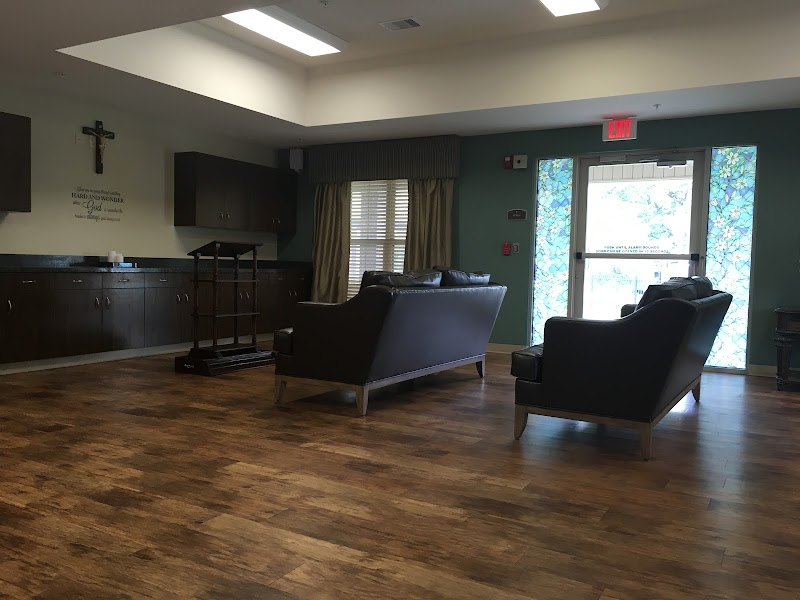
How is The Heights Of North Houston Staffed?

CMS rates THE HEIGHTS OF NORTH HOUSTON's staffing level at 2 out of 5 stars, which is below average compared to other nursing homes. Staff turnover is 33%, compared to the Texas average of 46%. This relatively stable workforce can support continuity of care.

What Have Inspectors Found at The Heights Of North Houston?

State health inspectors documented 29 deficiencies at THE HEIGHTS OF NORTH HOUSTON during 2021 to 2025. These included: 2 Immediate Jeopardy (the most serious level, indicating potential for serious harm or death), 1 that caused actual resident harm, 25 with potential for harm, and 1 minor or isolated issues. Immediate Jeopardy findings are rare and represent the most serious regulatory concerns. They require immediate corrective action.
Who Owns and Operates The Heights Of North Houston?

THE HEIGHTS OF NORTH HOUSTON is owned by a for-profit company. For-profit facilities operate as businesses with obligations to shareholders or private owners. The facility is operated by TOUCHSTONE COMMUNITIES, a chain that manages multiple nursing homes. With 131 certified beds and approximately 106 residents (about 81% occupancy), it is a mid-sized facility located in HOUSTON, Texas.

How Does The Heights Of North Houston Compare to Other Texas Nursing Homes?

Compared to the 100 nursing homes in Texas, THE HEIGHTS OF NORTH HOUSTON's overall rating (3 stars) is above the state average of 2.8, staff turnover (33%) is significantly lower than the state average of 46%, and health inspection rating (2 stars) is below the national benchmark.

What Should Families Ask When Visiting The Heights Of North Houston?

Based on this facility's data, families visiting should ask: "What changes have been made since the serious inspection findings, and how are you preventing similar issues?" "Can you walk me through typical staffing levels on day, evening, and night shifts?" "Can I visit during a mealtime to observe dining assistance and food quality?" "How do you handle medical emergencies, and what is your hospital transfer rate?" These questions are particularly relevant given the facility's Immediate Jeopardy citations and the below-average staffing rating.

Is The Heights Of North Houston Safe?

Based on CMS inspection data, THE HEIGHTS OF NORTH HOUSTON has documented safety concerns. Inspectors have issued 2 Immediate Jeopardy citations (the most serious violation level indicating risk of serious injury or death). The facility has a 3-star overall rating and ranks #1 of 100 nursing homes in Texas. Families considering this facility should ask detailed questions about what corrective actions have been taken since these incidents.

Do Nurses at The Heights Of North Houston Stick Around?

THE HEIGHTS OF NORTH HOUSTON has a staff turnover rate of 33%, which is about average for Texas nursing homes (state average: 46%). Moderate turnover is common in nursing homes, but families should still ask about staff tenure and how the facility maintains care continuity when employees leave.

Was The Heights Of North Houston Ever Fined?

THE HEIGHTS OF NORTH HOUSTON has been fined $86,014 across 4 penalty actions. This is above the Texas average of $33,939. Fines in this range indicate compliance issues significant enough for CMS to impose meaningful financial consequences. Common causes include delayed correction of deficiencies, repeat violations, or care failures affecting resident safety. Families should ask facility leadership what changes have been made since these penalties.

Is The Heights Of North Houston on Any Federal Watch List?

THE HEIGHTS OF NORTH HOUSTON is not on any federal watch list. The most significant is the Special Focus Facility (SFF) program, which identifies the bottom 1% of nursing homes nationally based on persistent, serious quality problems. Not being on this list means the facility has avoided the pattern of deficiencies that triggers enhanced federal oversight. This is a positive indicator, though families should still review the facility's inspection history directly.