TREEMONT HEALTH CARE CENTER
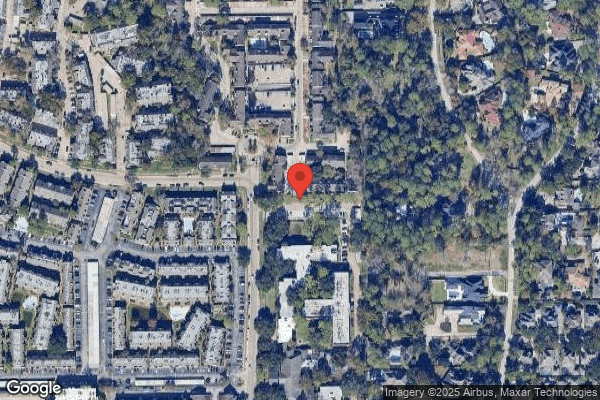
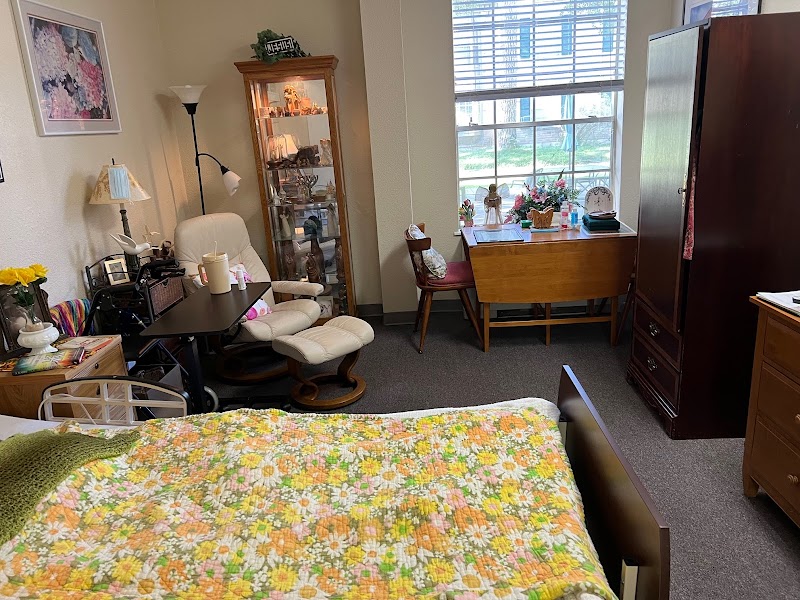
2501 WESTERLAND DR, HOUSTON, TX 77063 (713) 783-4100
For profit - Limited Liability company 70 Beds Independent Data: November 2025
Trust Grade
90/100
#157 of 1168 in TX
Last Inspection: September 2024

Within standard 12-15 month inspection cycle. Federal law requires annual inspections.

Overview

Treemont Health Care Center has an impressive Trust Grade of A, indicating it is highly recommended and performs excellently compared to many other facilities. It ranks #157 out of 1,168 nursing homes in Texas, placing it in the top half of the state. However, the facility is currently experiencing a worsening trend, with issues increasing from 2 in 2023 to 5 in 2024. Staffing is a notable strength, with a turnover rate of 0%, significantly below the Texas average, although the overall staffing rating is only 2 out of 5 stars. There have been no fines, which is positive, but the facility does have average RN coverage, meaning they may not have as many registered nurses as some other facilities. On the downside, recent inspections revealed several concerns, including improper food storage and sanitation practices that could risk residents' health, as well as failure to provide timely incontinence care for a resident who requires assistance with daily activities. These issues highlight areas that need improvement, even as the facility has strengths in staffing stability and overall quality.

Trust Score
A
90/100
In Texas
#157/1168
Top 13%
Safety Record
Low Risk
No red flags
Inspections
Getting Worse
2 → 5 violations
Staff Stability
○ Average
Turnover data not reported for this facility.
Penalties
✓ Good
No fines on record. Clean compliance history, better than most Texas facilities.
Skilled Nurses
⚠ Watch
Each resident gets only 28 minutes of Registered Nurse (RN) attention daily — below average for Texas. Fewer RN minutes means fewer trained eyes watching for problems.
Violations
⚠ Watch
11 deficiencies on record. Higher than average. Multiple issues found across inspections.
★★★★★
5.0
Overall Rating
★★☆☆☆
2.0
Staff Levels
★★★★★
5.0
Care Quality
★★★★☆
4.0
Inspection Score
Stable
2023: 2 issues
2024: 5 issues

The Good

  • 5-Star Quality Measures · Strong clinical quality outcomes
  • Full Sprinkler Coverage · Fire safety systems throughout facility
  • No fines on record

Facility shows strength in quality measures, fire safety.

The Bad

No Significant Concerns Identified

This facility shows no red flags. Among Texas's 100 nursing homes, only 0% achieve this.

The Ugly 11 deficiencies on record

Sept 2024 5 deficiencies
CONCERN (D)

Potential for Harm - no one hurt, but risky conditions existed

Abuse Prevention Policies (Tag F0607)

Could have caused harm · This affected 1 resident

Based on interviews and record review, the facility failed to develop and implement their written policies and procedures that prohibit and prevent abuse, neglect, and exploitation of residents and mi...

Read full inspector narrative →
Based on interviews and record review, the facility failed to develop and implement their written policies and procedures that prohibit and prevent abuse, neglect, and exploitation of residents and misappropriation of resident property for 3 of 10 staff (LVN C, LVN D, and LVN E) reviewed for developing and implementing abuse and neglect policies. - The facility failed to develop and implement abuse policies for review of an employee EMR and criminal history at least once every 12 months. These failures could place residents at risk of abuse, neglect, and misappropriation of property. The findings included: Record review of the facility's policy and procedure on Background Screening Investigations (Revised March 2019) read in part: Our facility conducts employment background screening checks, reference checks and criminal conviction investigation checks on all applicants for positions with direct access to residents . Record review of the facility's policy and procedure on Abuse Prevention Program (Revised August 2006) read in part: Our residents have the right to be free from abuse, neglect, and misappropriation of resident property, corporal punishment and involuntary seclusion .Our facility conducts employee background checks and will not knowingly employ and individual who has been convicted of abusing, neglecting, or mistreating individuals. Comprehensive policies and procedures have been developed to aid our facility in preventing abuse, neglect, or mistreatment of our residents. Our abuse prevention program provides policies and procedures that govern, as a minimum: Protocols for conducting employment background checks . Record review of LVN C's personnel file revealed a hire date of 7/23/21. Her EMR was ran on 7/16/21 and her criminal history was performed on 7/30/21. On 4/26/22, her EMR was ran again, and a background check was performed on 5/15/22, along with a sex offender check. Nothing was checked again until the State Surveyors asked for her chart on 9/18/24. On 9/18/24, LVN C's criminal history and EMR were checked. Her EMR was over 28 months due, and the criminal history was over 27 months due. Record review of LVN D's personnel file revealed a hire date of 9/27/22. Her criminal history was run on 9/12/22 as well as her EMR. Nothing was checked until the State Surveyors asked for her file on 9/18/24. On 9/18/24, her criminal history was run, as well as her EMR. Her EMR and criminal history checks were over 24 months due. Record review of LVN E's personnel file revealed a hire date of 9/2/22. Her EMR was checked on 8/26/22 and her criminal history was checked on 8/31/22. Nothing was checked until the State Surveyors asked for her file on 9/18/24. On 9/18/24, her criminal history was run, as well as her EMR. Her EMR and criminal history checks were over 24 months due. In an interview with the Human Resources Director on 9/19/24 at 10:30am, she said she started at the facility on 6/26/24. She said she would perform a criminal history check, license verification, EMR check, and sex offender check on everyone when they were first hired and then yearly thereafter. She said she noticed when she was pulling the files the State Surveyors requested, that some of the checks had not been done so she ran them. She said she did not know why they were not done because it was before she started. She planned on running everyone's at the beginning of the year so she could keep track of everyone. She said by not running the checks it could put residents at risk because an employee could have gotten in trouble and the facility would not know. In an interview with the Administrator on 9/19/24 at 11:15am, she said the previous Human Resources Director checked the staffing files near the annual hire date for each person. She said she was unaware the checks were not done and did not know why they were not done since the person no longer worked at the facility.
CONCERN (E)

Potential for Harm - no one hurt, but risky conditions existed

ADL Care (Tag F0677)

Could have caused harm · This affected multiple residents

**NOTE- TERMS IN BRACKETS HAVE BEEN EDITED TO PROTECT CONFIDENTIALITY** Based on interview and record review, the facility failed to ensure a resident who was unable to carry out activities of daily l...

Read full inspector narrative →
**NOTE- TERMS IN BRACKETS HAVE BEEN EDITED TO PROTECT CONFIDENTIALITY** Based on interview and record review, the facility failed to ensure a resident who was unable to carry out activities of daily living received the necessary services to maintain good nutrition, grooming, and personal and oral hygiene for 1 out of 12 residents (Resident #34) reviewed for ADL care. - The facility staff failed to provide timely incontinence care to Resident #34. This failure could place residents at risk of skin breakdown, pain, and infection. Findings include: Record review of Resident #34's undated face sheet, revealed an [AGE] year-old female admitted on [DATE], with an original admission date of 9/12/23. She had diagnoses of muscle weakness, muscle wasting and atrophy (wasting away of a part of the body), difficulty in walking, muscle spasms, osteoporosis (bone mineral density and bone mass decreases), need for assistance with personal care, lack of coordination, repeated falls, and Parkinson's Disease (unintended or uncontrollable movements, such as shaking, stiffness, and difficulty with balance and coordination). Record review of Resident 34's Quarterly MDS assessment dated [DATE] revealed a BIMS score of 15 out of 15, which indicated normal cognition. She was substantial/max assist with toileting, personal hygiene, and upper body dressing. She was dependent with shower/baths, lower body dressing, and putting on/taking off footwear. She required substantial/max assist when rolling in bed, going from sit to lying, to go from lying to sitting, and for chair/bed to chair transfers. She was dependent with sitting to standing, toilet transfers, and tub/shower transfers. The resident was always incontinent of bowel and bladder. Record review of Resident #34's care plan, dated 1/30/24, revealed a Focus: Resident has an ADL selfcare performance deficit r/t impaired mobility, osteoporosis (bone mineral density and bone mass decreases), and muscle weakness. Goals: Resident will maintain current level of function in ADL performance through the review date. Interventions: Encourage resident to use call bell for assistance. Focus: The resident has bowel/bladder incontinence r/t impaired mobility and cognition. Goal: The resident will remain free from skin breakdown due to incontinence and brief use through the review date. Interventions: Brief Use: The resident uses disposable briefs. Female Care Attendants to clean peri-area with each incontinence episode. Record review of Resident #34's progress notes revealed no notes which indicated the resident refused to be changed. In an interview on 9/17/24 at 10:43am, Resident #34 said the last time she was changed was at 3:00am that morning. She said she put her call light on, and it would stay on for a couple hours at a time and never got answered. She said the CNA only came in one time around 10:15am, when she had visitors. The CNA opened the door and the dog that was in the room barked and the CNA got scared and closed the door. The resident said the CNA had not been back since then. Resident #34 said she would often have to wait for extended periods of time to be changed. She said she would not tell anyone because it did not do any good. In an interview with CNA A on 9/17/24 at 10:53am, she said she had not had time to change Resident #34 because she was getting all the residents up out of bed, picking up breakfast trays, and helping get the residents into the shower beds for their showers. She said she told the nurse that she was unable to change the resident and the nurse went and informed the resident she could not be changed at that time because the CNA was picking up trays. In an interview with LVN B on 9/17/24 at 10:56am, she said CNA A had not told her anything about Resident #34 that morning. She said she did not know anything about the resident needing to be changed. She said the CNAs round every 2 hours and PRN and change the residents at that time. The nurse said if the CNA was unable to change the resident, she could tell the nurse and she would do it. She said if residents sat in soiled briefs for extended amounts of time, it could cause skin break down. She said she would go check on the resident and change her. In an interview with the DON on 9/17/24 at 2:40pm, she said her expectations were for the CNAs to check residents every 2-3 hours and PRN. She said if the CNA was busy at that moment, they should tell the resident they would be back shortly, and it should not take more than 30min for them to go back to the resident. She said if they were really busy, they could inform the nurse or the DON and they could change the resident. The DON said if a resident was sitting in a soiled brief for extended periods of time it could cause UTIs and skin breakdown. Record review of the facility's policy and procedure on Activities of Daily Living (ADLs), Supporting (Revised Qtr 3, 2018) read in part: Residents will be provided with care, treatment and services as appropriate to maintain or improve their ability to carry out activities of daily living (ADLs). Residents who are unable to carry out activities of daily living independently will receive the services necessary to maintain good nutrition, grooming and personal and oral hygiene .Appropriate care and services will be provided for residents who are unable to carry out ADLs independently, with the consent of the resident and in accordance with the plan of care, including appropriate support and assistance with: Hygiene .Elimination .
CONCERN (E)

Potential for Harm - no one hurt, but risky conditions existed

Deficiency F0727 (Tag F0727)

Could have caused harm · This affected multiple residents

Based on interview and record review, the facility failed to use the services of a registered nurse for at least 8 consecutive hours a day, 7 days a week for 2 of 12 months (July and August 2024) revi...

Read full inspector narrative →
Based on interview and record review, the facility failed to use the services of a registered nurse for at least 8 consecutive hours a day, 7 days a week for 2 of 12 months (July and August 2024) reviewed for RN coverage. The facility failed to ensure they had an RN on duty for the weekends during July and August 2024. This failure could place residents at risk of missed nursing assessments, interventions, care, and treatment. Findings included: In an interview with the Administrator on 9/19/24 at 2:03pm, she said she did not have enough RN coverage on the weekends for July and August 2024. She said there was no point in printing the schedules and bringing it to the Surveyors because she knew she did not have an RN on the weekend. She said they had trouble keeping RNs, but she had just hired an RN Supervisor and an RN floor nurse at the end of August. She said having an RN provided a higher scope of practice for the facility and without one they were not able to perform certain procedures that only an RN could perform. In an interview with the DON on 9/19/24 at 2:16pm, she said she worked Monday through Friday from 8am to 5pm. She said she had the RNs round, review admissions, and do anything she would do if she were there. She said it was important to have RNs at the facility because they could do things LVNs could not like, remove PICC (long, thin tube that's inserted through a vein in your arm and passed through to the larger veins near your heart) lines, place a suprapubic catheter (hollow flexible tube that is used to drain urine from the bladder through a cut in the abdomen), and perform dressing changes for PICC (long, thin tube that's inserted through a vein in your arm and passed through to the larger veins near your heart) lines. She said not having an RN could put residents at risk because they were like a second pair of eyes with their assessment skills. The DON said when she was hired, she was told there were RNs, but she never saw them once she started, so she hired 2 and they stared at the end of August 2024. Record review of the facility's policy and procedure on Staffing (No revision date) read in part: Our facility provides sufficient numbers of staff with the skills and competency necessary to provide care and services for all residents in accordance with resident care plans and the facility assessment .A registered nurse (RN) must be onsite 8 consecutive hours a day, 7 days a week .Direct care staffing information per day .is submitted to the CMS payroll-based journal system on the schedule specified by CMS, but no less than once a quarter. Inquiries or concerns relative to our facility's staffing should be directed to the Administrator or his/her designee.
CONCERN (E)

Potential for Harm - no one hurt, but risky conditions existed

Unnecessary Medications (Tag F0759)

Could have caused harm · This affected multiple residents

**NOTE- TERMS IN BRACKETS HAVE BEEN EDITED TO PROTECT CONFIDENTIALITY** Based on observation, interview and record review the facility failed to ensure that the medication error rate was not five perc...

Read full inspector narrative →
**NOTE- TERMS IN BRACKETS HAVE BEEN EDITED TO PROTECT CONFIDENTIALITY** Based on observation, interview and record review the facility failed to ensure that the medication error rate was not five percent (%) or greater. The facility had a medication error rate of 11% based on 3 errors out of 26 opportunities, which involved 3 of 6 residents (Residents #22, #29 and #148) and 2 of 4 staff (MA A and LVN B) reviewed for medication errors. 1. The facility failed to ensure MA A administered the correct dose of Nicotine gum to Resident #29. 2. The facility failed to ensure MA A administered the correct dose of Acetaminophen to Resident #22. 3. The facility failed to ensure LVN B administered Cefepime 2 gram IV to Resident #148 at the rate indicated on the pharmacy label. These failures could place residents at risk of inadequate therapeutic outcomes. Findings include: 1. Record review of Resident #29's face sheet, dated 9/19/24, reflected a [AGE] year-old female who was readmitted to the facility on [DATE]. Her diagnoses included acute respiratory failure (a condition in which your lungs have trouble loading your blood with oxygen or removing carbon dioxide), delusional disorders (a mental health condition that causes unshakable beliefs in somthing thats untrue), major depressive disorder and anxiety. Record review of Resident #29's MDS assessment, dated 8/14/24, reflected a BIMS score of 15 out of 15, which indicated intact cognition. She required assistance from staff with ADL care. Record review of Resident #29's Physician Orders for September 2024, reflected an order for Nicotine gum 4 mg give 1 gum by mouth every 4 hours for nicotine craving, order date 7/3/24. In an observation on 9/18/24 at 9:39 a.m. with MA A revealed she prepared and administered one Nicotine 2 mg gum to Resident #29 during the morning medication pass. In an interview on 9/18/24 at 1:06 p.m. LVN B said Resident #29 was on Nicotine 4 mg gum scheduled. In an interview on 9/18/24 at 1:07 p.m., MA A said it was a lot going on during the medication pass this morning and she did not concentrate on the dose. She said she normally verified the dosage, resident, time and medication. In an interview on 9/18/24 at 11:14 a.m., the DON said Resident #29 normally supplied the 4 mg dose. She said the facility had the 2 mg on hand and the medication aide should have clarified if she could have given two of the 2 mg gums. She said there was no risk to the patient. 2. Record review of Resident #22's face sheet, dated 9/19/24, reflected a [AGE] year-old female who was admitted to the facility on [DATE]. Her diagnoses included fracture of shaft of humerus, acute pain due to trauma, fracture of sternum, fracture of sacrum, and fracture of shaft of right tibia. Record review of Resident #22's admission MDS assessment, dated 6/26/24, reflected a BIMS score of 13 out of 15, which indicated intact cognition. She required assistance from staff with ADL care. Record review of Resident #22's care plan, revised on 7/16/24, reflected she had acute pain related to multiple fractures. Interventions were to administer analgesia as per orders. Record review of Resident #22's Physician Orders for September 2024 reflected an order for Acetaminophen 650 mg give 2 tablets by mouth every 8 hours for pain, order date 6/20/24. In an observation and interview on 9/18/24 at 9:20 a.m. revealed MA A prepared and administered two tablets of Acetaminophen 325 mg to Resident #22. Observation of the MAR revealed the directive Acetaminophen 650 mg give 2 tablets. MA A said she knew how much of the medication to give by reviewing the MAR. She said she thought the MAR said to give two tablets of Acetaminophen 325 mg to equal 650 mg. She said she asked an unknown nurse previously and was informed to give two of the 325 mg tablets. In an interview on 9/18/24 at 9:35 a.m. the Regional Nurse said if anything on the MAR was different from what was available on the cart the medication aide should not give anything and notify the nurse. In an interview on 9/18/24 at 11:12 a.m., the DON said prior to administering the medication the medication aide should get clarification from the nurse if the order did not appear correct. She said the amount administered did not match the order and the order was not clear. 3. Record review of Resident #148's face sheet, dated 9/19/24, reflected a [AGE] year-old male who was admitted to the facility on [DATE]. His diagnoses included acute osteomyelitis (infection in the bone), type 2 diabetes, atherosclerotic heart disease (involves plaque buildup in artery walls), heart failure, and acute respiratory failure (a life threatening condition that occurs when your lungs cannot exchange oxygen and carbon dioxide properly). Record review of Resident #148's care plan, dated 9/19/24, reflected he required IV therapy and was at risk for adverse reactions, altered skin integrity and injury related to PICC line in place, receiving IV antibiotic, diagnosis osteomyelitis (infection of bone) and cellulitis (bacterial infection of the skin and the tissue beneath the skin) right foot/heel. Interventions were to give therapy as ordered. Record review of Resident #148's Physician Orders for September 2024 reflected an order for Cefepime IV 2 gm/100 mL use 2 gram intravenously every 12 hours for cellulitis of bilateral extremities until 10/11/24, order date 9/13/24. Observation and interview on 9/18/24 at 8:27 a.m. revealed LVN B prepared and connected Cefepime 2 gm/100 mL IV to Resident #148. She set the rate to flow at 100 mL per hour. Observation of the pharmacy label on the Cefepime read in part, Activate and mix 1 bag (2 gm) give intravenously every 12 hours until 10/12/24. Infuse over 30 minutes LVN B said the bag was 50 mL and she set the flow rate to 100 mL per hour so it could run over 30 minutes. LVN B said the bag was a 100 mL bag and she thought it was a 50 mL bag because it was small. She calculated the new flow rate and changed it to 200 mL per hour so the bag could run over 30 minutes. She said she normally verified the size of the bag prior to administering but she did not check this time, she said she only verified the strength. She said if the flow rate was not set properly, she would not be following the orders. She said if the flow rate was not specified in the Physician order, she would follow the directive on the pharmacy label. In an interview on 9/19/24 at 11:22 a.m., the DON said the physicians order should give the flow rate and it was normally on the pharmacy label. She said the nurse should also get clarification. She said she was unsure how the pharmacy came up with how long the IV should run. In an interview on 9/19/24 at 1:33 p.m. the Administrator said she expected nursing staff to give medications timely, correctly, and according to the physician orders. Record review of the facility's Administering Medications policy, dated December 2018, read in part .Medications shall be administered in a safe and timely manner, and as prescribed . 7. The individual administering the medication must check the label to verify the right resident, right medication, right dosage, right time, and right method (route) of administration before giving the medication
CONCERN (F)

Potential for Harm - no one hurt, but risky conditions existed

Food Safety (Tag F0812)

Could have caused harm · This affected most or all residents

Based on observation, interview and record review the facility failed to store, prepare, distribute and serve food in accordance with professional standards for food service safety in 1 of 1 kitchen (...

Read full inspector narrative →
Based on observation, interview and record review the facility failed to store, prepare, distribute and serve food in accordance with professional standards for food service safety in 1 of 1 kitchen (main kitchen) reviewed for sanitary kitchen. The facility failed to ensure the thermometer on the low temperature dishwashing machine was in working condition. This failure could place residents at risk for foodborne illness. The findings include: In an observation and interview on 9/19/24 at 12:50 p.m. of the dishwashing machine located in the kitchen area, Dishwasher A demonstrated how to use the machine by turning it on and running dishware through it. Observation of the two thermometers on the screen revealed they did not move. Dishwasher A said the thermometers did not work. In an interview on 9/19/24 at 1:00 p.m., Dishwasher A said (via Spanish interpretation from the Chef) the thermometers on the dishwashing machine had not been working for one week but when he touched the sides of the machine the doors burned him. In an interview on 9/19/24 at 1:12 p.m., the Dining Supervisor said the dishwashing company came to the facility 2 weeks ago and the dishwashing machine was not working at that time. She said the company did not say anything about the machine and was unsure if they left paperwork regarding the visit. In an interview on 9/19/24 at 1:15 p.m., the Chef said the dishwashing machine temperatures should be between 170-180 F to ensure the dishes were sanitized. He said kitchen staff would not know the temperature of the water without a functioning thermometer. He said the dishwashing machine was used for silverware and glassware and said there was no risk to the residents. In an interview on 9/19/24 at 2:25 p.m., the Administrator said she thought the dishwashing machine was already fixed. She said the kitchen staff informed her the dishwashing machine was a low temperature machine. Record review of the Dishwasher Temperature Log for September 2024 reflected there was no wash or rinse temperature recorded for breakfast, lunch, or dinner from 9/1/24 - 9/18/24. There was no wash or rinse temperature recorded for breakfast or lunch for 9/19/24. The PPM was 50 from 9/1/24 - 9/19/24. Record review of the facility's Dishwashing Machine Use policy, dated March 2010, read in part, .Food Service staff required to operate the dishwashing machine will be trained in all steps of dishwashing machine use by the supervisor or a designee proficient in all aspects of proper use and sanitation . Policy Interpretation and Implementation . 2. Dishwashing machines that use hot water to sanitize must maintain the following wash solution temperatures: a. 150 F for stationary rack, dual temperature machines or multi-tank, conveyor, multi-temperature machines. B. 160 F for single tank, conveyor, dual temperature machines. C. 165 F for stationary rack, single temperature machines. 3. Dishwashing machine hot water sanitation rinse temperatures may not be more than 194F, or less than: a. 165 F for stationary rack, single temperature machines. B. 180 F for all other machines . 7. The operator will check temperatures using the machine gauge with each dishwashing machine cycle and will record the results in a facility approved log. The operator will monitor the gauge frequently during dishwashing machine cycle. Inadequate temperatures will be reported to the supervisor and corrected immediately. 8. The supervisor will check the calibration of the gauge weekly by: a. Running a secondary thermometer through the machine to compare temperatures; or b. using commercial temperature test strips following manufacturer's instructions. 9. If hot water temperatures or chemical sanitation concentrations do not meet requirements, cease use of dishwashing machine immediately until temperatures or PPM are adjusted Record review of the U.S. Food and Drug Administration Food Code dated 2022 read in part, .4-501;110 Mechanical Warewashing Equipment, Wash Solution Temperature . B. The temperature of the wash solution in spray-type warewashers that use chemicals to sanitize may not be less than 120F .
Jul 2023 2 deficiencies
CONCERN (D)

Potential for Harm - no one hurt, but risky conditions existed

Comprehensive Care Plan (Tag F0656)

Could have caused harm · This affected 1 resident

**NOTE- TERMS IN BRACKETS HAVE BEEN EDITED TO PROTECT CONFIDENTIALITY** Based on observation, interview, and record review, the facility failed to develop and implement person-centered care plans for ...

Read full inspector narrative →
**NOTE- TERMS IN BRACKETS HAVE BEEN EDITED TO PROTECT CONFIDENTIALITY** Based on observation, interview, and record review, the facility failed to develop and implement person-centered care plans for each resident's services furnished to attain or maintain the resident's highest practicable physical, mental, and psychosocial well-being for 1 of 12 residents (Resident #22) reviewed for the develop and implement comprehensive care plans. - The facility failed to ensure Resident #22's comprehensive care plan included the resident's repeated refusal of Dronabinol (A medication used to treat nausea and vomiting). This deficient practice could place residents at risk of not being provided with the necessary care or services and having personalized plans developed to address their specific needs. Findings included: Record review of Resident #22's face sheet undated revealed an [AGE] year-old female who admitted into the facility on [DATE]. The resident was diagnosed with fracture of the left Tibia (shin bone), dementia (mental decline not anormal part of aging), vitamin B deficiency, hypertension (elevated blood pressure), cardiac arrhythmia (irregular heartbeat), falls, and muscle weakness. Record review of Resident #22's admission MDS dated [DATE], revealed Resident #86's BIMS was scored as 11 which indicated her cognition was moderately impaired. Record review of Resident #22's Order Summary Report dated 07/26/2023 revealed Dronabinol Oral Capsule 2.5MG (Dronabinol) Give one capsule by mouth two times a day for nausea and vomiting. Order start dated 04/07/2023. Record review of Resident #22's Nurse MAR dated 07/01/2023-07/31/2023 revealed Resident #22 refused her Dronabinol on the following dates: July 2023 at 7:30AM: 1, 2, 3, 4, 5, 6, 7, 8, 9, 10, 11, 14, 15, 16, 17, 18, 20, 22,23, 24, 25. July 2023 at 4:00 PM:1, 2, 3, 4, 5, 6, 7, 8, 9, 10, 11, 14, 15, 16, 17, 18, 19, 20, 21, 22, 23, 24. Record review of Resident #22's Nurse Progress Notes revealed Resident refused her Dronabinol on July 2023: 1, 2, 3, 5, 6, 7, 16, 17, 18 and 24 by LVN A Record review of Resident #22's Nurse Progress Notes revealed Resident refused her Dronabinol on July 2023: 10 and 11 by LVN B Record review of Resident #22's care plans revision dated 07/18/2023 revealed no care plan for the resident's repeated refusal of Dronabinol. Observation on 07/26/2023 at 11:05 AM, revealed Resident #22 was in bed on her back with her head slightly elevated. Resident #22 had a wedge under her right shoulder. The resident refused to be interviewed. In a phone interview on 07/26/2023 at 12:45 PM, the facility pharmacist stated Resident #22's Dronabinol was a routine order to be given twice daily. The pharmacist stated the order was not an as needed for nausea medication. In an interview on 07/26/2023 at 2:07 PM, LVN B stated she did document the attempts to administer the Dronabinol to Resident #22. LVN B stated Resident #22 often refused the medication. LVN B stated she explained the purpose of the medication to the resident. LVN B stated the resident still refused it. LVN B stated the resident's refusal could interfere with her treatment plan. In an interview on 07/26/2023 at 2:13 PM, LVN A stated she did attempt to give Resident #22 the Dronabinol. LVN A stated Resident #22 often refused the medication. In a phone interview on 07/27/2023 at 8:37 AM, Resident #22's physician stated he was aware that Resident #22 refused her Dronabinol. The physician stated Resident #22 had no negative affects from the refusal. As the interview continued, he stated he would not change her treatment plan because of her medication refusal. In an interview on 07/27/2023 at 12:00 PM, MDS LVN stated the purpose of the care plan was to direct the resident care. The MDS LVN stated the completion of the care plan was a team effort from all departments. The MDS LVN stated nursing participated by presenting resident problems that needed to be care planned as they presented. The MDS LVN stated the care plans were reviewed quarterly and in the daily morning meetings. As the interview continued, she stated the daily morning meeting was where the DON would present issues that needed to be care planned. The MDS LVN stated the facility also had weekly standard of care meetings where resident care concerns were addressed. The MDS LVN stated Resident # 22's repeated refusal of the medication should have been care planned. She stated the refusal could have been presented in the daily morning meeting or stand of care meeting by the DON. The MDS LVN stated she did not know why it was not addressed. The MDS LVN stated the risk to the resident of an inaccurate care plan was not providing guidance for the resident's care. In an interview on 07/27/2023 at 12:51 PM, the DON stated the purpose of the care plan was to ensure the resident care was based on the individualized need of the resident. The DON stated the MDS nurse was responsible for completion of the care plan. The DON stated the care plans were reviewed quarterly and as needed for any resident changes. The DON stated Resident #22's medication refusal should have been care planned. The DON stated she was not sure how the resident's medication refusal was missed. The DON stated she did not review the care plans to follow up for accuracy. The DON stated the risk of an inaccurate care plan was it could lead to a decrease in the resident functioning with poor health outcomes. The DON stated to prevent this in the future she would be more involved in reviewing the care plans for accuracy at least monthly. In an interview on 07/27/2023 at 1:28 PM, the Administrator stated the purpose of the care plan was to provide the plan for the resident's care. The Administrator stated the completion of the care plan was a team effort from different departments. The Administrator stated the MDS was responsible for the care plan accuracy. The Administrator stated monitoring the care plan for accuracy should be on a continuous basis. The Administrator stated the risk of an inaccurate care plan was failure to provide proper care to the resident. The Administrator stated the medication refusal should be care planned especially if it was continual. The Administrator stated to prevent this again we will develop a system for addressing issues in our daily morning meetings and every Friday's standard of care meeting. The Administrator stated she was not sure why they had not already been presented and addressed. Record review of the facility's policy titled Care Plans, Comprehensive Person-Centered Revised dated December 2016, reflected in part Policy Statement A comprehensive, person-centered care plan that includes measurable objectives and timetables to meet the resident's physical, psychosocial and functional needs is developed and implemented for each resident . 8. The comprehensive, person-centered care plan will: b. Describe the services that are to be furnished to attain or maintain the resident's highest practicable physical, mental, and psychosocial well-being; g. Incorporate identified problem areas; h. Incorporate risk factors associated with identified problems .
CONCERN (E)

Potential for Harm - no one hurt, but risky conditions existed

Grievances (Tag F0585)

Could have caused harm · This affected multiple residents

**NOTE- TERMS IN BRACKETS HAVE BEEN EDITED TO PROTECT CONFIDENTIALITY** Based on observation, interview and record review, the facility failed to ensure grievances were resolved for 3 of 3 (confidenti...

Read full inspector narrative →
**NOTE- TERMS IN BRACKETS HAVE BEEN EDITED TO PROTECT CONFIDENTIALITY** Based on observation, interview and record review, the facility failed to ensure grievances were resolved for 3 of 3 (confidential group) residents reviewed (Resident #1) for grievances. The facility did not document or follow-up on Resident's grievances from group who expressed concerns during resident council meetings for April, May, June, and July of 2023. This deficient practice could affect 1 resident who attended resident council meetings during April, May, June and 3 residents who attended resident council meeting during July 2023 and could contribute to grievances not being resolved. The findings were: Interview on 07/26/23 at 02:00 p.m. during the confidential resident council meeting 1 of 3 residents stated she was not satisfied with the way the facility addressed the concerns. The facility has no Ombudsman at present, it has been a couple of months since the last one came to visit. Residents are waiting 30, 45, and up to 1 hour for call lights to be answered. The facility changed bingo time from 2:15 -2:00 PM. She stated she does not get changed in time after lunch to attend bingo. The carpet in the halls was dirty and has an odor. The wheelchairs' role over the carpet and leave dark marks on the floor. The warming plate was not hot, and food was cold, grits are always cold, and tea was so dark it looks like coffee. The facility serves too much pork, fruit cocktail and was given orange juice on her tray despite her meal ticket indicating no orange juice/allergic. She stated no matter what she marks on her meal ticket she will get something different on the tray. Sometimes there was no utensils on the tray. A resident on her hall had his television playing loudly and it was disturbing. It was loud enough that staff cannot hear the alarm to an oxygen machine/IV pumps of another residents. She stated the AD and Administrator are aware of her concerns but do nothing about them. She stated she knows how to file a complaint and has in the past. She stated that the facility did not follow-up with her then either. Record review of Resident Council Minutes for 04/18/2023 revealed the following concerns: Administrator - Resident waited for her pictures and books to be returned to her room when she moved 5 months ago and has not heard a response on the whereabouts of the items. Nursing - On 03/31/2023, staff grumbled/complained while she provided the resident patient care at 1:30 PM, 4:00 PM, 7:00 PM and again at 9:00 PM. Dietary: Resident marked out tuna and wrote in chicken for the salad plate for dinner on 4/8/2023 and received tuna fish. On 4/10/2023 the breakfast warming plate and food were cold: oatmeal, sausage, and waffle. Lunch 04/14/2023, resident ordered a grilled ham and cheese sandwich, but received a roll and tartar sauce on her plate. Requested sugar free syrup and received regular syrup. Laundry: Resident shirt returned from laundry torn, marked and with holes. Clothes retuned with strings hanging, need scissors to cut threads. Maintenance - Resident mentioned (several times) that the bathroom sink was too high - it needs to be lowered. Needs air filter changed in room. Further review of the April 2023 minutes revealed Agenda Last meeting follow-up 1. All concerns from the previous meeting were addressed. New Business 2. All current concerns with the departments in the facility. However, there was no indication that the department heads returned the form to the AD, or that it was submitted to the Resident Council President for review with the group. Record review of Resident Council Minutes for 05/16/2023 revealed the following concerns: Administrator - Resident waited for her pictures and books to be returned to her room when she moved 6 months ago and has not heard a response on the whereabouts of the items. Nursing - Resident down the hall's television was loud at night. Staff talked on their cellphones will providing patient care. Resident does not want to be weighed right after a meal. Dietary - Resident requested/circled apple juice on menu and served orange juice. Resident was allergic to orange juice. Marked out ice cream and requested fresh fruit. Received fresh fruit and ice cream. Activities - Resident cellphones needed to be silenced during bingo. Laundry: Resident's bra and shirts returned damaged. Clothes retuned with strings hanging, need scissors to cut threads. Maintenance - Needs air filter changed in room. Carpet needed cleaning in halls. Further review of the May 2023 minutes revealed Agenda Last meeting follow-up 1. All concerns from the previous meeting were addressed. New Business 2. All current concerns with the departments in the facility. However, there was no indication that the department heads returned the form to the AD, or that it was submitted to the Resident Council President for review with the group. Record review of Resident Council Minutes for 06/20/2023 revealed the following concerns: Nursing - Resident down the hall's television was loud at night. On 06/07/2023 staff cellphone alarm went off during patient care. Staffing short. Activities: Bingo money should be paid out at time of win. Dietary - Resident continued to circle other juices on menu and was served orange juice. Resident was allergic to orange juice. On 06/17/2023 served cold grits and warming plate barely hot. Requested sugar free syrup and received regular syrup. Menu stated beef enchiladas, resident received bean and cheese enchiladas. Resident requested/circled apple juice on menu and served orange juice. Resident was allergic to orange juice. Requested fresh fruit, received canned fruit cocktail. Laundry: Resident new shirts returned from laundry marked with holes. Shirt with lace torn. Clothes retuned with strings hanging, need scissors to cut threads. Further review of the June 2023 minutes revealed Agenda Last meeting follow-up 1. All concerns from the previous meeting were addressed. New Business 2. All current concerns with the departments in the facility. However, there was no indication that the department heads returned the form to the AD, or that it was submitted to the Resident Council President for review with the group. Record review of Resident Council Minutes for 07/18/2023 revealed the following concerns: Nursing - Resident down the hall's television loud passed midnight with door closed. Staff talked on their cellphones will providing patient care. 07/02/23 call light pressed at 01:30 Pm, answered at 2:45 PM. Resident's roommate moved into her room in the middle of the night. Requested fresh fruit, received canned fruit cocktail. Resident requested/circled apple juice on menu and served orange juice. Resident allergic to orange juice. Activities: Bingo money should be paid out at time of win.Dietary: Resident circled fresh tomato salsa on menu, was not received. Laundry: Resident's shirts have marks, new shirts with holes and lace shirt torn. Further review of the July 2023 minutes revealed Agenda Last meeting follow-up 1. All concerns from the previous meeting were addressed. New Business 2. All current concerns with the departments in the facility. However, there was no indication that the department heads returned the form to the AD, or that it was submitted to the Resident Council President for review with the group. Record review of the July 2023 Grievance Log revealed no logged grievances. Record review of the June 2023 Grievance Log revealed no logged grievances. June 2023; 6/19/23 Laundry over flowed. May 2023 reported books missing: Resolved: Yes 6/5/23. April 2023 none reported. Interview on 07/25/23 at 02:04 a.m. AD stated that only the resident council president attends the council meetings. She stated that she has been working with the facility for about 2 years. One year as the AD and the previous year as the AD assistant. She stated only the resident council president attends the group meetings. She stated that the other residents do not want to attend. She stated she tries to stress the importance of their attendance, but residents are not interested in participating. Two other residents were coming but one moved to independent living and the other has passed away. Interview on 07/25/23 at 03:33 p.m. DON stated that the current resident council president, has been the same president for many years. The other residents do not like to attend the meetings because the meetings are only always about the president. The other residents do not get a chance to voice or weigh in on their concerns and therefore stopped attending meetings months ago. Interview on 07/25/23 at 03:33 p.m. Administrator asked what they could do to encourage more residents to attend. She asked what the facility could do to replace the current president. The president brings with her a notebook full of complaints. The other residents do not get a change to voice their concerns or make comments. Interview on 07/26/2023 at 11:55 a.m. AD stated that she was responsible for reminding residents of the date and time of the resident council meetings and encouraging residents to attend. At the resident council minutes, she writes the minute notes and/or all the resident's concerns. She stated for the last few months only one resident has attended the resident council meetings. That resident usually brings written concerns to the meetings and the AD summarizes the notes in the group minutes for each month. Those minutes are distributed to the facility's department heads the following morning during the morning meeting. She stated that the minutes are also discussed during the Quality Assurance and Performance Improvement (QAPI) committee meeting held every 4th Friday of each month. Interview on 07-27-23 at 10:00 a.m. AD stated that she reminds residents of the group meeting the day before the meeting. She stated she then tells the CNAs of those residents who want to attend so the CNAs can get those residents ready for the day first. She stated when she completes the minutes her and the group members go over all the departments and address concerns. After the meetings, she meets with the Administrator to discuss each concern addressed. She stated July's group meetings were the first given to the present administrator. She stated she gave the previous group minutes to the previous administrator who resigned. She stated that she does not go over any resident rights. She is not responsible for ensuring the concerns are resolved or grievances logs, or forms are completed. It is the administrator's responsibility to ensure the group's concerns are resolved. Interview on 07-26-23 at 03:06 p.m. Administrator stated she had only been in the administrator role for the last 5 weeks. She stated that she received the copies of the resident council minutes for the last 4 months today. She was aware that one of the residents from group had a dislike for the fruit cups. She stated she is not aware of what the outcomes were from the previous group complaints but would find out and share that information thereafter. She stated she was not aware of the dirty carpet, but the facility had a working carpet cleaner. She stated that one of the resident council members did not like roommates and was resistant to roommates. She stated that new admissions and room changes typically take place in the afternoon. She stated if a resident is admitted late at night from a hospital discharge, it would be possible for a resident to be moved into a shared room late at night. She stated the resident with the loud television was hard of hearing and she would see if the resident had or needed a hearing aid. She stated she would ask laundry if the resident had complained of damaged clothes and whether they were repaired. She stated the bingo time was changed to give the residents more time to play. She stated after resident council meetings the AD should create grievances and log them after every group meeting. She stated that she does not know why the AD had not created grievances or if that was a responsibility in the AD's job description. Each grievance related to the department it pertains to would be responsible for addressing, resolving, and following up with the resident or family member who made the complaint with the outcome. She stated thereafter it would be check off the grievance log as completed. She stated that she had only held one QAPI meeting since she became administrator and fruit cocktails and the loud television were the only group complaints brought up and discussed. She stated she provided follow ups to all the group grievances on 07/26/23 over the last 4 months. She stated that the SW will be responsible to ensure that the grievances are resolved and followed up on. Interview on 07-27-23 at 03:00 p.m. DON stated that she addressed grievances and in-serviced staff as needed. She was not aware of any outstanding grievances. She stated staff are in-serviced on resident rights monthly. She stated it is all the department heads responsibility to respond to the grievances. Grievances are also discussed during the monthly QAPI meetings. She stated that she addressed all the concerns that are addressed in the group meetings, but the resolve was not documented. She stated that her and the Administrator will come up with a tracking and resolve system to ensure grievances are addressed, resolved, and followed up on in a timely manner. She stated that moving forward the SW and AD will be responsible for ensured the grievances are resolved and residents informed of the resolve. Record Review of Resident Council Policy Statement's revised April 2017 date revealed 5. A Resident Council Response Form will be utilized to track issues and their resolution. The facility department related to any issues will be responsible for addressing the items(s) of concern. 6. The QAPI Committee will review information and feedback from the Resident Council as part of their quality review. Issues documented on council response forms may be referred to the QAPI Committee, if applicable (i.e., the issue is of serious nature or if there is a pattern, etc.) Records received: [NAME] Health Care Center Concern Forms Nursing dated 07/26/23.
Jun 2022 4 deficiencies
CONCERN (D)

Potential for Harm - no one hurt, but risky conditions existed

Accident Prevention (Tag F0689)

Could have caused harm · This affected 1 resident

**NOTE- TERMS IN BRACKETS HAVE BEEN EDITED TO PROTECT CONFIDENTIALITY** Based on observation, interview, and record review the facility failed to ensure that each resident received adequate supervisio...

Read full inspector narrative →
**NOTE- TERMS IN BRACKETS HAVE BEEN EDITED TO PROTECT CONFIDENTIALITY** Based on observation, interview, and record review the facility failed to ensure that each resident received adequate supervision and assistance devices to prevent accidents for 1 (Resident #16) of 16 residents reviewed for supervision and assistive devices. The facility failed to ensure Resident #16, with a known history of falls, had bolsters on his bed as well as fall mats on each side of his bed as ordered by his physician. This failure could place residents at risk of not receiving the appropriate level of assistance and supervision with the potential for falls and/or injuries. Findings included: Review of the undated face sheet for Resident #16 revealed an [AGE] year-old male with an admission date of 01/19/18 and diagnoses to include difficulty in walking, Alzheimer's disease, muscle weakness, and history of falling. Review of the MDS for Resident #16, dated 04/27/22, revealed he required extensive assistance in bed mobility, dressing, toilet use, and personal hygiene. Resident #16 had active diagnoses of difficulty in walking, muscle weakness, and history of falling. The MDS also revealed Resident #16 was always incontinent of both bowel and bladder. Review of the undated care plan for Resident #16 revealed a focus area of Resident #16 is at risk for falls and injuries related to decreased mobility and history of falls with an intervention of fall mats on both side of resident's bed initiated on 04/02/20. Review of the undated Order Summary Report for Resident #16 revealed an order on 05/26/22 of bolster to bed to help prevent frequent falls, and an order on 09/13/21 for fall mats in place for safety at all times when resident is in bed, check every shift for safety. Observation on 06/14/22 at 11:15 a.m. revealed Resident #16 was resting in bed watching tv without a fall mat on the resident's left side of the bed and no bolsters on the bed. Observation and interview on 06/14/22 at 5:12 p.m. revealed Resident #16 was resting in bed watching tv without a fall mat on the resident's left side of the bed and no bolsters on the bed. The ADON pointed out that the bolsters were stacked by the dresser and stated she was going to put them back on immediately. She stated they were most likely taken off to change the bed linens and not put back on. The ADON stated she believed Resident #16 was only ordered a fall mat for one side of his bed, but she would look into it. Interview on 06/15/22 at 2:45 p.m. LVN A stated the expectation was the bolsters were to be on Resident #16's bed as the physician ordered. She stated the bolsters may have been taken off the bed when they transferred the resident and did not get put back on. LVN A stated the risk to the resident was more falls. Interview on 06/15/22 at 8:52 a.m. the DON and ADON stated the expectation was care plans and physician orders always be followed by the nursing staff and were available to the nursing staff. The ADON stated she was not sure why one of the fall mats disappeared and Resident #16 normally did have two fall mats. The ADON stated she immediately replaced the missing floor mat next to Resident #16's bed and started in-servicing staff. The ADON also stated she contacted the bolster medical equipment company to provide training to the staff on using the bolsters on the resident's bed. The ADON and DON stated the risk to the resident in not having the bolsters and a fall mat was injury, reduced quality of life, and continued falls. Review of the facility's Care Planning policy, dated August 2006, revealed The Interdisciplinary Team will review the Attending Physician's order and implement a nursing care plan to meet the resident's immediate needs. Review of the facility's Bed Safety policy and Accident and Incidents Policy revealed they did not address fall prevention measures.
CONCERN (D)

Potential for Harm - no one hurt, but risky conditions existed

Deficiency F0849 (Tag F0849)

Could have caused harm · This affected 1 resident

**NOTE- TERMS IN BRACKETS HAVE BEEN EDITED TO PROTECT CONFIDENTIALITY** Based on interview and record review, the facility failed to obtain from hospice the most recent hospice plan of care specific t...

Read full inspector narrative →
**NOTE- TERMS IN BRACKETS HAVE BEEN EDITED TO PROTECT CONFIDENTIALITY** Based on interview and record review, the facility failed to obtain from hospice the most recent hospice plan of care specific to each patient and physician certification specific to each patient, for 1 of 3 residents (Resident #1) reviewed for hospice services. The facility failed to obtain Resident #1's current Hospice physician re-certification of the terminal illness and a current Hospice plan of care from Hospice. These failures could affect residents by placing them at risk for services and treatments not being coordinated for end-of-life care. Findings included: Review of Resident # 1's face sheet dated 06/16/22 revealed Resident # 1 was admitted on [DATE] and readmitted on [DATE] to the facility with a diagnosis of fracture of left femur, retention of urine, and orthopedic aftercare. Review of Resident #1's physician orders reflected she was admitted to the facility on [DATE] under hospice care. Review of Resident # 1's clinical record reflected the facility did not have a hospice book for her. There were no hospice physician certification of the terminal illness nor a hospice plan of care. In an interview on 06/14/22 at 3:34 pm with the Nurse Manager revealed Resident # 1 was readmitted to the facility on [DATE] on hospice due to end of life. The Nurse Manager was unable to locate the resident's hospice binder. The Nurse Manger stated she would look for the binder and provide it once it was located. In an interview on 06/15/22 at 10:57 am with the Nurse Manager revealed she was unable to located Resident #1 Hospice binder. In an interview on 06/15/22 at 3:12 pm with the ADON and DON, revealed they were unable to locate Resident #1's hospice records and it had been requested from the hospice agency. The ADON and DON stated the care plan developed by the facility was the same care plan the hospice agency would use. They were unaware of where to locate the physician certification of terminal illness. The DON revealed she was the facility's designated person to coordinate hospice services. In an interview on 06/15/22 at 4:00 pm with Resident # 1's Hospice Registered Nurse revealed the hospice agency would develop their own plan of care for the resident, and it may or may not coincide with the facility's. Record Review of the facility's End of Life policy titled Hospice Program revised July 2017 reflected the facility's designee .is responsible for the following: (d) obtaining the following information from the hospice: (1) the most recent hospice plan of care specific to each resident, (3), physician certification and recertification of the terminal illness specific to each resident.
CONCERN (E)

Potential for Harm - no one hurt, but risky conditions existed

Infection Control (Tag F0880)

Could have caused harm · This affected multiple residents

**NOTE- TERMS IN BRACKETS HAVE BEEN EDITED TO PROTECT CONFIDENTIALITY** Based on observation, interview and record review, the facility failed to maintain an Infection Prevention and Control Program t...

Read full inspector narrative →
**NOTE- TERMS IN BRACKETS HAVE BEEN EDITED TO PROTECT CONFIDENTIALITY** Based on observation, interview and record review, the facility failed to maintain an Infection Prevention and Control Program to prevent the development and transmission of communicable diseases for 2 (MA B, and MA C) of 2 staff and for (Resident #19, and #21) of observed for infection control. 1. MA B failed to perform hand hygiene for Resident's #21 during eye drop administration. 2. MA C failed to perform hand hygiene for Resident #19 during eye drop administration. 3. LVN E failed to change a contaminated nasal cannula tubing prior to placing it back into Resident #1's nose after it was observed on the floor. These failures could place residents at risk for spread of infection. Findings included: 1. Review of Resident #21's Face Sheet dated 08/06/2021 reflected she was a [AGE] year-old female admitted to the facility on [DATE].Her diagnoses included Glaucoma and Diabetes. Review of Resident #21's Physician orders dated March 22 reflected, Dorzolamide-Timolol (ophthalmic solution) 2% one drop in left eye three times a day for Glaucoma. An observation on 06/14/22 at 1:18 p.m. revealed MA C pulled the medication cart to Resident #21's room. She opened the medication top drawer, obtained a bottle of Dorzolamide-Timolol, then closed the drawer and pulled one Kleenex for a box. She entered Resident#21's room without washing her hands. She explained to the resident it was time for her eye drops. She proceeded to the bedside, removed the cap from the bottle of Dorzolamide-Timolol then pulled down the lower eye lid with her left hand without performing hand hygiene and applied one drop of Dorzolamide-Timolol solution into the sac of the left eye and handed the resident the Kleenex, then exited the room without washing her hands. An interview with MA C on 06/14/22 at 12:50 p.m. revealed she should have performed hand hygiene and used gloves for eye drop administration. She said she should have washed her hands before she put on her gloves and after she removed her gloves. She stated she was just not thinking. 2. Review of Resident #19's Face sheet, dated 10/28/2021 reflected he was a [AGE] year-old male with an admission date of 10/28/2021. His diagnoses included Glaucoma and Hypertension. Review of Resident #19's Physician orders dated March 022 reflected, Timolol (ophthalmic solution) 0.25% one drop in both eye two times a day for Glaucoma. An observation on 06/14/22 at 3:07 p.m. revealed MA D pushed the medication cart to Resident #19's room. He opened the medication top drawer obtained a bottle of Timolol Ophthalmic solution, then closed the drawer. He entered Resident#19's room without washing his hands. He explained to the resident it was time for his eye drops. He proceeded to the bedside, removed the cap from the bottle of Timolol, reached over on the bedside table, pulled a tissue from the box without washing his hands he pulled down the lower right eye lid with his right index finger, applied one drop of Timolol solution into the sac of the right eye, then he pulled down the left lower eye lid with his right index finger applied one drop of Timolol solution into the sac of the left eye without performing hand hygiene. Then he handed the resident the tissue paper and exited the room without washing his hands. In an interview with MA D on 06/14/22 at 3:55 p.m. revealed he was supposed to wash his hands between each resident and before applying eye drops to the resident's eyes. He stated he realized he should have washed his hands and used gloves before applying eye drops. He stated he was a little nervous. An interview with the ADON on 06/15/22 at 10:35AM she revealed that hand washing was expected for eye drop administration. She stated staff was to perform hand hygiene and glove changes before and after eye drop administration. Review of the facility's dated August 2019 policy titled Handwashing, reflected, . All personnel shall follow the handwashing/hand hygiene procedure to prevent the spread of infection to other personnel, residents, and visitors soap and water for the following situations before and after contact with residents .after contact with resident's intact skin. 3. Record Review of Resident #1's face sheet dated 06/16/22 reflected the resident was a [AGE] year-old female, initially admitted to the facility on [DATE] and readmitted on [DATE] with a diagnoses of congestive heart failure and chronic obstructive pulmonary disease. Observation of Resident #1 on 06/15/22 at 11:02 revealed resident's nasal cannula was on the floor under the bed. Observation and interview of LVN E on 06/15/22 at 11:06 revealed she picked up Resident #1's nasal cannula tubing from the resident's bedroom floor and placed it in Resident #1's nose. Interview with LVN E directly following the observation reflected she should not have placed the nasal cannula into the resident's nose, because it was contaminated with possible bacteria from being on the floor, which could lead to infection. LVN E apologized and stated she should have gone to her medication cart and retrieved new tubing.
CONCERN (F)

Potential for Harm - no one hurt, but risky conditions existed

Food Safety (Tag F0812)

Could have caused harm · This affected most or all residents

Based on observation, interview and record review the facility failed to store, prepare and distribute food in accordance with professional standards for food service safety for 1 of 1 kitchen reviewe...

Read full inspector narrative →
Based on observation, interview and record review the facility failed to store, prepare and distribute food in accordance with professional standards for food service safety for 1 of 1 kitchen reviewed for kitchen sanitation. The facility failed to ensure sanitary practices were maintained in the kitchen as frozen foods were improperly stored, and freezers and refrigerators were unsanitary. These failures could place residents who ate from the kitchen at risk for cross-contamination and food-borne illness. Findings included: Observation on 06/14/22 at 10:20 a.m. revealed in the outside walk-in freezer there were uncovered and exposed hamburger patties. There was also beer battered onion rings that were soft to the touch and not completely frozen. Interview on 06/16/22 at 9:15 a.m. the Dining Room Manager stated the expectation was the hamburger patties be in a closed bag and the onion rings thrown out. She stated an employee had accessed the hamburger patties and did not close the bag. She also stated the onion rings were close to the door of the freezer which was why they had thawed out. The Dining Room Manager stated there was no risk to the residents as neither the hamburger patties nor the onion rings would had been used but thrown away. Review of the facility's undated Food Storage Guidelines policy revealed Opened ingredients should be stored in sealed, airtight containers, and Doors to all cold storage facilities should be kept closed when not in use. Review of the U.S. Public Health Service, Food Code (2017) section § 3-302.11 (A)(6) revealed, FOOD shall be protected from cross contamination by: Protecting FOOD containers that are received packaged together in a case or overwrap from cuts when the case or overwrap is opened. Review of the U.S. Public Health Service, Food Code (2017) section § 3-501.11 revealed, Stored frozen FOODS shall be maintained frozen. Observation on 06/14/22 at 10:20 a.m. revealed the outside walk-in freezer floor had debris, spillage, and food crumbs. Interview on 06/16/22 at 9:15 a.m. the Dining Room Manager stated the expectation was the freezer was to be cleaned every night and that the evening supervisors survey the kitchen to ensure proper cleaning. She thought the outside freezer got missed the previous evening. She stated there was no risk to the residents as that day she had the freezer cleaned. Review of the facility's undated Food Storage Guidelines policy revealed, Cold (both refrigerated and freezer) storage areas should be clean and free from moisture or ice build up. Review of the U.S. Public Health Service, Food Code (2017) section § 4-601.11(C), NonFOOD-CONTACT SURFACES of EQUIPMENT shall be kept free of an accumulation of dust, dirt, FOOD residue, and other debris. Interview on 06/16/22 at 9:15 a.m. the surveyor requested a cleaning schedule, the Dining Room Manager stated they did not have one. Observation on 06/14/22 at 10:20 a.m. revealed the ice cream freezer had a thick layer of ice at the bottom. Interview on 06/16/22 at 9:15 a.m. the Dining Room Manager stated the ice cream freezer needed to be defrosted and cleaned out. She stated this was completed once a month. She also stated the reason there was a layer of ice was someone may have halfway cracked the freezer door and caused the water to defrost and freeze on the bottom. The Dining Room Manager stated there was not a risk to the residents as she checked the temperature and if it was incorrect everything was thrown out. Review of the facility's undated Food Storage Guidelines policy revealed, Cold (both refrigerated and freezer) storage areas should be clean and free from moisture or ice build up. Review of the U.S. Public Health Service, Food Code (2017) section §4-602.13 revealed, NonFOOD-CONTACT SURFACES of EQUIPMENT shall be cleaned at a frequency necessary to preclude accumulation of soil residues. Observation on 06/14/22 at 10:20 a.m. revealed the meat walk-in refrigerator and the produce walk-in refrigerator fans had dark gray debris and dust build-up. Interview on 06/16/22 at 9:15 a.m. the Dining Room Manager stated a company comes out once a month and services their freezers; she stated the company had not yet been out to clean this month. She also stated the risk to the residents was dust could get on the produce, but it was washed prior to preparing. Review of the facility's undated Food Storage Guidelines policy revealed, Cold (both refrigerated and freezer) storage areas should be clean and free from moisture or ice build up. Review of the U.S. Public Health Service, Food Code (2017) section § 4-601.11(C), NonFOOD-CONTACT SURFACES of EQUIPMENT shall be kept free of an accumulation of dust, dirt, FOOD residue, and other debris.
Understanding Severity Codes (click to expand)
Life-Threatening (Immediate Jeopardy)
J - Isolated K - Pattern L - Widespread
Actual Harm
G - Isolated H - Pattern I - Widespread
Potential for Harm
D - Isolated E - Pattern F - Widespread
No Harm (Minor)
A - Isolated B - Pattern C - Widespread

Questions to Ask on Your Visit

  • "Can I speak with families of current residents?"
  • "What's your RN coverage like on weekends and overnight?"

Our Honest Assessment

Strengths
  • • Grade A (90/100). Above average facility, better than most options in Texas.
  • • No major safety red flags. No abuse findings, life-threatening violations, or SFF status.
  • • No fines on record. Clean compliance history, better than most Texas facilities.
Concerns
  • • 11 deficiencies on record. Higher than average. Multiple issues found across inspections.
Bottom line: Generally positive indicators. Standard due diligence and a personal visit recommended.

About This Facility

What is Treemont Health's CMS Rating?

CMS assigns TREEMONT HEALTH CARE CENTER an overall rating of 5 out of 5 stars, which is considered much above average nationally. Within Texas, this rating places the facility higher than 99% of the state's 100 nursing homes. This rating reflects solid performance across the metrics CMS uses to evaluate nursing home quality.
How is Treemont Health Staffed?

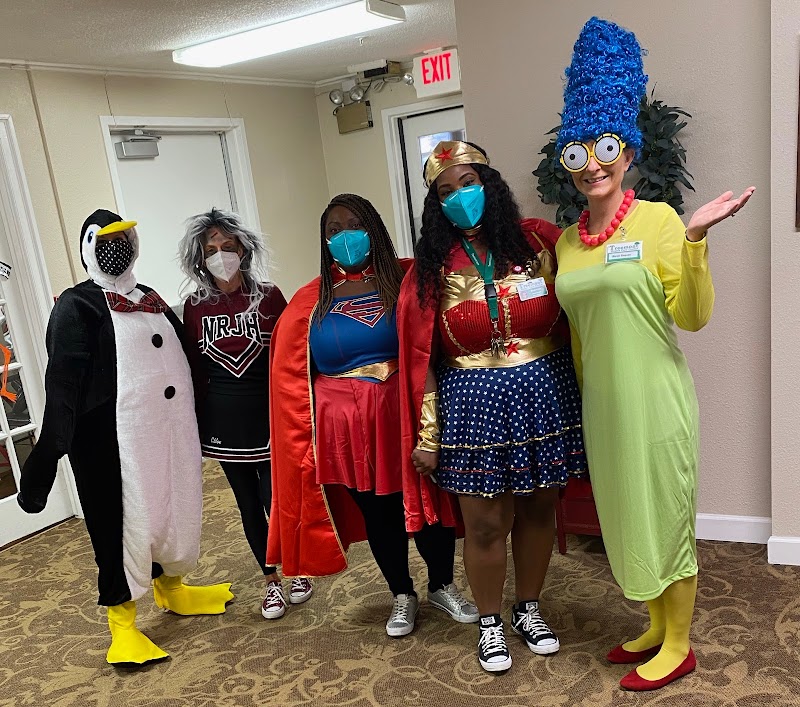
CMS rates TREEMONT HEALTH CARE CENTER's staffing level at 2 out of 5 stars, which is below average compared to other nursing homes.

What Have Inspectors Found at Treemont Health?

State health inspectors documented 11 deficiencies at TREEMONT HEALTH CARE CENTER during 2022 to 2024. These included: 11 with potential for harm.
Who Owns and Operates Treemont Health?

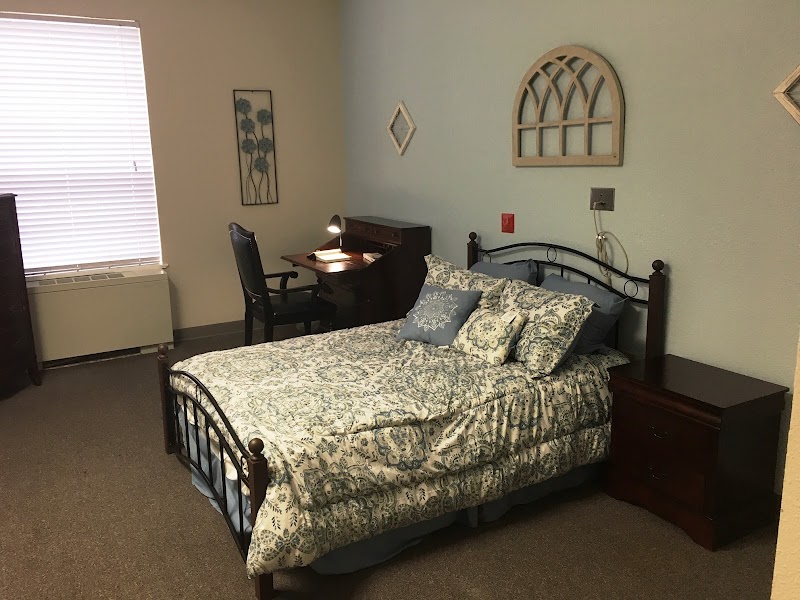
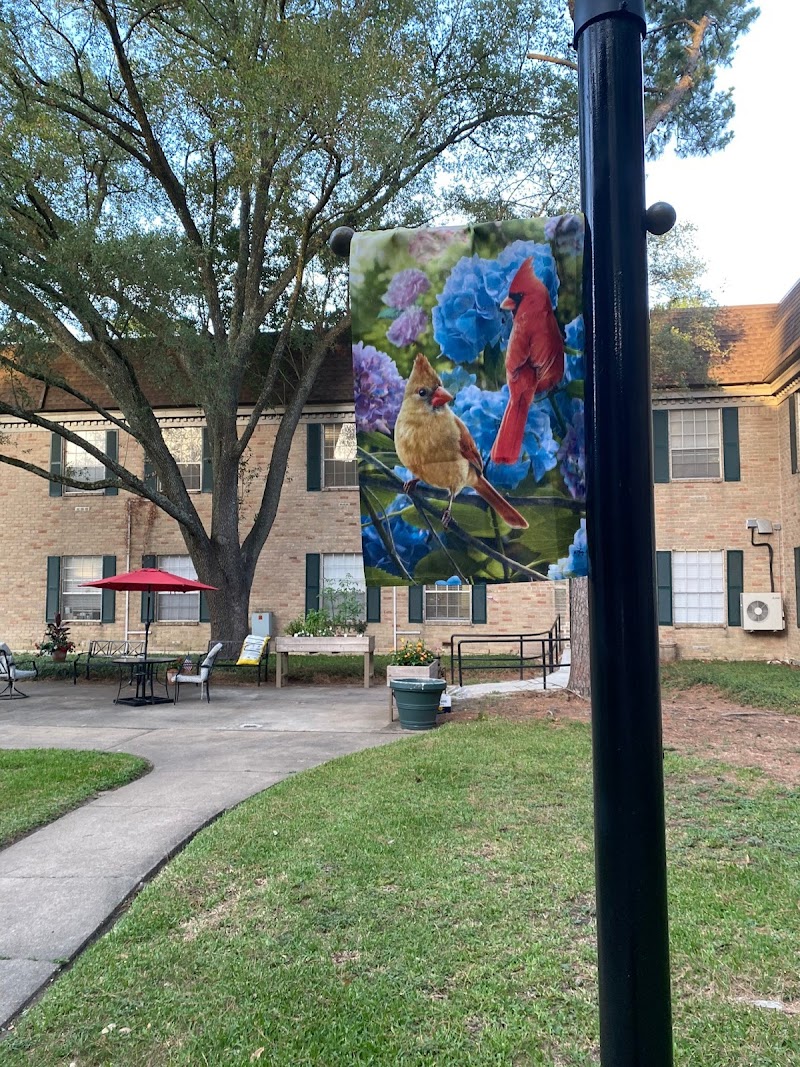
TREEMONT HEALTH CARE CENTER is owned by a for-profit company. For-profit facilities operate as businesses with obligations to shareholders or private owners. The facility operates independently rather than as part of a larger chain. With 70 certified beds and approximately 43 residents (about 61% occupancy), it is a smaller facility located in HOUSTON, Texas.
How Does Treemont Health Compare to Other Texas Nursing Homes?

Compared to the 100 nursing homes in Texas, TREEMONT HEALTH CARE CENTER's overall rating (5 stars) is above the state average of 2.8 and health inspection rating (4 stars) is above the national benchmark.

What Should Families Ask When Visiting Treemont Health?

Based on this facility's data, families visiting should ask: "Can you walk me through typical staffing levels on day, evening, and night shifts?" "Can I visit during a mealtime to observe dining assistance and food quality?" "How do you handle medical emergencies, and what is your hospital transfer rate?" "Can I speak with family members of current residents about their experience?" These questions are particularly relevant given the below-average staffing rating.

Is Treemont Health Safe?

Based on CMS inspection data, TREEMONT HEALTH CARE CENTER has a clean safety record: no substantiated abuse findings (meaning no confirmed cases of resident harm), no Immediate Jeopardy citations (the most serious violation level indicating risk of serious injury or death), and is not on the Special Focus Facility watch list (a federal program monitoring the lowest-performing 1% of nursing homes). The facility has a 5-star overall rating and ranks #1 of 100 nursing homes in Texas. While no facility is perfect, families should still ask about staff-to-resident ratios and recent inspection results during their visit.

Do Nurses at Treemont Health Stick Around?

TREEMONT HEALTH CARE CENTER has not reported staff turnover data to CMS. Staff turnover matters because consistent caregivers learn residents' individual needs, medications, and preferences. When staff frequently change, this institutional knowledge is lost. Families should ask the facility directly about their staff retention rates and average employee tenure.

Was Treemont Health Ever Fined?

TREEMONT HEALTH CARE CENTER has no federal fines on record. CMS issues fines when nursing homes fail to meet care standards or don't correct problems found during inspections. The absence of fines suggests the facility has either maintained compliance or corrected any issues before penalties were assessed. This is a positive indicator, though families should still review recent inspection reports for the full picture.

Is Treemont Health on Any Federal Watch List?

TREEMONT HEALTH CARE CENTER is not on any federal watch list. The most significant is the Special Focus Facility (SFF) program, which identifies the bottom 1% of nursing homes nationally based on persistent, serious quality problems. Not being on this list means the facility has avoided the pattern of deficiencies that triggers enhanced federal oversight. This is a positive indicator, though families should still review the facility's inspection history directly.