VILLA TOSCANA AT CYPRESS WOODS
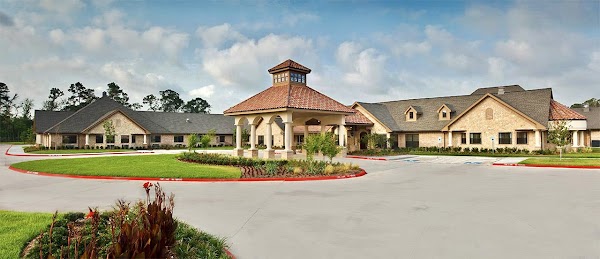
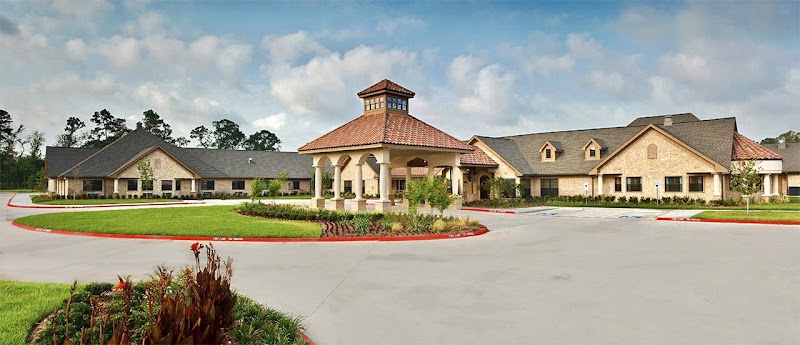
15015 CYPRESS WOODS MEDICAL DR, HOUSTON, TX 77014 (281) 586-6088
For profit - Limited Liability company 120 Beds CREATIVE SOLUTIONS IN HEALTHCARE Data: November 2025 4 Immediate Jeopardy citations
Trust Grade
0/100
#881 of 1168 in TX
Last Inspection: February 2025

Within standard 12-15 month inspection cycle. Federal law requires annual inspections.

Overview

Villa Toscana at Cypress Woods has a Trust Grade of F, indicating significant concerns about the quality of care provided. With a state rank of #881 out of 1168 Texas facilities, they fall in the bottom half, and at #72 out of 95 in Harris County, only a few local options are better. The facility is experiencing a worsening trend, with issues increasing from 5 in 2024 to 8 in 2025, signaling growing problems. Staffing is rated at 2 out of 5 stars with a turnover rate of 46%, which is slightly better than the state average but still indicates instability among staff. Additionally, the facility has incurred $37,827 in fines, which is concerning, and while RN coverage is average, it is crucial for addressing potential issues. Specific incidents include a resident suffering a femur fracture due to inadequate assistance during a transfer and two residents eloping from the memory care unit due to insufficient supervision, highlighting serious safety risks that families should consider. Overall, while the facility has some strengths, such as lower staff turnover, the numerous critical incidents and poor trust grade suggest families should proceed with caution.

Trust Score
F
0/100
In Texas
#881/1168
Bottom 25%
Safety Record
High Risk
Review needed
Inspections
Getting Worse
5 → 8 violations
Staff Stability
⚠ Watch
46% turnover. Above average. Higher turnover means staff may not know residents' routines.
Penalties
⚠ Watch
$37,827 in fines. Higher than 79% of Texas facilities, suggesting repeated compliance issues.
Skilled Nurses
⚠ Watch
Each resident gets only 22 minutes of Registered Nurse (RN) attention daily — below average for Texas. Fewer RN minutes means fewer trained eyes watching for problems.
Violations
⚠ Watch
33 deficiencies on record. Higher than average. Multiple issues found across inspections.
★★☆☆☆
2.0
Overall Rating
★★☆☆☆
2.0
Staff Levels
★★★★☆
4.0
Care Quality
★★☆☆☆
2.0
Inspection Score
Stable
2024: 5 issues
2025: 8 issues

The Good

  • 4-Star Quality Measures · Strong clinical quality outcomes
  • Full Sprinkler Coverage · Fire safety systems throughout facility
  • No fines on record

Facility shows strength in quality measures, fire safety.

The Bad

2-Star Overall Rating

Below Texas average (2.8)

Below average - review inspection findings carefully

Staff Turnover: 46%

Near Texas avg (46%)

Higher turnover may affect care consistency

Federal Fines: $37,827

Above median ($33,413)

Moderate penalties - review what triggered them

Chain: CREATIVE SOLUTIONS IN HEALTHCARE

Part of a multi-facility chain

Ask about local staffing decisions and management

The Ugly 33 deficiencies on record

4 life-threatening
Feb 2025 4 deficiencies
CONCERN (D) 📢 Someone Reported This

A family member, employee, or ombudsman was alarmed enough to file a formal complaint

Potential for Harm - no one hurt, but risky conditions existed

Pharmacy Services (Tag F0755)

Could have caused harm · This affected 1 resident

**NOTE- TERMS IN BRACKETS HAVE BEEN EDITED TO PROTECT CONFIDENTIALITY** Based on interviews and record review, the facility failed to provide pharmaceutical services to meet the needs of 1 (Resident #...

Read full inspector narrative →
**NOTE- TERMS IN BRACKETS HAVE BEEN EDITED TO PROTECT CONFIDENTIALITY** Based on interviews and record review, the facility failed to provide pharmaceutical services to meet the needs of 1 (Resident #300) of 6 residents reviewed for pharmacy services. The facility failed to ensure that medications were administered to Resident #300 on 3/6/2024 when she was admitted to the facility. This failure could place residents at risk of not having appropriate therapeutic effects from prescribed medications. Findings include: Record Review of Resident 300's face sheet dated 2/28/25, revealed resident was a [AGE] year-old female admitted to the facility on [DATE] with diagnoses including Alzheimer's Disease, Vascular Dementia (Dementia caused from impaired blood flow to the brain), Anxiety, Restlessness and Agitation. Record Review of Resident 300's Discharge-Summary - V3 dated 4/9/24 at 9:36 a.m. revealed Resident 300 was admitted to the facility on [DATE] and discharged on 3/26/24. Resident 300 was not admitted to the facility at the time of the investigation and was unable to be observed or interviewed due to having history of Alzheimer's Disease. Record review of Resident's 300's admission MDS dated [DATE] revealed a BIMS score of 7 that suggests severe cognitive impairment. Record Review of Resident 300's admission Nurse Note v12 - V 8 dated 3/6/24 revealed admission date and time of 3/6/24 at 4:25 p.m. Record Review of Resident 300's March MAR revealed that no medications were administered on 3/6/2024. Resident 300 should have received evening doses of Buspirone HCL 10 mg three times a day for anxiety disorder, Mirtazapine 15 mg at bedtime and Depakote Oral Tablet Delayed Release 125 mg - 3 tablets one time a day that should have been scheduled at 5 p.m. Record Review of Resident 300's doctor's progress noted dated 3/7/24 revealed that Resident #300 arrived last night and missed her evening medicines. Record Review of Resident 300's Order Summary Report with active orders as of 3/8/24 revealed medication orders with order date of 3/6/24 of: Depakote for restlessness and agitation, Effexor XR 75 mg for generalized anxiety disorder, Mirtazapine 15 mg by mouth at bedtime for depression. Buspirone HCl 10 mg by mouth three times a day for anxiety disordered with order date of 3/7/24. Record Review of Resident 300's Progress Notes revealed order for Mirtazapine entered at 3/7/24 at 1:02 a.m. by LVN H that revealed LVN H was working overnight 3/6/24. During interview on 2/28/25 at 11:26 a.m. with the DON, the DON said that she would have been the ADON during March of 2024 for Resident #300. The DON said that if a resident was admitted past 4 p.m. she would not have been at the facility, but she would have checked the resident's medication orders the next day. The DON said that the charge nurse is who is responsible for the medications to be given and she could not say what happened regarding Resident #300 not receiving her medications on 3/6/24. The DON said that psychiatric, blood pressure and antibiotics were examples of medications that should be given even if a resident was admitted in the evening. During interview on 2/28/25 at 12:15 p.m. with the DON, the DON said that medications can be obtained from the emergency kit or the automated medication dispensing system. The DON said that medications can be obtained from the pharmacy overnight if needed. The DON said that resident medications should be started in the evening unless there were extenuating circumstances. Surveyor left message for LVN H on 2/28/25 at 12:38 p.m. to follow up if she had any further information why Resident #300 would not have gotten medications on 3/6/24. During interview on 2/28/25 at 12:47 p.m. with Administrator A, Administrator A said it was the expectation that residents will get their medications if the medication was in hand and have consent if needed. Administrator A said they can obtain medication from the automated medication dispensing system if needed or the pharmacy but that may take more time depending on the situation. During interview on 2/28/25 at 2:58 p.m. with Administrator B, Administrator B said she just started work at the facility in February 2024. Administrator B said she could not remember any information regarding Resident #300. Record Review of facility's policy Medication Administration Procedures with revised date of 10/25/17 stated Defining the schedules for administering medications: Maximize the effectiveness (optimal therapeutic effect) of the medication. The policy also stated all orders are presumed to be administered on the first scheduled medication time following their arrival at the facility through the normal pharmacy delivery process. The policy also stated that the 10 rights of medication should always be adhered to which included the right time.
CONCERN (E)

Potential for Harm - no one hurt, but risky conditions existed

Unnecessary Medications (Tag F0759)

Could have caused harm · This affected multiple residents

**NOTE- TERMS IN BRACKETS HAVE BEEN EDITED TO PROTECT CONFIDENTIALITY** Based on observations, interviews and record review, the facility failed to ensure that the medication error rate was not five p...

Read full inspector narrative →
**NOTE- TERMS IN BRACKETS HAVE BEEN EDITED TO PROTECT CONFIDENTIALITY** Based on observations, interviews and record review, the facility failed to ensure that the medication error rate was not five percent or greater. The facility had a medication error rate of 18.52% based on 5 errors out of 27 opportunities, which involved three (Resident #26, Resident #37, and Resident #77) of seven residents reviewed for medication errors. 1. The facility failed to ensure that Resident 26's Ferrous Sulfate 300 (60 Fe) mg/5ml and Calcium-Vitamin D 600-200 mg were available at the time of observation and administered as ordered. 2. The facility failed to ensure that Resident 37's Glucosamine HCL 500 mg was available at the time of observation and administered as ordered. 3. The facility failed to ensure that Resident 77's Fish Oil 1000 mg was administered correctly as Resident 77 was administered Fish Oil 1200 mg. The facility failed to ensure that Resident 77's Super B-Complex Oral Tablet (B-Complex w/Biotin & Folic Acid) was administered correctly. Resident 77 was administered Vitamin B-Complex and Folic Acid 400 mcg in place of the Super B-Complex Oral Tablet (B-Complex w/Biotin & Folic Acid). These failures could place residents at risk of not receiving the intended therapeutic benefits of their medications or not receiving them as prescribed, per physician orders. Findings include: Record Review of Resident #26's face sheet dated 2/25/25, revealed resident was an [AGE] year-old female admitted to the facility on [DATE] with diagnoses including Aftercare Following Joint Replacement Surgery, Unspecified Osteoarthritis, Vascular Dementia, Age-Related Osteoporosis, Vitamin Deficiency, and Alzheimer's Disease. Record Review of Resident #37's face sheet dated 2/25/25, revealed resident was a [AGE] year-old male admitted to the facility on [DATE] with diagnoses including Peripheral Vascular Disease (Narrowing of Peripheral Blood Vessels), Diabetes Mellitus, and Dementia. Record Review of Resident #77's face sheet dated 2/25/25, revealed resident was an [AGE] year-old female admitted to the facility on [DATE] with diagnoses including Cerebral Atherosclerosis (Plaque Build-Up in the Brain), Unspecified Dementia, Mixed Hyperlipidemia (High Cholesterol), Spondylosis (Degenerative Changes in the Spine) and Other Intervertebral Disc Degeneration. Record Review of Resident #26's Order Summary Report dated 2/26/25 revealed Calcium-Vitamin D Tablet 600-200 mg with start date of 9/30/24 and Ferrous Sulfate Oral Solution (60 Fe) mg/5 ml with start date of 9/26/24. Record Review of Resident #27's Order Summary Report dated 2/26/25 revealed Glucosamine HCL 500 mg with start date of 12/19/24. Record Review of Resident #77's Orders Summary Report dated 2/26/25 revealed Fish Oil Capsule 1000 mg with start date of12/28/24 and Super B-Complex Oral Tablet (B-Complex w/Biotin & Folic Acid) with start date of 12/28/24. Record Review of order printed 2/25/25 at 9:52 a.m. revealed on 2/25/25 at 9:49 new order for Resident #26 for Ferrous Sulfate Oral Solution (Ferrous Sulfate) Give 7.5 ml by mouth two times a day. Record Review of order printed 2/25/25 at 9:57 a.m. revealed on 2/25/25 at 9:54 new order for Resident #26 for Calcium 600+D3 Oral Tablet 600-10 mg-mcg (Calcium Carbonate-Cholecalciferol) Give 1 tablet by mouth one time a day for supplements Calcium D3-600 mg/10mcg. Record Review of order printed 2/25/25 at 10:01 a.m. revealed on 2/25/25 at 10:00 a.m. new order for Resident #37 for Glucosamine Sulfate Oral Tablet (Glucosamine Sulfate) Give 1000 mg by mouth one time a day for supplement. Observation on 2/25/25 at 8:44 a.m. revealed that Glucosamine 500 mg was not administered to Resident #37 as ordered. Observation and Interview with MA G on 2/25/25 at 8:44 a.m. revealed that MA G was unable to find Glucosamine 500 mg tablets on medication cart but was had Glucosamine 1000 mg tablets on medication cart. MA G said she would hold the Glucosamine since she did not have the correct dosage and would notify the nurse. Observation on 2/25/25 at 9:03 a.m. revealed that Ferrous Sulfate 300 (60 Fe) mg/5ml and Calcium-Vitamin D 600-200 mg was not administered to Resident #26 as was ordered. Observation and Interview of MA G on 2/25/25 at 9:03 a.m. revealed that MA G was unable to find medication bottles for Ferrous Sulfate 300 (60 Fe) mg/5 ml and Calcium-Vitamin D 600-200 mg on the medication cart. MA G said she would hold the Ferrous Sulfate and Calcium-Vitamin D since the medications and would notify the nurse. Observation on 2/25/25 at 9:15 a.m. revealed that MA G notified LVN G that she was unable to administer Glucosamine to Resident #37, and Ferrous Sulfate and Calcium-Vitamin D 600-200 mg to Resident #26. Observation on 2/25/25 at 10:22 a.m. revealed that Fish Oil 1200 mg, Folic Acid 400 mcg, and Vitamin B-Complex was administered to Resident #77. During interview with MA H on 2/25/25 at 10:22 a.m., MA H said that he was administering Folic Acid for Super B-Complex Oral Tablet (B-Complex w/Biotin & Folic Acid) per resident's MAR. During interview with the DON on 2/25/25 at 12:45 p.m., the DON said that the ADONs and the DON were usually the ones who will check medication orders to make sure the orders match the over the counter medications that the facility carries and will call the doctor to get updated orders. The DON said that the nurses can contact the doctor to fix the medications orders as well if needed. The DON said that if a medication was not available for medication pass then it would be an ineffective medication pass and the effect on the resident would depend on what the medication was for. During interview with MA G on 2/25/25 at 1:36 p.m., MA G said that the orders had been obtained for Glucosamine for Resident #37, and Ferrous Sulfate and Calcium-Vitamin D 600-200 mg to Resident #26. MA G provided surveyor with copies of the orders. During interview with LVN G on 2/25/25 at 1:39 p.m., LVN G said that if a medication was not available at time of medication pass then she would check if the medication was in the automated medication delivery system or the stock. LVN G said if the medication was not available then she would notify the resident's doctor. LVN G said that if a medication was not in stock at time of medication pass then the resident could have a change in condition and she would have to monitor the resident, document, and notify the resident's doctor. During interview with ADON A on 2/26/25 at 9:13 a.m., ADON A said that if they do not have an OTC medication in stock then the pharmacy can supply. ADON A said that she would check with the doctor first and see if the order can be changed if needed. ADON A said that if an OTC medication was not available during medication pass then it could lead to complications. During interview with ADON B on 2/26/25 at 1:15 p.m., ADON B said that if an OTC medication was not available then it would depend on the medication for the effect and gave the example if a resident did not receive iron, then the resident's iron levels would continue to be low. During an observation and interview with MA H on 2/28/25 at 11:22 a.m., MA H showed surveyor the bottle that he uses to administer Fish Oil to Resident #77 and the bottle was labeled as Fish Oil 1200 mg. MA H also said that he gave Folic Acid and Vitamin B Complex for the order of Super B-Complex Oral Tablet (B-Complex w/Biotin & Folic Acid). Record Review of facility's policy Medication Administration Procedures with revised date of 10/25/17 revealed that the 10 rights of medication should always be adhered to which includes the right medication and the right dose.
CONCERN (E)

Potential for Harm - no one hurt, but risky conditions existed

Deficiency F0761 (Tag F0761)

Could have caused harm · This affected multiple residents

**NOTE- TERMS IN BRACKETS HAVE BEEN EDITED TO PROTECT CONFIDENTIALITY** Based on observations, interviews and record review, the facility failed to ensure that all drugs and biologicals used in the fa...

Read full inspector narrative →
**NOTE- TERMS IN BRACKETS HAVE BEEN EDITED TO PROTECT CONFIDENTIALITY** Based on observations, interviews and record review, the facility failed to ensure that all drugs and biologicals used in the facility must include the expiration date when applicable for five out of five residents (Resident #20, Resident #81, Resident #35, Resident #2, and Resident #299) reviewed for expired medication. The facility failed to ensure that Latanoprost eye drops (Latanoprost is used to treat certain types of Glaucoma and other causes of high pressure inside the eye) were labeled with expiration date for Resident #20, Resident #81, Resident #35, Resident #2, and Resident #299. This failure could place residents at risk of not receiving the intended therapeutic effects of prescribed medications or receiving potentially harmful side effects from prescribed medications. Findings include: Record Review of Resident 20's face sheet dated [DATE], revealed resident was a [AGE] year old female admitted to the facility on [DATE] with diagnoses including Paroxysmal Atrial Fibrillation (Irregular Heartbeat), Unspecified Glaucoma (Eye Condition that damages the Optic Nerve), Unspecified Amblyopia (Lazy Eye) of the left eye, and Blindness Right Eye Category 3. Record Review of Resident 20's Orders Summary Report dated [DATE] revealed order for Xalatan Ophthalmic Solution 0.005% (Latanoprost) with start date of [DATE]. Record Review of Resident 20's MAR printed [DATE] revealed resident had Latanoprost eyes drops administered on 2/1-[DATE]. Record Review of Resident 81's face sheet dated [DATE] revealed resident was a [AGE] year-old male admitted to the facility on [DATE] with diagnoses including Other Sequelae Following Unspecified Cerebrovascular Disease (Aftereffect of a Stroke), Essential Hypertension (High Blood Pressure) and Liver Disease. Record Review of Resident 81's Orders Summary Report dated [DATE] revealed order for Latanoprost Ophthalmic Solution 0.005% (Latanoprost) with start date of [DATE]. Record Review of Resident 81's MAR printed [DATE] revealed resident had Latanoprost eyes drops administered on 2/4-[DATE]. Record Review of Resident 35's face sheet dated [DATE] revealed resident was an [AGE] year-old female admitted to the facility on [DATE] with diagnoses including Chronic Obstructive Pulmonary Disease, Dementia and Essential Hypertension (High Blood Pressure). Record Review of Resident 35's Orders Summary Report dated [DATE] revealed order for Latanoprost PF Ophthalmic Solution 0.005% (Latanoprost) with start date of [DATE]. Record Review of Resident 35's MAR printed [DATE] revealed resident had Latanoprost eyes drops administered on 2/1-[DATE]. Record Review of Resident 2's face sheet dated [DATE] revealed resident was a [AGE] year old female admitted to the facility on [DATE] with diagnoses including Acute on Chronic Systolic (Congestive) Heart Failure, Primary Open-Angle Glaucoma (Eye Condition that damages the Optic Nerve) and Legal Blindness. Record Review of Resident 2's Orders Summary Report dated [DATE] revealed order for Latanoprost Ophthalmic Solution 0.005% (Latanoprost) with start date of [DATE]. Record Review of Resident 2's MAR printed [DATE] revealed resident had Latanoprost eyes drops administered on 2/10-[DATE]. Record Review of Resident 299's face sheet dated [DATE] revealed resident was a [AGE] year-old female admitted to the facility on [DATE] with diagnoses including Metabolic Encephalopathy (Condition in which Brain Function is Disturbed), Unspecified Dementia and Essential Hypertension (High Blood Pressure). Record Review of Resident 299's Orders Summary Report dated [DATE] revealed order for Latanoprost Ophthalmic Solution 0.005% (Latanoprost) with start date of [DATE]. Record Review of Resident 299's MAR printed [DATE] revealed resident had Latanoprost eyes drops administered on 2/25-[DATE]. Observation on [DATE] at 9:22 a.m. of 200/300 Hallway Medication Aide Medication Cart revealed that Latanoprost eye drops for Resident #20, Resident #81, Resident #35, and Resident #2 were not labeled with an open or expiration date. Resident #2's Latanoprost eye drops had a sticker that said, discard 42 days after opening. Observation on [DATE] at 9:45 a.m. of 100 Hallway Medication Aide Medication Cart revealed that Latanoprost eye drops for Resident #299 was not labeled with an open or expiration date. Resident #299's Latanoprost eye drops were not opened but was being stored at room temperature in the medication cart. During interview on [DATE] at 9:45 a.m., MA H said eye drops should be dated when they were opened. MA H said that residents could have negative effects if they were given eye drops that were expired because the open date was not documented. During interview on [DATE] at 12:45 p.m., the DON said that she did not know the policy by memory regarding medications being dated when opened but she would find out. The DON said that if an expired eye drop was given to the resident, then the medication might not be as effective. During interview on [DATE] at 1:39 p.m., LVN G said that eye drops should be dated when they were opened. LVN G said that an effect of eye drops not being dated when opened was that staff would not know if the eye drops were expired or when they were opened. LVN G said that a resident could experience a change in condition if they received expired eye drops. During interview on [DATE] at 9:13 a.m., ADON A said that eye drops should be dated when they were opened. ADON A said that if eye drops were given past their use by date, then it could cause burning sensation in the resident's eyes or infection. During interview on [DATE] at 1:15 p.m., ADON B said that eye drops should be labeled when they were opened. ADON B said that if a resident was given eye drops past their use by date, then the resident could have a reaction. Record Review of facility's Recommended Medication Storage policy with revised date of 7/2023 revealed that Medications that require an open date as directed by the manufacturer should be dated when opened in a manner that it is clear when the medication was opened. XALATAN (LANTANOPROST) OPHTHALMIC DROPS Refrigerate until initial use. Expires 6 weeks (42 days) when stored at room temperature. Refrigerated Xalatan remains effective up to expiration date on bottle.
CONCERN (E)

Potential for Harm - no one hurt, but risky conditions existed

Food Safety (Tag F0812)

Could have caused harm · This affected multiple residents

Based on observation, interview, and record review the facility failed to store food in accordance with professional standards for food service safety in the facility's only kitchen reviewed for kitch...

Read full inspector narrative →
Based on observation, interview, and record review the facility failed to store food in accordance with professional standards for food service safety in the facility's only kitchen reviewed for kitchen sanitation. -The facility failed to label, and date left over foods items in 1 of 1 walk in-cooler in the kitchen. -The facility failed to ensure that expired food products were not stored in the food pantry (dry goods area). These failures could place residents at risk for food-borne illness and food contamination. The findings include: Observation and interview with the Dietary Manager on 02/24/25 at 10:15AM, revealed- The cooler in the kitchen had the following expired food products: - sour cream half container of 5 Ibs dated best by -01/18/2025 Cottage cheese 3Ibs container half use dated best by -02/14/25. Half container of pimento cheese dated best by 02/21/25. Observation of the dry good storage area revealed the following:. -6 one quart of high calorie protein supplements dated used by 02/04/25. -4-8oz containers of chipotle dated used by 06/12/2023. 8 oz bottle of imitation coconut extract dated used by 02/12/25. During an interview with the Dietary Manager on 02/24/25 at 10:40 AM, she said all food items out of original containers should be labeled and dated. She said the dairy products dated best by dates can still be used but she would not use them if the product smelled bad. During an interview with facility's Cooperate Dietitian on 02/24/25 at 2:00PM, she said the used by date and best by dates were used interchangeably in the company's policy and procedure for food storage. She said the Dietary Manager can determine when to use used by and best by dates. Record review of facility policy titled Dietary, service policy& procedure Manual 2012 read in parts- All facility storage areas will be maintained in an orderly manner that preserves the condition of food and supplies. We will ensure storage areas are clean, organized, dry and protected from vermin, and insects. Procedure: 4. Open packages of food are stored in closed containers with covers or in sealed and dated as to when opened. 6. Best by or use by dates indicate when a product will have best flavor or quality and are not an indicator of the product's safety. As the quality may deteriorate after the date passes, the dietary manager should closely inspect any products that are past the best by date to determine if they are still good quality
Feb 2025 2 deficiencies
CONCERN (E) 📢 Someone Reported This

A family member, employee, or ombudsman was alarmed enough to file a formal complaint

Potential for Harm - no one hurt, but risky conditions existed

Free from Abuse/Neglect (Tag F0600)

Could have caused harm · This affected multiple residents

**NOTE- TERMS IN BRACKETS HAVE BEEN EDITED TO PROTECT CONFIDENTIALITY** Based on observations, interviews and record reviews, the facility failed to ensure residents were free from abuse for 4 (CR #1 ...

Read full inspector narrative →
**NOTE- TERMS IN BRACKETS HAVE BEEN EDITED TO PROTECT CONFIDENTIALITY** Based on observations, interviews and record reviews, the facility failed to ensure residents were free from abuse for 4 (CR #1 and Resident #2, and Resident #6 and Resident #7) of 6 residents. The facility failed to protect Resident #6 from being slapped by CR#1 resulting in CR#1 being grabbed by Resident #7 on 1/26/24 at 9:15 am. The facility failed to supervise CR#1, who was on 1:1 supervision, when CR#1 hit Resident #2 on 1/26/24 at approximately 5:30 p.m. This failure placed residents at risk of harm and injury. Findings included: Resident #6 Record review of Resident #6's face sheet dated 1/26/24 revealed Resident #6 was an [AGE] year old female resident who admitted on [DATE]. Diagnosis included hypertensive heart disease, muscle wasting and atrophy, heart failure, difficulty walking, and anxiety. Record review of Resident #6's Nurse Event note dated 1/26/24 at 15:26 (3:26 p.m.) revealed Resident #6 said another resident came over to her and tried to hit her in the eye and she pushed her away. Record review of Resident #6's Staff assessment dated revealed resident seen today to insure well-being to disagreement with peers. She is at baseline. Does not recall any occurrence of concern. Staff will continue to monitor. This writer will as well on rounds. Record review of Resident #6's progress note dated 1/26/24 at 14:05 (2:05 p.m) revealed CNA informed this nurse that they heard a loud noise coming from the hallway, upon arrival one of the resident's had another resident by the arm and was trying to force her out of the dining room and tried to close the door on the CNAs. Once they entered the dining room they asked Resident #6 what happened and she told them that CR#1 slapped her in the face. Upon my investigation when I asked Resident #6 what happened she said that resident tried to poke her in the eye and she pushed her away. No redness noted. Progress note completed by LVN B. In an interview on 2/7/25 at 9:13 am with Resident #6 she stated she vaguely remembers being slapped. She said it was someone being real stupid and then then she was dumb enough to get close. She said she threatened them real well and someoene even said she would get her back. She was hurting a little bit but figured it was her own fault. She tries to be be nice to people. She doesn't remember where she was hit. She can't remember if it was a resident or staff. She thinks it was a resident. The staff are very good here and not abusive. She doesn't' remember if Resident #7 pushed someone. She said hes a good man and its not fair to put him in it. Resident #7 Record review of Resident #7's face sheet dated 1/26/24 revealed Resident #7 is an [AGE] year old male that was admitted to the facility on [DATE]. Diagnosis included difficulty walking, hyperlipidemia, anxiety, and depression. Record review of Resident #7's progress note dated 1/26/24 at 14:18 (2:18 p.m.) revealed CNA informed this nurse that they heard a loud noise coming from the hallway, upon arrival Resident #7grabbed resident by the arm and was trying to force her out of the dining room and tried to close the door on CNAs. Once they entered the dining room they asked another resident what happened and she told them that CR#1 slapped her in the face. Upon my investigation when I asked Resident #6 what happened she said that resident tried to poke her in the eye and that she pushed her away, no redness noted. Note completed by LVN B. Record review of Resident #7's Staff assessment dated [DATE] at 11:52 am revealed resident seen today to insure well-being 2nd to disagreement with peers. He is at baseline, does not recall any occurrence of concern. Staff will continue to monitor. This writer will as well on rounds. Unknown who completed document. Record review of Resident #7's Nurse's event Note dated 1/26/24 at 14:37 (2:37 p.m.) revealed resident grabbed another resident arm and tried to push her out of the dining room. Completed by LVN B. In an interview on 2/7/25 at 9:12 a.m. with Resident #7 he said he's been here a long time. He said he goes here a long time. When asked about the incident and he just kept saying he's been here a long time. Record review of the CNA E written statement revealed on 1/26/24 around 9:15 am, myself and other CNA's were near the nurse station and heard CR#1 yelling and I heard 2 smacking sounds. We ran to lock unit and I saw Resident #7 holing CR#1's arm and pushing her out of the room and slamming the door closed. Resident #6 said that CR#1 slapped her. Residents were separated and nurse, DON and administrator were notified. Record review of CNA C's written statement dated 1/26/24 revealed at approximately 9:15 am myself and another CAN were near the nurses station and heard loud smacking noises and yelling coming from the lock unit. We immediately ran to the unit upon entering the unit we observed Resident #7 shoving Cr#1 out of the room. HE then slammed the door shut on CNA face. When we entered the room Resident #6 was holding her face and said CR#1 slapped the shit out of her. We then separated all the residents and informed the nurse in charge. In an interview on 2/6/25 at 2:24 p.m with CNA C she said CR#1 does not ring a bell in her memory. She hasn't worked on secured unit in forever. She doesn't remember the incident. She said she had been trained on a/n/e while she was here and she knew the abuse coordinator is the administrator and she would report a/n/e if she witnessed it. Record review of CNA A's written statement dated 1/26/24 at 9:15 am revealed I was giving patient care when everything transpired. In an interview on 2/6/25 at 2:38 p.m. with CNA A, she said she can't recall the incident. She said If you have a written statement then that's what it was. She can't remember it right now because its been so long. She didn't work other parts of the building. She said she was probably on the unit but was in a room. If its wrote then that's what it is. She had been trained on a/ne and completed inservices. Record review of CNA B's written statement dated 1/26/24 revealed I was in a room giving patient care I did not witness the incident with CR#1 On 2/7/15 at 9:50 am a telephone call was placed to CNA B. No vm set up. CR#1 Record review of CR#1's face sheet dated 2/7/2025 revealed she was a [AGE] year-old female resident at the time of the incident. CR#1's original admission date is 11/7/2022. Diagnoses included Alzheimer's, Bipolar, Dementia, restlessness and agitation, and Anxiety. CR#1 was discharged on 1/26/24. Record review of CR#1's Quarterly MDS dated [DATE] revealed CR#1 was severely cognitively impaired . Record review of CR#1's undated Care plan revealed CR#1 required anti-psychotic medication for dx of bipolar disorder, current episode manic severe with psychotic features. CR#1 had potential to demonstrate physical behaviors, poor impulse control, she hit another resident. Staff should assess and anticipate resident's needs: food, thirst, toileting needs, comfort level, body positioning, pain etc. Give the resident as many choices as possible about care and activities. Monitor/document/report to MD of danger to self and others. Staff to do UA to rule out UTI. Staff to watch resident one on one. Date initiated 9/12/23. Record review of CR#1's progress notes revealed Resident slapped another resident. Note was completed by LVN A on 1/26/24 at 18:13 (6:13 p.m.). Record review of Event Nurses' Note dated 1/26/24 at 18:16 (7:16 pm) revealed CR#1 very anxious noted picking up tables and chair, no grimacing noted. CR#1 noted very anxious and packing and noted slapping another resident. Document completed by LVN A. Record review of CR#1's Progress Note dated 1/26/24 at 10:03 am, revealed CNA informed this nurse that they heard a loud noise coming from the hallway, upon arrival one of the resident's had a resident by the arm and was trying to force out of the dining room and tried to close the door on the CNA's. Once they entered the dining room they asked another resident what happened and she told them that CR#1 slapped her [Resident #6] in the face. Upon my investigation when I asked Resident #6 what happened she said that resident tried to poke her in the eye and that she pushed her away. No redness noted to Resident #6's face. No bruises or redness noted to CR#1's arm. No c/o voice. Progress note completed by LVN B Record review of CR#1's Staff assessment dated [DATE] at 17:35 (5:35 p.m.) revealed Resident has become volatile. Impression: Psychosis. Staffed with provider who directed Inpatient psychiatric care for further evaluation and stableingation (stabilization) There was not any note of who completed the assessment. Record review of CR#1's Discharge summary dated [DATE] at 22:30 (10:20 p.m.) completed by LVN A revealed CR#1 had behaviors noted, slapping another resident, order to send CR#1 to [behavioral hospital] for eval and treat. Resident #2 Record review of Resident #2's Face sheet dated 2/7/25 revealed Resident #2 is an [AGE] year-old female who was admitted to the facility on [DATE]. Diagnoses included generalized anxiety disorder, acute kidney failure, type 2 diabetes, muscle weakness, schizophrenia, and Alzheimer's disease. Record review of Resident #2's Quarterly MDS dated [DATE] revealed Resident #2 had a BIMS score of 3 indicating severely cognitively impaired. Record review of Resident #2's undated Care plan revealed Resident #2 had a potential for being afraid due to another resident hit her. Monitor/record mood to determine if problems seem to be related to external causes, i.e. medications, treatments, concern over diagnosis. Record review of Resident #2's progress notes revealed this writer was making rounds when the CNA came to inform of incident upon coming to the dining room. During dinner resident was sitting at the table with her [family member], when this writer was told that another resident had slapped Resident #2, upon assessment no redness to resident's face, resident was calm no complaints of pain. Effective date was 1/26/24 at 17:30 (5:50 pm) completed by LVN A. Record review of Event Nurse's note completed by LVN A on 1/26/24 at 18:00 (6pm) revealed Resident #2 was sitting for dinner at table with her [family member] when another resident slapped her. No complaints of pain verbalized. No injury noted. Resident #2 unable to state what occurred but stated not in pain and calm. No distress noted. Record review of Facility's Provider Investigation Report revealed on 1/26/24 at 5:30 p.m. in the memory care unit CR#1 slapped Resident #2 in the Dining room during dinner. LVN B completed assessment and Resident #2 had on injury or redness to face. Resident #2 had no pain and was calm. Resident Safety maintained; CR#1 maintained on 1:1; Physical and Mental Assessment provided; Psyche Consult for all residents involved; Trauma Informed Assessment; Staff /Resident's interviews initiated; In-service Abuse/Neglect initiated; AD HOC QAPI held. It is noted that on 1/26/2024 at approximately 5:30 pm, Resident #2 was eating dinner with other residents and visiting with her [family member]. CR#1 initially came into the dining room and tried to flip the table over. CNA stopped her from flipping table. CR#1 then, on her way out, stopped and slapped Resident #2 across the face. No redness or injury noted. Note: This is the 2nd incident today with CR#1 slapping another resident. Maintain Resident Safety by monitoring; Continue 1:1 supervision. CR#1 sent out for behavioral eval and treatment. In an interview and observation on 2/6/25 at 9:35 a.m. with Resident #2, she said she didn't remember being hit or slapped by any other resident. Resident #2 was observed in her bed eating breakfast. She did not have any skin bruising, tears or other concerns for her skin. She said she feels fine when she was asked if she felt safe. In an interview on 2/5/25 at 12:30 p.m. with the DON , she said CR#1 had an episode of slapping people and she remembered Resident #2 just happened to be sitting there. She doesn't remember if family was there. The incident with Resident #2 was the second incident that day. In an interview on 2/6/25 at 11:16 a.m. with Family Member she said she was in the memory care unit sitting at a table with Resident #2. She said there were two tables, her and Resident #2 were sitting at one table, and another resident (CR#1) was lifting the other table and she was trying to turn the table over. Resident #2 was sitting at the table and then the lady (CR#1) slapped her on the face, and she (Family Member) screamed and said, She slapped my mama!. There were not any staff in the room when this happened. It didn't take a long time for staff to come. The incident happened during meal time and this happened in the second room with the tables, during lunch or dinner. She said that staff came to see what happened and staff just looked at her and said, Are you fine Resident #2? Resident #2 said yes. When CR#1 slapped Resident #2, Family Member started hollering and staff came in and took CR#1 out of the room. She did not know which staff. Record review of Provider investigation report revealed written statement from Family Member dated 1/29/24 One Friday the 26 of January, [CR#1] came in and [Resident #2] was eating dinner with other and she tried to turn the table over, then the CNA had her to stop. Then as she was walking out touching and messing with others she slapped [Resident #2] and I held [Resident #2] and told her to stop and I called for help. The CNA came in and got her. [sic] In a telephone interview on 2/6/25 at 2:38 p.m. with CNA A, she said she used to work at the facility as a CNA. She cannot recall the incident. She said if surveyor had a written statement then that's what it was. She can't remember the incident right now because it was so long ago. She said she didn't work other parts of the building and she was probably on the secured unit but was in another resident's room. Record review of Provider investigation report revealed there was not a written statement from CNA A. Telephone attempts were made on 2/6/25 at 9:50 a.m. to CNA B. No voicemail box was set up. CNA B never called back. Record review of Provider investigation report revealed written statement from CNA B dated 1/26/24 revealed I was passing hall trays at the time of the incident, I did not witness anything. In an interview on 2/6/25 at 2:44 p.m. with LVN A, she stated she worked the secured unit all the time. She was familiar with Resident #2 and CR#1. She said she worked in the evening. She was not sure about the morning incident, she didn't witness the morning incident. She doesn't know who was working that day. She stated that when CR#1 had bad days, there were a few incidences. There were a couple residents that don't like the other person. CR#1 had a few people that she didn't really like. She said they would notify family, administrator, DON, and separate residents when an incident occurs between residents. She said they would do interventions. They would watch them. She stated when a resident is placed on 1:1, that means staff would be right there with resident. She said the nurses really don't do 1:1 monitoring, but they try to help out. She said it would be hard on locked unit to do 1:1 monitoring. She stated when CR#1 had incidences she was placed on 1:1. She confirmed that she signed the 1:1 Sheet for CR#1 (dated 1/26/2024). She said she didn't see CR#1 slap a resident that evening. She said she wouldn't leave the 1:1. She said she can't remember everything but she is pretty sure she didn't leave CR#1's side on 1/26/2024. She said a resident slapping another resident is considered abuse. In an interview on 2/7/25 at 9:57 a.m. with the DON, she stated she vaguely remembers the incident in the morning with CR#1. She said that morning was the first episode of CR #1 hitting someone. She stated that standard protocol during resident-to-resident incident was that the staff would separate residents, call MD and get orders and notify family. She said the facility may have put CR#1 on 1:1, but she wasn't 100% sure. She said 1:1 protocol can last as little as 8 hours or until medications are received or 2 to 3 days. She stated 1:1 supervision means an employee is always with resident. If a staff needs to take a break, the other employee will step in. The DON reviewed and confirmed that the initials on the 1:1 monitoring sheet belonged to the Assistant Business Office Manager. The DON stated she was not aware that a staff was not with CR#1 at the time CR#1 hit Resident #2 on that same day (1/26/2024), later that evening (5:30 p.m.). She said CR #1 was on 1:1 supervision when she hit the second resident later that same day (1/26/2024), but even if staff was with CR#1 on the 1:1 supervision, there was not a guarantee that Resident #2 would not have been hit if someone was with her 1:1. During passing of trays the expectation was that staff should still be with their 1:1 resident.In an interview on 2/7/25 at 10:09 a.m. with the Assistant Business Office Manager she confirmed that she signed off on the 1:1 monitoring sheet. She stated CR#1 was acting out and having behaviors so the DON and Administrator asked her to sit with CR#1. She thought the behavior was CR#1 was hitting other residents. She said she was 1:1 with her for CR#1. She said she didn't know who took over 1:1 Supervision when she left. She said she told LVN A she was leaving. When she left, someone else would've taken over. During the time she was on 1:1 monitoring with CR#1 she would walk with her and then sit a little. CR#1 was agitated. She didn't have any injuries. She didn't see her hit anyone. In an interview on 2/7/25 at 10:09 a.m. with the Assistant Business Office Manager she confirmed that she signed off on the 1:1 monitoring sheet and was providing 1:1 care for CR #1 on 1/26/2024, after she hit a resident that morning. She stated CR#1 was acting out and having behaviors so the DON and Administrator asked her to sit with CR#1. She thought the behavior was CR#1 was hitting other residents. She said she was 1:1 with her for CR#1. She said she didn't know who took over 1:1 Supervision when she left. She said she told LVN A she was leaving. When she left, someone else would have taken over. During the time she was on 1:1 monitoring with CR#1 she would walk with her and then sit a little. CR#1 was agitated. She didn't have any injuries. She didn't see her hit anyone. In a telephone interview on 2/7/25 at 10:26 a.m. with the former Administrator he stated that he does not recall if CR#1 was on 1:1. He referred to the DON. He said it was his normal protocol to place residents on 1:1 to ensure safety. He cannot say whether or for sure if it did or did not happen. He said he didn't remember a whole lot about it. Record review of the Monitoring Chart dated 1/26/24 revealed Frequency of Monitoring 1:1 for CR#1. The Assistant Business Office Manager initialed from 1330 through 1430 (1:30 p.m. through 2:30 p.m.). The Monitoring chart revealed LVN A signed off as monitoring CR#1 on 1:1 supervision from 1400 (2pm) through 2230 (10:30 p.m.). Record review of the Facility's undated Event Reporting Policy revealed in part 8. Interventions: Include and care plan any required interventions or supervision to help prevent further occurrence of the event . Record reveiw of the facility's abuse policy dated March 2018 revealed residents have the right to be free from abuse.
CONCERN (E) 📢 Someone Reported This

A family member, employee, or ombudsman was alarmed enough to file a formal complaint

Potential for Harm - no one hurt, but risky conditions existed

Infection Control (Tag F0880)

Could have caused harm · This affected multiple residents

**NOTE- TERMS IN BRACKETS HAVE BEEN EDITED TO PROTECT CONFIDENTIALITY** Based on observations, interviews and record review, the facility failed to maintain an infection prevention and control program...

Read full inspector narrative →
**NOTE- TERMS IN BRACKETS HAVE BEEN EDITED TO PROTECT CONFIDENTIALITY** Based on observations, interviews and record review, the facility failed to maintain an infection prevention and control program designed to provide a safe, sanitary and comfortable environment to help prevent the development and transmission of communicable diseases and infections for 3 of 3 Residents (Resident #3, #4 and #5 ) observed for infection control, in that: MA A failed to sanitize blood pressure cuff after each use for Resident #3, and Resident #5 MA A failed to use proper hand hygiene while passing medications to Resident #3, Resident #4, and Resident #5. MA A failed to maintain a clean work space/med cart while passing medications to Resident #3, Resident #4 and Resident #5. These failures place residents at risk of cross contamination and infections. Findings included: Resident #3 Record review of Resident #3's face sheet dated 2/7/25 revealed Resident #3 was a [AGE] year old female resident who admitted on [DATE]. Diagnoses included chronic kidney disease, type 2 diabetes, hypertension and dementia. Record review of Resident #3's physician's orders dated 8/5/24 revealed Lisinopril Oral Tablet 20 MG (Lisinopril), Give 20 mg by mouth one time a day for HTN HOLD, FOR spb less than 110 dbp less than 60 or HR <60. Resident #4 Record review of Resident #4's face sheet dated 2/7/25 revealed Resident #4 is a [AGE] year old female who admitted on [DATE]. Some Diagnoses included Dementia, anxiety disorder, ataxic gait (abnormal walking pattern by uncoordination and instability), hyperlipidemia (high levels of fat in blood), and osteoporosis . Record review of Resident #4's physician's orders dated 10/28/24 revealed may crush meds or open capsules PRN. Record review of Resident #5's face sheet dated 2/7/25 revealed Resident #5 is a [AGE] year old female resident who admitted to the facility on [DATE]. Diagnoses included Encephalopathy (disturbance of brain function causing memory loss), epilepsy (seizure disorder), hypertension (high blood pressure), Dementia, and hyperlipidemia. Record review of Resident #5's physician's orders dated 3/27/24 amLODIPine Besylate Oral Tablet 5 MG (Amlodipine Besylate) Give 1 tablet by mouth two times a day for HTN hold for SBP < 100 or pulse < 60. Observation and interview on 2/6/25 at 9:39 a.m. revealed MA A had a box of food on the med cart and he was eating with the blood pressure cuff and thermometer next to the food. There was a cup of pudding on the car without a lid or cover on top. MA A stated he said he was eating breakfast. He said he just had a bite to see how it tasted. He said a staff just brought it to him and he was not intending to eat it. MA A then placed the food in the bottom drawer of the med cart. Observation of medication pass on 2/6/25 at 9:40 revealed MA A placed the blood pressure cuff on Resident #3's wrist and took blood pressure without sanitizing his hands, cart or blood pressure cuff after eating his breakfast. MA A administered medications to Resident #3 without wearing gloves, washing hands, or sanitizing his hands or cart. Without washing or sanitizing hands, MA A then pulled Resident #4's medications out of the cart and set them on top of the cart. MA A crushed medications and when pouring the crushed medications in the cup some fell on the cart. MA A then brushed the medication off the cart onto the floor with his hand. MA A used the bed remote which was on the floor and adjusted Resident #4's bed. MA A administered medications to Resident #4. MA A then put on gloves but did not wash or sanitize hands or cart. MA A proceeded to grab the blood pressure cuff, closed the bathroom door and proceeded to check Resident #5's blood pressure. MA A did not sanitize the blood pressure cuff. MA A kept gloves on and dug in his pocket for keys, dropped something on the floor and picked it up and put it back in his pocket and then pulled and prepped medications. MA A adjusted Resident #5's bed with the remote that was on the floor and administered medications. MA A then removed and discarded gloves and then used hand sanitizer from the cart to sanitize his hands. In an interview on 2/6/25 at 10:10 am with MA A, he stated that he normally sanitized the cart before he started meds and then when he finished passing medications. MA A said ideally he should sanitize cart in between each resident, but he didn't today because none of the other residents touched the cart. MA A said he would agree that he should have sanitized his cart after he was eating on it. MA A said he should wash his hands after each resident. MA A said he did wash his hands after each resident. MA A then said that he didn't wash his hands or sanitize because he didn't touch the residents. MA A said he only sanitized one time because he touched a bed rail. He said the blood pressure cuff should be sanitized after every use. He said he didn't do it because he just missed it. When MA A was asked about the crushed meds getting on the cart if he should brush them off, he said he didn't honestly realize he did that. MA A stated the risk to the residents for not sanitizing or using proper hand hygiene is cross contamination. MA A said he didn't wash or sanitize hands after eating because he thought he had gloves on while eating . In an interview on 2/7/25 at 9:57 am with the DON, she said absolutely not there should not be food on the med cart. She said staff should not store food on the med cart. She said MA A should have done all three, sanitize hands, wash hands, and sanitize cart. She said MA A should sanitize blood pressure cuff between each use. MA A should wash his hands or sanitize hands between each person. She said the risk to residents is passing infection. Record review of the facilities Fundamentals of Infection Control Precautions policy dated 3/2024 revealed in relevant part Hand hygiene continues to be the primary means of preventing the transmission of infection. The following is a list of some situations that require hand hygiene: Before and after eating or handling food (hand washing with soap and water); Upon and after coming in contact with a resident's intact skin, (e.g., when taking a pulse or blood pressure, and lifting a resident); After handling soiled equipment or utensils; After removing gloves or aprons. Record review of the facilities Medication Administration Procedures dated 2003 revealed in relevant part The medication cart and surrounding work area must be always clean.
Jan 2025 2 deficiencies
CONCERN (E) 📢 Someone Reported This

A family member, employee, or ombudsman was alarmed enough to file a formal complaint

Potential for Harm - no one hurt, but risky conditions existed

Deficiency F0558 (Tag F0558)

Could have caused harm · This affected multiple residents

**NOTE- TERMS IN BRACKETS HAVE BEEN EDITED TO PROTECT CONFIDENTIALITY** Based on observations, interviews, and record review, the facility failed to ensure residents received services in the facility ...

Read full inspector narrative →
**NOTE- TERMS IN BRACKETS HAVE BEEN EDITED TO PROTECT CONFIDENTIALITY** Based on observations, interviews, and record review, the facility failed to ensure residents received services in the facility with reasonable accommodation of resident needs for 1 of 5 residents (Resident #1) reviewed for call lights. The facility failed to have a call light within reach for Resident #1 to call for assistance. This failure could place residents at risk for a delay in care and services. Findings included: Record review of Resident #1's face sheet dated 1/28/2025 revealed she was a [AGE] year-old female admitted to the facility on [DATE] and readmitted on [DATE]. Resident #1 had diagnoses which included: wrist drop-right wrist (weakness of the muscles that control wrist extension, resulting in the inability to lift the hand or extend the wrist properly), muscle weakness, lack of coordination, muscle wasting, hemiplegia (almost complete paralysis of one side, including loss of movement), and hemiparesis (partial weakness or reduced strength on one side but not complete paralysis) affecting left non-dominant, type 2 diabetes (group of diseases that affect how the body uses blood sugar), and anemia (reduced red blood cells.). Record review of Resident #1's quarterly MDS assessment dated [DATE] revealed a BIMS score of 14 of 15 which indicated she was cognitively intact. Further review revealed Resident #1 needed partial to moderate assistance with ADLs (Section GG - roll left and right - partial/moderate assistance, toileting hygiene - partial/moderate assistance), (Section H - Urinary and Bowel continence - frequently incontinent) which required at least one staff assistance. Record review of Resident #1's care plan initiated on 4/10/2024 revealed Resident #1 had risk for falls related to hemiplegia/hemiparesis. An intervention was to ensure Resident #1's call light was within reach. Resident #1 had an ADL self-care deficit related to inability to perform activities of daily living independently. Goal was to maintain toilet use and personal hygiene. Intervention required extensive assistance of one staff. During an observation and interview on 1/28/2025 at 9:19 a.m., revealed Resident #1's manual call bell was on her bedside dresser. The dresser was on Resident #1's right side. Resident #1 said she was soaking wet. She said she was very uncomfortable and frustrated because she was not able to find her call bell. She said it was normally on her tray table. Resident #1 asked the state surveyor if she could find her call light, and the state surveyor pointed to the dresser. She said she was not able to reach it. She said the call light system was not working and she was given a manual bell to ring and call for assistance. She said the staff came into her room at approximately 3:00 a.m. when a blood draw was attempted. She said she had been saturated with urine for over an hour. During an observation and interview on 1/28/2025 at 9:23 a.m. there was no visible staff on the hall. At 9:24 a.m. CNA A was walking down the hall with a cart and picking up breakfast trays. The state surveyor asked if there was another staff member available to assist Resident #1. CNA A said she was not sure. During an interview on 1/28/2025 at 9:27 a.m., CNA A said she was picking up breakfast trays. She said there was another CNA A that helped on the hall but was on another hall. CNA A said she did not go in and check on Resident #1 or check if she needed an incontinent change. She said she had not checked if Resident 1's call bell was in reach. She said CNAs and nurses were responsible and supposed to ensure the call bell was in a resident's reach. She said she started her shift at 6:00 a.m. this morning. She said she opened Resident #1's door, but assumed she was asleep and had not been back to the room. She said because the call light system was out, we were supposed to check on residents every 15-minute checks. She said she went to the door but had not gone into the room . In a further interview and observation on 1/28/2025 at 9:30 a.m., with Resident #1 to CNA A said she was saturated with urine. CNA A said did you use your call light. Resident #1 said she could not find it. CNA A said I can come back after I finish picking up trays. Resident #1 said I would rather not wait. CNA A said I can come back after I finish the trays and give you a shower. Resident #1 said she wanted to be changed now. CNA said she last checked on Resident #1 when she completed her initial rounds at approximately 6:40 a.m., after she came on shift. When CNA A said she did not want to wake up Resident #1 at 6:40 a.m., Resident #1 said she was not sitting up, but she heard CNA A open the door. Resident #1 said no other staff had come in the room and asked if she needed any assistance or made sure her call bell was within her reach. CNA A showed Resident #1's soaked brief that was in a plastic bag after she was changed. CNA A said the blue line down the middle of the brief, indicated it was soiled. She said although [Resident #1] was a heavy wetter, the brief was soaked and had leaked out onto her clothing. She said this could cause the resident discomfort. During an interview on 1/28/2025 at 9:40 a.m., LVN A (sitting at nurse's station) said he had not seen Resident #1. He said he rounded on two other halls. He said LVN B was the nurse for the 600 hall. He said his shift started at 6:00 a.m. During an interview on 1/28/2025 at 9:50 a.m., LVN B said she arrived late for her shift at 6:00 a.m. and LVN A completed shift change. She said she made rounds between 6:30 a.m. and 7:00 a.m. She said she peeked in the door. She said she saw Resident #1 from the room door and verified the resident was in the bed. She said it was the nurses and CNAs responsibility to ensure call bells were within the residents' reach. She said the resident was at risk of not receiving care if they were not able to reach the call bell or notify staff. She said she had been trained to check on residents every 15 minutes and document on a log placed at the nurse's station. During an interview on 1/28/2025 at 10:39 a.m., CNA B said she worked the 6:00 a.m. - 2:00 p.m. shift. She said she had been trained to make room checks every 15 minutes because the call light system was not working. She said she had not been in Resident #1's room since she placed her meal tray on her table at approximately 8:30 a.m. CNA B said she did not check where Resident #1's call bell was within reach. She said she did not check because she was focused on getting breakfast trays delivered. She said CNAs and nurses were responsible for ensuring the call bells were within the residents' reach. She said the resident was at risk for not receiving care or assistance. During an interview on 1/28/2028 at 11:38 a.m., RN A said the call bell should be placed within a resident's reach and on their dominant side. She said if a call bell was out of reach, a resident would not be able to call for help or for assistance. She said the CNAs and nurses were responsible for ensuring the call bells were in place. She said staff should check residents every 15 minutes, because the call light system was currently not working. She said staff had been in-serviced on the 15 minutes rounding. She said the DON and the ADON were responsible for ensuring rounds were completed. During an interview on 1/28/2028 at 11:48 a.m., the DON said CNAs and nurses were responsible for ensuring the call bells were in place. She said the also completed Champion Rounds by department head to ensure residents needs were met. She said the Activities Dir. was the department head for the 600 hall. She said if the call bell was not in place, the resident is at risk their needs not met and could reach too far and fall. She said staff should walk and do rounds to ensure the call lights were in place. During an interview on 1/28/2025 at 2:56 p.m., Activity Dir. said she completed the champion that included Resident #1's room. She said she brought Resident #1's mail approximately 9:05 a.m. She said she did not stay in the room long because this state surveyor was in the room with CNA A. She said she picked up a piece of trash. She said she did not check Resident #1's call light. She said she had not been in Resident #1's room before she delivered the mail . Record review of the facility's policy on Perineal Care Female (revised 12/8/2009) read in part the following, e. Always replace call signal and needed items within resident's reach . Record review of the facility policy Resident Rights (not dated) revealed the following in part: The resident has a right to a dignified existence, self-determination . including those specified in this policy. Respect and dignity - The resident has a right to be treated with respect and dignity, including . 3. The right to reside and receive services in the facility with reasonable accommodation of resident needs .
CONCERN (E) 📢 Someone Reported This

A family member, employee, or ombudsman was alarmed enough to file a formal complaint

Potential for Harm - no one hurt, but risky conditions existed

ADL Care (Tag F0677)

Could have caused harm · This affected multiple residents

**NOTE- TERMS IN BRACKETS HAVE BEEN EDITED TO PROTECT CONFIDENTIALITY** Based on observation, interviews, and record review, the facility failed to ensure residents who are unable to carry out the act...

Read full inspector narrative →
**NOTE- TERMS IN BRACKETS HAVE BEEN EDITED TO PROTECT CONFIDENTIALITY** Based on observation, interviews, and record review, the facility failed to ensure residents who are unable to carry out the activities of daily living received the necessary services to maintain grooming and personal hygiene care for 1 (Resident #1) of five residents reviewed for ADL care. -The facility failed to ensure Resident #1 was provided timely incontinent care. These failures could place residents who required ADL care at risk of not receiving personal care and services. Findings included: Record review of Resident #1's face sheet dated 1/28/2025 revealed she was a [AGE] year-old female admitted to the facility on [DATE] and readmitted on [DATE]. Resident #1 had diagnoses which included: wrist drop-right wrist (weakness of the muscles that control wrist extension, resulting in the inability to lift the hand or extend the wrist properly), muscle weakness, lack of coordination, muscle wasting, hemiplegia (almost complete paralysis of one side, including loss of movement), and hemiparesis (partial weakness or reduced strength on one side but not complete paralysis) affecting left non-dominant, type 2 diabetes (group of diseases that affect how the body uses blood sugar), and anemia (reduced red blood cells.). Record review of Resident #1's quarterly MDS assessment dated [DATE] revealed a BIMS score of 14 of 15 which indicated she was cognitively intact. Further review revealed Resident #1 needed partial to moderate assistance with ADLs (Section GG - roll left and right - partial/moderate assistance, toileting hygiene - partial/moderate assistance), (Section H - Urinary and Bowel continence - frequently incontinent) which required at least one staff assistance. Record review of Resident #1's care plan initiated on 4/10/2024 revealed Resident #1 had risk for falls related to hemiplegia/hemiparesis. An intervention was to ensure Resident #1's call light was within reach. Resident #1 had an ADL self-care deficit related to inability to perform activities of daily living independently. Goal was to maintain toilet use and personal hygiene. Intervention required extensive assistance of one staff. During an observation and interview on 1/28/2025 at 9:19 a.m., revealed Resident #1's manual call bell was on her bedside dresser. The dresser was on Resident #1's right side. Resident #1 said she was soaking wet. Resident #1 was wet with urine from front to back, and her bed sheets and temporary bed pad was soaked. She said she was very uncomfortable and frustrated. She said had been saturated with urine for over an hour. During an observation and interview on 1/28/2025 at 9:23 a.m. there was no visible staff on the hall. At 9:24 a.m. a CNA A was walking down the hall with a cart and picking up breakfast trays. Surveyor asked was there another staff available to assist Resident #1. CNA A said she was not sure. During an interview on 1/28/2025 at 9:27 a.m., CNA A said she was picking up breakfast trays. She said there was another CNA that helped on the hall but was on another hall. CNA A said she did not go in and check on Resident #1 or check if she needed an incontinent change. She said she started her shift at 6:00 a.m. this morning. She said she open Resident #1's door approximately at 6:40 a.m., but assumed she was asleep and had not been back to the room. She said she had helped in the dining room and assisted with feeding residentsShe said because the call light system was out, we were supposed to check on residents every 15-minute checks. She said she thought CNA B had checked on the resident since she was in the dining room. She said the resident can go without being helped if staff does not round. In a further interview and observation on 1/28/2025 at 9:30 a.m., with Resident #1 to CNA A said she was saturated with urine. CNA A said did you use your call light? Resident #1 said she could not find it. CNA A said I can come back after I finished picking up trays. Resident #1 said I would rather not wait. CNA A said I can come back after I finish the trays and give you a shower. Resident #1 said she wanted to be changed Now. CNA A completed the Resident #1 incontinent change and came out of the room. This surveyor asked to see the saturated brief. CNA A said the brief was heavily saturated. She said the blue line down the middle of the brief indicated the brief was wet. She said Resident #1's clothing had to be changed because it was wet from urine. CNA A said she assisted residents in the dining room with feeding and had not been back to check on Resident #1. During an interview on 1/28/2025 at 9:50 a.m., LVN B said she arrived late for her shift at 6:00 a.m. and LVN A completed shift change. She said she made rounds between 6:30 a.m. and 7:00 a.m. She said she peeked in the door. She said she saw Resident #1 from the room door and verified the resident was in the bed. She said she was not aware Resident #1 was soiled. He said the resident is at risk of not receiving incontinent care which could result in skin breakdown. She said she had been trained to check on residents every 15 minutes and documents on a log placed at the nurse's station . During an interview on 1/28/2025 at 10:39 a.m., CNA B said she worked the 6:00 a.m. - 2:00 p.m. shift. She said she had been trained to make room checks every 15 minutes because the call light system is not working. She said she had not been in Resident #1's room since she placed her meal tray on her table at approximately 8:30 a.m. She said Resident #1 wanted coffee. CNA B said she did not check where Resident #1's call bell was within reach. She said she did not check because she was focused on getting breakfast trays delivered. She said cnas and nurses were responsible for ensuring the residents' incontinent changes were completed timely. She said the resident was at risk for skin breakdown . During an interview on 1/28/2028 at 11:48 a.m., DON said cnas and nurses were responsible for ensuring resident had timely incontinent changes. She said a residents' call bell should be within reach so that the resident can call for assistance. She said saturated briefs could lead to skin breakdown if not changed timely. She said she was not sure why Resident #1 had not been changed timely. She said staff were trained on rounding every 15 minutes because the call system was not working and call bells were being used. Record review of the facility's policy on Perineal Care Female (revised 12/8/2009) read in part the following , . d. Provide for resident's comfort . e. Always replace call signal and needed items within resident's reach . Record review of the facility policy Resident Rights (not dated) revealed the following in part: The resident has a right to a dignified existence, .including those specified in the this policy. Respect and dignity - The resident has a right to be treated with respect and dignity, including . 3. The right to reside and receive services in the facility with reasonable accommodation of resident needs .
Oct 2024 2 deficiencies 1 IJ
CRITICAL (J) 📢 Someone Reported This

A family member, employee, or ombudsman was alarmed enough to file a formal complaint

Immediate Jeopardy (IJ) - the most serious Medicare violation

Accident Prevention (Tag F0689)

Someone could have died · This affected 1 resident

**NOTE- TERMS IN BRACKETS HAVE BEEN EDITED TO PROTECT CONFIDENTIALITY** Based on observation, record reviews, and interviews, the facility failed to ensure a resident's environment remained as free of...

Read full inspector narrative →
**NOTE- TERMS IN BRACKETS HAVE BEEN EDITED TO PROTECT CONFIDENTIALITY** Based on observation, record reviews, and interviews, the facility failed to ensure a resident's environment remained as free of accidents and hazards as possible and each resident received adequate supervision and assistance devices to prevent accidents for 1 of 5 residents (Resident #1) reviewed for transfers in that: - CNA A failed to provide incontinence care with another staff member when Resident #1 required assistance of 2 staff, which resulted in the resident rolling off the bed on 8/19/24, sustaining a right femur fracture, and requiring surgery. An Immediate Jeopardy (IJ) was identified on 9/30/24. The IJ template was provided to the facility on 9/30/24 at 2:46p.m. While the IJ was removed on 10/1/24 at 2:50p.m., the facility remained out of compliance at a scope of isolated and a severity level of no actual harm, with the potential for minimal harm that is not immediate jeopardy, due to the facility's need to evaluate the effectiveness of the corrective systems. This failure could place residents at risk for falling out of bed, injuries, and hospitalization. Findings included: Record review of Resident #1's undated face sheet indicated she was an [AGE] year-old female admitted to the facility on [DATE]. She had diagnoses of aftercare following joint replacement surgery, cognitive communication deficit, muscle weakness, vascular dementia, osteoporosis, displaced fracture of lower end of right femur, right artificial knee joint, difficulty in walking, type 2 diabetes, and Alzheimer's disease. Record review of Resident #1's Annual MDS assessment dated [DATE] indicated a BIMS was unable to be performed due to her medical conditions. The resident was severely impaired with cognitive skills for daily decision making and never/rarely made decisions. She was dependent (staff does all the work and resident does none of the work. Or resident requires 2 or more staff members) with all ADLs. The resident was always incontinent of bowel and bladder. The MDS indicated she had a hip and knee replacement. The MDS did not have Resident #1's fall on it. Record review of Resident #1's care plan dated 9/13/24 revealed a Focus: The resident is at risk for falls r/t unaware of safety needs with an actual fall (Initiated: 2/23/21, Revised: 9/17/24). Goal: The resident will be free of falls through the review date. The resident will not sustain serious injury through the review date (Initiated: 2/23/21, Revised: 9/15/24, Target: 12/13/24). Interventions: Resident with actual fall during care. Resident rolled and was guided to the floor mat by CNA A. Resident sent to the hospital (Initiated: 8/19/24). Focus: The resident had a fracture after a fall (Initiated: 7/16/21, Revised: 9/17/24). Goal: Resident's surgical incision will heal without s/sx of infection or breakdown by review date (Initiated: 9/17/24, Revised: 9/17/24, Target: 12/13/24). Interventions: Change surgical incision dressing as per order and PRN (Initiated: 9/17/24). Focus: Resident has an ADL self-care performance deficit. Goal: Resident will demonstrate the appropriate use of adaptive devices to increase ability in bed mobility through the review date (Initiated: 12/22/23, Revised: 9/15/24, Target: 12/13/24). Interventions: Bed Mobility: requires staff x2 for assistance (Initiated: 12/22/21). Record review of Resident #1' s undated [NAME] (information about how to care for the resident in the EMR), indicated she required 2 staff assistance for bed mobility. Record review of Resident #1's nursing note dated 8/19/24 at 6:55am, revealed the resident rolled off the bed and on to the floor while CNA A performed bed side care. Record review of Resident #1's fall-risk assessment dated [DATE] at 6:57am, indicated she was a high fall risk. Record review of Resident #1's nursing note dated 8/19/24 at 9:04am, indicated there was a new order for an x-ray for her right knee and right leg r/t pain and the fall. Record review of Resident #1's fall nurses note dated 8/19/24 at 10:46pm, indicated she had bruises to her BLE that were blue/purple. Record review of Resident #1's SBAR dated 8/19/24 at 10:56pm, indicated she had a fracture of the distal shaft (part of her femur by her knee) of her right femur and MD O ordered her to be sent to the ER. Record review of Resident #1's hospital records dated 8/20/24 at 1:03pm, indicated she had a comminuted (broken in 3 or more places) right femoral (thigh bone) fracture extending along the medial lateral (inside and outside) margins of the femoral component (part of the thigh bone that goes into the knee) of the knee arthroplasty (knee replacement). Record review of Resident #1's hospital records dated 8/21/24 at 11:51am, indicated she would need surgery for her right femur fracture, along with revision of her right knee arthroplasty (knee replacement). Record review of Resident #1's hospital records dated 8/25/24 at 10:28am, indicated the resident had a right open reduction internal fixation (repairing fractured bone using plates, screws or rods to stabilize the bone) of her femur on 8/22/24. During an interview on 9/29/24 at 12:26pm, Resident #1's family member said she had fallen out of bed twice in the last month and 10 times in the last year. He said it always happened early in the morning or late at night. He said Resident #1 was non-verbal and bedbound and the last time she fell was when a staff member was changing her and she rolled out of bed onto the floor. During an interview on 9/29/24 at 2:18pm, LVN B said he observed Resident #1 on her back on the floor, next to her bed, on 8/19/24. He said there was 1 CNA who had provided care and he thought the resident was a 1-person assist. During an interview and observation on 9/29/24 at 3:25pm, Resident #1 was laying on her back in bed. The bed was in the lowest position. Resident #1 said she was not having any pain at that time. During an interview on 9/29/24 at 3:35pm, CNA C said the way she knew if a resident was a 2-person assist, was based on the need of the resident, the weight, and the experience of the CNA. She said if a resident had to be a 2-person assist it would be listed in the POC/[NAME]. She was not sure if Resident #1 was a 2-person assist. During an interview on 9/29/24 at 3:40pm, CNA D said if a resident was a fall risk and/or a 2-person assist it would be noted in their POC/[NAME]. She said Resident #1 was a 2-person assist and she would never change her without another person because the resident could fall. During an interview on 9/29/24 at 3:48pm, CNA E said if a resident is a fall risk and their mobility status, would be on their [NAME]. She said if a resident was a 2-person assist and there were not 2 CNAs, then a nurse or some other staff member could assist. She said if only 1 person assists a resident when they need 2 people, they could fall. During an interview on 10/2/24 at 3:15pm, CNA A said Resident #1 rolled off the bed when she turned her away from her during incontinence care. She said at the time, she thought the resident was a 1-person assist and did not know the resident was a 2-person assist. She said she knew to look at the [NAME] for mobility and transfer information, but she never thought to look, and it was a mistake. Record review of the facility's policy titled Safe Patient Handling dated 12/30/05 indicated: The facility has a program to promote and assure safe patient handling for both the resident and the employee. The policy includes identification, assessment and interventions to provide a comfortable, safe transfer, repositioning and resident movement. Nurses will identify residents in need of transfer, repositioning, or movement assistance. Nurses will assess the risks associated with lifting, transferring, repositioning or movement assistance. Nurses will be educated in the identification, assessment and control of risks of injury to resident and nurses during patient handling. Resident will be evaluated on admission and as needed for alternative means of lifting, transferring, repositioning and other movement to minimize risk of injury. Nurses will be educated regarding correct safe handling procedures, to report concerns or the inability to perform resident handling or movement that the nurse believes in good faith will expose a resident or nurse to an unacceptable risk of injury. Facility staff will report to supervisor the inability to complete resident lifting, transfer, or repositioning if they feel it will either endanger the resident or cause injury to staff. Nursing will request therapy disciplines to evaluate resident ability to assist and amount of assistance needed with lifting, repositioning, transferring or mobility. An Immediate Jeopardy (IJ) was identified on 9/30/24. The IJ template was provided to the facility on 9/30/24 at 2:46pm. The Plan of Removal was accepted on 9/30/24 at 6:09pm. The plan of removal reflected the following: Interventions: A head-to-toe assessment on resident #1 was completed as of 9/30/24. No additional injuries or complaints of pain were noted. Bilateral grab bars were installed on the bed for resident #1 to assist with turning and repositioning on 9/30/24. As of 9/30/24, The Administrator and DON was 1:1 in-serviced by the Regional Compliance Nurse on 9/30/24 on the topics below. Then CNA A was in-serviced 1:1 by the DON on the following topics below: Completion date 9/30/24. o Following the [NAME] in [EMR system] for required assistance with bed mobility. How t o locate the [NAME] and determine the staff needed for bed mobility and other ADLS. o Abuse and Neglect (failure to provide the proper number of staff for bed mobility could result in neglect). o Fall Prevention Policy This in-service will include reporting to the charge nurse immediately if a resident suffers a fall, has an accident, or is found on the floor or if CNA must assist a resident to the floor. If the charge nurse is not available, staff will report to the DON immediately. o Safe Handling- the resident will be positioned in the center of bed prior to be turned for care. The other staff member will be positioned on the other side of the bed to prevent the resident from rolling off the bed. o Notification of change in condition- if a resident reports pain or suspected injury, the charge nurse, DON, and/or Physician will be notified. As of 9/30/24 head to toe skin assessments were initiated on all residents in the facility by the DON/ADON/Tx Nurse for any injuries and/or fractures. No additional issues were found. Completion date will be 10/1/24. On 9/30/24, all residents in the facility were assessed and evaluated for assistance with bed mobility by the DON/ADON and Director of Rehab. On 9/30/24, all resident care plans were reviewed for accuracy of assistance needed for bed mobility by Regional Compliance Nurse, DON, and ADON. No issues were identified. The medical director was notified of the immediate jeopardy on 9/30/24 by the Administrator. Ad hoc QAPI was held with the Medical Director and facility interdisciplinary team on 9/30/24 to discuss the immediate jeopardy and subsequent plan of removal. In-services: The DON and ADON then initiated in-servicing all nursing staff on the following topics below as of 9/30/24. All staff not present will not be allowed to assume their duties until in-serviced.?All new hires will be in-service on their date of hire, during facility orientation. All agency staff will be in-serviced prior to start of their assignment. o Following the [NAME] in Point Click Care for required assistance with bed mobility. How to locate the [NAME] and determine the staff needed for bed mobility and other ADLS. o Abuse and Neglect (failure to provide the proper number of staff for ADLs could result in neglect). o Fall Prevention Policy This in-service will include reporting to the charge nurse immediately if a resident suffers a fall, has an accident, or is found on the floor or if CNA must assist a resident to the floor. If the charge nurse is not available, staff will report to the DON immediately. o Safe Handling- the resident will be positioned in the center of bed prior to be turned. The other staff member will be positioned on the other side of the bed to prevent the resident from rolling off the bed. o Notification of change in condition- if a resident reports pain or suspected injury, the charge nurse, DON, and/or Physician will be notified. On 10/1/24 a monitoring visit was conducted to ensure the facility was following its POR. The visit revealed: Record review of Resident #1's skin assessment performed by the DON on 9/30/24 at 3:18pm, indicated bruising was found on the R hand, L hand, and R 1st and 2nd toe. Resident #1 had a healed incision to her L and R knee, a rash under both breasts, and an abrasion to the L and R thigh. Record review of Resident #1's bed rail assessment performed by the DON on 9/30/24 at 4:10pm, indicated bilateral 1/3 rails would be used for turning side to side and holding herself to one side. Record review of Resident #1's bed rail consent from the [family member] on 9/30/24 at 4:11pm, indicated it was for bilateral 1/3 partial rails. Record review of in-services dated 9/30/24 given to the ADM by the Regional Compliance Nurse, reflected Notification of Fall/Injury to Regional Compliance Nurse: To ensure she reaches out to the Compliance Nurse to go over falls/injuries to ensure policies/procedures are being followed accurately and timely, Following the [NAME] in [EMR system] for Required Assistance with Bed Mobility, How to Locate the [NAME] and Determine Staff Needed for Bed Mobility and Other ADLs, ANE, Fall Prevention Policy, Safe Handling, and Notification of Change in Condition. Record review of in-services dated 9/30/24 given to the DON by the Regional Compliance Nurse, reflected Notification of Fall/Injury to Regional Compliance Nurse: To ensure she reaches out to the Compliance Nurse to go over falls/injuries to ensure policies/procedures are being followed accurately and timely, Following the [NAME] in [EMR] for Required Assistance with Bed Mobility, How to Locate the [NAME] and Determine Staff Needed for Bed Mobility and Other ADLs, ANE, Fall Prevention Policy, Safe Handling, and Notification of Change in Condition. Record review of in-services dated 9/30/24 given to CNA A by the DON reflected, Following the [NAME], ANE, Fall Prevention Policy, Safe Handling, and Notification of Change. Record review of head-to-toe skin assessments dated 9/30/24 performed by the DON/ADON/Treatment Nurse, reflected all 87 resident assessments were completed on 10/1/24. 2 residents were found with new skin issues. 1 resident had new skin tears to Bil knees and R shin. The other resident had new rashes to her lower back and the back of her Bil knees. Record review of assistance with bed mobility dated 9/30/24 assessed by the DON/ADON and Director of Rehab, reflected no new residents were found with mobility concerns, and no changes needed to occur with the current mobility of residents. Record review of care plans dated 9/30/24 assessed by the Regional Compliance Nurse, DON, and ADON, reflected no issues found with any care plans. Record review revealed the Medical Director was notified of the IJ on 9/30/24 by the ADM. Record review of the Ad Hoc QAPI meeting dated 9/30/24 reflected the Medical Director, ADM, DON, ADON, SW, Dietary Manager, Activities Director, Maintenance Supervisor, Director of Rehab, and all other appropriate members were in attendance. Record review of in-services dated 9/30/24 to all nursing staff, reflected the [NAME], ANE, Fall Prevention, Safe Handling, and Notification of Change in Condition. As of 9:30am on 10/1/24 100% of the nursing staff had completed in-services either in person or over the phone. During an interview on 10/1/24 at 11:39am with the ADM, she said she received in-services on ANE, Reporting, [NAME], Fall Prevention, Safe Handling, and COC. She received in-services on what COC means. She received in-services on ANE and the different types of abuse which were: physical, mental, sexual, and misappropriation. She said if she were to see any ANE she investigated, suspended the staff member, and reported to her superiors. She said the [NAME] was the resident's plan of Care and had their mobility, assistance, skin issues, and diets on it. The ADM said she was in-serviced on falls and interventions like, fall mats and non-slip footwear. Safe handling was also in-serviced which was 2 person transfers, pulling the resident towards yourself when changing. COC was vomiting, coffee ground emesis, blood in the stool, or change in mobility. If the ADM were to see a COC, she would notify the DON. During an interview on 10/1/24 at 11:32am with the DON she said she received in-services on mechanical lift transfers, and gait belt transfers, ANE and the different types like, physical, mental, misappropriation, neglect, and sexual. She said if she were to see any ANE she would report to the Abuse Coordinator (ADM). She received in-services on how to use the [NAME] and what was on it like, mobility, fall prevention, and ADLs. She also was in-serviced on fall prevention and who to notify and Safe Patient Handling, which was having 1 person on each side of the bed and centering the resident in the bed. COC in-services were also given which could be pain, injury, bruises, or anything changed from baseline. If there was a COC staff were to notify the Charge Nurse or herself. During an interview on 10/1/24 at12:42pm with CNA A she said she received in-services on notification of changes, the [NAME], mechanical lifts, ANE, Fall Prevention, and Safe Handling. She said safe handling was positioning the resident in the center of the bed and having 1 person on each side of the bed when changing a resident. She said the [NAME] had toileting, and information you need to take care of the resident like, transferring. She said the different types of ANE were physical, mental, and sexual. She said she would report to the ADM (Abuse Coordinator). She said if a resident was falling and was guided to the floor, it was still a fall. CNA A said she would report to a fall to the Charge Nurse, and if she was not available then the DON. During an interview on 10/1/24 at 10:02am with CNA F she said she received in-services on mechanical lifts, who to call when there was a fall, following the [NAME], abuse/neglect, safety handling, and fall prevention. She said the different types of ANE were physical, mental, sexual, and misappropriation. If she were to witness any she would report to the DON/ADM (Abuse Coordinator). She said safe handling was always having 2 people to assist the resident if they required it and having the resident in the center of the bed during care. She said she would report a fall/COC to the Charge Nurse/DON. CNA F said the [NAME] had the resident's diet, how many staff members it took to transfer/take care of the resident, and any information needed to take care of a resident. During an interview on 10/1/24 at 10:10am with CNA G she said she had in-services on fall prevention, transfers, ANE, 2-person transfers, positioning, notification of change, safe handling, and the [NAME]. She said the [NAME] had information on how to transfer residents or if they were a 2-person assist, their mobility, how to take care of them, and their ADLs. She said the different types of ANE were verbal, physical, mental, misappropriation, and isolation. She would report to the ADM (Abuse Coordinator) if she ever saw any. CNA G said she would report a fall to the Charge Nurse immediately or the DON. She said safe handling was ensuring the resident was positioned properly in bed, ensuring the resident was centered in bed, pulling the resident towards you before turning, and making sure there was a second person to help. If she noticed a COC, she would notify the Charge Nurse. During an interview on 10/1/24 at 10:22am with CNA H she said she received in-services on gait belts, transferring, mechanical lifts, fall prevention, COC, who to report to, [NAME], ANE, and safe handling. She said the [NAME] had information about if the resident required 2 person transfers, their mobility, diet, and how to take care of the resident. She said the different types of ANE were physical, verbal, sexual, seclusion, and misappropriation. If she were ever to see any ANE she would report to the ADM (Abuse Coordinator). She said safe handling was using 2-persons if needed and positioning the resident correctly in bed. If she saw a COC, she would notify the Charge Nurse or the DON. If she found a resident who had fallen, she would not move the resident, and get the nurse/DON. During an interview on 10/1/24 at 10:30am CNA I said she had in-services on the [NAME], transfers, ANE, reporting falls to the Abuse Coordinator, and safe handling. She said safe handling was positioning the resident in the center of the bed when providing care, pulling them towards you, and having 2 people assist. The [NAME]: had information on how many people it took to transfer, how they ate, their mobility, toileting, and ADLs. She said the different types of ANE were physical, mental, exploitation, and neglect. She said she would report to the nurse, ADON, and ADM (Abuse Coordinator) if she were ever to see any ANE. If she saw a fall she would get the nurse, would not move the resident, and would get the DON if the Charge Nurse was not available. She said a COC was something different on the skin, pain, seeing something that was different from baseline, or not eating. She would notify the nurse/DON. During an interview on 10/1/24 at 11:00am CNA J said she received in-services on transfers, mechanical lifts, gait belts, ANE, turning/positioning, 2-person assist, COC, and the [NAME]. She said the [NAME] had information about how many people were needed for turning/mobility, and ADLs. She said examples of ANE were physical, mental, verbal, sexual, neglect, and misappropriation. If she were to see ANE she would inform the Charge Nurse/ADM (Abuse Coordinator). If she were to witness a fall, she would notify the nurse and would not move the resident because they could have broken bones. She said a guided fall was still a fall. She said safe handling was putting the resident in the middle of the bed, having 2 people, making sure there was enough room to turn the resident, and always using 2 people with mechanical lifts. She said if she noticed a COC, she would notify the Charge Nurse/DON. A COC could be redness, bruising, skin tear, rash, bed sore, or a change in mood. During an interview on 10/1/24 at 11:04am Med Aide K said she had in-services on mechanical lifts, transfers, 2-person assist, safe handling, ANE, the [NAME], and COC. She said safe handling was having 2 people assisting the resident, having the resident in the center of the bed, and having the resident face you when turning them. She said the different types of ANE were physical, verbal, and neglect. If she saw any ANE she would notify the Abuse Coordinator (ADM). The [NAME] had information on it like the resident's mobility, their amount of assistance needed, and ADLs. She said a COC could be pain or not urinating and she would notify the Charge Nurse or the DON. During an interview on 10/1/24 at 11:17am CNA L said she had in-services on fall prevention, transferring, person assist, the [NAME], ANE, and safe handling. She said the [NAME] had information about the resident's transferring assistance, mobility, and ADLs. She said examples of ANE were physical, mental, verbal, and sexual. If she were to see ANE she would report to the Charge Nurse, the DON, and the Abuse Coordinator (ADM). She said if she had a resident who had fallen, she would notify the nurse and would not move the resident. If the nurse was not available, she would notify the DON. She said safe handling was taking a second person or nurse to change the resident and pulling the resident toward you. A COC could be skin tears, bruising, or anything out of the normal and she would report it to the Charge Nurse and the DON. During an observation on 10/1/24 at 1:46pm Resident #1 was asleep on her back in bed. The bed was in the lowest position and there were bil side rails up on the bed. During an interview on 10/1/24 at 2:00pm LVN B said he had in-services on ANE, transferring residents, mechanical lifts, 1-2 person assists, COC, the [NAME], fall prevention, and safe handling. He said the different types of ANE were physical, verbal, mental, and misappropriation. He said he would report ANE to the Abuse Coordinator (ADM). He said the [NAME] was a care plan for each resident, and had transferring, and ADLs on it. He said safe handling was having 1 person on each side of the bed during resident care, positioning yourself and the resident safely, and turning the resident towards yourself if alone. A COC was any change from baseline like, confusion, or agitation. He would notify the MD and perform an SBAR. If a resident were to fall, he would assess the resident on the spot, get vitals, and notify the MD. He said he would start neuro checks if the fall was unwitnessed and continue even when the resident comes back from the hospital. During an interview on 10/1/24 at 2:14pm LVN M said she received in-services on transfers with Hoyer lifts and gait belts, ANE, safe handling, the [NAME], COC, Falls, and ANE. If a resident had a COC, she would notify the DON and the CNAs notify her. If a resident had a fall, she would notify the DON and the ADM. She said examples of ANE were physical, emotional, misappropriation, mental, sexual, neglect and she would report it to the DON and ADM (Abuse Coordinator). She said the [NAME] had the resident's transfer status, mobility, and ADLs. She said safe handling was having 1 person on each side of the bed and rolling the resident toward you. During an interview and observation on 10/1/24 at 2:32pm CNA N and CNA F were observed performing incontinence care on a resident who was a 2 person assist. The resident was centered in the bed. CNA F pulled the resident toward her and then turned her toward CNA N. When the resident was clean, the resident was pulled toward CNA N and turned toward CNA F. After the resident was finished, she was centered back in the bed. The CNAs explained the process during the procedure and the resident remained safe the whole time. An Immediate Jeopardy (IJ) was identified on 9/30/24. The IJ template was provided to the facility on 9/30/24 at 2:46pm. While the Regional Nurse Consultant was notified the IJ was removed on 10/1/24 at 2:50pm, the facility remained out of compliance at a severity of no actual harm with the potential for minimal harm, that is not immediate jeopardy with a scope of isolated, due to the facility's need to evaluate the effectiveness of the corrective systems.
CONCERN (D) 📢 Someone Reported This

A family member, employee, or ombudsman was alarmed enough to file a formal complaint

Potential for Harm - no one hurt, but risky conditions existed

Infection Control (Tag F0880)

Could have caused harm · This affected 1 resident

**NOTE- TERMS IN BRACKETS HAVE BEEN EDITED TO PROTECT CONFIDENTIALITY** Based on observation, interview, and record review the facility failed to maintain an infection prevention and control program d...

Read full inspector narrative →
**NOTE- TERMS IN BRACKETS HAVE BEEN EDITED TO PROTECT CONFIDENTIALITY** Based on observation, interview, and record review the facility failed to maintain an infection prevention and control program designed to provide a safe, sanitary, and comfortable environment and to help prevent the development and transmission of communicable diseases and infections for 1 of 5 residents (Resident #1) reviewed for infection control. -CNA K and CNA T did not wear a gown when providing dressing, transferring and providing incontinent/peri care to Resident #1 who was on enhanced barrier precautions (an infection control intervention designed to reduce transmission of multidrug-resistant organisms in nursing homes) on 12/19/24. This failure could place residents at risk of infections. Findings included: 1.Record review of Resident #1's face sheet dated 12/19/24 revealed a [AGE] year-old female who admitted on [DATE]. Her diagnosis included Alzheimer's disease, aftercare following joint replacement surgery, osteoarthritis (the most common type of arthritis, it happens when the cartilage that lines your joints is worn down or damaged and your bones rub together when you use that joint), and anxiety disorder. Record review of Resident #1's quarterly MDS assessment, dated 12/10/2024, revealed the staff assessed her cognition as severely impaired. She had one stage 3 pressure ulcer and required assistance from staff for ADL care. Record review of Resident #1's care plan revised on 10/28/24 revealed she had a stage 3 pressure wound to the sacrum. Record review of Resident #1's Physician Orders for December 2024 revealed an order for: wound of the left buttock, cleanse with normal saline, pat dry, apply Leptospermum honey alginate sheet and cover with hydrocolloid dressing daily, order date 12/10/24. In an observation and interview on 12/19/24 at 11:12 a.m. of Resident #1's doorway revealed there was a sign that read, STOP Enhanced Barrier Precautions, everyone must: clean their hands, including before entering and when leaving the room. Providers and Staff must also wear gloves and gown for the following high contact resident care activities dressing .transferring .changing briefs . The sign underneath read, .use EBP during high-contact care activities for residents with: .wounds . There were PPE stored in a container underneath the signs. CNA K said Resident #1 had wounds. CNA T and CNA K put on gloves but did not put on a gown. The CNAs provided incontinent care to the resident, put her clothes on, and transferred the resident via Hoyer lift from her bed to her wheelchair. In an interview on 12/19/24 at 11:40 a.m. CNA K said Resident #1 had a wound on her buttocks. She said she was unsure if the resident was on any precautions. She said she could find out on the [NAME]. She said she last reviewed her [NAME] this morning but was mainly focused on her eating and transfer needs. In an interview on 12/19/24 at 1:19 p.m. CNA T said Resident #1 did not have any infections so the precautions she used were to wash her hands and wear gloves. She said she did not have to wear a gown when she provided care because the resident was not on isolation. She said for EBP you wear a gown, gloves, mask, and shoe protecters when someone is on isolation for things like scabies. She said residents who were on isolation would have a red alert on the door. In an interview on 12/19/24 at 1:38 p.m. CNA K said EBP was required when you have prolonged direct contact with a resident. She said she was required to wear a gown and gloves when she provided care to Resident #1 to prevent germs. She said she wore gloves but did not wear a gown because she was a little nervous and was not paying attention. She said she knew about EBP but did not realize Resident #1 required it. She said the resident was elderly and she did not want to spread germs to her. She said she could find out if the resident was on EBP by the information on the door or the [NAME]. In an interview on 12/19/24 at 2:59 p.m. the DON said EBP was required when providing prolonged direct care such as peri care, showers, and dressing to residents with an IV, dialysis, catheter, PEG tube, or wounds. She said it was not required for transfers. She said staff should put on a gown and gloves before providing care to the resident. She said Resident #1 was on EBP for the wound to her sacrum/coccyx. She said she trained some staff on EBP during orientation, but some CNAs may have missed the training. She said the purpose of EBP was to prevent transmission of bacteria from staff to residents with an open access to their immune system. She said she was the Infection Preventionist and was responsible, along with the charge nurses, for ensuring EBP procedures were followed. In an interview on 12/19/24 at 3:49 p.m. the Administrator said he expected staff to follow the protocol in place to protect the resident and staff. Record review of the facility's undated Enhanced Barrier Precautions policy read in part, .Multidrug-resistant organism transmission is common in long term care facilities. Many residents in nursing homes are at increased risk of being colonized and developing infections with MDROs. Enhanced Barrier Precautions refer to an infection control intervention designed to reduce transmission of multidrug-resistant organisms that employ targeted gown and glove us during high contact resident care activities. EBP are used in conjunction with standard precautions and expand the use of PPE to donning of gown and gloves during high-contact resident care activities that provide opportunities for transfer of MDROs to staff hands and clothing . EBP are indicated for residents with any of the following: . wounds and/or indwelling medical devices even if the resident is not known to be infected or colonized with a MDRO . Donning PPE for Residents on EBP Based on Activity Provided/assistance while in resident room .transfer a resident: don gown and gloves: yes . changing briefs . don gloves and gown: yes . dressing a resident don gloves and gown: yes . Record review of the facility's Infection Control Plan: Overview policy updated 3/2022 read in part, .The facility will establish and maintain an Infection Control Program designed to provide a safe, sanitary and comfortable environment and to help prevent the development and transmission of disease and infection
Sept 2024 2 deficiencies
CONCERN (D) 📢 Someone Reported This

A family member, employee, or ombudsman was alarmed enough to file a formal complaint

Potential for Harm - no one hurt, but risky conditions existed

Quality of Care (Tag F0684)

Could have caused harm · This affected 1 resident

**NOTE- TERMS IN BRACKETS HAVE BEEN EDITED TO PROTECT CONFIDENTIALITY** Based on observations, interviews, and record review, the facility failed to conduct initially and periodically a comprehensive,...

Read full inspector narrative →
**NOTE- TERMS IN BRACKETS HAVE BEEN EDITED TO PROTECT CONFIDENTIALITY** Based on observations, interviews, and record review, the facility failed to conduct initially and periodically a comprehensive, accurate, standardized reproducible assessment of each resident's functional capacity for 1 (Resident #1) of 15 residents reviewed for comprehensive assessments in that. The facility did not complete 2 weeks of Weekly Skin Assessments for Resident #1, which resulted in the development of an unexplained rash. These failures could place residents at risk of not having all medical needs assessed and met in a timely fashion. Findings Included: Record review of Resident #1's face sheet reviewed on 09/11/24 revealed an eighty-five-year-old woman who was admitted on [DATE]. Her admitting diagnoses were dementia, anxiety disorder, malnutrition, and hypertension. Record review of Resident #1'sQuarterly MDS (comprehensive nurse assessment) Section C- Cognitive Patterns revealed that she had a score of 8 (moderately impaired) out of 15. Record review of Resident #1's care plan initiated 04/06/24 reflected that Resident #1 resided in the secure unit, related to a diagnoses of dementia, risk for elopement, and disoriented to place. She had impaired cognitive function or impaired thought processes related to dementia. Interventions initiated 04/18/24 were to keep her routine consistent and try to provide consistent caregivers as much as possible in order to decrease confusion. Record review or Resident #1's progress notes created by LVN C on 09/04/24 at 2:05 pm reflected patient picks at her skin until it turns red at times. Record review of Resident #1's Weekly Skin assessment dated on 08/23/24 completed by WCN revealed that no areas of concern were noted. This was the last skin assessment notated in Resident #1's documentation portal. Record review of Resident #1's Weekly Skin Assessment completed by LVN A on 08/16/24 reflected that Resident #1 had a rash on her entire body. In Section B labeled Notification, Part A asked if there were any new areas that had not been communicated to the Physician/NP or family. This question was answered with No. Record review of Resident #1's Weekly Skin assessment dated on 08/09/24 reflected that Resident #1 had a rash located on her arms, legs, chest, and back. In Section B labeled Notification, Part A asked if there were any new areas that had not been communicated to the physician/NP or family. This question was answered with No. Record review of Resident #1's MAR (medication administration record) for the Month of August 2024 revealed that she received a 10 MG of Zyrtec, for allergies, oral tablet one time a day for itching. Record review of Resident #1's MAR for September 2024 reflected that she received a topical Eucerin Itch Relief External Lotion 0.1 % to be applied all over the body one time a day for itching. Record review of Resident #1's prescription orders revealed that she started Eucerin Itch Relief External Lotion 0.1 % on 06/20/24, Zyrtec Allergy Oral Tablet 10 MG on 06/05/24, Prednisone Oral Table 20 MG on 09/11/24, Hydrocortisone External Cream 1% on 9/12/24, and Ketoconazole external shampoo 2% on 09/12/24. Record review of Resident #1's shower sheet sign-off documented that she received a shower on 9/09/24, 09/07/24, 09/05/24, and 09/03/24. Record review of the Weekly Skin Assessment Schedule reflect that Resident #1 was scheduled to receive her weekly skin assessment every Friday. Record review of the facility's schedule for Friday, 09/06/24 reflected that LVN B worked the MC Unit from 6am-2pm. Record review of Resident #1's wound care note documented that on 09/10/24, Resident #1 was seen by the facility WCN, WCD, and Physician A. It was determined that Resident #1 had a skin condition called puritis (an itchy feeling or sensation on the skin that makes you want to scratch) and she was recommended oral steroids. In an interview on 09/11/24 at 2:33 pm with LVN E, she stated that she does skin assessments weekly, if there was a change in condition or new admission, for residents in the MC unit. She explained that she was responsible for skin assessments on the front of the hall, and they were to be documented in their resident portal. In that unit, there were a few residents who were itching and scratching. She stated that when Resident #1 was admitted 4 months ago, she would itch and scratch her arms and stomach and she thought that was something that Resident #1 would do. Her physician diagnosed it as an allergy in June 2024 and she was placed on an allergy medication and a cream. At that time, Resident #1 had small red marks with bumps on her legs and arms, but she had not noticed anything on her as of recent. During this interview, Resident #1 walked up to the investigator. In an observation and interview with Resident #1 on 09/11/24 at 2:40 pm, she walked up to the State Investigator and LVN E while scratching her arm vigorously. On her right arm, there were several small red bumps that covered her entire arm. Resident #1 stated that she was itching a lot and believed that the small red bumps may have been caused by mosquitos because she was outside. LVN E looked at the bumps and stated that her skin looked like it had worsened since the last time she saw it. In an interview on 09/11/24 at 2:46 pm with LVN D, she stated that she seldomly worked in the MC unit, but as of lately she did because LVN A was on vacation. LVN D stated she could not recall doing a skin assessment for Resident #1 since she had been filling in on that unit. Since LVN A was gone, any nurse was able to give skin assessments, but it depended on who was assigned which rooms. She explained that Resident #1 was currently taking Eucerin cream, and she received a dose that morning because of a rash. LVN D stated that she had not noticed any small red bumps on her skin and if she did notice a rash, she would document it, tell the physician, and follow the treatment. She explained that having a rash was not Resident #1's baseline and she would have documented it in the resident portal every week until there was not a rash anymore. In an interview on 09/11/24 at 3:03 pm, DON stated that she began working at the facility in July 2024. The nurse who normally worked on the MC Unit was LVN A and she was on vacation from 09/02/24- 09/16/24. She explained that nurses were to do skin assessments weekly and each resident was assigned a day to receive their assessment. She stated CNA's should be reporting changes to the nurses on resident shower days. DON stated that the ADON and herself were responsible for ensuring that skin assessments were completed in a timely manner and since she had been working at the facility, she had not done any in-services on skin assessments, change in condition, or recognizing changes in the skin. She stated that she had not heard that any residents in the MC unit were picking or scratching their skin and she had no knowledge that Resident #1 had a rash or was experiencing any itching. She stated that medication orders could be approved by any nurse, which meant that she did not have to view them first or speak with the Physician after he visited with a resident to know if there were any changes in their care. DON stated that if there was a rash on Resident #1, it should have been reported to herself, the nurse, or the WCD who visited the facility weekly. If the rash had dissolved an reappeared a few week [NAME], it should have still been documented as a change in condition until that rash had dissolved again. DON was asked to review Resident #1's records with the State Investigator. She saw that Resident #1 began the Eucerin cream before she started to work at the facility and per her diagnoses, it was not part of her baseline. In an observation and interview on 09/11/24 at 3:23 pm, the DON and the investigator walked with Resident #1 into her room so that the DON could take a look at her skin. The DON raised Resident #1's shirt to view her back. On her back, there were several red marks on her back. Her skin was red, and it appeared to have a lot of small, red dots. The DON then began to pull up the sleeves on her arms, then she pulled her pants legs up to her thighs. There were several small red bumps all over her upper and lower extremities, with the largest amount on her right arm. Resident #1 stated that was the first time her skin and had ever looked like that and she itched really bad. In an interview on 09/12/24 at 11:46 am, LVN B stated that when he saw Resident #1 that day, she didn't mention anything to him about her skin. He stated that her PA visited her on Tuesday 09/10/24 and she was given a new order of prednisone. He stated that no nurses or CNA's had mentioned to him that Resident #1 had a rash on her body, but she had been using a Eucerin cream. He stated that aids were to report any changes in skin conditions during shower and Resident #1 was scheduled to receive showers on Tuesday, Thursday, and Saturday. LVN B explained that if he noticed a change in a resident's condition, the protocol would be to notify the physician, the DON, and the family. Afterwards, he would do a SBAR form and an assessment that pertained to whatever changed the resident was experiencing. For instance, he stated that if someone had a fall, he would perform a fall assessment and for changes in the skin, he would have completed a skin assessment. LVN B stated that if a resident had a preexisting skin condition that went away, but returned, it should be documented as a new change in condition and the protocol should be followed. All nurses were responsible for documenting changes in a resident, but different nurses were responsible for performing weekly skin assessments. He stated that he worked Friday 09/06/24 but he said that he did not do the skin assessment because he may not have had enough time. He explained that if would have known that Resident #1 had a rash, he would have told the WCN, DON, and completed her assessments. The first time he was aware of Resident #1's rash was when the WCD, WCN, and Physician A saw her on 09/10/24. In an interview on 09/12/24 at 12:15 pm with Resident #1's PA, he stated that when he saw her on 09/10/24, her skin had a maculopapular rash (a skin condition that appears as a combination of flat, discolored areas, and small raised bumps) all over her body and she was very itchy. When he spoke with the WCD, they decided that the rash did not look like bed bugs or mites, but some type of contact dermatitis. He stated that he prescribed her prednisone to help treat the rash. The PA explained that he had reviewed her previous notes and discovered that she had something similar in June 2024 and it was treated with an antihistamine. He stated that he was informed by the facility's WCN on 09/10/24, who had also informed the WCD about Resident #1's rash. When a change of condition is present in a resident, nurses are supposed to contact a member of their physician team and they will come to the facility as soon as they can or prescribe something to address the problem. They would also do a full assessment of the resident and create a note in the resident's portal or the Physician relayed the plan of care to the nurse so that they could create a progress note. In an interview on 09/12/24 at 12:39 pm with Physician A, he explained that he was one of the doctors of a medical group who worked with Resident #1. He stated that she currently had a generalized rash on her body and was being treated with prednisone and once she got better, she would be referred to a dermatologist for an expert opinion. He stated that staff never let him know anything new was going on with Resident #1 so he did not make any alterations to her care. In an interview on 09/12/24 at 1:05 pm, the WCN stated that while he was doing rounds with the WCD on Tuesday 09/10/24 between 11-12am, he noticed that Resident #1 was walking up and down the hallway scratching. He asked the WCD to view her skin and it was determined that it was not scabies, but a rash. Physician A was also in the building, so the WCN consulted with him as well, and she was prescribed something topical and a steroid pack. He stated that when there was a change in a resident's skin condition, the nurses would notify him, he created a wound note, change in condition assessment, a skin assessment, and informed the WCD. If it was not a wound, he would tell the nurse to consult with the doctor and carry out the treatment. The WCN stated that he reviewed Resident #1's previous skin assessments, he saw that she had a mention of a rash, but no one informed him of this rash. After the DON was informed on 09/11/24 on Resident #1's condition, the DON and himself went into the MC unit and preformed a skin assessment on every resident to make sure there were preexisting conditions and all assessments were up to date. In an interview on 09/12/24 at 2:31 pm, the DON stated that the harm in a delayed completion of the skin assessment could be a worsening condition which could result in the need for a resident to be transferred to the hospital. She stated that she had no idea that Resident #1 had missed weeks of skin assessments and this delay in documentation resulted in a delay in care. A policy on skin assessments was requested on 09/12/24 at 2:30 pm. This policy was not provided to the State Investigator.
CONCERN (E) 📢 Someone Reported This

A family member, employee, or ombudsman was alarmed enough to file a formal complaint

Potential for Harm - no one hurt, but risky conditions existed

Notification of Changes (Tag F0580)

Could have caused harm · This affected multiple residents

**NOTE- TERMS IN BRACKETS HAVE BEEN EDITED TO PROTECT CONFIDENTIALITY** Based on interviews and record review, the facility failed to immediately consult with the resident's physician when there was a...

Read full inspector narrative →
**NOTE- TERMS IN BRACKETS HAVE BEEN EDITED TO PROTECT CONFIDENTIALITY** Based on interviews and record review, the facility failed to immediately consult with the resident's physician when there was a significant change in the resident's physical, mental, or psychosocial status (that is, a deterioration in health, mental, or psychosocial status in either life-threatening conditions or clinical complication) for 1 (Resident #1) of 15 residents reviewed for physician notification. The facility failed to consult with the physician when Resident #1 developed a rash on her arms, legs, and back. These failures could place residents at risk of not having their physician informed and residents not receiving adequate medical interventions, not having their care needs met, not being seen by physicians, and not receiving adequate and timely interventions, which could cause a decline in physical and psychosocial health and even death. Findings included: Record review of Resident #1's face sheet reviewed on 09/11/24 revealed an eighty-five-year-old woman who was admitted on [DATE]. Her admitting diagnoses were dementia, anxiety disorder, malnutrition, and hypertension. Record review of Resident #1'sQuarterly MDS (comprehensive nurse assessment) Section C- Cognitive Patterns revealed that she had a score of 8 (moderately impaired) out of 15. Record review of Resident #1's care plan initiated 04/06/24 reflected that Resident #1 resided in the secure unit, related to a diagnoses of dementia, risk for elopement, and disoriented to place. She had impaired cognitive function or impaired thought processes related to dementia. Interventions initiated 04/18/24 were to keep her routine consistent and try to provide consistent caregivers as much as possible in order to decrease confusion. Record review or Resident #1's progress notes created by LVN C on 09/04/24 at 2:05 pm reflected patient picks at her skin until it turns red at times. Record review of Resident #1's Weekly Skin assessment dated on 08/23/24 completed by WCN revealed that no areas of concern were noted. This was the last skin assessment notated in Resident #1's documentation portal. Record review of Resident #1's Weekly Skin Assessment completed by LVN A on 08/16/24 reflected that Resident #1 had a rash on her entire body. In Section B labeled Notification, Part A asked if there were any new areas that had not been communicated to the Physician/NP or family. This question was answered with No. Record review of Resident #1's Weekly Skin assessment dated on 08/09/24 reflected that Resident #1 had a rash located on her arms, legs, chest, and back. In Section B labeled Notification, Part A asked if there were any new areas that had not been communicated to the physician/NP or family. This question was answered with No. Record review of Resident #1's MAR (medication administration record) for the Month of August 2024 revealed that she received a 10 MG of Zyrtec, for allergies, oral tablet one time a day for itching. Record review of Resident #1's MAR for September 2024 reflected that she received a topical Eucerin Itch Relief External Lotion 0.1 % to be applied all over the body one time a day for itching. Record review of Resident #1's prescription orders revealed that she started Eucerin Itch Relief External Lotion 0.1 % on 06/20/24, Zyrtec Allergy Oral Tablet 10 MG on 06/05/24, Prednisone Oral Table 20 MG on 09/11/24, Hydrocortisone External Cream 1% on 9/12/24, and Ketoconazole external shampoo 2% on 09/12/24. Record review of Resident #1's shower sheet sign-off documented that she received a shower on 9/09/24, 09/07/24, 09/05/24, and 09/03/24. Record review of Resident #1's wound care note documented that on 09/10/24, Resident #1 was seen by the facility WCN, WCD, and Physician A. It was determined that Resident #1 had a skin condition called puritis (an itchy feeling or sensation on the skin that makes you want to scratch) and she was recommended oral steroids. In an interview on 09/11/24 at 2:33 pm with LVN E, she stated that on the MC Unit, there were a few residents who were itching and scratching. She stated that when Resident #1 was admitted 4 months ago, she would itch and scratch her arms and stomach. Her physician thought it was an allergy and she was placed on an allergy medication and a cream. At that time, Resident #1 had small red marks with bumps on her legs and arms. During this interview, Resident #1 walked up. In an observation and interview with Resident #1 on 09/11/24 at 2:40 pm, she walked up to the State Investigator and LVN E, she was scratching her arm vigorously. On her right arm, there were several small red bumps that covered her entire arm. Resident #1 stated that she was itching a lot and believed that the small red bumps may have been caused by mosquitos because she was outside. LVN E looked at the bumps and stated that her skin looked like it had gotten worst. In an interview on 09/11/24 at 2:46 pm with LVN D, she stated that she seldom worked in the MC unit, but as of lately she did because LVN A was on vacation. She explained that Resident #1 was currently prescribed Eucerin cream, and she received a dose that morning because of a rash. LVN D stated that she had not noticed any small red bumps on her skin and if she did notice a rash, she would document it, tell the physician, and follow the treatment. She explained that having a rash was not Resident #1's baseline and she would document it every week until there was not a rash anymore. In an interview on 09/11/24 at 3:03 pm, the DON stated that she began working at the facility in July 2024. The nurse who normally worked on the MC Unit was LVN A, but she was on vacation from 09/03/24- 09/16/24. She explained that nurses were to do skin assessments weekly and the CNA's should be reporting changes to the nurses on resident shower days. She stated it was up to the ADON or the DON to ensure that skin assessments were completed in a timely manner. She stated that she had not heard that any residents in the MC unit were picking or scratching their skin and she had no knowledge that Resident #1 had a rash or was experiencing any itching. She stated that medication orders could be approved by any nurse, which meant that she did not have to view them first, and she did not always meet with the Physician after viewing a resident. The DON stated that if there was a rash on Resident #1, it should have been reported to herself, the nurse, or the WCD who visited the facility weekly. The DON was asked to review Resident #1's records with the State Investigator. It was noted that Resident #1 began the Eucerin cream before she started to work at the facility and per her diagnoses, it was not a part of her baseline. In an observation and interview on 09/11/24 at 3:23 pm, the DON and the State Investigator walked with Resident #1 into her room so that the DON could take a look at her skin. The DON raised Resident #1's shirt to view her back. There were several red marks on her back. Her skin was red, and it appeared to have a lot of small, red dots. The DON then began to pull up the sleeves on her arms, then she pulled her pant legs up to her thighs. There were several small red bumps all over her upper and lower extremities, with the largest amount on her right arm. Resident #1 stated that was the first time her skin had ever looked like that and she itched really bad. In an interview on 09/12/24 at 11:46 am, LVN B stated that when he saw Resident #1 that day, she didn't mention anything to him about her skin. He stated that her PA visited her on Tuesday 09/10/24 and she was given a new order of prednisone (steroid used to treat inflammation or severe allergic reactions). He stated that no nurses or CNA's had mentioned to him about Resident #1 having a rash on her body, but she had been using a Eucerin cream. LVN B explained that if he noticed a change in a resident's condition, the protocol would be to notify the physician, the DON, and the family. He stated that if a resident had a preexisting skin condition that went away, but returned, it should be documented as a new change in condition and the protocol should be followed. He stated on Tuesday 09/10/24, the WCD, the WCN, and Physician A came to check on Resident #1 because there was a report of her breaking out. In an interview on 09/12/24 at 12:15 pm with Resident #1's PA, he stated that when he saw her on 09/10/24, her skin had a maculopapular rash (a skin condition that appears as a combination of flat, discolored areas, and small raised bumps) all over her body and she was very itchy. When he spoke with the WCD, they decided that the rash did not look like bed bugs or mites, but some type of contact dermatitis. He stated that he prescribed her prednisone to help treat the rash. The PA explained that he had reviewed her previous notes and discovered that she had something similar in June 2024 and it was treated with an antihistamine. He stated that he was informed by the facility's WCN on 09/10/24, who had also informed the WCD about Resident #1's rash. When a change of condition is present in a resident, nurses are supposed to contact a member of their physician team and they will come to the facility as soon as they can or prescribe something to address the problem. In an interview on 09/12/24 at 12:39 pm with Physician A, he explained that he was one of the doctors of a medical group who worked with Resident #1. He stated that she currently had a generalized rash on her body, was being treated with prednisone, and once she got better, she would be referred to a dermatologist for an expert opinion. He stated that he never got a notification that any residents in the MC unit had a skin rash or a bite. If he had known that someone had a rash, he would have come in as soon as he could to see what needed to be done. He stated that staff never let him know anything new was going on with Resident #1, so he did not make any alterations to her care. In an interview on 09/12/24 at 1:05 pm, the WCN stated that while he was doing rounds with the WCD on Tuesday 09/10/24 between 11-12am, he noticed Resident #1 walking up and down the hallway scratching. He asked the WCD to view the wound and it was determined that it was not scabies, but a rash. Physician A was also in the building, so the WCN consulted with him as well, and she was prescribed something topical and a steroid pack. He stated that when there was a change in a resident's skin condition, the nurses would notify him, he created a wound note, change in condition assessment, and informed the WCD. If it was not a wound, he would tell the nurse to consult with the doctor and carry out the treatment. The WCN stated that prior to him seeing Resident #1's wound that Tuesday, he had not been told from any of the nurses or CNA's that she had a rash on her body. He stated that after the DON was informed on 09/11/24 of Resident #1's condition, the DON and himself went into the MC unit, and preformed a skin assessment on every resident. In an interview on 09/12/24 at 2:31 pm, the DON stated that the harm in delayed notification to the physician for a resident could be a worsening condition which could result in the need for a resident to be transferred to the hospital. Record review of the facility's policy titled Notifying the Physician of Change in Status revised March 11, 2013 reflected that: 1. The nurse should not hesitate to contact the physician at any time when an assessment and their professional judgement deem it necessary for immediate attention. 2. The nurse will notify the physician immediately with a significant change in status. The nurse will document signs and symptoms of significant change time/date of call to physician, and interventions that were implemented in the resident's clinical record. 3. If the resident remains in the facility and a significant change has occurred, update the care plan accordingly.
Aug 2024 1 deficiency 1 IJ
CRITICAL (J) 📢 Someone Reported This

A family member, employee, or ombudsman was alarmed enough to file a formal complaint

Immediate Jeopardy (IJ) - the most serious Medicare violation

Accident Prevention (Tag F0689)

Someone could have died · This affected 1 resident

**NOTE- TERMS IN BRACKETS HAVE BEEN EDITED TO PROTECT CONFIDENTIALITY** Based on observation, interview, and record review the facility failed to ensure the resident environment remained free of accid...

Read full inspector narrative →
**NOTE- TERMS IN BRACKETS HAVE BEEN EDITED TO PROTECT CONFIDENTIALITY** Based on observation, interview, and record review the facility failed to ensure the resident environment remained free of accident hazards as possible, and each resident received adequate supervision and assistance devices to prevent elopement for two of seven residents (Resident #4 and Resident #5) reviewed for accident hazards and supervision. -The facility failed to ensure Resident #4 had adequate supervision on 4/5/2024 and 4/30/2024 which allowed her to elope from the facility's memory care unit. -The facility failed to ensure Resident #5 had adequate supervision on 4/30/2024 which allowed her to elope from the facility's memory care unit at a different time from Resident #4. -The facility failed to ensure the memory care unit's secured doors remained secured on 4/5/2024 and 4/30/2024 allowing two residents to elope. The noncompliance was identified as PNC and the Administrator was given the I.J. Templae on 8/9/24 at 2:15 p.m. The IJ began on 4/5/2024 and ended on 4/30/2024. The facility had corrected the noncompliance before the survey began. These failures could place residents at risk of serious injury or harm. Findings include: Resident #4 Record review of Resident #4's face sheet revealed an [AGE] year-old woman admitted on [DATE]. The face sheet documented her diagnoses included lack of coordination, dementia (general term for loss of memory, language, problem-solving and other thinking abilities that are severe enough to interfere with daily life), malnutrition (a condition that occurs when a person's intake of energy and nutrients is deficient, excessive, or imbalanced), anxiety disorder (mental health conditions that cause excessive fear, worry, and other feelings of dread and uneasiness), TIA (medical emergency that occurs when blood flow to the brain is temporarily disrupted, causing a lack of oxygen to the brain), difficulty walking, restlessness and agitation, and adjustment disorder (condition in which a person has an unhealthy or excessive emotional or behavioral reaction to a stressful event or life change within three months of it happening). Record review of Resident #4's admission MDS dated [DATE] with an ARD of 4/14/2024 revealed a BIMS score of 8 indicating significant cognitive impairment. The MDS documented she had no potential indicators of psychosis, behaviors affecting others, or rejection of care. Per the MDS, Resident #4 had wandering behaviors daily during the review period. The MDS revealed she had an impairment of one lower extremity, and she used a walker for mobility. The MDS documented she required supervision or assistance with all ADL's except eating. Per the MDS, Resident #4 received OT services. Record review of Resident #4's care plan dated 4/18/2024 revealed a focus on her admission to the secure unit due to her dementia diagnosis and elopement risk with interventions including monitoring for possible off unit activities, monitoring for signs of depression, and monitoring and reporting any changes of condition. The care plan documented a focus on her risk of wandering with interventions including distraction from wandering, monitoring and identifying a pattern of wandering, remaining with her when she was exit-seeking, providing her with structured activities, and ensuring she remained on the secure unit. The care plan included a focus on her previous attempts to exit the facility with interventions including assessing and reporting factors leading to her elopement, close supervision, providing structured activities, and remaining with her if she was exit-seeking. Per the care plan, she was found outside the facility and returned with no injuries. Record review of Resident #4's nurse's note dated 4/5/2024 revealed she had been found outside the facility on the street leading away from the facility at approximately 7:45 PM. The note documented she was provided with food and water, and she was assessed. Per the note, Resident #4 said she was looking for her family member but was unable to find her. Record review of the facility's Provider Investigation Report (PIR) dated 4/12/2024 for Intake ID 495508 revealed Resident #4 had eloped from the facility shortly after 6:00 PM on 4/5/2024. The PIR documented the nurse on duty had last had contact with Resident at approximately 6:00 PM on 4/5/2024. Per the PIR, at approximately 7:45 PM on 4/5/2024 a staff member from an adjacent business called the facility and reported Resident #4 had been found walking on the street near the facility, walking towards a major thoroughfare. The PIR revealed the staff member from the adjacent business was able to coax Resident #4 into the staff member's car and bring her back to the facility. The report documented the facility had an outside vendor and staff ensure all doors were working properly after the incident. Interview on 8/9/2024 at 2:14 PM with the Admin, who said her expectations for a resident elopement were that staff would complete an internal and external search of the facility and call a code orange. The Admin said she expected that staff would search further from the facility to the major thoroughfare approximately a half mile away. The Admin said she expected that when staff heard a door alarm sound the staff would immediately go to the door, visually assess the outdoor area near the door, ensure no one exited the facility, inform the charge nurse, and the charge nurse would complete a headcount. The Admin said during a power outage, all staff were required to go to a specific door until the power returned or the backup generator provided power to the doors, and they were manually reset. The Admin said the plastic covers were installed over the emergency door release buttons near the two nurses' station after the incidents in April, the emergency door release button cover had been installed on the emergency door release in the memory care unit prior to her onboarding, the facility had one reset button for all the doors near the nurse's station on the skilled nursing side of the building and would be installing another one near the nurses' station on the long term care side so staff could reset from each side of the facility. Record review of Resident #4's nurse's note dated 4/30/2024 revealed that the staff was unable to find her on the hall or other halls at approximately 8:46 PM. The note documented the DON at the time was notified that Resident #4 was missing. Record review of Resident #4's behavior note dated 5/20/2024 revealed she was exit-seeking. The note documented she said she wanted to leave, and the facility was holding her against her will. Per the note, Resident #4 picked up a trash can, hit the window with the can, pulled a staff member's hair, and punched a staff member. Record review of Resident #4's nursing note dated 7/19/2024 revealed she was pounding on the door in the secure unit attempting to leave. Record review of Resident #4's elopement risk assessment dated [DATE] revealed she was an elopement risk. Record review of Resident #4's elopement risk assessment dated [DATE] revealed she was an elopement risk. Record review of Resident #4's elopement risk assessment dated [DATE] revealed she was an elopement risk. Observation on 7/5/2024 at 2:35 PM revealed Resident #4 was in the activity room of the memory care unit engaged with other residents. Observation on 8/9/2024 at 9:54 AM revealed Resident #4 was in her bed sleeping. Resident #4 appeared dressed and appropriately groomed. Resident #5 Record review of Resident #5's face sheet dated 7/5/2024 revealed a [AGE] year-old woman admitted on [DATE]. The face sheet documented her diagnoses included encephalopathy (any disease, disorder, or damage that affects the structure or function of the brain), epilepsy (chronic neurological disorder of the brain that causes people to have recurrent, unprovoked seizures more than twenty-four hours apart), difficulty walking, dementia (general term for loss of memory, language, problem-solving and other thinking abilities that are severe enough to interfere with daily life), brief psychotic disorder (psychotic condition that begins suddenly and lasts for at least one day but less than one month), generalized anxiety disorder (mental health condition that causes excessive, persistent, and unrealistic worry about everyday events and situations), adjustment disorder (condition that occurs when an individual has an emotional or behavioral reaction to a stressful event or life change that is considered unhealthy or excessive), and kidney failure (occurs when the kidneys are unable to function properly and remove waste and extra water from the blood, or maintain the body's chemical balance). Record review of Resident #5's quarterly MDS dated [DATE] with an ARD of 4/22/2024 revealed no BIMS was completed as she was unable to complete the interview. The MDS documented she had inattention and disorganized thinking. Per the MDS, Resident #5 had no potential indicators of psychosis, behaviors affecting others, rejection of care, or wandering behaviors. The MDS revealed she had no impairments of her upper or lower extremities, and she used a walker for mobility. The MDS documented she required supervision or assistance with all ADL's except eating. The MDS revealed she received OT services. Record review of Resident #5's care plan dated 4/1/2024 revealed a focus on her risk of wandering with interventions including a fall risk assessment, distracting her form wandering, identifying a pattern of wandering, remaining with her when she was exit-seeking, and providing her with structured activities. The care plan documented a focus on her elopement risk with interventions including ensuring she resided on the secure unit, assessing for potential elopement causes, providing structured activities, and distracting her. Per the care plan she was found out of the secured unit and returned on an unknown date. Record review of Resident #5's nurse's note dated 4/30/2024 at 9:04 PM revealed a CNA could not locate her on the secure unit. The note documented she was not found on the secure or other units. Per the note, the DON at the time was notified Resident #5 could not be located. Record review of the facility's Provider Investigation Report (PIR) dated 5/9/2024 for Intake ID 501268 revealed Resident #4 and Resident #5 had eloped from the facility on 4/30/2024 sometime before the dinner service. The PIR documented a CNA had searched the memory care unit for the residents and was unable to locate them prior to dinner service. Per the PIR, the CNA informed the nurse the residents were missing. The PIR revealed that at 6:38 PM the residents were located, returned to the facility, assessed, and no injuries were identified. The PIR revealed the facility placed plastic covers over the door release buttons throughout the facility and no further elopements had occurred after that time. Interview on 8/9/2024 at 2:14 PM with the Admin, who said her expectations for a resident elopement were that staff would complete an internal and external search of the facility and call a code orange. The Admin said she expected that staff would search further from the facility to the major thoroughfare approximately a half mile away. The Admin said she expected that when staff heard a door alarm sound the staff would immediately go to the door, visually assess the outdoor area near the door, ensure no one exited the facility, inform the charge nurse, and the charge nurse would complete a headcount. The Admin said during a power outage, all staff were required to go to a specific door until the power returned or the backup generator provided power to the doors, and they were manually reset. The Admin said the plastic covers were installed over the emergency door release buttons near the two nurses' station after the incidents in April, the emergency door release button cover had been installed on the emergency door release in the memory care unit prior to her onboarding, the facility had one reset button for all the doors near the nurse's station on the skilled nursing side of the building and would be installing another one near the nurses' station on the long term care side so staff could reset from each side of the facility. Record review of Resident #5's elopement risk assessment dated [DATE] revealed she was an elopement risk. Record review of Resident #5's elopement risk assessment dated [DATE] revealed she was an elopement risk. Observation on 7/5/2024 at 2:36 PM revealed Resident #5 was in the activity room with other residents and engaged. Observation on 8/9/2024 revealed Resident #5 was walking in the hall. Resident #5 appeared dressed and appropriately groomed. Observation on 7/5/2024 at 12:49 PM revealed a doorbell had to be pressed to enter the facility. The door was locked and there was keypad near the door to open it. A sign was on the door with a telephone number to call if no one answered the door. Observation on 7/5/2024 at 1:19 PM revealed the exterior doors on the 300 and 600 halls were locked and unable to be opened without using the push bar. The doors had a keypad near them to allow exit. Both doors had a sign that said an alarm would sound if they were opened without the code. Observation on 7/5/2024 at 1:24 revealed the door to the interior courtyard was unlocked and able to be opened. The courtyard was surrounded on all sides by the facility. There were three exits to the courtyard from the facility, but no exit to the exterior of the facility. Video cameras were observed on the courtyard. There was no manner to exit the courtyard to the exterior of the facility. Observation on 7/5/2024 at 1:26 PM revealed the memory care unit was secured with a keypad to enter and exit. On the memory care unit were two CNA's, a nurse, and a hospitality aid. There was an emergency exit at the end of the memory care unit hall, but the door was locked and unable to be opened. The door had a push bar and an alarm if opened. Interview on 7/5/2024 at 2:02 PM with the DON, who said the facility did not have a policy specific to rounding. The DON said the facility's elopement risk residents were on the secure unit. Interview on 7/5/2024 at 4:08 PM with CNA A, who said she had been employed for three years. CNA A said her primary duties as a CNA were to ensure the residents were groomed, showered, and provided with incontinence care, making the beds, and supervising the residents. CNA A said she completed her rounds hourly most times, but at least every two hours. CNA A said there was no specific policy related to rounds, but the expected practice was to complete rounds at least every two hours. CNA A said when she completed rounds, she checked the residents to determine if they required incontinence care, looked to make sure no residents had fallen, and made sure all the residents were on the hall. CNA A said the staff were required to complete a headcount every fifteen minutes on the secure unit. CNA A said after completing the head count, the staff had to sign that it was completed. CNA A said the DON kept the documentation for the headcounts. CNA A said the facility had completed the headcounts since she had been employed. CNA A said she was not present when Resident #4 eloped on 4/5/2024, when Resident #4 and Resident #5 eloped on 4/30/2024. CNA A said the residents may have eloped through the door from the memory care unit to the rest of the facility if it was not closed completely, but she did not know for sure as she was not at the facility for any of those elopements. CNA A said if a resident eloped the staff were trained to inform the nurse immediately and then begin searching for the resident. CNA A said she did not recall the most recent date the facility provided in-service training related to elopement risk of residents. CNA A the staff were to redirect or distract Resident #4 and Resident #5 if they were near the door to the memory care unit. CNA A said she did not know of any other elopements between 4/1/2024 and 7/5/2024. CNA A said she was required to provide written statements for incidents at the facility including elopements, falls, and other injuries. CNA A said she had never been asked to provide a false statement for any incident by the facility. CNA A said the facility was well prepared to mitigate elopement behaviors on the memory care unit as the door was locked and there were three staff for the unit. CNA A said there were two CNA's and one hospitality staff assigned to the unit daily. Interview on 7/5/2024 at 4:22 PM with RN B, who said that was her first shift on the memory care unit and she had been employed by the facility for one week. RN B said CNA's were expected to complete rounds at least every two hours, and more often when needed. RN B said the CNA's were expected to ensure the residents did not require incontinence care, were present, and not walking into other residents' rooms. RN B said the CNA's were expected to be out on the floor with the residents as often as was possible. RN B said if a resident was identified as missing, the staff were to look through the hall, in the resident rooms, the closets, and the restrooms. RN B said if the resident could not be located on the hall, the staff throughout the facility would begin searching for the resident, staff would begin searching the grounds of the facility, the DON and law enforcement would be notified, and staff would begin searching the areas near the facility both on foot and in cars. RN B said since she had been at the facility there had not been any elopements she was aware of. RN B said nurses also completed their rounds every two hours and ensured all residents were accounted for. Interview on 7/5/2024 at 4:40 PM with RN C, who said she had worked at the facility for six years. RN C said her primary duties included acting as the charge nurse, ensuring all residents were rounded on, ensuring the CNA's knew the plan of care for the residents, charting, administering medications, providing G-tube care and medications, providing the injected medications to all residents, and ensuring all residents at the facility were safe and properly cared for. RN C said the CNA's were expected to round every two hours. RN C said during the CNA rounds, they were expected to ensure the resident's safety, determine if any residents required incontinence care, ensured all residents had water near them, and ensured the residents were accounted for. RN C said if a resident was determined to be missing, CNA's were expected to notify the nurse and the staff would check the hall. RN C said if the resident was not located on the hall, all the staff would look for the resident on all the halls and the grounds of the facility. RN C said because of the alarms on all the doors of the facility, residents should not be able to elope out of the facility, but they may follow a family out when the family left. RN C said the door alarms had not worked in the past. RN C said when the door alarms did not work the staff would conduct fifteen-minute rounds to ensure all residents were accounted for and log the rounds. RN C said the most recent time the doors were not working was after the inclement weather that interrupted electricity in Houston. Interview on 7/5/2024 at 5:11 PM with the DON, who said she had been employed since 6/17/2024, had been employed prior to that time as well, but not been employed by the facility during the month of April 2024. The DON said the steps taken to ensure residents are unable to elope included securing the doors, reinforcing the lock on the gate of the memory care unit's exterior area, and updating the locks on the doors to not disengage with power outages. The DON said there had been no elopements at the facility since her return on 6/17/2024. The DON said Resident #4 and Resident #5 may have exited by following a visitor out of the memory care unit, but she was unsure how those elopements occurred. The DON said the codes to enter the building and the memory care unit have been recently updated to ensure visitors do not know the codes and cannot accidentally allow residents to leave. The DON said she expected CNA's and nurses to round at least every two hours. The DON said she was unsure if staff in the memory care unit completed headcounts every fifteen minutes. The DON said the facility had taken steps to ensure elopements did not occur including monitoring the doors, monitoring when visitors entered and exited the memory care unit, and redirecting residents away from the doors at all times. The DON said some of the memory care unit residents ate in the dining hall with other residents, but at least one CNA and one hospitality aide monitored them when they were not in the memory care unit. Interview on 7/5/2024 at 5:45 PM with the Admin, who said her primary duties were to manage the overall operation of the facility. The Admin said on 4/5/2024 Resident #4 went to the business in the building behind the facility. The Admin said the secretary for the other business called the facility and a nurse brought Resident #4 back to the facility. The Admin said she was unsure how Resident #4 got out of the facility, but she believed it was by staff or a resident accidentally pressing an emergency door release button on the wall throughout the facility which released all the doors allowing her to elope. The Admin said when one of the emergency release buttons is pressed all the doors in the facility are released. The Admin said Resident #4 was found in the roundabout leading from the facility to a major thoroughfare and by a hospital parking lot. The Admin said Resident #4 often wants to go home but she cannot due to her diagnoses and needs. The Admin said Resident #4 must have been walking quickly to be found at the roundabout. The Admin said she was unsure how long Resident #4 was out of the facility on 4/5/2024. The Admin said 4/5/2024 was Resident #4's first day at the facility. The Admin said after the incident, all residents were assessed for an elopement risk, and Resident #4 was provided with increased supervision. The Admin said on 4/30/2024 Resident #4 and Resident #5 were able to elope from the facility. The Admin said she was unsure how the residents were able to exit through the backdoor of the memory care unit and through the normally locked gate. The Admin said the gate could not be unlocked by a resident. The Admin said the gate may have been unlocked by the lawncare agency contracted with the facility. The Admin said since the incidents on 4/5/2024 and 4/30/2024 the facility had the alarm contractor review the facility's needs and risks. The Admin said the release buttons had a protective cover placed over them to ensure no accidental releases occurred. The Admin said the facility was also installing a reset button to automatically relock any doors opened with the emergency release buttons. The Admin said if the power goes out in the facility the doors automatically release and have to be reset. The Admin said the staff have been provided training to ensure that any time the electricity was to go out the staff immediately check and reset the doors. The Admin said the facility was monitoring the doors weekly to ensure there were no further incidents. The Admin said the facility had also added a third staff to the memory care unit which now consisted of two CNA's, a hospitality aide, and a nurse. The Admin said there had been no other concerns in the memory care unit since that time. Interview on 8/8/2024 at 11:09 AM with the Maintenance Director, who said he had been employed for four years. The Maintenance Director said his primary duties included overall facility maintenance of any needs and repairs for the facility. The Maintenance Director said the residents had eloped on 4/5/2024 and 4/30/2024 by following staff and/or visitors out of the memory care unit. The Maintenance Director said on 4/05/2024 Resident #4 eloped from the facility through the back door of the memory care unit. The Maintenance Director said the back door may not have been secured when Resident #4 eloped on 4/5/2024 because when the facility's power surges or goes out the doors disengage. The Maintenance Director said when that occurred staff had to reset the doors. The Maintenance Director said when the facility's generator was engaged due to lack of power the doors disengage and the staff have to reset the system. The Maintenance Director said the facility had the same system currently, but staff were provided with an in-service training related to resetting and checking all exit doors in the event of a power outage or surge. The Maintenance Director said the cover over the emergency door release button had been in place in the memory care unit since it was converted from long term care to memory care multiple years ago. The Maintenance Director said the covers over the other two emergency door release buttons were installed in May of 2024. The Maintenance Director said the emergency door release button could have been the cause of the elopements if someone had accidentally pressed the button. The Maintenance Director said he assisted in presenting the in-service trainings. The Maintenance Director said to his knowledge all staff have received the training. The Maintenance Director said he did not know how long the residents were outside the facility on 4/5/2024 or 4/30/2024. The Maintenance Director said he had made adjustments to the doors to increase the speed at which they close and relock if the release bar is pressed. The Maintenance Director said there had been no more elopements since the door adjustments and cover over the emergency door release buttons were installed. Interview on 8/8/2024 at 1:11 PM with LVN D, she said she had been employed since April 2024 and worked primarily on the memory care unit. LVN D said she was not in the building when Residents #4 and #5 eloped on 4/30/2024. LVN D said she was informed that two residents were able to elope. LVN D said since that time the facility had routine meetings and in-service related to resident supervision and elopements. LVN D said the facility had conducted rounds every fifteen minutes on the secure unit until 8/5/2024. LVN D said the staff in the memory care unit completed two security checks on the front and back doors of the unit each shift. LVN D said the staff were alert for any alarm sounds indicating a door on the memory care unit had become unlocked. LVN D said all the facility's staff were trained where to go if the power went out during a shift. LVN D said she was trained that if power went out the facility's doors became unlocked. LVN D said the staff were trained to go to the doors and secure them to ensure residents did not exit, and nurses would conduct a head count to ensure no residents were unaccounted for, and additional staff would monitor the outdoor area of the facility to ensure no residents had left when the power was out. LVN D said since 4/30/2024 no residents had eloped, and the facility was secure at all times. LVN D said during in-service trainings related to elopement, he was trained that if the power went out or there was a power surge at the facility staff were immediately to go to the doors, nurses were expected to complete a headcount, and staff that reached the doors first were to complete visual inspection of the area around the door to ensure no residents had eloped prior to the staff reaching the doors. LVN D said the staff had to demonstrate their understanding of the information to the DON. LVN D said the doors had an alarm which would chirp if the doors became unlocked. LVN D said if the staff heard a door alarm sound or chirp, the staff were to go to the door immediately, complete a visual assessment of the area around the door to ensure no residents had eloped, and reset the alarm. LVN D said the staff were also expected to attempt to identify any residents or visitors who may have caused the alarm to sound so they could be reeducated on the door alarms. Interview on 8/9/2024 at 1:20 PM with CNA E, who said she had been employed for one year. CNA E said her primary duties included assisting residents with ADL's and everyday care. CNA E said she typically work on all halls, and did not have a specific hall she was assigned to. CNA E said would assist in the memory care unit, but it was not her typical assignment. CNA E said when she worked in the memory care unit she was expected to supervise the residents and ensure they did not get out of the secured doors from the unit. CNA E said she had recently received in-service training related to resident abuse, neglect, and exploitation, and resident elopements. CNA E said during the resident elopement in-service training she was informed that if a door alarm sounded in the facility, all CNA staff went to a door and stood by it until the all clear was called and the system was reset. CNA E said she was also informed that if the power went out at the facility the doors unlocked. CNA E said during the in-service training she was instructed that if there was a power outage at the facility the CNA's were to go to all the doors and gates of the facility until the all clear was sounded and the door locks were reset with the return of power or the backup generator and someone pressed the reset button. CNA E said the nurses completed a headcount while the CNA's remained by the doors. CNA E said if a specific door alarm sounded staff went to that door, went outside the door and conducted a visual assessment of the area around the door to ensure there were no residents outside . CNA E said she was not present when Residents #4 and #5 had eloped in April of 2024, but she was informed it occurred. CNA E said since the residents were able to elope in April of 2024, the facility had installed plastic covers over the emergency door release buttons near the two nurses' stations. CNA E said there had been a cover over the emergency release button in the memory care unit since she had been employed. Interview on 8/9/2024 at 1:27 PM with LVN F, who said she had been employed for seven years. LVN F said her primary duties included medication administration, monitoring the residents, g-tube care, monitoring residents for any changes of condition, and making notifications of resident needs to the physicians and families. LVN F said she primarily worked on the 200-Hall and 300-Hall. LVN F said she had recent in-service training related to resident abuse, neglect, and exploitation, rounding, and resident elopements. LVN F said during the elopement in-service trainings she was instructed that if a resident was determined to be missing staff were to visually observe all residents, conduct head counts, and check the perimeter of the facility for the resident. LVN F said she was also informed that if the facility lost power for any reason the doors unlocked. LVN F said during the in-service training staff were informed that the CNA's were each assigned to a specific door to ensure no residents could elope. LVN F said another staff was assigned to press the reset button to reset the doors when the power was restored or if the backup generator was providing power. LVN F said she was trained that if the facility's power flickered staff must check each door and ensure no residents had eloped. LVN F said the staff were to complete a visual assessment outside the door to ensure there were no residents outside. LVN F said if staff heard a door alarm sound, the staff were instructed to assess the exterior near the door, complete a headcount, and monitor the door until it was reset. LVN F said if staff could not locate a resident the staff called a code orange. LVN F said the nurses completed a head count, the CNA's searched each room, restroom, closet, shower room, or other area accessible to residents, and additional staff searched the exterior of the facility to a perimeter of approximately one mile. Interview on 8/9/2024 at 1:36 PM with CNA G, who said she had been employed for one year. CNA G said her primary included ensuring residents were cared for, answer call lights, and conducting resident care rounds every two hours. CNA G said her role was to meet the residents' needs and keep them safe.
Dec 2023 13 deficiencies
CONCERN (D) 📢 Someone Reported This

A family member, employee, or ombudsman was alarmed enough to file a formal complaint

Potential for Harm - no one hurt, but risky conditions existed

Report Alleged Abuse (Tag F0609)

Could have caused harm · This affected 1 resident

**NOTE- TERMS IN BRACKETS HAVE BEEN EDITED TO PROTECT CONFIDENTIALITY** Based on observation, interview and record review the facility failed to ensure allegations of abuse, neglect or mistreatment, i...

Read full inspector narrative →
**NOTE- TERMS IN BRACKETS HAVE BEEN EDITED TO PROTECT CONFIDENTIALITY** Based on observation, interview and record review the facility failed to ensure allegations of abuse, neglect or mistreatment, including injuries of unknown origin was reported immediately, but not later than 2 hours after the allegation is made for 1 (Resident#28) out of 4 residents reviewed for reporting alleged abuse and neglect. -The facility failed to report Resident#28's fracture of lumber spine that was discovered on 11/08/2023 to the state agency. This failure could place residents at risk for not having incidents reported as required and continued abuse and neglect which could result in diminished quality of life. Findings include: Record review Resident#28 face sheet (undated) revealed she was a [AGE] year-old female admitted to the facility on [DATE] and re-admitted on [DATE]. Her diagnoses included cognitive communication deficit (difficulty with thinking and how someone uses language), Parkinson disease (a progressive disorder that affects the nervous system and the parts of the body controlled by the nerves) and type 2 diabetes mellitus (A chronic condition that affects the way the body processes blood sugar (glucose). Record review of Resident#28's Quarterly MDS assessment dated [DATE] revealed BIMS score of 11 out of 15 indicating moderately impaired cognitively. She was depended on staff for toileting hygiene, shower/bathing and lower body dressing, Record review of Resident#28's comprehensive care plan initiated on 09/15/2017 and revised on 9/17/23 revealed the following: Focus: The resident is risk for falls r/t Gait/balance problems. Goal: The resident will be free of falls through the review date. Target Date: 01/05/2024. Goal: The resident will not sustain serious injury through the review date. Target Date: 01/05/2024. Interventions: Resident with actual fall from bed states she was having hallucinations. Resident sent to hospital. DON/R/P and MD notified. Resident with actual fall states she had a bad dream and fell out of bed. States her right leg hurts 911 called. Resident returned from hospital no injuries noted. staff to continue to monitor. Resident with actual fall states she someone calling her name and tried to walk to find the person calling her. Resident with bruise and abrasion to ABD. DON/RP, MD and Administrator notified. Staff to ensure bilateral floor mats are in place when resident is in bed. Staff to remove mats when using hoyer lift for safety. Resident will put her bed in the highest level when she is in bed, staff to continue to remind resident she has fallen from the bed before and to try to keep the bed in the lowest position while she is in the bed. Record review of TULIP (Texas Unified Licensing Information Portal) on 11/28/23 and 12/01/23 revealed no reported alleged incidents of Abuse or Neglect, injury of unknown origin having to do with Resident#28. Record review of Resident#28's Fall-Risk Assessment-V2 dated 10/31/2023 5:50am revealed resident was a high risk. Score: 14. Record review of Resident#28's Fall-Risk Assessment-V2 dated 11/11/2023 8:37pm revealed resident was a high risk. Score: 13. Record review of Resident #28's progress note written by RN DDD on 10/31/2023 at 07:43am read in part: .CNA heard resident screaming from her room. Upon entering the room, resident was noted lying on her abdomen on the floor. She immediately came to get me. Upon my arrival, resident was lying on her abd. on the floor next to her bed c/o back and neck pain. Resident was assessed AAOX3 no skin tear. 911 was called for resident to be sent out for evaluation at the hospital . Record review of Resident#28's hospital discharge date d 10/31/23 revealed read in part: .You were seen today for: Fracture of lumber spine. Activity Restrictions or Additional Instruction: Follow-up closely with your doctor and also neurosurgery for the back fracture. HPI notes: [AGE] year old female history of multiple medical problems to the emergency department after an unwitnessed fall. Patient reports that she was lying in the bed whenever she had a fall out of the bed and landed on her bottom. She did not hit her head. However, she is having pain to the back of her head. Also having back pain and knee pain Record review of Resident #28's progress note written by LVN IIII on 11/4/23 at 2:01pm revealed read in part: .Resident noted yelling out help numerous times, upon my arrival, resident c/o back pain, says she thinks her back is broke, says she heard a crack when she turned on her side, res said she wants to call 911 and go to the hospital, this nurse told res that I need to call the doctor, res insisted on calling 911, I also offered to give resident a prn pain pill and resident refused, this nurse continued to offer prn to res, she finally agreed, and then said it's not going to work. This nurse called the On call line and left a message to have the doctor or NP on call return my call. Ambulance arrived at approximately 1245, this nurse gave them report, res was transported to the hospital at this time. Z on call for Dr returned my call, this nurse notified her of res transport to the hospital per res request and that she called 911 on her own. DON notified . Record review of hospital record dated 11/8/23 revealed read in part: .Patient completed bone scan and revealed acute compression fracture of L2. Surgical and nonsurgical options were discussed including kyphoplasty (Kyphoplasty way of treating vertebral body compression fractures, which are small breaks in the thick mass of bone that makes up the front part of your spinal column (the vertebral body) versus LSO brace. After reviewing risks and benefits including but not limited to bleeding, hematoma, extravasation of cement, nerve damage, need for further treatments, patient is agreeable to move forward with L2 kyphoplasty . Record review of Resident #28's progress note written by LVN KKKK on 11/11/23 at 11:48pm revealed read in part: .resident received back to facility via stretcher, Re-admit, stable no complaints of pain or discomfort at this time, medications review by NP, resident had s/p KYPHOPLASTY. small incision to mid back area, compression fracture lower back, vital signs stable. bed bound . Observation and interview on 11/28/2023 at 12:36p.m., with Resident#28 revealed her resting in bed receiving O2 via NC at 4L. She had multiple bruises on her neck and on the right hand and couple of dry dressing dated 11/28/23 on the left forearm. Fall mats on both sides of the bed. Bed was in high position. Resident said the devil told me to fall out of bed. I ended up breaking my back and had surgery. I laid on the floor for 15 minutes screaming for help. Interview on 11/28/2023 at 1:06p.m., LVN FFFF said the Administrator was facility's abuse coordinator. She said any allegations of abuse and neglect were to be reported to the DON and Administrator immediately. She said Resident#28 had an unwitnessed fall and was sent the hospital and return with kyphoplasty Record review and interview on 11/28/23 at 2:02p.m., with the DON, Surveyor reviewed Resident #28's hospital records dated 10/31/23 and 11/4/23 with the DON. Interview with the DON who said Resident #28 fell on October 31, 2023, and was sent to the hospital. She said Resident returned the same day with compression fracture. She was scheduled for cervical epidural block appointment at the pain management office on 11/15/23. She said Resident did not make it to that appointment. She was sent back to the hospital few days later 11/4/23. Resident called 911 for pain. At that time, they did surgery for the L2 fracture from 10/31/23. Interview on 11/30/23 at 1:29p.m., with the Administrator, he said he was the abuse coordinator. He said Resident#28 lumber fracture was not reportable. He said it was not an significant injury, or suspicious injury. Resident had fallen on 10/28/23 and was rechecked on 10/31/23 at the hospital. Resident was able to tell how she fell. He said he followed the provider letter 19-17 (Replaces PL 17-18) and discussed with corporate, and it was decided that Resident was alert, knew how/what happened so it was not a suspicious injury, major injury. When asked what he considered to be significant injury the Administrator said, falls fractures with injury of unknown origin, hip fracture, fracture of the femur. Interview on 11/30/23 at 1:19p.m., with CNA SS, she said Resident#28 was a fall risk. She said Resident had several unwitnessed falls and recently had back surgery. Record review of Long-Term Care Regulatory Provider Letter Number: PL 19-17 (Replaces PL 17-18) revealed read in part: .Type of Incident-neglect, exploitation or mistreatment, including injuries of unknown source and misappropriation of resident property, that result in serious bodily injury. When to Report-Immediately, but not later than two hours after the incident occurs or is suspected . Record review of facility's Abuse/Neglect policy (not dated) revealed read in part: .E. Reporting: The facility administrator or designee will report to HHSC all incidents that meet the criteria of Provider Letter 19-17 dated 7/10/19. a. If the allegations involve abuse or result in serious bodily injury, the report is to be made within 2 hours of the allegation b. If the allegation does not involve abuse or serious bodily injury, the report must be made within 24 hours of the allegation . .
CONCERN (D) 📢 Someone Reported This

A family member, employee, or ombudsman was alarmed enough to file a formal complaint

Potential for Harm - no one hurt, but risky conditions existed

Deficiency F0657 (Tag F0657)

Could have caused harm · This affected 1 resident

**NOTE- TERMS IN BRACKETS HAVE BEEN EDITED TO PROTECT CONFIDENTIALITY** Based on observations, interviews and record reviews, the facility failed to ensure the comprehensive care plan is reviewed and ...

Read full inspector narrative →
**NOTE- TERMS IN BRACKETS HAVE BEEN EDITED TO PROTECT CONFIDENTIALITY** Based on observations, interviews and record reviews, the facility failed to ensure the comprehensive care plan is reviewed and revised by an interdisciplinary team after each assessment for 1 (Resident #24) of 6 residents reviewed for care plan revisions, in that: -Resident # 24's care plan did not reflect the use of foley catheter. This failure could place residents at risk for not receiving appropriate interventions to meet their current needs. The findings include: Record review of Resident # 24 face sheet (undated) revealed a [AGE] year-old male with admission date of 09/23/2023 and re-admitted on [DATE]. His diagnoses included functional quadriplegia (complete immobility due to severe disability or frailty from another medical condition without injury to the brain or spinal cord), fusion of spine (this procedure connects two or more bones in the spine) and dysphagia (difficulty swallowing foods or liquids, arising from the throat or esophagus, ranging from mild difficulty to complete and painful blockage). Record review of Resident#24's Quarterly MDS dated [DATE] revealed a BIMS score of 13 out of 15 indicating intact cognition. Further review of MDS revealed Section H-Bladder and Bowel H0100. Appliances: A. indwelling catheter. Record review of Resident #24's care plan initiated on 09/24/23 and revised on 10/18/23 revealed Resident was not care planned for foley catheter and the interventions needed to care for resident. Record review of Resident#24's physician order for the month of November 2023 revealed an order for urinary catheter 16 f/10 cc to gravity drainage every shift. Record review of Resident#24's physician order for the month of November 2023 revealed an order to ensure catheter strap in place and holding every shift change as needed. Record review of Resident#24's physician order for the month of November 2023 revealed an order to provide catheter care every shift. Observation on 11/28/23 at 12:43p.m., revealed Resident # 24 resting on an air mattress. Foley catheter to bedside drainage with yellow urine in the bag. In an interview on 12/01/23 at 10:35 a.m., with CNA JJ, she said catheter care for foley was every shift and as needed. Record review and interview on 11/29/23 at 3:09p.m., with the DON, when asked if the resident should have been care planned for catheter. If so, when should this have been done. Who was responsible for overseeing this. The DON said care plans were completed by the nursing management to include MDS nurses, ADON and herself. She said, I periodically check care plans not every single one. Surveyor reviewed Resident#24's care plan with the DON. The DON said she did not see foley catheter care planned and did not have the interventions needed for the resident. She said, care plan was part of individualized care of plan that we follow. Record review of facility's' Comprehensive Care Planning policy (not dated) revealed read in part: . A comprehensive care plan will be-Developed within 7 days after completion of the comprehensive assessment. The resident's care plan will be reviewed after each Admission, Quarterly, Annual and/or Significant Change MDS assessment, and revised based on changing goals, preferences and needs of the resident and in response to current interventions. Interdisciplinary means that professional disciplines, as appropriate, will work together to provide the greatest benefit to the resident. It does not mean that every goal must have an interdisciplinary approach. The mechanics of how the interdisciplinary team (IDT) meets its responsibilities in developing an interdisciplinary care plan (e.g., a face-to-face meeting, teleconference, written communication) is at the discretion of the facility. In instances where an IDT member participates in care plan development, review or revision via written communication, the written communication in the medical record will reflect involvement of the resident and resident representative, if applicable, and other members of the IDT, as appropriate . .
CONCERN (D) 📢 Someone Reported This

A family member, employee, or ombudsman was alarmed enough to file a formal complaint

Potential for Harm - no one hurt, but risky conditions existed

Incontinence Care (Tag F0690)

Could have caused harm · This affected 1 resident

**NOTE- TERMS IN BRACKETS HAVE BEEN EDITED TO PROTECT CONFIDENTIALITY** Based on observation, interview, and record review the facility failed to ensure residents who were incontinent of bladder recei...

Read full inspector narrative →
**NOTE- TERMS IN BRACKETS HAVE BEEN EDITED TO PROTECT CONFIDENTIALITY** Based on observation, interview, and record review the facility failed to ensure residents who were incontinent of bladder received appropriate treatment and services to prevent urinary tract infections and to restore continence to the extent possible for 1 of 5 resident (Resident #60) reviewed for incontinent care. -The facility failed to ensure CNA JJ and CNA RRRR properly cleaned Resident #60 during incontinent care. This failure could place residents at risk for urinary tract infections (UTI), urethral erosions, discomfort, skin breakdown, and a decreased quality of life. Findings include: Record review of the admission sheet (undated) for Resident #60 revealed an [AGE] year old female admitted to the facility on [DATE] with diagnoses which included contracture (a condition of shortening and hardening of muscles, tendons, or other tissue, often leading to deformity and rigidity of joints), weakness (the state or condition of lacking strength) and parkinson disease ( a progressive disorder that affects the nervous system and the parts of the body controlled by the nerves). Record review of Resident #60's Quarterly MDS, dated [DATE], revealed the BIMS score was 09 out of 15, which indicated moderately impaired cognitively. The MDS revealed dependent from two staff with transfers, lower body dressing and toileting hygiene. The MDS revealed in section H0300: Urinary Incontinence was coded (3) always incontinent. section H0400: Bowel Incontinence was coded (3) always incontinent. Record review of Resident #60's care plan, initiated 07/21/2023 and revised on 11/11/2023 revealed the following: Focus: The resident has bladder incontinence. Goal: The resident will remain free from skin breakdown due to incontinence and brief use through the review date. Interventions: INCONTINENT care often and apply moisture barrier after each episode. Observation on 11/30/23 at 10:57a.m., revealed CNA RRRR and CNA JJ provided Resident #60 with incontinence care. CNA JJ removed Resident #60's brief and tucked it under the resident's buttocks. CNA JJ did not spread Resident #60's labia to thoroughly clean the area and the resident's urinary meatus. CNA RRRR assisted Resident #60 to turn onto her left side in order to clean her buttocks. CNA JJ without removing her soiled gloves, tucked clean brief under the resident's buttocks. CNA JJ opened resident's side drawer and looked for a barrier cream. With soiled gloves CNA JJ applied barrier cream on the resident's buttocks. Then, wiped her soiled gloves (that had the barrier cream on) with resident's clean brief and fasten the brief. CNA RRRR and CNA JJ completed perineal care and with the same soiled gloves on, touched the Resident's clean shirt, brief, sheet and blanket. Interview on 11/30/23 at 11:03a.m., with CNA RRRR, she said she did good assisting CNA JJ. She said CNA JJ should have changed her gloves, washed her hands or used hand sanitizer before placing clean brief on. She said the failure placed the resident at risk for infections. Interview on 11/30/23 at 11:12a.m., with CNA JJ, she said she had been working at the facility since September 2022 as a full-time employee. CNA JJ said she did not spread Resident's labia and clean the resident's meatus during incontinent care. She said she had provided incontinent care to Resident#60 around 7:30am this morning. She said, Resident's brief was soiled. I should have cleaned her properly again. She said the failure placed the resident at risk for infections. She said she recalled doing CNA competency checks for incontinent care at the time of hire. CNA JJ said she had not performed hand hygiene during the delivery of incontinent care to Resident #60 I was nervous. CNA JJ said her actions in not performing hand hygiene while changing gloves could result in cross contamination. She said she had completed in-service on infection control 6 months ago and could not recall the exact date. Interview on 11/30/23 at 12:13 p.m., with the DON, she said she expected staff to make sure they provided complete and proper incontinent care to prevent UTI. She said CNAs should have either washed or sanitized their hands after touching a dirty area prior to moving to a clean area when performing incontinent care. She said CNAs were provided training and competency check offs quarterly and annually. She said the ADONs were in process of performing the competency check off with CNAs as part of survey preparation. She said she asked CNA JJ if she had completed CNA competency check off with the ADON and CNA JJ told her no. She said these failures were risk for infection control. She said staff received training/in-service on infection control every day. Record review of facility's Perineal Care policy (effective 05/11/2022) revealed read in part: .Purpose- This procedure aims to maintain the resident dignity and self-worth and reduce embarrassment by providing cleanliness and comfort to the resident, preventing infections and skin irritation, and observing the resident's skin condition. Procedure Content-16) Wipe across the pubis area. 17) Gently perform perineal care, wiping from clean, urethral area, to dirty, rectal area, to avoid contaminating the urethral area - CLEAN to DIRTY! Female resident: Working from front to back, wipe one side of the labia majora, the outside folds of perineal skin that protect the urinary meatus and the vaginal opening. Continue perineal care to the inner thigh. If applicable, gently wash the juncture of the Foley catheter tubing from the urethra down the catheter about 3 inches. Then wipe the other side. Use a clean area of the washcloth or pre-moistened cleansing wipes for each stroke. Important Points-Always perform hand hygiene before and after glove use . Record review of facility's Nurse Aide Incontinence Care Proficiency Assessment (not dated) revealed read in part: .makes first long wipe at top of pubis area (moving towards self). separates inner labia swipes front to back. washes rest of perineal area working side to side using clean wipe with each swipe. washes hands/changes gloves . Record review of facility's C.N.A Proficiency: Perineal Care (with/without catheter) (not dated) revealed read in part: .Female: Separates inner labia, wipes skin using a different surface with every wipe. Female: Wipes from front to back. Female: Wipes outward towards the thighs, using a clean surface of wipe/washcloth each time. Washes hands and changes gloves . Record review of facility's Infection Control Plan: Overview (Infection Control Policy & Procedure Manual 2019) revealed read in part: .Infection Control-The facility will establish and maintain an Infection Control Program designed to provide a safe, sanitary and comfortable environment and to help prevent the development and transmission of disease and infection. INTENT- Implement hand hygiene (hand washing) practices consistent with accepted standards of practice, to reduce the spread of infections and prevent cross-contamination . Record review of facility's Fundamentals of Infection Control Precautions (not dated) revealed read in part: .Hand Hygiene -Hand hygiene continues to be the primary means of preventing the transmission of infection. The following is a list of some situations that require hand hygiene: After removing gloves. Consistent use by staff of proper hygienic practices and techniques is critical to preventing the spread of infections. It is necessary for staff to have access to proper hand washing facilities with available soap (regular or anti-microbial), warm water, and disposable towels and/or heat/air drying methods. Alcohol based hand rubs (ABHR) cannot be used in place of proper hand washing techniques in a food service setting . .
CONCERN (D) 📢 Someone Reported This

A family member, employee, or ombudsman was alarmed enough to file a formal complaint

Potential for Harm - no one hurt, but risky conditions existed

Respiratory Care (Tag F0695)

Could have caused harm · This affected 1 resident

**NOTE- TERMS IN BRACKETS HAVE BEEN EDITED TO PROTECT CONFIDENTIALITY** Based on observations, interviews, and record reviews, the facility failed to ensure that residents who needed respiratory care ...

Read full inspector narrative →
**NOTE- TERMS IN BRACKETS HAVE BEEN EDITED TO PROTECT CONFIDENTIALITY** Based on observations, interviews, and record reviews, the facility failed to ensure that residents who needed respiratory care were provided with such care, consistent with professional standards of practice for 1 (Resident #23) of 4 residents reviewed for respiratory care, in that: -Resident #23's Nebulizer mask was not changed in over 14 days. This failure could place residents that receive oxygen therapy at risk for inadequate care and respiratory infection. Findings Include: Record review of Resident #23's Face Sheet (undated) revealed she was a [AGE] year-old female who was admitted to the facility on [DATE] and re-admitted on [DATE]. Her diagnoses included acute respiratory failure with hypoxia (occurs when the lungs can't release enough oxygen into your blood) pulmonary fibrosis (serious lung disease that causes lung scarring and shortness of breath) and hypoxemia (low levels of oxygen in your blood). Record review of Resident #23's Comprehensive MDS assessment dated [DATE] revealed she was assessed as having a BIMS of 15 out of 15 indicating intact cognitively. The MDS did not indicate respiratory status. Record review of Resident #23's care plan initiated 02/11/2021 and revised on 06/28/2023 revealed the following: Focus: The resident has Oxygen Therapy as needed Goal: The resident will have no s/sx of poor oxygen absorption through the review date. Interventions/Tasks: Monitor for s/sx of respiratory distress and report to MD PRN: Respirations, Pulse oximetry, Increased heart rate (Tachycardia), Restlessness, Diaphoresis, Headaches, Lethargy, Confusion, Atelectasis, Hemoptysis, Cough, Pleuritic pain, Accessory muscle usage, Skin color. Oxygen at 2-4_lpm per nasal canula as needed. Prevent abdomen compression and respiratory embarrassment by routinely checking the residents position so that he or she does not slide down in bed. Resident was not care planned for receiving PRN breathing treatments. Record review of Resident #23's physician order dated 11/01/23 revealed an order to administer Ipratropium-Albuterol Solution 0.5-2.5 (3) MG/3ML 3 milliliter inhale orally every 4 hours as needed for SOB or Wheezing via nebulizer. This order was discontinued on 11/28/23. Record review of Resident #23's physician order dated 11/28/23 revealed an order to administer Ipratropium-Albuterol Inhalation Solution 0.5-2.5 (3) MG/3ML (Ipratropium- Albuterol) 1 vial inhale orally every 4 hours as needed for COPD. Record review of Resident #23's MAR/TAR for the month of November 2023 revealed resident received PRN Ipratropium-Albuterol Inhalation Solution 0.5-2.5 (3) MG/3ML (Ipratropium- Albuterol) on 11/01/23, 11/02/23, 11/03/23, 11/07/23, 11/08/23, 11/09/23, 11/10/23, 11/16/23, 11/20/23, 11/21/23, 11/22/23, 11/24/23, 11/25/23, 11/26/23 and 11/28/23. Record review of Resident #23's physician order dated 11/29/23 revealed an order to change nasal canula as needed change when visibly soiled. Observation and interview on 11/28/23 at 12:26 p.m., with LVN FFFF revealed Resident #23 was resting on her bed receiving breathing treatment. LVN FFFF said Resident #23's neb mask was dated for 11/13/23. LVN FFFF said nebulizer mask and tubing was supposed to be changed every 2 weeks by the night shift nurse. She said she had started working at this facility in July 2023. She had not received training on labeling/dating oxygen tubing/neb mask at this facility. She said, I have learned in nursing school we have to change the tubing. She said the risk of not changing the neb mask was infections. Interview on 11/28/23 at 2:02p.m., with the DON, she said there was a standing order to change oxygen tubing/neb mask every Sunday by night shift nurse. She said there was no place on the MAR or TAR for nurses to sign off after the nurse changed the tubing. When asked how she would know if nurses were changing out the tubing/neb mask weekly she said, the nurses should be checking the date prior to administering the treatment. She said the risk of not changing the neb mask was URI. The DON said the facility did not have policy on labeling/dating oxygen therapy equipment we do not label our tubing. Record review of facility's Aerosolized Hand-Held Nebulizer policy (not dated) revealed read in part: . Purpose: To provide guidelines for administration of nebulized medication to patients. Procedure: 15. Change nebulizer set-up every 7 days and more often if necessary . .
CONCERN (D) 📢 Someone Reported This

A family member, employee, or ombudsman was alarmed enough to file a formal complaint

Potential for Harm - no one hurt, but risky conditions existed

Pharmacy Services (Tag F0755)

Could have caused harm · This affected 1 resident

**NOTE- TERMS IN BRACKETS HAVE BEEN EDITED TO PROTECT CONFIDENTIALITY** Based on observation, interview, and record review the facility failed to ensure that drug records were in order and that an acc...

Read full inspector narrative →
**NOTE- TERMS IN BRACKETS HAVE BEEN EDITED TO PROTECT CONFIDENTIALITY** Based on observation, interview, and record review the facility failed to ensure that drug records were in order and that an account of all controlled drugs was maintained and periodically reconciled for 1 (skilled unit nurses' cart) of 4 medication carts reviewed for controlled drugs. The facility failed to document that one of Resident #47's ten morphine syringes contained 0.5 mL instead of 0.25 mL. The 0.5 mL syringe was rubber banded together with the 0.25 mL syringes. This failure could result in a medication error or drug diversion. Findings include: Record review of Resident #47's face sheet dated 12/1/23 revealed a [AGE] year-old female who admitted to the facility on [DATE] and readmitted on [DATE]. Her diagnoses included Alzheimer's disease, pain, and depressive disorder. Record review of Resident #47's annual MDS assessment dated [DATE] revealed she had a BIMS score of 6 out of 15 which indicated severe cognitive impairment. She required assistance from staff with ADL care. Record review of Resident #47's care plan revised on 11/18/23 revealed she was on pain medication therapy related to age related joint pain. Her interventions were to administer mediation as ordered. Record review of Resident #47's Order Summary Report dated 12/1/23 revealed an order for morphine sulfate 5 mg/mL give 0.25 mL sublingually every 4 hours as needed for pain. There was no order for 0.5 mL. Record review of Resident #47's undated Controlled Substance Log for Morphine Sulfate Prefilled syringes 20 mg/mL revealed the last recorded entry was on 8/9/23 and there were 6 syringes left. The handwritten drug information on the control log did not specify how many milliliters were in each prefilled syringe. In an observation and interview on 12/1/23 at 11:31 a.m. of the skilled unit nurses' cart with LVN T revealed there were 6 prefilled morphine syringes rubber banded together in a Ziploc bag with Resident #47's name written on it. 5 prefilled syringes had 0.25 mL of Morphine and 1 prefilled syringe had 0.5 mL. The label attached to the 0.5 mL syringe read Morphine 20 mg 0.5 mL. LVN T said she did not notice that the one syringe had a different amount of Morphine during the narcotic count at shift change. She said she ensured the number of syringes in the bag matched the number of syringes on the control log. She said the syringes should not have been grouped together because it was not the same dose, and it could cause a medication error. Interview on 12/1/23 at 11:51 a.m. the DON said she expected all narcotics to match the control sheet and to be accounted for. She said nursing staff should count the prefilled syringes and verify that the dosage is correct during shift count. She said if there was a discrepancy, nurses should notify her so she could investigate. She said the 0.25 mL and the 0.5 mL Morphine syringes should not be connected because a medication error could occur if the staff were not careful. In a continued interview on 12/1/23 at 12:52 p.m. the DON said the pharmacy must have sent the facility the incorrect dose because the syringes had the same lot number. She said each nurse was responsible for ensuring the accuracy of the dosage once received from the pharmacy. She said she oversaw the nurses. Record review of the facility's Controlled Drugs Audit and Accountability policy dated 2003 read in part, .3. The Accountability Audit of Controlled Drug Audit Sheets record will be filled in with the information that corresponds to the Rx supply. Staff will note how many doses were given and how many doses remain. 4. The change of shift audit sheets is where nursing staff will sign to indicate that the controlled drugs were audited and that the responsibility of accountability of the controlled drugs is being changed to a different nursing staff .
CONCERN (D) 📢 Someone Reported This

A family member, employee, or ombudsman was alarmed enough to file a formal complaint

Potential for Harm - no one hurt, but risky conditions existed

Unnecessary Medications (Tag F0759)

Could have caused harm · This affected 1 resident

**NOTE- TERMS IN BRACKETS HAVE BEEN EDITED TO PROTECT CONFIDENTIALITY** Based on observation, interview, and record review the facility failed to ensure that the medication error rate was not five per...

Read full inspector narrative →
**NOTE- TERMS IN BRACKETS HAVE BEEN EDITED TO PROTECT CONFIDENTIALITY** Based on observation, interview, and record review the facility failed to ensure that the medication error rate was not five percent or greater. The facility had a medication error rate of 7%, based on 2 errors out of 26 opportunities, which involved 1 (Resident #57) of 6 residents reviewed for medication errors in that: -MA E administered Celecoxib (a medication used to treat pain or inflammation) to Resident #57 without a physician's order and did not administer Vitamin D to Resident #57 as ordered by the physician. These failures could place residents at risk of inadequate therapeutic outcomes. Findings include: Resident #57 Record review of Resident #57's face sheet dated 12/1/23 revealed a [AGE] year-old female admitted to the facility on [DATE]. Her diagnoses included age-related osteoporosis (a condition when bone strength weakens and is susceptible to fracture), fracture of right femur, subsequent encounter for closed fracture with routine healing, dementia, and muscle weakness. Record review of Resident #57's annual MDS assessment dated [DATE] revealed a BIMS score of 7 out of 15, which indicated severe cognitive impairment. She required assistance from staff with ADL care. Record review of Resident #57's Order Summary Report for December 2023 revealed an order for Cholecalciferol (vitamin D) 1000 unit give 1 tablet by mouth one time a day for supplement, order date 8/17/23. There was no order for Celecoxib. Record review of Resident #57's nursing note dated 11/27/23 written by LVN AA read in part, Resident's (family member) was concerned that the resident was taking too much pain reliever . notified NP (name) stated to d/c Celebrex (Celecoxib) . Record review of Resident #57's Order Audit Report dated 11/29/23 revealed Celecoxib 100 mg was discontinued on 11/27/23. Observation on 11/29/23 at 10:34 a.m. revealed MA E prepared Resident #57's medication for administration. MA E's electronic MAR showed Celecoxib 100 mg in white and had the letters d/c in red. MA E prepared Celecoxib 100 mg - 1 capsule, Senna 8.6 mg - 1 tablet, Furosemide 20 mg - 1 tablet, Lisinopril 5 mg - 1 tablet and Artificial tears eye drops. MA E said she had 4 pills total. She entered the activities room and administered the medication to Resident #57. MA E returned to her cart and documented that the medications were administered. MA E did not administer Vitamin D as ordered and administered Celecoxib without a physician's order. Interview on 11/29/23 at 10:56 a.m. MA E said she did not give Vitamin D to Resident #57 because she missed it. She said she normally checked the computer and pills twice for medication name and milligrams. She said she was not supposed to administer discontinued medications. She said the medication should have been removed from the cart and placed in the medication room because it was not supposed to be given. She said because the Celecoxib was in white there was no option to document that the medication was administered to Resident #57 in the system. Interview on 11/29/23 at 3:34 p.m. the DON said nursing staff should compare the medication name and dosage to the information on the eMAR. She said the medication aide should click yes on the eMAR after placing the medication in the cup. She said Resident #57's Celebrex (celecoxib) was discontinued on the 27th and discontinued medications do not pop up on the eMAR unless it has not fallen off. She said medications listed in white should not be given because the doctor discontinued the medication. She said discontinued medications should be pulled from the cart and placed in a box in the medication room to avoid a medication error. Record review of the facility's policy Medication Administration Procedures dated 10/25/2017 read in part, . 20. The 10 rights of medication should always be adhered to: . 2. Right medication, 3. Right dose 7. Right documentation . .
CONCERN (E) 📢 Someone Reported This

A family member, employee, or ombudsman was alarmed enough to file a formal complaint

Potential for Harm - no one hurt, but risky conditions existed

Deficiency F0558 (Tag F0558)

Could have caused harm · This affected multiple residents

**NOTE- TERMS IN BRACKETS HAVE BEEN EDITED TO PROTECT CONFIDENTIALITY** Based on observation, interview, and record review, the facility failed to ensure each resident was provided a communication sys...

Read full inspector narrative →
**NOTE- TERMS IN BRACKETS HAVE BEEN EDITED TO PROTECT CONFIDENTIALITY** Based on observation, interview, and record review, the facility failed to ensure each resident was provided a communication system to call for assistance for 5 (Resident #13, Resident #34, Resident #43, Resident #51, and Resident #70) of 16 residents reviewed for call light placement. -The call light was observed on the floor, under the bed, in a location inaccessible to the resident when in each resident's room. This failure could place the residents at risk for not being able to call for help when needed, contribute to falls and injury, and/or psychosocial decline. Findings include: Resident #13 Record review of Resident#13's admission record dated 11/29/2023 revealed an [AGE] year-old woman admitted on [DATE]. Her diagnoses included Alzheimer's disease (a progressive disease beginning with mild memory loss and possibly leading to loss of the ability to carry on a conversation and respond to the environment), difficulty in walking, schizophrenia (mental disorder characterized by delusions, hallucinations, disorganized thoughts, speech, and behavior), dementia (group of symptoms that affects memory, thinking and interferes with daily life), and glaucoma (condition where the eye's optic nerve, which provides information to the brain, is damaged with or without raised intraocular pressure). Record review of Resident #13's quarterly MDS dated [DATE] with an ARD of 11/14/2023 revealed a BIMS score of 5 indicating a significant cognitive decline. The MDS documented she utilized both a walker and wheelchair for mobility. Per the MDS, Resident #13 required partial or substantial assistance with walking, hygiene, showering, and dressing. The MDS revealed she received occupational therapy. Record review of Resident #13's care plan dated 11/15/2023 revealed a focus on her fall risk with interventions including ensuring her call light was within reach and she was encouraged to use it. Observation on 11/28/2023 at 9:04 AM of Resident #13 revealed she was sitting in her bed. Resident #13's call light was lying behind her bed in a position she could not reach. An interview was not conducted due to her cognitive abilities. Resident #34 Record review of Resident #34's admission record dated 11/29/203 revealed an [AGE] year-old resident admitted on [DATE]. Her diagnoses included muscle weakness, lack of coordination, dementia (group of symptoms that affects memory, thinking and interferes with daily life), right leg amputation above the knee, wheelchair dependence, and Alzheimer's disease (a progressive disease beginning with mild memory loss and possibly leading to loss of the ability to carry on a conversation and respond to the environment). Record review of Resident #34's admission MDS dated [DATE] with an ARD of 11/6/2023 revealed a BIMS score of 10 indicating a moderate cognitive impairment. The MDS documented she required a wheelchair for mobility. Per the MDS, Resident #34 required partial to substantial assistance with hygiene, bathing, dressing, and transfers. The MDS revealed Resident #34 did not walk during the review period. The MDS documented she received occupational therapy. Record review of Resident #34's undated care plan revealed a focus on her fall risk with interventions including ensuring her call light was within reach and encouragement to use the call light. Observation on 11/28/2023 at 8:54 AM of Resident #34 revealed she was sitting on the edge of her bed. Resident #34's call light was on the floor by her bed in a position she could not reach. An interview was not conducted due to her cognitive abilities. Resident #43 Record review of Resident #43's admission record dated 11/28/2023 revealed an [AGE] year-old resident admitted on [DATE]. Her diagnoses included Alzheimer's disease (a progressive disease beginning with mild memory loss and possibly leading to loss of the ability to carry on a conversation and respond to the environment), dementia (group of symptoms that affects memory, thinking and interferes with daily life), difficulty in walking, lack of coordination, and repeated falls. Record review of Resident #43's significant change MDS dated [DATE] with an ARD of 10/12/2023 revealed a BIMS score of 7 indicating a significant cognitive impairment. The MDS documented she utilized both a walker and wheelchair for mobility. Per the MDS, Resident #43 required partial to substantial assistance with hygiene, toileting, showering, dressing, transfers, and walking. The MDS revealed she did not receive any rehabilitative therapeutic services. Record review of Resident #43's undated care plan revealed fall risk with interventions including ensuring her call light was within reach and she was encouraged to use it. Observation on 11/28/2023 at 8:51 AM of Resident #43 revealed she was sitting in her bed with the head up eating her meal. Resident #43's call light was lying on the floor behind her bed in a position she could not reach. An interview was not conducted due to her cognitive abilities. Resident #51 Record review of Resident #51's admission record dated 11/29/2023 revealed an [AGE] year-old man admitted on [DATE]. His diagnoses included Alzheimer's disease (a progressive disease beginning with mild memory loss and possibly leading to loss of the ability to carry on a conversation and respond to the environment), lack of coordination, muscle weakness, and difficulty walking. Record review of Resident #51's quarterly MDS dated [DATE] with an ARD of 10/5/2023 revealed no BIMS was completed because he was rarely or never understood. The MDS documented he had short and long-term memory problems, and he was moderately impaired in his cognitive skills for daily decision making. Per the MDS, Resident #51 did not utilize any mobility devices. The MDS revealed he required supervision or touching assistance with eating, dressing, hygiene, toileting, dressing, showering, transfers, and walking. The MDS documented he did not receive any rehabilitative therapeutic services. Record review of Resident #51's care plan dated 10/6/2023 revealed a focus on his fall risk with interventions including ensuring his call light was within reach and encouraging him to use it. Observation on 11/28/2023 at 9:00 AM of Resident #51 revealed he was sitting in a recliner style chair. Resident #51 appeared clean and appropriately dressed. Observation on 11/29/2023 at 8:37 AM of Resident #51 revealed he was lying on his bed. Resident #51's call light was lying on the floor under his bed in a position he could not reach. An interview was not conducted due to his cognitive abilities. Resident #70 Record review of Resident #70's admission record dated 11/29/2023 revealed an [AGE] year-old woman admitted on [DATE]. Her diagnoses included muscle weakness, difficulty walking, dementia (group of symptoms that affects memory, thinking and interferes with daily life), cataract (cloudy area in the eye lens), and lack of coordination. Record review of Resident #70's admission MDS dated [DATE] with an ARD of 9/15/2023 revealed a BIMS score of 7 indicating a moderate cognitive impairment. The MDS documented she required one or more person assistance with bed mobility, transfers, walking, locomotion, dressing, eating, toileting, and personal hygiene. Per the MDS, Resident #70 utilized a wheelchair for mobility. The MDS revealed she received both OT and PT services. Record review of Resident #70's care plan dated 9/16/2023 revealed a focus on her fall risk with interventions including ensuring her call light was within reach and she was encouraged to use it. Observation on 11/28/2023 at 9:06 AM of resident #70 revealed her call light was behind her bed in a position she could not reach. Resident #70 was sitting on her bed. An interview was not conducted due to her cognitive abilities. Interview on 11/28/2023 at 9:07 AM with CNA TTT said the facility expected all residents' call lights to be within reach. CNA TTT said Resident #70's call light was not within reach . CNA TTT said if a resident could not reach his/her call light, the resident could fall trying to get out of bed or reaching for the light. CNA TTT said the facility policy was that all residents' call lights should be in a position the resident was able to reach. Interview on 11/29/2023 at 8:54 AM with the Admin, he said his expectations for call lights at the facility was that call lights should be answered by all team members including department heads. The admin said if the resident needed ADL assistance, he expected non-nursing staff to get nursing staff to complete the required tasks for the residents. The Admin said he expected call lights to be within reach of the residents. The admin said if call lights were not within reach of the residents, the residents could fall out of bed reaching for it, or if the resident needed something he/she could not call staff for assistance. The Admin said he thought the call lights might be behind and under beds after housekeeping cleaned the room. The admin said he would ensure housekeeping do not leave the call lights behind beds. The admin said the staff conduct Angel Rounds and the placement of the call lights should be reviewed during the angel rounds. Interview on 12/1/2023 at 10:07 AM with the DON, she said she expects residents' call lights to be within reach of the residents and answered as soon as possible. The DON said the call lights should be within reach, so the residents were able to ask for assistance. The DON said if the call lights were not within reach, residents would not be able to ask for assistance and would not have their needs met. The DON said call lights should be answered as soon as possible so the residents do not have to wait for the care they need. Record review of an email from the administrator dated 11/30/2023 at 12:31 PM read in part .[the facility] does not have a Call Light Policy . .
CONCERN (E) 📢 Someone Reported This

A family member, employee, or ombudsman was alarmed enough to file a formal complaint

Potential for Harm - no one hurt, but risky conditions existed

Comprehensive Care Plan (Tag F0656)

Could have caused harm · This affected multiple residents

**NOTE- TERMS IN BRACKETS HAVE BEEN EDITED TO PROTECT CONFIDENTIALITY** Based on observation, interview, and record review, the facility failed to develop and implement a comprehensive person-centered...

Read full inspector narrative →
**NOTE- TERMS IN BRACKETS HAVE BEEN EDITED TO PROTECT CONFIDENTIALITY** Based on observation, interview, and record review, the facility failed to develop and implement a comprehensive person-centered care plan for each resident, consistent with the resident rights, which included measurable objectives and time frames to meet resident's medical, nursing, and mental and psychological needs that were identified in the comprehensive assessment for 1 out of 18 residents (Resident #21) reviewed for comprehensive care plans. -The facility failed to ensure Resident #21's use of bedrails was added to her individualized care plan. -The facility failed to ensure Resident #21's bed was in a low position. These failures could place residents at risk of not receiving care and services needed to maintain their highest practicable quality of life, and possible falls leading to injury. Findings include: Record review of Resident #21's admission record dated 11/28/2023 revealed an [AGE] year-old resident admitted on [DATE]. The record documented her diagnoses included aftercare following joint replacement surgery, fracture of the neck of the left femur (break at the top of the long bone in the leg, just below the ball joint), lack of coordination, and dementia (a group of symptoms that affects memory, thinking, and interferes with daily life). Record review of Resident #21's medication report dated 11/28/2023 revealed prescriptions including Acetaminophen 500mg tablet two tablets via G-Tube every eight hours for pain, Donepezil HCl 2mg tablet one tablet via g-Tube at bedtime for depression, Haloperidol 2mg tablet .25ml via G-Tube every six hours as needed for agitation, Lorazepam .5mg tablet one tablet via G-Tube every four hours as needed for anxiety and/or restlessness, and Morphine Sulfate solution 20mg/5ml .25 ml every two hours as needed for severe pain. Record review of Resident #21's annual MDS dated [DATE] with an ARD of 11/8/2023 revealed no BIMS was completed because she was rarely or never understood, she had both short and long-term memory loss, and was moderately impaired in relation to her cognitive skills for daily decision making. The MDS documented she had one side impairment of the lower extremity and required a wheelchair for mobility. Per the MDS, Resident #21 required staff assistance, or was totally dependent on staff, with eating, hygiene, toileting, showering, dressing, transfers, picking up objects, and moving her wheelchair. The MDS documented she received pain medication. The MDS revealed she received both OT and PT. Record review of Resident #21's care plan dated 11/24/2023 revealed a focus on her risk of falls with interventions including proper footwear, education ensuring furniture was in the locked position, and provision of a safe environment with bed in a low position. The care plan documented a focus on her communication problem with interventions including ensuring a safe environment with bed in low position and wheels locked. The care plan did not include a focus or intervention related to her bed rail usage. Observation on 11/28/2023 at 9:20 AM revealed Resident #21's bed was in a normal height position and bedrails were engaged. Observation on 11/28/2023 at 2:36 PM revealed Resident #21's bed was in a low position and bedrails were engaged. Observation on 11/29/2023 at 8:39 AM of Resident #21 revealed the bed was placed in a normal position and bedrails were engaged. The bed was not lowered to the position observed on 11/28/2023 at 2:36 PM. Interview on 11/28/2023 at 2:36 with the Resident #21's family member, revealed the bed was now in a low position but this was not usual. Resident #21's family member said that was the first time he could recall seeing it in a lowered position. Resident #21's family member said he thought the bed was lowered because of Resident #21's recent fall. Resident #21's family member said the bedrails were typically used. Interview on 11/29/2023 at 8:43 AM with LVN AA, she said Resident #21's bed should have been set in a low position. LVN AA said Resident #21 could fall and injure herself be cause the bed was set in a normal height position. LVN AA said Resident #21 could also reinjure her recently surgically replaced hip. Interview on 11/29/2023 at 2:21 PM with LVN AA, she said a resident's care plan provides interventions for residents' needs. LVN AA said if a care plan was not followed for a resident it could lead to declining health for the resident. Interview on 11/29/2023 at 2:30 PM with MDS Nurse M, she said a care plan ensured continuation of care for a resident. MDS Nurse M said the care plan ensures the staff know what care the residents were supposed to receive. MDS Nurse M said the care plan was created with resident and/or family input to ensure the care was patient specific and centered. MDS Nurse M said a care plan could be contradictory based on the resident's behaviors and actions. MDS Nurse M said Resident #21's care plan documented her bed should be in its lowest position at night and also at all times. MDS Nurse M said based on her review of the care plan, Resident #21's bed should be positioned in its lowest position at all times. MDS Nurse M said since Resident #21 had sustained fractured femur and surgically replaced hip, the bed should be always kept in its lowest position to ensure she did not fall. MDS Nurse M said if the bed was not in its lowest position Resident #21 would likely fall out of the bed. MDS Nurse M said based on the current care plan, Resident #21's bed should be always in its lowest position. Interview on 11/29/2023 at 2:54 PM with the DON revealed she had been employed since March 2023 or April 2023. The DON said her duties included rounding and auditing. The DON said she was responsible for the supervision of the creation and implementation of care plans. The DON said bedrails should be added to the care plan. The DON said bedrails were used to ensure a resident could turn safely. The DON said the MDS nurse should have completed the care plan for the bedrails. The DON said she was responsible for ensuring the bedrail information was correct and in place prior to Resident #21 lying in a bed with bedrails. The DON said Resident #21's bed height should have been resolved when she returned from the hospital after her recent hospitalization and the instillation of a PEG tube. The DON said Resident #21's bed height should be low, but not the lowest position. The DON said because of the PEG tube, if Resident #21's bed was in the lowest position it would be difficult to ensure the PEG tube was utilized correctly. The DON said the MDS nurses update the care plans. Record review of the Facility's undated Comprehensive Care Planning policy read in part .The facility will develop and implement a comprehensive person-centered care plan for each resident, consistent with the resident rights that includes measurable objectives and timeframes to meet a resident's medical, nursing, and mental and psychosocial needs that are identified in the comprehensive assessment . The care plan required each resident to receive a care plan which addressed his/her preferences and goals. .
CONCERN (E) 📢 Someone Reported This

A family member, employee, or ombudsman was alarmed enough to file a formal complaint

Potential for Harm - no one hurt, but risky conditions existed

Deficiency F0692 (Tag F0692)

Could have caused harm · This affected multiple residents

**NOTE- TERMS IN BRACKETS HAVE BEEN EDITED TO PROTECT CONFIDENTIALITY** Based on observation, interview, and record review the facility failed to maintain acceptable parameters of nutritional status, ...

Read full inspector narrative →
**NOTE- TERMS IN BRACKETS HAVE BEEN EDITED TO PROTECT CONFIDENTIALITY** Based on observation, interview, and record review the facility failed to maintain acceptable parameters of nutritional status, such as usual body weight or desirable body weight range and electrolyte balance, unless the resident's clinical condition demonstrates that this is not possible or resident preferences indicate otherwise for 1 of 6 residents (Resident #54) reviewed for nutritional status. The facility failed to remove Residents #54's mighty shake from her meal ticket in accordance with Dietitian recommendations and Physician orders. This failure could place residents at risk of weight gain. Findings include: Record review of Resident #54's admission record dated revealed a [AGE] year-old female who admitted to the facility on [DATE]. Her diagnoses included Alzheimer's disease, cognitive communication deficit, hypertension (high blood pressure), epilepsy, and pain. Record review of Resident #54's quarterly MDS assessment dated [DATE] revealed she had a BIMS score of 5 out of 15 which indicated severe cognitive impairment. She required set up or clean up assistance with meals. Record review of Resident #54's Communication between the Dietitian and the Attending Physician letter dated 8/20/23 written by the Dietitian revealed she had significant weight gain of 8% for 1 month (11.8 pounds), 19.6% for 3 months (26 pounds). Good intake with meals, supplement not needed. The recommendation was to discontinue health shakes every shift. The form was signed by the NP on 9/1/23. Record review of Resident #54's dietary note dated 8/21/23 written by the Dietitian revealed the resident's weight was 159.8 pounds and BMI was 24.3. Her ideal body weight was 140 pounds. Record review of Resident #54's dietary note dated 9/30/23 written by the Dietitian revealed the resident had weight gain 16.2% for 3 months (22.6 pounds). Her weight was 161.8 pounds and BMI was 24.6. Record review of Resident #54's dietary note dated 10/24/23 revealed the resident had weight gain of 13.4 % for 3 months (19.6 pounds), 22% for 6 months (30 pounds) - trending up 4.4 pounds for 1 month. Her weight was 166.2 pounds and BMI 25.3. Record review of Resident #54's Care Plan Conference dated 11/9/23 read in part, .Resident has had a weight gain and RP is concerned and does want snacks decreased between meals . Record review of Resident #54's dietary note dated 11/26/23 written by the Dietitian revealed she had weight gain of 26.1% for 6 months (34.5 pounds). Trending up 8.2 pounds for 3 months. Her weight was 166.6 and BMI 25.3. Record review of Resident #54's Order Summary Report dated 12/1/23 revealed she was on a regular diet, order date 11/1/23. There was no order for mighty shakes. Record review of Resident #54's Order Audit Report dated 12/1/23 revealed House shakes every shift for supplement was discontinued on 8/23/23 by ADON A. Interview on 11/28/23 at 11:30 a.m. with Resident #54's RP, she said the facility needed to remove the shakes from the resident's meals because she was gaining too much weight. Observation and interview on 11/28/23 at 12:44 p.m. of Resident #54's lunch ticket dated 11/28/23 revealed a mighty shake was listed on it. There was a strawberry shake sitting on the resident's dresser. Resident #54's RP said it came with her meal tray and she moved it to the dresser. Observation and interview on 11/30/23 at 8:36 a.m. of Resident #54 in the dining room eating breakfast. Her meal ticket had a mighty shake listed on it. Resident #54 ate her food and drank the shake and said everything was pretty good. Observation on 11/30/23 at 9:14 a.m. revealed Resident #54's vanilla shake contained 200 calories. Interview on 11/30/23 at 9:16 a.m. with the Dietary Manager, she said the nursing department notified them of the dietary orders needed for the residents. She said she did not have an order to discontinue a mighty shake for Resident #54. She said a mighty shake provided extra calories and was used for supplements and weight loss. Interview on 11/30/23 at 11:06 a.m. with the ADON, she said she oversaw the weights. She said the Dietitian emailed her and the DON dietary recommendations. She said she placed the recommendations in a binder for the MD to sign, update the orders, and update the meal tickets to send to dietary. She said she did not remember seeing the discontinue order for Resident #54's health shakes. She said mighty shakes helped residents gain weight. She said she knew Resident #54 was gaining weight but did not know she was on the health shakes. She said her house (mighty) shakes order was discontinued on 8/23/23 but she did not know if it was communicated to the kitchen. Interview on 11/30/23 at 4:10 p.m. with the Administrator, he said his expectation was for dietary and nursing to communicate during the morning meeting. Interview on 12/01/23 12:52 p.m. with the DON, she said the kitchen needed an order to provide a mighty shake to a resident. She said dietary should not give the shake without a physician's order. She said mighty shakes were for weight gain and to help residents who were below their weight goal. Record review of the facility's Resident Weight policy dated 2/13/2007 read in part, .8. Significant weight gain. A significant weight change will be defined as 5% or greater in one month, 7.5% or greater in three months, or 10% or greater in six months . All physician orders will be initiated. 9. All significant weight changes will be referred to the Regional Dietitian on the next visit . The Regional Dietitian will review all facility interventions, and will make appropriate recommendations, which will be approved by the physician, if necessary . .
CONCERN (E) 📢 Someone Reported This

A family member, employee, or ombudsman was alarmed enough to file a formal complaint

Potential for Harm - no one hurt, but risky conditions existed

Deficiency F0700 (Tag F0700)

Could have caused harm · This affected multiple residents

**NOTE- TERMS IN BRACKETS HAVE BEEN EDITED TO PROTECT CONFIDENTIALITY** Based on observation, interview, and record review the facility failed to ensure a resident was assessed and had consents for be...

Read full inspector narrative →
**NOTE- TERMS IN BRACKETS HAVE BEEN EDITED TO PROTECT CONFIDENTIALITY** Based on observation, interview, and record review the facility failed to ensure a resident was assessed and had consents for bed rails for 1 of 6 residents (Resident #21) reviewed for bed rails. -The facility failed to obtain consent prior to installing and utilizing bedrails for Resident #21. -The facility failed to complete an assessment prior to installing and utilizing bedrails for Resident #21. These failures could affect residents who utilized some type of bed rails in the facility and could put the residents at risk for potential injuries. Findings include: Record review of Resident #21's admission record dated 11/28/2023 revealed an [AGE] year-old resident admitted on [DATE]. The record documented her diagnoses included aftercare following joint replacement surgery, fracture of the neck of the left femur (break at the top of the long bone in the leg, just below the ball joint), lack of coordination, and dementia (a group of symptoms that affects memory, thinking, and interferes with daily life). Record review of Resident #21's medication report dated 11/28/2023 revealed prescriptions including Acetaminophen 500mg tablet two tablets via G-Tube every eight hours for pain, Donepezil HCl 2mg tablet one tablet via g-Tube at bedtime for depression, Haloperidol 2mg tablet .25ml via G-Tube every six hours as needed for agitation, Lorazepam .5mg tablet one tablet via G-Tube every four hours as needed for anxiety and/or restlessness, and Morphine Sulfate solution 20mg/5ml .25 ml every two hours as needed for severe pain. Record review of Resident #21's annual MDS dated [DATE] with an ARD of 11/8/2023 revealed no BIMS was completed because she was rarely or never understood, she had both short and long-term memory loss, and was moderately impaired in relation to her cognitive skills for daily decision making. The MDS documented she had one side impairment of the lower extremity and required a wheelchair for mobility. Per the MDS, Resident #21 required staff assistance, or was totally dependent on staff, with eating, hygiene, toileting, showering, dressing, transfers, picking up objects, and moving her wheelchair. The MDS documented she received pain medication. The MDS revealed she received both OT and PT. Per the MDS, Resident #21 did not use bed rails. Record review of Resident #21's care plan dated 11/24/2023 revealed a focus on her risk of falls with interventions including proper footwear, education ensuring furniture was in the locked position, and provision of a safe environment with bed in a low position. The care plan documented a focus on her communication problem with interventions including ensuring a safe environment with bed in low position and wheels locked. The care plan did not include a focus or intervention related to her bed rail usage. Record review of Resident #21's EMR, revealed no bedrail consent or bedrail assessment was observed until 11/29/2023 after surveyor intervention. Observation on 11/28/2023 at 9:20 AM revealed Resident #21's bed was in a normal height position and one-half style bedrails were engaged. Observation on 11/28/2023 at 2:36 PM revealed Resident #21's bed was in a low position and one-half style bedrails were engaged . Observation on 11/29/2023 at 8:39 AM of Resident #21 revealed the bed was placed in a normal position one-half style and bedrails were engaged . The bed was not lowered to the position observed on 11/28/2023 at 2:36 PM. Interview on 11/28/2023 at 2:36 with Resident #21's family member revealed the bed was now in a low position, but this was not usual. Resident #21's family member said that was the first time he could recall seeing it in a lowered position. Resident #21's family member said he thought the bed was lowered because of Resident #21's recent fall. Resident #21's family member said the bedrails were typically used. Interview on 11/29/2023 at 2:54 PM with the DON revealed she had been employed since March 2023 or April 2023. The DON said her duties included rounding and auditing. The DON said if a resident was using bedrails, the resident should have a bedrail assessment completed prior to their install. The DON said bedrails were used to ensure a resident could turn safely, but the bedrail assessment should be completed prior to the installation. The DON said she was unsure why Resident #21 did not have a bedrail assessment completed prior to their installation. The DON said she was responsible for ensuring the bedrail information was correct and in place prior to Resident #21 lying in a bed with one-half style bedrails. The DON said after reviewing her EMR, there was neither a bedrail assessment nor a bedrail consent for Resident #21. The DON said Resident #21 should have had a bedrail assessment and a bedrail consent prior to their instillation. The DON said the bedrail assessment and consents were utilized to ensure the bedrails were needed, safe, and the RP agreed to the use of the bedrails. Record review of the facility's Bed Rails ` policy dated 11/8/2016 revealed a policy statement which read This facility will utilize bed rails for those residents that use them for bed mobility. The policy documented the facility would attempt to use alternative measures prior to the utilization of bedrails. Per the policy, the facility would complete an assessment prior to bedrail use to ensure the bedrails were appropriate for the resident. The policy required consent from the resident and/or the RP prior to bedrail usage. .
CONCERN (E) 📢 Someone Reported This

A family member, employee, or ombudsman was alarmed enough to file a formal complaint

Potential for Harm - no one hurt, but risky conditions existed

Food Safety (Tag F0812)

Could have caused harm · This affected multiple residents

Based on observation, interview, and record review, the facility failed to store, prepare, distribute, and serve food in accordance with professional standards for food service safety in 2 of 2 facili...

Read full inspector narrative →
Based on observation, interview, and record review, the facility failed to store, prepare, distribute, and serve food in accordance with professional standards for food service safety in 2 of 2 facility refrigerators reviewed for food procurement. - The facility failed to discard expired and unlabeled food items in the kitchen and nourishment room refrigerators. -The facility failed to store food according to manufacturer instructions. These failures could affect residents who ate food from the facility kitchen and place them at risk of foodborne illness and cross-contamination. Findings include: Observation on 11/28/23 at 8:40 am revealed the walk-in refrigerator had a foul odor upon entry. Observed zucchini in a box labeled with 11/8 with fuzzy, white, mold-like substance on the stalk of the vegetables. Observed packaged fresh basil in a box labeled 11/1. The basil was discolored with dark brown leaves mixed among green leaves. Observed box of bagged, fresh collard greens. The box was labeled 11/1 and the bags of greens was dated with best by 11/13/23. The collard greens were identified as the source of foul odor. Observed a box of garlic toast that said Keep Frozen in the Walk-In Refrigerator. The bread was thawed. Interview on 11/28/23 at 8:50 AM, [NAME] R said the garlic toast was taken out yesterday because she prepared it with a meal. It just did not make it back to the freezer. She said that failure to store food properly was that it can go bad or make someone sick. She said she was unaware of the old produce in the walk-in refrigerator. She said old, unusable, or outdated food should be discarded, so they do not get used and potentially make someone sick. Interview on 11/28/23 at 8:57AM with the DM, she acknowledged that the basil was no good and that the collard greens were not good. She said she thought the fuzz on the zucchini might be wax. She said that all of the kitchen staff were responsible for discarding old food. She said that she checks once or twice per week on Monday or Tuesday when doing inventory and the cooks were in and out of the refrigerators daily , so they should be checking then as well. She said the garlic toast was taken out of the freezer because the cooks were using it the day prior. She had no response as to why it was not placed back into the freezer. She said failure to store food properly or discard old food is that it can make someone sick. Interview on 11/29/23 at 8:56 AM with the Administrator said that his expectation was for kitchen staff to be cleaning out the refrigerator daily and discarding anything not in-date or not good as it was part of their job to do so. He said he does not think that the old food in the refrigerator would impact the residents because the cooks would realize it was not good if they went to use it and would discard it among finding it was not good. Record review of Food Storage and Supplies Policy (undated) read in part: . 6. Any product with a stamped expiration date will be discarded once that date passes . 8. Spoiled foods will develop an off odor, flavor or texture due to naturally occurring spoilage bacteria . if possible food spoilage is observed prior to the best by date, the product will be discarded . Observation on 12/01/23 at 9:30 AM revealed the nourishment room refrigerator (resident food only) contained a bag of rotisserie chicken with foul odor labeled with resident name and room number, an unlabeled container with 4 pieces of cake, and 4 bottles of unopened, spoiled whole milk with resident name and room number- use by 09/13/2023. Interview on 12/01/23 at 9:37 AM the DON and the Administrator said that housekeeping was responsible for cleaning out the nourishment room refrigerator. The administrator said that it should be cleaned out regularly. Interview on 12/02/23 at 9:40 AM the HK Sup said it was important to label and discard old food so that no one gets sick. Record review of Menu Approval and Honoring Resident Special Requests, and Food Brought to the Facility from Unapproved Sources Policy (undated) read in part . 2. If a family member or other visitor or staff brings prepared, potentially hazardous (time and temperature controlled for safety) food items for a resident, these items cannot be stored in the dietary department . These items can be stored in the individual resident room or other approved areas available depending on the food item . This policy did not address storage conditions or how to label food brought into the facility by outside sources. .
CONCERN (E) 📢 Someone Reported This

A family member, employee, or ombudsman was alarmed enough to file a formal complaint

Potential for Harm - no one hurt, but risky conditions existed

Infection Control (Tag F0880)

Could have caused harm · This affected multiple residents

**NOTE- TERMS IN BRACKETS HAVE BEEN EDITED TO PROTECT CONFIDENTIALITY** Based on observation, interview, and record review the facility failed to establish and maintain an infection prevention and con...

Read full inspector narrative →
**NOTE- TERMS IN BRACKETS HAVE BEEN EDITED TO PROTECT CONFIDENTIALITY** Based on observation, interview, and record review the facility failed to establish and maintain an infection prevention and control program designed to provide a safe, sanitary, and comfortable environment and to help prevent the development and transmission of communicable diseases and infection for 1 of 18 residents (Resident #60) reviewed for infection. -The facility failed to ensure CNA JJ and CNA RRRR performed hand hygiene during incontinent care on Resident #60. -The facility failed to ensure CNA BB used hand hygiene when passing meals to residents. These failures could lead to the spread of infection to residents, resident illness, and/or resident distress. Finding include: Observation on 11/28/2023 at 12:43 PM, the memory care unit's meal trays arrived at 12:43 PM. CNA BB began to pass the trays to one of the two dining areas of the unit. CNA BB placed a tray on the table for a resident in the room. CNA BB then moved a resident's wheelchair into the dining room and parked the chair at a table. CNA BB locked the wheels using the lock mechanism and touched the wheels of a resident's wheelchair. CNA BB then moved another resident into the dining room, locking the wheelchair, and touched that resident's wheelchair's wheels. CNA BB immediately began to pass the remaining trays to residents in the dining room, opening the containers, removing the plastic wrap from plates of vegetables, opened and passed silverware to residents, and opened resident's drinks. CNA BB did not wash her hands or use hand sanitizer between moving the residents and touching the wheelchairs, wheels, and locking mechanisms and passing the food to the residents. Interview on 11/28/2023 at 12:54 PM with CNA BB revealed she had been employed for three months. CNA BB said she had received training related to meal pass. CNA BB said she was trained to set the meal trays up for the residents, check the meal tickets to ensure the meal was correct, and assist residents in eating who required assistance. CNA BB said she should have used hand sanitizer or washed her hands after she parked two wheelchairs, and touched the brakes and wheels, before passing any more trays. CNA BB said she should have washed her hands because she touched the chairs and could possibly pass germs to the residents. Record review of the admission sheet (undated) for Resident #60 revealed a [AGE] year old female admitted to the facility on [DATE] with diagnoses which included contracture (a condition of shortening and hardening of muscles, tendons, or other tissue, often leading to deformity and rigidity of joints), weakness (the state or condition of lacking strength) and Parkinson's disease ( a progressive disorder that affects the nervous system and the parts of the body controlled by the nerves). Record review of Resident #60's Quarterly MDS, dated [DATE], revealed the BIMS score was 09 out of 15, which indicated moderately impaired cognitively. The MDS revealed dependent from two staff with transfers, lower body dressing and toileting hygiene. The MDS revealed in section H0300: Urinary Incontinence was coded (3) always incontinent. section H0400: Bowel Incontinence was coded (3) always incontinent. Record review of Resident #60's care plan, initiated 07/21/2023 and revised on 11/11/2023 revealed the following: Focus: The resident has bladder incontinence. Goal: The resident will remain free from skin breakdown due to incontinence and brief use through the review date. Interventions: INCONTINENT care often and apply moisture barrier after each episode. Observation on 11/30/23 at 10:57a.m., revealed CNA RRRR and CNA JJ provided Resident #60 with incontinence care. CNA JJ removed Resident #60's brief and tucked it under the resident's buttocks. CNA JJ did not spread Resident #60's labia to thoroughly clean the area and the resident's urinary meatus. CNA RRRR assisted Resident #60 to turn onto her left side in order to clean her buttocks. CNA JJ without removing her soiled gloves, tucked clean brief under the resident's buttocks. CNA JJ opened resident's side drawer and looked for a barrier cream. With soiled gloves CNA JJ applied barrier cream on the resident's buttocks. Then, wiped her soiled gloves (that had the barrier cream on) with resident's clean brief and fasten the brief. CNA RRRR and CNA JJ completed perineal care and with the same soiled gloves on, touched the Resident's clean shirt, brief, sheet and blanket. Interview on 11/30/23 at 11:03a.m., with CNA RRRR, she said she did good as far as assisting CNA JJ. She said CNA JJ should have changed her gloves, washed her hands, or used hand sanitizer before placing clean brief on. She said the failure placed the resident at risk for infections. Interview on 11/30/23 at 11:12a.m., with CNA JJ, she said she had been working at the facility since September 2022 as a full-time employee. CNA JJ said she did not spread Resident's labia and clean the resident's meatus during incontinent care. She said she had provided incontinent care to Resident#60 around 7:30am this morning. She said, Resident's brief was soiled. I should have cleaned her properly again. She said the failure placed the resident at risk for infections. She said she recalled doing CNA competency checks for incontinent care at the time of hire. CNA JJ said she had not performed hand hygiene during the delivery of incontinent care to Resident #60 I was nervous. CNA JJ said her actions in not performing hand hygiene while changing gloves could result in cross contamination. She said she had completed in-service on infection control 6 months ago and could not recall the exact date. Interview on 11/30/23 at 12:13 p.m., with the DON, she said she expected staff to make sure they provided complete and proper incontinent care to prevent UTI. She said CNAs should have either washed or sanitized their hands after touching a dirty area prior to moving to a clean area when performing incontinent care. She said CNAs were provided training and competency check offs quarterly and annually. She said the ADONs were in process of performing the competency check off with CNAs as part of survey preparation. She said she asked CNA JJ if she had completed CNA competency check off with the ADON and CNA JJ told her No. She said these failures were risk for infection control. She said staff received training/in-service on infection control every day. Interview on 11/30/2023 at 2:07 PM with LVN MM, she said her duties included taking vital signs, floating to whichever hall she was needed at, passing medications, assisting CNA's, charting, glucose finger sticks, insulin administration, and tube feedings. LVN MM said the primary means to ensure infection control was through hand washing, hand hygiene, and glove use. Interview on 11/30/2023 at 2:27 with CNA TTTT revealed he had been employed for two-and-a-half months. CNA TTTT said his primary duties included caregiving, feeding, incontinence care, and transfers of residents. CNA TTTT said the primary manner to ensure infection control was through hand washing. Interview on 12/1/2023 at 10:07 AM with the DON, she said the primary manner to ensure infection control and stop the spread of infection was through hand washing. The DON said staff should wash their hands prior to entering a room, before touching a resident, or if the staff touch anything soiled. The DON said staff should wash their hands prior to passing trays and between each resident. Record review of facility's Infection Control Plan: Overview (Infection Control Policy & Procedure Manual 2019) revealed read in part: .Infection Control-The facility will establish and maintain an Infection Control Program designed to provide a safe, sanitary and comfortable environment and to help prevent the development and transmission of disease and infection. INTENT- Implement hand hygiene (hand washing) practices consistent with accepted standards of practice, to reduce the spread of infections and prevent cross-contamination . Record review of the facility's Fundamentals of Infection Control Precautions policy dated 2019 revealed a policy statement which read A variety of infection control measures are sued for decreasing the risk of transmission of microorganisms in the facility. These measures make up the fundamentals of infection control precautions. The policy documented hand hygiene was the primary means of preventing the transmission of infection. Per the policy hand hygiene was to be used in situations including: When coming on duty; When hands are visibly soiled (hand washing with soap and water);Before and after direct resident contact (for which hand hygiene is indicated by acceptable professional practice); Before and after eating or handling food (hand washing with soap and water); Before and after assisting a resident with meals; and After handling soiled equipment or utensils. The policy read in part .Consistent use by staff of proper hygienic practices and techniques is critical to preventing the spread of infections. It is necessary for staff to have access to proper hand washing facilities with available soap (regular or anti-microbial), warm water, and disposable towels and/or heat/air drying methods. Alcohol based hand rubs (ABHR) cannot be used in place of proper hand washing techniques in a food service setting . .
CONCERN (F) 📢 Someone Reported This

A family member, employee, or ombudsman was alarmed enough to file a formal complaint

Potential for Harm - no one hurt, but risky conditions existed

Deficiency F0583 (Tag F0583)

Could have caused harm · This affected most or all residents

Based on interview, and record review, the facility failed to ensure residents had the right to send and receive mail, and to receive letters, packages, and other materials delivered to the facility f...

Read full inspector narrative →
Based on interview, and record review, the facility failed to ensure residents had the right to send and receive mail, and to receive letters, packages, and other materials delivered to the facility for the resident through the means other than a postal service for 6 of 6 confidential residents reviewed for weekend mail delivery. The facility failed to ensure residents received their mail on the weekend. This failure could place residents at risk for not receiving mail in a timely manner that could result in a decline in resident's psychosocial well-being and quality of life. Findings include: A confidential group interview was conducted on 11/29/2023 at 10:04 AM with six residents and one resident's family member who translated for the resident. All six residents denied receiving mail on Saturdays. A resident said the facility received mail on Saturdays, but it was stored in the office and given to residents on Monday mornings. Interview on 11/30/2023 at 1:12 PM with the AD, she said she had been employed for three years. The AD said her primary duties included implementation and development of activities for the residents based on the residents' needs, interests, and abilities. The AD said she was also responsible for mail delivery. The AD said she delivered the mail room to room when it was delivered to the facility. The AD said mail delivery was part of her in room visits with residents. The AD said her schedule was Monday to Friday from 6:00 AM to 3:00 PM. The AD said she delivered mail on her workdays. The AD said if mail was delivered to the facility for a resident on a Saturday, the nurse would collect the mail, place it in the office, and let the AD know it was present. The AD said she would then deliver that mail on the following Monday when she was at work. The AD said she was unsure if there was a mail delivery policy. The AD said she did not know of any issues which could arise if a resident did not receive his/her mail on a Saturday. Interview on 11/30/2023 at 4:05 PM with the Admin, he said the facility had not delivered mail to the residents on Saturdays. The Admin said he had never been informed by residents that Saturday mail delivery had been a concern. The Admin said he thought either the weekend charge nurse or another nurse had been delivering the mail. The Admin said the residents had never complained to him about the lack of mail service. The Admin said regulations required mail to be delivered on all days the facility received mail. The Admin said the facility was determining how to ensure mail was delivered on Saturdays going forward. Record review of the facility's Resident Mail Delivery and Distribution policy dated March 2011 revealed a policy statement which read The health care center will develop a system to deliver and distribute resident mail in accordance with privacy and confidentiality regulations. The policy required the activity department to appoint a staff member or volunteer to deliver the mail to the residents every day that the facility received mail or parcels. The policy documented the mail would be delivered unopened to the residents. .
Aug 2023 3 deficiencies 2 IJ
CRITICAL (J) 📢 Someone Reported This

A family member, employee, or ombudsman was alarmed enough to file a formal complaint

Immediate Jeopardy (IJ) - the most serious Medicare violation

Notification of Changes (Tag F0580)

Someone could have died · This affected 1 resident

**NOTE- TERMS IN BRACKETS HAVE BEEN EDITED TO PROTECT CONFIDENTIALITY** Based on record review and interview, the facility failed to immediately consult with resident physician and notify the resident...

Read full inspector narrative →
**NOTE- TERMS IN BRACKETS HAVE BEEN EDITED TO PROTECT CONFIDENTIALITY** Based on record review and interview, the facility failed to immediately consult with resident physician and notify the resident representative when there was a significant change in the resident's physical or mental status that is, a deterioration in health, mental, or psychosocial status in either life-threatening conditions or clinical complications for 1 of 17 residents (CR#1) reviewed for notification of change. The facility failed to notify CR#1's physician when she had an unwitnessed fall sustaining an injury and bleeding from her head. The facility failed to notify CR#1's representative party (RP) when CR#1 had an unwitnessed fall sustaining an injury and bleeding from her head. An Immediate Jeopardy (IJ) was identified on [DATE] at 2:00 p.m. The IJ template was provided to the facility at that time. While the IJ was removed on [DATE], the facility remained out of compliance at a severity level of actual harm that is not Immediate Jeopardy and a scope of isolated as the facility continued to monitor the implementation and effectiveness of their plan of removal. These failures place residents at risk of delayed treatment causing additional injury, pain, and death. Findings include: Record review of CR#1's face sheet dated [DATE] revealed that she was a [AGE] year-old female that was originally admitted to facility on [DATE]. She had the diagnoses of Alzheimer's Disease, Cellulitis of lower left limb, repeated falls, hypertension, Major Depressive disorder, anxiety disorder, and insomnia. Record review of CR#1's Quarterly MDS assessment, dated [DATE] revealed CR#1 could not complete BIMS due to cognitive impairment. MDS completed by staff, which indicated CR#1 had memory problems and was severely impaired cognitively. CR#1 did exhibit behavioral symptoms of wandering and required supervision and two-person physical assist for ADLs. Record review of CR#1 MDS also revealed that code for four was used to signify a significant change in status when CR#1 had a fall. Record review of CR #1's care plan dated [DATE] indicated she had impaired communication, evidenced by: slurred speech, rarely/never understood. Interventions include administer medications as ordered, engage the resident in simple structured activities that avoid overly demanding tasks. CR#1 was also care planned for falls. Interventions to prevent falls was for CR#1 to wear appropriate footwear, helmet and walk on even flooring. Record review of CR#1's nurses note dated [DATE] written by RN A read in part, Resident was found by CNA at 4:47am to have sustained a small gash or laceration to her right upper brow. She was awake and alert. Wound was cleaned and dressed, resident medicated for pain and continued anxiety. BP 128/82, HR 106. Resident is resting quietly in bed now. Record review of CR#1's hospital record dated [DATE] revealed that CR#1 was examined in the emergency room and was found to have crepitus (friction between bone and cartilage or fractured bone) in the left face and neck and arms, chest and abdomen. The patient had left pneumothorax (air leaks into space between lungs and chest wall- caused by blunt or penetrating chest injury or lung disease), pneumomediastinum (air is present in the mediastinum-caused by trauma) left sided pneumoperitoneum (air or gas in abdominal cavity), subcutaneous emphysema rib fracture (emphysema caused by injury). In recored review of CR#1 nurses note dated [DATE] revealed that CR# 1 was sent to the hospital because of swelling to her face and neck. The facility nursing staff did notify all pertinent parties and they were given orders to give CR#1 Benadryl and to send CR#1 to the Hospital for further evaluation. In an interview on [DATE] at 5:05pm with CR #1's responsible party, she said she was not notified the CR#1 had an injury on [DATE]. The RP indicated she was not made aware of the incident until [DATE]. In an interview on [DATE] at 8:25am with CNA A, she said that CR#1 was in her room on the fall mat bleeding from her head. CNA A said that RN A was notified, and RN A assessed and cleaned CR#1's laceration and CR#1 was put back in bed. In an interview on [DATE] at 6:01pm RN A said she was notified by staff that CR#1 was in her room on the floor. RN A said she went into CR#1's room, and she noticed that CR#1 had an injury to her right upper eyebrow. RN A said that she cleaned and dressed the injury. RN A said that she administered 0.5ml of morphine to CR#1 for pain. RN A said that she took CR#1's vital signs and performed neuro checks on CR#1. RN A said that she sent a text message to the facility phone informing administration of CR#1's fall. She said that she did not know that she had to call the DON, RP, and the NP. Record review of CR#1's clinical file on [DATE] revealed that neuro checks had not been conducted on CR#1. Also, during this review it revealed that RN A did not notify the facility's DON, Administrator, NP, nor did she notify CR#1's RP. Neuro checks should have been conducted after the resident had fallen and the checks should have been done every 15min to 30min or as necessary until the resident was sent out to the hospital. In an interview on [DATE] at 6:32pm with DON she said she was not aware of CR#1 had an injury on [DATE]. The DON said that she did not receive a call from RN A on [DATE] that an injury had occurred involving CR#1. The DON said that RN A did not follow facility policy of notifying pertinent parties of injuries involving residents. The DON said that RN A should have called the DON, Administrator, NP, and the RP. The DON said the nurses are to report any issues that occurred over their shift or the previous shift during the morning meeting. She said without notifying the pertinent parties, it did not give them the chance to intervene or assist with the residents' care. Record review the facility policy titled Notifying the Physician of Change in status dated [DATE], states that the Nursing staff should call the DON, Administrator, NP, and the RP when there is a change in condition regarding a resident. And if the Physician does not return the call within a reasonable time the Nurse should call the Physician a second time. If still there is no response from the Physician, the nurse must contact the Medical Director and if it is and emergency the Nurse should call an ambulance service. The Nurse then must document this in the resident clinical records and the Nurse reports any issues that occurred over their shift to the oncoming shift. In an interview on [DATE] at 9:56am with the facility's NP she said she was not notified that CR#1 had an injury to her head on [DATE]. She said that if she had been notified, she would have given RN A an order to perform neuro checks and to have CR#1 transported to the hospital for further evaluation. Record review of the facility's policy regarding to Change in Status date 03/2011 read in part, The facility utilizes the INTERACT tool, Change in Condition-When to Notify the MD/NP/PA to review resident conditions and guide the nurse when to notify the physician. This tool informs the nurse if the resident's condition requires immediate notification of the physician or non-immediate/Report on the Next Workday notification of the physician. Record review of CR#1 progress note dated [DATE] after another fall regarding CR#1revealed that the facility's Medical Director noted that he explained to CR#1 Power of Attorney, that if CR#1 continues to have multiple falls at this rate, she will likely suffer a significant trauma and death. An Immediate Jeopardy (IJ) was identified on [DATE] at 2:00 p.m. The IJ template was provided to the facility at that time. While the IJ was removed on [DATE], the facility remained out of compliance at a severity level of actual harm that is not Immediate Jeopardy and a scope of isolated as the facility continued to monitor the implementation and effectiveness of their plan of removal. The Plan of Removal was accepted on [DATE]. Record review of In-Service training attendance roster dated [DATE] revealed that RN A was in serviced on the following Abuse Neglect, Incident Reporting, Change in Condition, Event Notification, 72-hour report, How to notify Director of Nursing, Doctor, Responsible party, and Neuro Checks. Immediate Actions: o o As of [DATE] resident CR#1 was transferred to the hospital for evaluation. o o RN-A was provided 1 on 1 education by Assistant Director of Nursing (ADON) on [DATE] and again by the DON on [DATE] regarding Event Notification; Abuse and Neglect; and Change of Condition, neuro checks and how to notify DON/Physician/RP and oncoming nurses. Facility Plan to ensure compliance: o o Abuse & Neglect policy was reviewed and in-serviced on [DATE], the Compliance Nurse provided in-service with DON and ADON. DON/ADON will in-service Charge Nurses to ensure compliance for this policy and procedure. Will be in-serviced as needed thereafter. o o Compliance Nurse in-serviced DON and ADON's on Event note completion and Neuro check policy [DATE]. DON/ADON in-serviced Charge Nurses on neuro checks(neuro checks are to be initiated if a resident hits their head or had an un-witnessed fall) and Event note completion. In-services will be completed for the next 3 months, then as needed thereafter. o o Notifying Physician on change in status policy that includes falls with head injury or other serious o injury was reviewed & in-serviced on [DATE], the Compliance Nurse in-serviced DON and ADON. The DON/ADON in-serviced Charge Nurses to ensure .compliance for this policy & procedure. In-services will be completed for the next 3 months, then as needed thereafter. The Regional Compliance Nurse visited the facility [DATE] to review all audits and provide additional training as needed regarding Abuse & Neglect, Neuro checks, Notifying Physician on change in status, and process of reporting changes to oncoming shift nurses. The Administrator also received in-service training on these topics on [DATE]. Audits completed: Event (incident) notes for the last 3 months were audited to ensure neuro checks were initiated and completed per policy. Progress notes were audited using Realtime software to ensure all events (incidents) resulting in a gash or laceration had the appropriate follow-up/treatment. o Notifying oncoming Nurse on change on any resident injury or changes that include falls or injury during change of shift report process reviewed, the Compliance Nurse in-serviced DON and ADON. The DON/ADON in-service Charge Nurses to ensure compliance for this policy & procedures In-services will be completed for the next 3 months, then as needed thereafter. o Nurses were in-serviced on notifying the DON of any falls resulting in injury or any other serious injury immediately by the DON/ADON on [DATE]. o All nurses not in-serviced on [DATE] will be in-serviced prior to their next shift. o The Medical Director was notified by the Administrator on [DATE] at 12:46pm on the immediate jeopardy citation. o An AD HOC QAPI meeting was held on [DATE] by the Interdisciplinary Team to discuss the Immediate Jeopardies and review the Plan of Removal. Monitoring: o The DON / designee will monitor Real Time clinical software and/or the PCC Dashboard for clinical alerts for any resident change of condition including falls, head injuries, other serious injuries, or changes of condition 5 days per week (Monday through Friday) to ensure physician/NP were notified. Monitoring began [DATE] and will continue x 4 weeks and weekly thereafter. o The DON and/or designee will monitor fall events 5 days a week (Monday through Friday) to ensure neuro checks and assessments were initiated for all falls. Monitoring began [DATE] and will continue x 4 weeks or until the administrator determines substantial compliance has been achieved and maintained. o Falls will be reviewed in the morning meeting for proper documentation/assessment and follow up. This plan will be reviewed monthly at QAPI for the next three months. The Immediate Jeopardy for Villa Toscana at Cypress Woods was lowered on [DATE] at 2:02pm. Monitoring of the facility's POR Record review of the facilities in services dated [DATE], [DATE], [DATE], [DATE], [DATE], and [DATE] revealed that four nurses RN-B, LVN-A, LVN-B ,LVN-C, three CNA , CNA- B, CNA-C, CNA-D and the Physical therapy department were in serviced on the 2p-10p shift. In an interview with the DON and ADON on [DATE] revealed that they had conducted and revived In-Services on the information listed below: 1. How to notify the Director of Nursing, Medical Director, Administrator, and responsible party of falls. 2. Neuro Checks 3. Shift Reports 4. Abuse and Neglect 5. Event Reporting 6. 72-hour report Record review of the facility's in services dated [DATE], [DATE], [DATE], [DATE], [DATE], and [DATE] revealed that two nurses, two CNA and the house keeping department were in serviced on the 6a-2p shift. The in service was on: 1. How to notify the Director of Nursing, Medical Director, Administrator, and responsible party of falls. 2. Neuro Checks 3. Shift Reports 4. Abuse and Neglect 5. Event Reporting 6. 72-hour report Record review of the facility's in services dated [DATE], [DATE], [DATE], [DATE], [DATE], and [DATE] revealed that two nurses, two CNA and the house keeping department were in serviced on the 10p-6a shift. The in service was on: 1. How to notify the Director of Nursing, Medical Director, Administrator, and responsible party of falls. 2. Neuro Checks 3. Shift Reports 4. Abuse and Neglect 5. Event Reporting 6. 72-hour report The facility was notified that the IJ was lowered on [DATE] at 2:02pm, however, the facility remaiend out of compliance at a scote of isolated and a severity level of actual harm that is not immediate jeopardy due to the facilities needing to evaluate teh effectiveness of the corrective systems.
CRITICAL (J) 📢 Someone Reported This

A family member, employee, or ombudsman was alarmed enough to file a formal complaint

Immediate Jeopardy (IJ) - the most serious Medicare violation

Quality of Care (Tag F0684)

Someone could have died · This affected 1 resident

**NOTE- TERMS IN BRACKETS HAVE BEEN EDITED TO PROTECT CONFIDENTIALITY** Based on interview, and record review, the facility staff failed to ensure residents received treatment and care in accordance w...

Read full inspector narrative →
**NOTE- TERMS IN BRACKETS HAVE BEEN EDITED TO PROTECT CONFIDENTIALITY** Based on interview, and record review, the facility staff failed to ensure residents received treatment and care in accordance with professional standards of practice, the comprehensive care plan, and the residents' choices for 1 resident of 17 residents (CR #1) reviewed for quality of care. The facility failed to notify CR#1's physician when she had an unwitnessed fall sustaining an injury and bleeding from her head. The facility failed to complete neuro checks, monitor, and send CR#1 to hospital for treatment after CR#1 had an unwitnessed fall sustaining an injury and bleeding from her head. An Immediate Jeopardy (IJ) was identified on 08/25/2022 at 2:00 p.m. The IJ template was provided to the facility at that time. While the IJ was removed on 08/29/2022, the facility remained out of compliance at a severity level of actual harm that is not Immediate Jeopardy and a scope of isolated as the facility continued to monitor the implementation and effectiveness of their plan of removal. These failures placed residents at risk of further injury, pain and delayed medical treatment. Findings include: Record review of CR#1 face sheet on 08/09/23 at 10:30am revealed that she was a [AGE] year-old white female that was originally admitted to facility on 07/16/21. She has the diagnoses of Alzheimer, Cellulitis of lower left limb, repeated falls, hypertension, Major Depressive disorder, anxiety disorder, and insomnia. Record review of CR#1's Quarterly MDS, dated [DATE] revealed CR#1 could not complete BIMS due to cognitive impairment. MDS completed by staff, which indicated CR#1 had memory problems and was severely impaired cognitively. CR#1 did exhibit behavioral symptoms of wandering and required supervision and two-person physical assist for ADLs. Record review of CR #1's care plan dated 05/19/23 indicated she had impaired communication, evidenced by: slurred speech, rarely/never understood. Interventions include administer medications as ordered, engage the resident in simple structured activities that avoid overly demanding tasks. Record review of CR#1's hospital record dated 08/03/23 revealed that CR#1 was examined in the emergency room and was found to have crepitus (friction between bone and cartilage or fractured bone) in the left face and neck and arms, chest and abdomen. The patient had left pneumothorax (air leaks into space between lungs and chest wall- caused by blunt or penetrating chest injury or lung disease), pneumomediastinum (air is present in the mediastinum-caused by trauma) left sided pneumoperitoneum (air or gas in abdominal cavity), subcutaneous emphysema rib fracture (emphysema caused by injury). In record review of CR#1 nurses note dated 08/03/23 revealed that CR# 1 was sent to the hospital because of swelling to her face and neck. The facility nursing staff did notify all pertinent parties and they were given orders to give CR#1 Benadryl and to send CR#1 to the Hospital for further evaluation. In an interview on 08/09/23 at 8:25am with CNA A, she said that CR#1 was in her room on the fall mat bleeding from her head. CNA A said that RN A was notified, and RN A assessed and cleaned CR#1 laceration and CR#1 was put back in bed. In an interview with RN-A on 08/08/23 at 5:53pm she stated that facility staff notified her that CR#1 was in her room on the floor bleeding from her head. RN-A said that she took CR#1 vitals and she cleaned and dressed the injury. She gave CR#1 medication for pain and CR#1 was placed back in bed. RN-A said that she sent a text message to the facility phone regarding the incident. RN-A stated that she did not notify the facility NP. When RN-A was asked why she didn't notify the NP she said that she sent a message to the facility phone. She said she did not have the number for the DON, nor the NP. RN-A was asked why she didn't perform neuro checks on CR#1 and she stated that she did do neuro checks but she did not know how to save it in the system. Record review of CR#1's nurses note dated 08/01/20223 written by RN A read in part, Resident was found by CNA's to have sustained a small gash or laceration to her right upper brow. She was awake and alert. Wound was cleaned and dressed, resident medicated for pain and continued anxiety. BP 128/82, HR 106. Resident is resting quietly in bed now. In an interview on 8/08/23 at 6:01pm RN A said she was notified by staff that CR#1 was in her room on the floor. RN A said she went into CR#1's room, and she noticed that CR#1 had an injury to her right upper eyebrow. RN A said that she cleaned and dressed the injury. RN A said that she administered 0.5ml of morphine to CR#1 for pain. RN A said that she took CR#1 vital signs and performed neuro checks on CR#1. However, upon record review of RN A nurses' notes it revealed that no neuro checks had been conducted on CR#1. Also, during this review of RN, A nurses' notes it revealed that RN A did not notify the facilities' DON, Administrator, NP, nor did she notify CR#1's RP. In an interview on 08/08/22 at 6:32pm with DON she said she was not aware of CR#1 had an injury on 08/01/23. The DON said that she did not receive a call from RN A on 08/01/23 that an injury had occurred involving CR#1. The DON said that RN A did not follow facility policy of notify pertinent parties of injuries involving residents. The DON said that RN A should have called the DON, Administrator, NP, and the RP. The DON said the nurses are to report any issues that occurred over their shift or the previous shift during the morning meeting. She said without notifying the pertinent parties, it doesn't give them the chance to intervene or assist with the residents' care. DON stated that by RNA not contacting the NP and getting an order to send CR#1 at greater risk of harm. DON also stated that she could not confirm that RN A conducted neuro checks. In an interview on 08/09/23 at 9:56am with the facilities NP she said she was not notified that CR#1 had an injury to her head on 08/01/23. She said that if she had been notified, she would have given RN A an order to perform neuro checks and to have CR#1 transported to the hospital for further evaluation. NP stated that by not informing medical staff of the head injury could put the resident a risk for serious injury. Record review of the facilities policy regarding to Change in Status date 03/2011 read in part, The facility utilizes the INTERACT tool, Change in Condition-When to Notify the MD/NP/PA to review resident conditions and guide the nurse when to notify the physician. This tool informs the nurse if the resident's condition requires immediate notification of the physician or non-immediate/Report on the Next Workday notification of the physician. Record review of CR#1 progress note on 08/26/23 at 11:30am dated 05/25/23 revealed that the facilities Medical Director noted that he explained to CR#1 Power of Attorney, if CR#1 continues at this rate, she will likely suffer a significant trauma and death. In an interview on 08/26/23 at 11:45am with the DON she was asked if she knew that the Medical Director had informed CR#1 Power of Attorney that if CR#1 continues at this rate, she will likely suffer a significant trauma and death. The DON said that she was aware of the conversation, because she and the Medical Director felt that hospice was the best course of action for CR#1. An Immediate Jeopardy (IJ) was identified on 08/25/2022 at 2:00 p.m. The IJ template was provided to the facility at that time. While the IJ was removed on 08/29/2022, the facility remained out of compliance at a severity level of actual harm that is not Immediate Jeopardy and a scope of isolated as the facility continued to monitor the implementation and effectiveness of their plan of removal. The Plan of Removal was accepted on 08/27/23. Immediate Actions: o o As of 8/2/23 resident CR#1 was transferred to the hospital for evaluation. o o RN-A was provided 1 on 1 education by Assistant Director of Nursing (ADON) on 8/8/23 and again by the DON on 8/26/23 regarding Event Notification; Abuse and Neglect; and Change of Condition, neuro checks and how to notify DON/Physician/RP and oncoming nurses. Facility Plan to ensure compliance: o o Abuse & Neglect policy was reviewed and in-serviced on 8/25/23, the Compliance Nurse provided in-service with DON and ADON. DON/ADON will in-service Charge Nurses to ensure compliance for this policy and procedure. Will be in-serviced as needed thereafter. o o Compliance Nurse in-serviced DON and ADON's on Event note completion and Neuro check policy 8/25/23. DON/ADON in-serviced Charge Nurses on neuro checks(neuro checks are to be initiated if a resident hits their head or had an un-witnessed fall) and Event note completion. In-services will be completed for the next 3 months, then as needed thereafter. o o Notifying Physician on change in status policy that includes falls with head injury or other serious o injury was reviewed & in-serviced on 8/25/23, the Compliance Nurse in-serviced DON and ADON. The DON/ADON in-serviced Charge Nurses to ensure .compliance for this policy & procedure. In-services will be completed for the next 3 months, then as needed thereafter. The Regional Compliance Nurse visited the facility 8/25/23 to review all audits and provide additional training as needed regarding Abuse & Neglect, Neuro checks, Notifying Physician on change in status, and process of reporting changes to oncoming shift nurses. The Administrator also received in-service training on these topics on 8/25/23. Audits completed: Event (incident) notes for the last 3 months were audited to ensure neuro checks were initiated and completed per policy. Progress notes were audited using Realtime software to ensure all events (incidents) resulting in a gash or laceration had the appropriate follow-up/treatment. o Notifying oncoming Nurse on change on any resident injury or changes that include falls or injury during change of shift report process reviewed, the Compliance Nurse in-serviced DON and ADON. The DON/ADON in-service Charge Nurses to ensure compliance for this policy & procedures In-services will be completed for the next 3 months, then as needed thereafter. o Nurses were in-serviced on notifying the DON of any falls resulting in injury or any other serious injury immediately by the DON/ADON on 8/25/23. o All nurses not in-serviced on 8/25/23 will be in-serviced prior to their next shift. o The Medical Director was notified by the Administrator on 8/25/23 at 12:46pm on the immediate jeopardy citation. o An AD HOC QAPI meeting was held on 8/25/23 by the Interdisciplinary Team to discuss the Immediate Jeopardies and review the Plan of Removal. Monitoring: o The DON / designee will monitor Real Time clinical software and/or the PCC Dashboard for clinical alerts for any resident change of condition including falls, head injuries, other serious injuries, or changes of condition 5 days per week (Monday through Friday) to ensure physician/NP were notified. Monitoring began 8/25/23 and will continue x 4 weeks and weekly thereafter. o The DON and/or designee will monitor fall events 5 days a week (Monday through Friday) to ensure neuro checks and assessments were initiated for all falls. Monitoring began 8/25/23 and will continue x 4 weeks or until the administrator determines substantial compliance has been achieved and maintained. o Falls will be reviewed in the morning meeting for proper documentation/assessment and follow up. This plan will be reviewed monthly at QAPI for the next three months. Monitoring of the facilities POR Record review of the facilities in services on 08/27/23 at 3:10pm revealed that four nurses, three CNA and the Physical therapy department were in serviced on the 2p-10p shift. The in service was on: 1. How to notify the Director of Nursing, Medical Director, Administrator, and responsible party of falls. 2. Neuro Checks 3. Shift Reports 4. Abuse and Neglect 5. Event Reporting 6. 72-hour report Record review of the facilities in services on 08/28/23 at 11:00am revealed that two nurses, two CNA and the house keeping department were in serviced on the 6a-2p shift. The in service was on: 1. How to notify the Director of Nursing, Medical Director, Administrator, and responsible party of falls. 2. Neuro Checks 3. Shift Reports 4. Abuse and Neglect 5. Event Reporting 6. 72-hour report Record review of the facilities in services on 08/29/23 at 9:00am revealed that two nurses, two CNA and the house keeping department were in serviced on the 10p-6a shift. The in service was on: 1. How to notify the Director of Nursing, Medical Director, Administrator, and responsible party of falls. 2. Neuro Checks 3. Shift Reports 4. Abuse and Neglect 5. Event Reporting 6. 72-hour report The facility was notified that the IJ was lowered on 08/29/23 at 2:02pm, however, the facility remaiend out of compliance at a scote of isolated and a severity level of actual harm that is not immediate jeopardy due to the facilities needing to evaluate teh effectiveness of the corrective systems.
CONCERN (D) 📢 Someone Reported This

A family member, employee, or ombudsman was alarmed enough to file a formal complaint

Potential for Harm - no one hurt, but risky conditions existed

Report Alleged Abuse (Tag F0609)

Could have caused harm · This affected 1 resident

**NOTE- TERMS IN BRACKETS HAVE BEEN EDITED TO PROTECT CONFIDENTIALITY** Based on interview and record review the facility failed to ensure all alleged violations involving abuse, neglect, including in...

Read full inspector narrative →
**NOTE- TERMS IN BRACKETS HAVE BEEN EDITED TO PROTECT CONFIDENTIALITY** Based on interview and record review the facility failed to ensure all alleged violations involving abuse, neglect, including injuries of unknown source were reported immediately, but not later than 2 hours if the alleged violation resulted in serious bodily injury, to the administrator of the facility and to the State Survey Agency for 1 of 17 residents (CR#1) reviewed for abuse, neglect, and injuries of unknown origin. Record review to CR#1 clinical file dated 08/01/23 revealed that CR#1 had a fall but the clinical file did not reveal that the administrator, DON, NP, nor the RP were notified. Therefore the facility failed to report CR#1's injury of unknown source from an unwitnessed fall on 8/1/23. Also there was a review of Tulip on 08/04/23 and it revealed that the incident had not been reported to the state. This failure could affect residents by placing them at risk of not having incidents of abuse or neglect, reviewed, and investigated in a timely manner by the facility and Health and Human Services. Findings included: Record review of CR#1's face sheet 08/04/23 revealed that she was a [AGE] year-old female that was originally admitted to facility on 07/16/21. She had the diagnoses of Alzheimer's Disease, Cellulitis of lower left limb, repeated falls, hypertension, Major Depressive disorder, anxiety disorder, and insomnia. Record review of CR#1's Quarterly MDS assessment, dated 05/17/23 revealed CR#1 could not complete BIMS due to cognitive impairment. MDS completed by staff, which indicated CR#1 had memory problems and was severely impaired cognitively. CR#1 did exhibit behavioral symptoms of wandering and required supervision and two-person physical assist for ADLs. Record review of CR #1's care plan dated 05/19/23 indicated she had impaired communication, evidenced by: slurred speech, rarely/never understood. Interventions include administer medications as ordered, engage the resident in simple structured activities that avoid overly demanding tasks. CR#1 was also care planned for falls. Interventions to prevent falls was for CR#1 to wear appropriate footwear, helmet and walk on even flooring. Record review of CR#1's nurses note dated 08/01/20223 written by RN A read in part, Resident was found by CNA at 4:47am to have sustained a small gash or laceration to her right upper brow. She was awake and alert. Wound was cleaned and dressed, resident medicated for pain and continued anxiety. BP 128/82, HR 106. Resident is resting quietly in bed now. In an interview on 08/09/23 at 8:25am with CNA A, she said that CR#1 was in her room on the fall mat bleeding from her head. CNA A said that RN A was notified, and RN A assessed and cleaned CR#1's laceration and CR#1 was put back in bed. In an interview on 8/08/23 at 6:01pm RN A said she was notified by staff that CR#1 was in her room on the floor. RN A said she went into CR#1's room, and she noticed that CR#1 had an injury to her right upper eyebrow. RN A said that she cleaned and dressed the injury. RN A said that she administered 0.5ml of morphine to CR#1 for pain. RN A said that she took CR#1's vital signs and performed neuro checks on CR#1. RN A said that she sent a text message to the facility phone informing administration of CR#1's fall. She said that she did not know that she had to call the DON, RP, and the NP. Record review of CR#1's clinical file dated 08/01/23 revealed that RN A did not notify the facility's DON, or Administrator. In an interview on 08/08/22 at 6:32pm with DON she said she was not aware of CR#1 had an injury on 08/01/23. The DON said that she did not receive a call from RN A on 08/01/23 that an injury had occurred involving CR#1. The DON said that RN A did not follow facility policy of notifying pertinent parties of injuries involving residents. The DON said that RN A should have called the DON, and Administrator. The DON said the nurses are to report any issues that occurred over their shift or the previous shift during the morning meeting. She said without notifying the pertinent parties, it did not give them the chance to intervene or assist with the residents' care. Record review of the facility's policy regarding to Change in Status date 03/2011 read in part, The facility utilizes the INTERACT tool, Change in Condition-When to Notify the MD/NP/PA to review resident conditions and guide the nurse when to notify the physician. This tool informs the nurse if the resident's condition requires immediate notification of the physician or non-immediate/Report on the Next Workday notification of the physician.
Sept 2022 4 deficiencies
CONCERN (D)

Potential for Harm - no one hurt, but risky conditions existed

PASARR Coordination (Tag F0644)

Could have caused harm · This affected 1 resident

**NOTE- TERMS IN BRACKETS HAVE BEEN EDITED TO PROTECT CONFIDENTIALITY** Based on interview, and record review, the facility failed to coordinate assessments with the pre-admission screening and reside...

Read full inspector narrative →
**NOTE- TERMS IN BRACKETS HAVE BEEN EDITED TO PROTECT CONFIDENTIALITY** Based on interview, and record review, the facility failed to coordinate assessments with the pre-admission screening and resident review (PASRR) program to the maximum extent practicable to avoid duplicative testing and effort for 2 of 7 residents (Resident #s 15 and 25) reviewed for PASRR. -The facility did not conduct an accurate PASRR level 1 screening for Resident #15 and Resident #25 and failed to refer them for PASSR Level 2 assessments. This failure could place residents who have a diagnosis of mental disorder or intellectual disability at risk for a diminished quality of life and not receiving necessary care and specialized services in accordance with individually assessed needs. Findings included: 1. Record review of face sheet indicated Resident #15 was admitted [DATE], was [AGE] years old, had diagnoses of stroke, major depressive disorder (a mood disorder that causes a persistent feeling of sadness and loss of interest and can interfere with your daily functioning) and psychotic disorder (a mental disorder characterized by a disconnection from reality) with hallucinations (a perception of having seen, heard, touched, tasted, or smelled something that was not actually there). Record review of PASRR level 1 (PL1) screening completed by the transferring facility dated 02/08/21 indicated Resident #15 was negative for mental illness, intellectual disability, and developmental disability. No PASRR Level II (PE) Screening or a form 1012 (Mental Illness/Dementia Resident Review) was found in the clinical record. Record review of a care plan initiated 02/23/21 indicated Resident #15 was currently taking psychotropic medication. Record review of an annual MDS dated [DATE] indicated Resident #15 had severely impaired cognition, was negative for PASRR condition and received an antipsychotic medication 7 of 7 days. Record Review of the physician orders dated September 2022 indicated Resident #15 was prescribed Lexapro (an antidepressant medication) 10 mg daily for major depressive disorder and Seroquel (an antipsychotic medication) 100 mg every day at bedtime for psychosis (psychotic disorder) and visual hallucinations. 2. Record review of a face sheet indicated Resident #25 was admitted [DATE], was [AGE] years old, had diagnoses of epilepsy (a disorder in which nerve cell activity in the brain is disturbed, causing seizures), dementia (a group of thinking and social symptoms that interferes with daily functioning), anxiety and stroke. Record review of PL1 screening completed by the transferring facility dated 03/04/22 indicated Resident #25 was negative for mental illness, intellectual disability, and developmental disability. No PASRR Level II (PE) Screening or a form 1012 (Mental Illness/Dementia Resident Review) was found in the clinical record. Record review of an annual MDS dated [DATE] indicated Resident #25 was severely impaired of cognition, was negative for PASRR condition, had diagnoses of seizure disorder and stroke and received an antipsychotic medication 2 of 7 days. Record review of a care plan initiated 05/12/22 indicated Resident #25 was currently taking psychotropic medication for behavior management related to diagnosis of psychosis. Record Review of the physician orders dated September 2022 indicated Resident #25 was prescribed Seroquel 25 mg two times a day for psychosis with a start date of 05/12/22. During an interview on 09/21/22 at 11:50 p.m., MDS Nurse A said she was responsible for PASRR forms and her back up was ADON B since they had an interim DON. MDS Nurse A said Resident #'s 15 and 25 should have had a 1012 form and did not, she said she just missed them. MDS Nurse A said she was educated on PASRR form completion by Texas health and human services online training and her most recent update training was 06/20/22. She said a risk for Resident #15 not having a correct PL1 was Resident #15 might miss out on services and visits from PASSR. She said a risk for Resident #25 not having a correct PL 1 form was Resident #25 may miss out on psych services and visits from PASSR although he has dementia and unable to communicate. MDS Nurse A said the facility started a CHOW (Change of ownership) 09/01/22. During an interview on 09/21/22 at 3:00 p.m., the Interim DON said MDS Nurse A was responsible for PASSR completion. He said Resident #'s 15 and 25 should have had a 1012 form completed and did not, they were just missed. The Interim DON said ADON B was the backup and double check for PASSR completion. He said MDS Nurse A had received education on PASSR completion with 06/20/22 the most recent training. The Interim DON said his expectation was for all PASSR forms to be completed accurately and timely. He said the risk of a PL1 completed incorrectly was a resident may potentially not receive services he is allowed to have. During an interview on 09/21/22 at 3:05 p.m., the Administrator said her expectation was for all PASSR forms to be completed timely and accurately. She said the MDS nurse was responsible for PASRR completion and ADON was her current back up. The Administrator said Resident #15 and 25's 1012 form were just missed. The Administrator said the MDS nurse received education on PASRR form completion with 06/20/22 the most recent. During an interview on 09/21/22 at 3:20 p.m., ADON B said MDS Nurse A was responsible for completing PASSR forms accurately and timely and now she was the backup and double check. ADON B said they received education frequently on PASRR. She said an inaccurate PL1's risk was a resident may potentially not receive needed and deserved services. Record review of a policy revised 03/06/19, titled PASRR Level 1 Screen Policy and Procedure, revealed, . It is the policy of Creative Solutions in Healthcare facilities to obtain a PL1 screening form from the RE (referring entity) prior to admission to the NF (nursing facility). PASRR Program has 3 Goals: 1. To identify individuals with MI, ID, or DD . 2. To ensure appropriate placement . 3. To ensure individuals receive the required services for their MI, ID or DD. 3. The facility will review the PL1 Screening Form for completion and correctness prior to admission and submit the PL1 form per regulations. During the exit on 09/21/22 at 5:35 p.m., the Administrator was asked for any additional information related to PASRR. No additional information was provided.
CONCERN (D)

Potential for Harm - no one hurt, but risky conditions existed

Deficiency F0661 (Tag F0661)

Could have caused harm · This affected 1 resident

**NOTE- TERMS IN BRACKETS HAVE BEEN EDITED TO PROTECT CONFIDENTIALITY** Based on interview and record review, the facility failed to ensure a discharge summary was completed for 1 of 3 residents revie...

Read full inspector narrative →
**NOTE- TERMS IN BRACKETS HAVE BEEN EDITED TO PROTECT CONFIDENTIALITY** Based on interview and record review, the facility failed to ensure a discharge summary was completed for 1 of 3 residents reviewed for discharge summaries. (Resident #83) The facility failed to ensure Resident #83's closed record included a discharge summary. This failure could result in incomplete clinical records of discharged residents. Findings included: Record review of Resident #83's face sheet and physician orders, dated June 2022, indicated Resident #83 was an [AGE] year-old male admitted to the facility 05/25/22 with diagnosis of fracture to lower end of left radius (broken wrist) and muscle weakness. He was discharged on 06/26/22. Record review of Resident #83's annual MDS dated [DATE] indicated he was severely impaired of cognition with diagnoses including dementia and fracture. Record review of Resident #83's nurse's note dated 06/25/22 indicated he left the faciity on pass with his family member and did not return to the facility. Record review of Resident #83's clinical record did not contain a discharge summary. During an interview 09/21/22 at 3:20 PM, the Administrator said Resident #83 went out on pass with his family member and never returned to the facility . She said the facility was never able to reach the family member by phone and assumed the resident had discharged against medical advice (AMA). She said the physician was notified the resident did not return to the facility. She stated she was unable to find a discharge summary in the medical record. She said the discharge summary would have been completed by the Social Worker or DON, but the facility had been without a SW or DON during that time period. She said she was responsible for assuring all needed documentation was completed, but she was not aware a discharge summary was not done. The Administrator said the possible negative outcome of discharge summary not being completed was Resident #83 did not have a complete and accurate medical record. During an interview on 09/21/22 at 4:10 PM, the Interim DON said if a resident does not return from out on pass the facility should call the family and notify the physician. He said a discharge summary should be completed 72 hours after the resident was discharged from the facility, but he was not sure what facility policy said about discharge summaries. The DON said a discharge summary was not completed for Resident #83, but the facility had notified the physician and completed a discharge/return anticipated MDS. The DON said the possible negative outcome of discharge summary not being completed was that the facility didn't complete a summary of the resident's care/treatment or final assessment. Record review of an amended progress note signed by Resident #83's physician on 09/21/22 indicated she was notified on 06/26/22 by the facility that resident went out on pass with his family memberson on 06/25/22 and didn't return. The physician indicated this was an against medical advice (AMA) discharge and instructed staff to follow up with family. Record review of an undated Discharge Summary/Discharge Plan Policy, indicated, The entire discharge summary will be completed with each resident that discharges regardless of where they discharge to.
CONCERN (D)

Potential for Harm - no one hurt, but risky conditions existed

Deficiency F0761 (Tag F0761)

Could have caused harm · This affected 1 resident

**NOTE- TERMS IN BRACKETS HAVE BEEN EDITED TO PROTECT CONFIDENTIALITY** Based on observation, interview and record review the facility failed to ensure all drugs and biologicals were stored in accorda...

Read full inspector narrative →
**NOTE- TERMS IN BRACKETS HAVE BEEN EDITED TO PROTECT CONFIDENTIALITY** Based on observation, interview and record review the facility failed to ensure all drugs and biologicals were stored in accordance with currently accepted professional principles in locked compartments for 1 of 18 residents (Resident #6) and permitted only authorized personnel reviewed for storage of medications. -The facility failed to ensure Resident #6 did not have medication Polyethylene Glycol 3350 & electrolytes bottle at the bedside. This failure could place residents at risk for consuming unsafe medications and having access to unauthorized medication that could cause a decline in health status and possible drug diversion. The findings included: Record review of Resident #6's face sheet dated September 2022 indicated Resident #6 was a [AGE] year old male, admitted [DATE] and re-admitted [DATE]. His diagnoses included: hypertension (high blood pressure), Cerebral Infarction (occurs as a result of disrupted blood flow to the brain), Cirrhosis of liver (scarring of the liver caused by long-term liver damage), gastrointestinal hemorrhage(Gastrointestinal (GI) bleeding) and hypoglycemia(a condition in which your blood sugar (glucose) level is lower than the standard range). Record review of the admission MDS ARD dated 07/02/22 indicated Resident #6 had clear speech, ability to usually understand and be understood by others, BIMS 15 of 15 indicating intact cognitive response. Record review of Resident #6's electronic medical record revealed there was no August or September 2022 Care Plan addressing to keep medications at bedside and no care plan to self-administer medications. Further review of the electronic record indicated Resident #6 did not have a Self-Administration Medication Assessment initiated or completed for August or September 2022. Record review of Resident #6's August and September 2022 physician orders indicated no orders for medication self-administration, or to keep medications at bedside. August 2022 physician's orders dated 8/15/22 indicated Polyethylene Glycol 3350 kit give 1675 ml by mouth at bedtime starting on the 17th and ending on the 17th every month for start to drink prep at 7pm drink of prep and Polyethylene Glycol 3350 kit give 1675 ml by mouth at bedtime starting on the 18th and ending on the 18th every month for drink remainder of prep morning of procedure start to drink at 6am. Record Review of Resident #6's August 2022 MAR indicated order Polyethylene Glycol 3350 kit give 1675 ml by mouth at bedtime starting on the 17th and ending on the 17th every month for start to drink prep at 7pm drink of prep and Polyethylene Glycol 3350 kit give 1675 ml by mouth at bedtime starting on the 18th and ending on the 18th every month for drink remainder of prep morning of procedure start to drink at 6am with initials in the square #17 at 8pm and square #18 at 6am indicating administration of Polyethylene Glycol. Observation during initial tour, on 09/19/22 at 9:45 A.M. revealed Resident #6 was not in the room and his door was open. On his bedside desk table was an open and used bottle of Polyethylene Glycol 3350 & electrolytes with 2inches of clear liquided left in the bottle. Also the bottle had a pharmacy label that read Polyethylene Glycol 3350 & electrolytes for oral solution USP with lemon flavor . procedure 08/18/22 and prescription fill date of 08/15/22. Observation and interview on 09/19/22 at 12:10 A.M. with LVN C revealed Resident #6 was not in the room and his door was open. On his bedside desk table remained the opened and used bottle of Polyethylene Glycol 3350 & electrolytes. LVN C stated he did not know the medication bottle was in the room and he remembered Resident #6 had a procedure back in August that required him to drink it. LVN C said he was the staff person assigned to Resident #6 for care. While looking at the electronic record for Resident #6, LVN stated he did not see an order for Polyethylene Glycol 3350. LVN C said he made observations on things like safety, cleanliness, and odors every day on his assigned hall and had not seen any medication at the bedside but doesn't always look at the desk in the resident's rooms. LVN C said he would have removed the Polyethylene Glycol 3350 bottle, because medication at the bedside that was not locked up can be dangerous if residents use it the wrong way. LVN C left the room with the Polyethylene Glycol 3350. In an interview on 09/19/22 at 2:33 P.M. Resident #6 stated Polyethylene Glycol was his and he took cups of it to drink to clean his bowel out for a colonoscopy last month. Resident #6 said he did not remember the last time he took it but believed it was some time last month. Resident stated he did not remember it was on the desk until LVN C asked him about it earlier that day. Resident #6 said he thought the nurses were aware he had the medication because it was in plain eyesight on the bedside desk table and could be seen every time they walked in the room. Interview on 9/19/22 at 3:30 P.M., ADON D said residents would need a doctor's order and medication self-administration assessment completed before they could be able to keep meds at the bed side and administer themselves but none of the residents had any because it was not allowed in the facility. ADON D said she taught staff on orientation and as needed that medications could not be left out unattended at the resident's bedside and staff assigned to resident were to look for medications and remove them. ADON D said she monitored the administration of medication by making random rounds and her expectation was for nursing staff to follow facility policy and procedure and not leave medications at the bedside . ADON D revealed Resident #6 had an order for mediation Polyethylene Glycol but did not have a physician's order to leave medications at bedside and no self-administer medication assessment had been done for Resident #6. ADON D said leaving medications at the bedside puts residents at risk of not taking properly or giving it to someone else to take. Record review of facility policy Storage of Medications for patient that Self-Administer, dated March 2016 read in part: . Policy . Storage of medications for self-administration remains the responsibility of nursing staff. In accordance with state and federal laws, the facility must store all drugs in locked storage area and permit only authorized individuals to have access to the keys. Procedure: All medications for self-administration will be stored in the Facility's locked medication carts or other locked storage areas.
CONCERN (E)

Potential for Harm - no one hurt, but risky conditions existed

Comprehensive Care Plan (Tag F0656)

Could have caused harm · This affected multiple residents

**NOTE- TERMS IN BRACKETS HAVE BEEN EDITED TO PROTECT CONFIDENTIALITY** Resident #57 Record review of the face sheet dated September 2022 indicated Resident #57, was a [AGE] year-old male admitted to...

Read full inspector narrative →
**NOTE- TERMS IN BRACKETS HAVE BEEN EDITED TO PROTECT CONFIDENTIALITY** Resident #57 Record review of the face sheet dated September 2022 indicated Resident #57, was a [AGE] year-old male admitted to the facility on [DATE]. His diagnoses included cerebral infarction (disrupted blood flow to the brain due to problems with the blood vessels) and pulmonary embolism (blood clot gets stuck in an artery in the lung, blocking blood flow to part of the lung). Record review of the physician orders dated September 2022 indicated Resident #57 had an order for eliquis 2.5 mg twice a day. Record review of the most recent quarterly MDS assessment dated [DATE] indicated Resident #57 had severely impaired cognition and received an anticoagulant medication 7 of 7 days in the look back period. Record review of the TAR dated September 2022 indicated Resident #57 received eliquis 2.5 mg twice a day. Record review of the care plans dated 8/2/22 indicated Resident #57 did not have a care plan for eliquis. During an interview on 9/22/22 at 3:30 p.m., MDS Nurse A reviewed Resident #57's care plan with surveyor and said the eliquis use for Resident #57 was not indicated on the care plan. MDS Nurse A agreed eliquis use should have been indicated on the care plan. MDS Nurse A said she was responsible for completing the care plan for Resident #57. During an interview on 9/22/22 at 3:40 p.m., the Interim DON said the MDS nurses were responsible for completing the residents care plans. The Interim DON said his expectation was for the care plans to be completed accurately. The Interim DON said a possible negative outcome for care plans not completed accurately was that staff could be unaware of residents' needs. During an interview on 9/22/22 at 3:30 p.m., the Administrator said anticoagulant use should have been care planned. The Administrator said the MDS nurses were responsible for completing the care plans. The Administrator said she was MDS nurse's supervisor. The Administrator said her expectation was that care plans be completed accurately. The Administrator said possible negative outcome of care plans not accurately completed could be residents not receiving ordered care and services Based on observation, interview and record review, the facility failed to develop and implement a comprehensive person-centered care plan for each resident that included measurable objectives and timeframes to meet a resident's medical, nursing, and mental and psychosocial needs that are identified in the comprehensive assessment for 3 of 18 residents reviewed for care plans. (Resident #31, #57, and #80) The facility failed to care plan Resident #31 for being PASRR positive for mental illness (health conditions involving changes in emotion, thinking or behavior) and refusal of recommended services. The facility failed to care plan Resident #57 for the use of eliquis (a medication used to prevent blood clots). The facility failed to care plan Resident #80 for being PASRR positive. These failures could place the residents at risk of not receiving care and services to maintain their highest practicable level of physical, mental, and psychosocial well-being. Findings included: Resident #31 Record review of the face sheet dated September 2022 indicated Resident #31, was a [AGE] year-old female admitted to the facility on [DATE]. Her diagnoses included Alzheimer's disease (A progressive disease that destroys memory and other important mental functions) and persistent mood (affective) disorder (A disorder characterized by a persistent mild elevation of mood and increased energy and activity). Record review of an annual MDS assessment dated [DATE] indicated Resident #31 was considered by the state level II PASRR process to have serious mental illness. (PASRR positive) Record review of the care plans last updated 09/20/22 indicated Resident #31 did not have a care plan indicating she was PASRR positive. During an interview on 9/21/22 at 9:30 AM, MDS Nurse A said she was responsible for creating and updating care plans for residents receiving Medicaid. MDS Nurse A reviewed Residents #31's and #80 care plan with surveyor and said there was no care plan indicating Residents #31 and #80 were PASRR positive or of #31's refusal of PASRR services. She said the care plan should indicate that the resident was PASRR positive and refusing services at this time. She stated the Administrator was her direct supervisor. She said possible outcome of not including PASRR in care plan was staff would not be aware that Resident Standard was PASRR positive and refusing PASRR services and would not know why LIDDA representatives visit them monthly. During an interview on 9/21/22 at 2:35 PM, the Administrator said she was MDS Nurse A's direct supervisor. She said MDS Nurses were responsible for creating care plans and her expectation was that care plans would be completed timely and accurately. She stated possible outcome of care plans not being accurate could be the resident not receiving ordered care and services. Resident #80 Record review of the face sheet dated September 2022 indicated Resident #80, was a [AGE] year-old male admitted to the facility on [DATE]. His diagnoses included Friedreich Ataxia (an inherited disorder that affects some of the body's nerves), Major Depressive Disorder (causes a persistent feeling of sadness and loss of interest), hypertension (high blood pressure), cardiac arrest (occurs when the heart suddenly and unexpectedly stops pumping). Record review of Resident #80's admission MDS assessment dated [DATE] indicated Resident #80 had clear speech, ability to understand and be understood by others, a BIMS of 15 out of 15 indicating intact cognition response and had dx of Friedreich Ataxia and Depression. Record review of Resident #80's electronic medical record revealed there was no September 2022 Care Plan addressing his PASRR positive screen or care needs. Record review of the PASRR Level I Screening dated 07/18/2022 indicated Resident #80 had a qualifying developmental disability. Record review of the PASRR Level II Evaluation dated 07/29/2022 indicated Resident #80 had a developmental disability other than an intellectual disability that manifested before the age of 22 . and needed assistance with self-monitoring of nutritional support and coordinating medical treatments . patient requires 24-hour care at this time . In an observation and interview on 09/19/22 at 9:10 a.m., Resident #80 was in his room watching TV. He e stated he had been diagnosed as having Depression and a nervous disorder for a long time. He did not know what PASRR was or what services he was receiving. During an interview on 09/21/22 at 10:00 a.m., ADON D said she and the Interim DON (also the Regional Nurse) had been doing DON duties until a DON would be hired. ADON D said care plans should include basic activities of daily living and for what you know for that resident like if on therapy or certain diagnosis or services. When asked specifically about Resident #80's care plan, ADON D stated the PASRR positive should have been included. ADON D said MDS Nurse A was responsible for completing PASRR care plans accurately and timely. ADON D said not having a PASRR care plan could potentially put residents at risk of not receiving ordered care and services. During an interview on 9/21/22 at 12:54 p.m. the MDS Nurse A said that she was the person responsible for completing the PASRR care plan for Resident #80 and that each resident's care plan should address and reflect the resident's diagnoses and care needed. She said it should include basic activities of daily living and what you know for that resident like if on therapy or certain diagnosis. When asked specifically about Resident #80's care plan, MDS Nurse A stated there was no PASRR or documentation indicating need for PASRR interventions or treatment. Review of the undated policy, titled Comprehensive Care Planning indicated: The facility will develop . a comprehensive person-centered care plan for each resident . to meet a resident medical, nursing, and mental and psychosocial needs that are identified in the comprehensive assessment. The comprehensive care plan will describe the following . specialized services . as a result of PASRR . When developing the comprehensive care plan, facility staff will at a minimum, use Minimum Data Set (MDS) to assess the resident's clinical condition . In addition to addressing preferences and needs assessed by the MDS, the comprehensive care plan will . address any specialized services . as a result of PASRR recommendations.
Understanding Severity Codes (click to expand)
Life-Threatening (Immediate Jeopardy)
J - Isolated K - Pattern L - Widespread
Actual Harm
G - Isolated H - Pattern I - Widespread
Potential for Harm
D - Isolated E - Pattern F - Widespread
No Harm (Minor)
A - Isolated B - Pattern C - Widespread

Questions to Ask on Your Visit

  • "What changes have you made since the serious inspection findings?"
  • "Can I speak with families of current residents?"
  • "What's your RN coverage like on weekends and overnight?"

Our Honest Assessment

Strengths
  • • Licensed and certified facility. Meets minimum state requirements.
Concerns
  • • Multiple safety concerns identified: 4 life-threatening violation(s), $37,827 in fines, Payment denial on record. Review inspection reports carefully.
  • • 33 deficiencies on record, including 4 critical (life-threatening) violations. These warrant careful review before choosing this facility.
  • • $37,827 in fines. Higher than 94% of Texas facilities, suggesting repeated compliance issues.
  • • Grade F (0/100). Below average facility with significant concerns.
Bottom line: This facility has 4 Immediate Jeopardy findings. Serious concerns require careful evaluation.

About This Facility

What is Villa Toscana At Cypress Woods's CMS Rating?

CMS assigns VILLA TOSCANA AT CYPRESS WOODS an overall rating of 2 out of 5 stars, which is considered below average nationally. Within Texas, this rating places the facility higher than 0% of the state's 100 nursing homes. A rating at this level reflects concerns identified through health inspections, staffing assessments, or quality measures that families should carefully consider.

How is Villa Toscana At Cypress Woods Staffed?

CMS rates VILLA TOSCANA AT CYPRESS WOODS's staffing level at 2 out of 5 stars, which is below average compared to other nursing homes. Staff turnover is 46%, compared to the Texas average of 46%. This relatively stable workforce can support continuity of care. RN turnover specifically is 58%, which is notably high. RNs provide skilled clinical oversight, so turnover in this role can affect medical care quality.

What Have Inspectors Found at Villa Toscana At Cypress Woods?

State health inspectors documented 33 deficiencies at VILLA TOSCANA AT CYPRESS WOODS during 2022 to 2025. These included: 4 Immediate Jeopardy (the most serious level, indicating potential for serious harm or death) and 29 with potential for harm. Immediate Jeopardy findings are rare and represent the most serious regulatory concerns. They require immediate corrective action.
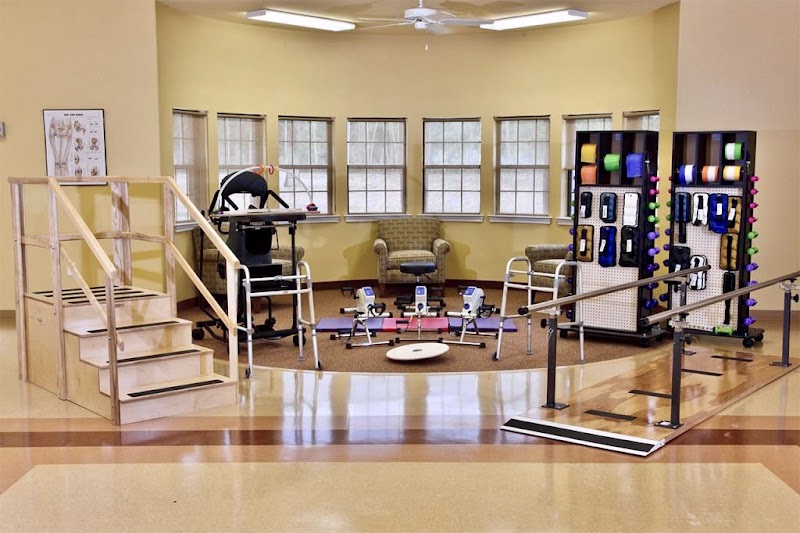
Who Owns and Operates Villa Toscana At Cypress Woods?

VILLA TOSCANA AT CYPRESS WOODS is owned by a for-profit company. For-profit facilities operate as businesses with obligations to shareholders or private owners. The facility is operated by CREATIVE SOLUTIONS IN HEALTHCARE, a chain that manages multiple nursing homes. With 120 certified beds and approximately 100 residents (about 83% occupancy), it is a mid-sized facility located in HOUSTON, Texas.
How Does Villa Toscana At Cypress Woods Compare to Other Texas Nursing Homes?

Compared to the 100 nursing homes in Texas, VILLA TOSCANA AT CYPRESS WOODS's overall rating (2 stars) is below the state average of 2.8, staff turnover (46%) is near the state average of 46%, and health inspection rating (2 stars) is below the national benchmark.

What Should Families Ask When Visiting Villa Toscana At Cypress Woods?

Based on this facility's data, families visiting should ask: "What changes have been made since the serious inspection findings, and how are you preventing similar issues?" "Can you walk me through typical staffing levels on day, evening, and night shifts?" "Can I visit during a mealtime to observe dining assistance and food quality?" "How do you handle medical emergencies, and what is your hospital transfer rate?" These questions are particularly relevant given the facility's Immediate Jeopardy citations and the below-average staffing rating.

Is Villa Toscana At Cypress Woods Safe?

Based on CMS inspection data, VILLA TOSCANA AT CYPRESS WOODS has documented safety concerns. Inspectors have issued 4 Immediate Jeopardy citations (the most serious violation level indicating risk of serious injury or death). The facility has a 2-star overall rating and ranks #100 of 100 nursing homes in Texas. Families considering this facility should ask detailed questions about what corrective actions have been taken since these incidents.

Do Nurses at Villa Toscana At Cypress Woods Stick Around?

VILLA TOSCANA AT CYPRESS WOODS has a staff turnover rate of 46%, which is about average for Texas nursing homes (state average: 46%). Moderate turnover is common in nursing homes, but families should still ask about staff tenure and how the facility maintains care continuity when employees leave.

Was Villa Toscana At Cypress Woods Ever Fined?

VILLA TOSCANA AT CYPRESS WOODS has been fined $37,827 across 3 penalty actions. The Texas average is $33,457. While any fine indicates a compliance issue, fines under $50,000 are relatively common and typically reflect isolated problems that were subsequently corrected. Families should ask what specific issues led to these fines and confirm they've been resolved.

Is Villa Toscana At Cypress Woods on Any Federal Watch List?

VILLA TOSCANA AT CYPRESS WOODS is not on any federal watch list. The most significant is the Special Focus Facility (SFF) program, which identifies the bottom 1% of nursing homes nationally based on persistent, serious quality problems. Not being on this list means the facility has avoided the pattern of deficiencies that triggers enhanced federal oversight. This is a positive indicator, though families should still review the facility's inspection history directly.