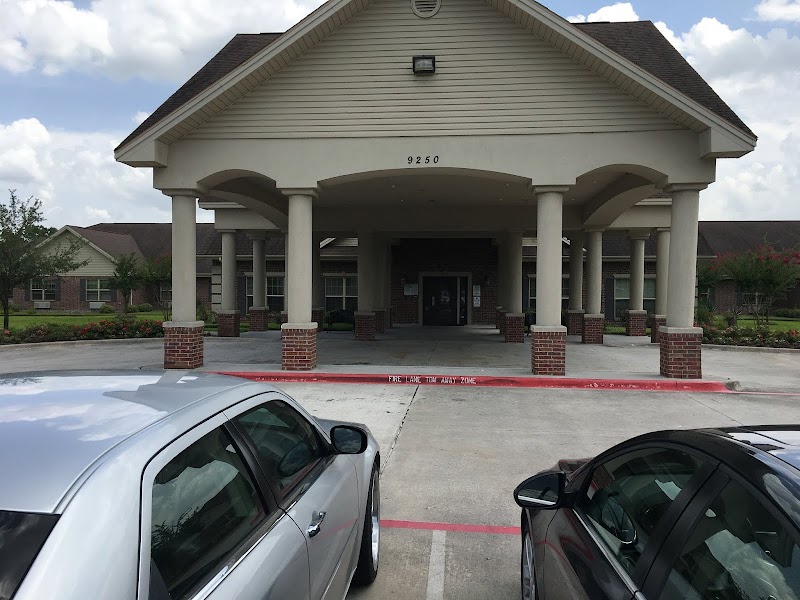
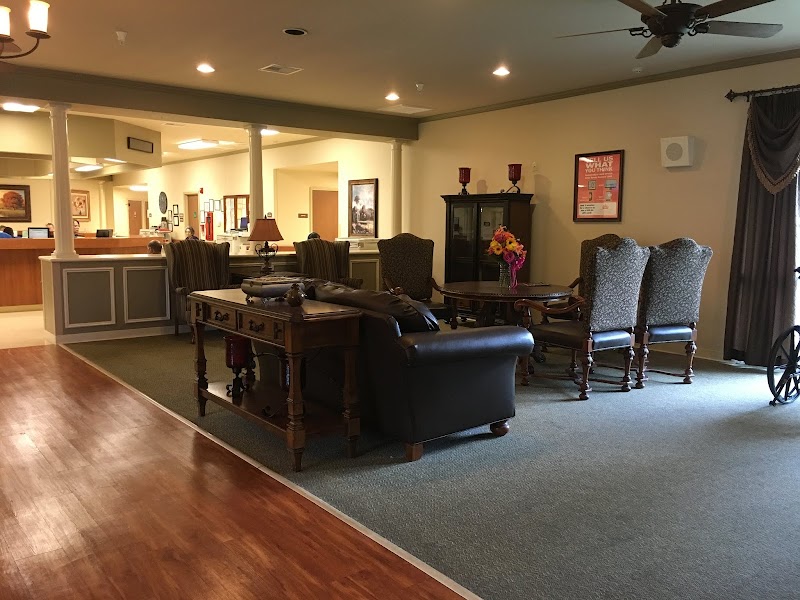
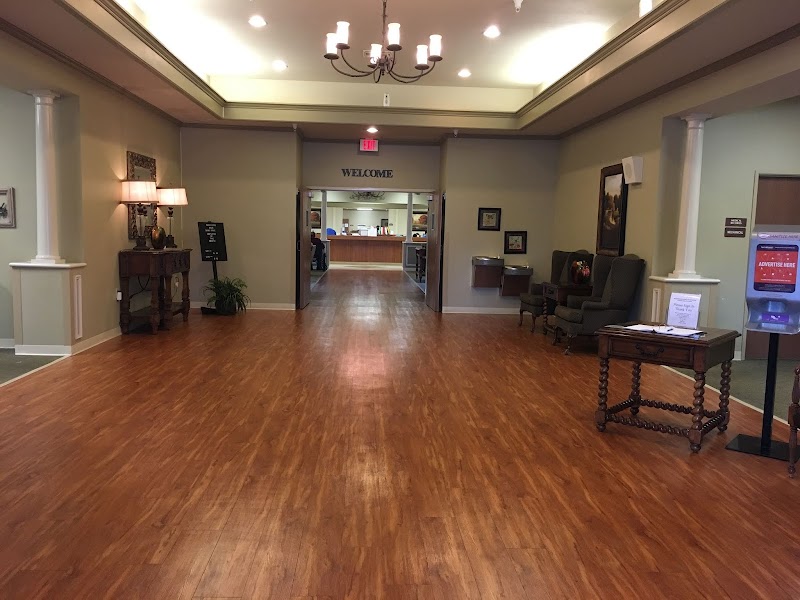
DEERBROOK SKILLED NURSING AND REHAB CENTER

9250 HUMBLE-WESTFIELD RD, HUMBLE, TX 77338 (281) 446-5160
For profit - Limited Liability company 124 Beds HMG HEALTHCARE Data: November 2025 3 Immediate Jeopardy citations
Trust Grade
0/100
#694 of 1168 in TX
Last Inspection: February 2025

Within standard 12-15 month inspection cycle. Federal law requires annual inspections.

Overview

Deerbrook Skilled Nursing and Rehab Center has a Trust Grade of F, indicating poor conditions and significant concerns about care quality. They rank #694 out of 1168 facilities in Texas, putting them in the bottom half, and #57 out of 95 in Harris County, meaning that there are only a few better options nearby. The facility is showing signs of improvement, with the number of reported issues decreasing from 12 in 2023 to 7 in 2025. Staffing is rated at 2/5 stars, with a turnover rate of 60%, which is average but indicates staff may not stay long enough to build strong relationships with residents. However, the facility has faced serious incidents, including failing to provide timely care after a resident showed changes in condition, resulting in a critical situation that led to the resident's passing. Additionally, another resident sustained a significant injury during a transfer due to inadequate safety measures. Families should weigh these serious concerns against the facility's strengths, such as good RN coverage and an excellent rating in quality measures.

Trust Score
F
0/100
In Texas
#694/1168
Bottom 41%
Safety Record
High Risk
Review needed
Inspections
Getting Better
12 → 7 violations
Staff Stability
⚠ Watch
60% turnover. Above average. Higher turnover means staff may not know residents' routines.
Penalties
⚠ Watch
$71,249 in fines. Higher than 81% of Texas facilities, suggesting repeated compliance issues.
Skilled Nurses
○ Average
Each resident gets 32 minutes of Registered Nurse (RN) attention daily — about average for Texas. RNs are the most trained staff who monitor for health changes.
Violations
⚠ Watch
21 deficiencies on record. Higher than average. Multiple issues found across inspections.
★★☆☆☆
2.0
Overall Rating
★★☆☆☆
2.0
Staff Levels
★★★★★
5.0
Care Quality
★☆☆☆☆
1.0
Inspection Score
Stable
2023: 12 issues
2025: 7 issues

The Good

  • 5-Star Quality Measures · Strong clinical quality outcomes
  • Full Sprinkler Coverage · Fire safety systems throughout facility
  • No fines on record

Facility shows strength in quality measures, fire safety.

The Bad

2-Star Overall Rating

Below Texas average (2.8)

Below average - review inspection findings carefully

Staff Turnover: 60%

14pts above Texas avg (46%)

Frequent staff changes - ask about care continuity

Federal Fines: $71,249

Well above median ($33,413)

Moderate penalties - review what triggered them

Chain: HMG HEALTHCARE

Part of a multi-facility chain

Ask about local staffing decisions and management

Staff turnover is elevated (60%)

12 points above Texas average of 48%

The Ugly 21 deficiencies on record

3 life-threatening
Jul 2025 1 deficiency
CONCERN (D) 📢 Someone Reported This

A family member, employee, or ombudsman was alarmed enough to file a formal complaint

Potential for Harm - no one hurt, but risky conditions existed

Quality of Care (Tag F0684)

Could have caused harm · This affected 1 resident

**NOTE- TERMS IN BRACKETS HAVE BEEN EDITED TO PROTECT CONFIDENTIALITY** Based on interview and record reviewed, the facility failed to ensure that residents receive treatment and care in accordance wi...

Read full inspector narrative →
**NOTE- TERMS IN BRACKETS HAVE BEEN EDITED TO PROTECT CONFIDENTIALITY** Based on interview and record reviewed, the facility failed to ensure that residents receive treatment and care in accordance with professional standards of practice, the comprehensive person-centered care plan, and the residents' choices for 1 (CR #1) of 5 residents reviewed for quality of care. - The facility failed to ensure treatment and care was provided to CR #1 who was taken to the hospital by their family member on 07/28/25 and found to have transient (brief) alteration of awareness, herpes zoster (shingles) with complication, and acute cystitis without hematuria (bladder infection without the presence of blood). This failure could place residents at risk of not receiving necessary medical care and a decline in health. The findings included: Record review of CR #1's admission Record, dated 07/30/25, revealed an [AGE] year-old female who was admitted to the facility on [DATE]. Her diagnoses included acute respiratory failure with hypoxia (insufficient oxygen in the blood), muscle wasting and atrophy (thinning or wasting of muscle tissue), other abnormalities of gait and mobility, other lack of coordination, and muscle weakness. Record review of CR #1's MDS Assessment, dated 07/10/25, revealed a BIMS score of 08, indicating moderately impaired cognition. Further review revealed resident required a helper to complete toileting and shower/bathing and required 2 or more helpers to complete upper and lower body dressing. Record review of CR #1's care plan report, undated, revealed the resident had an ADL self-care performance deficit r/t weakness. Interventions/tasks included substantial/maximal assistance with bathing and supervision or touching assistance with personal hygiene. Record review of CR #1's physician orders, undated, revealed the following order: gas-x extra strength oral tablet.one tablet by mouth one time a day for gas.start 07/20/25.diphenhydramine HCl oral tablet.give 25 mg by mouth every 6 hours as needed for itching.start date 07/27/25, end date 07/29/25. Record review of CR #1's licensed nurses medication administration record, dated July 2025, revealed a PRN order for diphenhydramine HCl Oral Tablet (Diphenhydramine HCl) Give 25 mg by mouth every 6 hours as needed for itching -Start Date- 07/27/25.-End Date- 07/29/25. Further review revealed CR #1 was administered the medication on 7/27/25 and 7/28/25. Record review of CR #1's progress notes, dated 07/18/25, Author [Nurse A], LVN, read in part .change in condition/s reported on this CIC evaluation are/were: Abdominal pain.mild abdominal pain to RLQ.A. Recommendations: KUB, B. X-ray. Record review of CR #1's KUB report, dated 07/18/25, read in part .Procedure: XR Abdomen (KUB) 1 View.Interpretation.Examination: Abdomen.Findings.There is excessive fecal material in the colon.Impression: 1. No evidence for acute bowel obstruction. 2. Constipation. Record review of CR #1's progress notes, dated 07/22/25, Author [Physician], read in part .7/22: .[Resident name] and her [family member].request.re-evaluation of new onset right flank pain. She reports she had an x-ray of the flank but was told it was fine. She doesn't believe it.GI: Right flank is soft, NT/ND, no masses, no guarding [the absence of voluntary contraction of the abdominal muscles], no murphy's sign [a reflex contraction of the abdominal muscles that occurs when pressure is applied to the abdomen] as able to execute.Right Flank Pain: Reported to PM&R MD on 7/22. No obvious abnormalities to palpation and inspection. Record review of CR#1's progress notes, dated 07/27/25, Author [NP], read in part .continued medical treatment with additional labs, KUB, venous doppler bilateral [non-invasive imaging test used to assess blood flow in the veins], UACS, breathing tx, and medications to address all concerns at this time with patient and [family member] multiple times. Patient continues to cuss at staff with [family member] at bedside often refusing care or treatment.GI consult, Vital vein consult [consultation with a vein treatment specialist], and psych consult have been ordered for further eval. Record review of emergency department provider notes, date of service 07/28/25 2:25 p.m., read in part .ED course, Diagnoses as of 07/29/25 0103 [p.m.], transient alteration of awareness, herpes zoster with complication, acute cystitis without hematuria [bladder infection without the presence of blood].Patient presents to the ER due to altered mental status and abdominal pain. On exam, she has a shingles rash to her right upper abdomen and is agitated. During a telephone interview on 07/30/25 at 10:27 a.m., CR #1's family member said he was told (names unknown) that they were going to look at her on Friday, 7/25/25, Saturday, 7/26/25, and Sunday, 7/27/25, but they did not. He said on Monday, 7/28/25, CR #1 was hurting greatly on her right side, hollering and screaming because she was in pain, and was not herself. He said on Monday, 07/28/25, he decided to take her to the hospital himself. He said he left the facility with the resident around 2:00 p.m. and went straight to the hospital. He said at the ER he was told the resident had shingles and a severe UTI. He said the resident got these while she was at the nursing facility. He said the day before he took her to the hospital, 07/27/25, they told him they did extensive blood work on Saturday, 07/26/25. He said on Sunday, 07/27/25, the NP came to the facility and said the resident's lab work was good. He said they asked the NP to look at the resident's side, but the NP said she did not need to look at her side because she was fine, and therefore, never looked at her side. He said they were supposed to do a urine culture on Friday, but it never got done. He said they told him on Saturday they ordered a clinical psychology evaluation. He said the NP said she was going to stop care because resident was hollering and screaming on Sunday and the NP said she would not be her doctor anymore. He said the resident was acting out of character and that she was a very sociable uplifting person. During an interview on 07/31/25 at 8:13 a.m., CR #1 said she told staff her right side was hurting but did not recall the name of the person she told. She said the NP saw her on Sunday, 7/27/25, and she told the NP she was in pain. CR #1 said she asked the NP to look at her side, but the NP said she did not need to look at her because her lab work was good. She said the NP's response pissed her off. During an interview on 07/31/25 at 10:13 a.m., CNA B said she gave CR #1 a bed bath on 07/28/25 around 1:00 p.m., after lunch. She said she noticed a little redness on her back, but not a rash. She described the redness from being when one has been lying down and something was pressing against it. She said the resident did not have any rashes or redness on her abdomen. She said the resident did not complain of any pain. She said she worked with the resident the day before and she did not complain of any pain. During an interview on 07/31/25 at 11:10 a.m., the NP said she saw CR #1 on Sunday, 07/27/25. She said she went over her lab work and the resident was very verbally abusive and told her to get her ass out of her room. She said CR #1 was complaining of right pain, and she ordered gas x, stool softener, and pain medication, and told them that she needed a GI consult, but resident said she did not need a GI consult. She said CR #1's family member said she had diarrhea for 4 days, but staff said that was never reported to them. She said the resident nor the resident's family member did not ask her to look at her abdomen on 07/27/25. She said usually shingles was along the nerve pathways and sometimes around the back area and sides. She said shingles are red bumps/marks that are painful. She said shingles was very painful and CR #1 would have been in excruciating pain. During an interview on 07/31/25 at 1:35 p.m., Nurse B said she saw CR #1 and her family member leaving the facility around 2:08 p.m. on Monday, 7/28/25.
Feb 2025 4 deficiencies 1 IJ
CRITICAL (J) 📢 Someone Reported This

A family member, employee, or ombudsman was alarmed enough to file a formal complaint

Immediate Jeopardy (IJ) - the most serious Medicare violation

Accident Prevention (Tag F0689)

Someone could have died · This affected 1 resident

**NOTE- TERMS IN BRACKETS HAVE BEEN EDITED TO PROTECT CONFIDENTIALITY** Based on observation, record reviews, and interviews, the facility failed to ensure a resident's environment remained as free of...

Read full inspector narrative →
**NOTE- TERMS IN BRACKETS HAVE BEEN EDITED TO PROTECT CONFIDENTIALITY** Based on observation, record reviews, and interviews, the facility failed to ensure a resident's environment remained as free of accidents and hazards as possible for 1 of 6 residents (CR #1) reviewed for accidents and hazards in that: - The facility failed to ensure the environment remained free of accident and hazards when CNA D and CNA W transferred CR #1 from her wheelchair to the bed on 2/2/25, and she sustained a laceration to her R leg requiring 15 sutures and 18 staples. An Immediate Jeopardy (IJ) was identified on 2/26/25. The IJ template was provided to the facility on 2/26/25 at 4:30pm. While the IJ was removed on 2/28/25 at 4:40pm, the facility remained out of compliance at a scope of isolated and a severity level of no actual harm, with the potential for minimal harm that is not immediate jeopardy, due to the facility's need to evaluate the effectiveness of the corrective systems. This failure could place residents at risk for serious injuries and hospitalization. Findings included: Record review of Resident CR#1's undated face sheet revealed she was an [AGE] year-old female originally admitted on [DATE], with the most recent admission being 2/2/25. She had diagnoses of muscle weakness, unsteadiness on feet, muscle wasting and atrophy (loss of muscle mass and strength,), end stage renal disease on dialysis (kidneys stopped filtering so a machine does it), reduced mobility, glaucoma (vision loss and blindness damaging the nerve in the back of the eye), lymphedema (swelling caused by buildup of lymph fluid in the body between skin and muscle), and cognitive communication deficit (difficulty communicating that's caused by a brain injury or other cognitive impairment). Record review of CR #1's admission MDS assessment dated [DATE] revealed a BIMS Score of 11 out of 15, which indicated moderately impaired cognition. She had impairment on one side of her lower extremities. According to the MDS, transfers were not attempted due to CR #1's medical condition or safety concerns. She was dependent on staff (helper does all of the effort and resident does none of the effort. Or the assistance of 2 or more helpers is required.) for ADL's. Record review of CR #1's Care Plan dated 12/26/24 revealed the resident sustained a skin tear to her R lower leg (Initiated: 2/2/25). The goal was to not have any infection to the skin tear through the review date (Initiated: 2/2/25, Target: 4/6/25). Interventions included the resident was transferred to the ED for eval/tx. Keflex (antibiotic) for 10 days. Monitor for s/s of infection and report any negative findings to the MD. The Care Plan also revealed CR #1 had an ADL self-care performance deficit r/t weakness that was initiated on 1/2/25. The goal was to improve the current level of function through the review date and was initiated on 1/2/25 with a target date of 4/6/25. According to the interventions, CR #1 required total assistance with transfers. Record review of CR #1's PT note from 1/31/25 revealed her precautions/contraindications were: High fall risk, HOYER pad in wc at all times. Record review of CR #1's Progress Note from 2/2/25 at 1:55pm by LVN B revealed, Resident was assessed with no new skin issues noted. VS are stable. Denies pain at this time. On call was notified of resident return. Resident alert and oriented and able to voice needs and concerns. Will continue to monitor. Record review of CR #1's Change in Condition Note from 2/2/25 at 2:10pm by LVN B revealed, Resident noted with a large skin tear to right outer LE. Pressure DS applied. Record review of CR #1's Progress Note from 2/2/25 at 2:10pm by LVN B revealed, CNA called this writer to resident room and noted resident in bed with a large skin to the right lower leg with moderate amount of bleeding. Resident denies pain at this time and appears in good spirit. Pressure DSG was applied to area. Both CNAs states that while attempting to transfer resident into bed that resident RLE got caught on the side of the bed resulting in skin tear. Resident states her leg got caught on side of bed while the aides was attempting to sit her on the on the bed . Record review of CR #1's hospital records from 2/2/25 at 4:10pm said the resident presented to the ED with a R leg laceration after getting it caught on a metal bed. According to the records, the resident had a leg laceration [tear or cut in the skin or underlying tissues] and partial skin avulsion [forceful tearing away of tissue or body parts, like skin, muscle, or bone], wound irrigated extensively, multilayer sutures placed along with staples . The laceration was 6.2 inches long and 0.78 inches deep. The resident received 15 sutures and 18 staples according to hospital records. Record review of CR #1's Physician's Orders revealed the following orders from MDS: - Cleanse skin tear one time only for 1 Day RLE with NS and apply pressure dsg. Ordered 2/2/25. - Monitor R Leg wound sight each shift. Ordered 2/2/25. - Remove staple and sutures in 14 days. Ordered 2/2/25. - Keflex (Cephalexin) 500 MG Oral Give 1 capsule by mouth. Ordered on 2/3/25. - Location of wound: Right lateral (outside) calf, skin tear PAIN CODE INTERVENTION, Every shift. Ordered 2/6/25. Record review of the facility's Provider Report from 2/2/25 revealed at about 2:15pm CR #1 arrived at the facility from home via family transportation. The SW grabbed a facility wheelchair, and the family transferred the resident from the family vehicle into the wheelchair and then rolled her into the facility. The family requested CR #1 be transferred into bed, so the SW asked CNA W to transfer CR #1 into bed. CNA W got CNA D to help her with the transfer. The CNAs raised the resident, pivoted her and sat her on the bed. When the aides lifted the resident's legs up on the bed, they noticed a skin tear to the outer portion of her lower leg. According to the Provider Report, The bed was inspected and though there were no jagged edges noted, there appeared to be blood on the side rail located on the base of the bed with a blunt opening. In an interview with CNA D on 2/26/25 at 9:04am she said CNA W asked her to come in and assist with putting CR #1 to bed. She said both CNAs transferred her into the bed. When they went to swing her legs into the bed, she saw blood on her hands. She asked CNA W if that was blood and she said yes, but they didn't see any blood on the w/c. Then they noticed blood on her leg. The blood on her gown was noticeable. In an interview with CR #1's family member on 2/26/25 at 10:21am she said they helped CR #1 into a wheelchair that she grabbed from the facility. She said they rolled CR #1 into the facility and spoke to the SW as soon as they entered the facility. Then they went back to the same room she was in before. She said CR #1 told her the aides were lifting her into the bed and she told them You're tearing my leg. Record review of pictures of CR #1's laceration to her R leg, received on 2/26/25 at 10:41am revealed a deep laceration in the shape of a C, exposing the subcutaneous (the deepest layer of your skin, made up mostly of fat cells and connective tissue) layer. In an interview with CR #1 on 2/26/25 at 10:51 a.m. she said her family member brought her into the facility and they spoke to someone at the nurse's station, but she did not remember who. She said 2 aides transferred her from the wheelchair into the bed. CR #1 said she yelled out and her leg got caught on something on the bed. She said she was wearing a dress when it happened. She said she was out with her family that day and it did not happen before she got back to the facility. In an interview with CNA W on 2/26/25 at 11:10am she said they lined CR #1 up against the bed. They told her on the count of 3 they would transfer her. CNA W said CR #1 said she would help. She said CNA D was on the other side of the bed in case she fell off the other side. CNA W said after she transferred her onto the bed and went to lift her legs, there was blood everywhere. She said she did not see any on the wheelchair but saw some on the bed. CNA W said she did not see anything sticking out of the bed, but she saw something that was supposed to be covered because it looked rough. In an interview with LVN B on 2/26/25 at 11:50am she said she saw CR #1 in the hallway and was talking to her before she went into the room, and she did not have any blood or anything on her before the transfer. She said when the CNA told her to come to the room CR #1 was already lying in the bed and she had a laceration on her leg. LVN B said she saw blood on the floor in CR #1's room, and if it would have happened before she would have seen blood in the hallway. She said CR #1 had a bad skin tear, the worst she's ever seen. LVN B said she put a pressure dressing on it and sent CR #1 out via regular transport. She said the resident came back and she had sutures and staples. LVN B said CR #1 normally used a mechanical lift because she could not do anything. She said the CNAs should have looked at the [NAME] (worksheet that summarized patient information) or asked her how the resident transferred. In an interview with the SW on 2/26/25 at 12:06pm she said she was in her office when family stopped by her office and said CR #1 was back, so she went and got a wheelchair, and she notified the nurse. She said she did not notice any blood when the resident came in and the resident was not in any pain. The SW said she did not notice any blood on the floor as she was rolled to her room, in the hallway while she was waiting for her bed to be made, or any blood while she was in the room. The SW said she would have seen the laceration because it was visible. In an interview with the ADM on 2/26/25 at 1:15pm she said CR #1 had just got to the facility and family wanted her to be transferred to the bed. She said 2 aides transferred her into the bed and when the aides moved her legs they noticed the blood. The ADM said she did see the laceration and it looked bad, but she did not know if blood would have been seen dripping through the facility. In an observation with the ADM on 2/26/25 at 2:40pm, revealed the bed that was in CR #1's room was noted to have a ¼ grab bar attached to the side of the bed with a pipe sticking out without a cap on the end, making it rough and a potential hazard. The facility was asked if they had a policy on Accidents and Hazards, but they did not have one. Record review of the facility's policy and procedure on Safe Lifting and Movement of Residents (Revised October 2009) revealed in part: In order to protect the safety and well-being of staff and residents, and to promote quality care, this facility uses appropriate techniques and devices to lift and move residents. Resident safety .medical condition will be incorporated into .decisions regarding the safe lifting and moving of residents. Manual lifting of residents shall be eliminated when feasible. Nursing staff .shall assess individual residents' needs for transfer assistance on an ongoing basis. Staff will document resident transferring and lifting needs in the care plan. Such assessment shall include: Resident's mobility (degree of dependency. Resident's size. Weight-bearing ability. Cognitive status .Staff responsible for direct resident care will be trained in the use of manual .and mechanical lifting devices .Mechanical lifting devices shall be used for heavy lifting, including lifting and moving residents when necessary .Enough slings, in the sizes required by residents in need, will be available at all times. As an alternative, residents with lifting and movement needs will be provided with single-resident use disposable slings . An Immediate Jeopardy (IJ) was identified on 2/26/25. The IJ template was provided to the facility on 2/26/25 at 4:30pm. The Plan of Removal was accepted on 2/27/25 at 3:56pm. The plan of removal reflected the following: Name of Facility: {Facility} Date: February 26, 2025 Immediate action: What corrective actions have been implemented for the identified residents? A. On 02/02/2025 CR#1 involved in alleged deficient practice was discharged to the hospital due to a laceration sustained during a transfer from the wheelchair to the bed. B. On 02/02/2025 the incident involving CR#1 was reported to Health and Human Services. C. On 2/02/2025 at 4 pm the Administrator initiated the investigation, and blood was noted on the side of the bed frame on the square opening area. D. On 2/02/2025 CNA D was in-serviced on Referring to Resident POC for Transfer Instruction. E. On 2/02/2025 CNA W was in-serviced on Referring to Resident POC for Transfer Instruction. F. On 2/02/2025 at 5 pm the Maintenance Director conducted an inspection of all beds, and bed frames. Beds that were missing caps on the side of the bed frame were sealed with either a cap or tape. These open areas are generally utilized to attach side rails to the bed frame. G. On 2/02/2025 at 5:20 pm the Maintenance Director placed a tab in the open area identified on CR#1 bed and then aides changed the bed out per family request. H. On 02/03/2025 at 9:00 am the Administrator notified the Medical Director of the alleged deficient practice. I. The Corporate Clinical Service Director reviewed facility policy on 02/03/2025 regarding Safe Lifting and Movement of Residents and no revisions were deemed necessary. J. On 02/02/2025 at 10:09 pm resident CR#1 returned from the hospital with 18 staples and 8 sutures. K. On 2/03/2025 an audit of past incidents was conducted. Two incidents were identified and previously reported to Health and Human Services. Facility's Plan to ensure compliance quickly A. An in-service was initiated on 02/03/2025 by the Administrator and the Assistant Director of Nursing with the aides on Safe Lifting and Movement of Residents, Referring to Resident POC for Transfer Instruction, and Resident Abuse and Neglect. The aides were not allowed to return to work until they received this in-service. The completion date is 2/13/2025. B. On 02/03/2025 the Director of Rehab and the Assistant Director of Nursing completed a 100% checkoff on Resident Transfers with the certified nursing aides. The aides were not allowed to return to work until they received this in-service. The completion date is 2/13/2025. C. Newly hired nurses will be in-serviced by the Assistant Director of Nursing or designee on Safe Lifting and Movement of Residents, Referring to Resident POC for Transfer Instruction, and Resident Abuse and Neglect. D. On 2/06/2025 nursing staff were in-serviced by the Assistant Director of Nursing on Reporting Hazardous Equipment Immediately Including Removing Hazardous Equipment. E. The openings identified by Surveyor were covered and a facility wide audit conducted 2/26/2025. Areas of concern addressed immediately. Tape was applied to two Assist Bars that had openings. F. Ambassador Rounding Sheet that was implemented to monitor bed frames on 2/3/25 was updated 2/26/25 to include the monitoring of the Assist Bars. Ambassadors will also check vacant rooms. G. On 2/26/25 nurses were in-serviced by the Director of Nursing on referencing [NAME] prior to directing staff including C.N.A.s and staff from other departments on how to transfer residents. The Charge Nurse and Nurse Managers will update the [NAME] upon admissions and readmissions with any change(s) in status. H. On 2/27/25 nurses were in-serviced by Director of Nursing instructing Charge Nurses to assess new and readmitted residents to determine transfer status and to communicate findings to the C.N.A.(s) on duty. On 2/28/25 a monitoring visit was conducted to ensure the facility was following its POR. The visit revealed: Record review revealed on 2/2/25 CNA D was in-serviced on abuse and neglect and transfers by the ADM. The in-services given were about reporting abuse and how the resident had the right to be free from abuse and neglect and the importance of safety measures applied when transferring residents. Record review revealed on 2/2/25 CNA W was in-serviced on abuse and neglect and transfers by the ADM. The in-services were related to reporting abuse and how the resident had the right to be free from abuse and neglect and the importance of safety measures applied when transferring residents. Record review revealed on 2/2/25 the Maintenance Director conducted an inspection of all beds in the facility. The residents' lifts were also checked in all rooms. Record review revealed the following rooms had beds that were taped: 102D, 102W, 103D, 104D, 105W, 106D, 106W, 109D, 109W, 111D, 111W, 113D, 114W, 115W, 202D, 203D, 204D, 205D, 206W, 207W, 208D, 209W, 210D, 211D, 211W, 212D, 213D, 213W, 214W, 215W, 216D, 302D, 302W, 303D, 303W, 304D, 305D, 306W, 307W, 309D, 310D, 313D, 314D, 315W, 316D, 316W, 401W, 402W, 407D, 407W, 408D, 409D, 410W, 411D, 412D, 412W, 414W, 415D, 415W. Record review revealed on 2/3/25 an audit of past incidents was conducted and the 2 incidents that occurred were on [CR #2] on 1/14/25 and [Resident #73] on 1/25/25. Record review revealed on 2/3/25 in-services were given by the ADON and the ADM on safe transfers which included the policy of two-person transfers, safe lifting, and movement of residents. Record review revealed 35 members attended in person and 18 via phone. Record review revealed in-services were given on 2/3/25 by the ADON/ADM on referring to the POC for transfer instructions and was about ensuring staff referenced the POC to properly transfer a resident, and about requiring 2 people for transfers with a Hoyer transfer. There were 52 staff members who attended in person and 11 via phone. Record review revealed on 02/03/25 in-services were given by the ADM on ANE, and transfers. The in-services were about ensuring the resident had the right to be free from abuse and neglect, and to ensure treatment that was provided to residents when transferring, was according to the facility policy and protocol. There were 55 staff members who attended in person. Record review revealed on 2/3/25 in-services were given by the ADON on conducting transfers and newly admitted residents. The in-services were about ensuring new admits and readmits were not transferred prior to being assessed by a nurse, even if family made the request. There were 45 staff in-serviced in person and 18 via telephone. Record review revealed on 02/03/2025 in-services were given by the DOR and the ADON on Two Person Stand-Pivot Transfer Competencies and Mechanical/Hydraulic Lifts. There were 80 staff members signatures. Record review revealed on 2/3/25 the ADON gave a new hire orientation regarding transfers, POC and newly admitted residents. The in-services were about ensuring new admits and readmits were not transferred prior to being assessed by a nurse, even if family made the request. Also ensuring staff were referencing the POC to know how the resident transferred and making sure 2 people use the Hoyer lift. There were 8 staff members that were in-serviced in person. Record review revealed on 2/3/25 the ADM gave a new hire orientation on ANE. There were 8 staff members present. Record review revealed on 02/06/2025 the ADON gave in-services on reporting any hazardous equipment. The in-service explained that any equipment that did not look safe needed to be reported to the maintenance director/ADM or reported in the TELS system. All equipment that was defective should be taken out immediately for service. There were 49 staff members who attended in person and 7 via telephone. Record review of the facility wide audit conducted on 2/26/25, including the Assist Bars, revealed no concerns. Record review revealed the template of the ambassador rounding sheet that would be used to monitor bed frames, assist bars, and ensured the checklist was used for vacant rooms. Record review revealed on 2/26/25 the DON in-serviced the CNAs and Nurses on transfers and [NAME]'s. The in-services were about ensuring the safety of residents who required assistance and ensuring the CNAs used the [NAME] prior to transferring, and if they had questions, to ask the charge nurse. The in-services also talked about having a 1 person or 2 people assist, or total dependence on a Hoyer lift transfer. Record review revealed on 2/27/25 the DON in-serviced the nurses on the transfer status for admits/readmits. Nurses were to ensure assessments were completed on residents and readmissions prior to being transferred by any staff, and to educate CNA's on how to complete the transfer. There were 13 nurses who attended the in-service in person and 18 nurses who completed the in-service via telephone. In an interview on 2/28/25 at 1:15pm, LVN A said she was in-serviced on transferring, like assessing the resident's transfer status at admission, telling the aide what kind of transfer they were, and updating the task on the [NAME]. She said she was also in-serviced on CIC, for any change like today when a resident received an x-ray for pain. She was also in-serviced on ANE, and the different types of abuse were sexual, physical, mental, and misappropriation. She would report to the ADM (abuse coordinator). In an interview on 2/28/25 at 1:20pm, CNA C said she had in-services on transfers, and making sure the bed/wheelchair was locked, putting a gait belt on, having the resident put their hands on her shoulders, counting to 3, pivoting, and counting to 3 and then sitting. She said they in-serviced about never using a mechanical lift with just one person because an accident could happen. Also, they talked about looking on the [NAME] to see how the resident transferred. CNA C said if she saw any hazardous equipment she would report it. ANE was also in-serviced, and the different types of abuse were physical, verbal, mental, sexual, misappropriation. If she were ever to see ANE she would report it to the ADM (abuse coordinator). In an interview on 2/28/25 at 2:14pm, Med Aide E said they had in-services on transfers, which included always having 2 people when using the mechanical lift, looking on the [NAME] for the type of transfers, and using a gait belt. She said they were in-serviced on hazardous equipment, and they informed the nurse if they saw any, and placed the resident in a safe spot first. ANE was also in-serviced, and the types of abuse were physical, verbal, misappropriation, neglect, sexual, and mental. She said if she were to see any ANE she would report it to the ADM (abuse coordinator). In an interview on 2/28/25 at 2:38pm, CNA F said he had in-services about the mechanical lift and how it was a 2-person activity, and where to find information on transfers like the POC/[NAME]. He said if he came across hazardous equipment he would stop and get the nurse and maintenance. CNA F said if a resident was re-admitting after 1 day and he had not worked with the resident before, he would look on the [NAME] to see how to transfer the resident. In an interview with LVN G on 2/28/25 at 2:55pm he said he had in-services on transfers and how there was a book now that was updated as admission/readmissions came in and stated how the resident's transferred. He said he also was in-serviced on ANE, and the different types of abuse were physical, financial, neglect, sexual, mental. He said if he were to see ANE he would report it to the ADM (abuse coordinator). LVN G said he was also in-serviced on mechanical lifts and needing 2 people at all times. He said to find how a resident transferred, you would look at the [NAME]. He said if the bed had something wrong with it, he would get a new bed before transferring a resident and report it to maintenance. In an interview on 2/28/25 at 3:02 p.m., LVN H said she received in-services on transfers and having to assess new admits to determine the safest way to transfer, then she informed the CNA and put it in the transfer book. She said staff could find the transfer status of a resident on the [NAME]. She also received in-services on ANE. The different types of abuse were sexual, physical, neglect, misappropriation, and mental. She said if she were to see ANE she would report it to the ADM (abuse coordinator). She said if she saw faulty equipment she would report it to maintenance and take it out of rotation. In an interview on 2/28/25 at 3:07pm, Med Aide I said she received in-services on ANE, and the different types of abuse were physical, mental, verbal, neglect, misappropriation, and sexual. She said if she were to see ANE she would report it to the ADM (abuse coordinator). She said she also received in-services on transfers and how mechanical lifts required 2 people, ensuring the mechanical lift did not hit someone, using the right size mechanical lift pad, asking the nurse how to transfer the resident, looking at [NAME], and using a gait belt. In an interview on 2/28/25 at 3:12pm, CNA J said she was in-serviced on transfers and how the transfer status was on the POC/[NAME], always using 2 people for mechanical lifts, always explaining to the resident what was going on, and always using a mechanical lift mat. The CNA said she also received in-services on ANE, and the different types of abuse were verbal, physical, mental, sexual, and misappropriation. She said if she were to see ANE she would report it to the ADM (abuse coordinator). In an interview on 2/28/25 at 3:21pm, RN K said she received in-services on transfers and about how the admitting nurse was going to determine the resident's transfer status, updated the [NAME], and told the CNA what the transfer status was. She said she also received in-services on mechanical lifts and how 2 people always had to be used, and making sure the right sling was used. ANE was also in-serviced, and the types of abuse were physical, verbal, misappropriation, neglect, and sexual. She said if she ever saw ANE she would report it to the ADM (abuse coordinator). In an interview on 2/28/25 at 3:27pm, CNA L said she received in-services on transfers and if a resident was a 2 person transfer then they had to use 2 people or they could use a mechanical lift. She also received in-services on the use of a gait belt, and how the admission nurse would have to assess the resident before anyone could transfer the resident, and the transfer status would be entered into the transfer book and in the system. She said she was also in-serviced on ANE, and the types of abuse were verbal, physical, sexual, and neglect. She said if she saw any ANE she would report it to the ADM (abuse coordinator). In an observation on 2/28/25 at 3:43pm, revealed CNA M and CNA F performed a mechanical lift transfer. The CNAs strapped the resident in and gave instructions to the resident regarding the lift. They ensured the lift was locked prior to the transfer of the resident. The CNAs placed the lift mat underneath the resident. Then they clipped the mat to the lift and informed the resident that the mechanical lift would be moving up. The CNAs lifted the resident slowly while 1 used the remote and 1 guided the resident. The resident did not hit anything and was placed into his chair smoothly. In an observation on 2/28/25 at 4:03pm, revealed CNA J and CNA N performed a 2 person transfer from wheelchair to bed. The CNAs started off with the bed being low for transfer and they applied a gait belt to the resident. There was constant communication between the resident and staff to ensure the resident was safe during the process. The resident was asked to put her hands on CNA J's shoulder for her comfort during the transfer. On the count of 3 the 2 CNAs picked up the resident from the gait belt, pivoted and sat her down on the bed. Once the resident was sitting on the edge of the bed, CNA J swung the resident's legs over onto the bed. In an interview on 2/28/25 at 4:10pm, the ADM said she expected staff to follow the plan of care/[NAME] and reference that first. She said CNA D and CNA W should have looked at the POC/[NAME] or spoke to the nurse before transferring CR #1. She said if the aides did not know the transfer status of the resident there was a risk for injury to the resident. In an interview on 2/28/25 at 4:31pm, the DON said they had in-services on transfers and how the nurses would assess residents when admitting them and determine their transfer status, and then enter the transfer status on the [NAME] and inform the CNAs and other staff. She said they also had in-services on ANE and the types of abuse. An Immediate Jeopardy (IJ) was identified on 2/26/25. The IJ template was provided to the facility on 2/26/25 at 4:30pm. While the Administrator was notified the IJ was removed on 2/28/25 at 4:18pm, the facility remained out of compliance at a severity of no actual harm with the potential for minimal harm, that is not immediate jeopardy with a scope of isolated, due to the facility's need to evaluate the effectiveness of the corrective systems.
CONCERN (D) 📢 Someone Reported This

A family member, employee, or ombudsman was alarmed enough to file a formal complaint

Potential for Harm - no one hurt, but risky conditions existed

Comprehensive Care Plan (Tag F0656)

Could have caused harm · This affected 1 resident

**NOTE- TERMS IN BRACKETS HAVE BEEN EDITED TO PROTECT CONFIDENTIALITY** Based on observation, interview, and record review the facility failed to develop and implement a comprehensive person-centered ...

Read full inspector narrative →
**NOTE- TERMS IN BRACKETS HAVE BEEN EDITED TO PROTECT CONFIDENTIALITY** Based on observation, interview, and record review the facility failed to develop and implement a comprehensive person-centered care plan for each resident, consistent with the resident rights that includes measurable objectives and timeframes to meet a resident's medical, nursing, and mental and psychosocial needs that are identified in the comprehensive assessment for 1 (Resident #21) of 5 residents reviewed for care plans. The facility failed to ensure Resident #21's fall mat was at the bedside according to her care plan. This failure could place residents at risk of injury. The findings include: Record review of Resident #21's face sheet dated 2/28/25 revealed a [AGE] year-old female who readmitted on [DATE]. Her diagnoses included Alzheimer's disease, schizoaffective disorder, bipolar type, anxiety disorder, drug induced subacute dyskinesia (abnormal involuntary movements), and abnormal posture. Record review of Resident #21's quarterly MDS assessment dated [DATE] revealed a BIMS score of 3 out of 15 which indicated severe cognitive impairment. Staff assessed her mental status as severely impaired. She required assistance from staff with ADL care. She had two falls without injury since Admission/Entry or Reentry or Prior Assessment (whichever is more recent). Record review of Resident #21's care plan last reviewed 2/21/25 revealed she had actual falls related to dementia, gait/balance problems and incontinence. Interventions were to have bilateral (two sides) floor mats, date initiated 10/21/24. In an observation and interview on 2/27/25 at 11:49 a.m. of Resident #21 revealed she was lying in bed. There were no fall mats on either side of her bed. She said she fell out of bed but not recently. She said when she first arrived at the facility there were floor mats but it stopped. In an interview on 2/28/25 at 12:37 p.m. the DON said interventions on the care plan should be followed. She said if a fall mat was listed on Resident #21's care plan it should be out. In an observation on 2/28/25 at 12:40 p.m. of Resident #21's room with the DON revealed Resident #21 was lying in bed. There were no fall mats at the bedside. In an interview on 2/28/25 at 1:10 p.m. with Resident #21's assigned nurse, LVN A. She said she was unsure if Resident #21 needed a fall mat and would have to review the care plan. She said the resident fell out of the bed before and tried to get up sometimes. She said she had not seen fall mats in her room. She said the aides could review the [NAME]/tasks on PCC to determine if the resident required a fall mat. She said the fall mat did not pop up in the physician orders. In an interview on 2/28/25 at 1:31 p.m. CNA C said Resident #21 could use a fall mat because the resident thought she could get up and go to restroom and would sometimes put her foot out of the bed. She said she had not seen a fall mat in the room this week. In an interview on 2/28/25 at 1:39 p.m. with Resident #21's assigned CNA, CNA V. She said Resident #21 had a fall mat a couple of months ago when she was in a different room. She said the resident moved to a different room, but the mats did not go with her, and was unsure why. She said the resident used to try to get out of bed a lot but did not try to get out as much now. She said she occasionally swung her legs. She said the [NAME] (care plan chart or template) would inform her if a resident needed a fall mat. In an interview on 2/28/25 at 4:15 p.m. the Administrator said the purpose of the care plan was to outline the plan of care on a person-centered basis in accordance with the residents' unique requirements of care. She said the nurses reviewed the care plan and the POC should also have the requirements of care for the resident. She said it had been 2-3 months since Resident #21's last fall and nurses should ensure the fall mat was in place. Record review of the facility's Care Planning - Interdisciplinary Team policy dated September 2013 read in part, .our facility's Care Planning/Interdisciplinary Team is responsible for the development of an individualized comprehensive care plan for each resident. Record review of the facility's Falls - Clinical Protocol policy dated April 2007 read in part, .treatment/management: 1. Based on the preceding assessment, the staff and physician will identify pertinent interventions to try to prevent subsequent falls and to address risks of serious consequences of falling .
CONCERN (D)

Potential for Harm - no one hurt, but risky conditions existed

Infection Control (Tag F0880)

Could have caused harm · This affected 1 resident

**NOTE- TERMS IN BRACKETS HAVE BEEN EDITED TO PROTECT CONFIDENTIALITY** Based on observation, interview, and record review the facility failed to establish and maintain an infection prevention and con...

Read full inspector narrative →
**NOTE- TERMS IN BRACKETS HAVE BEEN EDITED TO PROTECT CONFIDENTIALITY** Based on observation, interview, and record review the facility failed to establish and maintain an infection prevention and control program designed to provide a safe, sanitary, and comfortable environment and to help prevent the development and transmission of communicable diseases and infections for 1 of 7 residents (Resident #207) reviewed for Infection Control. - LVN B failed to wear a gown when she gave an IV antibiotic to Resident #207, who was on EBP. This failure could place residents at risk of cross-contamination and infections. Findings included: Record review of Resident #207's undated face sheet, revealed he was a [AGE] year-old male who admitted to the facility on [DATE] with diagnoses of sepsis (infection throughout the body), type 2 diabetes mellitus (body does not produce insulin or resists it), acute prostatitis (infection of the prostate), and acute metabolic acidosis (too much acid in the blood). Record review of Resident #207's admission MDS revealed it was not completed yet. Record review of Resident #207's Care Plan dated 2/15/25, revealed he was on EBP r/t an indwelling medical device (PICC line). The goal was to reduce the risk of infection through the next review. The interventions included wearing gloves and gown during high-contact care activities for a resident with indwelling [NAME] devices, wounds and colonized or infection with a CDC targeted MDRO. Also, sanitize hands before entering and leaving the resident's room. The care plan also said the resident had sepsis and would be free from complications related to the infection through the review date. Interventions included administering antibiotics, Cefazolin (type of antibiotic) IV via PICC line, and Ertapenem (type of antibiotic) IV via PICC line. Record review of Resident #207's Daily Skilled Note from 2/15/25 at 11:19am by LVN B revealed the resident was on IV Cefazolin and Invanz day 1 of 120 doses. The note also reflected the resident had a midline to his LUE. Record review of Resident #207's Physician Orders revealed the following orders from MD Q: - Cefazolin 2gm IV Q8hr for UTI. Ordered on 2/15/25 at 7:00am. - Ertapenem 1gm IV Q24hr for UTI. Ordered on 2/15/25 at 7:00am. - May insert PICC line to Left upper arm, one time only for 1 day. Ordered on 2/15/25 at 1:00pm. - PICC IV: Flush each lumen with 10ml of NS Qshift. Ordered on 2/15/25 at 2:00pm. - IV: Monitor IV insertion site for s/s of infection/infiltration Qshift. Ordered on 2/15/25 at 2:00pm. - PICC IV: Change IV dressing Q7days and PRN. Every night shift on Sunday. Ordered on 2/16/25 at 10:00pm. - Enhanced Barrier Precautions-PPE: Gloves/Gown during high-contact resident care activities, every shift. Ordered on 2/19/25 at 2:00pm. In an observation and interview on 2/26/25 at 9:50am with LVN B, the resident had an EBP sign on his door. LVN B prepared her tray with the IV antibiotic she was going to give, an alcohol pad, and a saline flush. LVN B washed her hands and proceeded to enter the room. LVN B put on gloves and spiked the bag of Invanz 1gm/100ml with the IV set. She hung the bag on the IV pole and then cleaned and flushed Resident #207's PICC line with the saline flush. After she flushed the PICC line she connected the IV line to the resident's LUA PICC line and started the antibiotic. She did not wear a gown during the whole process. LVN B said she forgot to wear a gown and that she was supposed to wear a gown and gloves during IV administration. She said it was to protect the resident from cross contamination. In an interview on 2/28/25 at 4:10pm with the ADM, she said she expected staff to follow the policies for EBP. She said they were supposed to wear a gown and gloves when giving IV medication. She said the purpose was to protect the resident from being exposed to an infection and from staff getting an infection. In an interview on 2/28/25 at 4:31pm with the DON, she said she expected staff to wear a gown and gloves when doing patient care. She said staff were supposed to wear a gown and gloves when giving IV antibiotics because it prevents the spread of MDROs. Record review of the facility's policy and procedure on Enhanced Barrier Precautions (effective April 1, 2024) revealed in part: This policy outlines the guidelines and procedures to implement enhanced barrier precautions to prevent the spread of infectious diseases among residents and staff. Enhanced Barrier Precautions (EBP) refers to an infection control intervention designed to reduce transmission of multidrug-resistant organisms that employs targeted gown and glove use during high contact resident care activities . EBP are used in conjunction with standard precautions and expand the use of PPE to donning of gown and gloves during high-contact resident care activities that provide opportunities for transfer of MDRO's to staff hands and clothing. EBP are indicated for residents with any of the following: .Wounds and/or indwelling medical devices even if the resident is not known to be infected or colonized with a MDRO. For residents for whom EBP are indicated, EBP is employed when performing the following high-contact resident care activities: .Device care or use: central line . Indwelling medical device examples include central lines .
CONCERN (E) 📢 Someone Reported This

A family member, employee, or ombudsman was alarmed enough to file a formal complaint

Potential for Harm - no one hurt, but risky conditions existed

ADL Care (Tag F0677)

Could have caused harm · This affected multiple residents

**NOTE- TERMS IN BRACKETS HAVE BEEN EDITED TO PROTECT CONFIDENTIALITY** Based on observation, interview, and record review the facility failed to ensure a resident who was unable to carry out activiti...

Read full inspector narrative →
**NOTE- TERMS IN BRACKETS HAVE BEEN EDITED TO PROTECT CONFIDENTIALITY** Based on observation, interview, and record review the facility failed to ensure a resident who was unable to carry out activities of daily living (ADL's) received the necessary services to maintain nutrition, grooming and personal and oral hygiene for 3 of 5 residents (Residents #50, #84 and #82) reviewed for ADL's. The facility failed to ensure Resident #50 and Resident #84 received showers per facility schedule. The facility failed to ensure Resident #82 was provided fingernail care. This failure could place residents at risk for infection, discomfort, and dignity issues. Findings included: Record review of Resident #50's undated face sheet revealed he was an [AGE] year-old male admitted originally on 6/16/24, with the most recent admission being 2/10/25. He had diagnoses of osteomyelitis (bone infection caused by bacteria or fungi), muscle weakness, difficulty in walking, type 2 diabetes mellitus, COPD, absence of right toes, and peripheral vascular disease (a slow and progressive disorder of the blood vessels). Record review of Resident #50's admission MDS dated [DATE] revealed a BIMS score of 4 out of 15, which indicated he had severely impaired cognition. He had impairment on both sides of his lower extremities and used a wheelchair. Resident #50 was substantial/max assistance (helper does more than half the effort) with shower/baths. He was frequently incontinent of bladder and bowel. According to the MDS, Resident #50 had diabetic foot ulcers and was on IV antibiotics. Record review of Resident #50's Care Plan dated 2/11/25 revealed he had an ADL self-care performance deficit r/t weakness and would improve the level of function through the review date. Interventions revealed he was substantial/max assistance with bathing. Record review of Resident #50's shower sheet from 2/1/25 through 2/27/25 revealed 1 response of Yes to the question, Did you bathe the resident? on 2/25/25 between 2/10/25 to 2/26/25. In an observation and interview on 2/24/25 at 10:14 a.m., revealed Resident #50 was sitting in a wheelchair in his room with his right foot bandaged and in a boot. He was very hard of hearing and had to communicate via writing on a piece of paper. Resident #50 said he had not had a bath/shower since he had been at the facility. 2. Record review of Resident #84's undated face sheet revealed he was a [AGE] year-old male admitted on [DATE] with diagnoses of acute respiratory failure, muscle weakness, abnormalities of gait and mobility, cerebral infarction (stroke), and COPD. Record review of Resident #84's admission MDS dated [DATE] revealed a BIMS score of 15 out of 15, which indicated normal cognition. The resident had impairment on both sides of his upper and lower extremities and used a wheelchair. He was dependent (helper does all of the effort) with all ADL's. The resident was frequently incontinent of bowel and bladder. Record review of Resident #84's Care Plan dated 1/14/25 revealed he had an ADL self-care performance deficit r/t weakness that he would improve through the review date. Interventions included being dependent with bathing. Record review of Resident #84's shower sheet from 2/1/25 through 2/27/25 revealed 1 response of Yes to the question, Did you bathe the resident? on 2/4/25 between 2/1/25 and 2/19/25. Record review of the February 2025 Grievance Log revealed Resident #84's family member filed a grievance on 2/19/25 about the resident not receiving showers. In an observation and interview on 2/24/25 at 9:41 a.m., revealed Resident #84 was sitting in a wheelchair and had limited mobility of his arms/hands. Resident #84 and his family member said he had not received a shower in 2 weeks. He said he had a stroke, and he forgets to ask for a shower and then they didn't give him one. In an interview on 2/28/25 at 1:00 p.m., Resident #84 said his shower days were Tuesday/Thursday/Saturday. He said he had received 2 showers the day before on 2/27/25. In an interview on 2/28/25 at 1:06 p.m., CNA O said the shower schedule depended on if the resident was at the front of the hall or the back of the hall, and if they were A bed or B bed. She said they gave their residents showers/baths on the 200 hall. In an interview on 2/28/25 at 1:08 p.m., LVN B said the even numbered rooms received showers on Monday/Wednesday/Friday and the odd numbered rooms received showers/baths on T/Th/S. The beds by the door received them on the day shift and the beds by the window received them on the night shift. She said a resident could always ask for a shower/bath on their off day and they would try to accommodate them. She said if a resident did not get a shower/bath they could get an infection. In an interview on 2/28/25 at 4:10 p.m., the ADM said she expected staff to give showers/baths as they were scheduled or requested, and there were enough staff to provide all of them. She said Resident #84's family had spoken to her about the resident not receiving showers/baths and she took care of the issue. She said if residents were not getting showers/baths it was a dignity issue and they could get skin breakdown or skin irritation. In an interview on 2/28/25 at 4:31pm, the DON said she expected the staff to give showers/baths on the resident's scheduled days. She said she had not had any CNAs told her that they did not have time or needed help. She also said during Angel rounds they checked to ensure residents looked clean and presentable and should have known if residents were showered or not. The DON said Resident #84's family told her that he had not had a shower/bath in 2 weeks. She said she took care of the issue, and he received a shower on 2/27/25. 3.Record review of Resident #82's face sheet dated 2/27/25 revealed a [AGE] year-old female admitted to the facility on [DATE]. Her diagnoses included right hand contracture (structural changes to your soft and connective tissues that cause them to stiffen, tighten and contract), muscle weakness, type 2 diabetes, and cerebral infarction (stroke). Record review of Resident #82's quarterly MDS assessment, dated 12/13/24 revealed a BIMS score of 0 out of 15 which indicated severe cognitive impairment. She required assistance from staff with ADL care. Record review of Resident #82's care plan reviewed 12/2/24 revealed she had an ADL self care performance deficit related to CVA ((stroke), weakness. Interventions indicated she was dependent with bathing and required partial/moderate assistance with personal hygiene. Observation on 2/25/25 at 10:01 a.m. of Resident #82 revealed her fingernails on both hands were about 0.3 cm long and had a brown substance underneath the nails, the nails appeared dirty. Her right hand was contracted and was in a semi-closed position. She smiled but did not respond when asked if she would like her nails cut. In an observation and interview on 2/27/25 at 1:08 p.m. CNA V observed Resident #82's nails and said they were too long, not clean, and needed care. She said it had been approximately one or two months since she last clipped Resident #82's nails. She said she worried that her nails could dig into her contracted hand. She said she previously asked for nail supplies but there were no clippers, files or sticks available in the facility. In an observation and interview on 2/27/25 at 1:18 p.m. LVN C observed Resident #82's nails and said they were very long and needed to be cut and cleaned. In an observation and interview on 2/27/25 at 1:28 p.m. of the central supply room revealed there were nail supplies available in the desk drawer. Central Supply Staff said she never cut Resident #82's nails and primarily cut residents nails who went to the dining room. In an observation and interview on 2/27/25 at 1:32 pm the Administrator observed Resident #82's nails and said they should not be that long. In an interview on 2/28/25 at 12:32 p.m. the DON said the CNAs were responsible for monitoring and cleaning nails during showers. She said the nurses should cut the nails if the resident was diabetic. She said if nails were not clipped and cleaned it could cause injury and have an effect on infection control and hygiene. She said residents could get sick or injure themselves. In an interview on 2/28/25 at 12:50 p.m. LVN A said she never cut Resident #82's fingernails. She said the CNAs normally cut the residents nails and no aide notified her that Resident #82's nails needed to be cut. Record review of the facility's Care of Fingernails/Toenails policy revised April 2007 revealed in part, .the purposes of this procedure are to clean the nail bed, to keep nails trimmed, and to prevent infections . 1. Nail care includes daily cleaning and regular trimming. 2. Proper nail care can aid in the prevention of skin problems around the nail bed. 3. Unless otherwise permitted, do not trim the nails of diabetic residents or residents with circulatory impairments. 4. Trimmed and smooth nails prevent the resident from accidentally scratching and injuring his or her skin .
Feb 2025 1 deficiency 1 IJ
CRITICAL (J) 📢 Someone Reported This

A family member, employee, or ombudsman was alarmed enough to file a formal complaint

Immediate Jeopardy (IJ) - the most serious Medicare violation

Respiratory Care (Tag F0695)

Someone could have died · This affected 1 resident

**NOTE- TERMS IN BRACKETS HAVE BEEN EDITED TO PROTECT CONFIDENTIALITY** Based on interview and record review, the facility failed to ensure that a resident who needed respiratory care was provided suc...

Read full inspector narrative →
**NOTE- TERMS IN BRACKETS HAVE BEEN EDITED TO PROTECT CONFIDENTIALITY** Based on interview and record review, the facility failed to ensure that a resident who needed respiratory care was provided such care, consistent with professional standards of practice, the comprehensive person-centered care plan, and the residents' goals and preferences for 1 (CR #1) of 4 residents reviewed for respiratory care. The facility failed to ensure CR #1, who was on continuous oxygen, was provided with sufficient oxygen while out of the facility at an MD appointment on [DATE]. CR #1 was transported to the hospital from the MD appointment. An Immediate Jeopardy (IJ) was identified as past noncompliance on [DATE]. The noncompliance began on [DATE] and ended on [DATE]. The facility had corrected the noncompliance before the investigation began on [DATE]. This failure could place residents who received oxygen therapy at risk of respiratory complications, hospitalization and/or death. The findings included: Record review of CR #1's admission Record dated [DATE] revealed an [AGE] year-old male who originally admitted to the facility on [DATE] and readmitted on [DATE]. His diagnoses included acute respiratory failure with hypoxia (low levels of oxygen in your body tissues), heart failure, pleural effusion (a collection of fluid around your lungs), dementia, chronic kidney disease, and fluid overload. Record review of CR #1's discharge assessment-return anticipated MDS dated [DATE] revealed his cognitive skills for daily decision making was moderately impaired. He required assistance from staff with ADL care. His MDS did not indicate he was on oxygen. Record review of CR #1's care plan revealed he was on oxygen therapy. Interventions were to have oxygen via nasal cannula at 2-3 L per minute continuously, and to observe for signs and symptoms of respiratory distress and report to MD prn: respirations, pulse oximetry (noninvasive method for monitoring blood oxygen saturation), increased heart rate, restlessness, diaphoresis (excessive and abnormal sweating), headaches, lethargy, confusion, atelectasis (the collapse of a lung or part of a lung), hemoptysis (when you cough up blood from your lungs), cough, pleuritic (two large, thin layers of tissue that separate your lungs from your chest wall) pain, accessory muscle usage, and skin color, date initiated [DATE]. Record review of CR #1's physician's orders revealed an order for O2 at 2-3 L/minute via nasal cannula continuously every shift, order date [DATE]. Record review of CR #1's O2 saturation revealed it was at 95% out of 100% on [DATE] at 7:12 a.m. on room air. Record review of CR #1's nursing note dated [DATE] at 8:00 a.m. written by LVN D reflected in part, Res up in w/c in dining room eating breakfast. O2 on via n/c at this time. Res aware of doctor appt today and dressed and rdy per staff. Will monitor Record review of CR #1's nursing note dated [DATE] at 8:44 a.m. written by LVN D reflected in part, Res up in w/c alert and responsive. Resp even and unlabored. No distress noted. Appetite good. Will monitor. Record review of CR #1's nursing note dated [DATE] at 10:30 a.m. written by LVN D reflected in part, Res transported to doctor appt at this time. Record review of CR #1's MD progress note dated [DATE] written by MD R reflected in part, On exam pt is seen on home oxygen which was provided by his nursing home. On arrival pt was found to have an O2 saturation of 86% and during the visit developed cyanosis (medical term for when your skin, lips or nails turn blue due to a lack of oxygen in your blood) around his mouth and fingertips. Pt's [family member] reported that this has happened in the past and required prompt change in O2 tanks. Pt's oxygen tank was found to be empty and he was rapidly switched to another tank. Pt's O2 saturation at that time was found to be 72%, and EMS was called. Eventually O2 saturation improved to 92% and all other vitals remained stable and patient was taken to [Hospital Name] ER . Plan . 2. Acute hypoxemic respiratory failure Notes: Pt presented with cyanosis and dyspnea (shortness of breath) after O2 ran out of portable tank. Pt's tank was replaced and cyanosis resolved with replacement of supplemental O2, pt was sent to ER for further evaluation and treatment. Pt advised on importance of securing O2 and dangers of drops in oxygen . Record review of CR #1's hospital record dated [DATE] at 1:25 p.m. reflected in part, Patient is a [AGE] year old with past medical history CHF (progressive heart disease that affects pumping action of the heart muscles), hypertension (high blood pressure), hyperlipidemia (high cholesterol), diabetes who was brought in by EMS with complaints of shortness of breath, chest pain. Patient states that he began having symptoms a few hours ago. Patient states that he has chest pressure rated an 8 out of 10 not worsened or relieved by anything. Patient reportedly with a new diagnosis of CHF but has not been able to get a prescription for home oxygen. Patient denies other significant symptoms at this time. Patient was noticed by nephrology (medical specialty that focuses on the study of the kidneys) staff to be cyanotic which prompted EMS call. EMS states that the patient was hemodynamically stable (patient's vital signs-like heart rate, blood pressure, and oxygen saturation-are within normal ranges) throughout transport, placed on nonrebreather (a medical device used to deliver high concentrations of oxygen to patients in emergency situations) with 100% saturation throughout transport .Primary impression: Acute hypoxic respiratory failure . Secondary Impression: anemia (a problem of not having enough healthy red blood cells or hemoglobin to carry oxygen to the body's tissues), elevated troponin (a protein, a complex chemical molecule, found in certain types of muscle in your body), hyperkalemia (high potassium), pleural effusion, pneumonia (a lung infection that can be caused by bacteria, viruses, or fungi), and thrombocytopenia (low blood platelet count). Record review of CR #1's hospital record dated [DATE] at 12:52 a.m. reflected in part, .Patient was at nephrology appointment and noted to be hypoxic did not have his oxygen, he is on 3 L nasal cannula at his nursing home, he was transported not on oxygen. Patient exhibited shortness of breath and chest pain radiating 8/10 but resolved once oxygen was placed . called [family member] for collateral information . In an interview on [DATE] at 11:15 a.m. LVN D said CR #1 had an appointment after breakfast (on [DATE]). She said she put a new oxygen tank on him, he went out to his appointment and the tank ran out of oxygen. She said he was on 2-3 L of continuous oxygen, and it should have lasted around 6-8 hours. She said she did not think he would run out. She said after the incident, the facility conducted an in-service to ensure the oxygen tank was new and full before the patient went out of the facility. She said since the incident, she would send an extra oxygen tank with the driver if the resident was out of the building for a while. In a telephone interview on [DATE] at 11:39 a.m. CR #1's family member said the MD office informed her his oxygen tank was empty. She said she was unsure if the oxygen tank was working or not. She said he could have had a stroke or died without his oxygen. In an interview on [DATE] at 12:22 p.m. the Corporate DON said 2 L of continuous oxygen should last approximately 4-5 hours. She said it would last a shorter timeframe if the resident was on a higher Liter. She said when a resident went out to an appointment, facility staff put on a new tank when they left and that should be enough for the allotted time. She said residents were not typically out of the building for longer than 4-5 hours. If residents were out longer than 4-5 hours, they could send an extra tank of oxygen with them. In an interview on [DATE] at 12:34 p.m. the Talent and Learning Director said she was previously the respiratory therapist at the facility years ago. She said the facility used E cylinder tanks for portable oxygen and each tank held 2000 psi (a commonly used E cylinder can hold nearly 680 liters of oxygen when filled to 2,000 psi). She said the length of time the oxygen lasted was based on the liter flow. She said if a resident was on 2 L the portable tank could last from 4-5 hours. She said the tank should be changed at 4 hours when it reached the red area, with 500 psi remaining. She said when she was the respiratory therapist, she ensured to calculate how long the resident would be out of the facility, call the MD office and ask about oxygen availability, and determine what mode of transportation was used. She said if the resident was on 2 L she would send an extra tank with the van in case of an emergency. In a follow up interview on [DATE] at 1:15 pm LVN D said she put a new, full oxygen tank on CR #1 at breakfast time around 7:30 a.m.- 8:00 a.m. She said he left the building for his appointment between 9:30 a.m. - 10:00 a.m. She said she glanced at the oxygen tank when he left the building, and it was a little less than full. She said he was on the oxygen tank for approximately 1 ½ hours when he left the facility. She said no one told her how to ensure the resident had enough oxygen while out of the facility, or how to calculate how much oxygen the resident would need while out of the facility. In a telephone interview on [DATE] at 8:31 a.m. CR #1's Clinic Staff said the first and only time CR #1 was seen in their office was on [DATE]. She said his appointment was scheduled for 11:30 a.m. She said he was in a w/c with an O2 tank, but it was out of oxygen, it was low. She said his O2 saturation was 86% on arrival. She said his O2 tank was found to be empty, and the office rapidly switched the tank. She said CR #1 looked tired and sick, but he was at the MD office for a hospital follow up. She said the nursing facility did not call beforehand to see if the office had oxygen on hand. In an interview on [DATE] at 11:06 a.m. the Administrator said on the day of his MD appt staff put an oxygen tank on CR #1 around 9:30 a.m. She said the same day they were notified he was sent to the hospital from the MD office due to blue tinge on his hand. She said he was sent to the MD's office with a full tank, and they were uncertain when the oxygen ran out due to the uncertain timeline and not being there. She said the resident could be at risk of not receiving the adequate amount of oxygen to support his needs. She said the facility could have anticipated some of the resident's needs but could also glean that the receiving entity would have emergency support. She said the facility should do what they could to provide support to the resident on their end. She said after the incident the facility instituted best practice for worst case scenario and in-serviced nurses on [DATE] to send residents out with 2 tanks and ensure drivers returned any remaining tanks. She said the new procedure was to ensure safety measures were in place. In a follow up interview on [DATE] at 12:44 p.m. LVN D said she sent CR #1 to his appointment with 1 portable O2 tank (the one in use). She said she did not know if the MD office had oxygen on hand and said the resident could be at risk of desaturating if he ran out of oxygen (Respiratory desaturation, known as hypoxemia in medical terms, is when you have low blood oxygen saturation.) In an interview on [DATE] at 1:06 p.m. RN S said she would ensure the resident had a full tank of oxygen if sent out of the facility. She said the tanks typically lasted around 3-4 hours on 2 L. She said 3 L would last a shorter time. She said she had to know the driving distance, where they were going and how long they would be gone. She said she would send the resident with an extra tank or two. In an interview on [DATE] at approximately 2:07 p.m. LVN C said she would send an extra O2 tank with a patient who went out of the facility. Record review of the facility's in-service entitled, O2 Management for outside appointments dated [DATE] conducted by the previous DON and provided to nurses and CNAs reflected in part, when residents are going out for outside appointments always check O2 tank to ensure it is full or place a brand-new tank when transportation arrives to pick up resident. Always send 1 extra O2 tank with resident to appointment and have transportation to bring both tanks back upon residents return. The in-service had 34 signatures. Record review of the facility's Oxygen Administration policy dated [DATE] reflected in part, The purpose of this procedure is to provide guidelines for safe oxygen administration .
Feb 2025 1 deficiency 1 IJ (1 affecting multiple)
CRITICAL (K) 📢 Someone Reported This

A family member, employee, or ombudsman was alarmed enough to file a formal complaint

Immediate Jeopardy (IJ) - the most serious Medicare violation

Quality of Care (Tag F0684)

Someone could have died · This affected multiple residents

**NOTE- TERMS IN BRACKETS HAVE BEEN EDITED TO PROTECT CONFIDENTIALITY** Based on interview and record review, the facility failed to ensure that residents received treatment and care in accordance wit...

Read full inspector narrative →
**NOTE- TERMS IN BRACKETS HAVE BEEN EDITED TO PROTECT CONFIDENTIALITY** Based on interview and record review, the facility failed to ensure that residents received treatment and care in accordance with professional standards of practice for 1 (CR #1) of 5 residents reviewed for quality of care. -The facility failed to ensure treatment and care was provided to CR #1 for approximately 4 hours after she had a change in condition with sudden onset of mental status and neurological deficits on 10/02/24 at approximately 12:37 p.m. CR #1 was not transported to the ER until approximately 4:39 p.m. where she passed away on 10/15/24. -The facility failed to monitor CR #1 after having a change in condition on 10/02/24 for approximately 4 hours. An IJ was identified on 01/24/25. The IJ template was provided to the facility on [DATE] at 5:34 p.m. While the IJ was removed on 01/26/25, the facility remained out of compliance at a scope of pattern and severity level of no actual harm with potential for more than minimal harm due to the facility continuing to monitor the implementation and effectiveness of their Plan of Removal (POR). These failures could place residents at risk of not receiving necessary medical care, hospitalization, and death. The findings included: Record review of CR #1's admission Record, dated 01/24/25, revealed an [AGE] year-old female who was admitted to the facility on [DATE]. Her diagnosis included encephalopathy (disease of the brain), unspecified, muscle weakness, paroxysmal atrial fibrillation (type of irregular heart beat that comes and goes), and cognitive communication deficit. Record review of CR #1's Quarterly MDS Assessment, dated 09/12/24, revealed a BIMS score of 3, indicating severe cognitive impairment. Further review revealed resident was dependent (the assistance of 2 or more helpers was required for the resident to complete the activity) with showering and required substantial/maximal assistance (helper does more than half the effort) with toileting and lower body dressing. Record review of CR #1's MAR dated, 10/01/2024-10/31/4, revealed an order for Xarelto tablet 10 mg, 1 tablet by mouth in the evening related to angina pectoris (chest pain or pressure), unspecified. Further review revealed the resident spit out her medication on 10/01/24 and refused the medication on 10/02/24. Record review of CR #1's care plan, last review date completed 09/20/24, revealed the resident had altered cardiovascular status r/t atrial fibrillation, a communication problem r/t hearing deficit, and an ADL self-care performance deficit r/t weakness. Record review of CR #1's progress notes written by Nurse B, dated 10/02/24 at 12:37 p.m., revealed a reported change in condition of Stroke/CVA/TIA/new neurological signs and Other change in condition. Mental status noted altered level of consciousness (hyperalert, drowsy but easily aroused. Functional status noted swallowing difficulty. Neurological status evaluation noted Altered level of consciousness (hyperalert, drowsy but easily aroused. Further review read in part .Nursing observations, evaluation, and recommendations are: Resident sudden onset of mental status, neuro deficits. Resident is usually alert and aggressive from time to time with an adequate appetite. Usually responds with words or nodding of the head .Primary Care Provider responded with the following feedback: A. Recommendations: Send to ER for further evaluation and treatment of neurological Granchanges [sic] .Blood pressure, pulse, respiration rate, pulse oximetry, and blood glucose were taken. No additional vital signs were noted after this time. Record review of CR #1's progress notes, dated 10/02/24 at 17:09 p.m. (4:09 p.m.), read in part .Resident was picked up by transfer service to be taken to [hospital]. Record review of CR #1's hospital records, dated 10/02/24, read in part .clinically suspect patient had a CVA .The patient presents with an illness or injury that acutely impaired one or more vital organ systems. There was a high probability of imminent or life threatening deterioration in the patient's condition during their evaluation in the ED .MRI brain wo IV contrast, result date 10/03/24 .impression small acute nonhemorrhagic (not causing or associated) bilateral (two-sided) cerebral hemispheric (symmetrical halves of the cerebrum (largest part of the brain) and cerebral infarcts (ischemic stroke), the distribution of which suggests embolic etiology (cause of an embolic stoke) . Record review of CR #1's hospital Discharge summary, dated [DATE], read in part .presented with AMS and found to have acute CVA .pt passed at 16:06 (4:06 p.m.) . During an interview on 01/24/25 at 10:38 a.m., Nurse B said anytime there was an order to send the resident out to the hospital the doctor would let the facility know if they needed to be sent out regular transport or 911. She said due to the resident's dementia, she was not very verbal, but she could communicate in her own way. She said on 10/02/24 CNA B noticed resident CR #1 was not really wanting to eat and drink and would pocket food in her mouth. She said her vital signs remained perfect, stable. She said she would squeeze her hands. She said she had altered mental status and had to have her food taken out of her mouth. She said resident CR #1 gripped both of her hands, followed her fingers, and pupils were normal, it was more that she was nonverbal and pocketing her food. She said the change in condition occurred approximately between 12:00 p.m. and 1:00 p.m. She said the NP gave the order for the resident to be sent out via regular transport. She said she called the transportation company at approximately 1 p.m. She said the transport company told her it would be 1 ½ to 2 hours when the resident would be picked up. She said she notified NP, and she said it was okay. She said come end of her shift, 2:00 p.m., she gave a report to the oncoming nurse, Nurse C, and told her about the situation and that if the transportation company did not show up by 3:00 p.m. to follow-up with them and the NP. She said she did not suspect resident was having a stroke and on the change in condition form she marked stroke/CVA/TIA/new neurological signs and other change in condition and listed altered mental status. She said she was just referring to the altered mental status. She said she remembered asking the ADON about what she should mark because she felt the resident was not having a stroke and she said the ADON said to select it and to note altered mental status. She said if there was a place to click neurological symptoms, she would have just clicked neurological symptoms. She said her shift ended at 2: 00 p.m. and she was not aware of what happened after she left. She said the only signs the resident presented with was altered mental status, non-verbal, and pocketing food. She said CR #1's baseline was that one could ask her yes and no questions and she would answer, she would jibber jabber (speech that is or appears to be nonsense) and would always drink water when offered. She said when she left work, resident CR #1 was still at the facility. During an interview on 01/24/25 at 11:22 a.m., CNA B said CR #1 had dementia but would regularly greet her. She said on the morning of 10/02/24, CR #1 was kind of quiet but alert. She said the resident would look at her when she entered her room and then would look at the ceiling but would not speak. She said at breakfast she fed her, and she ate well. She said at lunch she was the same but not as alert. She said she would ask her if she was okay, but she would not speak and would only look at her and around the room. She said for lunch the resident would close her lips like she did not want to eat. She said the resident opened up her mouth and she fed her a spoonful of food. She said she thought she was chewing her food, but she was pocketing her food. She said she told the resident to swallow her food, but she would not. She said she massaged her cheeks and told her to swallow her food, but she spit it out. She said she told another CNA to tell Nurse B and Nurse B came in the room and took over. She said Nurse B checked her vitals and the resident followed her finger. She said the resident was still at the facility when her shift was over at 2:00 p.m. During an interview on 01/24/25 at 1:03 p.m., the DON said she remembered the staff came to her and asked her to look at CR #1. She said she did not know how she normally presented and when asked they told her that she was normally aggressive but recently had been declining as in not eating as much, not being aggressive, and was being treated for an UTI. She said she knew with UTI residents that their mental status could be altered. She said CR #1 was responding, would open her eyes, would follow her, so she told the Nurse B to call the doctor to see what recommendations they suggest. She said Nurse B made the call to the doctor. She said she does not remember if the NP saw the resident earlier that morning but thinks she may have. She said Nurse B told her it was okay to send the resident to the hospital. She said Nurse B did not specify if it was a non-emergent or emergent transport. She said she remembered everything was stable and vital signs were within normal limits. She said she looked at CR #1's chart and saw he was sent out at 5 p.m. She said she did not go back and check on the resident during the time period in between because it was her understanding CR #1 was being sent out to the hospital and she was not notified that the resident was still in the building. She said she is not included in shift reports from one nurse to the other. She said Nurse C never mentioned anything to her about the resident. She said she did not suspect resident was having a stroke. She said days prior to 10/02/24, she was not eating, or her normal self, and it was not a sudden change. She said they had already told the doctor that the resident was eating less. On 01/24/25 at 2:36 p.m., a telephone call made to CNA C, but call went unanswered. Left a voicemail requesting a return phone call. On 01/24/25 at 2:39 p.m., a text message was sent to CNA C requesting she call. During an interview on 01/24/25 at 3:19 p.m., NP said she did not recall the conversation on 10/02/24. She said per her notes, later in the day nurse sent CR #1 out due to acute altered mental status, was not responding to stimuli, was sent to ED. She said she also documented resident was a high risk for rehospitalization. She said she did not see the patient when she had her change in condition so she did not know if it should have been a regular or 911 transport. She said based on her professional opinion, patient not responding to stimuli or is weak, it is usually 911. She said she doubts CR #1 would have been a resident the facility would have sent out regular transport. She said she should have gone out 911 based on their documentation and hers. She said if she had been asked specifically, she would have said to send out 911. She said she did not receive any other follow-ups from the facility about transportation. During a follow-up interview on 01/24/25 at 5:04 p.m., DON she said she knows the transportation company would have done a set of vitals when they arrived. She said she does not know why it took them so long to arrive at the facility to pick the resident up. During a follow-up interview on 01/25/25 at 9:39 a.m., Nurse B said she told the NP she felt CR #1 was having altered mental status, was responding to stimuli, gave her vital signs which were all stable, when attempted to be fed she was holding food in her mouth, CNA encouraged chewing movements, but resident just spit the food out. She said when she would call out resident's name, she would not make any sounds or acknowledgements and would only look at the person who was speaking to her. She would turn her head look at her but did not make any noises. She was blinking when she looked at her. She said the NP said as long as CR #1's vital signs were normal they could use regular transport. She said she took the resident's vital signs approximately 2 additional times but did not document. During an interview on 01/25/25 at 10:09 a.m., EMS Representative said they received a call from the facility on 10/02/24 at 13:12:32 (1:12 p.m.) and picked up at 16:39:11 (4:39 p.m.). He said it was called in as ER altered mental status and vitals showed she was stable. Record review of the facility's Charge Nurse job description, dated 2023, read in part .The primary purpose of your job position is to provide direct nursing care to the residents .to ensure that the highest degree of quality care is maintained at all times . Record review of the facility's Change in a Resident's Condition or Status policy, revised 2016, did not include sending a resident 911 versus regular transport. The Administrator was notified on 01/24/25 at 5:34 p.m. that an IJ was identified due to the above failures and the IJ template was provided. The following Plan of Removal (POR) was accepted on 01/25/25 at 12:31 p.m.: [] Plan of Removal [] submits the following Plan of Removal for the alleged failure to ensure treatment and care was provided to CR #1 consistent with professional standards of practice. By submitting this plan of removal [] does not admit to the accuracy of the alleged deficient practice. What corrective actions have been implemented for the identified residents? A. On 10/02/2024 resident CR#1 involved in alleged deficient practice was discharged to the hospital. B. On 01/24/2025 at 6:00 pm the Administrator notified the Medical Director of the alleged deficient practice. C. Nurse Managers completed a 100% assessment of all residents residing in the facility for changes in condition on 01/24/2025, and none were identified. D. On 1/24/2025 LVN B was in-serviced on Recognizing a Change in Condition & Monitoring While Awaiting Transport to the Emergency Room. The facility audited the change in conditions for the last 3 days for altered mental status concerns, monitoring of residents, and notification to the physician 1/24/2025, no concerns were identified. E. On 1/24/2025 LVN C was in-serviced on Recognizing a Change in Condition & Monitoring While Awaiting Transport to the Emergency Room. F. The Corporate Clinical Service Director reviewed facility policy on 01/24/2025 regarding change in condition and no revisions were deemed necessary. How were other residents at risk to be affected by this deficient practice identified? A. All residents have the potential to be affected by the alleged deficient practice. What does the facility need to change immediately to keep residents safe and ensure it does not happen again? A. An in-service was completed on 1/24/2025 by the Corporate Clinical Service Director with the Director of Nursing on residents with changes in condition must be monitored closely to ensure that documentation reflects the completion of required assessments, physician notification, on-going documented monitoring of resident status, and transported to the hospital in a timely manner based on resident assessment and physician recommendation. B. The Director of Nursing completed an in-service on 1/25/2025 with the licensed nursing staff on residents with changes in condition must be monitored closely to ensure that documentation reflects the completion of required assessments, physician notification, on-going documented monitoring of resident status, and transported to the hospital in a timely manner based on resident assessment and physician recommendation. Licensed nurses will not be allowed to return to work until they receive this in-service. C. Newly hired nurses will be in-serviced by the Director of Nursing or designee on changes in condition must be monitored closely to ensure that documentation reflects the completion of required assessments, physician notification, on-going documented monitoring of resident status, and transported to the hospital in a timely manner based on resident assessment and physician recommendation. D. The Director of Nursing or designee completed an in-service on 1/25/2025 with the licensed nursing on when to send a resident to the hospital when there is a change in condition that cannot be managed in the facility. Licensed nurses will not be allowed to return to work until they receive this in-service. a. Use non-emergency transport for stable residents requiring evaluation or treatment for non-urgent conditions, such as worsening chronic symptoms or mild infections. b. Call 911 for life-threatening emergencies or rapidly deteriorating conditions, such as chest pain, severe respiratory distress, unresponsiveness, or suspected trauma. Always assess vital signs, consult facility protocols or providers as needed, and document the decision-making process thoroughly to ensure appropriate and timely care. E. On 1/25/2025 CNA's received in-services on Changes in Condition and Their Signs and Symptoms/Who to Notify When a Change in Condition is Observed. CNAs will not be able to work until they have completed this in-service. F. Newly hired CNA's will be in-serviced by the Director of Nursing or designee on Changes in Condition and Their Signs and Symptoms/Who to Notify When a Change in Condition is Observed. How will the system be monitored to ensure compliance? A. The 24-hour report will be reviewed daily by the Director of Nursing or designee to audit nurse documentation in progress notes of change in conditions and the documentation reflects the completion of required assessments, physician notification, on-going documented monitoring of resident status, and transported to the hospital in a timely manner based on resident assessment and physician recommendation. Discrepancies noted during reviews will be immediately corrected by contacting the attending physician of the change of condition and completing documentation in the patient's progress note. Further training will be provided as identified by the nurse manager who identified the discrepancy when and if necessary. The review will be documented on an audit report form. Quality Assurance An impromptu Quality Assurance and Performance Improvement review of the plan of removal was completed on 01/24/2025 with the Medical Director. The Medical Director has reviewed and agrees with this plan. On 01/25/25-01/26/25, surveyor monitoring confirmed the facility implemented their plan or removal (POR) to sufficiently remove the IJ by: Record review revealed on 01/24/25, the facility completed an assessment for all residents in the facility for changes in conditions, and none were identified. Record review revealed on 01/24/25, Nurse B was in-serviced on recognizing a change in condition and monitoring while awaiting transport to the emergency room. Record review revealed on 01/24/25 the facility audited changes in conditions for the last 3 days for altered mental status concerns, monitoring of residents, and notification to the physician. Record review revealed on 01/24/25, Nurse C was in-serviced on recognizing a change in condition and monitoring while awaiting transport to the emergency room. Record review revealed on 01/24/25, the DON was in-serviced on managing and monitoring changes in resident condition. Record review revealed in-service was completed on 01/24/25 with the DON on Managing and Monitoring Changes in Resident Condition. Record review revealed on 01/25/24, in-service was completed with 40 licensed nursing staff on when to send a resident to the hospital when there is a change in condition that cannot be managed in the facility. Record review revealed, on 01/24/24 in-service was completed with 40 nurses on the ongoing monitoring and assessing of residents scheduled for transport to the hospital. Record review revealed, on 01/24/25 in-service was completed with 40 CNAs and 7 MAs on recognizing a change in condition and who to notify. Interviews were conducted from 01/25/25 to 01/26/25 with staff from all shifts: DON, 2 RNs, 7 LVNs, and 9 CNAs. Licensed Nursing staff verbalized an understanding on when to send a resident to the hospital when there is a change in condition that cannot be managed in the facility, the ongoing monitoring and assessing of residents scheduled for transport to the hospital and recognizing a change in condition and monitoring while awaiting transport to the emergency room. CNAs verbalized an understanding on recognizing a change in condition and who to notify The Administrator was notified the Immediate Jeopardy was removed on 01/26/2025 at 11:36 a.m. The facility remained out of compliance at a severity level of no actual harm with the potential for more than minimal harm that was not immediate jeopardy and a scope of pattern due to the facility's need to evaluate the effectiveness of the corrective systems that were put into place.
Nov 2023 9 deficiencies
CONCERN (D) 📢 Someone Reported This

A family member, employee, or ombudsman was alarmed enough to file a formal complaint

Potential for Harm - no one hurt, but risky conditions existed

Deficiency F0657 (Tag F0657)

Could have caused harm · This affected 1 resident

**NOTE- TERMS IN BRACKETS HAVE BEEN EDITED TO PROTECT CONFIDENTIALITY** Based on observation, interview and record review, the facility failed to ensure comprehensive care plans were reviewed and revi...

Read full inspector narrative →
**NOTE- TERMS IN BRACKETS HAVE BEEN EDITED TO PROTECT CONFIDENTIALITY** Based on observation, interview and record review, the facility failed to ensure comprehensive care plans were reviewed and revised by the Interdisciplinary Team after each assessment for 1 (Resident #36) out of 18 residents reviewed for care plan accuracy. - The facility failed to ensure Resident #36's comprehensive care plan had the correct ADL interventions. This failure could place residents at risk for their medical, physical, and psychosocial needs not being met. Findings include: Record review of Resident #36's undated face sheet revealed she was a [AGE] year-old female admitted on [DATE] with diagnoses of end stage renal disease (kidneys do not work anymore), dysphagia (trouble swallowing), metabolic encephalopathy (brain disorder), cognitive communication deficit (difficulty with thinking or how someone uses language),, physical debility, type 2 diabetes mellitus with diabetic neuropathy (body does not produce insulin or resists it and nerve pain), transient ischemic attack (mini stroke), blindness and low vision, heart failure (heart does not pump as well), peripheral vascular disease (circulation problems in extremities), chronic obstructive disease (chronic breathing problem), and dependence on renal dialysis (on dialysis). Record review of Resident #36's admission MDS, dated [DATE], revealed a BIMS score of 10 out of 15 which indicated moderately impaired cognition. It also revealed her vision was severely impaired in adequate light, meaning she had no vision or saw only light, colors or shapes; her eyes did not appear to follow objects. According to the MDS, the resident required extensive assistance with dressing and 2+ persons physical assistance. She required extensive assistance with eating and 1-person physical assist. Also, she required extensive assistance with personal hygiene and 2+ persons physical assist. Record review of Resident #36's care plan, dated 10/23/23, revealed a focus: ADL self-care performance deficit r/t weakness, confusion initiated 1/27/22. Goal: Will remain current level of function in bed mobility, transfers, eating, dressing, toilet use, and personal hygiene through the review date, initiated 1/27/22. Interventions: Resident #36 required extensive assist from one staff member participation to dress. Resident required limited assist to eat. Resident required limited assist from 1 staff members participation with personal hygiene and oral care. Interventions initiated 1/27/22. The interventions for ADL care did not match the MDS assessment. The MDS assessment revealed Resident #36 required extensive assistance with eating and personal hygiene, while the care plan revealed the resident required limited assistance with eating and personal hygiene. In an interview and observation on 11/12/23 at 12:15pm, Resident #36 was blind, sitting up in bed, and had just finished feeding herself lunch. In an interview on 11/15/23 at 9:00am, Nurse Aide A said she would go in and talk with Resident #36 because she liked to talk. She said the resident fed herself and did not get out of bed unless she was going to dialysis. In an observation on 11/16/23 at 9:12 am, Resident #36 was sitting up in bed with eggs all over her chest. The resident stated she fed herself but would like more help. In an interview with LVN B on 11/16/23 at 1:53pm, she stated she would get all her diagnoses from the hospital records, nursing documentation, CAA areas that triggered, and MD orders, for admissions. She said every morning they had clinical meetings with herself, Unit Managers, the DON, the ADON, Wound Care Nurse, and the Charge Nurse. Per LVN B, activities were not usually on the care plan unless it triggered the CAAS. She said if something was left off the care plan, the plan of care could be missed for the patient, and they would not receive the treatment ordered. Record review of the facility's policy and procedure on Care Plans-Comprehensive (Revised December 2009) read in part: .Policy Interpretation and Implementation: .2. The comprehensive care plan is based on a thorough assessment that includes, but is not limited to, the MDS Assessments of residents are ongoing and care plans are revised as information about the resident's condition change . 5. The Care Planning/Interdisciplinary Team is responsible for the periodic review and updating of care plans: a. When there has been a significant change in the resident's condition. b. When the desired outcome is not met. c. When the resident has been readmitted to the facility from a hospital stay. d. At least quarterly. Record review of the facility's policy and procedures for Care Plans-Comprehensive (Revised December 2009) read in part: Policy Statement: An individualized comprehensive care plan that includes measurable objectives and timetables to meet the resident's medical, nursing, mental and psychological needs is developed for each resident. The facility will ensure the resident has the right to participate in the development and implementation of his or her person-centered plan of care. Policy Interpretation and Implementation: 1.Our facility's Care Planning/Interdisciplinary Team, in coordination with the resident, his/her family or representative (sponsor), develops and maintains a person-centered comprehensive care plan for each resident that identifies the highest level of functioning the resident may be expected to attain through establishing the expected goals and outcomes of care, the type, amount, frequency, and duration of care, and other factors related to effectiveness of the plan of care. 2.The comprehensive care plan is based on a thorough assessment that includes, but is not limited to, the MDS. Assessments of residents are ongoing and care plans are revised as information about the resident and the resident's condition change. 3.Each resident's comprehensive care plan is designed to: a. Incorporate identified problem areas; b. Incorporate risk factors associated with identified problems; c. Build on the resident's strengths; d. Reflect the resident's expressed wishes regarding care and treatment goals; e. Reflect treatment goals, timetables and objectives in measurable outcomes; f. Identify the professional services that are responsible for each element of care; g. Aid in preventing or reducing declines in the resident's functional status and/or functional levels; h. Enhance the optimal functioning of the resident by focusing on a rehabilitative program; and i. Reflect currently recognized standards of practice for problem areas and conditions .
CONCERN (D) 📢 Someone Reported This

A family member, employee, or ombudsman was alarmed enough to file a formal complaint

Potential for Harm - no one hurt, but risky conditions existed

Deficiency F0658 (Tag F0658)

Could have caused harm · This affected 1 resident

**NOTE- TERMS IN BRACKETS HAVE BEEN EDITED TO PROTECT CONFIDENTIALITY** Based on observation, interview and record review, the facility failed to ensure services provided by the facility met professio...

Read full inspector narrative →
**NOTE- TERMS IN BRACKETS HAVE BEEN EDITED TO PROTECT CONFIDENTIALITY** Based on observation, interview and record review, the facility failed to ensure services provided by the facility met professional standards of quality for 1 of 18 residents (Residents #7) for professional standards. - The facility failed to follow physician orders and remove a Wander Guard from Resident #7 when it was discontinued 10/29/23. This failure could place residents at risk of unnecessary treatment and from maintaining their highest practicable quality of life. Findings include: Record review of Resident #7's undated care plan revealed she was a [AGE] year old female admitted [DATE] with diagnoses of hemiplegia and hemiparesis following cerebral infarction affecting left non-dominant side (paralysis and weakness on the left side due to a stroke), abnormalities of gait and mobility, abnormal posture, fracture of shaft of left tibia (fracture of the left lower leg bone), muscle wasting and atrophy (muscles are shrinking due to non-use), lack of coordination, cognitive communication deficit (difficulty with thinking or how someone uses language), unspecified psychosis (had a psychotic episode), Bipolar disorder (mental disorder causing shifts in mood, energy, and concentration), generalized anxiety disorder (working constantly and uncontrolled worrying), adjustment disorder with mixed anxiety and depressed mood (worrying constantly without control), and repeated falls. Record review of Resident #7's annual MDS assessment, dated 8/24/23 revealed she was positive for PASRR and the state level II PASRR due to a serious mental illness. She had a BIMS score of 3 out of 15, which indicated severely impaired cognition. According to the MDS the resident required extensive assistance with bed mobility, transfers, dressing, toilet use, and personal hygiene, and required 1 to 2+ persons physical assist. She was totally dependent for bathing and required 1-person physical assist. Resident #7 had impairment on one side of her upper extremities, and impairment on one side of her lower extremities. She used a wheelchair for mobility. The MDS revealed the resident had a wander/elopement alarm that was used daily. Record review of Resident #7's care plan, dated 11/2/23, revealed a focus: Elopement risk/wanderer AEB history of attempts to leave facility unattended, impaired safety awareness, initiated 7/15/21. Goal: Will not leave facility unattended through the review date. Safety will be maintained through the review date, initiated 7/15/21, target date 11/28/23. Interventions: Assess elopement risk, check for wander guard proper functioning daily. Check for wander guard placement every shift. Replace wander guard upon expirations/not working properly. Wander alert/alarm. Initiated 7/15/21. Record review of Resident #7's medical record revealed an Elopement Risk Assessment completed on 8/28/23 at 3:08pm, by LVN B. According to the assessment the resident had a history of leaving the facility without supervision and without informing staff. Resident #7 was at risk for elopement/wandering according to the assessment and a Wander Guard was in place. Record review of Resident #7's physician orders revealed the following orders from MD A: - Wander Guard: Replace Wander Guard PRN upon expiration/not working properly, as needed and every shift. Ordered on 8/8/23 at 2:14pm and discontinued 10/29/23 at 1:19pm. - Wander Guard: Check for proper placement Q shift, Right Ankle, every shift. Ordered 8/8/23 at 2:13pm and discontinued 10/29/23 at 1:19pm. In an observation and interview on 11/15/23 at 9:15am Nurse Aide A and Nurse Aide D transferred Resident #7 from her bed to a Geri chair, using a Hoyer lift. Observed resident had a Wander Guard on her right ankle. Nurse Aide D confirmed it was a Wander Guard on the Resident's ankle. In an observation on 11/16/23 at 9:37am Resident #7 was asleep in the Geri chair in the dining room. She had the Wander Guard present on her right ankle. In an interview on 11/16/23 at 9:45am with the DON she said the order had been discontinued for Resident #7 because she went to the hospital for a fracture, and it was forgotten to be added back on. She said the nurse who admitted the resident and entered the orders probably did not know she had a Wander Guard from before. The DON said even though she did not look like she moved around very much, it was only because she had just had a fracture. She said the resident normally tried to exit all the doors. Record review of the facility's policy and procedure on Medication Orders (Revised November 2014) read in part: .Supervision by a Physician: . 2. A current list of orders must be maintained in the clinical record of each resident. 3. Orders must be written and maintained in chronological order . 6. Treatment Orders - When recording treatment orders, specify the treatment, frequency and duration of the treatment . Record review of the facility's policy and procedure on Charting and Documentation (Revised July 2017) read in part: Policy Statement: All services provided to the resident, progress toward the care plan goals, or any changes in the resident's medical, physical, functional or psychosocial condition, shall be documented in the resident's medical record. The medical record should facilitate communication between the interdisciplinary team regarding the resident's condition and response to care . 2. The following information is to be documented in the resident medical record: a. Objective observations; b. Medications administered; c. Treatments or services performed; d. Changes in the resident's condition; e. Events, incidents or accidents involving the resident; and f. Progress toward or changes in the care plan goals and objectives . 7. Documentation of procedures and treatments will include care-specific details, including: a. The date and time the procedure/treatment was provided; b. The name and title of the individual(s) who provided the care; c. The assessment data and/or any unusual findings obtained during the procedure/treatment; d. How the resident tolerated the procedure/treatment; e. Whether the resident refused the procedure/treatment; f. Notification of family, physician or other staff, if indicated; and g. The signature and title of the individual documenting.
CONCERN (D) 📢 Someone Reported This

A family member, employee, or ombudsman was alarmed enough to file a formal complaint

Potential for Harm - no one hurt, but risky conditions existed

ADL Care (Tag F0677)

Could have caused harm · This affected 1 resident

**NOTE- TERMS IN BRACKETS HAVE BEEN EDITED TO PROTECT CONFIDENTIALITY** Based on observation, interview and record review, the facility failed to ensure a resident who was unable to carry out activiti...

Read full inspector narrative →
**NOTE- TERMS IN BRACKETS HAVE BEEN EDITED TO PROTECT CONFIDENTIALITY** Based on observation, interview and record review, the facility failed to ensure a resident who was unable to carry out activities of daily living received necessary services to maintain good personal hygiene for 2 (Residents #6 and #61) out of 18 residents reviewed for ADL care. - The facility staff failed to provide scheduled showers to Resident #6, and Resident #61. This failure could place residents who were unable to carry out ADLs independently, at risk of skin breakdown, pain, and infection. Findings include: 1. Record review of Resident #6's undated face sheet, revealed an [AGE] year-old female admitted on [DATE] with diagnoses of muscle wasting and atrophy (muscles are shrinking from non-use), type 2 diabetes (body does not make insulin or resists it), acute and chronic respiratory failure (lungs are not working and not getting enough oxygen), non-pressure chronic ulcer of back (wound on the back not caused by pressure), age related cognitive decline (decline of brain's normal functioning), and colostomy (opening in the colon through abdomen where bowel movements go into a pouch). Record review of Resident #6's entrance MDS assessment dated [DATE], revealed a BIMS score of 13 out of 15, which indicated normal cognition. According to Resident #6's daily preferences, it was very important for her to choose between a tub bath, shower, bed bath, or sponge bath. According to the MDS, the resident required extensive assistance with personal hygiene, toilet use, dressing, transfers, and bed mobility. She was totally dependent and required one-person physical assistance with bathing. Resident #6 had an indwelling catheter and a colostomy. She received continuous oxygen at 3 lpm via NC. Record review of Resident #6's care plan, dated 10/31/23, revealed a focus: Resident #6 had an ADL self-care performance deficit r/t weakness, confusion. Goal: Will be cleaned, well-groomed, appropriately dressed and weight maintained through next review date. Interventions: Resident #6 required extensive assistance from one staff member participation to use toilet. Required total assistance from one staff member participation with bathing. Wanted bed baths only. Required extensive assist from one staff member staff participation with personal hygiene and oral care. Required extensive assist from one staff member participation to dress. Record review of Resident #6's bathing documentation for November 2023 revealed she received a shower on Thursday 11/2/23, Saturday 11/4/23, Thursday 11/9/23, and Tuesday 11/14/23. According to the shower schedule, Resident #6 was scheduled to have a shower on Tuesday 11/7/23, and Saturday 11/11/23 which were documented that she did not receive a shower. On Tuesday 11/14/23 it was documented that a shower was given, but the resident stated she did not have a shower on that day. Record review of Resident #6's progress notes for November 2023 revealed no refusals of showers. In an interview and observation of Resident #6 on 11/12/23 at 1:09pm it was observed that she was sitting in a wheelchair next to the bed with continuous oxygen on via NC. Resident #6 had a purple shirt on. Resident #6 revealed she was not getting baths/showers three times a week like she was supposed to. She stated she was only getting them one time a week. In an interview and observation of Resident #6 on 11/15/23 at 9:36am it was observed that she was sitting in a wheelchair next to the bed with continuous oxygen on via NC. Resident still had a purple shirt on. Resident #6 revealed she still had not received a shower and she did not get a shower on Tuesday 11/14/23, like she was supposed to. Her last shower was Saturday, 11/11/23. Per the resident, there was only 1 aide covering more than 1 hall and the aide told the resident she was too busy to give her a bath. 2. Record review of Resident #61's undated face sheet, revealed an [AGE] year-old female admitted on [DATE] with diagnoses of intracerebral hemorrhage (bleeding inside the brain), pseudobulbar affect (sudden uncontrollable/inappropriate laughing or crying), cognitive communication deficit (difficulty with thinking or how someone uses language), physical debility, transient cerebral attack (mini stroke), flaccid hemiplegia affecting left nondominant side (paralysis of left side), rheumatoid arthritis (autoimmune disorder that attacks joints), difficulty in walking, and abnormalities of gait and mobility. Record review of Resident #61's annual MDS, dated [DATE], revealed a BIMS score of 9 out of 15, which indicated moderately impaired cognition. According to Resident #61's daily preferences, it was very important to choose between a tub bath, shower, bed bath, or sponge bath. According to the MDS, the resident used a wheelchair and was dependent for showers/baths. Also, the MDS revealed the resident was always incontinent of bowel and bladder. Record review of Resident #61's care plan, dated 10/28/23, revealed a focus: Resident #61 had an ADL self-care performance deficit r/t CVA (stroke), weakness. Goal: Will improve current level of function in bed mobility, transfers, eating, dressing, toilet use, and personal hygiene through the review date. Interventions: Resident #61 required total assistance from one staff member's participation with bathing. Resident #61 required partial/moderate assist from one staff member's participation to use toilet. Resident #61 required assistance from staff members participation to dress. Record review of Resident #61's bathing documentation for November 2023 revealed she received a shower on Wednesday 11/1/23, Friday 11/3/23, and Friday 11/10/23. Resident #61 was scheduled to receive a shower on Monday 11/6/23, Wednesday 11/8/23, and Monday 11/13/23, which were documented that she did not receive a shower. Record review of Resident #61's progress notes for November 2023 revealed no refusals of showers. In an observation and interview on 11/12/23 at 1:46pm, Resident #61 was sitting in her wheelchair in her room with a family member and another resident. The resident said she was not getting showers 3 x week like she was supposed to be and did not get changed regularly. She also said the facility was always out of wipes and diapers. Resident #61 was supposed to get showers MWF on the 2p-10p shift. The resident stated she would go into the bathroom and try to wipe her underarms and her face when she did not get a shower, so she could feel a little clean. In an observation and interview on 11/15/23 at 9:45am Resident #61 was in her wheelchair and was going into the bathroom to brush her teeth. She said the 2p-10p shift was the worst at giving showers. She said she did not remember when her last shower was, but she knew she was not getting them 3 x week. She stated residents brought it up at Resident Counsel, but nothing was ever done about it. Record review of facility Grievances from August 2023 through November 2023 revealed numerous complaints from residents about not receiving showers. In an interview with Nurse Aide A on 11/15/23 at 9:00am it was revealed showers were given to the even room numbers on MWF and showers were given to odd room numbers on TTS. She said the 2-10p shift gave showers to the residents by the window and the 6a-2p shift gave showers to the residents by the door. In an interview on 11/15/23 at 1:01pm with LVN A, it was revealed she covered the 300/400 halls. She said showers were Monday through Saturday. She said residents in even rooms got their showers MWF, the 6a-2p shift would give the residents on the door side, and the 2p-10p shift would give the window side. She said residents in odd rooms received their baths on TTS, following the same pattern of door side residents being bathed in the morning, and window side in the afternoon/evening shift. She said the aides did the bathing and they bathed the residents first, and then documented the task had been completed. She said she was not aware of showers not being given, or of any residents that refused. She said if a resident refused, the nurse would try to talk to the resident to see if she could get them to understand the importance of it. If the resident continued to refuse, the nurse would document the refusal and call the RP to notify them. In an interview on 11/15/23 at 1:20pm with Nurse Aide A it was revealed she worked rooms 301-308. She said she had been at the facility for 1 year. She said that her roles included providing care, feeding, showering, making sure call lights were in place, and preventing falls. She said she felt that she had enough help to complete all tasks expected of her. She said the shower schedule was as follows- MWF even door residents got showers on the 6a-2p shift, window residents would get showers on the 2p-10p shift. She said on TTS, residents in odd rooms got their baths/showers, with door side residents from 6a-2pm and window residents from 2p-10p. She said, there was not an issue with getting to all the showers lately, and if she did not have enough time to bathe all her residents, she would ask aides on other halls to help. She said if a resident refused a shower, she would report it to the nurse and offer a bed bath. She said if a resident requested a shower on their unassigned day, she would provide the shower per resident request. In an interview with Nurse Aide C on 11/15/23 at 1:27pm it was revealed she worked on the 100 hall and had been at the facility for about 6 years on and off. Her responsibilities were to assist with ADLs, bathing, feeding, nail care, ROM, and to provide compassionate care- which she felt was the most important thing. She said the first thing she did every day was mouth care. Also, every day she provided a bath to her residents even if it was not their scheduled shower day. She said she applied lotion, did their hair, and made sure to take the residents, who were able to, to the restroom. She said that she also repositioned tube feeders. She said if a resident refused care at the time, she would go get the nurse. However, she said they must know how to talk to people and try to persuade them. She said they must be kind, have a heart, be compassionate, have care and concern, and make them feel comfortable. Nurse Aide C said even though she was assigned to the 100 hall, it was their job to take care of all the residents and to work as a team. So, if she needed to help someone in another hall, she would because that was a part of her job as well. Nurse Aide C never assisted with Resident #6 or Resident #61's ADLs. In an interview with the DON on 11/15/23 at 3:46pm she revealed it was never acceptable to falsify documentation because it was unethical. The DON said Administration ensured accurate documentation by reading the 24-hour report for inaccuracies and verifying the information, or if residents brought something to their attention, they would file a grievance and follow up. She said if a resident said they did not get a shower, but documentation said that they did, she would check the linens, check with the nurse, check the resident BIMS, check with other nurses on the hall, see what the resident was wearing, and check the resident's skin. The DON said skin breakdown and infections could occur if residents did not get showers. She said a few months back there was an issue with resident's not getting showers, but she did not know of any problems now. The process was for CNAs to report to the nurses that they had given resident's showers, and if the resident refused, they notified the nurse and documented it. The DON also said they had Angel rounds, which were done by department heads to verify residents were getting their showers, and the administrator kept a record of it. She did not know there was a problem with showers and did not know why the Aides were not showering the residents. Record review of the facility's policy and procedure on Shower/Tub Bath (Revised October 2010) read in part: Documentation: The following information should be recorded on the resident's ADL record and/or in the resident's medical record: 1. The date and time the shower/tub bath was performed. 2. The name and title of the individual(s) who assisted the resident with the shower/tub bath .5. If the resident refused the shower/tub bath, the reason(s) why and the intervention taken. 6. The signature and title of the person recording the data. Reporting: 1. Notify the supervisor if the resident refuses the shower/tub bath . Record review of the facility's Certified Nursing Assistant Job Description (2003) read in part: Purpose of Your Job Position: The primary purpose of your job position is to provide each of your assigned residents with routine daily nursing care and services in accordance with the resident's assessment and care plan, and as may be directed by your supervisors .Duties and Responsibilities-Personal Nursing Care Functions: .Assist residents with bath functions (i.e., bed bath, tub, or shower bath, etc.) as directed .Assist residents with dressing/undressing as necessary. Assist residents with hair care functions (i.e., combing, brushing, shampooing, etc.). Assist residents with nail care (i.e., clipping, trimming, and cleaning the finger/toenails). (Note: Does not include diabetic residents.)
CONCERN (D) 📢 Someone Reported This

A family member, employee, or ombudsman was alarmed enough to file a formal complaint

Potential for Harm - no one hurt, but risky conditions existed

Quality of Care (Tag F0684)

Could have caused harm · This affected 1 resident

**NOTE- TERMS IN BRACKETS HAVE BEEN EDITED TO PROTECT CONFIDENTIALITY** Based on observation, interview, and record review the facility failed to ensure that residents received treatment and care in a...

Read full inspector narrative →
**NOTE- TERMS IN BRACKETS HAVE BEEN EDITED TO PROTECT CONFIDENTIALITY** Based on observation, interview, and record review the facility failed to ensure that residents received treatment and care in accordance with professional standards of practice and the residents' choices for 1 of 18 residents (Resident #2) reviewed for quality of care. - The facility failed to ensure nursing performed thorough skin assessments on Resident #2. - The facility failed to ensure nurse aides communicated Resident #2's skin tear to nursing staff for at least 2 weeks. These failures could place residents at risk for skin breakdown, infection, and hospitalizations. Findings include: Record review of Resident #2's undated face sheet revealed she was an [AGE] year-old female admitted on [DATE] with diagnoses of unspecified dementia, muscle weakness, lack of coordination, anxiety disorder (excessive worry), dysphagia (trouble swallowing), cognitive communication deficit (difficulty with thinking or how someone uses language), type 2 diabetes (body does not produce insulin or is resistant to it), and history of falling. Record review of Resident #2's Quarterly MDS assessment dated [DATE], revealed a BIMS score of 3 out of 15 which indicated severely impaired cognition. The resident required extensive assistance with bed mobility and 2+ person physical assist. She also required extensive assistance with dressing and 1-person physical assist. She was totally dependent for bathing and required 1-person physical assist. Resident #2 used a wheelchair for mobility. According to the MDS, the resident was always incontinent of bowel and bladder. The MDS revealed Resident #2 had no pressure ulcers or any skin issues, including skin tears. Record review of Resident #2's Quarterly MDS dated [DATE] revealed no skin issues, including skin tears. Record review of Resident #2's Care Plan dated 11/1/23, revealed a Focus: Resident #2 has bowel and bladder incontinence which places her at risk for skin breakdown. Goal: Will remain free from skin breakdown due to incontinence and brief use through the review date. Interventions: Brief Use- The resident uses disposable briefs, change PRN. Incontinent- Check the resident during rounds and as required for incontinence. Wash, rinse, and dry perineum. Change clothing PRN after incontinence episodes. Focus: Resident #2 has an ADL self-care performance deficit r/t dementia, limited mobility. Goal: Will maintain current level of function in bed mobility, transfers, toilet use, and personal hygiene through the review date. Interventions: Resident #2 requires limited assist from one staff member participation to use toilet. Resident #2 requires limited assist from one/two staff members participation with transfers. Resident #2 requires extensive assist from two staff members participation to reposition and turn in bed. Focus: Resident #2 has the potential for pressure ulcer development r/t decreased mobility and incontinence. Goal: Will have intact skin, free of redness, blisters, or discoloration by/through review date. Interventions: Check for incontinence during rounds, provide care as needed. Keep skin clean and dry. Notify nurse immediately of any signs of skin breakdown; redness, blisters, bruises, and discoloration noted during bath or daily care. Turn and reposition during rounds. Weekly head to toe skin assessments by RN/LVN. Record review of Resident #2's Skin Assessment's dated 11/2/23 and 11/9/23 revealed no bruises, no redness, and the skin was intact. The skin assessment from 11/15/23 revealed no bruises. The assessment reflected redness to bilateral breasts and sacrum, and the skin was intact. Record review of Resident #2's wound care notes revealed a note by MD B on 11/15/23 at 11:13am stating non-pressure wound sacrum full thickness. The cause of the wound was from trauma/injury and the size was 1cm x 0.5cm x 0.1cm. MD B ordered house barrier cream once a day for 30 days and then cover with gauze island dressing with border to be changed once a day. Record review of Resident #2's progress notes revealed a note by RN B on 11/15/23 at 11:50pm regarding a sacrum non-pressure wound, and to cleanse the sacrum every shift and apply zinc oxide for barrier. Record review of Resident #2's Physician Orders revealed an order for Pain Code Intervention for the sacrum (triangular bone between hipbones and pelvis) non-pressure wound, every shift. Cleanse sacrum and apply zinc oxide for barrier and every 8 hours PRN. Ordered on 11/15/23 at 3:15pm by MD A. Record review of Resident #2's November 2023 MAR revealed documentation on 11/15/23 for the hours of 10pm-6am and 11/16/23 for the hours of 6am-2pm, under Pain Code Intervention for the sacrum non-pressure wound, every shift. Cleanse sacrum and apply zinc oxide for barrier and every 8 hours PRN. In an interview with Nurse Aide A on 11/15/23 at 9:00am, she revealed she worked the front part of the hall that Resident #2 stayed on. She said the staff checked residents every 2hrs to see if they needed to be changed. If the residents were in the lobby or somewhere else, they would bring them back to their room or take them to the shower room and checked them to see if they needed to be changed. In an interview and observation with Resident #2 on 11/15/23 at 9:30am, the resident stated she had a skin tear on her buttock. She said she got it from the aides being too rough with her when they take her diapers off, but she was unsure of how long it had been there or when it exactly happened. Resident #2 said the aides pull the diapers off in a hurry and it ripped her skin. She said she had been asking for some kind of cream to help with it, but she had not received anything. She also said it burned. In an interview observation with Nurse Aide E on 11/15/23 at 9:40am, she provided incontinence care on Resident #2. When she turned the resident to her left side, the Surveyor observed a skin tear at the top of her gluteal fold/sacrum area. The skin tear was observed to be red, about 1 inch in length, about ¼ inch wide, and was right at the tailbone. Nurse Aide E stated she knew it was there and said it had been there for more than 2 weeks. She did not say if she had told anyone. In an interview with LVN D who was the wound care nurse, on 11/16/23 at 9:21am, she stated she performed the skin assessments weekly on the residents who already had wounds, the admissions, and readmissions. She said the nurses would inform her if they found wounds on any of the other resident's and then she would follow up and perform her own assessment and add them to her wound care list. LVN D said she had no knowledge of a wound on Resident #2. In an interview with LVN C on 11/16/23 at 9:28am, she revealed head to toe assessments were to be performed by the nurse every shift and were supposed to be a thorough assessment. She said if something was found on the assessment, the MD and DON were to be notified and then it was supposed to be documented on the Skin Assessment sheet and on the progress note. She said if a Nursing Aide found something on a resident, they were supposed to tell the nurse and then the nurse completed a thorough head to toe assessment to confirm. In an interview with LVN E on 11/16/23 at 9:32am it was revealed she was Resident #2's nurse for the day. She stated the EMR system they used, triggered the skin assessment task to pop up and would let the nurse know to perform the assessment, and it was done weekly. She also said when the CNAs performed showers and saw something wrong with the resident's skin, they were supposed to inform the nurse. The nurse would then go assess the resident while they were in the shower. LVN E also stated the nurse should perform a head-to-toe assessment on her residents every shift. LVN E stated she had already performed an assessment on Resident #2 for the day. LVN E stated she did not see a skin tear on Resident #2's sacrum. She said she saw redness under her breasts, but that was the only skin issue she saw. In an interview with the ADON on 11/16/23 at 3:50pm she stated the Nurse Aides were expected to report any DTIs, pressure wounds, or skin tears to the nurse. She said the nurse would then follow up with the resident to assess the skin problem. She said if there was a skin issue, the nurse informed the MD and the Treatment Nurse (Wound Care Nurse). The ADON was informed during incontinent care with Nurse Aide E and Resident #2, a skin tear was found in the gluteal folds/sacrum. She was also informed that Nurse Aide E said it had been there for over 2 weeks, but she had not reported it to anyone, and the skin tear was not documented anywhere in the skin assessments. The ADON said Nurse Aide E should have known to report it to the nurse, and she would in-service her. The ADON said when the nurse performed the head-to-toe assessments it was supposed to be done thoroughly, and the nurse was supposed to look well in the cracks/crevices of the resident to ensure they did not miss anything. The ADON was informed the skin tear was not documented on the skin assessments for Resident #2 and LVN E said she did not see anything on the resident when she performed the skin assessment that day (11/16/23). Record review of the facility's undated, Nursing Skills Checklist revealed an area .20. ASSESSMENTS: Integumentary- Lesion Identification: Stage I, Stage II, Stage III, Stage IV, SDTI, Turgor, Color, Sensitivity, Skin Assessment, Wound Tx and Progress Note . Record review of the facility's Certified Nursing Assistant Job Position (Revised 2003) read in part: .Purpose of Your Job Position: The primary purpose of your job position is to provide each of your assigned residents with routine daily nursing care and services in accordance with the resident's assessment and care plan, and as may be directed by your supervisors .Report all changes in the resident's condition to the Nurse Supervisor/Charge Nurse as soon as practical. Report all accidents and incidents you observe on the shift that they occur .Report all complaints and grievances made by the resident .Assist residents with bath functions (i.e., bedbath, tub or shower bath, etc.) as directed .Observe and report the presence of pressure areas and skin breakdown to prevent decubitus ulcers (bedsores). Report injuries of an unknown source, including skin tears . Record review of the facility's policy and procedure on Charting and Documentation (Revised July 2017) read in part: Policy Statement: All services provided to the resident, progress toward the care plan goals, or any changes in the resident's medical, physical, functional or psychosocial condition, shall be documented in the resident's medical record. The medical record should facilitate communication between the interdisciplinary team regarding the resident's condition and response to care .2. The following information is to be documented in the resident medical record: a. Objective observations .d. Changes in the resident's condition e. Events, incidents or accidents involving the resident .3. Documentation in the medical record will be objective (not opinionated or speculative), complete, and accurate . Record review of the facility's policy and procedure on Pressure Ulcer Risk Assessment (Revised March 2005) read in part: .Purpose: The purpose of this procedure is to provide guidelines for the assessment and identification of residents at risk of developing pressure ulcers .1. Risk Assessment: A pressure ulcer risk assessment will be completed upon admission, with each additional assessment; quarterly, annually and with significant changes. 2. Skin Assessment: Skin will be assessed for the presence of developing pressure ulcers on a weekly basis or more frequently if indicated. 3. Monitoring: a. Staff will maintain a skin alert, performing routine skin inspections daily or every other day as needed. b. Nurses are to be notified to inspect the skin if skin changes are identified. c. Nurses will conduct skin assessments at least weekly to identify changes . Documentation: .5. Any change in the resident's condition. 6. The condition of the resident's skin (i.e., the size and location of any red or tender areas.) . Record review of the facility's policy and procedure on Shower/Tub Bath (Revised October 2010) read in part: Purpose: The purposes of this procedure are to promote cleanliness . and to observe the condition of the resident's skin .General Guidelines: .5. Observe the resident's skin for any redness, rashes, broken skin, tender places, irritation, reddish or blue-gray area of skin over a pressure point, blisters, or skin breakdown .Steps in the Procedure: .20. Dry the resident from the head to the waist before assisting him or her from the tub or shower. (Note: Observe skin for any rashes, reddened areas, skin discoloration, etc.) . Documentation: . 3. All assessment data (e.g., any reddened areas, sores, etc., on the resident's skin) obtained during the shower/tub bath .Reporting: . 2. Notify the physician of any skin areas that may need to be treated .
CONCERN (D) 📢 Someone Reported This

A family member, employee, or ombudsman was alarmed enough to file a formal complaint

Potential for Harm - no one hurt, but risky conditions existed

Unnecessary Medications (Tag F0759)

Could have caused harm · This affected 1 resident

**NOTE- TERMS IN BRACKETS HAVE BEEN EDITED TO PROTECT CONFIDENTIALITY** Based on observation, interview, and record review, the facility failed to ensure that the medication error rate was not five pe...

Read full inspector narrative →
**NOTE- TERMS IN BRACKETS HAVE BEEN EDITED TO PROTECT CONFIDENTIALITY** Based on observation, interview, and record review, the facility failed to ensure that the medication error rate was not five percent (5%) or greater. The facility had a medication error rate of 14.29%, based on 5 errors out of 35 opportunities, which involved 1 of 7 residents (Resident #31), and 1 of 5 staff (LVN F) reviewed for pharmacy services. - The facility failed to ensure LVN F diluted crushed medications in water (Carvedilol 3.125mg, Docusate Sodium 100mg, Midodrine 5mg, and Renal-Vite 0.8mg), and instead poured the crushed medication directly into the G-tube syringe. - The facility failed to ensure LVN F diluted Potassium Chloride liquid 20meq/15ml, with 3oz of water first, and instead poured the liquid straight into the G-tube syringe. These failures could place residents at risk for not receiving therapeutic effects of their prescribed medications, possible adverse reactions, and a clogged G-tube. Finding included: Record review of Resident #31's undated face sheet, revealed he was a [AGE] year-old male admitted on [DATE] with diagnoses of end stage renal disease (kidneys do not work anymore), dysphagia (trouble swallowing), cerebrovascular disease (conditions that affect blood flow in the brain), contracture (shortening and hardening of muscles, tendons leading to deformity) of the right shoulder, right elbow, right knee, and left knee, type 2 diabetes (body does not produce insulin or resists it), dementia, seizures, hypertension (high blood pressure), hyperlipidemia (high cholesterol), gastrostomy (tube that goes into the stomach to receive nutrition from), aphasia following cerebral infarction (trouble talking after a stroke), hemiplegia and hemiparesis affecting right dominant side (paralysis and weakness on the right side), and dependence on renal dialysis (on dialysis). Record review of Resident #31's quarterly MDS assessment dated [DATE], revealed a BIMS score of 3 out of 15, which indicated severely impaired cognition. It also revealed he had unclear speech, could sometimes be understood, could sometimes understand others, and had moderately impaired vision. According to the MDS Resident #31 required extensive assistance with personal hygiene, toilet use, eating, dressing, and bed mobility. He also required 1-person physical assist with those activities. The resident was totally dependent with bathing and required 1-person physical assist. He had impairment of his upper extremity on 1 side and impairment of his lower extremities on both sides. He had a wheelchair for mobility but was unable to get into it. According to the MDS, Resident #31 had a feeding tube for nutrition, and received hemodialysis. Record review of Resident #31's Care Plan dated 11/13/23, revealed a Focus: Resident #31 required tube feeding r/t dysphagia. Goal: Will remain free of side effects or complications related to tube feeding through review date. Will maintain adequate nutritional and hydration status AEB weight stable, no s/sx of malnutrition or dehydration through review date. Interventions: The resident is dependent on staff for tube feeding and water flushes. Provide local care to G-tube site as ordered and monitor for s/sx of infection. Monitor/document/report to MD PRN: tube dislodged, tube dysfunction or malfunction. Focus: Resident #31 has potential fluid deficit r/t NPO status and dependence on staff for all hydration via g-tube. Goal: Will be free of symptoms of dehydration and maintain moist mucous membranes, good skin turgor. Interventions: Administer fluids via g-tube per physician's orders. Administer medications as ordered. Monitor/document for side effects and effectiveness. Record review of Resident #31's Physician Orders revealed the following orders, ordered by MD A: - Midodrine HCl Tablet 5mg, Give 1 tablet via G-tube QD every Mon, Wed, Fri for hypotension on dialysis days only to prevent hypotension. Ordered on 11/3/22 at 1:24pm. - Renal-Vite Tablet 0.8mg, Give 1 tablet via G-tube QD for vitamin B supplement. Ordered on 11/3/22 at 1:24pm. - Potassium Chloride Solution 20meq/15ml, Give 15ml via G-tube QD for potassium deficiency, dilute with 3oz of water prior to administration. Ordered 3/22/23 at 4:16pm. - Docusate Sodium Oral Tablet 100mg, Give 1 tablet via G-tube BID for constipation. Ordered 10/8/23 at 9:46am. - Carvedilol Tablet 3.125mg, Give 1 tablet via G-tube BID for HTN. Ordered 11/6/23 at 11:35am. In an observation with LVN F on 11/13/23 at 8:50am she was giving medications to Resident #31. LVN F crushed the medications for the resident, and each were kept separately. After disconnecting the resident from his feeding pump, a large syringe was attached to the resident's G-tube port. LVN F poured each crushed medication (Midodrine HCl Tablet 5mg, Renal-Vite Tablet 0.8mg, Docusate Sodium Oral Tablet 100mg, Carvedilol Tablet 3.125mg) into the syringe and then poured water into the syringe after each medication. LVN F was seen swirling the syringe around trying to get the medication and water to go down. Medication appeared to be settled at the bottom of the syringe and not going into the G-tube, which required LVN F to add more water to make it go down. LVN F also gave Potassium Chloride liquid 20meq/15ml, straight into the syringe without diluting it first with 3oz of water, as directed. In an interview and observation with LVN G on 11/13/23 at 3:40pm she crushed the G-tube medications and diluted each one separately with water before giving them through the syringe. She said she would never give crushed medications directly into the syringe without diluting them. She said she was always trained to dilute the medications with liquid, and they did not put the crushed medications directly into the syringe at that facility. She said if the crushed medications were put directly into the syringe, it could cause problems for the PEG tube; it could clog the tube and cause it not to work. In an interview with LVN F on 11/14/23 at 1:25pm, she revealed she normally did not pour the crushed medication directly into the G-tube syringe like she did with Resident #31, and she diluted the medication in water first. She said she was nervous and that was why she did it that way. She said if she puts the crushed medications directly into the syringe it could clog the G-tube. LVN F also confirmed she did not dilute the Potassium Chloride liquid per Physicians orders. LVN F said Resident #31 did not have a clogged PEG tube and had not had any issues with his PEG tube that she was aware of. In an interview with the DON on 11/15/23 at 3:50pm she said the process for giving medications through a G-tube entailed crushing the medication and diluting it before giving it through the syringe. She also said each medication was kept separate when it was crushed, and they were given separately. She said it was acceptable to put the crushed medication directly into the syringe if it was followed with the appropriate amount of measured water. She stated she assessed the nurse's competency on G-tube medications by educating them and through random checks by unit managers. The DON also said the nurses received training with their preceptors before they were allowed to go on their own. The DON said if crushed medications were given directly into the syringe and not diluted, it could cause the G-tube to become clogged and not work. The DON also mentioned some liquid medications had to be diluted before being given. She stated Potassium Chloride was one of the medications that had to be diluted before it was given due to it being irritating to the GI tract. Record review of the facility's Administering Enteral Nutrition via Gastrostomy or Jejunostomy Tube Skills Checklist for LVN F, dated 10/23/23, did not have any performance skills on administering medications through a gastrostomy (tube into the stomach for nutrition) or jejunostomy (tube into a part of the intestine for nutrition). Record review of the facility's Administering Medications Through an Enteral Tube (Revised March 2015) read in part: Purpose: The purpose of this procedure is to provide guidelines for the safe administration of medications through an enteral tube .2. Do not add medication directly to the enteral feeding formula. 3. Do not mix medications together prior to administering through an enteral tube. Administer each medication separately. 4. Do not crush or split medications for administration through an enteral tube unless first checking with the pharmacy or facility approved Do Note Crush Medication List .5. Do not administer oily medications through an enteral tube. 6. Dilute medications and flush the tube with room temperature tap water .Steps in the Procedure: .9. Prepare the correct dose of medication: .b. Dilute powdered, crushed, or split (capsule) medications at the bedside .23. Dilute the crushed or split medication with 15-30ml room temperature tap water (or prescribed amount) .25. Administer medication by gravity flow. a. Pour diluted medication into the barrel of the syringe while holding the tubing slightly above the level of insertion. b. Open the clamp and deliver medication slowly .26. If administering more than one medication, flush with 15ml (or prescribed amount) room temperature tap water between medications .
CONCERN (D) 📢 Someone Reported This

A family member, employee, or ombudsman was alarmed enough to file a formal complaint

Potential for Harm - no one hurt, but risky conditions existed

Deficiency F0760 (Tag F0760)

Could have caused harm · This affected 1 resident

**NOTE- TERMS IN BRACKETS HAVE BEEN EDITED TO PROTECT CONFIDENTIALITY** Based on observation, interview, and record review, the facility did not ensure residents were free from any significant medicat...

Read full inspector narrative →
**NOTE- TERMS IN BRACKETS HAVE BEEN EDITED TO PROTECT CONFIDENTIALITY** Based on observation, interview, and record review, the facility did not ensure residents were free from any significant medication errors for 1 of 18 (Resident #31) residents reviewed for pharmacy services. - The facility failed to dilute Resident #31's G-tube medication (Carvedilol 3.125mg), which lowers BP, before administering it into the syringe. This failure could place the resident at risk of not receiving the intended dosage, causing high BP, a clogged G-tube, and potential hospitalization. Findings included: Record review of Resident #31's undated face sheet, revealed he was a [AGE] year-old male admitted on [DATE] with diagnoses of end stage renal disease (kidneys do not work anymore), dysphagia (trouble swallowing), cerebrovascular disease (conditions that affect blood flow in the brain), contracture (shortening and hardening of muscles, tendons leading to deformity) of the right shoulder, right elbow, right knee, and left knee, type 2 diabetes (body does not produce insulin or resists it), dementia, seizures, hypertension (high blood pressure), hyperlipidemia (high cholesterol), gastrostomy (tube that goes into the stomach to receive nutrition from), aphasia following cerebral infarction (trouble talking after a stroke), hemiplegia and hemiparesis affecting right dominant side (paralysis and weakness on the right side), and dependence on renal dialysis (on dialysis). Record review of Resident #31's quarterly MDS dated [DATE], revealed a BIMS score of 3 out of 15, which indicated severely impaired cognition. It also revealed he had unclear speech, could sometimes be understood, could sometimes understand others, and had moderately impaired vision. According to the MDS Resident #31 required extensive assistance with personal hygiene, toilet use, eating, dressing, and bed mobility. He also required 1-person physical assist with those activities. The resident was totally dependent with bathing and required 1-person physical assist. He had impairment of his upper extremity on 1 side and impairment of his lower extremities on both sides. He had a wheelchair for mobility but was unable to get into it. According to the MDS, Resident #31 had a feeding tube for nutrition, and received hemodialysis. Record review of Resident #31's Care Plan dated 11/13/23, revealed a Focus: Resident #31 required tube feeding r/t dysphagia. Goal: Will remain free of side effects or complications related to tube feeding through review date. Will maintain adequate nutritional and hydration status AEB weight stable, no s/sx of malnutrition or dehydration through review date. Interventions: The resident is dependent on staff for tube feeding and water flushes. Provide local care to G-tube site as ordered and monitor for s/sx of infection. Monitor/document/report to MD PRN: tube dislodged, tube dysfunction or malfunction. Focus: Resident #31 has potential fluid deficit r/t NPO status and dependence on staff for all hydration via g-tube. Goal: Will be free of symptoms of dehydration and maintain moist mucous membranes, good skin turgor. Interventions: Administer fluids via g-tube per physician's orders. Administer medications as ordered. Monitor/document for side effects and effectiveness. Record review of Resident #31's Physician Orders revealed the following order, ordered by MD A: - Carvedilol Tablet 3.125mg. Give 1 tablet via G-tube BID for HTN, Hold if SBP < 110 or HR < 60. Ordered 11/6/23 at 11:35am. In an observation with LVN F on 11/13/23 at 8:50am she was giving medications to Resident #31. LVN F crushed the medications for the resident, and each were kept separately. After disconnecting the resident from his feeding pump, a large syringe was attached to the resident's G-tube port. LVN F poured the crushed medication, Carvedilol Tablet 3.125mg, into the syringe and then poured water into the syringe after the medication. LVN F was seen swirling the syringe around trying to get the medication and water to go down. Medication appeared to be settled at the bottom of the syringe and not going into the G-tube which required LVN F to add more water to make it go down. In an interview and observation with LVN G on 11/13/23 at 3:40pm she crushed G-tube medications and diluted each one separately with water before giving them through the syringe. She said she would never give crushed medications directly into the syringe without diluting them. She said she was always trained to dilute the medications with liquid, and they did not put the crushed medications directly into the syringe at that facility. She said if the crushed medications were put directly into the syringe, it could cause problems for the PEG tube; it could clog the tube and cause it not to work. In an interview with LVN F on 11/14/23 at 1:25pm, she revealed she normally did not pour the crushed medication directly into the G-tube syringe like she did with Resident #31, and she usually diluted the medication in water first. She said she was nervous and that was why she did not dilute it. She said she could clog the G-tube by putting the crushed medications directly into the syringe. In an interview with the DON on 11/15/23 at 3:50pm she said the process for giving medications through a G-tube was crushing the medication and diluting it in water before giving it through the syringe. She also said each medication was kept separate when it was crushed, and they were given separately. She said it was acceptable to put the crushed medication directly into the syringe if it was followed with the appropriate amount of measured water. She stated she assessed the nurse's competency on G-tube medications by educating them and through random checks by unit managers. The DON also said the nurses received training with their preceptors before they were allowed to go on their own. The DON said if crushed medications were given directly into the syringe and not diluted, it could cause the G-tube to become clogged and not work. Record review of the facility's Administering Enteral Nutrition via Gastrostomy or Jejunostomy Tube Skills Checklist for LVN F, dated 10/23/23, did not have any performance skills on administering medications through a gastrostomy or jejunostomy. Record review of the facility's Administering Medications Through an Enteral Tube (Revised March 2015) read in part: Purpose: The purpose of this procedure is to provide guidelines for the safe administration of medications through an enteral tube .2. Do not add medication directly to the enteral feeding formula. 3. Do not mix medications together prior to administering through an enteral tube. Administer each medication separately. 4. Do not crush or split medications for administration through an enteral tube unless first checking with the pharmacy or facility approved Do Note Crush Medication List .5. Do not administer oily medications through an enteral tube. 6. Dilute medications and flush the tube with room temperature tap water .Steps in the Procedure: .9. Prepare the correct dose of medication: .b. Dilute powdered, crushed, or split (capsule) medications at the bedside .23. Dilute the crushed or split medication with 15-30ml room temperature tap water (or prescribed amount) .25. Administer medication by gravity flow. a. Pour diluted medication into the barrel of the syringe while holding the tubing slightly above the level of insertion. b. Open the clamp and deliver medication slowly .26. If administering more than one medication, flush with 15ml (or prescribed amount) room temperature tap water between medications .
CONCERN (D) 📢 Someone Reported This

A family member, employee, or ombudsman was alarmed enough to file a formal complaint

Potential for Harm - no one hurt, but risky conditions existed

Infection Control (Tag F0880)

Could have caused harm · This affected 1 resident

**NOTE- TERMS IN BRACKETS HAVE BEEN EDITED TO PROTECT CONFIDENTIALITY** Based on observation, interview, and record review, the facility failed to establish and maintain an infection prevention and co...

Read full inspector narrative →
**NOTE- TERMS IN BRACKETS HAVE BEEN EDITED TO PROTECT CONFIDENTIALITY** Based on observation, interview, and record review, the facility failed to establish and maintain an infection prevention and control program designed to provide a safe, sanitary, and comfortable environment and to help prevent the development and transmission of communicable diseases and infections for 1 of 8 residents reviewed (Resident #339) for infection control, in that: The facility failed to ensure LVN F donned (put on) an isolation gown when she entered Resident #339's room who was on contact isolation for MRSA (Methicillin Resistant Staphylococcus Aureus Infection). This failure could place residents at risk of contracting a communicable disease. Findings included: Record review of Resident #339's face sheet revealed an [AGE] year-old female who admitted to the facility on [DATE]. Her diagnoses included MRSA (infections caused by specific bacteria that are resistant to commonly used antibiotics), sepsis (an infection of the blood stream), heart failure, hemiplegia (complete paralysis) and hemiparesis (partial weakness) following cerebral infarction (stroke) affecting left non-dominant side, acute respiratory failure with hypoxia (below-normal level of oxygen in your blood), bacteremia (presence of live bacteria in the bloodstream), gastrostomy status (a surgical procedure for inserting a tube through the abdomen wall and into the stomach), and acute kidney failure. Record review of Resident #339's admission MDS assessment dated [DATE] revealed a BIMS score of 0 out of 15 which indicated severe cognitive impairment. She was dependent on staff for ADL care. She was on isolation or quarantine for active infectious disease while a resident. Record review of Resident #339's care plan dated 11/3/23 revealed she had MRSA bacteremia. Interventions included: instruct family/visitors/caregivers to wear disposable gown and gloves during physical contact with resident. Discard in appropriate receptacle and wash hands before leaving room. Record review of Resident #339's physician orders revealed an order for: strict contact isolation for MRSA, order date 11/3/23. In an observation and interview on 11/15/23 at 9:25 a.m., Resident #339's door was open. LVN F was in the room standing near Resident #339 with no gown on. After handling the resident's equipment at the resident's bedside, LVN F walked toward the doorway and said she would put a gown on at that time. There were signs on the door that read in part, .Report to nurse before entering, stop . Contact precautions in addition to standard precautions . before care: 3. wear gown to enter the room, discard gowns in the room. Do not reuse . There was an isolation cart next to the doorway that contained gowns. LVN F said Resident #339 was on contact isolation for MRSA and said she should have put a gown on before entering the room to prevent transmission of the infection. She said she did not put a gown on because she heard the resident's feeding machine beeping, and she just ran in to check it. She said while in the room she had to touch the resident's machine. She said she received contact isolation training during orientation and training from the Administrator and ADON. In an interview on 11/15/23 at 3:17 p.m., the ADON said nursing staff could refer to the signage on the outside of the resident's door. She said staff should don PPE before entering the room. She said if a resident had MRSA, staff should put on a gown, gloves, and mask in the room. She said it was important to wear PPE to prevent the spread of infection and to protect themselves. She said she provided in-services to staff on donning and doffing PPE. In an interview on 11/15/23 at 3:53 p.m., the DON said staff should put on a gown and gloves for contact isolation to protect themselves from the resident. She said it would be a problem if the gown was not put on because the staff would not be following protocols. She said the Infection Preventionist/ADON conducted random monthly checks on donning and doffing PPE. She said notifications were available on the doorway to instruct what type of isolation and PPE should have been used. Record review of the facility's Infection Prevention and Control Program policy dated August 2016 read in part, .The infection prevention and control program is a facility-wide effort involving all disciplines and individuals and is an integral part of the quality assurance and performance improvement program. 2. The elements of the infection prevention and control program consist of coordination/oversight, policies/procedures, surveillance, data analysis, antibiotic stewardship, outbreak management, prevention of infection, and employee health and safety . 7. Prevention of infection a. important facets of infection prevention include . 6. Implementing appropriate isolation precautions when necessary . Record review of the facility's Isolation - Categories of Transmission-Based Precaution policy dated January 2012 read in part, .1 Transmission-Based Precautions shall be used when caring for residents who are documented or suspected to have communicable diseases or infections that can be transmitted to others .Contact Precautions .2. Examples of infections requiring contact precautions include but are not limited to: . a. infections with multi-drug resistant organisms . 5. Gown a. wear a disposable gown upon entering the contact precautions room or cubicle. B. After removing the gown, do not allow clothing to contact potentially contaminated environmental surfaces .
CONCERN (E) 📢 Someone Reported This

A family member, employee, or ombudsman was alarmed enough to file a formal complaint

Potential for Harm - no one hurt, but risky conditions existed

Comprehensive Care Plan (Tag F0656)

Could have caused harm · This affected multiple residents

**NOTE- TERMS IN BRACKETS HAVE BEEN EDITED TO PROTECT CONFIDENTIALITY** Based on observation, interview, and record review, the facility failed to develop and implement a comprehensive person-centered...

Read full inspector narrative →
**NOTE- TERMS IN BRACKETS HAVE BEEN EDITED TO PROTECT CONFIDENTIALITY** Based on observation, interview, and record review, the facility failed to develop and implement a comprehensive person-centered care plan for each resident, consistent with the resident rights, which included measurable objectives and time frames to meet resident's medical, nursing, and mental and psychological needs that were identified in the comprehensive assessment for 3 out of 18 residents (Resident #36, Resident #53, and Resident # 69) reviewed for comprehensive care plans. - The facility failed to ensure Resident #36's special activities were added to the care plan, since she was blind. - The facility failed to ensure Resident #53's exit seeking behavior and wander guard were added to the care plan. - The facility failed to ensure Resident #69's midline and IV antibiotics were added to the care plan. These failures could place residents at risk of not receiving care and services needed to maintain their highest practicable quality of life. Findings include: 1. Record review of Resident #36's undated face sheet revealed she was a [AGE] year-old female admitted on [DATE] with diagnoses of end stage renal disease (kidneys do not work anymore), dysphagia (trouble swallowing), metabolic encephalopathy (brain disorder), cognitive communication deficit (difficulty with thinking or how someone uses language),, physical debility, type 2 diabetes mellitus with diabetic neuropathy (body does not produce insulin or resists it and nerve pain), transient ischemic attack (mini stroke), blindness and low vision, heart failure (heart does not pump as well), peripheral vascular disease (circulation problems in extremities), chronic obstructive disease (chronic breathing problem), and dependence on renal dialysis (on dialysis). Record review of Resident #36's entrance MDS, dated [DATE], revealed a BIMS score of 10 out of 15 which indicated moderately impaired cognition. It also revealed her vision was severely impaired in adequate light, meaning she had no vision or saw only light, colors or shapes; her eyes did not appear to follow objects. The MDS indicated Resident #36 felt it was somewhat important to listen to music, do things with groups of people, go outside, and get fresh air, be around animals, and participate in religious services. According to the MDS, the resident required extensive assistance with dressing and 2+ persons physical assistance. She required extensive assistance with eating and 1-person physical assist. Also, she required extensive assistance with personal hygiene and 2+ persons physical assist. Record review of Resident #36's care plan, dated 10/23/23, revealed a focus: ADL self-care performance deficit r/t weakness, confusion initiated 1/27/22. Goal: Will remain current level of function in bed mobility, transfers, eating, dressing, toilet use, and personal hygiene through the review date, initiated 1/27/22. Interventions: Resident #36 required extensive assist from one staff member participation to dress. Resident required limited assist to eat. Resident required limited assist from 1 staff members participation with personal hygiene and oral care. Interventions initiated 1/27/22. There was no mention of special activities on Resident #36's care plan, due to her being blind. Record review of Resident #36's medical record revealed an Activity Evaluation performed on 1/23/22 at 7:36pm. According to the evaluation the resident said she enjoyed exercise/walking/jogging, music, spiritual/religious activities, walking/wheeling outdoors, watching TV/movies/radio, talking/conversing, and keeping up with the news. In an interview and observation on 11/12/23 at 12:15pm, Resident #36 was sitting up in bed and had just finished lunch. She said she used to like to play bingo, but she could not play bingo anymore since she could not see. She said she did not participate in any activities since she could not see. She said she liked music and liked to talk to people. She also said she went to dialysis on MWF. Resident #36 had a telephone on her nightstand, but said she had no idea she had a phone in her room. She said it would not do any good because she could not see to push the numbers, and no one had helped her to call anyone. However, she said she would like to call her family member. In an interview and observation on 11/14/23 at 10:29am. Resident #36 was sitting up in bed. She said no one had tried to help her with the phone in her room. Surveyor attempted to call the resident's family member for her, but the call was long distance, and it would not allow the call to go through. In an interview on 11/15/23 at 9:00am, Nurse Aide A said she would go in and talk with Resident #36 because she liked to talk. She also said she would go in and dial numbers for her if they were local numbers, but she could not if they were long distance. She said the resident did not get out of bed unless she was going to dialysis. In an observation on 11/16/23 at 9:12am, Resident #36 was sitting up in bed with eggs all over her chest and was not participating in any activities. In an interview on 11/16/23 at 9:40am, the Activities Director said she had only been employed with the facility for 1 month. She said Resident #36 received in room visits and she would frequently go in her room and talk to her, since she liked to talk. She said the resident would come out of her room on the days she did not have dialysis and that she came out of her room on Monday (11/13/23). The Activities Director said the resident also liked to attend church and that she would make phone calls at night, and the staff would help her make them. She said staff went in the resident's room a lot to talk to her because she liked to talk about her family. A lot of times, she would not want to leave her room and would prefer to stay in her room and listen to music on a phone. 2. Record review of Resident #53's undated face sheet, revealed she was a [AGE] year-old female admitted [DATE] with diagnoses of metabolic encephalopathy (problem in the brain), cognitive communication deficit (difficulty with thinking or how someone uses language), type 2 diabetes (problem producing insulin or resisting it), unspecified dementia, acute kidney failure (kidneys are not filtering anymore), and acquired absence of left leg above knee (left above the knee amputation). Record review of Resident #53's admission MDS assessment dated [DATE], revealed a BIMS score of 10 out of 15 which indicated moderately impaired cognition. According to the MDS, the wander/elopement alarm was marked as not used. Record review of Resident #53's care plan dated 8/25/23, did not mention exit seeking behavior or the Wander Guard. Record review of Resident #53's chart revealed multiple progress notes which described exit seeking behavior, starting in August 2023, and continued to October 2023. Record review of Resident #53's physician orders revealed the following orders from MD A: - Wander Guard: Replace Wander Guard PRN upon expiration/not working properly, as needed, ordered on 8/28/23 at 1:47pm. - Wander Guard: Check for proper functioning daily, every shift, ordered on 8/28/23 at 2:00pm. - Wander Guard: Check for proper placement Q shift, every shift, ordered on 8/28/23 at 2:00pm. Record review of Resident #53's November MAR revealed documentation of the Wander Guard every day, with a start date of 8/28/23. In an observation on 11/14/23 at 10:37am Resident #53 was sitting in a wheelchair in the dining room, participating in activities. A Wander Guard was observed on her left wrist. The resident was speaking Spanish to another resident. 3. Record review of Resident #69's undated face sheet, revealed she was a [AGE] year-old female admitted [DATE] with diagnoses of unspecified encephalopathy (problem with brain), schizoaffective disorder, bipolar type (psychotic symptoms and symptoms of a mood disorder), cognitive communication deficit (difficulty with thinking or how someone uses language), severe protein-calorie malnutrition, rhabdomyolysis (damaged muscle tissue that release protein/electrolytes into blood), and acute kidney failure (sudden failure of the kidneys to filter). Record review of Resident #69's annual MDS, dated [DATE], revealed a BIMS score of 11 out of 15 which indicated moderately impaired cognition. According to the MDS the resident had two Stage 4 pressure ulcers on admission and had been taking antibiotics prior to admission. The MDS revealed the resident had IV access while a resident. Record review of Resident #69's care plan, dated 10/31/23, did not mention the IV access (midline) or the IV antibiotics she was receiving. Record review of Resident #69's medical record revealed a consent for a midline signed by the resident on 11/7/23 at 2:15am. The consent revealed it was placed on 11/7/23 at 2:32am by RN A. Record review of Resident #69's medical record revealed the following orders by MD A: - PICC/Midline/Central IV (a deeper IV then a regular IV that lasts longer): Change IV dressing Q7 days and PRN, ordered 11/6/23 at 12:46pm. - Midline IV: No BP or Venipuncture (lab draw) to arm, ordered on 11/6/23 at 1:03pm. - IV: Monitor IV insertion site for s/s of infection/infiltration Q shift, ordered 11/6/23 at 1:03pm. - Midline IV: Change IV dressing Q7 days and PRN, ordered 11/6/23 at 1:03pm. In an observation and interview on 11/12/23 at 2:01pm Resident #69 was lying in bed, with a midline to her left upper arm. She stated she received IV antibiotics for an infection in her left hip wound. The resident was on contact isolation for her left hip wound. In an interview with LVN B on 11/16/23 at 1:53pm she stated she would get all her diagnoses from the hospital records, nursing documentation, CAA areas that triggered, and MD orders, for admissions. She said every morning they had clinical meetings with herself, Unit Managers, the DON, the ADON, Wound Care Nurse, and the Charge Nurse. She said if something was left off the care plan, the plan of care could be missed for the patient, and they would not receive the treatment ordered. She said the Wander Guard was not on the care plan for Resident #53 and it should have been. She revealed it was her mistake and she overlooked it. Also, she said the IV antibiotics/Midline should have been on the care plan for Resident #69 and the Infection Control Nurse must have missed it. She said she would let her know. Record review of the facility's policy and procedure on Care Plans-Comprehensive (Revised December 2009) read in part: .Policy Interpretation and Implementation: .2. The comprehensive care plan is based on a thorough assessment that includes, but is not limited to, the MDS Assessments of residents are ongoing and care plans are revised as information about the resident's condition change . 5. The Care Planning/Interdisciplinary Team is responsible for the periodic review and updating of care plans: a. When there has been a significant change in the resident's condition. b. When the desired outcome is not met. c. When the resident has been readmitted to the facility from a hospital stay. d. At least quarterly. Record review of the facility's policy and procedures for Care Plans-Comprehensive (Revised December 2009) read in part: Policy Statement: An individualized comprehensive care plan that includes measurable objectives and timetables to meet the resident's medical, nursing, mental and psychological needs is developed for each resident. The facility will ensure the resident has the right to participate in the development and implementation of his or her person-centered plan of care. Policy Interpretation and Implementation: 1.Our facility's Care Planning/Interdisciplinary Team, in coordination with the resident, his/her family or representative (sponsor), develops and maintains a person-centered comprehensive care plan for each resident that identifies the highest level of functioning the resident may be expected to attain through establishing the expected goals and outcomes of care, the type, amount, frequency, and duration of care, and other factors related to effectiveness of the plan of care. 2.The comprehensive care plan is based on a thorough assessment that includes, but is not limited to, the MDS. Assessments of residents are ongoing and care plans are revised as information about the resident and the resident's condition change. 3.Each resident's comprehensive care plan is designed to: a. Incorporate identified problem areas; b. Incorporate risk factors associated with identified problems; c. Build on the resident's strengths; d. Reflect the resident's expressed wishes regarding care and treatment goals; e. Reflect treatment goals, timetables and objectives in measurable outcomes; f. Identify the professional services that are responsible for each element of care; g. Aid in preventing or reducing declines in the resident's functional status and/or functional levels; h. Enhance the optimal functioning of the resident by focusing on a rehabilitative program; and i. Reflect currently recognized standards of practice for problem areas and conditions .
CONCERN (E) 📢 Someone Reported This

A family member, employee, or ombudsman was alarmed enough to file a formal complaint

Potential for Harm - no one hurt, but risky conditions existed

Deficiency F0919 (Tag F0919)

Could have caused harm · This affected multiple residents

**NOTE- TERMS IN BRACKETS HAVE BEEN EDITED TO PROTECT CONFIDENTIALITY** Based on observation, interview, and record review the facility failed to allow residents to call for staff assistance through a...

Read full inspector narrative →
**NOTE- TERMS IN BRACKETS HAVE BEEN EDITED TO PROTECT CONFIDENTIALITY** Based on observation, interview, and record review the facility failed to allow residents to call for staff assistance through a communication system which relays the call directly to a staff member or to a centralized staff work area for 5 (Resident rooms 303D, 403D, 306W, 301D, 301W) out of 18 resident rooms reviewed for physical environment. - The facility failed to ensure call lights were properly functioning for resident rooms 303D, 403D, 306W, 301D, 301W. This failure could place residents at risk of falls and/or injuries if they are unable to get staff assistance when needed. Findings include: In an observation on 11/12/23 at 12:15pm, the call light did not light up on the outside of the door for room [ROOM NUMBER]D. In an observation on 11/14/23 at 10:29am, the call light would light up on the wall when the button was pushed, but it did not light up on the outside of the room for room [ROOM NUMBER]D. In an observation on 11/14/23 at 10:32am, the call light did not work on the wall or outside the room when the button was pushed for room [ROOM NUMBER]W. In an observation on 11/14/23 at 10:35am, the call light did not work on the wall or outside the room when pushed for room [ROOM NUMBER]D. In an observation on 11/14/23 at 10:35am, the call light did not work on the wall or outside the room of 301D. It was also observed the call light did not light up outside the room for 301W. In an interview on 11/15/23 at 9:00am with Nurse Aide A, it was revealed she was not aware that 301D's call light was not working. She said that the call light used to stay on, so they put a work order in recently. Nurse Aide A stated she was unaware of a protocol for checking call lights to ensure they were working. However, she said maintenance checked the call lights every so often to make sure they were working. In an observation on 11/15/23 at 9:12am, the call light was not working on the outside of the door for room [ROOM NUMBER]D. In an observation on 11/15/23 at 9:36am, the call light was not working on the wall or outside of room [ROOM NUMBER]D. In an interview with Nurse Aide B on 11/15/23 at 9:41am, it was revealed she did not know the call light was not working in room [ROOM NUMBER]D. Nurse Aide B went in the room and pushed the call light and saw that it was not working and went and informed the nurse. In an interview with the Maintenance Director on 11/15/23 at 10:10am, it was revealed he randomly checked the call lights every morning and each department head was assigned certain rooms to check every morning, to ensure the call lights were working. He said if a call light was not working the staff reported it in a system the facility used, which went directly to his phone. If a call light was not working the facility gave the resident a bell to use. He printed a report monthly also that gave information about what was reported. Per the Maintenance Director, if a resident did not have a working call light, they would not be able to reach a CNA/nurse, and it was important the resident be able to reach someone in case of an emergency. He said the department heads must have not been checking the call lights when they did their rounds. He also said the call light needs to be within reach and he checked placement when he went in the room. He stated no reports of broken call lights had been reported to him, before today (11/15/23). He said he had already fixed rooms 301D, 301W, 303D, and 403D call lights. In an interview with the Administrator on 11/15/23 at 11:20am, it was revealed the facility was performing 30-minute checks on the residents to ensure all resident's needs were met, while maintenance checked all the call lights. The Administrator revealed if the call lights were not working the residents would not be able to call in an emergency and it could be dangerous for the residents. In an observation on 11/16/23 at 3:30pm the call lights in rooms 301D, 301W, 303D, 403D, and 306W were working on the wall and outside of the room when pushed. Record review of the facility's undated, policy and procedure regarding Emergency Call Light System Back Up Plan read in part: If any problems or function of the call light systems interrupts its proper function the facility staff will retrieve a call bell from the CENTRAL SUPPLY located in the emergency facility system box and place in the resident room or bathroom effected. If a facility wide call light system malfunction is to occur the facility will implement 15-minute resident and bathroom room checks for all resident rooms and bathrooms in the facility. These 15-minute room checks will be documented by room number, time, and staff member. Record review of the facility's policy and procedure on Answering the Call Light (Revised October 2010) read in part: The purpose of this procedure is to respond to the resident's requests and needs. General Guidelines: .4. Be sure that the call light is plugged in at all times .6. Some residents many not be able to use their call light. Be sure you check these residents frequently. 7. Report all defective call lights to the nurse supervisor promptly .
Jul 2023 3 deficiencies
CONCERN (D) 📢 Someone Reported This

A family member, employee, or ombudsman was alarmed enough to file a formal complaint

Potential for Harm - no one hurt, but risky conditions existed

Incontinence Care (Tag F0690)

Could have caused harm · This affected 1 resident

**NOTE- TERMS IN BRACKETS HAVE BEEN EDITED TO PROTECT CONFIDENTIALITY** Based on observation, interview, and record review the facility failed to ensure residents who were incontinent of bladder recei...

Read full inspector narrative →
**NOTE- TERMS IN BRACKETS HAVE BEEN EDITED TO PROTECT CONFIDENTIALITY** Based on observation, interview, and record review the facility failed to ensure residents who were incontinent of bladder received appropriate treatment and services to prevent urinary tract infections and to restore continence to the extent possible for 1 of 3 residents (Resident #1) reviewed for incontinent care. - The facility failed to ensure CNA H followed proper infection control procedures and did not completely clean Resident #1 during incontinent care. These failures could place residents at risk for pain, infection, injury, and hospitalization. Findings included: Record review of Resident #1's face sheet revealed a [AGE] year-old female admitted to the facility on [DATE] and readmitted om 02/01/23. Resident #1 had diagnoses which included dementia (loss of thinking, remembering and reasoning that could interferes with a person's daily life), hypertension (a condition in which the blood vessels have persistently raised pressure), and cerebral infarction (a result of disrupted blood flow to the brain due to problem with blood vessels). Record review of Resident #1's quarterly MDS assessment, dated 06/30/2023, revealed a BIMS score of 03 out of 15, which indicated the resident's cognition was severely impaired. Resident #1's functional status revealed she required extensive assistance with one staff assistance for bed mobility, transfer, dressing, and personal hygiene. Resident #1 was frequently incontinent of bladder and bowel. Record review of Resident #1's care plan target date 07/12/23, revealed: Resident #1 had bladder/bowel incontinence which places her at risk for skin breakdown and infection. Interventions: monitor for signs and symptoms of UTI (urinary tract infection), foul smelling urine, altered mental status and no output. Check the resident during rounds as required for incontinence. Wash, rinse and dry perineum, change clothing PRN after incontinence episodes. During an observation on 07/21/23 at 4:00 p.m., of Resident #1's, incontinent care provided by CNA H, revealed she donned a pair of gloves, she did not wash her hands, and she pulled the resident's pants to her ankles. The resident's pants were wet from front to back, and her wheelchair was wet. She did not have any supply for the incontinent care set. She unfastened the incontinent brief. It was saturated from front to back, and the wet line indicator was mashed and partially faded. She turned Resident #1 and was about to pull the dirty brief off, and she said she had to get a clean brief and towel. She went and opened the resident's closet with the dirty gloves and went through the items in the closet. Then she went to the resident's drawers, and she did not find any clean incontinent briefs. She went into the roommate's drawers with the same dirty gloves, opened the four drawers, and finally found one incontinent brief. She took it and placed it on the bed. She returned to the resident's closet, still wearing the same gloves, and took a bathmat-size towel and folded it multiple times. She took it to the resident's bathroom, applied the hand-washing soap and water on the towel, and returned to the resident's bedside. She wiped Resident #1's peri area once, and she did not separate the labia. She turned the resident to the right side and wiped the buttocks once, and she did not separate the buttocks and cleaned the rectum area. She did not rinse off the soap from the peri area or buttocks area. She still wore the same dirty gloves and applied the incontinent brief from the roommate's drawer. Resident #1 stated she did not want the brief from her roommate's drawer. Resident #1 said she wanted a pull-up and to place a pad inside the pull-up. Meanwhile, she left the saturated incontinent brief on the resident's bed towards the foot of the bed. CNA H went to the trash can, still wearing the same gloves; she reached into the trash can, pulled out four pads, and placed them on the floor. She took a trash bag and put the dirty incontinent brief, and another trash bag and placed the towel she cleaned the resident with. Then CNA H reached back into the resident's closet, took a pull-up, took one of the pads from the floor, placed it inside the pull-up, and applied it on the resident, still wearing the same dirty gloves. She removed the gloves, dirty linen, and trash bag from the resident's room without washing or sanitizing her hands. During an interview on 07/21/23 at 4:25 p.m., CNA H said she did not separate Resident #1's labia, buttocks or clean the anal area. She used the same towel and wiped the peri area and the buttocks. She said she had no reason for not rinsing off the soap from the resident's skin. CNA H stated because she did not rinse off the resident's peri area, it could cause itching, skin breakdown, or infection for Resident #1. CNA H said she cleaned the resident with a towel when she provided incontinent care because she did not have peri wipes. CNA H said she used the same gloves throughout incontinent care and went into another resident's drawer to get incontinent brief . She said she also used the same gloved hand to pull trash bags from the trash container and place Resident pads on the floor from the trash container. She said she took a pull-up from the resident's closet and applied one of the pads she put on the floor in the pull-up and used it on the resident. She also said she dressed the resident in clean pants with the same gloves. CNA H said her gloves were not dirty, she knew when to change her gloves, she knew what infection control is, and she had in-service on infection control . During an interview on 07/21/23 at 6:53 p.m., the DON said CNA H should knock on the door and have their supplies, such as wipes, incontinent briefs, trash bags for the Resident's clothes, and dirty linens. She said the bedside table should be disinfected and a protective barrier placed on the table. She said the CNA should then set up the care supplies, provide privacy for Resident #1, wash her hands, and don gloves, and proceed to provide care for the Resident. She said if the facility does not have wipes, the CNA must have two basins, one with soap and one with clean water. She said to use one towel for the peri area, and the Resident's labia should be separated and cleaned properly to prevent infection; then, the towel would be placed in the trash bag for the dirty linen. She said then use a clean towel from the other basin, rinse the area, put it in the dirty linen trash bag, and repeat the procedure for the buttocks. She said the nursing staff monitored aides, and the unit manager monitored the nurses by making random rounds. The DON said CNA H should have washed her hands before she donned her gloves. She said CNA H should remove gloves and wash or sanitize her hands before entering Resident #1's closet and drawers. She also said she should not have gone into Resident #1 roommate's drawer while providing care for Resident #1 to prevent cross-contamination. She stated CNA H should not have thrown Resident #1's pad on the floor and later used it on the Resident, and resident pads should not be in the trash can in the first place. She said CNA H should remove the dirty gloves and have washed her hands when going from dirty to clean during incontinent care and before she left the Resident's room to prevent the spread of germs. She said CNA H should have separated Resident#1's labia and cleaned the area properly to prevent UTI and skin breakdown. Record review of the facility perineal care policy (Revised October 2010) read in part .procedures are to provide cleanliness and comfort to the resident, to prevent infection and skin irritation . preparation . #2 . assemble the equipment and supplies . steps in the procedure #9b1 . separate labia and wash . #9e . wash the rectal area thoroughly . #12 . remove gloves . wash hands and dry your thoroughly hands . Record review of CNA H's proficiency evaluation clinical skills check - off revealed she signed the skills check on perineal care and hand hygiene on 05/01/23 and 05/03/23. Record review of the facility policy on hand washing . (Revised August 2015) read in part . considers hand hygiene the primary means to prevent the spread of infection . policy interpretation and implementation . #7h . before moving from a contaminated body site to a clean site during resident care . #8 . hand hygiene is the final step after removing and disposing of personal protective equipment . washing hands . #3 . dry hands thoroughly with paper towel and then turn off faucet with a clean, dry paper towel . applying and removing gloves . #1 . perform hand hygiene before applying non - sterile gloves .
CONCERN (D) 📢 Someone Reported This

A family member, employee, or ombudsman was alarmed enough to file a formal complaint

Potential for Harm - no one hurt, but risky conditions existed

Infection Control (Tag F0880)

Could have caused harm · This affected 1 resident

**NOTE- TERMS IN BRACKETS HAVE BEEN EDITED TO PROTECT CONFIDENTIALITY** Based on observation, interview, and record review the facility failed to establish and maintain an infection prevention and con...

Read full inspector narrative →
**NOTE- TERMS IN BRACKETS HAVE BEEN EDITED TO PROTECT CONFIDENTIALITY** Based on observation, interview, and record review the facility failed to establish and maintain an infection prevention and control program designed to provide a safe, sanitary, and comfortable environment and to help prevent the development and transmission of communicable diseases and infections for 1 of 3 residents (Resident #1) reviewed for incontinent care. - The facility failed to ensure CNA H followed proper infection control procedures and did not completely clean Resident #1 during incontinent care. These failures could place residents at risk for pain, infection, injury, and hospitalization. Findings included: Record review of Resident #1's face sheet revealed a [AGE] year-old female admitted to the facility on [DATE] and readmitted om 02/01/23. Resident #1 had diagnoses which included dementia (loss of thinking, remembering and reasoning that could interferes with a person's daily life), hypertension (a condition in which the blood vessels have persistently raised pressure), and cerebral infarction (a result of disrupted blood flow to the brain due to problem with blood vessels). Record review of Resident #1's quarterly MDS assessment, dated 06/30/2023, revealed a BIMS score of 03 out of 15, which indicated the resident's cognition was severely impaired. Resident #1's functional status revealed she required extensive assistance with one staff assistance for bed mobility, transfer, dressing, and personal hygiene. Resident #1 was frequently incontinent of bladder and bowel. Record review of Resident #1's care plan target date 07/12/23, revealed: Resident #1 had bladder/bowel incontinence which places her at risk for skin breakdown and infection. Interventions: monitor for signs and symptoms of UTI (urinary tract infection), foul smelling urine, altered mental status and no output. Check the resident during rounds as required for incontinence. Wash, rinse and dry perineum, change clothing PRN after incontinence episodes. During an observation on 07/21/23 at 4:00 p.m., of Resident #1's, incontinent care provided by CNA H, revealed she donned a pair of gloves, she did not wash her hands, and she pulled the resident's pants to her ankles. The resident's pants were wet from front to back, and her wheelchair was wet. She did not have any supply for the incontinent care set. She unfastened the incontinent brief. It was saturated from front to back, and the wet line indicator was mashed and partially faded. She turned Resident #1 and was about to pull the dirty brief off, and she said she had to get a clean brief and towel. She went and opened the resident's closet with the dirty gloves and went through the items in the closet. Then she went to the resident's drawers, and she did not find any clean incontinent briefs. She went into the roommate's drawers with the same dirty gloves, opened the four drawers, and finally found one incontinent brief. She took it and placed it on the bed. She returned to the resident's closet, still wearing the same gloves, and took a bathmat-size towel and folded it multiple times. She took it to the resident's bathroom, applied the hand-washing soap and water on the towel, and returned to the resident's bedside. She wiped Resident #1's peri area once, and she did not separate the labia. She turned the resident to the right side and wiped the buttocks once, and she did not separate the buttocks and cleaned the rectum area. She did not rinse off the soap from the peri area or buttocks area. She still wore the same dirty gloves and applied the incontinent brief from the roommate's drawer. Resident #1 stated she did not want the brief from her roommate's drawer. Resident #1 said she wanted a pull-up and to place a pad inside the pull-up. Meanwhile, she left the saturated incontinent brief on the resident's bed towards the foot of the bed. CNA H went to the trash can, still wearing the same gloves; she reached into the trash can, pulled out four pads, and placed them on the floor. She took a trash bag and put the dirty incontinent brief, and another trash bag and placed the towel she cleaned the resident with. Then CNA H reached back into the resident's closet, took a pull-up, took one of the pads from the floor, placed it inside the pull-up, and applied it on the resident, still wearing the same dirty gloves. She removed the gloves, dirty linen, and trash bag from the resident's room without washing or sanitizing her hands. During an interview on 07/21/23 at 4:25 p.m., CNA H said she did not separate Resident #1's labia, buttocks or clean the anal area. She used the same towel and wiped the peri area and the buttocks. She said she had no reason for not rinsing off the soap from the resident's skin. CNA H stated because she did not rinse off the resident's peri area, it could cause itching, skin breakdown, or infection for Resident #1. CNA H said she cleaned the resident with a towel when she provided incontinent care because she did not have peri wipes. CNA H said she used the same gloves throughout incontinent care and went into another resident's drawer to get incontinent brief . She said she also used the same gloved hand to pull trash bags from the trash container and place Resident pads on the floor from the trash container. She said she took a pull-up from the resident's closet and applied one of the pads she put on the floor in the pull-up and used it on the resident. She also said she dressed the resident in clean pants with the same gloves. CNA H said her gloves were not dirty, she knew when to change her gloves, she knew what infection control is, and she had in-service on infection control . During an interview on 07/21/23 at 6:53 p.m., the DON said CNA H should knock on the door and have their supplies, such as wipes, incontinent briefs, trash bags for the Resident's clothes, and dirty linens. She said the bedside table should be disinfected and a protective barrier placed on the table. She said the CNA should then set up the care supplies, provide privacy for Resident #1, wash her hands, and don gloves, and proceed to provide care for the Resident. She said if the facility does not have wipes, the CNA must have two basins, one with soap and one with clean water. She said to use one towel for the peri area, and the Resident's labia should be separated and cleaned properly to prevent infection; then, the towel would be placed in the trash bag for the dirty linen. She said then use a clean towel from the other basin, rinse the area, put it in the dirty linen trash bag, and repeat the procedure for the buttocks. She said the nursing staff monitored aides, and the unit manager monitored the nurses by making random rounds. The DON said CNA H should have washed her hands before she donned her gloves. She said CNA H should remove gloves and wash or sanitize her hands before entering Resident #1's closet and drawers. She also said she should not have gone into Resident #1 roommate's drawer while providing care for Resident #1 to prevent cross-contamination. She stated CNA H should not have thrown Resident #1's pad on the floor and later used it on the Resident, and resident pads should not be in the trash can in the first place. She said CNA H should remove the dirty gloves and have washed her hands when going from dirty to clean during incontinent care and before she left the Resident's room to prevent the spread of germs. She said CNA H should have separated Resident#1's labia and cleaned the area properly to prevent UTI and skin breakdown. Record review of the facility perineal care policy (Revised October 2010) read in part .procedures are to provide cleanliness and comfort to the resident, to prevent infection and skin irritation . preparation . #2 . assemble the equipment and supplies . steps in the procedure #9b1 . separate labia and wash . #9e . wash the rectal area thoroughly . #12 . remove gloves . wash hands and dry your thoroughly hands . Record review of CNA H's proficiency evaluation clinical skills check - off revealed she signed the skills check on perineal care and hand hygiene on 05/01/23 and 05/03/23. Record review of the facility policy on hand washing (Revised August 2015) read in part . considers hand hygiene the primary means to prevent the spread of infection . policy interpretation and implementation . #7h . before moving from a contaminated body site to a clean site during resident care . #8 . hand hygiene is the final step after removing and disposing of personal protective equipment . washing hands . #3 . dry hands thoroughly with paper towel and then turn off faucet with a clean, dry paper towel . applying and removing gloves . #1 . perform hand hygiene before applying non - sterile gloves .
CONCERN (E) 📢 Someone Reported This

A family member, employee, or ombudsman was alarmed enough to file a formal complaint

Potential for Harm - no one hurt, but risky conditions existed

ADL Care (Tag F0677)

Could have caused harm · This affected multiple residents

**NOTE- TERMS IN BRACKETS HAVE BEEN EDITED TO PROTECT CONFIDENTIALITY** Based on observation, interview, and record review the facility failed to ensure a resident who was unable to carry out activiti...

Read full inspector narrative →
**NOTE- TERMS IN BRACKETS HAVE BEEN EDITED TO PROTECT CONFIDENTIALITY** Based on observation, interview, and record review the facility failed to ensure a resident who was unable to carry out activities of daily living (ADLs) received the necessary services to maintain nutrition, grooming and personal and oral hygiene for 3 of 4 residents (CR #3, Resident #1, Resident #2) reviewed for ADLs. 1. The facility failed to ensure CR #3 was provided personal grooming (shower) by facility staff. 2. The facility failed to ensure Resident #1 was provided incontinent care in a timely manner, causing her pants to be wet from front to back. 3. The facility failed to ensure Resident #2 was provided grooming (shower, nail care and shaving). This failure could place residents at risk for discomfort, and dignity issues. Findings included: CR #3 Record review of CR #3's face sheet revealed a [AGE] year-old female admitted to the facility on [DATE] and discharged on 07/19/23. CR #3 had diagnoses which included osteoarthritis ((the tissues in the joint break down over time), hypertension (a condition in which the blood vessels have persistently raised pressure), and diabetes mellitus (elevated blood sugar which leads over time to a serious damage to the heart, blood vessels, kidneys and nerves). Record review of CR #3's admission MDS assessment, dated 07/10/23, revealed a BIMS score of 15 out of 15, which indicated the resident's cognition was intact. CR #3's functional status revealed she required extensive assistance with one to two staff assistance for bed mobility, transfer, dressing, bath, and personal hygiene. CR #3 was incontinent of bladder and bowel. Record review of CR #3's care plan-initiated date 07/12/23, revealed: CR #3 had an ADL self-care performance deficit related to weakness due to left hip osteoarthritis and end stage osteoarthritis. Interventions: resident required extensive assist from one staff member participating with bath. During an interview on 07/21/23 at 10:21 a.m., at the hospital CR # 3 said she wanted to take showers and the staff told her they would give her a bed bath. She said she was given a bed bath once while she was in the facility because they said they had to use the mechanical lift to transfer her to the shower chair. She said she felt dirty and had odor and her family member came and took her to the shower and gave her a good bath. She said she told a couple of aides about not getting showers because she required a mechanical lift, and they told her shower was during the morning shift. During an interview on 07/21/23 at 6:09 p.m. CNA L said CR #3 told her the morning aides said she could not go to the shower room for bath because they had to transfer her to the shower chair with a mechanical lift. CNA L said her thought was the aides from the morning shift did not shower her because the facility had Mechanical lift the aides could have used to transfer her to the wheelchair. During an interview on 07/21/23 at 6:11 p.m., CNA M said CR #3 told him the morning staff said they would not give her a shower because she required a mechanical lift. He said he transfers his resident with mechanical lift onto the shower chair and take the resident to the shower room for shower. He said the aides used the mechanical lift as an excuse not to shower CR #3. He said when CR #3 told him he offered to shower her, but she told him her family member gave her a shower today. During an interview on 07/21/23 at 7:25 p.m., the DON said she was not aware CR #3 was not given a shower and was given one bed bath when she was in the facility. The DON said aides use a shower chair for residents who require Hoyer lifts (mechanical) and the resident could go to the shower room for a bath. She said CR #3 could have gotten showers because she was not aware she had any restrictions. She said it was the resident's right to get a shower if she wanted a shower. Resident #1 Record review of Resident #1's face sheet revealed a [AGE] year-old female admitted to the facility on [DATE] and readmitted om 02/01/23. Resident #1 had diagnoses which included dementia (loss of thinking, remembering and reasoning that could interferes with a person's daily life), hypertension (a condition in which the blood vessels have persistently raised pressure), and cerebral infarction (a result of disrupted blood flow to the brain due to problem with blood vessels). Record review of Resident #1's quarterly MDS assessment, dated 06/30/2023, revealed a BIMS score of 03 out of 15, which indicated the resident's cognition was severely impaired. Resident #1's functional status revealed she required extensive assistance with one staff assistance for bed mobility, transfer, dressing, and personal hygiene. Resident #1 was frequently incontinent of bladder and bowel. Record review of Resident #1's care plan target date 07/12/23, revealed: Resident #1 had bladder/bowel incontinence which places her at risk for skin breakdown and infection. Interventions: monitor for signs and symptoms of UTI , foul smelling urine, altered mental status and no output. Check the resident during rounds as required for incontinence. Wash, rinse and dry perineum, and change clothing PRN after incontinence episodes. During observation on 07/21/23 at 4:00 p.m. revealed Resident #1's pants were wet with urine from front to back. When CNA H opened the resident's incontinent brief, it was saturated with urine and the wet indicator line was mashed and the front part was faded out . Interview on 07/21/23 at 4:22 p.m., CNA H said CR #1's brief was saturated, and the wet indicator line was smashed. She said the brief may not have been changed by the day shift aide. She said it appeared it had not been changed for more than four hours. She also said Resident #1's pants were wet from urine from front to back. She also said the resident's wheelchair was also wet with urine. She said she had not checked the resident since she came to work today at 2:00 p.m., until now. She said if a resident was left with urine soaked brief for a long time the resident could breakdown or she could get an infection. She said aides should make rounds for residents who were incontinent every two hours and check on their residents during shift change. She said she had in service and skills check off on incontinent care. She said the nurse monitored the aides by making random checks on residents. Interview on 07/21/23 at 5:52 p.m., the Unit manager said CNA H should make rounds when she came to work every two hours and if the resident was a heavy wetter (urinate more often)the aide should make rounds more often. She said if Resident #1's incontinent brief was saturated, and the line indicators were mashed, and the pants are wet it could mean the resident had not been changed for an extended period. She said the resident's skin could become red, have skin breakdown, rashes, and UTI. Interview on 07/21/23 at 6:45 P.M., with the DON and Administrator, the DON said her expectations were to provide incontinent care for resident correctly. The DON said the staff are trained upon hire and as needed yearly to make rounds frequently at least every two hours. She said if Resident #1 was left on wet incontinent brief and clothes for an extended period of time the resident would have skin break down and infection. She said the charge nurse monitors the aides while the nurse manager monitored the nurses by making random rounds. Resident #2 Record review of Resident #2's face sheet revealed a [AGE] year-old male admitted to the facility on [DATE]. Resident #2 had diagnoses which included discitis (an infection of the intravertebral disc space), extradural and subdural abscess (a pocket of pus that develops between the skull and the top tissues coving the brain.), and cerebral fluid leak (a tear or hole in the membranes surrounding the brain or spinal cord). Record review of Resident #2's admission MDS assessment reflected he was newly admitted and the MDS was not due. During an observation and interview on 07/21/23 at 4:56 p.m., Resident #2 said he preferred a shower than a bed bath, but the staff would not give him a shower and told him he would get a bed bath. He said he had one bed bath since he came to the facility. He said he had not been given a bed bath for this week and he said he felt dirty and the worst was how he smelled bad because he goes to therapy, and he knew they could perceive his odor. He said he would like a shower. He said his nails were too long and he had asked to be shaved and have his nails trimmed and you can see the beautiful care they have given him (sarcastically). All the fingernails on the resident's hands were about 1 inch long and three on the right hand had a brown substance under the nails and two on the left hand also had a brown substance. The resident's beard was long. During observation and interview on 07/21/23 at 5:07 p.m., CNA L said she saw Resident #2's fingernails were long and nice size for him , and Resident #2 said his fingernails were long for him and he was a man. She said Resident #2's beard was long. She said she was not the resident aide and she just came to answer the call light. She said if the resident wanted his fingernails cut, then the aide would cut them if he was not diabetic, and he could be shaved on shower days and as needed. She said it was a dignity issue for Resident #2 if he felt unkempt. During an observation on 07/21/2023 at 5:10 p.m., with LVN D said she observed Resident #2's fingernails were long and dirty. She said the resident's beard was long and it looked unkempt. During an Interview on 07/21/23 at 5:18 p.m., LVN D said Resident #2's fingernails were long, and had some black and brown dirt in his fingernails and his beard was long and unkempt. She said the staff should ask the resident if he wanted his fingernails cut. She said she did not know how often the residents' fingernails are cut and she would ask the management about it. She said the nurse monitors the aides to make sure that they are providing care to the resident. She said today was her first time she met Resident #2. She said she made rounds when she took over the shift and she saw the resident but did not notice his fingernails or ask him if he wanted his fingernails cut or his beard shaved. She said the resident's beards are shaved on shower day or they go to the beauty parlor. She said she did not know how often the residents are supposed to be showered and she would find out from the aide. She said if a resident wants a bed bath, then the resident should get a bed bath and if the resident wanted a shower the resident should get a shower unless it was contraindicated. Interview on 07/21/23 at 5:23p.m., LVN D said an aide told her the aides were supposed to have showered Resident #2 on Monday, Wednesday, and Friday during the morning shift. She said she found out if a resident was diabetic the nurse should cut the resident's fingernails. She said the DON said everybody should cut the resident's fingernails, but she did not ask when nails should be cut. She said she did skills check - off and she does not know if they included providing care to residents. She said she would go and find out from the DON when residents fingernails are cut. Interview on 07/21/23 at 5:42 p.m., the Unit manager said Resident #2 should get showered three times a week. She said the residents should be shaved when they see the resident's facial hair was long and the same for the nails. They should do the nails on shower days and shave on shower days. She said she was not sure if Resident #2 had any restriction which would have stopped him from getting a shower and getting only a bed bath. She said she was not aware the resident refused bed bath this week . She said the nurses and aides have skill check offs on providing showers, fingernail care and shaving for residents. She said the nurse monitors the aides and the nurse managers monitor the nurse by making rounds. She said the resident would not feel good at all if he did not get showers. She said the resident can get skin break down, body odor and infection. She said Resident #2's fingernails were long, and he said he wanted them cut. She said the facility did not use shower sheets but the aides charted on the electronic health record in the computer. Interview on 07/21/23 at 6:03 p.m., CNA M said he was Resident #2 's CNA, and his shower should be during morning shift. He said he had not seen Resident #2 until now because he was in therapy. He said he worked with the resident yesterday but did not check his fingernails or ask him if he needed to be shaved because his shower was in the morning. He said he was not sure if Resident #2 was diabetic. He said he shaves residents when he does showers and anytime the resident asked. He said he does not honestly ask resident if they needed to be shaved when he was not showering the resident. He said Resident #2 can get skin break down, body odor if Resident #2 was not showered and the resident could have skin tears if his nails were long. During an interview on 07/21/23 at 7:15 p.m., the DON said the aides did fingernail care unless the resident was a diabetic, then the nurse would cut the nails. She said the residents' fingernails care was done as needed, either cutting or cleaning the fingernails. She said the staff must ask the resident and the resident can ask but ultimately the staff should ask the resident. She said the residents are shaved during showers. She said if Resident #2's fingernails are not cleaned it could cause infection, and skin tears. She said the shaving and the fingernails would be dignity issues. She said the staff were in - serviced on fingernail care, shower and shaving. During an interview on 07/21/23 at 7:20 p.m., the DON said Resident #2 should be showered three times a week. She said there should not be any reason for a Resident not getting a shower if he wanted unless he was bedbound and had an order not to get up from the bed. She said Resident #2 could have skin breakdown, rashes, and infection if he was not given a shower or bed bath. She said she was not aware Resident #2 refused showers. Record review of the facility policy on quality-of-life (revised August 2009) read in part . each resident shall be cared for in a way that promotes and enhances quality of life .policy interpretation and implementation #3 . residents shall be groomed as they wish to be groomed (hair style, nails, facial hair etc.) . Record review of CNA L's proficiency evaluation clinical skill check - offs revealed she signed the skills check on personal care/grooming on 06/14/23. Record review of CNA H's proficiency evaluation clinical skill check - offs revealed she signed the skills check on personal care/grooming on 05/01/23 and 05/03/23.
Sept 2022 2 deficiencies
CONCERN (D)

Potential for Harm - no one hurt, but risky conditions existed

Deficiency F0761 (Tag F0761)

Could have caused harm · This affected 1 resident

Based on observation, interview, record review the facility failed to ensure drugs and biologicals used in the facility were secured properly for 1 of 5 medication carts reviewed for drug storage. (Ha...

Read full inspector narrative →
Based on observation, interview, record review the facility failed to ensure drugs and biologicals used in the facility were secured properly for 1 of 5 medication carts reviewed for drug storage. (Hall 200 skilled cart) The facility failed to secure the Hall 200 skilled medication cart. This failure could place residents at risk for an adverse drug event and drug diversion. Findings included: During an observation on 9/12/2022 at 8:25 a.m., the Hall 200 skilled medication cart was placed across from the nursing station. The cart was found to be unlocked and not secured. There were no staff available at the nurse station. There were no residents near the area where the cart was. The cart contained over the counter medications, prescription drugs, insulin pens, and lancets used with glucometers. The contents included the following: oOndansetron tab 4 mg tablets (used for nausea) oEnoxaparin Injectable 40/0.4 ml injectables (used to thin blood) oAnoro Ellipta 62.5/25 inhaler (used for treatment of chronic lung disease) oCiprofloxacin 500 mg tablet (antibiotic) oBreo Ellipta 200/25 mcg inhaler (used for treatment of chronic lung disease) oBasaglar insulin injectable pen (used to treat high blood glucose) oAmox/Kclav 875-125 (Augmentin) tablet (antibiotic) oUltraTuss (guaifenesin) elixir labeled Keep out of reach of children and used for cough/congestion oHibiclens (chlorhexidine Gluconate Solution 4% liquid (Antiseptic Skin Cleanser) o2 glucometers and approximately 25 lancets oApproximately 15-20 various OTC (over the counter) medications During an observation and interview on 9/12/2022 at 8:27 a.m., LVN A came toward nurse station area and said the Hall 200 skilled cart was 1 of 2 carts she was in control of for this day. LVN A acknowledged the cart was left unlocked and unattended and that the cart should be locked when not in use. She had no rationale as to why the cart was unlocked. During an interview on 9/12/22 at 8:45 a.m., LVN/UM B said all the medication/treatment carts should be always kept locked when not in use. She said when staff were at a resident's doorway, the cart could remain unlocked if staff positioned the cart with the drawers facing resident room. She said the potential negative outcomes of carts being left unlocked included residents removing items from carts, removing medications including pills, injectables, treatment medications. During an observation and interview on 9/12/2002 at 4:00 p.m., the DON and this surveyor looked through the Hall 200 skilled medication cart. She acknowledged the contents of skilled cart had potential to be harmful. She said carts should be always locked and staff should always have keys to the cart on their person. The nursing staff and medication aides were resxponsible for the medication carts assigned to them during their shift. During an interview on 9/14/2022 at 9:45 a.m., the DON said her expectations were for all medication/treatment carts to be always secured when not in use. She added potential hazards included potential were diversion of medications and adverse reactions if medications were used by whomever had access to unsecured cart. During an interview on 9/14/22 at 1:00 p.m., the administrator said staff had been in-service on drug security and her expectations was for the medication carts to be always locked when not in use to prevent theft and drug tampering. Record review of the facility's Storage of Medications policy revised April 2007 indicated the following .The facility shall store all drugs and biologicals in a safe, secure, and orderly manner. 7. Compartments (including, but not limited to, drawers, cabinets, rooms, refrigerators, carts, and boxes.) containing drugs and biologicals shall be locked when not in use, and trays or carts used to transport such items shall not be left unattended if open or otherwise potentially available to others
CONCERN (E)

Potential for Harm - no one hurt, but risky conditions existed

Deficiency F0583 (Tag F0583)

Could have caused harm · This affected multiple residents

Based on observation, interview, and record review, the facility failed to respect the residents' right to confidentiality in his or her personal and medical records for 5 (Resident #5, #7, #34, #55, ...

Read full inspector narrative →
Based on observation, interview, and record review, the facility failed to respect the residents' right to confidentiality in his or her personal and medical records for 5 (Resident #5, #7, #34, #55, and Resident #76) of 5 residents reviewed for private, secure, and confidential medical records. The facility failed to secure an elopement binder, used for identifying Residents' #5, #7, #34, #55, and #76's health and medical information, payor source including personal identity (e.g., 8X10 picture, social security, and date of birth ), from being visible to anyone who walked into the facility lobby. These failures could place residents at risk of resident-identifiable and medical information being accessed by the public. The findings included: Observation on 09/12/22 at 7:45 a.m. revealed a small office desk was located to the left side of the lobby entrance to the facility by the facility Receptionist's office. On top of the desk were a mixture of magazines, papers and one white 3-inch 3-ring binder with the words Elopement Binder written along the spine of the binder in black ink. Inside the binder in plastic sleeves were Residents' #5,#7,#34,#55, and#76's 8x10 black and white photo and individual face-sheet that included personal identity (name/phone/address number, room number, race, citizenship, marital status, emergency contacts' name and phone number/address, social security and date of birth ), payor source (insurance name, policy & beneficiary numbers), health and medical information (admission dates, care providers of choice, length of stay days, most recent hospital stay, allergies, medical record numbers, medical diagnosis with date of onset and advanced directive code status). The Elopement binder was left unattended and available to the public. Observation on 09/12/22 at 5:00 p.m. revealed the Elopement Binder was on top of the same office desk in the lobby and contained Residents'#5, #7, #34, #55, and#76's, 8x10 black and white photo and individual face-sheet left unattended and available to the public. Observation on 09/13/22 at 7:25 a.m. revealed the Elopement Binder was on top of the same office desk in the lobby and contained Residents'#5, #7, #34, #55, and#76's, 8x10 black and white photo and individual face-sheet left unattended and available to the public. Observation and interview with the DON on 09/13/22 at 1:00 p.m. revealed the Elopement Binder was on top of the same office desk in the lobby and contained Residents' #5, #7, #34, #55, and#76's, 8x10 black and white photo and individual face-sheet left unattended and available to the public. The DON stated that she was aware of the Elopement Binder on the desk, at the front door, and that it contained residents at risk for elopement, face-sheet, and picture for quick access in the event of an incident of elopement to provide information to anyone like law enforcement. The DON stated the Receptionist was responsible for the security of the binder and it should be secured in her office. The DON said there had not been an elopement recently and she had forgotten about the binder. The DON stated the binder had been unsecure and unmonitored for about 2 weeks. The DON stated the facility dismantled their COVID screener area about two weeks ago, where an employee would screen visitors prior to facility entry and the employee at the front door would secure the Elopement Binder. The DON stated the face-sheet had resident's personal and medical information identifiable and no one was monitoring the access to the binder. The DON stated leaving the face-sheet unattended with residents' information viewable to the public puts the resident at risk for identity theft and HIPAA violations for the facility. The DON indicated she had not spoken with Resident #5, #7, #34, #55, and#76 about permission to release such information on their face-sheet because their cognition was impaired and she had not contacted the responsible person on record for Resident #5, #7, #34, #55, and#76 for permission. The DON stated she in-serviced the staff on HIPAA during orientation, annually and as the need arises. The DON further stated she had been in and out of the building using the front door often. Observation and record review of Resident Rights posted in the facility indicated residents had the right to Privacy Residents have the right to personal privacy and confidentiality of personal and clinical records . Interview on 09/13/22 at 1:20 p.m. with the Receptionist indicated she was not aware of the Elopement Binder on the desk in the lobby area. The Receptionist said she did not know she was the person responsible for securing the Elopement Binder with Residents' #5, #7, #34, #55, and#76 face-sheet. The Receptionist stated that she had been in-service on HIPAA and could not remember when. The Receptionist stated the face-sheet contained personal and medical information identifying the resident and should be secured from those that don't need to know. During an interview on 09/14/22 at 1:45 p.m., the Administrator revealed she does make rounds throughout the facility daily and she did not know the Elopement Binder was left unsecure in the lobby for public access. The Administrator said staff were trained in protecting residents' medical records and it was the expectation that they protected the residents' information. The Administrator stated staff should keep computers closed when not at workstations or carts or logged off and paper copies with residents' information should not be left out in the open for anyone to read. The Administrator stated staff were educated annually regarding signing out of computers and HIPAA securing resident medical records. The Administrator stated she didn't know who was responsible for monitoring the binder but has since re-in serviced the Receptionist on securing the binder, information of residents and the binder will be kept in the Receptionist office. The Administrator stated by leaving protected health information out like the resident's face-sheet we would not have protected residents' private health information. The Administrator stated this could cause liability issues for the facility and violations of state and federal regulations. The Administrator stated leaving residents' health information exposed where other residents and visitors could see what was on the face-sheet was a violation of HIPAA. Record review of facility in-service record dated 9/12/22 indicated Receptionist was instructed Elopement Binder will be kept in the Receptionist office. This binder is to always be secured in a manner that promotes and verifies resident privacy. The binder should not be accessible to the public and should only be referenced for the purpose of resident are and safety. Record review of the facility's policy titled, Confidentiality of Information and Personal Privacy revised dated 04/2017, revealed, . Policy Statement: Our facility will protect and safeguard resident confidentiality and personal privacy. 1. The facility will safeguard the personal privacy and confidentiality of all residents personal and medical records . 4. Access to resident personal and medical records will be limited to authorized staff and business associates .7. Release of residence information including videos audio or computer stored information will be handled in accordance with resident rights and privacy policies .
Understanding Severity Codes (click to expand)
Life-Threatening (Immediate Jeopardy)
J - Isolated K - Pattern L - Widespread
Actual Harm
G - Isolated H - Pattern I - Widespread
Potential for Harm
D - Isolated E - Pattern F - Widespread
No Harm (Minor)
A - Isolated B - Pattern C - Widespread

Questions to Ask on Your Visit

  • "What changes have you made since the serious inspection findings?"
  • "Why is there high staff turnover? How do you retain staff?"
  • "Can I speak with families of current residents?"
  • "What's your RN coverage like on weekends and overnight?"

Our Honest Assessment

Strengths
  • • Licensed and certified facility. Meets minimum state requirements.
Concerns
  • • Multiple safety concerns identified: 3 life-threatening violation(s), $71,249 in fines. Review inspection reports carefully.
  • • 21 deficiencies on record, including 3 critical (life-threatening) violations. These warrant careful review before choosing this facility.
  • • $71,249 in fines. Extremely high, among the most fined facilities in Texas. Major compliance failures.
  • • Grade F (0/100). Below average facility with significant concerns.
Bottom line: This facility has 3 Immediate Jeopardy findings. Serious concerns require careful evaluation.

About This Facility

What is Deerbrook Skilled Nursing And Rehab Center's CMS Rating?

CMS assigns DEERBROOK SKILLED NURSING AND REHAB CENTER an overall rating of 2 out of 5 stars, which is considered below average nationally. Within Texas, this rating places the facility higher than 0% of the state's 100 nursing homes. A rating at this level reflects concerns identified through health inspections, staffing assessments, or quality measures that families should carefully consider.

How is Deerbrook Skilled Nursing And Rehab Center Staffed?

CMS rates DEERBROOK SKILLED NURSING AND REHAB CENTER's staffing level at 2 out of 5 stars, which is below average compared to other nursing homes. Staff turnover is 60%, which is 14 percentage points above the Texas average of 46%. High turnover can affect care consistency as new staff learn residents' individual needs. RN turnover specifically is 58%, which is notably high. RNs provide skilled clinical oversight, so turnover in this role can affect medical care quality.

What Have Inspectors Found at Deerbrook Skilled Nursing And Rehab Center?

State health inspectors documented 21 deficiencies at DEERBROOK SKILLED NURSING AND REHAB CENTER during 2022 to 2025. These included: 3 Immediate Jeopardy (the most serious level, indicating potential for serious harm or death) and 18 with potential for harm. Immediate Jeopardy findings are rare and represent the most serious regulatory concerns. They require immediate corrective action.

Who Owns and Operates Deerbrook Skilled Nursing And Rehab Center?

DEERBROOK SKILLED NURSING AND REHAB CENTER is owned by a for-profit company. For-profit facilities operate as businesses with obligations to shareholders or private owners. The facility is operated by HMG HEALTHCARE, a chain that manages multiple nursing homes. With 124 certified beds and approximately 95 residents (about 77% occupancy), it is a mid-sized facility located in HUMBLE, Texas.

How Does Deerbrook Skilled Nursing And Rehab Center Compare to Other Texas Nursing Homes?

Compared to the 100 nursing homes in Texas, DEERBROOK SKILLED NURSING AND REHAB CENTER's overall rating (2 stars) is below the state average of 2.8, staff turnover (60%) is significantly higher than the state average of 46%, and health inspection rating (1 stars) is much below the national benchmark.

What Should Families Ask When Visiting Deerbrook Skilled Nursing And Rehab Center?

Based on this facility's data, families visiting should ask: "What changes have been made since the serious inspection findings, and how are you preventing similar issues?" "How do you ensure continuity of care given staff turnover, and what is your staff retention strategy?" "Can you walk me through typical staffing levels on day, evening, and night shifts?" "Can I visit during a mealtime to observe dining assistance and food quality?" These questions are particularly relevant given the facility's Immediate Jeopardy citations, the facility's high staff turnover rate, and the below-average staffing rating.

Is Deerbrook Skilled Nursing And Rehab Center Safe?

Based on CMS inspection data, DEERBROOK SKILLED NURSING AND REHAB CENTER has documented safety concerns. Inspectors have issued 3 Immediate Jeopardy citations (the most serious violation level indicating risk of serious injury or death). The facility has a 2-star overall rating and ranks #100 of 100 nursing homes in Texas. Families considering this facility should ask detailed questions about what corrective actions have been taken since these incidents.

Do Nurses at Deerbrook Skilled Nursing And Rehab Center Stick Around?

Staff turnover at DEERBROOK SKILLED NURSING AND REHAB CENTER is high. At 60%, the facility is 14 percentage points above the Texas average of 46%. Registered Nurse turnover is particularly concerning at 58%. RNs handle complex medical decisions and coordinate care — frequent RN changes can directly impact care quality. High turnover means new staff may not know residents' individual needs, medications, or preferences. It can also be disorienting for residents, especially those with dementia who rely on familiar faces. Families should ask: What is causing the turnover? What retention programs are in place? How do you ensure care continuity during staff transitions?

Was Deerbrook Skilled Nursing And Rehab Center Ever Fined?

DEERBROOK SKILLED NURSING AND REHAB CENTER has been fined $71,249 across 3 penalty actions. This is above the Texas average of $33,791. Fines in this range indicate compliance issues significant enough for CMS to impose meaningful financial consequences. Common causes include delayed correction of deficiencies, repeat violations, or care failures affecting resident safety. Families should ask facility leadership what changes have been made since these penalties.

Is Deerbrook Skilled Nursing And Rehab Center on Any Federal Watch List?

DEERBROOK SKILLED NURSING AND REHAB CENTER is not on any federal watch list. The most significant is the Special Focus Facility (SFF) program, which identifies the bottom 1% of nursing homes nationally based on persistent, serious quality problems. Not being on this list means the facility has avoided the pattern of deficiencies that triggers enhanced federal oversight. This is a positive indicator, though families should still review the facility's inspection history directly.