FOCUSED CARE AT HUMBLE

93 ISAACKS RD, HUMBLE, TX 77338 (281) 446-7159
For profit - Corporation 134 Beds FOCUSED POST ACUTE CARE PARTNERS Data: November 2025 3 Immediate Jeopardy citations
Trust Grade
7/100
#710 of 1168 in TX
Last Inspection: March 2024

Within standard 12-15 month inspection cycle. Federal law requires annual inspections.

Overview

Families considering Focused Care at Humble should be aware that the nursing home has received a Trust Grade of F, indicating significant concerns and a poor overall rating. It ranks #710 out of 1168 facilities in Texas, placing it in the bottom half, and #60 out of 95 in Harris County, meaning only a few local options are worse. While the facility has shown improvement, reducing issues from 12 in 2024 to just 1 in 2025, it still reported a concerning 37 deficiencies, including critical failures to provide necessary care and adequate supervision for residents. Staffing is a weak point, with a low rating of 1 out of 5 stars and a 50% turnover rate, suggesting that staff may not be consistently familiar with residents' needs. Additionally, a recent incident involved a resident who experienced a significant fracture after delays in care, raising serious concerns about the quality of oversight and response to medical issues.

Trust Score
F
7/100
In Texas
#710/1168
Bottom 40%
Safety Record
High Risk
Review needed
Inspections
Getting Better
12 → 1 violations
Staff Stability
⚠ Watch
50% turnover. Above average. Higher turnover means staff may not know residents' routines.
Penalties
✓ Good
$23,728 in fines. Lower than most Texas facilities. Relatively clean record.
Skilled Nurses
⚠ Watch
Each resident gets only 24 minutes of Registered Nurse (RN) attention daily — below average for Texas. Fewer RN minutes means fewer trained eyes watching for problems.
Violations
⚠ Watch
37 deficiencies on record. Higher than average. Multiple issues found across inspections.
★★☆☆☆
2.0
Overall Rating
★☆☆☆☆
1.0
Staff Levels
★★★★★
5.0
Care Quality
★★☆☆☆
2.0
Inspection Score
Stable
2024: 12 issues
2025: 1 issues

The Good

  • 5-Star Quality Measures · Strong clinical quality outcomes
  • Full Sprinkler Coverage · Fire safety systems throughout facility
  • No fines on record

Facility shows strength in quality measures, fire safety.

The Bad

2-Star Overall Rating

Below Texas average (2.8)

Below average - review inspection findings carefully

Staff Turnover: 50%

Near Texas avg (46%)

Higher turnover may affect care consistency

Federal Fines: $23,728

Below median ($33,413)

Minor penalties assessed

Chain: FOCUSED POST ACUTE CARE PARTNERS

Part of a multi-facility chain

Ask about local staffing decisions and management

The Ugly 37 deficiencies on record

3 life-threatening 1 actual harm
May 2025 1 deficiency 1 IJ
CRITICAL (J) 📢 Someone Reported This

A family member, employee, or ombudsman was alarmed enough to file a formal complaint

Immediate Jeopardy (IJ) - the most serious Medicare violation

Accident Prevention (Tag F0689)

Someone could have died · This affected 1 resident

**NOTE- TERMS IN BRACKETS HAVE BEEN EDITED TO PROTECT CONFIDENTIALITY** Based on interview and record review, the facility failed to ensure each resident received adequate supervision for 1 of 5 resid...

Read full inspector narrative →
**NOTE- TERMS IN BRACKETS HAVE BEEN EDITED TO PROTECT CONFIDENTIALITY** Based on interview and record review, the facility failed to ensure each resident received adequate supervision for 1 of 5 residents (CR #1) reviewed for accidents. -CR #1 walked out of the facility unattended with a wander guard on and was missing for approximately 20 minutes on 8/6/24. The noncompliance was identified as PNC. The IJ began on 8/6/24 and ended on 8/9/24. The facility had corrected the noncompliance before the investigation began. This failure could place residents at risk of elopement. Findings Include: Record review of CR #1's face sheet revealed she was an [AGE] year-old female admitted to the facility on [DATE] with a diagnosis of unspecified dementia, unspecified severity, without behavioral disturbance, psychotic disturbance, mood disturbance, and anxiety, history of falling, muscle weakness, abnormalities of gait and mobility, cognitive communication deficit, and type 2 diabetes mellitus with unspecified complications. Record review of CR #1's Elopement assessment dated [DATE] revealed a score of 5 which indicated she was a medium risk. She was cognitively impaired with poor decision-making skills, ambulated independently, and was a new admission who did not accept the new situation. Record review of CR #1's Order Summary Report revealed orders for: Wander guard to right ankle, order date 5/24/23; Monitor wander guard device to right ankle. Ensure that device is activated and working every shift, order date 5/24/23; Monitor every 15 minutes x 72 hours for exit seeking, order date 5/24/23. Record review of CR#1's nursing note dated 6/26/24 at 4:48 p.m. signed by the Social Worker revealed she provided a list of secure unit options to residents' RP. Currently waiting on RP decision of secure unit to send referral. Resident RP emailed Social Worker back informing her that she would like residents' information to be sent to [name] and [name]. Call was placed to both facilities, information has been sent. Record review of CR #1's Progress Note dated 7/13/24 at 2:01 p.m. and signed by LVN W revealed CR #1 was observed exit seeking but was easily redirected without difficulty resident in room at this time but will continue to monitor. Record review of CR #1's Licensed Nurse MAR for August 2024 indicated staff monitored her wander guard device to right ankle twice a day from 8/1/24 - 8/6/24 to ensure it was activated and worked. Record review of CR #1's Incident report dated 8/6/24 at 4:26 p.m. prepared by LVN W read in part, notified by beautician next door name [name] that resident was next door sitting in a chair Resident Description: resident stated I was taking a walk going to meet my daughter .Immediate action taken . head to assessment completed, rp [name] notified, 1:1 applied, NP notified. Wander guard in place to right ankle . Record review of CR #1's nursing note dated 8/6/24 at 4:45 p.m. written by the previous DON read in part, .The nurse and assigned nurse were notified by a neighboring business customer that resident had entered the business and appeared to be lost. Resident's assigned nurse immediately went to retrieve resident. Resident was immediately assessed. Skin assessment was conducted by assigned nurse-no skin issues noted. Resident appeared calm, no distress noted. Resident was immediately placed on 1:1 behavior monitoring. Resident's RP [name] notified, and requested for resident to be transferred out to hospital for eval . Record review of CR #1's nursing note dated 8/6/24 at 4:45 p.m. written by the previous Administrator read in part, .Conducted f/u interview with resident. Resident reports that she went with her [family member] to try to see what it (the beauty shop) was about. She explained that she was walking out with her [family member] and she came back by herself. Resident was in a calm and pleasant mood. No signs or symptoms of distress observed. Record review of CR#1's Care Plan dated 08/09/2024 revealed wander guard device on 06/02/2024, for verbalizations of wanting to leave the facility. CR #1 was an elopement risk/wanderer related to adjusting to the nursing home, impaired safety awareness, and resident wanders aimlessly. CR # 1 wanders around building and exit seeks. Interventions included structured activities, food, conversation, television, and books .Identify pattern of wandering .Provide reorientation strategies including signs, pictures, and memory boxes. Record review of the provider investigation report dated 8/13/24 read in part, .Individual involved: (CR #1) . Independently ambulatory? Yes. Interviewable? Yes. Capacity to make informed decisions? No. Wearing wander guard at time of incident? Yes. History of: wandering . Investigation Summary: During investigation it was noted that (CR #1) who is an [AGE] year-old female waws reported to have walked into a neighboring business. It was reported to the staff at approx. 3:25 p.m. on 8/6/24. The facility interviews with the staff revealed that the resident was last seen in the facility was approx. 3:05 p.m. on 8/6/24. Facility staff brought resident back to the building. The nurse conducted a head-to-toe assessment on resident and there were no injuries, and NO negative outcomes noted. Resident was in a pleasant mood with no s/s of distress noted. Elopement assessment completed on resident. Resident was placed on 1:1 pending further evaluation. A complete facility round and bed check was conducted and all residents were accounted for. Surrounding area grounds was assessed for hazards. The MD/NP was notified. Resident was sent to the ER for evaluation and returned the same day with no new orders. Resident resumed 1:1 until discharged [sic] to another facility with secured unit on 8/9/2024 . The Investigation Findings were confirmed. In an interview on 4/24/25 at 10:43 a.m. the Receptionist stated she had been employed at the community since April 21, 2025. She said she was aware the wander guard alert device was secure throughout the building. She said to her knowledge the residents on hallway two were the only residents who wore a wander-guard device. She stated she had not witnessed residents coming to the front door with the wander guard device and setting off the alert system. She stated she had not observed how the wander-guard worked with a resident trying to elope. She stated she was not trained on the wander-guard elopement protocol. She stated she was aware of where the hotline was posted in the community for reporting purposes, she stated she had no concerns of any abuse, neglect, or elopement. In an interview on 4/24/25 at 10:56 a.m. LVN A stated she worked on hallways two, three, and four. She stated she had been employed at the community for nine months. She said she had residents on halls three and four with the wander guard devices attached to them. She stated the front door was the main focus for resident's entry and exit. She said the other doors were always locked, but she had not witnessed a resident trying to leave. She said CR #1 was a walker/roamer in the community. She said CR #1 was very busy and hard to get her to rest. She said CR #1 was on hallway five and was not one of her assigned residents. She said she did not know the exact details of which door the resident left or the exact time. She said when she was first notified about CR #1 eloping, she was unsure of who CR #1 was. She said the other staff members had to describe the resident to her for her to remember exactly who exited the community. She said CR #1 had a best friend that she always walked with every day, but on 08/06/2024 CR #1's best friend was observed walking in the hallways by herself, so that was very odd behavior. She stated it was very important to monitor residents who roam a lot around lunchtime because families were in and out of the community and would hold the door open for a resident to exit, not knowing they were not capable of leaving the community alone. She said immediately when the elopement was discovered, the facility did a lockdown of the community followed protocol with a resident count and documentation. She stated all concerns of abuse or neglect to be reported to Executive Director of Operations. She said we in-serviced staff on elopement. In an interview on 4/24/25 at 12:55 p.m. the Fire/Safety staff said the magnetic guard and red color notification at the top of the doors throughout the facility indicated if the door was locked, not the keypad to the right of the door. He expressed that all doors had a magnetic lock at the top and could be seen by the indicated color if it was fully active. He stated the safety metal bar on the door was not necessary. He said the keypad was an entry measure and if the code was not entered the door would remain locked. He stated the wander bar at the bottom of the doors would pick up the bracelet attached to residents. He stated the codes were installed as a double measure to prevent exit. In an observation on 4/24/25 revealed the front door, hallway one, and smoking/patio had a wander guard alert system. Hallways 2, 3, 4,5, 6 did not have wander guard protection but had security code pads. In an observation on 4/24/25, a facility staff member demonstrated an attempt to exit with wander-guard attached. The alarm was triggered immediately and sounded until the code was entered. In an interview on 4/24/25 at 1:56 p.m. the Executive Director of Operations stated the community had magnetic locks at the facility for a long time to her knowledge. She said all the doors had codes and could be opened for entry. She stated the front, the smoking area/patio, and hallway one exit doors all led to driveways which were equipped with the wander-guard alert system. She said for emergency purposes the doors had a 15 second hold and could open but would set off the alarm. She said the alarm would sound on all doors. She stated if any resident went out of a wander guard equipped door, the system would go off. She stated the code would have to be entered by a staff member to disarm the alarm when there was an entry or an exit with a wander-guard resident. She said she was not employed at the facility when CR #1 eloped but read the details of the report and was aware that staff were in-serviced and there were currently no additional concerns of elopement. In an interview on 5/8/25 at 9:54 a.m., the previous Administrator said she did not have any recollection of what happened. She said everything was in the Provider Investigation Report. She said CR #1 was ultimately discharged and transferred to another facility. She said elopement training should be in the staff's orientation packet. In an interview on 5/8/25 at 10:06 a.m., the previous DON said staff had to check the light on the wander guard to make sure it was on and had to take the resident to the door to make sure the alarm went off. She said CR #1 walked around the facility with another resident but was not exit seeking. She said the beautician walked her back into the facility and the wander guard alarm sounded upon entry. She said she did not know if anyone was at the receptionist desk. She said she believed the elopement training was quarterly. In an observation on 5/8/25 at 11:35 a.m., the DON tested the wander guard system at the front door which was unlocked and closed. The wander guard sounded approximately one foot away from door and had to be disarmed by the receptionist. In an observation on 5/8/25 at 11:38 a.m., the DON tested the wander guard system at the door which led to the smoking patio area that was unlocked and closed. The wander guard sounded when she was right next to the door, and it had to be unarmed by another staff member. In an interview on 5/8/25 at 11:58 a.m., Hospitality Aide/Medication Aide/previous receptionist said she worked at the facility for 39 years and this month would be 40 years. She said she was the receptionist in August of 2024. She said she worked from 10 a.m. to 3 p.m. on 08/06/24. She said when she sits at desk located by the entrance door, no resident goes out unless the nurse tells her the resident can go out. She said when she left at 3 p.m. the nurses at the nurse's station would take over. She said CR # 1 never walked out the front door in front of her. She said when a resident with a wander guard approached the door, the alarm would sound, and the door would automatically lock. She said the resident was not one that could go outside alone. She said she did not know if the resident wore a wander guard and did not remember if she saw the resident that day. She said if they did give her in-service on elopement procedures, she did not remember but she would not let a resident walk out of the building. The inservice training record was reviewed with the previous receptionist and she confirmed her signature was not on the sign in sheet dated 08/06/24. She said after a resident left out the building it needed to be reported to the charge nurse. Staff would check all the rooms, check outside, and notify the Administrator and the DON. In an interview on 5/8/25 at 12:34 p.m. CNA G said she had been working at the facility for almost 3 years and worked the 2 p.m. to 10 p.m. shift. She said she did not think she was assigned to CR #1 that day but could not remember. She said the resident did have a wander guard on but said she had no idea if the wander guard was working that day. She said the resident had a pattern of trying to leave the facility. She was always walking around and could not remember the last time she saw the resident that day. She said if the resident got close to the door, the door would lock and alarm. She did not know how the wander guard worked when the door was already opened. She said she did not recall if her wander guard sounded that day. She said she received elopement training prior to CR #1's elopement. She said if someone were to elope, she would get help and try to redirect them to the facility. She said the facility has a code pink to alert all staff and locate the resident. In an interview on 5/8/25 at 1:17 p.m. LVN W said at the time of the incident the facility did not have a full-time receptionist. She said the previous receptionist did not work 5 days a week and thinks it was 3 days a week. She said she worked the 6 a.m.-6 p.m. shift and could not remember if the previous receptionist worked on 8/6/24. She said once the receptionist left, it was everyone's responsibility to monitor the doors at that time. She said she was working, and the beauty shop person came to the facility and informed her that the resident was at their beauty shop. She said the person asked if they had a resident who was missing, and she had everyone stop and do a resident count. She said the beauty shop person took her to the shop and the resident was sitting in a stationary chair and the resident said she was okay, no pain, and was taking a walk to get her hair done. She said the beauty shop person took her and the resident back to the facility. She said the back of the salon and the facility were behind each other and approximately 0.3 miles away from the facility. She said they entered through the front door, but as soon as they got close, the door locked, and someone had to let them inside the facility. She said she did not recall who the last person to see the resident was. She said the DON let them back inside. She said she did not have to disarm any wander guard alarms that day. In an interview on 5/8/25 at 12:55 p.m. the Executive Director of Operations said if the exit doors were open the wander guard would still sound and would have to be turned off manually. In an observation on 5/8/25 at 1:53 p.m., a resident demonstrated the use of the wander guard with the door closed and opened. The alarm sounded on both instances. Record review of Elopement in-service dated 2/13/24 and 06/22/24 revealed Hospitality Aide/Medication Aide/previous receptionist was listed. Record review of Elopement in-service dated 6/22/24 and 8/6/24 revealed LVN W was listed. Record review of the facility's undated Elopement policy read in part, Elopement occurs when a resident leaves the premises or a safe area without authorization and/or any necessary supervision to do so. A resident who leaves a safe area may be at risk of heat or cold exposure, dehydration and/or other medical complications, drowning, or being struck by a motor vehicle. Examples of criteria that put a resident at higher risk of elopement . cognitive impairment . exit-seeking behaviors . new admission wanting desperately to leave .System Highlights: all residents are assessed by the licensed nurse upon admission, quarterly, or with a significant change in condition for the risk of elopement. Interventions are added to the care plan and monitored for effectiveness. A notebook should be maintained at each nurses station containing a picture and a completed missing resident profile for all residents at risk for elopement. Elopement drills are conducted quarterly as training exercises for staff to practice what to do in case of an elopement. If a resident is missing: Check the resident sing out book and check to see if they are at an appointment, with activities, transportation, or with family. Code pink is called if the resident cannot be immediately located after a search of the inside and outside parameters .
Sept 2024 2 deficiencies
CONCERN (D) 📢 Someone Reported This

A family member, employee, or ombudsman was alarmed enough to file a formal complaint

Potential for Harm - no one hurt, but risky conditions existed

ADL Care (Tag F0677)

Could have caused harm · This affected 1 resident

**NOTE- TERMS IN BRACKETS HAVE BEEN EDITED TO PROTECT CONFIDENTIALITY** Based on interview and record review the facility failed to ensure a resident who is unable to carry out activities of daily liv...

Read full inspector narrative →
**NOTE- TERMS IN BRACKETS HAVE BEEN EDITED TO PROTECT CONFIDENTIALITY** Based on interview and record review the facility failed to ensure a resident who is unable to carry out activities of daily living receive the necessary services to maintain good nutrition, grooming, personal and oral hygiene for 1 (CR#1) of 7 residents reviewed for neglect. -The facility failed to provide ADL care for CR#1 when he was transferred to the local hospital on 8/7/24 and CR#1 was found covered in fresh and dried feces and urine. These failures could place residents at risk of neglect and not having their care needs met, not being seen by physicians, not receiving adequate and timely interventions, which could cause a decline in physical and psychosocial health and even death. Findings included: Record review of CR #1's face sheet dated 8/9/24 revealed he was a sixty-six-year-old male admitted to the facility on [DATE]. His admitting diagnoses were chronic obstructive pulmonary disease with acute exacerbation (difficulty breathing), unspecified protein-calorie malnutrition, nicotine dependence, anxiety, hypertension (high blood pressure), acute pancreatitis without necrosis (pancreas inflamed), arthritis, osteoarthritis (degenerative joint disease), muscle wasting and atrophy (loss or thinning of muscle tissue), dysphagia (difficulty swallowing), difficulty in walking, cognitive communication deficit and history of Covid. Record review of CR #1's care plan dated 5/13/24 revealed the following care areas: *CR#1 was on a regular mechanical soft diet with interventions for Dietary Manager to monitor/discuss food preferences, monitor and document intake, offer snacks within diet, serve diet as ordered and offer substitute if less than 50% is eaten, weigh every month and PRN-report 5% loss/gain to MD and responsible party. * CR#1 was at risk for weight loss protein calorie malnutrition. On 3/19/24 CR#1's Actual weight loss was 7.1% x 30 days and on 7/24/24 weight loss was 10% over 6 months. The interventions were to assess resident for food preferences, serve resident food preferences, monitor dietary intake, weigh weekly or monthly as ordered by MD. Offer supplements between meals to enhance caloric intake. Offer substitute if less than 50% of meals is eaten, 3/19/24 Liquid protein 30 ml daily x 30 days, Ensure Plus 1 carton daily, snacks at 2 am and 2 pm, and house shakes with meals. *CR#1 required pain management for muscle atrophy and wasting, had a swallowing problem, and was at risk for weight loss. CR#1 requested code status of full code (perform all possible measures to save their life in the event of a medical emergency). Record review of CR#1's Quarterly MDS assessment signed on 6/15/24 revealed a BIMS summary score of 15 indicating CR#1's cognition was intact. CR#1's functional abilities and goals revealed: Supervision or touching assistance for eating, partial/moderate assistance for upper body dressing and personal hygiene, substantial/maximal assistance for toileting, oral hygiene and lower body dressing and he was dependent on staff for showers and putting on/taking off footwear. CR#1 required partial/moderate assistance for roll left and right, sit to lying, and lying to sitting on side of bed and toilet transfer, and walking 10 feet were not applicable. CR#1's height was 66 inches, weight was 73 lbs., weight loss of 5% or more in the last month or loss of 10% or more in last 6 months, and CR#1 was on a mechanically altered diet. Record review of CR#1's Nutrition note dated 3/14/24 at 6:30 pm by Dietician revealed, Current weight 80 lbs., BMI 12.9, Significant weight loss of 5.8% in 30 days. Inadequate oral intake of both calories and fluids. Currently receiving abt for UTI. Weight loss despite good intake of meals reported by resident and already offered house shake BID as well. Diet order: Regular diet, mechanical soft texture, regular consistency. Supplements: Ensure Plus, House shake BID, snacks BID, mvi, vitamin D Plan: Continue previously ordered nutrition supplements and also Give Active protein 30 ml daily x 30 days. Give at least 240 ml water with medications TID. Encourage fluid intake with meals/meds. Record review of CR#1's Nutrition Note dated 5/30/24 by the Dietician revealed, May monthly weight was 78 lbs., significant weight loss of 9.3% in 90 days. Current weight 75 lbs. (5/29/24), BMI 12.1, usual weight 85 lbs. (At admission [DATE]). Diet order: Regular diet, Mechanical Soft texture, Regular consistency Supplements: house shake TID, snack BID, Ensure Plus q HS, Ca+vitD, mvi. Weight loss has slowed in the last 30 days. However, resident is still underweighting by BMI. His meal intake varies greatly day to day and will not consistently consume house shake or Ensure supplements. Plan: Continue to offer nutrition supplements as tolerated. Encourage adequate fluid intake. Record review of CR#1's Physician Orders dated 8/8/24 revealed the following: *Assess Pain every shift for monitoring dated 01/27/2024 *May not exceed APAP 3GM24 hr. dated 1/27/24 *Monitor SpO2 every shift for monitoring COPD dated 1/27/24 *O2 at 2L-5Lper NC to maintain SpO2 >90% every 12 hours as needed for SOB Indicate if oxygen was provided this shift by answering yes or no dated 1/27/24 *Ipratropium-Albuterol Inhalation Solution 0.5-2.5 (3) MG/3ML (Ipratropium-Albuterol) 1 vial inhale orally every 4 hours as needed for SOB dated 01/27/2024 *Mirtazapine Oral Tablet 15 MG (Mirtazapine) Give 1 tablet by mouth at bedtime for depression dated 01/27/2024 *Vitamin D3 Tablet 5000 UNIT (Cholecalciferol) Give 1 tablet by mouth one time a day for Supplement dated 01/27/2024 *Clean/Change oxygen concentrator filters every night shift every Sun for Monitoring dated 01/28/2024 *FULL CODE dated 02/01/2024 *Multi-Vitamin/Minerals Oral Tablet (Multiple Vitamins w/Minerals) Give 1 tablet by mouth one time a day for Supplement dated 02/10/2024 *Monitor Blood pressure every 12hours dated 2/20/24 *Lorazepam Oral Tablet 0.5 MG (Lorazepam) Give 0.5 tablet by mouth two times a day for Anxiety -Give 1/2 a tab to equal 0.25 mg dated 02/20/2024 *Tramadol HCl Oral Tablet 50 MG (Tramadol HCl) Give 2 tablet by mouth every 8 hours for moderate to severe pain Give 2 tablets total 100mg dated 02/21/2024 *Calcium 500 + D3 Oral Tablet 500-15 MG-MCG (Calcium Carbonate-Cholecalciferol) Give 1 tablet by mouth in the morning for Supplement Prescriber dated 02/22/2024 *Metformin HCl Oral Tablet 500 MG (Metformin HCl) Give 1 tablet by mouth two times a day dated 02/23/2024 *CBC AND BMP dated 02/28/2024 *Give at least 240 ml of water with medications three times a day dated 03/19/2024 *House Shake with meals for Supplement dated 4/26/24 *Ensure Plus at bedtime for Supplement -Administer 1 carton PO daily dated 04/26/2024 *Provide snacks BID at 10 am and 2 pm two times a day for snack dated 4/26/24 *Document Vitals with each breathing treatment as needed for Shortness of *Breath Pre breathing treatment. Record lung sounds as C=Clear, W=Wheezing, CR=Crackles Verbal Active dated 05/13/2024 *Megestrol Acetate Tablet 20 MG Give 2 tablet by mouth one time a day for Appetite stimulant for 30 Days Administer 2 tabs to equal 40 mg -Start Date- 06/15/2024 and ended 07/15/2024 *STAT: CBC, BMP, UA with C&S dated 7/20/24 *CXR Phone Active dated 07/31/2024 *ST clarification order for ST to treat 3x weekly for 30 days for cognitive communication methods and oropharyngeal dysphagia in order to address weight loss.one time only dated 07/31/2024 *ST to eval and treat as indicated. One time only for 30 Days dated 07/31/2024 *Megestrol Acetate Tablet 20 MG Give 2 tablet by mouth two times a day for Appetite for 14 Days dated 07/31/2024 *Pulmonary Consult dated 8/1/24 *Ipratropium-Albuterol Inhalation Solution 0.5-2.5 (3) MG/3ML (Ipratropium-Albuterol) 1 vial inhale orally three times a day for shortness of Breath; Cough dated 08/01/2024 *Regular diet pureed texture, regular consistency dated 8/2/24 *GI Consult Phone dated 08/05/2024 Record review of CR#1's Nutritional Risk assessment dated [DATE] revealed CR#1's height was 66 inches, weight was 69 lbs. on 7/24/24, the BMI was <18.5 Underweight, ideal body weight was 142 lbs., usual body weight was 85 lbs. (At admission January 2024) and CR#1 did not have any amputations. CR#1's nutrition related medications were megestrol twice a day, buspirone, metformin and mirtazapine and diet order was regular diet, mechanical soft texture, regular consistency and supplement orders were house shake 3 times a day, snack twice a day, ensure plus every night, Calcium with Vitamin D, multivitamin, ice cream twice a day, extra fluids: 240 ml of water with medications 3 times a day. CR#1's food texture was mechanical soft ground, and regular liquid consistency. CR#1's required limited assistance with eating: self-performance with one-person physical assist and the average percentage of the meals eaten was 0-25%. CR#1 dined in room and was bed bound and calories were 989 x 1.2 x 1.0 + 500 = 1186 kcal. Protein was 38.64 kg x 1.0 g/kg= <50 with Minimum 50 g protein is recommended for elderly daily. CR#1's fluid was minimum 1500 ml fluids is recommended for elderly daily. Nutrition assessment revealed CR#1 was seen quarterly assessment. Further review reflected the Resident was eating very little, having more difficulty breathing route of COPD. Multiple extra food items (snacks, ice cream) and nutrition supplement drinks (Ensure, shake) are offered several times a day to support adequate calorie intake. Acceptance was poor. He was eating about 50% of meals and accepting snacks, but now consumes <25% of meals. Megestrol has been ordered for appetite stimulant. Nutrition diagnosis: 1. Underweight r/t COPD, history of PCM and inadequate oral intake AEB BMI < 18.5, Nutrition concerns: altered nutrition related labs r/t history of vitamin deficiency, PCM. Goals: no signs and symptoms of dehydration or fluid overload, no significant weight loss of 5% or more in 30 days, no signs and symptoms with difficulty chewing/swallowing on modified texture diet. Nutrition plan/prescription: Encourage fluid intake during hours awake/alert. Continue supplement drinks and extra foods as tolerated. Support comfort care by honoring food preferences as much as possible. Monitor intake, weight, labs, and skin. Record review of CR#1's Care Conference Summary: Description-Change in Condition dated 7/31/24 and signed 8/8/24 at 12:05 pm revealed: CR#1's RP notified of resident's weight loss and poor appetite. RP aware of NP recommendation for hospice. RP stated that she would be open for hospice, but she would want resident to take part in that decision. Progress/Goals: Resident stated that he would like to remain a full code and receive full course treatment if needed. MBSS swallow study was ordered due to resident stating that he felt a burning sensation while swallowing. New order for megestrol for appetite stimulant SLT to evaluate and treat MBSS test continue weekly weights. Family agrees with plan of care, family agrees with MBSS test and to determine plan of care based on MBSS test. Record review of CR#1's Change in Condition Evaluation dated 7/31/24 and signed 8/1/24 at 11:16 am revealed: List of the other change: cough started 7/31/24, vitals blood pressure 117/60, date 8/1/24. Record review of CR#1's Change in Condition Evaluation dated 7/31/24 and signed 8/1/24 revealed: Poor appetite, general weakness without fever, change in level of consciousness, or other acute symptoms. Record review of CR#1's Percentages Eaten revealed: *7/31/24 - 76-100% for all three meals *8/1/24 - 51-75% for all three meals *8/2/24 - 26-50% breakfast, 51-75% lunch, 26-50% for dinner *8/3/24 - 0-25% breakfast, 51-75% lunch, 76-100% dinner *8/4/24 - 0-25% for all three meals *8/5/24 - 76-100% for all three meals *8/6/24 - 51-75% breakfast, 0-25% lunch, 0-25% dinner *8/7/24 - Resident refused Record review of CR#1's Weight Summary dated 8/9/24 at 10:31 am revealed: *1/29/24 - 85 lbs. *2/6/24 - 86 lbs. *2/14/24 - 83 lbs. *2/22/24 - 84 lbs. *2/27/24 - 84 lbs. *3/7/24 - 81 lbs. *3/13/24 - 80 lbs. *3/19/24 - 78 lbs. *3/26/24 - 79 lbs. *4/4/24 - 77 lbs. *4/11/24 - 75 lbs. *4/17/24 - 77 lbs. *4/25/24 - 77 lbs. *5/2/24 - 78 lbs. *5/7/24 - 77 lbs. *5/14/24 - 78 lbs. *5/23/24 - 77lbs. *5/29/24 - 75 lbs. *6/5/24 - 75 lbs. *6/14/24 - 73 lbs. *6/21/24 - 74 lbs. *6/27/24 - 72 lbs. *7/4/24 - 73 lbs. *7/12/24 - 74.5 lbs. *7/17/24 - 71 lbs. *7/24/24 - 69 lbs. *7/31/24 - 67 lbs. *8/1/24 - 67 lbs. *8/2/24 - 67 lbs. *8/7/24 - 64 lbs. Record review of CR#1's Local EMS Transportation record dated 8/7/24 revealed: Time phone rang was 8/7/24 at 6:13 pm, emergent one way, sick person, priority 2 (Emergent), reason for transport was for ER call [CR#1] was in need of emergency care not available at origin, reason for stretcher: monitoring requirement-oxygen administration, [CR#1] was on 10 lpm O2 and had severe muscular dystrophy and could not ambulate. Condition of patient on scene: Emergent , time activated 8/7/24 at 6:21 pm, time assigned 8/7/24 at 6:22 pm, time enroute 8/7/24 at 7:04 pm, minutes spent enroute 30, time on scene 8/7/24 7:34 pm, time of patient contact 8/7/24 7:35 pm, time transport began 8/7/24 at 7:49 pm, time at destination 8/7/24 at 8 pm, Acute symptoms: Digestive: weight loss- abnormal, general: abuse/neglect- suspected. [CR#1] was found at 7:35 pm in emergent condition. [CR#1] was a [AGE] year-old adult male. EMS determined that transportation was justified for ER call [CR#1] was in need of emergency care not available at origin. EMS found [CR#1] to be extremely malnourished and in pain. [CR#1] had been on 3lpm via nasal cannula and was changed to 10lpm via non-rebreather from the crew. [CR#1] had labored breathing and thready pulse rate. [CR#1] required stretcher transportation due to monitoring requirement - oxygen administration ([CR#1] was on 10lpm O2 and had severe muscular dystrophy and could not ambulate.). [CR#1] was moved to the stretcher by two-man assisted lift, then to the ambulance and secured for transport. Transportation started at 7:49 pm, proceeding emergent at emergency traffic speed, and completed after 10 minutes. [CR#1] was verbally responsive (but not alert). Vitals were taken at 7:50 pm, severe hypoxia (SPO2 75), labored breathing with mild tachypnea (RR 22-24), mild bradycardia (HR 41), a blood glucose of 128, and decreased responsiveness (verbal) were observed. Vitals were taken again 5 minutes later: since vital signs were last checked, the labored breathing with mild tachypnea (RR 22-24) persisted, the thready pulse with mild bradycardia (HR 45) persisted, the decreased responsiveness (verbal) persisted, the severe hypoxia had become moderate hypoxia (SPO2 81). [CR#1] pulse rate was believed to be faulty upon palpating of [CR#1] pulse, pulse rate was found to be significantly faster and around 90 bpm. [CR#1] O2 was raised additionally to 15 lpm during transport at 7:55 pm. There were two acute symptoms recorded during the examination of the patient: Digestive: Weight loss -abnormal (R63.4), and General: Abuse/Neglect - suspected, arrived at [local hospital] at 8:00. Record review of CR#1's Local Hospital Record Imaging dated 8/8/24 revealed: Hematology [NAME] Blood Count- 13.8 High (normal range is 5.0-12.0). Imaging recent impressions revealed Radiology x-ray chest 8/7/24 at 8:41 pm revealed: Large right-sided pneumothorax (a collapsed lung, occurs when air builds up in the pleural space between the chest wall and lung) greater than 80%, with compressive atelectasis of the right lung. Record review of CR#1's Local Hospital Record dated 8/7/24 revealed CR#1's procedures dated 8/7/24: Insertion of infusion Dev into, Respiratory ventilation, Insertion of endotracheal airway, and drainage of right pleural cavity with. The primary code set revealed Septicemia or severe sepsis without MV>96 hours with M other code set. General Information revealed discharge diagnosis: multiorgan failure and septic shock. ICU team was consulted for septic shock and multi organ failure. [CR#1] desalted and required intubation. He also became hypotensive and required pressors. Despite our best efforts, resuscitation was futile because [CR#1] was in multiorgan failure. It was discussed with family that persistent measures would be futile and would end up doing more damage than good. Family decided to make [CR#1] DNR/DNI. Withdrawal of care measures were made including the administration of morphine and Ativan. Ventilator and pressor support were withdrawn. [CR#1] expired at 2:39 am. Record review of CR#1's Free Text HPI Notes from Local Hospital records dated 8/7/24 at 9:50 pm revealed [AGE] year-old male no known past medical history presents today via EMS from nursing home. EMS reports that he has not been eating for a week and the nursing home called due to respiratory distress. [CR#1] presenting is severely cachectic (a wasting syndrome that causes a person to lose weight and muscle mass) and with increased work of breathing. [CR#1] quickly moved to a room and started on albuterol and Bipap. Central line access needed due to lack of peripheral IVs. General: Severely cachectic, increased work of breathing, can tell me his name. HEENT: EOMI, mucous membranes are severely dry. Neck: Atraumatic, supple. Cardiac: Tachycardia, no murmurs or rubs. Respiratory: Decreased air movement in bilateral lungs, diffuse wheezing, severe increased work of. Abdomen: Non-distended, able to see bones of the pelvis and rib. Record review of CR#1's Patient Discharge and Departure: Critical Care at Local Hospital dated 8/7/24 at 11:14 pm revealed: Critical Care, time spent (minutes): 120, Services performed patient management by me, time spent at bedside, reviewing test results, reviewing imaging, Discussing patient care, documentation in record, time with family surrogate. [CR#1] was critically ill due to acute respiratory failure, hyperkalemia, pneumothorax, septic shock. My treatment and management were fluids, pressor, chest tube, intubation, insulin, dextrose, albuterol. CC Note 1: Total critical care time (120) minutes .CC Note 2: The high probability of sudden, clinically significant deterioration in the patient's condition required the highest level of my preparedness to intervene urgently. The services I provided to this patient were to treat and/or prevent clinically significant deterioration that could result in severe disability or death. Record review of CR#1's Local Hospital's Triage Reassessment dated [DATE] at 5:56 am revealed, [CR#1's] description of reason for visit: [CR#1] presents to ER complaining of failure to thrive. EMS states they arrived at [Nursing facility] and nurse said [CR#1] had not eaten for a week. EMS stated [CR#1] looked anorexic. States he was short of breath, placed on nonrebreather. Disposition: Expired, Chief complaint: Respiratory. Date body pronounced: 8/8/24, Time body pronounced: 2:39 am Record review of CR#1's Clinical Records from 1/26/24 to 8/7/24 did not reveal any notes from CR#1's Physician (Physician A). Record review of CR#1's Nurse Practitioner notes dated 2/8/24 at 2:10 pm revealed Treatment Goals: Diagnosis: LACK OF COORDINATION, MUSCLE WEAKNESS GENERALIZED, ARTHRITIS MULTIPLE SITES J44.1 COPD WITH ACUTE EXACERBATION. Assessment: PT- Focus on range of motion, strengthening of lower extremities, balance training, transfer training, safety awareness, and energy conservation techniques. Gait training with assistive devices when ready. Care Plan: skin care, reduce friction, prevent/reduce pressure, optimize nutrition, encourage nursing staff to increase oob activity during the day as much as possible and as patient tolerates, monitor bowel and bladder, pain management as appropriate to improve ability to participate in therapy activities; Monitoring and management of pain with Rx per IM/Physiatry collaboration as appropriate, Monitor frequently for change in mental status, neurological status, pulmonary status, cardiovascular status, and UTIs and address as appropriate, F/U Therapy visit 1-2x week as appropriate and continue ongoing medical management by PCP/IM. Record review of CR#1's Nurse Practitioner notes dated 2/28/24 at 4:28 pm revealed Current Medications: Patient has no known medications. Vitals: Height: 66 in. Respiration: 18O2 Sat Additional Comments: [FIELD} {NODATA]Pulse: 67 BP 1: 142 / 89. MEDICATIONS: Acetaminophen Extra Strength Oral Tablet 500 MG Ipratropium-Albuterol Inhalation Solution 0.5-2.5 (3) MG/3ML Vitamin D3 Tablet 5000 UNIT Buspirone HCl Oral Tablet 10 MG Albuterol Sulfate HFA Inhalation Aerosol Solution 108 Mirtazapine Oral Tablet 15 MG Prednisone Oral Tablet 5 MG Multi-Vitamin/Minerals Oral Table Surgical History: colostomy bag .RESPIRATORY: Clear to all bases. diminished No rales, rhonchi, or wheezes. Thorax symmetric with good excursion. No use of accessory muscles. Therapy Evaluation Occupational Therapy Evaluation: Eating = Setup or clean-up assistance Hygiene Oral hygiene = Setup or clean-up assistance Toileting hygiene = Setup or clean-up assistance Transfers Toilet transfer = Setup or clean-up assistance Bathing Shower/bathe self = Supervision or touching assistance Ambulation Walk 10 feet = Supervision or touching assistance Walk 50 feet with Two Turns = Supervision or touching assistance Walk 150 feet = Supervision or touching assistance Walking 10 feet on uneven surfaces = Supervision or touching assistance Assistive Device = Two-wheeled Walker Speech Therapy Evaluation: Executive Function = Within Functional Limits Memory = Within Functional Limits Regular diet, Mechanical Soft texture, Regular consistency Record review of CR#1's Nurse Practitioner Notes dated 3/13/24 revealed Assessment Care Plan: optimize nutrition, monitor bowel and bladder, pain management as appropriate to improve ability to participate in therapy activities, Monitoring and management of pain with Rx per, Safety Precautions/ Fall Prevention: Activity as tolerated with assistance. Interdisciplinary falls prevention strategies per facility and individualized to reduce risk of falls and injuries. Monitor frequently for change in mental status, neurological status, pulmonary status, cardiovascular status, and UTIs and address as appropriate. Continue ongoing medical management by PCP/IM abt treatment Record review of CR#1's Nurse Practitioner Notes dated 4/18/24 revealed Vitals: Height: 66 in. Weight: 77 lbs. BMI: 12.4O2 Sat Additional Comments: [FIELD} {NODATA] BP 1: 128 / 76. Chief Complaint: Chief Complaint: evaluation of weakness, impaired mobility and gait, s/p fall. HPI Update Patient seen in room laying in bed, no acute distress. Patient exhibits decline in strength, balance, gait impairment and endurance. Swallowing Difficulties (-) [meaning none]; Chest Pain (-) Respiratory Dyspnea (-); Wheezing (-); Cough (-); Gastrointestinal Abdominal Pain (-); Constipation (-); Diarrhea (-); Nausea (-); Genitourinary dysuria (-) pain(-), dark coke colored urine Musculoskeletal Muscle Weakness (+) muscle atrophy. GENERAL: GENERAL: frail adult in no apparent distress. Alert, calm, and cooperative. RESPIRATORY: Clear to all bases. diminished No rales, rhonchi, or wheezes. Thorax symmetric with good excursion. No use of accessory muscles. OT- Focus on bed mobility, transfers, fine and gross motor coordination, upper and lower body ADLs, self care, grooming/hygiene, and toileting copd- Ipratropium-Albuterol Solution 0.5-2.5, Albuterol Sulfate HFA Inhalation Aerosol Solution 108, O2 at 2L-5Lper NC to maintain SpO2 >90% monitor during therapy sessions SPO2, pain management as appropriate to improve ability to participate in therapy activities, Monitoring and management of pain with Rx per IM/Physiatry collaboration as appropriate, UTIs and address as appropriate, weakness, impaired mobility, and gait impairment following his recent fall. The goal is to improve his functional status, mobility, and quality of life within the long-term care setting. Record review of CR#1's Nurse Practitioner notes dated 4/25/24 at 1:26 pm revealed Vitals: Height: 66 in. Previous Weight: 77 lbs. Occupational Therapy Evaluation: Eating = Supervision or touching assistance; Personal hygiene Partial/moderate assistance; Toileting hygiene = Substantial/maximal assistance; Regular diet, Mechanical Soft texture, Regular consistency. Care Plan: copd- Ipratropium-Albuterol Solution 0.5-2.5, Albuterol Sulfate HFA Inhalation Aerosol Solution 108, O2 at 2L-5Lper NC to maintain SpO2 >90% monitor during therapy sessions SPO2 Monitor frequently for change in mental status, neurological status, pulmonary status, cardiovascular status, and UTIs and address as appropriate. Record review of CR#1's Nurse Practitioner notes revealed she saw CR#1 in February 2024, March 2024, April 2024 and did not see CR#1 until 7/28/24. Record review did not reveal any notes indicating the Nurse Practitioner was informed that CR#1's weight continued to decline to 67 lbs. Record review of CR#1's Nurse Practitioner notes dated 7/28/24 at 7:30 am revealed Note Text: Chief Complaint: progress note. History of Present Illness: The patient is a [AGE] year-old African American male under the care of Physician A with a diagnosis of COPD. He has a history of severe COPD, anxiety, and hypertension, who comes in with shortness of breath, coughing, and wheezing. He only has albuterol inhaler at home. His chest x-ray was normal. Patient is alert and conversant, he has no complaints or concerns at the moment. No difficulty in breathing noted. Reviewed medical plans, he will continue on current management. He remains afebrile. BP/HR/Pulse continue to monitor for hypertension. Recent UTI resolved with ABT. Physical Examination: BP: 137/72 Pulse: 77 RR: 18 Temp: 97.3 F Sat: 97. Nose: Mucosa normal, no obstruction, no discharge, nares patent. Throat: Clear, no exudates, no lesions, no erythema. LUNGS: Clear to auscultation bilaterally. No rales, rhonchi, or wheezes. No use of accessory muscles of respiration. Alert and oriented x3; Assessment & Plan: Shortness of breath, Chronic obstructive pulmonary disease, Diet- Regular diet, Mechanical soft texture, regular consistency. COPD - Titrate oxygen 2-3 via NC to room air if O2 sats is greater than 90. Monitor O2 saturation, respiration, and cough related to COPD. Record review of CR#1's Nurse Practitioner Notes dated 7/31/24 at 8:10 am revealed LATE ENTRY, Chief Complaint: progress note. History of Present Illness: The patient is a [AGE] year-old African American male under the care of Physician A with a diagnosis of COPD. He has a history of severe COPD, anxiety, and hypertension, who comes in with shortness of breath, coughing, and wheezing. He only has albuterol inhaler at home. His chest x-ray was normal at this moment. He will be participating in ST sessions for improvement on cognitive communication abilities and oropharyngeal dysphagia management. Patient and staff education on aspiration precaution during meals and when drinking medications. IDT meeting with RP to be held to discuss patient's weight loss due to refusal to eat and hospice consult and care. Patient educated on importance of healthy meals and diet. He refuses to eat meals at times, house shakes offered, ensure provided, megestrol ordered to help with weight gain. He has no concerns at the moment. No pain or discomfort noted. We will continue to monitor. Throat: Denies swelling or pain. RESPIRATORY: Denies SOB or cough. Physical Examination: BP: 121/64 Pulse: 67 RR: 18 Temp: 98.4 F Sat: 97 LUNGS: Clear to auscultation bilaterally. No rales, rhonchi, or wheezes. No use of accessory muscles of respiration. EXTREMITIES: No deformities, no tenderness, no swelling, no erythema. Good tissue perfusion. 2+ PP bilaterally. Diet- Regular diet, Mechanical soft texture, regular consistency. COPD - Titrate oxygen 2-3 via NC to room air if O2 sats is greater than 90. Monitor O2 saturation, respiration, and cough related to COPD. Record review of CR#1's Physician MBSS Consult Summary dated 8/2/24 by Physician B revealed, ORAL PHASE: In the Oral Phase, the [CR31] exhibited good bolus acceptance. Decreased mastication d/t missing dentition reduced rotary jaw movement - large pieces of MS swallowed. Delayed A-P transit d/t reduced lingual strength and coordination. Mild residue removed with multiple swallows. Prespill to valleculate and pyriformis. Adequate bilabial seal despite L-sided weakness. Pharyngeal phase: In the Pharyngeal Phase, [CR#1] displayed up to 3 second delay. Residue within valleculate due to decreased BOT retraction, within pyriformis d/t narrowing - multiple swallows, alt solids/liquids, L head turn effective in widening pharynx and reducing retropulsion. Trace amounts of thin and NTL aspirated after swallow - removed with throat clear - improved with cue. Narrowing d/t large osteophytes. Esophageal findings: Normal flow of bolus through Lower Esophageal Sphincter into stomach without stasis in esophagus. No masses, retropulsion, hiatal hernia, diverticulum, stricture or other abnormality that clinically affects the function of the esophagus. Bolus cleared to the stomach without delay. Unable to visualize duodenal bulb due to patient positioning or body habitus. Recommendations: Meal Diet: Pureed, Thin liquids. Strategies for Pills: Choking risk - crush meds, Crush meds or liquid form. Patient will likely benefit from a skilled dysphagia feeding, exercise, and/or management plan directed by a Speech Language Pathologist. Meal diet recommendations: These recommendations are made based on the results of the MBSS and goals of care for the patient. Dietary consult suggested for supplementation option due to reduced oral efficiency and/or low BMI. Consider alternate means of feeding for main source of nutrition and hydration. Consider liquid calorie supplementation. Meal Diet: Solids: Pureed, Liquids: Thin liquids. Strategies for Pills: Choking risk - crush meds, Crush meds or liquid form. Meal compensatory strategies to be trained by the slp: Alternate Bites/Sips, Feed Slowly and Carefully, Small Bites/Sips Verbal/tactile cues, Precautions Recommended During PO Feeding: Cueing for Strategies Allow extra time, Minimize distractions. Post mbss recommendations: Monitor the patient's temperature and pulmonary status. If [CR#1] develops a fever and/or signs or symptoms of respiratory infection, please suggest to the attending physician that a chest X-ray be ordered to evaluate the lungs for aspiration pneumonitis. If the patient does not have a bowel movement within 24 hours, please contact the attending physician to consider ordering an appropriate laxative. Consider alternate means of feeding. Recommend a repeat MBSS be considered in 4-6 weeks from date of this evaluation to determine neuromuscular function of the swallow post dysphagia treatment. Follow up to be scheduled at discretion of the primary care physician and treating SLP based on patient status at recommended follow up interval. Reflux Precautions. Consider alternate means of calories and fluids. Aspiration of multiple consistencies. Significant malnutrition/adult failure to thrive. Recommend a family care conference to discuss a treatment plan. Consider placement of a peg for nutritional support. Consider a psychiatry consult to assist with anorexia/poor po intake. Treatment plan: Recommendations determined by pathology of swallow function. Tolerance of treatment recommendations to be assessed by facility SLP for appropriateness. Patient will likely benefit from a skilled dysphagia feeding, exercise, and/or management plan directed by a Speech Language Pathologist. SKILLED FEEDING/SWALLOWING PLAN WITH SLP: Skilled Diet: Solids: Trial feedings of ground, to provide rehabilitation and/or train strategies. Advance diet as patient progresses with therapy. Effective Compensatory Strategies - Short term use only (2-6 weeks)
CONCERN (E) 📢 Someone Reported This

A family member, employee, or ombudsman was alarmed enough to file a formal complaint

Potential for Harm - no one hurt, but risky conditions existed

Notification of Changes (Tag F0580)

Could have caused harm · This affected multiple residents

**NOTE- TERMS IN BRACKETS HAVE BEEN EDITED TO PROTECT CONFIDENTIALITY** Based on interview and record review, the facility failed to immediately consult with the resident's physician when there was a ...

Read full inspector narrative →
**NOTE- TERMS IN BRACKETS HAVE BEEN EDITED TO PROTECT CONFIDENTIALITY** Based on interview and record review, the facility failed to immediately consult with the resident's physician when there was a significant change in the resident's physical, mental, or psychosocial status (that is, a deterioration in health, mental, or psychosocial status in either life-threatening conditions or clinical complication) for 1 of 7 residents (CR #1) reviewed for physician notification. -The facility failed to consult with the physician when CR#1 had a change in condition and continued losing weight, had a physical decline in performing ADL's, stopped eating and developed a burning in his throat. -The facility failed to notify CR#1's Family member when changes occurred. These failures could place residents at risk of not having their physician informed and residents not receiving adequate medical interventions, not having their care needs met, not being seen by physicians, not receiving adequate and timely interventions, which could cause a decline in physical and psychosocial health and even death. Findings included: Record review of CR #1's face sheet dated 8/9/24 revealed he was a sixty-six-year-old male admitted to the facility on [DATE]. His admitting diagnoses were chronic obstructive pulmonary disease with acute exacerbation (difficulty breathing), unspecified protein-calorie malnutrition, nicotine dependence, anxiety, hypertension (high blood pressure), acute pancreatitis without necrosis (pancreas inflamed), arthritis, osteoarthritis (degenerative joint disease), muscle wasting and atrophy (loss or thinning of muscle tissue), dysphagia (difficulty swallowing), difficulty in walking, cognitive communication deficit and history of Covid. Record review of CR #1's care plan dated 5/13/24 revealed the following: -CR#1 was on a regular mechanical soft diet with interventions for Dietary Manager to monitor/discuss food preferences, monitor and document intake, offer snacks within diet, serve diet as ordered and offer substitute if less than 50% is eaten, weigh every month and PRN-report 5% loss/gain to MD and responsible party. -CR #1 was at risk for weight loss protein calorie malnutrition. On 3/19/24 CR#1's Actual weight loss was 7.1% x 30 days and 7/24/24 was 10% over 6 months. The interventions were to assess resident for food preferences, serve resident food preferences, monitor dietary intake, weigh weekly or monthly as ordered by MD. Offer supplements between meals to enhance caloric intake. Offer substitute if less than 50% of meals is eaten, 3/19/24 Liquid protein 30 ml daily x 30 days, Ensure Plus 1 carton daily, snacks at 2 am and 2 pm, and house shakes with meals. -CR#1 required pain management for muscle atrophy and wasting, had a swallowing problem, and was at risk for weight loss. CR #1 requested code status of full code (perform all possible measures to save their life in the event of a medical emergency). MDS assessment signed on 6/15/24 revealed a BIMS summary score of 15 indicating CR#1's cognition was intact. CR#1's functional abilities and goals revealed: Supervision or touching assistance for eating, partial/moderate assistance for upper body dressing and personal hygiene, substantial/maximal assistance for toileting, oral hygiene and lower body dressing and he was dependent on staff for showers and putting on/taking off footwear. CR#1 required partial/moderate assistance for roll left and right, sit to lying, and lying to sitting on side of bed and toilet transfer, and walking 10 feet were not applicable. CR#1's height was 66 inches, weight was 73 lbs., weight loss of 5% or more in the last month or loss of 10% or more in last 6 months, and CR#1 was on a mechanically altered diet. Record review of CR#1's Physician Orders revealed: *Assess Pain every shift for monitoring dated 01/27/2024 *May not exceed APAP 3GM24 hr. dated 1/27/24 *Monitor SpO2 every shift for monitoring COPD dated 1/27/24 *O2 at 2L-5Lper NC to maintain SpO2 >90% every 12 hours as needed for SOB Indicate if oxygen was provided this shift by answering yes or no dated 1/27/24 *Ipratropium-Albuterol Inhalation Solution 0.5-2.5 (3) MG/3ML (Ipratropium-Albuterol) 1 vial inhale orally every 4 hours as needed for SOB dated 01/27/2024 *Mirtazapine Oral Tablet 15 MG (Mirtazapine) Give 1 tablet by mouth at bedtime for depression dated 01/27/2024 *Vitamin D3 Tablet 5000 UNIT (Cholecalciferol) Give 1 tablet by mouth one time a day for Supplement dated 01/27/2024 *Clean/Change oxygen concentrator filters every night shift every Sun for Monitoring dated 01/28/2024 *FULL CODE dated 02/01/2024 *Multi-Vitamin/Minerals Oral Tablet (Multiple Vitamins w/Minerals) Give 1 tablet by mouth one time a day for Supplement dated 02/10/2024 *Monitor Blood pressure every 12hours dated 2/20/24 *Lorazepam Oral Tablet 0.5 MG (Lorazepam) Give 0.5 tablet by mouth two times a day for Anxiety -Give 1/2 a tab to equal 0.25 mg dated 02/20/2024 *Tramadol HCl Oral Tablet 50 MG (Tramadol HCl) Give 2 tablet by mouth every 8 hours for moderate to severe pain Give 2 tablets total 100mg dated 02/21/2024 *Calcium 500 + D3 Oral Tablet 500-15 MG-MCG (Calcium Carbonate-Cholecalciferol) Give 1 tablet by mouth in the morning for Supplement Prescriber dated 02/22/2024 *Metformin HCl Oral Tablet 500 MG (Metformin HCl) Give 1 tablet by mouth two times a day dated 02/23/2024 *CBC AND BMP dated 02/28/2024 *Give at least 240 ml of water with medications three times a day dated 03/19/2024 *House Shake with meals for Supplement dated 4/26/24 *Ensure Plus at bedtime for Supplement -Administer 1 carton PO daily dated 04/26/2024 *Provide snacks BID at 10 am and 2 pm two times a day for snack dated 4/26/24 *Document Vitals with each breathing treatment as needed for Shortness of *Breath Pre breathing treatment. Record lung sounds as C=Clear, W=Wheezing, CR=Crackles Verbal Active dated 05/13/2024 Megestrol Acetate Tablet 20 MG Give 2 tablet by mouth one time a day for Appetite stimulant for 30 Days Administer 2 tabs to equal 40 mg -Start Date- 06/15/2024 and ended 07/15/2024 *STAT: CBC, BMP, UA with C&S dated 7/20/24 *CXR Phone Active dated 07/31/2024 *ST clarification order for ST to treat 3x weekly for 30 days for cognitive communication methods and oropharyngeal dysphagia in order to address weight loss. Codes: one time only dated 07/31/2024 *ST to eval and treat as indicated. one time only for 30 Days dated 07/31/2024 *Megestrol Acetate Tablet 20 MG Give 2 tablet by mouth two times a day for Appetite for 14 Days dated 07/31/2024 *Pulmonary Consult dated 8/1/24 *Ipratropium-Albuterol Inhalation Solution 0.5-2.5 (3) MG/3ML (Ipratropium-Albuterol) 1 vial inhale orally three times a day for shortness of Breath; Cough dated 08/01/2024 *Regular diet pureed texture, regular consistency dated 8/2/24 *GI Consult Phone dated 08/05/2024 Record review of CR#1's Clinical Records dated 1/26/24 to 8/7/24 did not reveal any notes from CR#1's Physician (Physician A). Record review of CR#1's Clinical Records dated 1/26/24 to 8/7/24 did not reveal any notes from CR#1's Physician (Physician A) notifying that there was a change in condition. Record review of CR#1's Clinical Records dated 1/26/24 to 8/7/24 did not reveal any progress notes #1's indicating there was a physician notification of the change in condition. Record review of CR#1's Change in Condition Evaluation dated 7/31/24 and signed 8/1/24 at 11:16 am revealed: List of the other change: cough started 7/31/24, vitals blood pressure 117/60, date 8/1/24. Record review of CR#1's Change in Condition Evaluation dated 7/31/24 and signed 8/1/24 revealed: Poor appetite, general weakness without fever, change in level of consciousness, or other acute symptoms. Record review of CR#1's Percentages Eaten revealed: *7/31/24 - 76-100% for all three meals *8/1/24 - 51-75% for all three meals *8/2/24 - 26-50% breakfast, 51-75% lunch, 26-50% for dinner *8/3/24 - 0-25% breakfast, 51-75% lunch, 76-100% dinner *8/4/24 - 0-25% for all three meals *8/5/24 - 76-100% for all three meals *8/6/24 - 51-75% breakfast, 0-25% lunch, 0-25% dinner *8/7/24 - Resident refused Record review of CR#1's Weight Summary dated 8/9/24 at 10:31 am revealed: *1/29/24 - 85 lbs. *2/6/24 - 86 lbs. *2/14/24 - 83 lbs. *2/22/24 - 84 lbs. *2/27/24 - 84 lbs. *3/7/24 - 81 lbs. *3/13/24 - 80 lbs. *3/19/24 - 78 lbs. *3/26/24 - 79 lbs. *4/4/24 - 77 lbs. *4/11/24 - 75 lbs. *4/17/24 - 77 lbs. *4/25/24 - 77 lbs. *5/2/24 - 78 lbs. *5/7/24 - 77 lbs. *5/14/24 - 78 lbs. *5/23/24 - 77lbs. *5/29/24 - 75 lbs. *6/5/24 - 75 lbs. *6/14/24 - 73 lbs. *6/21/24 - 74 lbs. *6/27/24 - 72 lbs. *7/4/24 - 73 lbs. *7/12/24 - 74.5 lbs. *7/17/24 - 71 lbs. *7/24/24 - 69 lbs. *7/31/24 - 67 lbs. *8/1/24 - 67 lbs. *8/2/24 - 67 lbs. *8/7/24 - 64 lbs. In an interview on 8/9/24 at 2:48 p.m., the DON stated they were monitoring CR#1's weight weekly because when he came to the facility, he was tiny weighing 85 lbs. and had a history of malnourishment. She stated CR#1 had an order for ensure with meals for supplement, and it had a bunch of protein calories that they gave every meal, snacks twice a day at 10 am and 2 pm, ensure plus at bedtime, megestrol 40 mg (megestrol) twice a day for appetite stimulant, multi vitamin with minerals daily, and mirtazapine 15 mg at bed time for depression and appetite stimulant. The DON stated last Friday, 8/2/24 CR#1 had a modified barium swallow study . She stated based on those results, she got with the speech therapist for clarification, and she stated CR#1 needed to down grade to a puree diet because he was on mechanical soft diet. The DON stated the speech therapist said CR#1 could be a candidate for a g-tube, so she scheduled a GI consult on 8/5/24. The DON stated she put the following interventions in place for CR#1: Weekly weights started on admission 1/26/24, House shake started on 2/1/24 with meals active, Snacks twice a day 2/5/24 based on his diet, when he started, he was on mechanical soft. He did eat and had his moments where he told her not to remove his sandwich stating it took a while for him to eat it, and that he was a slow eater, Ensure plus 3/9 once a day continued, Liquid protein (active protein supplement 30 mls 1 time a day for 30 days 3/19/24, Megestrol 40 mg twice a day started 6/15/24 and ended 7/15/24 and restarted on 7/31/24. The DON stated it was not a medication that continued long term and then they reevaluate to see if they need it again, and Multi Vitamin started on 2/10/24. The DON stated as soon as CR#1 admitted to the facility they completed a baseline care plan and he was so little, she had never seen such a little man. She stated CR#1 told her his baseline was in the 70's for his weight. She stated, the RP said he was not a big eater and said she brought him candy. She stated CR#1 was alert and oriented times 4 (alert and oriented to person, place, times and event) and he could tell them everything that was going on. The DON stated on 7/31/24, she said he continued losing weight, so she spoke with the interdisciplinary team and said they needed a care plan meeting, she spoke with the NP, and she was recommending hospice. The DON stated the NP said, let's get with the family and see what she thinks. The DON stated she called RP and she said she was right around the corner, and she was at the facility within 5 minutes. The DON stated the RP stated CR#1's weight was always a concern and that she was open to hospice, but she wanted CR#1 to be involved with a decision like that. The DON stated she called the RP weeks before and asked them to bring CR#1 some stuff he liked, and the RP brought CR#1 a bunch of snacks and candy because he was a candy eater. The DON stated they spoke with CR#1, and he said he wanted to get better. She stated she asked him why he was not eating, and she asked if he did not like the food and CR#1 said he felt some burning when he swallowed. The DON stated she asked did CR#1 report that to anyone before and he said no, he was reporting it to the DON now. She stated she told CR#1 she would get with the Speech therapist to evaluate him, and she would call the NP as well. She stated when the meeting finished, she spoke with the NP and the NP gave an order for a swallow study and the RP was still there, so she informed them it was approved to do the swallow study. The DON stated they all agreed, and the swallow study was completed on 8/2/24 from 2 to 4 pm. The DON stated they asked CR#1 again during the meeting about hospice and CR#1 stated hospice was not an option. She stated the RP stated let's focus on the swallow study and CR#1 was informed of the swallow study results and his diet was downgraded to puree. The DON stated she also told CR#1 he was a candidate for G tube/feeding tube, and he said he would be open to that. The DON stated she let the NP know about the results and that he was a candidate for g-tube. The DON stated she did not contact CR#1's physician. The DON stated the NP said to put in the GI consult and Monday she contacted his insurance to get providers that were in network and only 1 responded for 8/26/24 at 2pm. The DON stated CR#1's April 2024 and May 2024 weight was stabilizing, and the supplements were working. She stated CR#1's weight stabilized, and he was not triggering for weight loss. She stated on 6/14/24 they got his weight, and he lost 2 lbs. so they called the doctor and got him megestrol to stimulate his appetite for 30 days. The DON stated CR#1 should have gotten a peg tube a long time ago, but the NP is the one who would say. She stated CR#1 was already 85 lbs. when he admitted to the facility, and they do what they could at the facility. The DON stated CR#1's Physician did not have any notes in the computer for CR#1 and she stated the Physician came to the facility in the evening. The DON stated CR#1's Physician came to the facility monthly and that he had his own practice. The DON stated on 7/20/24 CR#1 had a UTI and they treated it with Rocephin, and antibiotics and he also had a chest x-ray on 7/31/24 and it was clear of pneumonia. The DON stated CR#1 did a chest x-ray for the burning sensation in his throat to make sure he did not aspirate. In a telephone interview on 8/9/24 at 4:04 p.m., the NP stated CR#1 was losing weight, and was diagnosed with dysphagia and other comorbidities, declining, refusing to eat, she started him on megestrol, house shakes and supplements, they had a care plan meeting to talk about hospice and other resources. She stated she had been working at the facility for a few years. The NP stated they suggested G-tube placement she did a GI consult for the peg tube placement to be set up. The NP stated the facility was not telling her about CR#1 every month, and that they spoke to her about CR#1 periodically. The NP stated she knew the RP was informed on the care and she did not know if they made a decision for hospice. She stated CR#1 was refusing food and meals when offered. She stated she asked CR#1 about the meals but CR#1 was not really responding to her with the memory loss and everything. The NP stated from the progress notes and him refusing to eat, they just decided to do the consult. She stated she remembered mentioning a peg tube placement with the DON. She stated if someone had spoken with her earlier on, with all the weight loss, she could have suggested earlier on about g-tube placement. The NP stated a G-tube is something they could try to be more aggressive with the weight loss, but sometimes with comorbidities the body will decline even with supplemental feeding. The NP stated it could have been possible for CR#1 to eat food and have the g-tube placement. She stated they had a care plan meeting, and he was eating during the meeting. She stated CR#1 received house shakes, ensure and the staff were providing one on one feeding to assist him with meals. The NP stated any resident that may be refusing to eat was encouraged to eat. The NP stated LVN C was holding the ensure and giving CR#1 sips of ensure. The NP stated she did not know if CR#1's Physician went to see him, she could not speak on the Physician. The NP stated CR#1's Physician was aware of CR#1 In an interview on 8/12/24 at 3:00 p.m., CR#1's Physician (Physician A) stated CR#1 came to the facility for rehab and he was under weight. Physician A stated in the beginning CR#1 was sick and had falls. He stated CR#1's weight was a problem, and unfortunately when CR#1 came into the hospital his blood pressure was low and was under respiratory distress. The Physician stated his NP was following CR#1, so they were following CR#1. Physician A was asked by State Surveyor A if he had seen CR#1 and he stated he saw CR#1 through the NP Physician A stated his understanding was that CR#1 went up to 90 lbs. The Physician stated he thought CR#1 went up to 90 lbs. He stated an option would have been getting the peg tube placement. He stated if all these measures were failing, then the next option was getting a peg tube placement. He stated unfortunately when CR#1 was brought into the nursing facility he was underweight and they put him on supplements and all these things, but still he lost weight. He stated a few days ago, when he was consistently losing weight, he stated the NP was on top of this. Physician A stated he was trying to see when he spoke with the NP, and they discussed CR#1. He stated the options were to refer to GI and getting a peg placement. He stated he would have said to get the peg tube when he started losing weight. Physician A stated the NP was following CR#1, and at one point they thought about the peg tube. He stated when CR#1 began weighing in the 70's, they want to get a peg tube placement. He stated CR#1 was underweight when he came in and they tried getting megestrol and supplements and they tried, unfortunately nothing worked for him. Physician A stated he would speak with the NP about CR#1 because they discussed it, and they had a plan. He stated they put a GI consult for a peg placement at the time. He stated they ordered it, but unfortunately it was not placed. He stated sometimes a consult and getting the placement takes a little longer. He stated the NP said the GI consult was in place and they had supplements and megestrol to push his appetite. Physician A stated the megestrol was stopped on 7/15/24, and was not restarted until 7/30/24, but what happens is when they look at medication it goes for 30 days. He stated he would speak with the NP to talk to the NH about why he was not getting the megestrol for so long. He stated once they started the megestrol they had to see if CR#1 was eating and if he was not eating, they should call them (NP and Physician A). Physician A stated no one informed him CR#1 was still losing weight. Physician A stated he used megestrol all the time because it helped a lot. He stated after 30 days, then they needed to see if CR#1 would eat by himself and he needed to see what happened in the next 2 weeks. The Physician stated he wanted to look into why the gap was there for the medication. In an interview on 8/13/24 at 3:36 p.m., CR#1's RP stated she had concerns regarding his care and his weight loss. She stated she was not told that he lost weight until 2 weeks before he passed (unknown date). She stated especially the amount of weight that CR#1 lost and at that point they called and asked if she wanted to put him on hospice. She stated she deferred the decision to CR#1, and he said no. She stated CR#1 asked for other plans of care and they said a feeding tube. The RP stated they started the process with a swallow test and that was the Friday before he expired. She stated they were going to feed him, and they did express that he refused to eat on many occasions. She stated the time she was there, she tried to get him to eat something, and he did but he gave her push back. The RP stated he had Vienna sausage during the care plan meeting, and they discussed the feeding tube. She stated she was not sure on the dates and the times. She stated the DON said the only person she could get to come in was at the end of August and she stated he was not going to survive that long. She stated she told the DON, they probably needed to send CR#1 to the hospital and if they saw his condition then the hospital would put the tube in. The RP stated she told the DON this the Friday of the Care plan meeting on 8/2/24. She stated she did not know why they did not send him to the hospital on 8/2/24. She stated she was disappointed with herself, and she should have said take him to the hospital or she would have done it herself. She stated she was thinking that although he was small, he was still viable, so they went on. She stated on Wednesday, 8/7/24 she was getting dressed to go to the NH to visit him and she got the call that they were taking CR#1 to the Hospital. She stated when she went to the hospital, she thought she was going to tell them to put the feeding tube in, but when she got there, they were in full emergency mode. The RP stated the DON told her on Wednesday, 8/7/24 that she had not been able to find anyone for the peg tube and the DON said when she went into the room CR#1 was confused so she called EMS. She stated the DON told her when EMS came CR#1 refused to go to the hospital and she talked him into going. She stated the DON said the EMS said CR#1 told them noonce and they refused to take CR#1 to the hospital. She said that they refused to take him, so she was calling their private transport service and have them to take him to the hospital. She stated CR#1's baseline weight was 86 lbs. and that he lost 16 lbs while at the facility. She stated he stayed around 100 lbs., and it was a battle for him to stay around 100 lbs. She stated he was always small and as he aged, he did not eat as much. She stated the Doctor put him on high proteins, to get his weight up. In an interview on 8/13/24 at 4:30 pm the Administrator stated she was aware of CR#1's condition. She stated she saw CR#1 in the beginning when he was admitted to the facility, and he was really small. She stated other than that she did not see the residents every day because she was not clinical. She stated she was told that CR#1 came to them malnourished, and the RP said CR#1 ate very little. The Administrator stated CR#1 was seen by NP, the dietician saw him, and they had interventions in place. She stated he was seen by the physical therapist and if there was a big change they go back to the physician if the interventions did not work. She stated it was reported to her CR #1 was 70 lbs. In an interview on 8/14/24 at 10:35 a.m., Charge Nurse B stated CR#1 was on continuous oxygen and he had anxiety for breathing and took Ativan twice a day. She stated CR#1 did not like to eat, but he liked lemonheads, potted meat, Vienna sausages and drank sweet stuff like punch. She stated ever since she met him, he never had a big appetite. Charge Nurse B stated when CR#1 first admitted to the facility he was eating more off the food tray, but he said he did not like their food and to just give him some Vienna sausage or some potted meat. She stated she did not have a definite date that he started not eating as much. She stated the Nurses did not get the weights. She stated the restorative person got the weights and gave them to the DON. Charge Nurse B stated sometimes the weights came up on their MAR. She stated they did not get the percent of weight loss, and that it went to the DON. She stated the DON talked to the dietician and they decide what supplements and they tell the Nurses about the orders. She stated they got the orders for ensure. She stated the nursing staff did not get the triggers for weight loss. She stated the CNA's put the info for how much food the residents eat and some of them come to tell them how much food they ate. She stated she went to ask the residents why they did not eat lunch, then if the person is alert, then she will ask if they wanted something else to eat. Charge Nurse B stated she encouraged CR#1 to drink the ensure and asked him to at least taste the food and not just eat the Vienna sausages and stuff. She stated she did not know if the CNAs were hand feeding CR#1 because he could feed himself. She stated even at the end he could hold a cup and drink. She stated she did not work the last 2 days before he went out of the facility. She stated she communicated with the NP and rarely or never communicated with Physician A. The DON stated she did not call Physician A regarding CR#1, and that she called the NP. She stated if they could not get in touch with the NP then they contacted the MD. She stated the NP was always available and they were the ones who did rounds the most. She stated she had not seen Physician A here at the facility and she had worked here for 2 years. She stated they had a care plan meeting with everybody with the NP, DON, CR#1 and the RP and after the DON gets the weights, she tracked the residents for the first week and if there was weight loss, she got the order and brought it to the Nurses station. She stated that she saw CR#1 lost weight. She stated CR#1 said he did not want to be on hospice, and he wanted to live, and he wanted to stay full code. She stated they offered him a g-tube and that was what they were going to be working on. She stated she was sure it would have been beneficial for CR#1 to have the g-tube earlier. She stated she did not think CR#1's weight loss was significant at that point, but she did not do the weights. In an interview on 8/14/24 at 12:07 p.m., the Executive Director stated the NP is the extender of the MD. She stated that she relied heavily on clinical staff, her nurses, Physicians, and NP's. In an interview on 8/14/24 at 12:08 p.m., the DON stated she had worked in many facilities, and she had always contacted the NP because they were trained to take care of residents and give orders and they report to the MD. She stated they never reached out to the MD. She stated if that was the case that the MD played the primary role, then the NP role would be completely eliminated. She stated what's the point of them being an NP. She stated the residents knew the NP, but they did not know the Physicians. She stated she would get the Physicians a lot more involved. In an interview on 8/15/24 at 11:43 a.m., LVN D stated she worked the 6pm to 6 am shift. She stated she works the night shift so most of the physicians come in the day shift. She stated she had not seen Physician A in the facility. She stated she texted the NP. She stated she had never met with Physician A and that the NP was more active with the residents. She stated Physician A was more active for medication refills. She stated she had never involved Physician A with CR#1. She stated most of the time she got report from the day shift. She stated she had worked at the facility for 2 years. In an interview on 8/16/24 at 12:15 p.m., CNA G stated she had never seen Physician A in the facility. In an interview on 8/16/24 at 12:22 p.m., CNA H stated she had worked at the facility for about 2 years and sometimes she worked the double shift. She stated she had never seen Physician A come into the facility. In an interview on 8/16/24 at 1:03 p.m., Charge Nurse C stated she had never seen Physician A in the facility until the State came into the building. She stated she had called Physician A if she could not get the NP. Record review of Facility Policy, Weight Surveillance Program revised on 10/2022 revealed, The purpose of this is policy is to establish facility guidelines on how and when the facility obtains and documents residents weights. This policy is also to ensure that the resident maintains the highest quality of life and wellness in the facility. Procedure: Resident Weights: Based on a resident's comprehensive assessment the facility must ensure that a resident: 1. Maintains acceptable parameters of nutritional status, such as body weight and protein levels, unless critical condition demonstrates that this is not possible, and 2. Receives a therapeutic diet when there is a nutritional problem Any resident who experiences a significant weight loss or gain must be placed on the Weight Surveillance Program. The Weight Surveillance program consists of the following: Physician, resident and family notification of the weight loss/gain, Observation of the residents eating habits, Initiation of a colored identifying object placed on the resident's meal tray will identify the resident as someone who may need extra assistance, encouragement, substitute meal, or supplements or has current weight loss identified .Dietician recommendations should be implemented or if needed, sent to the physician immediately upon receipt. If the physician has not responded within 72 hours, call the physician's office. Record review of Facility policy, Change in Condition effective 11/01/2019 revealed, It will be the policy that once the nurse has notified the physician for a change in condition the resident/patient will be monitored for 1 hour until the physician has responded. The monitoring will include vital signs, pulse ox .If you are unable to reach the physician within 2 hours, repeat call. If you are still unable to reach the physician, you may call the Medical Director. If the resident/patient condition appears emergent transfer to local ER may occur without physician order. On 8/13/24 at 5:02 p.m., the DON was notified of the Immediate Jeopardy due to the above failures. The IJ template was provided to the DON and a plan of removal was requested at that time. In an interview on 8/15/24 at 11:39 a.m., the DON stated the facility had an IJ on F 580 for failure to notify the MD as it states in the policy. The DON stated she could not answer if Physician A came to the facility or not. She stated the NP was at the facility twice a week religiously. In an interview on 8/16/24 at 12:36 p.m., the Executive Director stated they had an IJ on consulting a physician due to communication directly to the physician. She stated they have dived deep into the situation and there was a communication breakdown. The following Plan of Removal (POR) was submitted by the facility and accepted on 8/15/24 at 9:02 a.m. and indicated the following: Immediate Jeopardy Plan of Removal F580: Immediate Actions On 8/7/24 resident CR#1 was sent to the ER for further evaluation. On 08/13/2024 the Director of Nursing or designee reported all residents with significant weight losses to physicians. On 08/14/2024 the Director of Nursing or designee reported all residents with significant weight losses to the registered dietitian. On 08/13/2024 Director of nursing or designee started education with all licensed nurses to report all weight losses to the Medical Doctor that are triggering such as: o 5% in 30 days or less o 7.5% in 90 days o 10% in 180 days The results of the weekly audits conducted during standards of care meeting will be brought to the floor staff for monitoring of efficacy of the interventions This education will be completed by 08/14/2024. On 08/13/2024 Director of nursing or designee started education with all licensed nurses to report all changes of condition to the medical doctor. This will be completed by 08/14/2024. On 08/13/2024 Director of Nursing or designee started education with all CNAs that if a resident consumes less than 50% of a meal, it must be reported to the assigned nurse immediately, who will then notify the medical doctor. This education will be completed by 08/14/2024. On 8/14/24 the regional director of clinical operations conducted training education with the director of nurses on notifying physicians of resident significant weight losses and the facility weight loss program. RDCO reviewed facility nutrition management policy. This education will be completed by 8/14/24. *The below policies were reviewed on 08/13/2024 and there were no changes made to current policies: Changes of condition Weight surveillance program (policy is being evaluated for effectiveness) Neglect Policy<[TRUNCATED]
Jun 2024 2 deficiencies 2 IJ (2 affecting multiple)
CRITICAL (K) 📢 Someone Reported This

A family member, employee, or ombudsman was alarmed enough to file a formal complaint

Immediate Jeopardy (IJ) - the most serious Medicare violation

Quality of Care (Tag F0684)

Someone could have died · This affected multiple residents

**NOTE- TERMS IN BRACKETS HAVE BEEN EDITED TO PROTECT CONFIDENTIALITY** Based on interviews and record review, the facility staff failed to ensure residents received treatment and care in accordance w...

Read full inspector narrative →
**NOTE- TERMS IN BRACKETS HAVE BEEN EDITED TO PROTECT CONFIDENTIALITY** Based on interviews and record review, the facility staff failed to ensure residents received treatment and care in accordance with professional standards of practice, the comprehensive care plan, and the residents' choices for 1 resident of 17 residents (CR #1) reviewed for quality of care. The facilities failure to assess CR#1 after she complained of pain during peri care at 5:00am on 06/06/24 but was not sent to the hospital until 06/07/24 at 12:06am which was over 18hours later. After being admitted into the hospital CR#1 was diagnosed with intertrochanteric fracture of the right femoral neck of indeterminate age. On 06/10/2024 at 3:46 p.m. an Immediate Jeopardy (IJ) was identified. While the IJ was removed on 06/14/2024, the facility remained out of compliance at a scope of pattern with the potential for more than minimal harm that was not immediate jeopardy, due to the facility continuing to monitor the implementation and effectiveness of their Plan of Removal. These failures placed residents who experience falls with injuries at risk of further injury, pain and delayed medical treatment. Findings include: Record review of CR#1 face sheet on 06/07/23 at 8:30pm revealed that she was an [AGE] year-old female that was originally admitted into the facility on [DATE]. She had diagnoses of cognitive communication deficit, contracture of muscle left ankle and foot, aneurysm of carotid artery (a bulge in the wall of one of these arteries), constipation, hemiplegia (one-sided muscle paralysis or weakness), hemiparesis (weakness or the inability to move on one side of the body), and insomnia. Record review of CR#1's Quarterly MDS, dated [DATE] revealed CR #1's BIMS score was determined to be 14 due to limited cognitive impairment. The MDS completed by the staff, which indicated CR#1 did not exhibit behavioral symptoms of wandering and required supervision. CR#1 was bed bound and must be encouraged to participate in activities as well as bathing. CR#1 was one-person physical assist for ADLs, but two- person assist when transferring. Record review of CR #1's care plan dated 05/30/24revealed that CR#1 had impaired visual functioning and was at risk for a decrease in ADLs and Injuries. CR#1's contractures did not affect the possibility of being able to perform her ADL's according to her cognitive and physical abilities. CR#1 had a splint in the past that she refused to wear and low motivation to participate with ADL care. Focus: I have an ADL self-care performance deficit r/t Left sided paralysis along with contracture of left arm. Goal: number 1. I will maintain current level of function in eating through the review date. Interventions: 1. Resident requires limited assist of 1 staff for locomotion and eating at times. 2. Resident requires extensive assist with one staff for bed mobility, dressing, incontinent care, and personal hygiene. Interview with CNA-A on 06/08/24 at 12:54pm she stated that on 06/06/24 at around 5:00am she was performing peri care on CR#1 when CR#1 said it's hurting me. CNA-A said that she continued to perform peri care on CR#1 even though she was complaining of pain. CNA-A said that she told the Nurse that CR#1 was complaining of pain. Interview with LVN C on 06/08/2024 at 3:22pm she stated that on 06/06/24 at 5:15am she heard CR#1 telling CNA-A it's hurting me, while CNA-A was administering peri care. LVN-C stated that she offered CR#1 PRN (pro re nata or as needed) pain medication, but she refused. LVN-C said that she did not conduct an assessment on CR#1 because she refused her PRN pain medication and because she was not exhibiting any signs of pain. Interview with LVN A on 06/07/24 at 4:53pm she stated that she read CR#1 Xray report on 06/06/24 and she interpreted it as saying that CR# 1 had no dislocation, no radiographic evidence of avascular necrosis of the femoral head. No acute abnormality of the visualized pelvis was identified. LVN A stated that at 5:33pm on 06/06/24 she sent CR#1's Xray report to the NP via text message. Interview with the facilities' NP on 06/07/24 at 5:01pm, he stated that he did not receive an Xray report stating that CR#1's hip was fractured. He stated that he learned of the fracture the morning of 06/07/24 between the hour of 7:00am and 8:00am when he was checking his voicemail and he had a message from CR#1's guardian informing him that CR#1 was in the hospital. He stated that if he had been notified of the injury to CR#1's hip that he would have given an order to have CR#1 be transported to the hospital immediately for further evaluation. Interview with the facilities DON on 06/07/24 at 3:20pm, the DON stated that she was notified on 06/06/24 at 11:30am by the ADON that CR#1 was complaining of pain to her right hip. The DON at 11:45am directed the ADON to call the facility Doctor so that an Xray could be performed on CR#1. The DON said that she was checking her emails on the night of 06/06/24 at 11:00pm and she reviewed CR#1's Xray report and saw that CR#1 had a fracture to her right hip. The DON stated that she immediately contacted LVN B and had LVN B call the on-call Doctor to get an order and have CR#1 sent out to the hospital immediately . She said that the pain assessment should have been completed by LVN C immediately, unless the resident refused, and documentation should be completed if a resident refused. She said that the facility did not have a policy for completing pain assessment timely. Interview with LVN B on 06/08/24 at 6:15am she stated that the DON sent me an Xray report for CR#1 on 06/06/24 at 11:19pm, and the DON directed me to call the facility Doctor to get an order to send CR#1 to the hospital immediately because she had a right hip fracture. LVN B stated that she called and received the Doctor's order and CR#1 was sent to the Hospital at 12:02am on 06/07/24 via Emergency medical services (EMS ) Interview with CR#1 on 06/08/24 at 10:35am she stated that at night a few days ago a Black female was changing my diaper. When I told her that you're hurting me, but she kept on pushing me from side to side. Record review of CR#1's physician orders dated 03/28/23 revealed that she was prescribed the blood thinner Clopidogrel Bisulfate tablet 75mg once per day by mouth for blood clot prevention. Record review on 06/07/24 of the facility sign in log dated 06/06/24 at 4:30pm revealed that an Xray technician signed in at the facility 12:20pm. Record review on 06/07/24 of CR#1's Xray report dated 06/06/24 revealed that CR#1 Xray was read by the Radiologist at 2:25pm revealed an intertrochanteric fracture of the right femoral neck of indeterminate age on 06/06/2024. Record review of facility policy titled Incident and Accident with effective date 03/01/2017 reflected in part, .3. Licensed nurse will complete a fall investigation report after every fall to include vital signs, pain assessment, and environment assessment It was determined to be an Immediate Jeopardy (IJ) on 06/10/2024 at 3:46 p.m. The Administrator and the DON were both notified. The Administrator was provided with the IJ template on 06/10/2024 at 3:46 p.m. The following Plan of Removal submitted by the facility was accepted on 06/12/2024 at 10:08 a.m. Facility Plan to ensure compliance: Plan to remove immediate jeopardy. 1. Immediate Action: Resident returned to the facility status post-surgery on 6/10/24 with orders for Occupational Therapy (OT ) services. Resident was assessed by the nurse. Pain assessment was completed. The residents care plan was reviewed by the Interdisciplinary Team (IDT) and updated. The facility scheduled a follow up appointment with an orthopedic surgeon. The Resident was being provided with care in the facility and receiving OT services and pain management. On 6/7/24 the Director of Nursing or designee started education with all licensed nurses on ensuring diagnostic results were reported to the Attending Physician/Nurse practitioner as soon as possible via phone and fax. This will guide the clinical team on ensuring that each resident received emergency care immediately. This education will be completed by 6/11/24. On 6/7/24 the Director of Nursing or designee started education with licensed nurses on properly assessing residents for change of condition. This education will be completed by 6/11/24. On 6/7/24 the Assistant Director of Nursing or designee started education with all staff on the facility abuse and neglect policy and procedures. This education will be completed by 6/11/24. On 6/7/24 the Assistant Director of Nursing or designee started education with all staff on repositioning and proper communication during care. This education will be completed by 6/11/24. On 6/7/24 the director of nursing educated the licensed nurse on notification of diagnostic results to physician/nurse practitioner in a timely manner and accurately. On 6/7/24 the CNA-A was suspended pending investigation. On 6/8/24 the Director of Nursing or designee started education with ALL nursing staff on Pain Management and assessing for pain. This education will be completed by 6/11/24. On 6/10/24 the Assistant Director of Nursing started education on resident rights to include patients right to refuse. This education will be completed by 6/11/24. On 6/10/24 the Director of Nursing in-serviced all licensed nurses to report all diagnostic results to the DON upon receipt of results. This education will be completed by 6/11/24. On 6/10/24 the CNA-A received 1:1 education on Abuse and Neglect, repositioning of residents to include residents with contractures, and reporting pain immediately to the charge nurse. On 6/10/24 the Director of Nursing started education with C.N. A's on reporting pain and changes of condition to the nurse immediately. This education will be completed by 6/11/24. On 6/11/24 the Director of Nursing or designee started education with nursing staff on using the [NAME] (electronic nursing worksheet that includes a summary of patient information, such as prescribed medications, clinical follow-ups, and daily care schedules) on identifying resident care needs and identifying residents with contractures. This education will be completed by 6/11/24. *The below policies were reviewed on 6/7/24 and there were no changes to the current policy. - Incident and Accident Policy - Pain Assessment and Management Policy On 6/10/24 the Director of Nursing or designee completed an audit for any residents who had a diagnostic conducted in the last 30 days. We identified 8 residents who had a diagnostic conducted and all have been reported to the physician/nurse practitioner. The Director of Nursing or designee completed an audit on 6/11/24 on residents with contractures. On 6/11/24 the Director of Nursing or designee conducted a change of condition audit. On 6/10/24 the facility Administrator notified the Medical Director regarding the immediate jeopardy the facility received related to failure to provide treatment and care in accordance with professional standards and reviewed to sustain compliance. *Staff will not be allowed to provide direct care until in-service training has been completed. Monitoring: Record review of 'In-service Training Report dated 06/07/2024 and titled The Director of Nursing or designee started education with all licensed nurses on ensuring diagnostic results were reported to the Attending Physician/Nurse practitioner as soon as possible via phone and fax. This In-service training was completed on 06/11/24 with all facility Nurses. Record review of in-service training that was conducted on 06/13/24 and revealed that on 6/7/24 the Director of Nursing or designee started education with licensed nurses on properly assessing of residents for change of condition. This education was to be completed by 6/11/24. The in-service was completed by the DON on 06/07/24 with all Nursing staff in attendance. Record review was conducted on 06/12/24 of an in-service dated 6/7/24 and revealed that the Assistant Director of Nursing or designee started education with all staff on the facility abuse and neglect policy and procedures. Record review revealed that this education was to be completed by 6/11/24. Record review was conducted on 06/13/24 of an in-service document dated 6/7/24 and revealed that the Assistant Director of Nursing or designee started education with all staff on repositioning and proper communication during care. This education was to be completed by 6/11/24. Record review was conducted on 06/13/24 of an in-service document dated 6/7/24 and revealed that the Director of Nursing educated the licensed nurse on notification of diagnostic results to physician/nurse practitioner in a timely manner and accurately. Record review of CNA-A disciplinary form was conducted on 06/11/24, and it was dated 06/07/24 , and it read that C.N.A.-A was suspended pending their investigation. Record review was conducted on 06/12/24 and revealed that on 6/8/24 the Director of Nursing or designee started education with ALL nursing staff on Pain Management and assessing for pain. This education was completed by 6/11/24. Record review was conducted on 06/12/24 and revealed that on 6/10/24 the Assistant Director of Nursing started education on resident rights to include the patient's right to refuse. This education was completed by 6/11/24. Record review was conducted on 06/12/24 and revealed that this in-service was conducted and completed on 6/10/24, the Director of Nursing in-serviced all licensed nurses to report all diagnostic results to the DON upon receipt of results. This education will be completed by 6/11/24. Record review was conducted of the in-service and revealed that on 6/10/24 CNA-A did receive 1:1 education on Abuse and Neglect, repositioning of residents to include residents with contractures, and reporting pain immediately to the charge nurse. The in-service was conducted by the facilities DON. Record review was conducted on 6/10/24 and revealed that the Director of Nursing started education with C.N. A's on reporting pain and changes of condition to the nurse immediately. This education will be completed by 6/11/24. Record review was conducted on 06/13/24 of in-service document dated 6/11/24 and revealed that the Director of nursing or designee started education with nursing staff on using the [NAME] on identifying resident care needs and identifying residents with contractures. This education was be completed by 6/11/24. Record review was conducted on 06/14/23 of audit documentation forms dated 6/10/24 and revealed that the Director of Nursing or designee completed an audit for any residents who had a diagnostic conducted in the last 30 days. We identified 8 residents who had a diagnostic conducted and all have been reported to the physician/nurse practitioner. The Director of Nursing or designee completed an audit on 6/11/24 on residents with contractures. On 6/11/24 the Director of Nursing or designee conducted a change of condition audit. Interviews were conducted on 06/12/2024 from 10:50 a.m. until 3:00 p.m. with staff on both shifts (6:00 a.m. - 6:00 p.m. and phone interviews with staff from 6:00 p.m. - 6:00 a.m.) The interviews were geared toward what the staff had been in-serviced on. The staff interviewed were Nurses LVN's A, B, C, D, E, F, and G. Interviews were also conducted with CNA's A, B, C, D, E, and F. The staff were able to answer the questions without any concerns. The Administrator and the DON were informed the Immediate Jeopardy was removed on 06/14/2024 at 12:50 p.m. The facility remained out of compliance at a severity level of no actual harm with the potential for more than minimal harm that was not immediate jeopardy and a scope of pattern due to the facility's need to evaluate the effectiveness of the corrective systems that were put into place.
CRITICAL (K) 📢 Someone Reported This

A family member, employee, or ombudsman was alarmed enough to file a formal complaint

Immediate Jeopardy (IJ) - the most serious Medicare violation

Deficiency F0777 (Tag F0777)

Someone could have died · This affected multiple residents

**NOTE- TERMS IN BRACKETS HAVE BEEN EDITED TO PROTECT CONFIDENTIALITY** Based on interview, and record review the facility failed to promptly notify the ordering physician, physician assistant, nurse ...

Read full inspector narrative →
**NOTE- TERMS IN BRACKETS HAVE BEEN EDITED TO PROTECT CONFIDENTIALITY** Based on interview, and record review the facility failed to promptly notify the ordering physician, physician assistant, nurse practitioner, or clinical nurse specialist of results that fell outside of clinical reference ranges in accordance with facility policies and procedures for notification of a practitioner or per the ordering physician's orders for 1 of 10 residents (CR#1) reviewed for radiology services: The facilities failure to assess CR#1 after she complained of pain during peri care at 5:00am on 06/06/24 but was not sent to the hospital until 06/07/24 at 12:06am which was over 18hours later. After being admitted into the hospital CR#1 was diagnosed with intertrochanteric fracture of the right femoral neck of indeterminate age. On 06/10/2024 at 3:46 p.m. an Immediate Jeopardy (IJ) was identified. While the IJ was removed on 06/14/2024, the facility remained out of compliance at a scope of pattern with the potential for more than minimal harm that was not immediate jeopardy, due to the facility continuing to monitor the implementation and effectiveness of their Plan of Removal. This failure could place residents at risk for delayed treatment and hospitalizations. Findings include: Record review of CR#1 face sheet on 06/07/23 at 8:30pm revealed that she was an [AGE] year-old female that was originally admitted into the facility on [DATE]. She had diagnoses of cognitive communication deficit, contracture of muscle left ankle and foot, aneurysm of carotid artery (a bulge in the wall of one of these arteries), constipation, hemiplegia (one-sided muscle paralysis or weakness), hemiparesis (weakness or the inability to move on one side of the body), and insomnia. Record review of CR#1's Quarterly MDS, dated [DATE] revealed CR #1's BIMS score was determined to be 14 due to limited cognitive impairment. The MDS completed by the staff, which indicated CR#1 did not exhibit behavioral symptoms of wandering and required supervision. CR#1 was bed bound and must be encouraged to participate in activities as well as bathing. CR#1 was one-person physical assist for ADLs, but two- person assist when transferring. Record review of CR #1's care plan dated 05/30/24revealed that CR#1 had impaired visual functioning and was at risk for a decrease in ADLs and Injuries. CR#1's contractures did not affect the possibility of being able to perform her ADL's according to her cognitive and physical abilities. CR#1 had a splint in the past that she refused to wear and low motivation to participate with ADL care. Focus: I have an ADL self-care performance deficit r/t Left sided paralysis along with contracture of left arm. Goal: number 1. I will maintain current level of function in eating through the review date. Interventions: 1. Resident requires limited assist of 1 staff for locomotion and eating at times. 2. Resident requires extensive assist with one staff for bed mobility, dressing, incontinent care, and personal hygiene. Interview with ADON on 06/07/24 at 4:00pm she stated that a COTA reported to her at 11:00am that CR#1 was complaining of pain to her right leg. ADON said that she performed a brief assessment by touching CR#1 leg and asked her if it hurt and CR#1 reported a little. The ADON said that she reported the matter to the DON and the DON told her to call for an Xray. The ADON said that at 11:30 called the medical team and provided information regarding CR#1 and she was given an order for an Xray to be performed on CR#1. Interview with the facilities DON on 06/07/24 at 3:20pm. The DON stated that she was notified on 06/06/24 by the ADON that CR#1 was complaining of pain to her right hip. The DON ordered Xray to be done. The DON stated that she was checking her emails on the night of 06/06/24 at 11:00pm and she reviewed CR#1 Xray report and saw that CR#1 had a fracture to her right hip. She stated that she immediately contacted LVN B and had LVN B to call the on-call Doctor to get an order and have CR#1 sent out to the Hospital immediately. CR#1 was sent to the Hospital at 12:02am on 06/07/24 via Emergency Medical Service (EMS). Interview with LVN A on 06/07/24 at 4:53pm she stated that she read CR#1 Xray report on 06/06/24 and she interpreted it as saying that CR# 1 had no dislocation, no radiographic evidence of avascular necrosis of the femoral head. No acute abnormality if the visualized pelvis is identified. LVN A stated that at 5:33pm on 06/06/24 she sent CR#1 Xray report to the NP via text message. Interview with the facilities' NP on 06/07/24 at 5:01pm, he stated that he did not receive an Xray report stating that CR#1's hip was fractured. He stated that he learned of the fracture the morning of 06/07/24 between the hour of 7:00am and 8:00am when he was checking his voicemail and he had a message from CR#1's guardian informing him that CR#1 was in the hospital. He stated that if he had been notified of the injury to CR#1's hip that he would have given an order to have CR#1 be transported to the hospital immediately for further evaluation . Interview with LVN B on 06/08/24 at 6:15am she stated that the DON sent her the Xray report for CR#1 on 06/06/24 at 11:19pm, and the DON direction was to call the facility Doctor to get an order to send CR#1 to the Hospital immediately because she had a right hip fracture. LVN B stated that she called and received the Doctor's order and CR#1 was sent to the Hospital at 12:02am on 06/07/24 via EMS. Record review of the facility sign in log dated 06/06/24 revealed that an Xray tech signed in at the facility at 12:20pm on 06/06/24. Record review on 06/07/24 of CR#1's Xray report dated 06/06/24 revealed that CR#1 Xray was read by the Radiologist at 2:25pm revealed an intertrochanteric fracture of the right femoral neck of indeterminate age on 06/06/2024. This was determined to be an Immediate Jeopardy (IJ) on 06/10/2024 at 3:46 p.m. The Administrator and the DON were both notified. The Administrator was provided with the IJ template on 06/10/2024 at 3:46 p.m. The following Plan of Removal submitted by the facility was accepted on 06/12/2024 at 10:08 a.m. Facility Plan to ensure compliance: Plan to remove immediate jeopardy. 1. Immediate Action: Resident returned to the facility status post-surgery on 6/10/24 with orders for Occupational Therapy (OT) services. Resident was assessed by the nurse. Pain assessment was completed. The residents care plan was reviewed by the Interdisciplinary Team (IDT) and updated. Facility scheduled follow up appointment with ortho. Resident being provided with care in facility and receiving OT services and pain management. On 6/7/24 the Director of Nursing or designee started education with all licensed nurses on ensuring diagnostic results are reported to the physician/Nurse practitioner as soon as possible. This will guide the clinical team on ensuring that each resident receives emergency care immediately. This education will be completed by 6/11/24. On 6/7/24 the director of nursing educated the licensed nurse on notification of diagnostic results to MD/NP in a timely manner and accurately. On 6/10/24 the Director of nursing in-serviced all licensed nurses to report all diagnostic results to the DON upon receipt of results. This education will be completed by 6/11/24. On 6/10/24 reviewed the policy and procedure with the diagnostic vendor to ensure reporting was distributed to the facility fax, facility email, and verbal notifications to be done for any abnormalities. This education will be completed by 6/11/24. *The below policies were reviewed on 6/7/24 and there were no changes to the current policy. - Incident and Accident Policy - Pain Assessment and Management Policy - Diagnostic Policy On 6/10/24 the Director of Nursing or designee completed an audit for any residents who had a diagnostic conducted in the last 30 days. We identified 8 residents who had a diagnostic conducted and all have been reported to the NP/MD. On 6/11/24 the director of nursing or designee conducted a change of condition audit. *Staff will not be allowed to provide direct care until in-service training has been completed Monitoring: Record review was conducted on 06/12/24 of Nurses notes and the following was confirmed via record review. Resident returned to the facility status post-surgery on 6/10/24 with orders for OT services. Resident was assessed by the nurse. Pain assessment was completed. The residents care plan was reviewed by IDT and updated. Facility scheduled follow up appointment with ortho. Resident being provided with care in facility and receiving OT services and pain management. Record review was conducted on 06/12/24 of the in-service dated on 6/7/24, the Director of Nursing or designee started education with all licensed nurses on ensuring diagnostic results are reported to the physician/Nurse practitioner as soon as possible. This will guide the clinical team on ensuring that each resident receives emergency care immediately. This education was completed by 6/11/24. Record review was conducted 06/12/24 of the in-service dated on 6/7/24, the Director of Nursing educated the licensed nurse on notification of diagnostic results to MD/NP in a timely manner and accurately. Record review was conducted on 06/12/24 and it was revealed that the Director of Nursing in-serviced all licensed nurses to report all diagnostic results to the DON upon receipt of results. This education was completed by 6/11/24. Record review was conducted on 06/12/24 and it was revealed that the policy and procedure with the diagnostic vendor to ensure reporting was distributed to the facility fax, facility email, and verbal notifications to be done for any abnormalities. This education was completed by 6/11/24. Record review was conducted on 06/12/24 and it was revealed that, the Director of nursing or designee completed an audit for any residents who had a diagnostic conducted in the last 30 days. We identified 8 residents who had a diagnostic conducted and all have been reported to the NP/MD. On 6/11/24 the Director of Nursing or designee conducted a change of condition audit. Interviews were conducted on 06/12/2024 from 10:50 a.m. until 3:00 p.m. with staff on both shifts (6:00 a.m. - 6:00 p.m. and phone interviews with staff from 6:00 p.m. - 6:00 a.m.) The interviews were geared toward what the staff had been in-serviced on. The staff interviewed were Nurses LVN's A, B, C, D, E, , F, and G. Interviews were also conducted with CNA's A, B, C, D, E, and F. The staff were able to answer the questions without any concerns. The Administrator and DON were informed the Immediate Jeopardy was removed on 06/14/2024 at 12:50 p.m. The facility remained out of compliance at a severity level of no actual harm with the potential for more than minimal harm that is not immediate jeopardy and a scope of pattern due to the facility's need to evaluate the effectiveness of the corrective systems that were put into place.
Mar 2024 8 deficiencies
CONCERN (D)

Potential for Harm - no one hurt, but risky conditions existed

Comprehensive Care Plan (Tag F0656)

Could have caused harm · This affected 1 resident

**NOTE- TERMS IN BRACKETS HAVE BEEN EDITED TO PROTECT CONFIDENTIALITY** Based on interviews and record review the facility failed to develop and implement a comprehensive person-centered care plan con...

Read full inspector narrative →
**NOTE- TERMS IN BRACKETS HAVE BEEN EDITED TO PROTECT CONFIDENTIALITY** Based on interviews and record review the facility failed to develop and implement a comprehensive person-centered care plan consistent with the resident rights and that included measurable objectives and timeframes to meet a resident's medical, nursing, and mental and psychosocial needs that are identified in the comprehensive assessment and failed to describe services that were to be furnished to attain or maintain the resident's highest practicable physical, mental, and psychosocial well-being as required for one of twelve residents (Resident #43) reviewed for care plans. -The facility failed to care plan for Resident #43 received hospice care services, or the hospice care services he was provided. These failures placed residents at risk of not receiving required medical and end of life care in a timely manner, of a full understanding of the care needs. Findings Included: Resident #43 Record review of Resident #43' face sheet dated 3/27/2024 revealed a [AGE] year-old resident admitted on [DATE]. The face sheet documented his diagnoses included senile degeneration of the brain (various conditions involving progressive brain degeneration), generalized anxiety disorder (condition with exaggerated tension, worrying, and nervousness about daily life events), hypertension (high blood pressure), GERD (Gastroesophageal Reflux Disease, chronic digestive disease where the liquid content of the stomach refluxes into the esophagus, the tube connecting the mouth and stomach), pressure ulcer (injury to the skin and the tissue below the skin due to pressure on the skin for a long time), contractures (abnormal shortening of muscle tissue), muscle wasting (loss of muscle leading to its shrinking and weakening) and atrophy (progressive and degeneration or shrinkage of muscles or nerve tissues), lack of coordination, amputation (removal of a limb, completely or partially as a preventative measure) of the left leg below the knee, colostomy (surgical process that creates an opening for the colon through the abdomen) status, and type 2 diabetes mellitus (condition resulting from insufficient production of insulin, causing high blood sugar). Per the face sheet, Resident #43 had a hospice care provider. Record review of Resident #43's admission MDS assessment dated [DATE] with an ARD of 2/20/2024 revealed a BIMS score of 13 indicating minimal cognitive impairment. The MDS documented that he had an impairment of one lower extremity, and he used a wheelchair for mobility. Per the MDS, Resident #43 required assistance with all ADL's except eating. The MDS revealed he had an indwelling catheter and an ostomy. The MDS documented he had one unhealed stage 4 pressure wound that was present at admission. Per the MDS, Resident #43 utilized a pressure reducing device for his bed, he received pressure wound care, and had received surgical wound care. The MDS revealed he received hospice care services. Record review of Resident #43's undated care plan revealed a focus on his penchant to remove his colostomy bag several times daily with interventions including monitoring for the behaviors, attempting to determine the cause, and documenting potential causes. The care plan documented a focus on his stage four pressure ulcer of the sacrum with interventions to include treatment administration as ordered, monitor the wound for healing daily, monitor his dressing every shift, monitor and any changes of his skin condition, and use of a low-pressure mattress. The care plan included a focus on Resident #43 colostomy with interventions to include changing it daily as needed and monitor and/or obtain lab work as needed. The care plan did not include any focus on his hospice care services. Record review of physician's orders report dated 3/27/2024 revealed an order dated 3/6/2024 to admit Resident #43 to a local hospice care provider. Record review of Resident #43 wound care physician's report dated 2/12/2024 revealed he had wounds of the left below the knee amputation site, right forefoot, and sacrum. Per the report, Resident #43 was receiving hospice care services. Record review of Resident #43 wound care physician's report dated 3/25/2024 revealed he had a wound of his sacrum. Per the report, Resident #43 was receiving hospice care services. In an interview on 3/28/2024 at 1:49 PM with Resident #43, he said he was receiving hospice care services. Resident #43 said he had no concerns with the care. Resident #43 said the hospice care provider came routinely to provide care. In an interview on 3/27/2024 at 12:49 PM with the WCN, she said Resident #43 was receiving hospice care services. In an interview on 3/27/2024 at 2:08 PM with the DON, she said Resident #43 was receiving hospice care services. The DON said if a resident was receiving hospice care services, that should be documented in the resident's care plan. In an interview on 3/28/2024 at 8:28 AM with the MDS Nurse, she said she had been employed since September 6, 2022. The MDS Nurse said her duties included completing the residents' MDS assessments, ensuring the residents' PASRR was complete and correct, and ensuring residents' care plans were updated and correct. The MDS nurse said the purpose of a care plan was to inform the nursing and CNA staff how to care for a resident. The MDS Nurse said the care plan also informed staff of resident idiosyncrasies that could present such as refusing care, sitting on the ground, or becoming combative. The MDS nurse said a resident receiving hospice care services should have a focus on his/her care plan related to those services. The MDS Nurse said Resident #43 should have had a focus in his care plan related to his hospice care services. The MDS nurse said she did not know why she had missed Resident #43's hospice care plan focus, but it could have been because there were numerous residents admitted at the time he was. The MDS Nurse said if a resident's care plan was incorrect the staff may not know what care the staff needed. The MDS Nurse said staff may not know who to call for Resident #43's care needs because his care plan did not include a focus on his hospice care services. In an interview on 3/28/2024 at 1:59 PM with the DON, she said a care plan allowed staff to know how to care for a resident, the resident's goals, and any interventions. The DON said if a resident receiving hospice care services did not have a focus in his/her care plan, the staff may not know how to care for him/her. The DON said she did not think the nurses would not know how to care for a resident receiving hospice care services because the physician's orders would be in the EHR. The DON said care plans for all residents were important, but the nurses would know a resident was receiving hospice care services because the hospice care providers entered orders for the residents and the nurses followed the orders. The DON said the expectation was to update care plans as soon as possible. Record review of the facility's Comprehensive Care Plan policy dated 4/25/2021 revealed a policy statement which read in part .Every resident will have an individualized interdisciplinary plan of care in place .The Care Plan process is an ongoing review process . The policy documented the comprehensive care plan was to be developed within twenty-one days of admission and after each care plan review. Per the policy, the care plan would include physician's orders, advanced directives, and pain management. The care plan revealed the policy would be updated with any updated information as needed.
CONCERN (D)

Potential for Harm - no one hurt, but risky conditions existed

Deficiency F0657 (Tag F0657)

Could have caused harm · This affected 1 resident

**NOTE- TERMS IN BRACKETS HAVE BEEN EDITED TO PROTECT CONFIDENTIALITY** Based on interviews and record reviews, the facility failed to ensure comprehensive care plans were reviewed and revised by the ...

Read full inspector narrative →
**NOTE- TERMS IN BRACKETS HAVE BEEN EDITED TO PROTECT CONFIDENTIALITY** Based on interviews and record reviews, the facility failed to ensure comprehensive care plans were reviewed and revised by the Interdisciplinary Team after each assessment for one of twelve residents (Resident #58) reviewed for care plans. - The facility did not develop and implement a comprehensive person-centered care plan to address Resident #58' needs within 21 days of admission. - Resident #58's comprehensive person-centered care plan initiated on 01/25/2024 was not signed. These failures placed residents at risk for not receiving care and services to meet their medical, physical, and psychosocial needs. Findings Included: A review of Resident #58's face sheet revealed he was a [AGE] year-old-male admitted to the facility on [DATE] and diagnosed with other secondary Hypertension, Type 2 Diabetes Mellitus without complications, Atherosclerotic Heart Disease of Native Coronary Artery without Angina Pectoris, Hyperlipidemia - unspecified, Chronic Kidney Disease - unspecified, Chronic Obstructive Pulmonary Disease (diseases that cause airflow blockage and breathing-related problems) - unspecified, Mood Disorder Due to known physiological condition - unspecified, unspecified Dementia - unspecified severity - without behavioral disturbance - Psychotic Disturbance - mood disturbance - and Anxiety, Cerebral Infarction (the brain tissue has not received enough blood - stroke) - unspecified, muscle weakness - generalized, other abnormalities of gait and mobility, other lack of coordination, Cognitive communication deficit, other Frontotemporal Neurocognitive Disorder (group of brain diseases that mainly affect the frontal and temporal lobes of the brain), Muscle Wasting And Atrophy (when muscles waste away) - not elsewhere classified - multiple sites. A review of Resident #58's comprehensive person-centered care plan showed that it was initiated on 01/25/2024, 40 days after his admission. The plan was not signed by any entity, the resident himself, or his representative. In an interview on 3/28/2024 at 8:28 AM with the MDS Nurse, she said she had been employed since September 6, 2022. The MDS Nurse said her duties included completing the residents' MDS assessments, ensuring the residents' PASRR was complete and correct, and ensuring residents' care plans were updated and correct. The MDS nurse said the purpose of a care plan was to inform the nursing and CNA staff how to care for a resident. The MDS Nurse said the care plan also informed staff of resident idiosyncrasies that could present such as refusing care, sitting on the ground, or becoming combative. The MDS Nurse said if a resident's care plan was incorrect the staff may not know what care the staff needed. In an interview on 03/28/2024 at 11:12 AM, the MDS nurse said she did not remember to do Resident #58's care plan by day 21 after admission. She said she may have had 5 to 6 admissions and/or Care Plans to do every day, and that she missed doing a care plan. She said she did not have any excuses. She said the residents' quality of care could be affected if there had not been a comprehensive person-centered care plan in place for the residents. In an interview on 3/28/2024 at 1:59 PM with the DON, she said a care plan allowed staff to know how to care for a resident, the resident's goals, and any interventions. The DON said if a resident receiving hospice care services did not have a focus in his/her care plan, the staff may not know how to care for him/her. Record review of the facility's Comprehensive Care Plan policy dated 4/25/2021 revealed a policy statement which read in part .Every resident will have an individualized interdisciplinary plan of care in place .The Care Plan process is an ongoing review process . The policy documented the comprehensive care plan was to be developed within twenty-one days of admission and after each care plan review. Per the policy, the care plan would include physician's orders, advanced directives, and pain management. The care plan revealed the policy would be updated with any updated information as needed.
CONCERN (D)

Potential for Harm - no one hurt, but risky conditions existed

Incontinence Care (Tag F0690)

Could have caused harm · This affected 1 resident

**NOTE- TERMS IN BRACKETS HAVE BEEN EDITED TO PROTECT CONFIDENTIALITY** Based on observations, interviews, and record review the facility failed to ensure residents who are incontinent of urine receiv...

Read full inspector narrative →
**NOTE- TERMS IN BRACKETS HAVE BEEN EDITED TO PROTECT CONFIDENTIALITY** Based on observations, interviews, and record review the facility failed to ensure residents who are incontinent of urine received appropriate treatment and services to prevent urinary tract infections for 1 out of 5 residents (Resident #222) reviewed for incontinent care. - CNA B did not separate Resident #22's labia to clean and wiped from back to front during incontinent care. This deficient practice could place residents at-risk for infection due to improper care practices and decreased quality of life. Findings included: Record review of Resident #22's face sheet dated 03/27/24 revealed an [AGE] year-old female admitted to the facility on [DATE] and readmitted on [DATE]. Resident #22 diagnoses which included hypertension (a condition which the blood vessels have persistently raised pressure), neuropathy (nerve problem that cause pain, numbness, tingling swelling in different parts of the body), and heart failure (heart muscle cannot pump enough blood to meet the needs for the body). Record review of Resident #22's significant MDS dated [DATE] read in part . Resident #22's BIMS score of 11 which indicated moderately impaired cognition. Resident #22 functional status revealed resident needed extensive assistance with all ADLs . Record review of Resident #22's care plan initiated date 03/27/24 read in part .Resident #22 had ADL self-care performance deficit related to disease processes, confusion, and musculoskeletal impairment. Interventions: for shower revision date 03/27/24 . read the resident is totally dependent on 1 staff to provide showers on Monday, Wednesday, and Friday, initiated date 03/27/24 . resident requires extensive assistance of 1 staff for toilet use . During an observation on 03/26/24 at 10:31 a.m., incontinent care was provided for Resident #22 by CNA CC and assisted by CNA N. During incontinent care, CNA CC did not separate Resident # 22's labia, and she wiped the resident from back to front. During an interview on 03/26/24 at 10:56 a.m., CNA N said CNA CC did not separate Resident #22's labia. CNA CC should have separated the labia and cleaned it properly, which would have prevented Resident #22 from getting an infection (UTI). CNA N said CNA CC cleaned Resident #22 from back to front, and CNA CC could have contaminated the peri area with the bacteria from the rectum. CNA N said she had an in-service on peri care last week and a skills check-off on incontinent care too. CNA N said the nurse monitors the aides when the nurse makes rounds. During an interview on 03/26/24 at 12:00 p.m., CNA CC said she did not separate Resident #22's labia and cleaned the area three times. CNA CC said that if the labia was not cleaned properly, Resident #22 could get an infection. CNA CC said she made a mistake when she cleaned Resident #22 from back to front, which could have caused Resident #22 to get an infection. CNA CC said she had an in-service on incontinent care last week, and she had a skills check- off which included incontinent care. CNA CC said the nurse monitored the aide when the nurse made rounds. During an interview on 03/28/24 at 9:40 a.m., RN A said CNA CC should have separated Resident #22's labia and cleaned it three times: side, side, and then the middle part last. RN A said if Resident #22's labia was not cleaned properly, Resident #22 could get an infection. RN A said CNA CC should not have cleaned Resident # 22 from back to front to prevent contaminating Resident #22's private area with any bacteria from the rectum. RN A said he had a skills check-off, including incontinent care. During an interview on 03/27/24 at 3:45 p.m., the DON said CNA CC should not have wiped Resident # 22 from back to front because of contamination, an infection control issue. The DON said Resident #22's labia were supposed to be spread apart, and CNA CC should have cleaned each side and then the center. The DON said if Resident #22's labia was not appropriately cleaned, Resident #22 could get infection. Record review of the facility policy on perineal care effective date 10/01/21 read in part . to provide cleanliness and comfort to the resident, to prevent infection . steps in procedure #8b .wash perineal area, wiping from front to back #8d (1) . separate labia and wash area downward from front to back .
CONCERN (D)

Potential for Harm - no one hurt, but risky conditions existed

Unnecessary Medications (Tag F0759)

Could have caused harm · This affected 1 resident

**NOTE- TERMS IN BRACKETS HAVE BEEN EDITED TO PROTECT CONFIDENTIALITY** Based on observations, interviews, and record review, the facility failed to ensure that the medication error rate was not five ...

Read full inspector narrative →
**NOTE- TERMS IN BRACKETS HAVE BEEN EDITED TO PROTECT CONFIDENTIALITY** Based on observations, interviews, and record review, the facility failed to ensure that the medication error rate was not five percent (%) or greater. The facility had a medication error rate of 10% based on 3 errors out of 28 opportunities, which involved 2 of 6 residents (Residents #34 and #27) reviewed for medication errors. MA I administered the wrong medication to Resident #34 according to Physician orders. MA JJ administered the wrong medication to Resident #27 and did not administer Vitamin D 50,000 units to Resident #27 as ordered by the Physician. These failures could place residents at risk of inadequate therapeutic outcomes, increased negative side effects, and a decline in health. Findings included: 1.Record review of Resident #34's face sheet dated 3/28/24 revealed a [AGE] year-old male admitted on [DATE]. His diagnoses included hemiplegia (a severe or complete loss of strength or paralysis on one side of the body) and hemiparesis (a mild or partial weakness or loss of strength on one side of the body) affecting the right dominant side, cognitive communication deficit, type 2 diabetes, hyperlipidemia (elevated cholesterol), and hypertensive heart disease (a serious condition caused by chronic high blood pressure that affects the heart and blood vessels). Record review of Resident #34's quarterly MDS assessment dated [DATE] revealed a BIMS score of 12 out of 15 which indicated moderate cognitive impairment. He required supervision to maximum assistance from staff with ADL care. Record review of Resident #34's order summary report for March 2024 revealed an order for Allergy Relief oral tablet 10 mg (Loratadine) give 1 tablet by mouth one time a day for allergies, order date 2/29/24. Observation on 3/28/24 at 8:21 a.m. with MA I revealed she prepared Resident #34's morning medication which included Cetirizine 10 mg (an allergy relief medication) - 1 tablet, Spironolactone 25 mg - 1 tablet, Memantine 10 mg - 1 tablet, Losartan 100 mg - 1 tablet, Duloxetine 20 mg DR - 1 capsule, Amlodipine 10 mg - 1 tablet, Vitamin B12 500 mcg - 2 tablets, and Lactulose 30 mL. She entered the room and administered the medications to Resident #34. She did not prepare and administer Loratadine as prescribed by the physician. In an observation and interview on 3/28/24 at 8:29 a.m. MA I said Cetirizine was in the same drug family and had the same dose as Loratadine and thought it was the same medication. She said if the name of medication did not match the order, she should ask the nurse. She said she normally gave the Cetirizine instead of Loratadine and previously confirmed with a nurse. She said when administering medication she checked the name of the medicine, dosage, and name of patient on the eMAR to make sure it matched the medication bottle. MA I looked in her medication cart and confirmed that she had Loratadine 10 mg available on her cart. In an interview on 3/28/24 at 12:51 p.m. the DON said nursing staff should compare the MD order to the medication to ensure the proper medication was given. She said staff should verify the right medication, dose, time, and patient to prevent medication error. In an interview on 3/28/24 at 4:08 p.m. the Administrator said Cetirizine and Loratadine were different antihistamines and she expected nursing staff to follow the MD orders. 2.Record review of Resident #27's face sheet dated 3/28/24 revealed a [AGE] year-old female admitted to the facility on [DATE]. Her diagnoses included vitamin D deficiency, mild cognitive impairment, and congestive heart failure. Record review of Resident #27's quarterly MDS assessment dated [DATE] revealed a BIMS score of 6 out of 15 which indicated severe cognitive impairment. She required assistance from staff with ADL care. Record review of Resident #37's order summary report for March 2024 revealed orders for Ergocalciferol capsule (Vitamin D) 50,000 units give 1 capsule by mouth one time a day every Wednesday for supplement, order date 9/28/23; Multiple Vitamin give 1 tablet by mouth one time a day for supplementation - wound healing, order date 9/28/23. Record review of Resident #37's Medication Administration Record for March 2024 revealed a 4 was documented on 3/27/24 at the 9:00 a.m. administration time by MA JJ for Ergocalciferol 50,000 units. A 4 indicated vitals outside of parameters for administration. In an observation on 3/27/24 at 8:30 a.m. with MA JJ revealed she prepared and administered Resident #37's morning medication which included Multivitamin with mineral - 1 tablet, ascorbic acid 500 mg - 1 tablet, ferrous sulfate 325 mg - 1 tablet, docusate 100 mg - 1 tablet, zinc 50 mg - 1 tablet, and Eliquis 5 mg - 1 tablet. MA JJ did not administer Ergocalciferol to Resident #37 and administered multivitamin with minerals instead of multiple vitamin as ordered by the MD. In an interview on 3/27/24 at 8:35 a.m. MA JJ said she would check with the nurse on the availability of Vitamin D 50,000 units (Ergocaliferol). She said Resident #37's physician order did not say to administer multivitamin with minerals. She said she had a bottle on the medication cart without minerals but said she was not sure which one to give. She said when the order indicated to give multiple vitamin for supplementation, she gave the one with the minerals. In an interview on 3/28/24 at 8:37 am MA JJ said she was unable to administer the Vitamin D 50,000 units to Resident #37 (on 3/27/24) because the pharmacy did not deliver it. She said the medication was ordered from the pharmacy but had not arrived yet. She said she normally reordered a medication 72 hours in advance so the medication would not run out. In a continued interview on 3/28/24 at 8:53 a.m. MA JJ said she documented 4 - vitals outside of parameters on Resident #37's MAR because there was no other exception that matched the reason it was not given. She said the reason Vitamin D was not given was because it was not available. She said Resident #37's vitals were fine. In an interview on 3/28/24 at 12:41 p.m. DON said the dietitian told her the multiple vitamins and multiple vitamins with minerals were equivalent, but the medication aides had to follow the MD orders. She said medications were expected to be available for residents so that the nurse could provide the medication for their condition. She said she audited the carts weekly for medication availability and the medication aides should notify her or WCN if a medication needed to be reordered. In an observation and interview on 3/28/24 at 1:12 p.m. of the medication aide cart for 600 hall with the DON revealed she retrieved the multiple vitamin without minerals bottle and said that was the medication that matched Resident #37's physician order and the one that should have been administered. Record review of the facility's Oral Medication Administration policy revised 8/2020 read in part, .Procedures . 2. Review and confirm medication orders for each individual resident on the MAR prior to administering medications to each resident
CONCERN (D)

Potential for Harm - no one hurt, but risky conditions existed

Deficiency F0761 (Tag F0761)

Could have caused harm · This affected 1 resident

**NOTE- TERMS IN BRACKETS HAVE BEEN EDITED TO PROTECT CONFIDENTIALITY** Based on observations, interviews, and record review, the facility failed to ensure that drugs and biologicals were stored in lo...

Read full inspector narrative →
**NOTE- TERMS IN BRACKETS HAVE BEEN EDITED TO PROTECT CONFIDENTIALITY** Based on observations, interviews, and record review, the facility failed to ensure that drugs and biologicals were stored in locked compartments and accessed only by authorized personnel for 2 of 6 residents (#64 and #21) reviewed for medication storage. Resident #64 had two boxes of Salonpas patches (temporary relief of minor aches) at the bedside and did not have a MD order to self-administer. Resident #21 had Nystatin powder (used to treat fungal infections) on the tv stand that CNAs applied during brief changes. These failures could place residents at risk of loss of their medications, inadequate therapeutic outcomes, or decline in health. Findings included: Resident #64 Record review of Resident #64's face sheet dated 3/28/24 revealed a [AGE] year-old female readmitted on [DATE]. Her diagnoses included sickle cell disease with crisis (genetic disorder that affects red blood cells), unspecified dementia, and blindness to right eye. Record review of Resident #64's quarterly MDS assessment dated [DATE] revealed a BIMS score of 3 out of 15 which indicated severe cognitive impairment. She required supervision or touch assistance with ADL care. Record review of Resident #64's care plan dated 1/30/24 revealed she was on pain management therapy for systematic anti-inflammatory response syndrome. Interventions were to administer analgesic medications as ordered by the physician. The care plan did not indicate that Resident #64 self-administered medications. Record review of Resident 64's Order Summary Report for March 2024 revealed orders for 1. Salonpas pain relief patch apply to bilateral LE (lower extremity) one time a day for pain apply to lateral lower leg, lateral thigh bilateral legs, and remove per schedule 12 hours on 12 hours off, order date 3/21/24. 2. Salonpas pain relief patch apply to left hip one time a day for pain and remove per schedule, order date 1/20/24. There was no order for the resident to self-administer the medication. In an observation and interview on 3/26/24 at 9:31 a.m. of Resident #64 in her room revealed 2 boxes of Salonpas at the bedside. Resident #64 said she had sickle cell disease and was often in pain. In an observation and interview on 3/28/24 at 9:45 a.m. Resident #64 said she was not hiding it from the facility, she had Salonpas patches in her room and was applying them. She said she put the Salonpas patches on her lower left leg due to pain but did not have one on now. She said she kept the same patch on for approximately 2-3 days until it came off. She said the instructions for the patches were on the box. Observation of the instructions on the Salonpas box revealed to apply the patch every 8 hours. Resident #64 said the facility applied the patch to her hip. In an interview on 3/28/24 at 9:54 a.m. MA JJ said she applied Resident #64's Salonpas to her left hip. She said she did not apply the patches to the leg because directions were not easily visible on the eMAR. She said she did not know she was supposed to apply patches to the legs until this State Surveyor asked about it. She said she signed off on both Salonpas orders in the eMAR but thought it was the same instructions. She said the resident was not supposed to have patches in her room and said she did not administer her own medications. In an observation and interview on 3/28/24 at 11:10 a.m. LPN K said she had not seen Salonpas patches in Resident #64's room. LPN K entered Resident #64's room and the resident told LPN K that she applied the patches to both of her legs. Resident #64 said she brought them from home. LPN K told Resident #64 that she could not leave the Salonpas patches at the bedside and she would have to administer a self-administration assessment. LPN K removed the 2 boxes of Salonpas from Resident #64's bedside. In an interview on 3/28/24 at 12:55 p.m. the DON said Resident #64 was not supposed to administer her own medications and the medication aide should. She said the MA should follow the orders on the MAR. The DON said the Salonpas instructions indicated to apply for 8 hours. She said if Resident #64 applied patches on her own she would need supervision to ensure the patch was removed. She said skin breakdown could occur if the patch stayed on too long. She said Resident #64 did not have a self-administration assessment. Resident #21 Record review of Resident #21's face sheet dated 3/28/24 revealed a [AGE] year-old female readmitted on [DATE]. Her diagnosis included heart failure, type 2 diabetes, kidney disease, and need for assistance with personal care. Record review of Resident #21's quarterly MDS assessment dated [DATE] revealed a BIMS score of 15 out of 15 which indicated intact cognition. She was dependent on staff for toileting hygiene. Record review of Resident #21's care plan dated 1/29/24 revealed she was at risk for frequent infections, pressure/venous/statis ulcers, cognitive/physical impairment/skin desensitized to pain, or pressure related to diabetes mellitus. Interventions were to check all of body for breaks in skin and treat promptly as ordered by the doctor. In an observation and interview on 3/26/24 at 9:49 a.m. in Resident #21's room revealed there was a prescription box of Nystatin 100,000 unit/gm powder on her tv stand. The pharmacy label was dated 1/1/24 and had Resident #21's name on it. The directions were to apply to groin topically two times a day for rash. She said the powder arrived yesterday (3/25/24) and the facility gave the Nystatin to the CNAs to apply to the resident twice per day. In an interview on 3/26/24 at 12:52 p.m. Resident #21 said CNA Y went in her room and applied the Nystatin powder. In an observation and interview on 3/27/24 at 11:09 a.m. in Resident #21's room revealed the prescription Nystatin powder was on the tv stand. Resident #21 said CNA N applied the powder under her belly. In an interview on 3/27/24 at 4:19 p.m. CNA N said when she changed Resident #21, she cleaned her and applied A&D ointment. She said she did apply the Nystatin powder under the resident's belly. She said she applied the powder one time in the morning and then again around 3:15 p.m. She said she would apply the Nystatin powder again during her shift. She said Resident #21 told her the nurse gave it to her (the resident) for the aides to put on, and she took her word for it. She said Nystatin powder was a prescribed medication and the nurses were aware the aides were applying the powder. She said Resident #21 told her where to apply the powder and the affected area looked better. In an interview on 3/28/24 at 11:04 a.m. LPN K said she did not give the CNAs the Nystatin powder and did not tell them to apply it to Resident #21. She said the aides did not tell her they were applying the Nystatin powder to the resident. She said she did not apply the Nystatin powder to Resident #21 yesterday because she got busy. She said she would have to check with the DON to see if the aides were able to administer Nystatin powder to the resident. She said the Nystatin powder was prescribed from the pharmacy and if there was an MD order for the medication the nurse would have to apply it. In an interview on 3/28/24 at 1:00 p.m. the DON said the nurse should apply the nystatin powder to Resident #21. She said the aides could not apply it because a licensed nurse had to administer prescribed topical medications. She said licensed nurses had to observe the condition of skin. In an interview on 3/28/24 at 4:08 p.m. the Administrator said she was recently educated by the Regional Nurse that Nystatin powder had to be applied by the nurse. She said no resident, to her knowledge, self-administered medication. She said if a resident wanted to self-administer, the facility would follow the policy and the resident would be educated. She said residents were unable to have medication in their room due to safety. She said the facility wanted to make sure the medication was applied correctly and to the right area during the right time frame. She said there could be a potential negative outcome if medication were in the room. Record review of the facility's Self-Administration of Medications policy dated 12/2016 read in part, . Residents have the right to self-administer medications if the interdisciplinary team has determined that it is clinically appropriate and safe for the resident to do so .8. Self-administered medications must be stored in a safe and secure place, which is not accessible by other residents .9. Staff shall identify and give to the Charge Nurse any medications found at the bedside that are not authorized for self-administration, for return to the family or responsible party .
CONCERN (E)

Potential for Harm - no one hurt, but risky conditions existed

Deficiency F0839 (Tag F0839)

Could have caused harm · This affected multiple residents

**NOTE- TERMS IN BRACKETS HAVE BEEN EDITED TO PROTECT CONFIDENTIALITY** Based on interviews and record review the facility failed to ensure professional staff were licensed, certified, or registered i...

Read full inspector narrative →
**NOTE- TERMS IN BRACKETS HAVE BEEN EDITED TO PROTECT CONFIDENTIALITY** Based on interviews and record review the facility failed to ensure professional staff were licensed, certified, or registered in accordance with applicable State laws for one of seventeen staff (CNA O) reviewed for staff qualifications. The facility failed to ensure CNA O was appropriately certified to practice and provide CNA care in the State of Texas. This failure could place residents at risk of not receiving care and services from staff who were properly trained. The findings included: Interview on [DATE] at 12:39 PM with CNA O, she said she had last worked at the facility on [DATE]. CNA O said she worked on an as needed basis, and she had not worked many hours at the facility recently. CNA O said she believed her CNA license was current. CNA O said she sent her license renewal paperwork to the State in January of 2024 when she learned it was expired. CNA O said she learned the license was expired when the facility staff informed her. CNA O said she could not recall who had informed her. CNA O said she had not received any information from the State that her license was current. CNA O said she was instructed by the facility to check the State's website to determine if her license was valid, but she had not done so. CNA O was informed that per the State's license verification website, her license had been expired since [DATE]. CNA O said she had worked at the facility many times since [DATE]. CNA O said she was first licensed as a CNA on [DATE]. Interview on [DATE] at 12:53 PM she said she had spoken with the corporate HR department regarding CNA O's expired license. The Admin said the corporate office did not have CNA O on the list of expired license's. The ADMIN said the corporate office also said that the State had provided an extension on licensing as the State had changed licensing systems and was now exclusively online, and there had been delays with the new system. The Admin said the extension was through [DATE]. Interview on [DATE] at 1:18 PM with the Admin, she said based on the language of the State's CNA license extension, CNA O's license would not have been valid. The Admin said the facility's corporate informed the staff if his/her license was expired, but the State did so as well. The Admin said because CNA O did not have an active license and was able to work with residents, she may not have known updated expectations for her license. The Admin said CNA O received her initial CNA training, and the facility also provided continuous training to the CNA's. Telephone interview on [DATE] at 1:25 PM with the Corporate HR Designee, she said she did not complete the staff EMR review for the facility on [DATE]. The Corporate HR Designee said the corporate talent acquisition group completed the background checks and EMR checks. The Corporate HR Designee said based on the state's CNA license extension policy granting CNA's with an active license on [DATE] an extension until [DATE], CNA O's license did not qualify. The Corporate HR Designee said CNA O's license would have been expired. The Corporate HR Designee said she believed that all CNA's licenses had been extended until [DATE]. The Corporate HR Designee said she believed the misconception was either miscommunication or misunderstanding the State's CNA license extension by the corporate head nurses. The Corporate HR Designee said the corporate head nurses had provided information to the facilities and corporate staff related to the State's CNA license extension. The Corporate HR Designee said if CNA O had been involved in an incident at the facility, the facility and corporation would have been liable for allowing an unlicensed employee access to the residents. Record review of CNA O's timecard statements from [DATE] through [DATE] revealed she worked a total of 647.62 hours during that time. The statement documented she worked a total of 7.15 hours in [DATE], on [DATE]. Record review of CNA O's license verification report dated [DATE] revealed her license had expired on [DATE]. CNA O's identification was verified utilizing her social security number. Record review of the facility's undated staff roster, provided by the facility on [DATE], revealed CNA O was listed as an active Resident Care Provider. Record review of the facility's EMR review completed on [DATE] at 2:46 PM revealed CNA O's license was expired. The review documented the license expired on [DATE]. Record review of the State's website on [DATE] at 1:09 PM revealed the state had approved all CNA's with a license active on [DATE] an extension on their license until [DATE]. (Note CNA O's license expired on [DATE] and was outside this extension). Record Review of the facility's undated Focused Post Acute Care Partners job description for CNA's revealed the facility's CNA's would be responsible for assisting residents with ADL's. The job description documented the qualifications for the position included a high school diploma or GED, and that CNA's must have a current nurse aide certification in the State.
CONCERN (E)

Potential for Harm - no one hurt, but risky conditions existed

Medical Records (Tag F0842)

Could have caused harm · This affected multiple residents

**NOTE- TERMS IN BRACKETS HAVE BEEN EDITED TO PROTECT CONFIDENTIALITY** Based on observations, interviews, and record review the facility failed to ensure clinical records were maintained in accordanc...

Read full inspector narrative →
**NOTE- TERMS IN BRACKETS HAVE BEEN EDITED TO PROTECT CONFIDENTIALITY** Based on observations, interviews, and record review the facility failed to ensure clinical records were maintained in accordance with accepted professional standards and practices, were complete, and accurately documented for 1 (Resident #37) of 4 residents reviewed for clinical records. The facility failed to input treatment orders and document administration of those orders into the electronic health record for Resident #37's stage 3 pressure injury to right ischium, stage 3 pressure injury to right posterior thigh, and stage 3 pressure injury to left posterior thigh. These failures could place residents at risk for additional skin breakdown and inadequate care. Findings included: Record review of Resident # 37 face sheet dated 3/27/24 revealed a [AGE] year-old female admitted on [DATE]. Her diagnoses included type 2 diabetes, end stage renal disease, morbid obesity, bipolar disorder, and heart failure. Record review of Resident # 37's admission MDS assessment dated [DATE] revealed a BIMS score of 15 out of 15 which indicated no cognitive impairment. She was dependent on staff for toileting hygiene and shower/baths. She was at risk of developing pressure ulcers/injuries. She did not have unhealed pressure ulcers/injuries. She had moisture associated skin damage. Record review of Resident # 37 care plan dated 3/8/24 revealed she had a stage 3 pressure injury to the right ischium. The interventions were to administer treatments as ordered and monitor for effectiveness, assess/monitor wound healing daily, and monitor dressing daily to ensure it is intact and adhering. Record review of Resident #37's nursing note dated 3/7/24 written by LPN D read in part, .Resident arrived at facility via stretcher with EMS. Resident is AAOx4, skin is warm and dry to touch . incontinent to bowel and bladder . Sacrum wound noted, left post thigh non pressure wound, redness noted underneath both breasts, under stomach and groin area Record review of Resident # 37's initial wound MD visit report dated 3/18/24 revealed she had 3 pressure wounds. Wound #1 was a stage 3 pressure injury on the right ischium, not healed. The measurements were 2.6 cm length x 2.5 cm width x 0.1 cm depth, with an area of 6.5 sq cm and a volume of 0.65 cubic cm. There was a moderate amount of serous drainage (a type of fluid that comes out of a wound with tissue damage) noted with no odor. The wound bed was 20% granulation (the development of new tissue and blood vessels in a wound during the healing process), 20% slough (necrotic tissue that needs to be removed from the wound for healing to take place), 60% epithelization (an essential component of wound healing used as a defining parameter of a successful wound closure). The wound order for the right ischium was to cleanse/irrigate wound with normal saline/water, apply calcium alginate, honey-based ointment and cover with dry dressing every day and as needed. Wound #2 was a stage 3 pressure injury to the right posterior thigh, not healed. Initial measurements were 3.6 cm length x 5.1 cm width x 0.1 cm depth. There was a moderate amount of serous drainage noted with no odor. Wound bed was 40% granulation, 20% slough, and 40% epithelization. The wound orders for Wound #2 were to cleanse/irrigate wound with NS/water, apply calcium alginate, honey-based ointment with dry dressing every day, and as needed. Wound #3 was a stage 3 pressure injury to the left posterior thigh. Measurements were 7.1 cm length x 3.6 cm width x 0.1 cm depth, light amount of serous drainage with no odor. Wound bed had 20% granulation, 20% slough, and 60% epithelialization. The wound orders for Wound #3 were to cleanse/irrigate wound with NS/water and apply 40% zinc oxide every shift and as needed. Record review of Resident # 37's Order Summary Report for March 2024 dated 3/26/24 at 1:48 p.m. revealed there were no active wound orders for her stage 3 pressure injury to the right ischium, stage 3 right posterior thigh, or stage 3 left posterior thigh. Record review of Resident # 37's MAR for March 2024 dated 3/26/24 at 2:08 p.m. revealed the wound treatments for the stage 3 right posterior thigh and stage 3 left posterior thigh ordered by the physician on 3/18/24 were not listed on there and had no record of administration. The treatment for the stage 3 pressure injury to right ischium was listed and indicated WCN administered the treatment daily from 3/9/24 - 3/25/24. Record review of Resident #37's Order Summary Report for March 2024 dated 3/27/24 at 10:34 a.m. revealed there were no active, completed, or discontinued wound orders for her stage 3 right posterior thigh or stage 3 left posterior thigh. There was a discontinued order for: Cleanse stage 3 wound to right ischium with NS, pat dry, apply Honey and calcium alginate, cover with border gauze dressing every day shift, order date 3/8/24. Record review of Resident #37's Order Audit Report dated 3/27/24 at 10:38 a.m. revealed the order for: Cleanse stage 3 wound to right ischium with NS, pat dry, apply Honey and calcium alginate, cover with border gauze dressing every day shift, order date 3/8/24 was created on 3/26/24 at 1:57 p.m. by WCN and discontinued on 3/26/24 at 11:01 p.m. by WCN with an effective discontinued date of 3/25/24. Record review of Resident #37's administration history for the treatment order: Cleanse stage 3 wound to right ischium with NS, pat dry, apply Honey and calcium alginate, cover with border gauze dressing every day shift, order date 3/8/24 revealed all entries were documented on the MAR as administered on 3/26/24 by WCN. In an interview on 3/26/24 at 4:46 p.m. Resident #37 said she had a wound on her butt and the facility only put cream on it. In an observation on 3/27/24 at 11:01 a.m. of Resident #37's skin with WCN revealed there was excoriation on her back and inner thighs. The wound on the ischium was approximately 2.5 cm by 2.0 cm and had about 10% slough and 70% granulation tissue. In an interview on 3/28/24 at 12:19 p.m. the DON said the wound orders for Resident #37 were carried out by the WCN and her wounds were improving but said the WCN may not have put the wound orders in the system on time. She said there was an order in the electronic system for the stage 3 pressure injury to right ischium with an order date of 3/8/24 that was created by WCN on 3/26/24. She said the created date was the day the order was created and recently learned that an order could be back dated. She said she would conduct a one-to-one in-service with WCN on entering physician orders in a timely manner and charting/documenting immediately. She said all nurses were to enter MD orders in a timely manner and all must be documented and charted immediately. She said wound MD orders should be entered into the system in a timely manner and failure to do so would result in disciplinary action. She said failure to input orders timely could delay treatment and worsen the wound. In an interview on 3/28/24 at 2:24 p.m. the WCN said she put Resident #37's wound orders in late (on 3/26/24) because she got behind. She said she did the wound care but did not document that it was being done. She said it was in her mind to put the orders in the system, but she was too busy. She said it was important to document the order and administration so other nurses would know what to do if she was not in the facility. She said if the documentation was not in the system, it was considered not done. In an interview on 3/28/24 at 4:08 p.m. the Administrator said she expected wound orders to be entered into the system timely per the physician and get carried out. She said she understood staff got behind, but the expectation was for staff to document as things occurred. She said residents could have a delay in care if orders were not entered timely. Record review of the facility's Skin Management: Prevention and Treatment of Wounds dated 11/1/2019 read in part, .The purpose of this procedure is for prevention and treatment of skin breakdown such as pressure injuries, diabetic ulcers, arterial ulcers, and skin wounds . Procedure .4. Treatment: a licensed nurse will obtain orders from physician for new skin wounds and transcribe onto resident's treatment record for follow up .
CONCERN (F)

Potential for Harm - no one hurt, but risky conditions existed

Food Safety (Tag F0812)

Could have caused harm · This affected most or all residents

Based on observations, interviews, and record reviews, the facility failed to store and serve food under sanitary conditions per professional standards for food service safety for one out of one kitch...

Read full inspector narrative →
Based on observations, interviews, and record reviews, the facility failed to store and serve food under sanitary conditions per professional standards for food service safety for one out of one kitchen and dining. -The facility failed to follow proper sanitation and food handling practices. -The facility failed to keep clean the ice machine used to distribute ice to the residents. -The DFS, FSA SS, and FSA TT did not follow proper sanitization procedures. -FSM QQ, FSA SS, and FSA TT did not follow proper food handler procedures. These deficient practices could put all 65 residents who received meals from the facility kitchen at risk of foodborne illnesses. Findings included: 1. Observation on 03/26/24 at 8:15 AM showed two staff members, the DFS and FSM QQ, in the kitchen without hairnets. The DFS was pouring juice from the Fountain System into different pitchers. FSM QQ was observed cleaning the kitchen counter. In an interview on 03/26/2024 at 8:16 AM, the DFS said she left her hairnet in her office and that FSM QQ's hairnet just fell off her head. Observation on 03/26/2024 at 11:37 AM showed FSA SS in the kitchen transporting food tray without a beard net. Observation on 03/27/2024 at 1:29 PM showed FSA RR in the kitchen with no hair net. In an interview on 03/27/2024 at 1:30 PM, FSA RR said she would wear a hair net before entering the kitchen. She said she forgot to wear it earlier. She said she would usually wear a hair net before entering the kitchen and proceed to wash her hands. In an interview on 03/27/2024 at 1:34 PM, the DFS said staff should wear a hair net before entering the kitchen and wash their hands immediately afterward. She said the hair net container was outside by the kitchen door for that purpose. If staff did not wear hair nets, hair could get in the food and cause sickness to the residents. 2. An observation on 03/26/2024 from 8:33 AM to 9:01 AM showed that FSA TT removed sanitized dishes from the dishwasher machine and placed them on a rack. In an interview on 03/26/2024 at 8:35 AM, FSA TT said she did not take the water temperature and PPM measurements this morning. She said she would do it when she finished sanitizing the dishes. She said she was not working on 03/24/2024 and 03/25/2024 and did not know why the log was not completed for those days. She said she and the other staff always make the logs when they finish washing the dishes. She said she would use the PPM testing trips to measure the water PPM after sanitizing the dishes. She said she was taught to check the ppm after sanitizing the dishes. She said she did not know if she had to check it before or during sanitizing. She said she started working as the dishwasher staff about two years ago and had always checked the water temperature and the PPM after the sanitizing process was completed. A review of the dishwasher machine water temperature log and PPM showed no records for the dishwasher water temperature and PPM for 03/24/2024, 03/25/2024, and the morning of 03/26/2024. 3. On 03/26/2024, at 8:57 AM, a pair of eyeglasses was observed in the dry storage on top of a bag of brown sugar. In an interview on 03/26/2024 at 8:59 AM, the DFS said the glasses belonged to FSA SS and should not have been there. 4. Observation of the meal service on 03/26/2024 from 12:01 PM to 12:33 PM showed FSM QQ fixing a salad on a plate with her bare hands, then handing it to the DFS. The DFS placed the plate on the kitchen table inside the kitchen. Further observation showed FSA TT holding the residents' cups by the rim, not the body. In an interview on 03/26/2024 at 12:05 PM, the DFS said she was preparing a chef salad for a resident. This State Surveyor informed the DFS that FSM QQ used her bare hands to fix the salad. The DFS threw the salad in the trash and requested a new one. She said the staff was not wearing gloves because the dietitian told them to stop wearing gloves in the service line. 5. Observation on 03/27/2024 at 9:43 AM showed FSA SS transferring sanitized silverware from the sanitizing tray to a container with his bare hands touching all parts of the silverware. Further observation showed FSA SS scratching his head and touching the temperature log, and then, he transferred the sanitized silverware from the sanitizing tray to a container. In an interview on 03/27/2024 at 9:45 AM, FSA SS said he did not take the water temperature or check the PPM this morning and would do it after he had cleaned and sanitized the dishes. He said the DPO recorded the values for this morning, not him. When asked what the purpose of taking the temperature after washing and sanitizing the dishes was, he said he did not know, and that was what the DFS had taught him. A review of the dishwasher water temperature and PPM logbook showed the water temperature was 100° F and PPM 150 for the morning of 03/27/2024. In an interview with the DFS on 03/27/2024 at 10:06 AM, she said that she did not teach the staff to measure the water temperature and check the ppm after sanitizing. She said she taught them to do it before and during the process. She said she conducted in-services with the staff on 03/26/2024 on the sanitizing process and went over the process with FSA SS in the morning of 03/27/2024 before he started cleaning the dishes. She added that she would ask the staff to sanitize the silverware again because they were not handled in a manner that prevented cross-contamination. She said she wrote the missing information for 03/24/2024 and 03/25/204 because she realized the staff did not do it. She said she did not know what the measurements were for those days. She said she wrote those numbers because that was the number it had always been. 5. Observation of the meal service on 03/27/2024 at 12:01 PM showed FSA SS scratching his head, touching his clothes, and pulling his pants while passing the food trays. In an interview on 03/27/2024 at 12:10 PM, the DFS said that staff members who do not follow proper sanitization procedures can cause cross-contamination and pass on whatever they have to somebody else. She said the residents could get sick or die depending on what the staff passes on to them. In an interview on 03/27/2024 at 12:12 PM, FSA SS said he could cause cross-contamination and get the residents sick. He said he knew he had to wash his hands whenever he touched any body parts. He said he should have stopped and washed his hands after scratching his head or touching his body. He said he did not wash his hands because he did not think him scratching his head and touching any parts of his body without washing his hands was a big deal. 6. Observation on 03/26/2024 at 12:35 PM showed the water fountain located in hall 300 was dirty with a white/yellowish stain. Observation on 03/28/2024 at 8:54 AM showed CNA U filling up the residents' water pitcher from the ice machine. In an interview on 03/28/2024 at 8:55 AM, CNA U said a guy would come and service the machine about a month ago and change the filter. She said the housekeeper would come to clean the machine when she was done getting water. She said she did not verify if the machine was clean before she got the water but thought it had already been cleaned from yesterday. She said the nozzles were clean enough. She said that she would get the housekeeper to clean the machine when she was done distributing the water to the residents. She said the resident would get sick from bacteria if the ice machine was not clean. In an interview on 03/28/2024 at 1:46 PM, the Admin said that the ice machine is deep cleaned quarterly by a company. She added that the housekeeper also cleans it every day. She said anyone can wipe the machine down if there are spots or stains. In an interview on 03/28/2024 at 1:52 PM, the DPO said the ice machine was the only one the resident used to drink out of. He said there was only one in the hallway. He said the machine did not belong to the facility. He said the company always deep-cleaned it, but it always looked dirty. He said the white and yellowish stains were calcium buildup, and they could not remove it. He said the facility did not keep a cleaning log for the ice machine. In an interview on 03/28/2024 at 2:02 PM, HK BBB said she had just started working at the facility on 03/19/24 and that today would be her first time cleaning the ice machine. IAW FDA Food Code 2022 Chapter 2-103.11, The PERSON IN CHARGE shall ensure that: (N) EMPLOYEES are preventing cross-contamination of READY-TO-EAT FOOD with bare hands by properly using suitable UTENSILS such as deli tissue, spatulas, tongs, single-use gloves, or dispensing EQUIPMENT. IAW FDA Code 2022 Chapter 2-401.11, . Insanitary personal practices such as scratching the head, placing the fingers in or about the mouth or nose, and indiscriminate and uncovered sneezing or coughing may result in food contamination . IAW FDA Food Code 2022 Chapter 2-301.14, (A) After touching bare human body parts other than clean hands and clean, exposed portions of arms; (I) After engaging in other activities that contaminate the hands. According to the TAC 483.60(i)(1)-(2), . Employees should never use bare hand contact with any foods, ready to eat or otherwise. Since the skin carries microorganisms, it is critical that staff involved in food preparation and services consistently utilize good hygienic practices and techniques. According to the facility's Food Preparation and Service Policy revised on 10/2017, 5. Food preparation staff will adhere to proper hygiene and sanitary practices to prevent the spread of food-borne illness. 7. Food and nutrition services staff shall wear hair restraints (hair net, hat, beard restraint, etc.) so that hair does not contact food. A review of the facility's Food Preparation and Service with revised date 10/2017 parts 6 read, Bare hand contact with food is prohibited. Gloves must be worn when handling food directly. However, gloves can also become contaminated and/or soiled and must be changed between tasks. Disposable gloves are single-use items and shall be discarded after each use. A review of the facility's Sanitization Policy revised on 10/2008 part 8 read, Dishwashing machines must be operated using the following specifications: High-Temperature Dishwasher (Heat Sanitization) a. Wash temperature (150° - l65° F) for at least forty-five (45) seconds: b. Rinse temperature (165° - I80° F) for at least twelve (12) seconds. Low-Temperature Dishwasher (Chemical Sanitization) a. Wash temperature (120° F); b. Final rinse with 50 parts per million (ppm) hypochlorite (chlorine) for at least 10 seconds.
Feb 2023 2 deficiencies
CONCERN (D) 📢 Someone Reported This

A family member, employee, or ombudsman was alarmed enough to file a formal complaint

Potential for Harm - no one hurt, but risky conditions existed

Deficiency F0655 (Tag F0655)

Could have caused harm · This affected 1 resident

**NOTE- TERMS IN BRACKETS HAVE BEEN EDITED TO PROTECT CONFIDENTIALITY** Based on interview and record review, the facility failed to initiate a baseline care plan within 48 hours of admission to inclu...

Read full inspector narrative →
**NOTE- TERMS IN BRACKETS HAVE BEEN EDITED TO PROTECT CONFIDENTIALITY** Based on interview and record review, the facility failed to initiate a baseline care plan within 48 hours of admission to include the resident's initial goals and instructions needed to provide effective and person-centered care for 1 of 1 resident (Resident #262) reviewed for baseline care plans. Resident #262 did not have a person-centered baseline care plan completed within 48 hours of admission. This failure could place new admissions at risk for not receiving care and services as needed. Findings included: Review of Resident #262's Face Sheet revealed a [AGE] year-old male admitted to the facility on [DATE]. The residents' diagnoses included Anxiety disorder, Type 2 diabetes, and Parkinson's Disease. Review of Resident 262's Baseline Care Plan was dated 01/29/2023. Interview on 02/01/2023 at 11:30 am with Director of Nursing (DON), stated the admitting nurses were responsible for completing the baseline care plans. DON stated the baseline care plans were supposed to be completed within 48 hours of admission to the facility. DON stated she was unsure why the Baseline Care Plan for Resident #262 was not completed within the required time frame. DON stated it was important to complete the Care Plan (for new admissions) to ensure the residents receive the proper care and services they needed. Review of the facilities Baseline Care Plan policy dated 11/01/2019 stated A baseline care plan is required to be completed within 48 hours of admission. Review of the facilities Baseline Care Plan policy dated 11/01/2019 stated A baseline care plan is required to be completed within 48 hours of admission. .
CONCERN (D) 📢 Someone Reported This

A family member, employee, or ombudsman was alarmed enough to file a formal complaint

Potential for Harm - no one hurt, but risky conditions existed

Unnecessary Medications (Tag F0759)

Could have caused harm · This affected 1 resident

**NOTE- TERMS IN BRACKETS HAVE BEEN EDITED TO PROTECT CONFIDENTIALITY** Based on observation, interview, and record review, the facility failed to ensure that the medication error rate was not five pe...

Read full inspector narrative →
**NOTE- TERMS IN BRACKETS HAVE BEEN EDITED TO PROTECT CONFIDENTIALITY** Based on observation, interview, and record review, the facility failed to ensure that the medication error rate was not five percent (5%) or greater. The facility had a medication error rate of 8.11%, based on 3 errors out of 37 opportunities, which involved 1 of 5 residents (Resident #19), and 1 of 4 staff (Medication Aide DD,) reviewed for medication errors. -Medication Aide DD failed to administer 3 medications (Cyanocobalamin Tablet 1000 MCG. GlycoLax Powder (Polyethylene Glycol 3350 and Artificial Tear Solution) to Resident #19 according to physician orders. This failure could place residents at risk for not receiving therapeutic effects of their prescribed medications and possible adverse reactions. Finding include: Review of the admission Sheet for Resident #19 reflected she was a [AGE] year-old female who admitted to the facility on [DATE] and re-admitted on [DATE]. Resident #19 diagnosis included type 1 diabetes mellitus without complications (an autoimmune disease that leads to the destruction of insulin-producing pancreatic beta cells), cognitive communication deficit (difficulty with thinking and how someone uses language) and hypothyroidism (happens when the thyroid gland doesn't make enough thyroid hormone). Review of Resident #19's Comprehensive MDS, dated [DATE] reflected a BIMS score 12 out of 15 indicating intact cognition. Resident #19 required extensive assistance with bed mobility, dressing, toilet use, and personal hygiene. Review of Resident #19's Care Plan initiated 08/27/2018 and revised on 09/11/2022 reflected the following: Focus; Alteration in bowel elimination relating to history of constipation. Goal: Resident will have soft formed stool every 3 days throughout the view date. Interventions: Administer Bisacodyl, Glycolax, Dulcolax, Linzess, Mineral Oil enema and sennoiside-docusate as ordered by MD and monitor effectiveness. Notify MD if not effective. Observation on 02/01/2023 beginning at 9:19 a.m. during med pass revealed , MA DD prepared, dispensed, and administered 8 medications to Resident #19. The medications observed were: -Folic Acid Tablet 1 MG Give 1 tablet by mouth one time a day for Anemia. -Multivitamin Adult Tablet (Multiple Vitamins-Minerals) Give 1 tablet by mouth one time a day for vitamin supplement. -Potassium Chloride ER Tablet Extended Release 10 MEQ Give 1 tablet by mouth one time a day for Hypokalemia Take with food and 4-8 oz of water -Vitamin D3 Tablet (Cholecalciferol) Give 4000 unit by mouth one time a day for Supplement -Eliquis Tablet 5 MG (Apixaban) Give 1 tablet by mouth two times a day for DVT -Metoprolol Tartrate Tablet 50 MG Give 50 mg by mouth every 12 hours for HTN Notify PCP if: HR greater than 100 or less than 60 SBP greater than 160 Hold for SBP less than 100 DBP less than 60 -Sennosides-Docusate Sodium Tablet 8.6-50 MG Give 2 tablet by mouth two times a day for Constipation -Acetaminophen ER Tablet Extended Release 650 MG Give 1 tablet by mouth four times a day for pain. Once MA DD indicated to Surveyor she had completed Resident #19's medication administration for the scheduled 9am medications, further observation reflected MA DD failed to administer 3 prescribed medications. 1)Cyanocobalamin Tablet 1000 MCG Give 500 mcg by mouth one time a day for Anemia give two tabs to equal 1,000 mcg at 9:00am. 2)GlycoLax Powder (Polyethylene Glycol 3350) Give 17 gram by mouth one time a day for constipation (in Liquid) Mix with 4-8oz water and drink at 9:00 am. 3)Artificial Tear Solution Instill 1 drop in both eyes two times a day for Dry eyes at 9:00 am. Review of Resident #19's Physician Order dated 02/14/2020 reflected an order to administer Artificial Tear Solution Instill 1 drop in both eyes two times a day for Dry Eyes at 9:00 am. Review of Resident #19's Physician Order dated 06/13/2020 reflected an order to administer GlycoLax Powder (Polyethylene Glycol 3350) Give 17 gram by mouth one time a day for constipation (in Liquid) Mix with 4-8oz water and drink at 9:00 am. Review of Resident #19's Physician Order dated 04/10/2022 revealed an order to administer Cyanocobalamin Tablet 1000 Mcg Give 500 mcg by mouth one time a day for Anemia (a condition in which you lack enough healthy red blood cells to carry adequate oxygen to your body's tissues) give two tabs to equal 1,000 mcg at 9:00 am Review of Resident #19's MAR for 02/01/2023 revealed MA DD documented that Resident #19 was administered the following medications: Artificial Tear Solution Instill 1 drop in both eyes two times a day for Dry Eyes. GlycoLax Powder (Polyethylene Glycol 3350) Give 17 gram by mouth one time a day for constipation (in Liquid) Mix with 4-8oz water and drink. Cyanocobalamin Tablet 1000 MCG Give 500 mcg by mouth one time a day for Anemia give two tabs to equal 1,000 mcg. These medications were not observed being administered during med pass 02/01/2023 beginning at 9:19 a.m. Review of Resident #19's nurse's notes for February 2023, reflected no documented evidence found that the doctor was notified of the missed doses on February 01, 2023 for the medications prescribed. Interview on 02/01/2023 at 11:15a.m., MA DD stated the medications were scheduled to be administered at 9 AM and she could have a grace of 1 hour prior and 1 hour post 9 AM to administer medications safely. MA DD stated she went down the list and documented that she administered the medications without looking at the name of the medication today (02/01/2023) before moving to next resident for med pass. The surveyor reviewed med pass observation from earlier 02/01/2023 beginning at 9:19 a.m and reviewed Resident #19's MAR with MA DD. MA DD stated, I did not give B12, glycolax and eye drops, I missed it, haven't given it. I am on my break I will give it to her on my next med pass time at 12pm. MA DD then raised her hands and walked away from the Surveyor. Interview on 02/01/2023 at 11:52a.m., the DON stated she started on December 2022 at this facility. She stated, I have provided a lot of training to staff its work in progress. She stated the expectation was for medications to be administered as ordered by the physician and standards of practice. The DON stated the risk to residents could have been a possible reduction in therapeutic efficacy of the medications. She stated it was brought to her attention that few medications were missed. She stated the ADON was calling Resident#19's physician to get a onetime order that way resident could get her missed meds. She stated she went and spoke to the resident and the resident was not sure what meds were given to her today, but the resident knew she did not get her eye drops. The DON stated she asked the resident if it was ok to be given missed meds late and resident agreed. The Surveyor shared MA DD's interview with the DON. Regarding MA DD stated she would give missed meds at 12pm and walked away. The DON stated MA DD had been working at this facility for the past 35 years. The DON stated she was new and was trying to get to know the staff. She stated the competency check were done annually. Review of facility's Administering Medications policy (Revised April 2019)) read in part: .Policy: Medications are administered in a safe and timely manner, and as prescribed. Policy Interpretation and Implementation: 4. Medications are administered in accordance with prescriber orders, including any required time frame. 7. Medications are administered within one (1) hour of their prescribed time, unless otherwise specified (for example, before and after meal orders). 22. The individual administering the medication initials the resident's MAR on the appropriate line after giving each medication and before administering the next ones. 23. As required or indicated for a medication, the individual administering the medication records in the resident's medical record: a. The date and time the medication was administered; b. The dosage; c. The route of administration; d. The injection site (if applicable); e. Any complaints or symptoms for which the drug was administered; f. Any results achieved and when those results were observed; and g. The signature and title of the person administering the drug . Review of facility's Administration procedures for All Medications policy (08-2020) read in part: .Policy: Medications will be administered in a safe and effective manner. The guidelines in this policy apply to all medications. 111. 5 Rights (at a minimum): At a minimum, review the 5 rights at each of the following steps of medication administration. 1 Prior to removing the medication package/container from the cart/drawer: a. check the MAR/TAR for the order . .
Nov 2021 22 deficiencies 1 Harm
SERIOUS (G)

Actual Harm - a resident was hurt due to facility failures

Accident Prevention (Tag F0689)

A resident was harmed · This affected 1 resident

**NOTE- TERMS IN BRACKETS HAVE BEEN EDITED TO PROTECT CONFIDENTIALITY** Based on observations, interviews, record reviews, document review, and facility policy review, it was determined that the facil...

Read full inspector narrative →
**NOTE- TERMS IN BRACKETS HAVE BEEN EDITED TO PROTECT CONFIDENTIALITY** Based on observations, interviews, record reviews, document review, and facility policy review, it was determined that the facility failed to provide an environment that was free from accident hazards over which the facility had control and provide supervision and assistive devices for one (Resident #36) of three residents reviewed for falls. Resident #36 sustained six falls between 08/21/2021 and 10/20/2021.The facility failed to investigate to determine the causative factors of the falls to help prevent and/or reduce risk for falls and implement new fall interventions, if needed, and failed to ensure fall interventions were implemented to help prevent falls. Resident #36 fell on [DATE] and sustained a left wrist fracture. The facility also failed to fully investigate an unauthorized departure from the facility for one (Resident #351) of one resident reviewed for elopement. This had the potential to affect one resident (Resident #351) who was identified as the only resident who had an unauthorized departure from the facility in the prior 120 days. Findings Included: Resident #36 Record review of Resident #36's face sheet indicated the facility admitted Resident #36 on 03/22/2016 with diagnoses that included abnormalities of gait and mobility, cognitive communication deficit, difficulty in walking, muscle weakness, lack of coordination, dementia, and Alzheimer's disease. A record review of the quarterly Minimum Data Set (MDS), dated [DATE], indicated that Resident #36 had a Brief Interview for Mental Status (BIMS) score of 99 out of 15, which indicated significant cognitive impairment. Resident #36 required extensive assistance of one person with bed mobility, dressing, eating, and toileting. Resident #36 required extensive assistance of two persons with transfers. Resident #36 has had two or more falls since last assessment. A record review of the care plan, initiated on 09/08/2021, indicated the resident was at risk for falls related to poor balance, poor communication/comprehension, psychoactive drug use, and unsteady gait. Further review revealed interventions in place were to check range of motion (ROM) daily, monitor for signs and symptoms of pain, bruising or change in condition, for no apparent injury determine causative factors from falls, mattress at floor as requested by family. A further review of the care plan indicated the last update to the care plan was on 10/20/2021 which indicated a fall mat had been placed. A record review of the falls risk assessment completed on 09/11/2021 indicated the resident scored a 65, which meant the resident was considered a high fall risk. A record review of an incident report, dated 08/21/2021, indicated staff observed the resident rolling in a wheelchair on the hall approaching the nurses' station, when staff observed the resident sliding out of the wheelchair onto the floor. When asked by staff how it happened, the resident stated, Because it's slippery. A further review of the incident report indicated no causal factors related to the fall were identified and that no interventions were initiated. A record review of an incident report, dated 09/17/2021, indicated staff entered the resident's room and observed the resident sitting on the floor with their back against the wall. When asked by staff how it happened, the resident stated, I don't know. A further review of the incident report indicated no causal factors related to the fall or that any interventions were identified. A record review of an incident report, dated 09/19/2021, indicated staff heard a loud bumping sound down the hall and cries of, I fell. When staff entered the resident's room, staff observed the resident in the bathroom, lying on the floor on their left side with pants below their knees and feces on the floor. When asked by staff how it happened, the resident was unable to provide a description. Extremities were checked, and when the left hand was moved, the resident voiced pain. A further review of the incident report indicated no causal factors related to the fall or that any interventions were identified. A record review of the radiology results, dated 09/20/2021, indicated two views of the left wrist were taken with findings of an acute nondisplaced distal radial fracture noted with overlying soft tissue swelling. A record review of an incident report, dated 09/21/2021, indicated staff observed the resident lying on the floor by the bed in their room. When asked by staff how it happened, the resident was confused and stated, [the resident] was trying to go home. A further review of the incident report indicated no causal factors related to the fall or that appropriate interventions were identified. A record review of an incident report, dated 10/18/2021, indicated while staff were making rounds, they observed the resident sitting on the floor on their buttocks. When asked by staff how it happened, the resident was unable to provide a description. A further review of the incident report indicated no causal factors related to the fall or that appropriate interventions were identified. A record review of an incident report, dated 10/20/2021, indicated that staff observed the resident in the resident's room, sitting on the floor on their buttocks. When asked by staff how it happened, the resident was unable to provide a description. No progress note was documented in relation to the fall. A further review of the incident report indicated no causal factors related to the fall, but a fall mat was placed in the room by the resident's bed at the request of the family. The care plan was updated on 10/20/2021, showing the fall mat placed. Observation on 11/01/2021 at 9:05 AM, revealed Resident #36 in their room sitting in a wheelchair. Resident #36 did not respond to any questions. During an interview on 11/03/2021 at 11:54 AM, Licensed Vocational Nurse (LVN) G stated that when a fall occurred, nursing staff should assess the resident first, then, if safe to do so, transfer the resident back to the prior position. LVN G stated staff should notify the Director of Nursing (DON), the family, and the physician. LVN G stated nursing staff started neuro checks if the fall was unwitnessed or if a head injury was suspected. LVN G stated staff should have completed an incident report, progress note, and fall assessment. LVN G stated nursing staff did not identify causal factors or update the care plan because the Assistant Director of Nursing (ADON) and DON completed that. LVN G stated that was why she did not update the care plan after the fall incident reports that she completed for Resident #36. During an interview on 11/03/2021 at 12:58 PM, Certified Nurse Assistant (CNA) J stated Resident #36 was non-compliant and would attempt self-transfers without requesting help from staff. CNA J stated that the staff should be checking on the resident every two hours. CNA J stated the only current intervention that she was aware of was that the resident had a floor mat beside the resident's bed. During an interview on 11/03/2021 at 2:50 PM, CNA F stated Resident #36 was a high fall risk. CNA F stated Resident #36 was cognitively impaired and did not know to ask for assistance and would attempt to transfer without staff assistance. CNA F stated that staff should be monitoring the resident frequently or trying to keep the resident within the staff's view. CNA F stated that Resident #36 did have a fall mat at the resident's bedside that was requested by the family. CNA F stated he was not aware of any other interventions currently in place for the resident. During an interview on 11/04/2021 at 8:36 AM, Licensed Vocational Nurse (LVN) A stated the facility did not have a falls coordinator but that the staff notified the Director of Nurse (DON) after a fall occurs. LVN A stated that when a fall occurred, nursing staff should have assessed the resident, asked the resident about the fall if they were cognitive, started neuro checks, and reported the fall to the family, the physician, and the DON. LVN A stated staff should have completed an incident report related to the fall. LVN A stated that nursing staff did not identify root cause, but they may have talked to other nursing staff about a resident fall, and that would not be documented in the medical record. LVN A stated the DON was responsible for identifying interventions and updating the care plans. LVN A stated Resident #36 was non-compliant due to the resident's impaired cognition and the resident would attempt transferring without staff assistance. LVN A stated that Resident #36 had a fall mat by their bedside, but the resident still tried to get up without asking for assistance. LVN A stated she was not aware of any other interventions to address falls. During an interview on 11/04/2021 at 10:09 AM, LVN B stated that after a fall occurred, nursing staff should have assessed the resident and checked their vitals to ensure there was no injury. LVN B stated staff should have reported the fall to the family, physician, and Administrator and should have completed an incident report. LVB B stated he was not aware of what root cause was or who was responsible for identifying it after a fall. LVN B stated the DON was responsible for identifying interventions and updating the care plan. LVN B stated Resident #36 was a fall risk and the resident did not call staff for assistance. LVN B stated Resident #36 had a fall mat at their bedside, and staff tried to keep the resident up and out of bed, but he was not sure of any other interventions in place. During an interview on 11/04/2021 at 12:50 PM, the Director of Nursing (DON) revealed that after a fall occurred, nursing staff should have completed a head-to-toe assessment of the resident and notified the family, physician, DON, and Administrator. The DON also stated that an incident report and progress note should have been completed and documented. The DON stated she was responsible for identifying the root cause of the fall, and the interdisciplinary team (IDT) would discuss falls and identified interventions to initiate. The DON stated that MDS nurse was responsible for updating the care plan, but the DON stated she was responsible for ensuring the care plan was updated. The DON was not able to explain why Resident #36 did not have causal factors and interventions identified after the falls or why the care plan did not have any appropriate interventions until 10/20/2021 after six falls. During an interview on 11/04/2021 at 1:05 PM, the Regional MDS Coordinator nurse stated the MDS nurse was not responsible for updating the care plan. The Regional MDS Coordinator nurse stated it was an IDT approach, and that care plan interventions and care plan updates were completed as a team. During an interview on 11/04/2021 at 1:10 PM, the Administrator stated nursing staff completed the falls incident reports and that the nursing staff should be exploring root cause of falls and documenting that. The Administrator stated falls were discussed during morning meetings but not in detail. The Administrator stated he was aware that care plan updating was a current issue, and the facility was currently in the process of getting them all updated and current. The Administrator stated the facility was doing more to address falls, but there was no documentation to provide to show what had been done. The Administrator stated the IDT should have been ensuring root cause and interventions were being identified and documented and that he would monitor that process going forward to ensure it is being done. Resident #351 A record review of Resident #351's comprehensive care plan with an initiated date of 09/27/2019 indicated the resident was an elopement risk/wanderer and was at risk for possible injury related to impaired safety awareness. A record review of an Elopement Assessment, dated 05/12/2021, indicated Resident #351 was at high risk for elopement. Per the assessment, interventions to help prevent elopement included safety alarm devices (Wander-Guard departure alert bracelet ordered on 02/27/2021), frequent monitoring, information in the wander book, and staff awareness. A record review of the Annual Minimum Data Set (MDS) with an Assessment Reference Date of 08/07/2021 indicated Resident #351 had diagnoses which included schizoaffective disorder, unspecified dementia, and bipolar disorder. The resident had a Brief Interview for Mental Status (BIMS) score of four out of 15, which indicated severe cognitive impairment. Per the MDS, the resident required supervision with activities of daily living. A record review of a Behavior Note, dated 08/24/2021 at 4:17 PM, indicated Resident #351 packed a bag and walked out of facility through a door leading to a patio used for smoking. Certified Medication Aide (CMA) Q followed the resident outside to a food retail place (snow cone stand). Per the note, Resident #351 shoved CMA Q and refused to turn back to the facility. CMA Q called Licensed Vocational Nurse (LVN) G for assistance. LVN G and the note author went outside to help CMA Q bring the resident back inside. The note contained no information regarding the status of the resident's Wander-Guard bracelet. During an interview on 11/03/2021 at 9:54 AM, LVN G confirmed the resident exited the building on 08/24/2021 with CMA Q walking behind the resident. LVN G was unaware how the resident was able to exit the building. LVN G identified that an in-service was conducted, and the code was changed to all doors after the event. During an interview on 11/03/2021 at 5:29 PM, CMA Q stated Resident #351 was walking the halls on 08/24/2021. CMA Q realized the resident's current whereabouts were unknown and found Resident #351 going out the door to the smoke patio. Resident #351 then opened the gate and walked toward a snow cone stand. In lieu of restraining the resident, CMA Q walked in front of the resident and ultimately brought the resident back to the facility, maintaining line-of-sight of Resident #351 during the entire event. Per CMA Q, Resident #351 knew the code to the patio door leading to the smoking area. In response to the event, CMA Q noted the facility conducted abuse/neglect in-services and informed the Administrator of the event. During an interview on 11/03/2021 at 4:11 PM, the Administrator stated Resident #351 was upset on 08/24/2021 and wanted a snow cone. The Administrator stated that, in lieu of restraining Resident #351, CMA Q accompanied the resident to the snow cone stand and walked Resident #351 back to the building. On 11/04/2021 at 3:55 PM, the Administrator was asked to provide interventions resulting from Resident #351's unauthorized exit from the facility on 08/24/2021. The Administrator provided a document titled In-Service Training Report and dated 08/24/2021. The document identified the subject of the in-service as Elopement, Abuse, Neglect, Exploitation. The document contained 24 staff signatures. During an interview on 11/04/2021 at 9:01 AM, the Administrator stated the Wander-Guard system was checked in response to Resident #351's unauthorized departure on 08/24/2021. The Administrator confirmed that the Wander-Guard system was working properly, noting an elopement in-service was conducted with staff. Per the Administrator, the facility notified the nurse practitioner and monitored the resident for behaviors via assessment. The Administrator confirmed that the medical record contained no documentation of behavior monitoring after Resident #351 left the building unauthorized on 08/24/2021. A record review of a document titled Elopement-Internal Investigation 08/24/21 received from the Administrator on 11/04/2021 at 1:40 PM revealed no search was needed in response to the unauthorized departure because a staff member maintained line-of-sight of Resident #351 when the resident exited the building unauthorized. Per the document, post-event interventions consisted of an all-staff in-service on elopement, a check of Wander-Guards to ensure functionality, a check of all exit doors to ensure functionality, and initiation of an abuse/neglect and resident rights in-service. After the 08/24/2021 event when Resident #351 exited the facility without authorization, there was no documentation to indicate that the facility conducted a follow-up elopement assessment or updated the care plan to denote the event or any planned/implemented interventions to help prevent future unauthorized departures. A record review of a Nurse's Note, dated 08/29/2021 at 6:42 PM, indicated, CNA [certified nurse assistant] informed this nurse that resident was not in the building and another resident saw [resident in question] jumping the fence. All facility staff started to look for resident in building and around outside campus. Two staff members also drove through the neighborhood searching for resident. This nurse called advised [sic] to call police, administrator, and DON [Director of Nursing], police called by this writer and reported elopement. Police will drive neighborhood then come and gather information. Received news that resident found at Memorial [NAME] Hospital NE [Northeast]. Patient will get checked out at hospital. Per Resident #351's care plan, the resident left the building without staff knowledge on 08/29/2021 and was found at a hospital. Per the care plan, staff was directed to provide one-to-one supervision until the resident was transferred to a secure unit. The care plan indicated a head-to-toe assessment identified no injuries and a provider and the responsible party were notified. Staff were to ensure the Wander-Guard was functioning and in place. A record review of an Elopement Assessment with a date of 08/29/2021 revealed the resident remained at high risk for elopement. A record review of a Nurse's Note, dated 08/29/2021 at 10:53 PM, indicated, Resident #351 eloped and, per a charge nurse, was found by police at a local hospital. The police brought the resident back to the facility with one-to-one resident monitoring initiated. A head-to-toe assessment identified no injuries. When asked why the resident left, the resident stated he/she did not want to be in the facility anymore and would leave again tonight. The nurse practitioner was notified, and an order was obtained to transfer Resident #351 out of the facility. A One on One Monitoring Form with a date of 08/29/2021 contained documentation that one-to-one monitoring occurred from 7:30 PM to 10:00 PM until the resident was transferred to a secure unit. On 11/02/2021 at 12:26 PM, the Administrator provided a document titled, In-Service Training Report, dated 8/29/2021, containing the documentation, Elopement, Abuse, Neglect, Exploitation with 24 staff signatures. During an interview on 11/03/2021 at 9:03 AM, Medical Records staff stated Resident #351 was missing on 08/29/2021. The Medical Records staff stated that CNA F was informed by another resident that Resident #351 jumped over a fence. CNA F could not subsequently find Resident #351. The Medical Records staff stated the resident previously exited the facility unauthorized with CMA Q following behind the resident on 08/24/2021. She stated the Wander-Guard system was working on 08/29/2021 but the resident went out through a smoking area since the resident knew the code for the door. The Medical Records staff stated they did not know how the resident knew the code. During an interview on 11/03/2021 at 2:26 PM, Certified Nursing Assistant (CNA) F stated he responded to a resident's call light on 08/29/2021. The resident told CNA F that Resident #351 had scaled a fence. CNA F went to the nurses' station to inform staff that Resident #351 was missing. Per CNA F, a search was started. CNA F spoke to Resident #351 upon the resident's return to the facility, who endorsed putting their walker up to the gate and climbing over the gate. CNA F stated the smoking area door was open for residents, but the gate latch was closed and the Wander-Guard system was working. CNA F then stated a code must be inputted to open the smoking exit door and that CNA F did not know the code to get out the door. CNA F clarified that he did not hear the Wander-Guard sound when the resident exited. CNA F described that Resident #351 normally wandered not without a purpose, not aimless wandering. There was no documentation in the investigation that Resident #351's unauthorized departure on 08/24/2021 was fully investigated by obtaining witness statements from all involved parties. For the 08/24/2021 or 08/29/2021 elopements, there was no documentation of causal factors. There was also no documentation that the Wander-Guard system or exit doors were checked on the day of 08/24/2021 or that behavior monitoring was completed after the 08/24/2021 event. During an interview on 11/04/2021 at 2:15 PM, the Administrator stated a search was initiated for Resident #351 after the 08/29/2021 elopement. Per the Administrator, the authorities were contacted, and the resident's responsible party was notified. The Administrator stated that, shortly after, the resident was found at a hospital by the police, who returned the resident to the facility. The Administrator stated that an assessment was conducted, and the facility initiated one-to-one monitoring. The Administrator stated that a decision was made that the resident was not safe at the facility, despite changing the door code and utilizing a Wander-Guard bracelet. As a result, the resident was transferred out. The Administrator explained that, between the unauthorized departures on 08/24/2021 and 08/29/2021, the facility in-serviced staff on elopements, checked the Wander-Guards for all residents, checked the exit doors, and started an abuse/neglect and resident rights in-service. The Administrator denied that Resident #351 normally wandered or threatened to leave the building prior to the 08/24/2021 event, which the Administrator described as the first time the resident attempted to leave for the month the Administrator had been working in the facility. The Administrator stated Resident #351 had a Wander-Guard bracelet on during the unauthorized departure on 08/24/2021. During the unauthorized departure, CMA Q watched Resident #351 exit the facility per the Administrator. The Administrator stated that the doors would open after pushing on the bar to the door for a certain period, which was how Resident #351 was able to exit. The Administrator stated the information regarding how the resident was able to exit was documented in an internal investigation document. Record review of the investigation report contained no documentation that Resident #351 held the bar to the door to exit. The Administrator denied interviewing all witnesses to the 08/24/2021 event but confirmed that doing so was required to conduct a full investigation. The Administrator confirmed that no elopement assessment was completed after the 08/24/2021 event and was unable to find documentation of behavior monitoring after the 08/24/2021 event. The Administrator confirmed that all events surrounding an elopement required a full investigation to determine the root cause(s) to help prevent another elopement event. The Administrator confirmed the facility lacked documentation to show that the 08/24/2021 unauthorized departure was fully investigated. The Administrator stated staff failed to respond to the Wander-Guard alarm on 08/29/2021 when Resident #351 eloped, which was not found in documentation of the facility's in-depth review of the event. There was no documentation in the investigation that Resident #351's unauthorized departure on 08/24/2021 was fully investigated by obtaining witness statements from all involved parties. For the 08/24/2021 or 08/29/2021 elopements, there was no documentation of causal factors or new/ different interventions for either unauthorized departure event. There was also no documentation that the Wander-Guard system or exit doors were checked on the day of 08/24/2021 or that behavior monitoring was completed after the 08/24/2021 event. A record review of the facility's policy, Incident/Accident System, undated, indicated staff should complete a fall investigation report after every fall to include vital signs, pain assessment, and environmental assessment. A record review of a facility policy titled, Subject: Elopement Risk Assessment, with a revision date of 02/2016, indicated, 2. All patients/residents are re-assessed for elopement potential by the licensed nurse/Social Service or designee quarterly throughout a patient's/residents stay and with a significant change .10. A licensed nurse documents in the nurse's notes and behavior monitoring flow record any exit seeking behavior on an on-going basis and interventions are adjusted as needed. A record review of a facility policy titled, Subject: Elopement, with a revision date of 04/2017, indicated, Policy: To safely and timely redirect patients/residents to a safe environment. A prompt investigation and search will be conducted if a patient/resident is considered missing. A record review of an undated facility policy, titled, Wandering and Elopements indicated, .the facility will identify residents who are at risk of unsafe wandering and strive to prevent harm while maintaining the least restrictive environment for residents. Texas Administrative Code TAC §554.901(14)(B) Tag 1477. This requirement is not met as evidenced by: For evidence of violation, refer to CMS form 2567 dated 11/04/2021, F689. .
CONCERN (D)

Potential for Harm - no one hurt, but risky conditions existed

Deficiency F0553 (Tag F0553)

Could have caused harm · This affected 1 resident

**NOTE- TERMS IN BRACKETS HAVE BEEN EDITED TO PROTECT CONFIDENTIALITY** Based on interviews, record review, and facility policy review, it was determined the facility failed to ensure a resident and/o...

Read full inspector narrative →
**NOTE- TERMS IN BRACKETS HAVE BEEN EDITED TO PROTECT CONFIDENTIALITY** Based on interviews, record review, and facility policy review, it was determined the facility failed to ensure a resident and/or their representative was provided the opportunity to participate in their plan of care, which included failure to invite the resident and/or their representative to the care plan meetings. This affected 1 of 29 (Resident #28) residents reviewed for care planning. Findings Included: Resident #28 A record review of Resident #28's face sheet indicated the facility admitted the resident to the facility on [DATE] with cognitive communication deficit, anxiety, and muscle weakness. A record review of Resident #28's most recent quarterly Minimum Data Set (MDS), dated [DATE], indicated the resident had a Brief Interview for Mental Status (BIMS) score of 0 out of 15, which indicated severe cognitive impairment. A review of section Q, titled, Participation in Assessment and Goal Setting, indicated the family or significant other participated in the assessment and the resident did not participate in the assessment. A record review of the care conference assessment, dated 05/24/2021, indicated only one section was completed which included social services. No other Interdisciplinary (IDT) documentation or signatures of attendance were provided on the care conference documentation. A record review further indicated there was documentation of a baseline care conference completed. No other care conferences were documented as completed since the resident's admission on [DATE]. In an interview on 11/01/2021 at 11:53 AM, Resident #28's family stated there had not been any care conferences for this resident in the past six to seven months. In an interview on 11/02/2021 at 11:31 AM, the Social Services Director (SSD) stated she received the care conference list from the MDS nurse. The SSD stated care conference attendance included nursing, the MDS nurse, dietary, therapy, family, and the resident. At 12:47 PM, the SSD said there was only one care conference completed for Resident #28 since the resident was admitted . The SSD stated the resident should have received three-four care conferences. The SSD stated she was new in the position for social services. The SSD stated she would ensure this resident was placed on the upcoming care conference. In an interview on 11/03/2021 at 11:02 AM, the Regional MDS Coordinator revealed there was only one care conference documented in the medical record. He acknowledged there was no information documented on the care conference, dated 05/24/2021, aside from social services. The Regional MDS Coordinator said care conferences should have been completed quarterly, during significant changes, and when requested by the families. In an interview on 11/03/2021 at 12:46 PM, the Director of Nurses (DON) stated that social services should have scheduled care conferences with attendance including social work, nursing, dietary, the resident or representative, activities, Certified Nurse Aide (CNA), and the DON. The DON stated the goal of the care conference was to share information and meet the resident's needs. In an interview on 11/04/2021 at 11:38 AM, the Nursing Home Administrator (NHA) stated care conferences should have been completed. The NHA stated they realized there was an issue and had been trying to get them caught up. A review of facility policy titled, Care Planning, revised September 2013, indicated, Every effort will be made to schedule care plan meetings at the best time of the day for the resident and family. Texas Administrative Code TAC §554.401(c), 1097. This requirement is not met as evidenced by: For evidence of violation refer to CMS Form 2567 dated 11/04/2021, F553. .
CONCERN (D)

Potential for Harm - no one hurt, but risky conditions existed

Deficiency F0561 (Tag F0561)

Could have caused harm · This affected 1 resident

**NOTE- TERMS IN BRACKETS HAVE BEEN EDITED TO PROTECT CONFIDENTIALITY** Based on observations, interviews, and record reviews, the facility failed to promote self-determination for two (Resident #23 a...

Read full inspector narrative →
**NOTE- TERMS IN BRACKETS HAVE BEEN EDITED TO PROTECT CONFIDENTIALITY** Based on observations, interviews, and record reviews, the facility failed to promote self-determination for two (Resident #23 and Resident #33 ) of two residents reviewed for self-determination. Specifically, Resident #23 and Resident #33 were not given the choice to eat their meals in the dining room. This had the potential to cause feelings of isolation and exclusion for all 51 residents . Findings Included: Resident #23 A record review of Resident #23's face sheet indicated the facility admitted Resident #23 on 04/21/2021 with diagnoses that included cerebral palsy (a condition characterized by impaired muscle coordination), left sided hemiplegia (paralysis of the limbs on the left side of the body) and hemiparesis (injury to the brain), and heart failure. A record review of Resident #23's Minimum Data Set (MDS), dated [DATE] , indicated the resident had a Brief Interview for Mental Status (BIMS) score of 15, indicating the resident was cognitively (thought processes) intact. Resident #23's MDS indicated the resident required extensive two-person assistance to transfer out of the bed and back again. A record review of Resident #23's comprehensive care plan, dated 03/11/2021, indicated the resident would attend activities of the resident's choice. The care plan also indicated staff were to remind and encourage the resident to attend activities. During an interview on 11/01/2021 at 12:14 PM, Resident #23 stated the resident missed going to the dining room for meals. Resident #23 stated there was not enough staff to get the resident up and take them to the dining room, and the resident would likely have to wait a long time to get back into bed. Resident #23 stated the nursing staff told the resident they could not go to the dining room because of the covid . During a follow-up interview on 11/02/2021 at 11:20 AM, Resident #23 stated Certified Nursing Assistant (CNA ) J, who was the day shift CNA (6 :00 AM to 2:00 PM), had not yet been to the resident's room to care for them. Resident #23 stated no one had asked the resident that day about going to the dining room for meals, or if the resident wanted to get out of bed . Resident #33 A record review of Resident #33's face sheet indicated the facility admitted Resident #33 on 01/29/2021 with diagnoses that included type 2 diabetes (uncontrolled blood sugar levels), left sided hemiplegia and hemiparesis, and muscle wasting. A record review of Resident #33's Minimum Data Set (MDS), dated [DATE], indicated the resident had a Brief Interview for Mental Status (BIMS) score of 11, indicating the resident had observable cognitive impairment. Resident #33's MDS indicated the resident required extensive two-person assistance to transfer out of the bed and back again. A record review of Resident #33's comprehensive care plan, dated 10/06/2021 indicated the resident would attend activities of the resident's choice. During an interview on 11/01/2021 at 12:18 PM, Resident #33 stated the resident could not remember the last time they went to eat a meal in the dining room. Resident #33 stated the nursing staff told the resident they could not go to the dining room because of COVID-19 precautions. Resident #33 stated they missed going to the dining room but was at the point the resident did not care anymore . During a dining observation and interview on 11/01/2021 at 12:26 PM, multiple residents were observed eating lunch in the facility's dining room. Registered Nurse (RN) A stated any resident who wished to eat in the dining room could. RN A stated nurses and certified nursing assistants were to ask the residents every day where they wanted to eat their meals. During a follow-up interview on 11/02/2021 at 11:20 AM, Resident #33 stated staff did not ask about going to the dining room for meals or if the resident wanted to get out of bed. Resident #33 stated they were just used to it at that point and did not want to add more work to Certified Nursing Assistant (CNA) J. Resident #33 stated CNA J was always very busy and would tell the resident how tired CNA J was upon arriving to the resident's room. During an interview on 11/02/2021 at 12:00 PM, CNA J stated Resident #23 and Resident #33 did not receive care which included cleaning soiled diapers, turning, or repositioning until 11:30 AM . CNA J stated Resident #23 and Resident #33 were not asked if they wanted to get out of bed or go to the dining room for meals. CNA J stated Resident #23 and Resident #33 would let CNA J know if they wanted to get up and were scared of COVID-19, so CNA J did not ask. CNA J stated getting Resident #23 and Resident #33 out of bed was very time-consuming. During an interview on 11/04/2021 at 10:50 AM, the Director of Nursing (DON) stated every resident had the right to eat their meals in the dining room. The DON stated nursing staff were expected to offer to take the residents to the dining room all day, every day for every meal. The DON stated it was the resident's right and choice to decide if they wanted to eat their meals in the dining room or in their room During an interview on 11/04/2021 at 11:20 AM, the Administrator stated the facility did not have a policy that addressed resident rights regarding dining choices. The Administrator was asked to provide a policy on resident rights and was unable to provide one. Texas Administrative Code TAC §554.401(a), Tag 1095. This requirement is not met as evidenced by: For evidence of violation refer to CMS Form 2567 dated 11/04/2021, F561. .
CONCERN (D)

Potential for Harm - no one hurt, but risky conditions existed

Abuse Prevention Policies (Tag F0607)

Could have caused harm · This affected 1 resident

Based on interviews, personnel file review, and facility policy review, the facility failed to follow their policy to perform background checks on new hires for three of 16 employees reviewed for back...

Read full inspector narrative →
Based on interviews, personnel file review, and facility policy review, the facility failed to follow their policy to perform background checks on new hires for three of 16 employees reviewed for background checks (Nurse Aide [NA] B, Certified Medication Aide [CMA] U, and Dietary Staff V). This had the potential to affect all 51 residents who resided in the facility. Findings Included: The personnel files of 12 facility staff, including CMA U and Dietary Staff V, were reviewed. The personnel file for another staff member, NA B, was also on the list for the facility to provide, but it was not included with the other personnel files. Record review of the personnel file for CMA U revealed that CMA U was hired by the facility on 10/27/2014. Further review indicated the personnel file for CMA U did not contain background checks. Record review of the personnel file for Dietary Staff V revealed that Dietary Staff V was hired by the facility on 11/02/1999. Further review indicated the personnel file for Dietary Staff V did not contain background checks. On 11/04/2021 at 5:21 PM, the Administrator was asked for the personnel file for NA B, and the Administrator stated there was no personnel file for NA B, who was hired by the facility on 05/07/2020. The Administrator was asked to provide the background checks for CMA U, Dietary Staff V, and NA B. The Administrator stated no background checks could be found for the three employees. On 11/04/2021 at 6:35 PM, the Administrator was interviewed. When asked how the facility was unaware NA B had no file or background check, the Administrator stated the employee had a file, and it was assumed a background check had been completed for all employees previously hired. The Administrator stated he had been hired on 08/02/2021, and the company had hired an outside source to complete the onboarding of new employees. This included conducting the required background checks. When asked if the outside source hired for onboarding staff had a safety mechanism to prevent new hires from starting to work before background checks were conducted, the Administrator stated a new employee could not start to work until all onboard requirements had been completed. When asked if the facility's abuse policy had been followed to complete a background check on NA B, the Administrator stated, No. The Administrator then provided a background check, dated 11/04/2021, for NA B, which indicated the employee had passed a background check for criminal history, sex offender registration, and Name Based Files. Background checks of three additional employees who had been hired since the company had delegated onboarding to the outside source were reviewed. Including the Administrator's personnel file, the Director of Nursing's personnel file, both hired after the outside source had taken over onboarding of new staff, and the three additional employees, it was determined required background checks had been completed for 5 of 5 newly hired staff. On 11/04/2021 at 7:19 PM, the [NAME] President (VP) of Business Development was interviewed and was asked to review the personnel files of CMA U and Dietary Staff V to find their background checks. The VP stated no background checks were in the two employees' files. When asked if the facility had followed its abuse policy to complete background checks on the two employees, the VP stated, No. A record review of the facility's Abuse policy and procedure, revised 01/27/2020, indicated, Policy - The purpose of this policy is to ensure that each resident has the right to be free from any type of Abuse, Neglect, Intimidation, Involuntary Seclusion/Confinement, and or Misappropriation of property. The facility staff will adhere to the policies and procedures and will follow the guidelines in the written policy and procedure. The facility administrator is the appointed Abuse Coordinator, and in his/her absence a designee will be appointed.Procedure - The administrator and/or designee are responsible for maintaining ALL facility policies that prohibit abuse, neglect, and misappropriation of funds/personal belongings, involuntary seclusion, or corporal punishment. Screen potential employees. Check new/existing employee background.Screening: The facility will screen all potential employees for a history of abuse, neglect, or mistreating of resident. This screening will include but not limited to checking background, appropriate licensing board and registries, and obtaining reference from previous employers. Additionally, all potential employee/vendors/contractors will be screened to determine if they have been excluded from working from facilities that receives Medicare/Medicaid funding. Texas Administrative Code TAC §554.601 (c)(1)(A), Tag 1286. This requirement is not met as evidenced by: For evidence of violation refer to CMS Form 2567 dated 11/04/2021, F607. .
CONCERN (D)

Potential for Harm - no one hurt, but risky conditions existed

Report Alleged Abuse (Tag F0609)

Could have caused harm · This affected 1 resident

**NOTE- TERMS IN BRACKETS HAVE BEEN EDITED TO PROTECT CONFIDENTIALITY** Based on observations, interviews, record reviews, and facility policy review, the facility failed to report allegations of verb...

Read full inspector narrative →
**NOTE- TERMS IN BRACKETS HAVE BEEN EDITED TO PROTECT CONFIDENTIALITY** Based on observations, interviews, record reviews, and facility policy review, the facility failed to report allegations of verbal abuse immediately for two (Resident #23 and Resident #33) of five residents reviewed for abuse. This had the potential to deny the residents the right to be free from abuse by facility staff and could affect all 51 residents. Findings Included: Residnet #23 A record review of Resident #23's face sheet indicated the facility admitted the resident on 04/21/2021 with diagnoses that included cerebral palsy (a condition characterized by impaired muscle coordination), left sided hemiplegia (paralysis of the limbs on the left side of the body) and hemiparesis (injury to the brain), and heart failure. A record review of Resident #23's Minimum Data Set (MDS), dated [DATE], indicated the resident had a Brief Interview for Mental Status (BIMS) score of 15, indicating the resident was cognitively (thought processes) intact. During an interview on 11/03/2021 at 10:43 AM, Resident #23 stated in the week prior during the 2:00 PM to 10:00 PM shift, Certified Medication Aide (CMA) R entered the resident's room and asked if the resident wanted a shower. Resident #23 could not recall the exact date. Resident #23 stated Resident #33 (roommate of Resident #23) then got upset due to not being cleaned all shift and having to lay in urine. Resident #23 stated Resident #33 got very loud and upset and began to speak loudly to Resident #23. Resident #23 stated that they knew it was out of frustration. Resident #23 stated CMA R got upset at Resident #33 for yelling at Resident #23 and stated, Don't let [the resident] come at you like that. Resident #23 stated CMA R was referring to the way the resident's roommate (Resident #33) was speaking to Resident #23. Resident #23 stated CMA R cleaned Resident #23 and then the CMA stated Resident #33 was not going to get cleaned. Resident #23 stated CMA R then left the room without cleaning Resident #33. Resident #23 stated they told Certified Nursing Assistant (CNA) J about the incident after it happened. Resident #23 stated that the night before, on 11/02/2021 during the 2:00 PM to 10:00 PM shift, CMA R was assigned to care for Resident #23 and Resident #33 and started the shift okay, but when it was time to clean the residents late in the shift, CMA R called the residents liars and told Resident #23, If you are going to tell a story, tell the whole story, not a half story. Resident #23 stated CMA R told the residents to watch what they said about her. Resident #23 expressed fear of CMA R. Resident #23 stated, I feel very disrespected, and emotionally hurt. Resident #23 stated, What she said to me was verbal abuse. Resident #23 defined verbal abuse as someone being rude, mean, or threatening. Resident #23 stated the resident spoke with the social worker (SW) earlier that morning (11/03/2021) about the situation because the resident could not hold it in anymore. Resident #23 stated it was not the first time CMA R talked to them like that. Resident #33 A record review of Resident #33's face sheet indicated the facility admitted the resident on 01/29/2021 with diagnoses that included type 2 diabetes (uncontrolled blood sugar levels), left sided hemiplegia and hemiparesis, and muscle wasting. A record review of Resident #33's Minimum Data Set (MDS), dated [DATE], indicated the resident had a Brief Interview for Mental Status (BIMS) score of 11, indicating the resident had observable cognitive impairment. During an interview on 11/03/2021 at 10:43 AM, Resident #33 stated CMA R refused to change the resident's wet adult brief. Resident #33 became angered and spoke loudly to Resident #23, which angered CMA R. Resident #33 stated, We are damn good friends, when speaking about Resident #23. Resident #33 would get upset and speak loudly to Resident #23 out of frustration from having to sit in urine. During an interview on 11/03/2021 at 11:00 AM, the Administrator stated the SW had just left the facility due to a family emergency. The Administrator stated the SW did not inform him of any abuse allegations that day and the Administrator was not aware of an incident involving Resident #23 and Resident #33. The Administrator stated he would investigate the situation. During an interview on 11/03/2021 at 11:09 AM, CNA J stated Resident #33 was upset at CMA R early in the morning and mentioned CMA R was mean and rude to Resident #23 and Resident #33. CNA J stated the residents told her everything and stated, She'll say a little stuff they don't like, referring to CMA R. CNA J stated Resident #33 was very upset and it was better to let the resident be, so CNA J did not ask for details and told the resident she would return to follow-up about the situation. CNA J stated when Resident #23 and Resident #33 were talking, in my mind I thought verbal abuse. CNA J stated she had not gone back in the room to follow-up, nor had she reported the incident to anyone. CNA J stated every employee was a mandated reporter and had 24 hours to report abuse. During an interview on 11/04/2021 at 8:15 AM, the SW stated she spoke with Resident #23 and Resident #33 on 11/03/2021 around 9:00 AM before she left the facility. The SW stated the residents were upset with CMA R because CMA R told Resident #23, Don't let [the resident] talk to you like that, referring to Resident #33. The SW stated CMA R was fine at the beginning of the shift on 11/03/2021, but late in the evening when asked to change the residents, CMA R entered Resident #23 and Resident #33's room and stated she was not talking to them. The SW stated CMA R told Resident #23, If you are going to tell a story, don't tell a half story, tell the whole story. The SW stated it was not appropriate behavior, and staff could not choose to not talk or provide care to residents. The SW stated the statements made by CMA R would be considered verbal abuse, and Resident #23's statement was an allegation of abuse. The SW stated she documented the abuse allegation on a grievance form before she left the faciity on [DATE] and gave the grievance form to the administrator immediately. The SW stated she filled out two grievance forms, one for an issue with snacks, and another for the issue with CMA R. The SW stated the Administrator was told everything Resident #23 and Resident #33 had reported to her, and the SW went over everything on the forms with the administrator. During an interview on 11/04/2021 at 8:30 AM, the Administrator was asked in the presence of the SW if a grievance form from the SW was provided to him regarding Resident #23 and Resident #33 on 11/03/2021 around 9:00 AM. The SW told the Administrator, I gave them to you before I left. The Administrator looked around his desk and stated, I'll have to look for it. During a meeting with the Director of Nursing (DON), SW, Administrator, and a second surveyor on 11/04/2021 at 11:15 AM, the SW stated the Administrator was given two grievance forms on the morning of 11/03/2021. The Administrator stated the SW was confused and had not submitted any grievances. The SW repeated the Administrator was informed CMA R was rude and mean to Resident #23 and Resident #33. The Administrator stated the SW was confused; the DON stated the SW only informed them about an issue with snacks. The SW told the DON the DON was not in the office when the SW told the Administrator about the grievances. The DON insisted they were present. The SW insisted the DON was not present on 11/03/2021 around 9:00 AM when the SW explained the grievances to the Administrator. The SW stated normal protocol when dealing with resident concerns was to complete a grievance form, make copies and write copy on them, then give the copies to the appropriate party. The SW stated there was no access to a copy machine on 11/03/2021, and the SW went to the Administrator and told him, These are the originals. The Administrator stated that did not happen and the DON stated, I don't remember that. The Administrator stated the SW was very confused about the story, and the SW stated, You need to stop; this isn't right. The SW stated the Administrator was informed CMA R told the residents that CMA R wasn't talking to them, and that Resident #33 told the SW CMA R was mean and rude to the residents. The SW stated the grievances were reviewed with the Administrator. The Administrator denied that happened. The SW left the room. The Administrator stated the SW was normally very thorough in the grievance process and with documentation. During an interview on 11/04/2021 at 11:26 AM, the SW stated what the Administrator and DON had just done to her was not right. The SW stated two grievance forms were completed, given to the Administrator, and explained in detail prior to the SW leaving the facility on 11/03/2021. The SW stated she reported the incident immediately to the Administrator who was the abuse coordinator. A record review of the facility's policy titled, Abuse, dated 05/07/2018, indicated the policy defined abuse as a willful infliction of injury or neglect, unreasonable confinement, intimidation, or punishment with resulting physical or emotional harm or pain to a resident; or sexual abuse, including involuntary or nonconsensual sexual conduct that would constitute an offense under penal code S21.08 (indecent exposure) or penal code chapter 22 (assaultive offenses), sexual harassment, sexual coercion, or sexual assault. The policy further indicated, All events that involve an allegation of abuse or involve a suspicious serious bodily injury of unknown origin must be reported immediately or no later than 2 hours of alleged violation. Texas Administrative Code TAC §554.602 (a)(1)(A), Tag 1303. This requirement is not met as evidenced by: For evidence of violation refer to CMS Form 2567 dated 11/04/2021, F609. .
CONCERN (D)

Potential for Harm - no one hurt, but risky conditions existed

Deficiency F0625 (Tag F0625)

Could have caused harm · This affected 1 resident

**NOTE- TERMS IN BRACKETS HAVE BEEN EDITED TO PROTECT CONFIDENTIALITY** Based on interviews, record reviews, and facility policy review, the facility failed to ensure a written bed hold policy was pro...

Read full inspector narrative →
**NOTE- TERMS IN BRACKETS HAVE BEEN EDITED TO PROTECT CONFIDENTIALITY** Based on interviews, record reviews, and facility policy review, the facility failed to ensure a written bed hold policy was provided to the resident before transfer to the hospital or therapeutic leave for one (Resident #6) of one resident. This failed practice had the potential to affect any of the 51 residents in the facility who could require a bed hold agreement. Findings Included: Resident #6 A record review of the Discharge Return Not Anticipated Minimum Data Set (MDS) with an Assessment Reference Date (ARD) of 10/05/2021 indicated Resident #6 had diagnoses of atrial fibrillation, schizoaffective disorder, and unspecified dementia with behavioral disturbance. Further record review of the Discharge Return Not Anticipated MDS with an Assessment Reference Date (ARD) of 10/05/2021 indicated the resident was discharged to an acute hospital on [DATE]. A record review of the Physician Orders with a date of 10/05/2021 indicated, Transfer patient to MHNE ER [Memorial [NAME] Northeast Emergency Room]. A record review of the Progress Notes with a date of 10/05/2021 at 5:51 PM indicated, Resident transferred via stretcher by Preferred Emergency Medical Services (EMS) to MHNE ER. During an interview on 11/02/2021 at 9:06 AM, the Administrator was questioned about the bed hold notification that was provided for Resident #6's transfer to the hospital. The Administrator indicated a bed hold was not done because the facility size was 126 and Resident #6 was coming back to the facility. On 11/02/2021 at 12:30 PM, the Administrator provided a policy titled, Bed hold and readmission Policy, with a date of 07/12/2021 that indicated this document was signed by Resident #6's Emergency Contact #1 upon admission to the facility. However, the facility failed to provide a bed hold agreement as required when the resident was transferred to the hospital on [DATE]. During an interview on 11/02/2021 at 3:27 PM, the Administrator was asked who was responsible for providing bed hold statements to the residents upon transfer and he stated he would have to look at the facility policy. The Administrator stated the bed hold statements were normally sent but the resident went out immediately. The Administrator stated that he or the social worker was responsible for ensuring residents were notified of the bed hold. A record review of the undated facility policy titled Bed-holds and Returns and received from the Administrator indicated, Policy Statement Prior to transfers and therapeutic leaves, residents or resident representatives will be informed in writing of the bed-hold and return policy .3. Prior to a transfer, written information will be given to the residents and the resident representatives that explains in detail: a. The rights and limitations of the resident regarding bed-holds; b. The reserve bed payment policy as indicated by the state plan (Medicaid residents); c. The facility per diem rate required to hold a bed .d. The details of the transfer (per the Notice of Transfer). Texas Administrative Code TAC §554.503 (a)(b), Tag 1277. This requirement is not met as evidenced by: For evidence of violation, refer to CMS form 2567 dated 11/04/2021, F625. .
CONCERN (D)

Potential for Harm - no one hurt, but risky conditions existed

Deficiency F0637 (Tag F0637)

Could have caused harm · This affected 1 resident

**NOTE- TERMS IN BRACKETS HAVE BEEN EDITED TO PROTECT CONFIDENTIALITY** Based on record review, interviews, and facility policy review, the facility failed to ensure a significant change in condition ...

Read full inspector narrative →
**NOTE- TERMS IN BRACKETS HAVE BEEN EDITED TO PROTECT CONFIDENTIALITY** Based on record review, interviews, and facility policy review, the facility failed to ensure a significant change in condition Minimum Data Set (MDS) assessment was completed for one (Resident #42) of 29 residents whose MDS assessments were reviewed. Resident #42 experienced a decline in activities of daily living and a significant change MDS was not completed. The facility's census was 51. Findings Included: Resident #42 Record review of Resident #42's face sheet indicated the facility admitted Resident #42 with diagnoses which included moderate protein-calorie malnutrition and age-related cognitive decline. Record review of the admission MDS, dated [DATE], revealed the resident had a Brief Interview for Mental Status score of 12, which indicated their cognition was intact and required limited assistance with bed mobility, transfer, walking, and personal hygiene. Record review of the quarterly MDS, dated [DATE], indicated the resident's status was changed to require extensive assistance with bed mobility, transfer, and personal hygiene, and walking did not occur. On 11/03/2021 at 10:04 AM, the Regional MDS Coordinator was interviewed and was informed of the above findings pertaining to the resident's decline in bed mobility, transfer, walking, and personal hygiene. When asked if a decline in the four areas indicated a significant change in condition MDS assessment should have been completed, the MDS Coordinator stated since the areas of decline were all activities of daily living, a significant change assessment would not be required. On 11/03/2021 at 10:39 AM, the Director of Nursing (DON) was informed of the above information regarding the resident's decline. When asked if a significant change in condition MDS should have been completed, she agreed a significant change in condition MDS should have been completed. Record review of the facility's Resident Assessment policy, revised 05/26/2021, indicated, A significant change should be done within 14 days of assessing a change, if the change is going to affect the care the resident receives. A record review of the Centers for Medicare and Medicaid Services, Long Term Care Facility Resident Assessment Instrument 3.0 User's Manual, dated 10/2019, Chapter 2, page 2-25, regarding significant change in status assessments (SCSA), the manual indicated, An [sic] SCSA is also appropriate if there is a consistent pattern of changes, with either two or more areas of decline or two or more areas of improvement. This may include two changes within a particular domain (e.g., two areas of ADL decline or improvement). Texas Administrative Code TAC §554.801(2)(C)(ii), Tag 1369. This requirement is not met as evidenced by: For evidence of violation refer to CMS Form 2567 dated 11/04/2021, F637. .
CONCERN (D)

Potential for Harm - no one hurt, but risky conditions existed

Deficiency F0645 (Tag F0645)

Could have caused harm · This affected 1 resident

**NOTE- TERMS IN BRACKETS HAVE BEEN EDITED TO PROTECT CONFIDENTIALITY** Based on interviews, record reviews, and facility policy review, it was determined that the facility failed to ensure Preadmissi...

Read full inspector narrative →
**NOTE- TERMS IN BRACKETS HAVE BEEN EDITED TO PROTECT CONFIDENTIALITY** Based on interviews, record reviews, and facility policy review, it was determined that the facility failed to ensure Preadmission Screening and Resident Review (PASARR) Level 1 was completed accurately and timely for two (Residents #20 and #29) of three residents reviewed for PASARR. This had the potential to effect 51 residents. Findings Included: Resident #20 Record review of Resident #20's face sheet indicated that Resident #20 was admitted on [DATE] with diagnoses that included type 2 diabetes, delusional disorder, cognitive communication deficit, generalized anxiety disorder, major depression, insomnia and dementia. A record review of Resident #20's PASARR Level 1 Screening revealed it was dated as completed on 11/01/2021. During an interview on 11/03/2021 at 2:17 PM, the Regional Minimum Data Set (MDS) Coordinator stated the facility did not currently have a full-time employee in the MDS Coordinator position. But he stated that he, along with another corporate employee, was currently assisting in that role. The Regional MDS Coordinator stated that when Resident #20 discharged from the facility on 01/21/2021, the PASARR Level I on file was inactivated, and a new PASARR Level I should have been completed on 02/08/2021 after Resident #20 was re-admitted to the facility. The Regional MDS Coordinator stated a Level I was not completed until 11/01/2021, after it was identified during the survey process that there was not a current Level I on file. Resident #29 Record review of Resident #29's face sheet indicated Resident #29 was admitted on [DATE] with diagnoses that included schizophrenia, major depressive disorder, lack of coordination, chronic pain syndrome, and essential hypertension. quadriplegia, A record review of Resident #29's PASARR Level 1 screening revealed it indicated no mental illness (MI) was present at the time of assessment. Further review revealed Resident #29 had a qualifying mental illness of schizophrenia. During an interview on 11/03/2021 at 2:17 PM, the Regional Minimum Data Set (MDS) Coordinator stated the facility did not currently have a full-time employee in the MDS Coordinator position. But he stated that he, along with another corporate employee, was currently assisting in that role. The Regional MDS Coordinator stated the PASARR Level I completed for Resident #29 was not completed accurately, and that Form 112 to correct the PASARR Level 1 had been completed to capture Resident #29's mental illness diagnosis that was missed when the first Level I was completed. The Regional MDS Coordinator stated there was not a current system in place to ensure that PASARR Level I assessments are completed timely or accurately. During an interview on 11/03/2021 at 12:50 PM, the Director of Nurses (DON) stated Care Connect oversees the admission process along with PASARR Level I completion. The DON stated she expected that PASARR Level I assessments were completed timely and accurately. During an interview on 11/03/2021 at 2:15 PM, the Administrator stated he expected that all PASARR Level I assessments were completed prior to admission and completed accurately. The Administrator stated he was unsure how the PASARR Level I assessments that were completed late and inaccurate were missed, but he would be overseeing the process going forward. A record review of the facility's policy titled, Long-Term Care (LTC) User Guide for Preadmission Screening and Resident Review (PASARR), dated (no month) 2020, indicated a Preadmission Screening and Resident Review (PASARR) is a federally mandated program that requires all states to pre-screen all people, regardless of payor source or age, seeking admission to a Medicaid certified nursing facility (NF). An initial PASARR Level 1 Screening (PL1) is required of every person applying for NF placement to identify people suspected of having ID, DD, or MI. Texas Administrative Code TAC §554.1921(B), Tag 1916. This requirement is not met as evidenced by: For evidence of violation refer to CMS Form 2567 dated 11/04/2021, F645. .
CONCERN (D)

Potential for Harm - no one hurt, but risky conditions existed

Comprehensive Care Plan (Tag F0656)

Could have caused harm · This affected 1 resident

**NOTE- TERMS IN BRACKETS HAVE BEEN EDITED TO PROTECT CONFIDENTIALITY** Based on observations, record review, and interviews, the facility failed to implement care plan fall prevention interventions f...

Read full inspector narrative →
**NOTE- TERMS IN BRACKETS HAVE BEEN EDITED TO PROTECT CONFIDENTIALITY** Based on observations, record review, and interviews, the facility failed to implement care plan fall prevention interventions for one (Resident #21) of seven residents reviewed for accidents and failed to develop a care plan for a facility-acquired pressure ulcer for one (Resident #12) of one resident reviewed for pressure ulcers. This had the potential to affect residents who were identified as being at risk for falls and residents at risk for pressure sores. Findings Included: Resident #21 Record review of Resident #21's face sheet indicated the facility admitted Resident #21 to the facility with a diagnosis of cerebrovascular accident (a stroke). Record review of a quarterly Minimum Data Set (MDS), dated [DATE], indicated Resident #21 had severely impaired cognition, required extensive assistance of two people for bed mobility, transfers, personal hygiene, bathing, and was non-ambulatory. Resident #21 was identified as incontinent of bowel and bladder. The assessment coded the resident as having had two or more falls without injury. Record review of Resident #21's care plan, dated 09/10/2021, indicated a focus area of history of falls and risk for increased falls. Resident #21 had a fall on 07/01/2021. Interventions included placing the bed in its low position with a floor mat next to the bed to prevent injury, and a scoop mattress to prevent falls. Record review of a nurse's note, dated 07/01/2021 at 3:30 PM, revealed the nurse was informed by the nursing assistant that Resident #21 was on the floor. Upon entering the room, the resident was observed lying on their right side on the floor mat located on the left side of the bed. The bed was observed in the low position. The resident was assessed from head to toe, and no injury was noted. The resident was placed on a scoop mattress. On 11/02/21 at 12:15 PM, Resident #21 was observed lying in bed. The bed was against the wall on the right side, and a fall mat was in place to the left side of the bed. The bed was observed in the lowest position, and there was not a scoop mattress on the bed. On 11/03/2021 at 12:20 PM, Resident #21 was observed in bed with no scoop mattress in place. On 11/04/2021 at 8:49 AM, Resident #21 was observed in bed with no scoop mattress in place. An interview was conducted on 11/04/2021 at 8:15 AM with Certified Nursing Assistant (CNA) P, who stated she was not aware Resident #21 needed a scoop mattress. She pulled up Resident #21's care guide, and the scoop mattress was not listed. An interview was conducted on 11/04/2021 at 8:30 AM with the MDS Nurse, who stated interventions were added to the care plan, and if there was a task involved, it should also have been added to the task list and the MDS nurse would be responsible for adding it to the task list. She stated the scoop mattress did not get added to the task list and that was why it was not on the care guide. On 11/04/2021 at 8:40 AM, Licensed Vocational Nurse (LVN) G was interviewed. She stated Resident #21 did need to have the scoop mattress in place. She stated she was not aware the scoop mattress was not in place and did not realize it was not listed on the care guide. LVN G added Resident #21 changed rooms, and it might have been left on the resident's old bed. Record review of Resident #21's electronic health record indicated room changes on 09/08/2021, 09/09/2021, and 09/24/2021. On 11/04/2021 at 3:30 PM, the Director of Nursing (DON) and the Administrator were interviewed. The DON stated fall prevention interventions should be added to the care guide and put in place. Resident #12 A record review of Resident #12's face sheet indicated the facility admitted the resident on 10/29/2021 with diagnosis that included seizure disorder. A record review of Resident #12's Minimum Data Set (MDS), dated [DATE], indicated the resident required the extensive assistance of two staff members with turning, toileting, and hygiene. The MDS indicated Resident #12 did not have any wounds at the time of assessment. A record review of Resident #12's comprehensive care plan for skin breakdown, dated 03/22/2021, indicated the resident's skin was to be inspected every morning, evening, and during showers for signs of skin breakdown. A record review of Resident #12's progress notes for 09/07/2021 did not indicate Resident #12 had a wound. A record review of Resident #12's weekly skin assessment, dated 09/07/2021 at 10:31 AM, indicated an alert was documented, resident has wound. The weekly assessment did not indicate the location, type, or measurement of the wound. A record review of Resident #12's weekly wound assessments did not indicate a wound assessment was done on 09/07/2021 for the new wound. A record review of Resident #12's comprehensive care plan did not indicate a care plan was created on 09/07/2021 for the new wound. A record review of Resident #12's progress notes, dated 09/10/2021 at 2:35 PM, indicated Resident #12 had a sacral pressure wound. The note did not indicate what stage the pressure ulcer was or what the measurements were. The note indicated Resident #12's nurse practitioner was notified and orders for treatment were received to apply collagen to the pressure ulcer daily. This progress note was written by the Assistant Director of Nurses (ADON). A record review of Resident #12's weekly skin assessments did not indicate a skin assessment was done on the sacral pressure ulcer on 09/10/2021. This weekly skin assessment was completed by the ADON. A record review of Resident #12's weekly wound assessments did not indicate a wound assessment was done on 09/10/2021 for the new wound. This weekly wound assessment was completed by the ADON. A record review of Resident #12's comprehensive care plan did not indicate a care plan was created on 09/10/2021 for the new wound. A record review of Resident #12's progress notes for 09/15/2021 did not indicate Resident #12 had a wound. This progress note was written by the ADON. A record review of Resident #12's weekly skin assessment, dated 09/15/2021 at 11:05 AM, indicated an alert was documented, resident has wound. The weekly assessment did not indicate the location or type of wound. This weekly skin assessment was completed by the ADON. A record review of Resident #12's weekly wound assessments, dated 09/15/2021 at 10:31 AM, indicated Resident #12 had a stage II pressure ulcer (breakdown of the top two layers of skin) on the resident's sacrum. The assessment indicated the wound measured 3.1 centimeters (cm) x 2.6 cm, with an undetermined depth and an estimated surface area of 8.1 cm to 12.0 cm. The assessment indicated the wound bed was open, red, and had moderate pink drainage. The assessment indicated the physician and family were notified and orders were received to apply collagen to the pressure ulcer daily. This weekly wound assessment was completed by the ADON. A record review of Resident #12's comprehensive care plan did not indicate a care plan was created on 09/15/2021 for the new wound. During a concurrent interview and record review on 11/04/2021 at 10:09 AM, the Assistant Director of Nursing (ADON) stated the facility policy for new wounds included a full assessment of the wound, which consisted of measuring the wound and fully describing the wound. The ADON reviewed the weekly skin assessment dated [DATE] at 10:31 AM and stated the documentation indicated a wound was discovered. The Director of Nursing (DON) entered the room and asked what was being discussed. The DON was invited to join the record review but declined, stating the ADON would handle it. The DON looked at the weekly skin assessment dated [DATE] at 10:31 AM and stated, That was a mistake, and nurses can make mistakes when documenting, and then walked out of room. The ADON stated mistakes do happen and the skin assessment on 09/07/2021 at 10:31 AM was likely a mistake. The ADON then reviewed all previous skin and wound assessments and confirmed Resident #12 did not have any pressure ulcers prior to 09/07/2021. The ADON stated, Well, I don't know this resident. The ADON stated she had never looked at the resident's medical record and did not provide care for the resident so she would not know about the pressure ulcer. The ADON confirmed she documented Resident #12's weekly wound assessments and weekly skin assessments dated 09/10/2021 and 09/15/2021 and did not update the care plan. The ADON confirmed she was responsible for updating the care plan on 09/10/2021 and 09/15/2021. The ADON then reviewed Resident #12's progress notes dated 09/10/2021 at 2:35 PM, and the ADON confirmed the note indicated a sacral pressure ulcer was present but did not know why nothing else was documented. The ADON was the author of the progress notes dated 09/10/2021 at 2:35 PM and confirmed it. The ADON reviewed the documentation on 09/15/2021 and stated, Well, the wound was measured on the 15th. The ADON confirmed a care plan for Resident #12's pressure ulcer was never created. The ADON stated the care plan should have been updated because it tells the nurses what care to provide and what interventions are needed. During a concurrent interview and review of Resident #12's care plan on 11/04/2021 at 10:17 AM, Licensed Vocational Nurse (LVN) N who was the facility treatment nurse stated Resident #12 required extensive assistance with turning, feeding, and hygiene. LVN N stated Resident #12 had a pressure ulcer that was healing when the resident passed away. LVN N stated the pressure ulcer on Resident 12's sacrum was facility-acquired. LVN N confirmed a care plan was not created for the pressure ulcer on 09/07/2021, 09/10/2021, or 09/15/2021, and should have been to inform staff how to care for the pressure ulcer. LVN N stated care plan creation and updating was the responsibility of the ADON and LVN N. LVN N stated the facility had not yet provided training to LVN N on how to create a care plan and therefore had not created or updated a care plan since hire date two weeks prior. LVN N stated the facility had not yet provided access to the care plan system to even attempt to try and create or update a care plan. LVN N stated residents receiving treatment for pressure ulcers were not having their care plans updated due to lack of training and access. A record review of the facility's policy titled, Skin Management, with an effective date of 11/01/2019, indicated, the purpose of this procedure is for prevention and treatment of skin breakdown such as pressure injuries, diabetic ulcers, arterial ulcers, and skin wounds. The policy indicated, Wounds will be documented on the weekly wound assessment every 7 days or less to include length, width, depth, surrounding skin, and wound bed The policy indicated, Care plan will be developed by the IDT [interdisciplinary team] to include risk factors, interventions to promote skin wellness, and healing pressure ulcers. Texas Administrative Code TAC §554.802(b), Tag 1393. This requirement is not met as evidenced by: For evidence of violation refer to CMS Form 2567 dated 11/04/2021, F656. .
CONCERN (D)

Potential for Harm - no one hurt, but risky conditions existed

Deficiency F0657 (Tag F0657)

Could have caused harm · This affected 1 resident

**NOTE- TERMS IN BRACKETS HAVE BEEN EDITED TO PROTECT CONFIDENTIALITY** Based on observations, interviews, record reviews, and facility policy review, it was determined that the facility failed to ide...

Read full inspector narrative →
**NOTE- TERMS IN BRACKETS HAVE BEEN EDITED TO PROTECT CONFIDENTIALITY** Based on observations, interviews, record reviews, and facility policy review, it was determined that the facility failed to identify appropriate interventions after falls occurred to help prevent and/or reduce risk for falls and update the care plan, for one (Resident #36) of three residents reviewed for care planning and revision. This had the potential to affect 51 residents. Findings Included: Resident #36 Record review of Resident #36's face sheet indicated Resident #36 was admitted on [DATE] with diagnoses that included abnormalities of gait and mobility, cognitive communication deficit, difficulty in walking, muscle weakness, lack of coordination, dementia, and Alzheimer's disease. A record review of the quarterly Minimum Data Set (MDS), dated [DATE], indicated that Resident #36 had a Brief Interview for Mental Status (BIMS) score of 99 out of 15, which indicated significant cognitive impairment. Resident #36 required extensive assistance of one person with bed mobility, dressing, eating, and toileting. Resident #36 required extensive assistance of two persons with transfers. Resident #36 has had two or more falls since last assessment. A record review of the care plan, initiated on 09/08/2021, indicated the resident was at risk for falls related to poor balance, poor communication/comprehension, psychoactive drug use, and unsteady gait. Further review of the care plan indicated interventions in place were to check range of motion (ROM) daily, monitor for signs and symptoms of pain, bruising or change in condition, for no apparent injury determine causative factors from falls, mattress at floor as requested by family. A further review of the care plan indicated the last update to the care plan was on 10/20/2021 which indicated a fall mat had been placed. A record review of the falls risk assessment completed on 09/11/2021 indicated the resident scored a 65, which meant the resident was considered a high fall risk. A record review of an incident report, dated 08/21/2021, indicated staff observed the resident rolling in a wheelchair on the hall approaching the nurses' station, when staff observed the resident sliding out of the wheelchair onto the floor. When asked by staff how it happened, the resident stated, Because it's slippery. A further review of the incident report indicated no causal factors related to the fall were identified and that no interventions were initiated. A record review of an incident report, dated 09/17/2021, indicated staff entered the resident's room and observed the resident sitting on the floor with their back against the wall. When asked by staff how it happened, the resident stated, I don't know. A further review of the incident report indicated no causal factors related to the fall were identified and that no interventions were initiated. A record review of an incident report, dated 09/19/2021, indicated staff heard a loud bumping sound down the hall and cries of, I fell. When staff entered the resident's room, staff observed the resident in the bathroom, lying on the floor on their left side with pants below their knees and feces on the floor. When asked by staff how it happened, the resident was unable to provide a description. Extremities were checked, and when the left hand moved, the resident voiced pain. A further review of the incident report indicated no causal factors related to the fall were identified and that no interventions were initiated. A record review of the radiology results, dated 09/20/2021, indicated two views of the left wrist were taken with findings of an acute nondisplaced distal radial fracture noted with overlying soft tissue swelling. A record review of an incident report, dated 09/21/2021, indicated staff observed the resident lying on the floor by the bed in the resident's room. When asked by staff how it happened, the resident was confused and stated, [the resident] was trying to go home. A further review of the incident report indicated no causal factors related to the fall were identified and that no appropriate interventions were initiated. A record review of an incident report, dated 10/18/2021, indicated while staff were making rounds, they observed the resident sitting on the floor on their buttocks. When asked by staff how it happened, the resident was unable to provide a description. A further review of the incident report indicated no causal factors related to the fall were identified and that no appropriate interventions were initiated. A record review of an incident report, dated 10/20/2021, indicated staff observed the resident in the resident's room, sitting on the floor on their buttocks. When asked by staff how it happened, the resident was unable to provide a description. No progress note was documented in relation to the fall. A further review of the incident report indicated no causal factors related to the fall were identified, but a fall mat was placed in the room by the resident's bed at the request of the family. The care plan was updated on 10/20/2021, showing the fall mat placed. An observation on 11/01/2021 at 9:05 AM revealed Resident #36 was in their room sitting in a wheelchair. Resident #36 did not respond to any questions. During an interview on 11/03/2021 at 11:54 AM, Licensed Vocational Nurse (LVN) G stated that when a fall occurs, nursing staff should assess the resident first, then, if safe to do so, transfer the resident back to the prior position. LVN G stated staff should notify the Director of Nursing (DON), the family, and the physician. LVN G stated nursing staff start neuro checks if the fall was unwitnessed or if a head injury was suspected. LVN G stated staff should have completed an incident report, a progress note, and a fall assessment. LVN G stated nursing staff did not identify causal factors or update the care plan because the Assistant Director of Nursing (ADON) and the DON completed that. LVN G stated that was why she did not update the care plan after the fall incident reports she completed for Resident #36. During an interview on 11/03/2021 at 12:58 PM, Certified Nurse Assistant (CNA) J stated Resident #36 was non-compliant and would attempt self-transfers without requesting help from staff. CNA J stated that staff should be checking on the resident every two hours. CNA J stated the only current intervention that she was aware of was that the resident had a floor mat beside the bed. During an interview on 11/03/2021 at 2:50 PM, CNA F revealed Resident #36 was a high fall risk. CNA F stated Resident #36 was cognitively impaired and did not know to ask for assistance and would attempt to transfer without staff assistance. CNA F stated that staff should be monitoring the resident frequently or trying to keep the resident within the staff's view. CNA F stated that Resident #36 has a fall mat at the resident's bedside that was requested by the family. CNA F stated he was not aware of any other interventions currently in place for the resident. During an interview on 11/04/2021 at 8:36 AM, LVN A stated the facility did not have a falls coordinator but that the staff notified the DON after a fall occurred. LVN A stated that when a fall occurred, nursing staff should have assessed the resident, asked the resident about the fall if they were cognitive, started neuro checks, and reported the fall to the family, physician, and DON. LVN A stated staff should complete an incident report about the fall. LVN A stated that nursing staff did not identify the root cause of a resident's fall, but they may have talked to other nursing staff about a resident fall, and that would not be documented in the chart. LVN A stated the DON was responsible for identifying interventions and updating the care plans. LVN A said Resident #36 was non-compliant due to the resident's impaired cognition and would attempt transferring without staff assistance. LVN A stated that Resident #36 had a fall mat by their bedside, but the resident still tried to get up without asking for assistance. LVN A stated she was not aware of any other interventions to prevent falls for the resident. During an interview on 11/04/2021 at 10:09 AM, LVN B stated that after a fall occurred, nursing staff should have assessed the resident and checked their vitals to ensure there was no injury. LVN B stated staff should have reported the fall to the family, the physician, and the Administrator and should have completed an incident report. LVB B stated he was not aware of what root cause was or who was responsible for identifying it after a fall. LVN B stated the DON was responsible for identifying interventions and updating the care plan. LVN B stated Resident #36 was a fall risk, and the resident did not call staff for assistance. LVN B stated Resident #36 had a fall mat at their bedside, and staff try to keep the resident up and out of bed, but the LVN was not sure of any other interventions in place. During an interview on 11/04/2021 at 12:50 PM, the Director of Nursing (DON) stated that after a fall occurred, nursing staff should have completed a head-to-toe assessment of the resident and notified the family, the physician, the DON, and the Administrator. The DON also stated that an incident report and progress note should have been completed and documented. The DON stated she was responsible for identifying the root cause of the fall. The DON stated the interdisciplinary team (IDT) would discuss falls and identified interventions to initiate. The DON stated that the MDS nurse was responsible for updating the care plan, but the DON stated she was responsible for ensuring the care plan was updated. The DON was not able to explain why Resident #36 did not have causal factors and interventions identified after the falls, or why the care plan did not have any appropriate interventions until 10/20/2021, after the resident had experienced six falls. During an interview on 11/04/2021 at 1:05 PM, the Regional MDS Coordinator nurse stated the MDS nurse was not responsible for updating the care plan. The Regional MDS Coordinator stated it was an IDT approach, and that care plan interventions and care plan updates were completed as a team. During an interview on 11/04/2021 at 1:10 PM, the Administrator stated nursing staff completed the falls incident reports, and that nursing staff should be exploring root cause of falls and documenting that. The Administrator stated falls were discussed during morning meetings but not in detail. The Administrator stated he was aware that care plan updating was a current issue, and the facility was currently in the process of getting them all updated and current. The Administrator stated the facility was doing more to address falls, but there was no documentation to provide to show what had been done. The Administrator stated the IDT should have been ensuring root cause and interventions were being identified and documented and that he would monitor that process going forward to ensure it is being done. A review of the facility's policy, Incident/Accident System, undated, indicated a fall program will be initiated and be reviewed with any subsequent falls, and all programs will be documented in the plan of care and updated after each fall. Texas Administrative Code TAC §554.802(c)(3), Tag 1401. This requirement is not met as evidenced by: For evidence of violation refer to CMS Form 2567 dated 11/04/2021, F657. .
CONCERN (D)

Potential for Harm - no one hurt, but risky conditions existed

Pressure Ulcer Prevention (Tag F0686)

Could have caused harm · This affected 1 resident

**NOTE- TERMS IN BRACKETS HAVE BEEN EDITED TO PROTECT CONFIDENTIALITY** Based on observations, interviews, record reviews, and facility policy review, the facility failed to accurately assess and docu...

Read full inspector narrative →
**NOTE- TERMS IN BRACKETS HAVE BEEN EDITED TO PROTECT CONFIDENTIALITY** Based on observations, interviews, record reviews, and facility policy review, the facility failed to accurately assess and document the development of a new pressure ulcer for one (Resident #12) of three residents reviewed for pressure sores. This had the potential to delay treatment, cause a decline in health, and increase the risk of infection for the three facility identified residents with pressure ulcers in the facility. Findings Included: Resident #12 A record review of Resident #12's face sheet indicated the facility admitted the resident on 10/29/2021 with diagnosis that included seizure disorder. A record review of Resident #12's Minimum Data Set (MDS), dated [DATE], indicated the resident required the extensive assistance of two staff members with turning, toileting, and hygiene. The MDS indicated Resident #12 did not have any wounds at the time of assessment. A record review of Resident #12's comprehensive care plan for skin break down, dated 03/22/2021, indicated the resident's skin was to be inspected every morning, evening, and during showers for signs of skin breakdown. A record review of Resident #12's progress notes, dated 09/07/2021, did not indicate Resident #12 had a wound. A record review of Resident #12's weekly skin assessment, dated 09/07/2021 at 10:31 AM, indicated an alert was documented, resident has wound. The weekly assessment did not indicate the location, type, or measurement of the wound. A record review of Resident #12's weekly wound assessments did not indicate a wound assessment was done on 09/07/2021 for the new wound. A record review of Resident #12's progress notes, dated 9/10/2021 at 2:35 PM, indicated Resident #12 had a sacral pressure wound. The note did not indicate what stage the pressure ulcer was or the size of the wound. The notes indicated Resident #12's nurse practitioner was notified, and orders were received to cleanse the wound with normal saline and apply collagen daily. This progress note was written by the Assistant Director of Nursing (ADON). A record review of Resident #12's weekly skin assessments did not indicate a skin assessment was done on the sacral pressure ulcer on 09/10/2021. This weekly skin assessment was completed by the ADON. A record review of Resident #12's weekly wound assessments did not indicate a wound assessment was done on 09/10/2021 for the new wound. This weekly wound assessment was completed by the ADON. A record review of Resident #12's progress notes, dated 09/15/2021, did not indicate Resident #12 had a wound. This progress note was written by the ADON. A record review of Resident #12's weekly skin assessment, dated 09/15/2021 at 11:05 AM, indicated an alert was documented, resident has wound. The weekly assessment did not indicate the location, type or measurement of the wound. This weekly skin assessment was completed by the ADON. A record review of Resident #12's weekly wound assessments, dated 09/15/2021 at 10:31 AM, indicated Resident #12 had a stage II pressure ulcer (top two layer of skin exposed) on the resident's sacrum. The assessment indicated the wound measured 3.1 centimeters (cm) x 2.6 cm, with an undetermined depth and an estimated surface area of 8.1 cm to 12.0 cm. The assessment indicated the wound bed was open, red, and had moderate pink drainage. The assessment indicated the physician and family were notified and orders were received to treat the wound with collagen daily. This weekly wound assessment was documented by the ADON. During a concurrent interview and record review on 11/04/2021 at 10:09 AM, the Assistant Director of Nursing (ADON) stated the facility policy for new wounds included a full assessment of the wound, which consisted of measuring the wound and fully describing the wound. The ADON stated the physician was then to be notified and orders for treatment of the wound were obtained. The ADON reviewed the weekly skin assessment dated [DATE] at 10:31 AM and stated the documentation indicated a wound was discovered. The Director of Nursing (DON) entered the room and asked what was being discussed. The DON was invited to join the record review but declined, stating the ADON would handle it. The DON looked at the weekly skin assessment dated [DATE] at 10:31 AM and stated, That was a mistake, and nurses can make mistakes when documenting, and then walked out of the room. The ADON stated mistakes do happen, and the skin assessment on 09/07/2021 at 10:31 AM was likely a mistake. The ADON stated once a wound was clicked as present, the system triggers a wound assessment that needed to be completed. The ADON confirmed the wound assessment was not done on 09/07/2021. The ADON stated Resident #12 had a long-standing issue with pressure ulcers, and the wound had been documented prior. The ADON then reviewed all previous skin and wound assessments and confirmed Resident #12 did not have any pressure ulcers prior to 09/07/2021. The ADON stated, Well, I don't know this resident. The ADON stated she had never looked at the resident's medical record and did not provide care for the resident, so she would not know about the pressure ulcer. The ADON confirmed a care plan was not created on 09/07/2021. The ADON confirmed there was no documentation of physician notification on 09/07/2021. The ADON confirmed she documented in Resident #12's weekly wound assessments and skin assessments on 09/10/2021 and 09/15/2021 and did not update the care plan. The ADON confirmed she was responsible for updating the care plan on 09/10/2021 and 09/15/2021. The ADON stated a pressure ulcer was considered a change of condition, and documentation needed to be completed. The ADON then reviewed Resident #12's progress notes dated 09/10/2021 at 2:35 PM. The ADON confirmed the note indicated a sacral pressure ulcer was present but did not know why nothing else was documented. The ADON confirmed that she had written the progress notes dated 09/10/2021 at 2:35 PM. The ADON reviewed the documentation on 09/15/2021 and stated, Well, the wound was measured on the 15th. During a concurrent interview and record review on 11/04/2021 at 10:17 AM, Licensed Vocational Nurse (LVN) N, who was the facility treatment nurse, stated Resident #12 required extensive assistance with turning, feeding, and hygiene. LVN N stated Resident #12 had a pressure ulcer that was healing when the resident passed away. LVN N reviewed Resident #12's medical record and stated the resident did not have a wound on 08/31/2021. LVN N reviewed Resident #12's skin assessment dated [DATE] at 10:31 AM and stated a wound was found and a complete assessment should have been performed. LVN N stated that on 09/15/2021, a stage II pressure ulcer was documented and assessed, and the physician was notified. LVN N stated that on 09/07/2021, the pressure ulcer on Resident #12 was not thoroughly assessed and documented and should have been to know how the pressure ulcer started, if it was improving or worsening, and what care the pressure ulcer needed. LVN N stated the pressure ulcer on Resident 12's sacrum was facility-acquired. A record review of the facility's policy titled, Skin Management, with an effective date of 11/01/2019, indicated, the purpose of this procedure is for prevention and treatment of skin breakdown such as pressure injuries, diabetic ulcers, arterial ulcers, and skin wounds. The policy indicated, Wounds will be documented on the weekly wound assessment every 7 days or less to include length, width, depth, surrounding skin, and wound bed The policy indicated, Care plan will be developed by the IDT to include risk factors, interventions to promote skin wellness, and healing pressure ulcers. Texas Administrative Code TAC §554.901(2)(A)(ii), Tag 1450 This requirement is not met as evidenced by: For evidence of violation refer to CMS Form 2567 dated 11/04/2021, F686. .
CONCERN (D)

Potential for Harm - no one hurt, but risky conditions existed

Deficiency F0688 (Tag F0688)

Could have caused harm · This affected 1 resident

**NOTE- TERMS IN BRACKETS HAVE BEEN EDITED TO PROTECT CONFIDENTIALITY** Based on interviews, record reviews, and facility policy review, the facility failed to ensure restorative services were provide...

Read full inspector narrative →
**NOTE- TERMS IN BRACKETS HAVE BEEN EDITED TO PROTECT CONFIDENTIALITY** Based on interviews, record reviews, and facility policy review, the facility failed to ensure restorative services were provided to maintain current range of motion and mobility according to therapy recommendations and physician orders for one (Resident #28) of one resident reviewed for restorative services. Specifically, the facility failed to ensure range of motion services were provided to Resident #28. This had the potential to affect 51 residents. Findings included: Resident #28 A record review of Resident #28's face sheet indicated the resident was admitted to the facility on [DATE] with cognitive communication deficit, anxiety, and muscle weakness. A record review of Resident #28's most recent quarterly Minimum Data Set (MDS), dated [DATE], indicated the resident had a Brief Interview for Mental Status (BIMS) score of 0 out of 15 which indicated severe cognitive impairment. A review of section G titled, Functional Status, indicated the resident had impairment to one side for upper and lower extremities. A review of section O titled, Special Treatments, Procedures, and Programs, revealed the resident did not receive any restorative nursing programs. In an interview on 11/01/2021 at 11:53 AM, Resident #28's family member stated there was a concern about the resident not getting out of bed or doing anything. A record review of the Resident #28's November 2021 physician orders indicated the resident was ordered to receive a restorative program six-seven days/week, dated 11/04/2020, with the goal to maintain bilateral upper extremity/lower extremity range-of-motion approach. A record review of the Occupational Therapy discharge note dated 03/04/2021, indicated the resident was discharged from the skilled therapy program and transitioned to the restorative program. A record review of the hospice care documentation throughout the resident's stay at the facility revealed no restorative services provided. In an interview on 11/02/2021 at 1:59 PM, Certified Nurse Aide (CNA) E stated she was not the restorative CNA anymore. CNA E stated she had not been in restorative for the past seven to eight months. CNA E stated she had completed some range of motion with Activities of Daily Living (ADL) care, but it was not documented. In an interview on 11/02/2021 at 2:55 PM, Certified Medication Aide (CMA) R stated there should have been a restorative aide who completed range-of-motion services. CMA R stated she had not completed range-of-motion services when she was working on the floor. CMA R stated she only completed changes, showers, and passed trays. CMA R stated she only completed resident care on the floor. In an interview on 11/02/2021 at 3:07 PM, the Director of Rehab (DOR) stated she had started at the facility last month. The DOR stated she had not investigated the restorative program. The DOR stated if the facility provided restorative services, it would have been recommended by therapy. The DOR stated the MDS nurse oversaw the restorative program, and the MDS nurse completed the training. In an interview on 11/04/2021 at 10:41 AM, the DOR stated Resident #28 was discharged to restorative therapy in February-March 2021. The DOR stated the resident was not able to open their arms by themself and needed range of motion. The DOR stated Resident #28 was never re-evaluated by therapy regarding restorative services. In an interview on 11/04/2021 at 10:53 AM, the Regional MDS Coordinator stated the only month the orders showed up on the CNA documentation screen was in October 2021, with no documentation of range-of-motion services provided. He stated there was no documentation of range-of-motion services provided from his chart review. He stated the MDS nurse did not train the CNAs on restorative services. He said a checklist was provided from therapy. The Regional MDS Coordinator stated the CNAs had to be certified for restorative services, and therapy was responsible for that. The Regional MDS Nurse stated the facility was going to restart the restorative program. In an interview on 11/04/2021 at 11:25 AM, the hospice nurse stated hospice staff had not completed any restorative services with this resident. In an interview on 11/04/2021 at 11:38 AM, the Nursing Home Administrator (NHA) and the Director of Nurses (DON) revealed the facility had not had a restorative program for months. The NHA stated they were going to train all the CNAs to do restorative. The NHA and the DON stated they were not aware of restorative services ordered for residents. The NHA and the DON stated they were going to restart the restorative nursing program. A record review of facility policy titled, Restorative Nursing Services, revised July 2017, indicated, Residents will receive restorative nursing care as needed to help promote optimal safety and independence. Texas Administrative Code TAC §554.1006, Tag 1534. This requirement is not met as evidenced by: For evidence of violation refer to CMS Form 2567 dated 11/04/2021, F688. .
CONCERN (D)

Potential for Harm - no one hurt, but risky conditions existed

Unnecessary Medications (Tag F0759)

Could have caused harm · This affected 1 resident

Based on observations, record reviews, interviews, and facility policy review, the facility failed to ensure the medication error rate was less than 5%. This was evidenced by two medication errors out...

Read full inspector narrative →
Based on observations, record reviews, interviews, and facility policy review, the facility failed to ensure the medication error rate was less than 5%. This was evidenced by two medication errors out of 28 opportunities, resulting in a medication error rate of 7.14%. Certified Medication Aide (CMA) Q administered the incorrect strength of calcium 500 + D to Resident #52. CMA M administered the incorrect dose of vitamin D3 to Resident #26. This had the potential to affect all 51 residents in the facility who received medications administered by CMA Q and CMA M. Findings Included: On 11/03/2021 at 7:58 AM, CMA Q was observed as she prepared medications to administer to Resident #52. The medications included calcium with vitamin D 600-400 milligram, one tablet. CMA Q administered the medication along with other morning medications to Resident #52. A review of the November 2021 medication orders for Resident #52 included calcium 500 + D tablet 500-400 milligram, give one tablet by mouth two times a day for supplement, dated 10/15/2021. On 11/03/2021 at 9:00 AM, CMA Q was interviewed. After CMA Q reviewed the order, she stated she did not have that dose of calcium on the medication cart and would look in the closet. After looking in the closet, the correct dose of calcium for Resident #52 was not found. CMA Q stated she should not have given the wrong dose to Resident #52 and instead alerted the charge nurse to get the correct dose. On 11/03/2021 at 8:28 AM, CMA M was observed as she prepared medications to administer to Resident #26. The medications included vitamin D3 1,000 units, two tablets. Resident #26 was observed to take the medication along with the resident's other morning medications. A review of the November 2021 medication orders for Resident #26 included vitamin D3 capsule 1.25 milligrams 50,000 units, give two capsules by mouth every Wednesday for Vitamin D deficiency. The order was dated 07/14/2021. On 11/03/2021 at 9:15 AM, CMA M was interviewed. She stated the facility did not have the correct dose of vitamin D3 and the pharmacist told them they could give the vitamin D3 1,000 units two tablets instead. On 11/03/2021 at 11:50 AM, the Director of Nursing (DON) was interviewed. The DON stated medication aides are expected to administer the correct dose of the medications as ordered, and if a medication was not available, they are expected to notify the charge nurse so it could be ordered. On 11/03/2021 at 2:33 PM, the Nurse Practitioner (NP) was interviewed. She stated she usually checked vitamin D levels annually. The last vitamin D level for Resident #26 was done in July 2021and it was 24, which was low. The NP stated the facility should be acquiring the correct dose of the medications to administer to the residents, and she would order another vitamin D level to be done on Resident #26. On 11/04/2021 at 9:42 AM, the Pharmacist was interviewed. The Pharmacist stated the calcium plus vitamin D that CMA Q gave to Resident #52 was not the correct dose. She added the facility should be able to order the correct dose as part of their over-the-counter house stock. She stated the vitamin D3 that CMA M administered to Resident #26 was also the incorrect dose and would have to be ordered. The Pharmacist added she would never instruct facility staff to give the wrong dose because the correct dose was unavailable, unless it was an equivalent. A record review of facility policy titled, Administering Medications, revised April 2019, indicated 4. Medications are administered in accordance with prescriber orders. Texas Administrative Code TAC §554.1501(7), Tag 1671. This requirement is not met as evidenced by: For evidence of violation refer to CMS Form 2567 dated 11/04/2021, F759. .
CONCERN (D)

Potential for Harm - no one hurt, but risky conditions existed

Deficiency F0808 (Tag F0808)

Could have caused harm · This affected 1 resident

**NOTE- TERMS IN BRACKETS HAVE BEEN EDITED TO PROTECT CONFIDENTIALITY** Based on observations, record reviews, and interviews, the facility failed to ensure physician-ordered supplements were provided...

Read full inspector narrative →
**NOTE- TERMS IN BRACKETS HAVE BEEN EDITED TO PROTECT CONFIDENTIALITY** Based on observations, record reviews, and interviews, the facility failed to ensure physician-ordered supplements were provided for two (Resident #25 and Resident #46) of two residents reviewed for therapeutic diets. This had the potential to affect all residents who received supplements. Findings Included: Resident #25 Record review of Resident #25's face sheet indicated the facility admitted Resident #25 with diagnoses that included major depressive disorder and cerebrovascular accident. Record review of an admission Minimum Data Set Assessment, dated 10/17/2021, revealed Resident #25 had severely impaired cognition, required set up and minimal assistance with meals, did not have weight loss, and was on a mechanically altered, therapeutic diet. Resident #25's care plan, dated 09/23/2021, included a focus on risk for nutritional impairment related to cognitive deficit. Interventions included serve diet as ordered, monitor intake, and offer house supplements as ordered. Resident #25's electronic heath record included physician's orders for November 2021 which indicated an order for a house shake with meals for supplement. Record review of a nutrition note, dated 10/20/2021 by the Registered Dietician (RD), indicated Resident #25 was readmitted to the facility on [DATE], and current weight was 139 pounds, which indicated a 2.8% insidious weight loss in 30 days. Intake of meals varied but was mostly less than 50%. Insidious weight loss was likely related to decreased intake. Plan to continue current nutritional supplements and diet as ordered. Record review of Resident #25's weights on 08/10/2021, 146 pounds, 09/10/2021 143 pounds and 10/08/2021 139 pounds. Observation on 11/01/2021 at 12:15 PM, revealed Resident #25 was in bed eating lunch. The lunch meal ticket indicated Resident #25 should have had a house shake provided, but a house shake was not observed on the meal tray. Observation on 11/03/2021 at 7:55 AM, revealed Resident #25 was eating breakfast in the resident's room. The breakfast meal ticket indicated Resident #25 should have had a house shake provided, but a house shake was not observed on the meal tray. On 11/04/2021 at 11:15 AM, Certified Nursing Assistant (CNA) P was interviewed. She stated she knew she was supposed to check the meal trays to ensure the resident had the correct diet and supplements. CNA P stated she did not know why she did not check Resident #25's meal ticket and realize the house shake was missing on 11/01/2021 when she worked with the resident. On 11/04/2021 at 11:34 AM, Licensed Vocational Nurse (LVN) N was interviewed. LVN N stated there was usually a nurse in the dining room for meals to assist. She added she had just been informed she was to now make sure residents had their supplements on their trays before they were distributed. LVN N was unable to say why Resident #25 did not get the resident's house shake. On 11/04/2021 at 11:40 AM, [NAME] I was interviewed. [NAME] I stated she checked the tray tickets for what the residents needed. She said they just received a truck that day, and they may have been out of house shakes or it might have been overlooked. On 11/04/2021 at 12:30 PM, the Registered Dietician (RD) was interviewed. The RD stated Resident #25 had significant weight loss in February that was attributed to the resident developing COVID-19. She added the family used to bring a lot of ethnic foods for the resident, but visits had lessened with COVID-19. The RD recommended the supplement because the resident was not getting that food as often, and the resident did have weight loss. The RD stated the resident should be receiving those supplements at each meal. On 11/4/2021 at 3:30 PM, the Director of Nursing (DON) and Administrator were interviewed. The DON stated residents were expected to receive the supplements that were ordered. The Administrator stated they had now put a nurse near the tray line to check for missing supplements that the residents should be receiving. Resident #46 Record review of Resident #46's face sheet indicated that the facility admitted Resident #46 on 03/22/2016 with diagnoses of anemia, depression, dysphagia, osteoporosis, Alzheimer's disease, muscle wasting and atrophy, and dementia. A record review of Resident #46's quarterly Minimum Data Set (MDS), dated [DATE], indicated a Brief Interview of Mental Status (BIMS) score was unable to be completed. Resident #46's cognitive skills for daily decision making were severely impaired. A record review of Resident #46's Physician's Orders, dated November 2021, indicated an order for a health shake one time a day with lunch started on 06/21/2021. A record review of Resident #46's care plan, dated 10/25/2021, indicated a risk for nutritional impairment related to anorexia. An intervention listed was to encourage the resident to consume house shakes as ordered. A record review of Resident #46's lunch meal ticket on 11/03/2021 revealed tray instructions: health shake. Observation on 11/02/2021 at 12:45 PM revealed Resident #46 sitting in a wheelchair eating lunch in the resident's room. There was no health shake on the meal tray. During an interview on 11/02/2021 at 12:50 PM, Certified Medication Aide (CMA) M confirmed there was no shake, and the tray ticket said there was supposed to be a health shake on Resident #46's meal tray. CMA M stated they would get Resident #46 a health shake from the kitchen. Observation on 11/03/2021 at 12:44 PM revealed Resident #46 eating lunch in the dining room. There was no health shake on Resident #46's meal tray. During an interview on 11/03/2021 at 12:48 PM, Licensed Vocational Nurse (LVN) N confirmed there was no health shake and the tray ticket said there was supposed to be a health shake on Resident #46's meal tray. LVN N then went to the kitchen to get Resident #46 a health shake. During an interview on 11/03/2021 at 2:26 PM, the Registered Dietitian (RD) stated each resident with an order for a supplement with meals had that intervention in place for a reason. The RD made recommendations for nutrition supplements for residents who had increased needs or if they were having weight loss. The RD stated it was important for residents to receive ordered nutrition supplements for additional protein and calories because they may not be eating enough through food alone. Residents may also have a wound and have increased protein and calorie needs and required that additional nutrition support. During an interview on 11/03/2021 at 2:40 PM, the Director of Food Safety and Quality (DFSQ) stated the Dietary Aide (DA) on the tray line was responsible for putting the health shake on the meal tray. The nursing staff member delivering the tray then needed to double check the items on the tray against the tray ticket for accuracy or to see if the meal tray was missing anything. During an interview on 11/03/2021 at 2:55 PM, LVN N stated the DA on the tray line was supposed to put the health shake on the tray and staff delivering the tray needed to check the tray for accuracy. LVN N then stated they forgot to check the accuracy of Resident #46's meal tray for the health shake at lunch that day. LVN N stated it was important to check meal trays for accuracy so residents got the extra nourishment they needed. During an interview on 11/03/2021 at 2:58 PM, [NAME] I stated they were the DA on the tray line at lunch on 11/03/2021. [NAME] I then stated the tray ticket indicated what to put on a resident's tray and Resident #46 was to receive a health shake at lunch. [NAME] I stated they forgot to put the health shake on Resident #46's meal tray at lunch on 11/03/2021. [NAME] I stated it was important to put the health shake on Resident #46's meal tray in case Resident #46 did not eat the food that was served. During an interview on 11/03/2021 at 3:02 PM, the Director of Nursing (DON) stated if a resident had an order for a supplement to be served with a meal, they expected the supplement to be on the tray. Supplements were ordered by the RD and physician for a reason. The DON stated it was important residents got ordered supplements for additional nutrition, to maintain their health, and to avoid any weight loss or skin issues. The DON then stated the kitchen was responsible for putting health shakes on the meal tray, and nursing was expected to check the ticket against the tray for accuracy. During an interview on 11/03/2021 at 3:15 PM, the Administrator stated if a resident had an order for a supplement with meals, the order was expected to be followed as prescribed by the RD and physician. It was important to follow a physician's order for supplements because they affect the resident's weight and their overall well-being. During an interview on 11/04/2021 at 11:00 AM, the Nurse Consultant (NC) stated they did not have a policy on nutrition supplements. The NC then stated their only policy on following physician orders addressed medications, not nutrition supplements. Texas Administrative Code TAC §554.1107(h) Tag 1576. This requirement is not met as evidenced by: For evidence of violation, refer to CMS form 2567 dated 11/04/2021, F808. F 808 D
CONCERN (D)

Potential for Harm - no one hurt, but risky conditions existed

Infection Control (Tag F0880)

Could have caused harm · This affected 1 resident

Based on observations and interviews, the facility failed to ensure one of one clean linen room was maintained in clean sanitary conditions. This deficient practice had the potential to contaminate c...

Read full inspector narrative →
Based on observations and interviews, the facility failed to ensure one of one clean linen room was maintained in clean sanitary conditions. This deficient practice had the potential to contaminate clean linen used for all 51 facility residents and spread infection. Findings Included: Observation of the facility's clean linen room on 11/02/2021 at 4:51 AM revealed a rack, immediately to the right of the clean linen room door, to be overflowing with clothing. Clothing was piled (unfolded) on top of the rack, and clothing was scattered on the floor. Two 3-drawer cabinet dressers were next to the clothing rack. One of the dressers was missing two drawers and had clothes spilling out of the one bottom drawer. The other dresser had blankets and clothing piled on top of it, with a flowered duffle bag next to it. A brown, grainy textured substance approximately ten inches by six inches was on the floor in the center of the clean linen room next to the clothing. During an interview on 11/02/2021 at 5:34 AM, Certified Nurse Aide (CNA) D stated the brown stain in the center of the clean linen room was poop and was there since she started her shift on 11/01/2021 at 10:00 PM. CNA D stated the facility's housekeeping was bad, and there was no housekeeper in-house during the night. CNA D stated poop should not be in the clean linen room because it was a potential for infection. During an observation and interview on 11/02/2021 at 9:10 AM, the brown stain in the center of the linen room was still on the floor. The laundry aide confirmed the brown textured substance was still on the floor in the clean linen room. The laundry aide stated the brown substance on the floor of the clean linen room looked like feces. The laundry aide stated nurses go into the clean linen room in a hurry and would go into the clean linen room with feces on their shoes. The laundry aide stated the feces on the floor had the potential to spread infection and should not be in the clean linen room or on any floor. During an interview on 11/02/2021 at 9:35 AM, the Housekeeping Supervisor stated the brown substance on the floor looked like feces. The Housekeeping Supervisor stated the substance was still on the floor in the clean linen room because she only had one housekeeper for the entire facility that day. The Housekeeping Supervisor stated the brown substance had a high potential to spread infection. The Housekeeping Supervisor stated the facility did not have a housekeeper from the hours of 3:00 PM to 7:00 AM daily. The Housekeeping Supervisor stated the administrator only allowed her to hire a total of two housekeepers for a 24-hour period, and since the day shift was the busiest, that was when she utilized the two housekeepers. The Housekeeping Supervisor stated she was not allowed to authorize overtime for the two housekeepers in the facility. The Housekeeping Supervisor stated the residents' rooms in the facility were not maintained in clean and sanitary conditions, which was not good for infection control. The Housekeeping Supervisor said the brown substances could get on staff's shoes and then be spread throughout the facility. The Housekeeping Supervisor stated facility staff had access to the cleaning supplies but were too busy to mop the floor. During an observation on 11/02/2021 at 10:00 AM, the Housekeeping Supervisor returned to the clean utility room and mopped the floor of the clean linen room. During an interview on 11/02/2021 at 10:30 AM, the Administrator stated all floors in the facility should be clean to prevent the spread of infection. The Administrator stated the nurses on night shift should have mopped the floor. During an interview on 11/02/2021 at 10:30 AM, the Administrator stated the facility did not have a policy on infection control regarding housekeeping, laundry room, or linen and the only environmental infection control policy available was for residents' rooms. A record review of the facility's policy titled, Cleaning and Disinfecting Residents' Rooms, with a revised date of August 2013, indicated housekeeping surfaces such as floors and tabletop tops needed to be disinfected on a regular basis and when visibly soiled. Texas Administrative Code TAC §554.1601(a), Tag 1713. This requirement is not met as evidenced by: For evidence of violation refer to CMS Form 2567 dated 11/04/2021, F880. .
CONCERN (D)

Potential for Harm - no one hurt, but risky conditions existed

Deficiency F0914 (Tag F0914)

Could have caused harm · This affected 1 resident

F 914 D Based on observation and interviews, the facility failed to ensure full visual privacy could be provided for one of one (Resident #34) resident reviewed for full visual privacy. This had the ...

Read full inspector narrative →
F 914 D Based on observation and interviews, the facility failed to ensure full visual privacy could be provided for one of one (Resident #34) resident reviewed for full visual privacy. This had the potential to affect 51 residents by not providing personal privacy. Findings Included: On 11/01/2021 at 10:34 AM, during an interview with Resident #34, the surveyor observed an approximately 6-inch by 8-inch hole in the slats of the window blind next to the resident's bed. The hole in the blind prevented full visual privacy for the resident. During an observation and interview on 11/03/2021 at 8:55 AM, the Administrator was shown the hole in the window blind and was asked if full visual privacy could be provided for the resident. The Administrator stated the designated smoking was outside the window and the resident looked out the blind to the smoking area when people were heard talking. When asked again if full visual privacy could be provided, the Administrator stated, No. During an interview on 11/04/2021 at 2:06 PM, the [NAME] President of Business Development was asked for a policy pertaining to full visual privacy, and they stated there was no policy for full visual privacy. Texas Administrative Code TAC §554.407 (1), Tag 1182. This requirement is not met as evidenced by: For evidence of violation refer to CMS Form 2567 dated 11/04/2021, F914. .
CONCERN (E)

Potential for Harm - no one hurt, but risky conditions existed

Deficiency F0578 (Tag F0578)

Could have caused harm · This affected multiple residents

**NOTE- TERMS IN BRACKETS HAVE BEEN EDITED TO PROTECT CONFIDENTIALITY** Based on interviews, record reviews, and facility policy review, the facility failed to provide written information on advance d...

Read full inspector narrative →
**NOTE- TERMS IN BRACKETS HAVE BEEN EDITED TO PROTECT CONFIDENTIALITY** Based on interviews, record reviews, and facility policy review, the facility failed to provide written information on advance directives to three (Resident #12, Resident #23, and Resident #33) of seven residents. This had the potential to deny all 51 residents in the facility the ability to express medical treatment preferences in the event the residents became unable to express their own preferences. Findings Included: Resident #12 A record review of Resident #12's face sheet indicated the facility admitted the resident on 03/11/2021 with a diagnosis of seizure disorder. The face sheet indicated Resident #12 was a full code (perform all life-saving measures). A record review of Resident #12's Minimum Data Set (MDS), dated [DATE] indicated the resident had a Brief Interview for Mental Status (BIMS) score of 2, indicating the resident had severe cognitive impairment. During a telephone interview on 11/01/2021 at 6:42 PM, Resident #12's family member (FM) #1, stated the facility never offered the resident or family any information on advanced directives. FM #1 stated the family provided the facility with a copy of the Power of Attorney documents to ensure the facility knew who the responsible party was. A record review of Resident #12's medical records from 03/11/2021 to 10/15/2021, indicated no acknowledgement of receipt of written advanced directive information was documented in the resident's medical record. Resident #23 A record review of Resident #23's face sheet indicated the facility admitted the resident to the facility on [DATE] with diagnoses that included cerebral palsy (a condition characterized by impaired muscle coordination), left sided hemiplegia (paralysis of the limbs on the left side of the body) and hemiparesis (injury to the brain), and heart failure. The face sheet indicated Resident #23 was a full code. A record review of Resident #23's Minimum Data Set (MDS), dated [DATE], indicated the resident had a Brief Interview for Mental Status (BIMS) score of 15, indicating the resident was cognitively (thought processes) intact. A record review of Resident #23's medical records from 04/21/2021 to 11/02/2021 indicated no acknowledgement of receipt of written advanced directive information was documented in the resident's medical record. During an interview on 11/02/2021 at 11:20 AM, Resident #23 stated the resident was never offered information about advanced directives from any staff member at the facility. Resident #23 stated ventilator (breathing machine) support was not something the resident wanted but would still need to be discussed with a family member. Resident #33 A record review of Resident #33's face sheet indicated the facility admitted the resident on 01/29/2021 with diagnoses that included type 2 diabetes (uncontrolled blood sugar levels), left sided hemiplegia and hemiparesis, and muscle wasting. The face sheet indicated Resident #33 was a full code. A record review of Resident #33's Minimum Data Set (MDS), dated [DATE], indicated the resident had a Brief Interview for Mental Status (BIMS) score of 11, indicating the resident had observable cognitive impairment. A record review of Resident #33's medical record from 01/29/2021 to 11/02/2021 indicated no acknowledgement of receipt of written advanced directive information was documented in the resident's medical record. During an interview on 11/02/2021 at 11:20 AM, Resident #33 stated information was never provided by the facility about advanced directives, and the resident was not sure what advanced directives were. During an interview on 11/01/2021 at 12:26 PM, Registered Nurse (RN) A stated information on advanced directives was not provided to residents during the admission process. RN A was uncertain if the social worker provided residents information on advanced directives. RN A stated advanced directives were only in the charts of residents with a do-not-resuscitate (no code) order. During an interview on 11/02/2021 at 9:49 AM, the Director of Nursing (DON) stated advanced directives were only placed in the resident's medical record if the documents were brought in by the family members, or if the resident was a no-code (no life saving measures in the event of a medical emergency). The DON stated that was the facility policy. During an interview on 11/02/2021 at 3:14 PM, the social worker (SW) stated the social worker's role in advanced directives was to speak with a resident and/or their family upon admission to see who helps with medical decisions. The SW stated advanced directives were based on what the family members brought into the facility. The SW stated written information on advanced directives had not been provided to any residents by the social worker, and the SW was not aware it was a requirement. The SW stated if a family member asked for advanced directives information, the SW would obtain documents through a Google search. During an interview on 11/04/2021 at 10:09 AM, the Assistant Director of Nursing (ADON) stated advanced directives should be part of the facility's admission process so that staff would know in advance what the residents' wishes were. The ADON stated the advanced directives let the staff know what the residents wanted done for them when they were no longer able to provide the information. The ADON stated she did not know how advanced directives were documented because that was not in my job. The ADON stated the ADON did not know where advanced directives were in residents' medical records. During a follow-up interview on 11/04/2021 at 10:45 AM, the DON was asked to clarify the facility's policy on advanced directives. The DON printed out the policy and began to read it word for word. The DON stated, This is what is expected. A record review of the facility's policy titled, Advanced Directives, with a revision date of December 2016, indicated, Upon admission, the resident will be provided with written information concerning the right to formulate an advance directive, the information may be provided to the resident's legal representative. The policy further indicated written information will include a description of the facility's policies to implement advance directives and applicable state law. The policy also indicated information about whether or not the resident has executed an advanced directive will be displayed prominently in in the medical record. Further review of the policy indicated If the resident indicates that he or she has not established advanced directives, the facility will offer assistance in establishing advanced directives. Texas Administrative Code TAC §554.402(f), Tag 1105. This requirement is not met as evidenced by: For evidence of violation refer to CMS Form 2567 dated 11/04/2021, F578. .
CONCERN (E)

Potential for Harm - no one hurt, but risky conditions existed

Free from Abuse/Neglect (Tag F0600)

Could have caused harm · This affected multiple residents

**NOTE- TERMS IN BRACKETS HAVE BEEN EDITED TO PROTECT CONFIDENTIALITY** Based on observations, record reviews, interviews, and facility policy reviews, the facility failed to ensure residents were fre...

Read full inspector narrative →
**NOTE- TERMS IN BRACKETS HAVE BEEN EDITED TO PROTECT CONFIDENTIALITY** Based on observations, record reviews, interviews, and facility policy reviews, the facility failed to ensure residents were free from neglect. This deficient practice affected six (Residents #42, #27, #39. #34, #25, and #55) of 10 residents reviewed for neglect. This had the potential to affect 51 residents that required assistance or who were dependent on staff for at least one activity of daily living. Findings Included: Resident #42 Record review of Resident #42's face sheet indicated that the facility admitted Resident #42 with diagnoses which included moderate protein-calorie malnutrition, other chronic pain, primary insomnia, and age-related cognitive decline. Record review of the quarterly Minimum Data Set (MDS), dated [DATE], indicated the resident had moderate cognitive impairment with a Brief Interview for Mental Status (BIMS) score of 09; required extensive assistance with bed mobility, transfer, walking in room and corridor, toilet use, and personal hygiene; was dependent upon staff for bathing; was frequently incontinent of bladder and bowel; was at risk for pressure ulcer (PU)/injury development; had no unhealed PU/injuries; and had no other ulcers, wounds, and skin problems. Record review of the care plan, most recently reviewed/revised 09/20/2021, indicated the resident's problems included mixed bladder incontinence and risk for skin breakdown related to incontinence of urine. An intervention for the problem included to change the resident's disposable brief as needed and as required. Another problem was an activities of daily living (ADL) self-care performance deficit. An intervention for toilet use indicated the resident was not toileted, used incontinent briefs, and was to be checked and changed as needed. In an interview on 11/01/2021 at 12:18 PM, Family Member T stated the resident had told them incontinent care was not provided during the night. The Family Member stated the resident called them during the night and stated that they were soiled, and staff would not answer the call light. The resident had reported to the Family Member that staff would turn off the call light and say they would be back but did not return. The Family Member reported that, according to the resident, staff had turned off the call light and told them they were using it too much. On 11/02/2021 at 5:16 AM, Nurse Aide (NA) B was observed as incontinent care was provided for Resident #42. The resident was wearing two briefs which were swollen with liquid. When asked if the resident had been checked during the night, the NA stated, Not [the resident's] brief. The surveyor observed the resident's skin, and no redness or breakdown was noted. On 11/02/2021 at 5:19 AM, Resident #42 was asked if this was the first time the resident had been checked and changed all night, and the resident stated it was. Resident #27 Record review of Resident #27's face sheet indicated the facility admitted Resident #27 with diagnoses which included recurrent depressive disorders, need for assistance with personal care, and diabetes mellitus type 2. Record review of the admission Minimum Data Set (MDS), dated [DATE], indicated the resident had moderate cognitive impairment with a Brief Interview for Mental Status (BIMS) score of 11; required extensive assistance with bed mobility, transfer, toilet use and bathing; was frequently incontinent of bladder and bowel; was at risk for developing pressure ulcer (PU)/injuries; had no unhealed PU/injuries; and had no other ulcers, wounds, and skin problems. Record review of the care plan, most recently reviewed/revised 09/24/2021, indicated the resident's problems included being frequently incontinent and at risk for skin breakdown. An intervention was to monitor for incontinence every two hours and as needed, change promptly, and apply protective skin barrier. On 11/02/2021 at 4:50 AM, Nurse Aide (NA) B was observed as the NA completed incontinent care for Resident #27. The NA was disposing of a soiled incontinent brief, which was swollen with liquid and bowel movement. The resident's room smelled strongly of bowel movement. When the resident was asked if the resident had been checked or changed since 10:00 PM last evening, the resident stated they had been soiled with urine and bowel movement since then. The resident stated they had used the call light and waited an hour or two, a staff member came in, turned off the light, stated they would be back, but did not return. Resident #39 Record review of Resident #39's face sheet indicated the facility admitted Resident #39 with diagnoses which included Parkinson's disease, need for assistance with personal care, cognitive communication deficit, and unspecified dementia without behavioral disturbance. Record review of the quarterly Minimum Data Set (MDS), dated [DATE], indicated the resident was severely impaired in cognitive skills for daily decision making; required extensive assistance with bed mobility, transfer, toilet use, personal hygiene, and bathing; was frequently incontinent of bladder and bowel; had no unhealed pressure ulcers/injuries; and had no other ulcers, wounds, and skin problems. Record review of the care plan, most recently reviewed/revised 10/13/2021, indicated the resident's problems included an activities of daily living (ADL) self-care deficit for which an intervention indicated the resident was totally dependent on 1 staff for incontinent care. Another problem included a risk for skin breakdown related to being incontinent and bed/chair bound. On 11/02/2021 at 5:04 AM, Nurse Aide (NA) B was observed as she provided incontinent care for Resident 39. The resident was wearing two incontinent briefs which were both swollen large with liquid. When asked if the resident had been checked and changed, NA B stated she had not changed the resident all night. The surveyor observed the resident's skin and no breakdown or redness was noted. Resident #34 Record review of Resident #34's face sheet indicated the facility admitted Resident #34 with diagnoses which included need for assistance with personal care, cognitive communication deficit, stage 3 chronic kidney disease, diabetes mellitus type 2, and vascular dementia without behavioral disturbance. Record review of the quarterly Minimum Data Set (MDS), dated [DATE], indicated the resident had severe cognitive impairment with a Brief Interview for Mental Status (BIMS) of 06; required extensive assistance with toilet use, personal hygiene, and bathing; was frequently incontinent of bladder and bowel; was at risk for the development of pressure ulcer (PU)/injuries; had no unhealed PU/injuries; and had no other ulcers, wounds, and skin problems. Record review of the care plan, most recently reviewed/revised 10/18/2021, indicated the resident's problems included an activities of daily living (ADL) self-care performance deficit related to dementia. An intervention was to provide extensive assist of one person for incontinent care as needed. Another problem was incontinence of bowel and bladder for which an intervention was to monitor for incontinence every two hours and as needed, change promptly, and apply protective skin barrier. On 11/02/2021 at 4:55 AM, Nurse Aide (NA) B was observed providing incontinent care for Resident 34. The NA stated the resident had been checked two times during the night but was not soiled either time. The resident was observed to have two incontinent briefs on, both of which were swollen large with liquid. When asked why the resident had two briefs on, the NA stated, The evening shift tends to do that. The NA confirmed the resident had not been changed all night and stated they were not aware the resident had two briefs on until now. The NA stated the resident was incontinent of bowel and bladder. The NA stated the evening shift put two briefs on several residents but didn't know why they did that. The NA stated, I guess it's just a habit for them. The surveyor observed the resident's skin to be intact and without redness. Resident #25 Record review of Resident #25's face sheet indicated the facility admitted Resident #25 with diagnoses which included hemiplegia and hemiparesis following unspecified cerebrovascular disease affecting left non-dominant side, need for assistance with personal care, diabetes mellitus type 2, and aphasia. Record review of the admission Minimum Data Set (MDS), dated [DATE], indicated the resident had severe cognitive impairment with a Brief Interview for Mental Status (BIMS) of 06; required extensive asst with toilet use, personal hygiene, and bathing; was always incontinent of bladder and bowel; had no unhealed pressure ulcer (PU)/injuries; and had no other ulcers, wounds, and skin problems. Record review of the care plan, most recently reviewed/revised 09/23/2021, indicated the resident's problems included being incontinent and at risk for skin breakdown. An intervention for the problem included to monitor for incontinence every two hours and as needed, change promptly, and apply protective skin barrier. Another problem was an activities of daily living (ADL) self-care performance deficit. The care plan indicated the resident required extensive assistance by one staff for toilet use. On 11/02/2021 at 5:07 AM, Nurse Aide (NA) B was observed as she provided incontinent care for Resident #25. The resident had two incontinent briefs on, both swollen large with liquid. When asked if they had checked the resident during the night, the NA stated, I have checked on [the resident], but not [the resident's] brief. There was no bottom sheet on the resident's bed. When asked why there was no bottom sheet, the NA stated, The girl before me said [Resident# 25] was having bowel movements and it was getting all over the place so they removed the bottom sheet so it wouldn't get soiled. When asked why the resident wasn't changed during the night if the resident had been having bowel movements earlier, the NA stated, 'Cause [the resident] was doing good earlier. On 11/02/2021 at 5:29 AM, Licensed Vocational Nurse (LVN) A was interviewed. When asked how often residents were checked for incontinence, the LVN stated, Every 2 hours. When asked if they had ever told a resident they used their call light too often and refused to provide care or knew of any staff member who had, LVN A stated, No. When asked if the night shift had enough staff to provide the care the residents needed/required and if they had enough time to complete the care, LVN A stated, Yes. The LVN was asked if they had ever turned off a call light and told the resident they would be right back and/or knew of any staff member who had, and they stated, No. When asked the definition of neglect, the LVN stated, Where you do not care [sic] the resident or do what they ask you to do, ignoring. The surveyor asked the LVN how they supervised the CNAs to ensure care was provided. The LVN stated, Monitor the CNAs on the hall to make sure they are making their rounds and are answering their lights. When asked what they would say if told NA B was observed to provide incontinent care to residents who had on two incontinent briefs that had not been changed all night, the LVN stated, That's a big problem. The LVN stated the NA should check a resident's brief every two hours to see if the resident was soiled, and there should only be one brief on at a time. The LVN stated they were not aware residents were being double briefed until the surveyor told them. On 11/02/2021 at 5:45 AM, NA C was interviewed. When asked how often residents were checked for incontinence, the NA stated, Every two hours. When asked if they had ever told a resident they used their call light too often and refused to provide care or knew of any staff member who had, they stated, No. When asked if the night shift had enough staff to provide the care the residents needed/required and if they had enough time to complete the care, NA C stated, Yes. The NA was asked if they had ever turned off a call light and told the resident they would be right back and/or knew of any staff member who had, and the NA stated, No, I help them right then and there. When asked the definition of neglect, the NA stated, Not helping somebody, leaving them unclean, choosing to not answer a call light. When asked if they felt the residents received good care, the NA stated, Not really. On 11/02/2021 at 9:30 AM, NA B was interviewed. When asked the reason residents had not been checked/changed during the night, they stated two residents had taken up a lot of time and the NA was tired after caring for the two residents. When asked if they had asked any other staff members for assistance to check/change residents, they stated, No. On 11/02/2021 at 9:40 AM, the surveyors informed the Administrator and the Director of Nursing (DON) regarding the above night observations of lack of provision of incontinent care by NA B for five residents and the failure to provide hydration/food to Resident #55 by CNA D. The DON stated she would send NA B, who had stayed over to work the 6:00 AM - 2:00 PM shift, home immediately. On 11/03/2021 at 3:24 PM, the DON was interviewed regarding the observations during the early morning of 11/02/2021 documented above. When asked the definition of neglect, the DON stated, Willfully withholding care. When asked if NA B's failure to provide the toileting/incontinent care for Residents #25, #27, #34, #39, and #42 for approximately seven hours constituted neglect, the DON stated it would be considered neglect. When asked if the five residents had received the assistance with toileting or incontinent care they needed, the DON stated, All of them failed to receive the proper care. Resident #55 Record review of Resident #55's face sheet indicated the facility admitted the resident on 10/26/2021 with diagnoses that included heart disease and type 2 diabetes (uncontrolled blood sugar levels). Record review of Resident #55's order recap report, dated 10/26/2021, indicated the resident was on a regular diabetic diet, with no indicated fluid restriction. Record review of Resident #55's comprehensive care plan, dated 10/26/2021, indicated the resident was at risk for weight loss. During an observation and interview on 11/02/2021 at 5:00 AM, Resident #55 called out to the surveyor, stating the resident was very thirsty and asked for water. Resident #55 was observed sitting at the edge of the bed, and the call light was observed to be clipped to the curtain hanging in the middle of the room, out of the view and reach of the resident. No water pitcher was observed on the bedside table or in the resident's room. Certified Nursing Assistant (CNA) D entered the resident's room and confirmed the call light was not visible or within reach of Resident #55. CNA D stated it was important to have the call lights visible and within reach of the residents in case anything was needed. Resident #55 kept repeating the resident was thirsty and hungry and had not eaten in two days. CNA D told Resident #55 breakfast was at 7:00 AM. Resident #55 told CNA D the resident was very hungry. CNA D stated, You get some at 7. Resident #55 asked for food again, and CNA D stated, Wait till 7. CNA D walked out of Resident #55's room as the resident asked for food. CNA D returned with a cup of iced water for Resident #55. Resident #55 immediately took the cup and drank all the water and asked for more. CNA D stated the resident was just moved earlier that morning from another room, and CNA D had left the resident's water pitcher behind. CNA D stated the water cup could just be refilled. CNA D left to refill the water cup and returned with more water. Resident #55 immediately drank all the water. Resident #55 told CNA D the resident was so hungry and thirsty. CNA D told the resident, Drink your water, and left the room as the resident asked again for food. During an interview on 11/02/12021 at 5:15 AM, CNA D stated snacks were available and kept in the medication room for the night shift to give to residents. CNA D stated she did not give the resident a snack because breakfast was coming at 7:00 AM and the resident was like that. CNA D defined like that as always asking for something. During an interview on 11/02/2021 at 9:43 AM, the Administrator stated residents should be offered food if they expressed they were hungry. The Administrator stated there was no reason not to give the resident food if snacks were available. Record review of the facility's Abuse policy and procedure, revised 01/27/2020, indicated, The purpose of this policy is to ensure that each resident has the right to be free from any type of Abuse, Neglect, Intimidation, Involuntary Seclusion/Confinement, and or Misappropriation of property. Record review of the facility's Identifying Neglect policy and procedure, dated 04/2021, indicated, Preventing resident neglect is a priority throughout all levels of this organization.'Neglect' is defined as the failure of the facility, its employees or service providers to provide goods and services to a resident that are necessary to avoid physical pain, mental anguish, or emotional distress.Any situation in which the resident's care needs are known (or should be known) by staff (based on assessment and care planning), and those needs are not met due to other circumstances, can be defined as neglect. Texas Administrative Code TAC §554.601 (a), Tag 1283. This requirement is not met as evidenced by: For evidence of violation refer to CMS Form 2567 dated 11/04/2021, F600. .
CONCERN (E)

Potential for Harm - no one hurt, but risky conditions existed

ADL Care (Tag F0677)

Could have caused harm · This affected multiple residents

**NOTE- TERMS IN BRACKETS HAVE BEEN EDITED TO PROTECT CONFIDENTIALITY** Based on observations, record reviews, interviews, and facility policy review, the facility failed to ensure seven of 10 residen...

Read full inspector narrative →
**NOTE- TERMS IN BRACKETS HAVE BEEN EDITED TO PROTECT CONFIDENTIALITY** Based on observations, record reviews, interviews, and facility policy review, the facility failed to ensure seven of 10 residents reviewed for assistance with activities of daily living received the assistance they required (Residents #42, #27, #39, #34, #25, #23, and #33) . This had the potential to affect all 51 residents who resided in the facility and required assistance with toilet use or were dependent upon staff for toilet use. According to the Resident Census and Conditions of Residents, dated 11/01/2021, all 51 residents who resided in the facility required assistance with toilet use or were dependent upon staff for toilet use. Findings Included: Resident #42 Record review of Resident #42's face sheet indicated that the facility admitted Resident #42 with diagnoses which included moderate protein-calorie malnutrition, other chronic pain, primary insomnia, and age-related cognitive decline. Record review of the quarterly Minimum Data Set (MDS), dated [DATE], indicated Resident #42 had moderate cognitive impairment with a Brief Interview for Mental Status (BIMS) score of 09; required extensive assistance with bed mobility, transfer, walking in room and corridor, toilet use, and personal hygiene; was dependent upon staff for bathing; was frequently incontinent of bladder and bowel; and was at risk for pressure ulcer (PU)/injury development; had no unhealed PU/injuries; and had no other ulcers, wounds, and skin problems. Record review of the care plan, most recently reviewed/revised on 09/20/2021, indicated the resident's problems included mixed bladder incontinence and risk for skin breakdown related to incontinence of urine. An intervention for the problem included changing the resident's disposable brief as needed and as required. Another problem was the resident's activities of daily living (ADL) self-care performance deficit. An intervention for toilet use indicated the resident was not toileted, used incontinent briefs, and was to be checked and changed as needed. In an interview on 11/01/2021 at 12:18 PM, Family Member T stated the resident had told them incontinent care was not provided during the night. The family member reported the resident called them during the night and stated that they were soiled, and staff would not answer the call light. The resident had reported to the family member that staff would turn off the call light and say they would be back but did not return. The family member reported that, according to the resident, staff had turned off the call light and told them they were using it too much. On 11/02/2021 at 5:16 AM, Nurse Aide (NA) B was observed providing incontinent care for Resident #42. The resident was wearing two briefs, which were swollen with liquid. When asked if the resident had been checked during the night, the NA stated, Not [the resident's] brief. The surveyor observed the resident's skin, and no redness or breakdown was noted. On 11/02/2021 at 5:19 AM, Resident #42 was asked if this was the first time they had been checked and changed all night, and they stated it was. Resident #27 Record review of Resident #27's face sheet indicated that the facility admitted Resident #27 with diagnoses including recurrent depressive disorders, need for assistance with personal care, and diabetes mellitus type 2. Record review of the admission Minimum Data Set (MDS), dated [DATE], indicated the resident had moderate cognitive impairment with a Brief Interview for Mental Status (BIMS) score of 11; required extensive assistance with bed mobility, transfer, toilet use and bathing; was frequently incontinent of bladder and bowel; and was at risk for developing pressure ulcer (PU)/injuries. A record review of Resident #27's care plan, most recently reviewed/revised 09/24/2021, indicated the resident's problems included being frequently incontinent and at risk for skin breakdown. An intervention was to monitor for incontinence every two hours and as needed, change promptly, and apply protective skin barrier. On 11/02/2021 at 4:50 AM, Nurse Aide (NA) B was observed as the NA completed incontinent care for Resident #27. The NA was disposing of a soiled incontinent brief, which was swollen with liquid and bowel movement. The resident's room smelled strongly of bowel movement. When the resident was asked if they had been checked or changed since 10:00 PM last evening, the resident stated they had been soiled with urine and bowel movement since then. The resident stated they had used the call light and waited an hour or two, a staff member came in, turned off the light, stated they would be back, but did not return. Resident #39 Record review of Resident #39's face sheet indicated that the facility admitted Resident #39 with diagnoses including Parkinson's disease, need for assistance with personal care, cognitive communication deficit, and unspecified dementia without behavioral disturbance. Record review of the quarterly Minimum Data Set (MDS), dated [DATE], indicated the resident was severely impaired in cognitive skills for daily decision making; required extensive assistance with bed mobility, transfer, toilet use, personal hygiene, and bathing; was frequently incontinent of bladder and bowel. Record review of the care plan, most recently reviewed/revised 10/13/2021, indicated the resident's problems included an activities of daily living (ADL) self-care deficit for which an intervention indicated the resident was totally dependent on one staff for incontinent care. Another problem included a risk for skin breakdown related to being incontinent and bed/chair bound. On 11/02/2021 at 5:04 AM, Nurse Aide (NA) B was observed as she provided incontinent care for Resident #39. The resident was wearing two incontinent briefs, which were both swollen large with liquid. When asked if the resident had been checked and changed, NA B stated she had not changed the resident all night. The surveyor observed the resident's skin, and no breakdown or redness was noted. Resident #34 Record review of Resident #34's face sheet indicated that the facility admitted Resident #34 with diagnoses which included need for assistance with personal care, cognitive communication deficit, stage 3 chronic kidney disease, diabetes mellitus type 2, and vascular dementia without behavioral disturbance. Record review of the quarterly Minimum Data Set (MDS), dated [DATE], indicated Resident #34 had severe cognitive impairment with a Brief Interview for Mental Status (BIMS) of 06; required extensive assistance with toilet use, personal hygiene, and bathing; was frequently incontinent of bladder and bowel; was at risk for the development of pressure ulcer (PU)/injuries. Record review of Resident #34's care plan, most recently reviewed/revised 10/18/2021, indicated the resident's problems included an activities of daily living (ADL) self-care performance deficit related to dementia with an intervention to provide extensive assist of one person for incontinent care as needed. Another identified problem was incontinence of bowel and bladder for which interventions were to monitor for incontinence every two hours and as needed, change promptly, and apply protective skin barrier. On 11/02/2021 at 4:55 AM, Nurse Aide (NA) B was observed as she provided incontinent care for Resident #34. The NA stated the resident had been checked two times during the night but was not soiled either time. The resident was observed to have two incontinent briefs on, both of which were swollen large with liquid. When asked why the resident had two briefs on, the NA stated, The evening shift tends to do that. The NA confirmed the resident had not been changed all night and stated they were not aware the resident had two briefs on until now. The NA stated the resident was incontinent of bowel and bladder. The NA stated the evening shift put two briefs on several residents but did not know why they did that. The NA stated, I guess it's just a habit for them. Resident #25 Record review of Resident #25's face sheet indicated that the facility admitted Resident #25 with diagnoses including hemiplegia and hemiparesis following unspecified cerebrovascular disease affecting left non-dominant side (Hemiparesis is a mild or partial weakness or loss of strength on one side of the body. Hemiplegia is a severe or complete loss of strength or paralysis on one side of the body), need for assistance with personal care, diabetes mellitus type 2, and aphasia (loss of ability to understand or express speech). Record review of the admission Minimum Data Set (MDS), dated [DATE], indicated the Resident #25 had severe cognitive impairment with a Brief Interview for Mental Status (BIMS) of 06; required extensive asst with toilet use, personal hygiene, and bathing; was always incontinent of bladder and bowel. Record review of the care plan, most recently reviewed/revised 09/23/2021, indicated Resident #25's problems included being incontinent and at risk for skin breakdown. Interventions for skin breakdown included monitoring for incontinence every two hours and as needed, changing promptly, and applying protective skin barrier. Another problem was an activities of daily living (ADL) self-care performance deficit. The care plan indicated the resident required extensive assistance by one staff for toilet use. On 11/02/2021 at 5:07 AM, Nurse Aide (NA) B was observed as she provided incontinent care for Resident #25. The resident had two incontinent briefs on, both swollen large with liquid. When asked if they had checked the resident during the night, the NA stated, I have checked on [the resident], but not [the resident's] brief. There was no bottom sheet on the resident's bed. When asked why there was no bottom sheet, the NA stated, The girl before me said [Resident #25] was having bowel movements and it was getting all over the place so they removed the bottom sheet so it wouldn't get soiled. When asked why the resident was not changed during the night if the resident had been having bowel movements earlier, the NA stated, 'Cause [the resident] was doing good earlier. On 11/02/2021 at 5:29 AM, Licensed Vocational Nurse (LVN) A was interviewed. When asked how often residents were checked for incontinence, the LVN stated, Every two hours. When asked if they had ever told a resident they used their call light too often and refused to provide care or knew of any staff member who had, they stated, No. When asked if the night shift had enough staff to provide the care the residents needed or required and if they had enough time to complete the care, LVN A stated, Yes. The LVN was asked if they had ever turned off a call light and told the resident they would be right back and/or knew of any staff member who had, and they stated, No. The surveyor asked the LVN how they supervised the CNAs to ensure care was provided. The LVN stated, Monitor the CNAs on the hall to make sure they are making their rounds and are answering their lights. When asked what they would say if told NA B was observed to provide incontinent care to residents who had on two incontinent briefs that had not been changed all night, the LVN stated, That's a big problem. The LVN stated the NA should check a resident's brief every two hours to see if the resident was soiled, and there should only be one brief on at a time. The LVN stated they were not aware residents were being double briefed until the surveyor told them. On 11/02/2021 at 5:45 AM, NA C was interviewed. When asked how often residents were checked for incontinence, the NA stated, Every two hours. When asked if they had ever told a resident the resident used their call light too often and refused to provide care or knew of any staff member who had, they stated, No. When asked if the night shift had enough staff to provide the care the residents needed or required and if they had enough time to complete the care, NA C stated, Yes. The NA was asked if they had ever turned off a call light and told the resident they would be right back and/or knew of any staff member who had, and the NA stated, No, I help them right then and there. When asked if they felt the residents received good care, the NA stated, Not really. On 11/02/2021 at 9:30 AM, NA B was interviewed. When asked the reason residents had not been checked/changed during the night, the NA stated two residents had taken up a lot of time and the NA was tired after caring for the two residents. When asked if they had asked any other staff members for assistance to check/change residents, the NA stated, No. On 11/03/2021 at 3:24 PM, the DON was interviewed regarding the observations during the early morning of 11/02/2021 documented above. When asked if Residents #25, #27, #34, #39, and #42 had received the assistance with toileting or incontinent care they needed, the DON stated, All of them failed to receive the proper care. Resident #23 A record review of Resident #23's face sheet indicated the facility admitted the resident on 04/21/2021 with diagnoses that included cerebral palsy (a condition characterized by impaired muscle coordination), left sided hemiplegia (paralysis of the limbs on the left side of the body) and hemiparesis (injury to the brain), and heart failure. A record review of Resident #23's Minimum Data Det (MDS), dated [DATE], indicated the resident had a Brief Interview for Mental Status (BIMS) score of 15, indicating the resident was cognitively (thought processes) intact. The MDS indicated Resident #23 required the extensive assistance of two staff members for toileting, getting in and out of bed, and bathing. A record review of Resident #23's comprehensive care plan, dated 09/01/2021, indicated Resident #23 was incontinent of bowel and bladder and needed to be monitored every two hours for incontinence. The care plan indicated Resident #23 needed to be changed promptly and a protective skin barrier applied. During an interview on 11/01/2021 at 11:03 AM, Resident #23 stated getting cleaned up and repositioned did not happen every two hours. The resident stated the average wait time was three to four hours and longer on the 2:00 PM to 10:00 PM shift. Resident #23 stated no one would offer to get the resident out of bed or even go to the dining room to eat. Resident #23 stated the normal routine was getting changed at 5:00 AM, then waiting until 11:30 AM for the day shift certified nursing assistant (CNA) to make their way to the resident's room. Resident #23 stated that then they may get changed at 2:00 PM, if not then it would be 10:00 PM before the resident would get changed. Resident #23 stated the resident talked to the administrator in the past, did not remember the exact date, and asked that two aides be assigned per hall, but the administrator informed the resident that was not going to happen. During an observation and interview on 11/02/2021 at 11:20 AM, Resident #23 was lying in bed with a gown on and a blanket covering the resident. Resident #23's room smelled strongly of urine and feces; the smell of feces grew stronger when standing closer to the resident. Resident #23 stated 5:00 AM was the last time anybody changed the resident. The resident stated CNA J would start on another unit and end at the resident's room. Resident #33 A record review of Resident #33's face sheet indicated the facility admitted the resident on 01/29/2021 with diagnoses that included type 2 diabetes (uncontrolled blood sugar levels), left sided hemiplegia and hemiparesis, and muscle wasting. A record review of Resident #33's Minimum Data Det (MDS), dated [DATE], indicated the resident had a Brief Interview for Mental Status (BIMS) score of 11, indicating the resident had observable cognitive impairment. The MDS indicated Resident #33 required the extensive assistance of two staff members for toileting, getting in and out of bed. A record review of Resident #33's comprehensive care plan, dated 03/11/2021, indicated Resident #23 was incontinent of bowel and bladder and needed to be monitored every two hours for incontinence. The care plan indicated Resident #23 needed to be changed promptly and a protective skin barrier applied. During an interview on 11/01/2021 at 11:08 AM, Resident #33 stated the wait times to get changed or turned were very long, especially on the 2:00 PM to 10:00 PM shift. Resident #33 stated there were times the resident would not get changed or turned all shift. During an observation and interview on 11/02/2021 at 11:20 AM, Resident #33's room smelled strongly of urine and feces. The resident was lying in bed in a gown and covered in a blue blanket. Resident #33 stated the night shift certified nursing assistant (CNA) was the last person to clean the resident. Resident #33 stated CNA J was busy and would eventually get there. During an interview on 11/02/2021 at 5:15 AM, CNA D stated night shift usually had one or two CNAs scheduled for the entire facility, which was not fair, and care could not be provided to all the residents. CNA D stated, Not good on us, but it is worse on the residents. CNA D stated it was not possible to turn the residents every two hours or change them. CNA D stated the 2:00 PM to 10:00 PM shift was the worst, with only two CNAs regularly staffed. CNA D stated residents needed to be fed, showered, turned, and cleaned, and that did not happen every two hours. CNA D stated the CNAs on all shifts normally got to provide care to the residents once per shift. CNA D stated that was not the quality of care the residents deserved, but the CNAs could only do so much. During an interview on 11/02/2021 at 5:39 AM, CNA B stated they worked all three shifts when needed, and there was not enough staff to get things done. CNA B stated often there were only two CNAs during the 2:00 PM to 10:00 PM shift, and it was not possible to shower, turn, or change everyone. CNA B stated residents would turn their call lights on to ask for help, and CNA B would go to the room, turn the light off, and promise to return. CNA B admitted to often forgetting to return to rooms after turning off the call light, especially for a little thing like water request. During an interview on 11/02/2021 at 12:00 PM, CNA J stated Resident #23 and Resident #33 did not receive care which included cleaning soiled briefs, turning, or repositioning until 11:30 AM. CNA J stated there was not enough time to care for all the residents every two hours. CNA J confirmed Resident #23 waited from 5:00 AM to 11:30 AM to get changed, and the resident had been waiting in feces. CNA J confirmed Resident #33 waited the same amount of time and had been waiting in urine. CNA J stated it was not appropriate for the residents to have to wait from 5:00 AM to 11:00 AM and stated, I would not want my parents to sit soiled. CNA J stated CNAs only had time to provide incontinent care to each resident once a shift. On 11/02/2021 at 9:40 AM, the surveyors informed the Administrator and the Director of Nursing (DON) regarding the above night observations of lack of provision of incontinent care by NA B for residents and the failure to provide hydration/food to Resident #55 by CNA D. The DON stated she would send NA B, who had stayed over to work the 6:00 AM - 2:00 PM shift, home immediately. A record review of the facility's Elimination Perineal Care policy and procedure, dated 10/01/2021, indicated, Policy - To provide cleanliness and comfort to the resident, to prevent infections and skin irritation, and to observe the resident's skin condition. Texas Administrative Code TAC §554.701(b), Tag 1322 This requirement is not met as evidenced by: For evidence of violation refer to CMS Form 2567 dated 11/04/2021, F677. .
CONCERN (E)

Potential for Harm - no one hurt, but risky conditions existed

Pharmacy Services (Tag F0755)

Could have caused harm · This affected multiple residents

Based on observations, interviews, facility document review, and facility policy review, the facility failed to implement a system to ensure accurate reconciliation every shift for two (medication car...

Read full inspector narrative →
Based on observations, interviews, facility document review, and facility policy review, the facility failed to implement a system to ensure accurate reconciliation every shift for two (medication cart for Units 400, 500, and 600 and medication cart for Units 500 and 600) of six medication carts, which had controlled medication (narcotics) count sheets that were missing the required two nurse signatures on several dates. The facility also failed to ensure nurses performing the controlled medication counts did not pre-sign the narcotic medication count sheet for one (medication cart for Unit 400 and 500) of six medication carts. This had the potential to allow for the divergence, loss of narcotics, and delay in pain management for residents prescribed controlled medication. Findings Included: A record review of the facility's controlled drug-count record for Units 400, 500, and 600, dated August 2021, indicated two nurses did not sign the controlled drug-count record on 22 out of 31 days that month. A record review of the facility's controlled drug-count record for Units 400, 500, and 600, dated October 2021, indicated two nurses did not sign the controlled drug-count record on 9 out of 31 days that month. A record review of the facility's controlled drug-count record for Units 500 and 600, dated November 2021, indicated two nurses did not sign the controlled drug-count record on the current day (11/03/2021) as well as the past two days. During a concurrent interview and record review on 11/03/2021 at 11:57 AM, Certified Medication Aide (CMA) M stated she had been assigned to the medication cart for Units 400, 500, and 600 the day prior (11/02/2021) and the current day (11/03/2021). CMA M reviewed the controlled drug-count record for the current day (11/03/2021) and confirmed the narcotic shift count was not signed by CMA M when CMA M got on shift at 7:00 AM. CMA M attempted to sign the drug count during the interview without the signature of a second nurse. CMA M stated two nurse signatures were required which ensured no narcotics were lost or misused. CMA M stated it was important to always have two signatures in case a medication was lost and needed to be tracked to the last person who performed the narcotic count. A record review of the facility's controlled drug-count record for Units 500 and 600, dated August 2021, indicated two nurses did not sign the controlled drug-count record on 23 out of 30 days that month. A record review of the facility's controlled drug-count record for Units 500 and 600, dated September 2021, indicated two nurses did not sign the controlled drug-count record on 10 out of 31 days that month. A record review of the facility's controlled drug-count record for Units 500 and 600, dated October 2021, indicated two nurses did not sign the controlled drug-count record on 4 out of 31 days that month. A record review of the facility's controlled drug-count record for Units 500 and 600, (undated), indicated two nurses did not sign the controlled drug count on 11/03/2021 at 7:00 AM. The record also indicated a signature of Licensed Vocational Nurse B (LVN B) for 11/03/2021 at 7:00 PM was present on the controlled drug-count record on 11/03/2021 at 12:00 PM. During a concurrent interview and record review on 11/03/2021 at 12:11 PM, LVN B reviewed the undated controlled drug-count record and stated it was the current controlled drug count for the month of November 2021. LVN B stated a narcotic count had to be done every shift and signed by two nurses at the time the count was completed. LVN B stated two nurses perform a narcotic count to ensure the count was correct, and no narcotics were missing, making sure no one was stealing or misusing narcotics. LVN B confirmed the narcotic count for 11/03/2021 at 7:00 PM was signed ahead of time by LVN B. LVN B stated pre-signing the controlled drug-count record was wrong, and if any narcotics were unaccounted for, LVN B would then be responsible. LVN B stated he was never provided a policy on medication reconciliation or controlled drug count upon hire and was not sure what the facility's policy indicated. During a concurrent interview and record review on 11/03/2021 at 12:27 PM, the Director of Nursing (DON) stated the facility's policy for narcotic counts indicated two nurses were to count all controlled medications each shift, and two nurse signatures were required. The DON stated nurses were not allowed to pre-document or sign, because that was considered falsification (fraudulent). The DON stated omitted (left out) signatures were not allowed, because the count could be incorrect and medication diversion (illegal transfer of medication) could occur. The DON reviewed all the controlled drug-count records for Units 400, 500, and 600 and confirmed missing signatures for multiple dates. The DON stated if signatures were missing from the records, it was the same as the counts not being done. The DON reviewed the undated controlled drug-count record for Units 500 and 600 and confirmed it was the record for the month of November 2021. The DON confirmed LVN B pre-signed the narcotic count for that day (11/03/2021) at 7:00 PM and stated that was not allowed. The DON stated that was falsification. A review of the facility's policy, Controlled Substances, with a revision date of December 2012, indicated, Nursing staff must count controlled medications at the end of each shift. The nurse coming on duty and the nurse going off duty must make the count together. They must document and report any discrepancies to the Director of Nursing Services. The policy indicated, Controlled substances must be counted upon delivery. The nurse receiving the medication, along with the person delivering the medication, must count controlled substances together. Both individuals must sign the designated controlled substance record. Texas Administrative Code TAC §554.1501(9)(B), Tag 1674 This requirement is not met as evidenced by: For evidence of violation refer to CMS Form 2567 dated 11/04/2021, F755. .
CONCERN (E)

Potential for Harm - no one hurt, but risky conditions existed

Food Safety (Tag F0812)

Could have caused harm · This affected multiple residents

Based on observations, interviews, and facility policy reviews, the facility failed to store, prepare, distribute, and serve food in accordance with professional standards for food safety for one of o...

Read full inspector narrative →
Based on observations, interviews, and facility policy reviews, the facility failed to store, prepare, distribute, and serve food in accordance with professional standards for food safety for one of one kitchen when the facility failed to: -Discard items before their expiration date. -Not wear jewelry while preparing and serving food in accordance with the Texas Food Establishment Rules (TFER). -Store scoops outside of food storage bins. This deficient practice had the potential to affect the 47 residents who received meals from the facility kitchen. Findings included: Observation on 11/01/2021 at 9:05 AM revealed three five-pound containers of cottage cheese that expired on 10/25/2021, ten 32-ounce cartons of liquid egg yolks that expired on 10/14/2021, two gallons of milk that expired on 10/31/2021, and one gallon of milk that expired on 10/28/2021 stored inside the refrigerator in the kitchen. During an interview on 11/01/2021 at 9:07 AM, [NAME] H stated they needed to throw away the expired items because they had gone bad. [NAME] H stated it was important to not use expired foods because they could make the residents sick. During an interview on 11/02/2021 at 1:20 PM, the Director of Food Safety and Quality (DFSQ) stated the kitchen staff were expected to use or discard items before the expiration date. Staff should check dates each week to ensure they were using the older foods before they expired. Anything expired found in storage needed to be discarded. The DFSQ stated it was important to use or discard foods before the expiration date, so residents did not get sick from foodborne illness. During an interview on 11/02/2021 at 2:46 PM, the Administrator stated once identified, expired food items should be discarded. The kitchen staff were expected to not serve any expired foods to residents due to the risk of foodborne illness. During an interview on 11/03/2021 at 12:55 PM, the Registered Dietitian (RD) stated staff were expected to rotate food out as new stock came in to use older food first. The RD stated it was important to use or discard food before the expiration date because food eaten after the expiration date could be potentially hazardous. A record review of the facility's Food Storage Policy, dated 01/2018, indicated, Stock will be rotated first-in, first-out. Foods will be used or discarded prior to expiration date. Observation on 11/01/2021 at 9:05 AM revealed [NAME] H wore hoop earrings and a necklace while preparing food. Observation on 11/02/2021 at 9:50 AM revealed [NAME] H wore earrings that hung below the ear and a necklace while preparing food. [NAME] I wore large, studded earrings while in the food preparation area. During an interview on 11/02/2021 at 9:55 AM, [NAME] I stated studded earrings were acceptable in the kitchen, but earrings that hung below the ear were not appropriate. During an interview on 11/02/2021 at 9:57 AM, [NAME] H stated they were told to not wear jewelry in the kitchen because it could fall into the resident's food. [NAME] H was asked why they were wearing jewelry, and [NAME] H stated they forgot to take it off before coming into the kitchen. During an interview on 11/02/2021 at 1:20 PM, the Director of Food Safety and Quality (DFSQ) stated the only jewelry allowed in the kitchen was a plain wedding band and studded earrings. All other jewelry was not allowed because there was a risk it could fall into the residents' food during preparation and serving and physically contaminate the food served. During an interview on 11/02/2021 at 2:46 PM, the Administrator stated jewelry should not be allowed in the kitchen but knew the DFSQ allowed the kitchen staff to wear studded earrings. The Administrator stated any jewelry worn in the kitchen could fall into the food, causing a sanitation and infection control concern. The Administrator stated a resident could also choke on a piece of jewelry if it fell into food that was served. During an interview on 11/03/2021 at 12:55 PM, the Registered Dietitian (RD) stated their policy was that staff should not wear hoop earrings or earrings that hung below the ears. Studded earrings were acceptable in the kitchen. The RD stated it was important to not wear any jewelry that could potentially fall into any food and contaminate it. A record review of the Texas Food Establishment Rules, dated October 2015, indicated, Jewelry prohibition: except for a plain ring such as a wedding band, while preparing food, food employees may not wear jewelry. A record review of the facility's Food Service Uniforms Policy, dated 11/01/2019, indicated, Jewelry: no jewelry is permitted including rings, earrings, necklaces, bracelets, facial piercings and watches. Observation on 11/01/2021 at 9:10 AM revealed a small Styrofoam cup sitting in the tub of cornmeal. During an interview on 11/01/2021 at 9:10 AM, [NAME] H stated no cups or scoops should be left in food storge tubs because they could contaminate the food if left in there and repeatedly used. During an interview on 11/02/2021 at 1:20 PM, the Director of Food Safety and Quality (DFSQ) stated no cups or scoops should be stored in food storage bins because it was cross contamination. The DFSQ stated scoops needed to be washed and sanitized between uses. During an interview on 11/02/2021 at 2:46 PM, the Administrator stated cups or scoops should not be stored in food storage bins because it was a sanitation concern. The Administrator stated if they were leaving a scoop in the food, that meant they were not washing or cleaning it between uses. During an interview on 11/03/2021 at 12:55 PM, the Registered Dietitian (RD) stated staff should not store any cups or scoops in food storage bins because it was a cross contamination issue if staff handled the scoop, then left the scoop in the food. A record review of the facility's Food Storage Policy, dated 01/2018 and revised on 05/30/2018, indicated, Do not store scoops in ready to eat food. Texas Administrative Code TAC §554.1111(b) Tag 1591. This requirement is not met as evidenced by: For evidence of violation, refer to CMS form 2567 dated 11/04/2021, F812. .
CONCERN (F)

Potential for Harm - no one hurt, but risky conditions existed

Deficiency F0801 (Tag F0801)

Could have caused harm · This affected most or all residents

Based on interviews and record review, the facility failed to designate a qualified Food and Nutrition Services Director (FNSD) to oversee the facility's Food and Nutrition Services Department for one...

Read full inspector narrative →
Based on interviews and record review, the facility failed to designate a qualified Food and Nutrition Services Director (FNSD) to oversee the facility's Food and Nutrition Services Department for one of one kitchen. This deficient practice had the potential to affect all residents. Findings included: During an interview on 11/02/2021 at 1:20 PM, the Director of Food Safety and Quality (DFSQ) stated the Food and Nutrition Services Director (FNSD) did not have a Certified Dietary Manager (CDM) certification. The FNSD started in April of 2021 and was currently taking the classes to become a CDM. The DFSQ further stated the FNSD was on personal leave and was not in the building. During an interview on 11/03/2021 at 9:45 AM, the DFSQ stated the Administrator was responsible for hiring the FNSD, and the DFSQ was not part of the hiring process. The DFSQ further stated they were not aware of the FNSD's credentials prior to hire, but the FNSD had three to six months to enroll in the CDM course. The DFSQ further stated the Registered Dietitian (RD) was a consultant and was not part of the FNSD's hiring process. The DFSQ was a CDM and came to the building to oversee the kitchen operations one day every other week and on an as-needed (PRN) basis. During an interview on 11/03/2021 at 12:55 PM, the RD stated they were contracted for 24 hours per month. The RD did not participate in the FNSD's hiring process but did know the FNSD had a ServSafe certification. The RD did not know if the FNSD planned to get the required certification for the position. The RD then stated it was important for the FNSD to have the required qualifications, so kitchen staff had knowledge of potentially hazardous foods, foodborne illness, and sanitary practices in the kitchen. During an interview on 11/03/2021 at 3:15 PM, the Administrator stated the previous Administrator hired the FNSD in April of 2021 and the Administrator was not aware the current FNSD did not have the required credentials for the position. The Administrator further stated the FNSD would have to get the required credentials for the position for the facility to be in compliance. The Administrator stated it was important for an FNSD to have the proper training and qualifications to oversee a kitchen and know the regulations in a nursing home setting. A record review of the facility's Director of Food & Nutrition Services job description, dated 10/2020, revealed, Qualifications: holds a current and valid Food Service Manager's Certificate or CDM Exam eligible (Director will be required to obtain CDM credential within specified timeframe discussed upon hire.) A record review of the FNSD's personnel file on 11/04/2021 revealed an original hire date of 04/18/2021. No credentials were found in the personnel file. Texas Administrative Code TAC §554.1102(3)-(4) Tag 1552. This requirement is not met as evidenced by: For evidence of violation, refer to CMS form 2567 dated 11/04/2021, F801. .
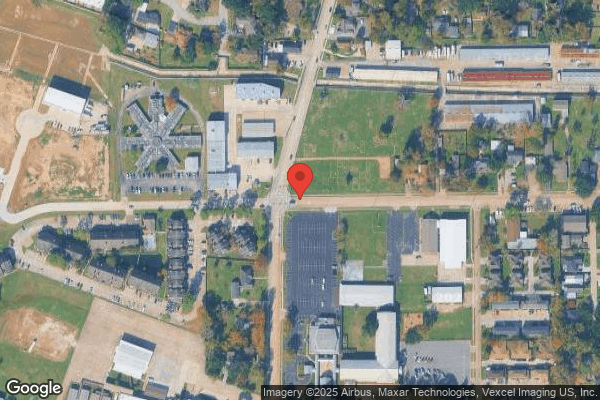
Understanding Severity Codes (click to expand)
Life-Threatening (Immediate Jeopardy)
J - Isolated K - Pattern L - Widespread
Actual Harm
G - Isolated H - Pattern I - Widespread
Potential for Harm
D - Isolated E - Pattern F - Widespread
No Harm (Minor)
A - Isolated B - Pattern C - Widespread

Questions to Ask on Your Visit

  • "What changes have you made since the serious inspection findings?"
  • "Can I speak with families of current residents?"
  • "What's your RN coverage like on weekends and overnight?"

Our Honest Assessment

Strengths
  • • Licensed and certified facility. Meets minimum state requirements.
Concerns
  • • Multiple safety concerns identified: 3 life-threatening violation(s), 1 harm violation(s). Review inspection reports carefully.
  • • 37 deficiencies on record, including 3 critical (life-threatening) violations. These warrant careful review before choosing this facility.
  • • $23,728 in fines. Higher than 94% of Texas facilities, suggesting repeated compliance issues.
  • • Grade F (7/100). Below average facility with significant concerns.
Bottom line: This facility has 3 Immediate Jeopardy findings. Serious concerns require careful evaluation.

About This Facility

What is Focused Care At Humble's CMS Rating?

CMS assigns FOCUSED CARE AT HUMBLE an overall rating of 2 out of 5 stars, which is considered below average nationally. Within Texas, this rating places the facility higher than 0% of the state's 100 nursing homes. A rating at this level reflects concerns identified through health inspections, staffing assessments, or quality measures that families should carefully consider.

How is Focused Care At Humble Staffed?

CMS rates FOCUSED CARE AT HUMBLE's staffing level at 1 out of 5 stars, which is much below average compared to other nursing homes. Staff turnover is 50%, compared to the Texas average of 46%. RN turnover specifically is 80%, which is notably high. RNs provide skilled clinical oversight, so turnover in this role can affect medical care quality.

What Have Inspectors Found at Focused Care At Humble?

State health inspectors documented 37 deficiencies at FOCUSED CARE AT HUMBLE during 2021 to 2025. These included: 3 Immediate Jeopardy (the most serious level, indicating potential for serious harm or death), 1 that caused actual resident harm, and 33 with potential for harm. Immediate Jeopardy findings are rare and represent the most serious regulatory concerns. They require immediate corrective action.

Who Owns and Operates Focused Care At Humble?

FOCUSED CARE AT HUMBLE is owned by a for-profit company. For-profit facilities operate as businesses with obligations to shareholders or private owners. The facility is operated by FOCUSED POST ACUTE CARE PARTNERS, a chain that manages multiple nursing homes. With 134 certified beds and approximately 87 residents (about 65% occupancy), it is a mid-sized facility located in HUMBLE, Texas.

How Does Focused Care At Humble Compare to Other Texas Nursing Homes?

Compared to the 100 nursing homes in Texas, FOCUSED CARE AT HUMBLE's overall rating (2 stars) is below the state average of 2.8, staff turnover (50%) is near the state average of 46%, and health inspection rating (2 stars) is below the national benchmark.

What Should Families Ask When Visiting Focused Care At Humble?

Based on this facility's data, families visiting should ask: "What changes have been made since the serious inspection findings, and how are you preventing similar issues?" "Can you walk me through typical staffing levels on day, evening, and night shifts?" "Can I visit during a mealtime to observe dining assistance and food quality?" "How do you handle medical emergencies, and what is your hospital transfer rate?" These questions are particularly relevant given the facility's Immediate Jeopardy citations and the below-average staffing rating.

Is Focused Care At Humble Safe?

Based on CMS inspection data, FOCUSED CARE AT HUMBLE has documented safety concerns. Inspectors have issued 3 Immediate Jeopardy citations (the most serious violation level indicating risk of serious injury or death). The facility has a 2-star overall rating and ranks #100 of 100 nursing homes in Texas. Families considering this facility should ask detailed questions about what corrective actions have been taken since these incidents.

Do Nurses at Focused Care At Humble Stick Around?

FOCUSED CARE AT HUMBLE has a staff turnover rate of 50%, which is about average for Texas nursing homes (state average: 46%). Moderate turnover is common in nursing homes, but families should still ask about staff tenure and how the facility maintains care continuity when employees leave.

Was Focused Care At Humble Ever Fined?

FOCUSED CARE AT HUMBLE has been fined $23,728 across 2 penalty actions. This is below the Texas average of $33,316. While any fine indicates a compliance issue, fines under $50,000 are relatively common and typically reflect isolated problems that were subsequently corrected. Families should ask what specific issues led to these fines and confirm they've been resolved.

Is Focused Care At Humble on Any Federal Watch List?

FOCUSED CARE AT HUMBLE is not on any federal watch list. The most significant is the Special Focus Facility (SFF) program, which identifies the bottom 1% of nursing homes nationally based on persistent, serious quality problems. Not being on this list means the facility has avoided the pattern of deficiencies that triggers enhanced federal oversight. This is a positive indicator, though families should still review the facility's inspection history directly.