IOWA PARK HEALTHCARE CENTER
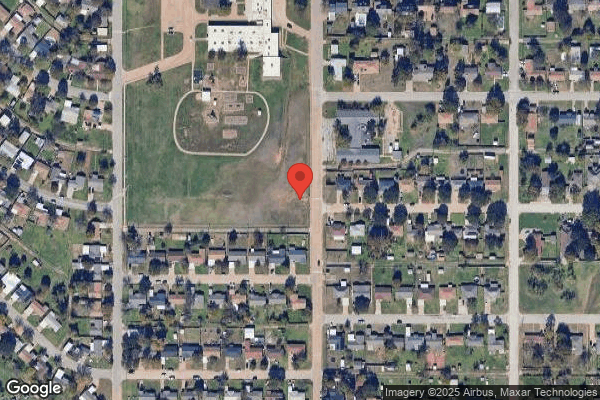
1109 N THIRD ST, IOWA PARK, TX 76367 (940) 592-4139
For profit - Corporation 77 Beds BOOKER HOSPITAL DISTRICT Data: November 2025
Trust Grade
65/100
#495 of 1168 in TX
Last Inspection: June 2023

Over 2 years since last inspection. Current conditions may differ from available data.

Overview

Iowa Park Healthcare Center has a Trust Grade of C+, indicating it is slightly above average but not particularly strong. It ranks #495 out of 1,168 facilities in Texas, placing it in the top half, and #5 out of 10 in Wichita County, meaning only four local options are better. Unfortunately, the facility is worsening, with issues increasing from 4 in 2022 to 7 in 2023. Staffing is a significant concern, earning only 1 out of 5 stars, but the turnover rate is exceptionally low at 0%, which is below the Texas average of 50%. There have been no fines, which is a positive sign. However, the facility has faced serious concerns, such as failing to properly store food, which could lead to food-borne illnesses, and not developing adequate care plans for residents, risking their medical and psychological needs. Overall, while there are strengths like low turnover and no fines, the increasing number of issues and poor staffing ratings are significant red flags for families considering this nursing home.

Trust Score
C+
65/100
In Texas
#495/1168
Top 42%
Safety Record
Low Risk
No red flags
Inspections
Getting Worse
4 → 7 violations
Staff Stability
○ Average
Turnover data not reported for this facility.
Penalties
✓ Good
No fines on record. Clean compliance history, better than most Texas facilities.
Skilled Nurses
○ Average
RN staffing data not reported for this facility.
Violations
⚠ Watch
15 deficiencies on record. Higher than average. Multiple issues found across inspections.
★★★☆☆
3.0
Overall Rating
★☆☆☆☆
1.0
Staff Levels
☆☆☆☆☆
0.0
Care Quality
★★★★☆
4.0
Inspection Score
Stable
2022: 4 issues
2023: 7 issues

The Good

  • Full Sprinkler Coverage · Fire safety systems throughout facility
  • No fines on record

Facility shows strength in fire safety.

The Bad

3-Star Overall Rating

Near Texas average (2.8)

Meets federal standards, typical of most facilities

Chain: BOOKER HOSPITAL DISTRICT

Part of a multi-facility chain

Ask about local staffing decisions and management

The Ugly 15 deficiencies on record

Jun 2023 6 deficiencies
CONCERN (D)

Potential for Harm - no one hurt, but risky conditions existed

Quality of Care (Tag F0684)

Could have caused harm · This affected 1 resident

**NOTE- TERMS IN BRACKETS HAVE BEEN EDITED TO PROTECT CONFIDENTIALITY** Based on observation, interview, and record review, the facility failed to ensure residents receive treatment and care in accord...

Read full inspector narrative →
**NOTE- TERMS IN BRACKETS HAVE BEEN EDITED TO PROTECT CONFIDENTIALITY** Based on observation, interview, and record review, the facility failed to ensure residents receive treatment and care in accordance with professional standards of practice for 1 of 2 residents (Resident #1) whose records were reviewed for skin conditions, in that: Resident #1 had a diagnosis of intrinsic (allergic) eczema and was observed to have red facial areas and a raised scabbed area on the bridge of her nose. She was not receiving skin treatment. This failure placed the resident at risk for discomfort and infection from areas of skin that were not being treated. The findings included: Review of Resident #1's admission Record, dated 6/15/2023, revealed a [AGE] year-old female initially admitted to the facility on [DATE] with a principal admitting diagnosis of unspecified dementia (impaired memory and thought process). Additional diagnoses listed included: Generalized anxiety disorder Major depressive disorder, recurrent, mild Benign neoplasm of brain, supratentorial (brain cancer) Allergic rhinitis, unspecified (reaction to allergens in the air resulting in sneezing, runny nose, itchy eyes) Intrinsic (allergic) eczema (skin disorder with itchy, dry, sore skin with rash) Review of Resident #1's Quarterly MDS assessment, dated 5/11/2023, revealed no skin conditions were selected and the skin treatments section option of application of ointments/medications other than feet was not selected. Review of Resident #1's comprehensive care plan, dated as initiated 12/01/21 with the most recent review dated 5/18/23, revealed it did not address Resident #1's facial skin condition related to the diagnosis of intrinsic (allergic) eczema. Observation and interview on 6/12/23 at 11:19 AM revealed Resident #1 was lying awake in bed in her room. The resident was observed to have red rash patches of facial skin and a raised scabbed area on the bridge of her nose. The resident stated the scabbed area on her nose had been there for a while. Review of Resident #1's Weekly Skin Assessment, dated 6/13/23, documented the resident's skin was dry and flaky and there were no new skin issues. There was no documented evidence of the resident having facial rash areas and a scabbed area on the bridge of her nose. Review of Resident #1's current Physician Orders for June 2023 revealed no orders for topical treatments. Review of Resident #1's Nursing Progress Notes revealed no documented evidence of the facial rash areas or the scabbed area on the bridge of her nose. During an interview and record review on 6/15/23 at 10:48 AM, charge nurse LVN A stated Resident #1 did not have a scabbed area on the bridge of her nose last week. She stated the resident has had the facial areas for as long as she has worked in the facility, and she started during March 2023. LVN A reviewed Resident #1's electronic health record. She stated there were no physician orders for topical treatment; no order for PRN Atarax or other antihistamine; and no documentation in the nurses' notes regarding an open or scabbed area on the bridge of the resident's nose. LVN A stated there was not anything on the 24-hour report. She stated they were dry patches of skin. During an observation and interview on 6/15/23 at 10:52 AM, accompanied by LVN A, Resident #1 was lying awake in bed. The scabbed area on the bridge of the resident's nose was open and bloody. LVN A observed Resident #1's facial skin and stated she thought the resident may have scratched a dry patch of skin on her nose and caused it to bleed, scab, and scratched the scab off again. LVN A stated she would call the resident's daughter and ask about it and would call the resident's physician. She stated Resident #1 may benefit from Hydrocortisone cream. In a telephone interview on 6/15/23 at 1:34 PM, Resident #1's family member stated the family had battled the resident's skin condition for years. She stated Resident #1 had eczema and had gone to a dermatologist during the past. The daughter stated she had bought over the counter hydrocortisone, triple antibiotic ointment, and special shampoo during the past and had used it on the resident's face and it cleared it up. She stated the resident had physician ordered ointment that was stopped 8 or 9 months ago. The family member stated Resident #1 scratched and picked at her skin. She stated the resident has had the raised area on her nose for a while. She stated Resident #1 had lived in her own home in the western part of the state and had gone to a dermatologist over 3 years ago. She stated the dermatologist did not think the area on her nose was cancerous at that time.
CONCERN (D)

Potential for Harm - no one hurt, but risky conditions existed

Respiratory Care (Tag F0695)

Could have caused harm · This affected 1 resident

**NOTE- TERMS IN BRACKETS HAVE BEEN EDITED TO PROTECT CONFIDENTIALITY** Based on observation, interview, and record review the facility failed to ensure that a resident who needs respiratory care, is ...

Read full inspector narrative →
**NOTE- TERMS IN BRACKETS HAVE BEEN EDITED TO PROTECT CONFIDENTIALITY** Based on observation, interview, and record review the facility failed to ensure that a resident who needs respiratory care, is provided such care, consistent with professional standards of practice, the comprehensive person-centered care plan, the residents' goals, and preferences for 1 of 2 rResidents (Resident #11) reviewed for respiratory care. A. The facility failed to ensure Resident #11's nasal cannula and nebulizer were kept in a bag while not in use. These failures could place residents at risk for infections and transmission of communicable diseases. Findings included: Record review of Resident # 11's Face Sheet dated 06/15/2023 revealed an [AGE] year-old male, who was admitted to the facility on [DATE]. Diagnosis included pain, Hypertension (high blood pressure), Muscle wasting, Shortness of breath, Depression, Anxiety, chronic obstructive pulmonary disease (a lung disease that block airflow and make it difficult to breathe). Record review of Resident #11's MDS admission assessment dated [DATE] revealed a BIMS score of 05 (severe cognitive impairment). Section I: Active diagnosis revealed chronic pulmonary disease, or chronic lung disease. Section O: Respiratory Treatments was marked for Oxygen Therapy. Record review of Resident #11's Physician Orders dated 05/05/2023 revealed an order for Oxygen at 2 liters per minute via nasal cannula every shift. Change oxygen tubing weekly on Sunday. Change out nebulizer tubing weekly on Sunday. Change oxygen water when empty. Record review of Resident #11's admission Care Plan, 04/13/2023, revealed a care plan for [Resident #110] has COPD (obstructive pulmonary disease) - Oxygen PRN to keep oxygen saturation above 92%. The Care Plan failed to have an intervention regarding when oxygen tubing needed to be changed. In an observation and interview on 06/14/2023 at 10:45 AM during rounds, Resident #11 was lying in his bed receiving oxygen via nasal cannula at 2 liters per minute. His nebulizer was sitting on his nightstand uncovered. He was unable to answer to answer any questions regarding whether heirs oxygen tubing had been changed. In an observation on 06/14/2023 at 2:30 PM Resident #11 was sitting on side of his bed. His nebulizer was uncovered and hanging over the nightstand in his room with the nebulizer about an inch from the floor. In an Interview on 06/15/2023 at 2:45 PM with the DON stated oxygen tubing was changed weekly based on the resident's orders, or as needed if they become contaminated or occluded. The DON stated oxygen tubing and the humidifier bottle should be changed per doctor's orders. If they were not dated, she stated she would discard them and replace them with a new nasal cannula. She stated resident 11's tubing and the nebulizer should have been stored in a plastic bag when not in use to prevent cross contamination and infection. In an Interview on 06/15/2023 at 2:55 PM with the Administrator stated, the resident care is handled by the nursing department. Record review of the facility policy Respiratory Therapy -Prevention of Infection, dated 2001 revised November 2011, revealed the following [in part]: Purpose: The purpose of this procedure is to guide prevention of infection associated with respiratory therapy tasks and equipment, including ventilators, among residents and staff. Procedure: Product: Oxygen delivery devices (no-aerosol producing) Ex: venturi masks, nasal cannulas, oxygen supply tubing. Infection Control Considerations Related to Medication Nebulizers/Continuous Aerosol: 7. Store the circuit in plastic bag between uses. 9. Discard the administration set-up every seven (7) days as needed.
CONCERN (E)

Potential for Harm - no one hurt, but risky conditions existed

Comprehensive Care Plan (Tag F0656)

Could have caused harm · This affected multiple residents

**NOTE- TERMS IN BRACKETS HAVE BEEN EDITED TO PROTECT CONFIDENTIALITY** Based on observation, interview, and record review, the facility failed to develop and implement a comprehensive person-centered...

Read full inspector narrative →
**NOTE- TERMS IN BRACKETS HAVE BEEN EDITED TO PROTECT CONFIDENTIALITY** Based on observation, interview, and record review, the facility failed to develop and implement a comprehensive person-centered care plan for each resident that includes measurable objectives and time frames to meet the resident's medical, nursing, and mental and psychosocial needs that are identified in the comprehensive assessment for 3 of 12 residents (Resident #s 1, 3, and 10) whose records were reviewed for care plans, in that: 1. Resident #1 had a diagnosis of eczema and was observed to have red rash and scabbed facial skin areas. The resident's comprehensive care plan did not address the resident's skin condition. 2. Resident #1's comprehensive assessment CAA Summary, dated 11/07/2022, had triggered care areas of ADL Functional/Rehabilitation Potential, Nutritional Status, Dental Care, and Psychotropic Drug Use that were not addressed on her comprehensive care plan. The care plan was most recently reviewed on 5/18/2023 and did not address the resident's comprehensive assessment triggered care areas. 3. Resident #3 was admitted to the facility on [DATE] with an indwelling urinary catheter in place related to a diagnosis of neuromuscular dysfunction of the bladder. Her comprehensive care plan, dated 5/04/2023, did not address the need for and risk factor related to the bladder catheter. 4. Resident #10 had a Significant Change in Status MDS Assessment completed on 1/05/2023 after she was admitted to hospice care services. The comprehensive care plan was not revised to address the resident was receiving hospice care services and did not address all the CAA Summary triggered care areas, including pain. These failures placed residents at risk for not receiving care and services to meet their individual needs and a decline in health care status. The findings included: Resident #1 Review of Resident #1's admission Record, dated 6/15/2023, revealed a [AGE] year-old female initially admitted to the facility on [DATE] with a principal admitting diagnosis of unspecified dementia (impaired memory and thought process). Additional diagnoses listed included: Chronic obstructive pulmonary disease (breathing and lung disorder) Chronic kidney disease, unspecified (kidney damage preventing proper filtering of blood) Primary generalized (osteo)arthritis (arthritis affecting cartilage and bone in joints) Generalized anxiety disorder Major depressive disorder, recurrent, mild Essential (primary) hypertension (high blood pressure) Benign neoplasm of brain, supratentorial (brain cancer) Allergic rhinitis, unspecified (reaction to allergens in the air resulting in sneezing, runny nose, itchy eyes) Cognitive communication deficit (difficulty thinking and putting thoughts into words) Intrinsic (allergic) eczema (skin disorder with itchy, dry, sore skin with rash) Hypokalemia (low potassium level) Gastro-esophageal reflux disease without esophagitis (digestive disorder - stomach acid flows into the esophagus) Other chronic pain Review of Resident #1's MDS assessment history revealed a comprehensive Significant Change in Condition assessment was completed an assessment review date of 11/07/22, and Quarterly MDS assessments were completed with assessment review dates of 12/22/22, 3/14/23, and 5/11/23. Review of Resident #1's Significant Change in Condition MDS assessment, dated 11/07/2022, revealed the CAA Summary triggered care areas of cognitive loss/dementia, visual function, communication, ADL functional/rehabilitation potential, falls, nutritional status, dental care, and psychotropic drug use. Review of Resident #1's comprehensive care plan, dated as initiated 12/01/21 with the most recent review dated 5/18/23, revealed it did not address ADL functional/rehabilitation potential, nutritional status, and dental care. The care plan did not address Resident #1's facial skin condition related to the diagnosis of intrinsic (allergic) eczema. Observation and interview on 6/12/23 at 11:19 AM revealed Resident #1 was lying awake in bed in her room. The resident was observed to have red rash patches of facial skin and a raised scabbed area on the bridge of her nose. The resident stated the scabbed area on her nose had been there for a while. Resident #3 Review of Resident #3's admission Record, dated 6/15/2023, revealed a [AGE] year-old female who was admitted to the facility on [DATE] with a primary admitting diagnosis of senile degeneration of the brain and hospice care services. Additional admitting diagnoses listed included: Neuromuscular dysfunction of bladder, unspecified (lack of bladder control due to brain, spinal cord, or nerve condition) Pain, unspecified Personal history of urinary (tract) infections (bladder infection affecting the upper urinary tract) Presence of urogenital implants (material injected into the urethra to help control urinary leakage caused by a weak sphincter muscle) Review of Resident #3's physician orders, dated June 2023, revealed an order dated 5/04/23 to Change catheter and drainage bag as needed for indications of blockage, increased sediment, infection, or dislodging. Review of Resident #3's admission MDS assessment, dated 4/20/2023, revealed the Active Diagnosis of neurogenic bladder had been selected. The resident was assessed as having an indwelling catheter in the section for Bladder and Bowel. Review of Resident #3's admission MDS assessment, dated 4/20/2023, revealed the CAA Summary triggered care areas included urinary incontinence and indwelling catheter. Review of Resident #3's comprehensive care plan, dated 5/04/23, revealed it did not address the resident's indwelling urinary catheter and risk factors associated with the catheter. During an interview and observation on 06/13/23 at 5:13 PM, Resident #3 stated she has had the urinary catheter for many years. The catheter drainage bag was in a dignity bag hanging from the side of the bed frame near the wall. During an interview and record review on 6/15/23 at 3:55 PM, the ADON stated she completed the MDS assessments and care plans. She reviewed Resident #3's comprehensive care plan in the electronic health record and stated there was not a care plan addressing the resident's indwelling urinary catheter. Resident #10 Review of Resident #10's admission Record, dated 6/15/2023, revealed a [AGE] year-old female with an initial admission date on 9/13/2018 with a primary admitting diagnosis on unspecified dementia. Additional diagnoses listed included: Chronic respiratory failure with hypoxia (low blood oxygen level) Depression, unspecified Anxiety disorder, unspecified Unspecified systolic (congestive) heart failure (heart does not pump blood well and can cause fluid build-up) Chronic obstructive pulmonary disease (breathing and lung disorder) Hyperlipidemia (high cholesterol) Peripheral vascular disease (poor blood circulation) Senile degeneration of brain (dementia) Hypothyroidism, unspecified (thyroid disorder) Pain, lower back Dysphagia, unspecified (swallowing problem) Gastro-esophageal reflux disease without esophagitis (digestive disorder - stomach acid flows into the esophagus) Agoraphobia with panic disorder (anxiety disorder characterized by a specific fear of particular places and situations that the person feels anxious or panics) Essential (primary) hypertension (high blood pressure) Review of Resident #10's physician orders revealed an order dated 12/30/2022 to admit to hospice care services with a diagnosis of senile degeneration of the brain. Review of Resident #10's physician orders, dated June 2023, revealed orders dated 12/30/22 for a pain assessment every shift and an order for Norco (Hydrocodone/Acetaminophen) 7.5-325 mg by mouth every 6 hours related to pain. Review of Resident #10's physician orders, dated June 2023, revealed the following medication orders: Remeron 30 mg by mouth at bedtime related to depression, with an order date of 1/20/23; Paxil 30 mg by mouth daily related to depression, with an order date of 3/23/23; Xanax 0.25 mg by mouth three times daily for anxiety, with an order date of 3/29/23; Xanax 0.25 mg by mouth every 4 hours PRN (as needed) for anxiety, with an order date of 3/29/23. Review of Resident #10's Significant Change in Condition MDS assessment, with an assessment reference date of 1/05/2023, documented the resident was receiving hospice care services, and received antidepressant and antianxiety medications 7 out of 7 days during assessment review period. Review of Resident #10's Significant Change in Condition MDS assessment, dated 01/05/2023, revealed the CAA Summary triggered care areas of cognitive loss/dementia, visual function, communication, ADL functional/rehabilitation potential, urinary incontinence/indwelling catheter, mood state, behavioral symptoms, falls, nutritional status, pressure ulcer, psychotropic drug use, and pain. Review of Resident #10's comprehensive care plan, dated as initiated 10/14/21 and most recently reviewed on 5/11/23, revealed it did not address the resident was receiving hospice care services. It did not address the Significant Change in Condition MDS assessment CAA Summary triggered care areas of cognitive loss/dementia, visual function, urinary incontinence, mood state, nutritional status, pressure ulcer, psychotropic drug use, and pain. During an observation and interview on 6/13/23 at 10:30 AM, Resident #10 was lying on her right side in a fetal position in a low bed. She complained of pain and stated she was sick and needed someone to come in here. Her roommate told Resident #10 to turn on her call light, and Resident #10 pushed the call light button. CNA B entered the room and stated Resident #10 had a lot of lower back pain and received pain medication. Review of the facility's policy and procedure for Care Plans, Comprehensive Person-Centered, dated as revised March 2022, revealed the following [in part]: Policy Statement A comprehensive, person-centered care plan that includes measurable objectives and timetables to meet the resident's physical, psychosocial and functional needs is developed and implemented for each resident. Policy Interpretation and Implementation 2. The comprehensive, person-centered care plan is developed within seven (7) days of the completion of the required MDS assessment (Admission, Annual or Significant Change in Status), and no more than 21 days after admission. 3. The care plan interventions are derived from a thorough analysis of the information gathered as part of the comprehensive assessment . 11. Assessments of residents are ongoing and care plans are revised as information about the residents and the residents' conditions change .
CONCERN (E)

Potential for Harm - no one hurt, but risky conditions existed

Deficiency F0657 (Tag F0657)

Could have caused harm · This affected multiple residents

**NOTE- TERMS IN BRACKETS HAVE BEEN EDITED TO PROTECT CONFIDENTIALITY** Based on interview and record review the facility failed to ensure the comprehensive care plan that described the services that ...

Read full inspector narrative →
**NOTE- TERMS IN BRACKETS HAVE BEEN EDITED TO PROTECT CONFIDENTIALITY** Based on interview and record review the facility failed to ensure the comprehensive care plan that described the services that were to be furnished to attain or maintain the resident's highest practicable physical, mental, and psychological well-being as required for 9 of 13 residents (Residents #1, 3, 7, 9, 11, 14, 15, 17, 120) reviewed and revised by the Inter-Disciplinary Team (IDT) attending the care conference after each assessment, including both the comprehensive and quarterly review assessments. The facility failed to ensure a complete Interdisciplinary Team (IDT) was at each care conference and met either in-person, by telephone or teleconference. This failure could place residents at risk of not having their needs and conditions met by not having the required disciplines available to evaluate and update the various sections of the resident's care plan(s). Findings included: Resident #1 Record review of Resident #1's face (admission) sheet revealed a [AGE] year-old female admitted on [DATE], with the following diagnoses; Chronic Obstructed Pulmonary Disease, Chronic Kidney Disease, Generalized Anxiety Disorder, and Essential Hypertension (high blood pressure). Record review of Resident #1's Care Plan Conference Summary dated 6/6/2023 revealed the only staff member present for the meeting was the facility Social Worker. No other staff members were signed in, and the attending physician also was not present. The resident or resident representative were not present either. Record Review of Resident # 3's face (admission) sheet revealed a [AGE] year-old female admitted on [DATE], with the following diagnoses; Hypotension (low blood pressure), Hypothyroidism (thyroid gland does not produce enough of the hormone), Adult failure to thrive, Depression, Cerebral Infarction (stroke) and Anxiety disorder. Record review of Resident # 3's Care Plan Conference Summary dated 05/09/2023 revealed the following were in attendance: The facility Social Worker, Assistant Director of Nurses, a Hospice Registered Nurse and the resident's niece. Absent from the conference were the attending physician, a CNA, Dietary representative and other disciplines that may have been needed to complete a care plan for the resident. Record Review of Resident #7's face (admission) sheet revealed a [AGE] year-old female admitted on [DATE] with the following diagnoses; Non-ST elevation myocardial infarction (NSTEMI, a type of heart attack), spinal stenosis (narrowing of the inside of the bony part of the spine), Vascular Dementia (brain damage caused by multiple strokes), Transient Ischemic Attack (TIA, sometimes called mini-strokes), Depression, and Hyperlipidemia (high cholesterol). Record review of Resident #7's Care Plan Conference Summary, dated 06/06/2023 revealed that the facility Social Worker, the Director of Nurses, he resident and the resident's daughter-in-law were present at the meeting. The attending physician, CNA, and Dietary representative were not present. Record Review of Resident # 9's face (admission) sheet revealed an [AGE] year-old male admitted on [DATE] with the following diagnoses; Dementia, Type II Diabetes Mellitus, Chronic Obstructive Pulmonary Disease, Chronic Kidney Disease, Alzheimer's Disease, and Anxiety Disorder. Record review of Resident # 9's Care Plan Conference Summary dated 03/28/2023 revealed the following were in attendance; The facility Social Worker and the resident's spouse. Missing from the care conference were the following; A Registered Nurse, attending physician, CNA, and Dietary representative. Record review of Resident # 11's face (admission) sheet revealed an [AGE] year-old male admitted on [DATE] with the following diagnoses; Chronic Obstructive Pulmonary Disease, Hypertensive Heart Disease, with Heart Failure (heart disease because of high blood pressure), Depression, Anxiety, and pain. Record review of Resident # 11's Care Plan Conference Summary dated 03/07/2023 revealed the following staff were present; The facility's Social Worker, a Registered Nurse and a Master of Social Work. There was no attending physician, CNA, Dietary representative, resident, or resident representative present for the meeting. Record Review of Resident # 14's face (admission) sheet revealed a [AGE] year-old female admitted on [DATE] with the following diagnoses; Bipolar II Disorder (disorder with depressive episodes, and hypomanic (periods of increased activity)), Generalized anxiety, Hyperlipidemia (high cholesterol), Other chronic pain and Depression. Record review of Resident # 14's Care Plan Conference Summary, dated 05/16/2023 revealed the only staff member present at the meeting was the facility social worker. Not present at the meeting were the attending physician, an RN from the facility, a CNA from the facility and a representative from the Dietary department. Record review of Resident # 14's Care Plan Conference Summary dated 06/08/2023 revealed the facility social worker and the resident's mother were the only ones present during the meeting. Absent from the meeting were the attending physician, a staff RN, staff CNA, and member of the Dietary department. Record review of Resident # 15's face (admission) sheet revealed an [AGE] year-old female admitted on [DATE] with the following diagnoses; Chronic kidney disease, Stage 3, Hyperlipidemia (High cholesterol), Restless leg syndrome, Hypothyroidism (thyroid gland does not produce enough of the hormone) and dependence on supplemental oxygen. Record review of Resident # 15's Care Plan Conference Summary, dated 01/30/2023 revealed the facility's social worker was the only staff member present at the meeting along with two hospice employees and the resident's daughter. Absent from the meeting were the attending physician, a staff RN, CNA, and Dietary representative. Record review of Resident # 17's face (admission) sheet revealed a [AGE] year-old male admitted [DATE] with the following diagnoses; Cerebral infarction (stroke), Dysphagia following cerebral infarction (difficulty swallowing), depression, and hypertension (high blood pressure). Record review of Resident # 17's Care Plan Conference Summary dated 06/08/2023 revealed the facility's social worker was the only staff member present for the meeting. The resident's daughter was present by phone and there was a hospice RN at the meeting as well. Missing from the meeting were the attending physician, facility RN, CNA, and Dietary representative. Record review of Resident #120's face (admission) sheet revealed a [AGE] year-old male admitted on [DATE] with the following diagnoses; Senile degeneration of the brain (mental deterioration, or loss of intellectual ability), Hypothyroidism (thyroid gland does not produce enough of the hormone), Generalized anxiety disorder and Diabetes Type II. Record review of Resident # 120's Care Plan Conference Summary dated 06/13/2023 revealed the facility's social worker and Director of Nurses were the only staff members present. Missing from the meeting were the attending physician, a staff CNA and Dietary representative. In an interview on 06/15/2023 at 10:32 AM with the DON, the DON said that care plans are done at admission, after significant changes and when other MDS assessments warrant changing a care plan. DON said that when she first started working at the facility back in April of 2023, only the social worker was attending care plan meetings with either the resident or responsible party if they attended after getting an invitation to the meeting. DON now will attend all care plan meetings because she knows it is a part of the facility's policy to do so. DON said she cannot have a CNA or dietary attend because they are a small facility and do not have enough staff scheduled on days care plan meetings are held and still provide good care to residents. In an interview on 06/15/2023 at 10:50 AM with the ADM, the ADM said she is not familiar with the facility policy on Care Plan meetings but says the social worker will try to invite the resident or family to meetings and that the social worker and DON attend. She says the doctor does not because of his busy schedule with his private practice. She said a potential outcome for residents would be the residents not receiving all the care ordered as other staff would not know what was planned. In a phone interview on 06/15/2023 at 11:20 AM with the SW, the SW said he has been doing the meeting mostly alone for a long time and is comfortable with it. He reports he brings in nurses when he feels they may be needed to answer questions and lately the DON has been attending the meetings. The SW said he was not aware of who should be attending the meetings as he has never looked at regulations or statutes or the facility policy. Record review of a facility policy titled Care Plans, Comprehensive Person-Centered, 2001 MED-PASS, Inc. (Revised December 2016), Policy Interpretation and Implementation revealed; 3. The IDT includes: a. The Attending Physician, b. A registered nurse who has responsibility for the resident, c. A nurse aide who has responsibility for the resident, d. A member of the food and nutrition services staff, e. The resident and the resident's legal representative (to the extent practicable); and f. Other appropriate staff or professionals as determined by the resident's needs or as requested by the resident.
MINOR (C)

Minor Issue - procedural, no safety impact

Deficiency F0565 (Tag F0565)

Minor procedural issue · This affected most or all residents

Based on observation, interview, and record review, the facility failed to act promptly upon the grievances of the resident group concerning issues of resident care and life in the facility and demons...

Read full inspector narrative →
Based on observation, interview, and record review, the facility failed to act promptly upon the grievances of the resident group concerning issues of resident care and life in the facility and demonstrate their response and rationale for such response, in that: 1. Concerns voiced during the Resident Council Meetings regarding the facility air temperature being too cold were not addressed following meetings held on 3/07/2023 and 6/02/2023. 2. The Resident Council members were not notified regarding facility action taken to address and resolve concerns voiced during Resident Council Meetings. 3. The follow-up to Resident Council concerns was not documented on the Resident Council Minutes forms and old business concerns from prior meetings were not documented as reviewed, read, resolved, or unresolved. These failure placed the residents at risk for a decreased quality of life and a decreased feeling of well-being within their living environment. The findings included: Review of the facility's Grievance Log binder notebook on 6/12/23 revealed only two documented Complaint/Grievance Report forms year-to-date, which were both from the Resident Council dated 3/07/23. The Complaint/Grievance Report forms, dated 3/07/23, were documented by the Administrator. The first concern addressed the meal tray tickets and documented the Administrator spoke with the Dietary Manager and each daily meal would be included on the tray ticket. The second concern addressed the staff approach and treatment of residents. The Administrator documented the plan to provide staff education and conduct ongoing monitoring of staff interactions with residents. Review of the three most Resident Council Meeting minutes, provided by the Activity Assistant, revealed the following: - 3/07/23: 5 residents attended - There was no documentation in the section for Review of Prior Council Meeting, which included the reading of prior minutes, list of old business resolved, and list of old business unresolved. The New Business Concerns documented it was too cold and the residents were always cold; the meal tray tickets did not the list meal menu served; and the nursing staff approach and attitude toward residents when asked for toileting assistance. The form documented the meal tray tickets were discussed with the Dietary Manager and the meal was to be included on the tray tickets. The follow-up plan for the way staff spoke to the residents was to provide staff education. The form did not document a follow-up plan to address the complaint of the residents feeling cold. There was no documented evidence the complaint of residents being cold had been addressed. - 5/01/23: 8 residents attended - There was no documentation in the section for Review of Prior Council Meeting, which included reading of prior minutes, list of old business resolved, and list of old business unresolved. The form documented the New Business Concerns of trash cans not being emptied in the residents' rooms and restrooms. The follow-up plan documented the DON would notify the nursing staff and the Administrator had notified the housekeeping staff regarding the residents' complaints of trash cans not being emptied. The form documented the issue of it being too cold in the whole building was to be addressed by the Administrator, and the follow-up plan documented thermostat code changed. - 6/02/23: 10 residents attended - There was no documentation in the section for Review of Prior Council Meeting, which included reading of prior minutes, list of old business resolved, and list of old business unresolved. The form documented the New Business Concerns of it being too cold in the dining room and the building. The form documented the concern would be communicated to the Administrator. There was no further documented follow-up regarding the complaint of the air temperature being too cold in the dining room and building. Review of the facility's Resident List Report, dated 6/12/2023, revealed the resident census was 20. The residents were all in rooms located on the North Side of the building. In an interview on 6/12/23 at 2:40 PM, the Administrator stated she started employment in the facility on 2/27/23. She stated she had put a new grievance log together and had organized it by calendar years. She stated she did not find any documented grievance report forms for the year 2023 prior to her employment start date. The Administrator stated she had addressed the Resident Council Meeting concerns from the meeting held on 3/07/23. She stated staff in-service training was provided regarding customer service, and she later conducted an all-staff in-service training regarding abuse prevention and neglect, including the facility policy for abuse and neglect and reporting allegations to the Administrator or DON. In an interview on 6/12/23 at 3:13 PM, the DON stated she had started employment in the facility on 4/03/23. The DON stated she gave one-on-one education with nursing staff on ways to approach residents with dementia, Alzheimer's disease, and behavior problems. During an observation and interview on 6/13/23 at 12:37 PM, a thermostat was observed to be mounted to the wall in the Northeast Hall near the nurses' station. The thermostat registered an air temperature of 70 degrees F. The two nurse aides on duty, CNA B and NA C, stated they were not allowed to change the thermostat temperature. They stated the Business Office Manager had the code to the thermostat to change the temperature setting. A resident group interview was conducted on 6/13/23 at 2:10 PM, during a Resident Council Meeting, which was attended by 7 residents and a staff member from the local Ombudsman Program. The residents stated the concern regarding the facility air temperature being too cold had not been resolved. The residents stated they were not told the outcome of Resident Council concerns voiced during prior meetings or if they were addressed and what was done to correct the concerns. During an interview and record review on 6/15/23 at 8:57 AM, the Activity Assistant stated a Resident Council Meeting was held early for April on 3/28/23, as she was scheduled for vacation time off during April. She stated there were no concerns during the meeting. She provided a copy of the 3/28/23 meeting minutes for review. The Resident Council Minutes form dated 3/28/23 at 3:00 PM documented the names of 6 resident who were in attendance and a resident right which was reviewed. There was no other documentation on the form. The Activity Assistant stated if there were complaints, the Resident Council Minutes were given to the Administrator who filled out the Grievance Form and addressed the complaint(s). She stated she discussed the complaints with the Administrator and let the Resident Council know the outcome during the next meeting. The Resident Council Minutes forms dated 3/07/23, 5/01/23 and 6/02/23 were reviewed with the Activity Assistant. There was no documentation in the section for Review of Prior Council Meeting, including reading of prior minutes, list of old business resolved, and old business unresolved. The Activity Assistant did not make a comment or provide a reason for not documenting the old business concerns and outcome on the forms. In an interview on 6/15/23 at 9:43 AM, the Business Office Manager stated the thermostats were updated when the facility reopened in October 2021. She stated the thermostats were wireless thermostats. The BOM stated the temperature on the thermostat showed the room temperature and not the temperature the thermostat was set at. She stated she could view the thermostat temperatures using an app on her cell phone. The BOM stated if temperature needed to be adjusted after hours or on the weekends, the staff sent her a text message and she came to the facility and adjusted the thermostat temperature. She stated all the staff used to have the code. The code was changed in March and only she and the Administrator have had the code since that time. She stated the code was not changed during May 2023 following the Resident Council Meeting and complaint regarding the building temperature being too cold. The BOM stated the dining room was always cold and the residents sat at the tables positioned under the air duct vents. In an interview on 6/15/23 at 10:10 AM, the Administrator stated if the tables in the dining room were re-arranged, the residents got upset from the staff moving their tables. Review of the facility's policy and procedure for Resident Council, dated as revised February 2021, revealed the following [in part]: Policy Statement The facility supports residents' rights to organize and participate in the resident council. Policy Interpretation and Implementation 1. The purpose of the resident council is to provide a forum for: a. residents, families and resident representatives to have input in the operation of the facility. b. discussion of concerns and suggestions for improvement . 6. A Resident Council Response Form will be utilized to track issues and their resolution. The facility department related to any issues will be responsible for addressing the item(s) of concern. 7. The quality assurance and performance improvement (QAPI) committee will review information and feedback from the resident council as part of their quality review. Issues documented on council response forms may be referred to the QAPI committee .
MINOR (C)

Minor Issue - procedural, no safety impact

Safe Environment (Tag F0584)

Minor procedural issue · This affected most or all residents

**NOTE- TERMS IN BRACKETS HAVE BEEN EDITED TO PROTECT CONFIDENTIALITY** Based on observation, interview and record review, the facility failed to provide a safe, clean, comfortable, and homelike envir...

Read full inspector narrative →
**NOTE- TERMS IN BRACKETS HAVE BEEN EDITED TO PROTECT CONFIDENTIALITY** Based on observation, interview and record review, the facility failed to provide a safe, clean, comfortable, and homelike environment, and maintain a comfortable and safe temperature for all residents ; in that: Temperatures in resident's rooms (6, 12,14) and common areas, were at or below the minimum acceptable range (71 degrees Fahrenheit) for resident safety and comfort. A temperature variance of 0.5 degrees Fahrenheit plus or minus was taken into consideration using a [NAME] Model 9842N digital thermometer. Findings included: Observation on 06/13/2023 at 01:00 PM the temperature in the hallway running next to the nurses station was 71.2 degrees Fahrenheit (F), inside of room [ROOM NUMBER] the temperature was 71.6 degrees (F) and inside of room [ROOM NUMBER], it was 71.2 degrees (F). Thermostat in the hallway across from room [ROOM NUMBER] was set at 75 degrees (F). Observation on 06/13/2023 at 03:51 PM in Room # 6 revealed a temperature of 71.2 degrees (F). Observation on 06/13/2023 at 03:58 PM in hallway across from the Business Office Managers office, the air temperature was 71.8 degrees (F). The thermostat that controlled that part of the building was set at 75 degrees (F). In an interview on 06/13/2023 at 01:08 PM with the BOM, the BOM said she thought the temperature ranges for the facility should be between 72-78 degrees Fahrenheit, not to exceed 86 degrees or drop below 70 degrees (F). In an interview on 06/13/2023 at 01:15 PM with the DON, the DON said she has not had complaints from residents about it being too cold, but admitted , she has seen a resident wearing sweaters. The DON said she thought the resident was just cold-natured. In an interview on 06/13/20223 at 01:19 PM with the ADM, the ADM said she had residents who complained it was too cold when she first started working at the facility. Since then, only she and the BOM can change the temperature in the building. In an interview on 06/13/2023 at 02:20 PM with the Maintenance Supervisor, the Maintenance Supervisor said he thought that the air conditioners and new thermostats were replaced around two years ago. He said he does not keep an air temperature log for the general areas of the building. Record review of a facility policy titled; Homelike Environment, 2001 MED-PASS, Inc. (Revised 2021), Policy Interpretation and Implementation. 2. The facility staff and management maximizes, to the extent possible, the characteristics of the facility that reflect a personalized, homelike setting. These characteristics include: h. comfortable and safe temperatures (71° F - 81° F)
Jan 2023 1 deficiency
CONCERN (D) 📢 Someone Reported This

A family member, employee, or ombudsman was alarmed enough to file a formal complaint

Potential for Harm - no one hurt, but risky conditions existed

Report Alleged Abuse (Tag F0609)

Could have caused harm · This affected 1 resident

**NOTE- TERMS IN BRACKETS HAVE BEEN EDITED TO PROTECT CONFIDENTIALITY** Based on interview and record review, the facility failed to report the results of all investigations to other officials in acco...

Read full inspector narrative →
**NOTE- TERMS IN BRACKETS HAVE BEEN EDITED TO PROTECT CONFIDENTIALITY** Based on interview and record review, the facility failed to report the results of all investigations to other officials in accordance with State law, including to the State Survey Agency, within 5 working days of the incident for one (Resident #1) of three residents reviewed for abuse. The facility failed to send the written report of their investigation to HHSC state office no later than the fifth working day after the Administrator made an oral report on 11/09/2022 that Resident #1 had alleged that a staff member was rude to her and treated her roughly. The deficient practice could place residents at risk of further abuse or neglect due to allegations not being investigated appropriately. Findings included: Review of Resident #1's Face Sheet, dated 01/19/2023, revealed a [AGE] year-old female with an admission date of 10/21/2022. Diagnoses included Parkinson's Disease, Other Disorders of the Peripheral Nervous System (parts of the nervous system that lies outside the brain and spinal cord), and Spondylosis (abnormal wear on the cartilage and bones of the neck) with Myelopathy (injury to the spinal cord caused by severe compression), cervical region. Review of Resident #1's admission MDS, dated [DATE], revealed a BIMS score of 12, which indicated an intact cognitive response. Review of functional status revealed Resident #1 required limited assistance with guidance only when transferring. Review of the Intake Investigation Worksheet, dated 11/09/2022, revealed the Administrator had reported an incident to HHSC by email on 11/09/2022 at 12:40 p.m., claiming a resident had reported a CNA A had been rude to her and treated her roughly. The Administrator reported the CNA A had been suspended pending the results of the investigation, but the Administrator was waiting on statements to be collected. The record review revealed HHSC Compliant and Incident Intake had sent a response email to the Administrator on 11/09/2022 at 2:38 p.m. and on 11/10/2022 at 11:52 a.m., to request additional information and to inform the reporter to submit the Provider Investigation Report. During an interview on 1/20/2023 at 1:08 p.m., the Administrator revealed Form 3613-A was not completed. Form 3613-A was the form identification number for he Provider Investigation Report and was required to be completed and sent to HHSC within 5-working days after the alleged incident of abuse/neglect was reported. During an interview on 1/18/2023 at 12:40 p.m., CNA A said she had been at the facility for approximately a year. CNA A said Resident #1 had pulled her call light approximately mid-morning to request assistance into bed and Resident #1 was very particular about how she was lifted. CNA A said when she lifted Resident #1's heals, Resident #1 started screaming. CNA A said she stepped back to give Resident #1 a moment and she informed her CNA A would ask another CNA to come in and help. CNA A said when she returned to Resident #1's room with CNA B, Resident #1 had her feet propped up on her walker. CNA A stated CNA B picked her feet up and Resident #1 yelled loudly, don't yank my walker out from under [NAME] me. CNA A said that was the first time CNA A had heard or seen Resident #1 become upset to that extent. CNA A said she stepped back to ensure she did not agitate Resident #1 further. CNA A said she was suspended for two days during the investigation and the day CNA A returned, Resident #1 apologized, and CNA A and Resident #1 discussed the incident. CNA A said she had reported the incident to the Charge Nurse immediately after the incident happened. During an interview on 1/19/2023 at 12:45 p.m., Resident #1 said she remembered the incident with CNA A and Resident #1 said she had a small misunderstanding with CNA A because Resident #1 was not feeling well, and Resident #1 said she felt bad afterwards. Resident #1 said she was admitted to the facility in November 2022 and was still adjusting. Resident #1 said her husband recently passed away as well. Resident #1 said she was over the incident. During an interview on 1/18/2023 at 2:10 p.m., the Administrator said she reported the incident related to Resident #1 after Resident #1 had reported CNA A had been rough with her. The Administrator said she investigated the allegation as required and had completed the investigation but the Administrator said she tested positive for COVID on 11/11/2022 and the incident was reported on 11/09/2022. The Administrator said she did not complete the Provider Investigation Report, Form 3613-A, as required because she had forgot while at her personal home, sick with COVID. The Administrator said she forgot to let the DON know the Provider Investigation Report was required to be submitted. The Administrator said the DON was her back-up. Review of the Facility Abuse, Neglect, Exploitation and Misappropriation Prevention Program Policy, dated 04/2021, revealed the Administrator, or his/her designee, was required to provide the appropriate agencies a written report of the findings of the investigation withing five (5) working days of the occurrence of the incident.
May 2022 4 deficiencies
CONCERN (D)

Potential for Harm - no one hurt, but risky conditions existed

Incontinence Care (Tag F0690)

Could have caused harm · This affected 1 resident

**NOTE- TERMS IN BRACKETS HAVE BEEN EDITED TO PROTECT CONFIDENTIALITY** Based on observation, interview, and record review, the facility failed to ensure a resident with an indwelling urinary catheter...

Read full inspector narrative →
**NOTE- TERMS IN BRACKETS HAVE BEEN EDITED TO PROTECT CONFIDENTIALITY** Based on observation, interview, and record review, the facility failed to ensure a resident with an indwelling urinary catheter received treatment and services for 1 of 1 resident (Resident #4) reviewed for indwelling urinary catheters. The facility failed to ensure Resident #4's catheter drainage bag was not on the floor or in the resident's trash can. This deficient practice could affect any resident who would have an indwelling urinary catheter placing them at risk for developing a urinary tract infection. The finding included: Record review of Resident #4's Face sheet revealed a [AGE] year-old male was admitted to the facility on [DATE]. His diagnoses include urinary tract infection, obstructive and reflux uropathy, chronic kidney disease, esophageal obstruction, and other specified disorder of the prostate. Record review of Resident #4's quarterly MDS dated [DATE] revealed Resident #4 had a BIMS (brief interview for mental status) of 15 indication Resident #4, was able to make his needs known and able to follow directions. Record review of Resident #4's updated care plan 04/22/22 revealed he had urinary tract infections with hematuria related to indwelling catheter continued placement. Desired Outcome: Resident's infection will resolve without complications. Interventions: Check at least every 2 hours for incontinence. Wash, rinse, and dry soiled areas. Continue to monitor for signs and symptoms of UTI (urinary tract infection) with hematuria Antibiotic therapy, Intervention: Give antibiotic therapy as ordered. Physician's Orders related to Resident#4's indwelling catheter dated 05/17/2022 revealed the following: Catheter care every shift, (active 10/16/2021) Change foley catheter every month active on the 21 and as need 02/24/2022. Amoxicillin-Pot Clavulanate Tablets 875-125 mg 1 tablet by mouth every 12 hours for urinary tract infection for 7 days. Review of Resident #4's MAR ( medication administration record) dated 05/17/22 revealed Resident #4 was receiving Amoxicillin-Pot Clavulanate 875-125 mg from 05/13/22 to 05/16/22 1 tablet every 12 hours then the antibiotic was changed to Levofloxacin 750 mg 1 tablet a day for UTI. Review of facility's policy and procedure revised September 2014 titled, Catheter Care, Urinary revealed the following [in part]: Infection Control: 2. Maintain clean technique when handling or manipulating the catheter, tubing, or drainage bag. .b. Be sure the catheter and the drainage bag are kept off the floor drainage bag. During an observation and interview on 05/15/22 at 9:00 AM, Resident #4 was observed sitting in a chair in his room with his indwelling catheter drain bag laying on the floor without a privacy bag containing urine. He said that he is supposed to keep the bag low, and this is as low as it can go. He denies pain or discomfort, but he said he was aware he had an infection. At 11:30 AM resident was observed with his indwelling catheter drain bag in the trash can with several articles of trash in the can. Resident said he should have hanged the bag with its holder on the side of the trash can. Resident #4 rose from his chair and placed the indwelling drain bag on his walker and walked to the dining room for lunch. During an interview with ADON on 05/16/22 at 3:10 PM she said we have constantly educated Resident #4 on keeping his indwelling drain bag somewhere besides the floor or in the trash can. She said she recognized the placement of the drain bag could be a part of Resident #4's UTIs. During an observation on 05/16/22 at 1:00 PM Resident #4 was sitting in his chair with the indwelling drain bag hanging on the side of his trash can. At 2:30 PM the indwelling drain bag was in the trash can. On 05/17/22 at 8:00 AM Resident #4's indwelling drain bag was on the floor. During interview with CNA B on 05/17/22 at 9:00 AM she said Resident #4 is always putting his catheter drain bag on the floor or in the trash can. We try to educate him but he does not cooperate. At least he keeps it low. During an interview on 05/17/22 at 4:30 PM Administrator said we are always trying to educate Resident #4 about what to do with his indwelling catheter. She said we have tried to use a leg bag drainage, but he fills it up so fast it ends up leaking on the floor and that becomes another problem.
CONCERN (E)

Potential for Harm - no one hurt, but risky conditions existed

Deficiency F0582 (Tag F0582)

Could have caused harm · This affected multiple residents

**NOTE- TERMS IN BRACKETS HAVE BEEN EDITED TO PROTECT CONFIDENTIALITY** Based on interview and record review the facility failed to provide a Skilled Nursing Facility Advance Beneficiary Notice of Non...

Read full inspector narrative →
**NOTE- TERMS IN BRACKETS HAVE BEEN EDITED TO PROTECT CONFIDENTIALITY** Based on interview and record review the facility failed to provide a Skilled Nursing Facility Advance Beneficiary Notice of Non-coverage (Form CMS-10055) for 2 of 3 residents (Residents #3 and #5) reviewed for Medicare Beneficiary Protection Notification when discharged from Medicare Part A Services with benefit days remaining. 1. The facility failed to ensure Resident #3 was given a SNF ABN when he was discharged from skilled services. 2. The facility failed to ensure Resident #5 was given a SNF ABN when she was discharged from skilled services. These failures could place residents at risk of not being fully informed about services covered by Medicare. The findings include: 1. Record review of Resident #3's admission Record/Face Sheet revealed an [AGE] year-old male who was admitted to the facility on [DATE] for skilled nursing care. The form documented the resident's most recent hospital stay was 1/31/2022 - 2/10/2022. Resident #3 had diagnoses which included cerebral infarction, metabolic encephalopathy, nonrheumatic aortic valve stenosis, cachexia, dysphagia, aphasia, unspecified dementia with behavioral disturbance, adjustment disorder, insomnia, protein-calorie malnutrition, anxiety disorder, essential hypertension, atherosclerotic heart disease of native coronary artery, and muscle wasting and atrophy. Record review of Resident #3's Order Summary Report, printed 5/17/2022, revealed orders for a PT and ST evaluation, dated 2/10/2022, and an OT evaluation and treatment dated 2/11/2022. The orders documented to discontinue skilled OT and skilled ST services on 3/11/2022 and discontinue skilled PT services on 3/12/2022. Record review of the beneficiary notification form used to notify Resident #3's responsible family member regarding the date Medicare A covered services would end revealed Form CMS-10123 NOMNC [for general notification] had been used. The form documented the resident's skilled services would end on 3/12/2022 and was signed by the resident's responsible family member on 3/10/2022. There was no documented evidence Form CMS-10055 SNF ABN had been provided to Resident #3's responsible family member. During an interview and record review on 5/17/22 at 2:31 PM, the RN MDS Coordinator stated the Form CMS-10123 NOMNC was reviewed with and signed by Resident #3's daughter. She stated Resident #3 refused to participate in therapy and he was aggressive due to his cognitive status. The RN stated Resident #3 was skilled for rehabilitation/therapy and after therapy was discontinued, there was not anything else to qualify the resident for skilled care. She stated Resident #3 was private pay and his daughter agreed to the resident being discharged from Medicare skilled services. The RN stated she did not use the Form CMS-10055 SNF ABN. She stated she did not understand it and did not know when to use it. The instructions for Form CMS-10055 SNF ABN were reviewed with the RN and the 3 option selections the resident and/or responsible party could choose. The RN stated she did discuss that information with the resident and/or responsible party at the time she had them sign Form CMS-10123 NOMNC. The RN stated she just had not used the Form CMS-10055 SNF ABN. 2. Record review of Resident #5's admission Record/Face Sheet revealed an [AGE] year-old female who was initially admitted to the facility on [DATE] and readmitted on [DATE]. The the resident had diagnoses which included Parkinson's Disease, unspecified dementia without behavioral disturbance, polyneuropathy, peripheral vascular disease, dysphagia, edema, paroxysmal atrial fibrillation, hypothyroidism, essential hypertension, other chronic pain, anxiety disorder, and repeated falls. Record review of the physician telephone order, dated 3/02/2022, revealed Resident #5 was admitted to skilled services per COVID-19 waiver and with a diagnosis of urinary tract infection. Record review of the beneficiary notification form used to notify Resident #5 regarding the date Medicare A covered services would end revealed the Form CMS-10123 NOMNC [for general notification] had been used. The form documented the resident's skilled services would end on 3/29/2022 and was signed by the resident on 3/26/2022. There was no documented evidence a Form CMS-10055 SNF ABN had been provided to Resident #5. In an interview on 5/17/22 at 3:25 PM, Resident #5 stated she was discharged from therapy after the physical therapist stated she had reached her highest goals. She stated she was not aware she had any remaining days of Medicare that could have paid for her continued therapy. She stated she would have loved to continue therapy until her benefits ran out as she enjoyed using the equipment. She stated she was not given notice she had time remaining. In an interview on 5/17/22 at 5:10 PM, the Administrator stated the only policy for Medicare benefits and skilled nursing services would be in the facility's Resident Admissions Handbook, which was provided to the resident and/or responsible party at the time of admission to the facility. Record review of the facility's, undated, Resident Admissions Handbook revealed the following : .Resident Rights Under Federal Law . 9. Notice of Services. Each resident has the right to be informed, upon admission and periodically during the resident's stay, of the items and services provided by the facility and the charges therefor, including any which are not covered on Medicare or by the facility's daily rate. 10. Notice of Changes. Each resident has the right to be informed when changes are made to the items and services provided by the facility, which are included in the state plan or that are covered by Medicare or the daily rate, and when changes are made to those other items and services that the facility offers and for which the resident may be charged. 11. Covered Services. The facility may not charge an eligible resident for any item or service for which payment is made under Medicare or Medicaid .
CONCERN (E)

Potential for Harm - no one hurt, but risky conditions existed

Infection Control (Tag F0880)

Could have caused harm · This affected multiple residents

**NOTE- TERMS IN BRACKETS HAVE BEEN EDITED TO PROTECT CONFIDENTIALITY** Based on observation, interview, and record review, the facility failed to ensure a resident with an indwelling urinary catheter...

Read full inspector narrative →
**NOTE- TERMS IN BRACKETS HAVE BEEN EDITED TO PROTECT CONFIDENTIALITY** Based on observation, interview, and record review, the facility failed to ensure a resident with an indwelling urinary catheter and require perianal care received treatment and services for 1 resident (Resident #4) reviewed for indwelling urinary catheters and 1 resident (Resident #11) requiring perineal/incontinent care. The facility failed to ensure Resident #4's catheter drain bag was not on the floor or in the resident's trash can. And failed to provide adequate hand sanitizing during perianal care for Resident #11. This deficient practice could affect any resident who would have an indwelling urinary catheter or perianal care placing them at risk for developing a urinary tract infection. The finding included: Record review of Resident #4's Face sheet revealed a [AGE] year-old male was admitted to the facility on [DATE]. His diagnoses include urinary tract infection, obstructive and reflux uropathy, chronic kidney disease, esophageal obstruction, and other specified disorder of the prostate. Record review of Resident #4's quarterly MDS dated [DATE] revealed Resident #4 had a BIMS (brief interview for mental status) of 15 indication Resident #4, was able to make his needs known and able to follow directions. Record review of Resident #4's updated care plan 04/22/22 revealed he had urinary tract infections with hematuria related to indwelling catheter continued placement. Desired Outcome: Resident's infection will resolve without complications. Interventions: Check at least every 2 hours for incontinence. Wash, rinse, and dry soiled areas. Continue to monitor for signs and symptoms of UTI (urinary tract infection) with hematuria Antibiotic therapy, Intervention: Give antibiotic therapy as ordered. Physician's Orders related to Resident#4's indwelling catheter dated 05/17/2022 revealed the following: Catheter care every shift, (active 10/16/2021) Change foley catheter every month active on the 21 and as need 02/24/2022. Amoxicillin-Pot Clavulanate Tablets 875-125 mg 1 tablet by mouth every 12 hours for urinary tract infection for 7 days. Review of Resident #4's MAR (medication administration record) dated 05/17/22 revealed Resident #4 was receiving Amoxicillin-Pot Clavulanate 875-125 mg from 05/13/22 to 05/16/22 1 tablet every 12 hours then the antibiotic was changed to Levofloxacin 750 mg 1 tablet a day for UTI. Review of facility's policy and procedure revised September 2014 titled, Catheter are, Urinary revealed the following [in part]: Infection Control: 2. Maintain clean technique when handling or manipulating the catheter, tubing, or drainage bag. .b. Be sure the catheter and the drainage bag are kept off the floor drainage bag. During an observation and interview on 05/15/22 at 9:00 AM, Resident #4 was observed sitting in a chair in his room with his indwelling catheter drain bag laying on the floor without a privacy bag containing urine. He said that he is supposed to keep the bag low, and this is as low as it can go. He denies pain or discomfort, but he said he was aware he had an infection. At 11:30 AM resident was observed with his indwelling catheter drain bag in the trash can with several articles of trash in the can. Resident said he should have hanged the bag with its holder on the side of the trash can. Resident #4 rose from his chair and placed the indwelling drain bag on his walker and walked to the dining room for lunch. During an interview with ADON on 05/16/22 at 3:10 PM she said we have constantly educated Resident #4 on keeping his indwelling drain bag somewhere besides the floor or in the trash can. She said she recognized the placement of the drain bag could be a part of Resident #4's UTIs. During an observation on 05/16/22 at 1:00 PM Resident #4 was sitting in his chair with the indwelling drain bag hanging on the side of his trash can. At 2:30 PM the indwelling drain bag was in the trash can. On 05/17/22 at 8:00 AM Resident #4's indwelling drain bag was on the floor. During interview with CNA B on 05/17/22 at 9:00 AM she said Resident #4 was always putting his catheter drain bag on the floor or in the trash can. She stated the staff tried to educate him, but he did not cooperate. CNA B stated, At least he keeps it low. During an interview on 05/17/22 at 4:30 PM the Administrator said staff were always trying to educate Resident #4 about what to do with his indwelling catheter. She said, We have tried to use a leg bag drainage, but he fills it up so fast it ends up leaking on the floor and that becomes another problem. Review of Resident #11's face sheet dated 05/17/2022 revealed she was a [AGE] year old female admitted on [DATE] with the following diagnoses: Dementia, contractures of right and left legs, bronchitis, and congestive heart failure. Review of the physician order summary dated 5/18/2022 revealed for incontinence care apply barrier cream affected by moisture and/or after each incontinent episode. During perianal/incontinent care on 05/16/22 02:20 PM LVN A and ADON indicated they washed their hands prior to donning gloves. Supplies were at bedside. Resident's soiled adult garment was removed, and resident was place on her right side. LVN A cleaned with sanitary wipes disposing of them properly. Resident #11 was turned to her left side and continued cleaning. Between glove changes neither LVN used hand sanitizer prior to donning clean gloves. ADON removed fecal matter she missed with a wipe. She changed gloves again without using hand sanitizer or washing hands. New brief placed on resident and she was re-dressed. In an interview on 5/16/22 at 3:24 PM, LVN A recited the correct sequence of hand cleansing and glove changes and admitted she did not sanitize hands between glove changes. During an interview on 05/17/2022 at 3:30 PM ADON admitted she did not cleanse hands between glove changes and denied knowing about the facility checklist that described the procedure for performing incontinence care.
CONCERN (F)

Potential for Harm - no one hurt, but risky conditions existed

Food Safety (Tag F0812)

Could have caused harm · This affected most or all residents

Based on observation, interview and record review the facility failed to store, prepare, distribute and serve food in accordance with professional standards for food service safety. 1. The facility f...

Read full inspector narrative →
Based on observation, interview and record review the facility failed to store, prepare, distribute and serve food in accordance with professional standards for food service safety. 1. The facility failed to ensure raw bacon was not stored above other food items. 2. The facility failed to discard expired food items. 3. The facility failed to label a clear plastic container with the contents and use-by date as well as a container with strawberry glaze without a use-by date. These failures could place residents at risk of acquiring a food-borne illness. Findings include: During the initial tour of the kitchen on 5/15/22 at 8:40 AM the following observations were made: Pork gravy in a covered container prepared on 5/9/2022 with a use by date of 5/12/22; a large clear, covered container containing a red colored sauce with no marking, no date prepared and no use by date; covered container of pineapples prepared on 5/11/22 with a use by date of 5/14/22; a covered container labeled cherry filling prepared on 4/30/22 with a use by date of 5/3/22; a covered container of jalapenos prepared on 3/17/22with a use by date of 3/22/22; a covered container of strawberry glaze prepared on 4/04/22 with no use by date; covered container of chicken gravy dated 4/30/22 with a use by date of 5/3/22; 1 gallon of milk (1/2 full) with a use by date of 5/10/22; uncooked cardboard case and partial case of bacon on the top shelf in the walk-in fridge above the cheese, cooked beef and baloney; and there were 11 quarts of heavy whipping cream with a use by date of 5/8/2022. In an interview on 05/15/22 at 9:00 AM, [NAME] B said the heavy whipping cream needed to be pulled and the other containers with past use by dates needed to be thrown out. [NAME] B said there had only been two of them working since the facility re-opened several months ago. In an interview on 05/16/22 at 08:58 AM, the Dietary Manager said she knew the expired food items were out-of-date and her and the only other food service employee would not use the product if they saw the date had passed. She said they were too busy and focused more on getting food out than throwing out expired food. She said she knew how food was supposed to be stored in the refrigerator but was not aware uncooked meats should not be placed above cooked and ready-to-eat foods in the walk-in refrigerator. The Dietary Manager said they would try to not let it occur again. Record review of the facility policy titled Nutrition Policies and Procedures, complete revision 5/1/2015, revealed the following [in part]: Subject: Food Safety in Receiving and Storage Policy: Food will be received and stored by methods to minimize contamination and bacterial growth. Procedures: Refrigerated Storage Guidelines .6. Separate raw animal foods, such as eggs, fish, meat and poultry from each other and from ready to eat foods such as produce. Store cooked and ready-to-eat foods above raw foods (including shell eggs) in the refrigerator to prevent cross-contamination . 8. Store raw animal foods by placing on shelves in order of cooking temperatures with the food requiring the highest cooking temperature, such as chicken, on the lowest shelf. 9. Prevent meat and poultry juices from getting into other foods . 12. Refrigerated, ready to eat Time/Temperature Control for Safety Foods (TCS) are properly covered, labeled, dated with a use-by date and refrigerated immediately. [NAME] them clearly to indicate the date by which food shall be consumed or discarded. The day of preparation or day original container is opened shall be considered day 1. Discard after three days unless otherwise indicated. Refer to Cold Storage Chart. Record Review of the Food and Drug Administration's Food Guide 2017, Annex 3, Preventing Food and Ingredient Contamination 3-302.11 Packaged and Unpackaged Food-Protection Separation, Packaging, and Segregation, page 421 paragraph two, reads With regard to the storage of different types of raw animal foods as specified under subparagraph 3-302.11(A)(2), it is the intent of this Code to require separation based on anticipated microbial load and raw animal food type (species). Separating different types of raw animal foods from one another during storage, preparation, holding and display will prevent cross-contamination from one to the other. The required separation is based on a succession of cooking temperatures as specified under § 3-401.11 which are based on thermal destruction data and anticipated microbial load. For example, to prevent cross-contamination, fish and pork, which are required to be cooked to an internal temperature of 145°F for 15 seconds, shall be stored above or away from raw poultry, which is required to be cooked to an internal temperature of 165°F (<1 second instantaneous) due to its considerably higher anticipated microbial load. In addition, raw animal foods having the same cooking temperature, such as pork and fish, shall be separated from one another during storage and preparation by maintaining adequate spacing or by placing the food in separate containers because of the potential for allergen cross-contamination or economic adulteration via inadvertent species substitution.
Jan 2021 4 deficiencies
CONCERN (D)

Potential for Harm - no one hurt, but risky conditions existed

Medication Errors (Tag F0758)

Could have caused harm · This affected 1 resident

**NOTE- TERMS IN BRACKETS HAVE BEEN EDITED TO PROTECT CONFIDENTIALITY** Based on observation, interview, and record review, the facility failed to ensure psychotropic drugs were not given unless the m...

Read full inspector narrative →
**NOTE- TERMS IN BRACKETS HAVE BEEN EDITED TO PROTECT CONFIDENTIALITY** Based on observation, interview, and record review, the facility failed to ensure psychotropic drugs were not given unless the medication was necessary to treat a specific condition as diagnosed and documented in the clinical record for 1 of 5 residents (Resident #21) reviewed for unnecessary psychotropic medications. A. Resident #21 was administered Seroquel, an antipsychotic medication, without a diagnosis for justification of use. The facility's failure could affect residents receiving psychotropic medications, placing them at risk for adverse reactions and negative side effects from the administration of medication that was not indicated for use to treat medical conditions and symptoms. The findings included: In observations conducted on 1/25/21 at 10:00 AM, and on 1/27/21 at 1:30 pm the resident was sitting quietly at the nurses sation. He declined an interview and stated that he wasn't much of a talker. Review of Resident #21's Resident Face Sheet, dated 01/28/2021, revealed resident was an [AGE] year-old male who had been admitted to the facility on [DATE]. The resident had diagnoses of Alzheimer's disease and unspecified dementia with behavioral disturbance. Review of Resident #21's Physician Order Report, dated 01/28/2021, revealed an order for Seroquel 50 mg, one time a day in the AM, and Seroquel 25 mg, one time a day in the PM, with a start date of 08/20/2020 and 08/21/20 respectively for unspecified dementia with behavioral disturbances. Review of the medication Seroquel, on Web MD, accessed on 1/29/21 revealed the therapeutic class of Seroquel was an antipsychotic that can be used to treat certain mental mood conditions (such as Schizophrenia, Bipolar disorder, and sudden episodes of mania or depression associated with bipolar disorder). Record review of the most recent MDS, a quarterly MDS dated [DATE] , documented there had been no GDR attempted during that period, and there was no diagnosis indicating Resident #21 suffered from a mental or mood condition requiring the use of an antipsychotic medication. Record review of documentation of Pharmacy reviews by the consultant Pharmacist revealed that Resident ID # 21's meds were reviewed during the months of 8/20, and 11/1/20. The reports documented that the resident's medications were reviewed and there were no recommendations . No other documentation was provided by time of exit. During an interview on 1/29/21 at 1:30 PM, the DON agreed there was not a proper diagnosis for the use of the medication Seroquel. She stated the Pharmacy Consultant completed reviews by email since the Covid - 19 pandemic. She stated she would contact the physician and ask for a dose reduction or an appropriated diagnosis for the Seroquel. Review of the facility's policy for Antipsychotic Medication Use, dated as revised December 2016, revealed the following [in part]: Policy: Residents will only receive antipsychotic medications when necessary to treat specific conditions for which they are indicated and effective. Antipsychotic medications shall generally be used only for the following conditions/diagnosis as documented in the record, consistent with the definitions in the Diagnostic and Statistical Manual of Mental Disorders: Schizophrenia, Schizo-affective disorder, Schizophreniform disorder, Delusional disorder, Mood disorder, Psychosis in the absence of dementia.
CONCERN (E)

Potential for Harm - no one hurt, but risky conditions existed

Report Alleged Abuse (Tag F0609)

Could have caused harm · This affected multiple residents

**NOTE- TERMS IN BRACKETS HAVE BEEN EDITED TO PROTECT CONFIDENTIALITY** Based on observation, interview, and record review, the facility failed to ensure that an alleged violation involving potential ...

Read full inspector narrative →
**NOTE- TERMS IN BRACKETS HAVE BEEN EDITED TO PROTECT CONFIDENTIALITY** Based on observation, interview, and record review, the facility failed to ensure that an alleged violation involving potential neglect was reported no later than 24 hours to the State Survey Agency that provides for jurisdiction in long-term care facilities when the call light system failed to be operational in 1 of 2 halls occupied by residents. The facility failed to report to the State Complaint and Incident Intake Unit when the North Hall resident call light system failed to work. This failure placed residents occupying rooms located on the North Hall of the facility at risk for not being able to obtain assistance when needed and/or in the event of an emergency situation. The findings included: Review of the facility's Resident List Report, dated 1/25/2021, revealed 14 residents occupied rooms located on the North Hall of the building. During an interview and observation on 1/25/21 at 12:49 PM, the resident in room [ROOM NUMBER], located on the North Hall, was sitting on the side of his bed and was eating the lunch meal in his room. The resident stated he wanted tartar sauce for the fish, but he did not think it would be brought to him. When the surveyor inquired if he had used his call light, he asked, Does it work? The surveyor observed the room call light button was clipped to the cord on the wall. The surveyor put the call light within the resident's reach and requested the resident to push call light button. The resident pushed the button as requested, and it did not light up above the door in the hallway and could not be heard at the nurses' station. The resident stated it had not worked since he had been here, and he had been admitted to the facility on [DATE]. In an interview on 1/25/21 at 03:20 PM with the Administrator and the Director of Business Development from the corporate office, who had arrived at the facility, the Administrator stated part of the facility's call light system was not working and affected the residents in rooms located on the North Hall of the building. She stated the call light system was old and parts were no longer available to repair it. The Administrator stated first the call light circuit board went out during June 2020, and the circuit board had been sent off to another state to be repaired. She stated the circuit board was sent back to the facility and worked from June through mid-December 2020. The Administrator stated the North Hall call light system completely stopped working on 12/17/20. She stated she had tried to find a local electrician or company to repair or replace the call light system, and finally was able to locate a company in a large metropolitan area of the state. The Administrator stated the bid for replacement of the North Hall call light system had been accepted and approved by the corporate owner on 1/22/21, and plans were being drawn up for installation of the new system. She stated the installation may begin as early as the end of the week (1/29/21) or the beginning of the next week (2/01/21). The Administrator stated the designated front entrance COVID-19 screeners had been doing observation monitoring checks on the North Hall residents every 15 minutes during the day, and the nursing staff did the monitoring checks during the evening and night shift hours. In an interview on 1/25/21 at 4:05 PM, with the ADON, 2 LVNs, and a CNA who were standing at the North Hall nurses' station, it was revealed the call light system for the North Hall had been out for about two months. The staff stated the front entrance COVID-19 screener had been doing observation checks of the North Hall residents every 15 minutes and documented the observation checks on a form. In an interview on 1/25/21 at 5:10 PM, the Administrator stated 12/17/20 had been the first date the resident observation monitoring form had been used to check on the residents in rooms located on the North Hall. The Administrator stated she had thought about reporting the non-working call light system to the State, but she did not make a report to the Complaint and Incident Intake Unit. She stated she would report if the air conditioning went out or if the fire alarm system did not work, and she did not know why she had not reported the non-working call light system to the State.
CONCERN (E)

Potential for Harm - no one hurt, but risky conditions existed

Deficiency F0919 (Tag F0919)

Could have caused harm · This affected multiple residents

**NOTE- TERMS IN BRACKETS HAVE BEEN EDITED TO PROTECT CONFIDENTIALITY** Based on observation, interview, and record review, the facility failed to be adequately equipped to allow residents to call for...

Read full inspector narrative →
**NOTE- TERMS IN BRACKETS HAVE BEEN EDITED TO PROTECT CONFIDENTIALITY** Based on observation, interview, and record review, the facility failed to be adequately equipped to allow residents to call for staff assistance through a communication system which relays the call directly to a staff member or to a centralized staff work area from resident bedrooms, bathrooms, and shower rooms. The call light system did not work for the North Hall, including resident room numbers 1 - 19, bathrooms, and the shower room. The facility's failure placed the residents occupying rooms located on the North Hall at risk for not being able to summon staff assistance when needed. The findings included: Review of the facility's Resident List Report, dated 1/25/2021, revealed 14 residents occupied rooms located on the North Hall of the building. Observations on 1/25/21 between 10:15 AM and 12:00 PM, during the initial tour of the facility, revealed the 14 residents in rooms located in the North Hall were allowed to occupy the rooms individually and did not have roommates. No resident room call lights were observed to be activated during that time period. During an interview and observation on 1/25/21 at 12:49 PM, the resident in room [ROOM NUMBER], located on the North Hall, was sitting on the side of his bed and was eating the lunch meal in his room. The resident stated he wanted tartar sauce for the fish but did not think it would be brought to him. When the surveyor inquired if he had used his call light, he asked, Does it work? The surveyor observed the room call light button was clipped to the cord on the wall. The surveyor put the call light within the resident's reach and requested the resident to push call light button. The resident pushed the button as requested, and it did not light up above the door in the hallway and could not be heard at the nurses' station. The resident stated it had not worked since he had been here, and he had been admitted to the facility on [DATE]. In an interview on 1/25/21 at 03:20 PM with the Administrator and the Director of Business Development from the corporate office, who had arrived at the facility, the Administrator stated part of the facility's call light system was not working and affected the residents in rooms located on the North Hall of the building. She stated the call light system was old and parts were no longer available to repair it. The Administrator stated first the call light circuit board went out during June 2020, and the circuit board had been sent off to another state to be repaired. She stated the circuit board was sent back to the facility and worked from June through mid-December 2020. The Administrator stated the North Hall call light system completely stopped working on 12/17/20. She stated she had tried to find a local electrician or company to repair or replace the call light system, and finally was able to locate a company in a large metropolitan area of the state. The Administrator stated the bid for replacement of the North Hall call light system had been accepted and approved by the corporate owner on 1/22/21, and plans were being drawn up for installation of the new system. She stated the installation may begin as early as the end of the week (1/29/21) or the beginning of the next week (2/01/21). The Administrator stated the designated front entrance COVID-19 screeners had been doing observation monitoring checks on the North Hall residents every 15 minutes during the day, and the nursing staff did the monitoring checks during the evening and night shift hours. In an interview on 1/25/21 at 4:05 PM, with the ADON, 2 LVNs, and a CNA who were standing at the North Hall nurses' station, it was revealed the call light system for the North Hall had been out for about two months. The staff stated the front entrance COVID-19 screener had been doing observation checks of the North Hall residents every 15 minutes and documented the observation checks on a form. In an interview on 1/26/21 at 12:00 PM, the corporate office Director of Business Development stated he had gone shopping at local area businesses and stores the night before, on 1/25/21, and had purchased 7 door bells with chimes, 4 personal push alarms, and 6 personal pull pin alarms. He stated all current residents occupying rooms located on the North Hall would be able to call for help. [There had been no alternate resident call system in place and/or implemented prior to the purchase of the door bells and alarms on the evening of 1/25/21.] In an interview on 1/27/21 09:14 AM, during the Resident Council Meeting, two of the male residents in attendance stated they stayed in rooms located on the North Hall. One male resident stated he yelled for help when needing assistance during the period of the inoperable call light system in North Hall, but now had a doorbell button with chime to call for assistance until the call light system was replaced. The other male resident stated he had fallen in his room while attempting to transfer himself from the bed to the wheelchair. He stated the call light was not working in his room in the North Hall and he was not able to call for assistance for transferring and fell. The resident stated he was not hurt during the fall, but he could not get up by himself. He stated he scooted himself to the room door to get help. The resident stated he now had a temporary doorbell alarm and button to call for assistance until the call light system was replaced. In an interview on 1/27/21 at 2:31 PM, the resident in room [ROOM NUMBER] stated he now had a hand bell to ring and a push button personal panic alarm to gain assistance until the call light system was replaced. He stated he used to just wait until he saw someone in the hallway outside his room and asked for help at that time; now had the new alarm device. Observations on 1/27/21 at 2:40 PM revealed all residents in rooms located on the North Hall had been given a hand bell to ring, in addition to the doorbell buttons and personal push button and pin pull alarms, to gain assistance until the call light system was replaced. Review of a documented maintenance record, dated 12/22/20, revealed the maintenance man had arrived at the facility on 12/09/20 at 5:00 AM, due to the call light buzzer not working at the [North Hall] nurses' station. The maintenance man called an electric company, and an electrician came to the facility and looked at the buzzer and said the buzzer was bad and one would have to be ordered. The maintenance record documented the whole system went out on 12/17/20, and on 12/18/20 the buzzer in the bath rooms started working, and then stopped again. Review of the Electrician Technician Service Form, dated 12/15/20, revealed the service had been to troubleshoot the call light system. The technician spoke with the Administrator and told her the system needed to be updated; it was not an electrical issue. Review of the quote proposal for replacement of the call light system that was provided to the facility revealed it had been signed and dated by the Administrator on 1/22/21.
MINOR (B)

Minor Issue - procedural, no safety impact

Deficiency F0912 (Tag F0912)

Minor procedural issue · This affected multiple residents

**NOTE- TERMS IN BRACKETS HAVE BEEN EDITED TO PROTECT CONFIDENTIALITY** Based on observation and interview, the facility failed to ensure 3 of 34 multiple bed occupancy bedrooms (Room #s 15, 16 and 24...

Read full inspector narrative →
**NOTE- TERMS IN BRACKETS HAVE BEEN EDITED TO PROTECT CONFIDENTIALITY** Based on observation and interview, the facility failed to ensure 3 of 34 multiple bed occupancy bedrooms (Room #s 15, 16 and 24) provided a minimum of 80 square feet of floor space per resident. This failure could affect residents in these three rooms and had the potential to restrict the residents' movement as well as the amount of equipment and personal effects that could be accommodated within the room space. The findings included: In an interview on 1/27/21 at 11:00 AM, the Administrator stated there was a room size waiver in effect for double occupancy room [ROOM NUMBER] and for the 4-bed ward in room [ROOM NUMBER], which was used by the therapy department. She stated the rooms did not have the required 80 square feet of floor space per resident as required by the facility's licensed capacity. The Administrator stated room [ROOM NUMBER] was a mirror image of room [ROOM NUMBER], and she did not think it had the required square footage for a double occupancy resident room. She stated she wanted to continue the room size waiver and requested room [ROOM NUMBER] to be included in the room size waiver. Observation on 1/28/21 at 3:45 PM, accompanied by the facility's maintenance man, revealed room [ROOM NUMBER] was L-shaped and had 2 overbed lights mounted on the walls, at opposite ends of the room. The maintenance man proceeded to measure the room dimensions. The room did not have the required 80 square feet of floor space per resident as required by its licensed capacity. Observation on 1/28/21 at 3:50 PM, accompanied by the facility's maintenance man, revealed room [ROOM NUMBER] was L-shaped and had 2 overbed lights mounted on the walls, at opposite ends of the room. The maintenance man proceeded to measure the room dimensions. The room did not have the required 80 square feet of floor space per resident as required by its licensed capacity. Observation on 1/29/21 at 12:05 PM, accompanied by the facility's maintenance man, revealed room [ROOM NUMBER], the therapy department room, was located at the corner of the central south and southwest hallways, across from the South Hall nurses' station. A second door, leading from the room to the southwest hallway, was not used. The maintenance man proceeded to measure the room dimensions. The room was licensed as a 4-bed ward and did not have the required 80 square feet of floor space per resident as required by its licensed capacity. The facility's Form 3740, Bed Classifications, dated 1/29/21, documented room [ROOM NUMBER] and room [ROOM NUMBER] were licensed for 2 beds each and room [ROOM NUMBER] was licensed for 4 beds. *
Understanding Severity Codes (click to expand)
Life-Threatening (Immediate Jeopardy)
J - Isolated K - Pattern L - Widespread
Actual Harm
G - Isolated H - Pattern I - Widespread
Potential for Harm
D - Isolated E - Pattern F - Widespread
No Harm (Minor)
A - Isolated B - Pattern C - Widespread

Questions to Ask on Your Visit

  • "Can I speak with families of current residents?"
  • "What's your RN coverage like on weekends and overnight?"

Our Honest Assessment

Strengths
  • • No major safety red flags. No abuse findings, life-threatening violations, or SFF status.
  • • No fines on record. Clean compliance history, better than most Texas facilities.
Concerns
  • • 15 deficiencies on record. Higher than average. Multiple issues found across inspections.
Bottom line: Mixed indicators with Trust Score of 65/100. Visit in person and ask pointed questions.

About This Facility

What is Iowa Park Healthcare Center's CMS Rating?

CMS assigns IOWA PARK HEALTHCARE CENTER an overall rating of 3 out of 5 stars, which is considered average nationally. Within Texas, this rating places the facility higher than 99% of the state's 100 nursing homes. This mid-range rating indicates the facility meets federal standards but may have areas for improvement.

How is Iowa Park Healthcare Center Staffed?

CMS rates IOWA PARK HEALTHCARE CENTER's staffing level at 1 out of 5 stars, which is much below average compared to other nursing homes.

What Have Inspectors Found at Iowa Park Healthcare Center?

State health inspectors documented 15 deficiencies at IOWA PARK HEALTHCARE CENTER during 2021 to 2023. These included: 12 with potential for harm and 3 minor or isolated issues.

Who Owns and Operates Iowa Park Healthcare Center?

IOWA PARK HEALTHCARE CENTER is owned by a for-profit company. For-profit facilities operate as businesses with obligations to shareholders or private owners. The facility is operated by BOOKER HOSPITAL DISTRICT, a chain that manages multiple nursing homes. With 77 certified beds and approximately 0 residents (about 0% occupancy), it is a smaller facility located in IOWA PARK, Texas.

How Does Iowa Park Healthcare Center Compare to Other Texas Nursing Homes?

Compared to the 100 nursing homes in Texas, IOWA PARK HEALTHCARE CENTER's overall rating (3 stars) is above the state average of 2.8 and health inspection rating (4 stars) is above the national benchmark.

What Should Families Ask When Visiting Iowa Park Healthcare Center?

Based on this facility's data, families visiting should ask: "Can you walk me through typical staffing levels on day, evening, and night shifts?" "Can I visit during a mealtime to observe dining assistance and food quality?" "How do you handle medical emergencies, and what is your hospital transfer rate?" "Can I speak with family members of current residents about their experience?" These questions are particularly relevant given the below-average staffing rating.

Is Iowa Park Healthcare Center Safe?

Based on CMS inspection data, IOWA PARK HEALTHCARE CENTER has a clean safety record: no substantiated abuse findings (meaning no confirmed cases of resident harm), no Immediate Jeopardy citations (the most serious violation level indicating risk of serious injury or death), and is not on the Special Focus Facility watch list (a federal program monitoring the lowest-performing 1% of nursing homes). The facility has a 3-star overall rating and ranks #1 of 100 nursing homes in Texas. While no facility is perfect, families should still ask about staff-to-resident ratios and recent inspection results during their visit.

Do Nurses at Iowa Park Healthcare Center Stick Around?

IOWA PARK HEALTHCARE CENTER has not reported staff turnover data to CMS. Staff turnover matters because consistent caregivers learn residents' individual needs, medications, and preferences. When staff frequently change, this institutional knowledge is lost. Families should ask the facility directly about their staff retention rates and average employee tenure.

Was Iowa Park Healthcare Center Ever Fined?

IOWA PARK HEALTHCARE CENTER has no federal fines on record. CMS issues fines when nursing homes fail to meet care standards or don't correct problems found during inspections. The absence of fines suggests the facility has either maintained compliance or corrected any issues before penalties were assessed. This is a positive indicator, though families should still review recent inspection reports for the full picture.

Is Iowa Park Healthcare Center on Any Federal Watch List?

IOWA PARK HEALTHCARE CENTER is not on any federal watch list. The most significant is the Special Focus Facility (SFF) program, which identifies the bottom 1% of nursing homes nationally based on persistent, serious quality problems. Not being on this list means the facility has avoided the pattern of deficiencies that triggers enhanced federal oversight. This is a positive indicator, though families should still review the facility's inspection history directly.