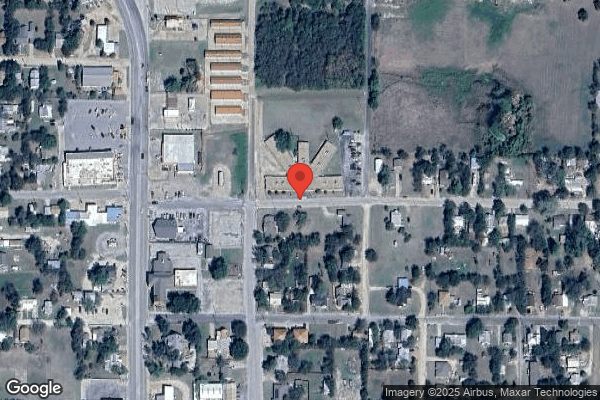
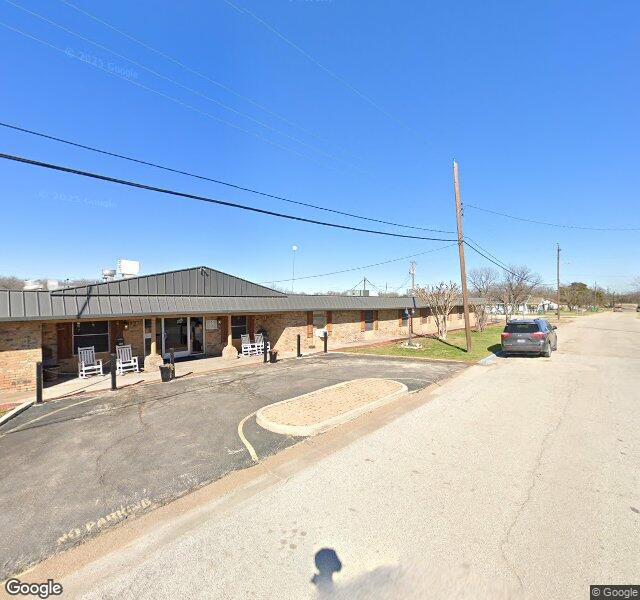
AVIR AT JACKSBORO

211 E JASPER ST, JACKSBORO, TX 76458 (940) 567-2686
For profit - Corporation 104 Beds AVIR HEALTH GROUP Data: November 2025
Trust Grade
48/100
#401 of 1168 in TX
Last Inspection: October 2024

Within standard 12-15 month inspection cycle. Federal law requires annual inspections.

Overview

Avir at Jackboro has a Trust Grade of D, which means it is below average and has some concerning issues that families should be aware of. It ranks #401 out of 1168 facilities in Texas, placing it in the top half, and it is the only nursing home in Jack County. The facility is improving, with a reduction in issues from 9 in 2023 to 7 in 2024, but staffing is a weakness with a poor rating of 1 out of 5 stars and a turnover rate of 61%, which is higher than the state average. There were also concerning fines of $23,813, indicating some compliance problems, and the facility has less RN coverage than 97% of Texas facilities, which could affect the quality of care. Specific incidents noted include a resident not receiving timely care for a post-surgery infection and several residents having care plans that were not updated properly, both of which could lead to unmet care needs. While the quality measures are rated excellent, it is essential to consider both the strengths and weaknesses when researching this facility.

Trust Score
D
48/100
In Texas
#401/1168
Top 34%
Safety Record
Moderate
Needs review
Inspections
Getting Better
9 → 7 violations
Staff Stability
⚠ Watch
61% turnover. Above average. Higher turnover means staff may not know residents' routines.
Penalties
✓ Good
$23,813 in fines. Lower than most Texas facilities. Relatively clean record.
Skilled Nurses
⚠ Watch
Each resident gets only 9 minutes of Registered Nurse (RN) attention daily — below average for Texas. Fewer RN minutes means fewer trained eyes watching for problems.
Violations
⚠ Watch
25 deficiencies on record. Higher than average. Multiple issues found across inspections.
★★★☆☆
3.0
Overall Rating
★☆☆☆☆
1.0
Staff Levels
★★★★★
5.0
Care Quality
★★★☆☆
3.0
Inspection Score
Stable
2023: 9 issues
2024: 7 issues

The Good

  • 5-Star Quality Measures · Strong clinical quality outcomes
  • Full Sprinkler Coverage · Fire safety systems throughout facility
  • No fines on record

Facility shows strength in quality measures, fire safety.

The Bad

3-Star Overall Rating

Near Texas average (2.8)

Meets federal standards, typical of most facilities

Staff Turnover: 61%

15pts above Texas avg (46%)

Frequent staff changes - ask about care continuity

Federal Fines: $23,813

Below median ($33,413)

Minor penalties assessed

Chain: AVIR HEALTH GROUP

Part of a multi-facility chain

Ask about local staffing decisions and management

Staff turnover is elevated (61%)

13 points above Texas average of 48%

The Ugly 25 deficiencies on record

1 actual harm
Dec 2024 1 deficiency
CONCERN (D) 📢 Someone Reported This

A family member, employee, or ombudsman was alarmed enough to file a formal complaint

Potential for Harm - no one hurt, but risky conditions existed

Respiratory Care (Tag F0695)

Could have caused harm · This affected 1 resident

**NOTE- TERMS IN BRACKETS HAVE BEEN EDITED TO PROTECT CONFIDENTIALITY** Based on observation, interview, and record review the facility failed to ensure that a resident who needed respiratory care, wa...

Read full inspector narrative →
**NOTE- TERMS IN BRACKETS HAVE BEEN EDITED TO PROTECT CONFIDENTIALITY** Based on observation, interview, and record review the facility failed to ensure that a resident who needed respiratory care, was provided such care, consistent with professional standards of practice, the comprehensive person-centered care plan, the residents' goals, and preferences for 1 of 1 resident (Resident #1) reviewed for respiratory care. 1. The facility failed to ensure Resident #1's nebulizer nasal cannula and oxygen nasal cannula was kept in a bag while not in use. These failures could place residents at risk for infections and transmission of communicable diseases. The findings included: Record review of Resident #1's face sheet, dated 12/10/2024, reflected a [AGE] year-old female, who was admitted to the facility on [DATE]. Resident #1 had diagnoses which included Hemiplegia and hemiparesis following cerebral infarction affecting left non-dominant side (severe or complete loss of strength or paralysis), Shortness of breath, Nasal congestion (stuffy nose), nutritional deficiencies, Urinary tract infection (infection that affects a part of the urinary tract), type 2 diabetes (adult diabetes). Record review of Resident #1's MDS quarterly assessment, dated 12/04/2024, reflected a BIMS score of 8, which indicated moderate cognitive impairment. Section I: Stroke, Diabetes Section O: None. Record review of Resident #1's Physician Orders, dated 10/12/2024, reflected an order for Oxygen at 2 liters per minute for shortness of breath/saturation (The amount of oxygen in a person's blood) below 90% as needed, PRN. A separate order dated 10/12/2024 stated to change the humidifier, nasal cannula/mask, and oxygen tubing every week on Sunday. Physician orders dated 11/29/2024 reflected an order for Albuterol/Ipratropium 0.5mg/3mg/3ml, give 1 vial via nebulizer mask every 4hrs prn cough/shortness of breath, PRN. A separate order dated 10/12/2024 stated to change the humidifier, nasal cannula/mask, and oxygen tubing every week on Sunday. Record review of Resident #1's quarterly Care Plan, dated 11/27/2024, reflected a care plan that does not include oxygen therapy. In an observation on 12/10/2024 at 10:45 AM revealed Resident #1 was lying in bed sleeping. Nebulizer observed on nightstand located on the right side of the bed, nebulizer tubing and cannula was lying on top of the nightstand not bagged, Oxygen concentrator observed sitting to the right side of bed, not in use at this time, tubing and nasal rolled up and stuck between concentrator handle, tubing and cannula not bagged. In an Interview on 11/11/2024 at 3:40 PM the Administrator stated it was her expectation that staff store nebulizer, and oxygen tubing and cannula in a bag when not in use. In an Interview on 12/11/2024 at 3:56 PM the DON stated her expectation was for nebulizer and oxygen tubing and cannula to be changed out each Sunday and when it was not in use it needs to be covered, in a bag. If not store properly they can collect dust or being damaged. Record review of a policy titled Oxygen Administration stated Oxygen/nebulizer tubing/masks to be changed by nursing department, weekly, and documented in the electronic health record. Place oxygen tubing in a clear plastic bag when not in use.
Oct 2024 6 deficiencies
CONCERN (D)

Potential for Harm - no one hurt, but risky conditions existed

Respiratory Care (Tag F0695)

Could have caused harm · This affected 1 resident

**NOTE- TERMS IN BRACKETS HAVE BEEN EDITED TO PROTECT CONFIDENTIALITY** Based on observation, interview, and record review the facility failed to ensure that a resident who needed respiratory care, wa...

Read full inspector narrative →
**NOTE- TERMS IN BRACKETS HAVE BEEN EDITED TO PROTECT CONFIDENTIALITY** Based on observation, interview, and record review the facility failed to ensure that a resident who needed respiratory care, was provided such care, consistent with professional standards of practice, the comprehensive person-centered care plan, the residents' goals and preferences for 1 of 1 resident (Resident #11) reviewed for respiratory care. 1. The facility failed to ensure Resident #11's nasal cannula was kept in a bag while not in use. These failures could place residents at risk for infections and transmission of communicable diseases. The findings included: Record review of Resident #11's face sheet, dated 10/04/2024, reflected a [AGE] year-old female, who was admitted to the facility on [DATE]. Resident #11 had diagnoses which included Dependence on Supplemental Oxygen (requires supplemental oxygen to properly breathe), Chronic Respiratory Failure with Hypoxia (occurs when the body has low levels of oxygen in the body causing breathing difficulty), Unspecified Chronic Bronchitis (inflammation of lungs making it difficult to breathe.) Record review of Resident #11's MDS annual assessment, dated 09/01/2024, reflected a BIMS score of 11, which indicated moderate cognitive impairment. Section I: Active diagnosis reflected chronic pulmonary disease, or chronic lung disease. Section O: Respiratory Treatments was marked for Oxygen Therapy. Record review of Resident #11's Physician Orders, dated 10/04/2024, reflected an order for Oxygen at 2 liters per minute for shortness of breath/saturation (The amount of oxygen in a persons blood)below 90% as needed. A separate order stated to change the humidifier, nasal cannula/mask, and oxygen tubing every week on Sunday. Record review of Resident #11's quarterly Care Plan, dated 09/18/2024, reflected a care plan for Oxygen Therapy: Resident requires oxygen therapy related to hypoxemia (Low oxygen in the blood). Resident has an order for oxygen per NC @ 2 L/M PRN SOB or SAT below 90%. The In an observation on 10/03/2024 at 12:32 PM revealed Resident #11 was lying in bed. She was using a nasal cannula attached to an oxygen concentrator. Her wheelchair containing a portable oxygen tank was noted with tubing and nasal cannula attached. A storage bag was noted on the wheelchair; however, the tubing and cannula were hung on the handle of the wheelchair, not stored inside the bag. In an Interview on 10/04/2024 at 3:10 PM the Administrator stated tubing is to be stored in a bag when not in use. In an Interview on 10/04/2024 at 3:30 PM DON stated When is in not in use it needs to be covered, in a bag. With resident that are mobile, they will take it off lay it down and staff doesn't know it laying out, with residents with limited mobility staff will place it in the bag. If not store properly they can collect dust or being damaged. In an observation on 10/03/24 at 3:45PM revealed Resident #11 was laying in bed. She was using a nasal cannula attached to an ocygen concentrator. Her wheelchair contained a portable oxygen tank and was observed with tubing and nasal cannula attached. A storage bag was on the wheelchair; howver, the tubing and cannual were hung on the handle of the wheelchair, and not stored inside the bag. The facility provided a policy titled Oxygen Administration that states Oxygen/nebulizer tubing/masks to be changed by nursing department, weekly, and documented in the electronic health record. Place oxygen tubing in a clear plastic bag when not in use.
CONCERN (D)

Potential for Harm - no one hurt, but risky conditions existed

Deficiency F0761 (Tag F0761)

Could have caused harm · This affected 1 resident

Based on observation, interview, and record review the facility failed to ensure that drugs and biologicals used in the facility were secured in locked compartments and permit only authorized personne...

Read full inspector narrative →
Based on observation, interview, and record review the facility failed to ensure that drugs and biologicals used in the facility were secured in locked compartments and permit only authorized personnel to have access to the keys for 1 of 2 medication carts observed for medication storage. The facility did not ensure the Medication Cart (C/D hall cart) was locked and secured. This failure could place the residents at risk of gaining access to unlocked medications not prescribed to them. Findings included: Observation on 10/04/2024 at 11:57 AM revealed the medication cart for C/D hall was found unlocked parked on the left side of the nurse's station. There was no nurse in sight, and no nurse near the nurse's station. The medication cart was unattended. Medications in the cart included prescription medications, over the counter medications and narcotics. In an interview on 10/04/2024 at 12:36 PM RN B stated she was not aware that the medication cart was unlocked. She further stated that the medication cart is to be locked at all times when not in use by the nurse. She continued to state that lack of medication cart security could result in tragedy such as residents taking other medications or giving them to other residents. RN B stated that she is responsible for security of her assigned medication cart. In an interview on 10/04/2024 at 1:57 PM Administrator revealed that her expectation is medication carts should always remain locked if the nurse is not directly with the cart or administering medications. She further stated that lack of medication cart security could result in resident or staff access to any medications in the cart. She stated the nurse assigned to the medication cart is responsible for medication cart security. She continued to state nursing management is responsible to ensure security of medication carts through observation and rounds in the facility. In an interview on 10/04/2024 at 2:15 PM DON revealed the medication cart observed unlocked was the medication cart for C/D halls. She stated that her expectation is for medication carts to be locked if the nurse it not with the medication cart. She further stated that lack of cart security would allow any resident and/or staff to open the door, have access to the medications, and could be detrimental. DON stated that the nurse assigned to the medication cart is responsible for security and she was ultimately responsible as well. Record review of policy Medication Labeling and Storage revised February 2023 revealed the following [in-part]: Medication Storage: 2. The nursing staff is responsible for maintaining medication storage and preparation areas in a clean, safe and sanitary manner. 4. Compartments (including, but not limited to, drawers, cabinets, rooms, refrigerators, carts, and boxes) containing medications and biologicals are locked when not in use, and trays or carts used to transport such items are not left unattended if open or otherwise potentially available to others.
CONCERN (E)

Potential for Harm - no one hurt, but risky conditions existed

Deficiency F0727 (Tag F0727)

Could have caused harm · This affected multiple residents

Based on record review and interviews, the facility failed to use the services of a registered nurse (RN), for at least 8 consecutive hours a day, 7 days a week for 3 of 12 months (April 2024, May 202...

Read full inspector narrative →
Based on record review and interviews, the facility failed to use the services of a registered nurse (RN), for at least 8 consecutive hours a day, 7 days a week for 3 of 12 months (April 2024, May 2024, and June 2024) reviewed for RN coverage. The facility failed to ensure that an RN worked 8 consecutive hours a day, seven days a week for 19 days of 91 days in April, May, and June 2024. This failure placed the residents at risk for not having decisions made that would have required an RN to make in the management of the residents' healthcare needs and in managing and monitoring of the direct care staff. Findings included: Record review of the CMS' PBJ Staffing Data Report, (payroll-based journal nurse staffing and non-nurse staffing datasets provide information submitted by nursing homes including rehabilitation services on a quarterly basis) FY Quarter 3, 2024 (April 1, 2024 - June 30, 2024), run date 09/24/2024, revealed partial (on 04/27/24) or no evidence of RN coverage for 19 of 91 days: 1. 04/06/2024 with no RN coverage. 2. 04/07/2024 with no RN coverage. 3. 04/13/2024 with no RN coverage. 4. 04/14/2024 with no RN coverage. 5. 04/20/2024 with no RN coverage. 6. 04/21/2024 with no RN coverage. 7. 04/27/2024 with only 6.25 hours of RN coverage. 8. 05/04/2024 with no RN coverage. 9. 05/05/2024 with no RN coverage. 10. 05/11/2024 with no RN coverage. 11. 05/12/2024 with no RN coverage. 12. 05/18/2024 with no RN coverage. 13. 05/19/2024 with no RN coverage. 14. 06/01/2024 with no RN coverage. 15. 06/02/2024 with no RN coverage. 16. 06/08/2024 with no RN coverage. 17. 06/09/2024 with no RN coverage. 18. 06/22/2024 with no RN coverage. 19. 06/23/2024 with no RN coverage. In an interview and record review on 10/04/2024 at 10:00 AM, the Administrator provided the timecard reports for the months of April 2024, May 2024, and June 2024, for the dates of 04/06/2024, 04/07/2024, 04/13/2024, 04/14/2024, 04/20/2024, 04/21/2024, 04/27/2024, 05/04/2024, 05/05/2024, 05/11/2024, 05/12/2024, 05/18/2024, 05/19/2024, 06/01/2024, 06/02/2024, 06/08/2024, 06/09/2024, 06/22/2024, 06/23/2024. They revealed there was no RN coverage or a full 8 hours of RN coverage for those dates. The Administrator verbally confirmed there was no RN coverage or a full 8 hours of RN coverage for the dates of 04/06/2024, 04/07/2024, 04/13/2024, 04/14/2024, 04/20/2024, 04/21/2024, 04/27/2024, 05/04/2024, 05/05/2024, 05/11/2024, 05/12/2024, 05/18/2024, 05/19/2024, 06/01/2024, 06/02/2024, 06/08/2024, 06/09/2024, 06/22/2024, 06/23/2024. In an interview on 10/04/2024 at 12:04 PM, the DON said her understanding of the facility policy is an RN is to be on staff 8 hours a day. However, it took them a long time to find RNs. She said they try the best they can and they are not always successful. She continued to say, it's always better to have them. When asked about what the possible negative outcomes would be if a resident needed an assessment that only an RN could do she said I'm only 15 minutes down the road and I always answer my phone and if they call I'm coming. A facility policy was requested from the Administrator on 10/04/2024 at 11:15 AM. A policy statement was provided that states A registered nurse provides services at least eight (8) consecutive hours every 24 hours, seven (7) days a week. The administrator reported finding RN staffing is difficult in this area; however, they have recently employed three RNs whom they have implemented into the RN staffing schedule.
CONCERN (E)

Potential for Harm - no one hurt, but risky conditions existed

Food Safety (Tag F0812)

Could have caused harm · This affected multiple residents

Based on observation, interview, and record review, the facility failed to store, prepare, distribute, and serve food in accordance with professional standards for food service safety in 1 of 1 kitche...

Read full inspector narrative →
Based on observation, interview, and record review, the facility failed to store, prepare, distribute, and serve food in accordance with professional standards for food service safety in 1 of 1 kitchen, in that: A. The facility's walk-in refrigerator had dust, food crumbs, and dried, spilled milk on the floor and underneath shelves. B. Kitchen floors were not swept and free from dirt, food particles, and trash. The facility's failure could place residents receiving oral nutritional intake at risk for foodborne illness and a decline in health status. The findings included: Observation on 10/02/24 beginning at 9:40 AM, during the initial tour of kitchen, revealed refrigerator #1 had spilled, dry milk on the bottom in multiple areas, and underneath the shelves. In the corners and against the wall, there was dust and food crumbs. In the kitchen area, the floor was dirty with dirt and food crumbs and trash underneath the shelves and along the walls. In a follow-up interview and observation of the kitchen on 10/02/24 at 11:00 AM, there was no change in the soiled floors. In refrigerator #1, there was dry spilled milk in multiple areas and food crumbs underneath the shelves and along the bottom. In an interview with the Dietary Manager on 10/03/24 at 2:15 PM, The dietary manager stated the refrigerators were usually cleaned every week by the evening cook but, she must not have done it last week. She said there was a cleaning schedule, but it did not work out too well. So, the evening cook cleans the kitchen after the last meal of the day is served. That she follows the next day when she gets to work. She said that system is not the best but it was working out better. On 10/04/24 at 2:30 PM requested a dietary cleaning log and no log was provided. In an interview with the Administrator on 10/04/24 at 2:00 PM, she said it was her expectation for the kitchen to be cleaned daily. If food was spilled, it should be cleaned up at that time. Failure to do so had the potential for infection and pests. A record review of the facility policy Cleaning and Disinfection of Environmental Surfaces, dated as revised August 2019, revealed the following [in part]: 9. Housekeeping surfaces (e.g., floors, tabletops) will be cleaned on a regular basis, when spills occur, and when these surfaces are visibly soiled. Review of the Food and Drug Administration Food Code, dated 2017, specified [in part]: 4-601.11 Equipment, Food-Contact Surfaces, Nonfood-Contact Surfaces, and Utensils. (C) Nonfood-contact surfaces of equipment shall be kept free of an accumulation of dust, dirt, food residue, and other debris.
CONCERN (E)

Potential for Harm - no one hurt, but risky conditions existed

Infection Control (Tag F0880)

Could have caused harm · This affected multiple residents

**NOTE- TERMS IN BRACKETS HAVE BEEN EDITED TO PROTECT CONFIDENTIALITY** Based on observations, interviews and record reviews, the facility failed to establish and maintain an infection control program...

Read full inspector narrative →
**NOTE- TERMS IN BRACKETS HAVE BEEN EDITED TO PROTECT CONFIDENTIALITY** Based on observations, interviews and record reviews, the facility failed to establish and maintain an infection control program designed to provide a safe, sanitary, and comfortable environment and to help prevent the development and transmission of communicable diseases and infections for 1 (Resident #28) of 5 residents reviewed for infection control, in that: The facility failed to ensure clinical staff donned (put on) proper personal protective equipment when providing care to Resident #28, who was on contact isolation precautions, including gown, gloves, and mask. Facility failed to ensure that staff used proper laundry handling precautions. This failure could affect residents and place them at risk for cross contamination and infections. The findings included: Record review of Resident #28's face sheet dated 10/04/2024 revealed a [AGE] year-old male admitted to facility originally on 01/04/2024 with readmission on [DATE]. His diagnoses included: Non-ST elevation myocardial infarction (heart attack), Essential hypertension (high blood pressure), depression, other acute osteomyelitis, left ankle and foot (bone infection), and pain. Record review of Resident #28's active physician order dated 08/19/2024 revealed contact isolation (contagious requiring barriers between people and germs.) for MRSA (Methicillin-resistant Staphylococcus aureus bacteria) of wound culture. Observation on 10/02/24 at 12:45 PM revealed NA C entered Resident # 28's room to deliver a lunch tray wearing no personal protective equipment. NA C did not use hand sanitizer upon entering resident room or upon exiting resident room. Personal protective equipment station was noted outside of resident room. Contact Isolation sign posted on wall outside door. In an interview on 10/02/2024 at 12:51 PM NA C stated that she is unsure of what contact isolation precautions mean. She further stated that when she entered into Resident #28's room she did not wear personal protective equipment nor did she use hand hygiene upon entry or exit of room. NA C was unsure of what lack of proper infection control precautions could cause to residents or others. In an interview on 10/02/2024 at 1:07 PM Administrator stated her expectation is for staff to follow instructions posted on the wall outside the resident room regarding entering a resident room on contact isolation. She further stated that her expectation is for staff to follow infection control policy regarding PPE when entering Resident #28's room. She stated that lack of following posted infection control precautions regarding contact isolation could put others at risk of infection. ADM further stated that Resident #28 has been on contact isolation precautions since 08/19/2024. In an interview on 10/03/2024 at 3:13PM LA D stated if a resident is on isolation their personal items and linens should be placed in a red or marked bag which would make her aware of contamination and the use of additional personal protective equipment. She further stated that she has not received any linens in red bags or otherwise marked bags, all linens and personal items have been mixed with other resident's laundry. In an interview on 10/03/2024 at 3:28 PM NA D stated that she has changed the linens in Resident #28's room while the resident has been on contact isolation TBP. She further stated that the linens and laundry for Resident #28 were not bagged in a bag that would label them as contaminated. She continued to state that the clinical staff gather all laundry of residents (both linens and personal), take the laundry to the laundry room, and sort the laundry by hand into appropriate bins in the laundry room. She continued to state that she has not worn PPE while doing so nor has she treated Resident #28's laundry as contaminated. In an interview on 10/3/2024 at 4:36 PM the DON stated her expectation regarding the laundry of residents on contact isolation TBP is that laundry should be bagged in a bag and tied outside of the resident's room. She further stated staff should put the tied bag in a bin that also has a clear bag. She stated that bag does not have to be marked or labeled as contaminated. She continued to state that when staff get to laundry, the staff take the big bag out of the bin, and sort into the appropriate bins in the laundry. DON stated that laundry staff should wear full PPE while doing all laundry, and that all laundry should be treated as contaminated. She further stated that she was not aware that clinical floor staff was sorting through resident laundry and linens until this day. In an interview on 10/3/24 at 4:42 PM the Administrator revealed her expectation regarding laundry handling of residents on transmission-based precautions. She stated the laundry of residents on transmission-based precautions (contact isolation precautions) must be bagged in the resident's room in an appropriately labeled yellow bag. She continued to state that appropriate labeling allows laundry staff to handle laundry appropriately regarding PPE for TBP. She stated lack of doing so could cause spread of infection and all staff are responsible. Record review of policy Isolation-Initiating Transmission Based Precautions revised August 2019 revealed the following [in-part]: Policy Statement: Transmission-based precautions are initiated when a resident develops signs and symptoms of a transmissible infection; . and is at risk of transmitting the infection to other residents. Transmission-based precautions may include contact precautions, droplet precautions, or airborne precautions. Transmission-based precautions are used only when the spread of infection cannot be reasonably prevented by less restrictive measures. Policy Interpretation and Implementation: 3. When transmission-based precautions are implemented, the infection preventionist (or designee): a. clearly identifies the type of precautions, the anticipated duration, and the personal protective equipment (PPE) that must be used. e. ensures that protective equipment (i.e. gloves, gowns, masks, etc.) is maintained outside the resident's room so that anyone entering the room can apply the appropriate equipment; g. ensures that an appropriate linen barrel/hamper and waste container, with appropriate liner, are placed in or near the resident's room. Record review of CDC Infection Control https://www.cdc.gov/infection-control/hcp/basics/transmission-based-precautions.html dated April 3, 2024 reflected: Transmission-Based Precautions are the second tier of basic infection control and are to be used in addition to Standard Precautions for patients who may be infected or colonized with certain infectious agents for which additional precautions are needed to prevent infection transmission. Use personal protective equipment (PPE) appropriately, including gloves and gown. Wear a gown and gloves for all interactions that may involve contact with the patient or the patient's environment. Donning PPE upon room entry and properly discarding before exiting the patient room is done to contain pathogens. Record review of CDC Infection Control https://www.cdc.gov/infection-control/hcp/environmental-control/laundry-bedding.html CDC Infection Control dated January 8, 2024 stated [in-part]: G. Laundry and Bedding 3. Collecting, Transporting, and Sorting Contaminated Textiles and Fabrics The laundry process starts with the removal of used or contaminated textiles, fabrics, and/or clothing from the areas where such contamination occurred, including but not limited to patients' rooms, surgical/operating areas, and laboratories. Bags containing contaminated laundry must be clearly identified with labels, color-coding, or other methods so that health-care workers handle these items safely, regardless of whether the laundry is transported within the facility or destined for transport to an off-site laundry service.
CONCERN (E)

Potential for Harm - no one hurt, but risky conditions existed

Safe Environment (Tag F0921)

Could have caused harm · This affected multiple residents

Based on observation, interview, and record review, the facility failed to provide a safe, functional, sanitary, and comfortable environment for residents for 1 of 1 facility reviewed for environmenta...

Read full inspector narrative →
Based on observation, interview, and record review, the facility failed to provide a safe, functional, sanitary, and comfortable environment for residents for 1 of 1 facility reviewed for environmental concerns. The facility failed to replace a ceiling panel, repair water discoloration marks, repair the leak in the ceiling in Resident #29's room and repair water discoloration marks and the sagging ceiling in the dining area. This deficient practice could place residents at risk of a diminished quality of life due to exposure to an environment that is unpleasant, unsanitary, and unsafe. The findings included: Observation on 10/02/2024 at 05:35 PM revealed the following: 1. The ceiling inside Resident #29's room near the door was the area of concern. An approximately 2 feet by 2-foot square area of watermarked discolored sheet rock was noted in the ceiling. The area appeared to be a previous replacement or repair. Edges of the area appeared to be worn away due to moisture. A black substance was noted on the middle of the sheet rock patch, and in three other areas on patches. Water damage appeared to be outside of the previously replaced sheet rock area and noted on the textured ceiling. 2. The ceiling in the middle of the dining room was sagging downward with watermark discoloration around the air vent. Texture was flaking off the ceiling. In an interview on 10/04/24 at 09:58 AM Resident #29 stated that the ceiling in her room has been in poor condition since her arrival to that room. Resident #29 further stated that the ceiling leaks at times, with only some due to weather conditions, and the facility staff will put a bucket under leakage. She also stated that due to the location of the spot and leakage in the ceiling being in front of the door to her room, it makes it difficult for her to come in and out of her room with her walker. Resident #29 stated that the ceiling was fixed after surveyor observation. Resident #29 denied any breathing concerns. In an interview on 10/4/24 at 1:45 PM Maintenance Director stated that the dining room has been leaking since 9/24/24 and she has received bids for repair from two companies but needs three bids per corporate advisement. She further stated she is waiting on her corporate office at this time for repair directives. She stated her expectation is for the ceiling to be repaired and not fixing the ceiling could cause the ceiling to fall, causing injury. She continued to state that the maintenance department and administration were responsible for repairs. In an interview on 10/4/24 at 1:57 PM the Administrator stated the ceiling concern was identified on 9/24/24 and bids were received for repair on 9/26/24. She further stated upon identification of concern, the area was immediately closed off and resident tables were moved away from area of concern. ADM stated ceiling repair for Resident #29's room was done previously in 12/2023 but it has recently started leaking again upon rain. She stated the leaking has been apparent for approximately one month. She further stated that the facility has an open bid that was received on 9/17/24 to repair a larger area of the roof in that portion of the facility. The ADM stated her expectation was for the ceilings in the dining room and in resident rooms to be fully intact, functional, and appealing. She further stated it is also her expectation for residents to remain in an environment free of leaks, cracks, hazards, or potential harm. She further stated that the current ceiling conditions could lead to possible falling materials from the ceiling or trip hazards from debris or moisture on the floor. She stated that it is the responsibility of maintenance director and ADM to ensure a safe and comfortable physical environment for residents. Record review of policy Work Order, Maintenance revised April 2010 revealed the following [in-part]: 5. Emergency requests will be given priority in making necessary repairs. Record review of facility's Maintenance Logbook for the month of September 2024 revealed no work orders for repair of the dining room ceiling or Resident #29's room ceiling.
Aug 2023 8 deficiencies 1 Harm
SERIOUS (H) 📢 Someone Reported This

A family member, employee, or ombudsman was alarmed enough to file a formal complaint

Actual Harm - a resident was hurt due to facility failures

Quality of Care (Tag F0684)

A resident was harmed · This affected multiple residents

**NOTE- TERMS IN BRACKETS HAVE BEEN EDITED TO PROTECT CONFIDENTIALITY** Based on interview and record review the facility failed to ensure, based on the comprehensive assessment of a resident, that re...

Read full inspector narrative →
**NOTE- TERMS IN BRACKETS HAVE BEEN EDITED TO PROTECT CONFIDENTIALITY** Based on interview and record review the facility failed to ensure, based on the comprehensive assessment of a resident, that residents received treatment and care in accordance with professional standards of practice, the comprehensive person-centered care plan and the residents' choices for one of one resident (Resident #40) reviewed for quality of care . The facility failed to ensure Resident #40 had physician orders regarding care of the surgery site, post hip replacement surgery, on 07/30/2023. The 8 surgical staples were not removed until 08/13/2023, 14 days after surgery which resulted in a superficial infection. This failure could place residents at risk of unmet care needs and infection. The findings include: Record review of Resident #40's Face Sheet, not dated, revealed a [AGE] year-old male who was admitted to the facility on [DATE] for aftercare following right hip replacement surgery on 07/20/2023. Resident #40 had diagnoses which included dementia (a decline in cognitive abilities that impacts a person's ability to do everyday activities), pathological fracture of hip, pain, aftercare following joint replacement surgery, and urinary tract infection. Record review of Resident #40's electronic record revealed from the time of admission on [DATE] to 08/12/2023 there were no documented surgical wound assessments or treatments until Resident #40 complained of discomfort on 08/12/2023. Record review of progress note, dated 08/12/2023, revealed Resident #40 complained of discomfort to his right hip to the LVN . The LVN assessment revealed Resident #40's right hip was red with a scant amount of white drainage at the incision site. The Medical Director was notified, and Resident #40 was sent to the ER for evaluation on 08/13/2023. Record review of discharge paperwork from the hospital, dated 08/13/2023, revealed Resident #40 had a yeast infection surrounding the incision site. The staples were noted to have brown cream-colored exudative discharge. Foul smell was noted. The 8 staples were removed. The resident was treated for fungal and bacterial infections. The resident was placed on the oral antibiotic Bactrim for the infection and oral antifungal fluconazole for the yeast infection . In an interview on 08/23/2023 at 9:32 AM, Resident #40 said he did not receive any type of care for his surgical wound until after he came back from the hospital on [DATE] with an infection at site of the staples. In an interview on 08/23/2023 at 9:55 AM, the DON said she handled the admission of Resident #40. There was not an order to remove Resident #40's surgical staples when he was admitted to the facility in the resident's admission paperwork. She said there was no documentation which indicated Resident #40's wound was assessed or any type of wound treatment between the time of admission on [DATE] till the time the nurse checked his wound per resident request on 08/12/2023. The DON said Resident #40's staples should have been taken out in 7-10 days. She revealed that the resident's staples were always covered by a clean bandage. She said failure to do so had the potential to result in irritation and infection of the wound site. In an interview on 08/23/2023 at 10:01 AM, Resident #40 said he did not receive any type of care for his surgical staples until after he came back from the hospital on [DATE]. He said on 08/12/2023 he complained to the nurse that his bandage was bothering him and asked the nurse to check it. He revealed he did not have any type of pain or discomfort from the area around the staples prior to 08/12/2023. That was when signs of infection were discovered, and he was sent to the ER. He said no one had looked at the staples from the time he arrived at the facility until the time he asked the nurse to check it on 08/12/2023. He said he came back from the hospital on antibiotics for a possible infection from his surgical staples. He said the wound was now healed. In an interview on 08/23/2023 at 4:33 PM, the ADON said she did not evaluate or perform any care to Resident #40's surgical wound from the time of admission on [DATE] to 08/12/2023. She said it was the charge nurse that was on duty responsibilitity to assess and treat the wound if needed. In an interview on 08/23/2023 at 5:15 PM, the Medical Director, who is also the primary care physican, said Resident #40's staples should have been removed by day 10 post surgery. He said he was very frustrated with the facility when he was notified on 08/12/2023 that Resident #40's staples had not been removed. He said it was his opinion the staples not being removed by day 10 post surgery caused the infection. He said Resident #40 was sent to the ER, his infection was superficial, he was placed on antibiotics, and returned to the facility. He said the wound was now healed. In a follow up interview on 08/24/2023 at 9:20 AM, the DON said the failure to have the staples removed was her responsibility. She revealed there was documentation for the staples to be removed in 7 to 10 days. When asked to provide the documentation, the DON stated she was too busy training a new agency nurse. In an interview on 08/24/2023 at 9:25 AM, The Administrator said she thought the DON saw something in Resident #40's paperwork about the staples being removed within 7-10 days. She looked in Resident #40's paperwork but said she didn't see it. She took the paperwork and said she would go and ask the DON. The documentation was never provided by the facility. In an interview on 08/24/2023 at 10:30 AM, LVN A said she did not evaluate or perform any care to Resident #40's surgical wound from the time of admission on [DATE] to 08/12/2023. She said there was not any doctor's orders regarding Resident #40's surgical wound or removal of staples. In an interview on 08/24/2023 at 10:46 AM, LVN B said she did not evaluate or preform any care to Resident #40's surgical wound from the time of admission on [DATE] to 08/12/2023. She said there were not any doctor's orders regarding Resident #40's surgical wound and removal of staples. Record review of the facility's policy admission Notes, dated as revised September 2012, revealed the following [in part]: Policy Statement: Preliminary resident information shall be documented upon a resident's admission to the facility. Policy Interpretation and Implementation: 1. When a resident is admitted to the nursing unit, the admitting Nurse must document the following information (as each may apply) in the nurses' notes, admission form, and other appropriate place as designated by facility protocol: h. the time the physician's orders were received and verified; j. the presence of a catheter, dressings, etc .
CONCERN (D)

Potential for Harm - no one hurt, but risky conditions existed

Deficiency F0637 (Tag F0637)

Could have caused harm · This affected 1 resident

**NOTE- TERMS IN BRACKETS HAVE BEEN EDITED TO PROTECT CONFIDENTIALITY** Based on interviews and record reviews the facility failed to a comprehensive assessment was completed within 14 days after the ...

Read full inspector narrative →
**NOTE- TERMS IN BRACKETS HAVE BEEN EDITED TO PROTECT CONFIDENTIALITY** Based on interviews and record reviews the facility failed to a comprehensive assessment was completed within 14 days after the facility determined or should have determined, that there was a significant change in the resident's physical condition or mental condition for 2 of 10 residents (Residents #14, and Resident #40) reviewed for assessments. The facility failed to capture a comprehensive MDS assessment after Resident # 14 and Resident #40 had a significant decline and a hospital stay. This failure could place residents at risk for not being assessed for a change in condition and the need to revise their care plans to address changes in condition and develop interventions to meet their needs for care assistance and treatments. The findings include: 1. Record review of Resident #14's face sheet revealed a [AGE] year-old female who was admitted to the facility on [DATE] and readmitted on [DATE]. Resident #14 had diagnoses which included Chronic obstructive pulmonary disease (decreased airflow to the lungs), congestive heart failure (heart is unable to pump adequately), dysphagia (difficulty swallowing) and dementia (decline in cognitive abilities). Record review of Resident #14's MDS schedule reflected an annual assessment on 03/10/2023, reflected In Section G- Bed mobility- independent, transfers- supervision, walk-in in room- supervision, locomotion of unit- supervision, dressing- supervision, toilet use- supervision, persona hygiene- supervision. Section O reflected - Received oxygen therapy while a resident Record review of Resident #14's MDS Schedule reflected the last assessment as a Quarterly assessment on 05/12/2023, not a significant change assessment. It revealed the following- Section A- On 05/07/2023 she was re-admitted into the facility from an Acute hospital. Section G- Bed mobility- extensive, transfers- extensive, walk-in room- activity occurred once or twice, locomotion of unit- activity occurred once or twice, dressing- extensive, toilet use- extensive, personal hygiene- limited. Section O- Received oxygen while a resident and while not a resident. IV Medication while not a resident. 2. Record review of Resident #40 face sheet reflected a [AGE] year-old male who was admitted to the facility on [DATE] for aftercare following right hip replacement surgery on 07/20/2023. Resident #40 had diagnoses which included dementia (loss of memory), pathological fracture of hip (broken hip), pain, aftercare following joint replacement surgery, and urinary tract infection (care after joint replacement surgery and an infection in the urinary tract). Record review of progress note, dated 08/12/2023, revealed Resident #40 complained of discomfort to his right hip. Resident #40's right hip was red with a scant amount of white drainage at the incision site. The Medical Director was notified, and Resident #40 was sent to the emergency room for evaluation on 08/13/2023. Record review of discharge paperwork from the hospital, dated 08/13/2023, revealed Resident #40 had a yeast infection surrounding the incision site, as well as a potential bacterial infection within the incision itself. The staples were noted to have brown cream-colored exudative discharge. Foul smell was noted. The 8 staples were removed. The resident was treated for both fungal and bacterial infections. The resident was placed on the oral antibiotic Bactrim for the infection and oral antifungal fluconazole for the yeast infection. In an interview on 08/25/2023 at approximately 11:10 AM, the Regional MDS Coordinator said she was the one who was responsible for completing the MDS's and identifying if the resident had a significance change. She revealed Resident #14 and Resident #40 had a decline when they went to the hospital, and she should have completed a significant change MDS upon their return. She revealed this failure placed the residents at risk for not having a comprehensive assessment and an updated CAAS. She revealed it was not updated to reflect the change in condition due to her missing it.
CONCERN (D)

Potential for Harm - no one hurt, but risky conditions existed

Assessment Accuracy (Tag F0641)

Could have caused harm · This affected 1 resident

**NOTE- TERMS IN BRACKETS HAVE BEEN EDITED TO PROTECT CONFIDENTIALITY** Based on observation, interview and record review the facility failed to ensure assessments accurately reflected the resident's ...

Read full inspector narrative →
**NOTE- TERMS IN BRACKETS HAVE BEEN EDITED TO PROTECT CONFIDENTIALITY** Based on observation, interview and record review the facility failed to ensure assessments accurately reflected the resident's status for 1 of 15 sampled residents (Residents #'s 12) reviewed for accuracy of assessments. 1. The facility failed to ensure Resident #12's MDS was accurately coded as receiving dialysis. 2. The facility failed to ensure Resident #12's MDS continence status was accurately . This failure could place residents at risk of not receiving the proper care and services due to inaccurate records. Findings include: Record review of Resident #12's face sheet revealed a [AGE] year-old male who was admitted to the facility on [DATE] and readmitted [DATE]. Resident #12 had diagnoses which included retention or urine (not able to urinate properly), acute kidney failure (kidney is unable to filter waste), Type 2 diabetes mellitus (body does not produce enough insulin) and cerebral infarction (disrupted blood flow to the brain to due problems in the blood vessels). Record review of Resident #12's admission MDS, dated [DATE], revealed the following: Section H revealed the resident was coded as having in indwelling catheter in H0100 under appliances but was always continent in H0300 under urinary continence. Section O revealed the resident received dialysis while a resident. Record review of Resident #12's current care plan revealed the following areas: Problem: Indwelling Catheter Potential for complications related to indwelling urinary catheter. Goal: Will remain free s/sx of complications related to catheter through review date. Problem: Resident has history of dependence on renal dialysis related to renal failure. Resident came off of dialysis in 2021. Goal: Resident will not exhibit signs of fluid volume excess. In an interview on 08/23/2023 at 2:05 PM with the ADON revealed Resident #12 had not been receiving dialysis. She was unsure why he was coded as receiving while in the facility . In an interview on 08/25/2023 at approximately 11:10 AM, the Regional MDS Coordinator said she was the one who was responsible for completing the MDS's with accuracy. She said she had inaccurately coded Resident #12 as receiving dialysis, since he was previously receiving dialysis. She revealed she should have checked the record more thoroughly. She revealed Resident #12 had an indwelling catheter and she should not have coded him as being continent under urinary continence. She stated she should have coded him as not rated , resident had a catheter. She revealed this failure could place residents at risk for inaccurate assessments and inadequate care areas . She revealed she went by the Resident Assessment manual for guidance. Record review of CMS'S RAI Version 3.0 Manual version 1.17.1, dated October 2019, revealed: The RAI process has multiple regulatory requirements, require that (1) the assessment accurately reflects the resident's status (2) a registered nurse conducts or coordinates each assessment with the appropriate participation of health professionals (3) the assessment process includes direct observation, as well as communication with the resident and direct care staff on all shifts.
CONCERN (D)

Potential for Harm - no one hurt, but risky conditions existed

Deficiency F0645 (Tag F0645)

Could have caused harm · This affected 1 resident

**NOTE- TERMS IN BRACKETS HAVE BEEN EDITED TO PROTECT CONFIDENTIALITY** Based on observation, interview and record review, the facility failed to ensure individuals with mental disorders were evaluate...

Read full inspector narrative →
**NOTE- TERMS IN BRACKETS HAVE BEEN EDITED TO PROTECT CONFIDENTIALITY** Based on observation, interview and record review, the facility failed to ensure individuals with mental disorders were evaluated and received care and services in the most integrated setting appropriate to their needs for 1 of 2 residents, (Resident #11) reviewed for PASRR Level 1 screenings. The facility did not correctly identify Resident #11 as having a mental illness and did not complete a new PASRR Level One Screening. This failure could place residents at risk of not being evaluated for PASRR services. The findings were: Record review of Resident #11's face sheet, dated 08/25/2023, revealed an [AGE] year-old male who was admitted to the facility on [DATE]. Resident #11's had diagnoses which included Mood disturbance (decreased blood flow to the brain that causes mood disturbances), bipolar (mental disorder that is characterized by mood swings that last more than 2 weeks), and depression (state of sadness). Record review of Resident #11 Physician Orders, dated 08/25/2023, revealed orders for olanzapine; 5 mg; 1 tablet 2 times a day for bipolar, and an order for Lexapro; 5 mg; 1 tablet 1 time a day for depression. Record review of the admission MDS , dated 08/03/2023, revealed Resident #11 could understand others and was understood by others; had a severe cognitive impairment with a BIMS score of 05, which indicated severe cognitive impairment. No mood or behavior concerns were indicated on the MDS, dated [DATE]. Record review of Resident #11's Care Plan, dated 07/27/2023, revealed the resident received antipsychotic medicine. Record review of Resident #11's PASRR Level One Screening Forms, dated 08/25/2023, revealed he did not have a primary diagnosis of dementia. It revealed he was negative for mental illness, intellectual disability, or developmental disability. The form had not been updated. In an interview on 08/23/2023 at approximately 9:45 AM, the DON revealed she was somewhat familiar with the PASRR process. She stated they were in the process of hiring an in house MDS Coordinator. After looking over the clinical records of Resident #11, she revealed the PL1 should have been positive for mental illness do to the bipolar diagnosis and the resident being on antipsychotics . She had not updated the resident's PASRR due to just starting in her position and not having completed the adequate training to identify the need to update it. In an interview on 08/25/2023 at approximately 11:10 AM the Regional MDS Coordinator said that given the diagnosis of Resident #11 a PL1 reflecting Mental Illness should have been completed. She would be submitting the corrected forms at her earliest convenience.
CONCERN (D)

Potential for Harm - no one hurt, but risky conditions existed

Deficiency F0655 (Tag F0655)

Could have caused harm · This affected 1 resident

**NOTE- TERMS IN BRACKETS HAVE BEEN EDITED TO PROTECT CONFIDENTIALITY** Based on interview and record review, the facility failed to develop and implement a base line care plan for each resident that ...

Read full inspector narrative →
**NOTE- TERMS IN BRACKETS HAVE BEEN EDITED TO PROTECT CONFIDENTIALITY** Based on interview and record review, the facility failed to develop and implement a base line care plan for each resident that included the instructions needed to provide effective and person-centered care of the resident that met professional standards of quality care within 48 hours of the resident's admission for 1 of 5 residents (Resident #19) whose records were reviewed in that: for care plans. The facility failed to ensure Resident #19 had a base line care plan developed and implemented upon admission on [DATE]. This failure could place the residents at risk for not receiving care and services required to meet their individual needs from the date and time they were admitted to the facility. The findings included: Record review of Resident #19's face sheet, dated 08/24/2023, revealed resident was a [AGE] year-old male, who was initially admitted to the facility on [DATE]. Resident #19 had diagnoses which Diagnosis included: cerebral palsy (congenital disorder of movement due to abnormal brain development), hypertension (high blood pressure), major depressive disorder (mood disorder that lasts more than 2 weeks), anxiety (state of anxiousness), Hemiplegia and hemiparesis following cerebral infarction affecting right dominant side (paralysis on the right side after inadequate blood flow to the brain). Record review of Resident #19's clinical record revealed a baseline care plan had not been completed following the resident's initial admission to the facility on [DATE]. In an interview with the DON on 08/03/23, they stated the form titled Baseline care plan in the Resident's electronic medical record were not care plans. They both revealed that staff such as CNA's do did not have access to the care plan assessments that are were completed. They were only assessments that were meant to obtain information to complete the baseline care plan. They stated the failure places placed residents at risk for not getting needed care that would have been identified. Record review of the facility's policy and procedure titled Care Plans- Preliminary dated - Preliminary, dated August 2006, revealed the following [in part]: Policy Statement A preliminary plan of care to meet the resident's immediate needs shall be developed for each resident withing 24 hours of admission. The preliminary care plan will be used until the staff can conduct the comprehensive assessment and develop an interdisciplinary care plan.
CONCERN (D) 📢 Someone Reported This

A family member, employee, or ombudsman was alarmed enough to file a formal complaint

Potential for Harm - no one hurt, but risky conditions existed

Medical Records (Tag F0842)

Could have caused harm · This affected 1 resident

**NOTE- TERMS IN BRACKETS HAVE BEEN EDITED TO PROTECT CONFIDENTIALITY** Based on interview, and record review the facility failed to maintain clinical records that were complete and/or accurate for 1 ...

Read full inspector narrative →
**NOTE- TERMS IN BRACKETS HAVE BEEN EDITED TO PROTECT CONFIDENTIALITY** Based on interview, and record review the facility failed to maintain clinical records that were complete and/or accurate for 1 of 1 (Resident #40) residents reviewed for clinical records in that: The facility staff were unable to locate documentation in Resident #40s clinical record regarding when to remove surgical staples. This failure could place residents at risk of not having care needs met The findings include: In an interview on 08/23/2023 at 9:32 AM, Resident #40 said he did not receive any type of care for his surgical wound until after he came back from the hospital on [DATE] with an infection of his wound. In an interview on 08/24/2023 at 9:20 AM, the DON said there was documentation for the staples to be removed in 7 to 10 days. When asked to provide the documentation, the DON stated she was too busy training a new agency nurse . She revealed she was ultimately responsible in ensuring the documentation was correct and updated. In an interview on 08/24/2023 at 9:25 AM with the Administrator, she said she thought she saw something in Resident #40's paperwork about the resident's staples to be removed within 7-10 days. She looked in Resident #40's paperwork but said she didn't see it. She took the paperwork and said she would go and ask the DON. The documentation was never provided by the facility. In an interview on 08/24/2023 at 10:30 AM, LVN A said there were not any doctor's orders regarding Resident #40's surgical wound or removal of staples . In an interview on 08/24/2023 at 10:46 AM, LVN B said she said there were not any doctor's orders regarding Resident #40's surgical removal of staples . Record review of the facility policy admission Notes, dated as revised September 2012, revealed the following [in part]: Policy Statement: Preliminary resident information shall be documented upon a resident's admission to the facility. Policy Interpretation and Implementation: 1. When a resident is admitted to the nursing unit, the admitting Nurse must document the following information (as each may apply) in the nurses' notes, admission form, and other appropriate place as designated by facility protocol: h. the time the physician's orders were received and verified; j. the presence of a catheter, dressings, etc .
CONCERN (E)

Potential for Harm - no one hurt, but risky conditions existed

Deficiency F0727 (Tag F0727)

Could have caused harm · This affected multiple residents

Based on interview and record review and interviews, the facility failed to ensure the use of the services of a registered nurse for at least 8 consecutive hours a day, seven days a week for 3 of 3 mo...

Read full inspector narrative →
Based on interview and record review and interviews, the facility failed to ensure the use of the services of a registered nurse for at least 8 consecutive hours a day, seven days a week for 3 of 3 months (January, FebruaryFebruary, and March 2023) reviewed for nursing services. The facility failed to provide evidence that a Registered Nurse (RN) worked 8 consecutive hours on ten weekends January, February, and March 2023 This failure placed could place the residents at risk for altered physical, mental, and psychological well-being due to decisions that would have required an RN to make in the management of the residents' healthcare needs and in managing and monitoring the direct care staff. Findings included: Record review of the facility's nursing schedule for RN coverage for January 2023, February 2023, and March 2023 revealed, the Director of Nurses worked Monday through Friday. The schedule did not reflect another RN working during that time period. The facility failed to provide evidence that a Registered Nurse (RN) worked 8 consecutive hours on Sunday 01/01/2023, Saturday 01/07/2023, Sunday 01/08/2023, Saturday 01/14/2023, Sunday 01/15/2023, Saturday 01/21/2023, Sunday 01/22/2023, Saturday 01/28/2023, Sunday 01/29/2023, Saturday 02/04/2023, Sunday 02/05/2023, Saturday 02/11/2023, Sunday 02/12/2023, Saturday 02/25/2023, Sunday 02/26/2023, Saturday 03/11/2023, Sunday 03/12/2023, Friday 03/24/2023, Saturday 03/25/2023 and Sunday 03/26/2023. In an interview with the Director of Nurses on 08/26/2023 at 10:34 AM, she said she was not employed by the facility at that time, however her expectation was that the facility had seven day a week RN coverage . There were no other RNs working at the facility. The DON further stated, not having RN coverage 7 days a week could put the residents at risk of not having their healthcare needs managed properly. In an interview with the Administrator on 08/26/2023 at 10:45 AM, she stated she was not yet employed by this the facility but it is was her expectation that they provided RN coverage seven days a week.
CONCERN (F)

Potential for Harm - no one hurt, but risky conditions existed

Deficiency F0657 (Tag F0657)

Could have caused harm · This affected most or all residents

**NOTE- TERMS IN BRACKETS HAVE BEEN EDITED TO PROTECT CONFIDENTIALITY** Based on interview and record review the facility failed to develop a comprehensive care plan within 7 days after completion of ...

Read full inspector narrative →
**NOTE- TERMS IN BRACKETS HAVE BEEN EDITED TO PROTECT CONFIDENTIALITY** Based on interview and record review the facility failed to develop a comprehensive care plan within 7 days after completion of the comprehensive assessment for 12 of 12 residents (Resident #1, Resident #10, Resident #11, Resident #12, Resident #14, Resident #15, Resident #19, Resident #22, Resident #23, Resident #28, Resident #40, and Resident #193) reviewed for care plans. The facility failed to ensure resident care plans were developed and updated within 7 days following the completion of the MDS as well as having an Intradisciplinary Team present and at the care conference and involved in the care planning process. This failure could place residents at risk of not have having their care plans completed accurately and timely. Findings include: 1. Record review of Resident #1's face sheet revealed an [AGE] year-old male who was admitted to the facility 06/07/2023 and readmitted on [DATE]. Resident #1 had diagnoses which included chronic venous hypertension (increased pressure in your veins), dysphagia (difficulty swallowing), Sickle cell disease (sickle cells have become stuck in the blood vessels), and Surgical instruments, materials and anesthesiology devices (including sutures) associated with adverse incidents. Record review of Resident #1's Annual MDS assessment, dated 02/06/2023, revealed the following: Section C revealed the resident had a BIMS score of 08, which indicated moderately Impaired cognition. The care plan had not been updated or revised following the annual assessment. Record review of Resident #1's electronic Care Conference record did not have a care plan meeting since 09/15/2021. 2. Record review of Resident #10's face sheet revealed a [AGE] year-old female who was admitted to the facility 01/21/2022. Resident #10 had diagnoses which included Depression (feelings of severe despondency and dejection), Anemia (low blood count), Atrial fibrillation (irregular often rapid heart rate), dementia (decline in cognitive abilities), repeated falls and psychotic disorder (mind cannot determine what is real or not real). Record review of Resident #10's admission MDS assessment, dated 12/20/2022, revealed the following: Section C revealed the resident had a BIMS score of 02, which indicated severe cognitive Impairment. The care plan had not been updated or revised following the admission assessment. Record review of Resident #10's electronic Care Conference record did not have a care plan documented until 08/03/2023. 3. Record review of Resident #11's face sheet revealed an [AGE] year-old male who was admitted to the facility 07/27/2023. Resident #11 had diagnoses which included Vascular dementia (dentinal due to decreased blood flow), unspecified severity, with mood disturbance (inadequate blood flow to the brain which causes mood irregularities), Anemia (low blood count), bipolar (periods of mood disturbances and swings that last more than 2 weeks), and hypertension (high blood pressure). Record review of Resident #11's admission MDS assessment, dated 08/03/2023, revealed the following: Section C revealed the resident had a BIMS score of 05, which indicated severe cognitive Impairment. The care plan had not been updated or revised following the admission assessment. Record review of Resident #11's electronic Care Conference record did not have a care plan meeting since admission in the facility. 4. Record review of Resident #12's face sheet revealed a [AGE] year-old male who was admitted to the facility on [DATE] and readmitted [DATE]. Resident #12 had diagnoses which included retention or urine (not able to urinate properly), acute kidney failure (kidney is unable to filter waste), Type 2 diabetes mellitus (body does not produce enough insulin) and cerebral infarction (disrupted blood flow to the brain to due problems in the blood vessels). Record review of Resident #12's admission MDS assessment, dated 06/21/2023, revealed the following: Section C revealed the resident had a BIMS score of 15, which indicated no cognitive impairment. The care plan had not been updated or revised following the admission assessment. Record review of Resident #12's electronic Care Conference record did not have a care plan meeting until 07/26/2023. 5. Record review of Resident #14's face sheet revealed a [AGE] year-old female who was admitted to the facility 03/02/2021 and readmitted on [DATE]. Resident #14 had diagnoses which included Chronic obstructive pulmonary disease (decreased airflow to the lungs), congestive heart failure (heart is unable to pump adequately), dysphagia (difficulty swallowing) and dementia (decline in cognitive abilities). Record review of Resident #14's Annual MDS assessment, dated 03/10/2023, revealed the following: Section C revealed the resident had a BIMS score of 14, which indicated no cognitive Impairment. The care plan had not been updated or revised following the annual assessment. Record review of Resident #14's electronic Care Conference record did not have a care plan meeting since 11/16/2022. 6. Record review of Resident #15's face sheet revealed an [AGE] year-old male who was admitted to the facility 03/02/2021. Resident #15 had diagnoses which included hypertension (high blood pressure), vascular dementia (inadequate blood flow to the brain which causes memory loss), cognitive communication deficit (unable to communicate adequately) and malnutrition (lack of proper nutrition to sustain the body). Record review of Resident #15's Quarterly MDS assessment, dated 07/26/2023, revealed the following: Section C revealed the resident had a BIMS score of 08 (Severe cognitive Impairment). The care plan had not been updated or revised following the quarterly assessment. Record review of Resident #15's electronic Care Conference record did not have a care plan meeting since 02/15/2023. 7. Record review of Resident #19's face sheet revealed a [AGE] year-old male who was admitted to the facility 01/27/203. Resident #19 had diagnoses which included cerebral palsy (congenital disorder of movement due to abnormal brain development), hypertension (high blood pressure), major depressive disorder (mood disorder that lasts more than 2 weeks), anxiety (state of anxiousness), Hemiplegia and hemiparesis following cerebral infarction affecting right dominant side (paralysis on the right side after inadequate blood flow to the brain). Record review of Resident #19's admission MDS assessment, dated 02/01/2023, revealed the following: Section C revealed the resident had a BIMS score of 09, which indicated moderate cognitive Impairment. The care plan had not been updated or revised following the admission assessment. Record review of Resident #19's electronic Care Conference record did not have a care plan meeting since admission. 8. Record review of Resident #22's face sheet revealed an [AGE] year-old female who was admitted to the facility on [DATE]. Resident #11 had diagnoses which included heart failure, chronic respiratory failure, chronic obstructive pulmonary disease (a group of lung diseases that block air flow and make it difficult to breath), bipolar disorder (a mental disorder characterized by mood swings resulting depressive lows and manic highs), Anxiety (state of anxiousness), repeated Falls and Hypertension (high blood pressure). Record review of Resident #22's admission MDS assessment, dated 08/08/2023, revealed the following: Section C revealed the resident had a BIMS score of 2, which indicated severe cognitive impairment. The care plan had not been updated or revised following the admission assessment. Record review of Resident #22's Care Conference notes did not have a care conference meeting since admission. 9. Record review of Resident #23's face sheet revealed a [AGE] year-old male who was admitted to the facility 12/03/2020 and readmitted on [DATE]. Resident #23 had diagnoses which included schizophrenia (mental disorder that is characterized by continuous relapses in psychosis), dementia (decline in cognitive abilities) and delusional disorder (mind cannot determine what is real or not real). Record review of Resident #23's Annual MDS assessment, dated 07/28/2023, revealed the following: Section C revealed the resident had a BIMS score by staff assistance that revealed modified independence on cognitive skills. The care plan had not been updated or revised following the annual assessment. Record review of Resident #23's electronic Care Conference record did not have a care plan meeting since 02/15/2023. 10. Record review of Resident #28's face sheet revealed a [AGE] year-old male who was admitted to the facility 12/10/2021 and readmitted on [DATE]. Resident #28 had diagnoses which included Diverticulitis of intestine (inflammation of the large intestines), major depressive disorder (depression lasting more than 2 weeks), struck by turtle (hit with an object that was a turtle), and cognitive communication deficit (difficulty communicating). Record review of Resident #28's admission MDS assessment, dated 12/20/2022, revealed the following: Section C revealed the resident had a BIMS score of 02, which indicated severe cognitive Impairment. The care plan had not been updated or revised following the admission assessment. Record review of Resident #28's electronic Care Conference record did not have a care plan meeting since 12/28/2022. 11. Record review of Resident #40's face sheet revealed a [AGE] year-old male who was admitted to the facility 07/22/2023. Resident #10 had diagnoses which included hypertension (high blood pressure), difficulty in walking, cognitive communication deficit (difficulty in communicating), aftercare following joint replacement surgery (surgery aftercare). Record review of Resident #40's admission MDS assessment, dated 07/28/2023, revealed the following: Section C revealed the resident had a BIMS score of 14, which indicated no cognitive Impairment. The care plan had not been updated or revised following the admission assessment. Record review of Resident #40's electronic Care Conference record did not have a care plan documented until 08/16/2023. 12. Record review of Resident #193's face sheet revealed a [AGE] year-old female who was admitted to the facility 03/30/2023 and readmitted on [DATE]. Resident #193 had diagnoses which included chronic pain, hypertension (high blood pressure) and altered mental status. Record review of Resident #193's Quarterly MDS assessment, dated 07/07/2023, revealed the following: Section C revealed the resident had a BIMS staff assessment of 01 for modified independence for cognitive skills. The care plan had not been updated or revised following the quarterly assessment. Record review of Resident #193's electronic Care Conference record did not have a care plan since readmission into the facility. Interview with the DON on 08/23/23023 at 9:55 AM revealed normally the MDS Coordinator was responsible for completing the care plans after the MDS assessments and letting the other departments know to have a care plan meeting. She revealed she updated the care plans when a resident had an acute change of condition, but it was not a comprehensive care plan. She said she was going to start with the help of her ADON to complete the comprehensive care plans. She said they knew it was an issue and was trying to catch up, but she had only been in her position for a couple of months. She revealed this failure could place residents at risk for not having their care plan areas identified accurately . In an interview on 08/25/2023 at approximately 11:10 AM, the Regional MDS Coordinator said she was the one who was responsible for completing the Comprehensive Care plans and notifying the facility to schedule a meeting. She revealed there was a miscommunication, and she did not know she was supposed to complete the comprehensive care plans or even update the care plan. She said they had not been completed by her or anyone else in the building. She stated this failure could place the residents at risk for not having a care plan. Record review of the facility's policy titled: Care Planning- Interdisciplinary team, dated 09/2015 revealed the following: Policy Statement- Our facilities care planning interdisciplinary team is responsible for the development of an individual comprehensive care plan for each resident. Policy Interpretation and Implementation- 1. A conference of care plan for each resident is develop within seven days of completion of the resident assessment MDS. 2. The care plan is based on the residence comprehensive assessment and is developed by care planning/interdisciplinary team which includes but it's not necessarily limited to the following personnel . Every effort will be made to schedule care plan meeting so the best time of the day for the resident and family
Mar 2023 1 deficiency
CONCERN (E) 📢 Someone Reported This

A family member, employee, or ombudsman was alarmed enough to file a formal complaint

Potential for Harm - no one hurt, but risky conditions existed

Respiratory Care (Tag F0695)

Could have caused harm · This affected multiple residents

**NOTE- TERMS IN BRACKETS HAVE BEEN EDITED TO PROTECT CONFIDENTIALITY** Based on observations, interview, and record review the facility failed to ensure that respiratory care was provided with profes...

Read full inspector narrative →
**NOTE- TERMS IN BRACKETS HAVE BEEN EDITED TO PROTECT CONFIDENTIALITY** Based on observations, interview, and record review the facility failed to ensure that respiratory care was provided with professional standards of practice for 2 (Residents #1 and #2) of 7 residents reviewed for respiratory care in that: Resident #1 did not have her SVN (small volume nebulizer) mask bagged when not in use. Resident #2 did not have her SVN (small volume nebulizer) mask bagged when not in use. This deficient practice could place residents who required nebulizers at risk for respiratory infection. Findings include: Resident #1 Review of Resident #1's undated face sheet revealed she was a [AGE] year-old female admitted to the facility on [DATE] with diagnoses which included acute bronchitis (inflammation of the pulmonary bronchioles), chronic obstructive pulmonary disease (chronic disease that reduces oxygen in the blood), unspecified dementia, and muscle weakness. Review of Resident #1's quarterly MDS dated [DATE] indicated Active Diagnoses, dated 11/4/22 revealed she had a BIMS (brief interview for memory status) score of 3 indicating she was cognitively impaired, had respiratory failure and was onxygen. Special Treatment Procedure revealed Resident #1 required respiratory treatments. Review of Resident #1's care plan, updated 3/02/21, revealed Focus: Resident has a Respiratory Infection. Goal: The resident will be free from signs or symptoms of infection by the review date. Interventions/Tasks: Bronchodilators via nebulizer as ordered by physician. Review of Resident #1's Order Summary Report dated 2/03/23 for budesonide (a steroid) suspension 0.5 mg/2ml Nebulization Solution for Chronic Obstructive Pulmonary Disease and acute bronchitis as needed. Nebulizer should be changed weekly on Sunday. Observation on 03/08/23 at 5:30 PM, revealed Resident #1 was in her room visiting with her husband sitting in her wheelchair. Resident #1's SVN was laying on her night-stand without a bag to cover the SVN. Resident #1 said her nebulizer is always just laying around and she has reoccurring bronchitis and does have a productive cough. SVN mask was observed to be dated 01/10/2023 which was 7 weeks past date. Resident #2 Review of Resident #2's undated Face Sheet revealed she was a [AGE] year-old female admitted to the facility on [DATE] with diagnoses which included pneumonia, schizophrenia, anxiety disorder and traumatic brain injury. Review of Resident #2's annual MDS dated [DATE] assessment revealed: She had a BIMS score of 15 and was able to make her needs known. Section G function Status: Resident #2 required total assistance with care. (She was unable to grasp nebulizer or put in bag). . Special Treatment Procedure revealed Resident #2 required respiratory treatments. Review of Resident #2's Order Summary, dated 2/03/23, revealed orders for Albuterol sulfate (bronchodilator) 0.63 mg/3.0 ml with SVN as needed. Observation on 03/08/2023 at 5:50 PM, revealed Resident #2 was in her room sitting in her electric wheelchair complaining about several ailments and noticed her SVN was laying uncovered and undated laying on her nightstand without a bag to cover the nebulizer. Resident #2 said she cannot remember if nurses ever covered the nebulizer and they do not even have a bag for it. She said she seems never to recover from her pneumonia. She said she also gets short of breath and need the nebulizer. During an interview on 03/08/2023 at 6:00 PM, the DON said her expectations would be nurses should keep nebulizers covered to keep from being contaminated and continue having respiratory issues. During an interview on 03/08/2023 at 6:10 PM, LVN A said Resident #1 and #2 nebulizers should be dated and covered to provide infection control and prevent respiratory problems. Record review of the facility's policy titled; Department (Respiratory Therapy)-Prevention of Infection dated (revised) November 2011 revealed the following: Infection Control Considerations Related to Mediation Nebulizer/Continuous aerosol: .7. Store the circuit in plastic bag between uses.
Jul 2022 9 deficiencies
CONCERN (D)

Potential for Harm - no one hurt, but risky conditions existed

Comprehensive Assessments (Tag F0636)

Could have caused harm · This affected 1 resident

**NOTE- TERMS IN BRACKETS HAVE BEEN EDITED TO PROTECT CONFIDENTIALITY** Based on interview and record review, the facility failed to conduct an accurate comprehensive, assessment for one resident (Res...

Read full inspector narrative →
**NOTE- TERMS IN BRACKETS HAVE BEEN EDITED TO PROTECT CONFIDENTIALITY** Based on interview and record review, the facility failed to conduct an accurate comprehensive, assessment for one resident (Resident #16) of 45 residents reviewed for MDS assessments and care plan. The facility failed to complete an accurate comprehensive assessment for Resident #16 following her admission to the facility which did not indicate the proper number of staff to safely transfer her from the wheelchair to the shower chair. The failure placed all 45 residents at risk for not having their care and treatment needs assessed ensuring necessary care and services provided to meet these needs. Findings included: Resident #16's undated Face Sheet revealed she was a [AGE] year-old female admitted to the facility on [DATE]. Record review of Resident #16's Care Plan dated 07/12/2022 and revised 07/12/2022 revealed Resident #16 was a [AGE] year-old female admitted to facility on 07/11/2022 and had diagnoses of Type 2 Diabetes Mellitus (a chronic condition that affects the way the body processes blood sugar), Essential (Primary) Hypertension (high blood pressure), heart failure (inability of the heart to provide adequate function pumping blood), and cerebrovascular accident, a loss of blood flow to part of the brain, which damages brain tissue. The Care Plan did not include the number of staff required to transfer Resident #16 to bed, chair, wheelchair or standing position. The care plan was Updated on 07/12/2022 by the ADON indicating 1 person for transfer to and from the wheelchair to the bed and/or chair. Review of Resident #16's MDS (minimal data sheet) dated 05/30/2022 assessment revealed she had a BIMS (brief interview for mental status) of 12 indicating she had mild cognitive impairment indicating she could make her needs known. Section G ADL (activity for daily living) question B - How resident transfer between surfaces including to or from: bed, chair, wheelchair standing position (excludes to and from bath/toilet). Self-performance (3) was entered indicating Extensive assistance needed resident involved in activity, staff provide weight-bearing support. Support (3) was selected indicating Two + persons physical assistance. She required two-person transfer between surfaces including to or from bed, chair, wheelchair standing position. Functional range of motion Resident #16 lower extremity on both sides hip knee ankle and foot. Review of the facility accident and incident report dated on 06/03/2022 revealed Resident #16 fell during assistance from her wheelchair to a shower chair with one person assisting Resident #16. Incident report stated Resident #16 had a bump on her head and neurological checks were conducted every two hours. Resident #16 refused to be transferred to the hospital for evaluation. Review of Nurses Noted dated on 06/03/2022 at 4:08 PM revealed the following: This nurse (MDS Coordinator) was assisting resident with transferring over to the shower chair at this time. Resident had on no slip socks on during transfer. This nurse had locked the wheel of the shower chair before transferring resident stood well with minimal assistance, we then pivoted back side to shower chair. Resident began sitting in shower chair and was unsuccessful. The resident fell to the floor and hit her elbow and hit her head. Housekeeping in room currently. This RN called the DON to the room for assistance. Vital signs were taken and are stable. CNA (unidentified) assisted [Resident #16] off the floor and into shower chair. An interview with the ADON on 07/13/2022 at 11:10 AM said Resident #16 had a care plan and said that the care plan did not designate how many staff members were to assist in transferring her. She said she will update the care plan to indicate how many staff members should transfer Resident #16 An interview on 07/13/2022 at 11:20 AM interview with the MDS Coordinator said Resident #16 was weight bearing and able to transfer from her wheelchair to bed or shower chair with the help of one1 person. She said she sometimes help on the floors and she was working on the floors the day of the incident, helping Resident #16 get ready for her shower. She said she transferred the resident by herself from the wheelchair to the shower chair and the shower chair brakes slipped and Resident #16 fell. She said she can usually stand and is weight bearing and usually transfer safely with one person assist. She said the reason the MDS showed reflected a two-person transfer is because CNAs chart using two-person assistance and it codes it that way (two-person transfer). She said there is not a physician's order for a two-person transfer assistance. She said she did not know why the Care Plan did not show how many staff needed to transfer Resident # 16. (No staff were indicated in transferring Resident #16 in the Care Plan) (MDS Coordinator thought a Physician order was needed for how many staff members were needed to transfer a Resident). An interview on 07/13/2022 at 1:40 PM an interview with LVN I said she had been called to do vital signs on Resident #16. She said she understood the resident slipped and fell. She said she did not know if there was a second person assisting but she said the resident could not safely transfer with only one person because she complains about her knees hurting and her legs sometimes gave out. She said, in her opinion she should not be transferred with only one person. An interview with Resident #16 on 07/13/2022 at 2:00 PM Resident #16 said, she was getting ready for a shower and was moving over to the shower chair and slipped and fell when the shower chair moved. She said the MDS Nurse was helping her by herself, but several people came to help get her up even office people. She said she hit her head and her knee, but she was okay, and they wanted her me to go to the hospital, but she said I was ok. An interview on 07/14/2022 at 2:30 PM CNA F said he frequently works with Resident #16 and he sometimes transfers her by himself, but she has complained about her knees hurting and her legs give out. He said he felt Resident #16 cannot safely transfer with only one person. An interview on 07/14/2022 at 2:40 PM CNA G said she frequently worked with Resident #16 and sometimes transfer her by herself. She said she felt a one-person transfer was not safe because she complained her knees hurt, and her legs sometimes would give out. An interview n 07/14/2022 at 2:50 PM CNA H said she frequently works with Resident #16 and sometimes transfer her by herself and felt she cannot safely transfer with one person. She said she complains about her knees hurting and her legs give out. An interview on 07/14/2022 at 3:30 PM the Administrator said MDS Nurse has not been at the position for long.
CONCERN (D)

Potential for Harm - no one hurt, but risky conditions existed

Comprehensive Care Plan (Tag F0656)

Could have caused harm · This affected 1 resident

**NOTE- TERMS IN BRACKETS HAVE BEEN EDITED TO PROTECT CONFIDENTIALITY** Based on interview and record review, the facility failed to develop the resident's comprehensive care plan for one (Resident #1...

Read full inspector narrative →
**NOTE- TERMS IN BRACKETS HAVE BEEN EDITED TO PROTECT CONFIDENTIALITY** Based on interview and record review, the facility failed to develop the resident's comprehensive care plan for one (Resident #16) of 45 reviewed for care plans that describe the services to be provided to attain the resident's highest practicable physical, mental, and psychological well-being in that: Resident #16 did not have a care plan to address transfer assistance. The findings included: Resident #16's undated Face Sheet revealed she was a [AGE] year-old female admitted to the facility on [DATE]. Record review of Resident #16's Care Plan dated 07/12/2022 and revised 07/12/2022 revealed Resident #16 was a [AGE] year-old female admitted to facility on 07/11/2022 and had diagnoses of Type 2 Diabetes Mellitus (a chronic condition that affects the way the body processes blood sugar), Essential (Primary) Hypertension (high blood pressure), heart failure (inability of the heart to provide adequate function pumping blood), and cerebrovascular accident, a loss of blood flow to part of the brain, which damages brain tissue. The Care Plan did not include the number of staff required to transfer Resident #16 to bed, chair, wheelchair or standing position. The care plan was Updated on 07/12/2022 by the ADON indicating 1 person for transfer to and from the wheelchair to the bed and/or chair. Review of Resident #16's MDS (minimal data sheet) dated 05/30/2022 assessment revealed she had a BIMS (brief interview for mental status) of 12 indicating she had mild cognitive impairment indicating she could make her needs known. Section G ADL (activity for daily living) question B - How resident transfer between surfaces including to or from: bed, chair, wheelchair standing position (excludes to and from bath/toilet). Self-performance (3) was entered indicating Extensive assistance needed resident involved in activity, staff provide weight-bearing support. Support (3) was selected indicating Two + persons physical assistance. She required two-person transfer between surfaces including to or from bed, chair, wheelchair standing position. Functional range of motion Resident #16 lower extremity on both sides hip knee ankle and foot. Review of the facility accident and incident report dated on 06/03/2022 revealed Resident #16 fell during assistance from her wheelchair to a shower chair with one person assisting Resident #16. Incident report stated Resident #16 had a bump on her head and neurological checks were conducted every two hours. Resident #16 refused to be transferred to the hospital for evaluation. Review of Nurses Noted dated on 06/03/2022 at 4:08 PM revealed the following: This nurse (MDS Coordinator) was assisting resident with transferring over to the shower chair at this time. Resident had on no slip socks on during transfer. This nurse had locked the wheel of the shower chair before transferring resident stood well with minimal assistance, we then pivoted back side to shower chair. Resident began sitting in shower chair and was unsuccessful. The resident fell to the floor and hit her elbow and hit her head. Housekeeping in room currently. This RN called the DON to the room for assistance. Vital signs were taken and are stable. CNA (unidentified) assisted [Resident #16] off the floor and into shower chair. An interview with the ADON on 07/13/2022 at 11:10 AM said Resident #16 had a care plan and said that the care plan did not designate how many staff members were to assist in transferring her. She said she will update the care plan to indicate how many staff members should transfer Resident #16 An interview on 07/13/2022 at 11:20 AM interview with the MDS Coordinator said Resident #16 was weight bearing and able to transfer from her wheelchair to bed or shower chair with the help of one1 person. She said she sometimes help on the floors and she was working on the floors the day of the incident, helping Resident #16 get ready for her shower. She said she transferred the resident by herself from the wheelchair to the shower chair and the shower chair brakes slipped and Resident #16 fell. She said she can usually stand and is weight bearing and usually transfer safely with one person assist. She said the reason the MDS showed reflected a two-person transfer is because CNAs chart using two-person assistance and it codes it that way (two-person transfer). She said there is not a physician's order for a two-person transfer assistance. She said she did not know why the Care Plan did not show how many staff needed to transfer Resident # 16. (No staff were indicated in transferring Resident #16 in the Care Plan) (MDS Coordinator thought a Physician order was needed for how many staff members were needed to transfer a Resident). An interview on 07/13/2022 at 1:40 PM an interview with LVN I said she had been called to do vital signs on Resident #16. She said she understood the resident slipped and fell. She said she did not know if there was a second person assisting but she said the resident could not safely transfer with only one person because she complains about her knees hurting and her legs sometimes gave out. She said, in her opinion she should not be transferred with only one person. An interview with Resident #16 on 07/13/2022 at 2:00 PM Resident #16 said, she was getting ready for a shower and was moving over to the shower chair and slipped and fell when the shower chair moved. She said the MDS Nurse was helping her by herself, but several people came to help get her up even office people. She said she hit her head and her knee, but she was okay, and they wanted her me to go to the hospital, but she said I was ok. An interview on 07/14/2022 at 2:30 PM CNA F said he frequently works with Resident #16 and he sometimes transfers her by himself, but she has complained about her knees hurting and her legs give out. He said he felt Resident #16 cannot safely transfer with only one person. An interview on 07/14/2022 at 2:40 PM CNA G said she frequently worked with Resident #16 and sometimes transfer her by herself. She said she felt a one-person transfer was not safe because she complained her knees hurt, and her legs sometimes would give out. An interview n 07/14/2022 at 2:50 PM CNA H said she frequently works with Resident #16 and sometimes transfer her by herself and felt she cannot safely transfer with one person. She said she complains about her knees hurting and her legs give out. An interview on 07/14/2022 at 3:30 PM the Administrator said MDS Nurse has not been at the position for long.
CONCERN (E)

Potential for Harm - no one hurt, but risky conditions existed

Deficiency F0582 (Tag F0582)

Could have caused harm · This affected multiple residents

**NOTE- TERMS IN BRACKETS HAVE BEEN EDITED TO PROTECT CONFIDENTIALITY** Based on interview and record review the facility failed to provide a Skilled Nursing Facility Advance Beneficiary Notice of Non...

Read full inspector narrative →
**NOTE- TERMS IN BRACKETS HAVE BEEN EDITED TO PROTECT CONFIDENTIALITY** Based on interview and record review the facility failed to provide a Skilled Nursing Facility Advance Beneficiary Notice of Non-coverage (Form CMS-10055) for 2 of 3 residents (Residents #43 and #46) reviewed for Medicare Beneficiary Protection Notification when discharged from Medicare Part A Services with benefit days remaining. 1. The facility failed to ensure Resident #46 was given a SNF ABN and NOMNC (Notice of Medicare Non-coverage - Form CMS-10123 general notice) when he was discharged from skilled services. 2. The facility failed to ensure Resident #43 was given a SNF ABN when she was discharged from skilled services. These failures could place residents at risk of not being fully informed about services covered by Medicare. The findings include: Resident #46 Review of the profile information for Resident #46 revealed an [AGE] year-old male who had been admitted to the facility on [DATE] for Medicare skilled services. The resident's diagnoses included: acute respiratory failure with hypoxia; other viral pneumonia; morbid obesity; diabetes mellitus type 2; edema; congestive heart failure; essential hypertension; atherosclerotic heart disease; sleep apnea; chronic kidney disease, stage3; and cellulitis of left and right lower limbs. Review of the Nursing Notes, dated 5/14/22 at 11:00 AM, revealed Resident #46 was discharged home in the care of his son and with a referral to home health services. [No SNF ABN or NOMNC forms were provided to resident and or/responsible party.] Resident #43 Review of the profile information for Resident #43 revealed a [AGE] year-old female who was initially admitted to the facility on [DATE]. The resident's diagnoses included: diffuse traumatic brain injury; quadriplegia; alcohol abuse; retention of urine; neuromuscular dysfunction of bladder; contractures bilateral hands and left ankle; gastrostomy status; dysphagia; borderline personality disorder; pseudobulbar affect; conversion disorder with seizures; major depressive disorder; anxiety disorder; insomnia; essential hypertension; and history of UTI, sepsis, and bacterial infection of urine. Review of Resident #43's Nursing Notes, dated 5/23/22, revealed she received an initial dose of antibiotic medication for a diagnosis of UTI. Review of Resident #43's Resident Census Record revealed she had been receiving State Medicaid benefits, and on 5/24/22 she started receiving Medicare Part A skilled services. The record documented on 6/05/22, Resident #43 was receiving State Medicaid benefits. Review of the NOMNC form revealed Resident #43 was notified current Medicare services would end 6/05/22. The form was signed by the resident on 6/03/22. There was no documented evidence a SNF ABN form was provided to the resident. In an interview on 7/14/22 at 11:38 AM, the MDS Coordinator stated she was responsible for completing NOMNC forms. She stated that was all she used and all she has been trained to use. She stated she tried to get the NOMNC forms signed 48 hours (2 days) before residents discharge off Medicare Part A, if they had days remaining. She stated the forms were signed by the resident coming off Part A services or their responsible party if they were unable to sign. The MDS Coordinator stated she was trained by the facility's Corporate MDS Coordinator and she had received 2 days of training on 5/18/22 and 5/19/22. She stated she had not heard of the SNF ABN form and had not ever used it. She stated she was only trained on the importance of completing the NOMNC form. She stated she had to google the other form just to see what it was. She stated she just did it yesterday and now knew she should use both the NOMNC and SNF ABN forms for residents who remain in the facility after discharge from Part A services with days remaining. The MDS Coordinator stated she did not have a specific policy for when to use the NOMNC form, only has the training materials she was provided. She stated she found and printed CMS instructions for NOMNC and SNF ABN forms. She stated the instructions may be used as the policy but would need to be approved by the corporate office first. In an interview on 7/14/22 at 11:50 AM, the MDS Coordinator stated the therapy department staff were notifying residents and/or responsible parties when skilled care would end. She stated the PTA spoke with Resident #46 and the resident's family member regarding the date the resident would be discharged from Medicare Part A services. She stated the resident was notified in advance by the therapy department that skilled services would end on 5/14/22, and the resident did not leave AMA (against medical advice). She stated the decision was made by Resident #46 and his family after being told by the PTA that skilled services would be ending on 5/14/22. She stated the resident should have received a NOMNC. She stated she did complete the NOMNC for Resident #43 and did not know he should have received the SNF ABN form, too. In an interview on 7/14/22 at 12:17 PM, the PTA, Director of Rehabilitation for the facility, stated he used the NOMNC for residents coming off Medicare Part B services. The PTA stated the Business Office Manager was doing the Medicare Part A NOMNC forms. The PTA stated Resident #46 had been Part A and therapy did not do the NOMNC for him. The PTA stated therapy did a home visit evaluation for Resident #46 and he needed a ramp to access the house due to not being able to lift his leg high enough to climb stairs. In an interview on 7/14/22 at 12:25 PM, the PTA stated Resident #43 was skilled for UTI. The PTA stated the resident had therapy on and off with both Part A and Part B at times. The PTA stated the resident was currently on Part B for occupational therapy 3 times/week, starting 6/05/22, so there was no interruption in services. The PTA stated he did not know why the resident went from Part A to Part B services. The PTA stated that was what the office staff told him and that was what the therapy department did. In an interview on 7/14/22 at 12:40 PM, Resident #43 stated she was told she would be going from receiving therapy 5 times a week to 3 times a week. She stated it was ok with her, but continued therapy 5 days per week might have been of more help. She stated no one explained to her why her therapy was being decreased to 3 times per week.
CONCERN (E)

Potential for Harm - no one hurt, but risky conditions existed

Abuse Prevention Policies (Tag F0607)

Could have caused harm · This affected multiple residents

Based on interview and record review the facility failed to implement their written policies and procedures to prohibit abuse, neglect, exploitation, and misappropriation of resident property for 5 of...

Read full inspector narrative →
Based on interview and record review the facility failed to implement their written policies and procedures to prohibit abuse, neglect, exploitation, and misappropriation of resident property for 5 of 8 employee files (CNA A, Housekeeper B, CNA C, Dietary Aid D, LVN E, and LVN F) reviewed for abuse protocol. The facility did not complete reference checks on CNA A, Housekeeper B, CNA C, Dietary Aid D, LVN E, and LVN F, prior to employment at the facility. This failure could place residents at risk for abuse, neglect, and exploitation. Findings included: Review of the facility policy Abuse Prevention Program, Med-Pass 2001 (revised in January 2011), revealed the following: Policy Statement: Our residents have a right to be free from abuse, neglect, misappropriation of resident property, corporal punishment and involuntarily seclusion. Policy Interpretation and Implementation: 2. Our facility conducts employee background checks and will not knowingly employ any individual who has been convicted of abusing, neglecting, or mistreating individuals. A Record Review of the employee files revealed they did not include reference checks for the following employees prior to employment: CNA A - Hired on 04/18/2022. Housekeeper B - Hired on 06/17/2022. CNA C - Hired on 06/06/2022. Dietary Aid D - Hired on 06/30/2022. LVN E - Hired on 05/23/2022. In an interview with the Administrator, on 07/13/2022 at 4:30 p.m., revealed no reference checks were conducted on new employees hired from the period of October 2021 to May 2022 as the employee, Assistant Business Office Manager, did not know they were to be conducted. She said the error was caught in an audit and was now corrected. The employee worked at the facility from October 2021 to May 2022 and is no longer employed.
CONCERN (F)

Potential for Harm - no one hurt, but risky conditions existed

Deficiency F0802 (Tag F0802)

Could have caused harm · This affected most or all residents

Based on observation, interview, and record review, the facility failed to employ sufficient personnel to safely and effectively carry out the functions of the food and nutrition service. 1. Meals wer...

Read full inspector narrative →
Based on observation, interview, and record review, the facility failed to employ sufficient personnel to safely and effectively carry out the functions of the food and nutrition service. 1. Meals were not served on time at the scheduled time. 2. Cleaning in the kitchen was not being completed routinely. The facility's failure placed residents at risk of weight loss, decreased psycho-social well-being, receiving food that was not palatably warm and was not prepared under sanitary conditions. The findings include: Observation on 7/12/22 at 9:25 AM revealed the meal times were posted near the entrance to the dining room, on the wall to the left of the door to the kitchen, and were scheduled for 7:30 AM, 12:00 PM, and 5:00 PM. In an interview on 7/13/22 at 8:45 AM, the Dietary Manager stated the morning cook, [NAME] G, had called in today. The Dietary Manager stated she would be cooking all 3 meals for the day, and she would be at facility until 8 PM tonight. The Dietary Manager stated the dietary department was short-staffed and she only had 2 cooks, [NAME] G and [NAME] H, and 2 dietary aides, Dietary Aide D in the morning and Dietary Aide F in the evening. She stated [NAME] H was only part-time in the kitchen, as she helped with activities and drove the facility van to take residents to and from appointments. The Dietary Manager stated she would begin preparing the pureed food at 11:45 AM for the two residents receiving pureed diets. In an interview on 7/13/22 at 11:45 AM, the Dietary Manager stated she was not ready to prepare the pureed diets. She stated she had just taken the chocolate brownies out of the oven and needed to place the single cut square servings into individual bowls. Observation on 7/13/22 at 11:55 AM revealed the Dietary Manager was preparing to begin the pureed diet food. Observation on 7/13/22 at 12:30 PM revealed the Dietary Manager started checking the steam table food holding temperatures, using a stainless steel digital thermometer and alcohol wipes/pads to clean the thermometer between food items. Observation on 7/13/22 at 12:36 PM revealed the lunch meal service was starting with the dining room residents being served first. The lunch meal service was scheduled to start at 12:00 PM/noon. Observation and interview on 7/13/22 at 1:00 PM revealed the meal tray cart with 12 trays was taken to Hall C memory care unit. The Dietary Manager stated today the meal tray cart for the memory care unit residents would be served before the hall meal tray carts for residents who ate in their rooms. She stated the usual order of meal services was to serve residents who ate in the dining room first, resident who ate in their rooms second, and the memory care unit last. In an interview on 7/14/22 at 10:21 AM, the Dietary Manager stated [NAME] G had health complications and had requested time off. The Dietary Manager stated the facility had been advertising dietary positions on-line with an employment website. She stated the local fast-food restaurants paid better. The Dietary Manager stated since they had been short on dietary staff, cleaning schedules were not used, and cleaning was done when the staff had time. She stated the evening dietary staff did most of the cleaning, since they only had one meal to prepare and serve. She stated food preparation counters and counters beneath them were cleaned daily and the floor was swept and mopped. Review of the Dietary Staff Weekly Schedules, dated July 2022, revealed a total of 5 staff consisting of the dietary manager, 2 cooks, and 2 dietary aides. Dietary Aide D was scheduled for training 5/04/22 - 5/07/22. The morning staff worked 5:30 AM - 2 PM, with 1 cook and 1 dietary aide scheduled. The evening staff worked 2 PM - 8 PM, with 1 cook who worked 2 PM - 8 PM and 1 dietary aide dietary aide who worked 4 PM - 8 PM. Review of the evening shift schedule for 7/13/22-7/15/22 revealed [NAME] G was taken off the evening shift and the dietary manager was scheduled to cook all 3 meals those days.
CONCERN (F)

Potential for Harm - no one hurt, but risky conditions existed

Food Safety (Tag F0812)

Could have caused harm · This affected most or all residents

Based on observation, interview, and record review the facility failed to store, prepare, distribute, and serve food in accordance with professional standards for food service safety in one of one kit...

Read full inspector narrative →
Based on observation, interview, and record review the facility failed to store, prepare, distribute, and serve food in accordance with professional standards for food service safety in one of one kitchen reviewed. 1. The staff did not use the handwashing sink with the eye wash station and used one of two compartments of the food preparation sink for handwashing. 2. The dietary aide washing dishes had not been trained to measure the sanitizer content in the low temperature dish machine. 3. The stainless-steel shelf units were soiled with spilled spices, food crumbs, and dried liquids. 4. The appliance surfaces were soiled with dust and grease build-up. 5. Bowls and pans used for food preparation were not stored inverted to protect their sanitized food surfaces from potential contaminants in the air. 6. The walk-in refrigerator was not working and perishable food was stored in ice chest/coolers on the floor. 7. Cleaning tasks in the kitchen were not being completed routinely. These failures could place residents at risk for foodborne illness and a decline in health status. The findings include: Observations and interviews on 7/12/22 at 9:25 AM, during the initial tour of facility kitchen revealed the following: - A sink with soap and paper towel dispensers on the wall above it was also used as an eye wash station; the Dietary Manage stated it was not the hand washing sink and stated to use the right hand side compartment of the two compartment food preparation sink near the dish washing area She stated to throw the paper towel in the trash barrel by the dirty dish side of the dish machine; the trash barrel was not covered. - Dietary Aide D was washing dishes and stated he had never checked the low temperature dish machine sanitizer content and did not know how to do it. He looked down at the 5 gallon container of sanitizer on the floor to see how much was in it. He stated he had been working in the facility for 1 week. - The Dietary Manager stated Dietary Aide F, at night, checked the dish machine sanitizer. She stated it was not documented because they did not have a form to document the chlorine sanitizer PPM; they only had a form to document the dish machine wash and rinse water temperatures. Review of the Dishwasher Temperature Log, dated July 2022, revealed the wash and rinse water temperatures were documented one time daily. The form only had columns for wash and rinse water temperatures to be documented one time daily. Observation of the low temperature dish machine operation on 7/12/22 at 9:35 AM revealed the Dietary Manager measured the chlorine sanitizer content at 50 ppm, which met the manufacturer's minimum recommendation. Observations of the kitchen on 7/12/22 at 9:40 AM revealed the following: - The fryer unit had 2 metal fry baskets covered with dark brown grease build-up; cooking oil dark colored with pieces of fried food crumbs floating in it; side surfaces of the fryer were soiled with grease drips/streaks and top surface was soiled with grease and fried food crumbs; and a stainless steel 1/2 cup measure on the top surface of fryer. - Large stainless steel bowls and sauce pans were stacked upright with their interior food surfaces exposed to the air on the shelf below the stainless steel food preparation counter in the center of the room. - The manual can opener, mounted to the end of the stainless steel food preparation counter, was soiled with a dark colored build-up. - The electric mixer stand was soiled with dried batter splatters and the stainless steel bowl positioned on the stand base was not covered, with the interior food surface exposed to the air. - A vinyl mesh shelf liner was used on a wall shelf with inverted beverage glasses on it; there were food crumbs and dust on the shelf beneath the mesh liner. - The residential style upright door freezer on the far right in the back room did not have a thermometer; frozen bottles of water were in the door holders; gallon sized re-closable plastic bags were filled with water had been placed flat on the shelves. During an observation and interview on 7/12/22 at 9:45 AM revealed the walk-in refrigerator was not working and did not contain food. The Dietary Manager stated the walk-in refrigerator started going out and a repairman was called on 6/27/22. She stated the unit worked for 3 days and went completely out on 7/01/22 or 7/03/22. She stated a part was ordered to repair it. Observation of 7/12/22 at 9:46 AM revealed two ice chests/coolers, one large and one medium size, were on the floor in front of the sliding glass doors to the walk-in refrigerator. The large ice chest/cooler had an open flat egg carton with 2-1/2 dozen regular shell eggs (not pasteurized) on the bottom; the eggs were submerged in water and were covered with approximately 1 inch of water. The ice chest contained an opened package of grated cheese, dated 6/28/22, that had been rolled closed and secured with a bag clip; a one-gallon container of frozen milk; gallon containers with mayonnaise, coleslaw dressing, and dill chip pickles that had been opened and not dated. A thermometer was not observed in the ice chest/cooler. The small ice chest/cooler contained a jar of chopped garlic that had been opened and was dated 6/03/22, a container of beef base that was not dated, frozen turkey luncheon meat, a re-closeable bag with raw bacon, a package with bologna luncheon meat, an unopened bag of frozen liquid eggs, and a carton of vanilla flavored health shake. The carton felt warm. There was water in the bottom of the ice chest/cooler and an empty gallon sized re-closeable plastic bag. A thermometer was not observed in the ice chest/cooler. In an interview on 7/12/22 at 9:50 AM, the Dietary Manager stated the ice chests/coolers melted ice water in the bottom of them. She stated the frozen ice packs had melted and frozen gallons of milk and the bag of frozen liquid eggs were added to the coolers to help keep the other food cold. The Surveyor inquired if there were thermometers in the ice chests/coolers to monitor the food storage temperatures. The Dietary Manager stated she had not been monitoring the ice chest/cooler temperatures. She looked and did not see thermometers in the 2 ice chests/coolers. In an interview on 7/12/22 at 9:53 AM, the Administrator stated she was aware the walk-in refrigerator was not working. She stated the local refrigeration service/repair business had been called and came to the facility and a part had been ordered on 6/28/22. She stated the facility kept waiting for the part to arrive every day. She stated very little perishable food was being ordered, and the Dietary Manager was supposed to be monitoring the ice chest/cooler temperatures. In an interview on 7/12/22 at 10:05 AM, the Administrator stated she had called the corporate office regarding the food being stored in the ice chests/coolers in the kitchen. She stated she was instructed to throw out the food and was told a refrigerator would be sent to the facility. Observation on 7/12/22 at 10:28 AM revealed the 2 ice chests/coolers had both been emptied of food and contained water from melted ice. One metal thermometer was observed floating in the water in each ice chest/cooler. The Dietary Manager stated the food has been discarded; she stated she found the thermometers floating in the water after the food was removed. Containers of mayonnaise, coleslaw dressing, beef base, chopped garlic, shredded cheese, and broken shell eggs were observed in the uncovered garbage barrel by the dish machine. During observation and interview on 7/12/22 at 10:30 AM, the Dietary Manager's office, located on Hall B, had canned foods on a metal rack shelf unit. 5 large plastic bulk storage containers were on the bottom shelf for storing rice, cracker crumbs, dry milk, corn meal and pasta. The lids to the storage containers were soiled with dust/spilled food and felt gritty to touch. The Dietary Manager stated she sometimes wiped-off the container lids. In an interview on 7/13/22 at 9:10 AM, the Dietary Manager stated she had found a low temperature dish machine temperature and sanitizer log form and would start using it to document the dish machine wash and rinse temperatures and sanitizer ppm 3 times/meals daily. Observations and interview on 7/13/22 at 11:50 AM of the kitchen revealed the following: - The fryer unit was soiled with oil streaks on side surfaces and top surface soiled with cooking oil and fried food crumbs The Dietary Manager stated the fryer was not used today. - A vinyl mesh shelf liner was used on a wooden shelf with small dessert bowls on top of the mesh liner; crumbs and dust were on the shelf beneath the liner; - A vinyl mesh shelf liner was on the stainless steel counter to the right of the hand washing sink and to the left side of the dish machine (corner); 3 silverware holders had been placed on top of the mesh liner. [The counter was not easily cleaned beneath the mesh liner.] Observation on 7/13/22 at 11:55 AM revealed the Dietary Manager was assembling the food processor to prepare pureed diets for 2 residents. The food processor was on the stainless steel counter to the left of the food preparation sink. The counter was soiled with chocolate brownie crumbs and spilled milk. There was a pale with sanitizer water and a rag on the counter, but the Dietary Manager did not wipe off the counter. She used a stainless steel spoon to stir the food (carrots) and check the consistency of the food in the food processor, and placed the spoon with pureed carrots on the counter. She picked up the spoon again to stir and check the consistency of the food in the food processor and again placed the spoon on the counter. In an interview on 7/13/22 at 4:35 PM, Dietary Aide F stated she had checked the low temperature dish machine wash and rinse temperatures and the sanitizer ppm, but only wrote down the water temperatures on the form, as there was not a column to write down the sanitizer. She stated now there was a new form that was for water temperatures and sanitizer ppm. Review of the U.S. Food and Drug Administration, 2017 Food Code, reflected: Preventing Contamination from the Premises 3-305.11 Food Storage. (A) Except as specified in (B) and (C) of this section, FOOD shall be protected from contamination by storing the FOOD: (1) In a clean, dry location; (2) Where it is not exposed to splash, dust, or other contamination . Storing 4-903.11 Equipment, Utensils, Linens, and Single-Service and Single-Use Articles. (A) Except as specified in (D) of this section, cleaned EQUIPMENT and UTENSILS, laundered LINENS, and SINGLE-SERVICE and SINGLEUSE ARTICLES shall be stored: (1) In a clean, dry location; (2) Where they are not exposed to splash, dust, or other contamination; and (3) At least 15 cm (6 inches) above the floor. (B) Clean EQUIPMENT and UTENSILS shall be stored as specified under (A) of this section and shall be stored: (1) In a self-draining position that allows air drying; and (2) Covered or inverted.
CONCERN (F)

Potential for Harm - no one hurt, but risky conditions existed

Deficiency F0868 (Tag F0868)

Could have caused harm · This affected most or all residents

Based on interview and record review, the facility failed to ensure the quality assessment and assurance committee (QAA) met at least quarterly and consisted of the required members for one of one qua...

Read full inspector narrative →
Based on interview and record review, the facility failed to ensure the quality assessment and assurance committee (QAA) met at least quarterly and consisted of the required members for one of one quarterly QAA meetings. The facility failed 6 of 6 QAA's reviewed to have the appropriate members (Medical Director or his/her designee) for their QAA committee meetings held on 01/25/22, 02/23/22, 03/31/22, 04/26/22, 05/23/22 and 06/21/22. This failure could place residents at risk for quality deficiencies being unidentified and with no appropriate guidance developed or implemented. Findings included: Review of the QAA meeting sign in sheets dated 01/25/22, 02/23/22, 03/31/22, 04/26/22, 05/23/22 and 06/21/22 revealed the Medical Director or his/her designee did not attended. Review of facility's QAA Policy revealed that the QAA Committee consisted at a minimum, Administrator, Director of Nursing, MDS Coordinator, Medical Director, Business Office Director and Regional Director of Quality Assurance. Interview with the Administrator on 0714/22 at 11:14 AM. revealed they had QAA meetings monthly, but the Medical Director has not attended QAA meetings. Attempt to contact Medical Director for interview, left voice mail by phone but unable to contact
CONCERN (F)

Potential for Harm - no one hurt, but risky conditions existed

Room Equipment (Tag F0908)

Could have caused harm · This affected most or all residents

Based on observation, interview and record review, the facility failed to maintain all mechanical, electrical, and patient care equipment in safe operating condition. 1. The walk-in refrigerator unit ...

Read full inspector narrative →
Based on observation, interview and record review, the facility failed to maintain all mechanical, electrical, and patient care equipment in safe operating condition. 1. The walk-in refrigerator unit was not maintained in proper working order to ensure perishable food was stored at the proper temperature and the facility had not obtained a replacement refrigerator for the cold storage of perishable food for more than two weeks after the kitchen walk-in refrigerator stopped working. These failures placed the residents at risk for not receiving a variety in meals as planned and placed residents at risk for foodborne illness. The findings include: During an observation and interview on 7/12/22 at 9:45 AM, it was revealed the walk-in refrigerator was not working and it did not have food in it. The Dietary Manager stated the walk-in refrigerator started going out and a repairman was called on 6/27/22. She stated it worked for 3 days and went completely out on 7/01/22 or 7/03/22. She stated a part was ordered to repair it. Review of the refrigeration company's proposal, dated 6/28/22, revealed a documented proposal for the change-out of the condenser fan motor in the freezer; pull out old motor, install new motor, start up new unit and check all operations. Review of the refrigeration company's service invoice, dated 7/01/22, documented: 6/28/2022 Call: Walk-in Cooler Warm - Upon inspection, the technician found the head pressure control tripping on the roof. He reset and everything came back on except for the condenser fan motor. It was over-amping and turning off. He rigged a fan to help the system limp by until a new motor arrived. Motor has been ordered and is in shipping process. Technician will return and install new motor as soon as it arrives. Observation on 7/12/22 at 9:46 AM revealed two ice chests/coolers, one large and one medium sized, were directly on the floor in front of the sliding glass doors to the walk-in refrigerator. The ice chest/coolers contained perishable food items. In an interview on 7/12/22 at 9:53 AM, the Administrator stated she was aware the walk-in refrigerator was not working. She stated the local refrigeration service/repair business had been called, they came to the facility, and a part had been ordered on 6/28/22. She stated the facility kept waiting for the part to arrive every day. She stated very little perishable food was being ordered, and the Dietary Manager was supposed to be monitoring the ice chest/cooler temperatures. In an interview on 7/12/22 at 10:42 AM, the Administrator stated the corporate office had approved a side-by-side refrigerator/freezer to be rented from a local appliance store. She stated the unit would be rented until the part came to fix the walk-in refrigerator in the kitchen. She stated the refrigerator/freezer unit should be delivered by this afternoon. In an interview on 7/12/22 at 11:20 AM, the Administrator stated she had just got off the phone with the refrigerator rental store and the refrigerator/freezer was on its way. On 7/12/22 at 11:23 AM the Administrator provided a printed copy of the rental agreement with the appliance rental store. Review of the lease agreement revealed it was dated 7/12/22 and documented a new side-by-side refrigerator with ice and water would be leased for 1 month, with delivery on 7/12/22. Observation on 7/12/22 at 12:38 PM revealed the side-by-side refrigerator/freezer was being delivered by the appliance rental store. Observation on 7/12/22 at 2:16 PM revealed the side-by-side refrigerator/freezer was currently positioned in the dining room to the right of the door to the dish machine area. The unit was plugged into the electrical outlet in the wall behind the appliance. The appliance was empty and cooling; there were no thermometers inside the unit. Observation on 7/13/22 at 9:20 AM revealed the leased side-by-side refrigerator/freezer unit had been moved into the kitchen in front of the walk-in refrigerator and was plugged into an electrical outlet. The refrigerator had a thermometer inside and read 41 degrees F; the appliance thermometer read 37 degrees F. The refrigerator contained cartons of 2.0 supplement, fresh tomatoes, and raw bacon. The freezer side was empty, and the temperature was -08 degrees F.
MINOR (C)

Minor Issue - procedural, no safety impact

Staffing Information (Tag F0732)

Minor procedural issue · This affected most or all residents

Based on observations and interview and record review the facility failed to ensure they posted the nursing staffing data that indicated the resident census for 3 of 3 days (7/12/22, 7/13/22 and 7/14/...

Read full inspector narrative →
Based on observations and interview and record review the facility failed to ensure they posted the nursing staffing data that indicated the resident census for 3 of 3 days (7/12/22, 7/13/22 and 7/14/22) observed in that: The facility did not post the resident census on the daily staffing posting for 7/12/22, 7/13/22 and 7/14/22. The facility's failure could place residents, their families, and facility visitors at risk of not having access to accurate information regarding the facility census. Observation on 7/12/22 at 10:00 AM of the facility's only staffing posting document titled, Daily Staffing Sheet dated 7/12/22 and posted on the facility's front window adjacent to the front door revealed the following DON - 8 hours, ADON - 8 hours, MDS - 8 hours, RN - 8 hours, LVN 6a-6p - 36 hours, LVN 6p-6a - 16 hours, CNA 6a - 6p - 36 hours, CNA 6p - 6a - 16 hours. The resident census was not documented. Observation on 7/13/22 at 10:30 AM of the Facility's only staffing posting document titled, Daily Staffing Sheet dated 7/13/22 and posted on the facility's front window adjacent to the front door revealed the following DON - 8 hours, ADON - 8 hours, MDS - 8 hours, RN - 8 hours, LVN 6a-6p - 36 hours, LVN 6p-6a - 16 hours, CNA 6a - 6p - 36 hours, CNA 6p - 6a - 16 hours. The resident census was not documented. Observation on 7/14/22 at 10:00 AM of the facility's only staffing posting document titled, Daily Staffing Sheet dated 7/14/22 and posted on the facility front window adjacent to the front door revealed the following DON - 8 hours, ADON - 8 hours, MDS - 8 hours, RN - 8 hours, LVN 6a-6p - 36 hours, LVN 6p-6a - 16 hours, CNA 6a - 6p - 36 hours, CNA 6p - 6a - 16 hours. The resident census was not documented. In an interview on 7/14/22 at 3:00 PM, the facility Administrator stated, the DON was responsible for posting the daily nursing staffing hours and census each day. The Administrator further stated, That failure to include the resident census could negatively affect the residents, family members, and visitors by not including the actual resident census . In an interview on 7/14/22 at 3:10 PM, the DON stated, she was responsible for the daily staffing postings. She stated she failed to include the resident census on the Daily Staffing Posting and this failure could negatively affect the residents, family members, and visitors by not including the actual resident census . Record review of the facility's policy dated August 2006 titled Posting Direct Care Daily Staffing Numbers reflected in part: 3.Shift staffing information shall be recorded on the Nursing Staff Directly Responsible for Resident Care form for each shift. The information recorded on the form shall include: a. The name of the facility. b. The date for which the information is posted. c. The resident census at the beginning of the shift for which the information is posted.
Understanding Severity Codes (click to expand)
Life-Threatening (Immediate Jeopardy)
J - Isolated K - Pattern L - Widespread
Actual Harm
G - Isolated H - Pattern I - Widespread
Potential for Harm
D - Isolated E - Pattern F - Widespread
No Harm (Minor)
A - Isolated B - Pattern C - Widespread

Questions to Ask on Your Visit

  • "Why is there high staff turnover? How do you retain staff?"
  • "Can I speak with families of current residents?"
  • "What's your RN coverage like on weekends and overnight?"

Our Honest Assessment

Strengths
  • • Licensed and certified facility. Meets minimum state requirements.
Concerns
  • • 25 deficiencies on record, including 1 serious (caused harm) violation. Ask about corrective actions taken.
  • • $23,813 in fines. Higher than 94% of Texas facilities, suggesting repeated compliance issues.
  • • Grade D (48/100). Below average facility with significant concerns.
  • • 61% turnover. Above average. Higher turnover means staff may not know residents' routines.
Bottom line: Trust Score of 48/100 indicates significant concerns. Thoroughly evaluate alternatives.

About This Facility

What is Avir At Jacksboro's CMS Rating?

CMS assigns AVIR AT JACKSBORO an overall rating of 3 out of 5 stars, which is considered average nationally. Within Texas, this rating places the facility higher than 99% of the state's 100 nursing homes. This mid-range rating indicates the facility meets federal standards but may have areas for improvement.

How is Avir At Jacksboro Staffed?

CMS rates AVIR AT JACKSBORO's staffing level at 1 out of 5 stars, which is much below average compared to other nursing homes. Staff turnover is 61%, which is 15 percentage points above the Texas average of 46%. High turnover can affect care consistency as new staff learn residents' individual needs.

What Have Inspectors Found at Avir At Jacksboro?

State health inspectors documented 25 deficiencies at AVIR AT JACKSBORO during 2022 to 2024. These included: 1 that caused actual resident harm, 23 with potential for harm, and 1 minor or isolated issues. Deficiencies causing actual harm indicate documented cases where residents experienced negative health consequences.

Who Owns and Operates Avir At Jacksboro?

AVIR AT JACKSBORO is owned by a for-profit company. For-profit facilities operate as businesses with obligations to shareholders or private owners. The facility is operated by AVIR HEALTH GROUP, a chain that manages multiple nursing homes. With 104 certified beds and approximately 47 residents (about 45% occupancy), it is a mid-sized facility located in JACKSBORO, Texas.

How Does Avir At Jacksboro Compare to Other Texas Nursing Homes?

Compared to the 100 nursing homes in Texas, AVIR AT JACKSBORO's overall rating (3 stars) is above the state average of 2.8, staff turnover (61%) is significantly higher than the state average of 46%, and health inspection rating (3 stars) is at the national benchmark.

What Should Families Ask When Visiting Avir At Jacksboro?

Based on this facility's data, families visiting should ask: "How do you ensure continuity of care given staff turnover, and what is your staff retention strategy?" "Can you walk me through typical staffing levels on day, evening, and night shifts?" "Can I visit during a mealtime to observe dining assistance and food quality?" "How do you handle medical emergencies, and what is your hospital transfer rate?" These questions are particularly relevant given the facility's high staff turnover rate and the below-average staffing rating.

Is Avir At Jacksboro Safe?

Based on CMS inspection data, AVIR AT JACKSBORO has a clean safety record: no substantiated abuse findings (meaning no confirmed cases of resident harm), no Immediate Jeopardy citations (the most serious violation level indicating risk of serious injury or death), and is not on the Special Focus Facility watch list (a federal program monitoring the lowest-performing 1% of nursing homes). The facility has a 3-star overall rating and ranks #1 of 100 nursing homes in Texas. While no facility is perfect, families should still ask about staff-to-resident ratios and recent inspection results during their visit.

Do Nurses at Avir At Jacksboro Stick Around?

Staff turnover at AVIR AT JACKSBORO is high. At 61%, the facility is 15 percentage points above the Texas average of 46%. High turnover means new staff may not know residents' individual needs, medications, or preferences. It can also be disorienting for residents, especially those with dementia who rely on familiar faces. Families should ask: What is causing the turnover? What retention programs are in place? How do you ensure care continuity during staff transitions?

Was Avir At Jacksboro Ever Fined?

AVIR AT JACKSBORO has been fined $23,813 across 1 penalty action. This is below the Texas average of $33,317. While any fine indicates a compliance issue, fines under $50,000 are relatively common and typically reflect isolated problems that were subsequently corrected. Families should ask what specific issues led to these fines and confirm they've been resolved.

Is Avir At Jacksboro on Any Federal Watch List?

AVIR AT JACKSBORO is not on any federal watch list. The most significant is the Special Focus Facility (SFF) program, which identifies the bottom 1% of nursing homes nationally based on persistent, serious quality problems. Not being on this list means the facility has avoided the pattern of deficiencies that triggers enhanced federal oversight. This is a positive indicator, though families should still review the facility's inspection history directly.